Selecting the right fabrics for winter comes down to three decisions that trip up even experienced sewers and buyers, choosing between natural and synthetic fibers, understanding warmth-to-weight ratios, and knowing which fabrics work best as base layers versus outerwear. Get those three right and your winter wardrobe, or your production run, performs in even the coldest conditions. This guide covers the best fabrics for winter in depth, including fiber composition, warmth tiers, layering guidance, and care notes, followed by a warmth comparison and answers to the most common questions buyers and makers ask. Whether you are sourcing winter fabrics by the bolt or planning a single-project cut, the breakdown below will help you choose with confidence.
Sweater Knits
Sweater knits are one of the best fabrics for winter and are typically made from wool, acrylic, cotton, or blended yarns, and fiber content is the single biggest factor in warmth level. Wool-blend sweater knits offer the best insulation and a soft hand feel with natural stretch recovery; acrylic versions are a more budget-friendly, machine-washable alternative that holds color well across a wide range of fashion fabrics.
Medium- to heavyweight sweater knits (300 - 500 GSM) are ideal for standalone sweaters and cardigans, while lighter weights work best as base layers under coats. These fabrics are also commonly used in leggings and long-sleeve shirts where warmth without bulk is the priority.
Care note: Most acrylic sweater knits are machine washable on a gentle cycle. Wool-blend versions typically require hand washing or dry cleaning to prevent shrinkage.
Corduroy
Corduroy is measured in “wales”, or the number of ridges per inch, and that count directly affects warmth and application. Wide-wale corduroy (under 8 wales per inch) is thicker and warmer, making it ideal for pants and jackets. Fine-wale corduroy (14 or more wales per inch) is lighter and better suited for shirts and skirts where a more refined drape is needed.
Because corduroy is typically cotton-based, it breathes well but benefits from thermal layering in very cold conditions. Pairing it over a thermal base layer adds meaningful insulation without sacrificing the fabric’s characteristic texture and structure.

Zelouf Heather Cut Sew Sweater Knit in Heather Blue
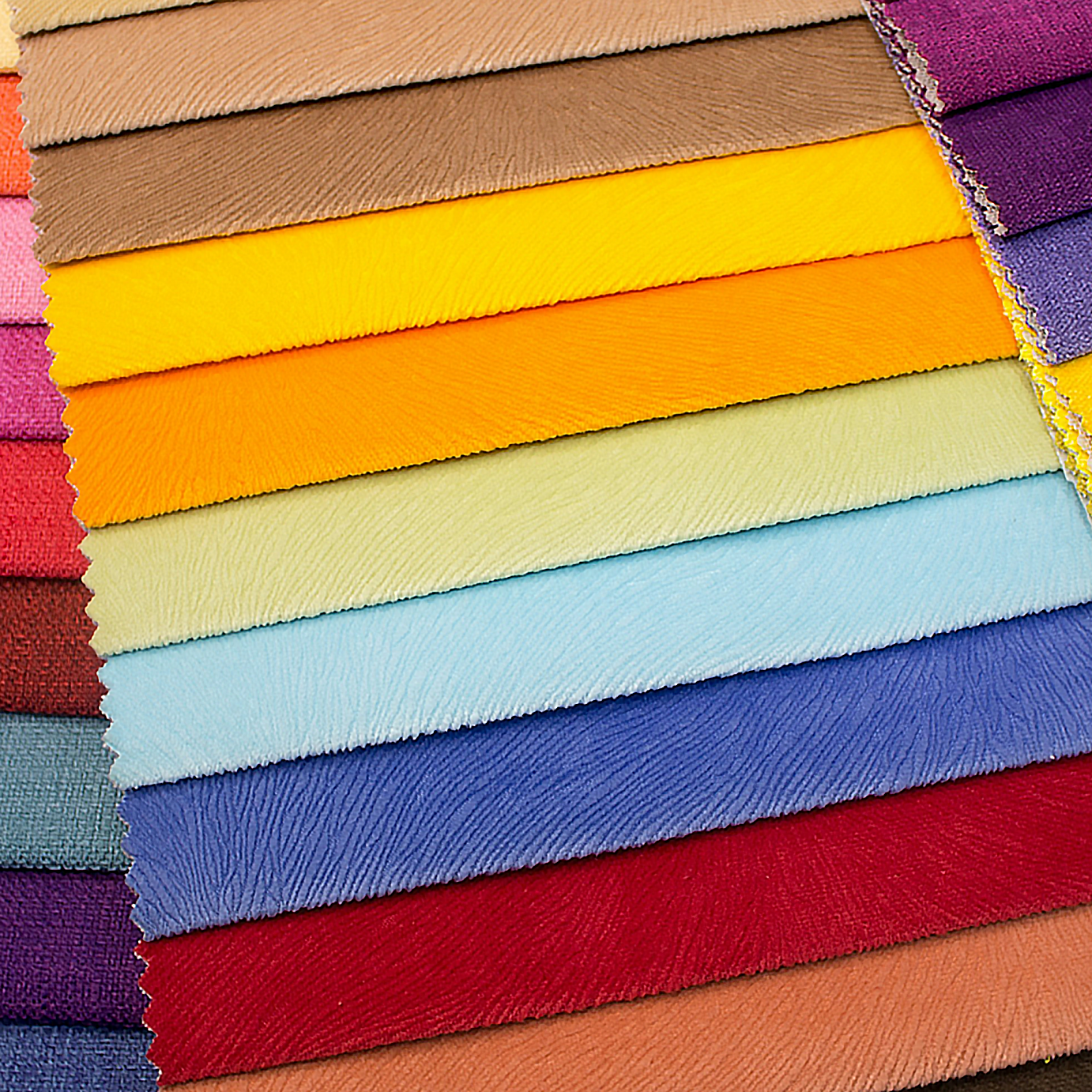
Velvet
Velvet’s warmth comes from its dense pile, typically constructed from silk, rayon, or polyester, which traps a thin layer of air close to the skin. Polyester velvet is the most affordable and easiest to care for; silk velvet offers the most refined drape and is the preferred choice for eveningwear and structured blazers.
While velvet is not the heaviest insulator on its own, layering velvet dresses or blazers over a silk or thermal base layer compensates effectively for its moderate warmth level. For winter dresses, blazers, and accessories, velvet remains one of the most versatile fashion fabrics in the cold-weather palette.
Care note: Most polyester velvet can be steamed but should never be ironed directly, as direct heat crushes the pile permanently.
Wool
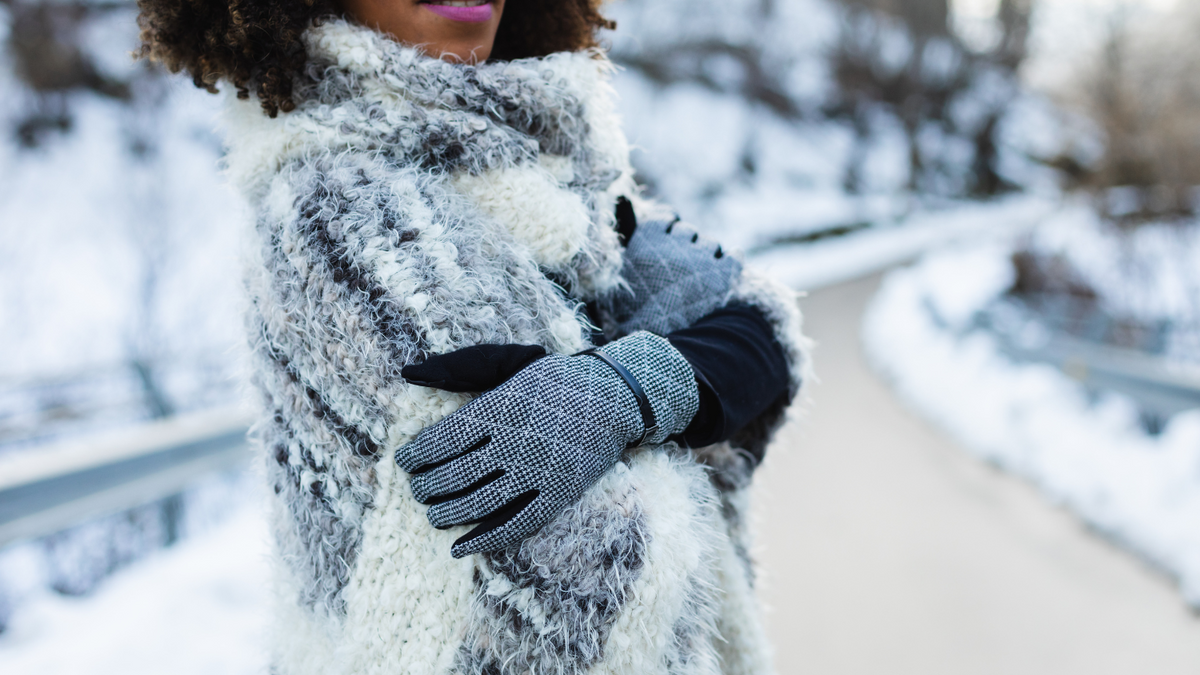
A classic choice, wool is known as one of the best fabrics for winter clothing for its exceptional insulating properties. It retains heat well, keeping you warm even in the coldest temperatures. Whether it’s a wool coat, sweater, or scarf, this natural fiber is a reliable go-to for battling the winter chill.
Care note: Hand wash in cool water or use a wool-specific machine cycle, and always dry flat to prevent stretching.
Fleece
Fleece is a synthetic fabric known for its warmth and moisture-wicking properties. It’s often used in jackets, hoodies, and thermal layers. Fleece traps heat effectively, making it a practical choice for outdoor activities in cold weather.
Flannel
Flannel is a woven fabric, usually made from cotton or a cotton-wool blend. It’s known for its softness and warmth, making it a popular choice for winter shirts and pajamas. The cozy hand feel of flannel adds a rustic charm to your winter wardrobe.
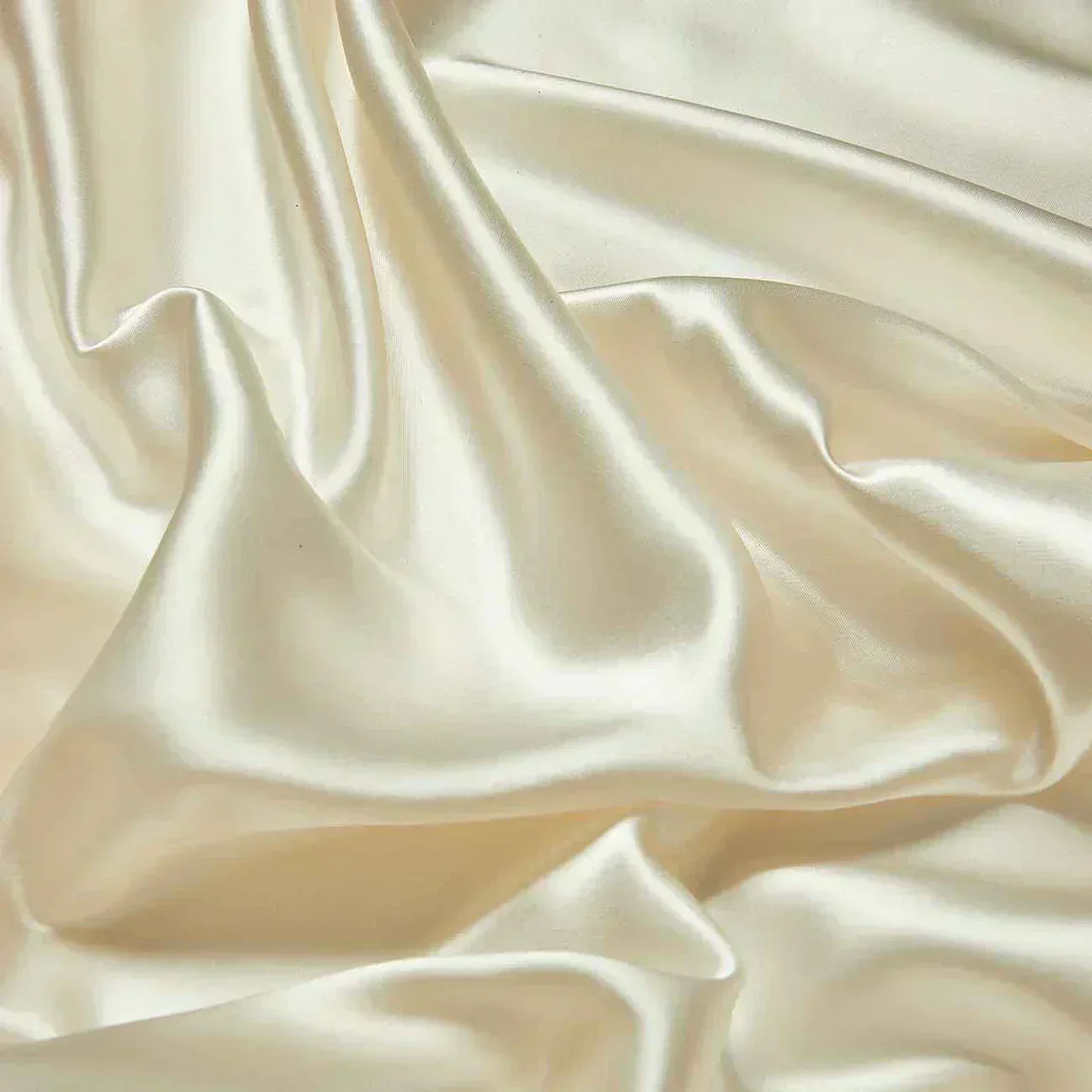
Silk
Silk is a natural temperature regulator, keeping you warm in cool weather and cool in warmer temperatures, which makes it a more versatile base layer than most sewists expect. Silk base layers are sleek and comfortable, adding warmth without bulk.
Tweed
Tweed is a durable, heavyweight fabric that originated in Scotland. Its coarse texture provides excellent warmth, making it a reliable choice for winter coats and jackets. Tweed adds a touch of sophistication to cold-weather ensembles.
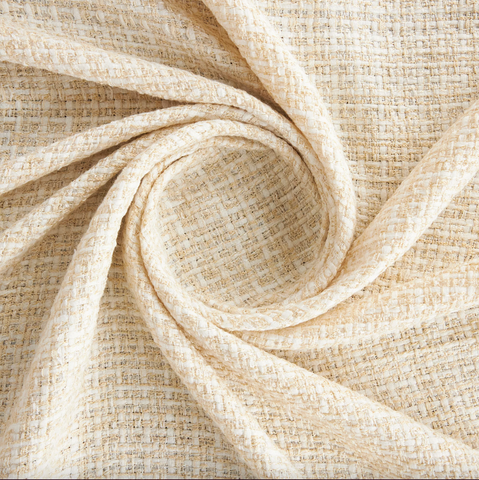
Zelouf Celia Metallic Boucle Tweed in Linen/Ivory/Gold
Bouclé
Bouclé is typically made from wool, cotton, silk, or synthetic blends, the looped yarn construction creates air pockets within the fabric that act as natural insulation, similar to how a knitted structure traps heat. That textured surface is what gives bouclé coats and jackets their characteristic warmth and visual depth.
Because of its textured surface, bouclé is best lined when used in structured garments like coats and jackets, both for comfort against the skin and to preserve the garment’s shape over time. Unlined bouclé can feel scratchy at the neckline and tends to lose structure at stress points, lining resolves both issues cleanly.
Ponte Knit
Ponte knit is a double-knit fabric that is thicker and more stable than regular jersey knit, making it a reliable choice for winter dresses, skirts, and pants. Ponte knit typically contains a blend of rayon, nylon, and spandex, giving it excellent shape retention and a smooth, professional finish that works well for office-to-evening winter dressing. It has minimal fraying at cut edges, which simplifies construction for both production sewers and home makers.
Jersey
Jersey is a stretchy, breathable fabric well suited to winter dresses, long-sleeve tops, and form-fitting garments where ease of movement matters. For winter, opt for heavyweight jersey (200 or more GSM) or a cotton-modal blend, which adds a subtle warmth boost while retaining jersey’s signature softness and stretch. The added weight improves drape and gives the fabric a more substantial hand feel without sacrificing comfort.
|
Fabric |
Warmth |
Best For |
Standout Detail |
|
Wool |
Very warm |
Coats, sweaters, scarves |
Exceptional heat retention; dry flat after washing |
|
Tweed |
Very warm |
Coats, jackets |
Durable heavyweight with coarse texture |
|
Sweater Knits |
Warm |
Sweaters, cardigans, leggings |
Wool blends warmest; 300 to 500 GSM for sweaters |
|
Fleece |
Warm |
Jackets, hoodies, thermal layers |
Moisture-wicking; good for outdoor activity |
|
Bouclé |
Warm |
Coats, jackets |
Looped yarn traps air; best lined |
|
Corduroy |
Moderately warm |
Pants, jackets, shirts, skirts |
Wide wale (under 8/in) warmer than fine (14+/in) |
|
Velvet |
Moderately warm |
Dresses, blazers, accessories |
Dense pile traps air; never iron directly |
|
Flannel |
Moderately warm |
Shirts, pajamas |
Soft, cozy woven fabric |
|
Ponte Knit |
Moderately warm |
Dresses, skirts, pants |
Thick double knit; holds shape, minimal fraying |
|
Jersey |
Light to moderate |
Dresses, long-sleeve tops, fitted wear |
Choose 200+ GSM for winter warmth |
|
Silk |
Light to moderate |
Base layers |
Regulates temperature; warmth without bulk |
How to Choose the Right Winter Fabric
Knowing which winter fabrics exist is only half the equation, understanding how to combine them in a layering system is what keeps you genuinely warm in winter conditions.
The Base Layer
A well-built layering system has three functional zones. The base layer sits against the skin and manages moisture. Silk, merino wool, and microfleece are the strongest performers here, all three wick moisture away from the body and dry quickly, preventing the chill that comes from trapped perspiration. Cotton is a poor base-layer choice in cold or wet conditions because it absorbs moisture and holds it against the skin.
The Mid-Layer
The mid-layer provides the bulk of the insulation. Wool, cashmere, fleece, and heavyweight sweater knits all work well in this role. The choice between natural and synthetic comes down to use case, wool and cashmere offer superior warmth-to-weight ratios and natural odor resistance; fleece and synthetic knits are lighter, faster-drying, and generally more affordable for high-volume production.
The Outer Layer
The outer layer handles wind resistance and water repellency. Tweed, tightly woven wool, and technical shell fabrics all serve this function. Velvet and bouclé can work as outer layers in dry, mild-cold conditions but are not suited to wet weather without additional treatment.
For buyers sourcing fabrics for winter production, the most efficient approach is to select fabrics by layer function first, then by aesthetic. Matching warmth-to-weight ratio to the garment’s intended layer position eliminates most fit and performance problems before a single seam is sewn.
Wool, fleece, and cashmere are the three warmest fabrics by insulation-to-weight, but the most effective winter wardrobe, whether you are sewing a single coat or sourcing a full production run, relies on layering natural and synthetic fibers strategically rather than depending on any single fabric. Browse Zelouf’s full winter fabric collection to find the right weight, composition, and print fabric options for every layer of your cold-weather project. With more than 35 years of experience sourcing and converting fashion fabrics from New York’s Garment District, we can help you match the right textile to the right application.
Frequently Asked Questions
What is the warmest fabric for winter?
Cashmere and merino wool deliver the highest warmth-to-weight ratio of any natural fiber. For synthetic options, wool fleece and polar fleece are the closest equivalents. In practical terms, the warmest single-fabric garment you can wear is a cashmere or lambswool sweater over a silk or merino base layer.
Is wool or fleece warmer?
Wool generally outperforms synthetic fleece on warmth-to-weight ratio and is significantly better in wet conditions because it retains insulating properties even when damp. Fleece dries faster and is lighter for the same thickness, making it a strong mid-layer choice for active outdoor use. For stationary cold-weather wear, wool wins. For high-output activity, fleece is often the more practical choice.
What is the best fabric for a winter coat?
Wool, tweed, and bouclé are the three most reliable choices for winter coat construction. Wool offers the best all-around insulation and drape. Tweed adds wind resistance and water repellency from its tight weave. Bouclé provides visual texture and warmth but requires lining for comfort and structure. All three are standard in professional outerwear production and are well represented in Zelouf’s range of fashion fabrics.
Can you wear silk in winter?
Yes, silk is one of the most effective base-layer fabrics for cold weather. Its natural temperature-regulating properties and lightweight hand feel make it ideal under heavier outerwear. Silk jersey and silk interlock knits are particularly well suited to this application because they provide natural stretch and fit comfortably against the skin. Silk is not a standalone winter fabric, but as part of a layering system it adds meaningful warmth without bulk.
What fabrics should I avoid in cold weather?
Cotton as a standalone outer or mid-layer is the most common mistake in cold-weather dressing. Cotton absorbs moisture readily and loses its insulating properties when wet, a combination that accelerates heat loss in cold or damp conditions. In the outdoor and health community, this is sometimes summarized as “cotton kills” in reference to its performance failure in wet cold. For winter, reserve cotton for dry indoor wear or use it only as a component in blended fabrics like cotton flannel or cotton-blend corduroy where other fibers compensate for its moisture retention.
What is the best fabric for winter base layers?
Merino wool and silk are the two strongest natural-fiber base layers. Merino is moisture-wicking, odor-resistant, and soft enough for next-to-skin wear. Silk is lighter, smoother, and naturally hypoallergenic, the preferred choice for people with sensitive skin. For synthetic options, microfleece and moisture-wicking polyester knits perform well. Avoid standard cotton jersey as a base layer in cold or active conditions.