
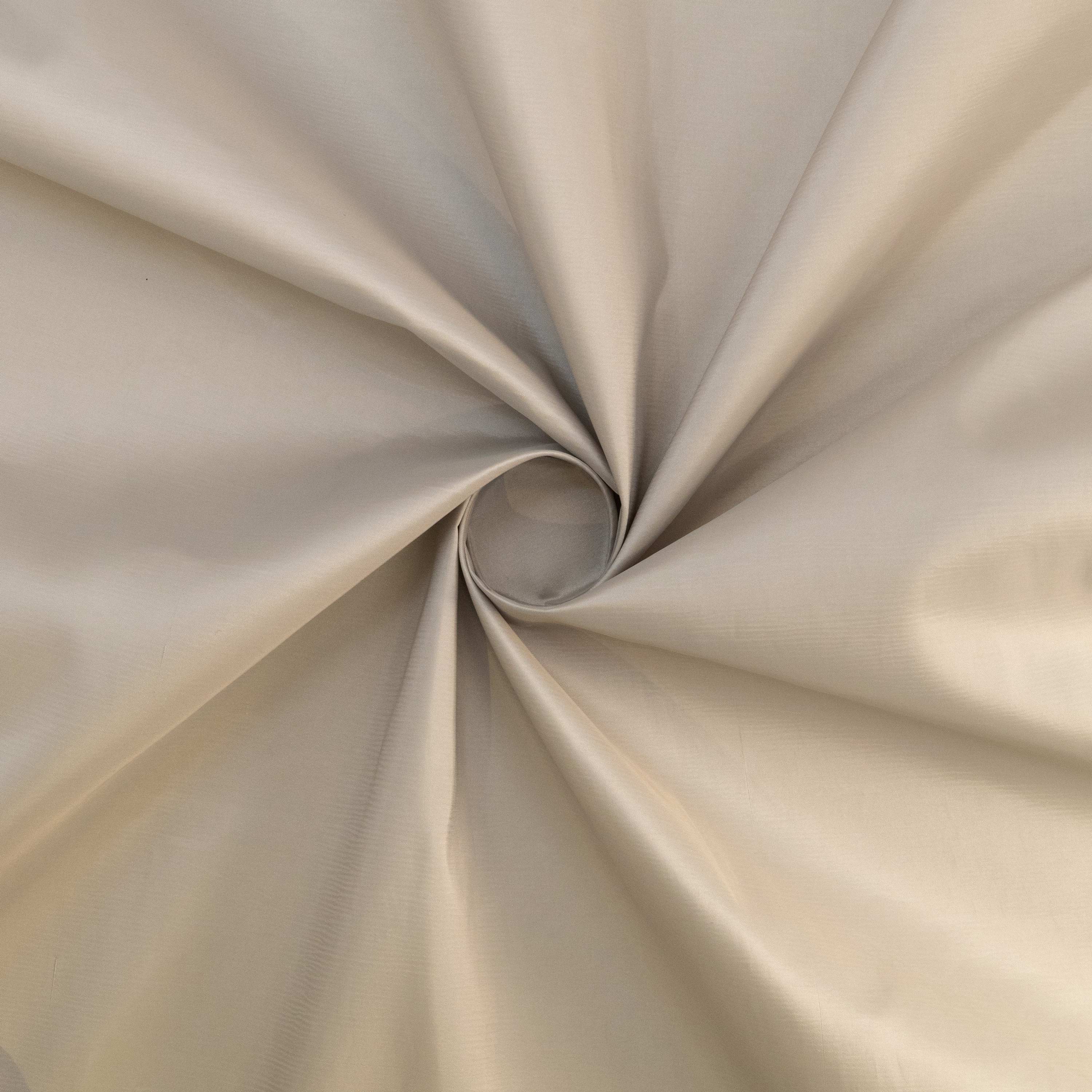
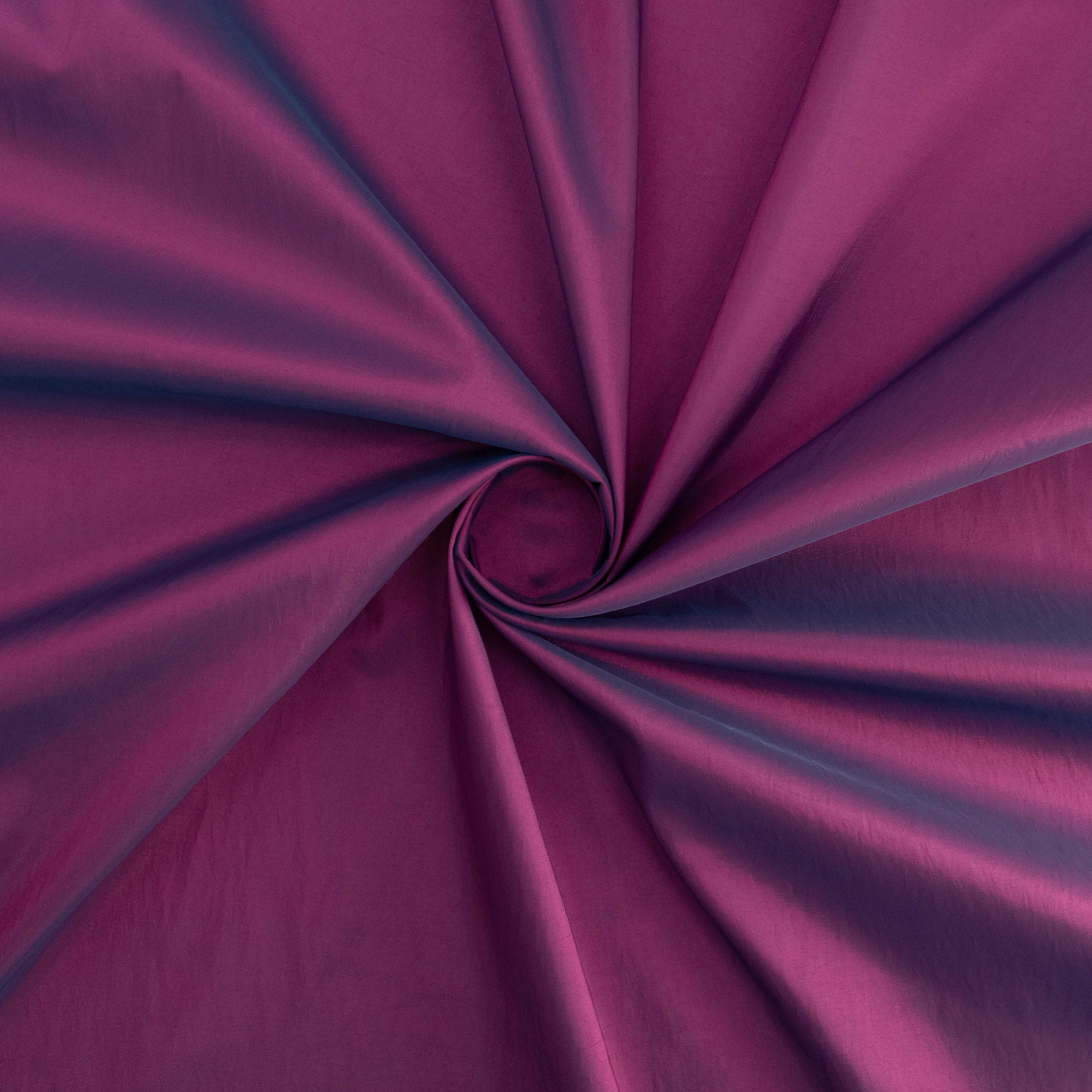
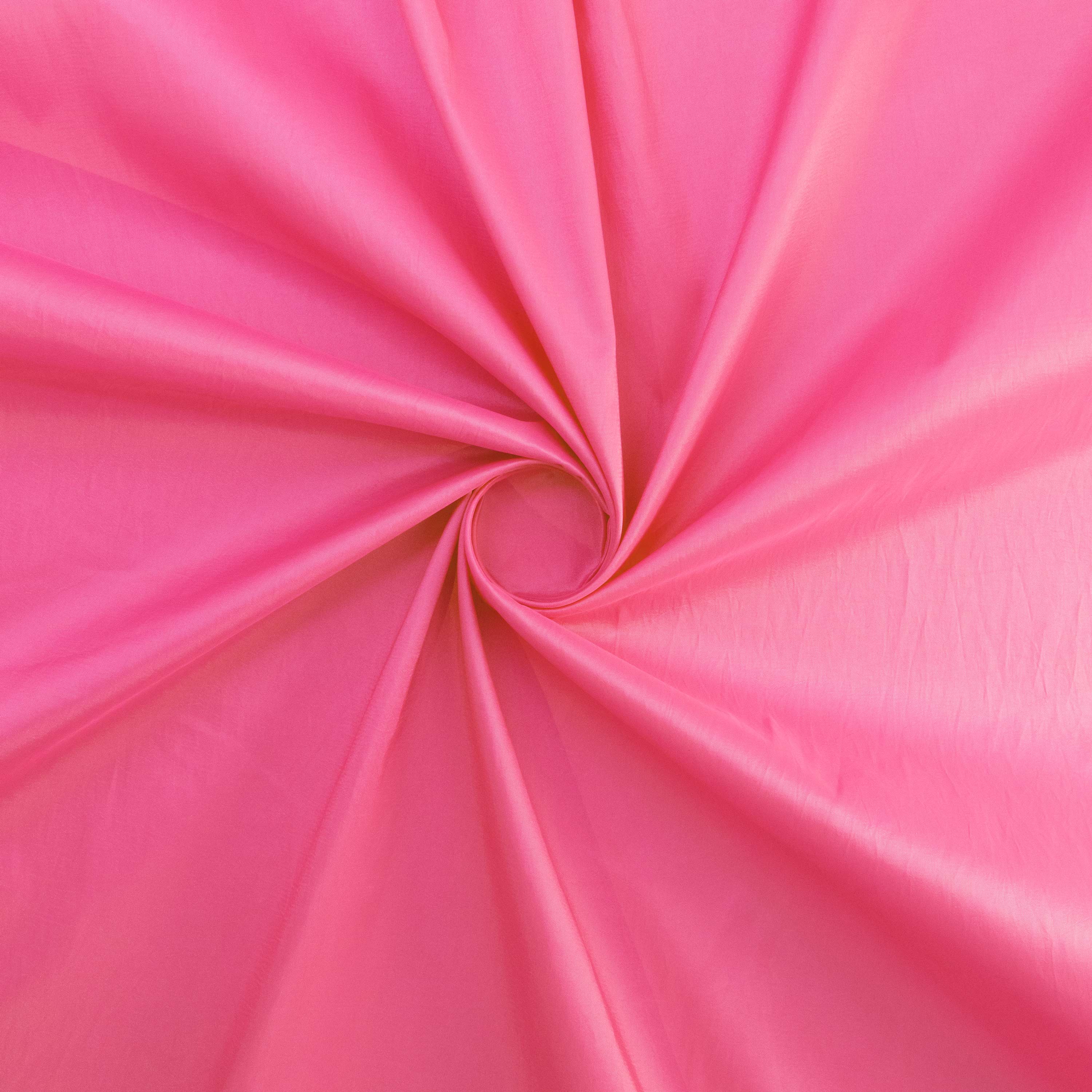
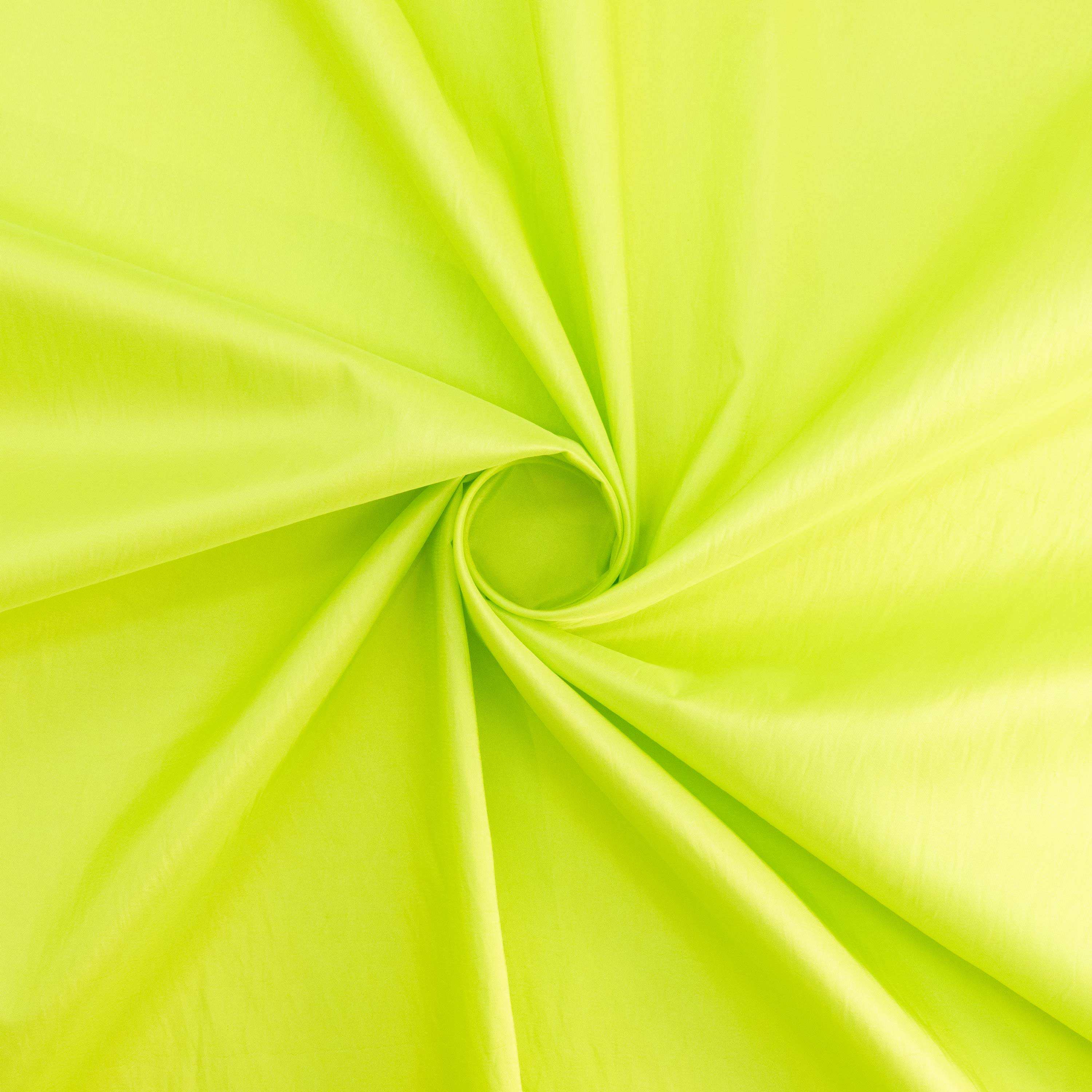
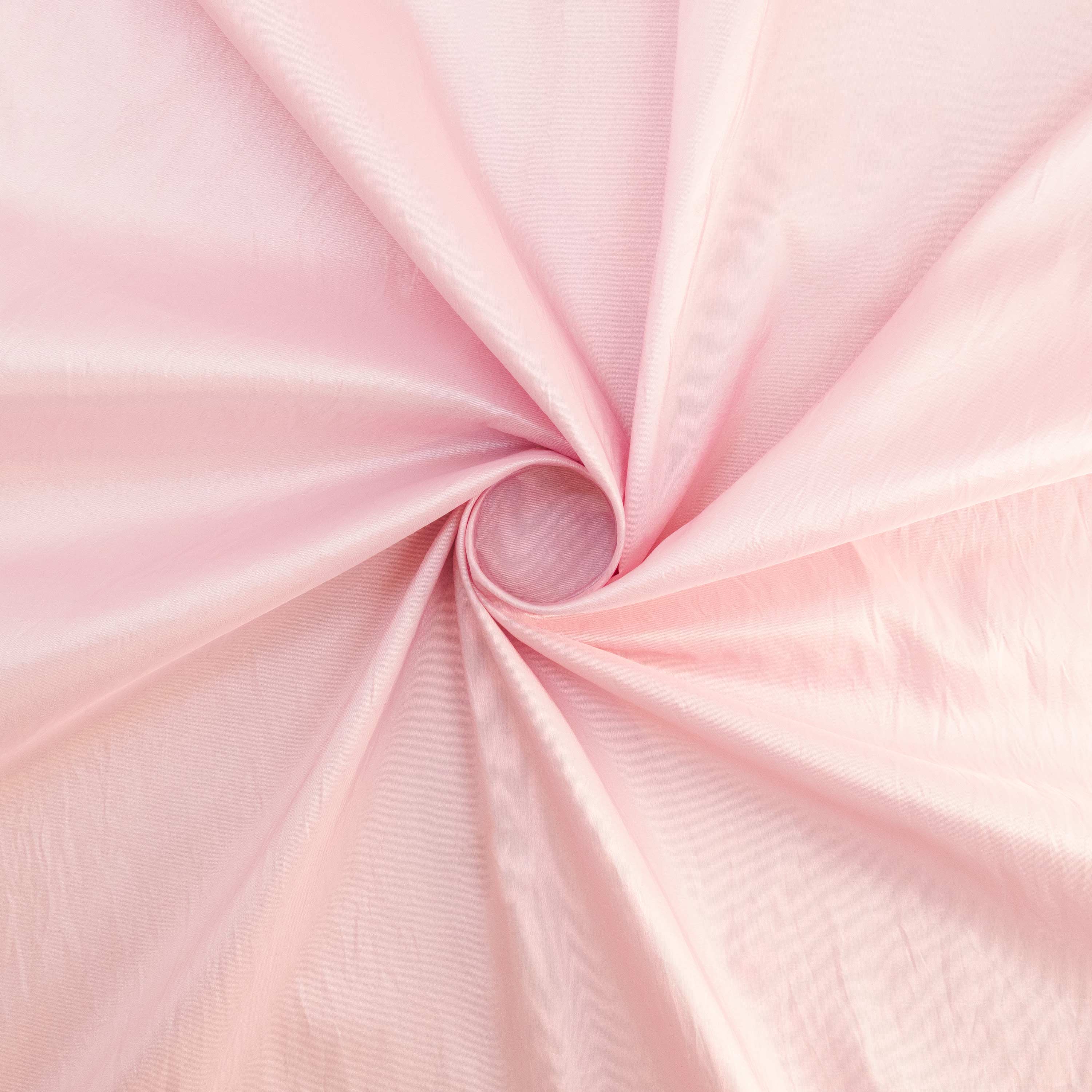
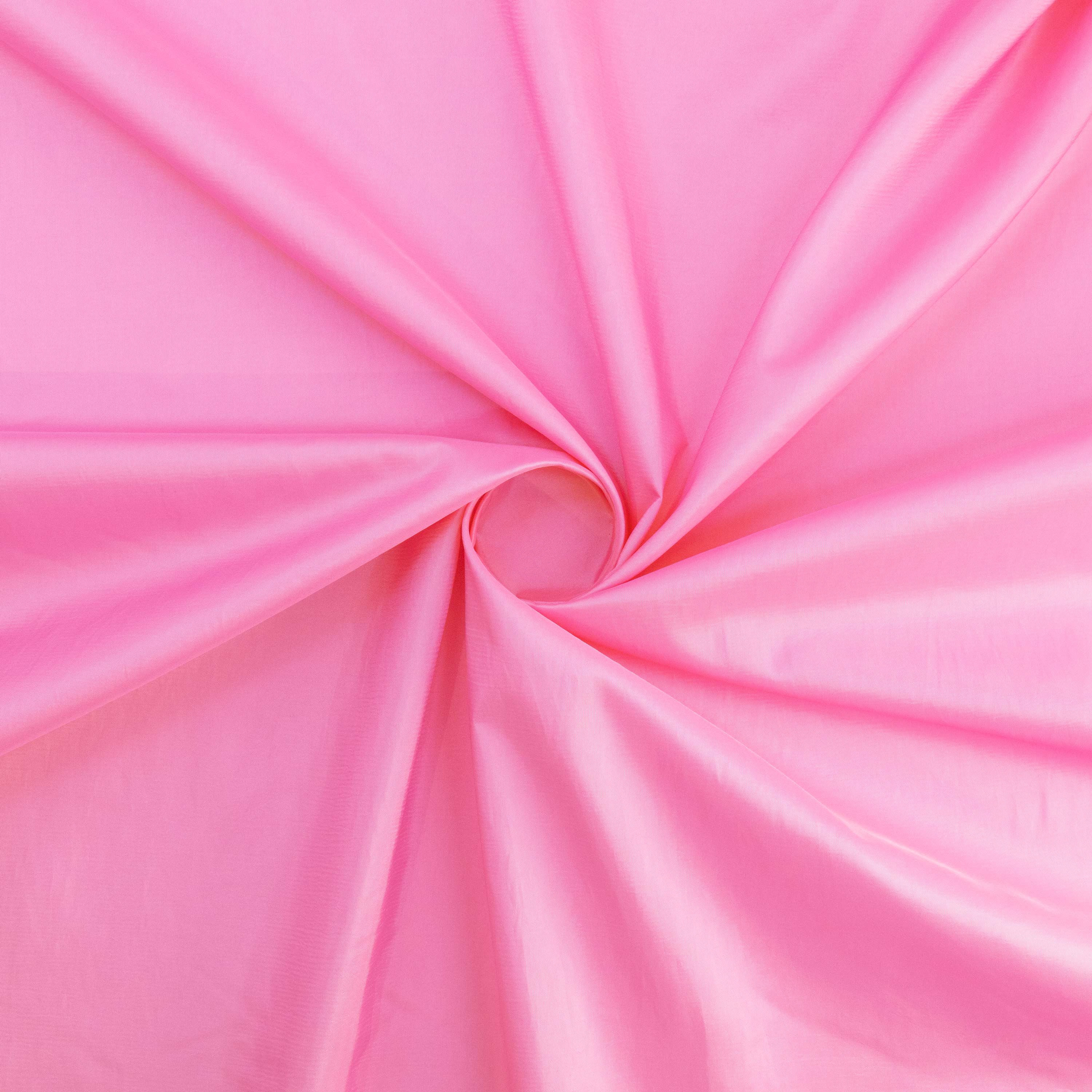
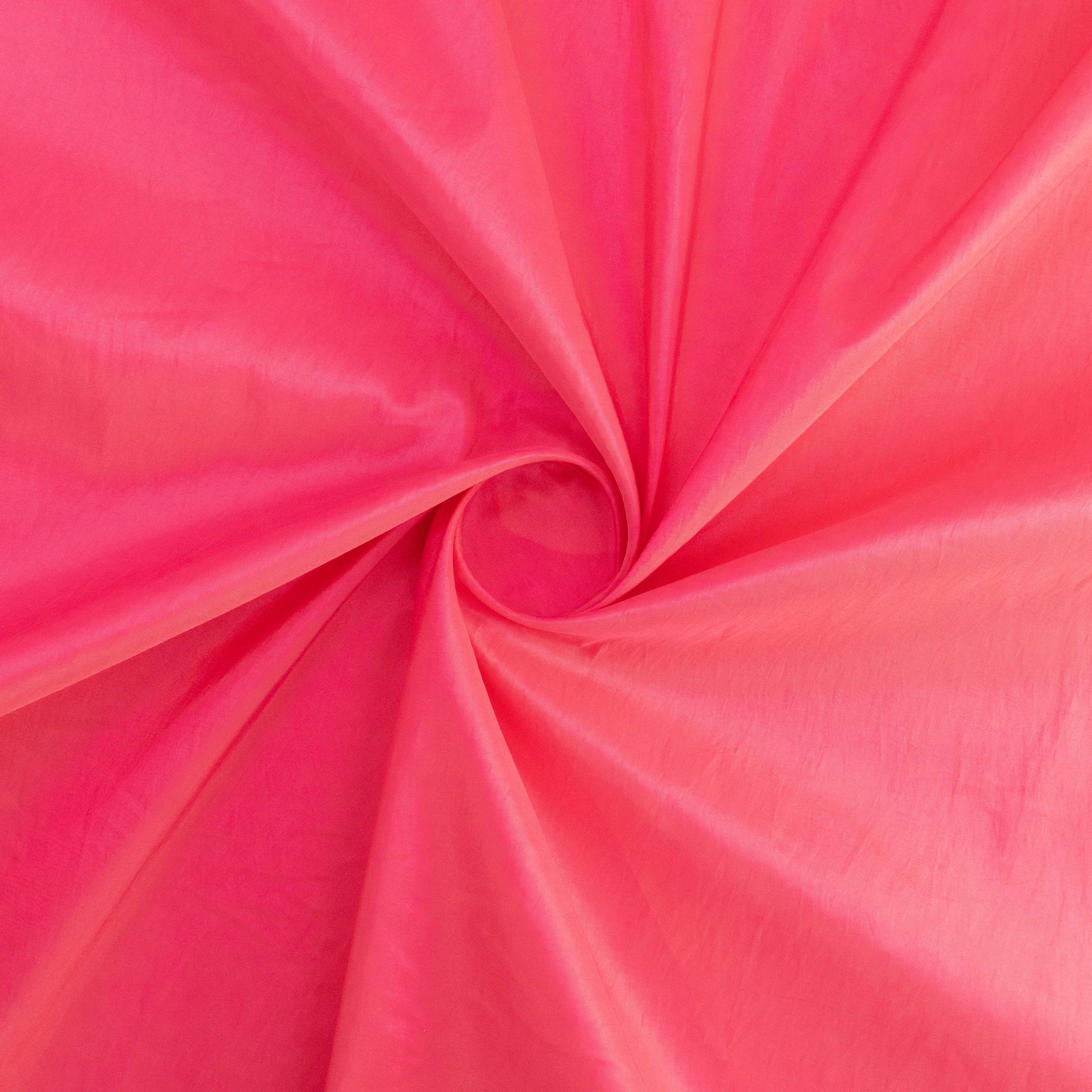
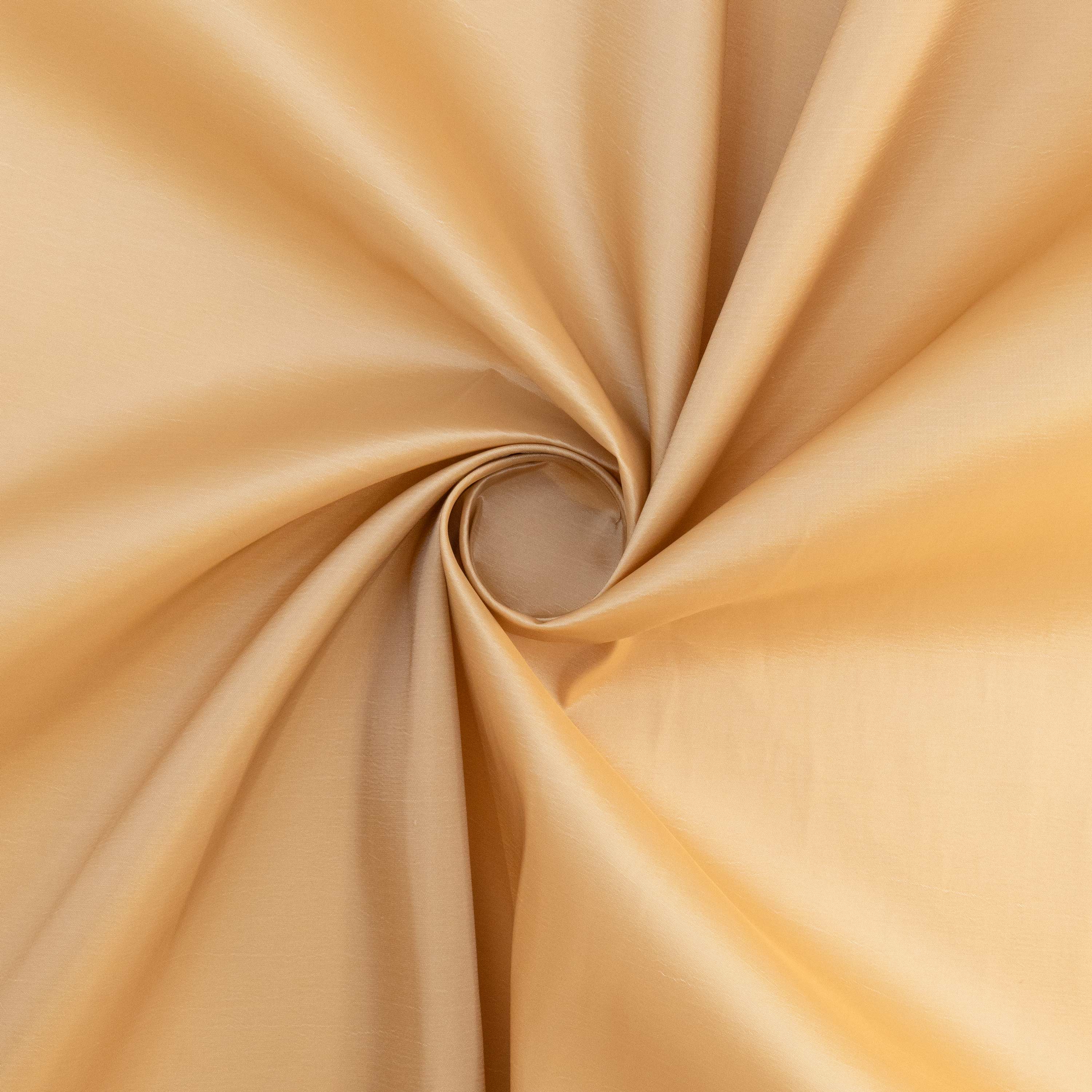
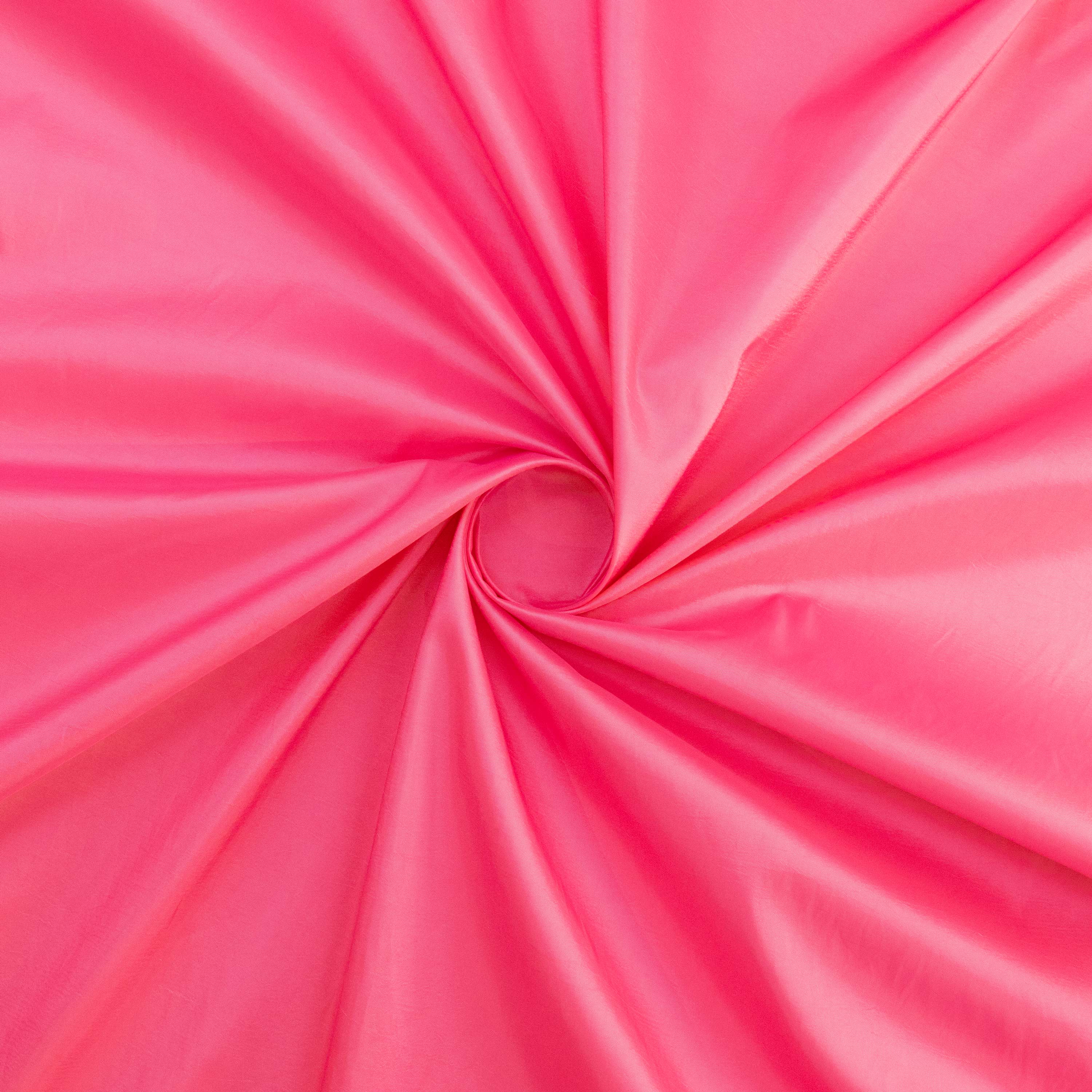
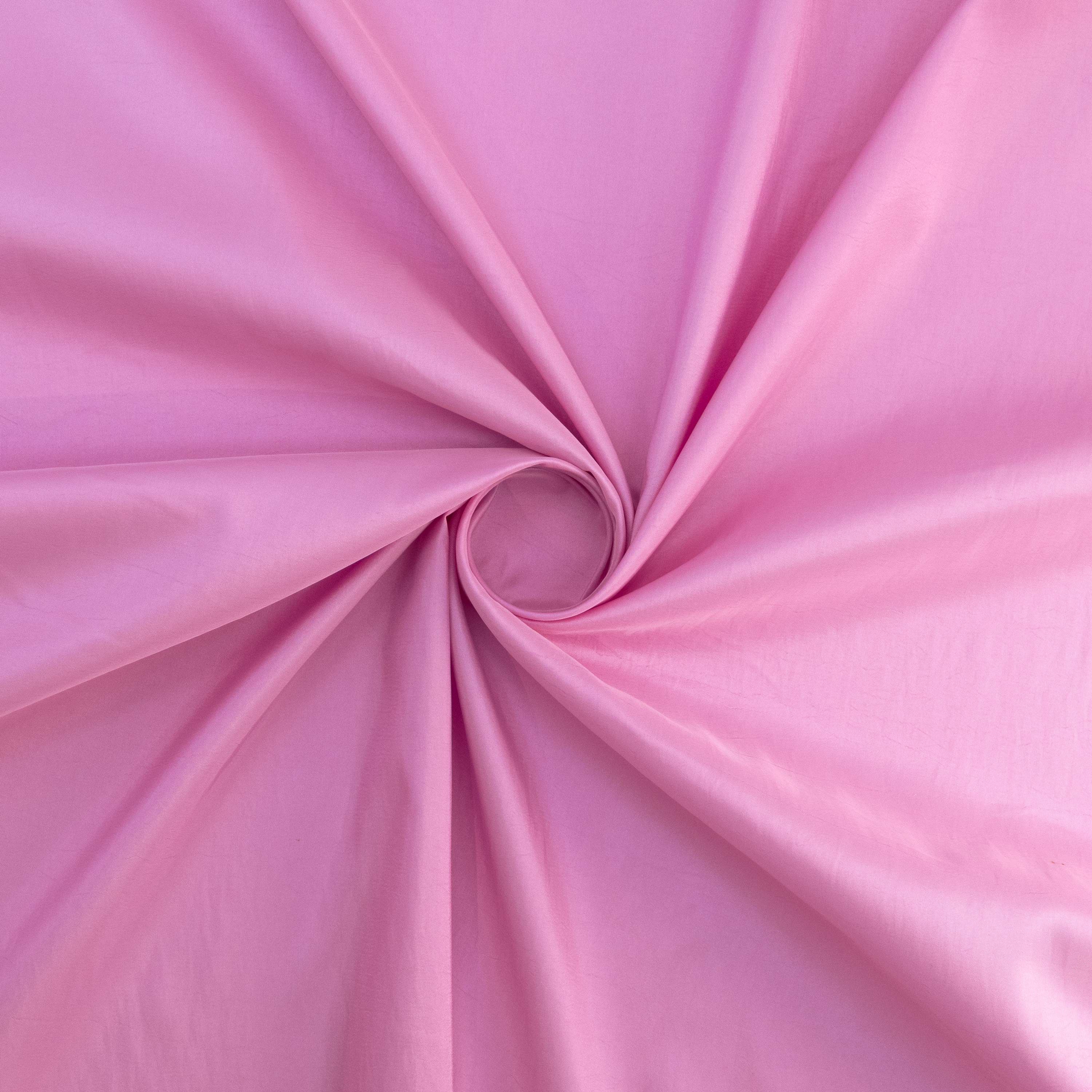
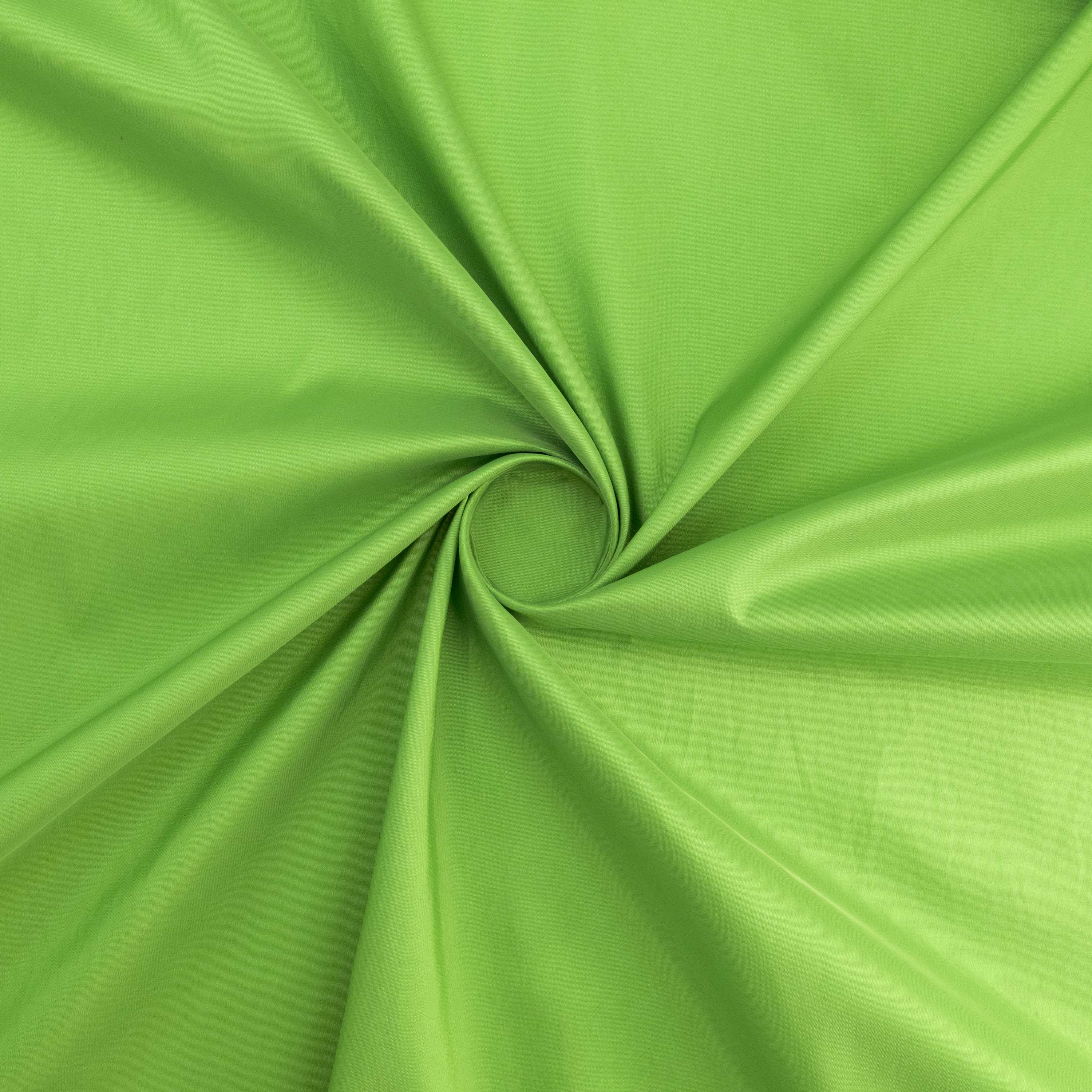
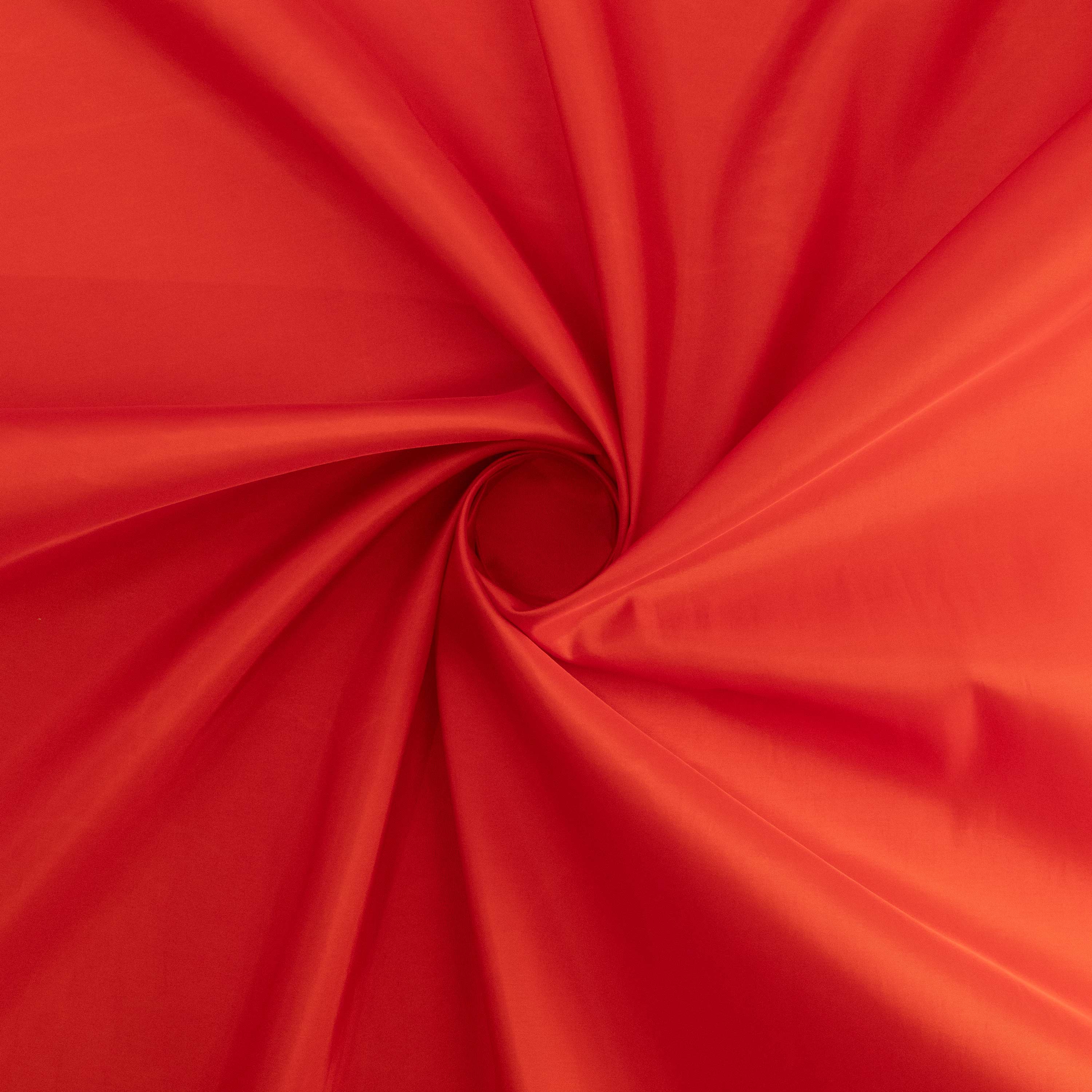
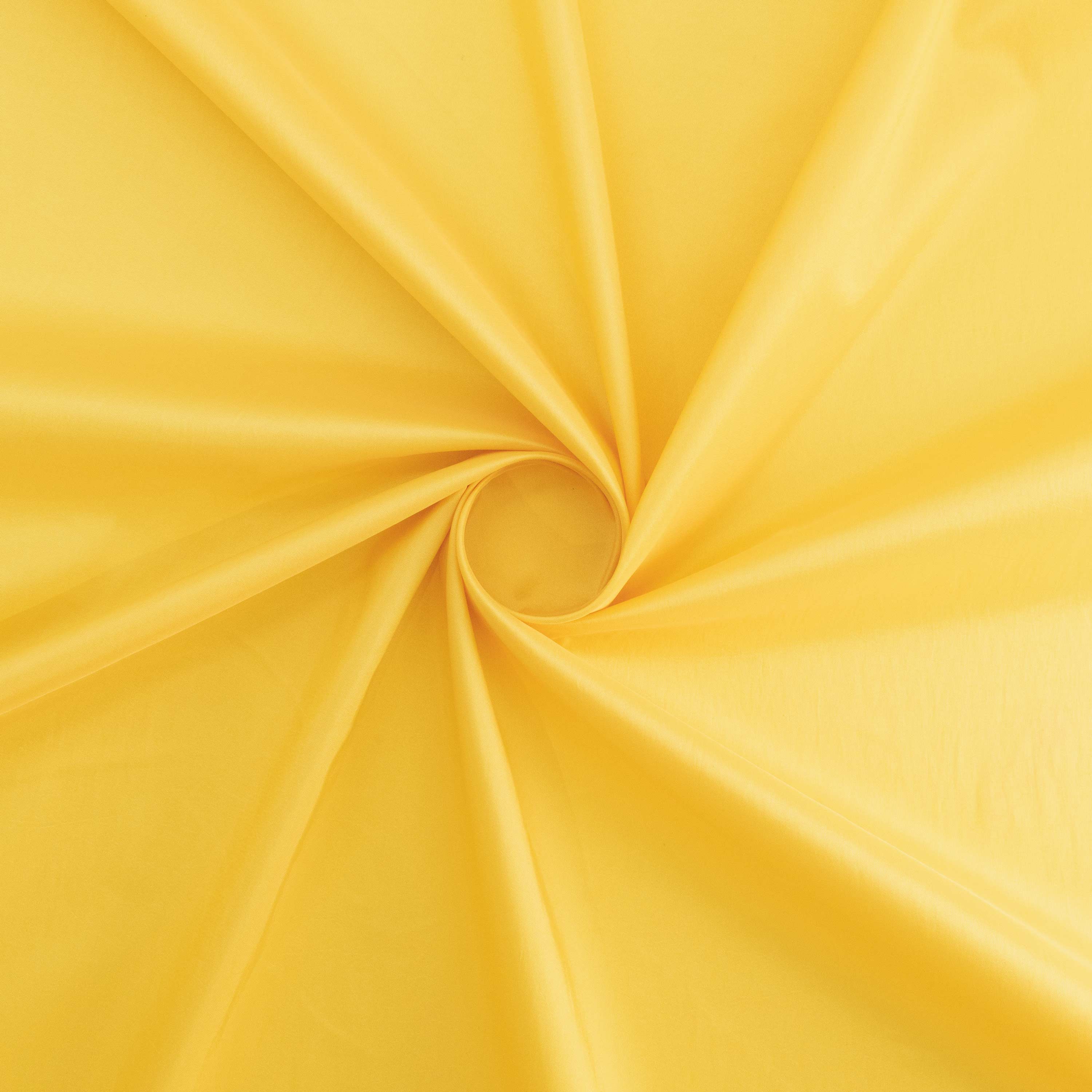
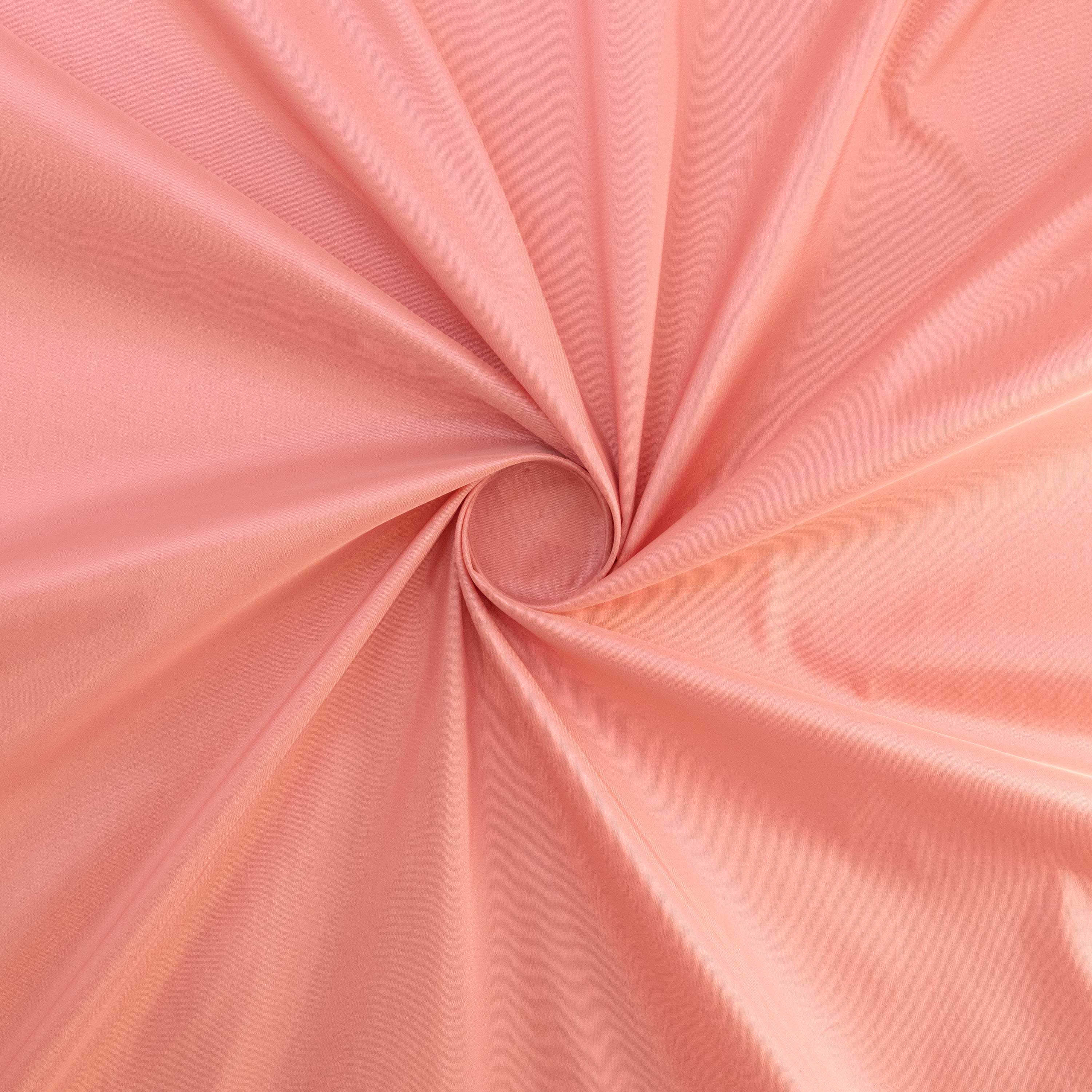
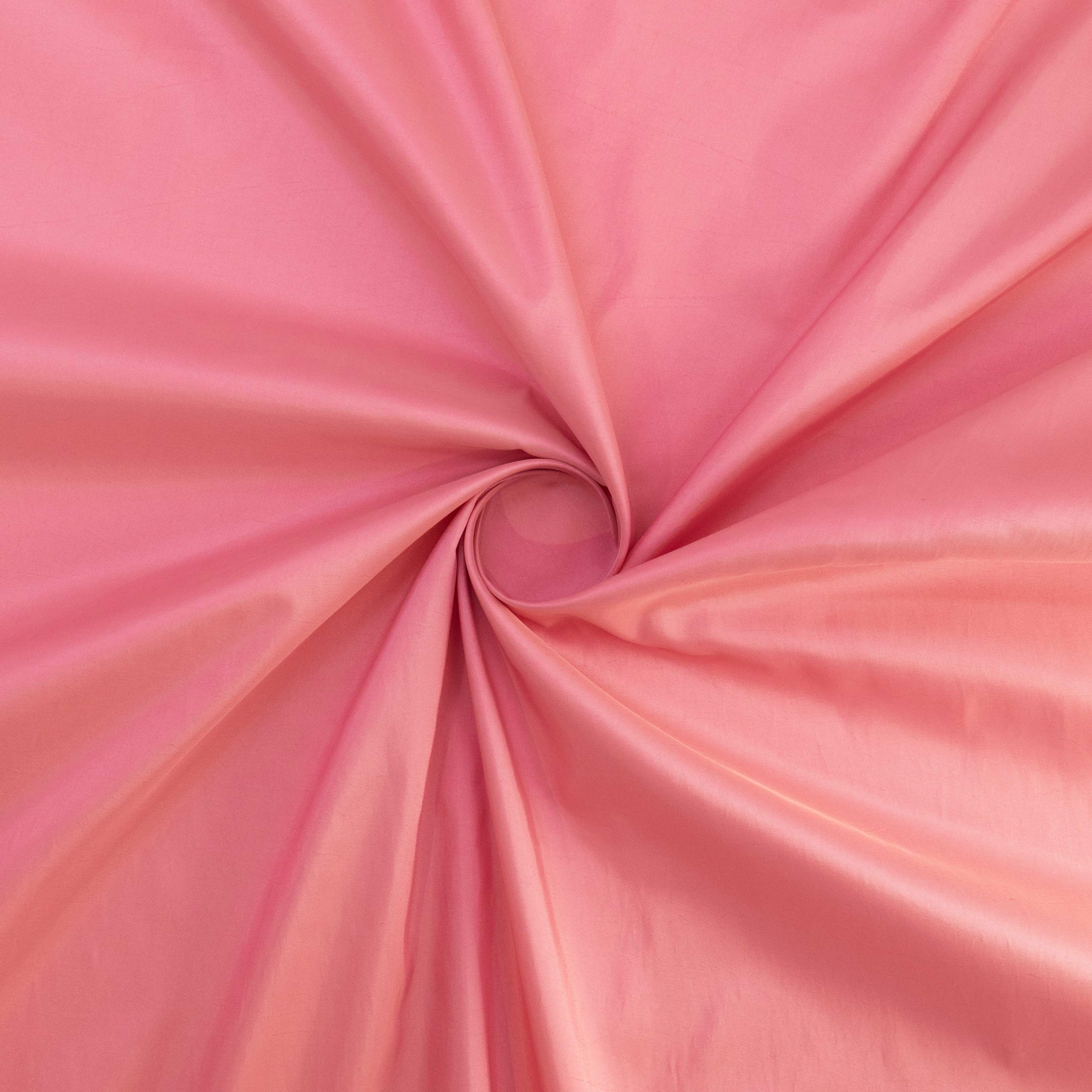
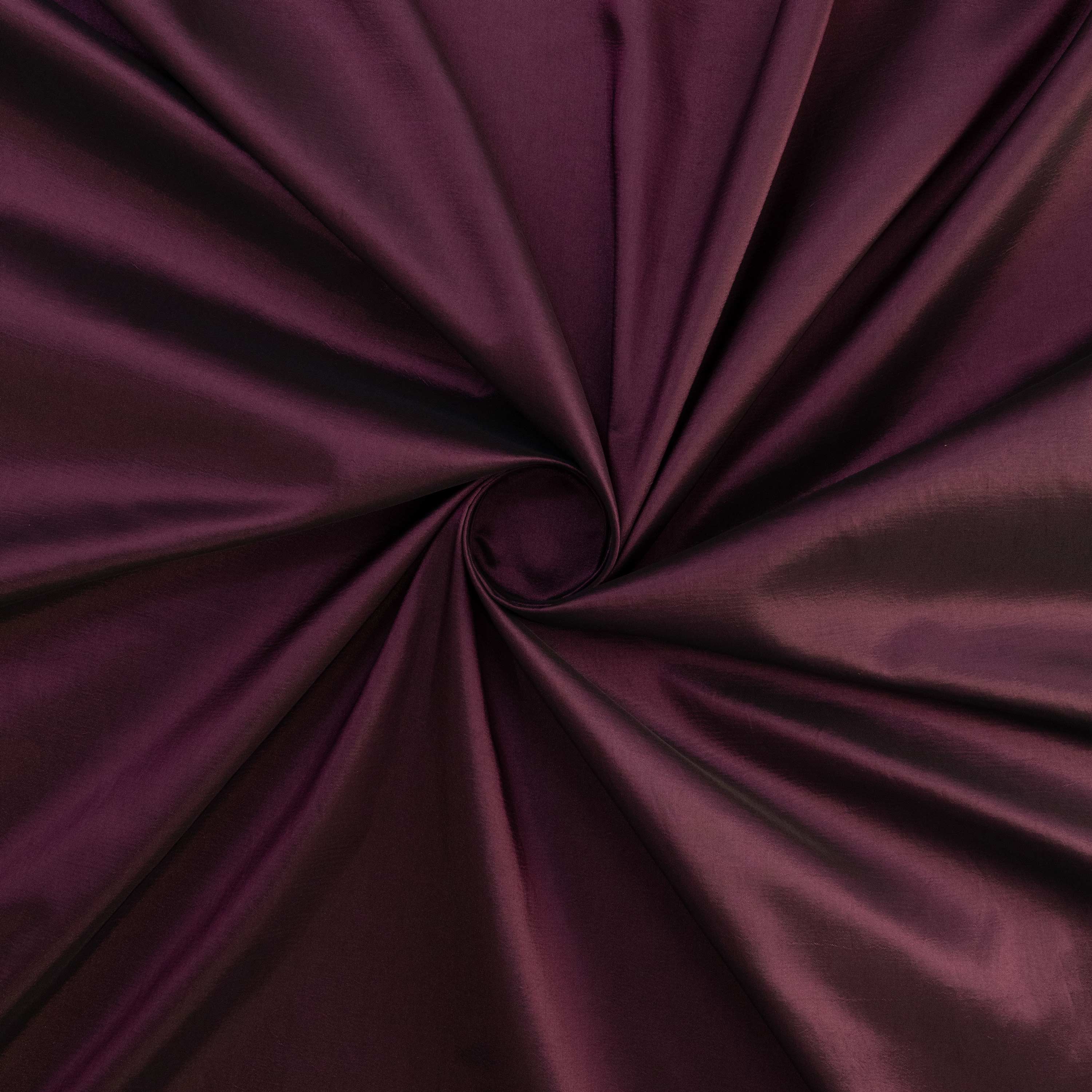
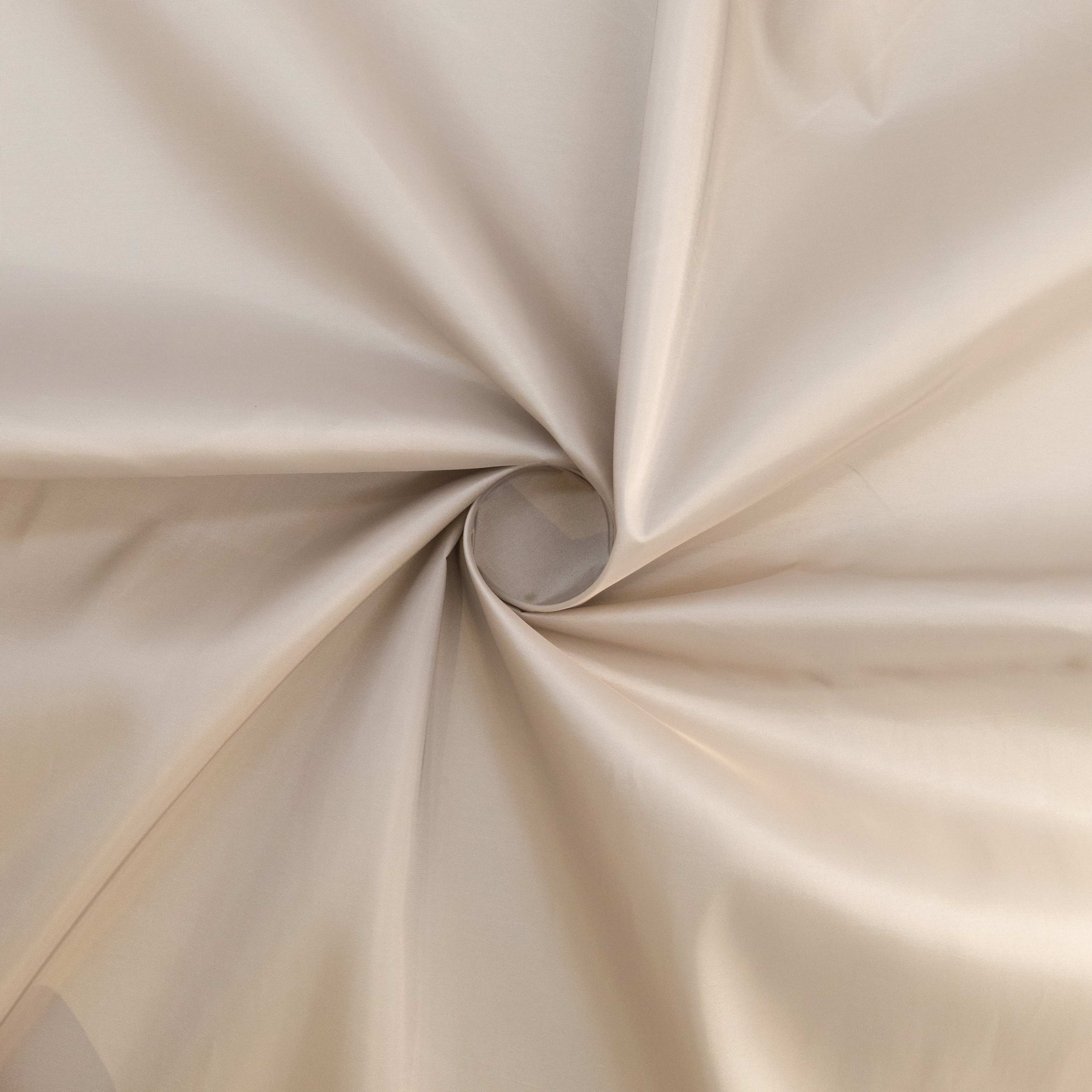
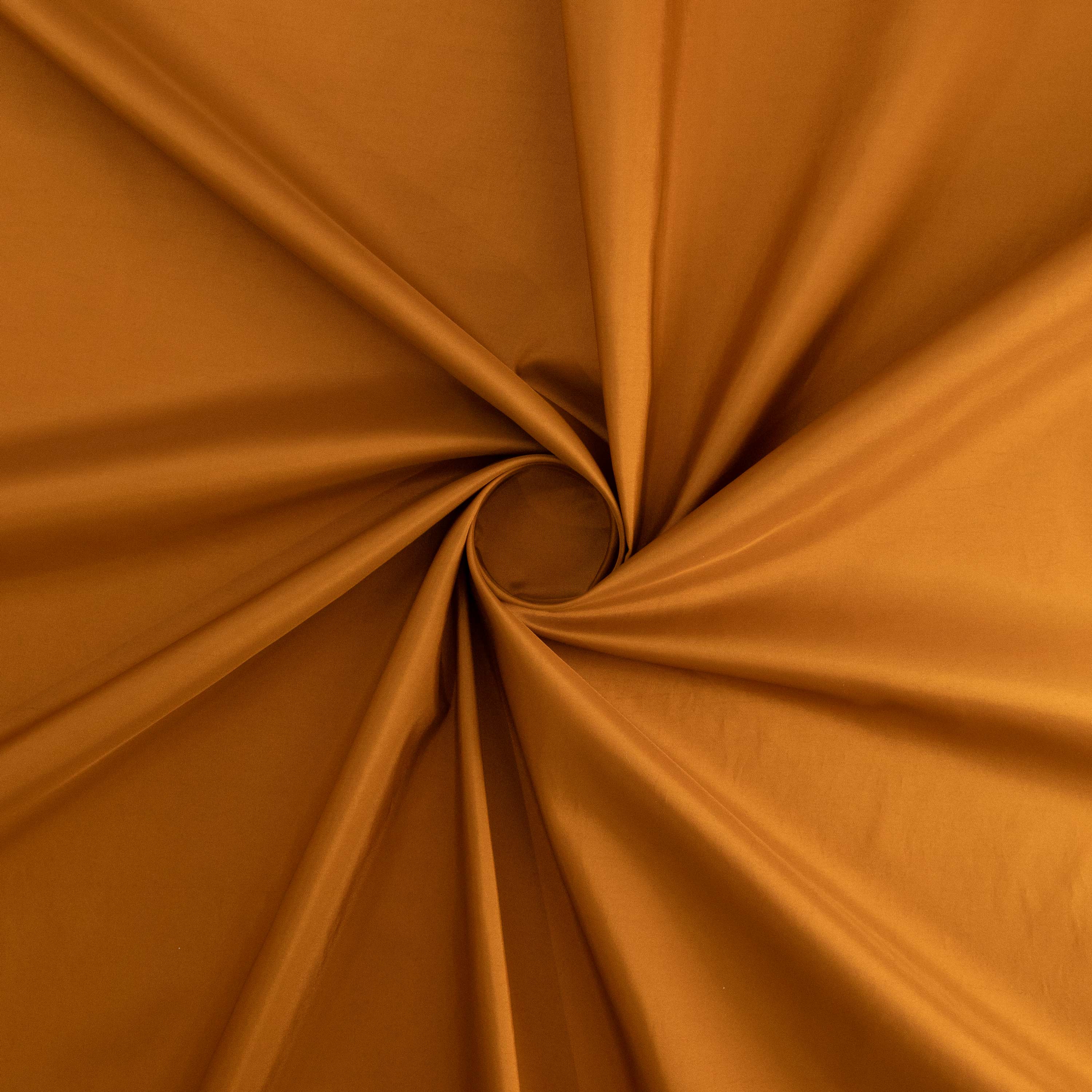
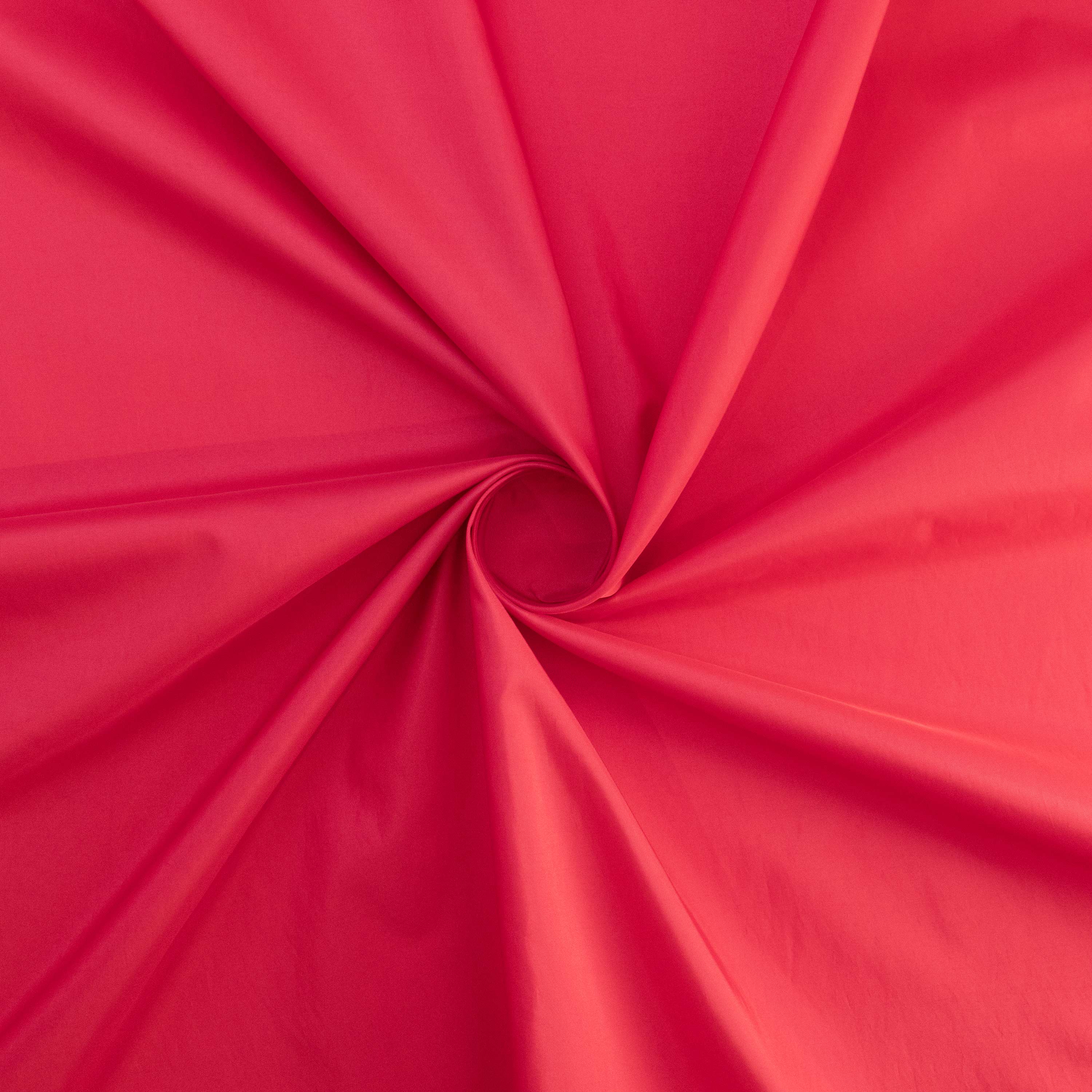
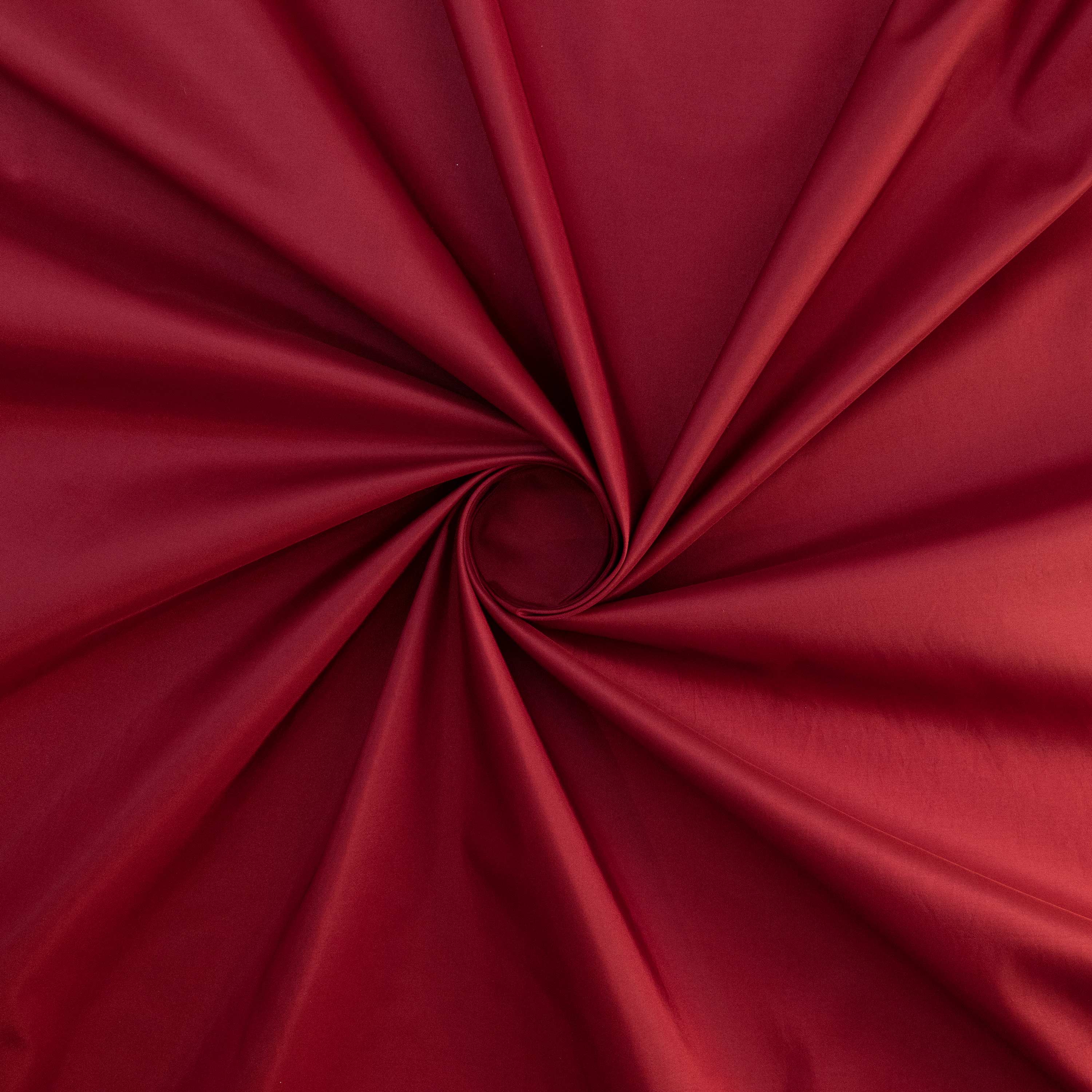
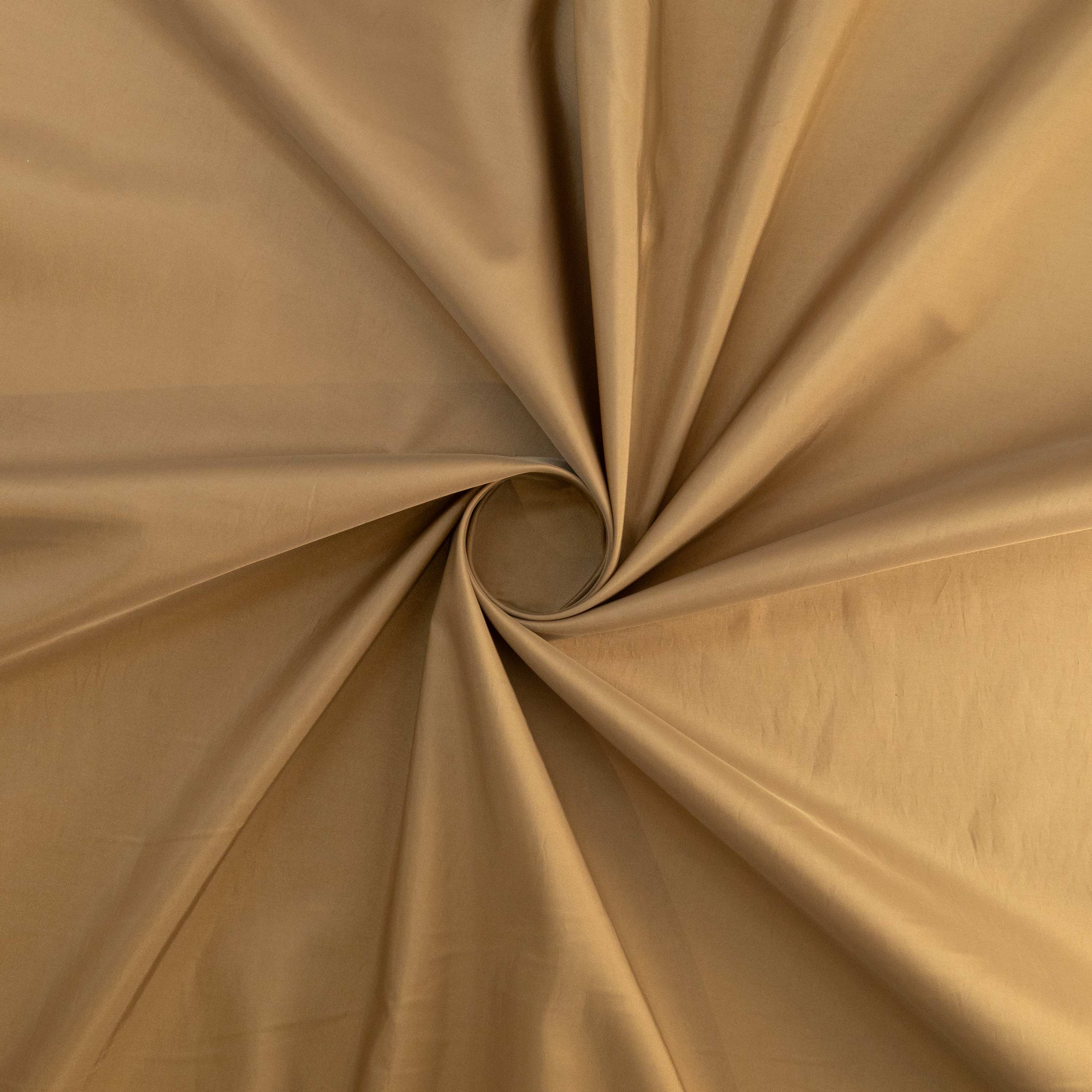
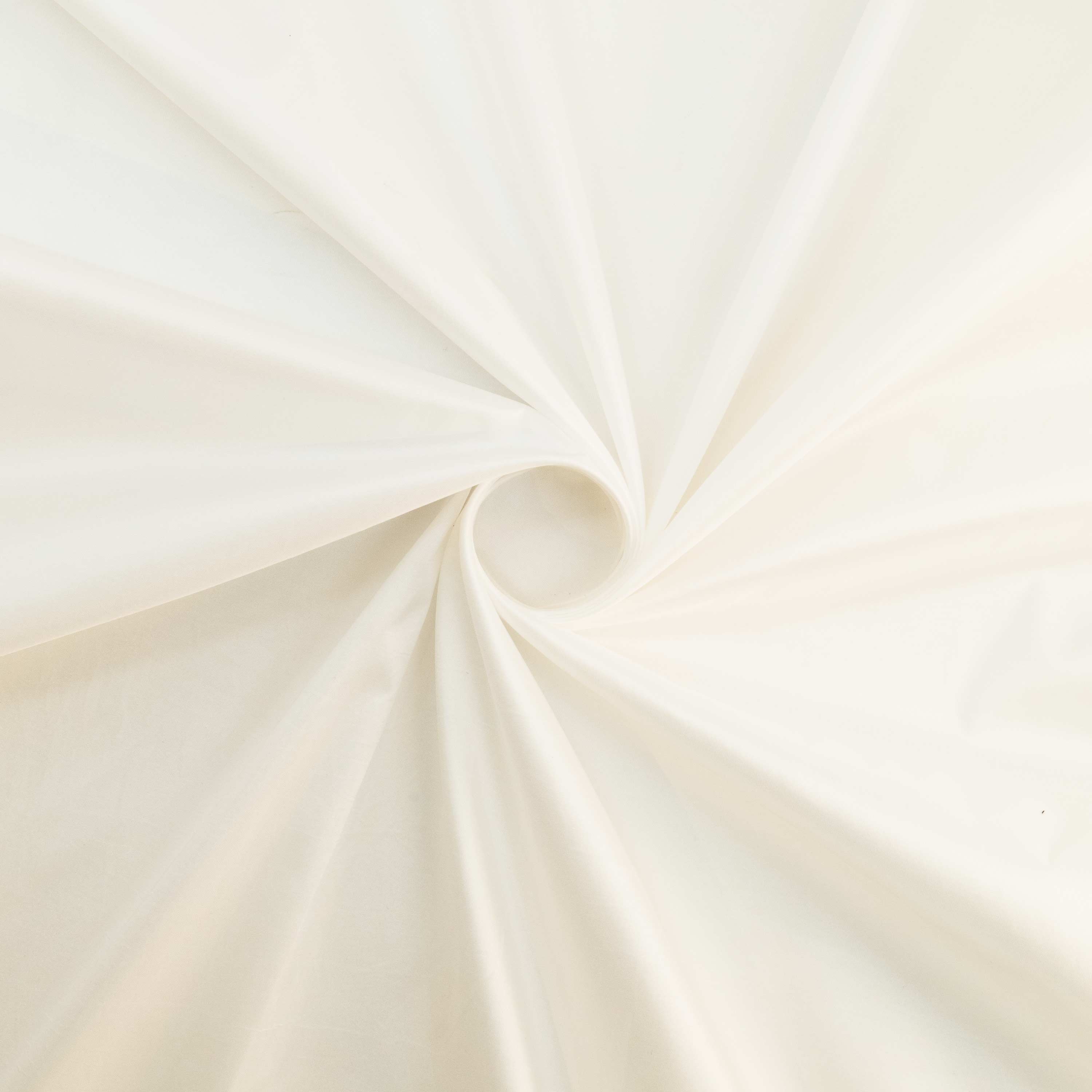
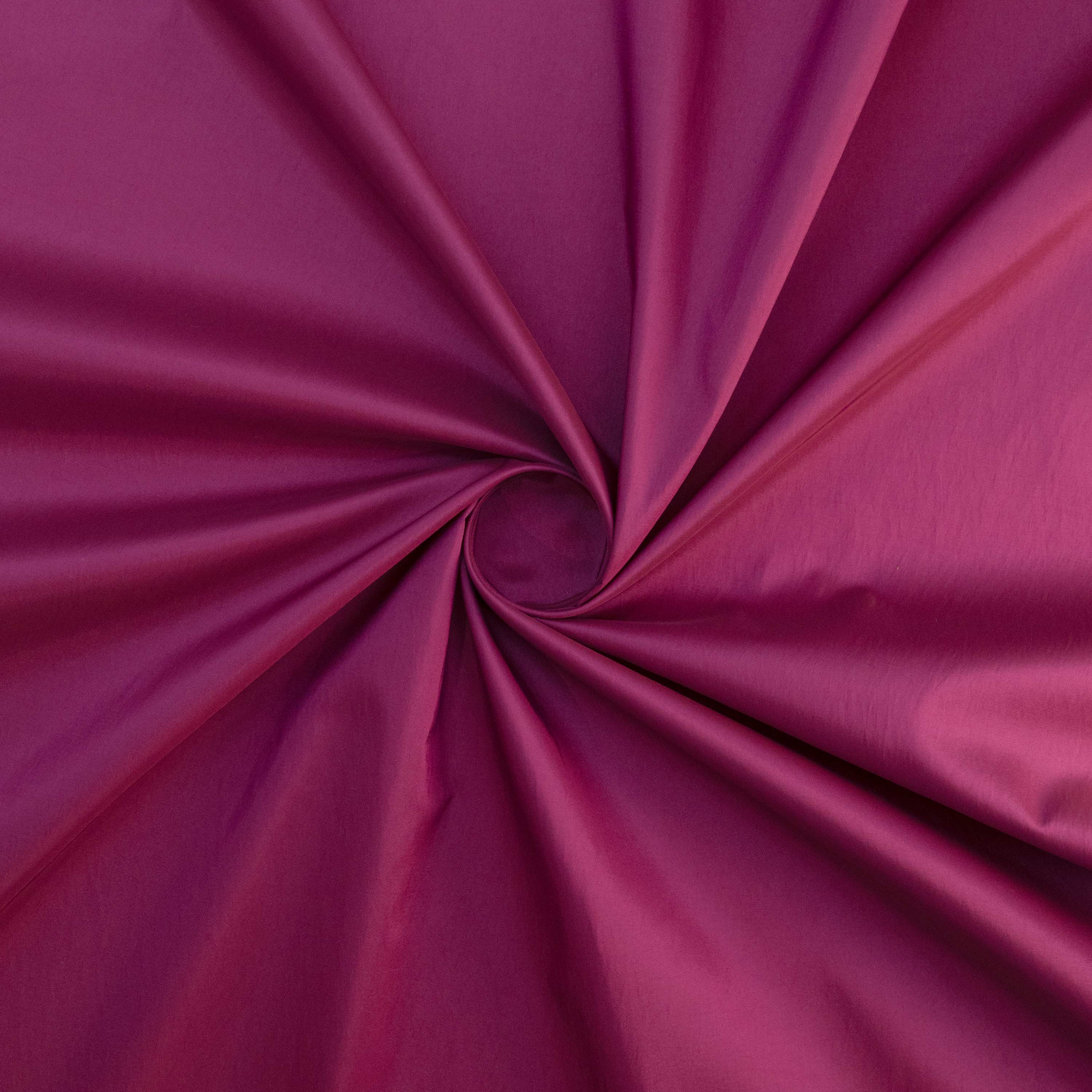
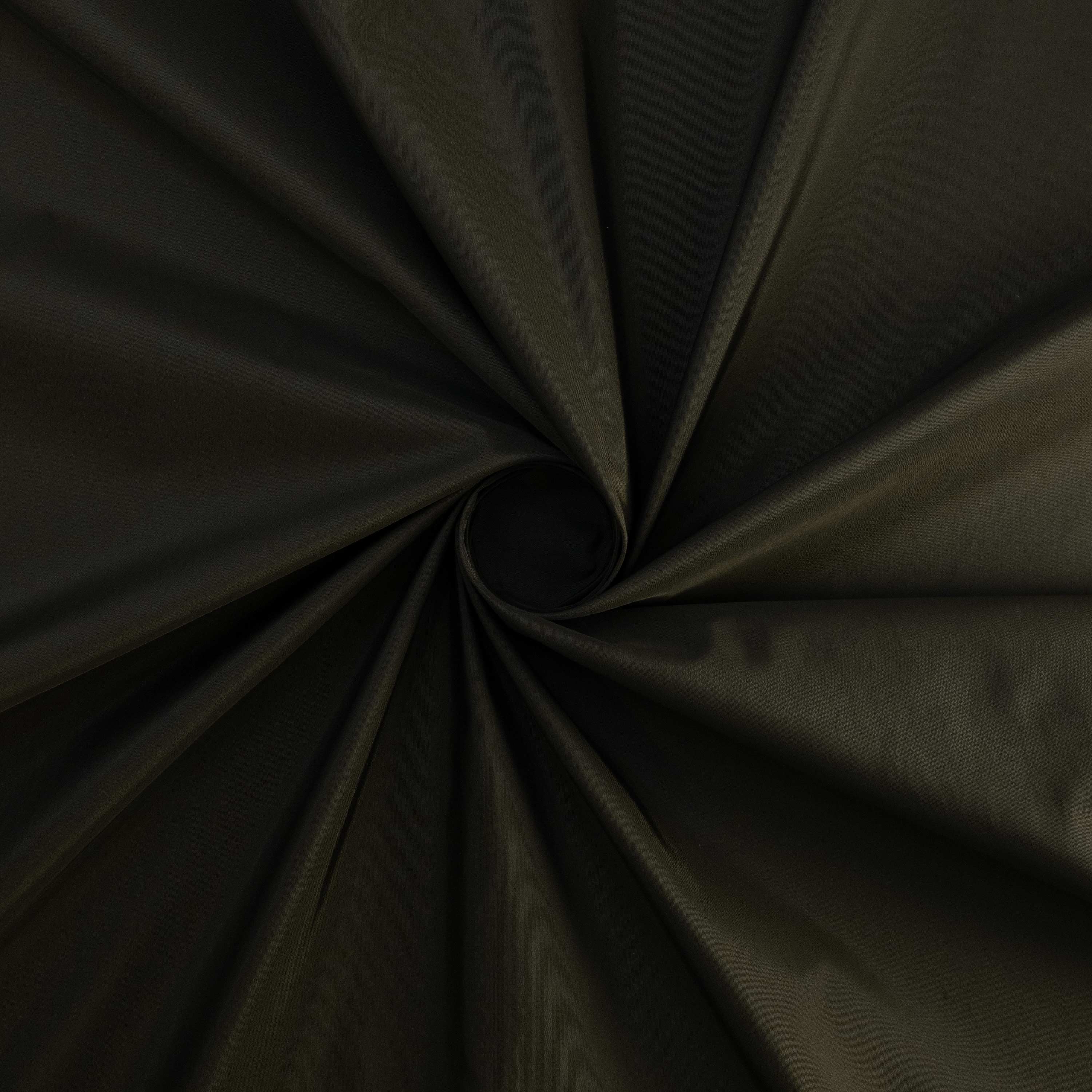
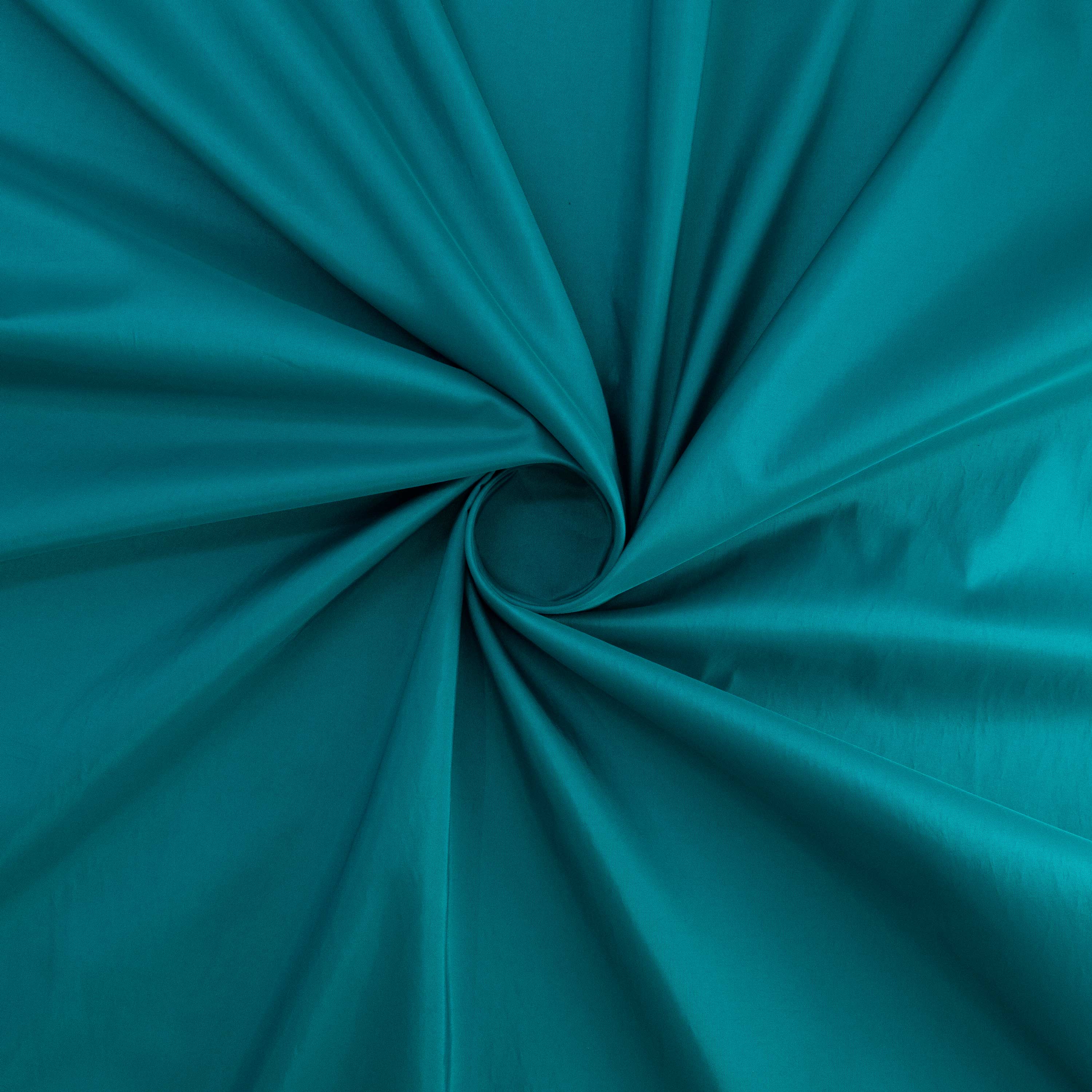
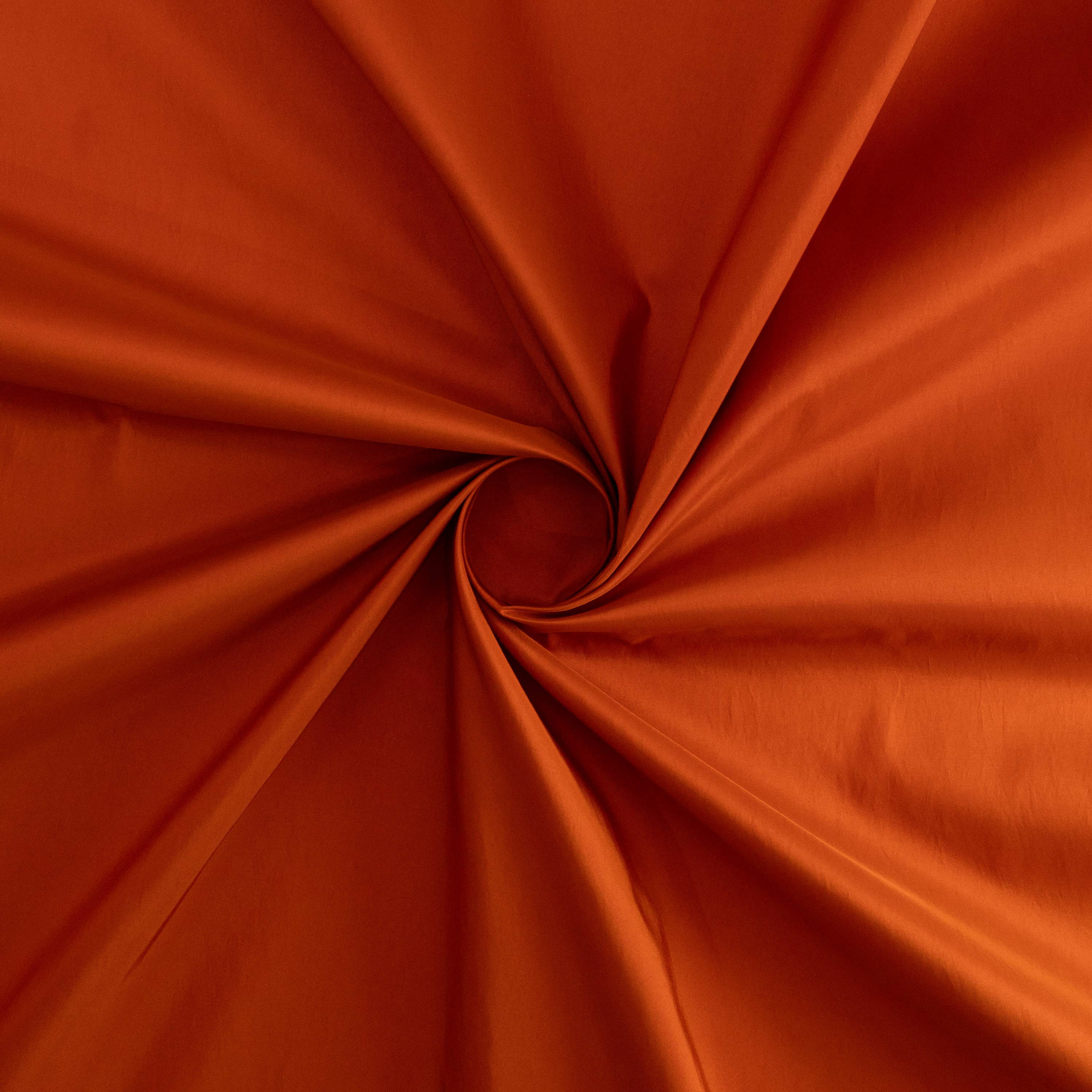
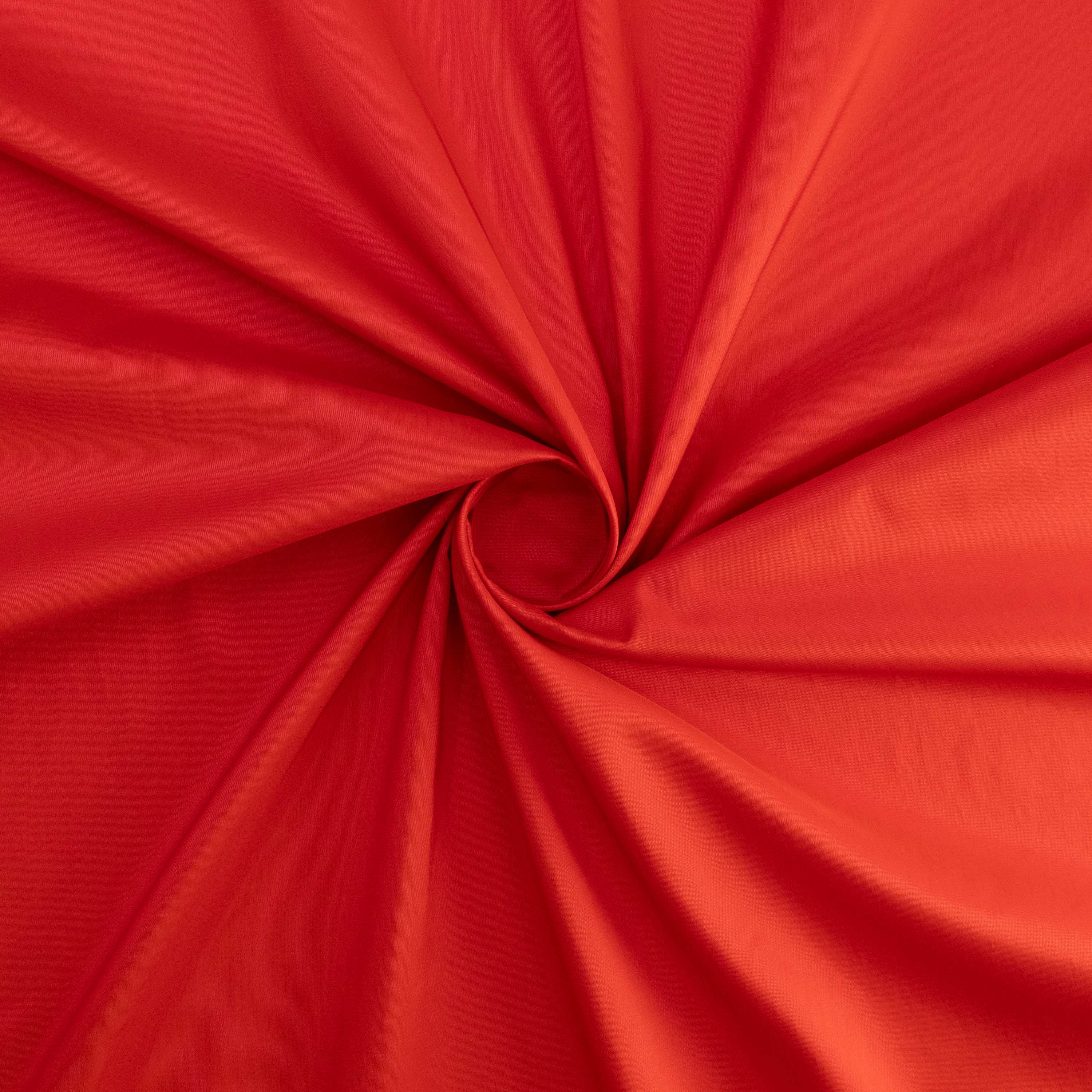
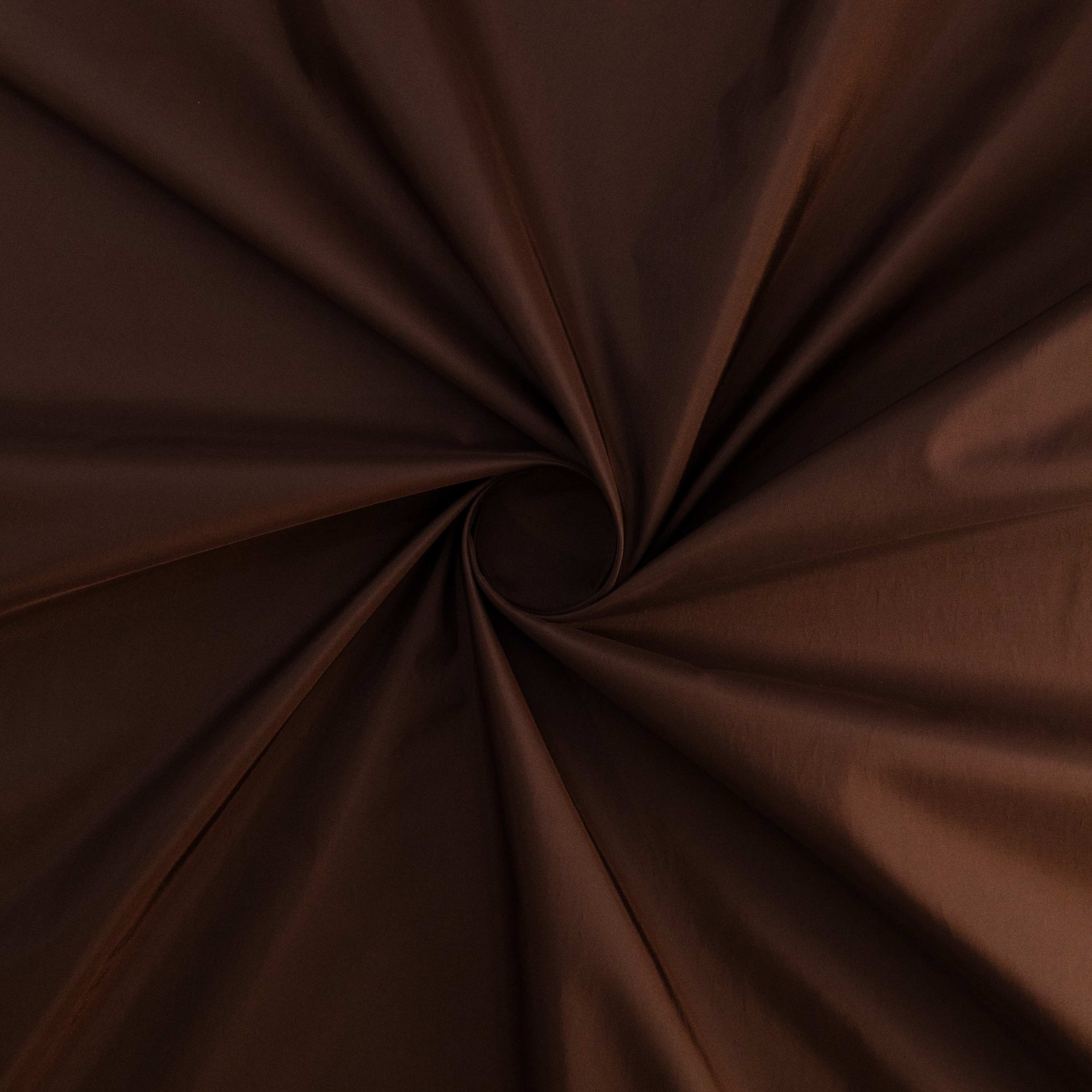
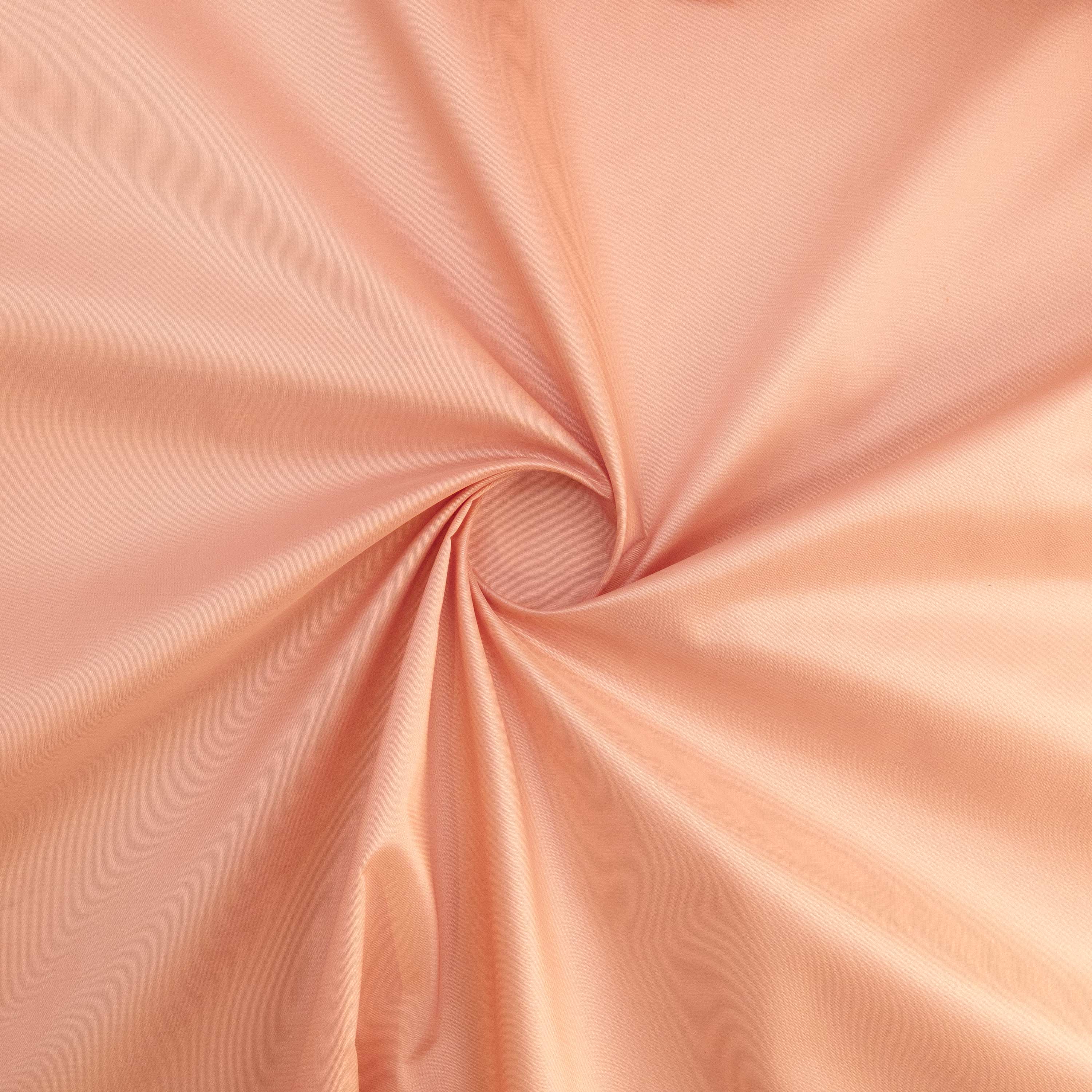
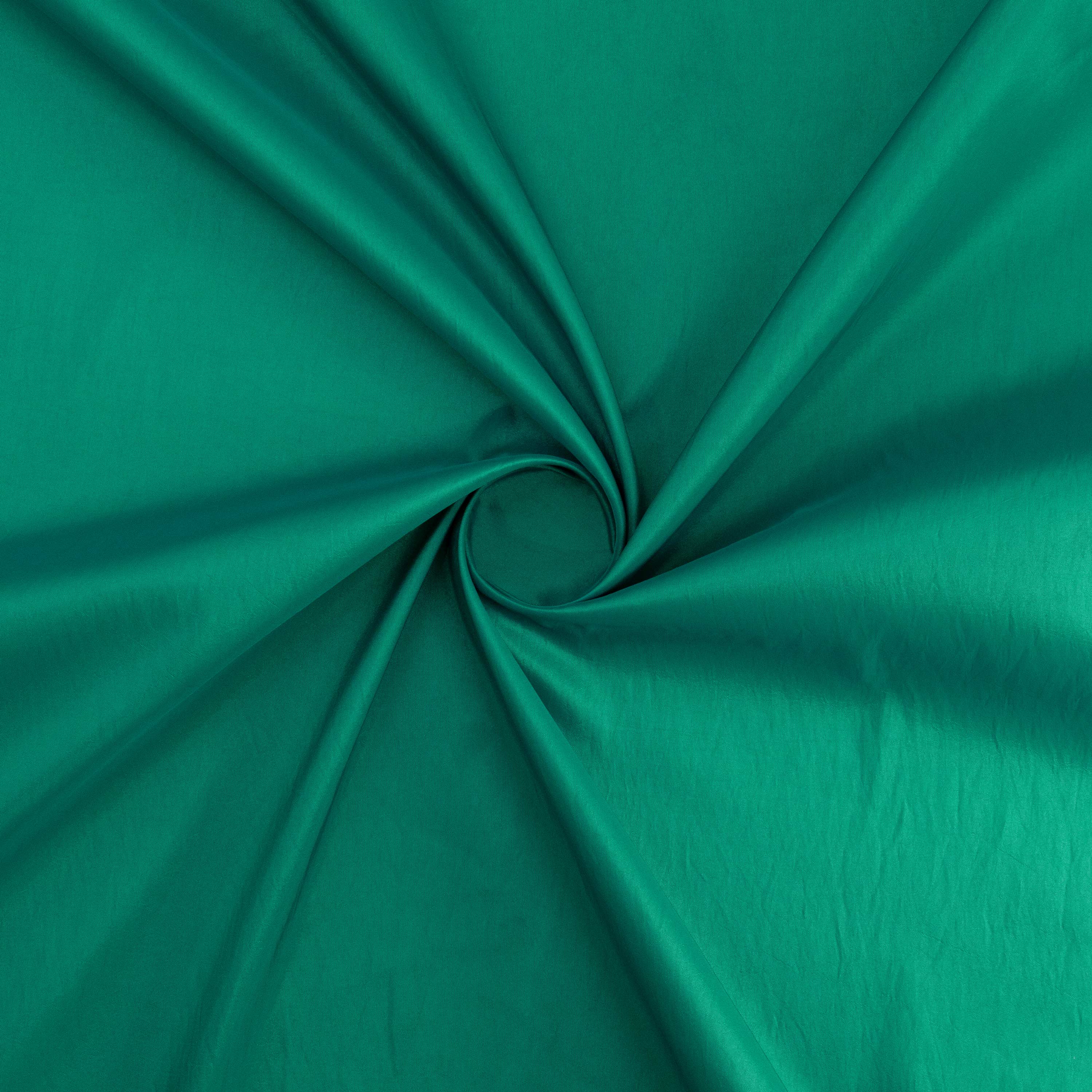
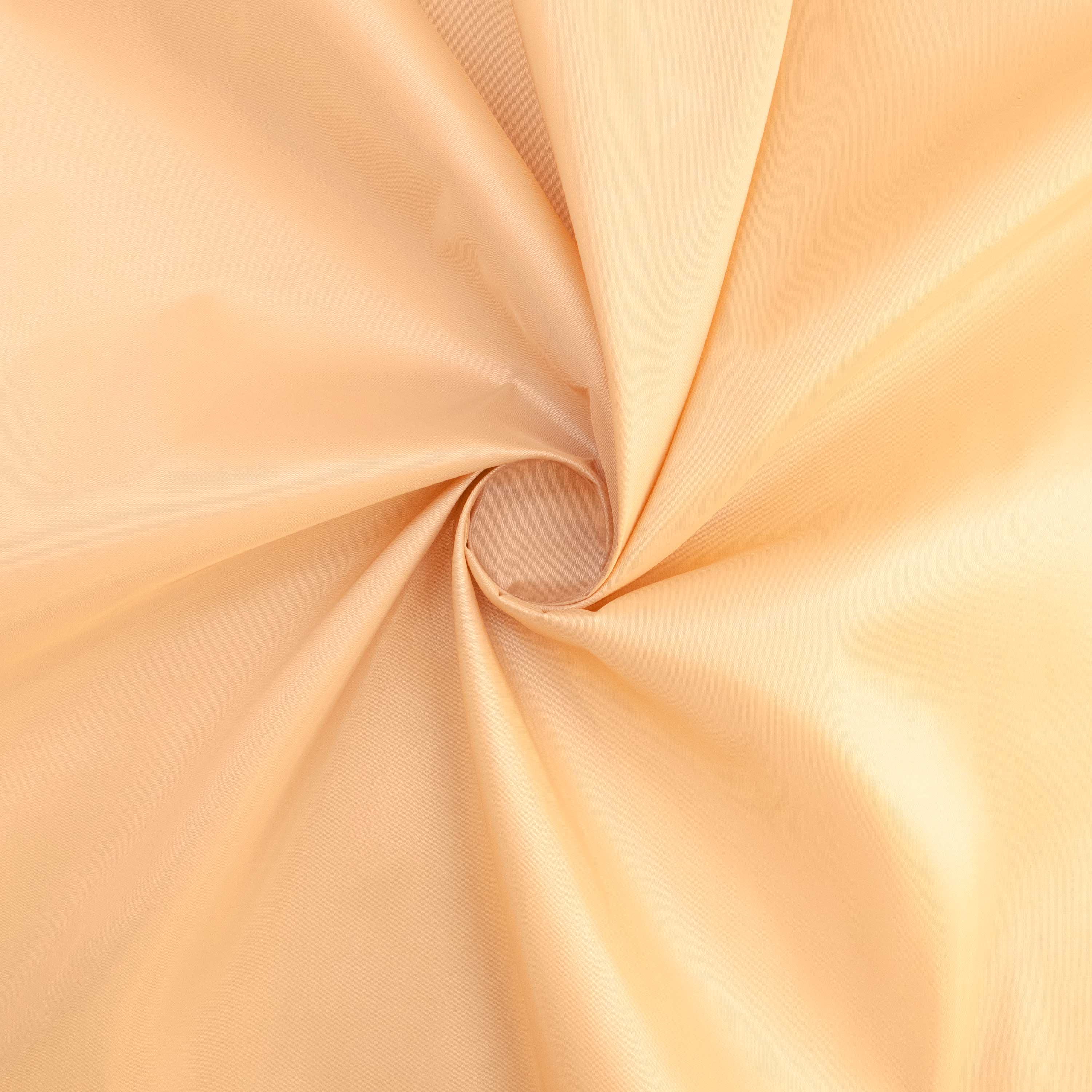
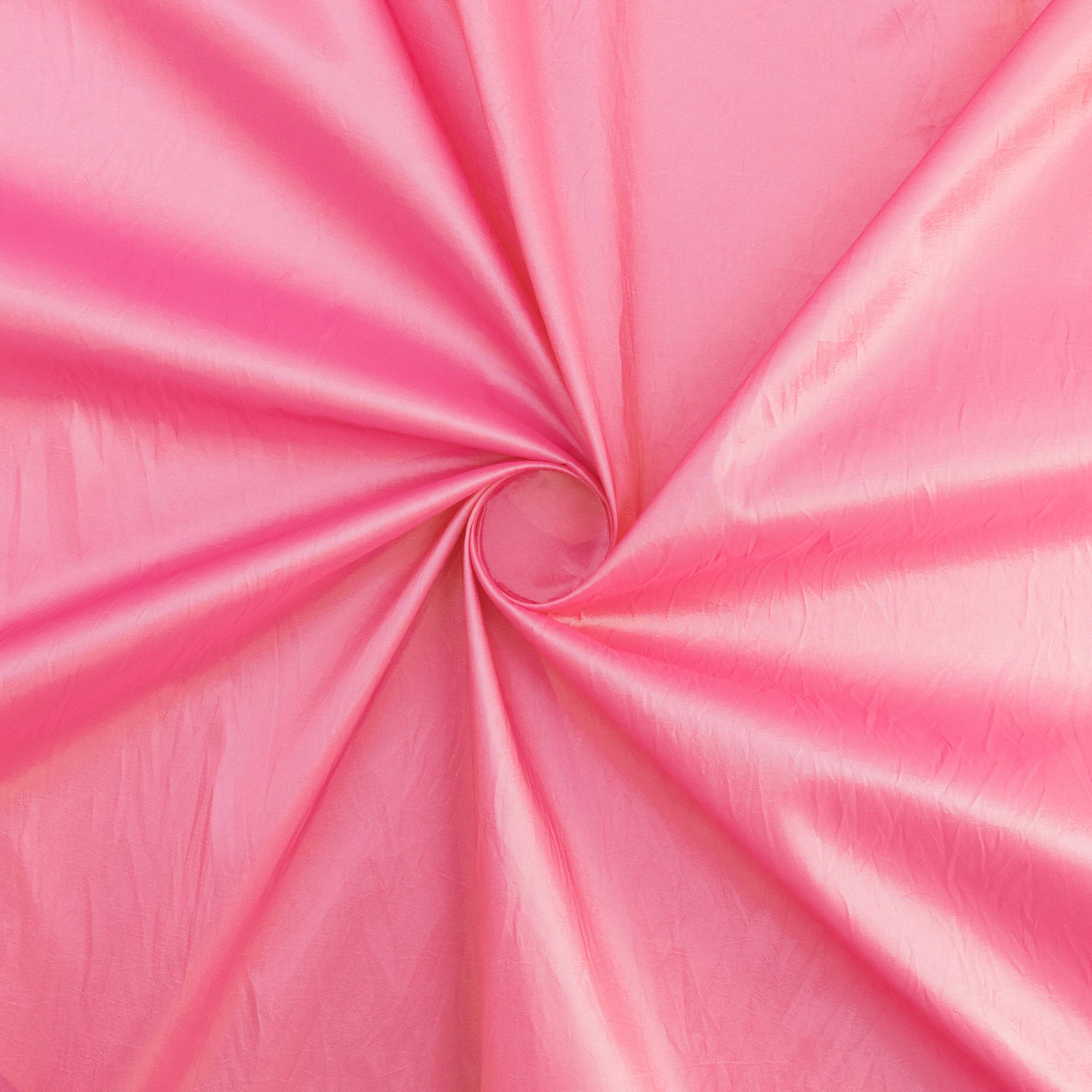
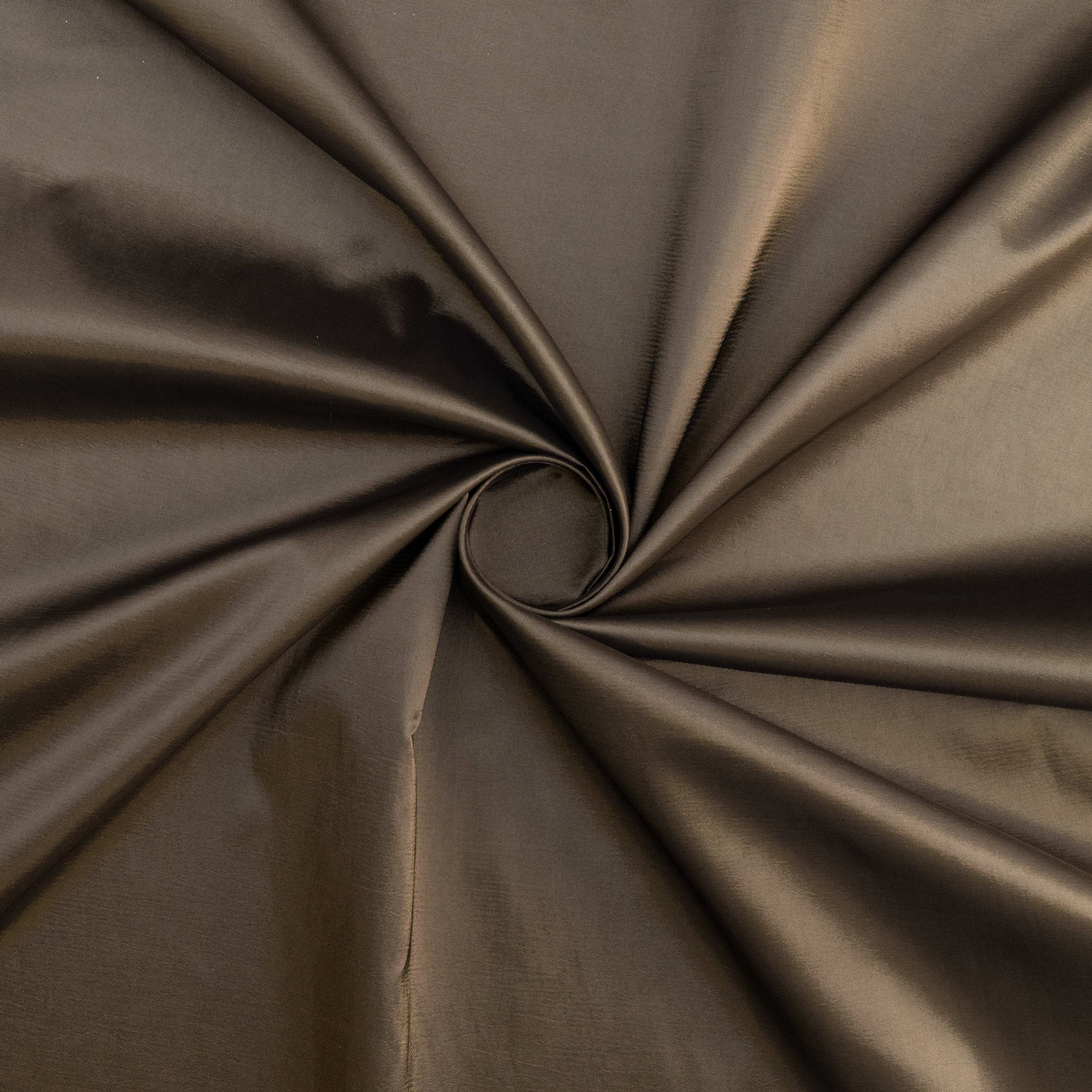
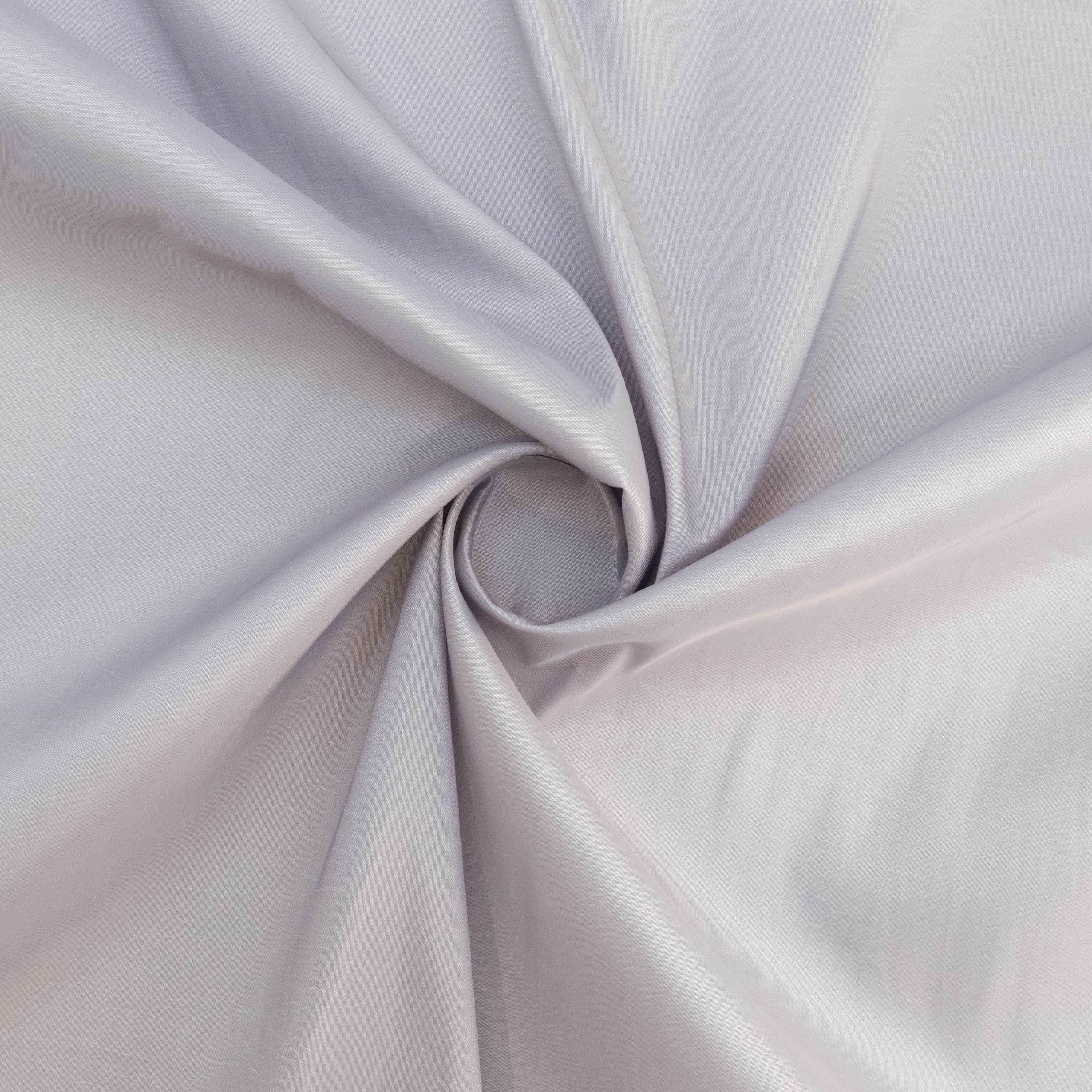
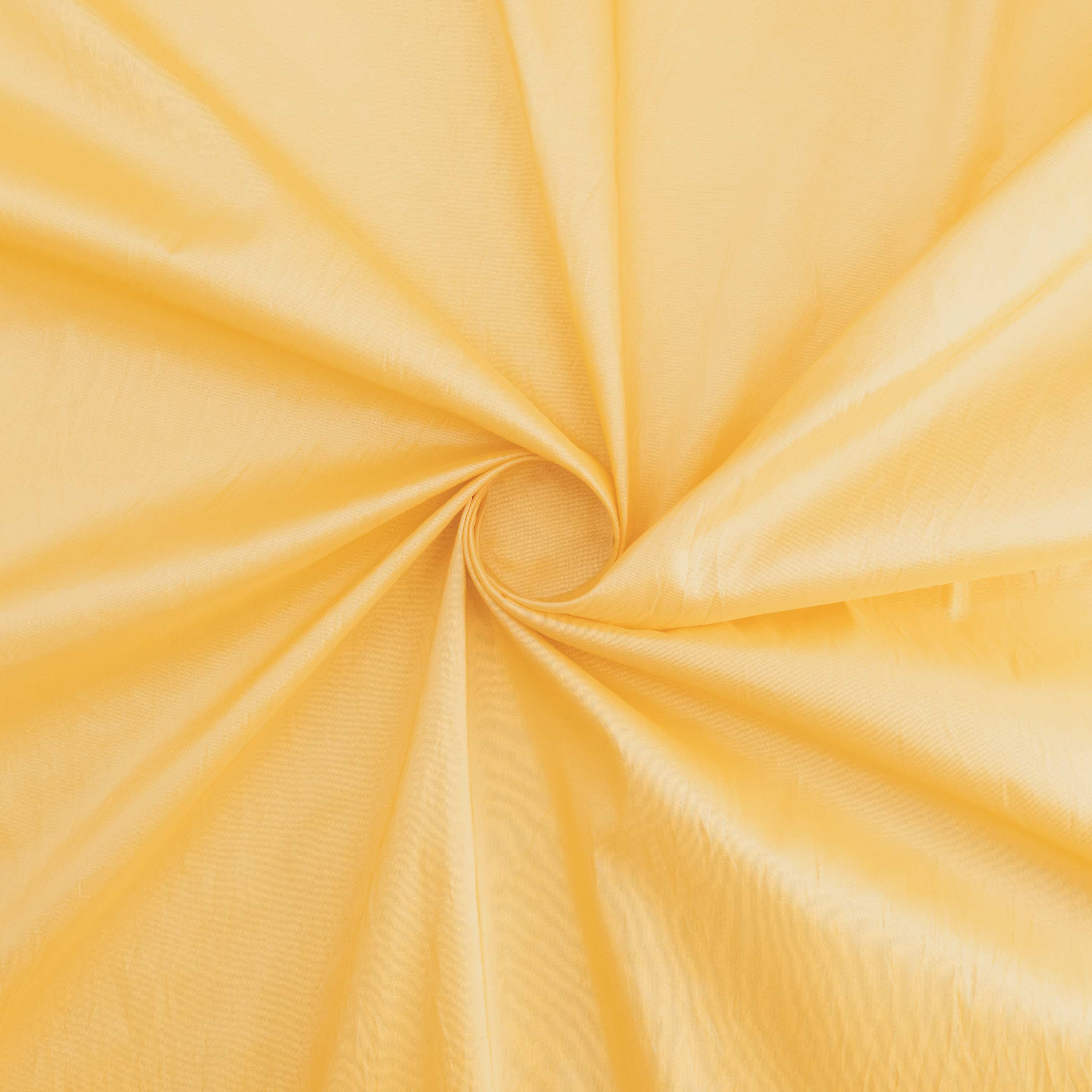
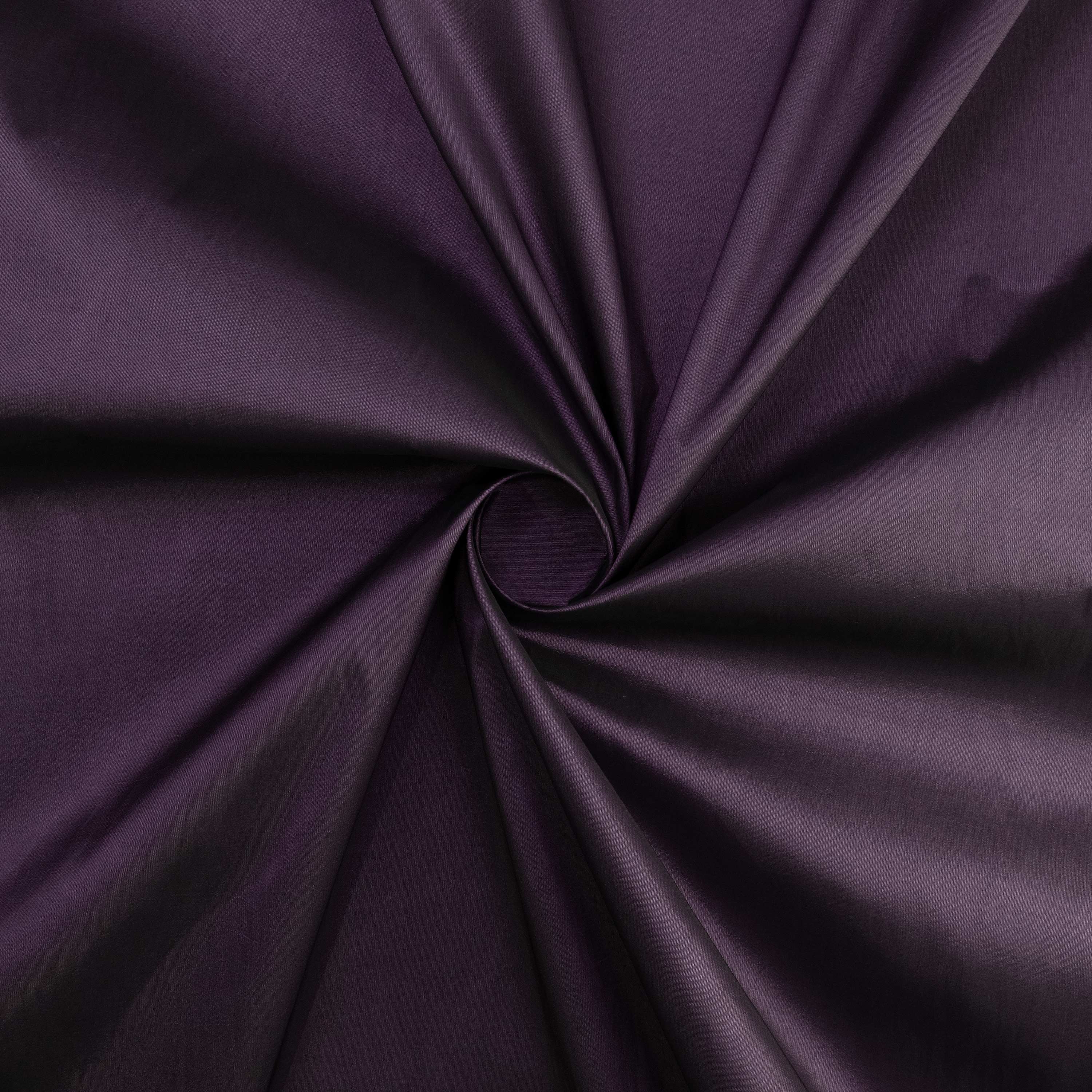
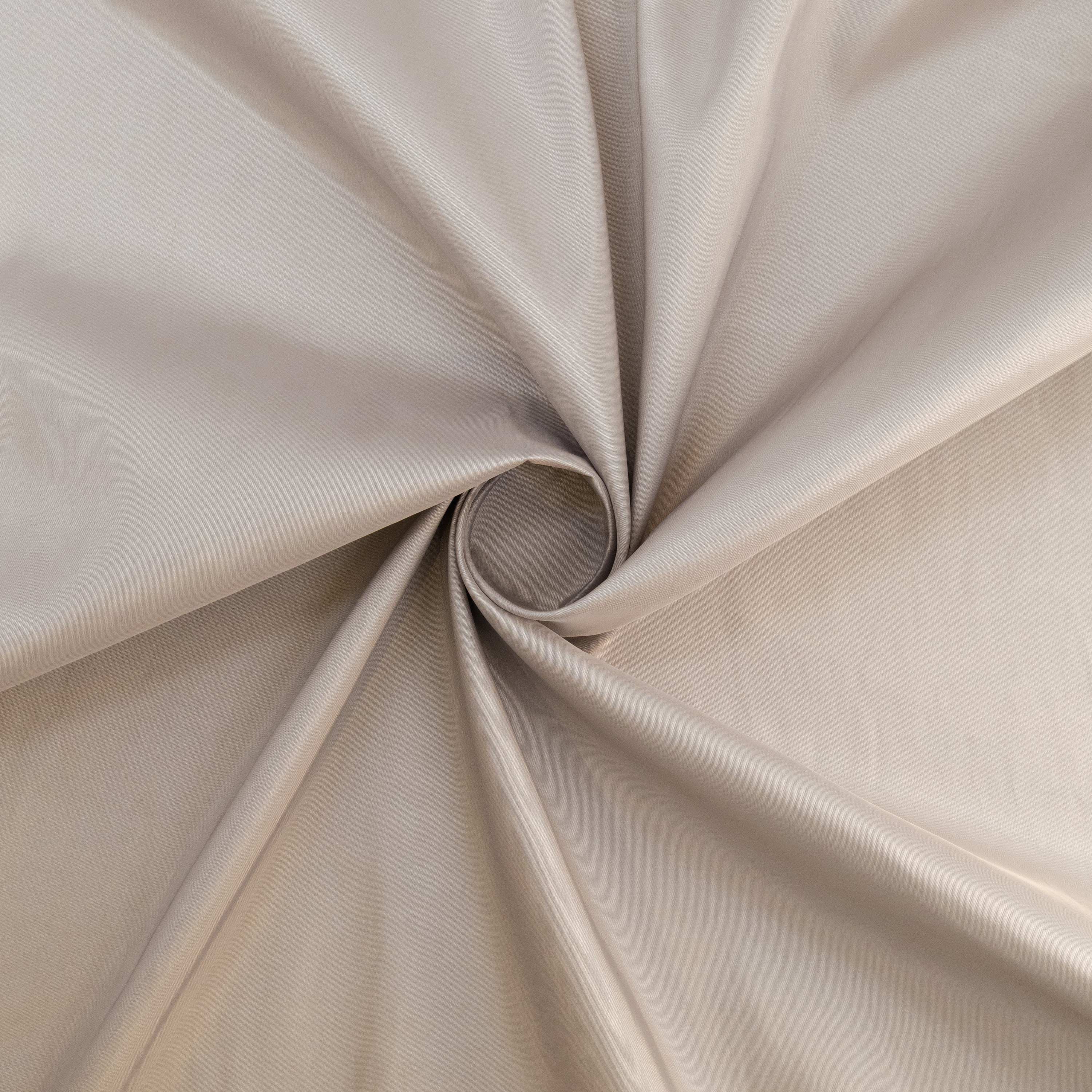
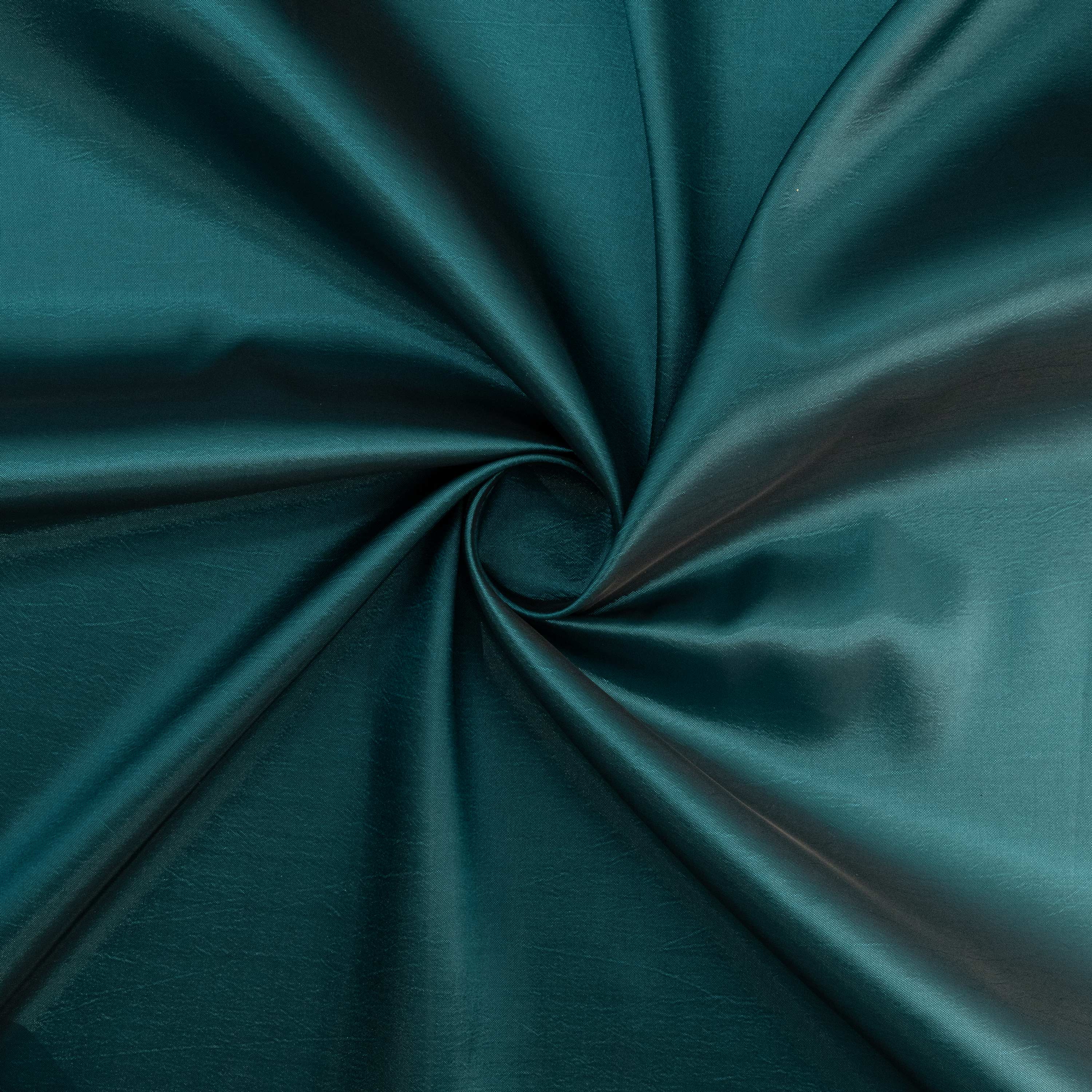
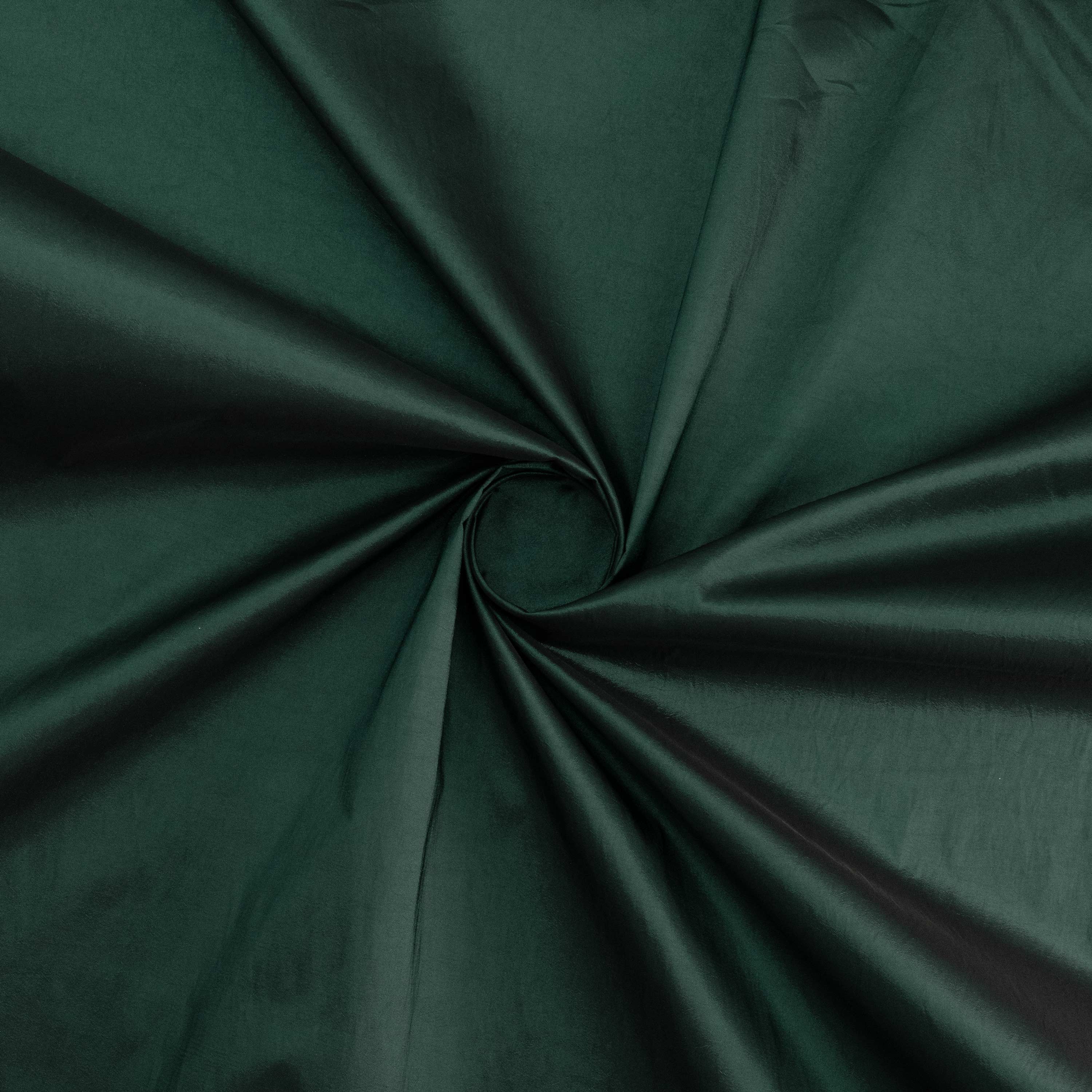
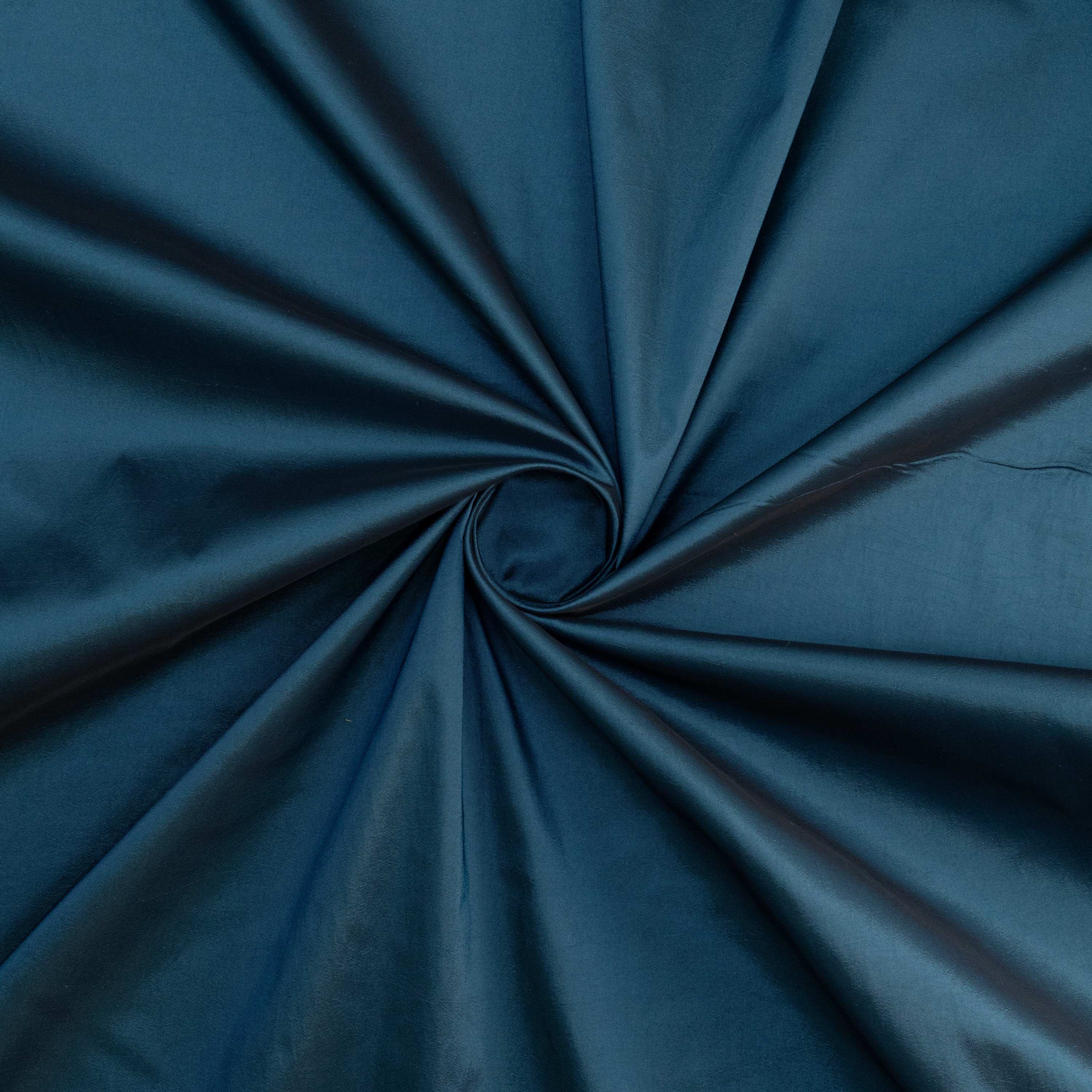
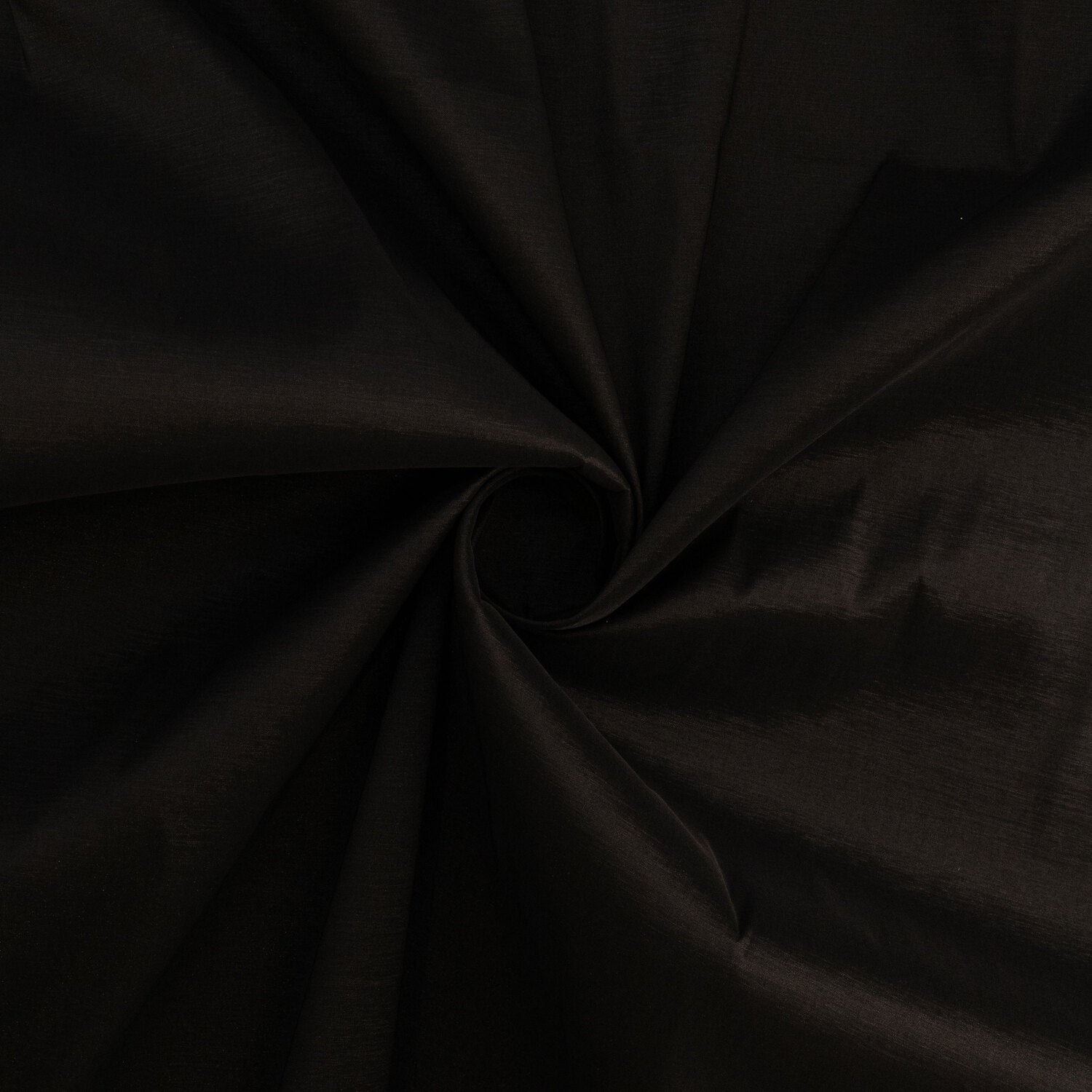
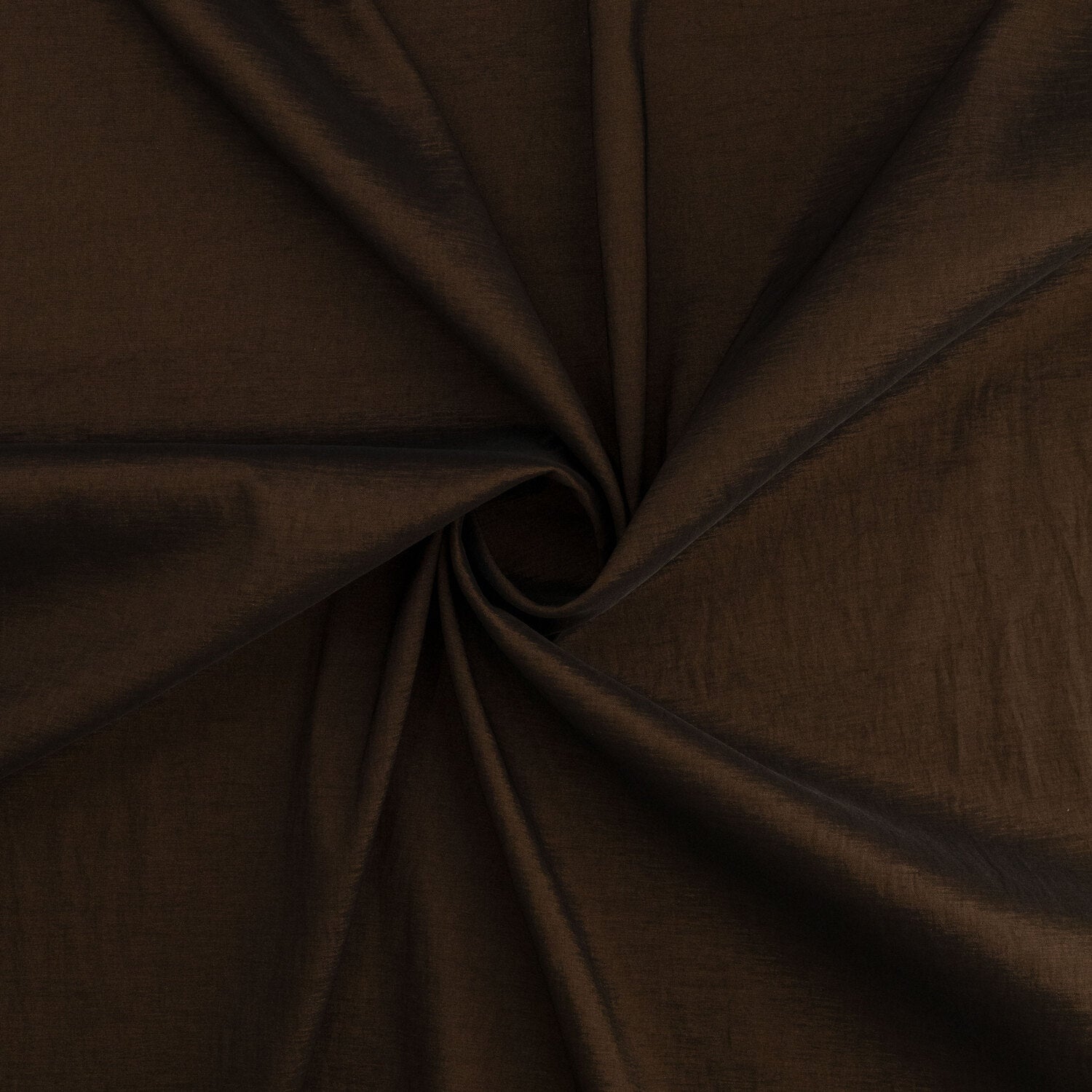
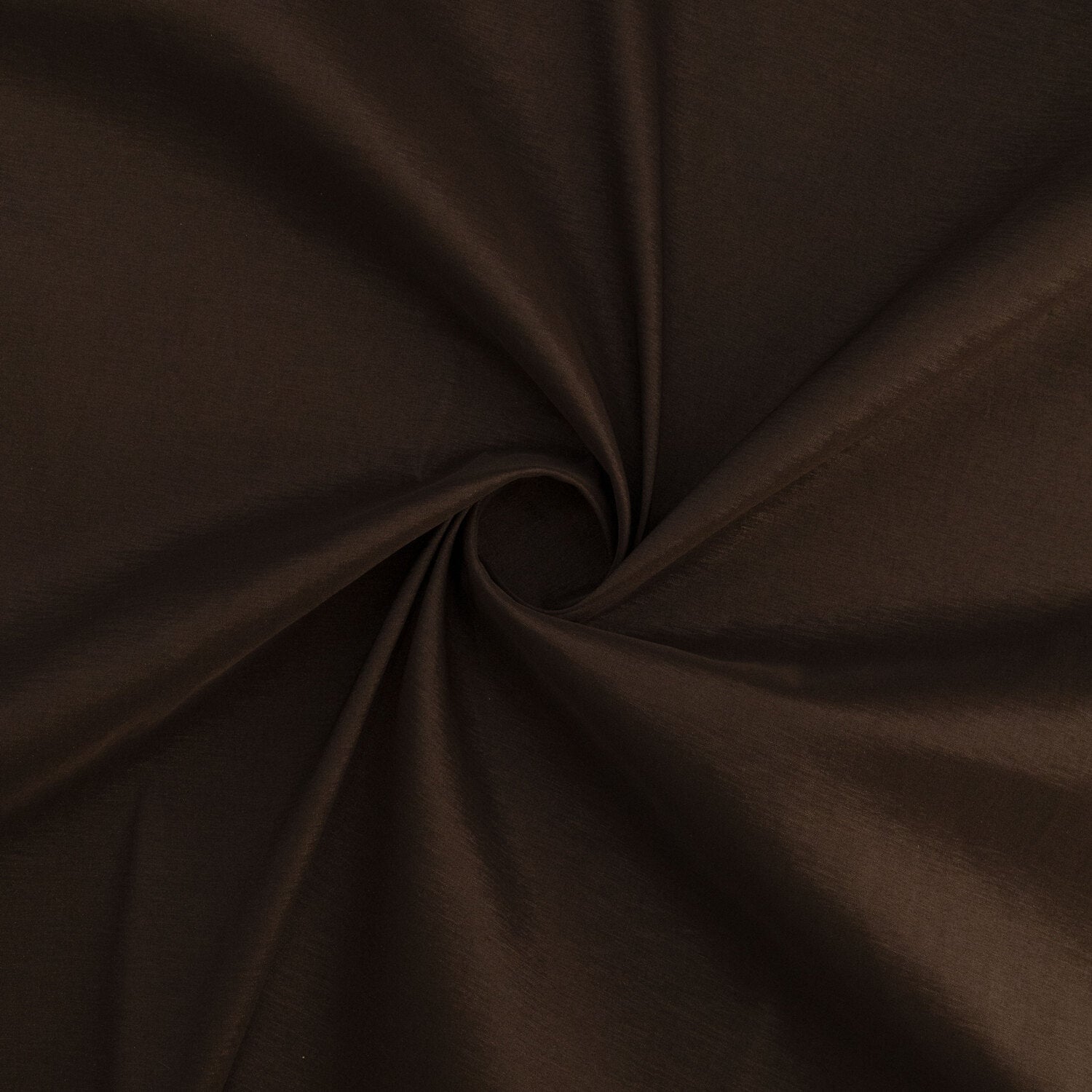
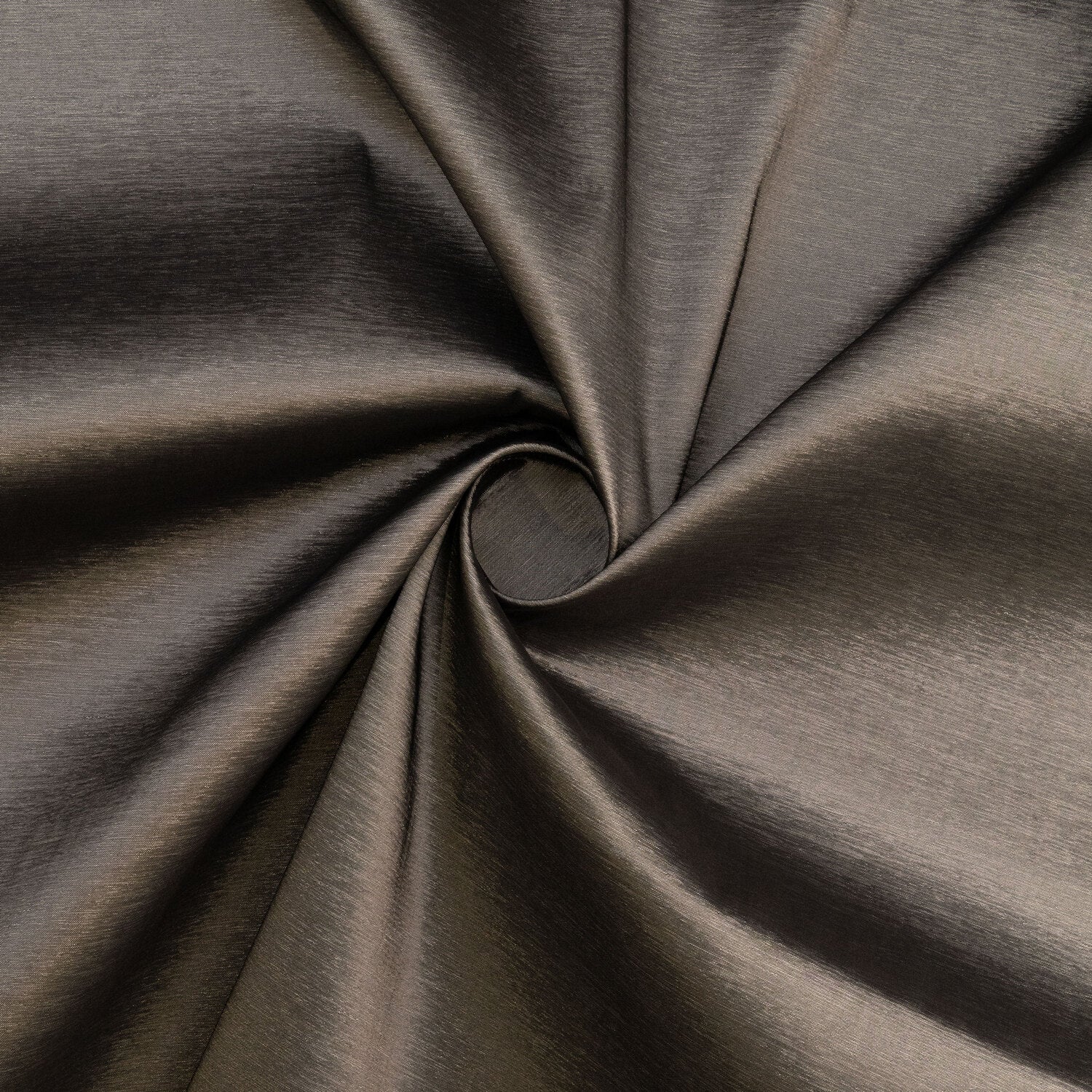
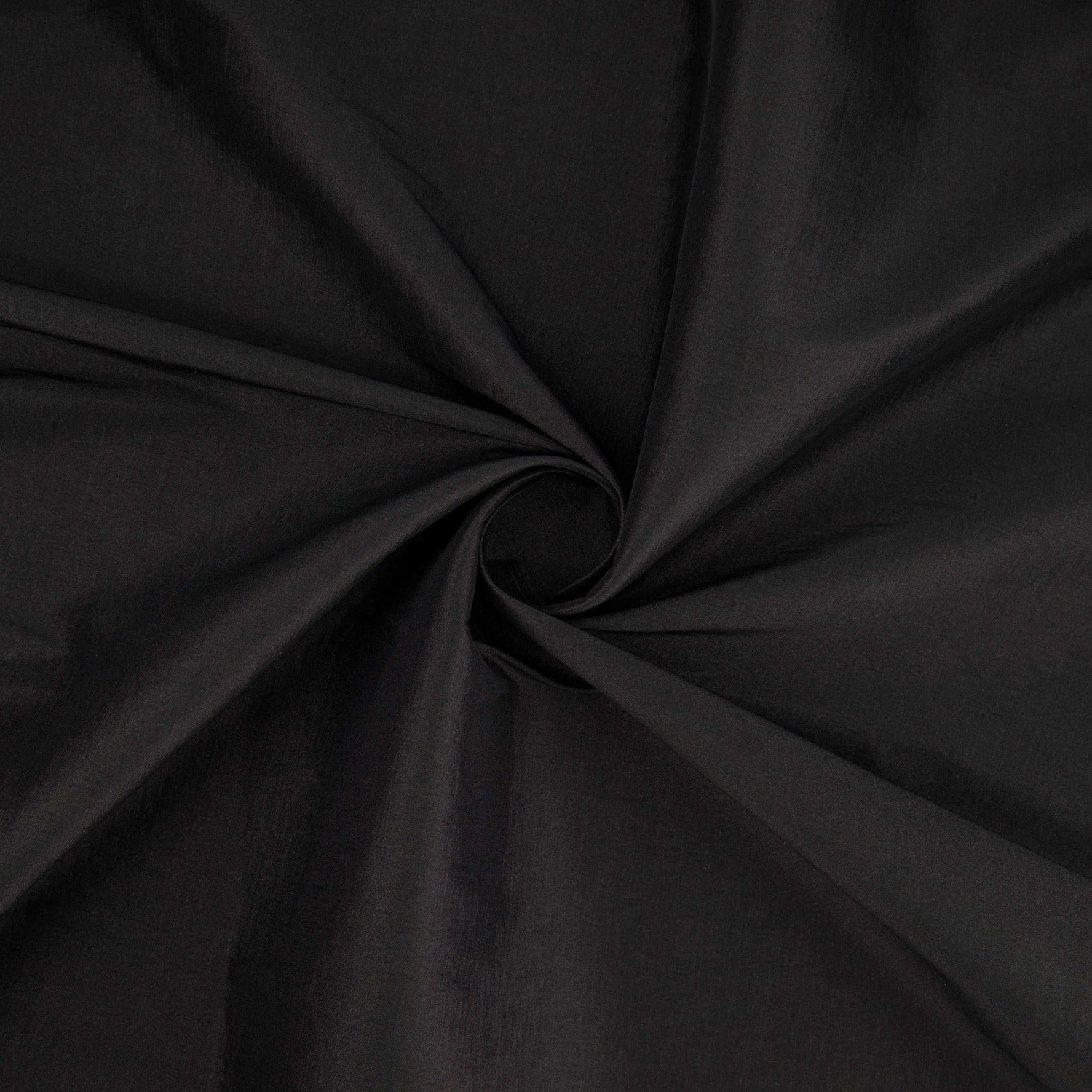
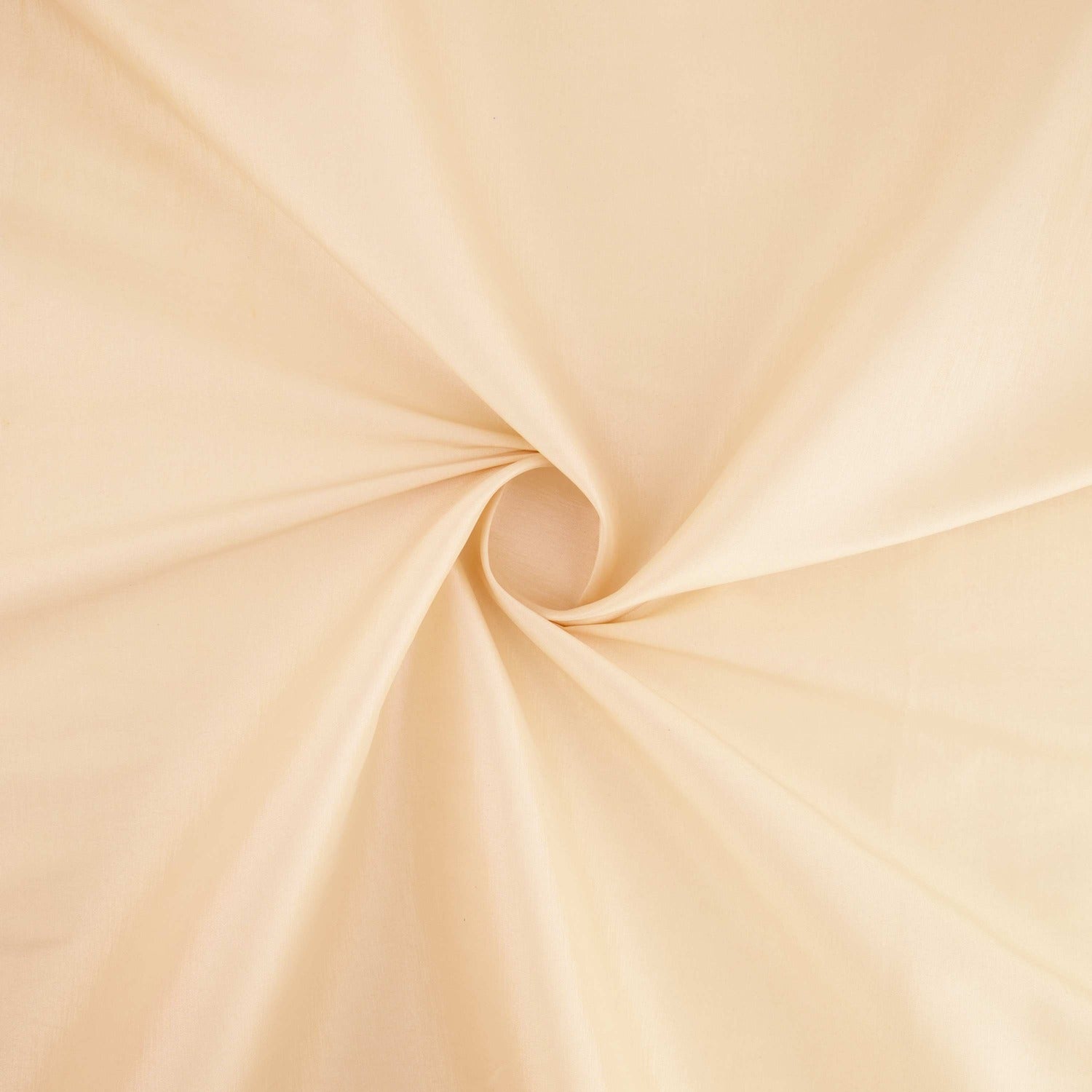
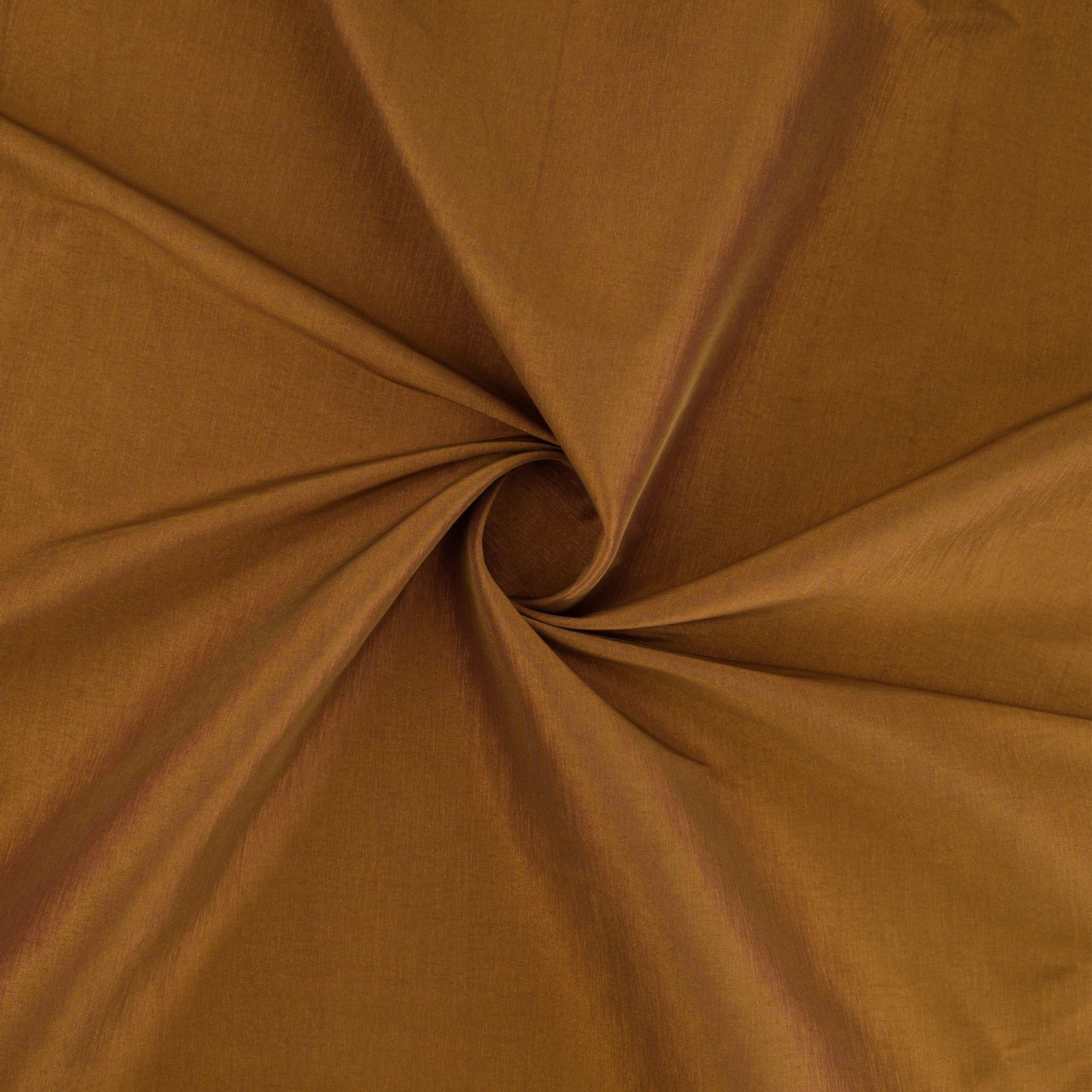
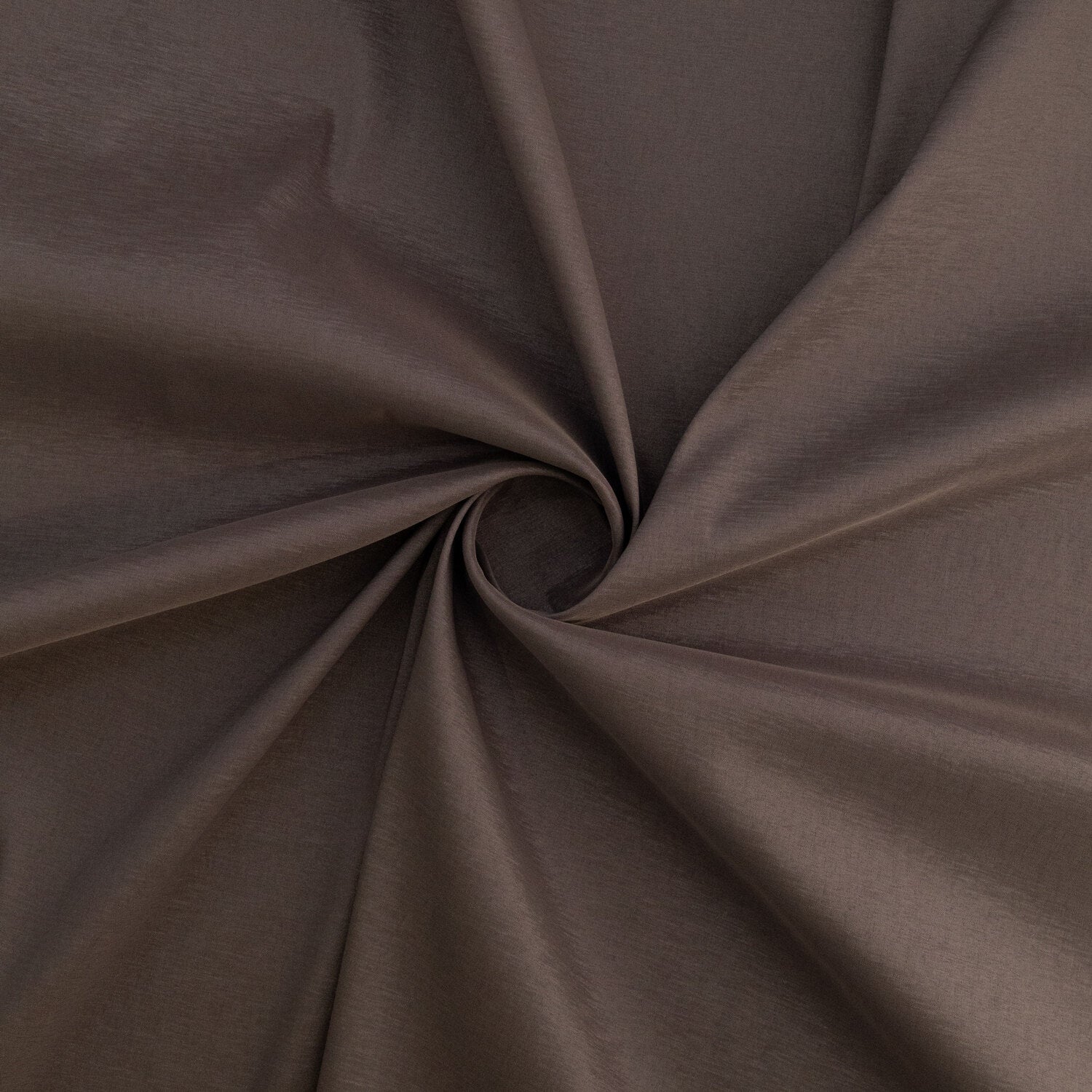
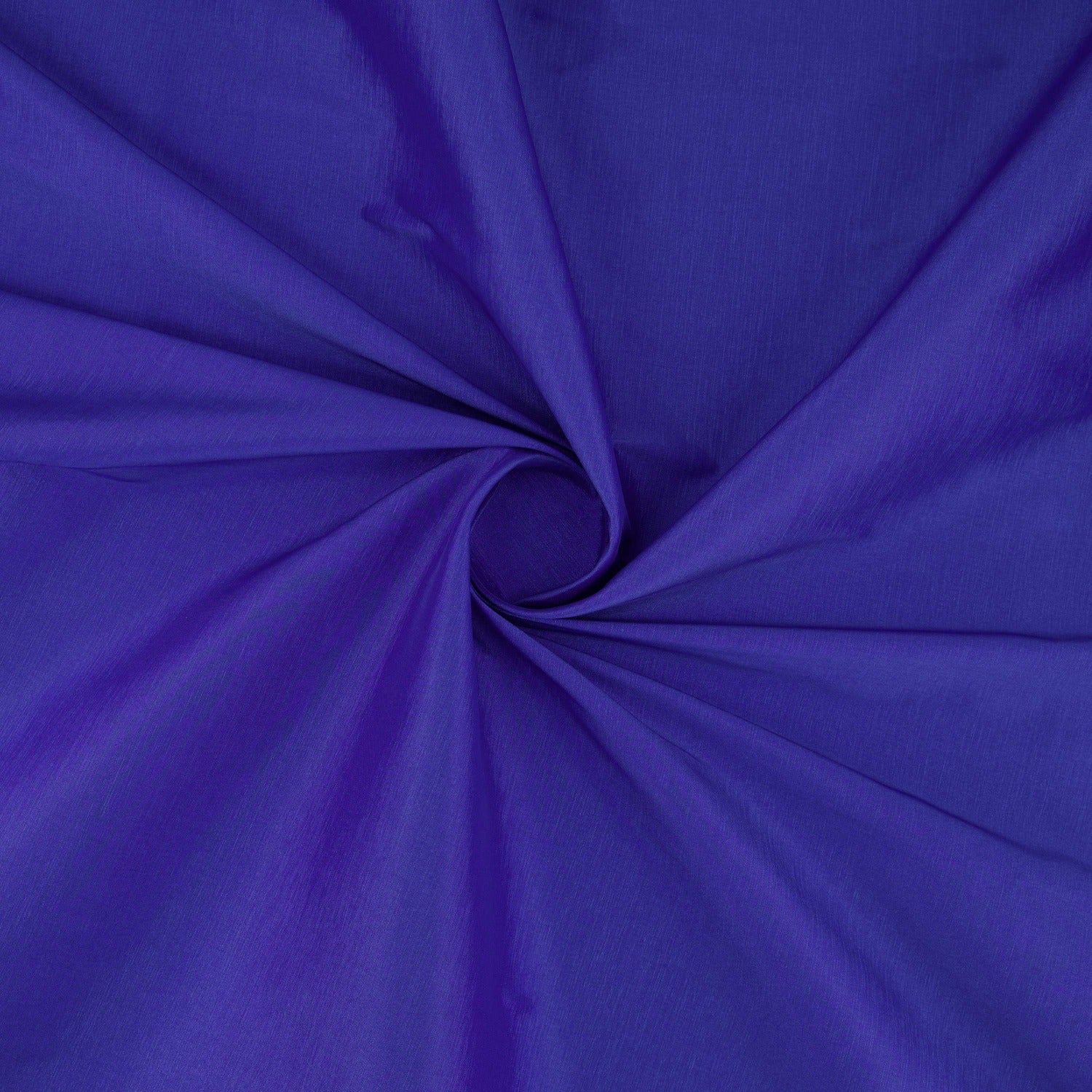
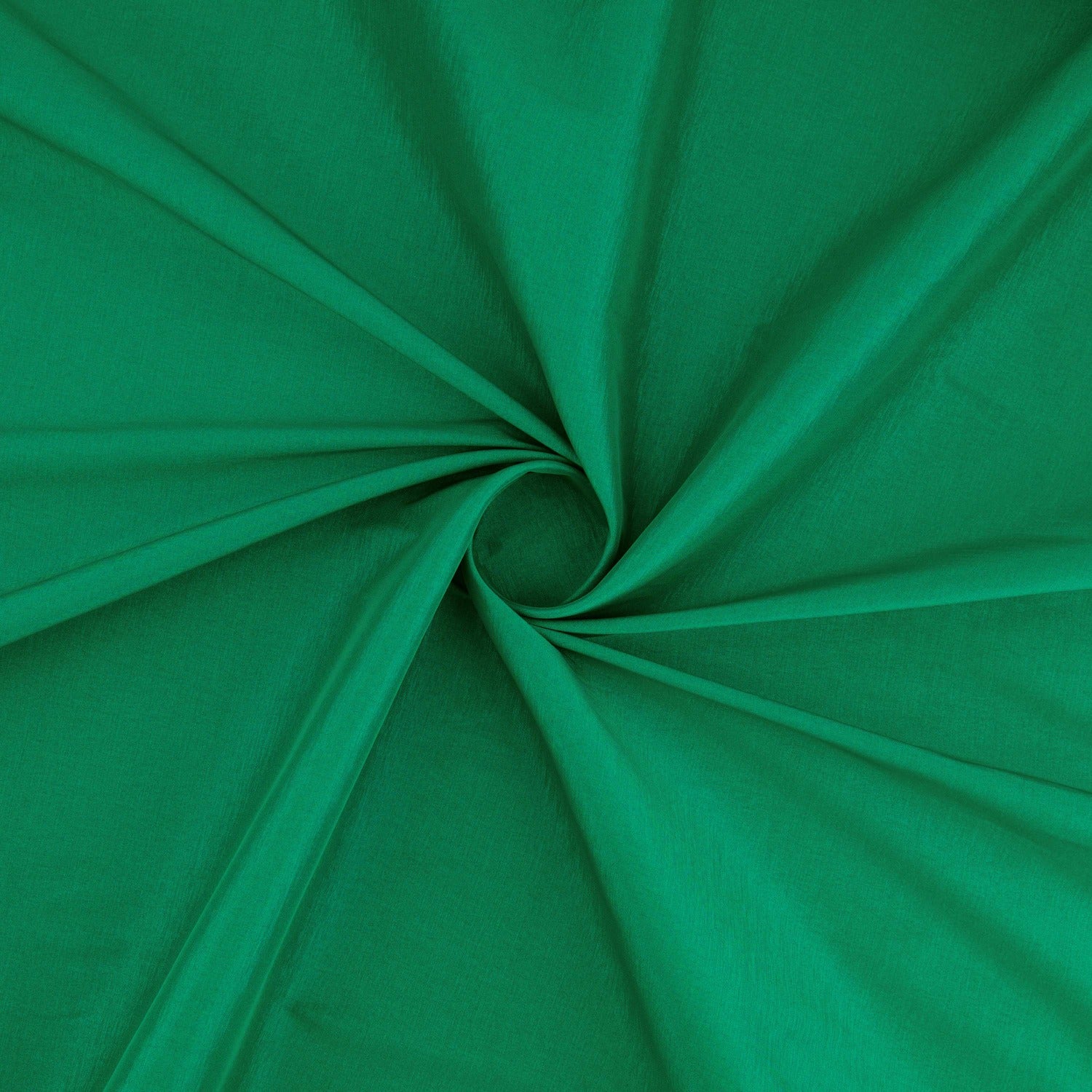
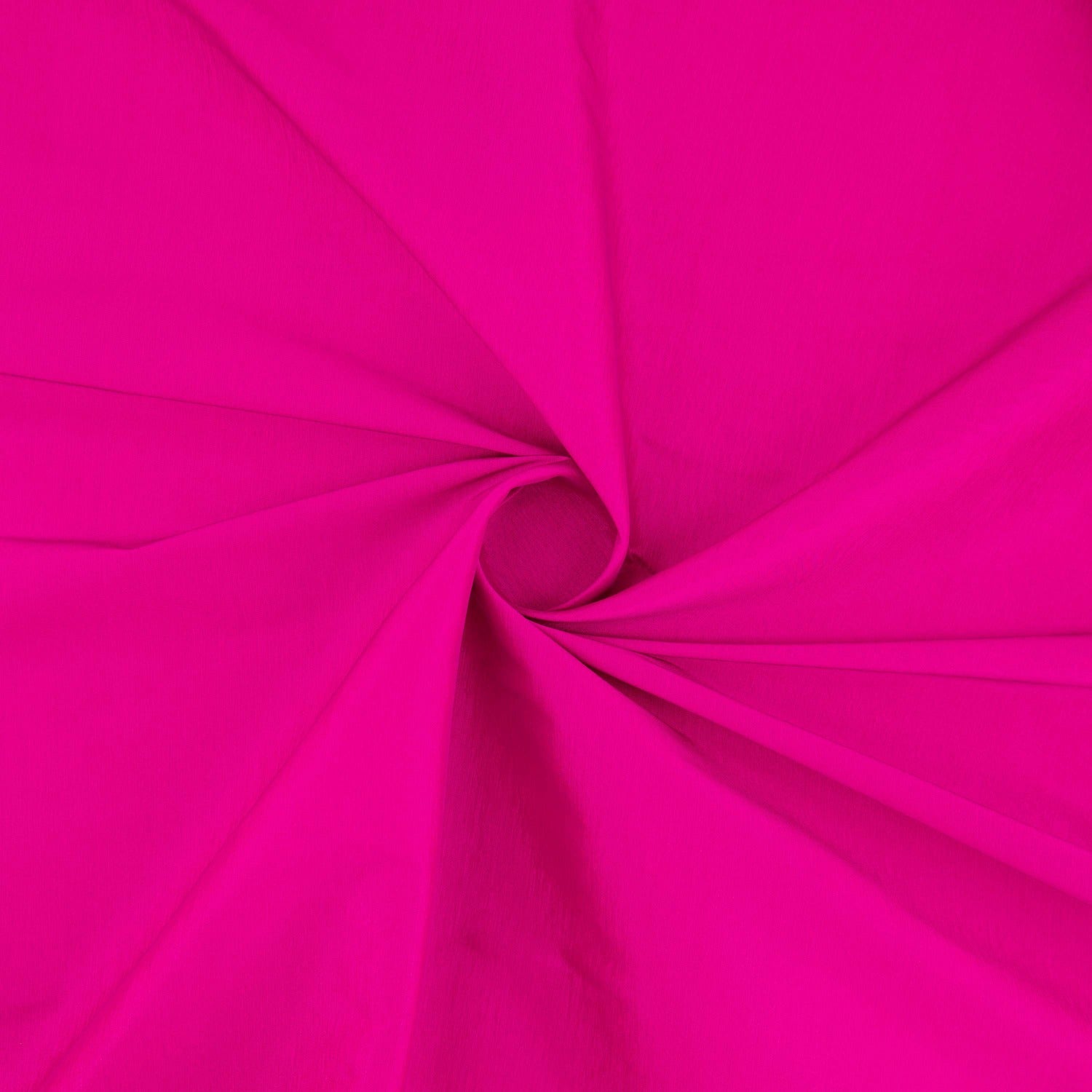
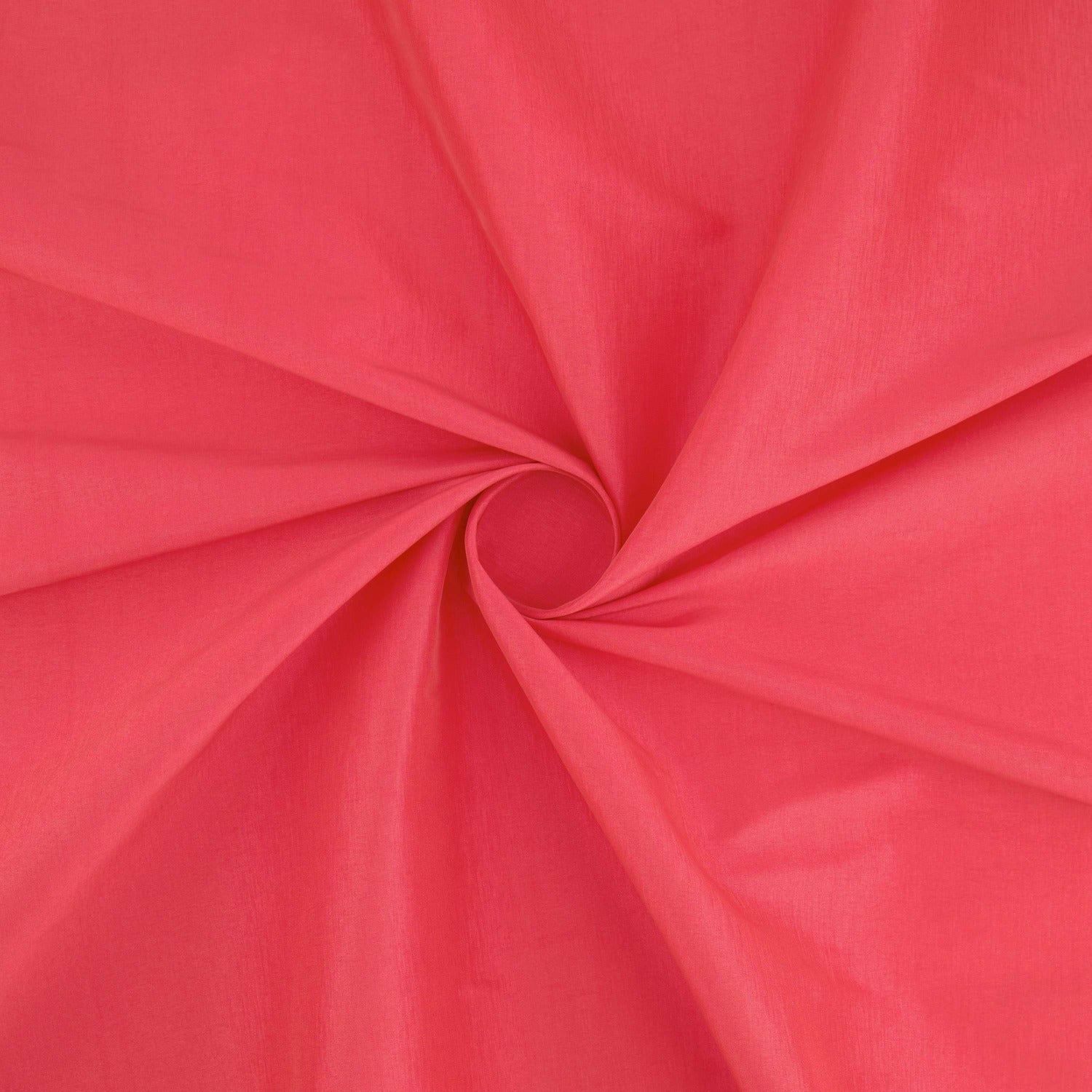
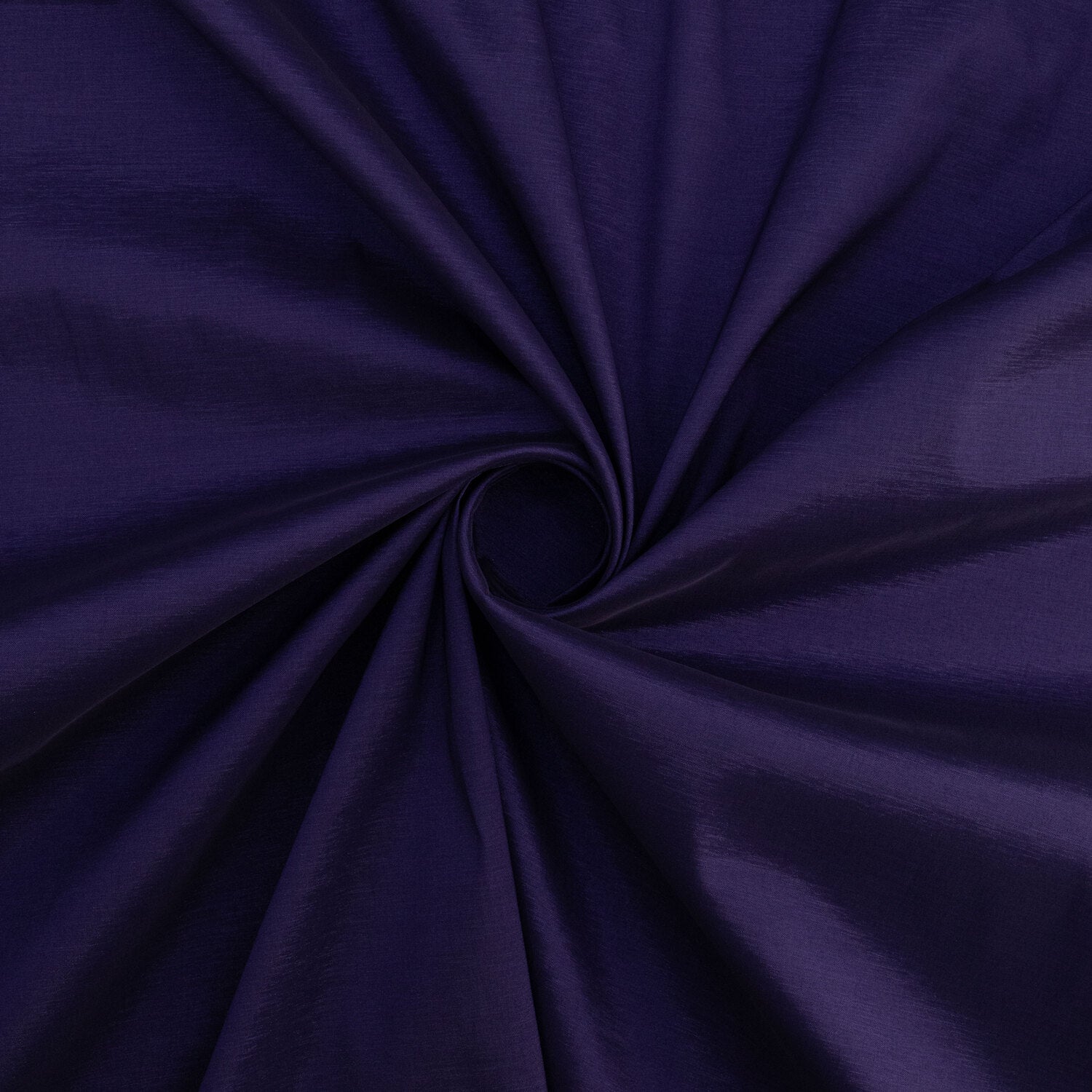
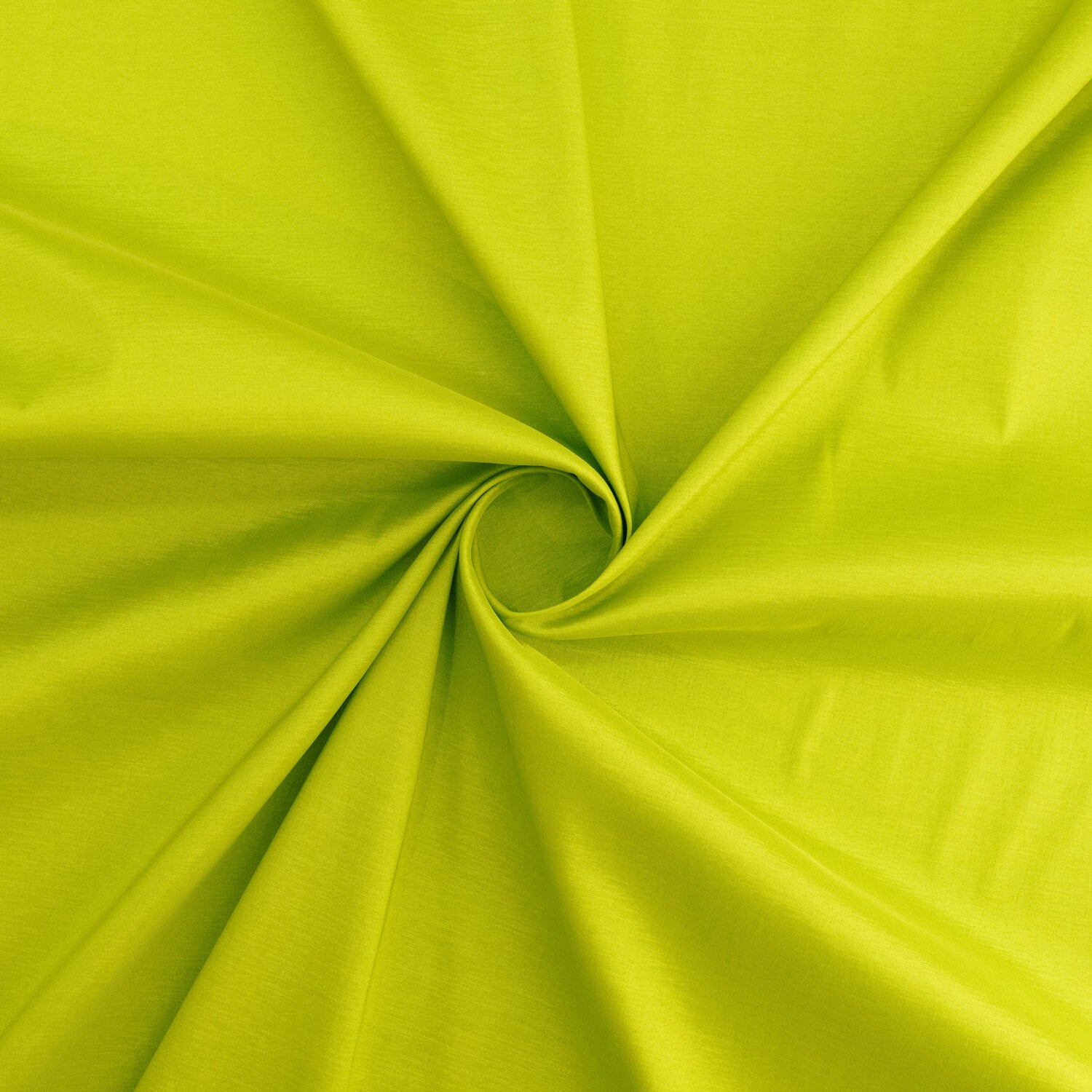
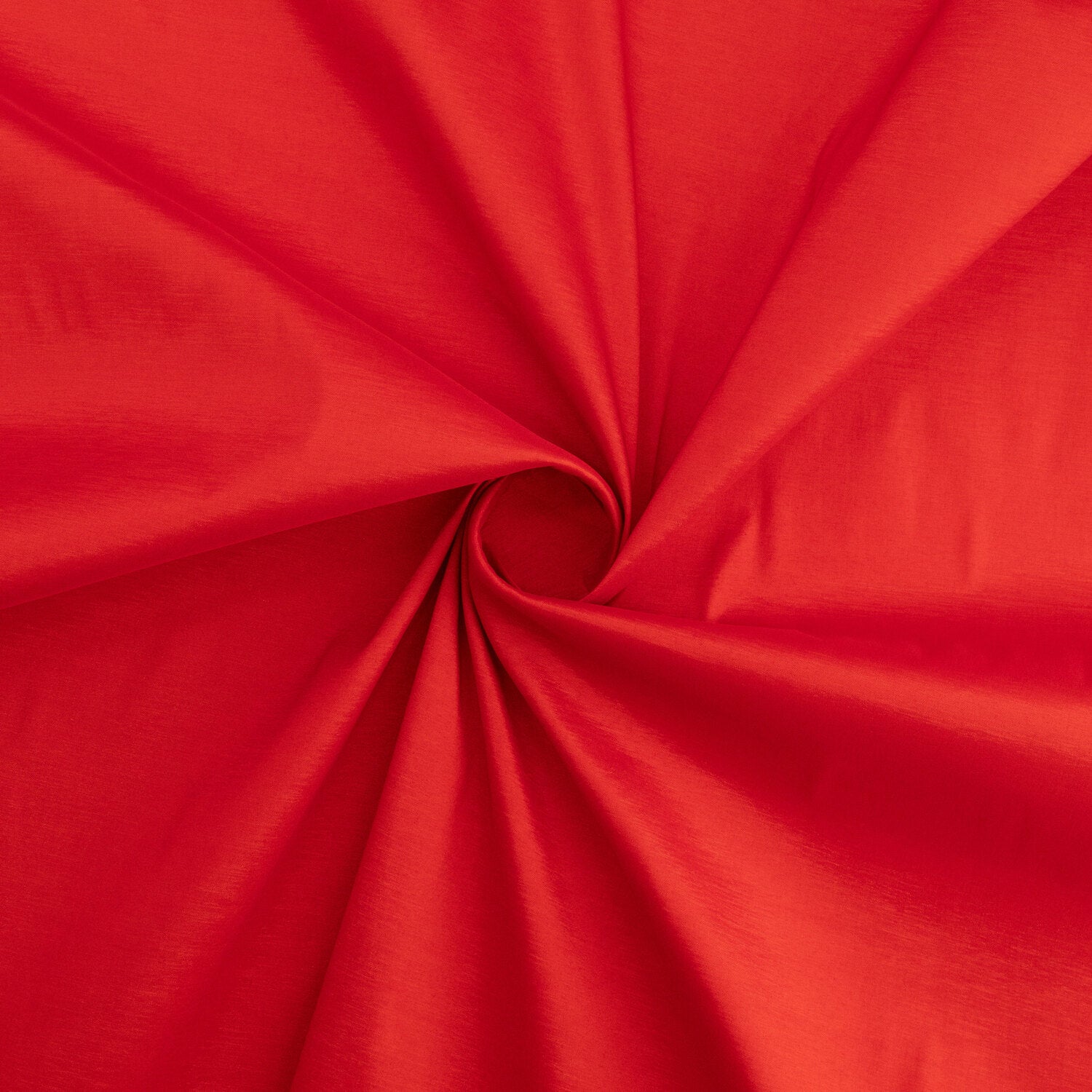
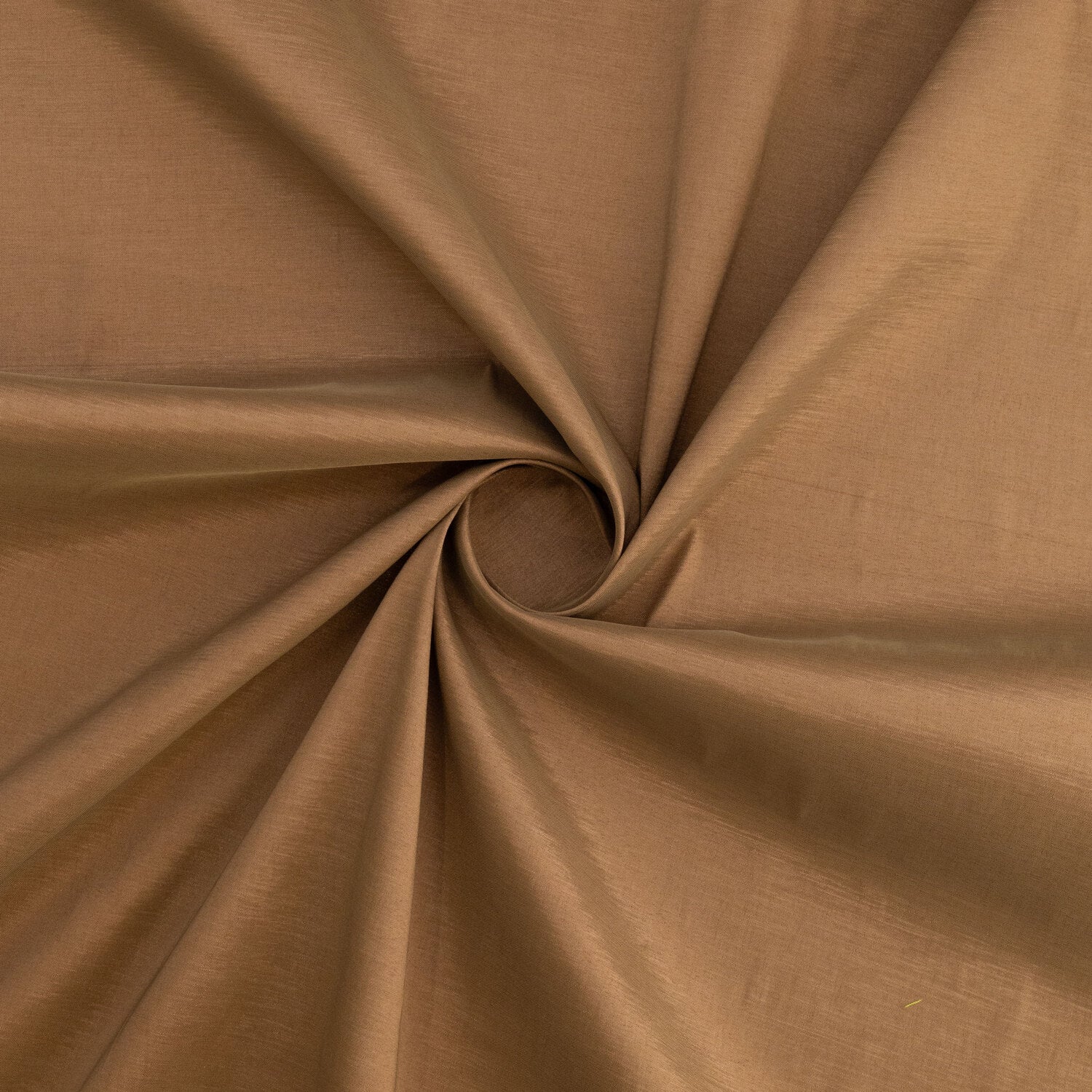
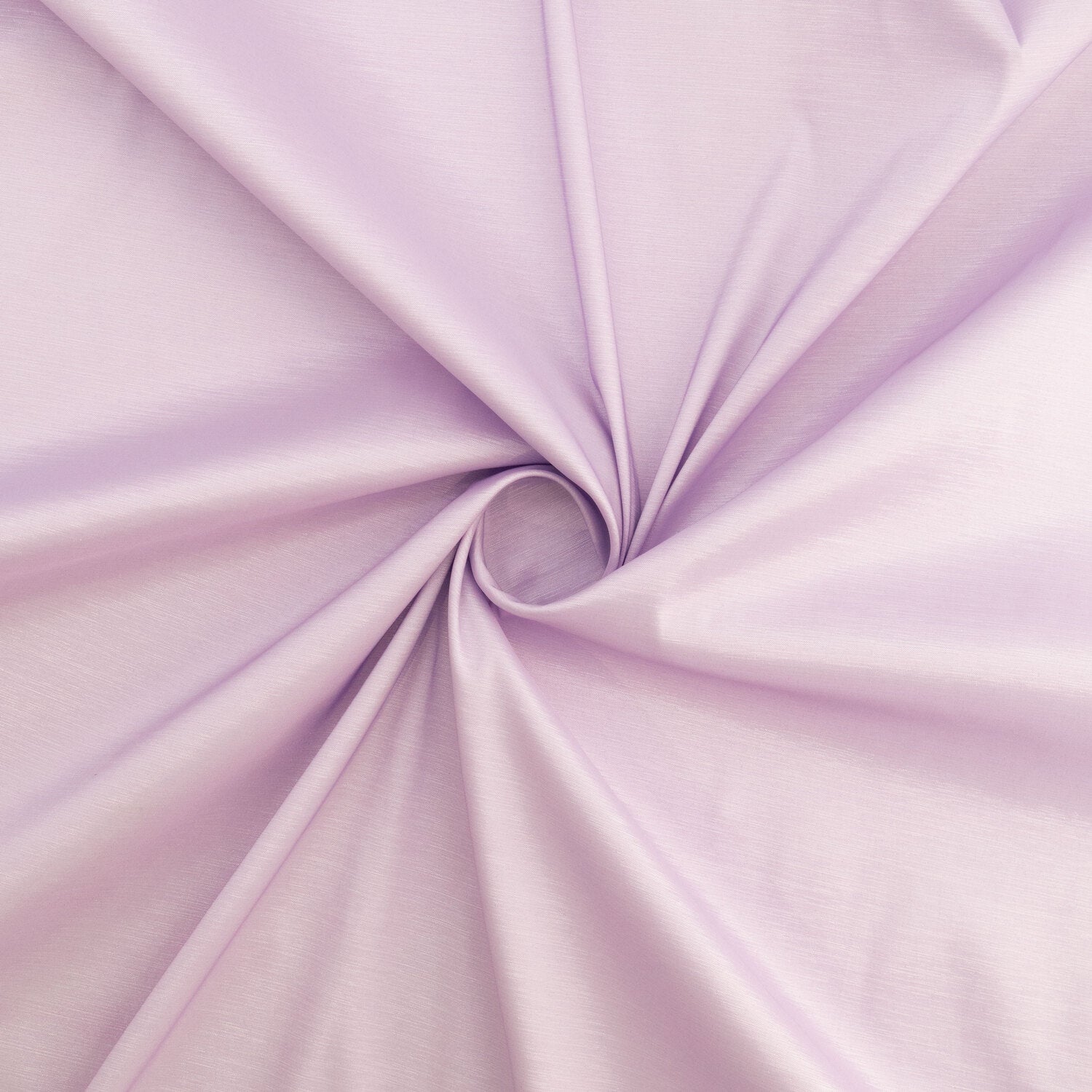
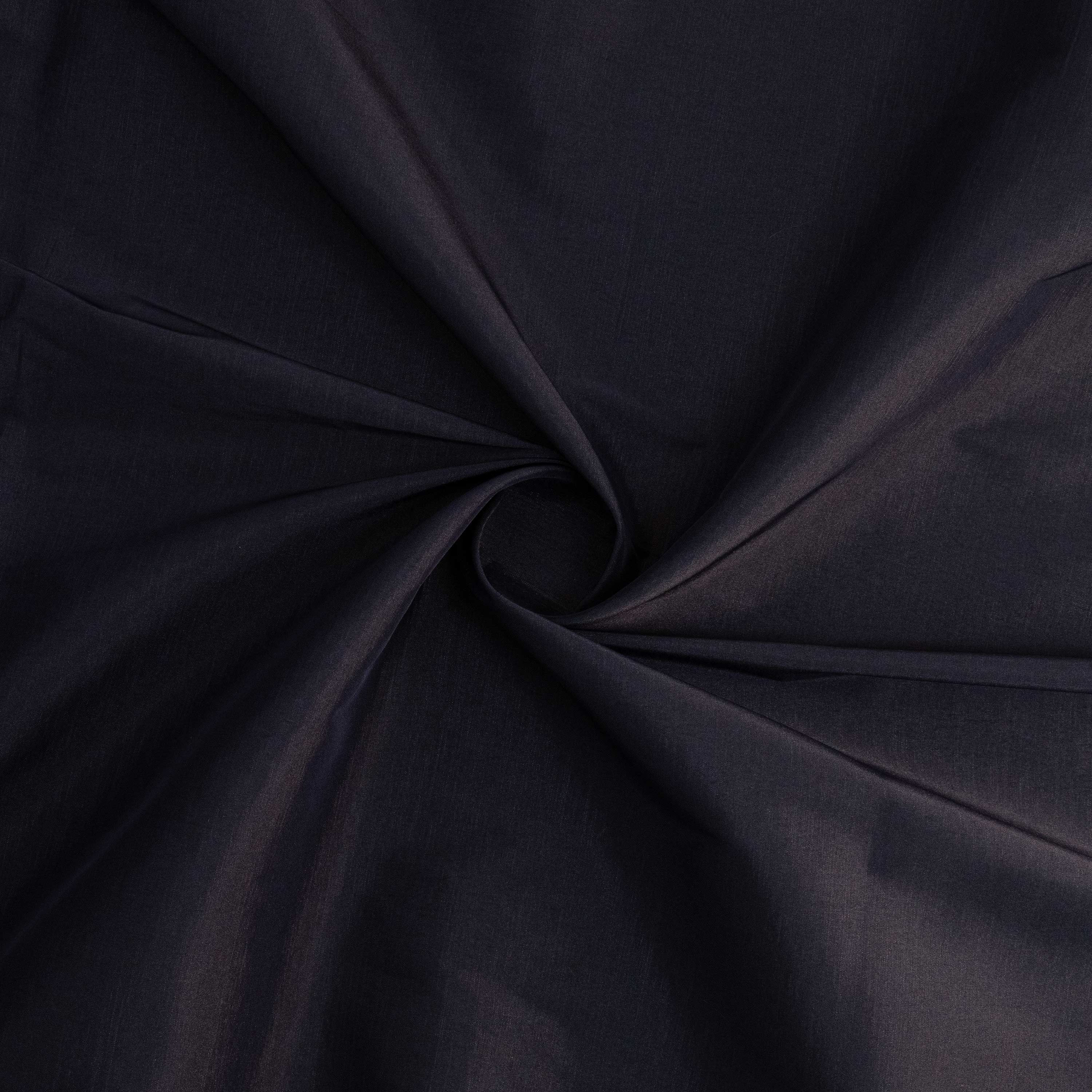
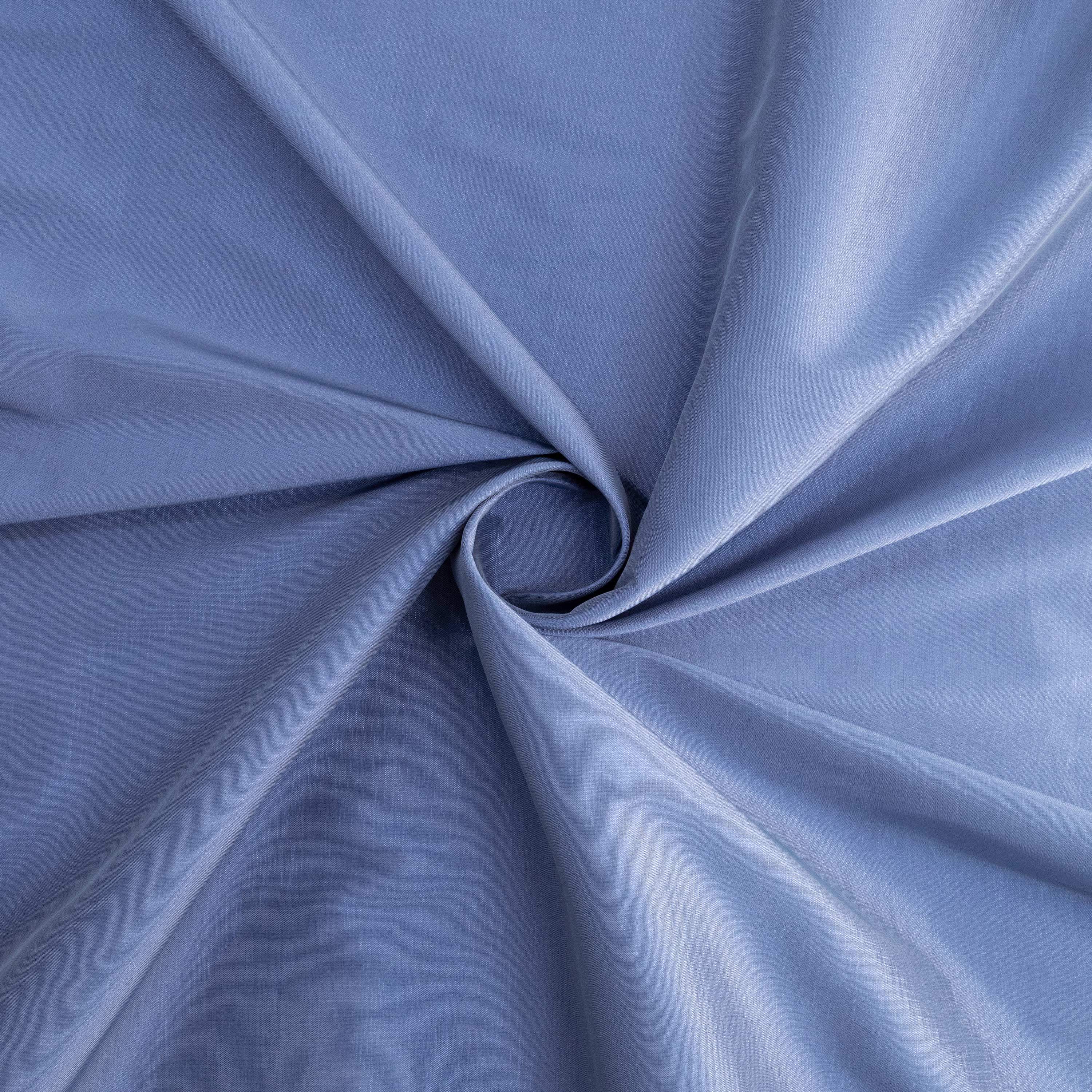
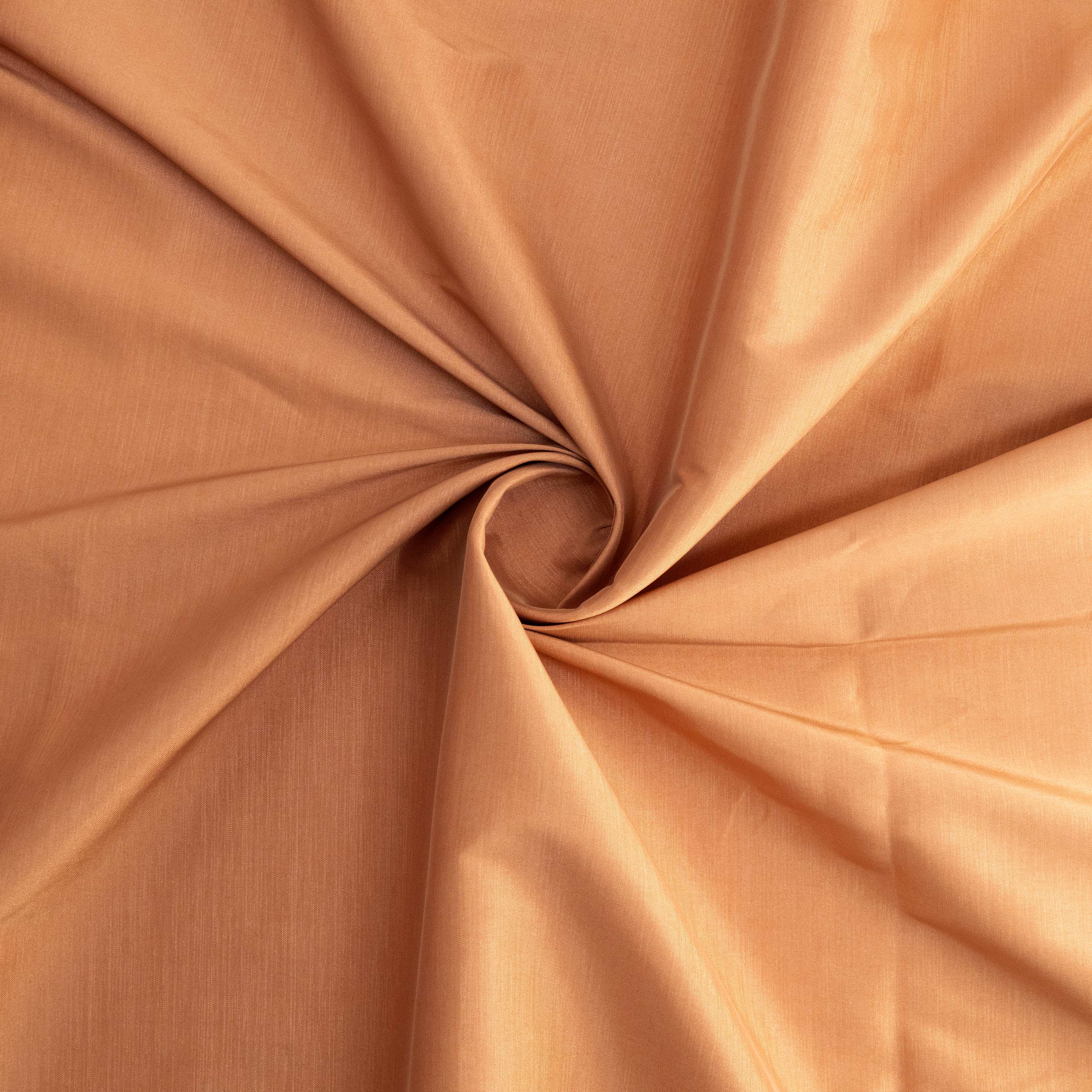
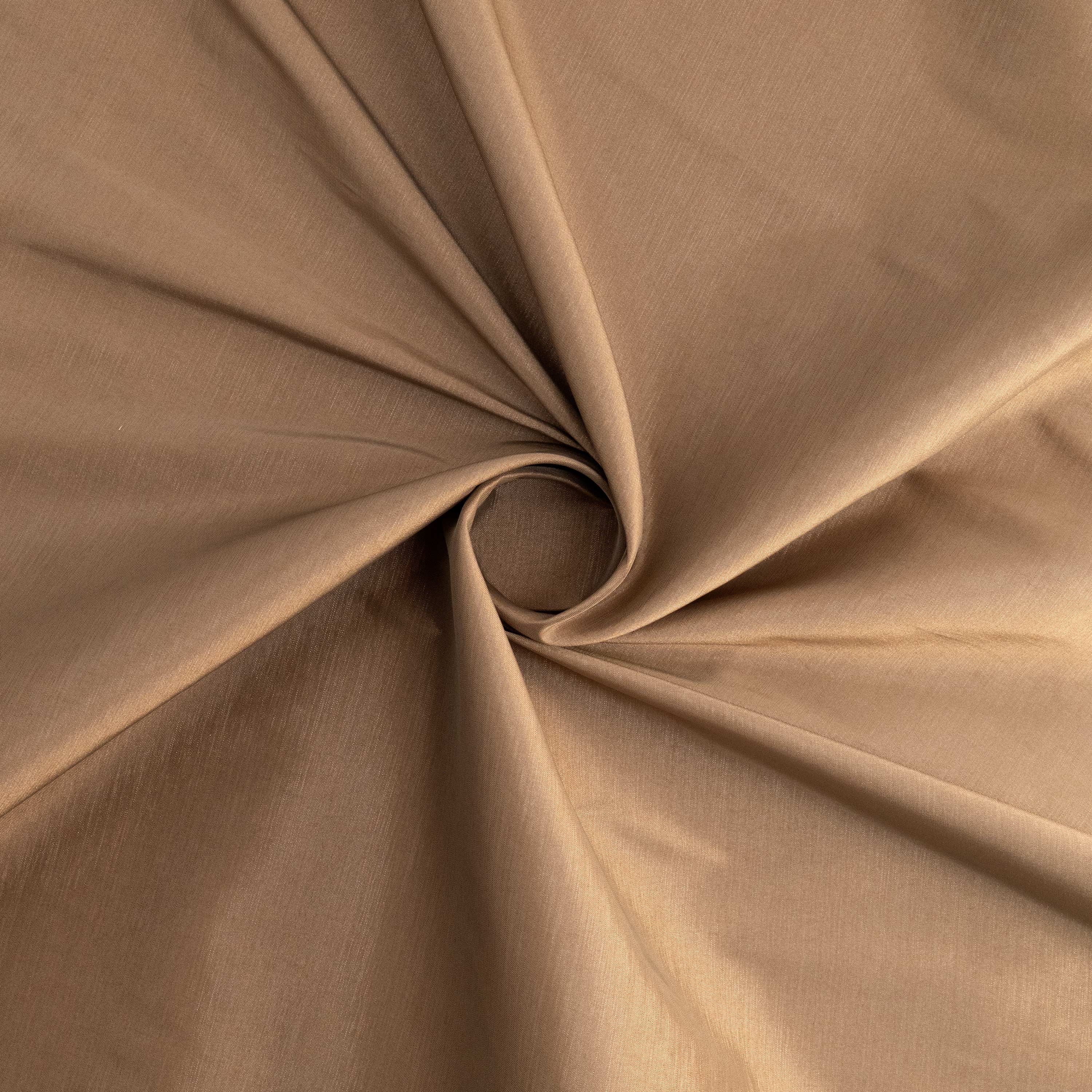
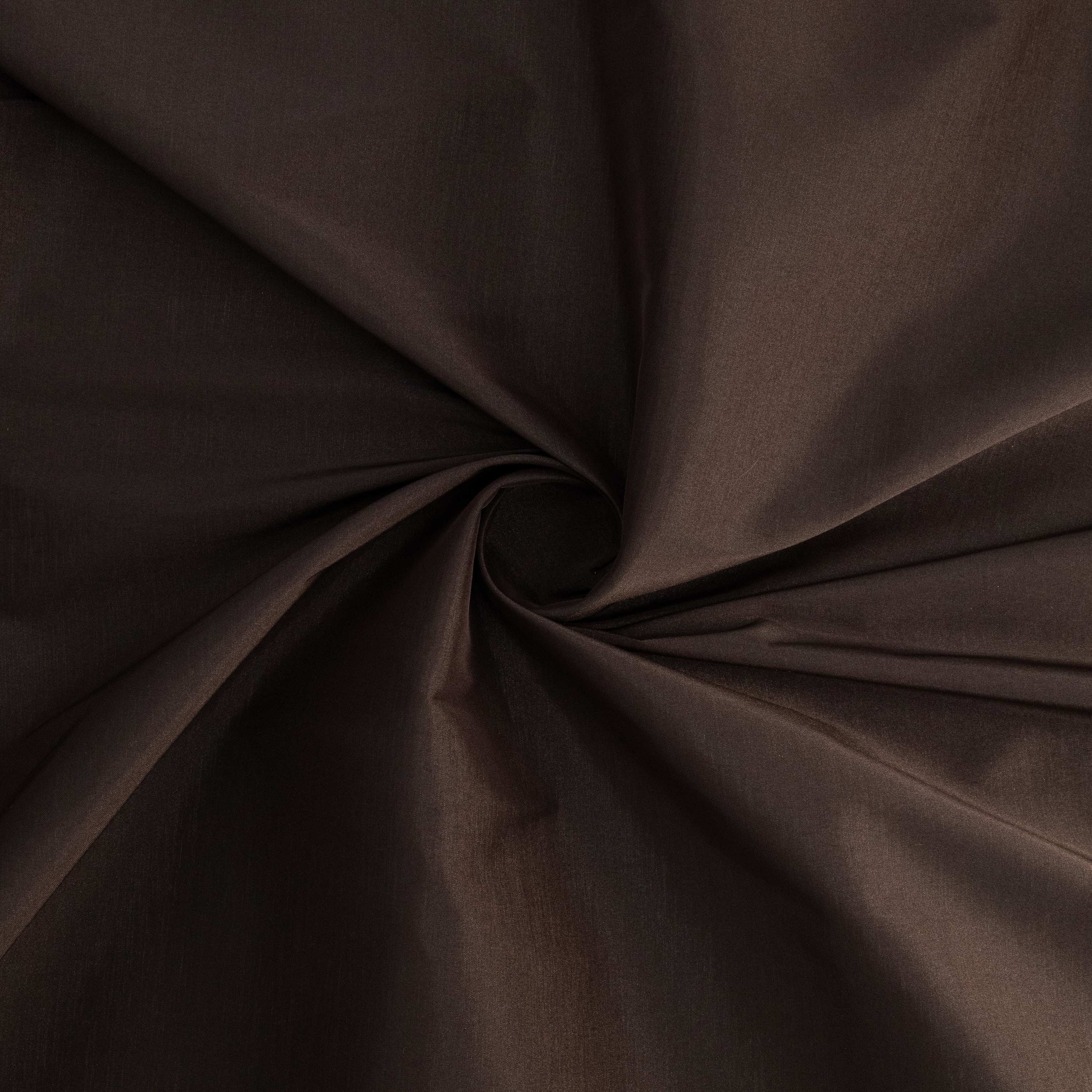
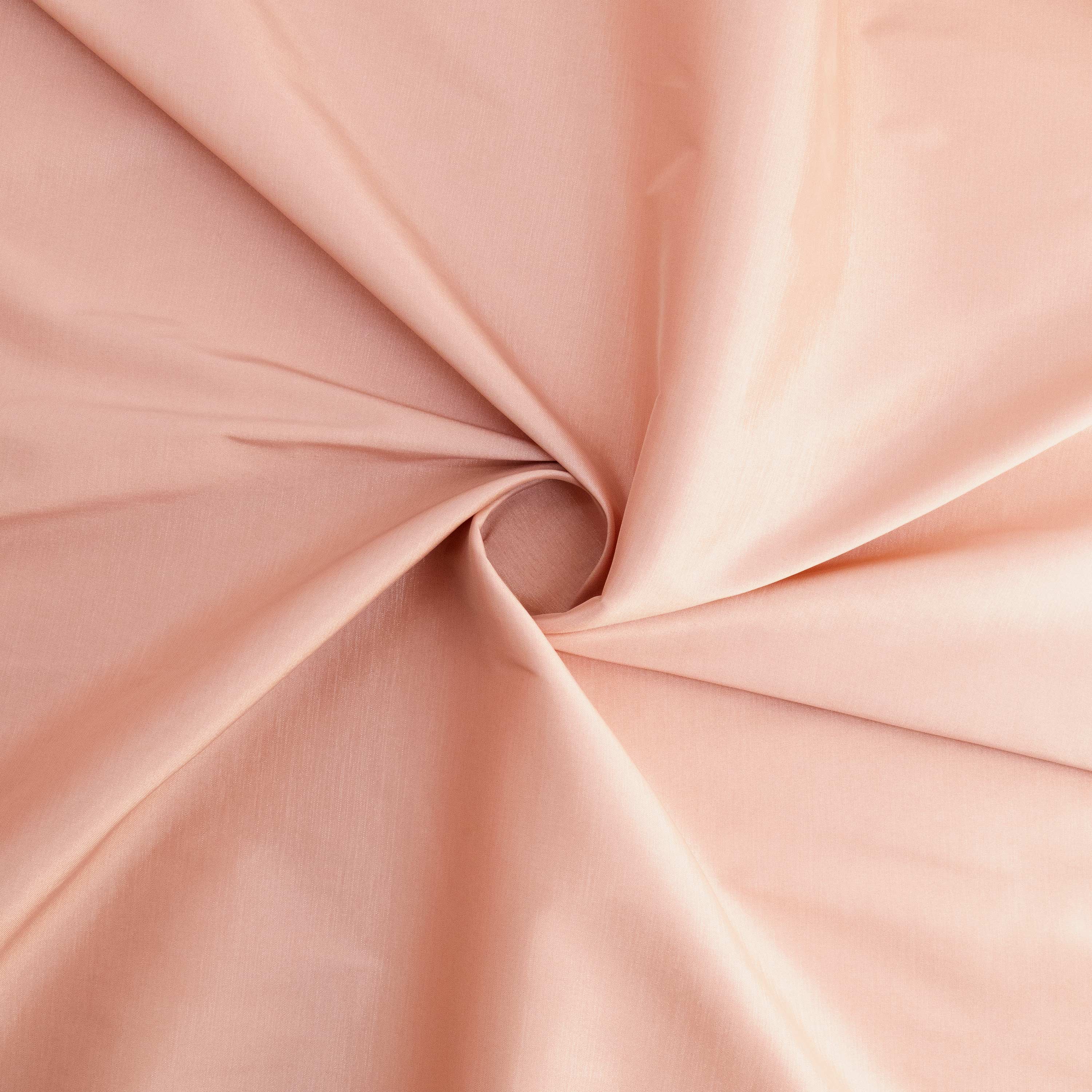
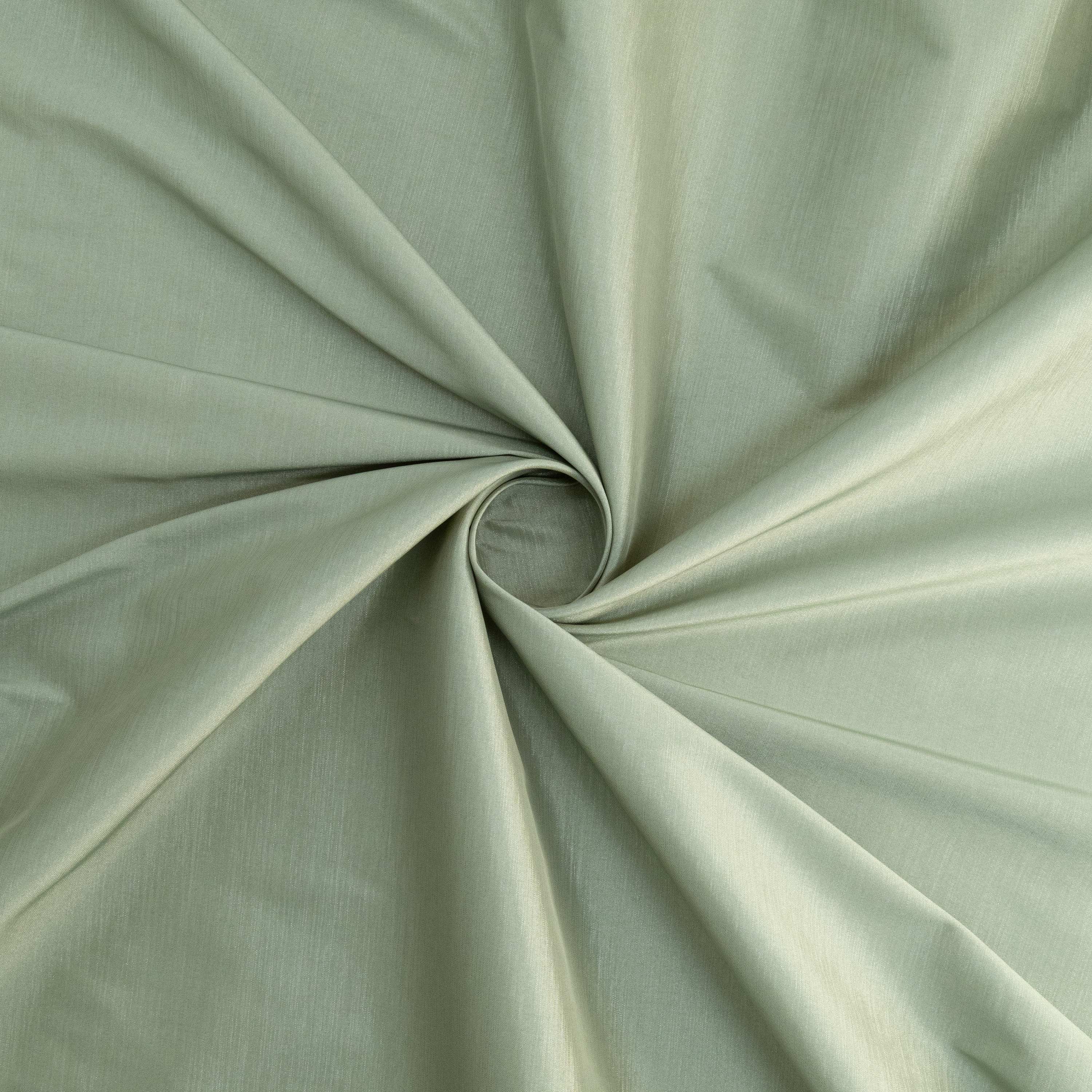
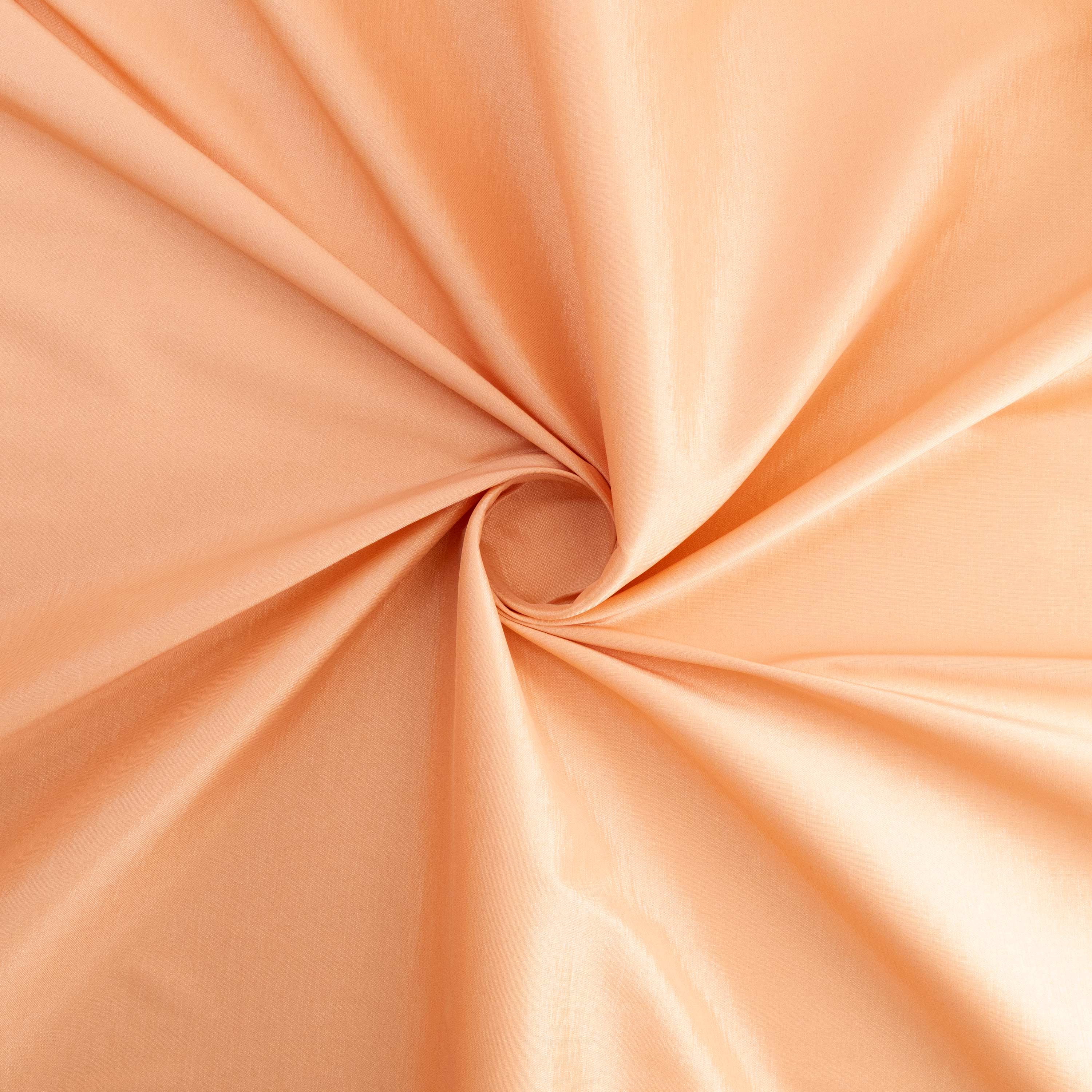
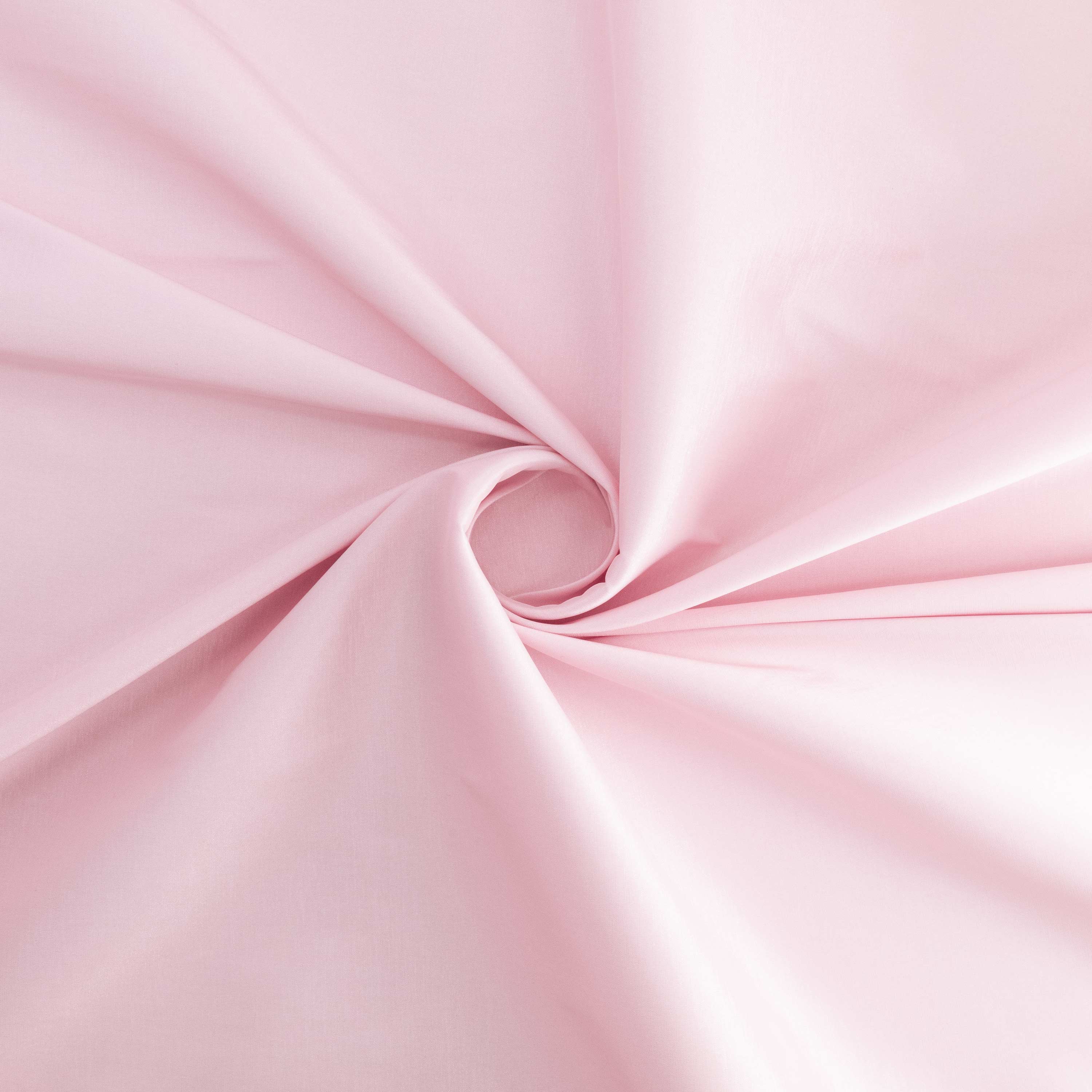
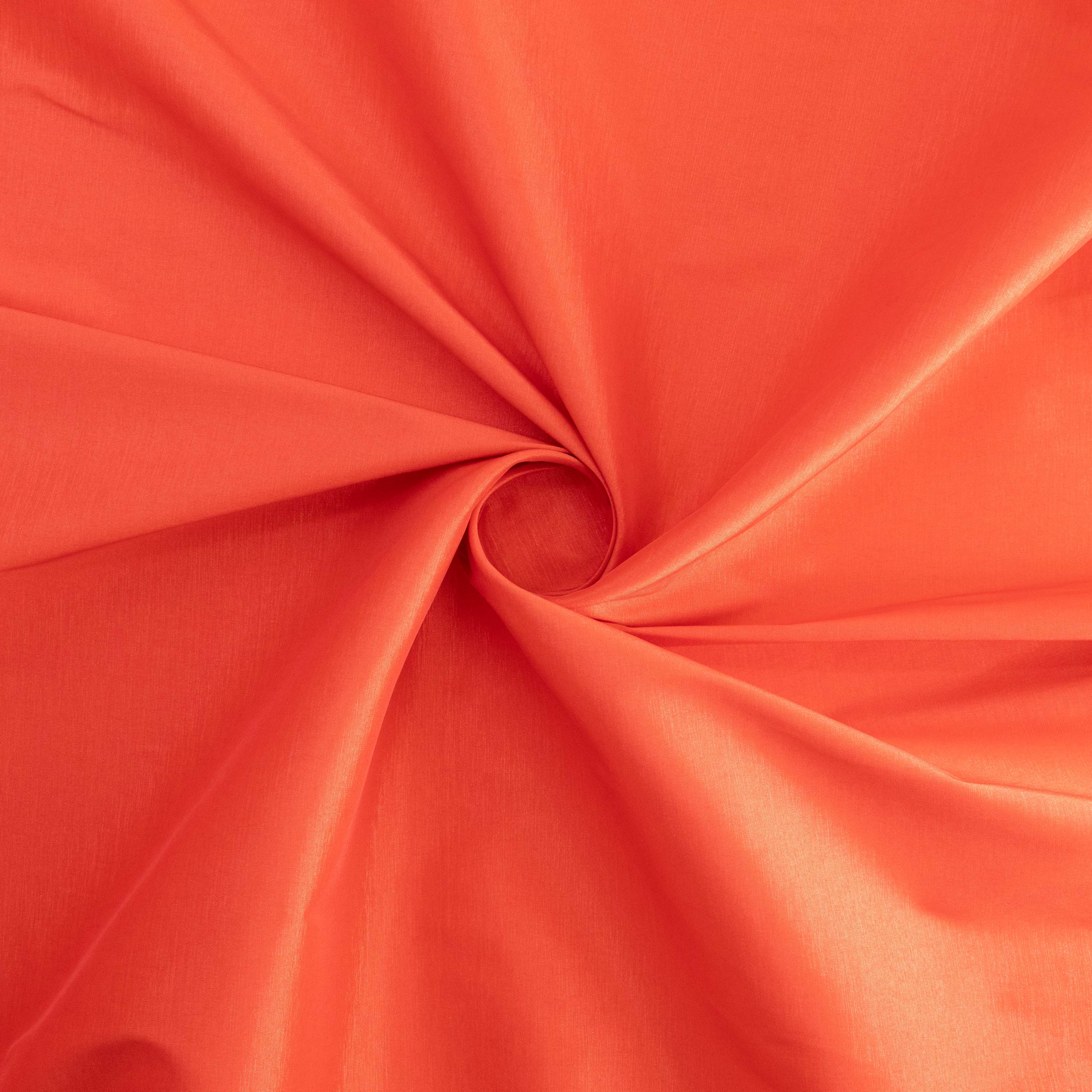

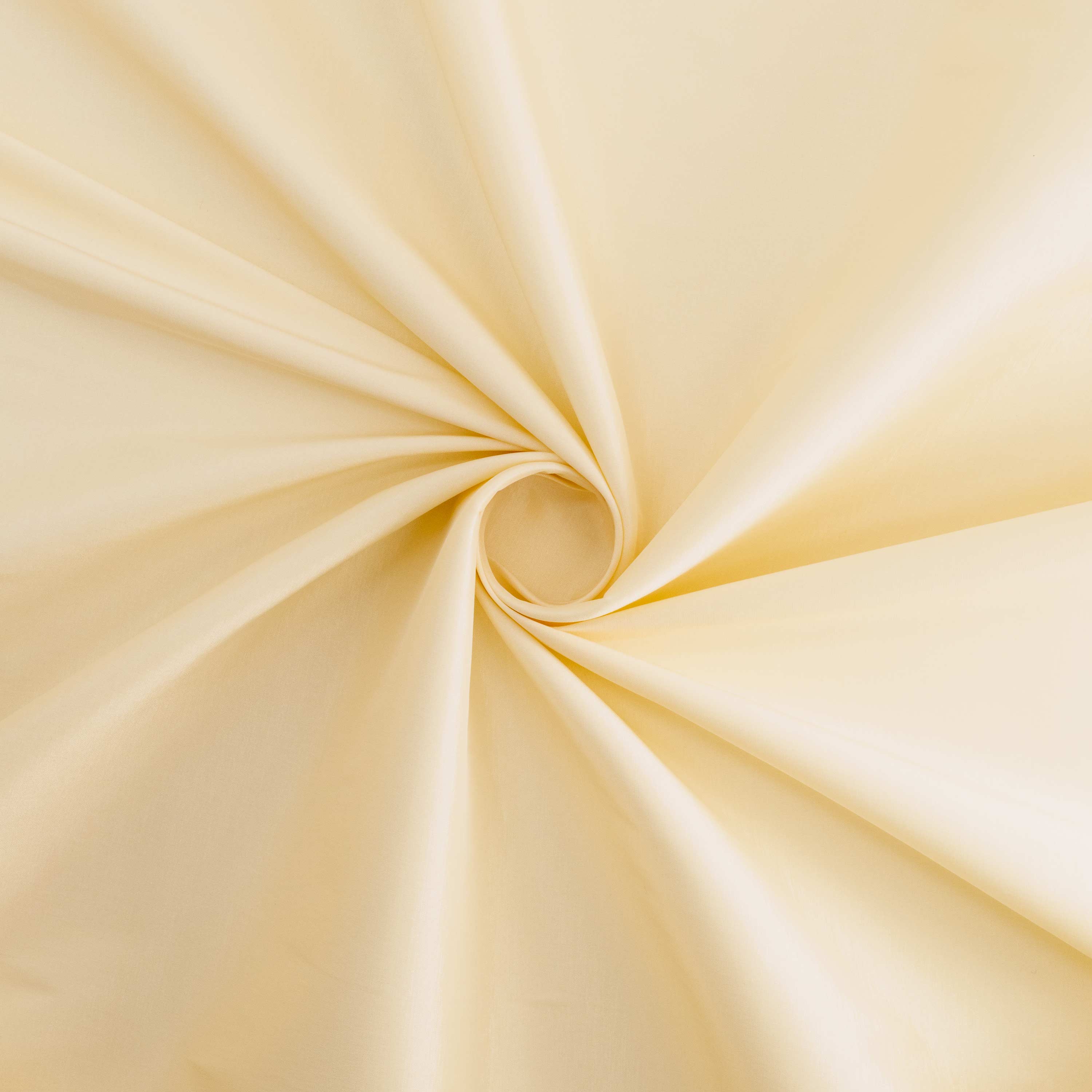
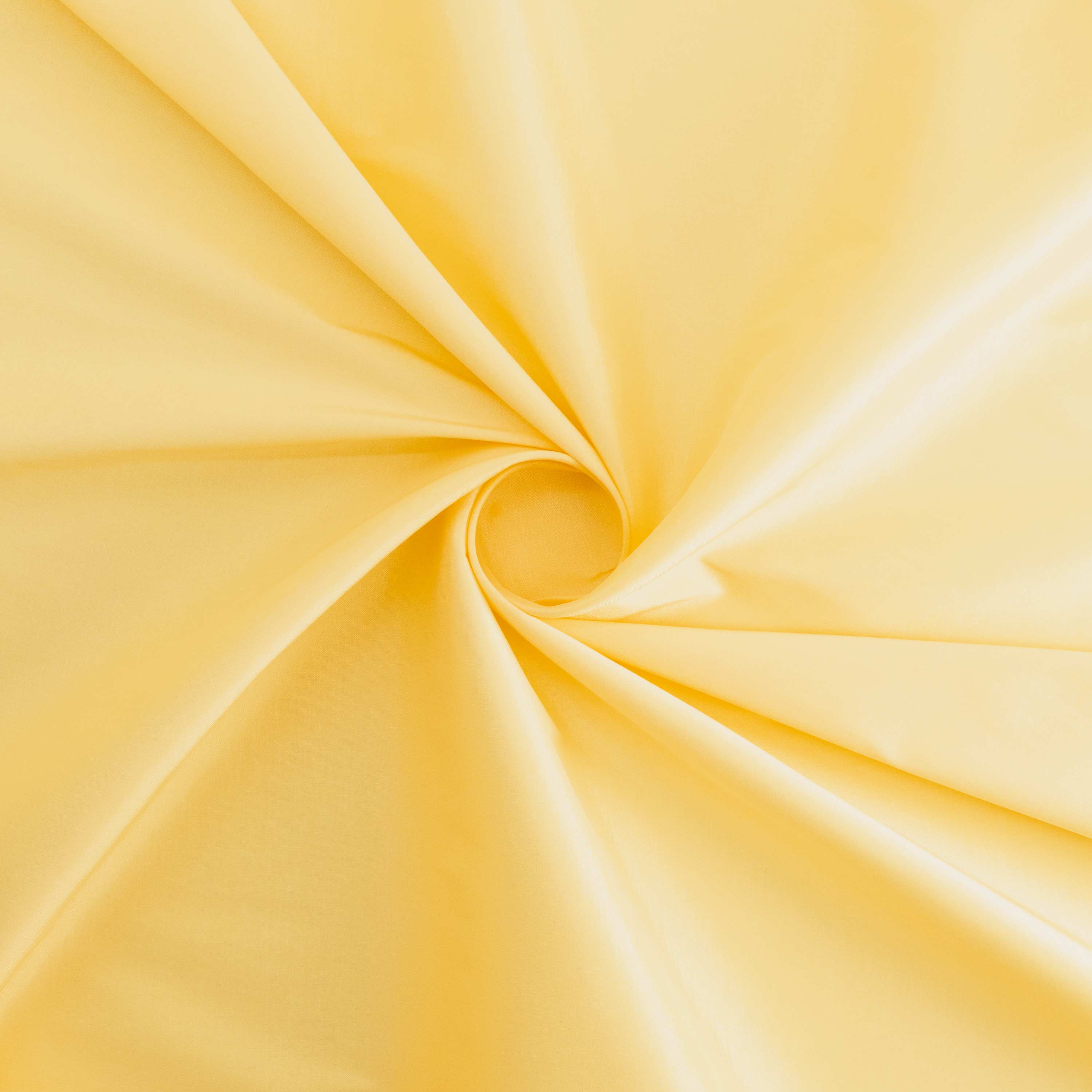
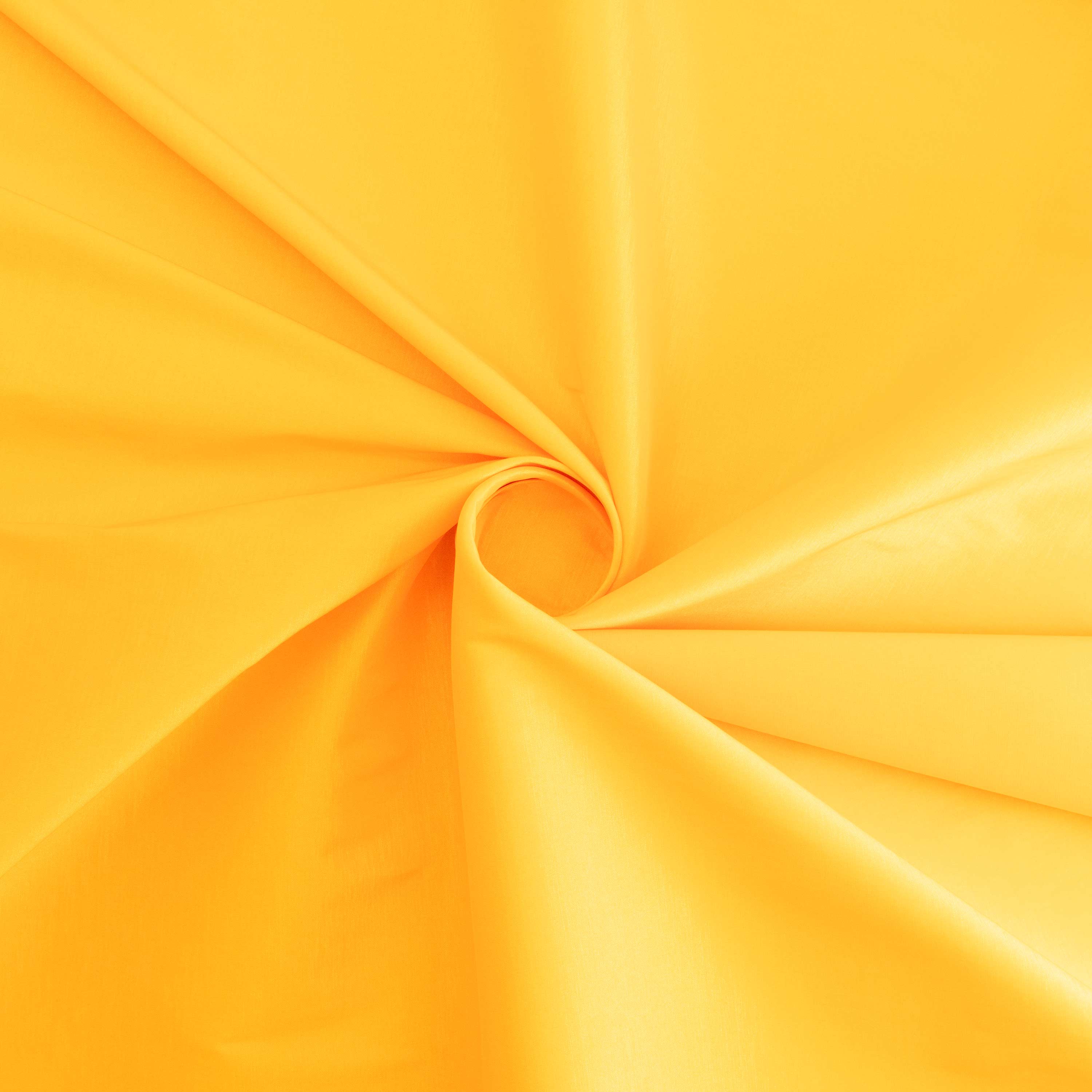
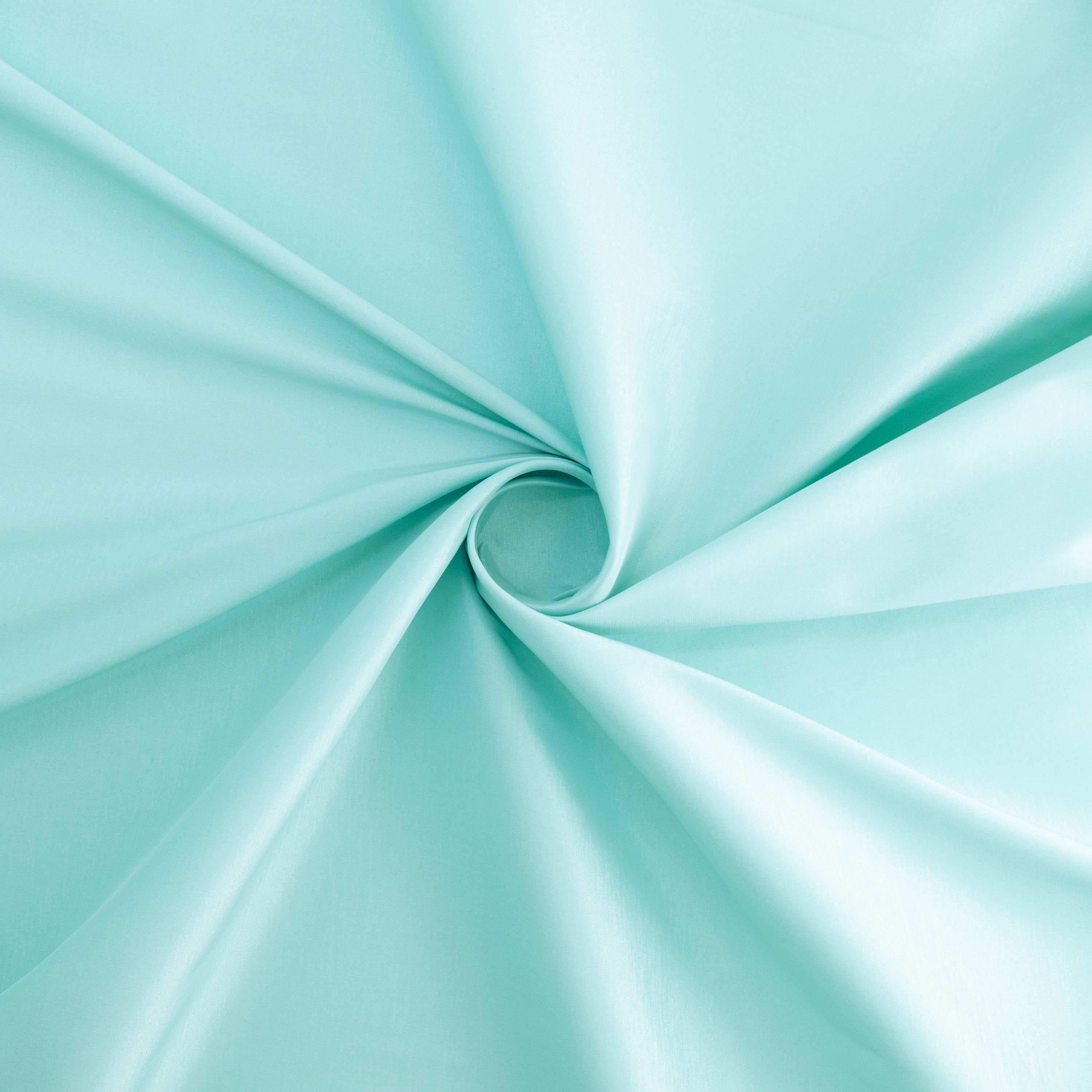
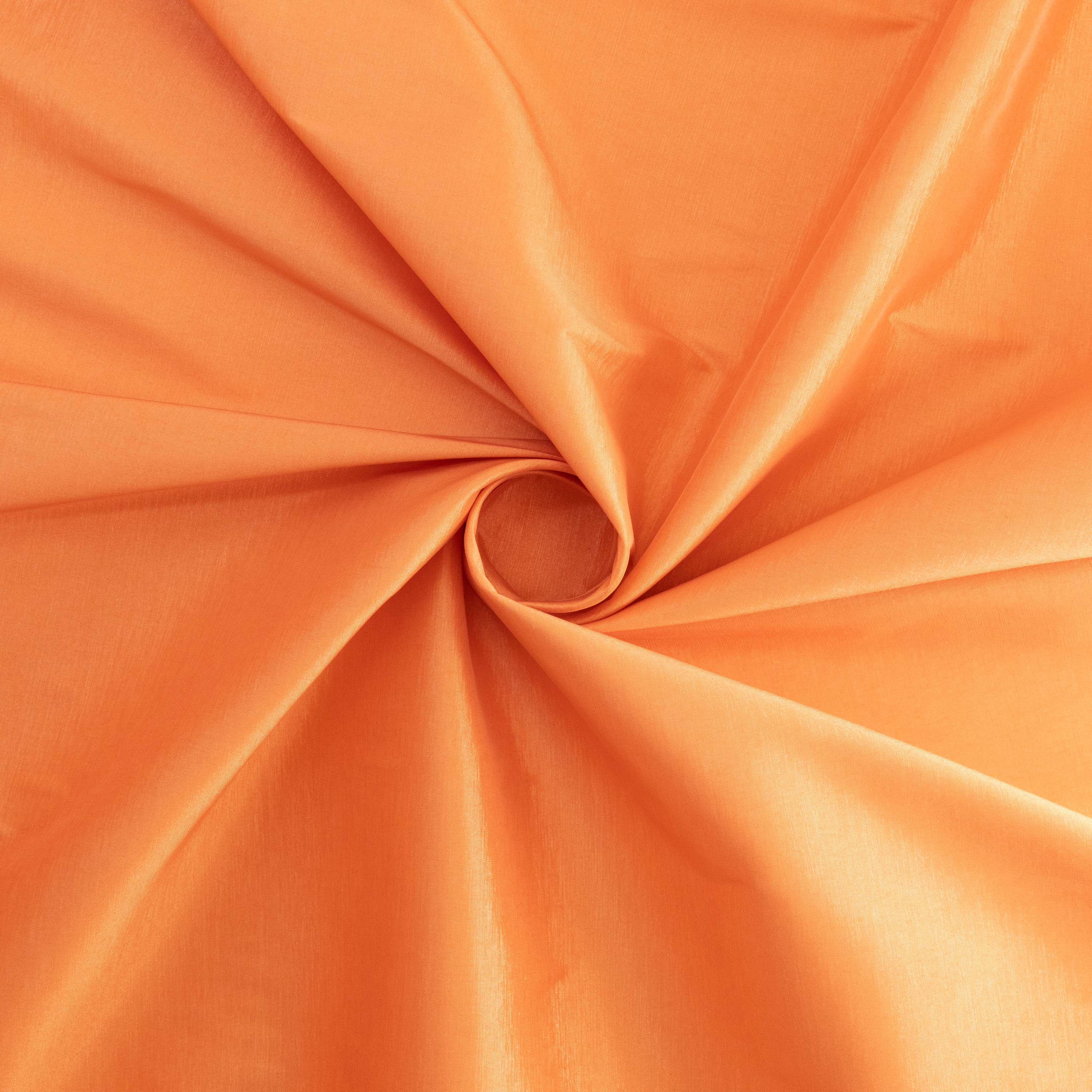
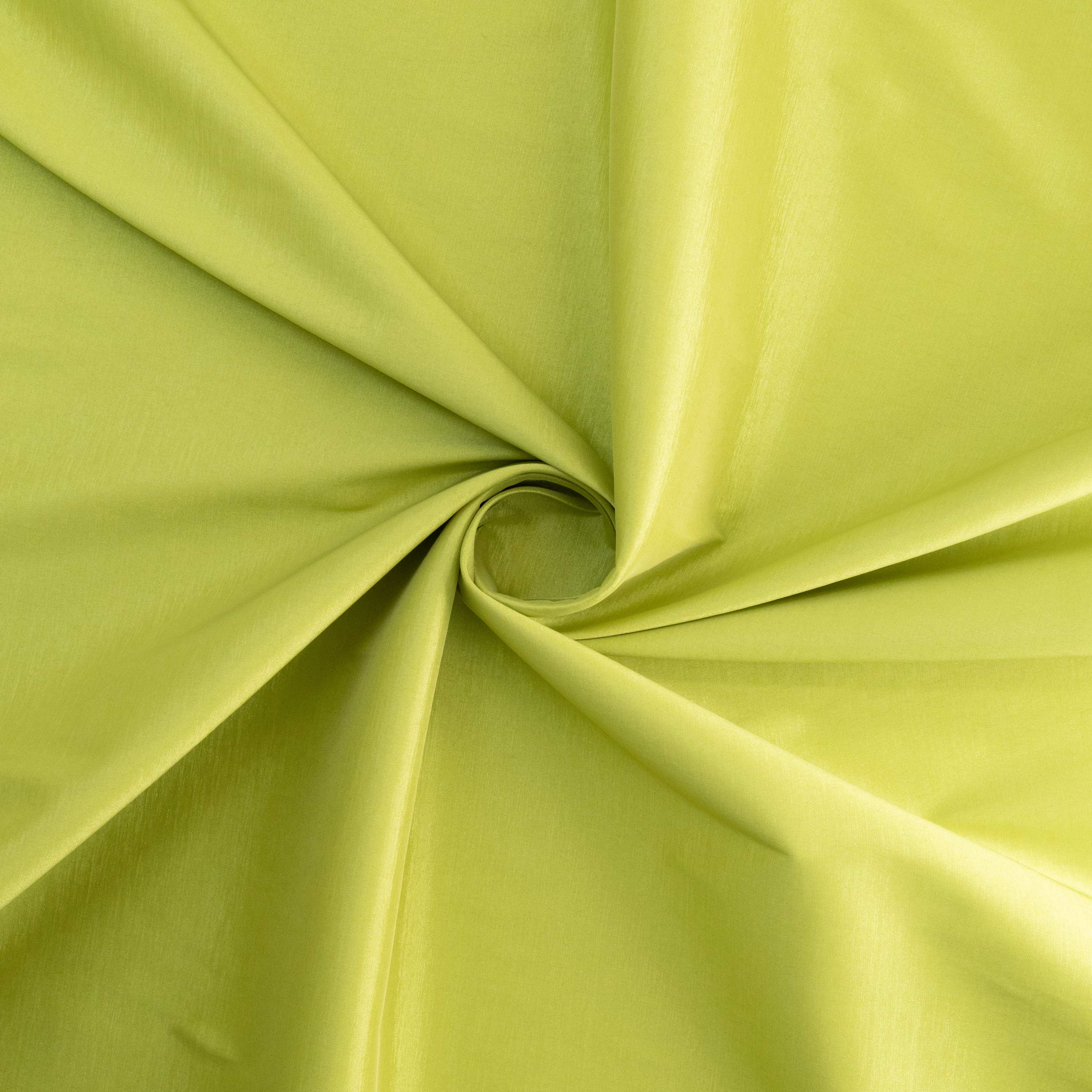
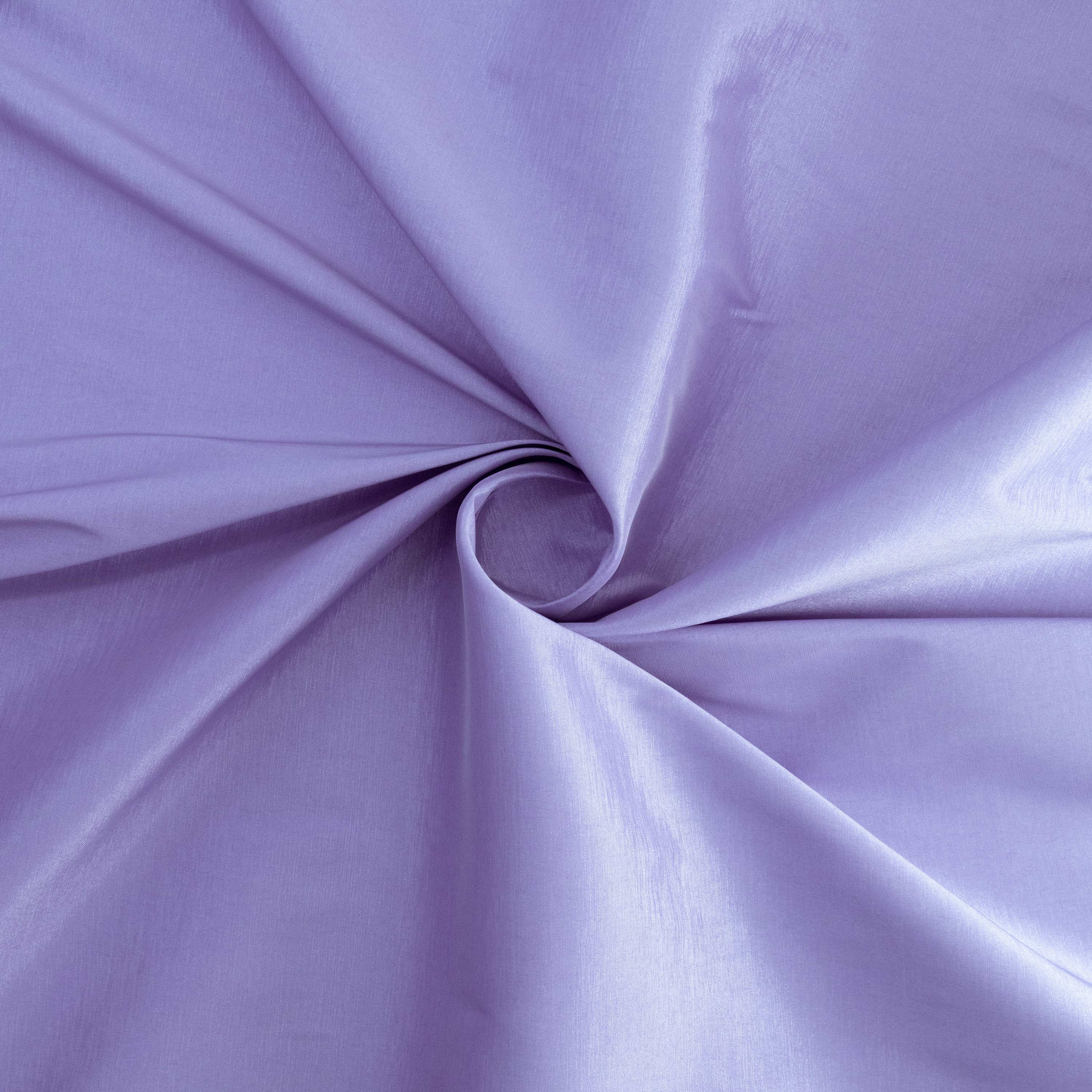
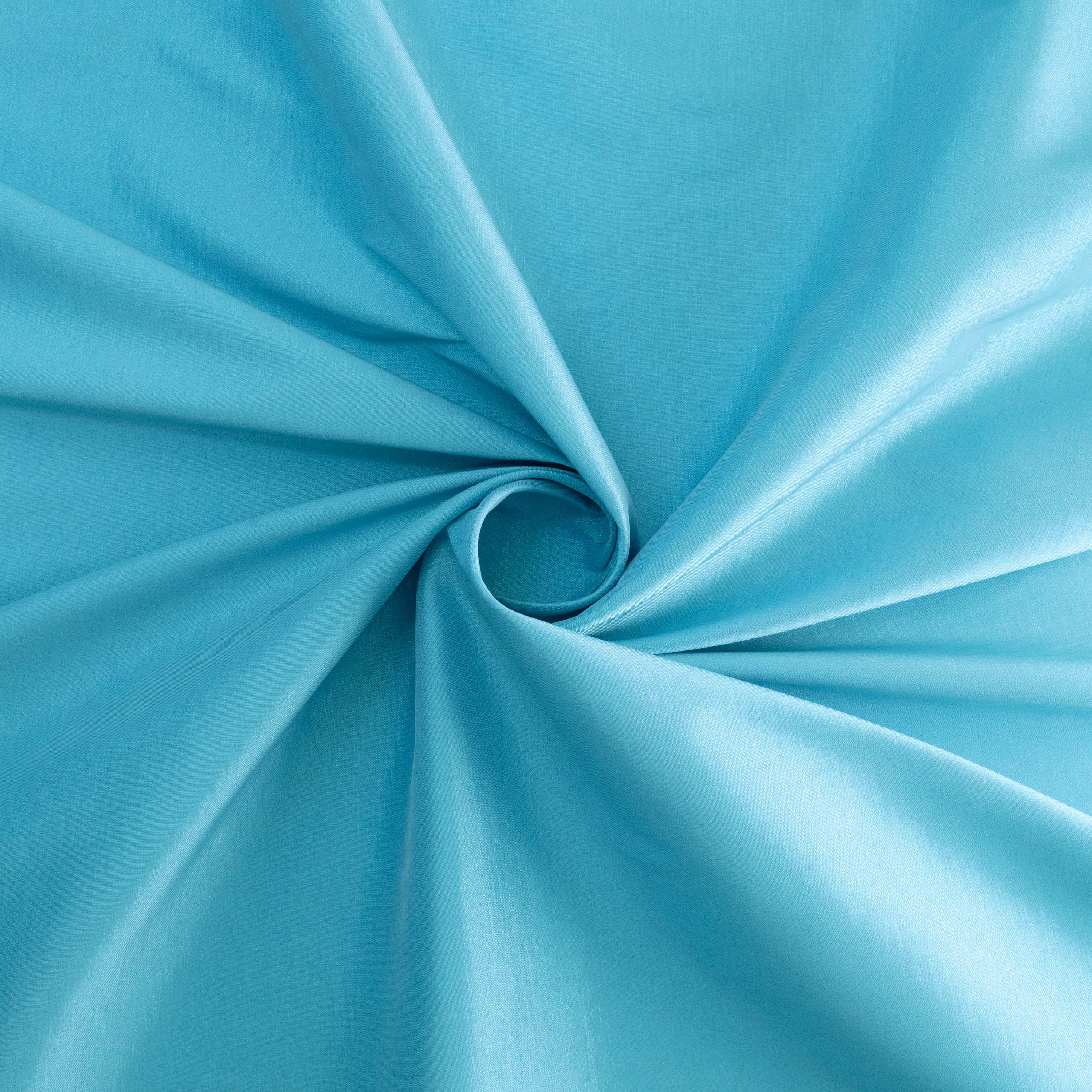
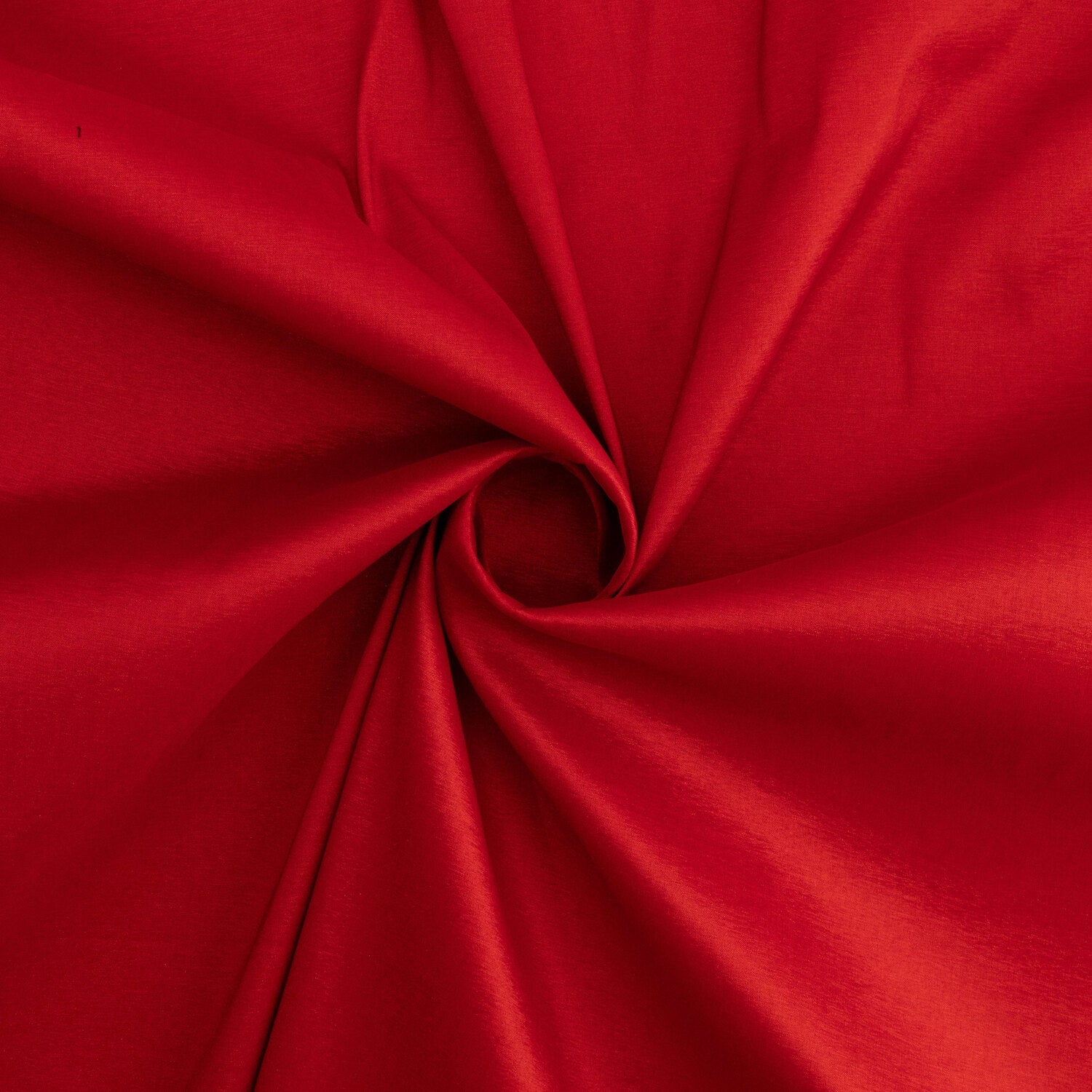
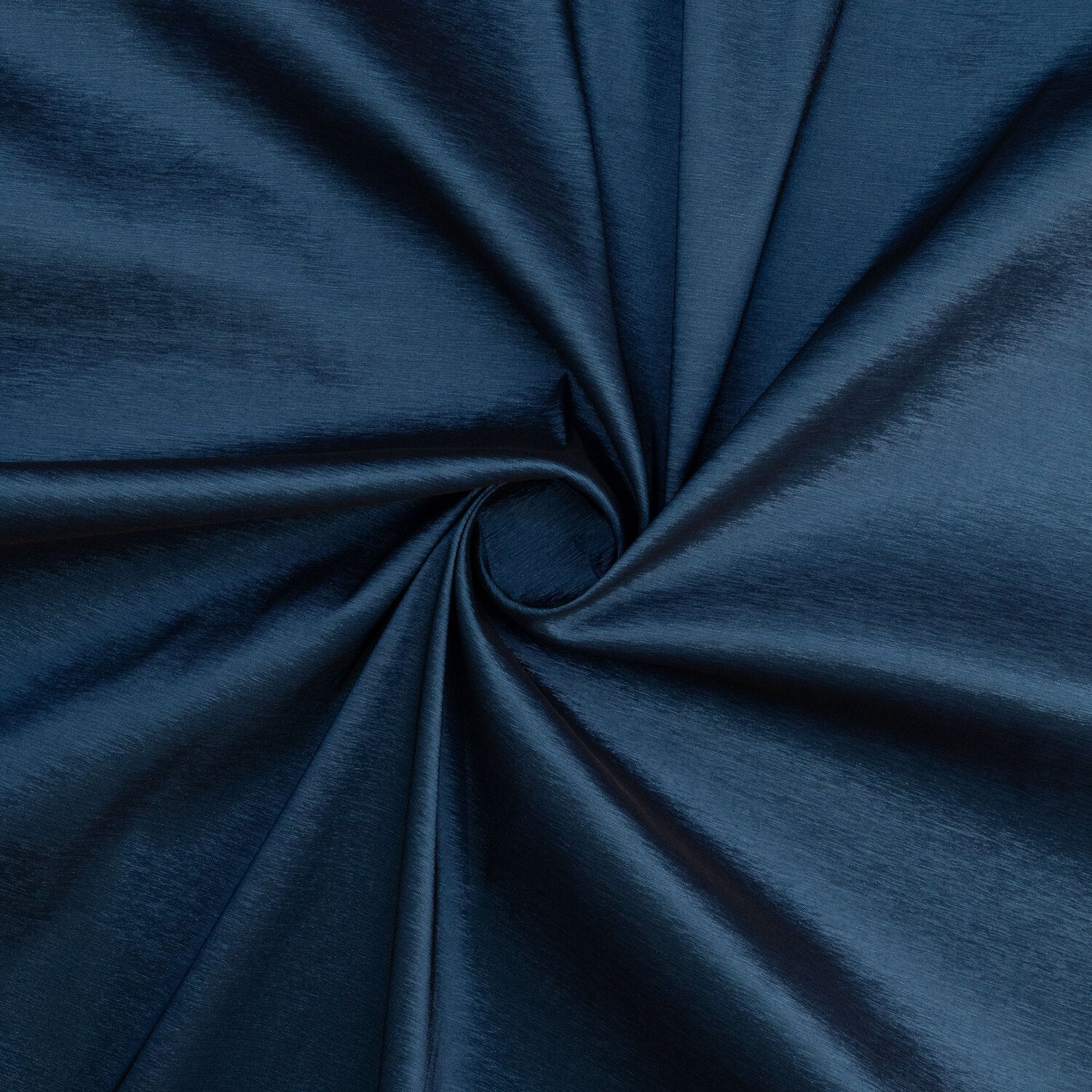
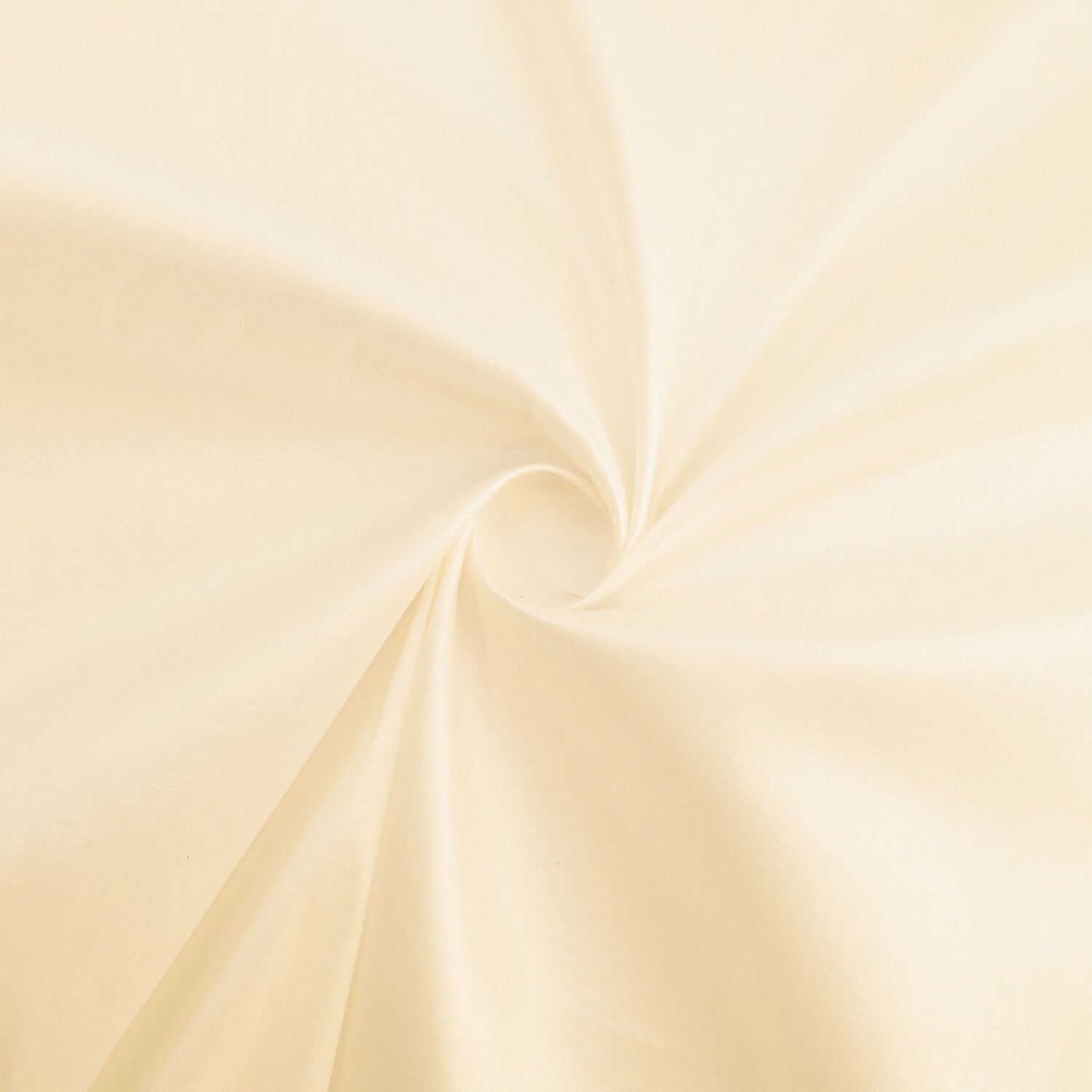
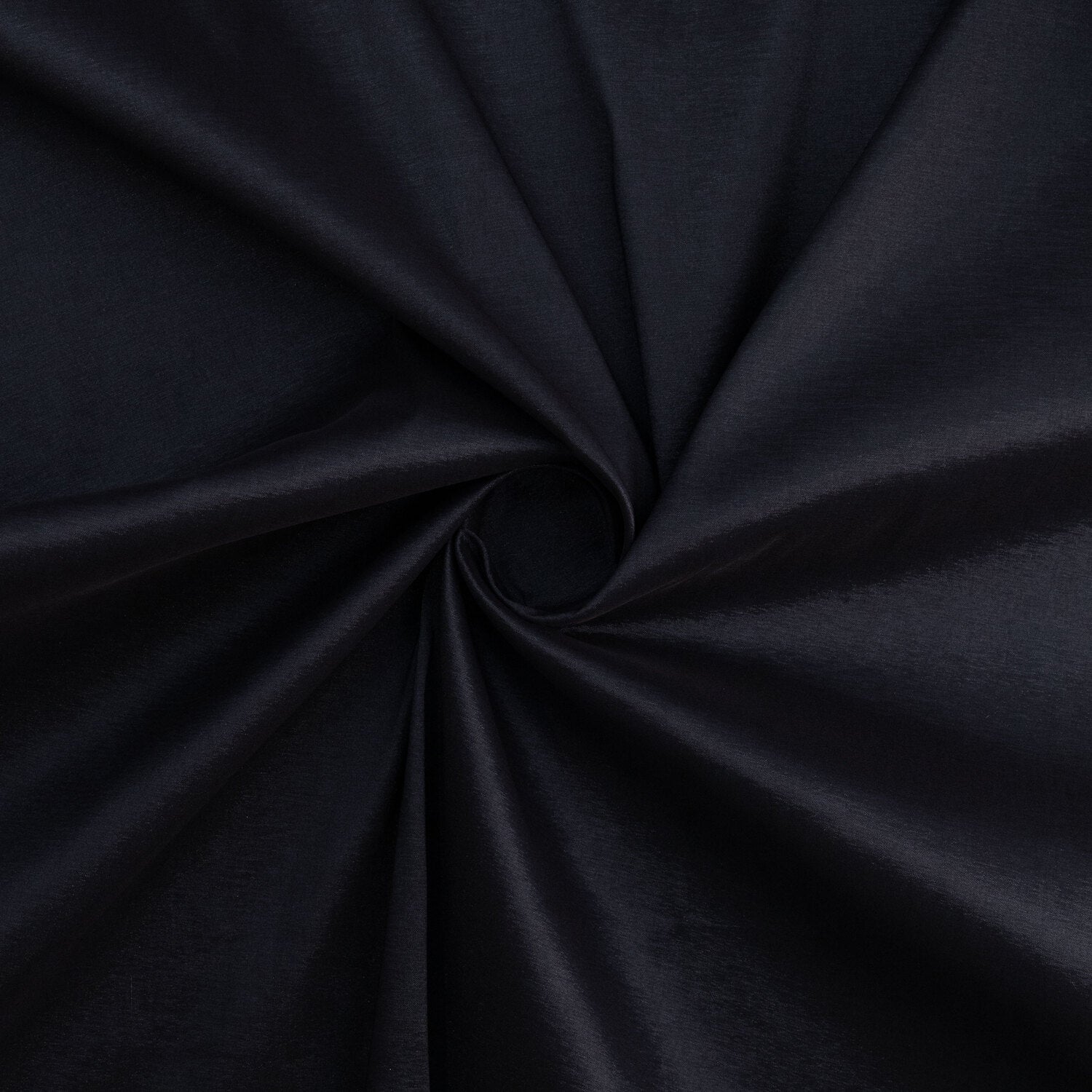
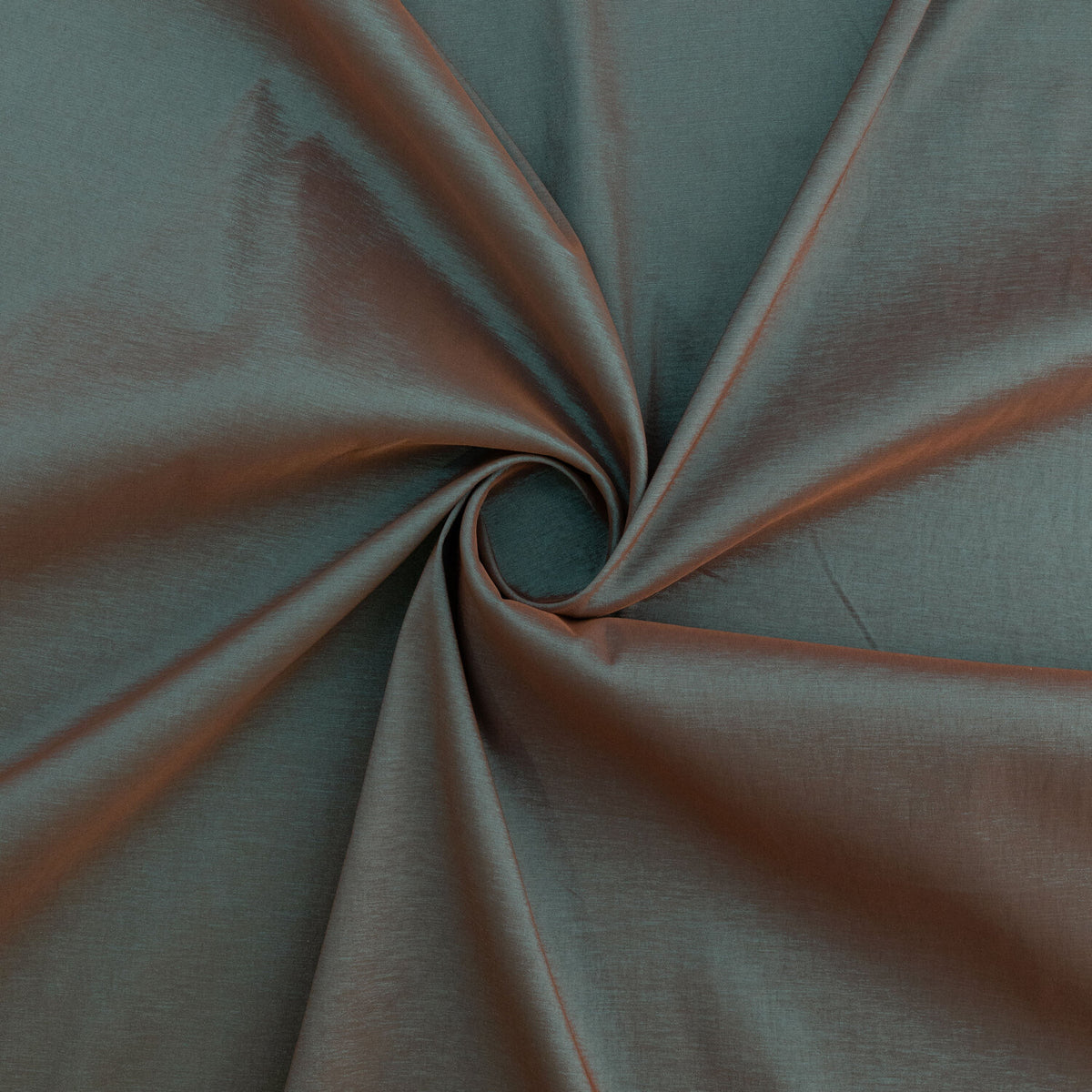
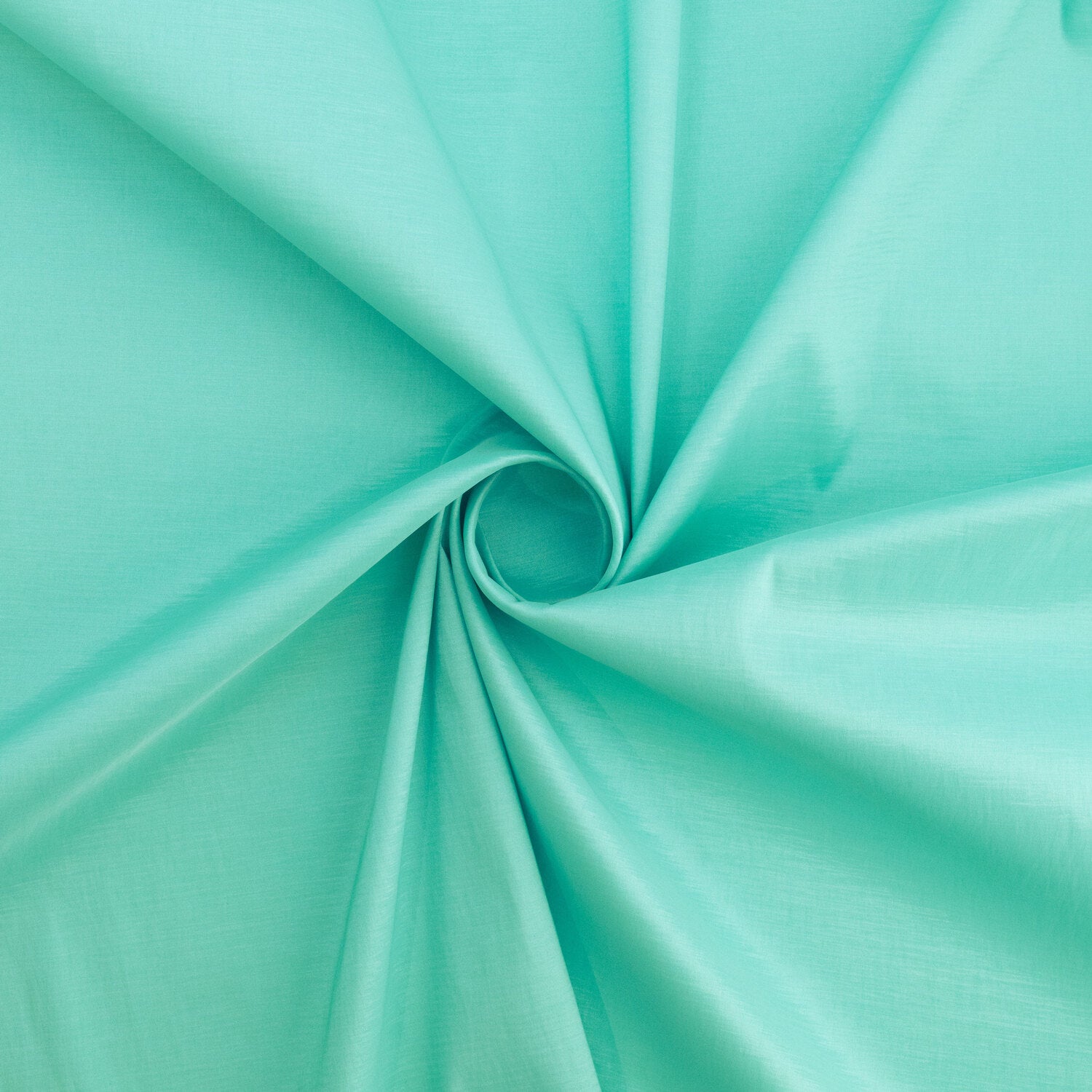
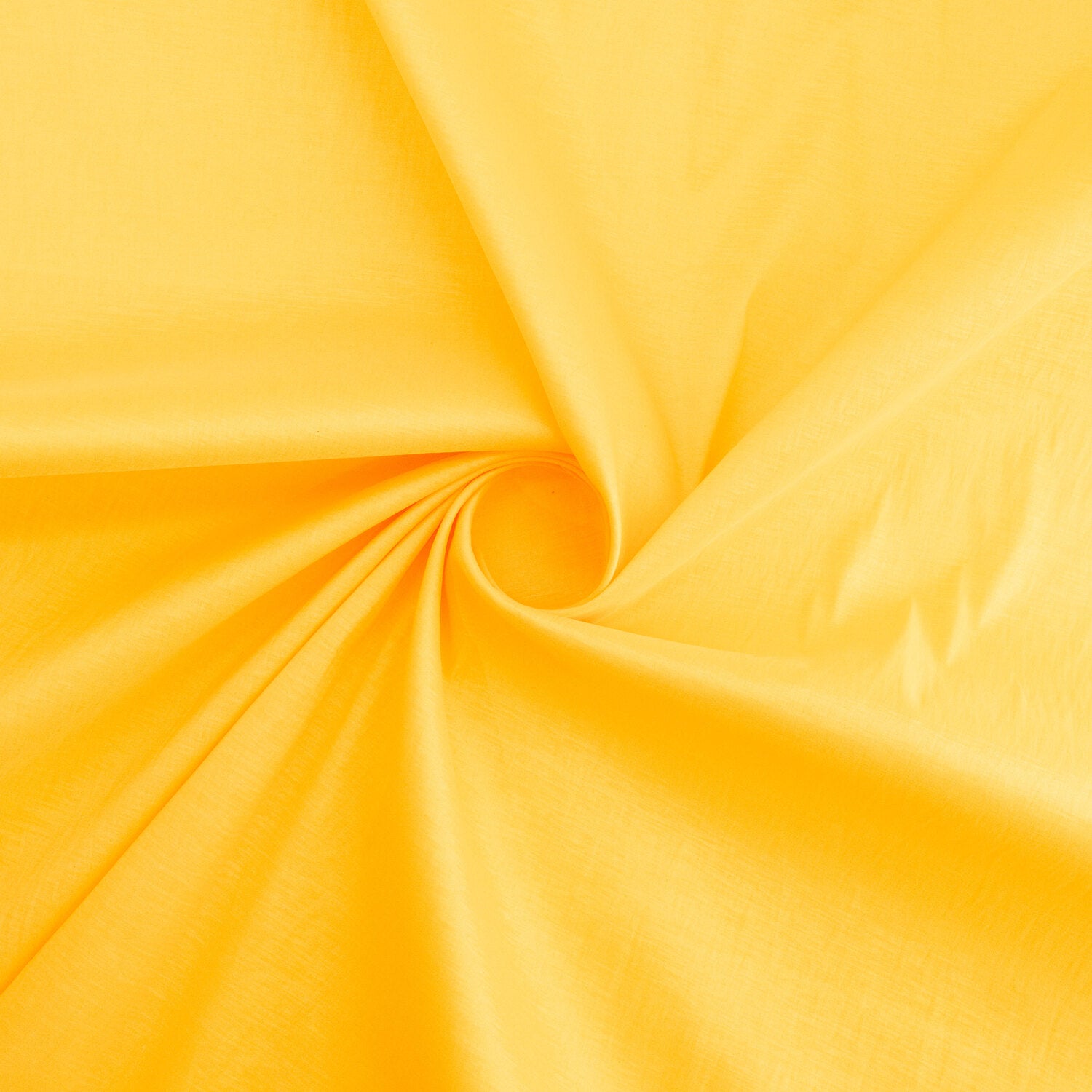
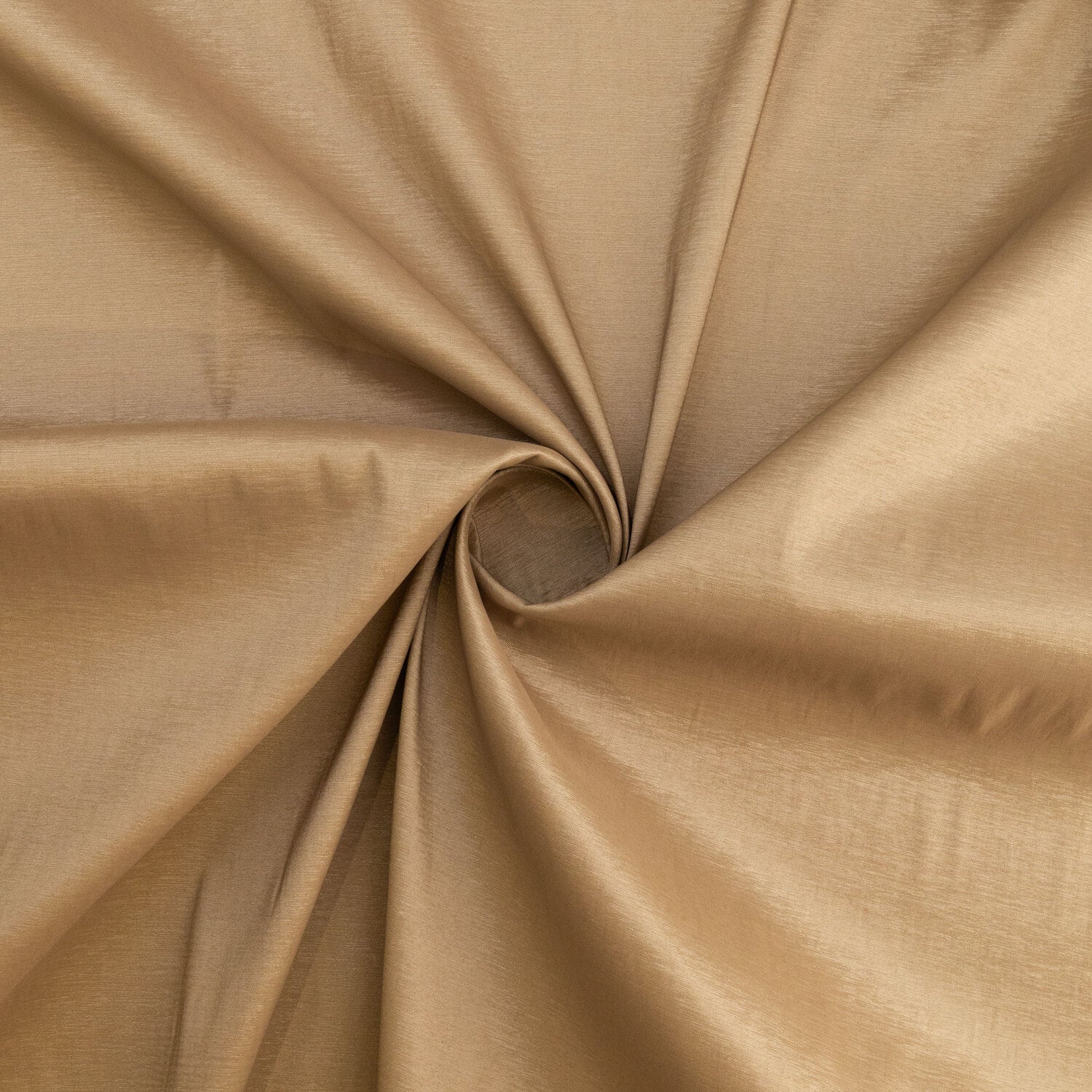
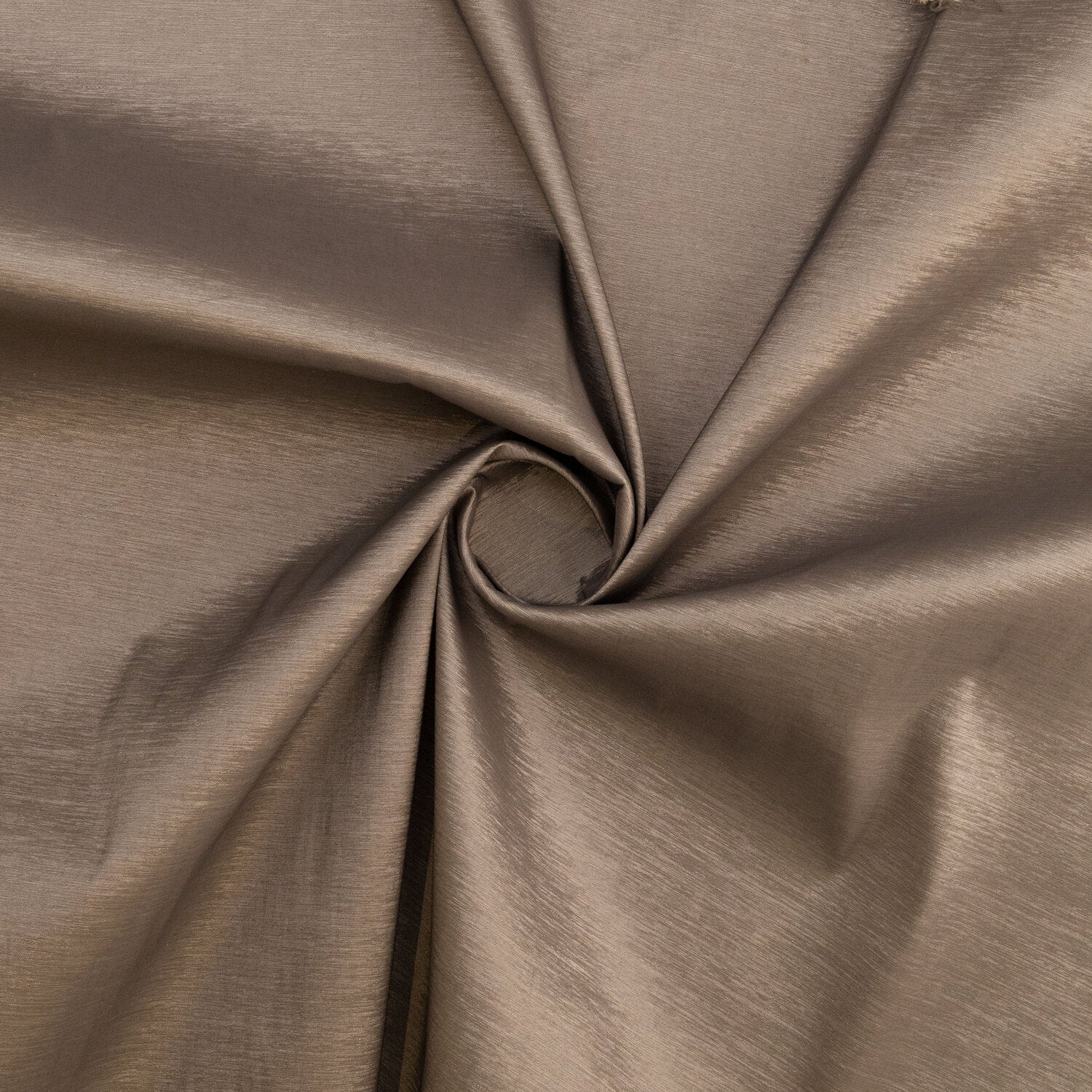

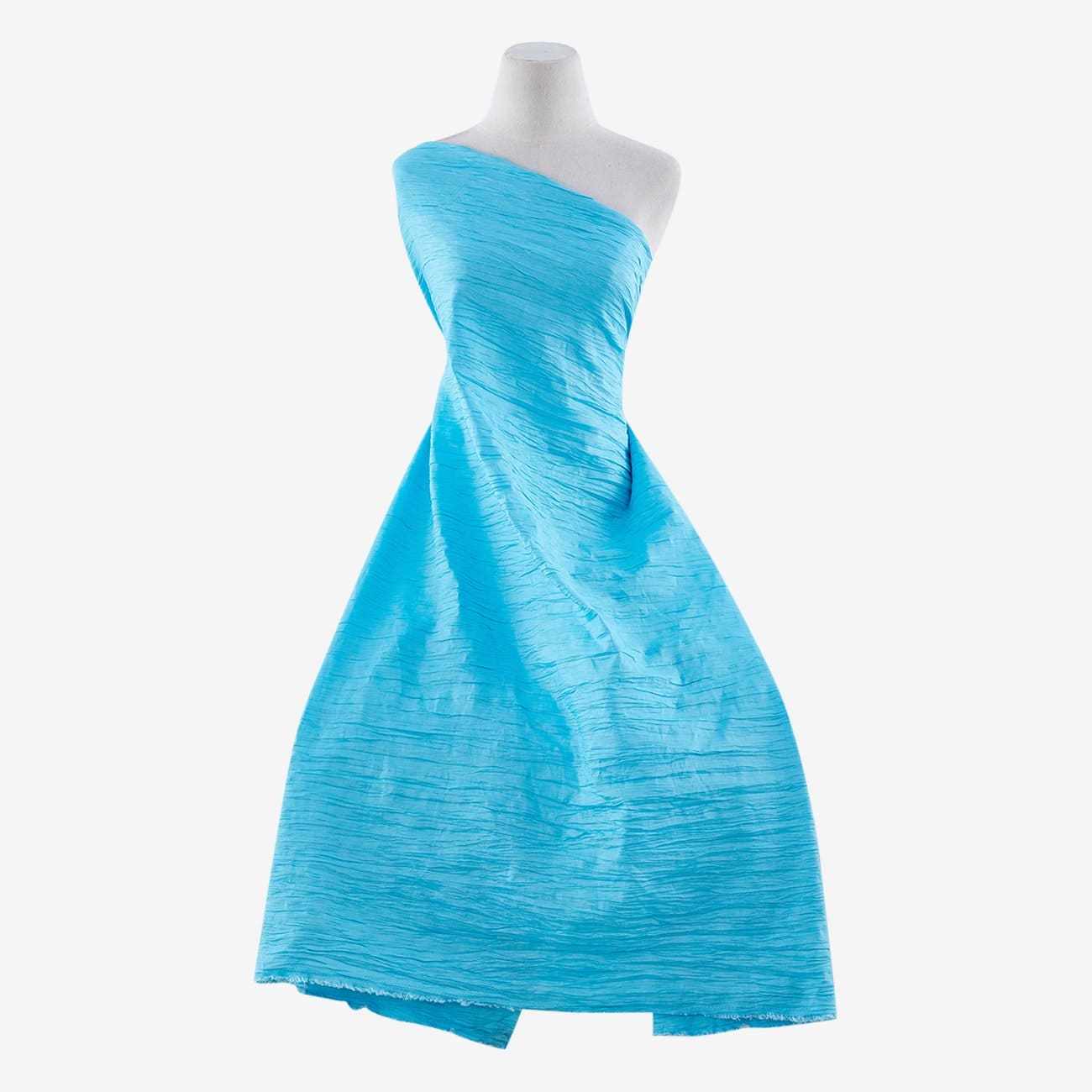
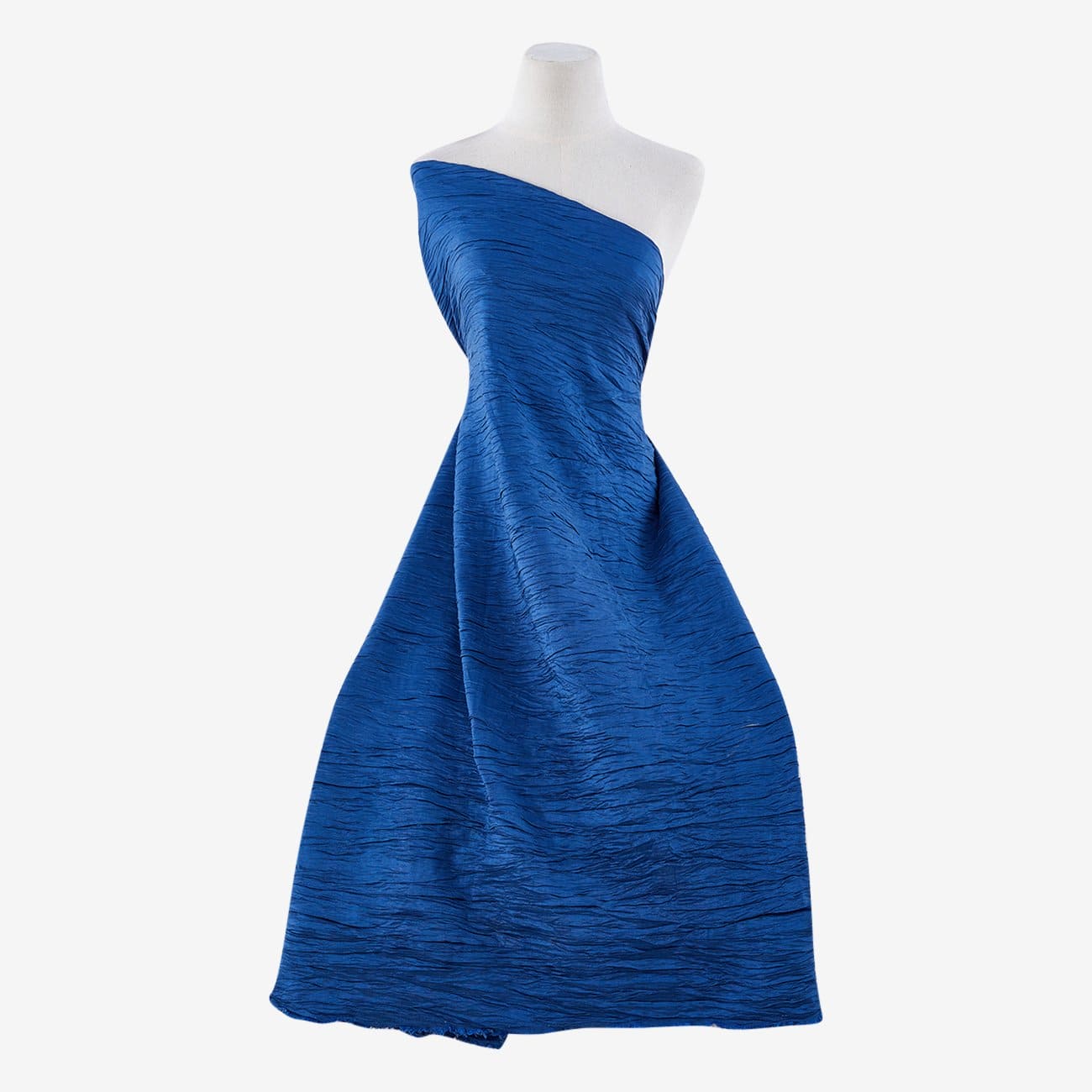
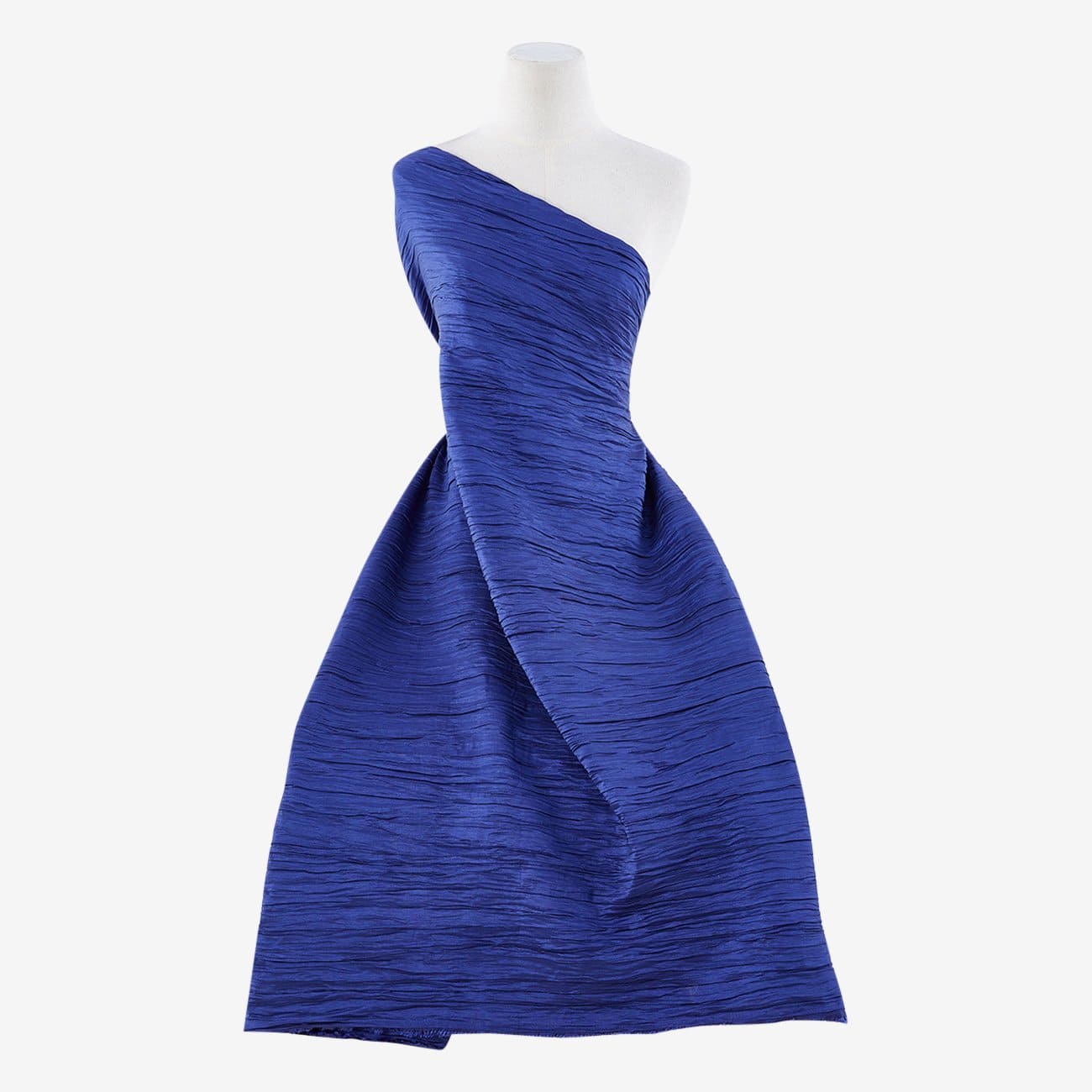
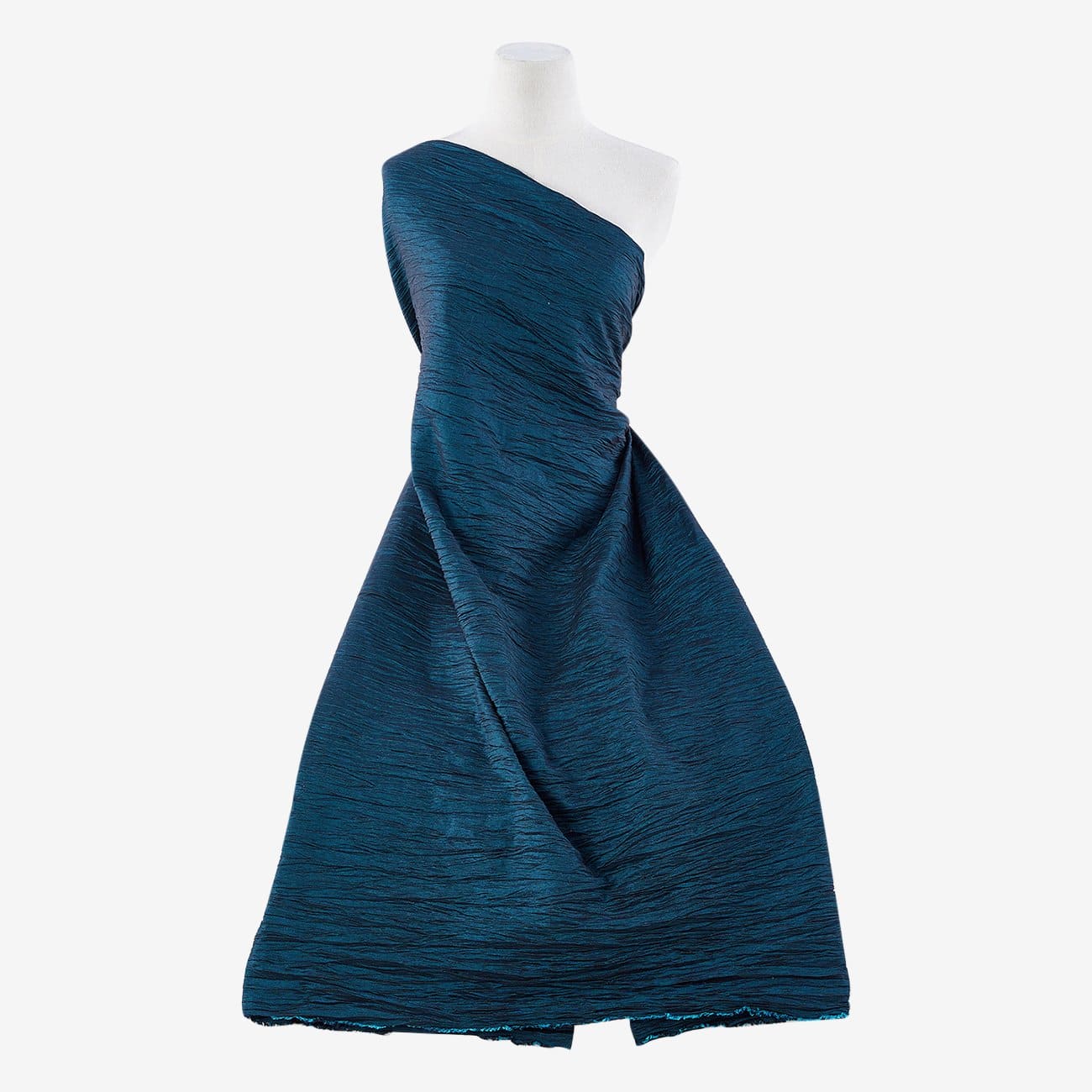

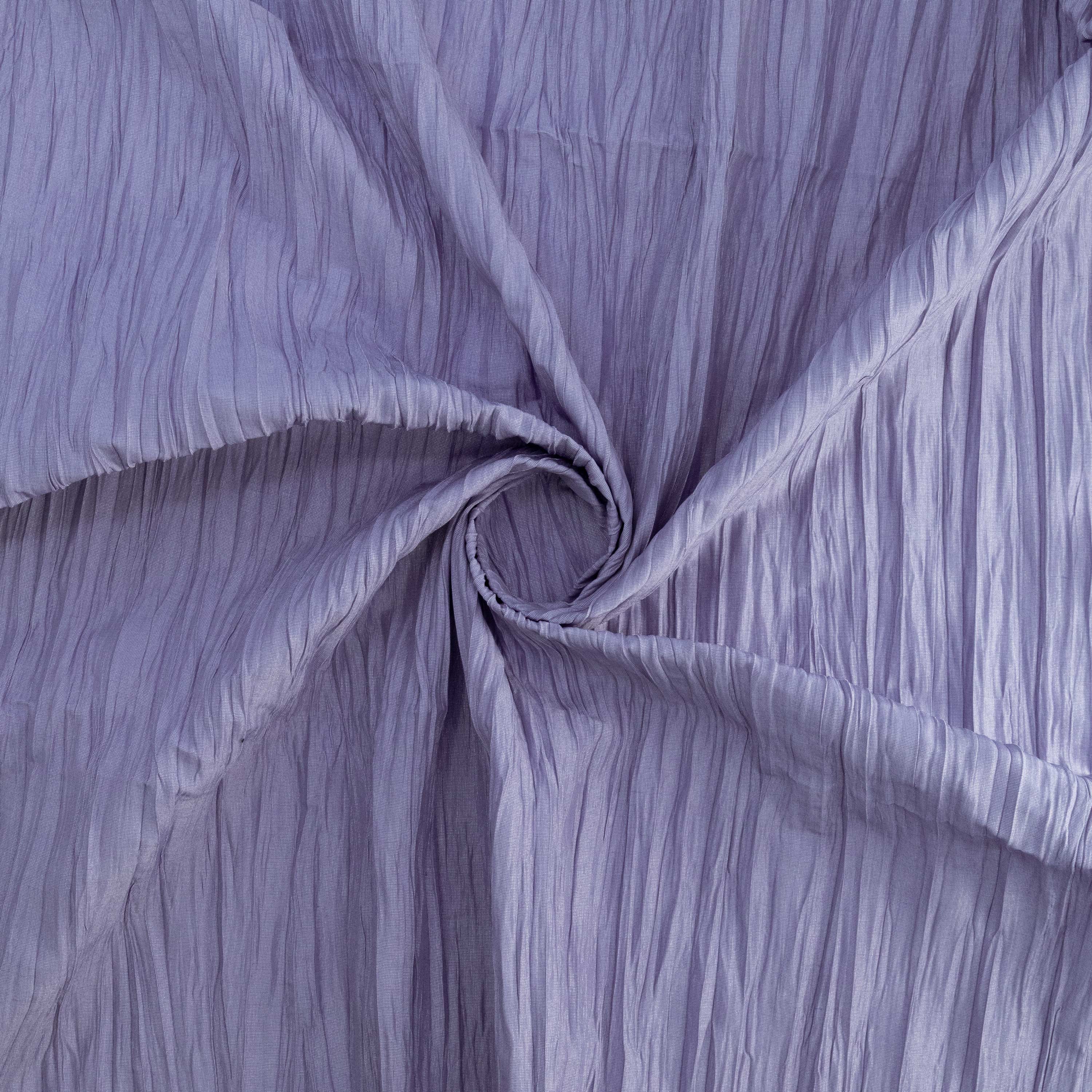
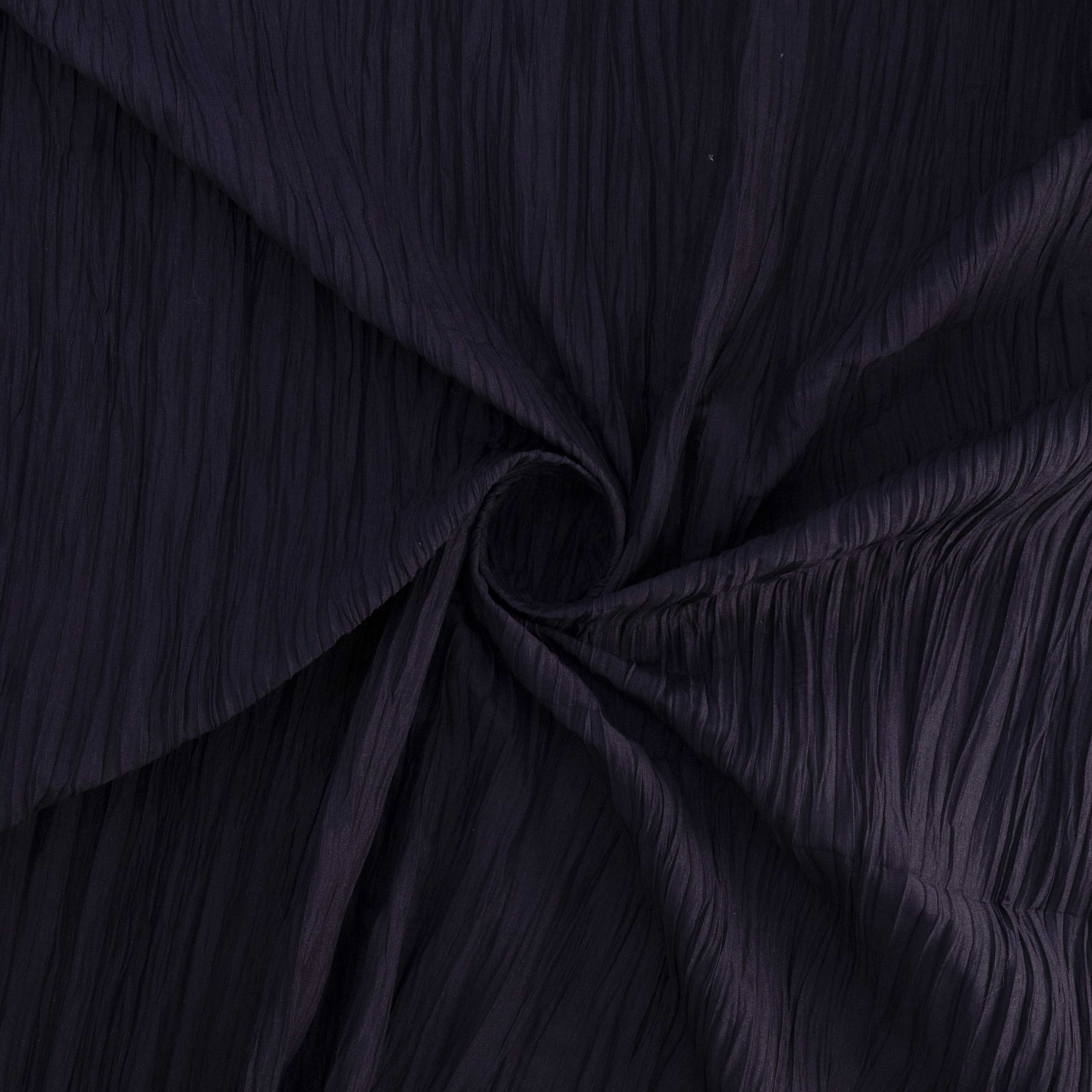
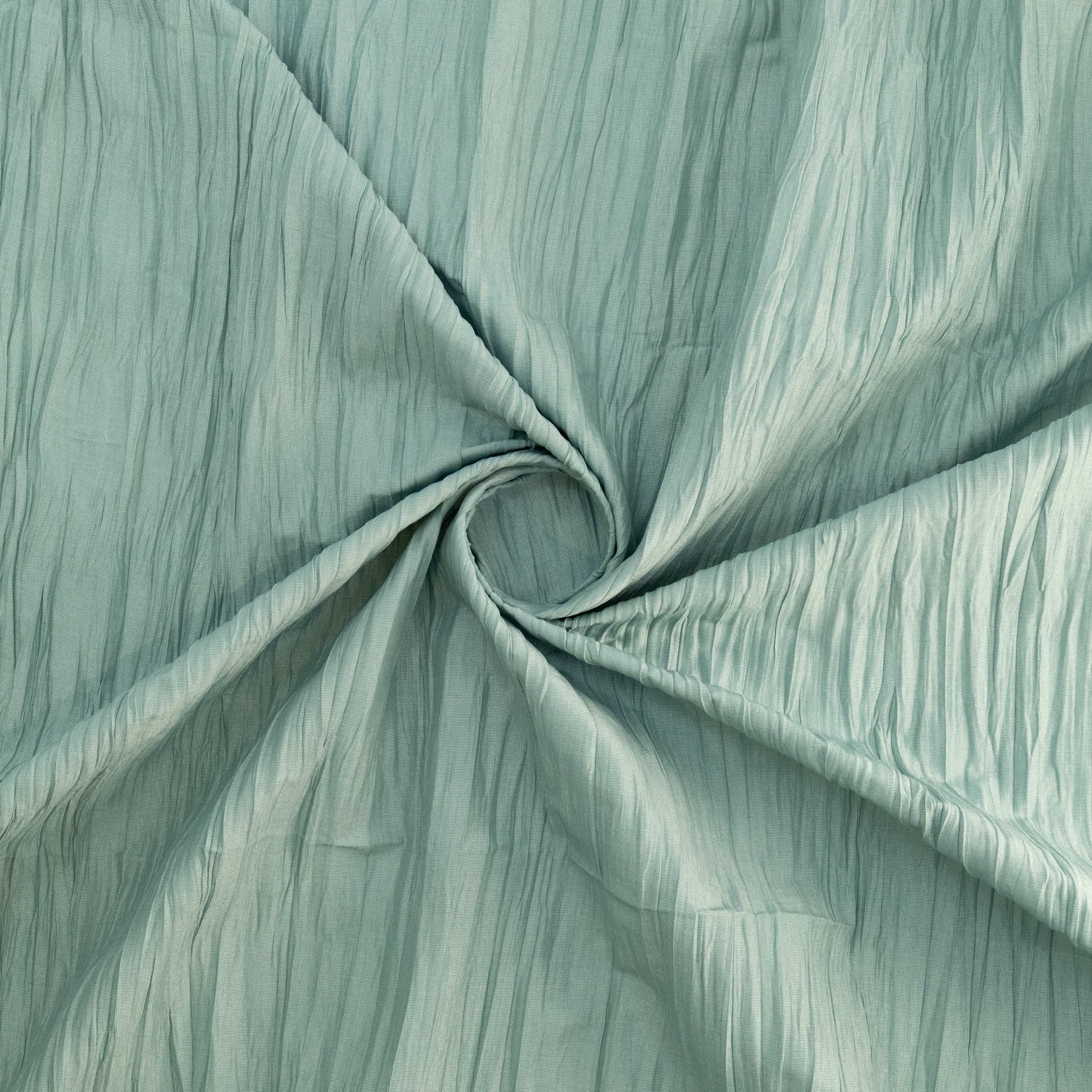
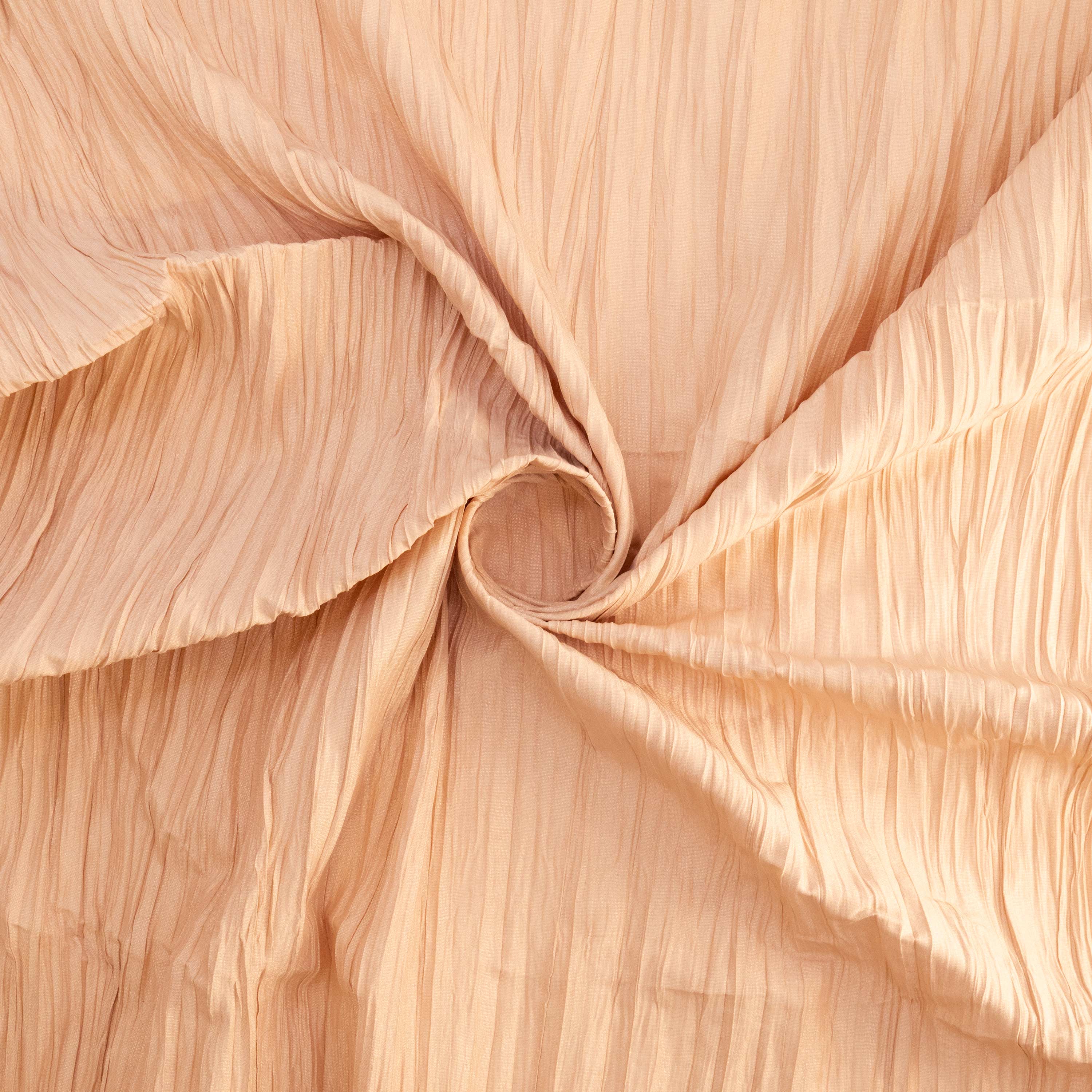


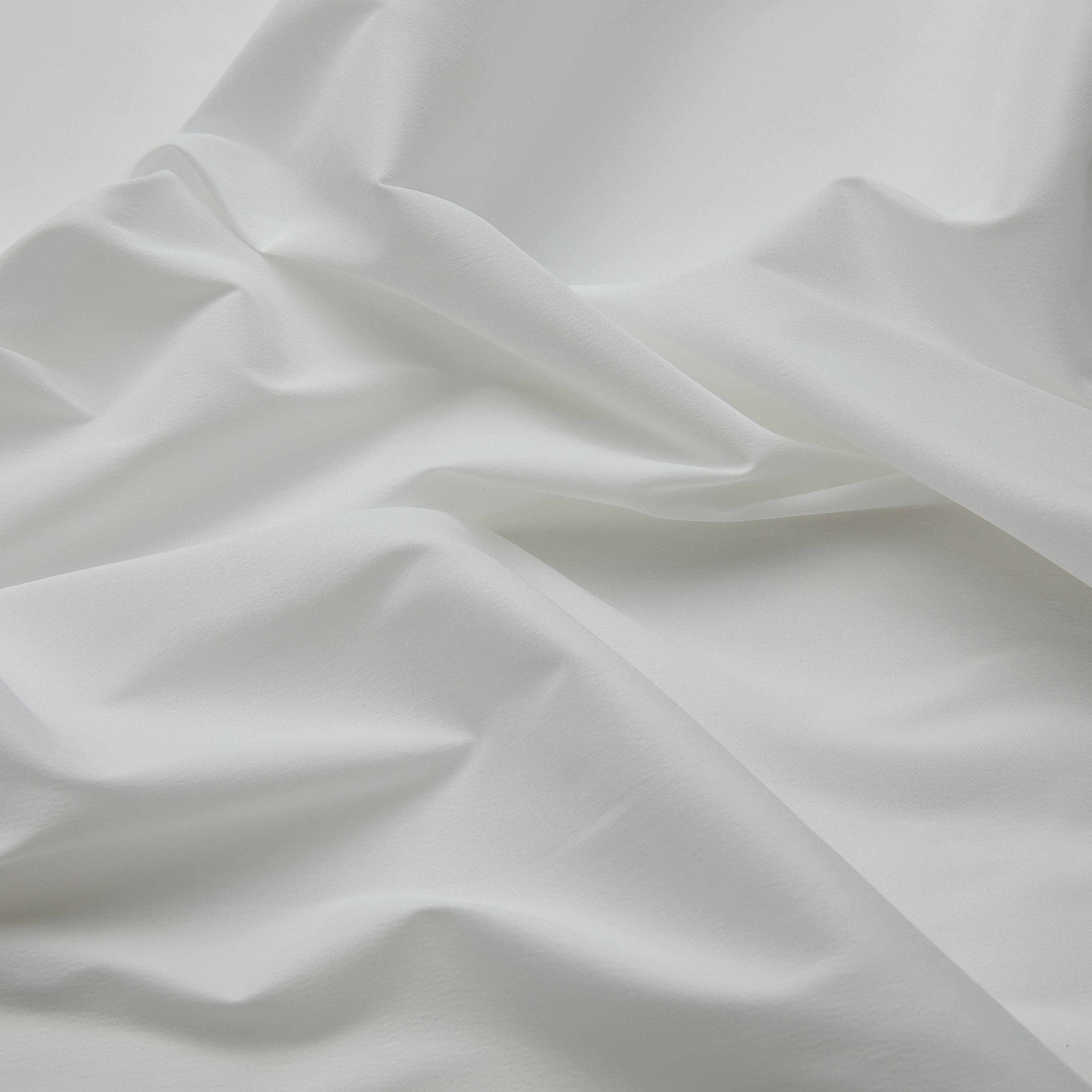
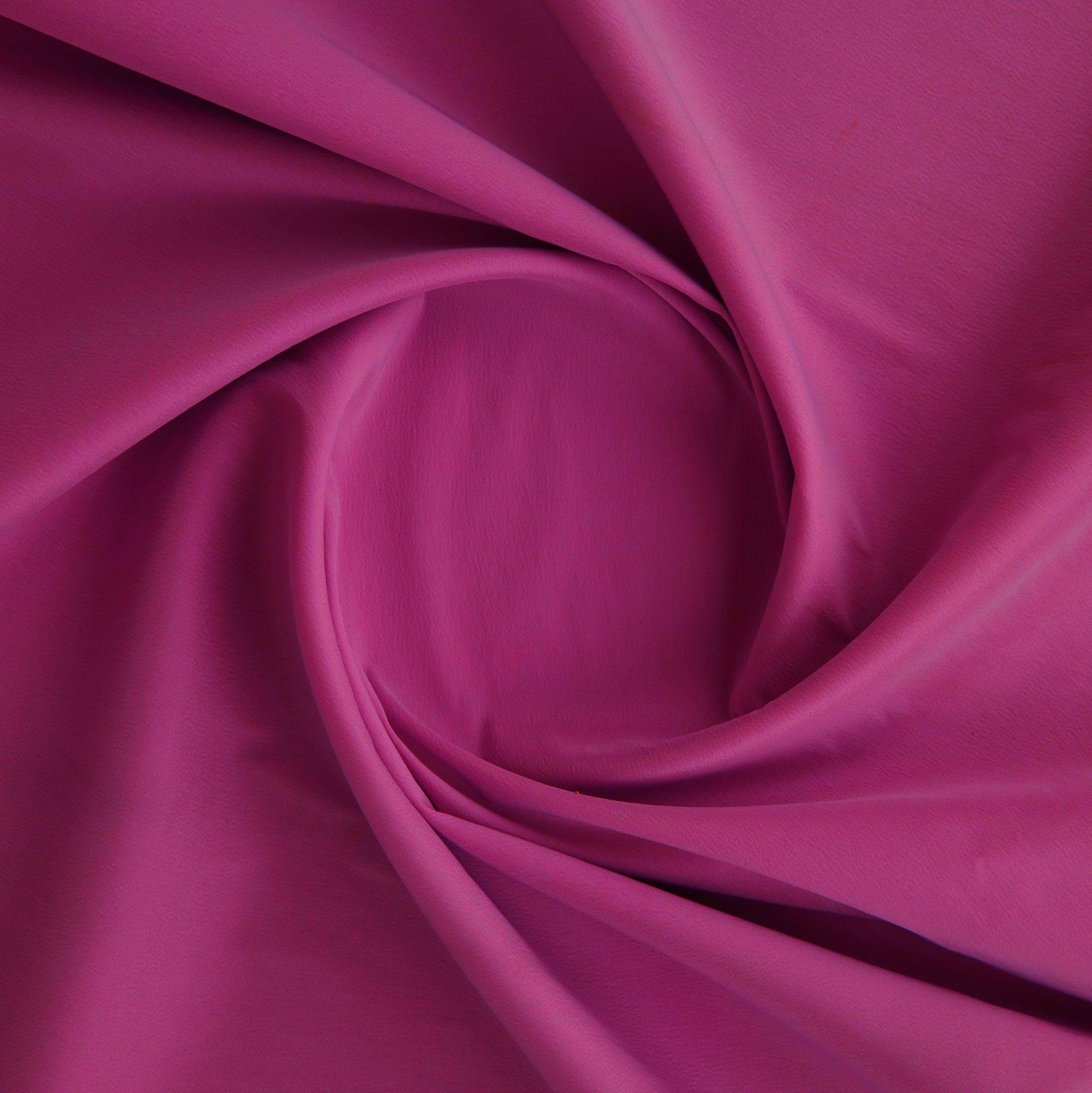
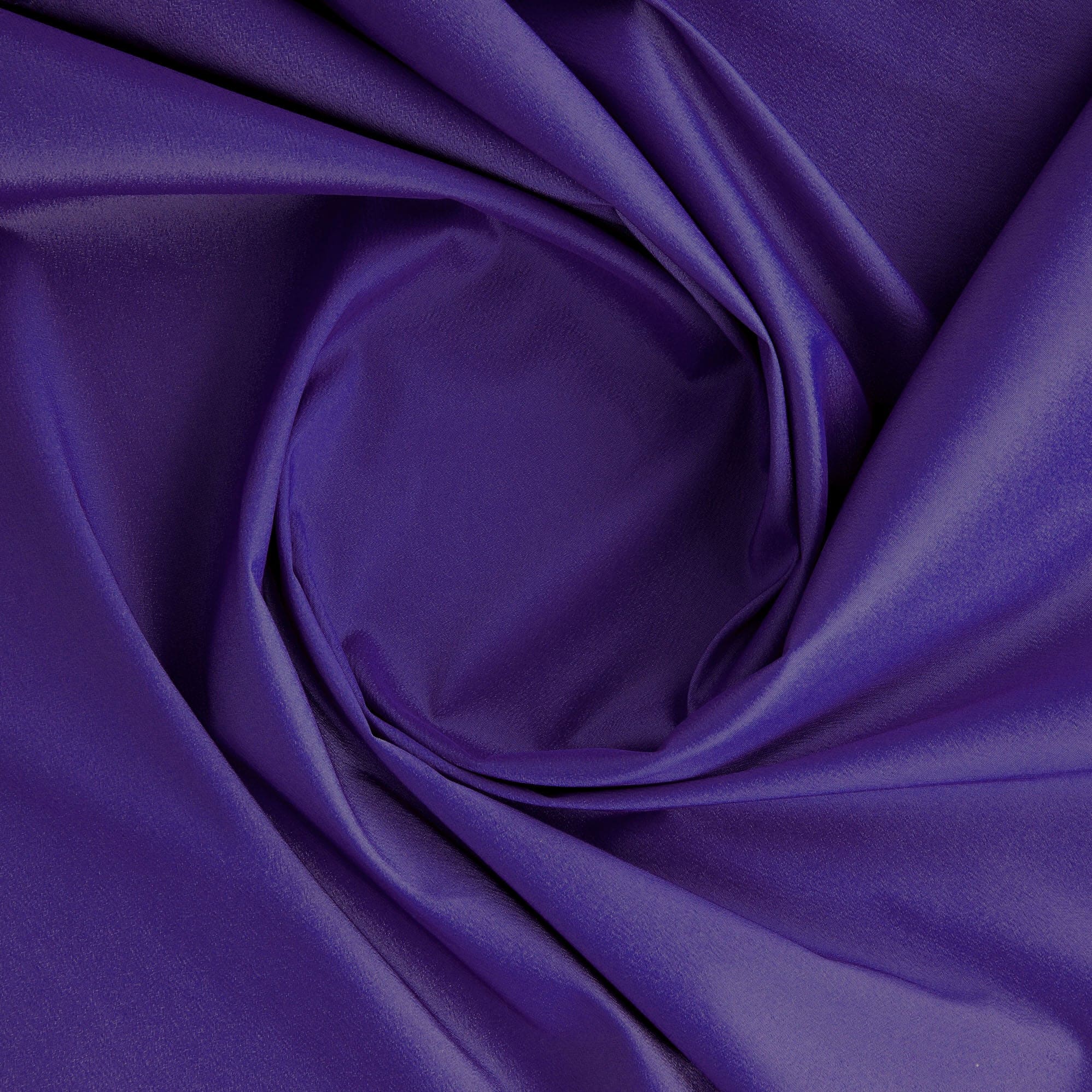
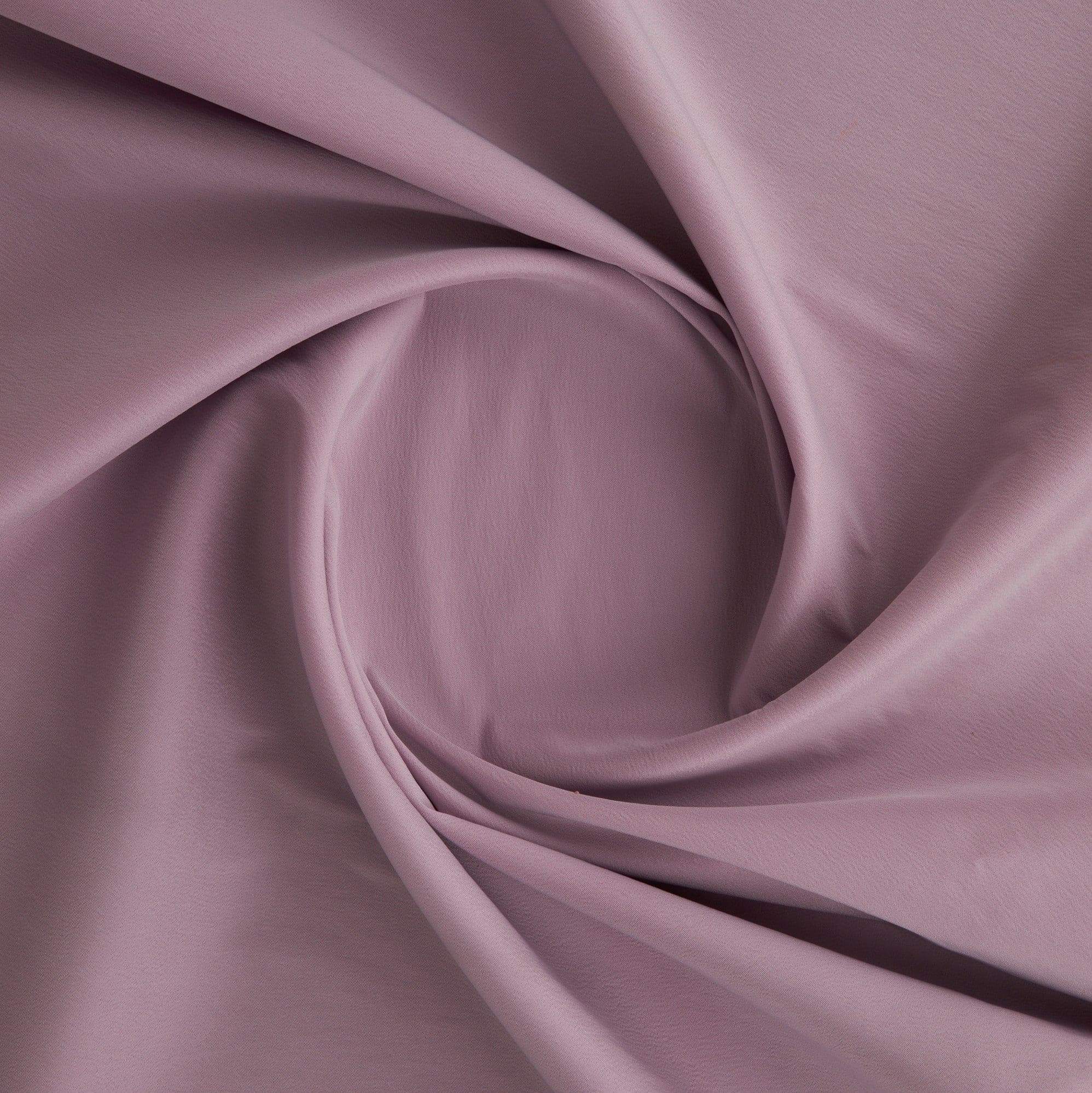
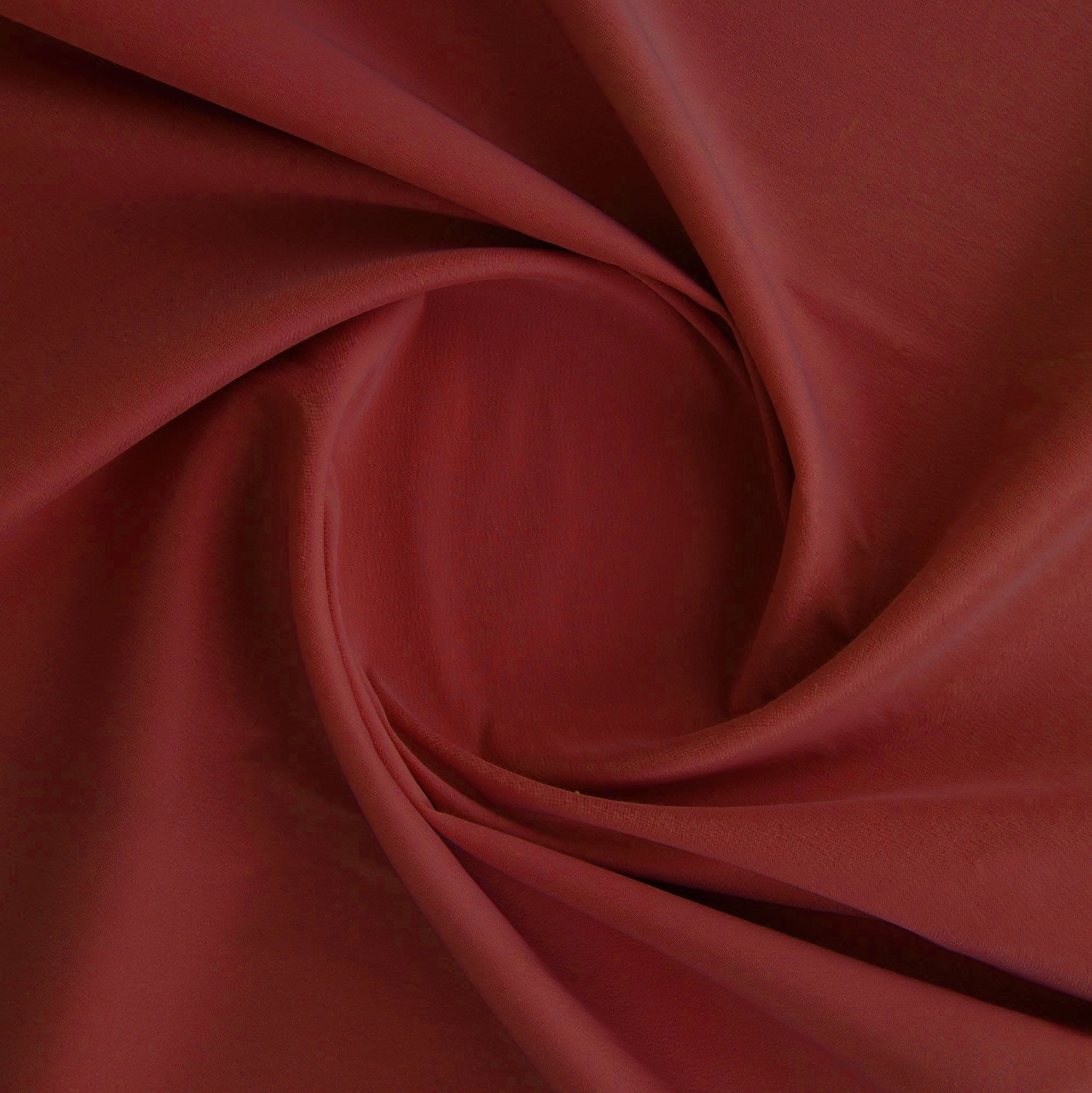
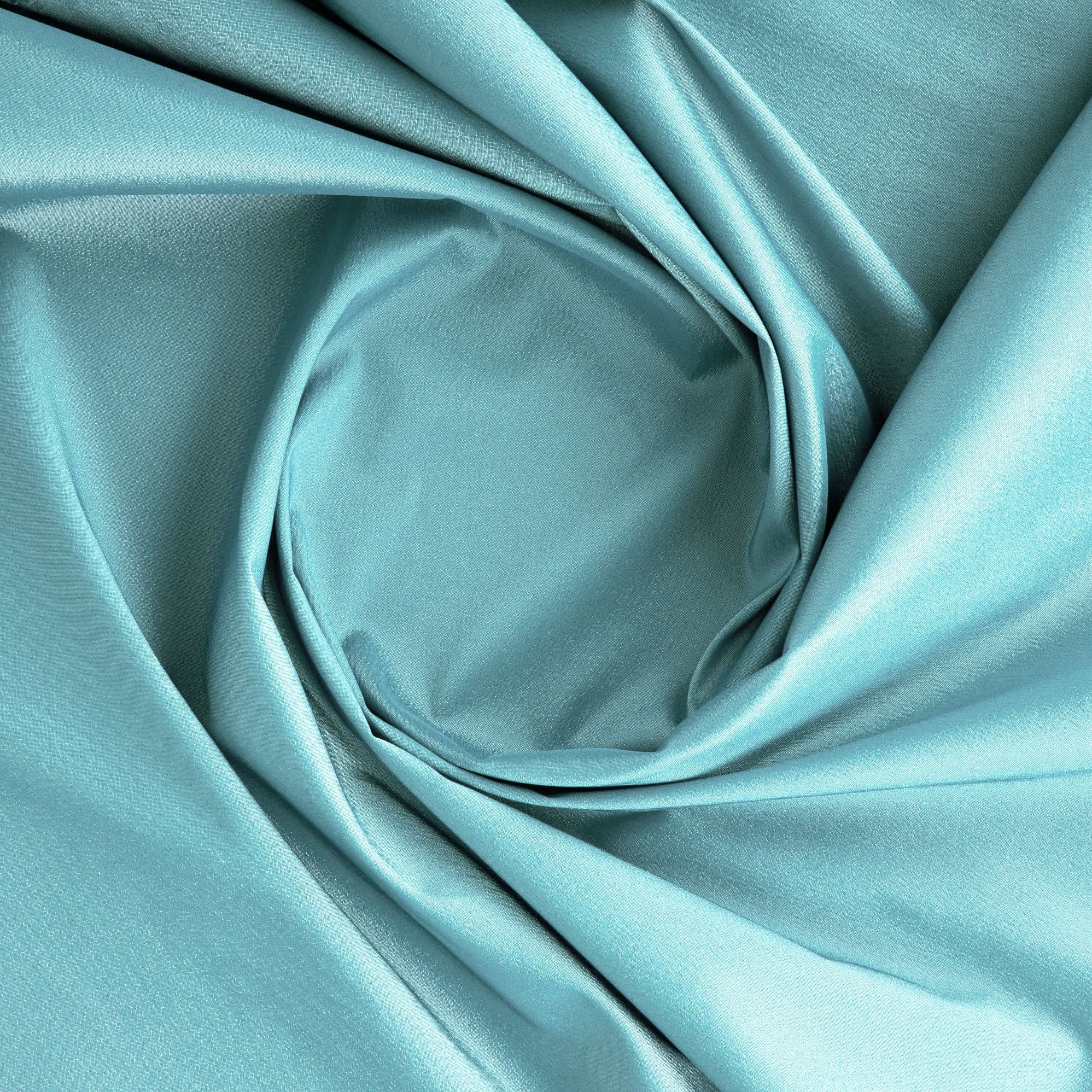
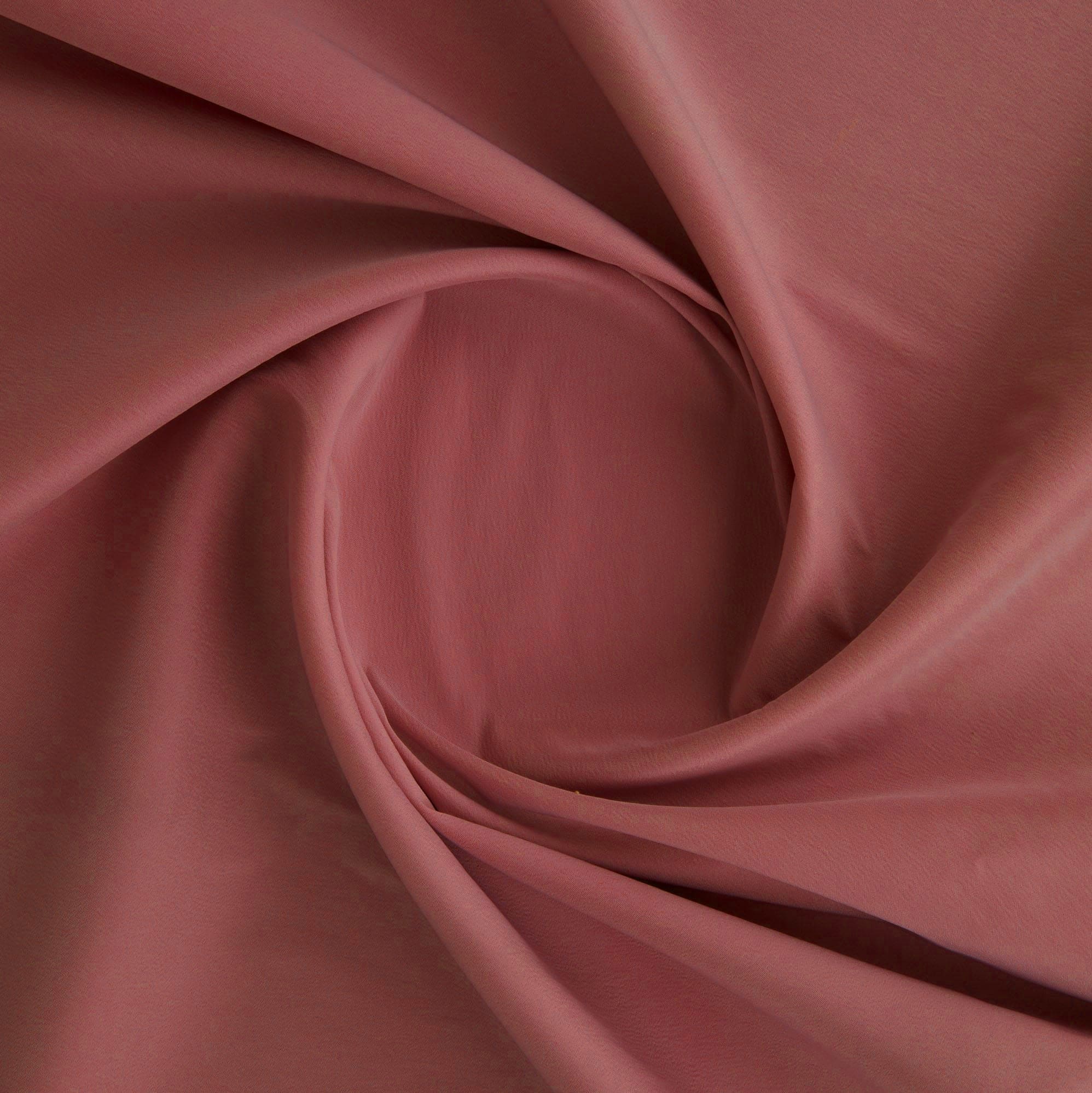
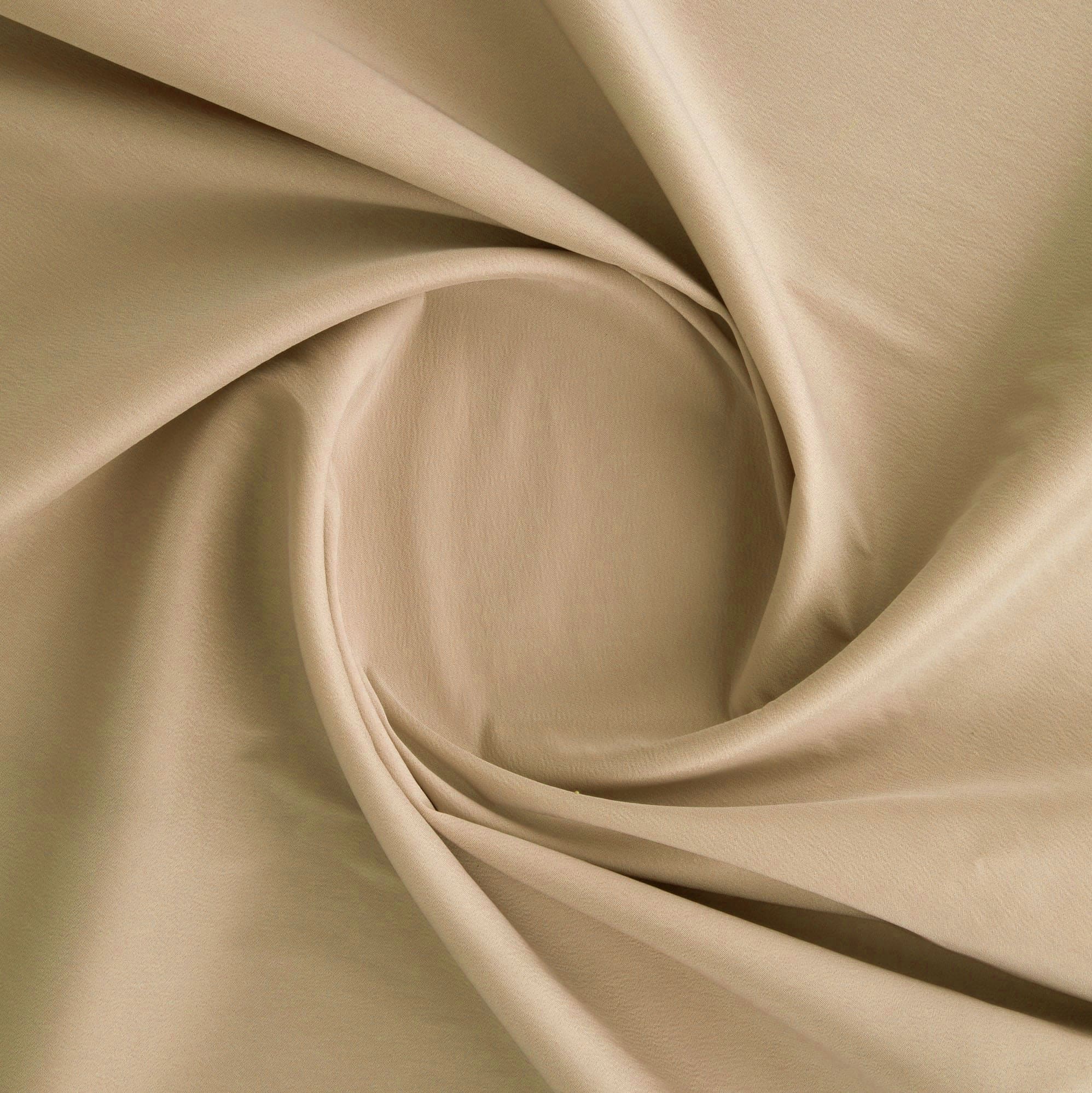
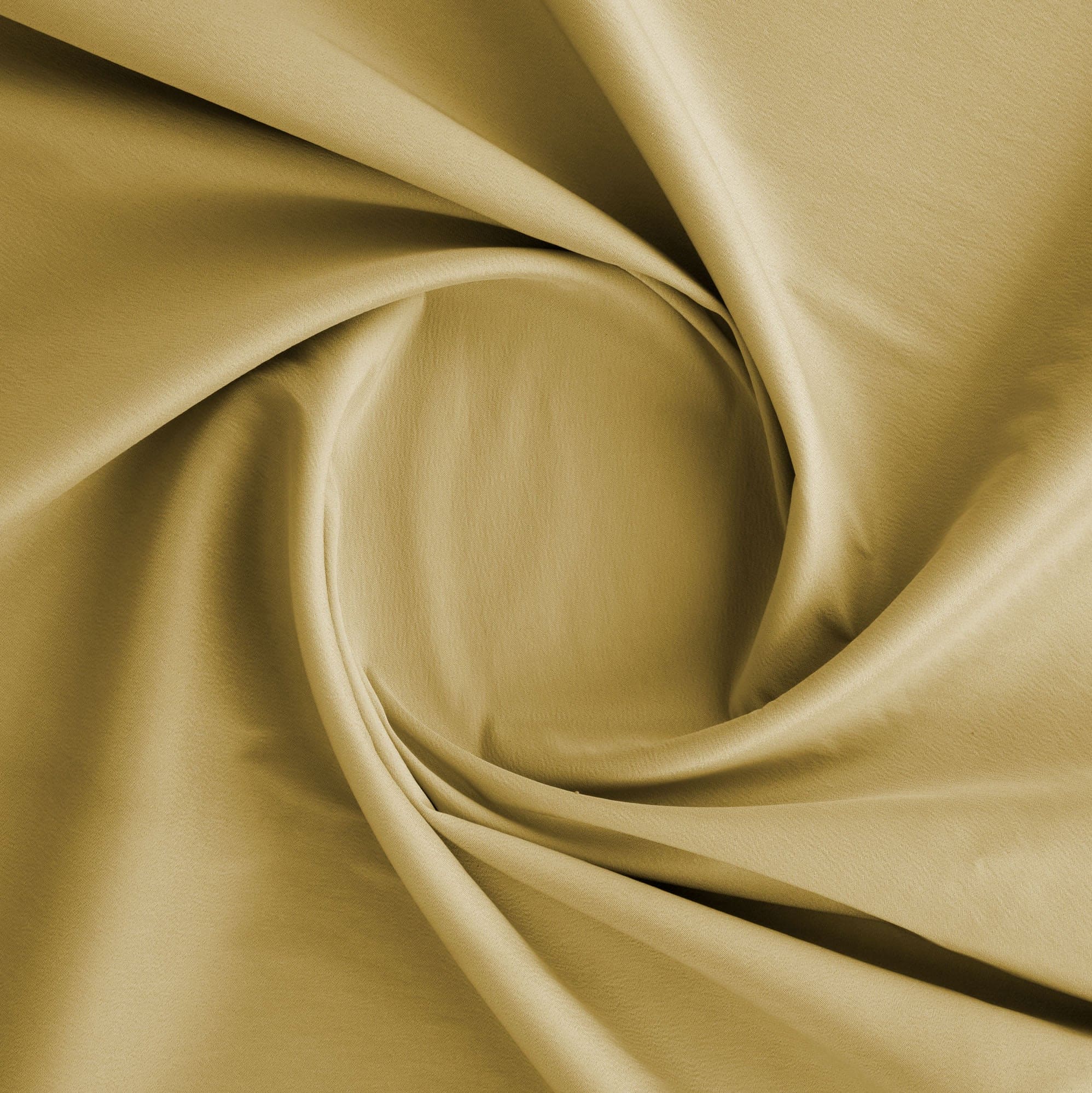
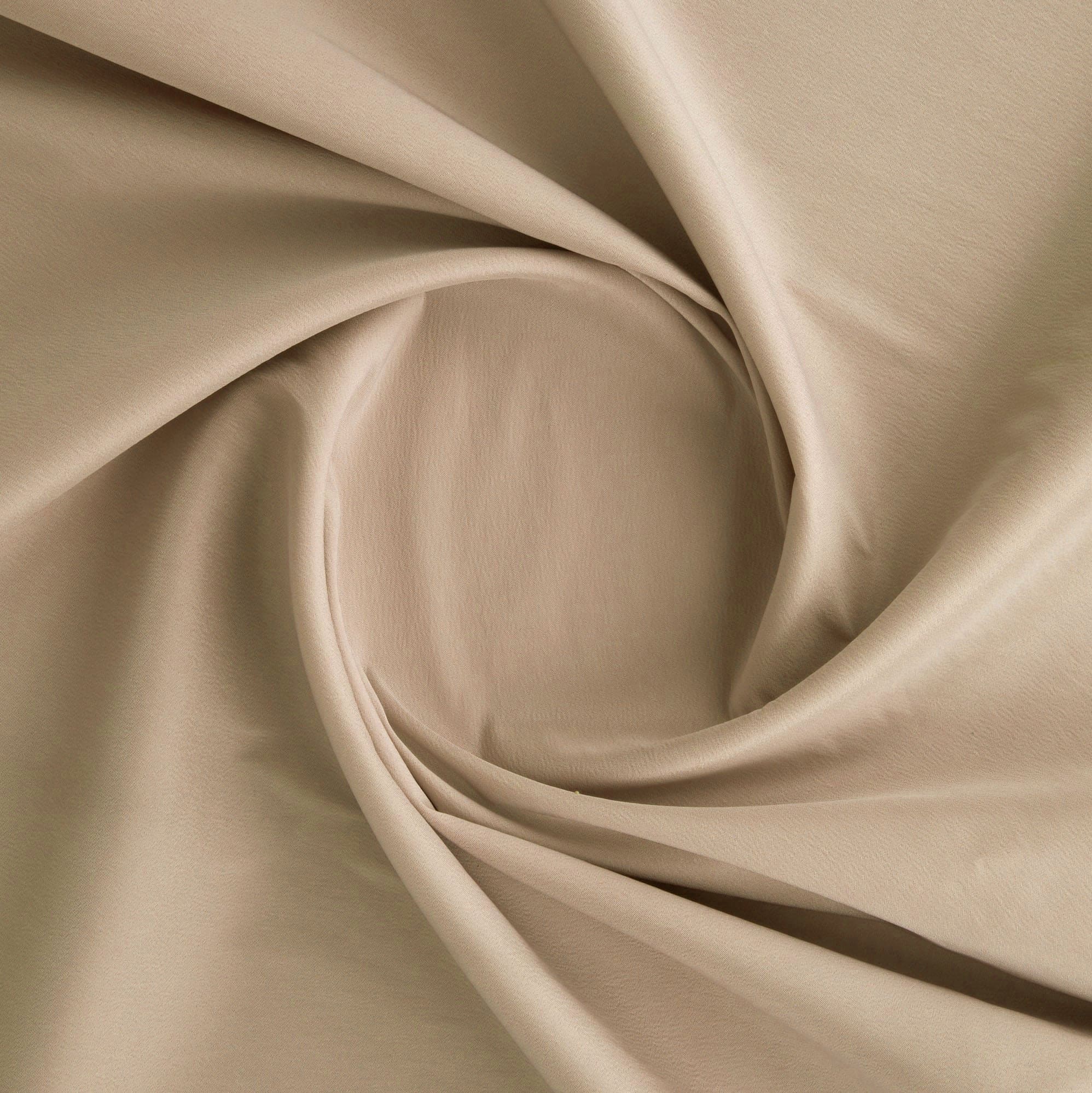
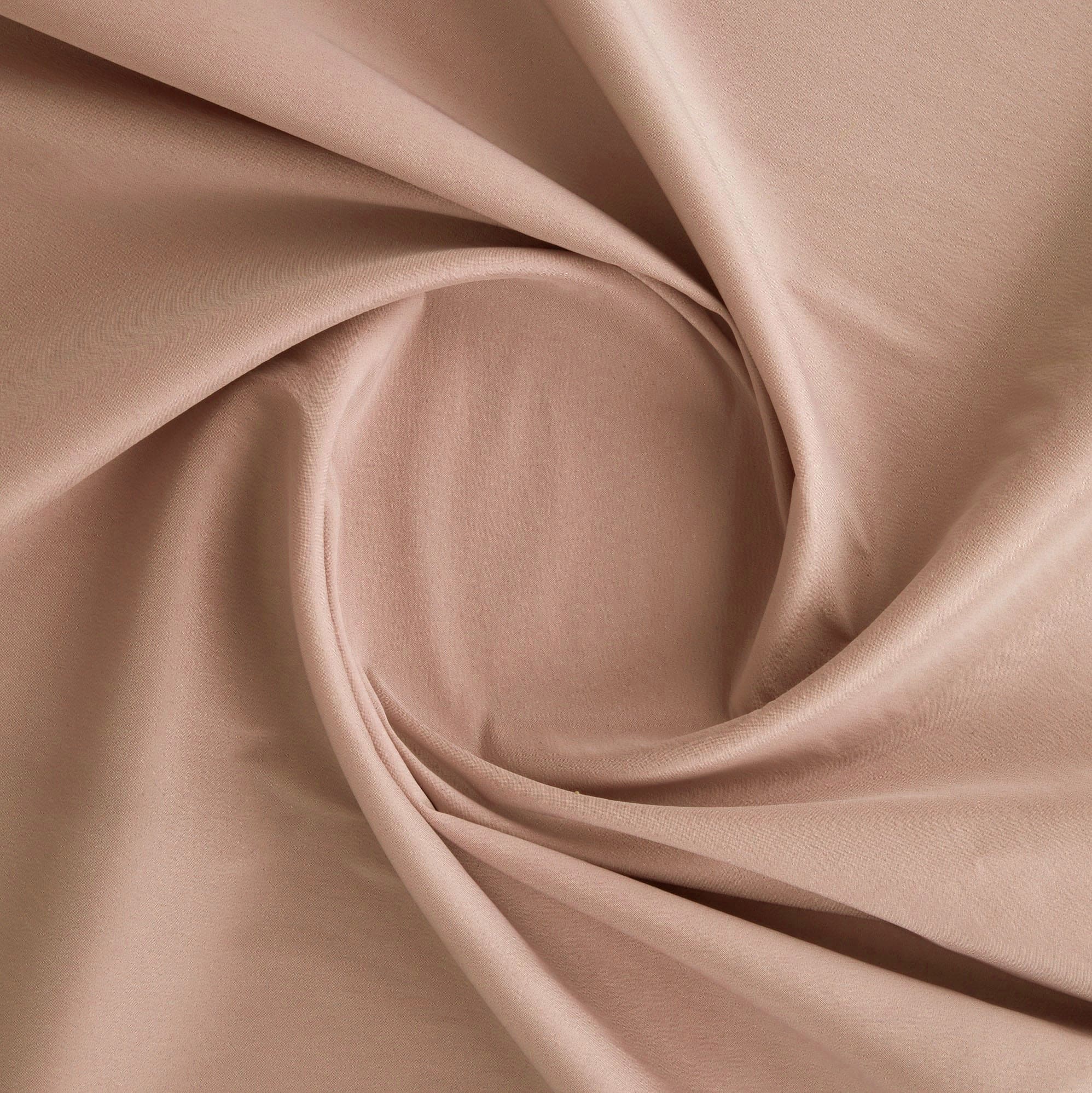
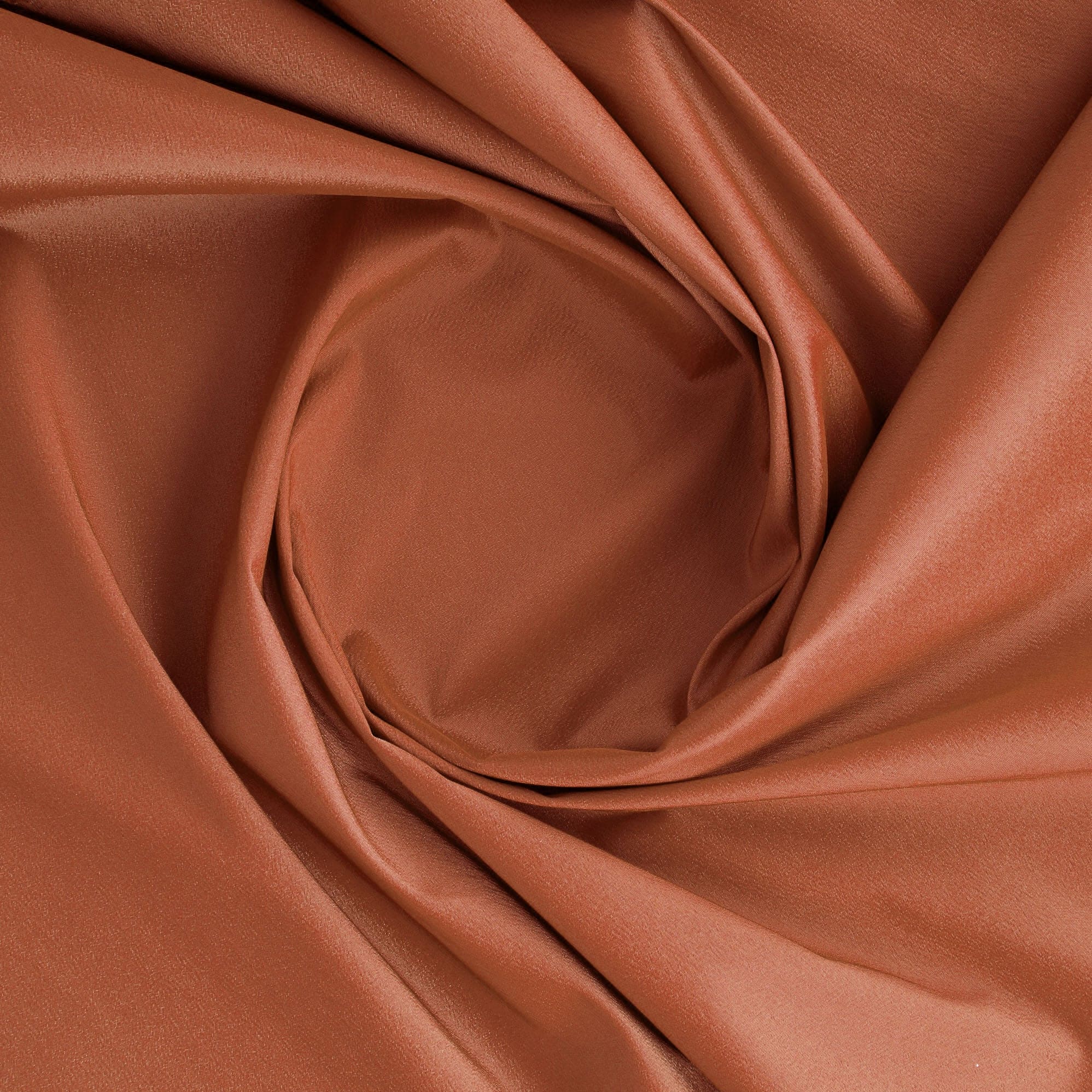
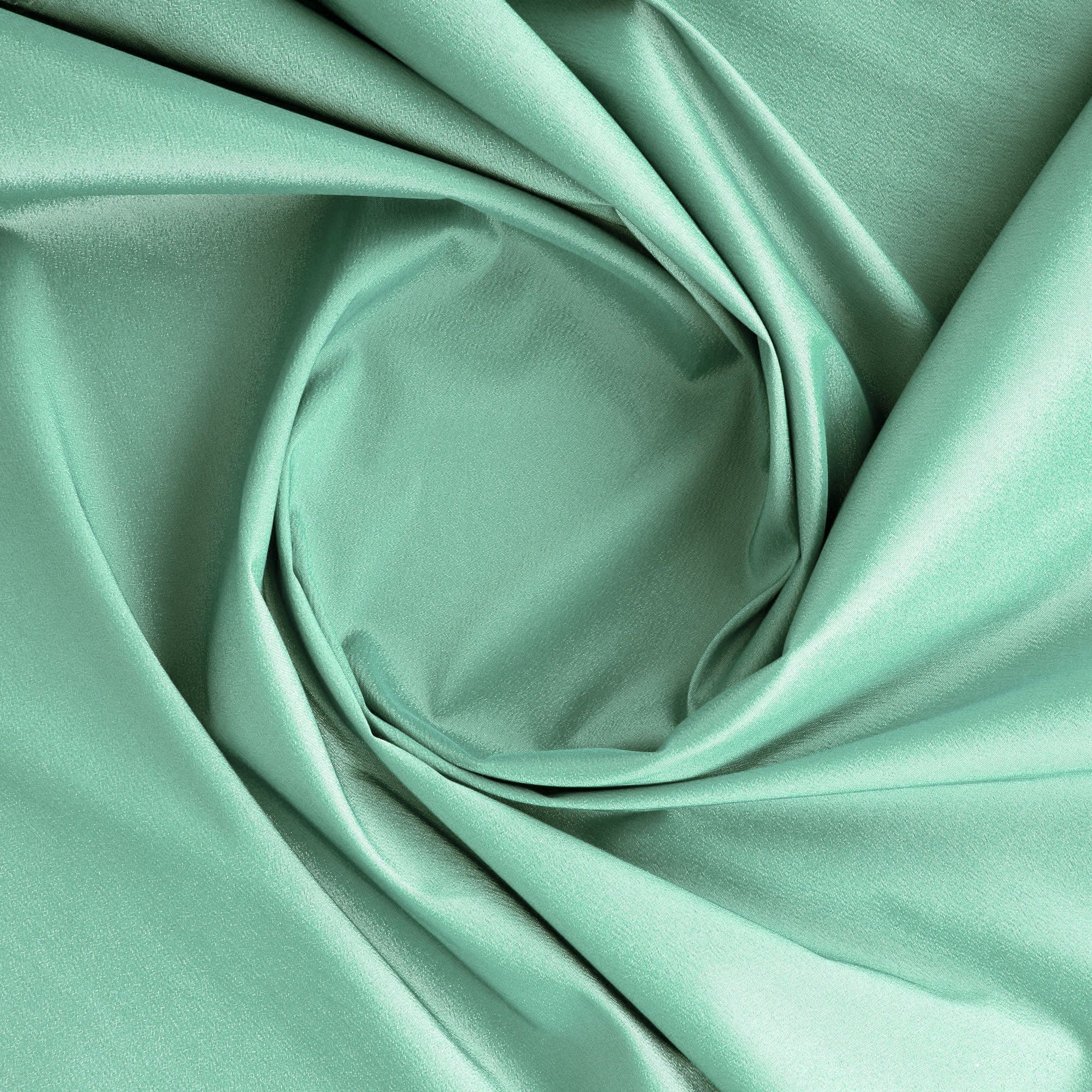
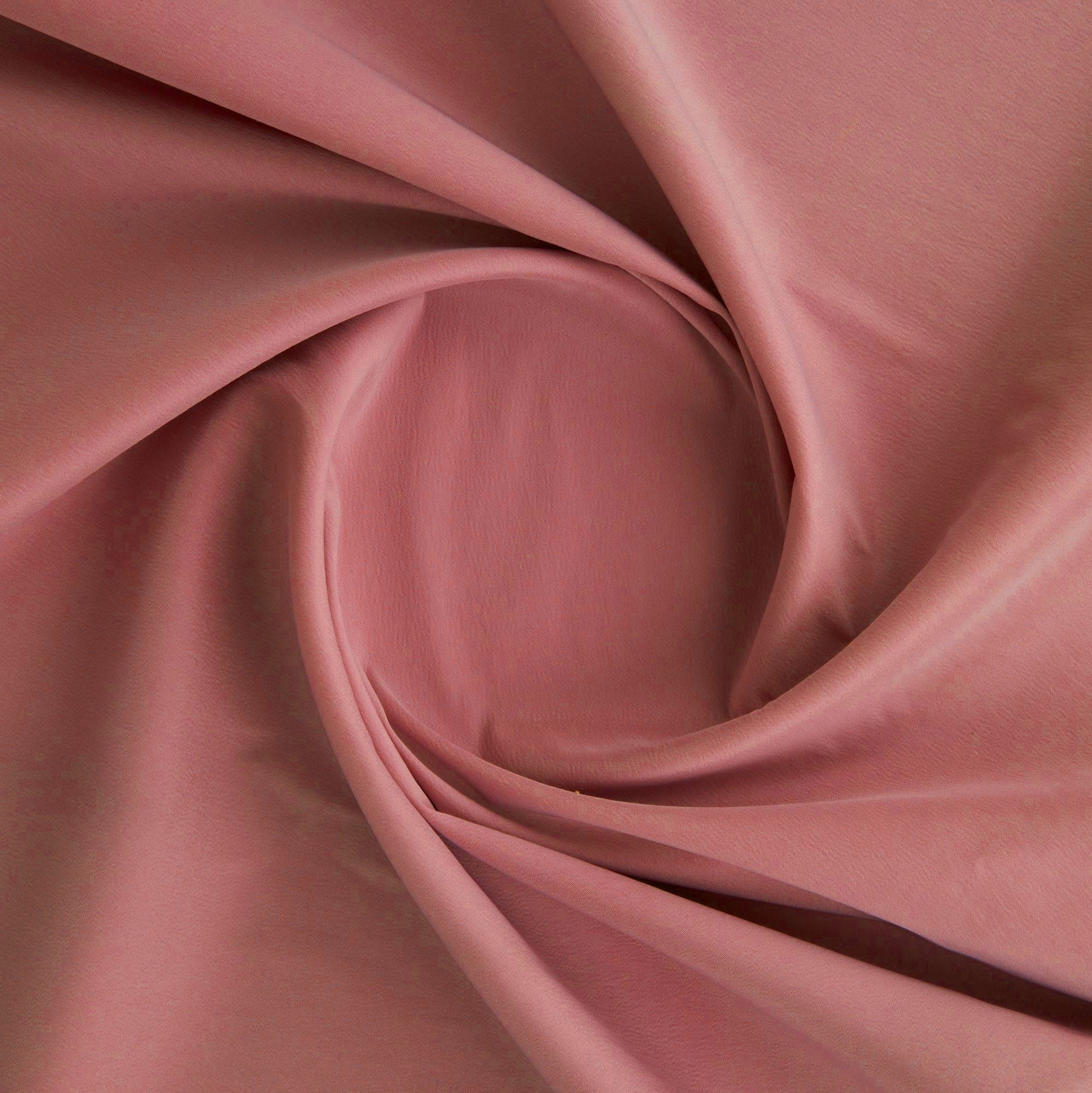
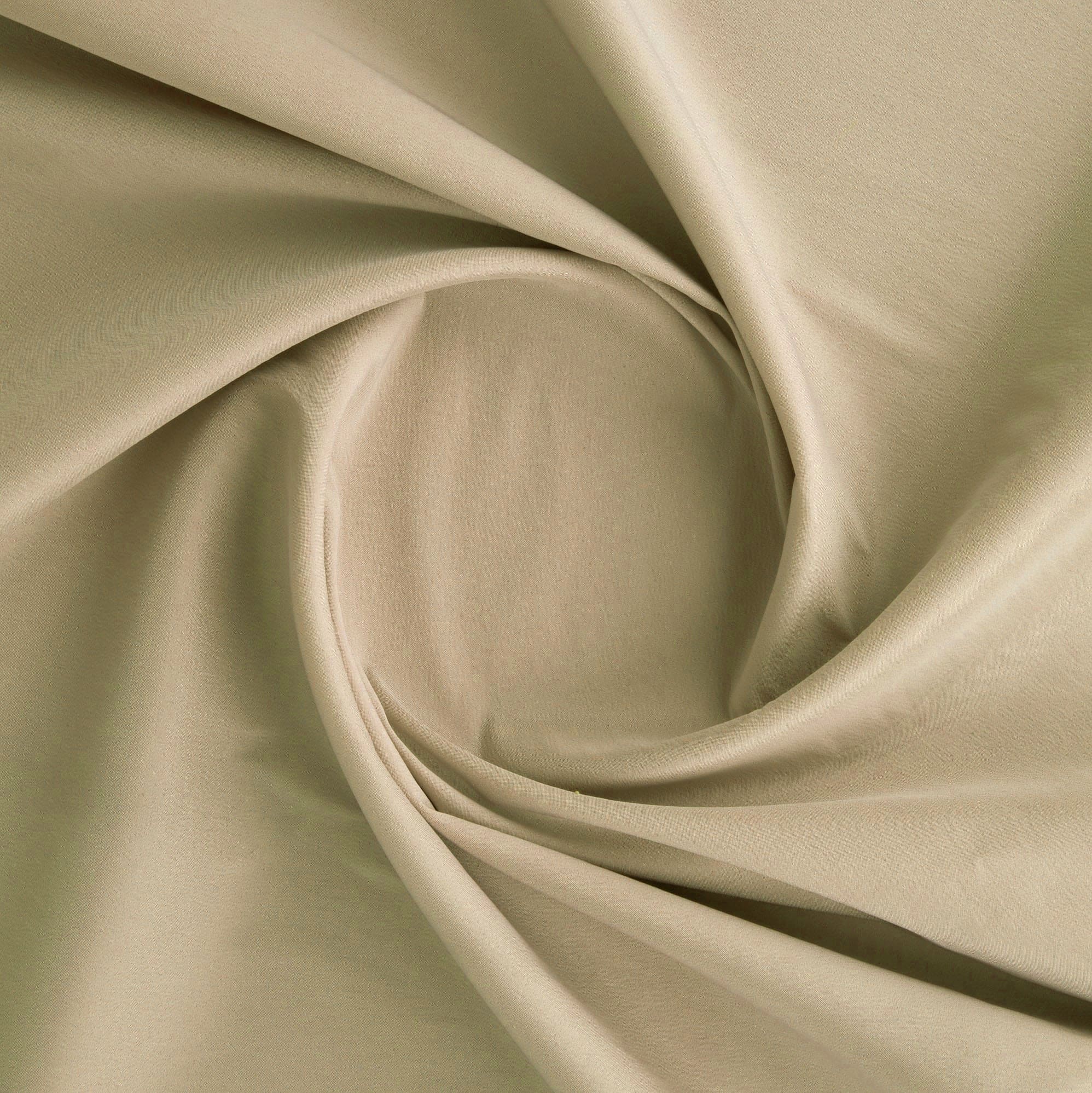
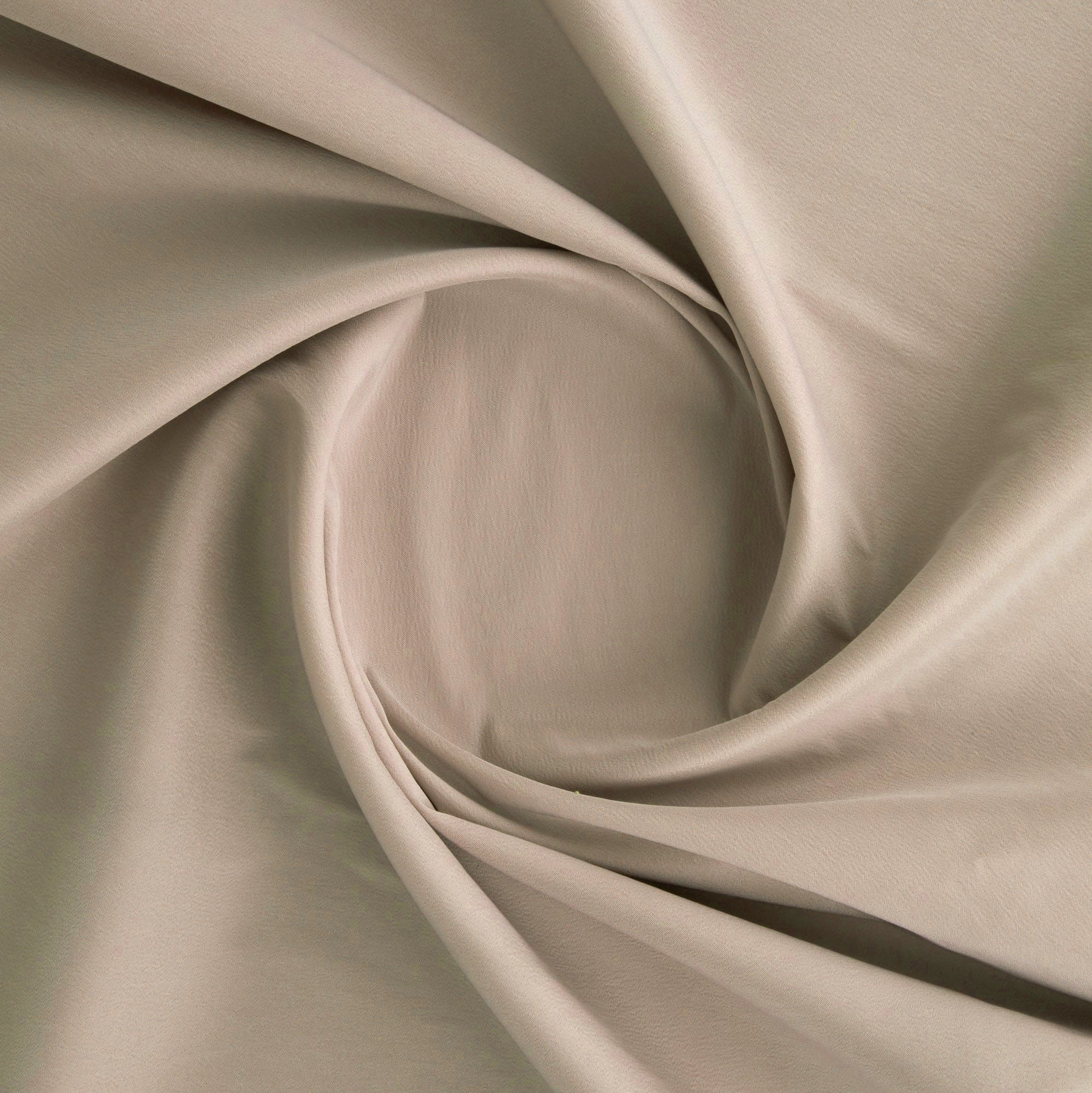
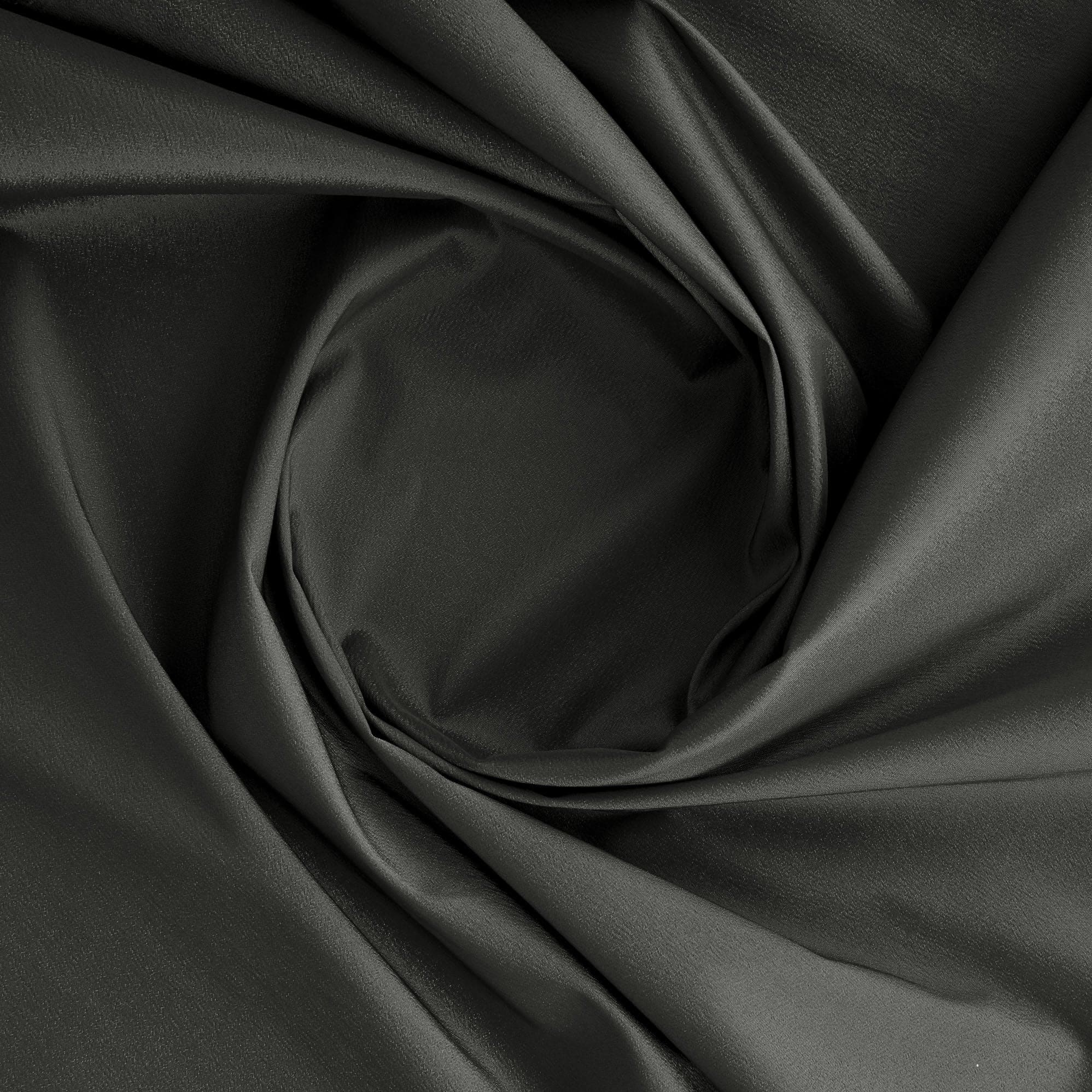
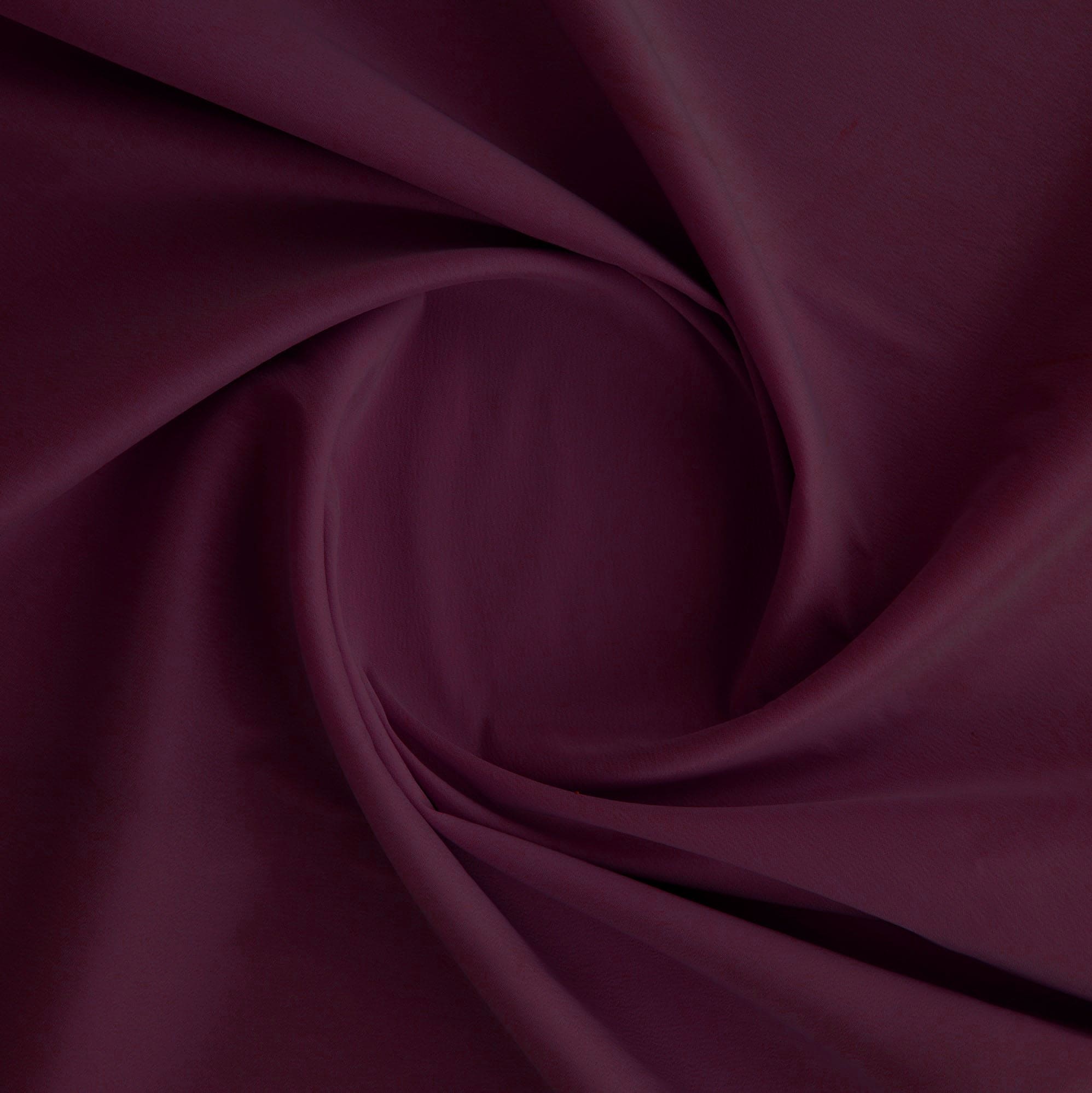
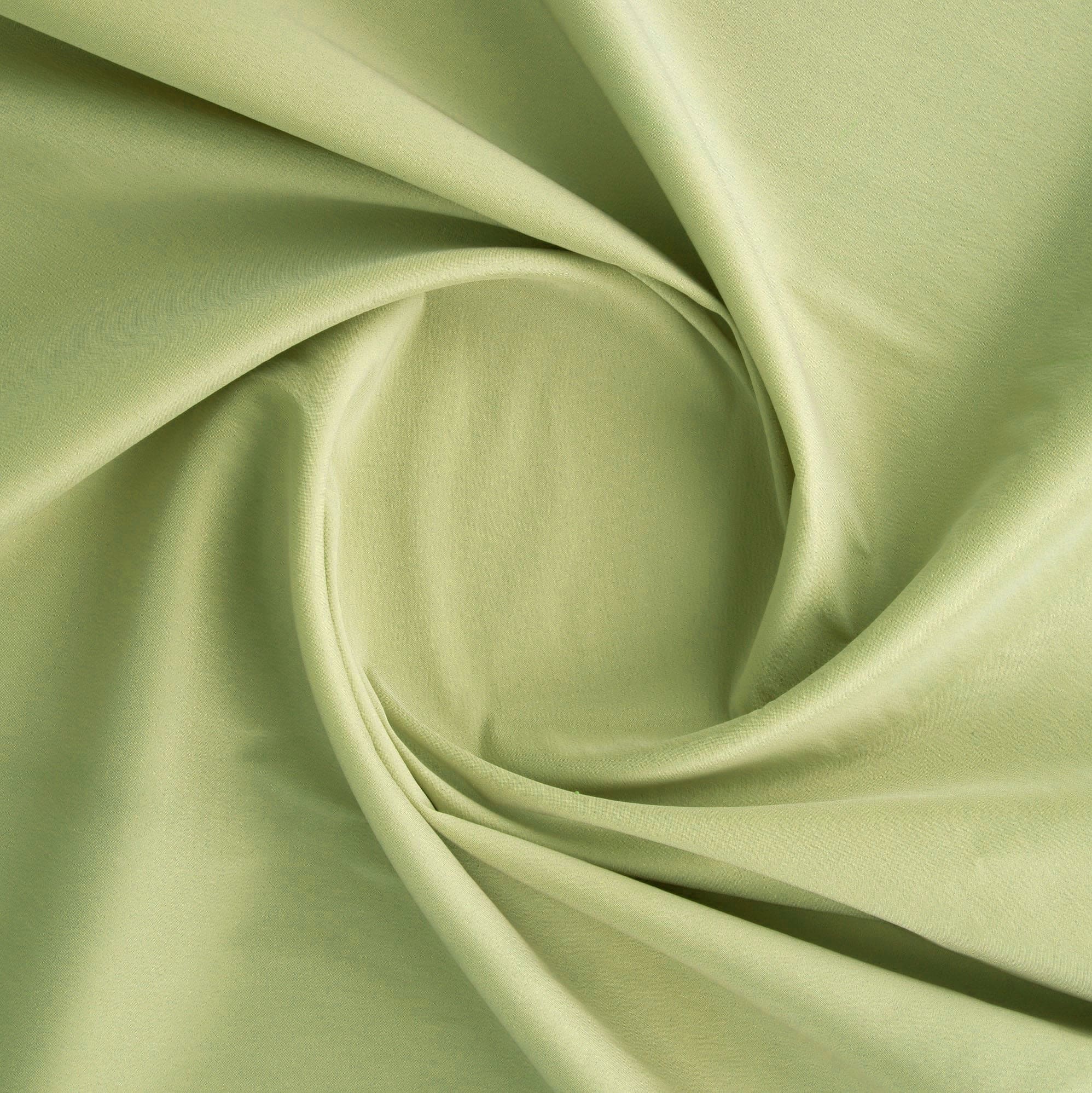
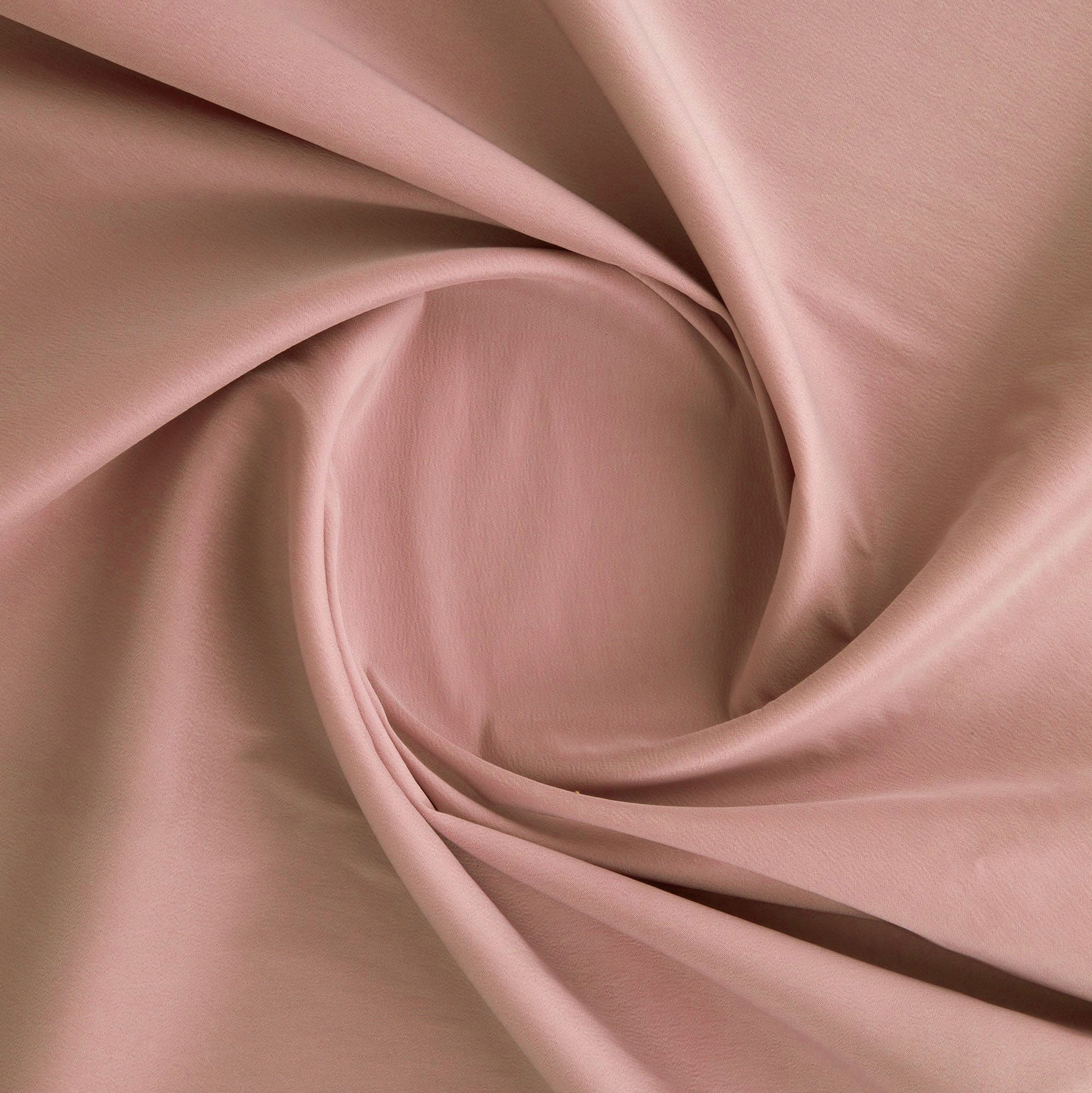
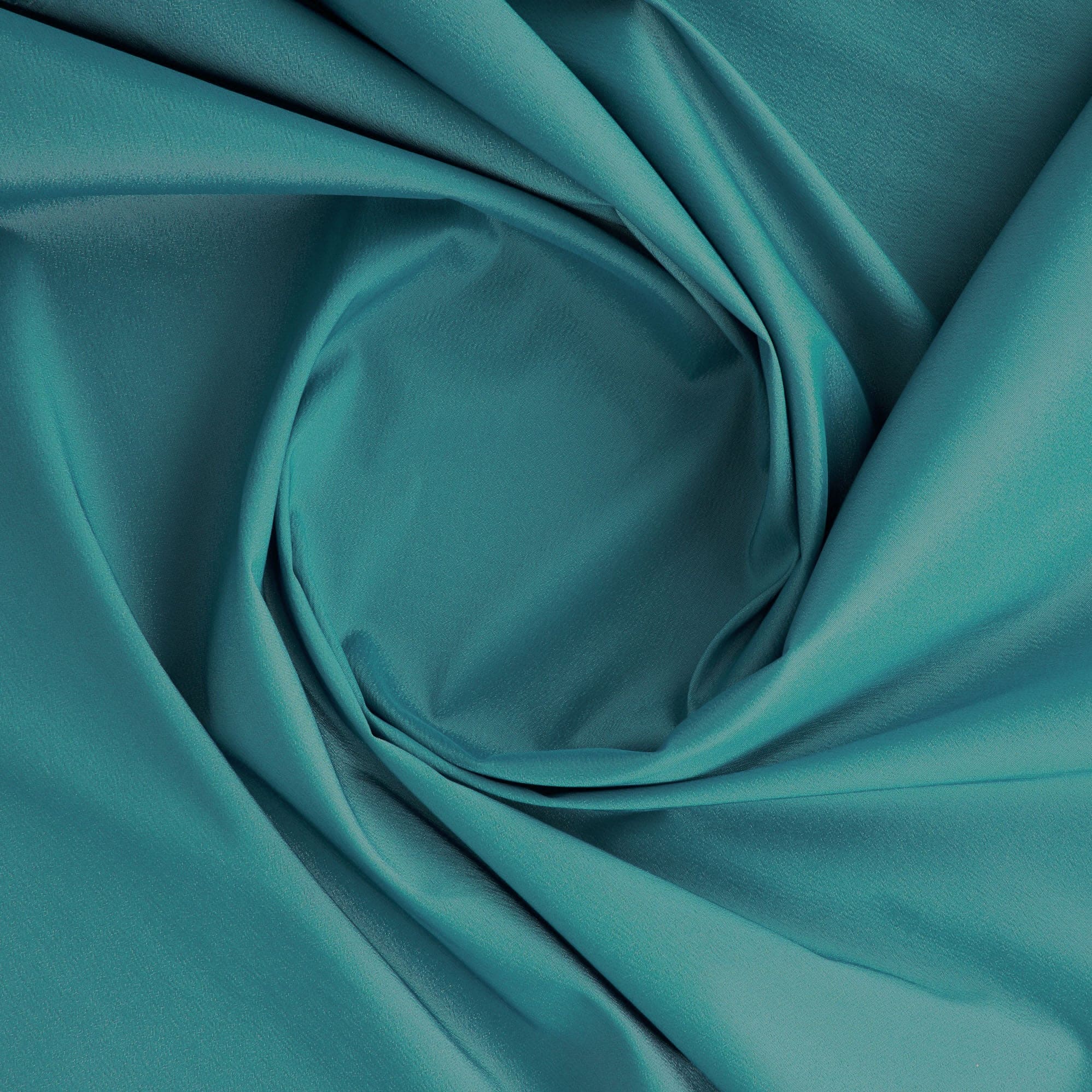
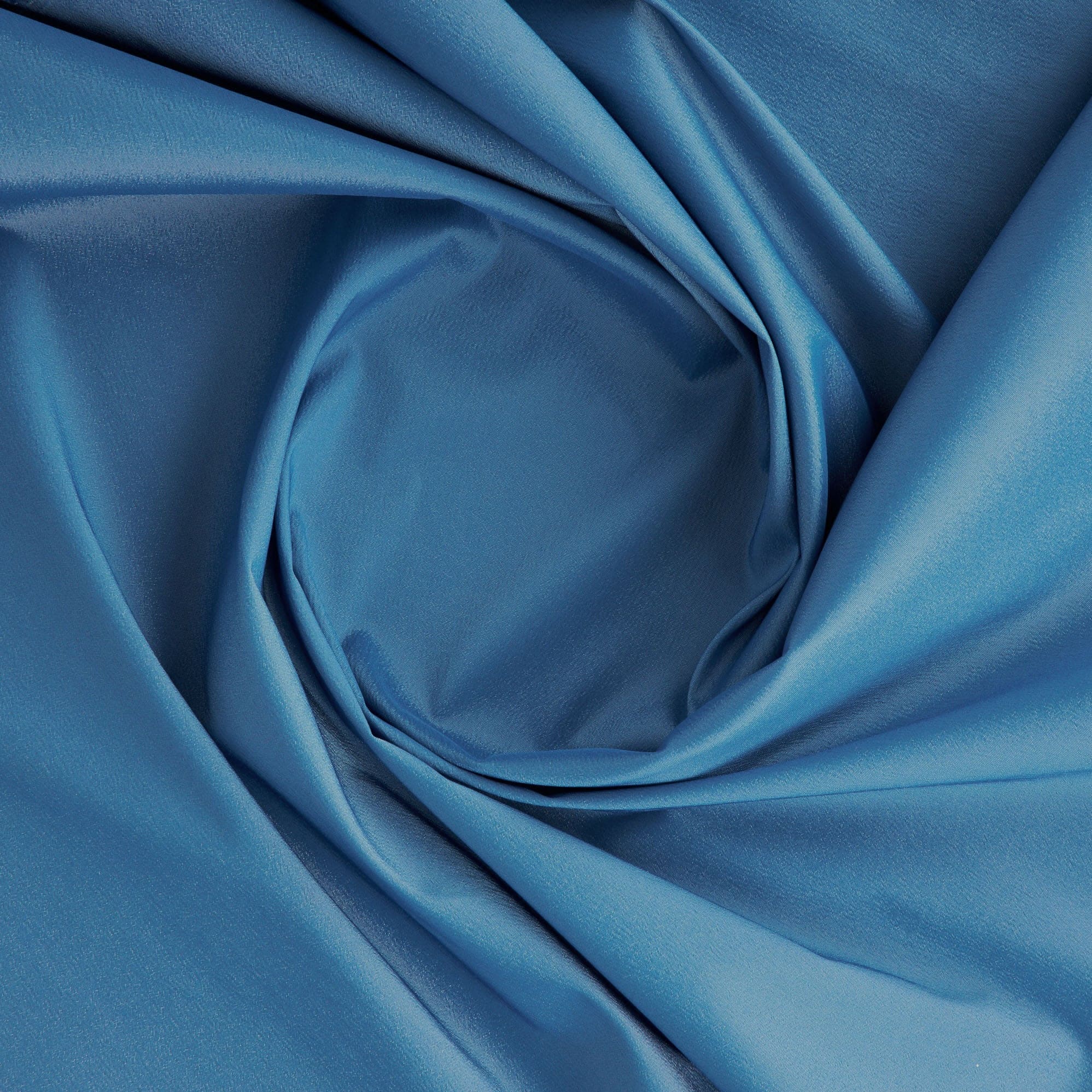
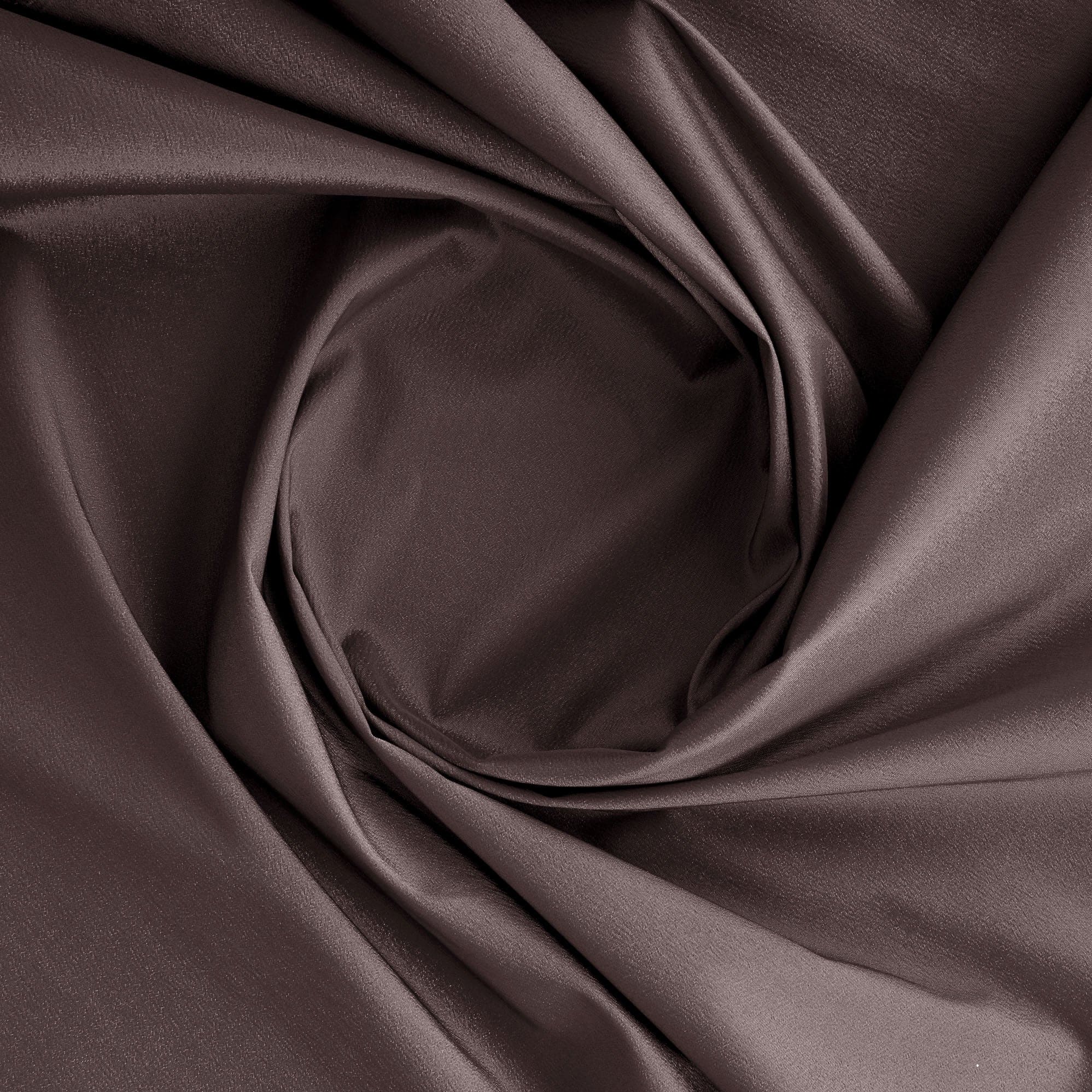
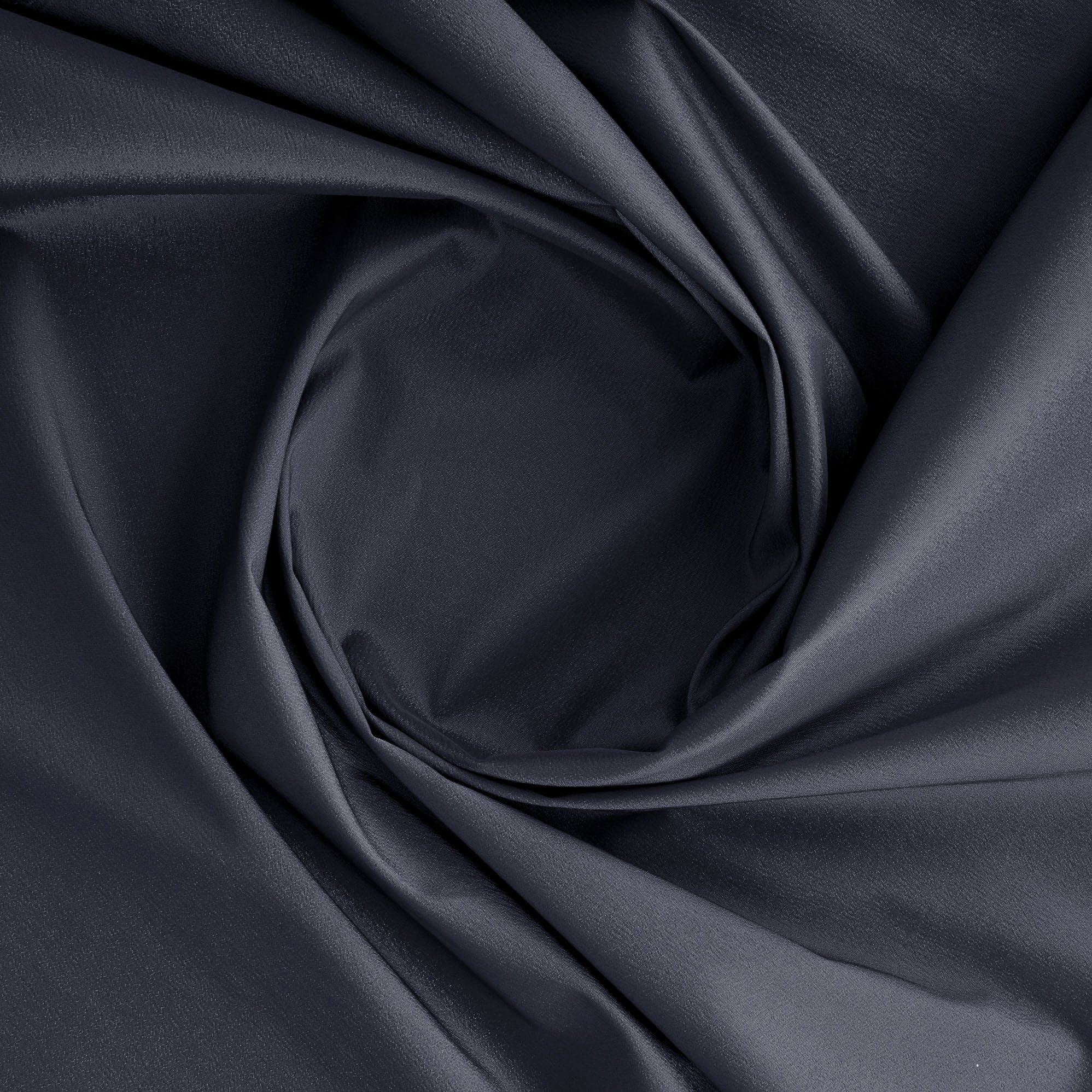
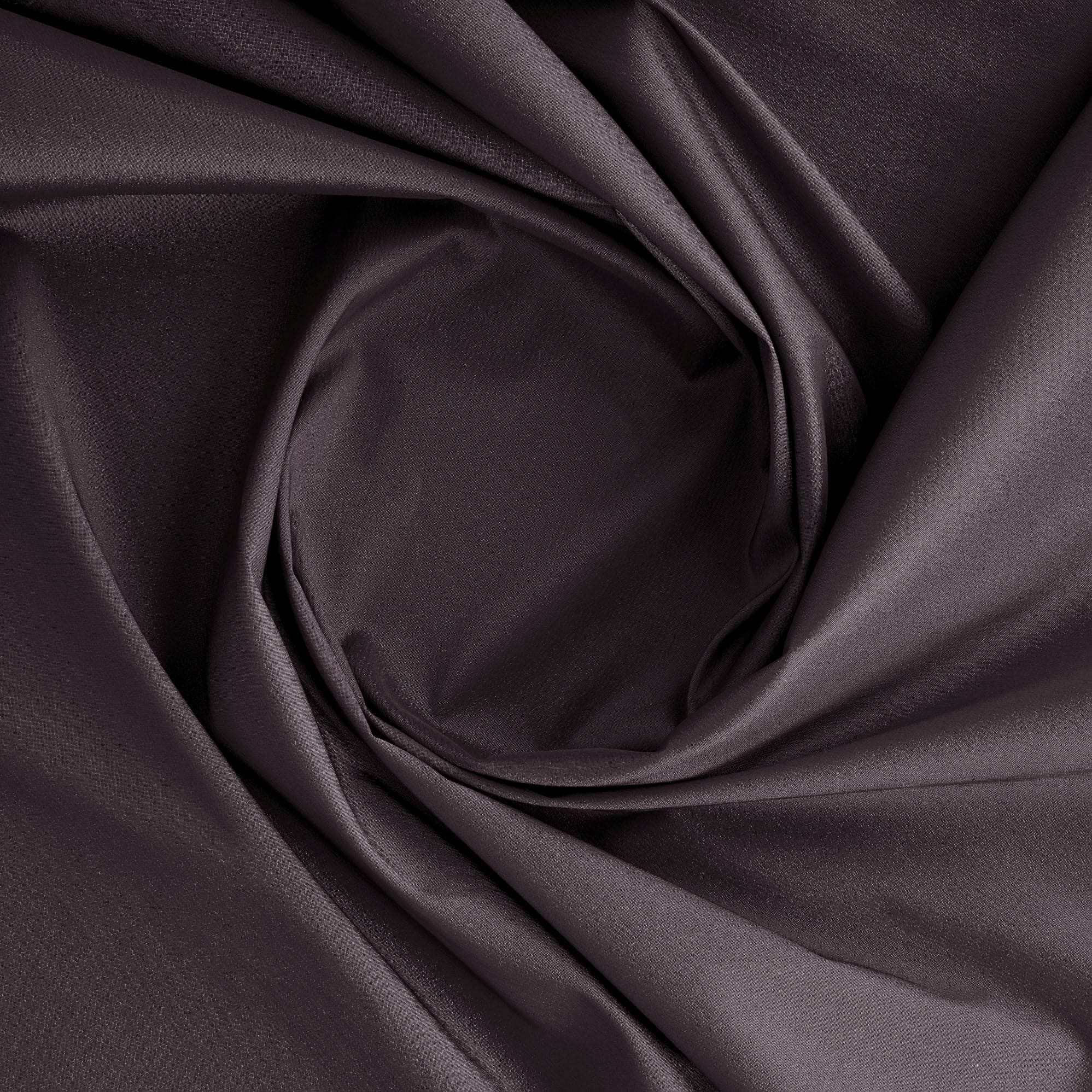
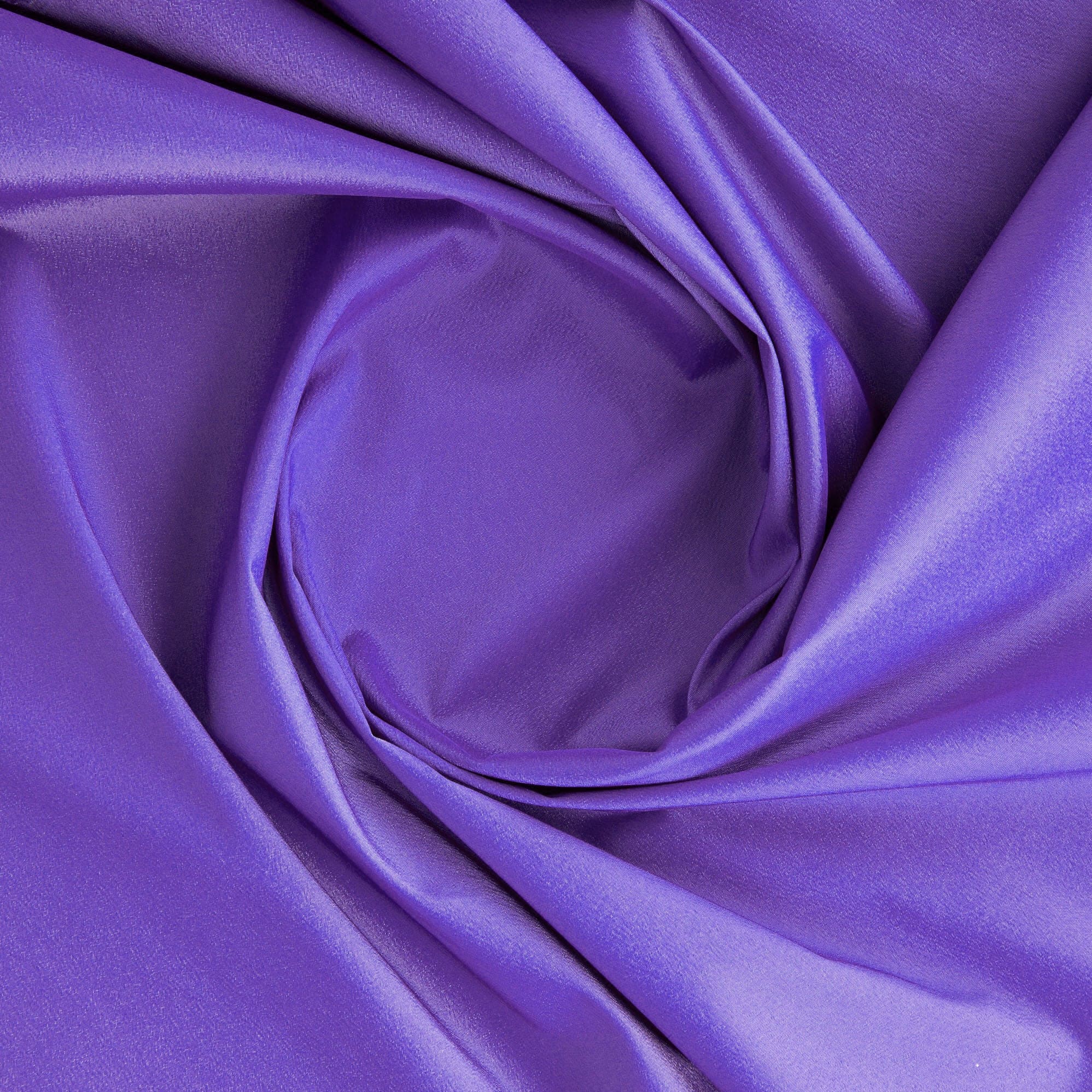
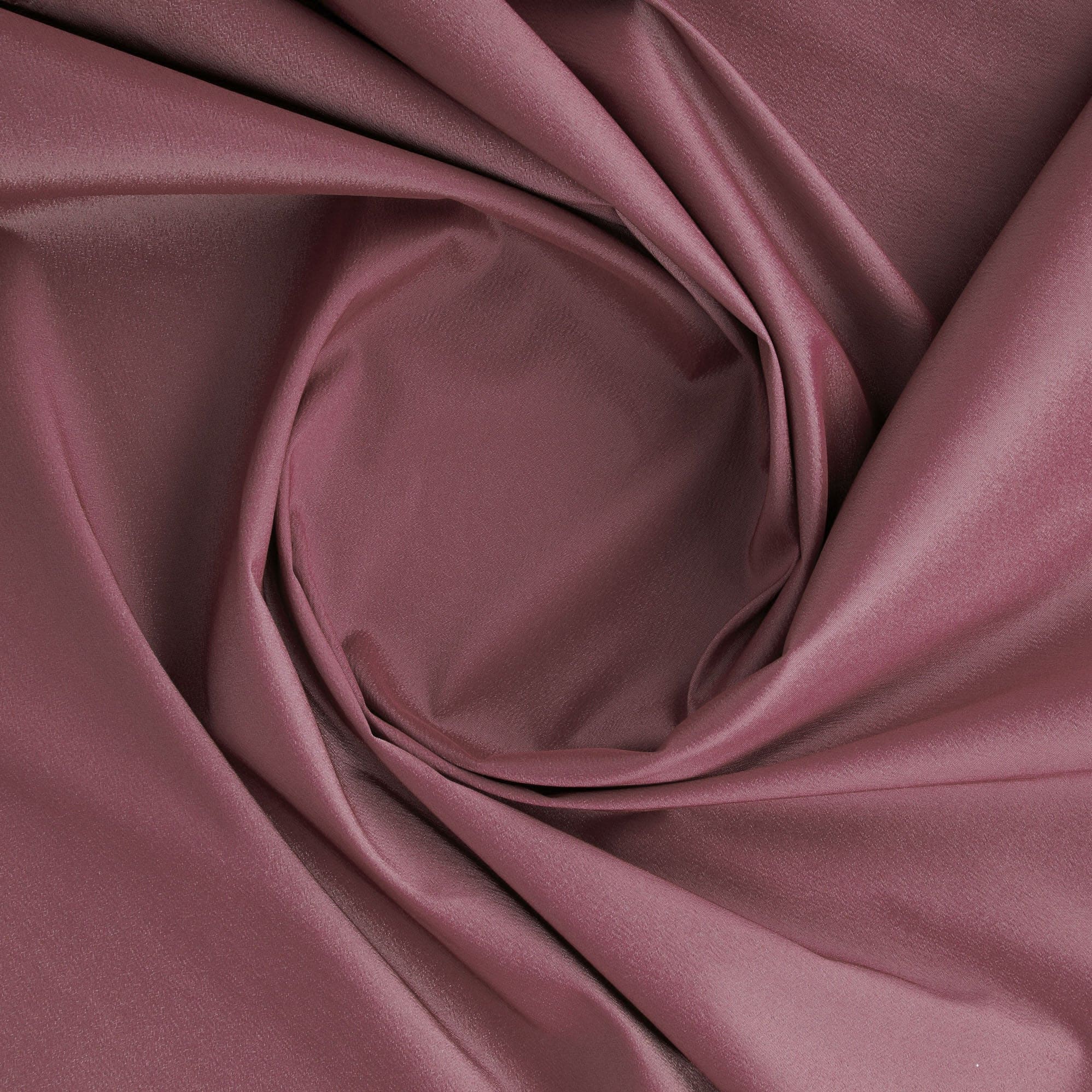
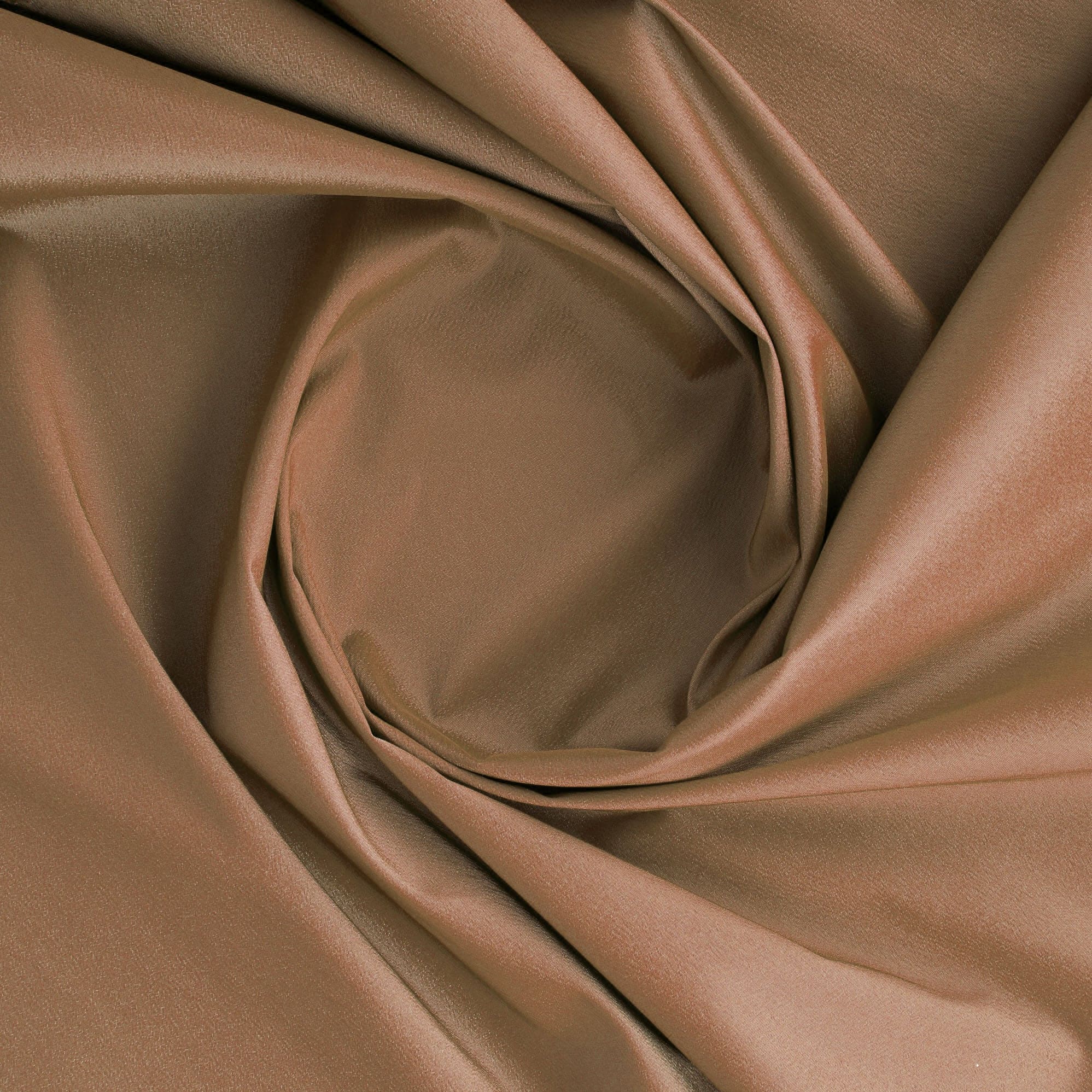
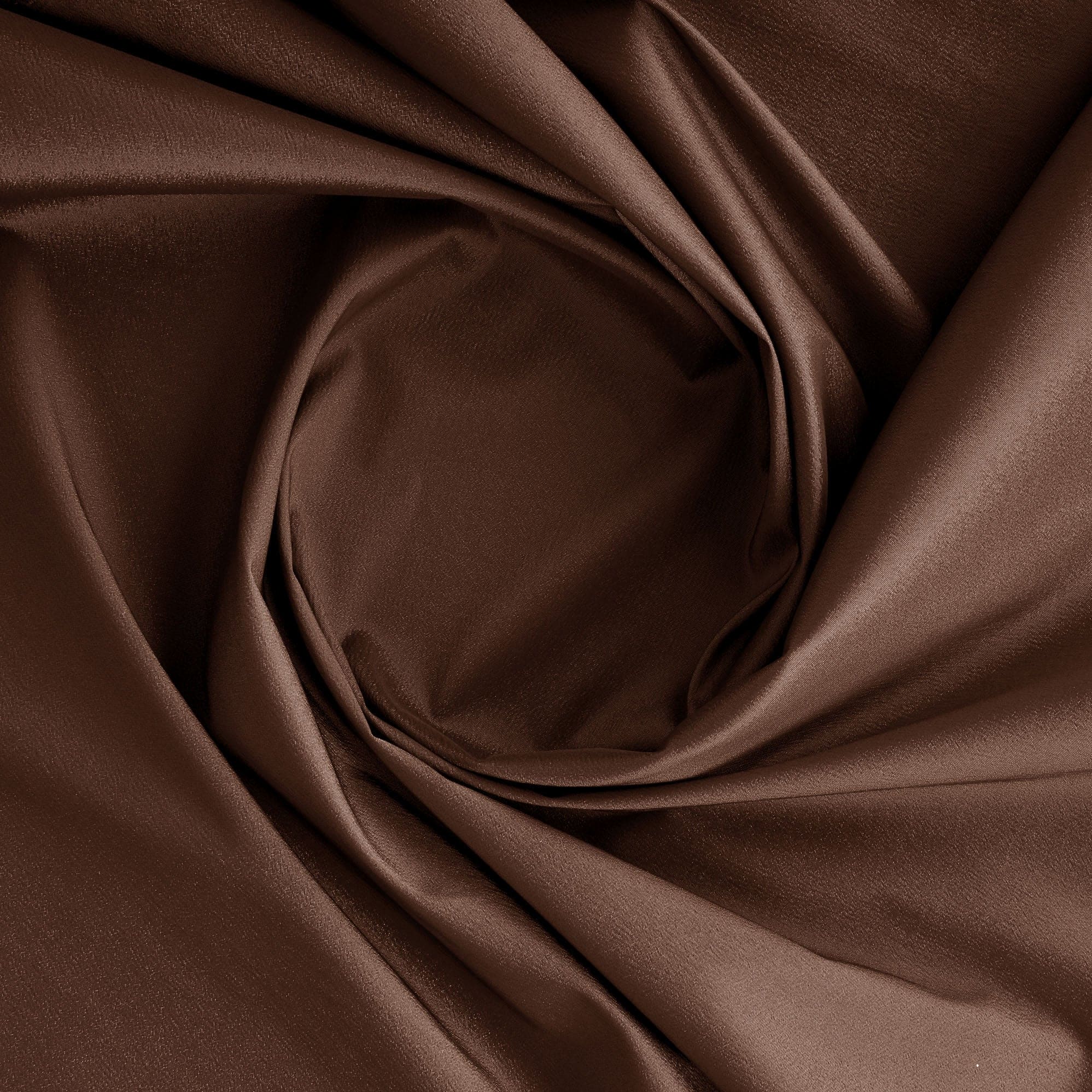
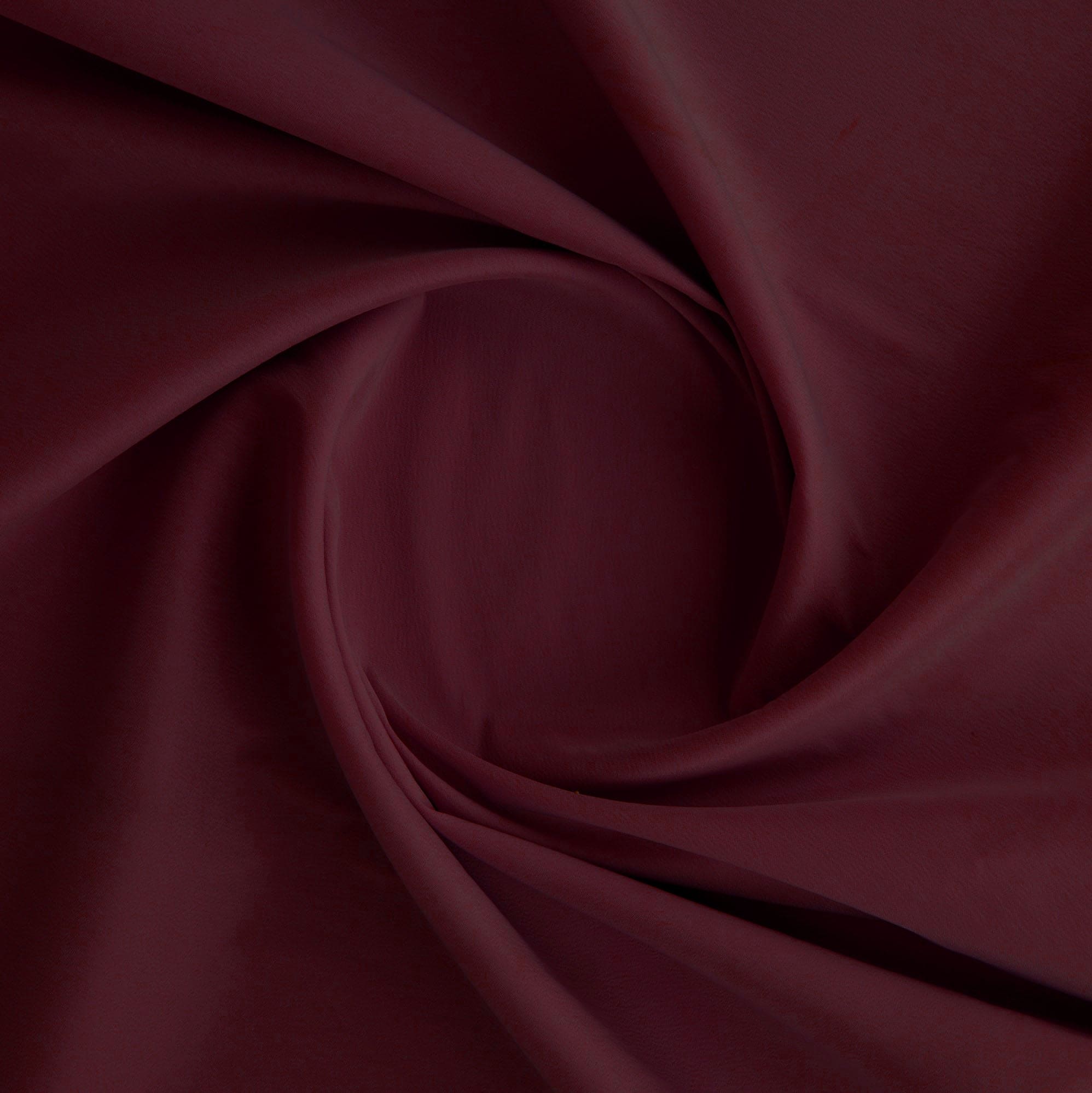
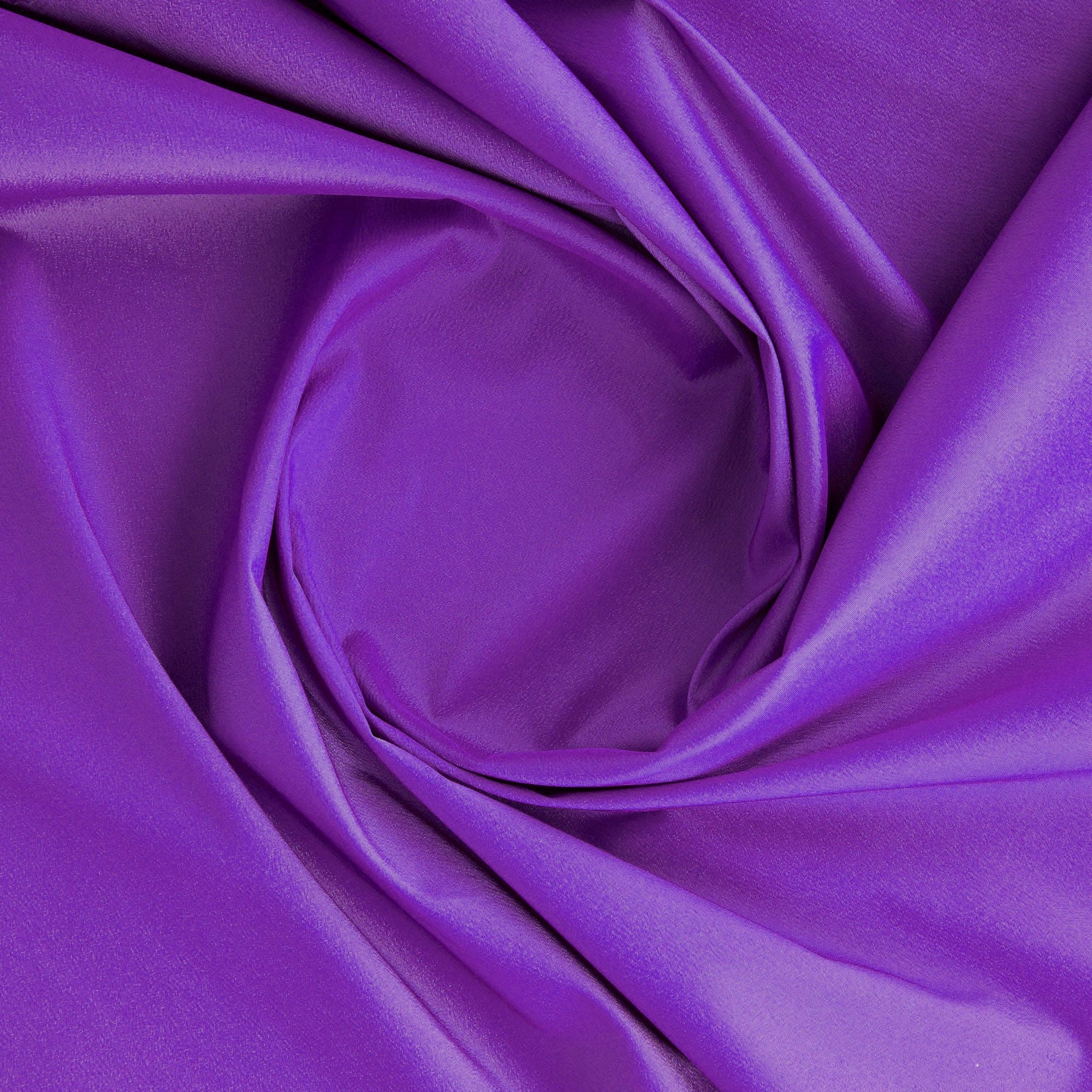
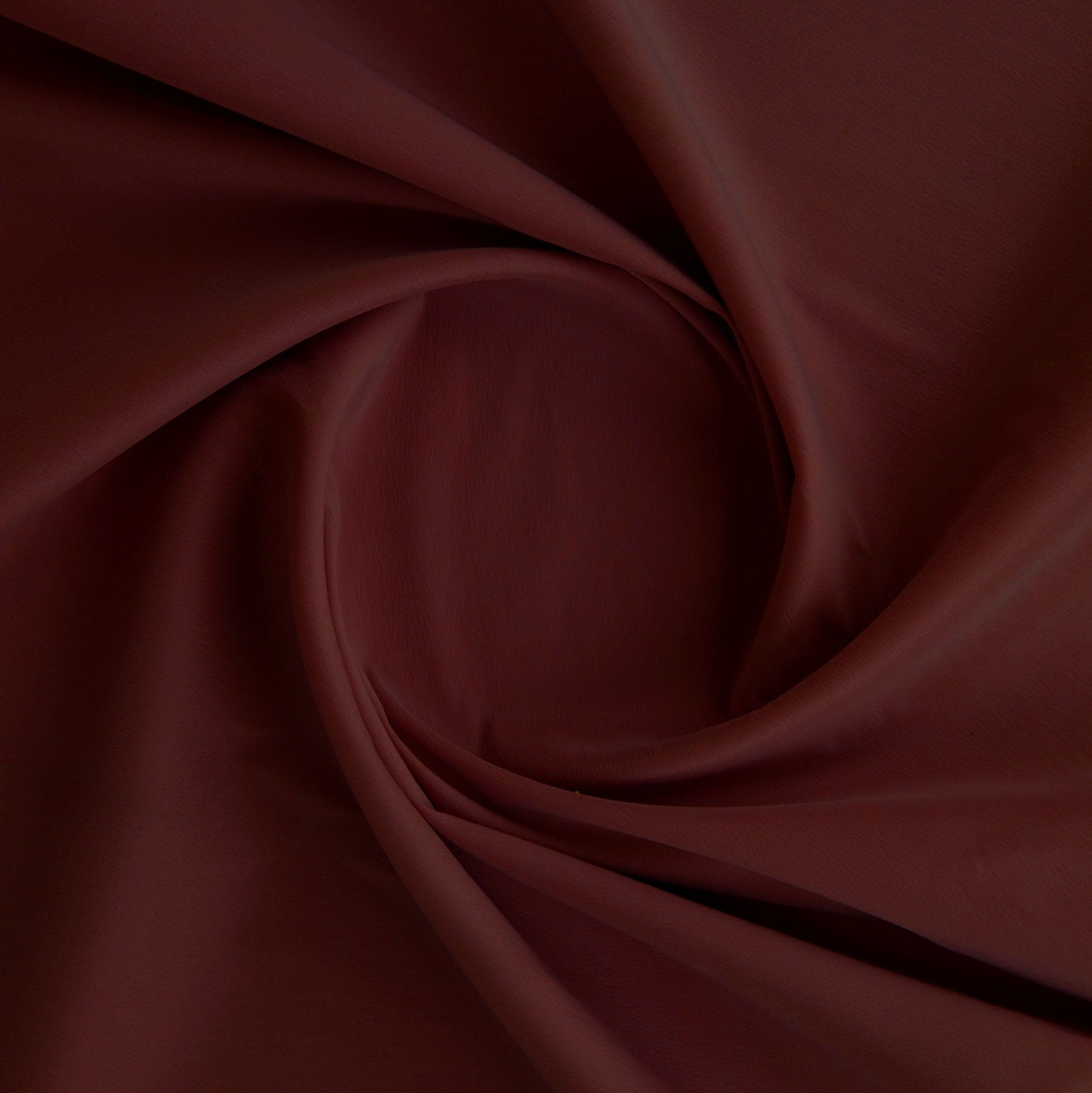
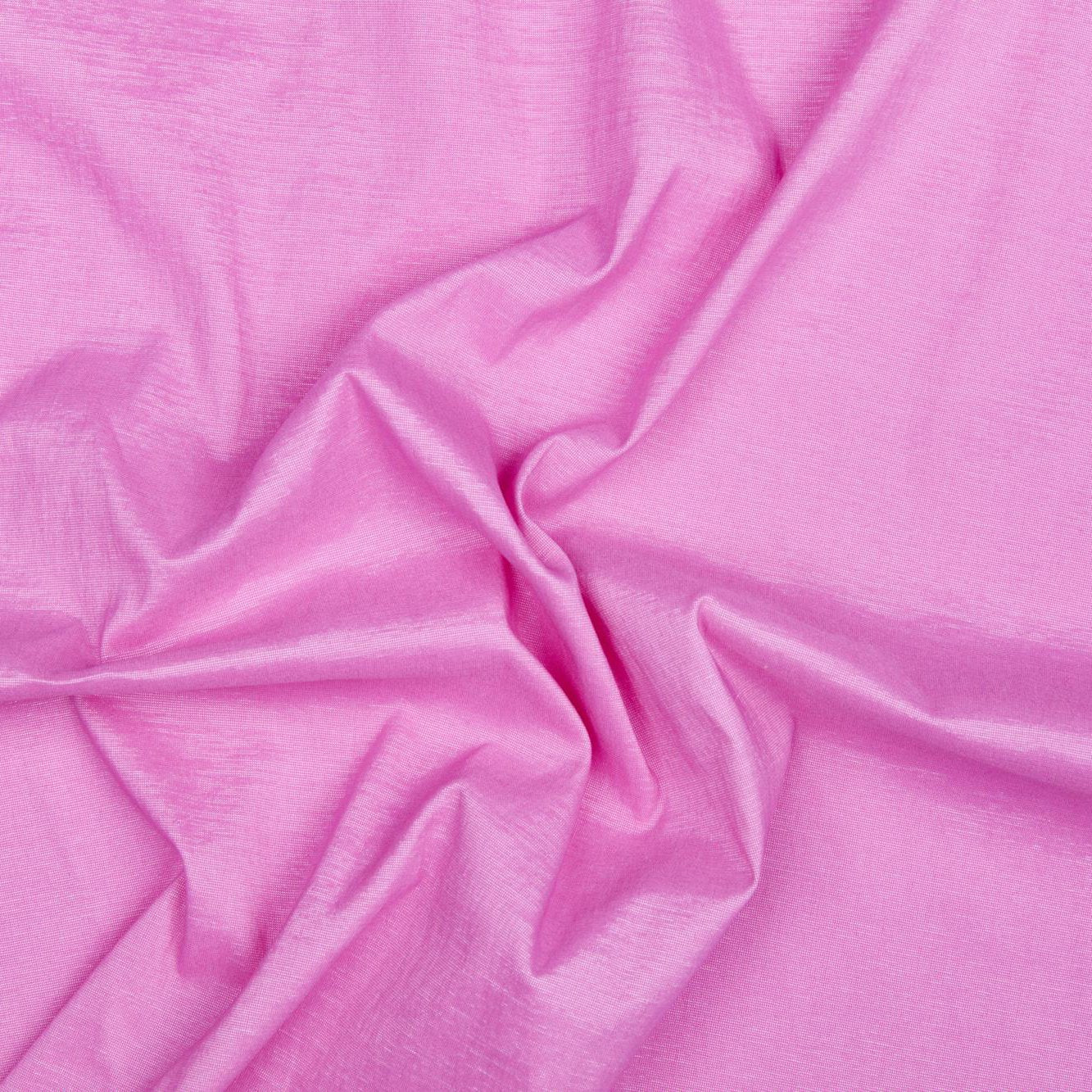
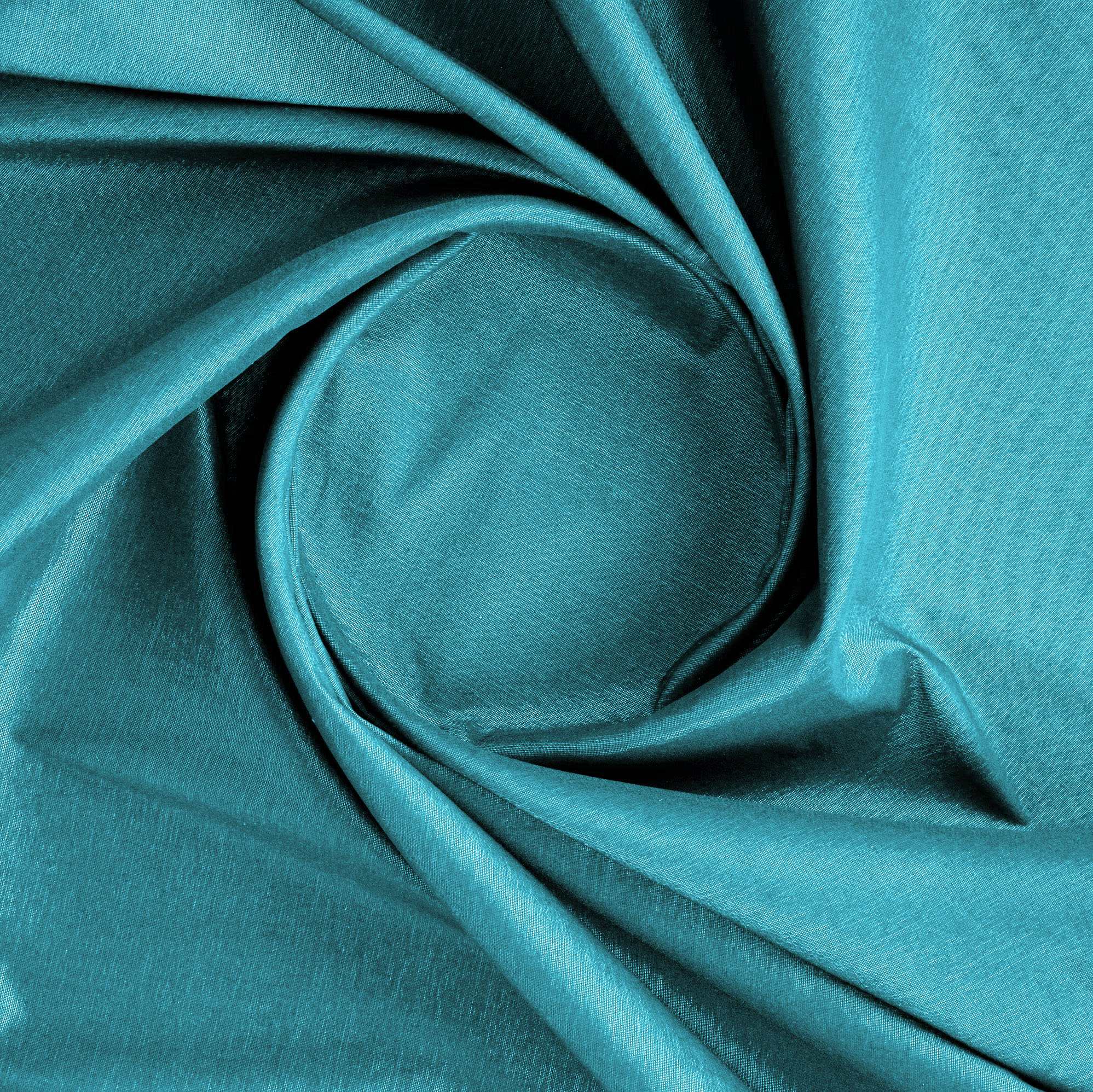
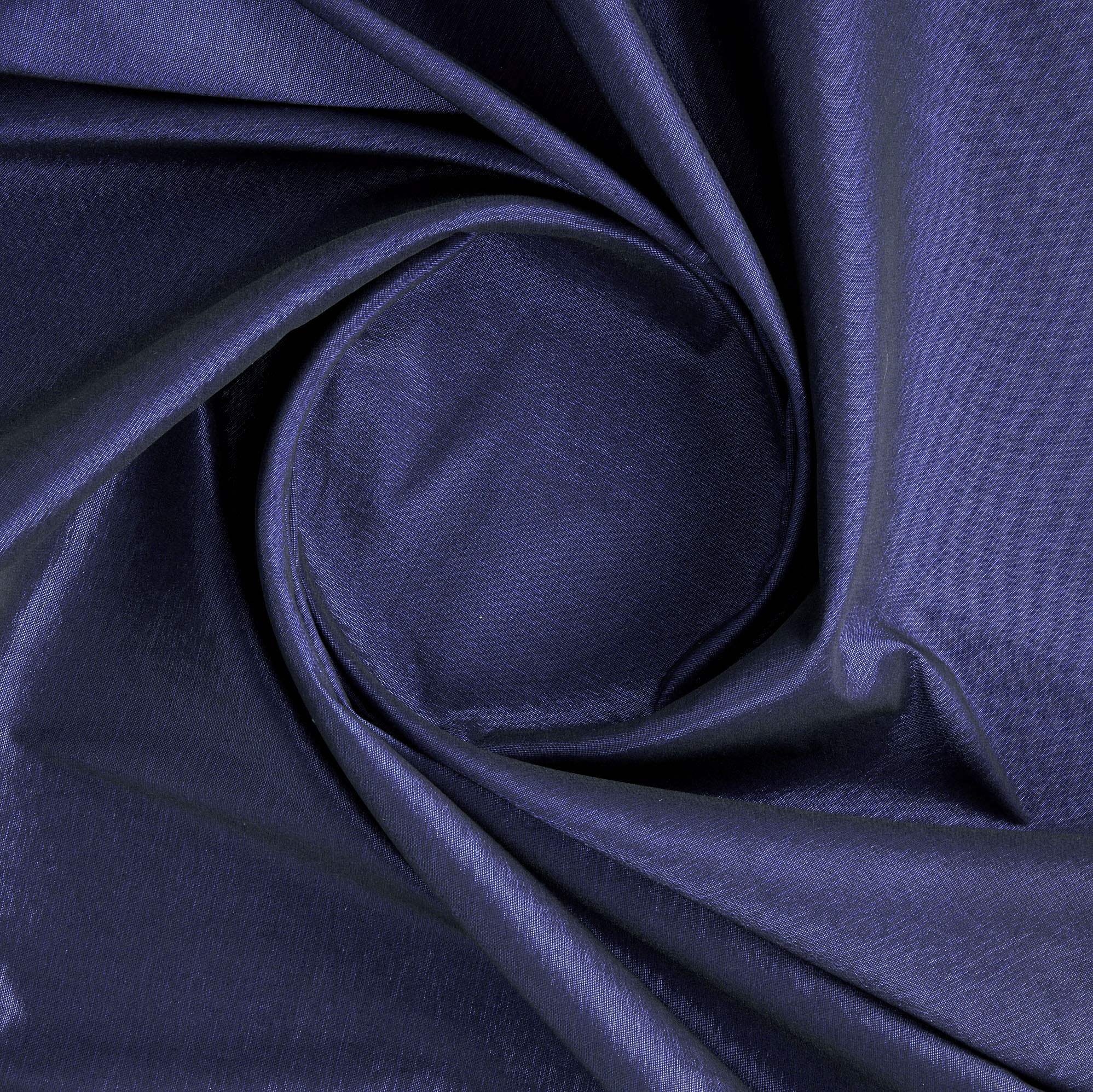
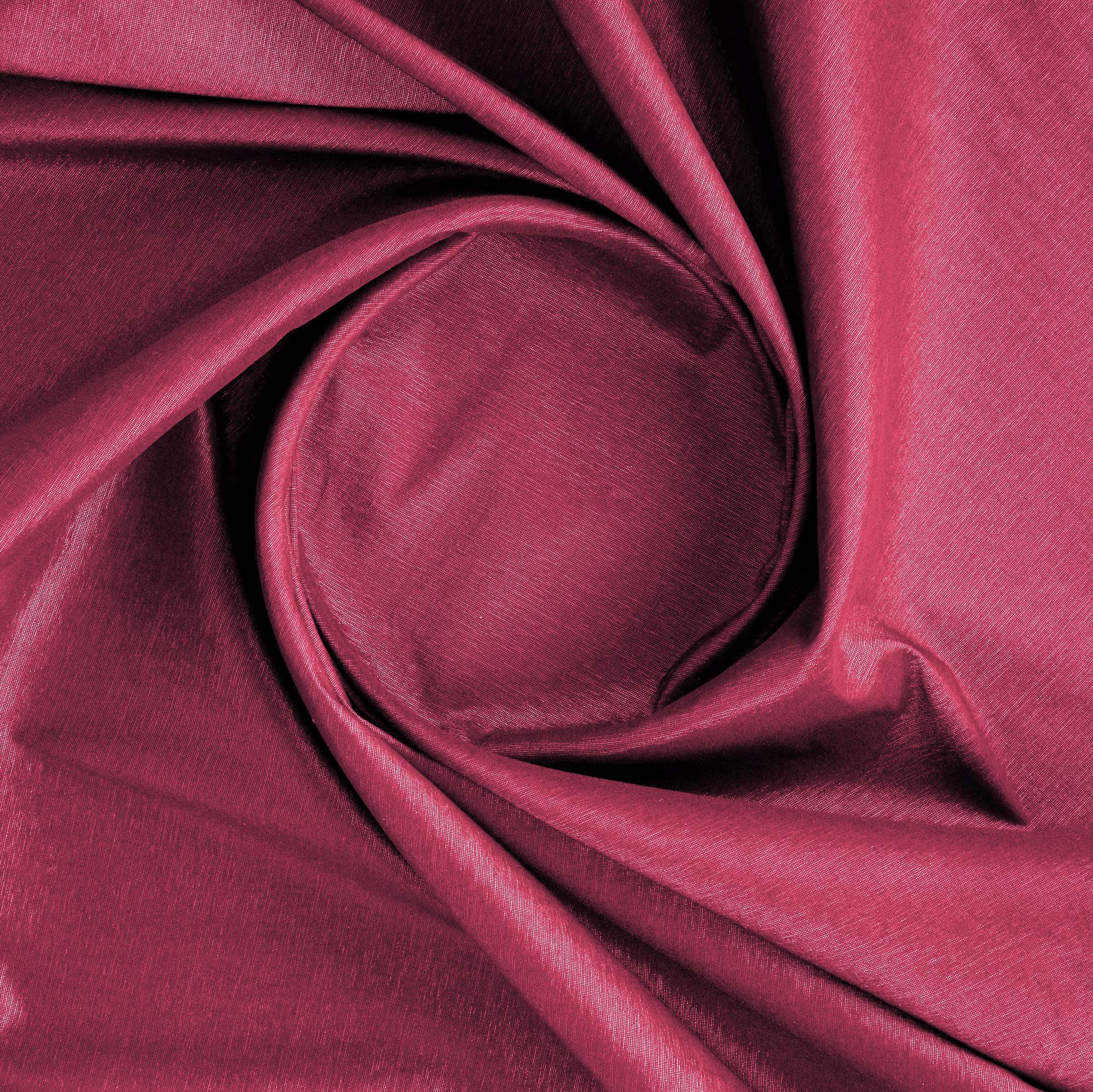
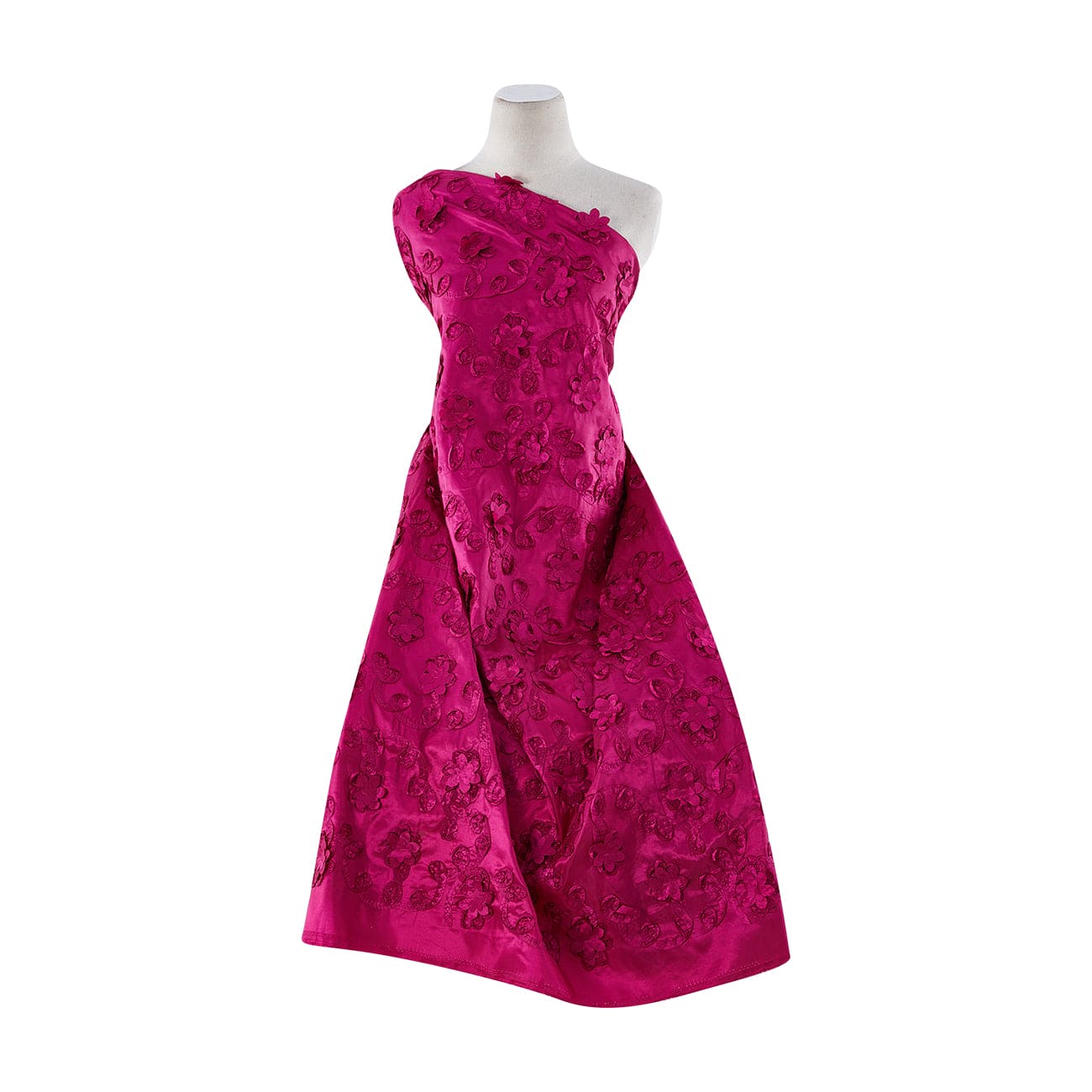
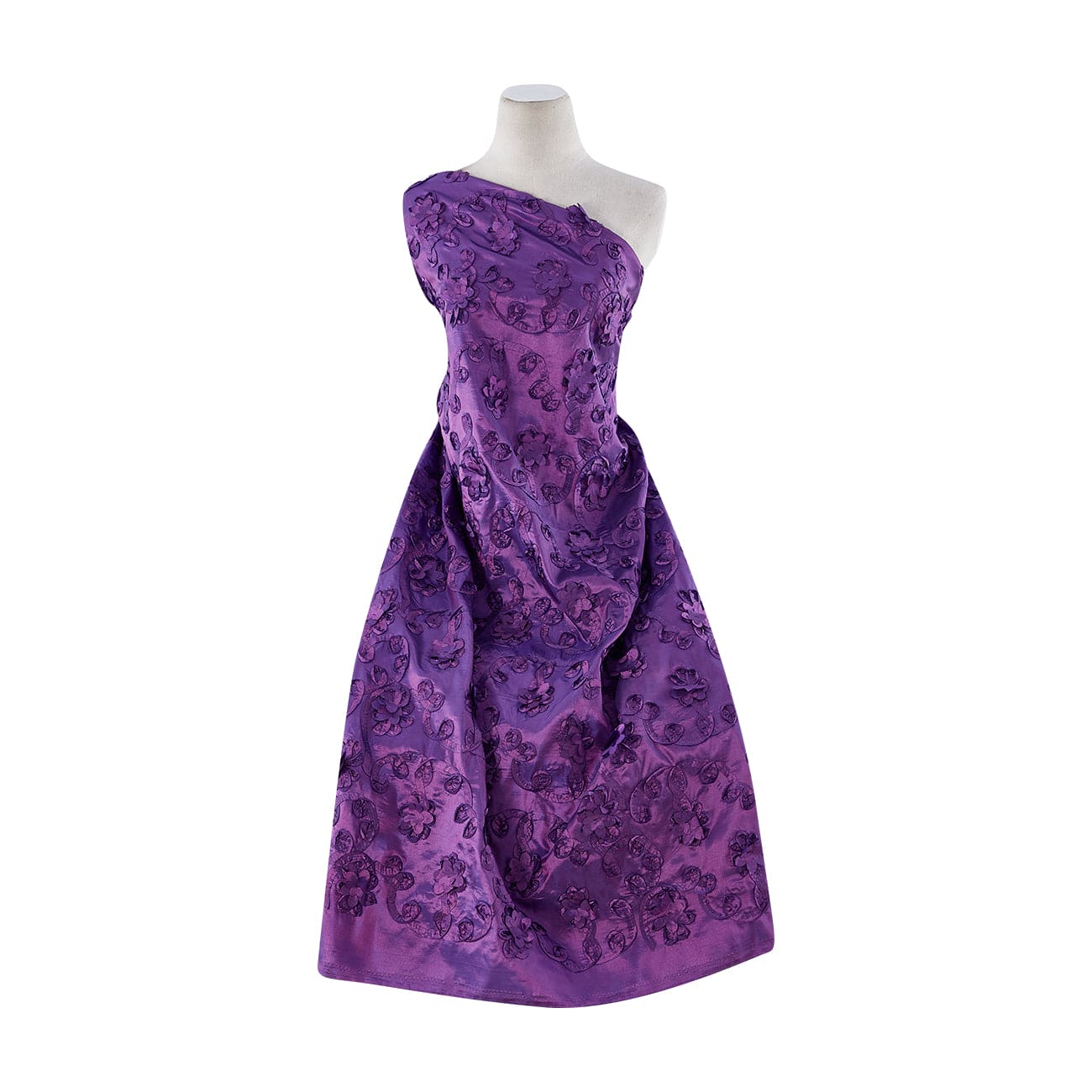
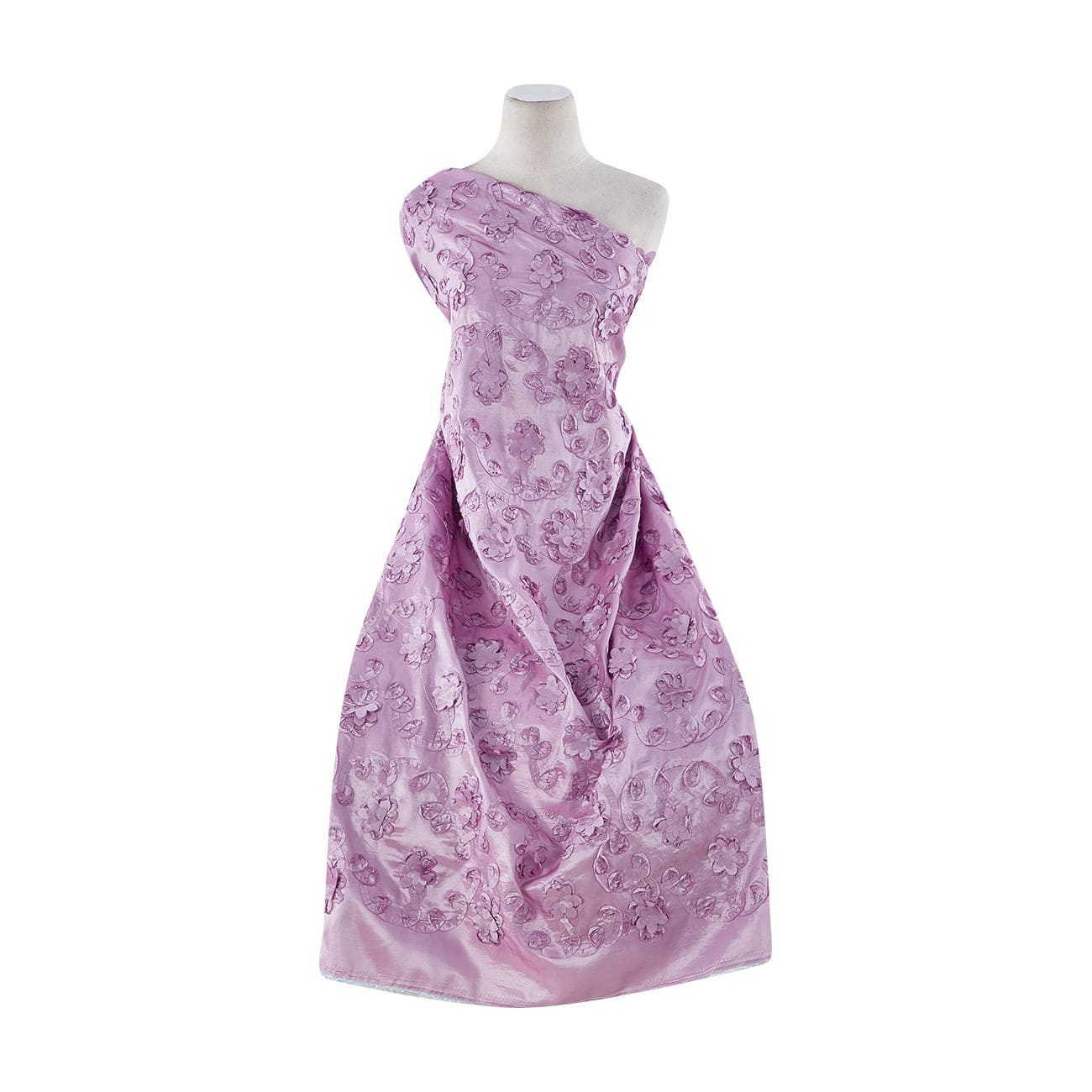
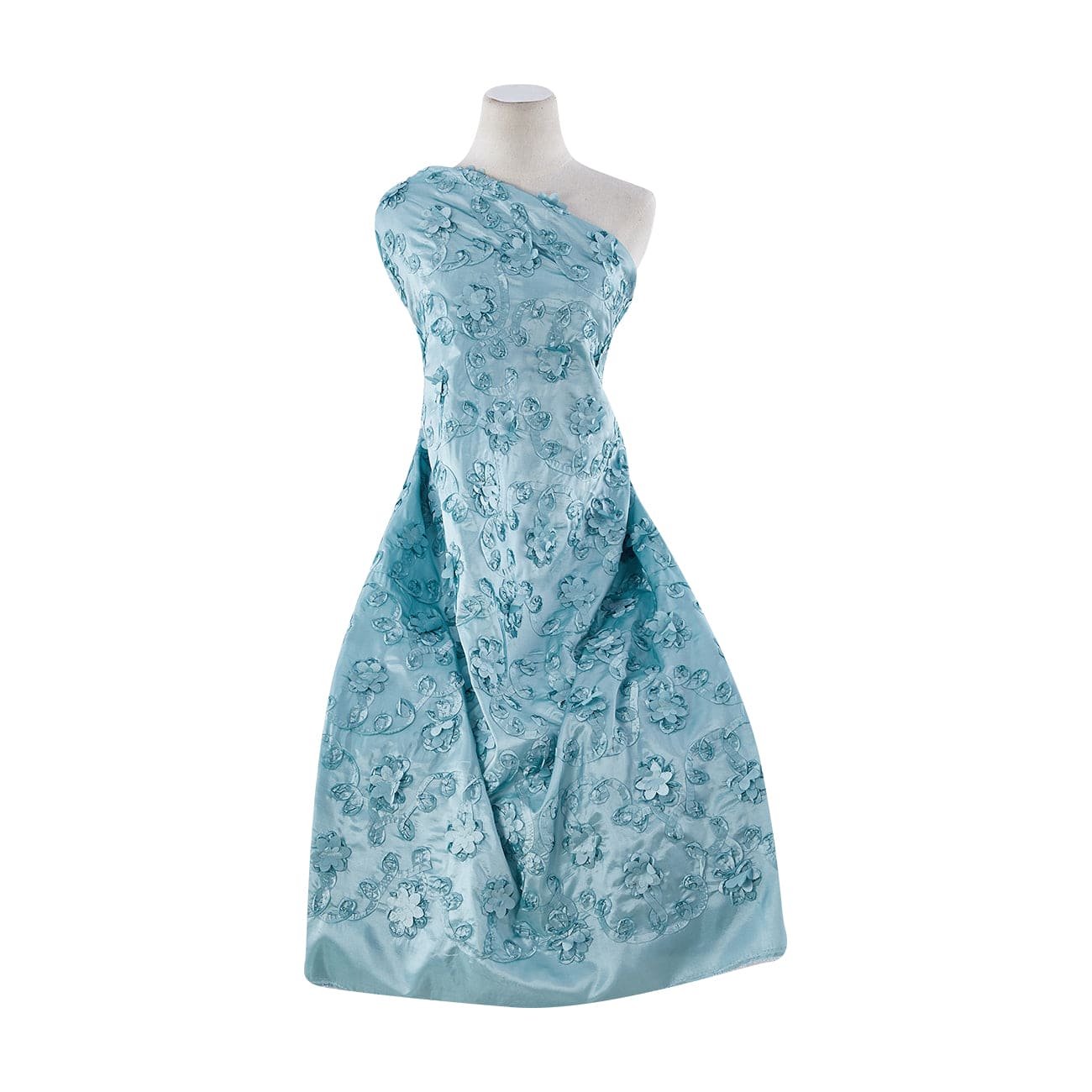
How to Use Taffeta in Fashion Design
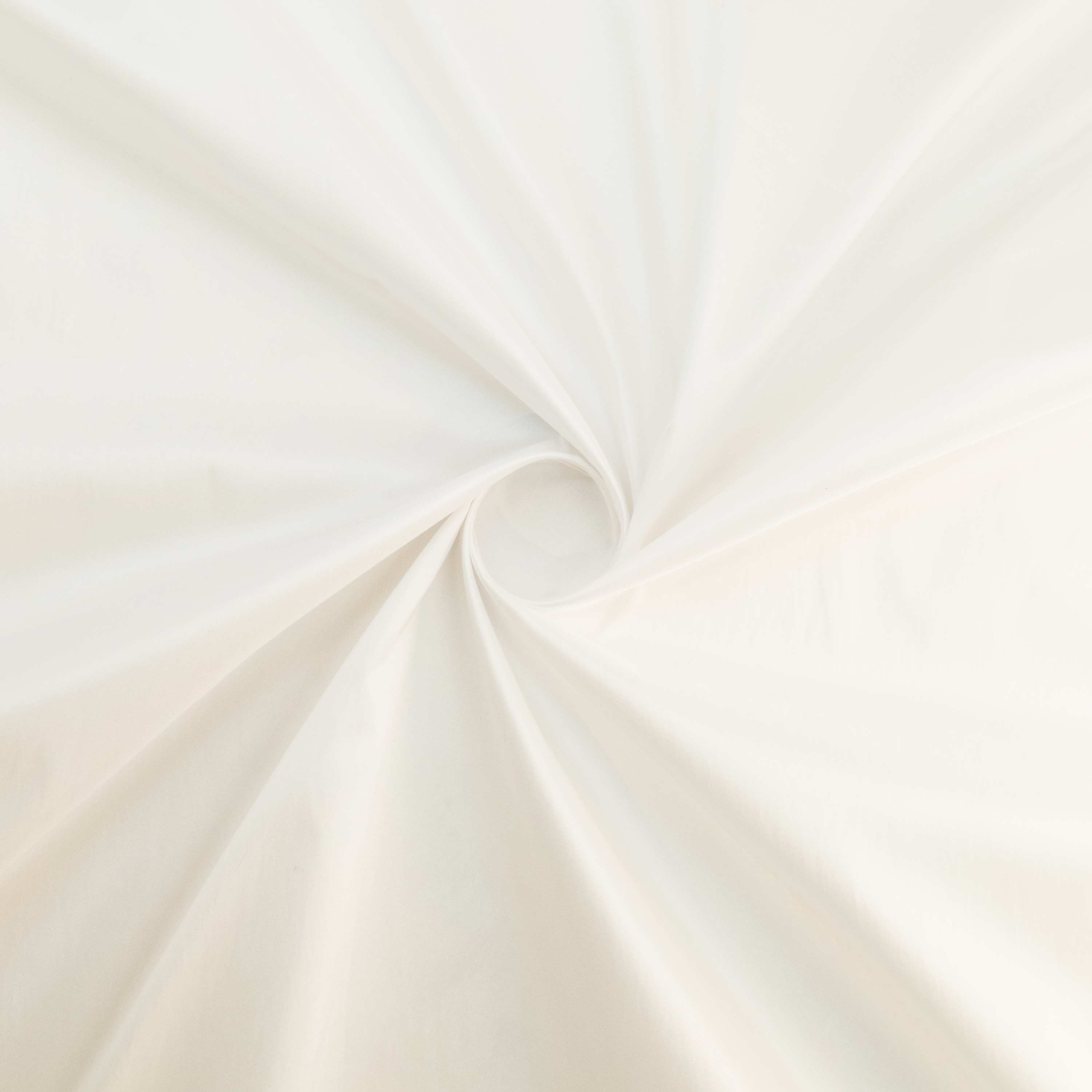
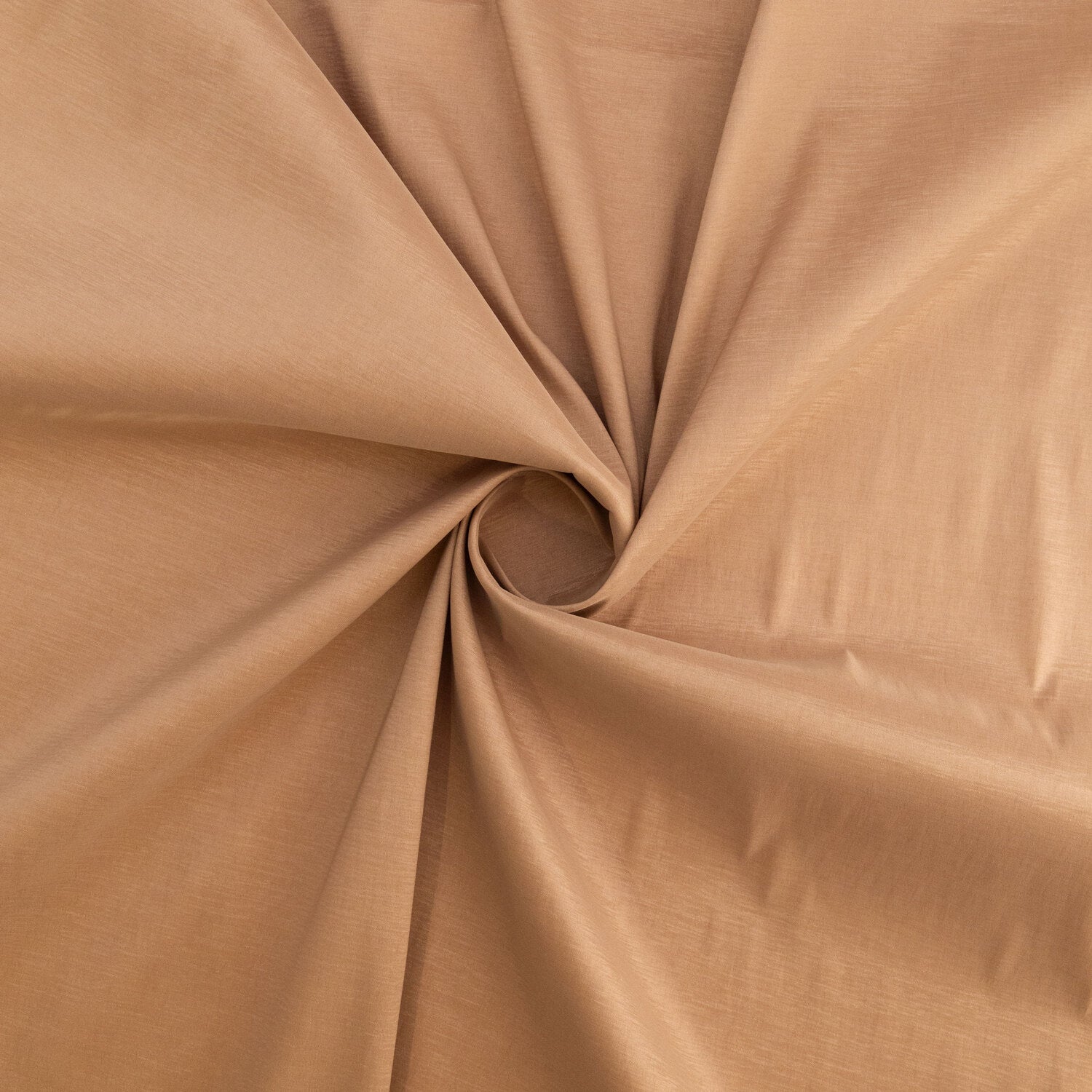
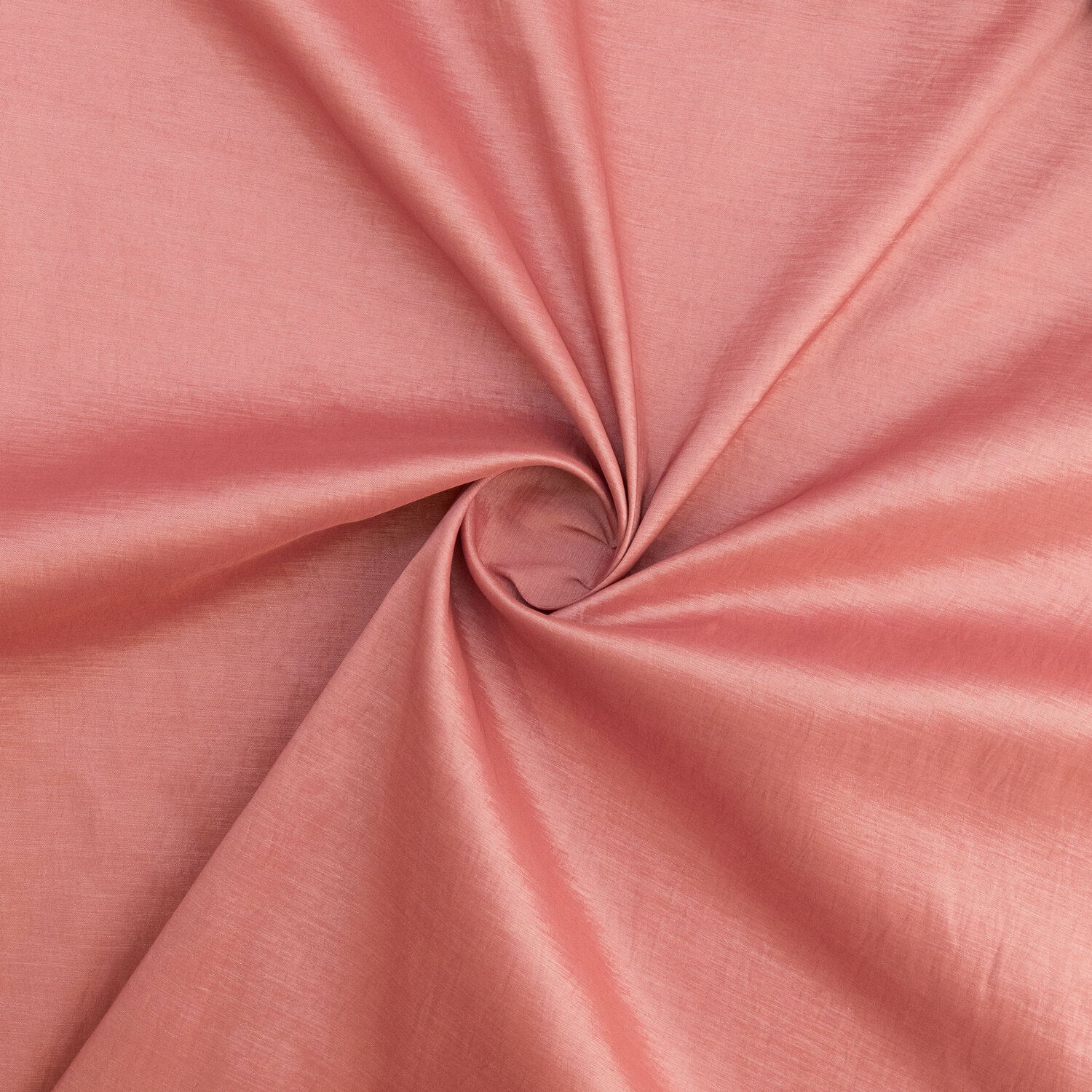
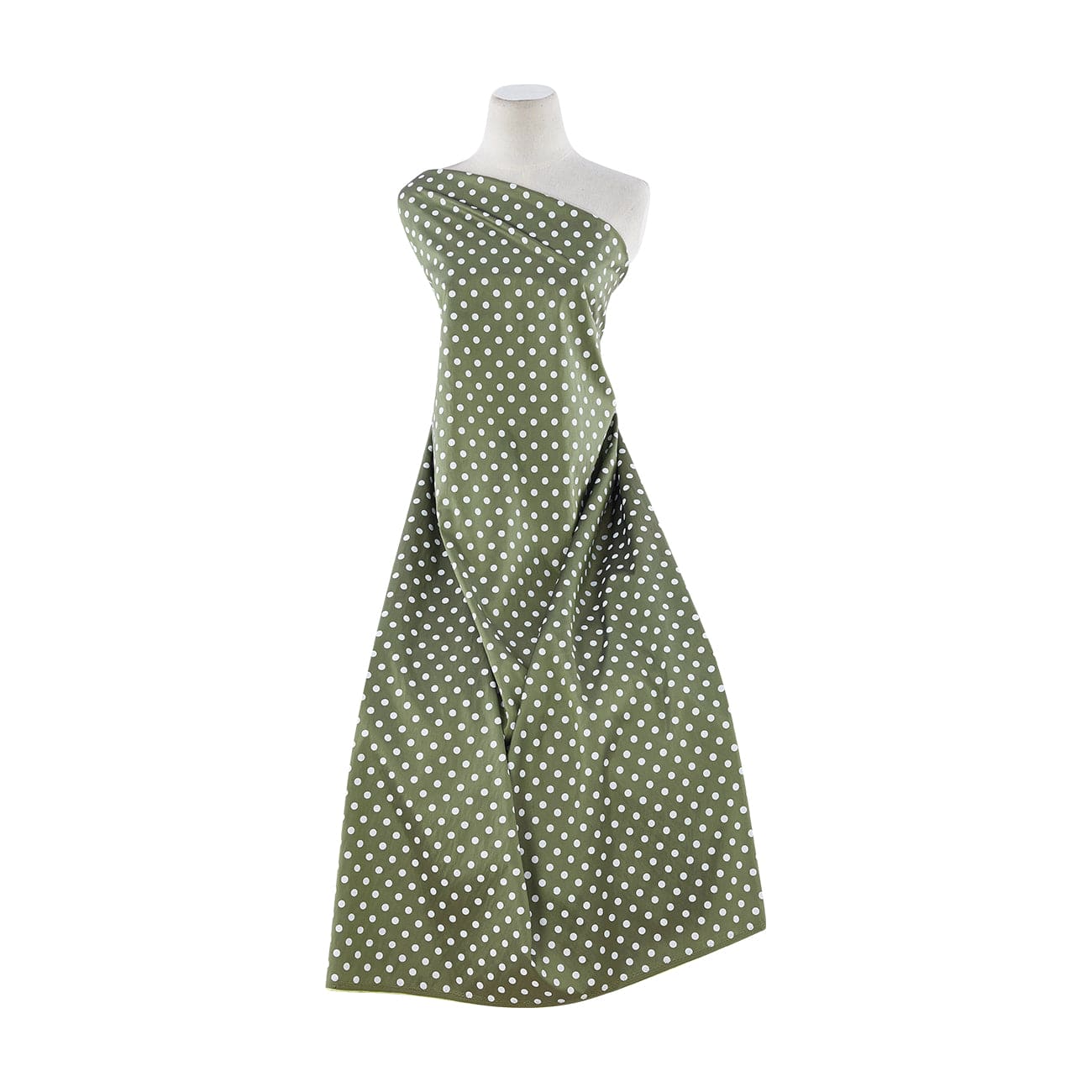
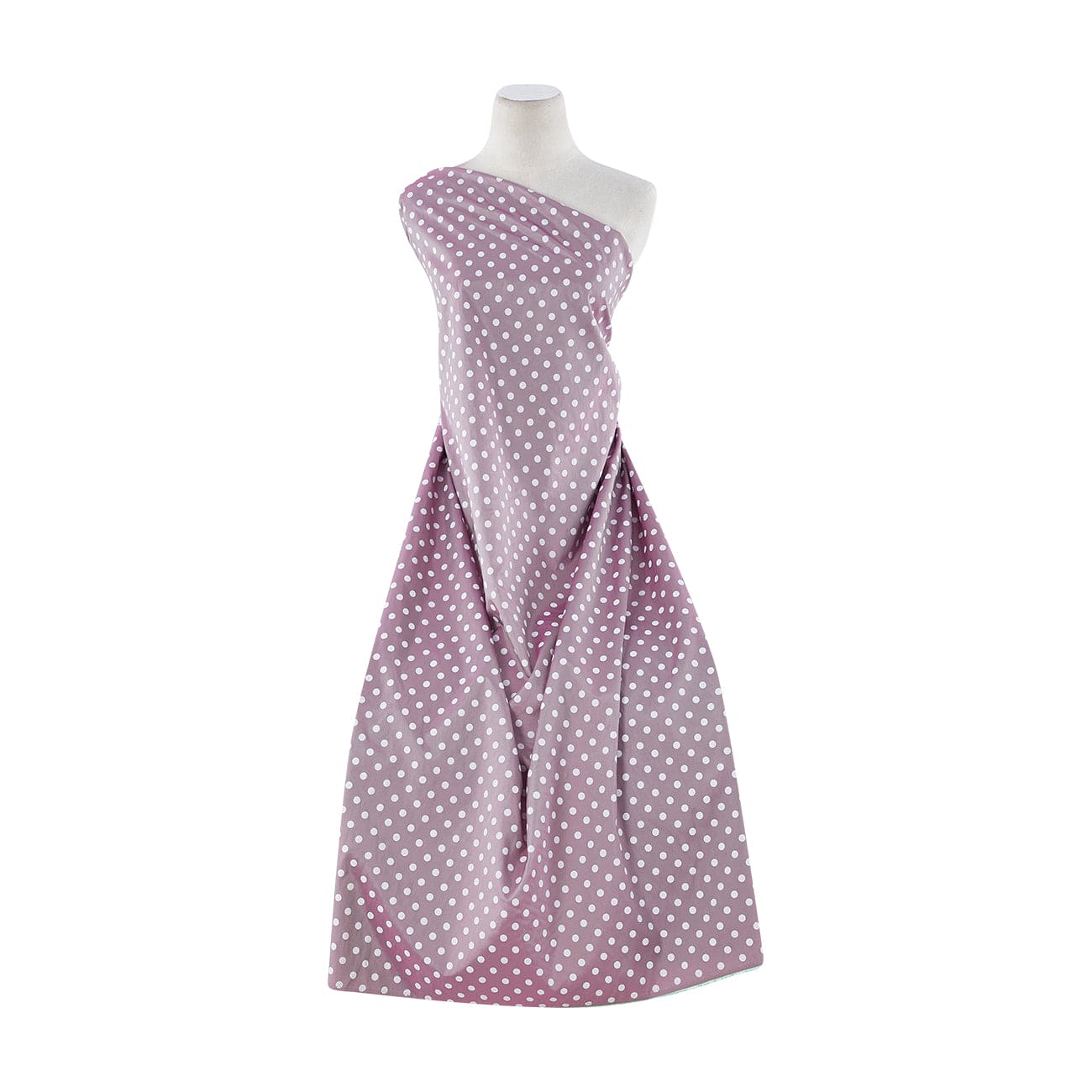
Taffeta suits structured silhouettes where the fabric is expected to carry volume and hold shape independently. The right construction varies by application. For instance, a lightweight lining taffeta behaves very differently from a midweight bridal taffeta. So it is worth mapping your project to the appropriate spec before cutting.
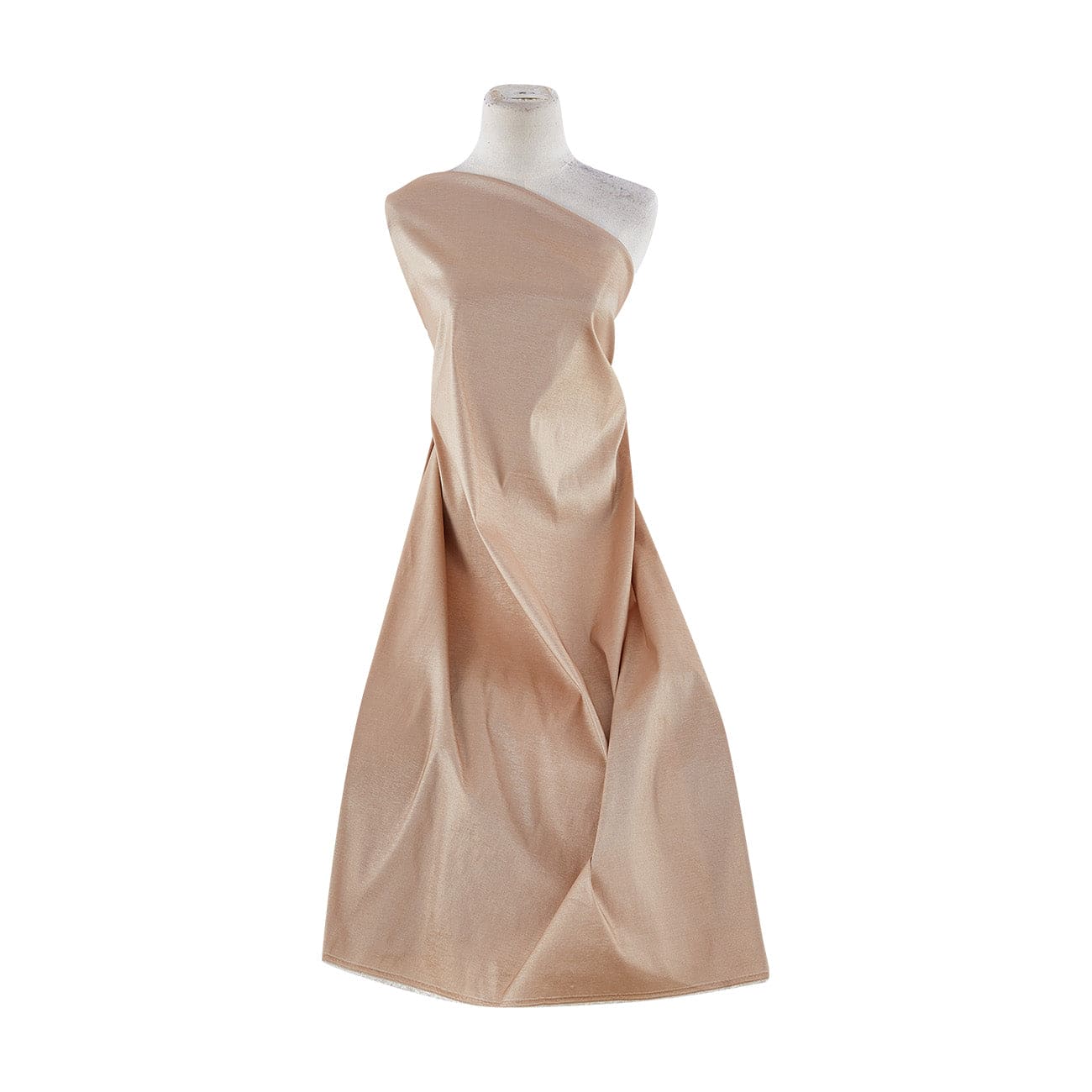
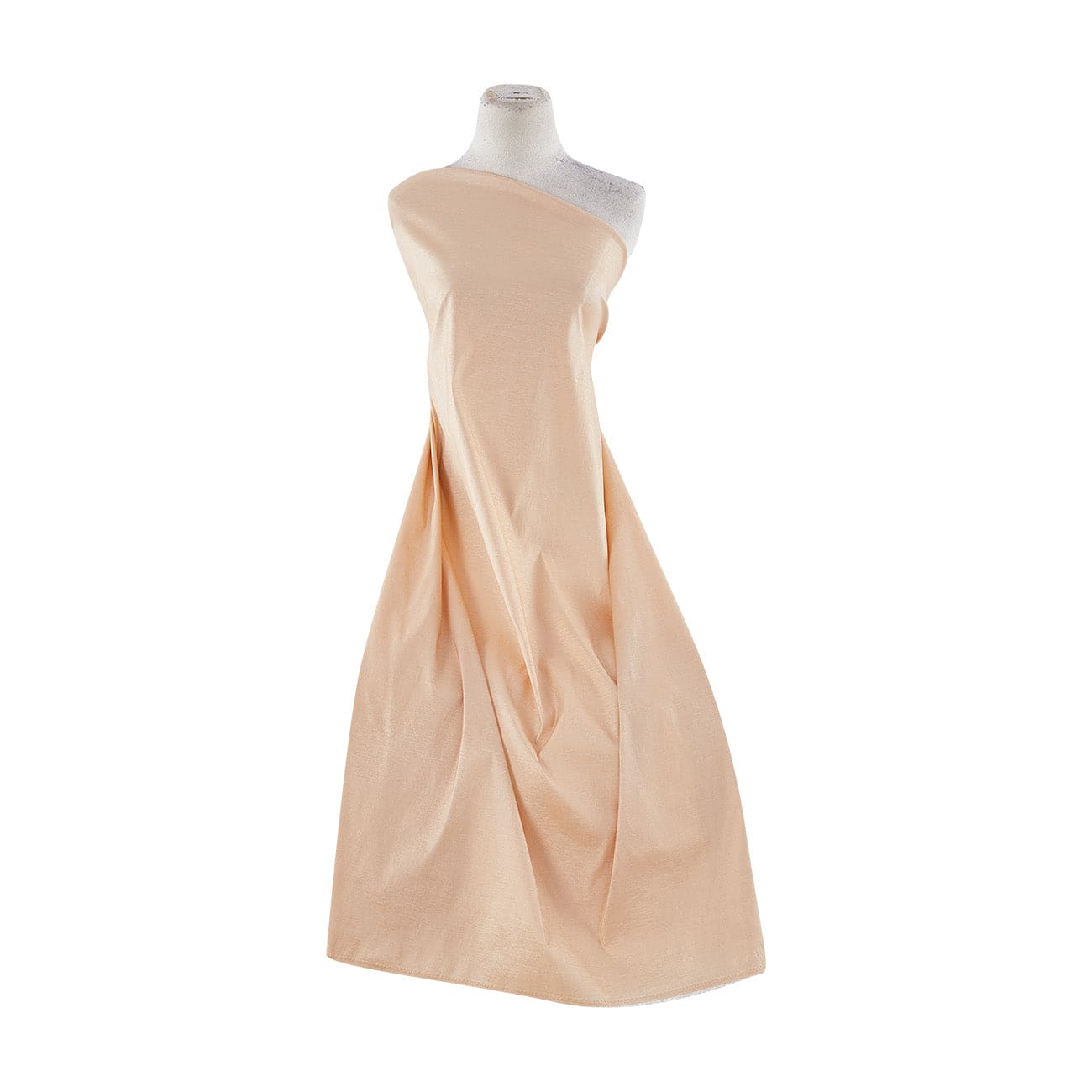
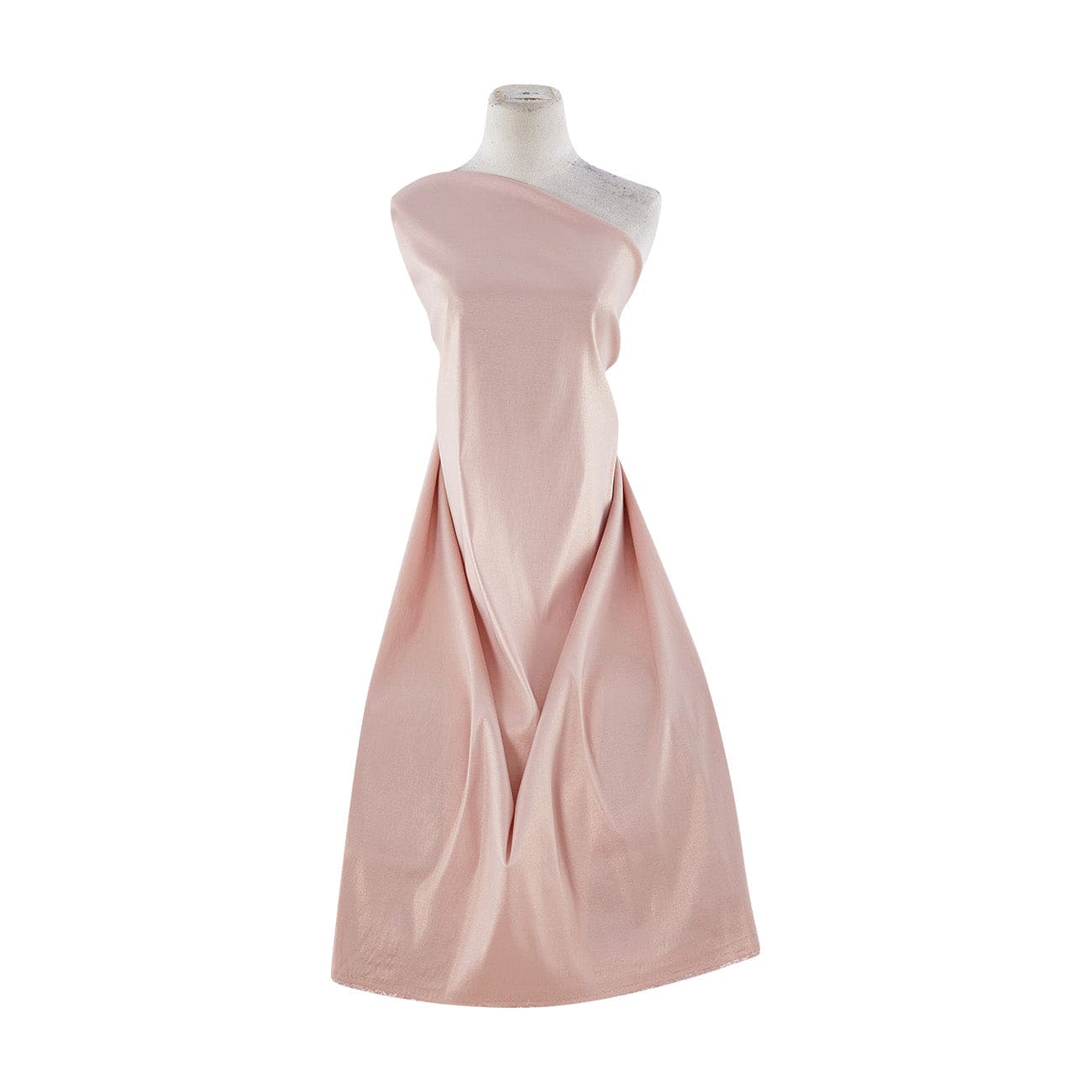
- Bridal and Eveningwear: Midweight taffeta at 90–130 GSM delivers the structured drape that full-skirted ball gowns, A-line silhouettes, and strapless bodices require. The fabric's inherent body reduces the need for underlining in voluminous skirts.
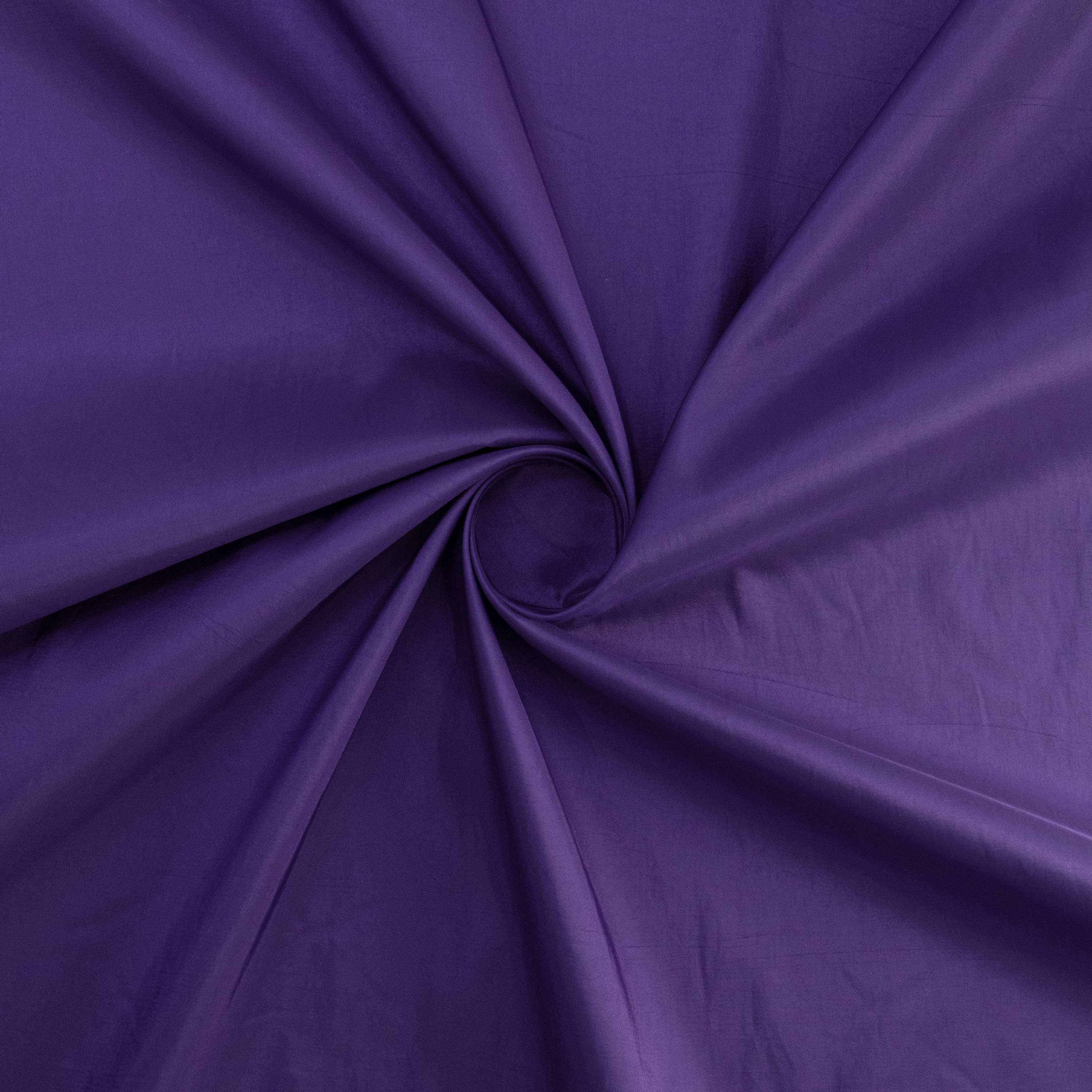
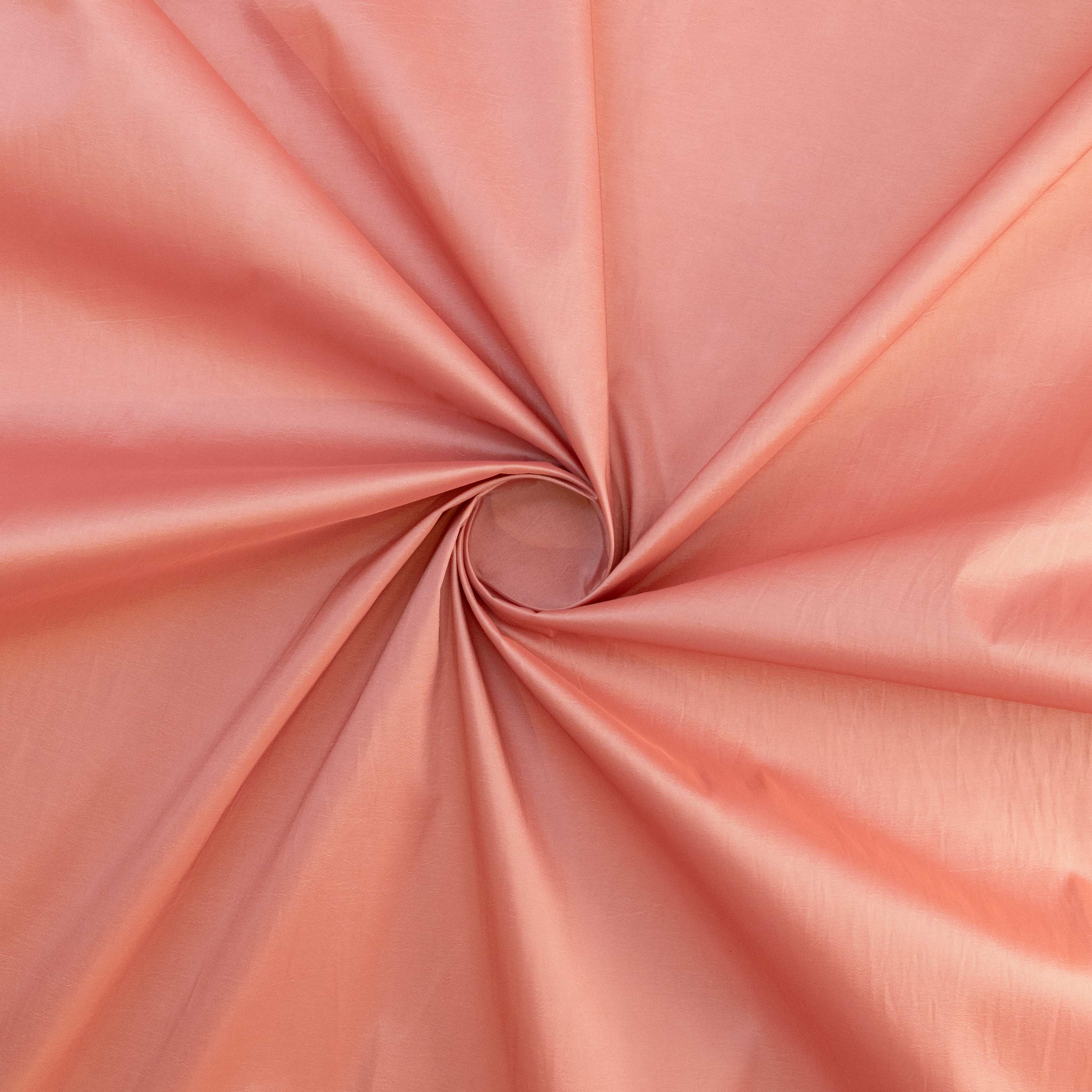
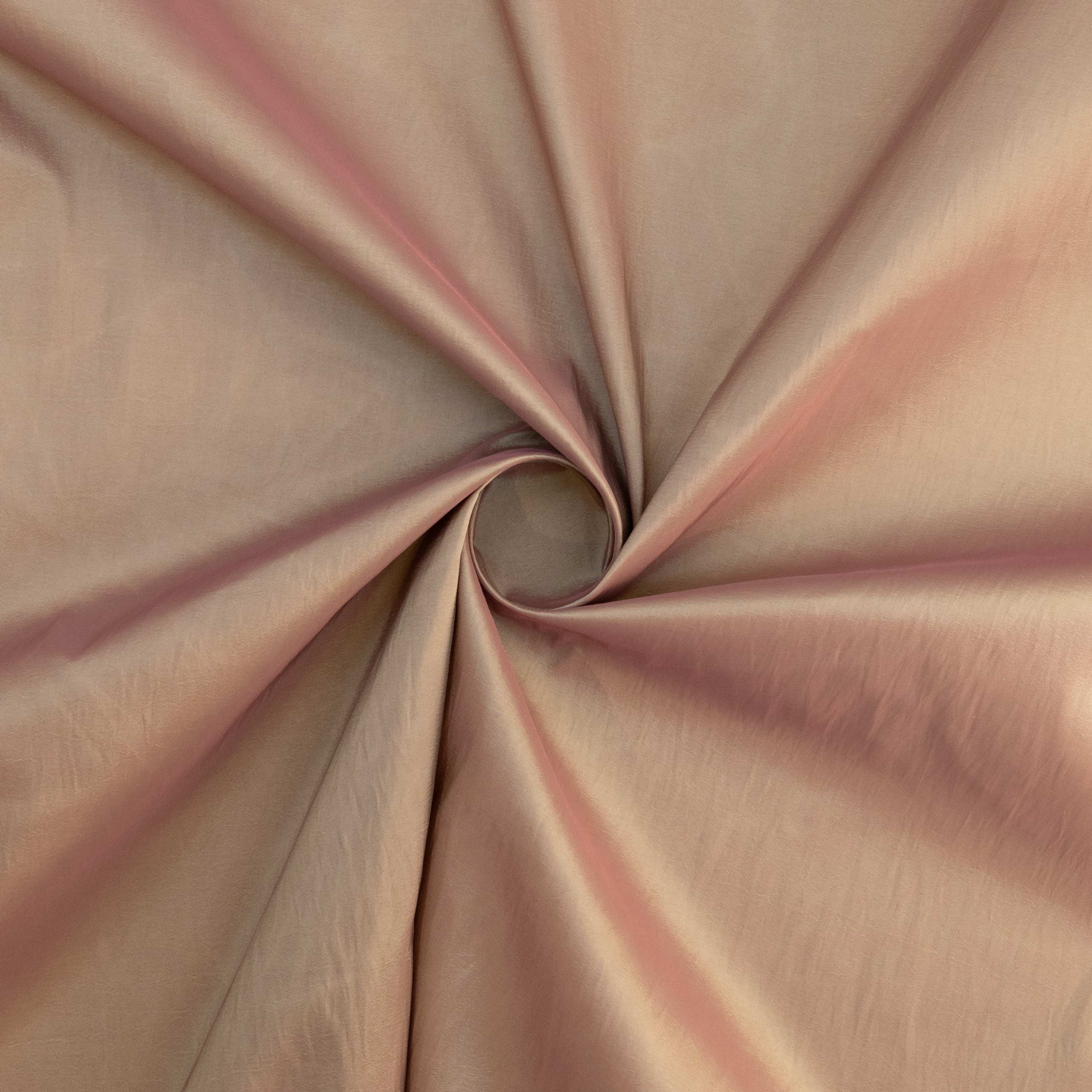
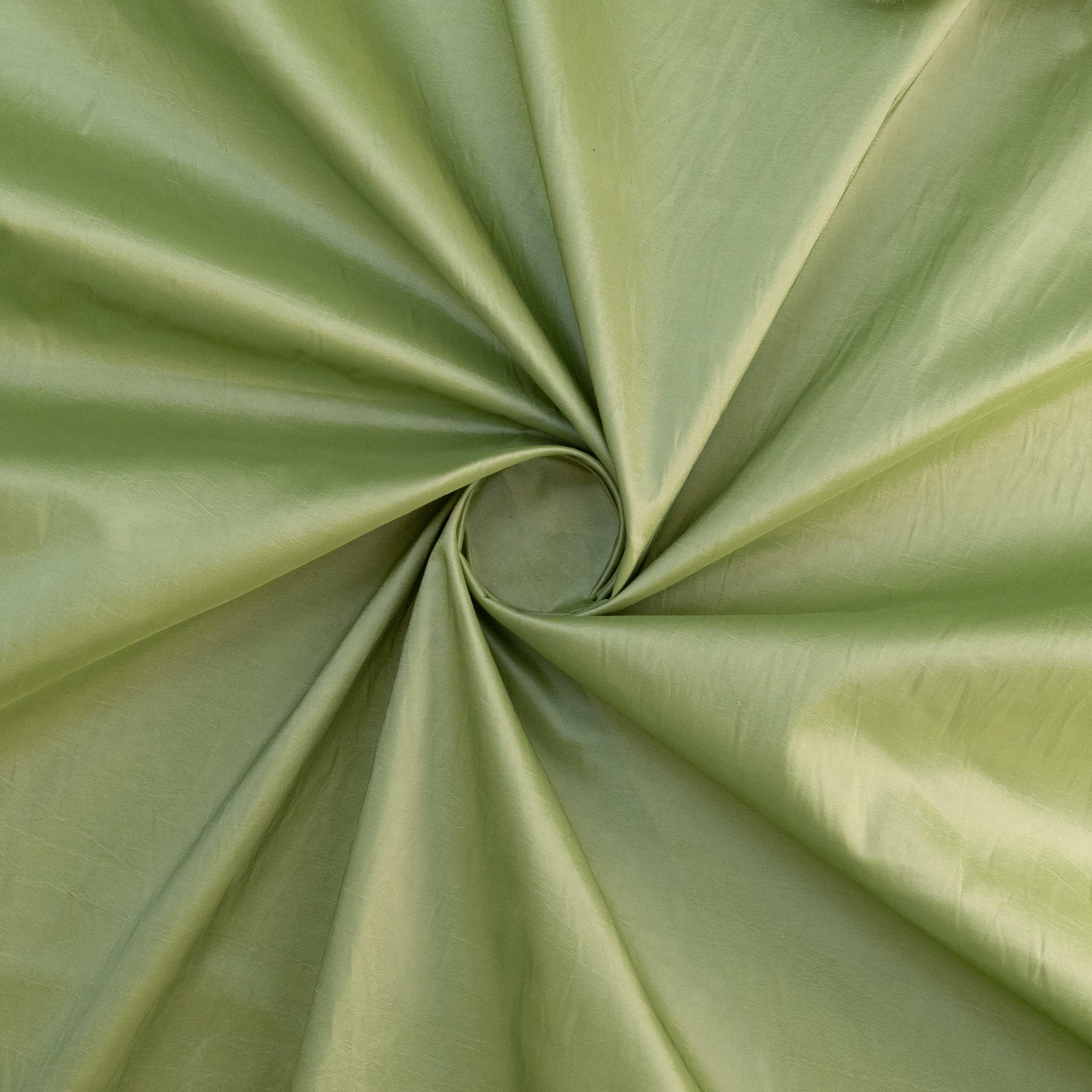
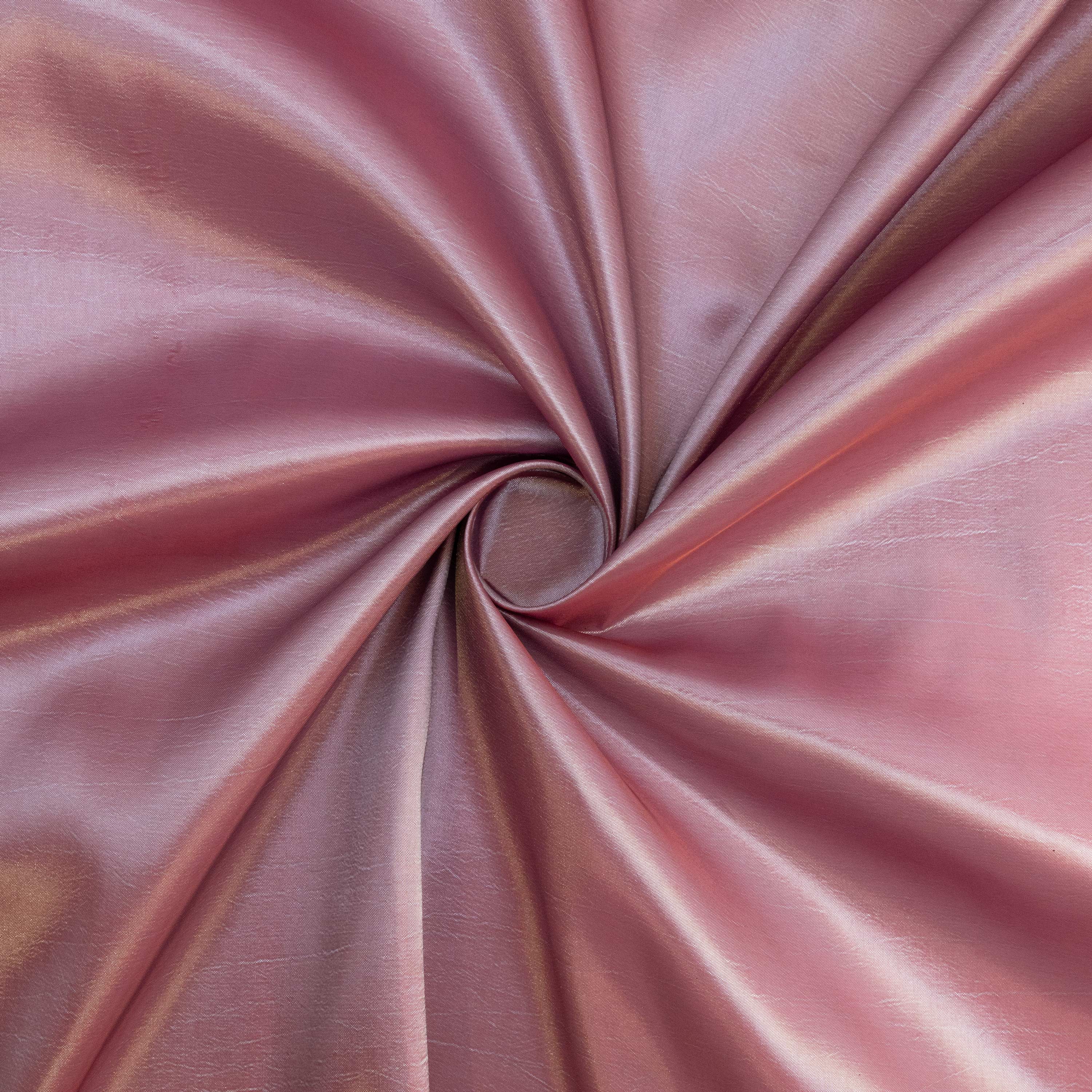
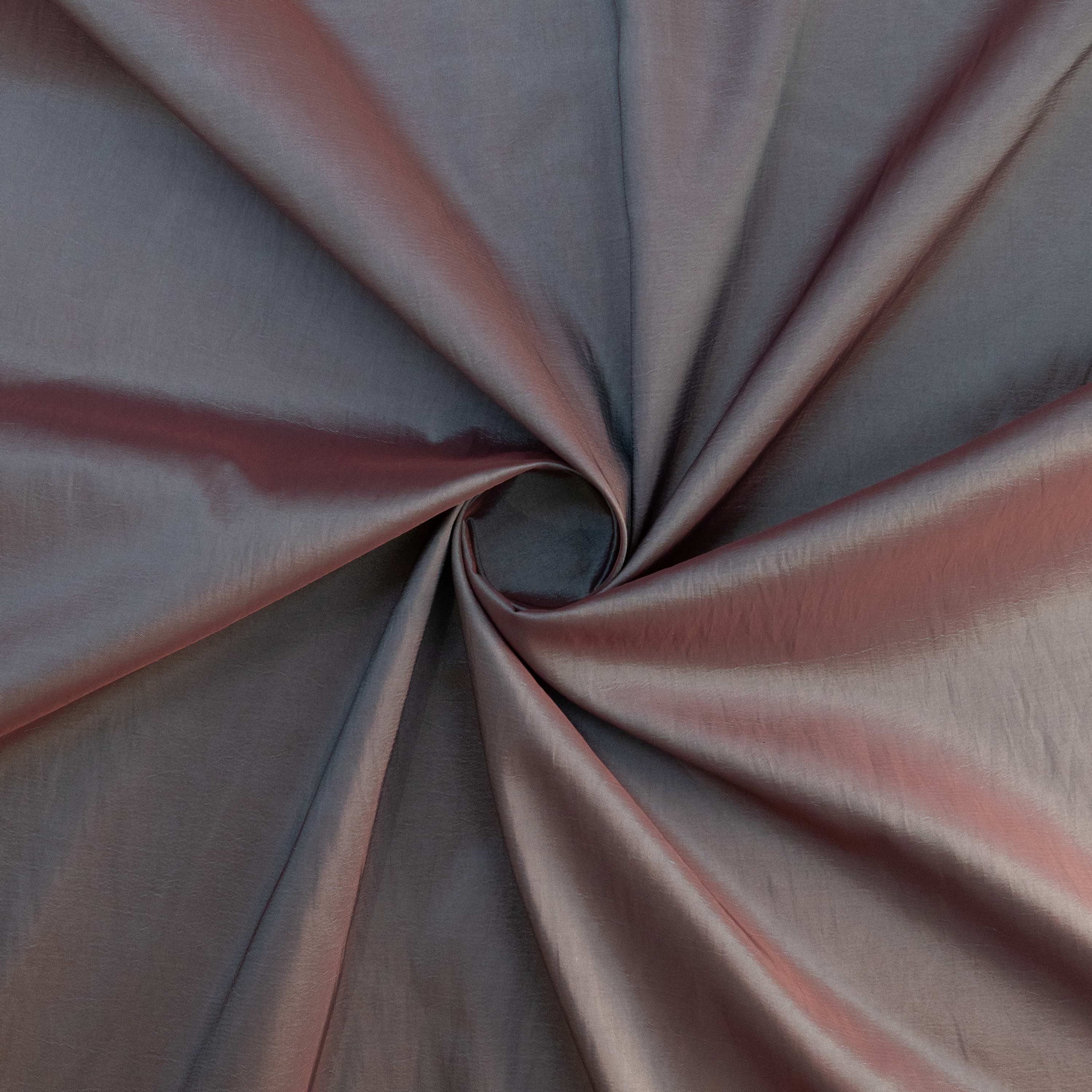
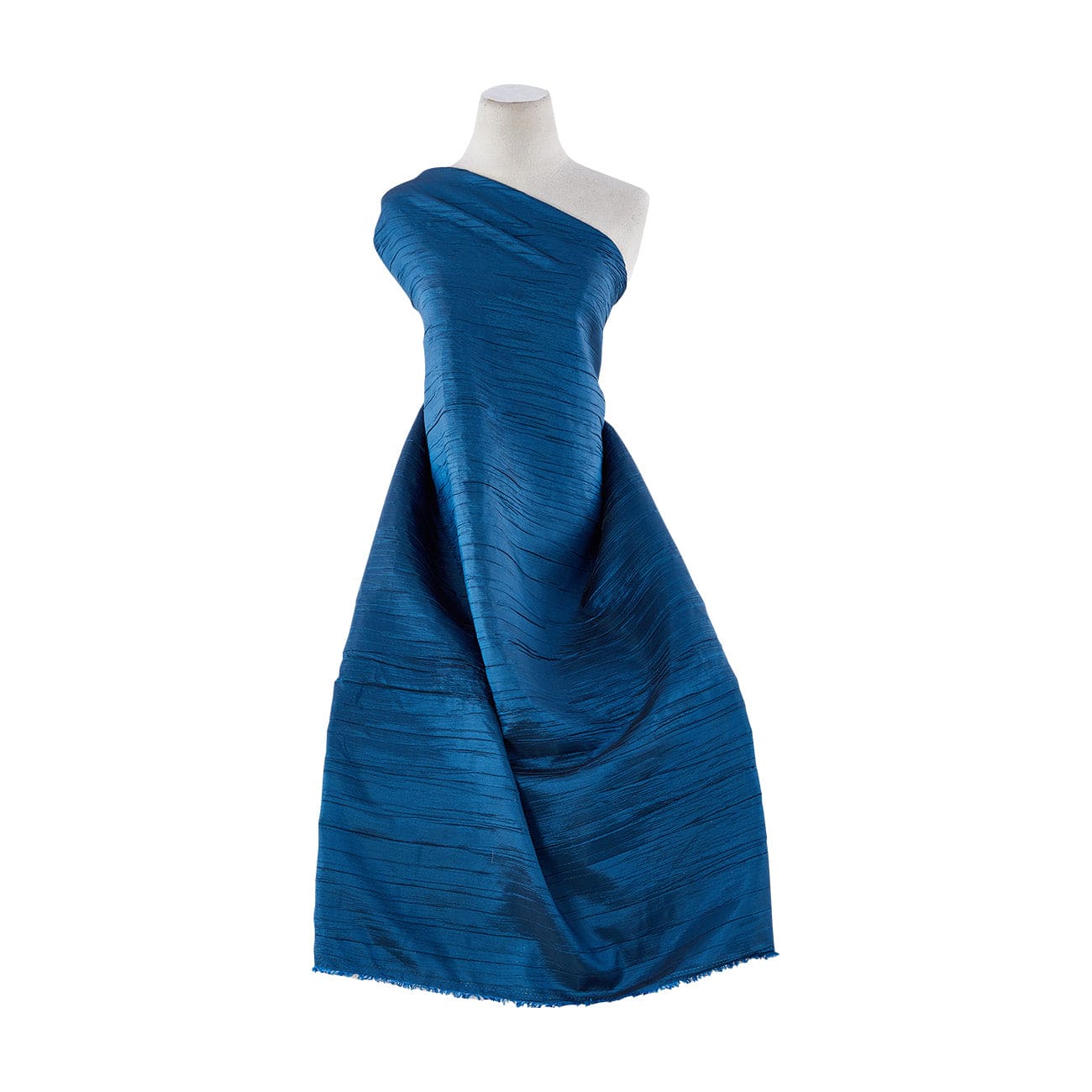
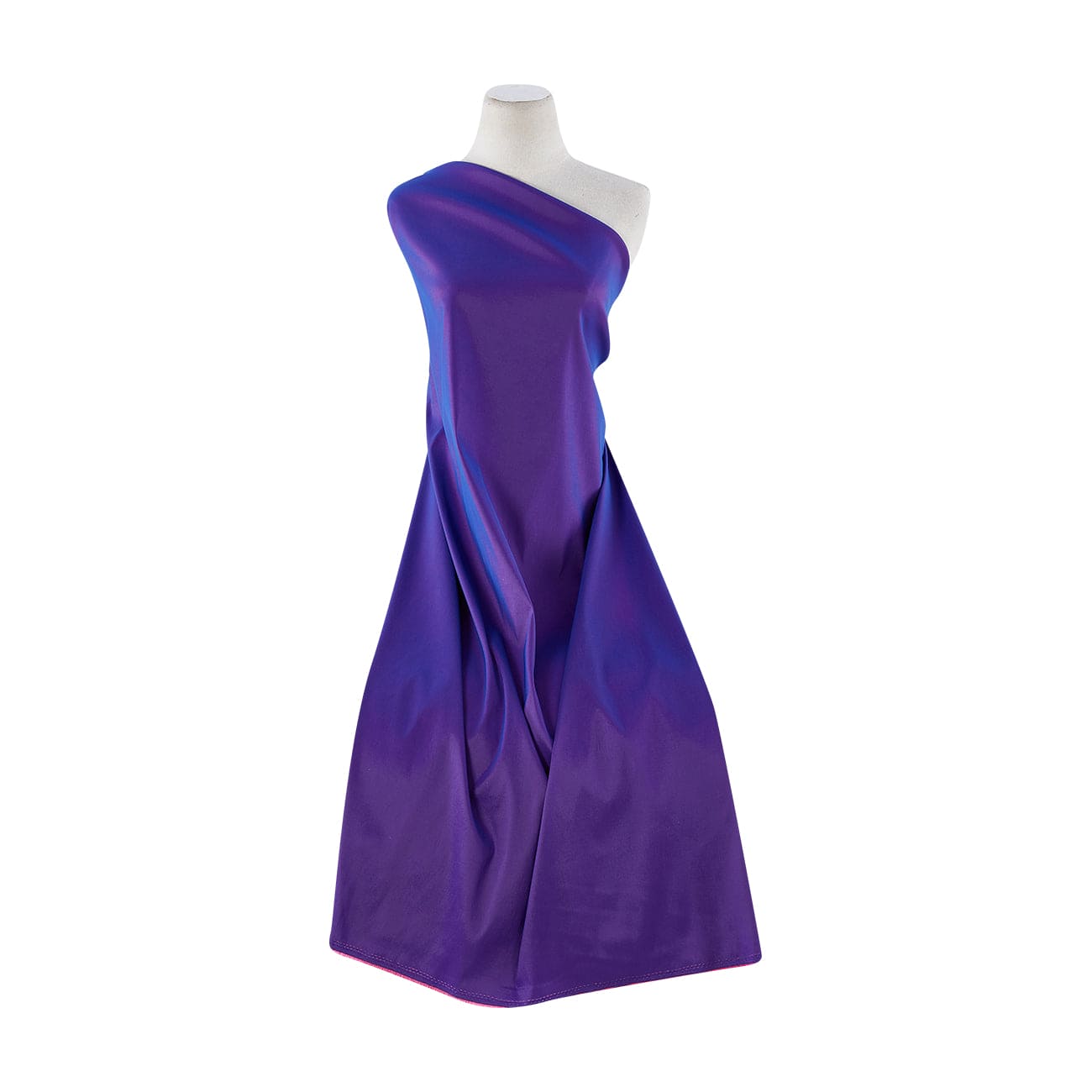
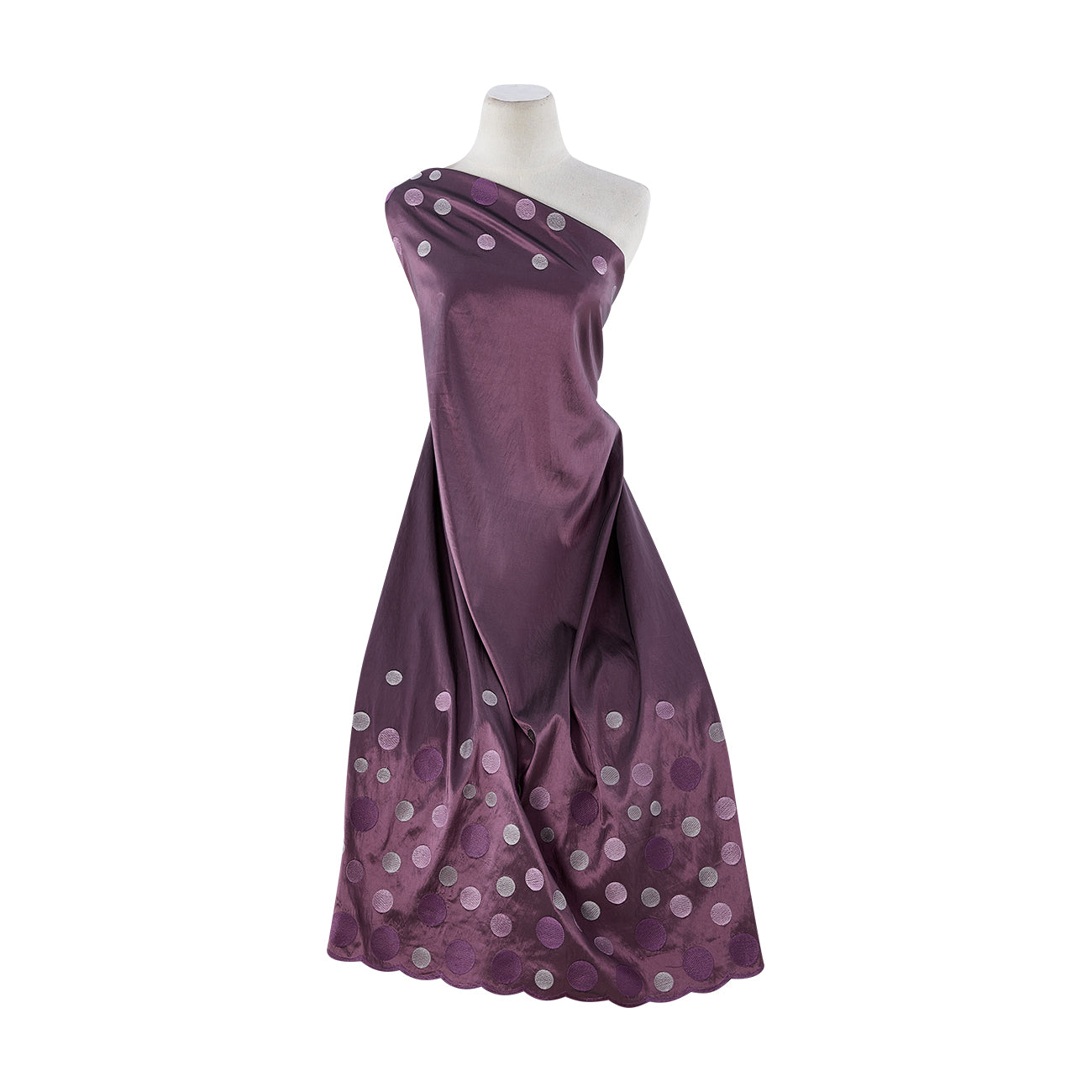
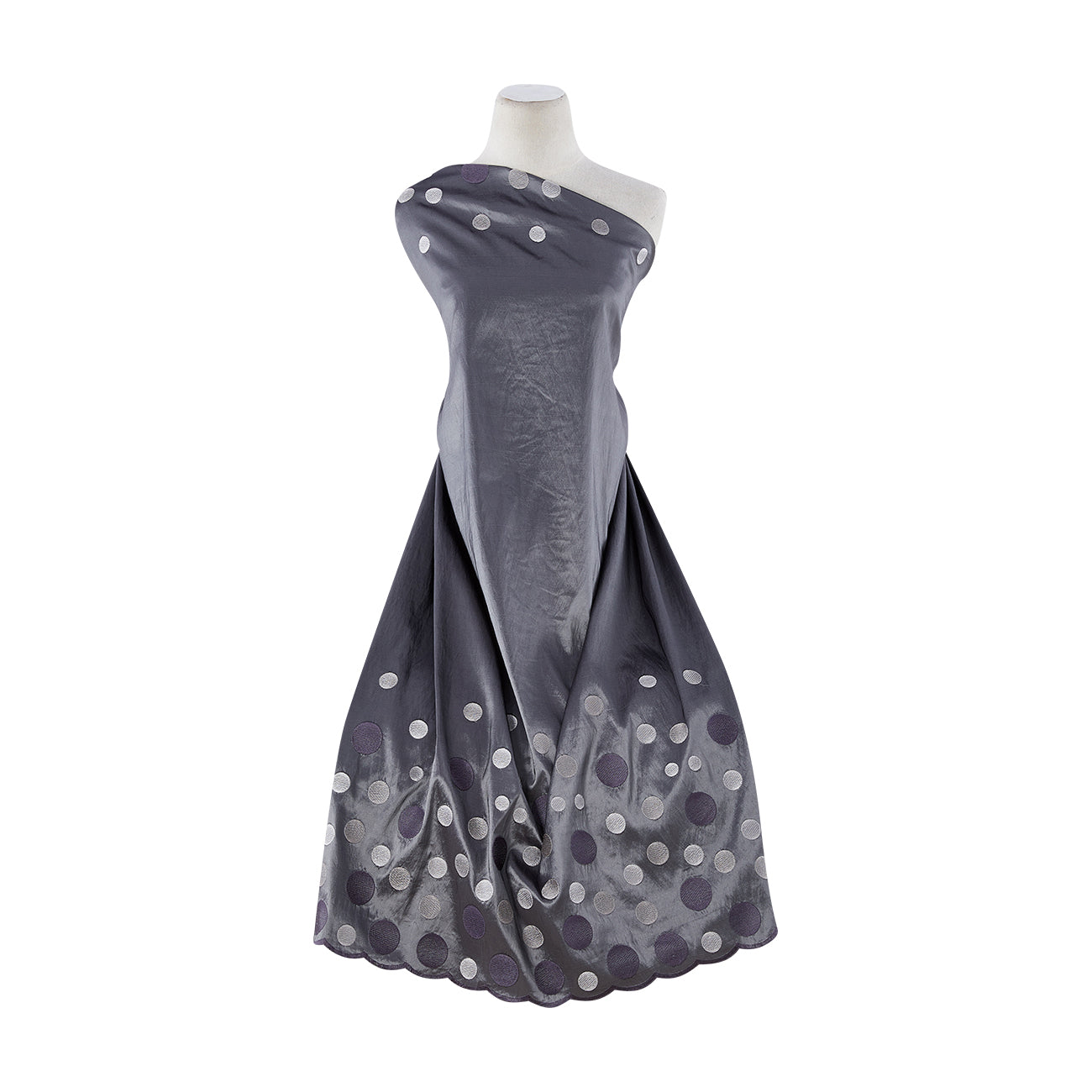
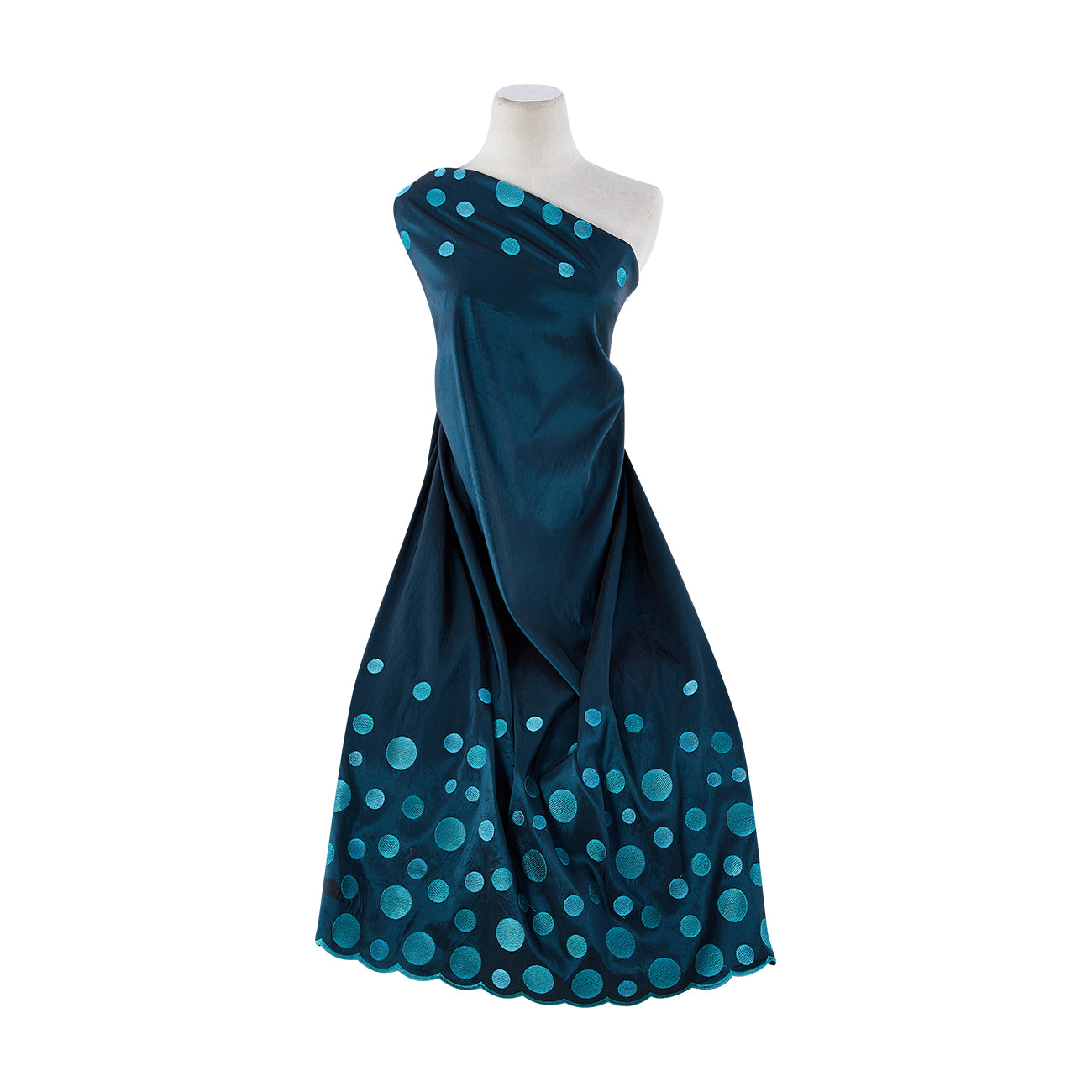
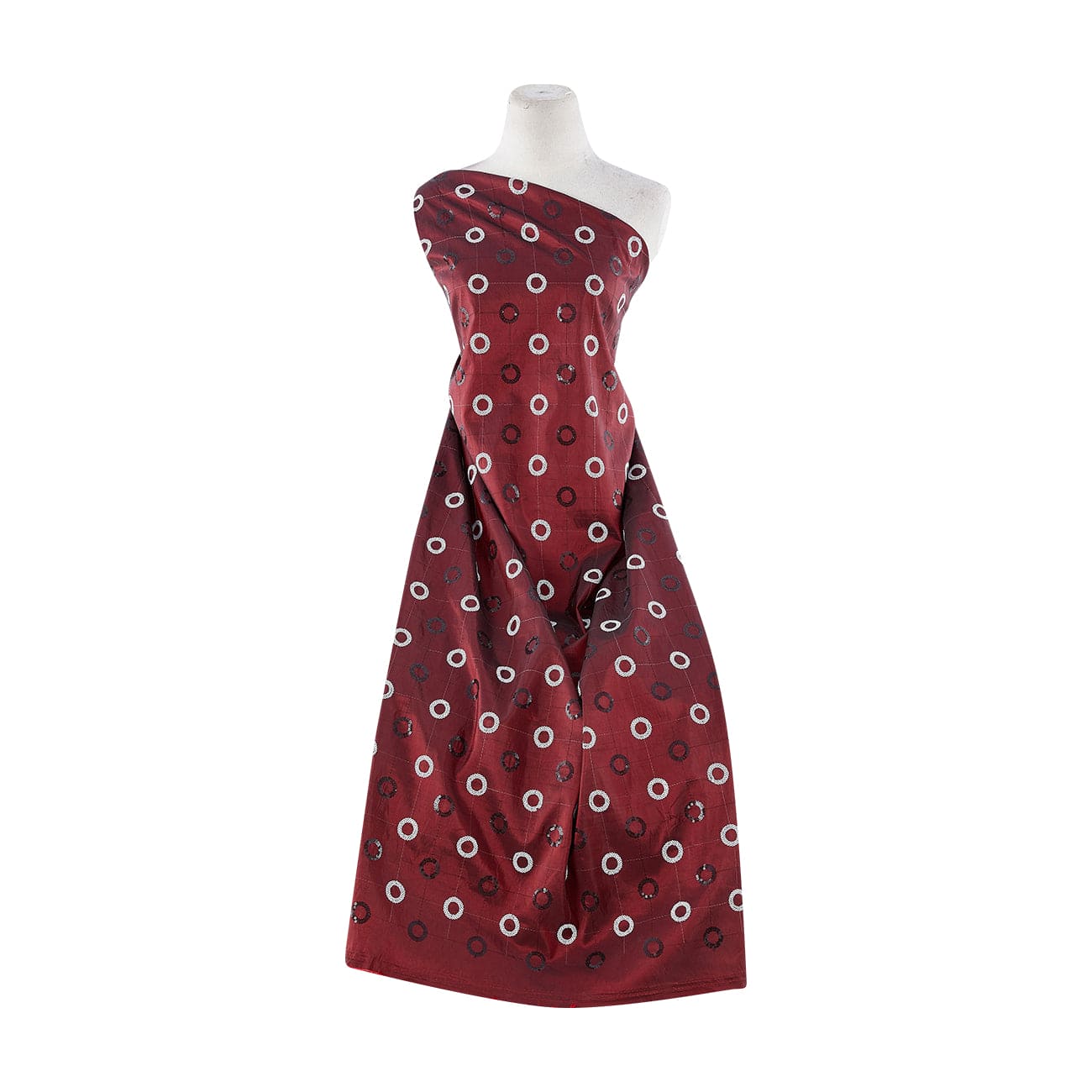
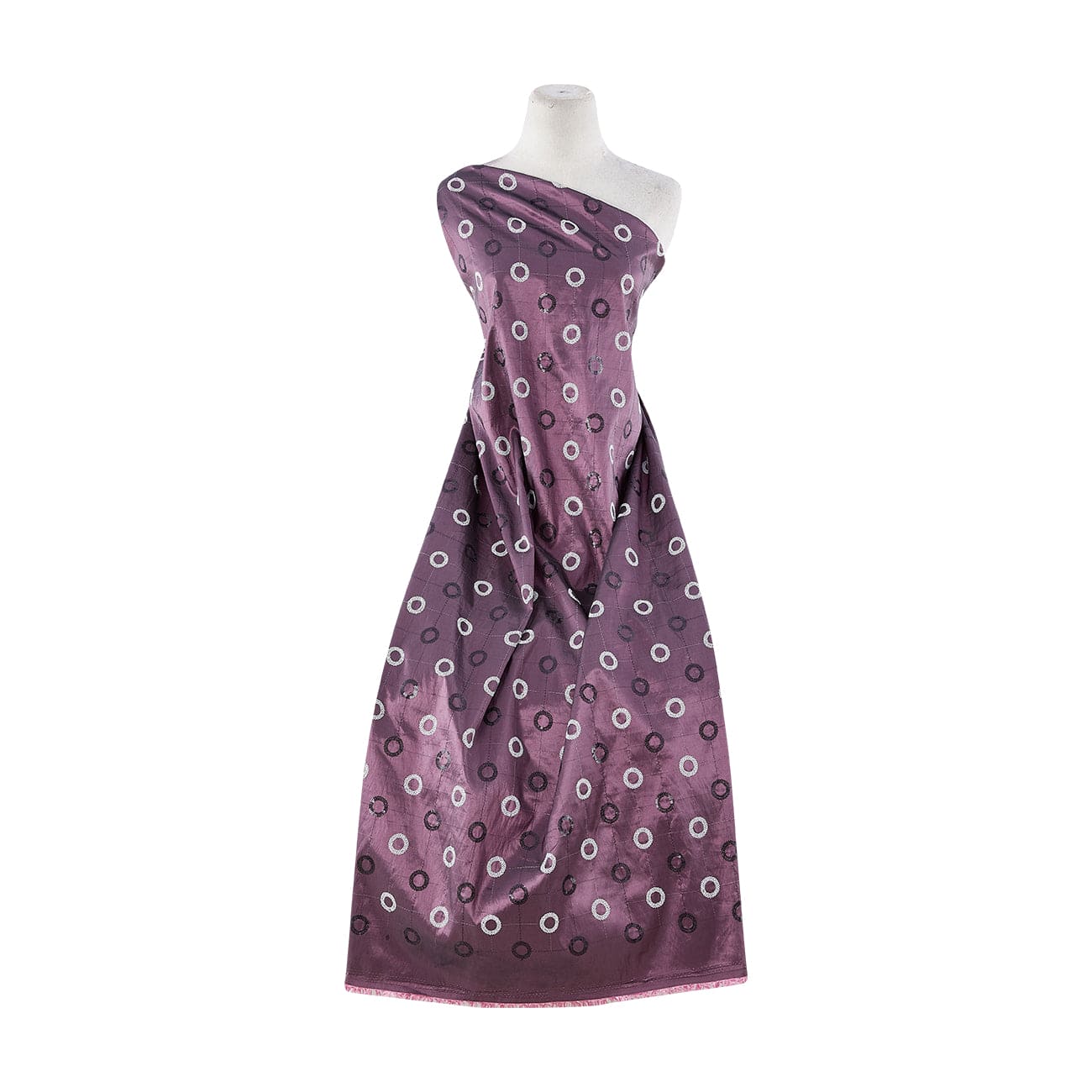
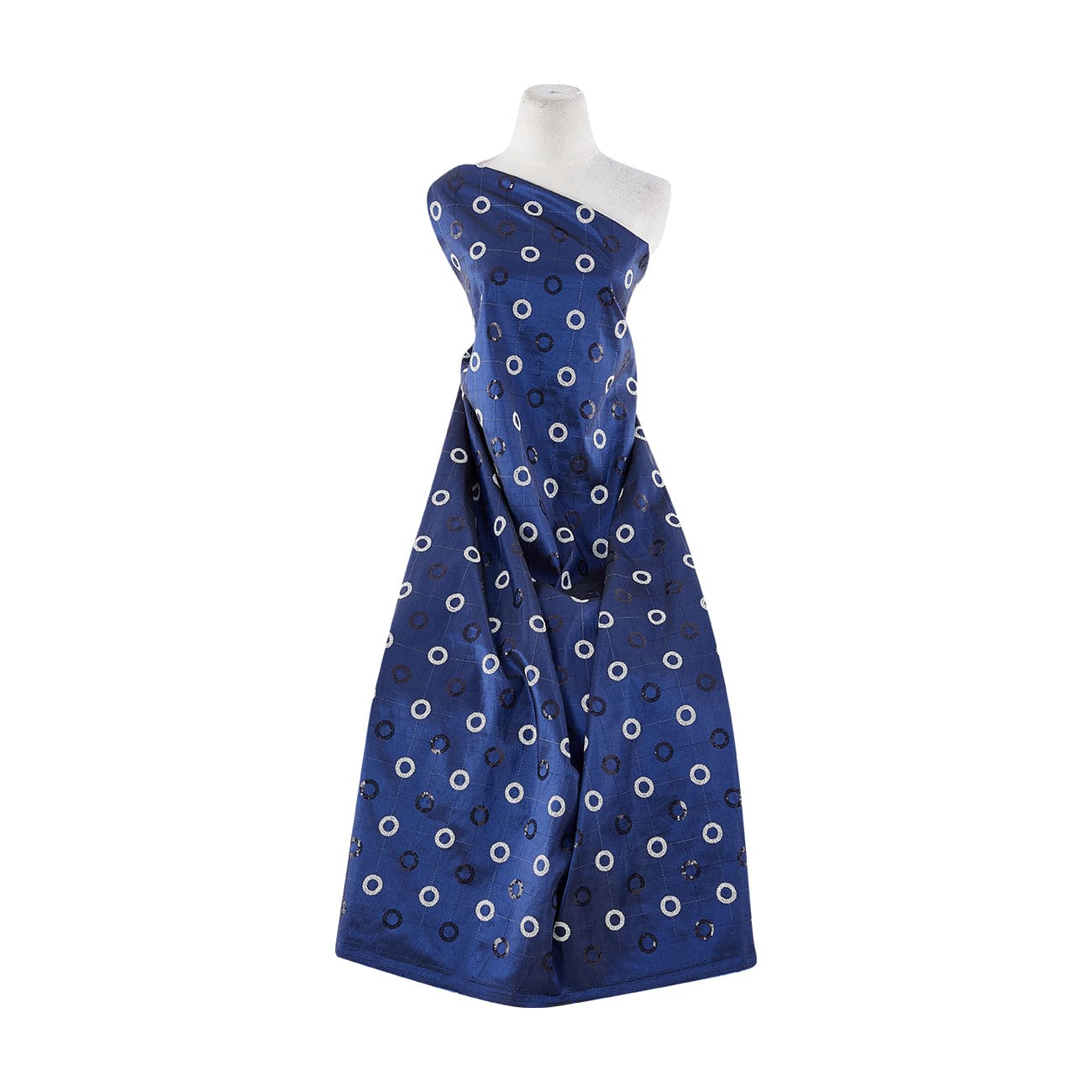
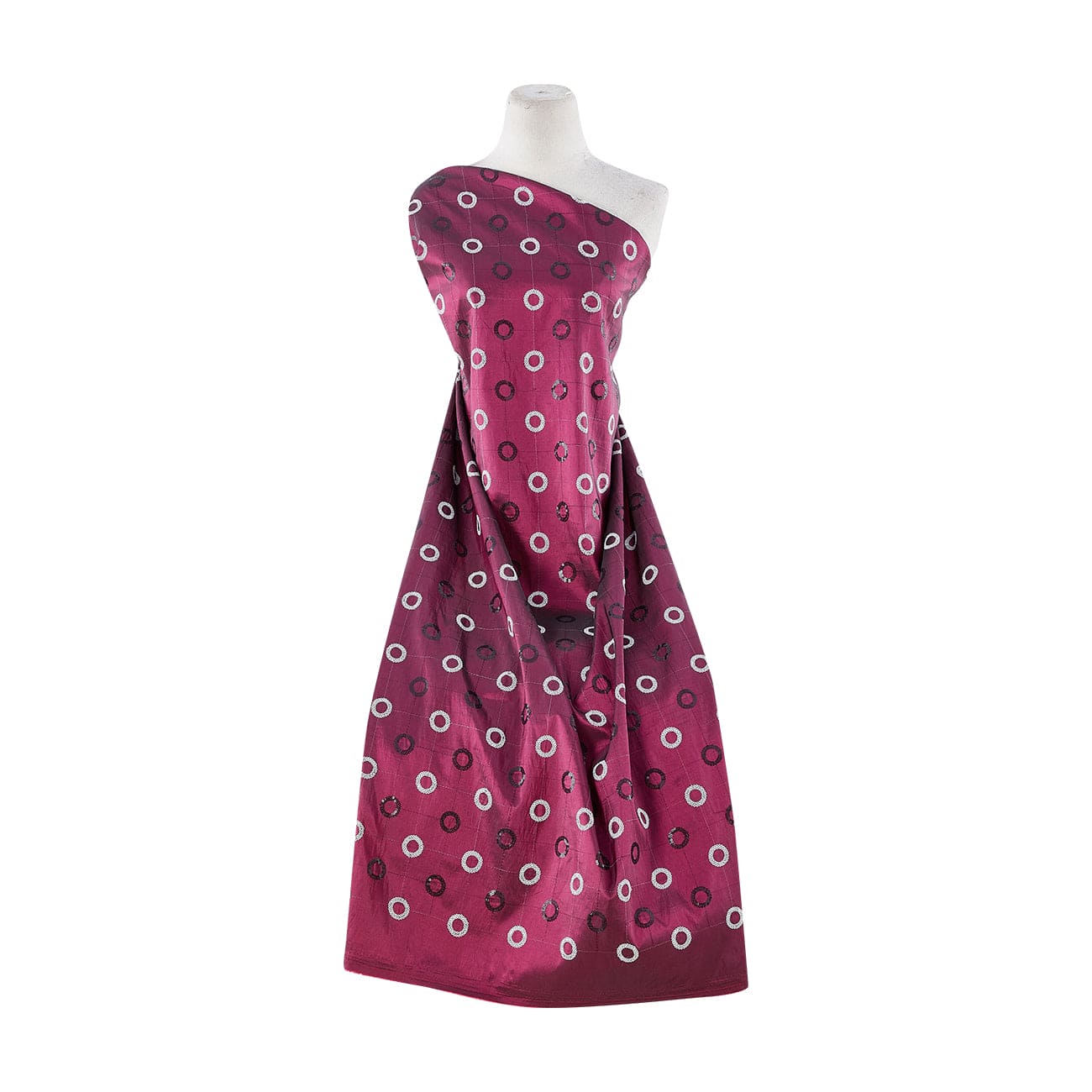
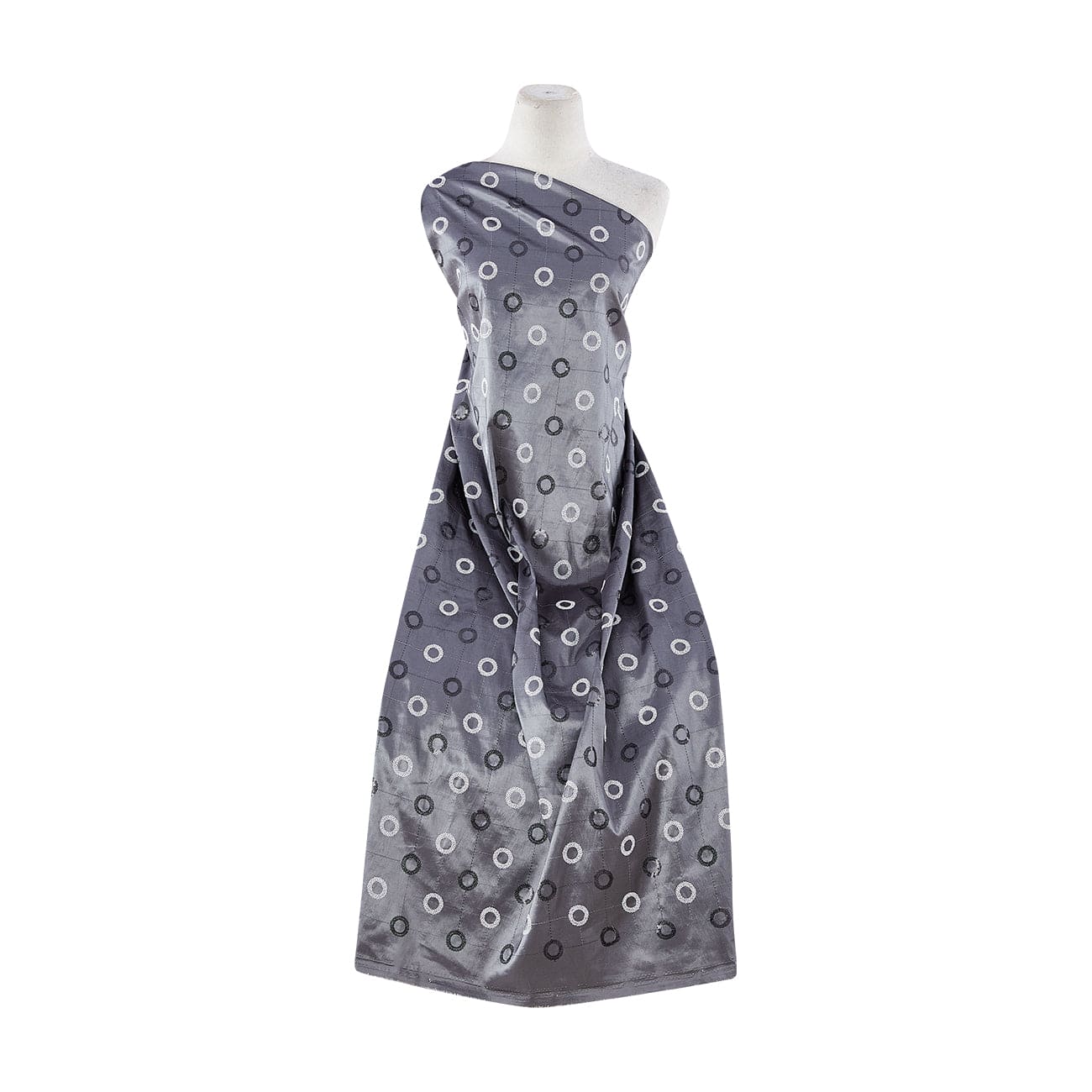
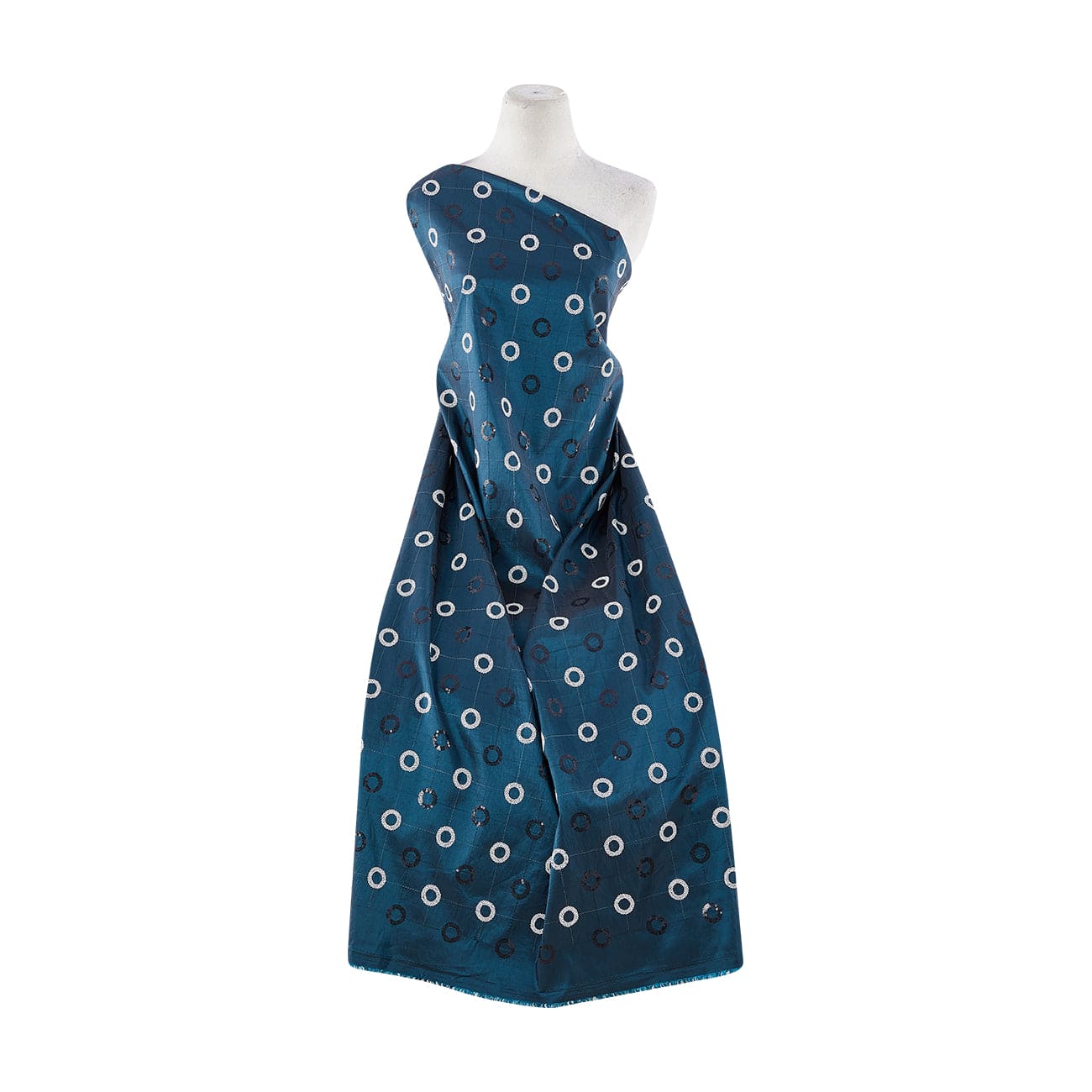
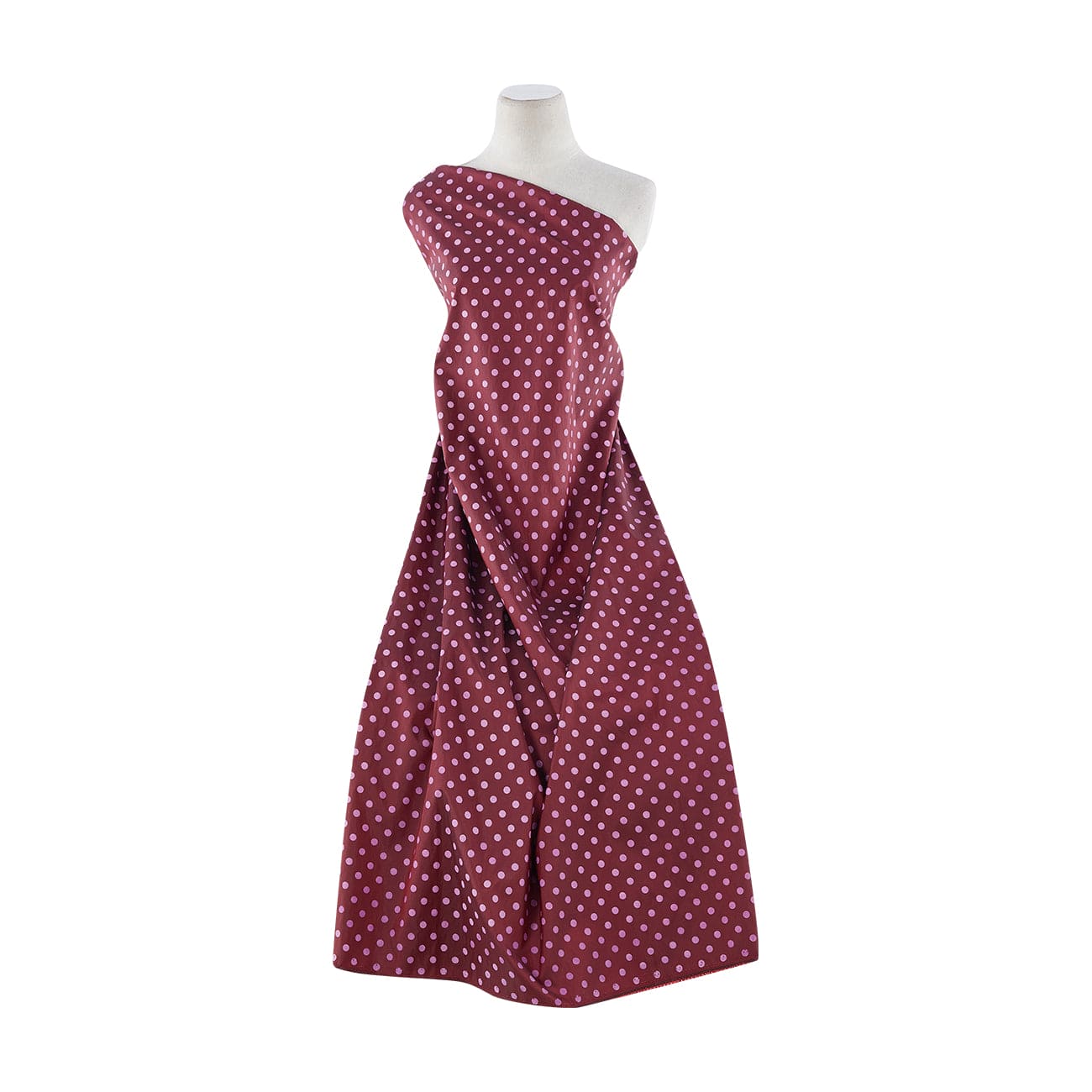
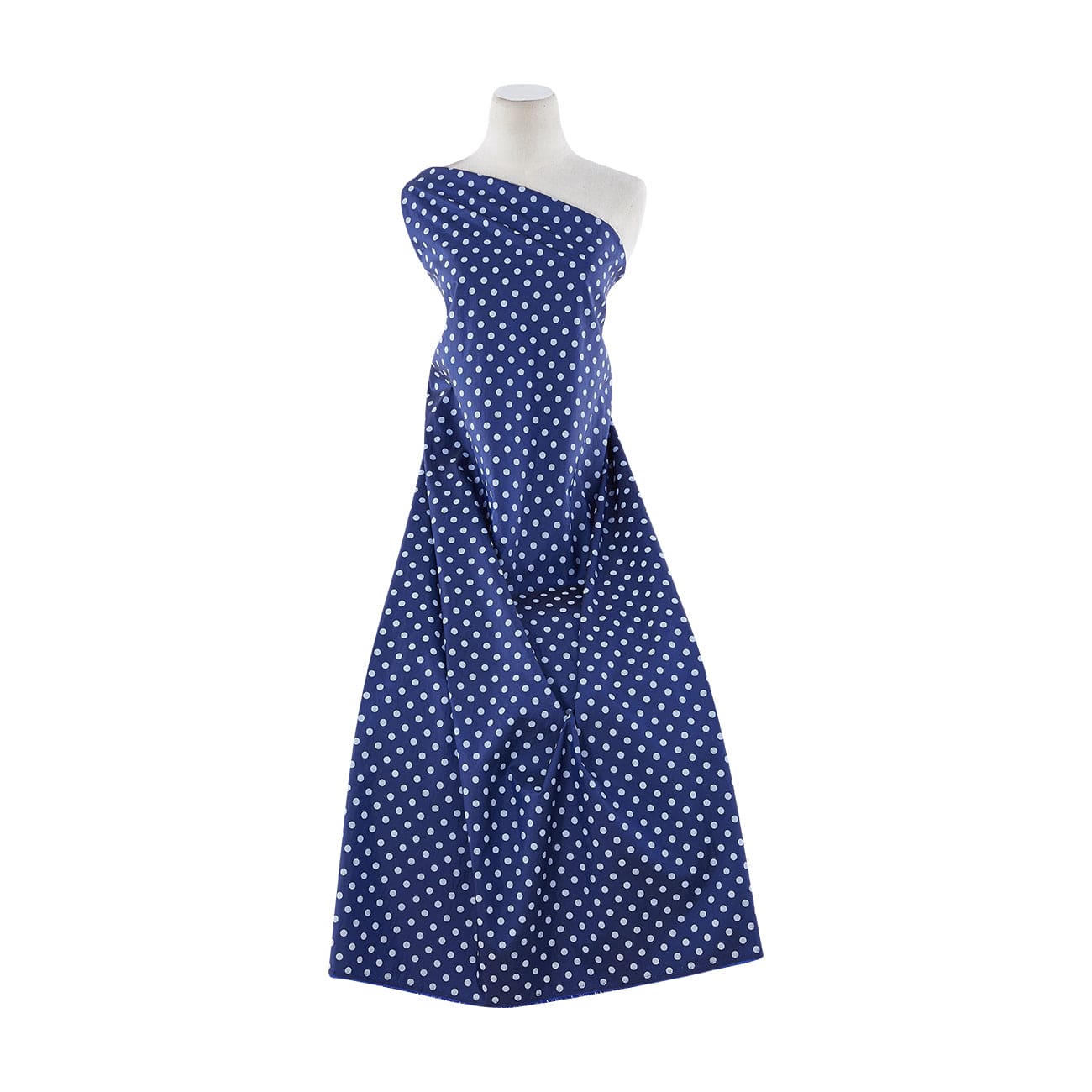
- Prom and Formalwear: Shot taffeta and yarn-dye constructions add iridescent color shift and surface interest that reads well under event lighting. Ideal for full skirts, structured bodices, and statement sleeves.
- Linings: Lightweight taffeta at 60–80 GSM is a standard lining choice for structured jackets, coats, and tailored skirts. It adds a smooth slip layer, reduces friction, and helps the outer fabric retain its shape through wear.
- Stage and Costume Work: Taffeta’s ability to hold volume and reflect stage lighting makes it a practical choice for theatrical costumes, historical reproductions, and dance performance pieces where silhouette reads from a distance.
- Home Décor: Taffeta works well as drapery and decorative pillow fabric, where its sheen and body add visual structure without the weight of heavier wovens.
Nap direction is not a concern with taffeta the way it is with pile fabrics, but grain line matters considerably. Cutting on the bias softens taffeta’s crispness and produces a more fluid drape — a deliberate technique for fitted bodices or draped skirt panels where the structured version would feel too stiff against the body.
Why Choose Taffeta
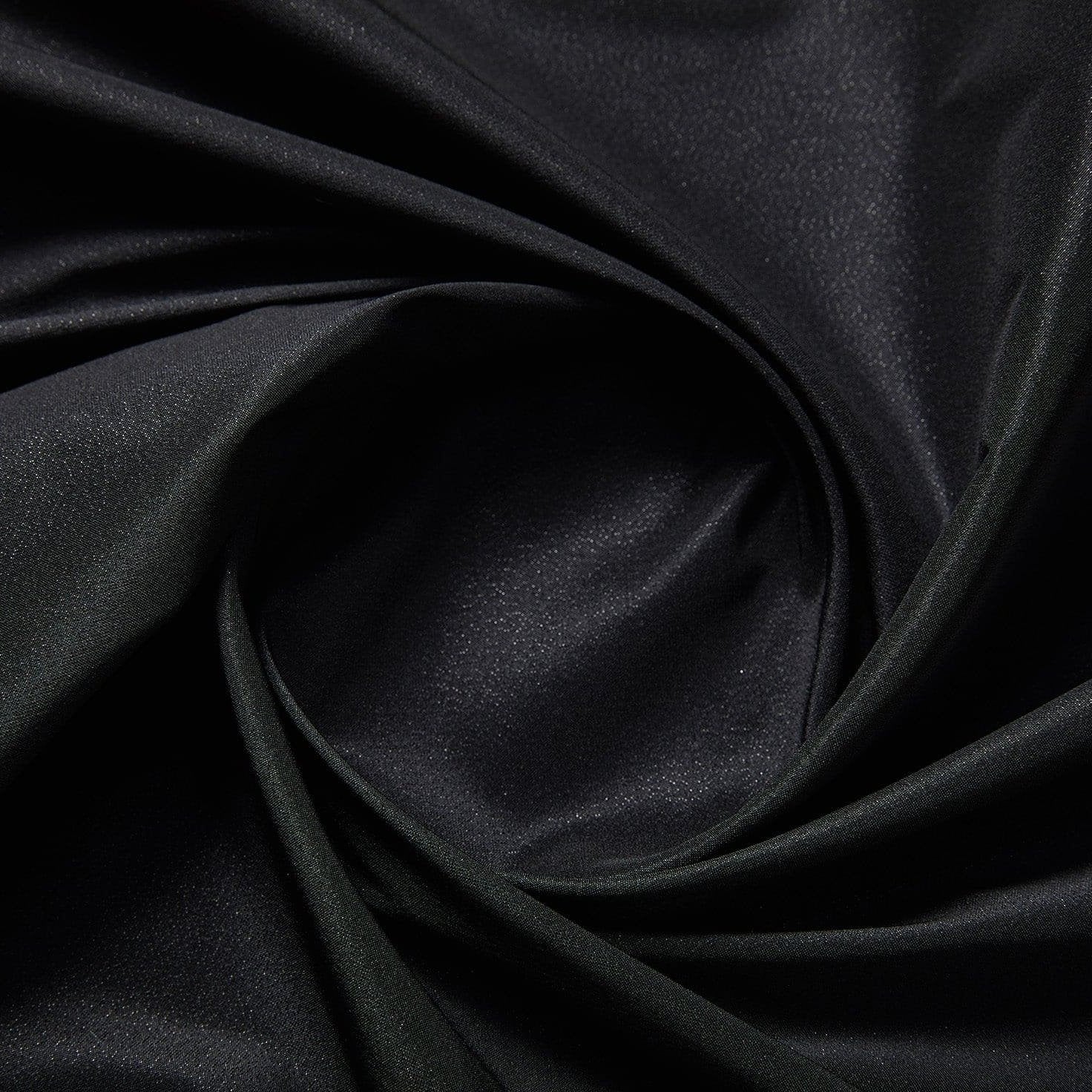
Taffeta’s plain weave is deceptively simple in structure but precise in execution. Warp and weft threads cross at equal intervals with no floating threads, producing the fabric’s smooth, even surface and dimensional stability. Unlike satin-weave fabrics, taffeta has no floating threads to snag or shift, making it more resistant to distortion under tension — a practical advantage in structured garments with fitted seaming.
The scroop — taffeta’s characteristic rustle — comes from the tight thread count and the slight friction between the interlaced yarns. In silk taffeta, the scroop is pronounced and considered a quality marker. In polyester taffeta, it is present but softer. That distinction matters when sourcing for bridal or couture work where tactile authenticity is part of the brief.
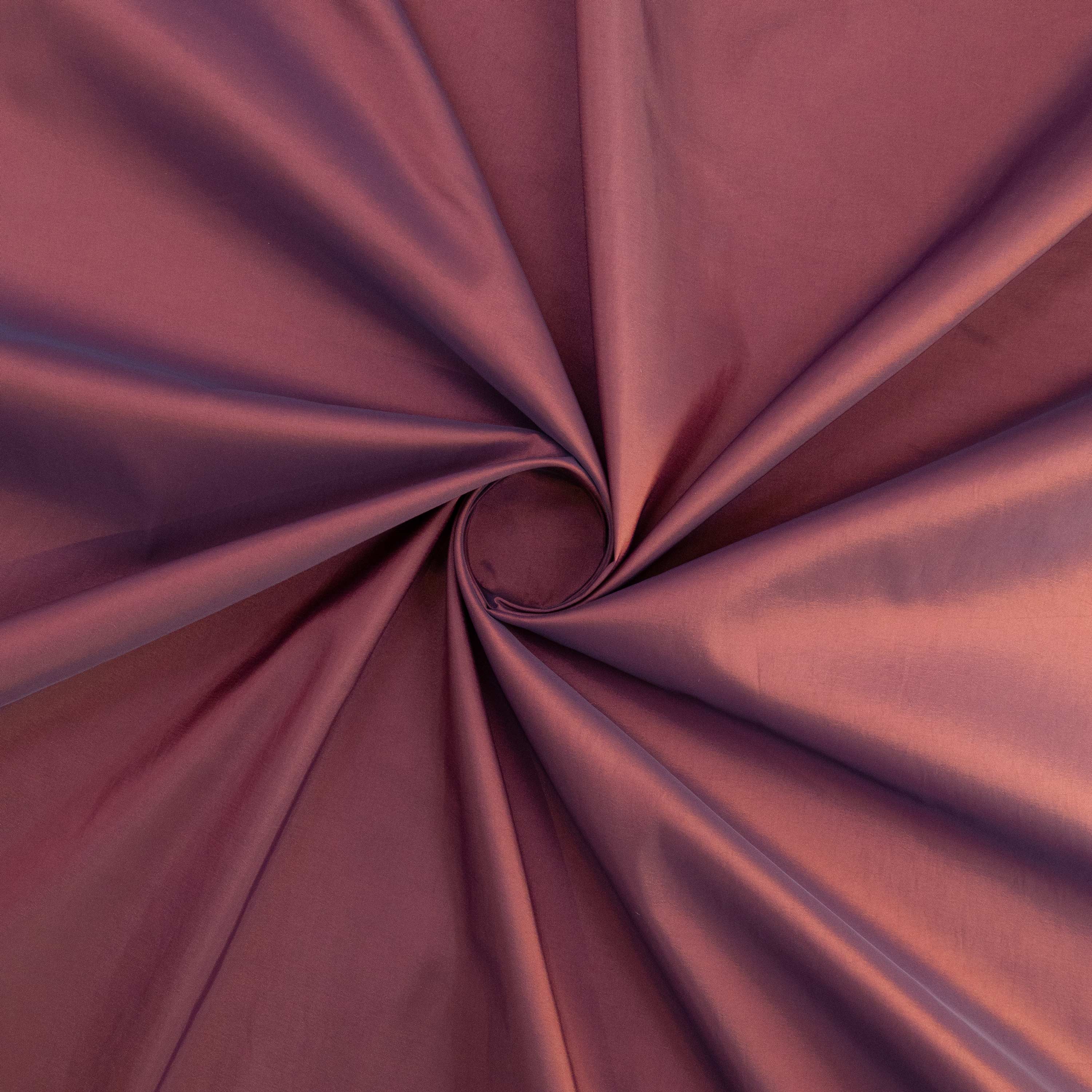
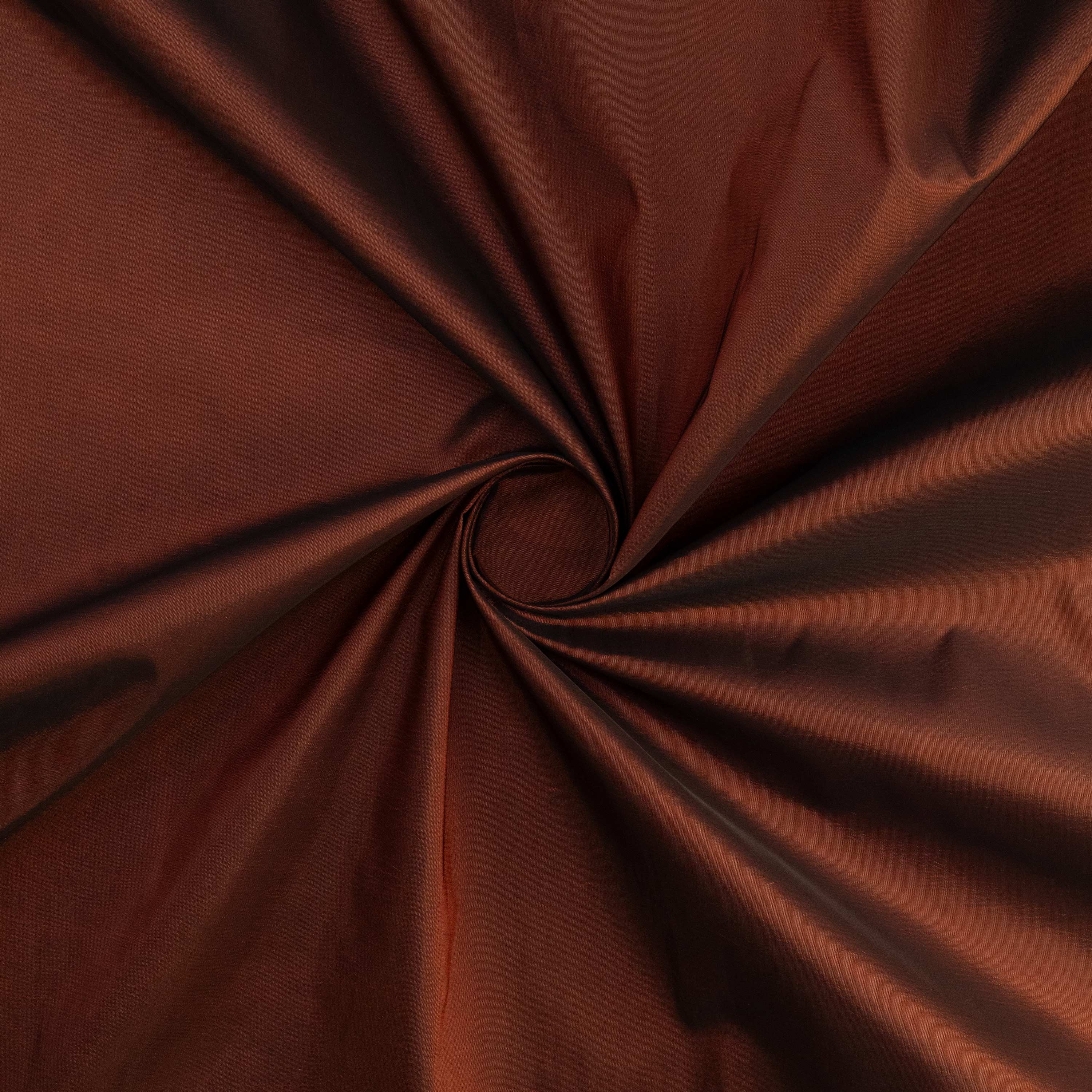
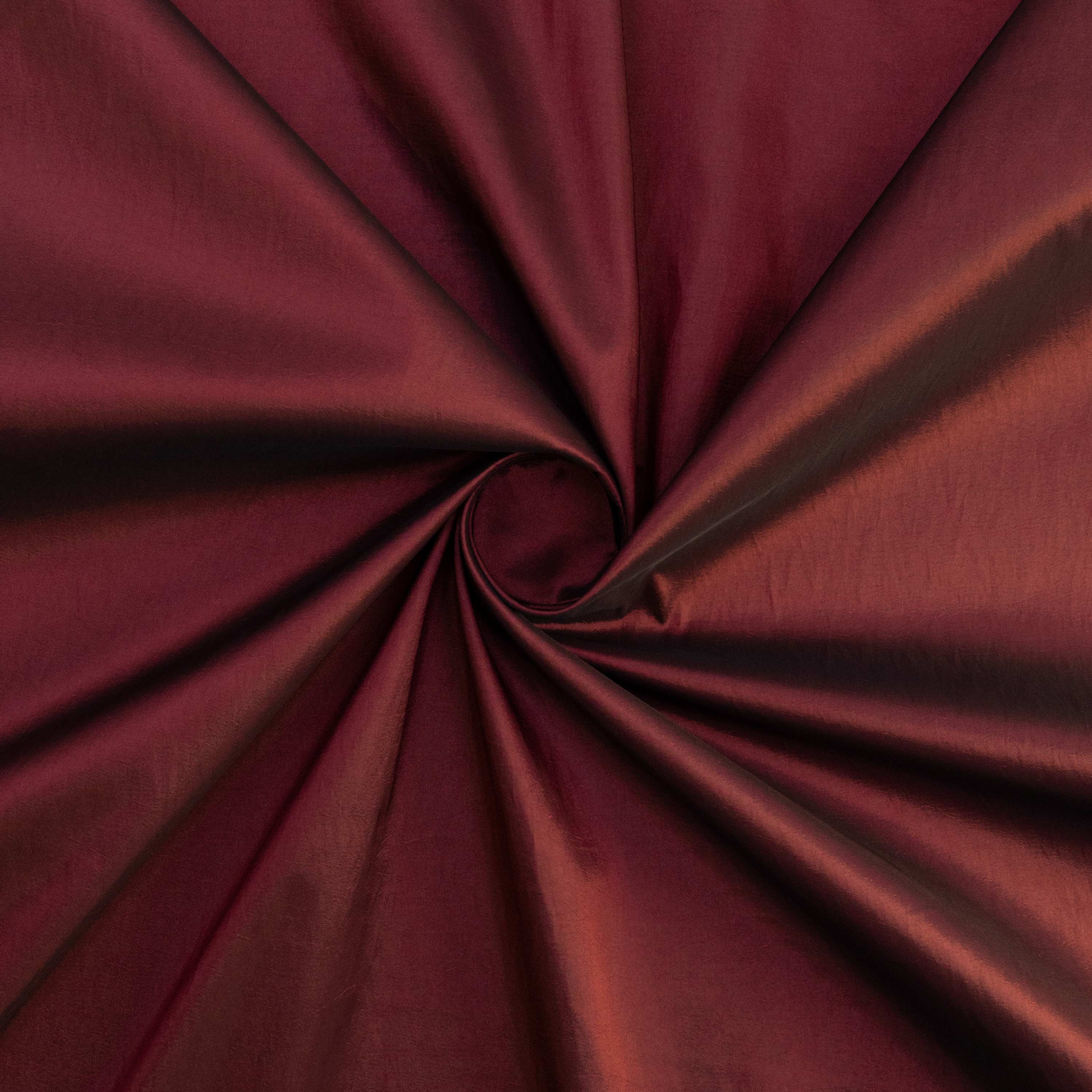
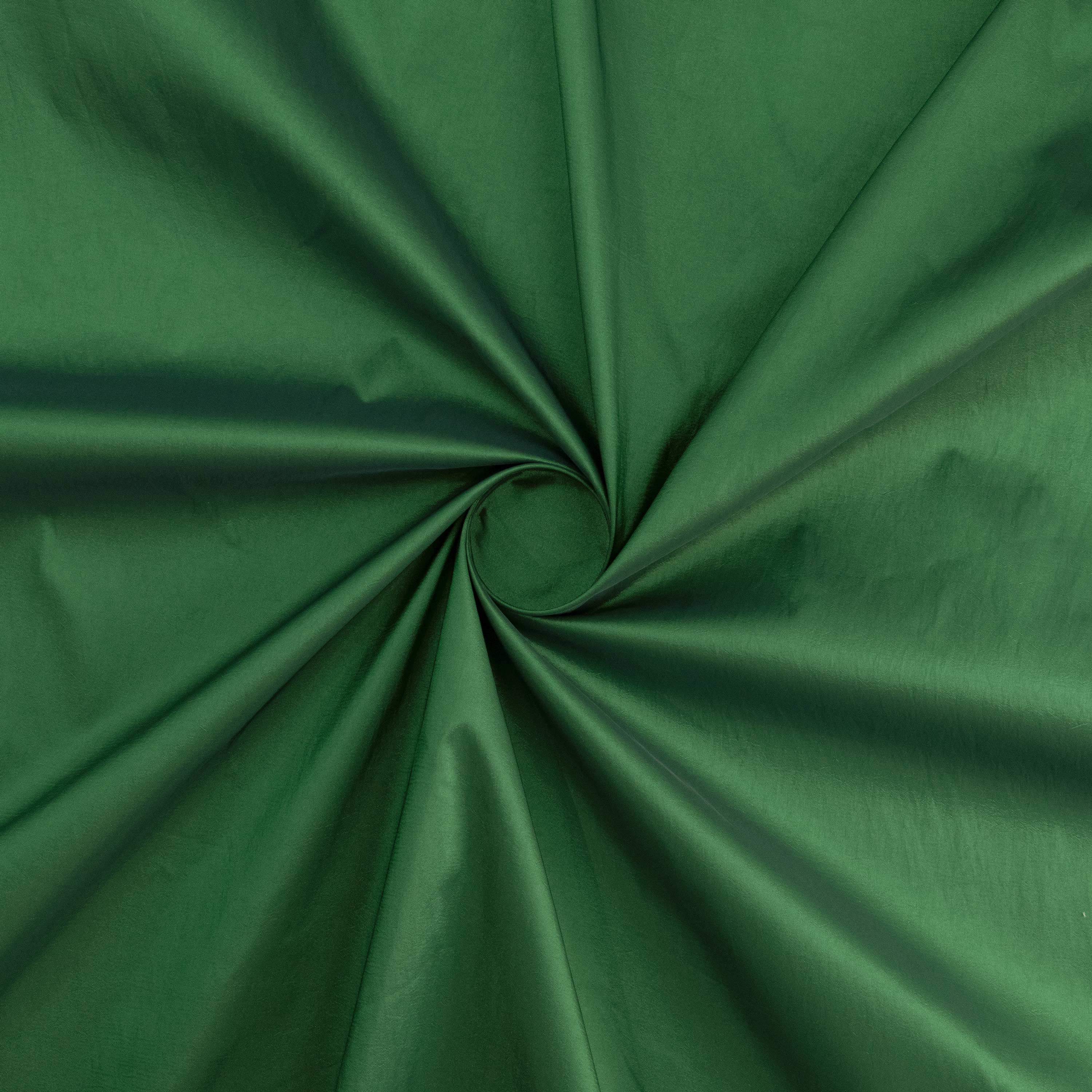
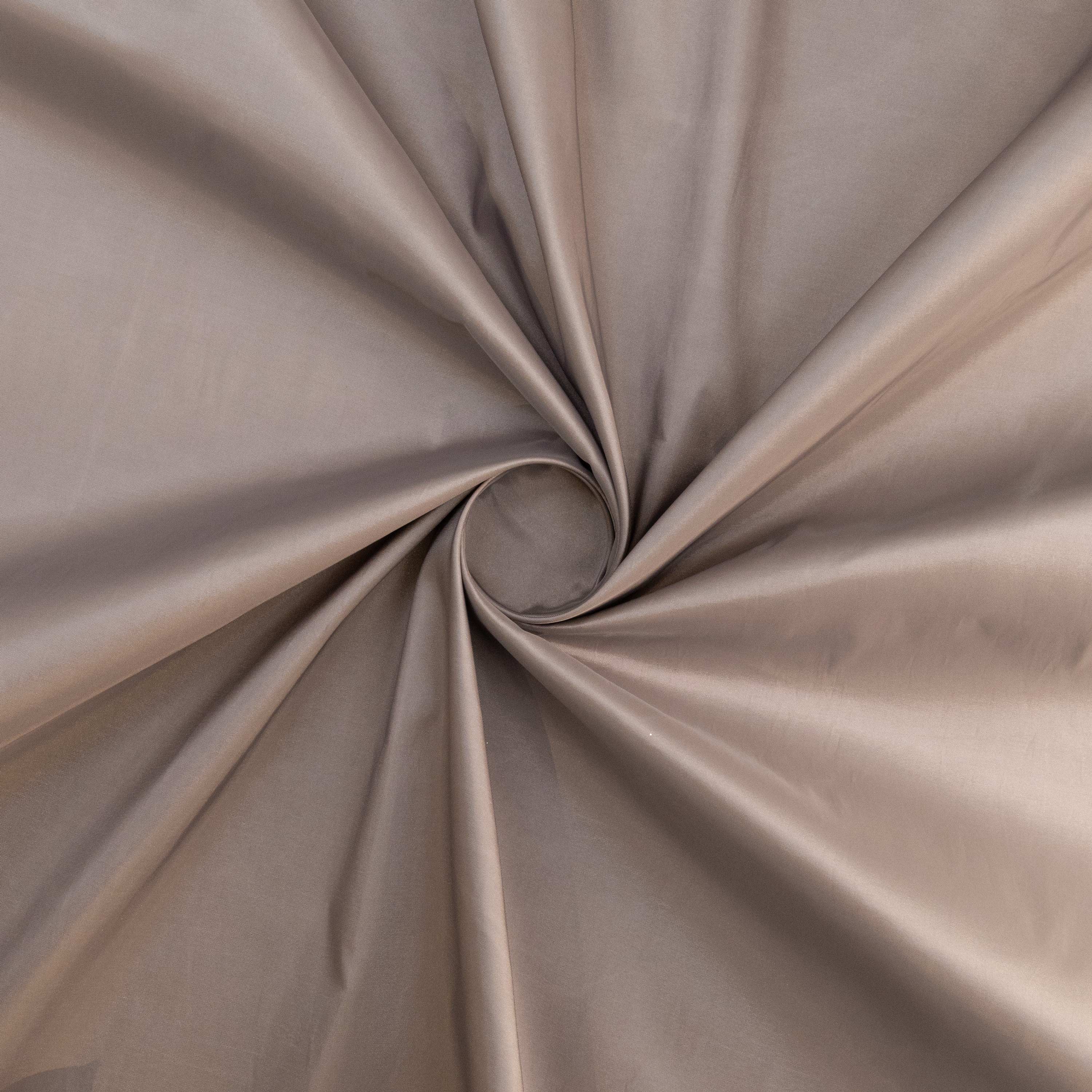
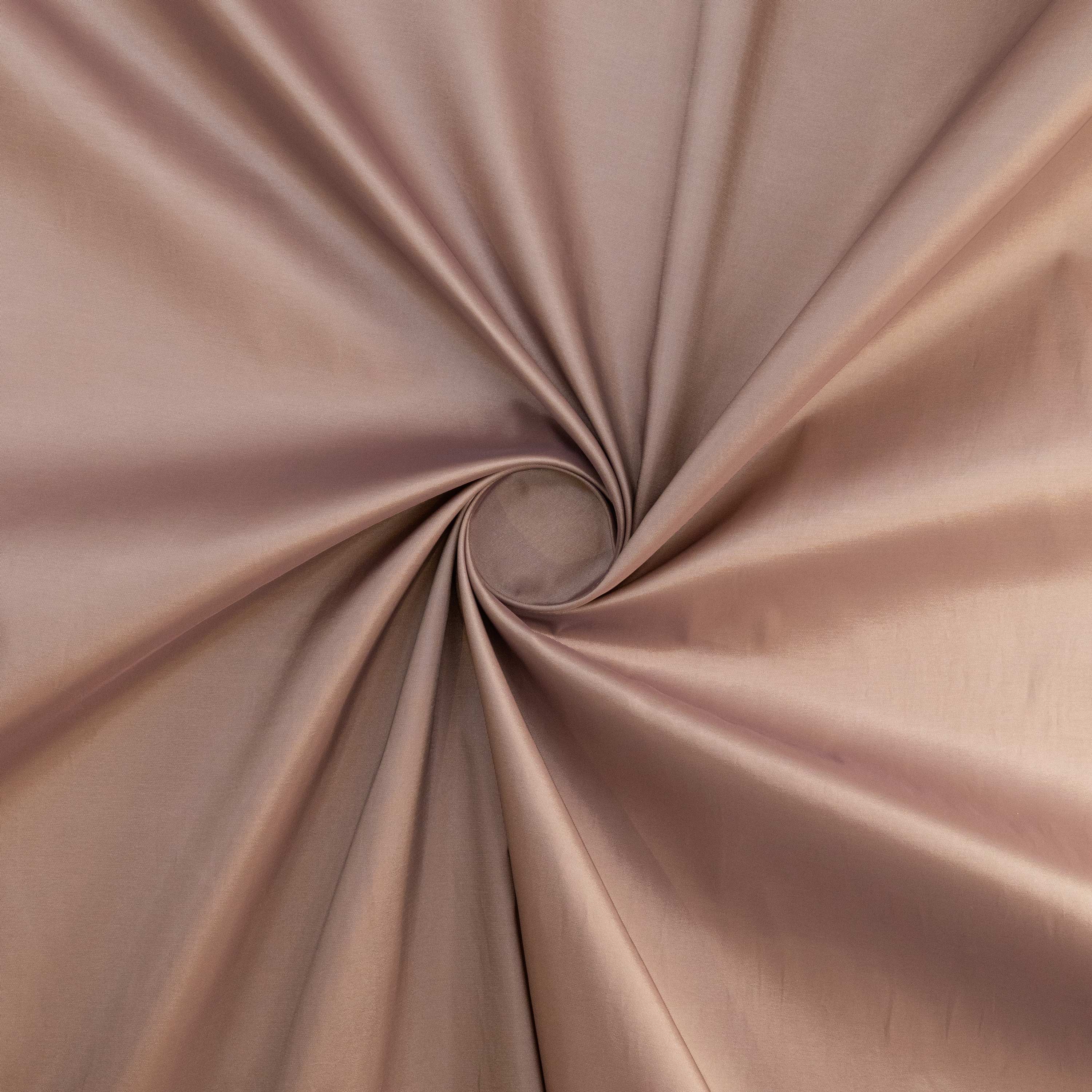
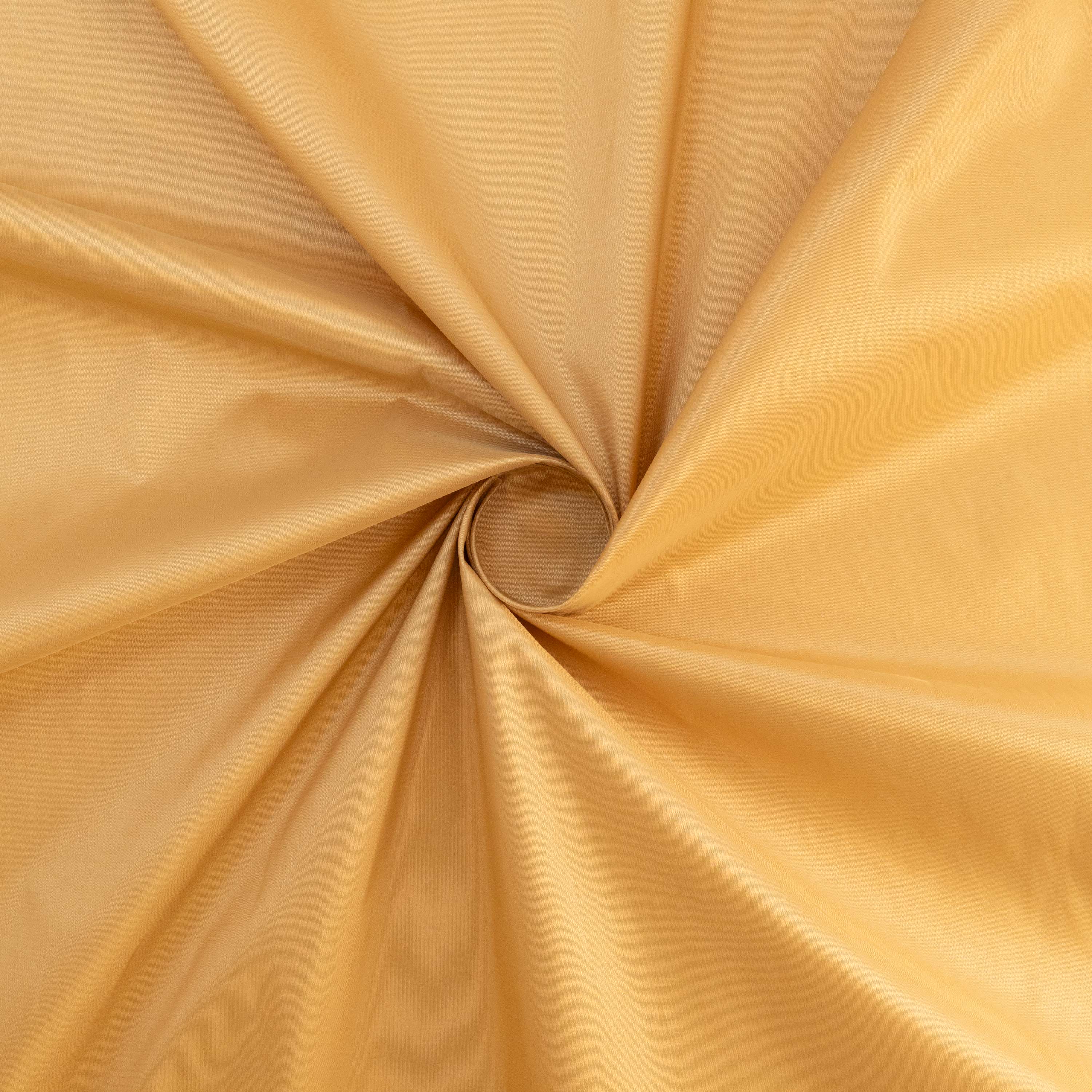
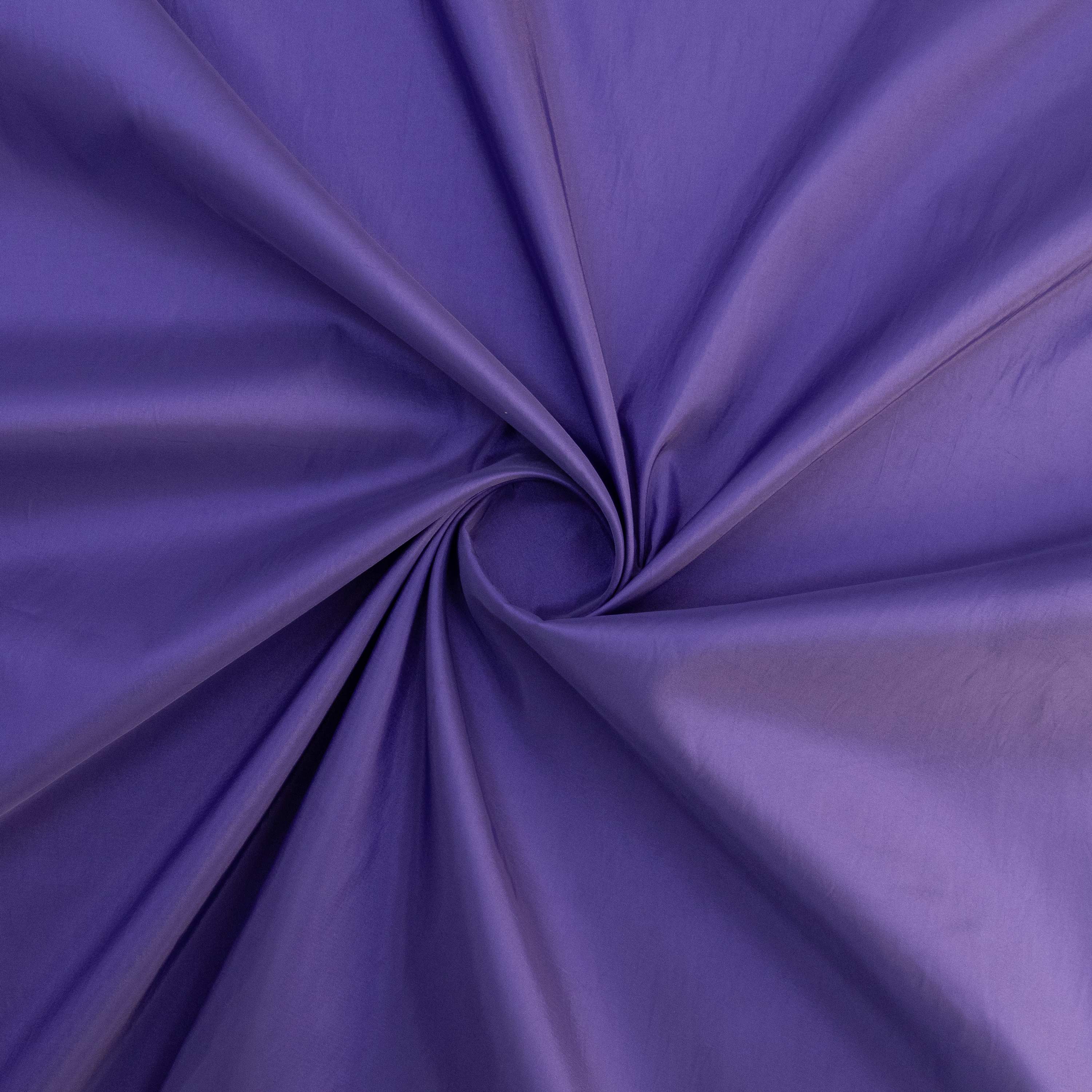
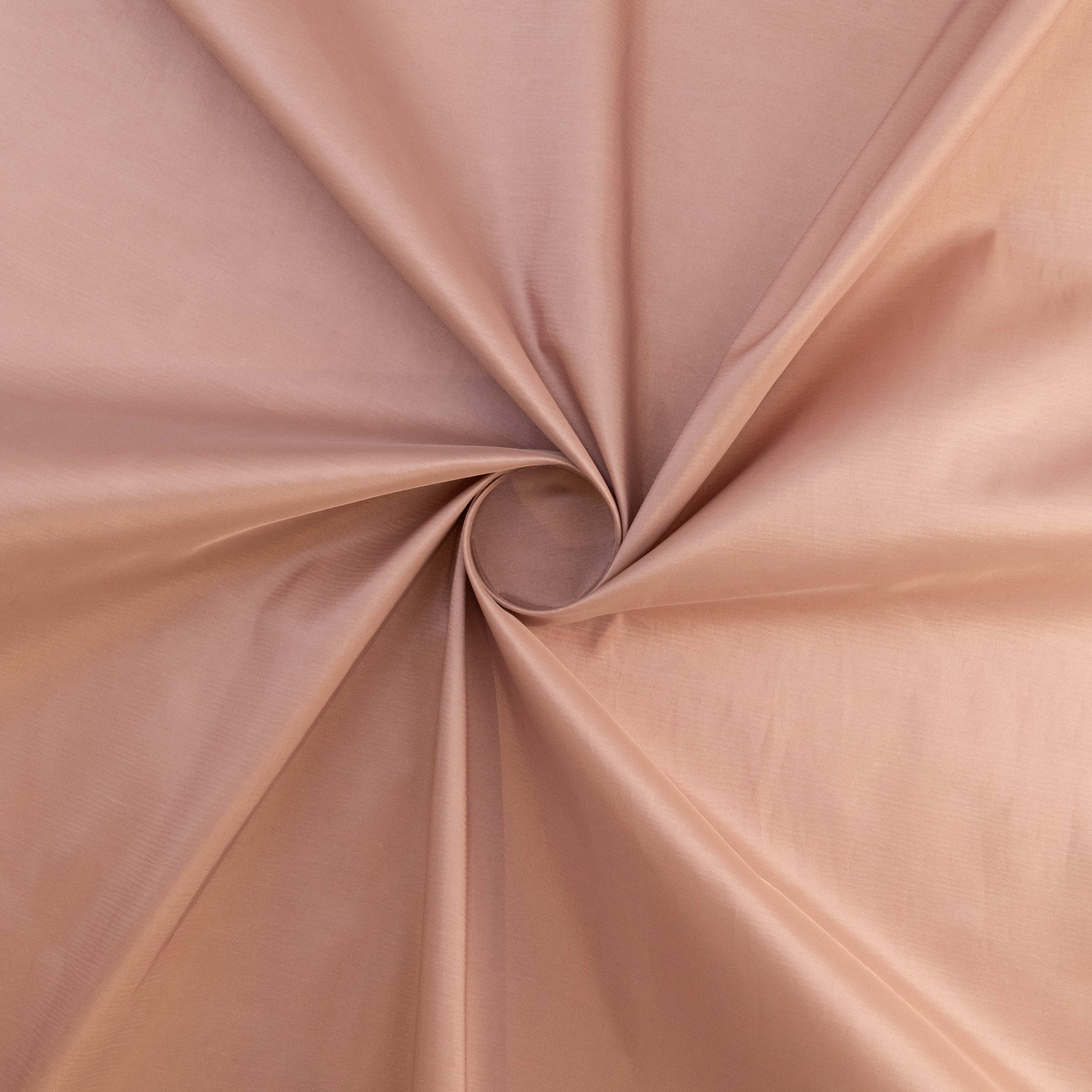
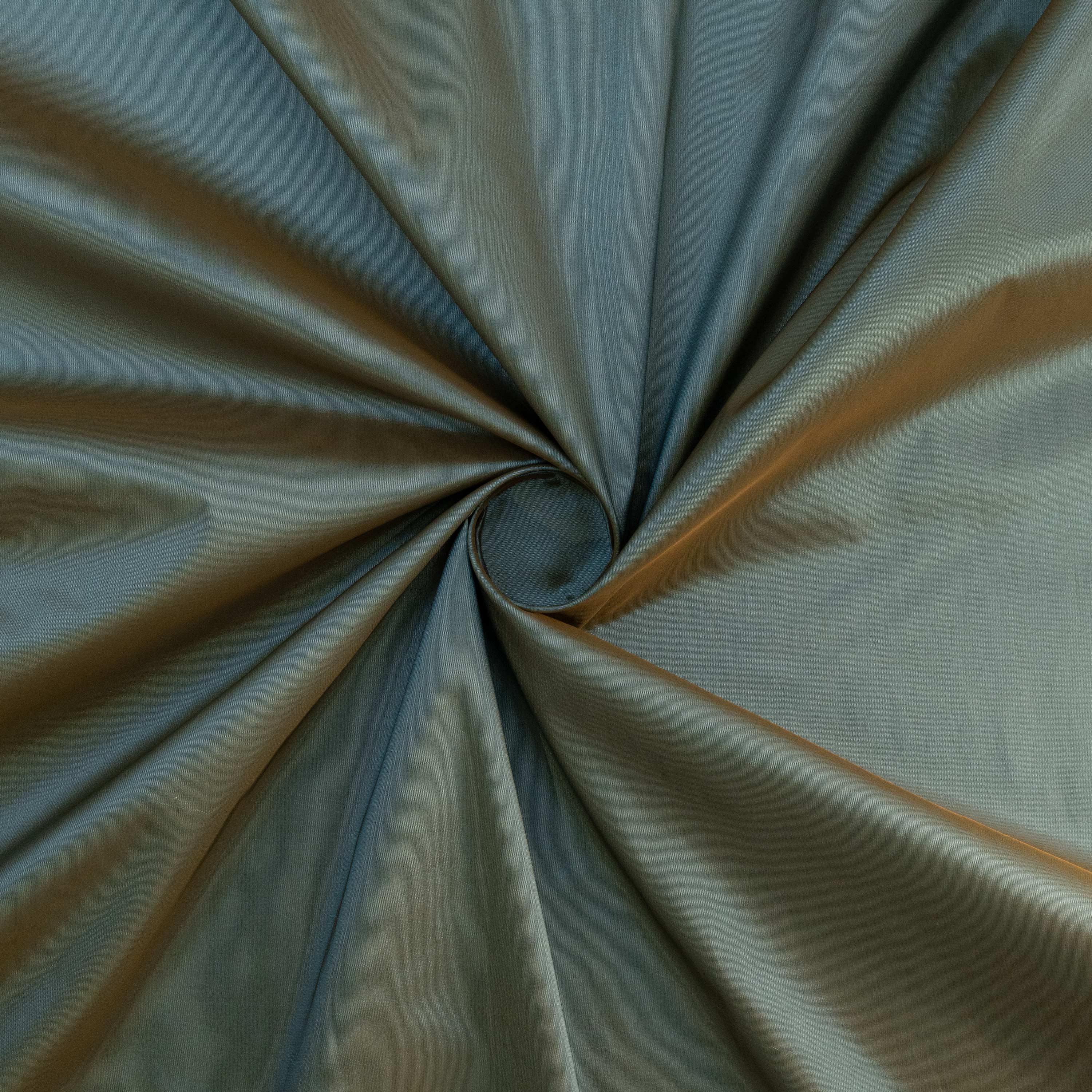
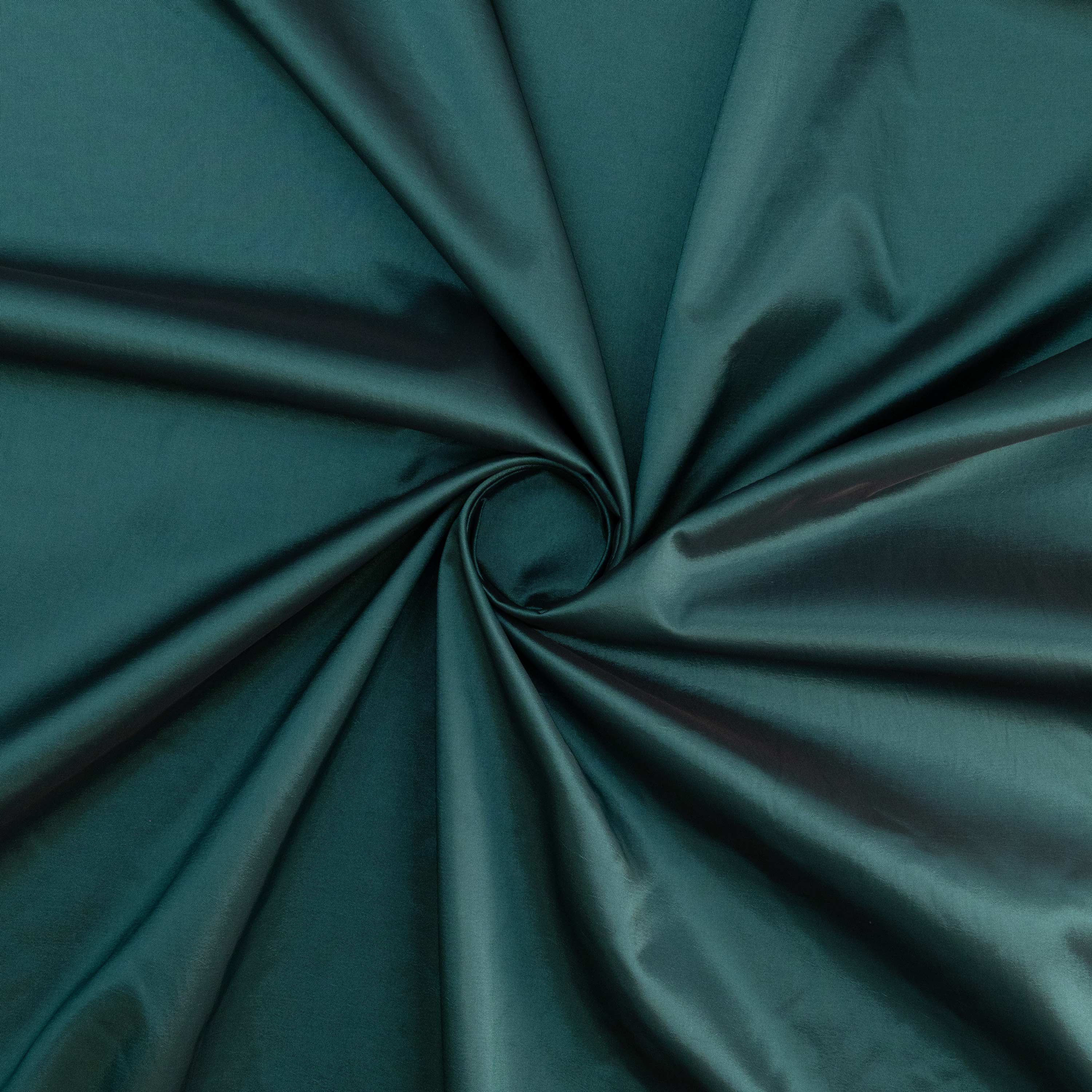
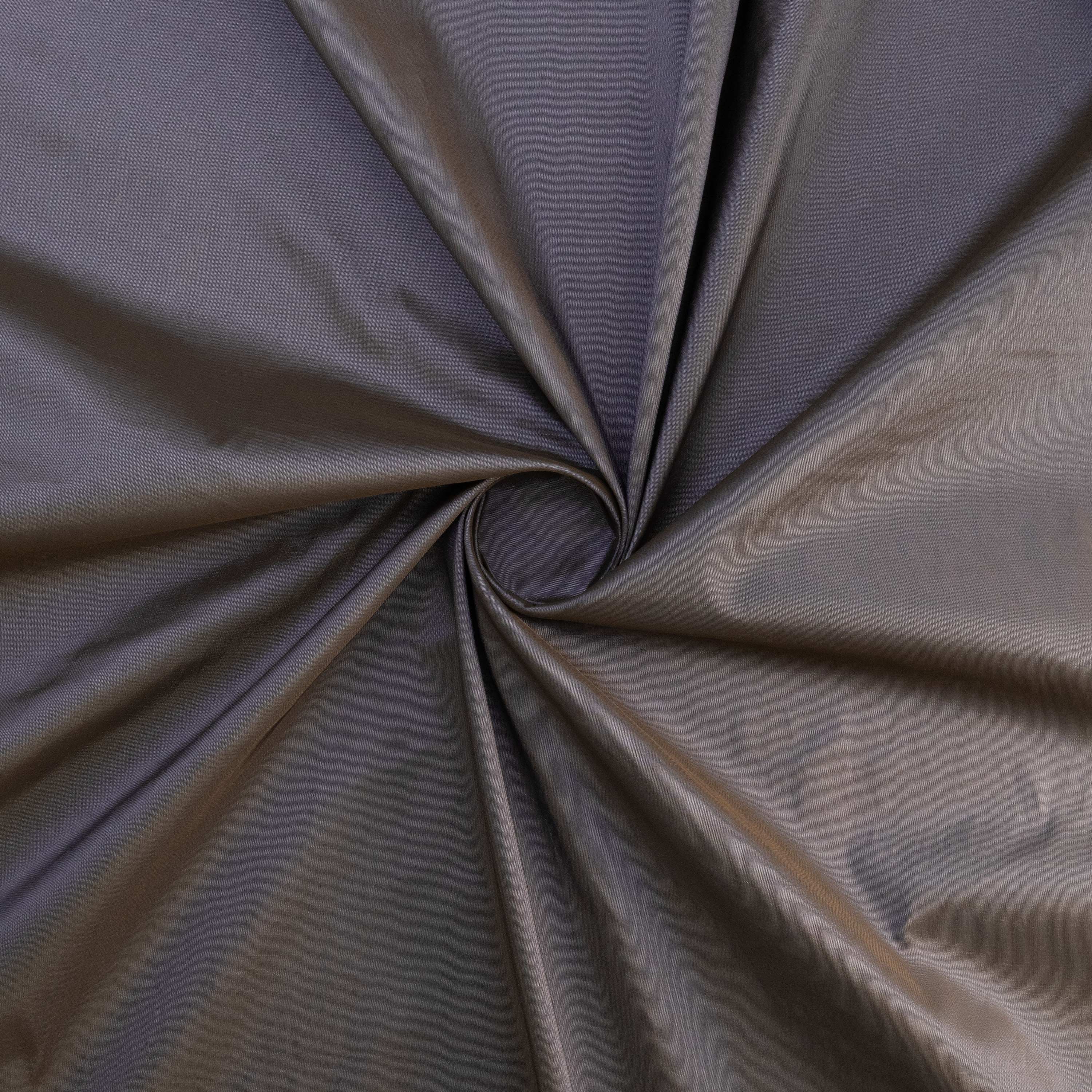
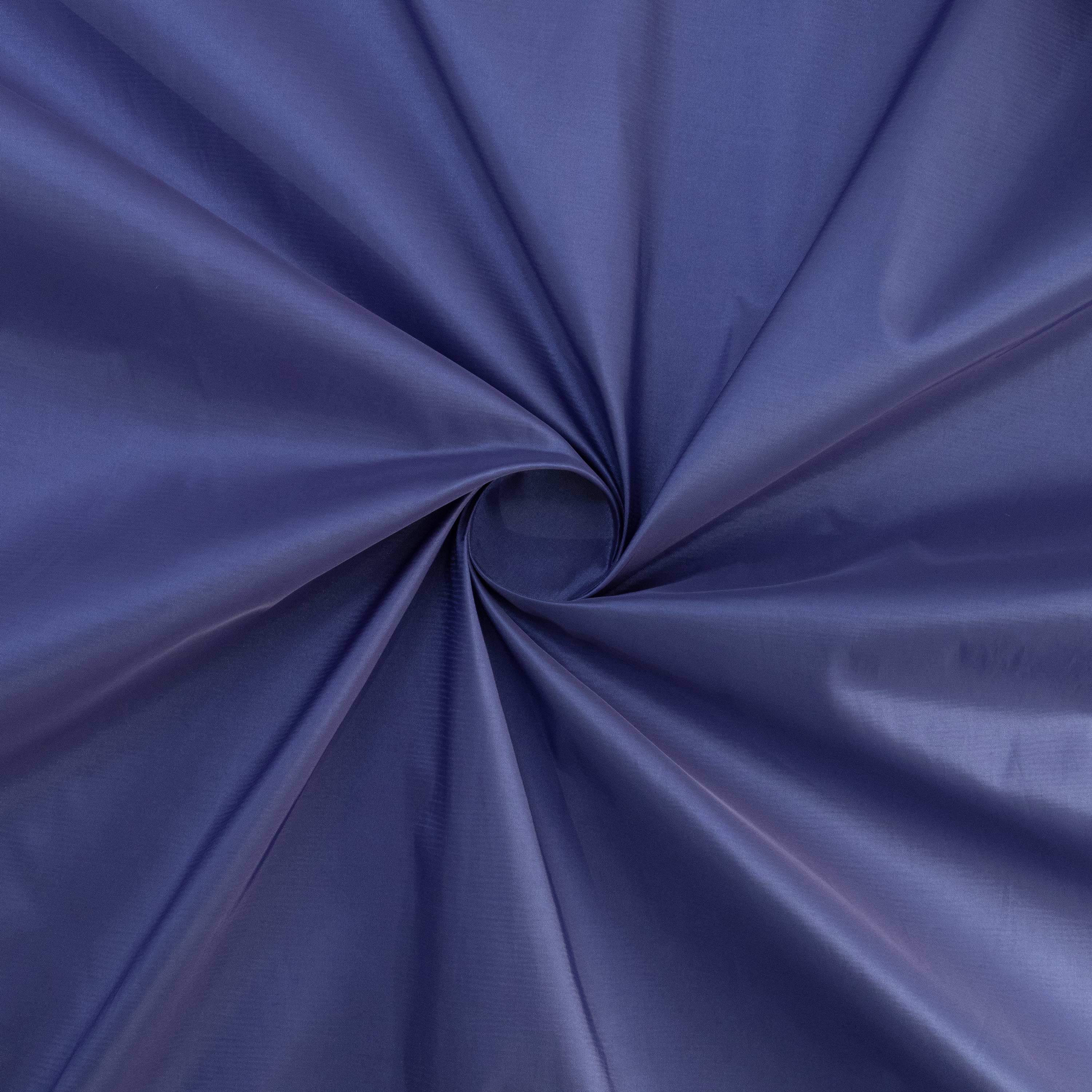
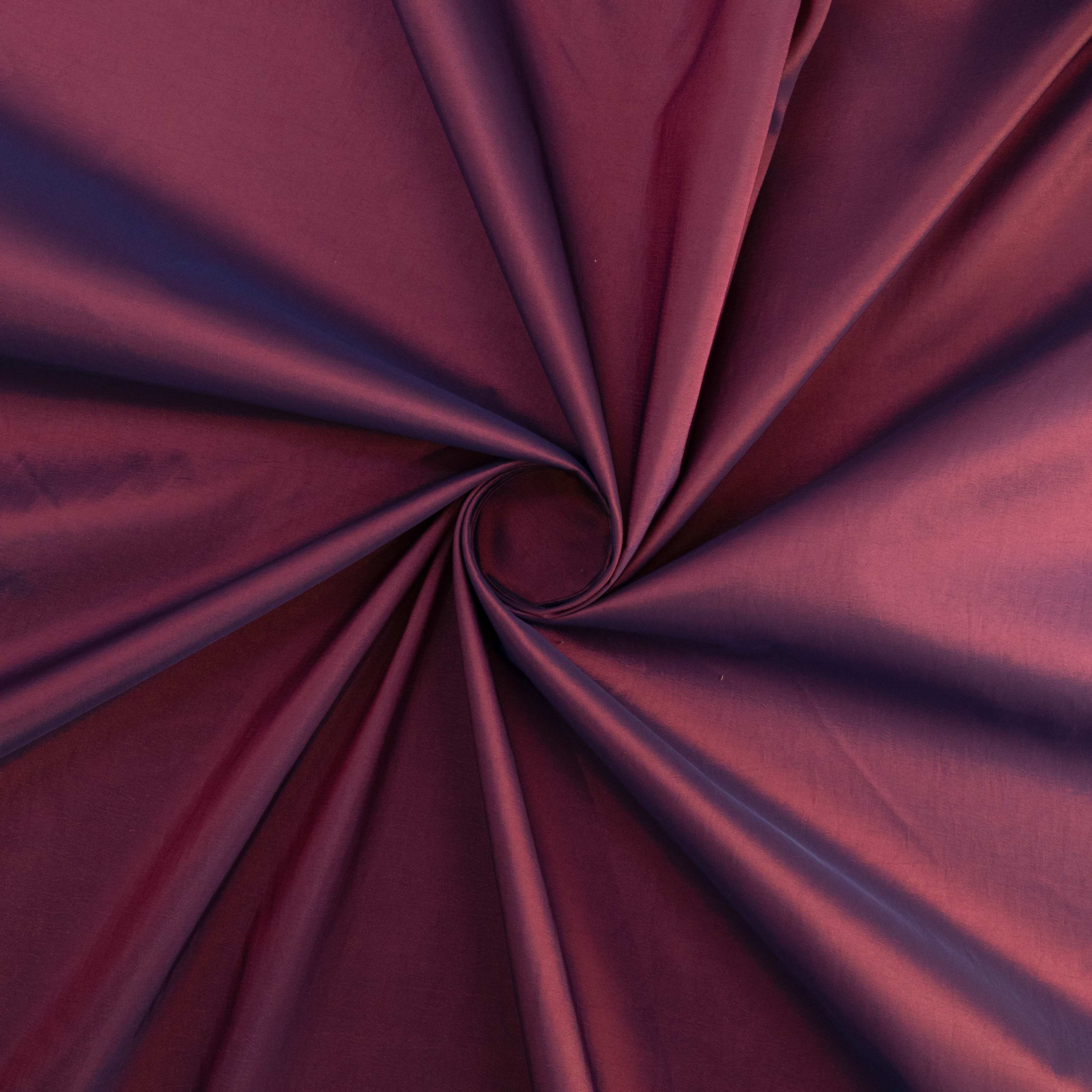
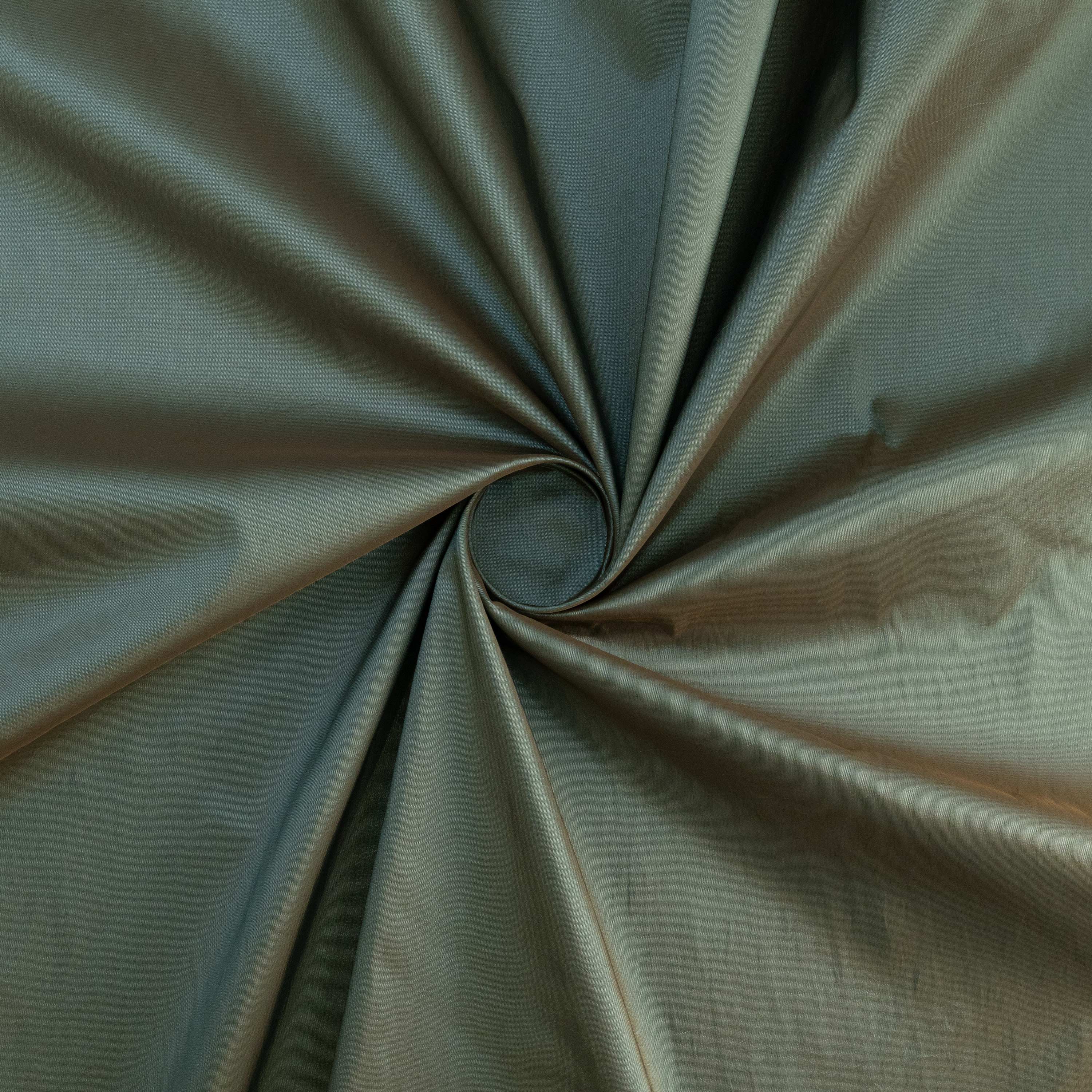
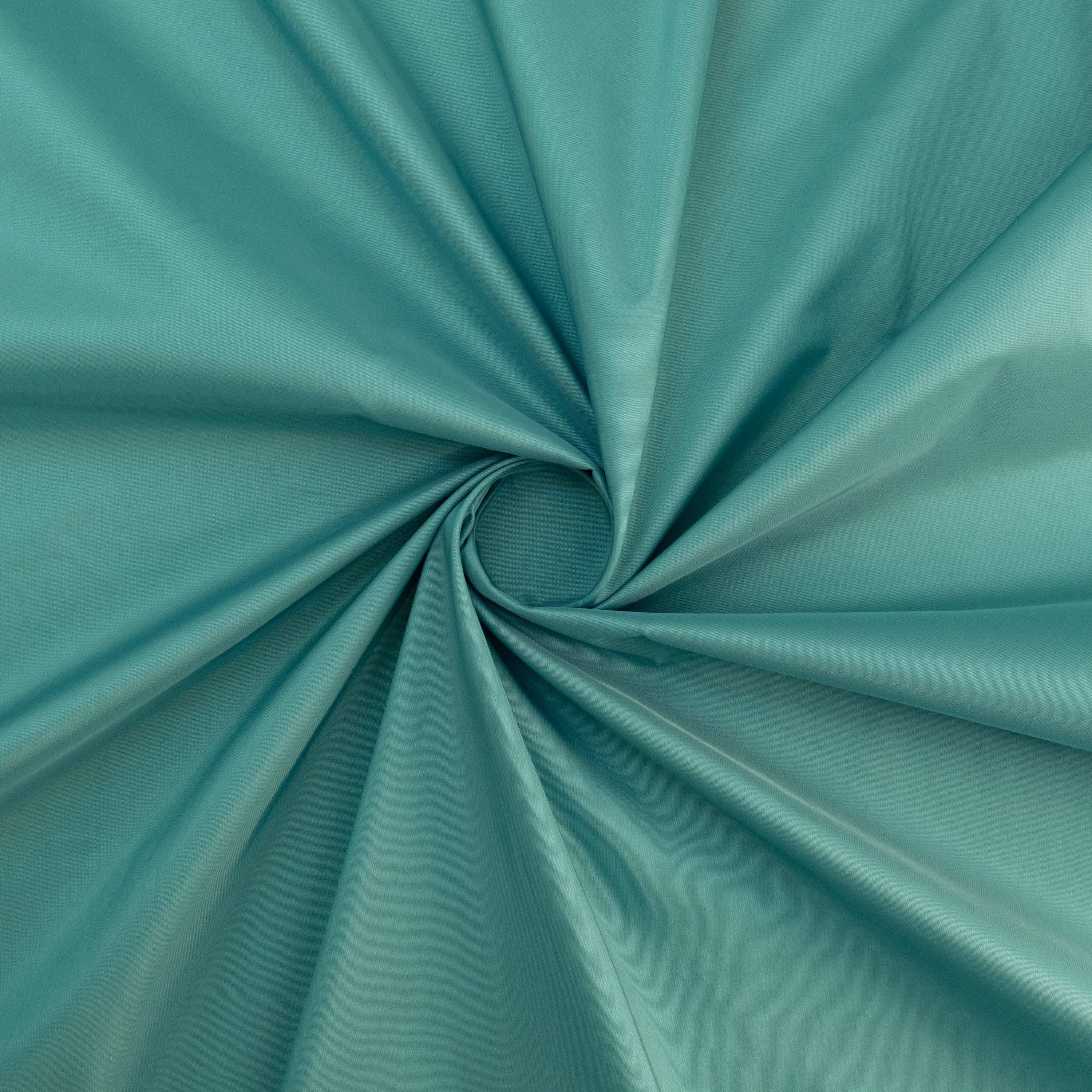
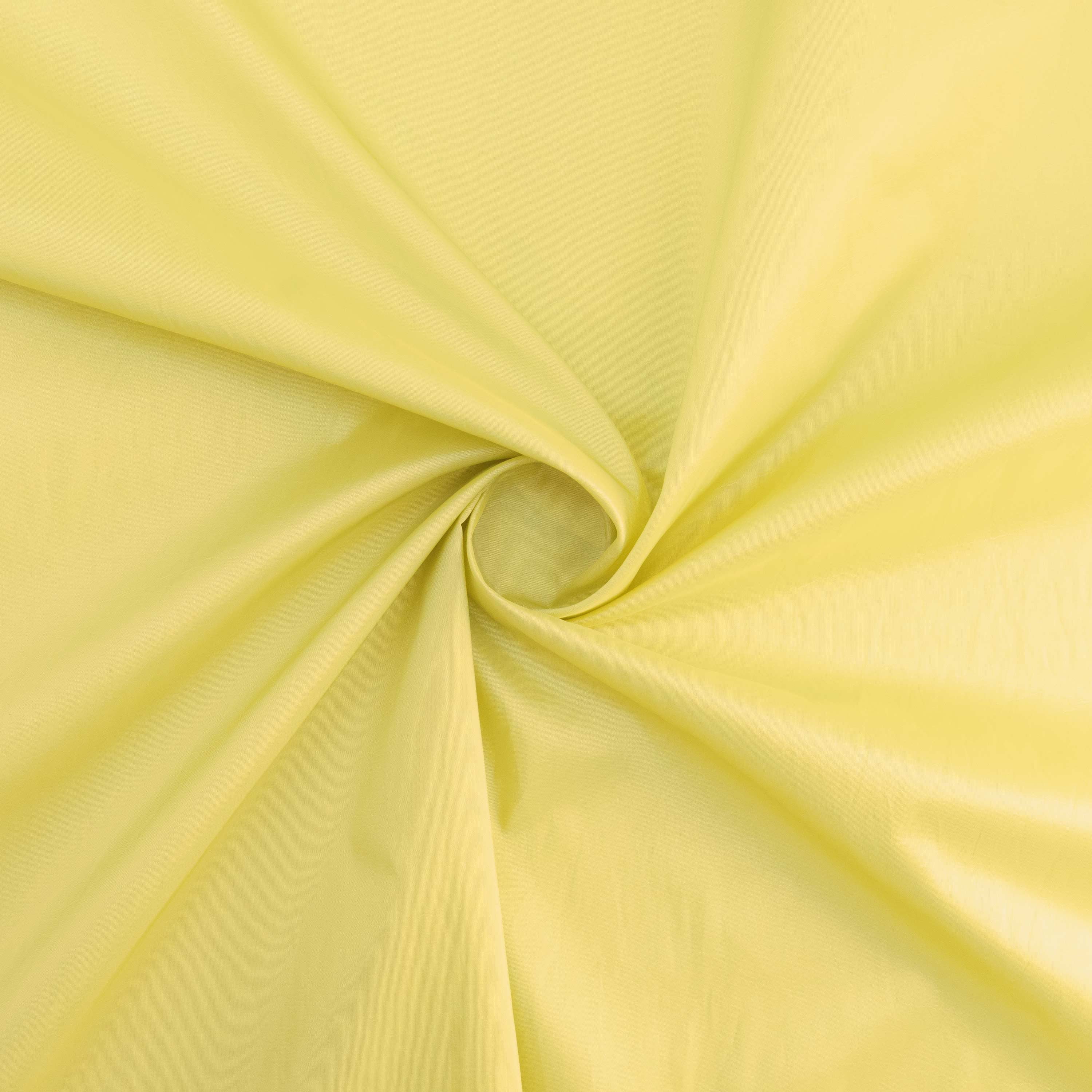
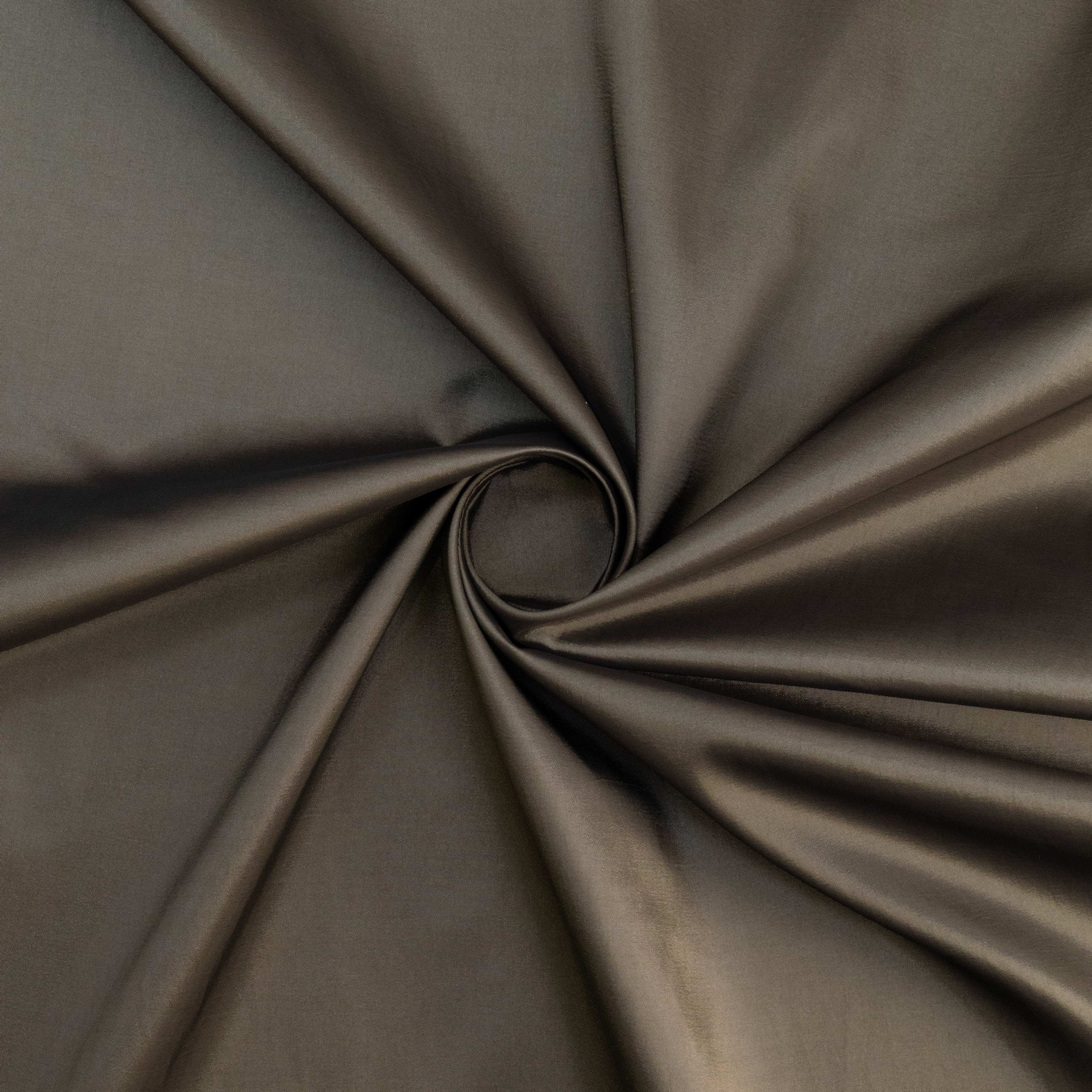
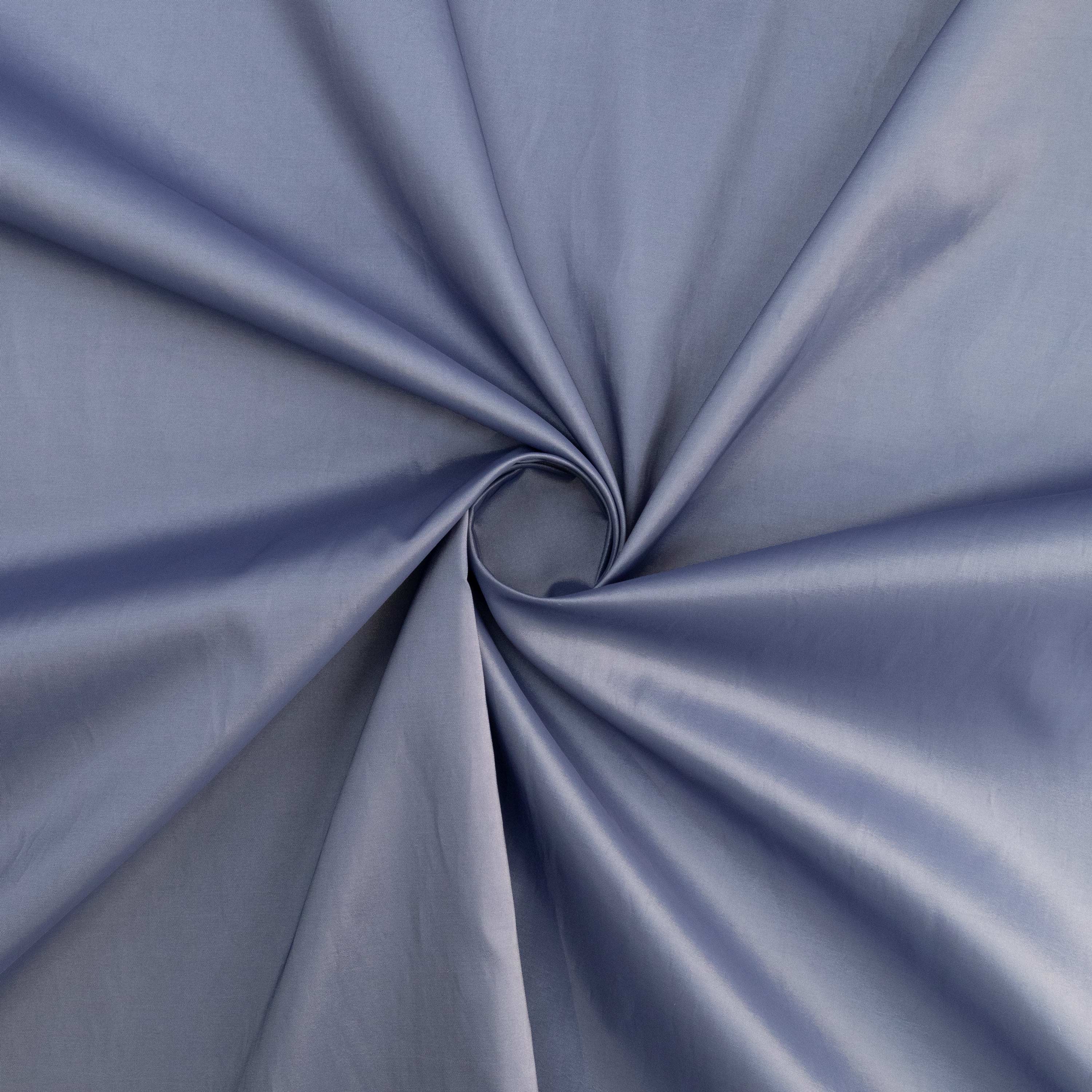
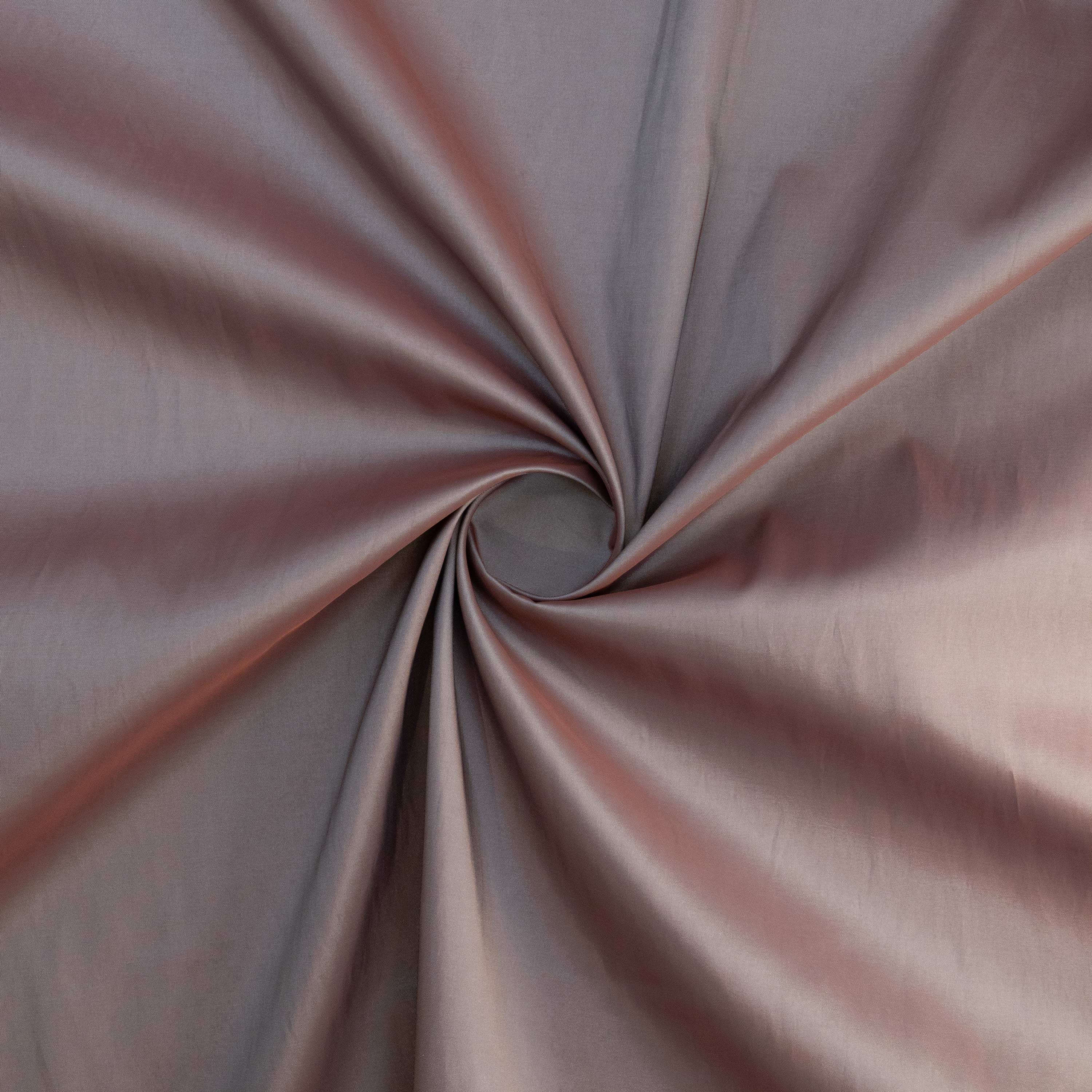
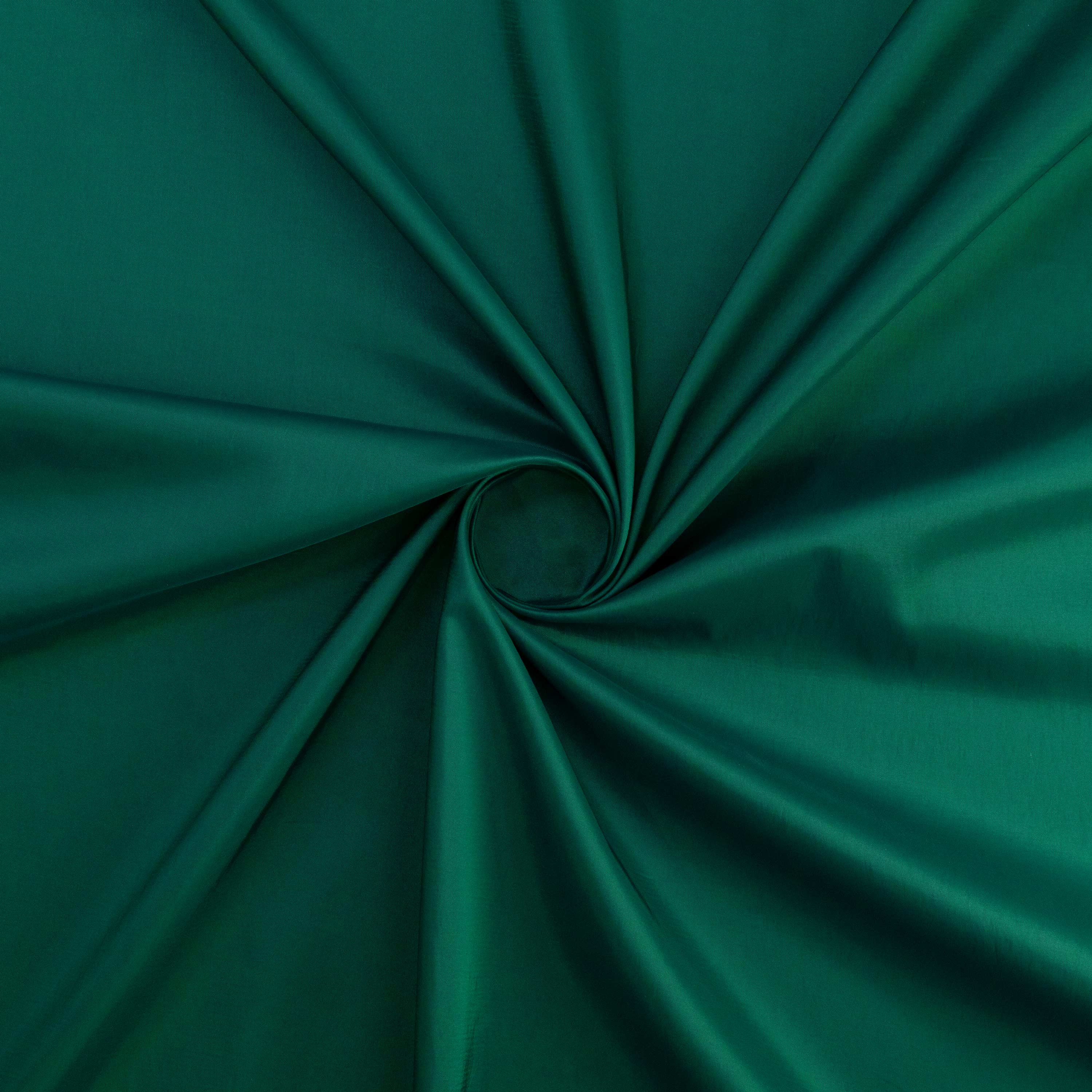
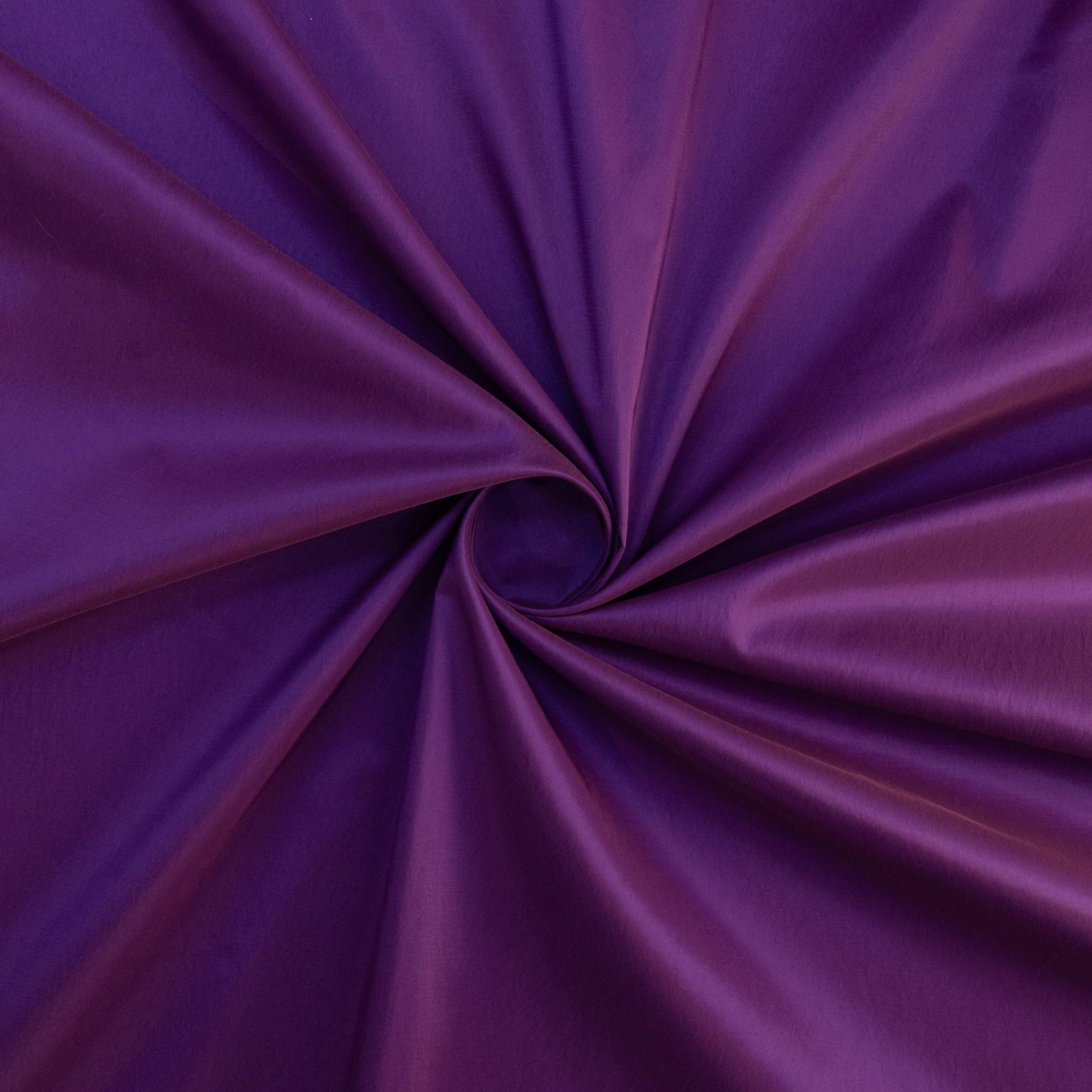
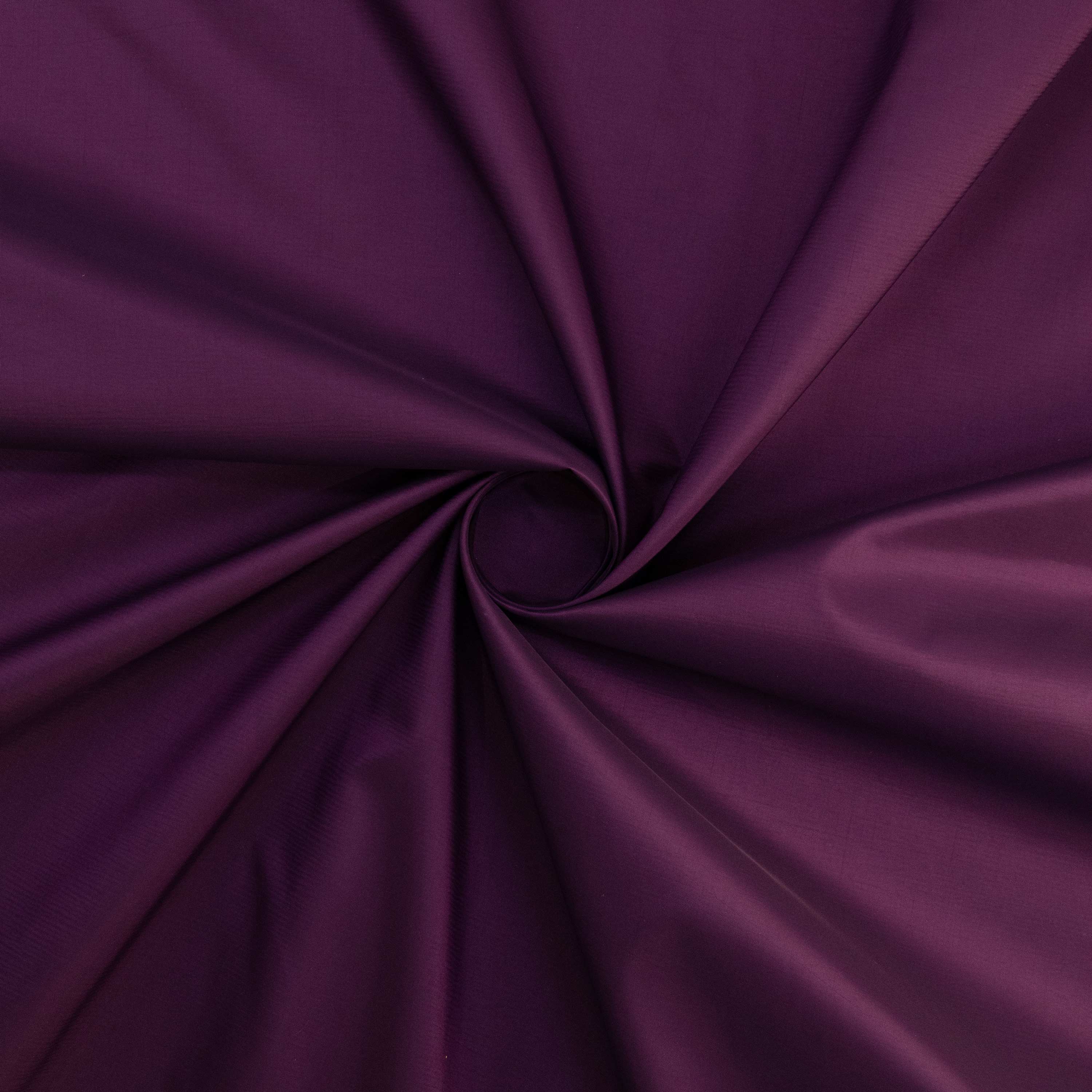
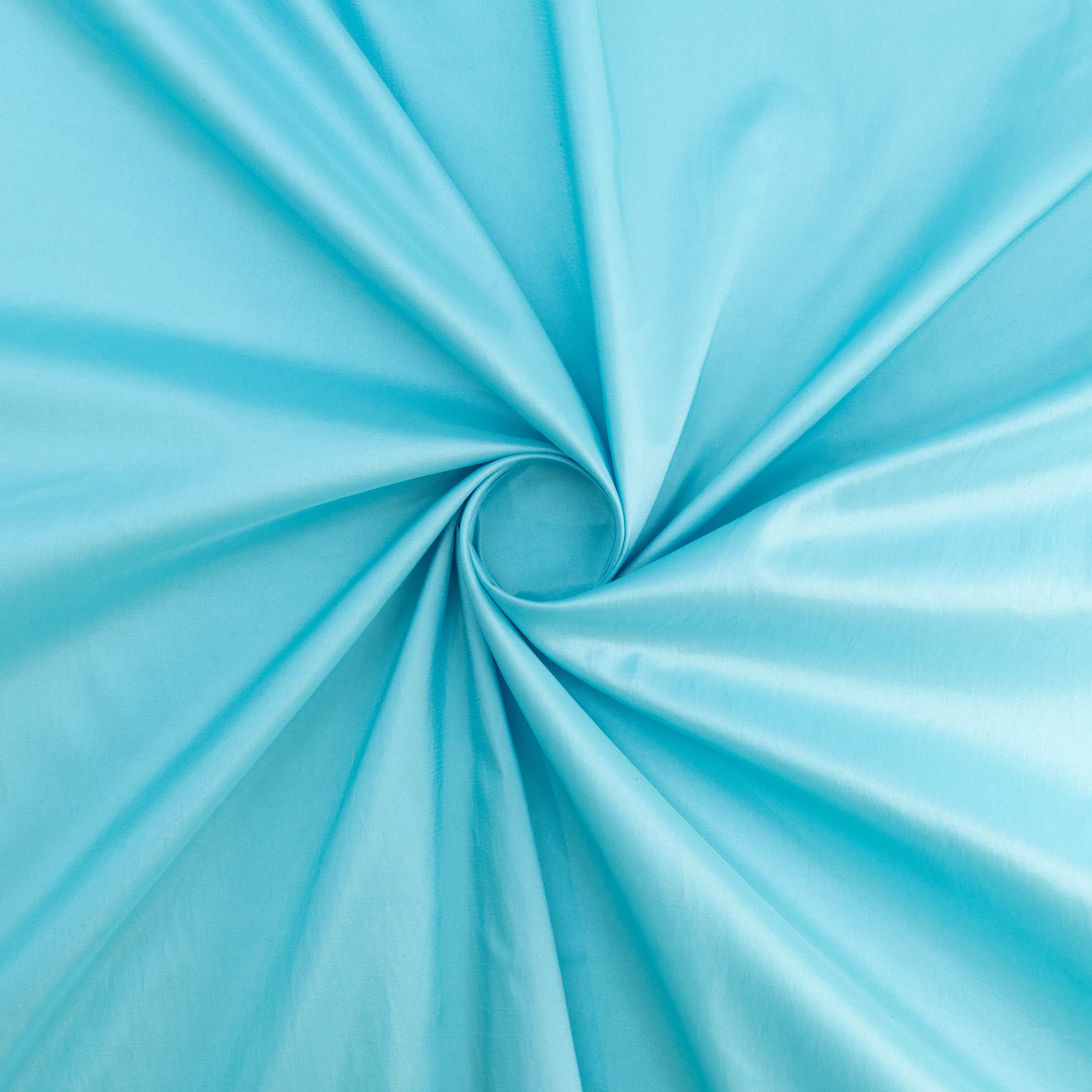
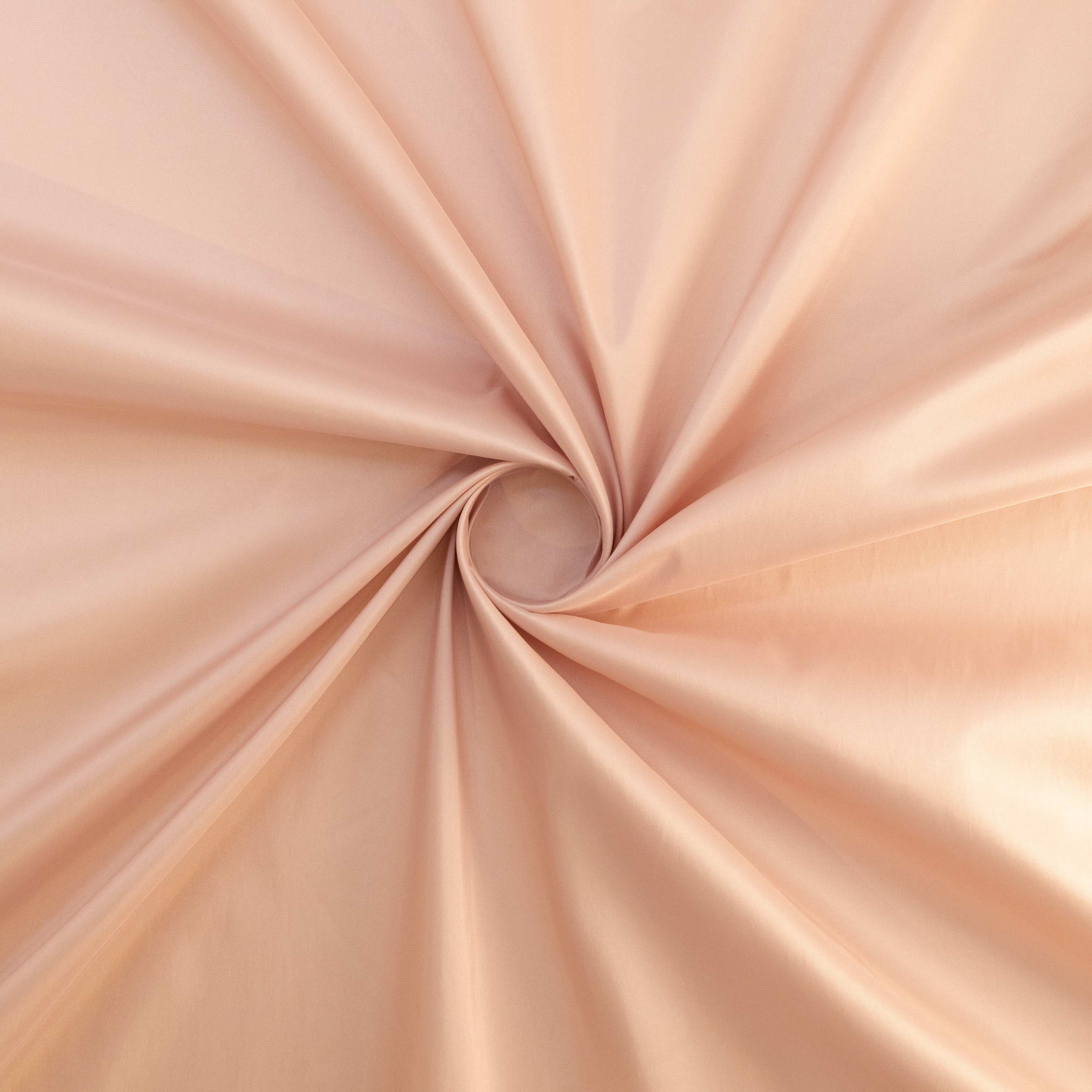
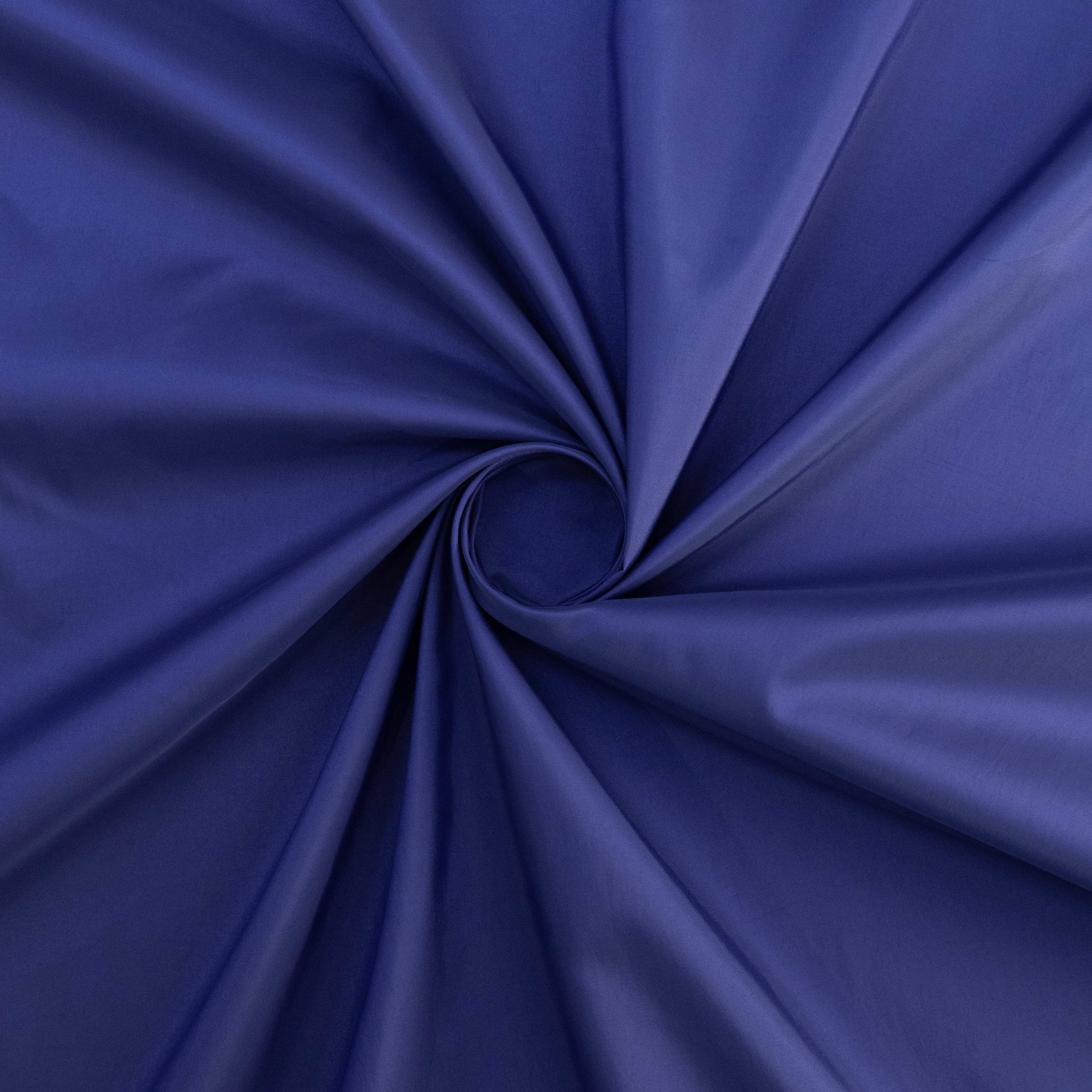
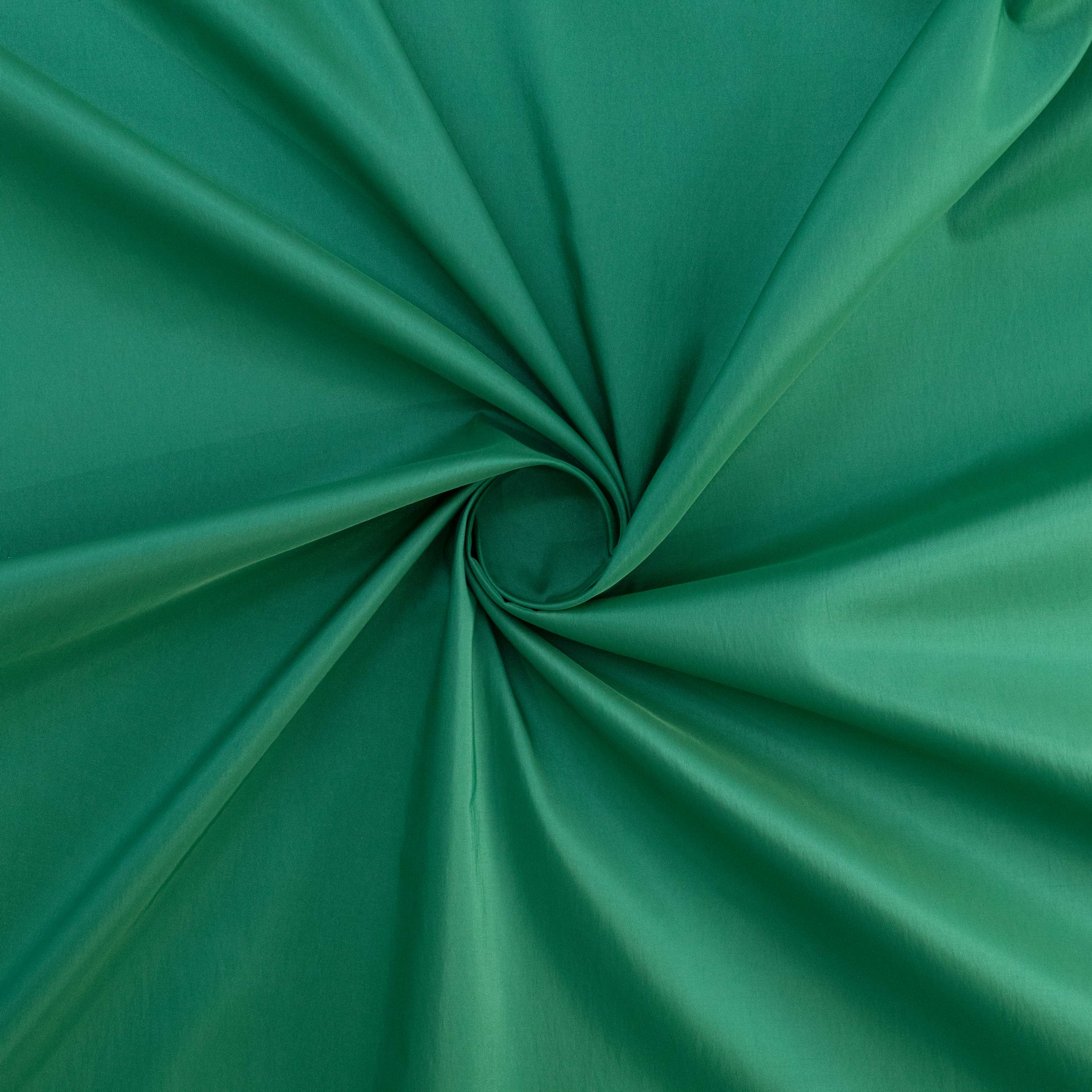
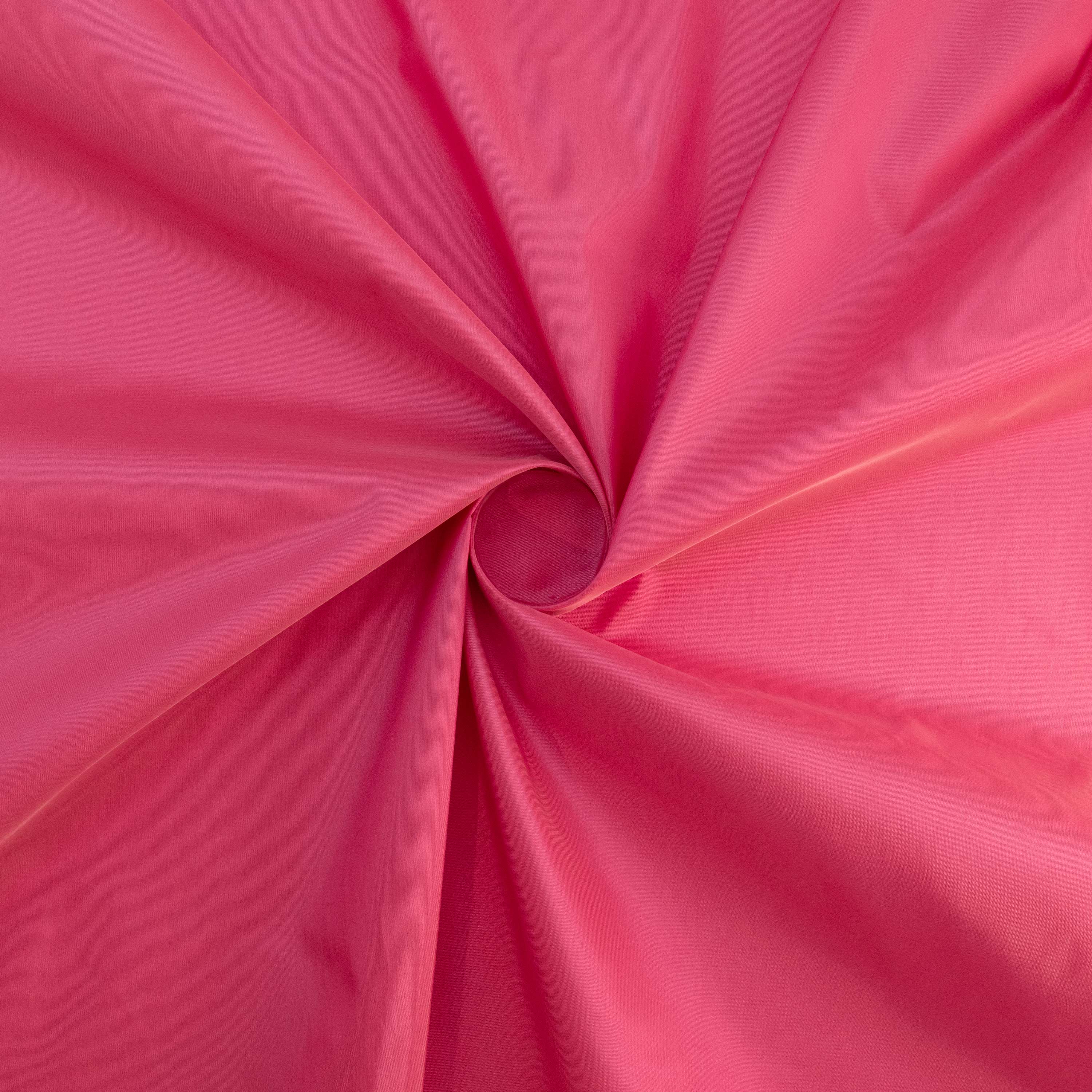
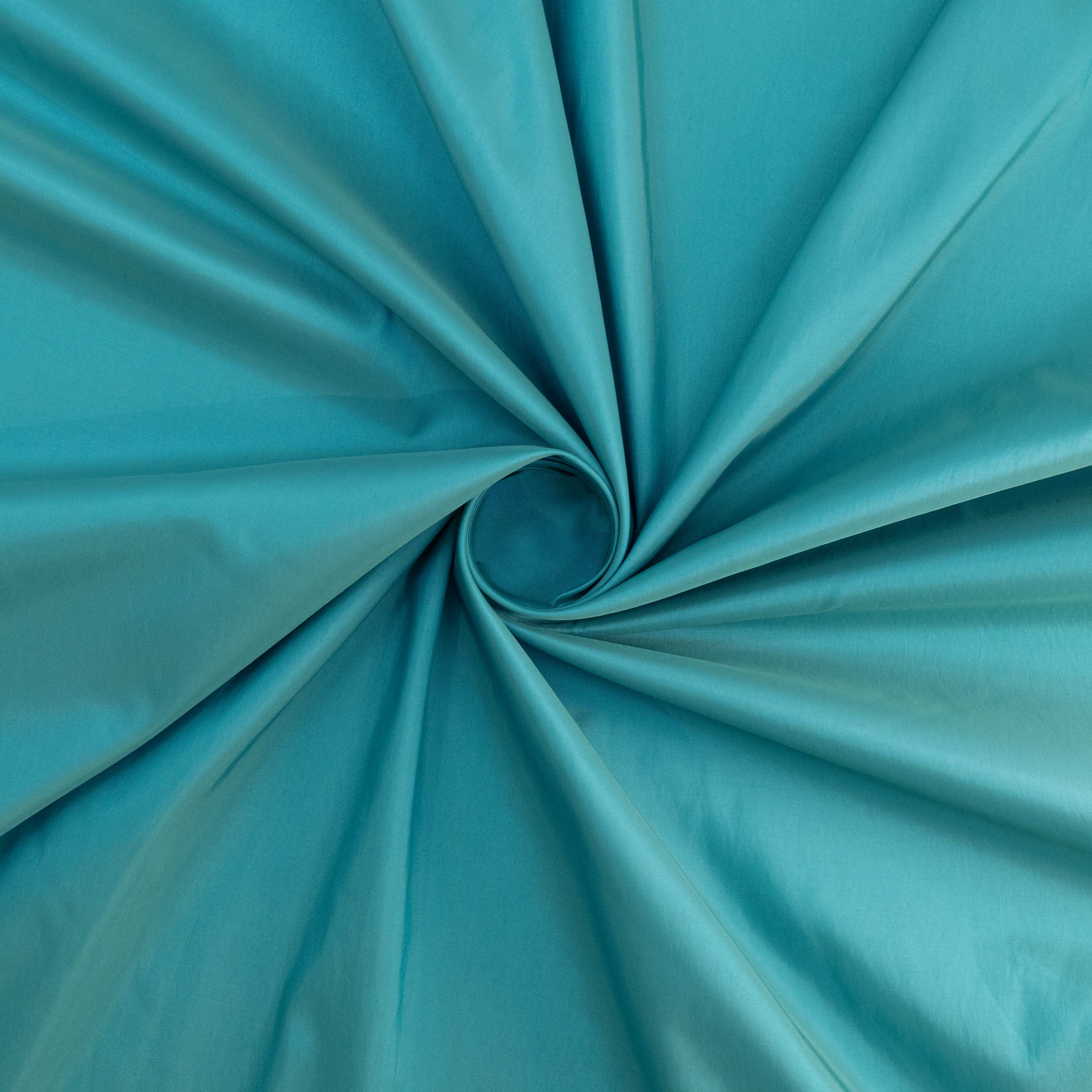
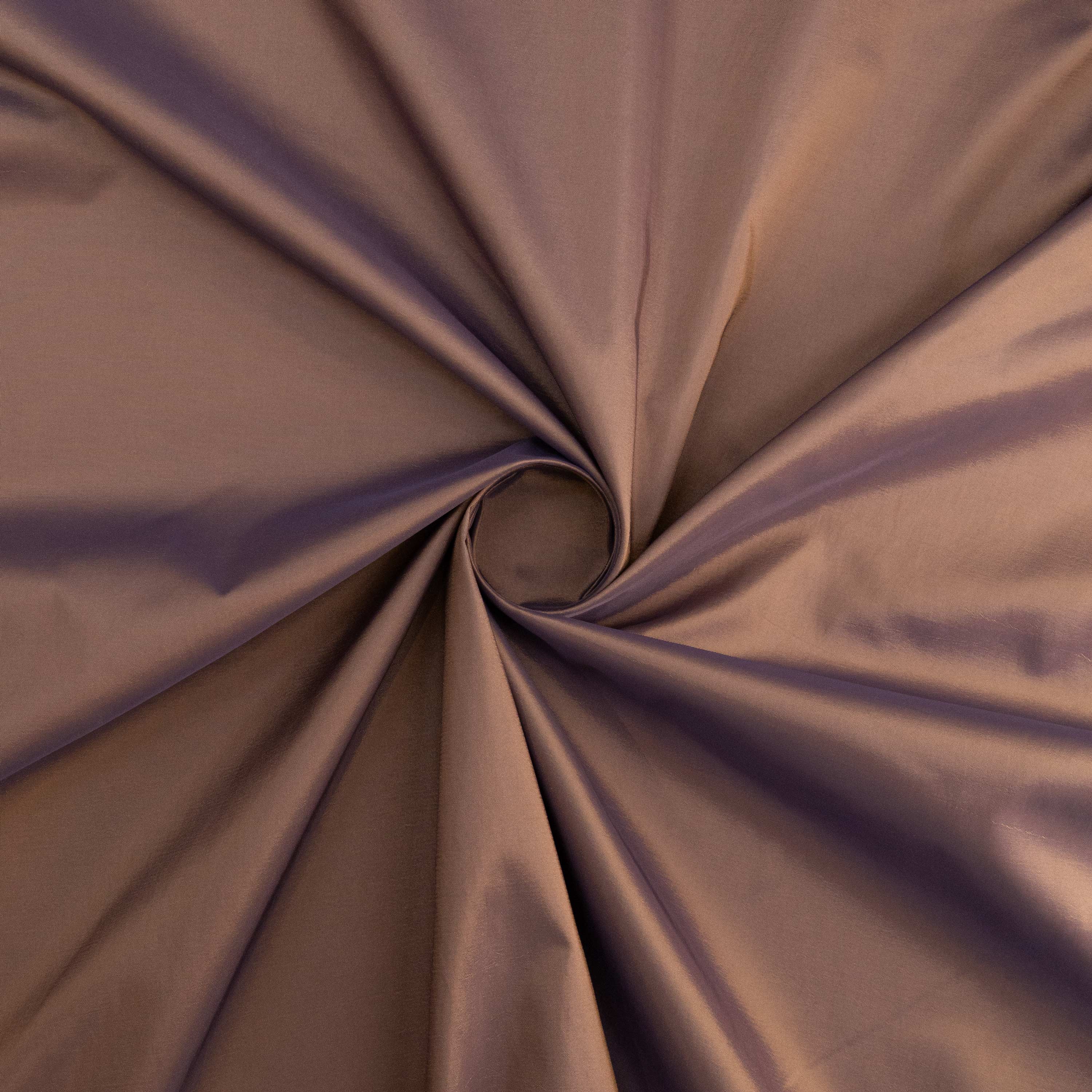
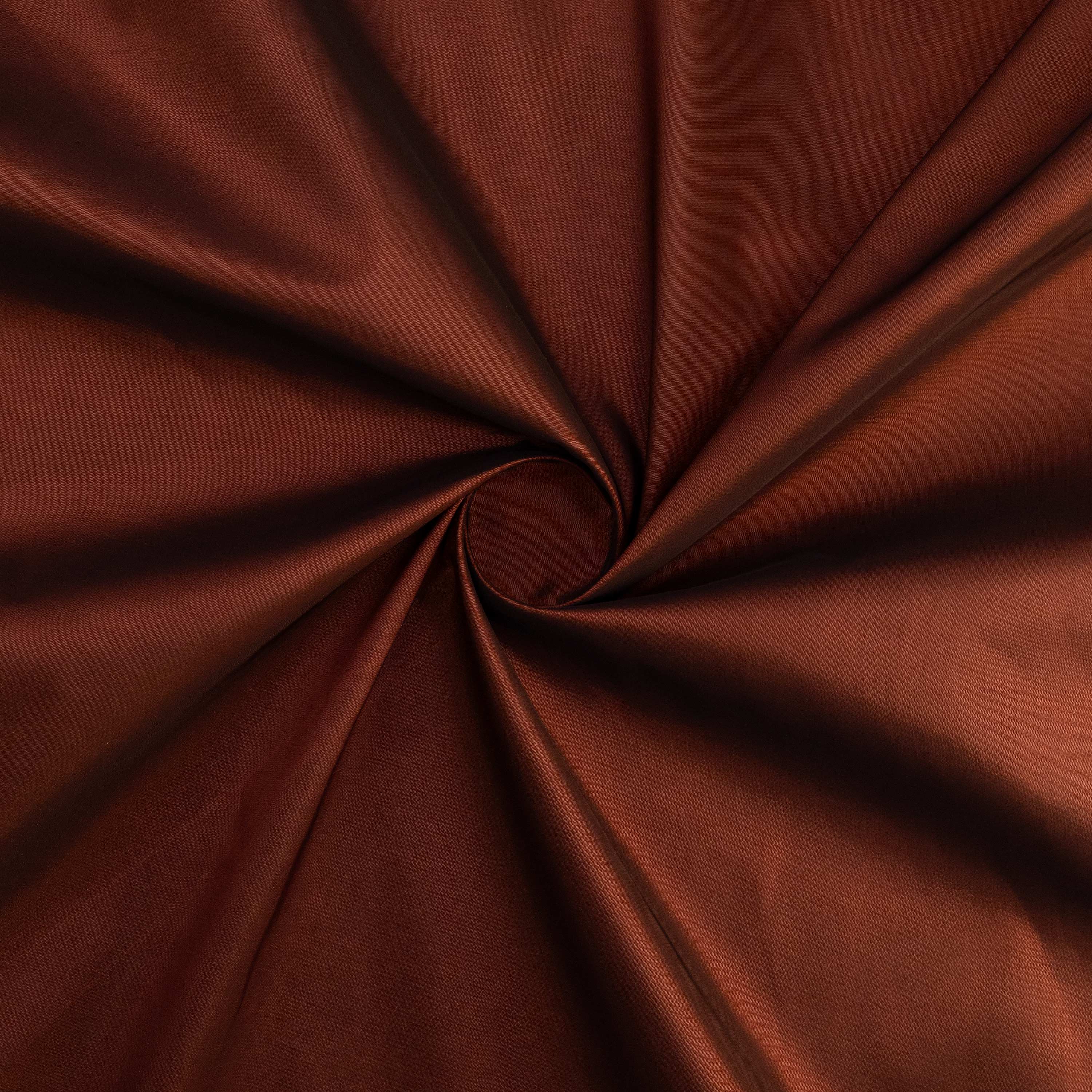
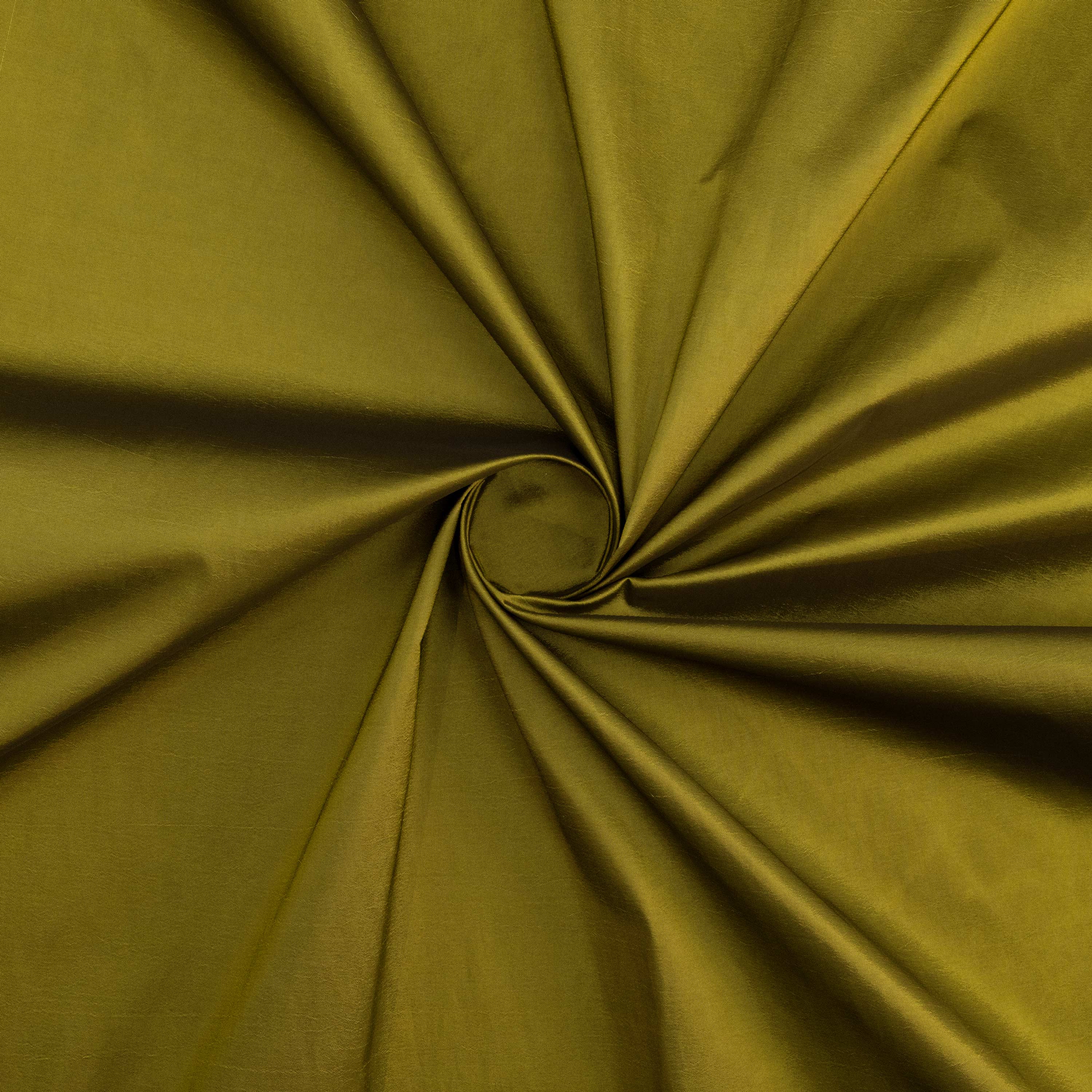
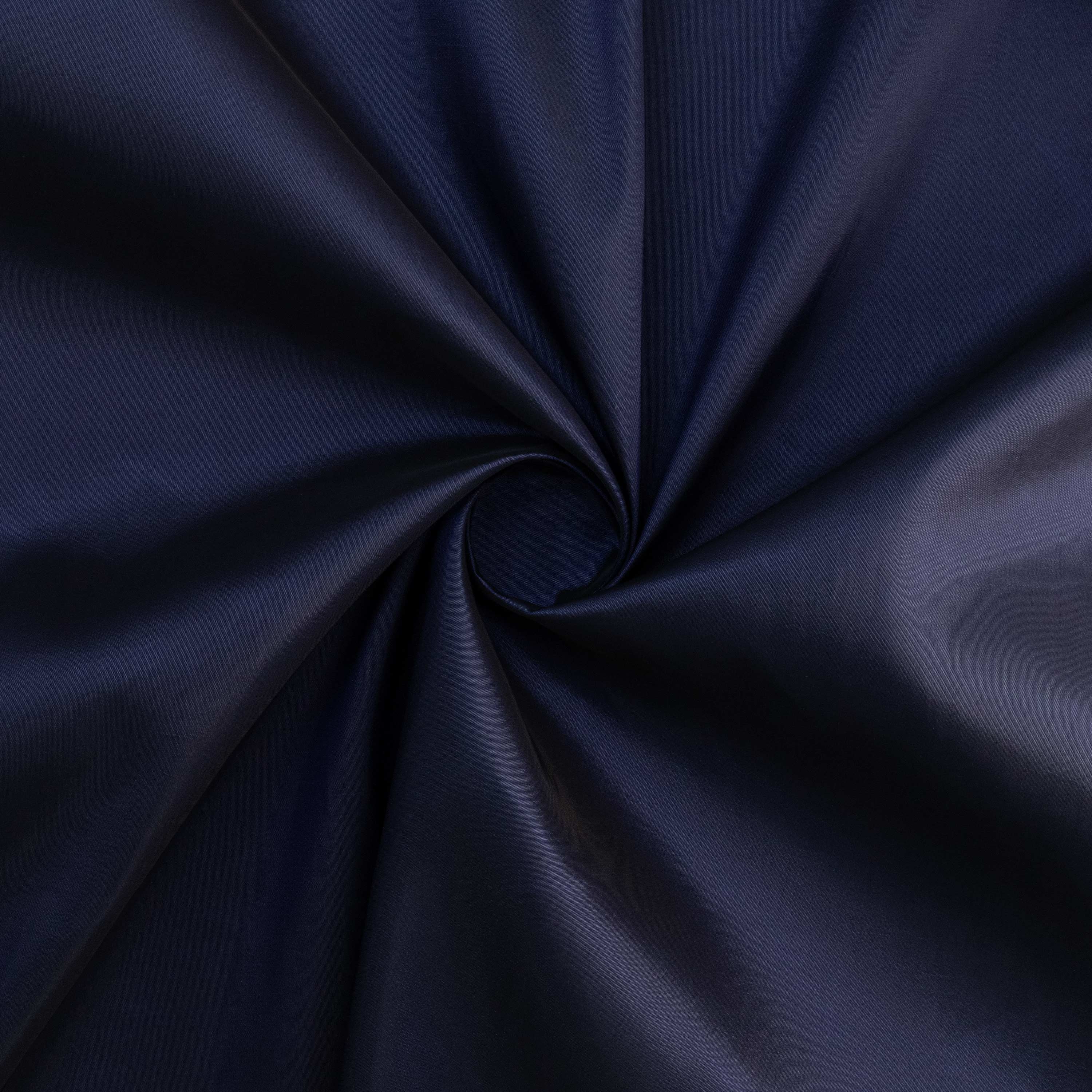
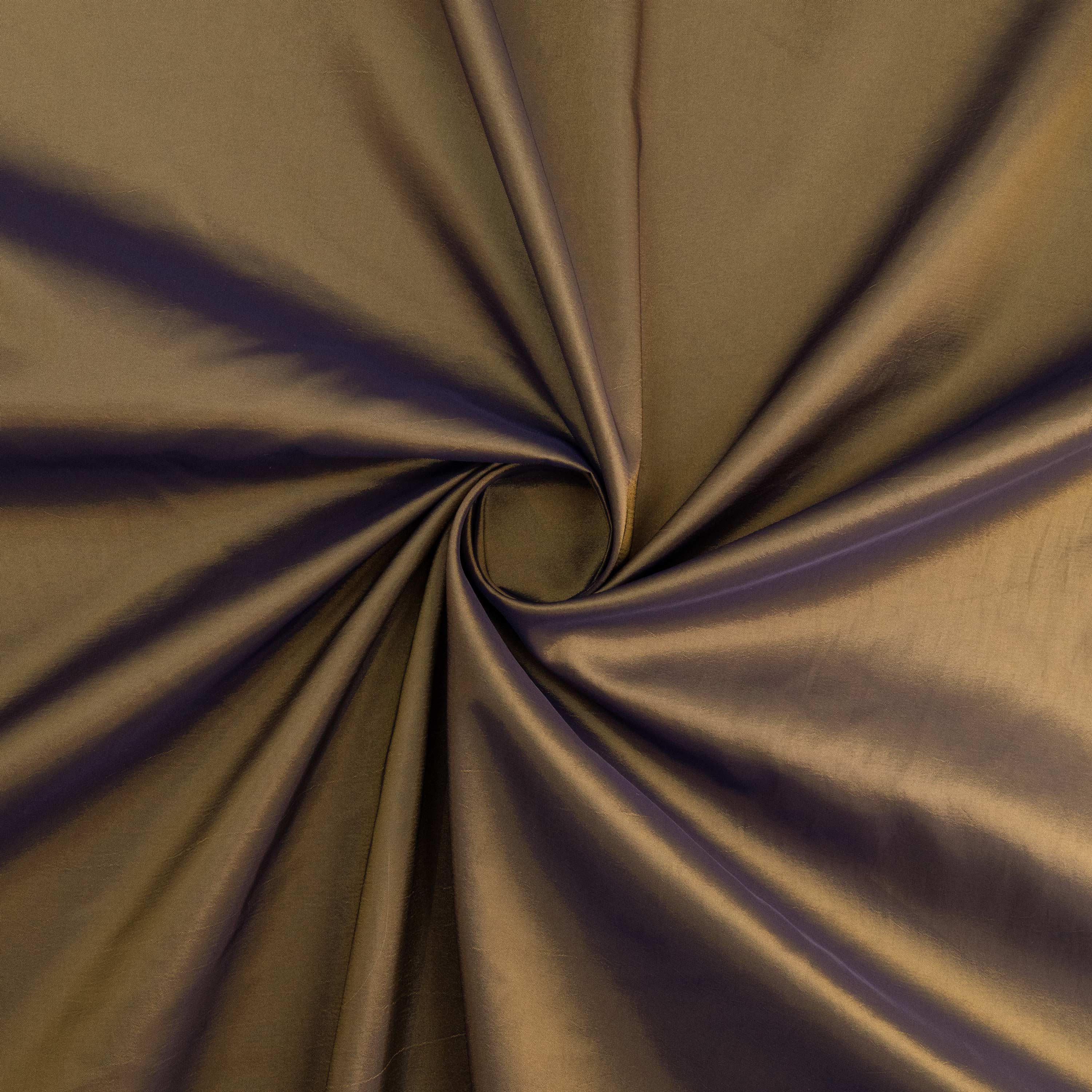
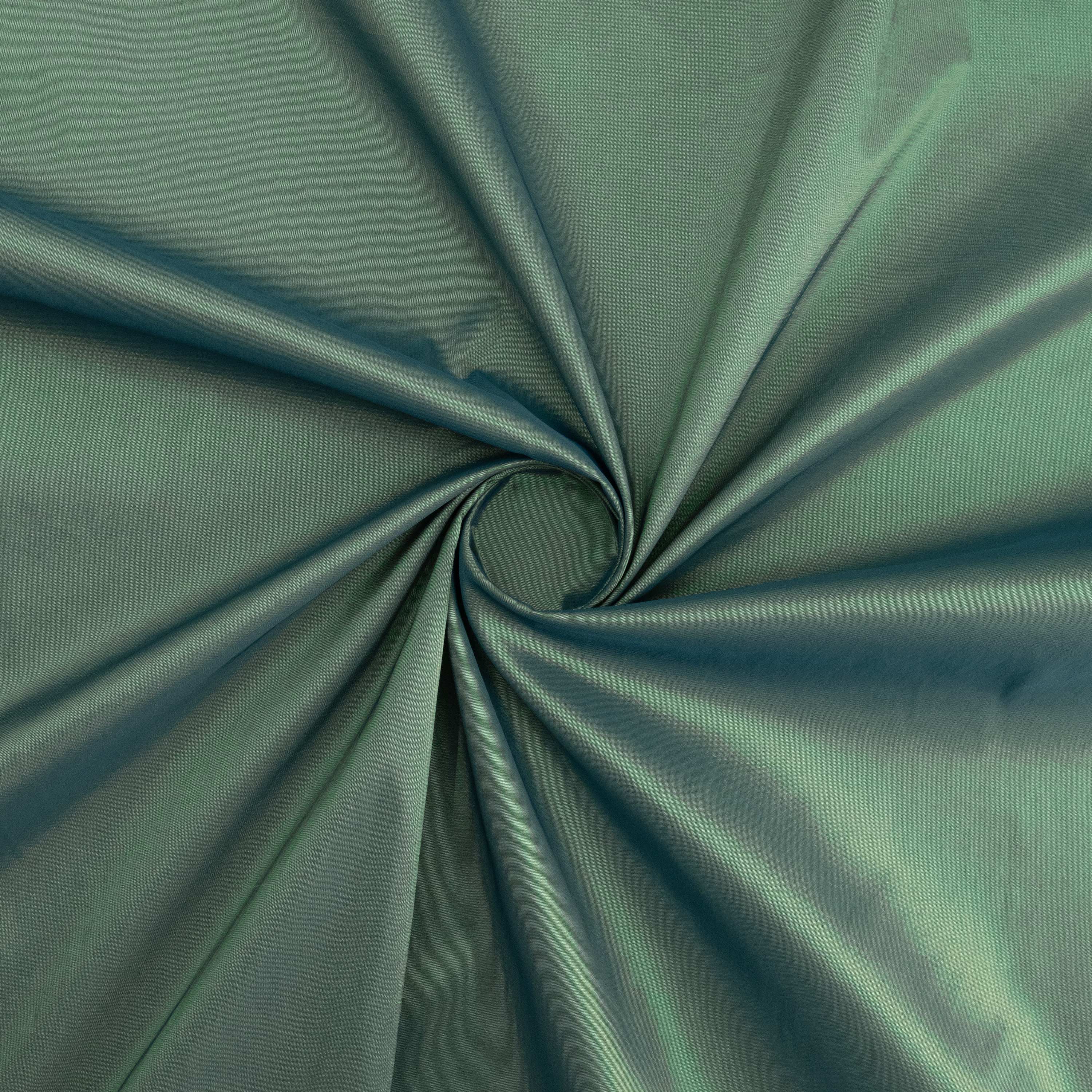
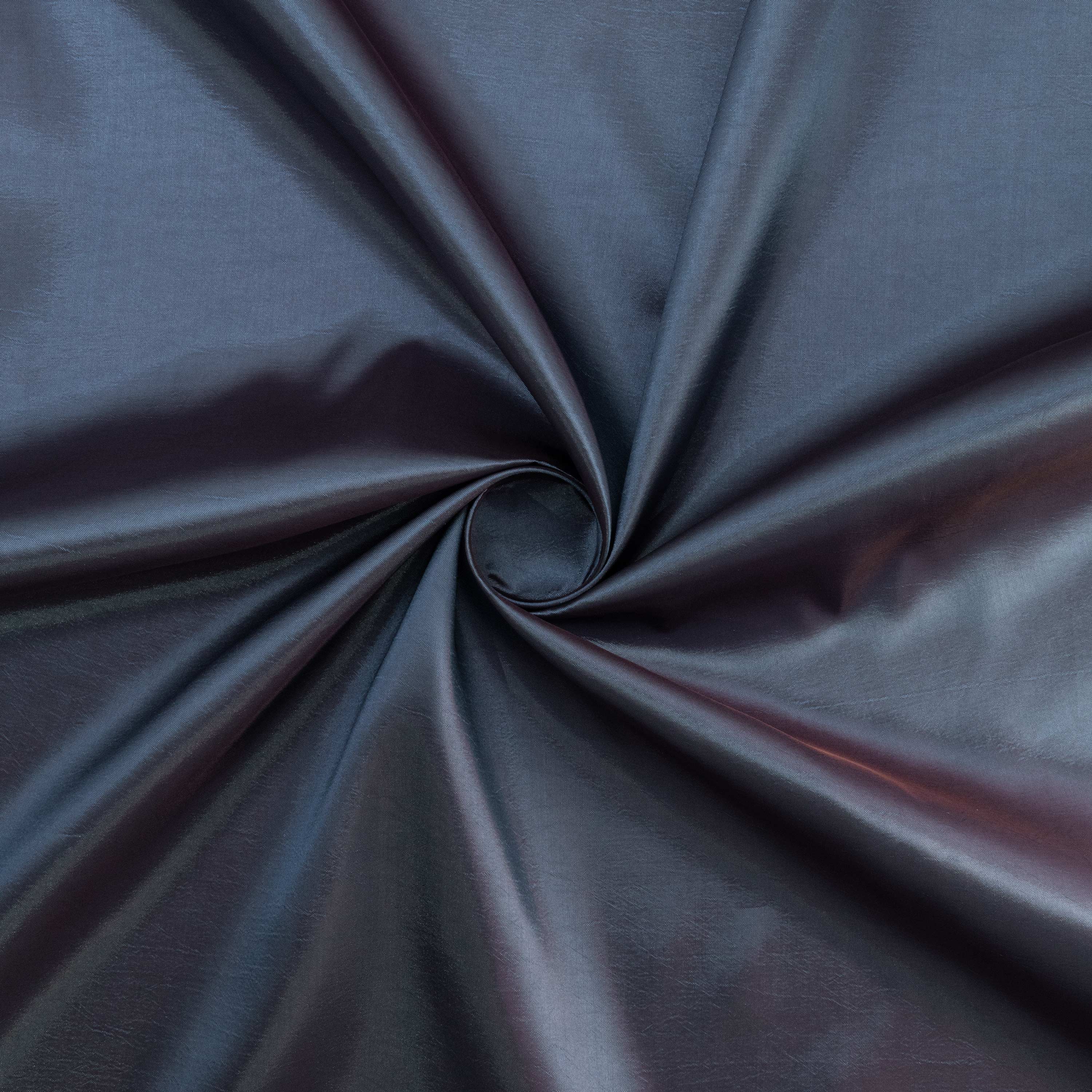
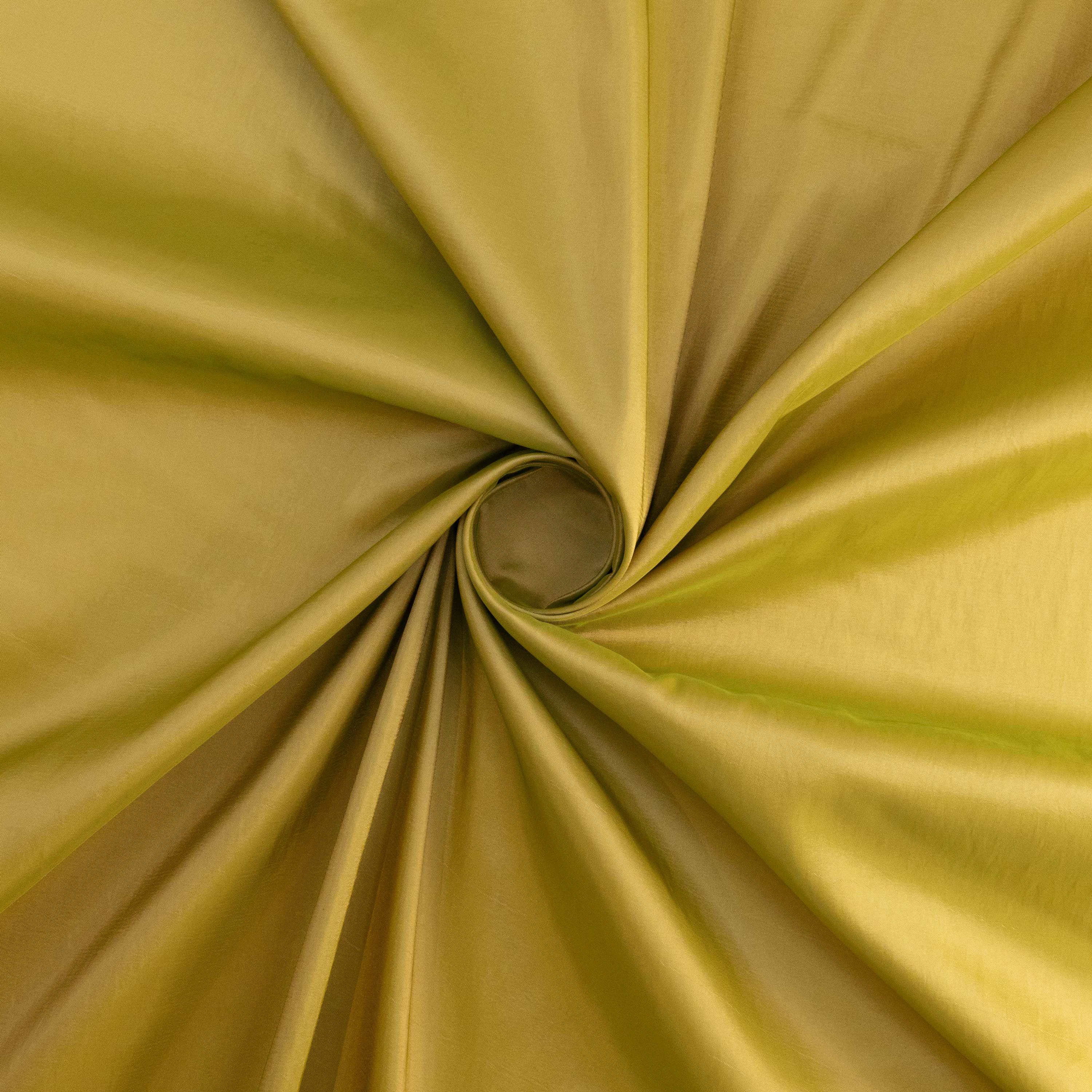
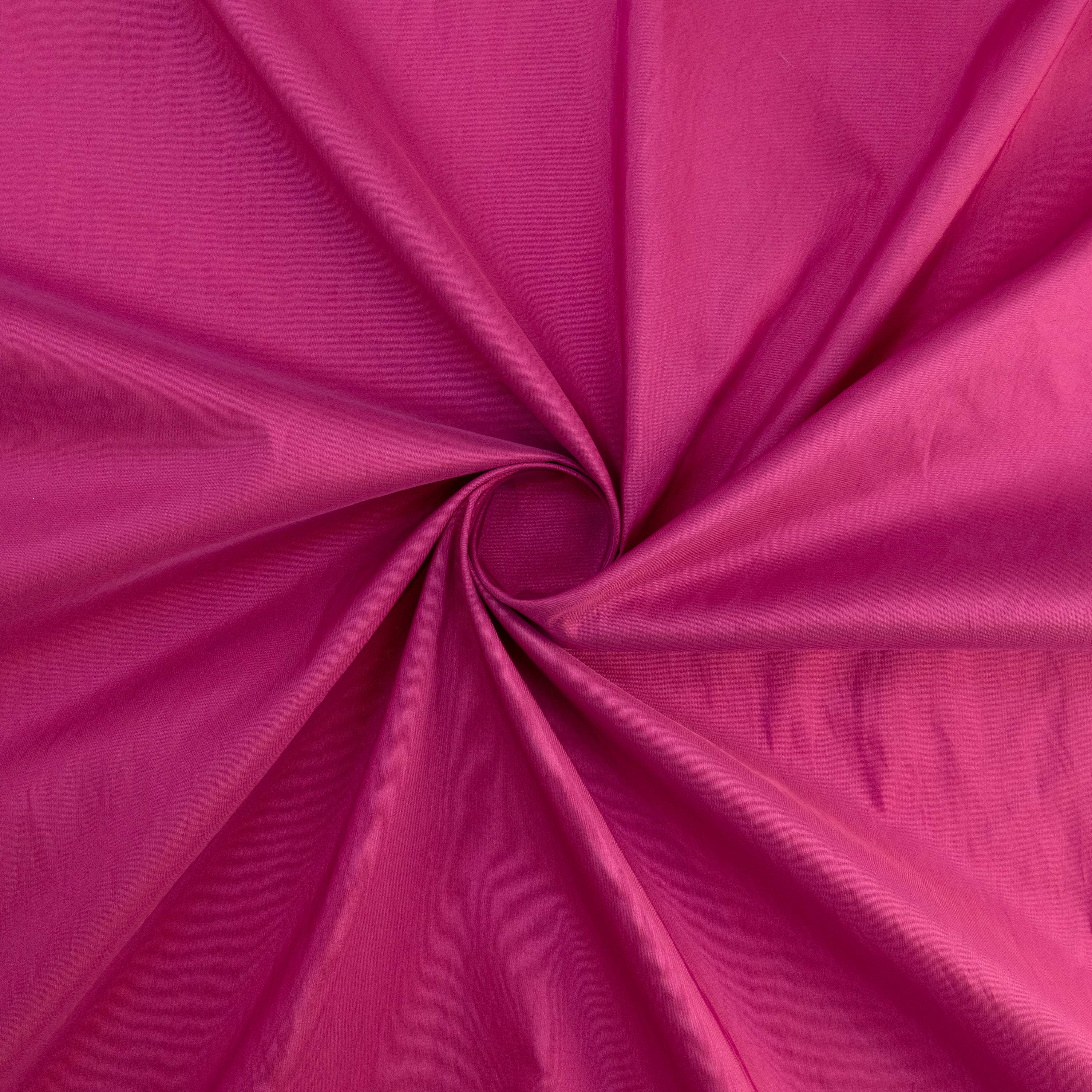
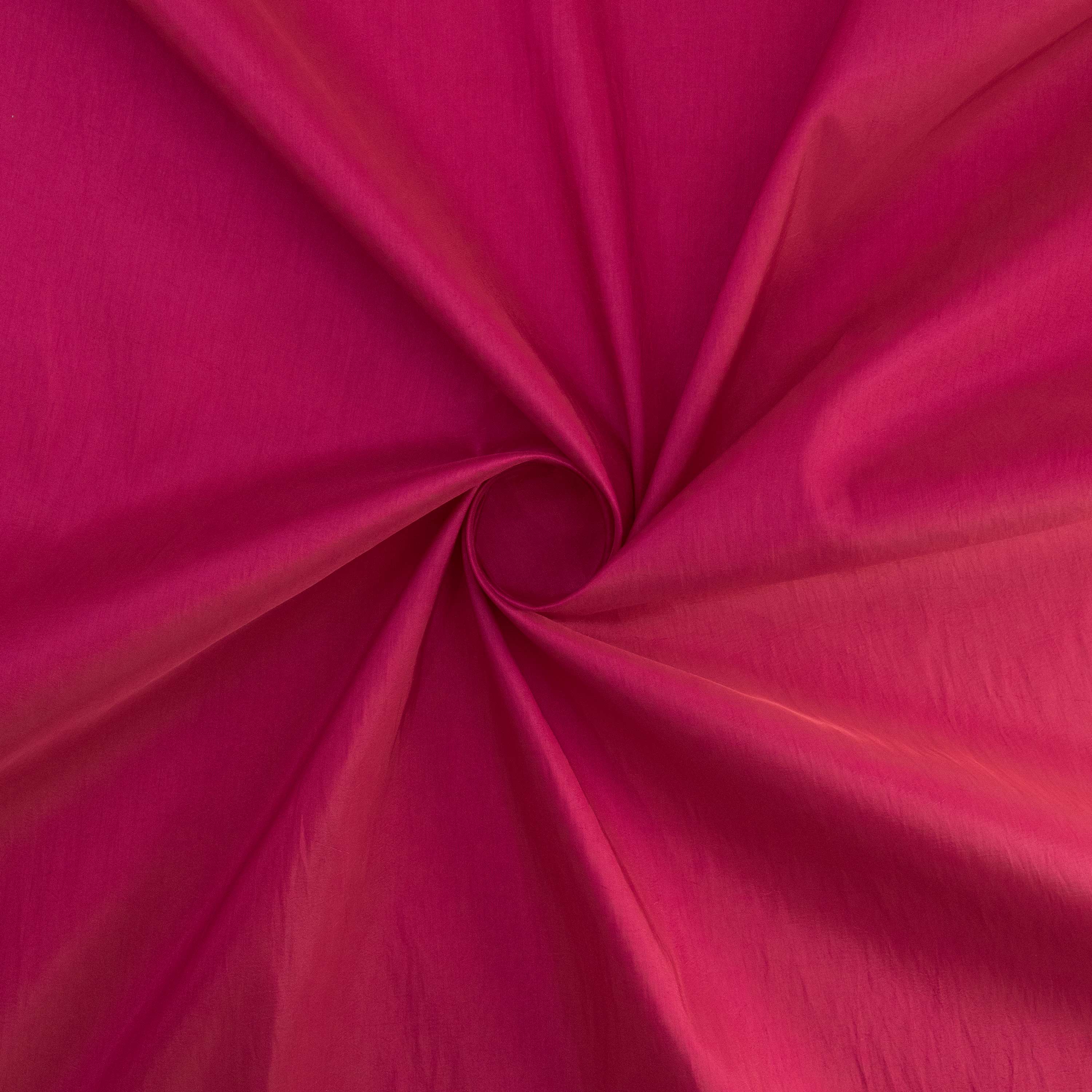
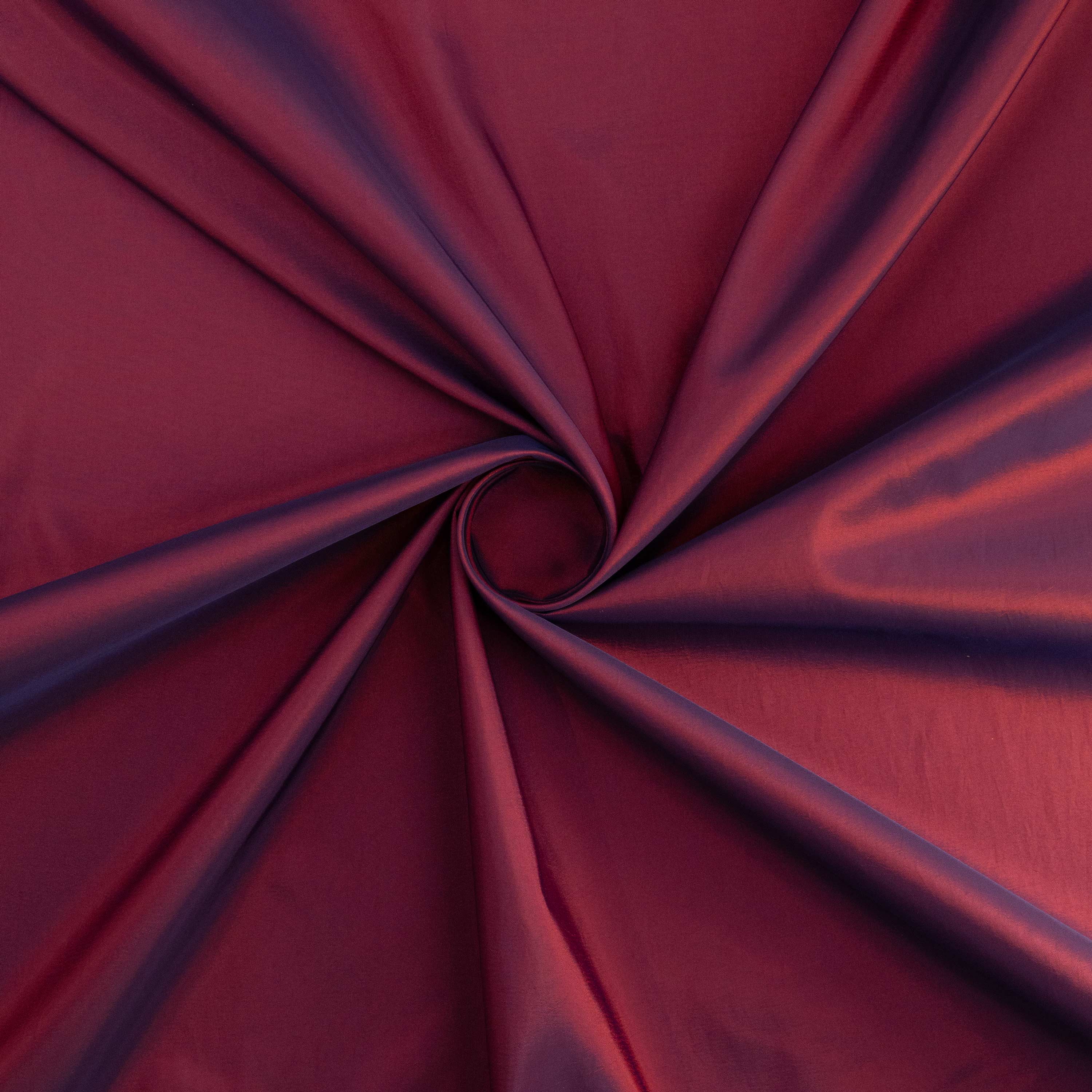
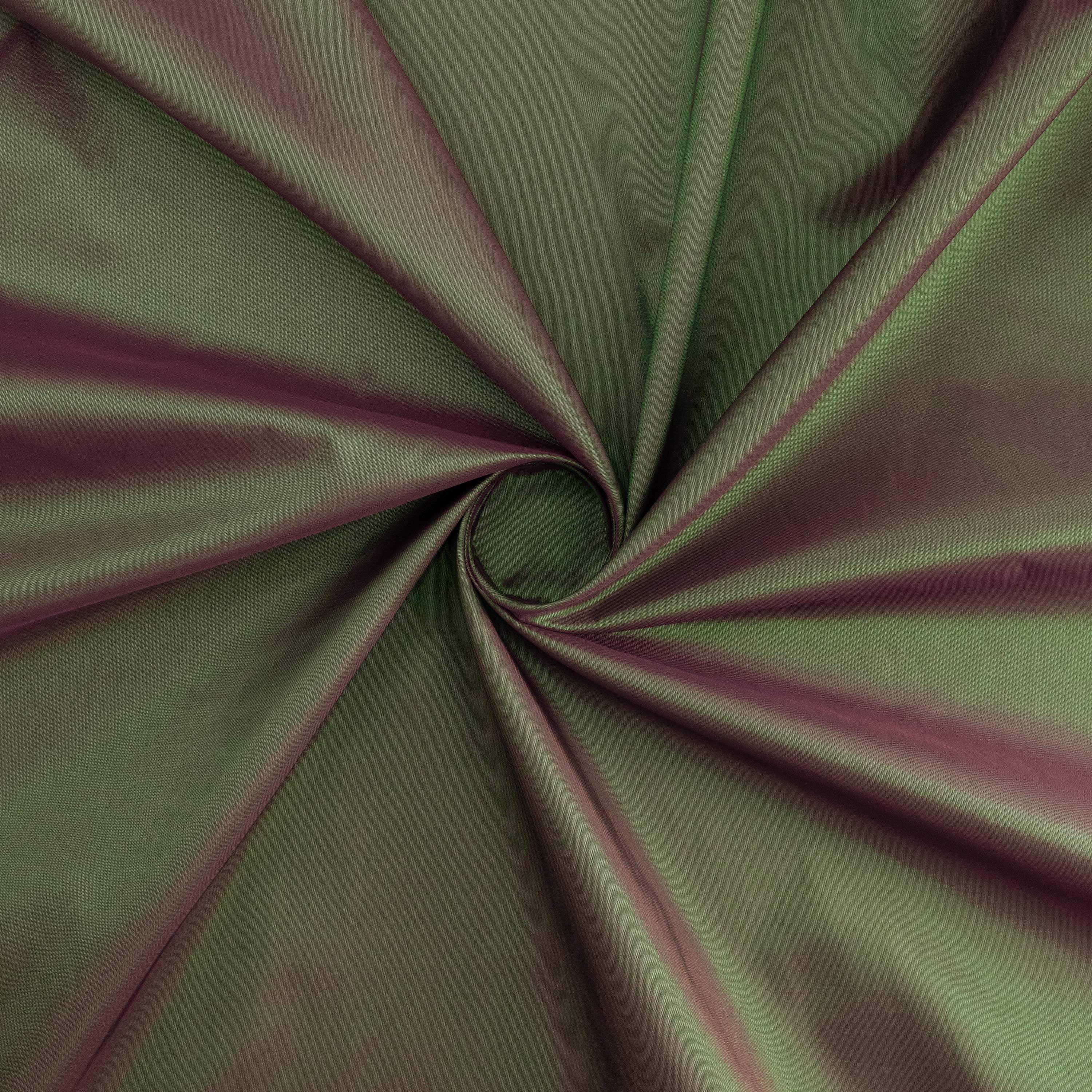
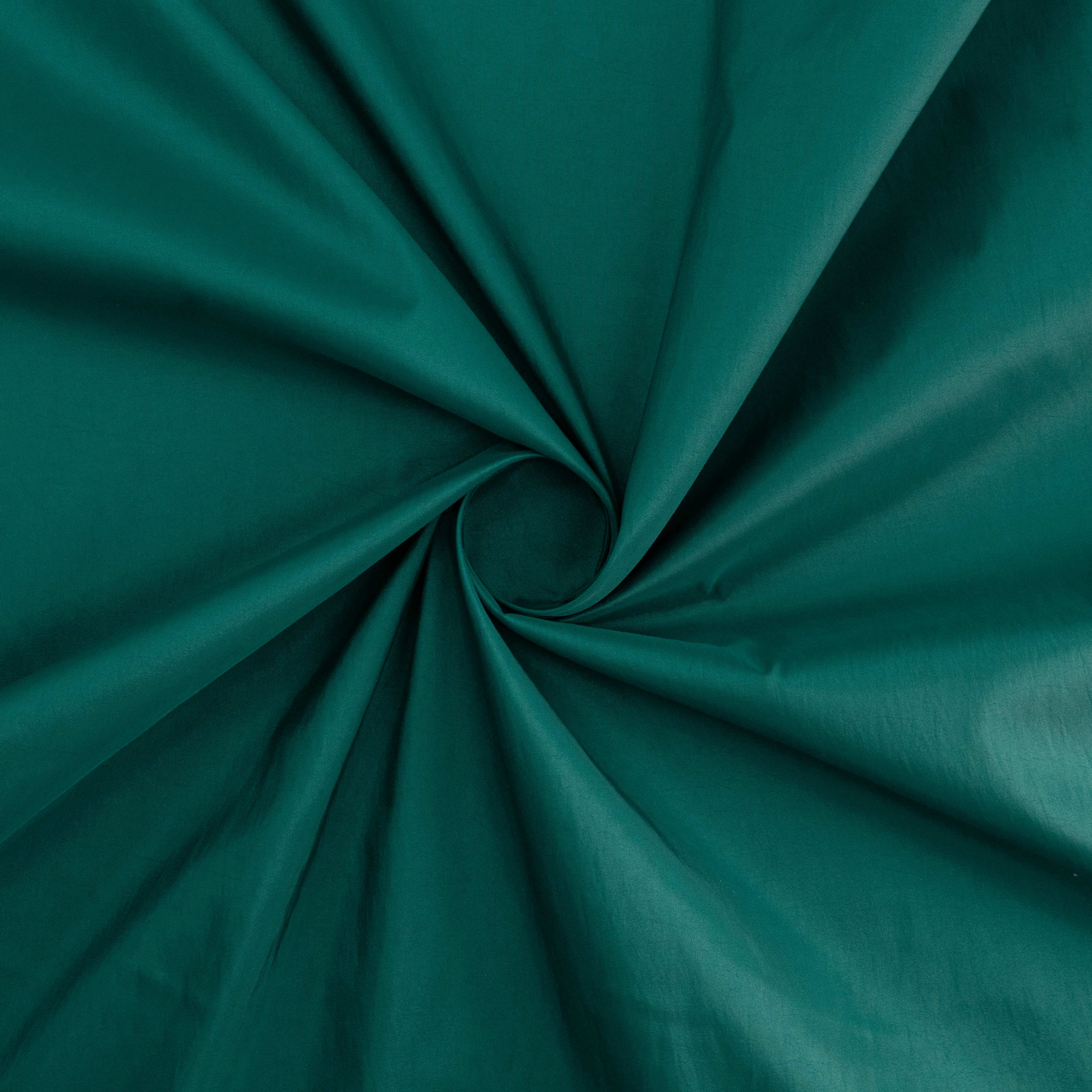
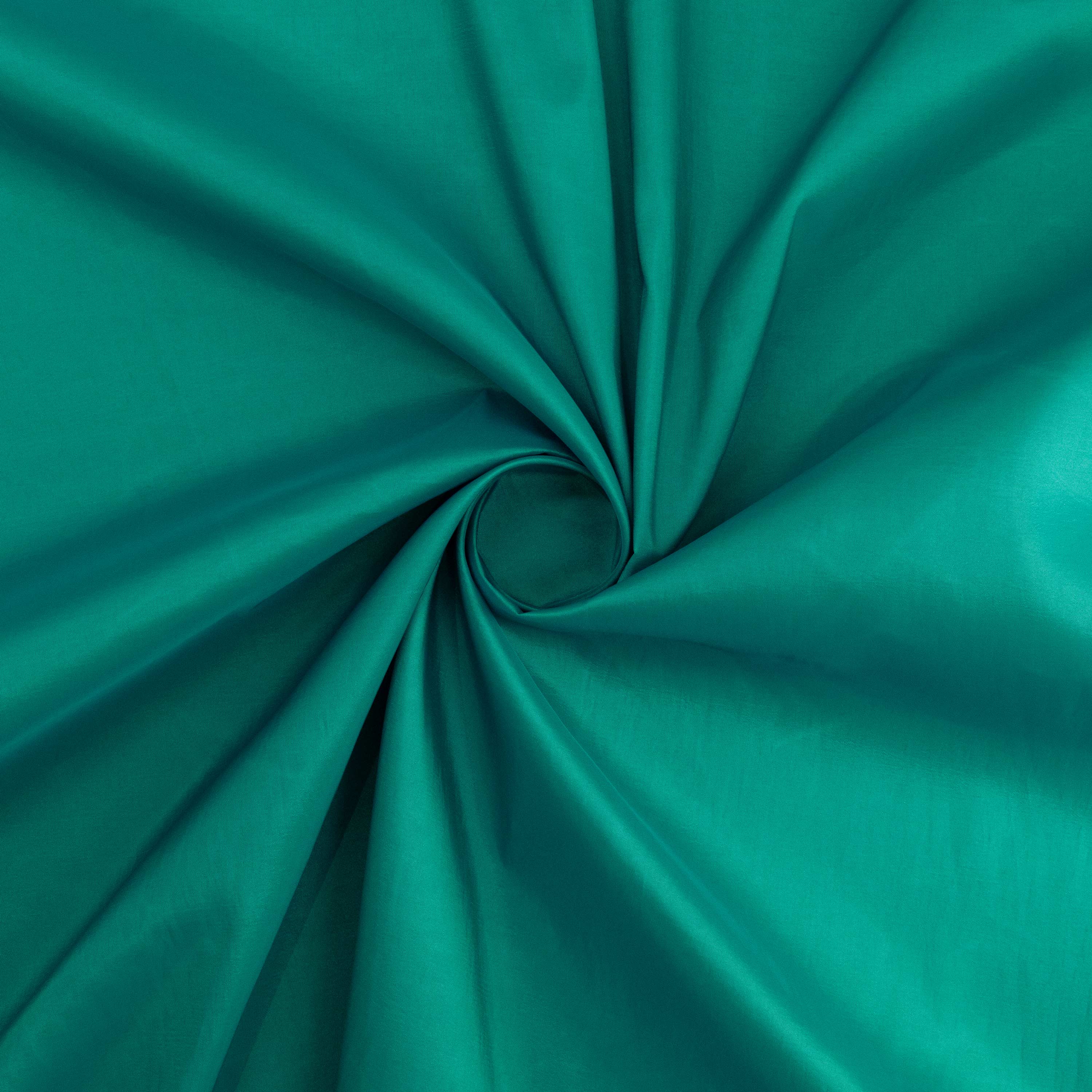
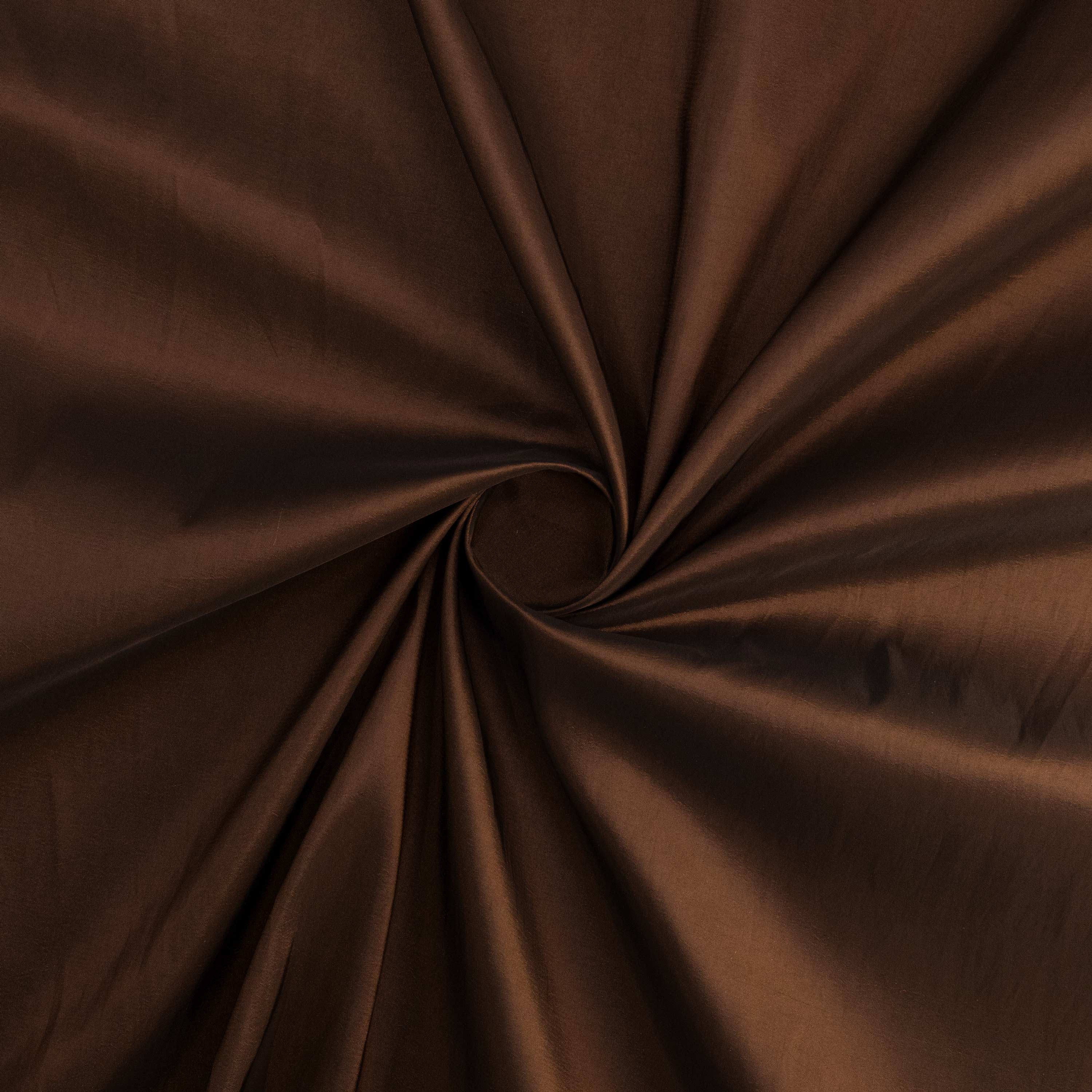
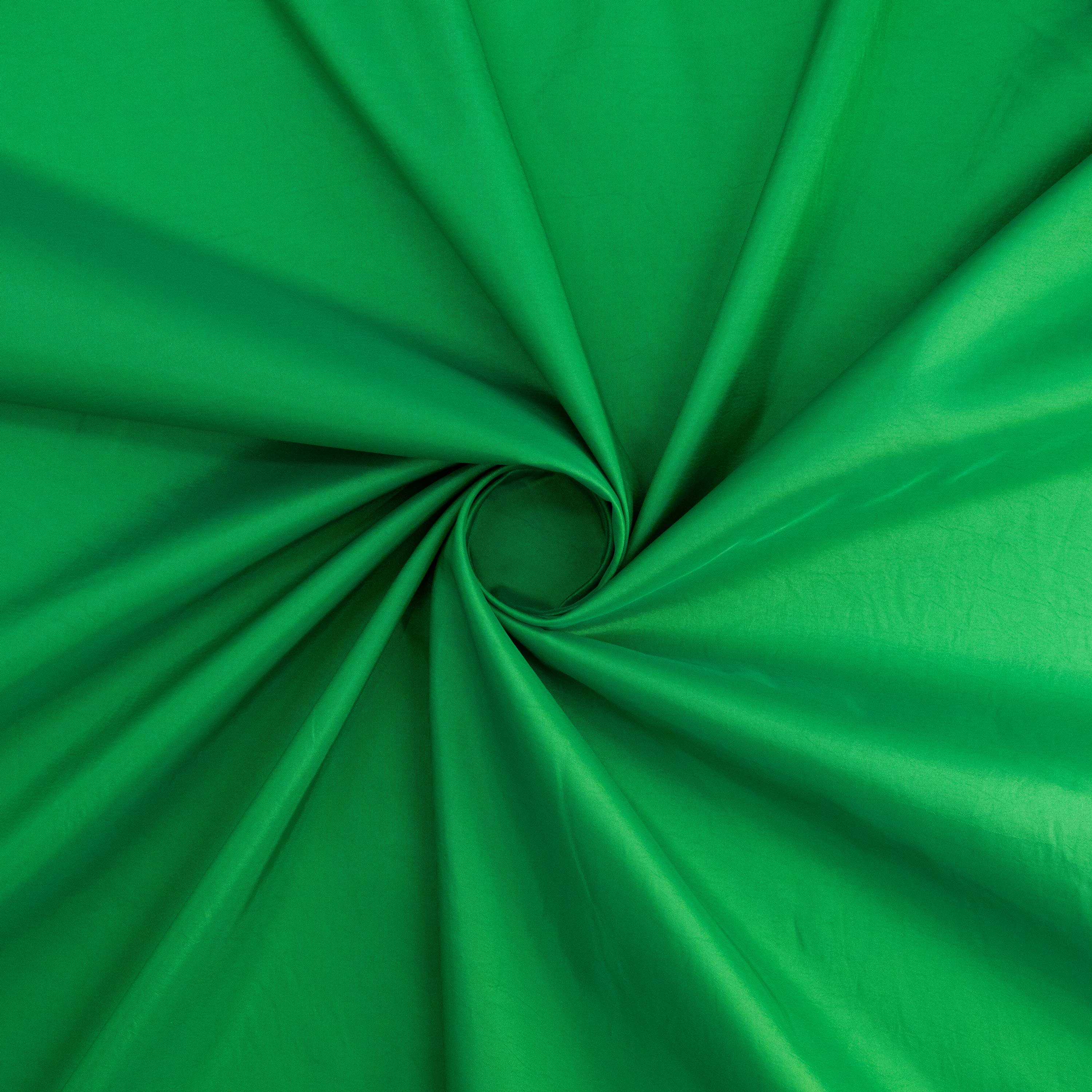
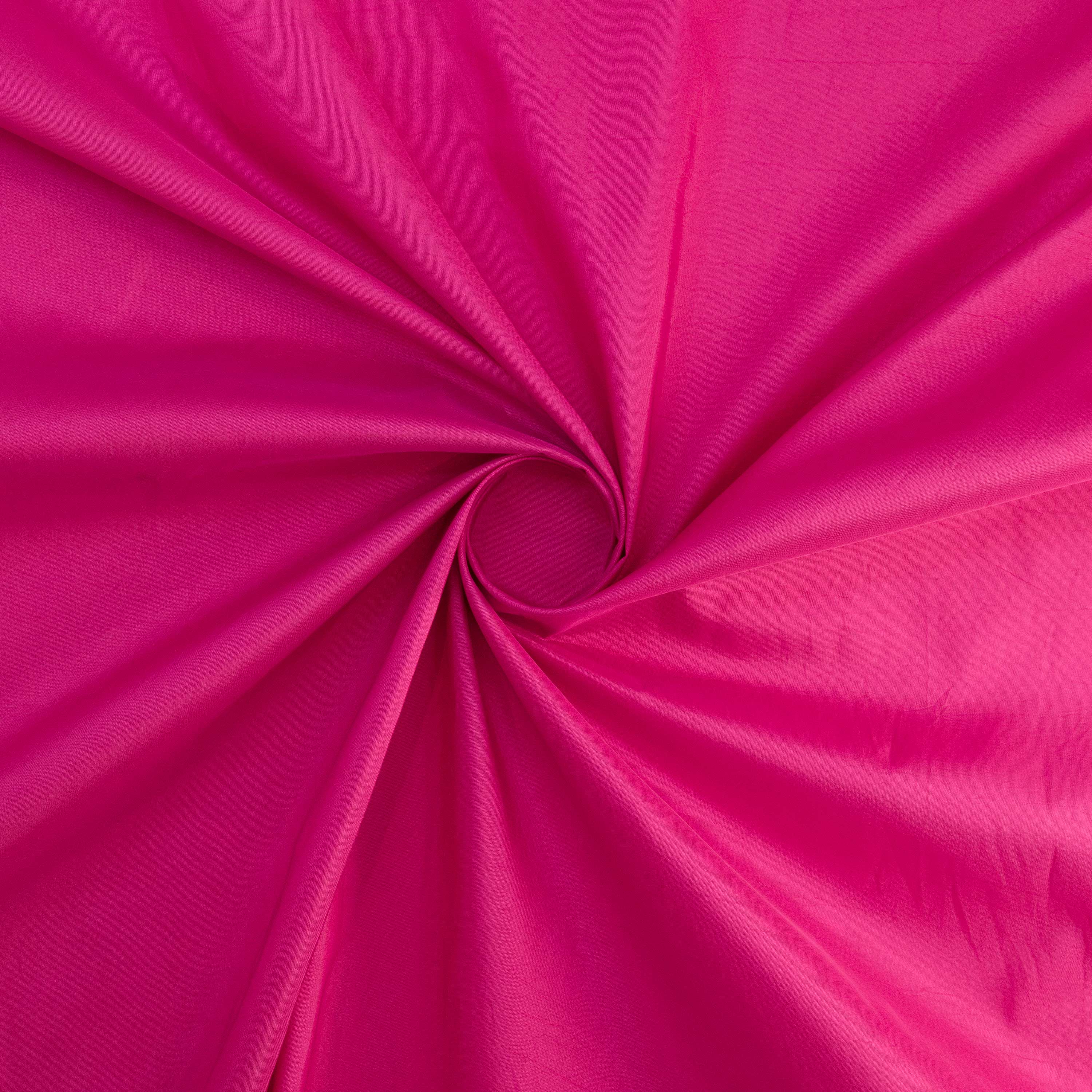
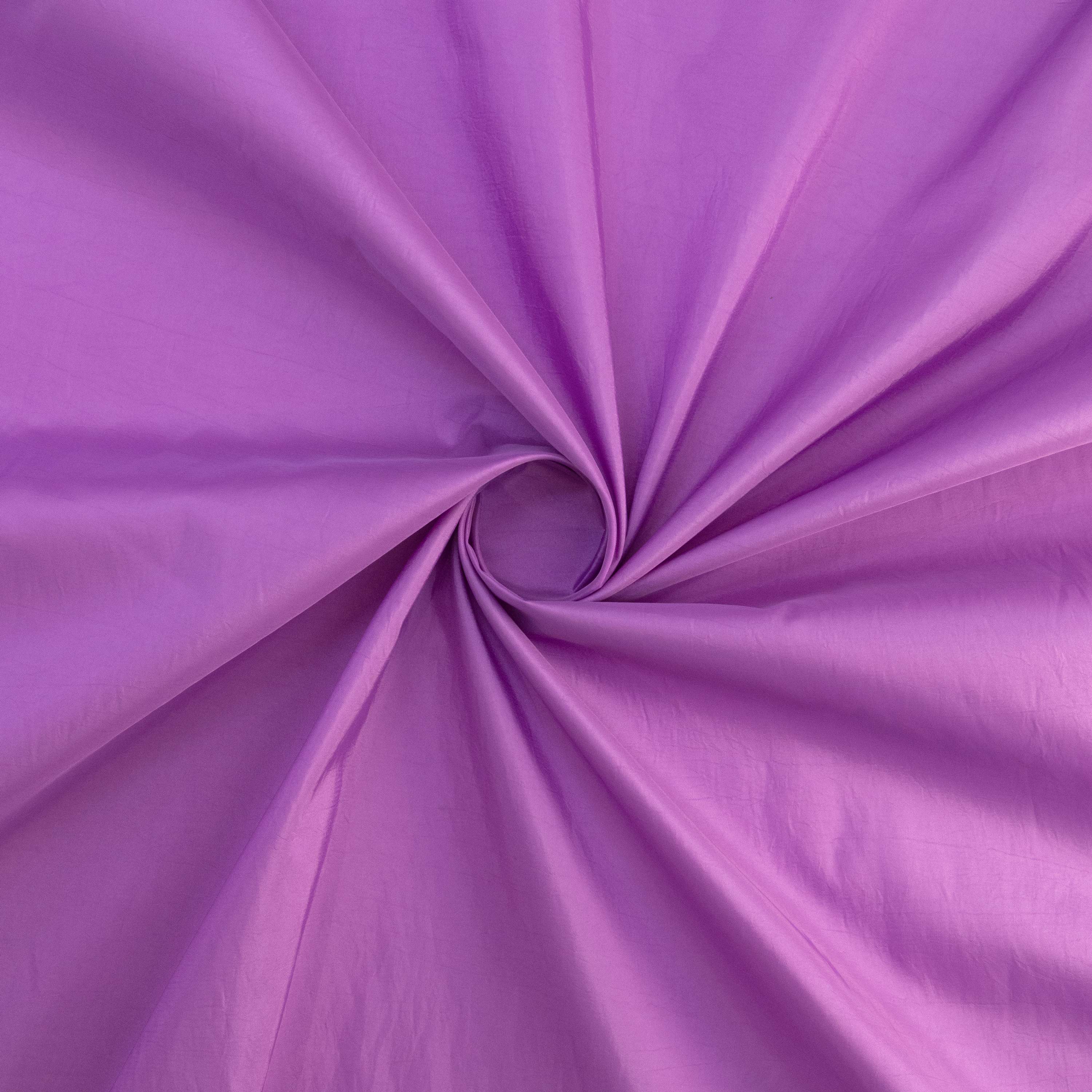
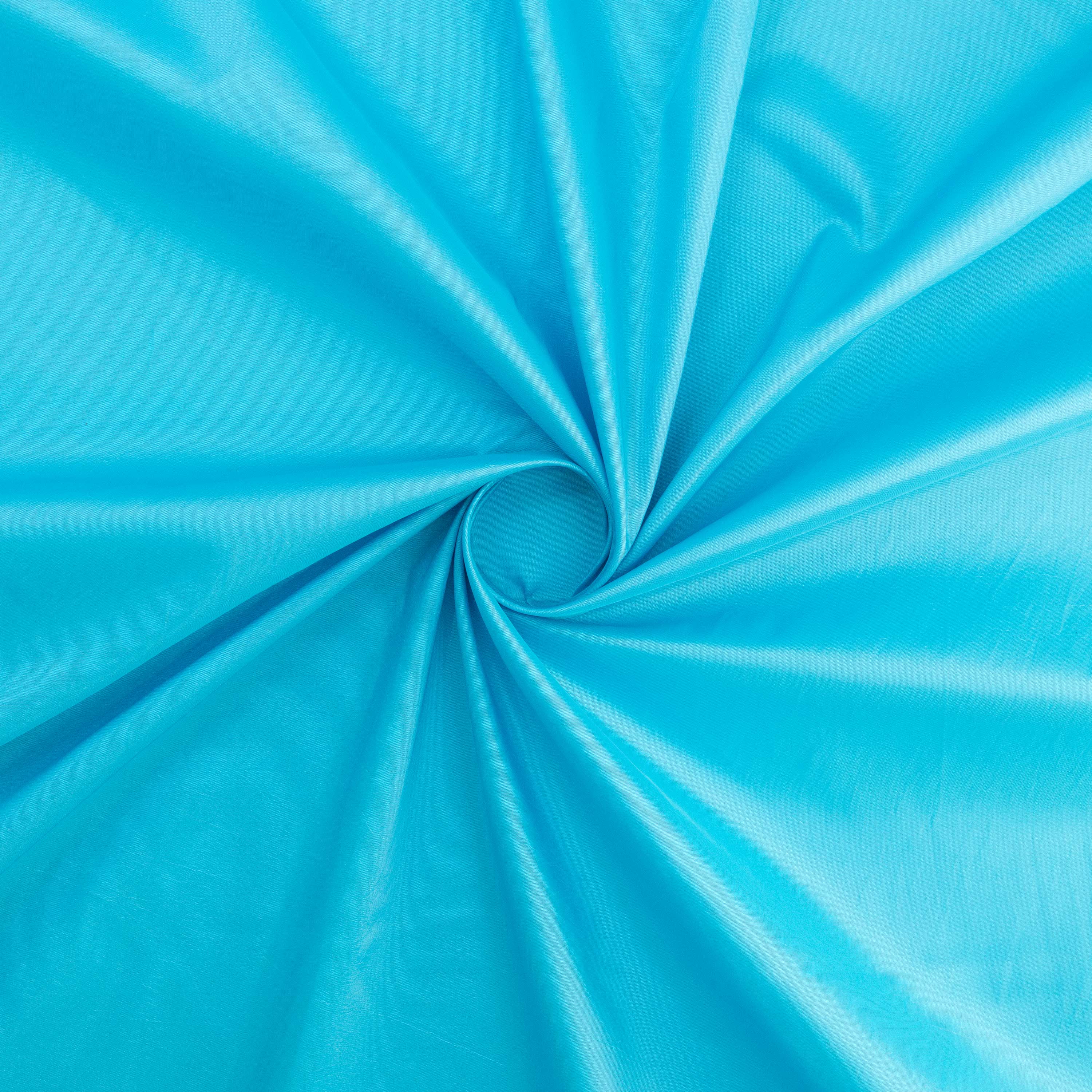
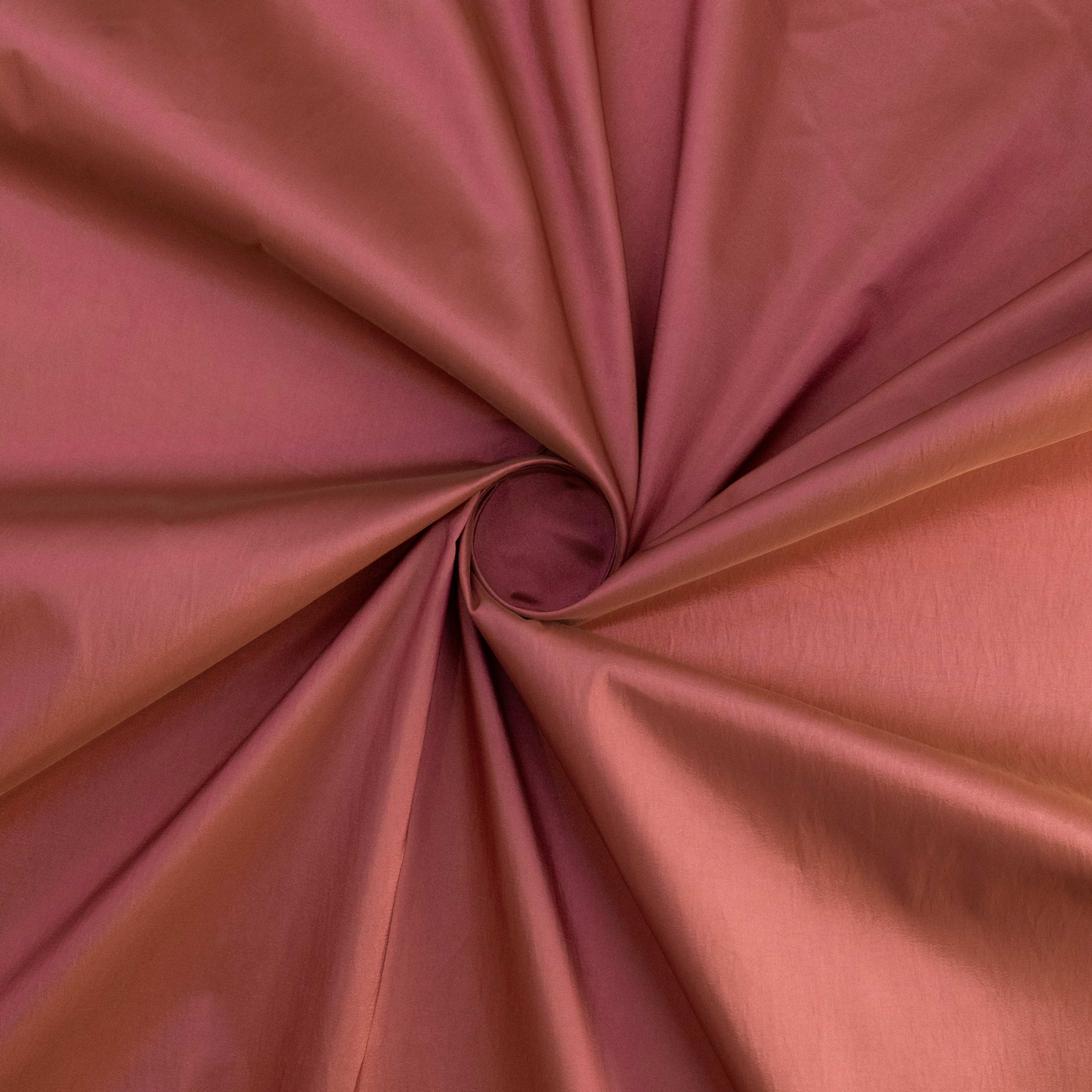
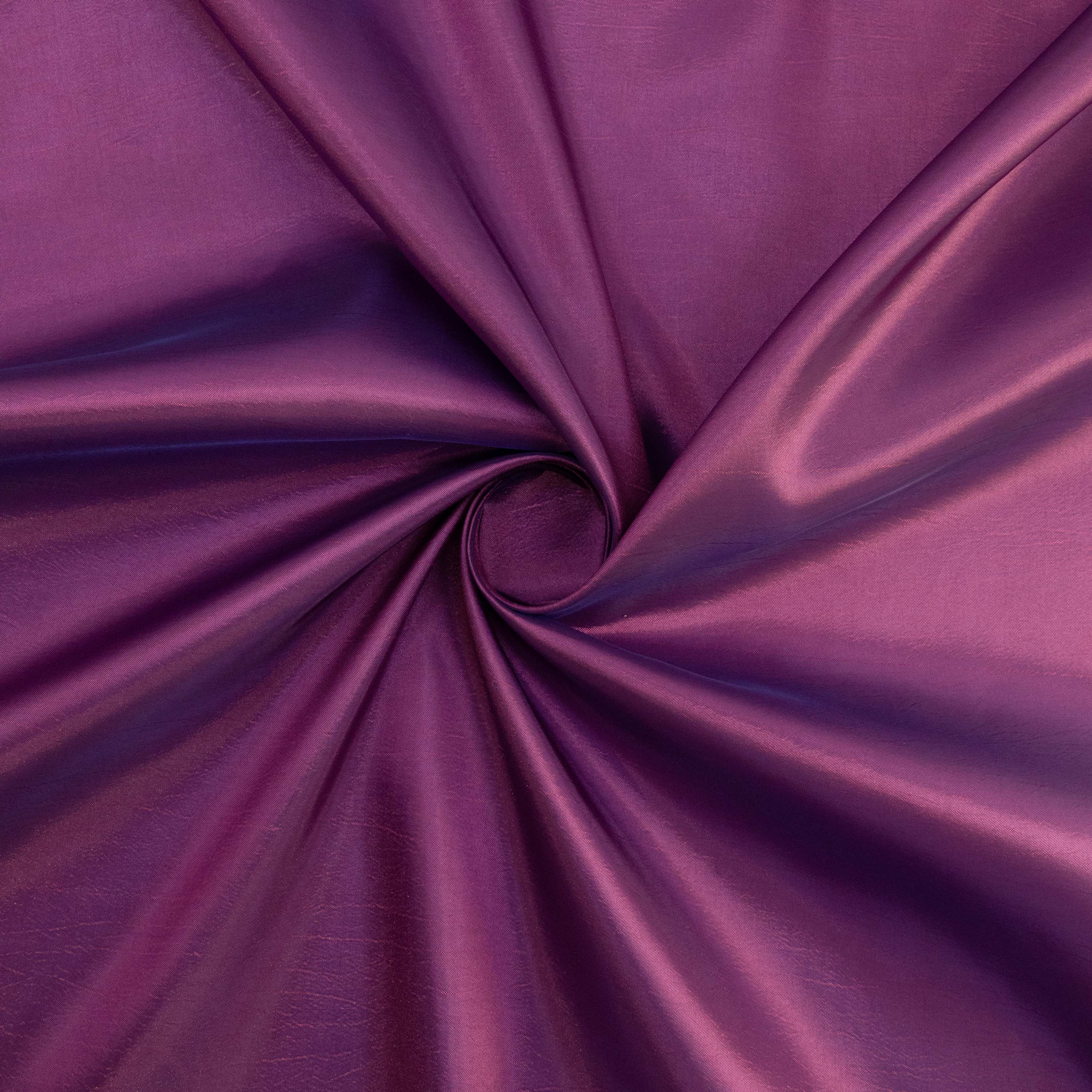
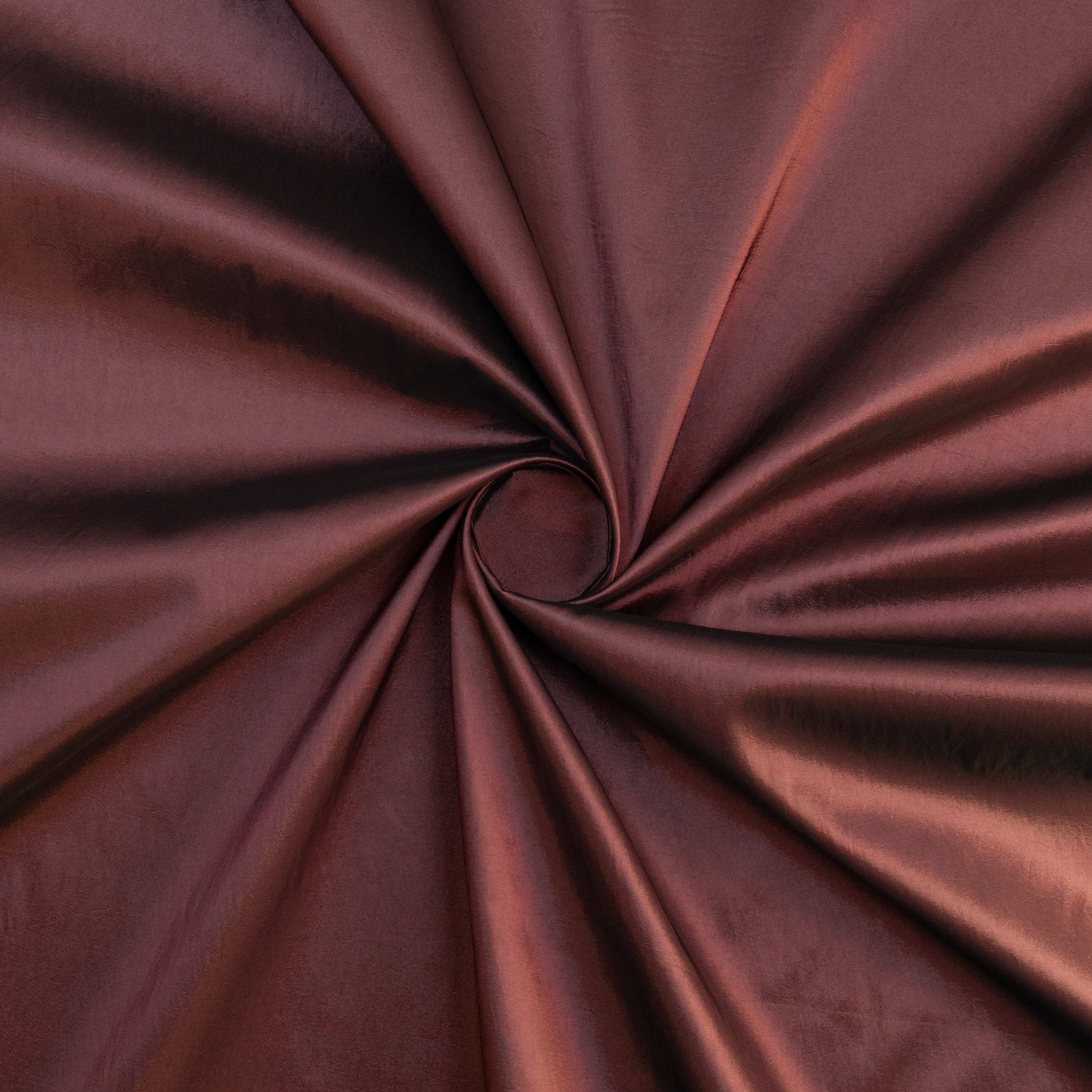
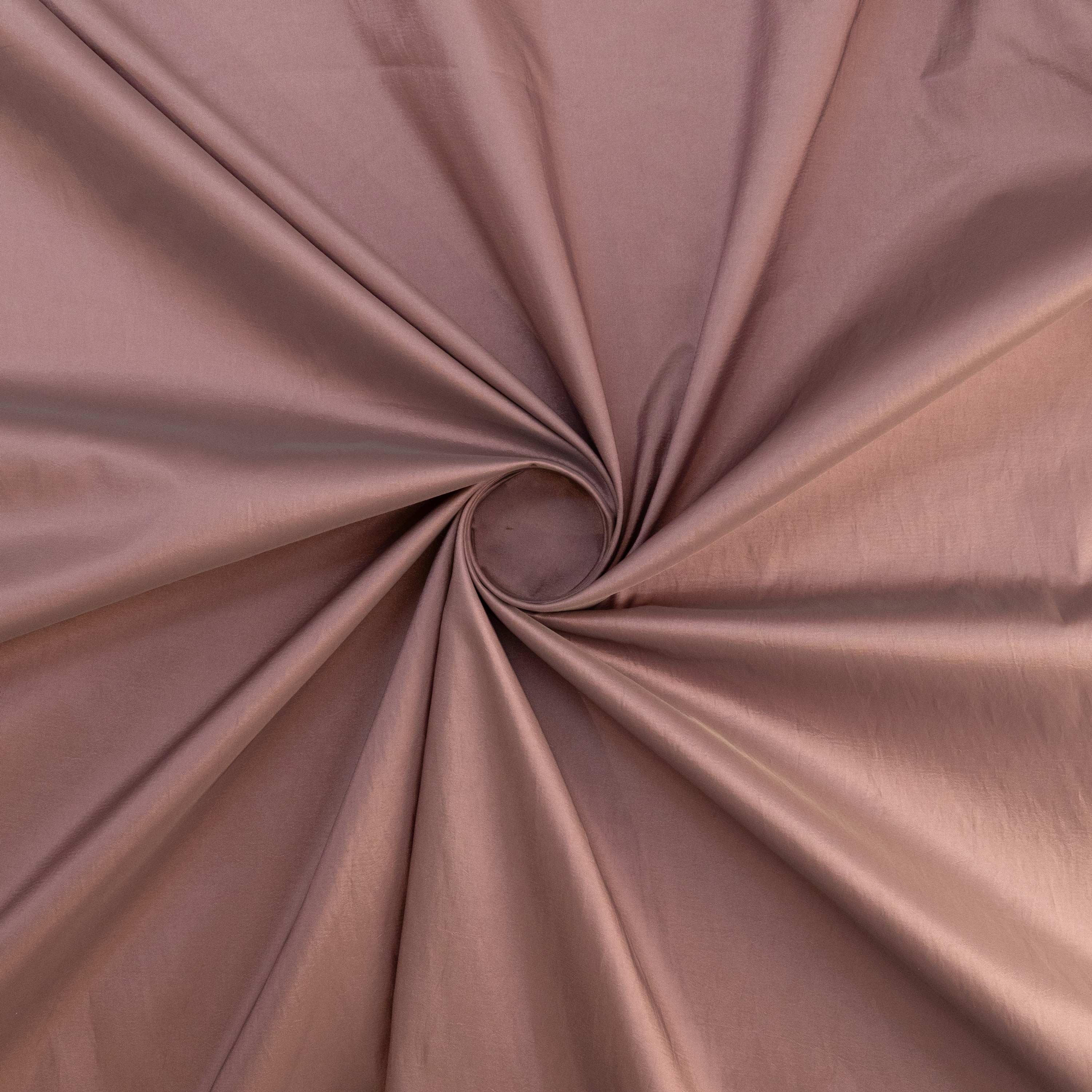
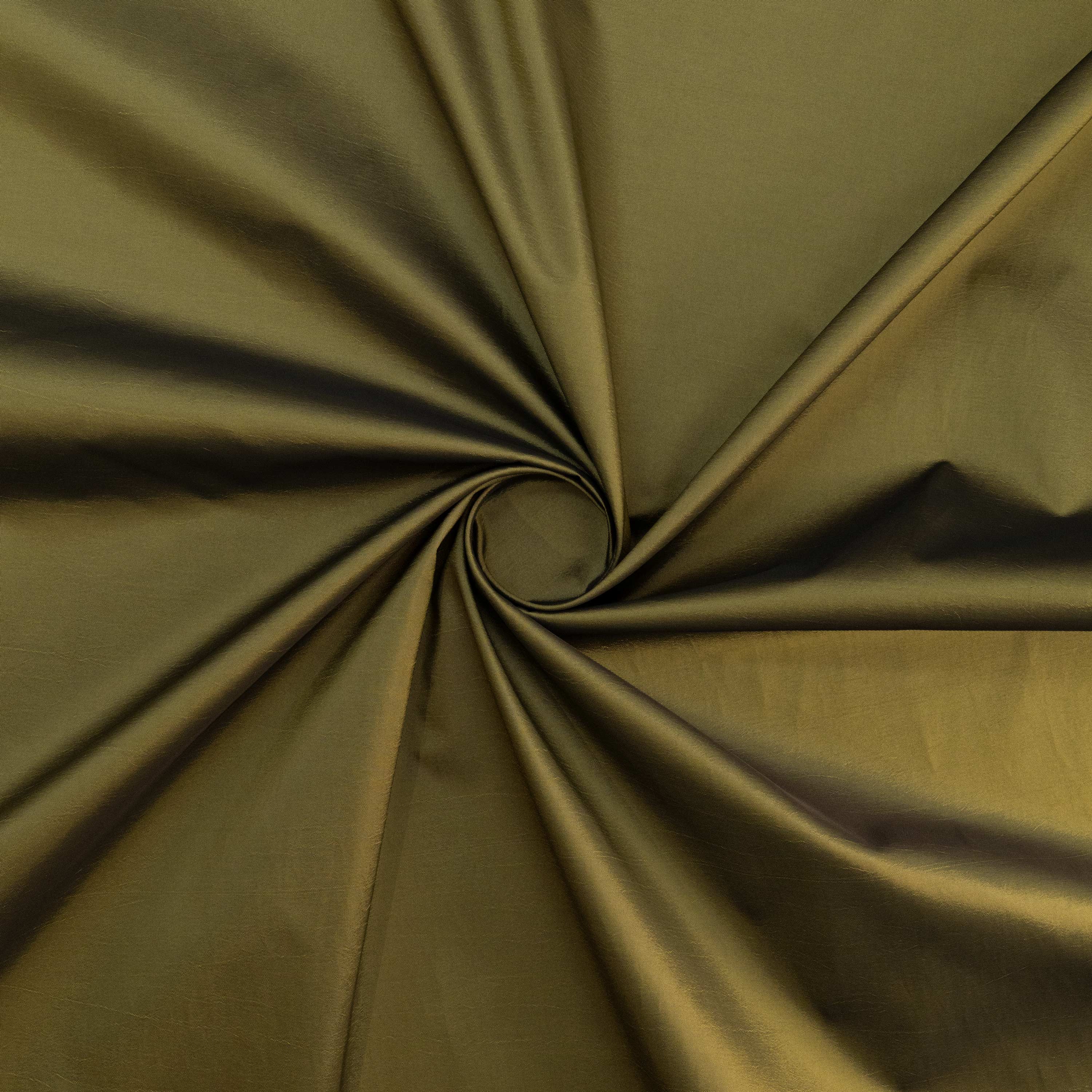
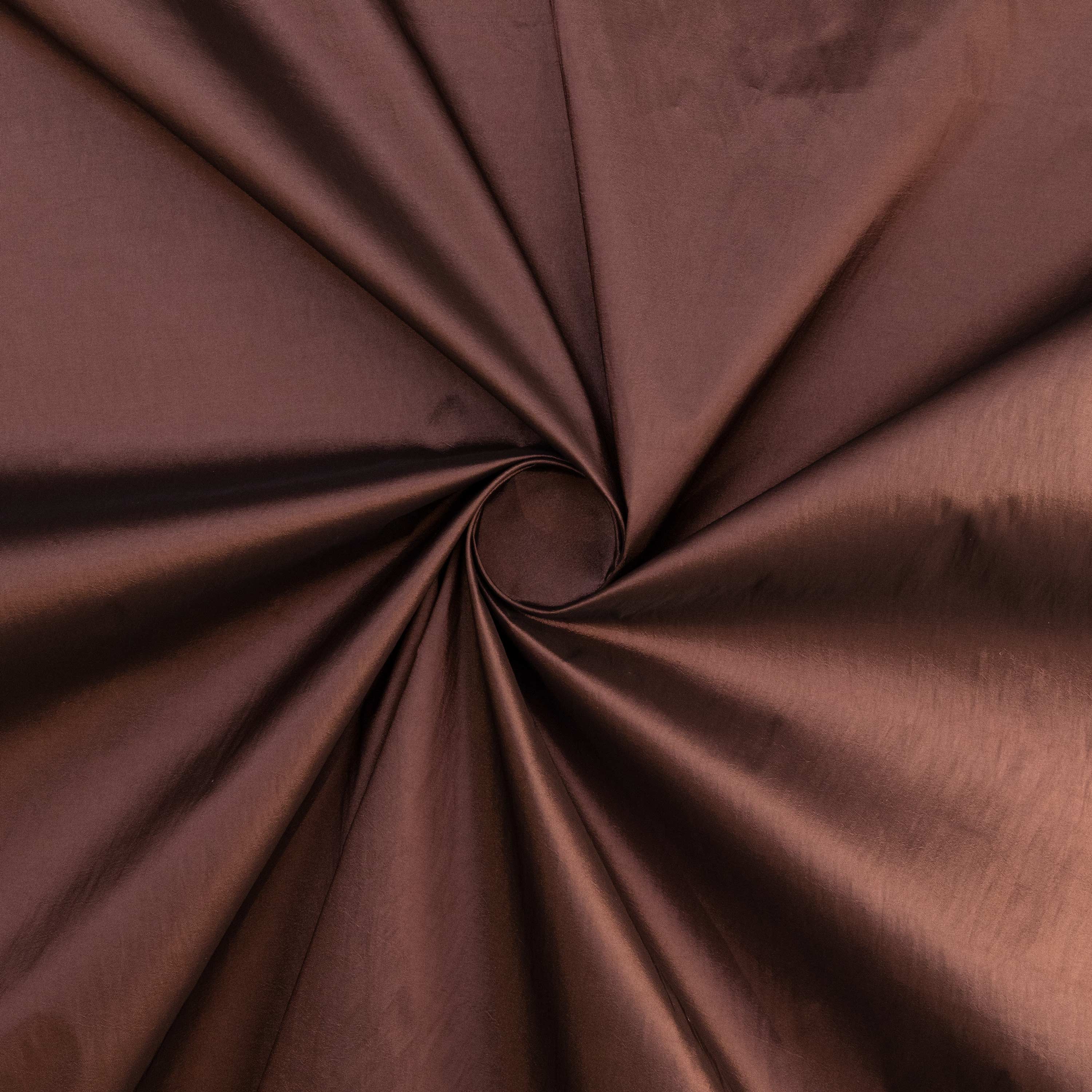
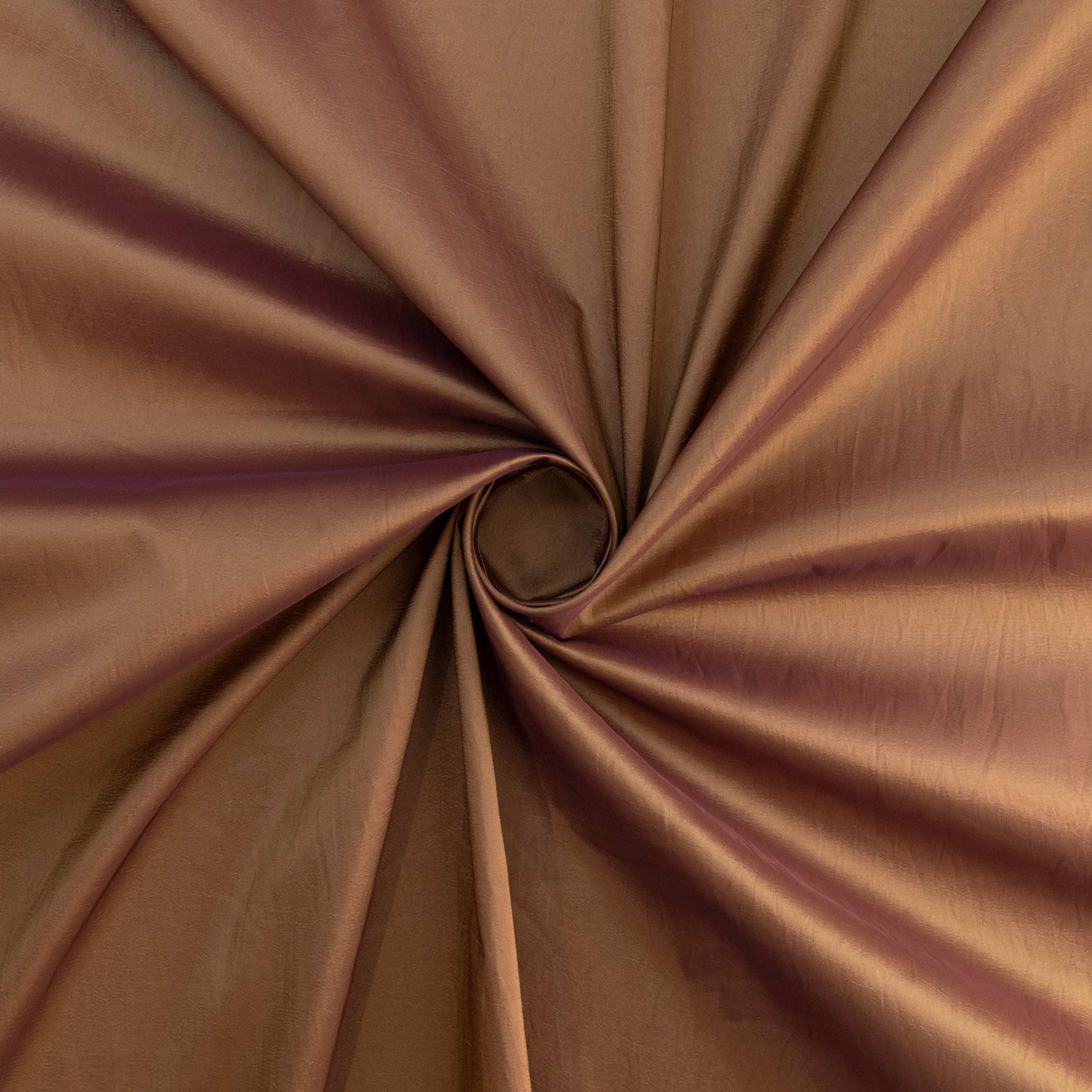
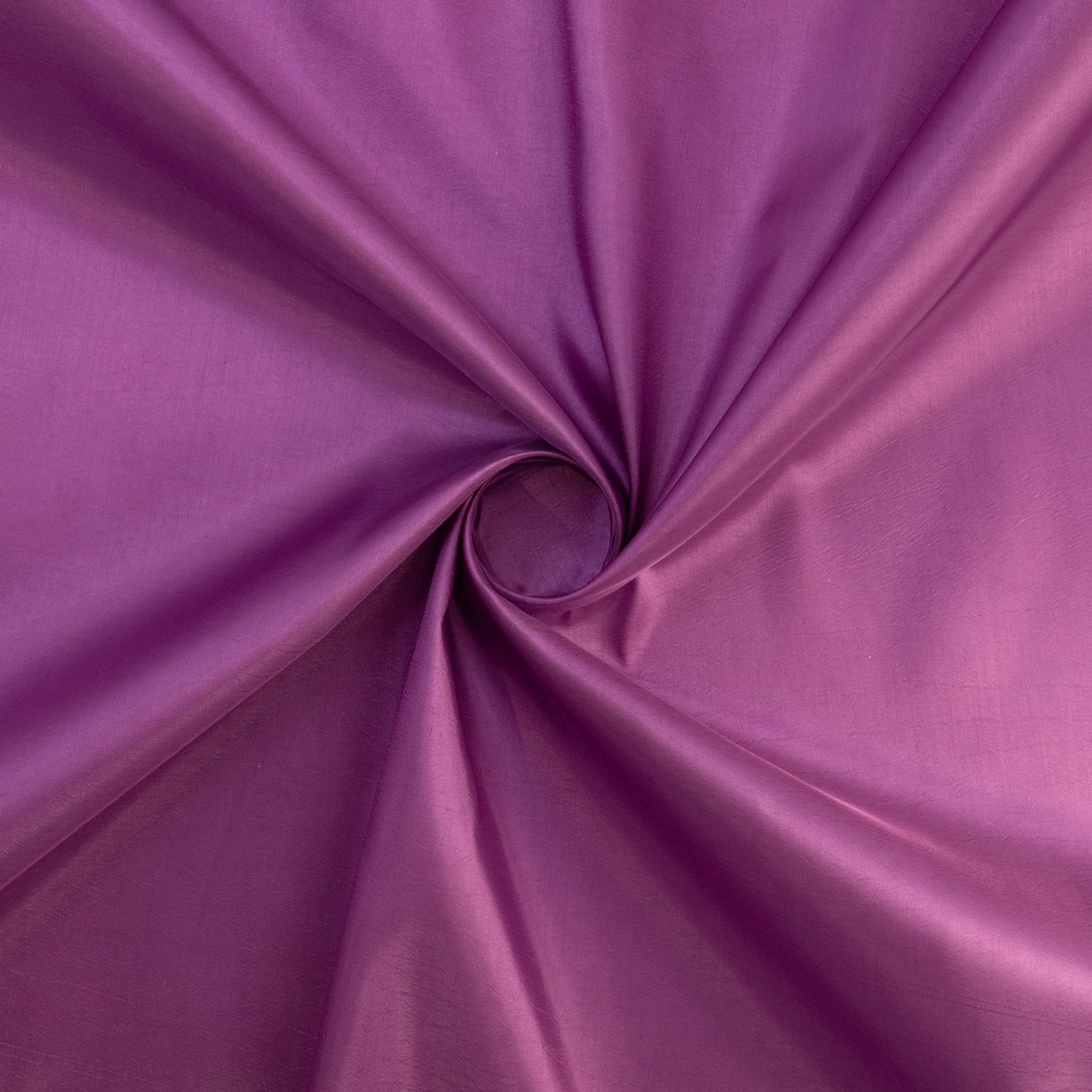
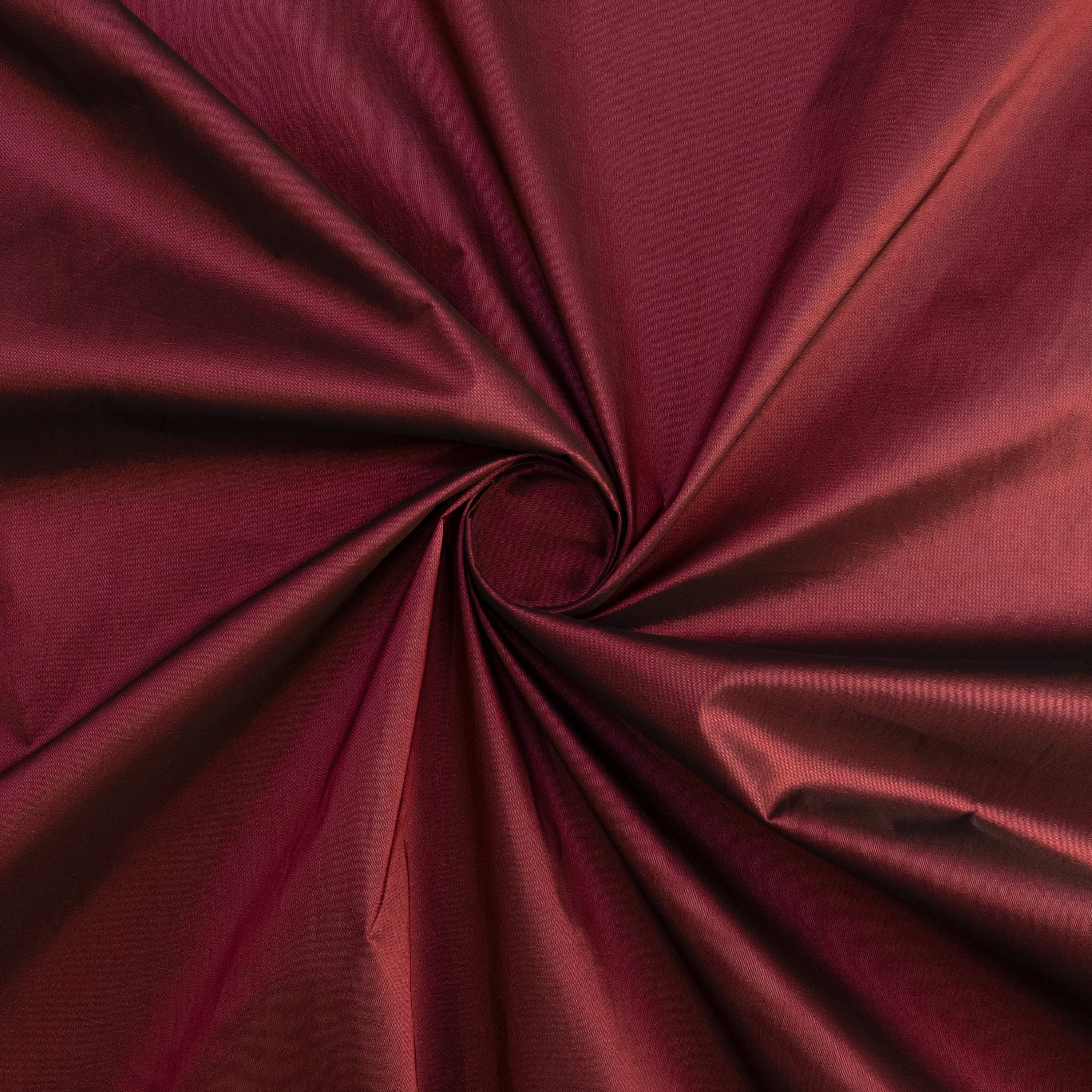
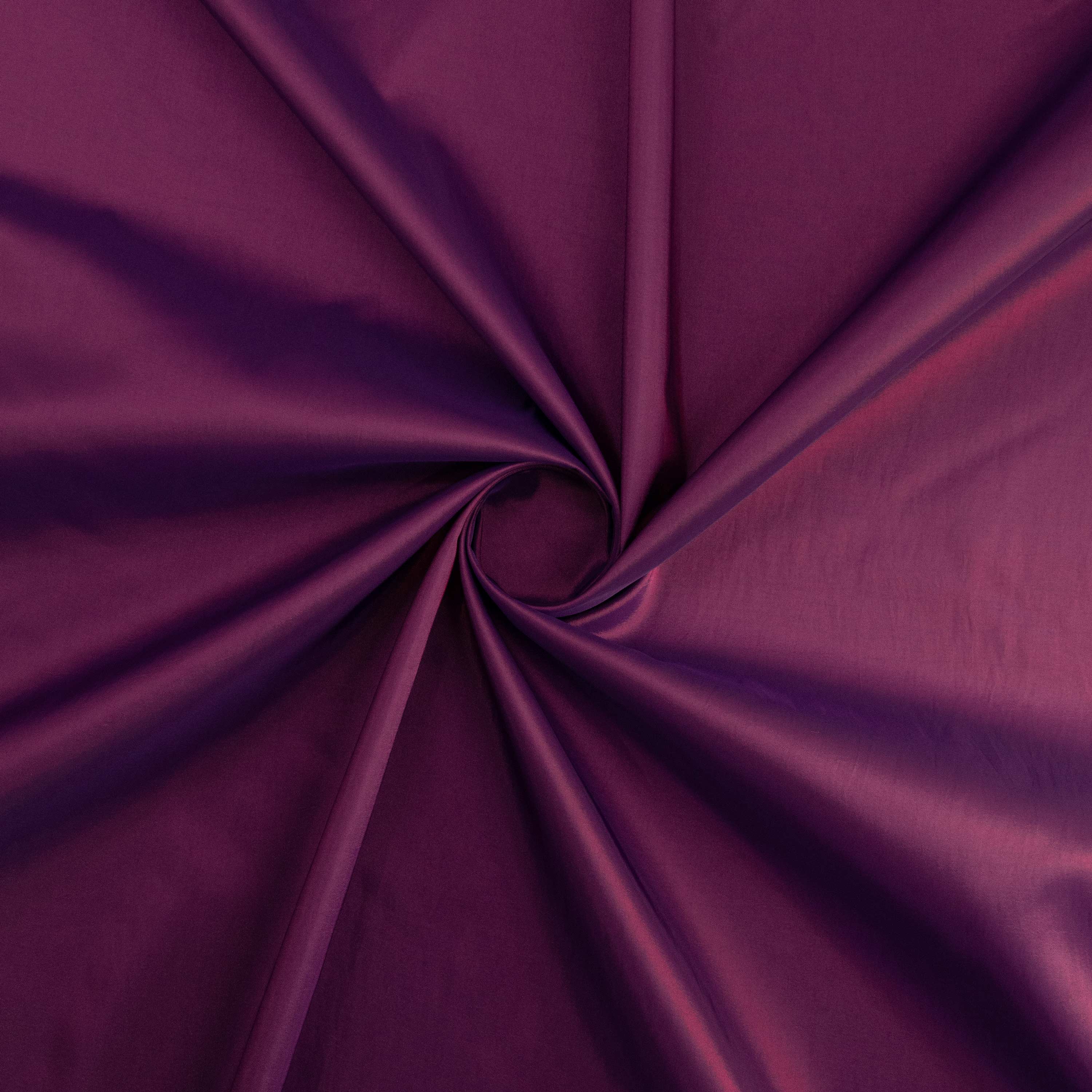
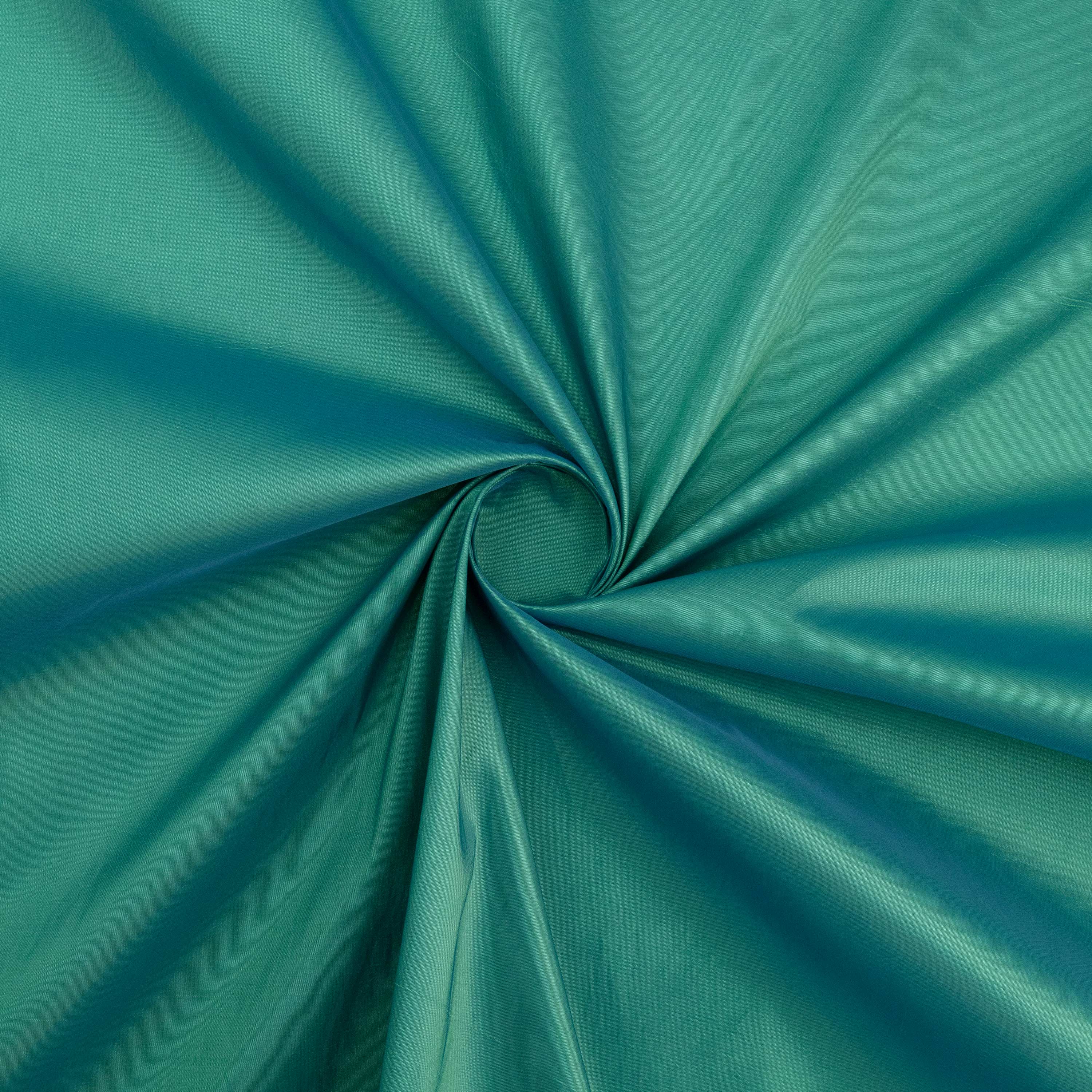
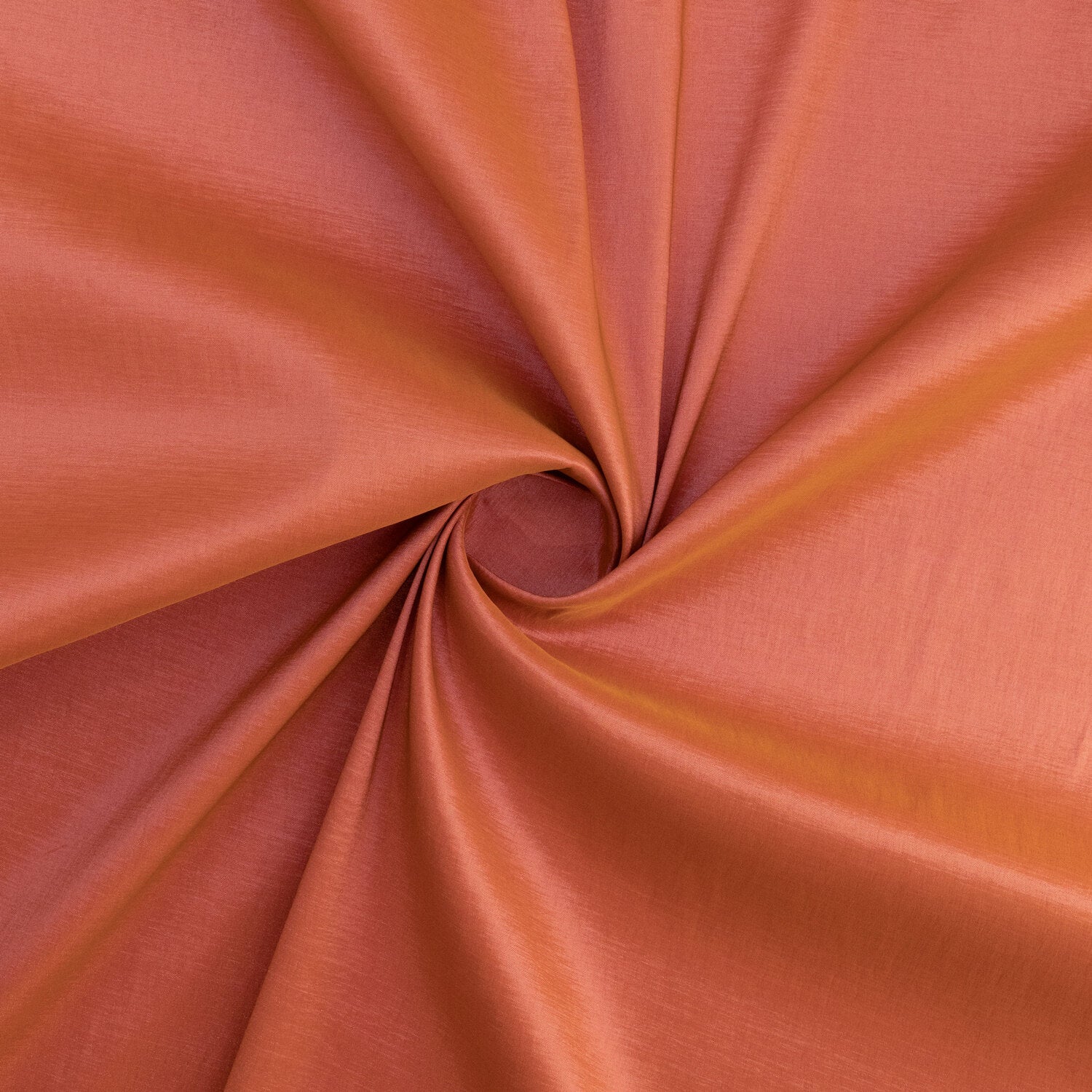
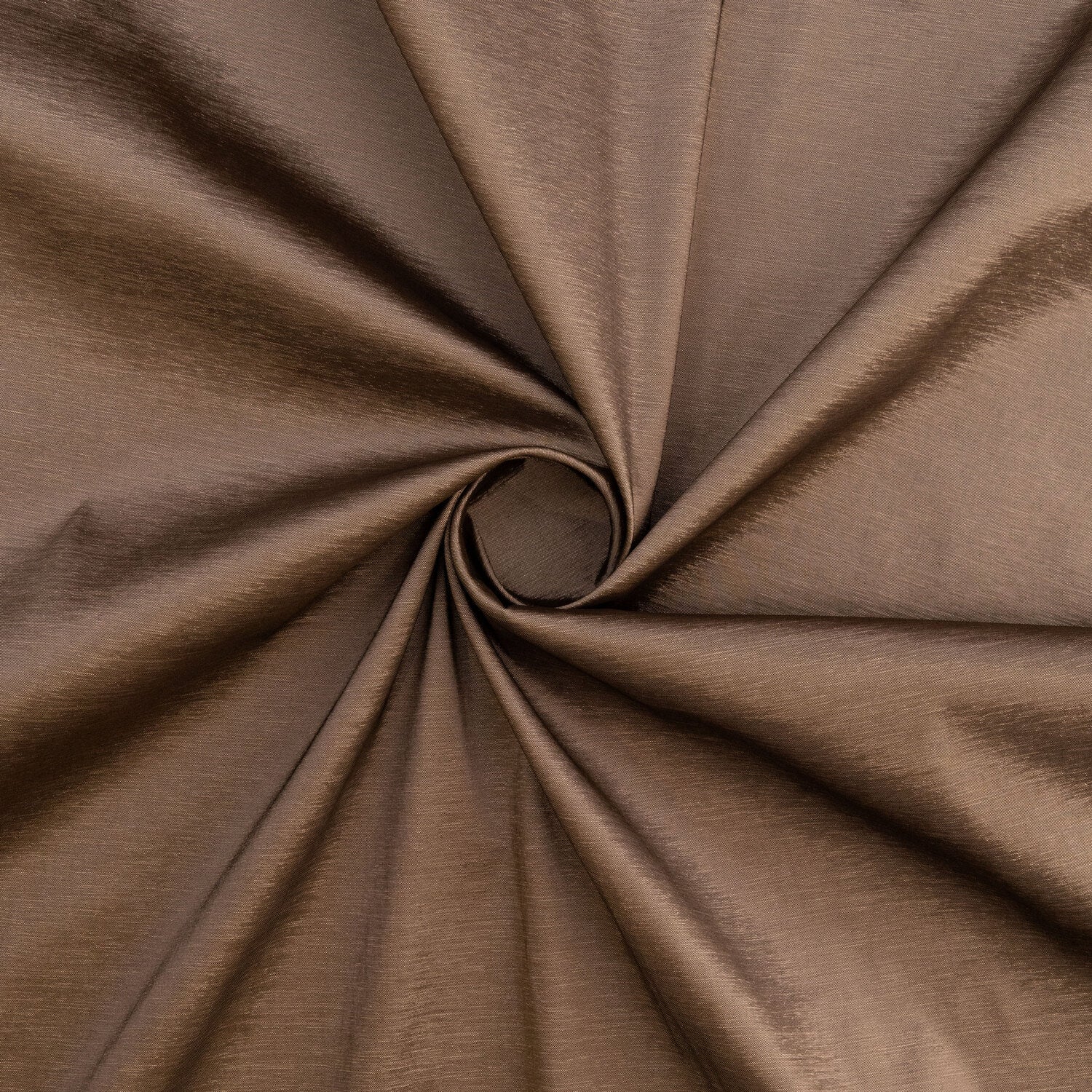
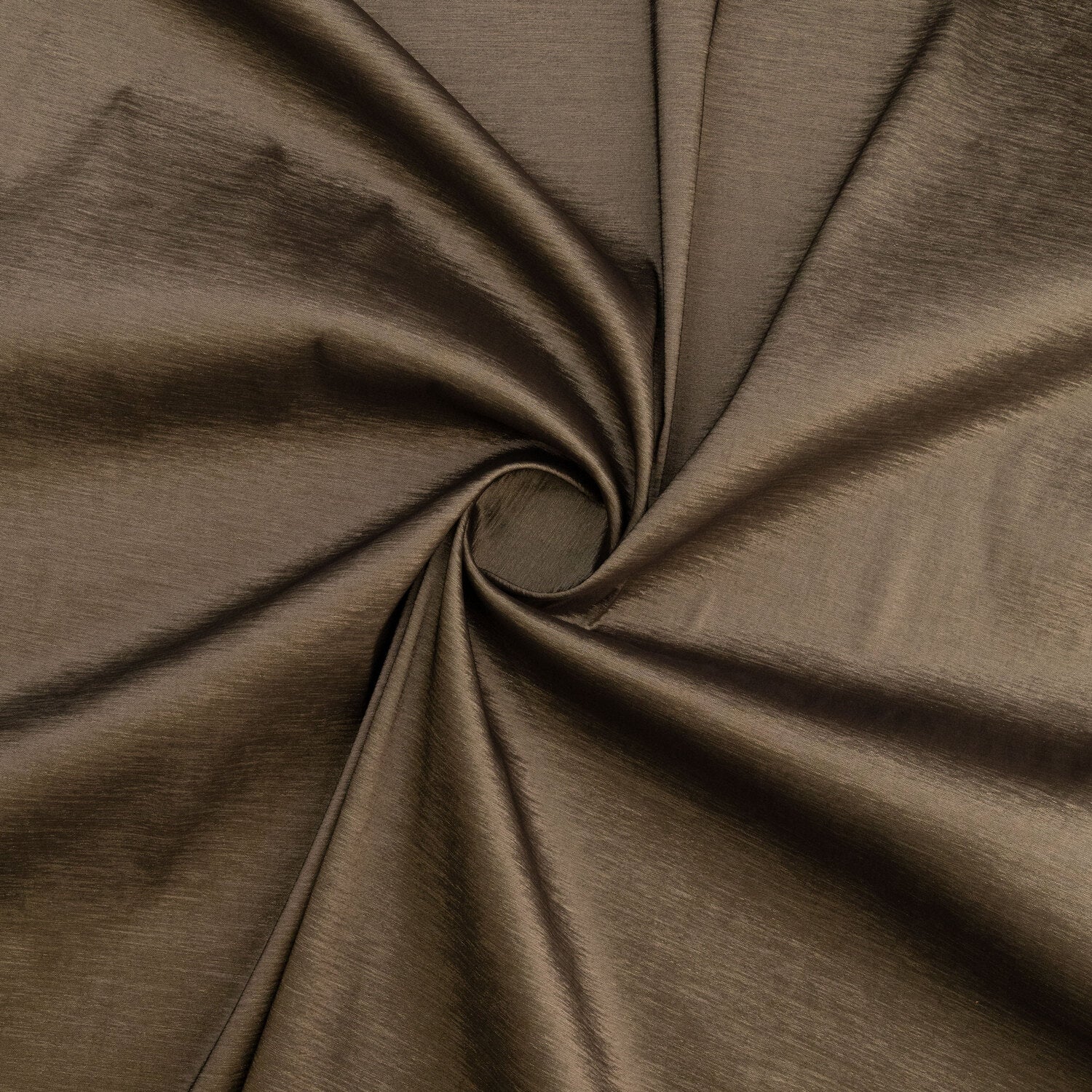
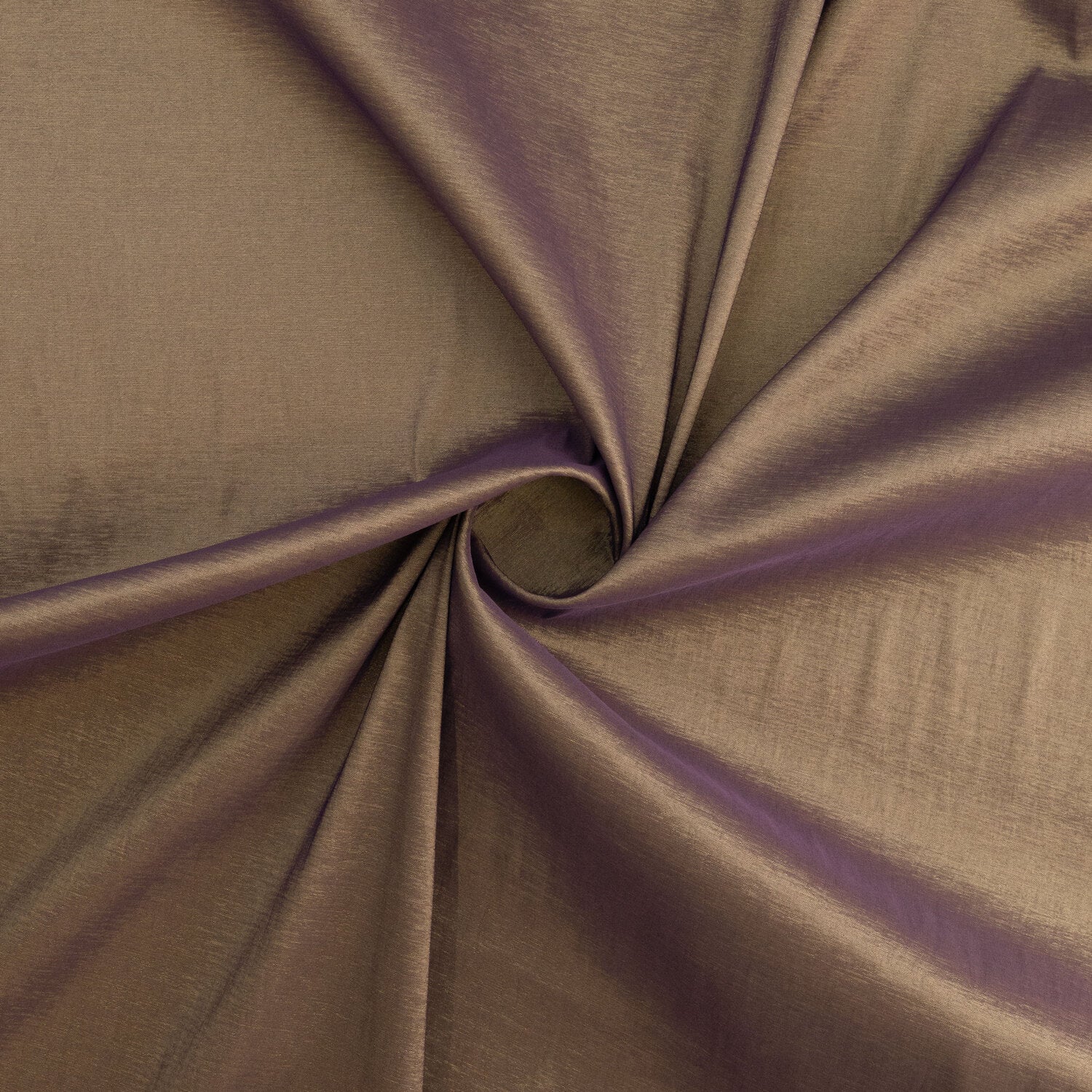
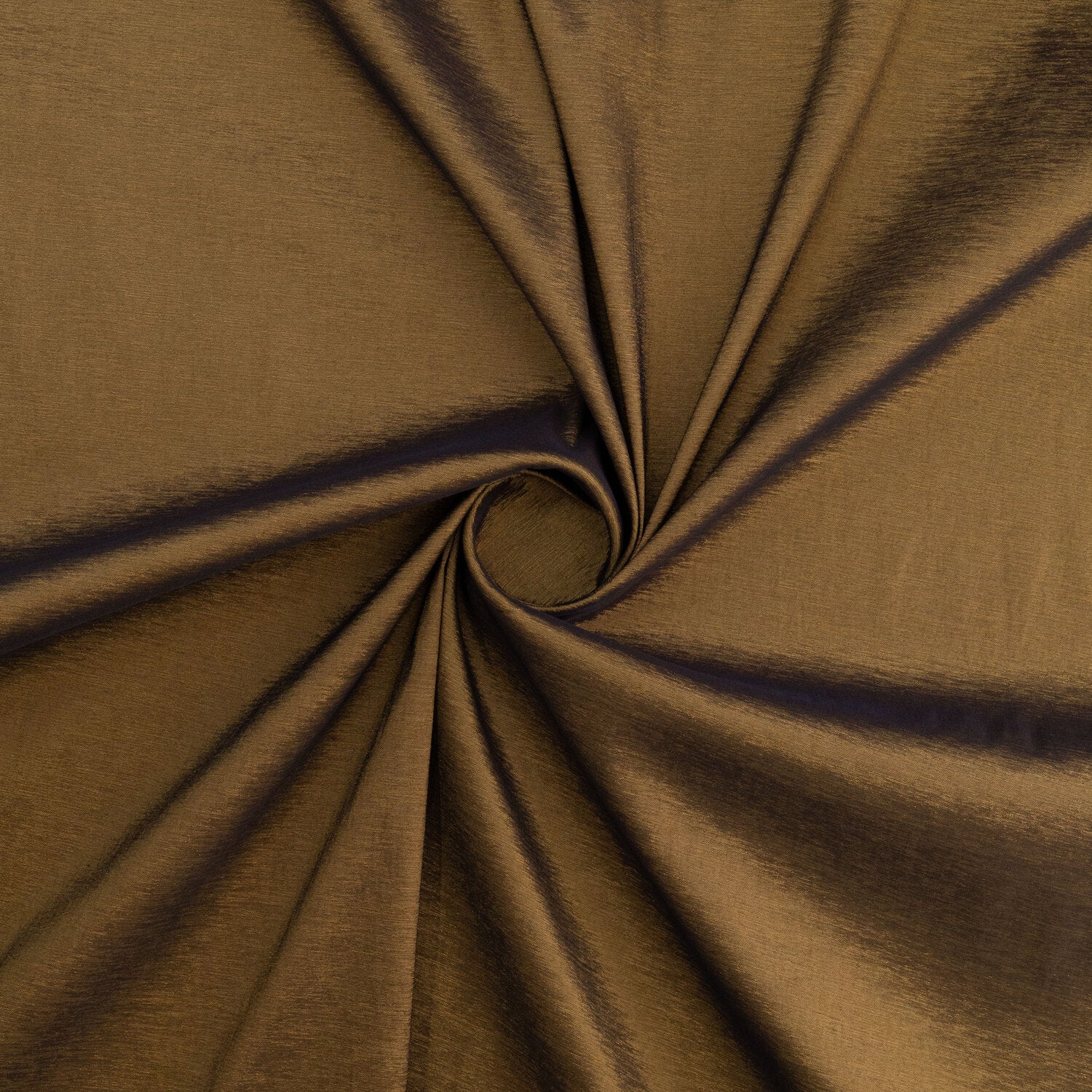
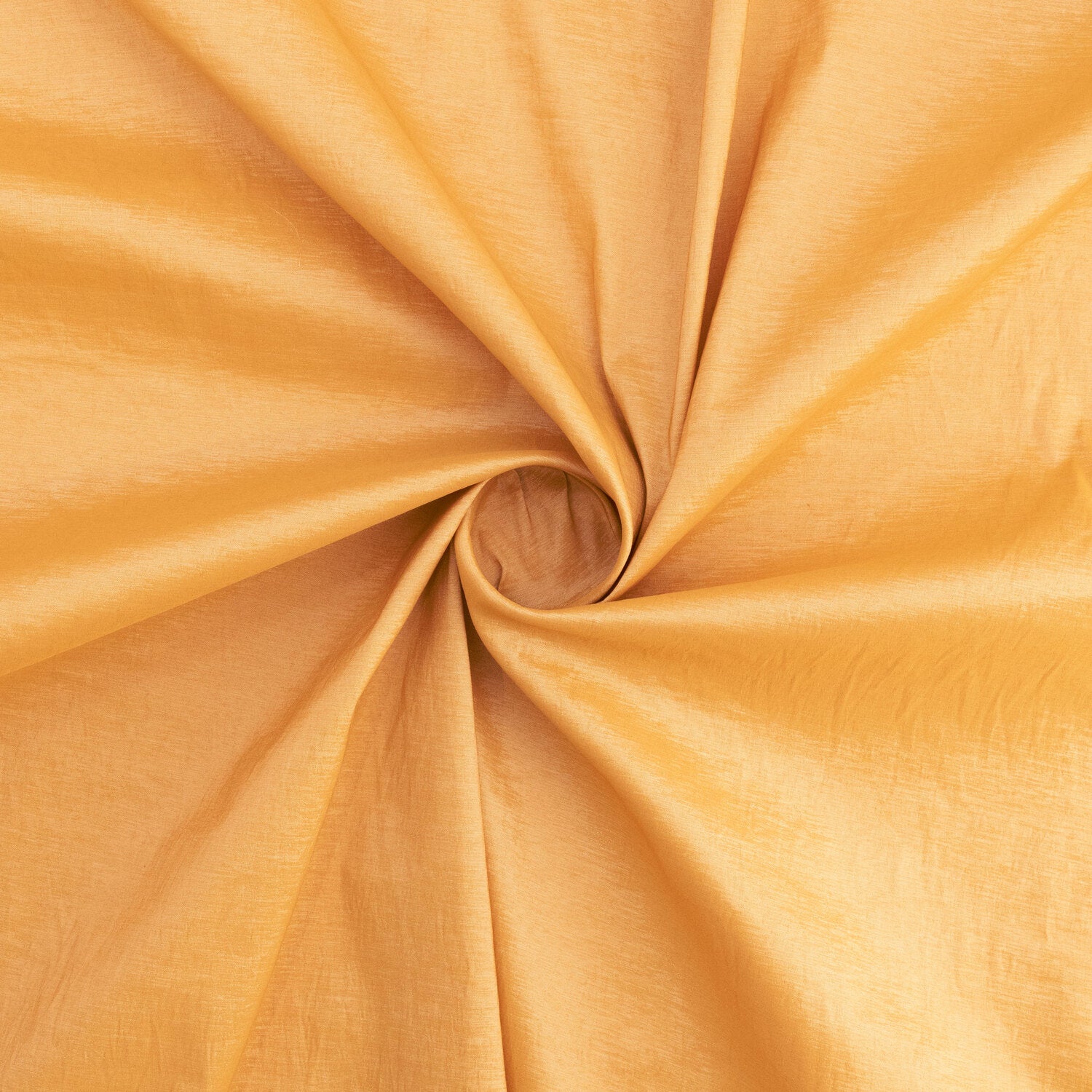
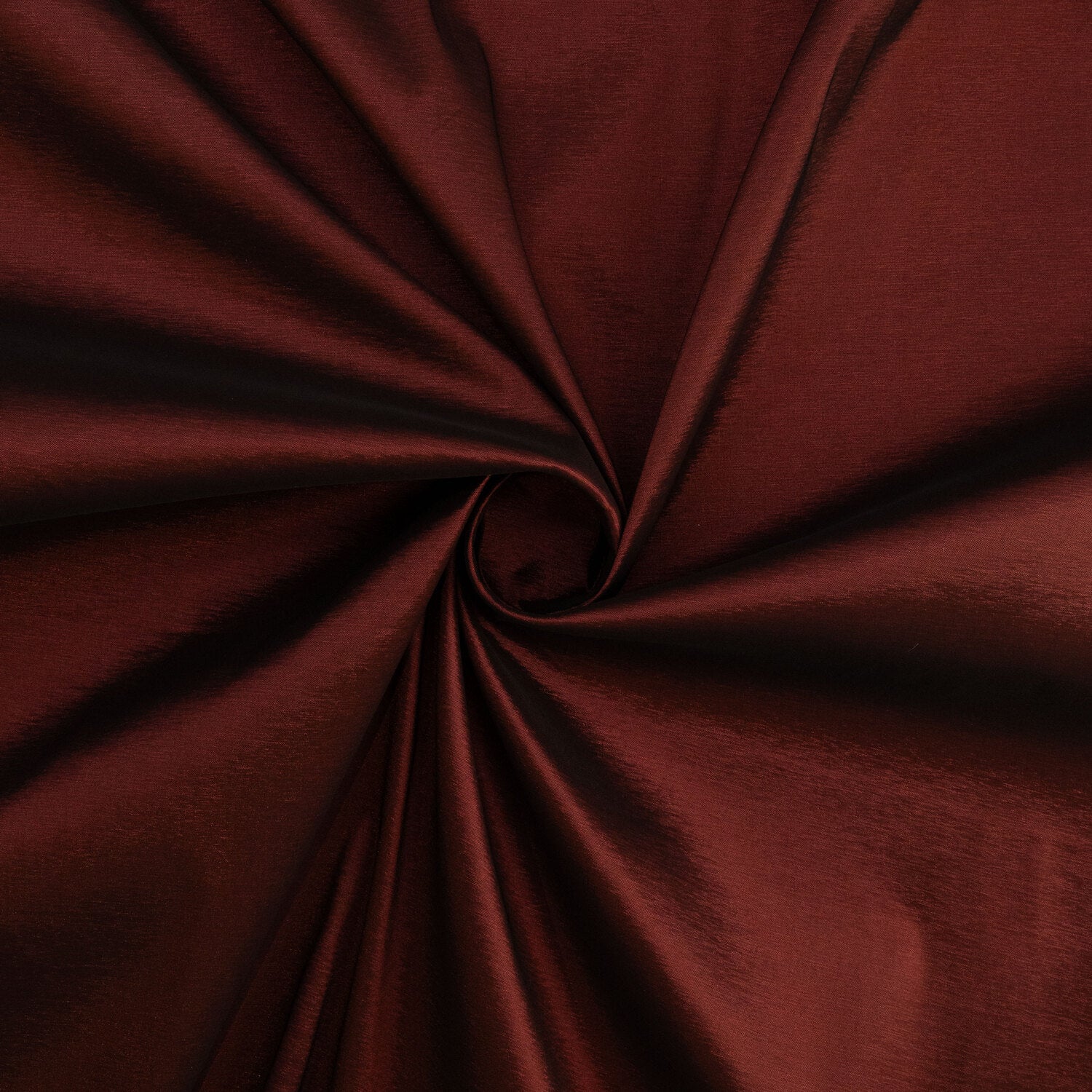
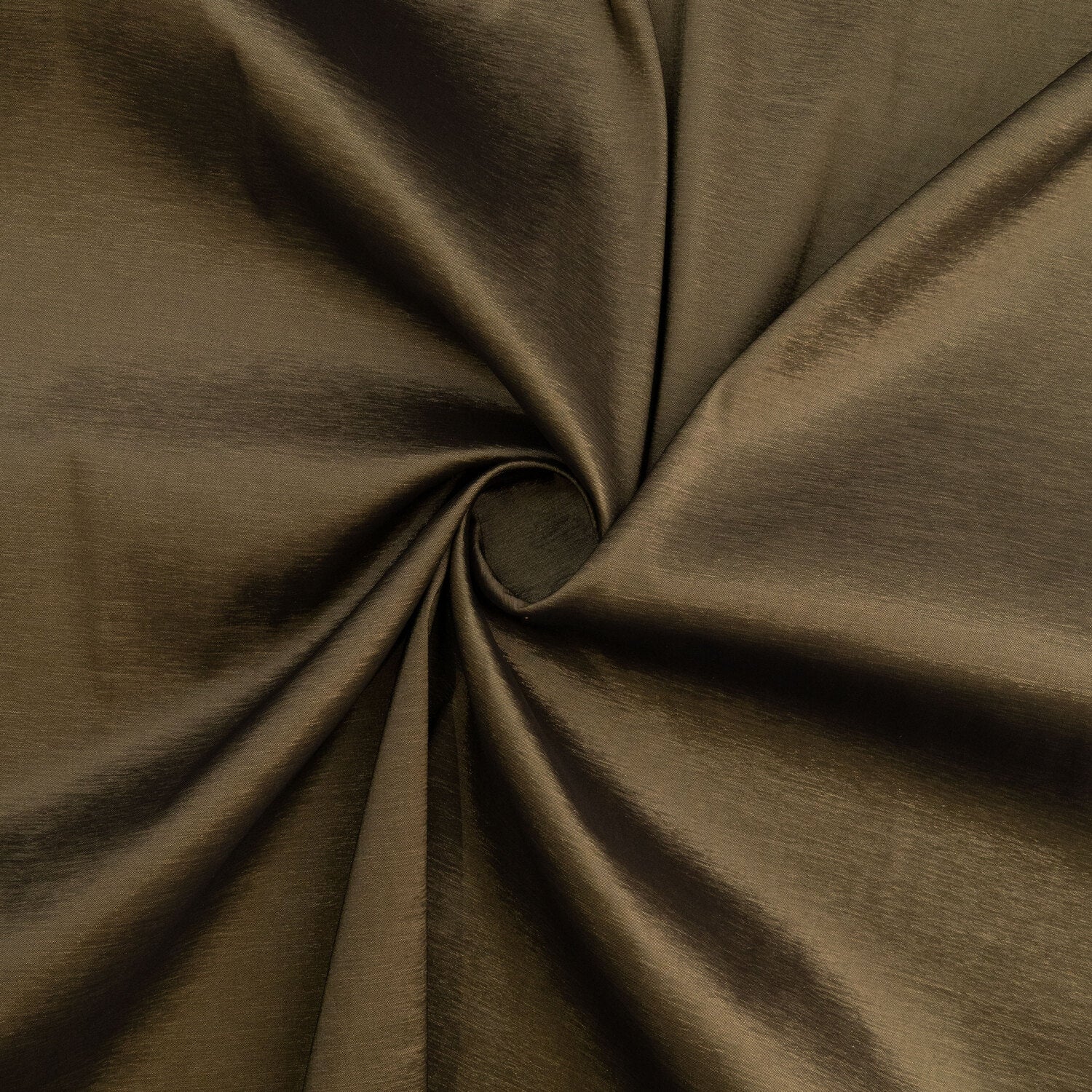
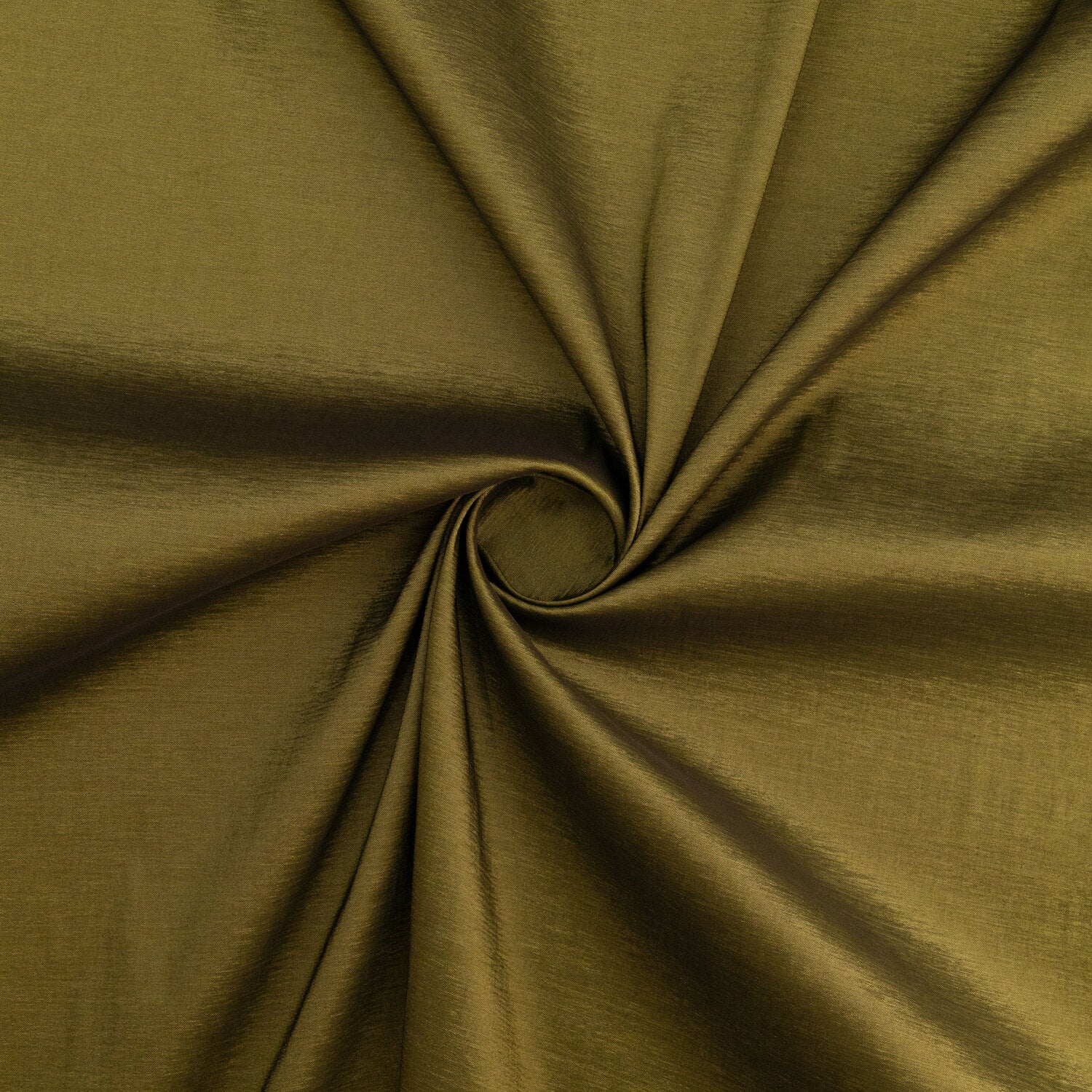
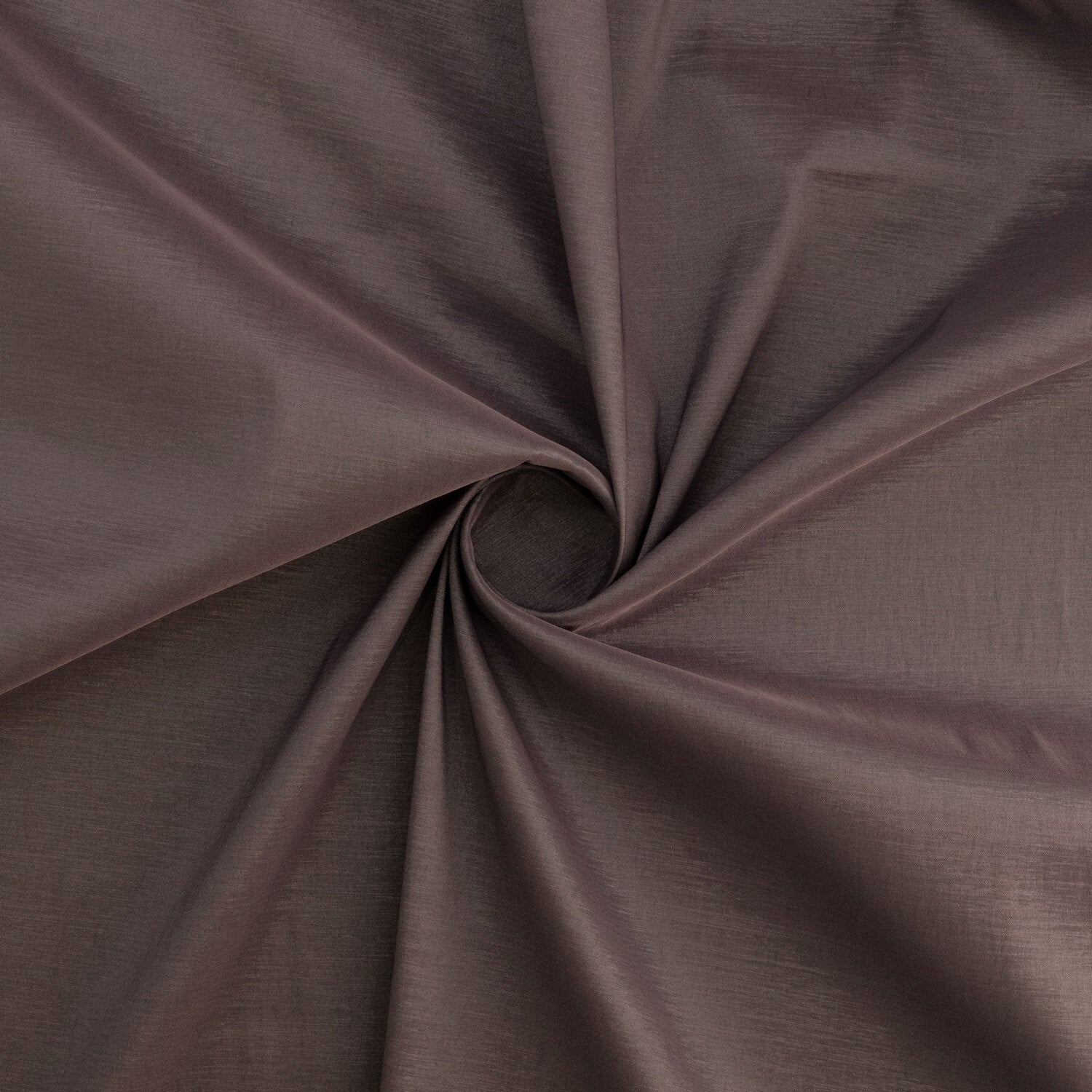
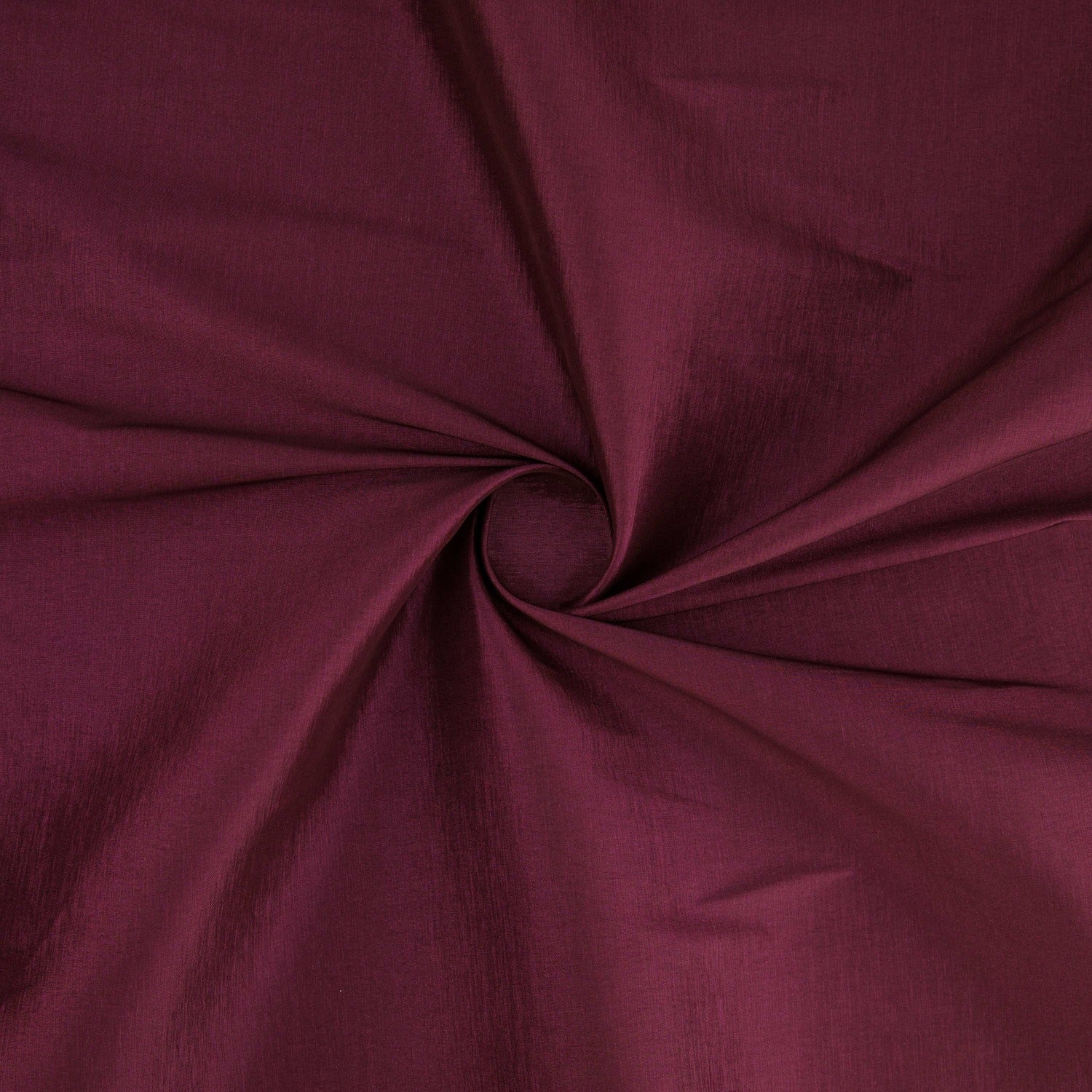
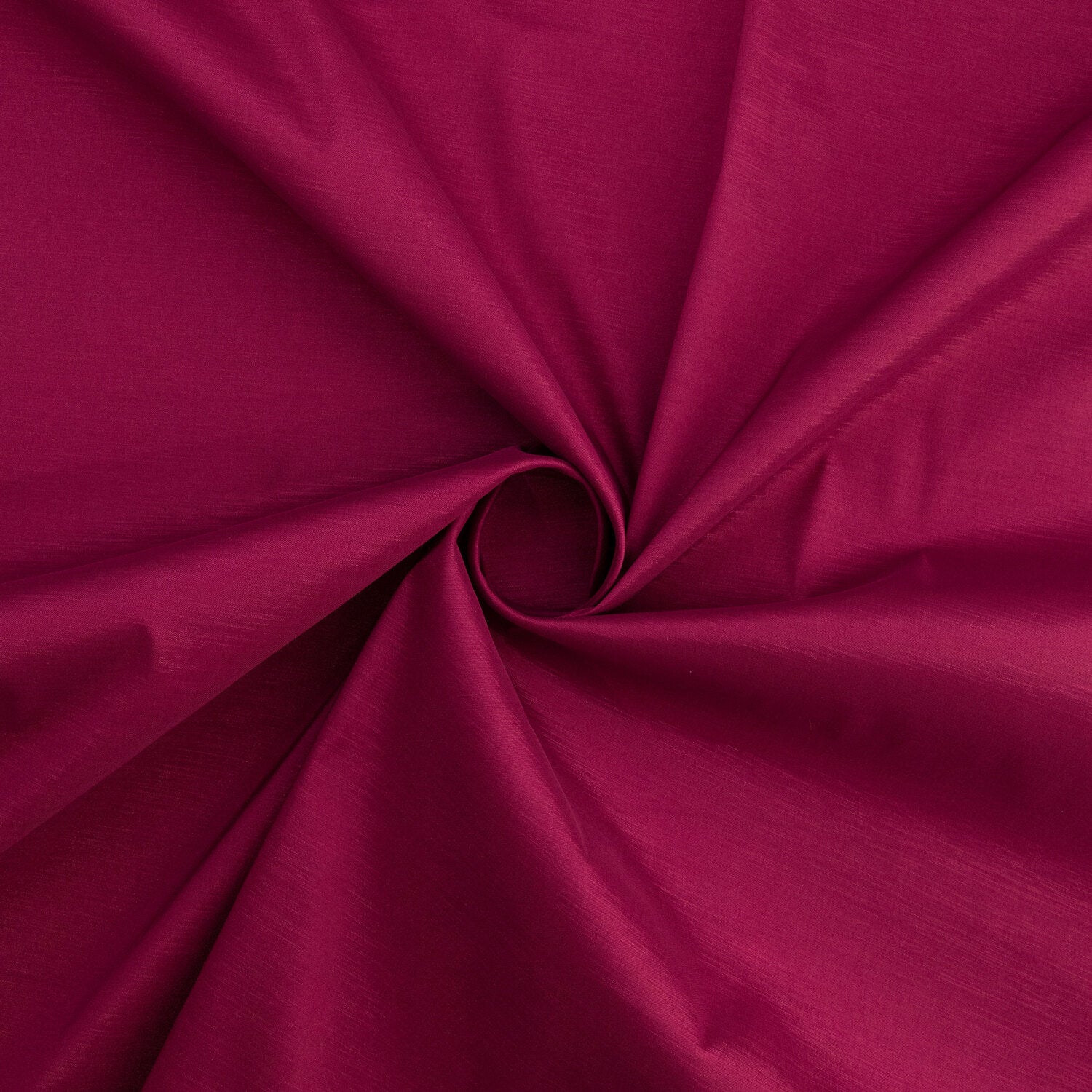
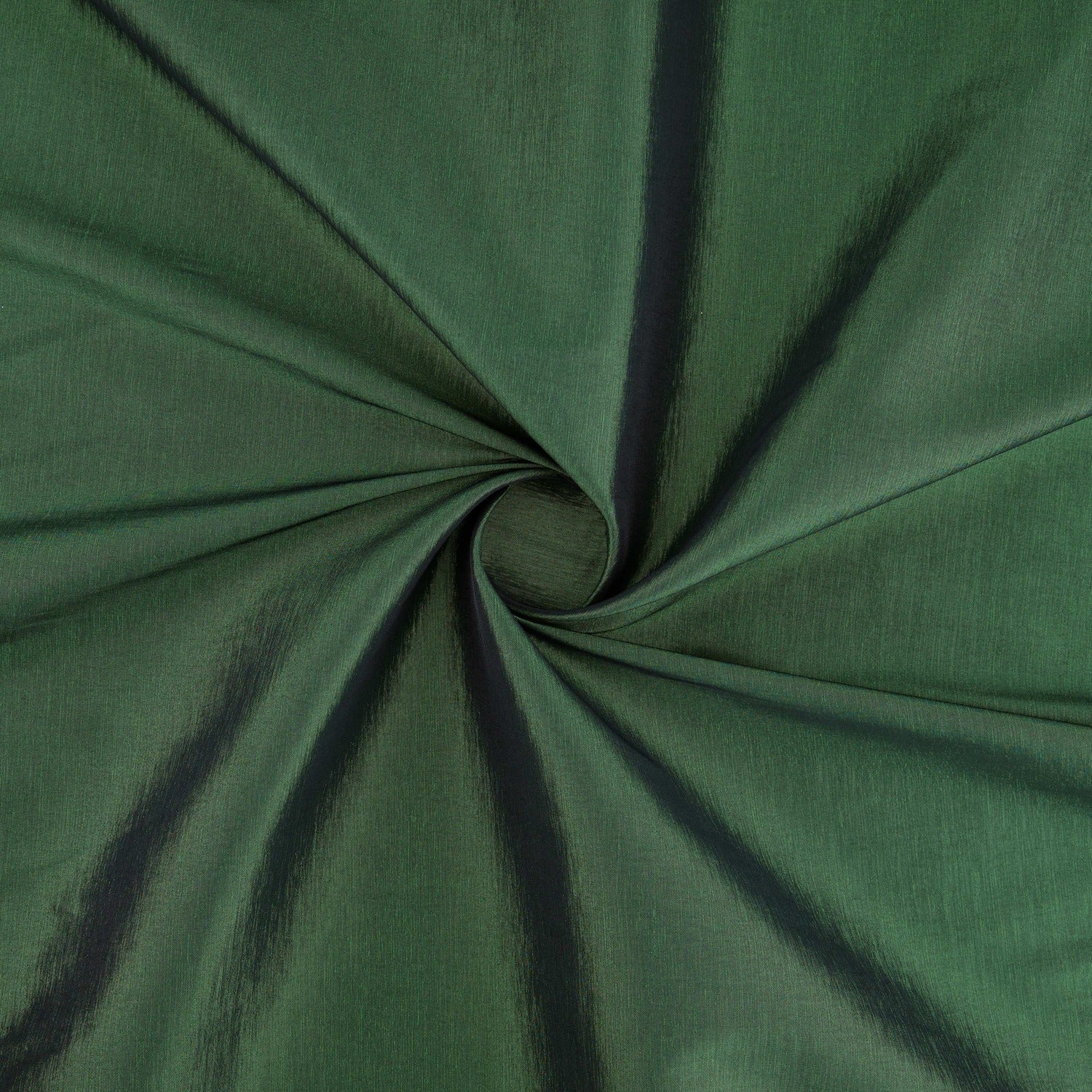
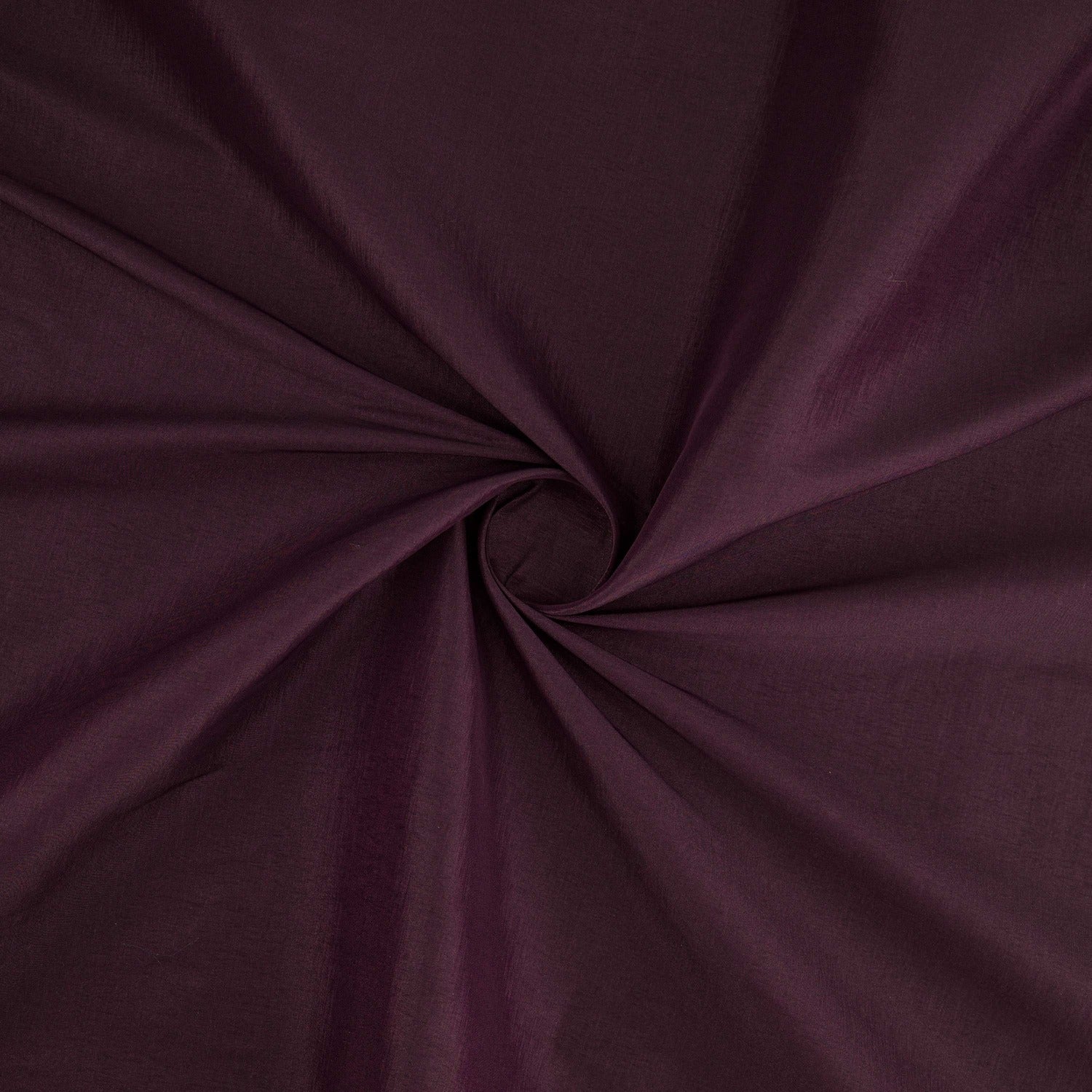
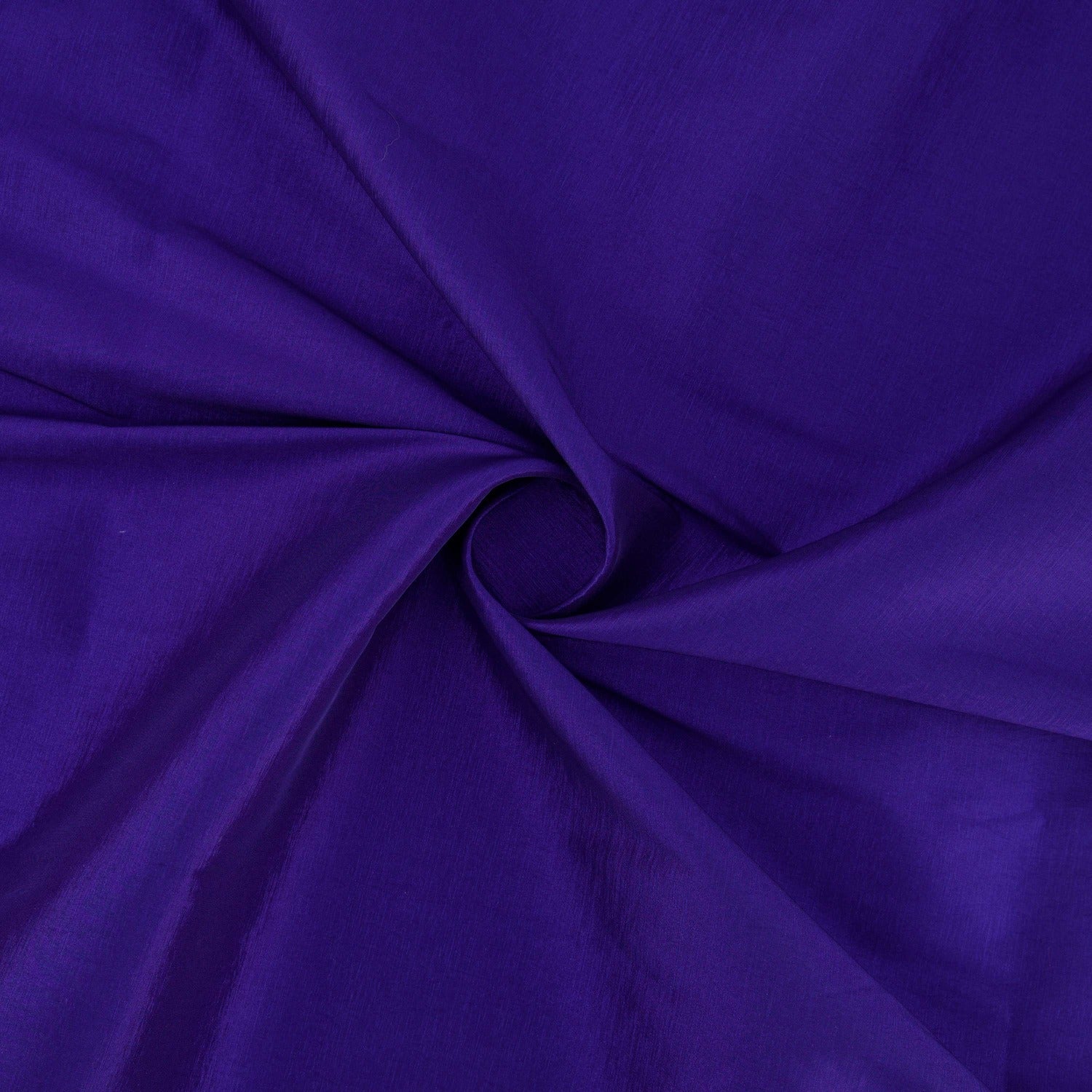
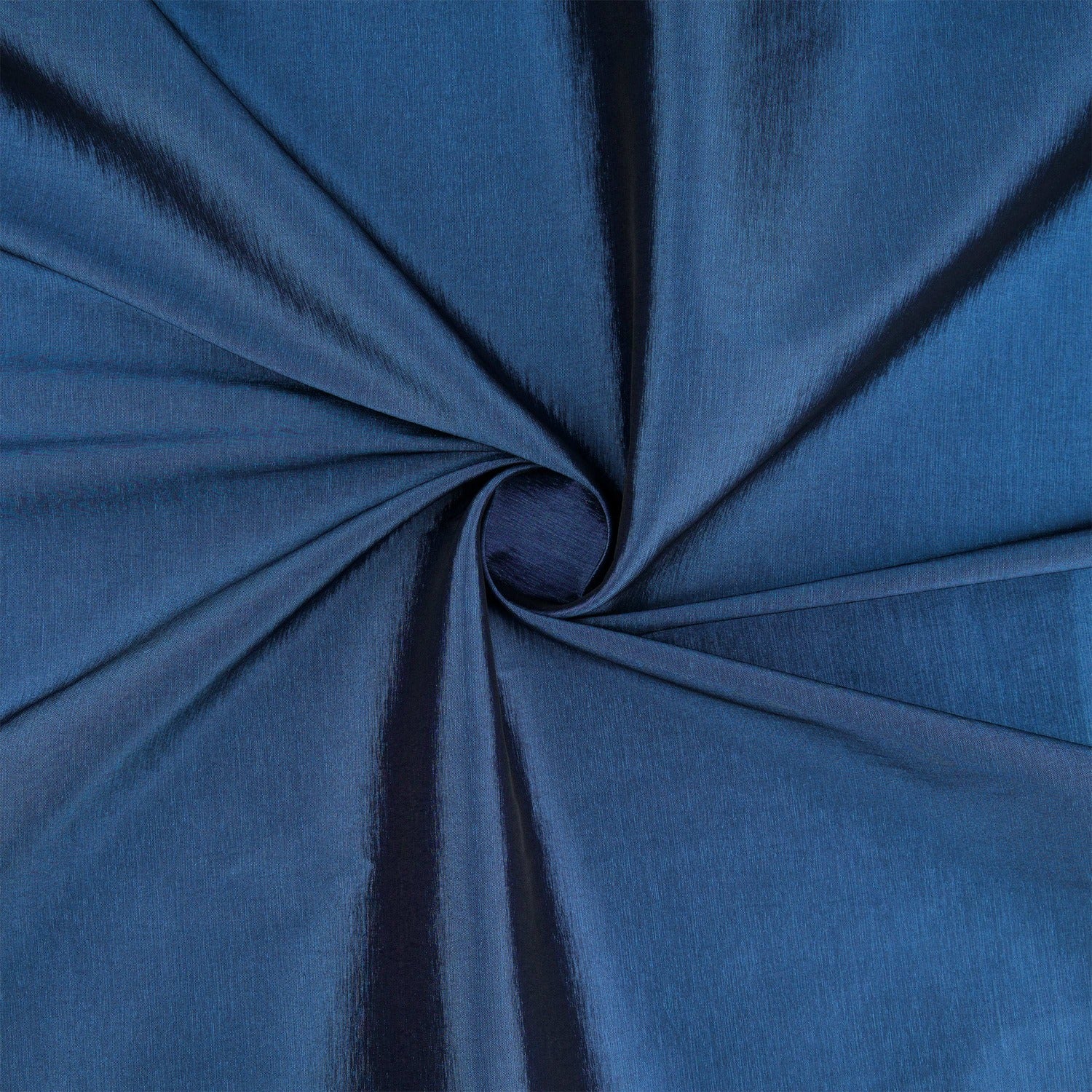
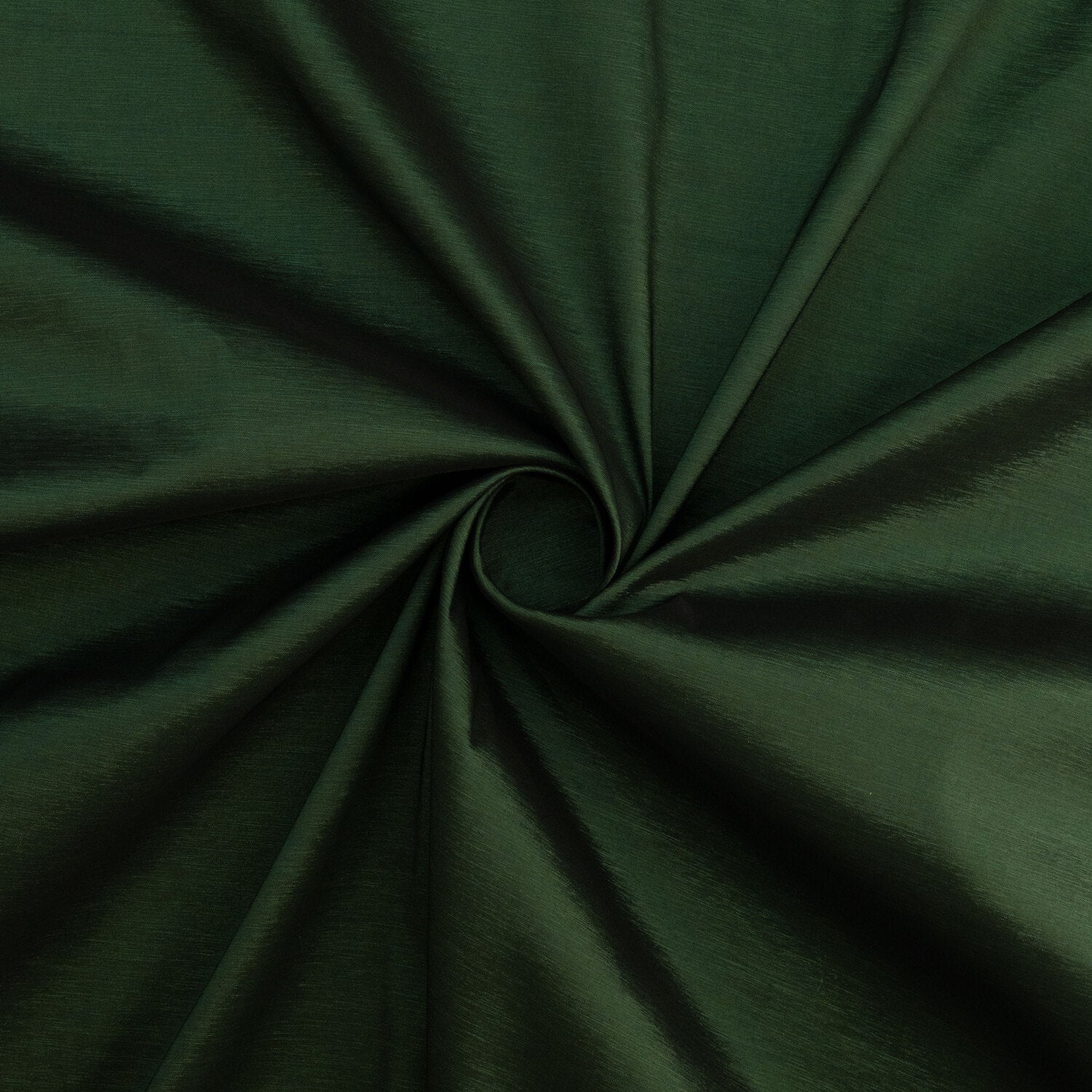
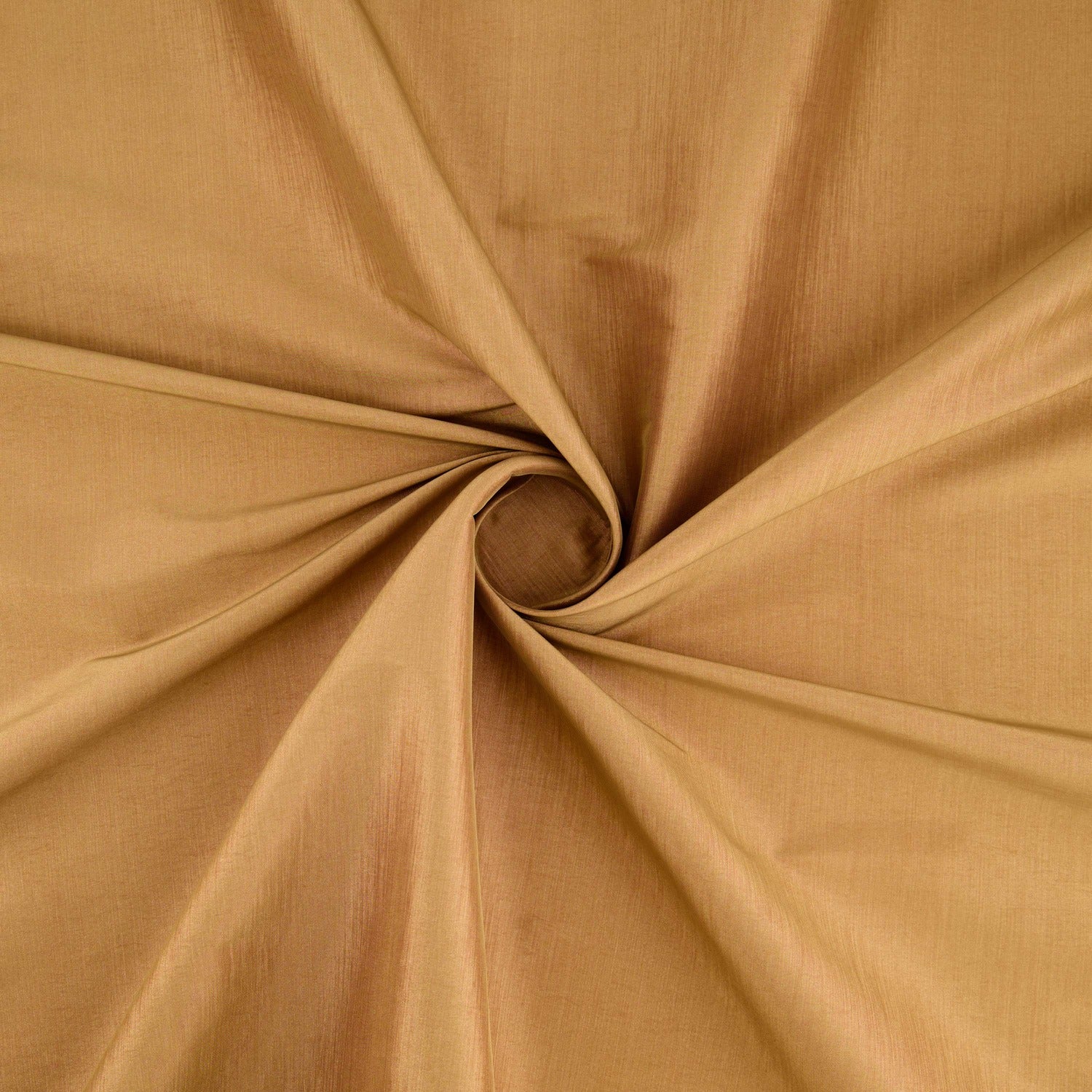
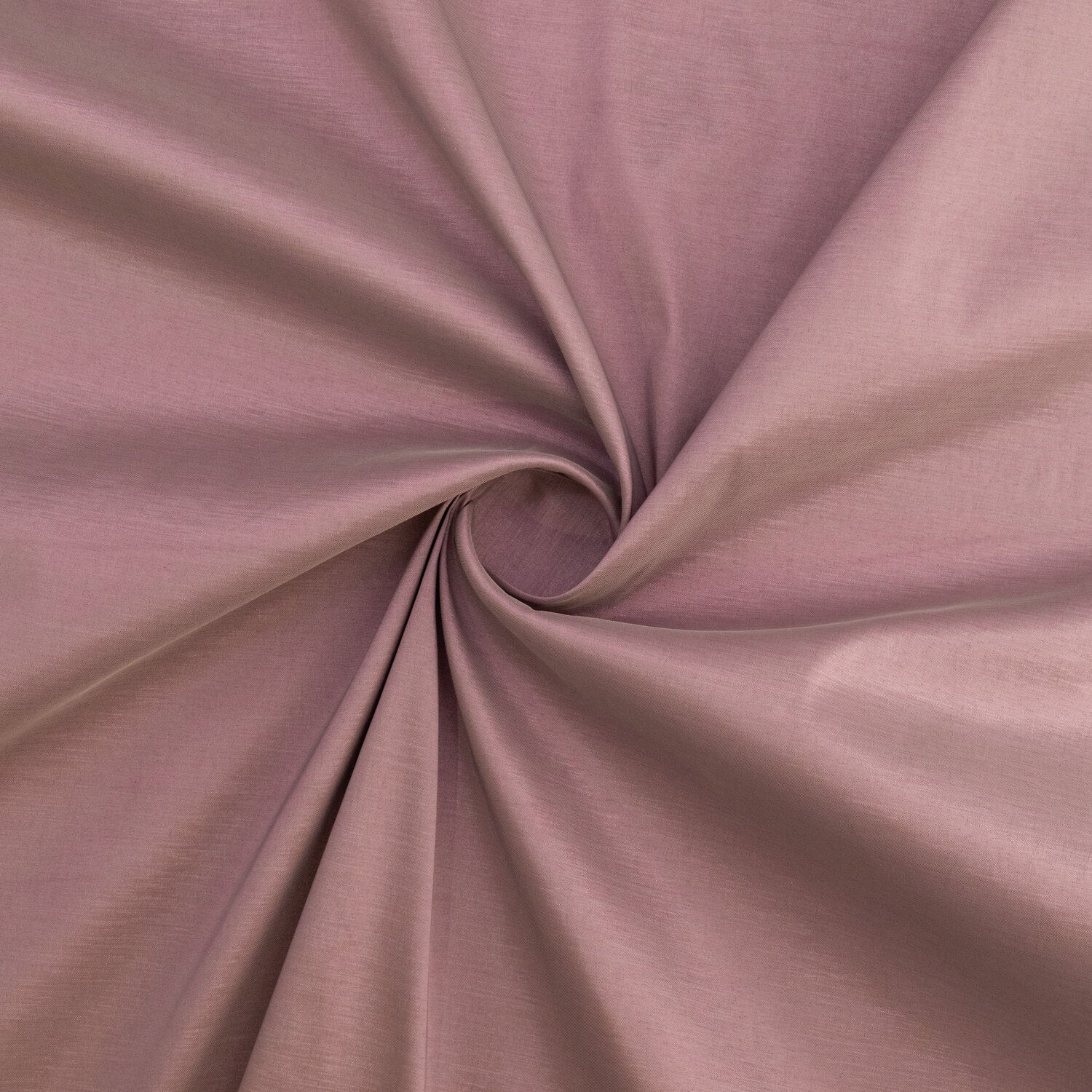
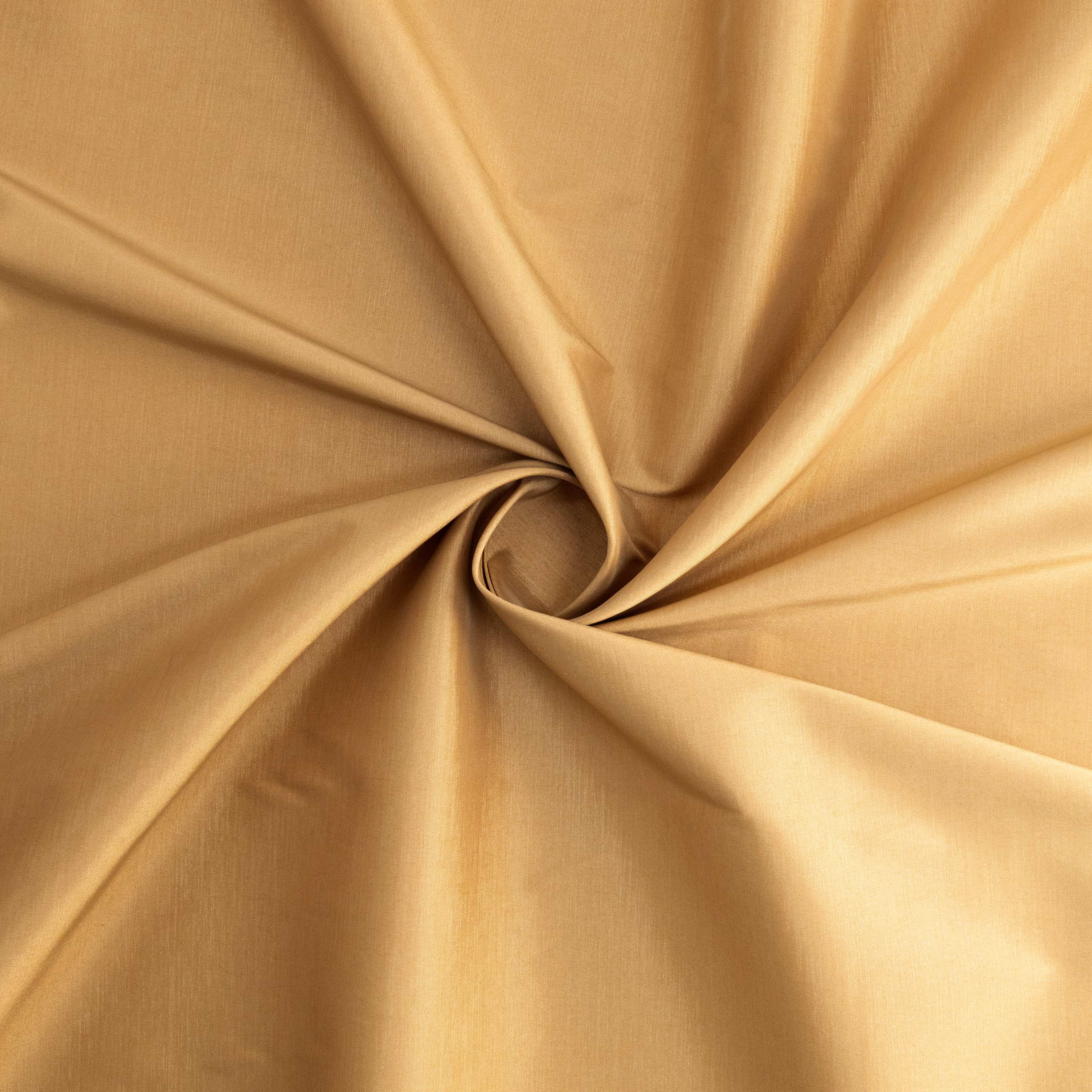
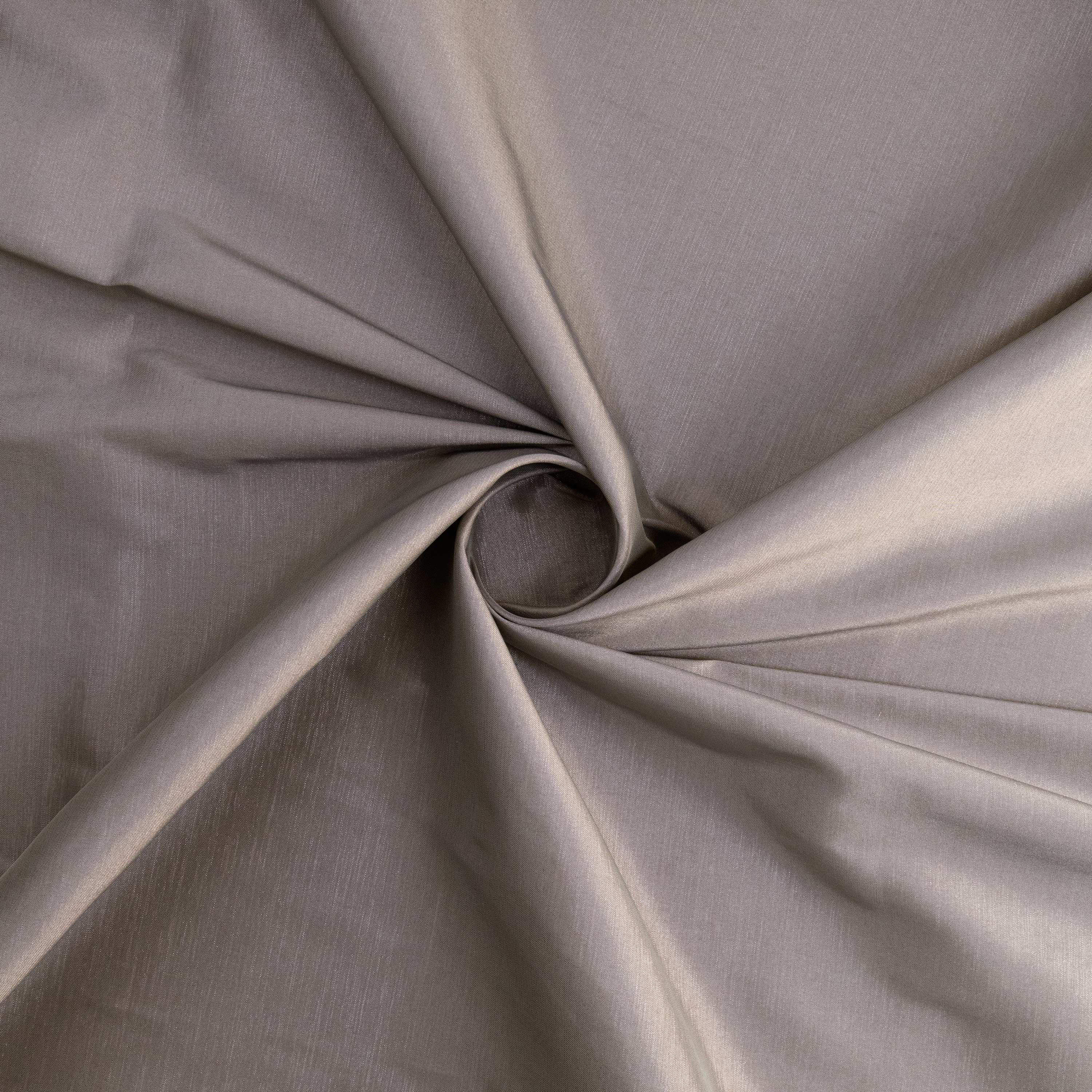
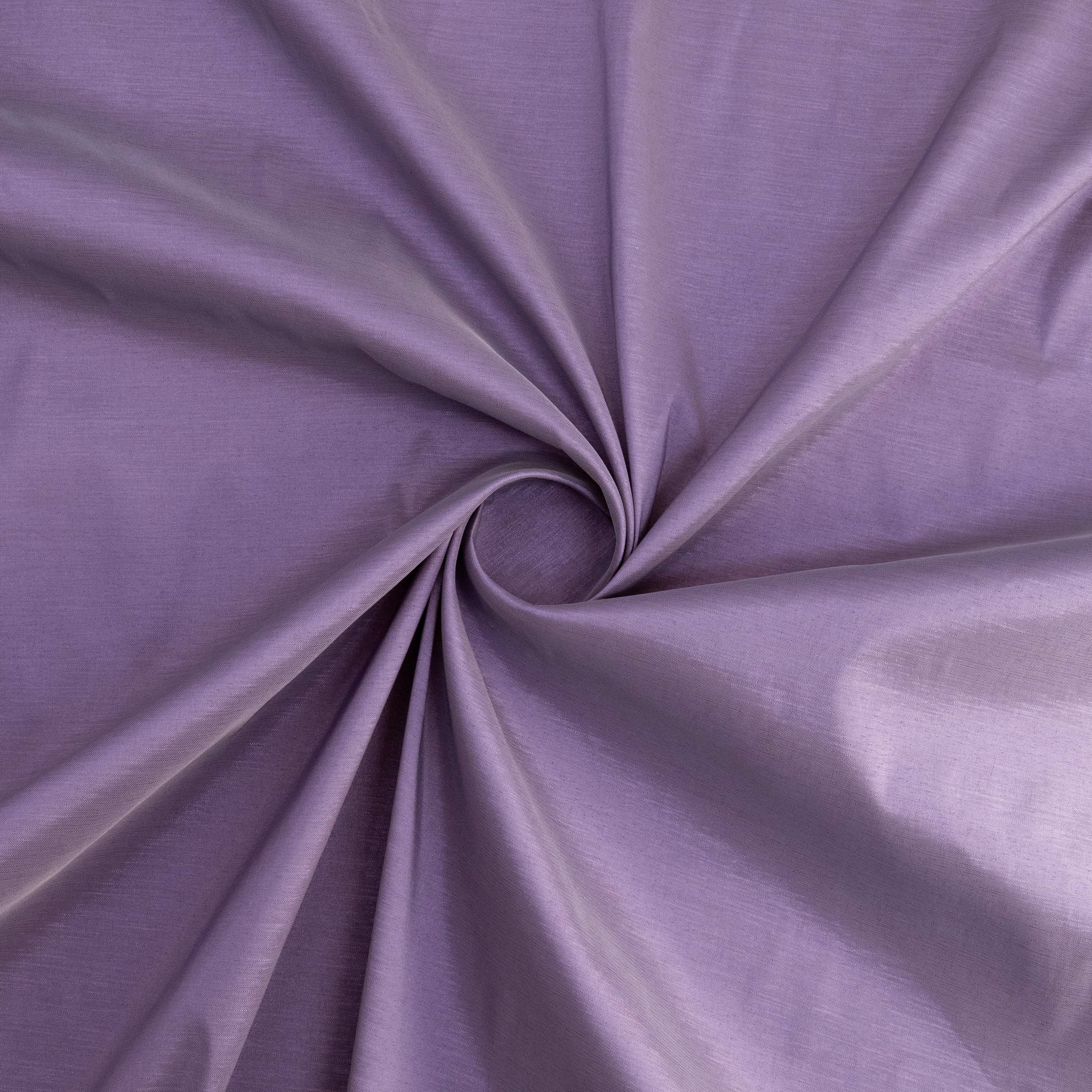
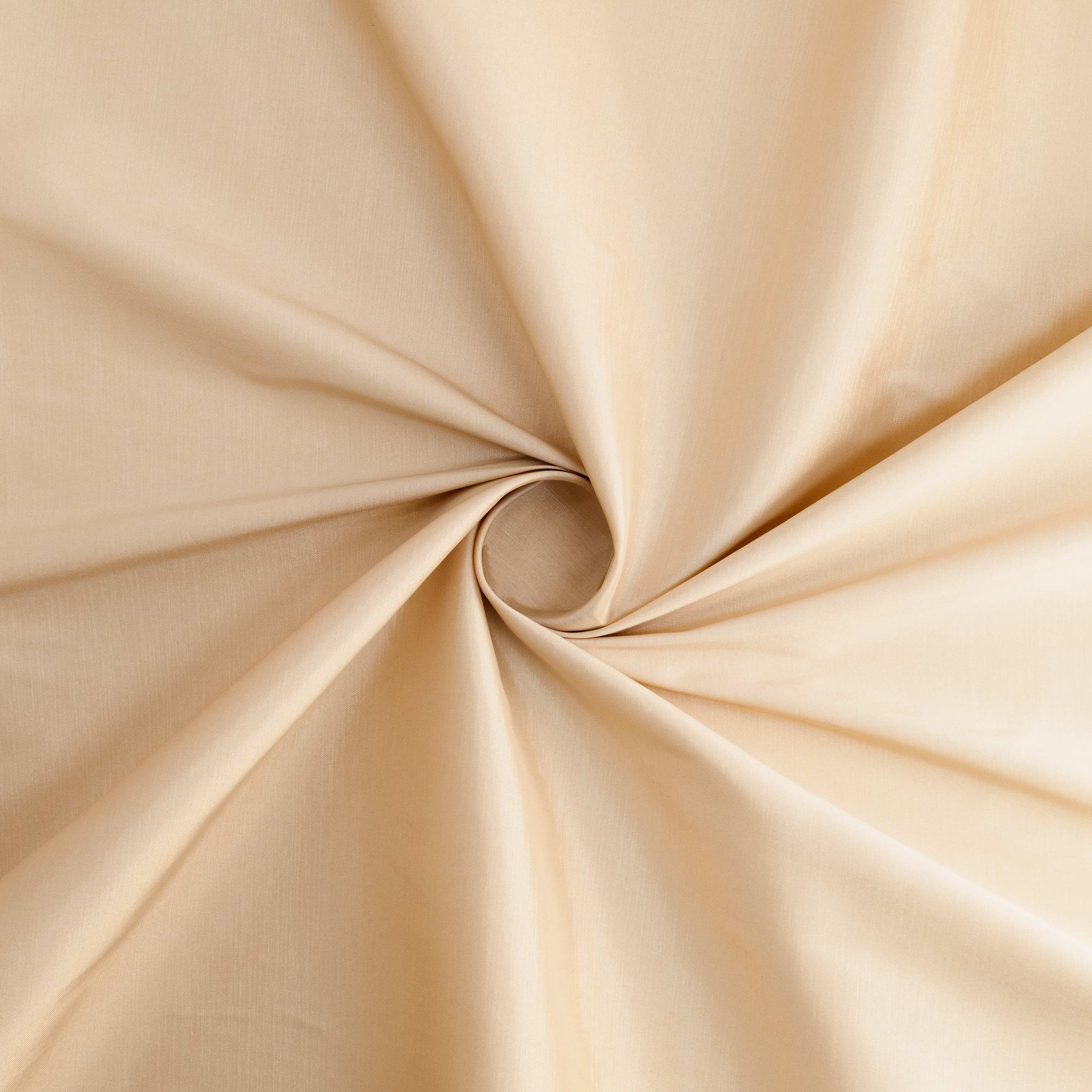
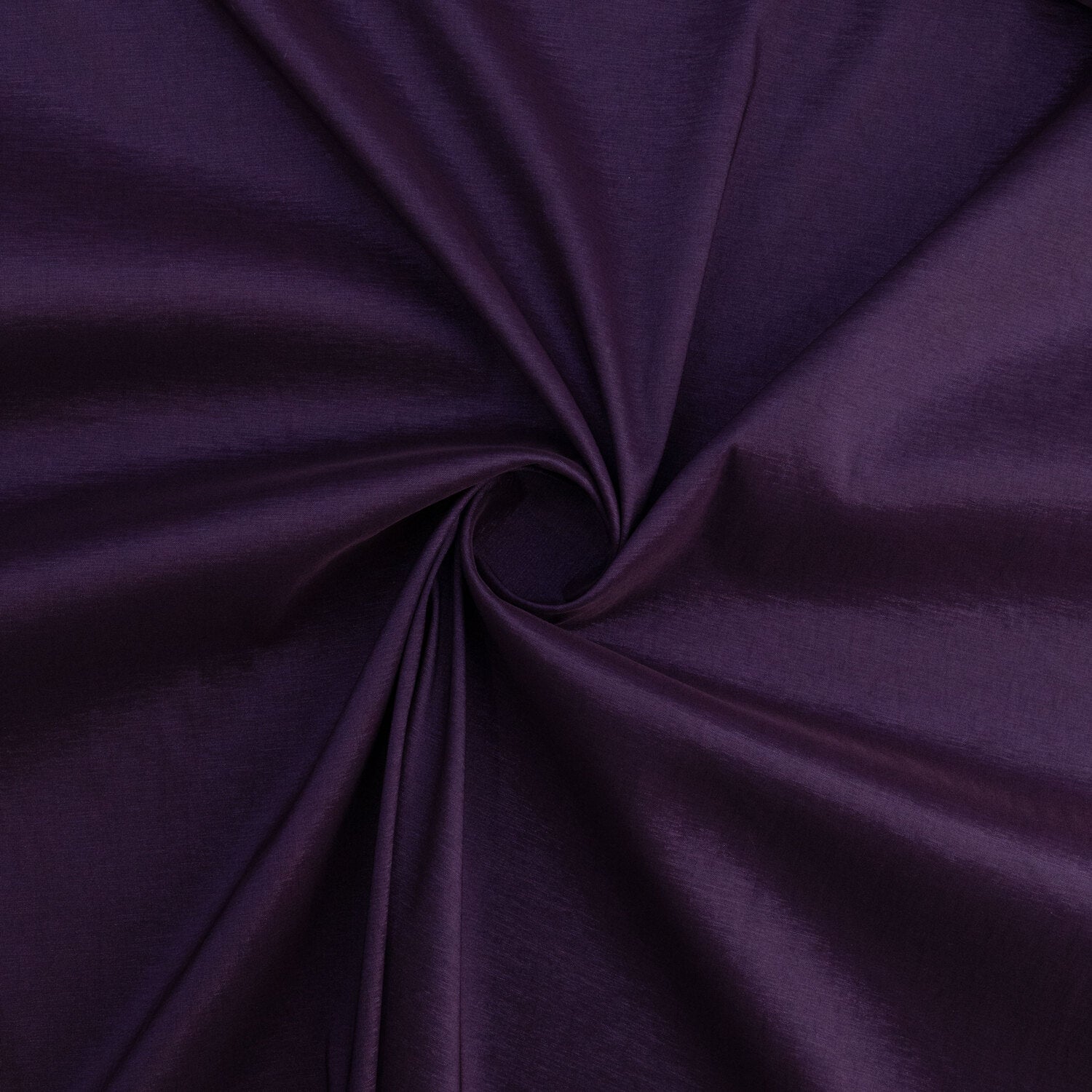
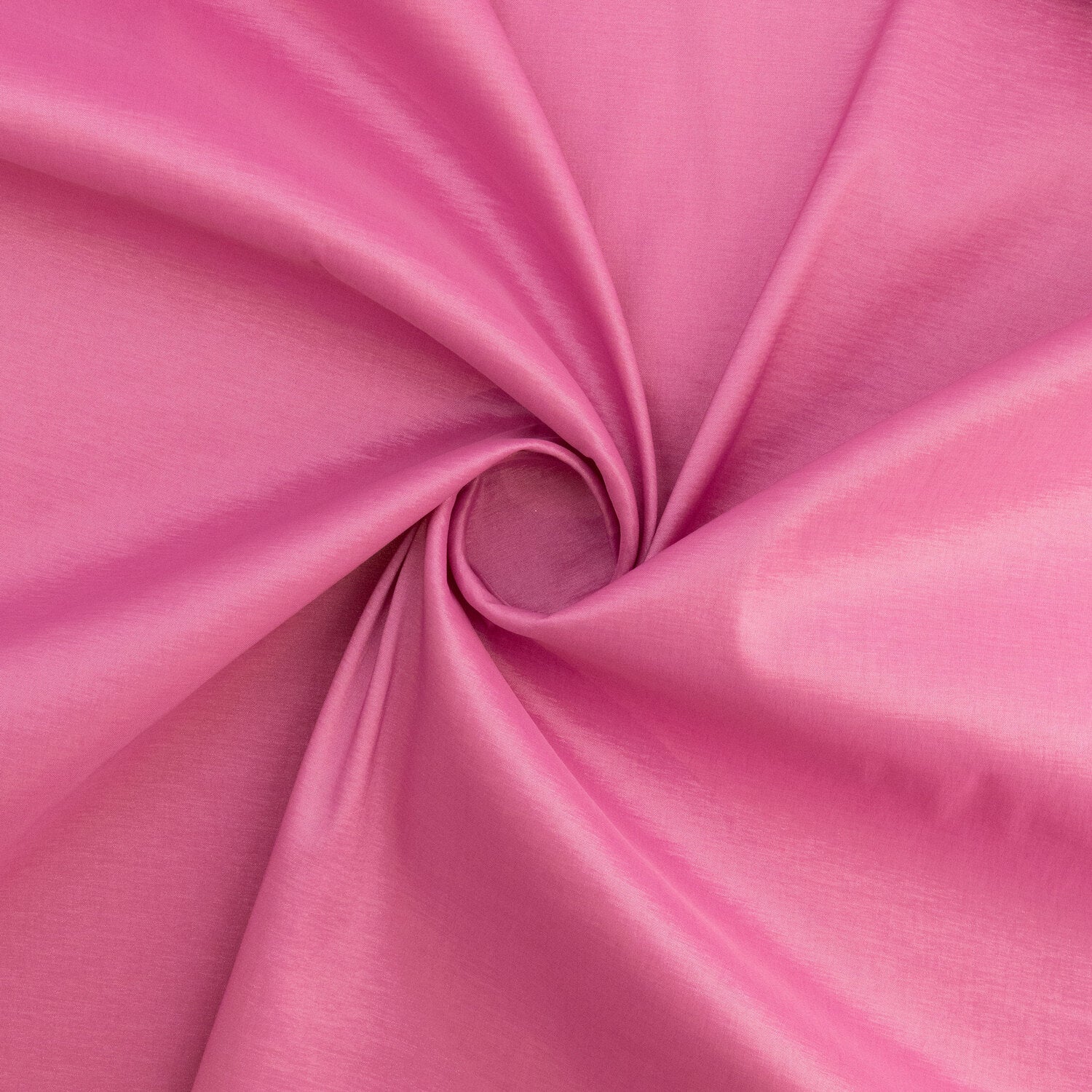
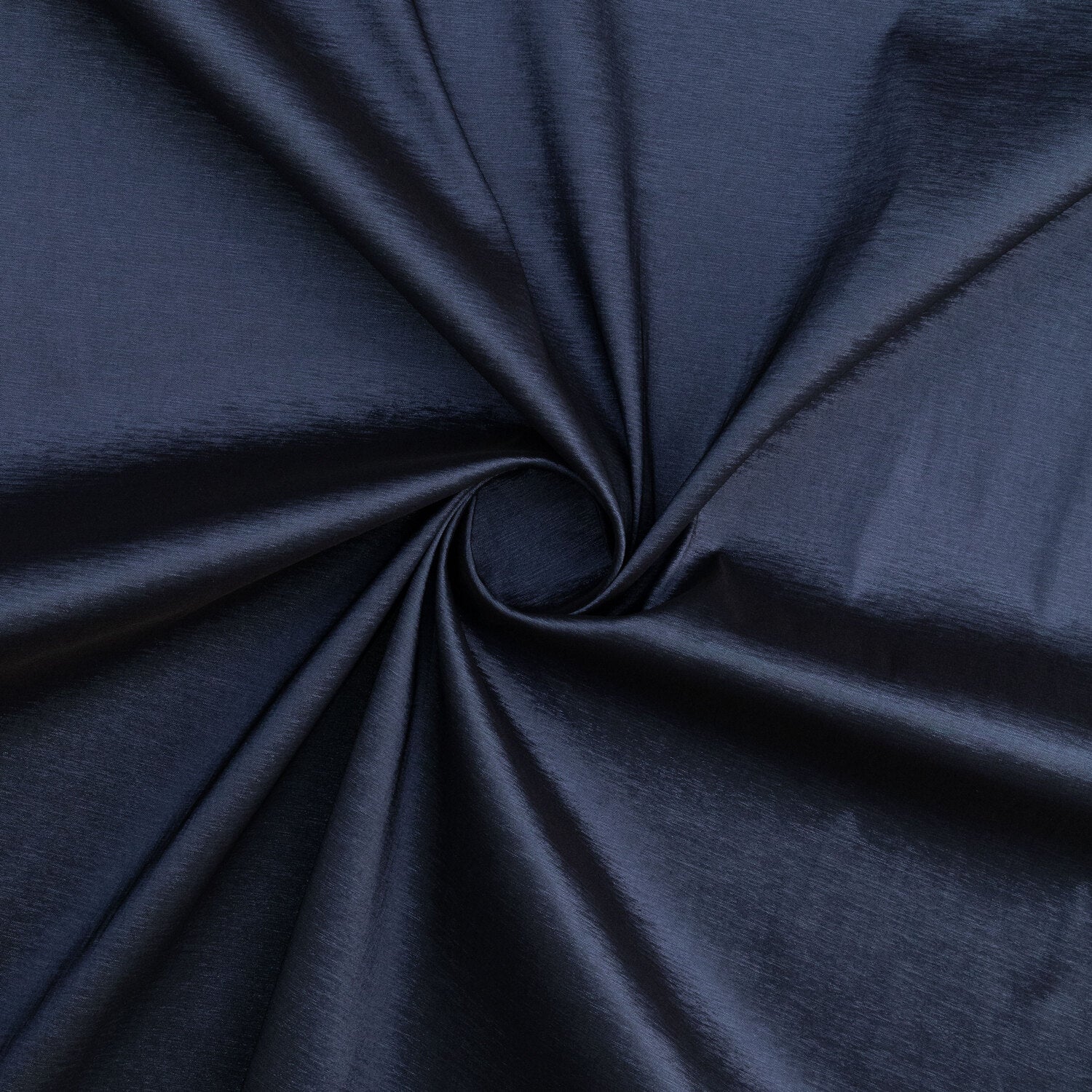
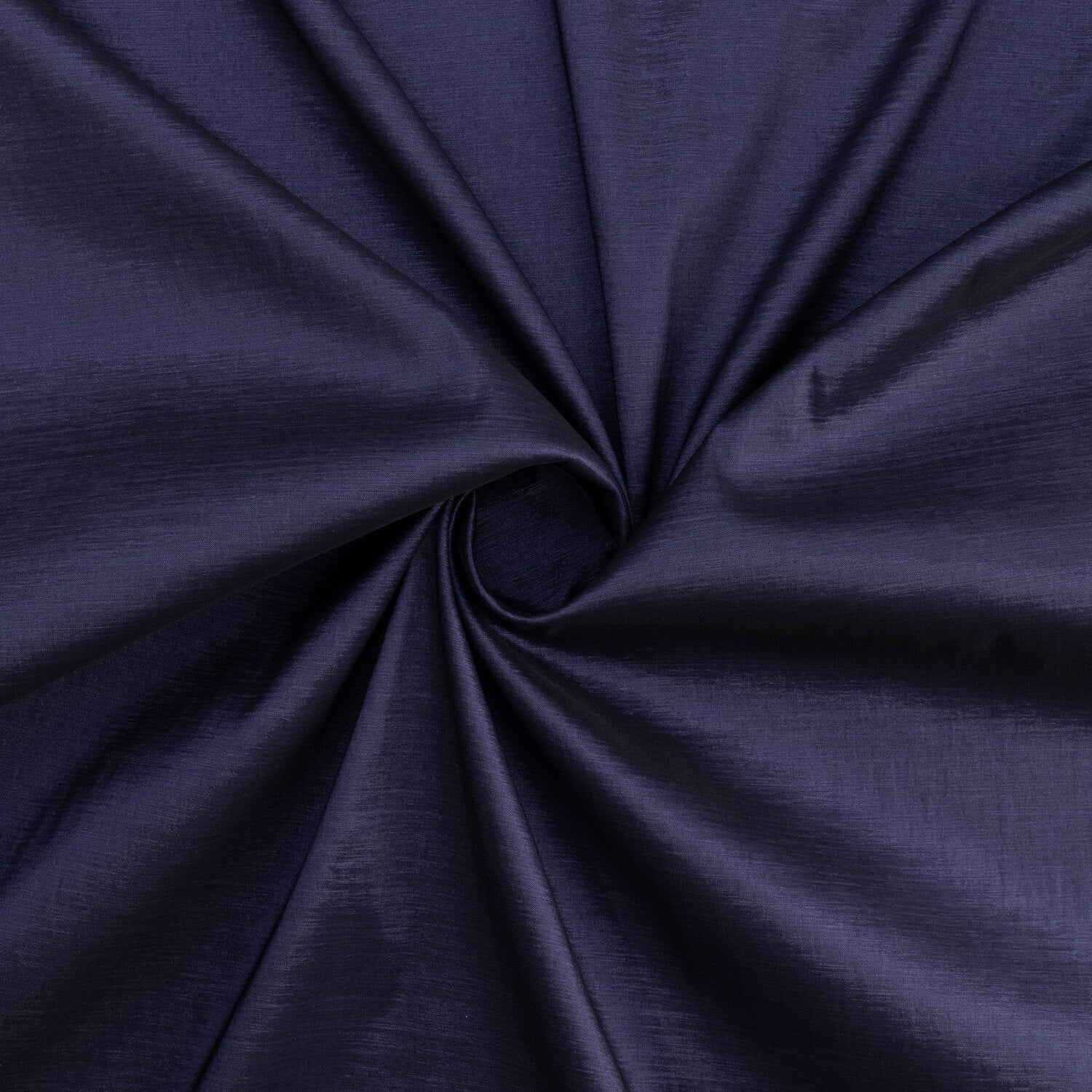
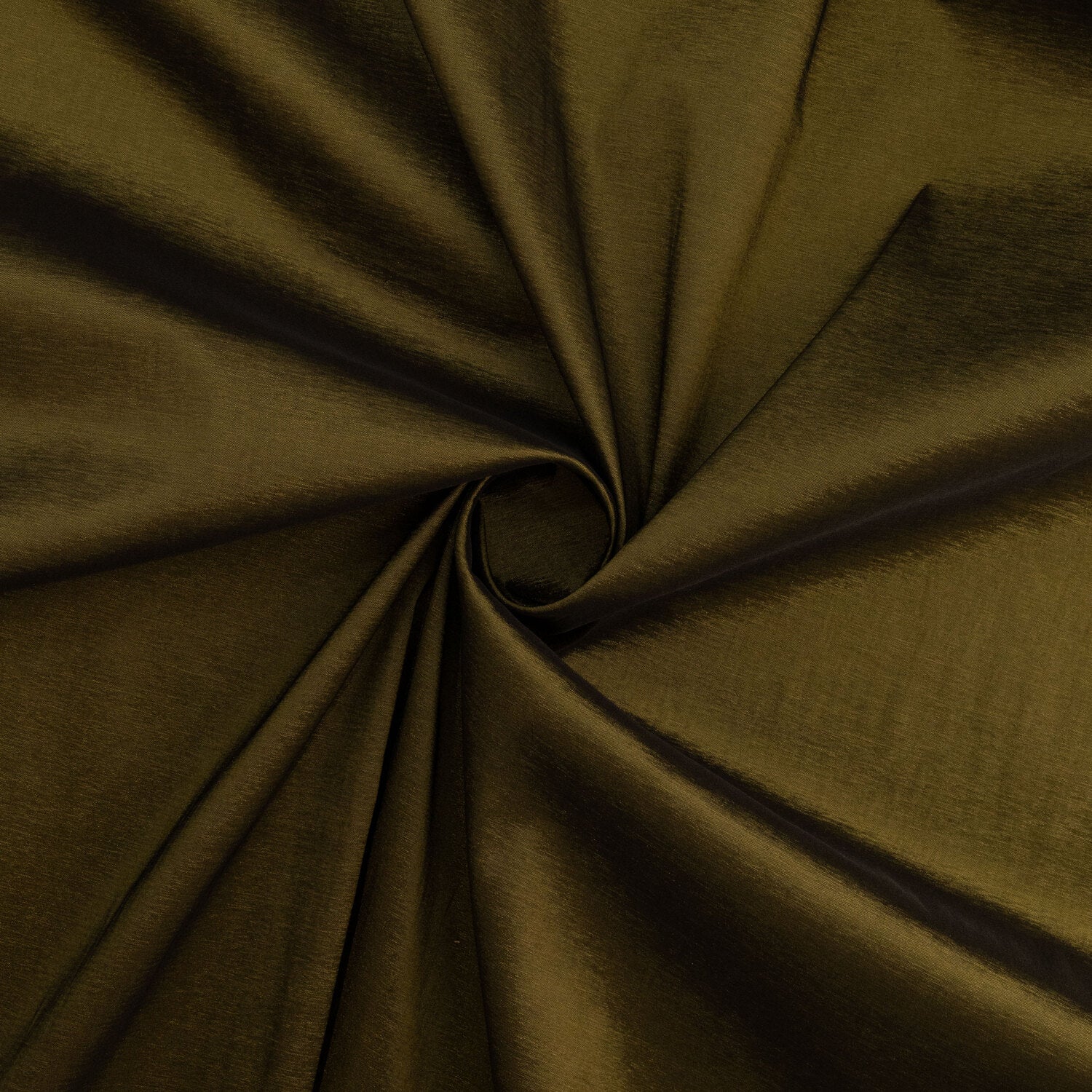
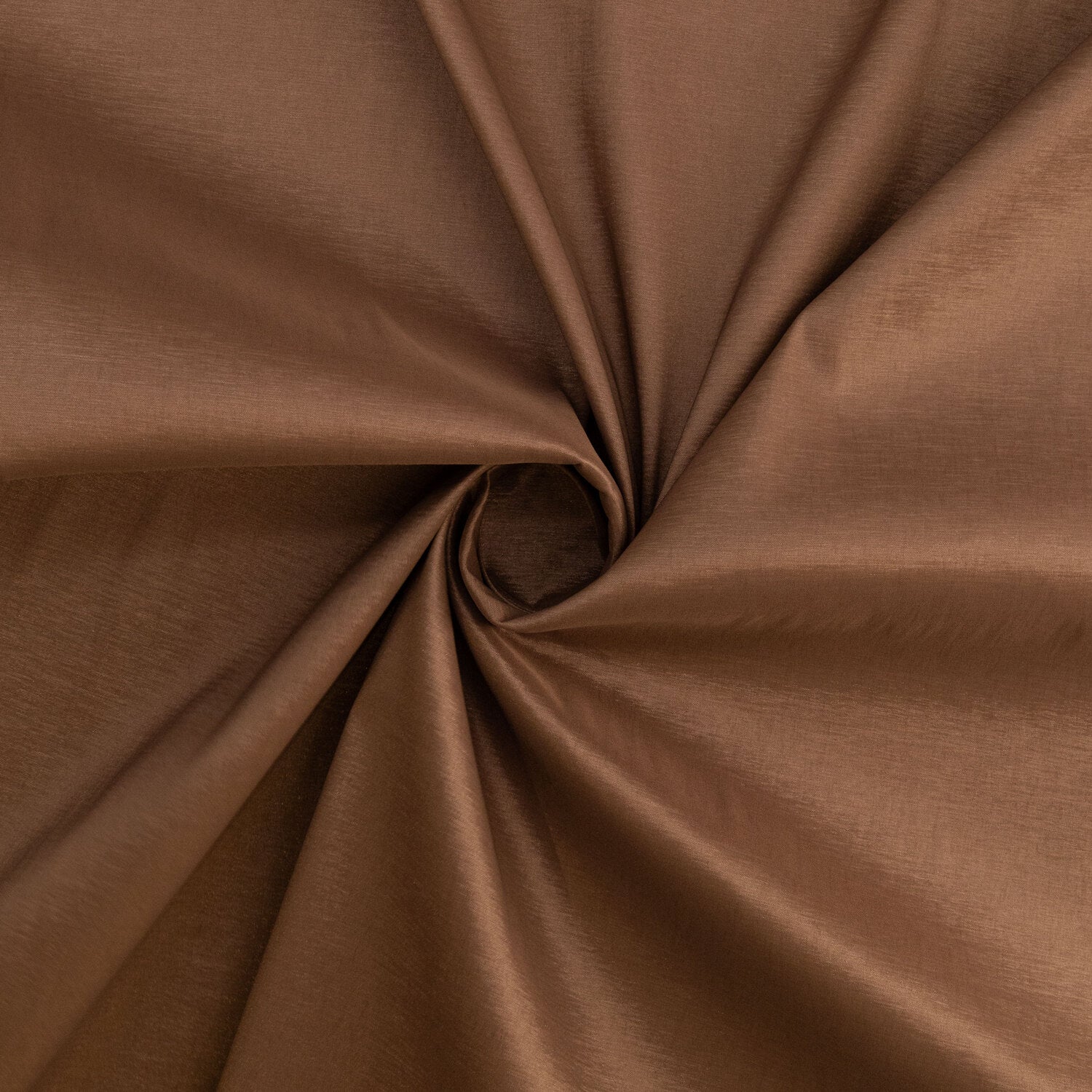
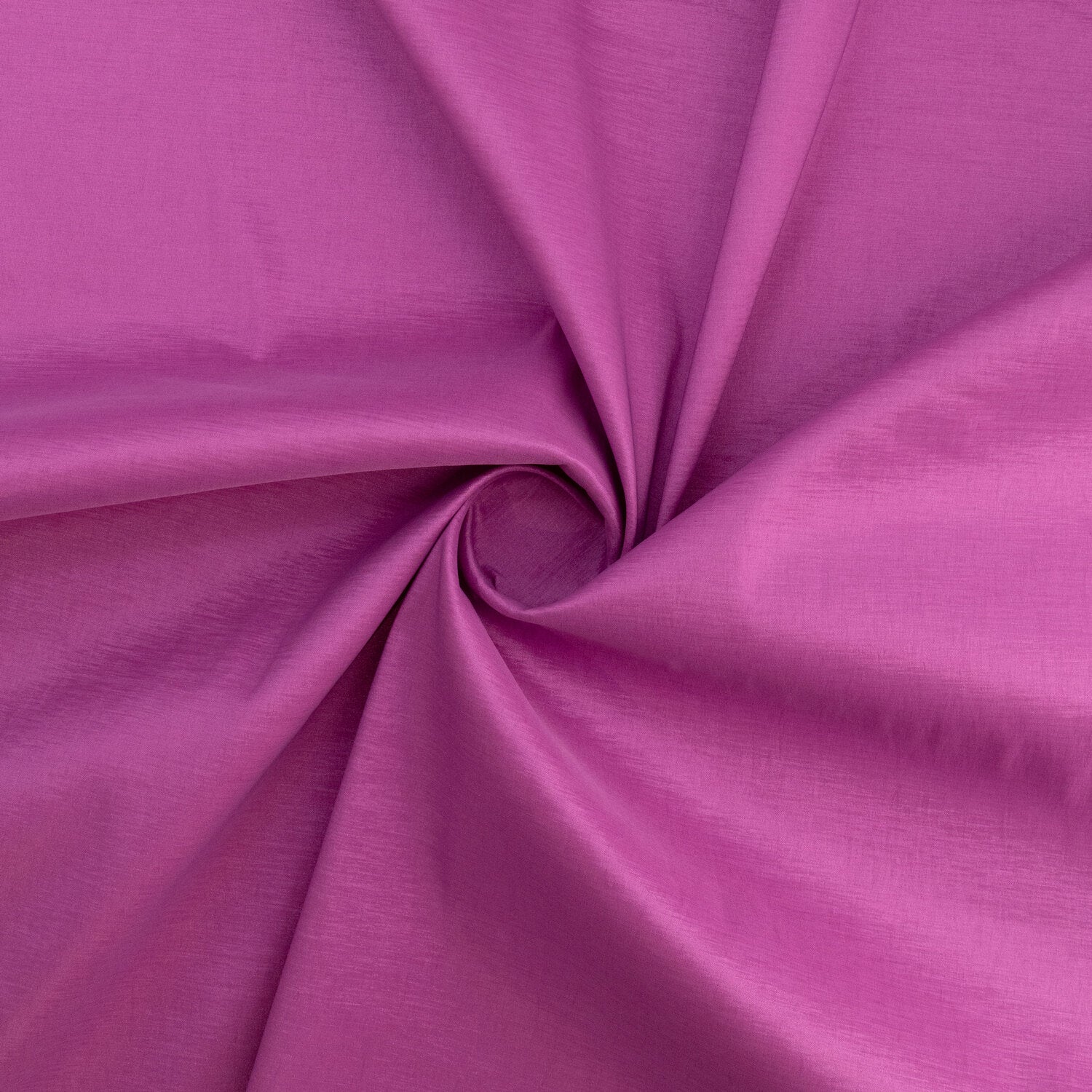
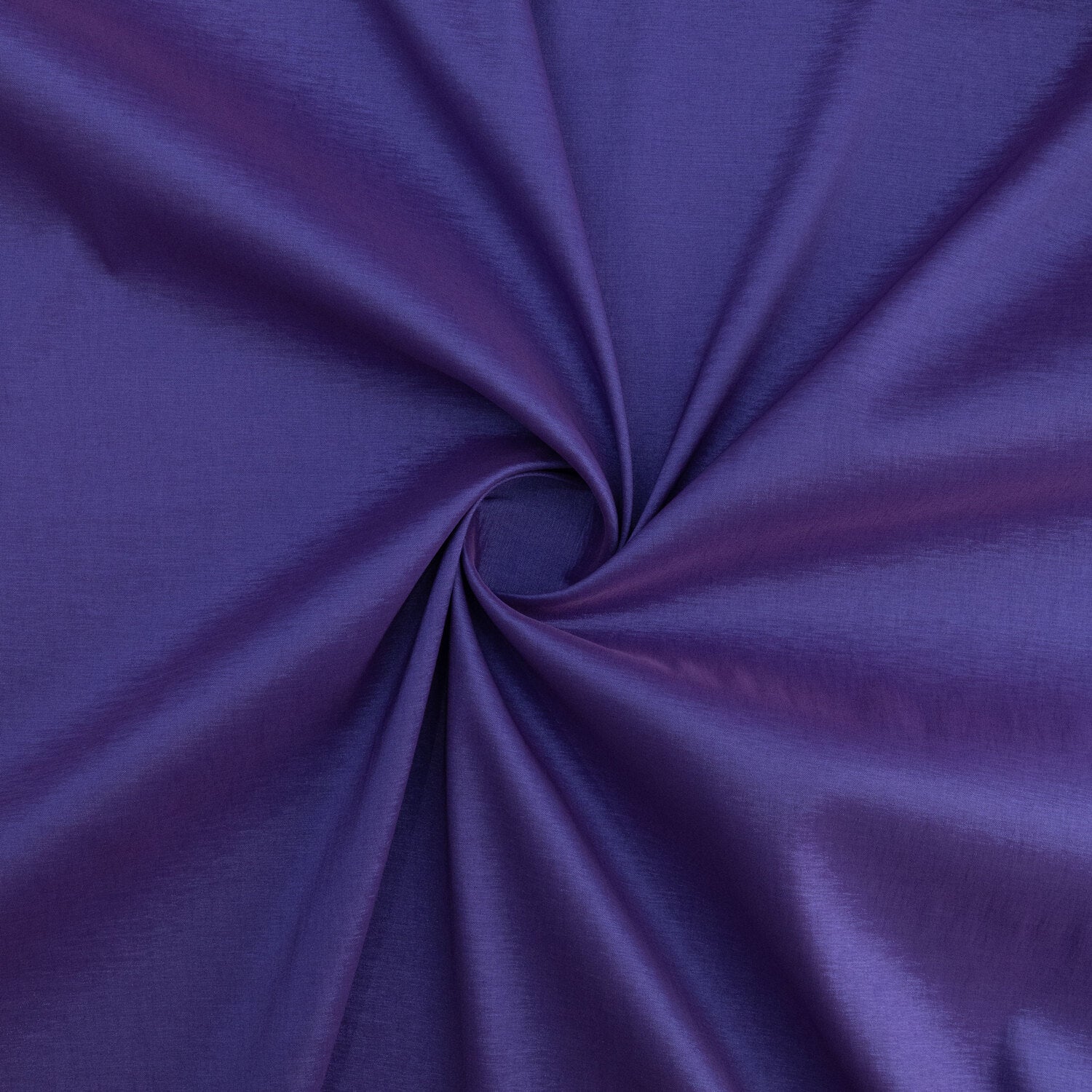
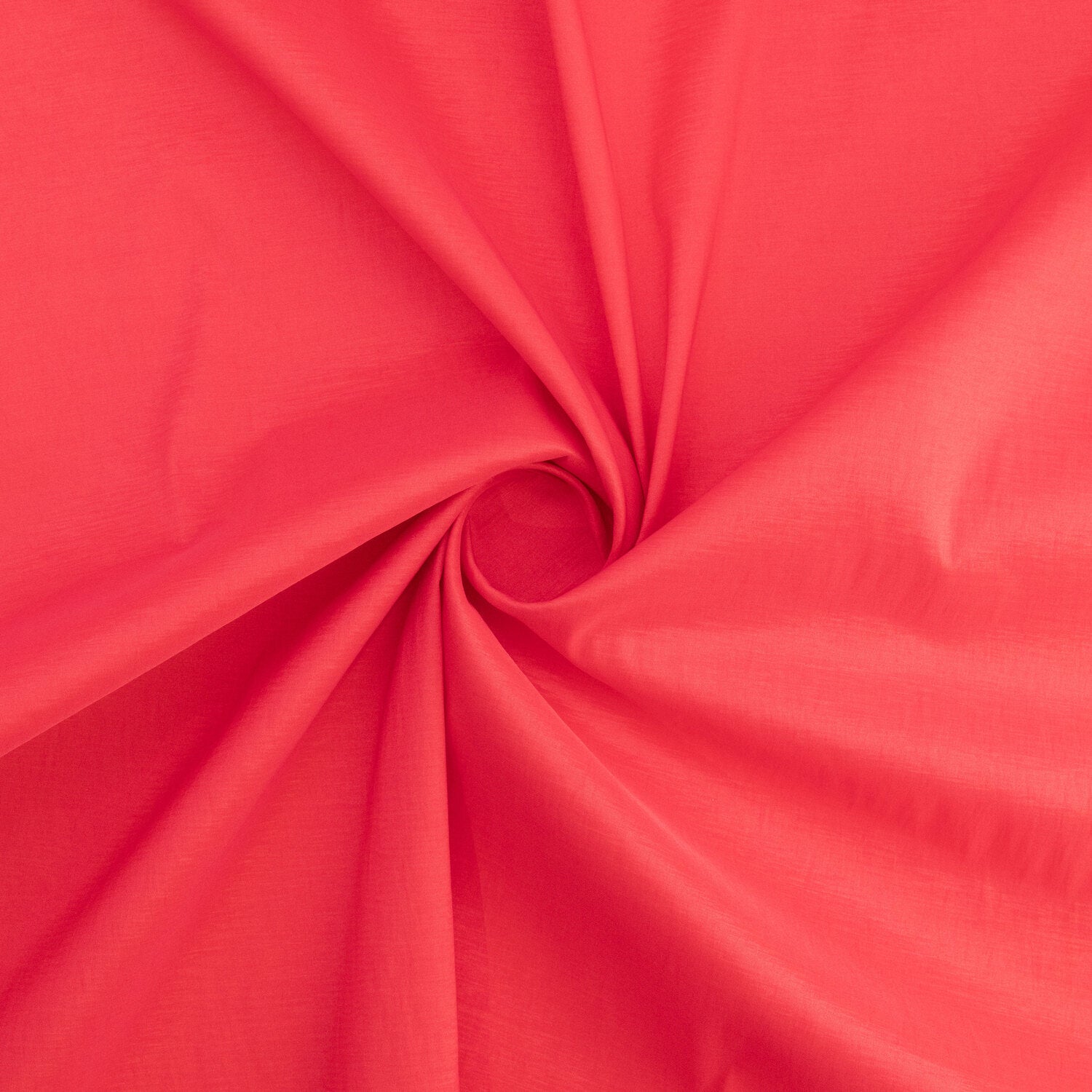
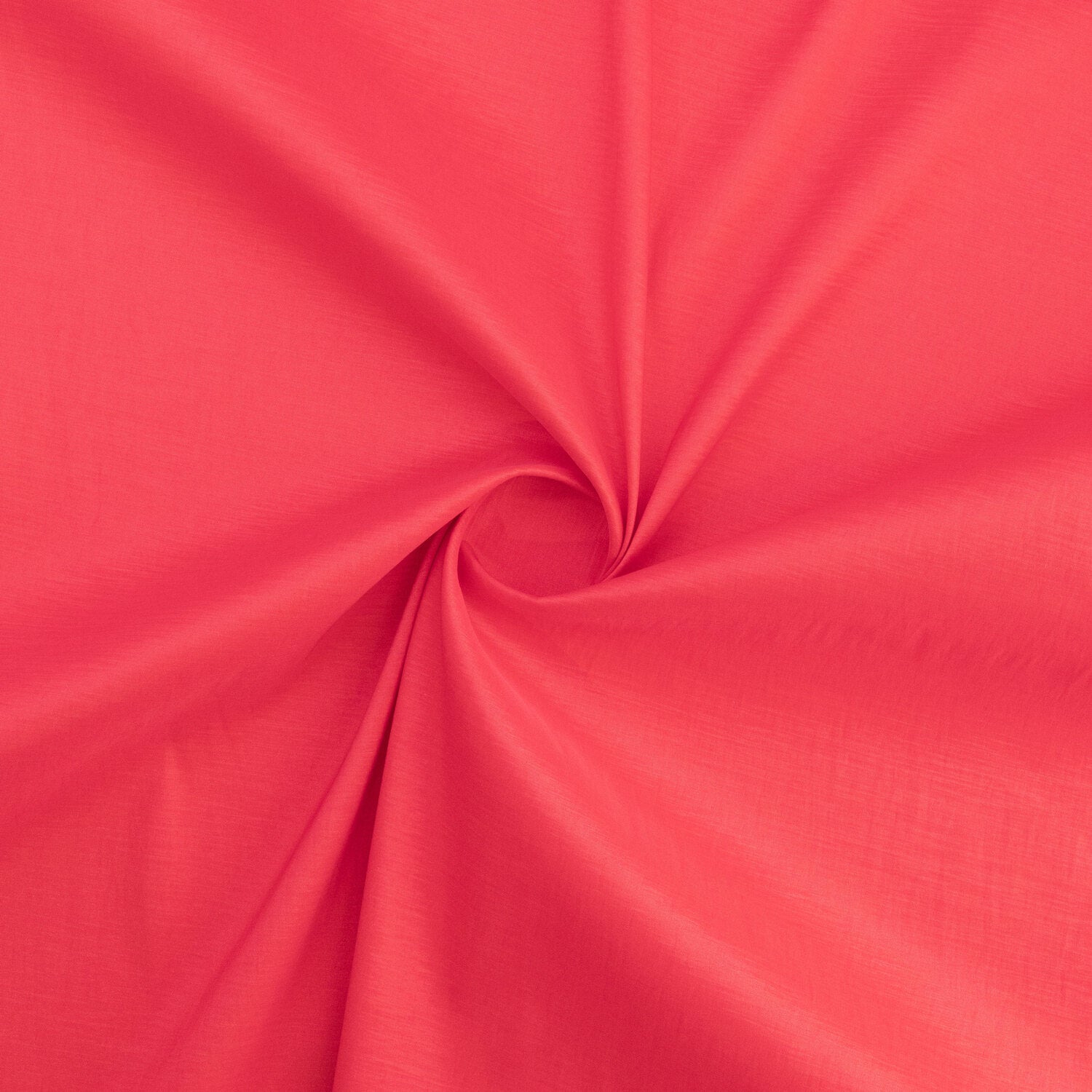
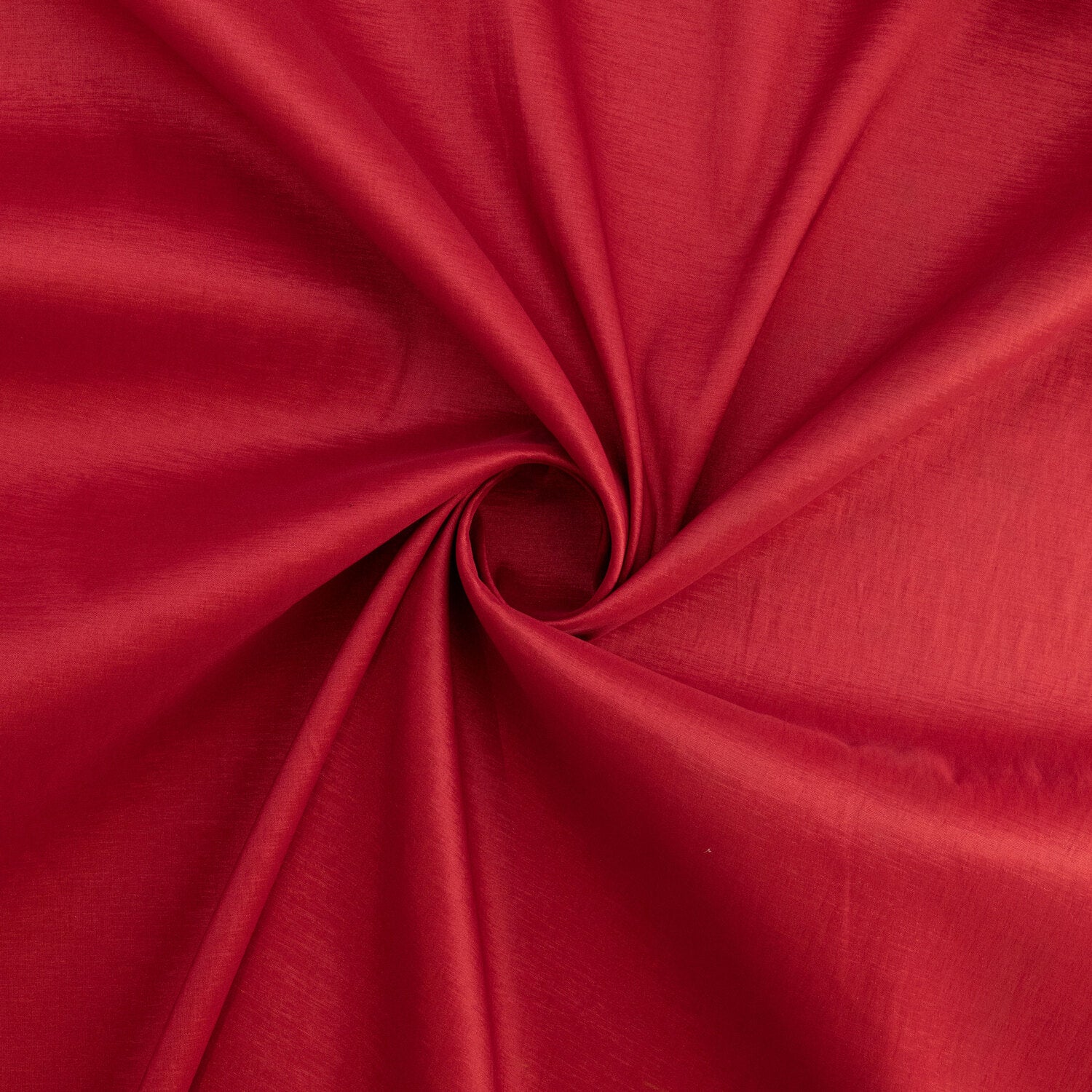
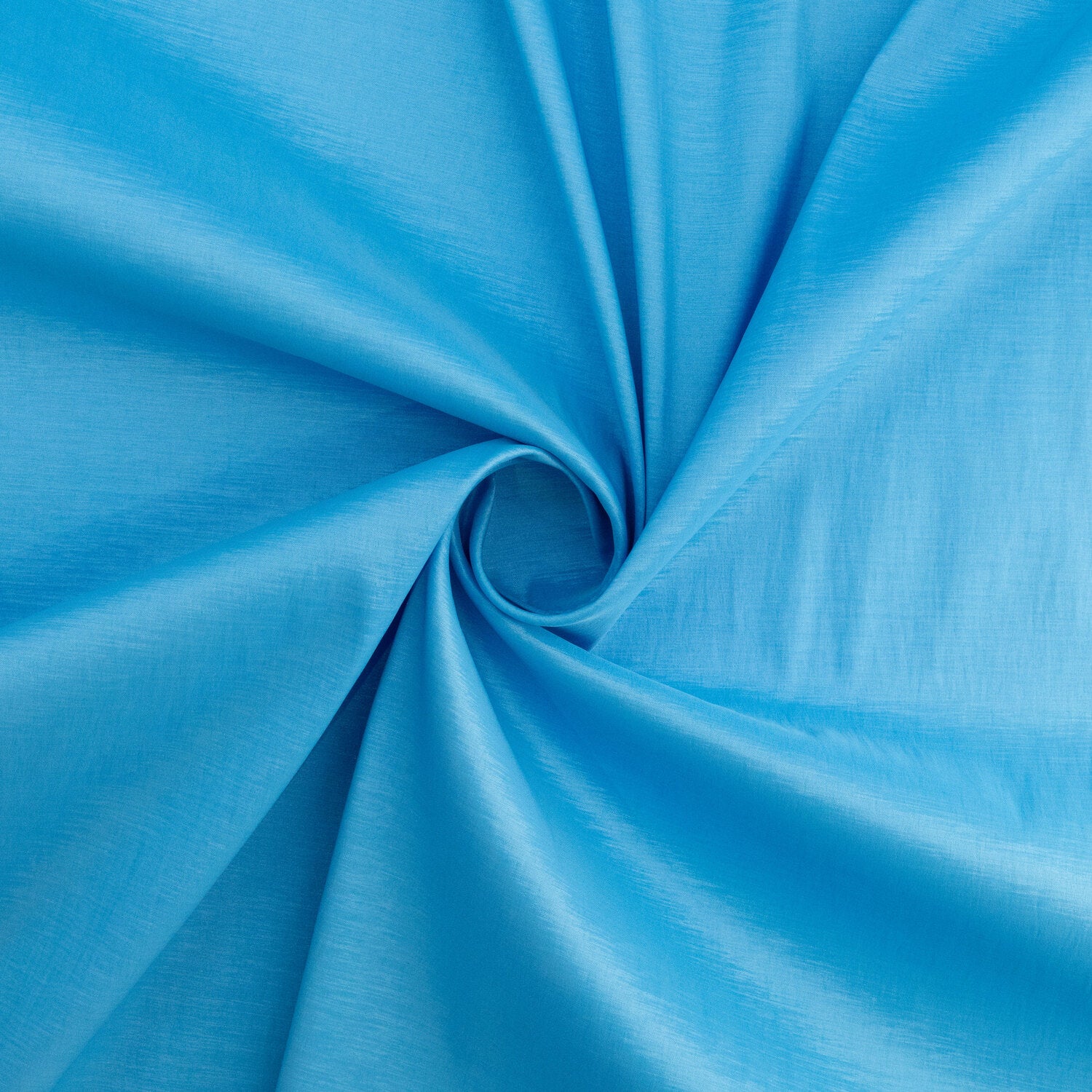
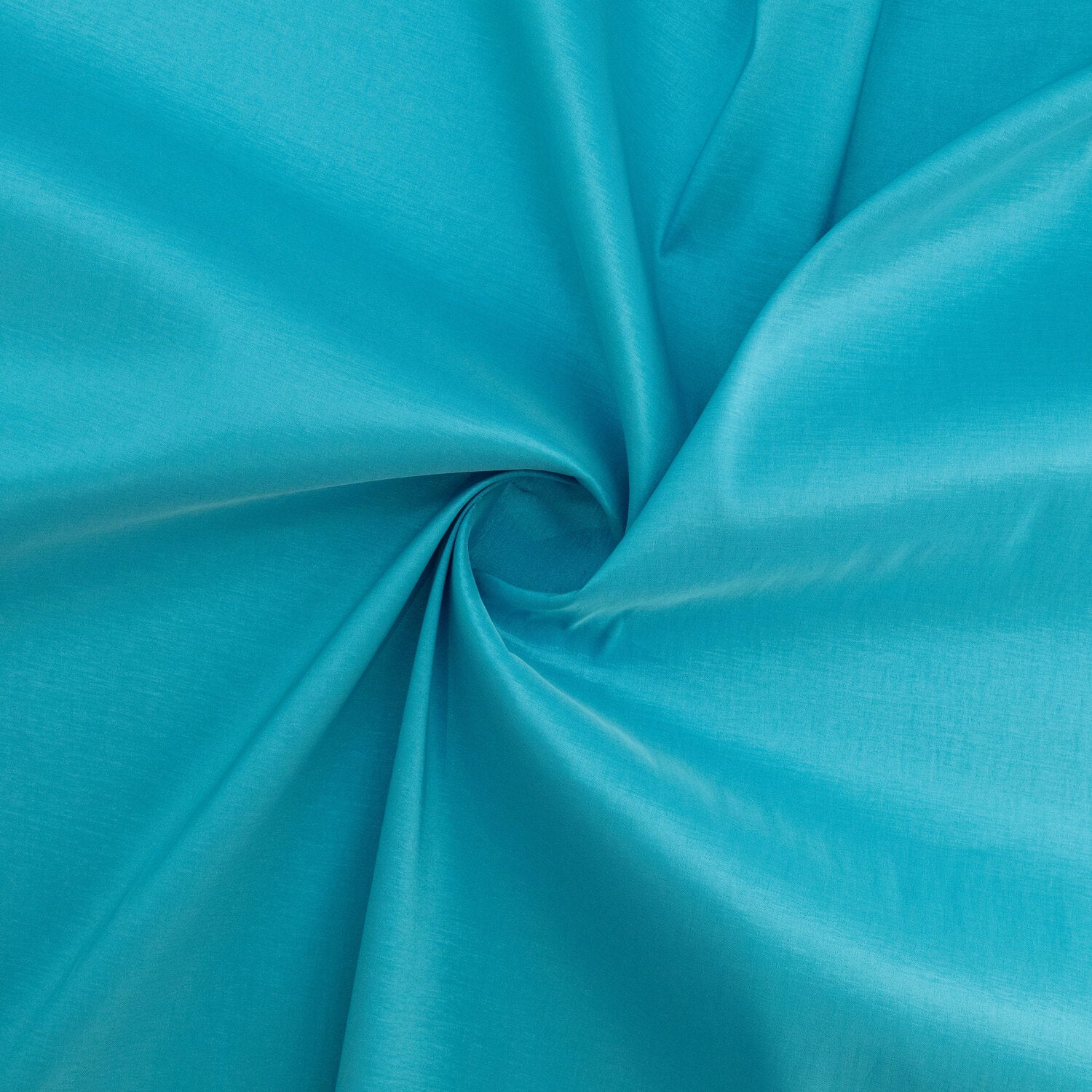
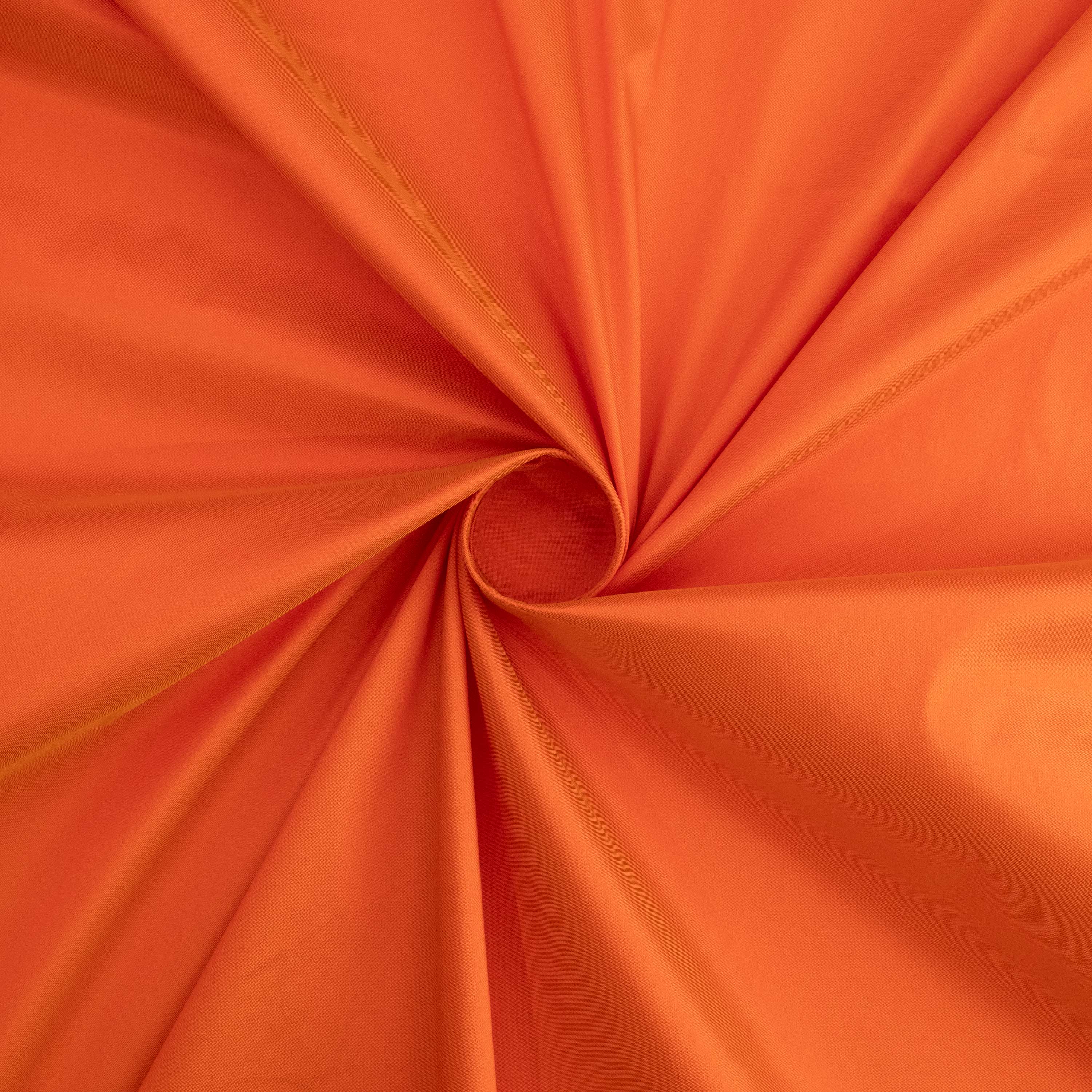
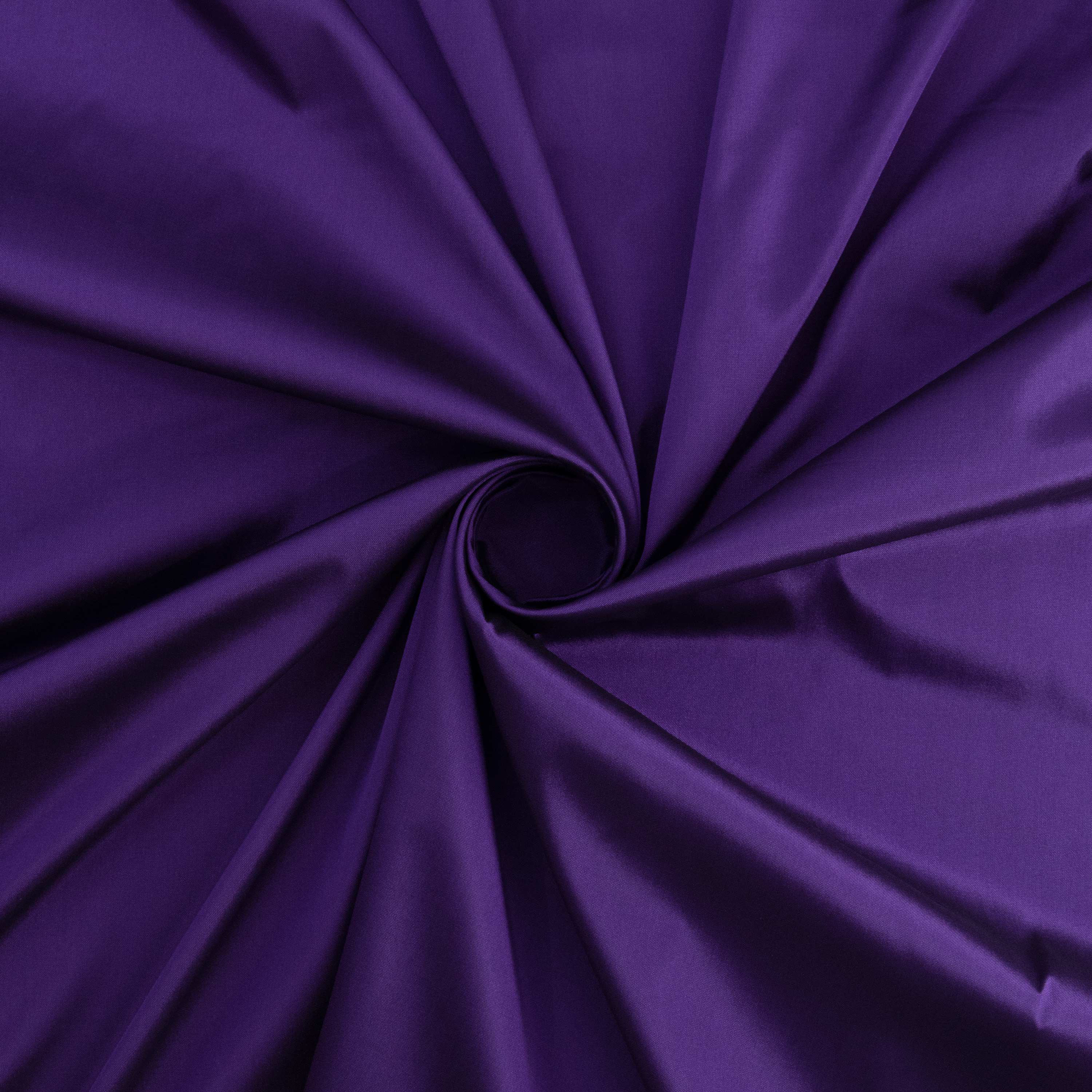
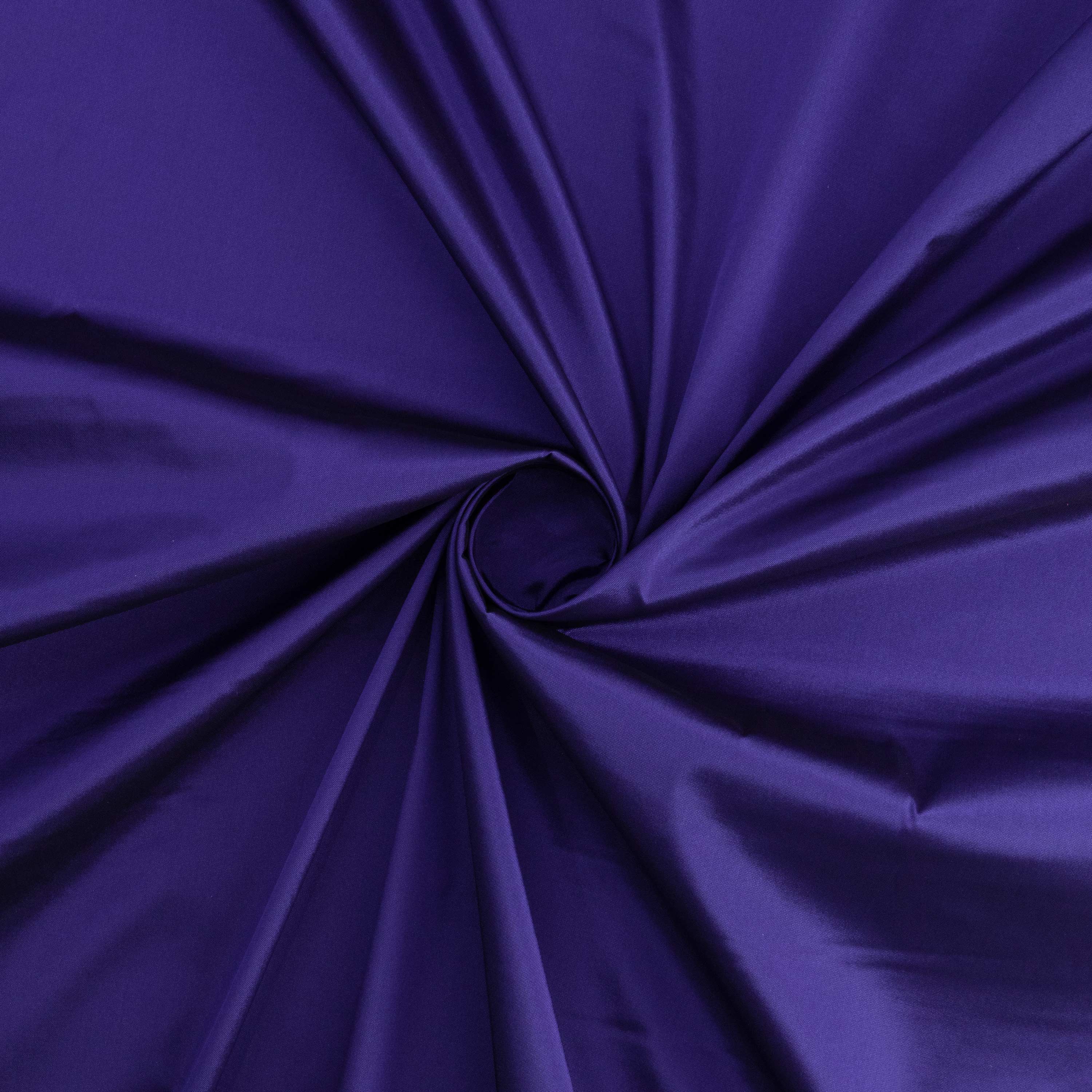
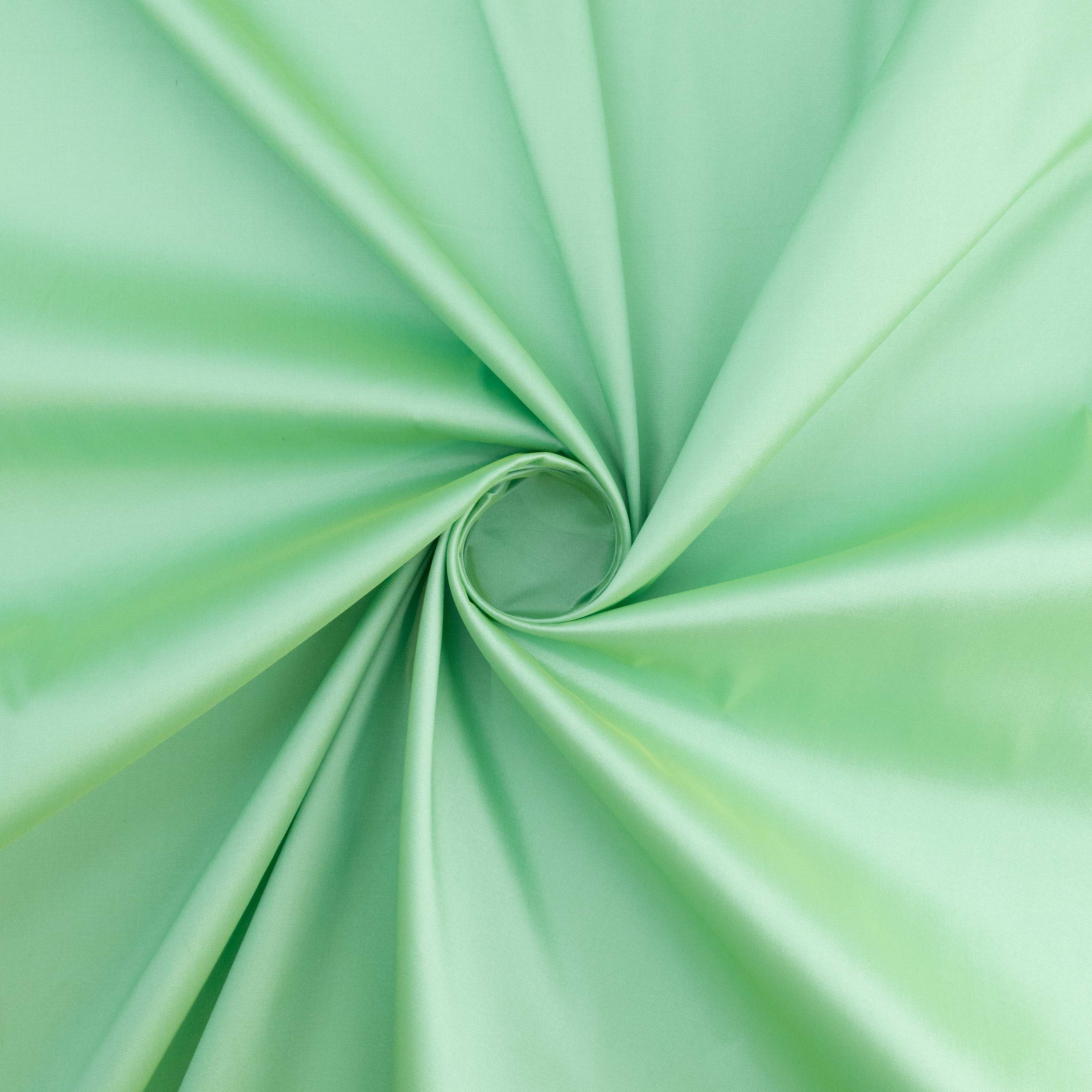
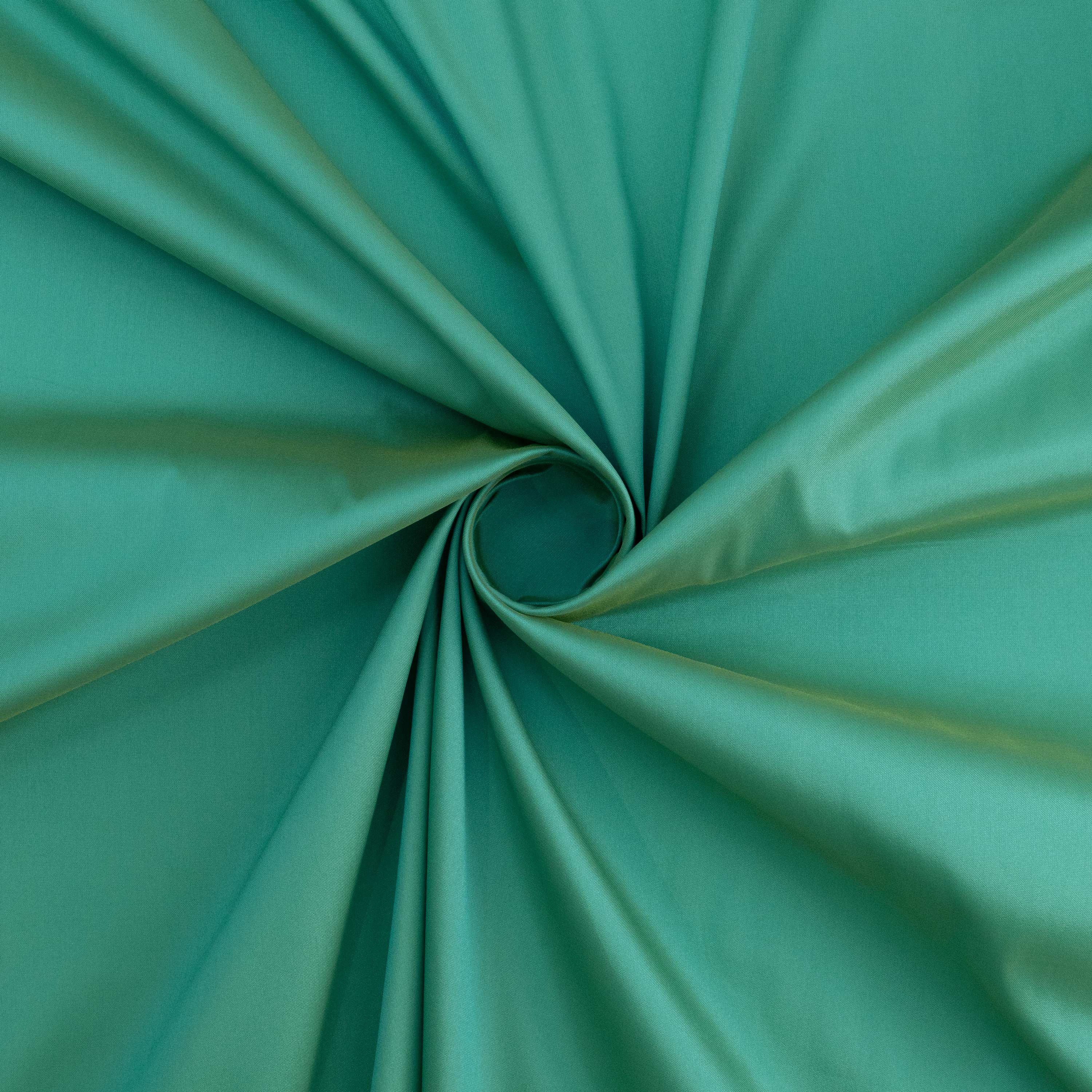
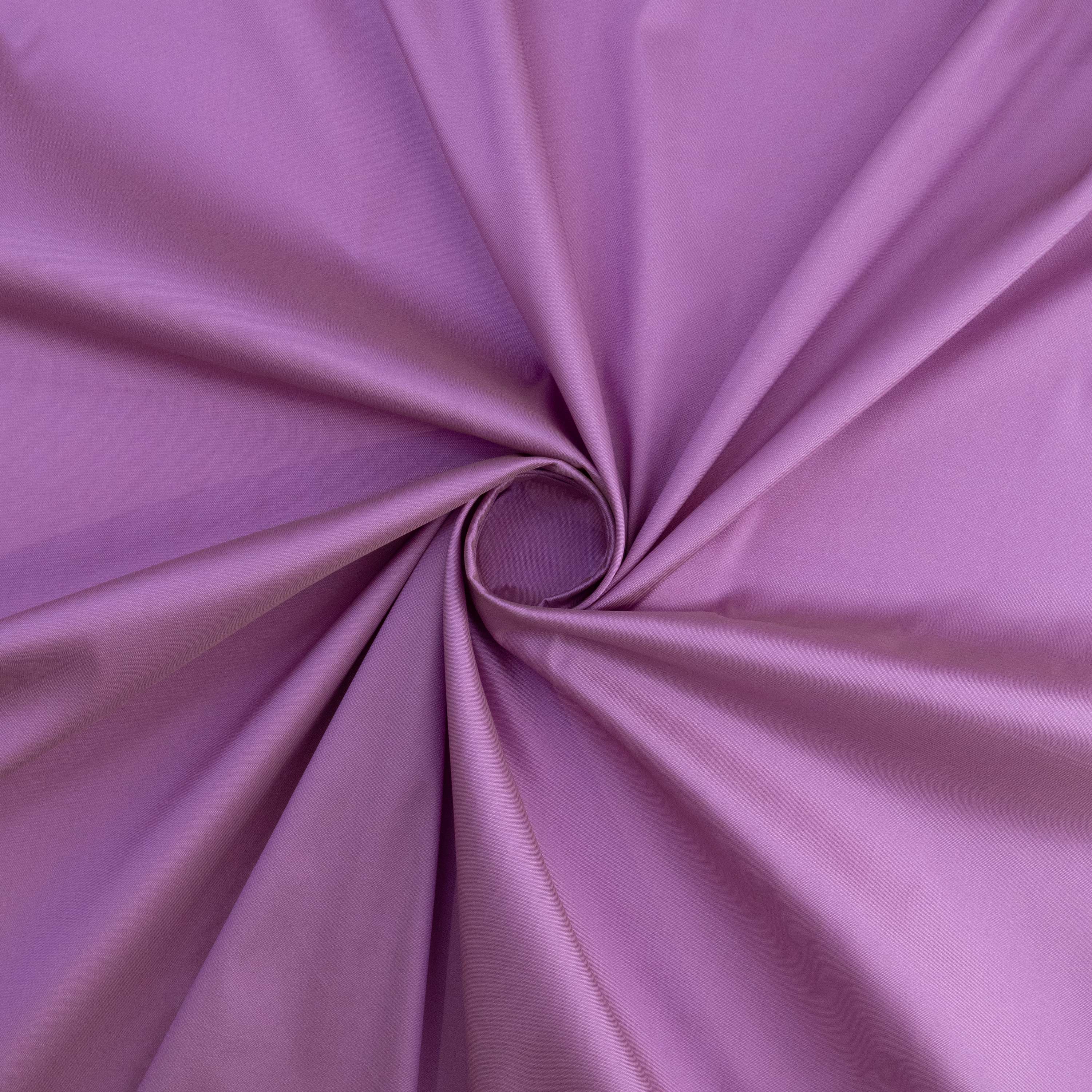
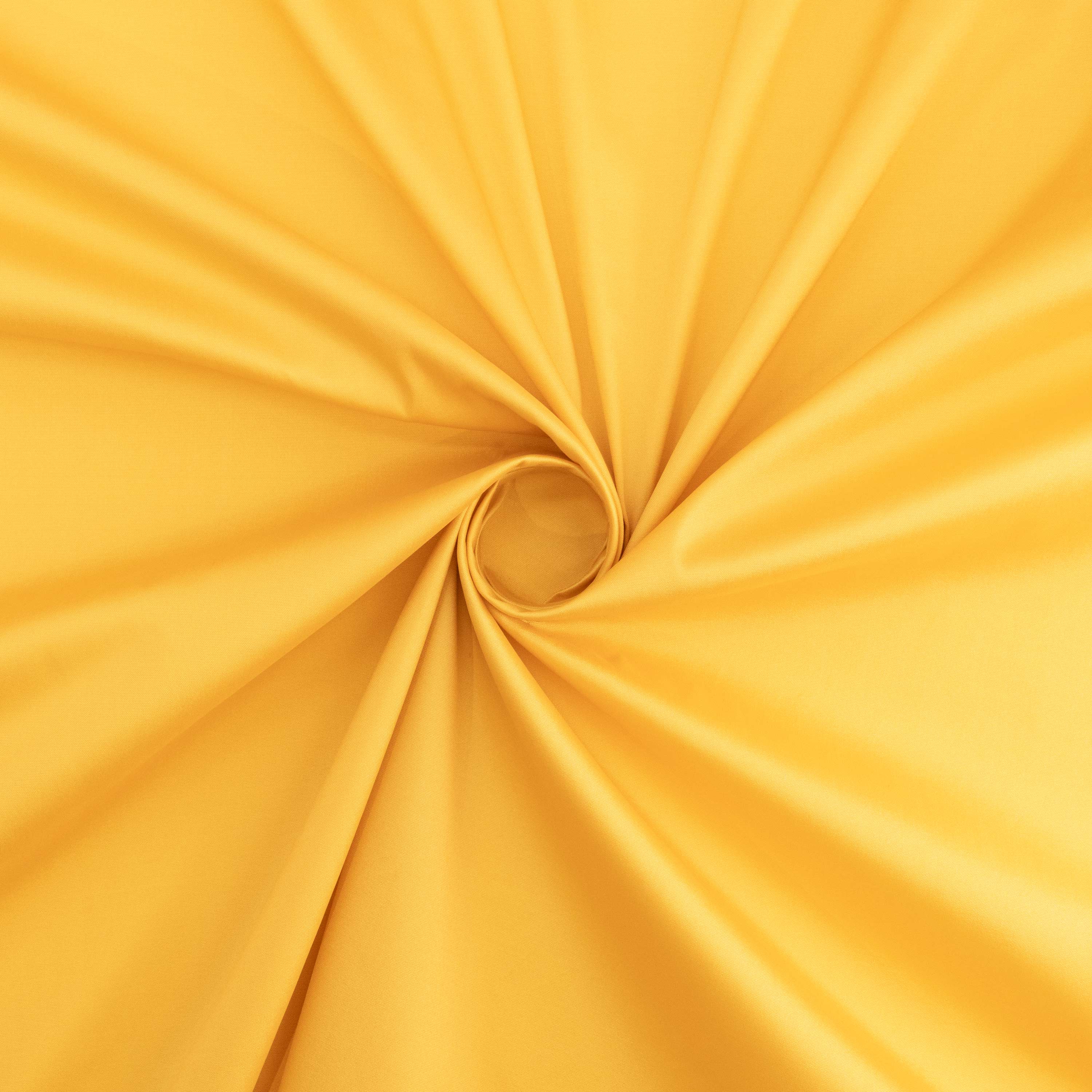
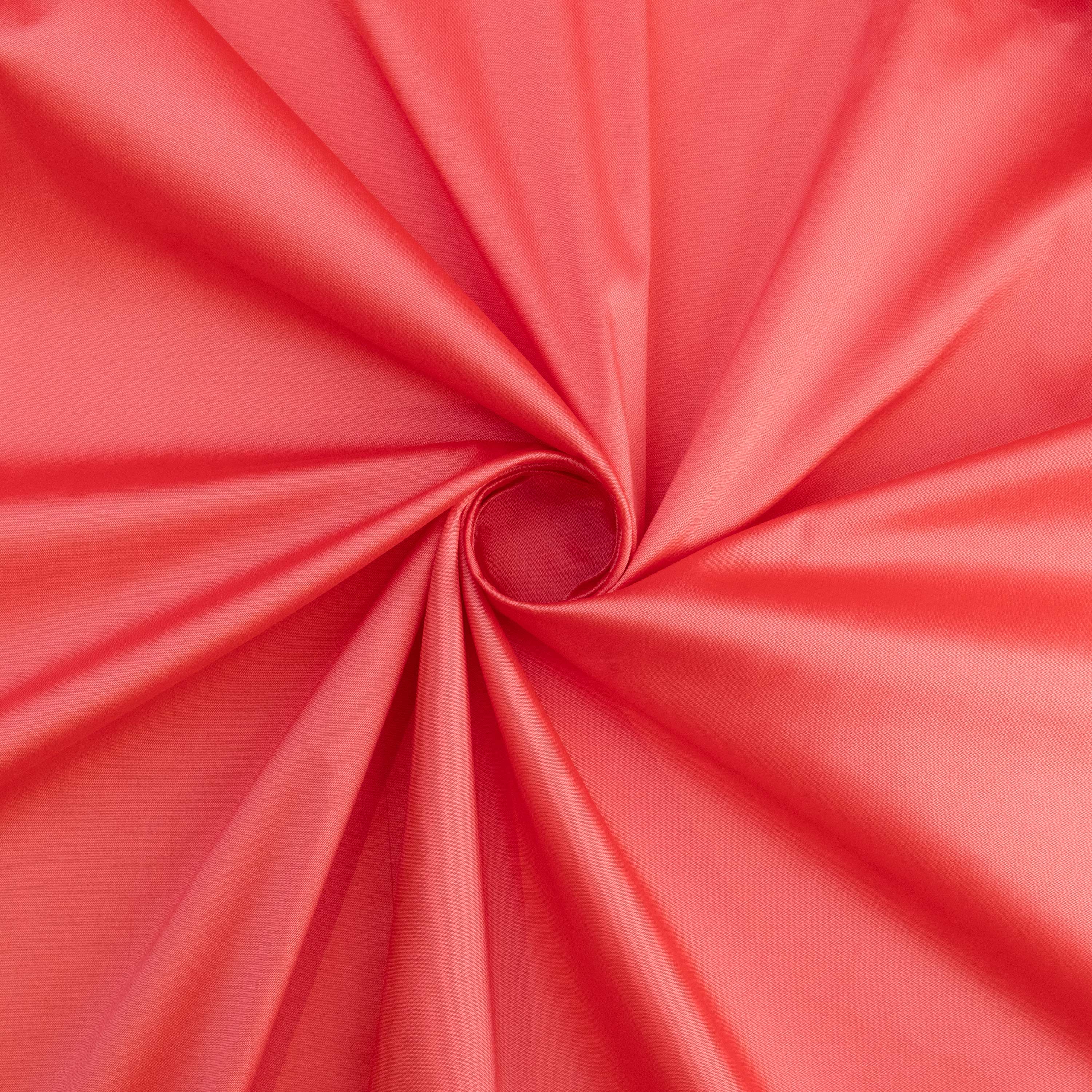
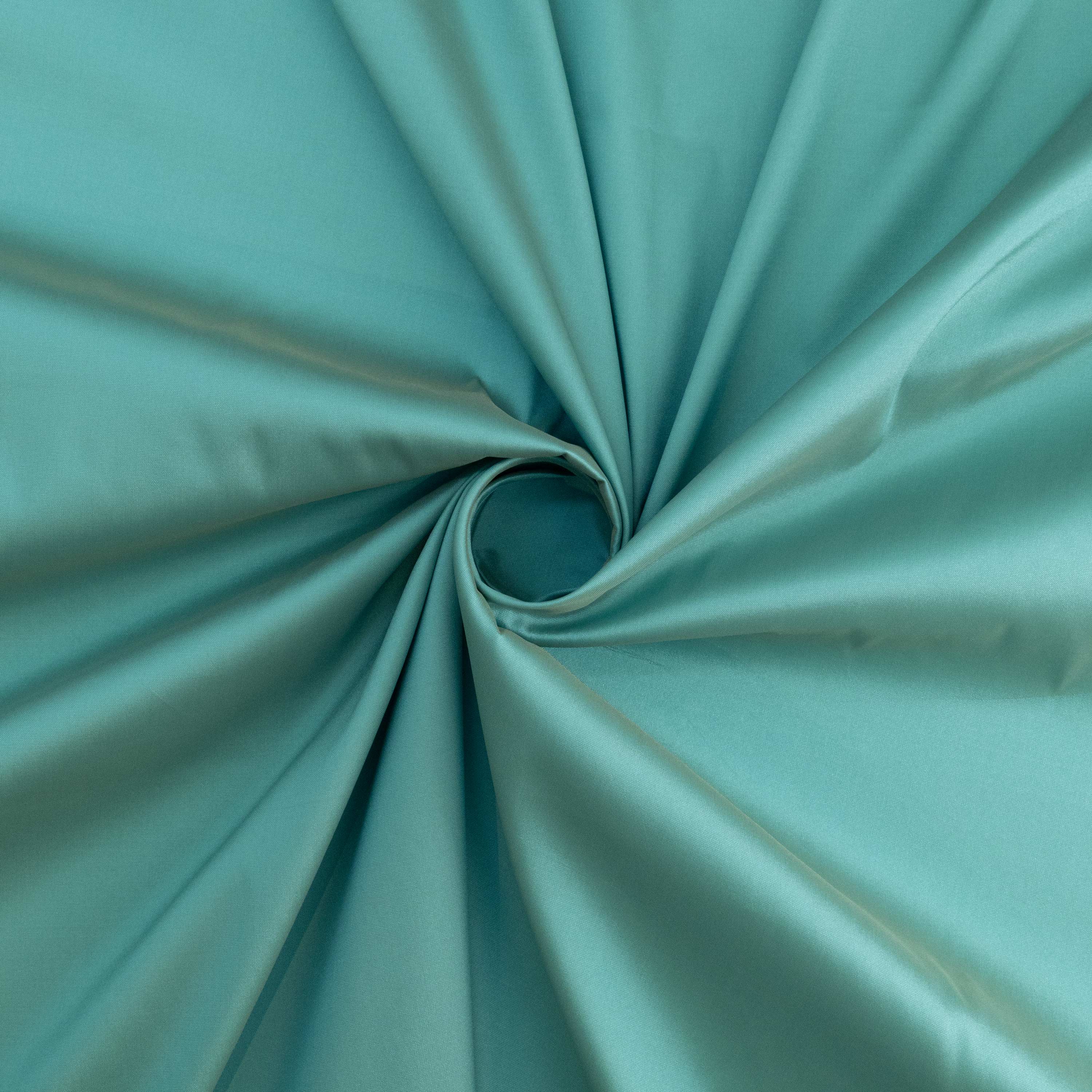
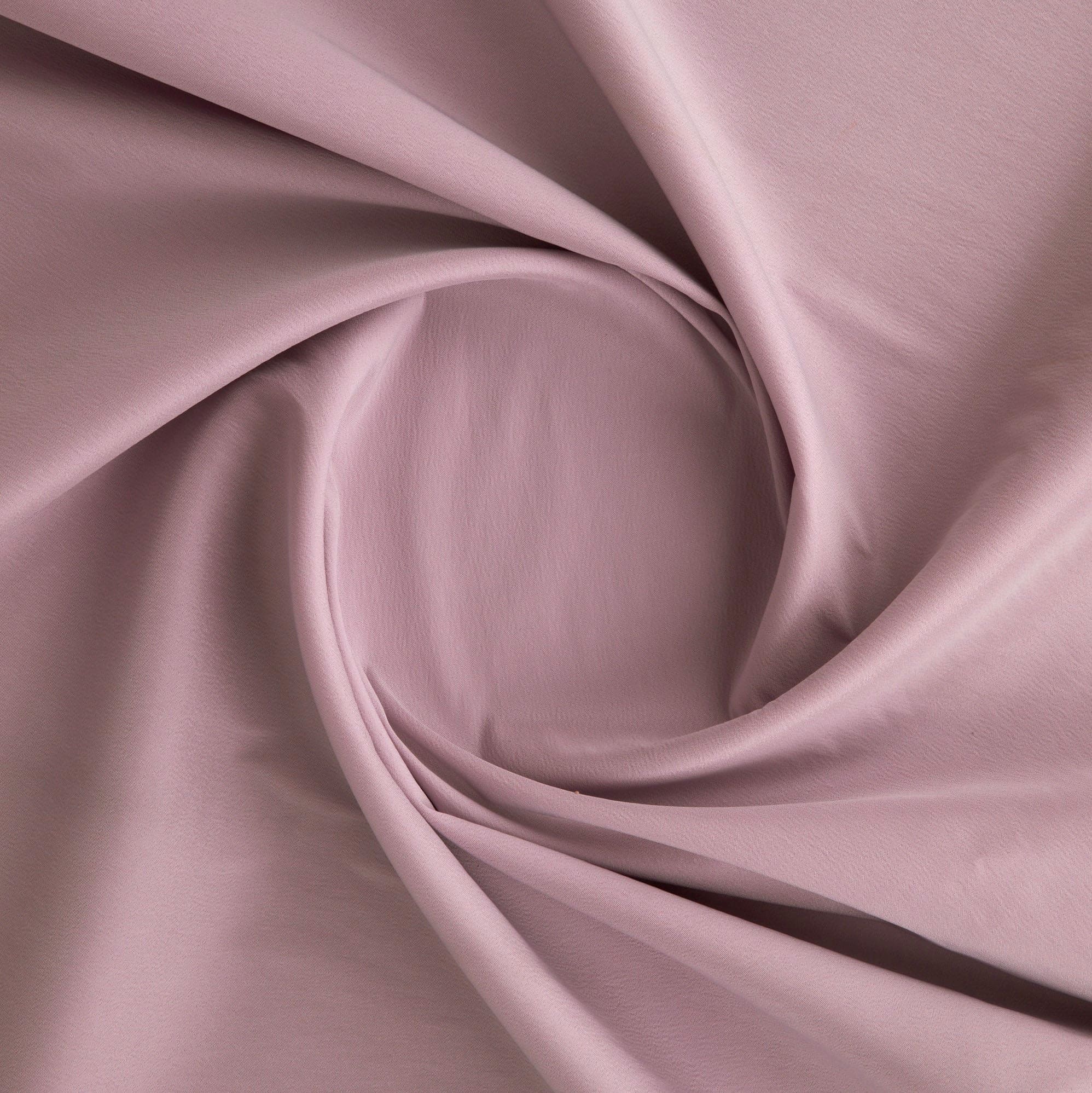
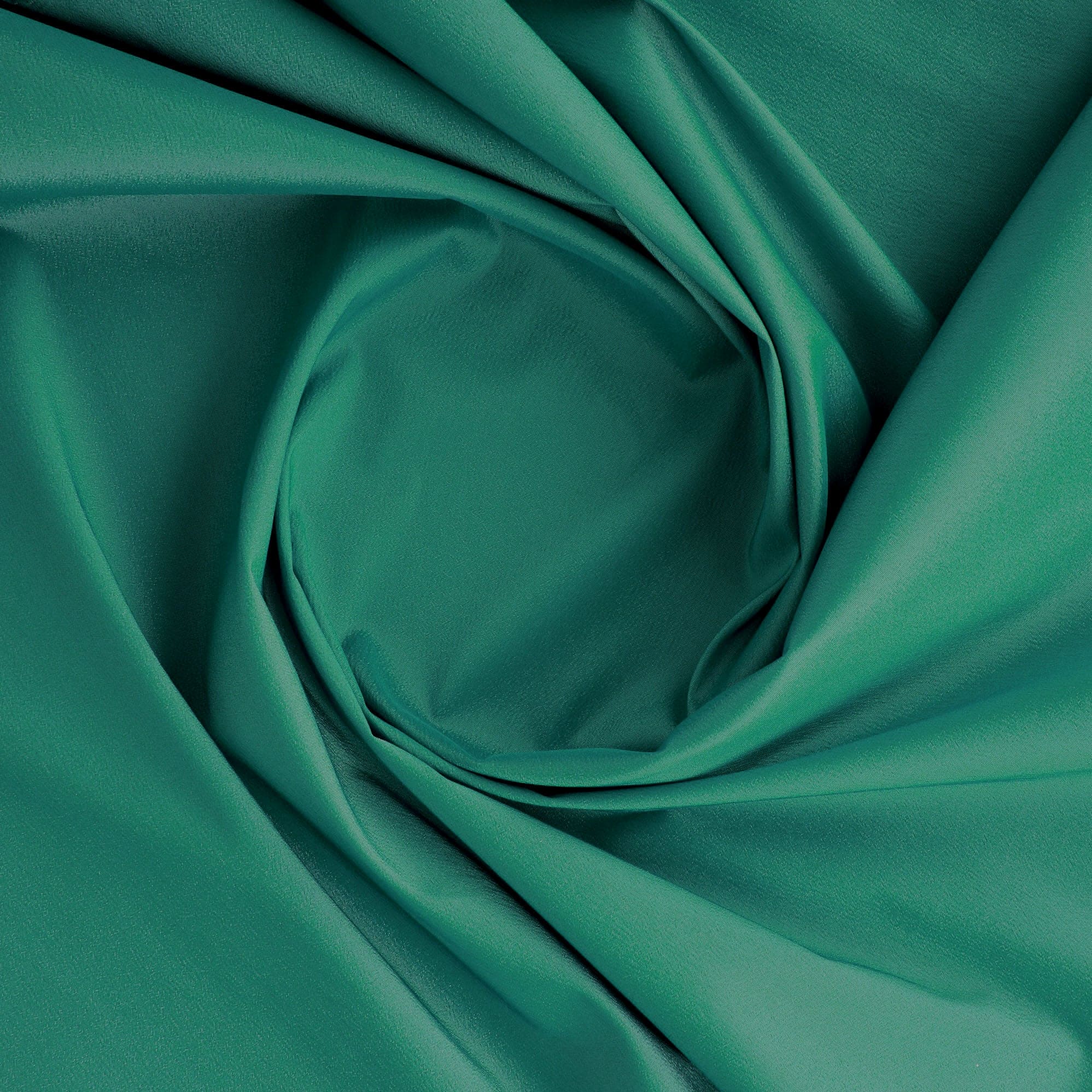
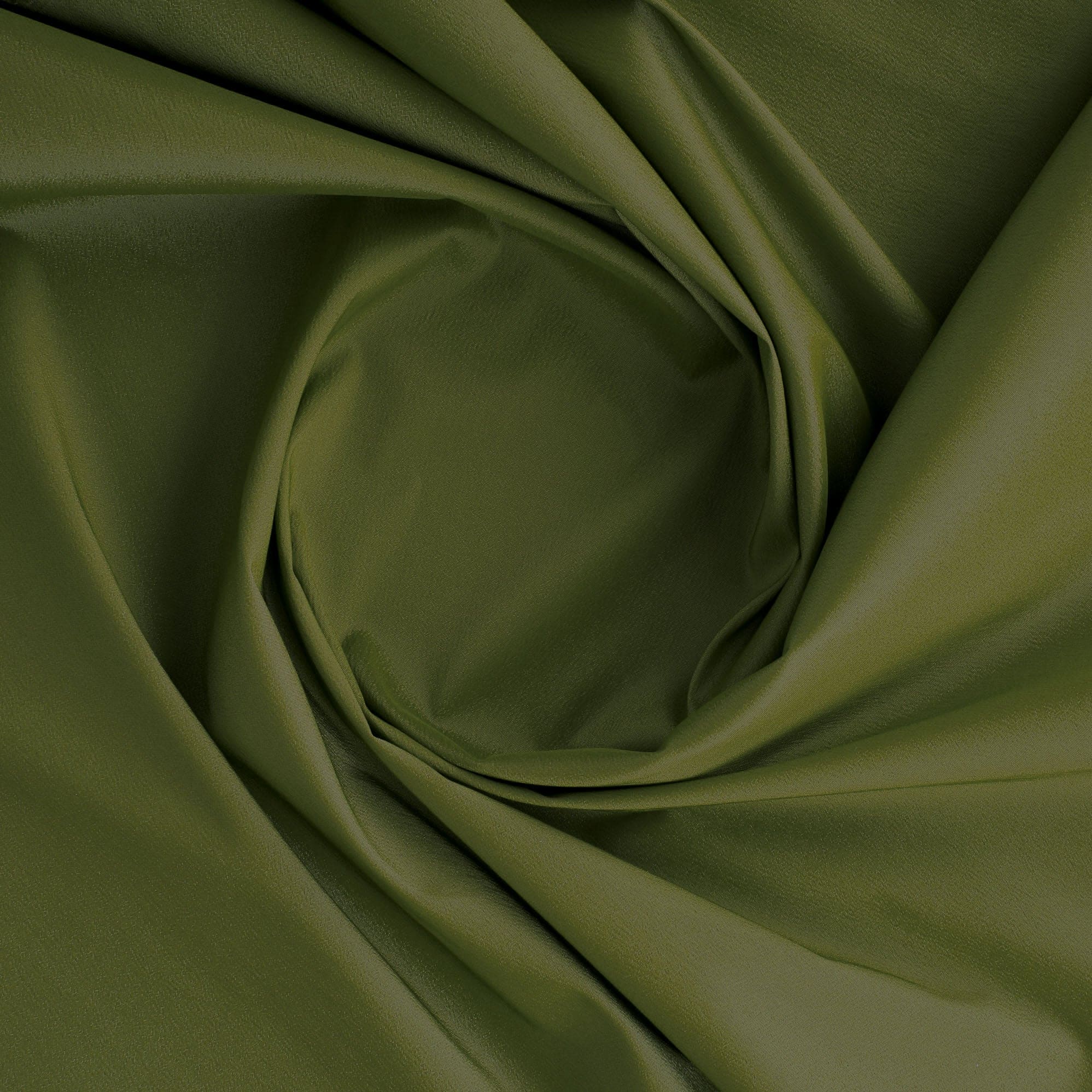
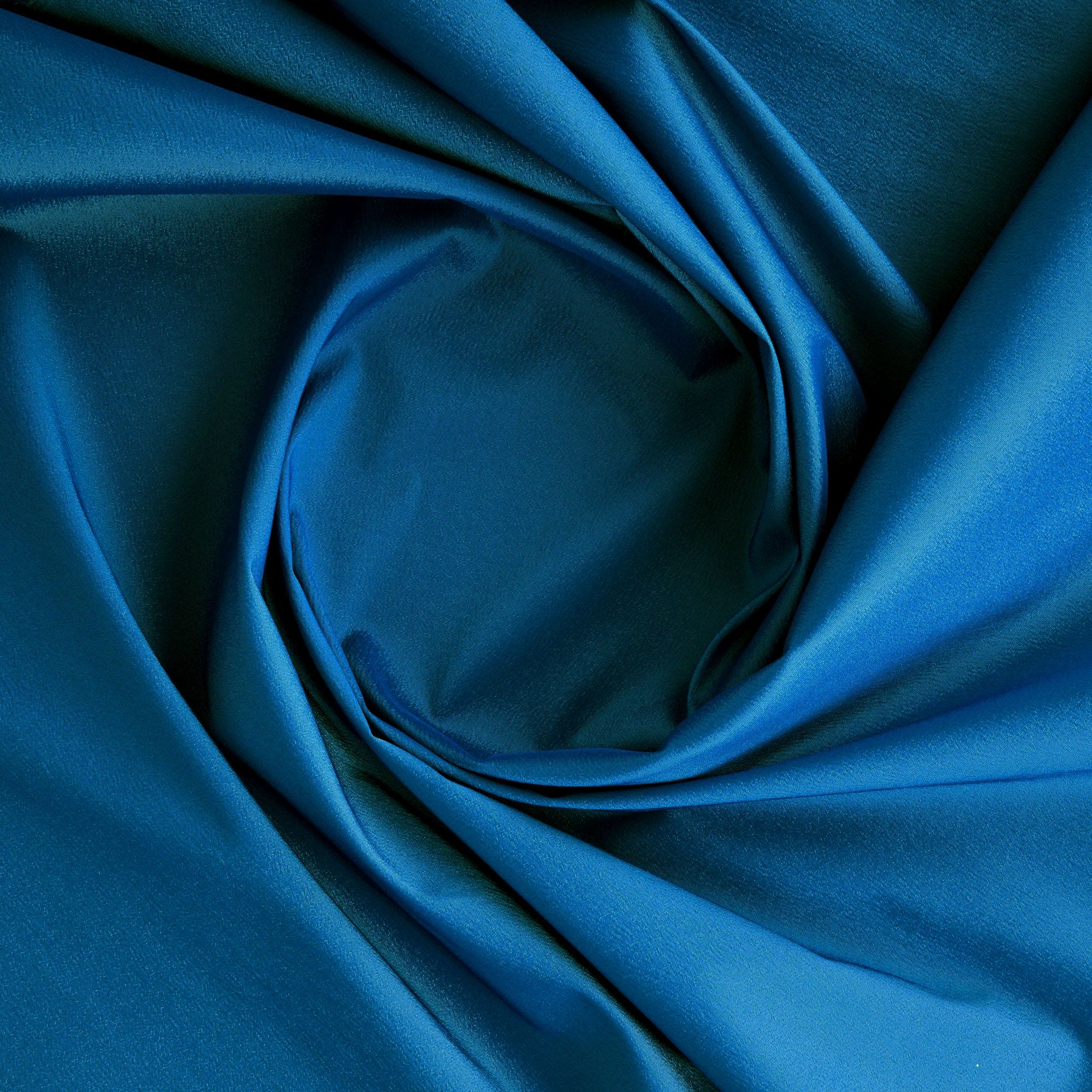
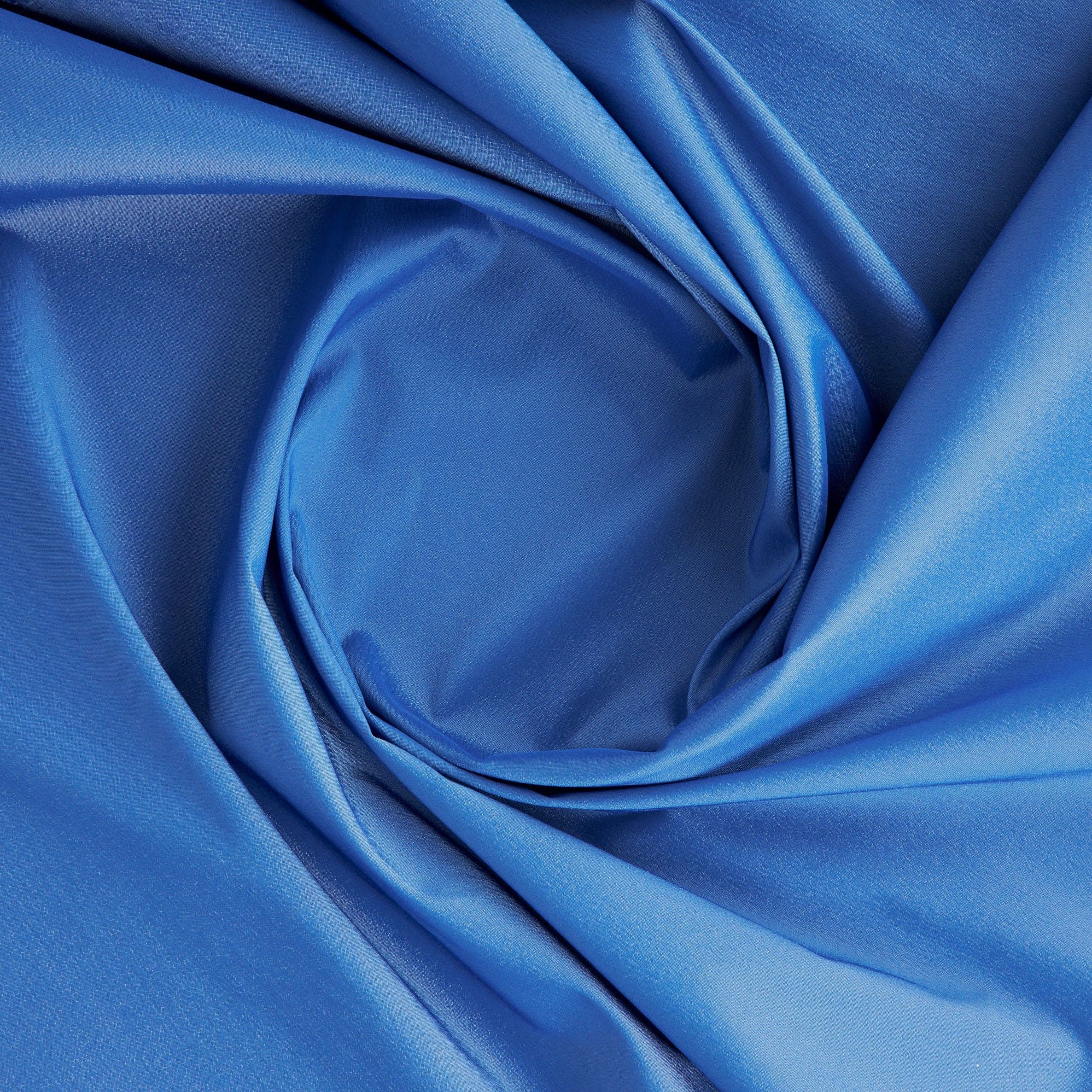
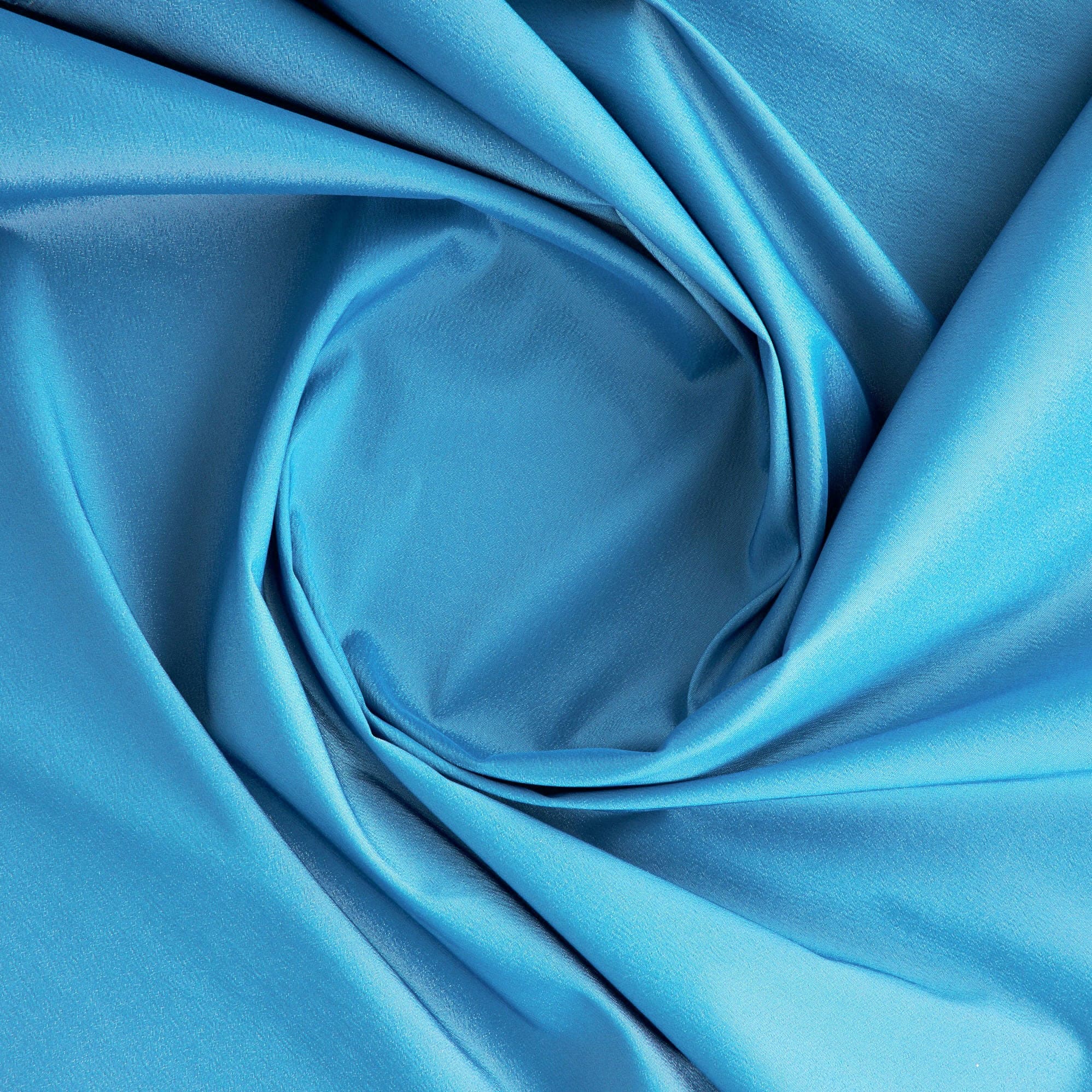
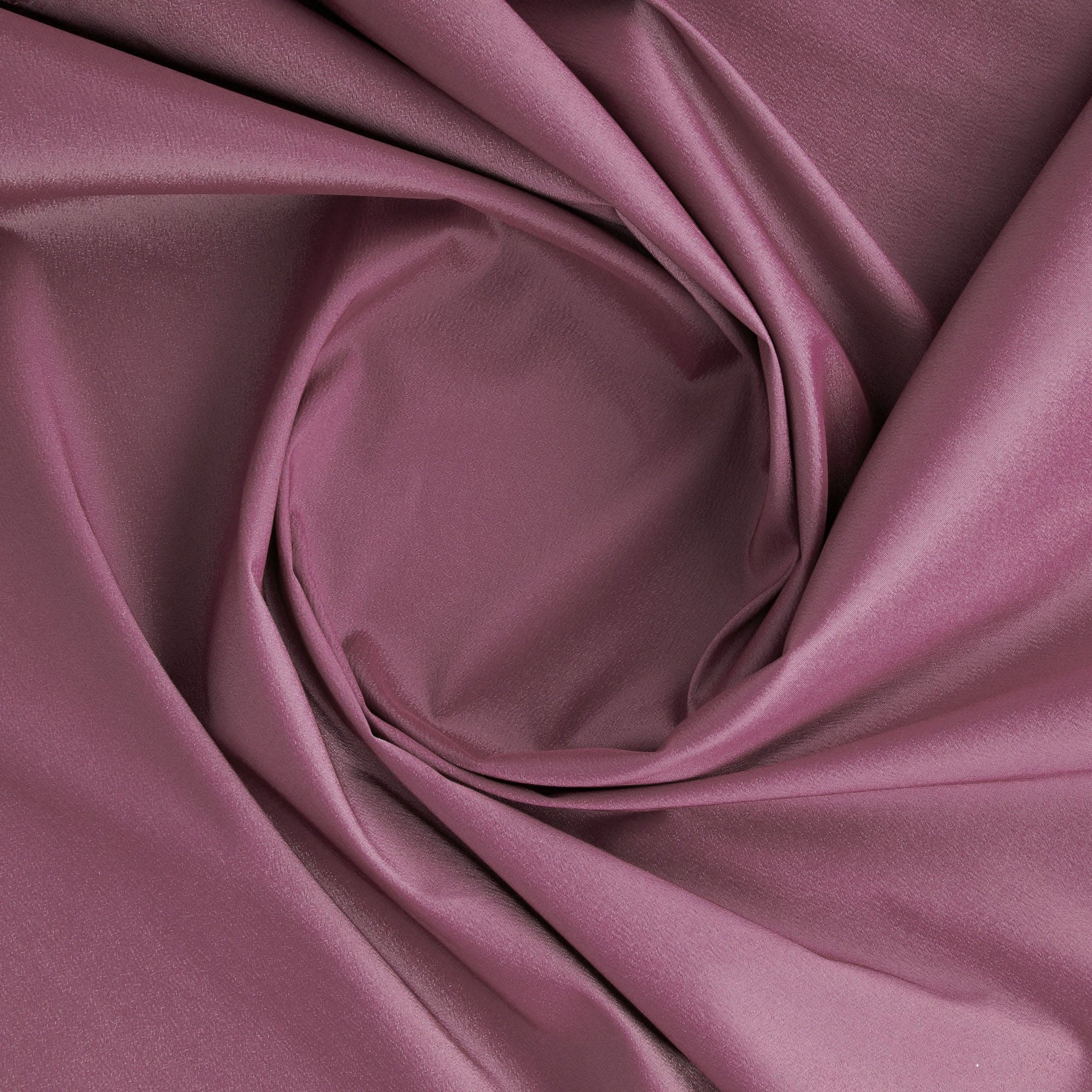
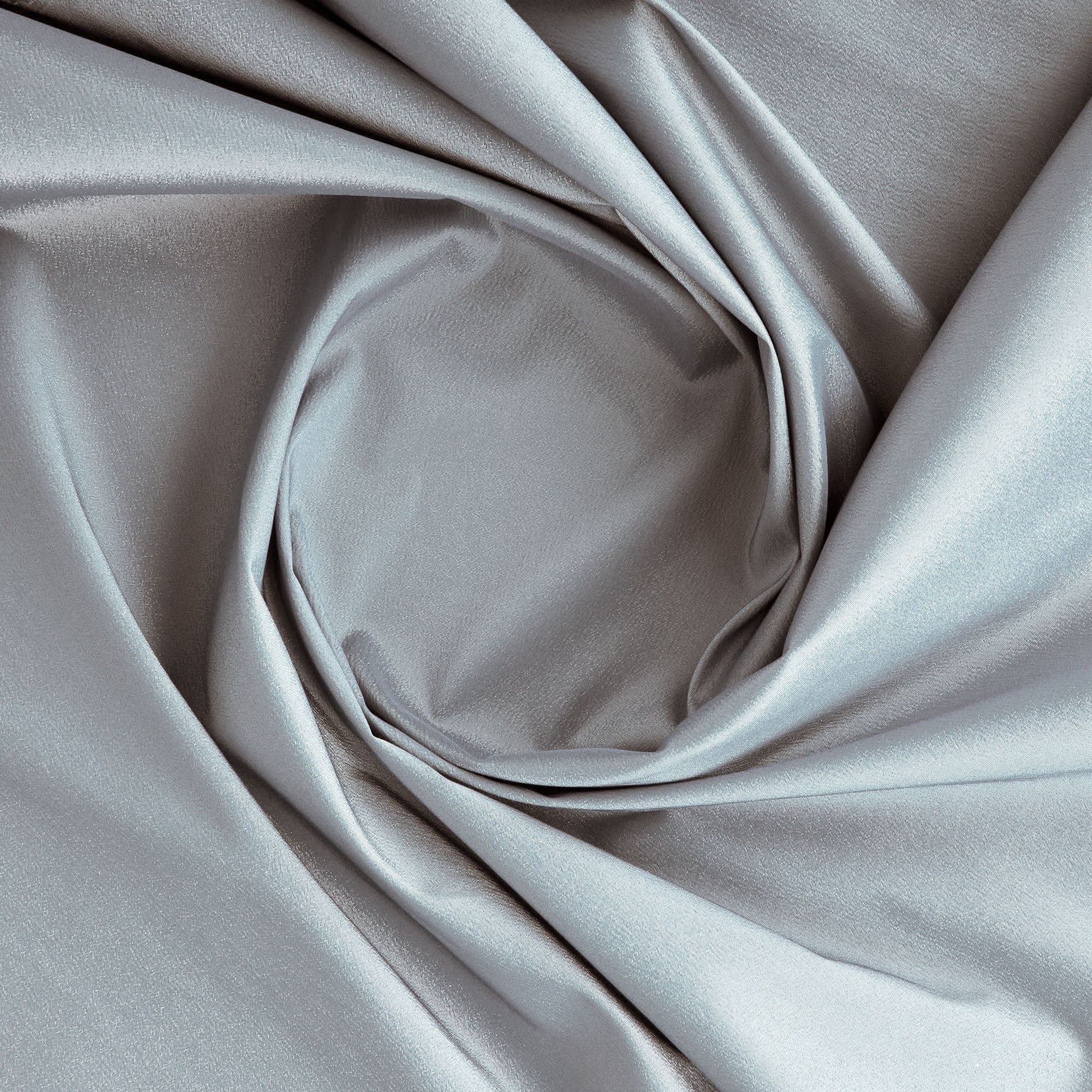
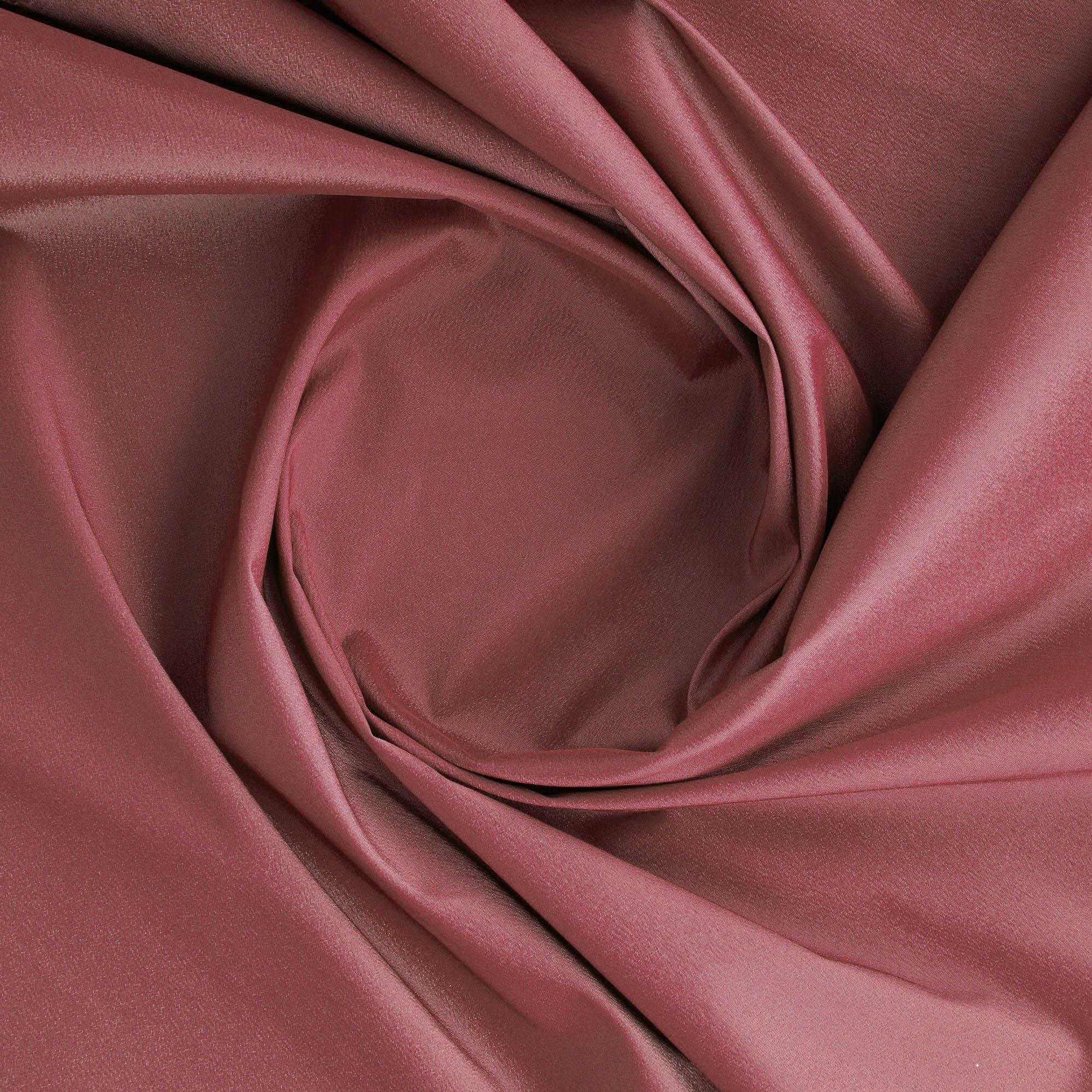
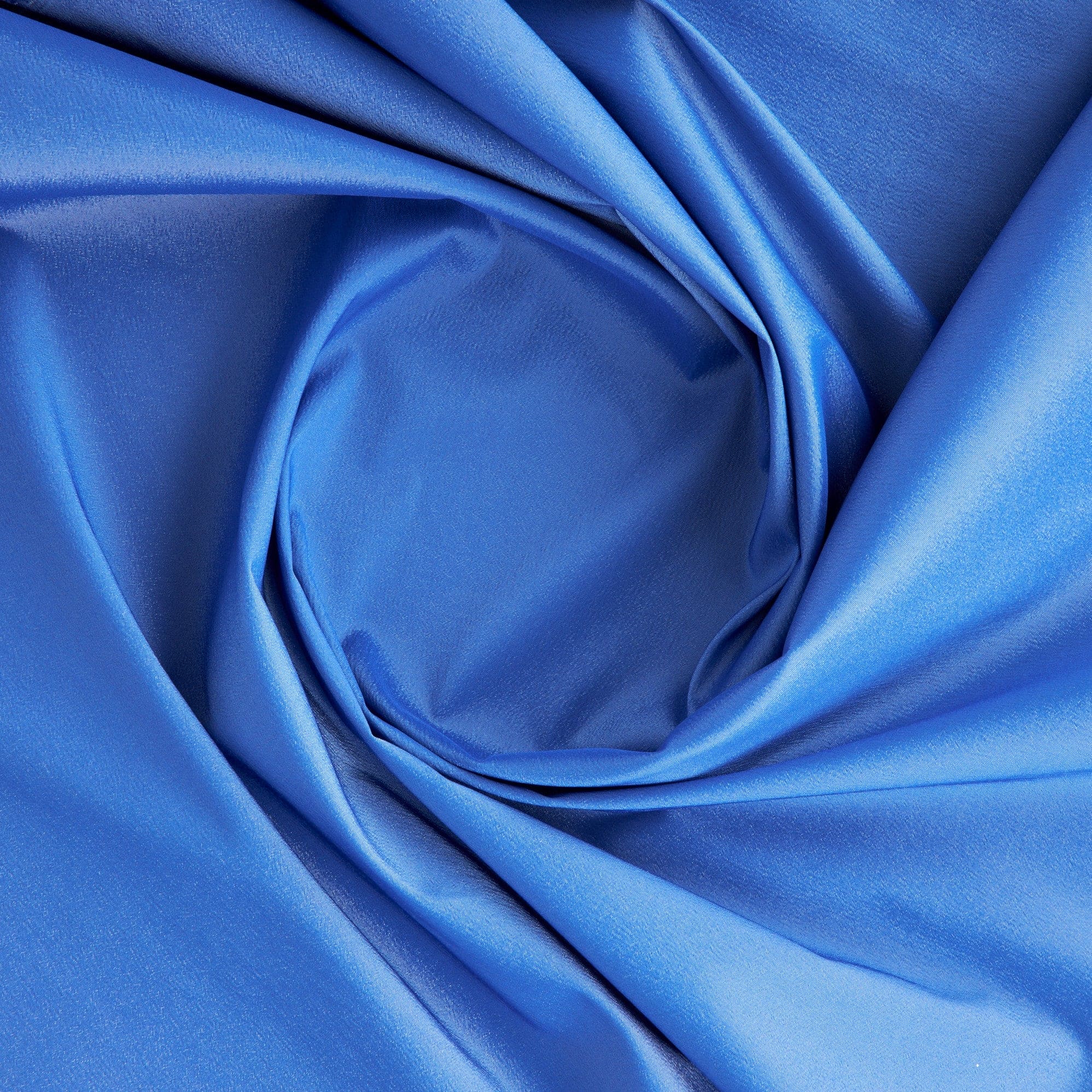
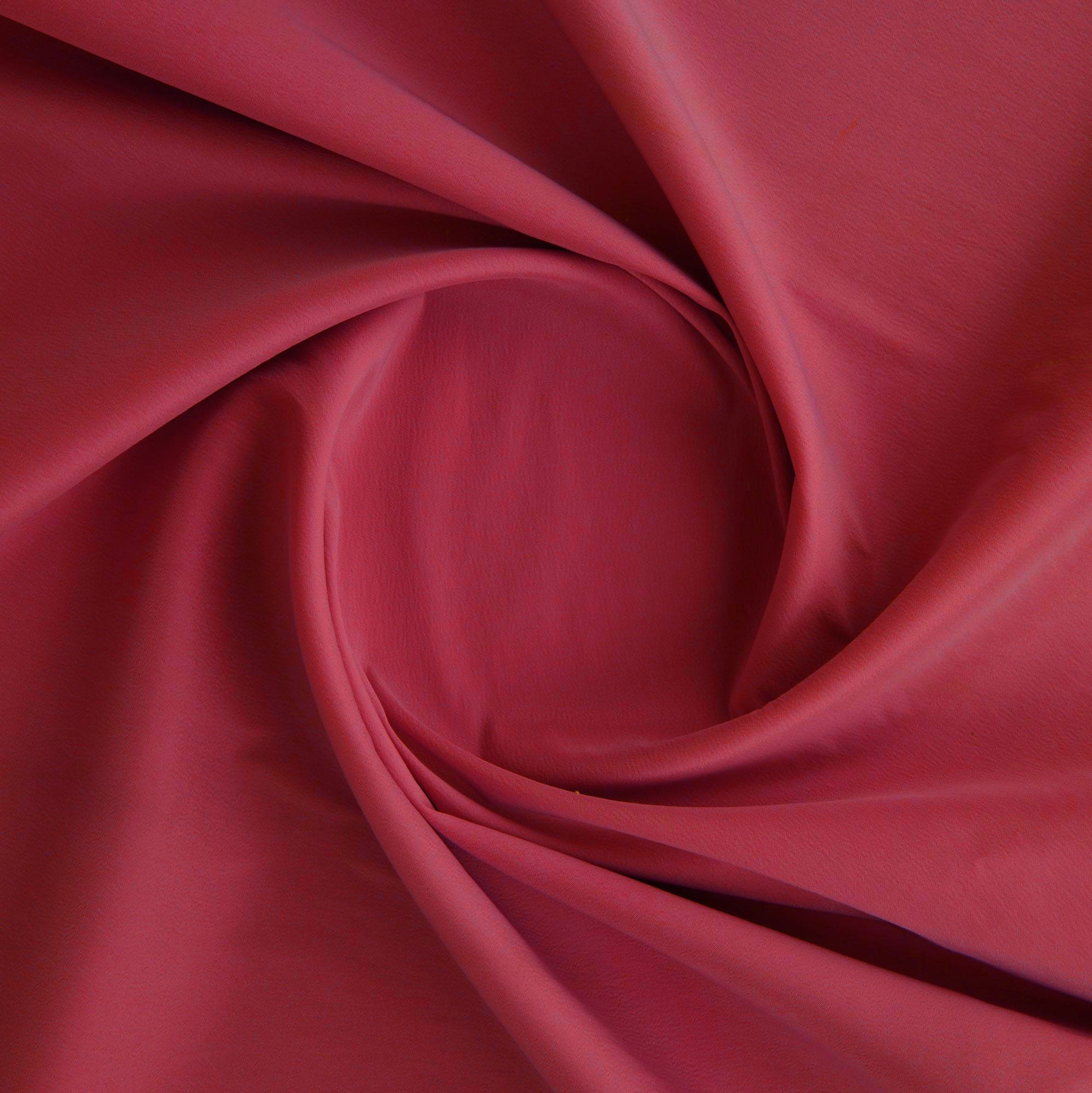
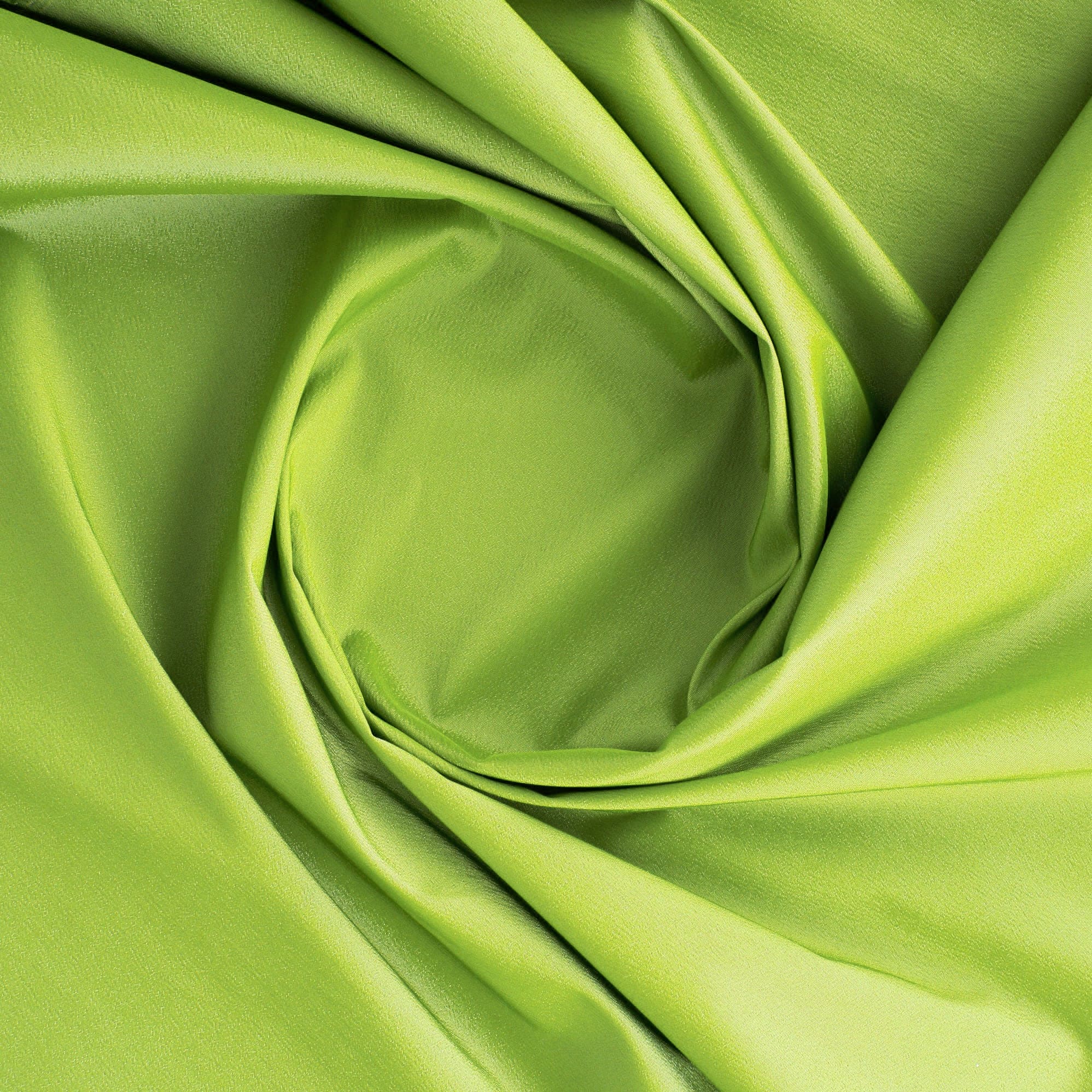
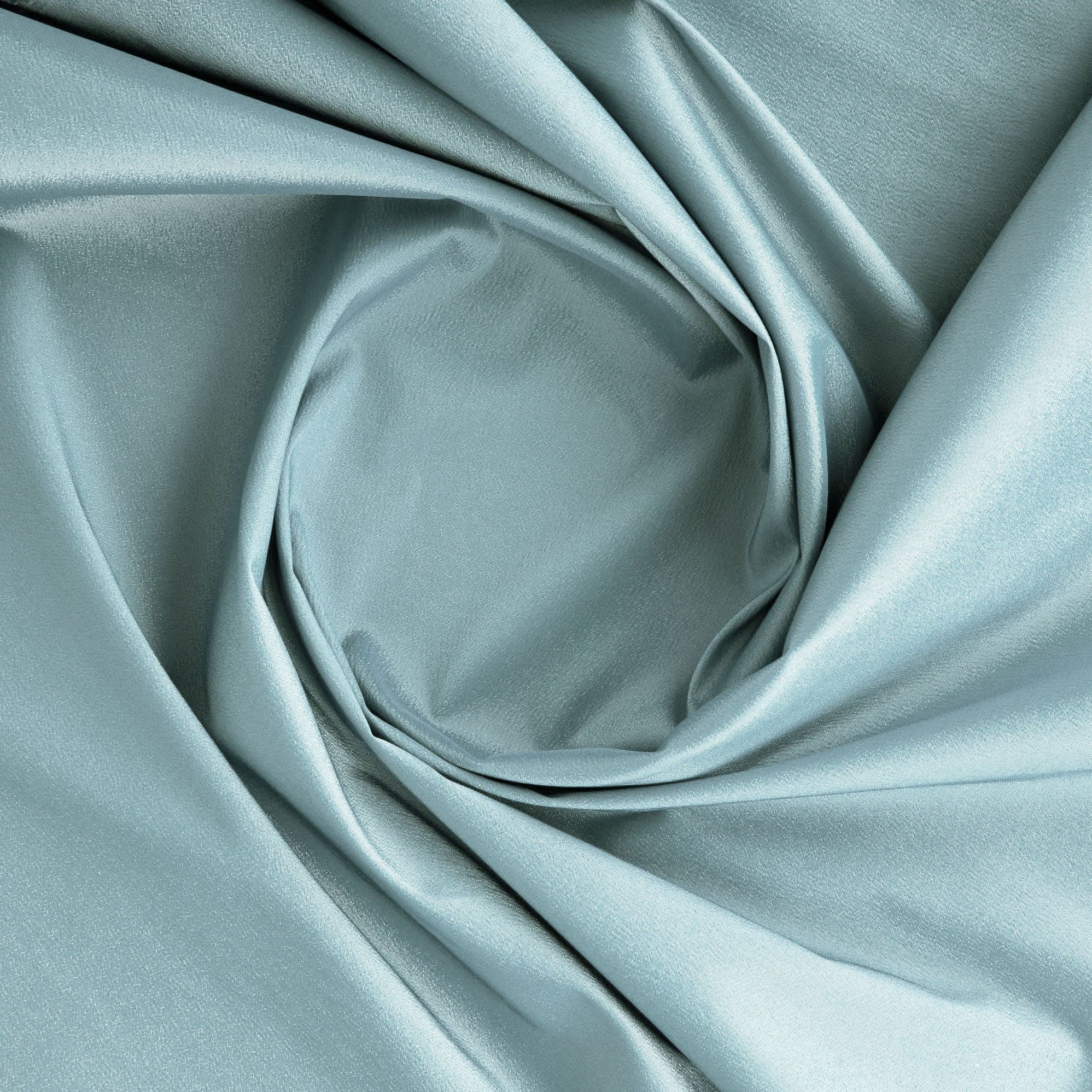
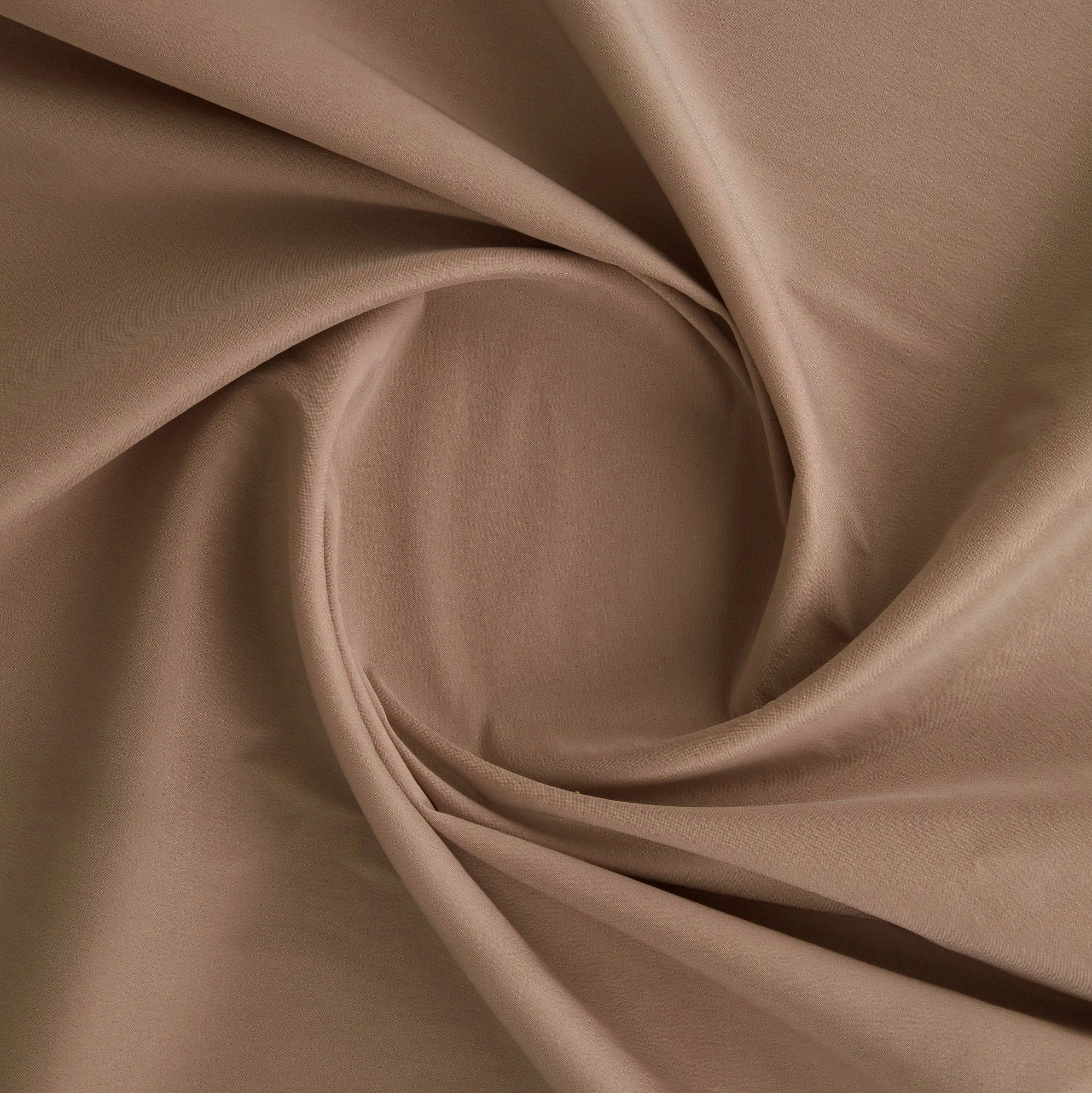
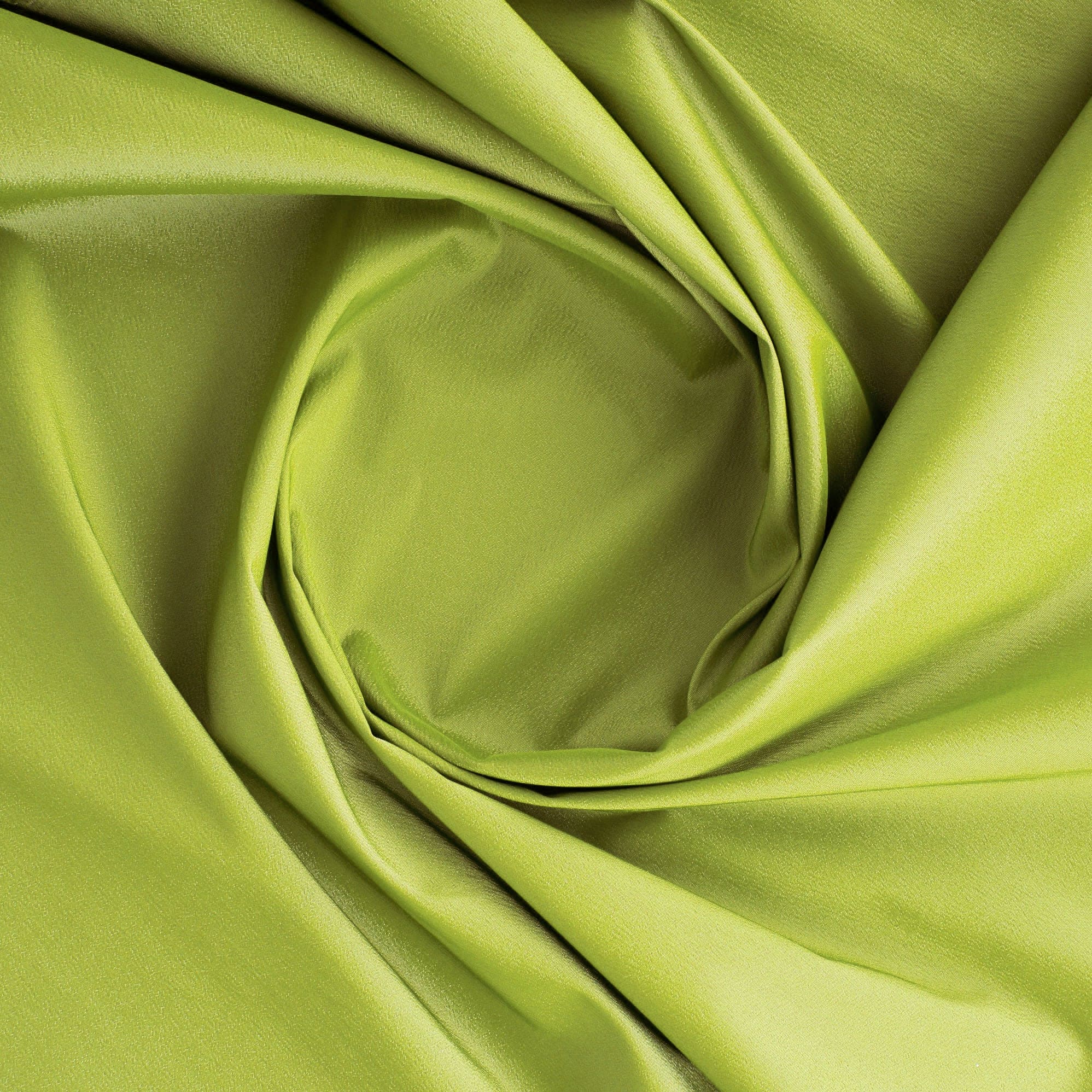
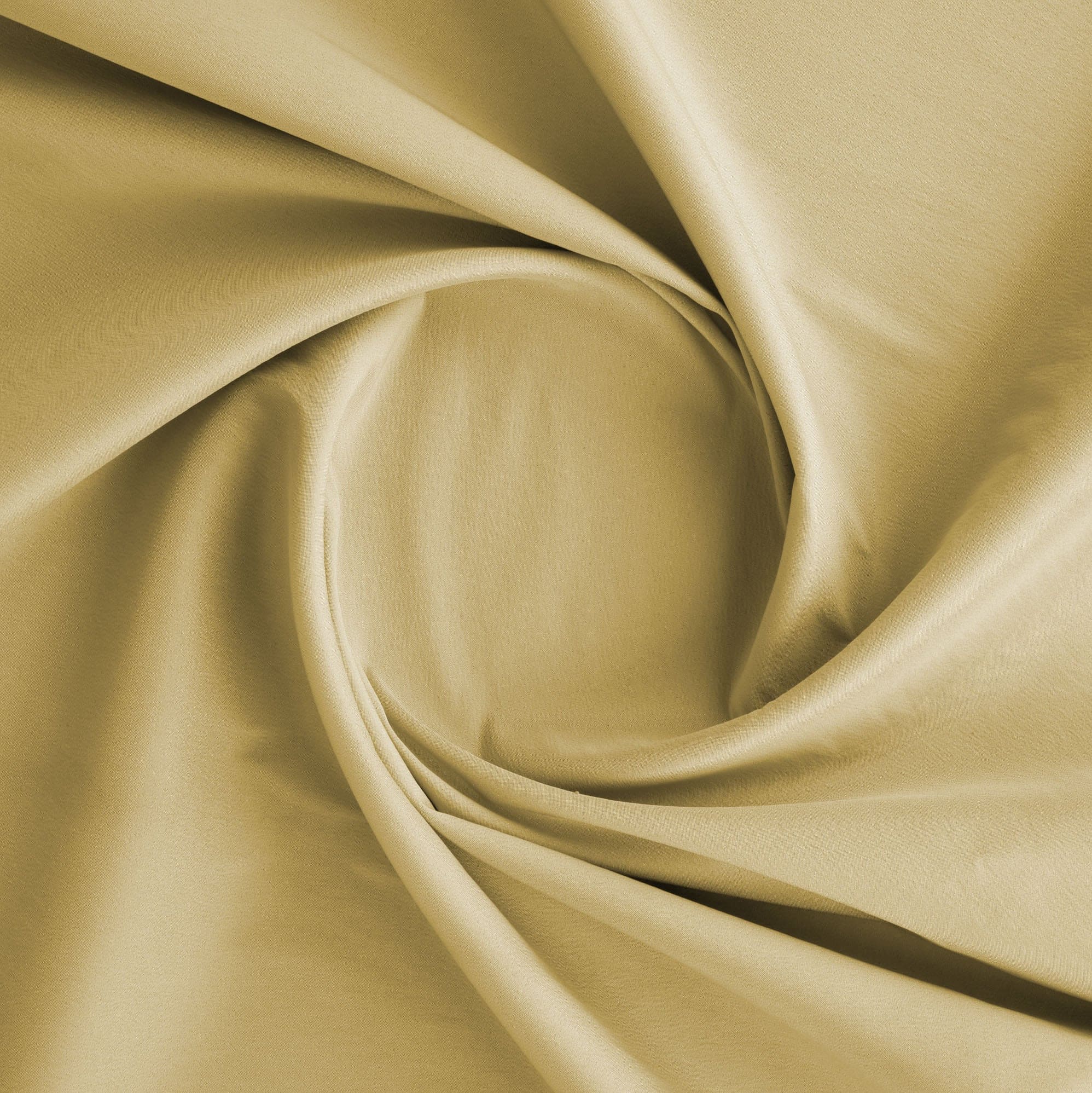
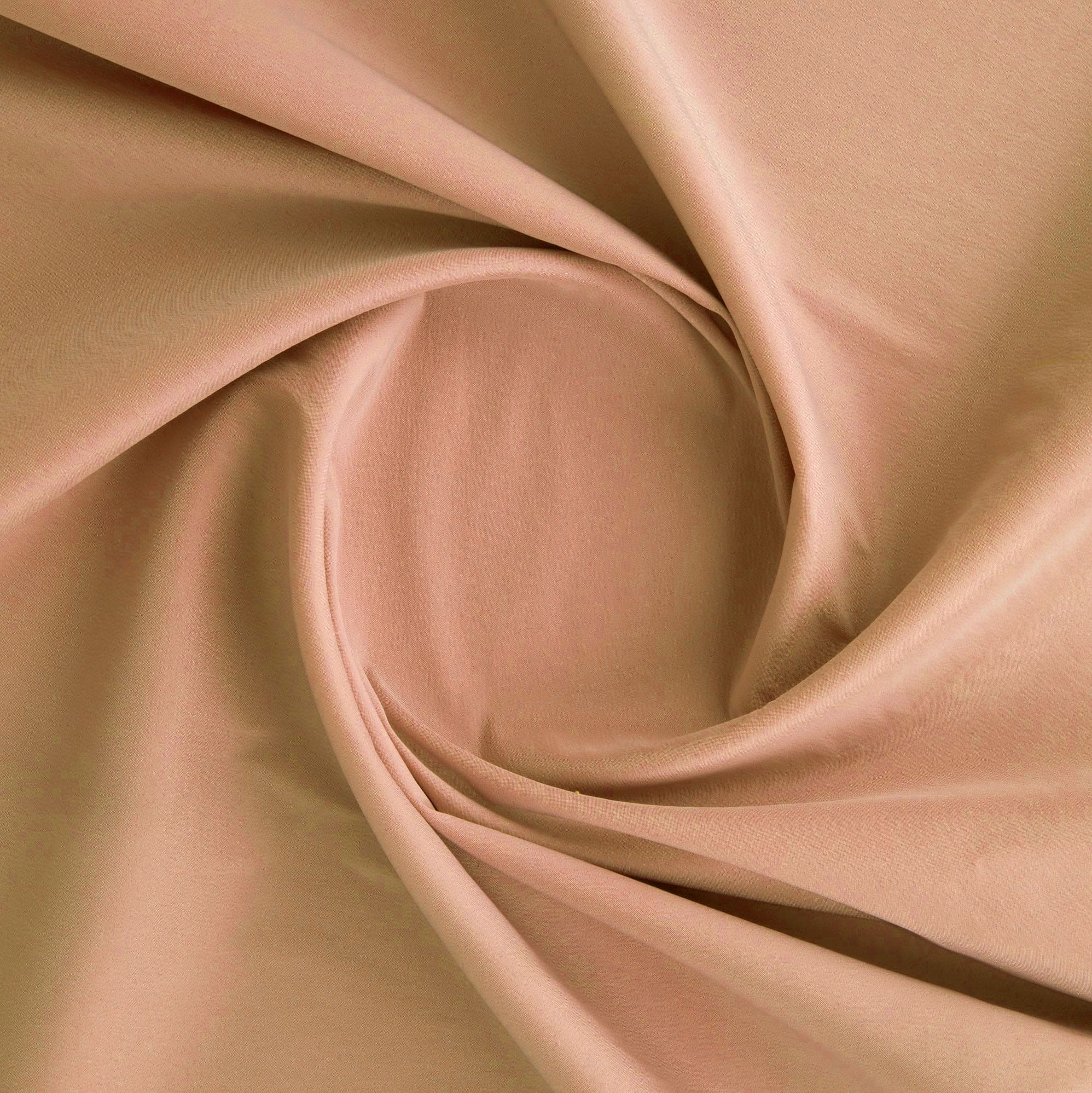
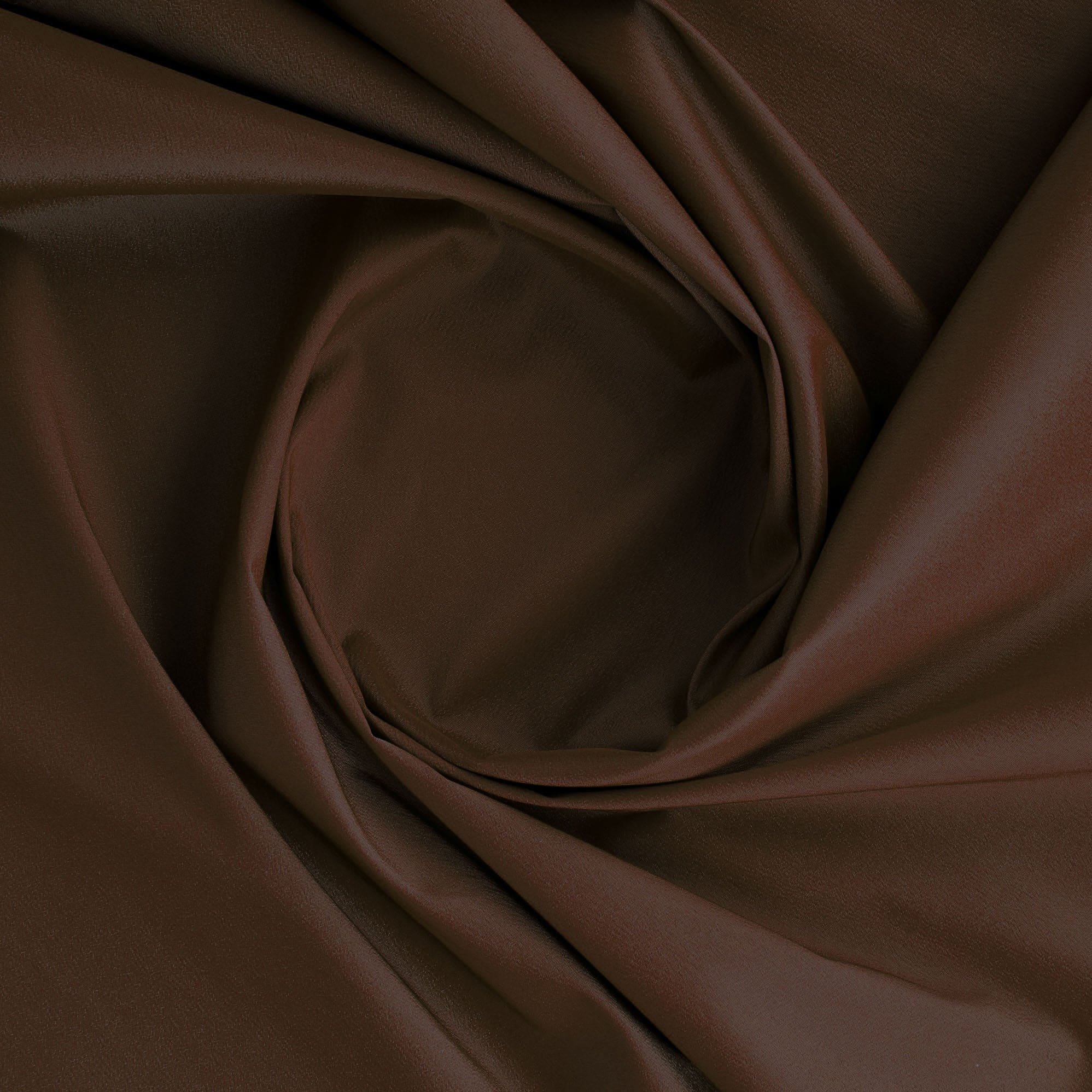
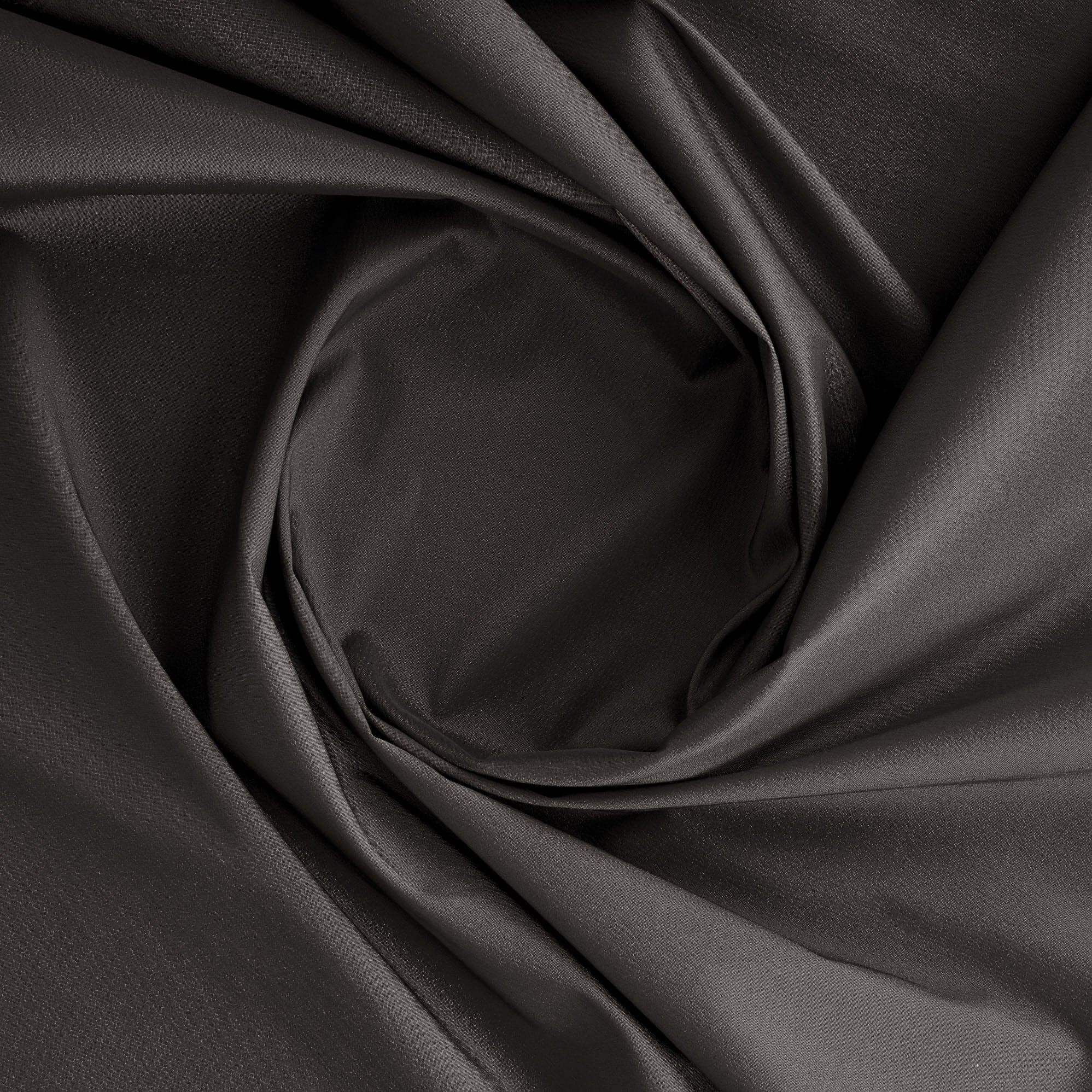
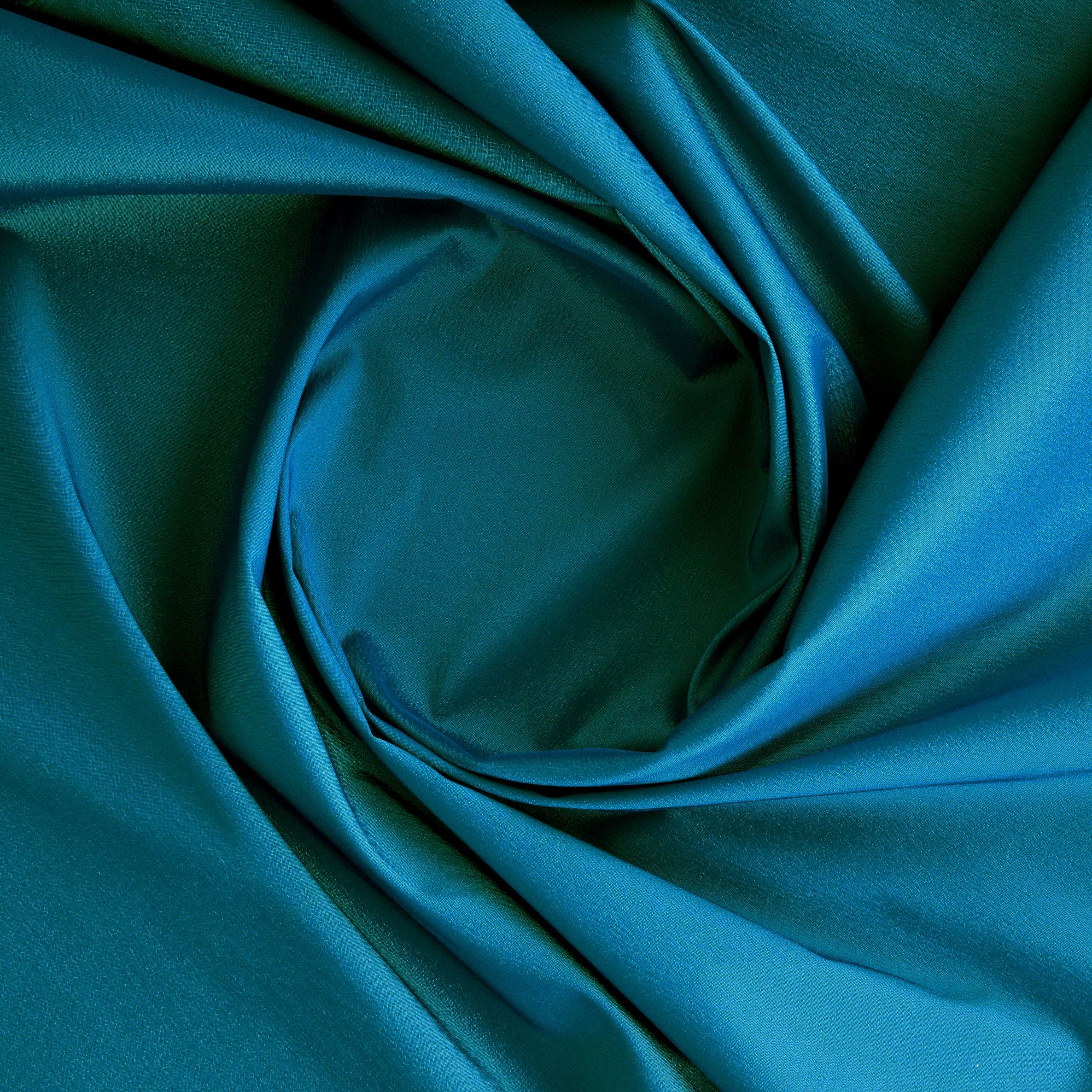
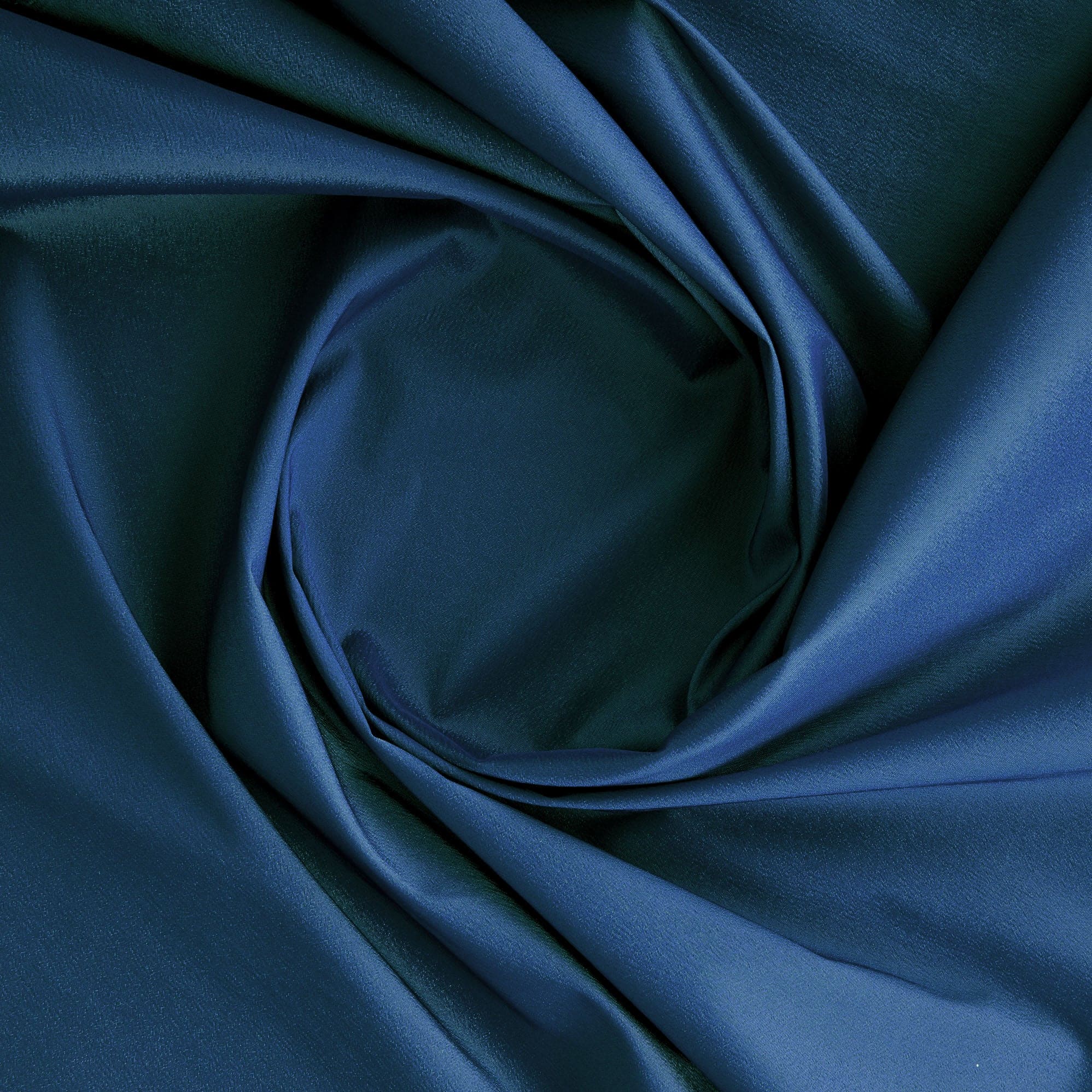
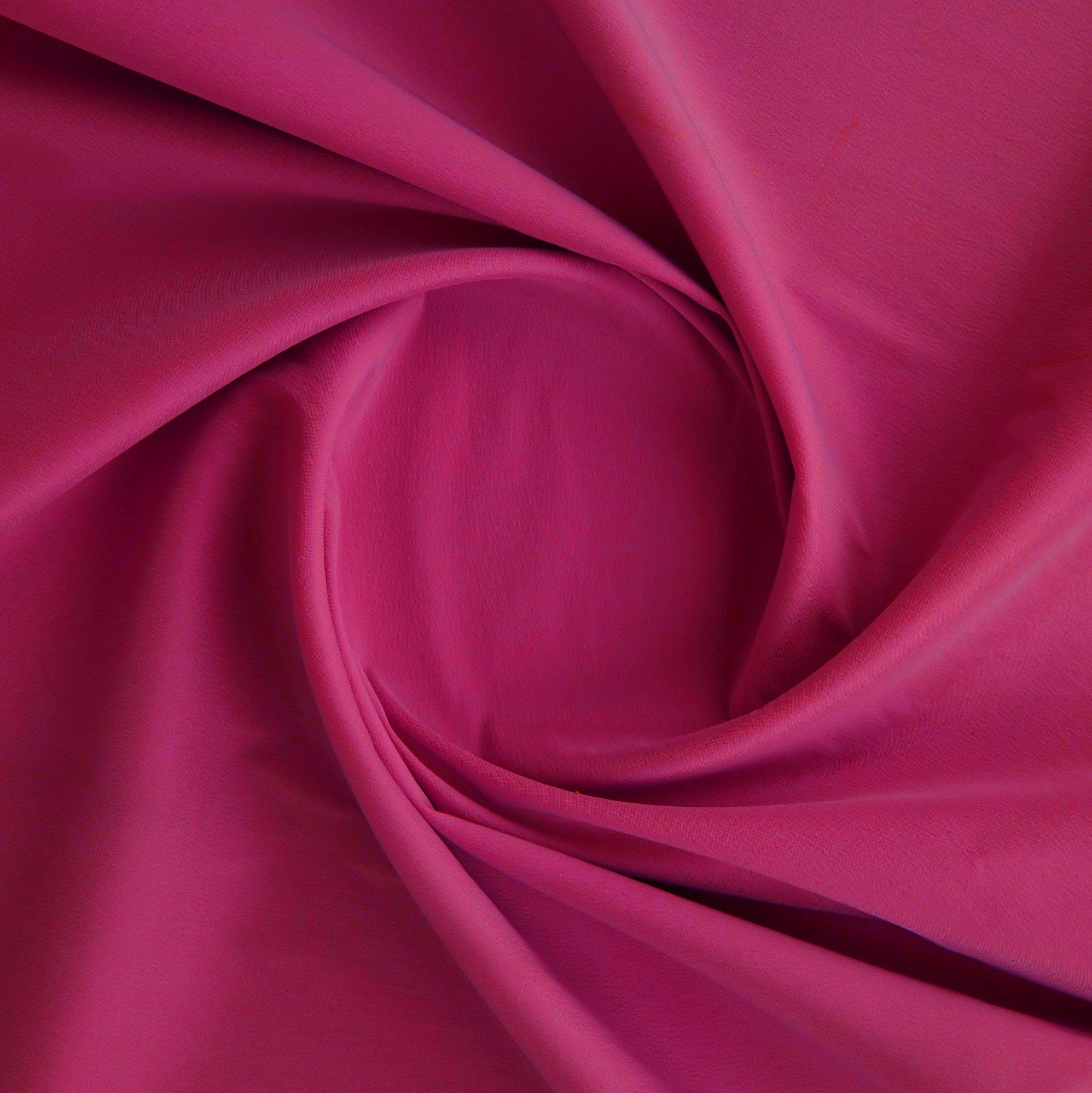
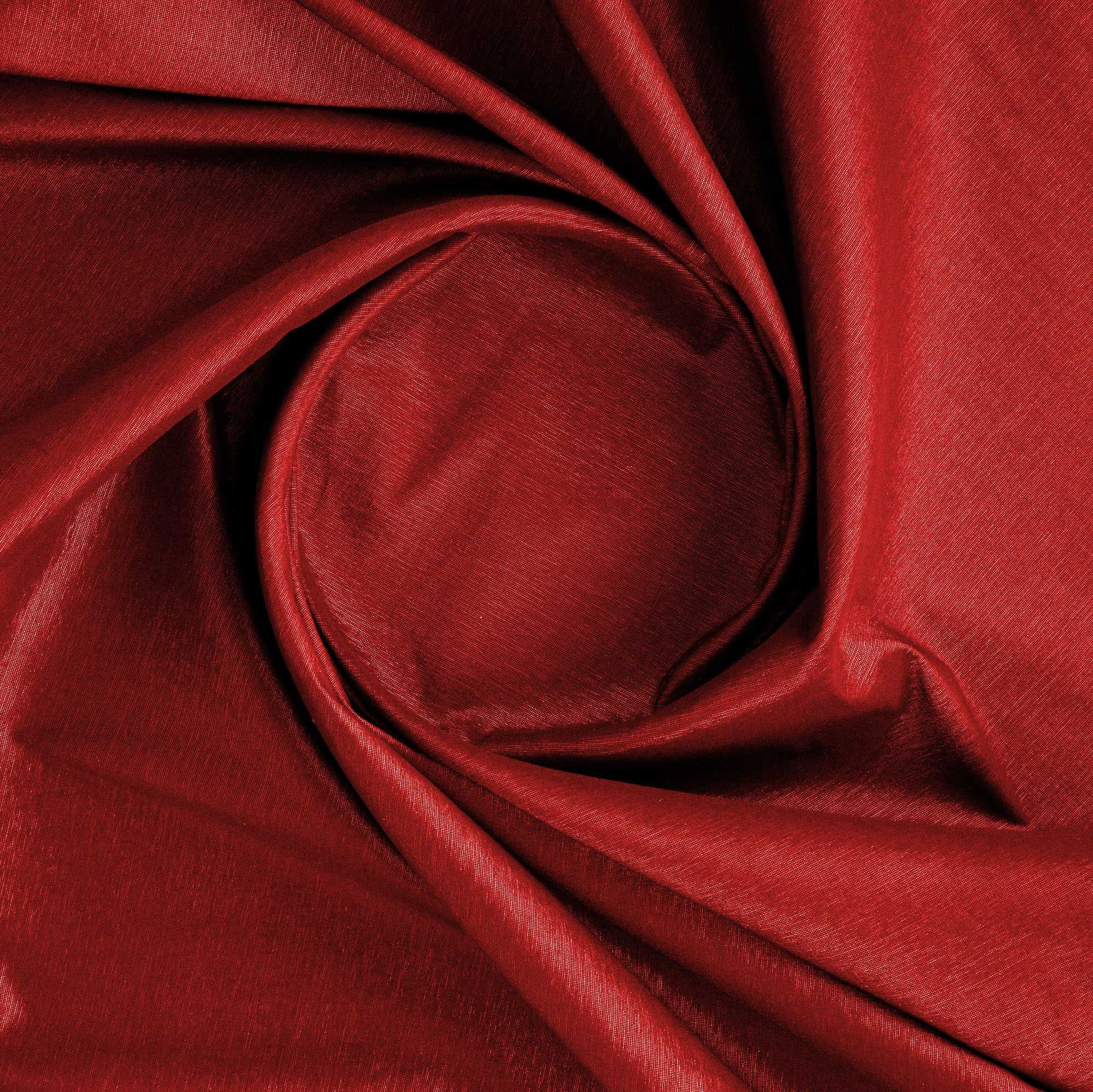
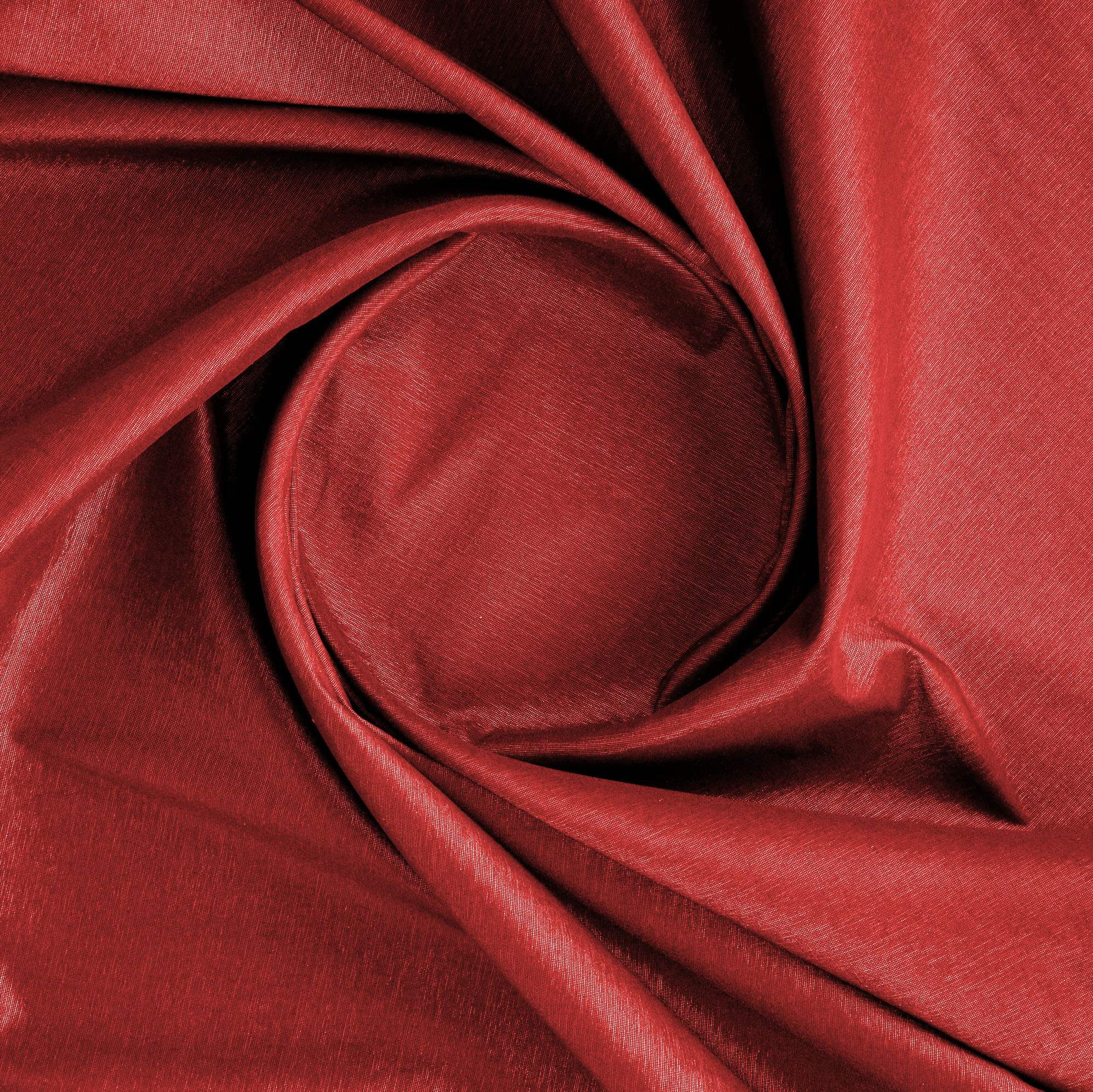
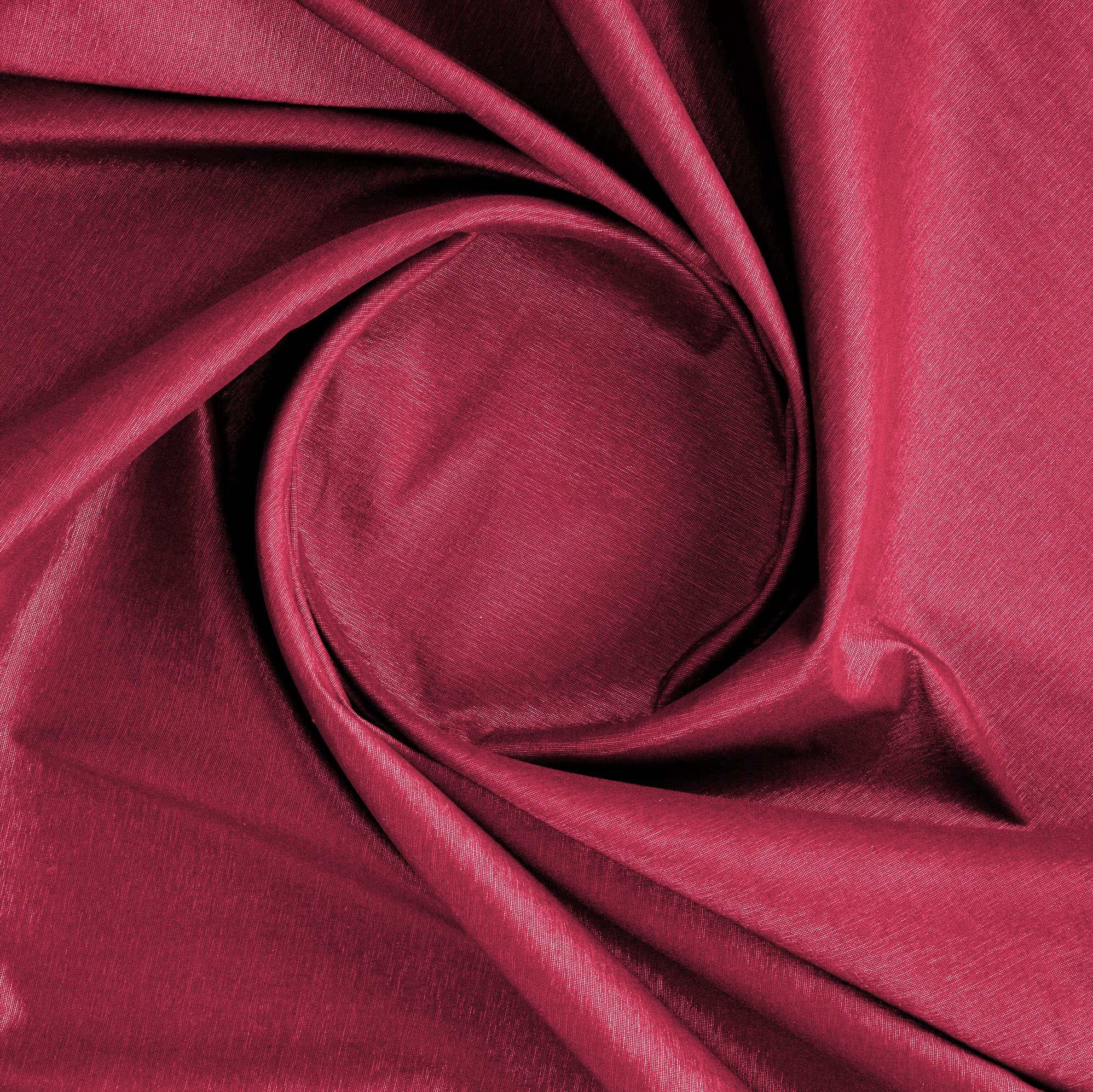
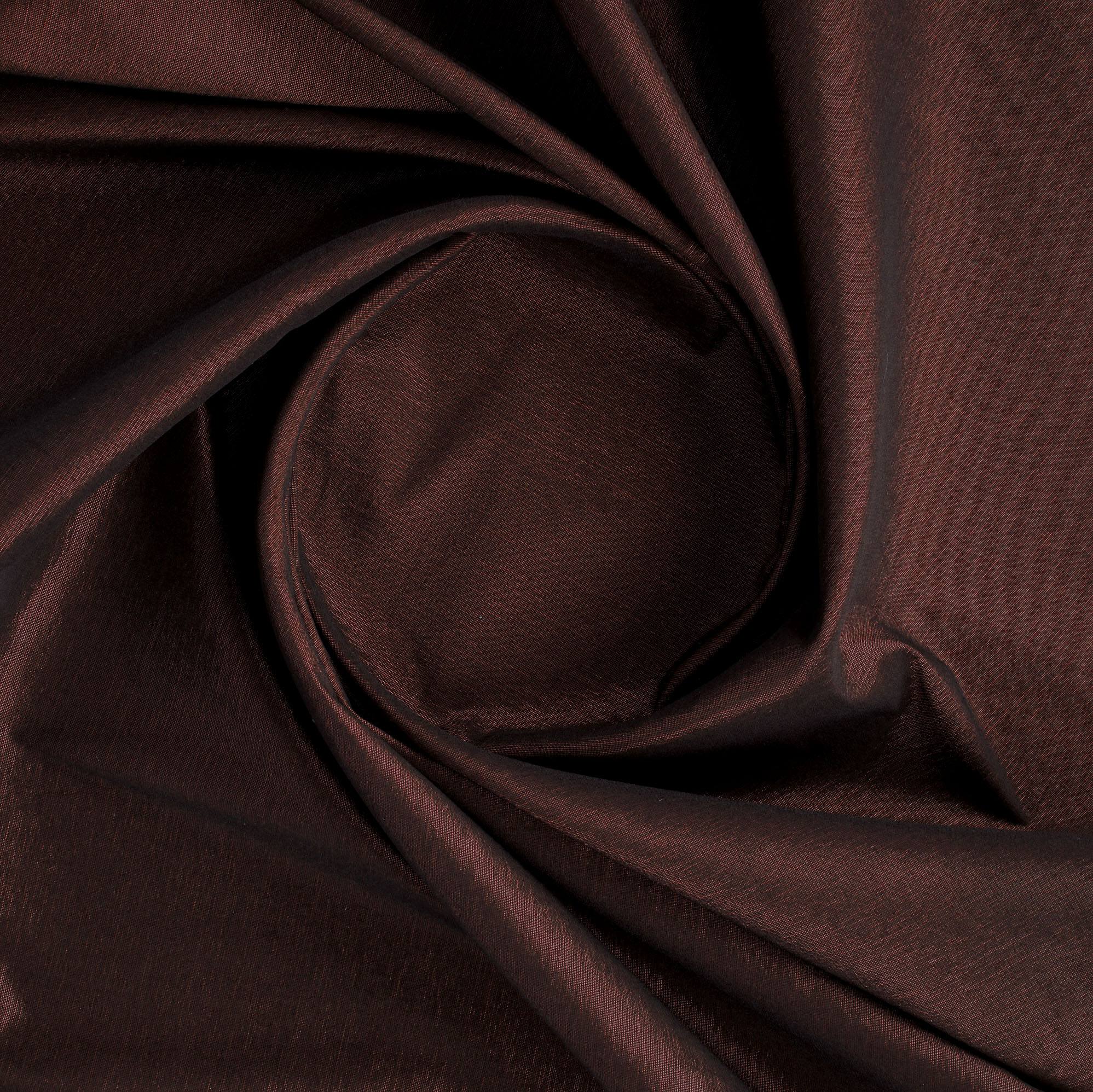
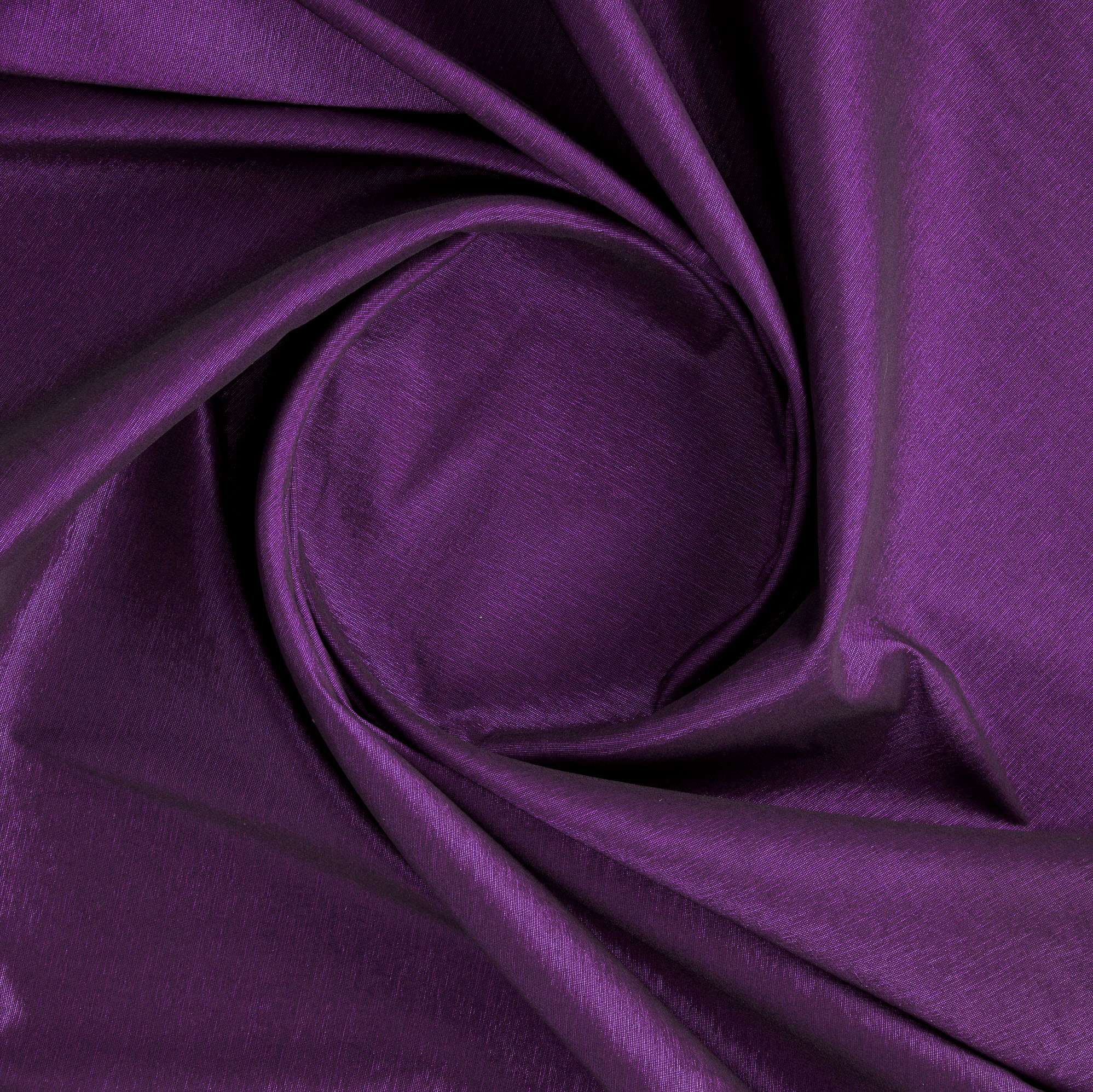
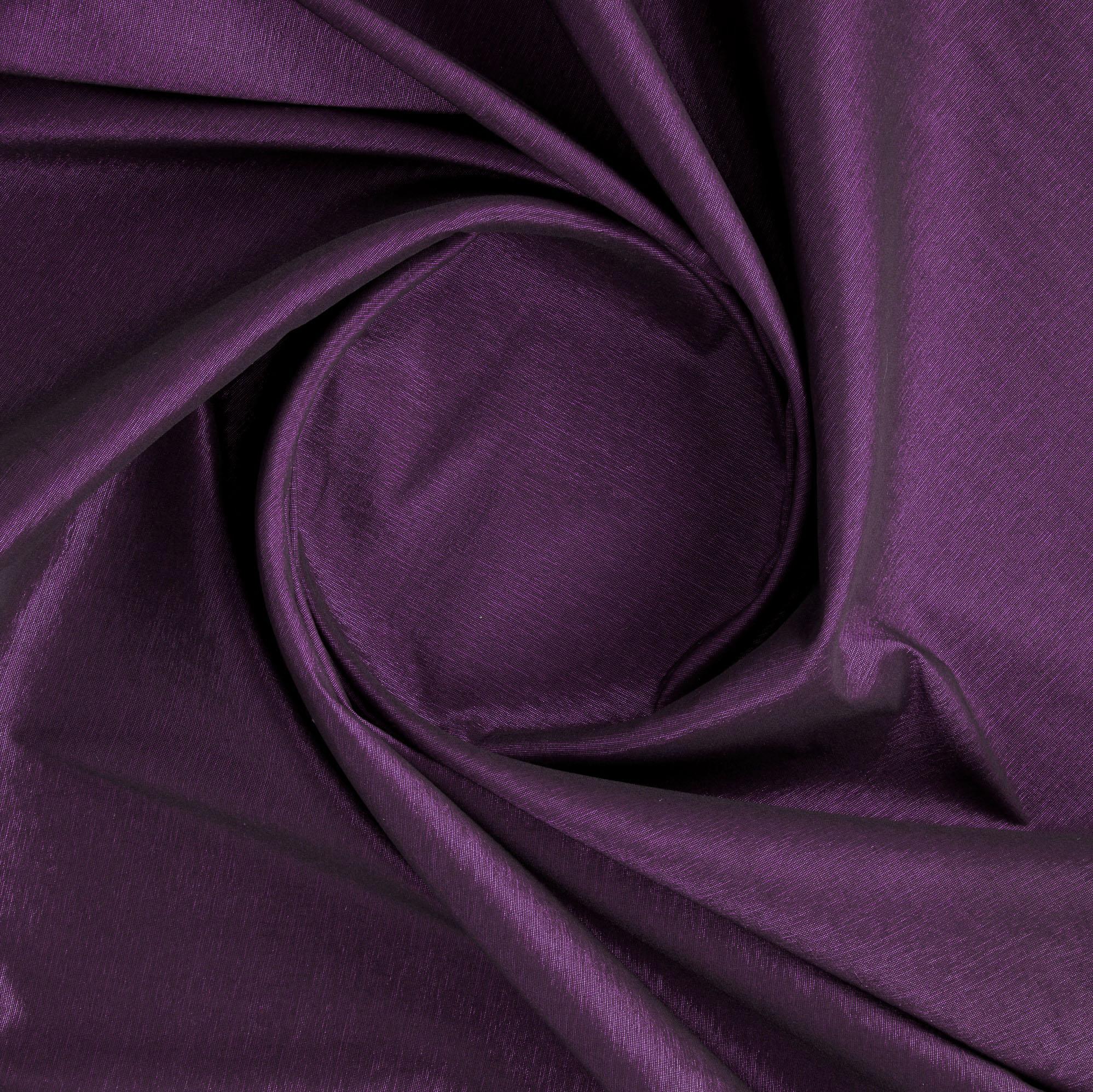
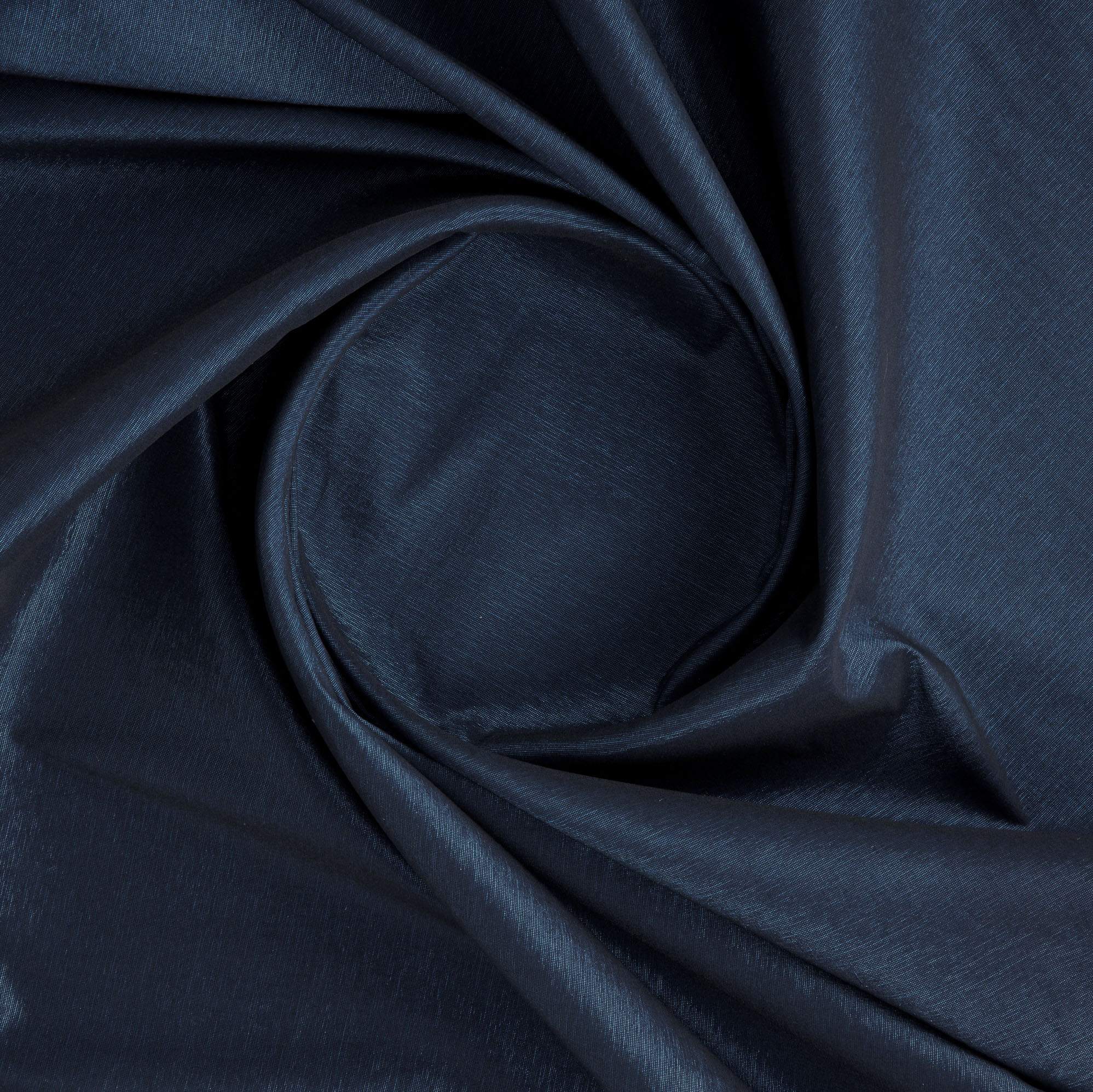
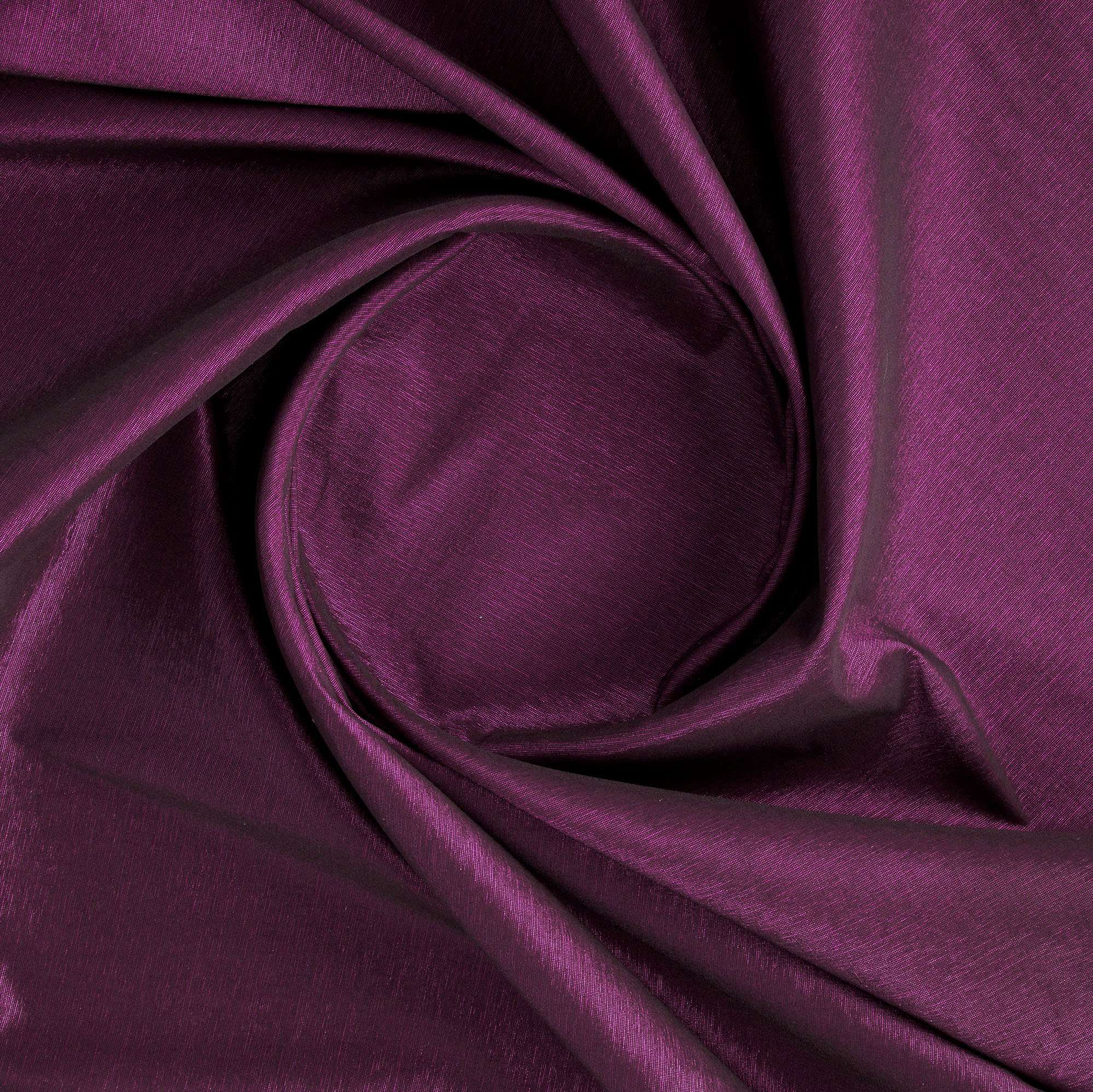
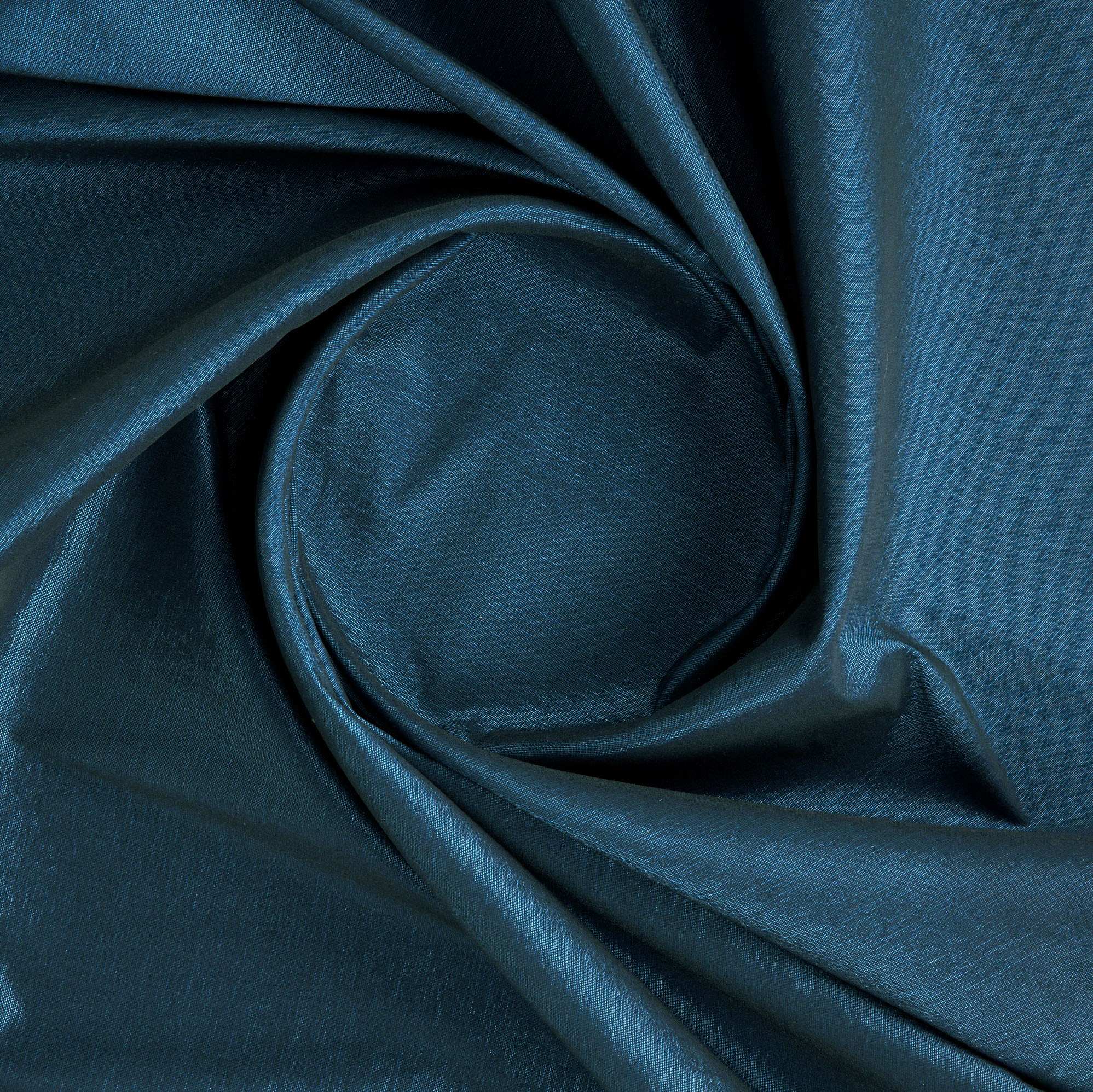
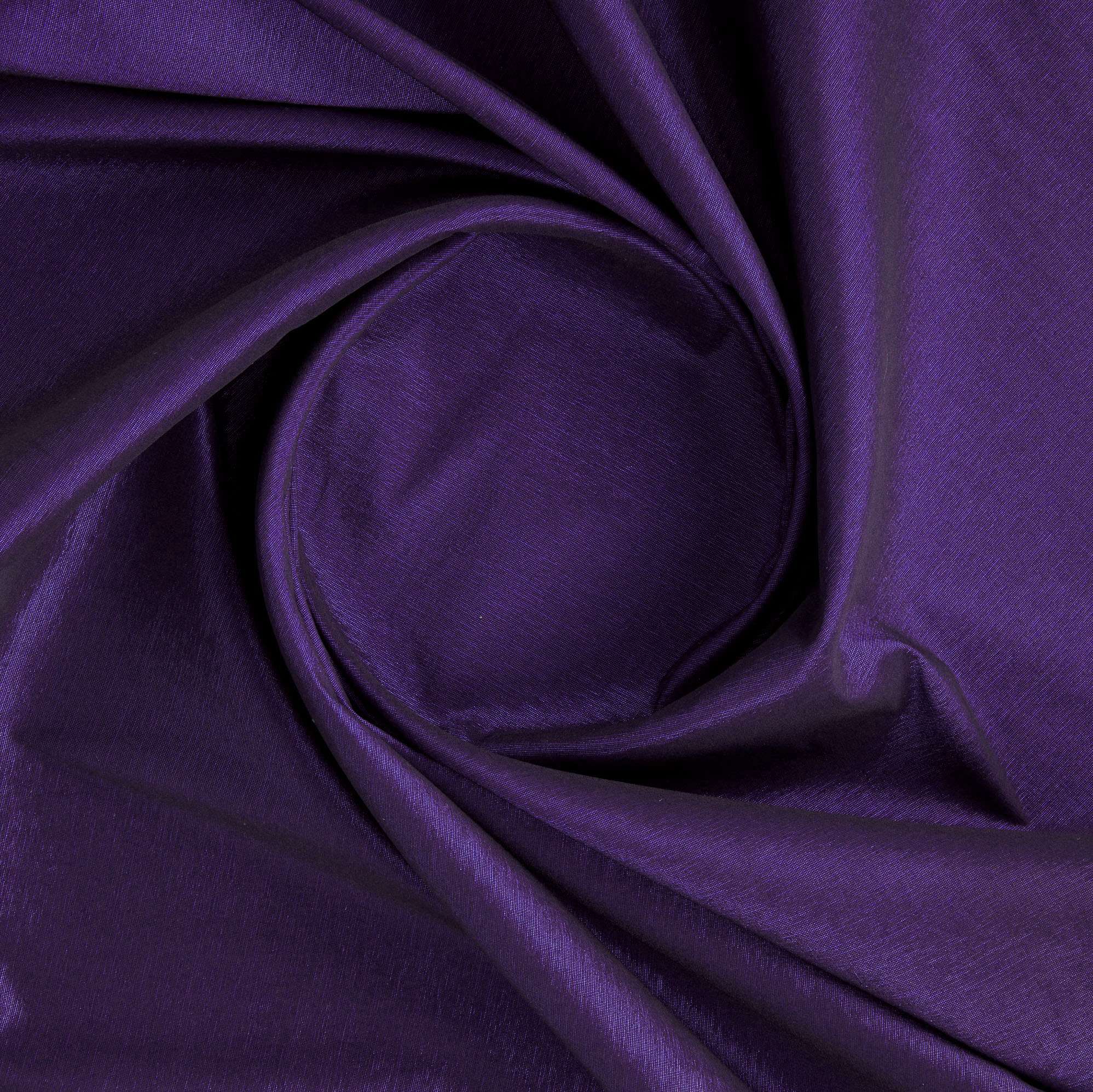
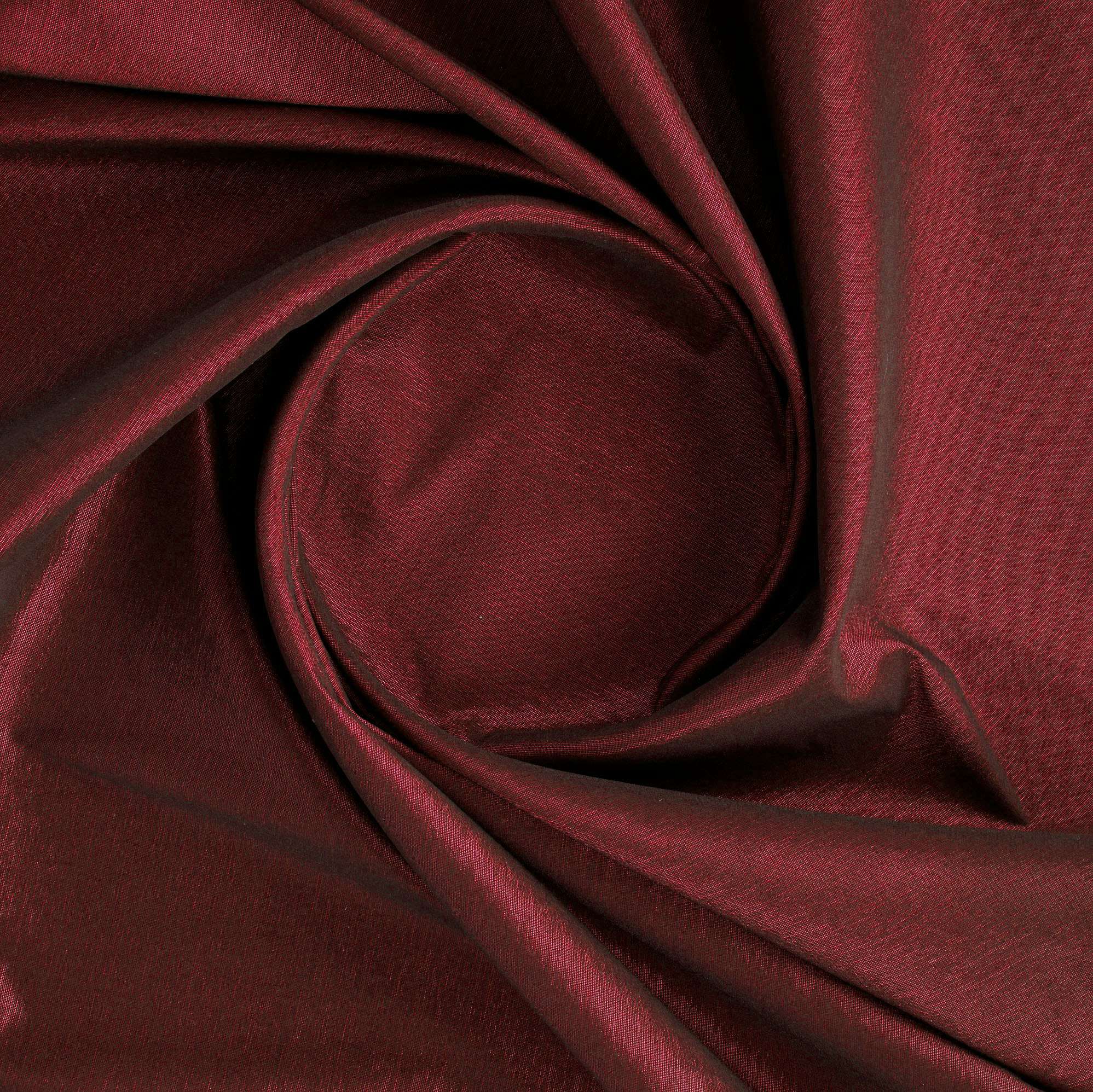
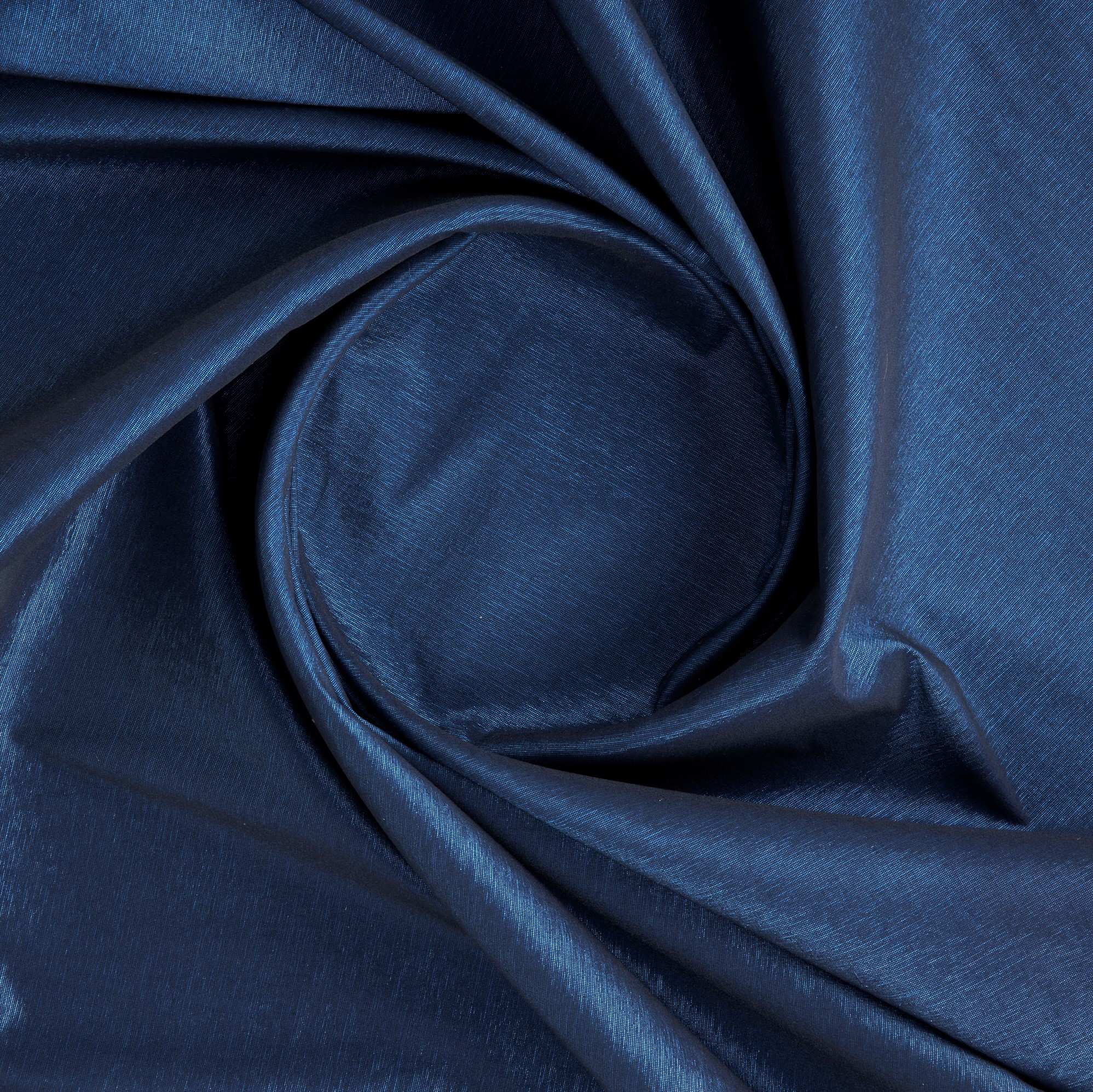
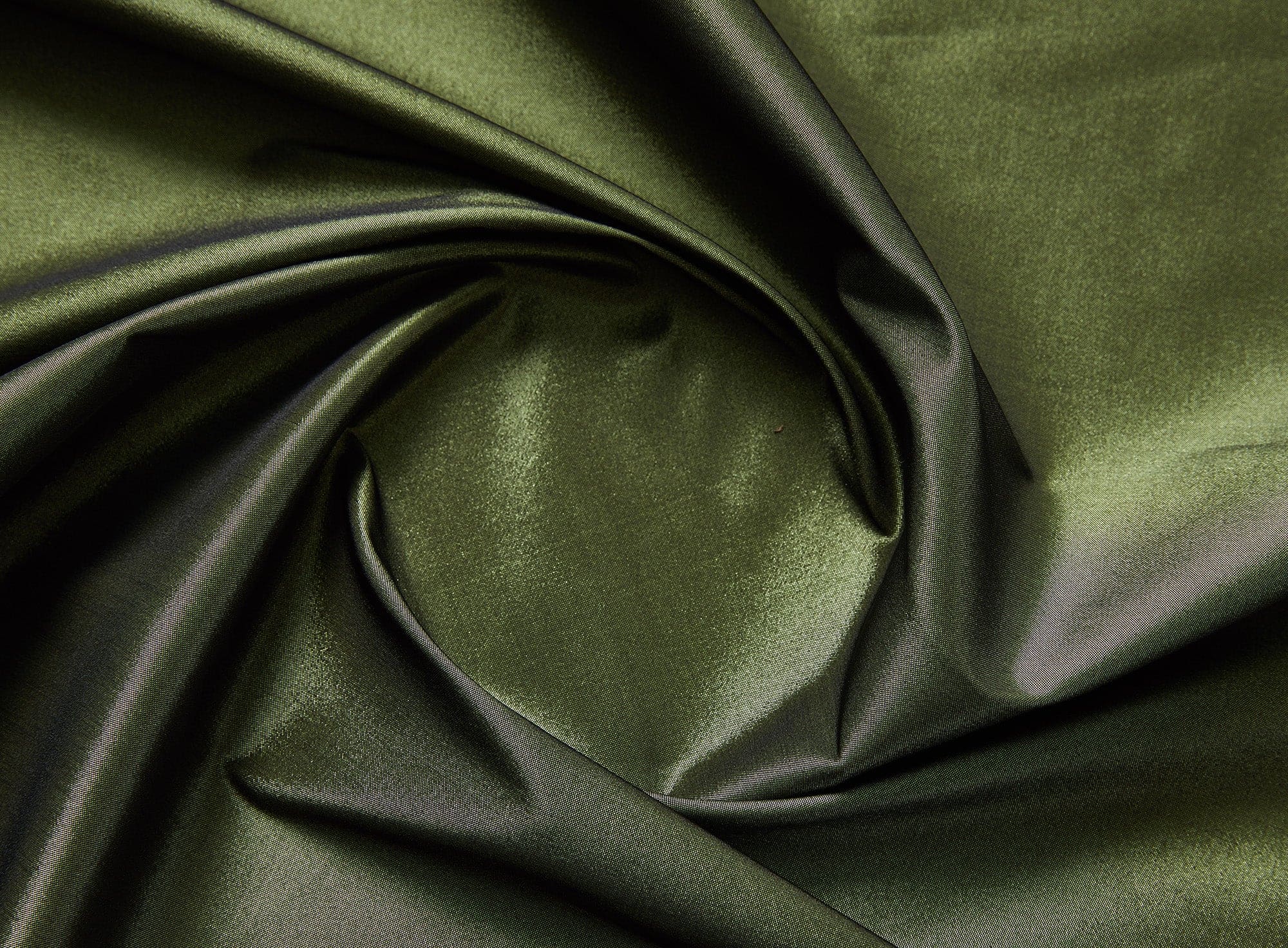
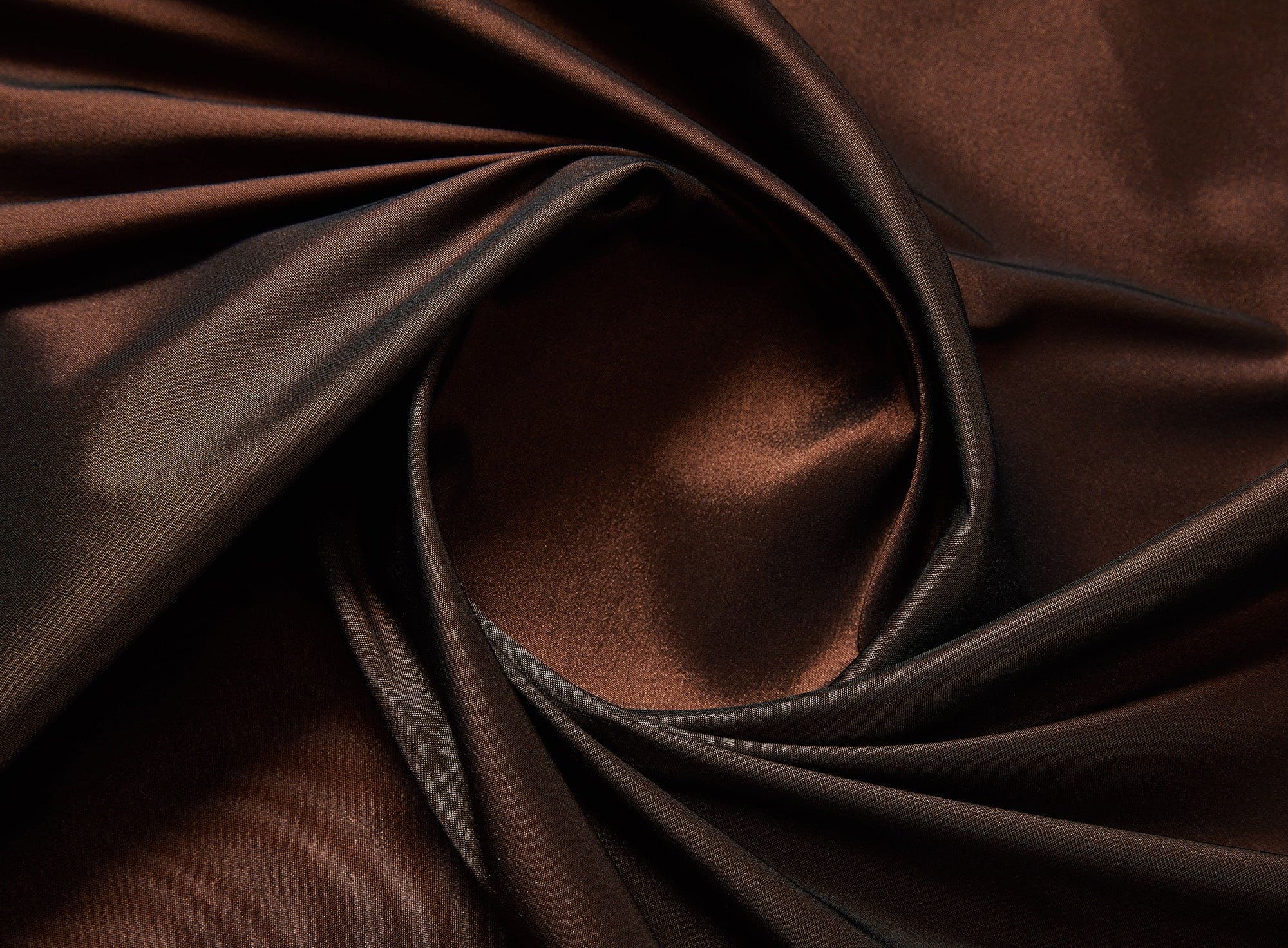
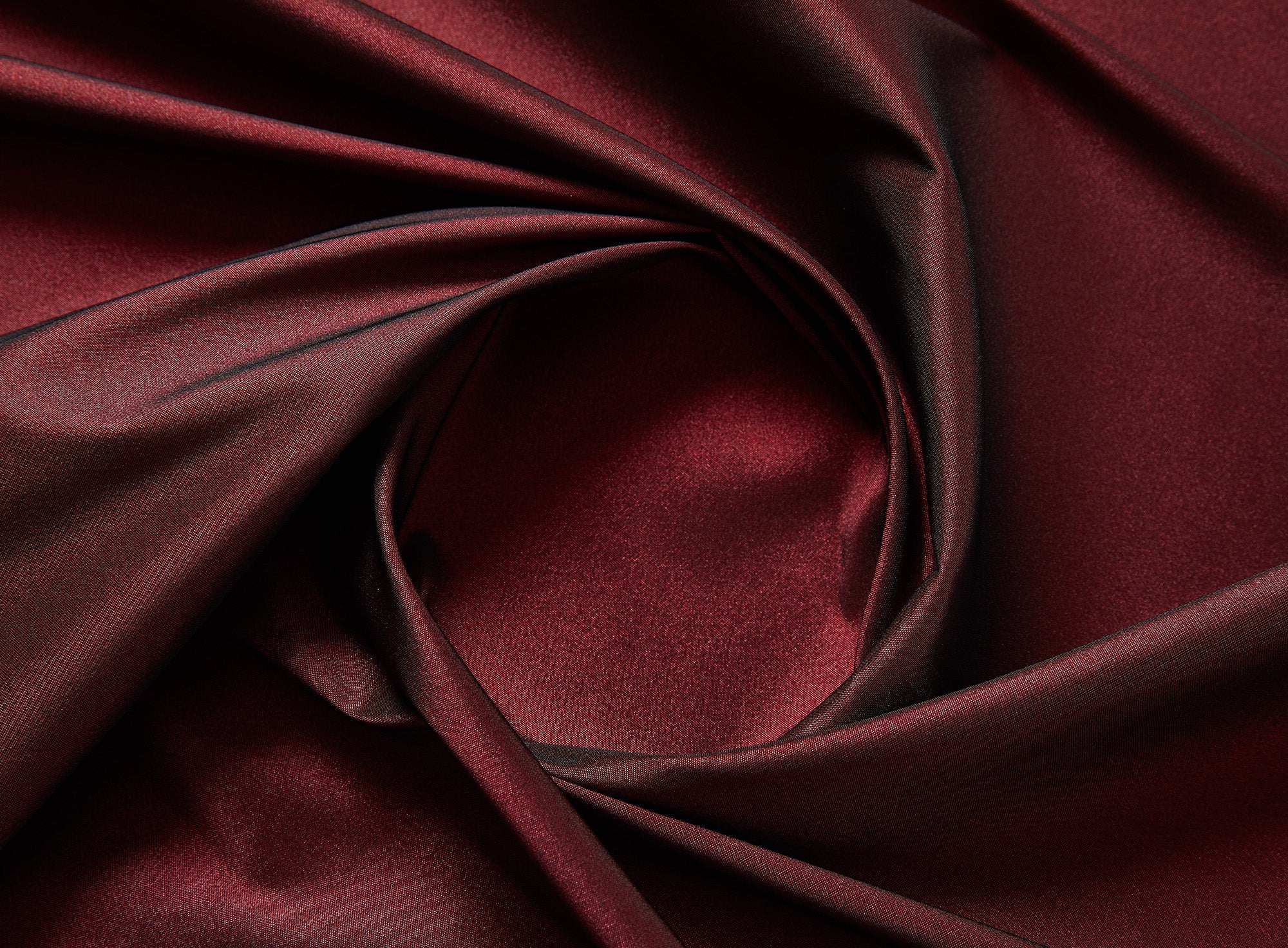
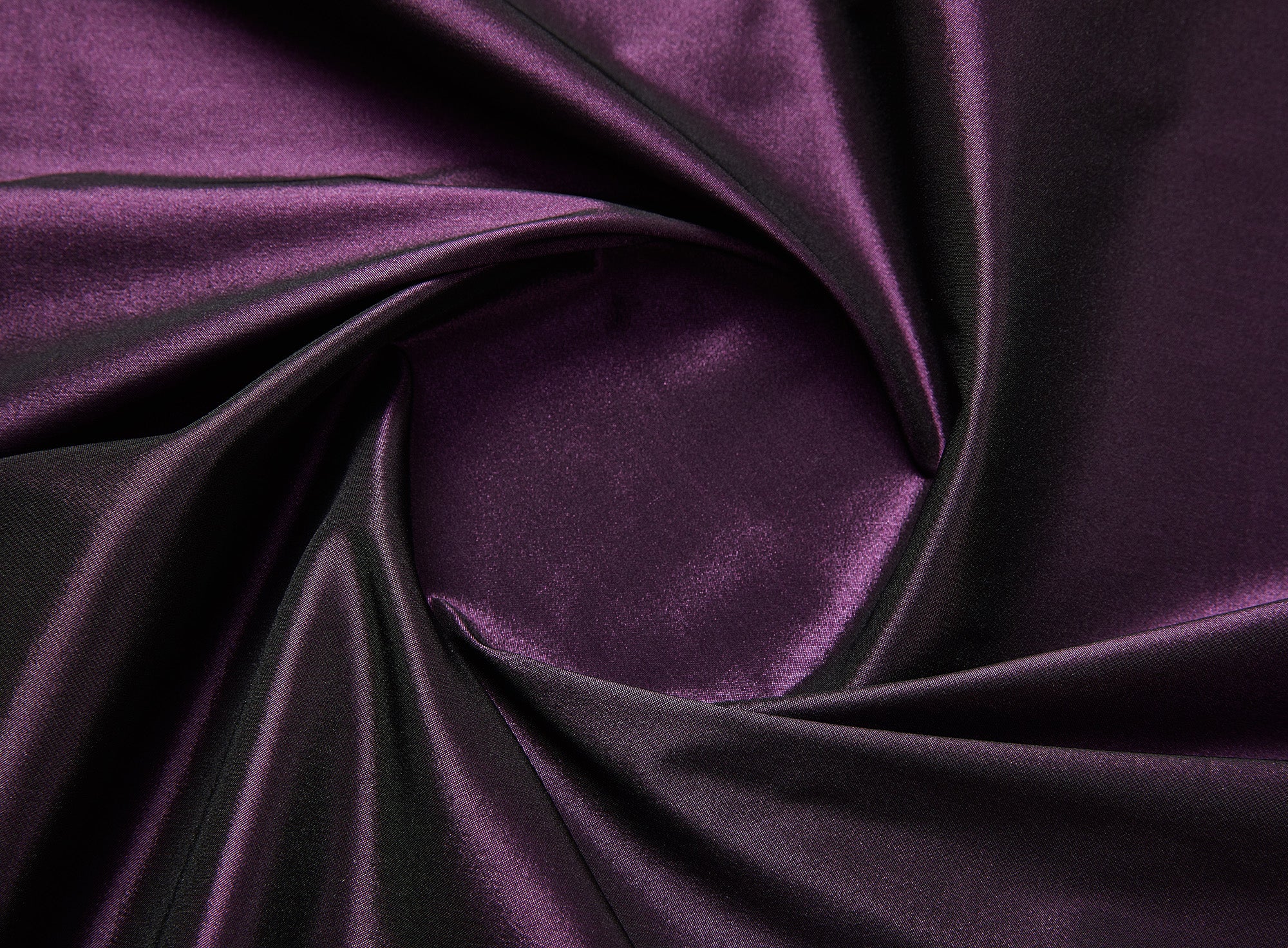
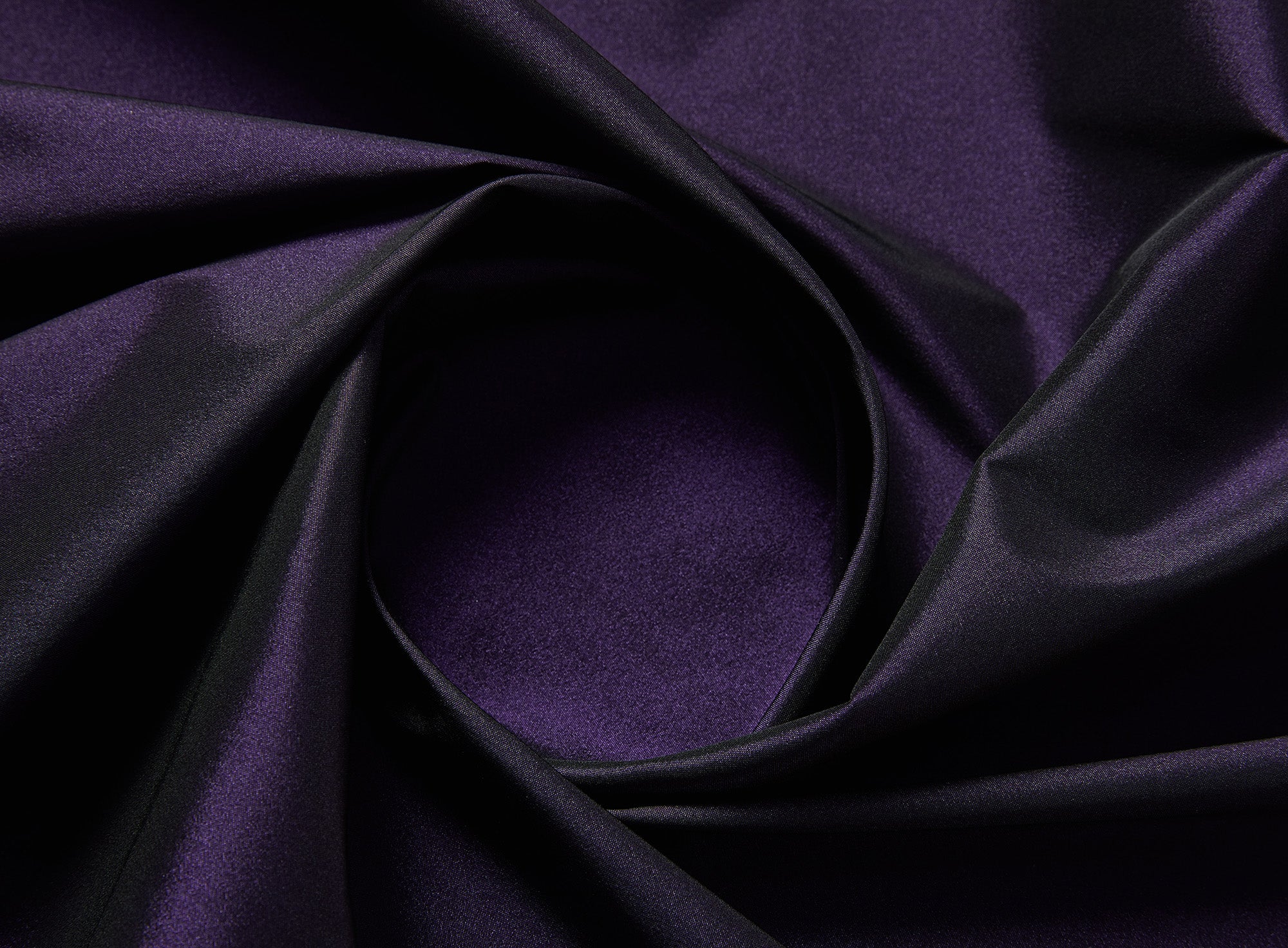
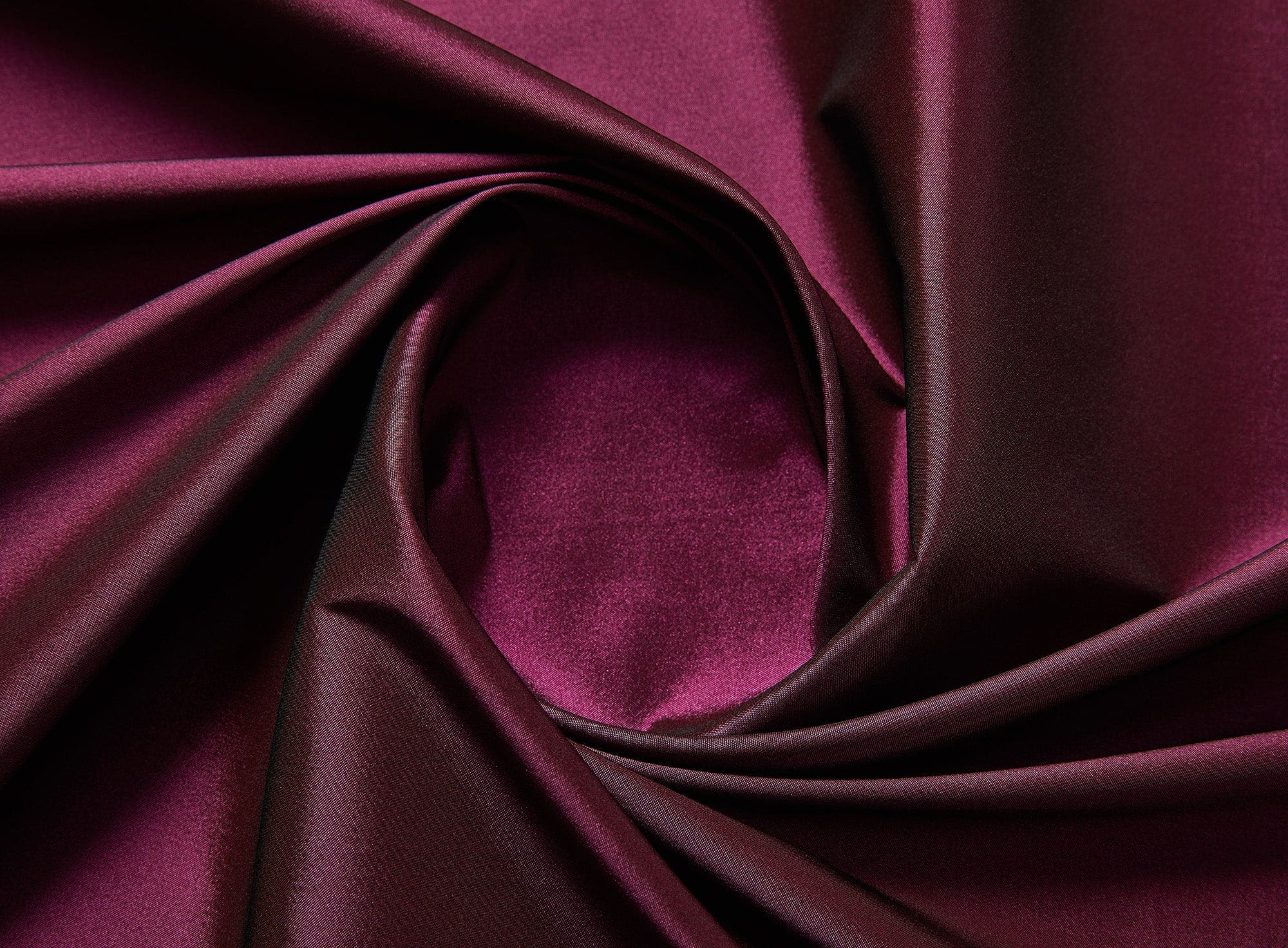
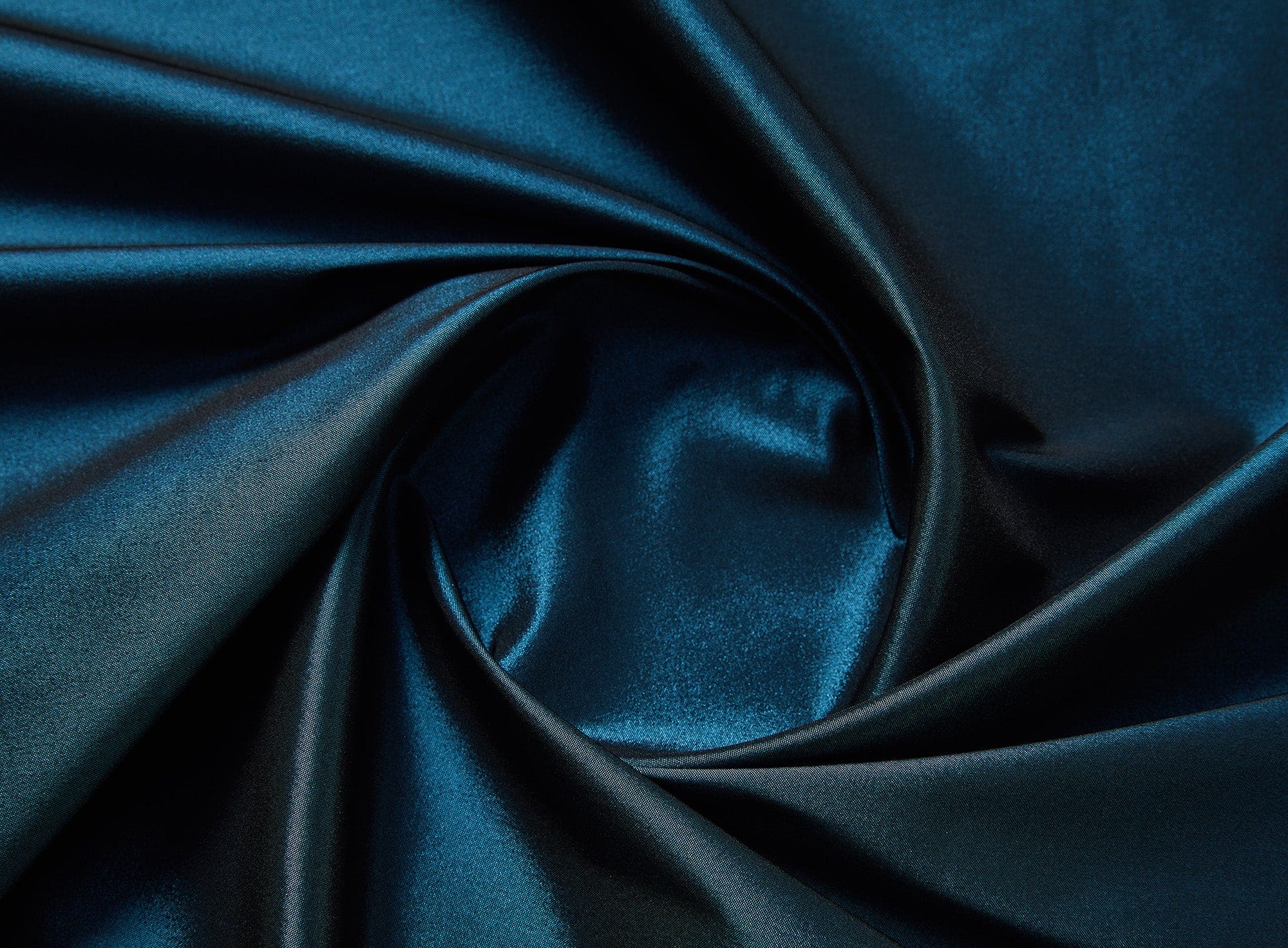
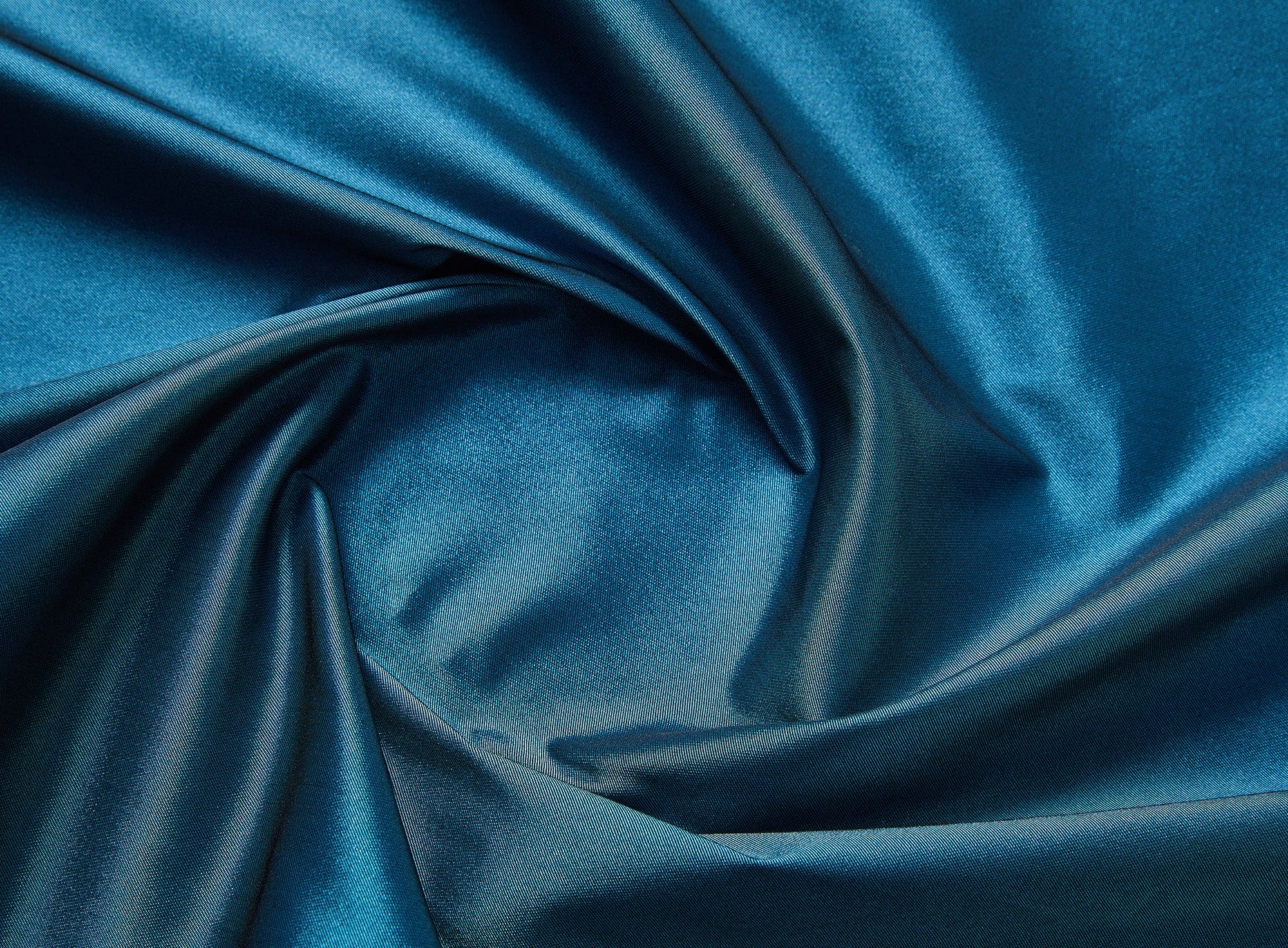
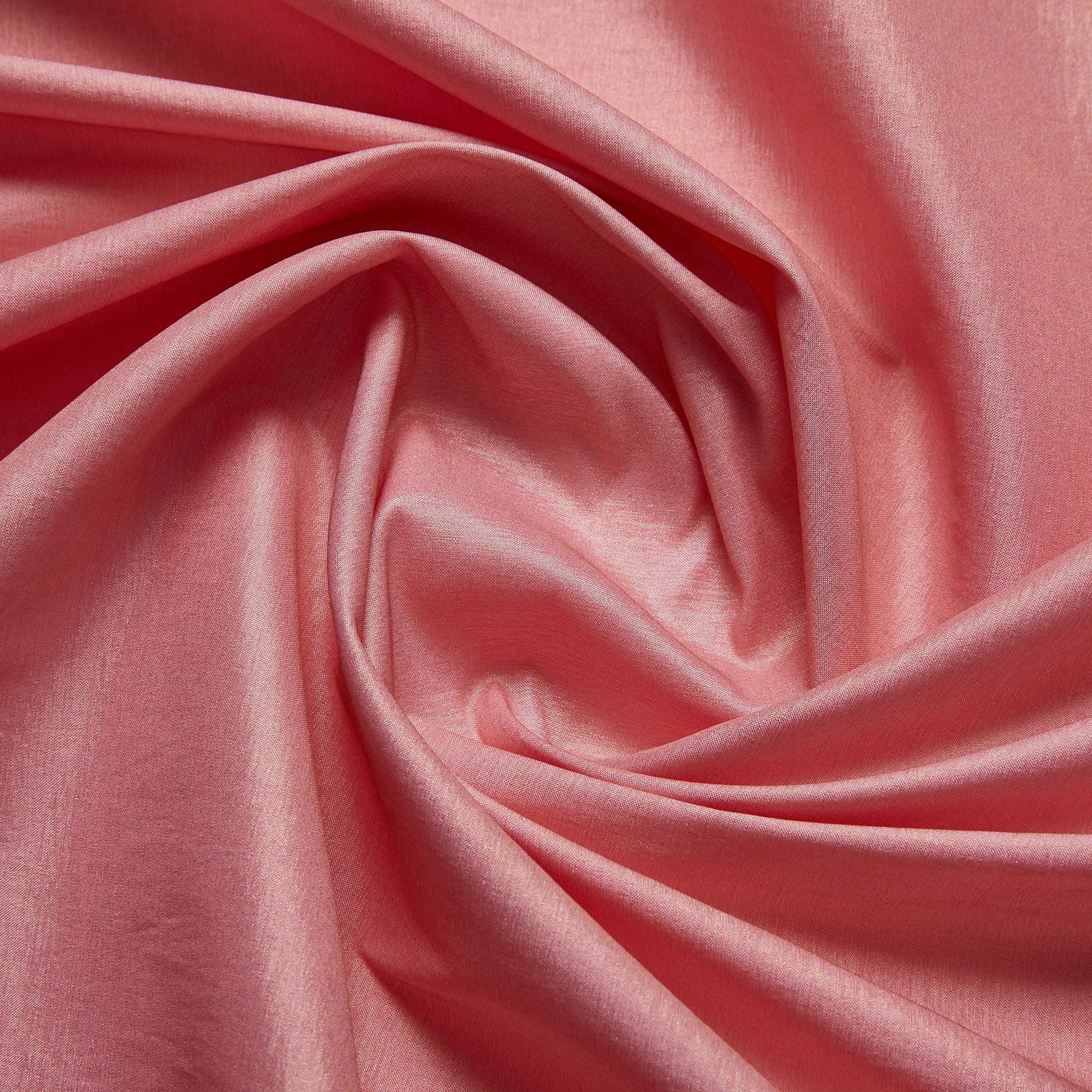
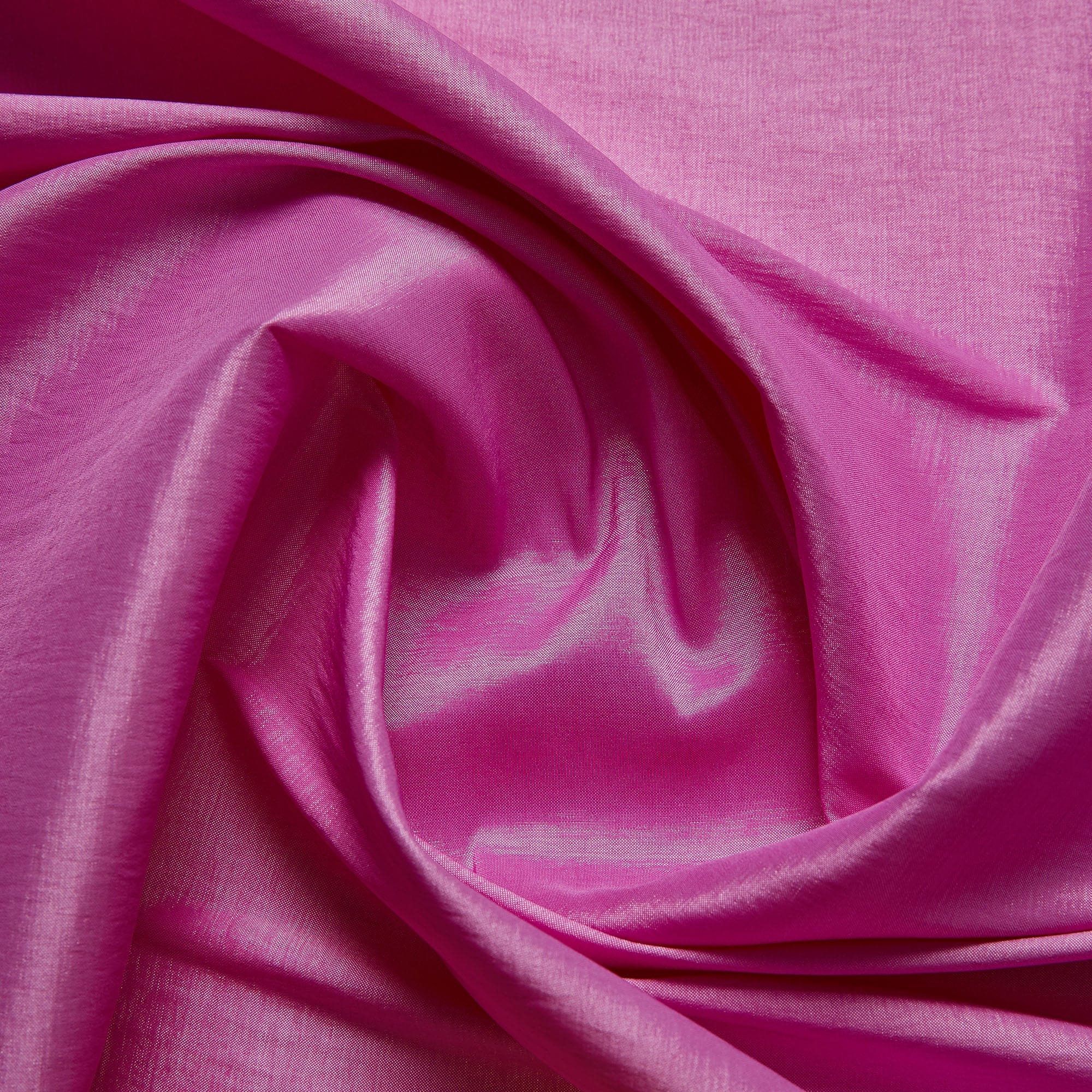
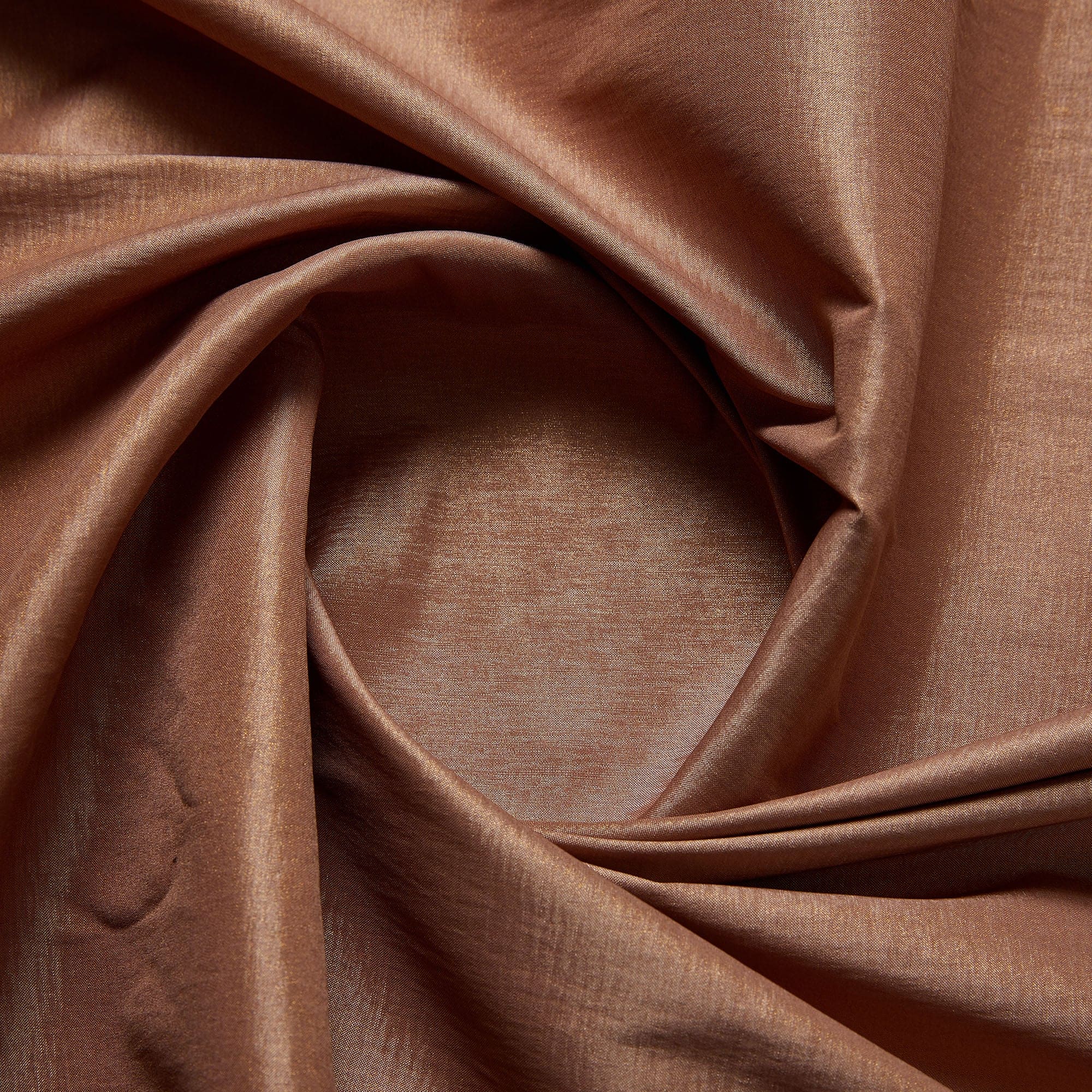
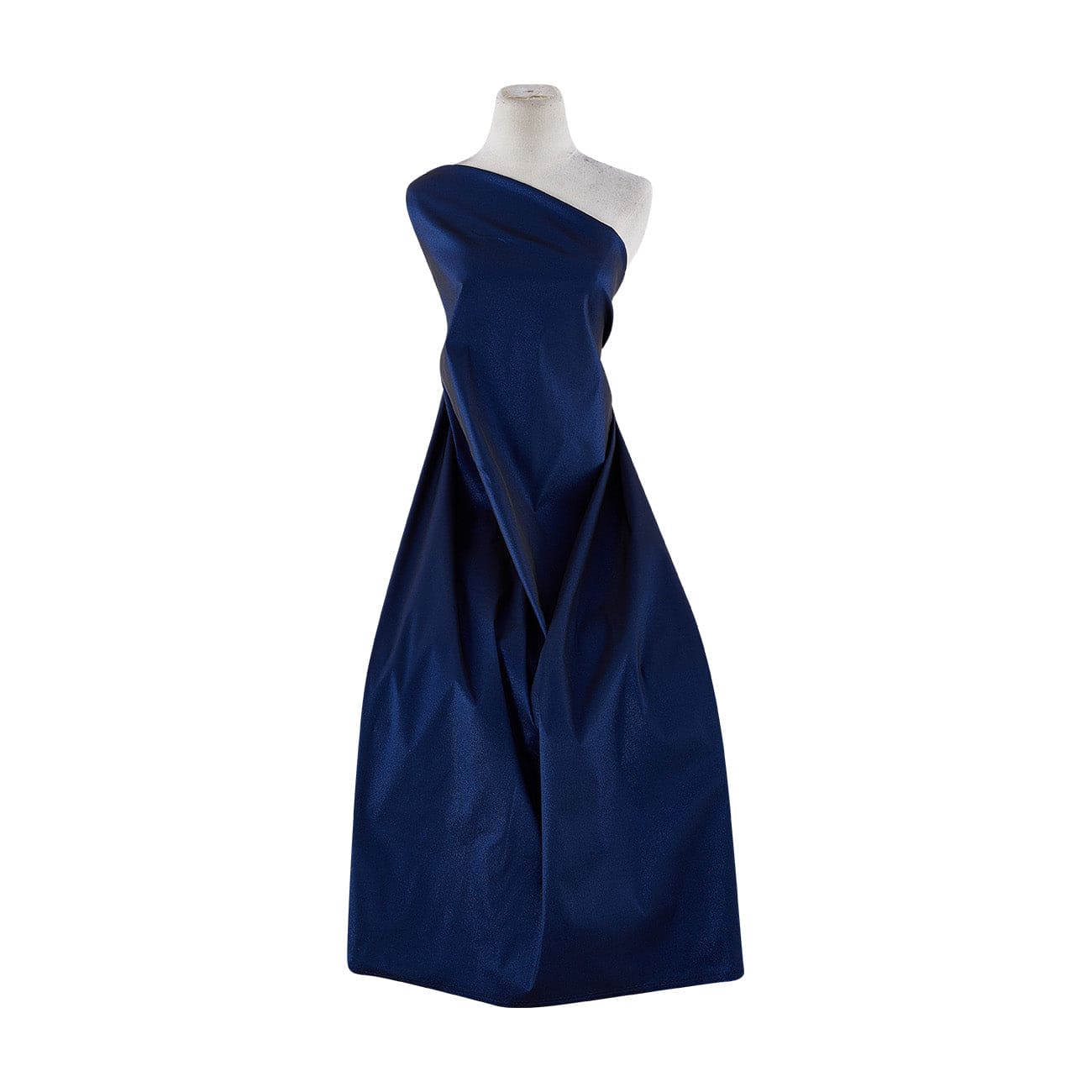
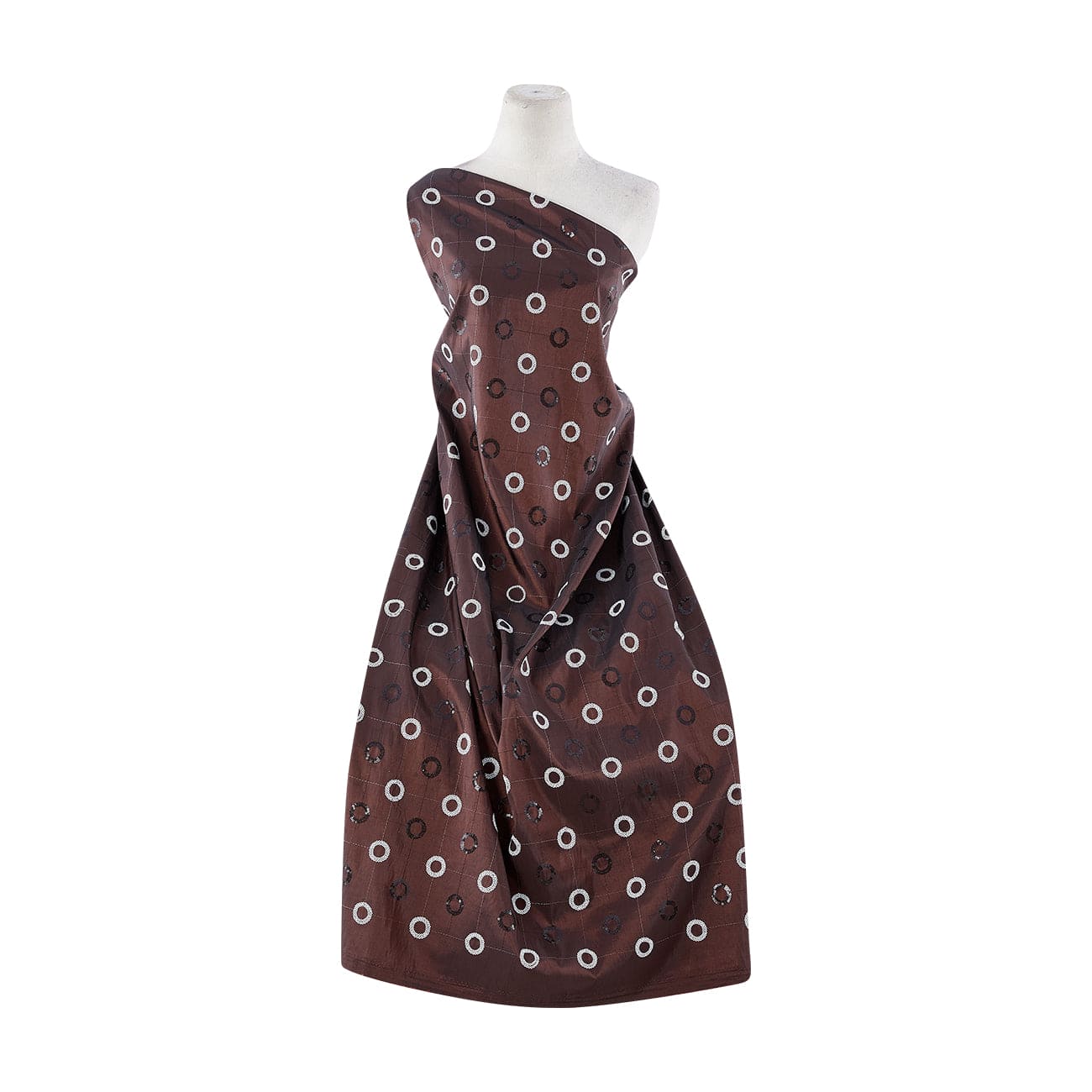
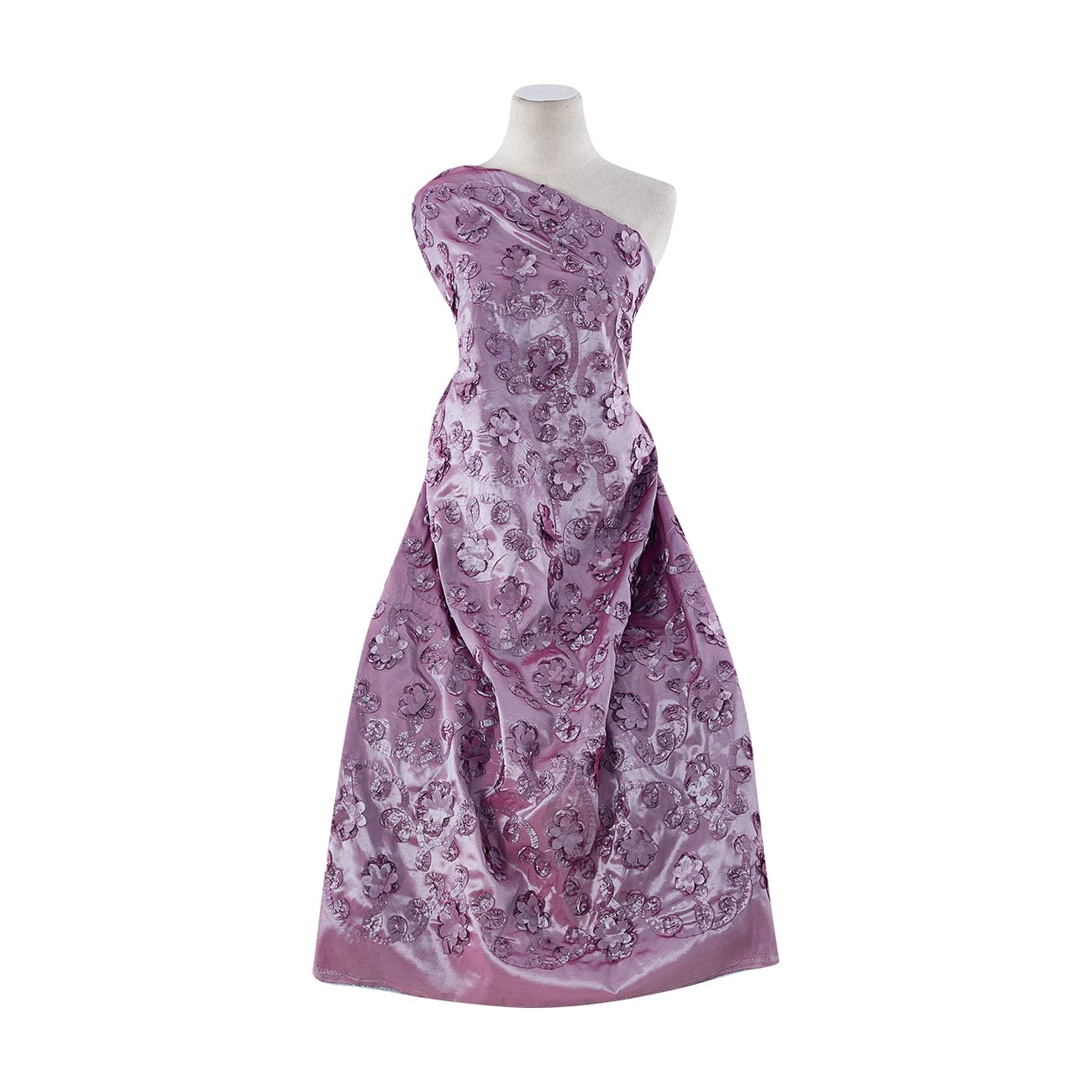
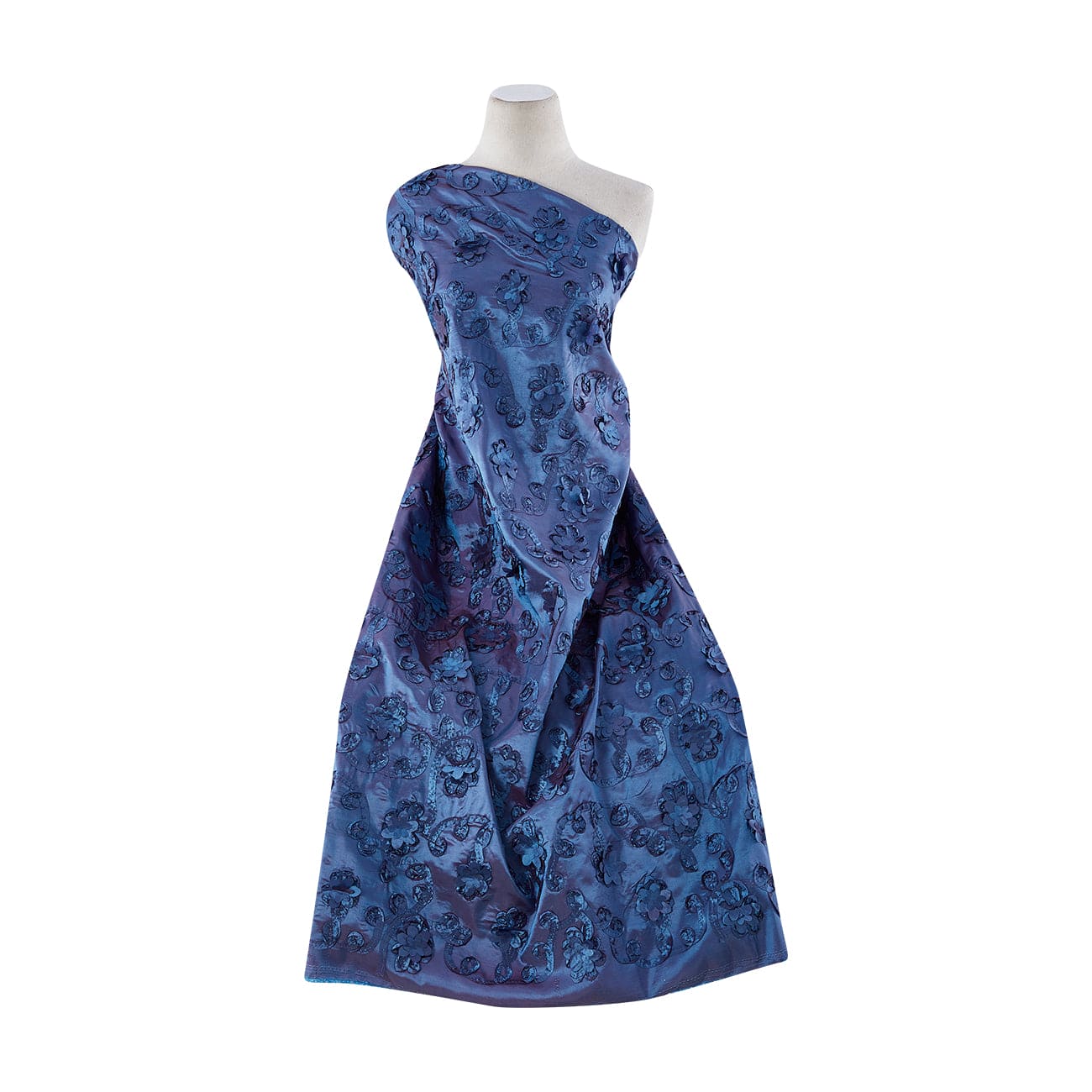
Taffeta also holds dye exceptionally well, which is why it appears across such a broad color range. Shot taffeta — woven with different colors in the warp and weft — produces an iridescent effect that shifts between two hues depending on the viewing angle, a visual result that cannot be replicated through printing or finishing alone. For makers working in eveningwear and bridal, that built-in color movement is one of taffeta’s most useful properties.
The History and Origins of Taffeta
Taffeta’s origins reach back to medieval Persia, where the word tāftah — meaning “twisted” or “woven” — described a plain-weave silk cloth traded across the Silk Road into Europe. By the Renaissance, taffeta had become one of the most coveted textiles in European courts, prized for its sheen, its structural properties, and the distinctive sound it produced in motion. Court dress of the 16th and 17th centuries relied heavily on taffeta for the voluminous skirts and structured sleeves that defined the period’s silhouette.
The fabric's association with formal dress held through the 18th and 19th centuries. Silk taffeta appeared in ball gowns, petticoats, and linings throughout the Victorian era, valued both for its surface quality and its ability to support the extreme skirt volumes that fashion demanded. When synthetic fibers arrived in the mid-20th century, polyester taffeta extended the fabric’s reach — offering the same structural properties at a fraction of the cost, with improved colorfastness and easier care.
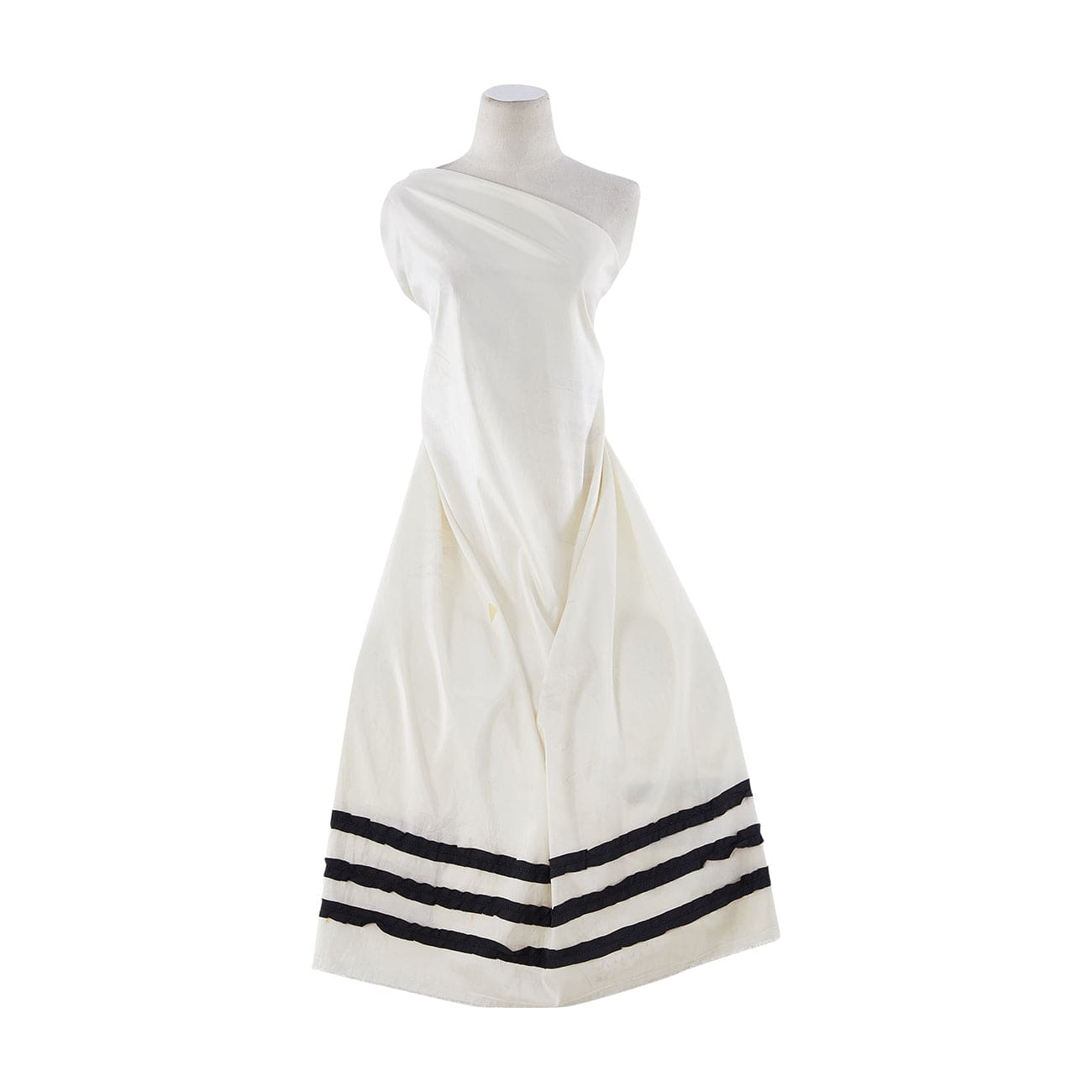
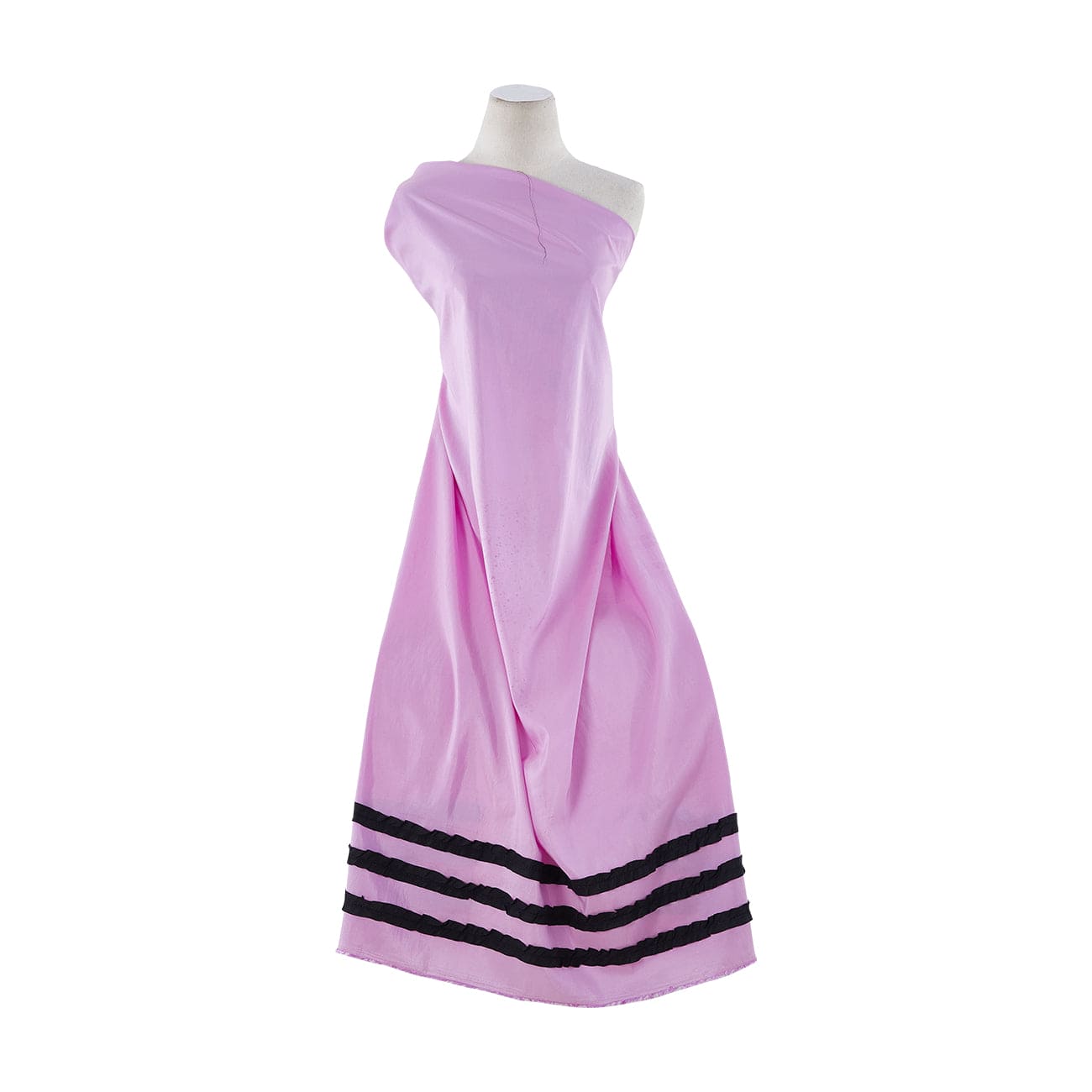
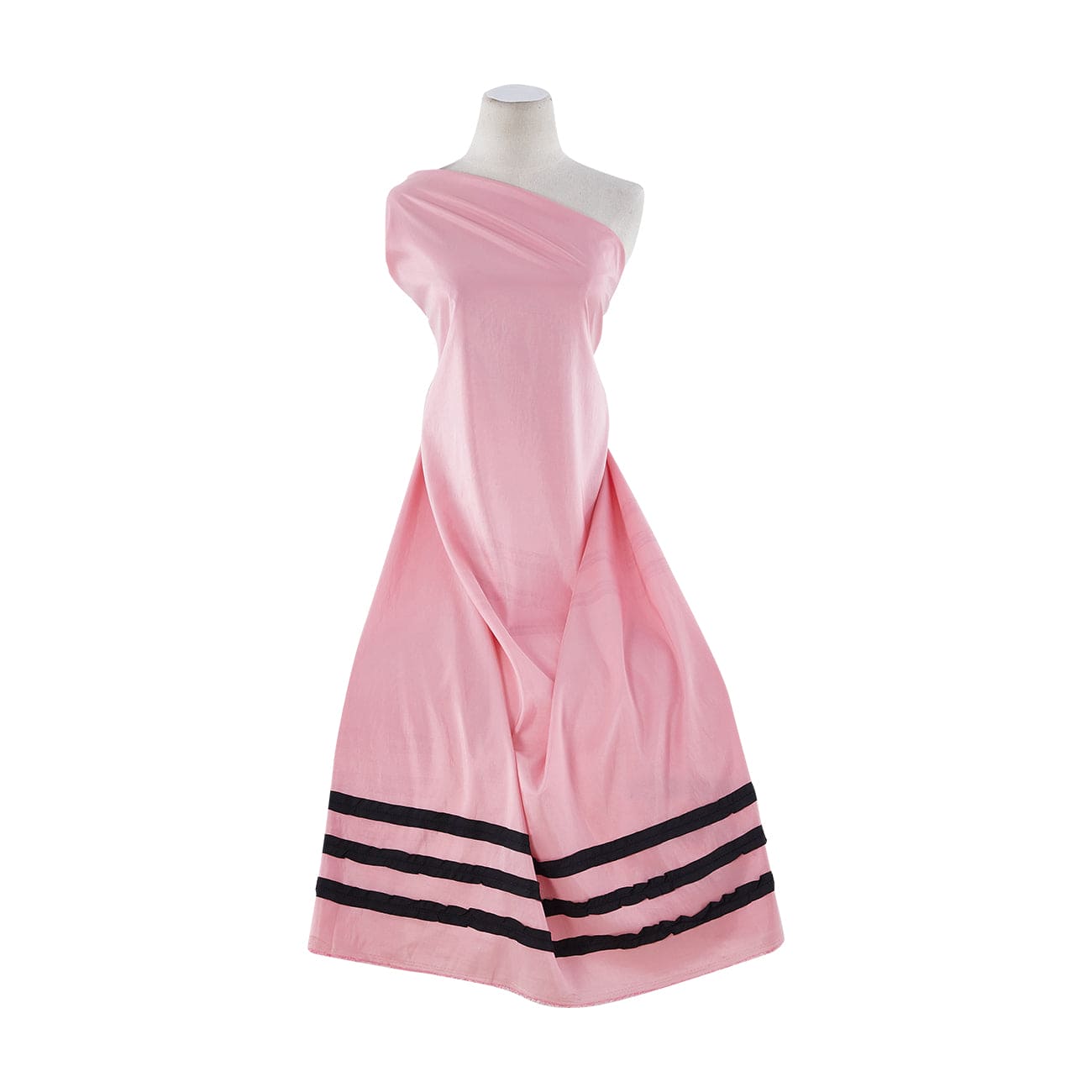
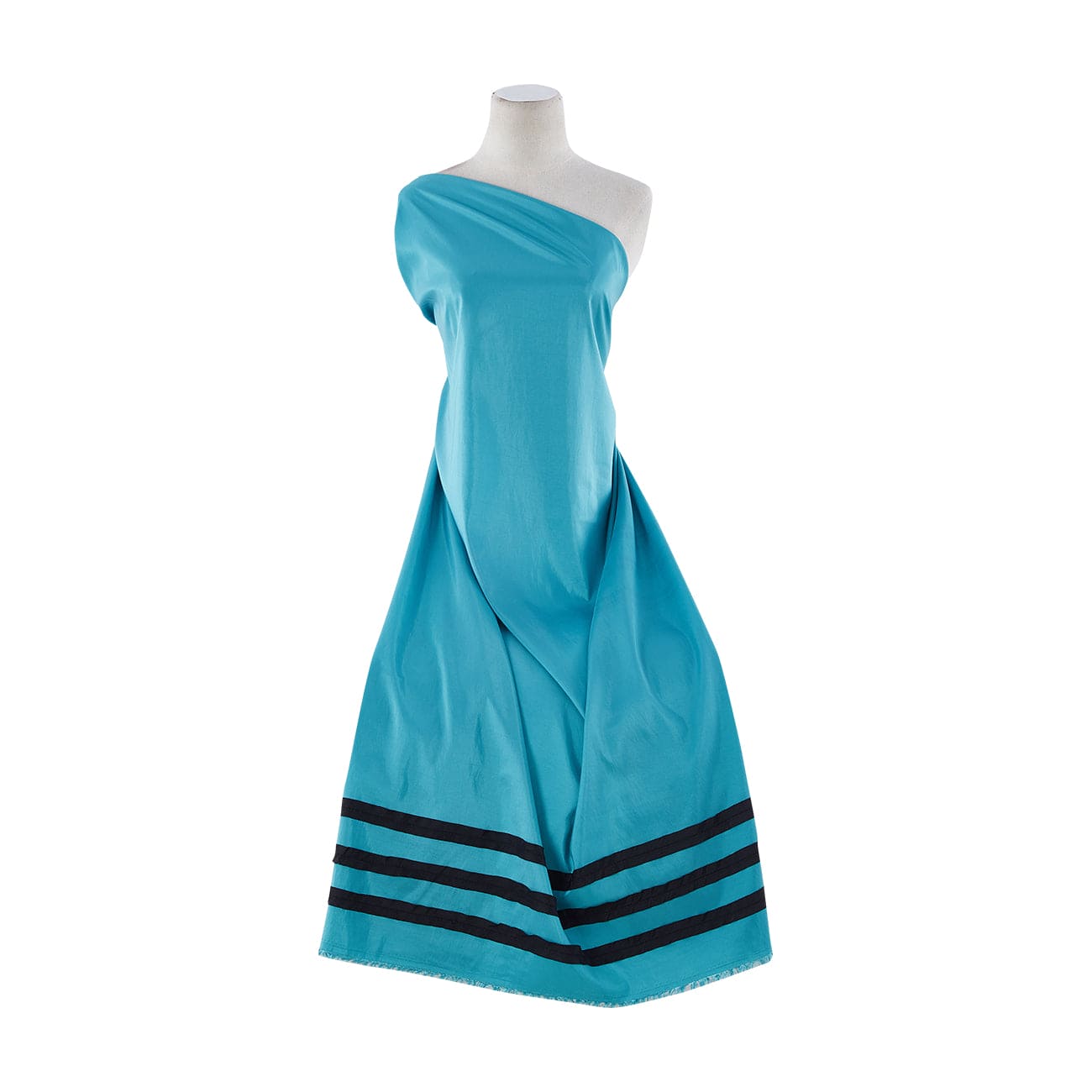
Today, taffeta remains a staple of bridal and eveningwear construction. The range available to working designers spans lightweight lining taffeta through midweight bridal constructions, shot and yarn-dyed variations, and pleated taffeta with built-in surface texture—a broader practical toolkit than any single historical period offered.
Fabric Types and Use Cases
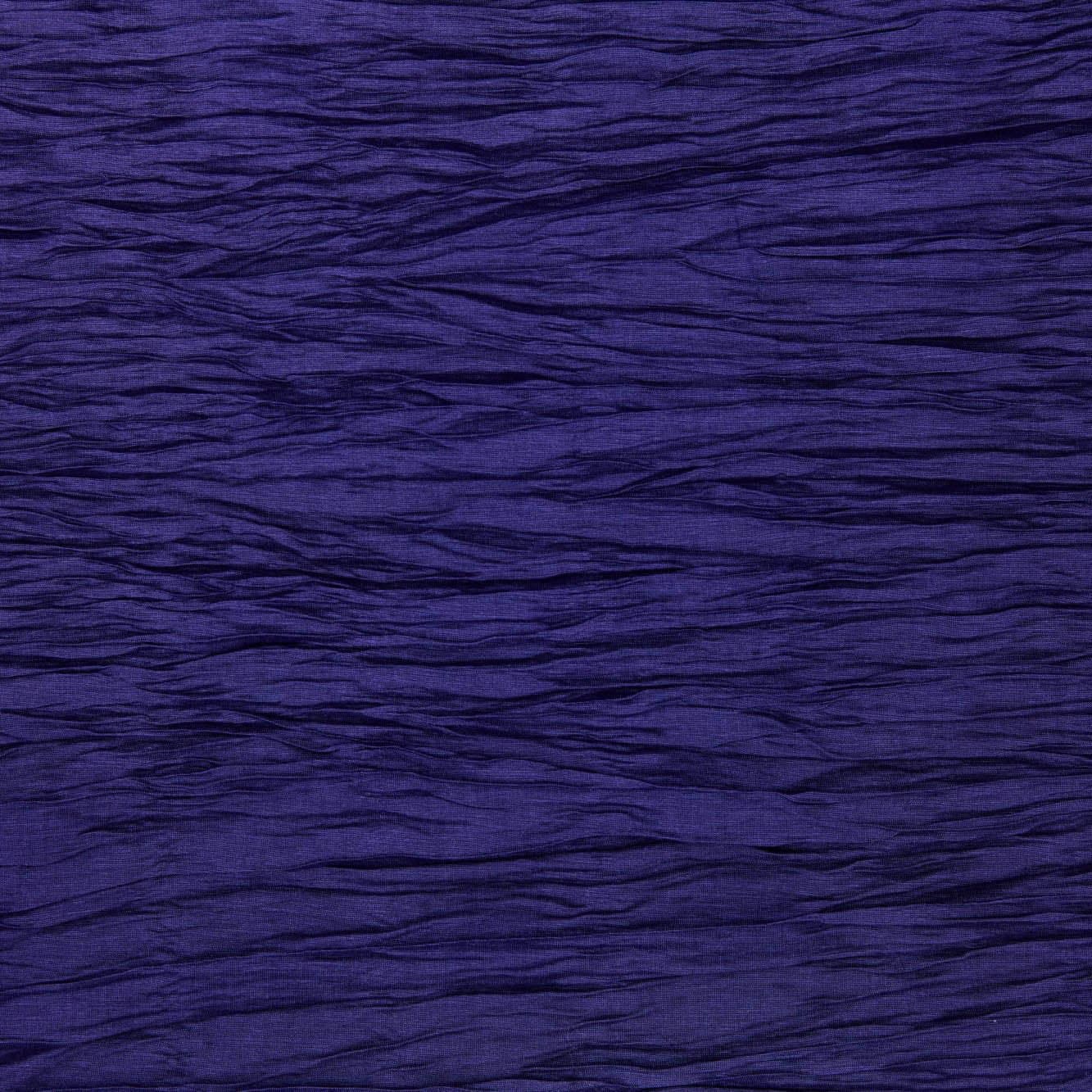
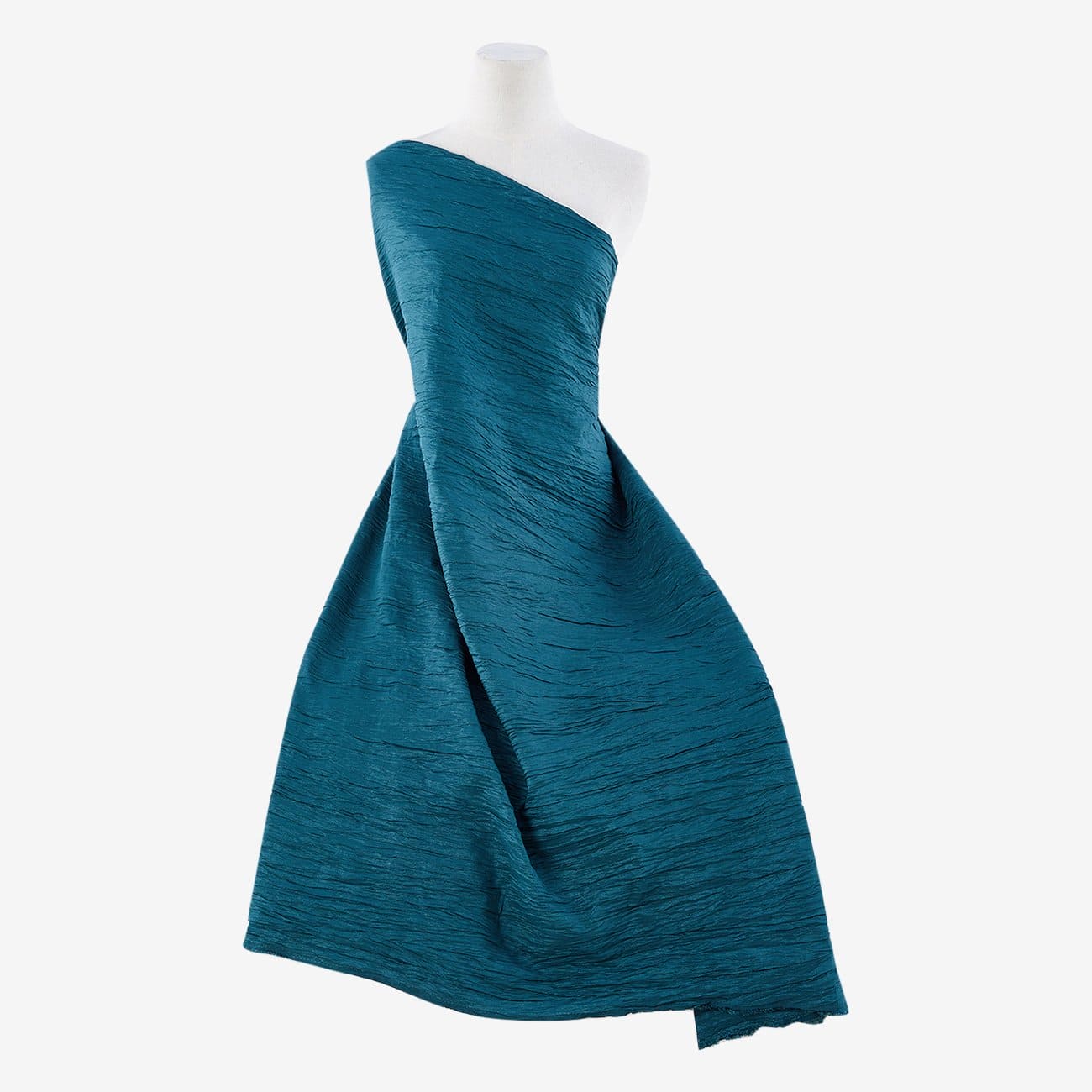
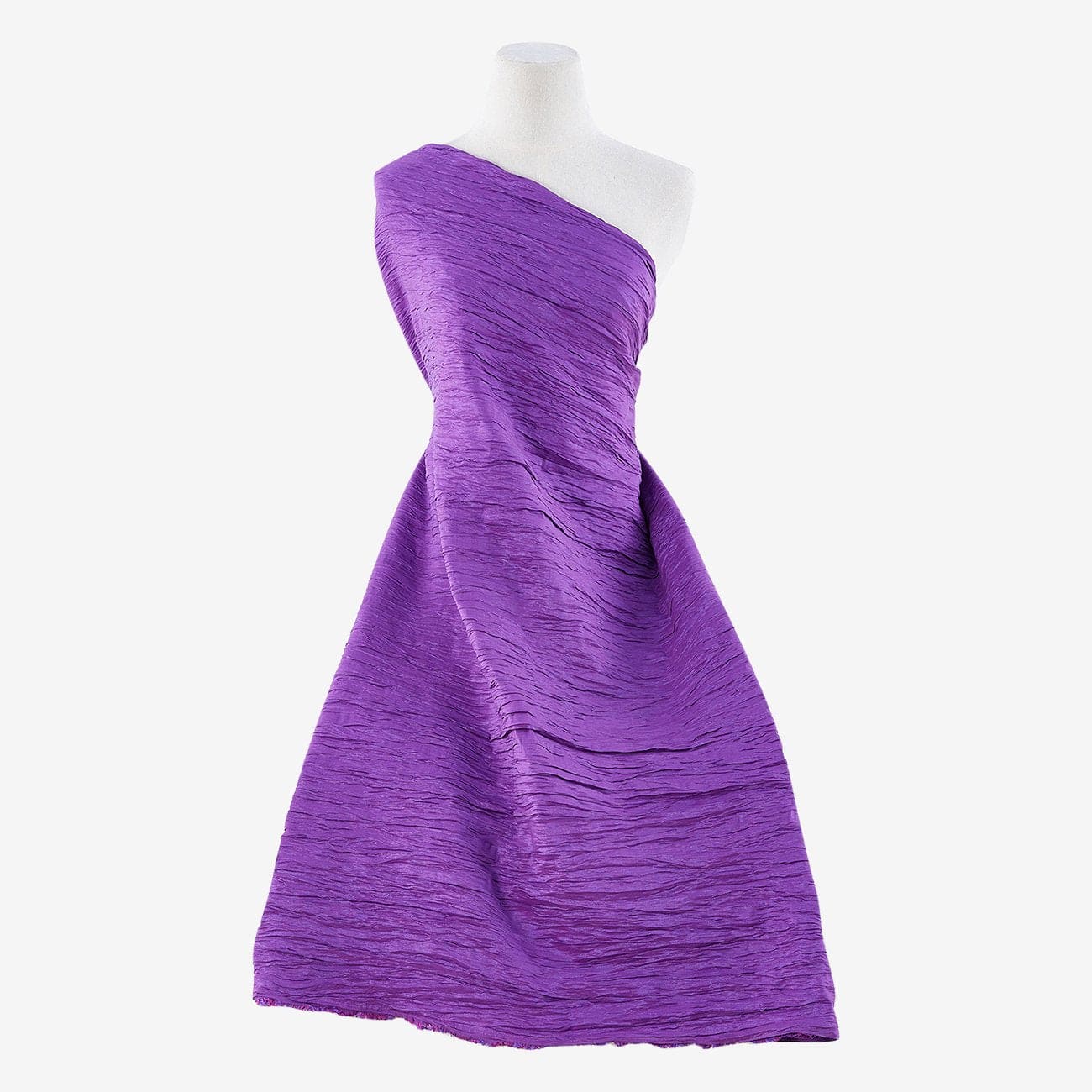
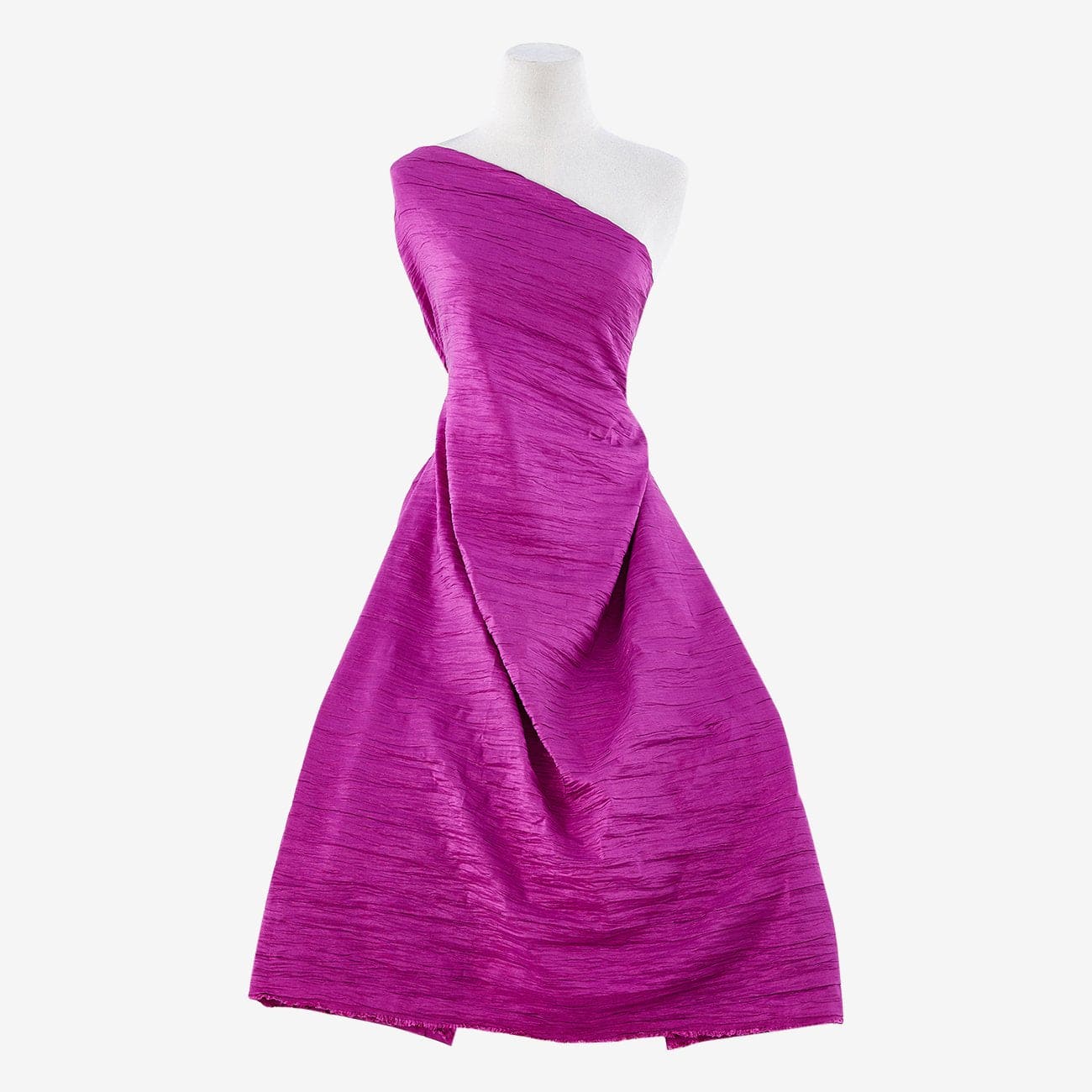
Taffeta is a construction category, not a single fabric. The weave structure is consistent across types, but fiber content, yarn count, finishing, and color technique produce meaningfully different results in hand, sheen, and end-use suitability. Understanding the differences before ordering yardage prevents costly substitutions mid-production.
Polyester Taffeta
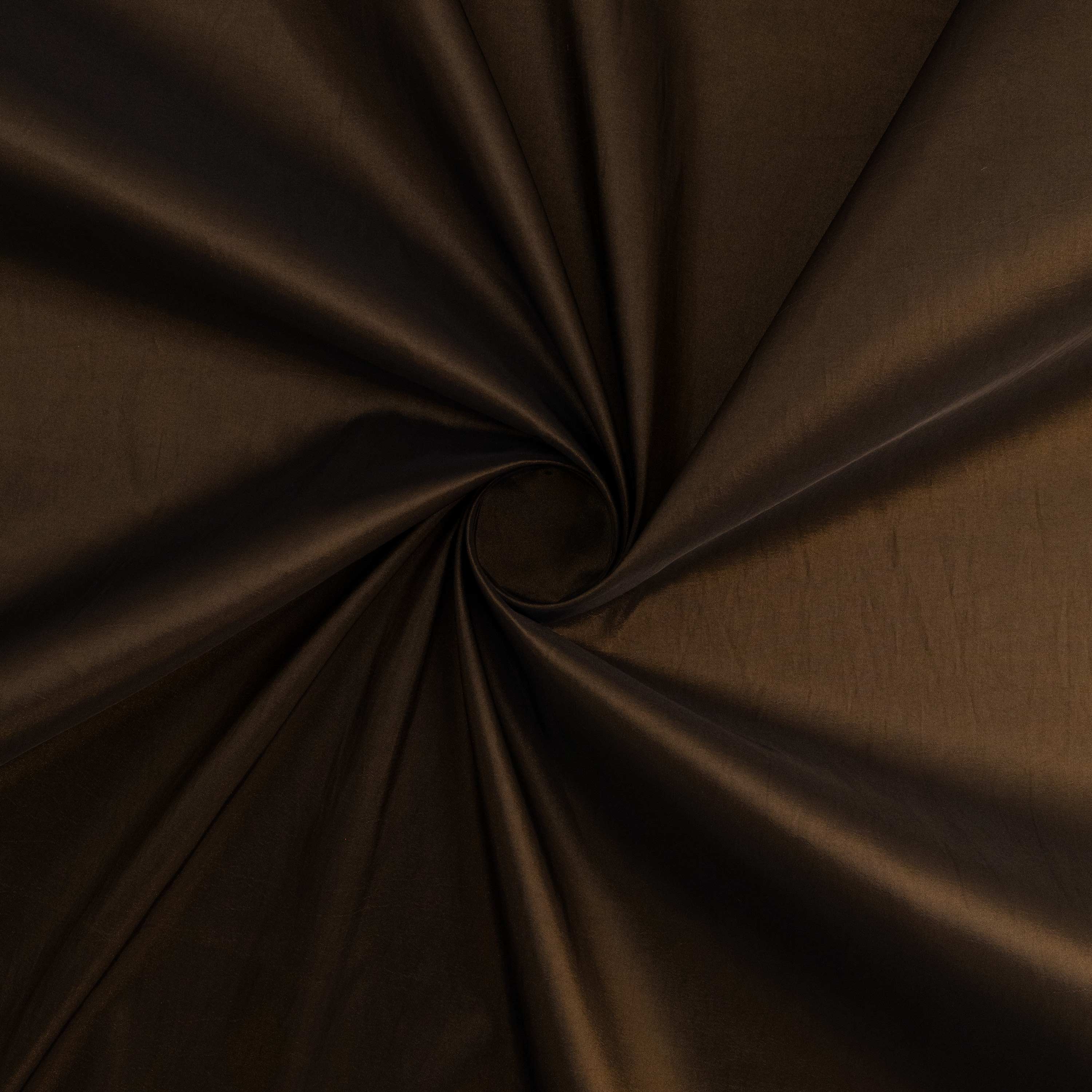
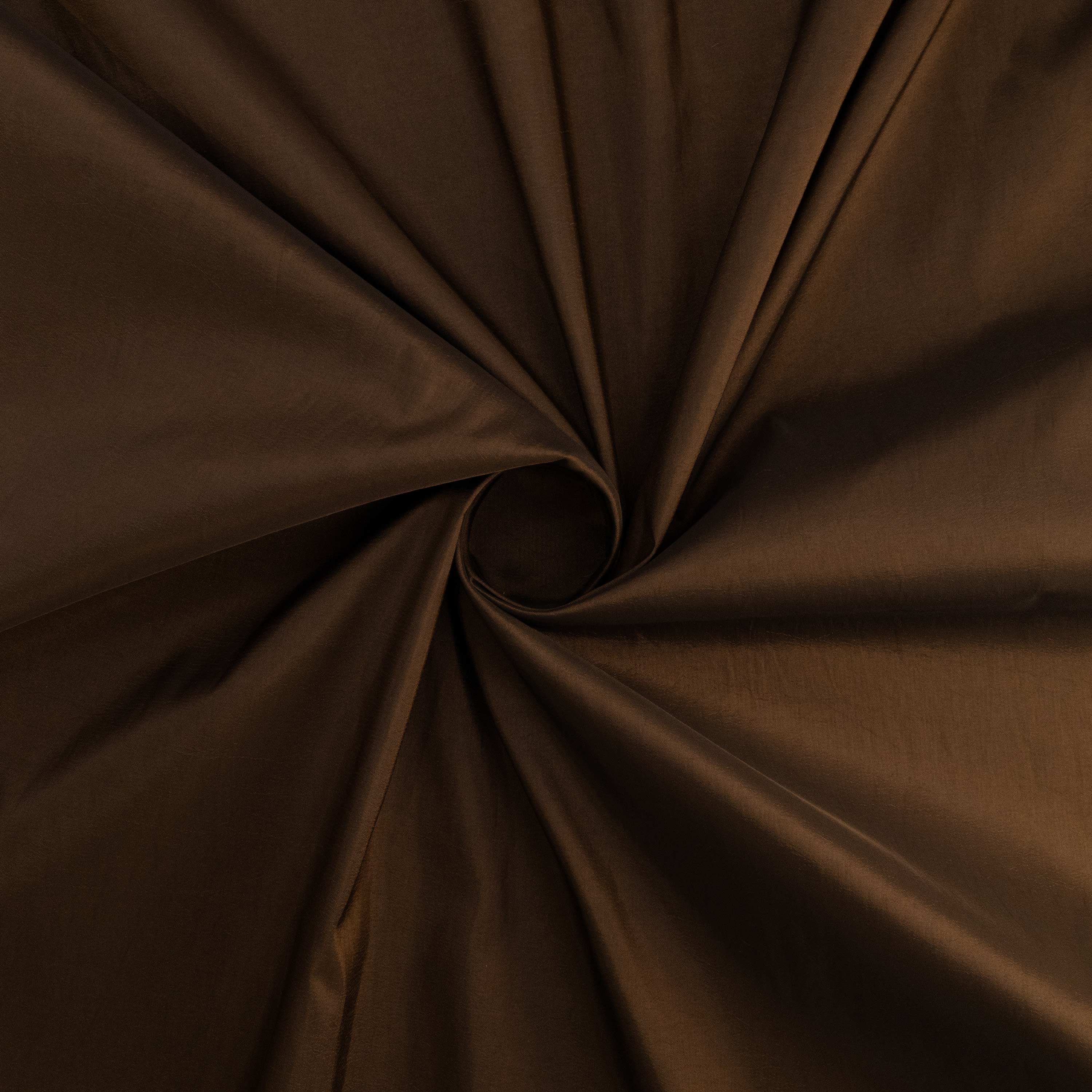
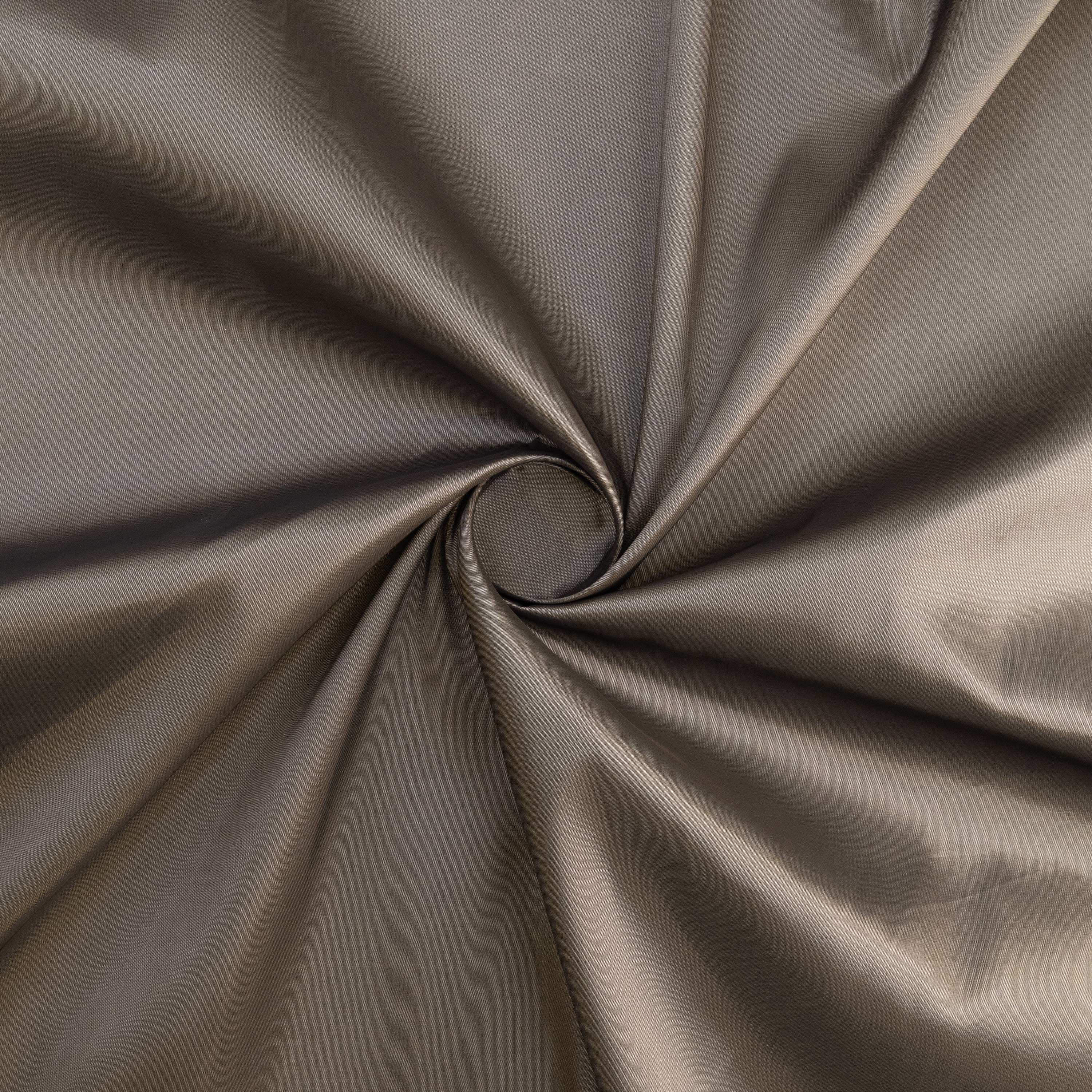
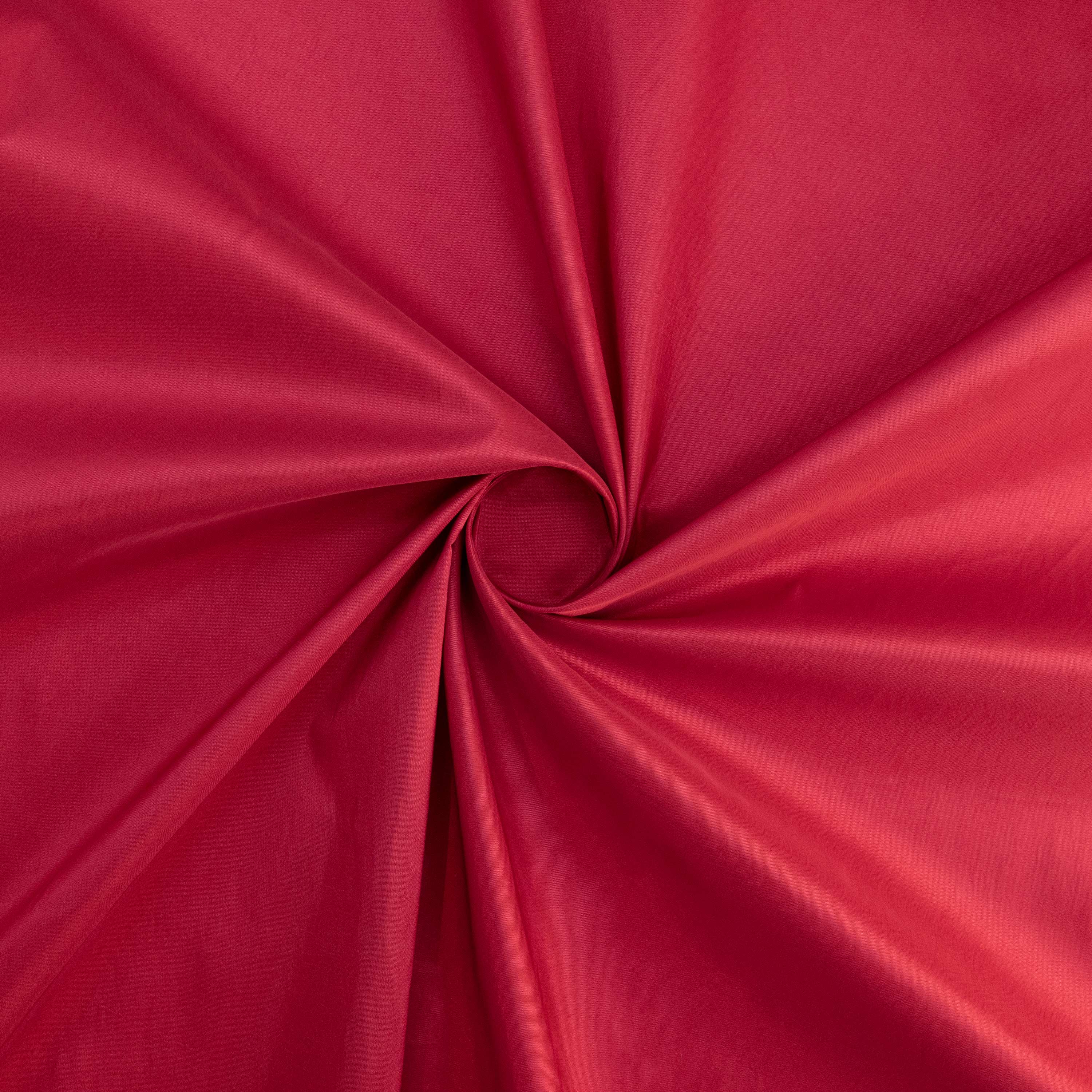
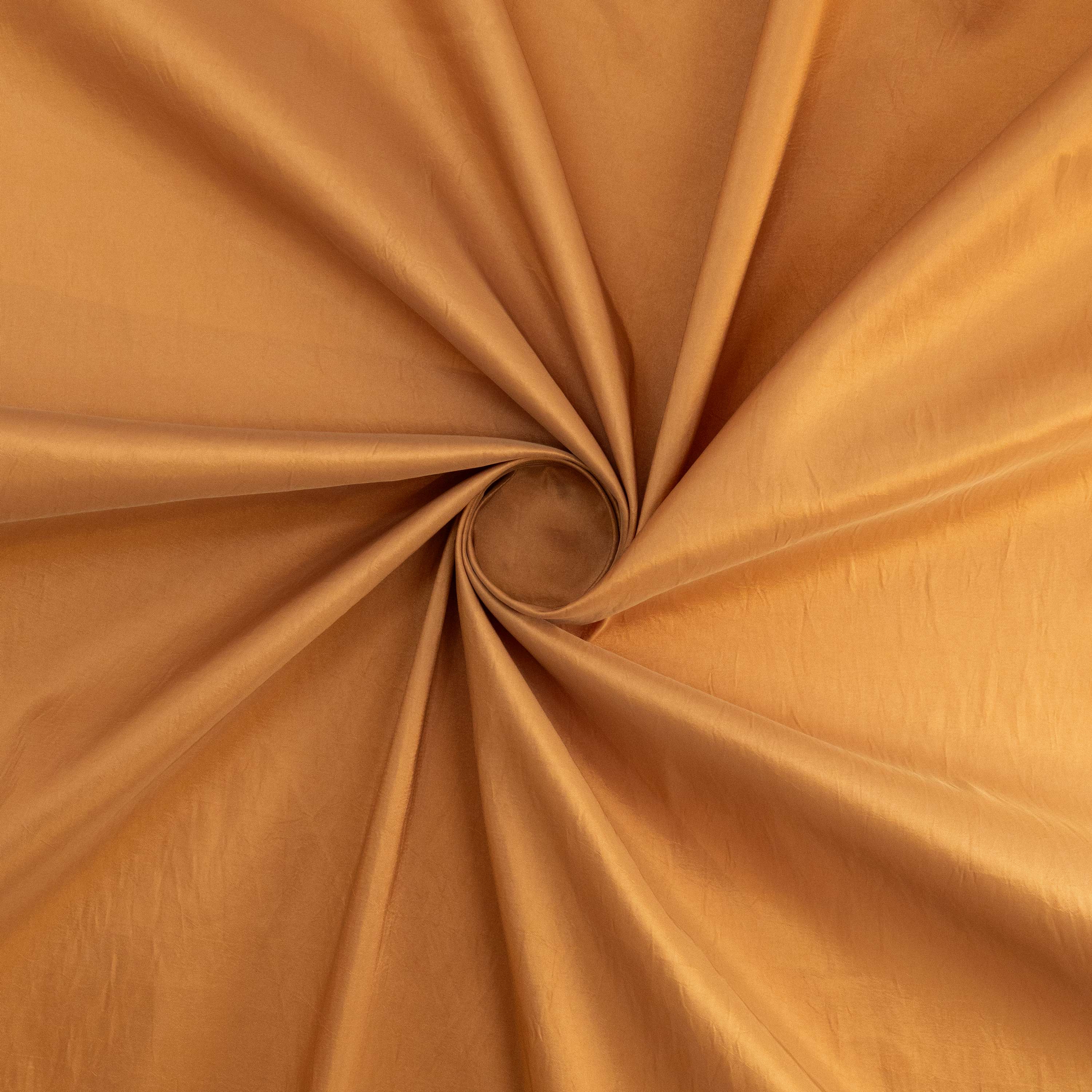
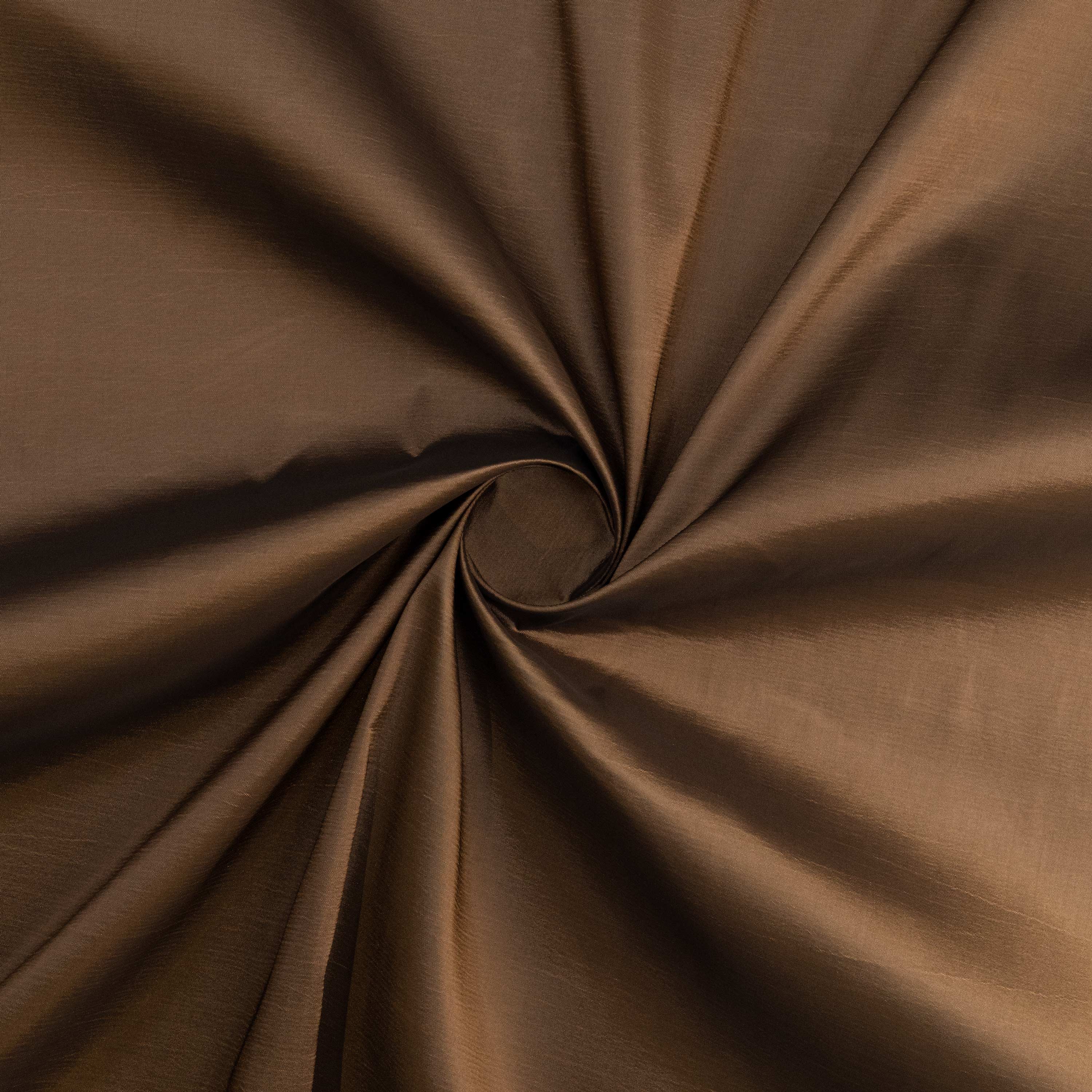
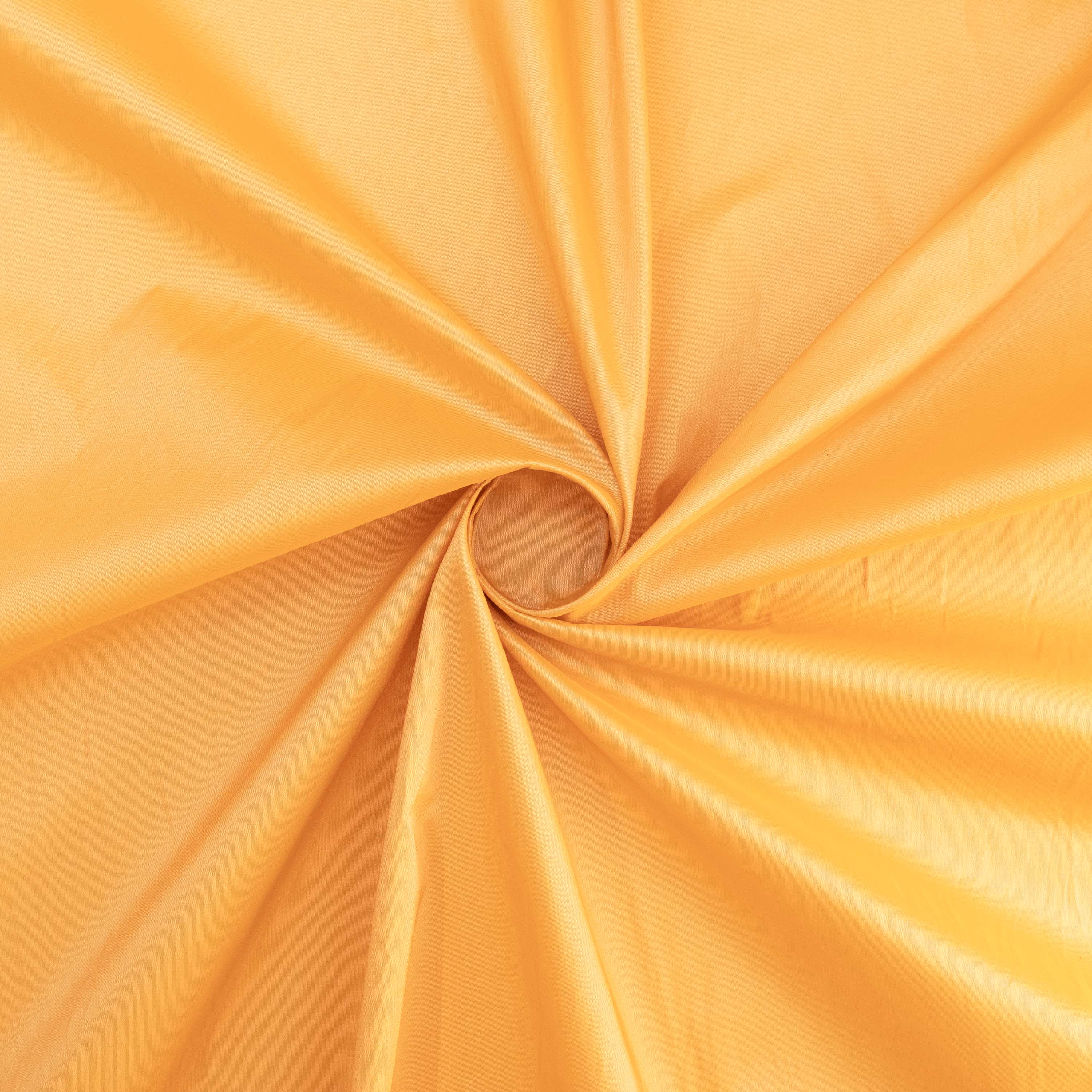
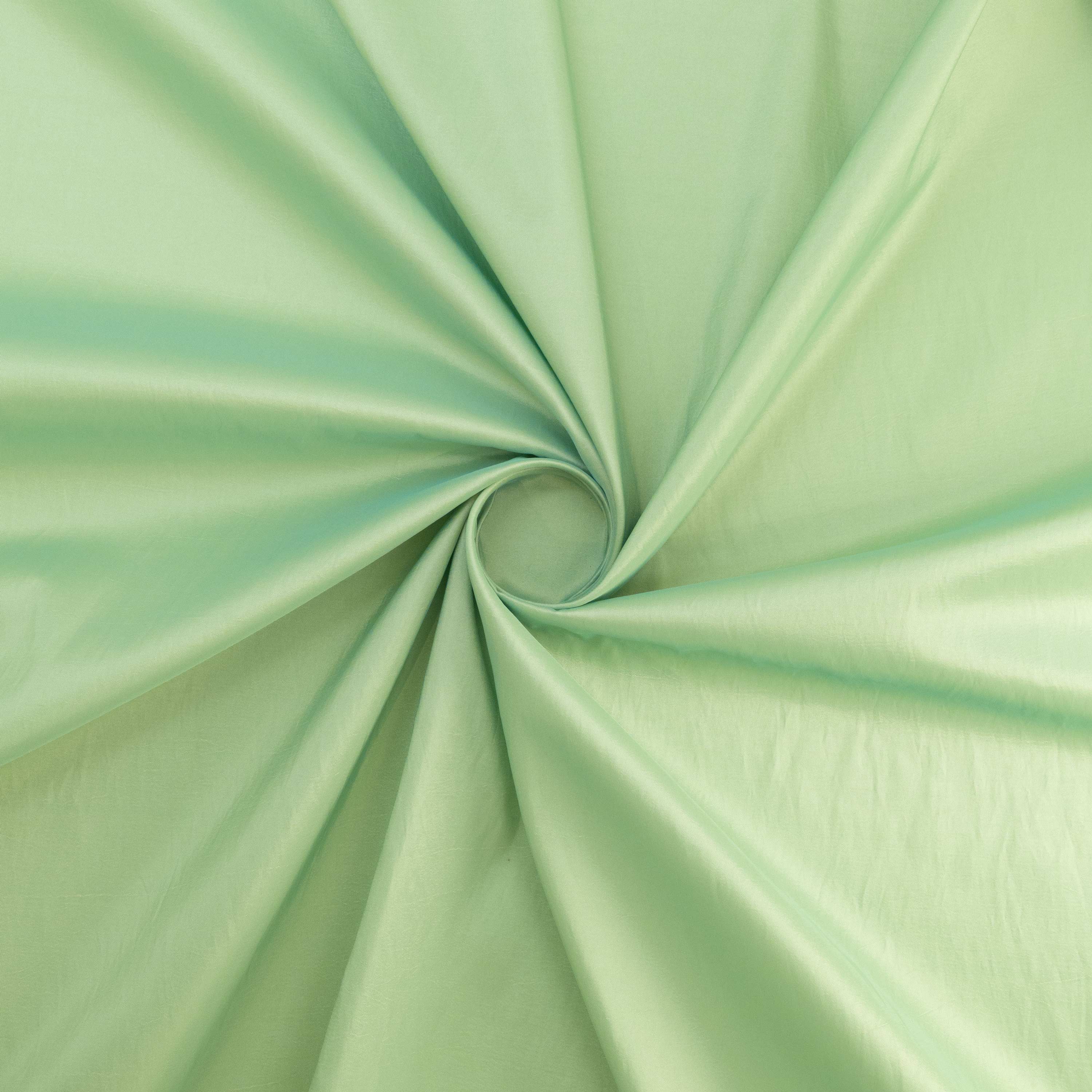
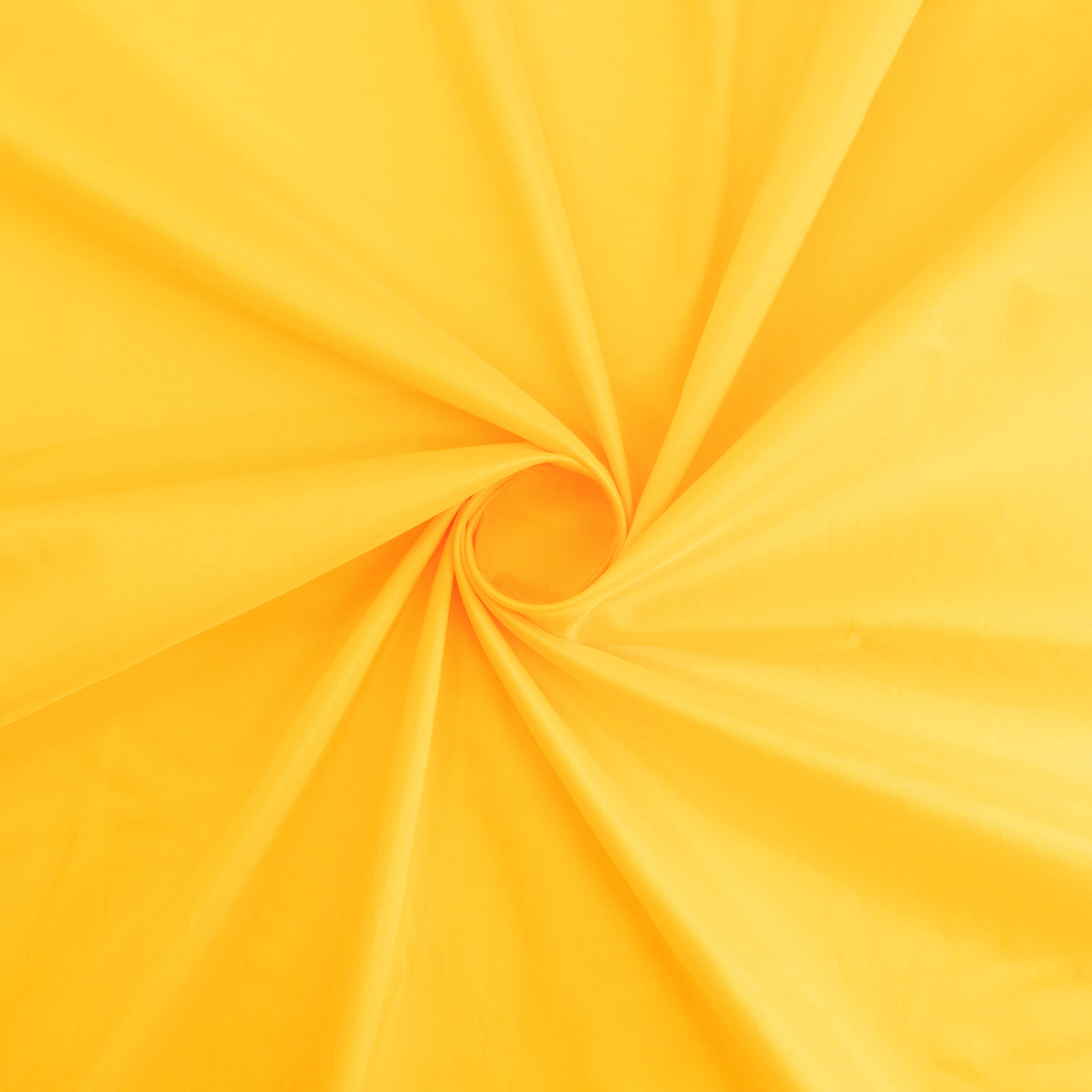
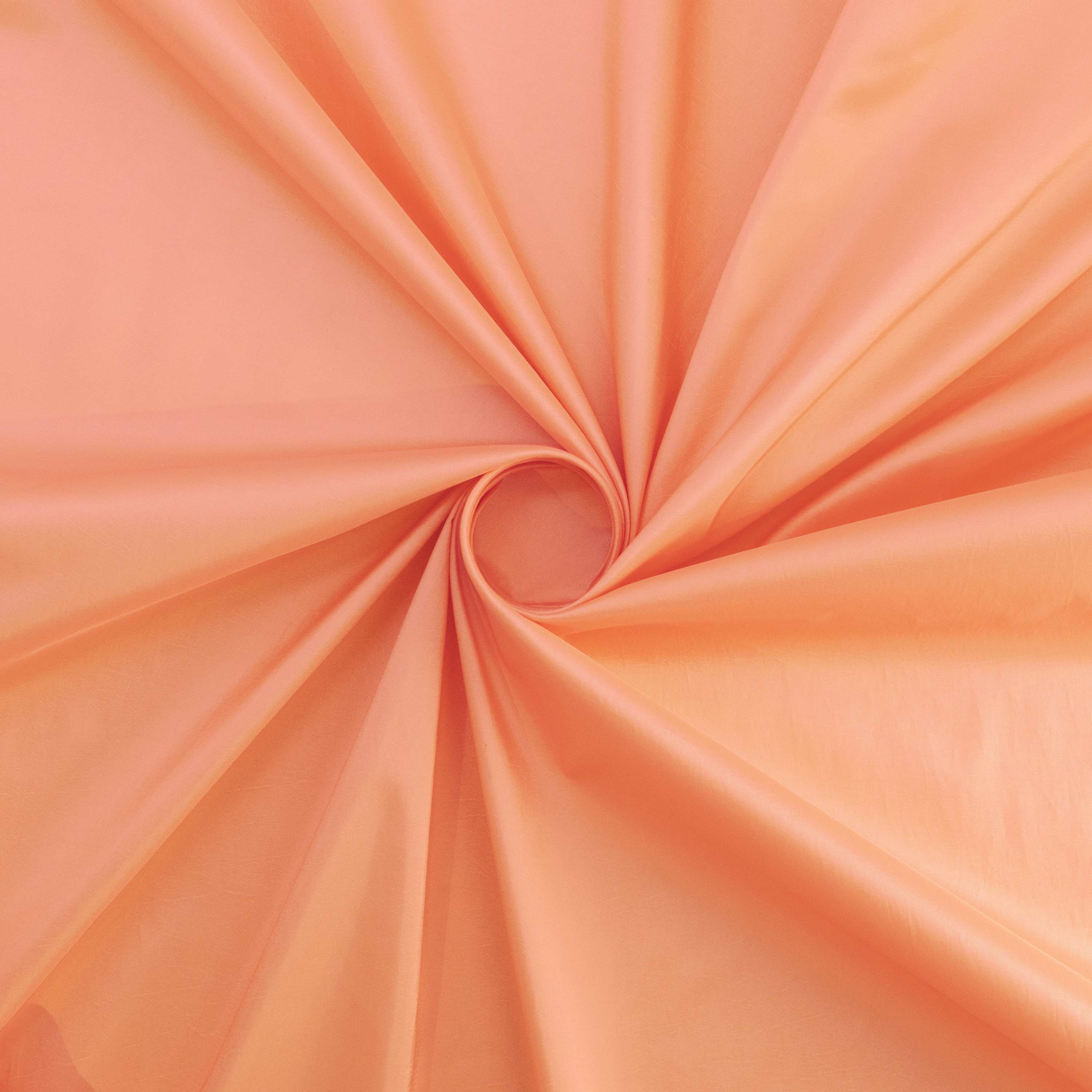
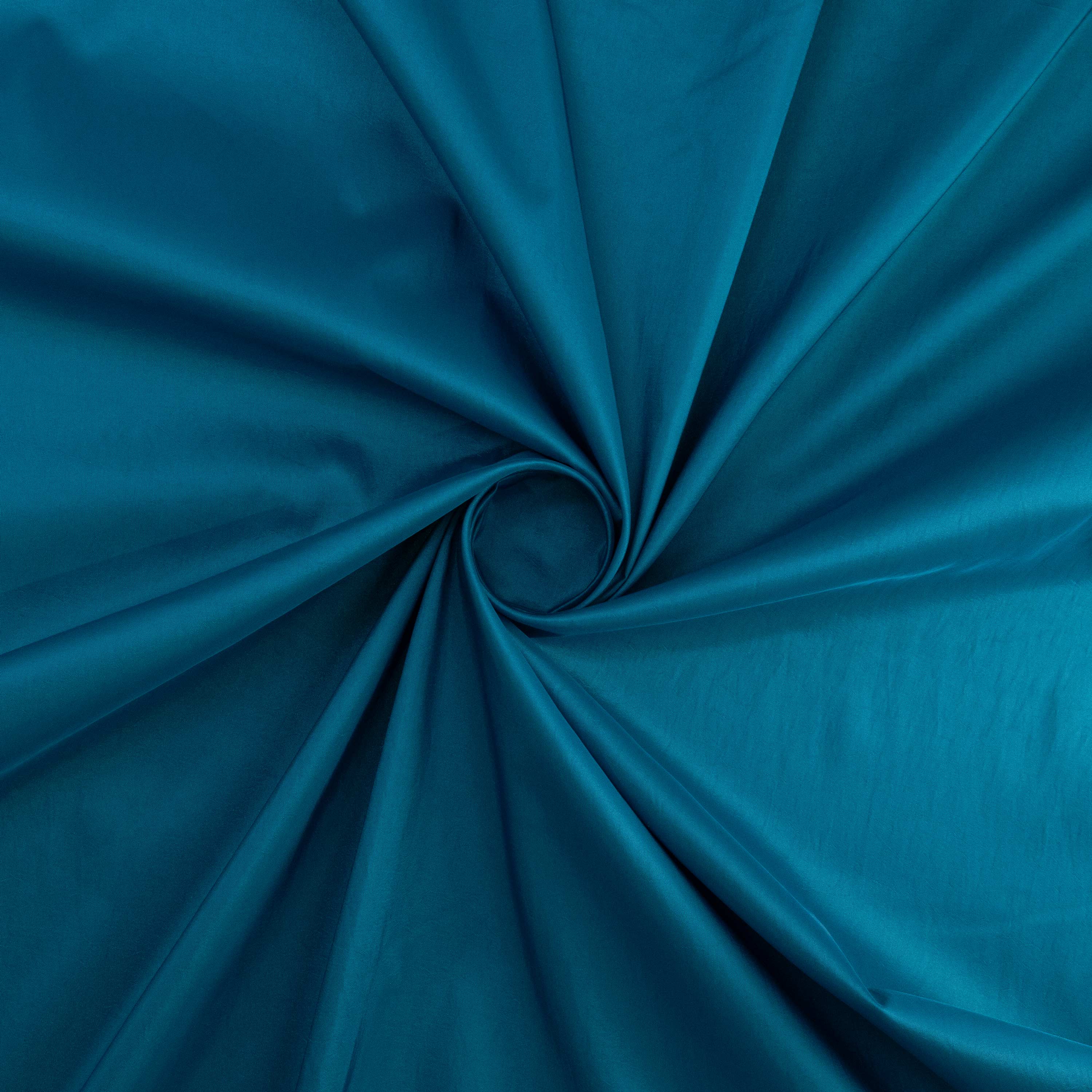
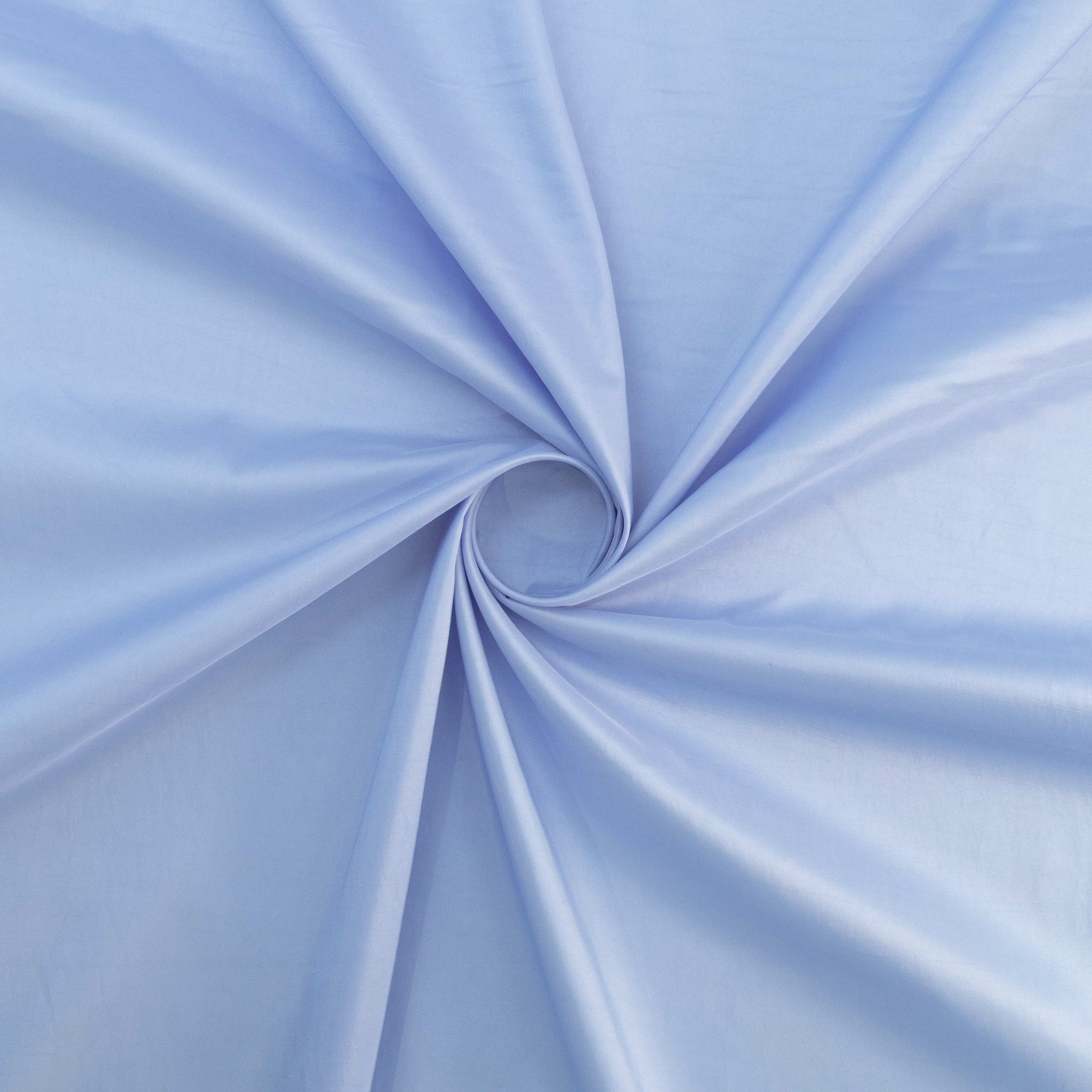
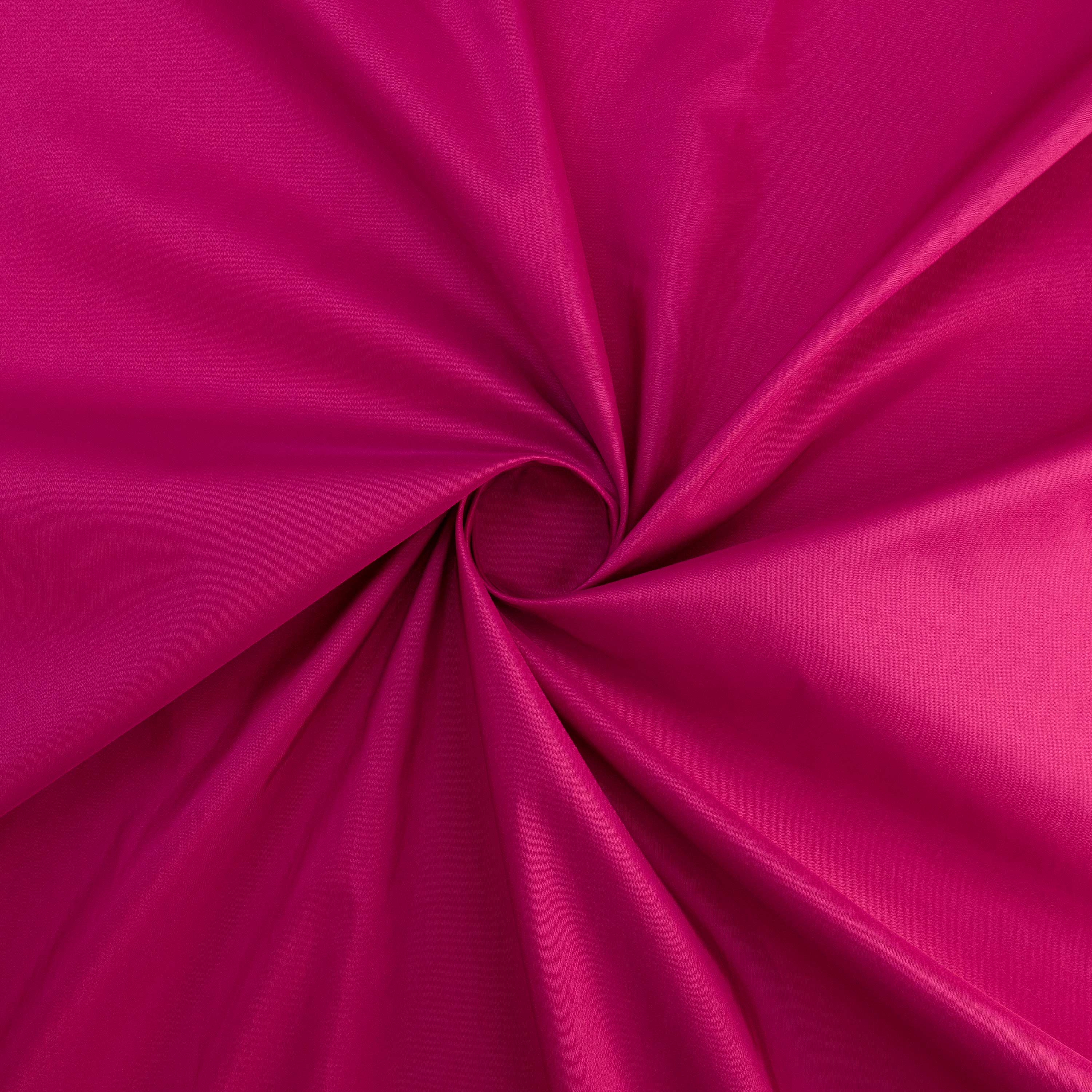
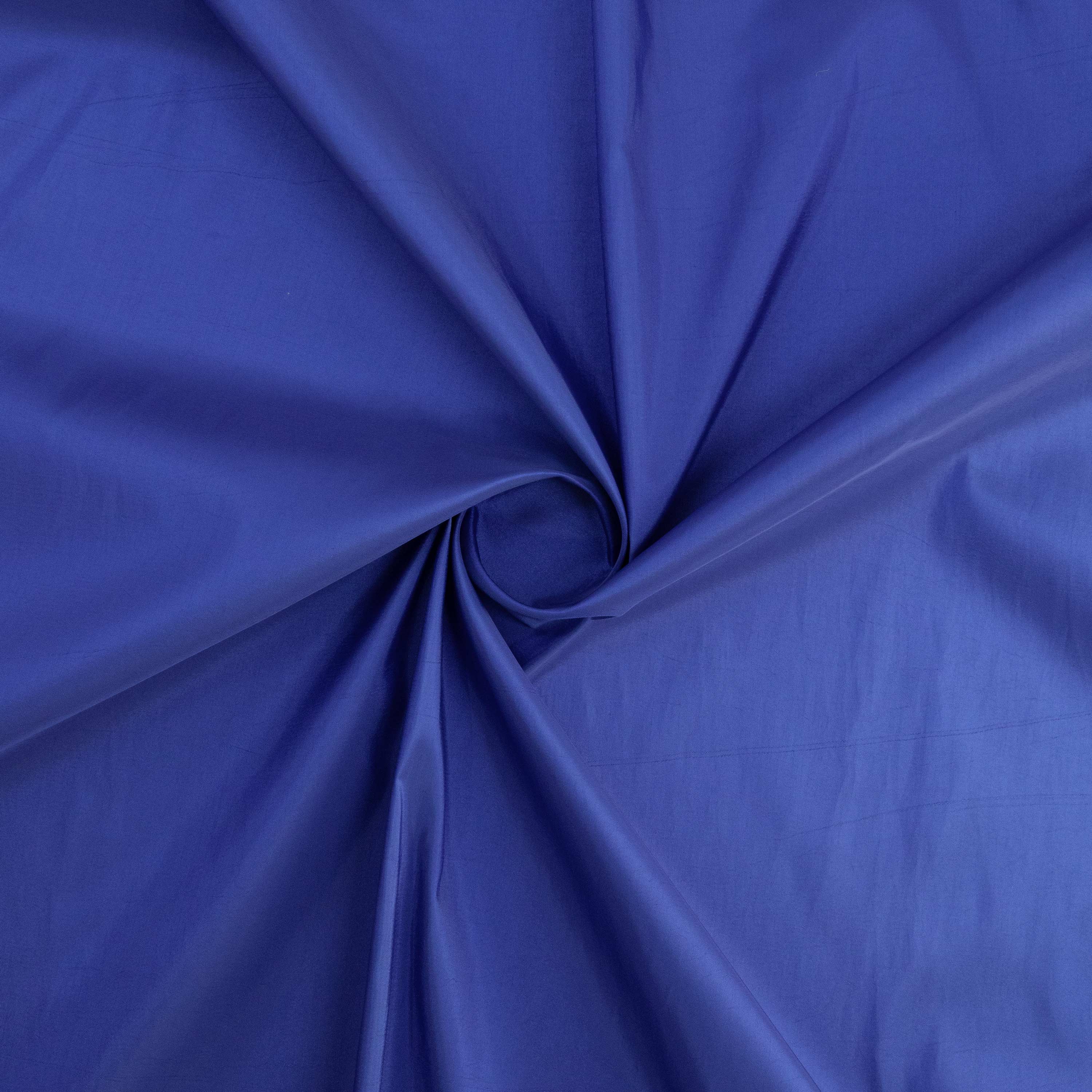
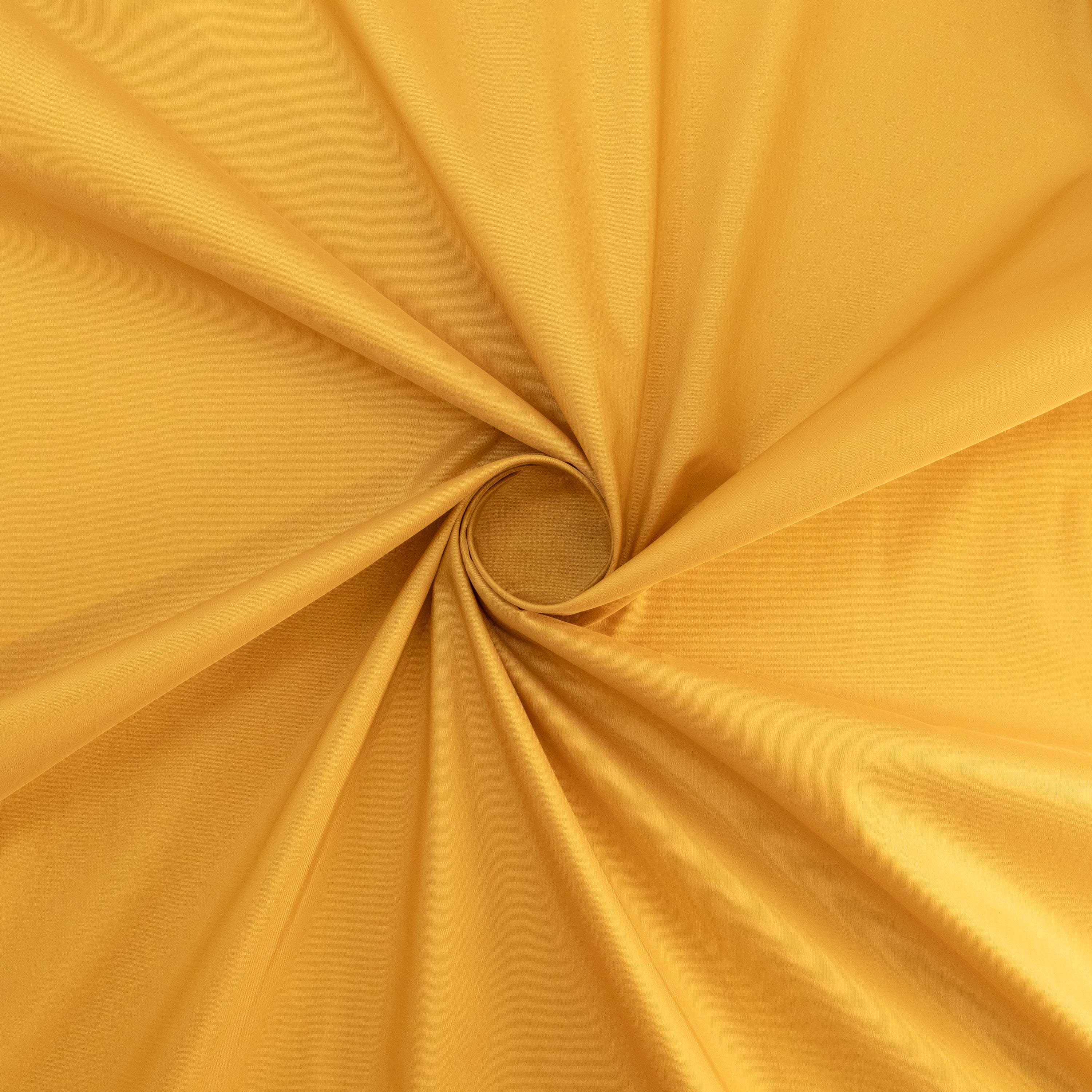
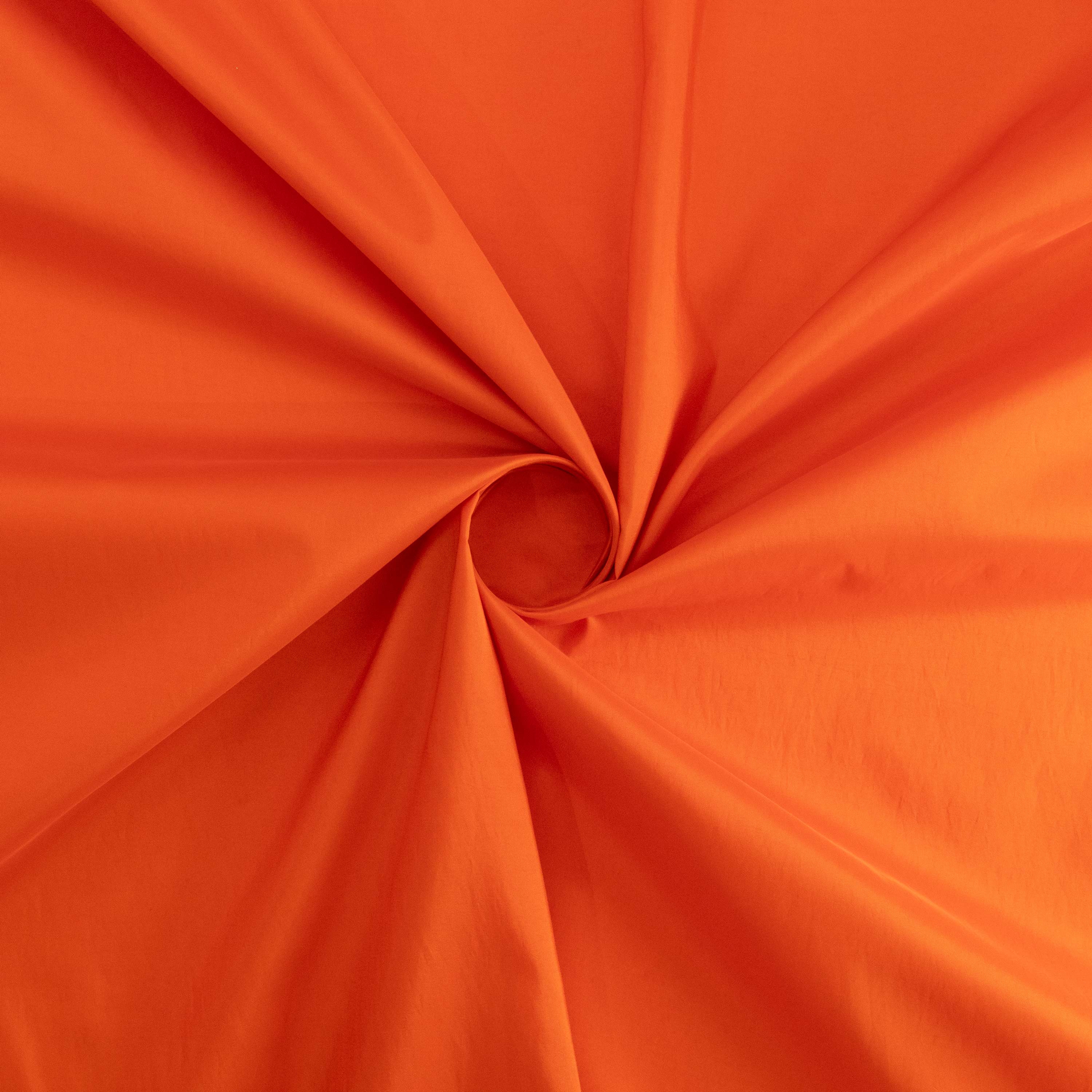
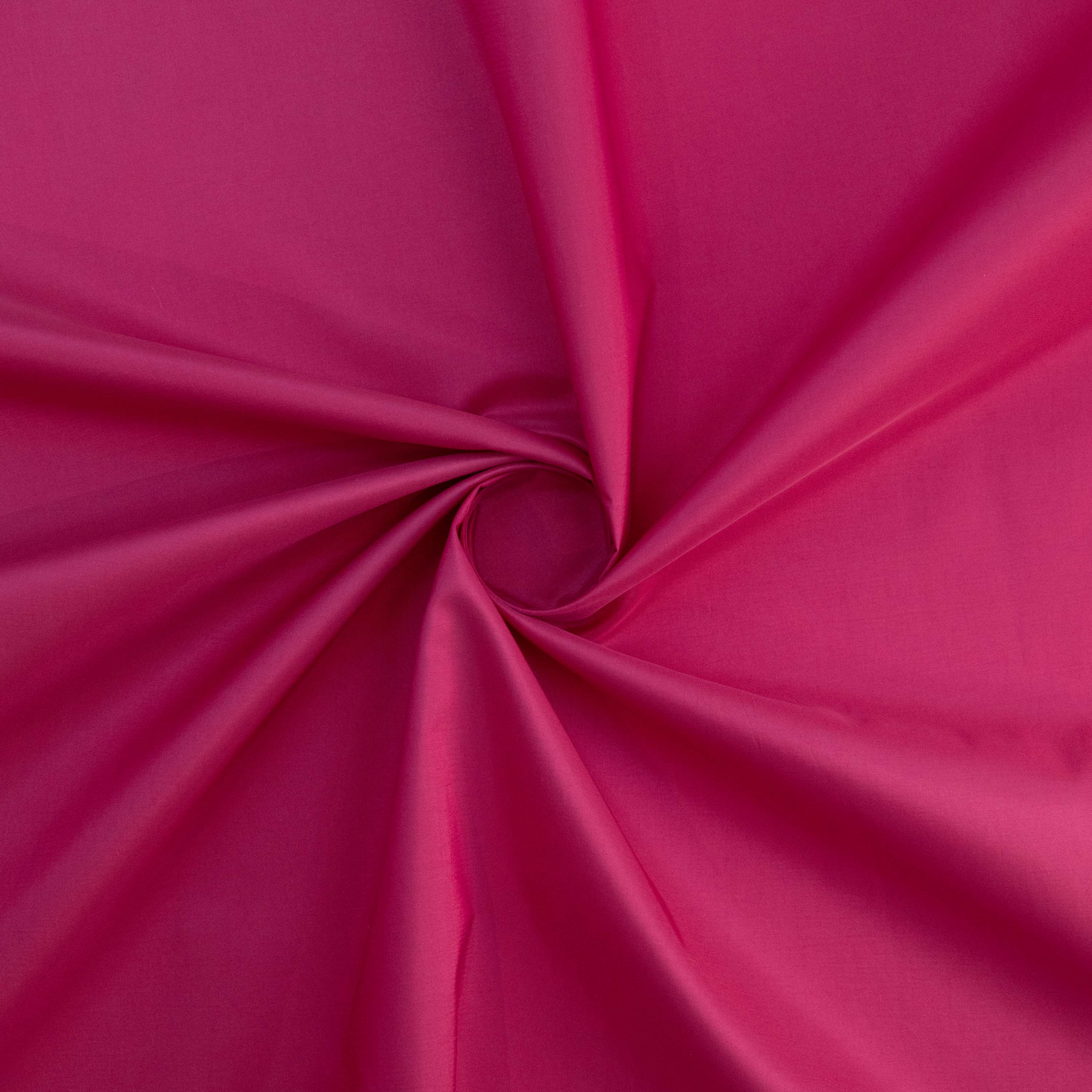
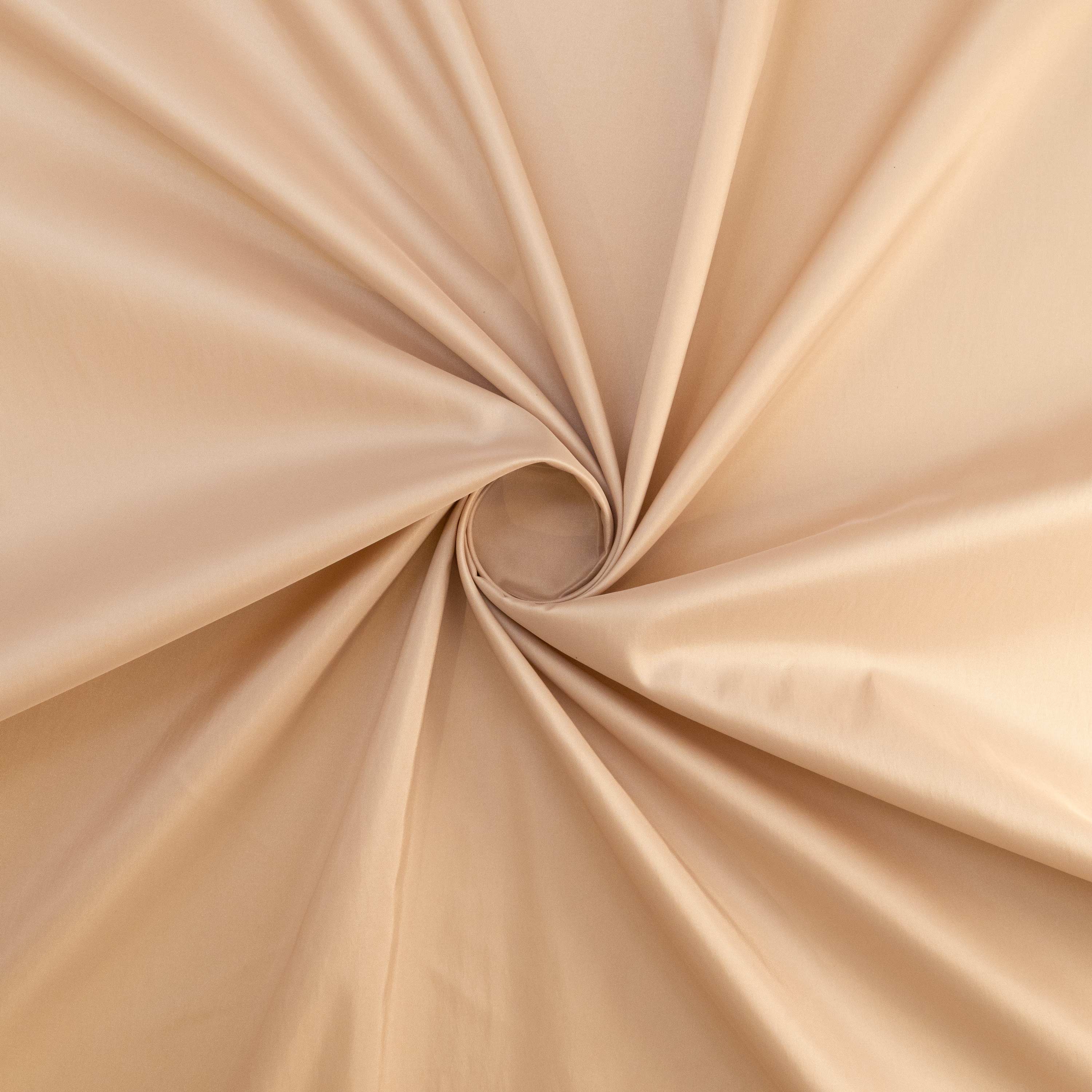
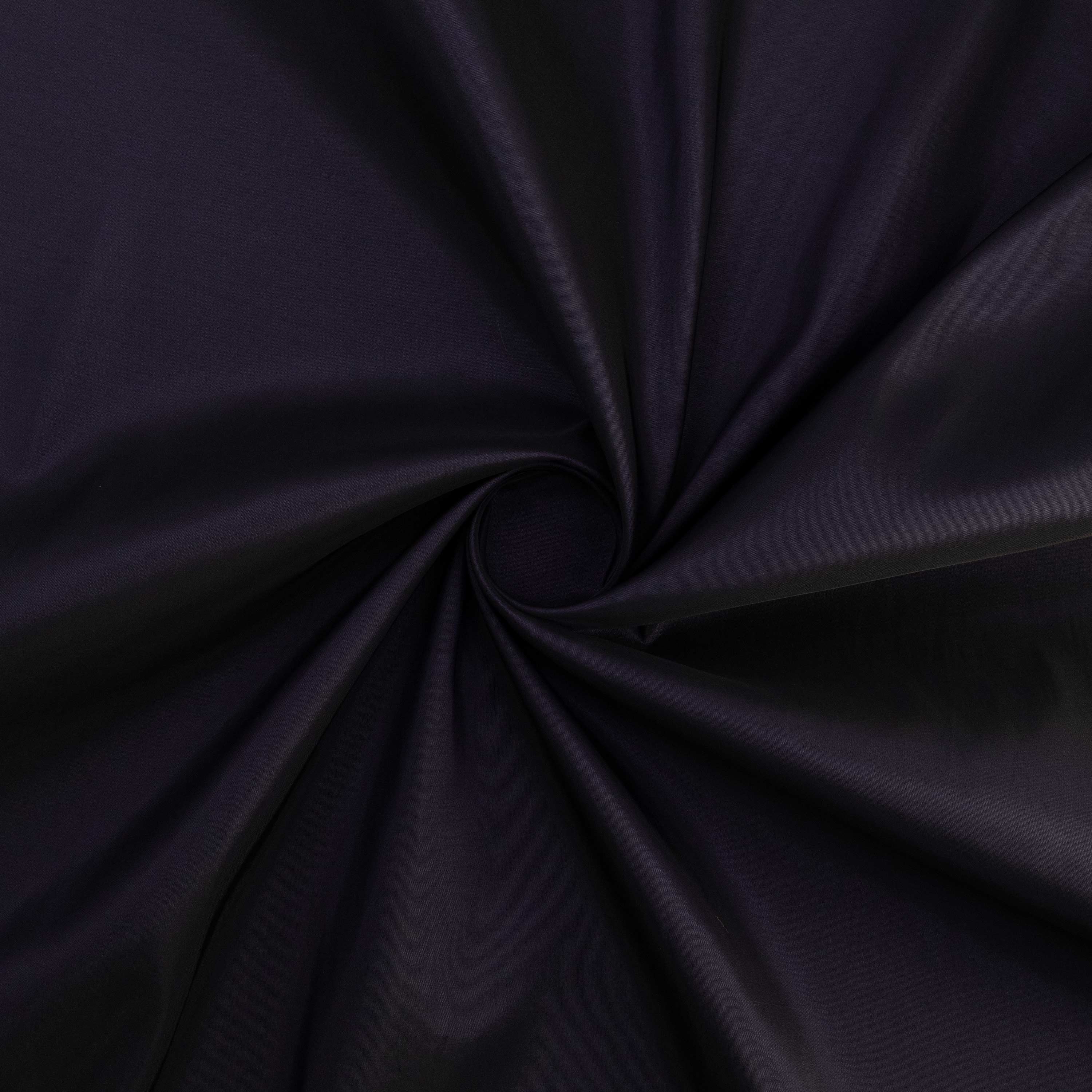
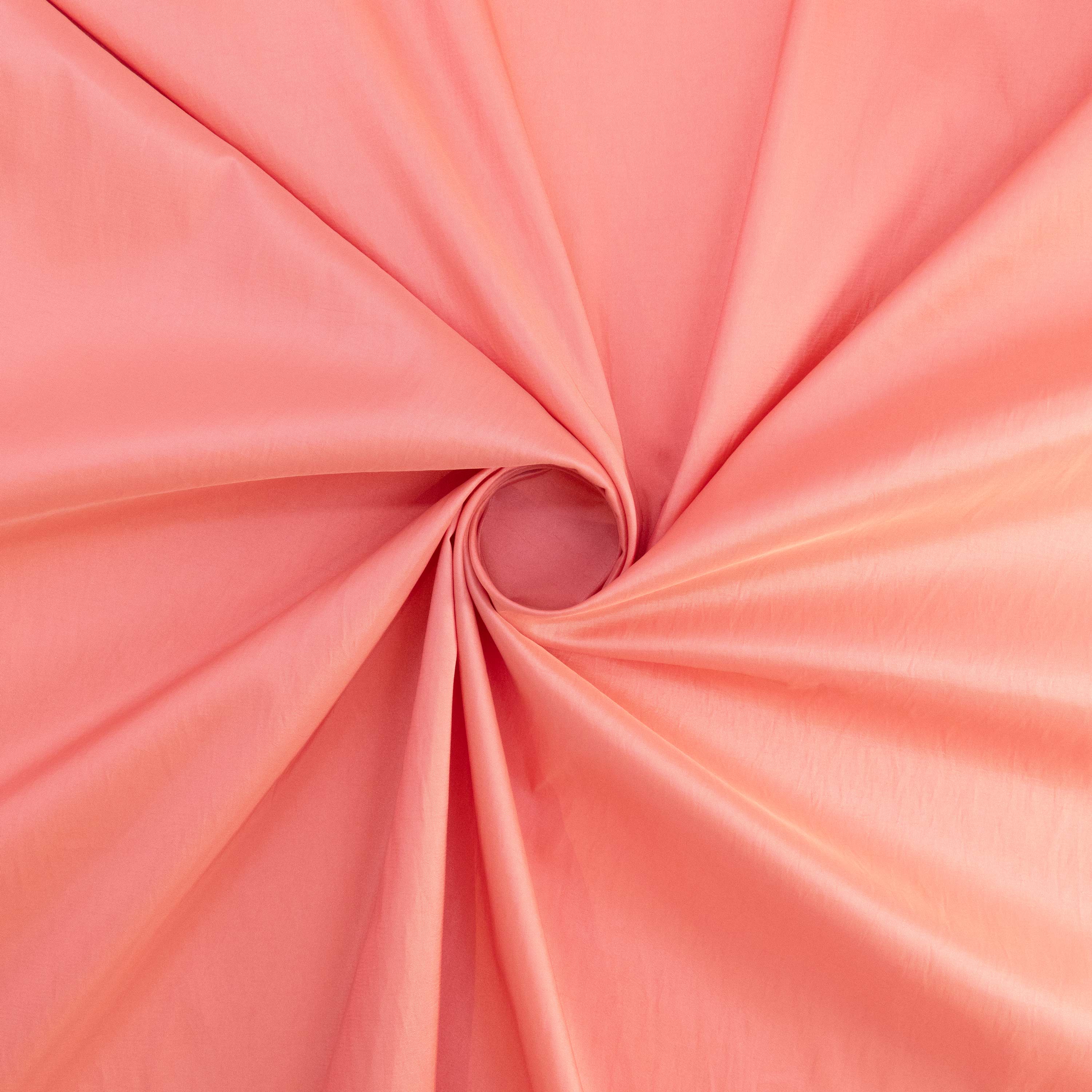
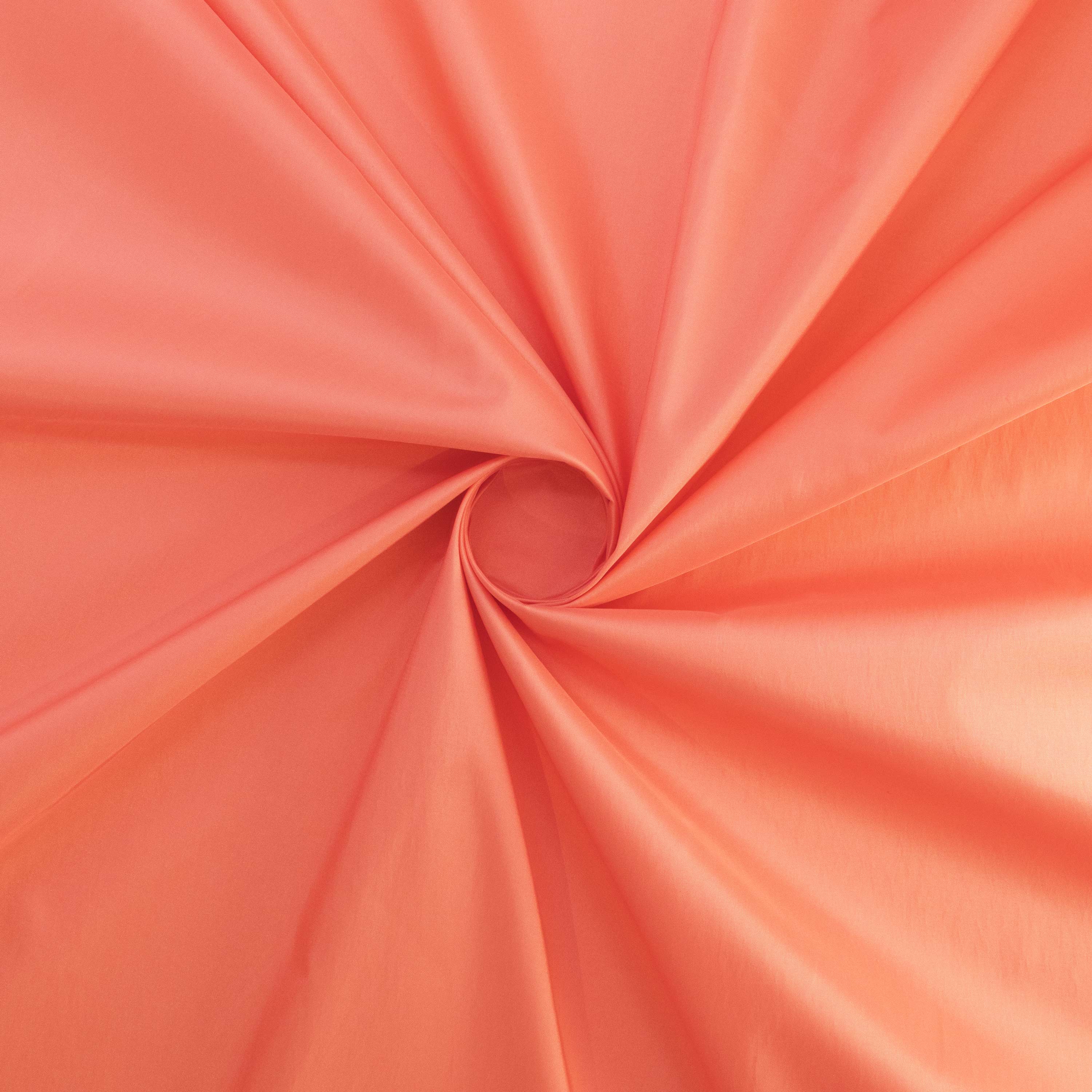
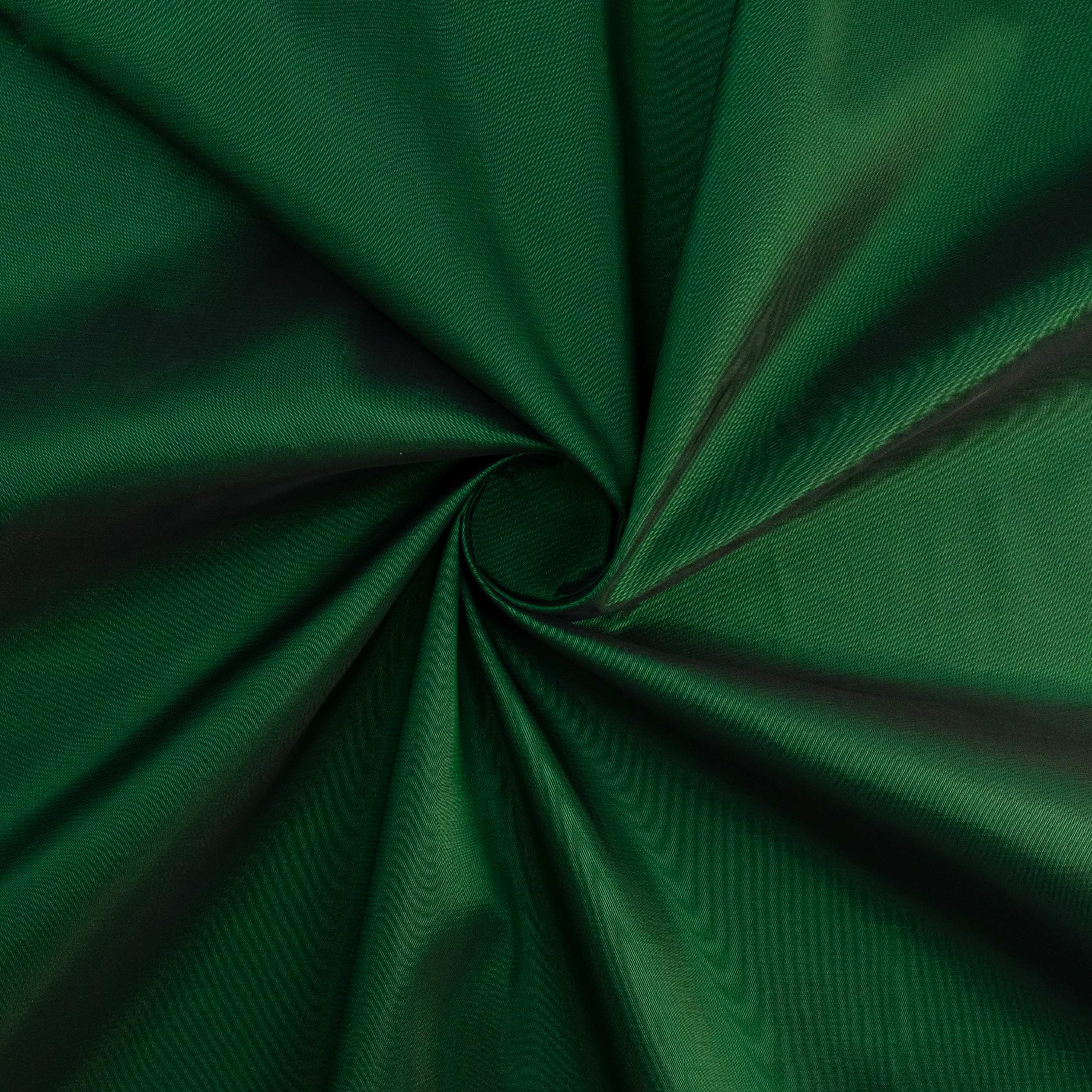
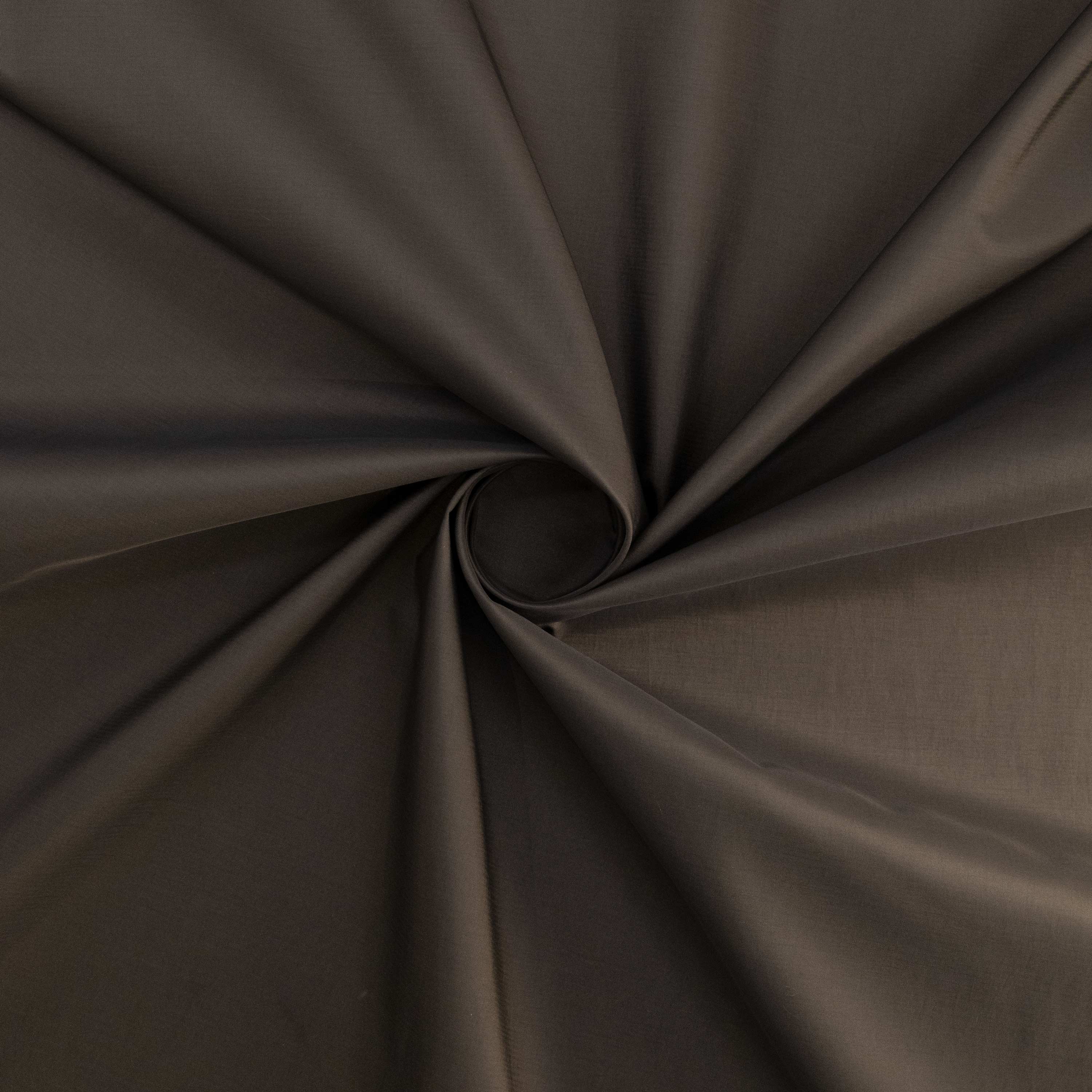
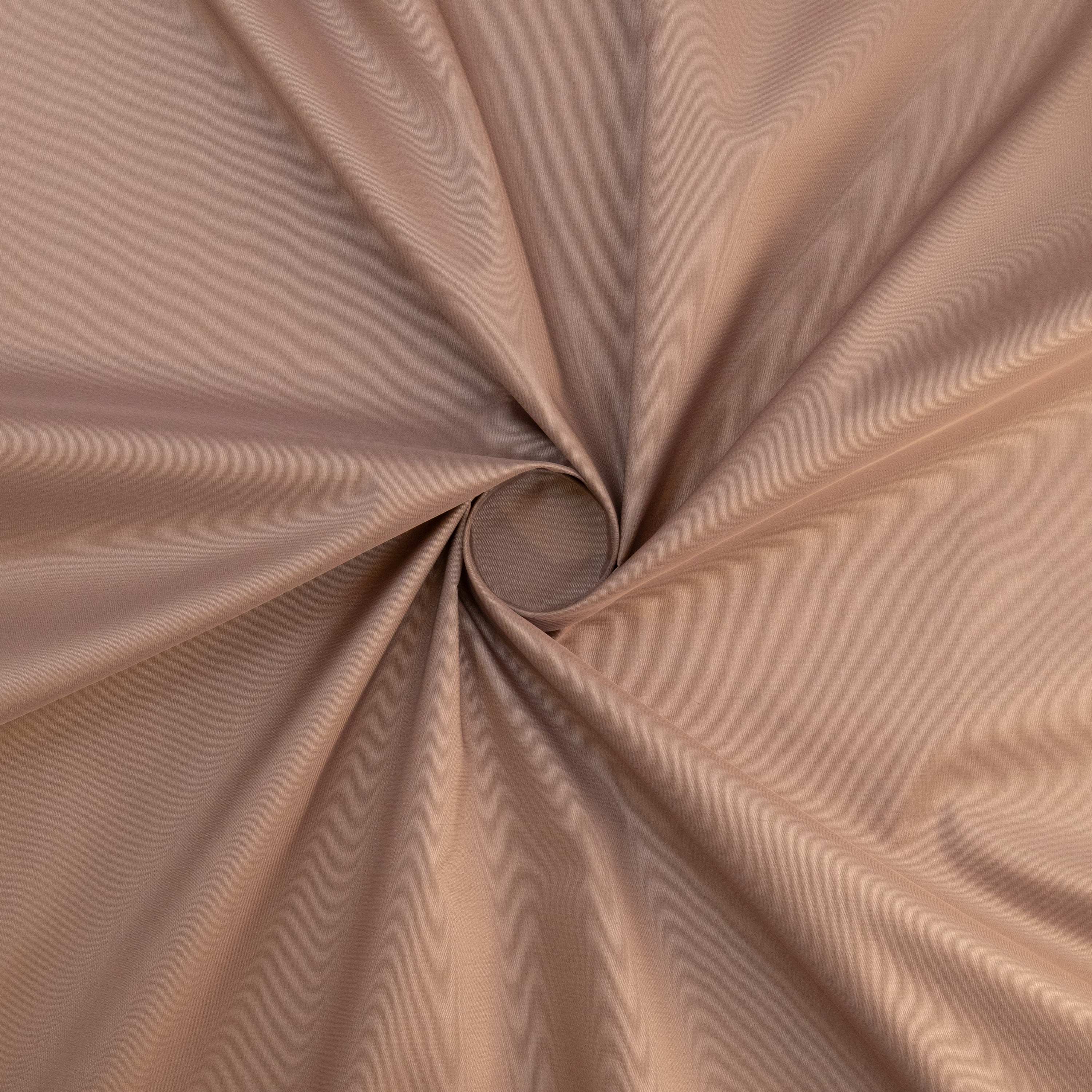
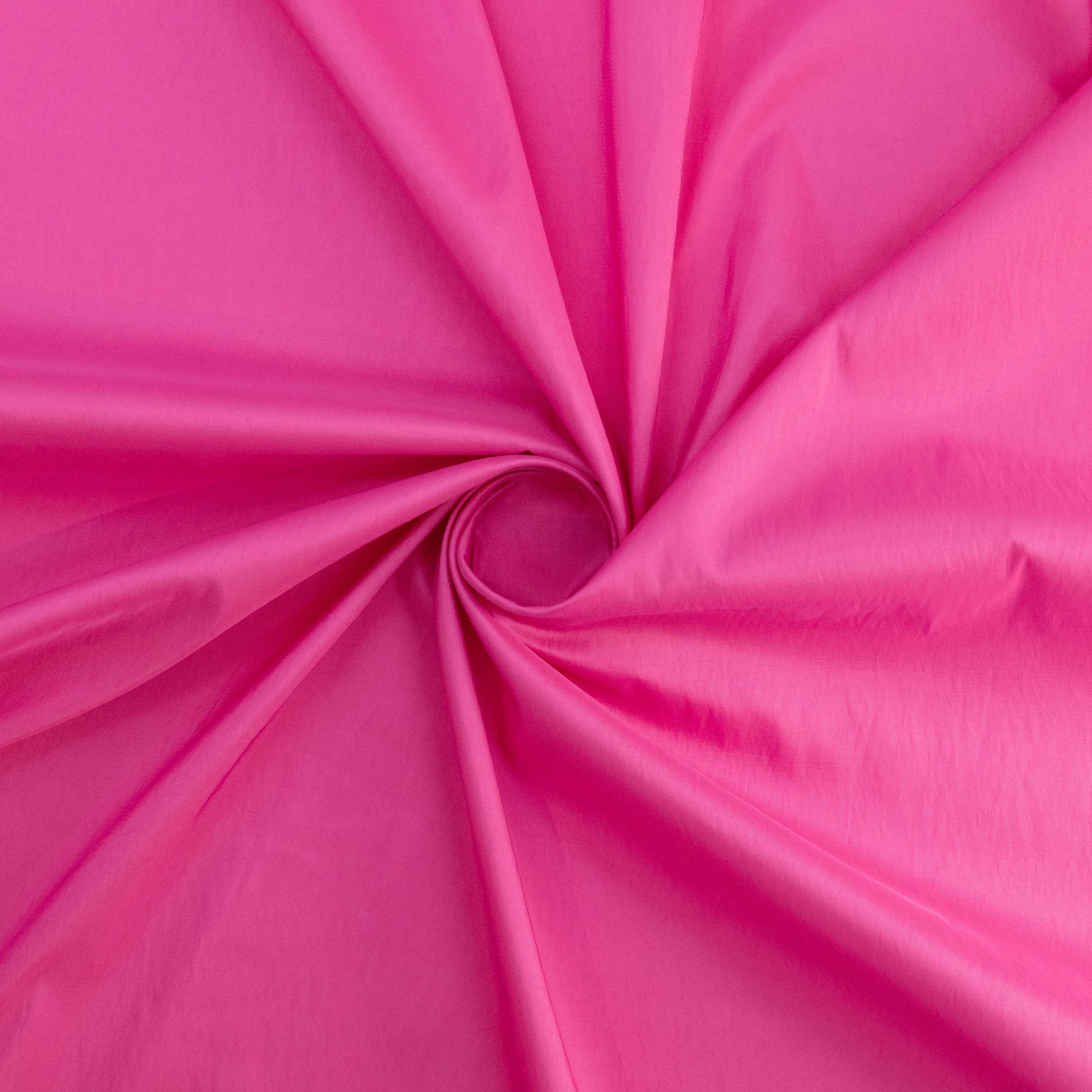
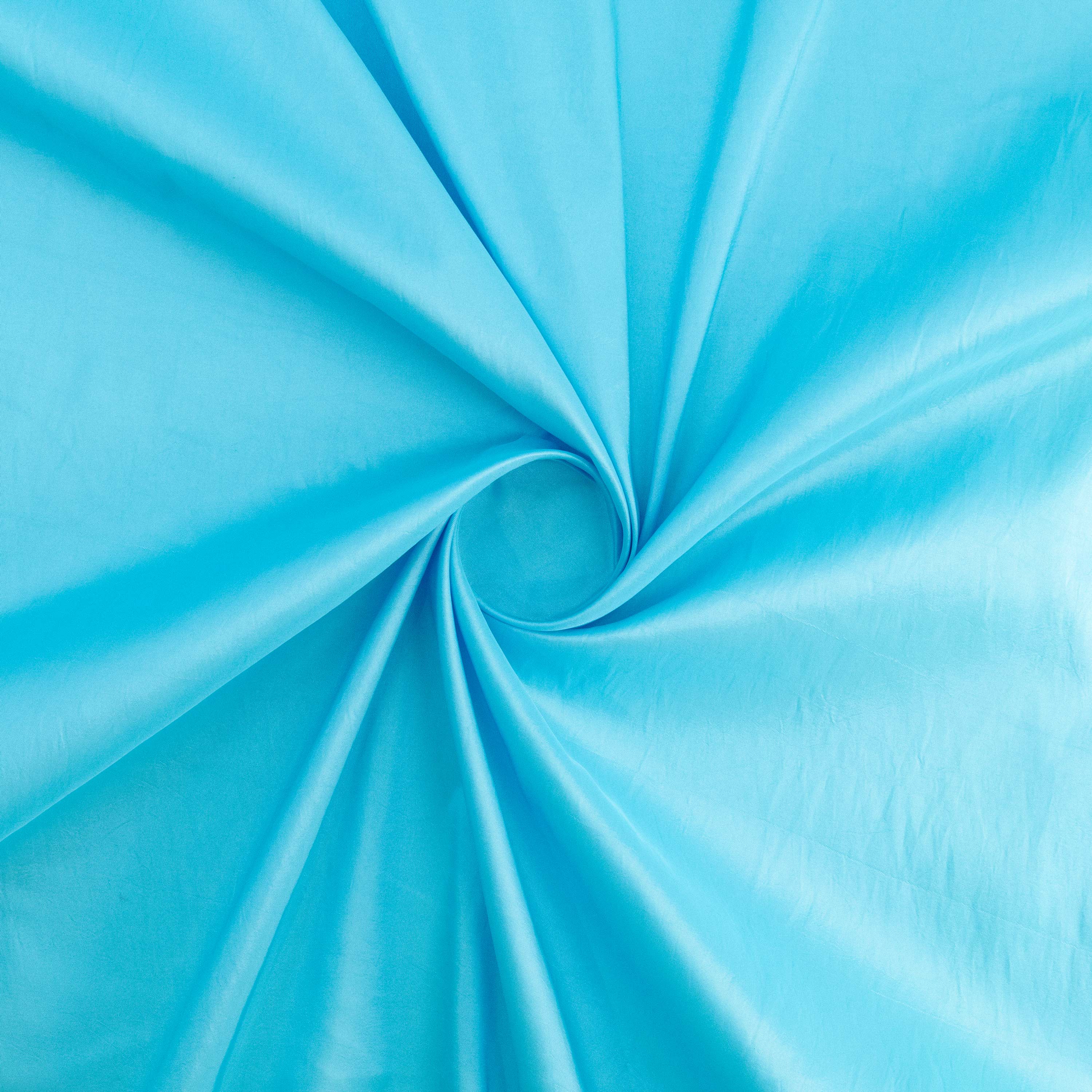
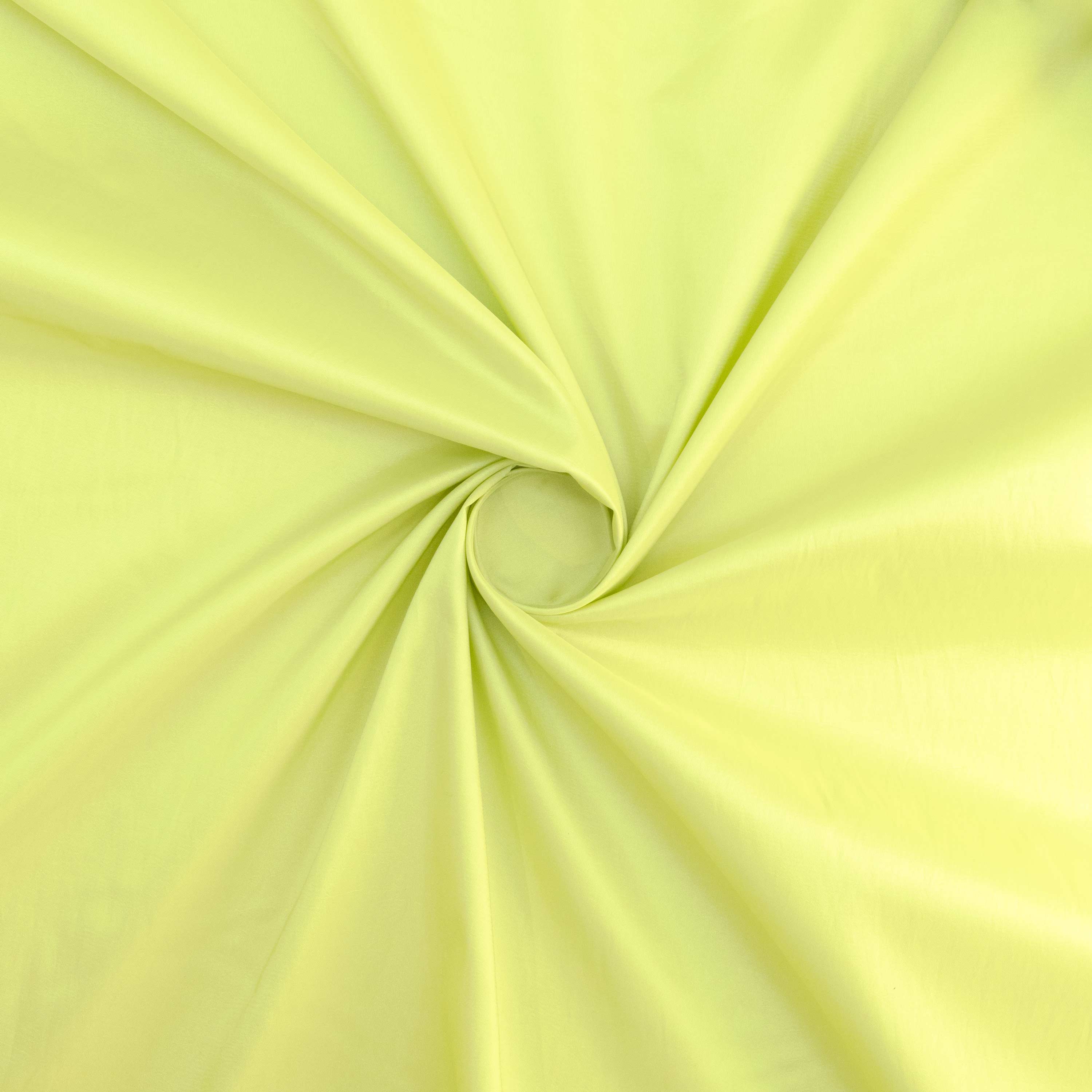
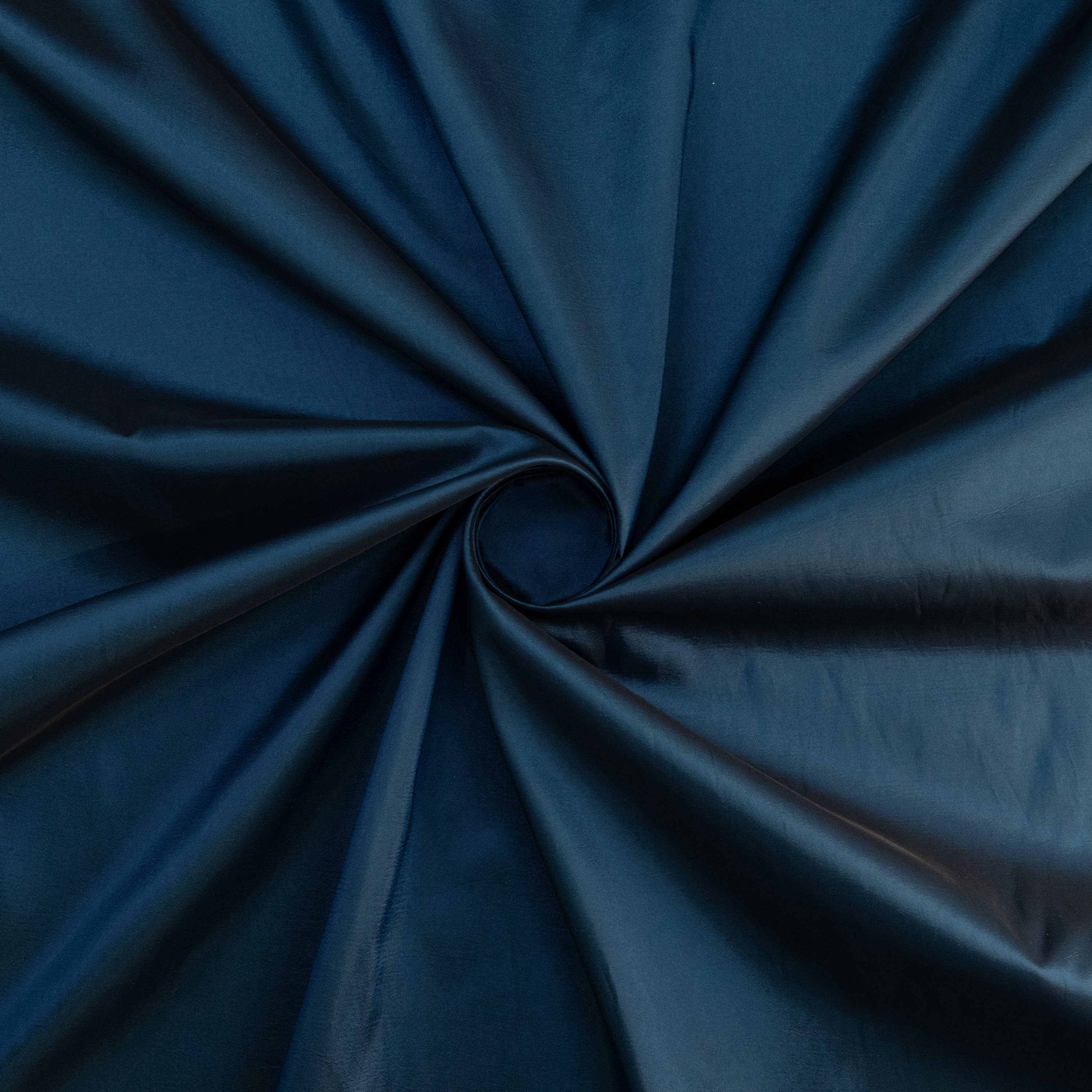
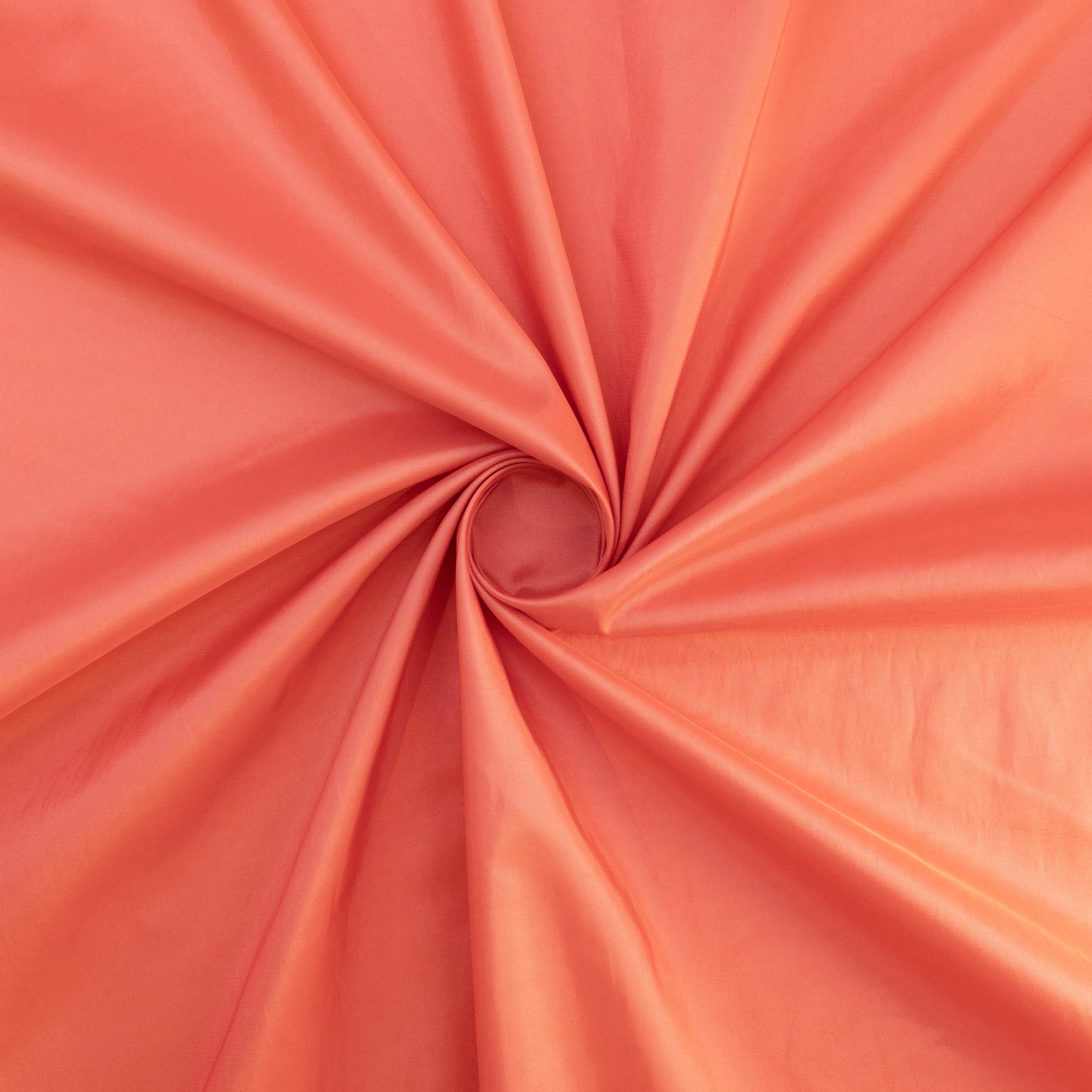
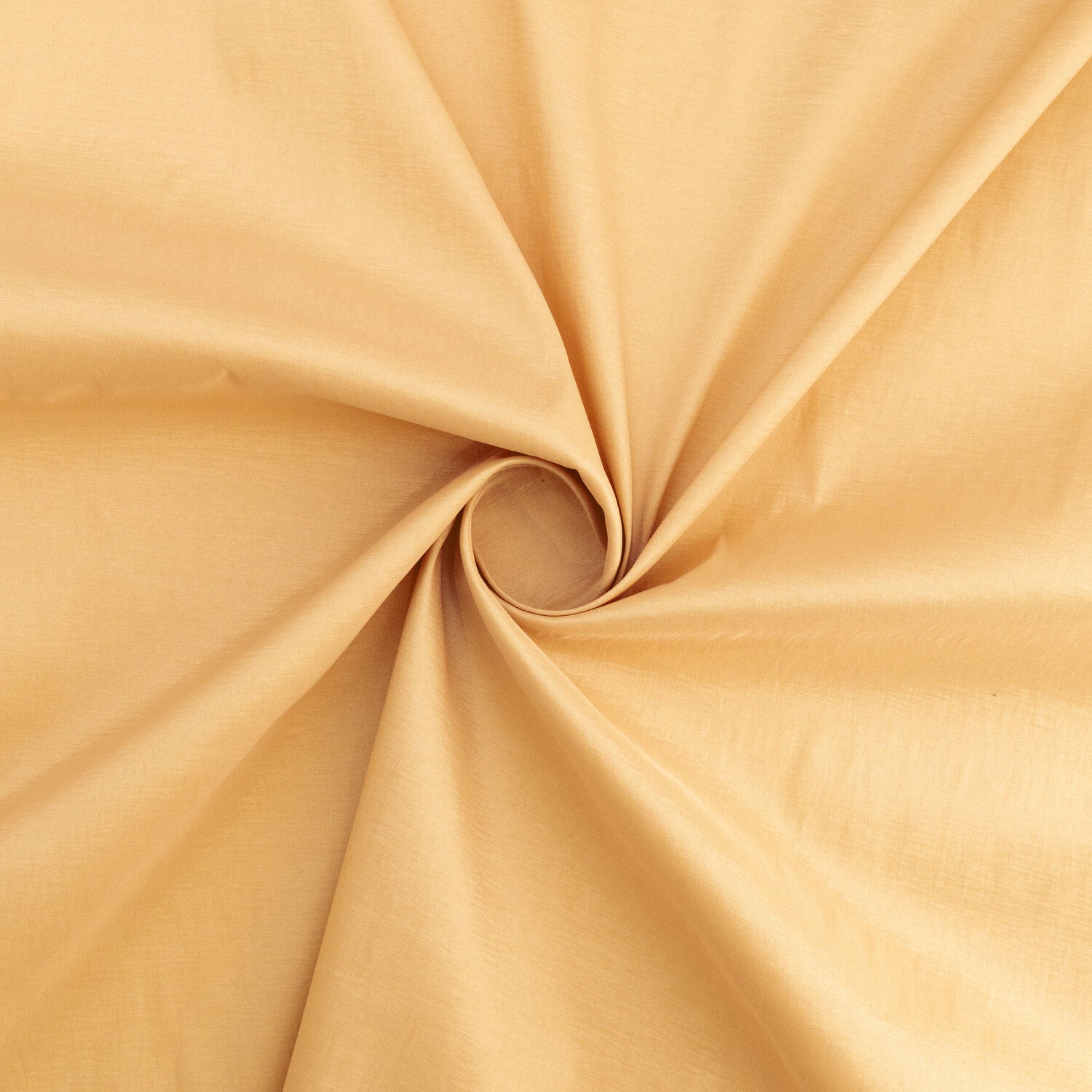
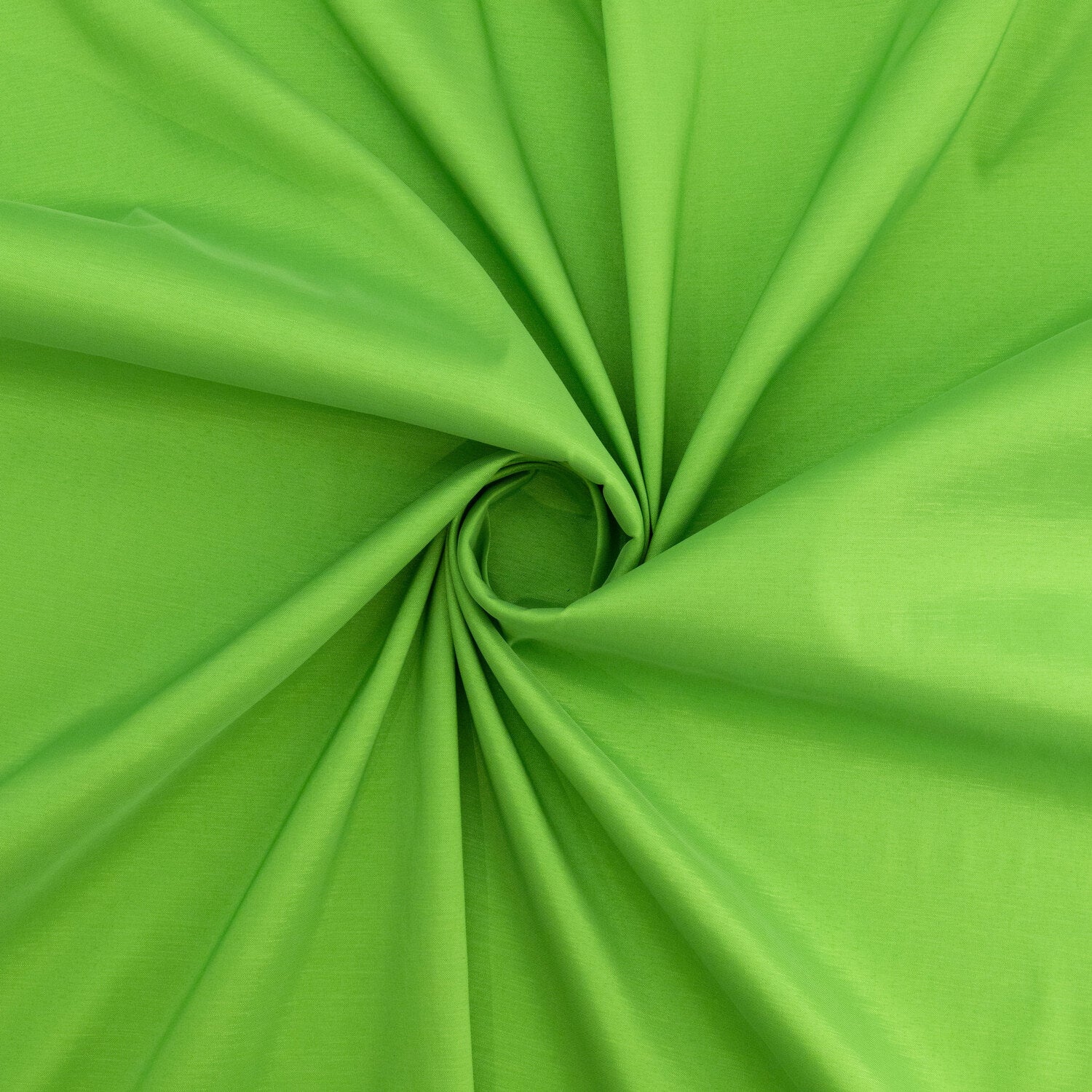
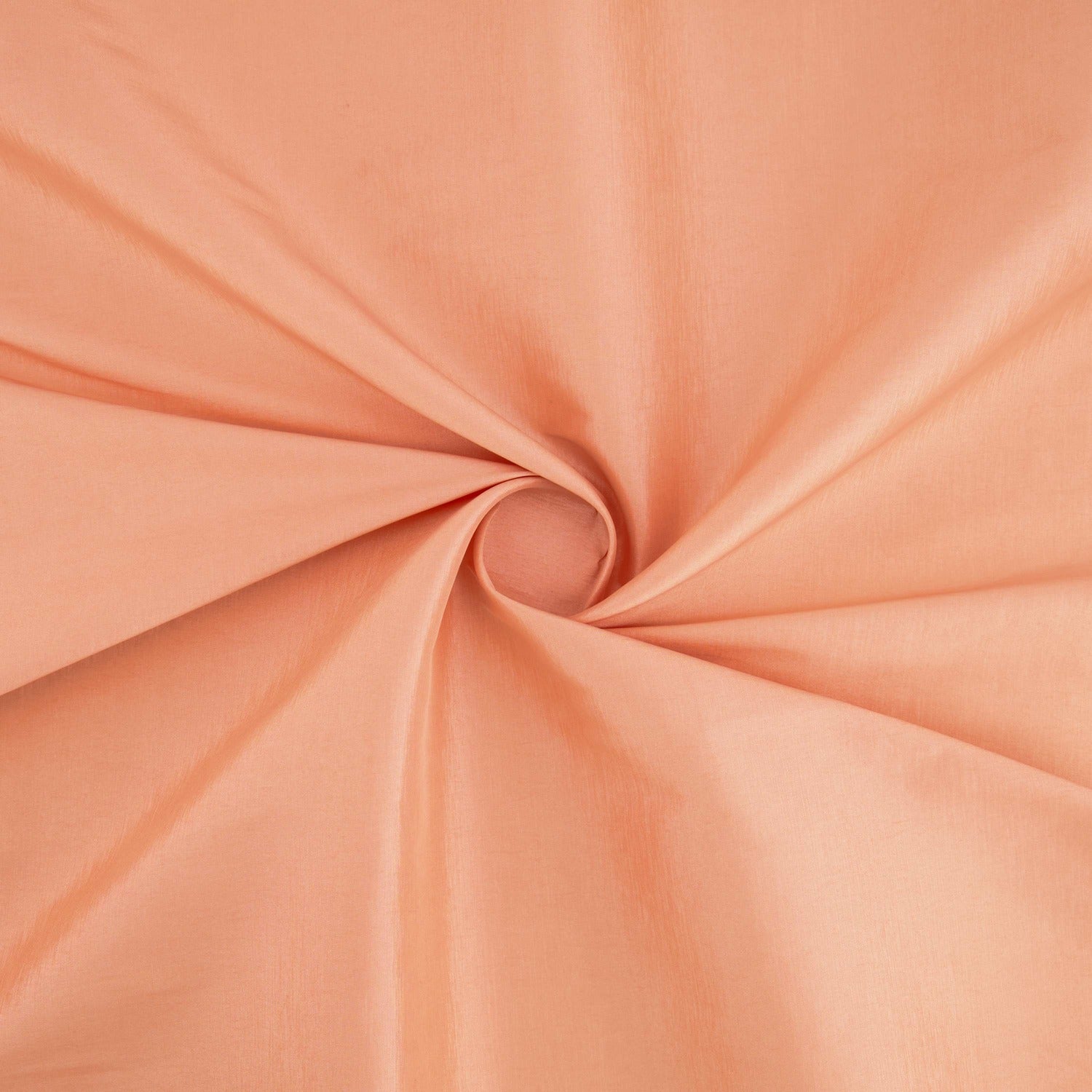
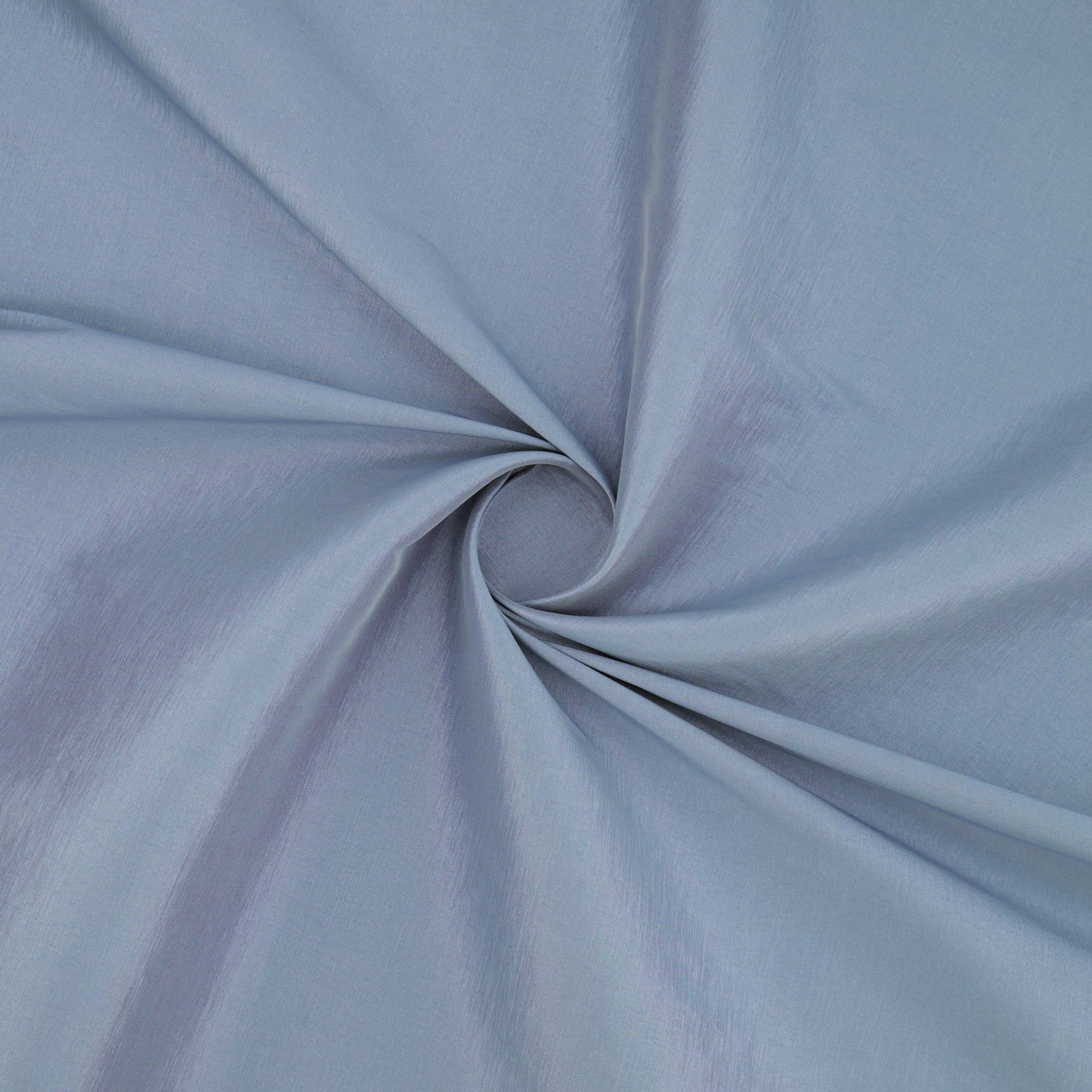
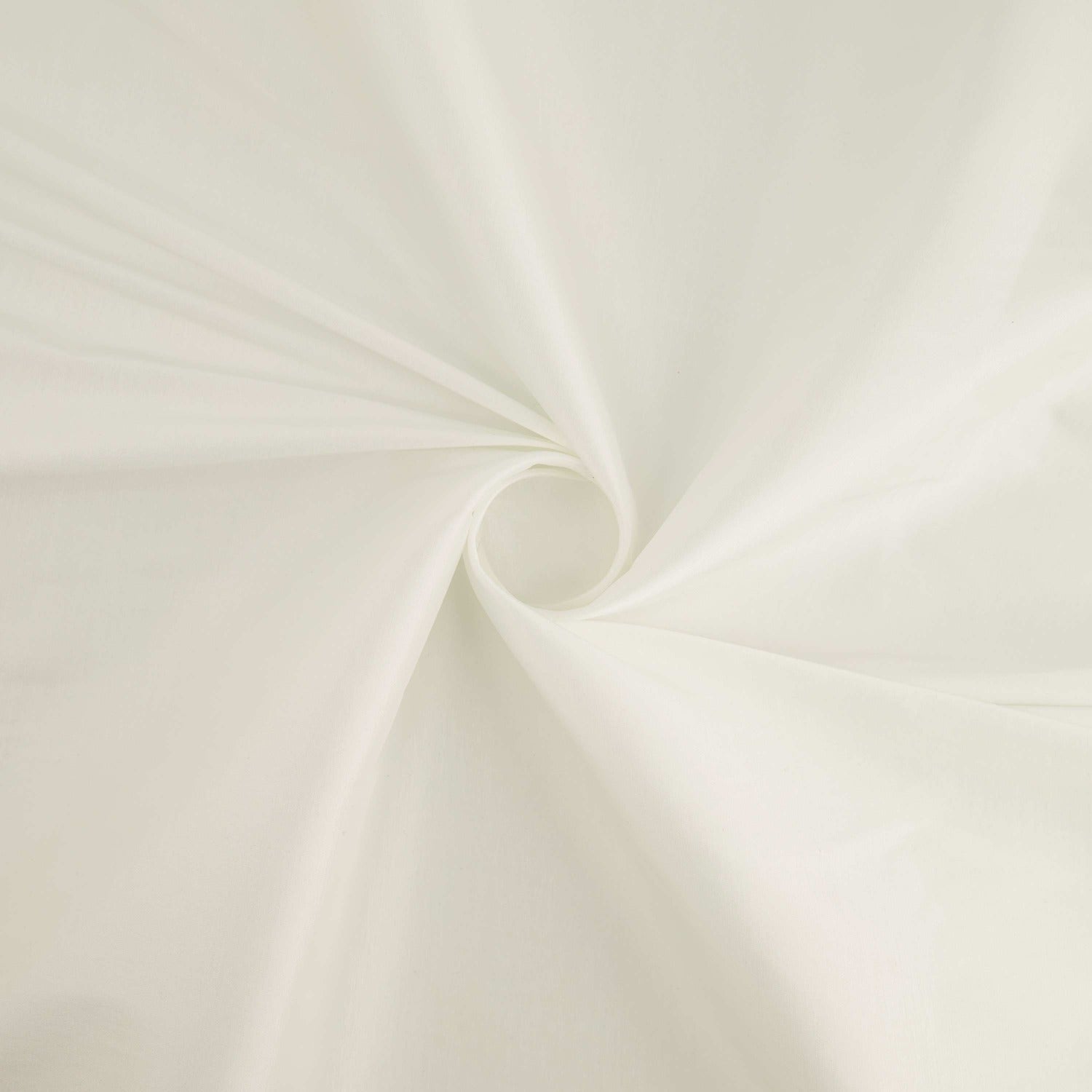
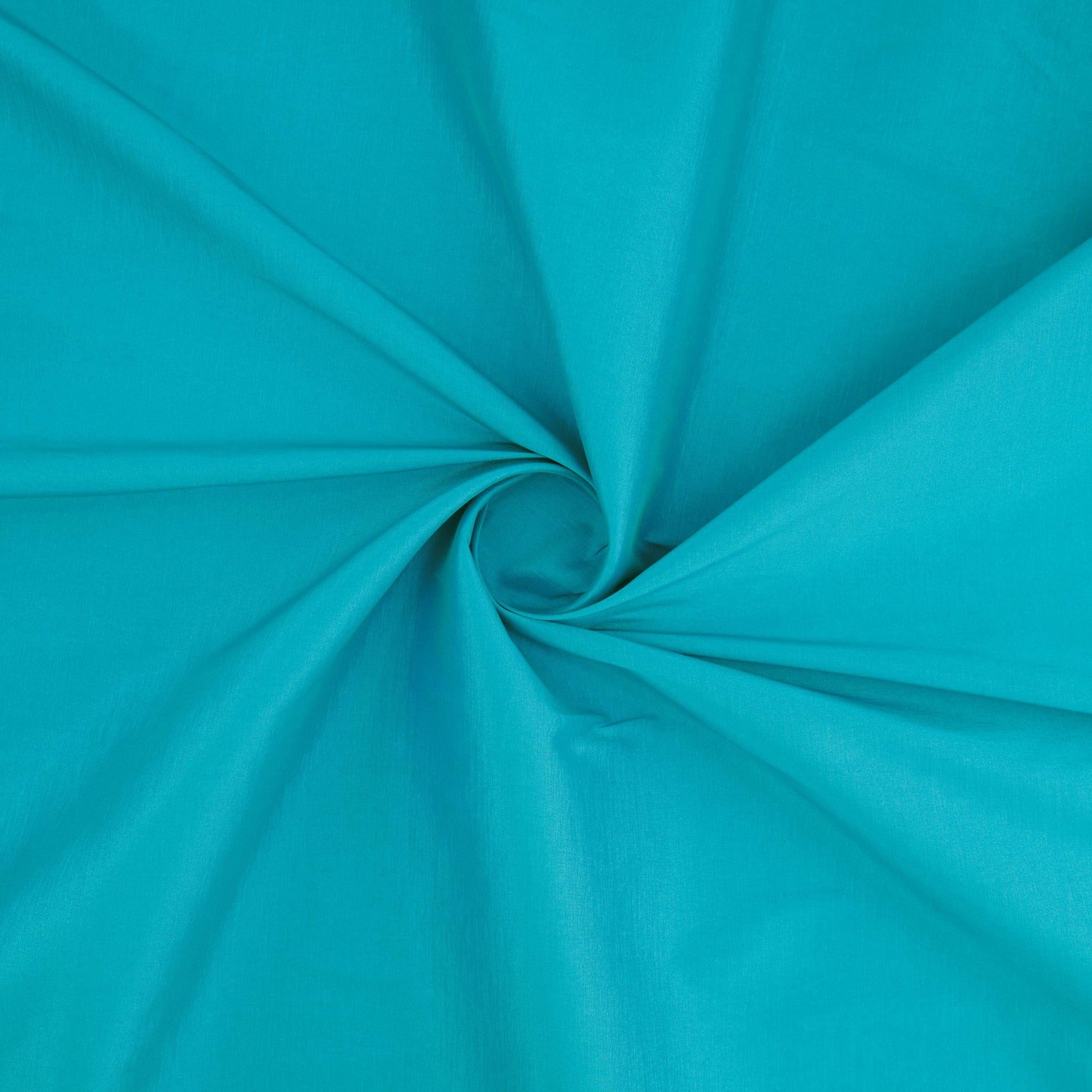
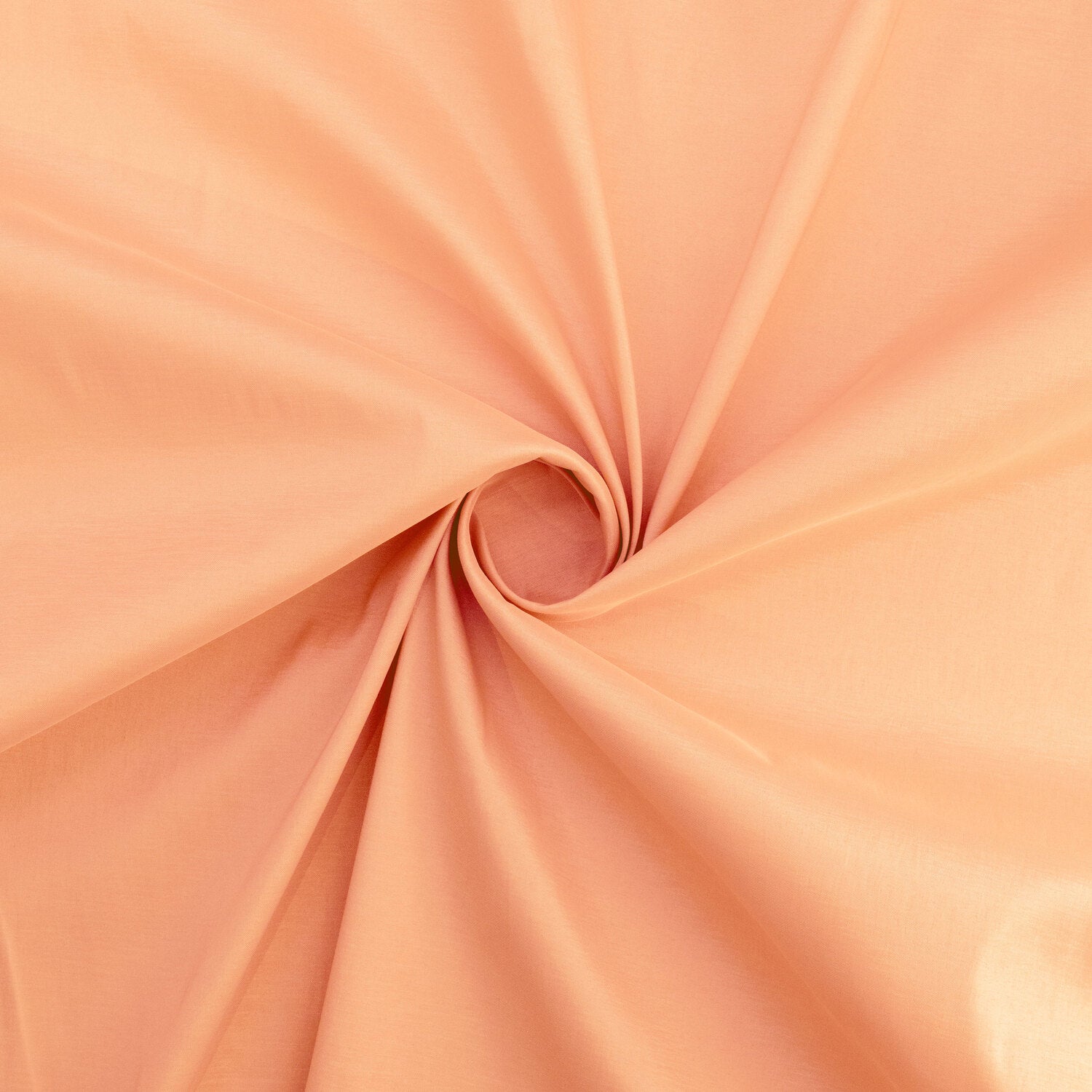
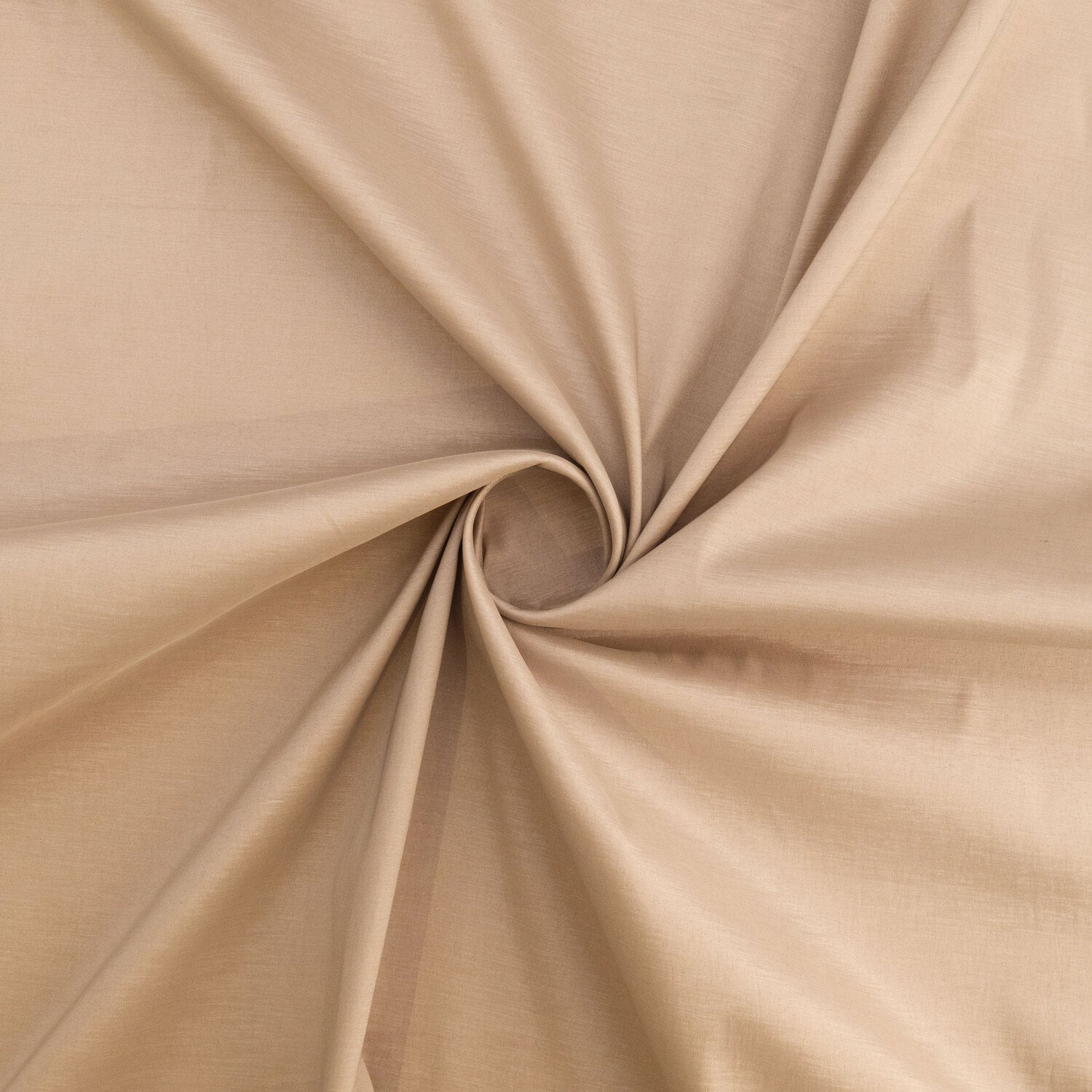
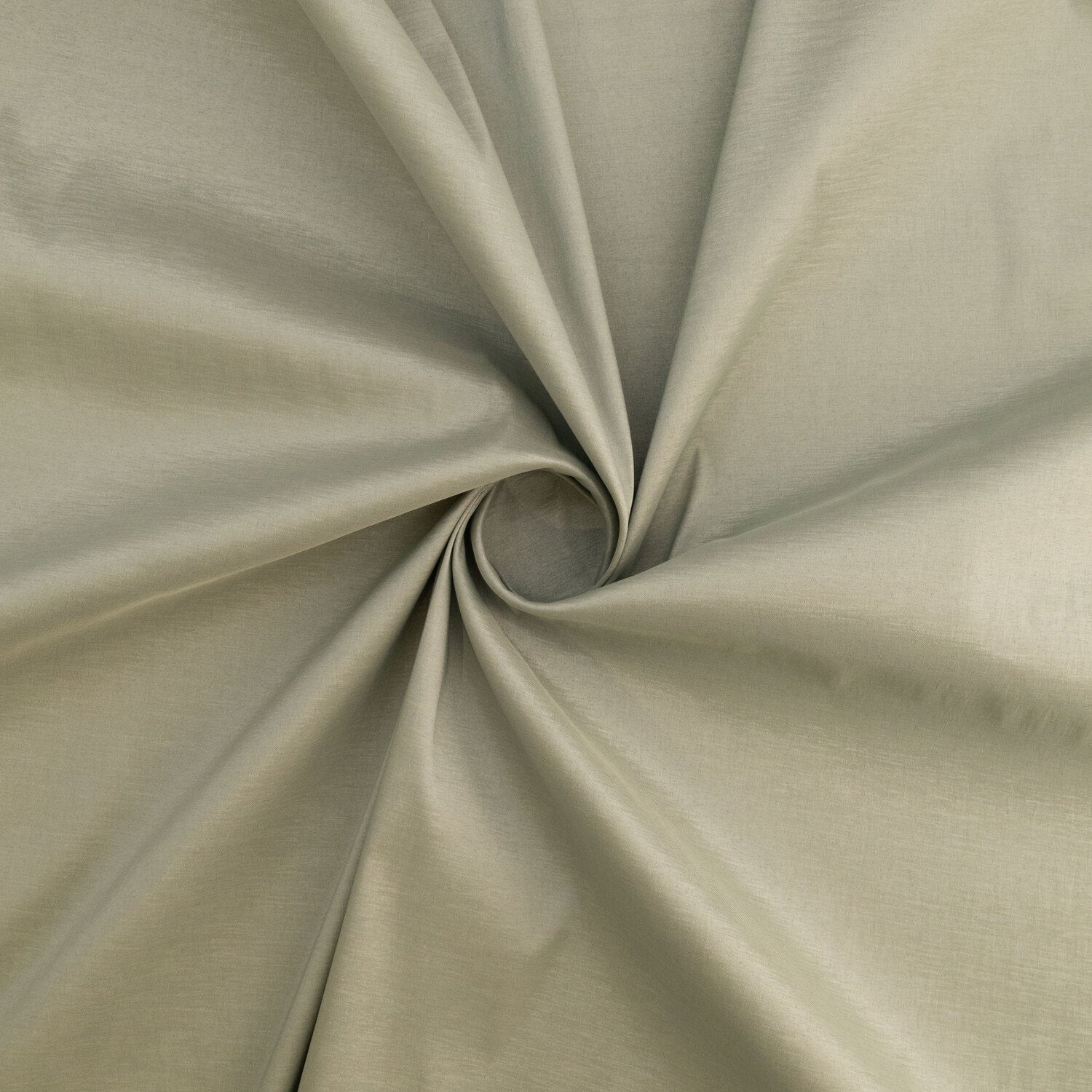
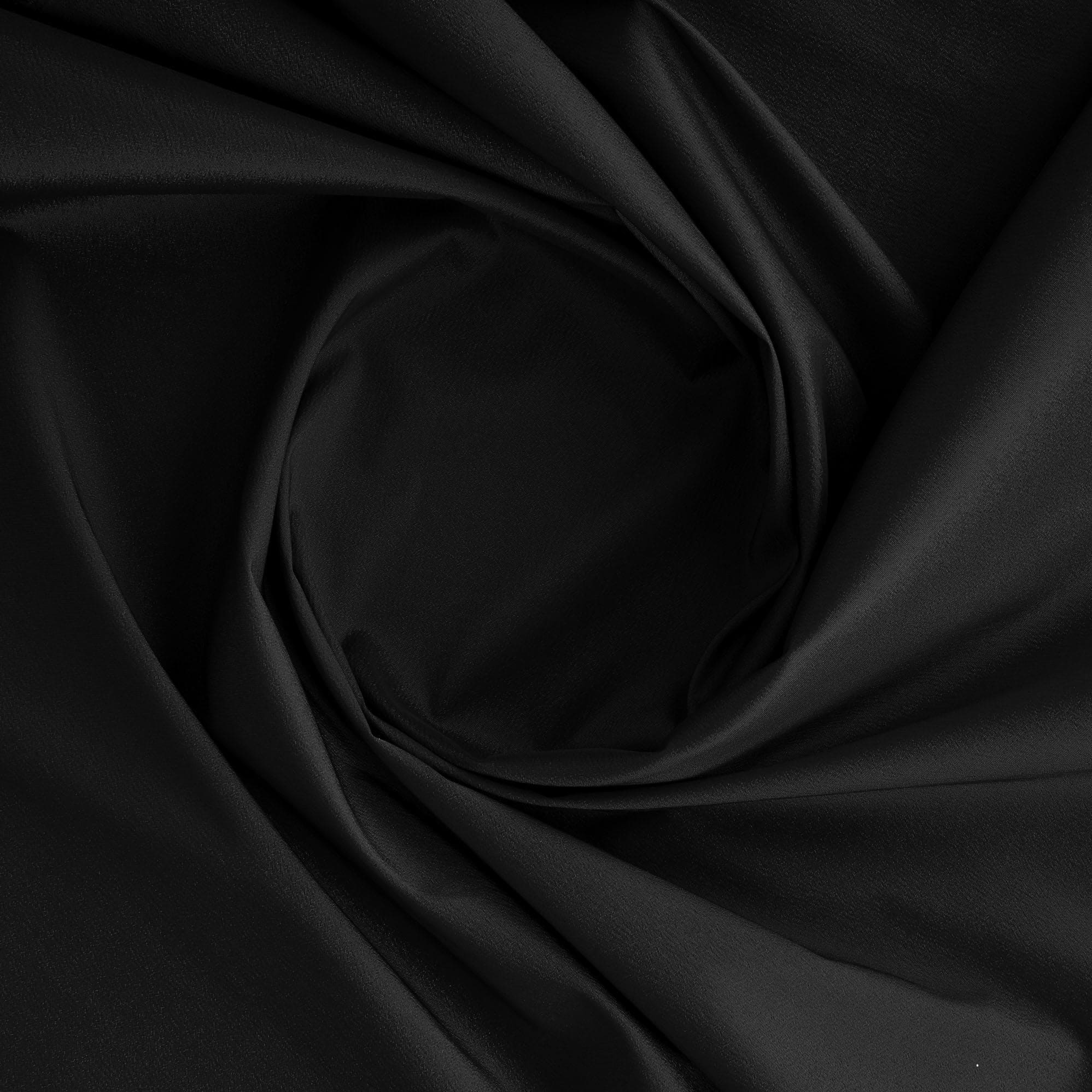
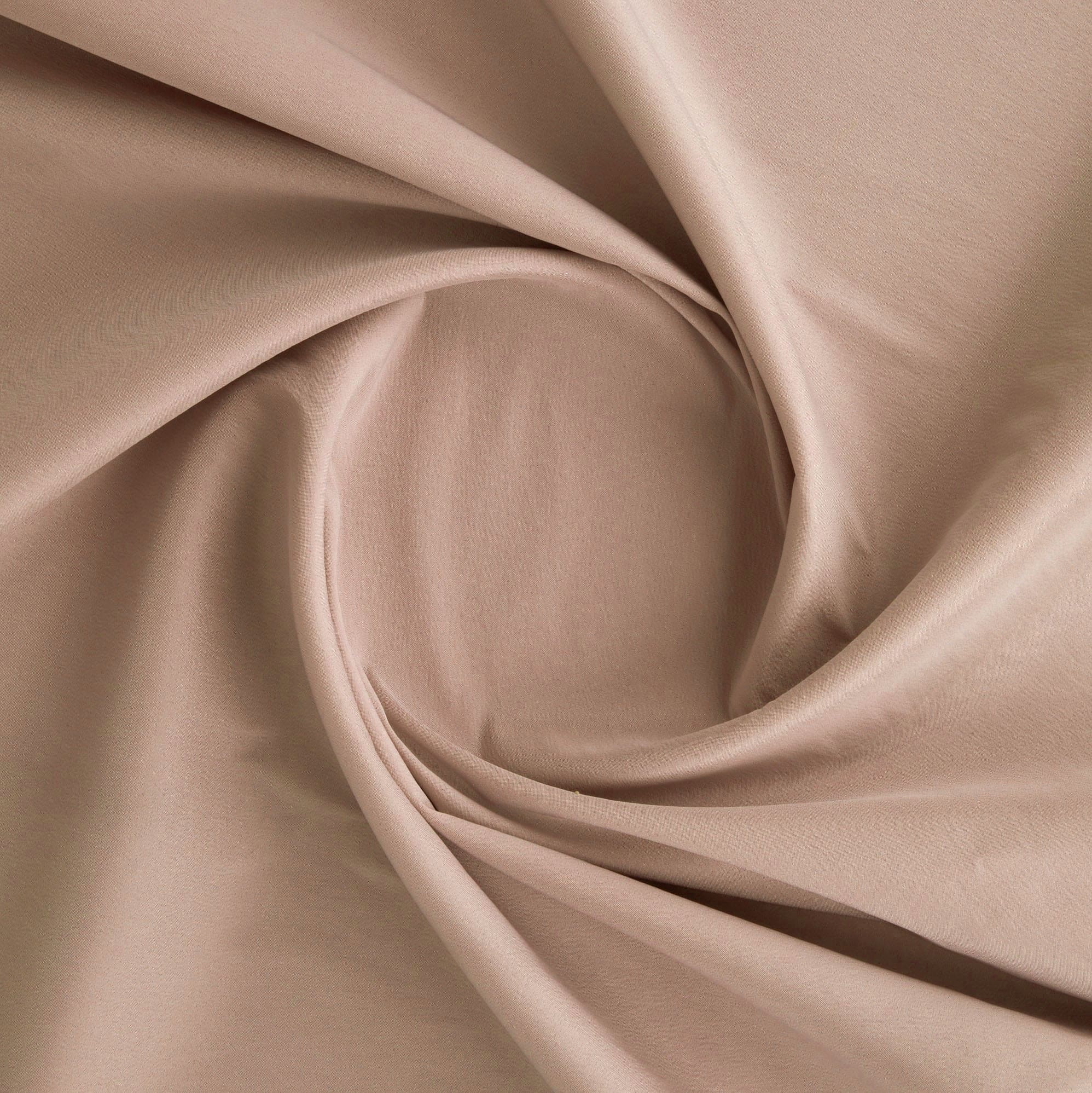
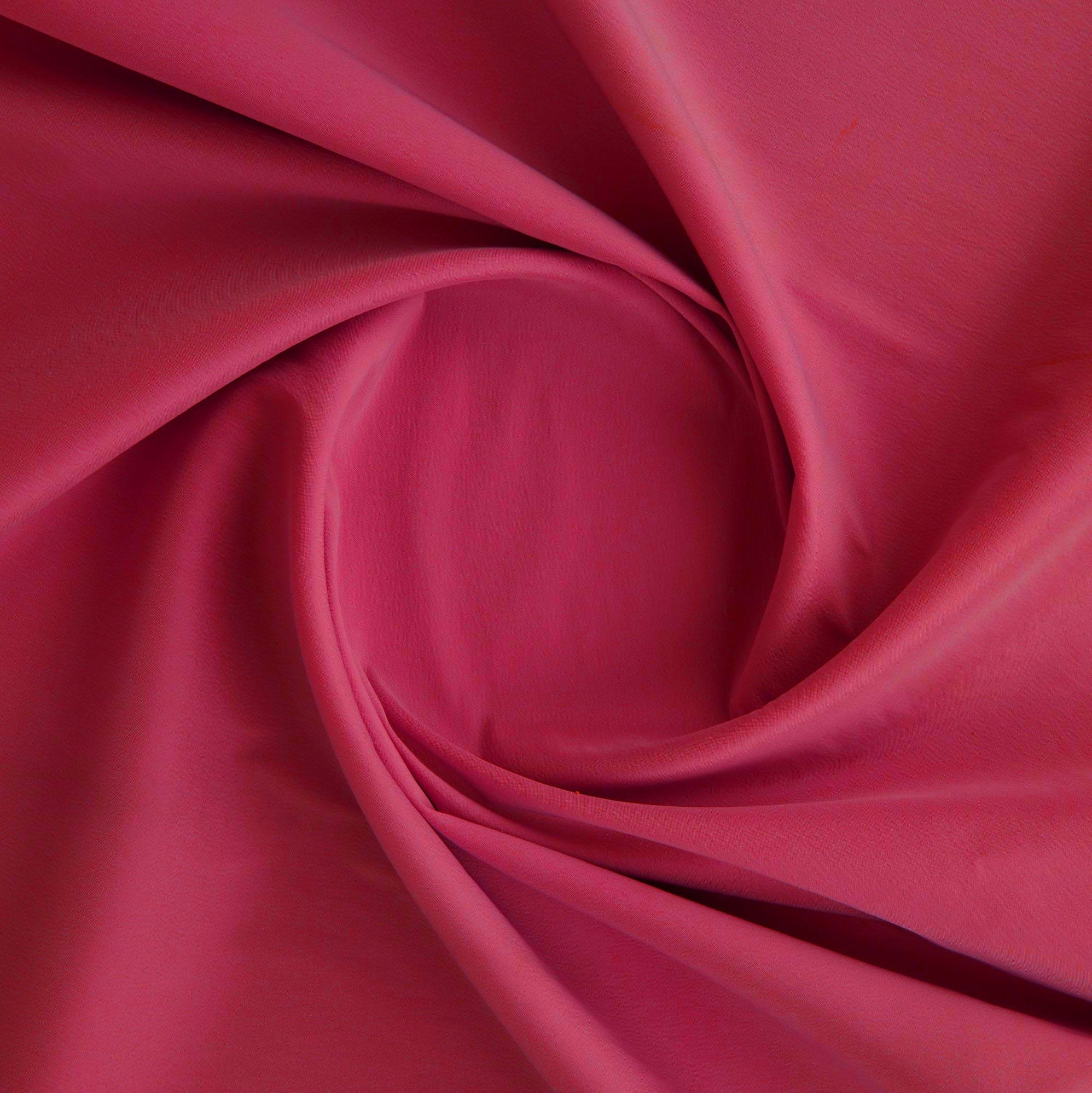
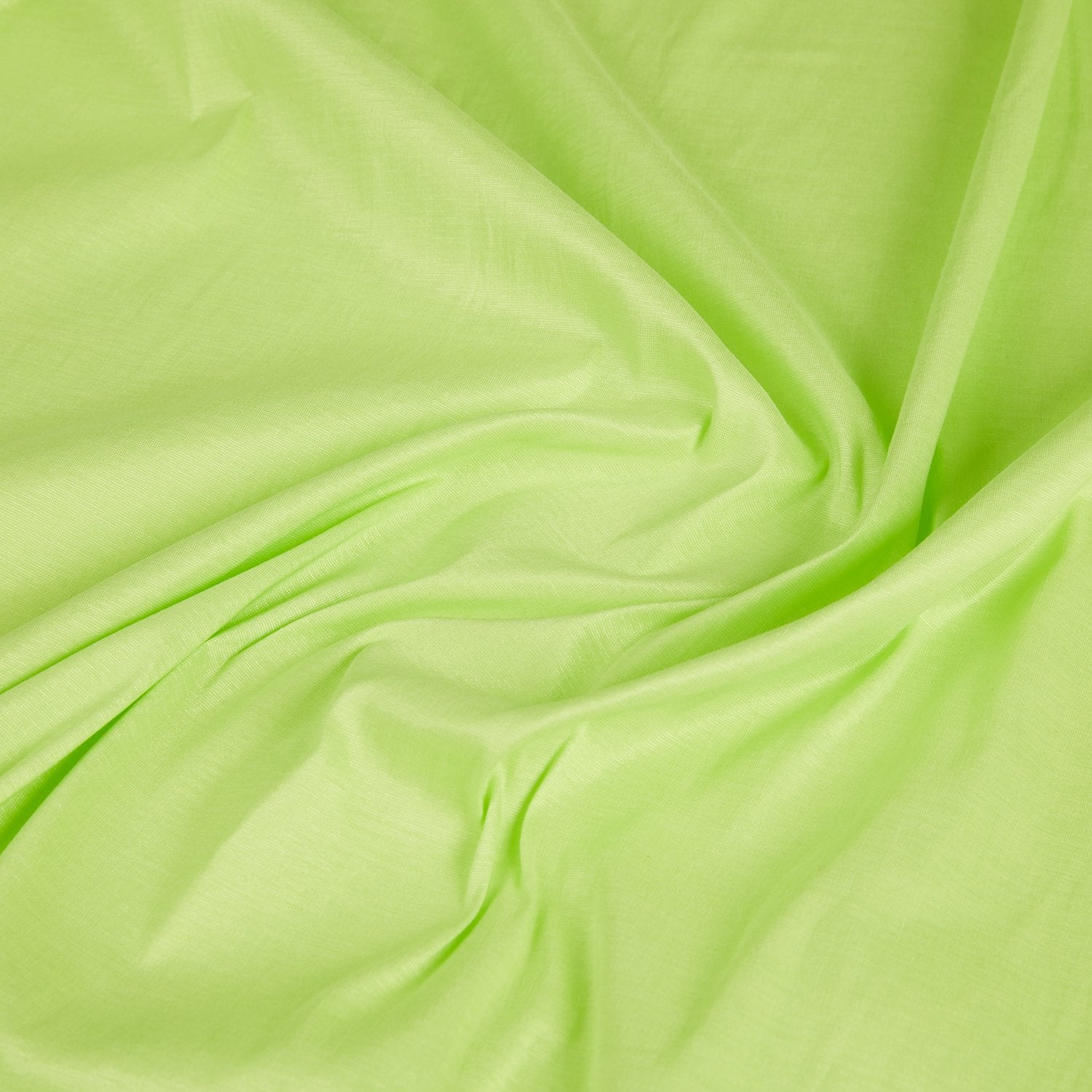
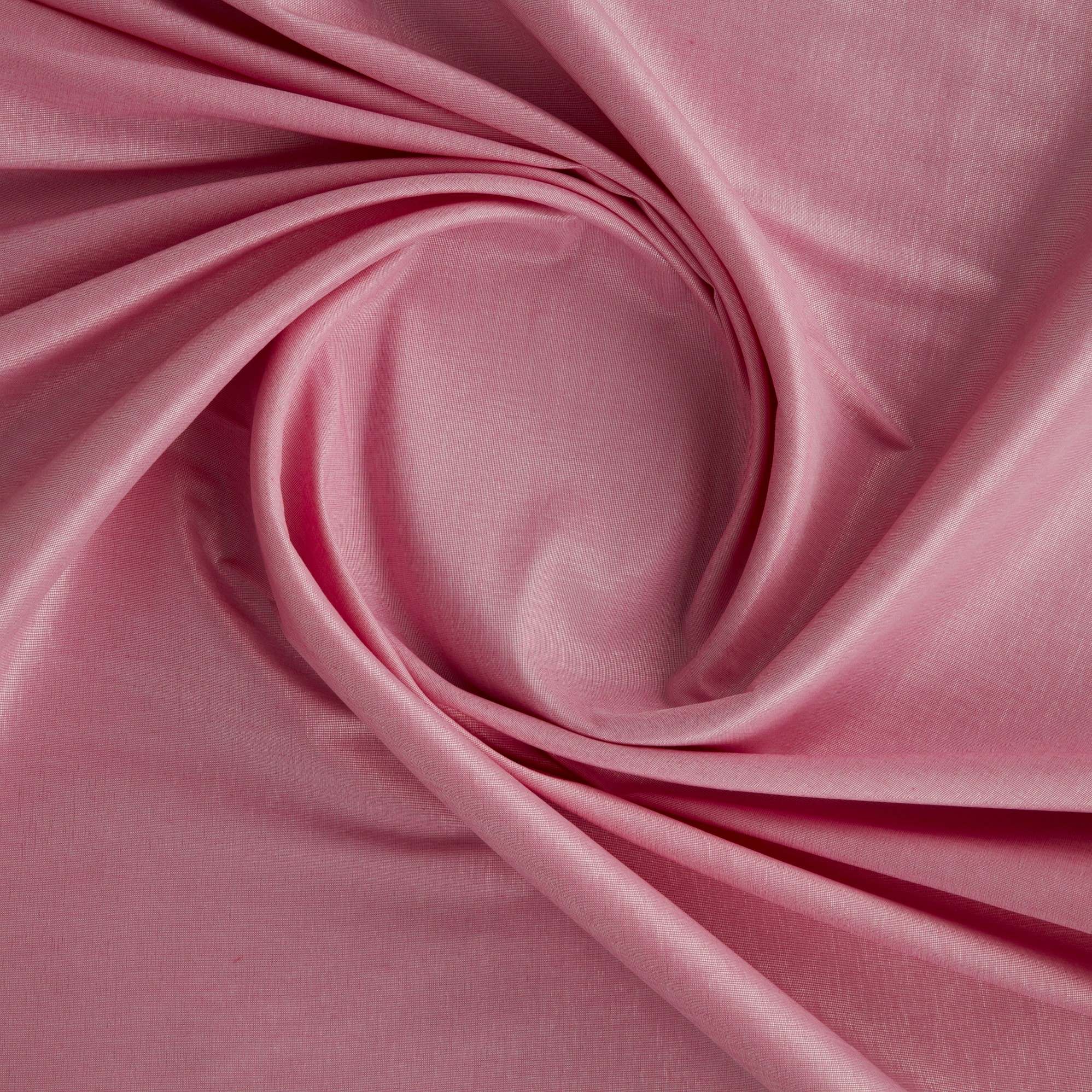
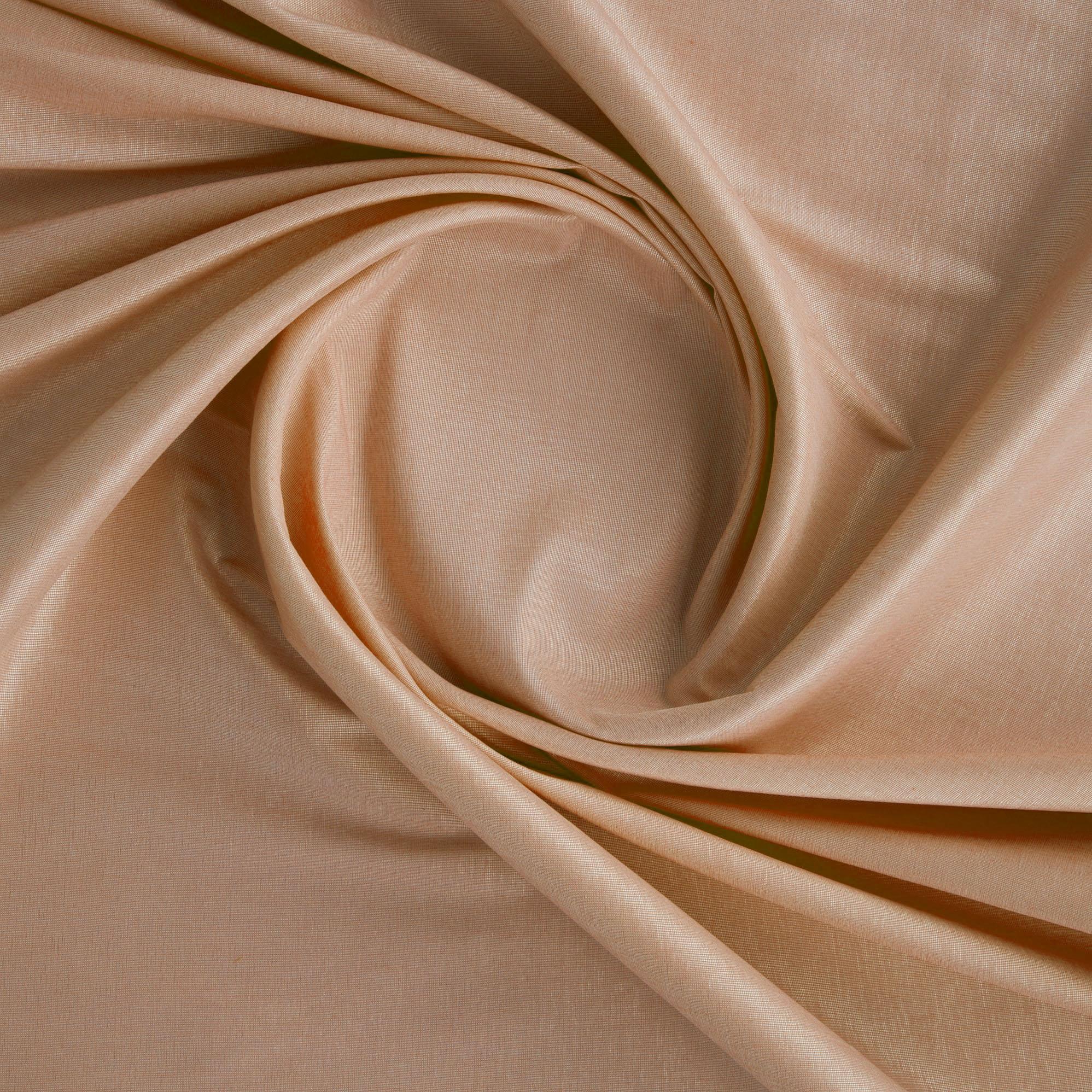
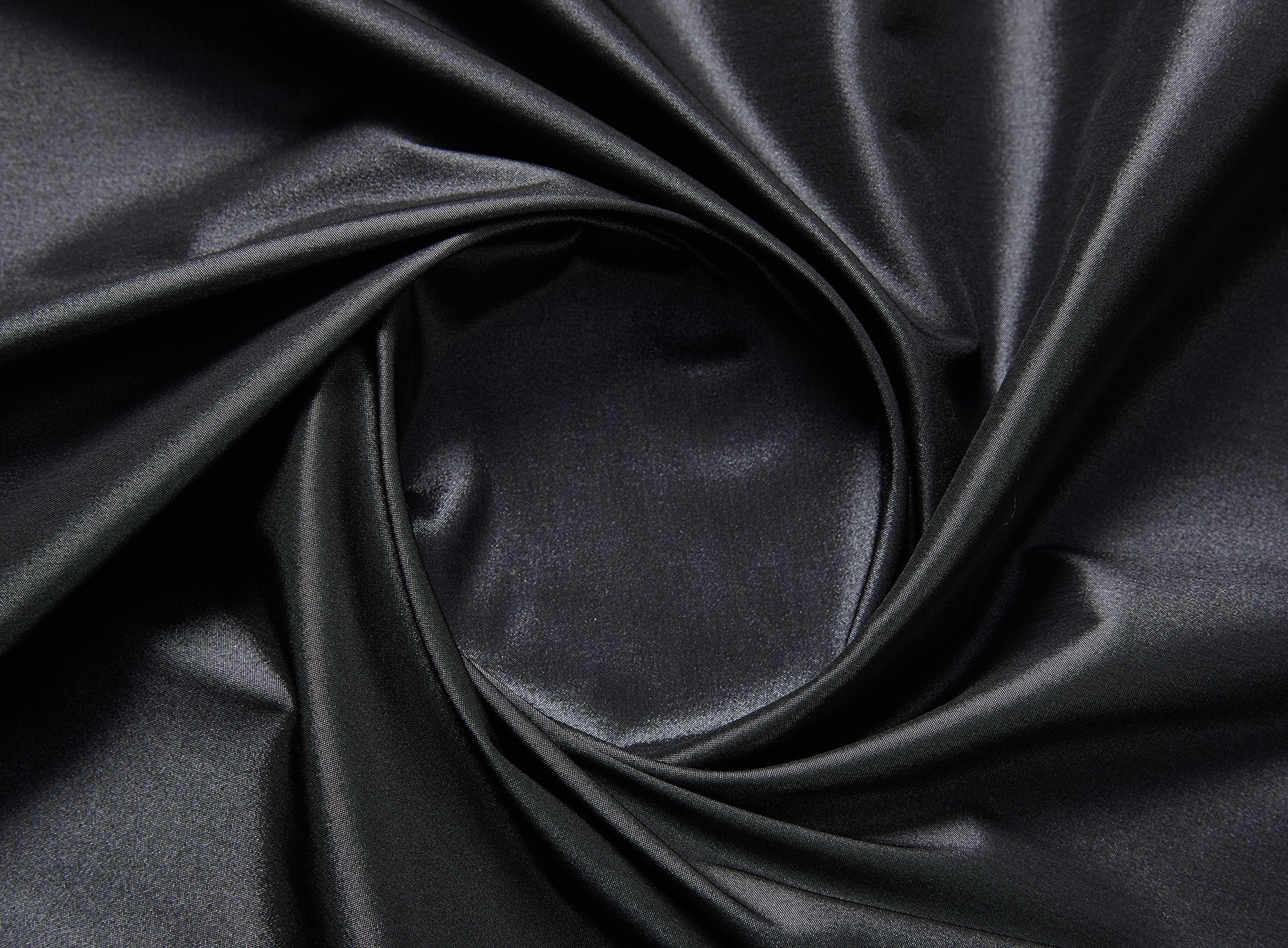
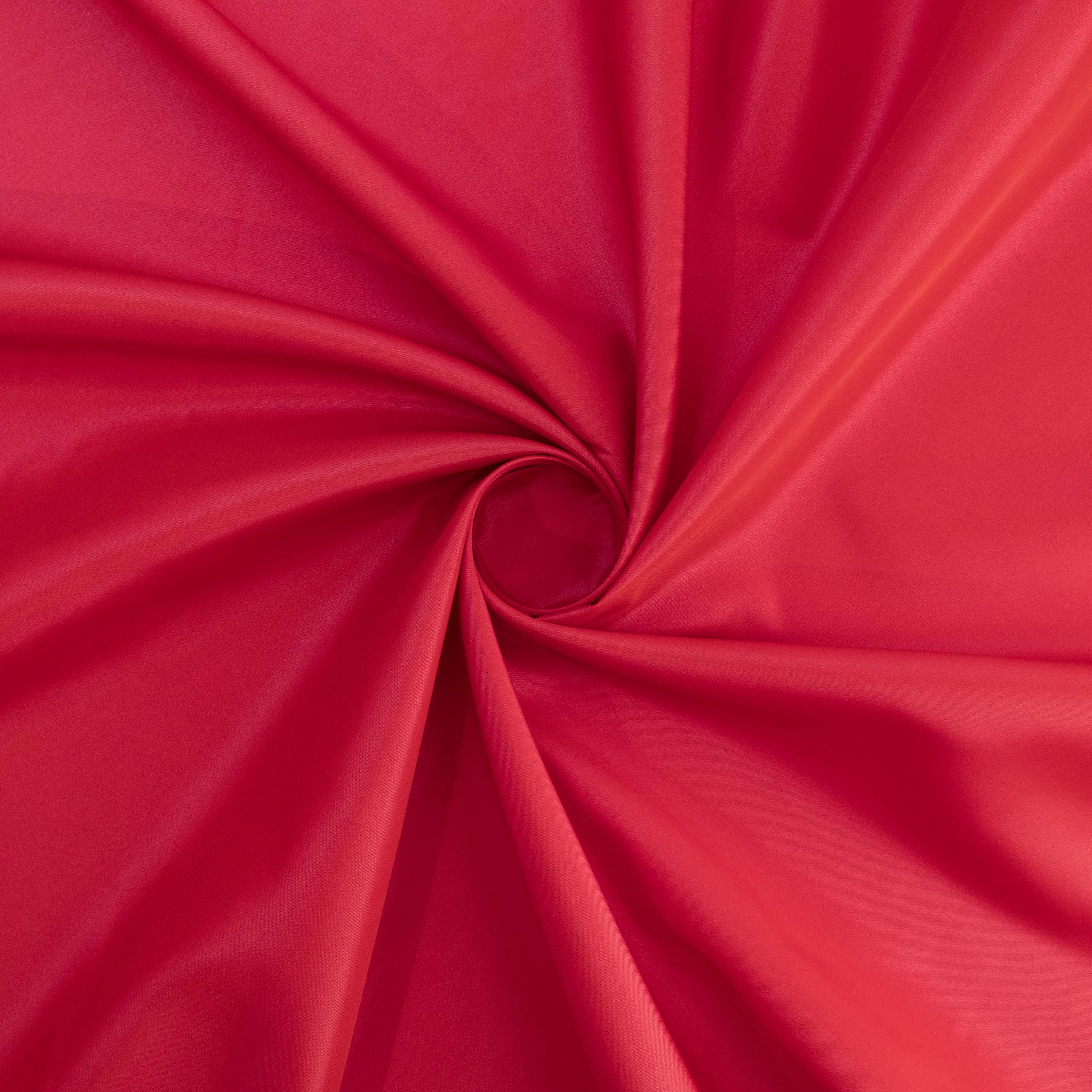
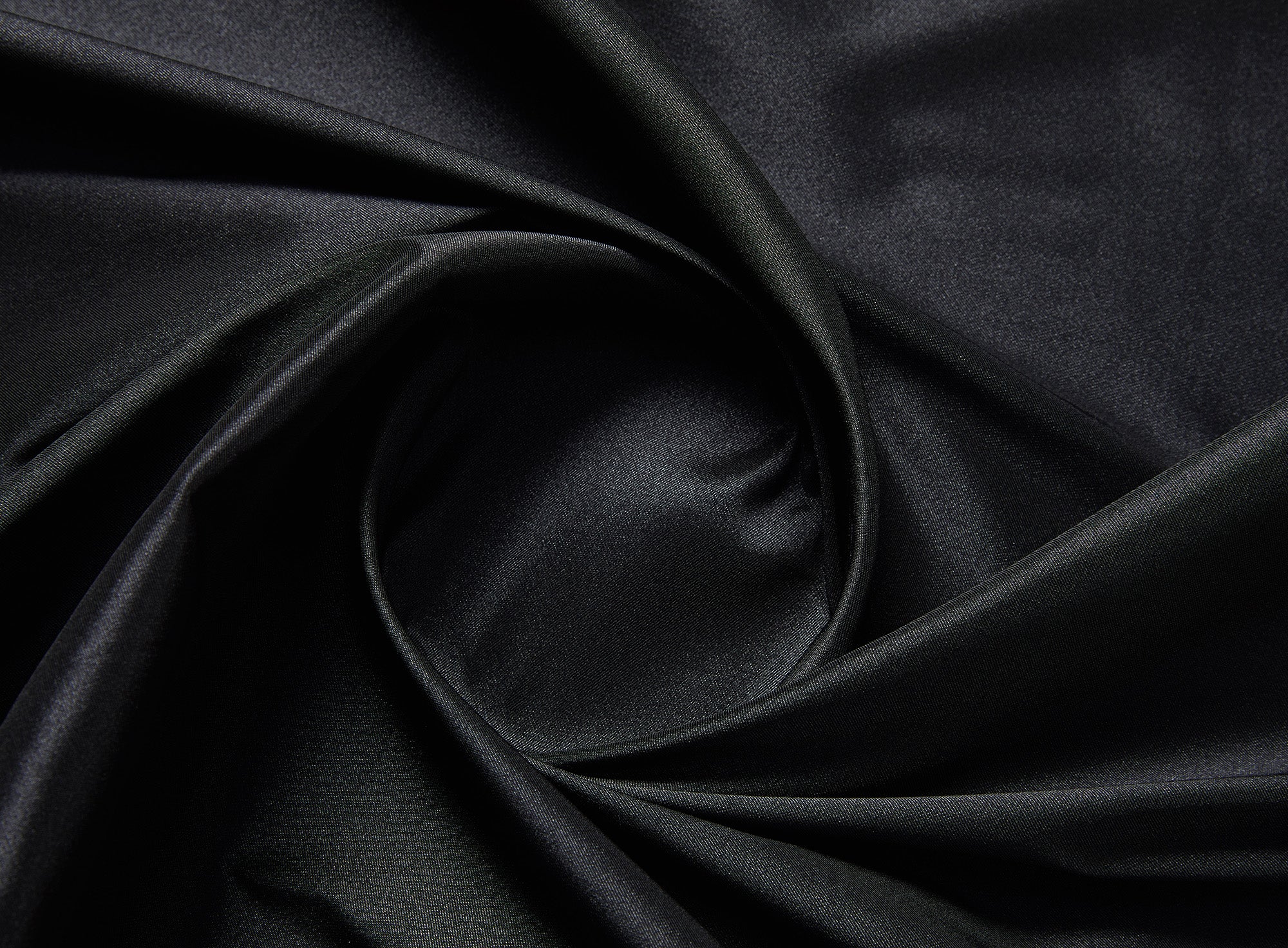
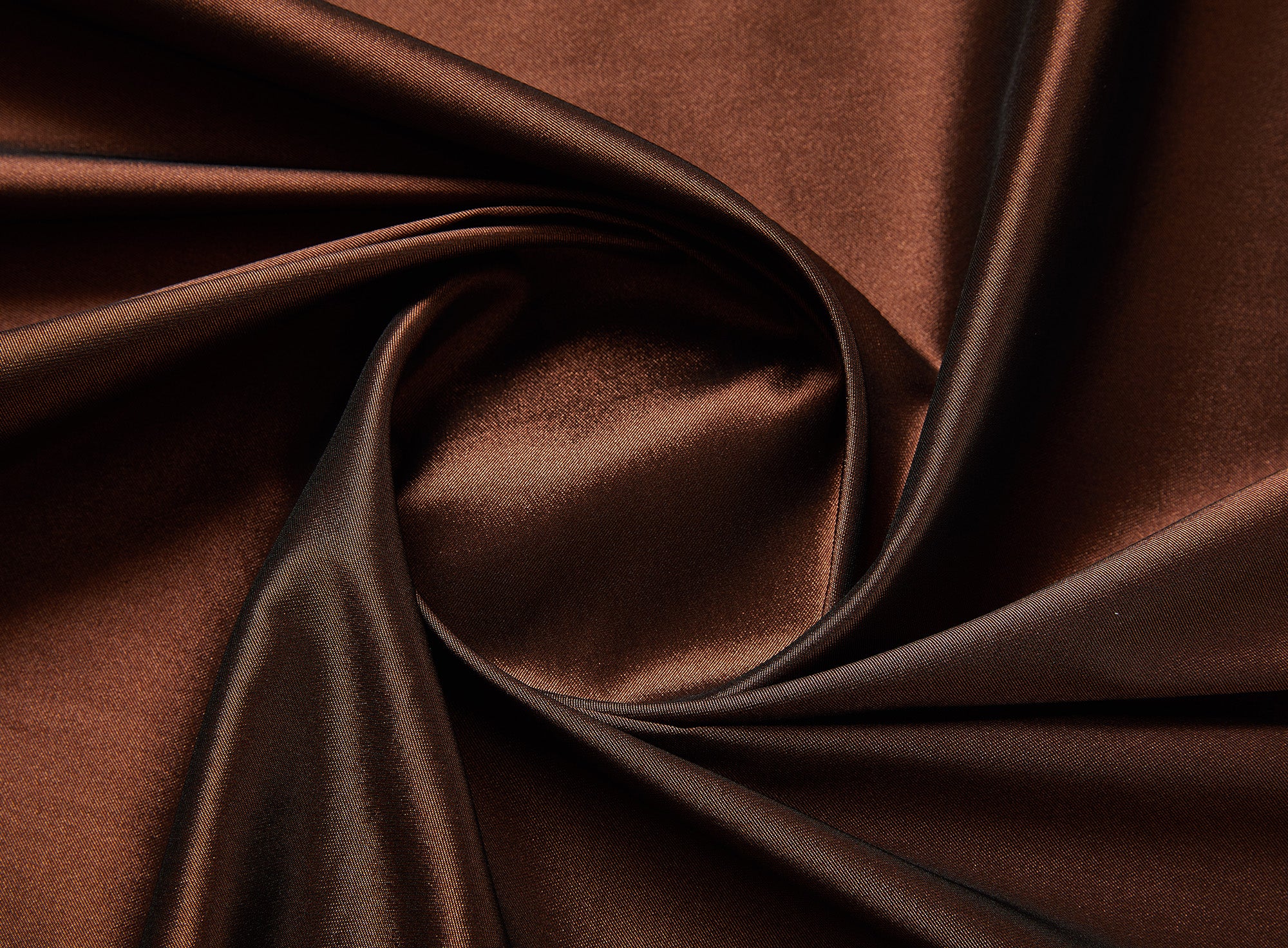
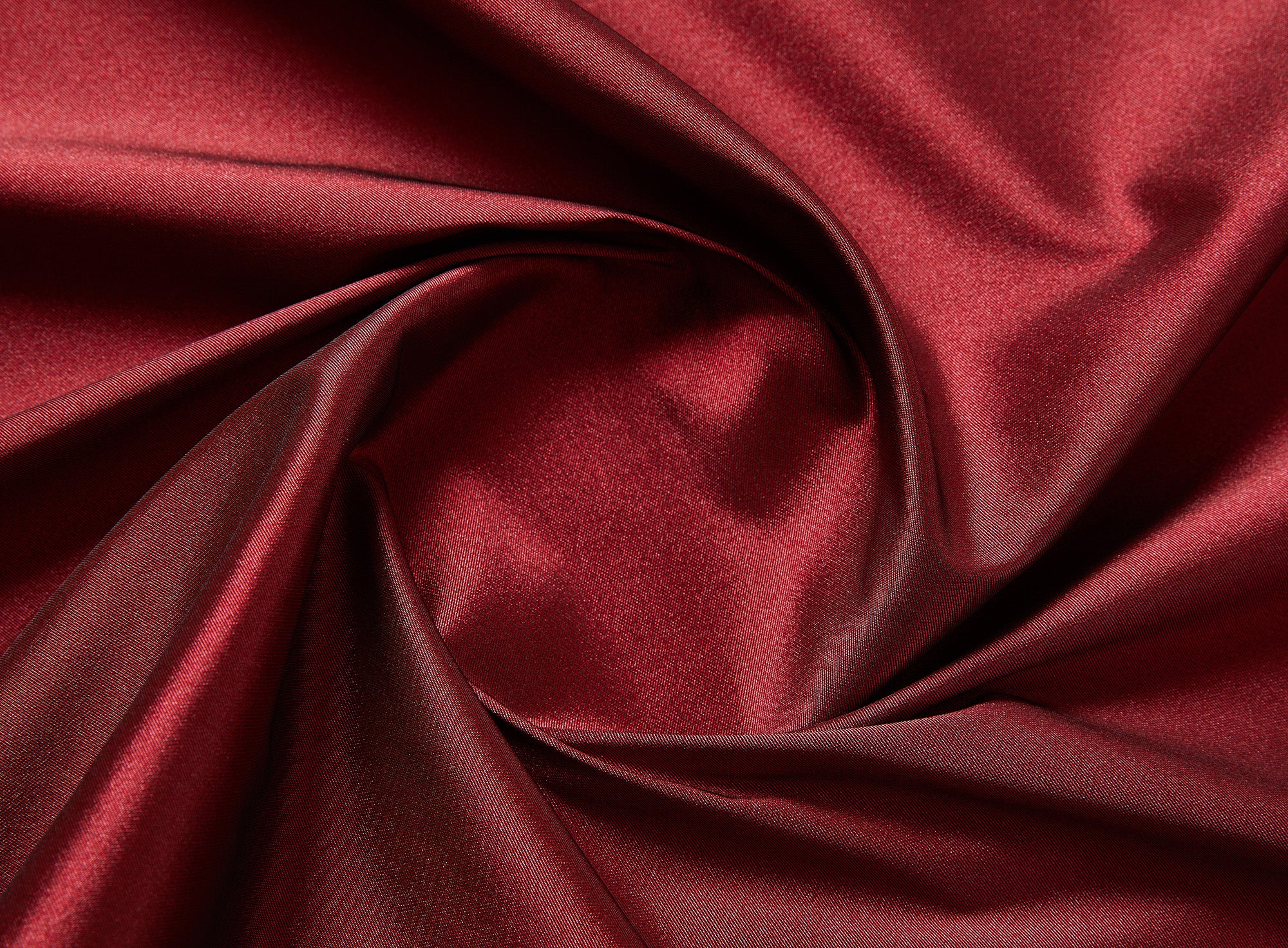
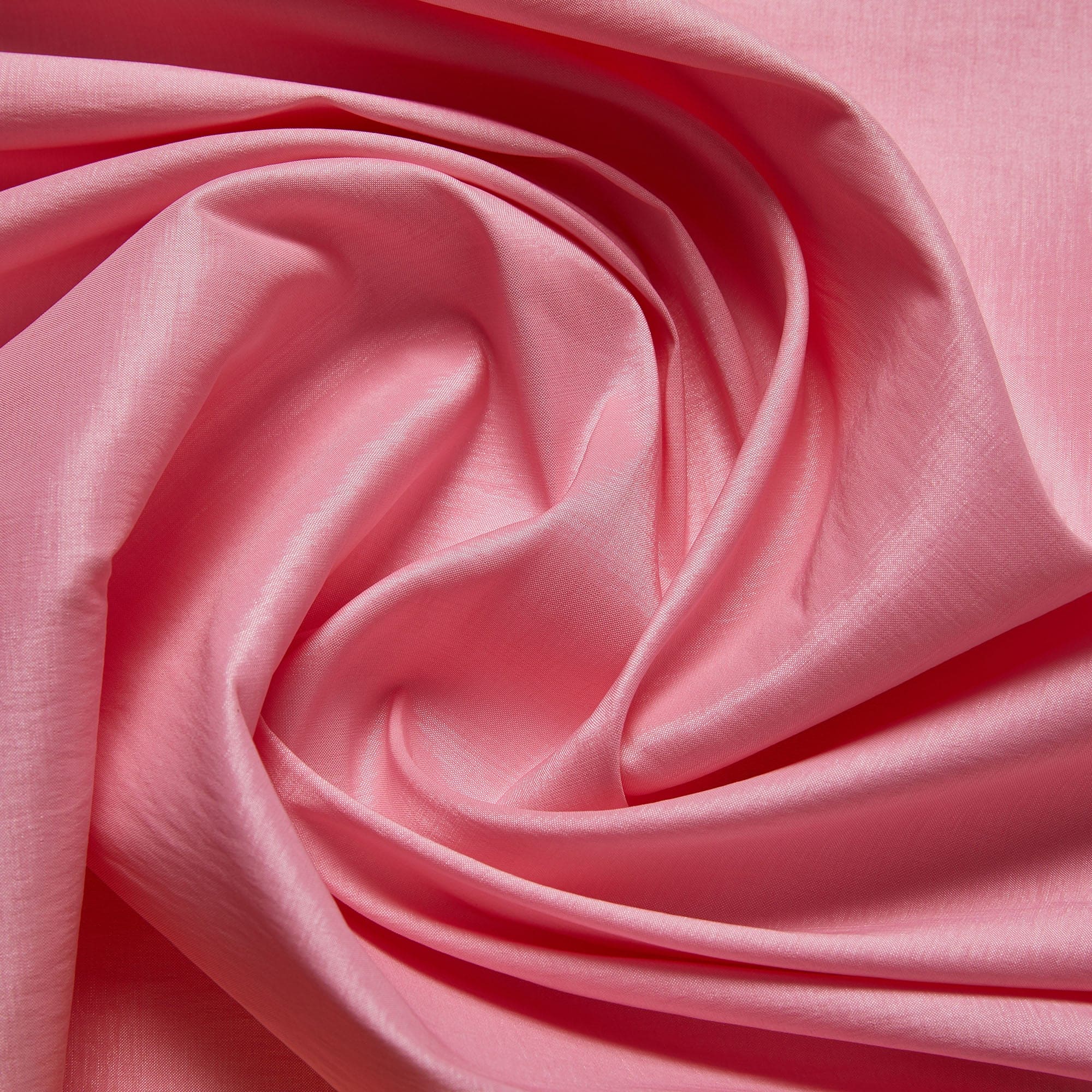
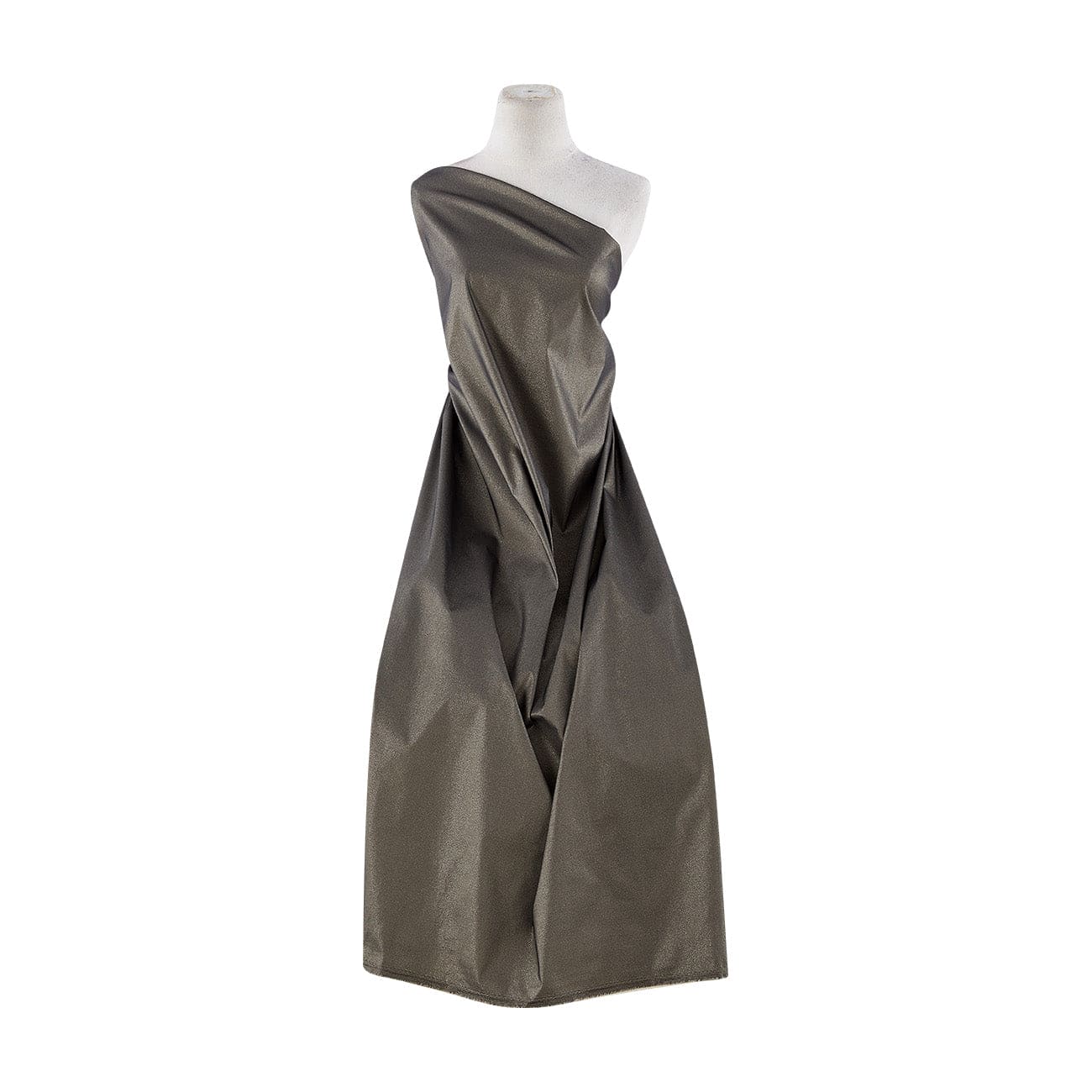
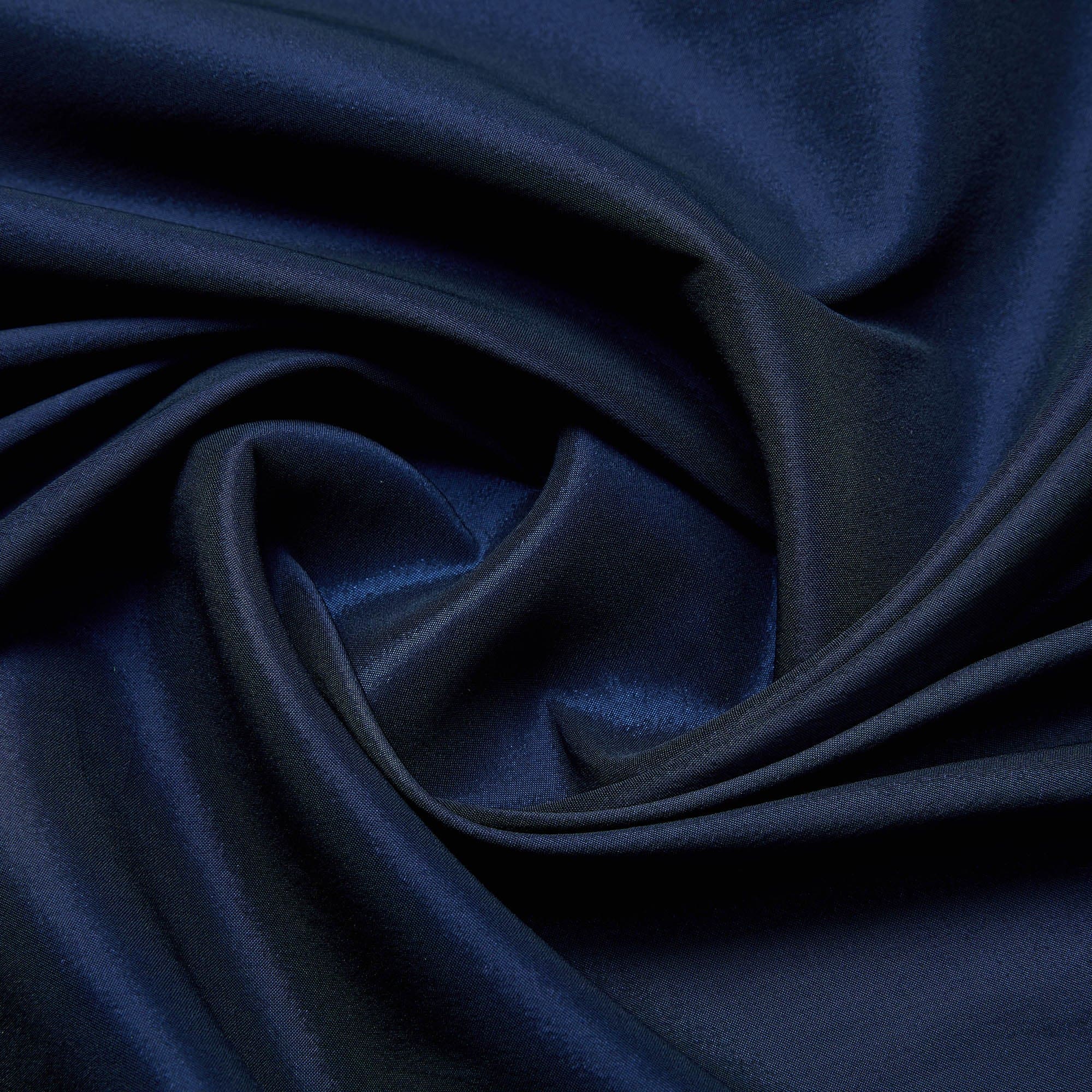
The most widely used construction for fashion and costume applications. Polyester taffeta offers the crisp hand and sheen of the weave category, with improved durability, colorfastness, and ease of care compared to silk. Available across the widest color range. The right choice for bridal, formalwear, linings, and costume work where performance and price efficiency both matter.
Shot Taffeta
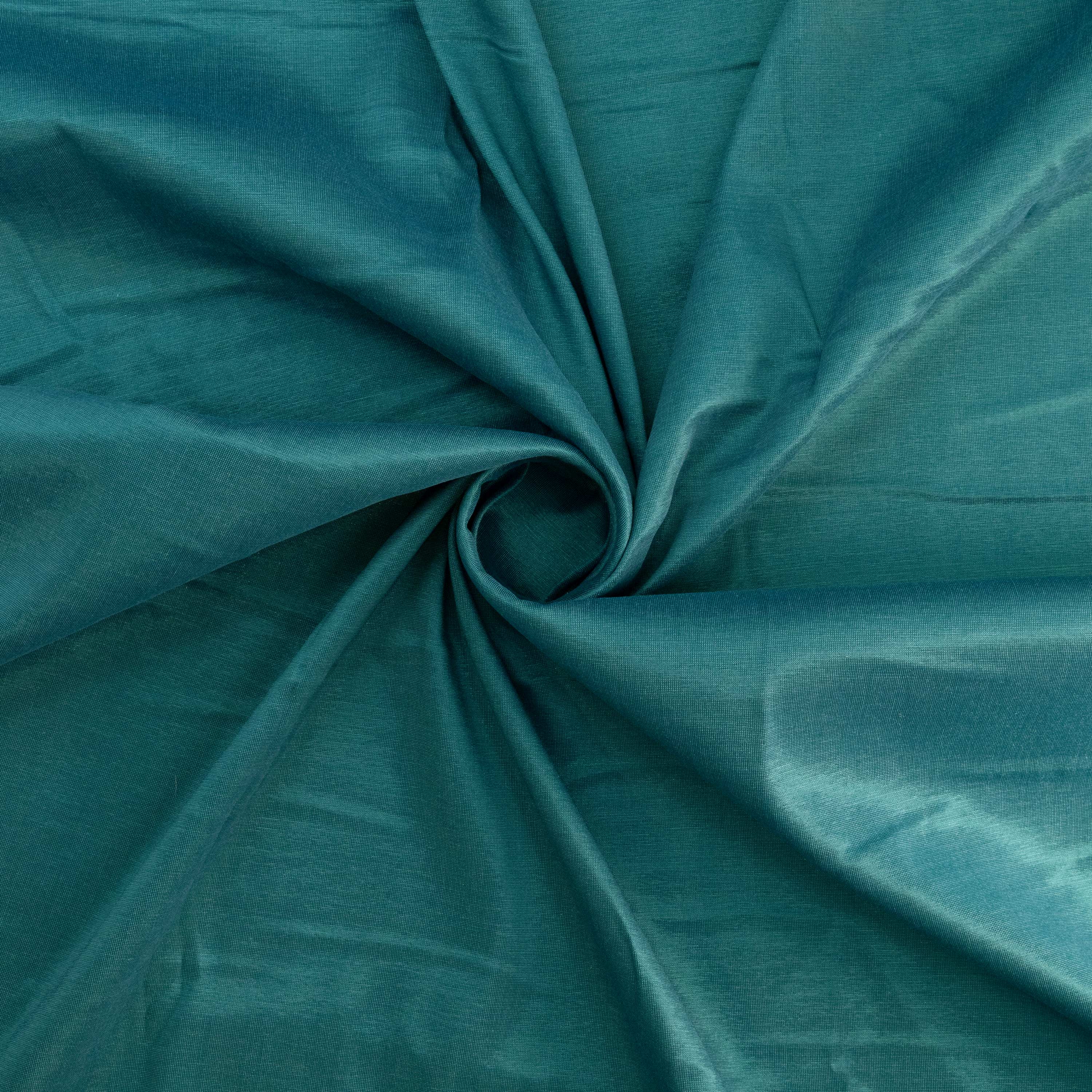
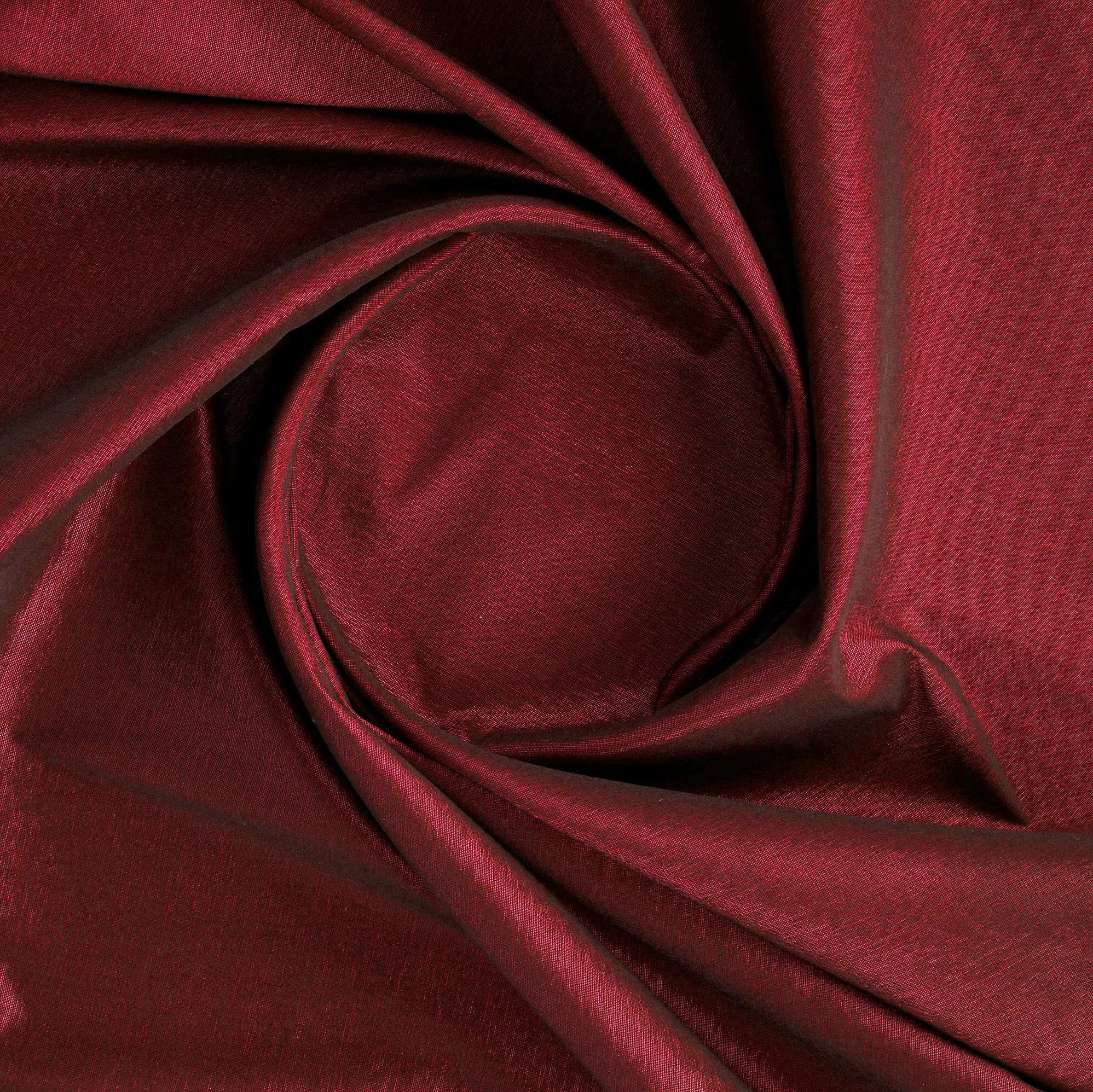
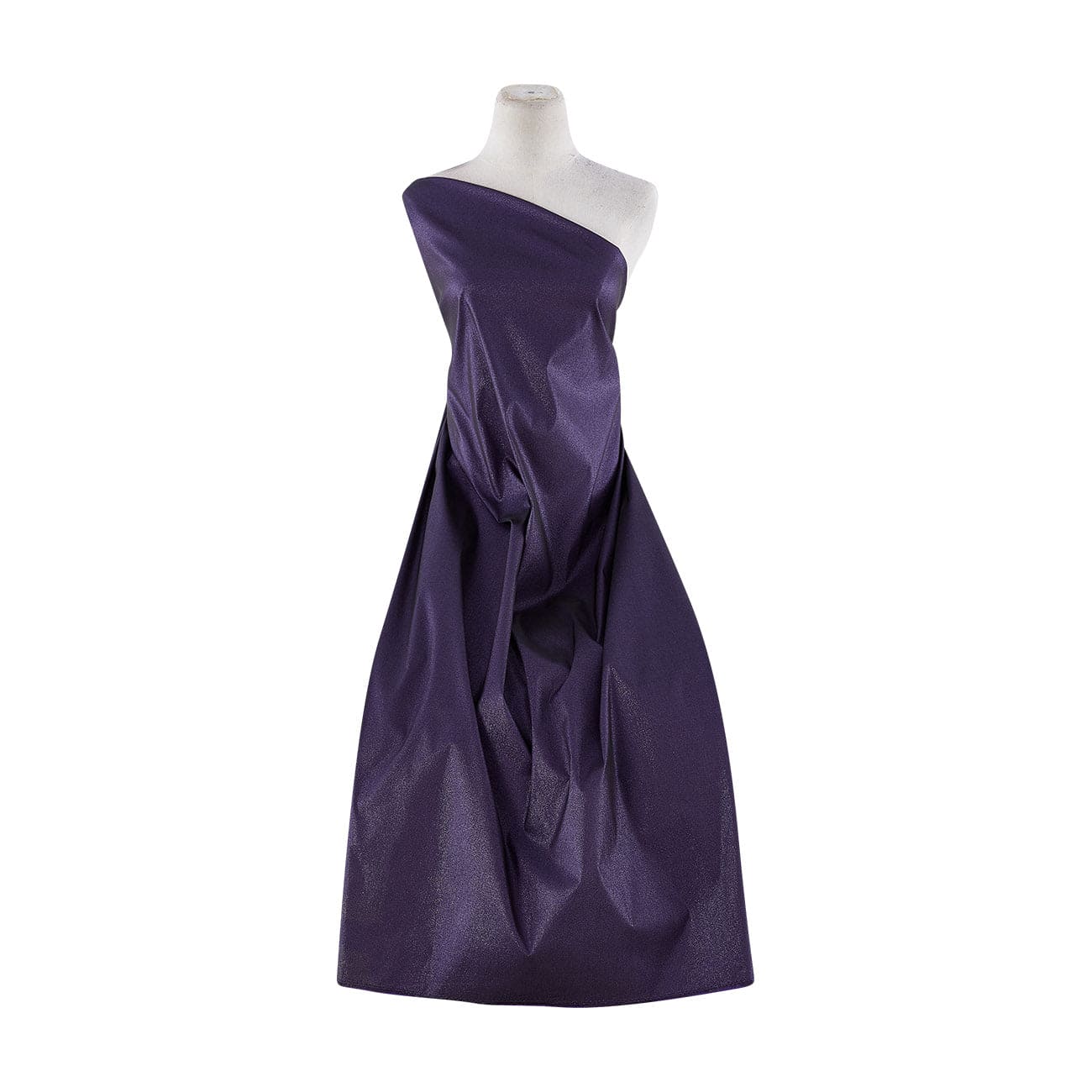
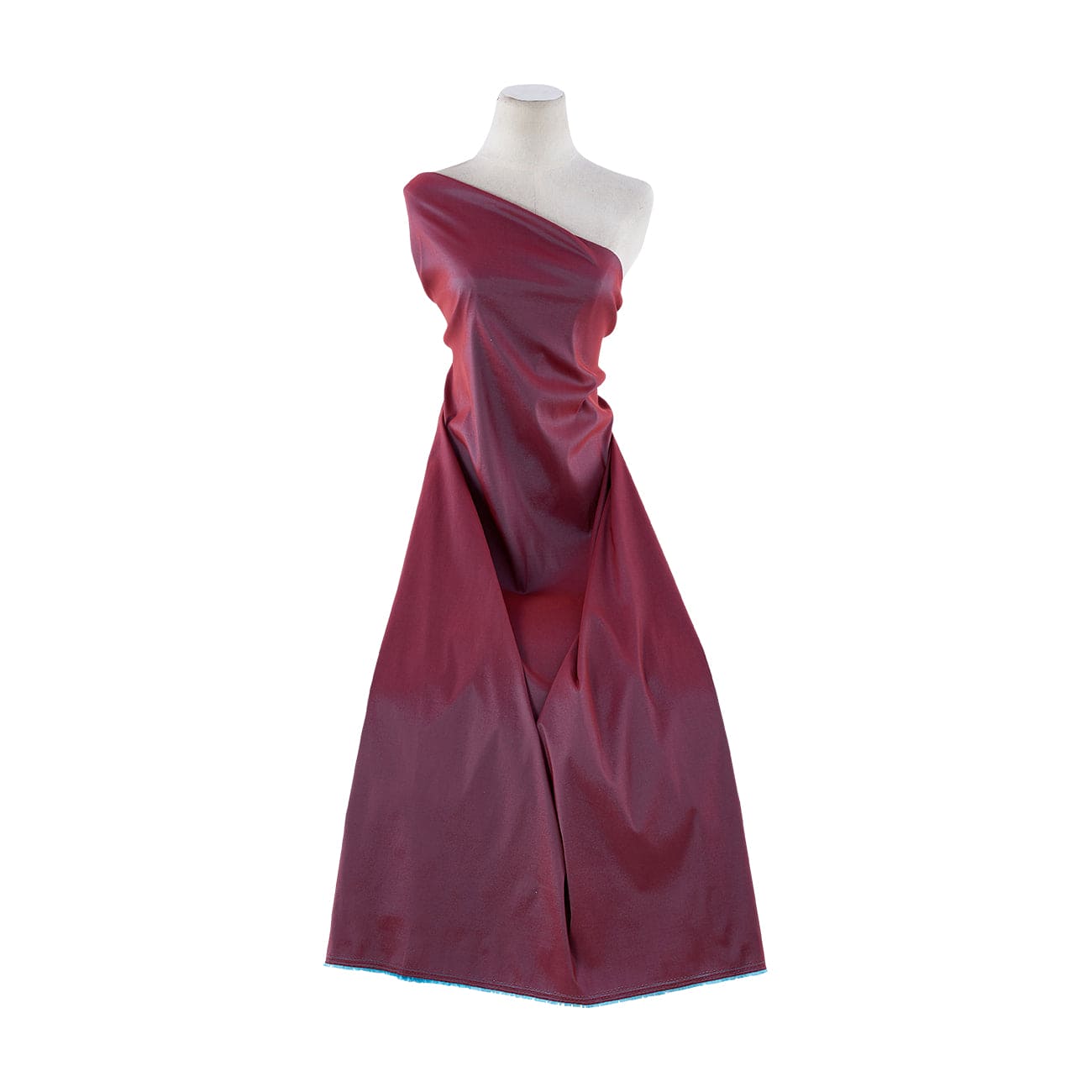
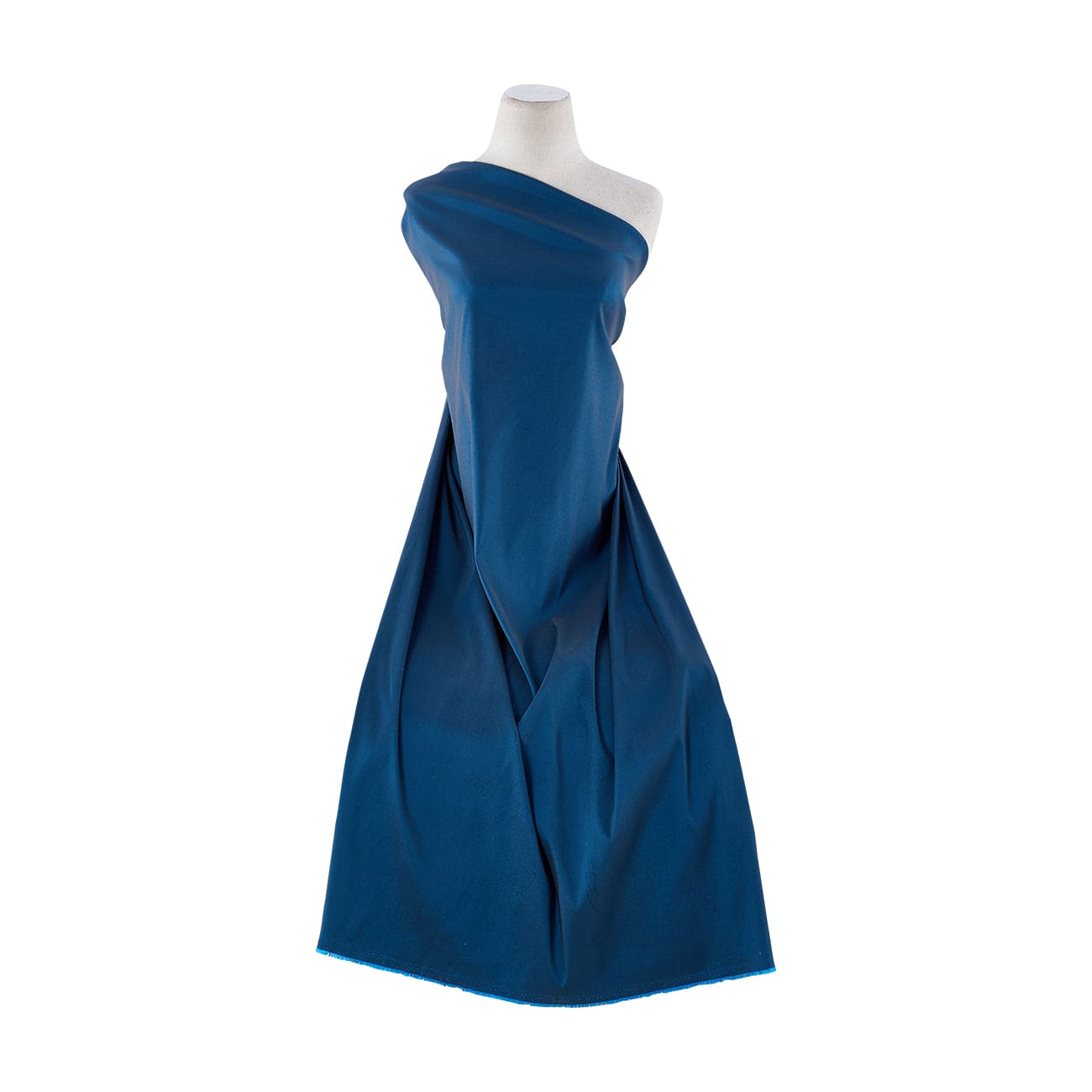
Woven with contrasting colors in the warp and weft yarns, producing an iridescent two-tone effect that shifts depending on the viewing angle and light source. The color movement is structural — built into the weave — not printed or finished onto the surface. A strong pick for eveningwear, prom, and any application where surface interest is part of the design intent.
Yarn-Dye Taffeta
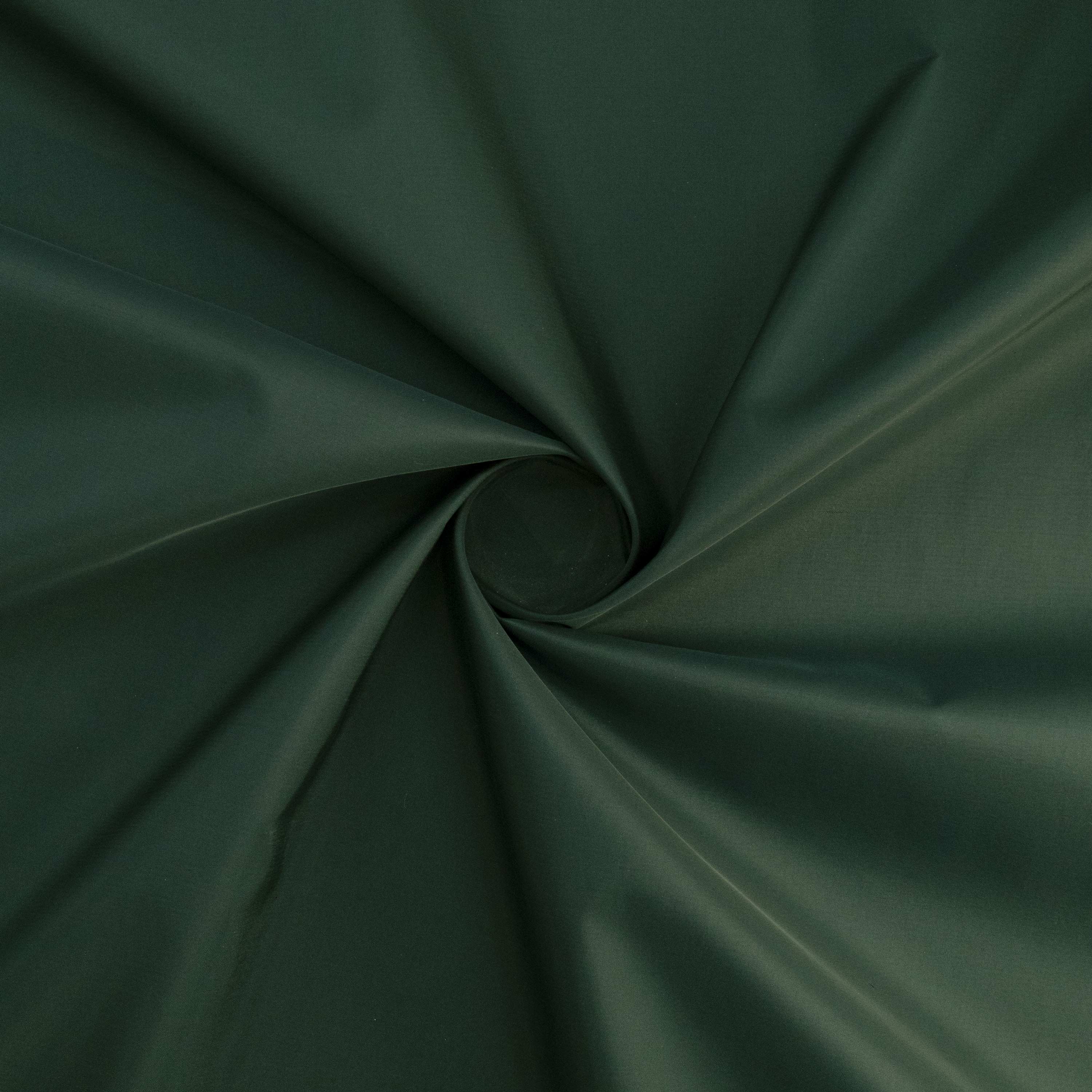
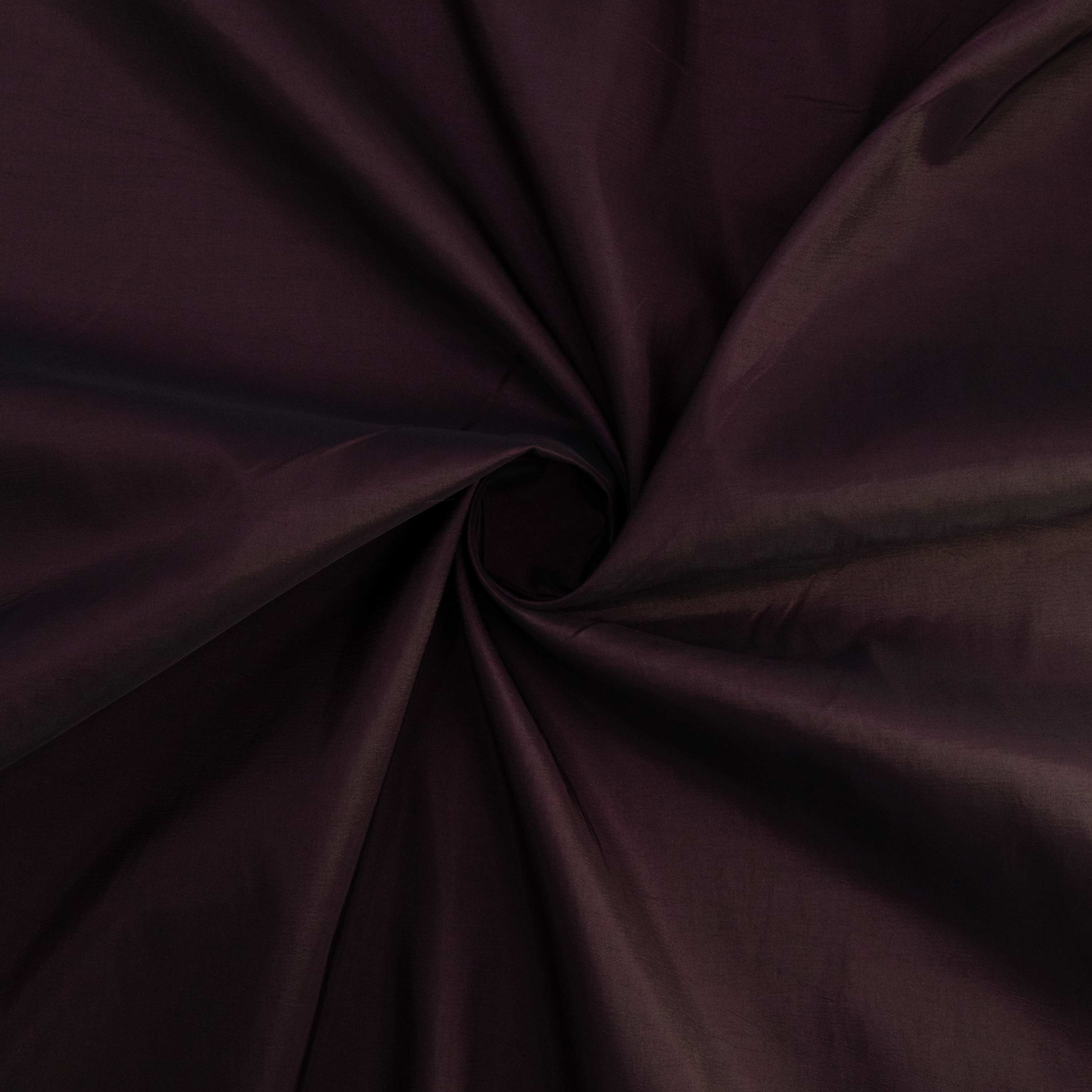
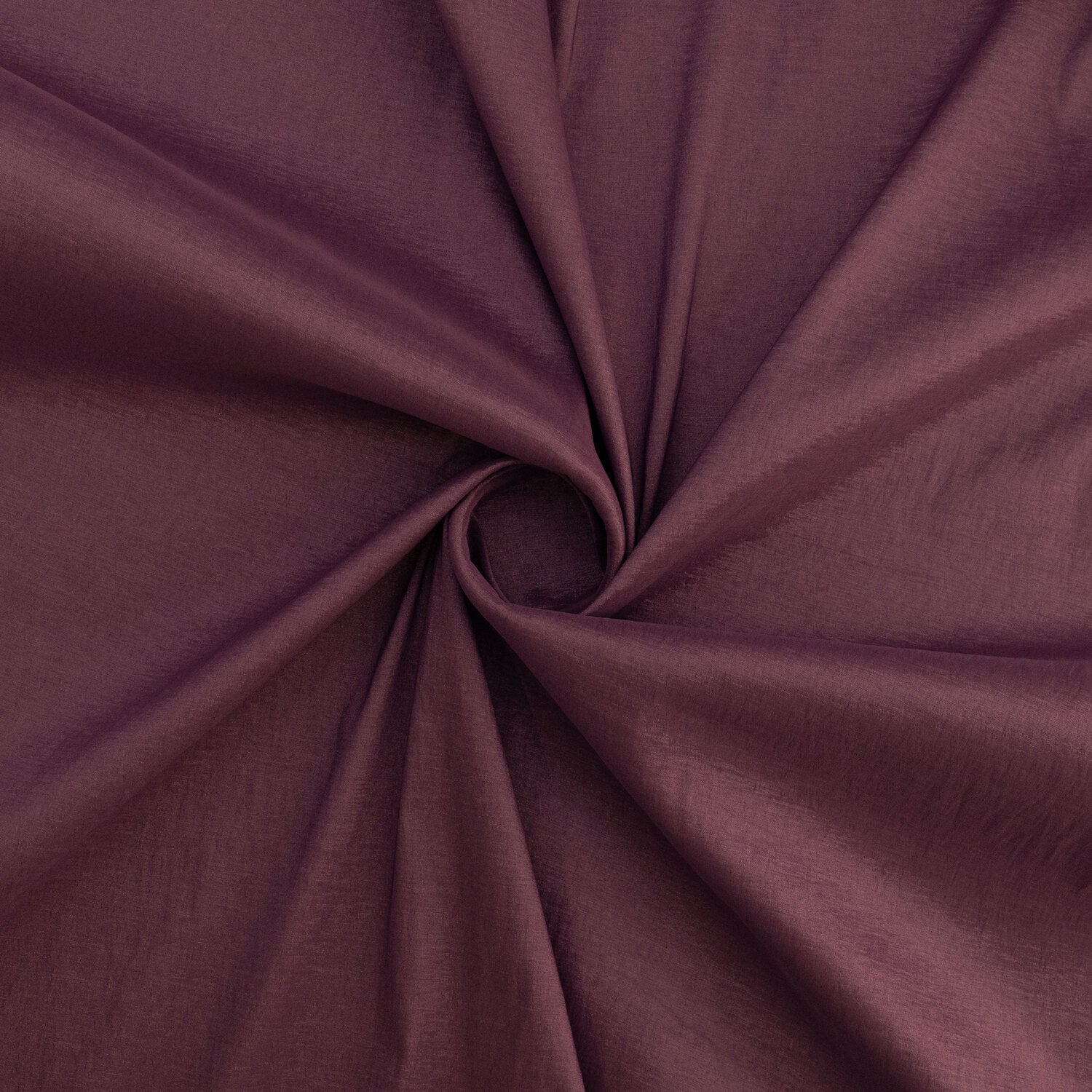
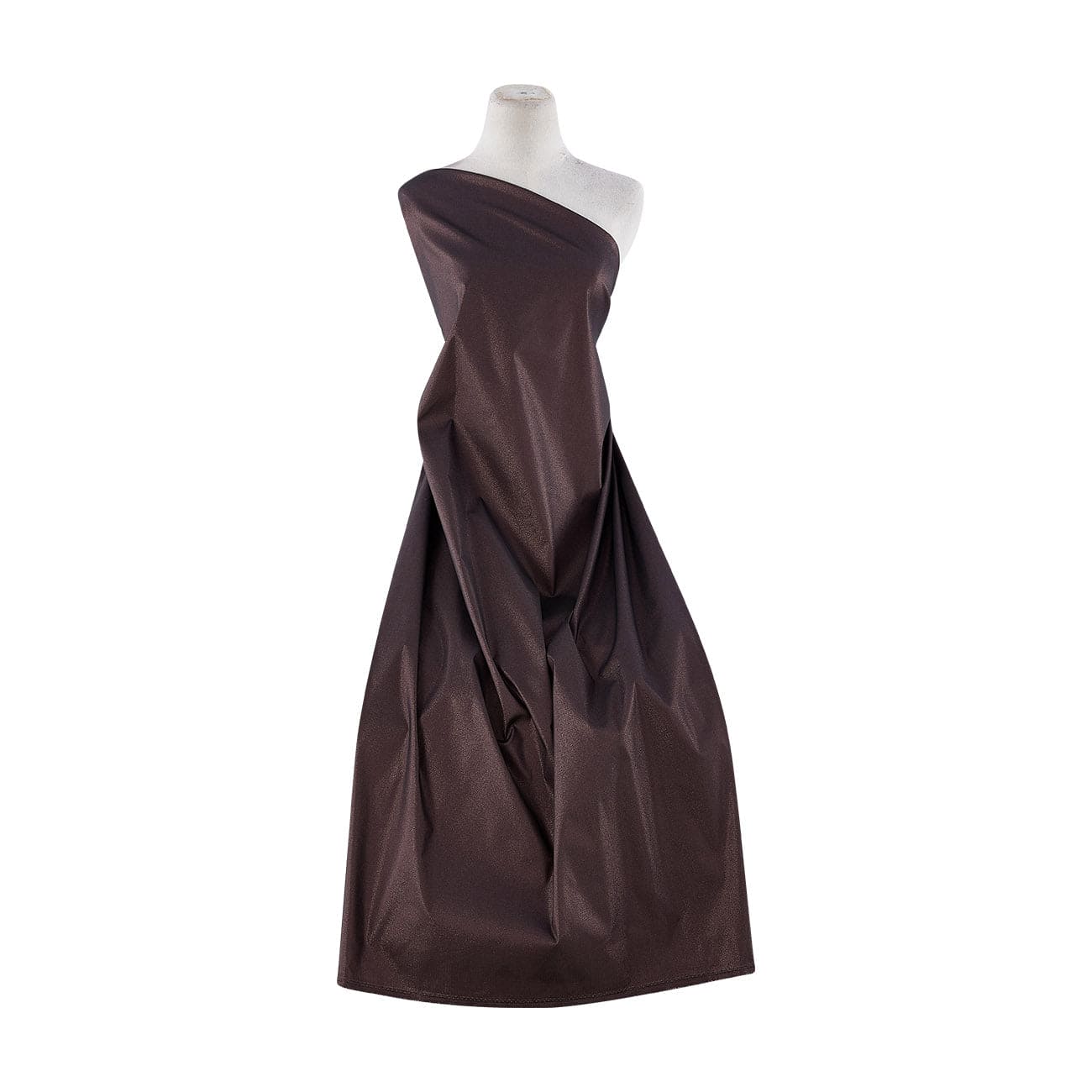
Threads are dyed before weaving rather than after, producing deeper, more saturated color with greater consistency across the full width. The process also allows for woven stripe and plaid effects without printing. Useful for structured formalwear and bridal separates where color depth and surface precision both matter.
Pleated Taffeta
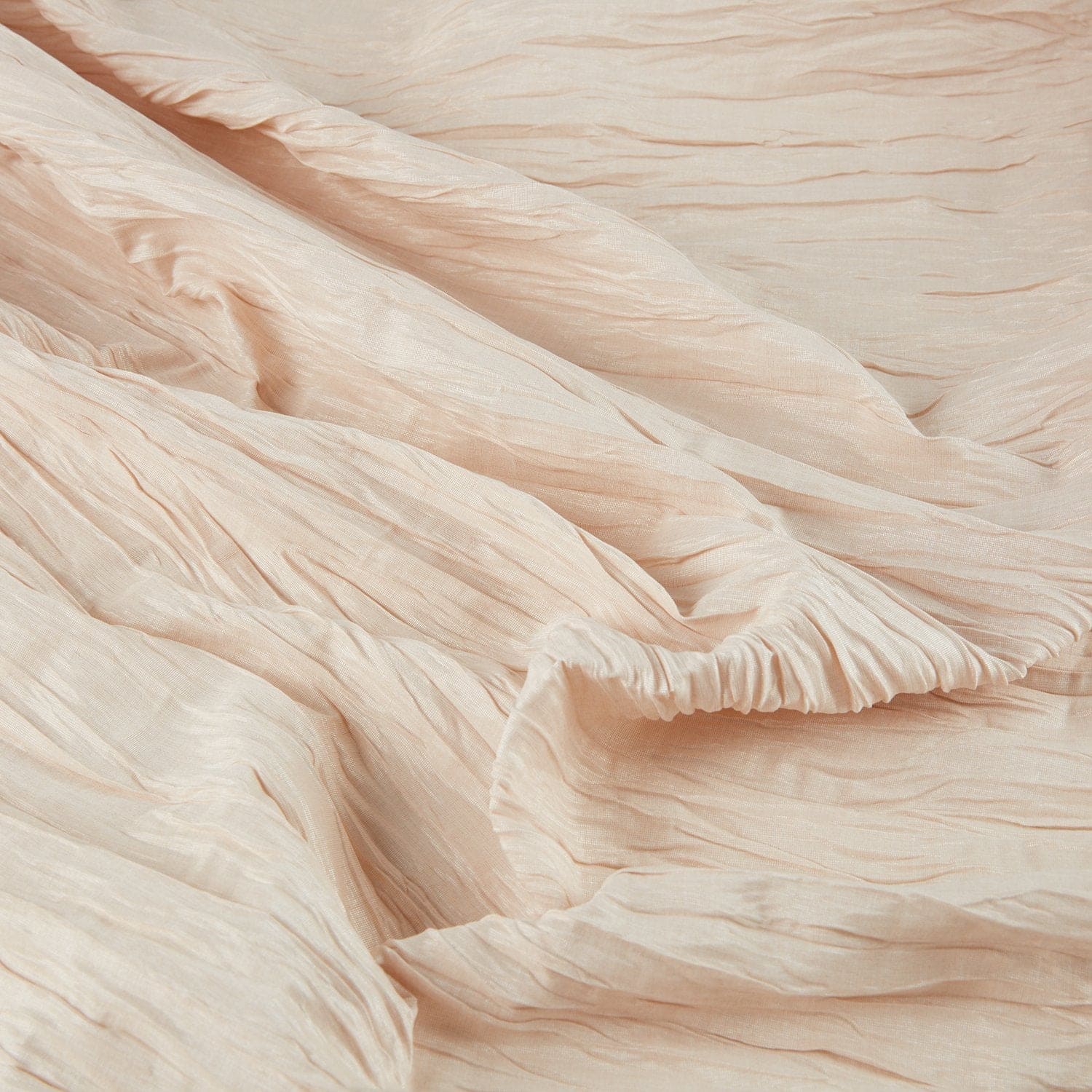
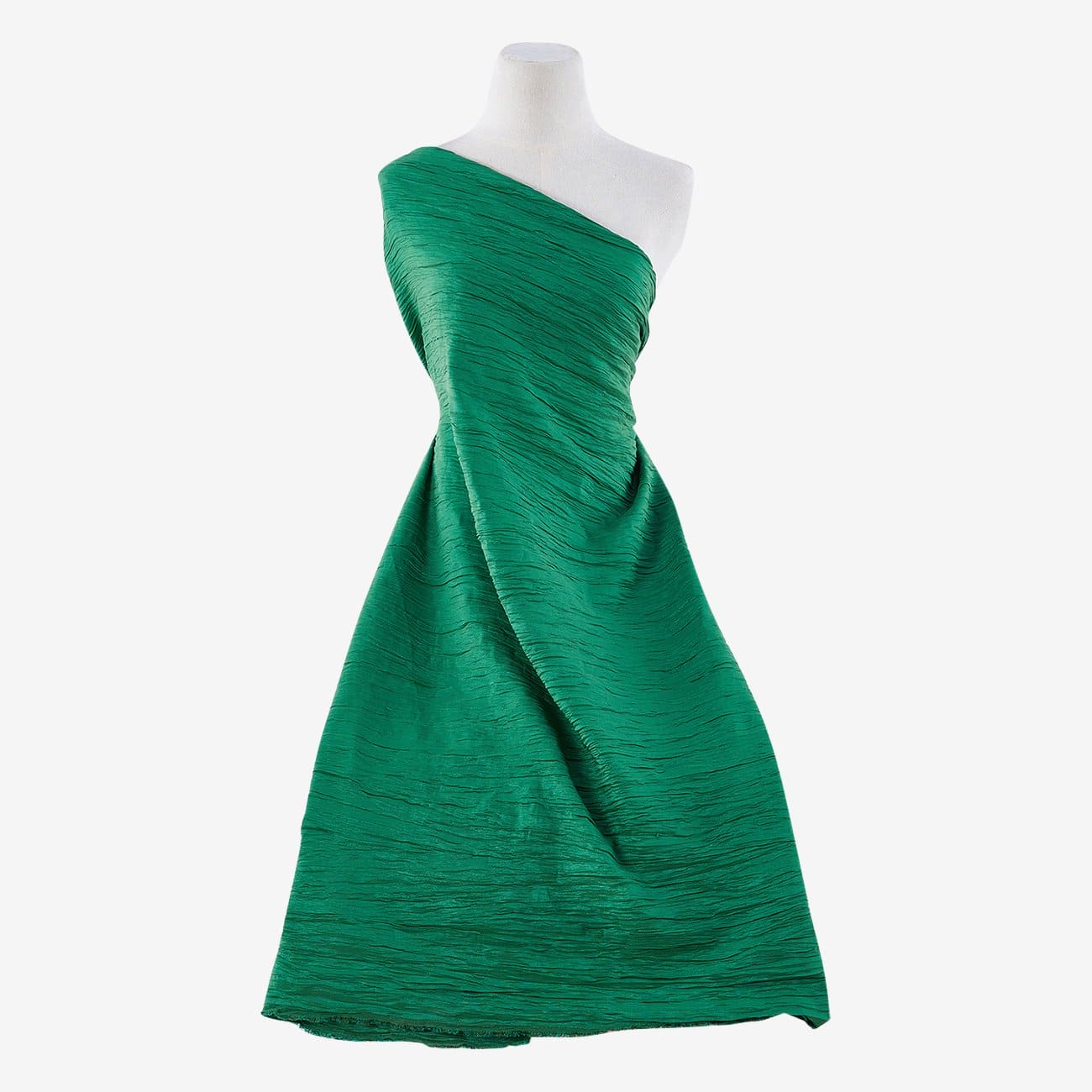
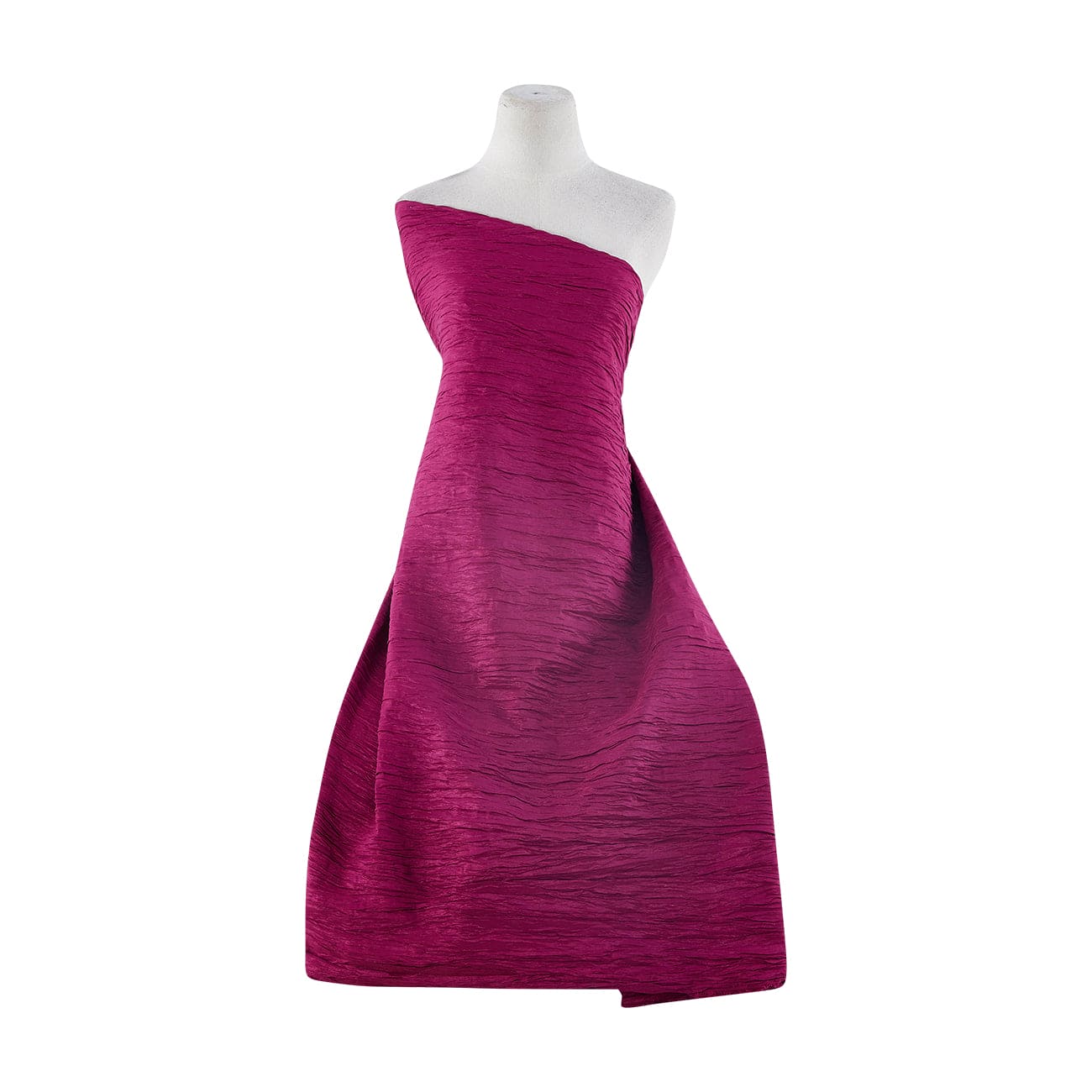
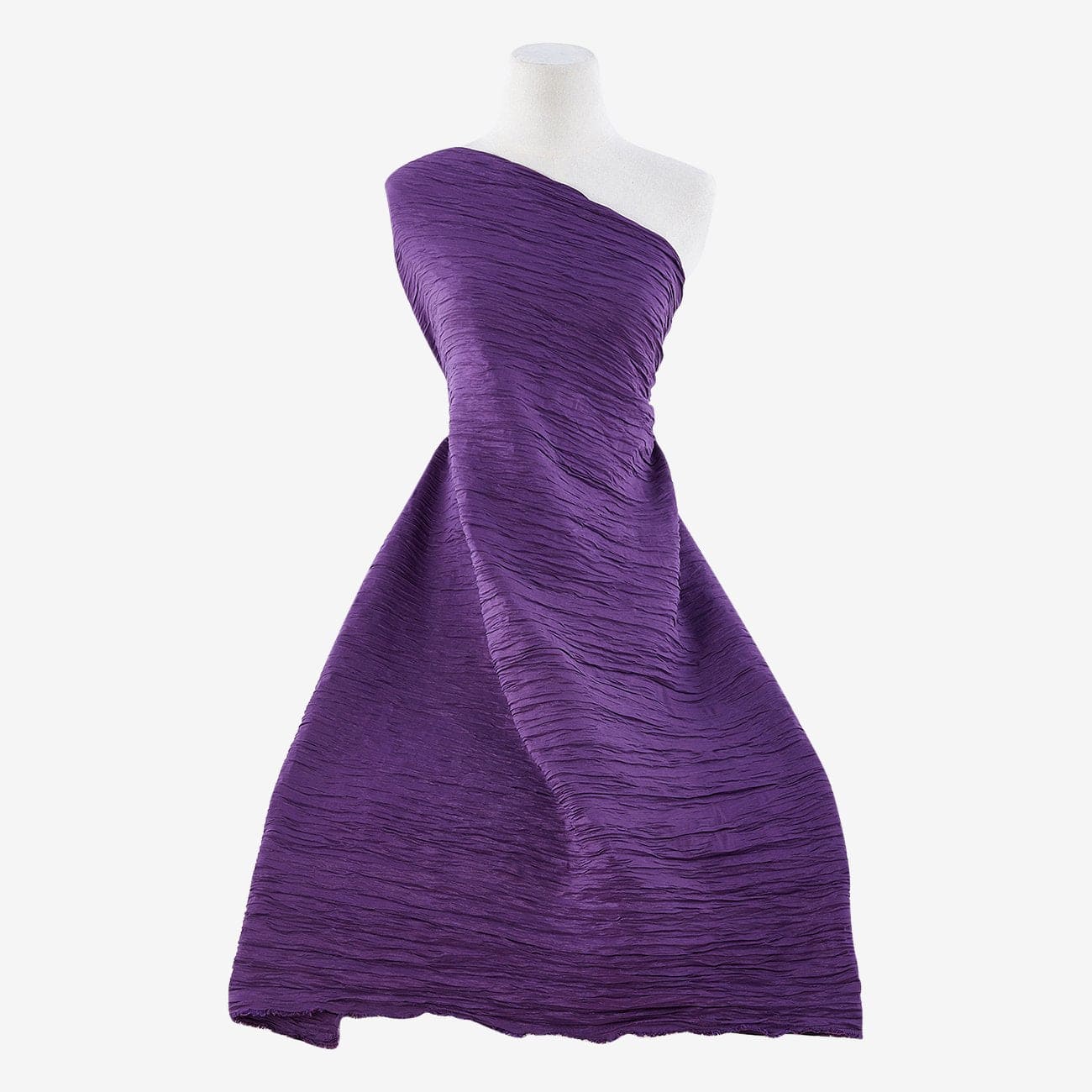
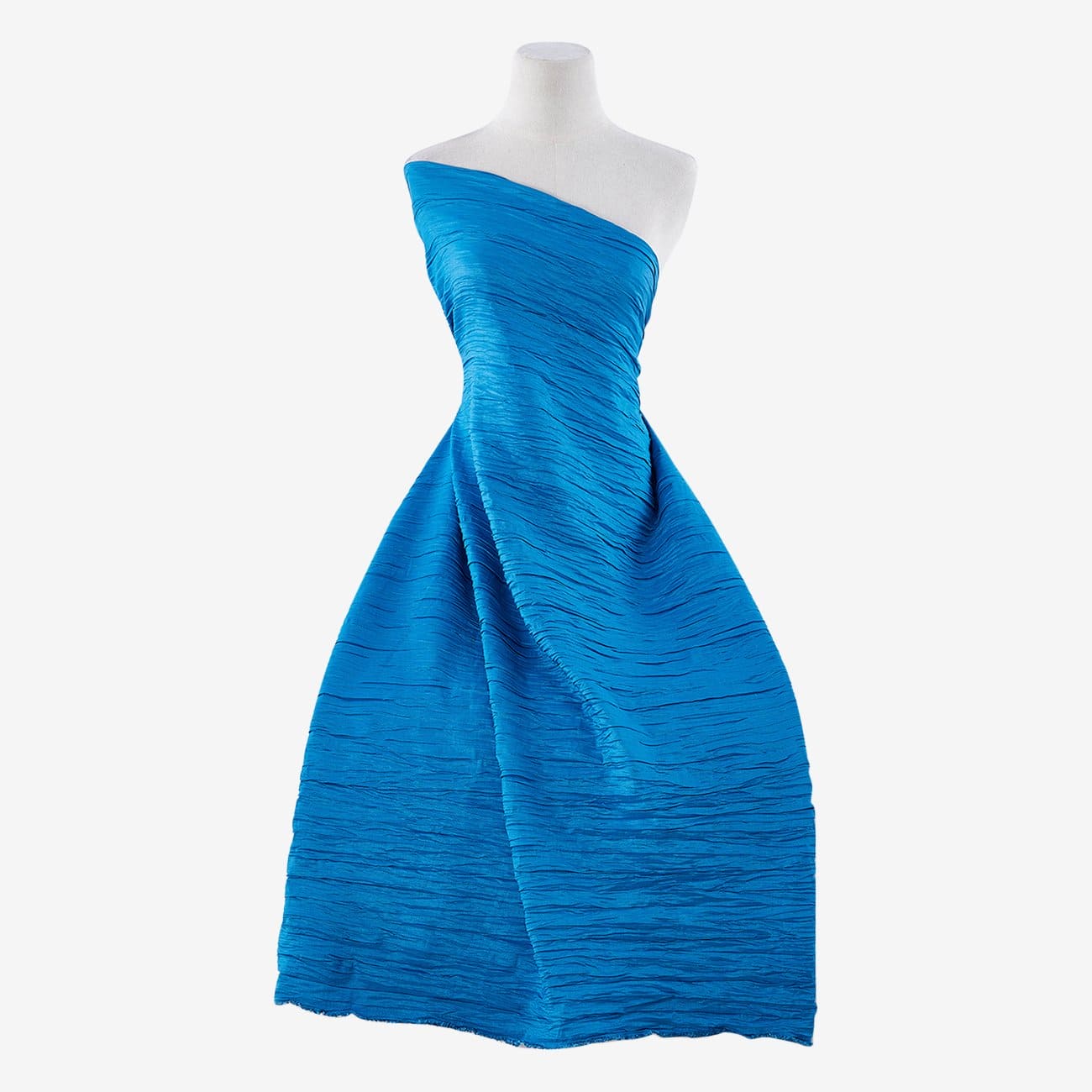
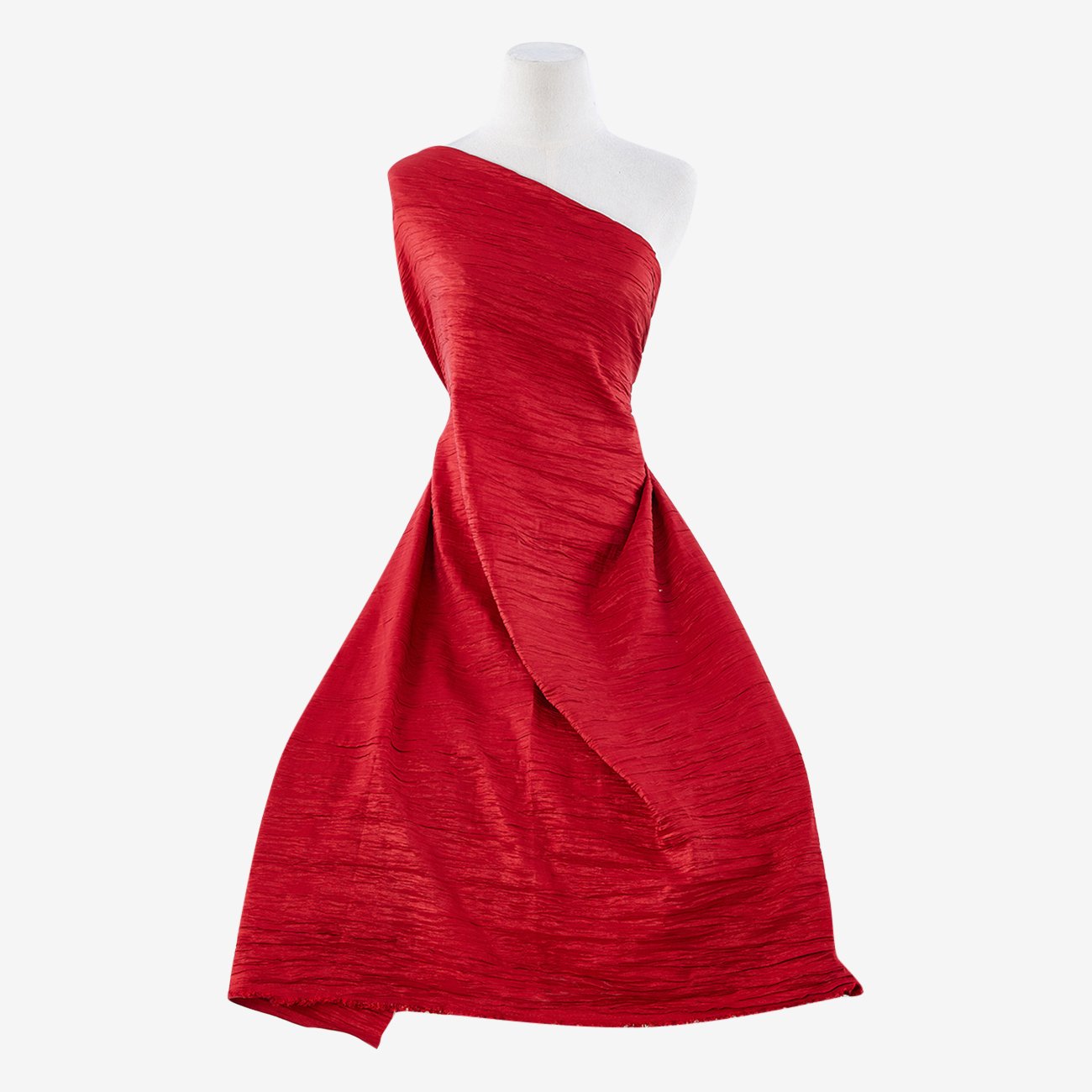
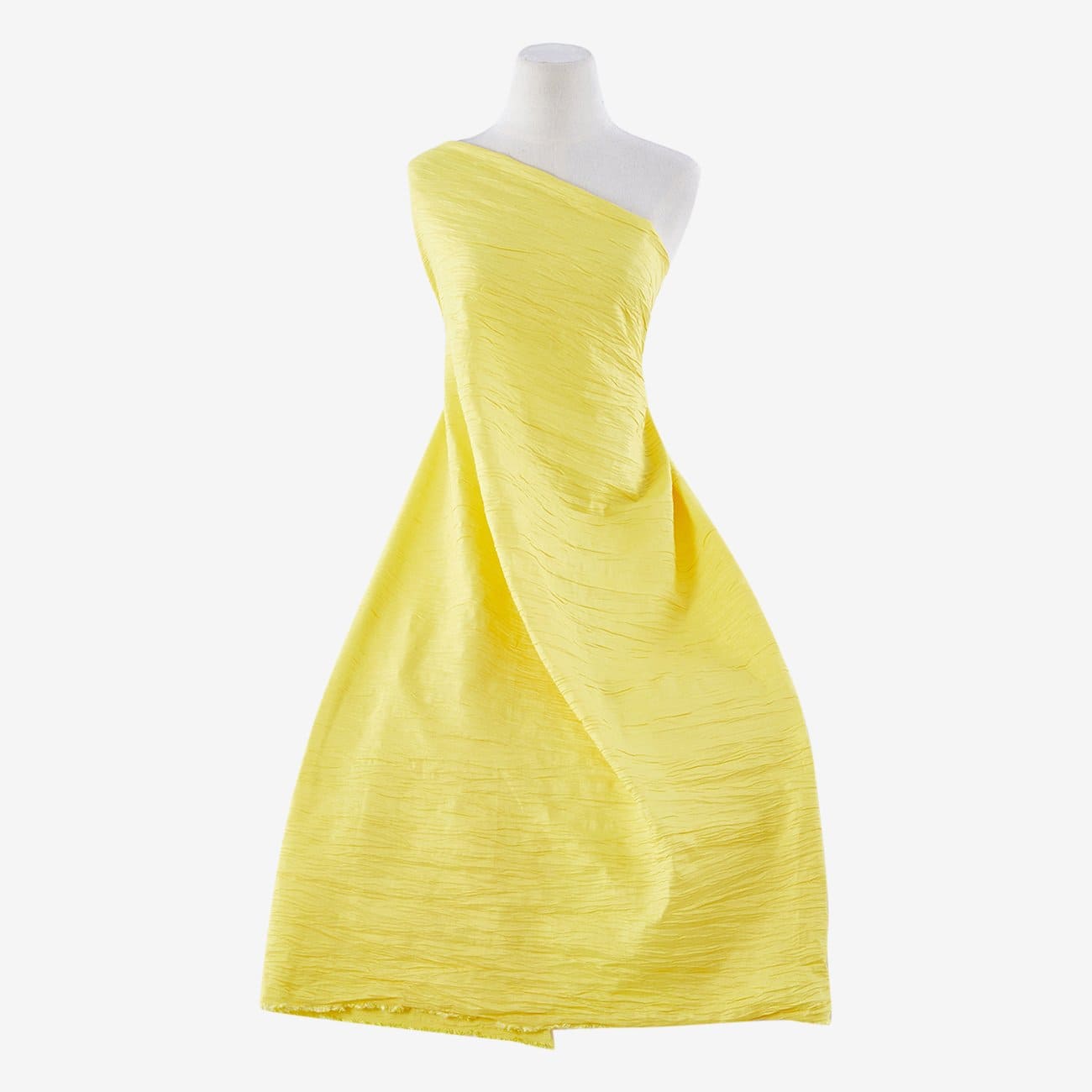
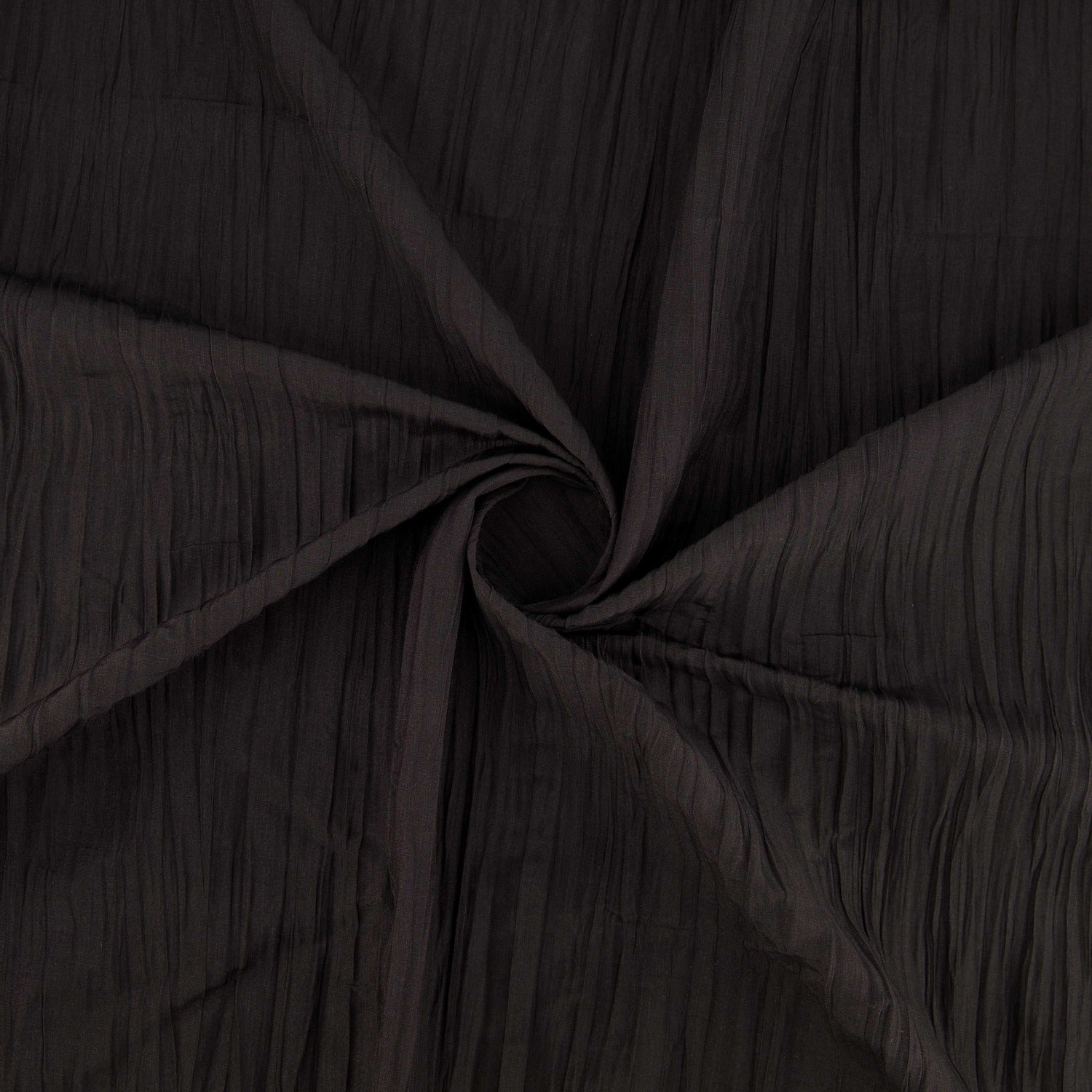
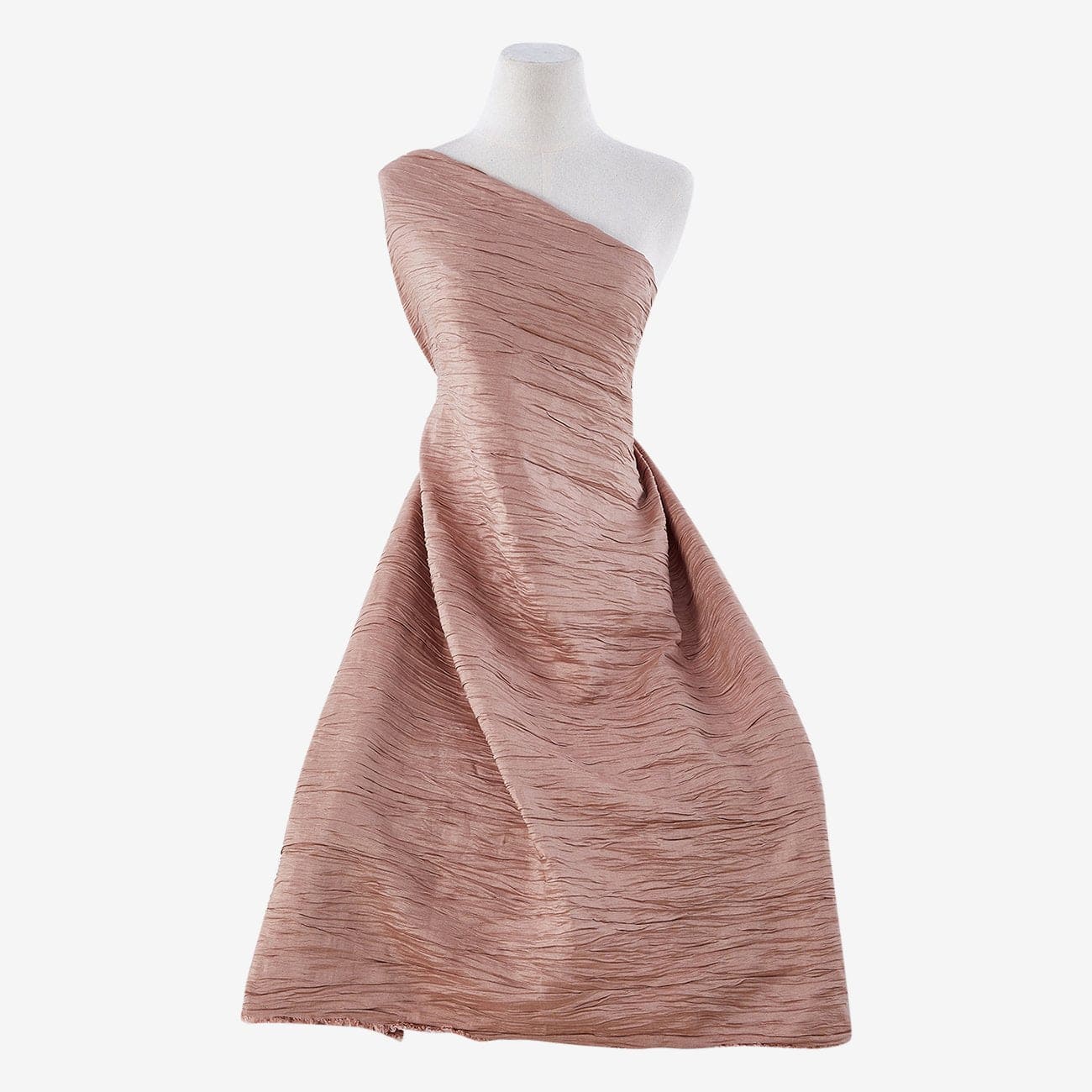
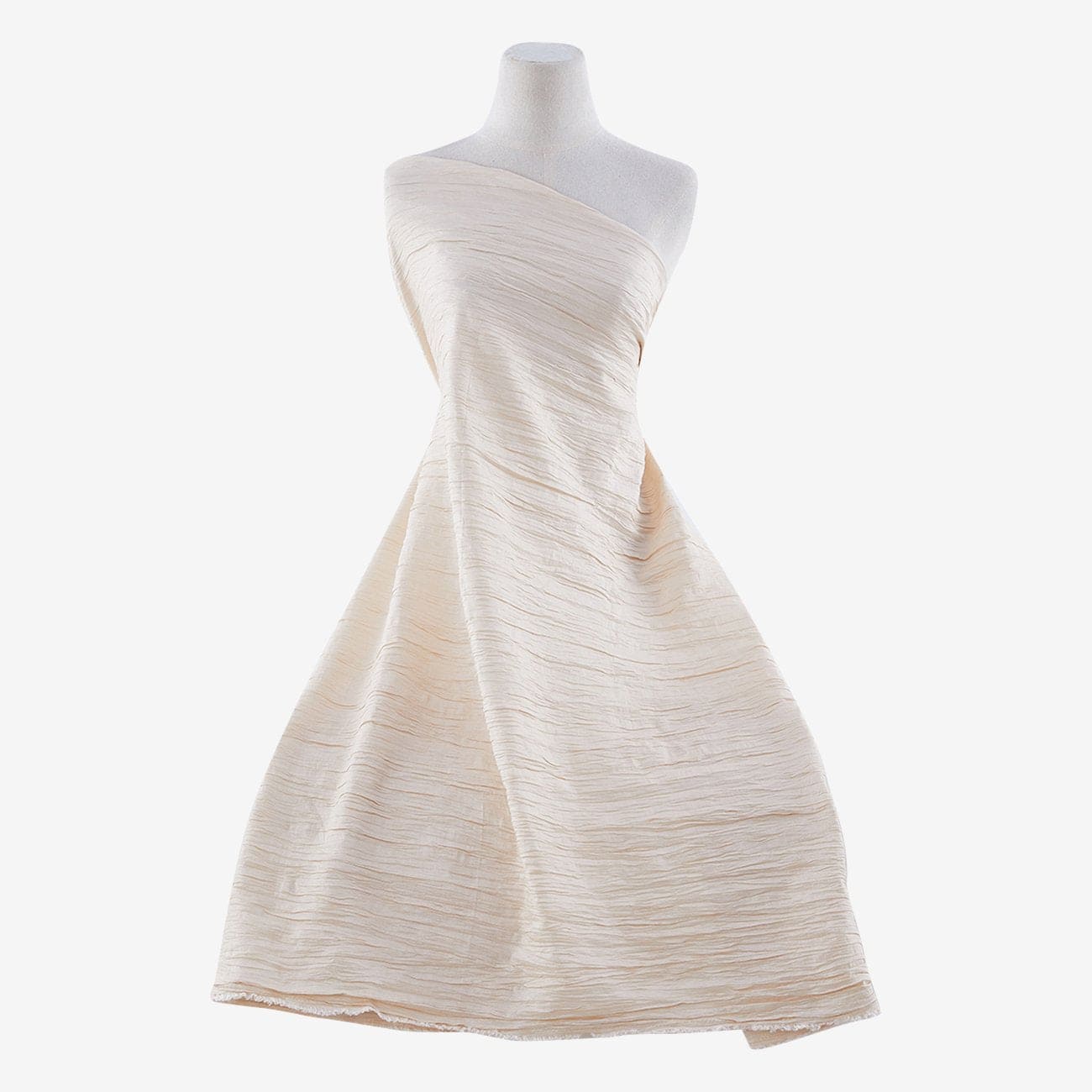
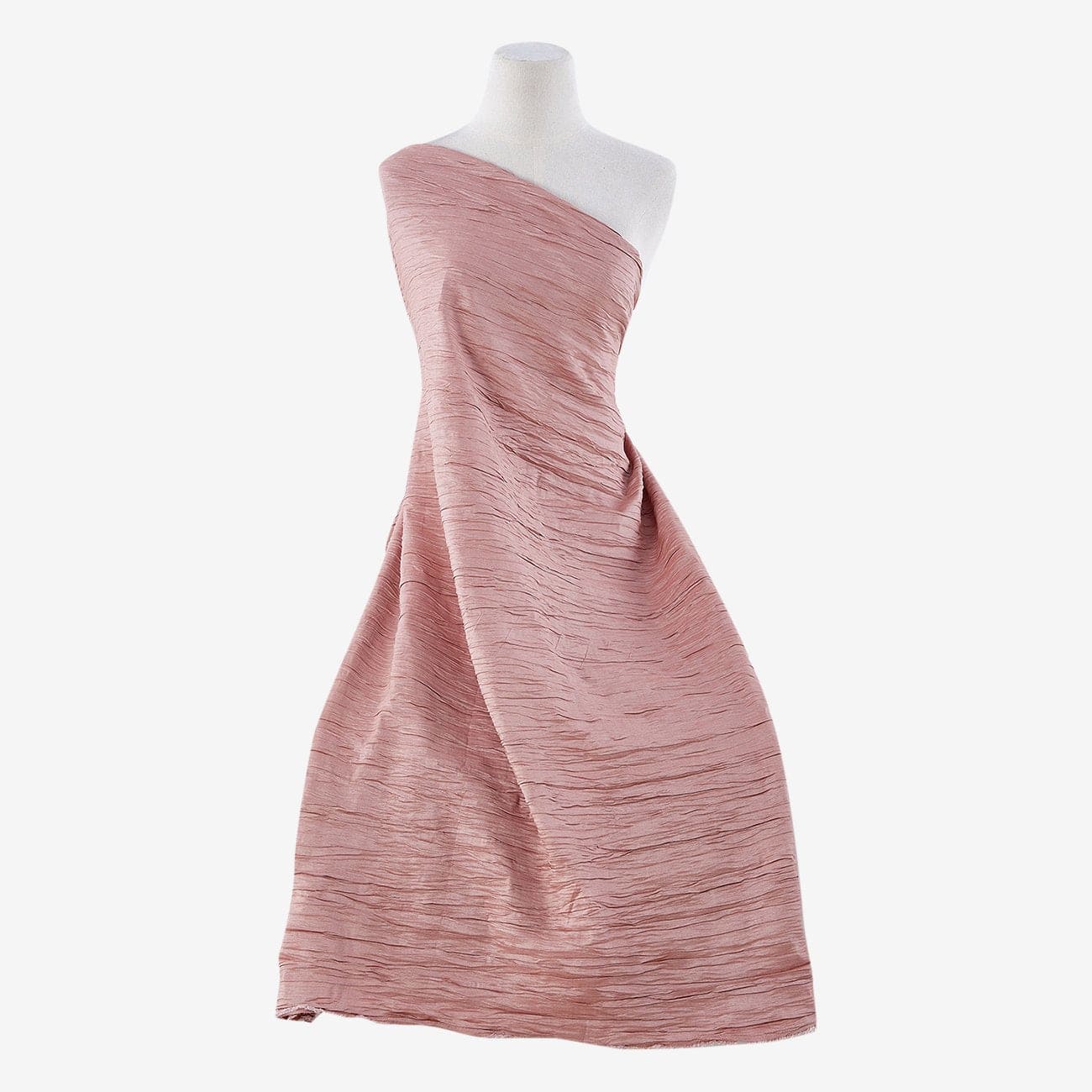
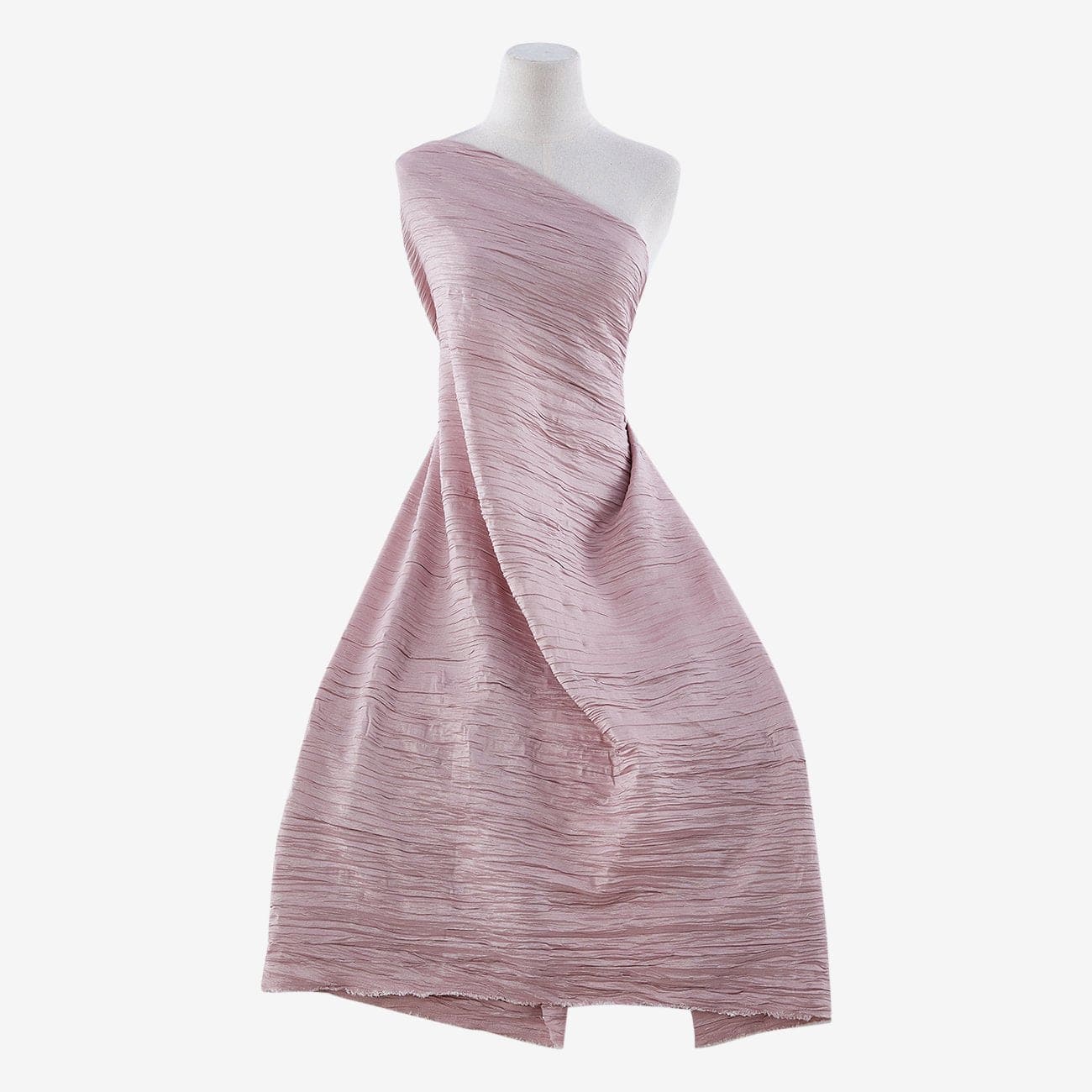
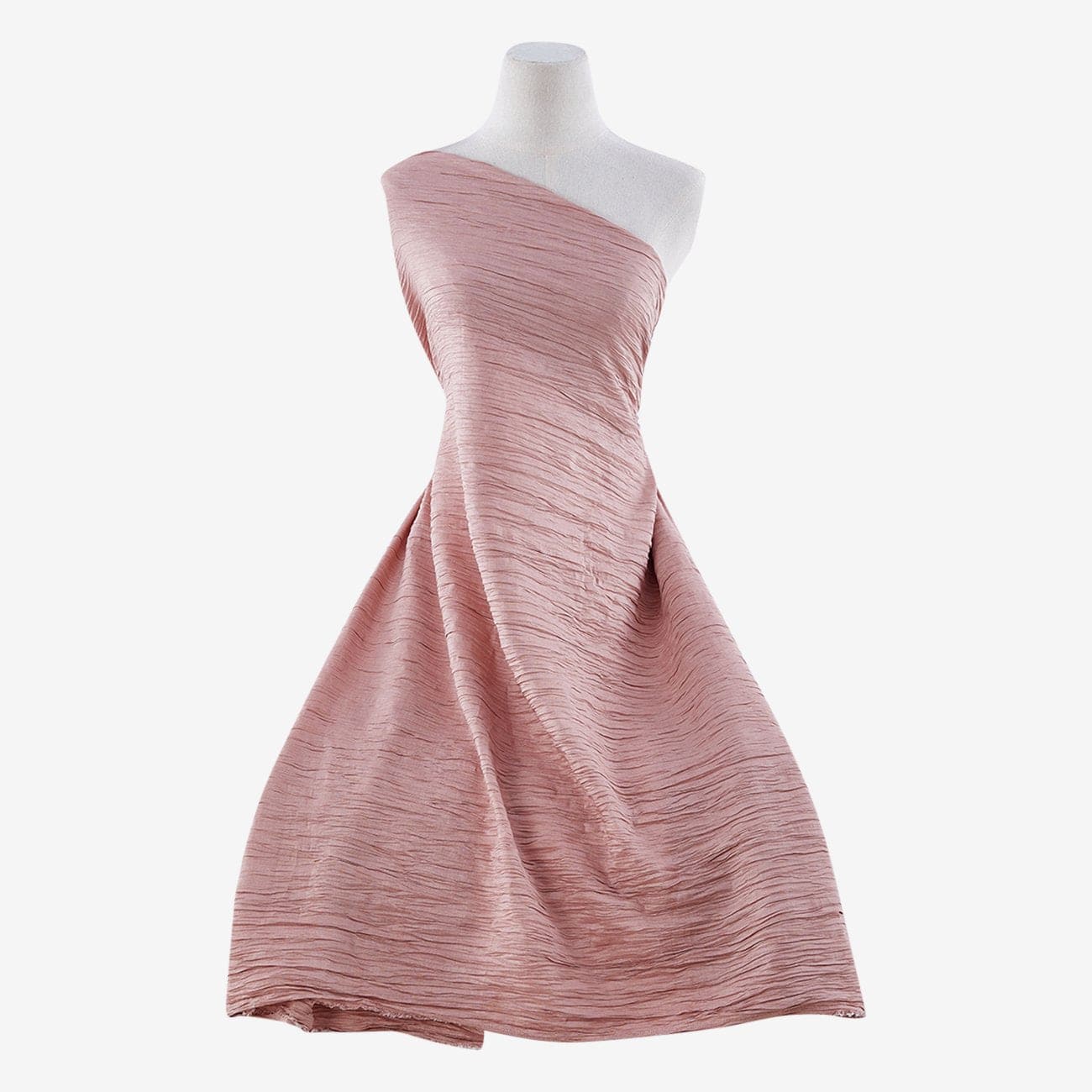
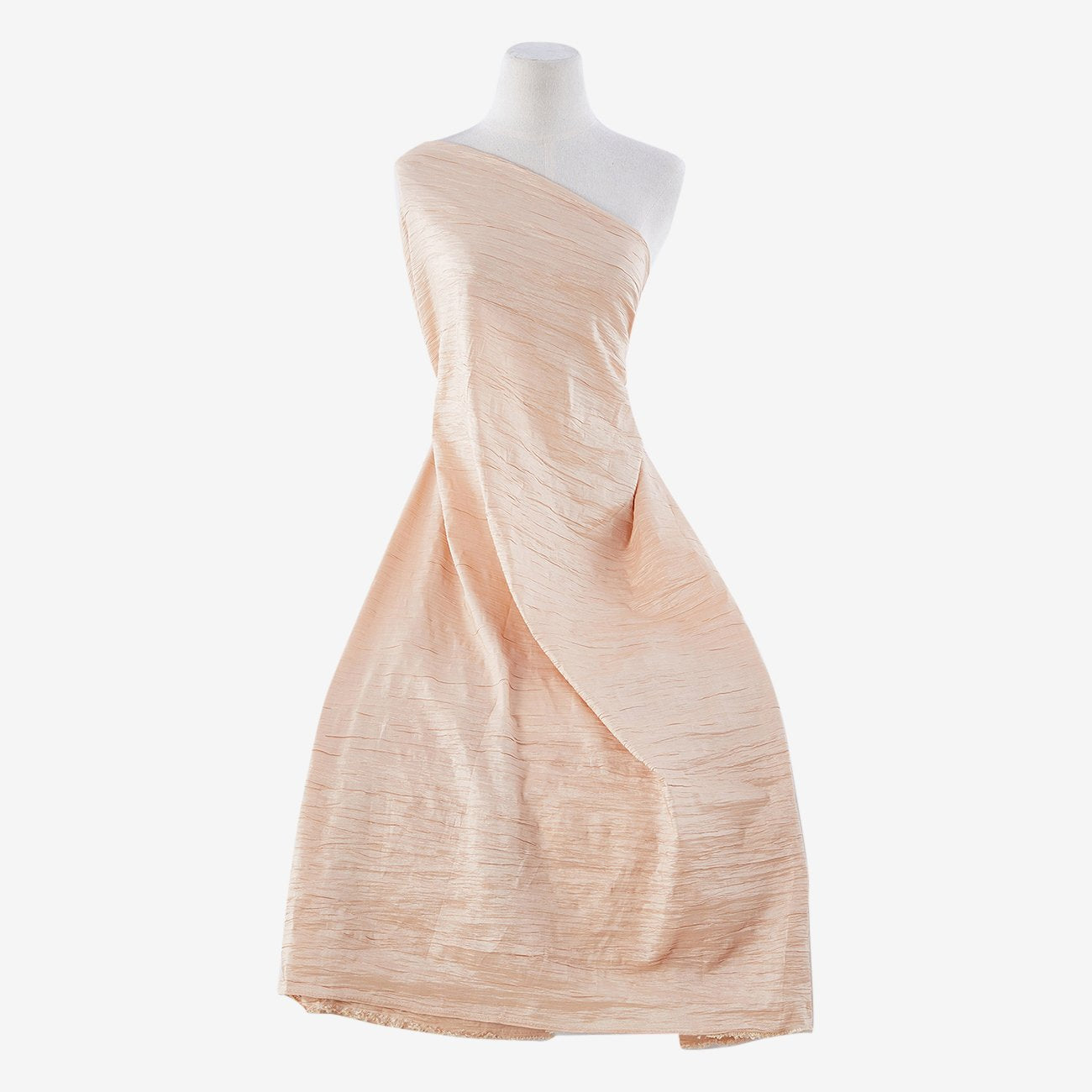
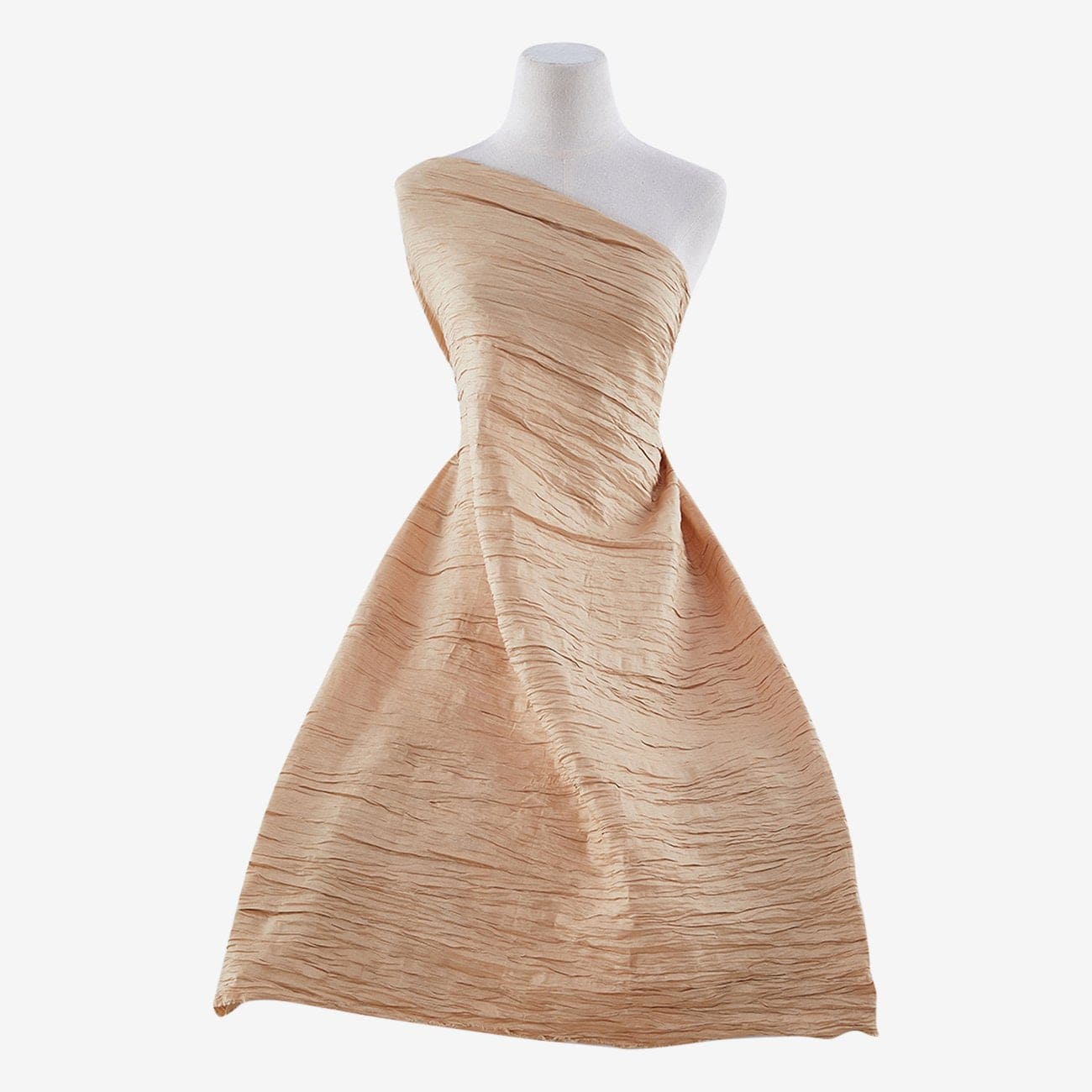
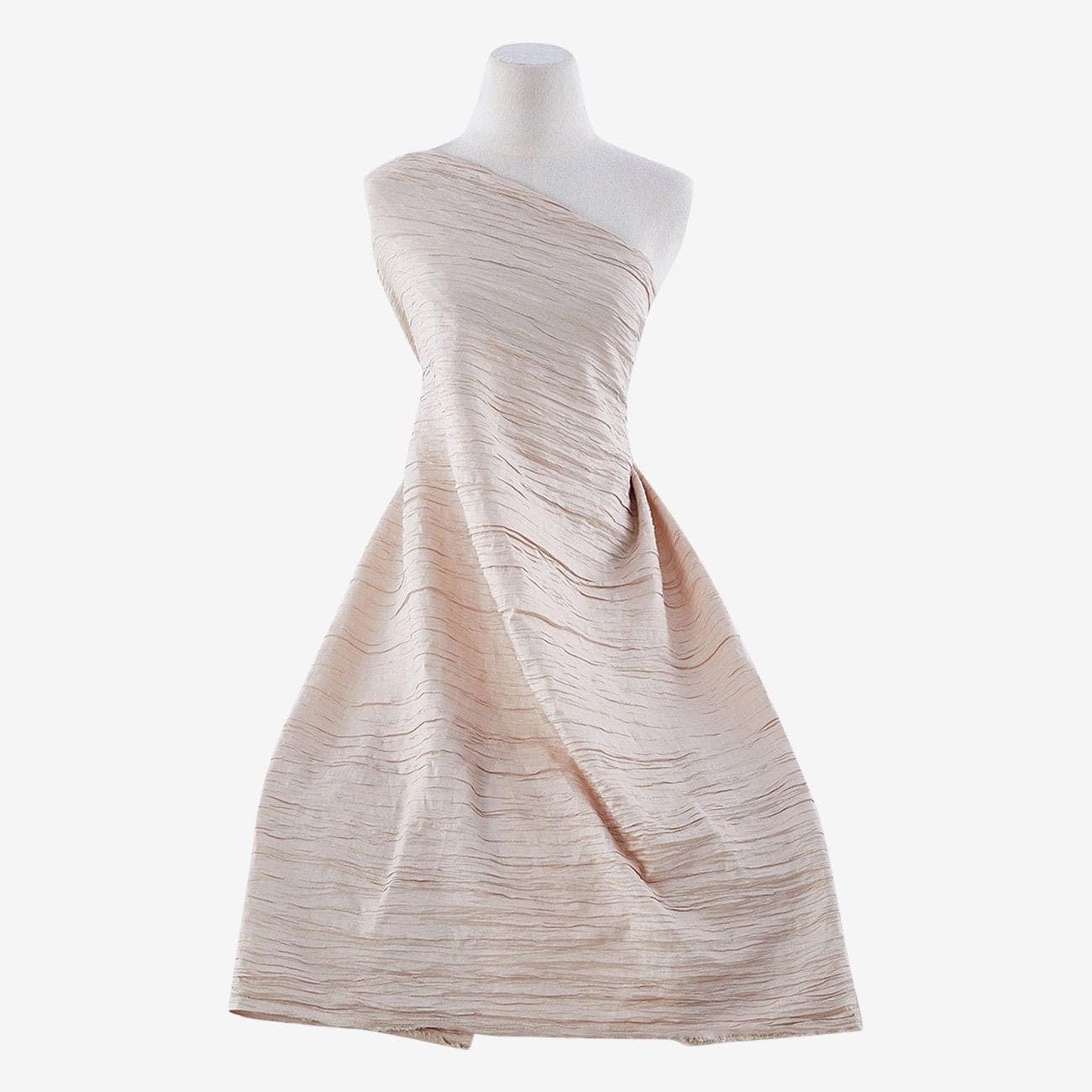
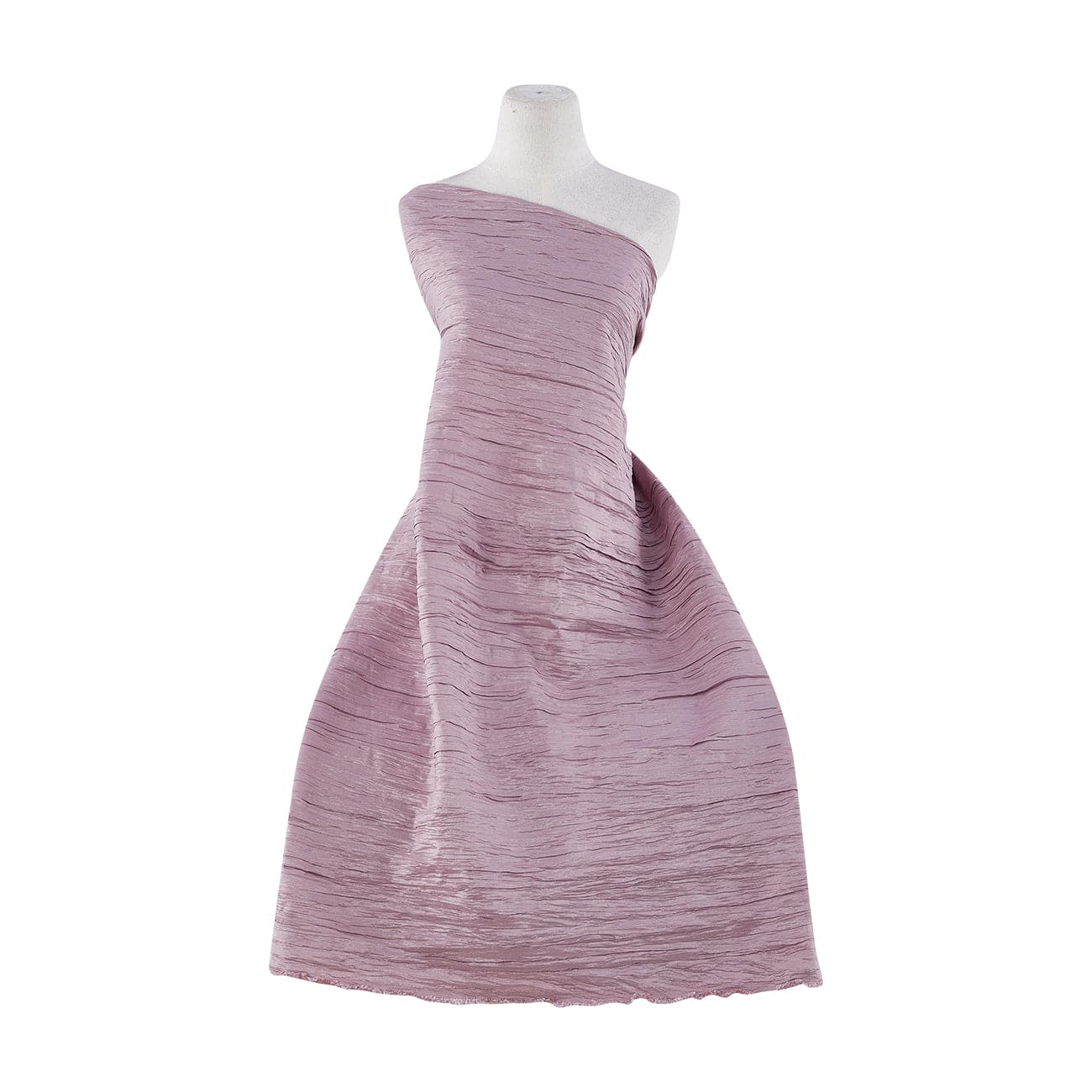
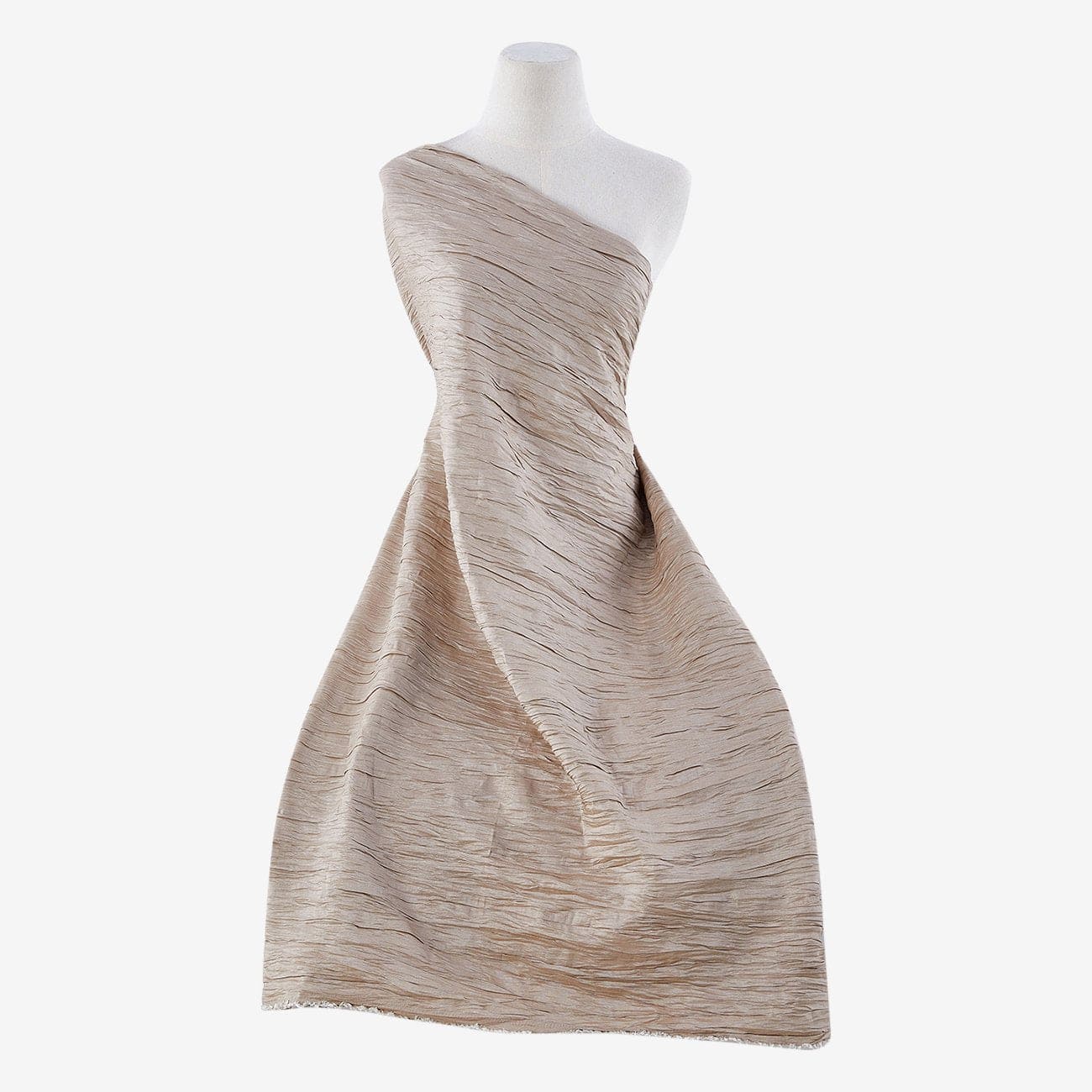
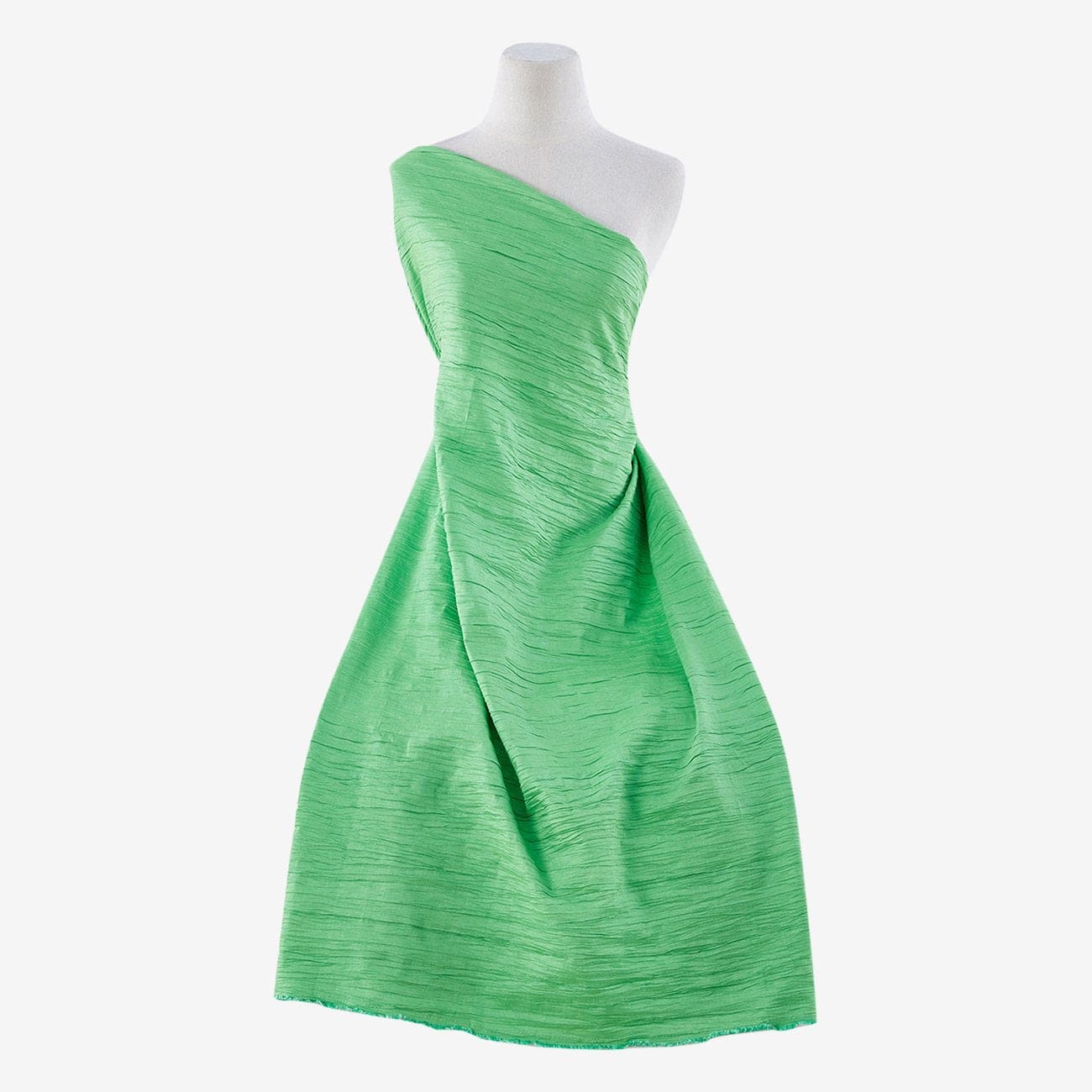
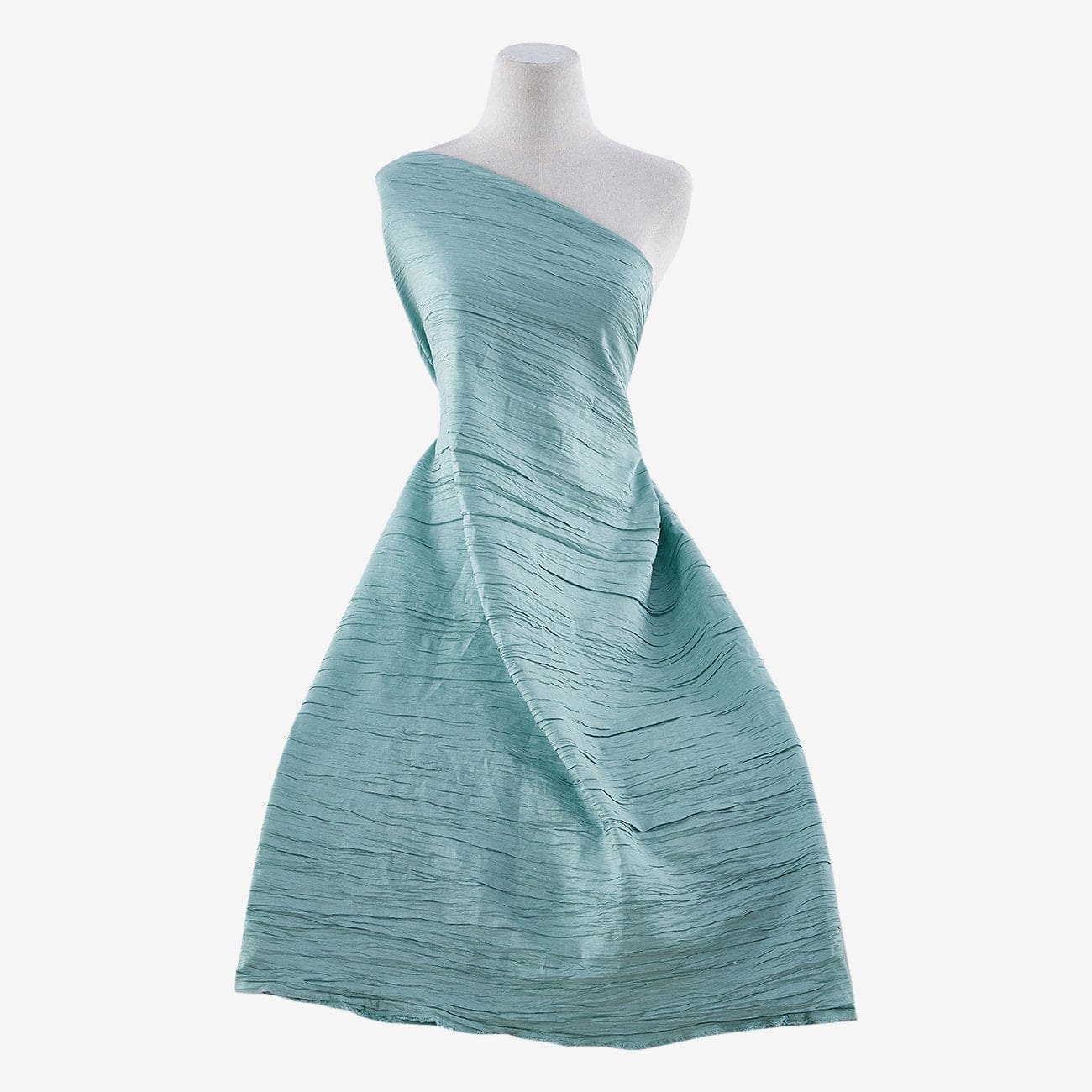
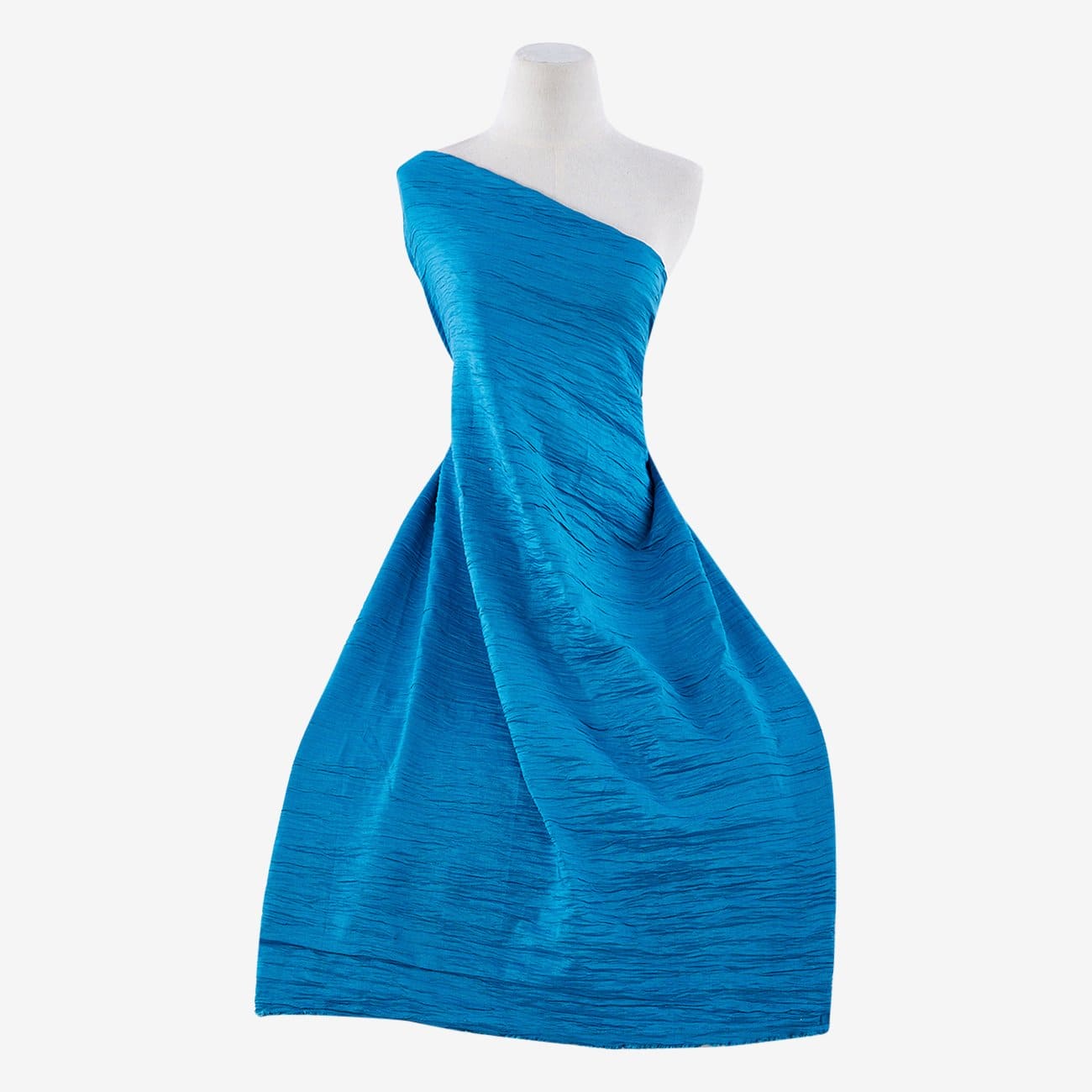
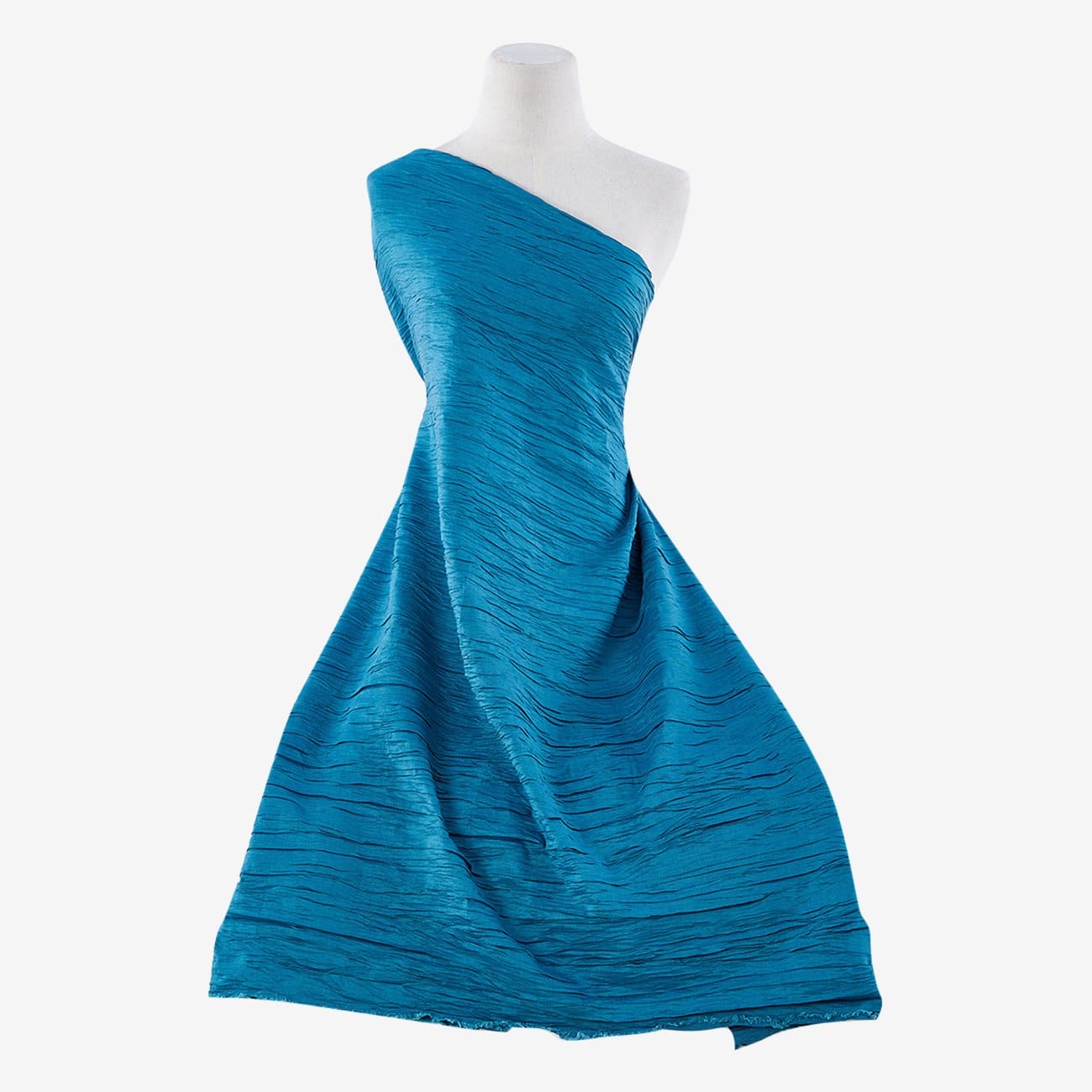
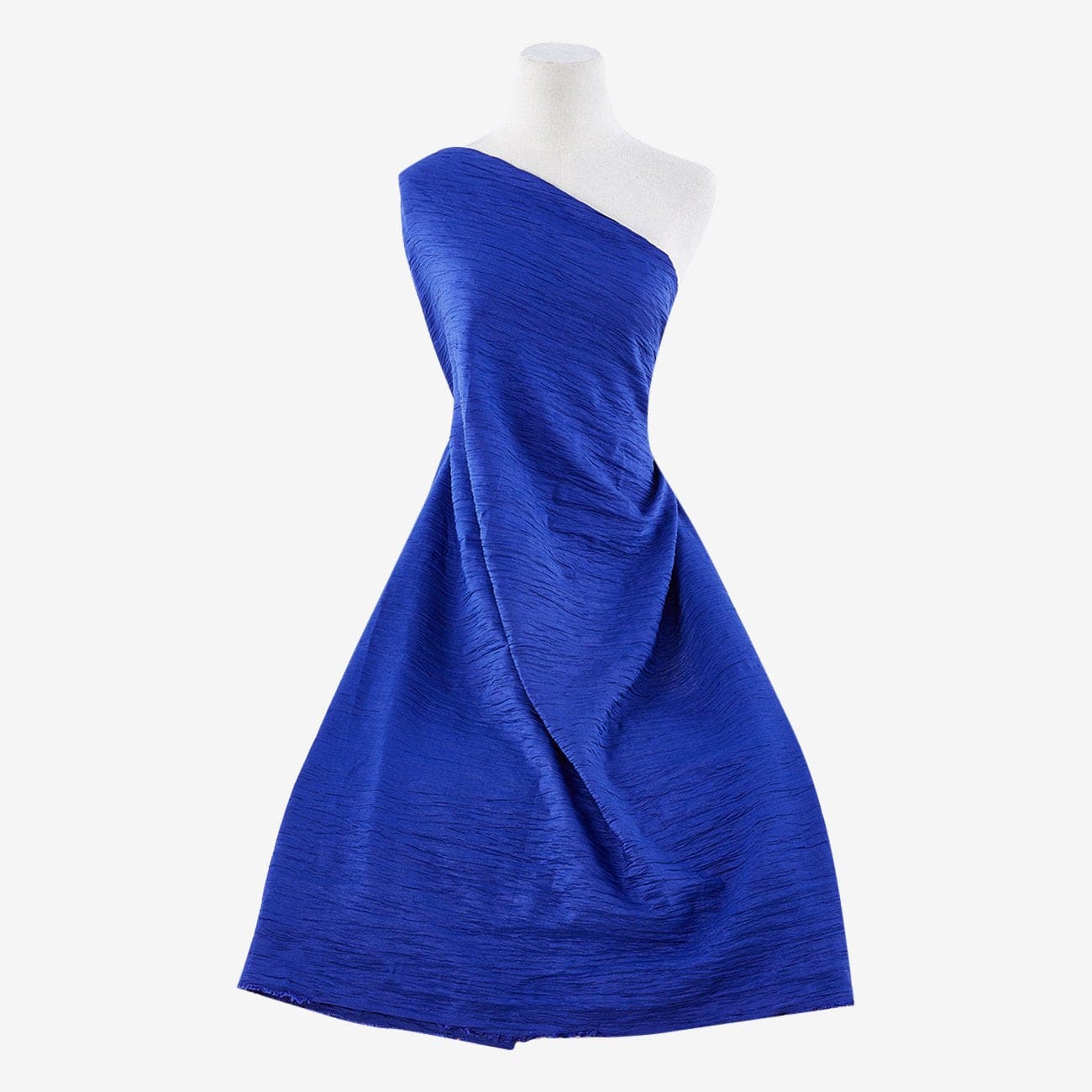
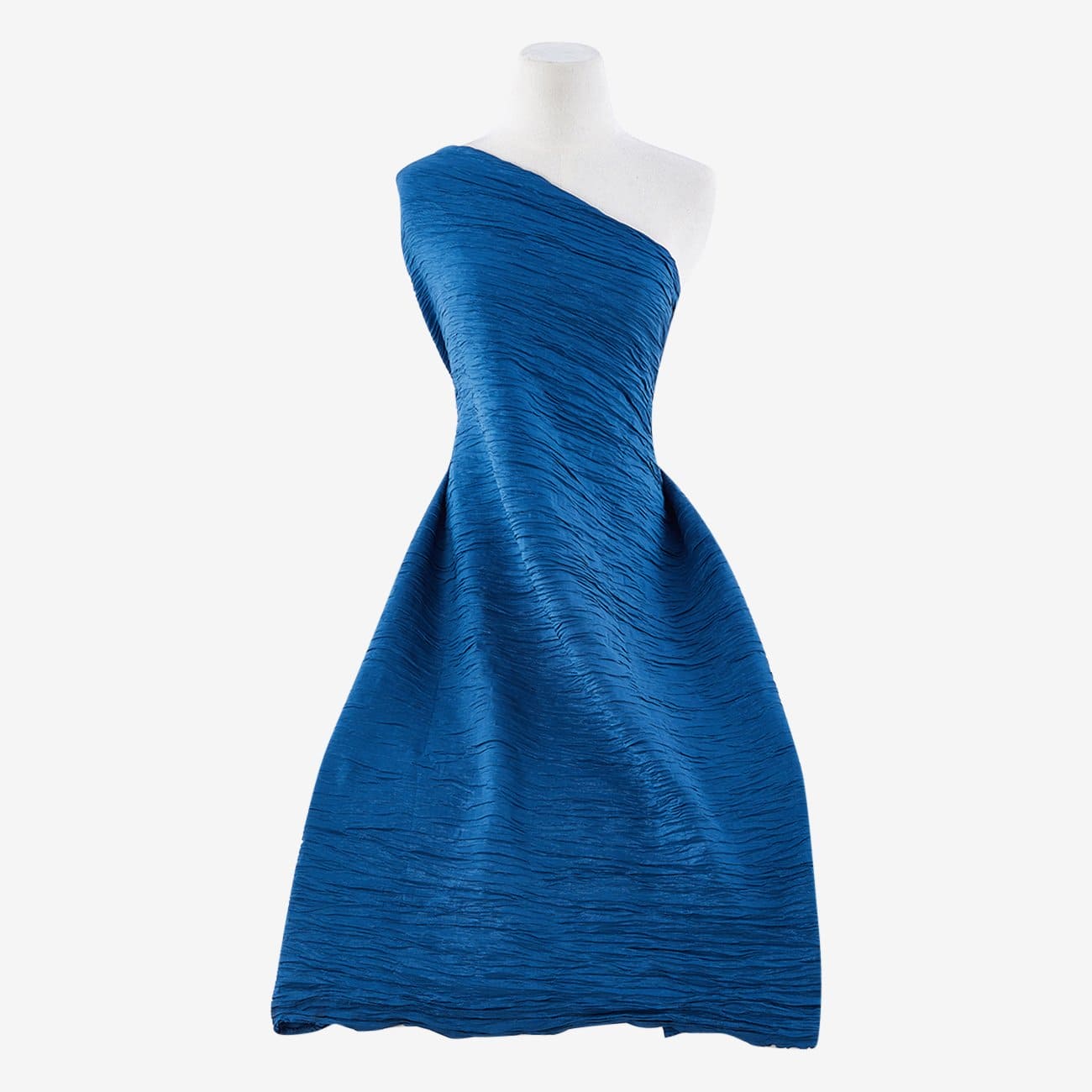
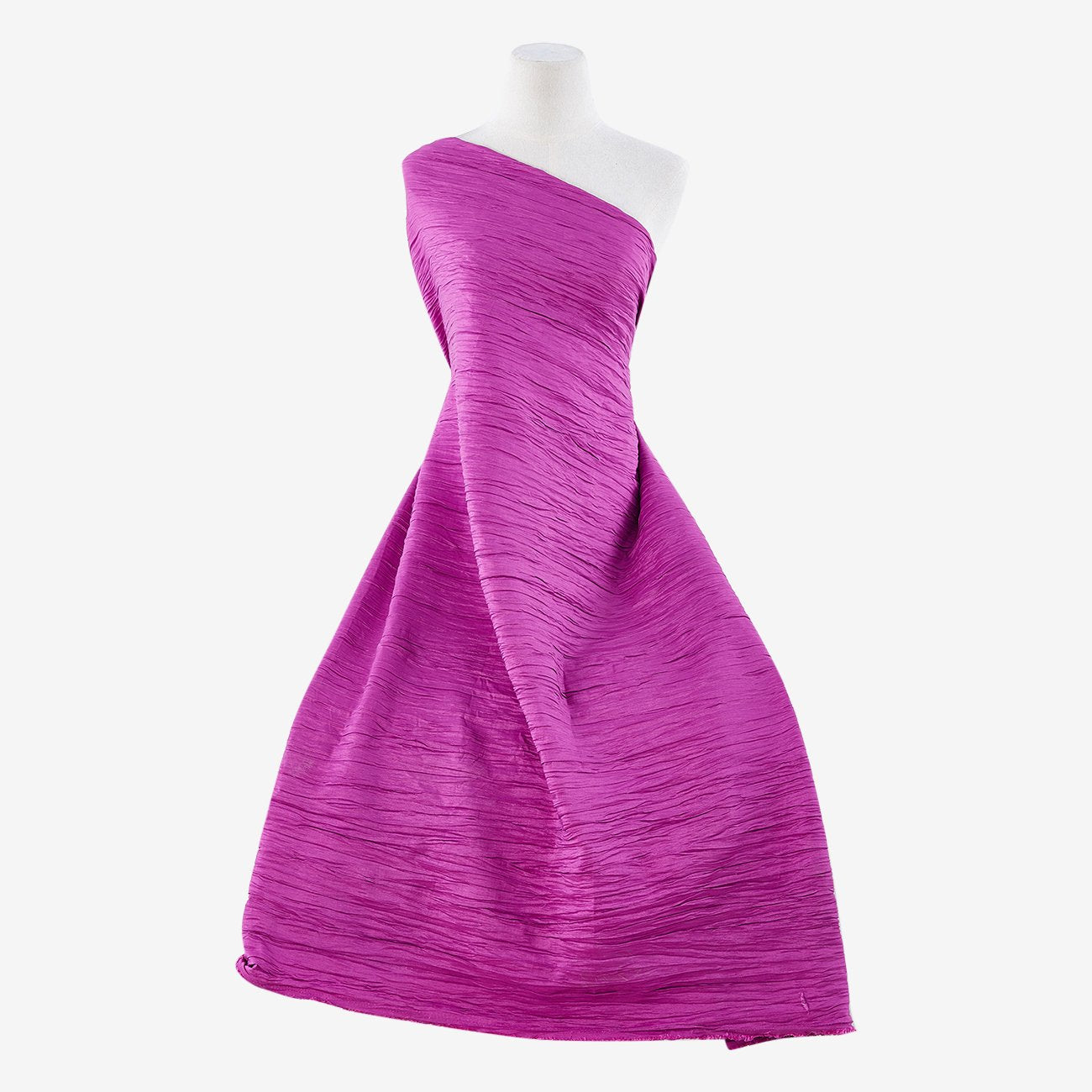
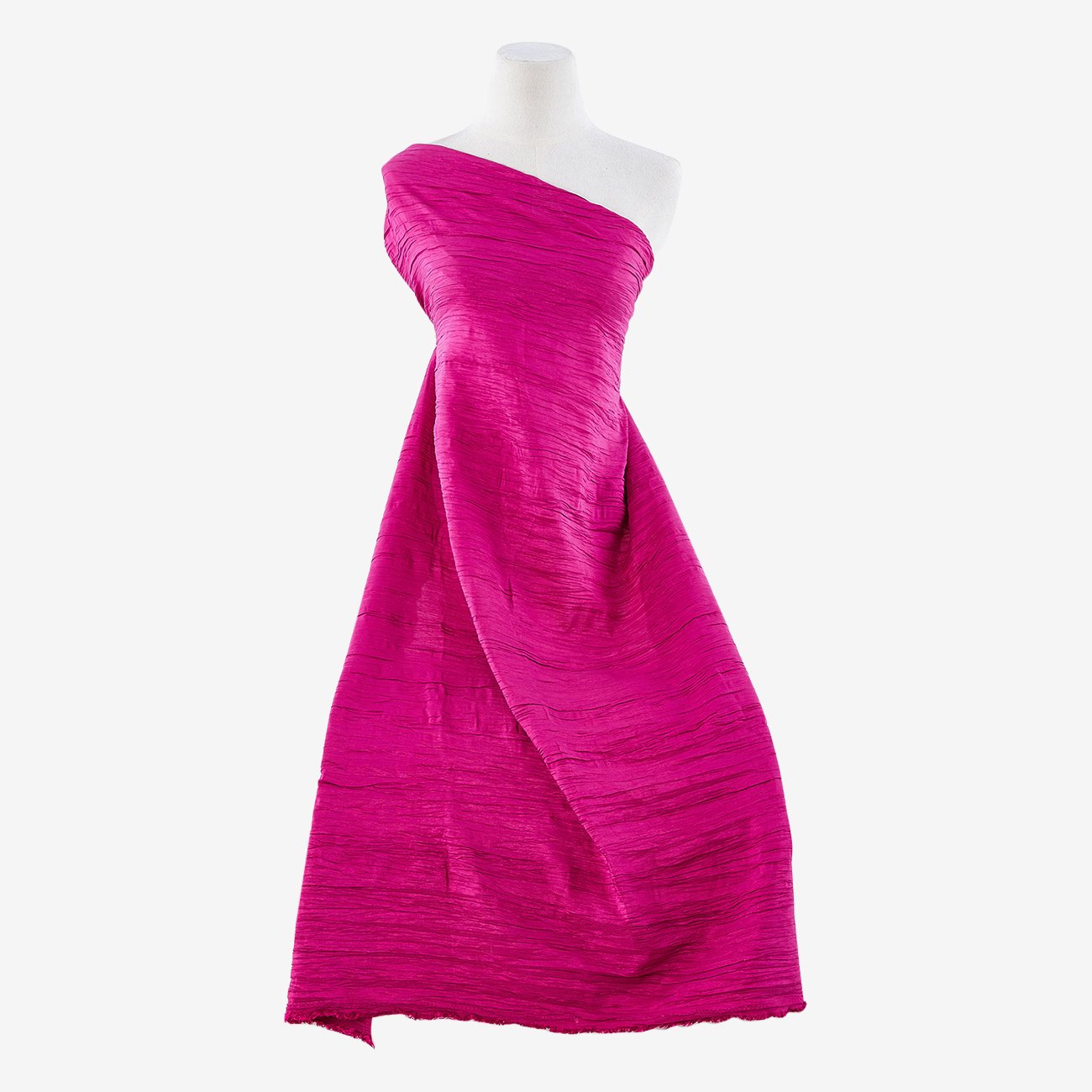
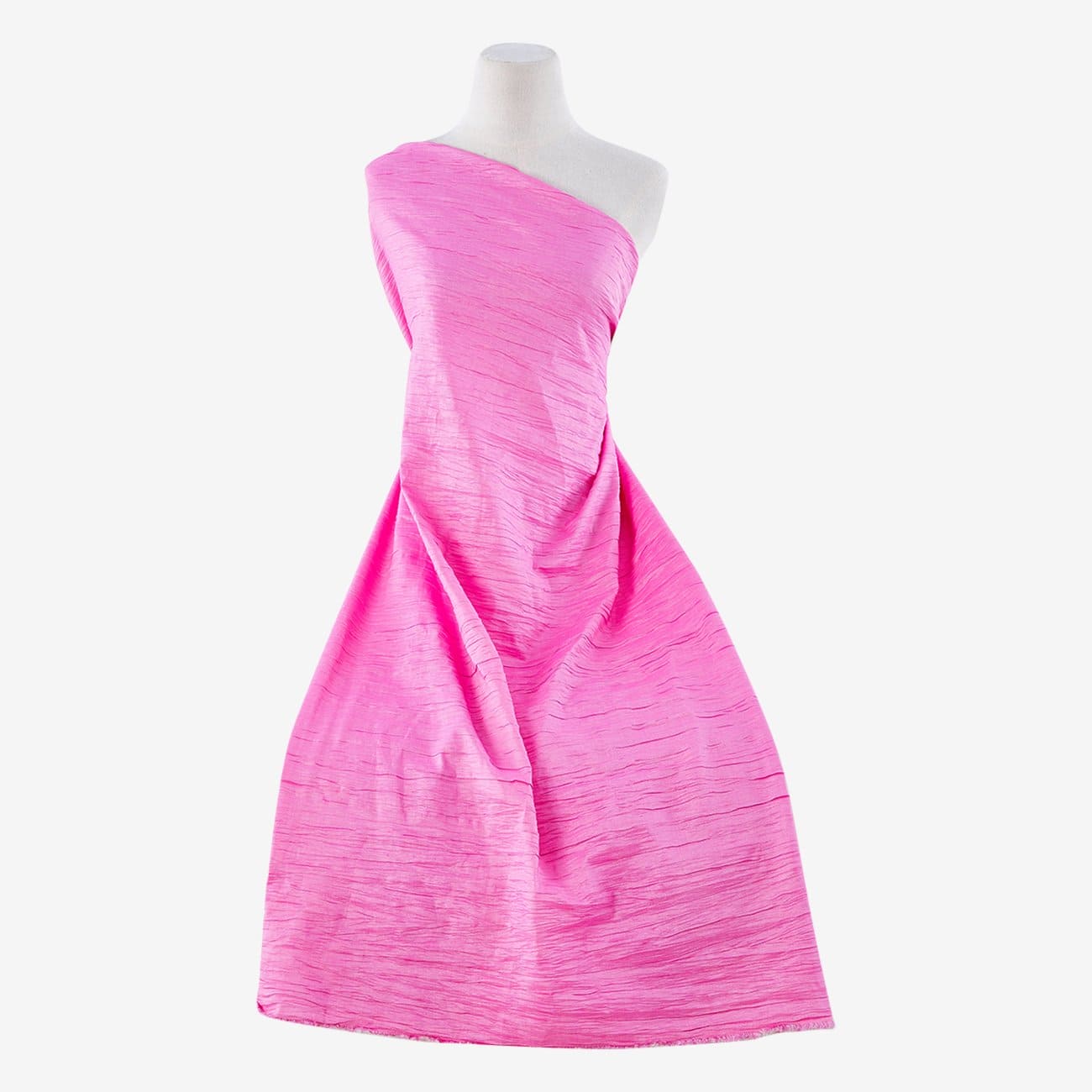
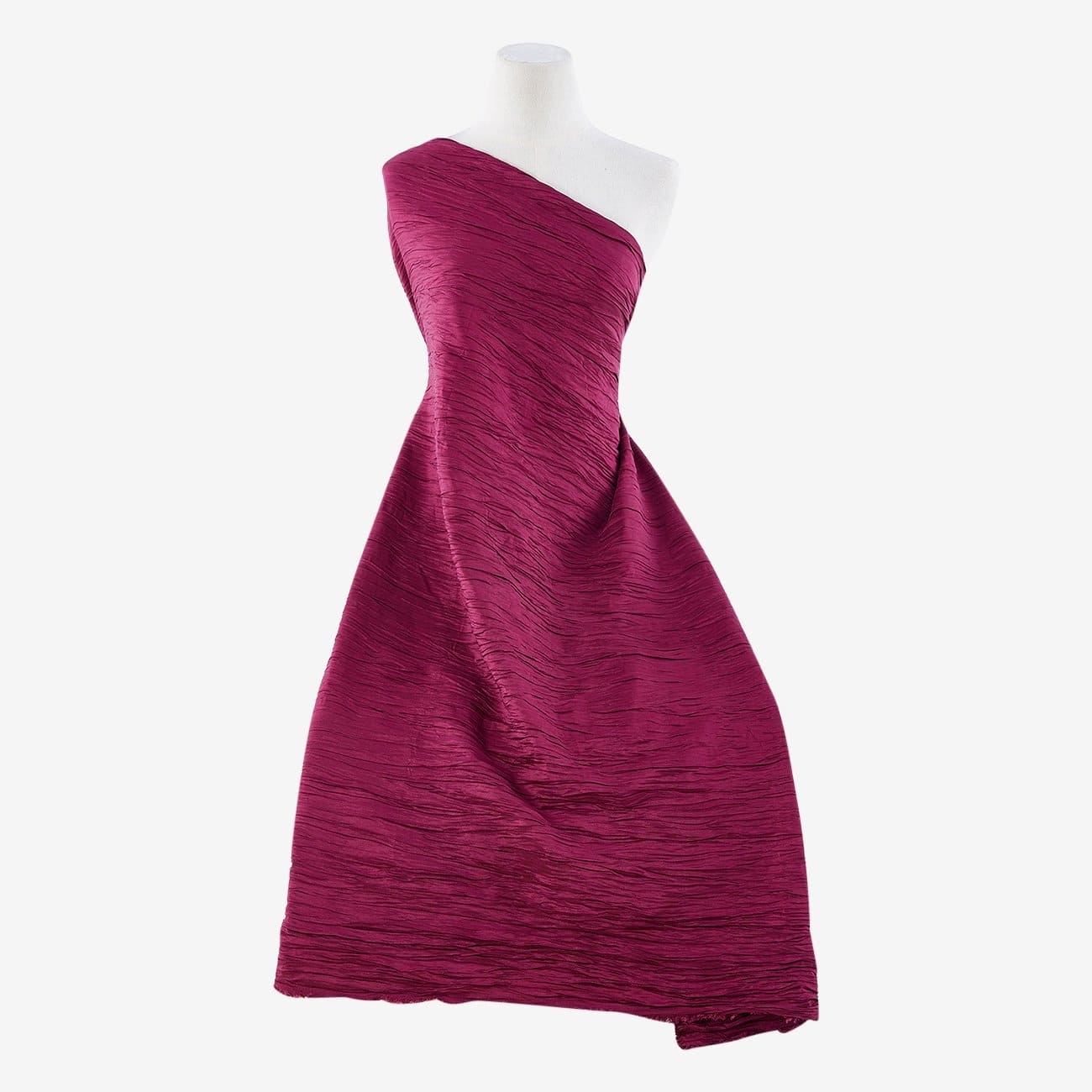
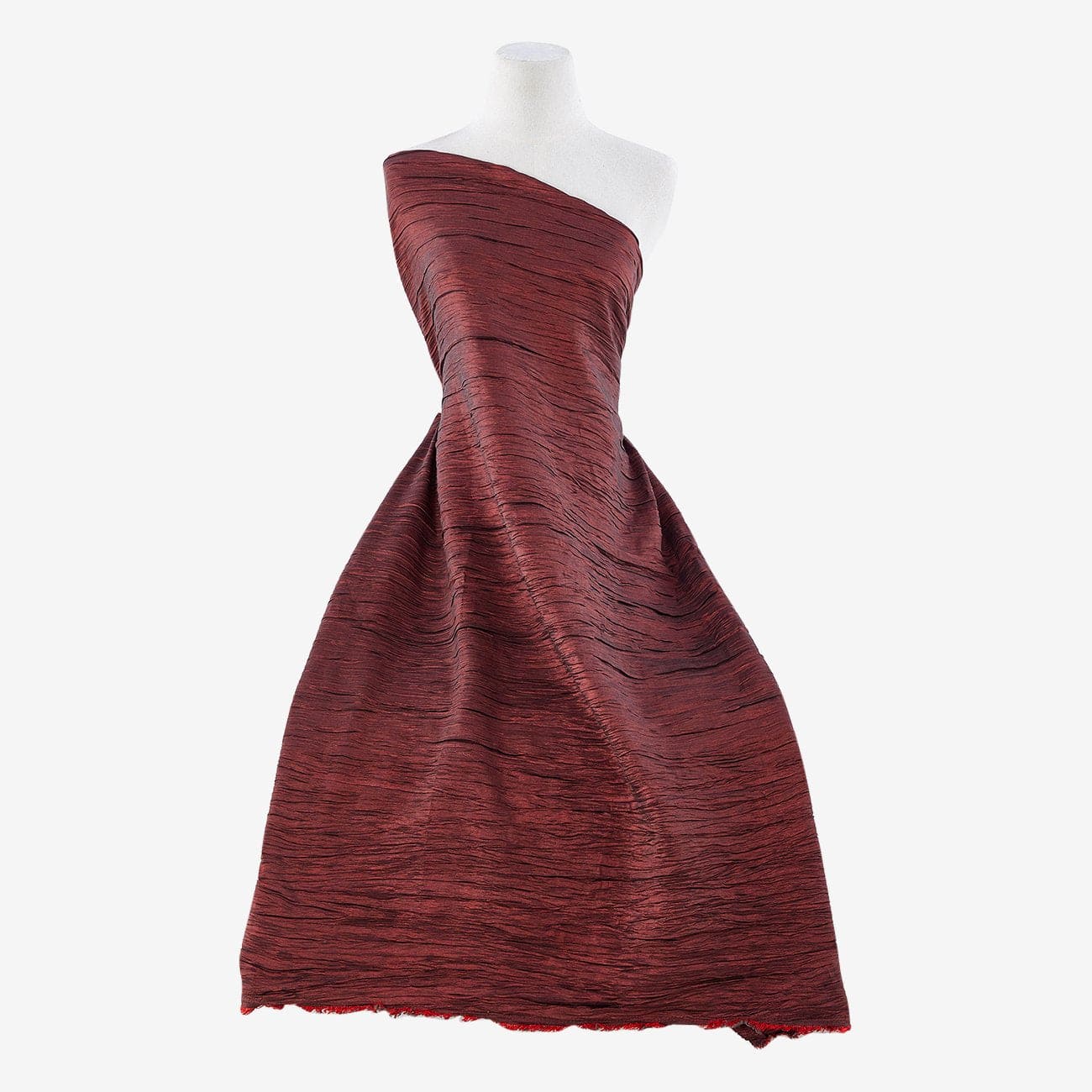
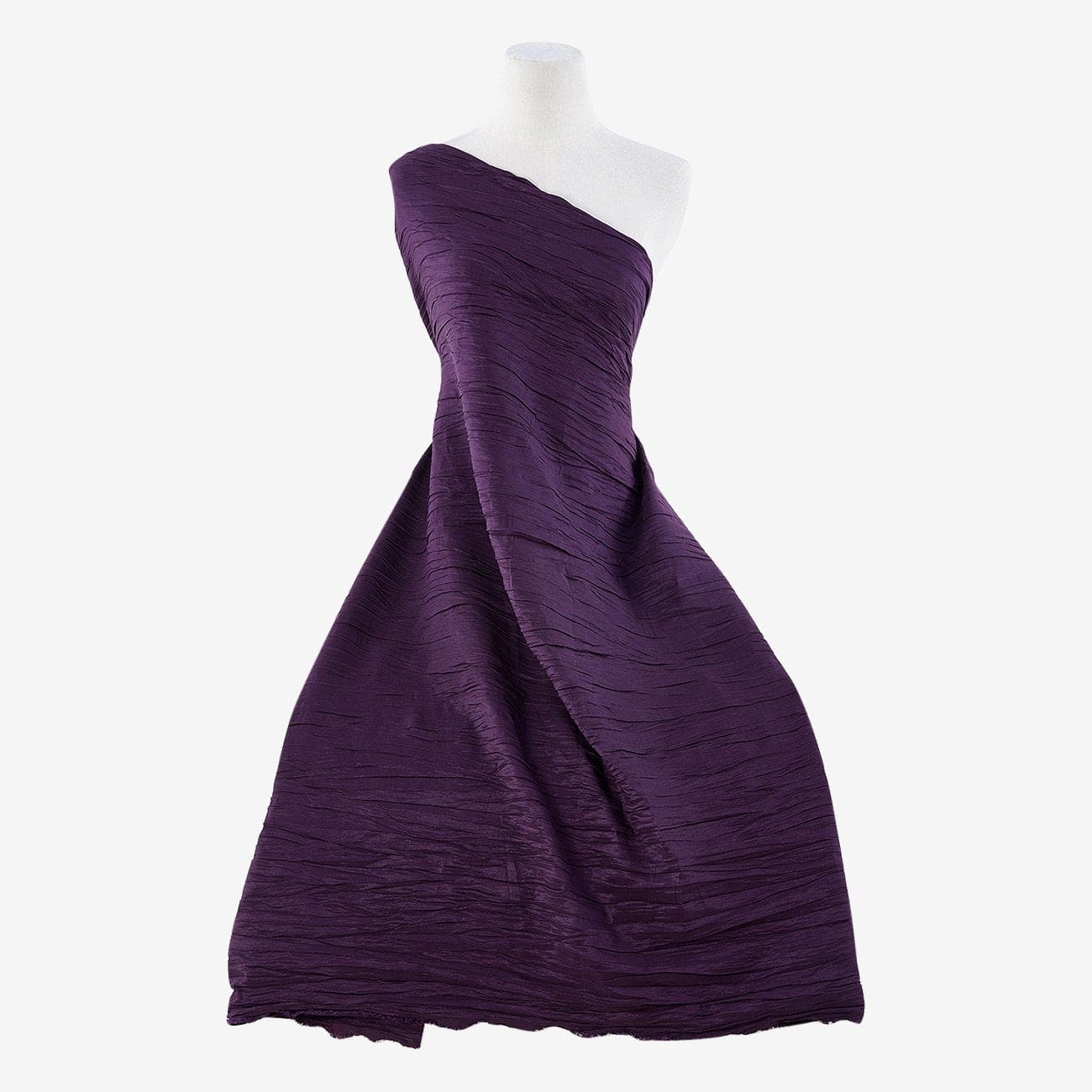
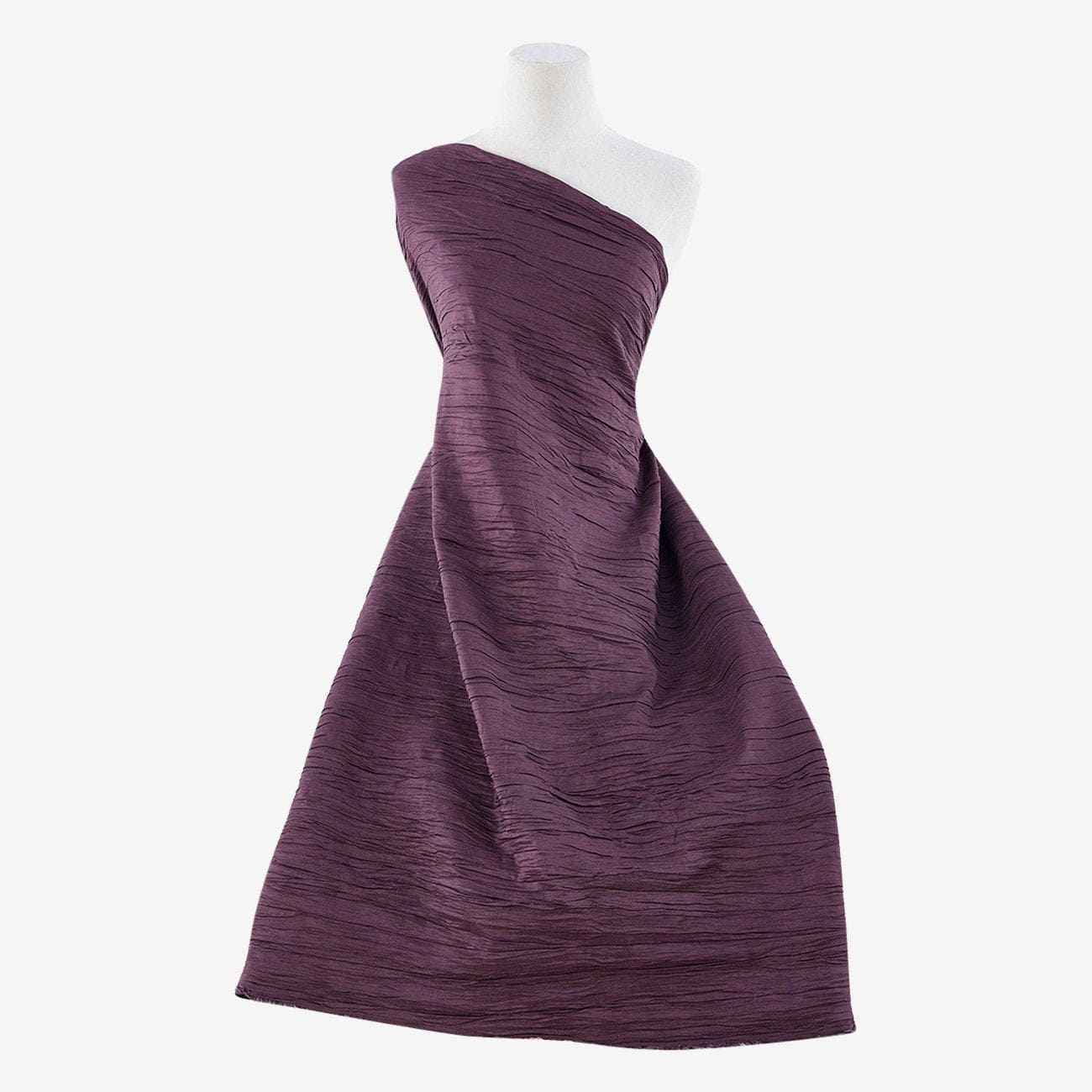
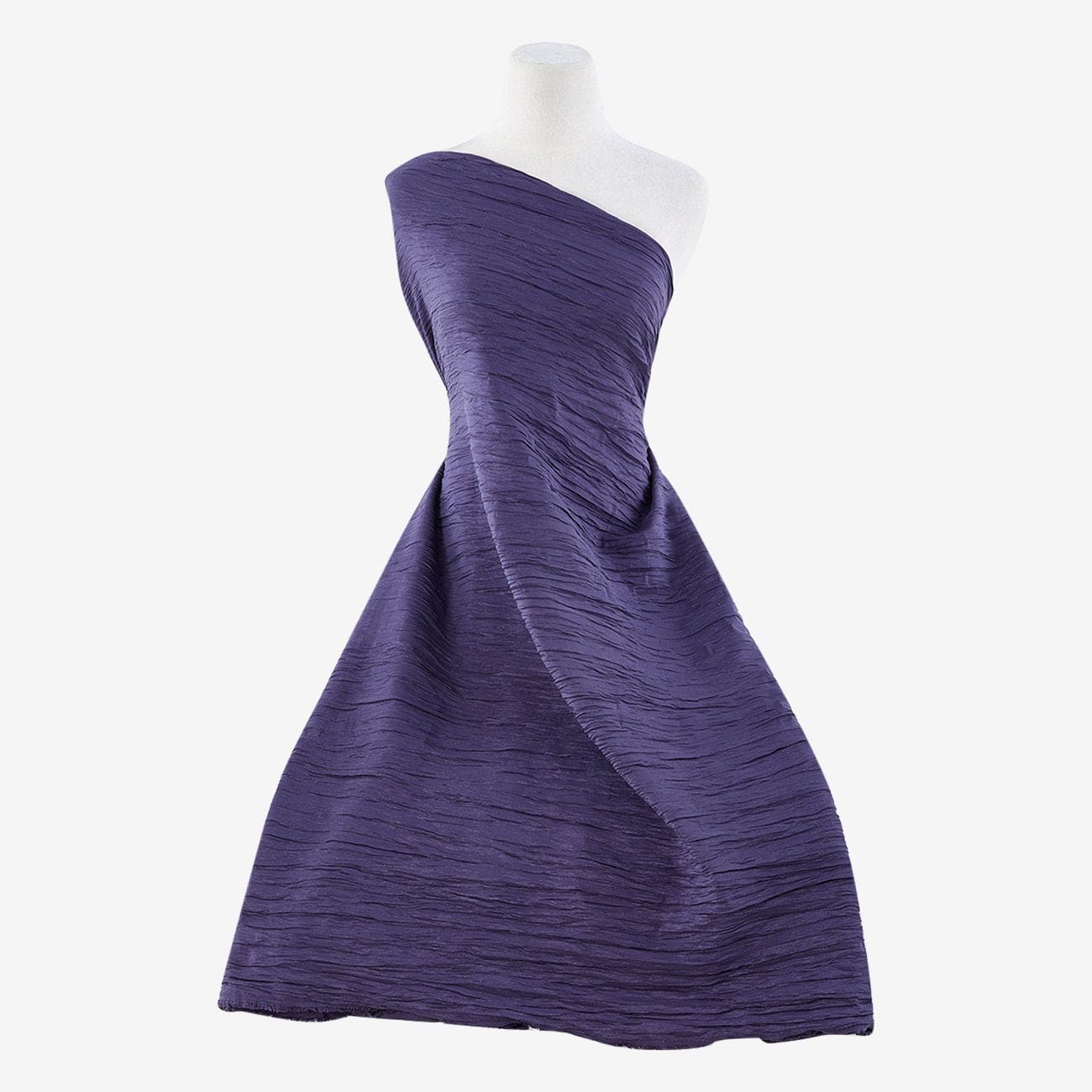
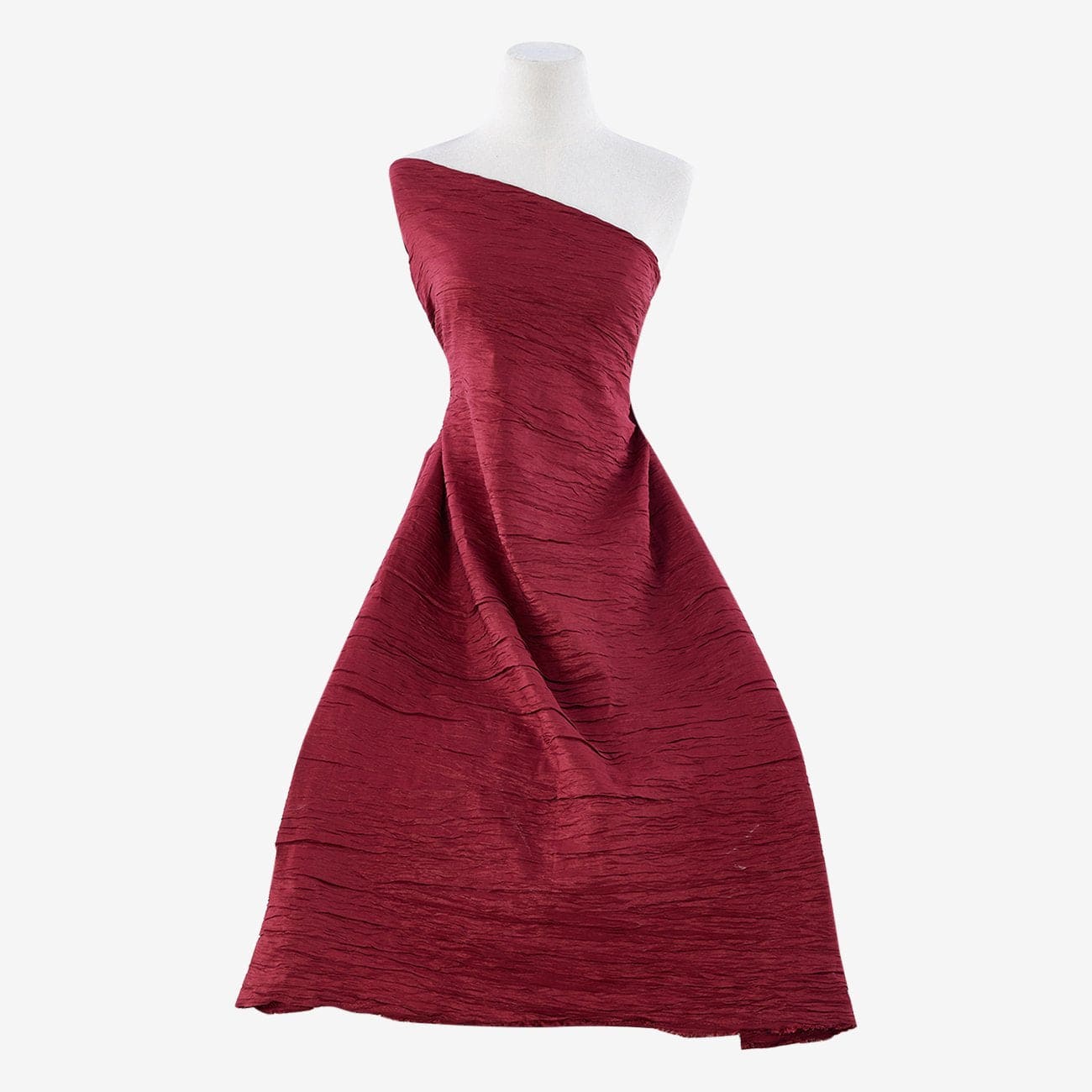
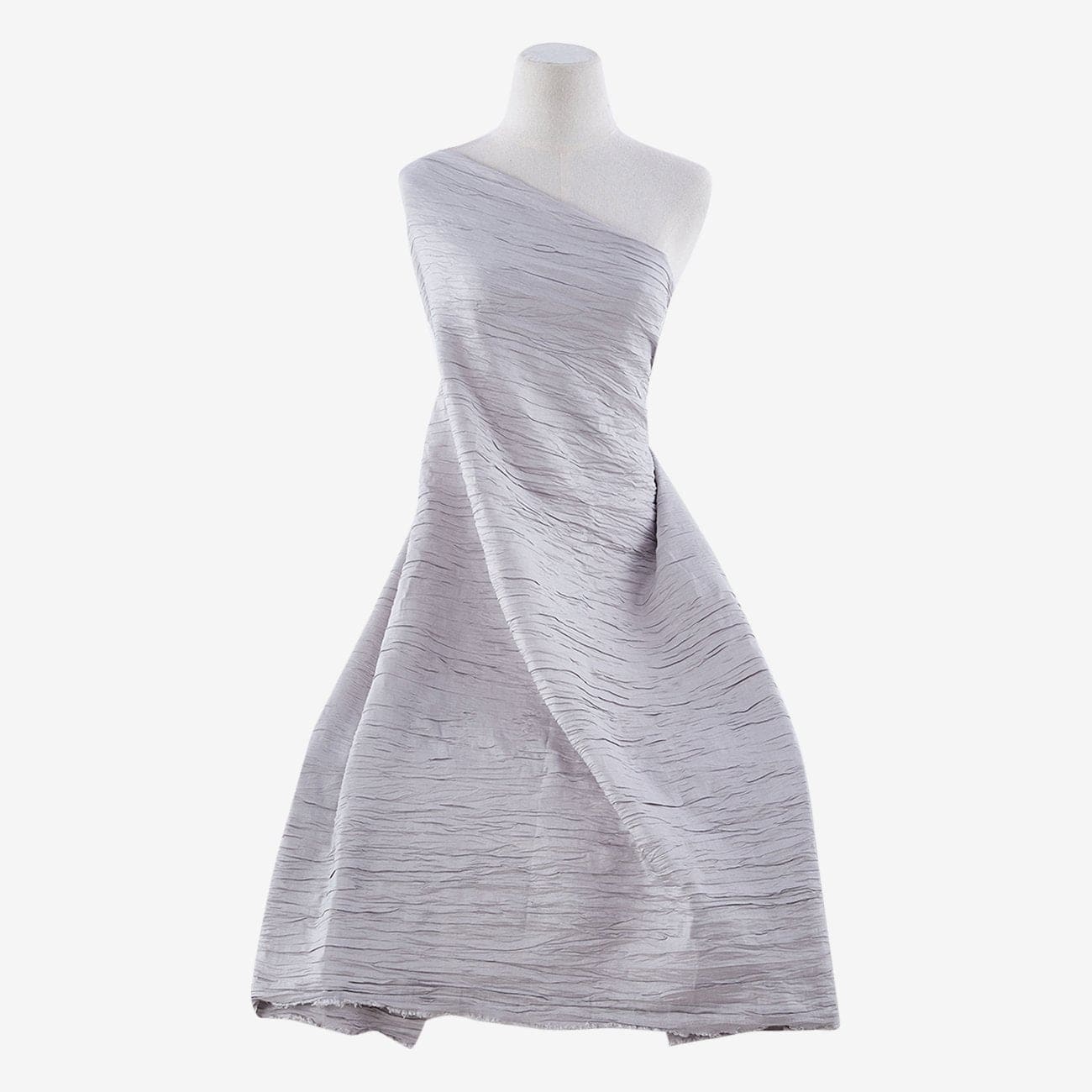
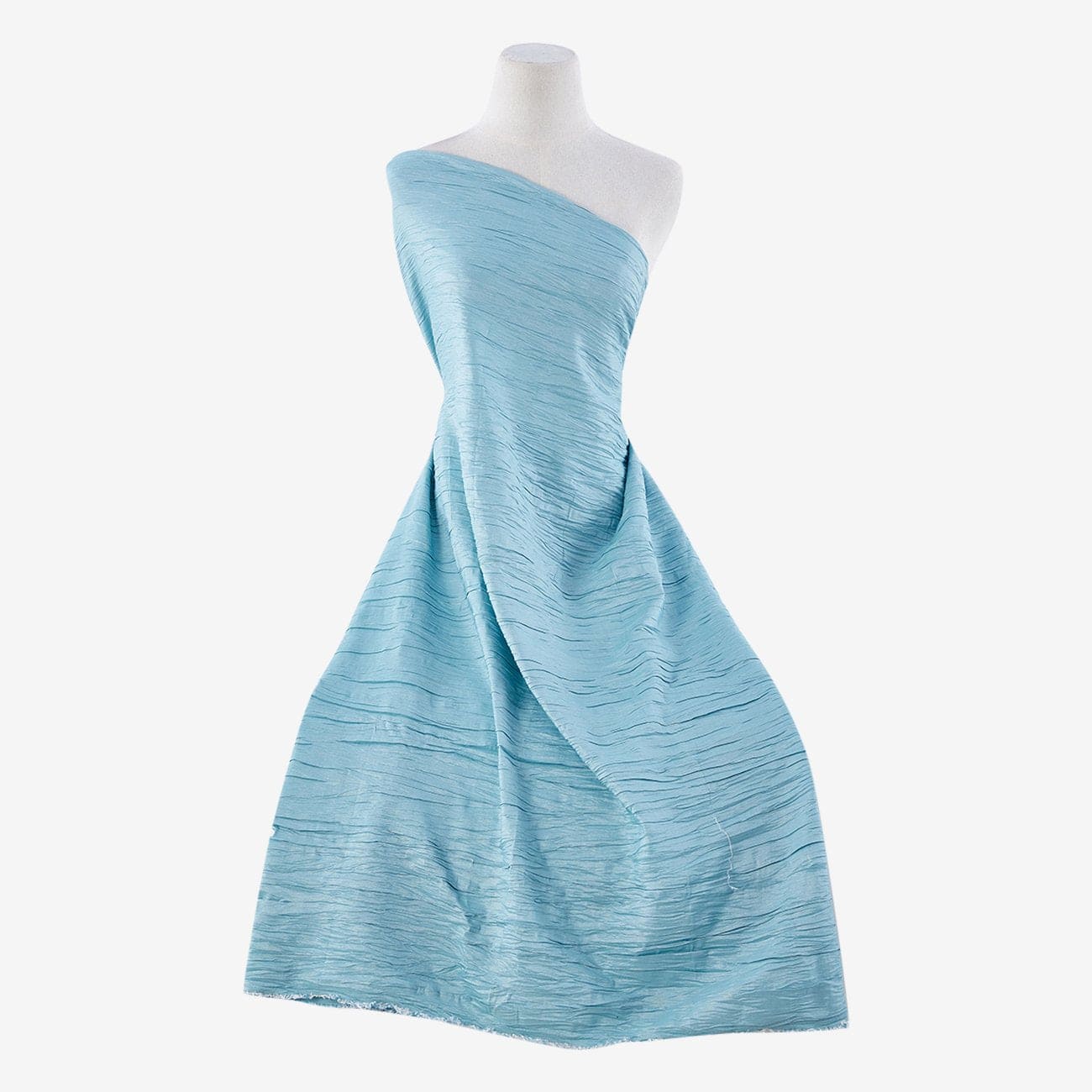
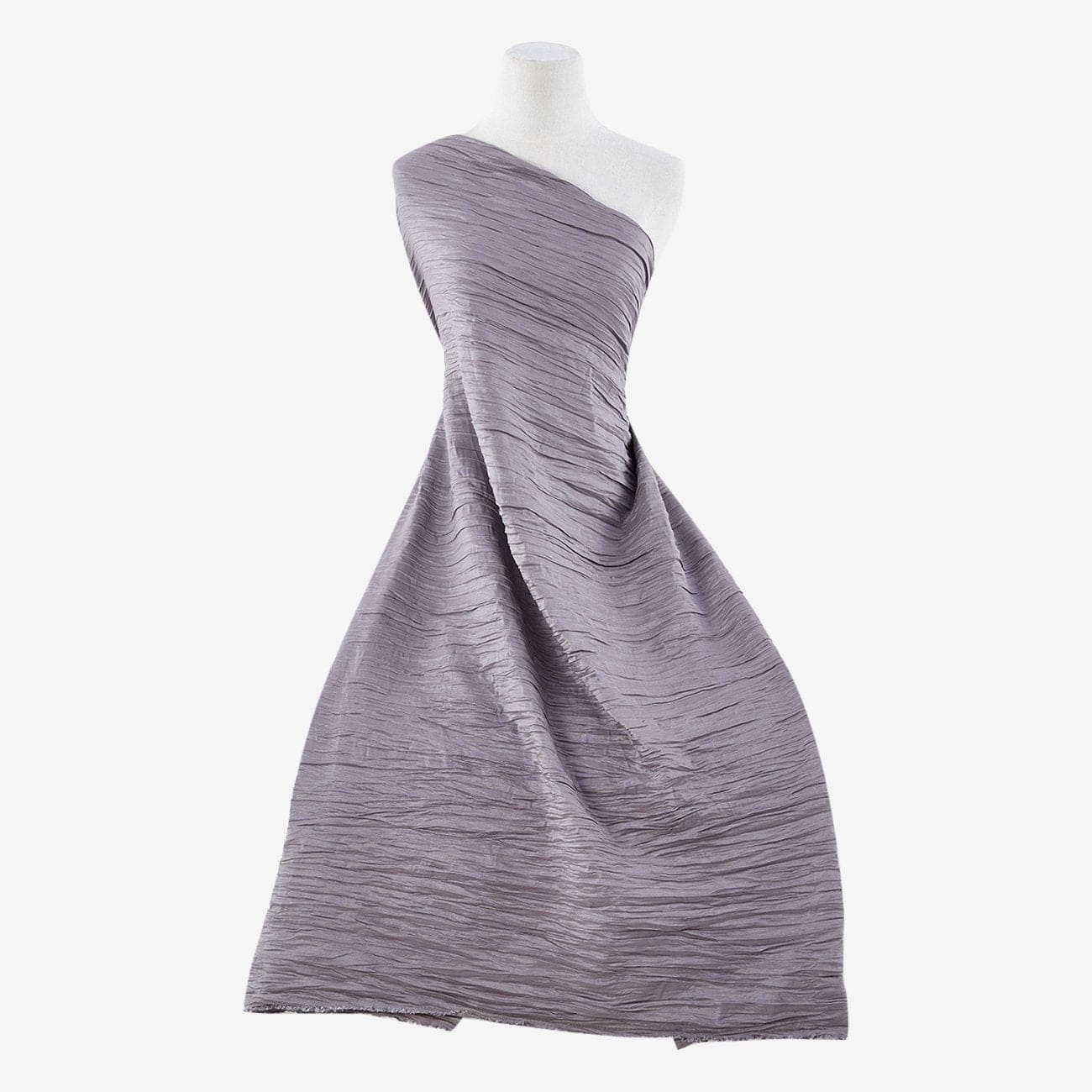
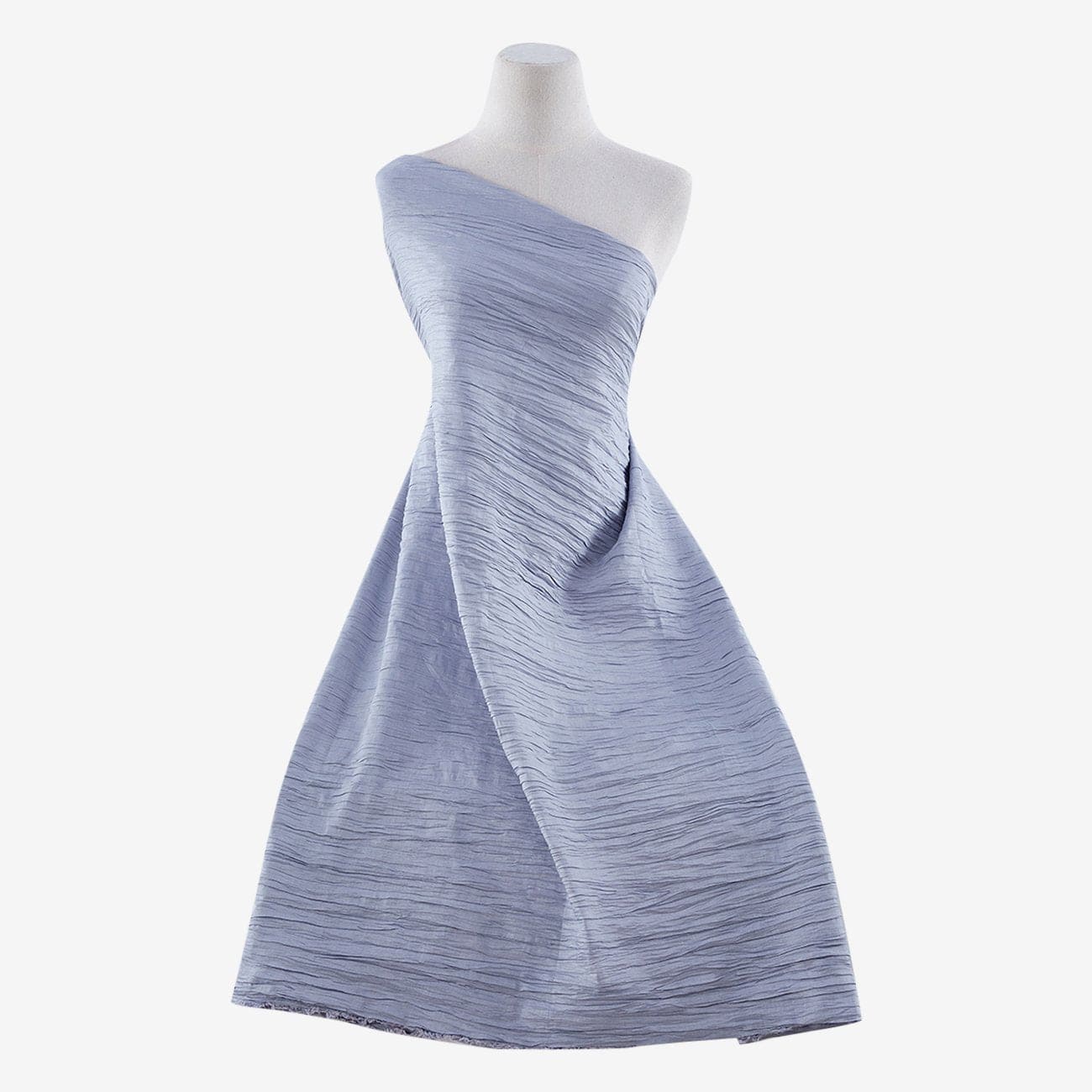
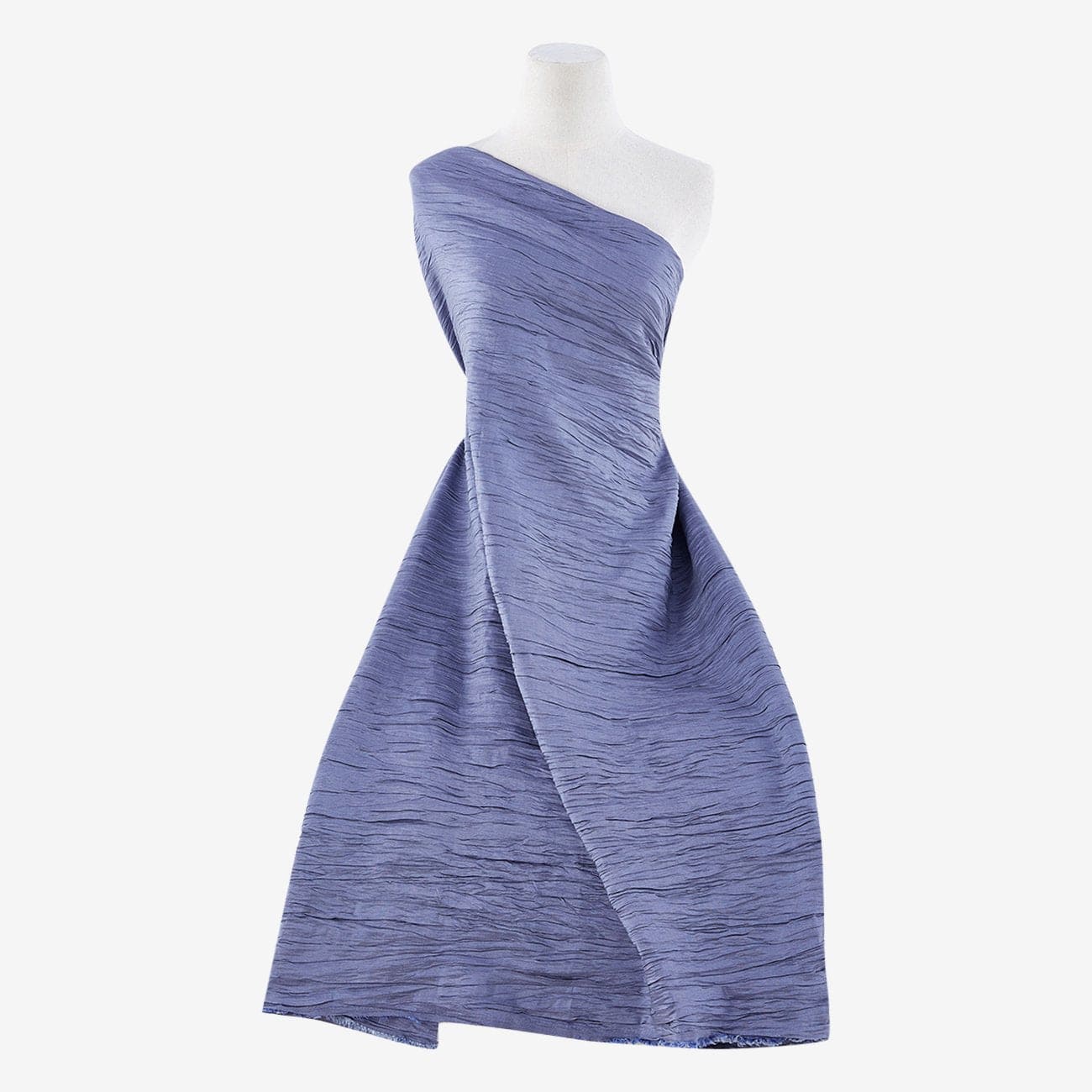
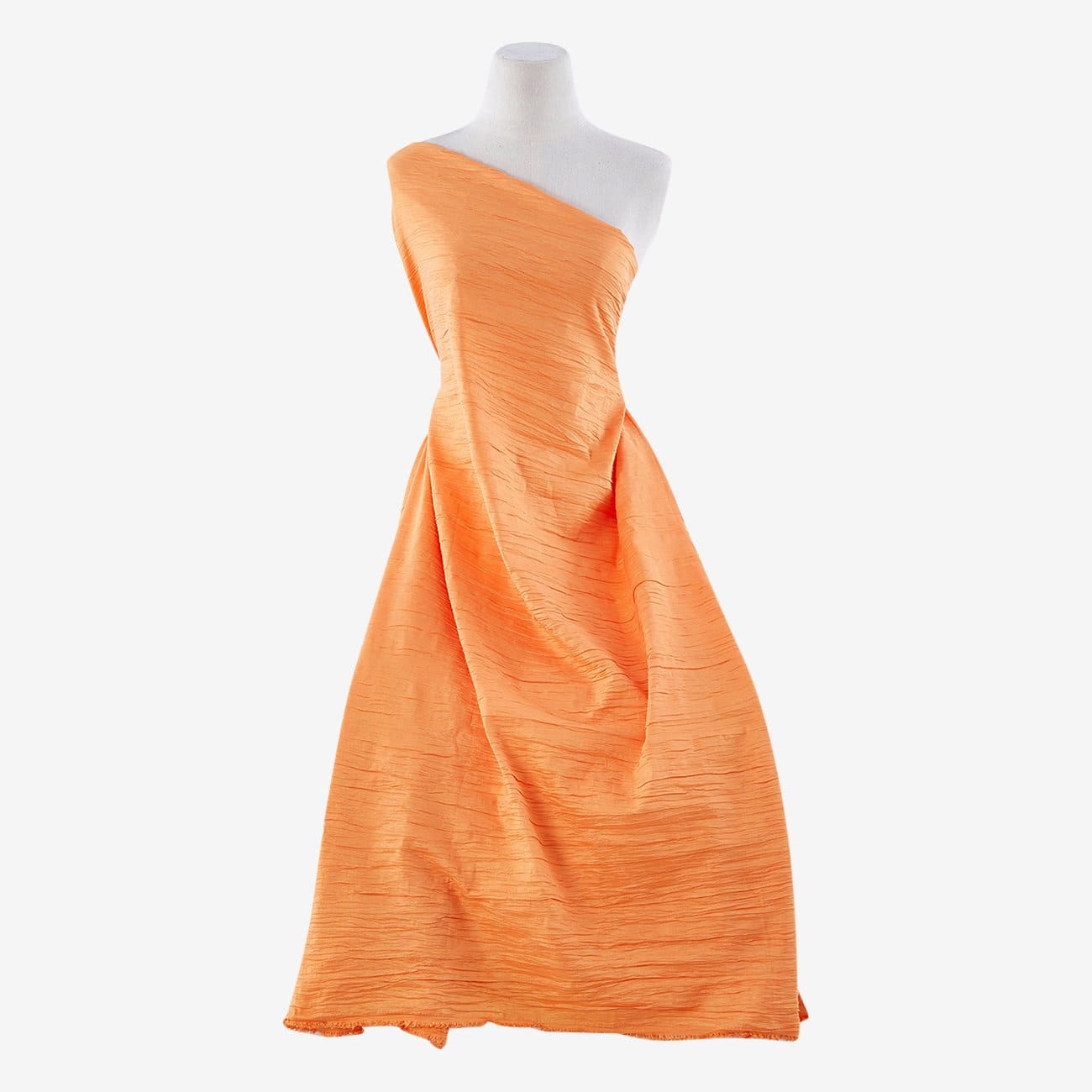
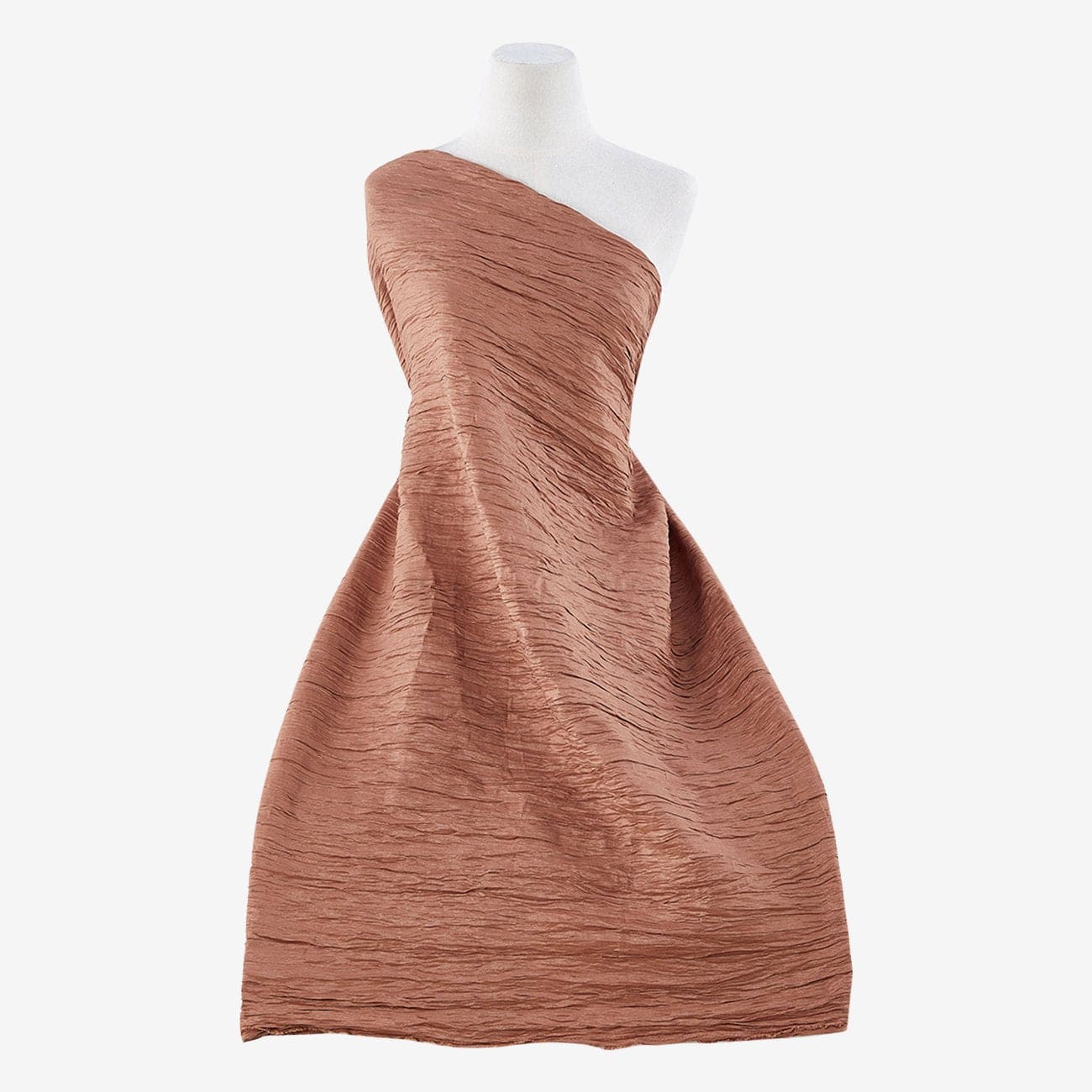
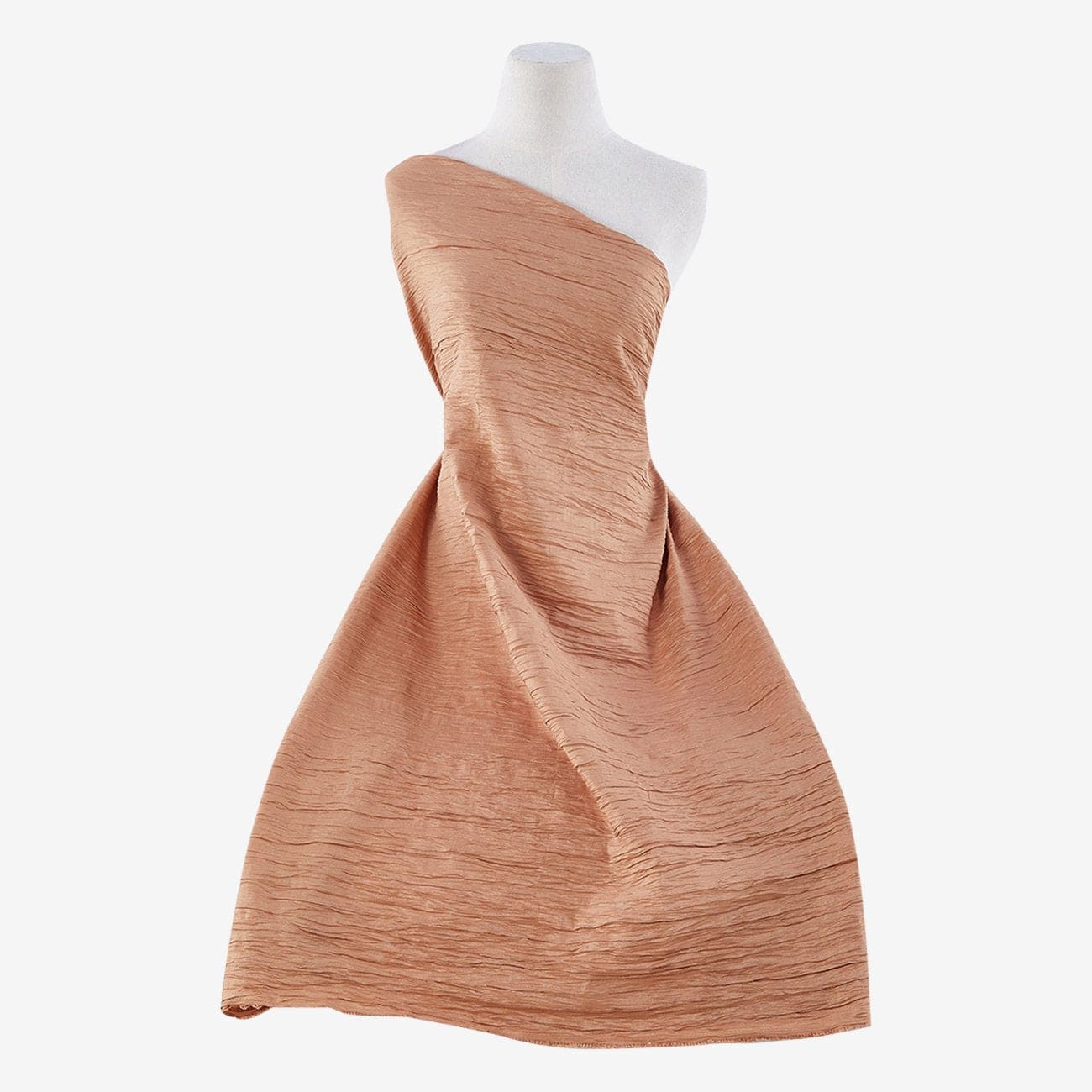
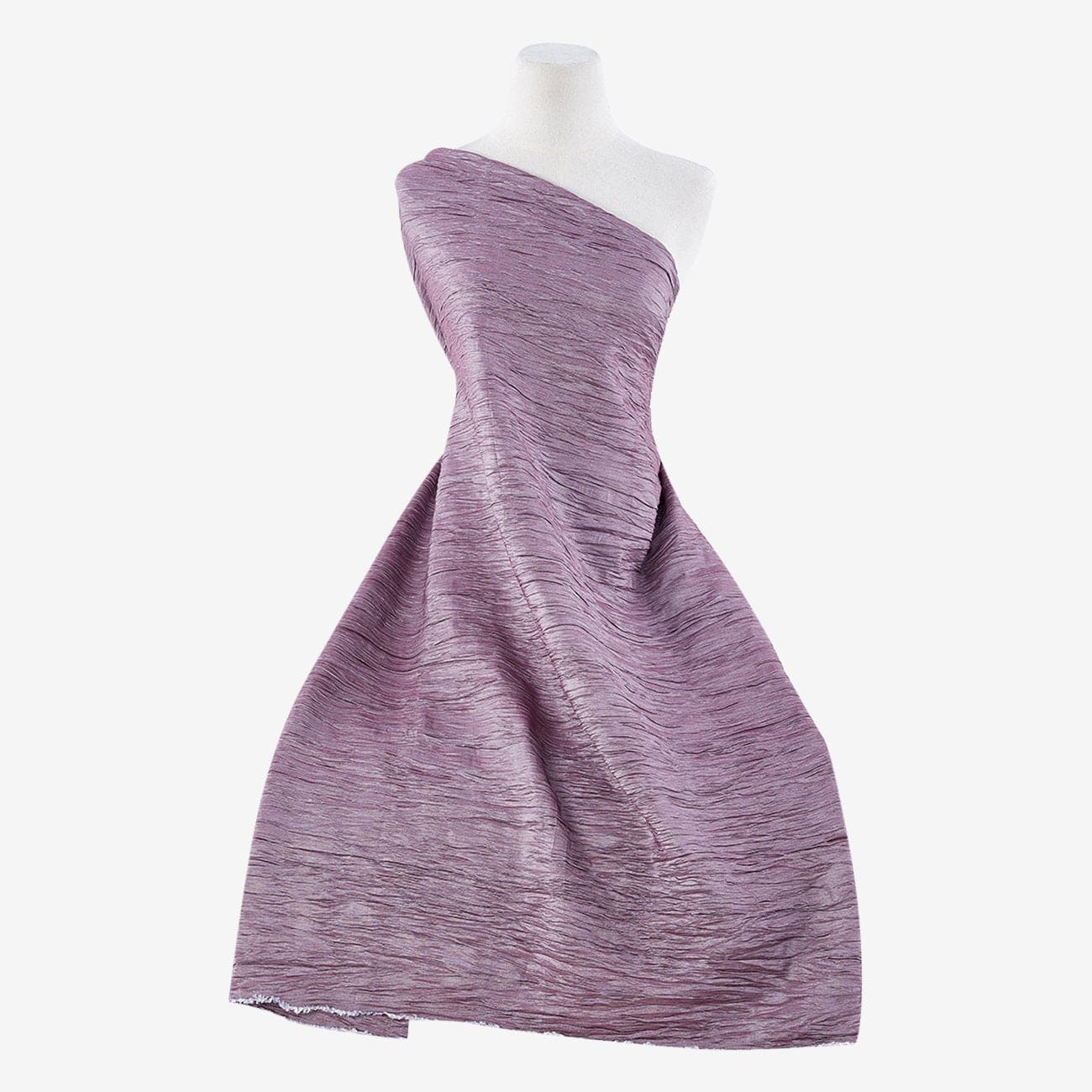
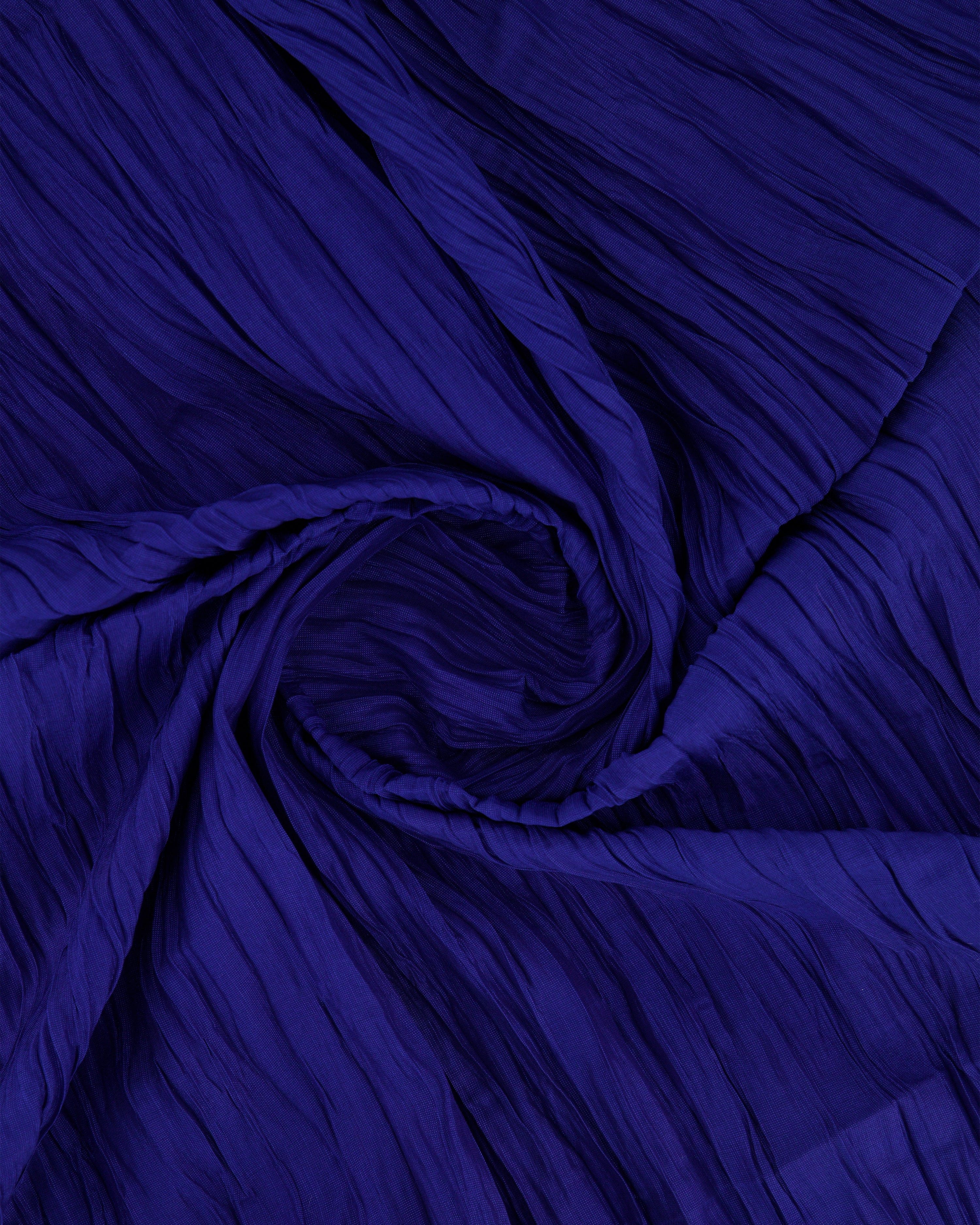
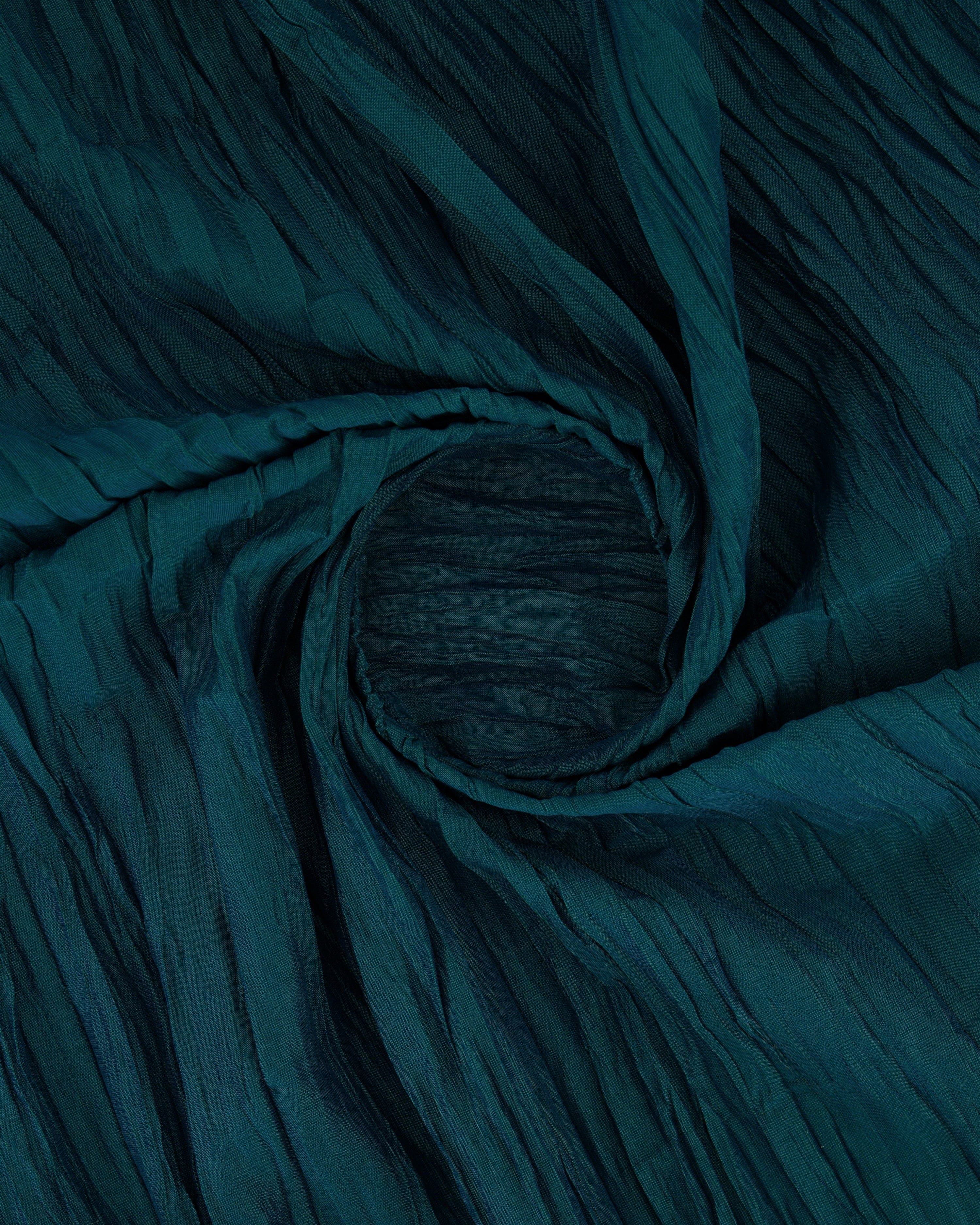
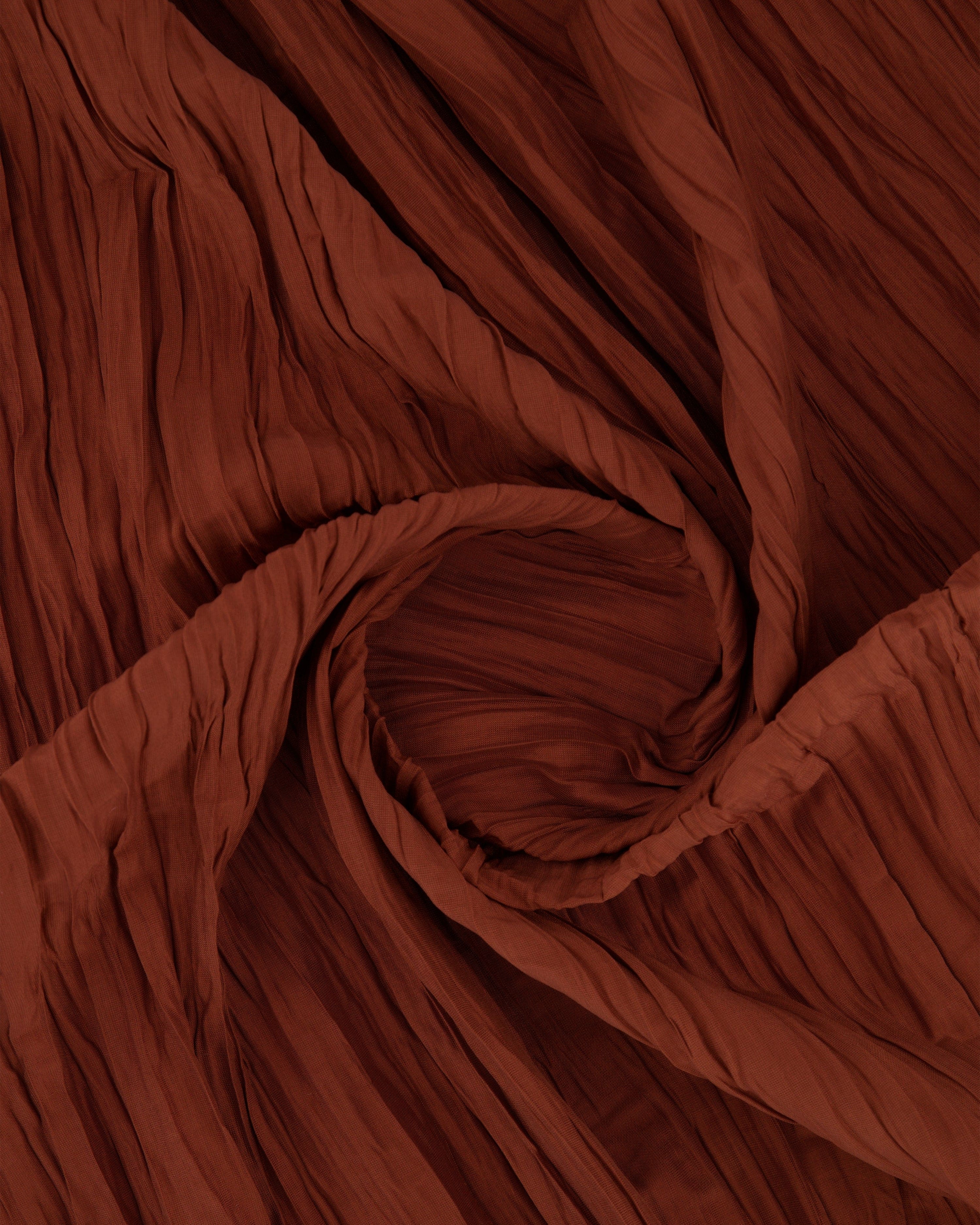
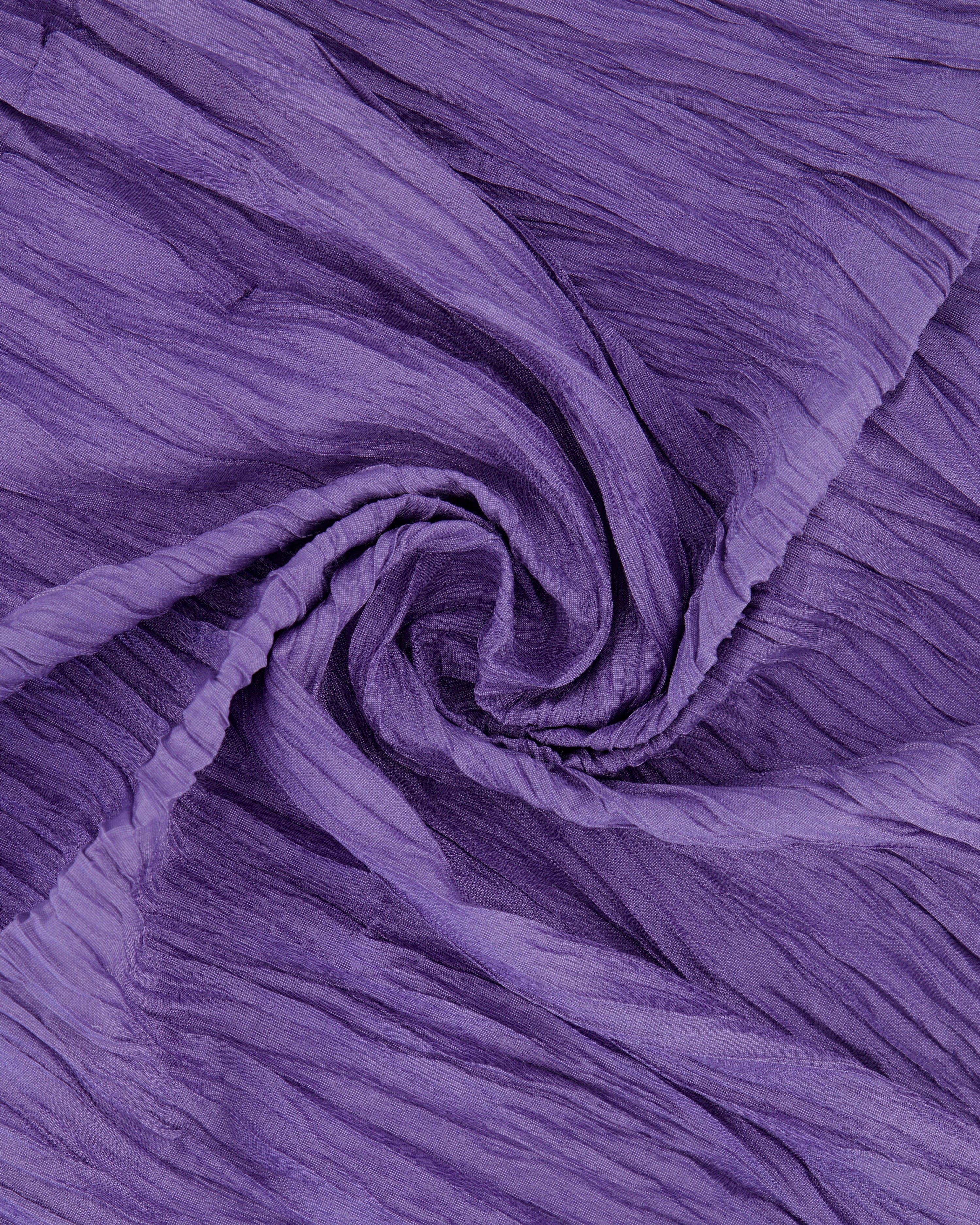
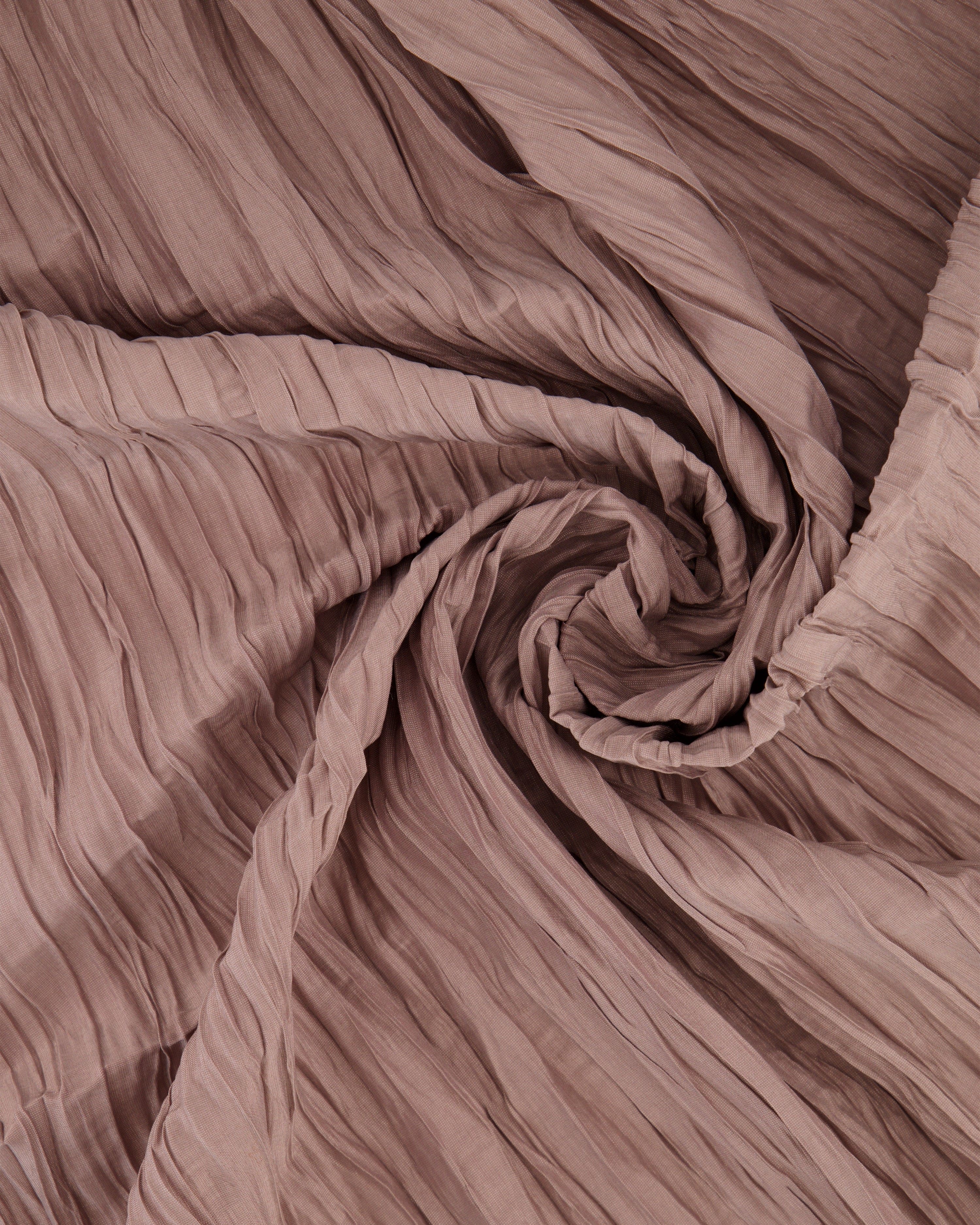
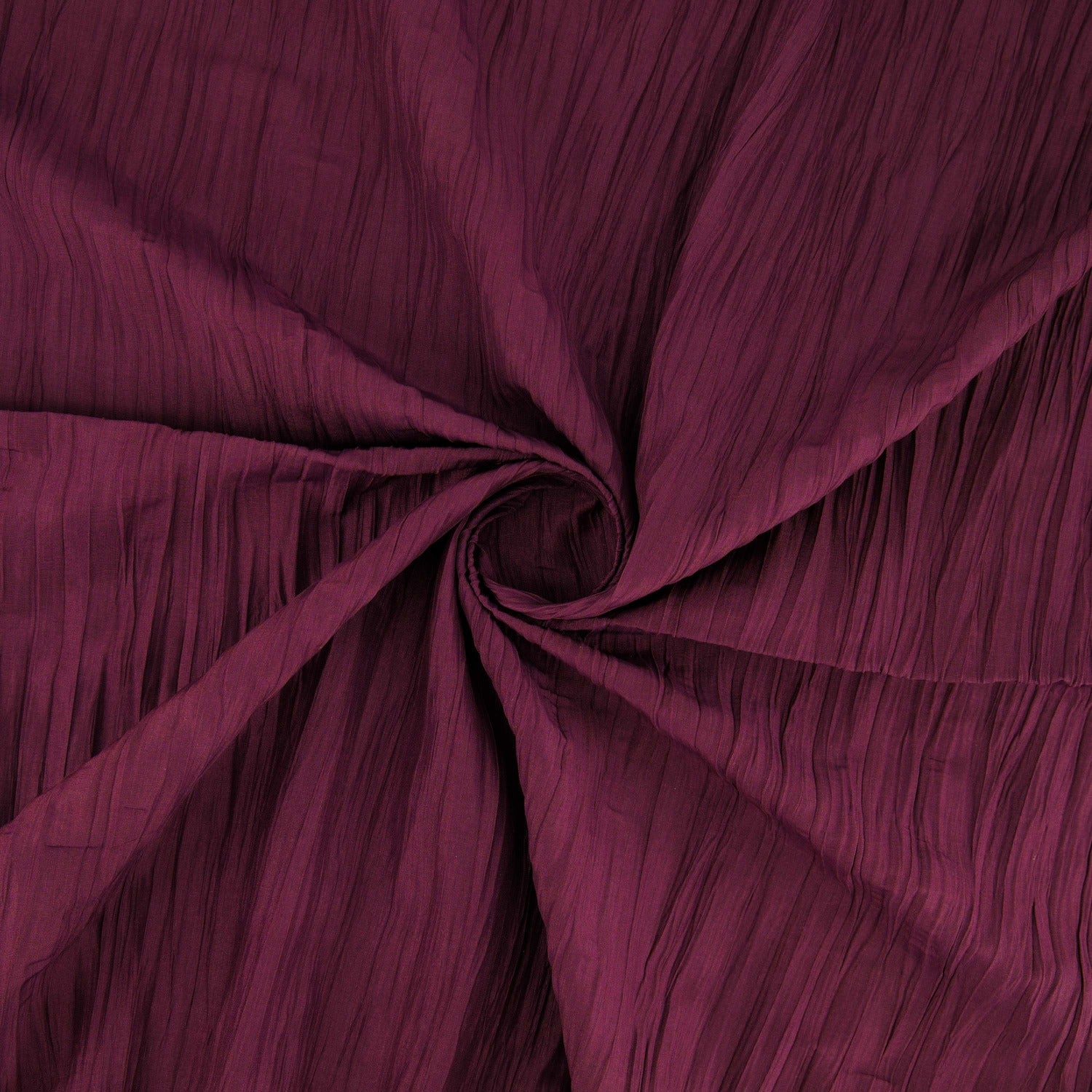
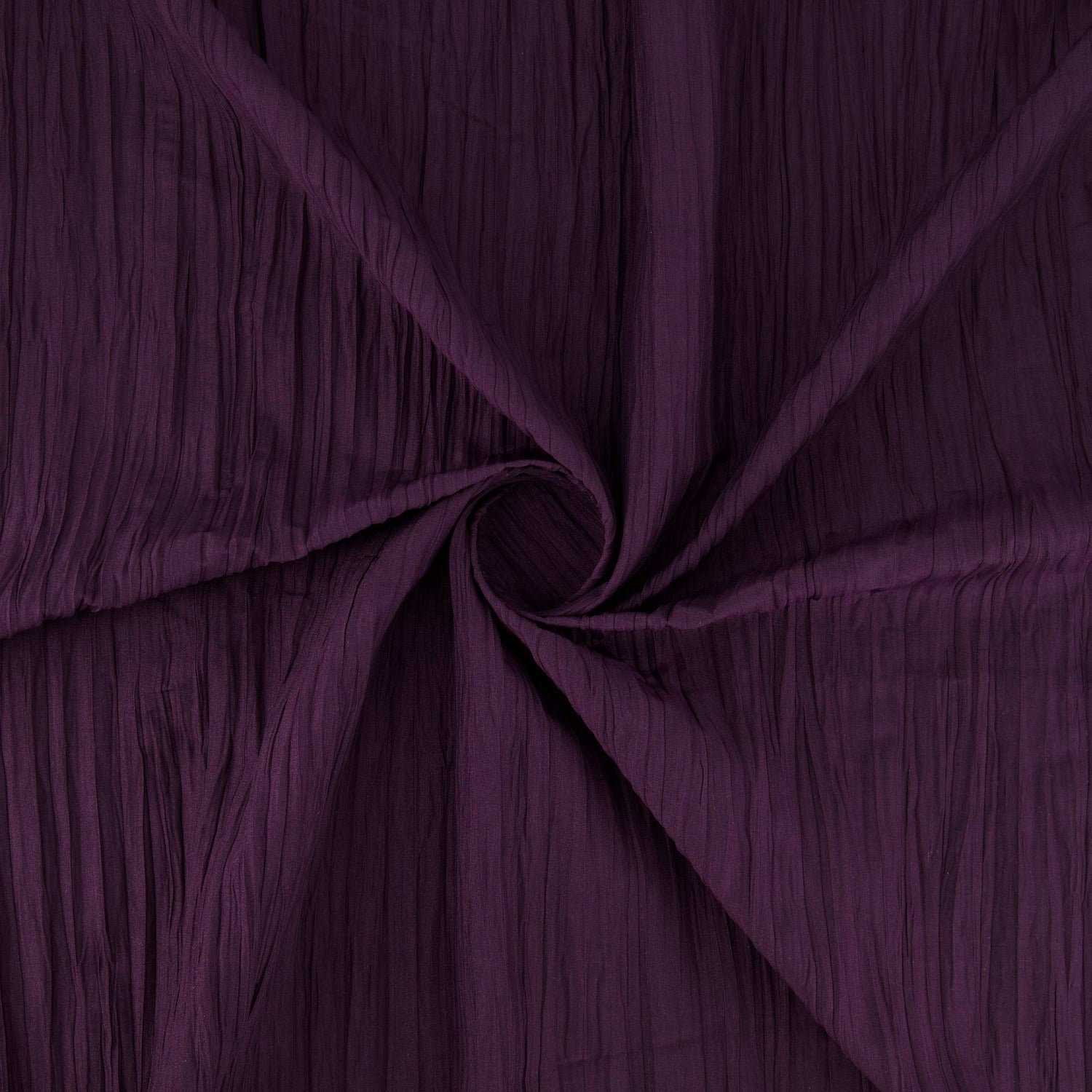
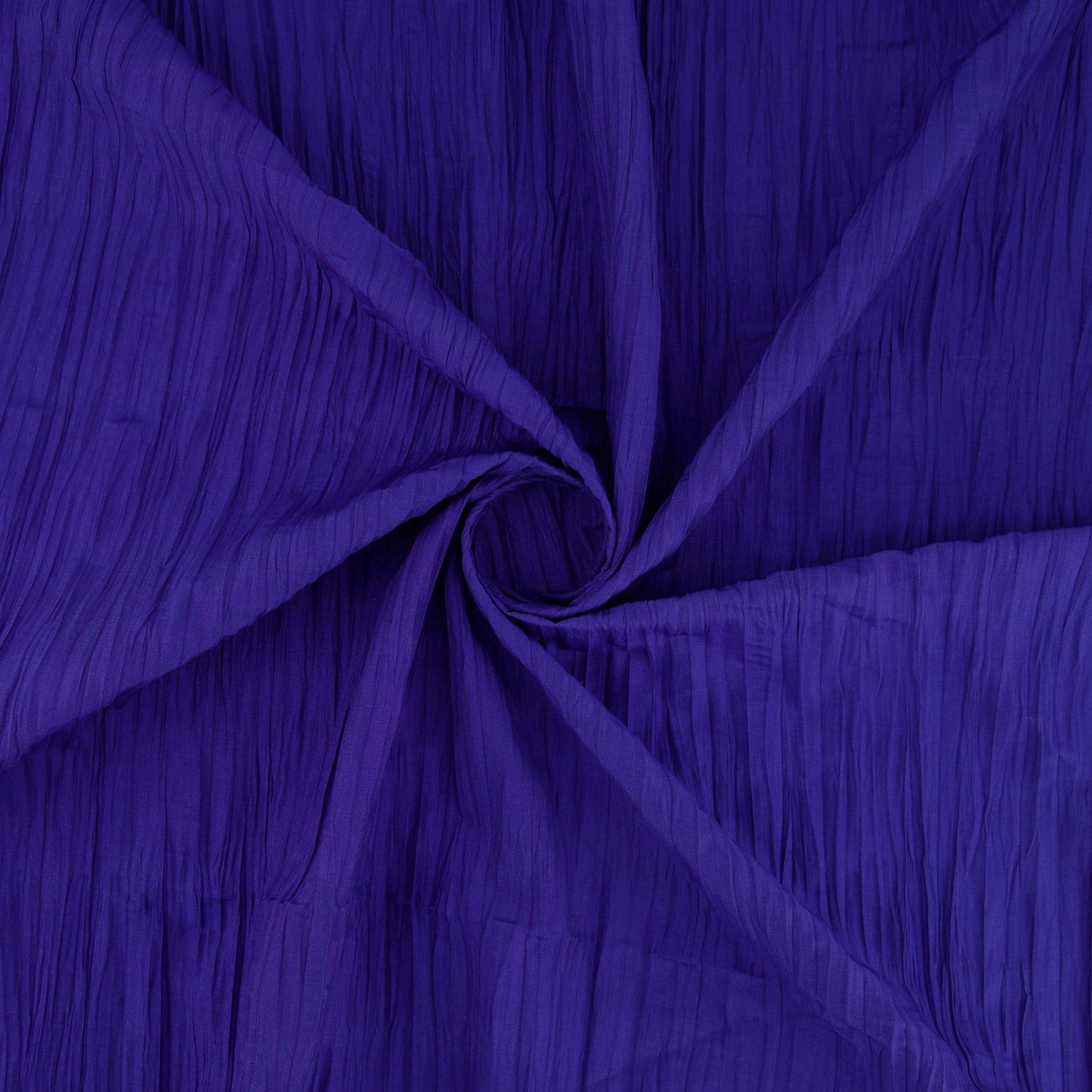
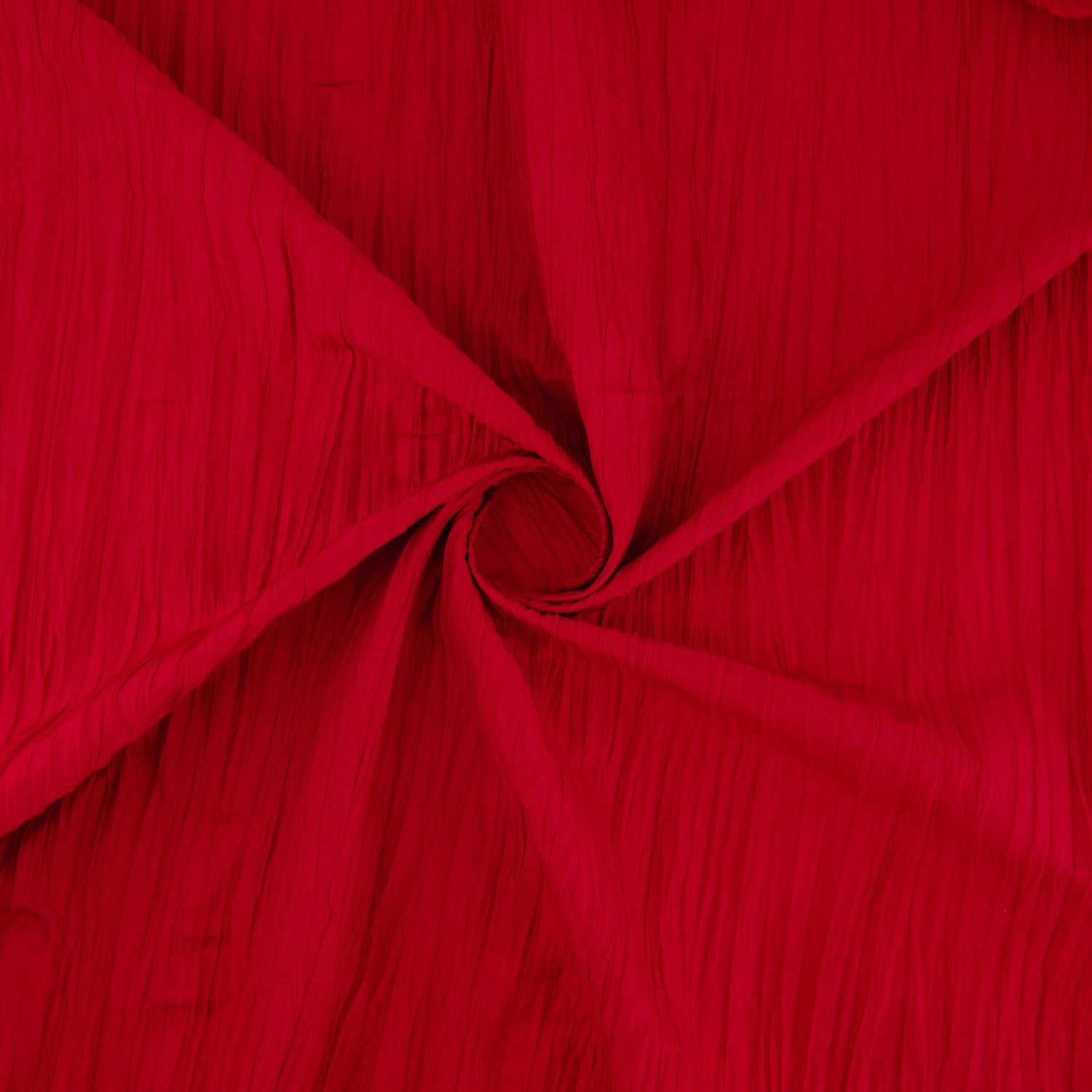
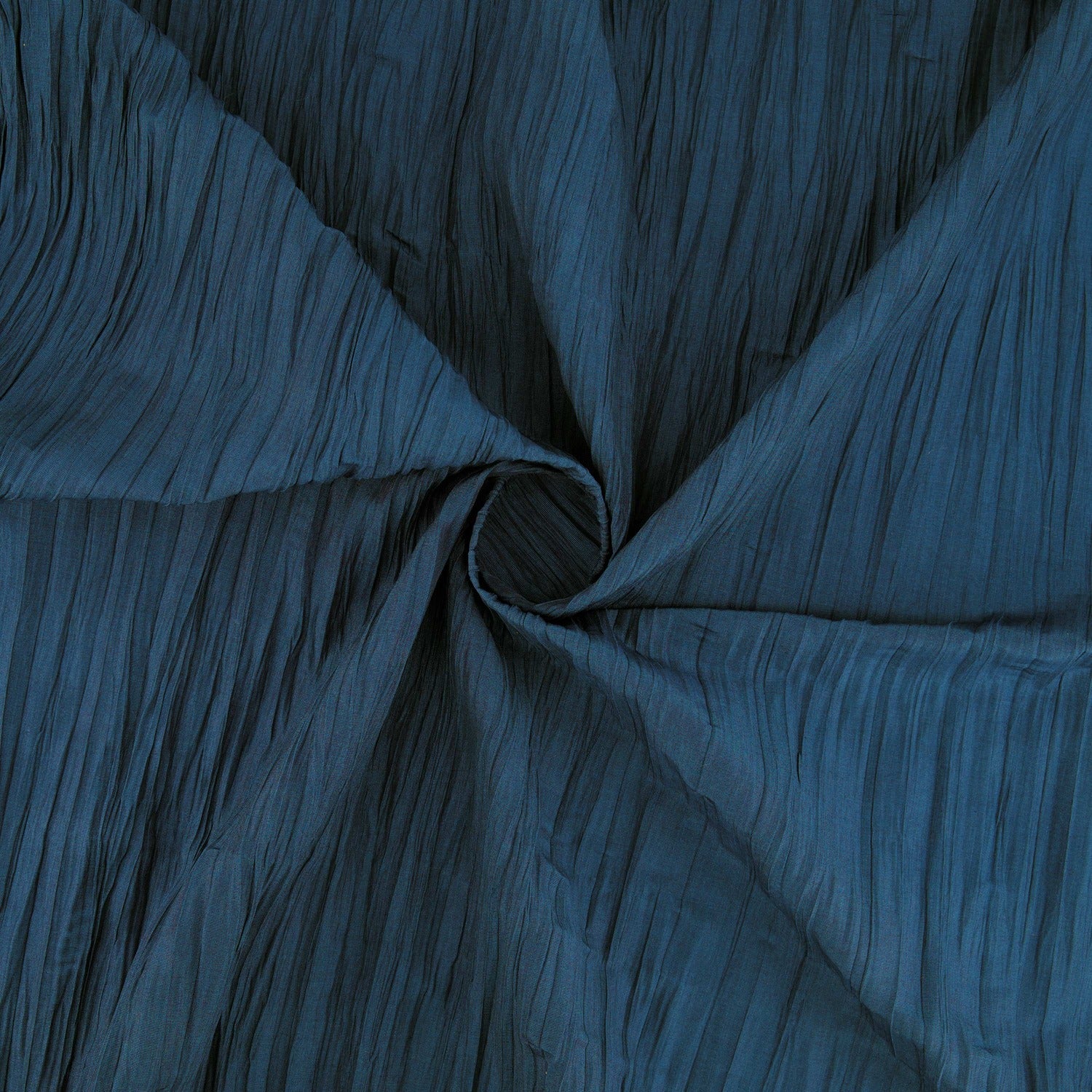
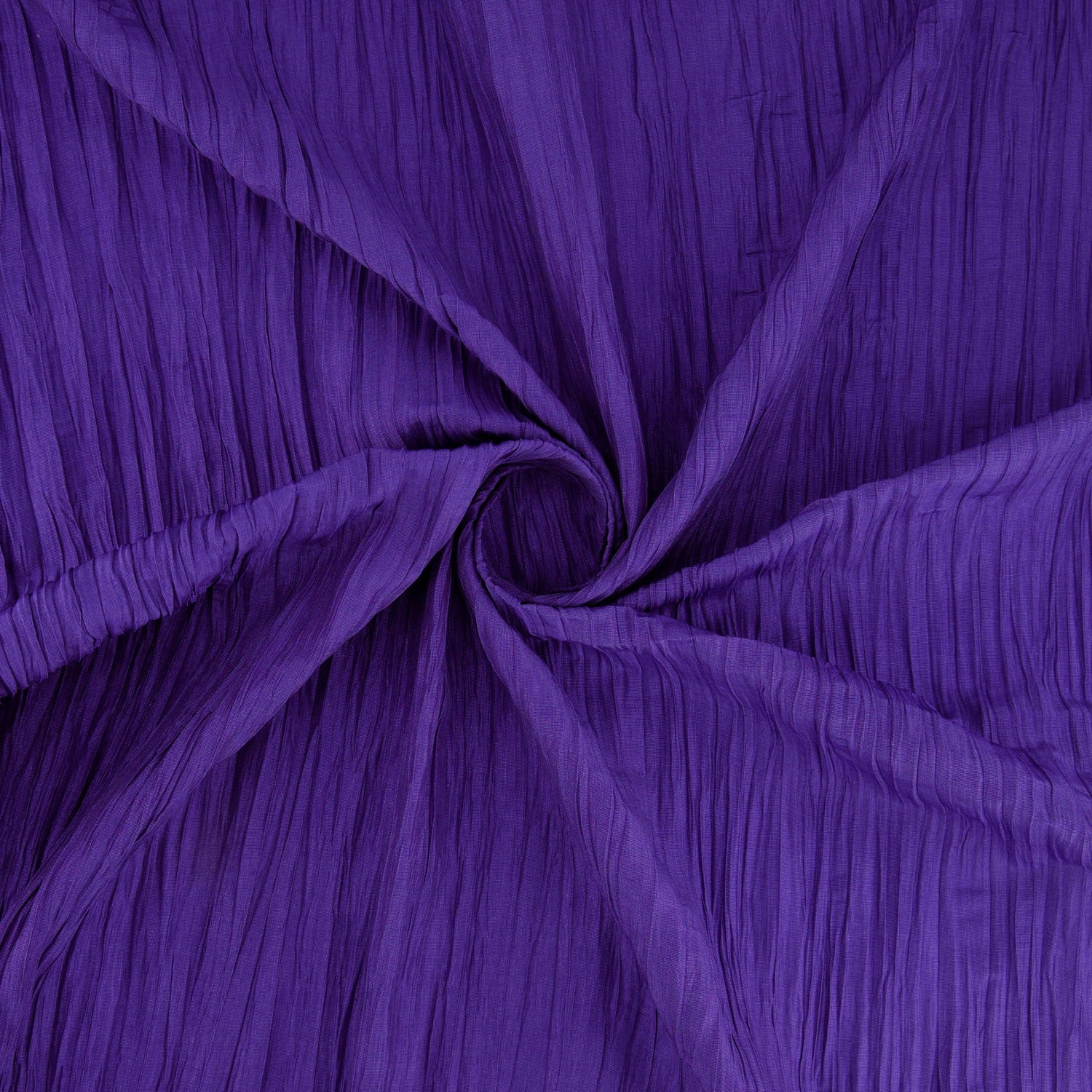
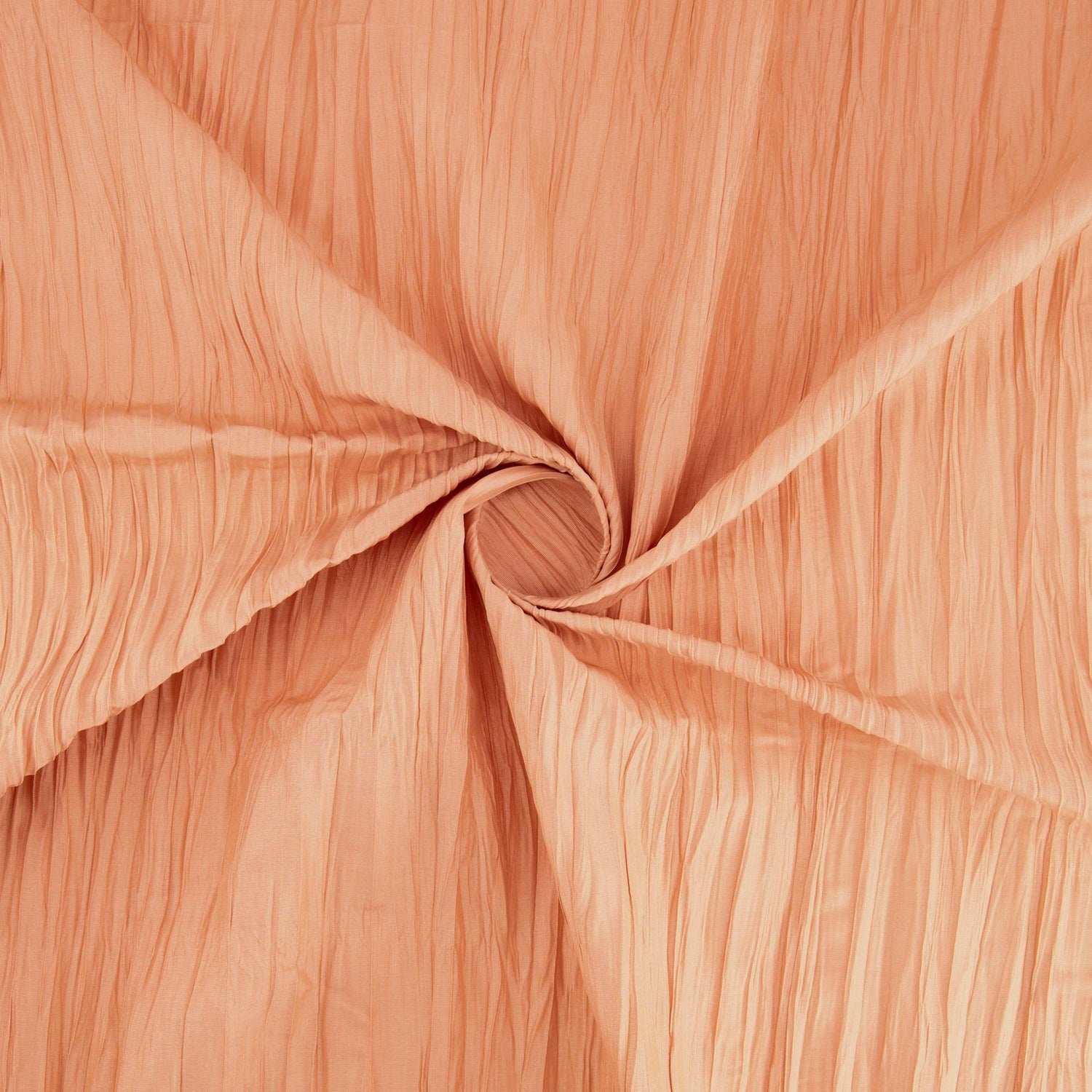
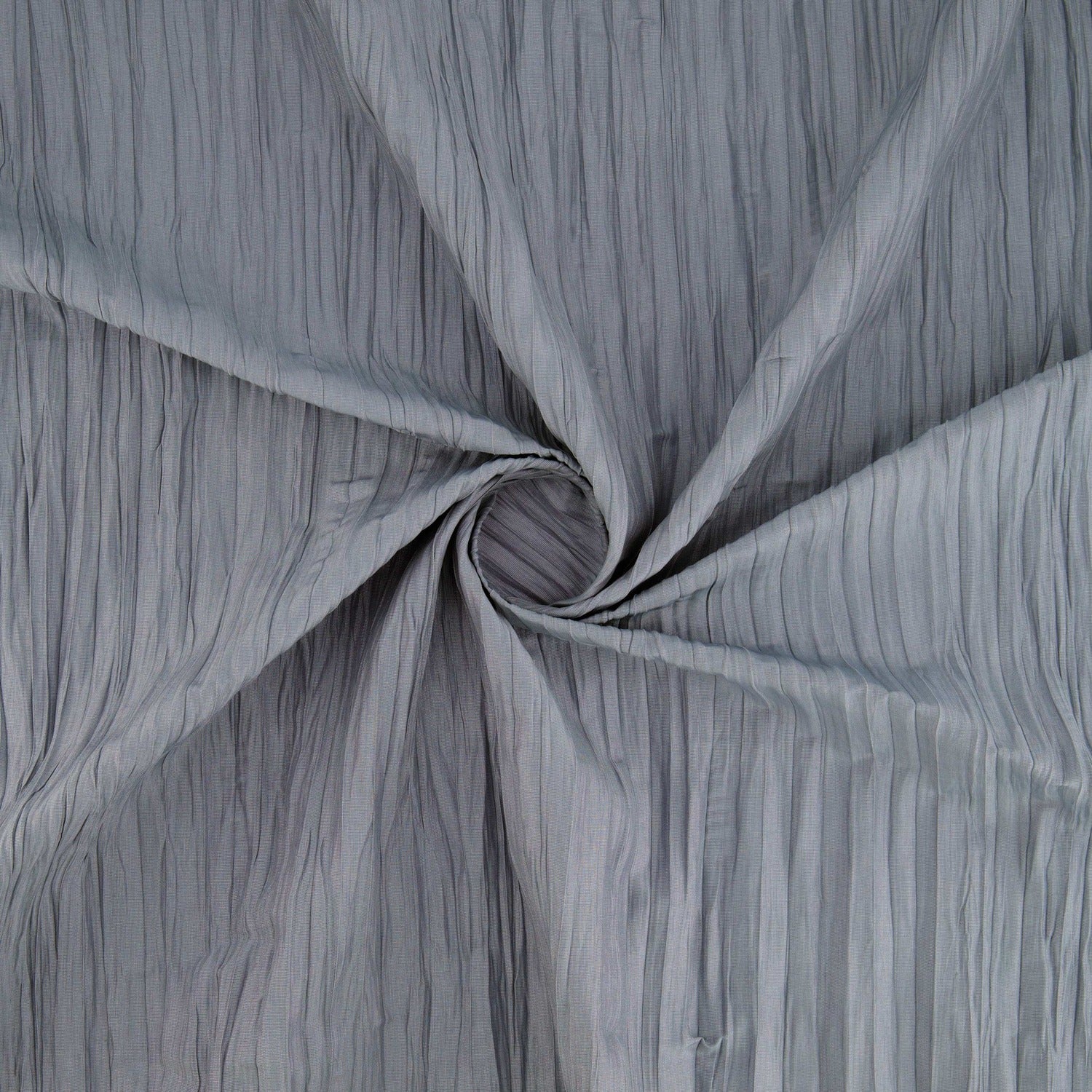
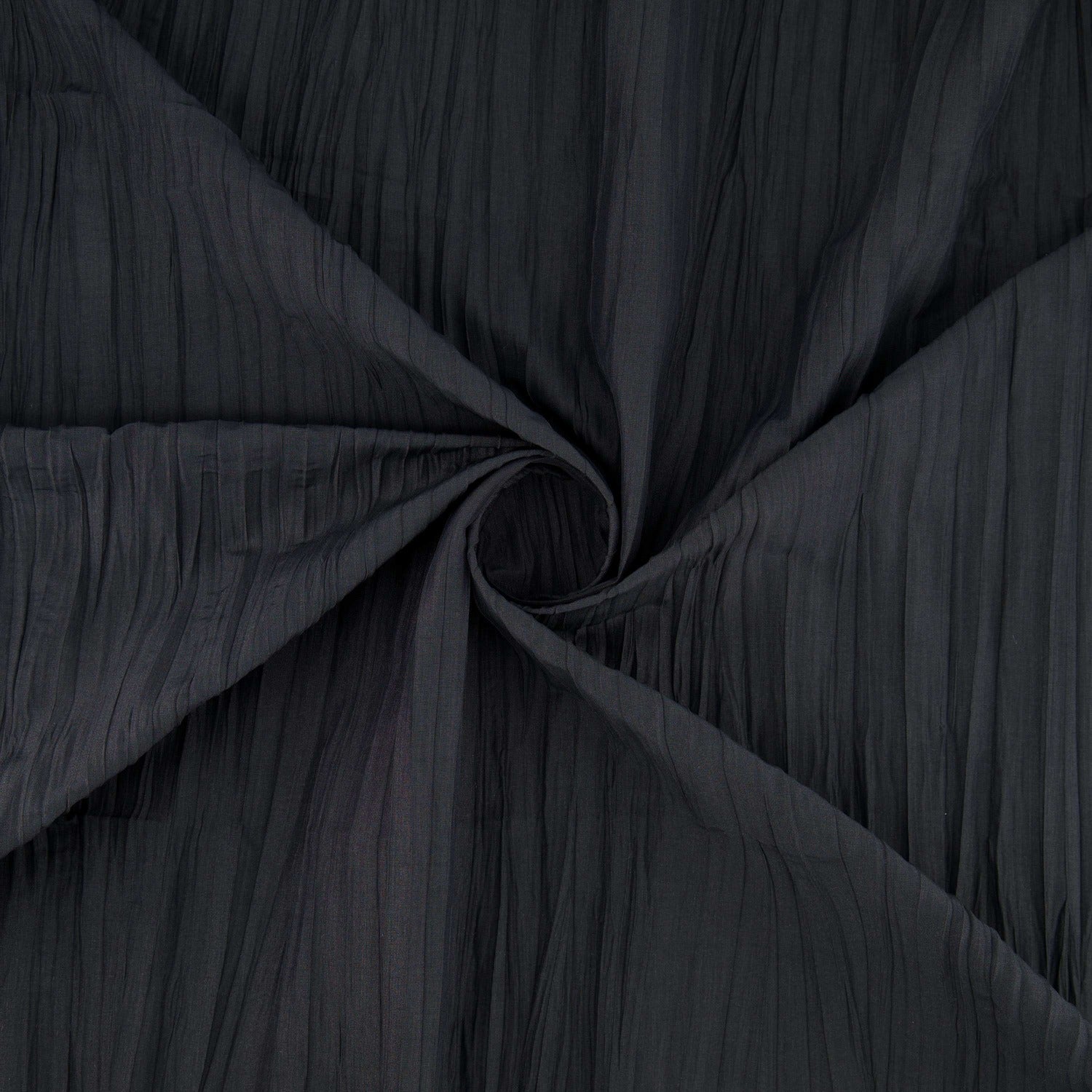
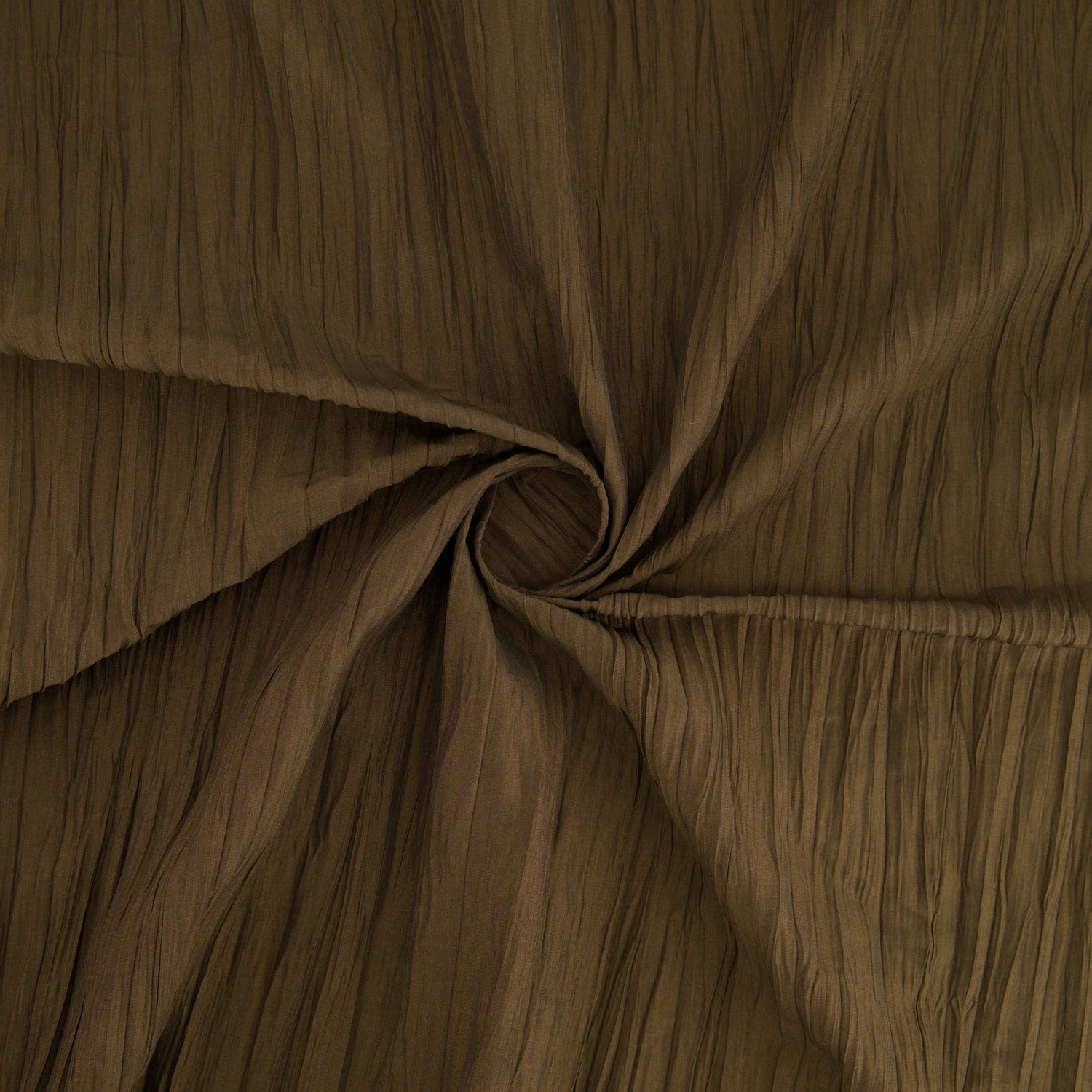
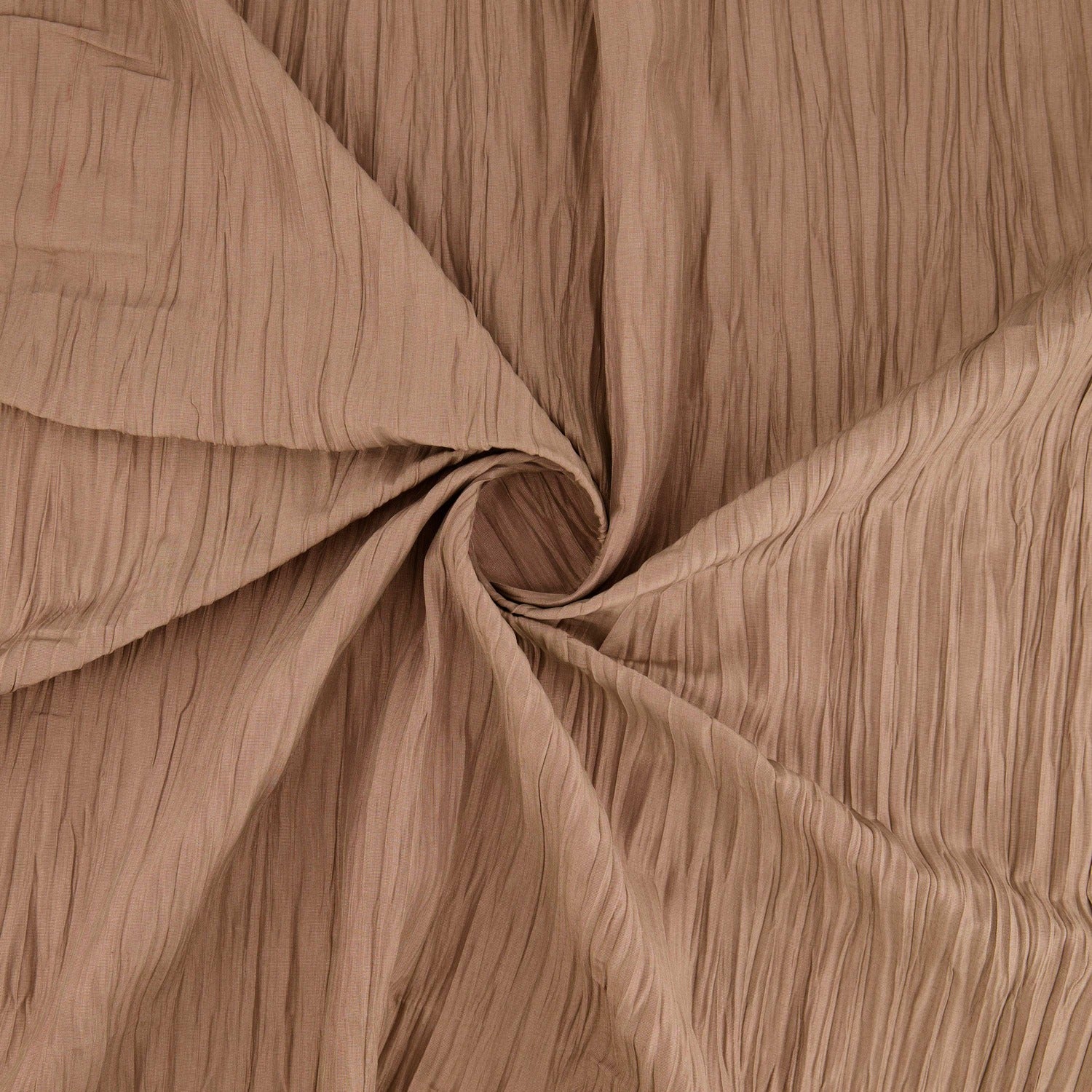
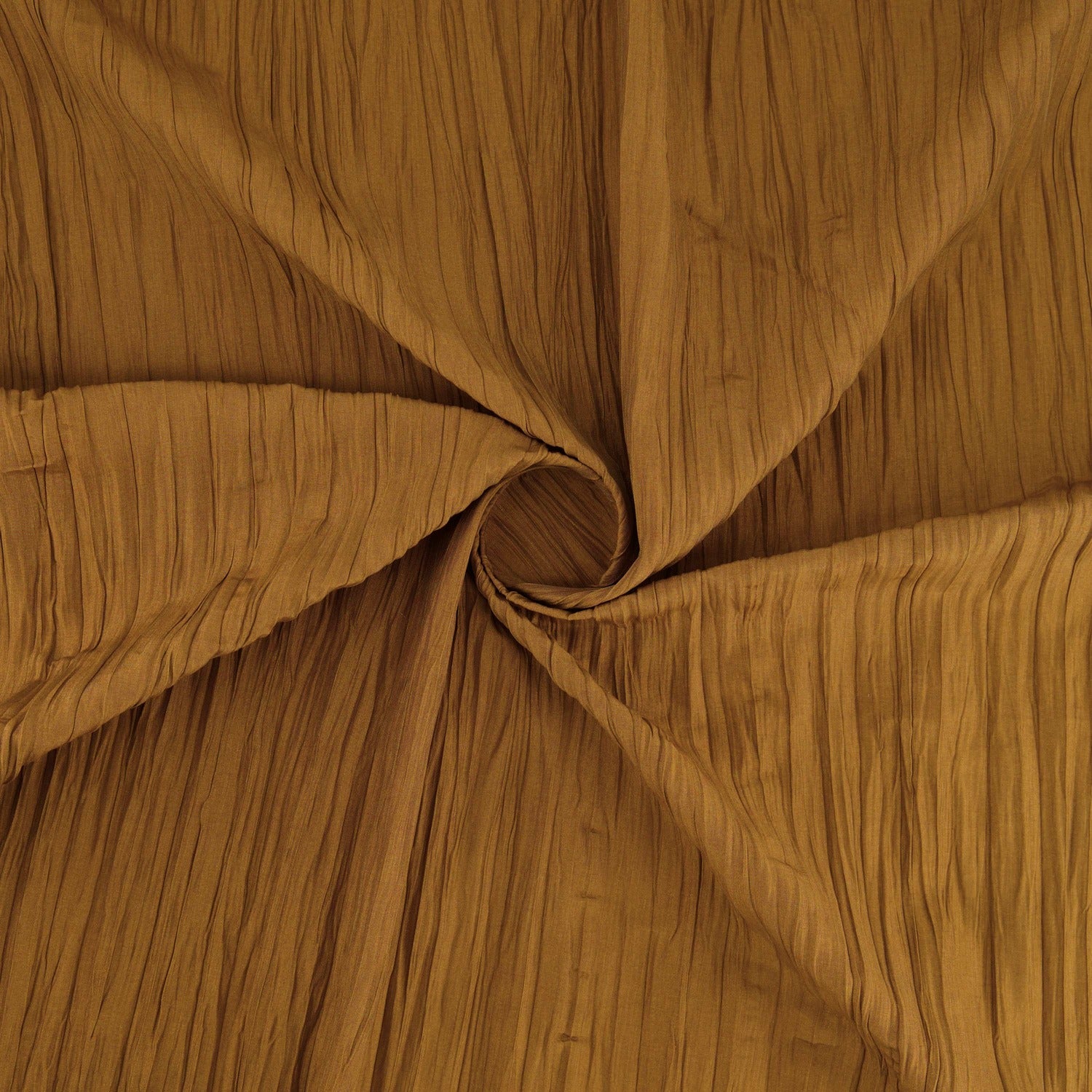
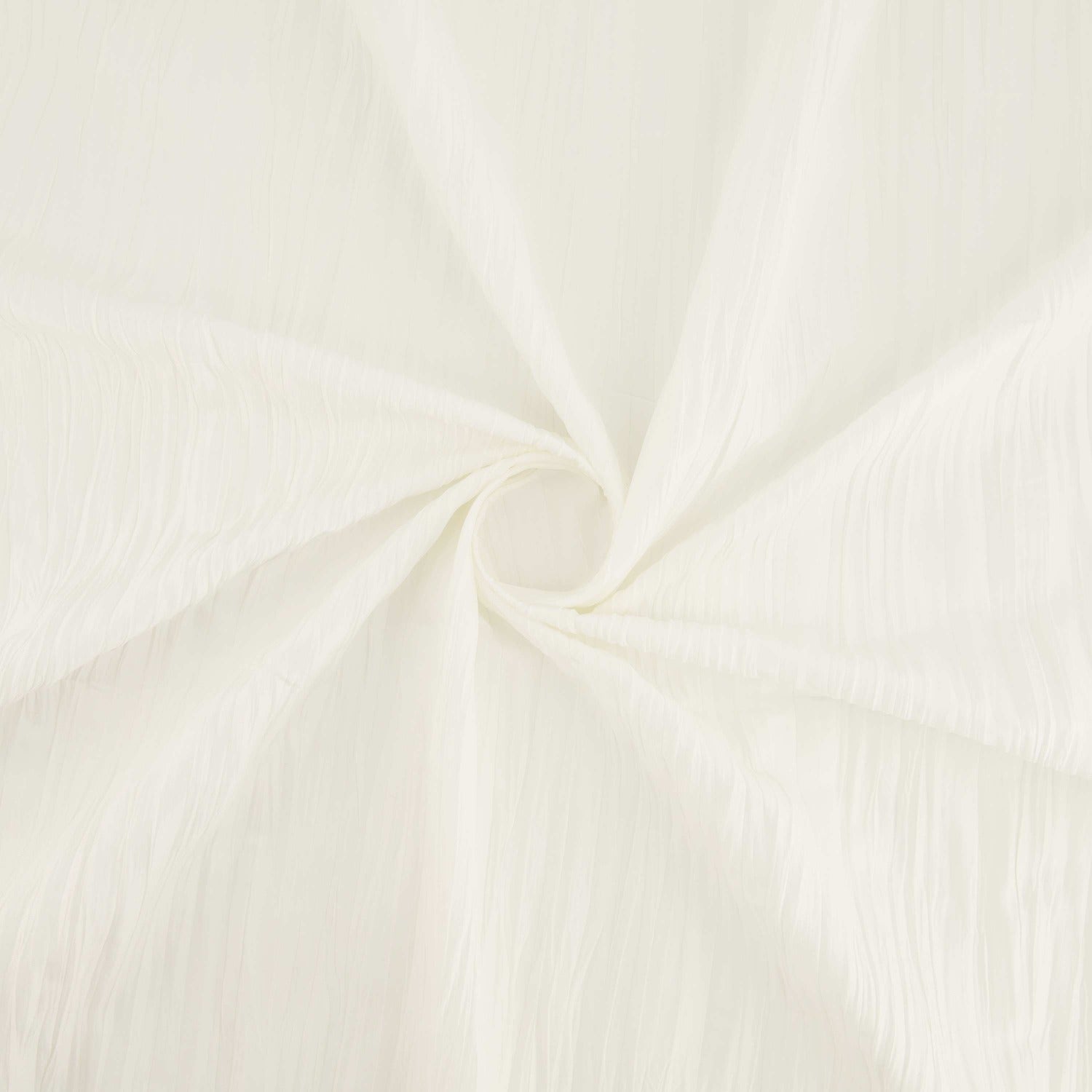
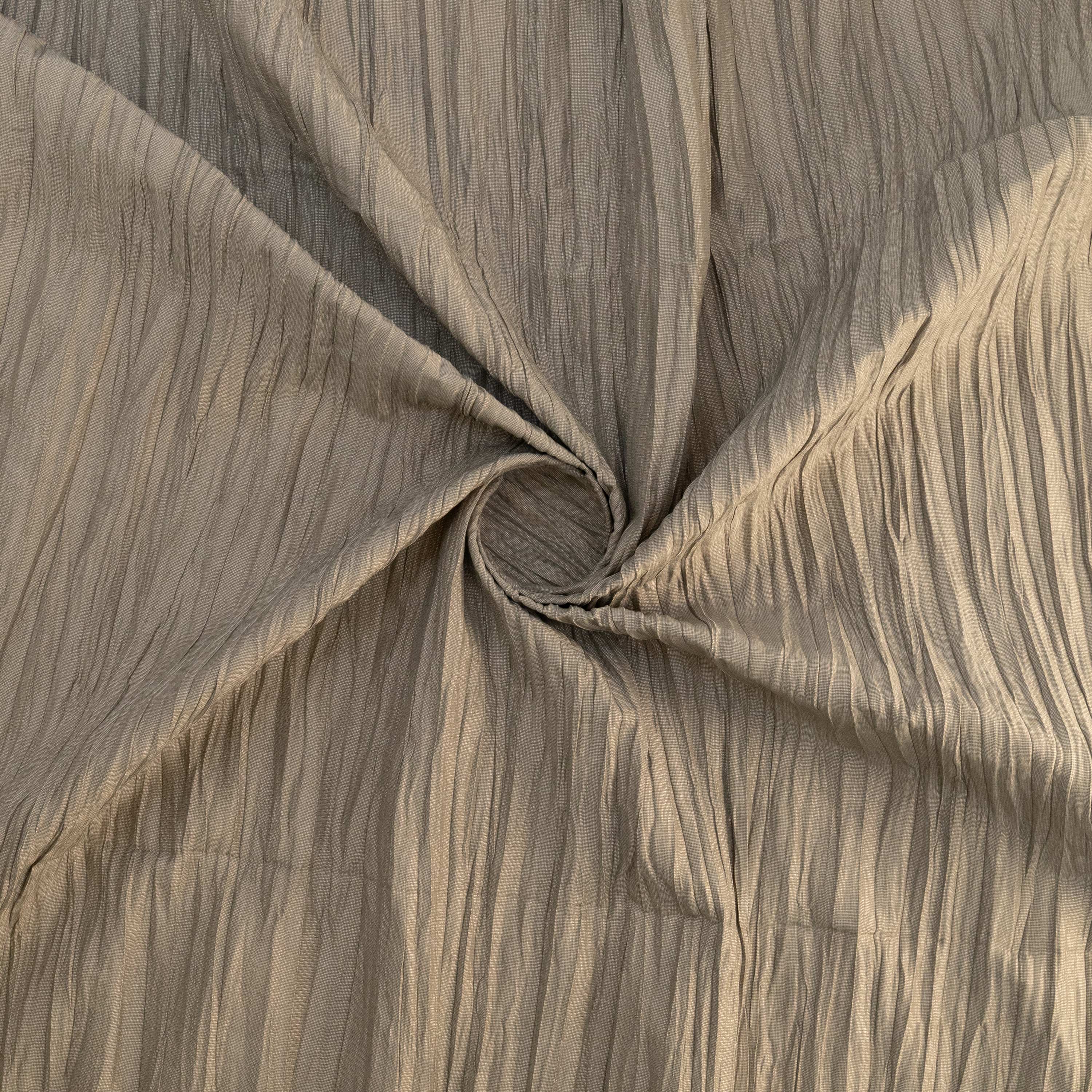
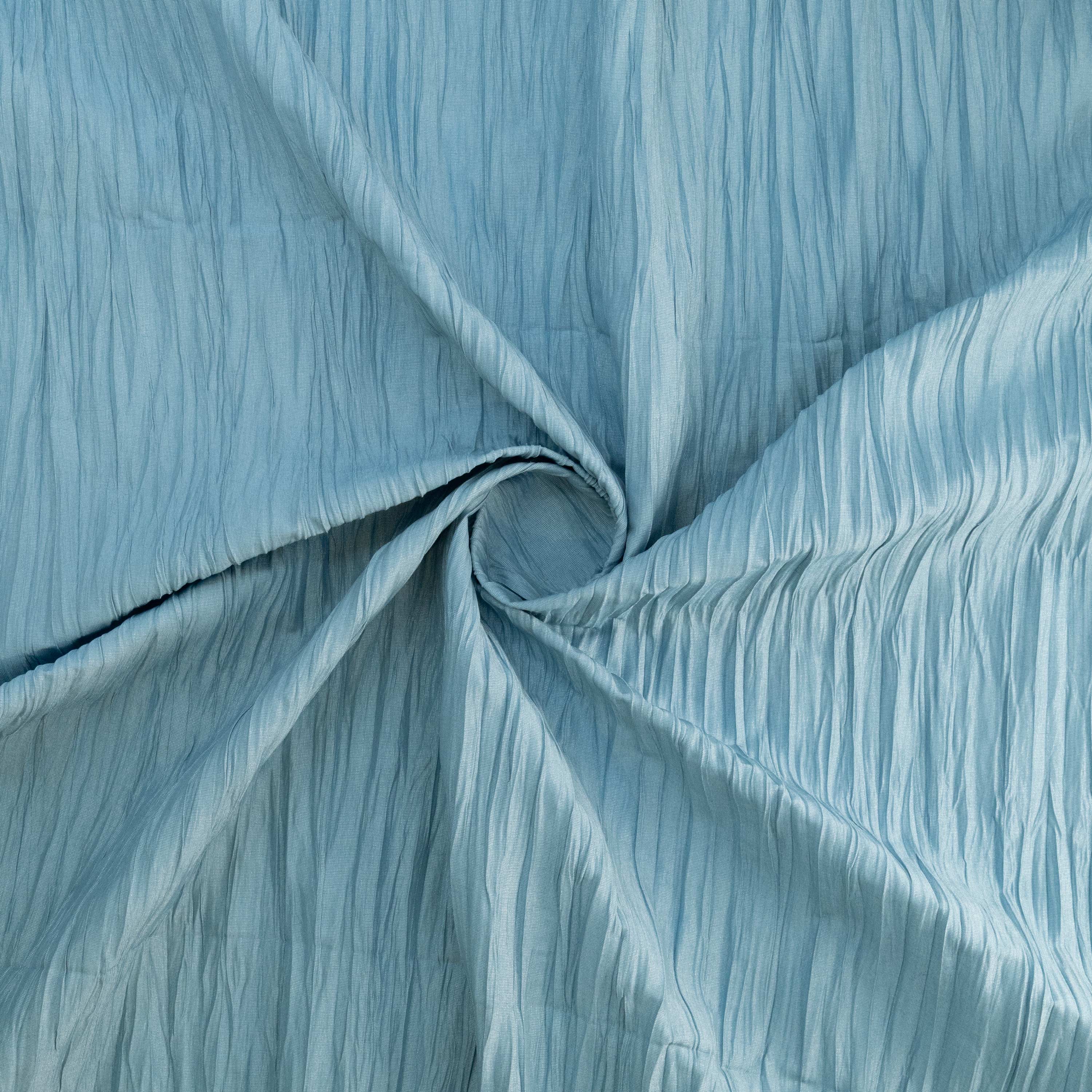
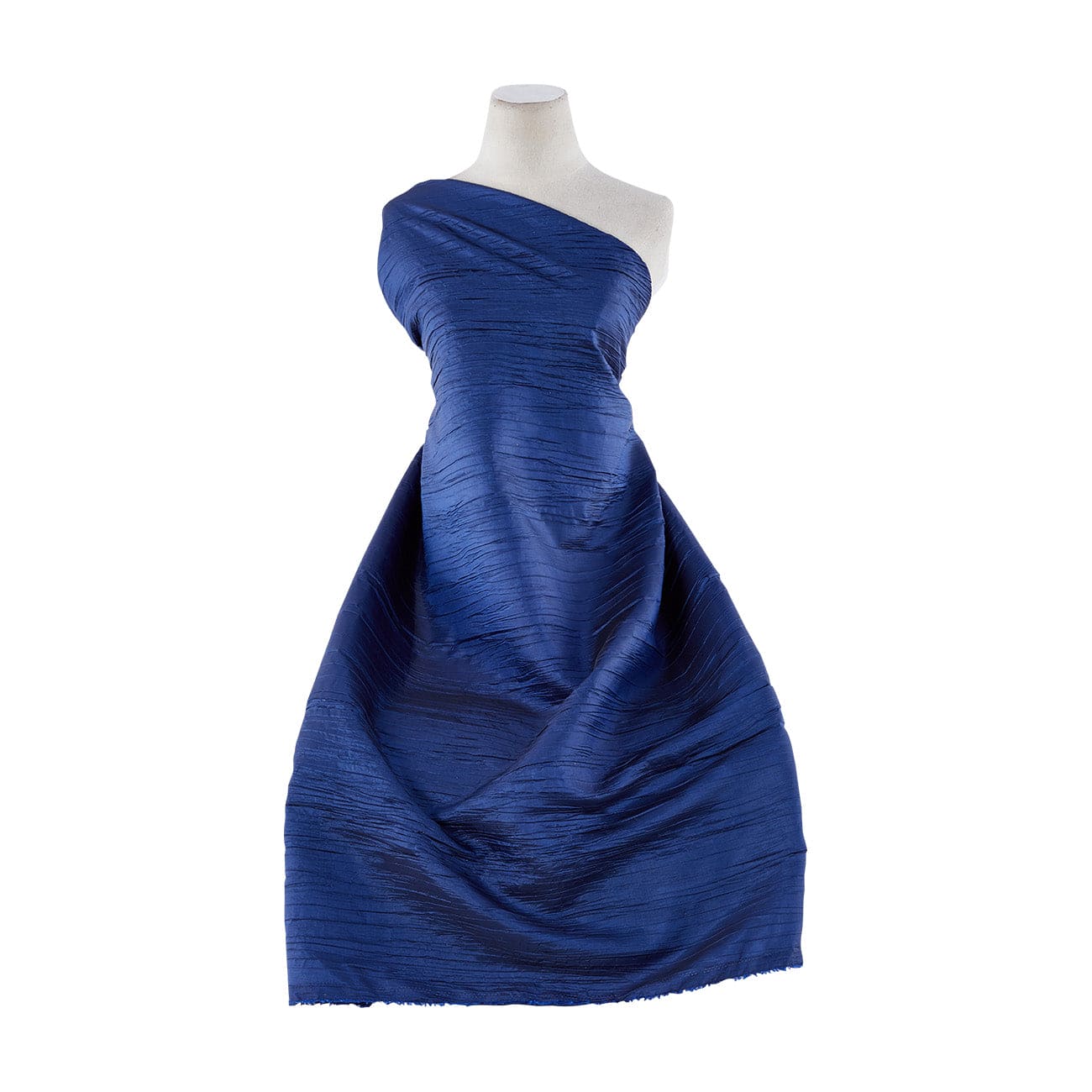
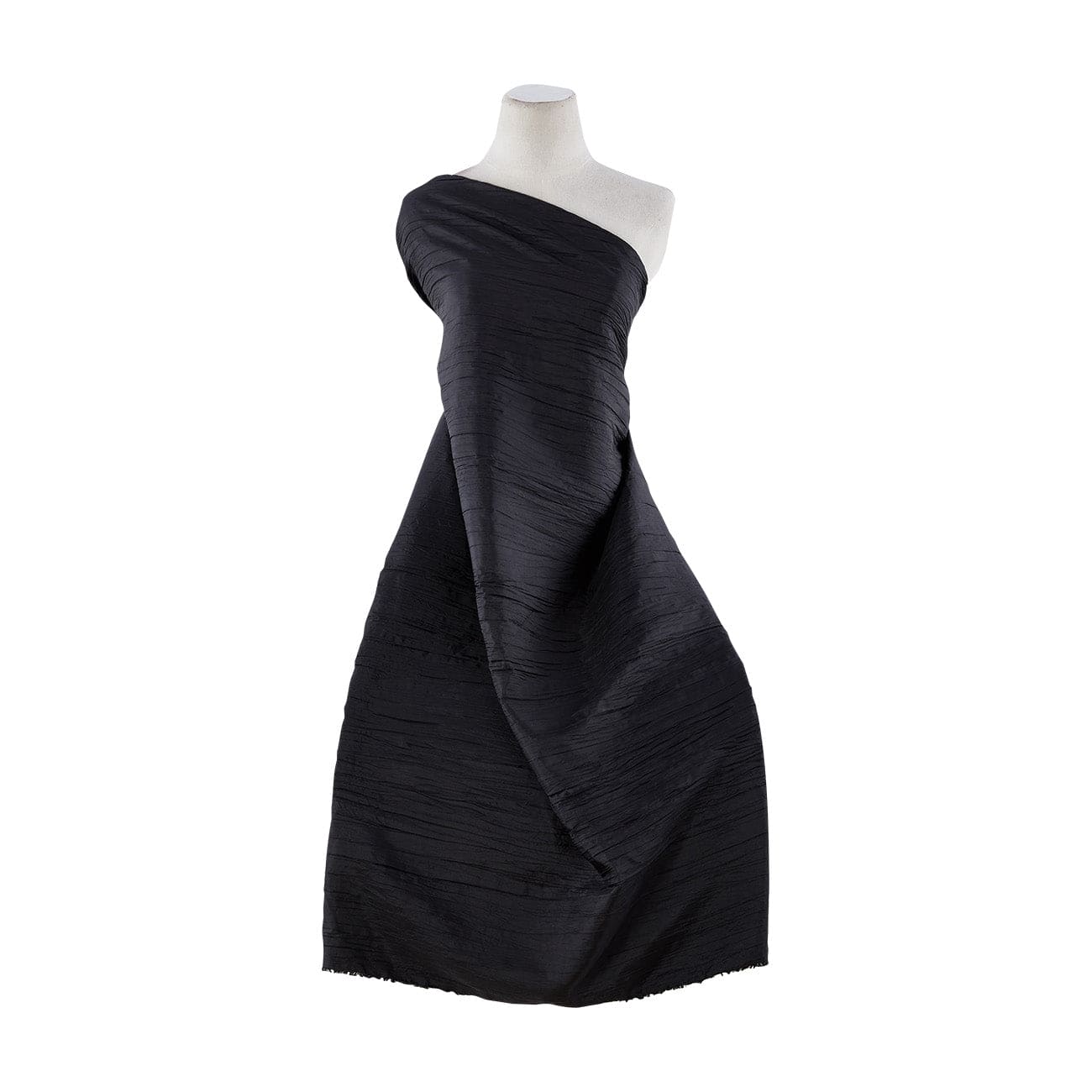
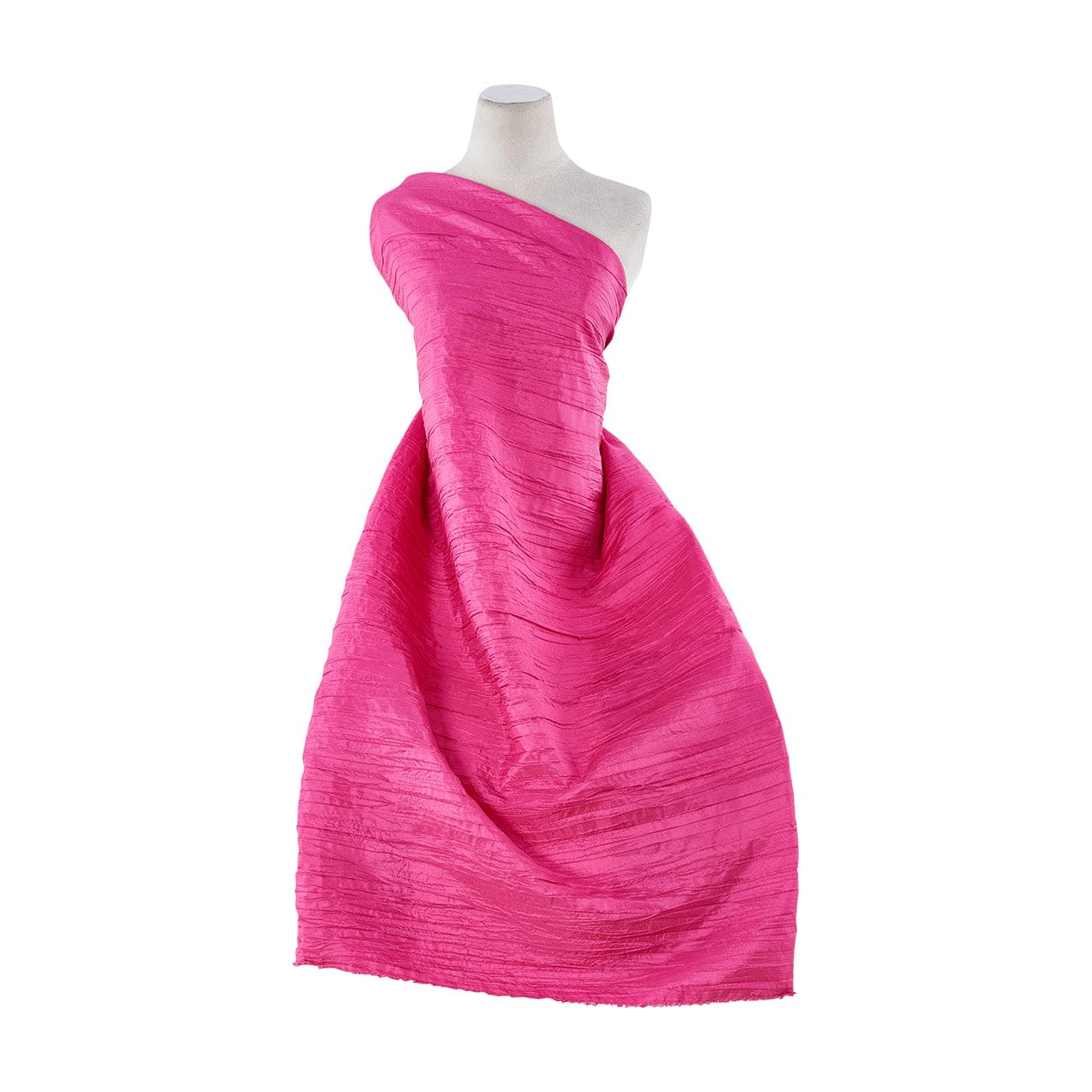
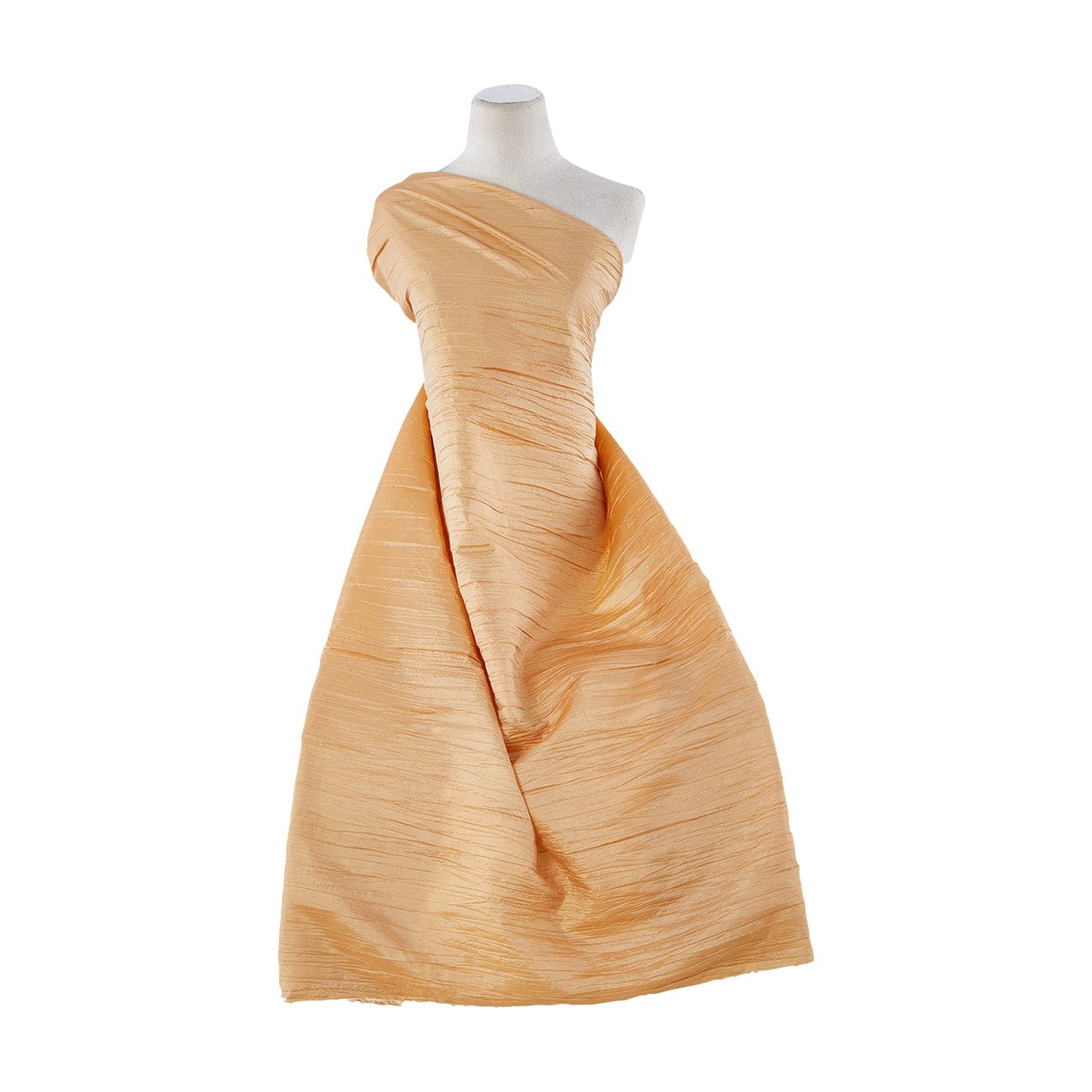
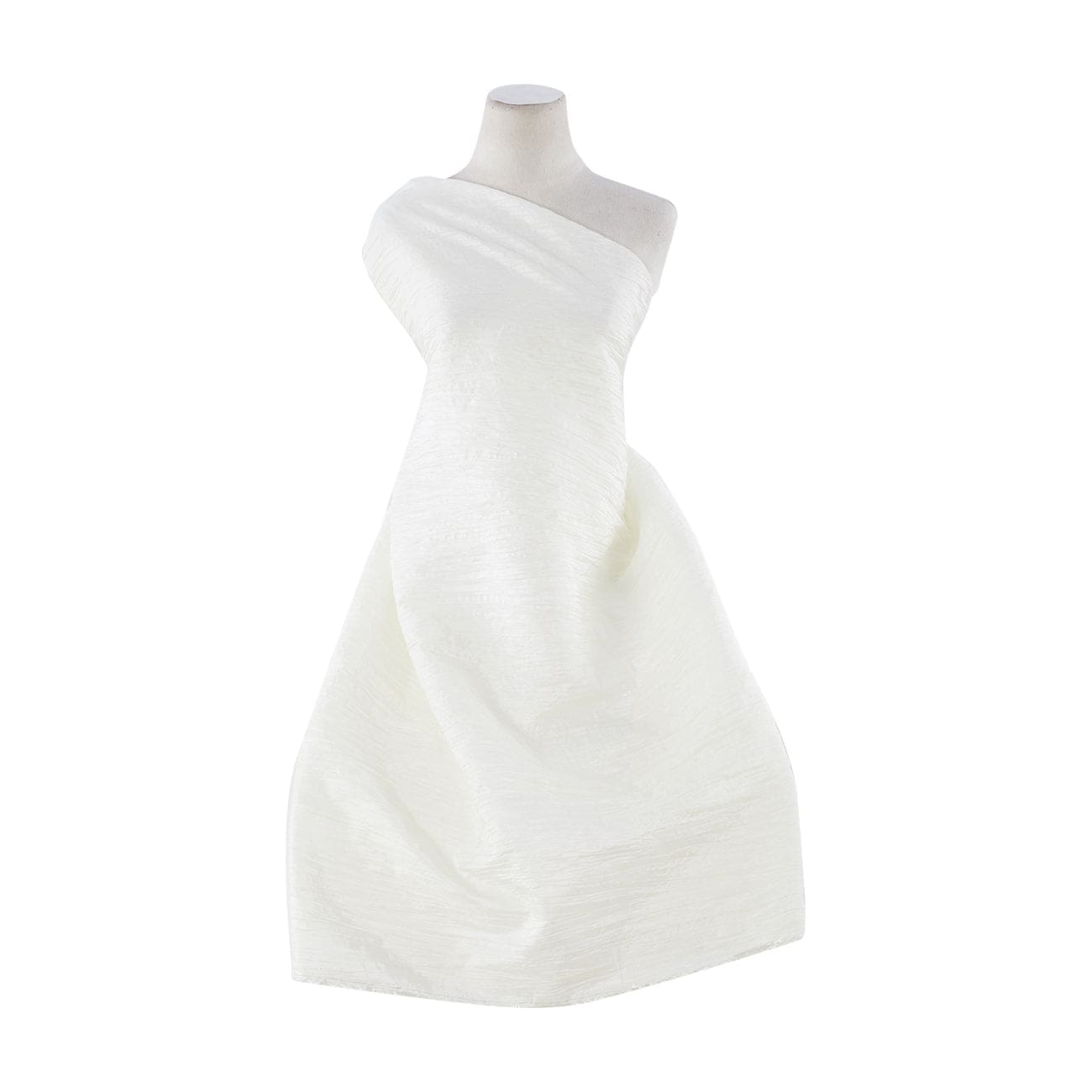
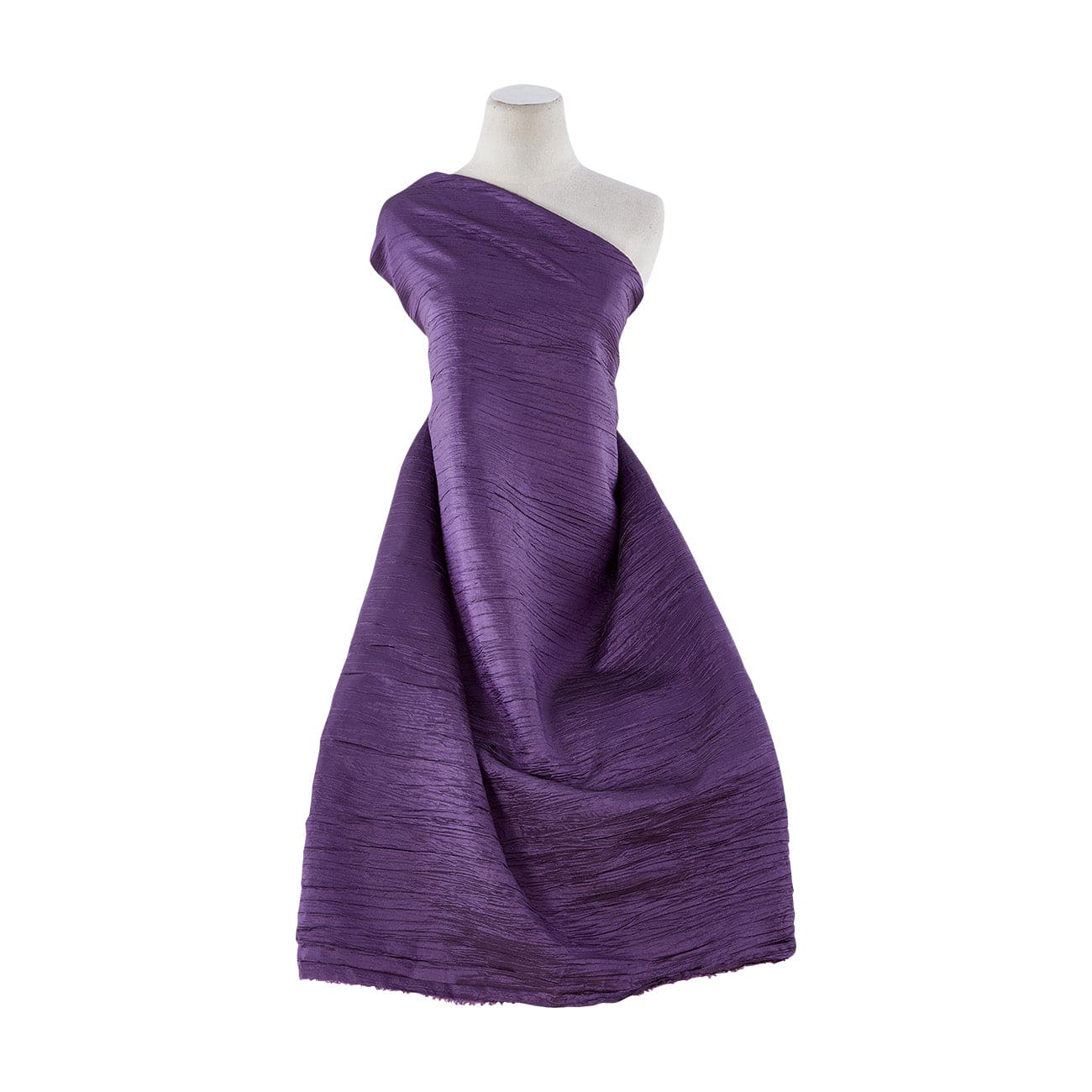
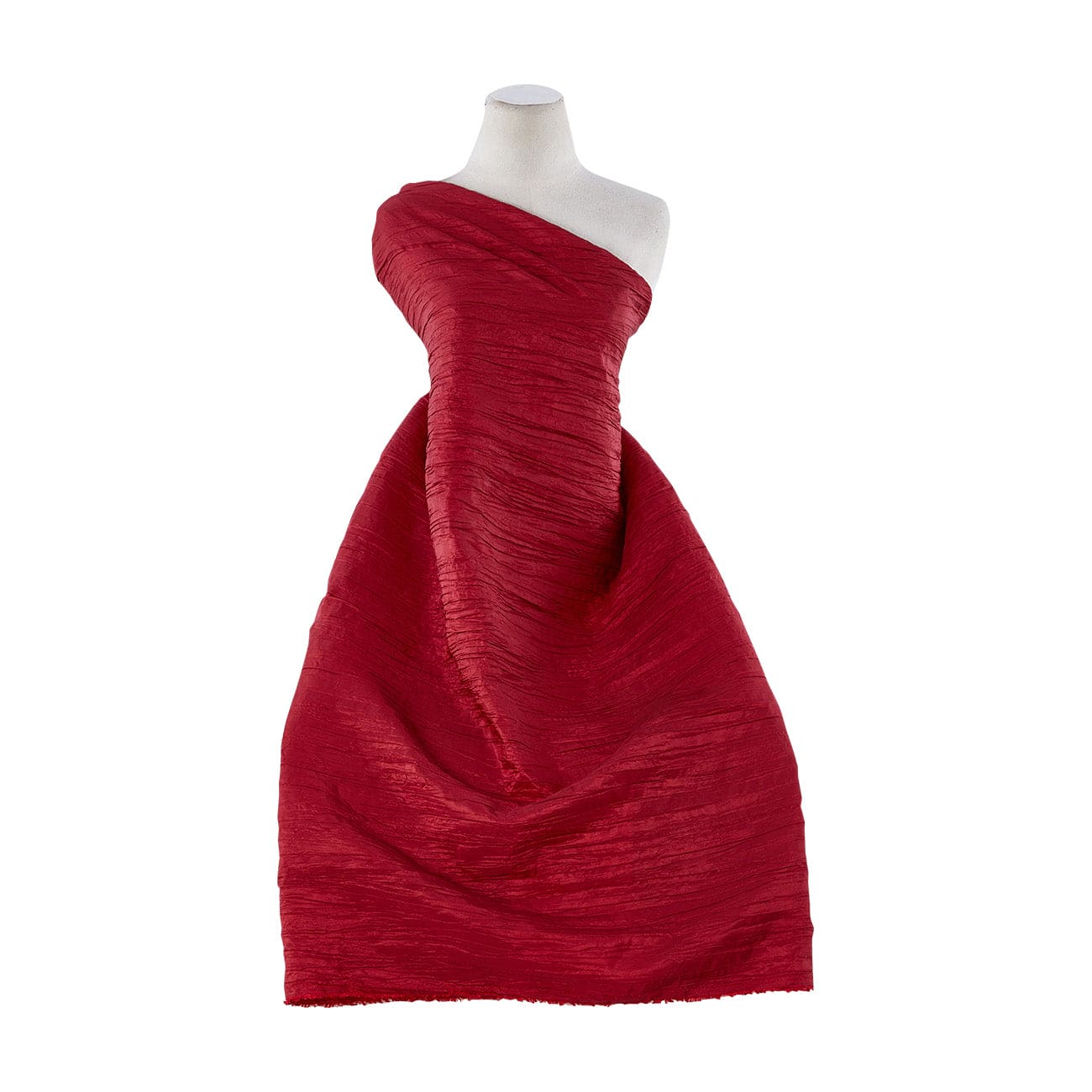
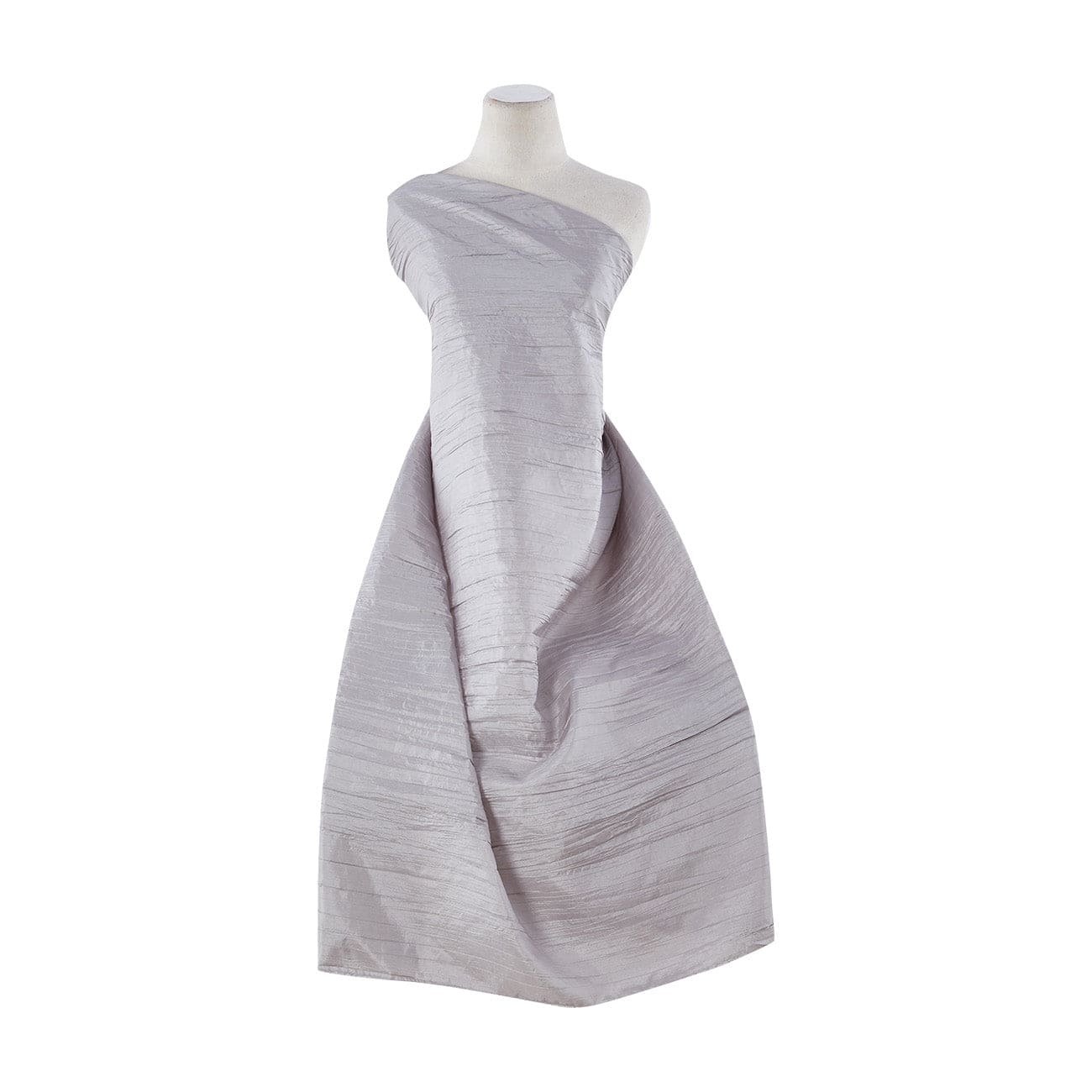
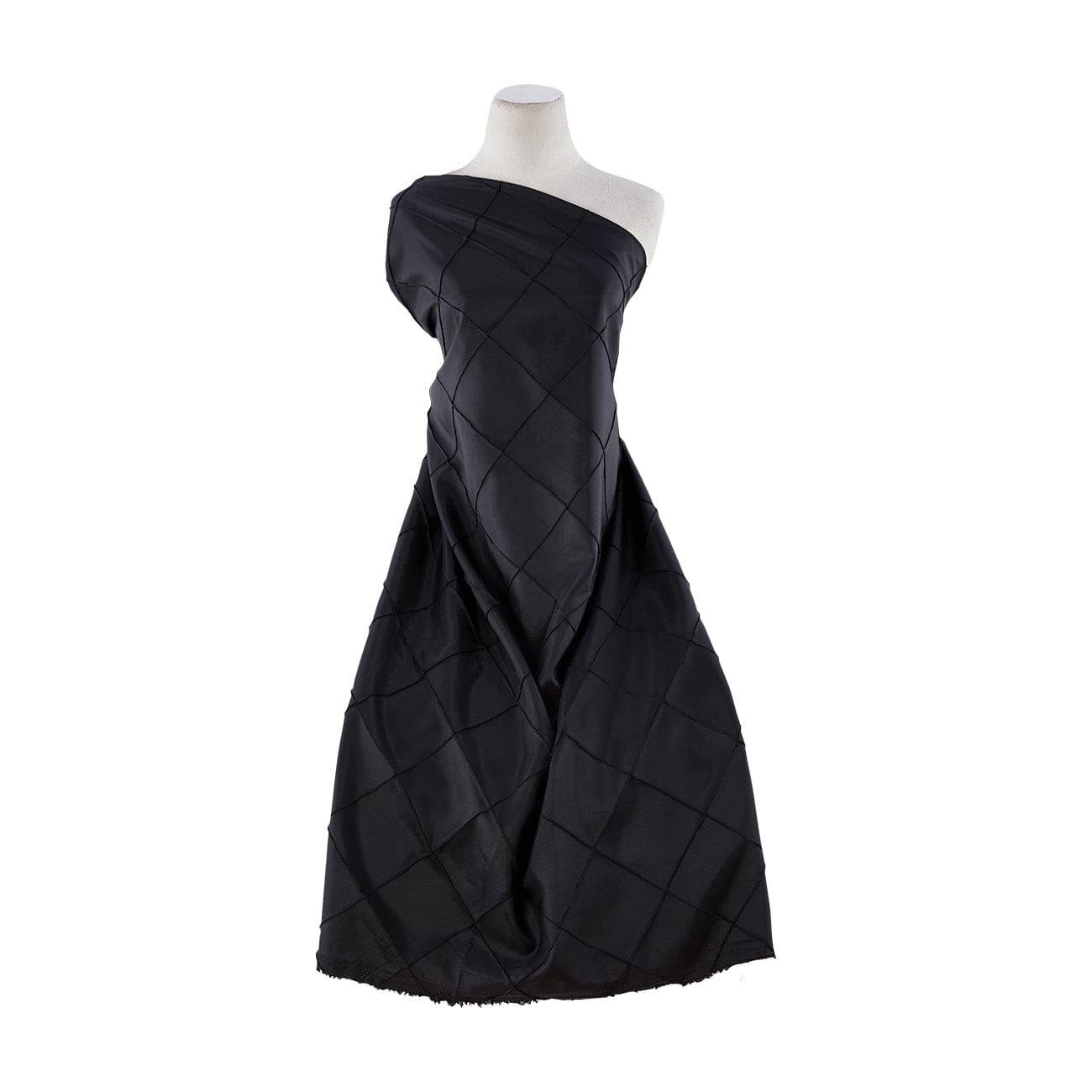
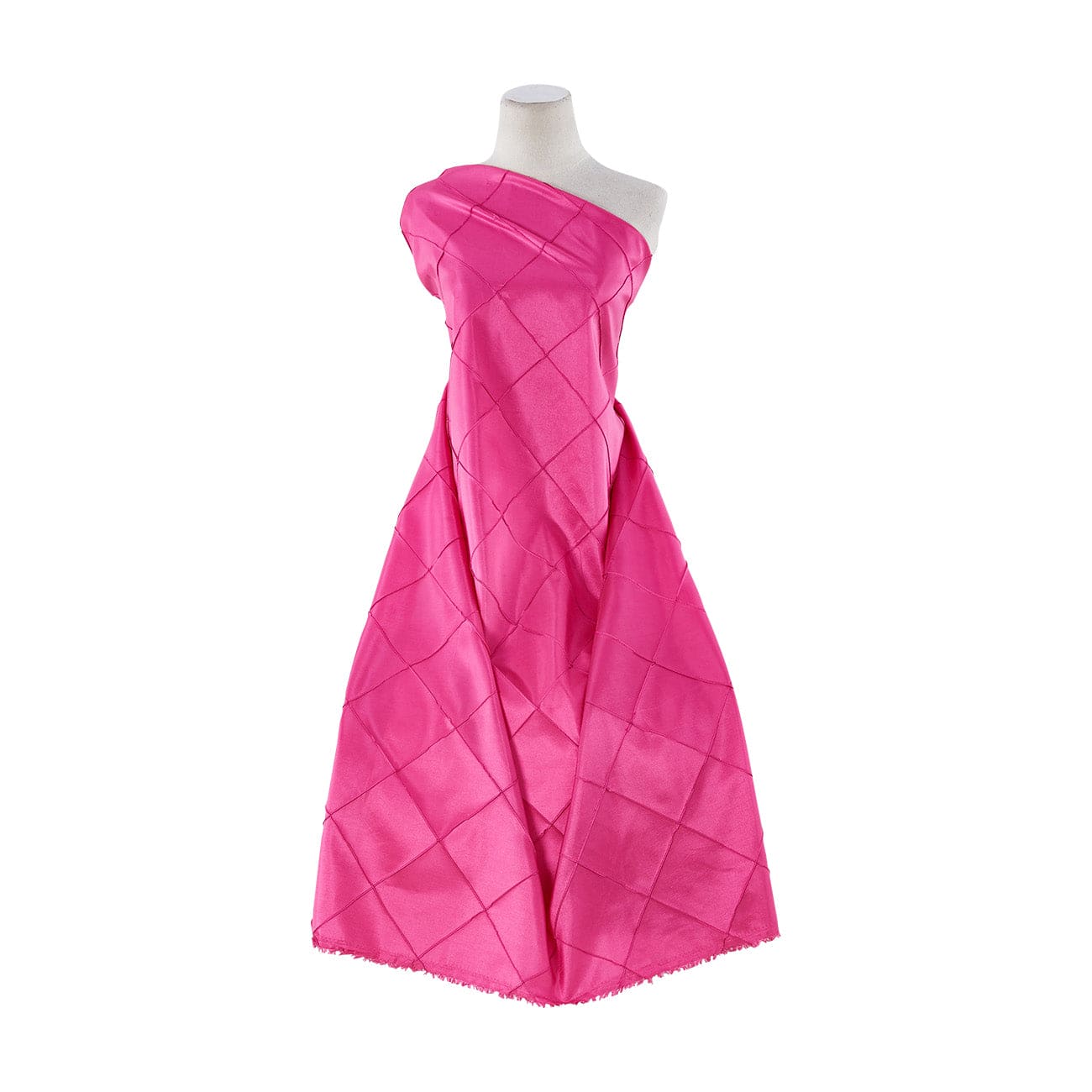
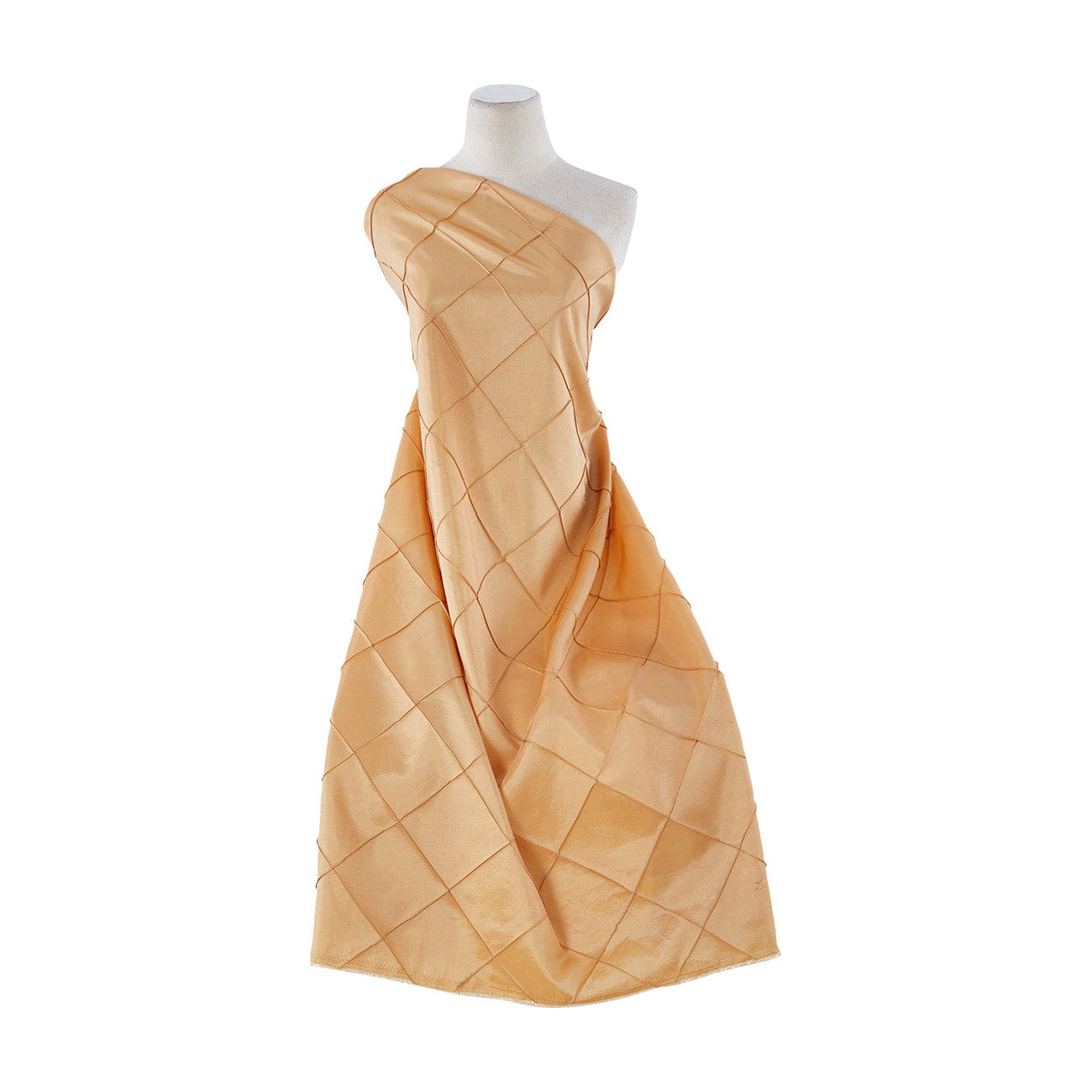
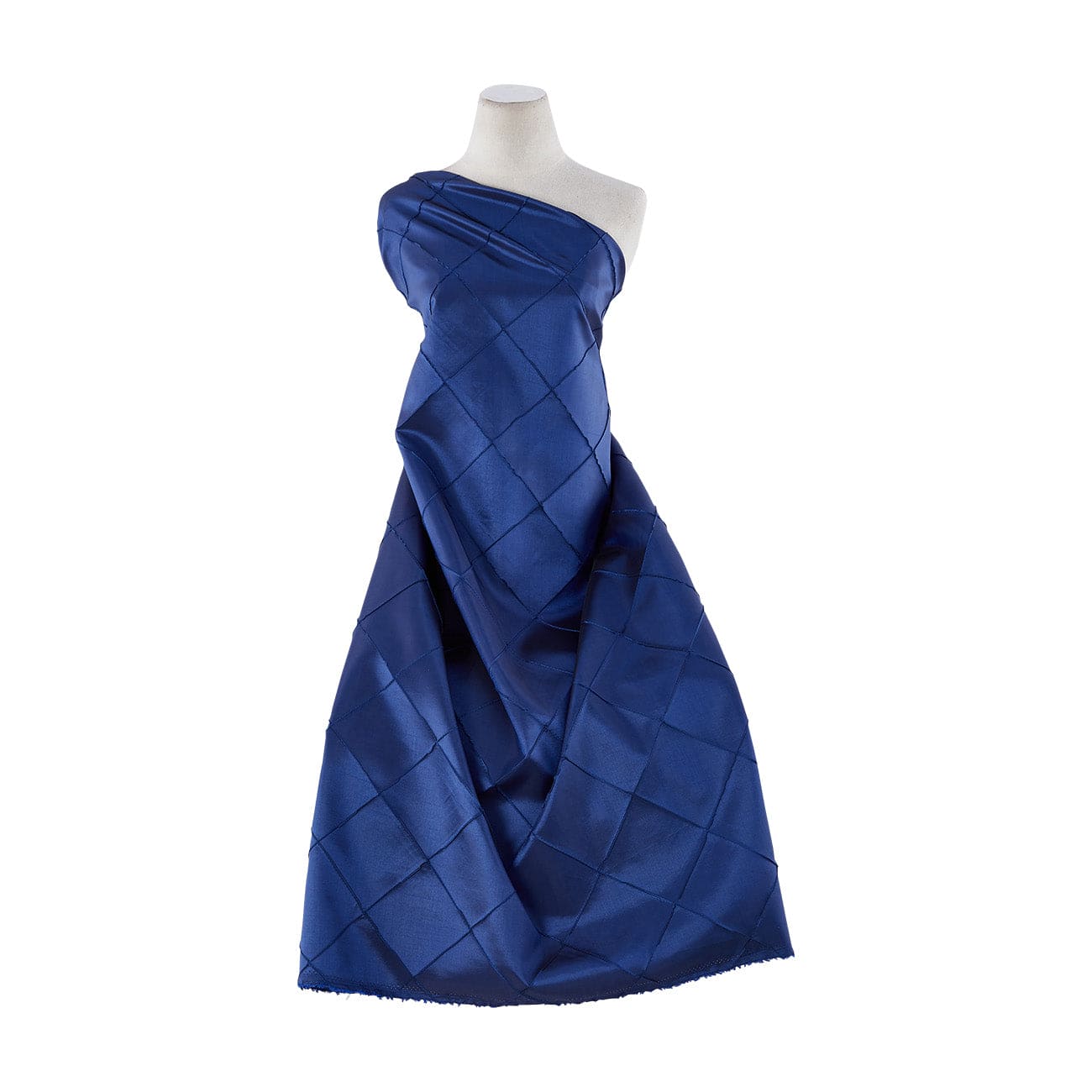
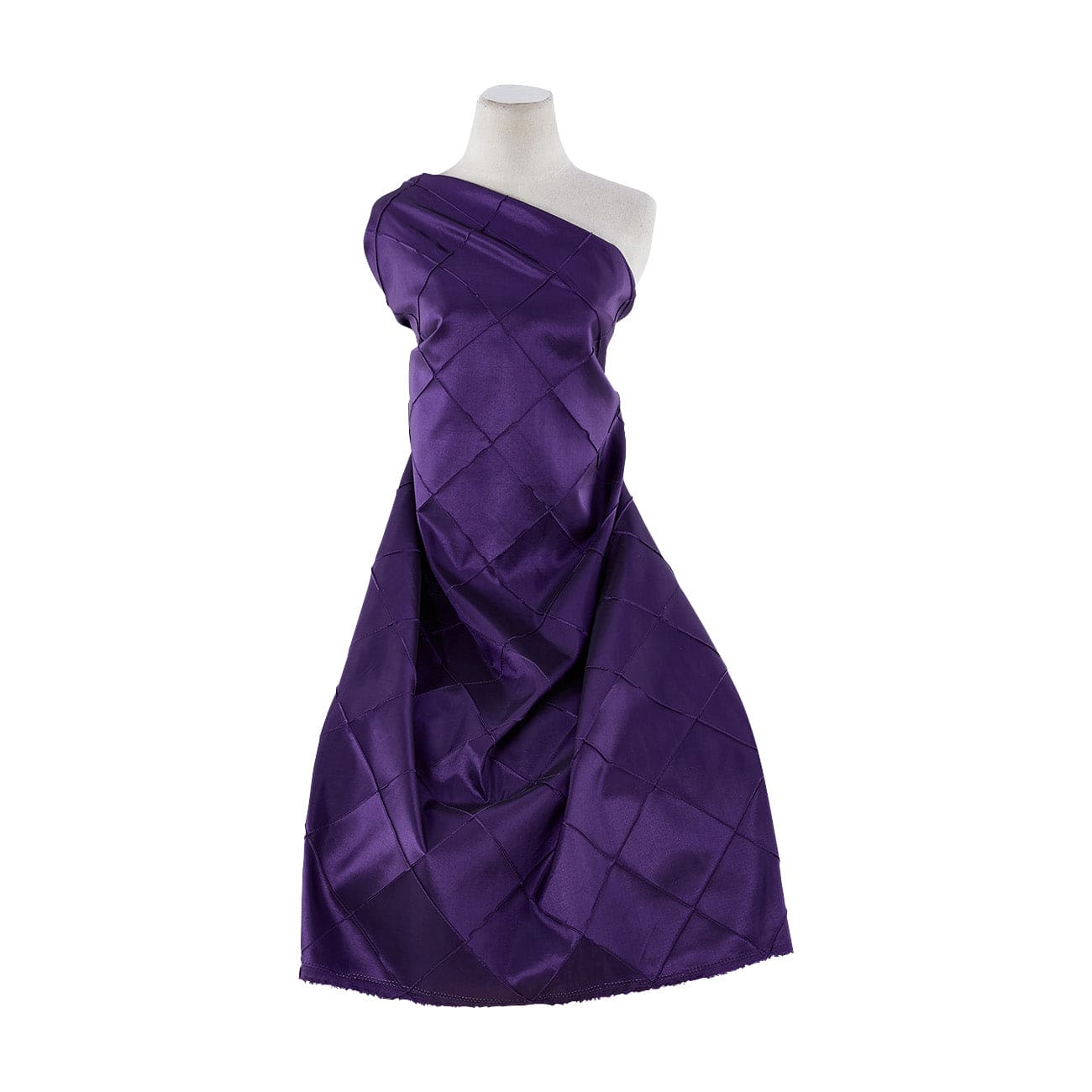
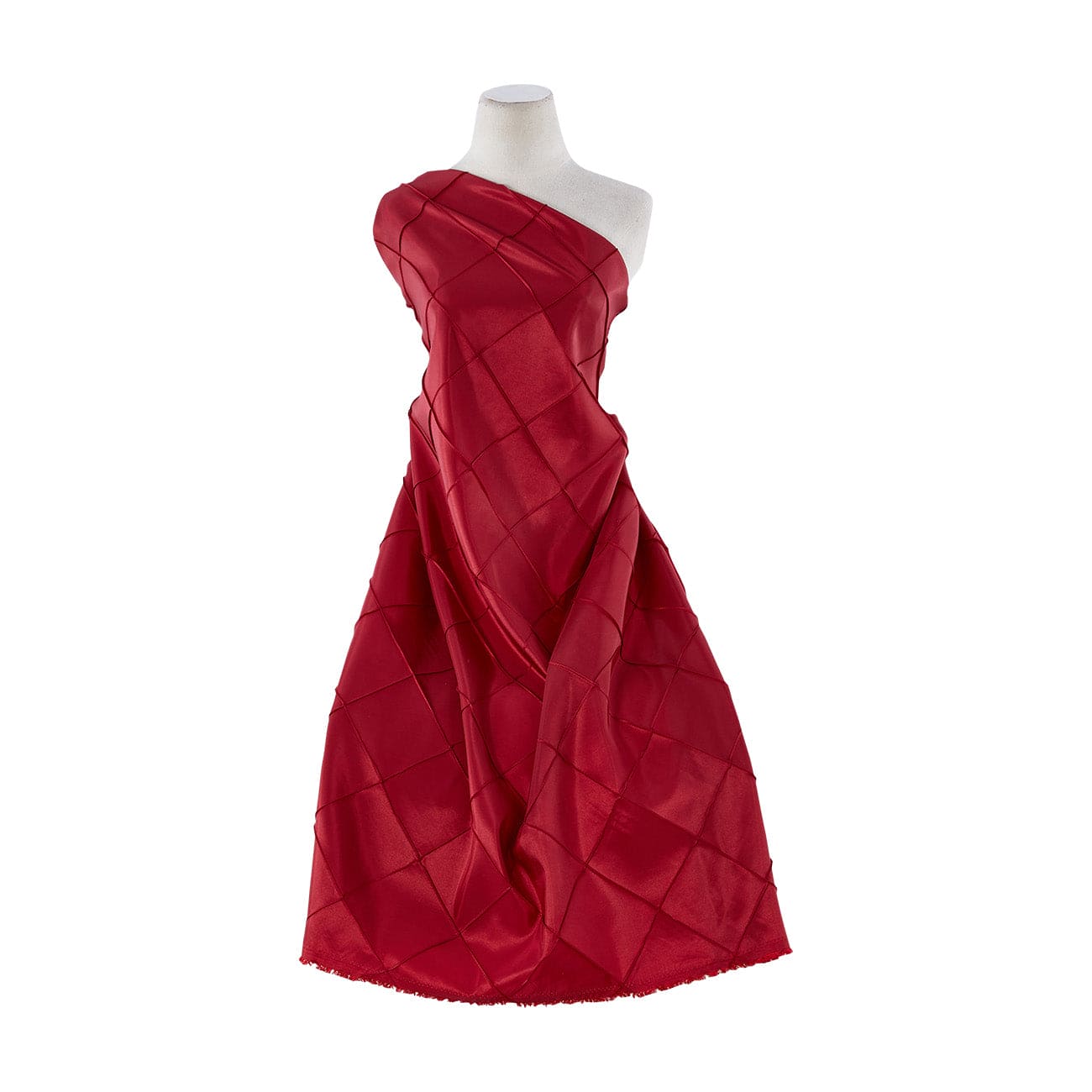
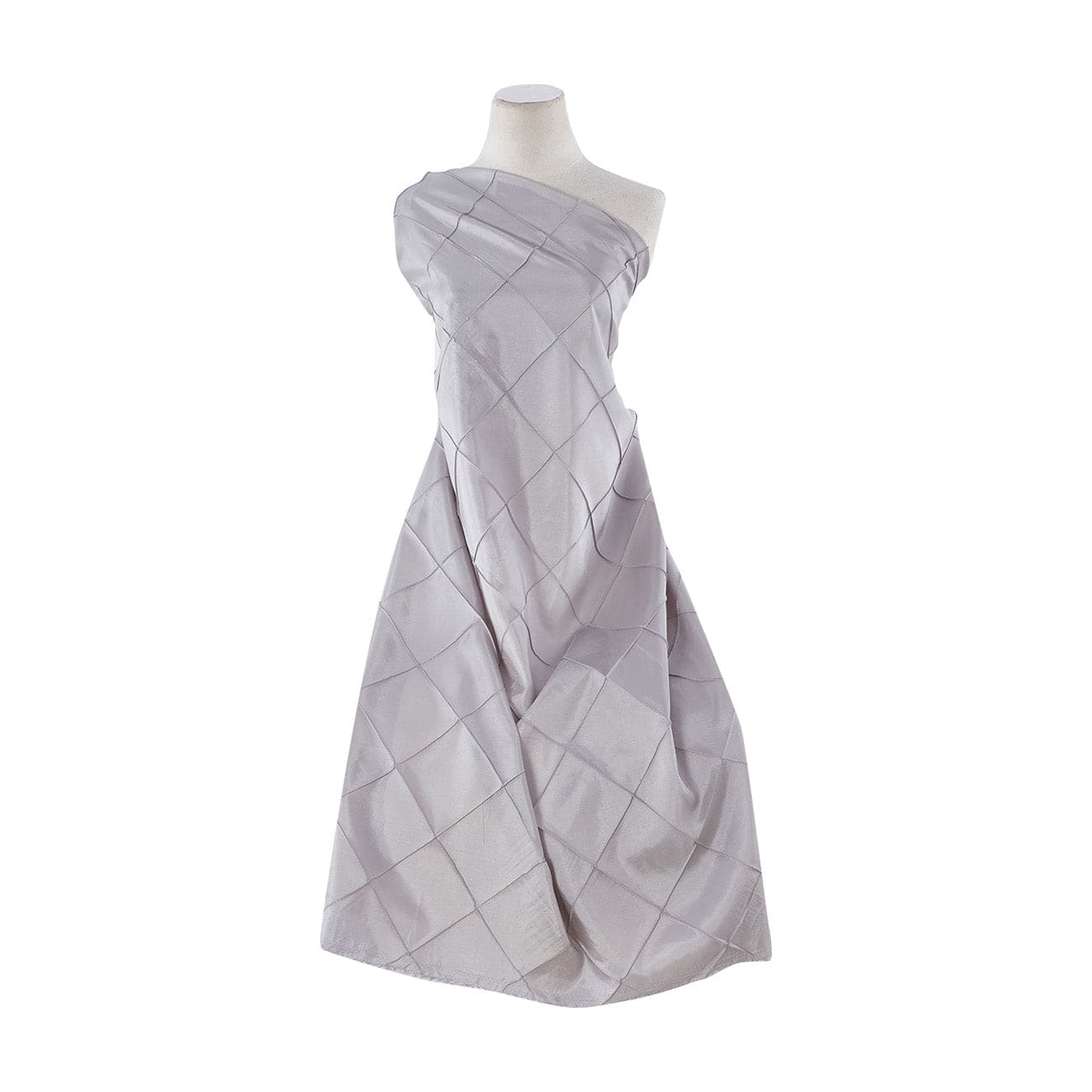
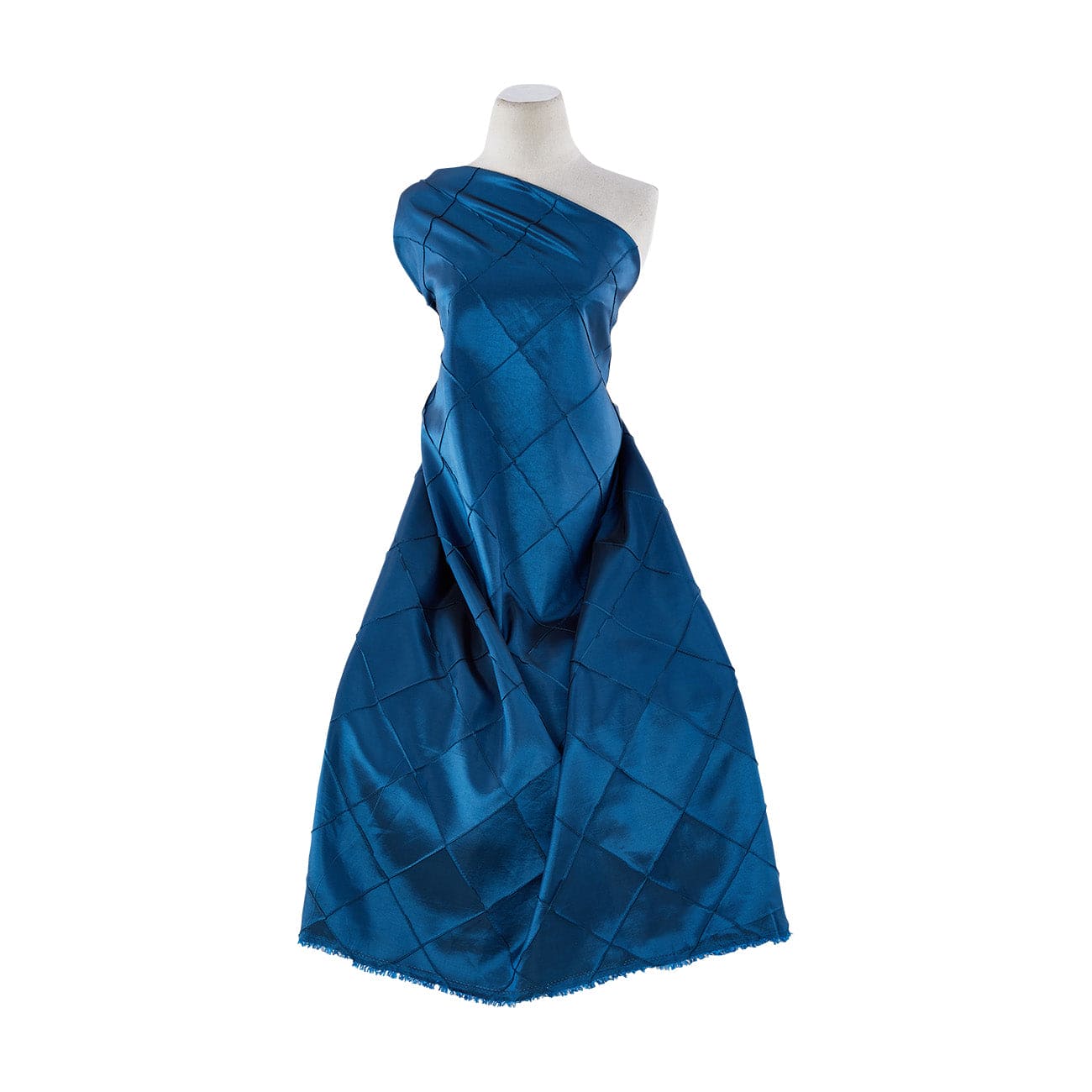
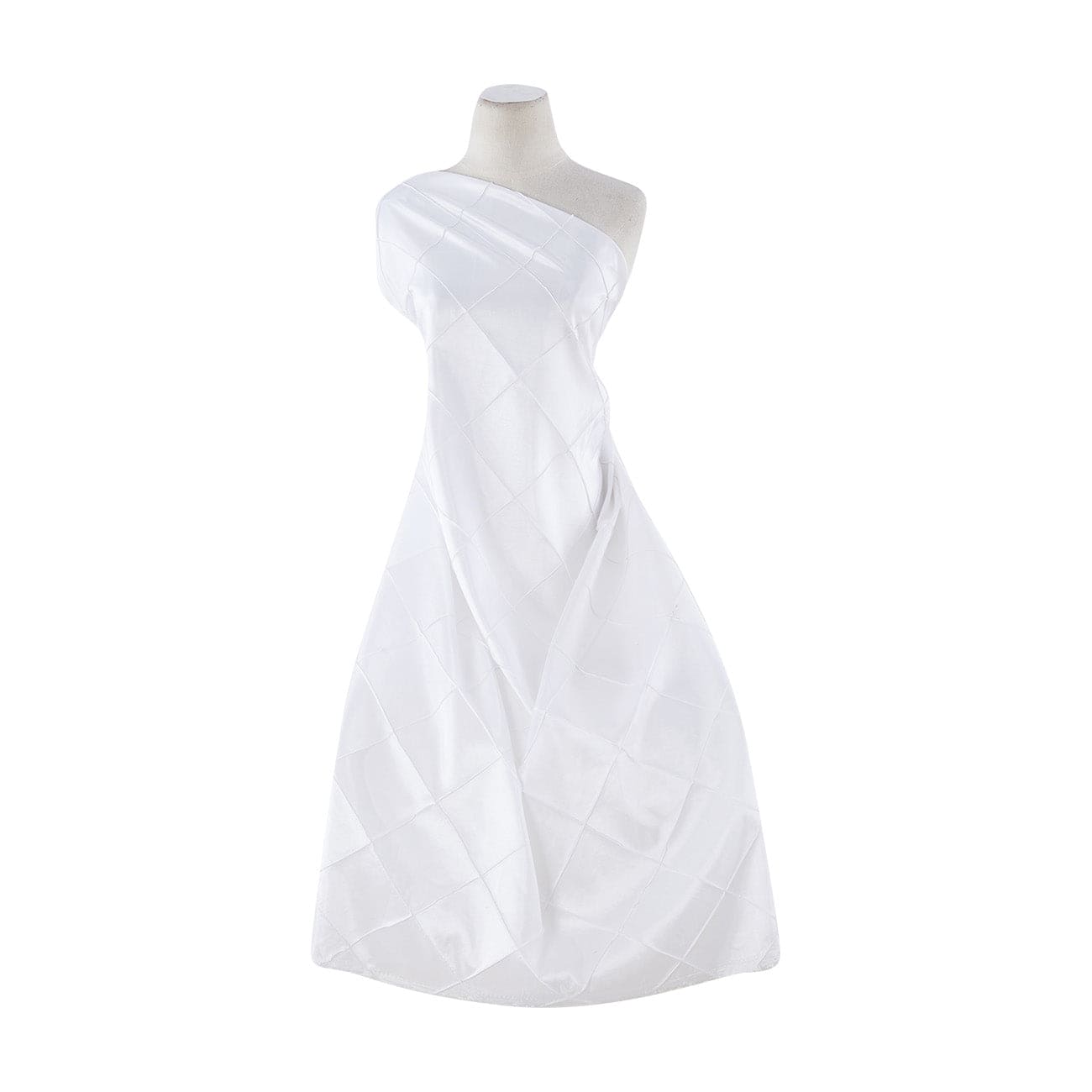
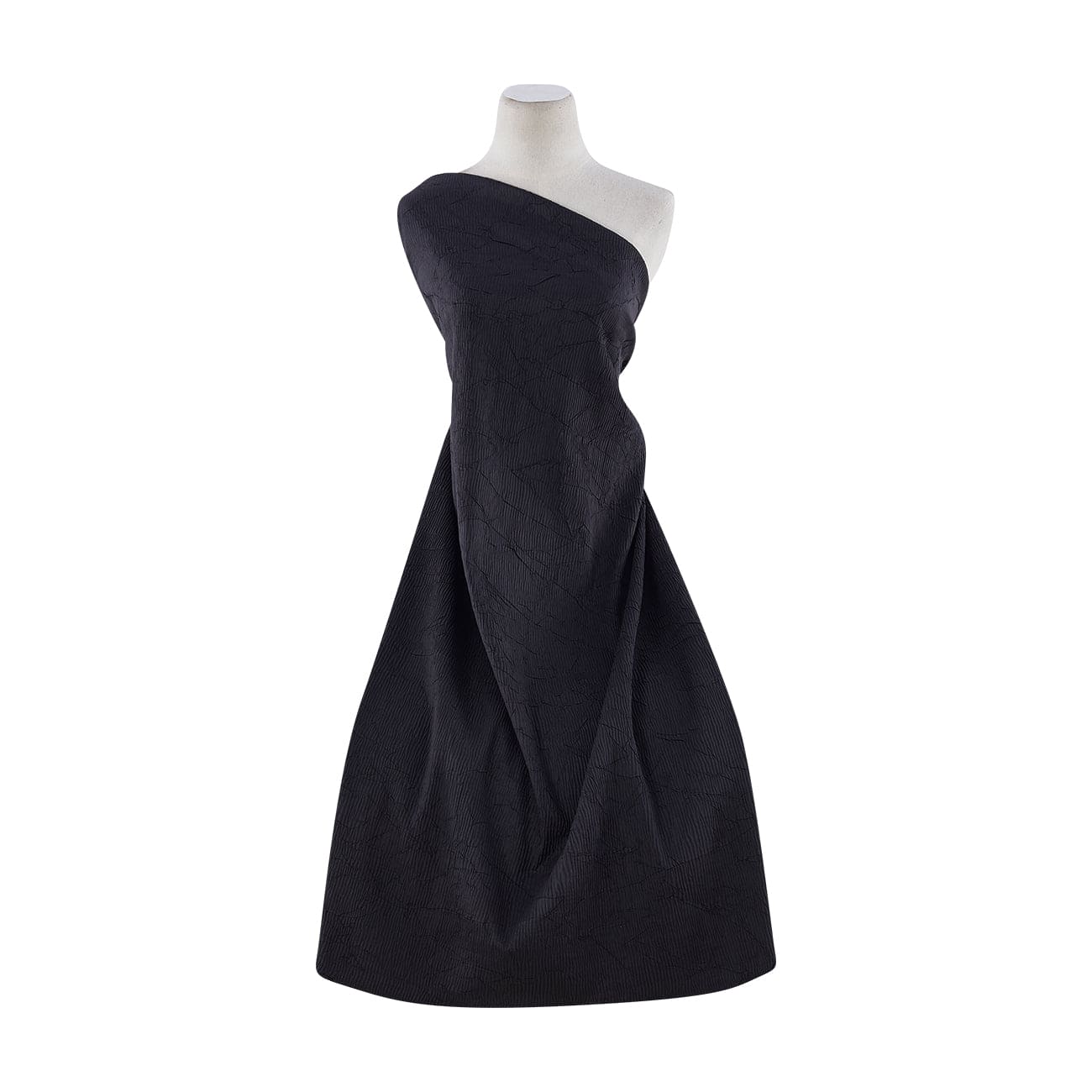
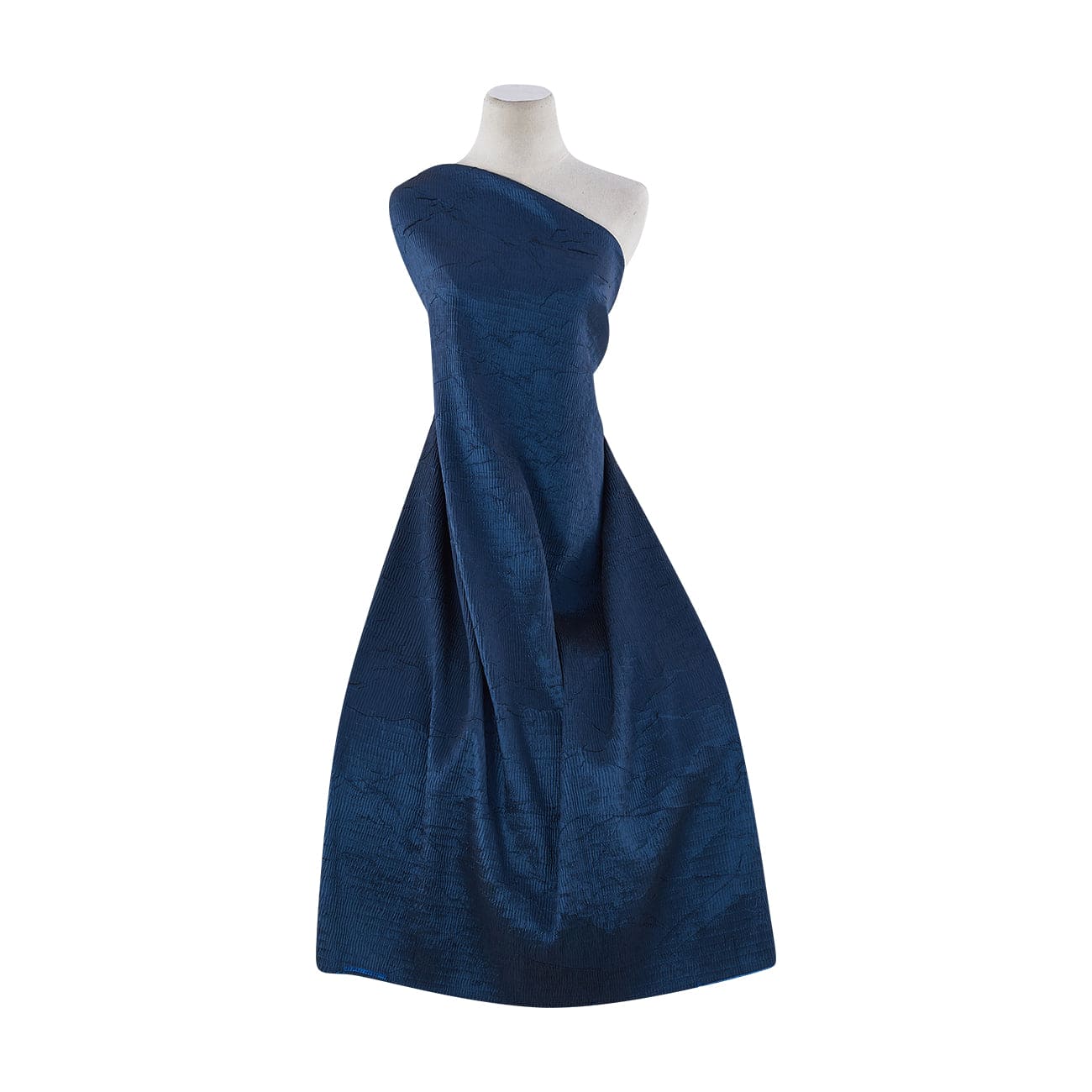
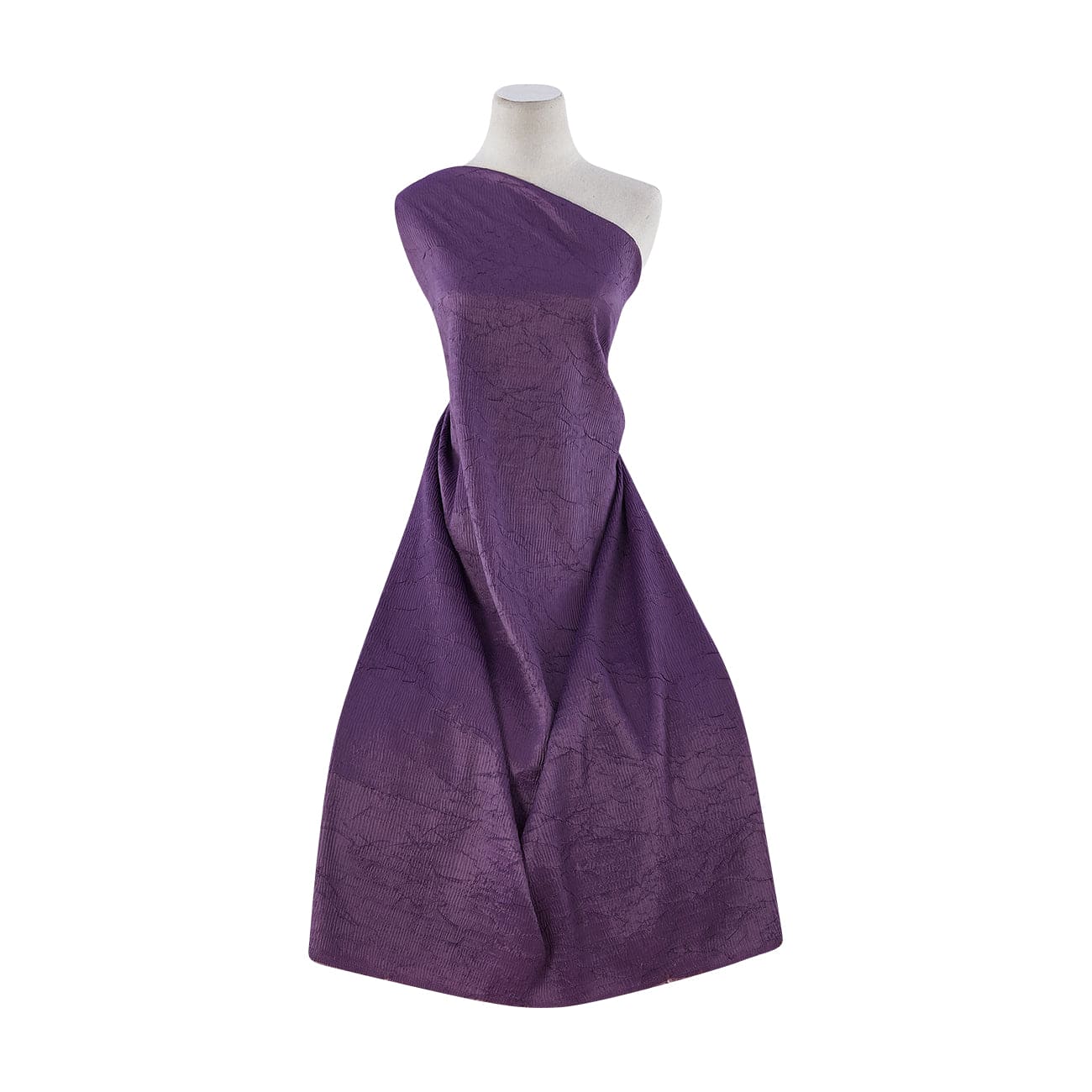
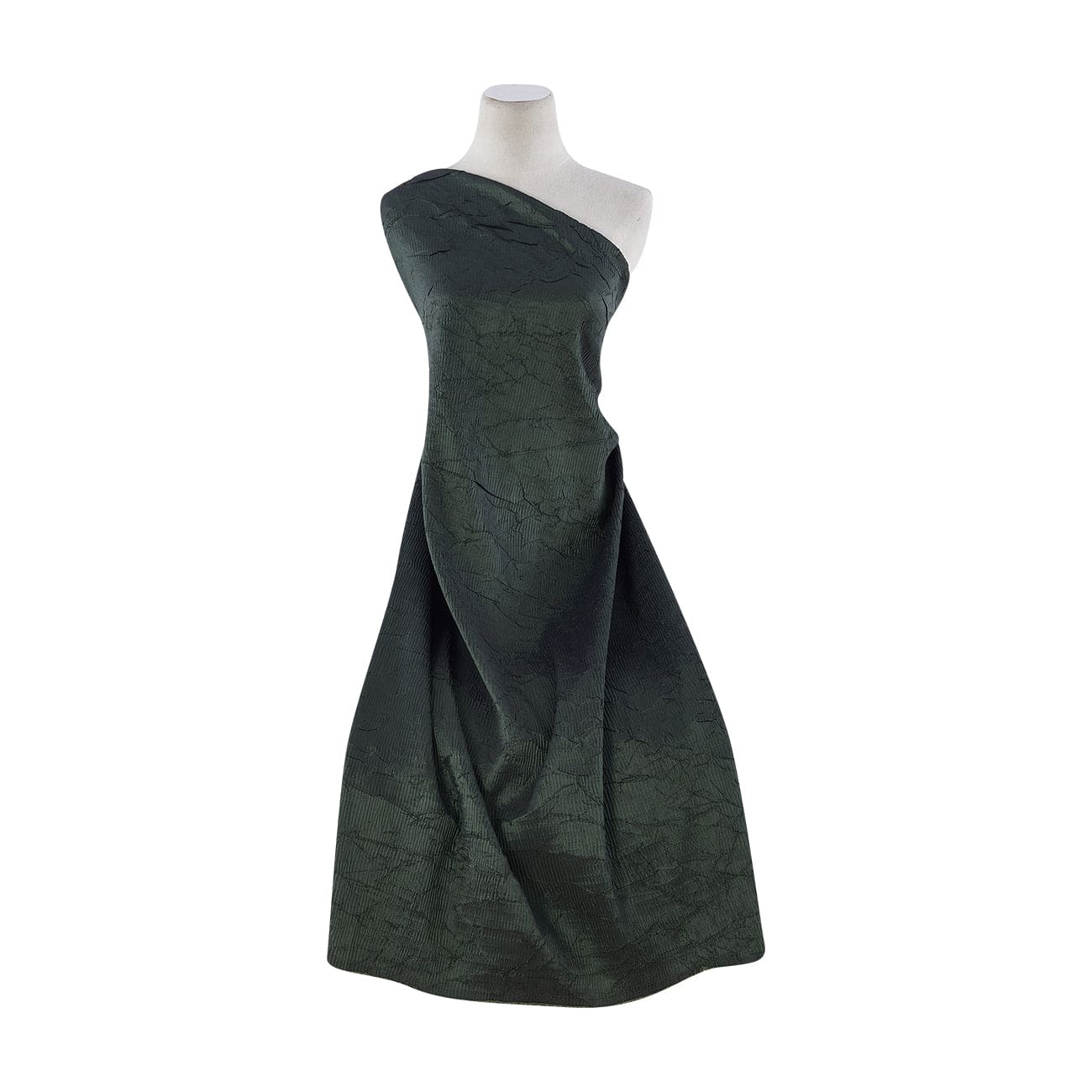
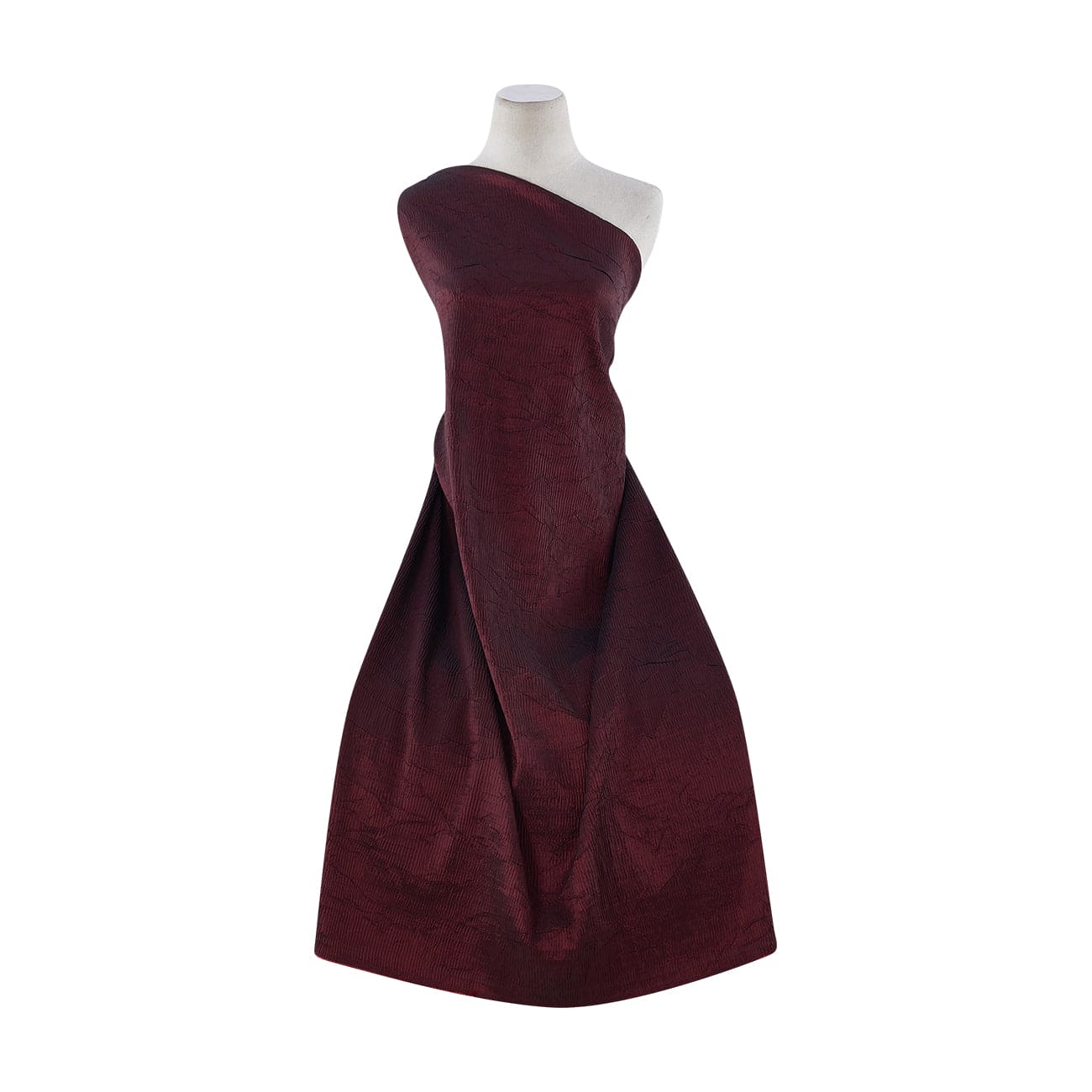
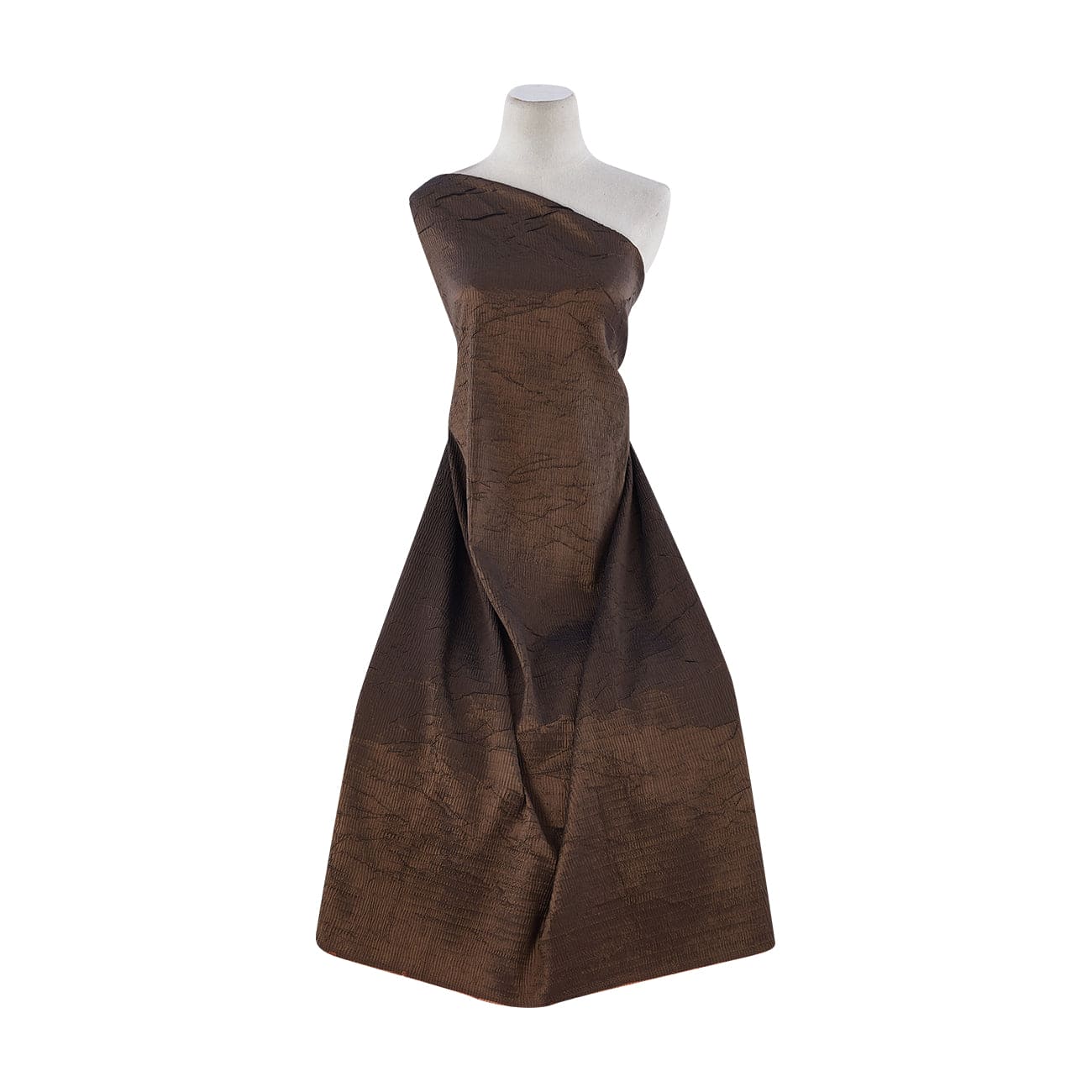
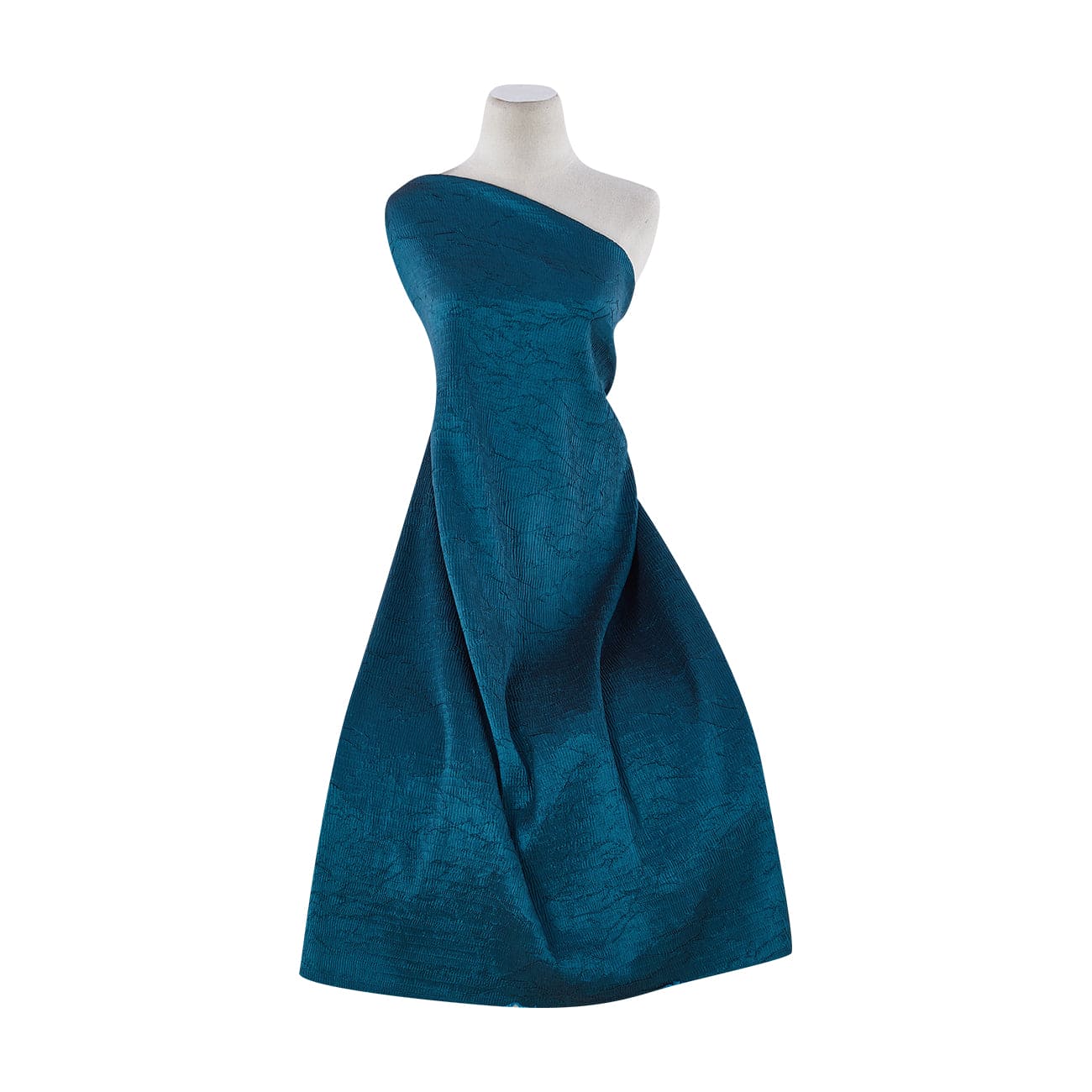
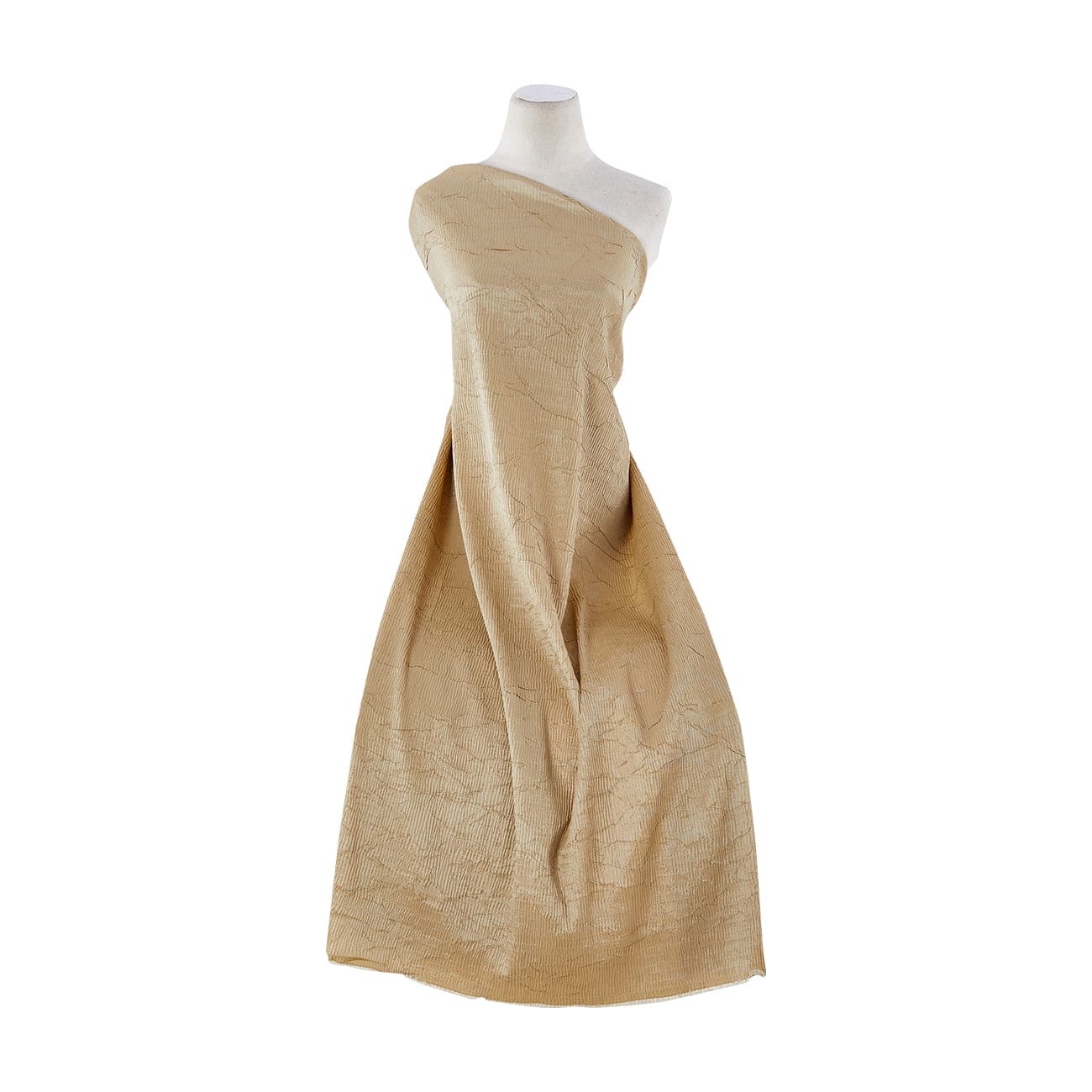
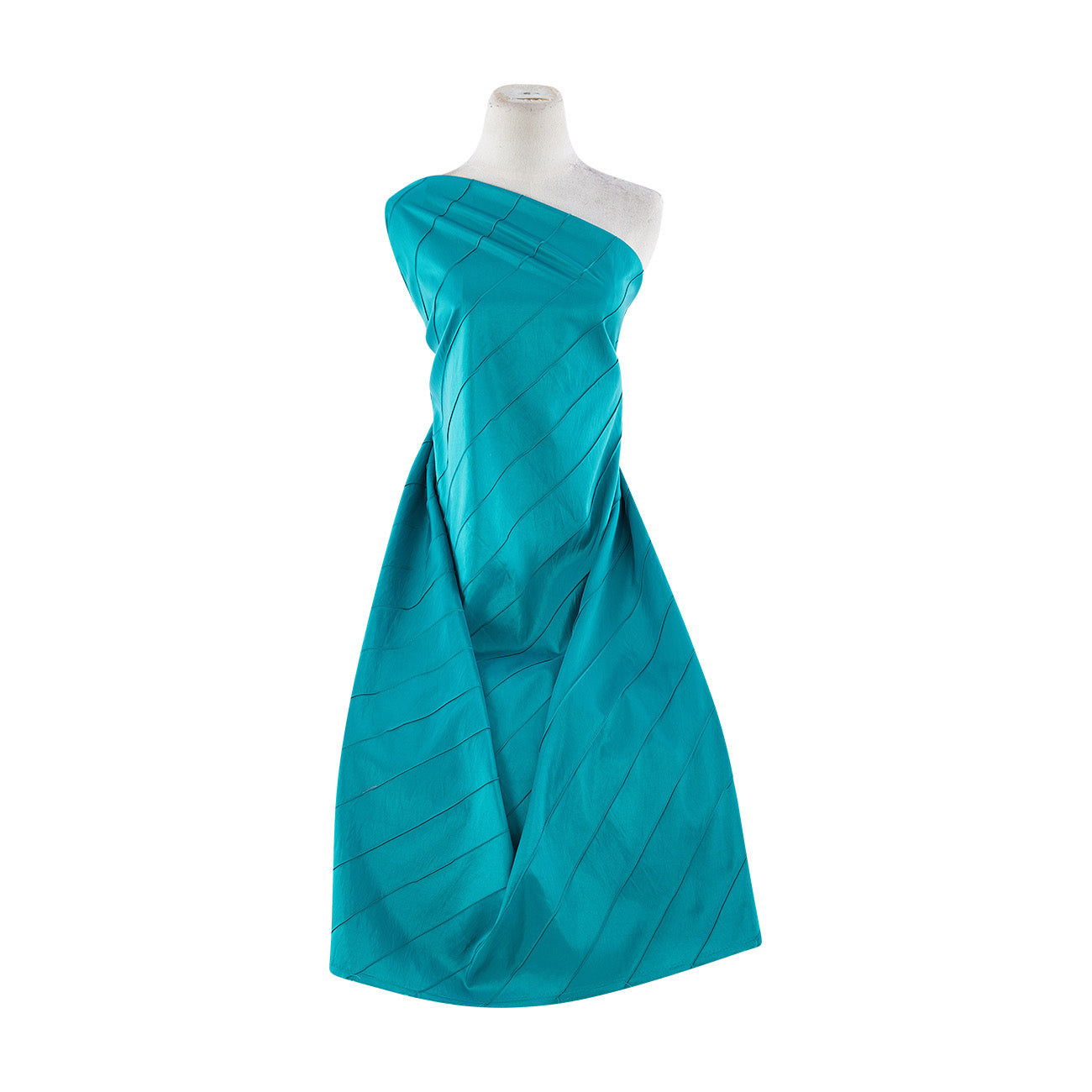
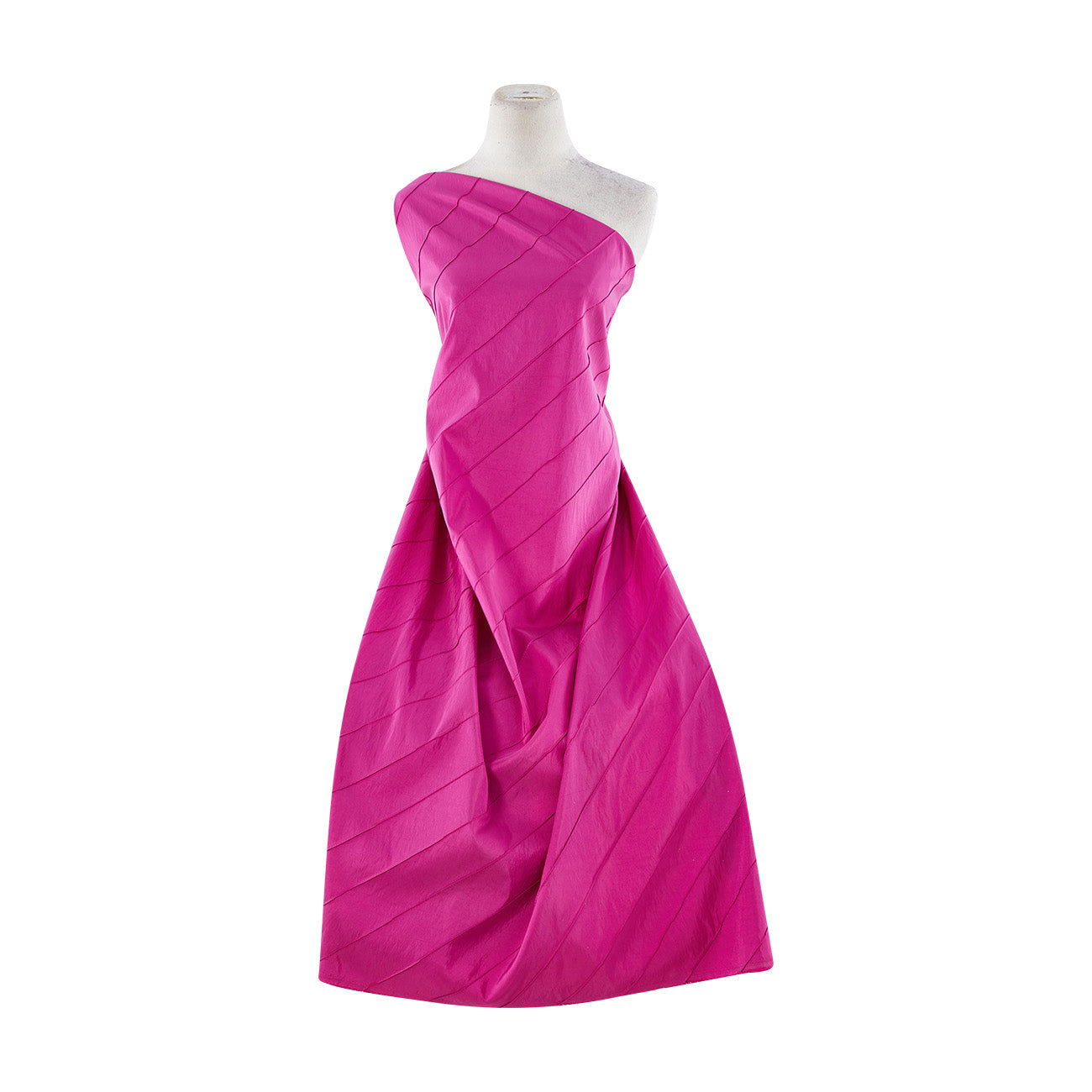
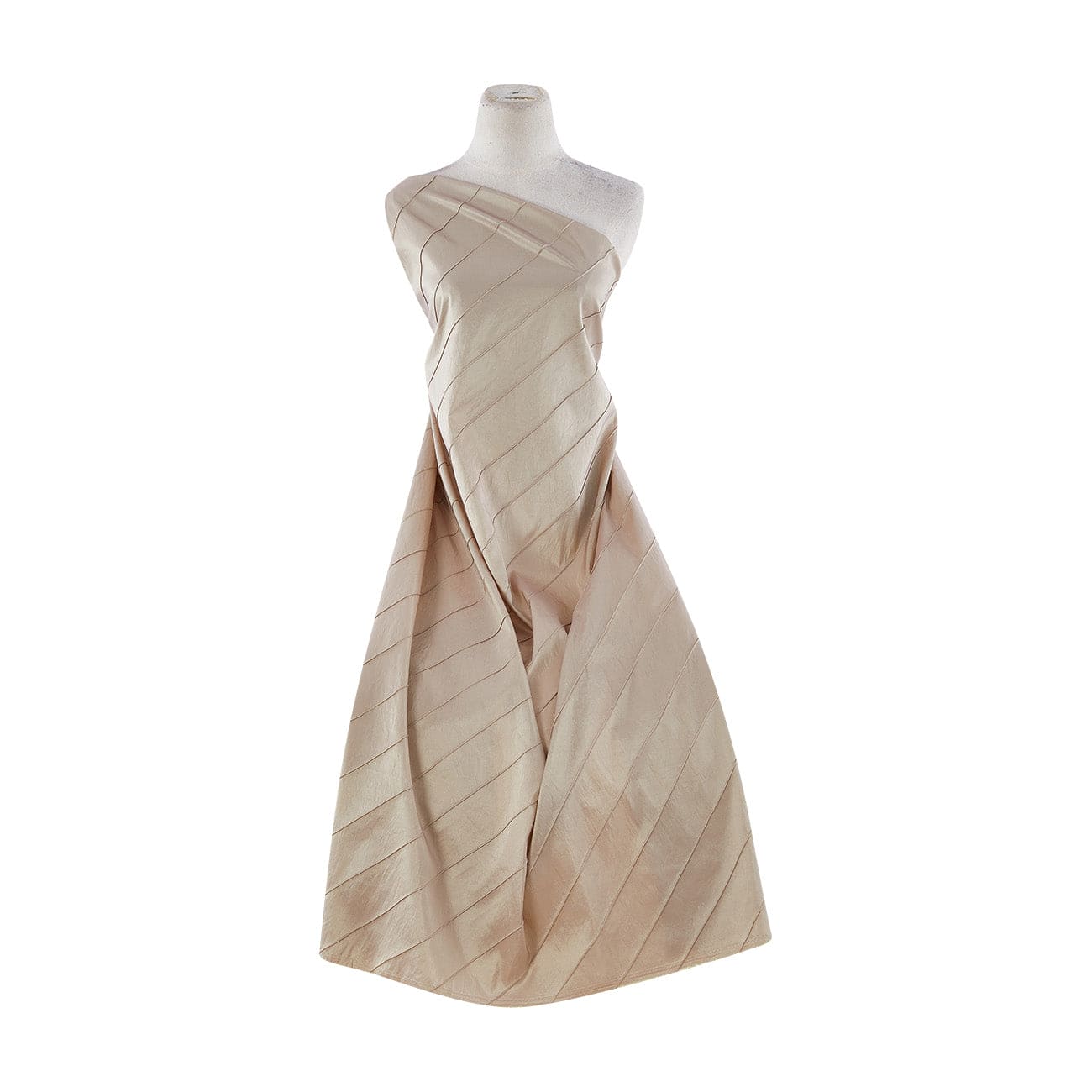
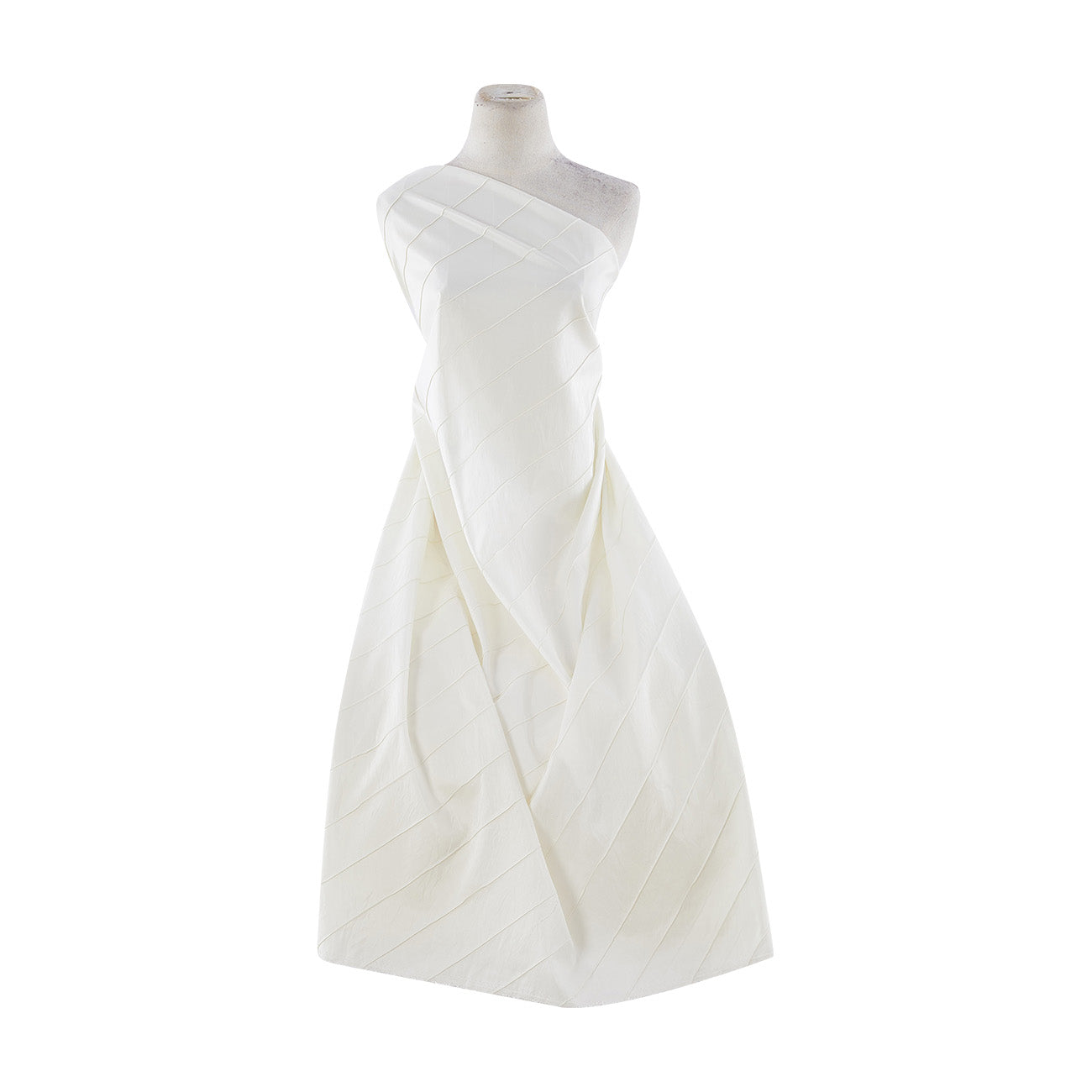
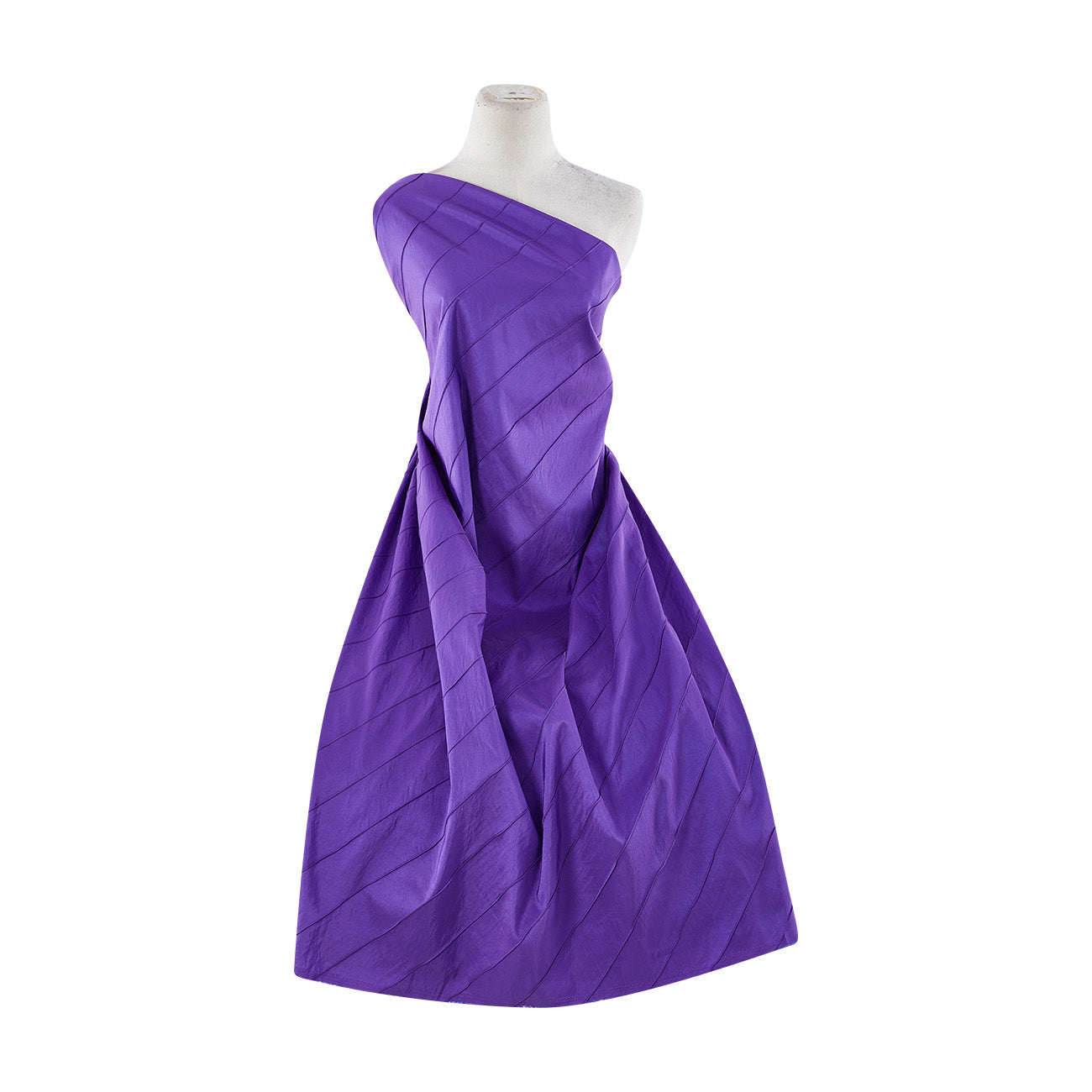
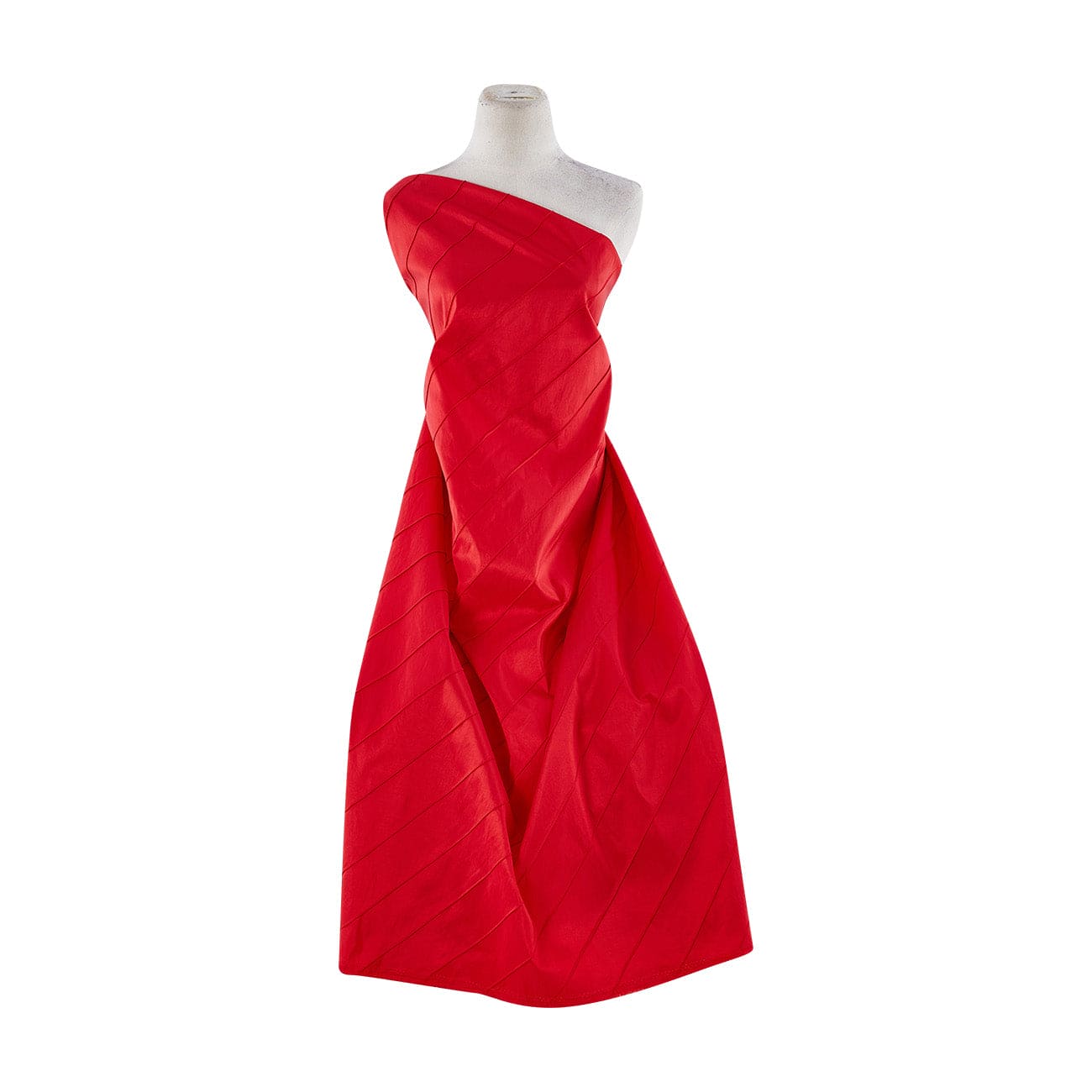
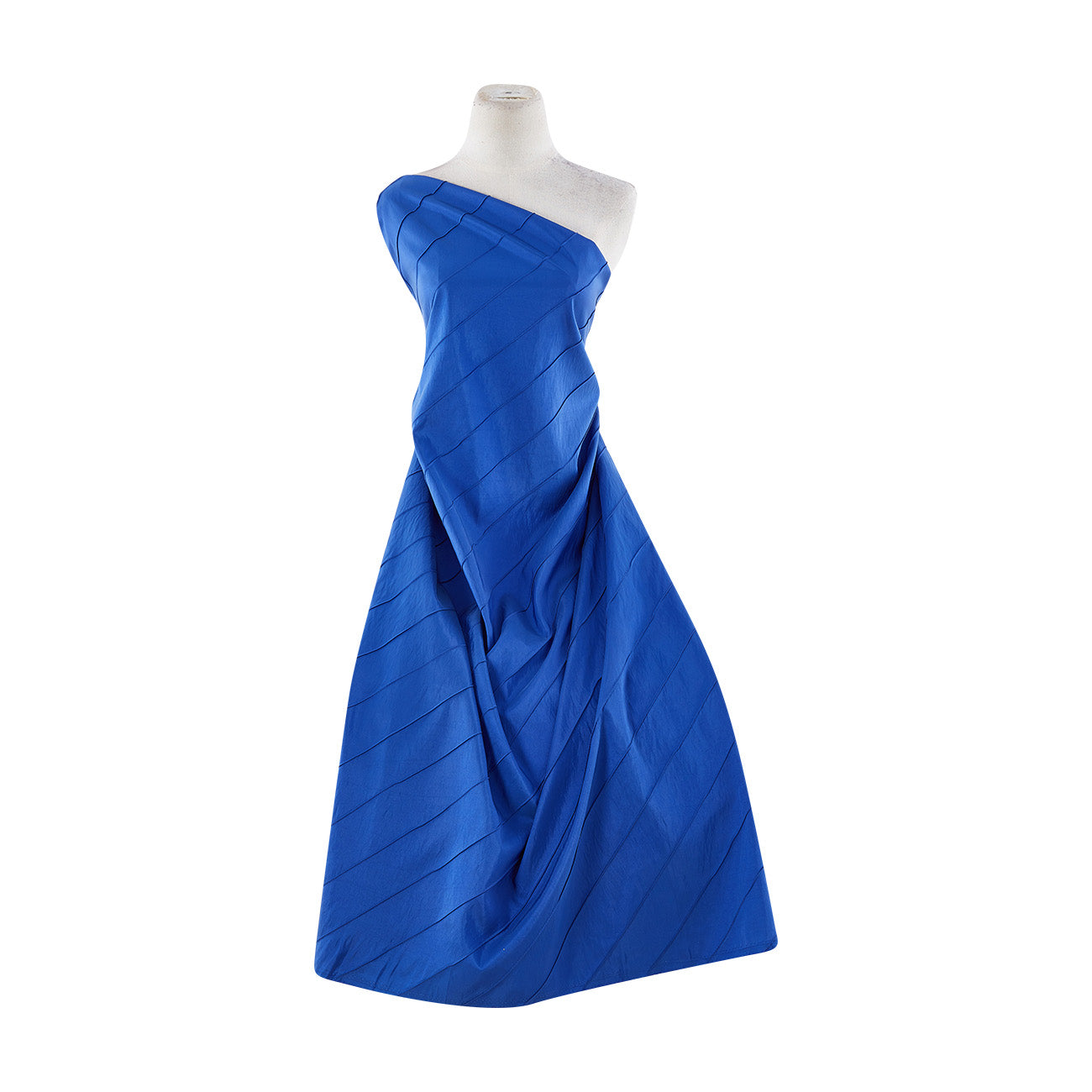
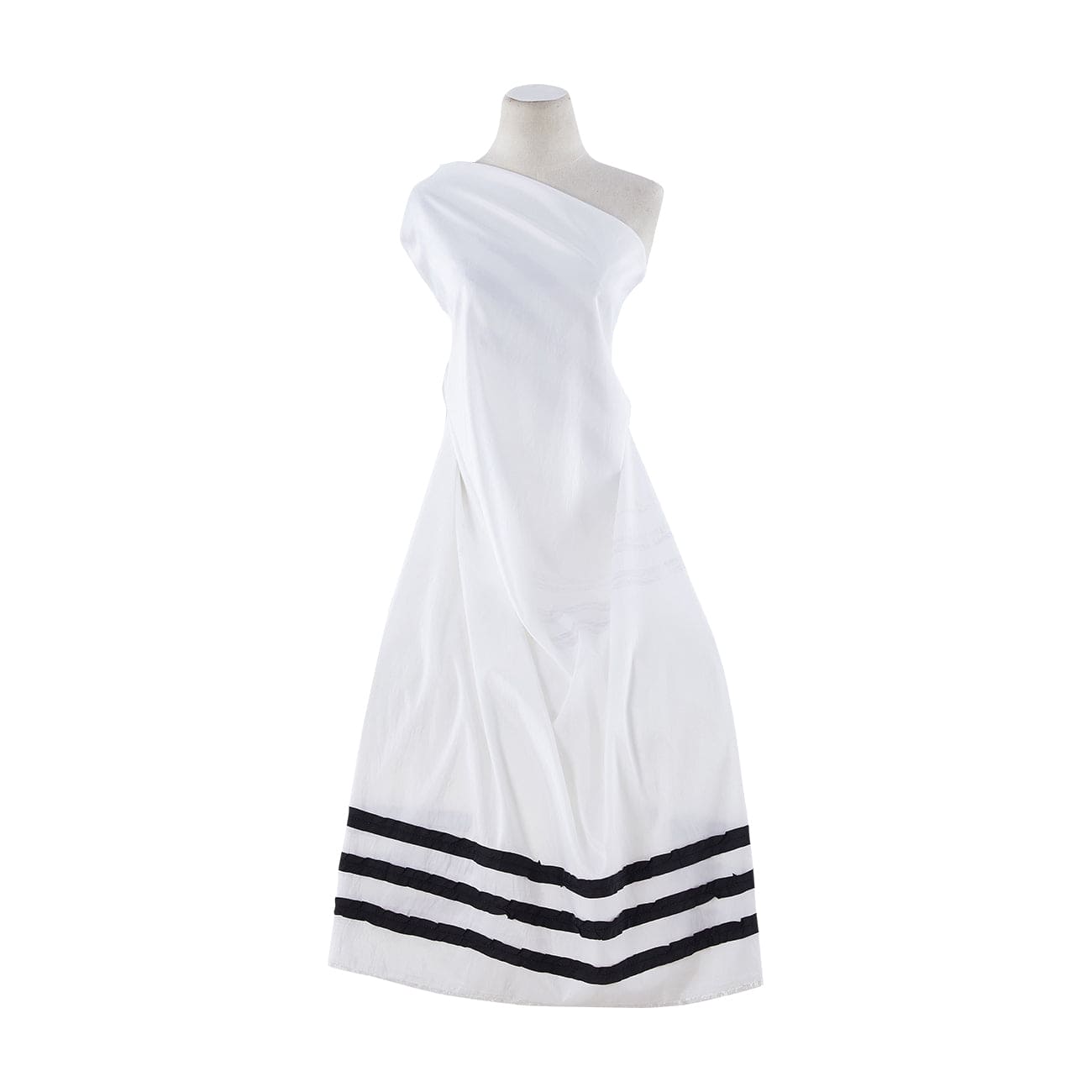
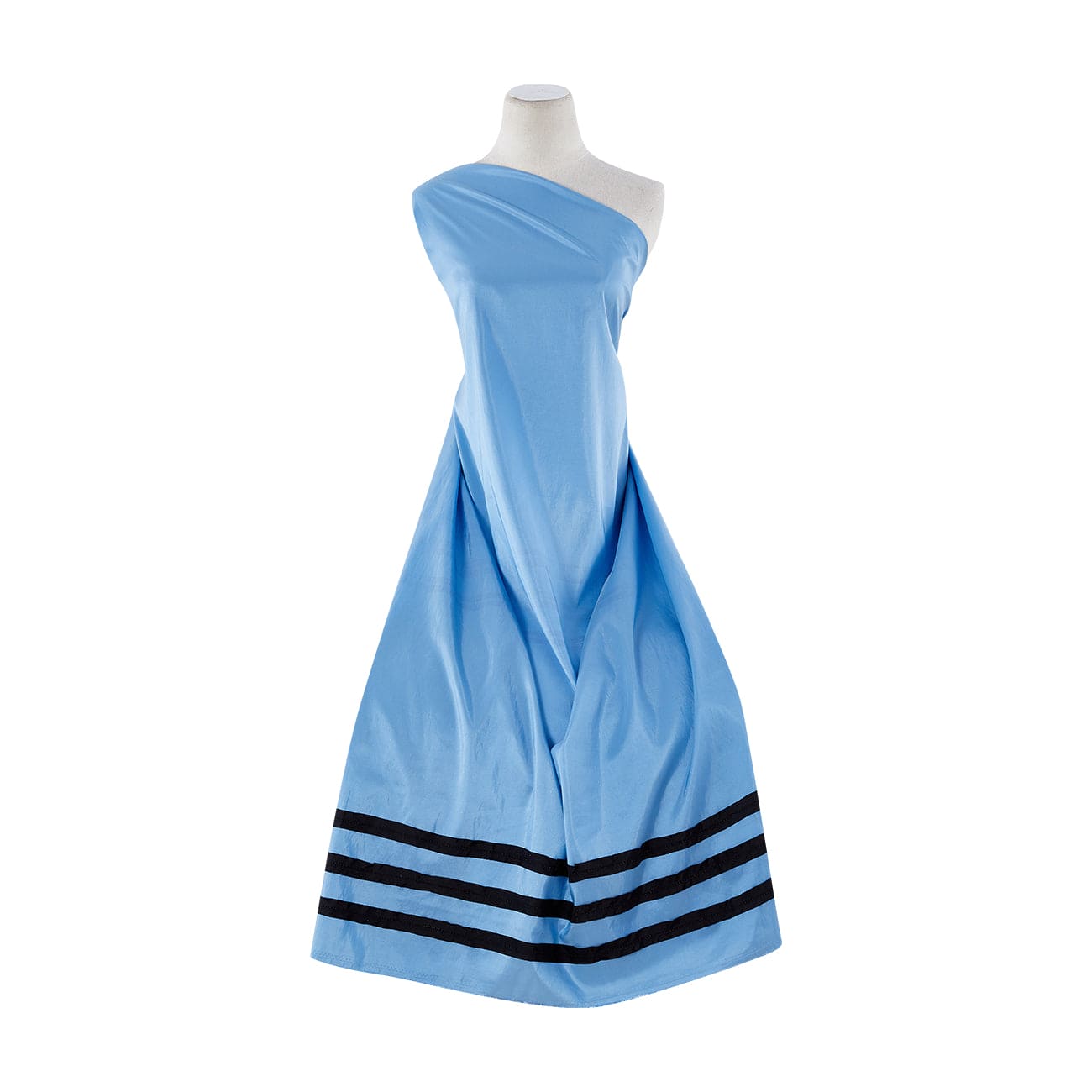
Taffeta that has been mechanically or heat-pleated before finishing, adding permanent surface texture and volume without additional construction steps at the garment level. Reduces the need for gathering or smocking in skirt and sleeve applications. A common choice for bridal overlays, decorative panels, and structured sleeves.
Lining Taffeta
A lightweight construction at 60–80 GSM, woven with a finer yarn count for a smoother, more fluid hand than bridal-weight taffeta. Used as a slip lining in structured jackets, tailored coats, and skirts. Adds shape retention and reduces friction against the body without adding significant bulk to the finished piece.
How to Choose the Right Taffeta
The key variables are weight, fiber content, and whether you need a solid, iridescent, or textured surface. Lining applications call for the lightest constructions — 60–80 GSM — where smoothness and minimal bulk matter more than body. Bridal and formalwear skirts benefit from midweight taffeta at 90–130 GSM, where the fabric’s stiffness actively contributes to silhouette. For surface interest under event lighting, shot or yarn-dyed taffeta delivers color movement that solid constructions cannot replicate.
Taffeta frays at cut edges, so a serger finish or narrow zigzag at raw seams is recommended before assembly. Use a fine, sharp needle (size 70/10 or 80/12) and a shorter stitch length to prevent perforation along seam lines—taffeta’s tight weave can weaken at needle puncture points if the stitch length is too long. Reduce presser foot pressure slightly to prevent the fabric from shifting during stitching.
When pressing, use a low-to-medium iron setting with a press cloth between the iron and the fabric face. High heat can flatten taffeta’s surface sheen and, in polyester constructions, cause permanent distortion. Steam with care — excess moisture can spot lightweight taffeta and alter the surface finish.
Order a swatch before committing to yardage, especially for shot and yarn-dye constructions, where the iridescent effect and color depth are hard to assess accurately on screen.
Taffeta Care Guide
Care requirements vary by fiber content. Check the product page for fiber-specific guidance before washing any taffeta yardage or finished garment.
- Polyester taffeta: Hand wash in cool water with a gentle detergent, or dry clean. Machine washing is generally not recommended — agitation can distort the weave structure and crush the surface sheen. Hang to dry away from direct heat.
- Silk taffeta: Professional dry cleaning only. Moisture and agitation both risk permanent damage to the weave structure and surface finish of silk taffeta.
- Lining taffeta: Follows the care requirements of the outer fabric it is paired with. When in doubt, dry clean the finished garment.
Pressing: Always use a press cloth. Set the iron to low or medium — never high — and avoid direct steam contact with the fabric face on lightweight or shot constructions. Press seams open from the reverse side.
Storage: Store taffeta flat or loosely rolled, not tightly folded. Fold lines in crisp taffeta can be difficult to remove, particularly in heavier constructions. If folding is necessary, place acid-free tissue between layers to reduce crease depth.
Mixing Fabric Styles
Taffeta pairs well with fabrics that contrast its crispness. Combine it with chiffon or organza for layered overlays where the taffeta provides structure underneath and the sheer layer softens the silhouette. Pair it with satin or charmeuse for mixed-fabric eveningwear where surface contrast — matte crisp against liquid sheen — carries the design. For bridal work, taffeta and lace are a natural pairing: taffeta as the structured underlayer, lace as the decorative surface.
Start with the taffeta construction that suits your silhouette, then build with complementary weights and finishes for a cohesive result. Free fabric swatches are available for all styles — order before committing to yardage, especially when mixing constructions within a single piece.
FAQs
What is taffeta fabric?
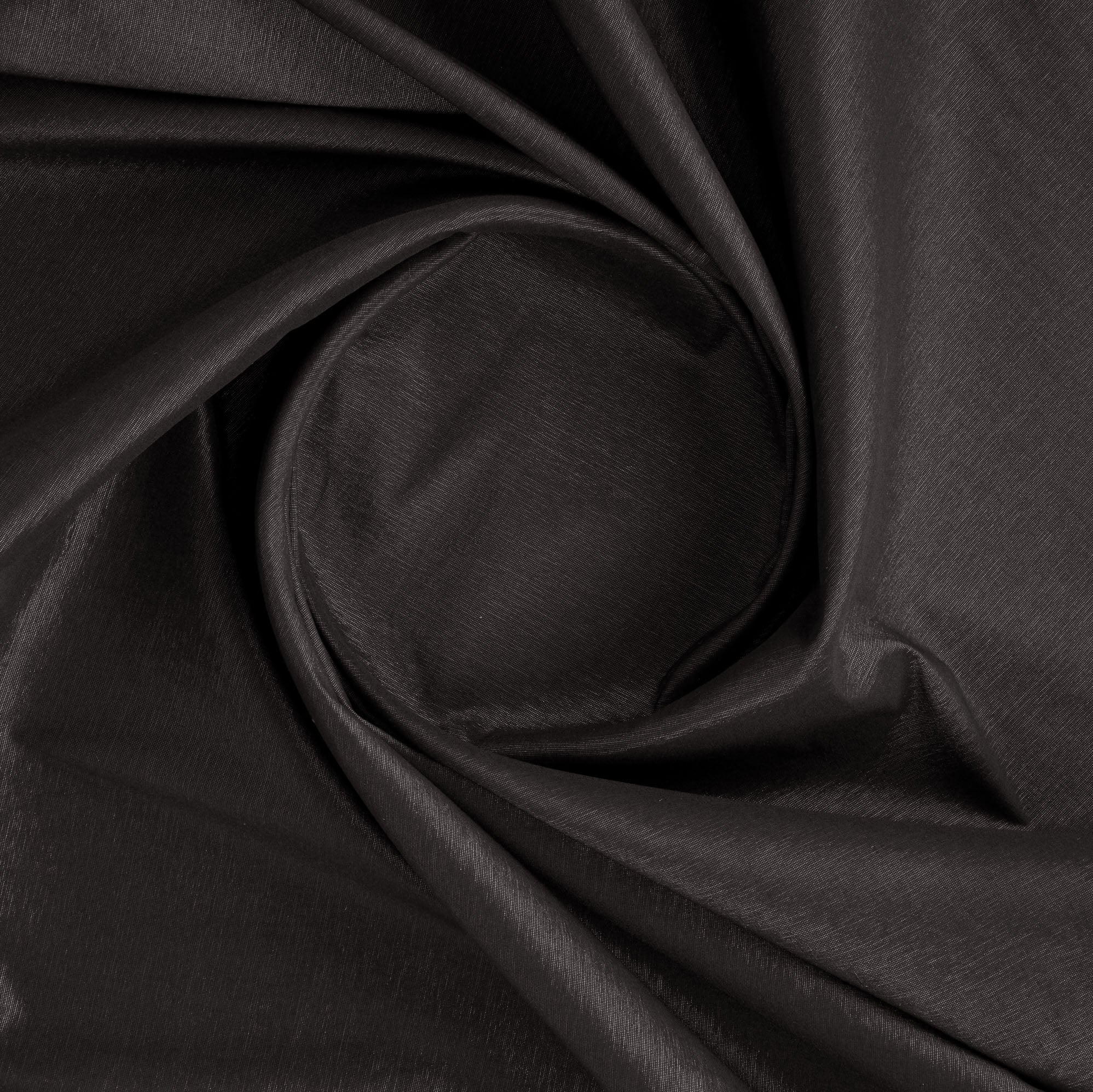
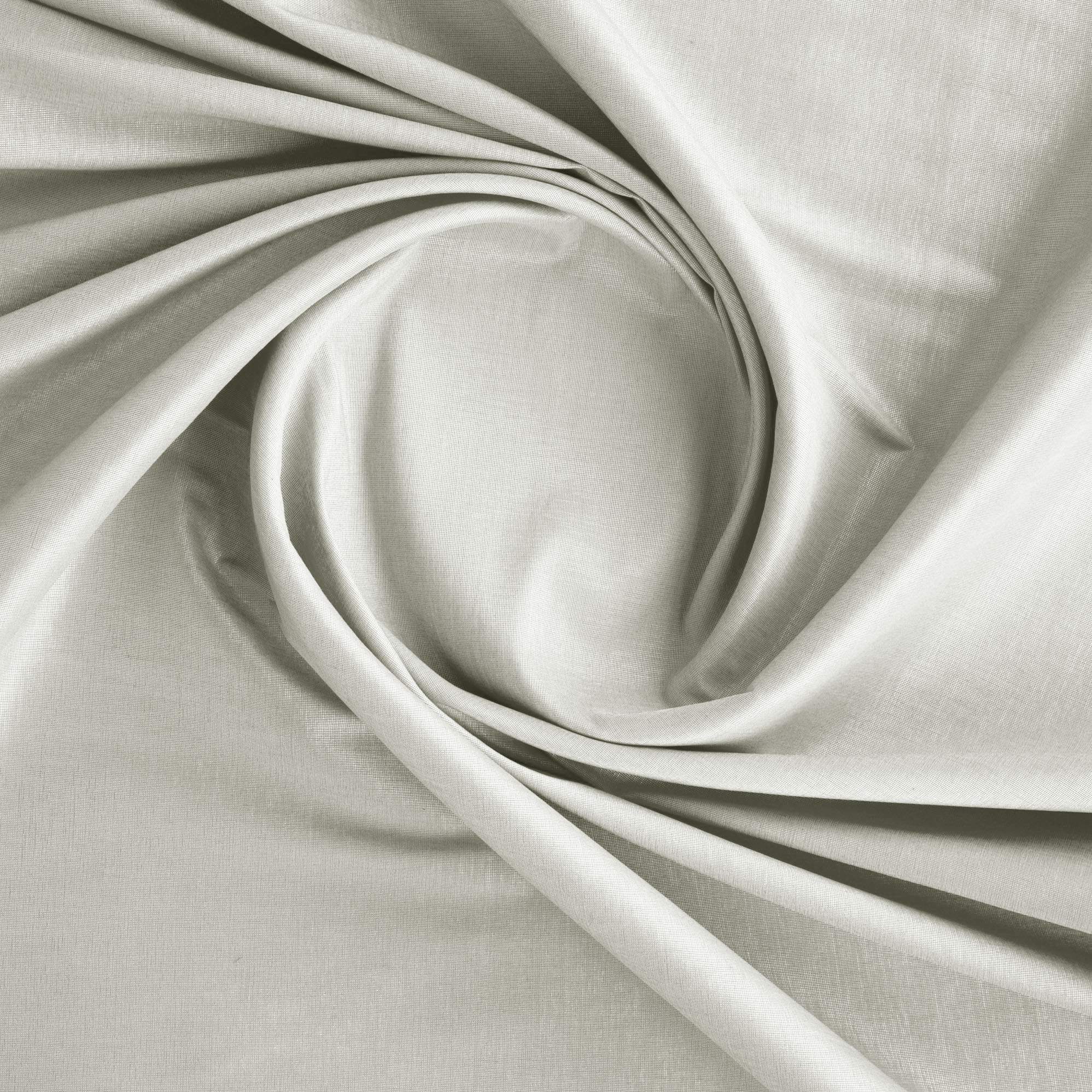
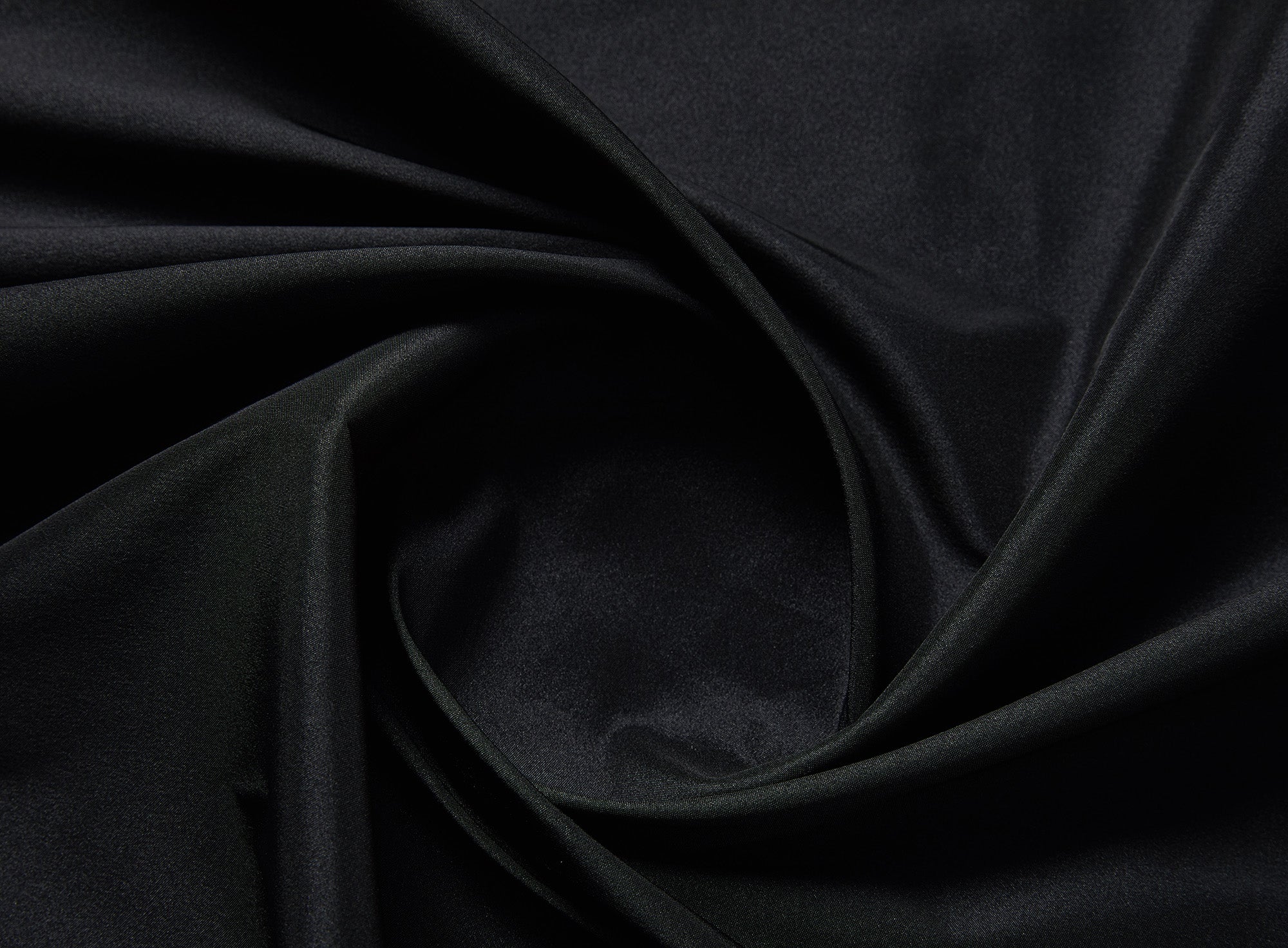
Taffeta is a plain-weave fabric with a tight, balanced thread count that produces a crisp hand, smooth surface sheen, and characteristic rustle (scroop) when the fabric moves. It is most commonly made from polyester or silk, and is a standard construction for bridal, eveningwear, and structured garment linings.
What is the difference between taffeta and satin?
Taffeta uses a plain weave — warp and weft threads cross at equal intervals with no floats — which produces a crisp, structured hand. Satin uses a weave structure where warp threads float over multiple weft threads, creating a smooth, liquid surface with more drape and less body. Taffeta holds silhouette; satin flows with the body. Both are common in bridal and eveningwear, and the choice depends on whether your design calls for structure or fluid movement.
Is taffeta good for bridal gowns?
Yes. Taffeta is one of the most practical bridal fabrics for structured silhouettes — ball gowns, A-line skirts, and strapless bodices in particular. Its body reduces the need for heavy underlining in full skirts, and it holds shape through a full day of wear. Shot taffeta adds iridescent color movement that photographs well under varying light conditions.
What is shot taffeta?
Shot taffeta is woven with different colors in the warp and weft yarns. The result is an iridescent, two-tone effect that shifts depending on the viewing angle and light source. The color movement is structural — built into the weave — not printed or applied to the surface. It is a common choice for eveningwear and prom where surface interest under event lighting is part of the design brief.
Does taffeta fray?
Yes. Taffeta frays at cut edges due to its tight plain weave and smooth yarn surface. A serger finish or narrow zigzag stitch at raw seam edges is recommended before garment assembly. Pinking shears can be used as a temporary measure but are not a substitute for a finished edge in production work.
Can taffeta be used as a lining?
Yes. Lightweight taffeta at 60–80 GSM is a standard lining fabric for structured jackets, tailored coats, and skirts. It adds a smooth slip layer, helps the outer fabric retain its shape, and reduces friction against the body — all without adding significant bulk to the finished piece.
How do I press taffeta without damaging it?
Use a press cloth between the iron and the fabric face, set the iron to low or medium heat, and press from the reverse side. Avoid direct steam contact with the fabric surface on lightweight or shot taffeta constructions. High heat can permanently flatten taffeta’s sheen and distort polyester-based constructions.
Is taffeta fabric stiff?
Taffeta has a naturally crisp hand due to its tight plain weave. The degree of stiffness varies by weight and fiber content — heavier bridal taffeta is noticeably structured; lightweight lining taffeta is crisper than chiffon but more fluid than the midweight versions. Cutting on the bias softens taffeta’s hand and produces a more draped result when the structured version is too rigid for the application.
Zelouf Fabrics is a third-generation fabric wholesaler and go-to source for fashion designers, dressmakers, bridal workrooms, and home sewers worldwide.