
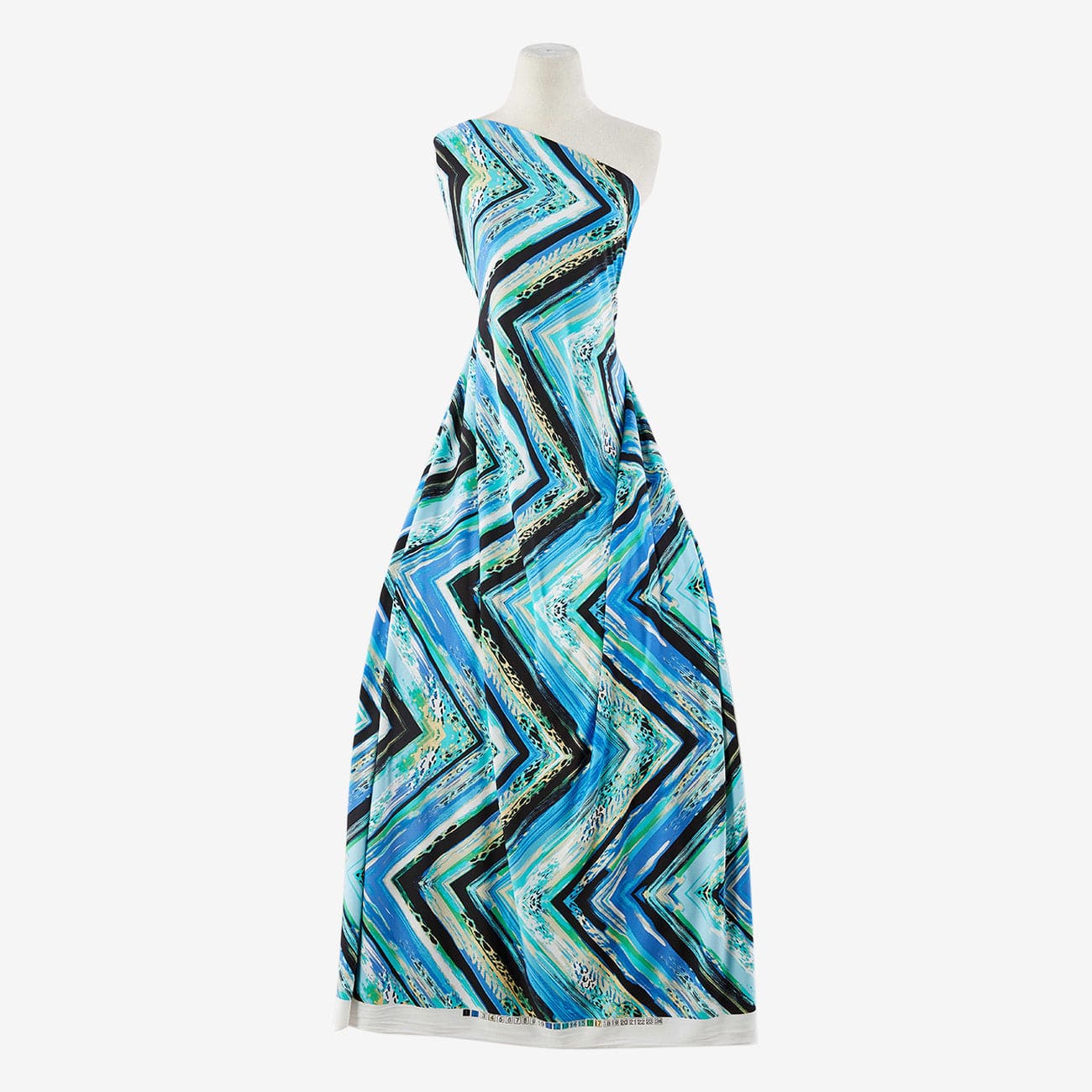
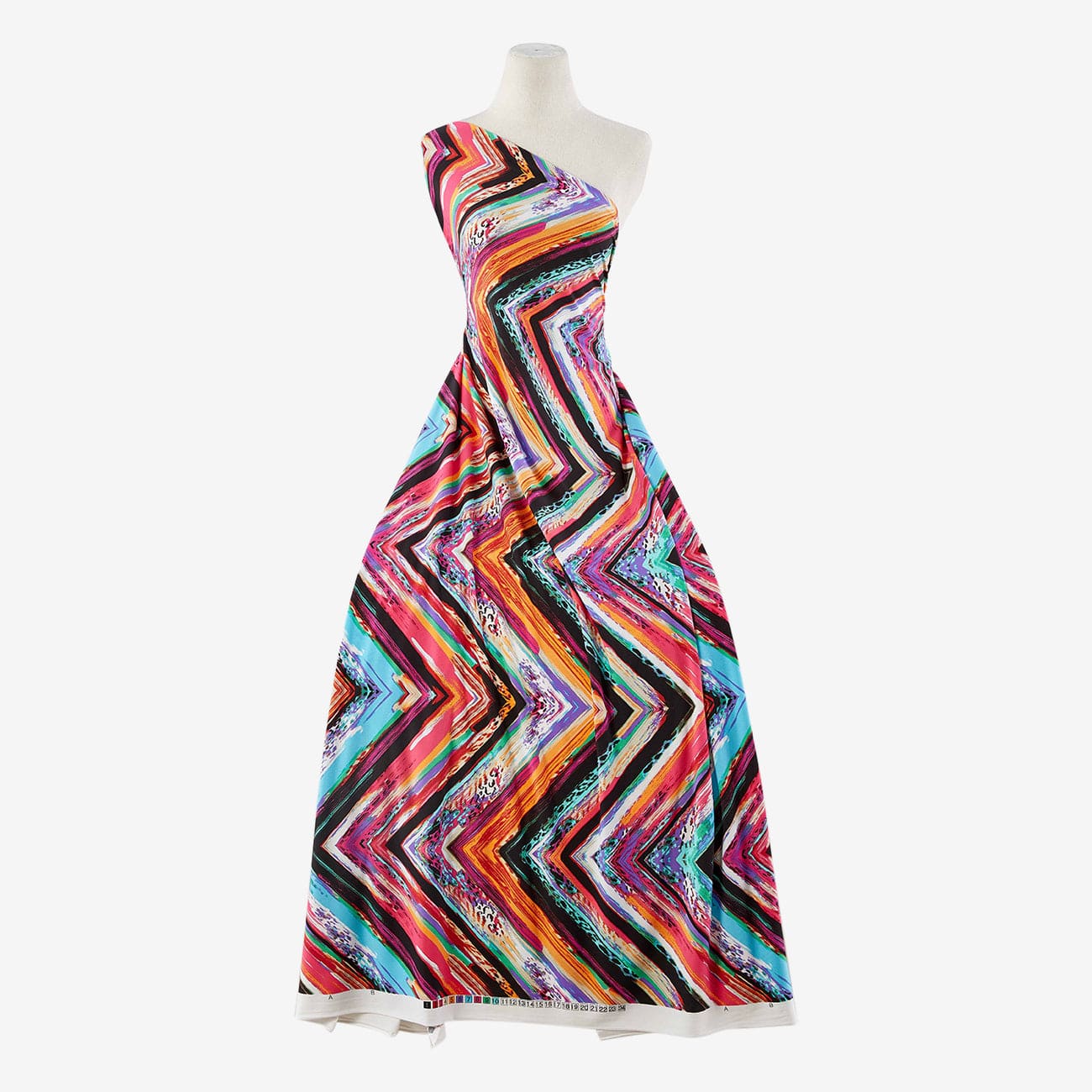
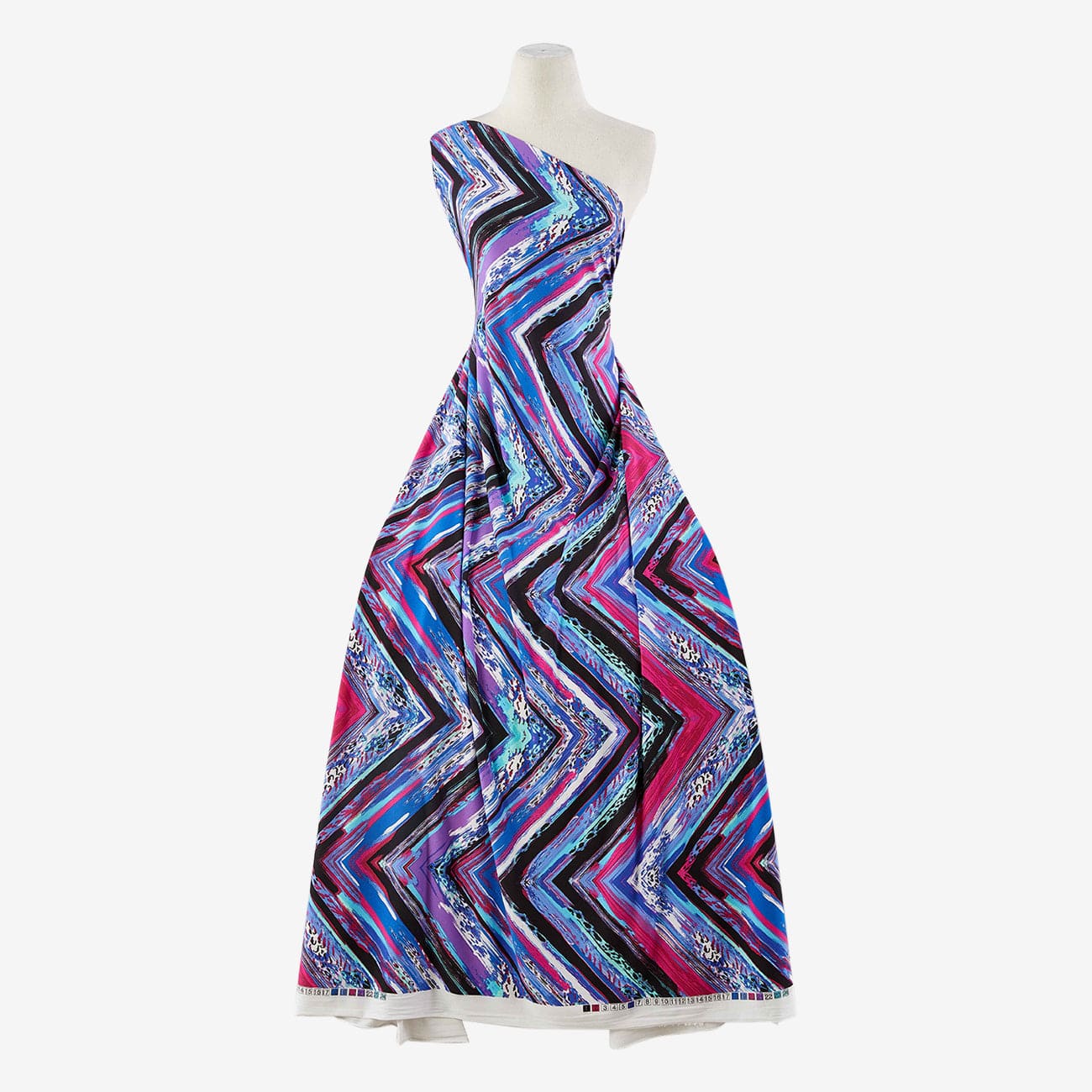
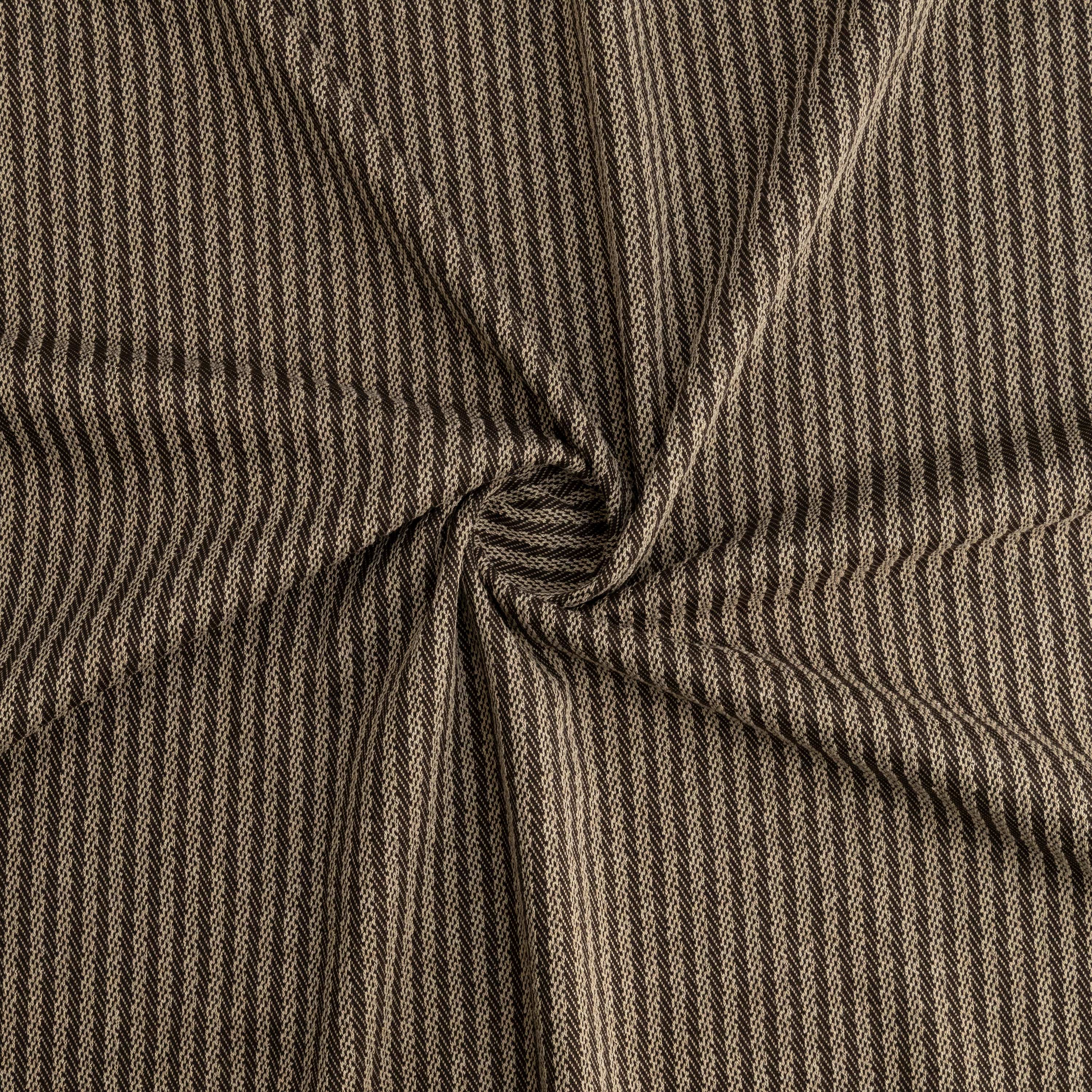
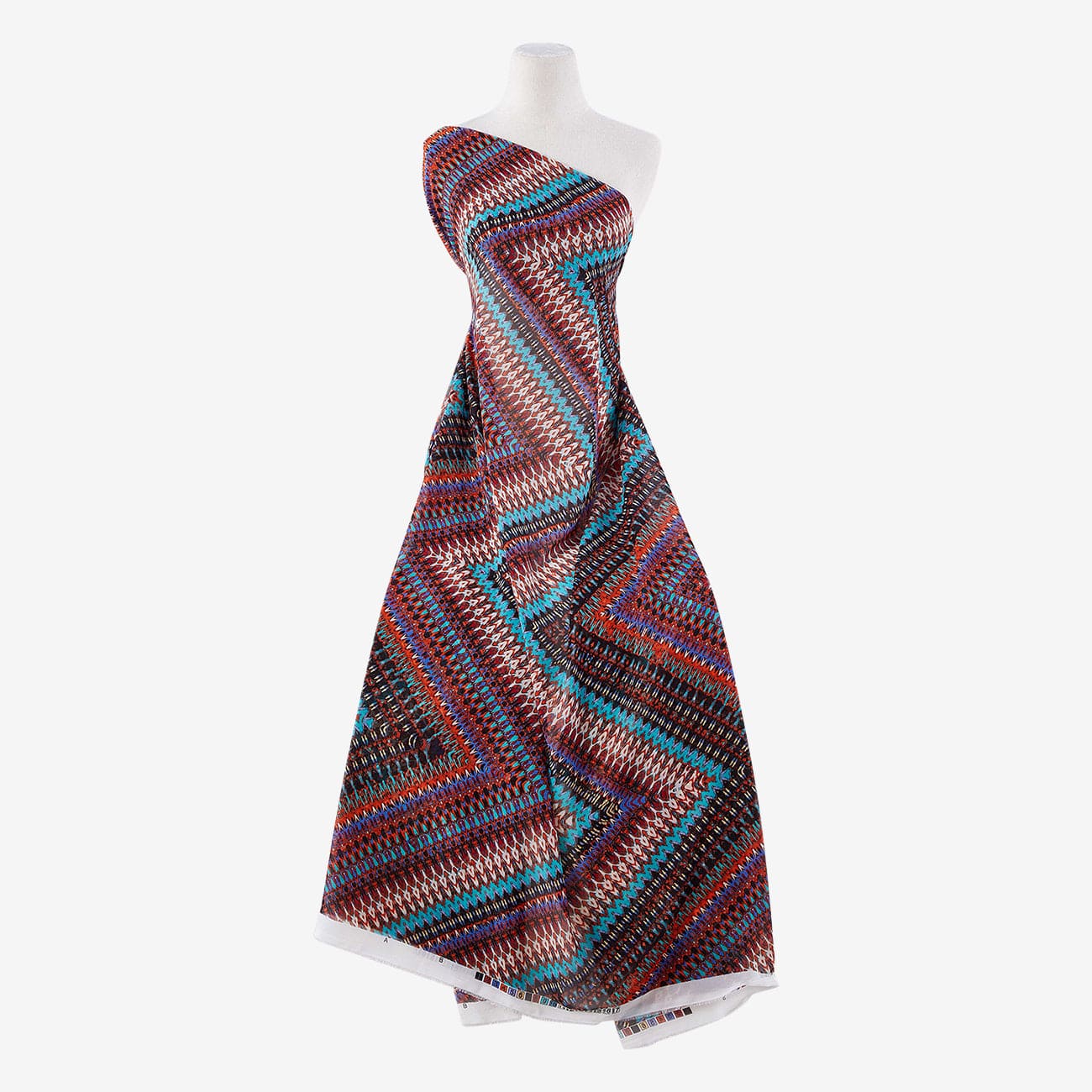
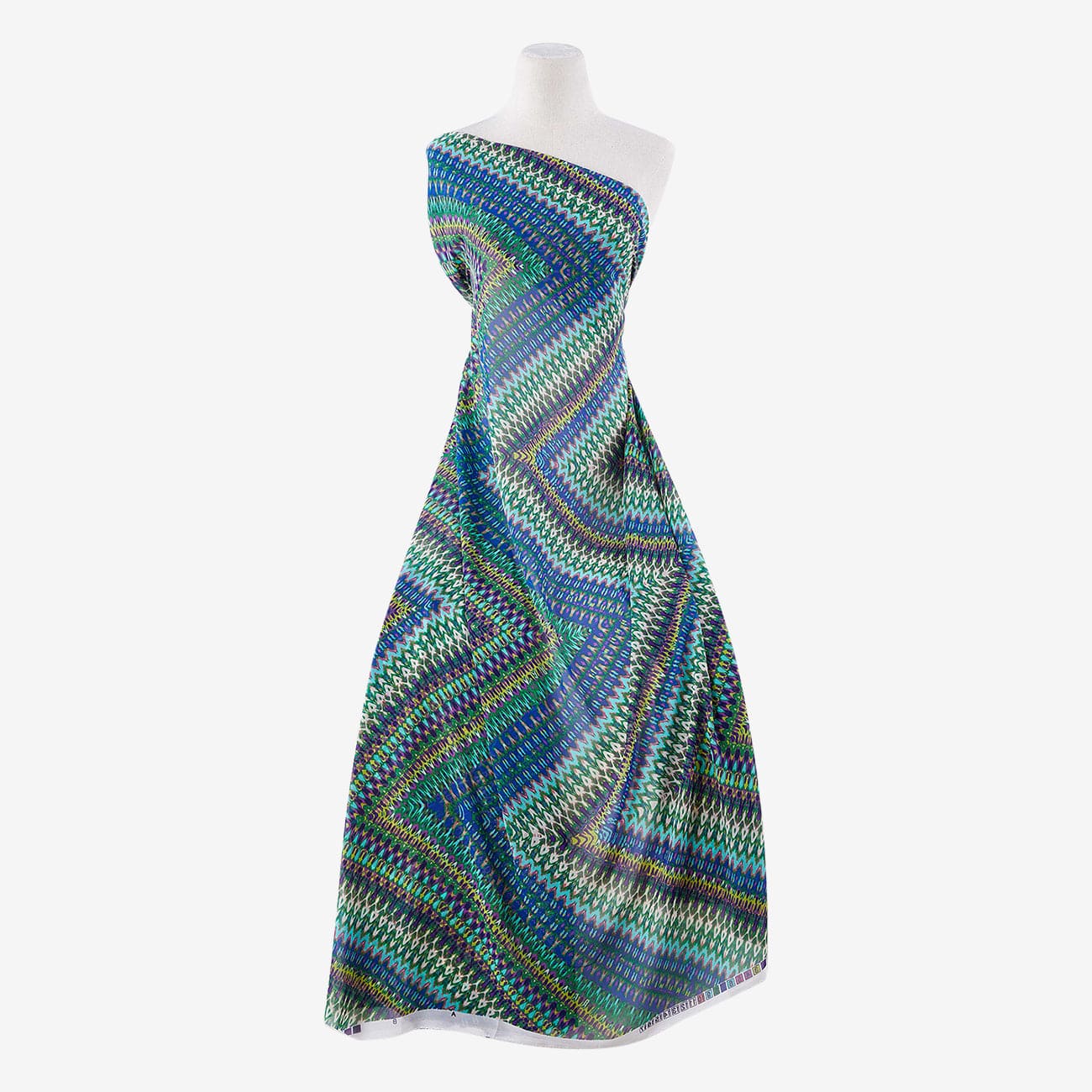
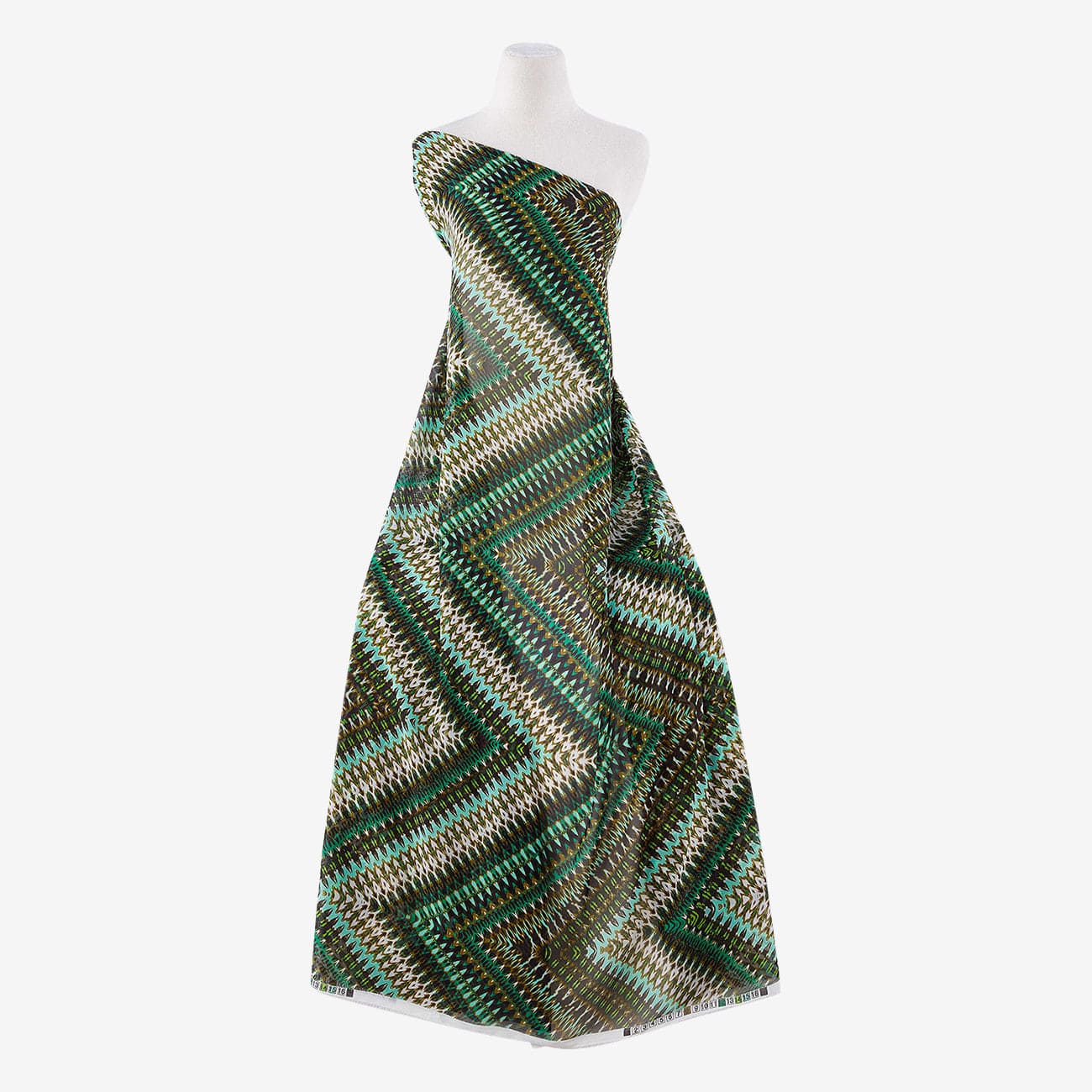
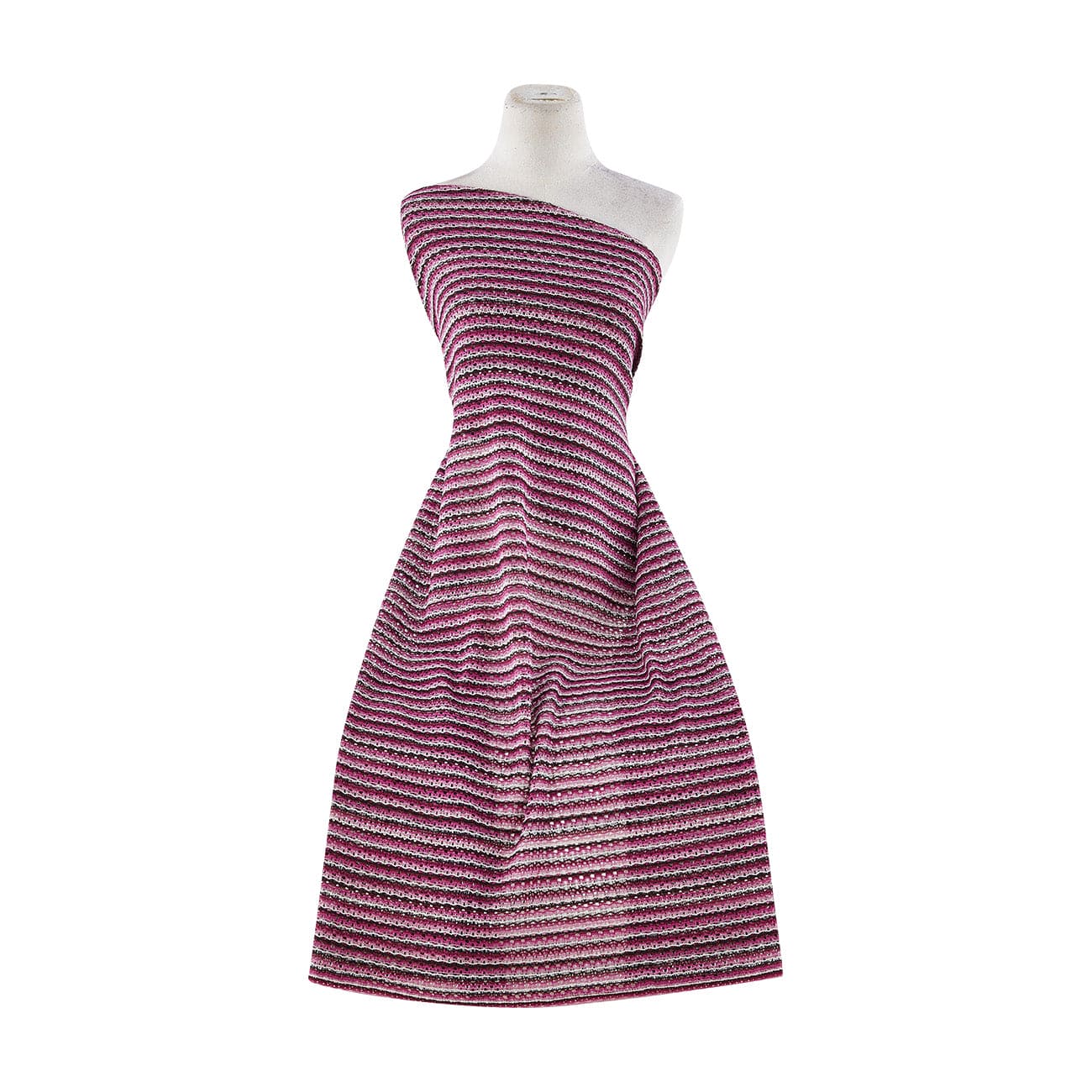
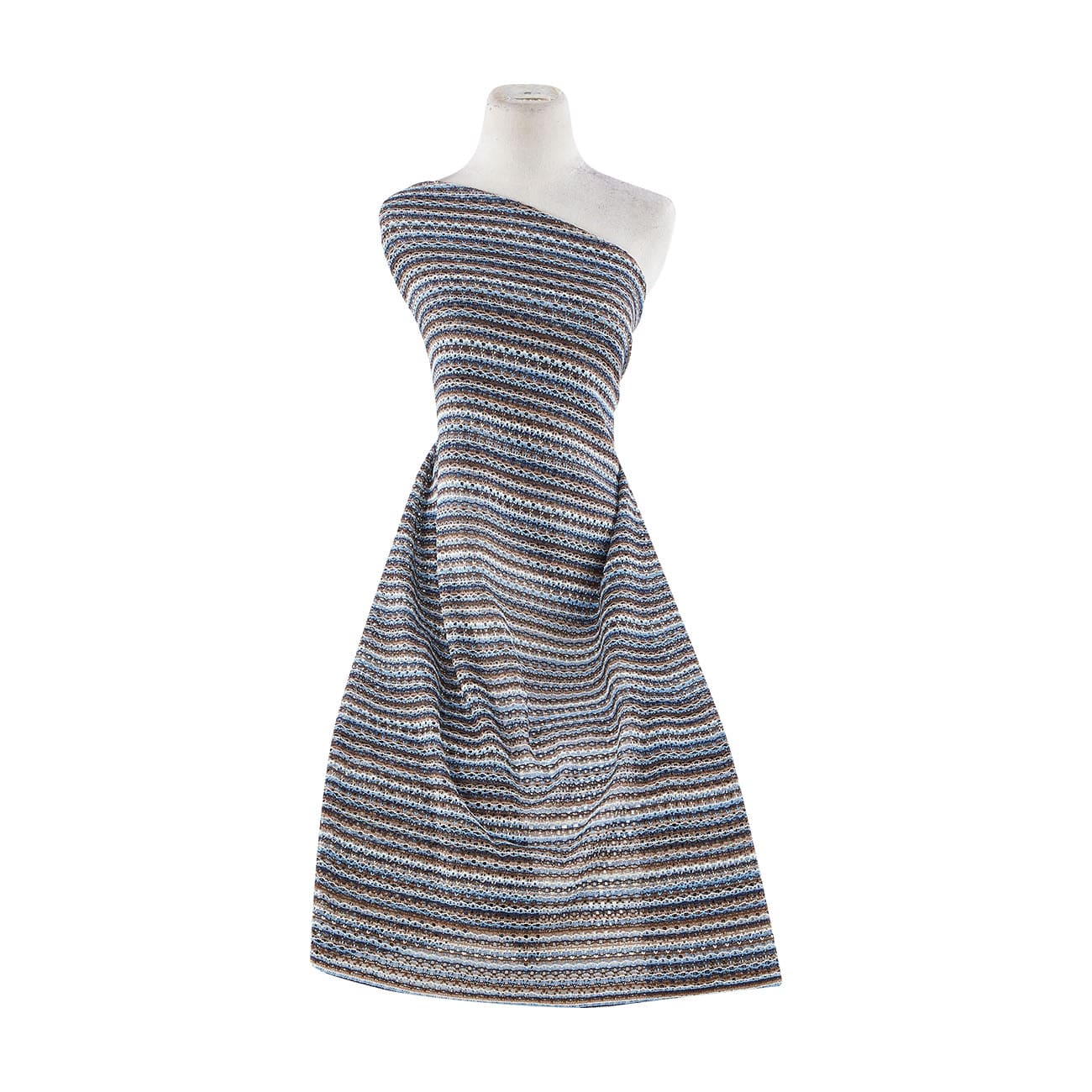
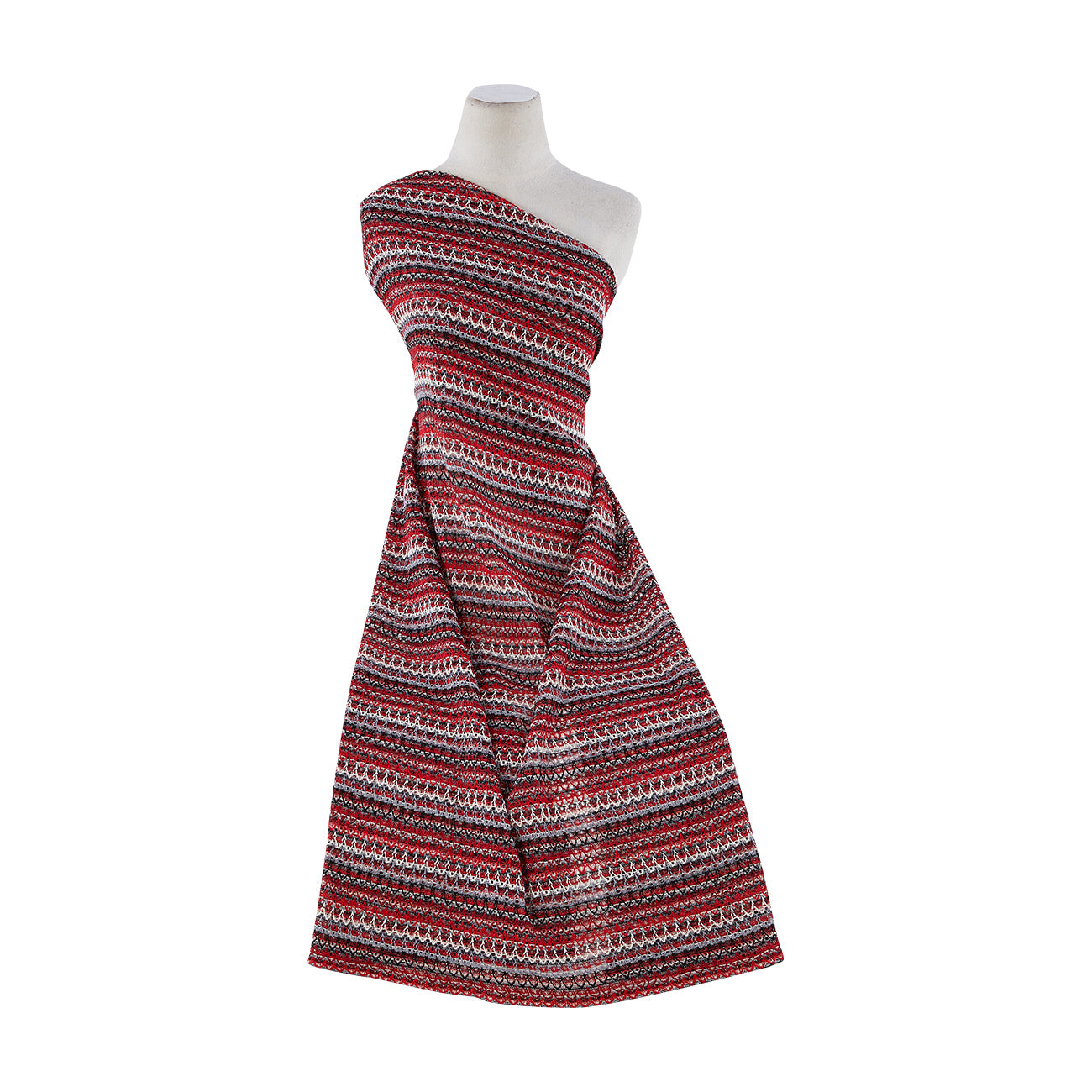
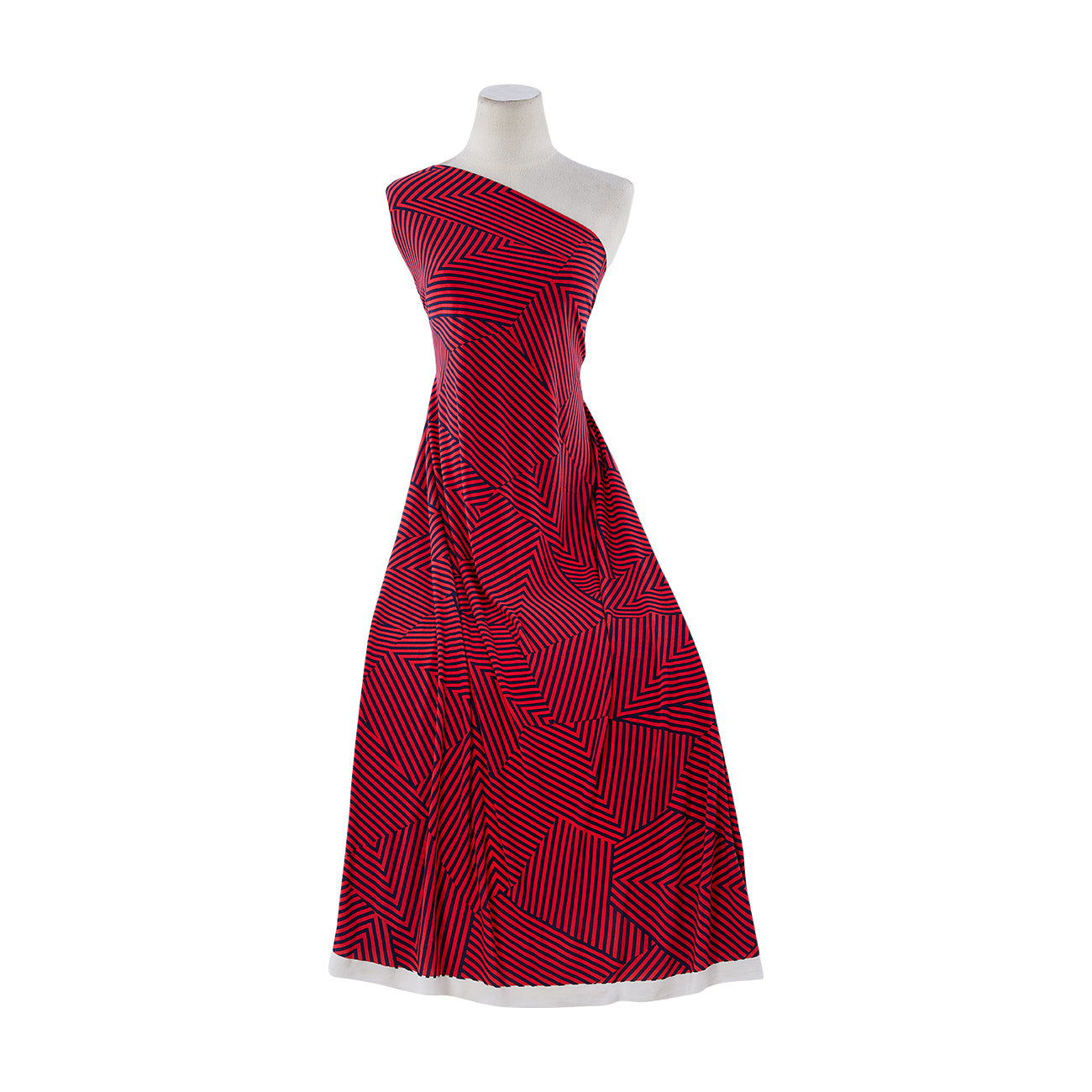
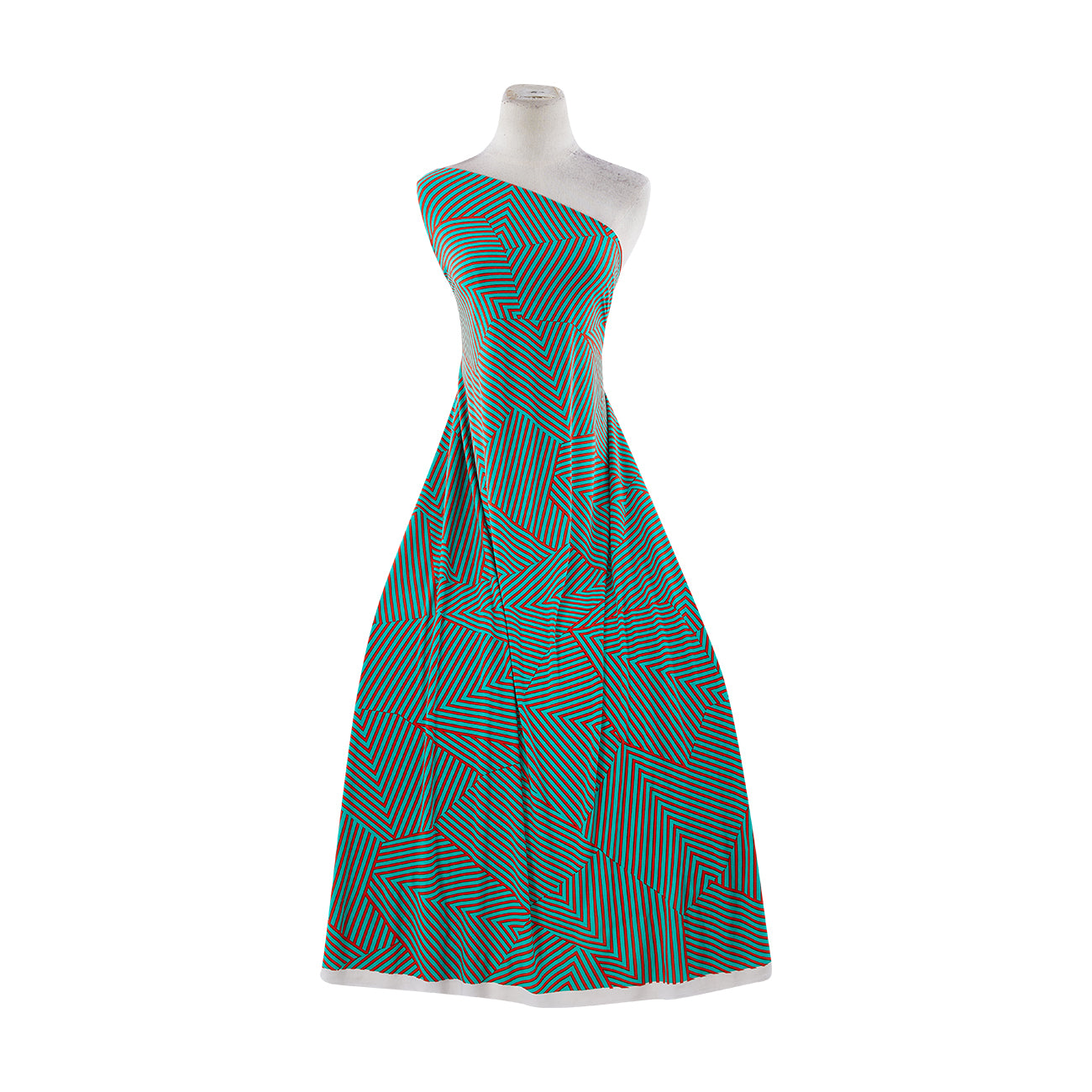
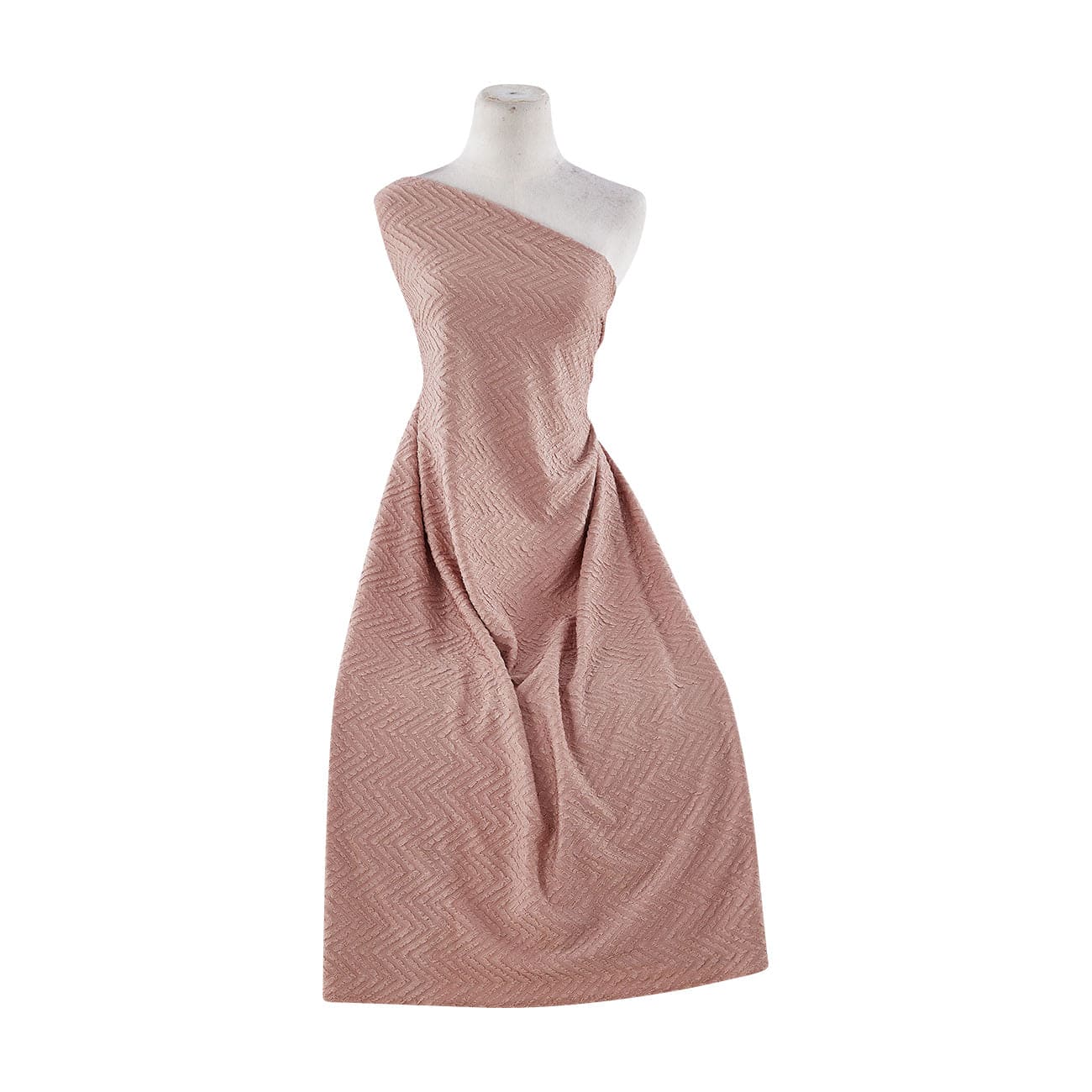
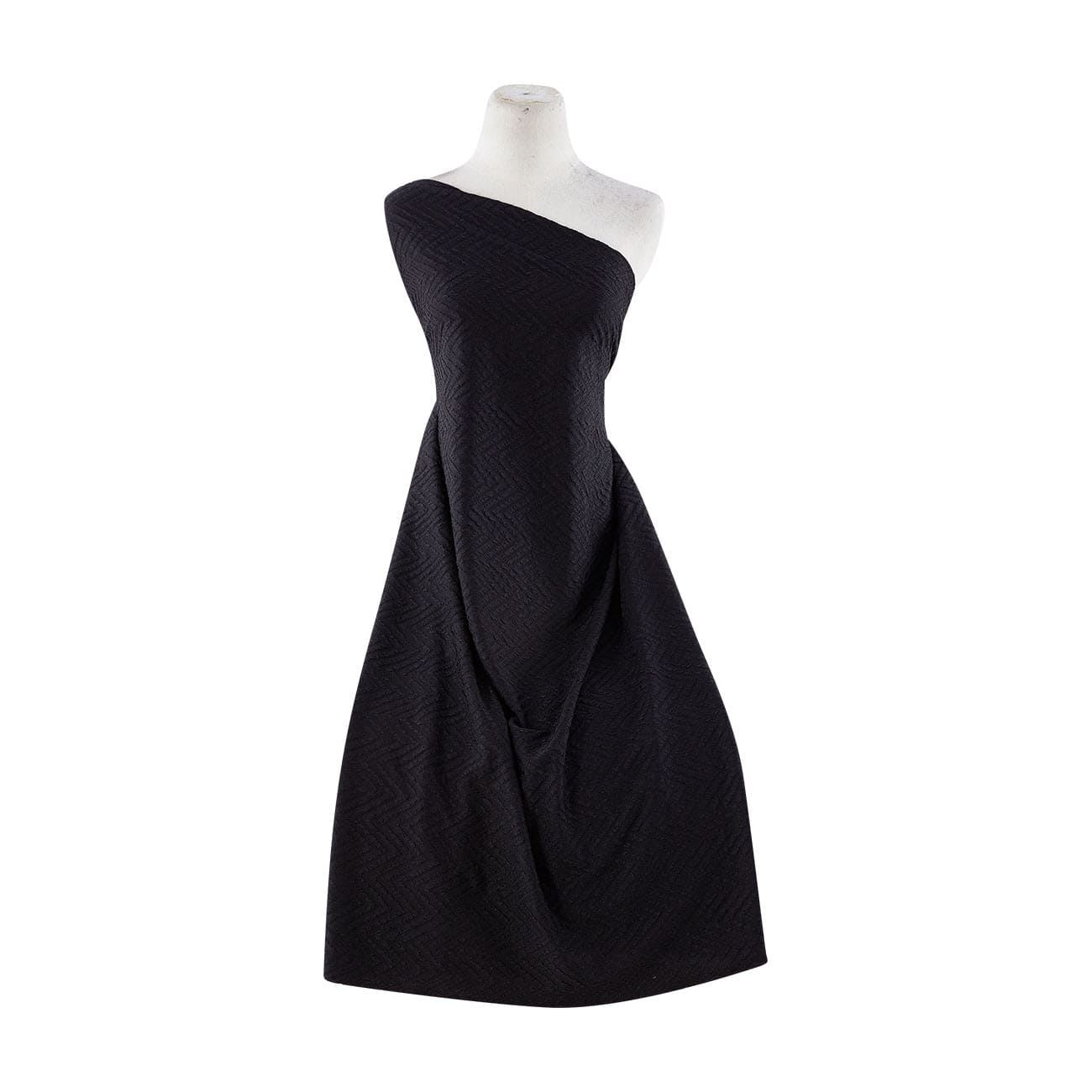
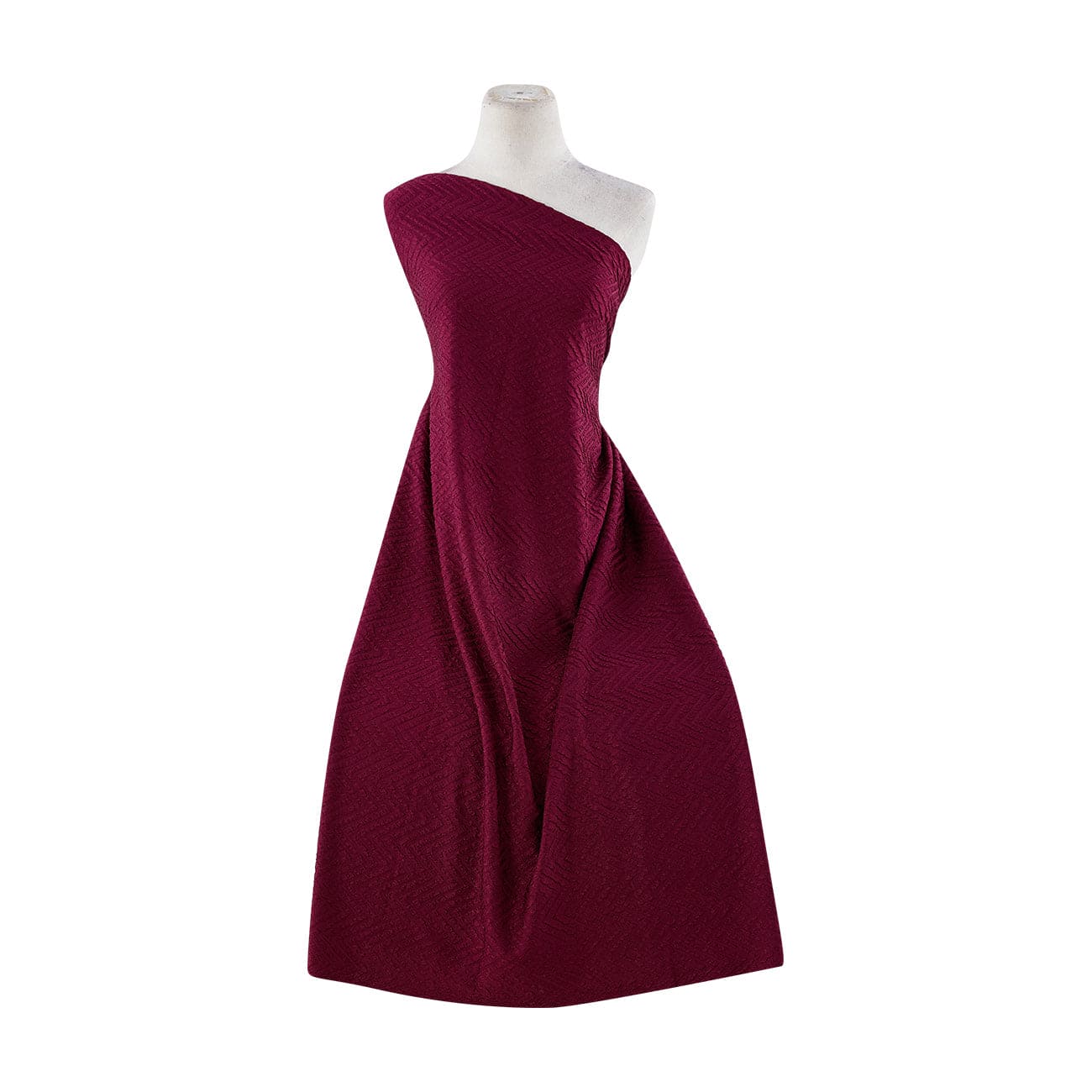
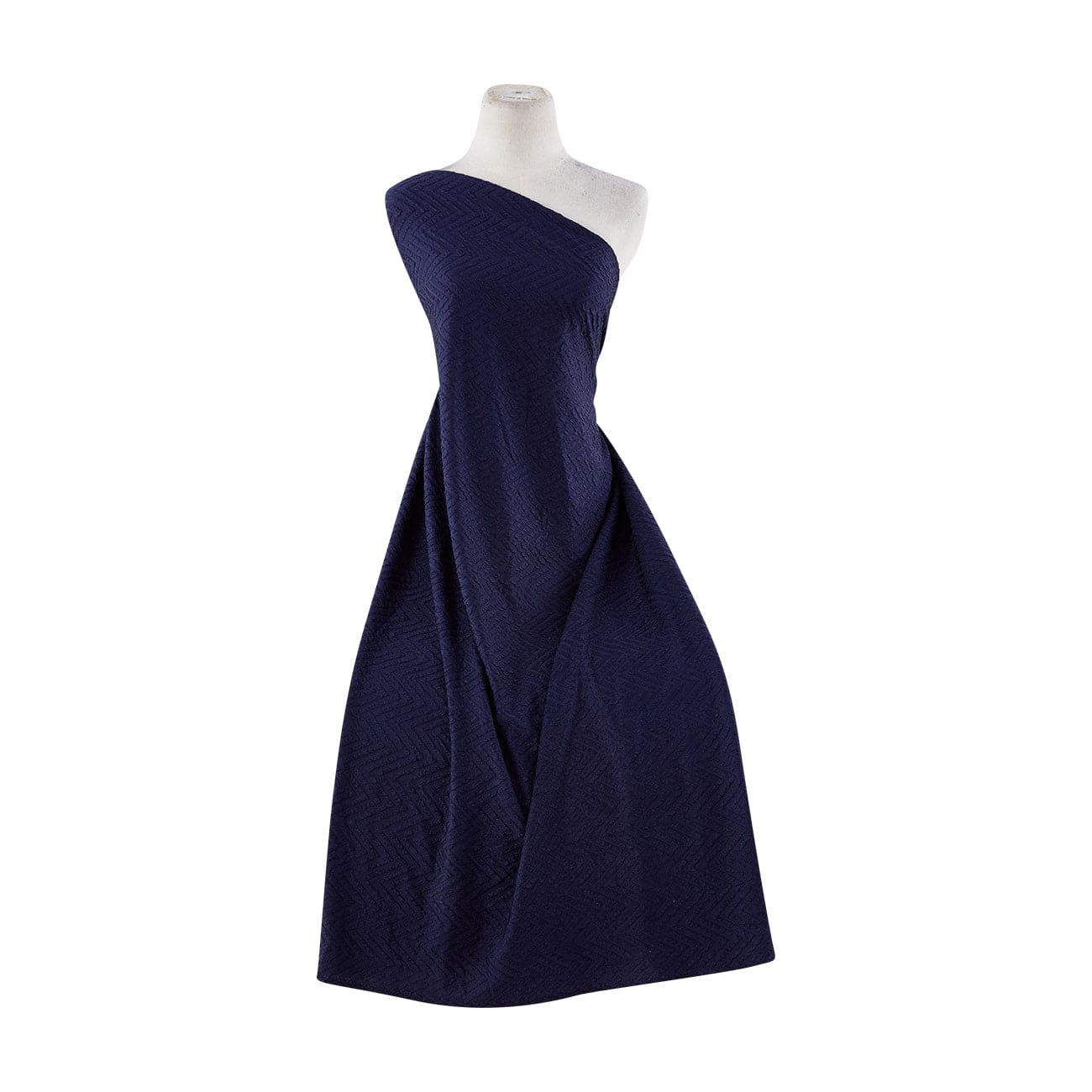
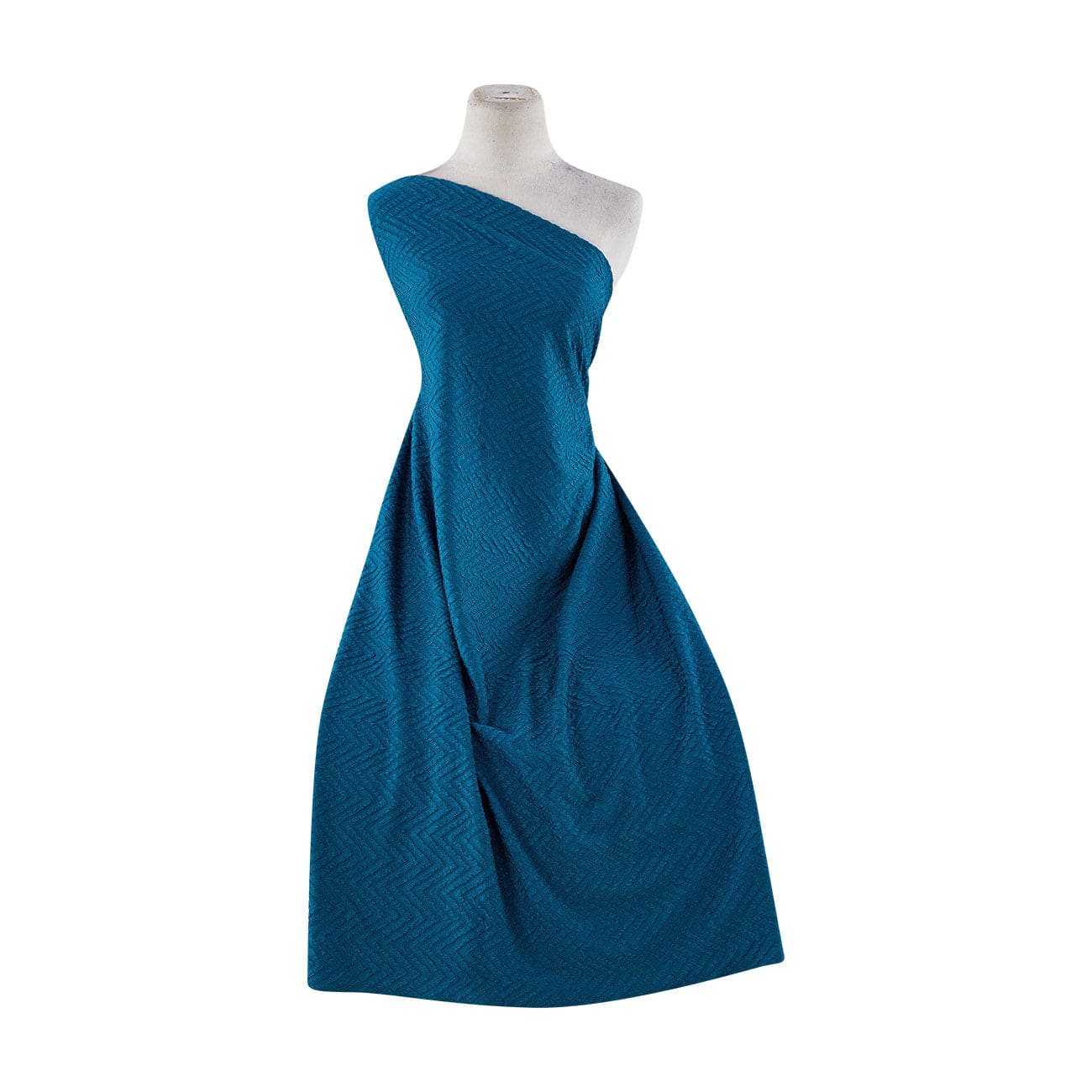
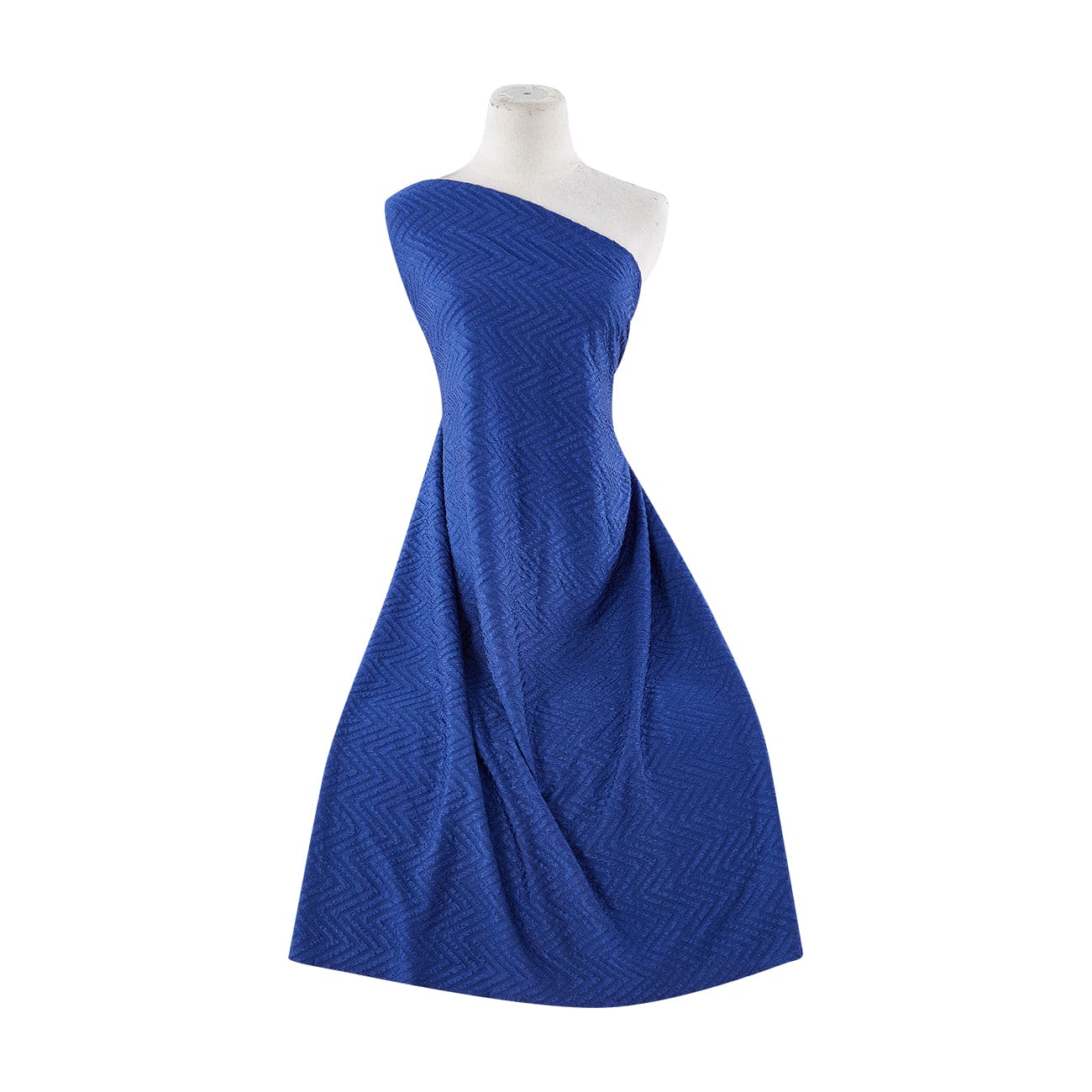
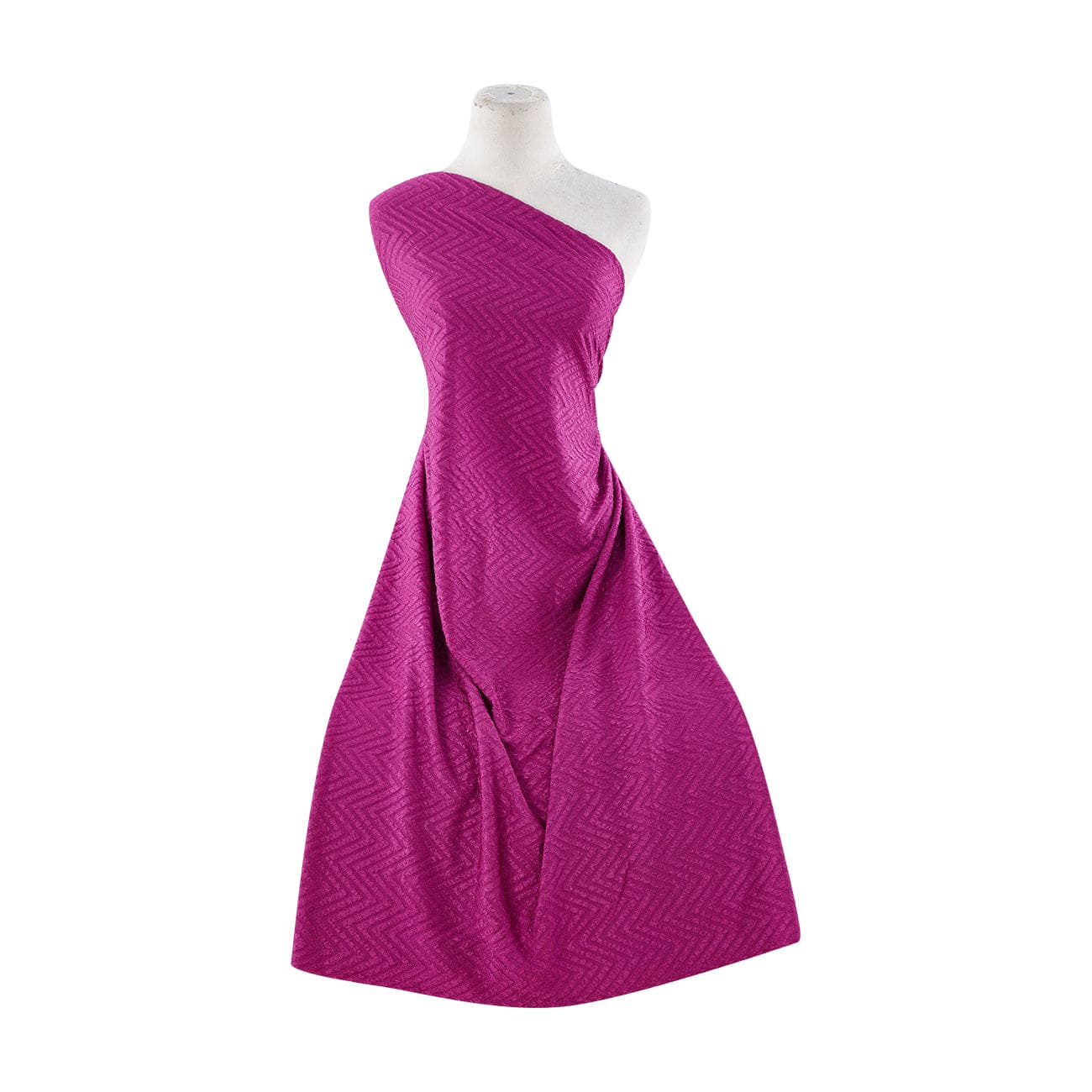
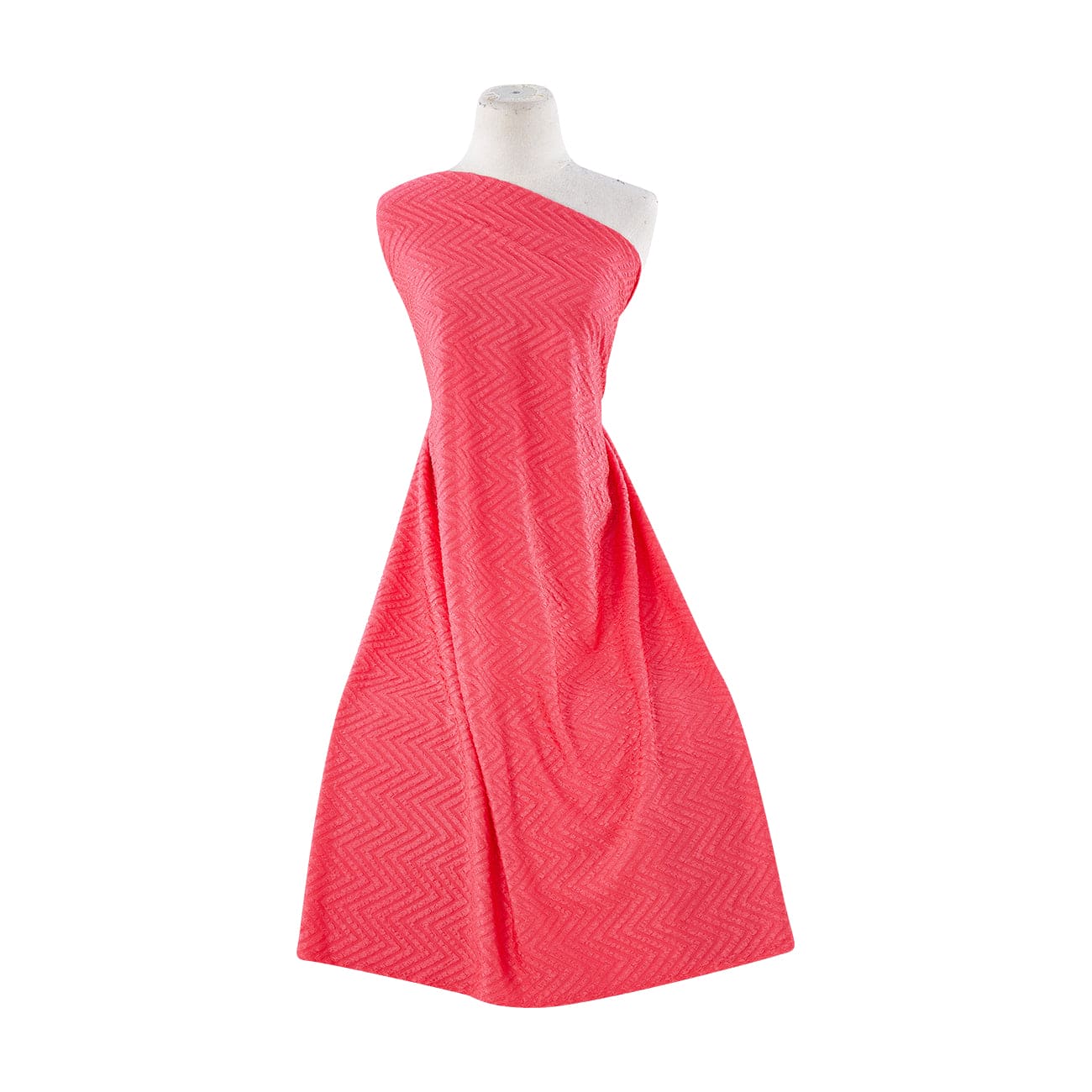
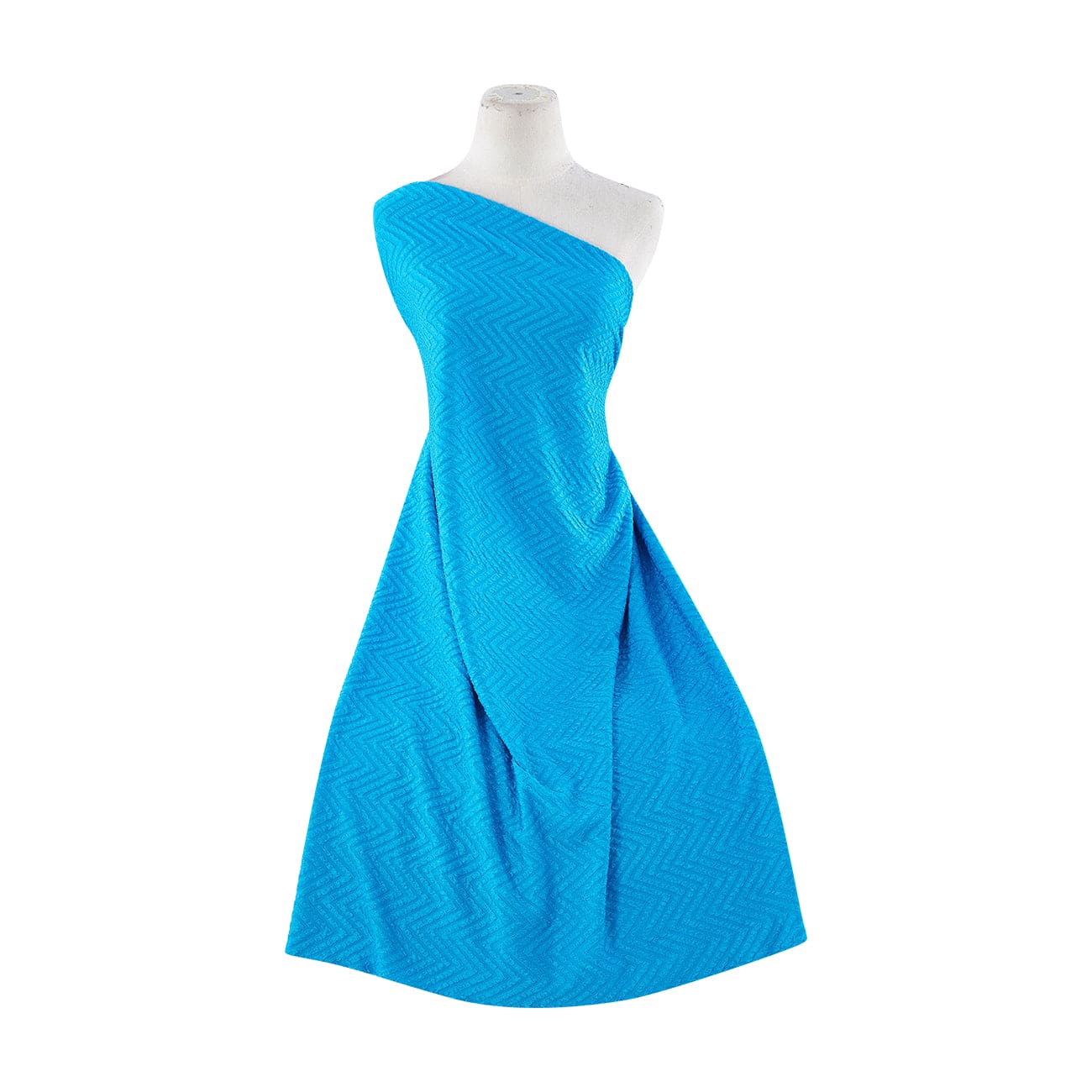
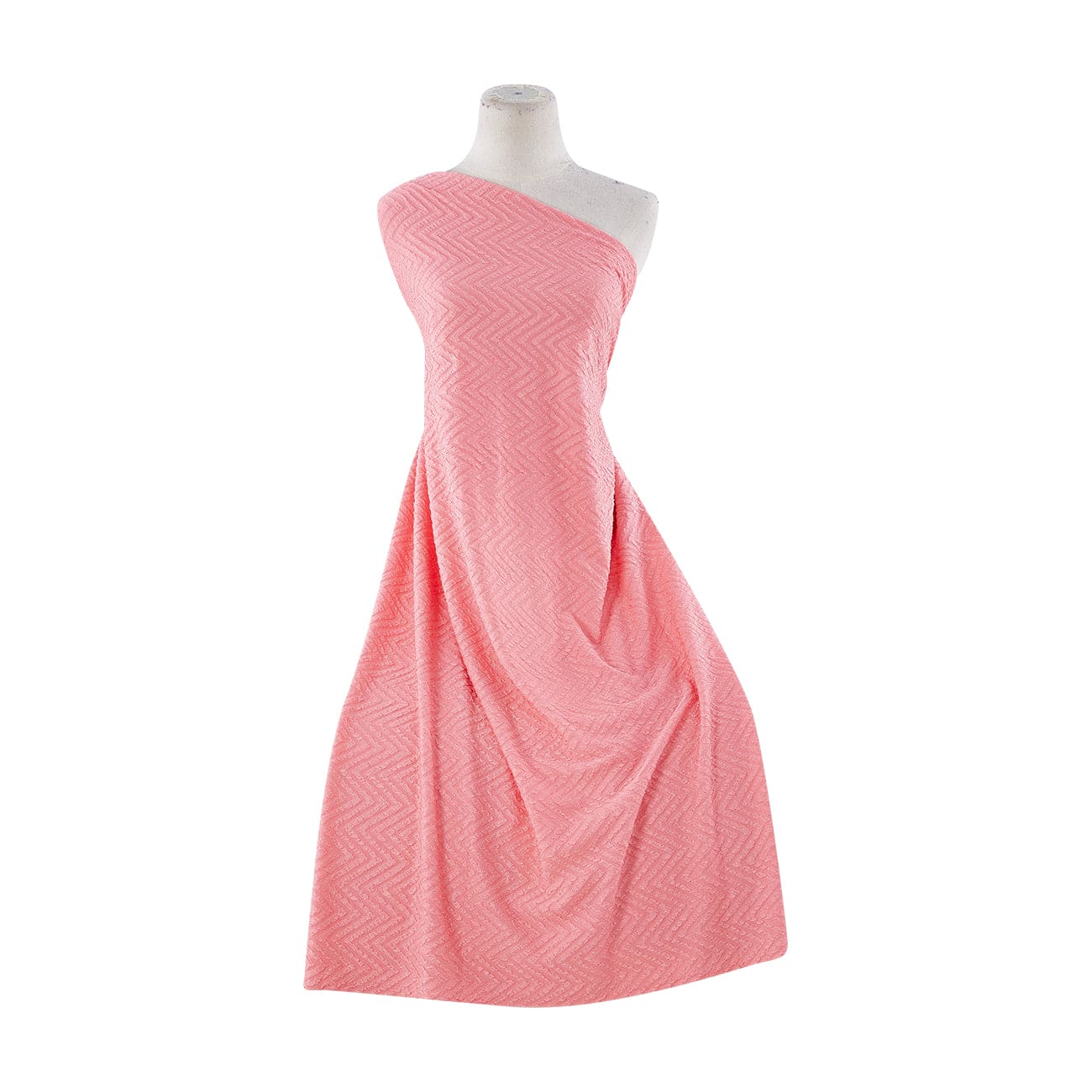
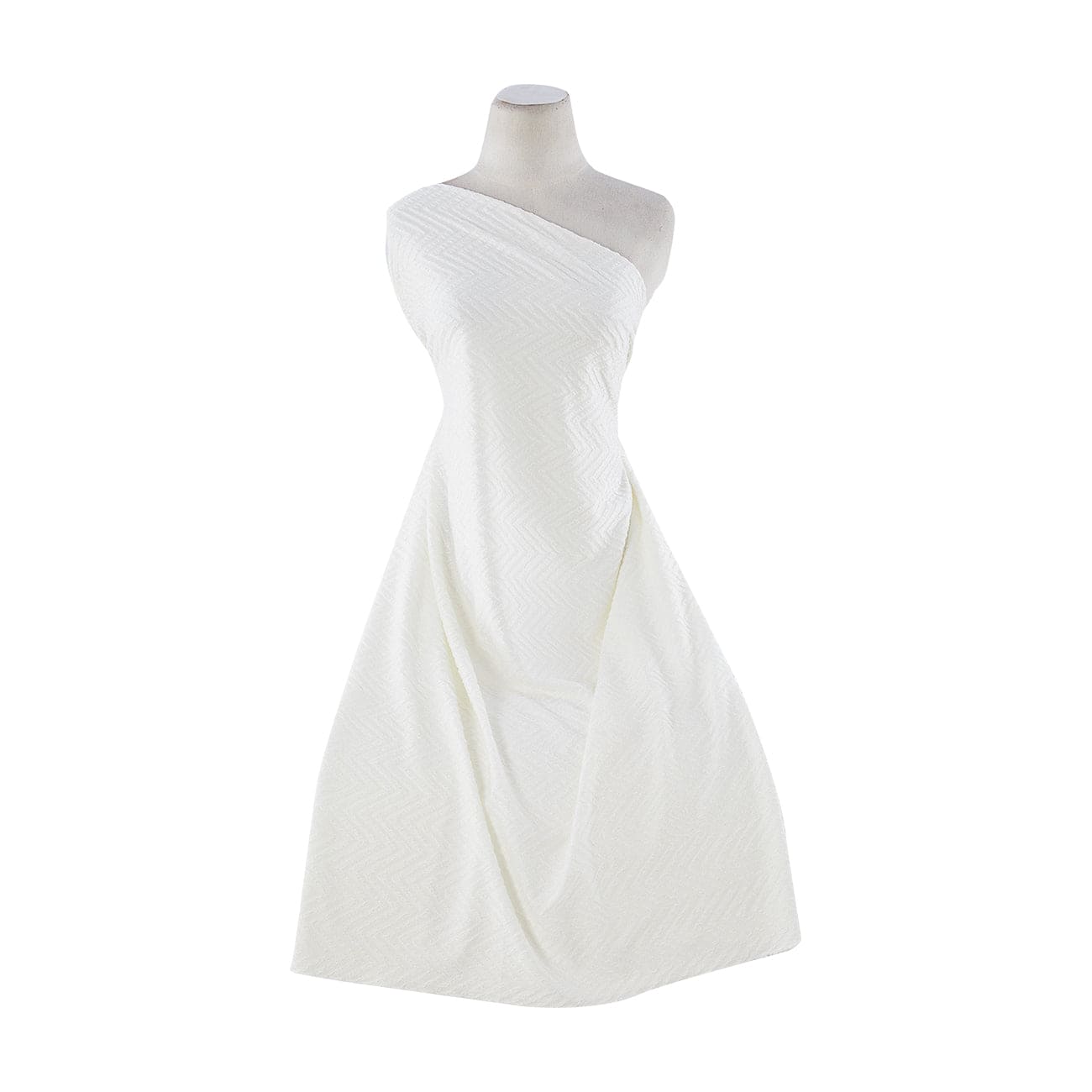
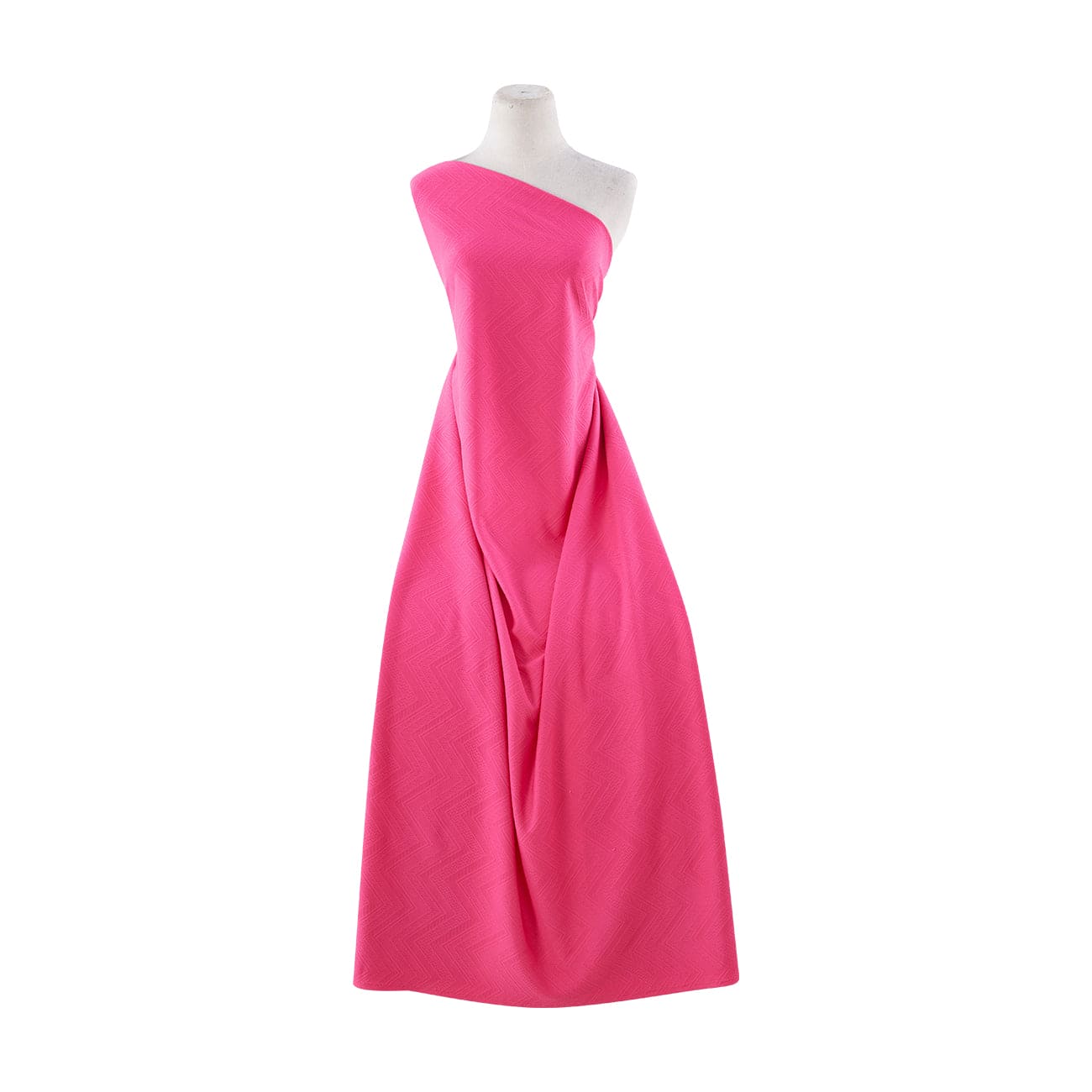
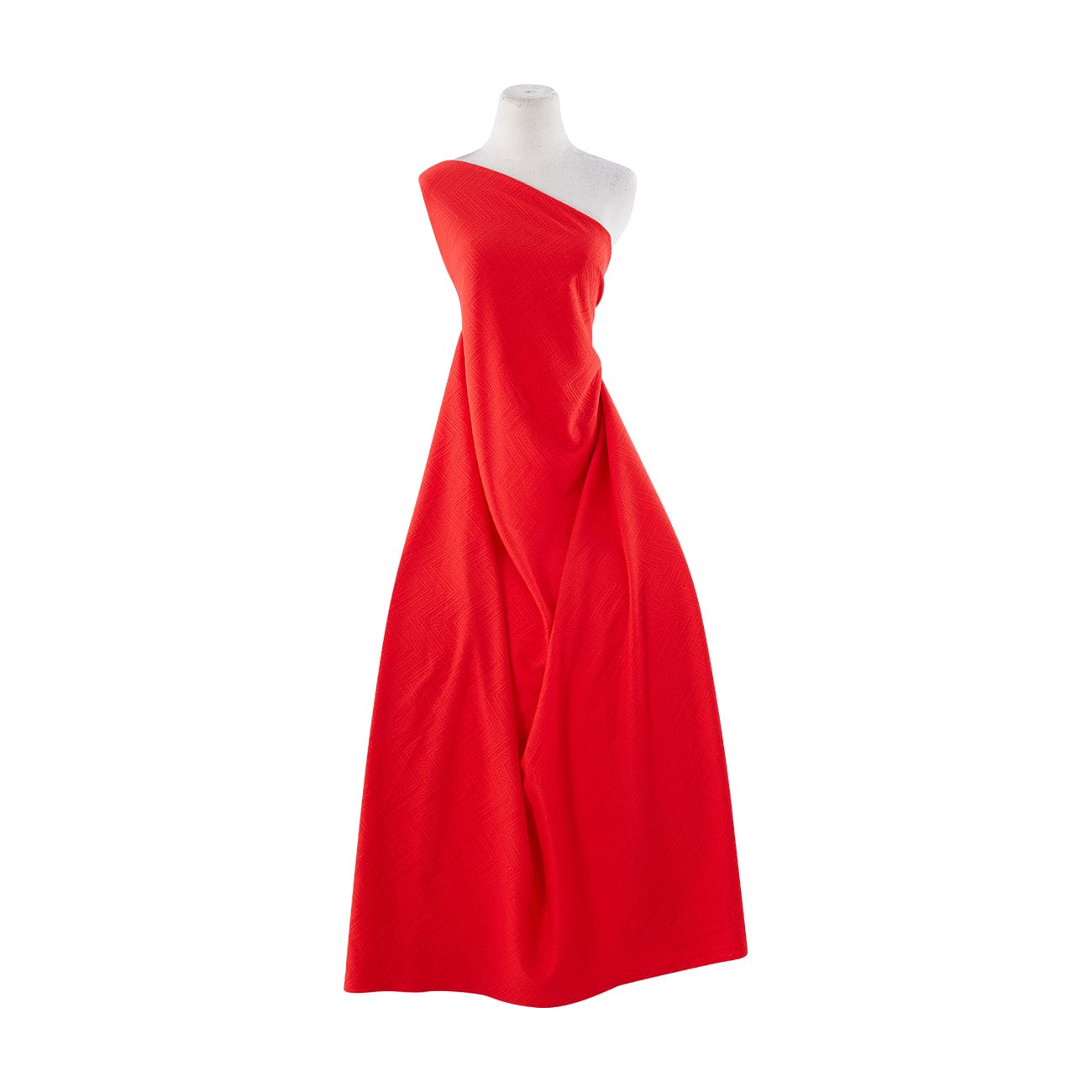
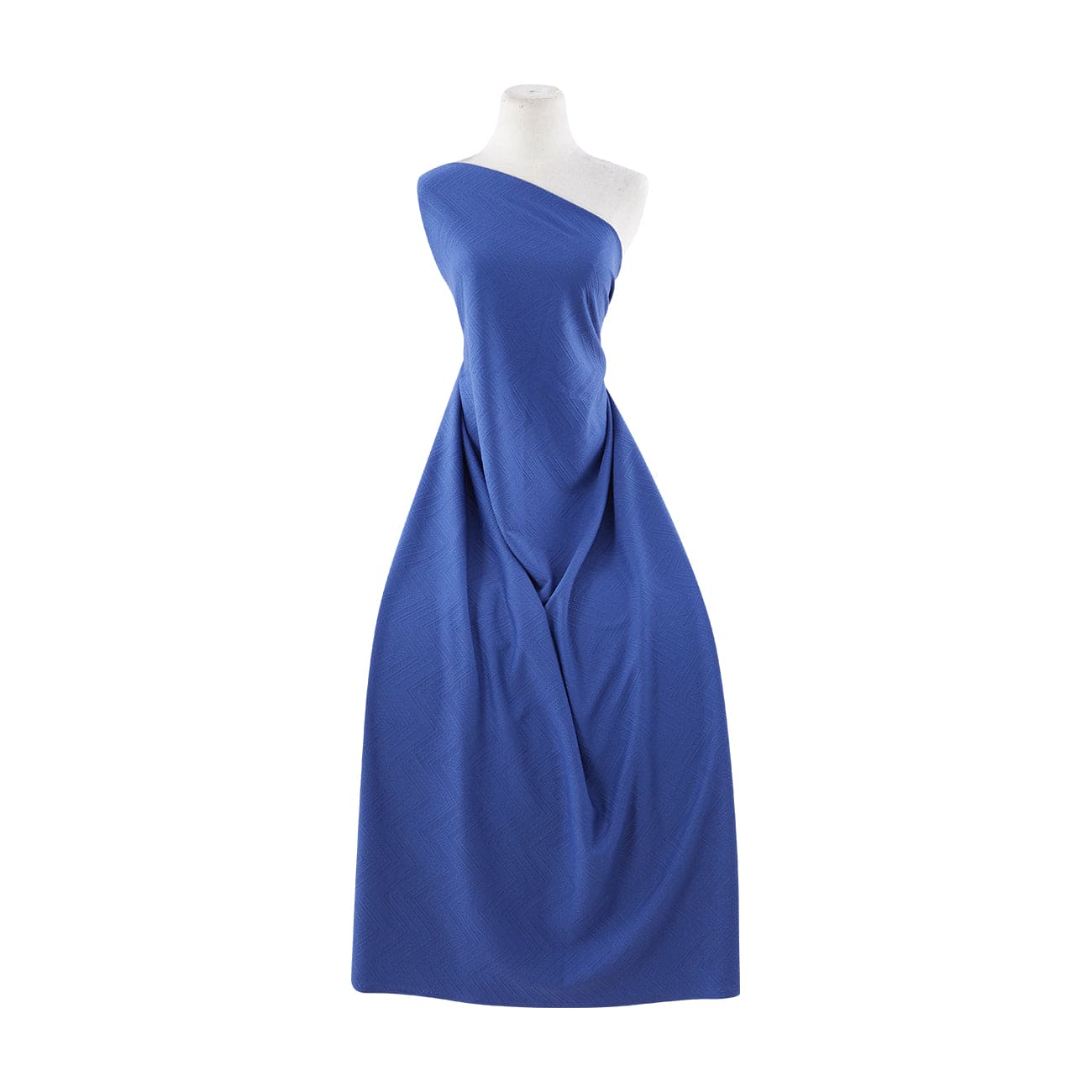
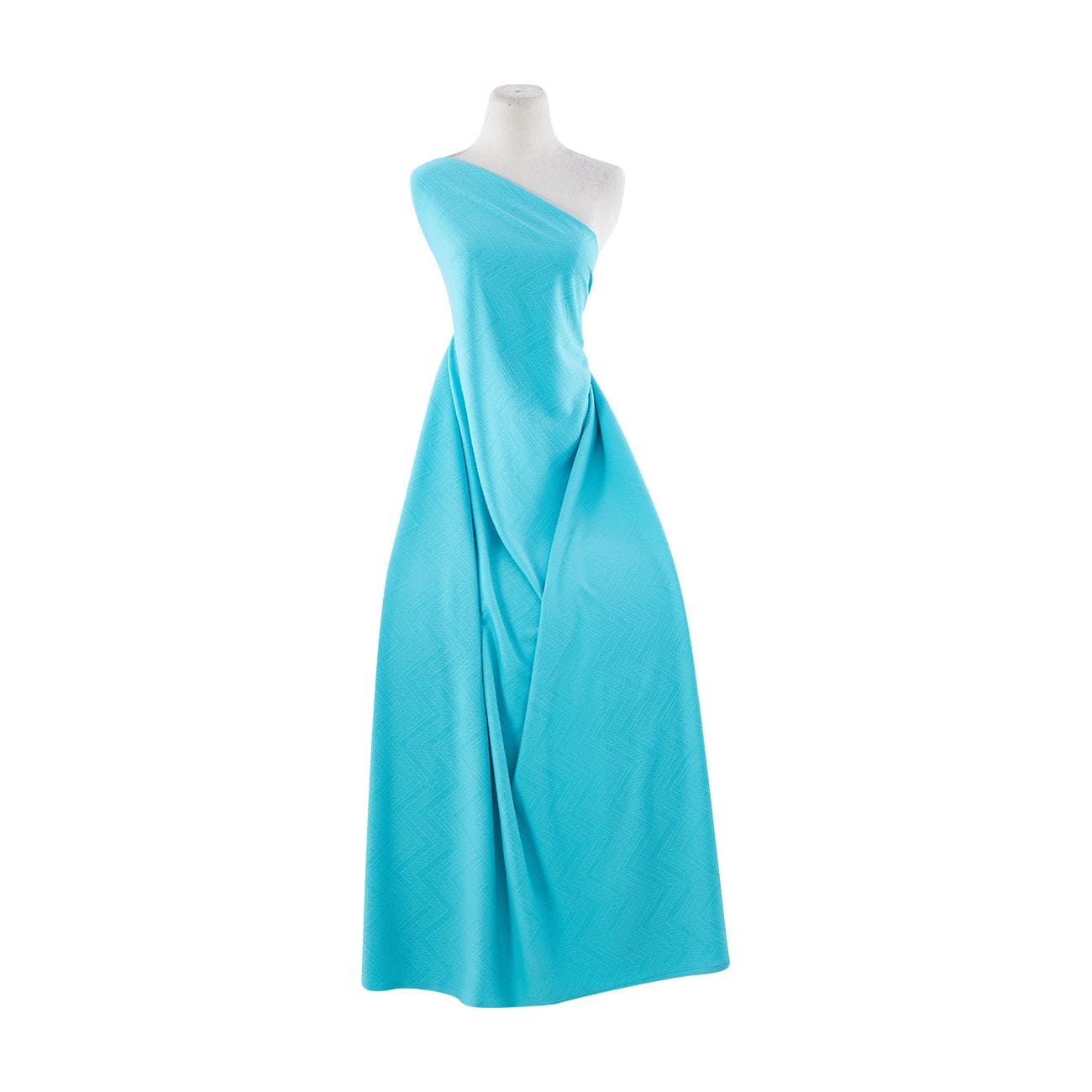
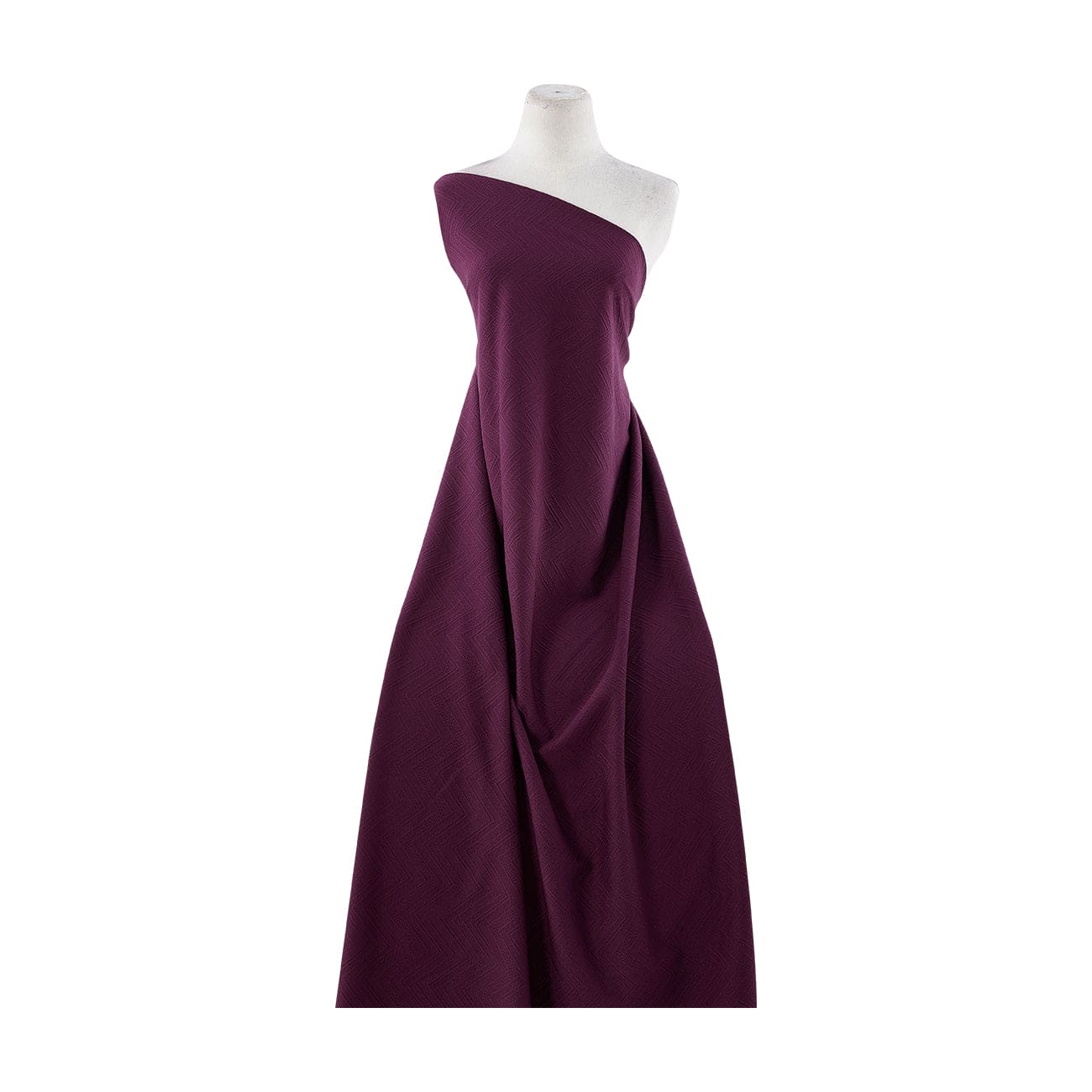
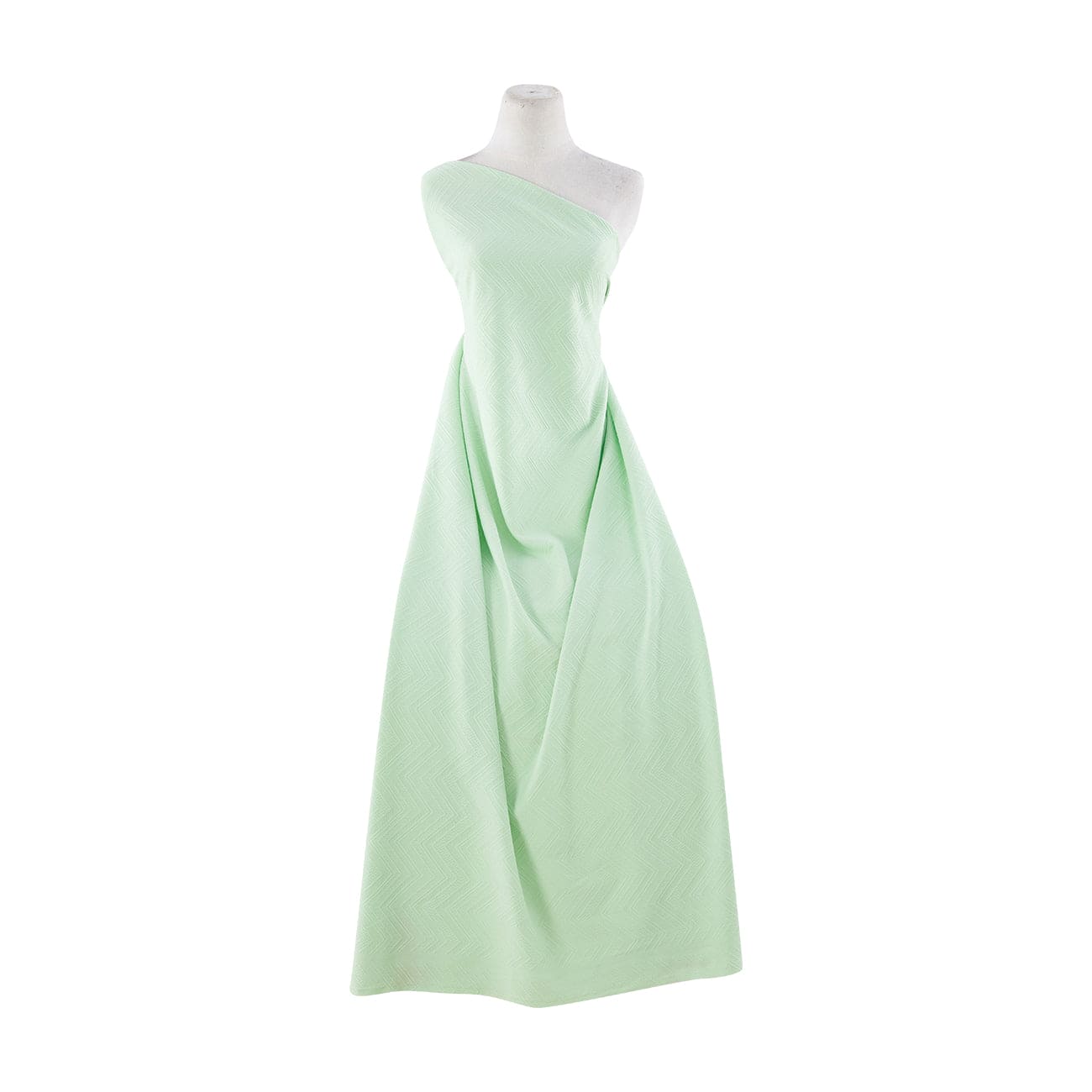
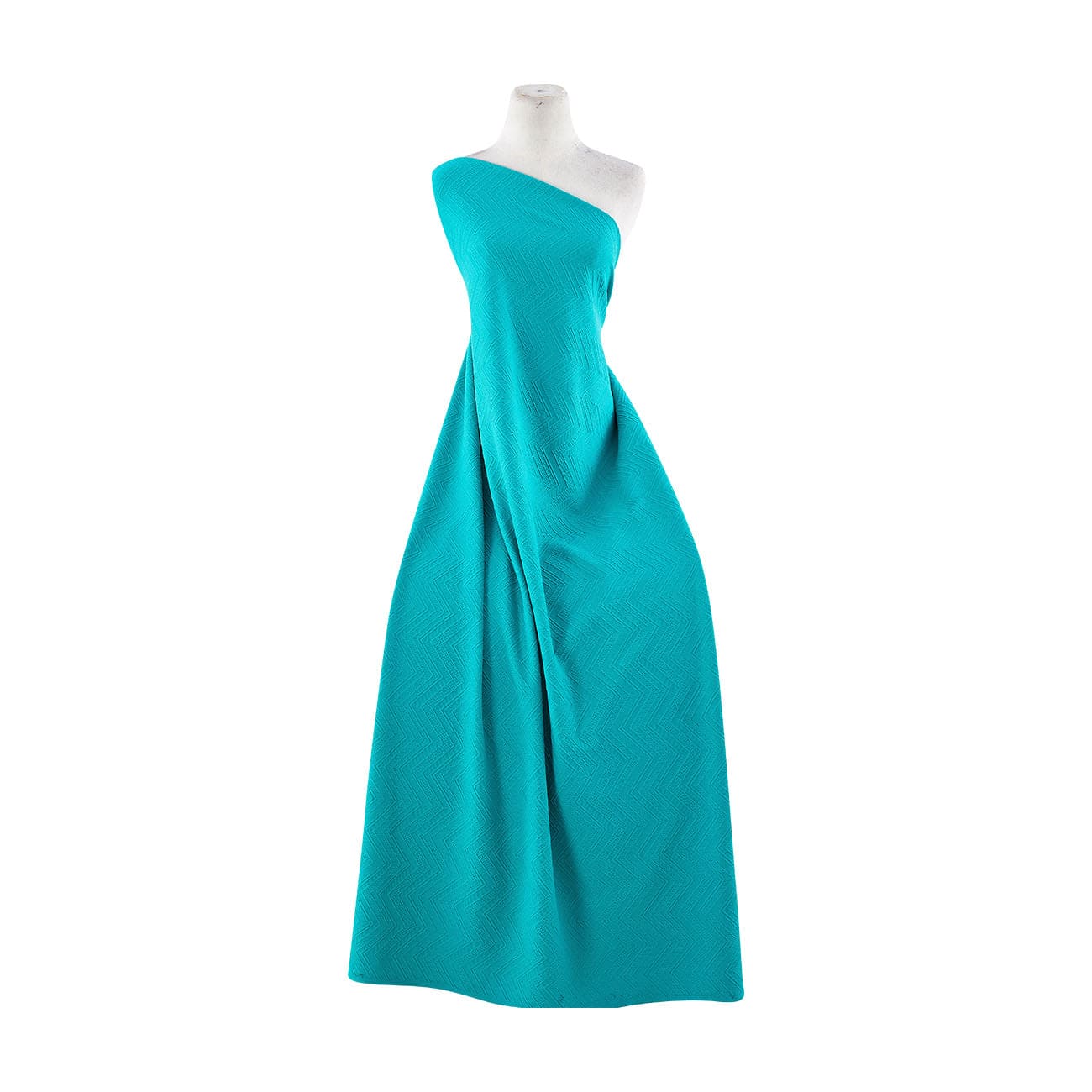
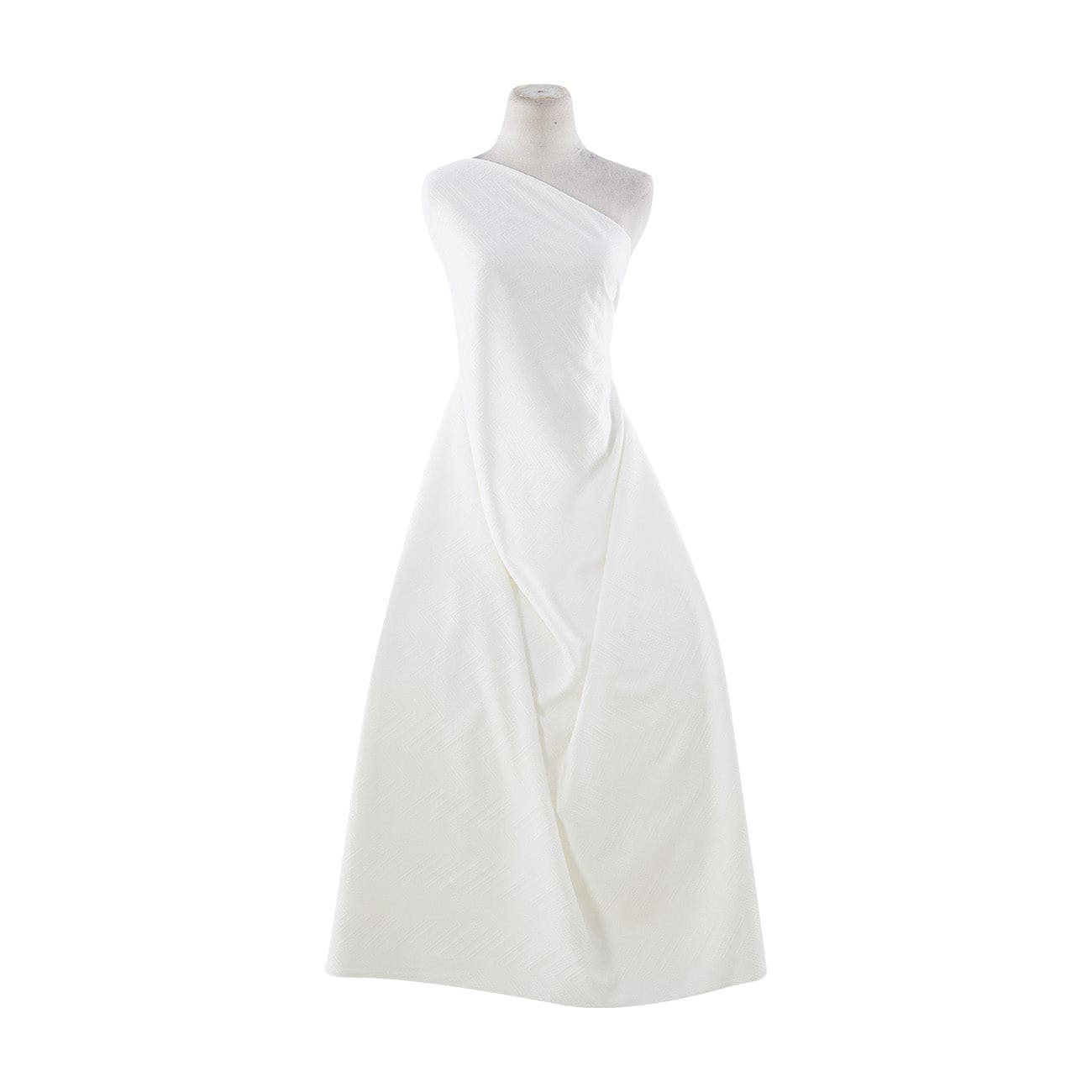
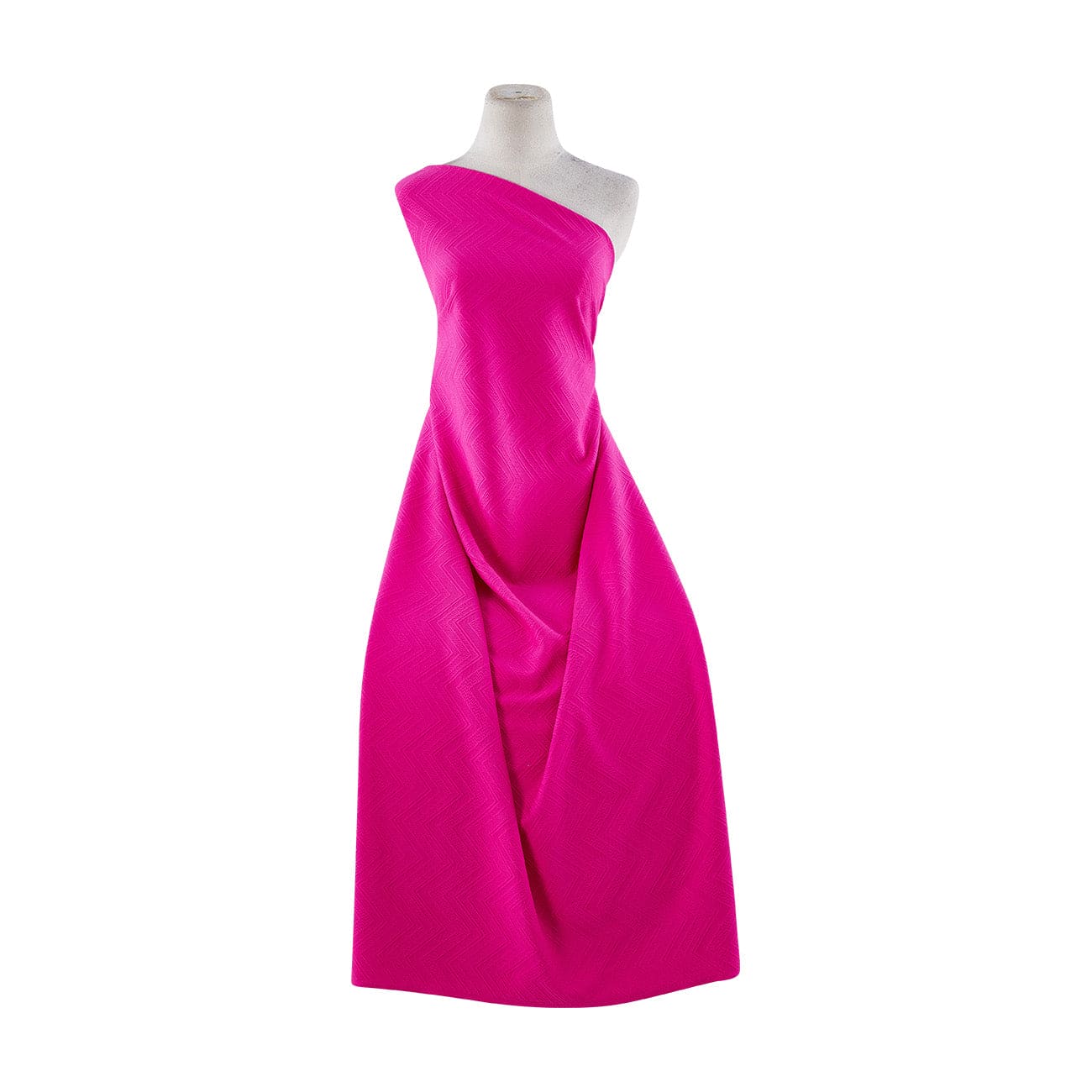
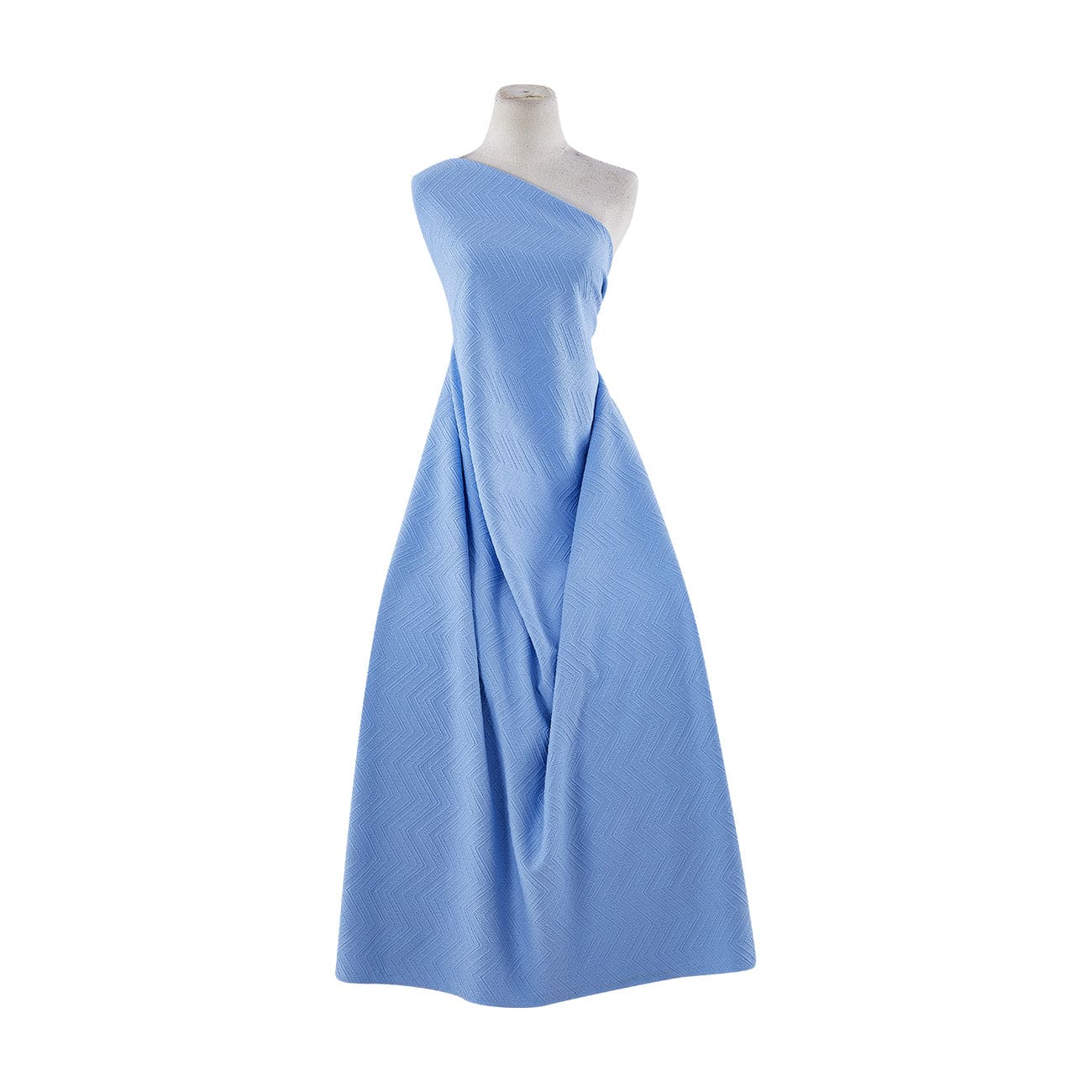
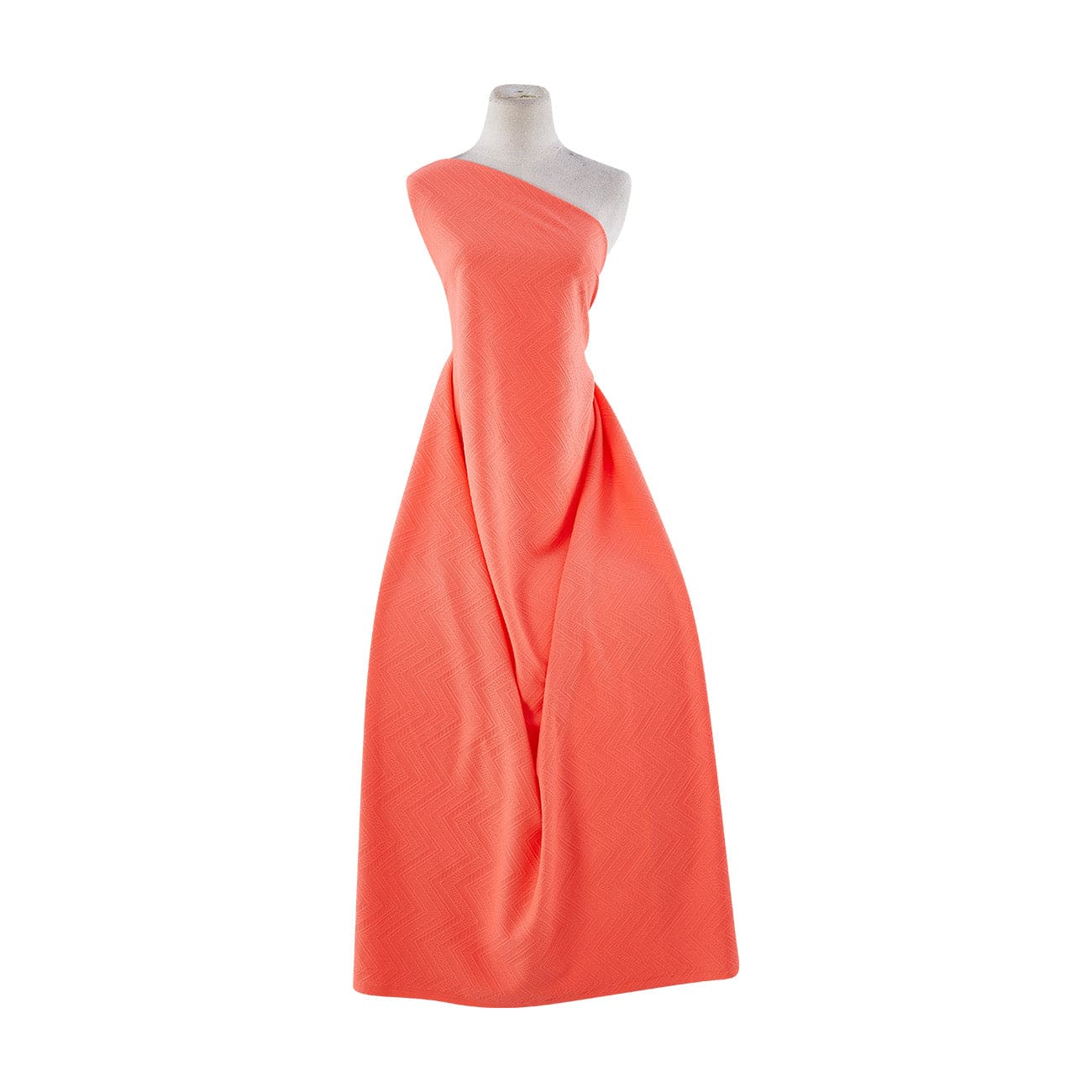
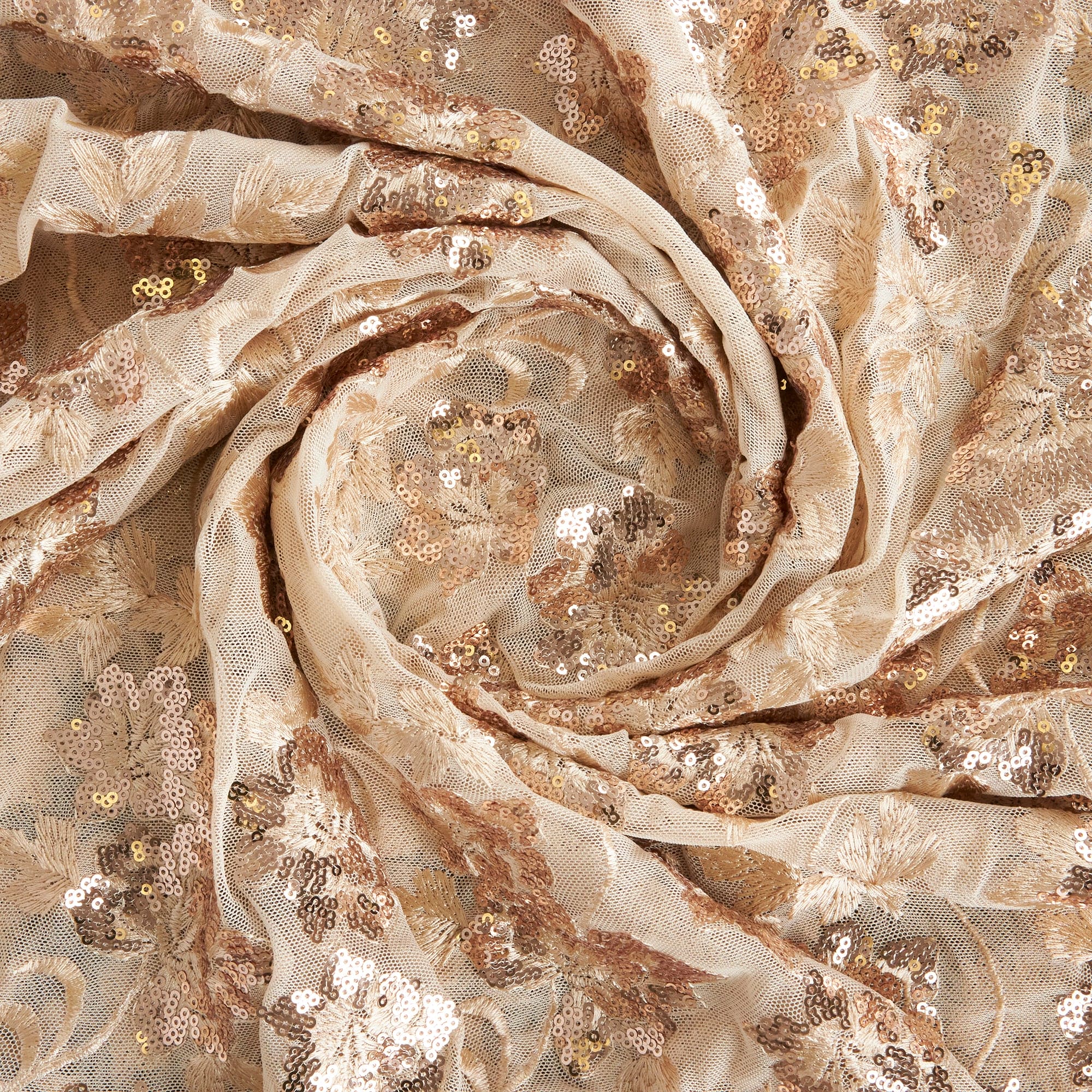
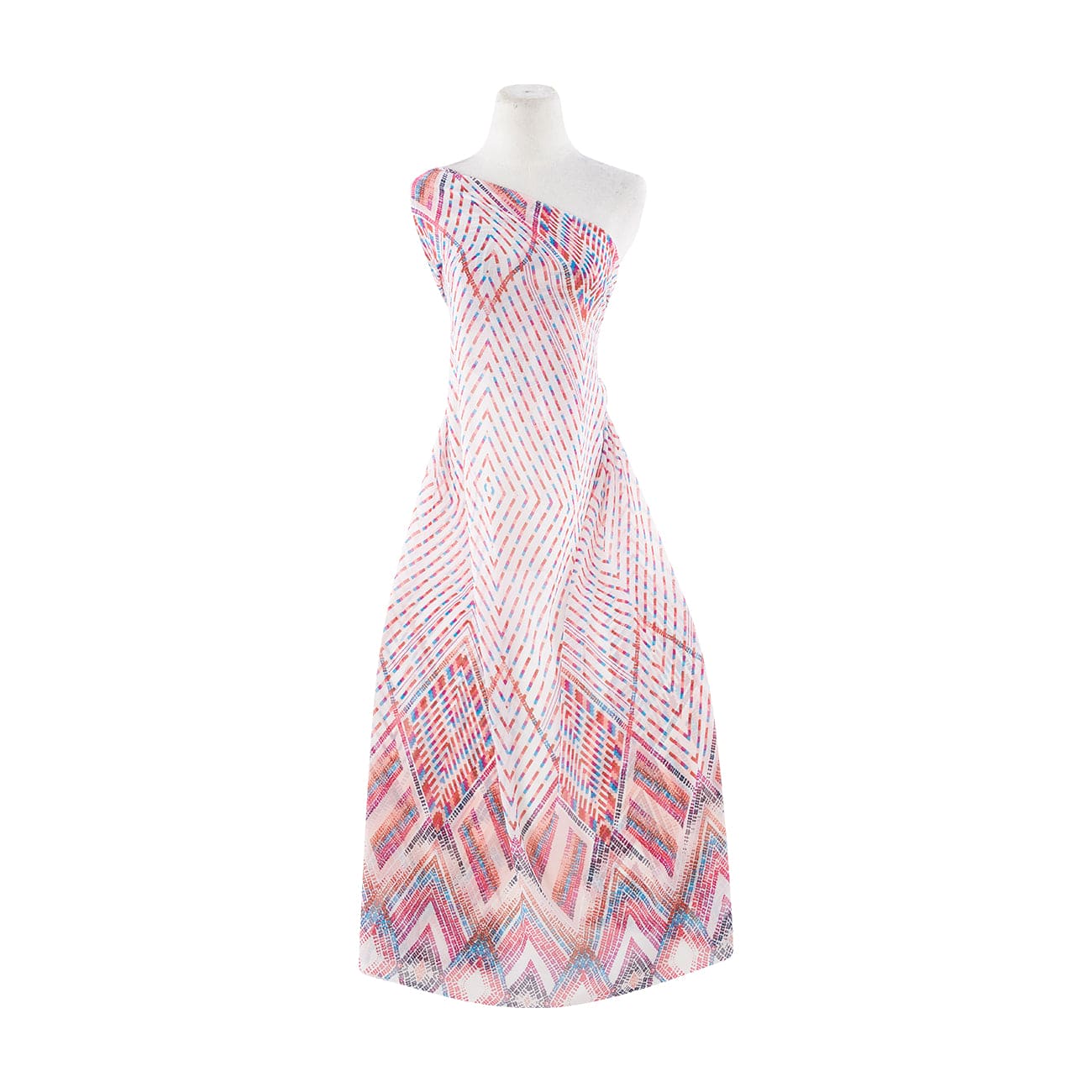
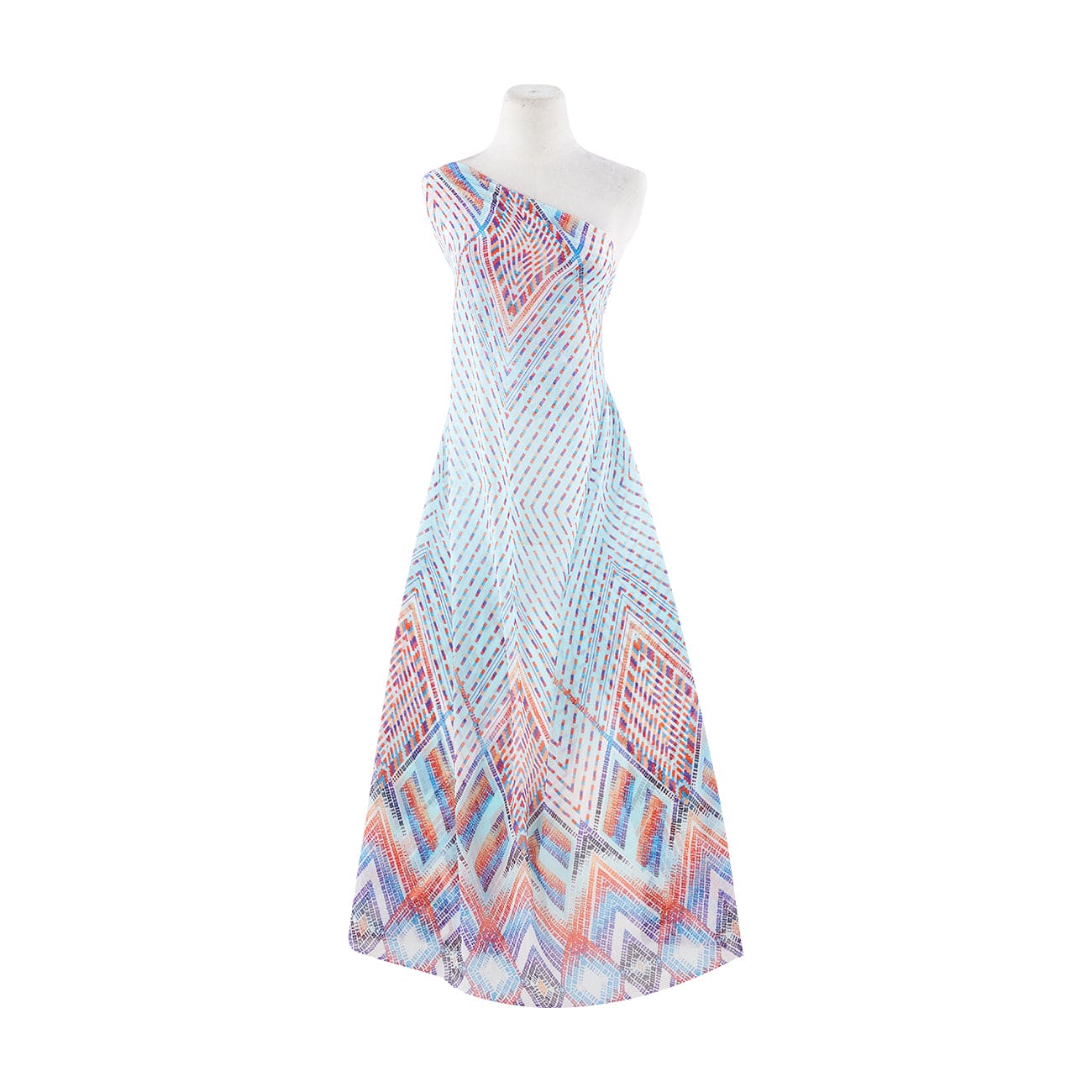
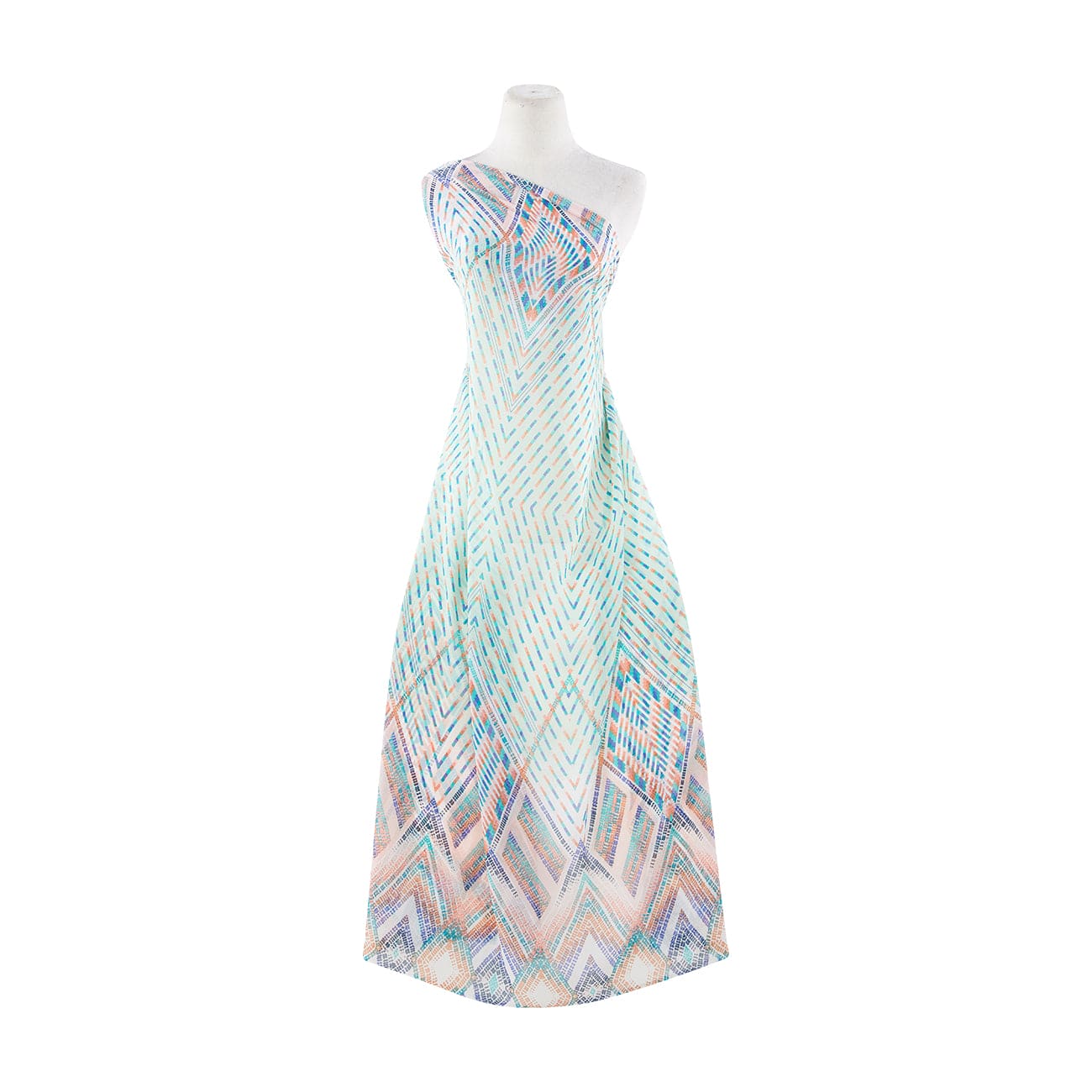
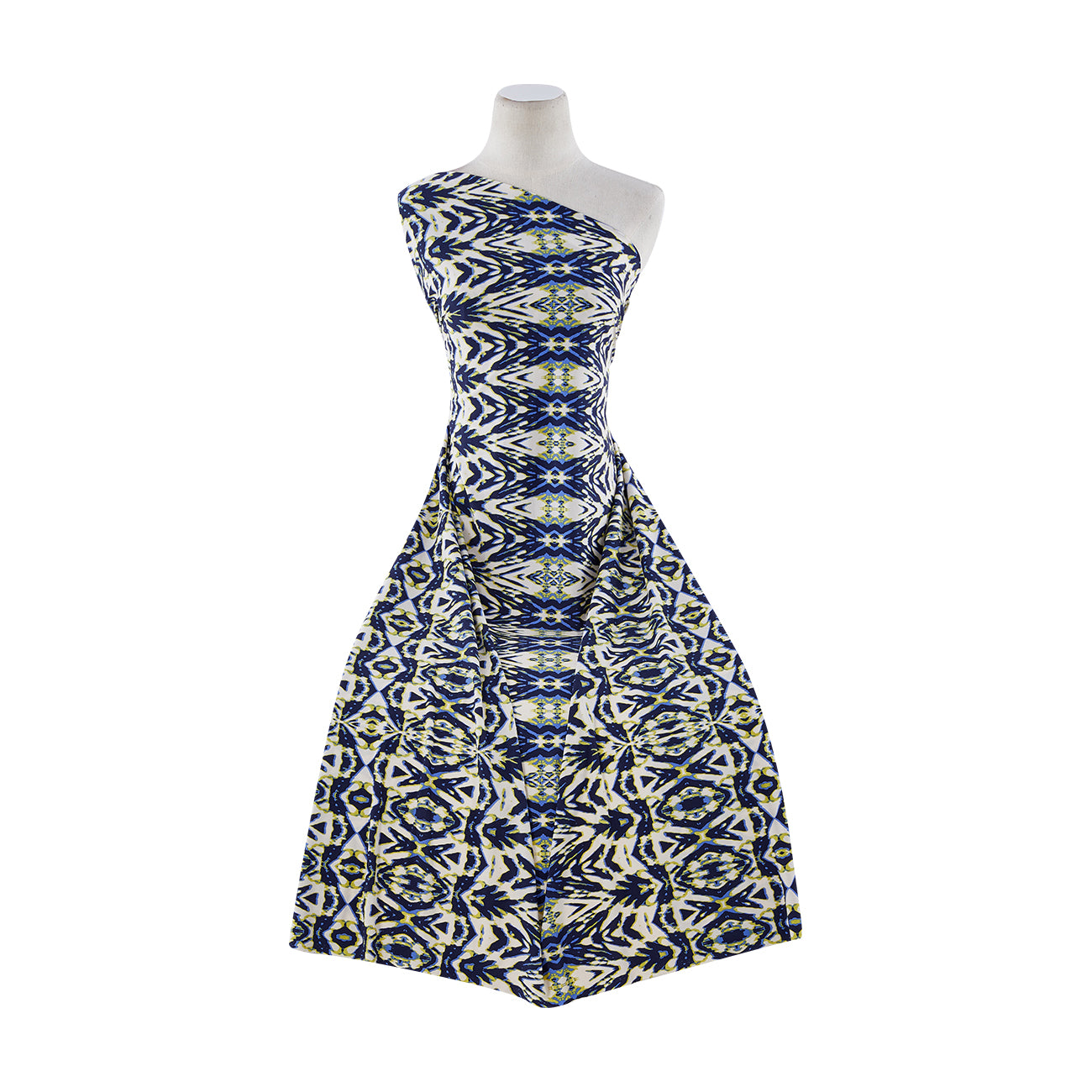
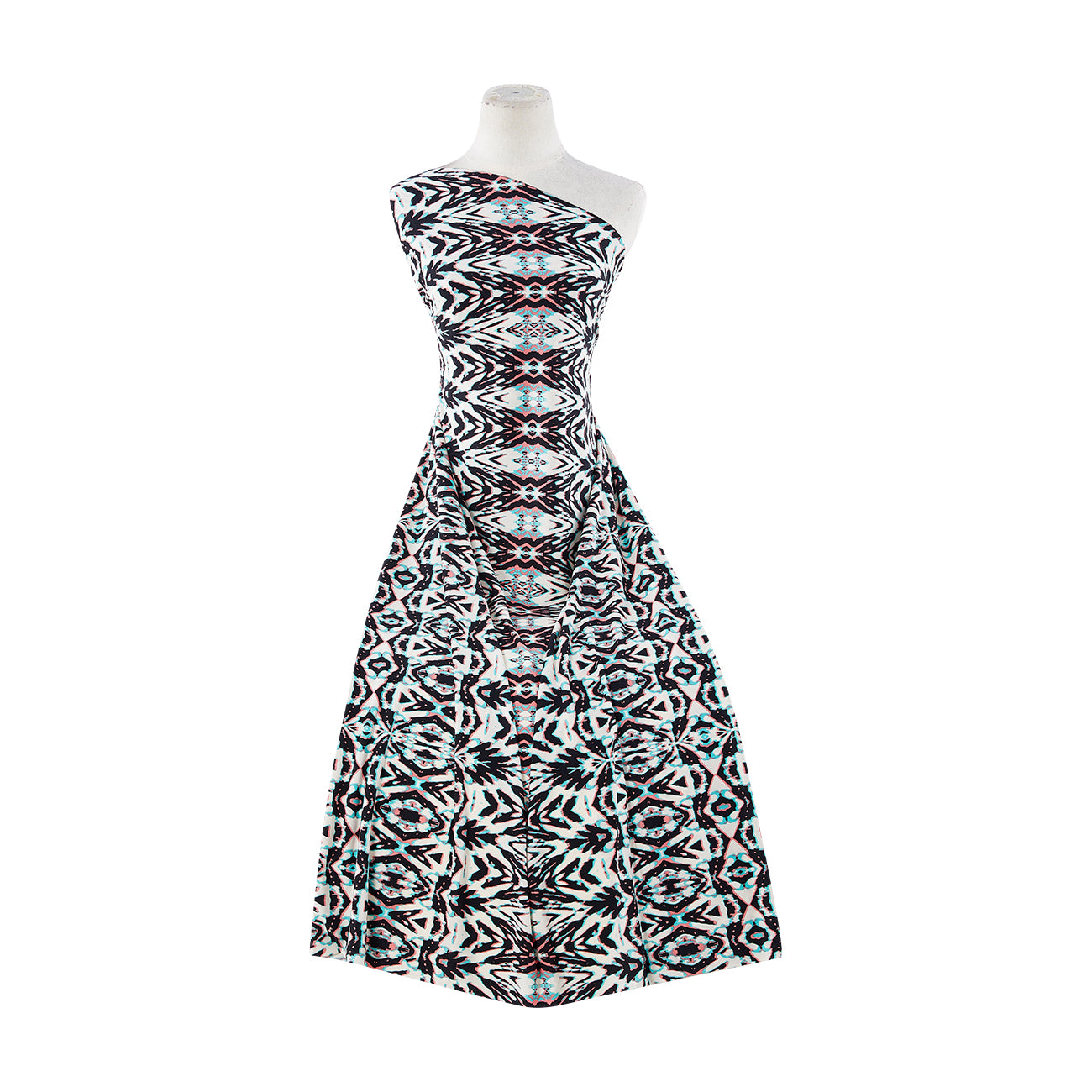
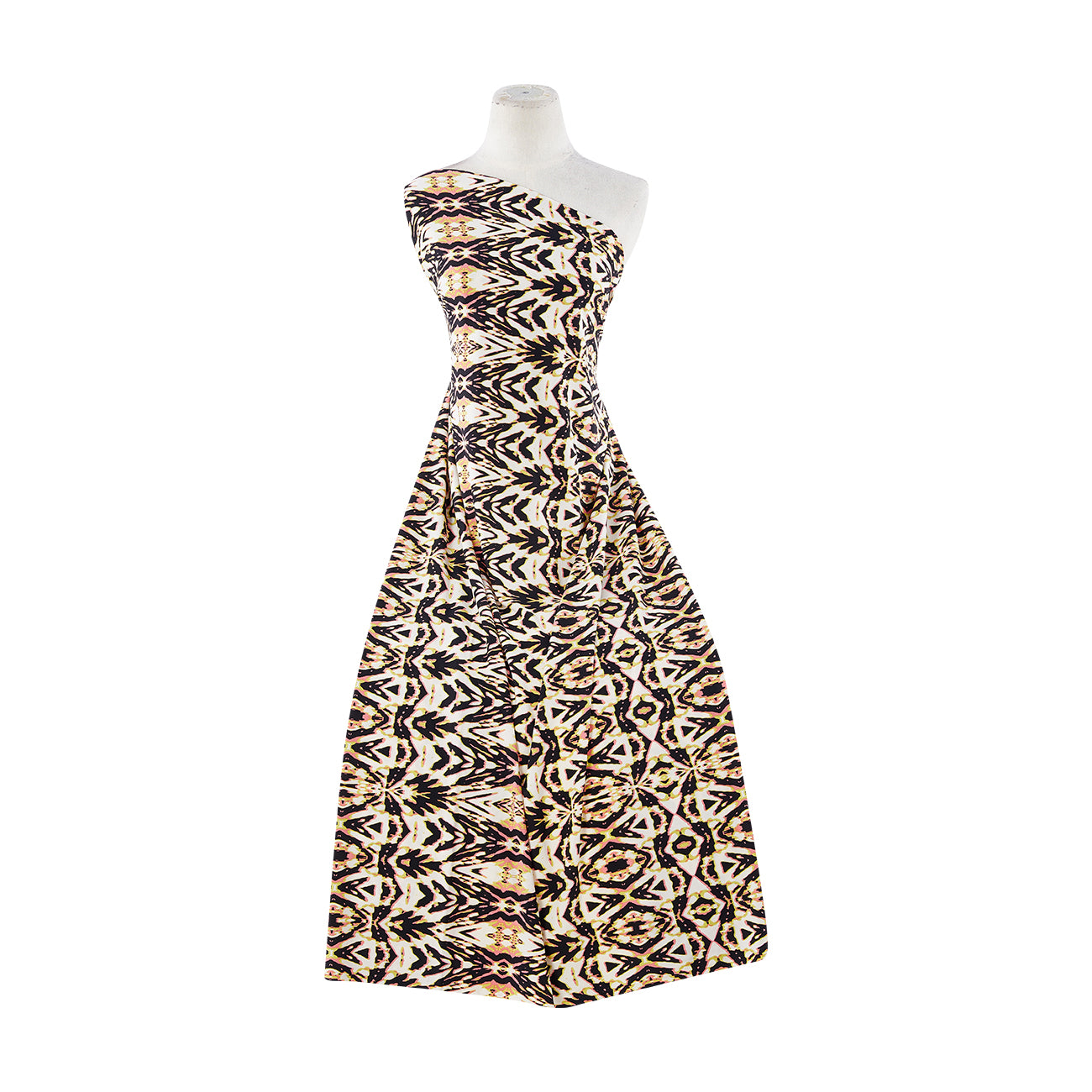
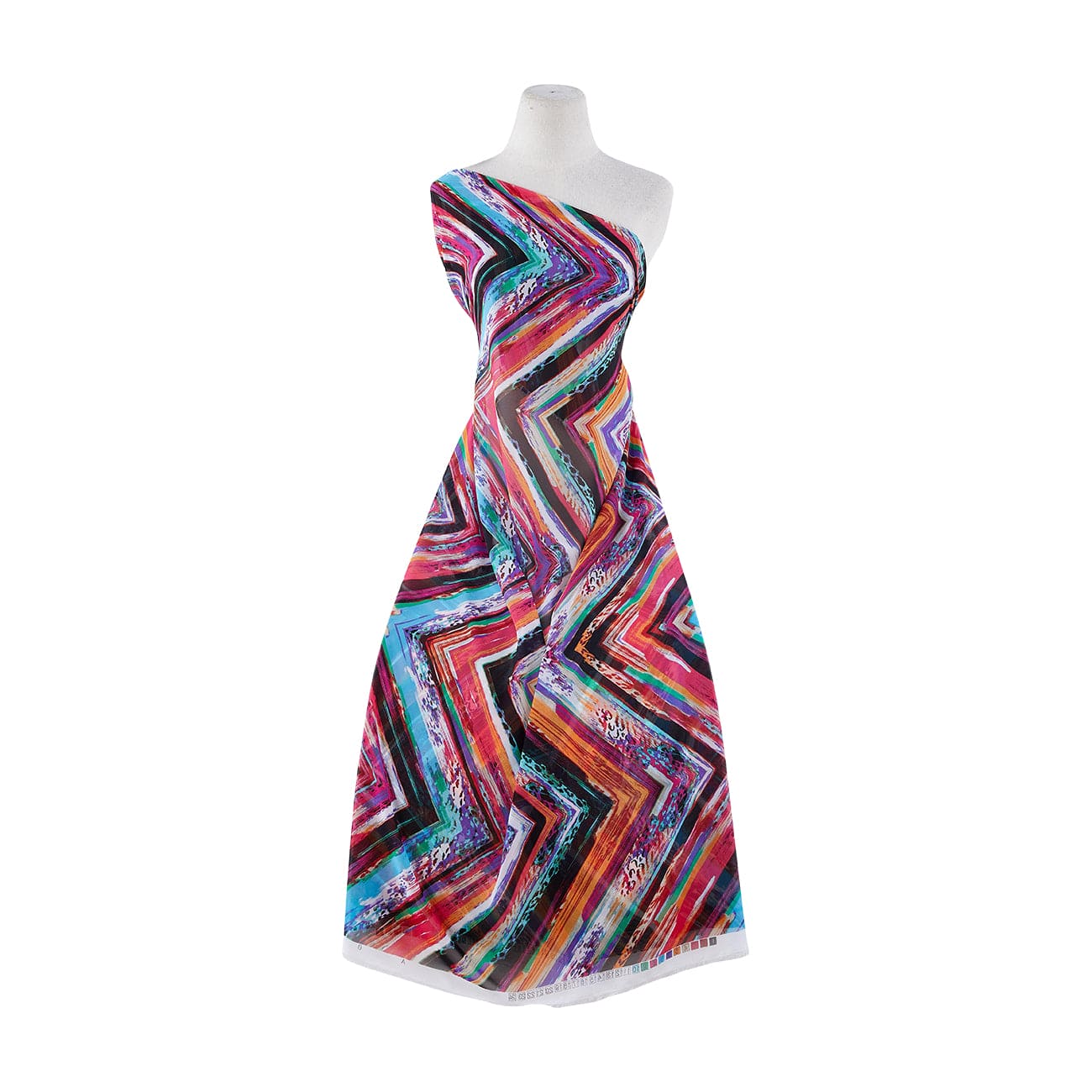
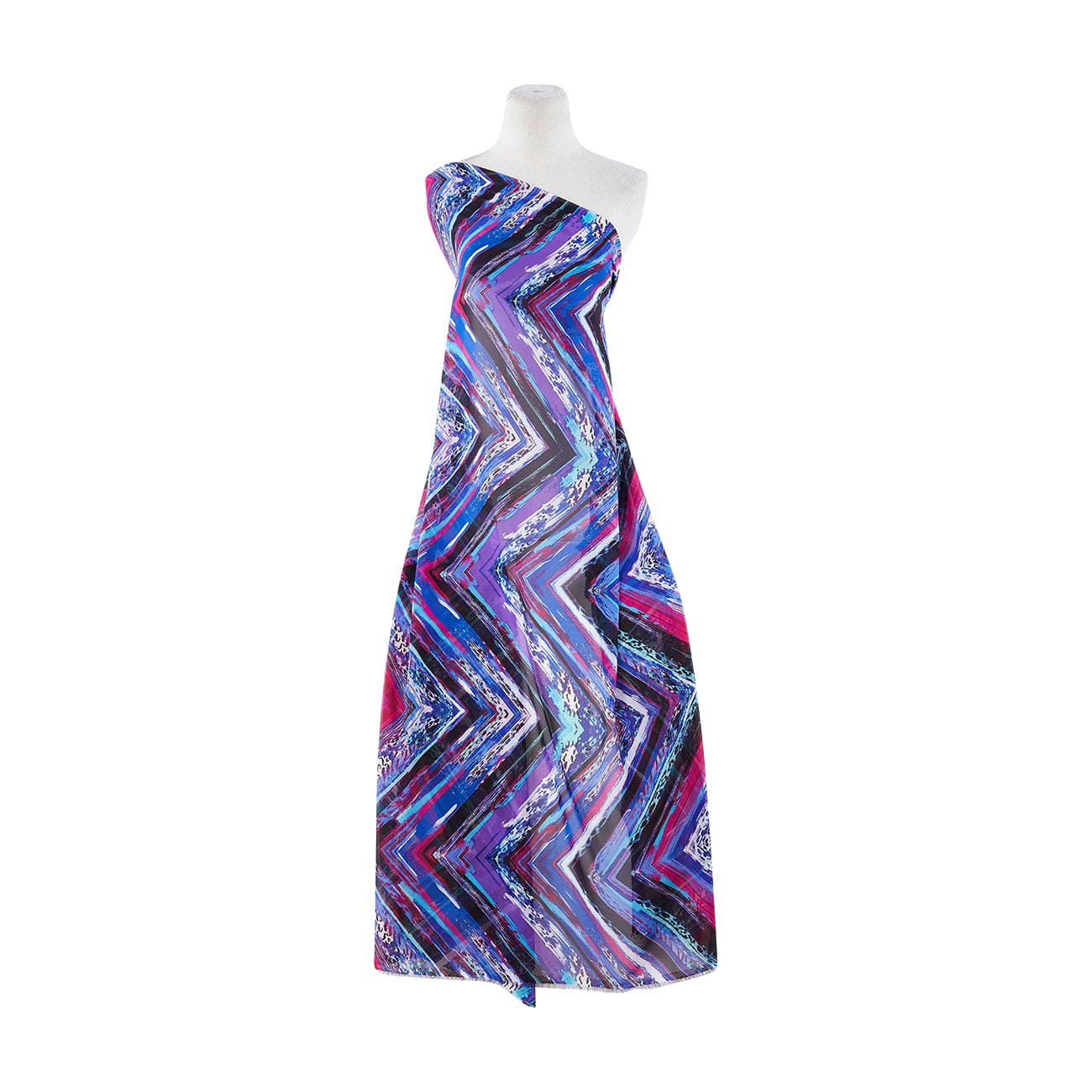
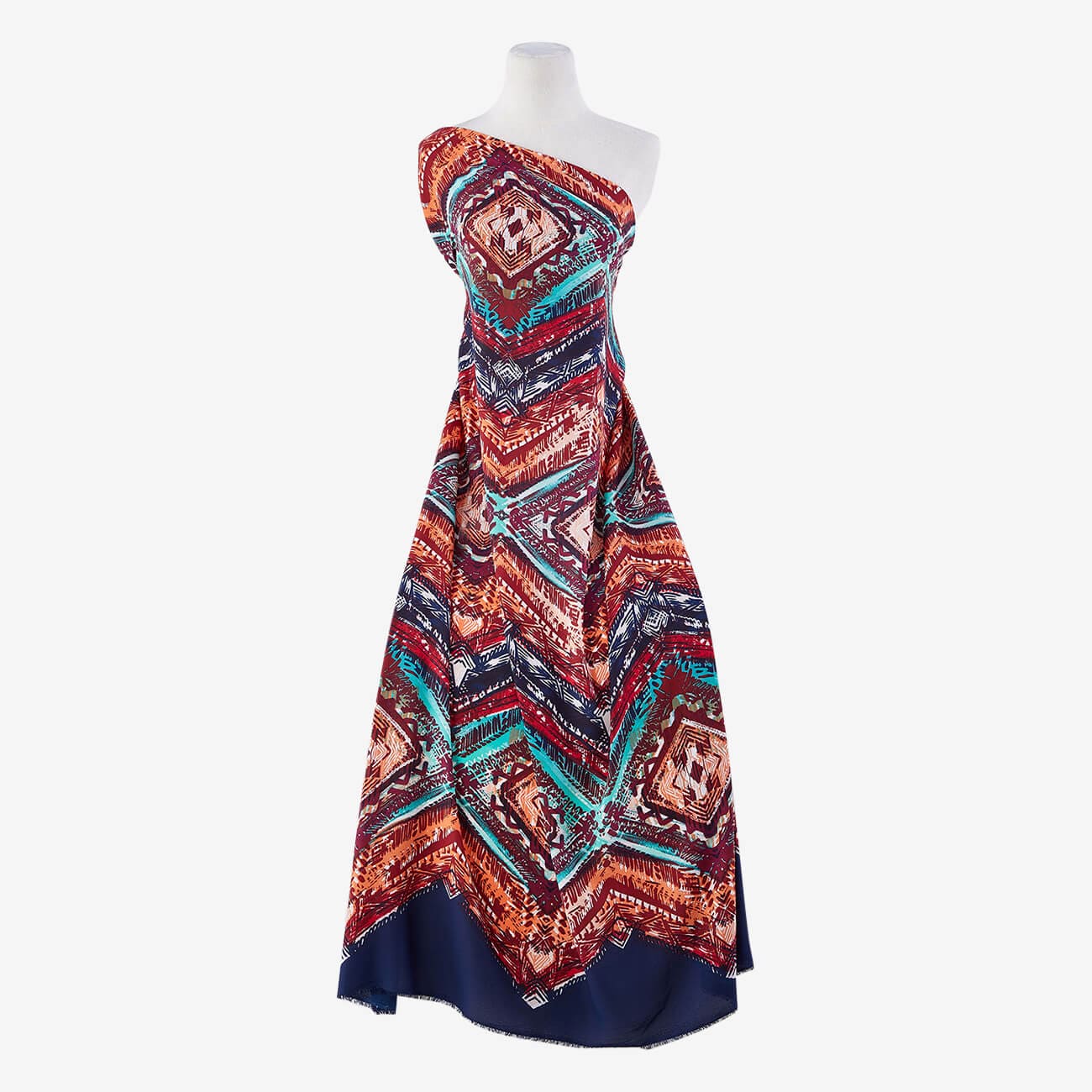
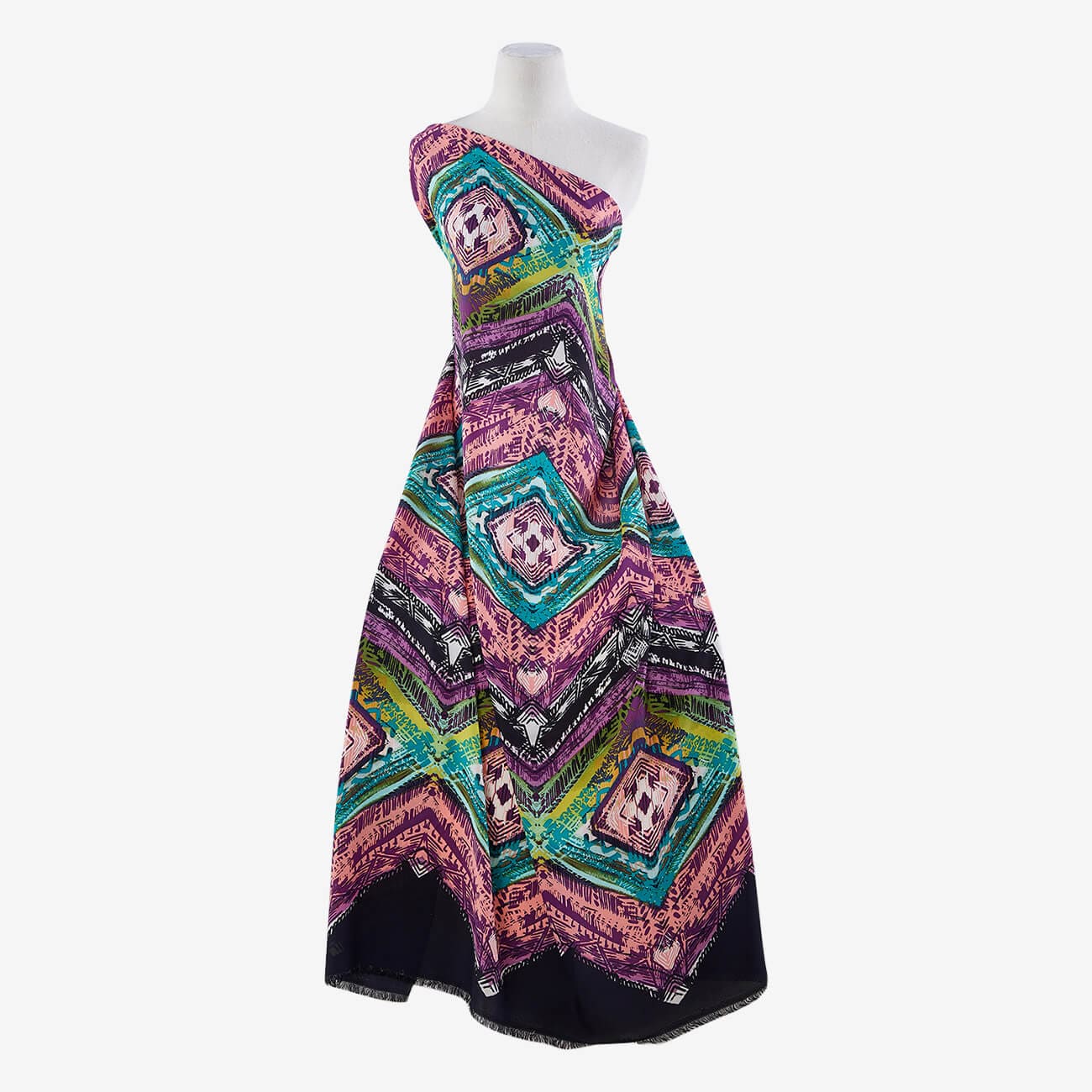
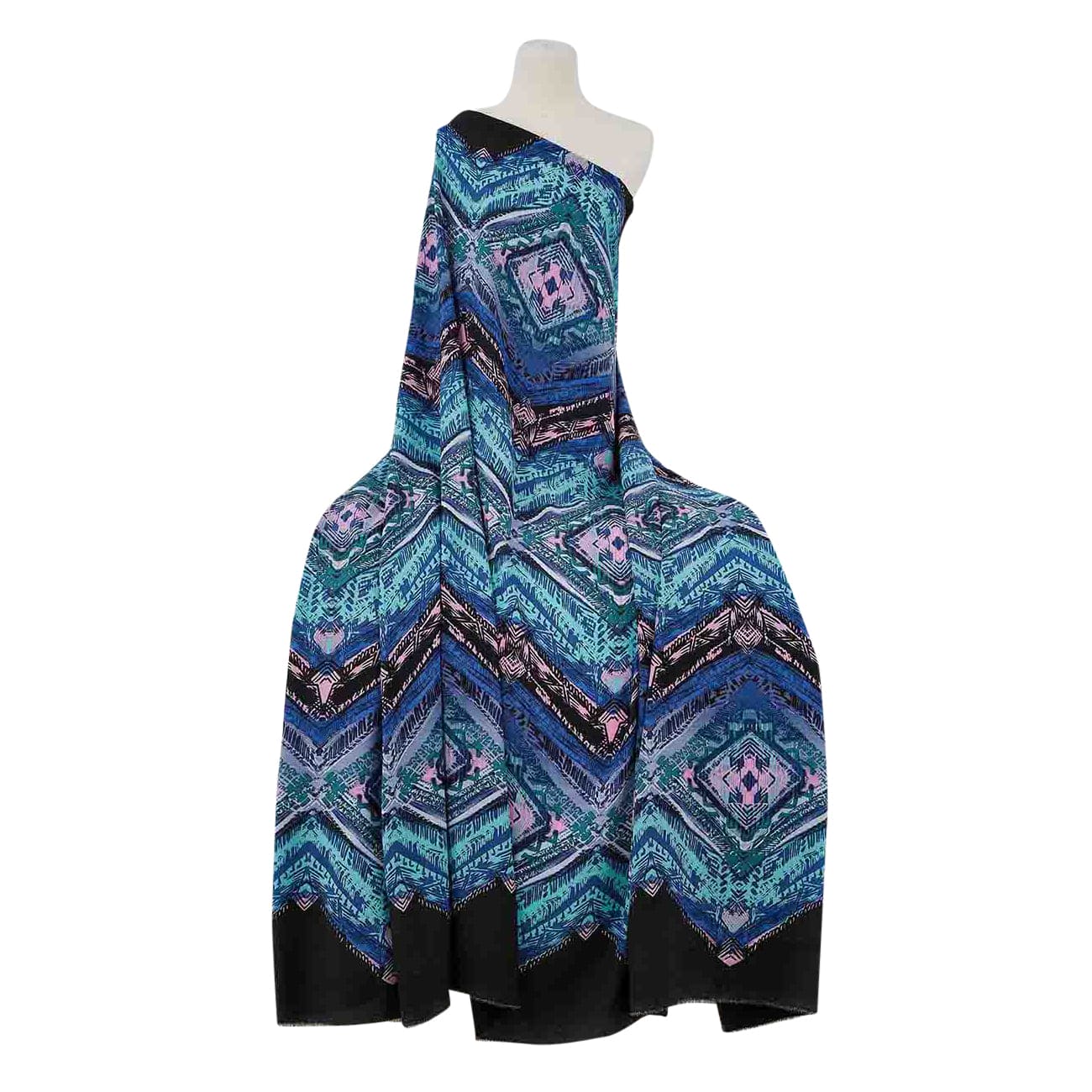
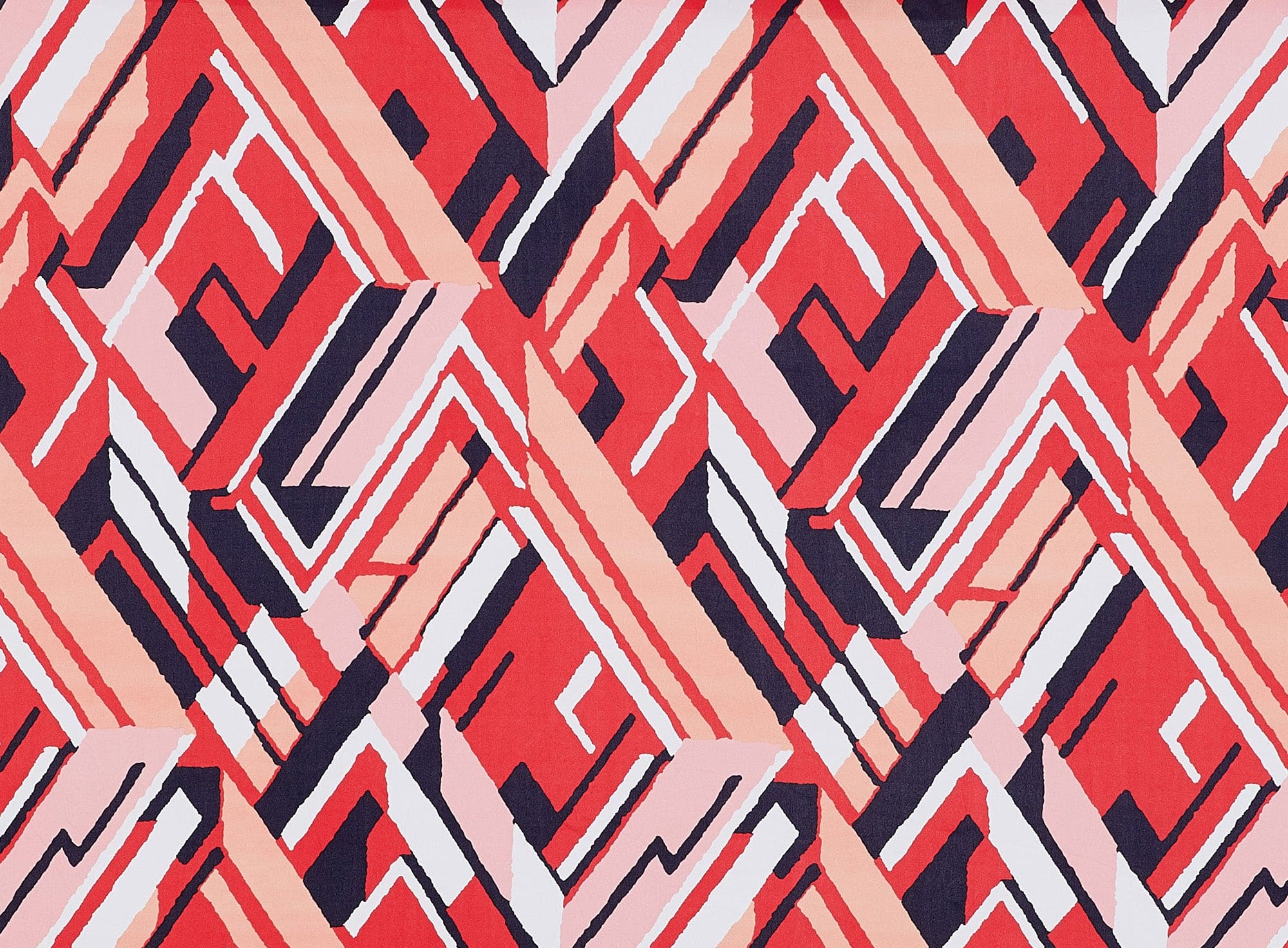
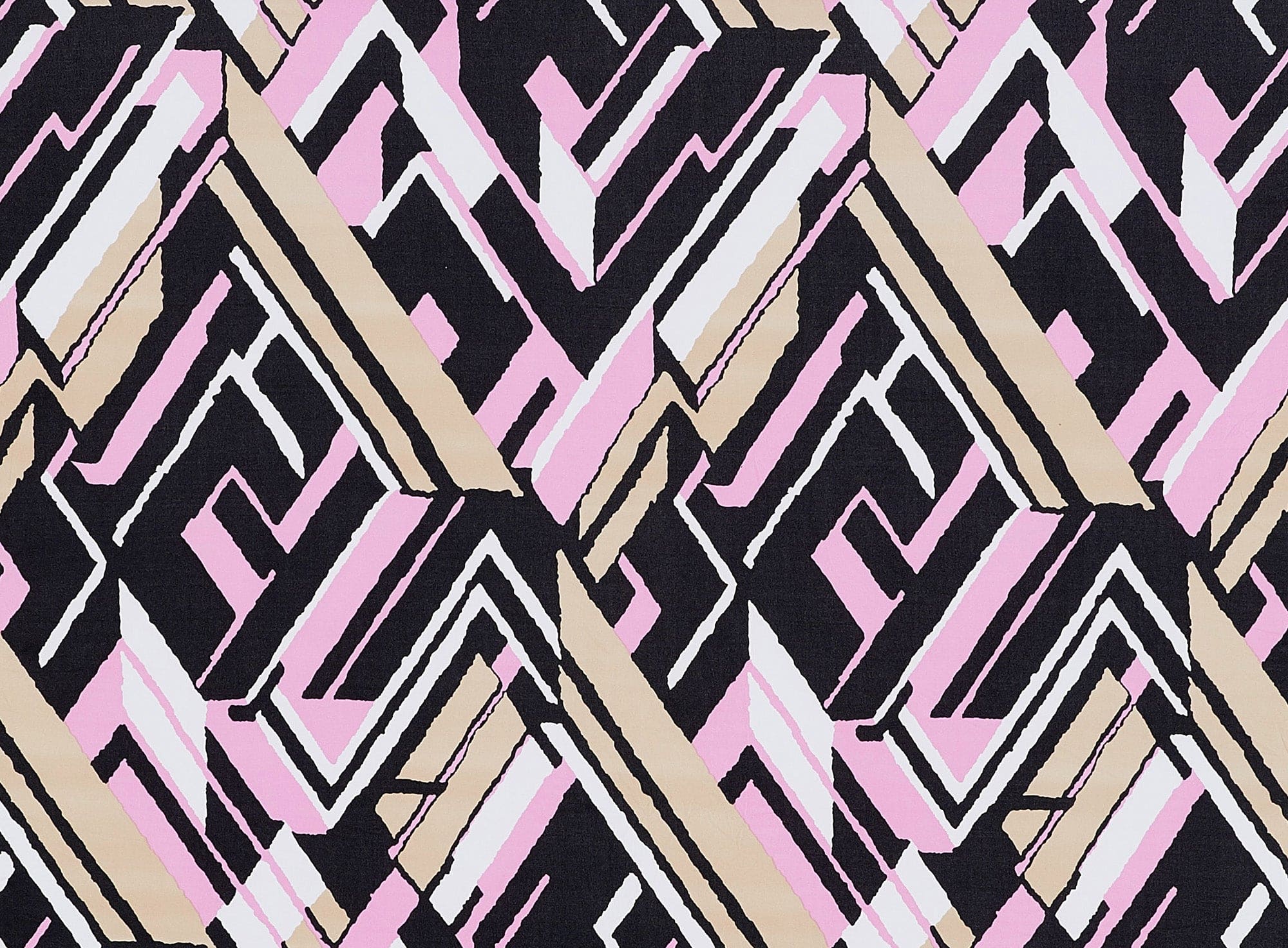
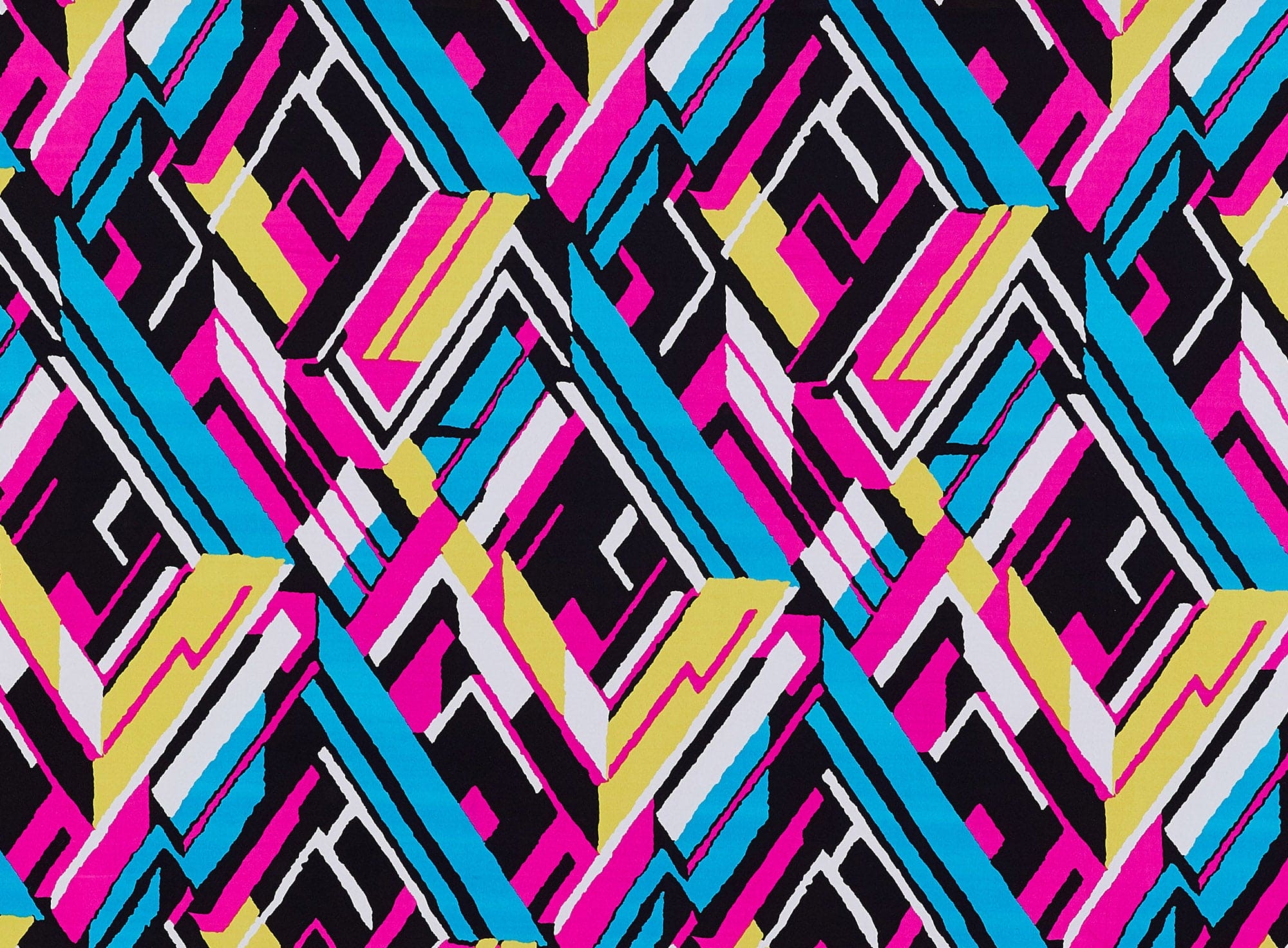
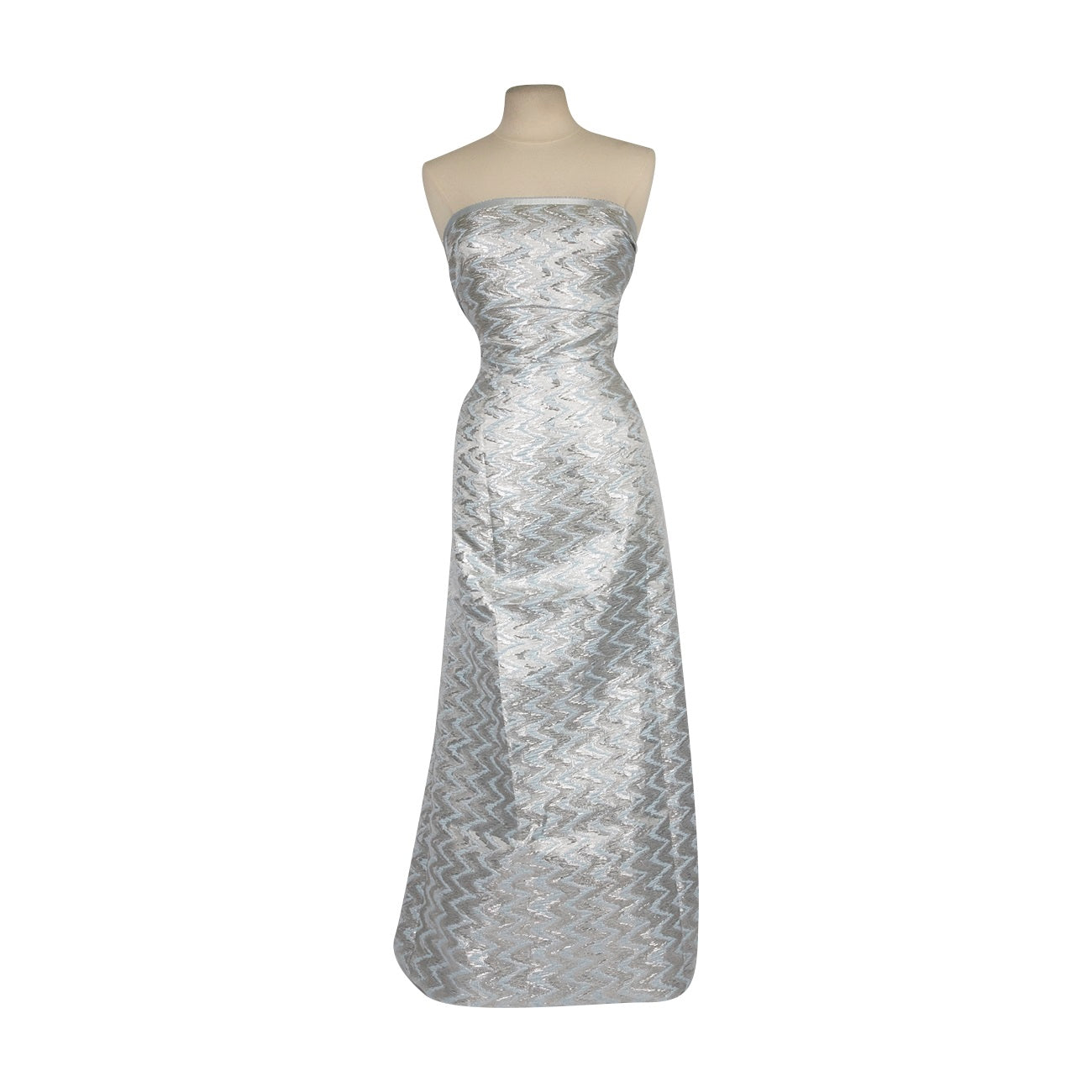
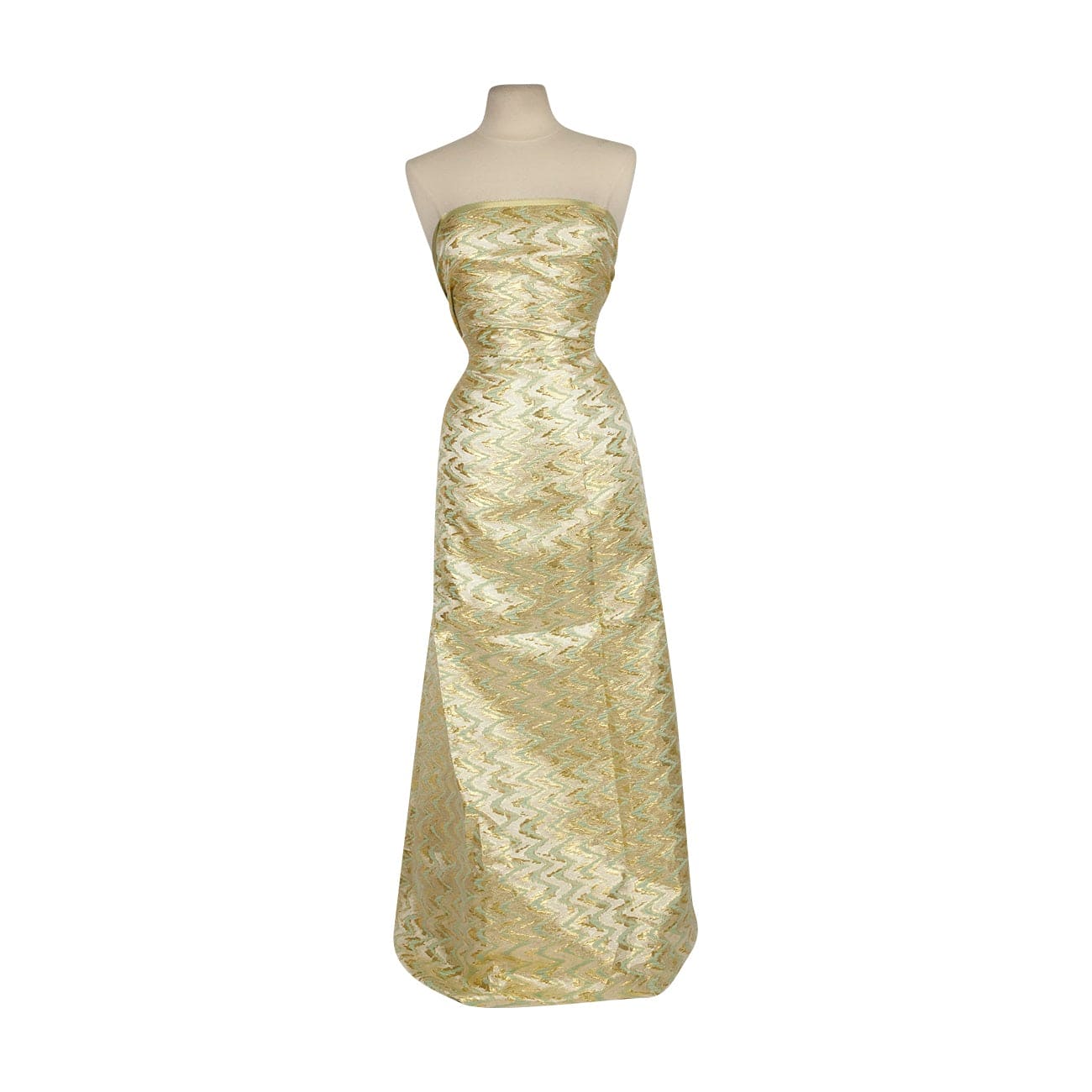
What Is Chevron Print Fabric?
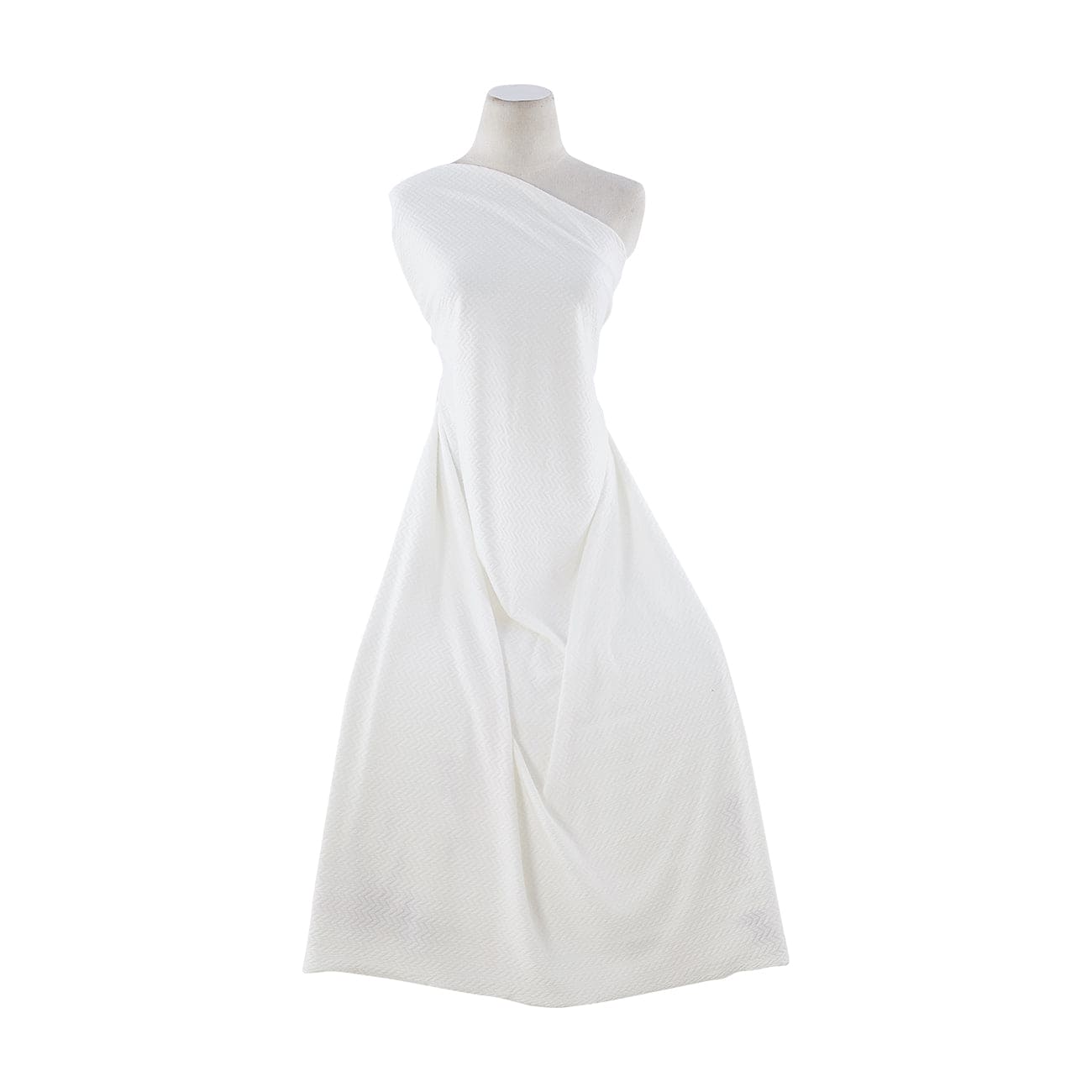
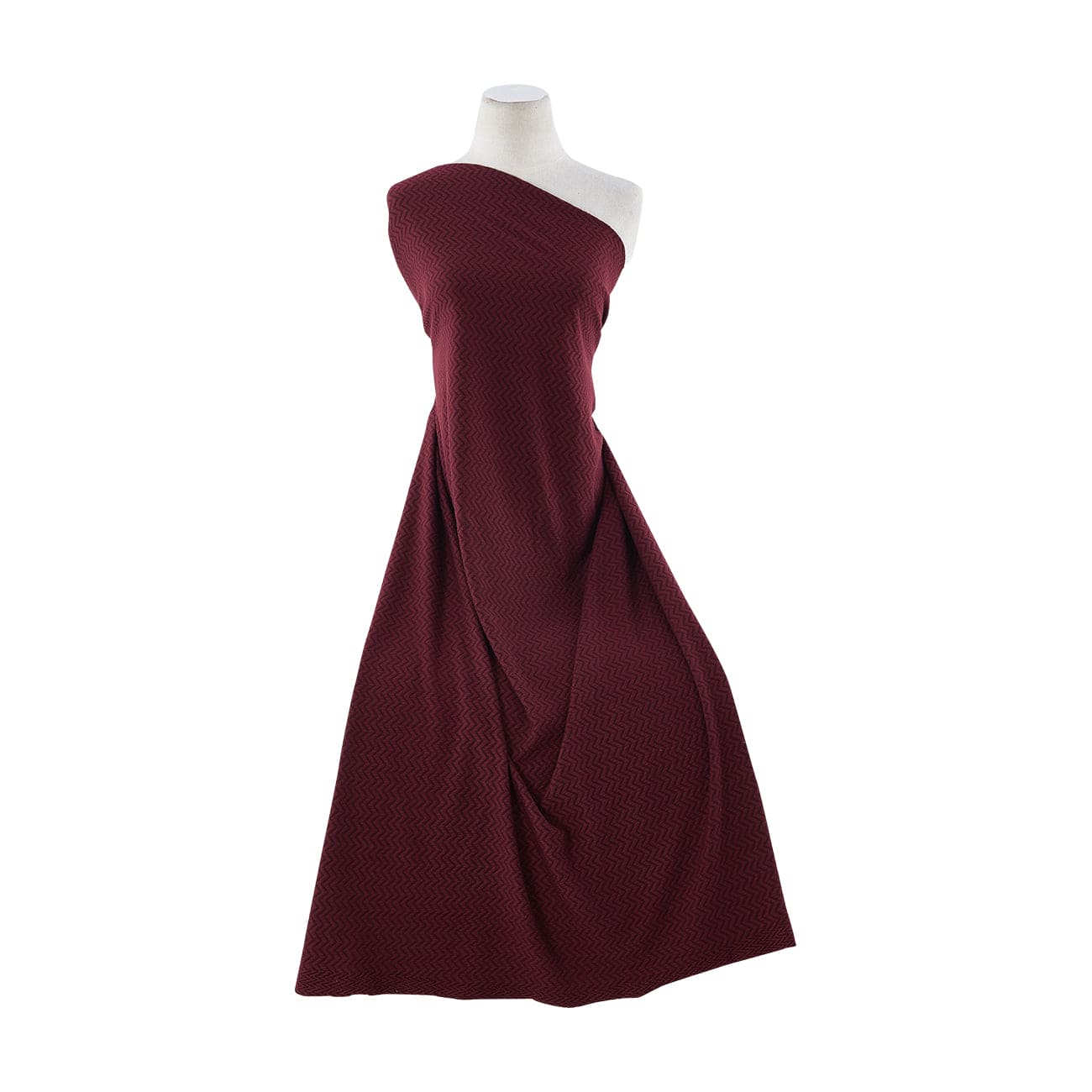
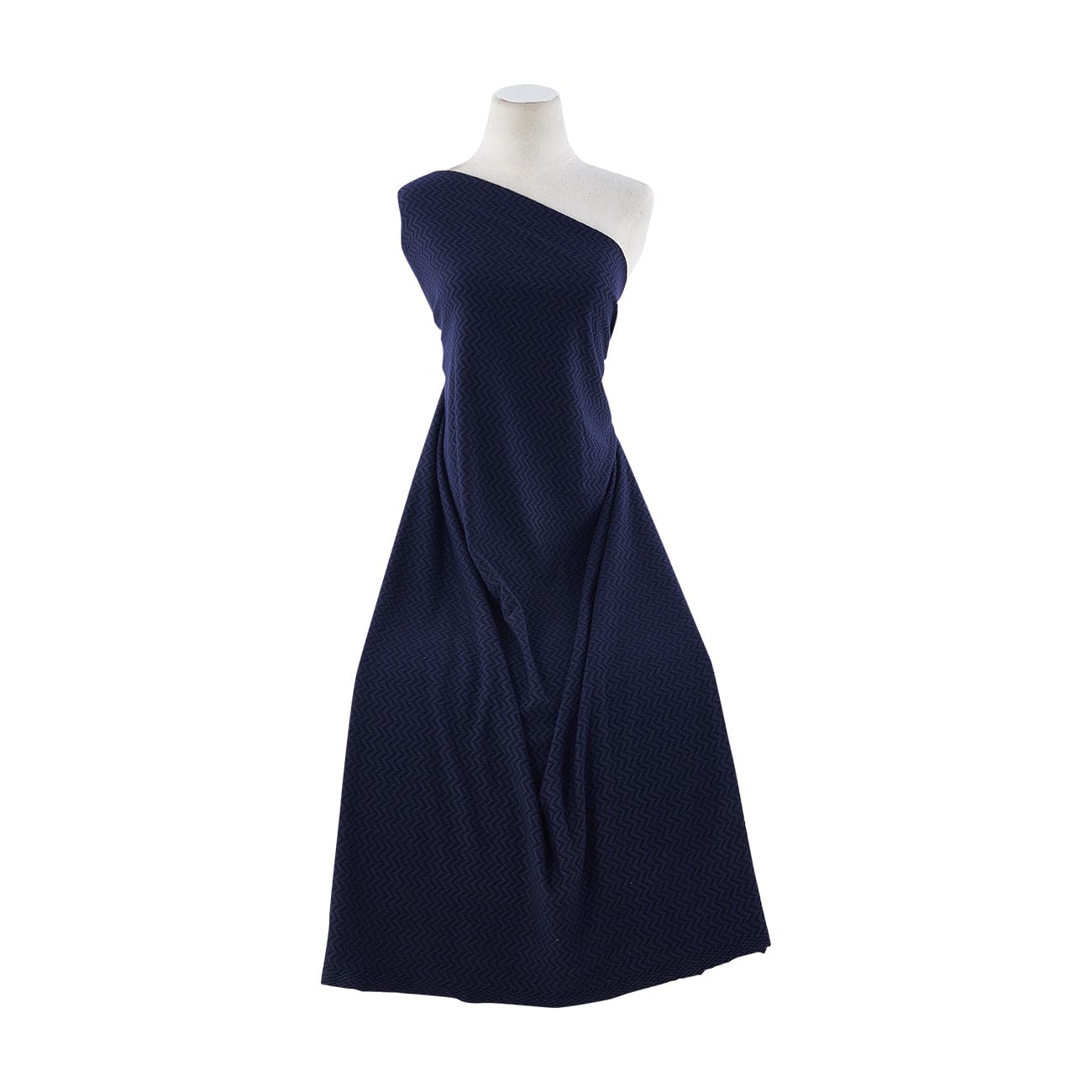
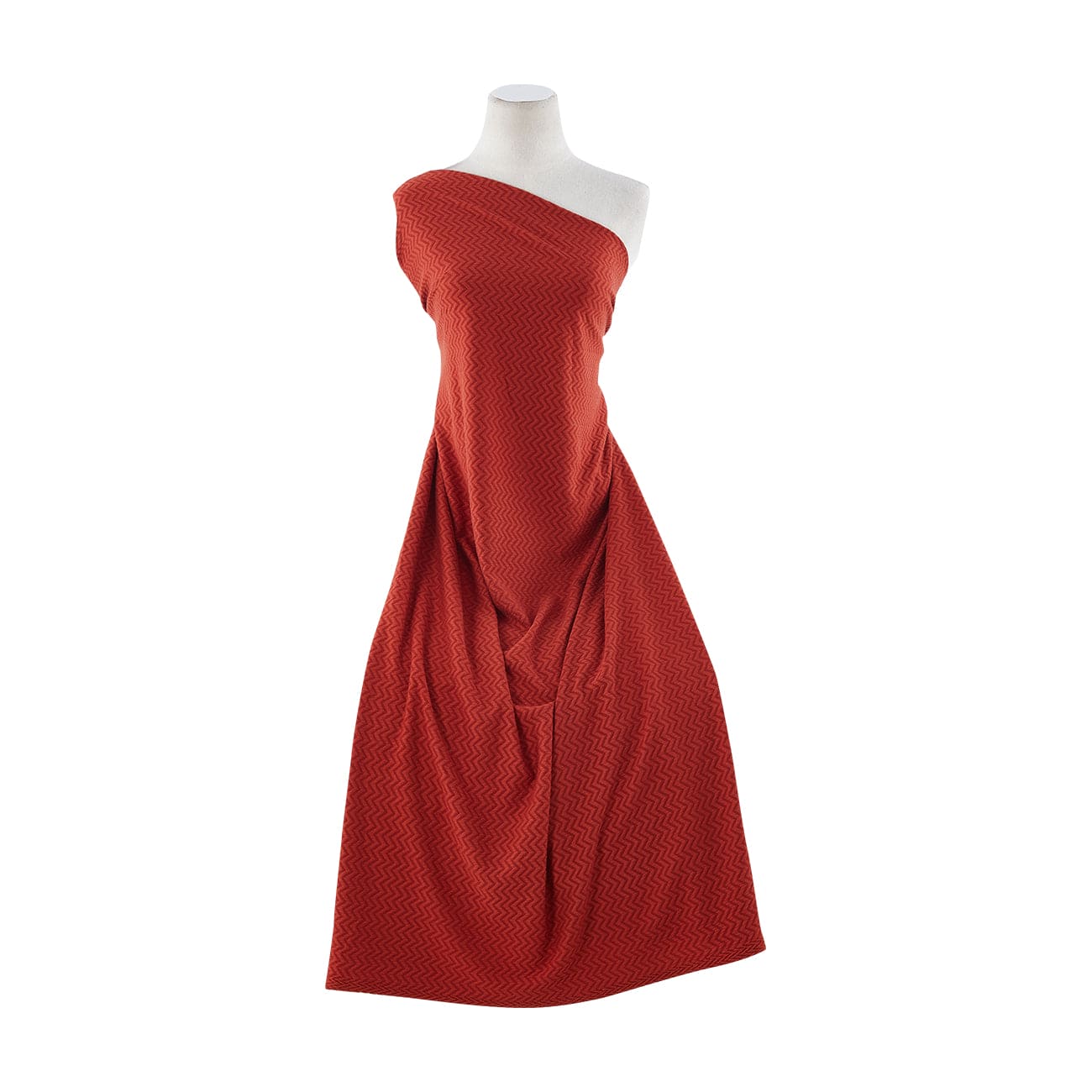
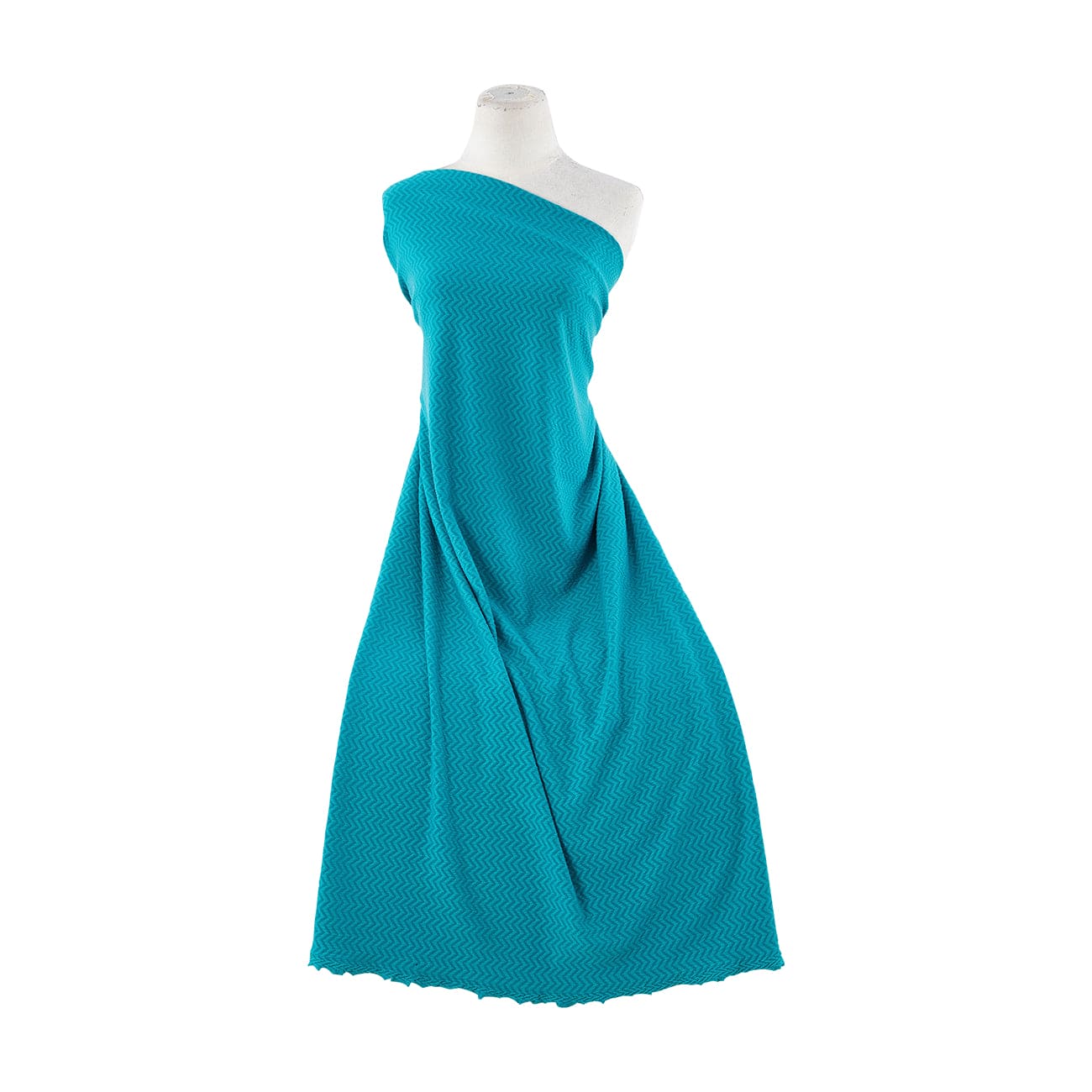
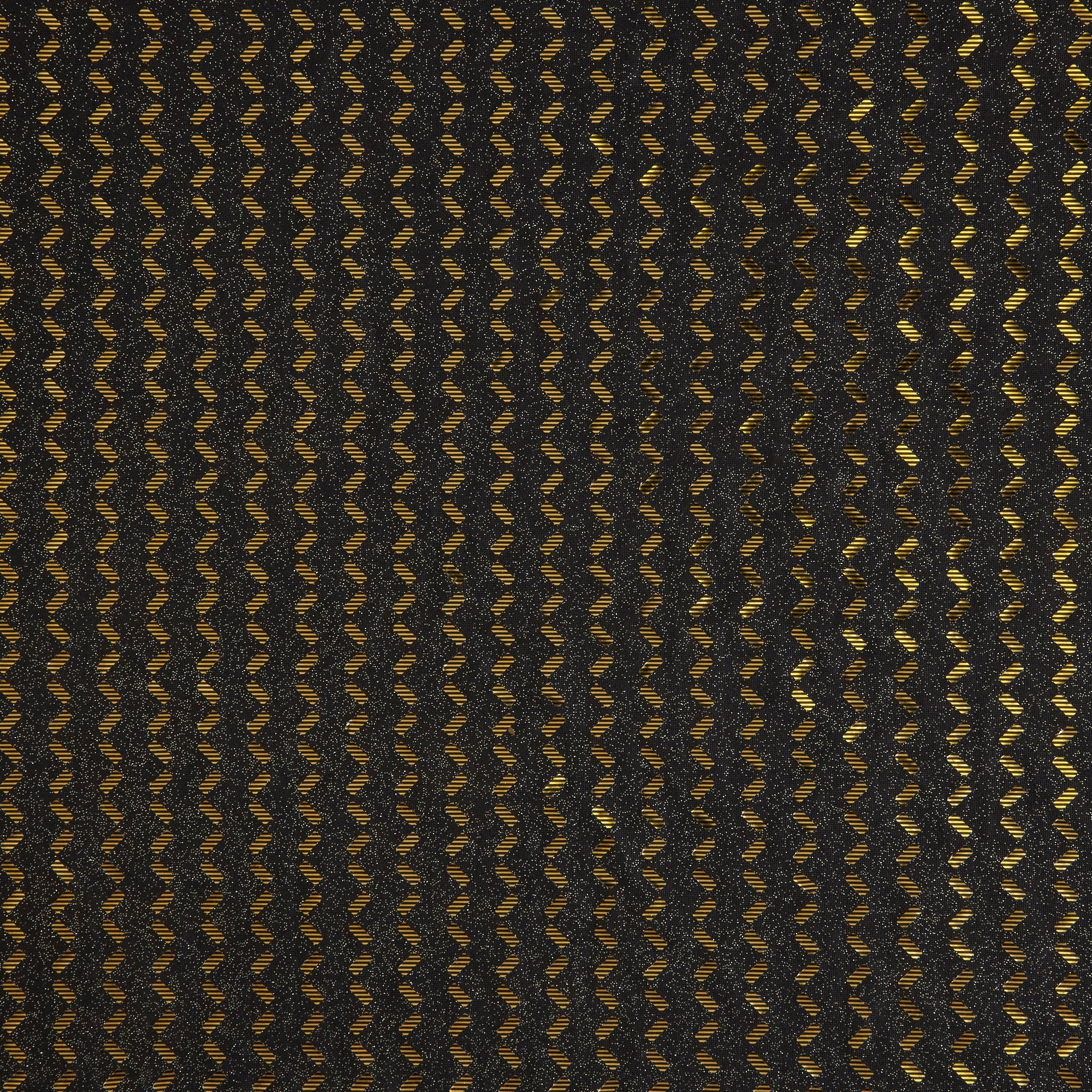
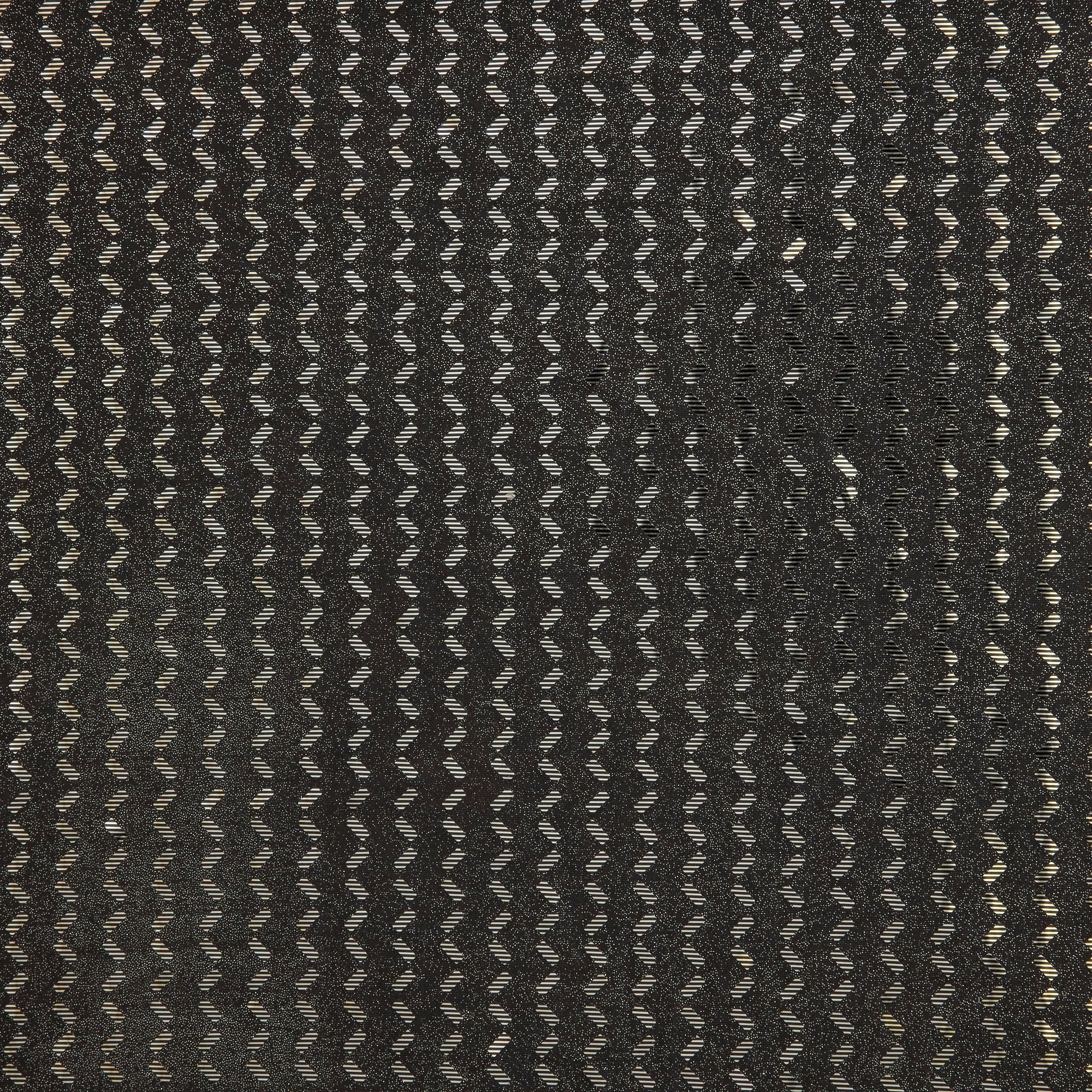
Chevron print is a geometric pattern made of continuous, mirror-image V-shapes or zigzag lines, distinct from herringbone because the stripes meet at a sharp point rather than a staggered offset.
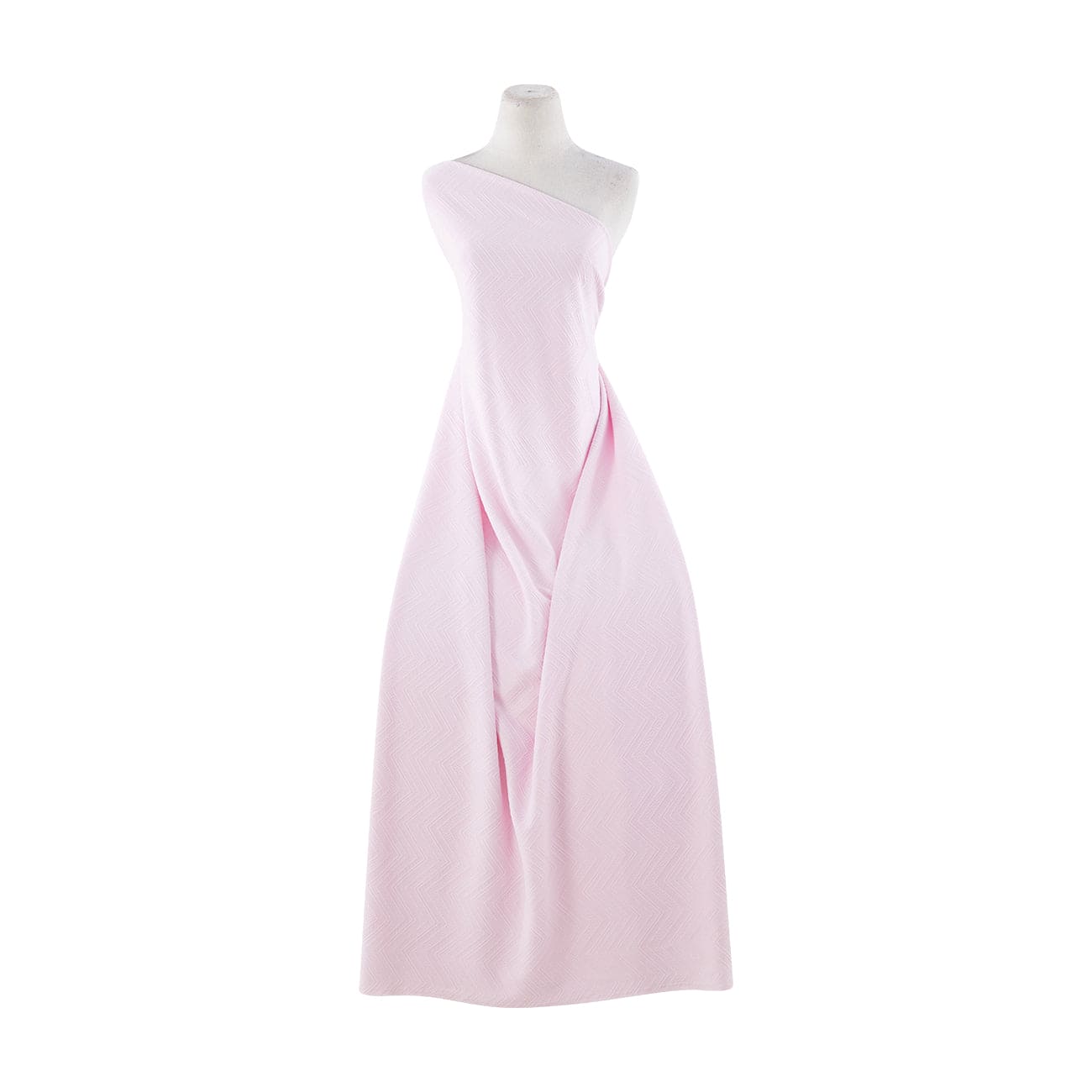
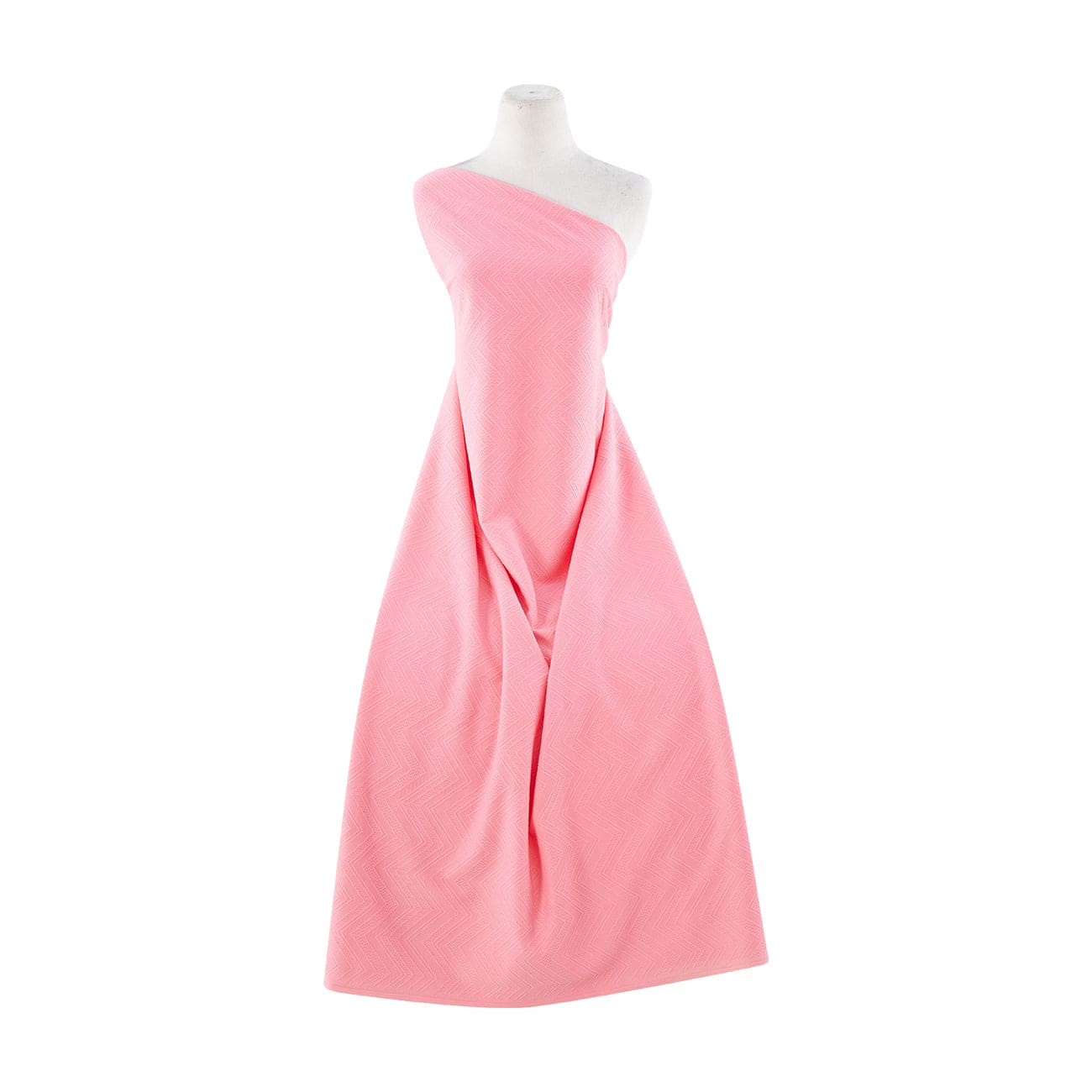
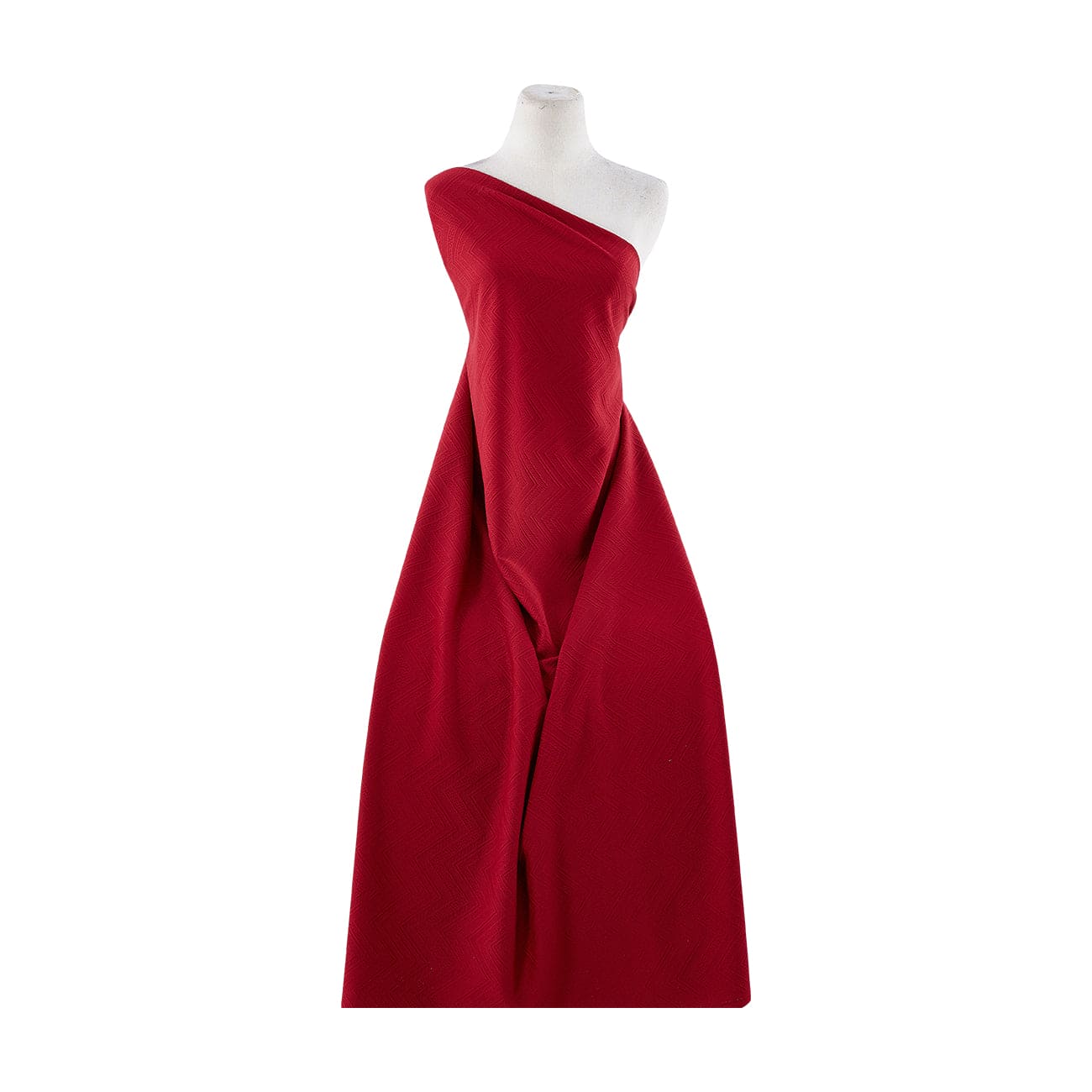
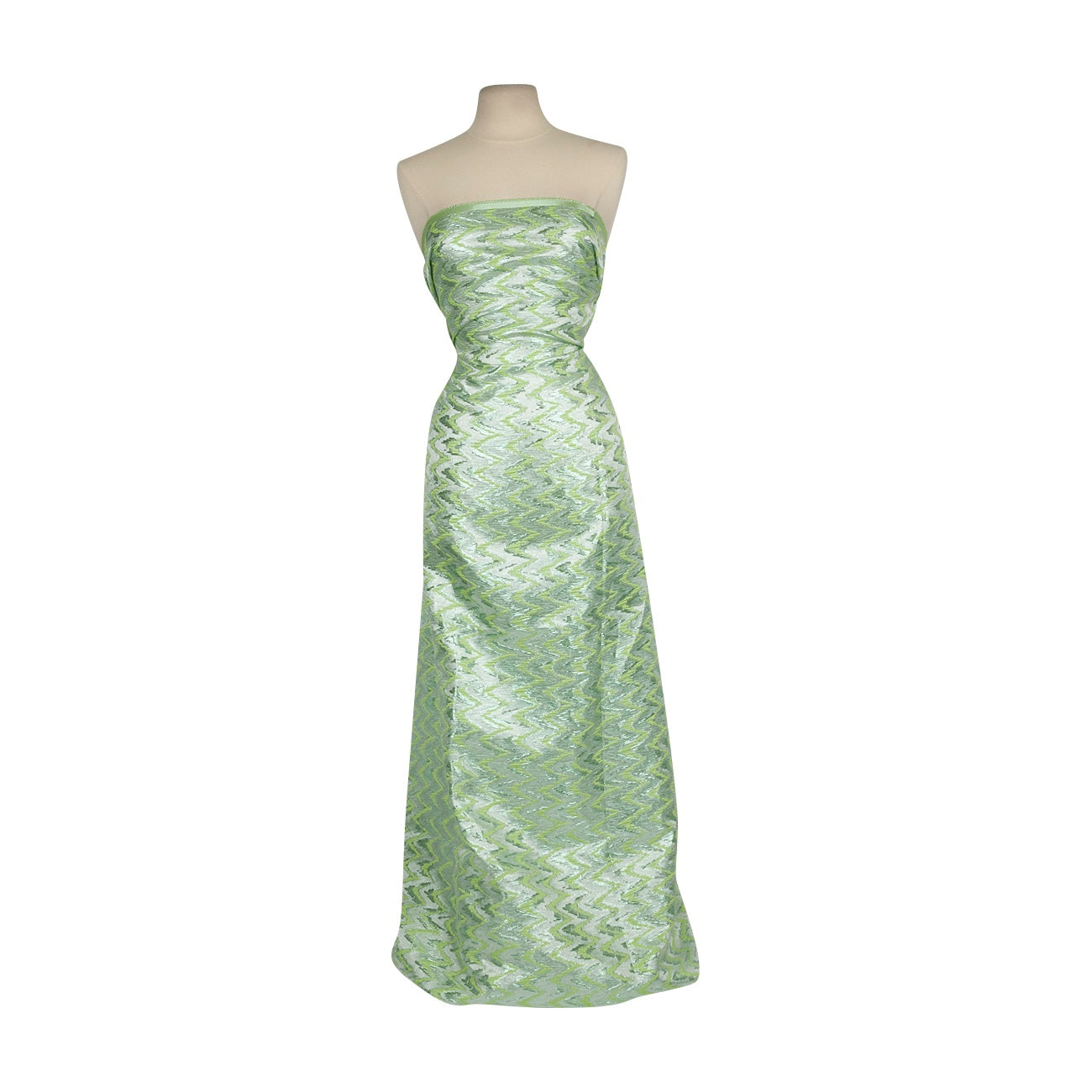
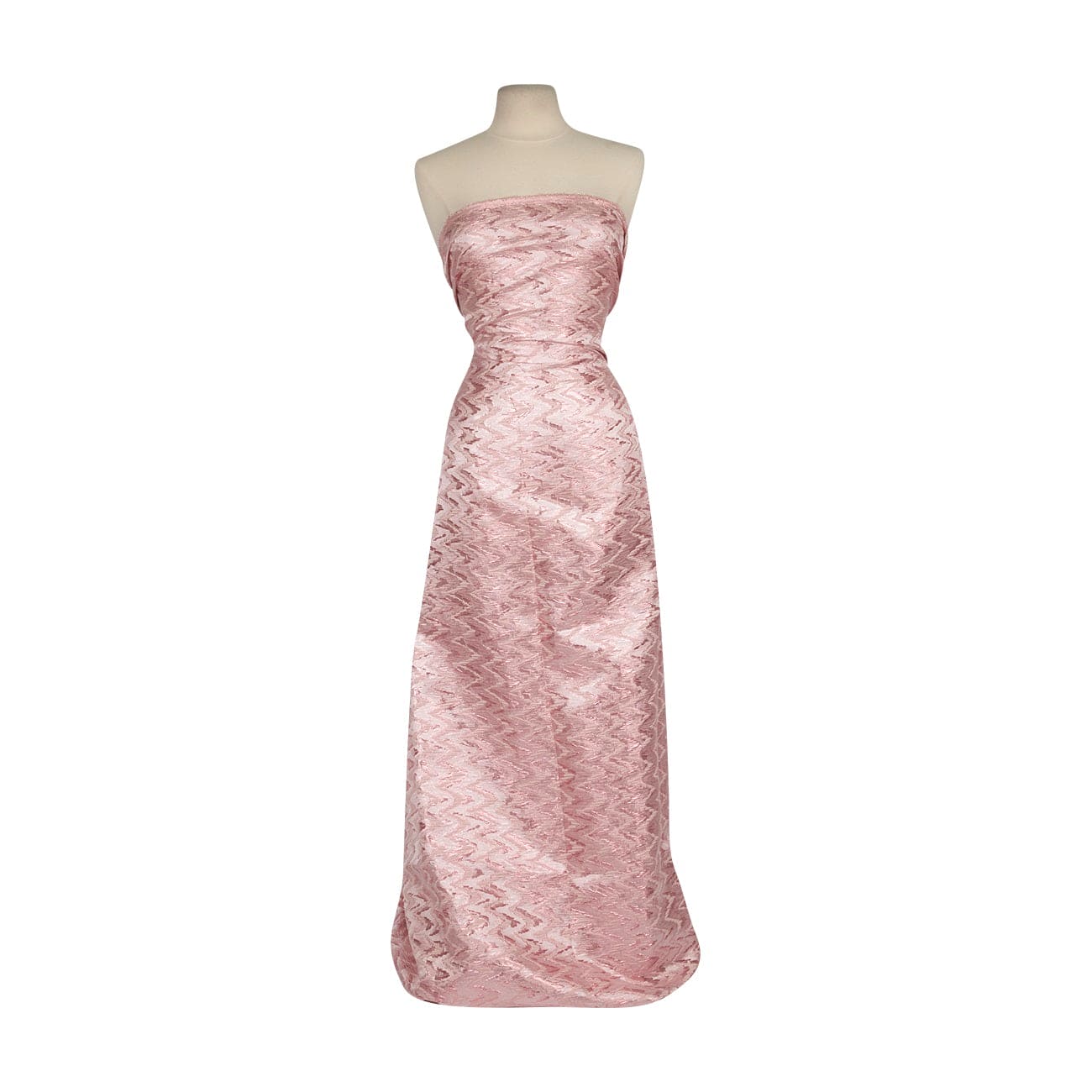
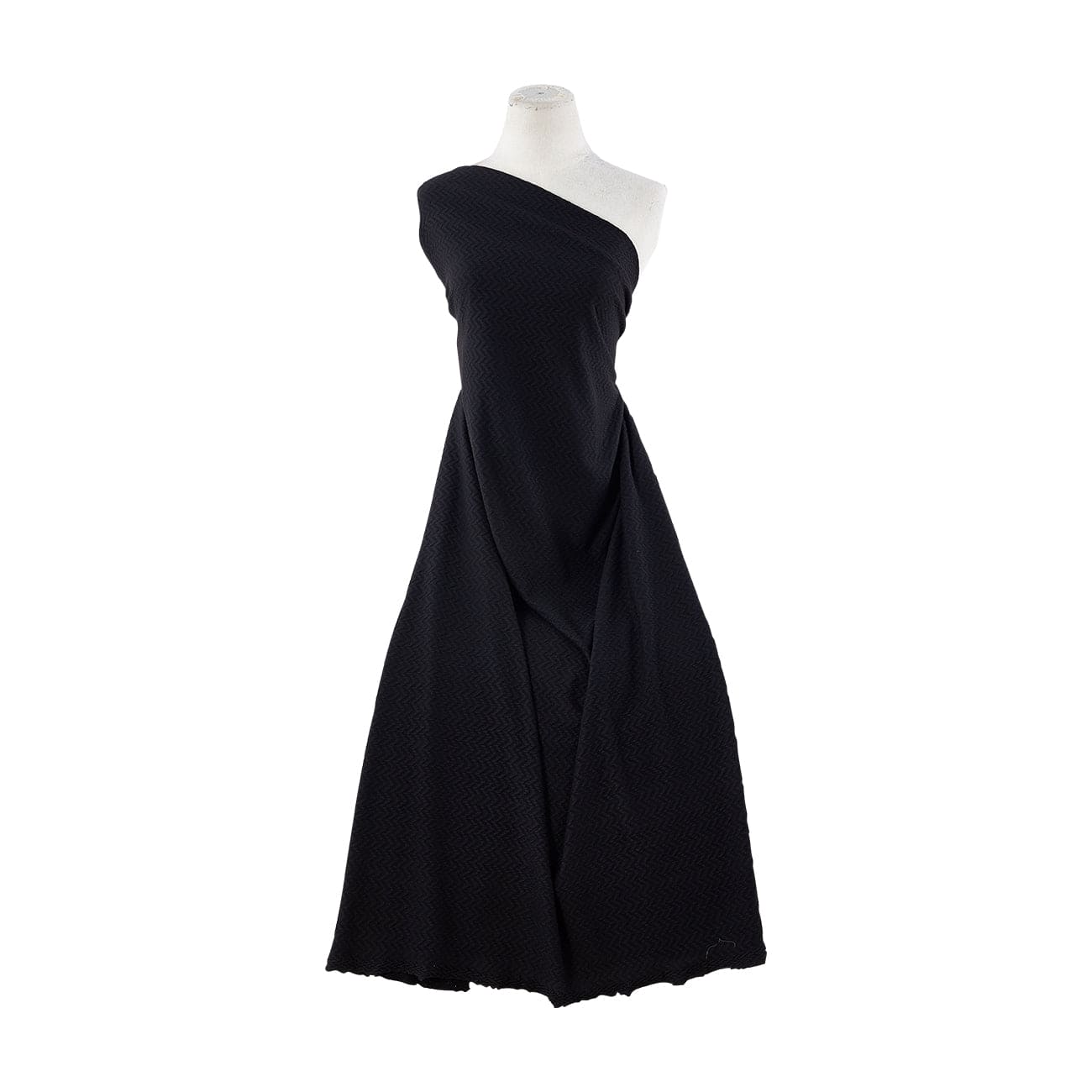
The chevron pattern has roots in Art Deco design and has remained a staple geometric print across apparel and home décor for decades. On fabric, the motif can be woven directly into the structure, as in a jacquard weave, or printed onto the surface of a base cloth.
Repeat size varies widely: tighter repeats read as texture from a distance, while larger-scale repeats make a bolder statement. The result is a clean, directional pattern that works equally well in canvas art prints translated to textile form and in structured garments where the zigzag runs vertically to elongate the silhouette.
Why Chevron Print Endures
Few geometric prints have stayed relevant across as many decades as chevron print. Part of that longevity comes from the motif’s adaptability. A tight, subtle repeat in a muted colorway reads as sophisticated and almost textural, while a large, high-contrast repeat feels bold and graphic. That range means chevron moves easily between quiet, tailored pieces and statement designs without ever feeling dated.
It also plays well with other patterns: chevron and dots, chevron and stripes, and chevron paired with solids all show up regularly in collections, since the strong directional lines give designers a natural anchor point to build around.
Chevron Fabric Types in This Collection
This collection includes chevron print across different fabric constructions, each with different drape, stretch, and opacity characteristics suited to specific project types.
- ITY (interlock twist yarn): Lightweight, fluid knit with moderate stretch and excellent stretch recovery. Ideal for draped dresses and wrap styles.
- DTY (draw textured yarn): Soft-hand knit with subtle texture and good stretch, similar in spirit to our textured knit fabrics. Works well for casual separates and activewear-adjacent pieces.
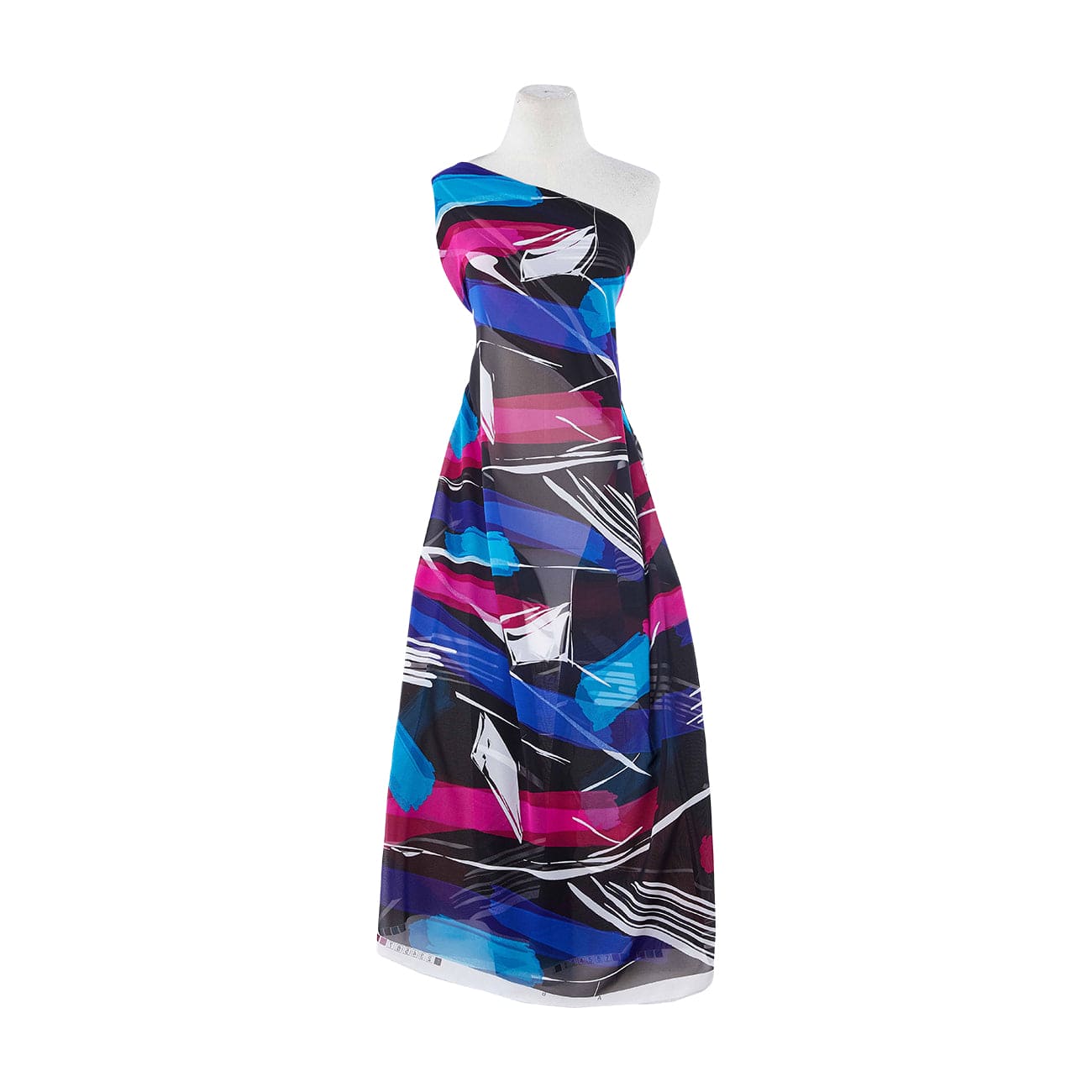
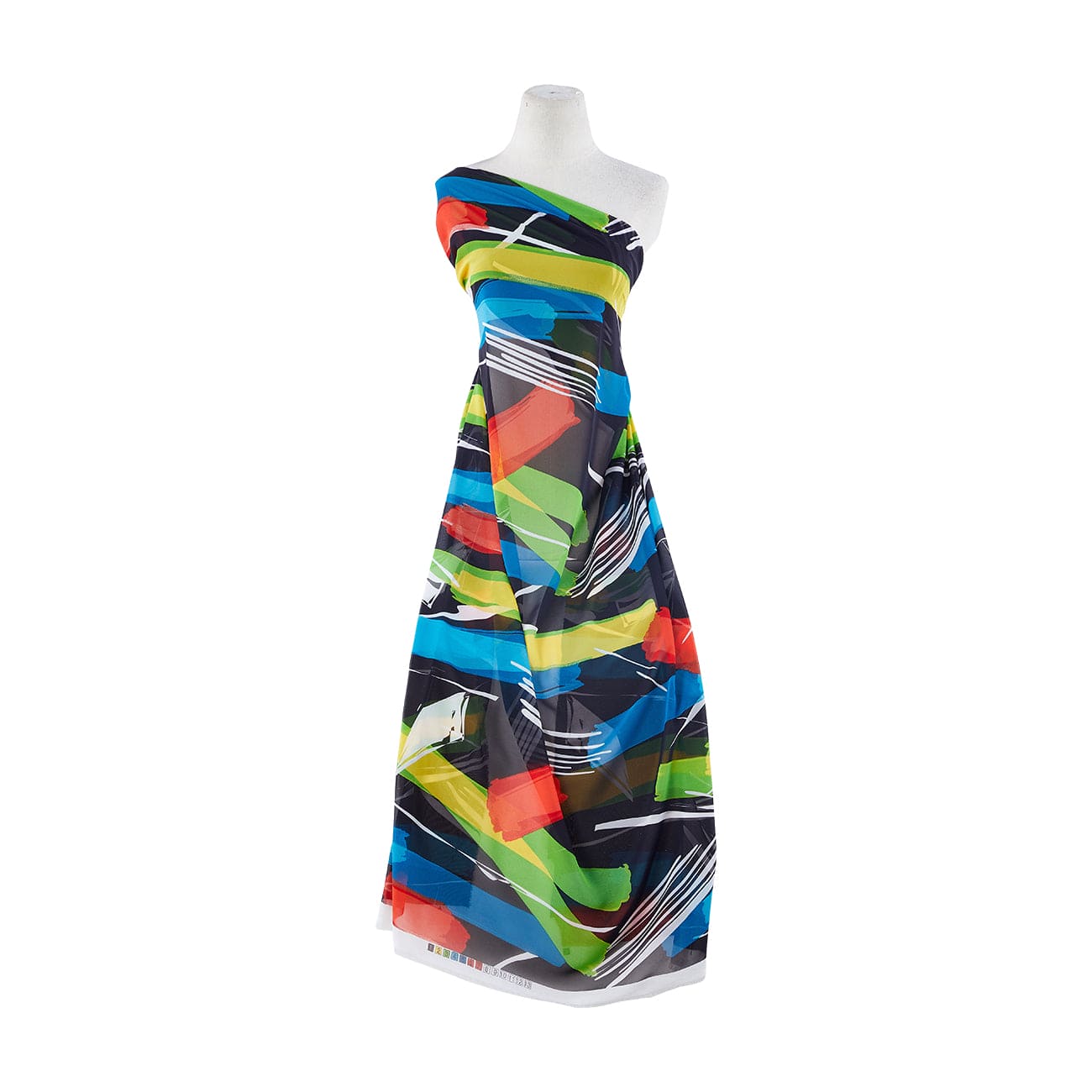
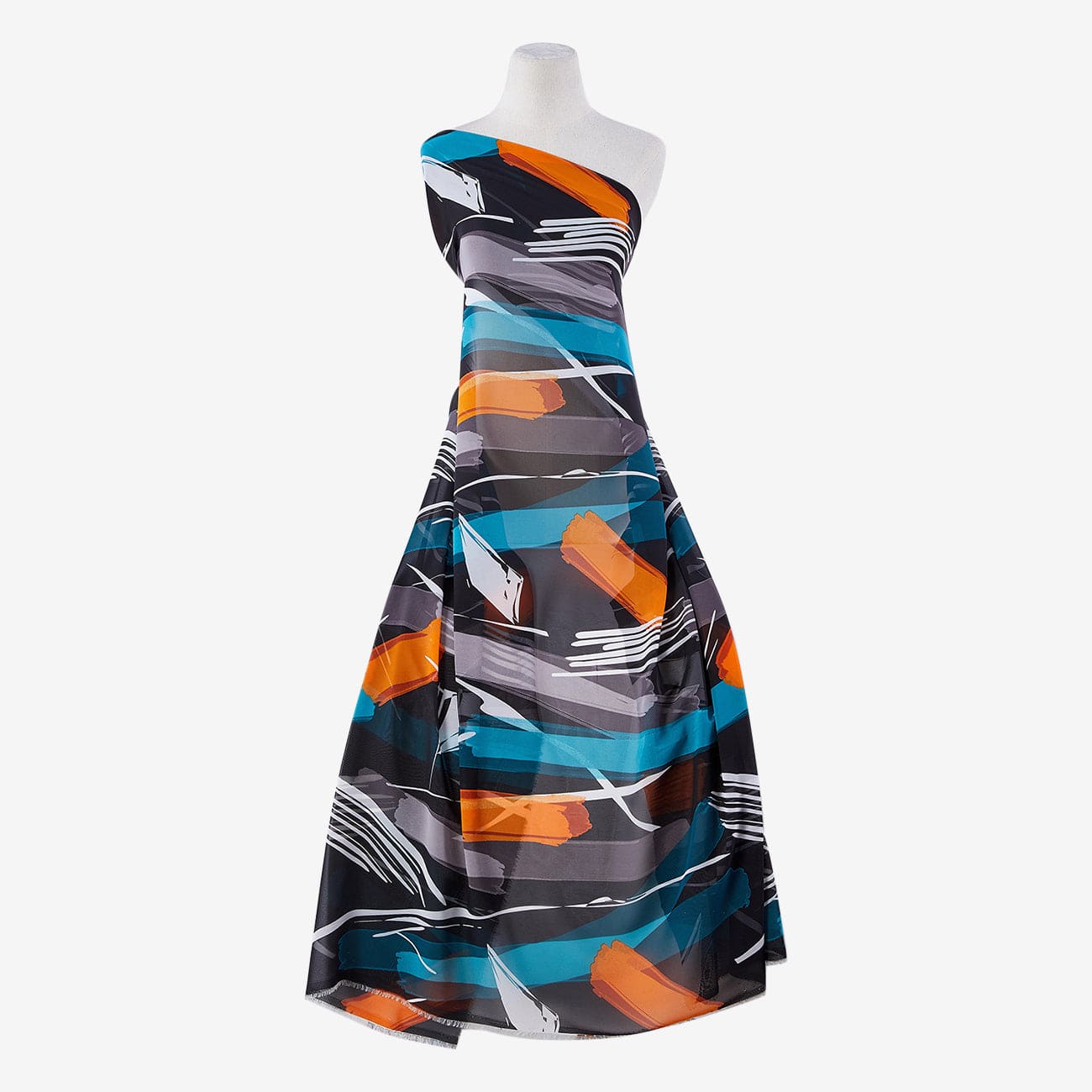
- Hi-multi chiffon: Sheer, lightweight woven fabric with a floaty drape and low opacity. Best for overlays, scarves, and statement sleeves.
- Jacquard weave: The chevron pattern is woven into the structure rather than printed, giving the fabric a dimensional, textured surface with a medium-weight hand.
- Rayon lawn: Crisp yet drapey, woven with a soft hand. Suited to blouses, linings, and lightweight home décor.
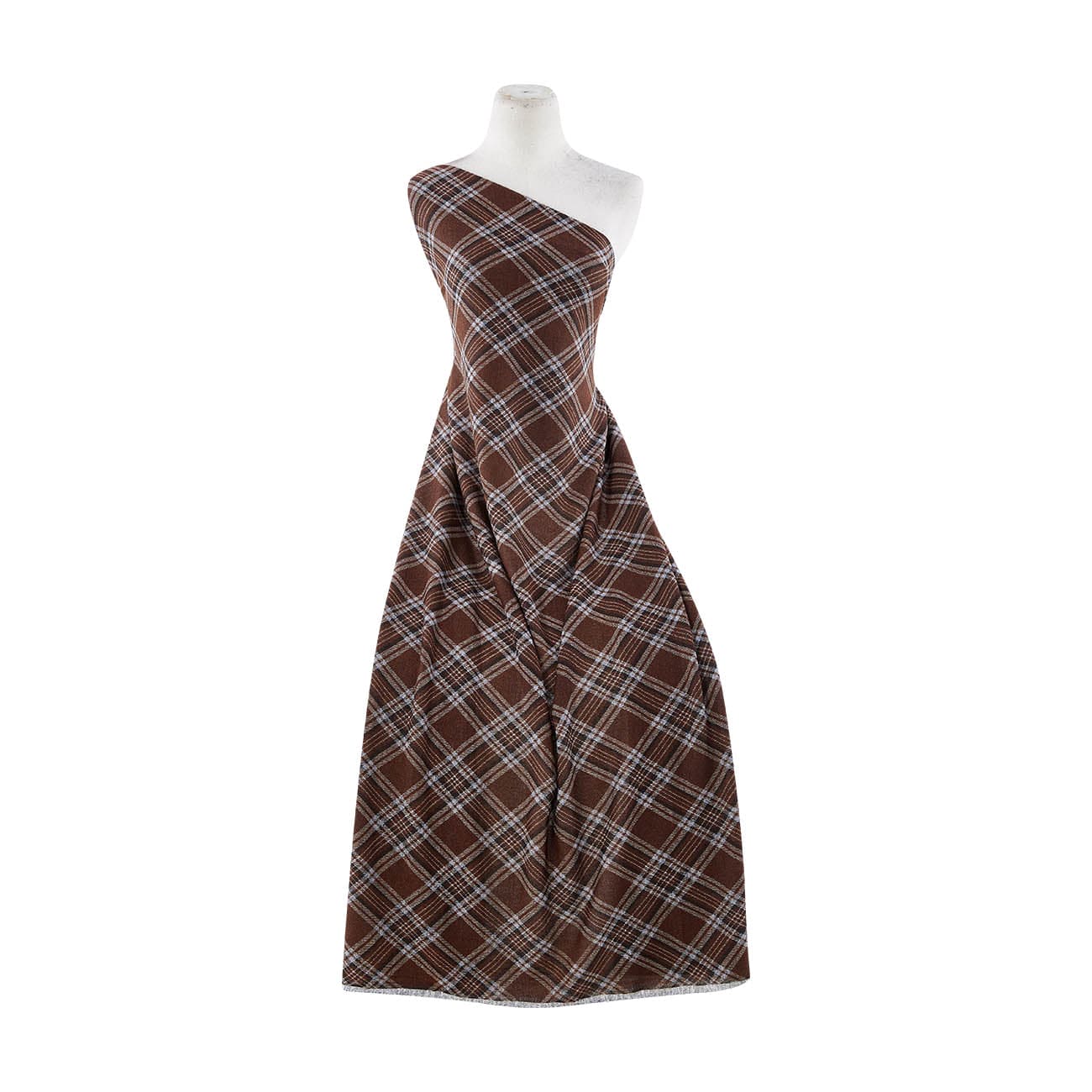
- Wool dobby: Medium-weight woven with structure and warmth. A strong choice for tailored outerwear and suiting details.
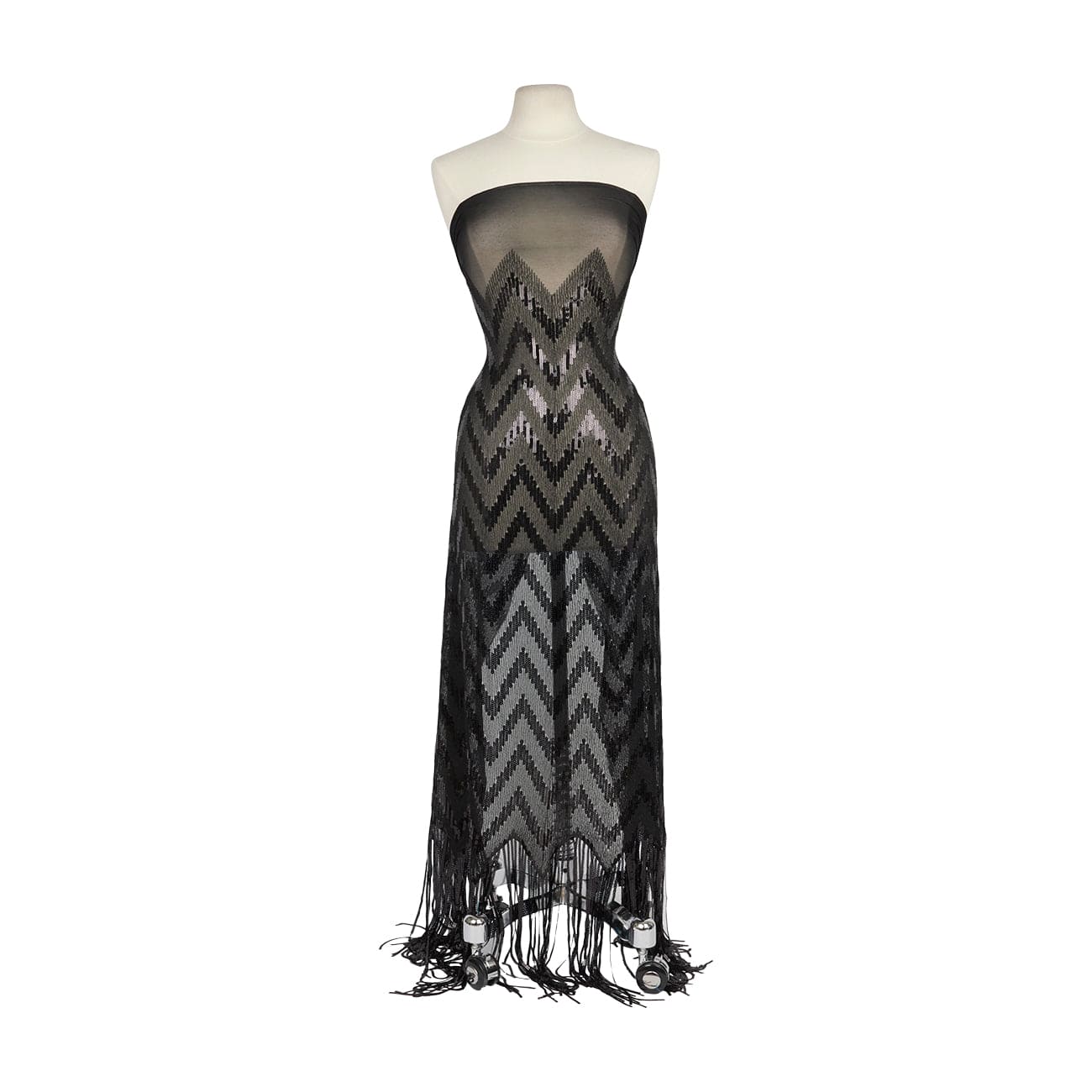
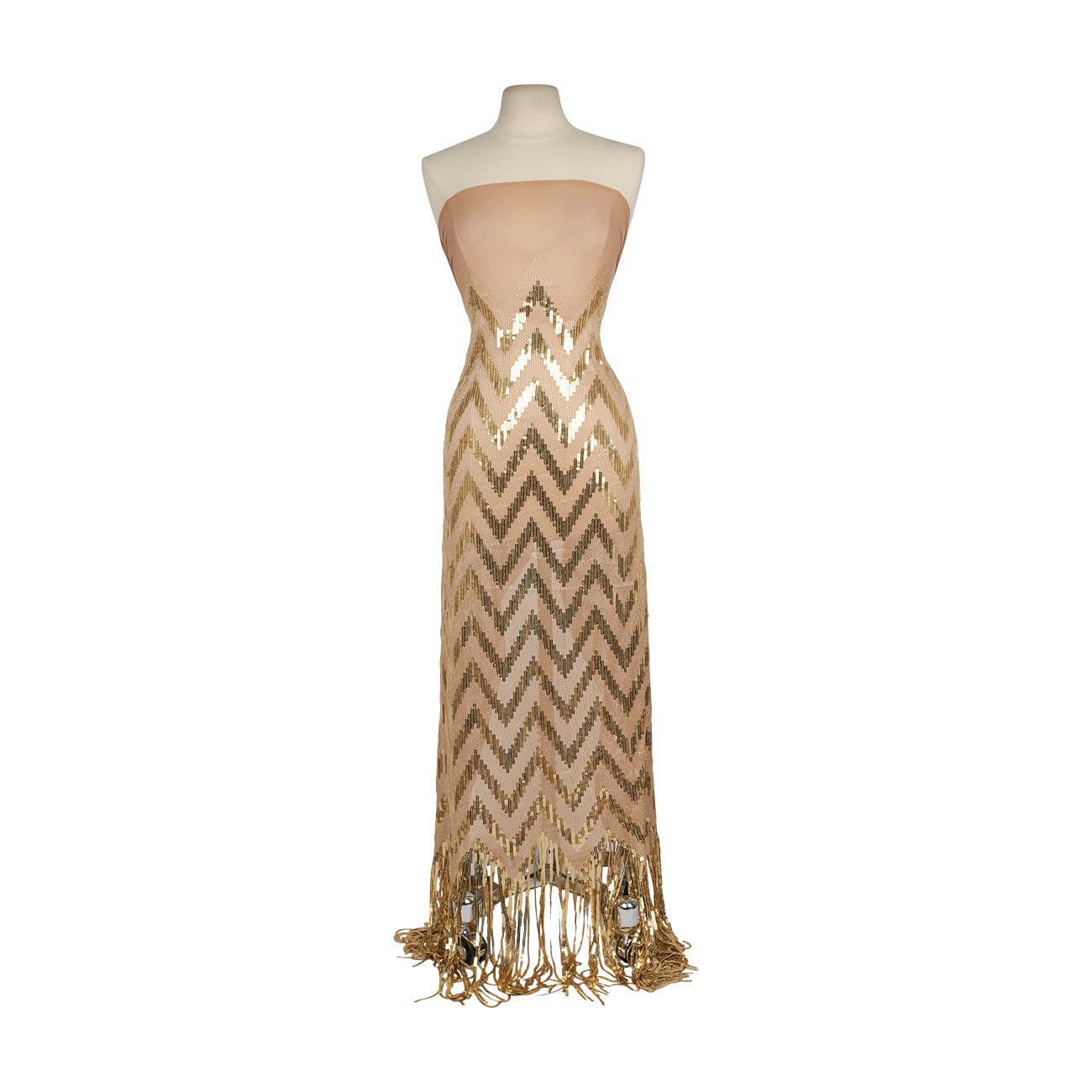
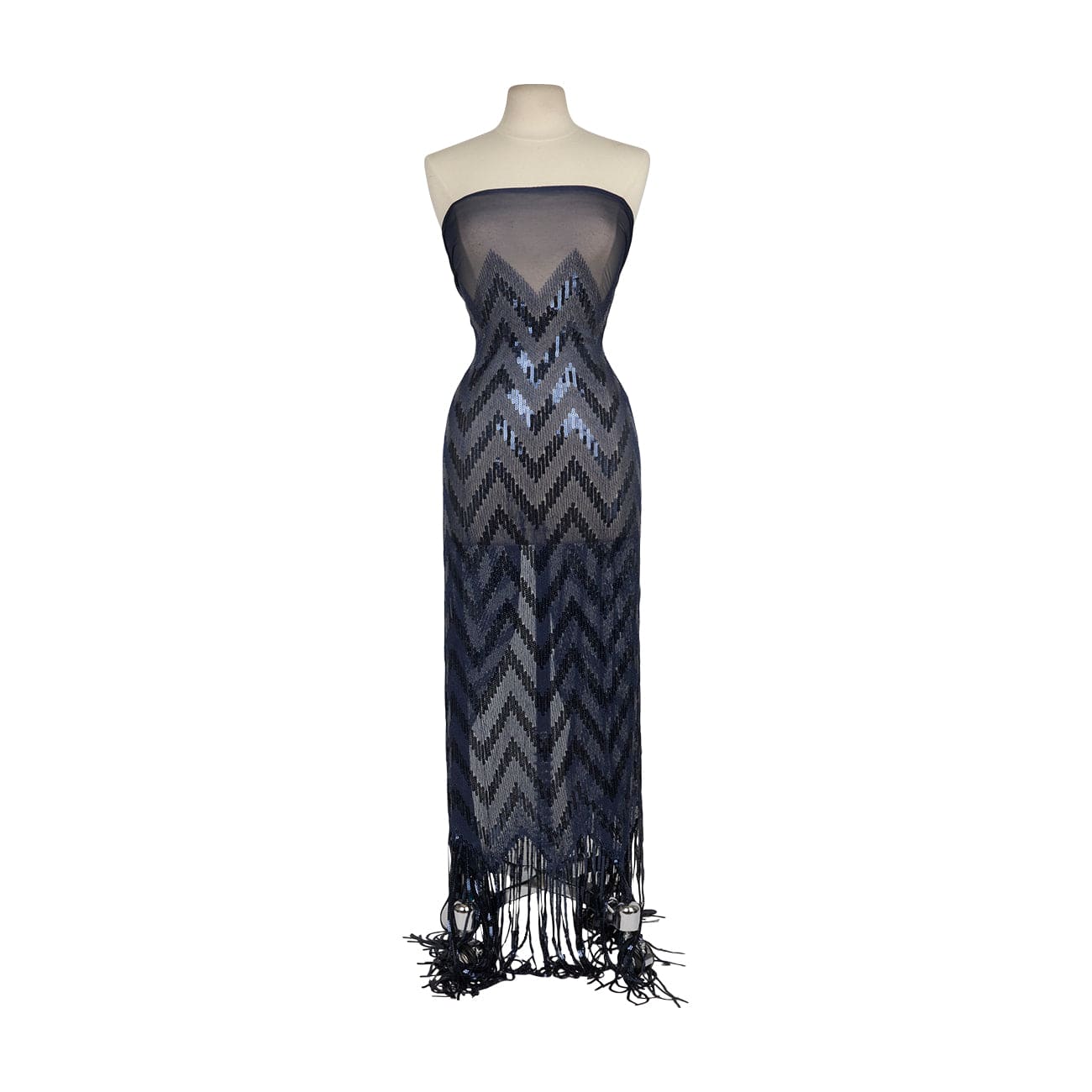
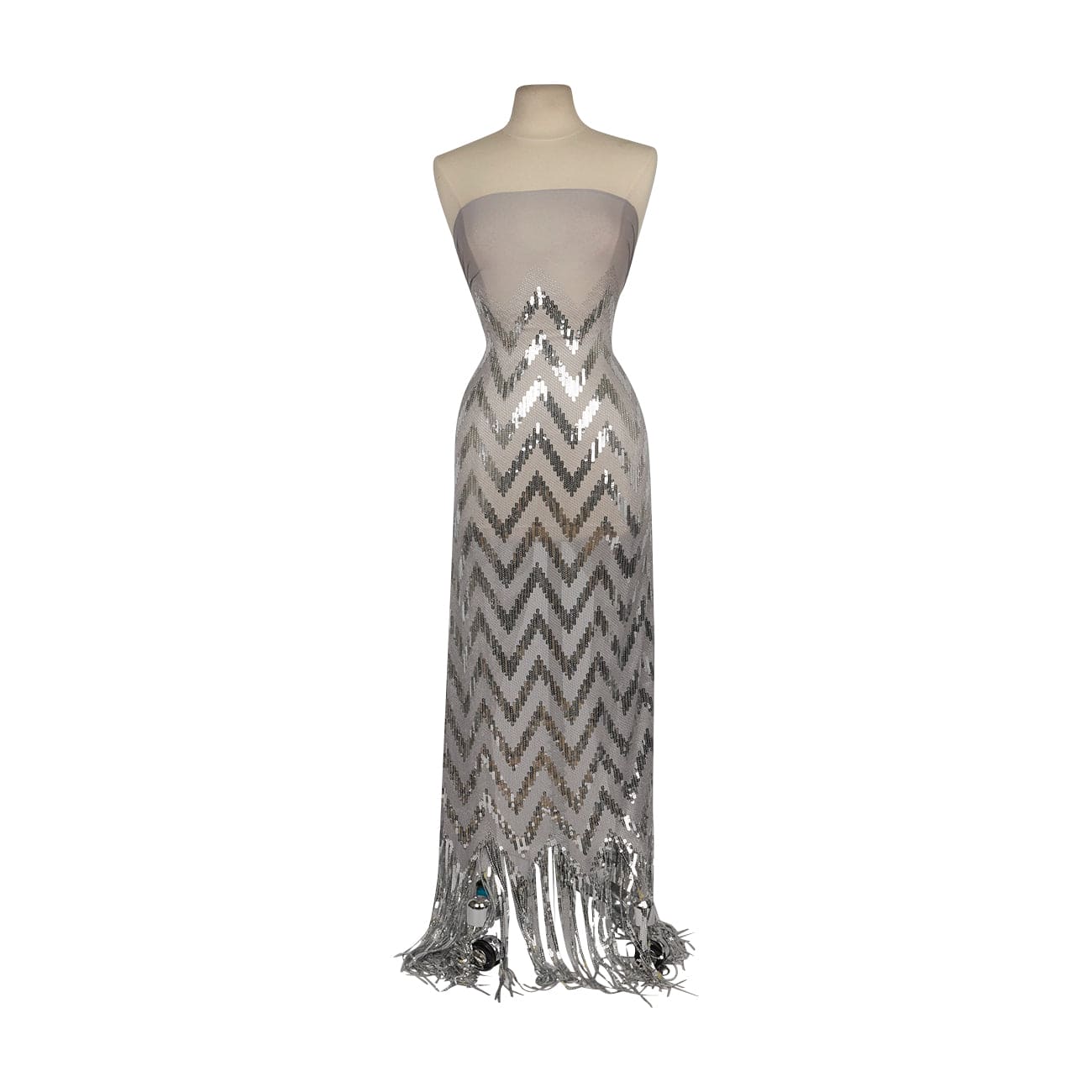
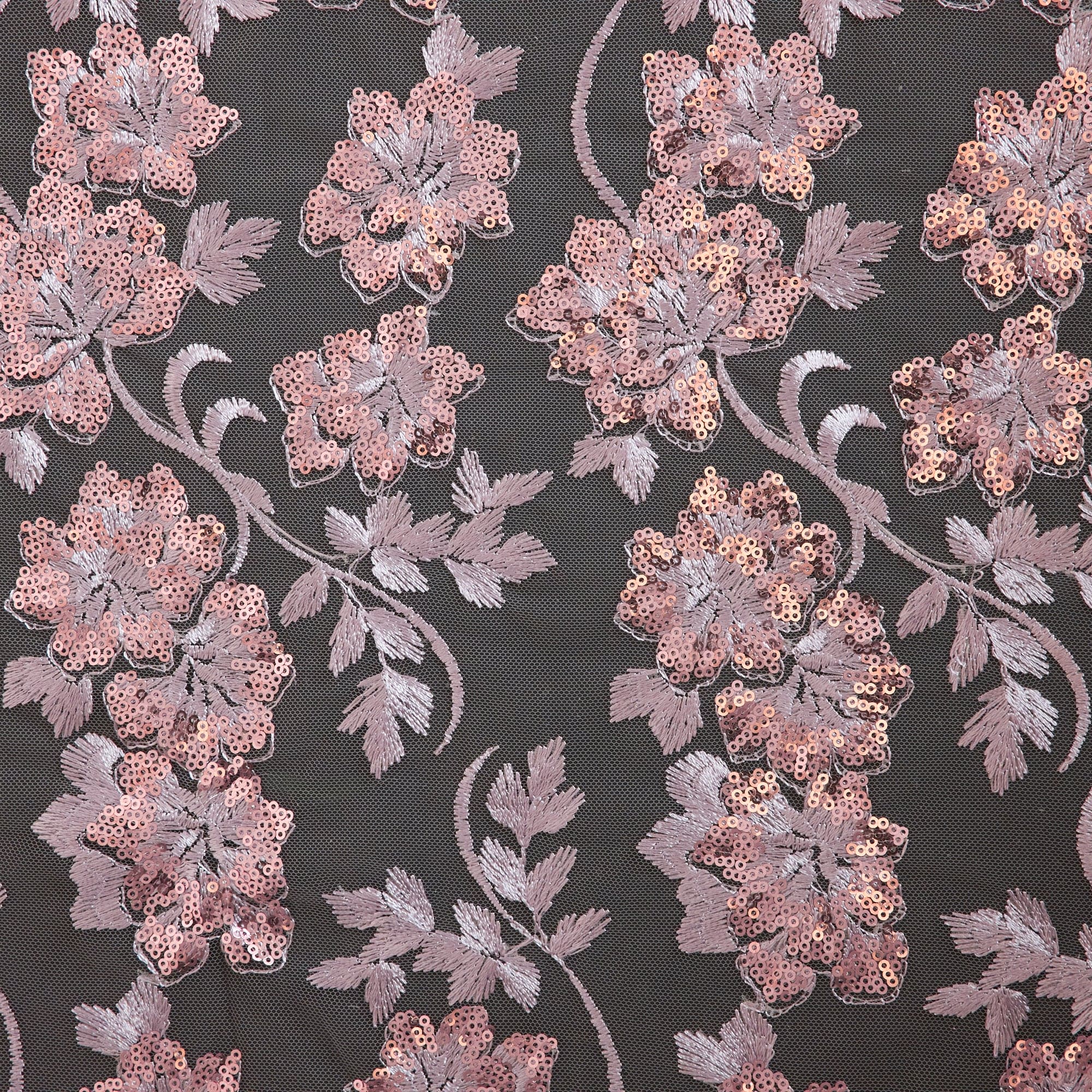
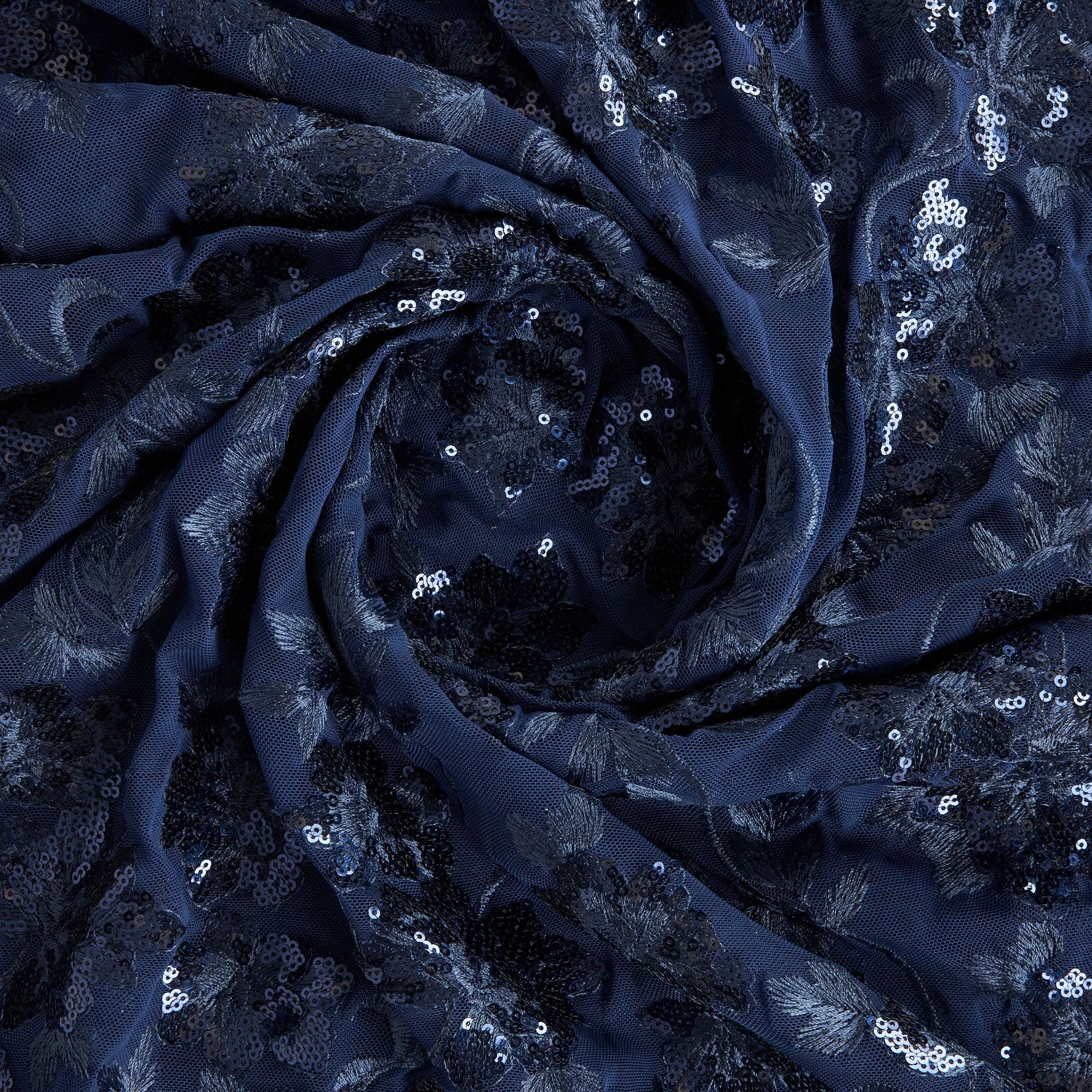
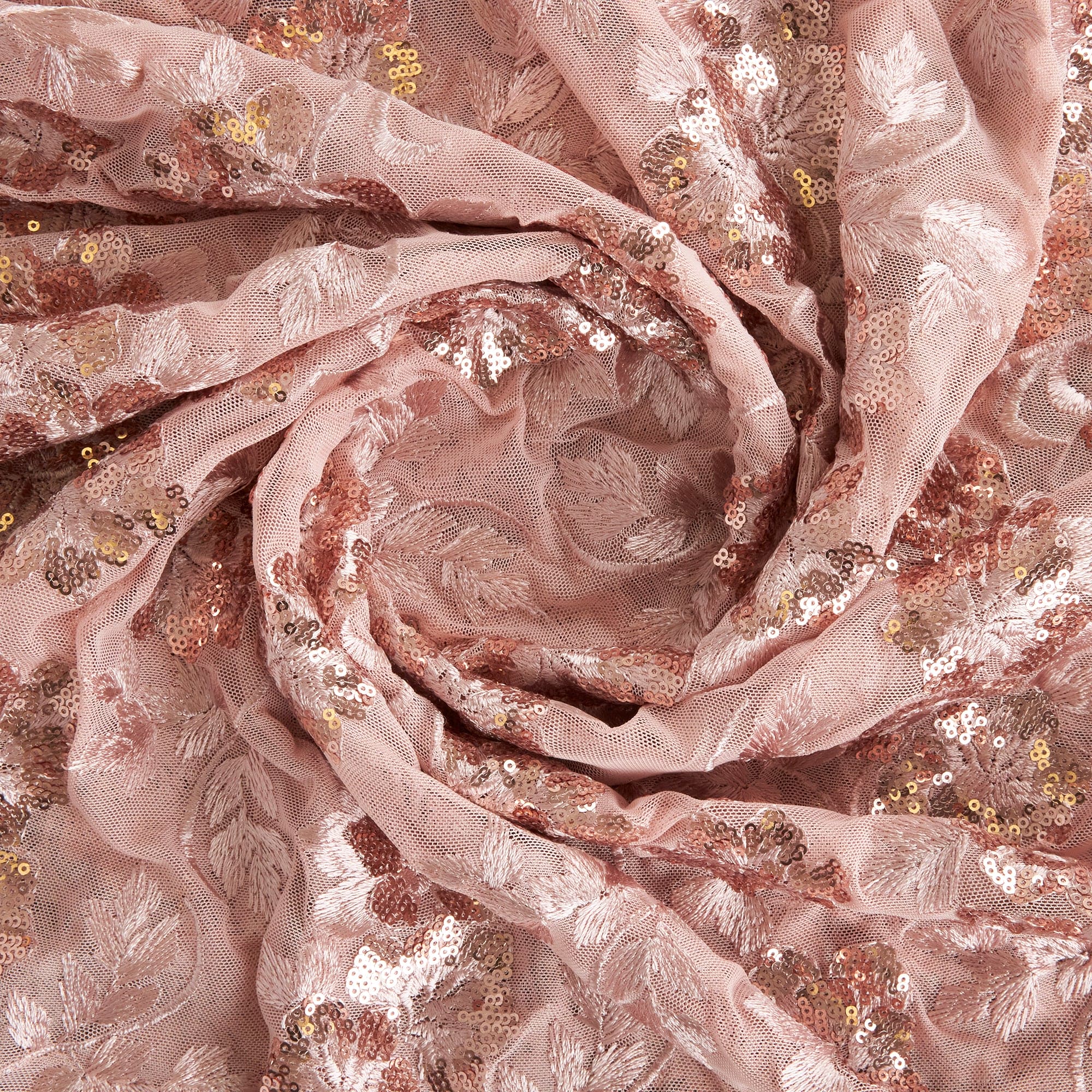
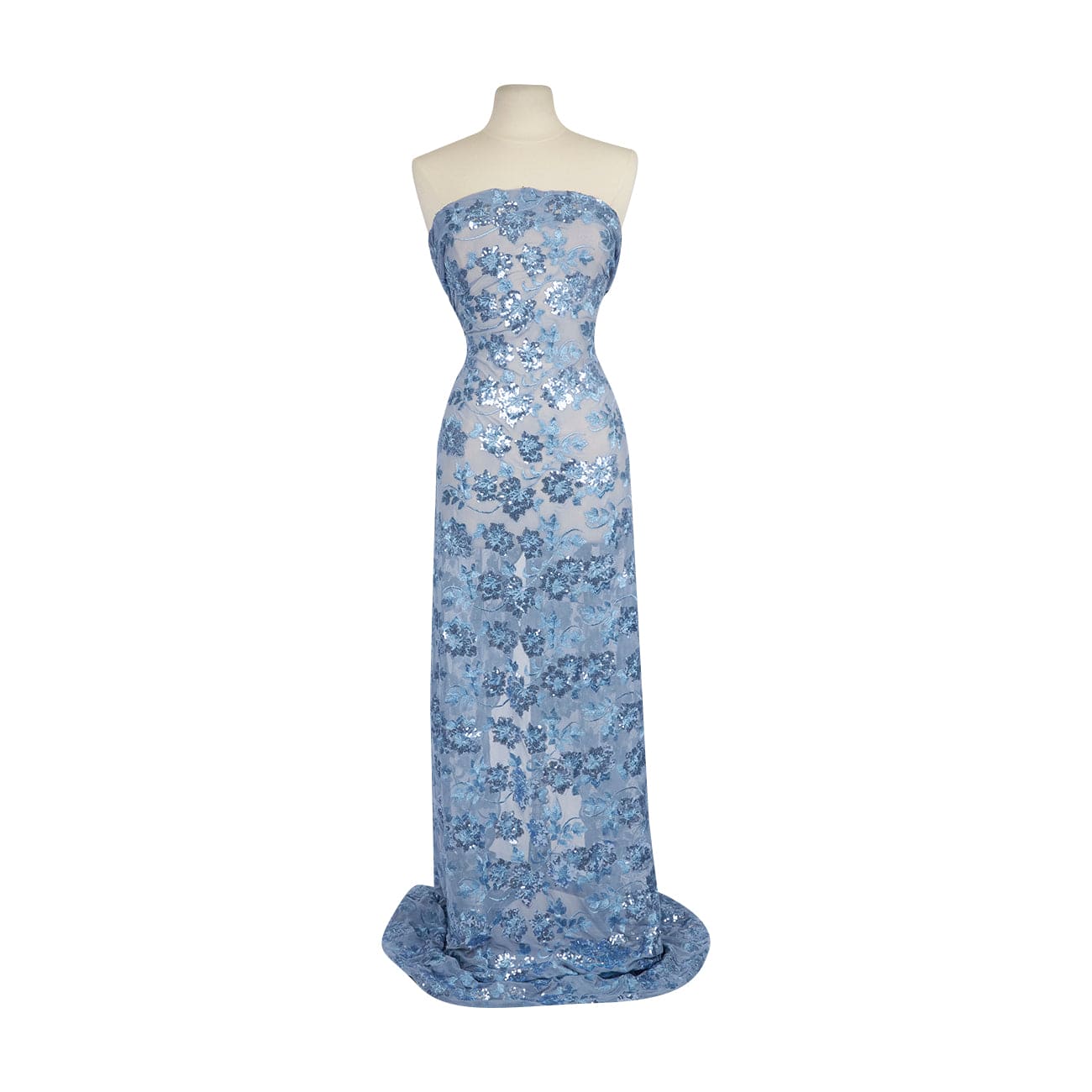
- Sequin mesh: Sheer base with sequin embellishment following the chevron pattern. Used for statement pieces and evening wear.
- Stretch knit: Comfortable, recoverable knit base with a clean chevron print. Suited to fitted garments and athleisure.
Choosing the Right Construction
With all these options and more in one collection, picking the right base fabric comes down to three questions: how much stretch the pattern needs, how much the fabric should show through, and how much structure the finished piece needs to hold.
Drape and movement point toward ITY, rayon lawn, or hi-multi chiffon, while stretch and everyday wear are better served by DTY and stretch knit. Jacquard and wool dobby hold a cleaner, more structured line for tailored pieces, and sequin mesh brings the most visual impact for evening or statement designs.
Anyone wanting a softer, more textured alternative may also want to browse crepe fabric, which offers a similar structured drape with a subtle pebbled surface.
What to Make with Chevron Print Fabric
The bold directionality of chevron print makes it especially effective for garments where the zigzag can run vertically to elongate the silhouette, and it translates just as well into accessories and home décor.
|
Project Type |
Best Constructions |
Why It Works |
|---|---|---|
|
Maxi dresses, wrap styles, kimono tops |
ITY, stretch knit |
Zigzag runs the length of the body for an elongating effect |
|
Fitted garments |
Stretch knit, ITY |
Print doubles as a subtle slimming effect |
|
Tailored outerwear |
Wool dobby |
Structured hand turns the pattern into a design detail |
|
Dance and costume pieces |
Sequin mesh, stretch knit |
Strong visual movement reads well under stage lighting |
|
Scarves |
Any lightweight woven, cut on the bias |
V-shapes cascade at an angle instead of running straight |
|
Tote bags |
Jacquard |
Structured weave holds the print crisp through heavy use |
|
Throw pillow covers |
Jacquard, wool dobby |
Easy, low-commitment way to bring the print into a room |
|
Table runners |
Rayon lawn, jacquard |
Directional pattern adds visual length to the table |
|
Curtain panels |
Rayon lawn, hi-multi chiffon |
Lightweight construction lets light filter through the print |
|
Quilting |
Cotton |
Durable base for a directional repeat with strong visual movement |
A sturdy cotton base is a popular choice for heavier-use décor pieces, since it holds up well to regular washing. Quilters working with chevron should note that the directional repeat requires careful layout planning, but the payoff is a quilt top with strong visual movement.
The pattern also pairs naturally with color-blocking techniques, and Latin American artists and textile traditions have long used bold zigzag motifs similar to chevron, making it a natural fit for culturally inspired collections as well. Chevron and dot combinations appear in several pieces in this collection for added visual interest.
Fabric Care and Sewing Tips for Chevron Prints
Matching chevron stripes across seams is the primary sewing challenge with this pattern, and a little planning before cutting makes a significant difference in the finished result.
- Lay out all pattern pieces before cutting a single one, so the repeat lines up across seams, and always cut pieces with the V-point at the same position on each panel.
- A rotary cutter and cutting mat give cleaner, more accurate cuts along the chevron repeat than shears, and mark the grain line clearly on each piece before moving it from the cutting table. Anyone considering a bias cut should decide early, since this will cause the pattern to run diagonally.
- Pre-washing is recommended for rayon lawn, cotton, and other woven constructions to prevent color bleeding and shrinkage after the garment is complete.
- For stretch fabric constructions like ITY and DTY, a walking foot helps feed both layers evenly and prevents seam alignment from drifting; pinning generously at seam matchpoints does more to keep the pattern aligned than eyeballing it alone.
- Pressing seams as you go also helps, since chevron misalignment is much easier to spot and fix early than after the garment is fully assembled.
Swatches are available to confirm color and hand feel before committing to full yardage.
Frequently Asked Questions
What is the difference between chevron and herringbone?
Chevron is built from continuous V-shapes where the lines meet at a sharp point, creating an unbroken zigzag. Herringbone uses a similar angled line, but the segments are staggered and offset rather than meeting at a point, giving it a broken, woven-basket appearance instead of a clean zigzag.
Is chevron print fabric hard to sew with?
Not inherently, but it does require extra planning. The main challenge is matching the pattern across seams so the zigzag lines up cleanly. Careful pattern layout, consistent cutting, and pinning at matchpoints make the process straightforward even for less experienced sewers.
Which chevron fabric is best for a beginner project?
Stretch knit or DTY are generally the most forgiving options, since both are stable, easy to handle, and less prone to shifting during cutting and sewing compared to sheer or slippery wovens like hi-multi chiffon.
Can chevron print be used for both clothing and home décor?
Yes. The same print translates well across both categories, though the fabric construction matters more than the print itself. Structured wovens like jacquard or wool dobby suit décor items such as pillows and table runners, while drapey or stretch constructions suit garments.
Does chevron print work with other patterns in the same piece?
Yes, it pairs especially well with dots, stripes, and solid color-blocking. The strong directional lines of chevron give a natural anchor point, which is why several pieces in this collection combine chevron with a secondary pattern for added visual interest.