
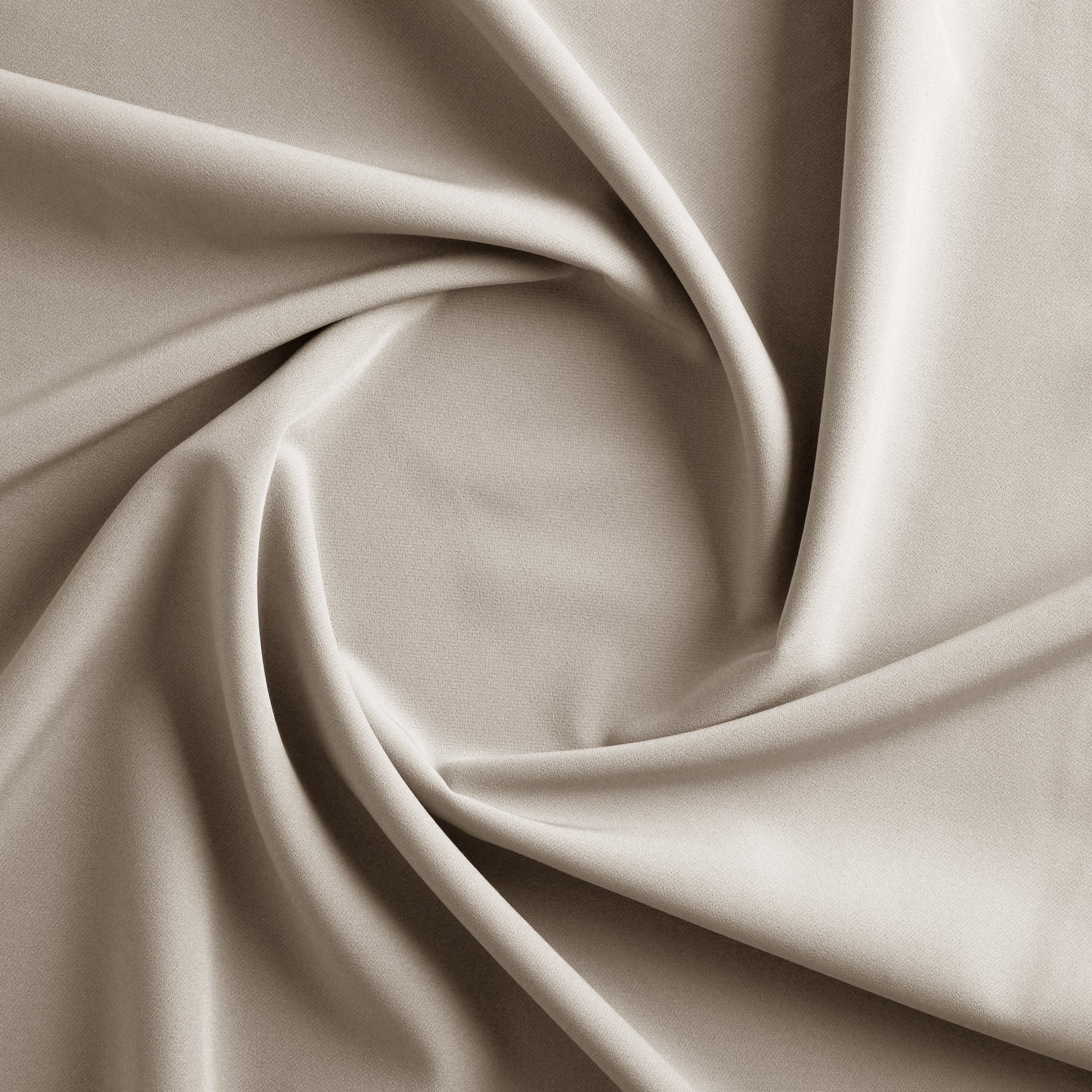
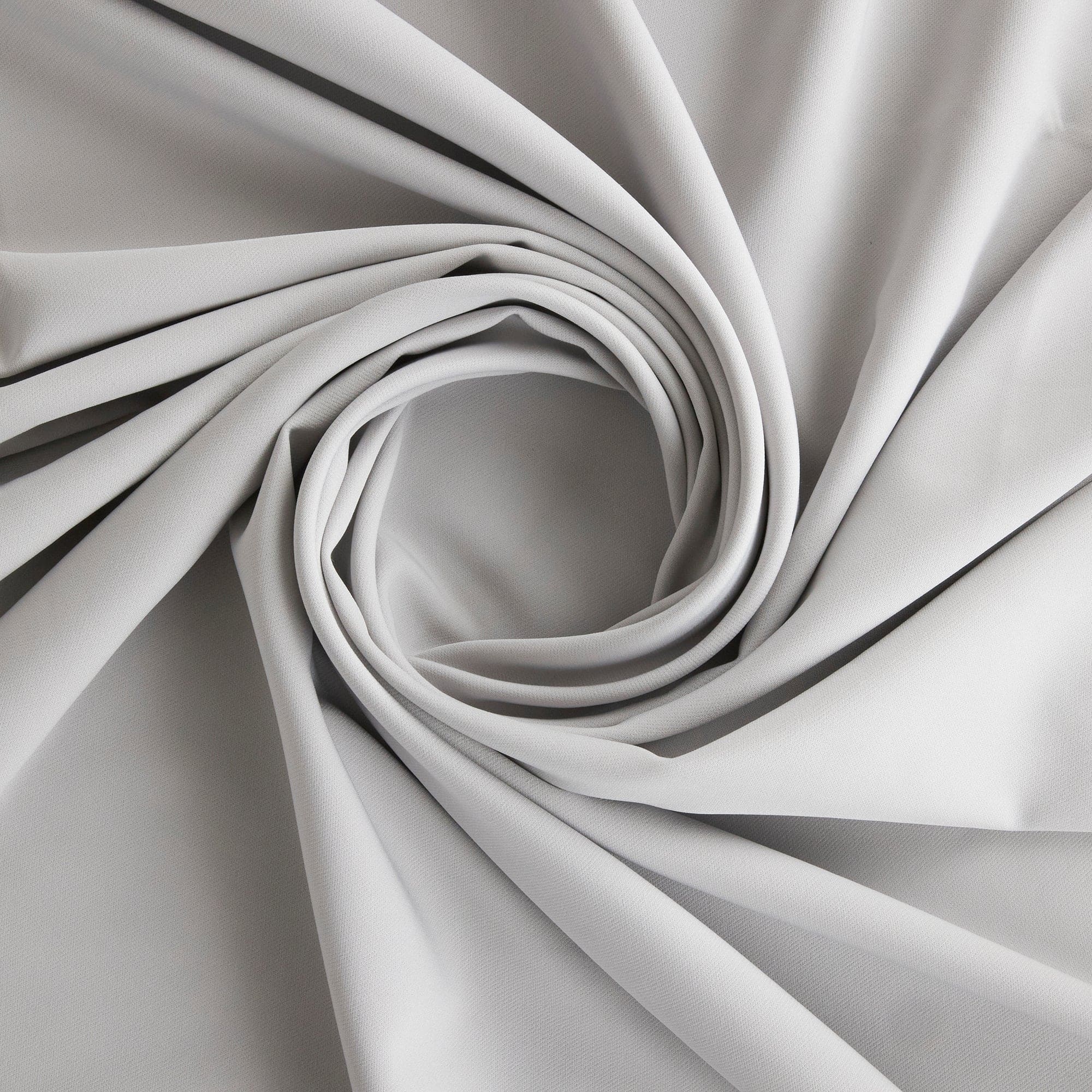
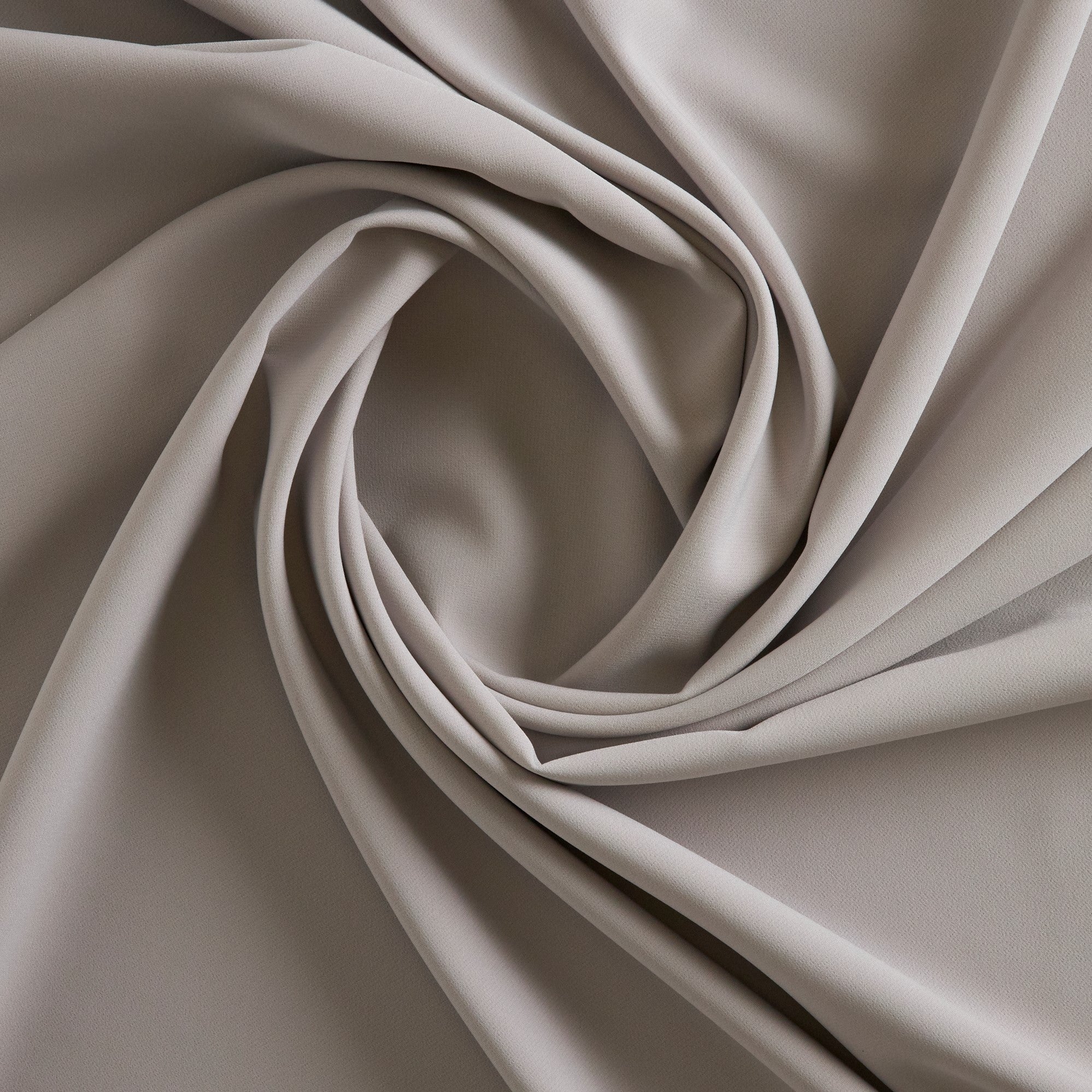
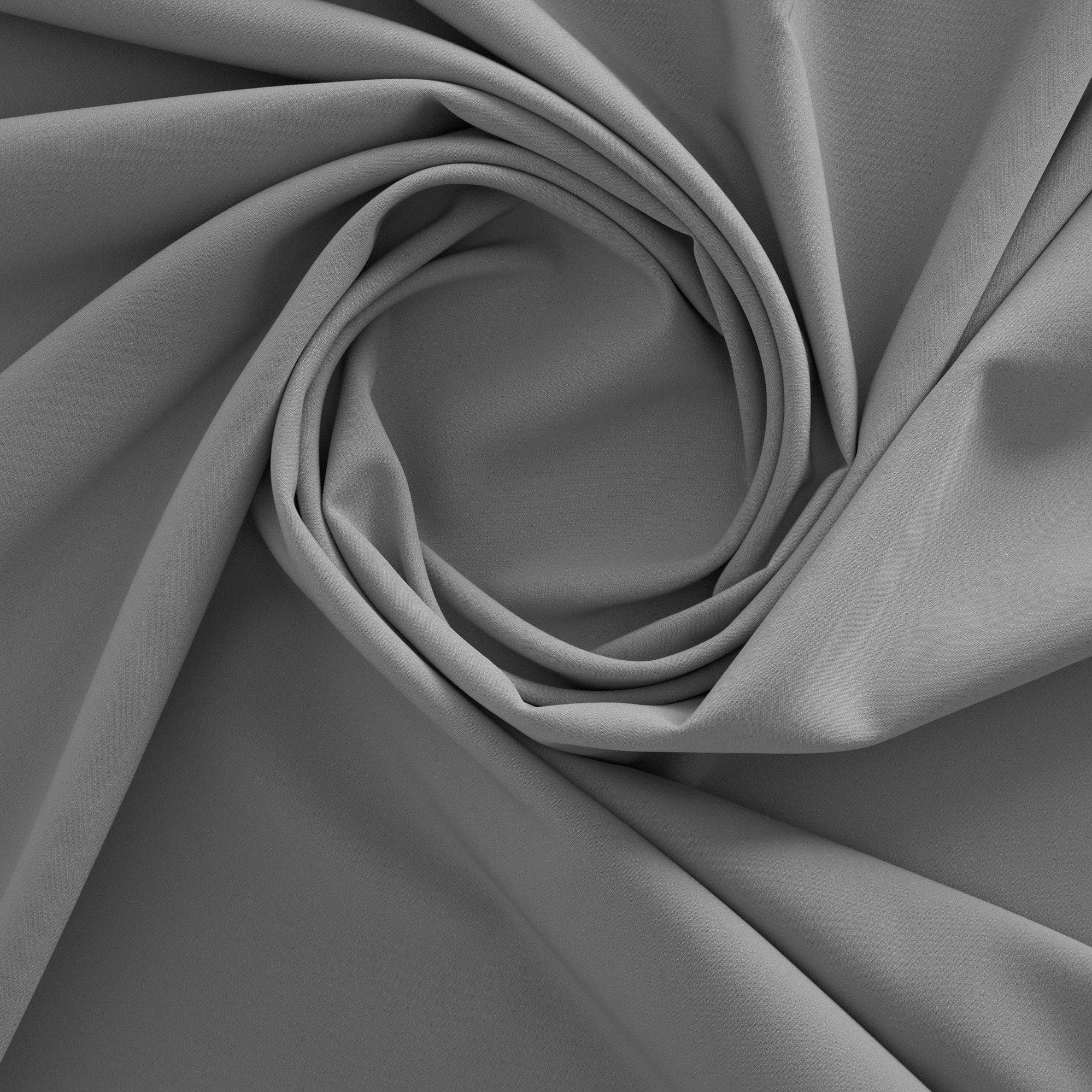
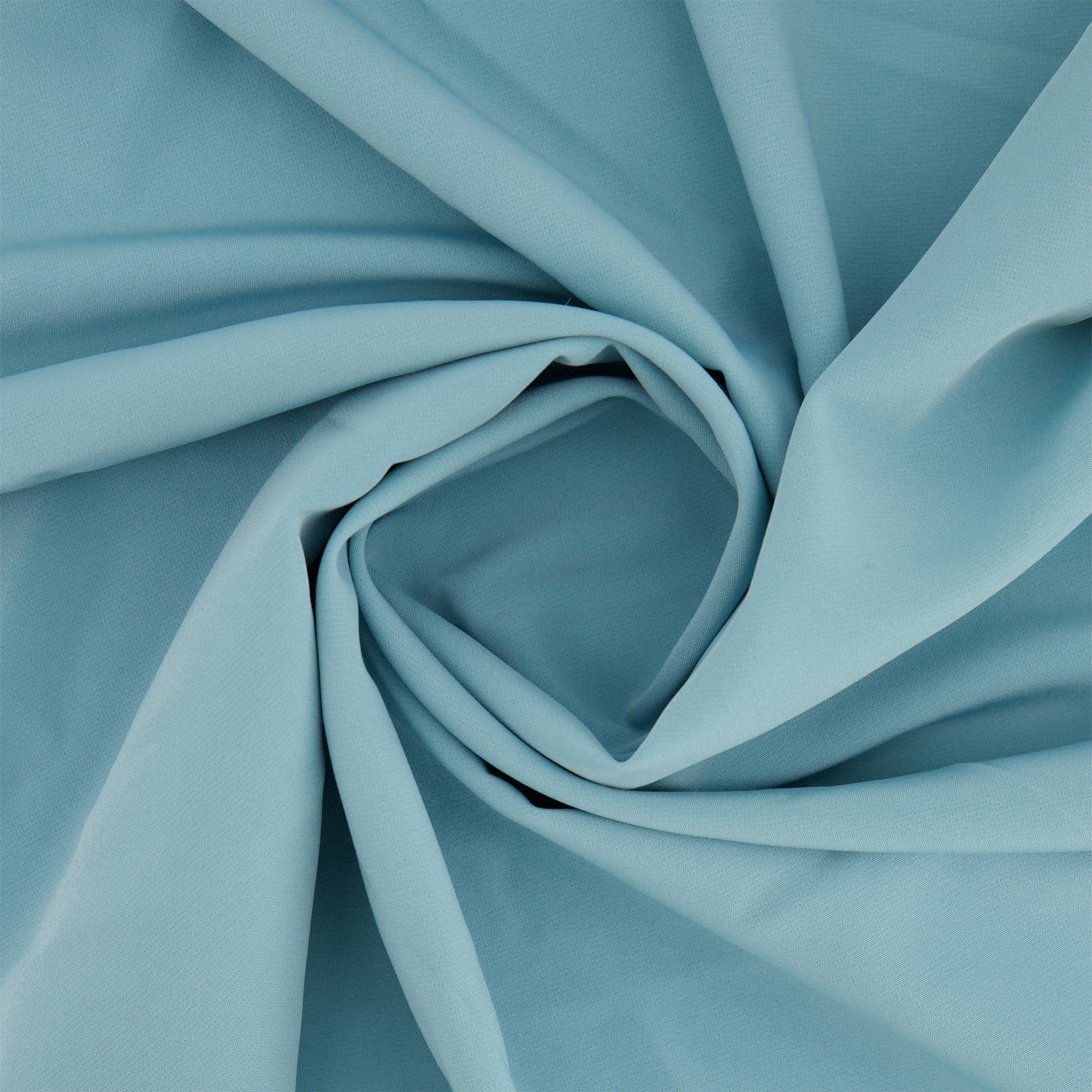
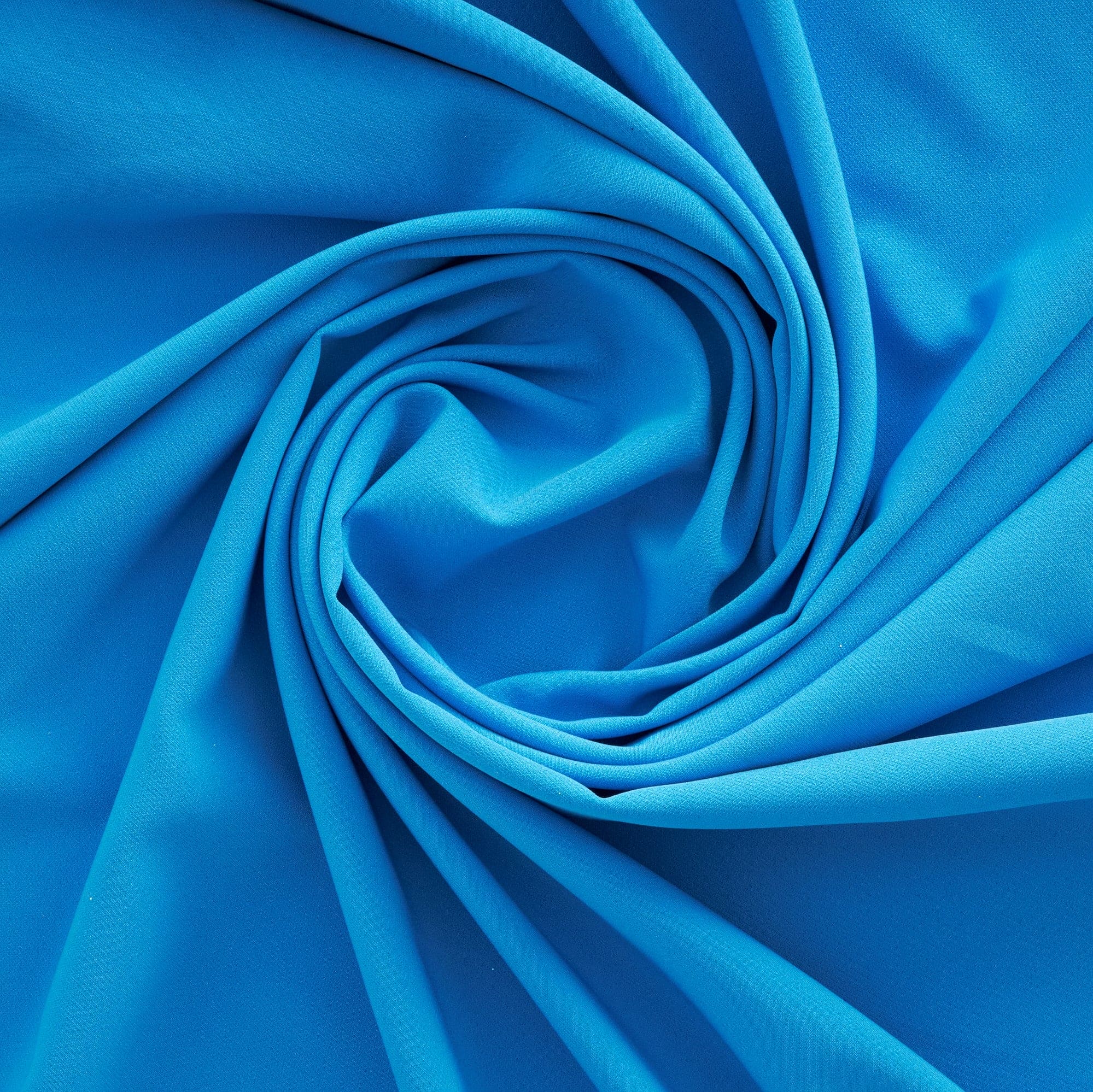
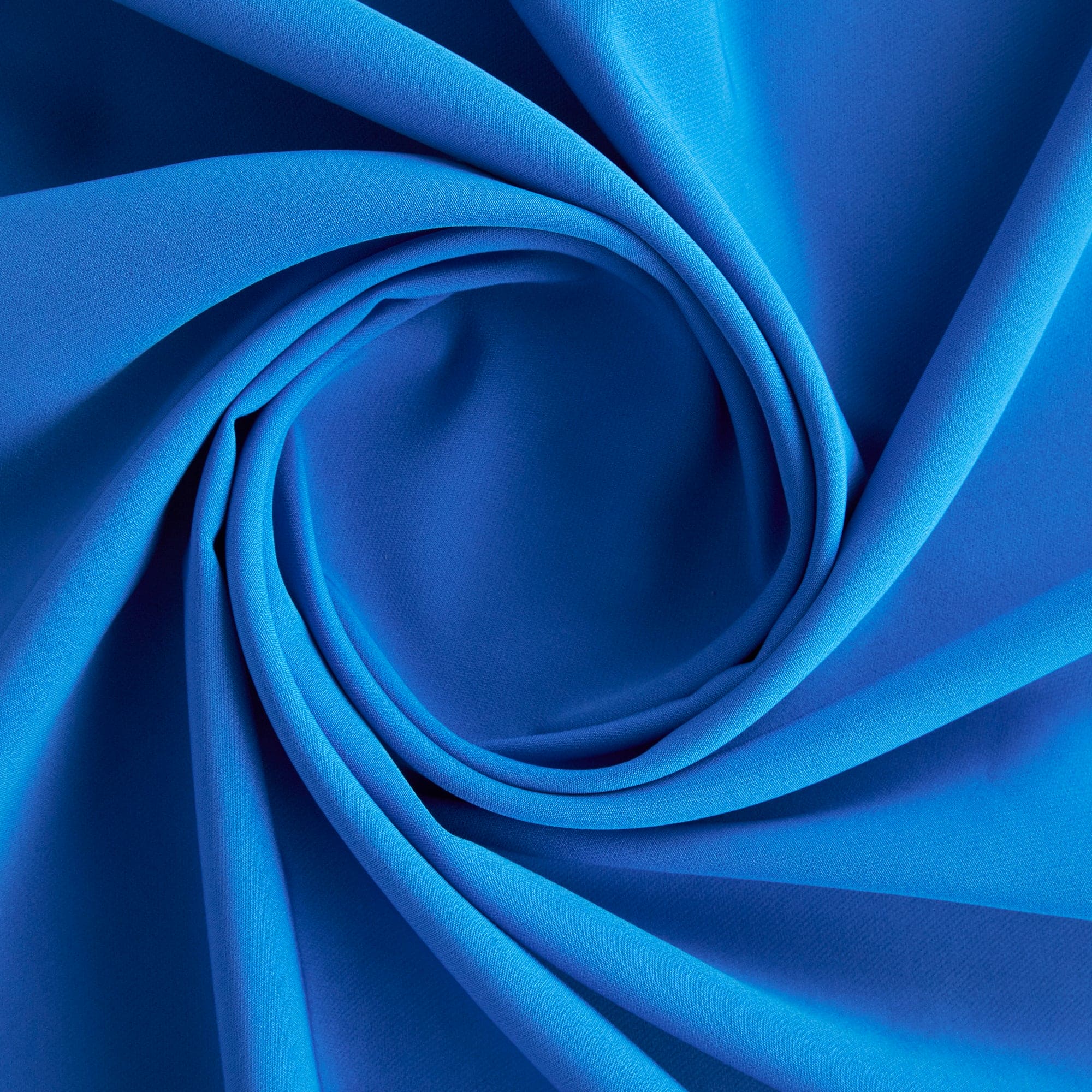
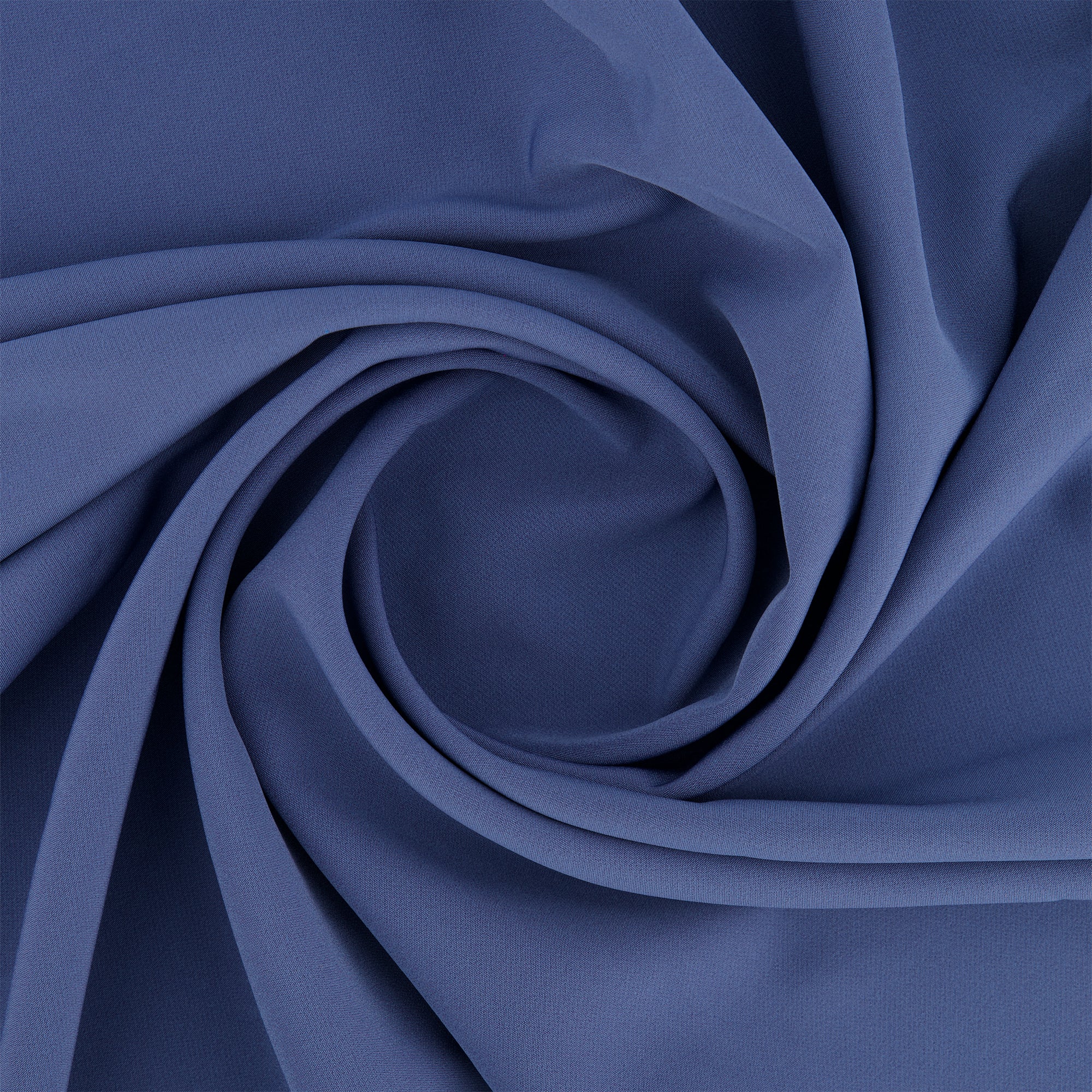


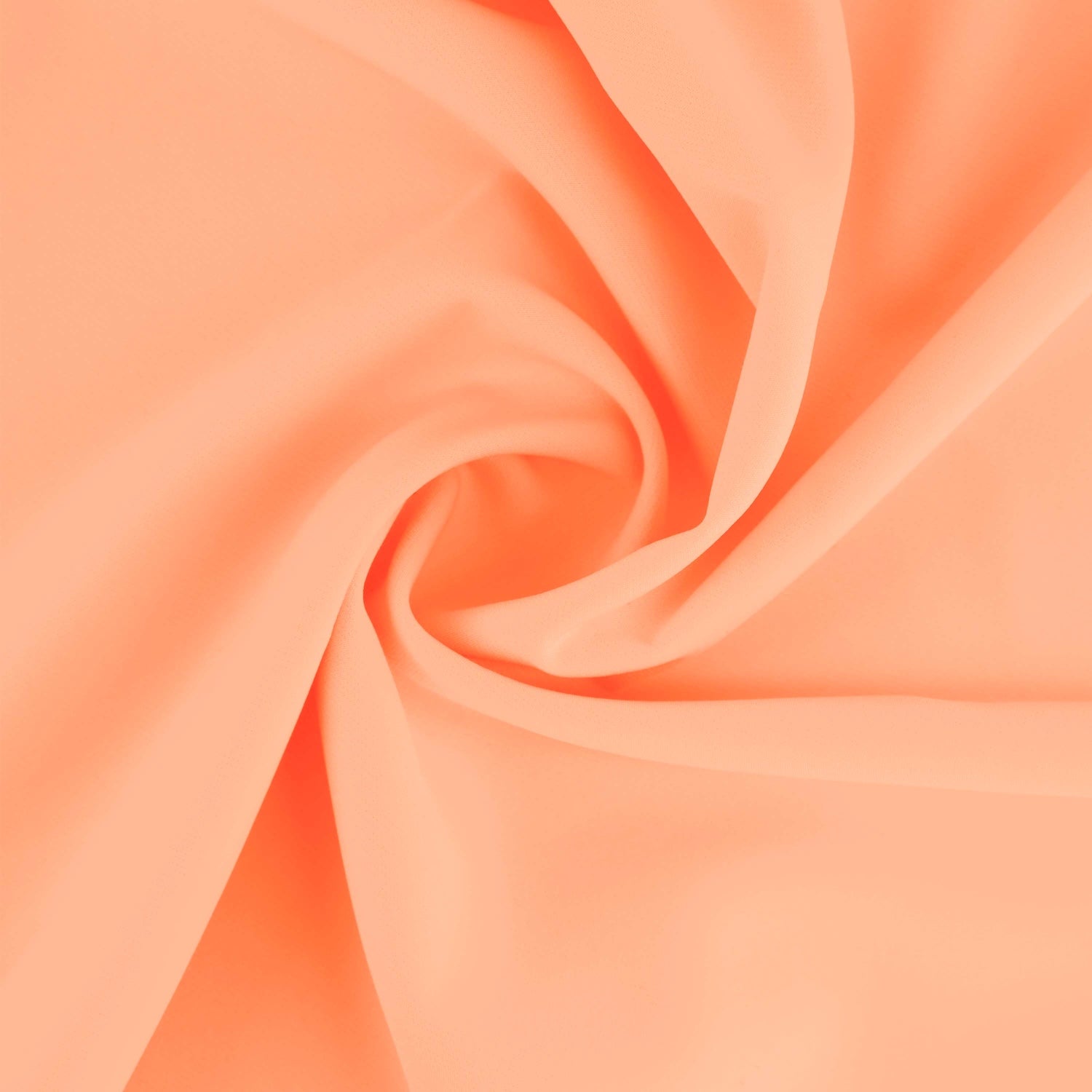
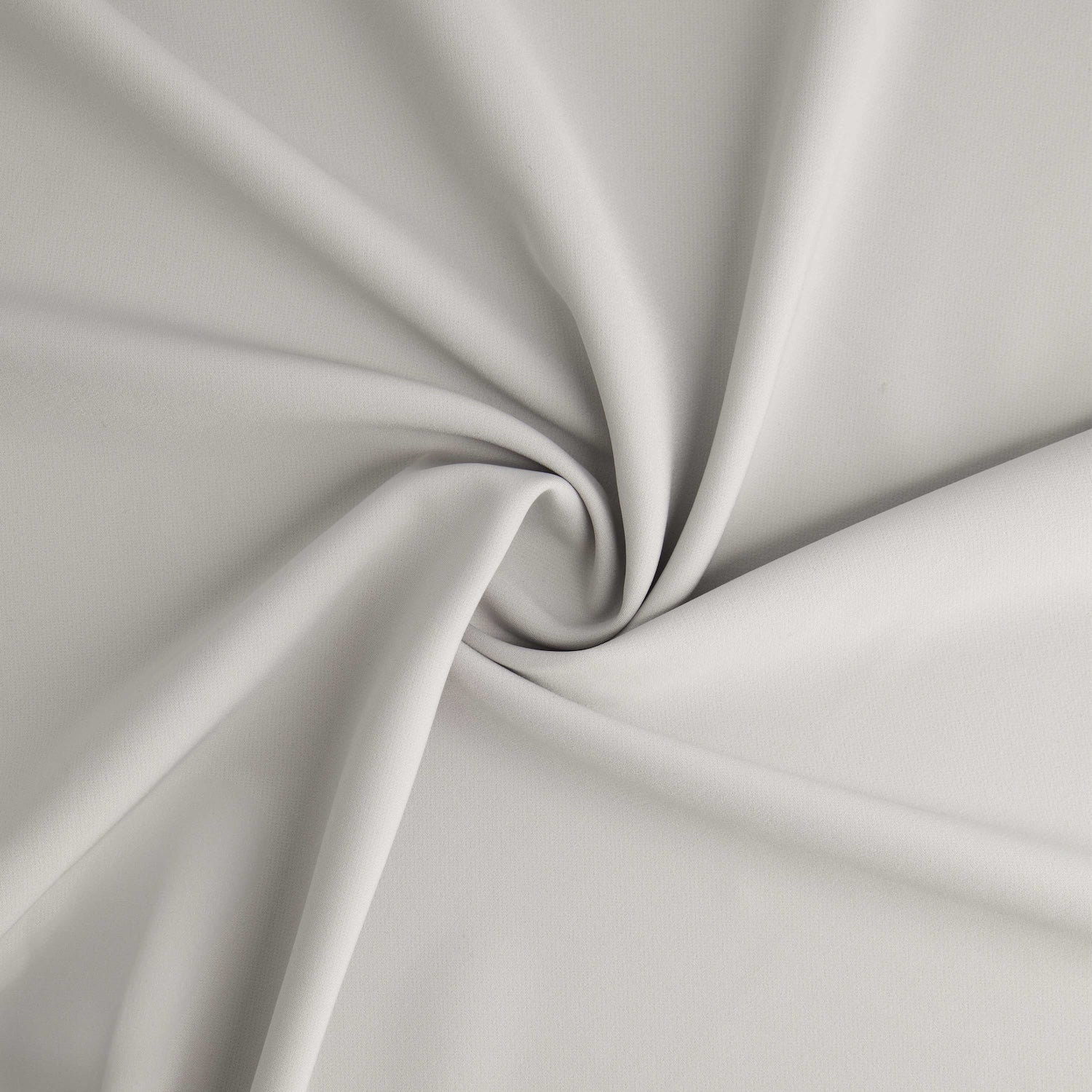
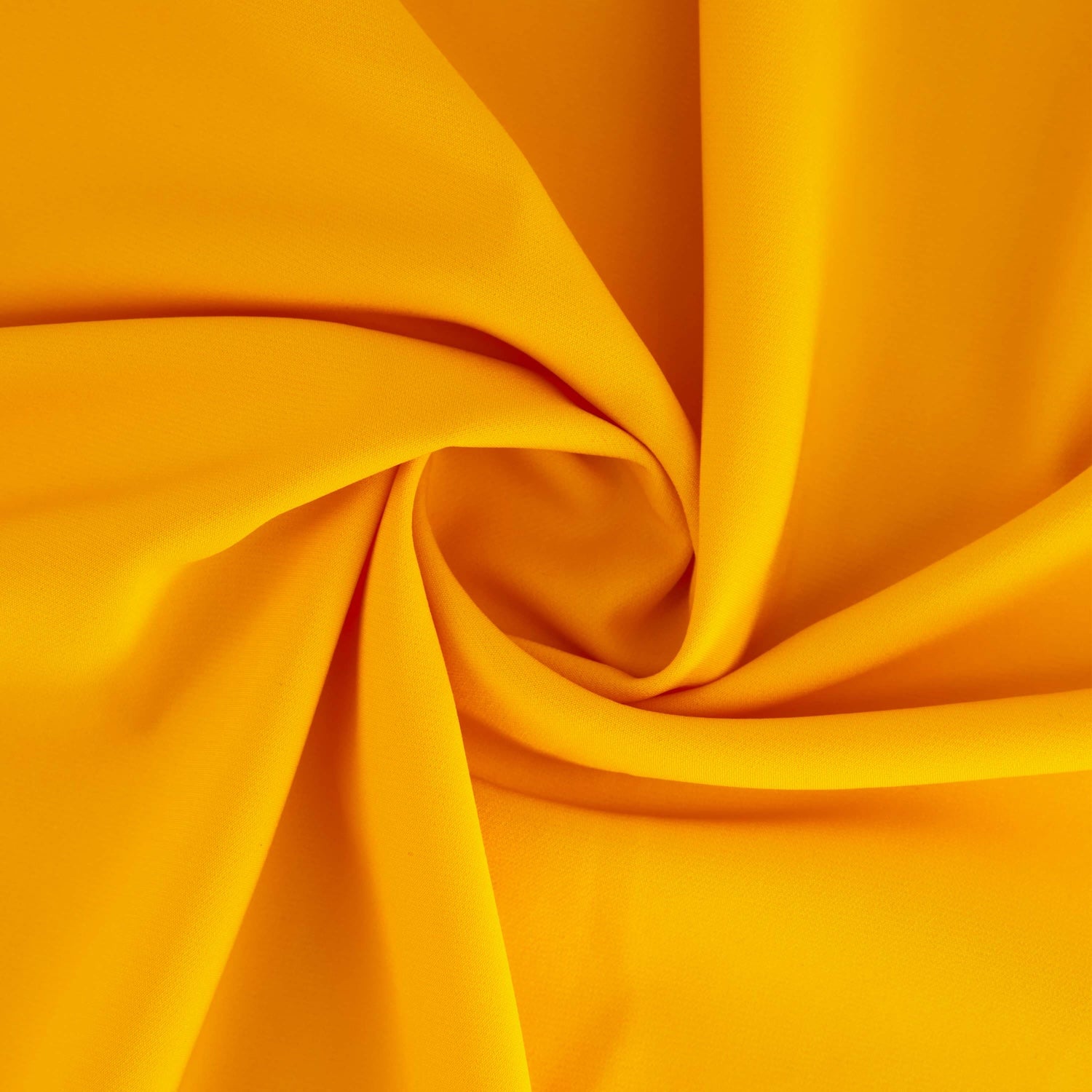
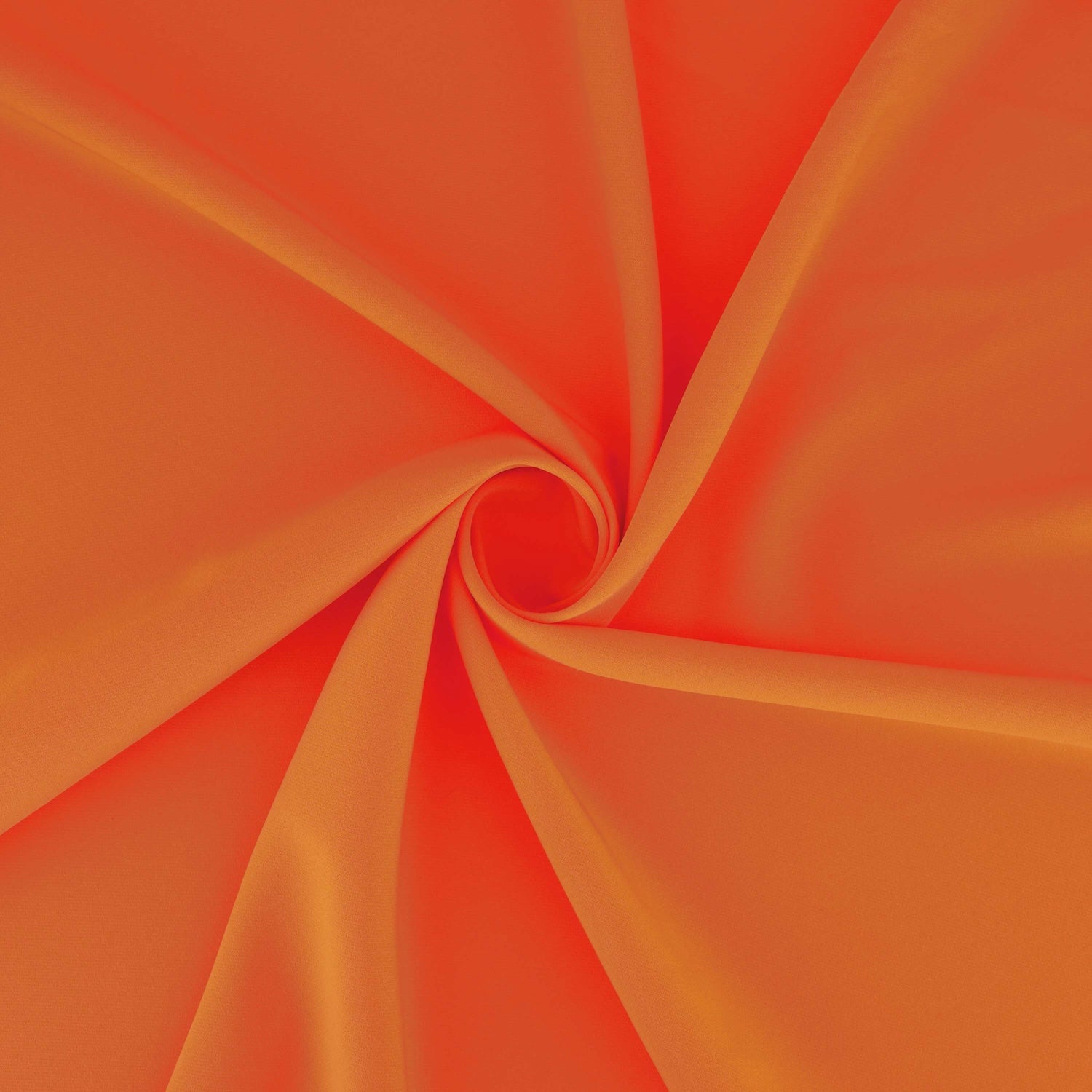
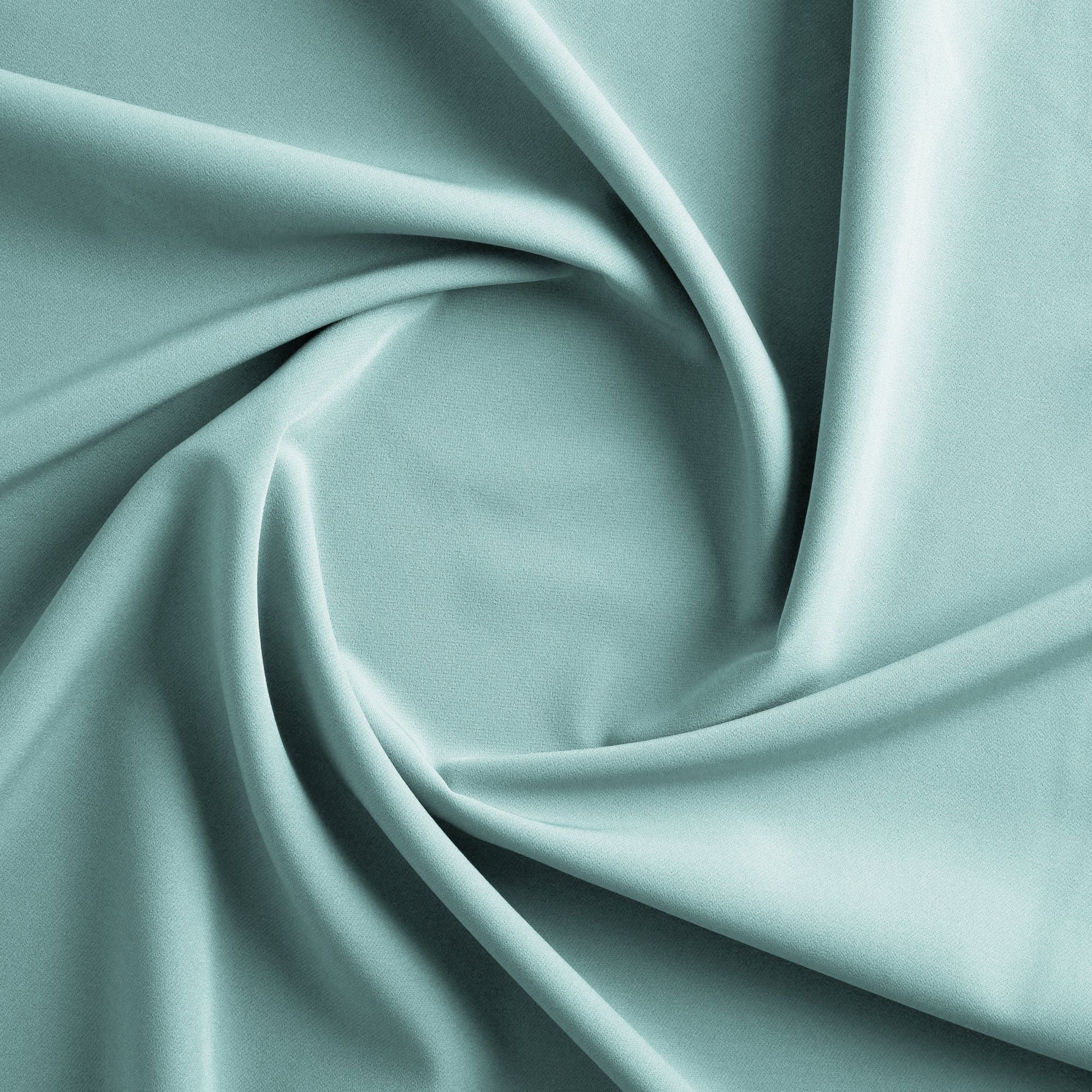
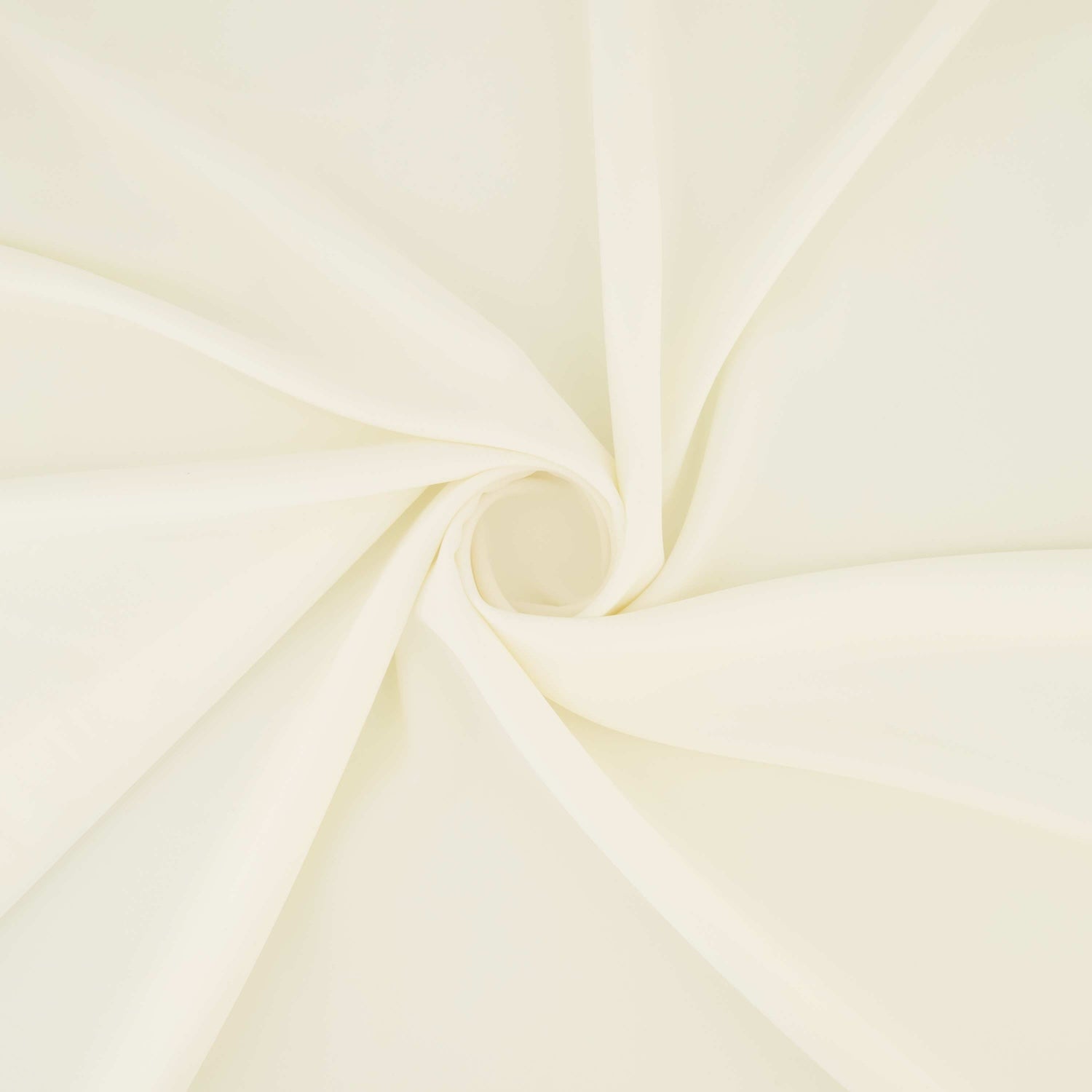
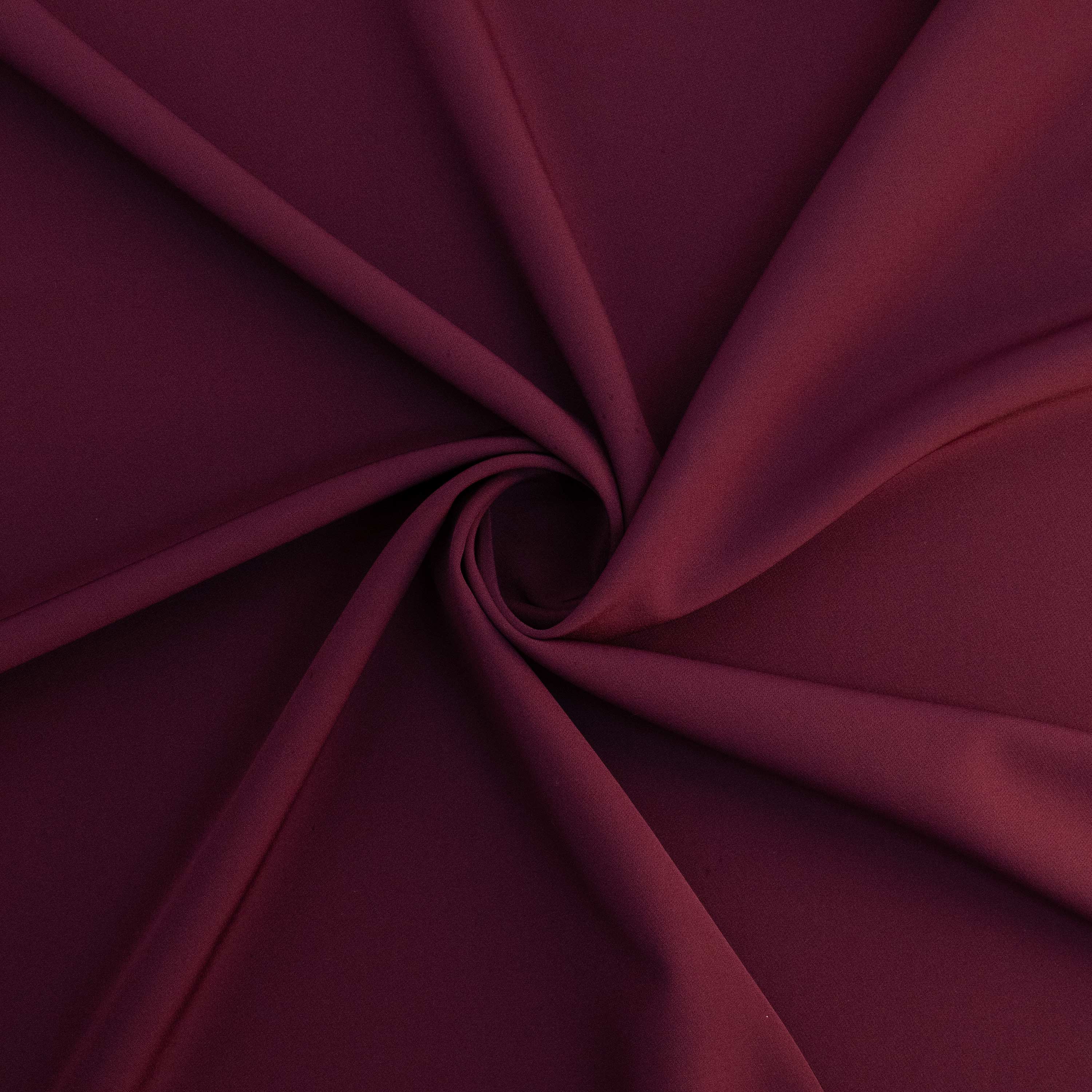
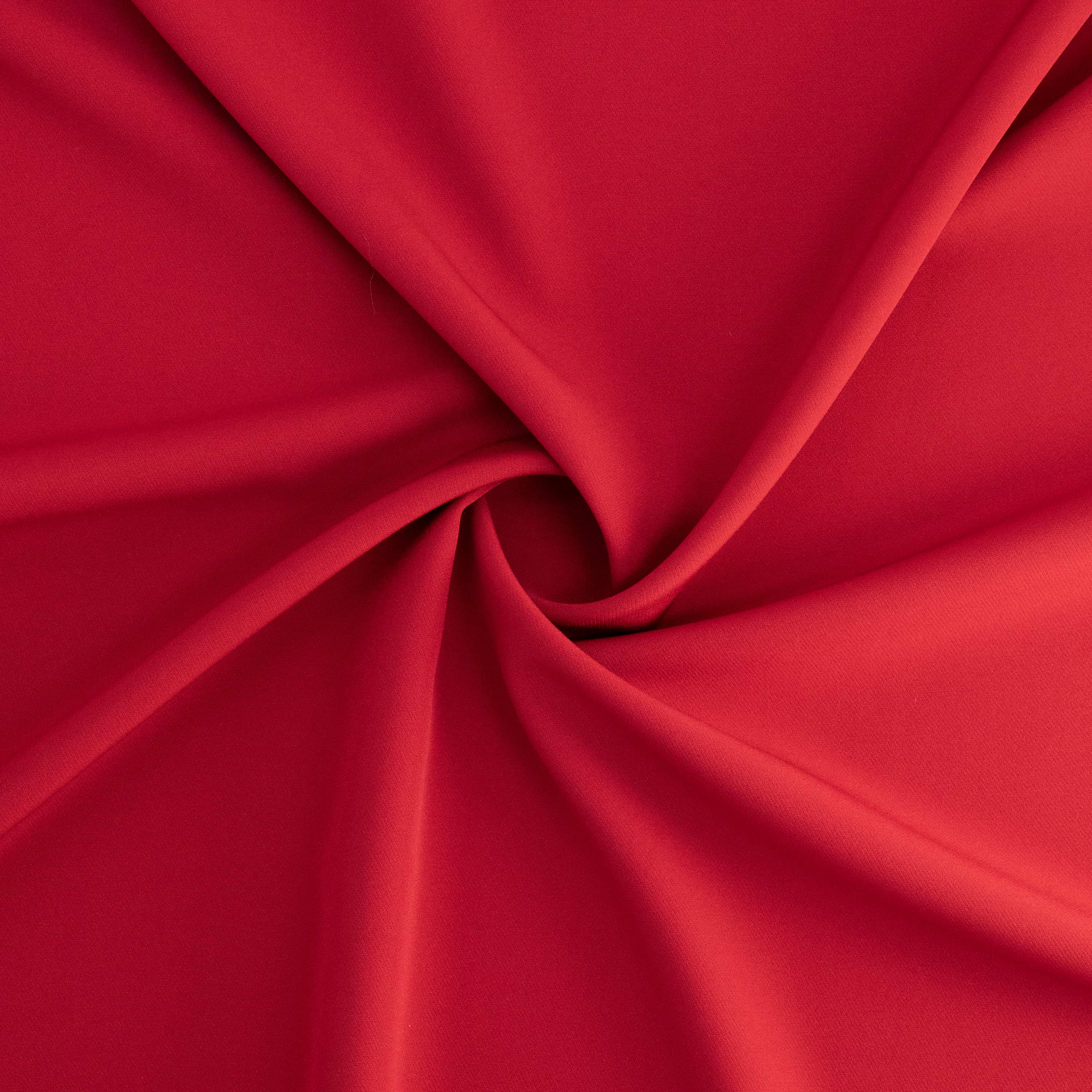
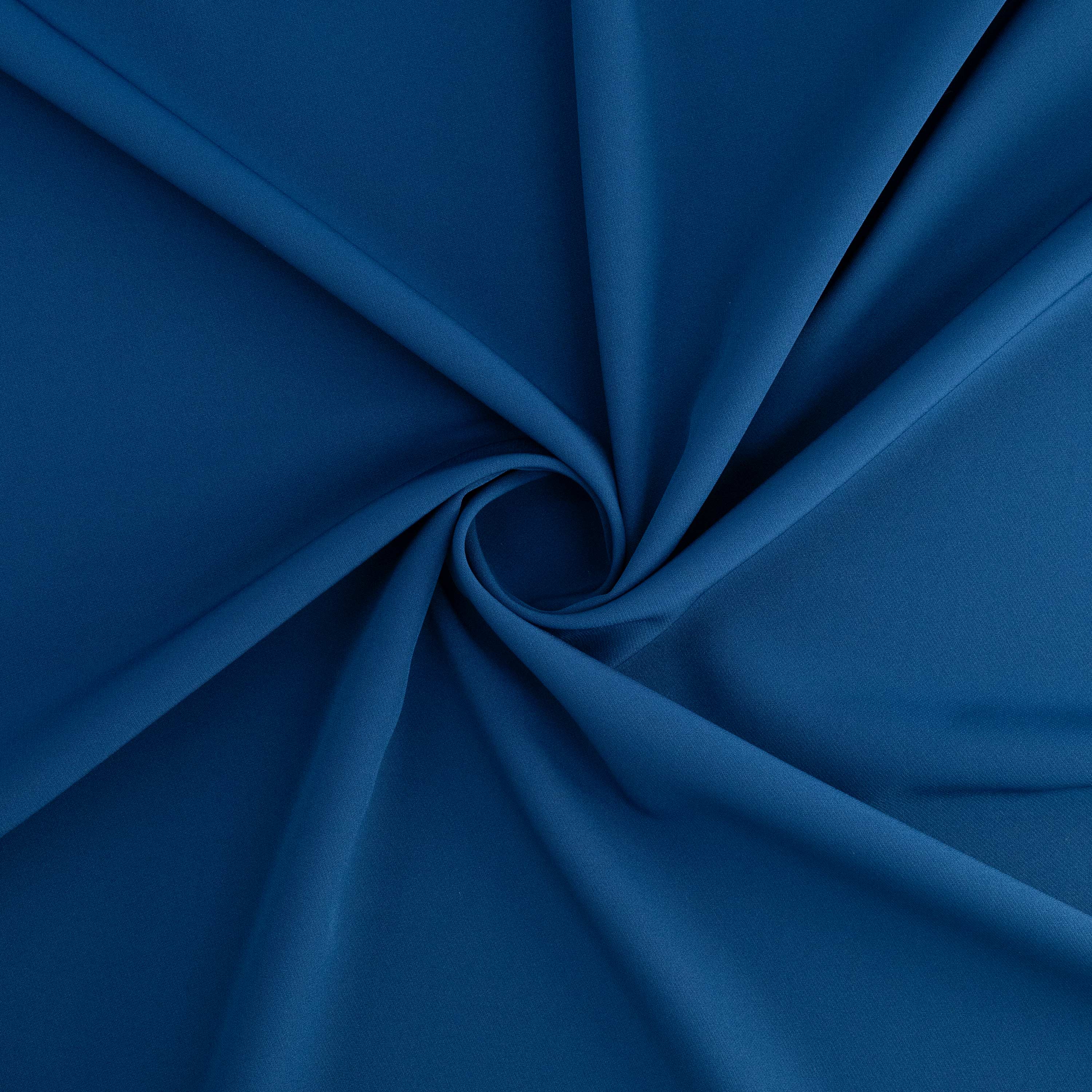
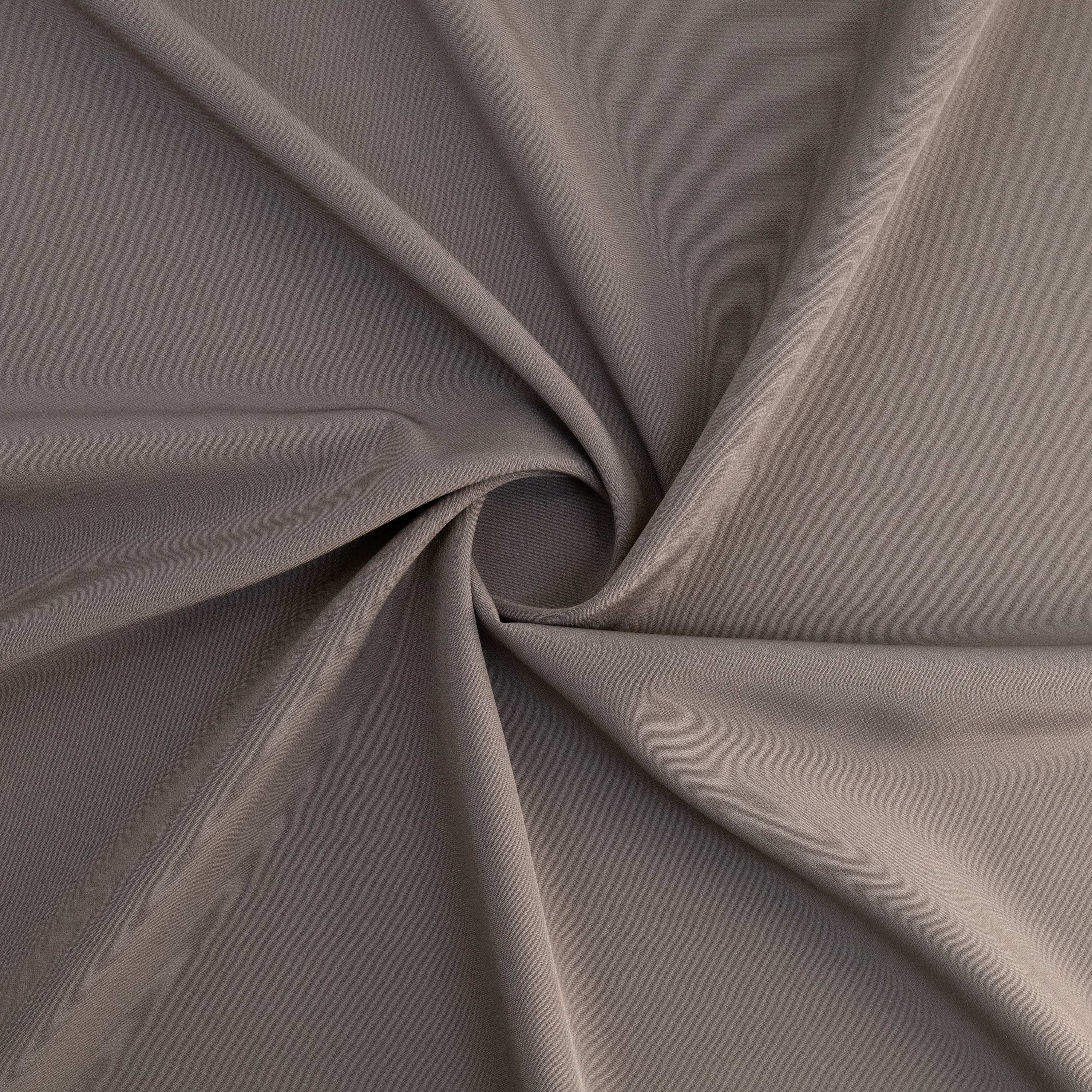
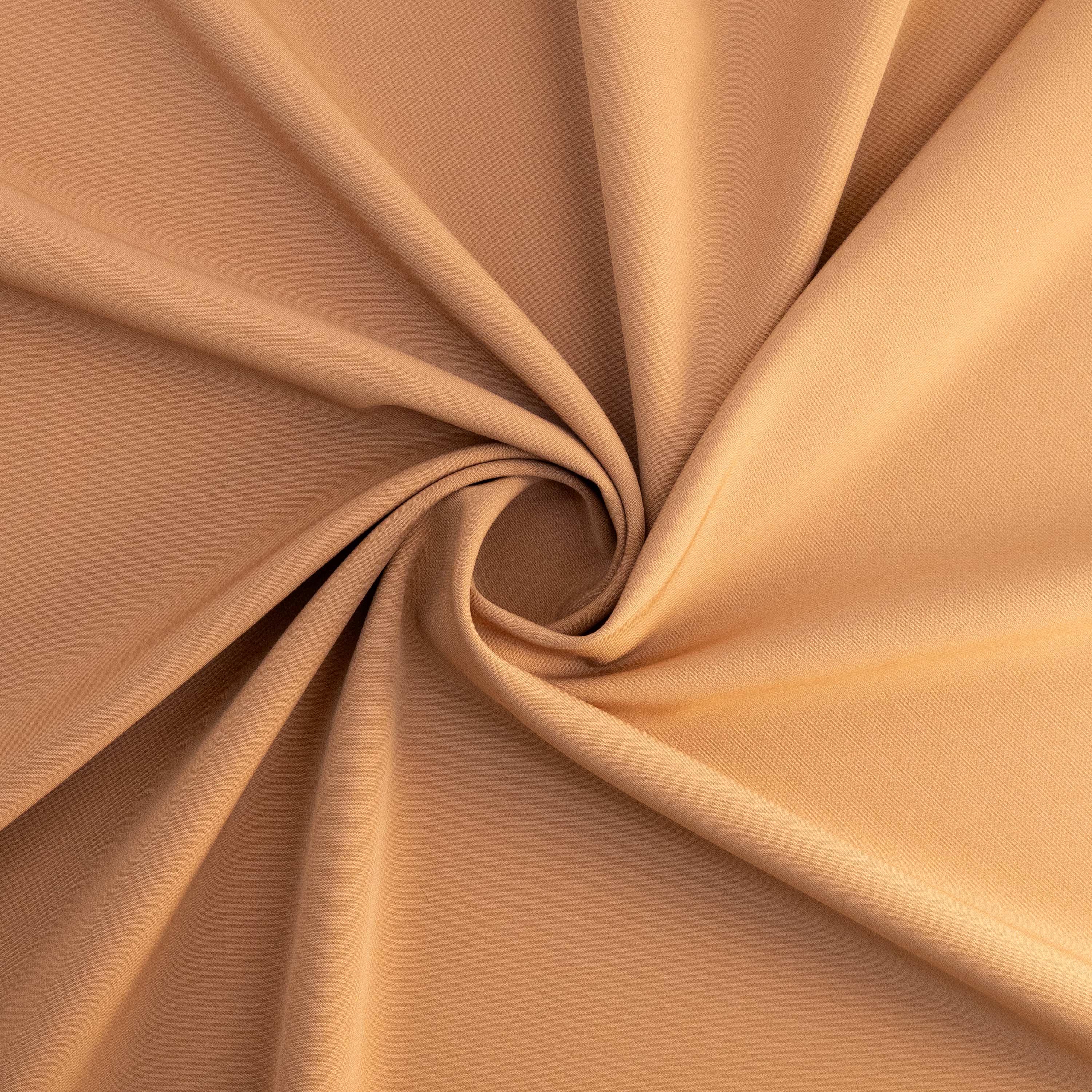
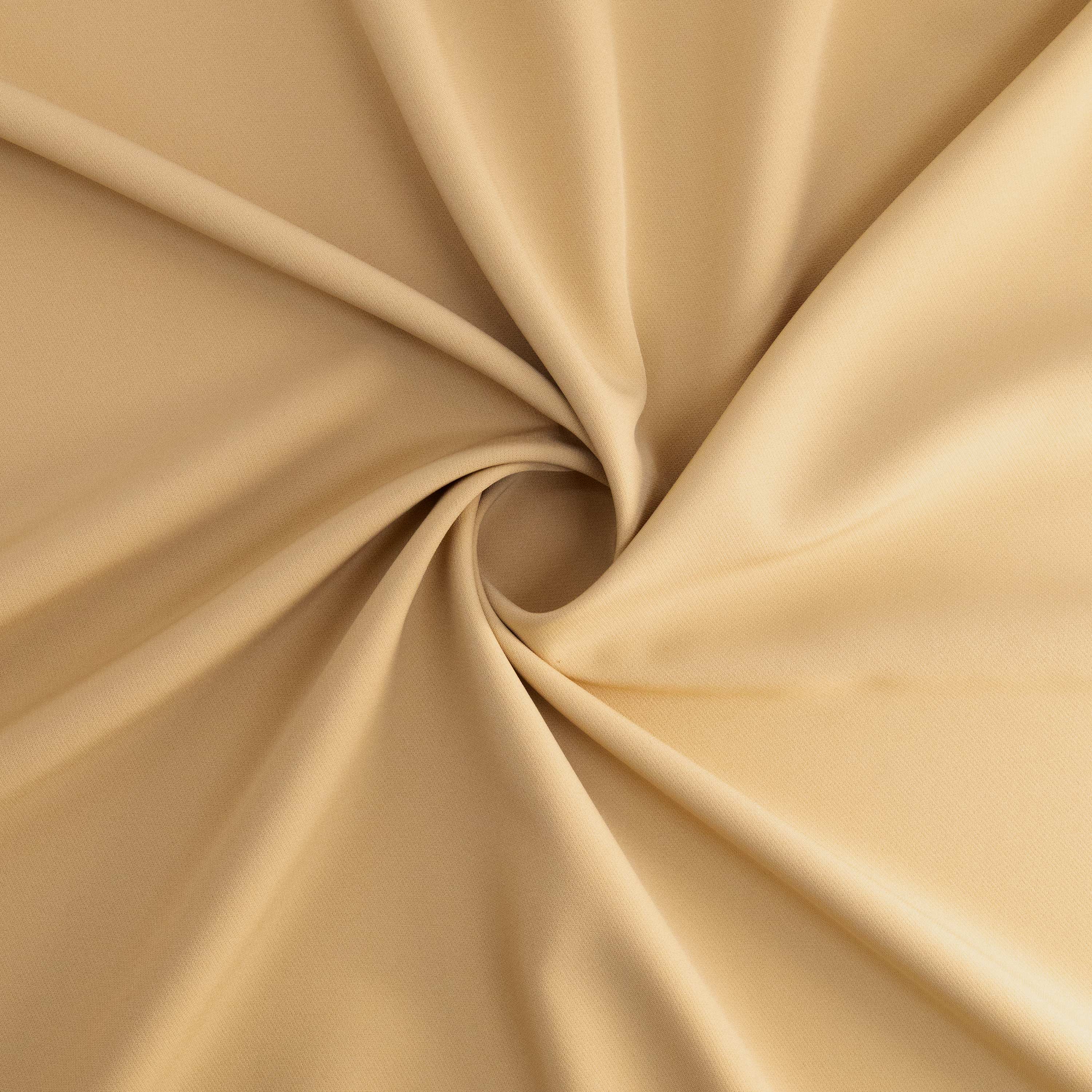
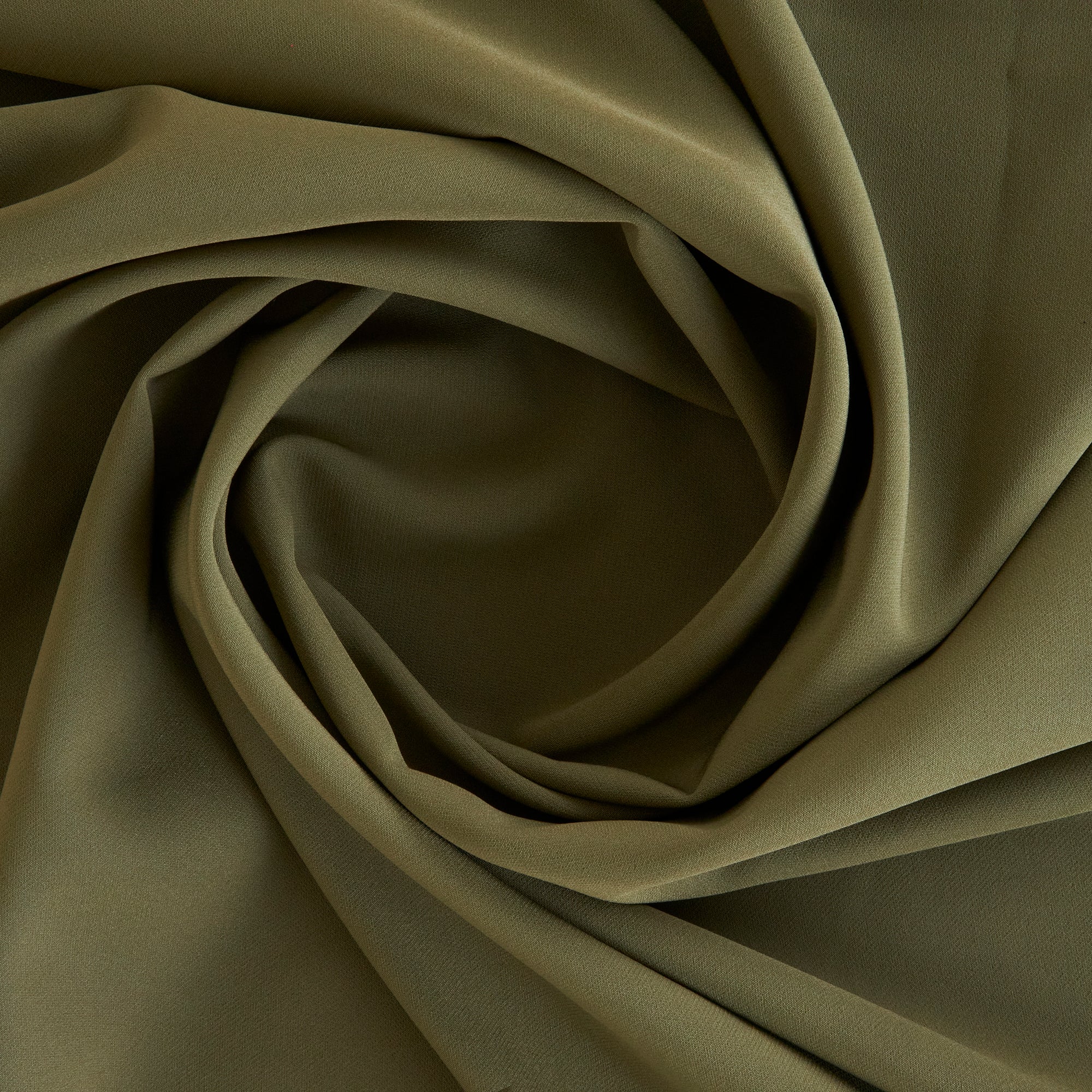
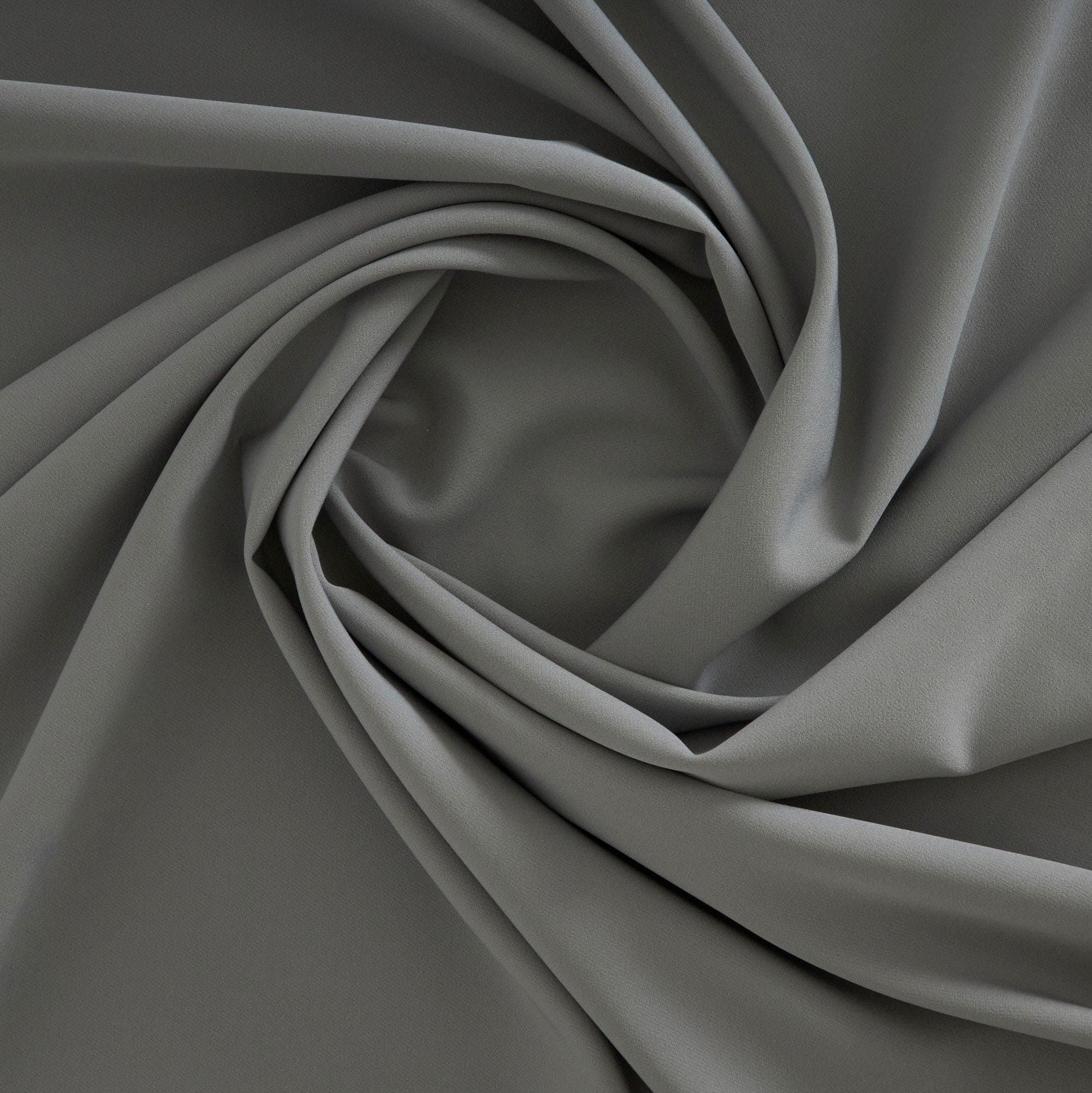
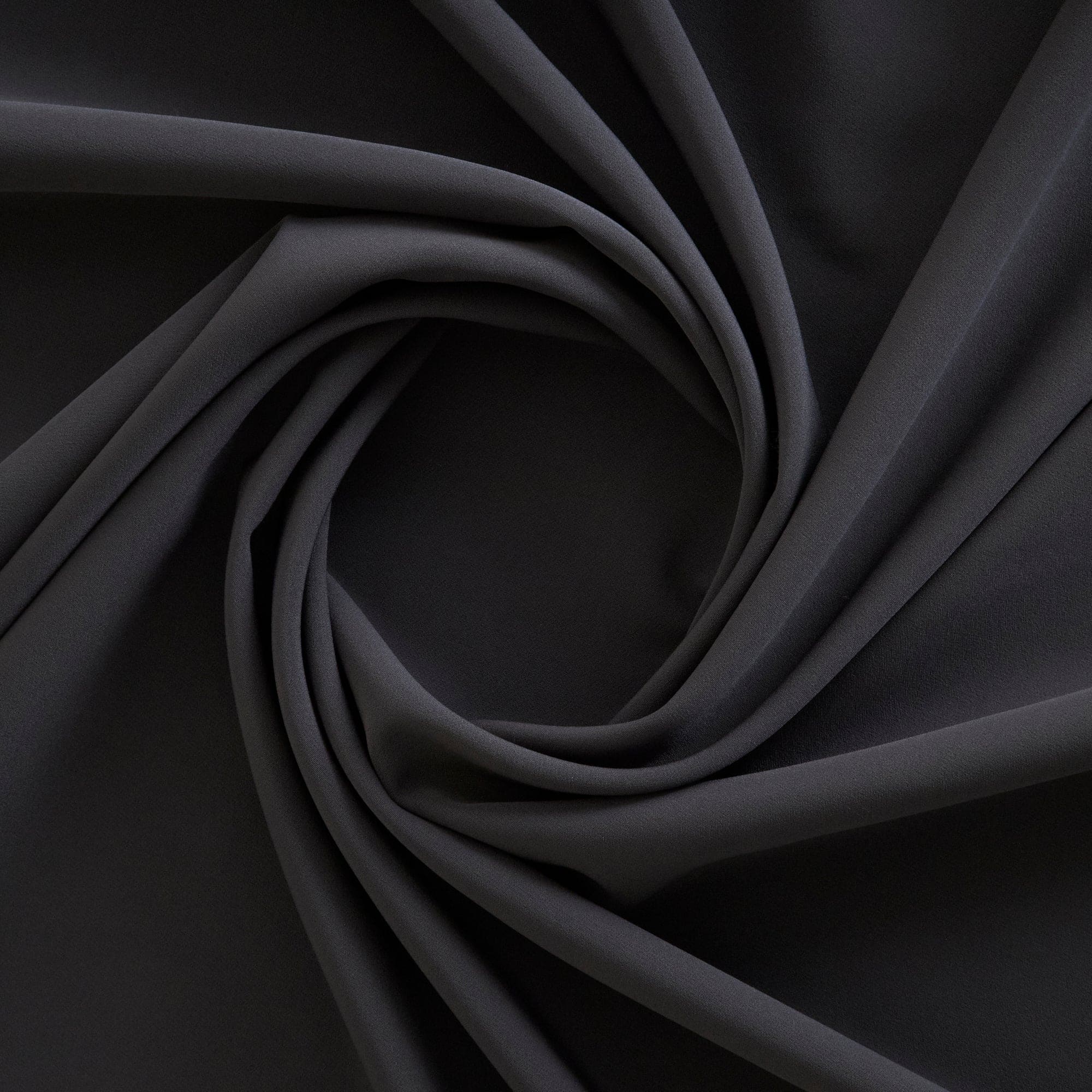
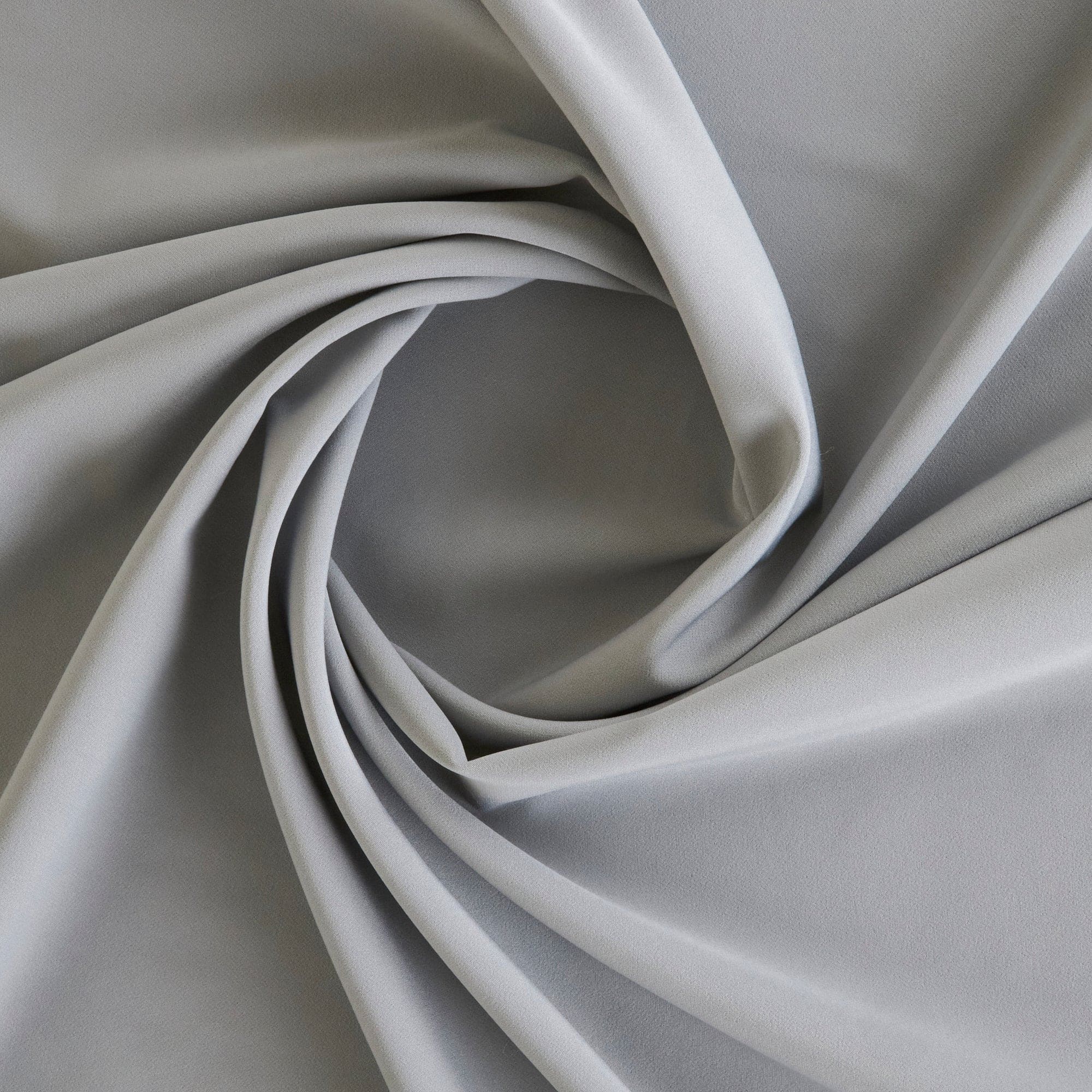
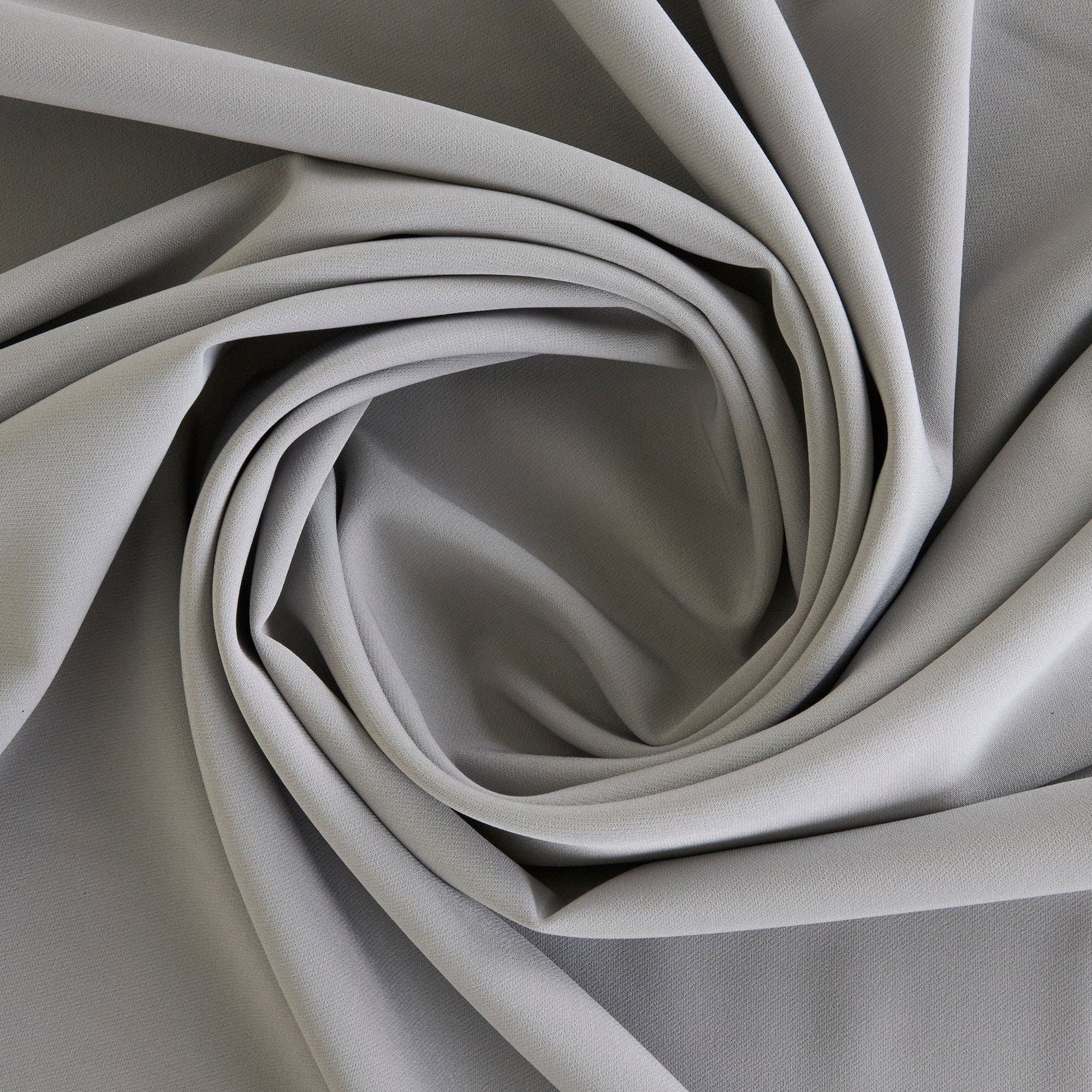
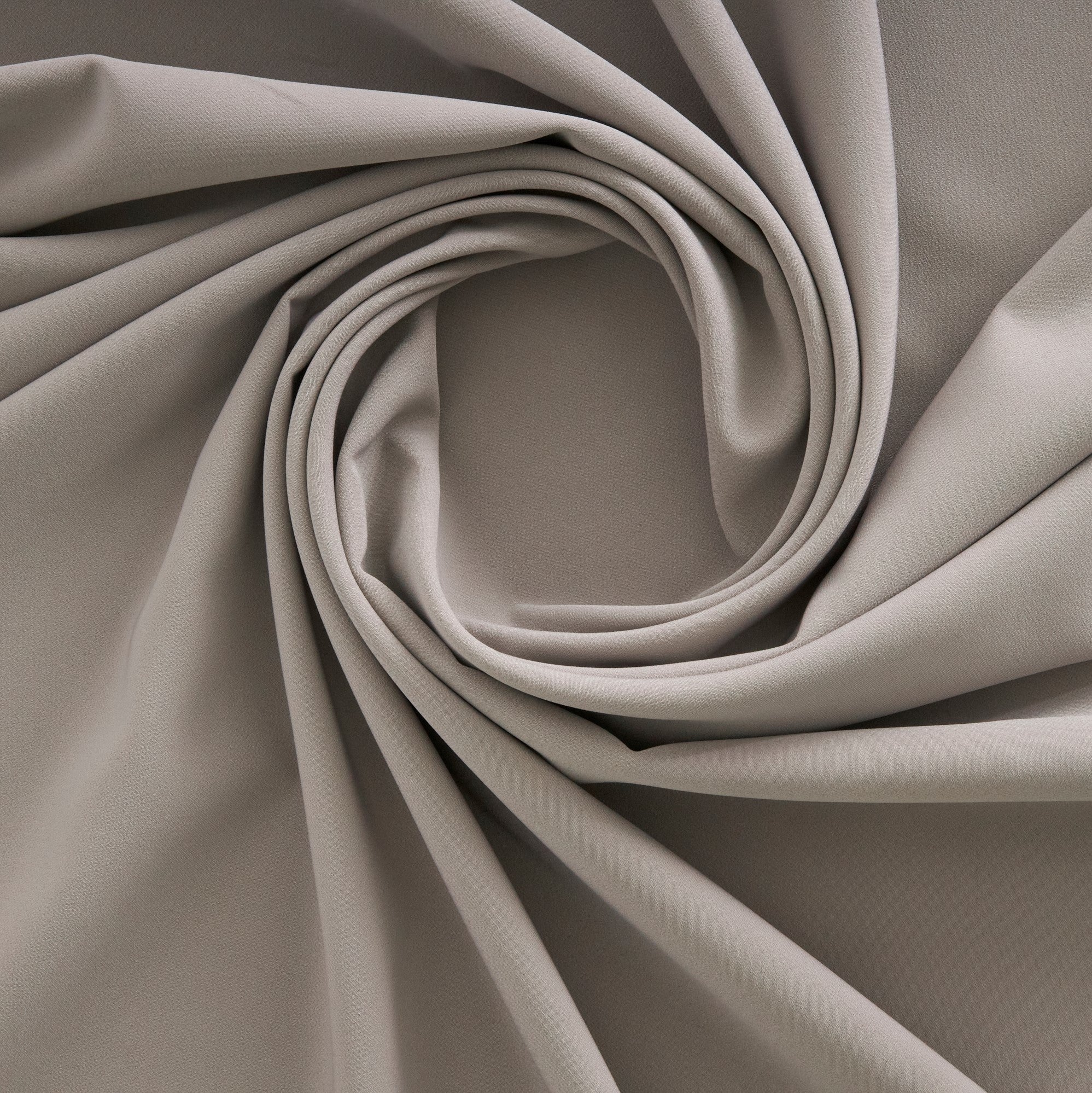
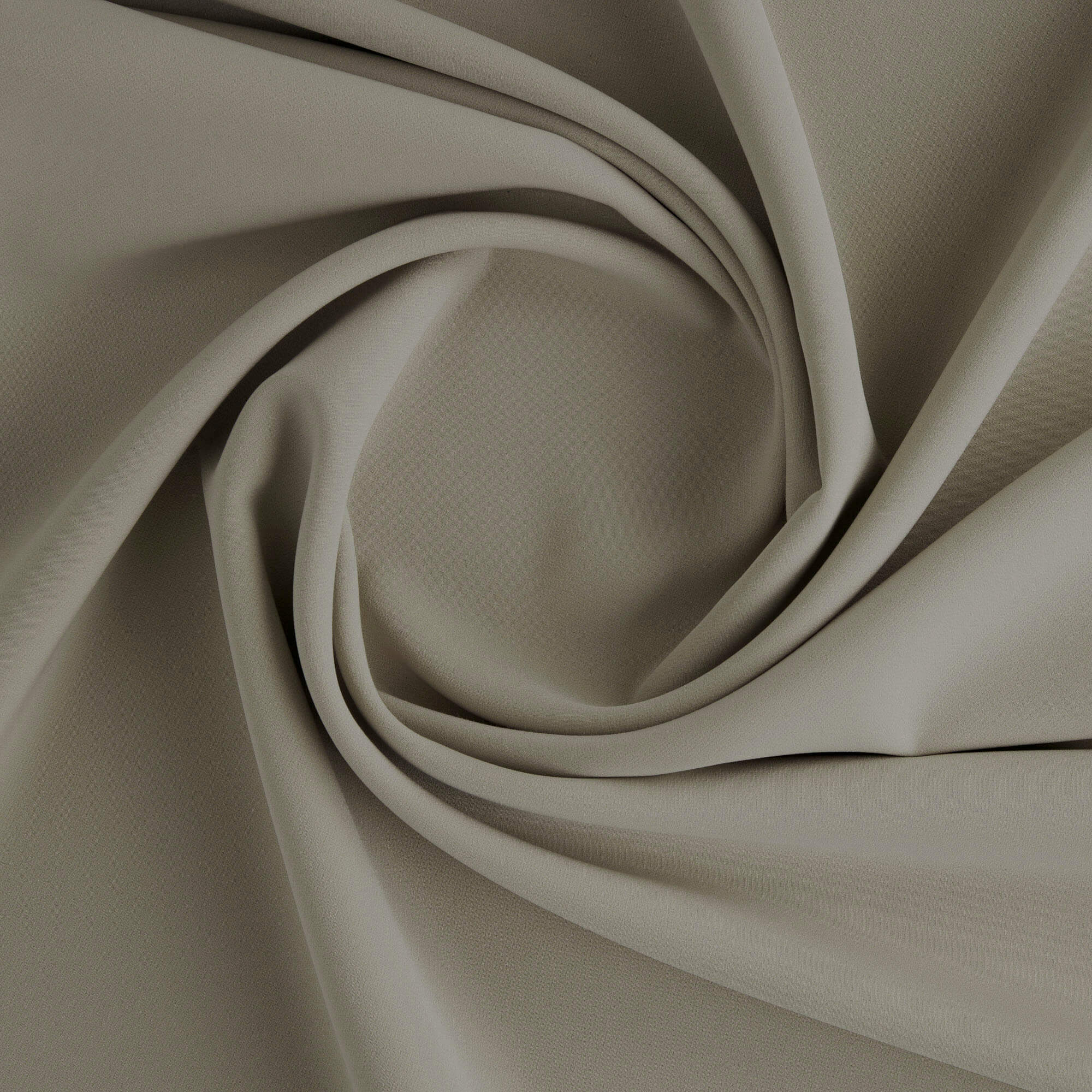
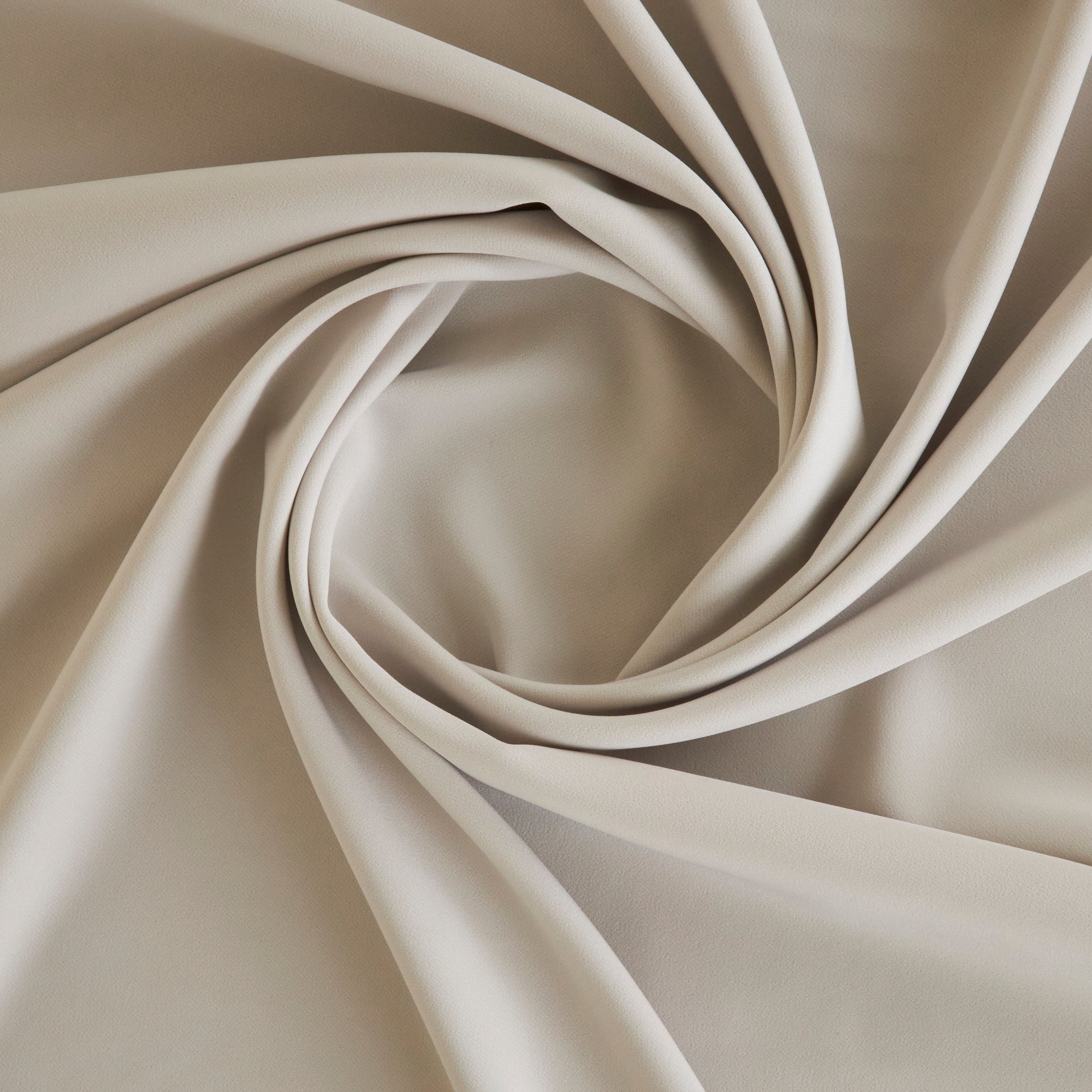




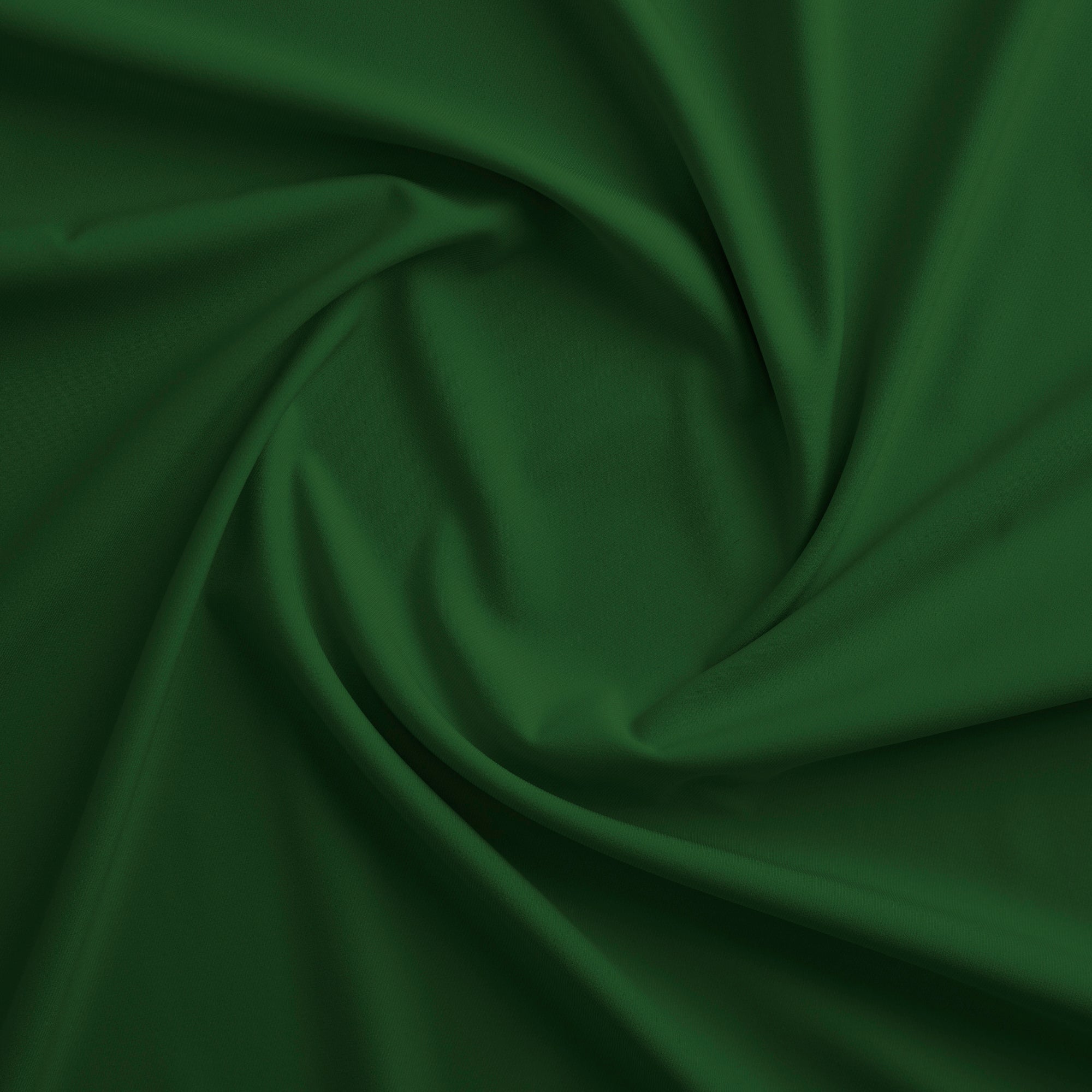
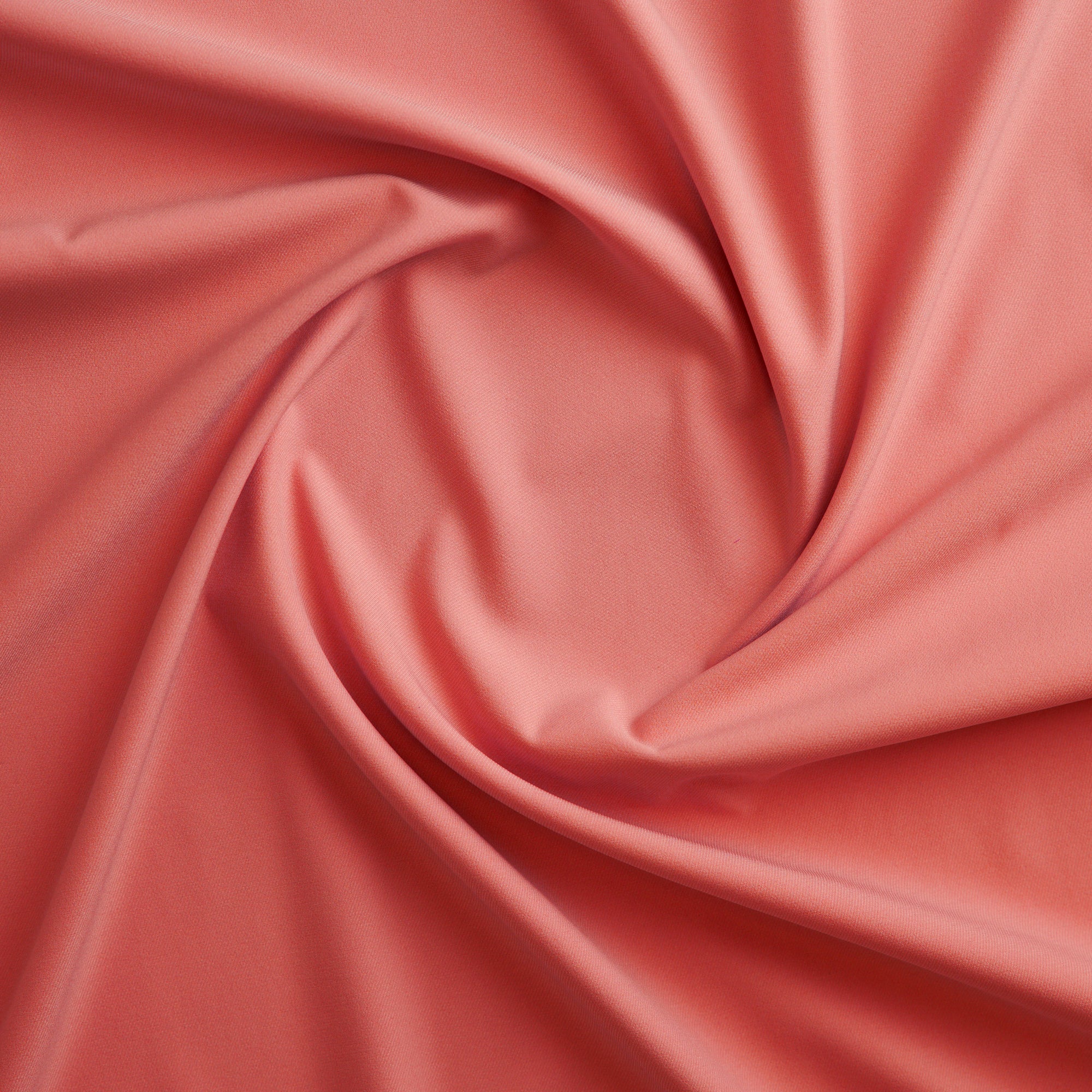
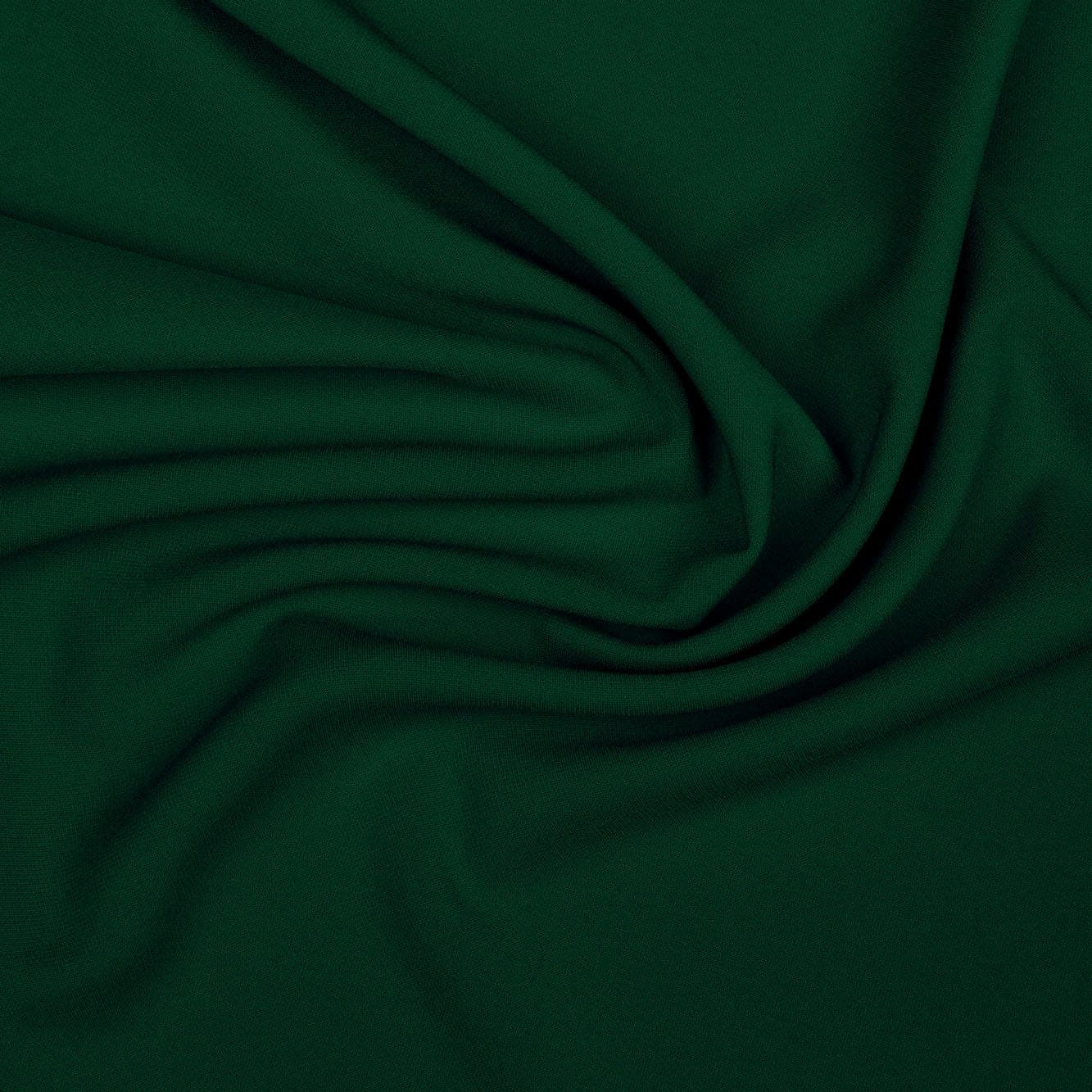
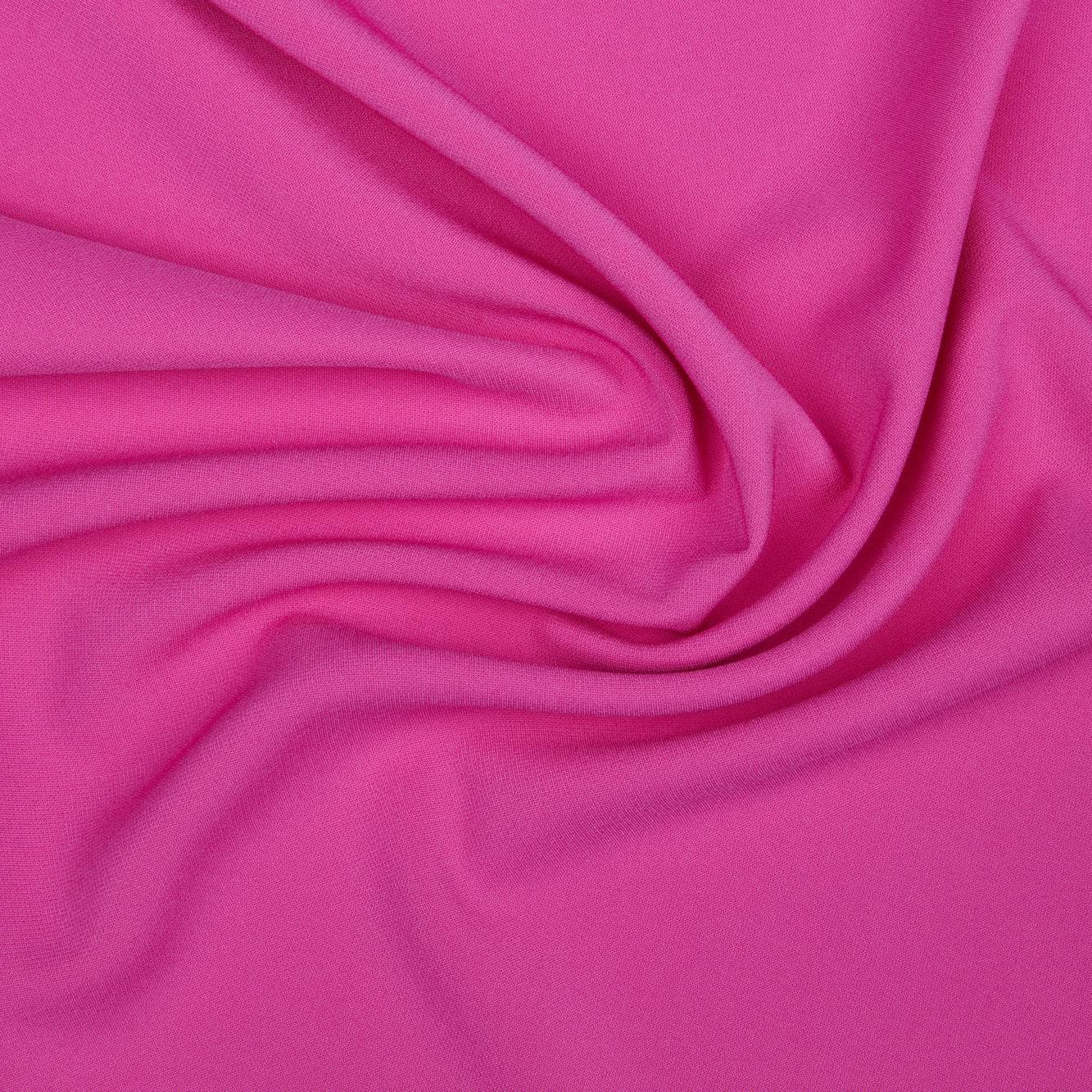
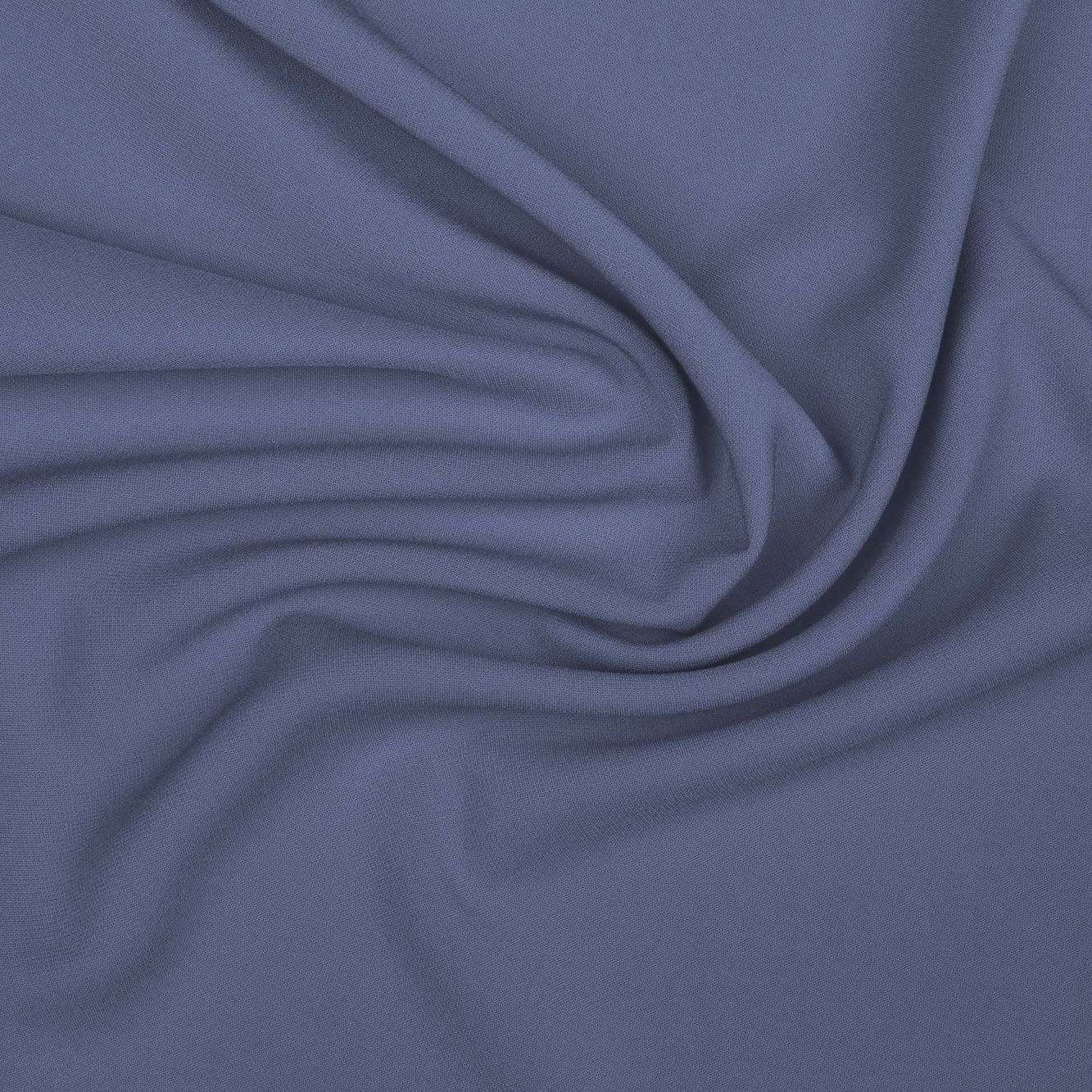
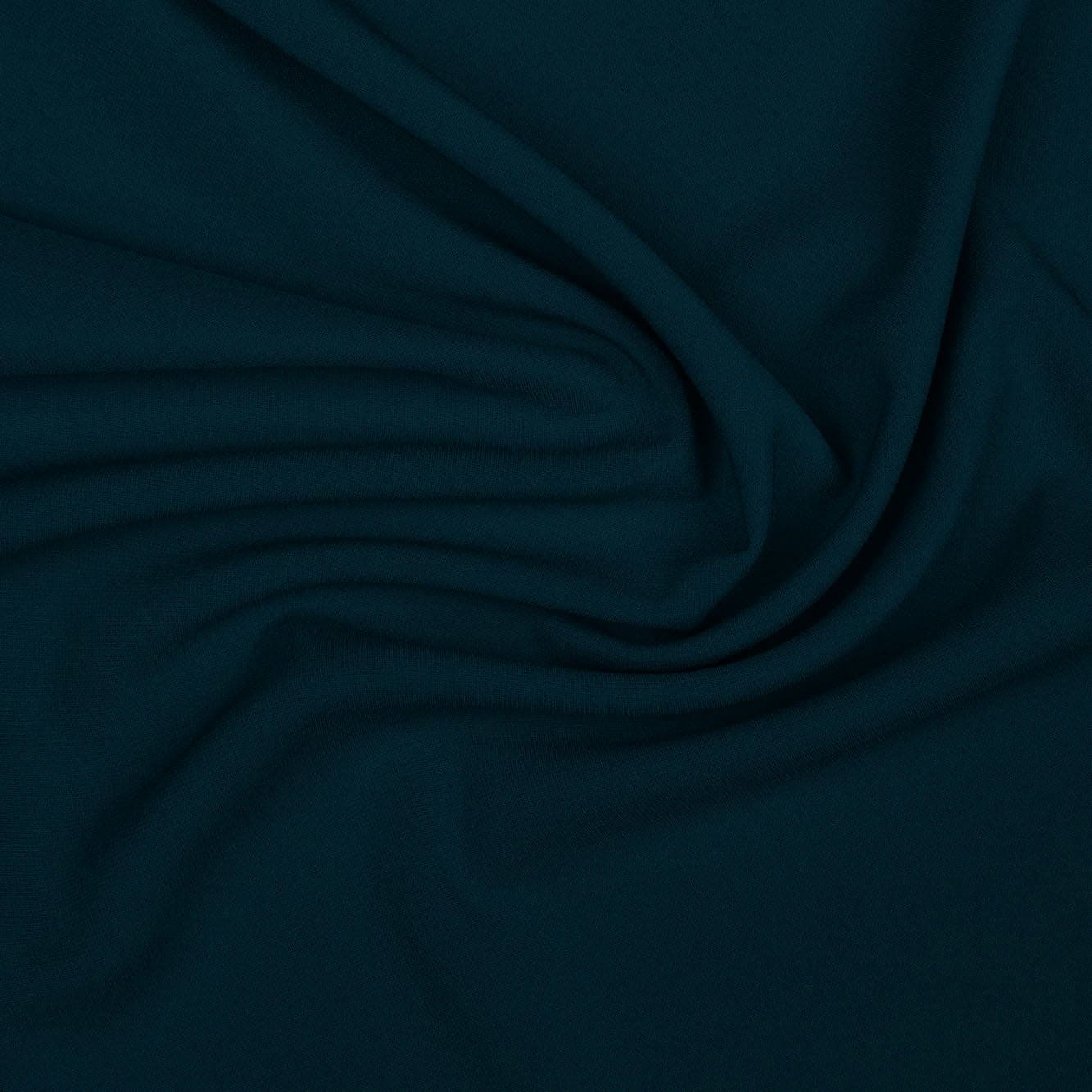
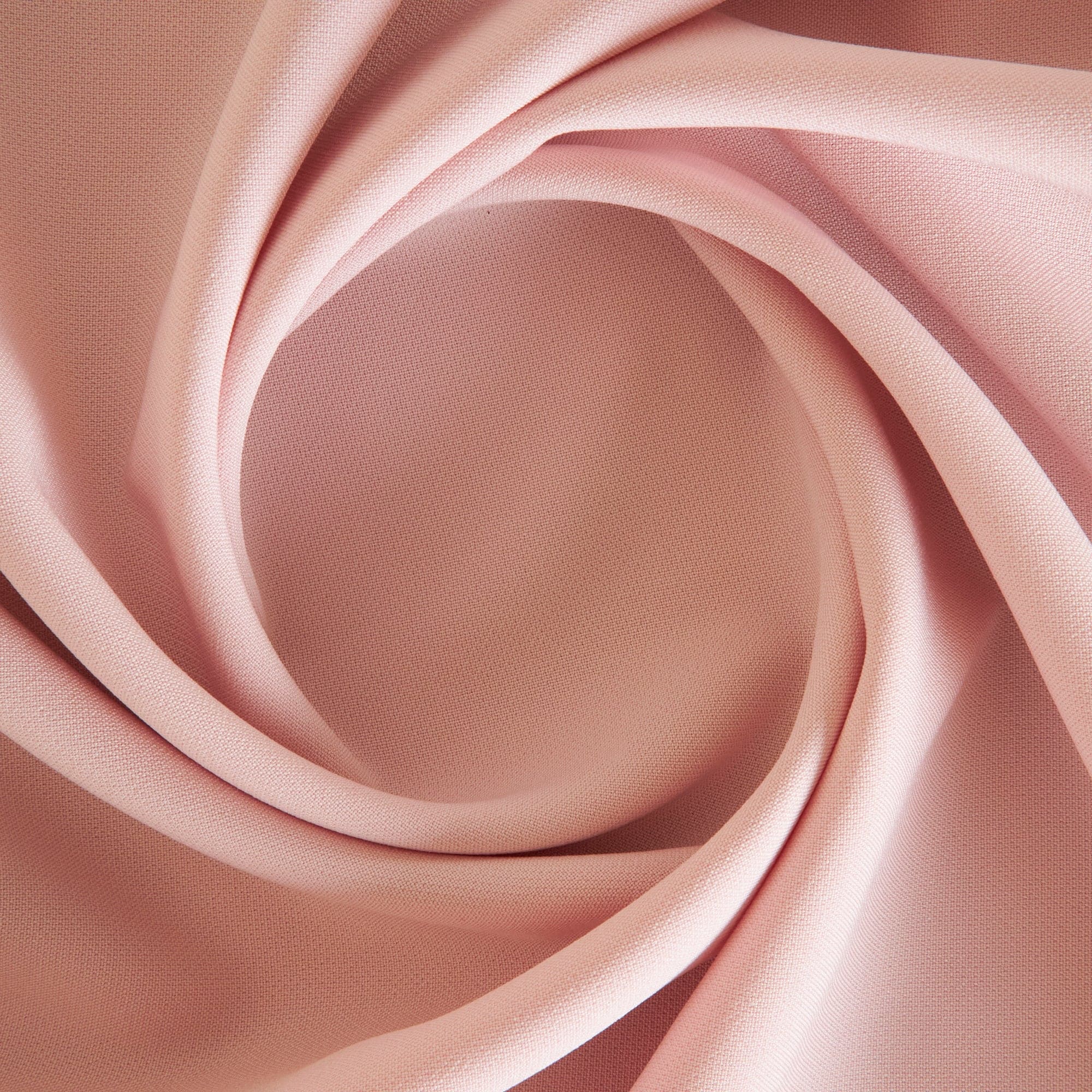
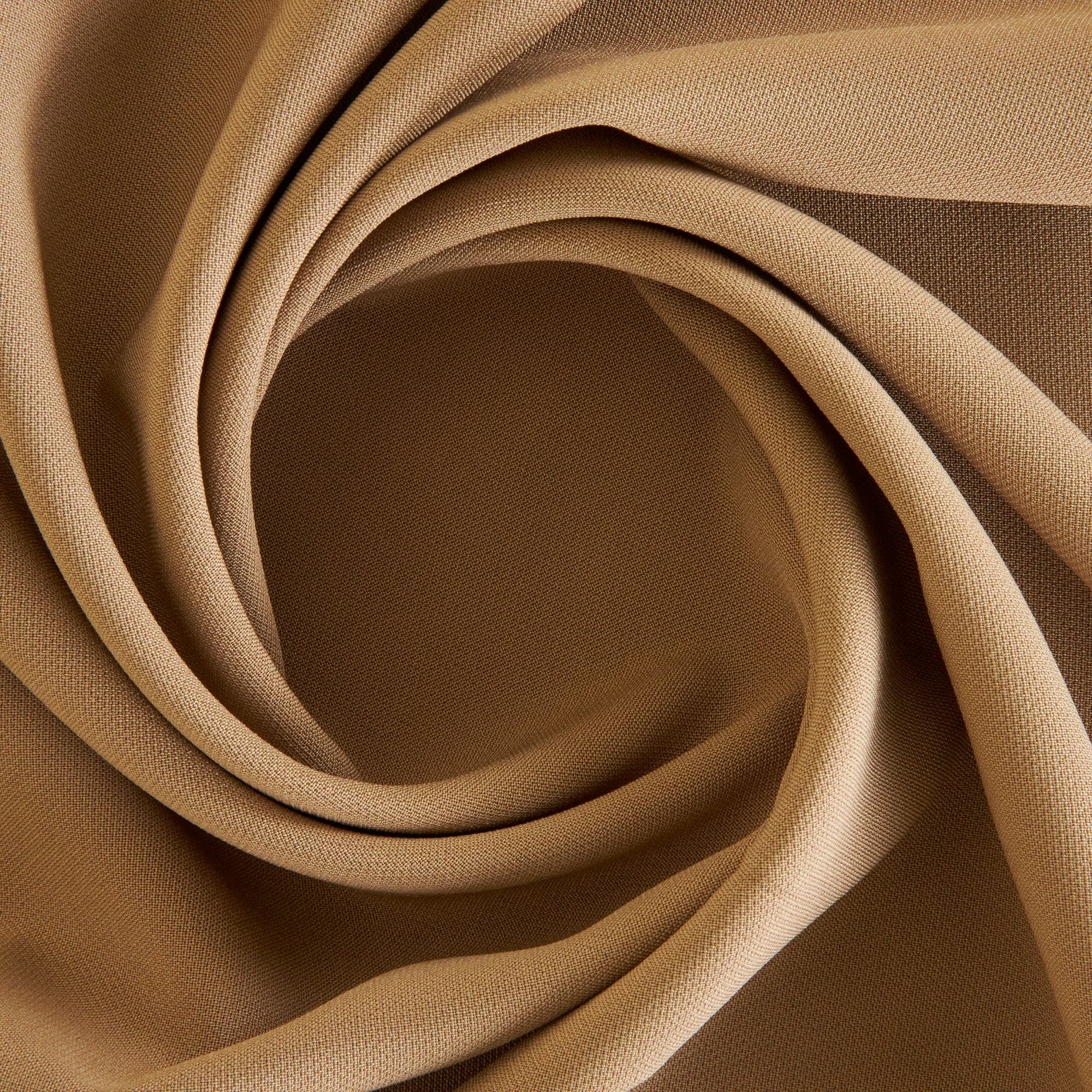
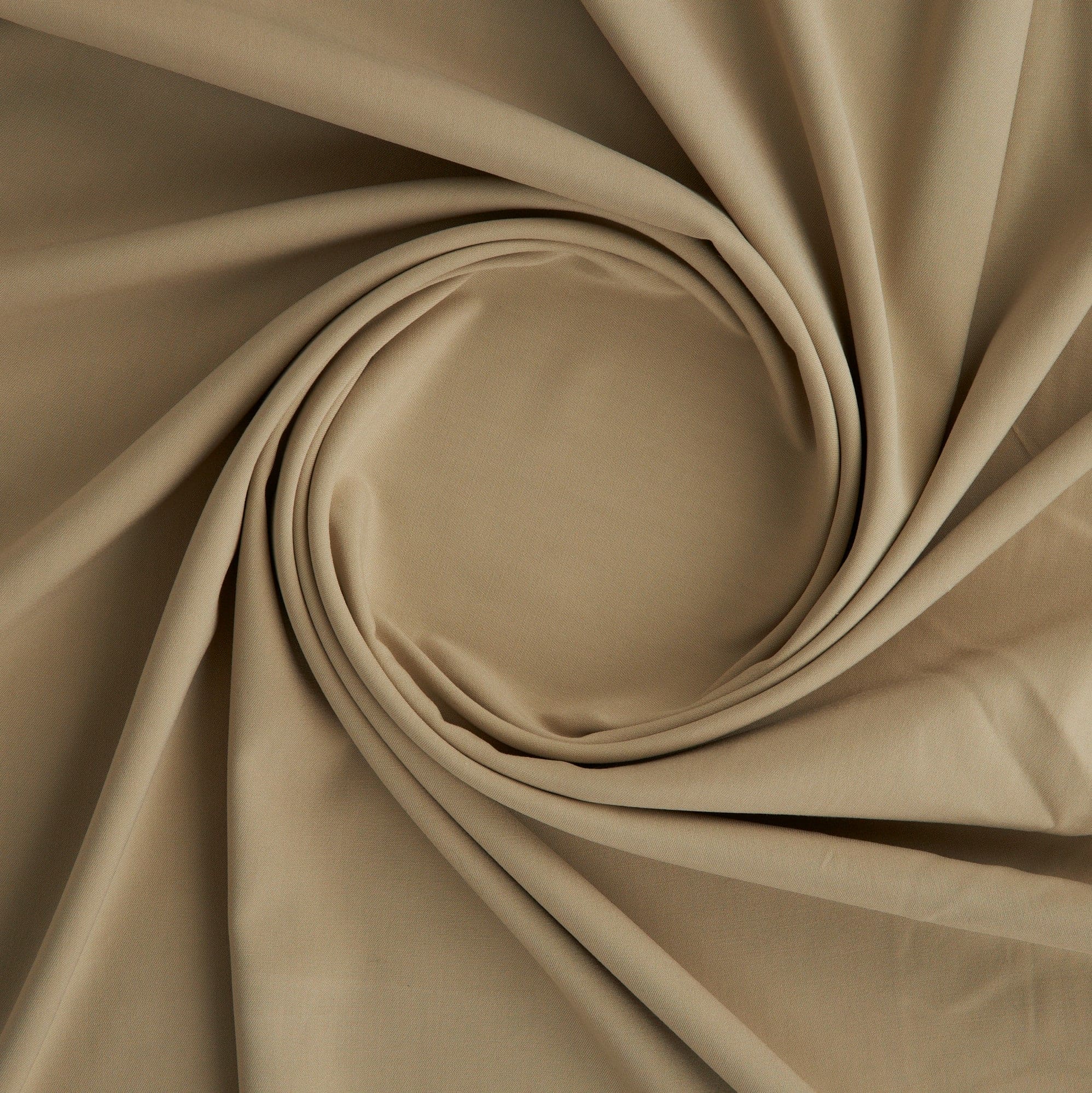
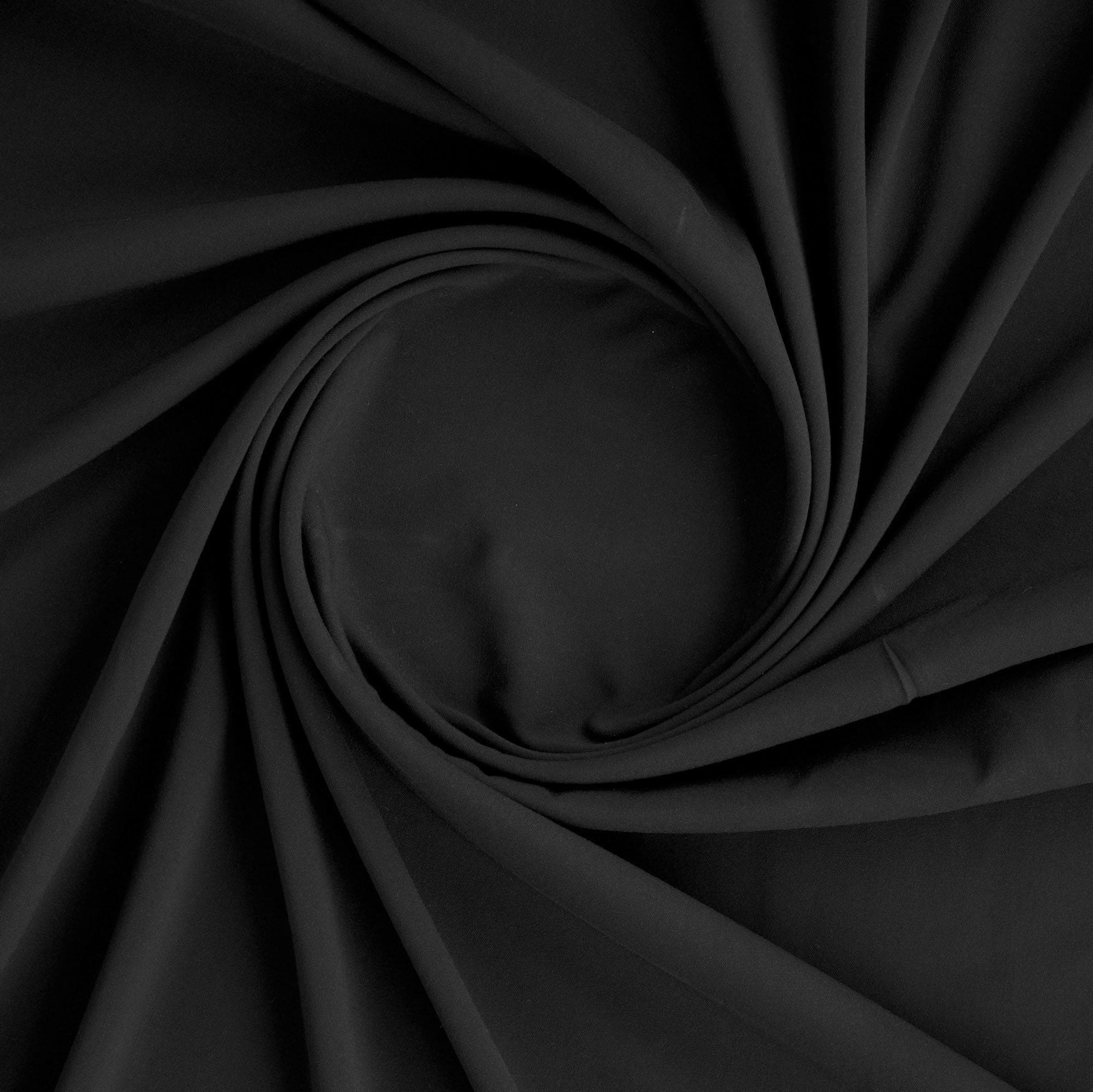
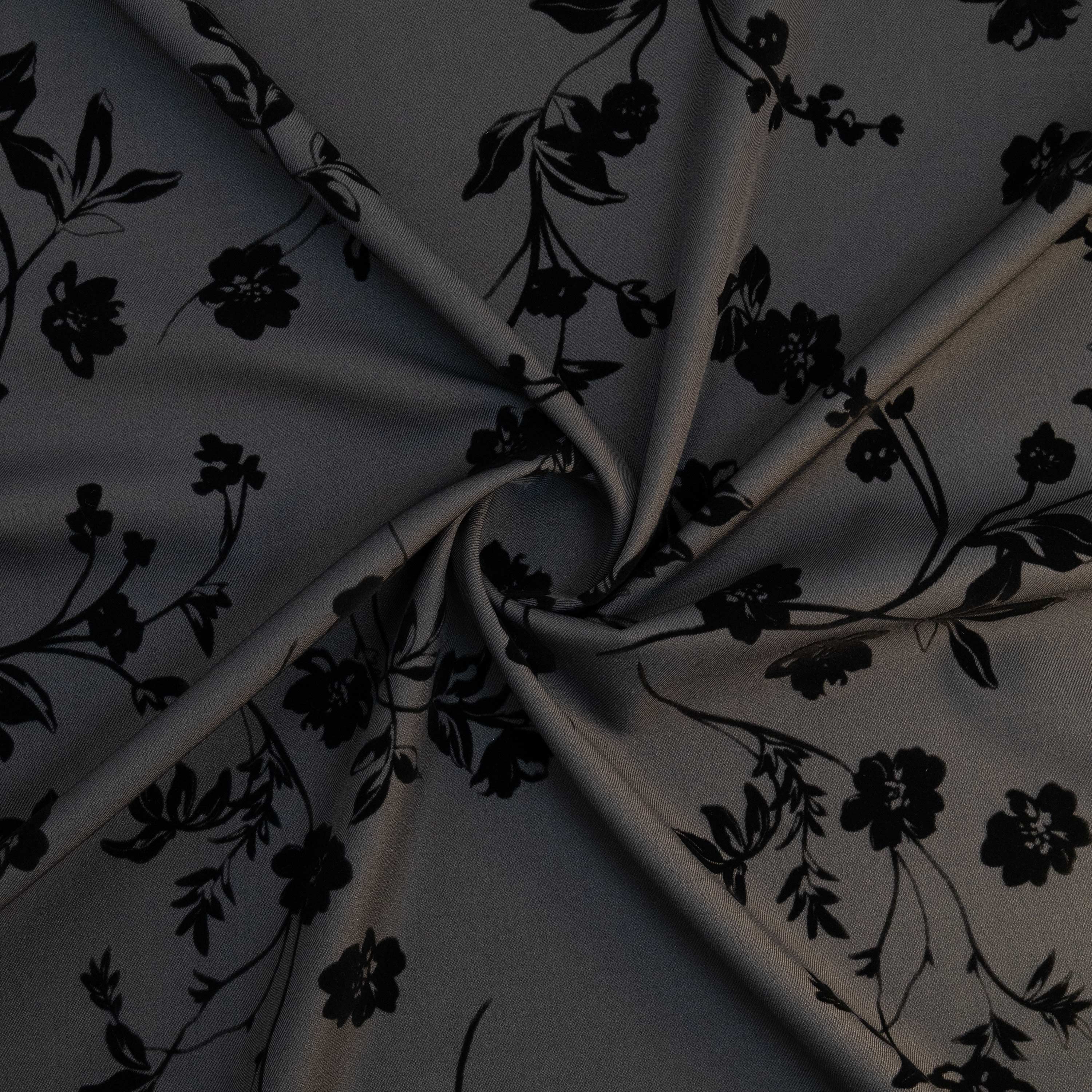
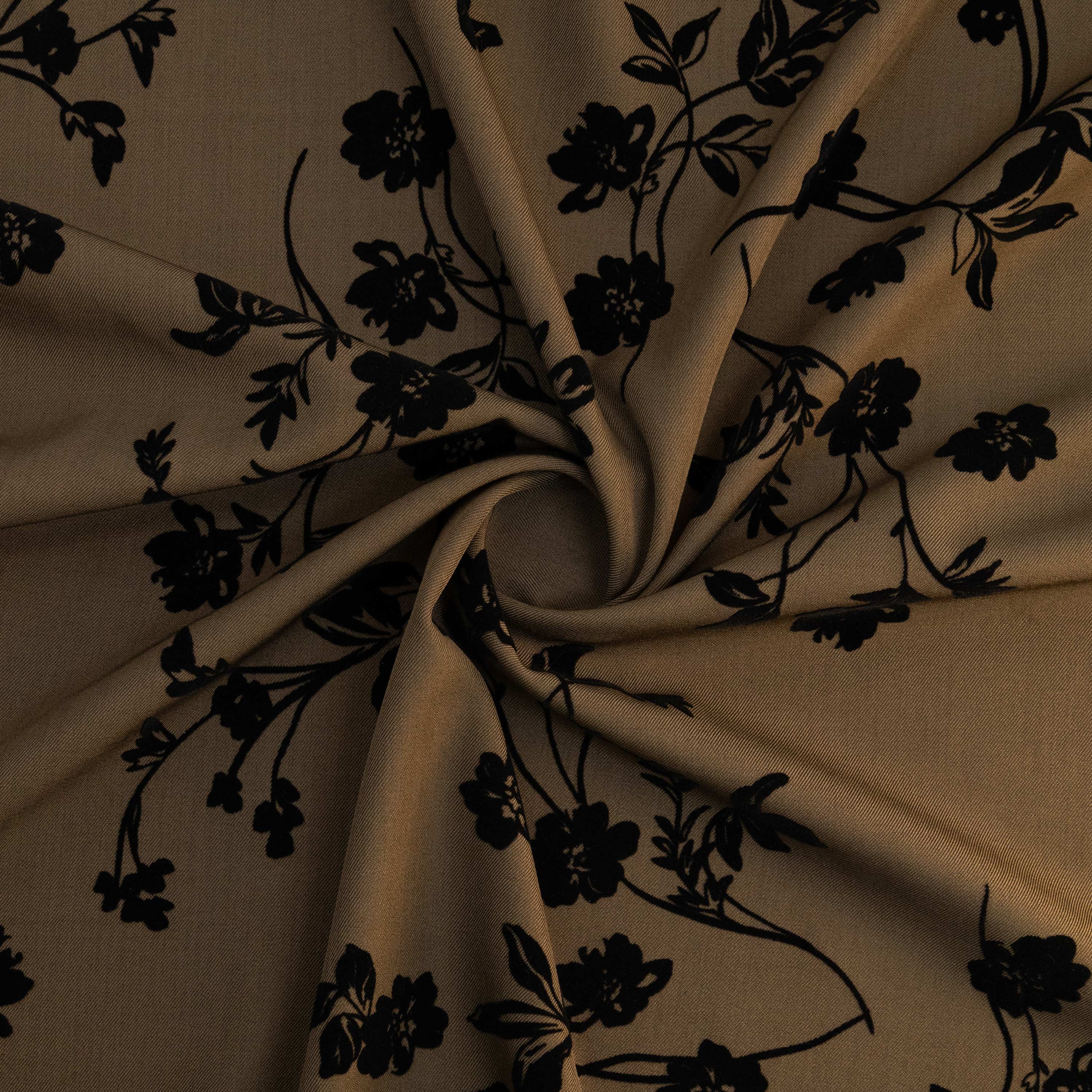
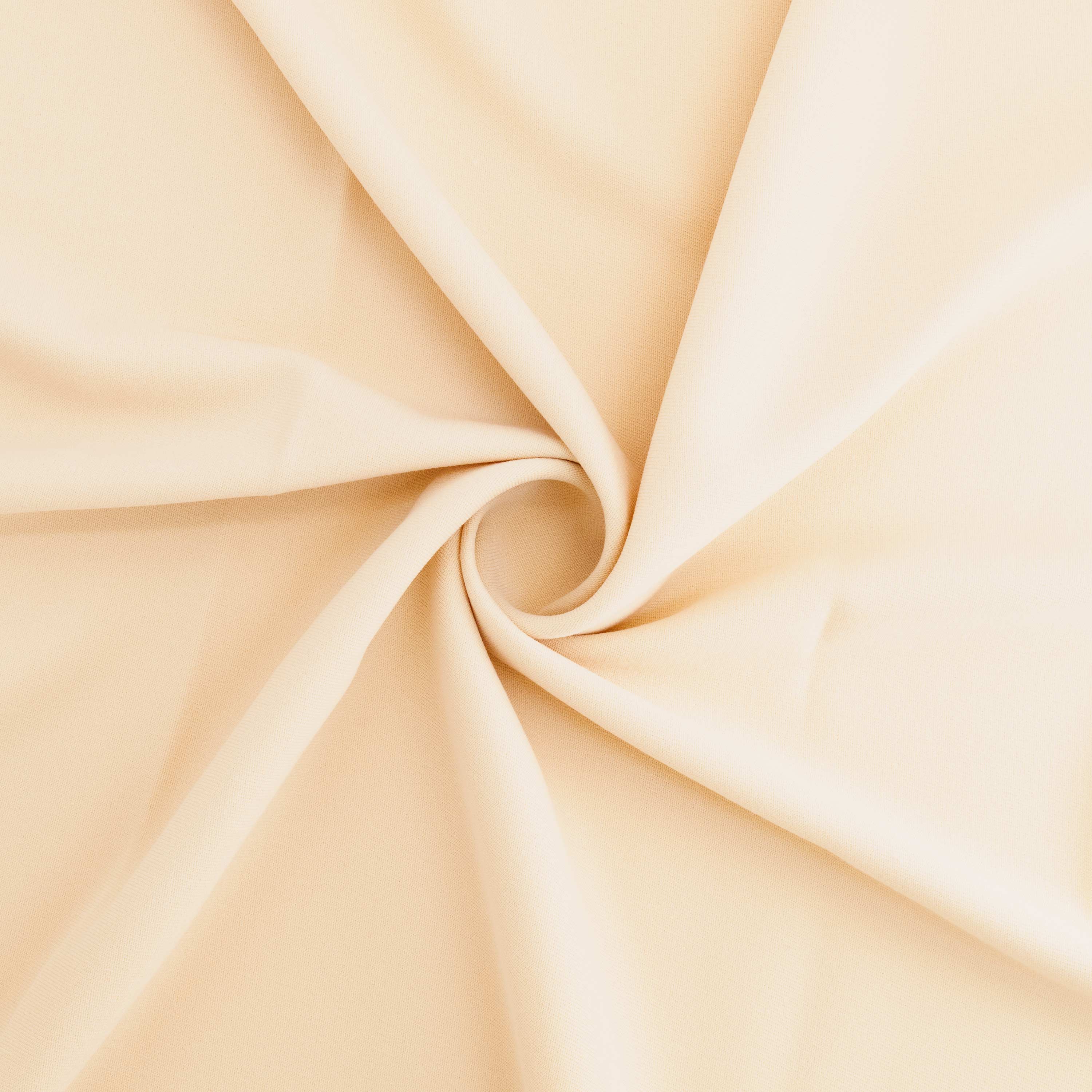
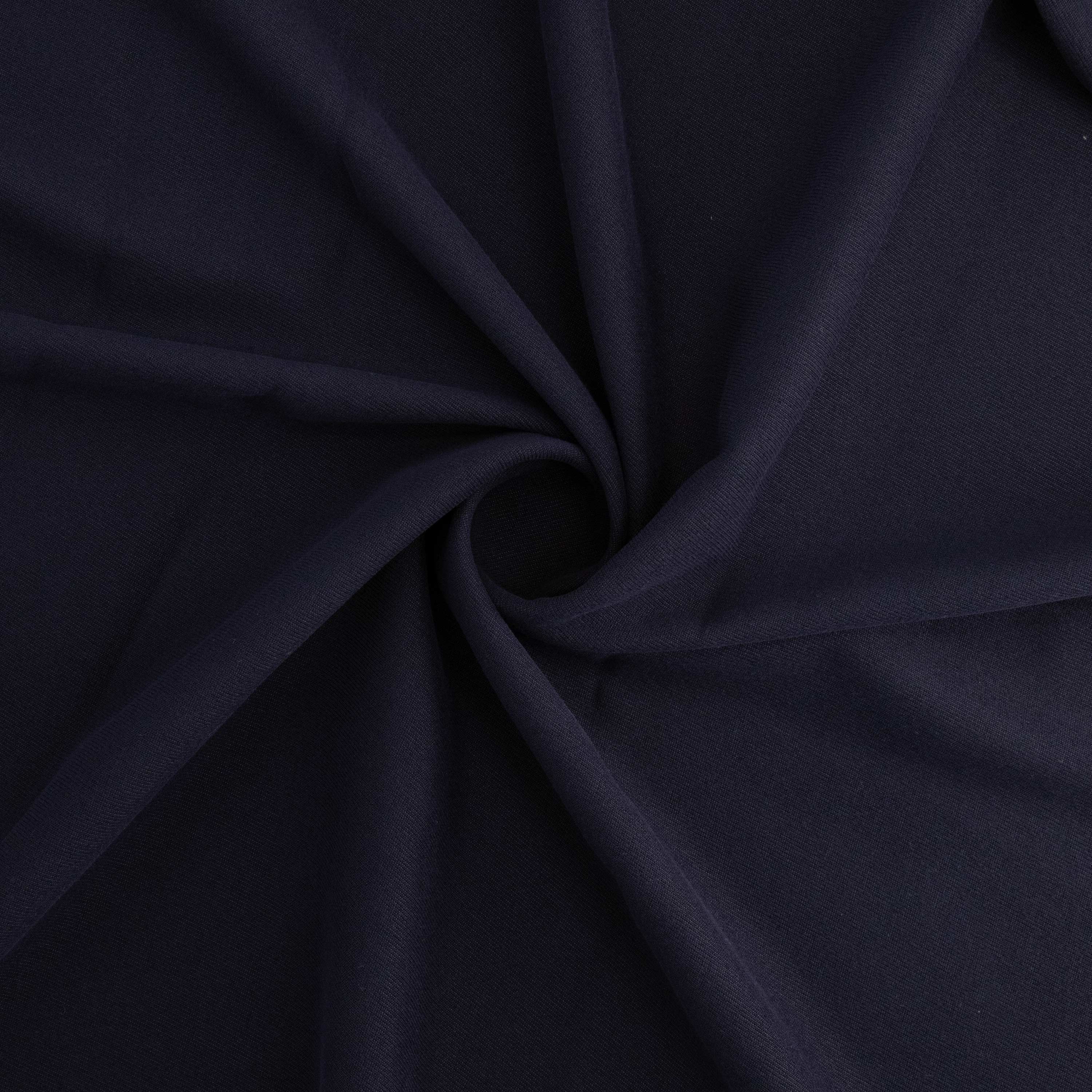
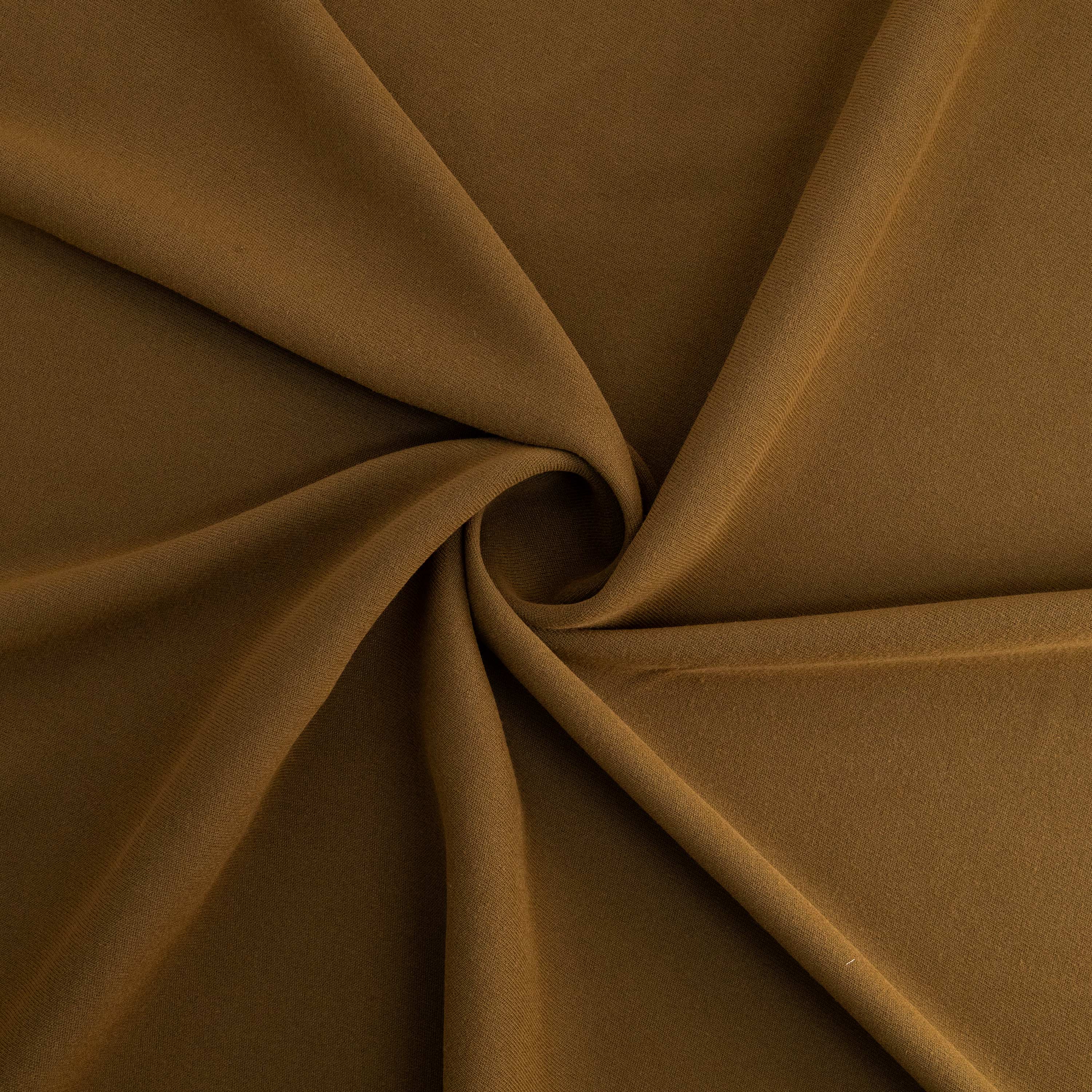
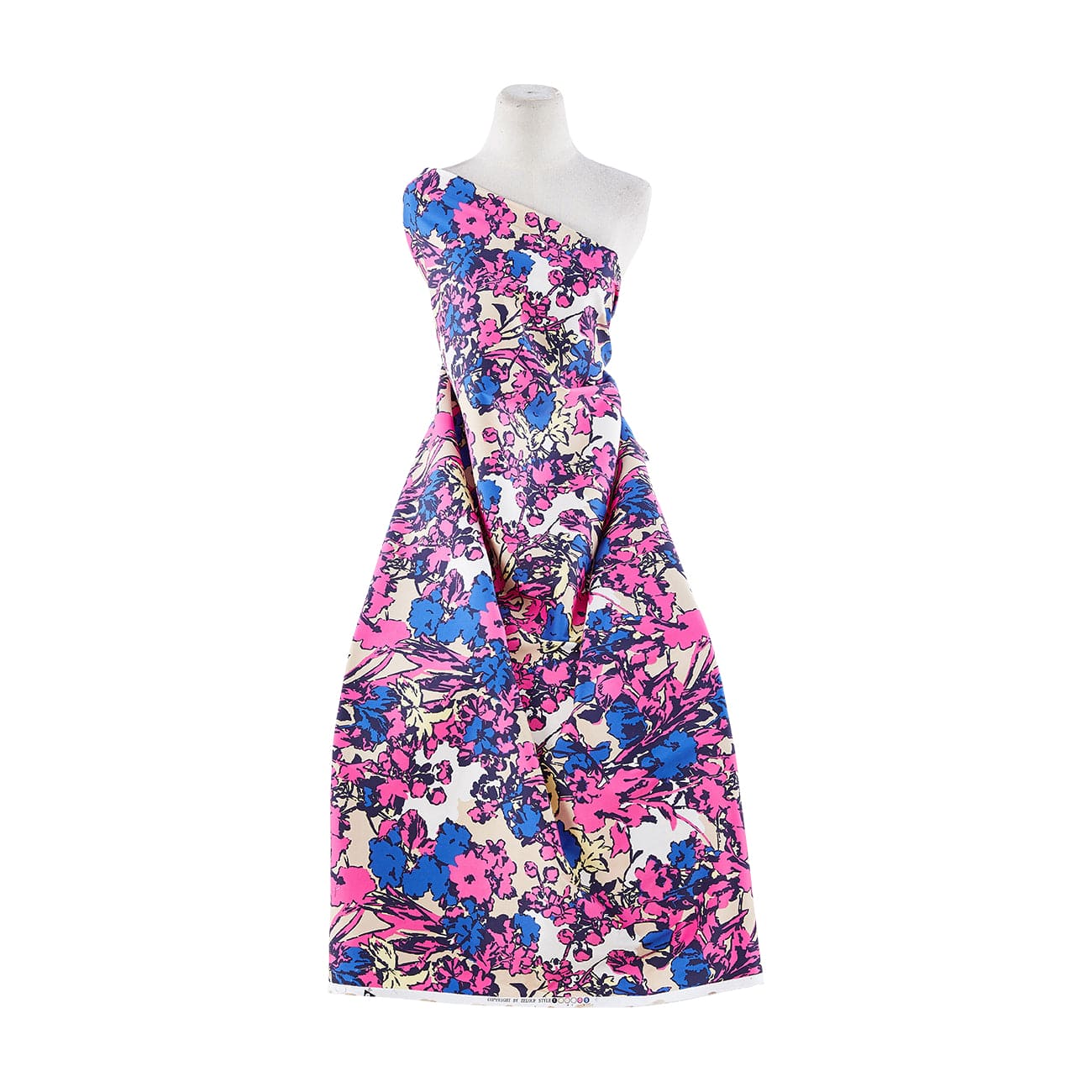
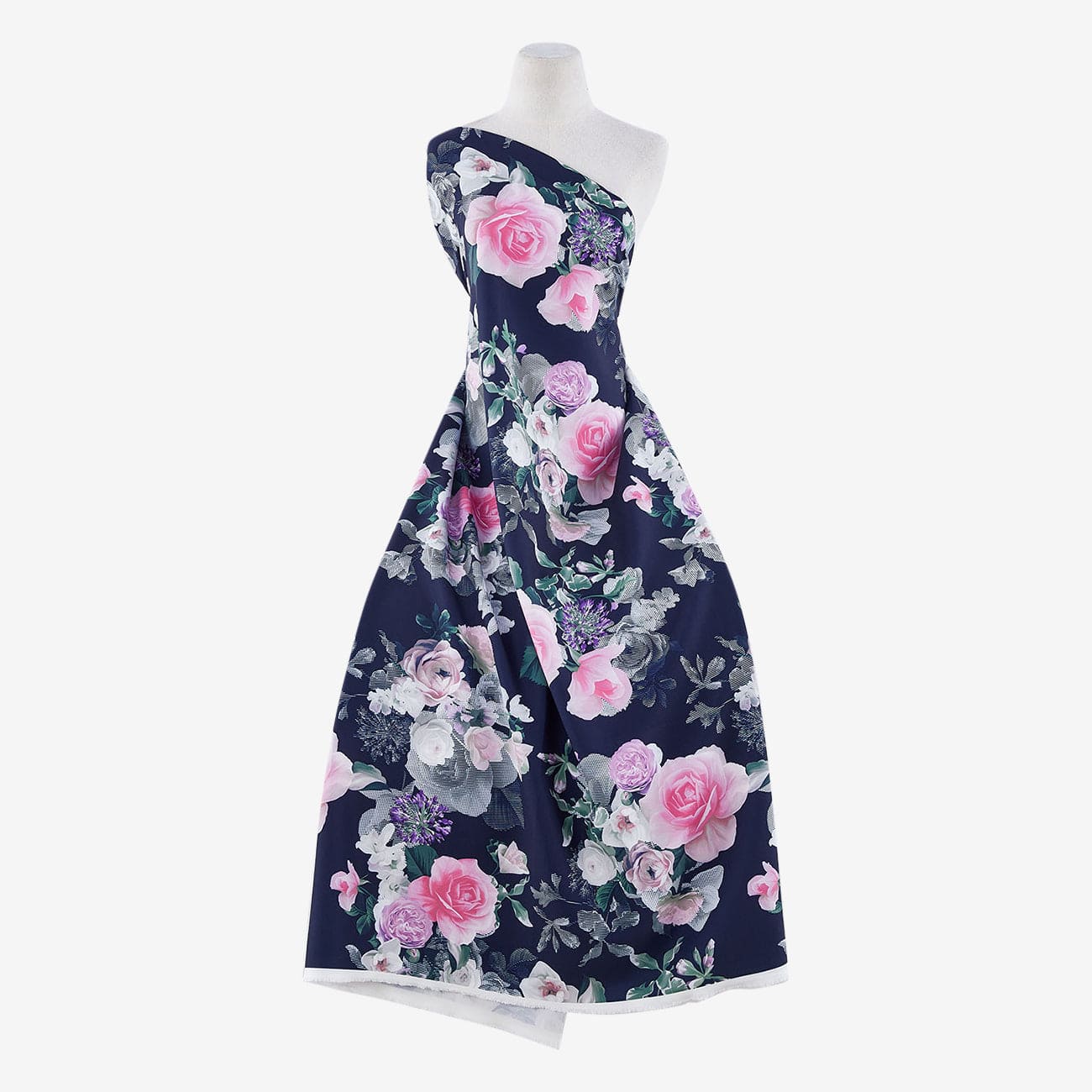
Twill Fabric Basics: Weave, Wale, and Float Ratio
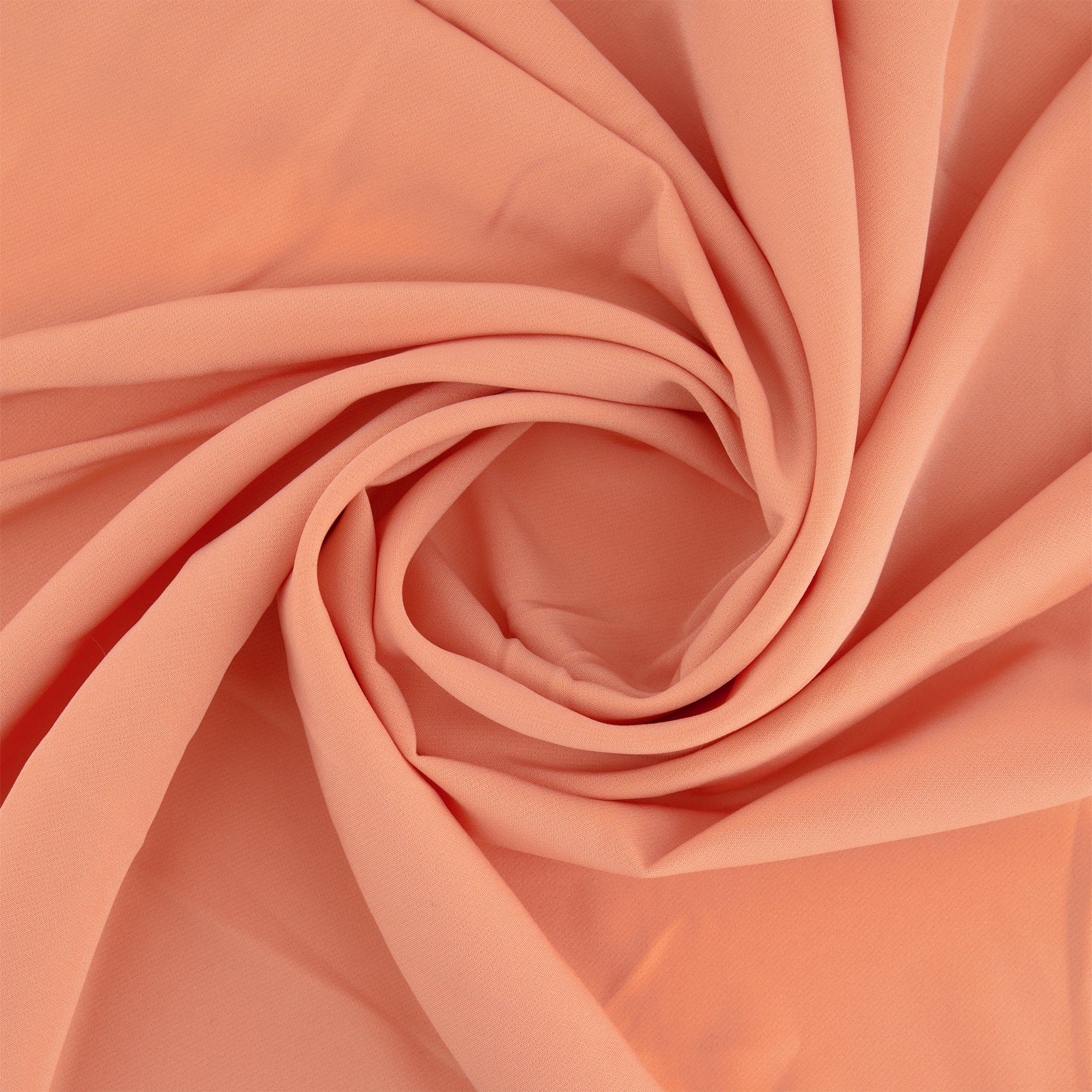
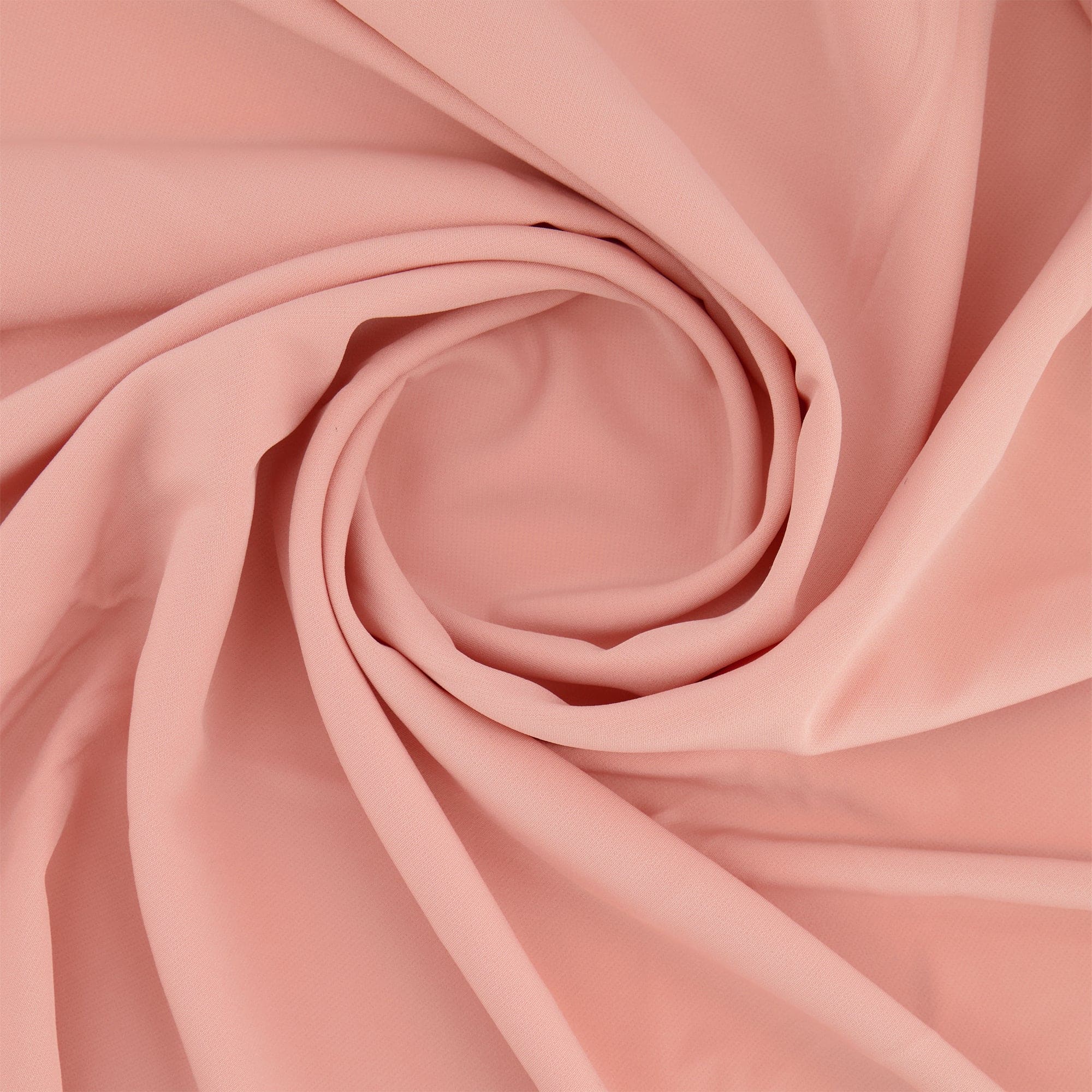
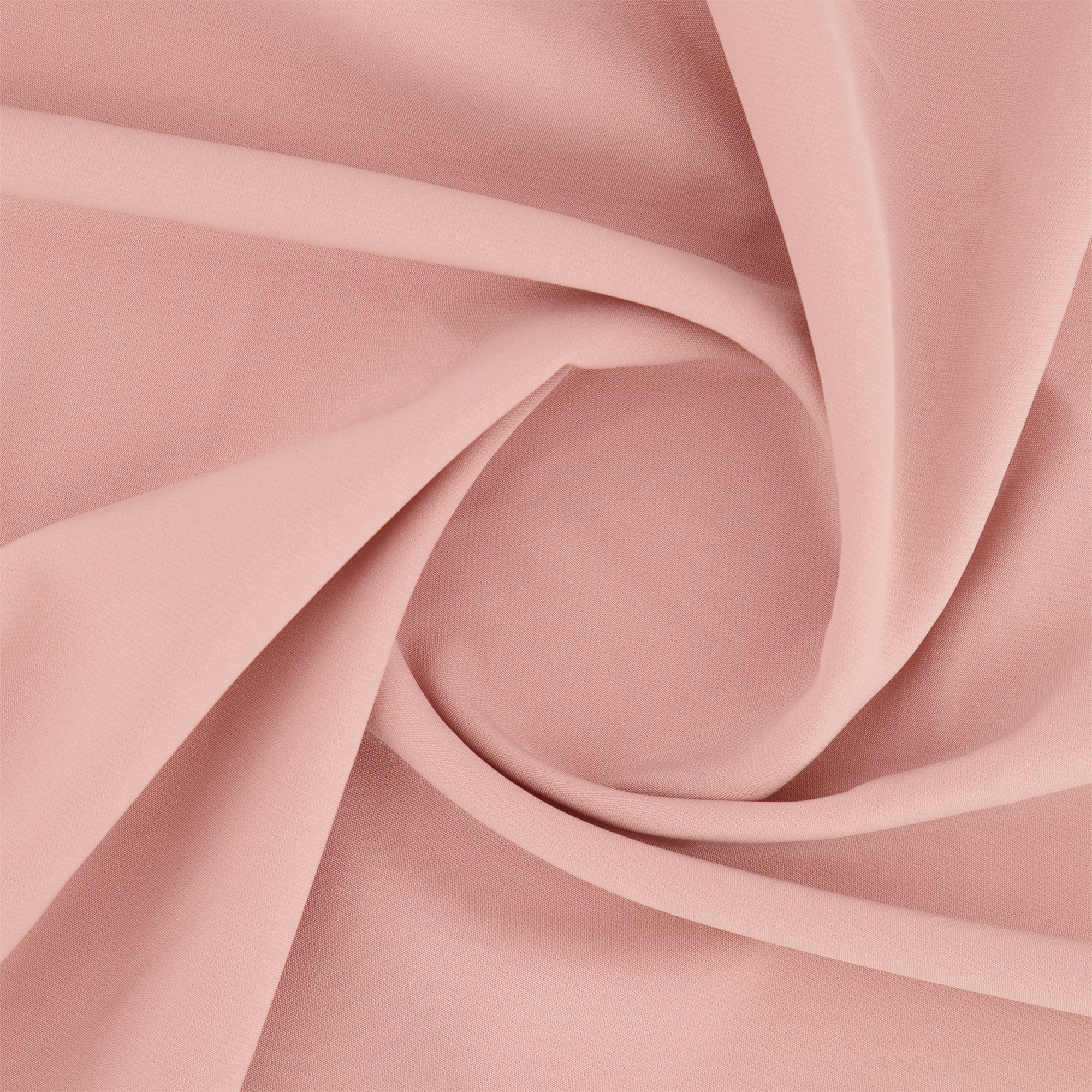
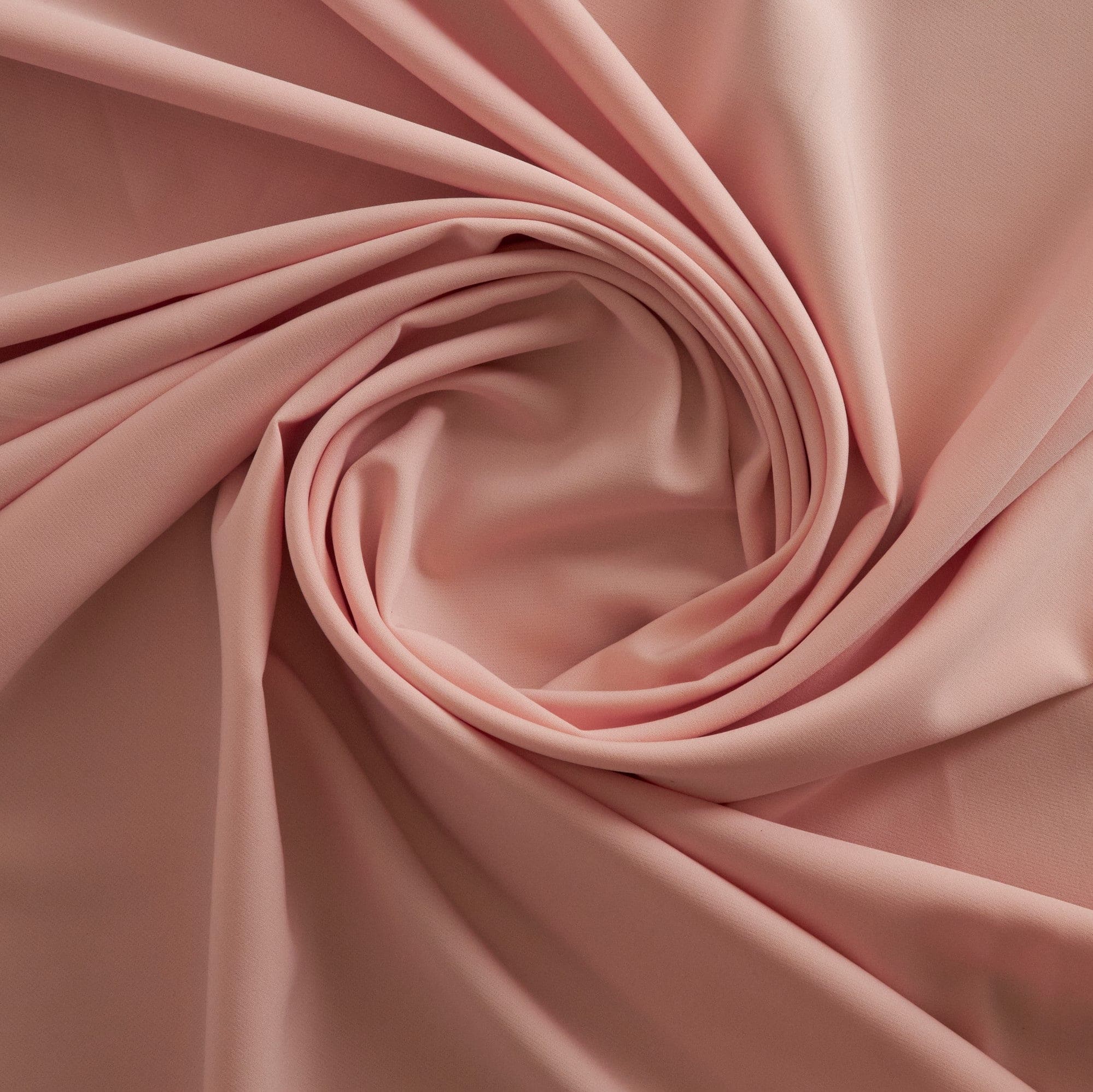
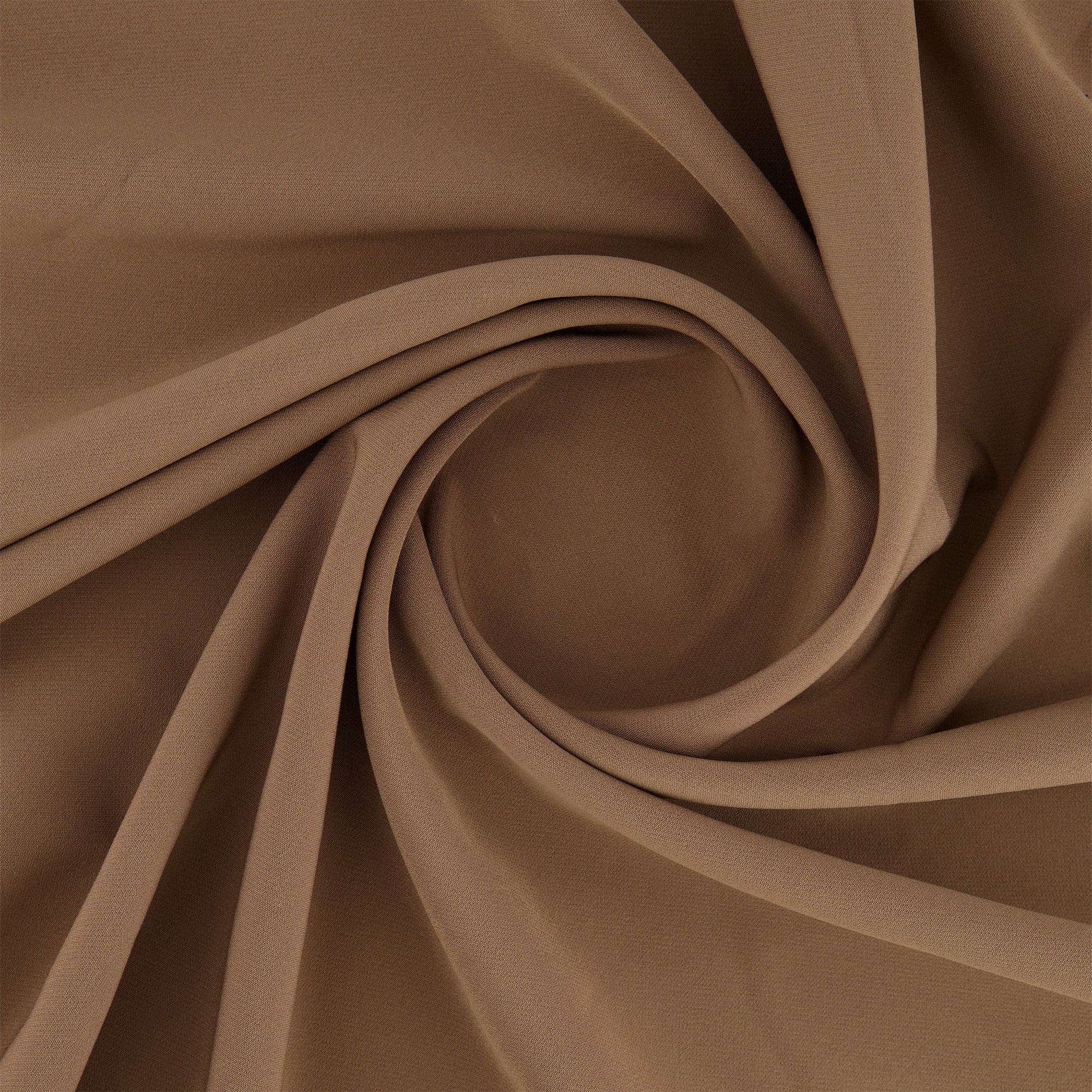
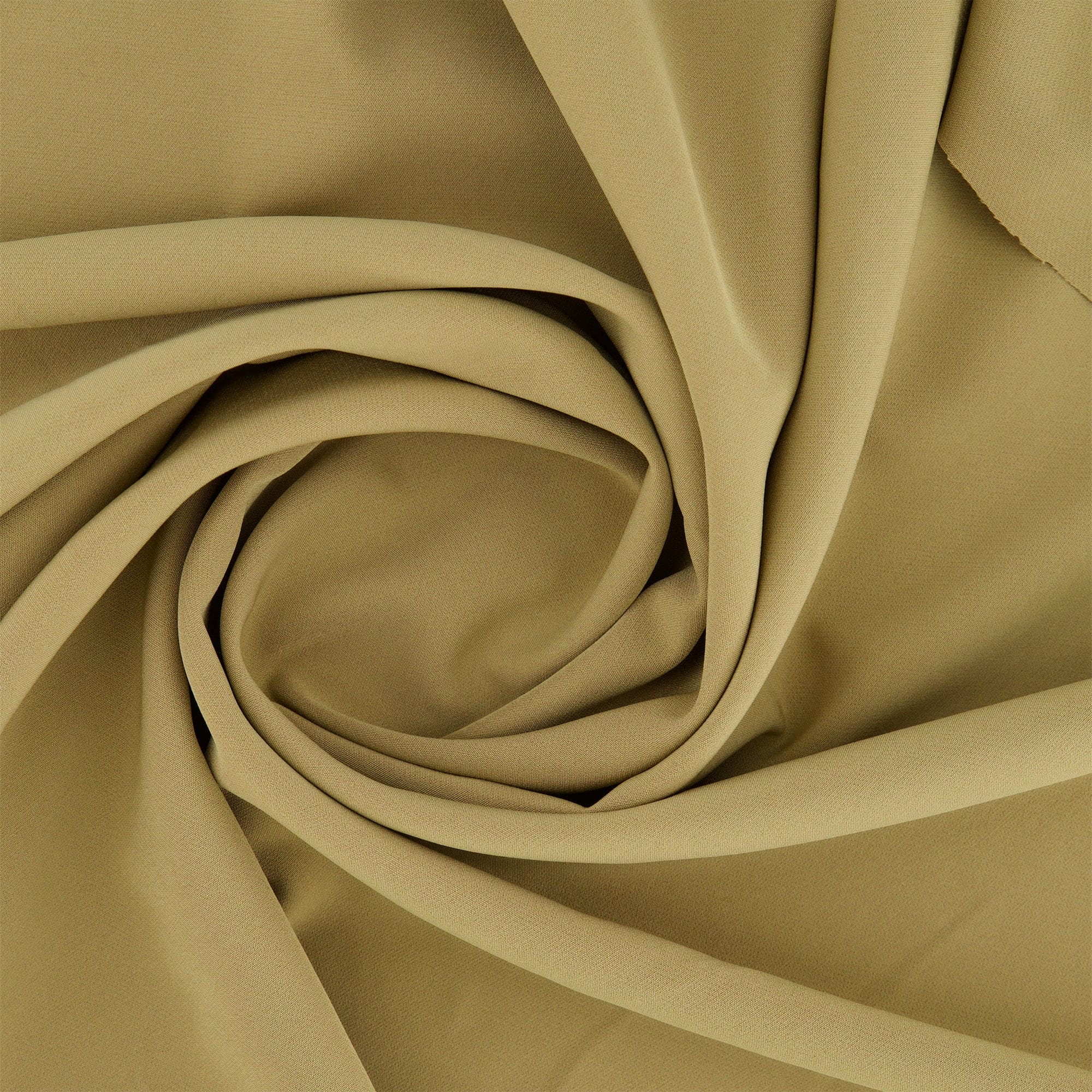
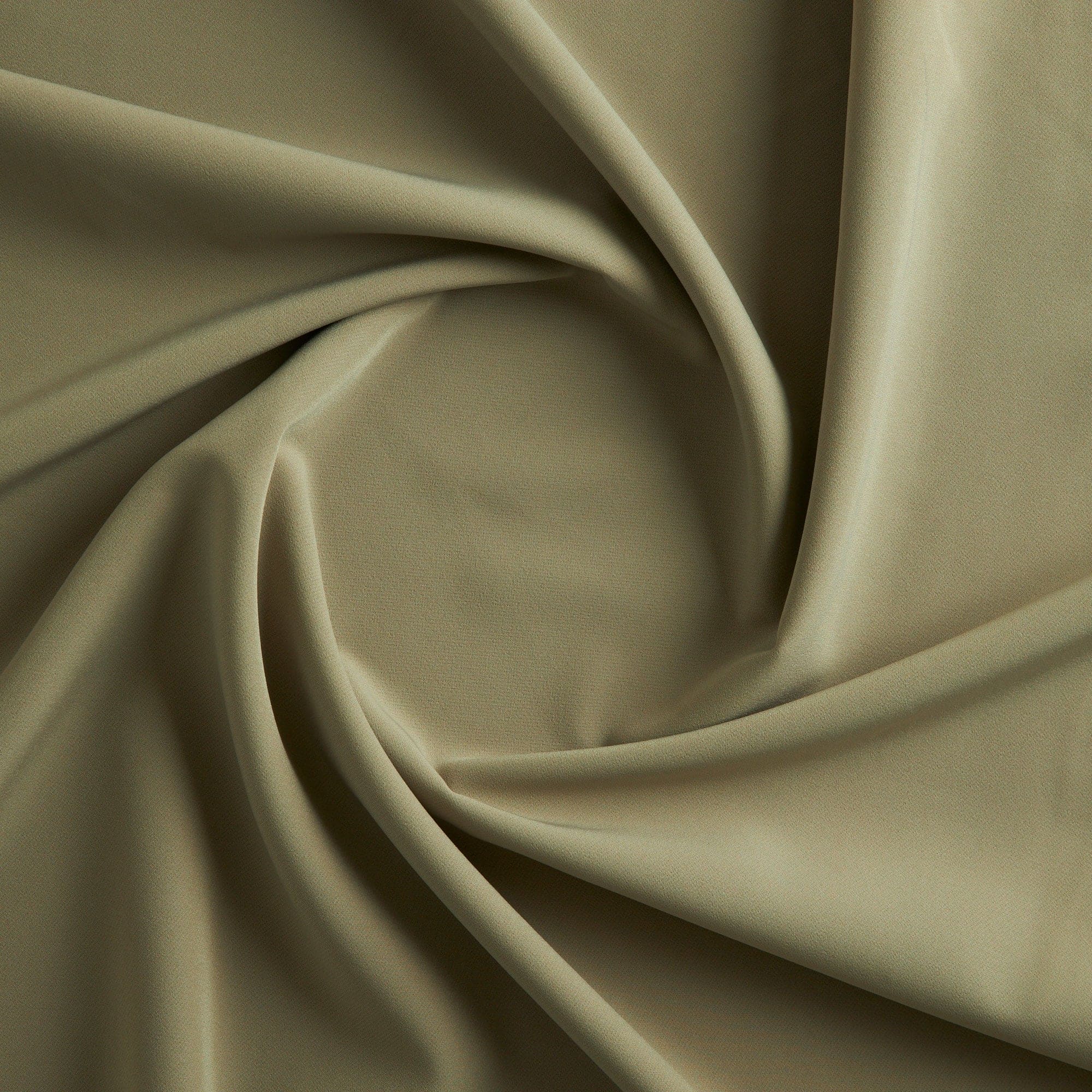
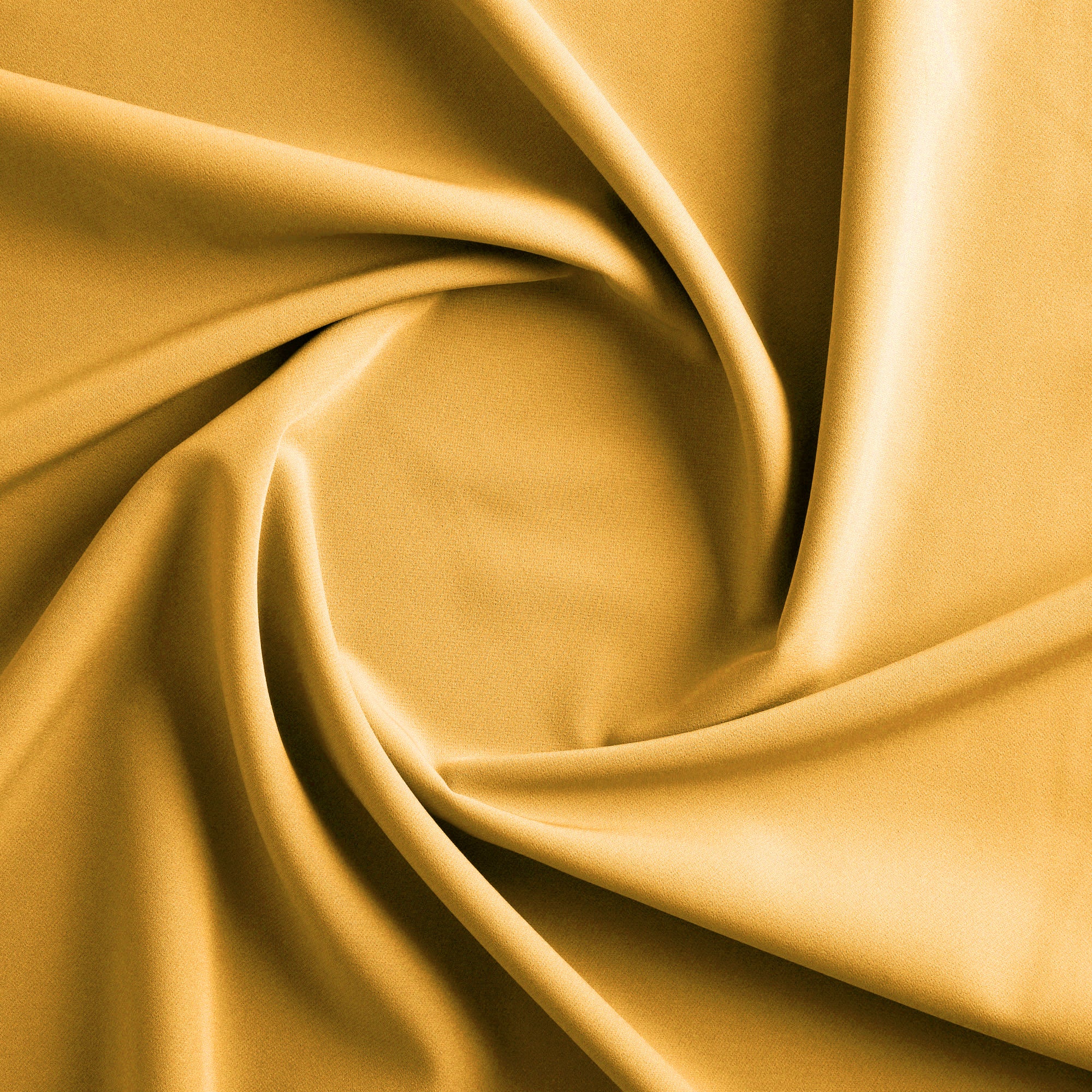
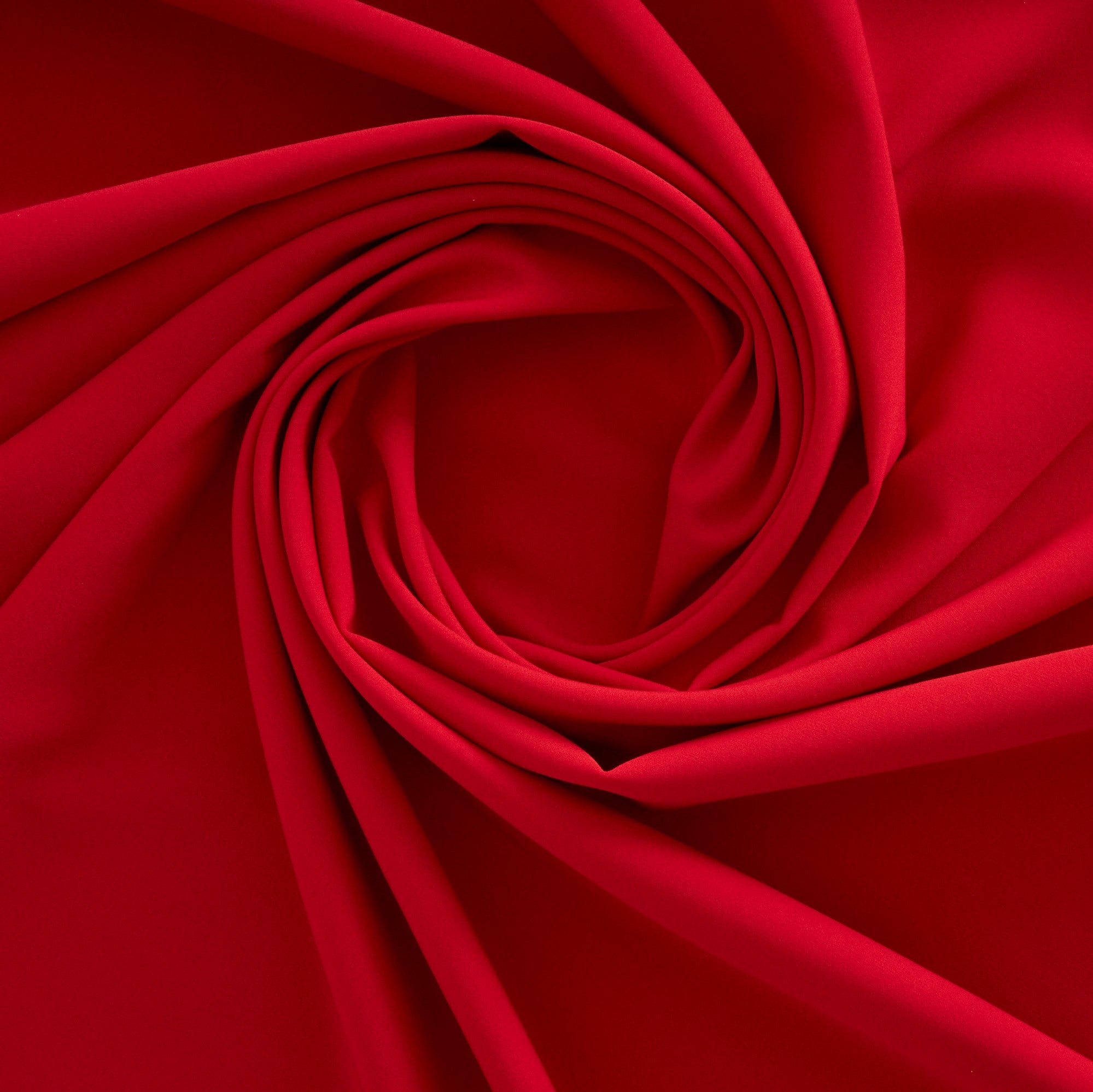
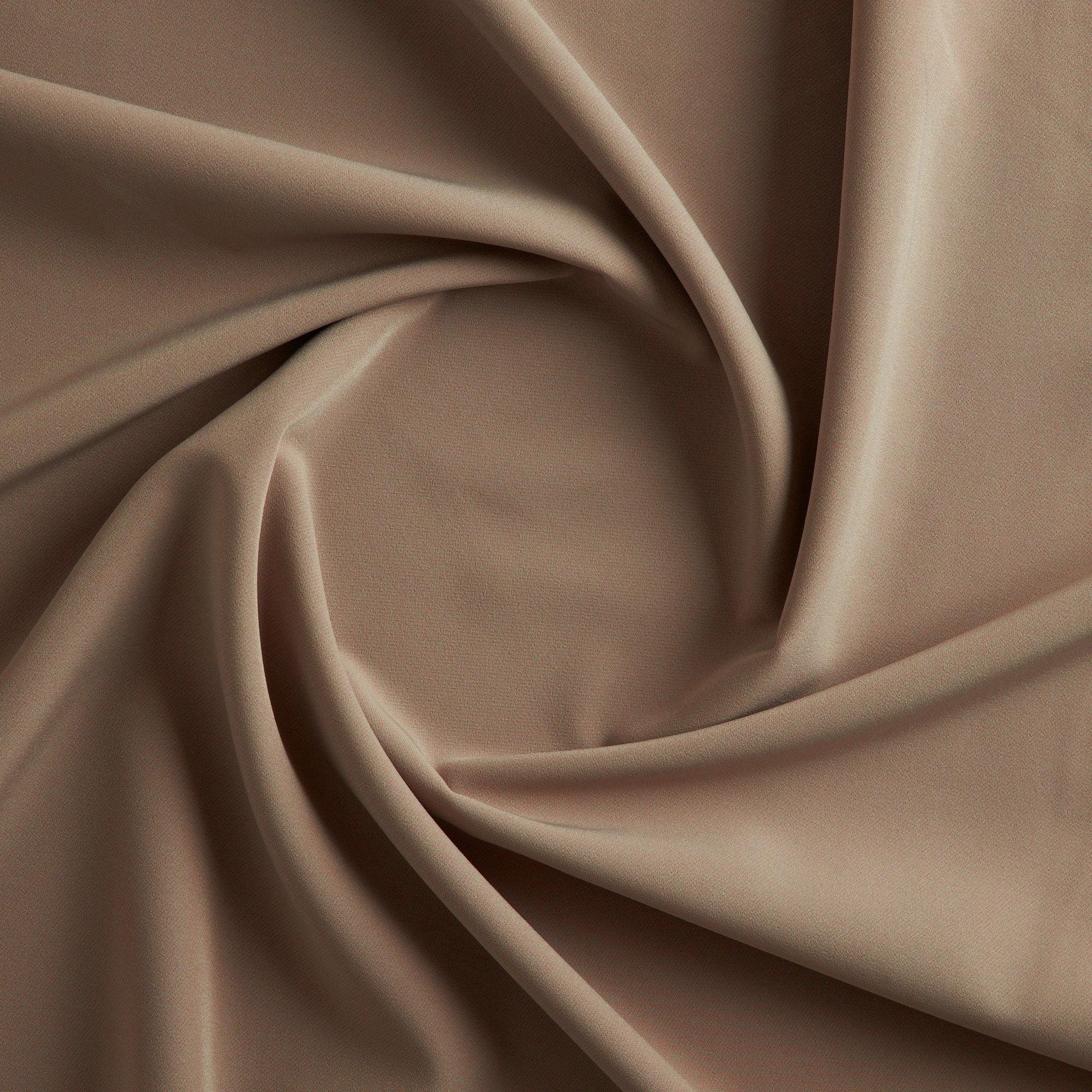
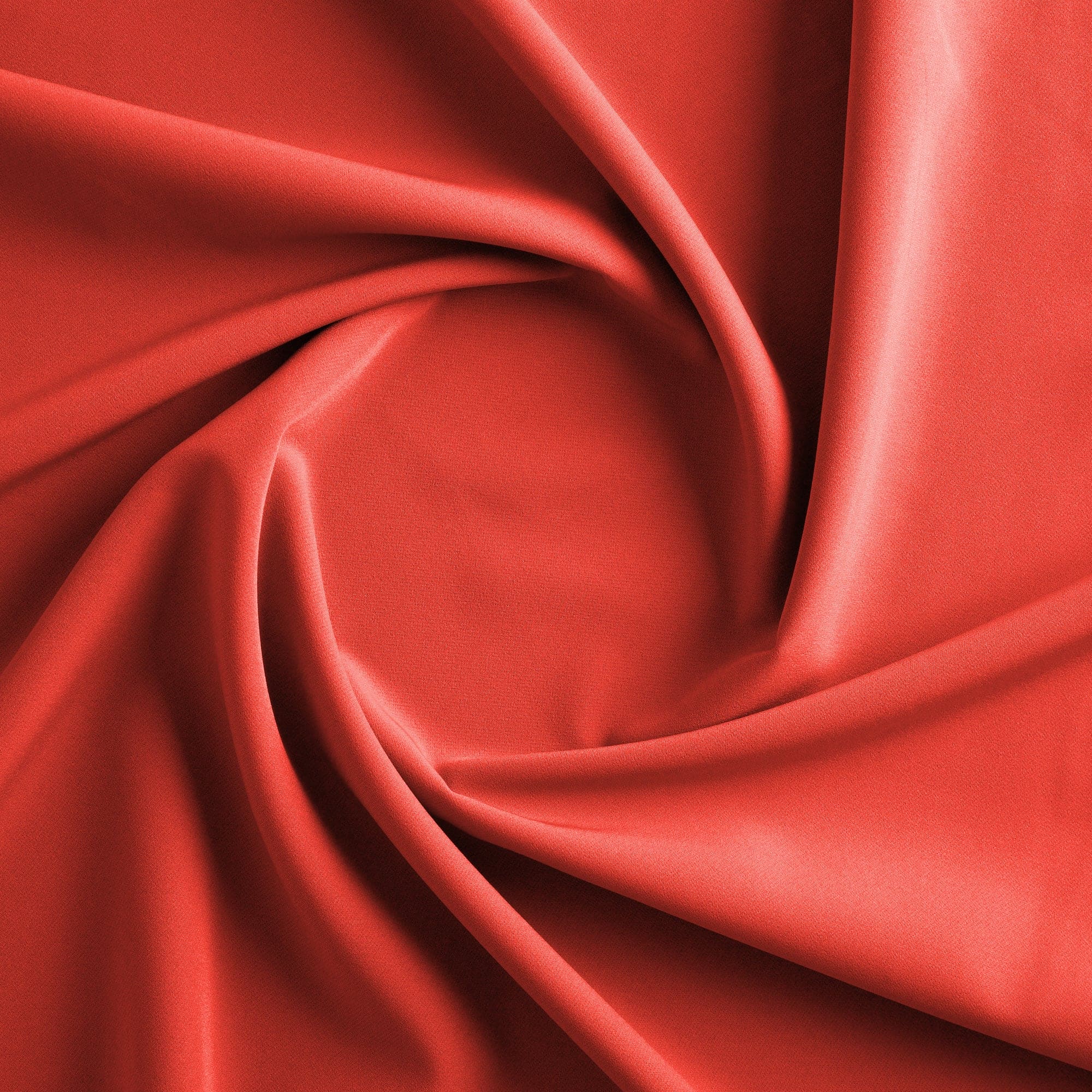
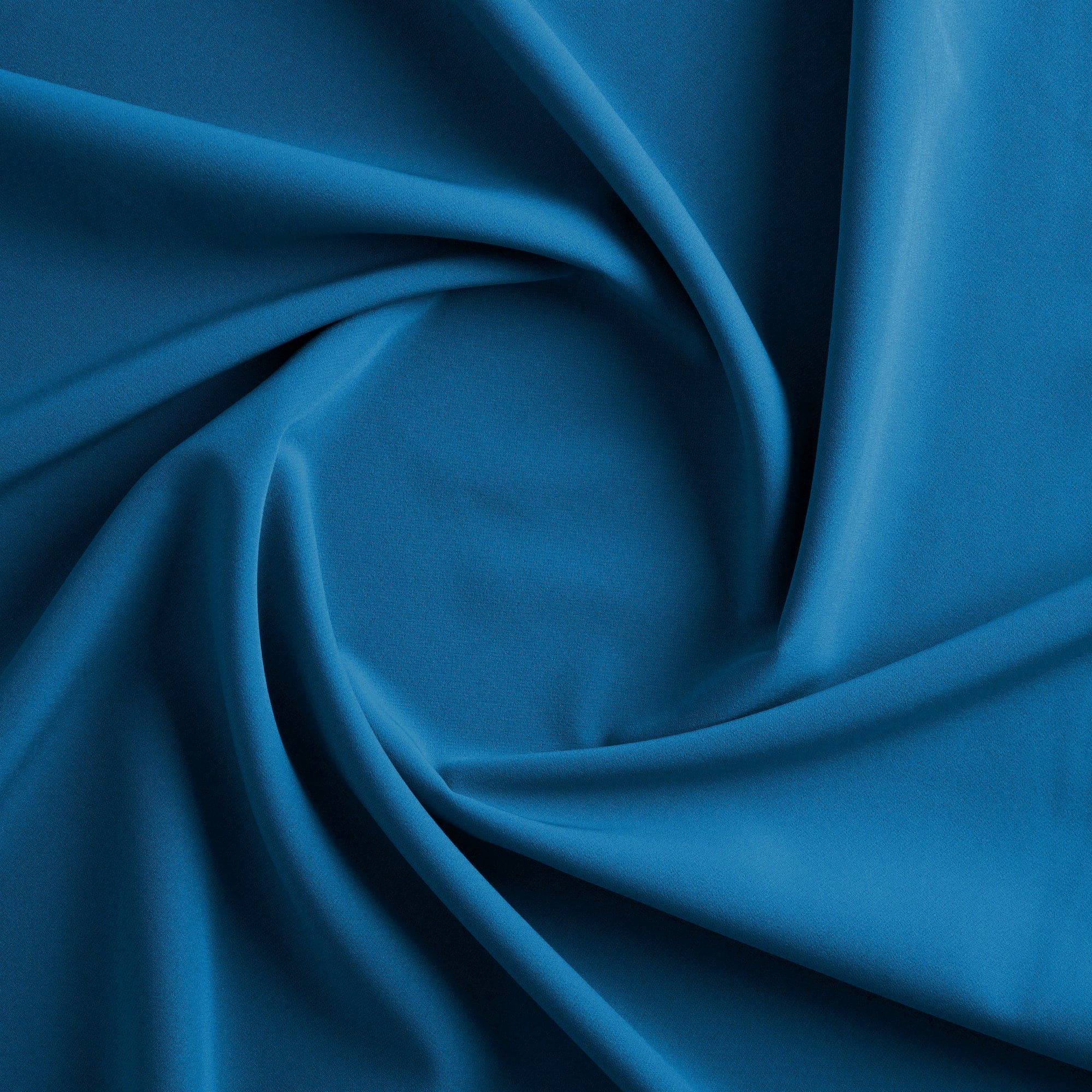
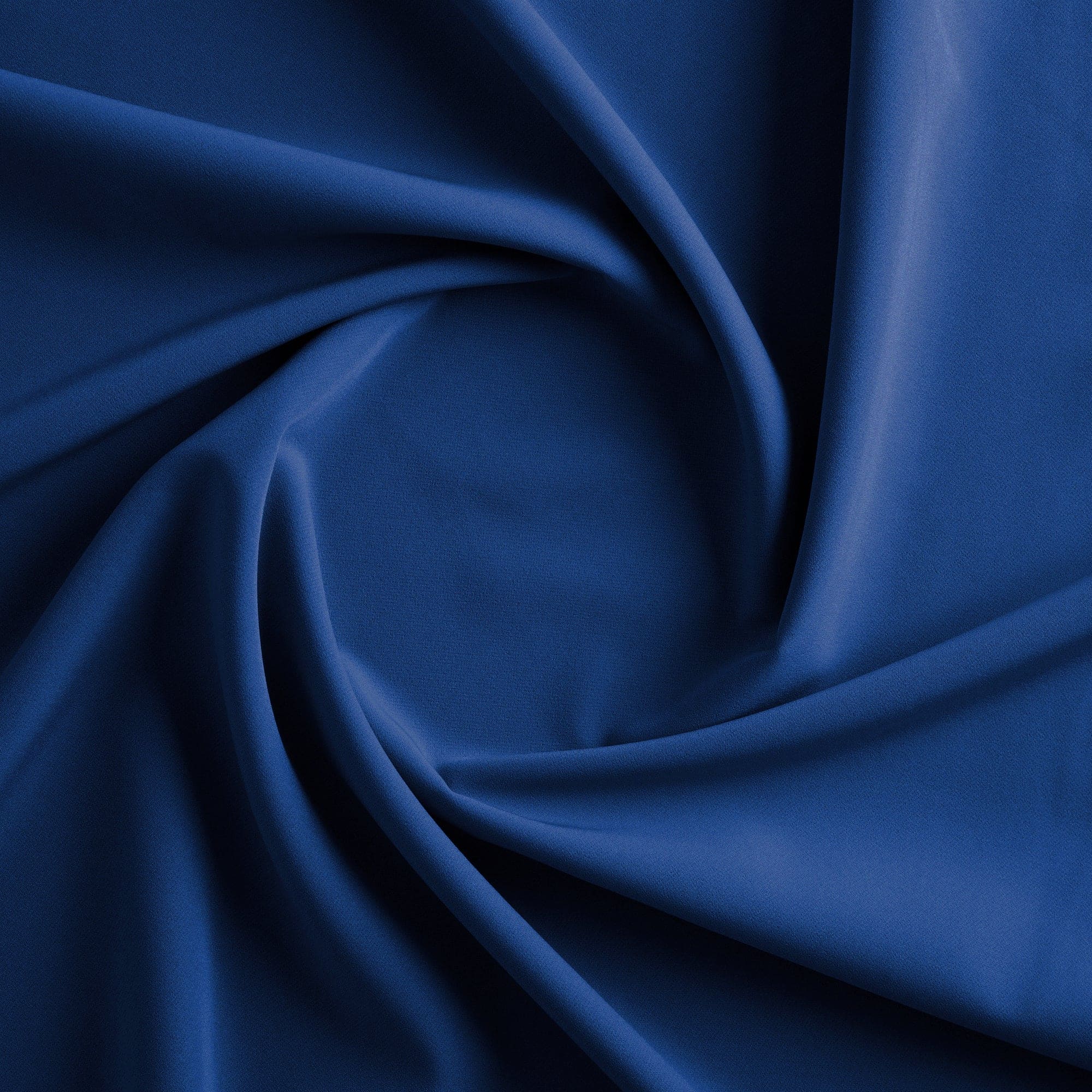
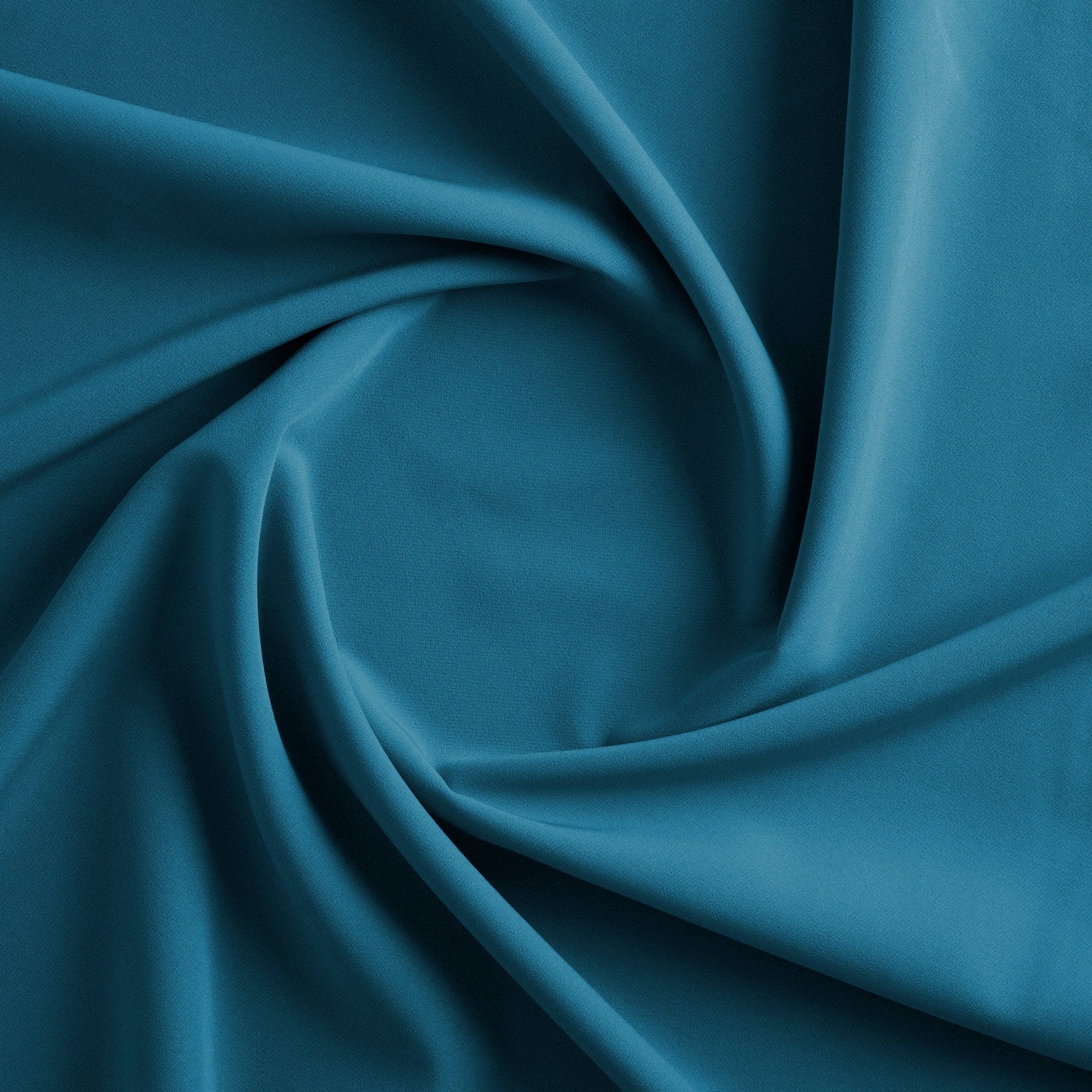
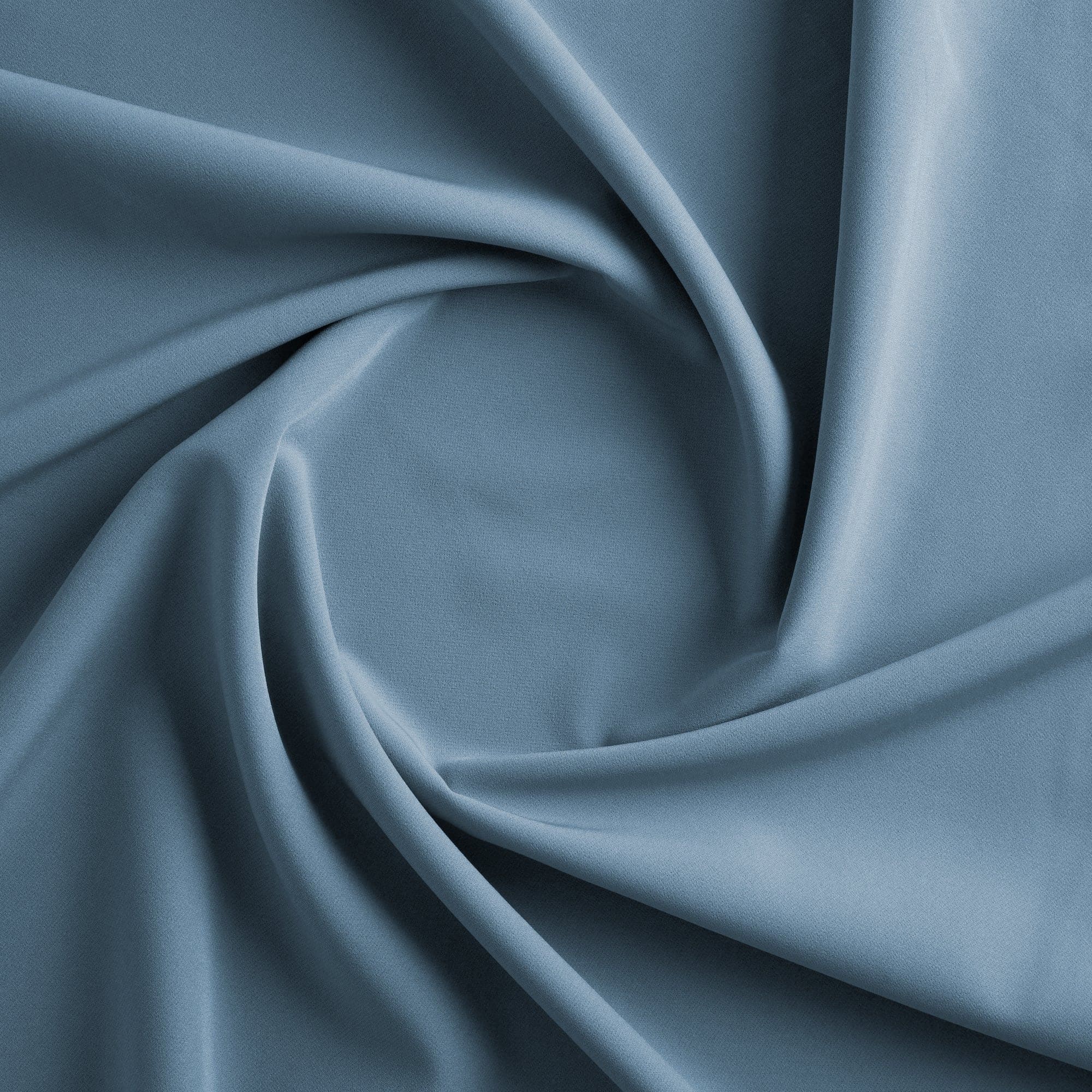
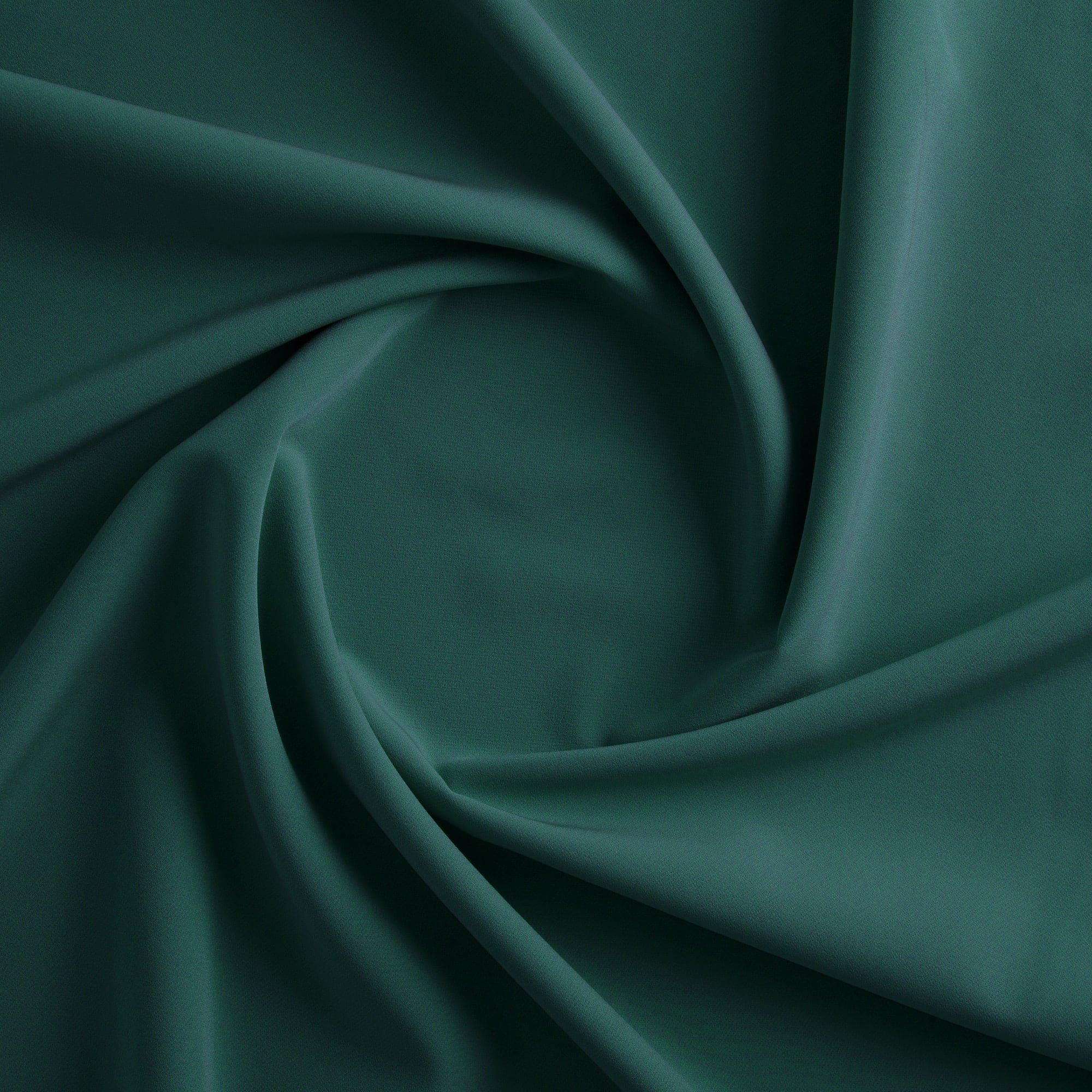
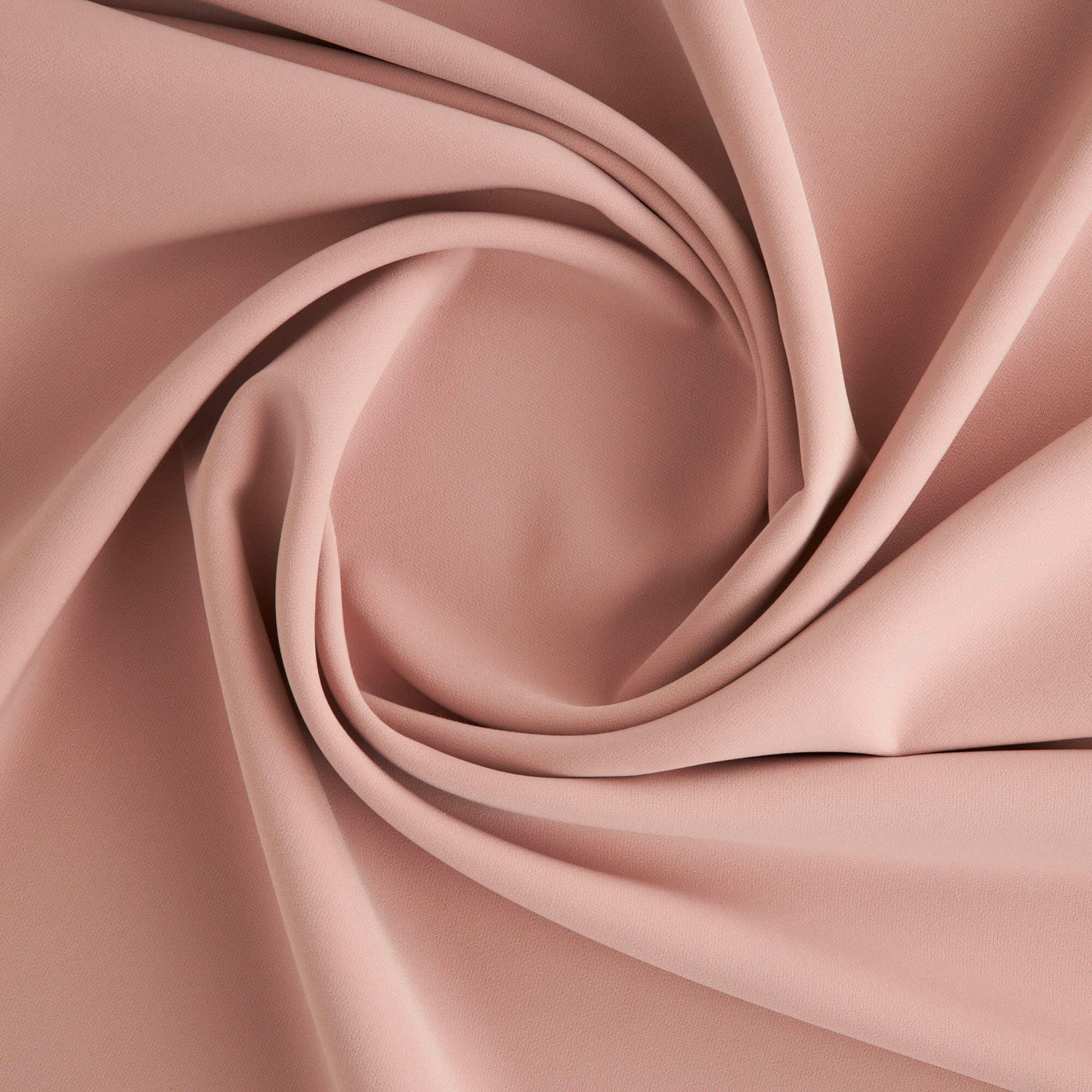
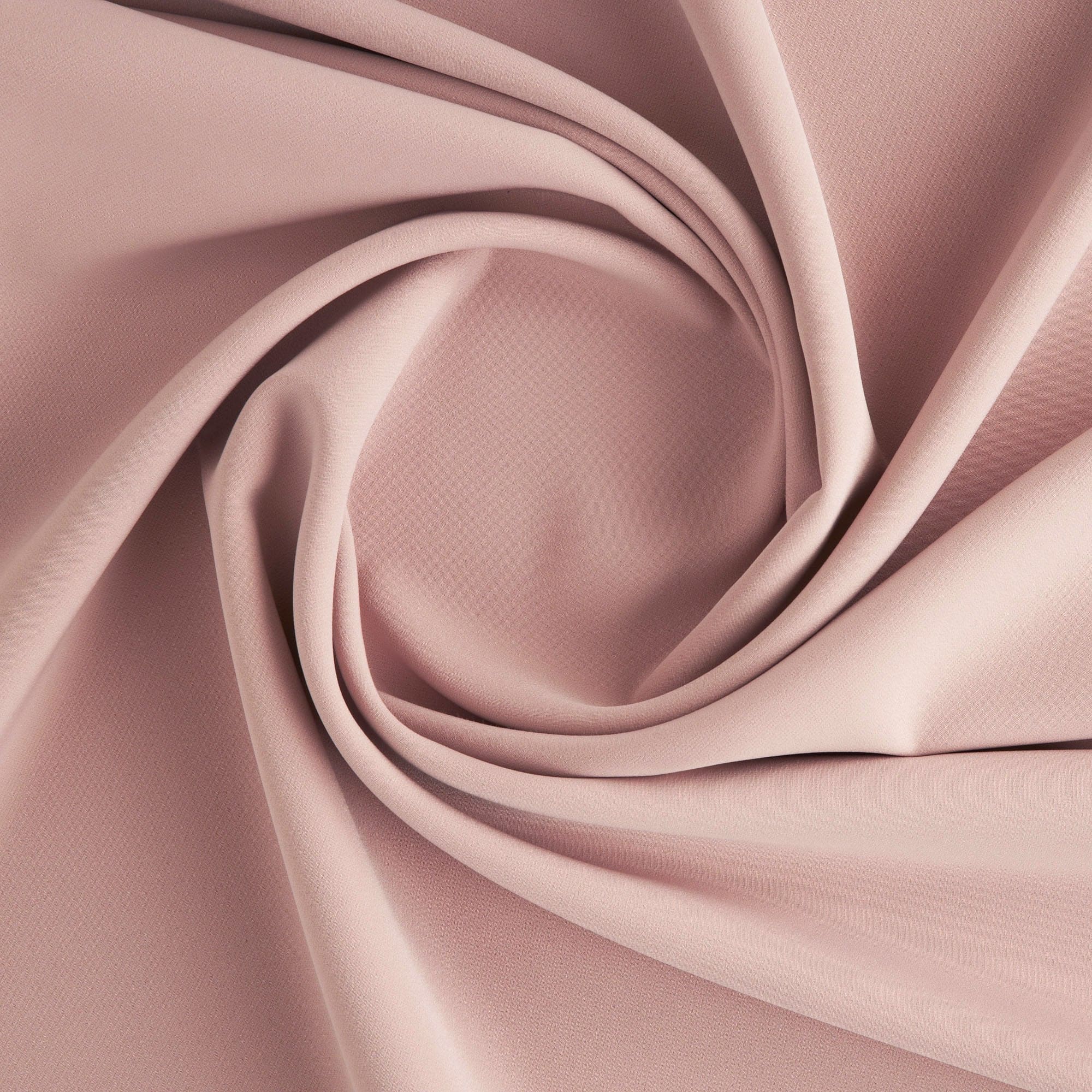
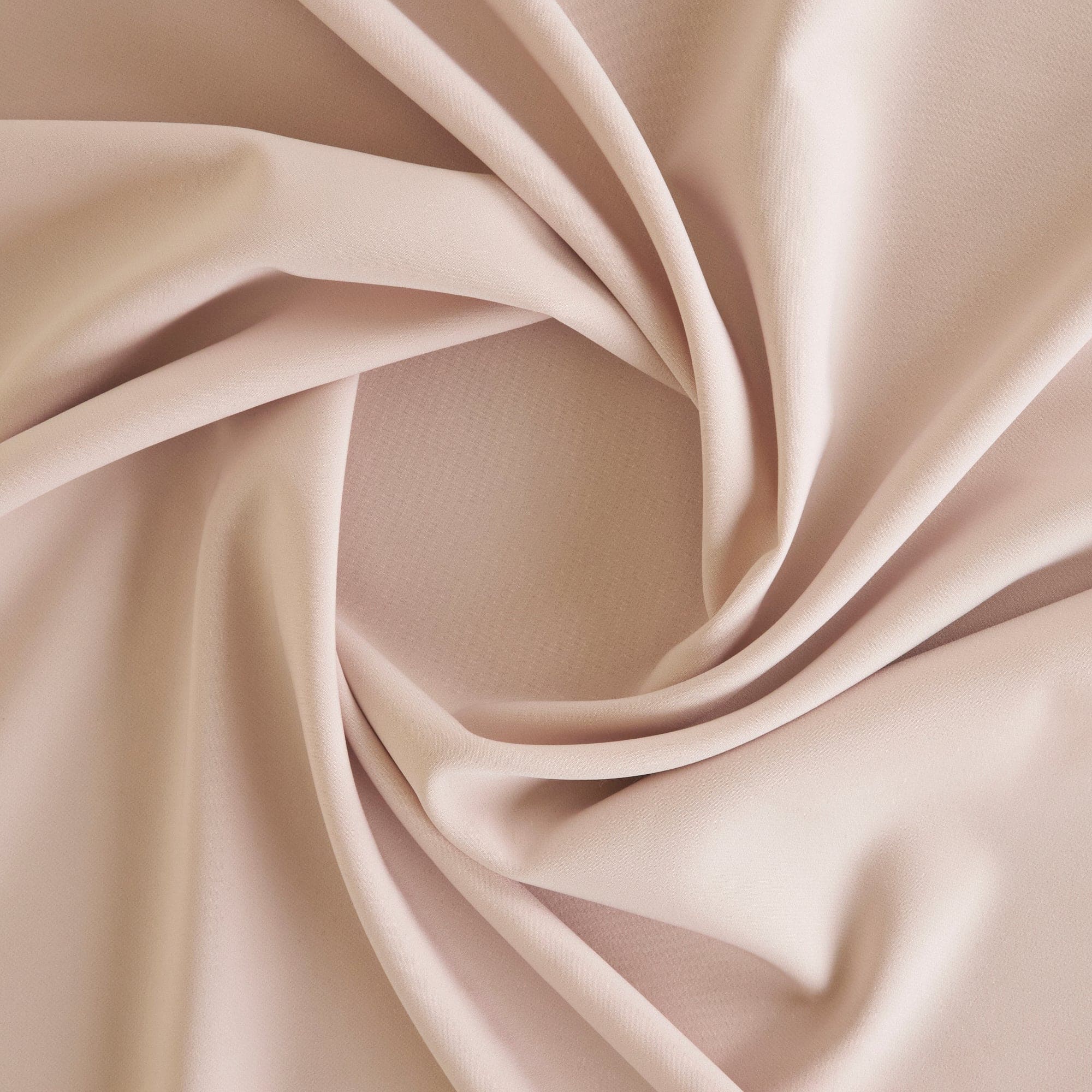
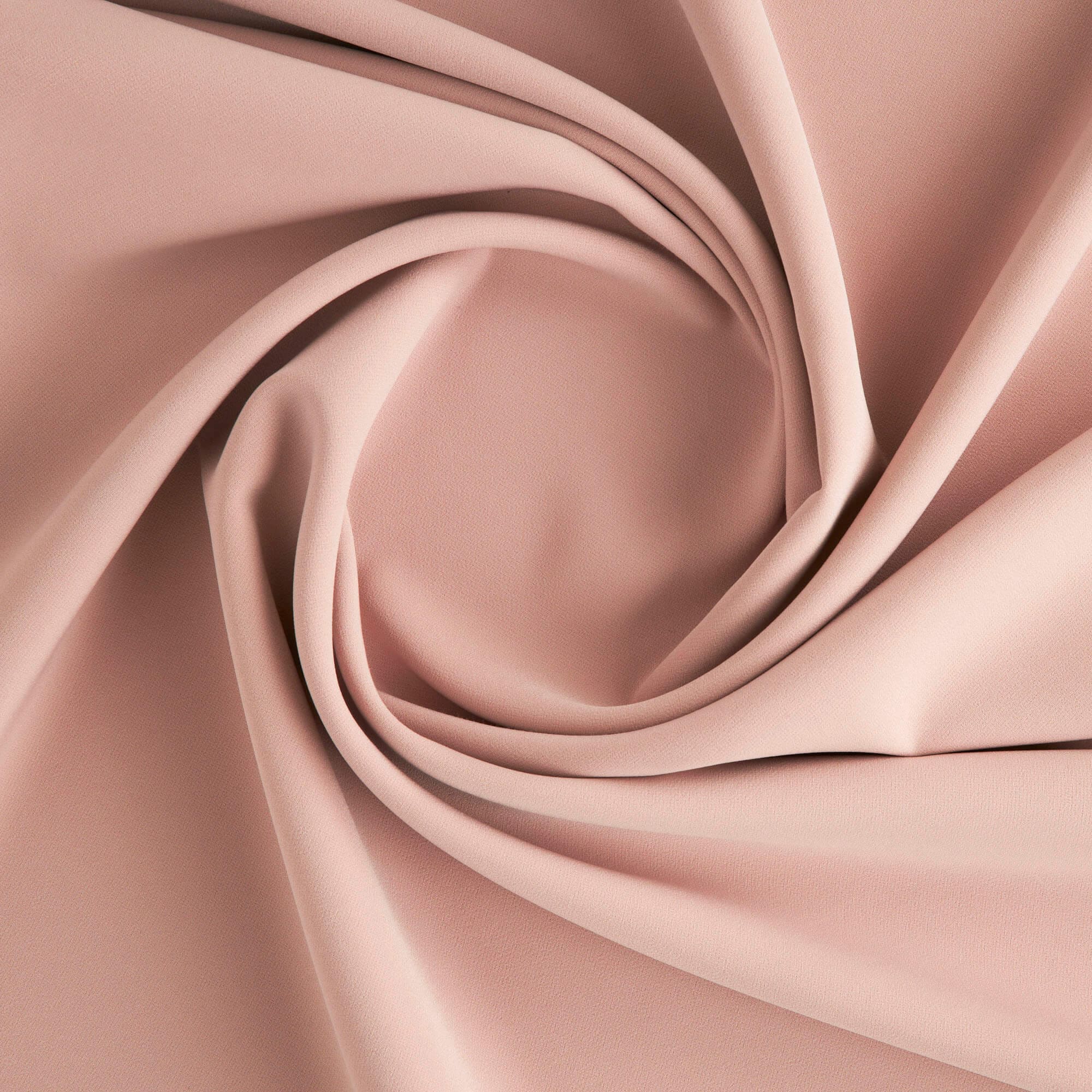
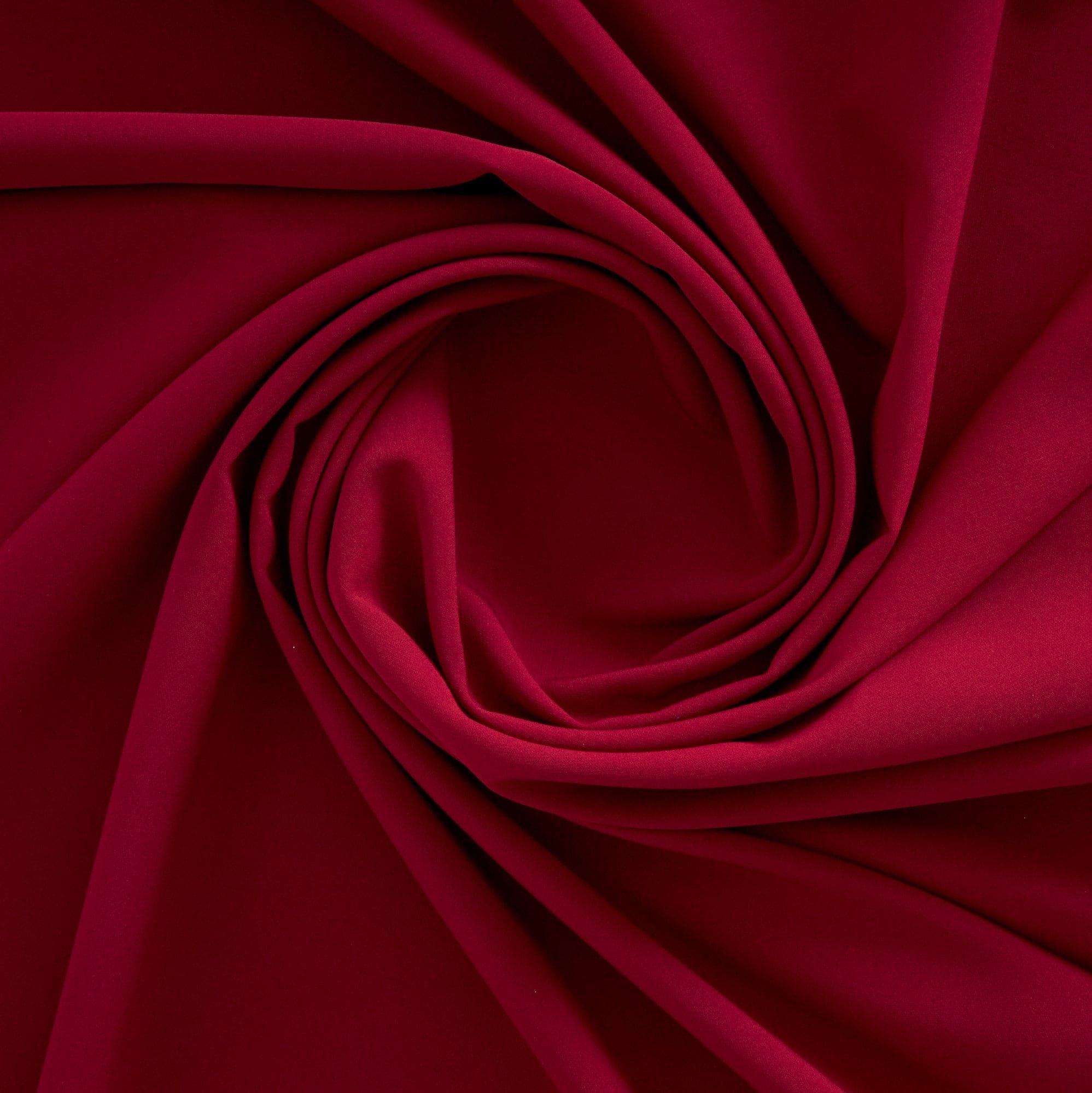
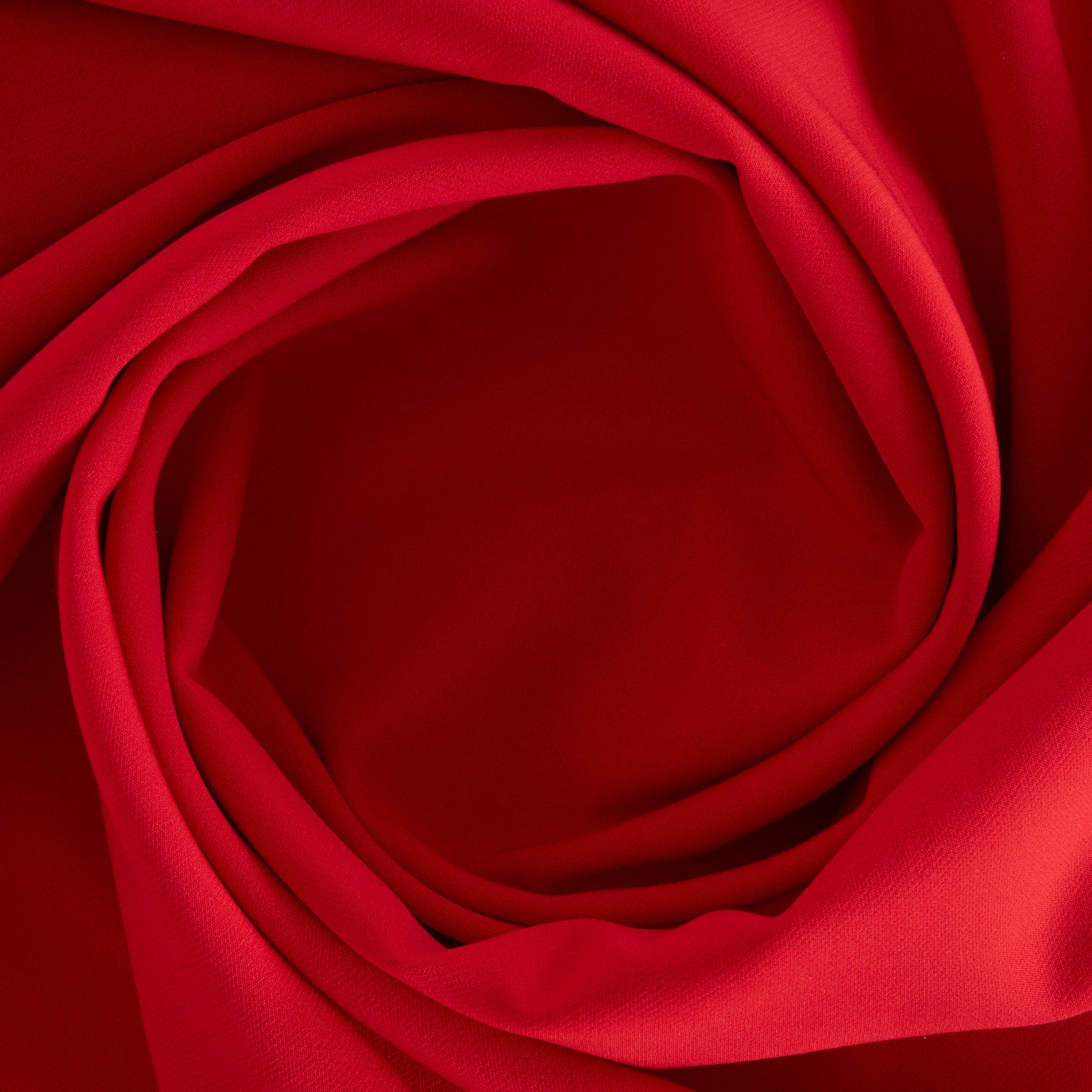
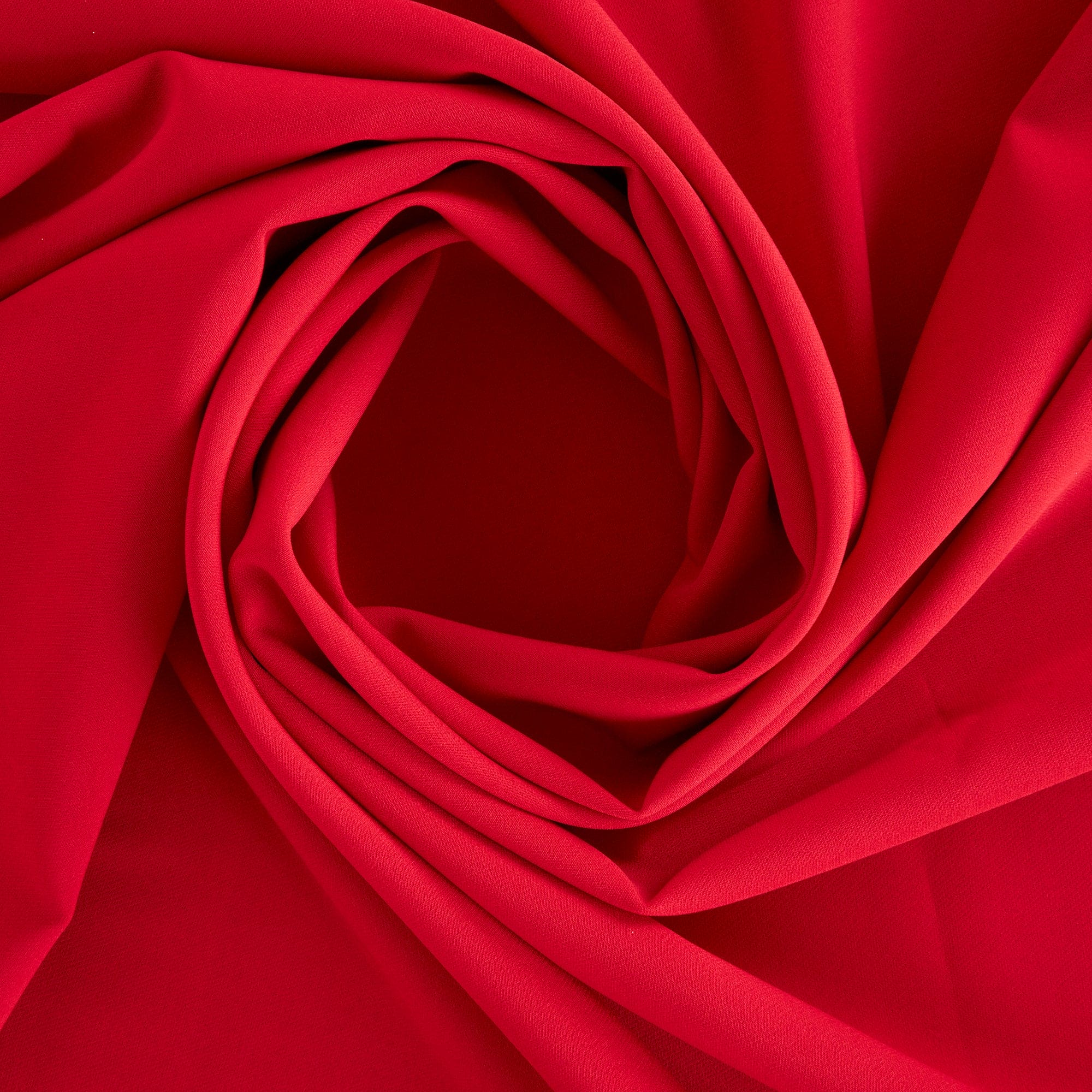
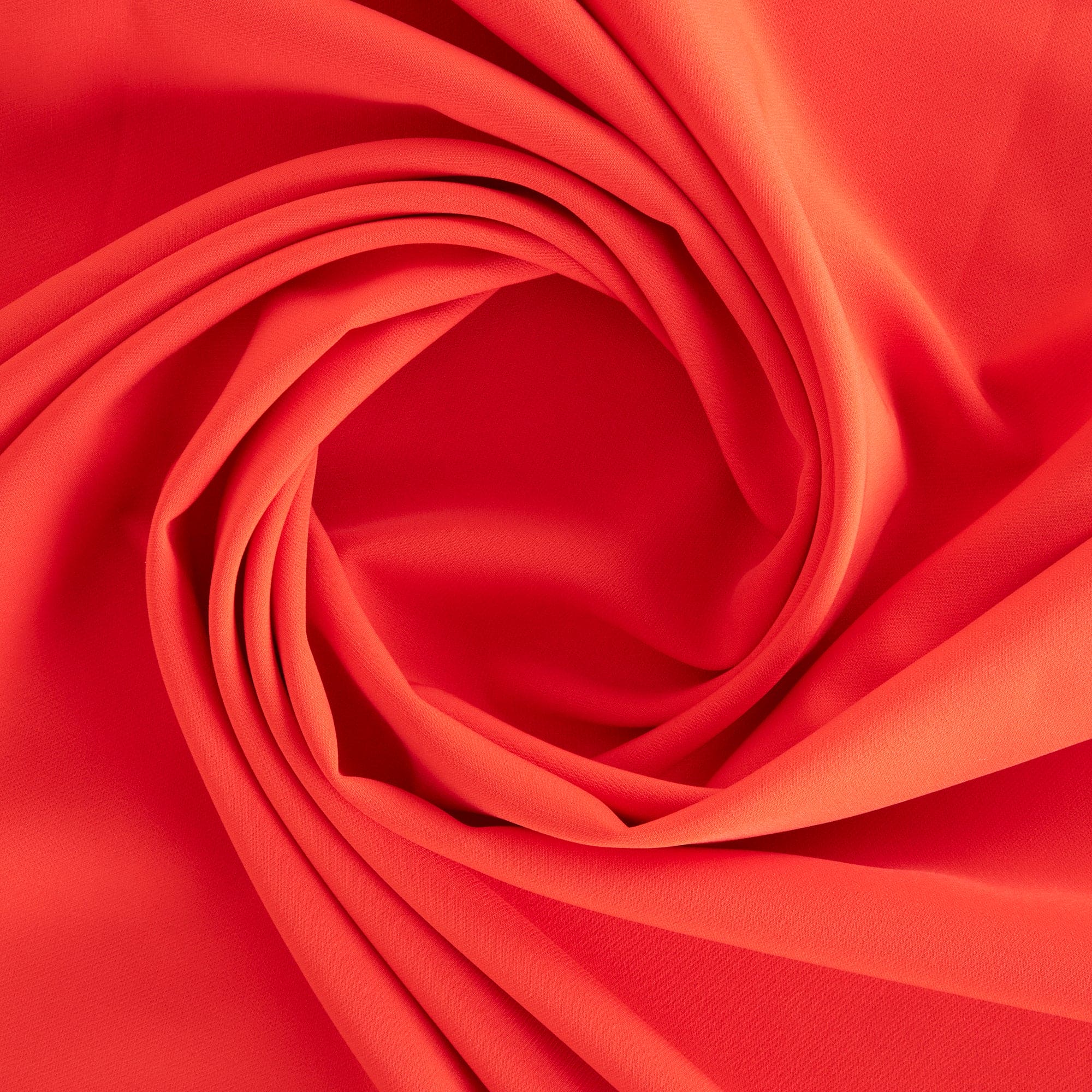
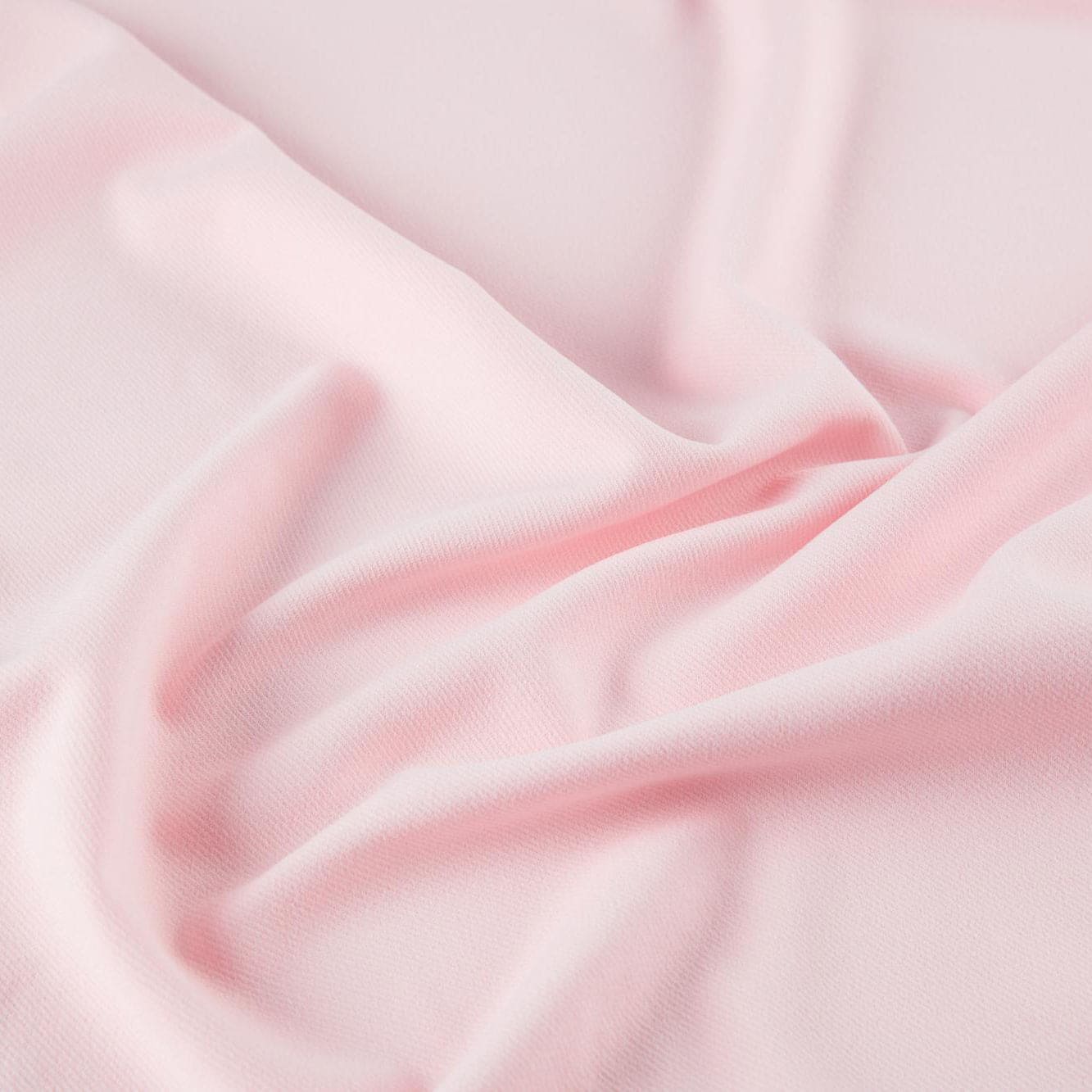
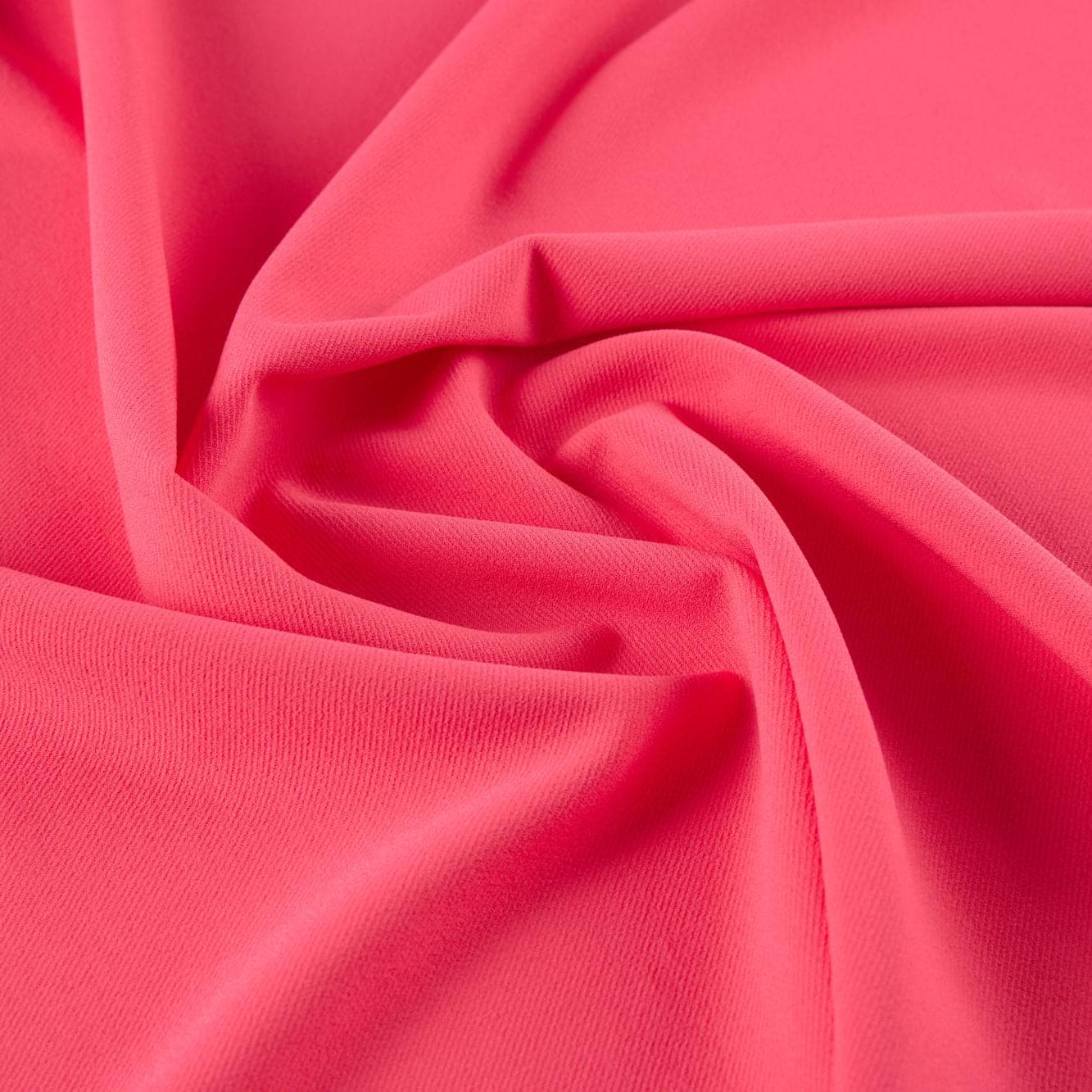
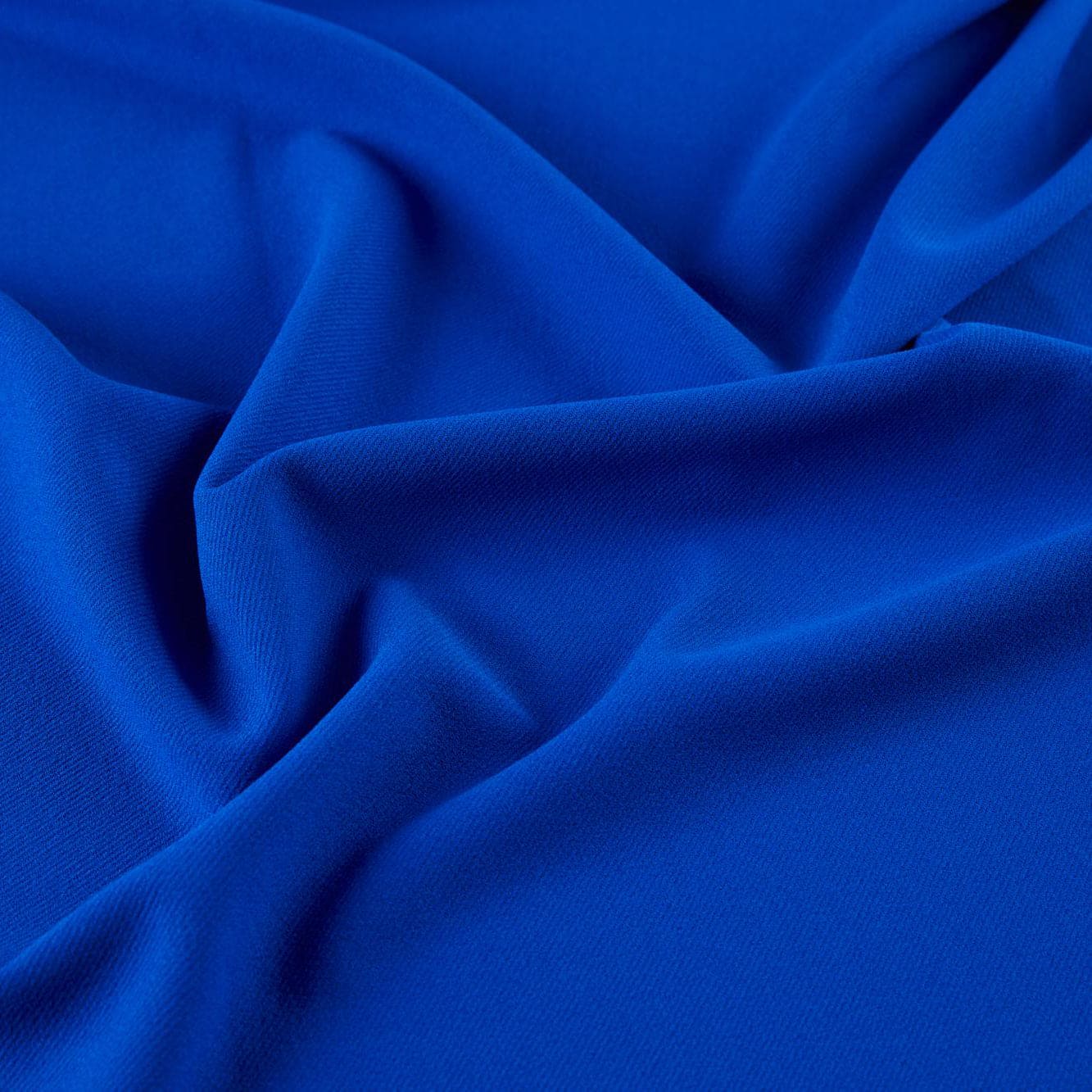
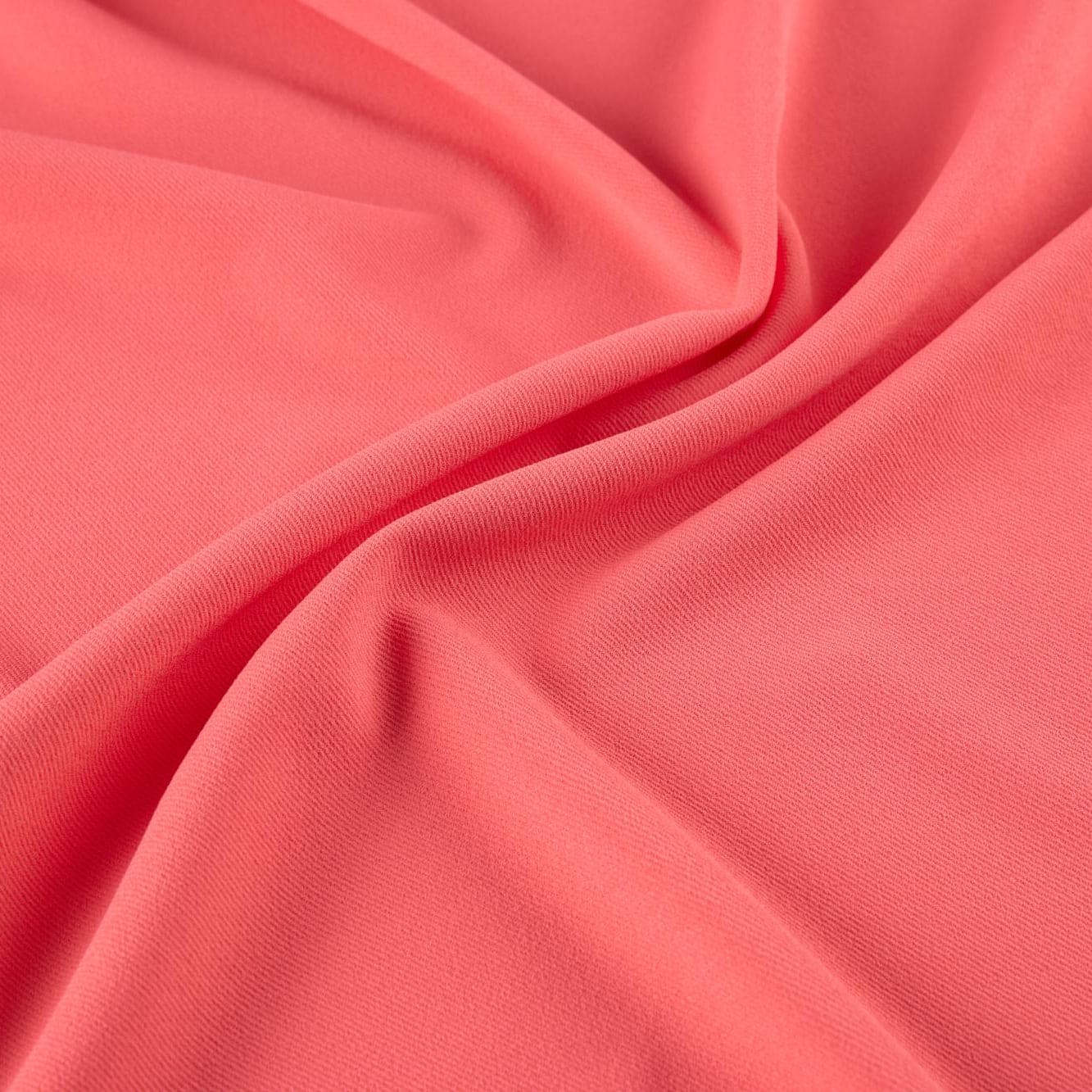
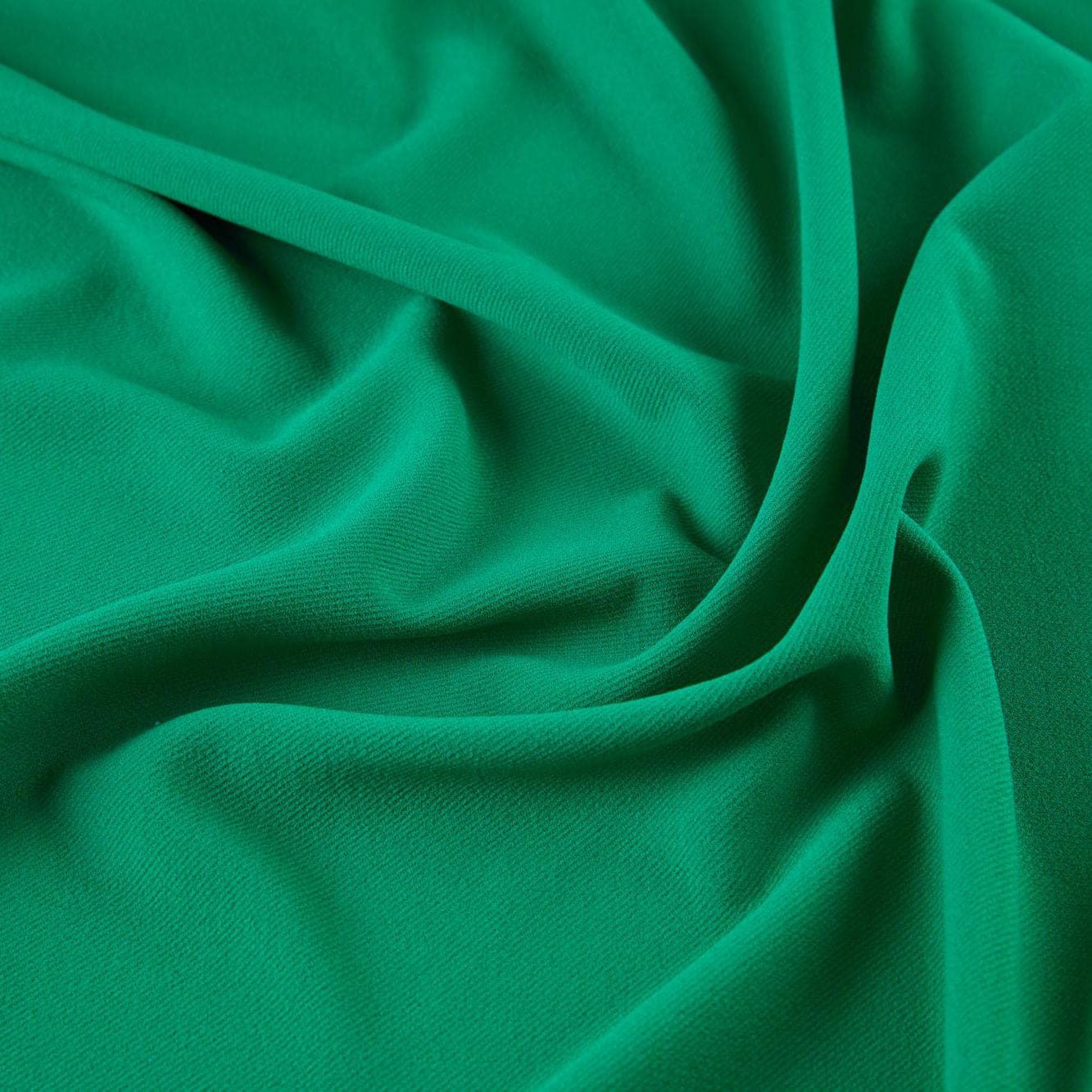
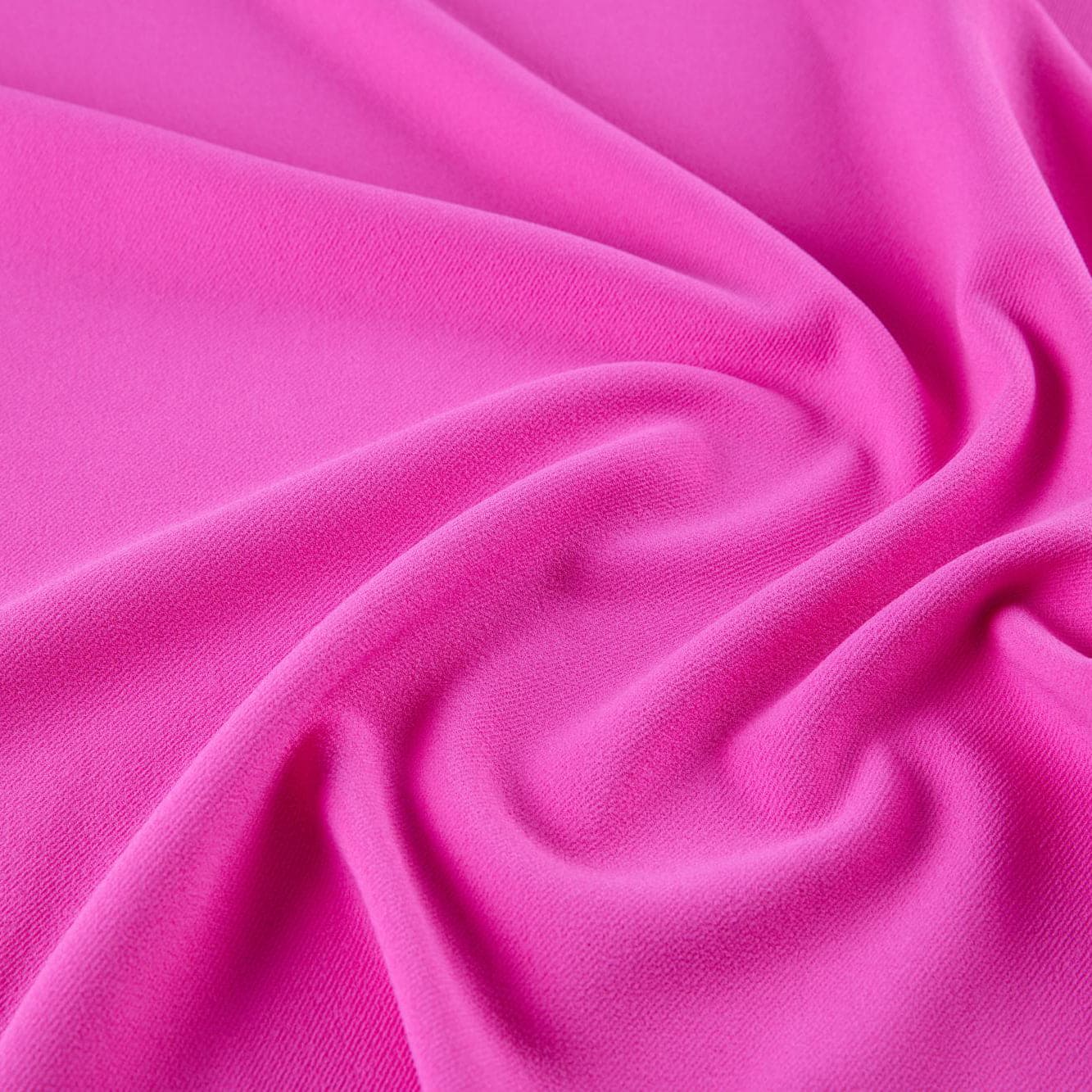
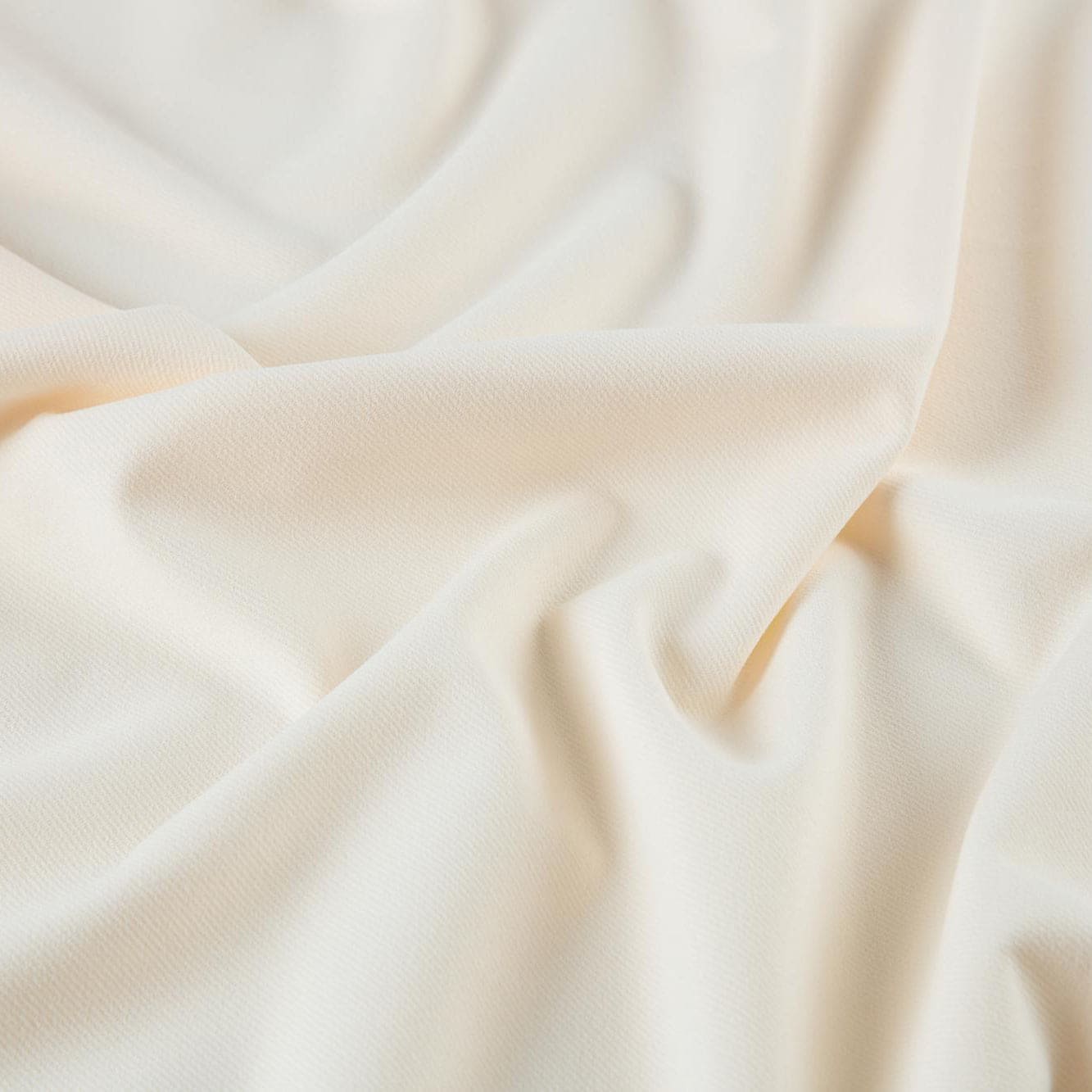
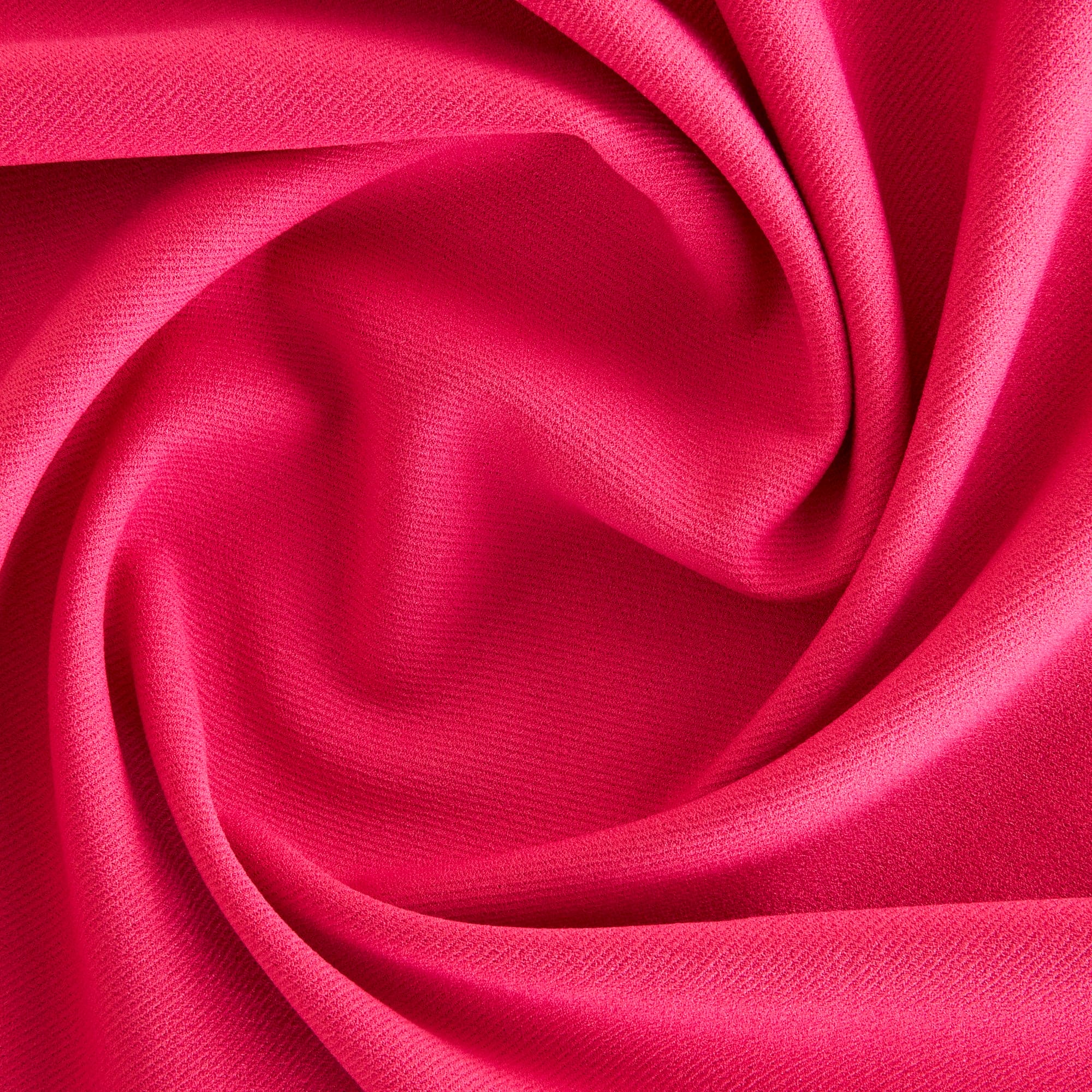
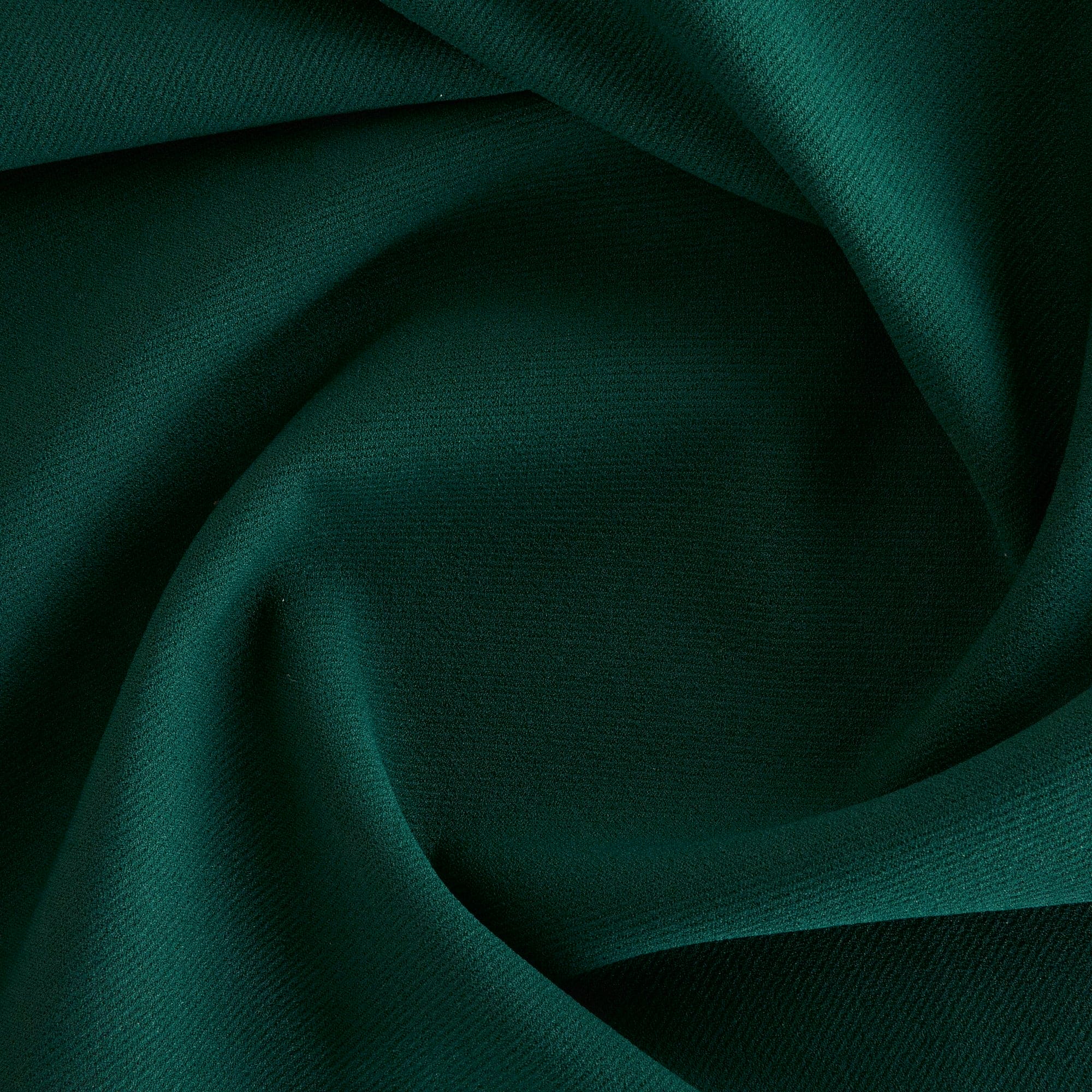
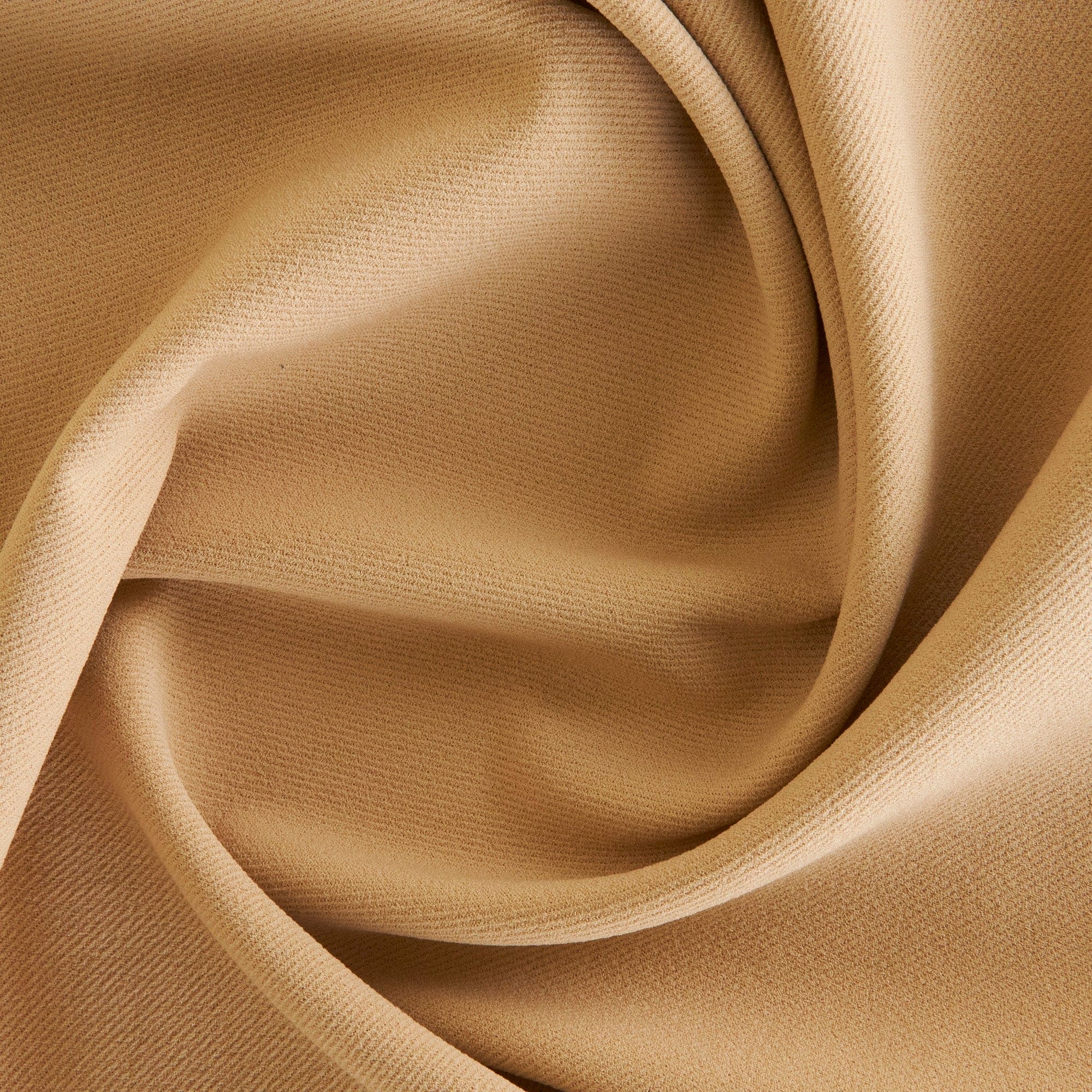
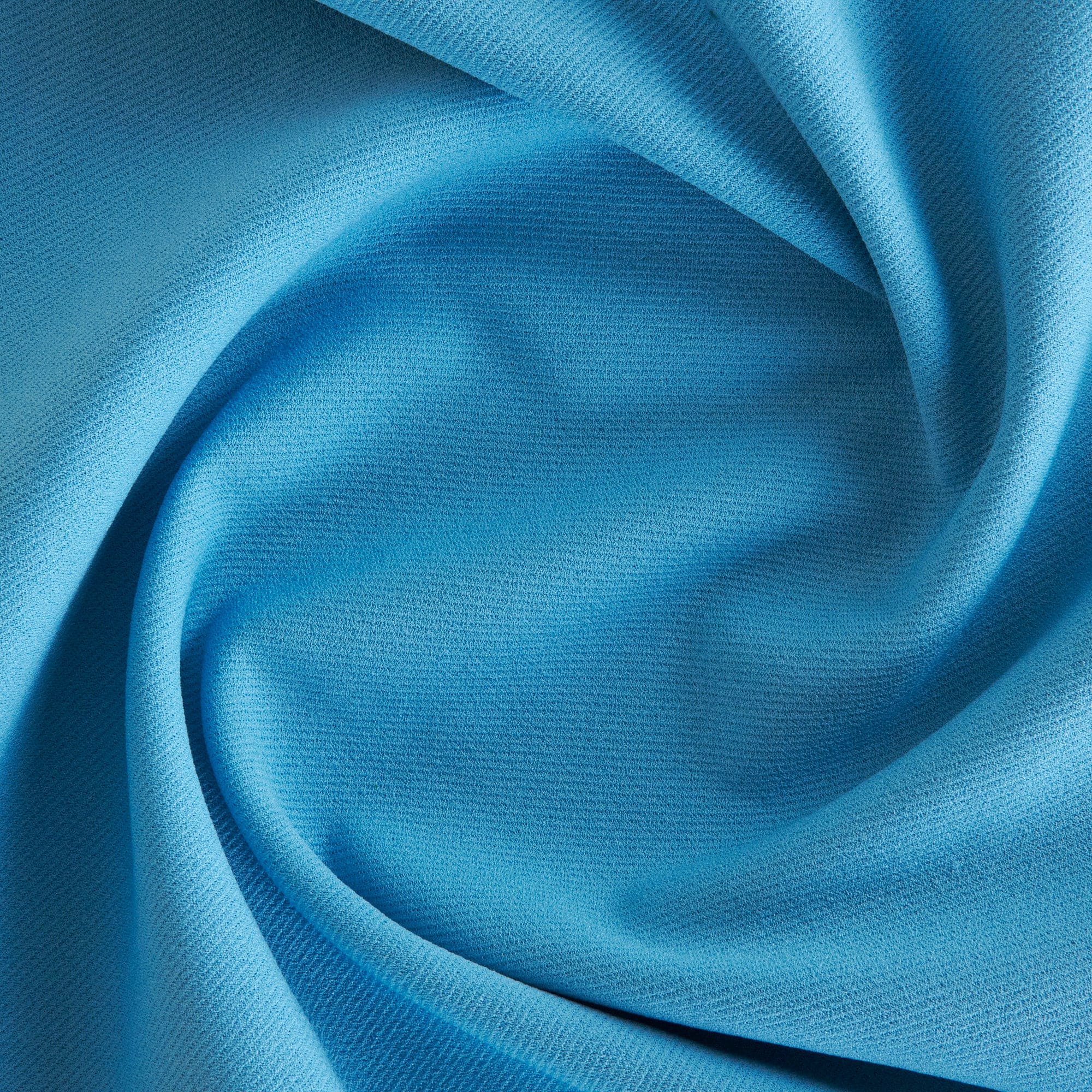
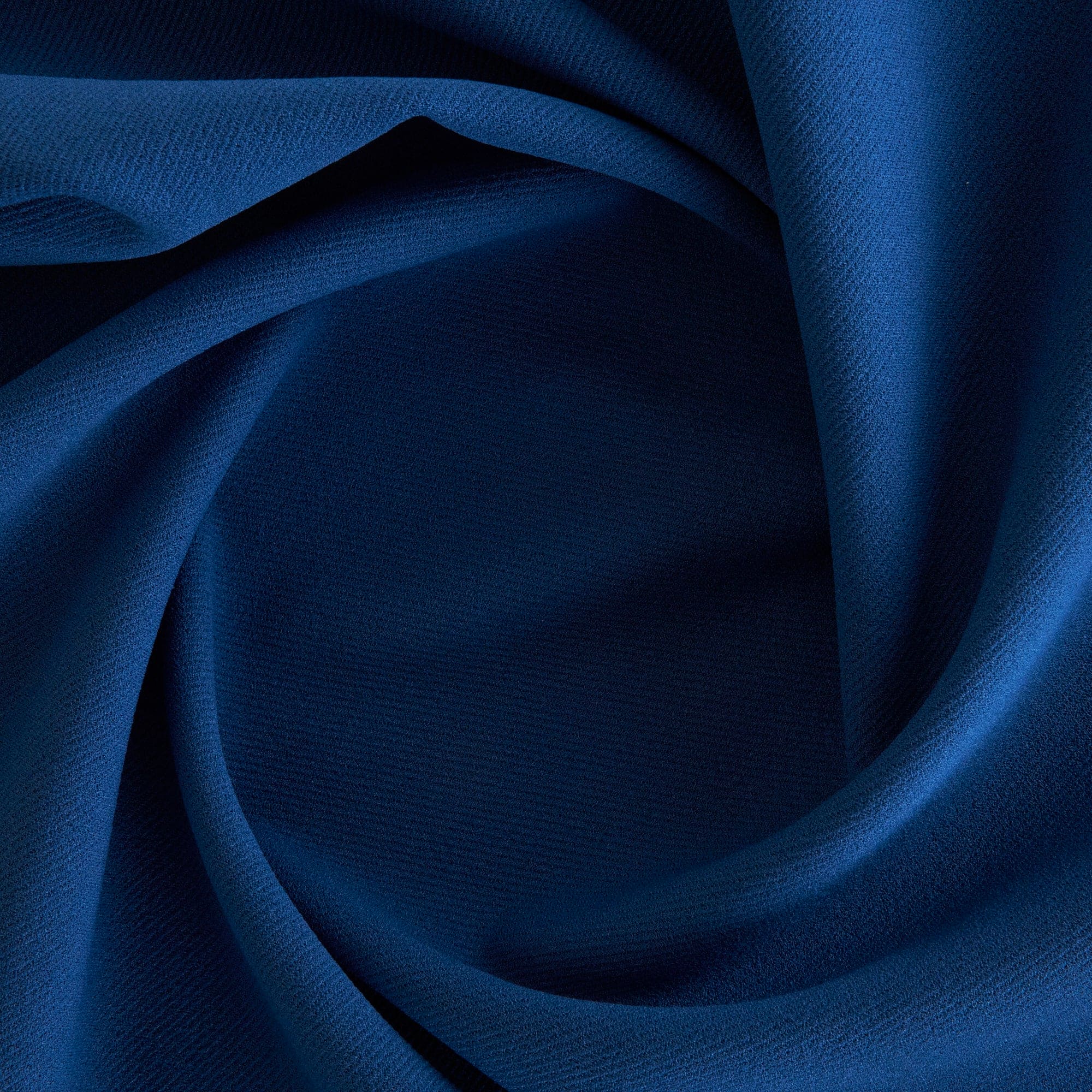
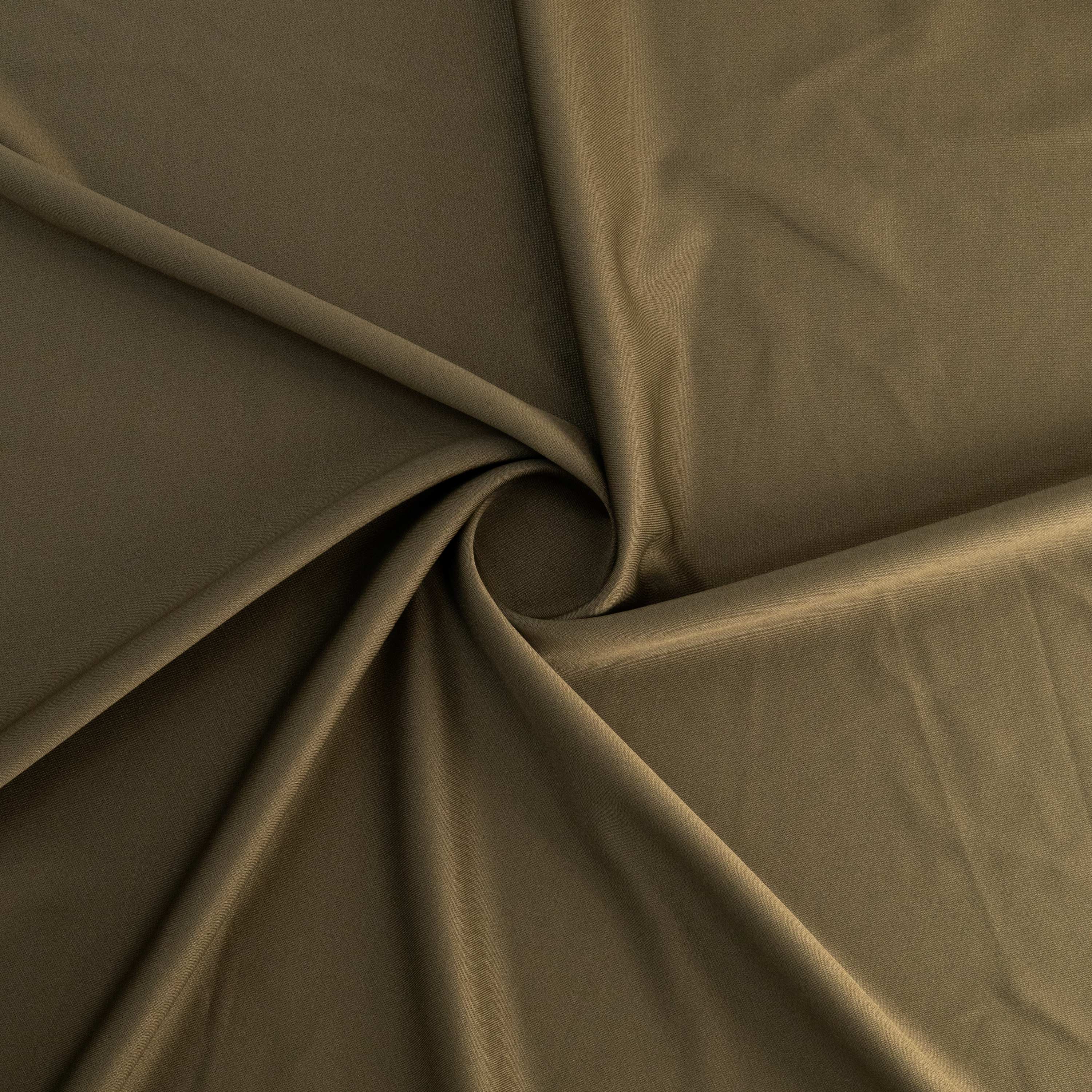
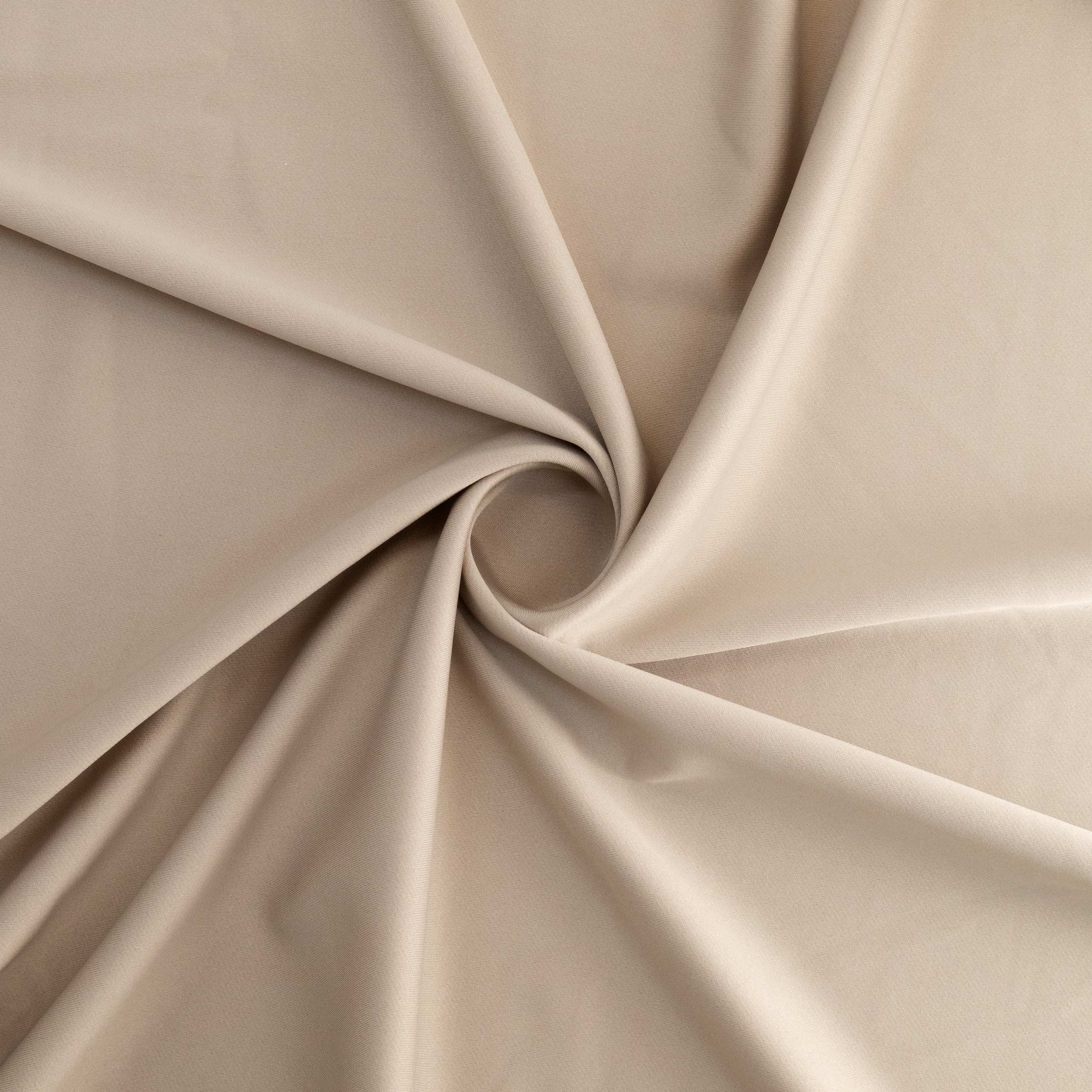
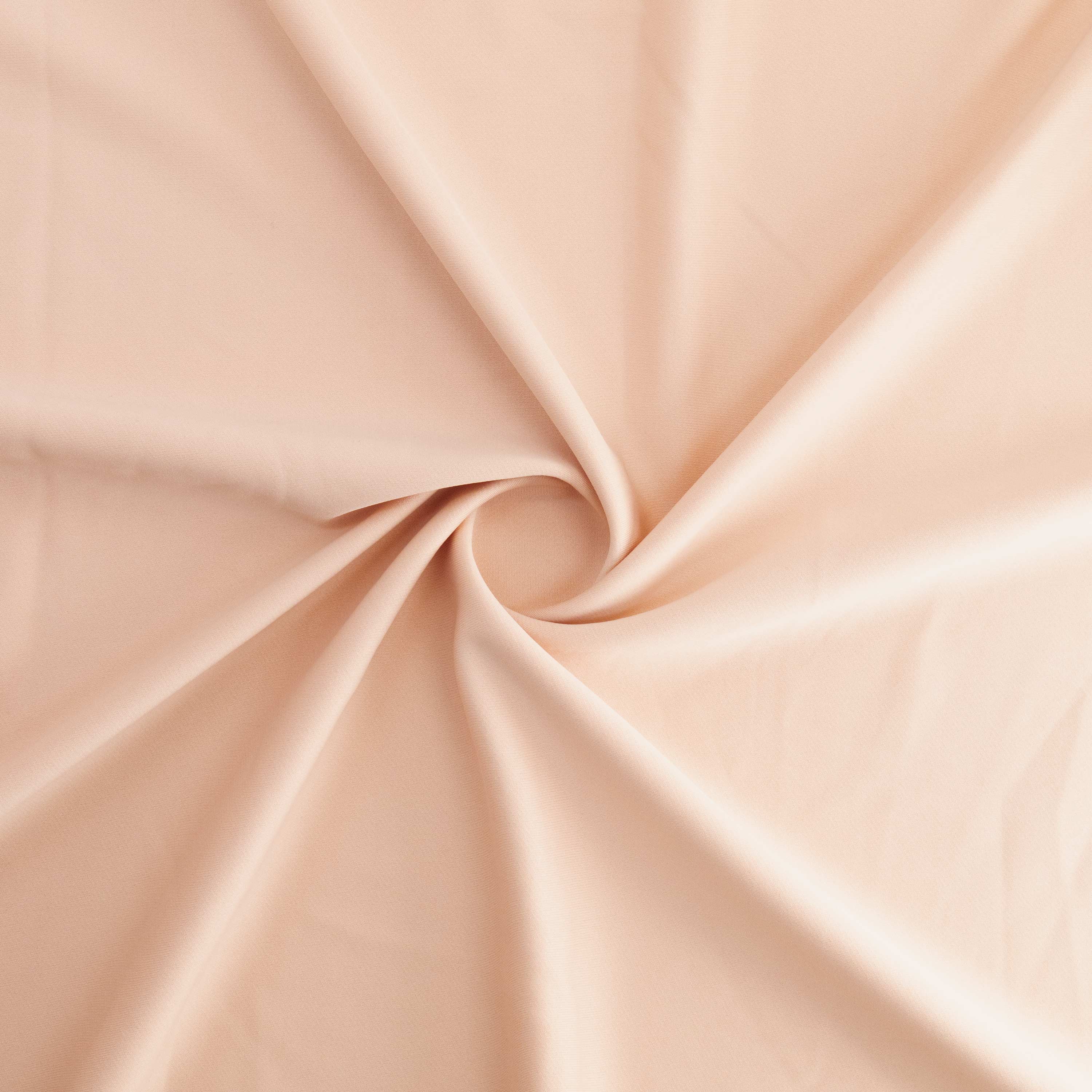
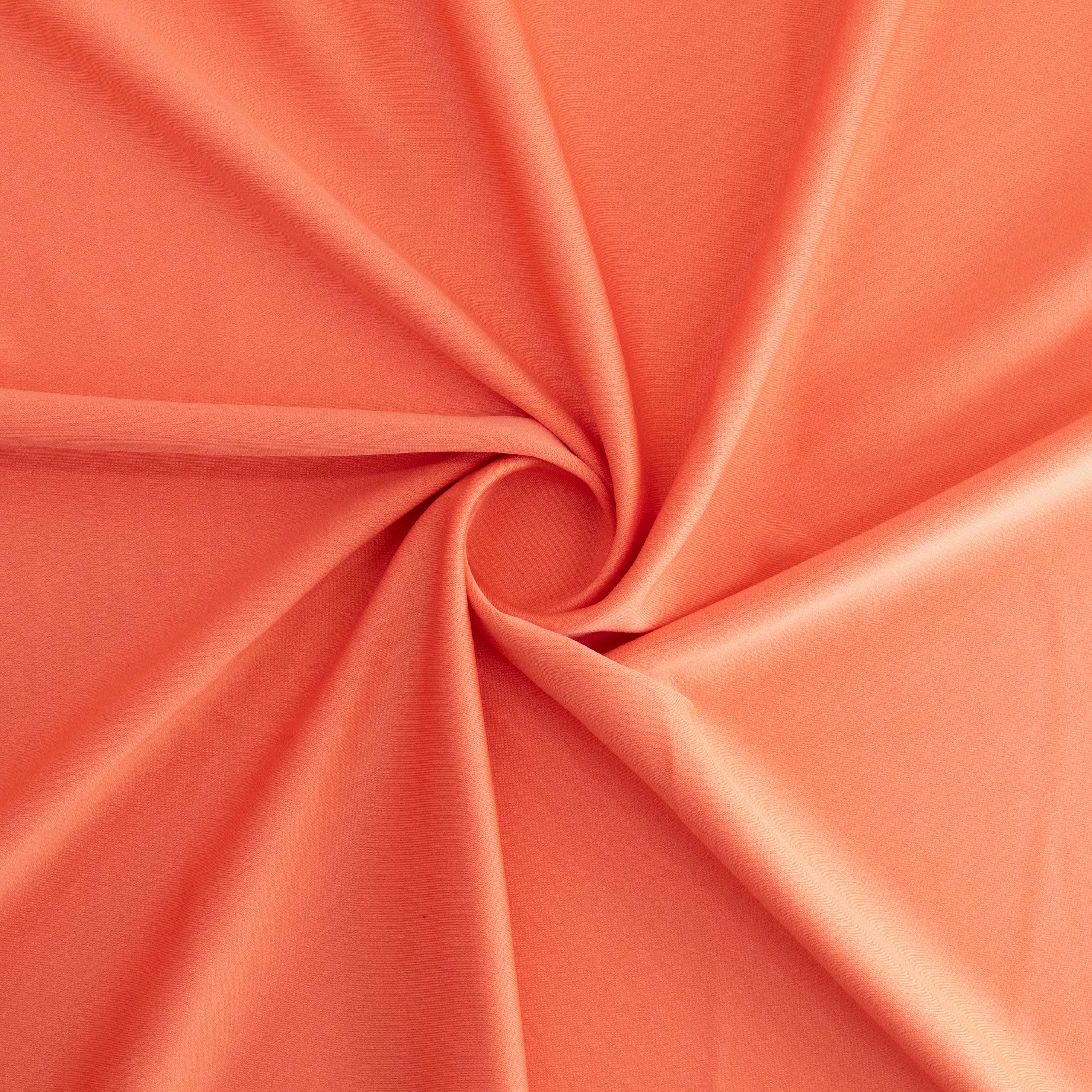
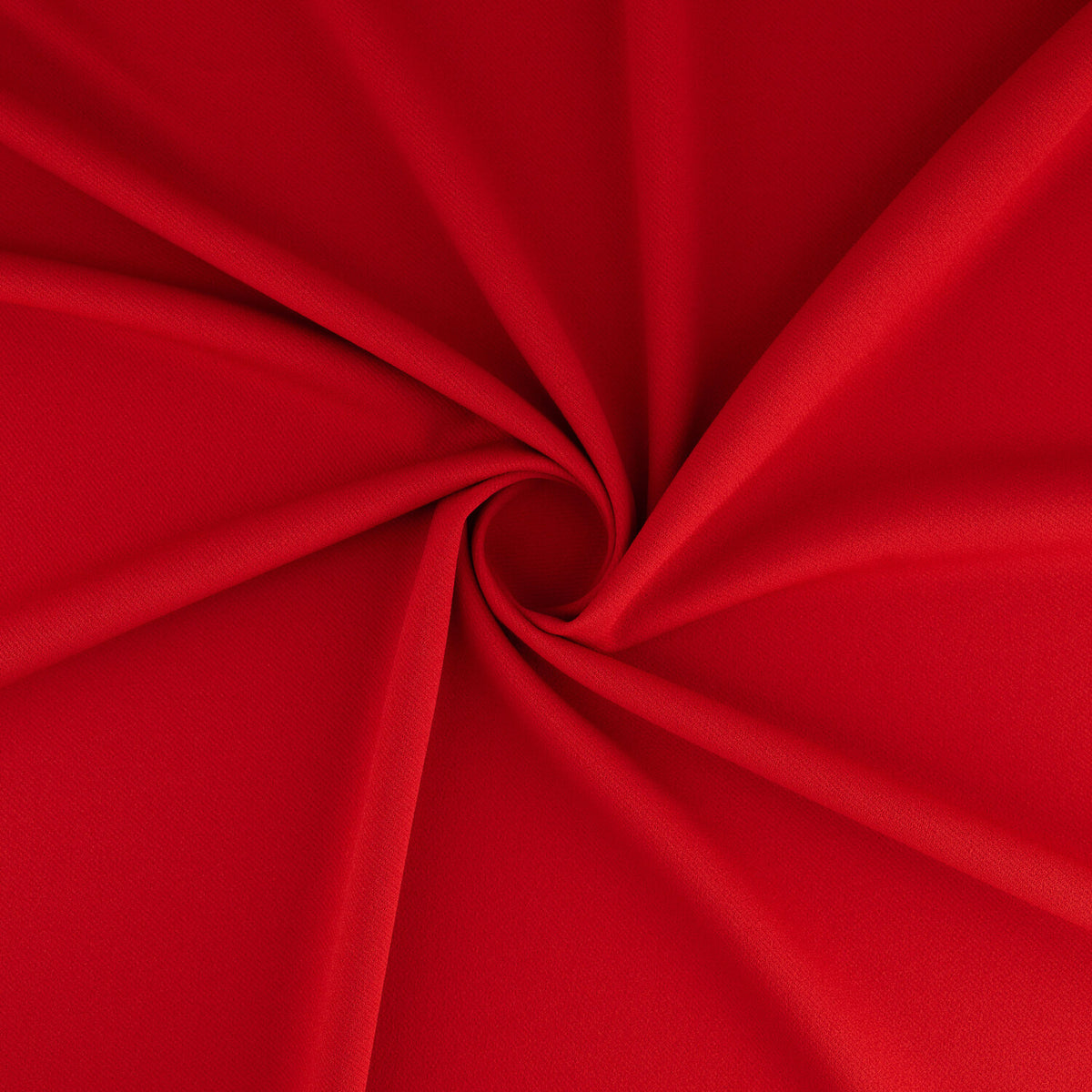
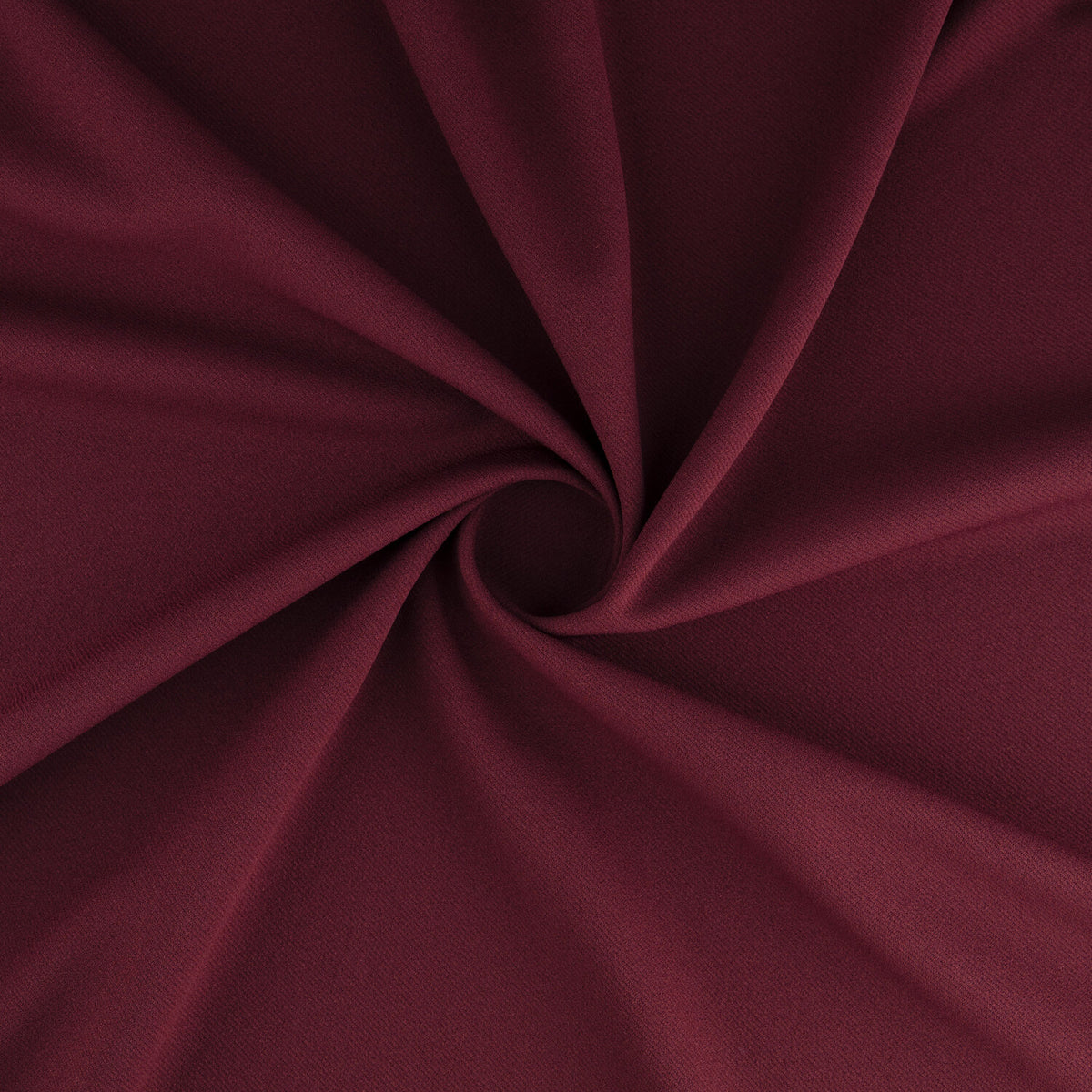
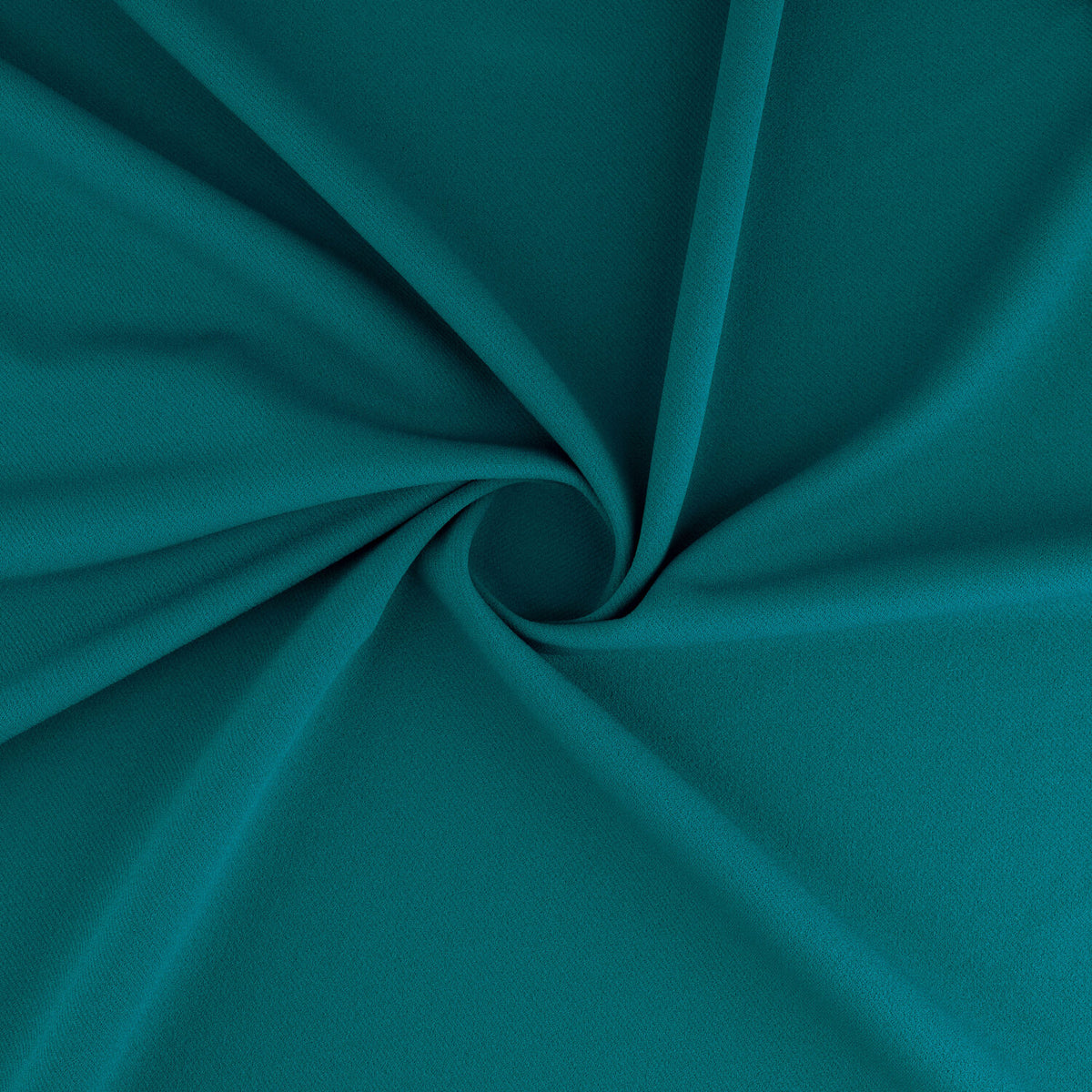
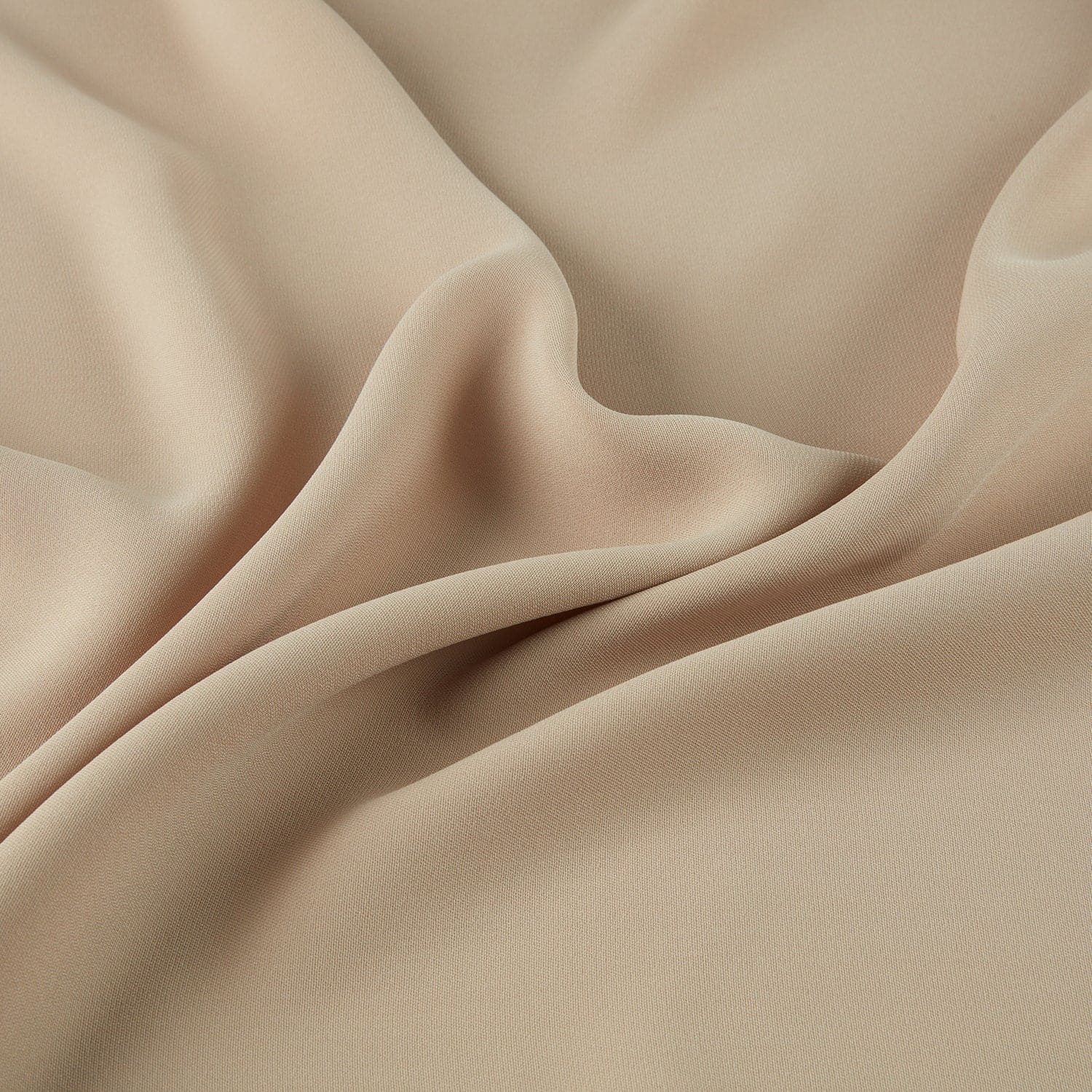
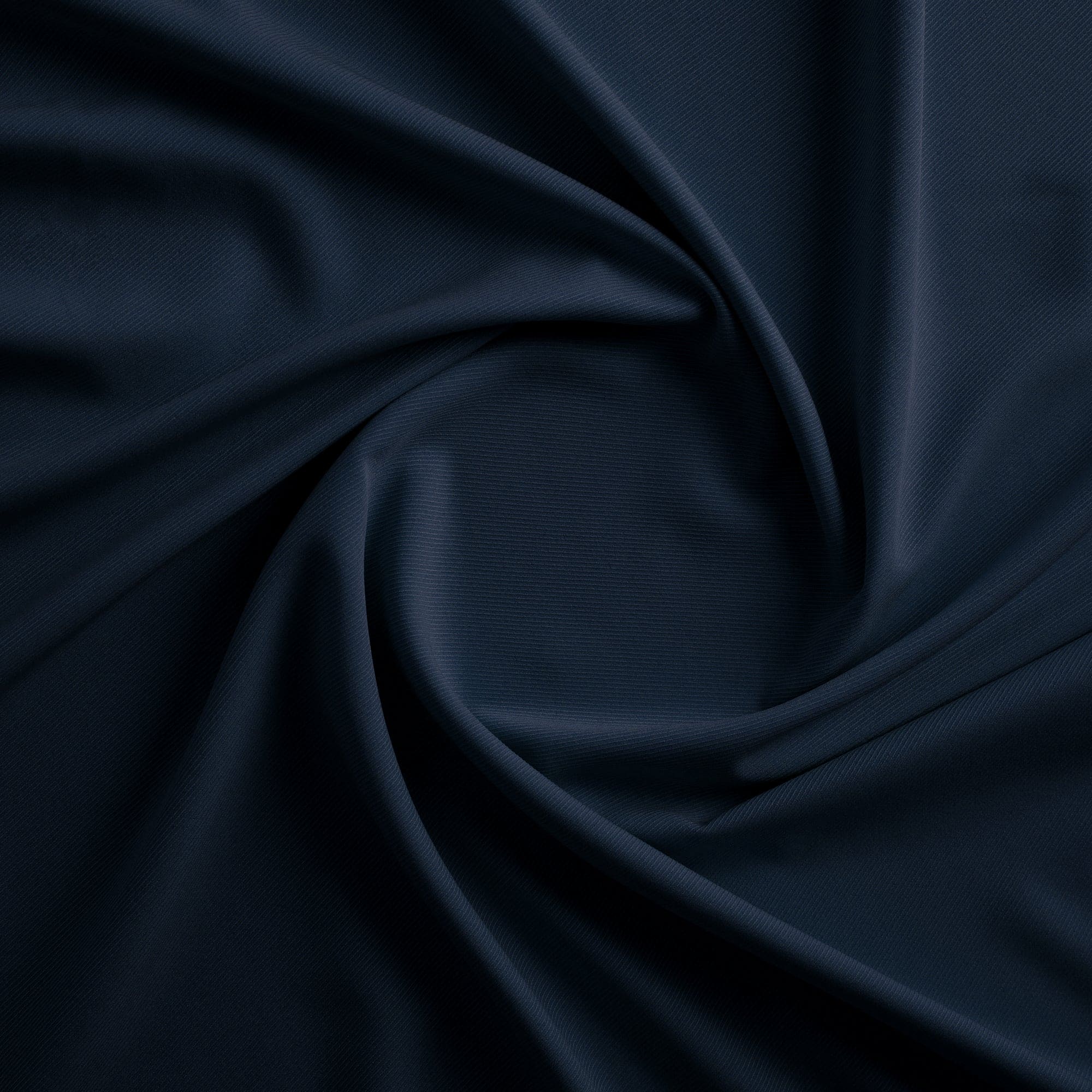
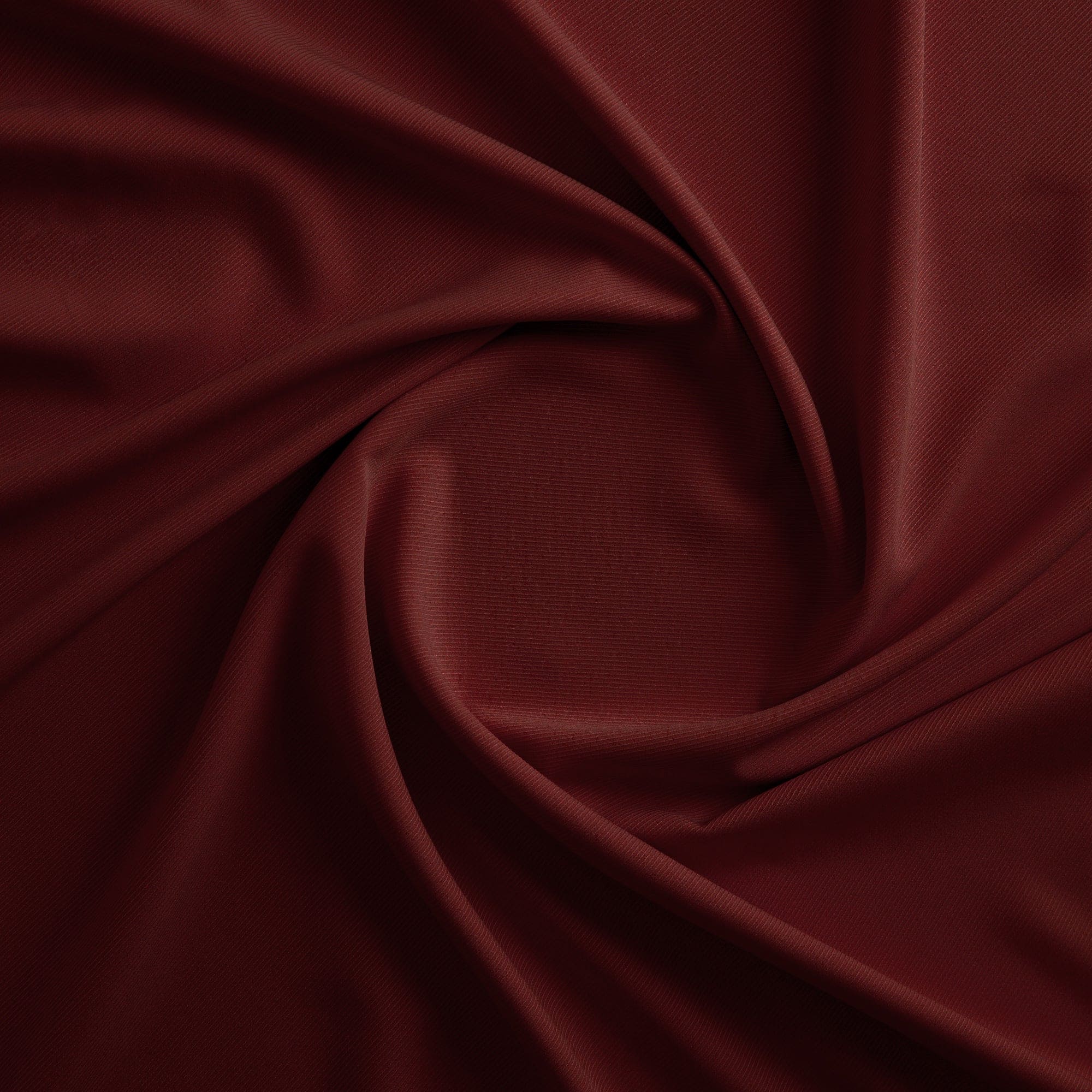
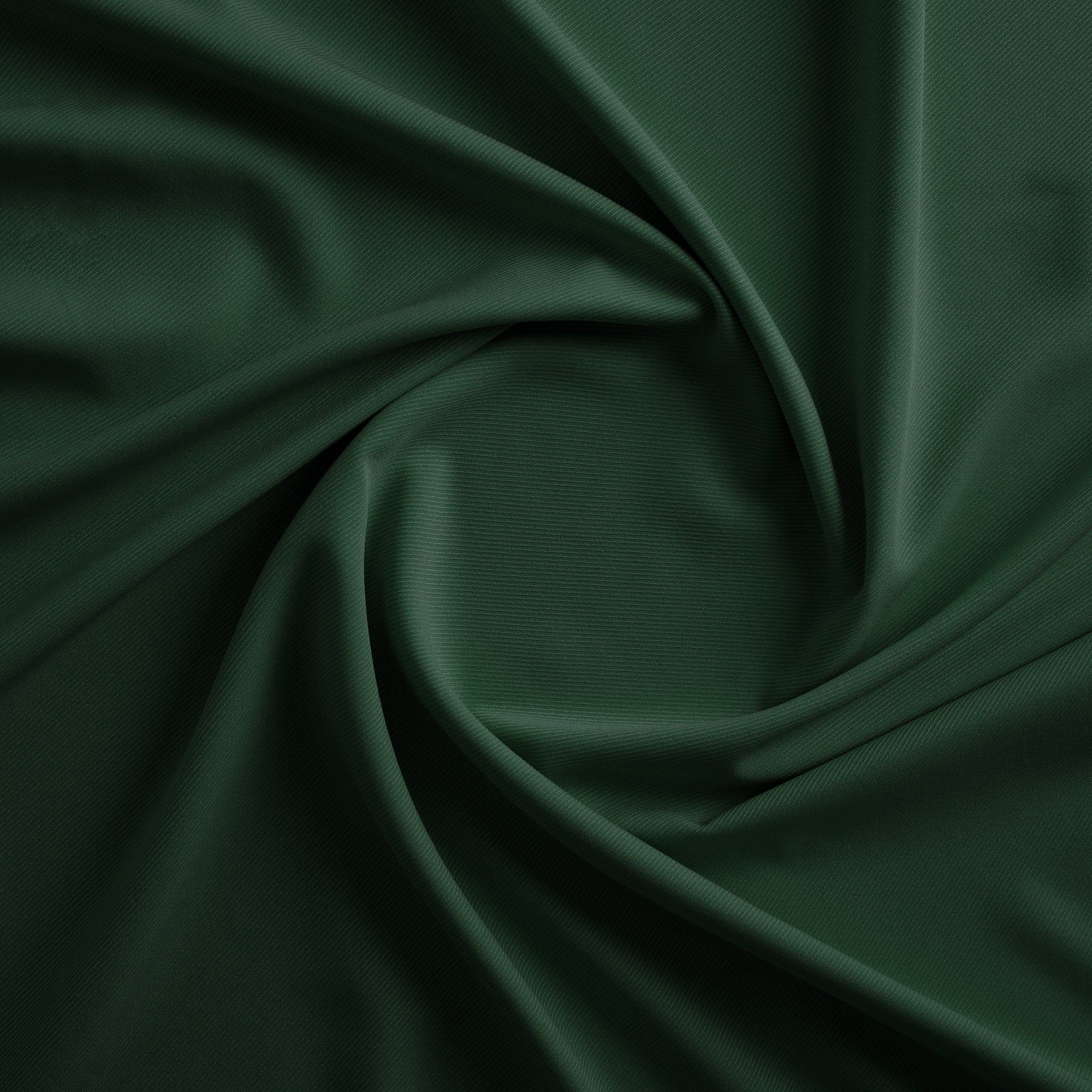
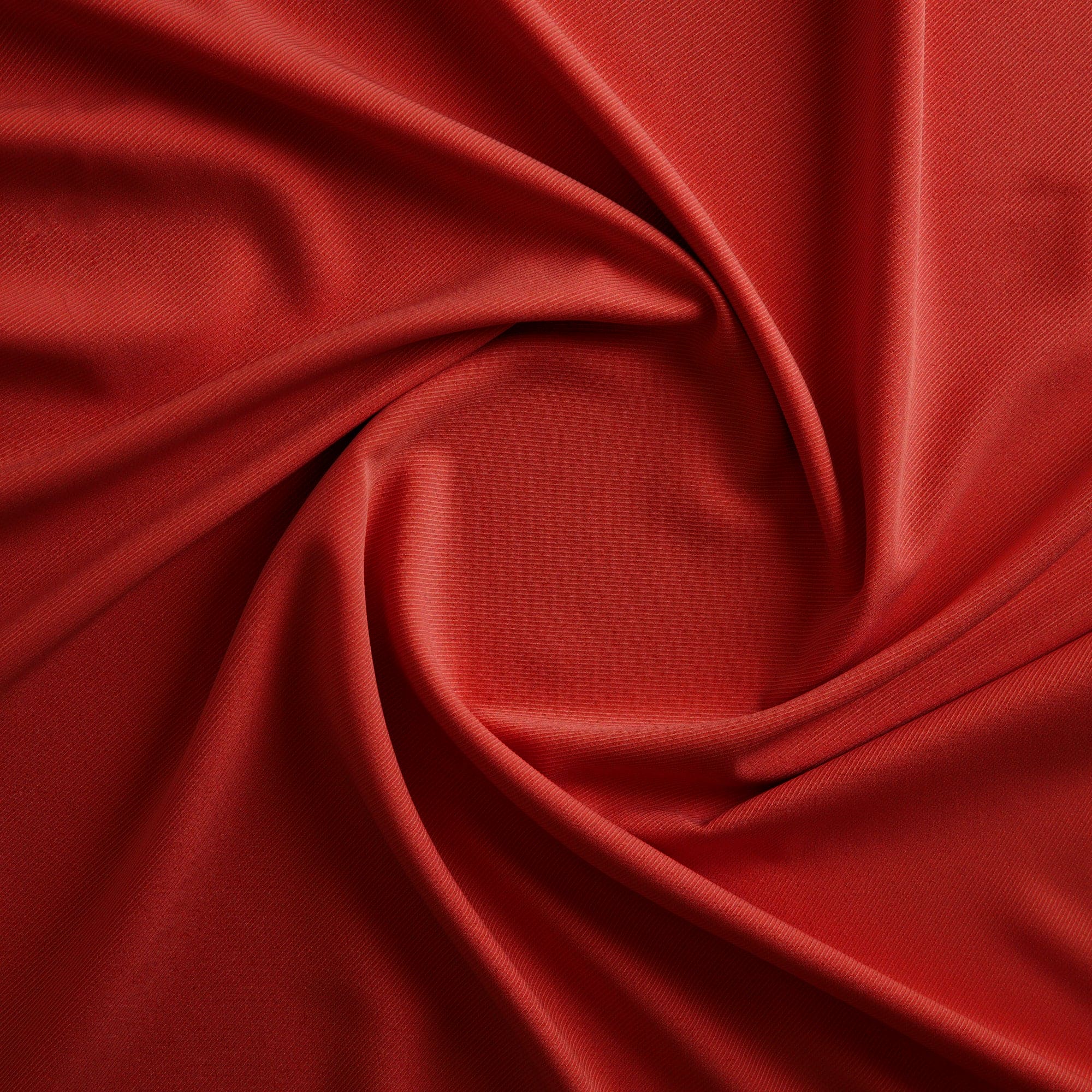
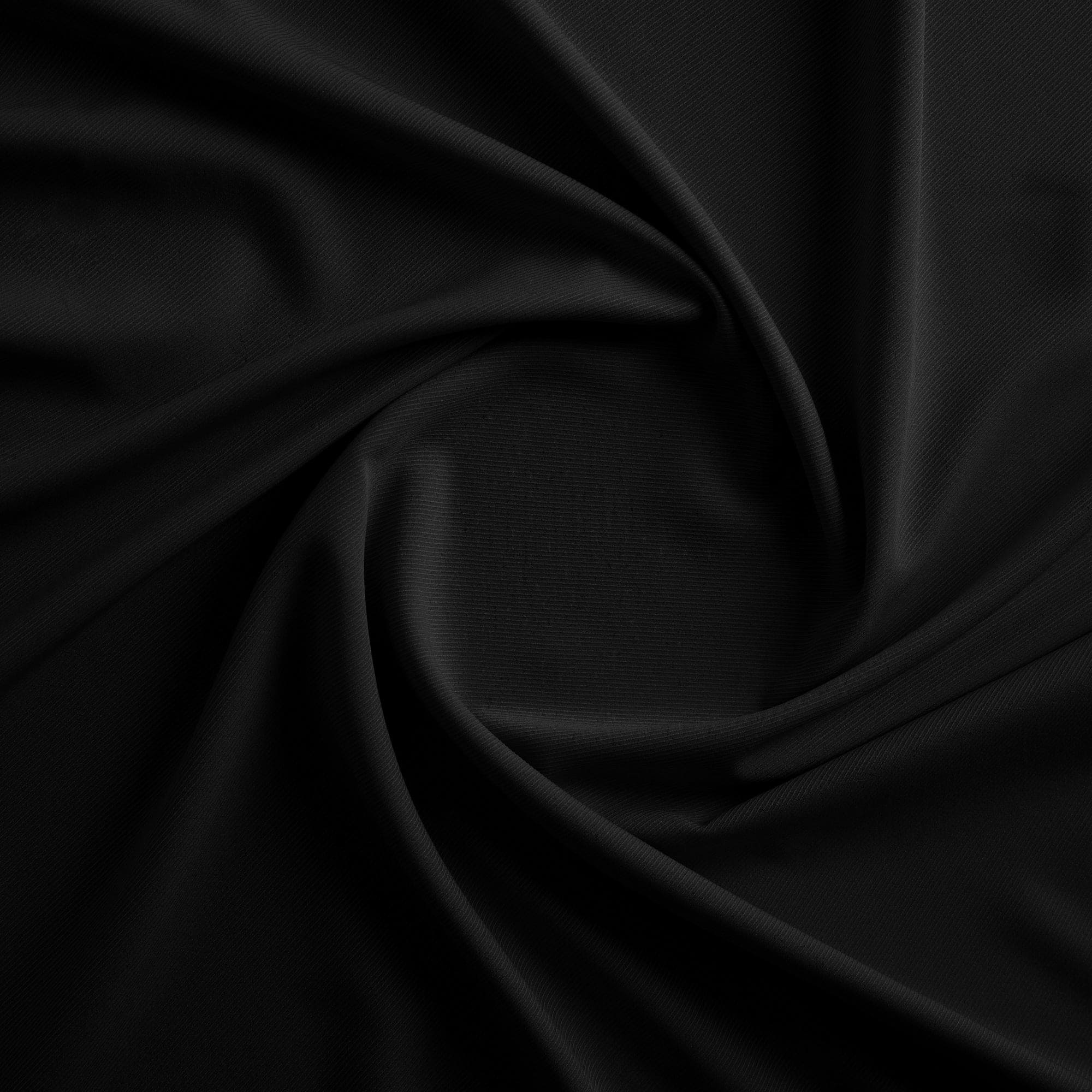
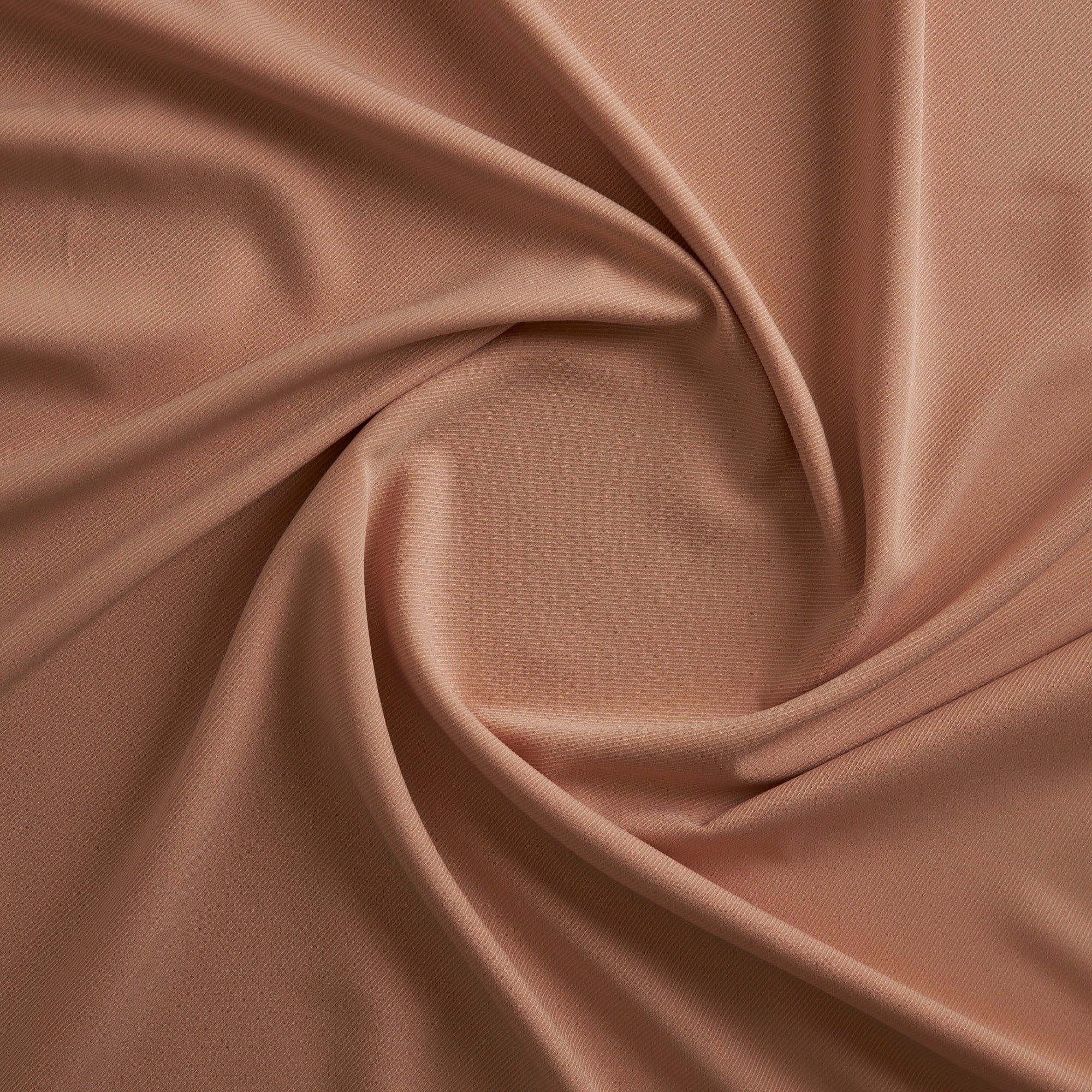
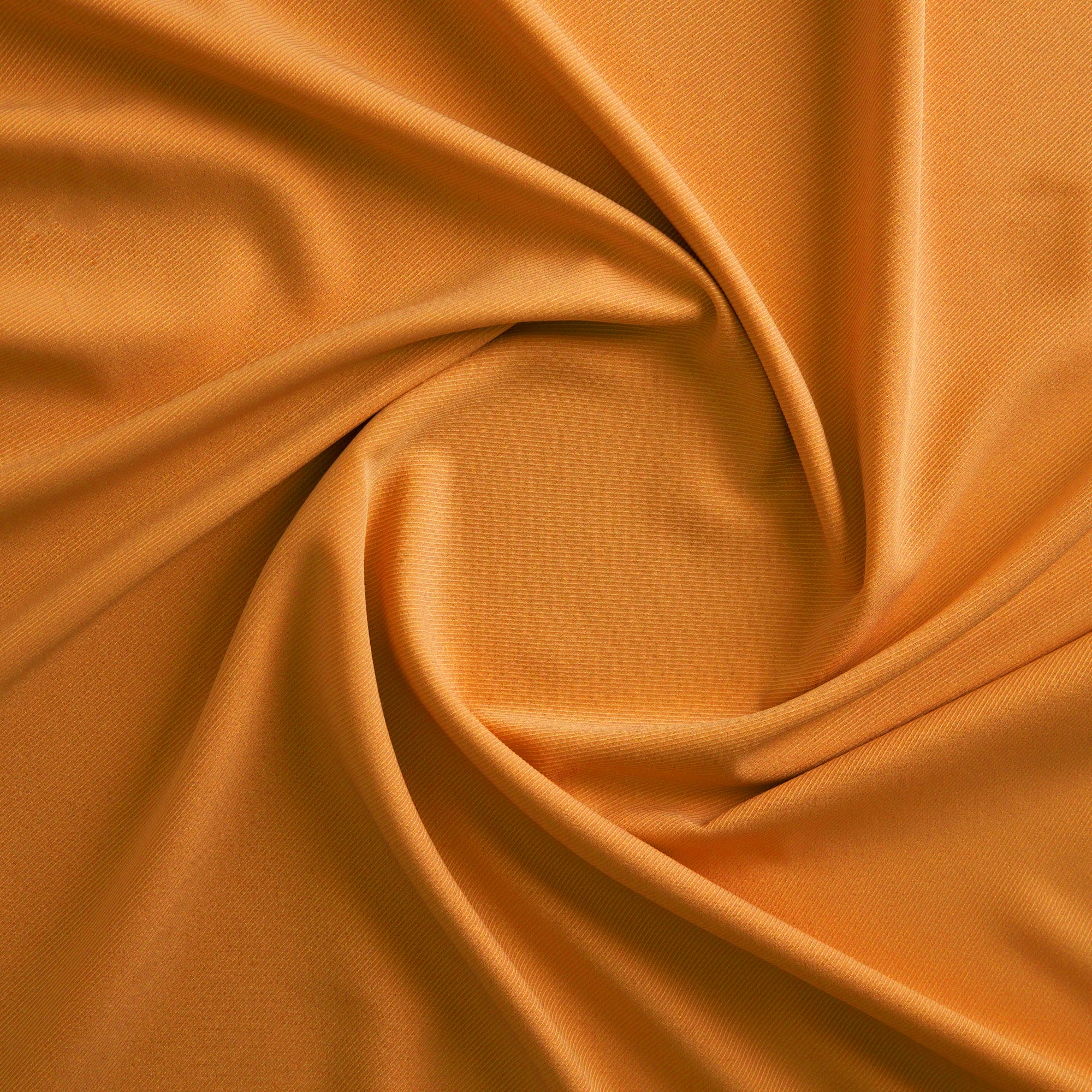
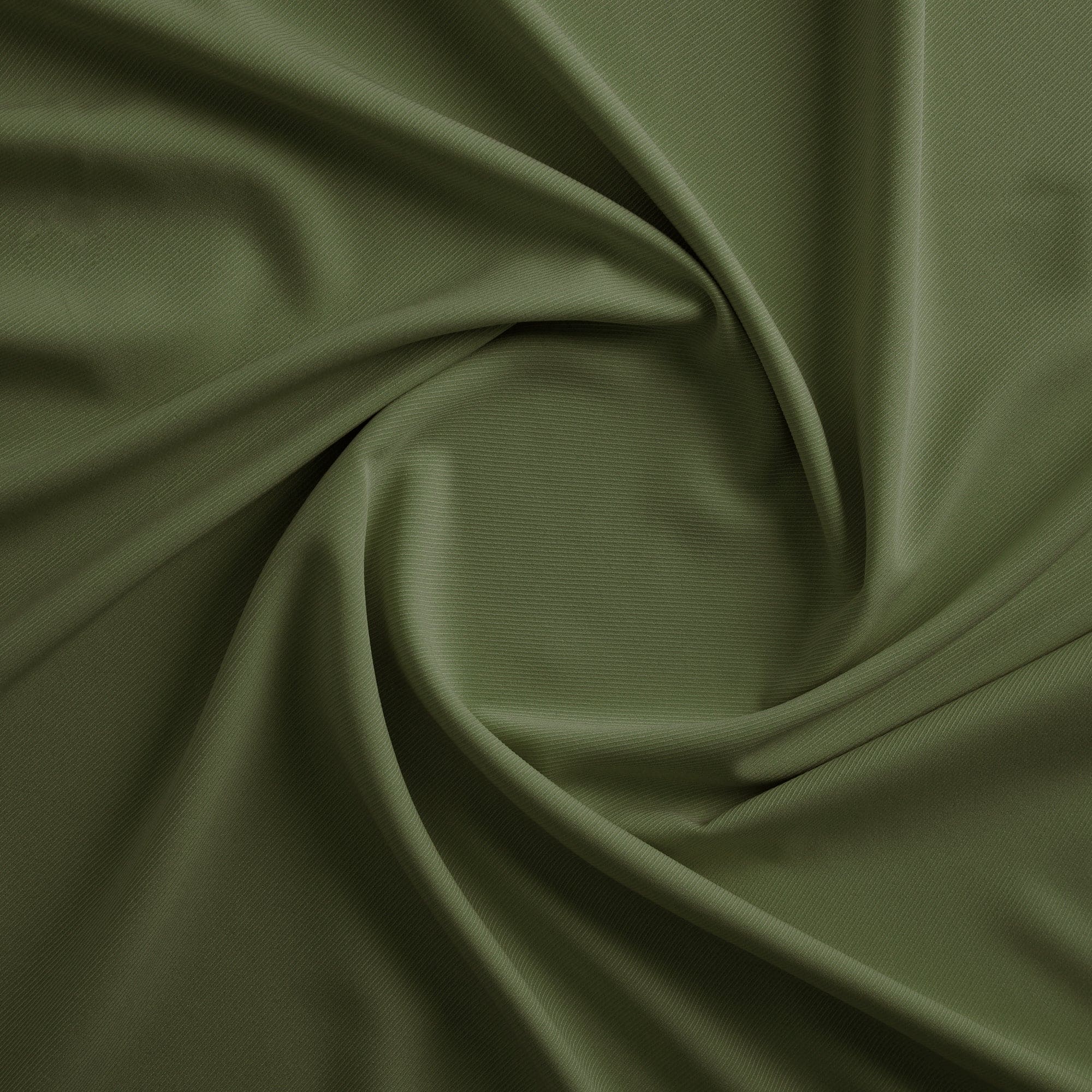
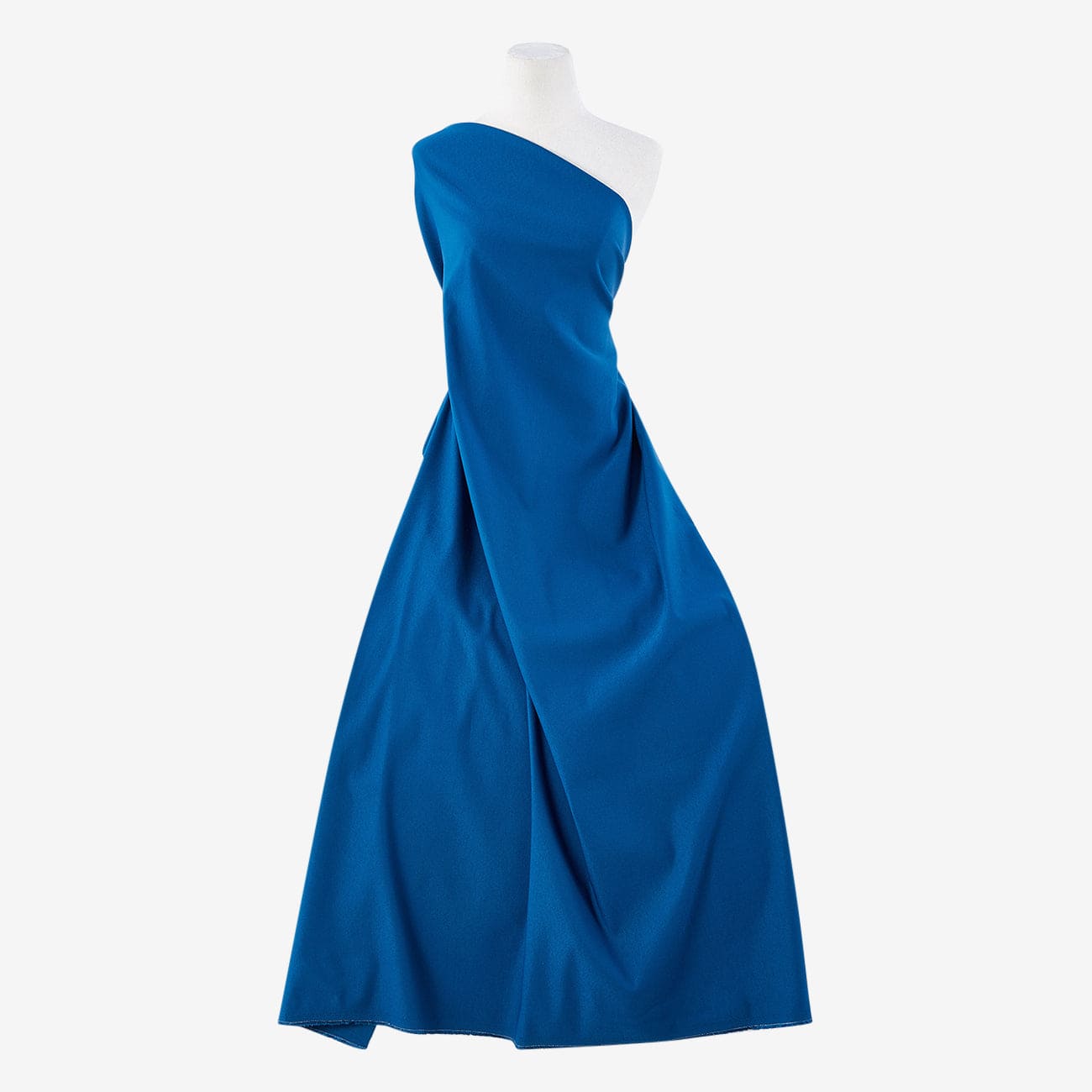
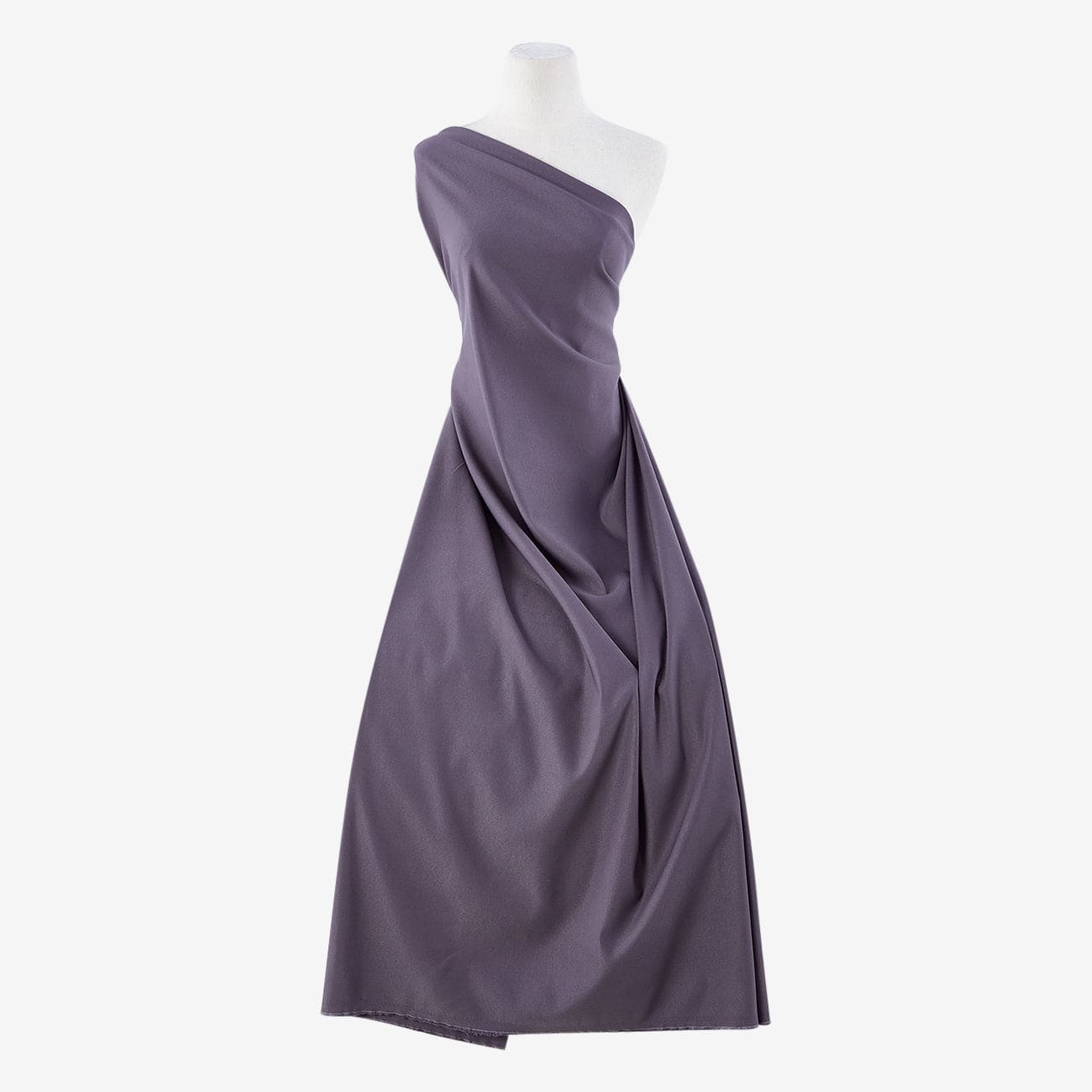
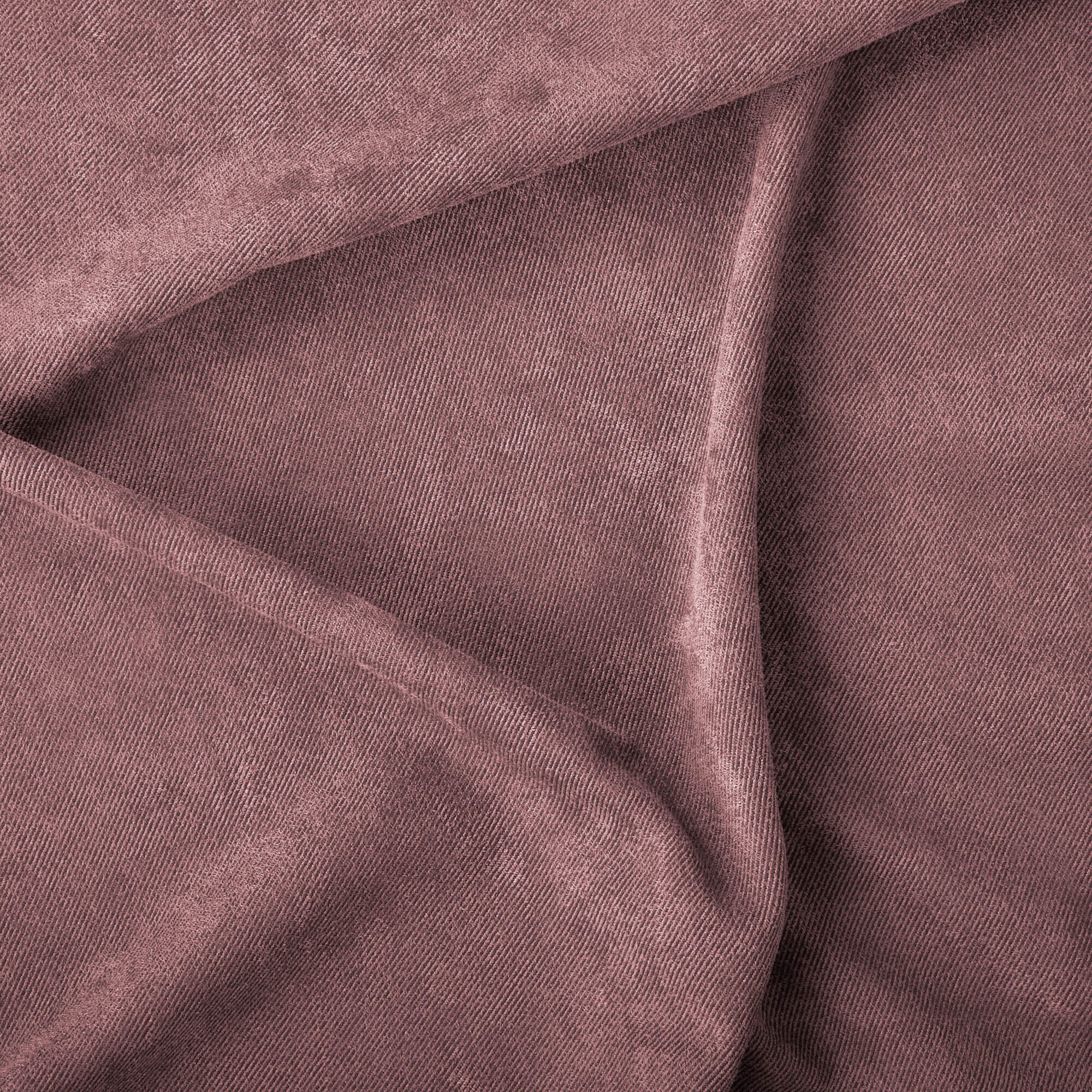
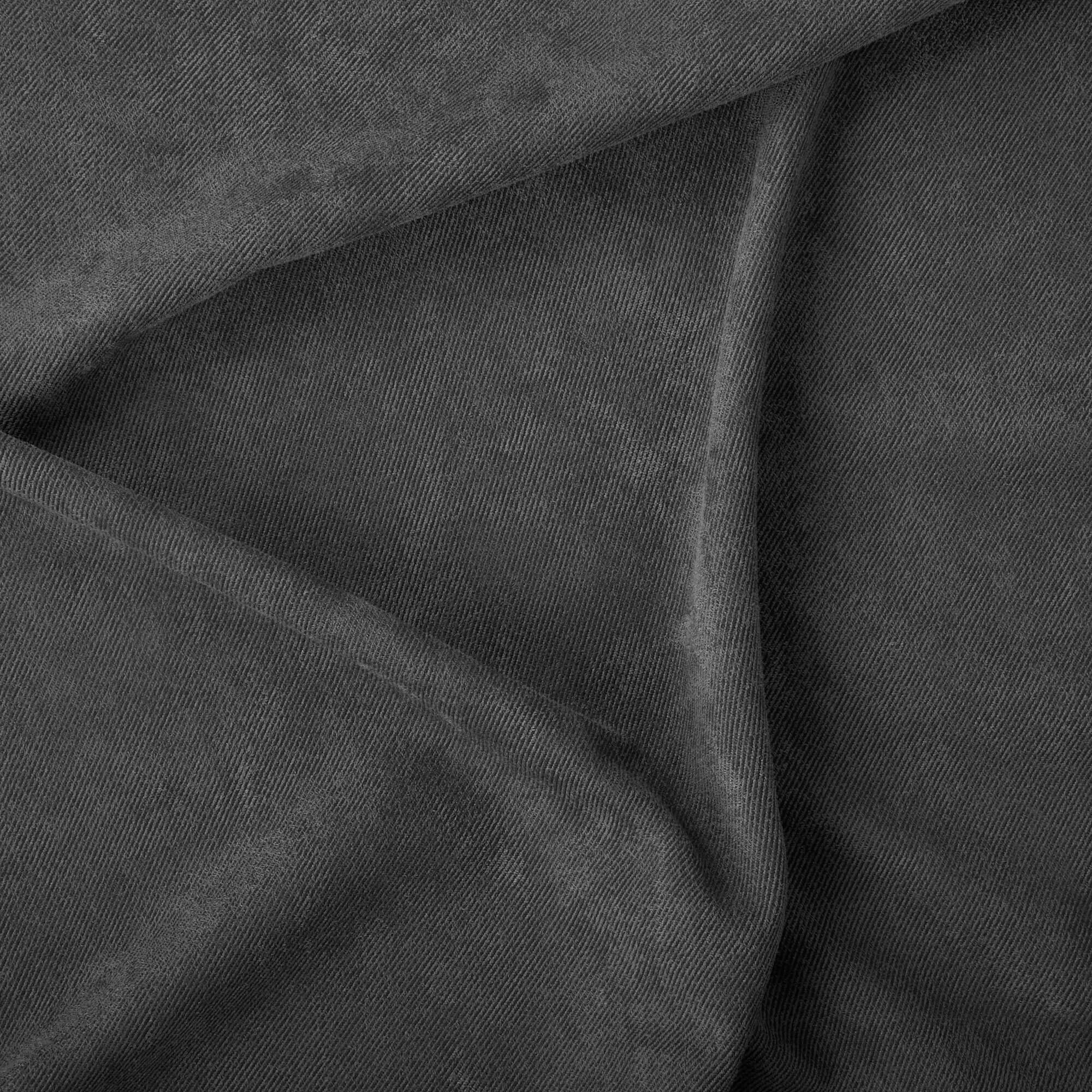
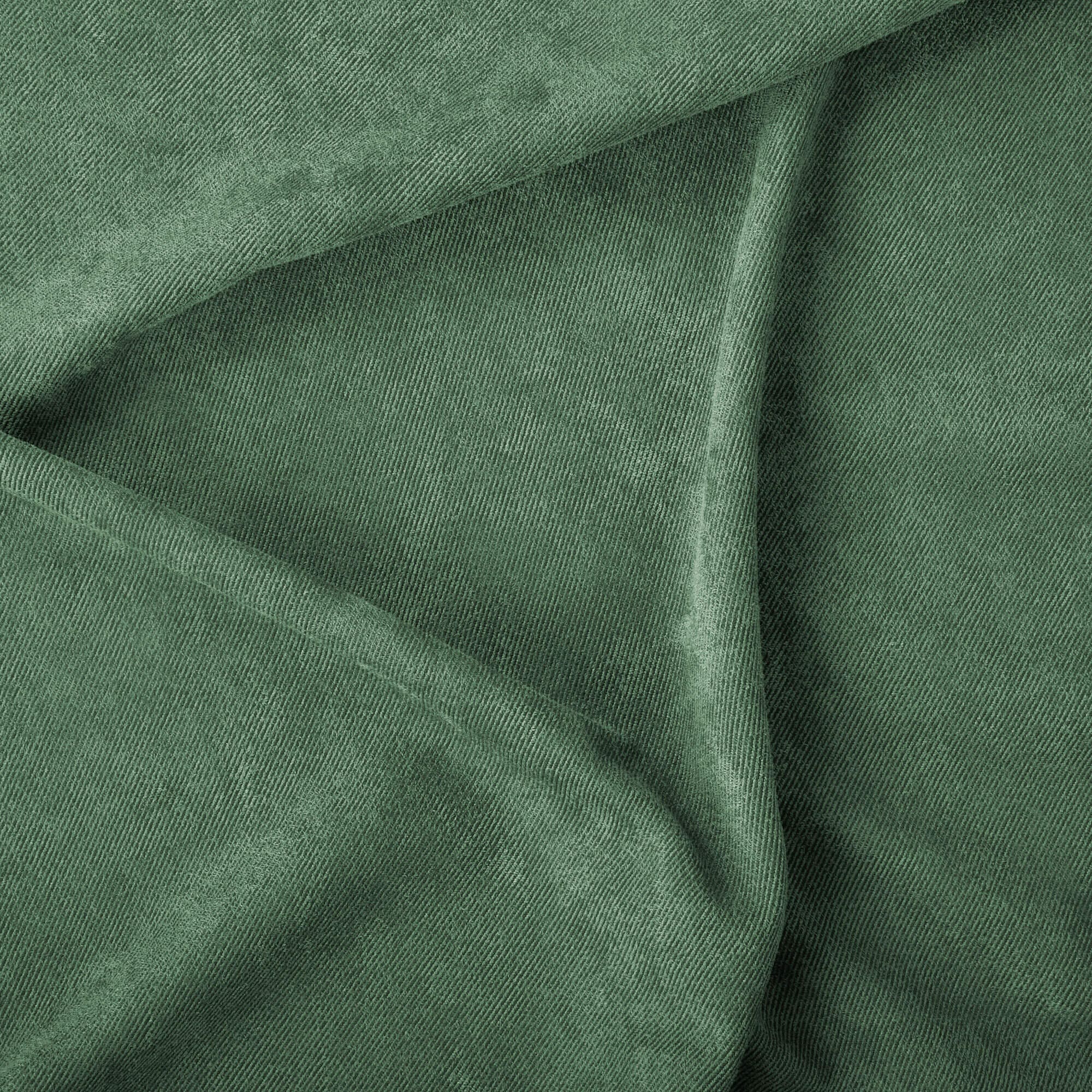
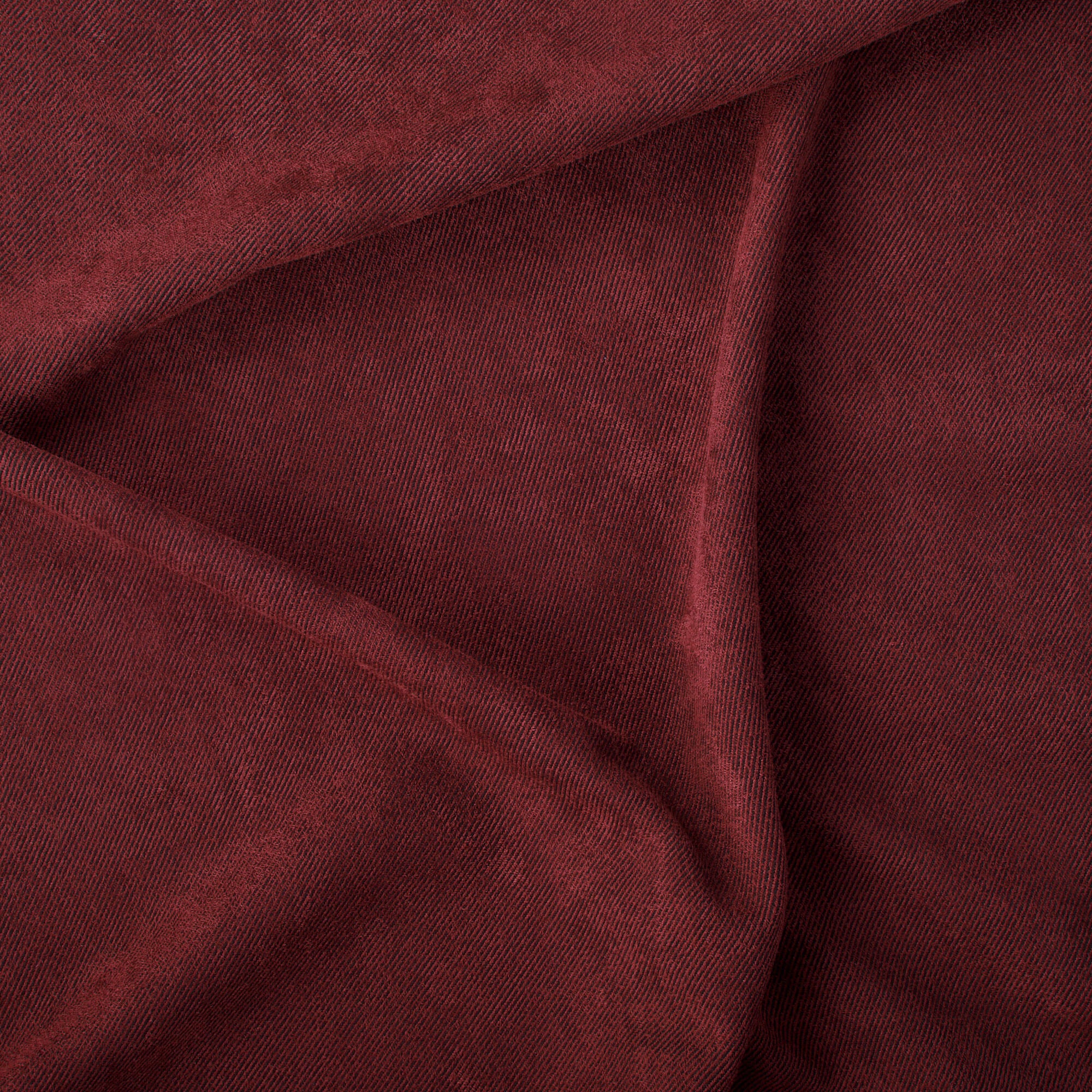
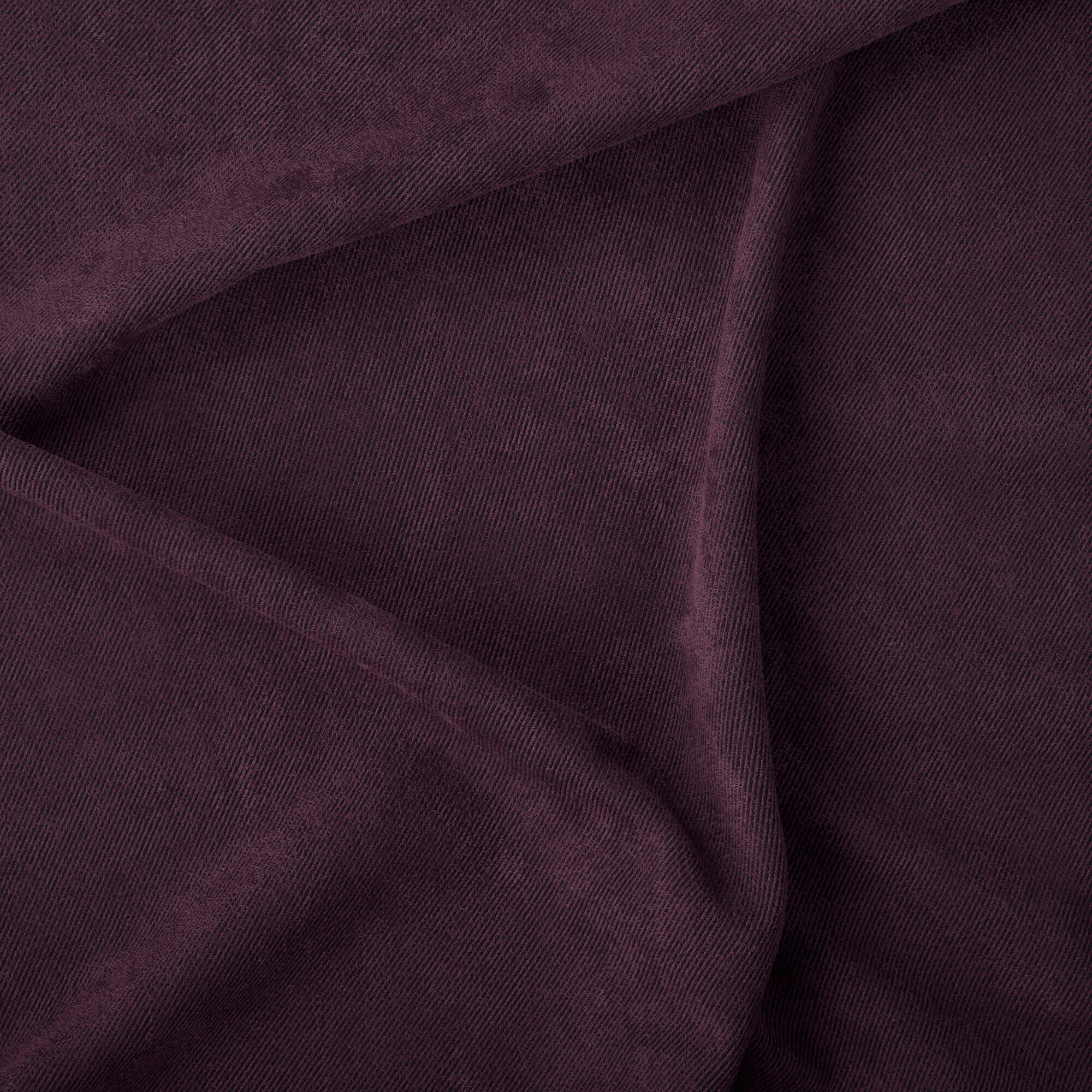
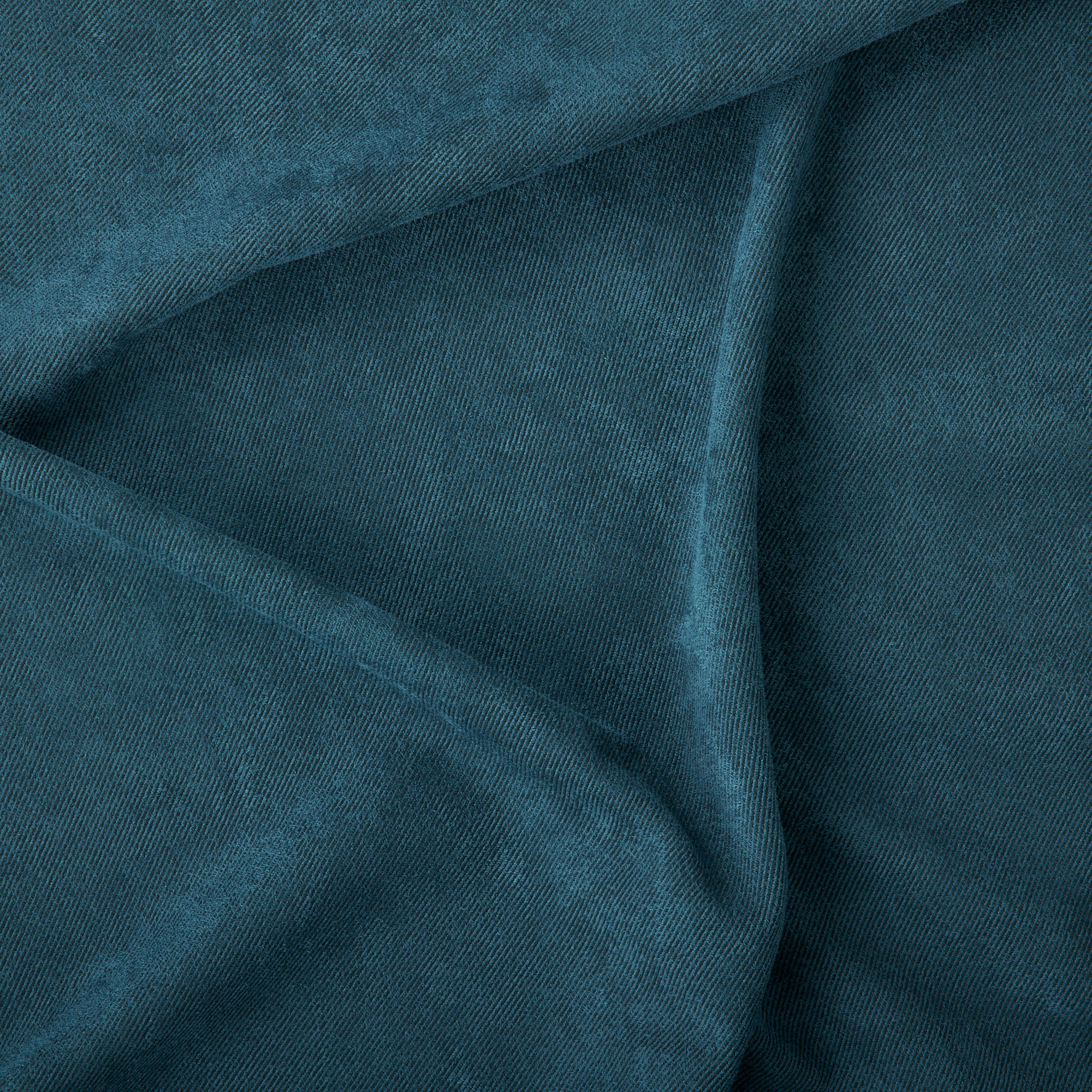
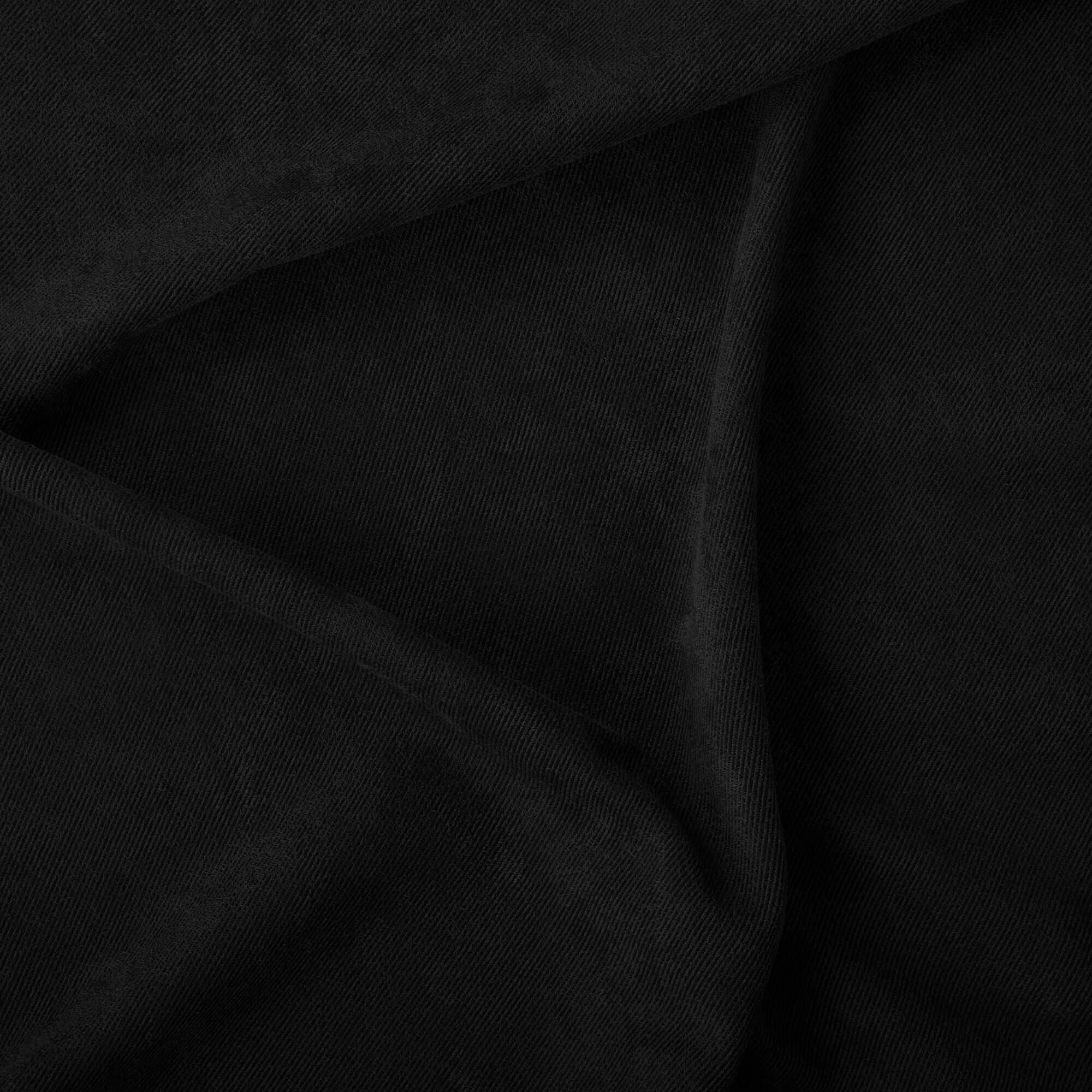
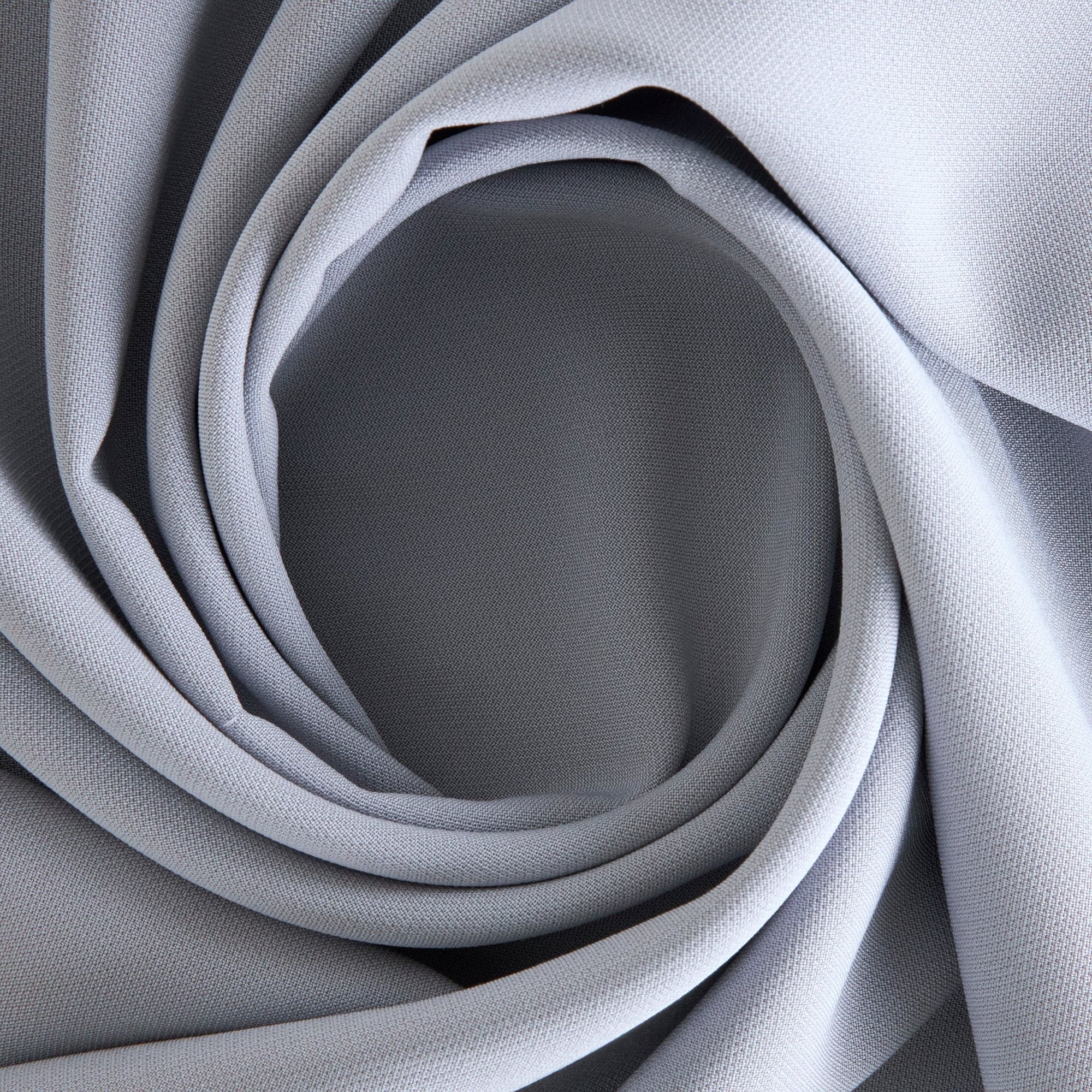
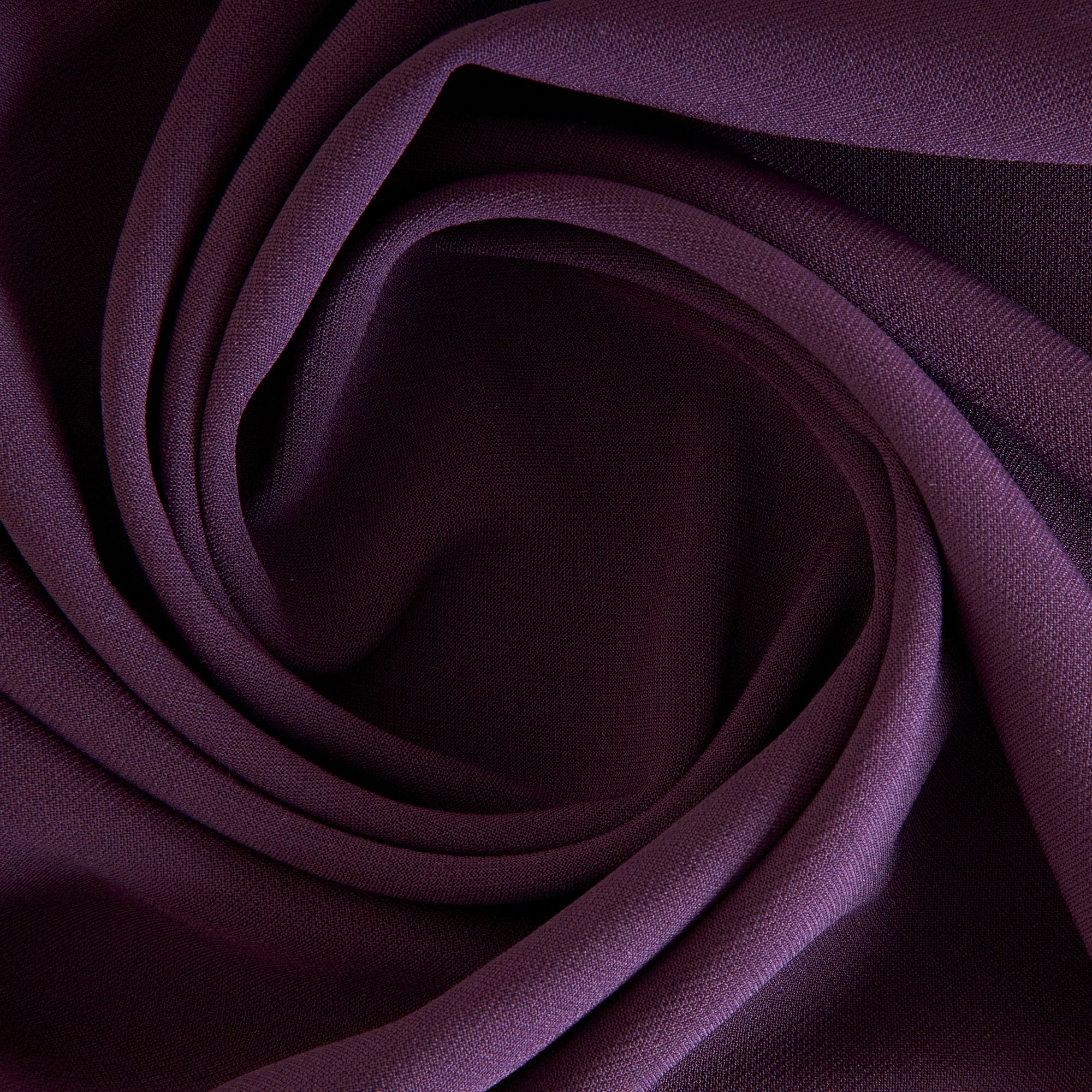
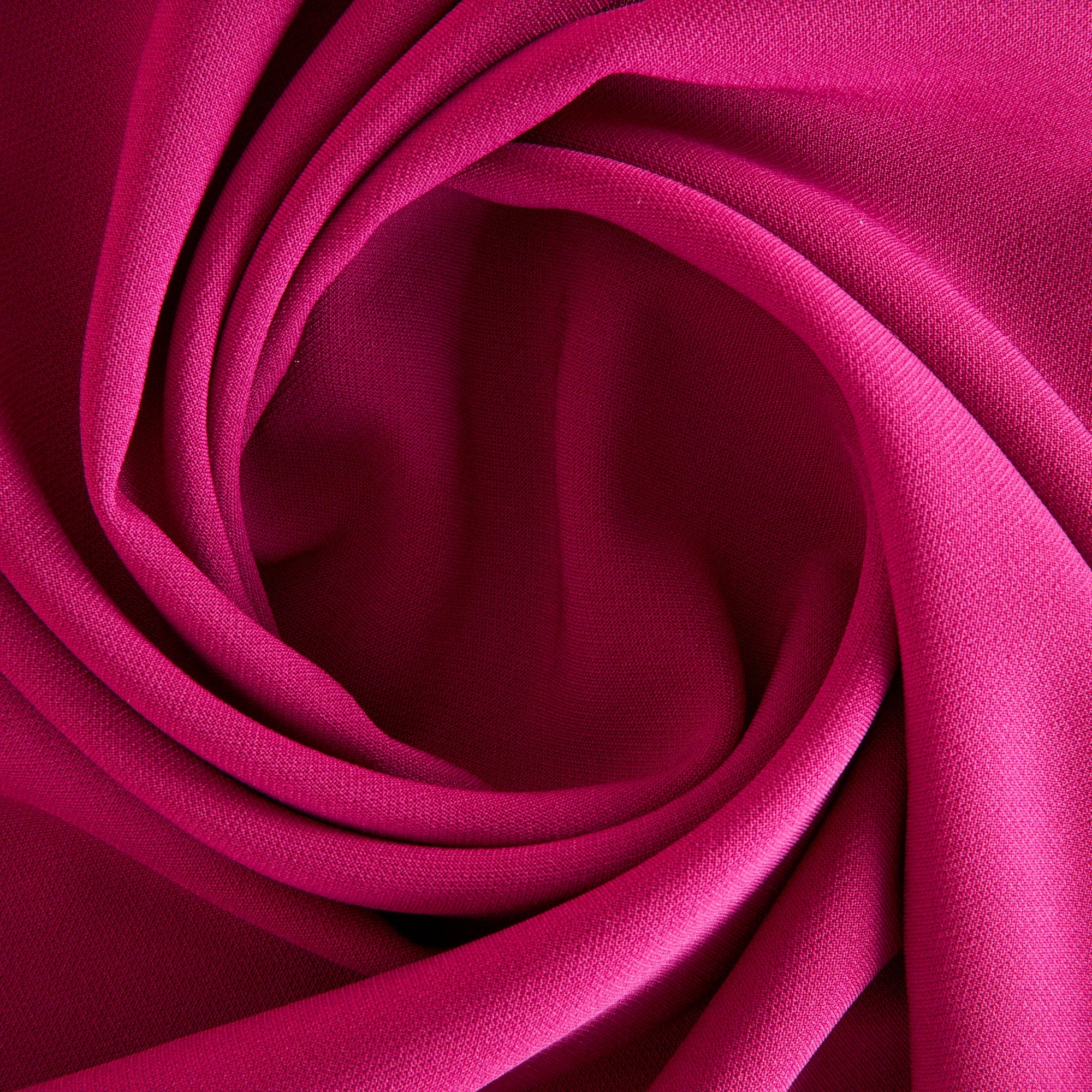
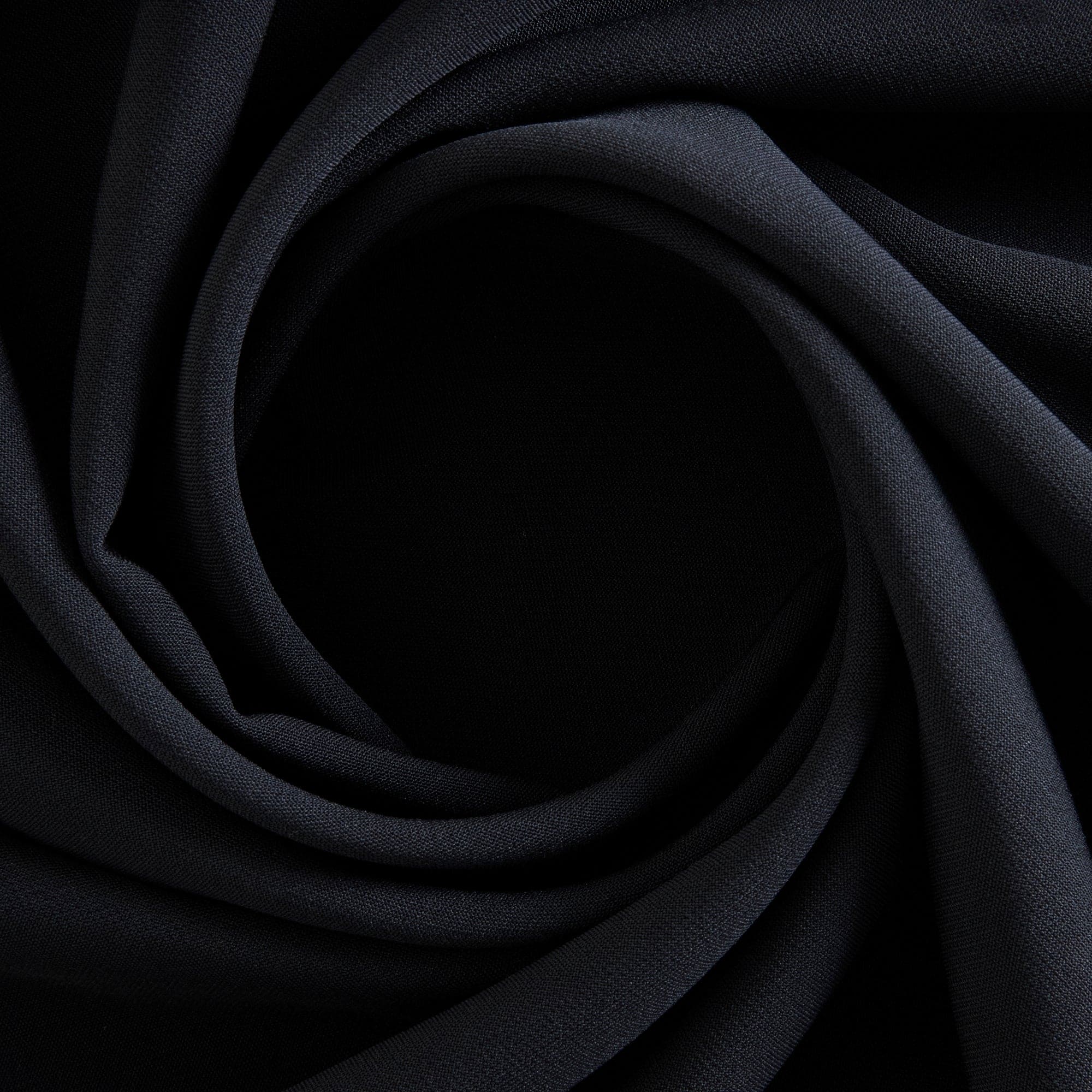
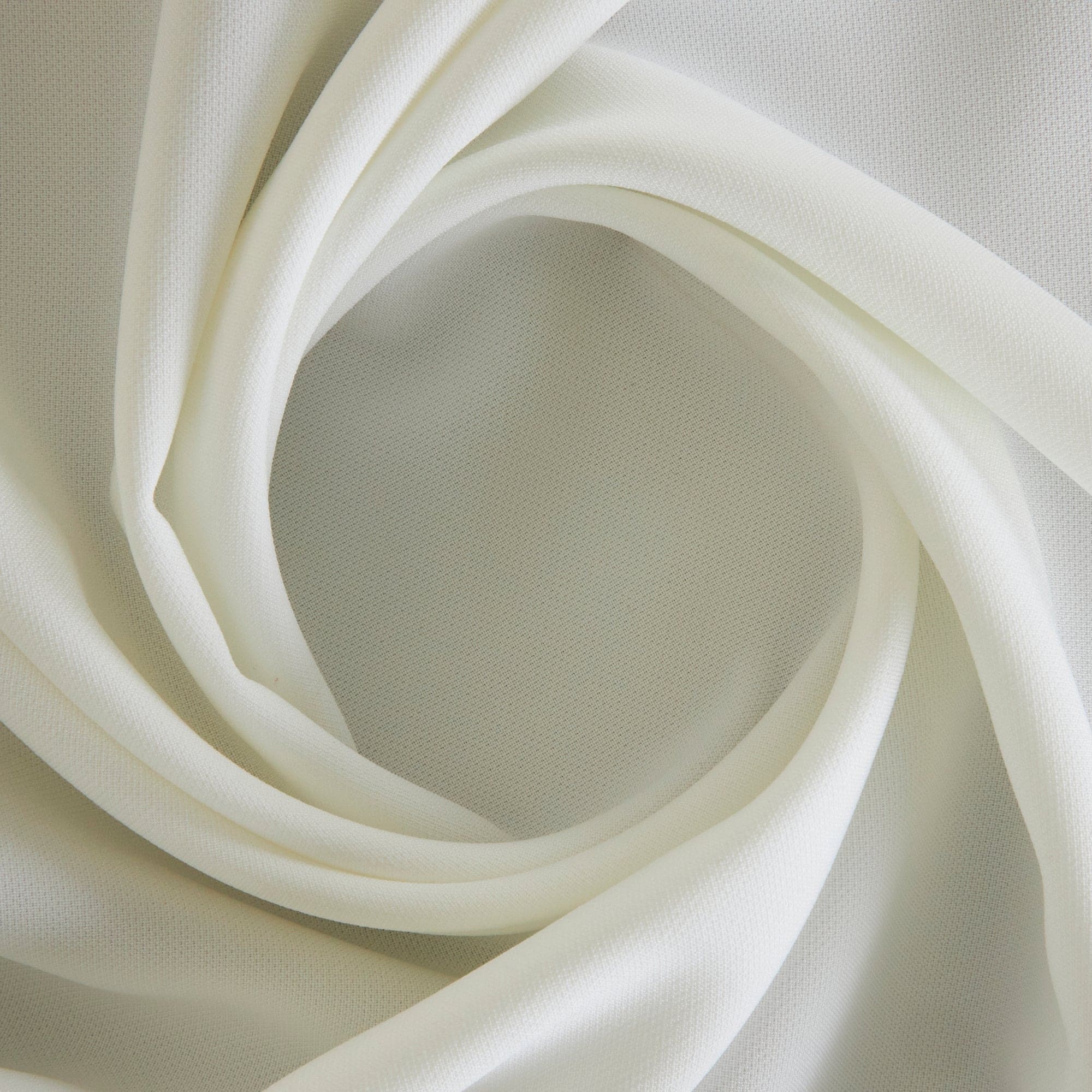
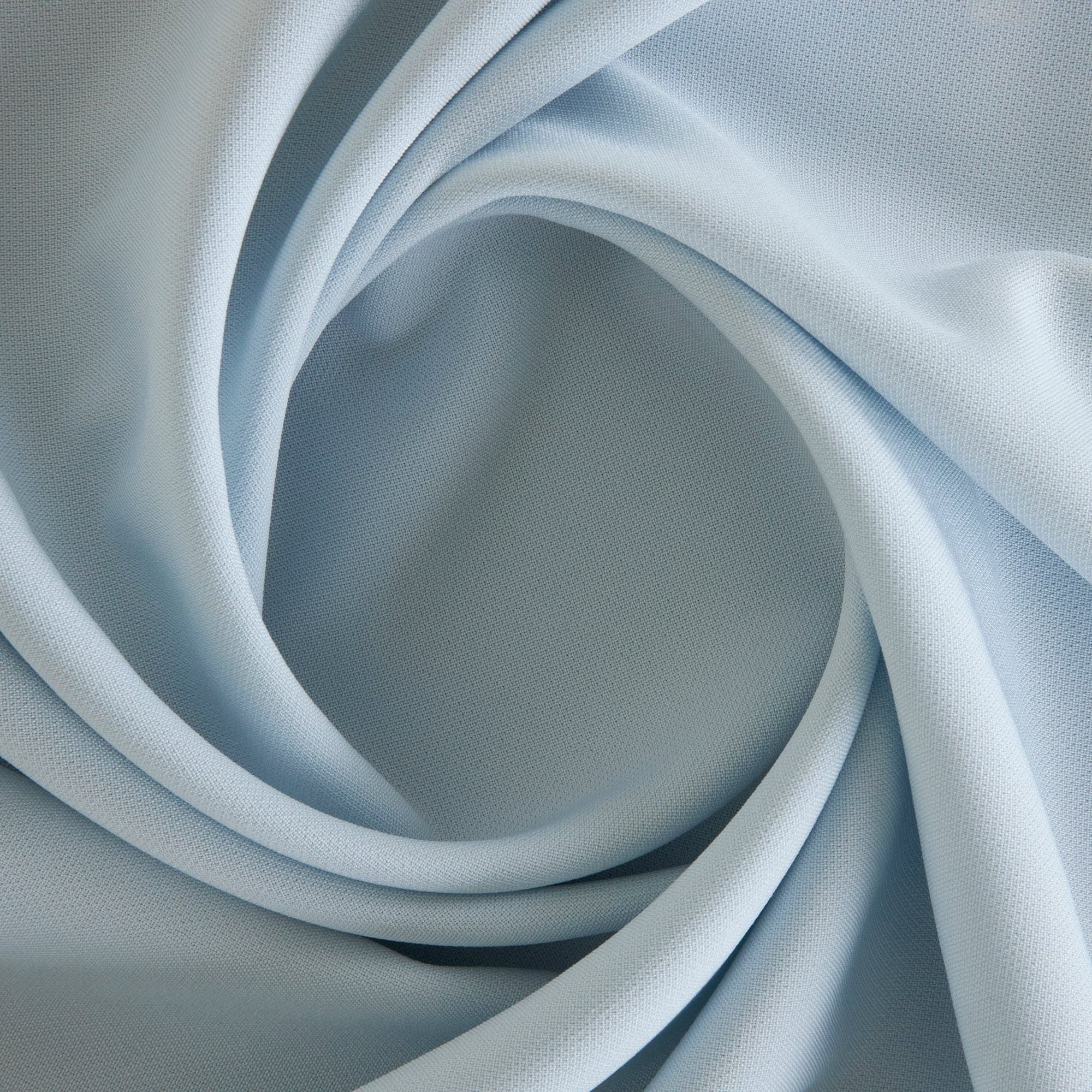
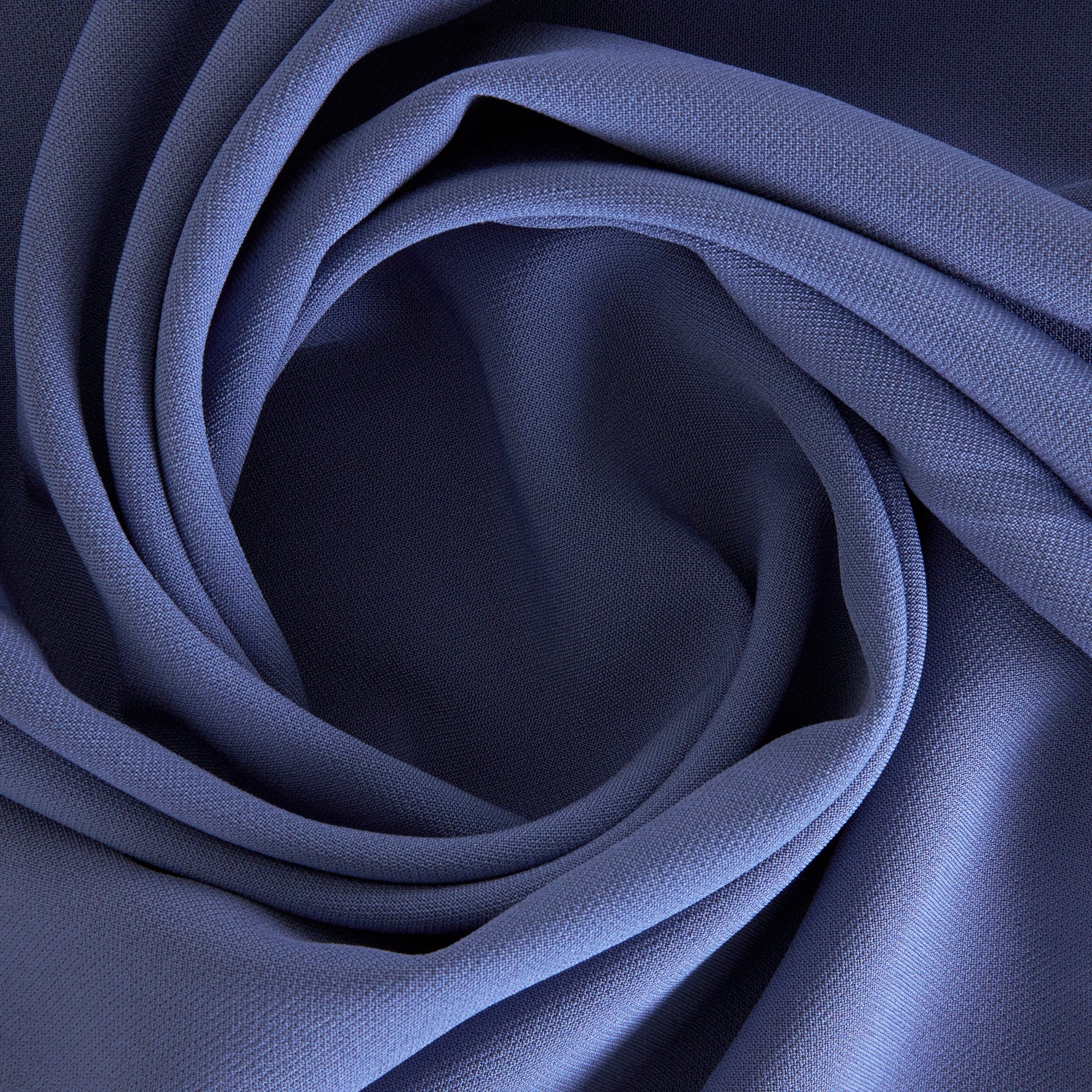
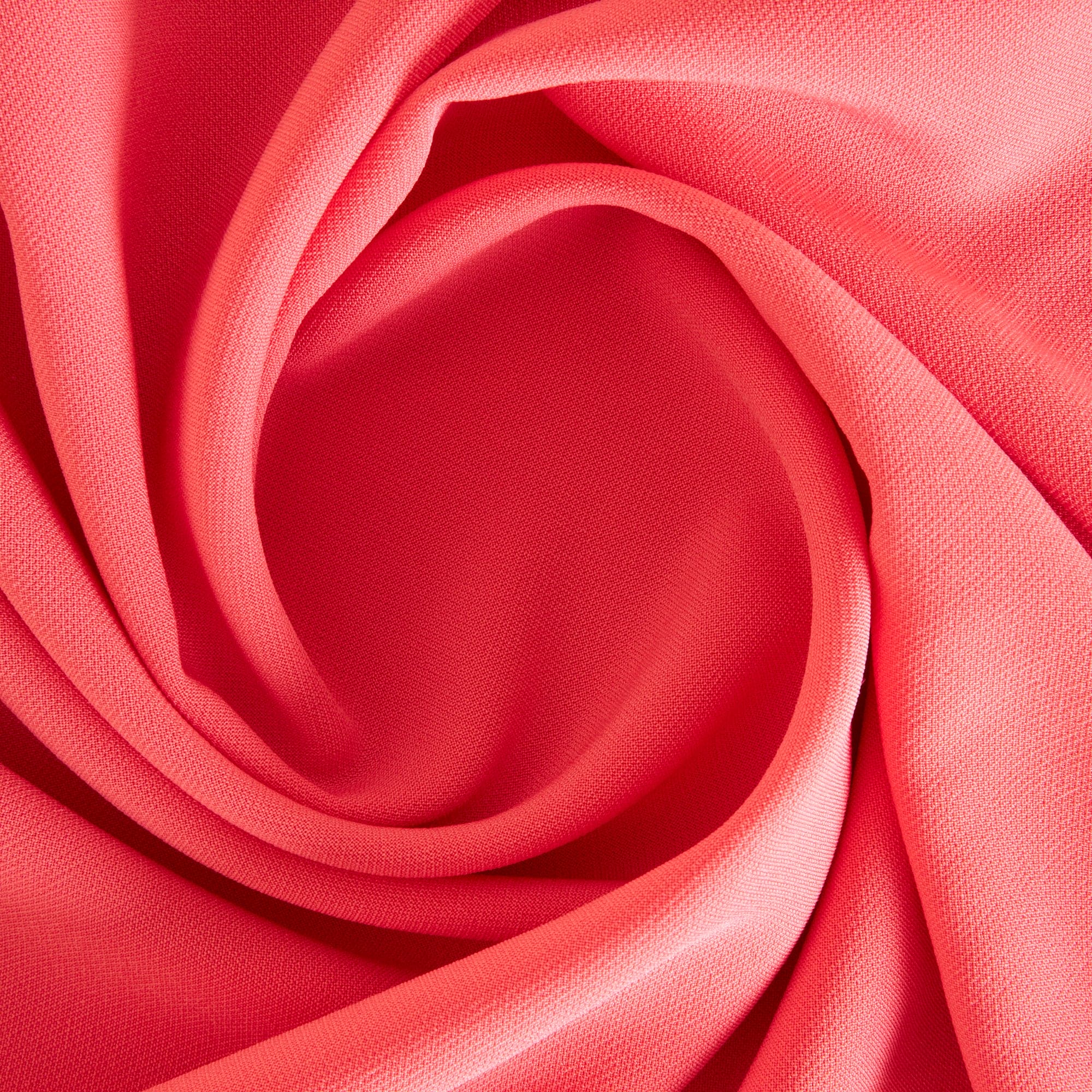
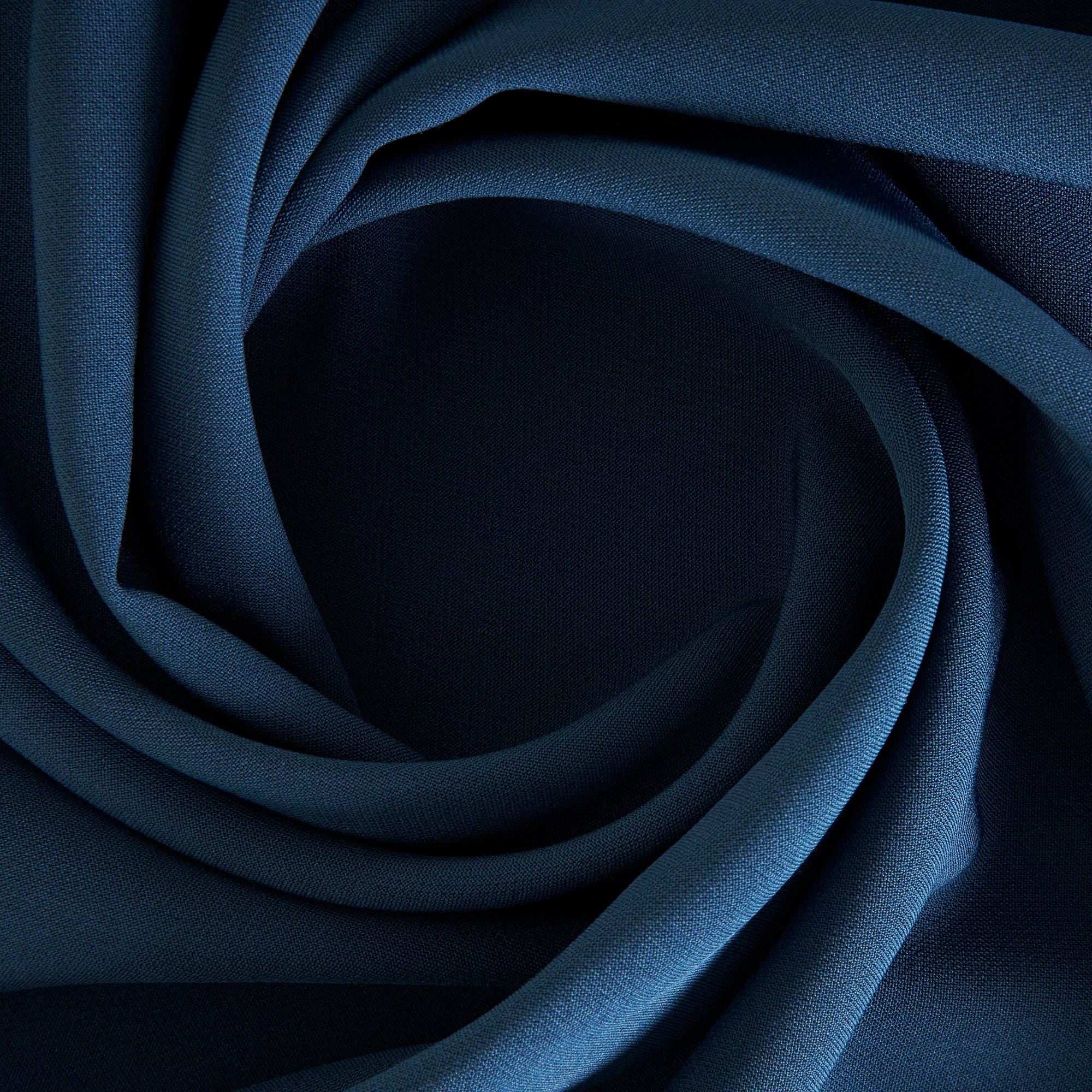
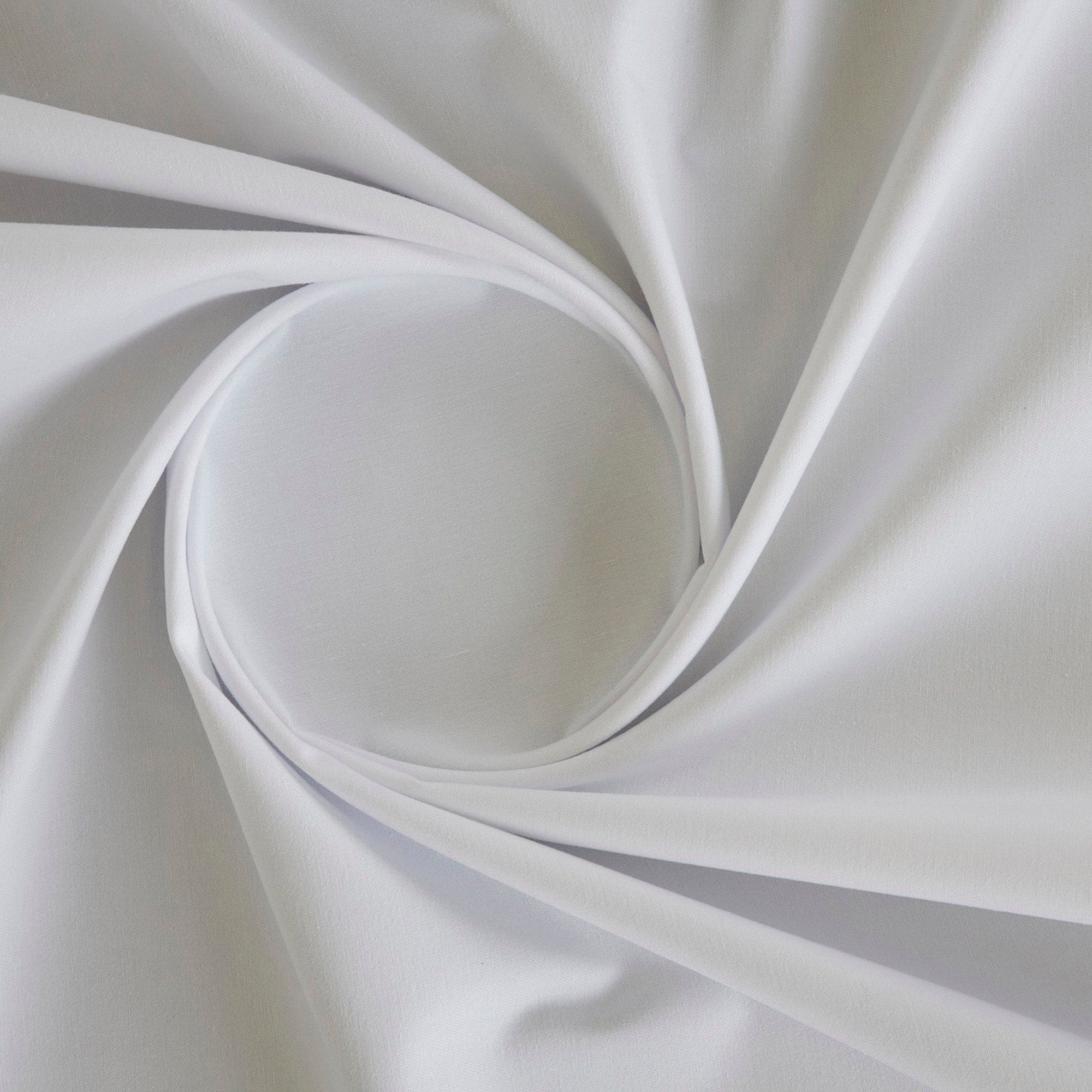
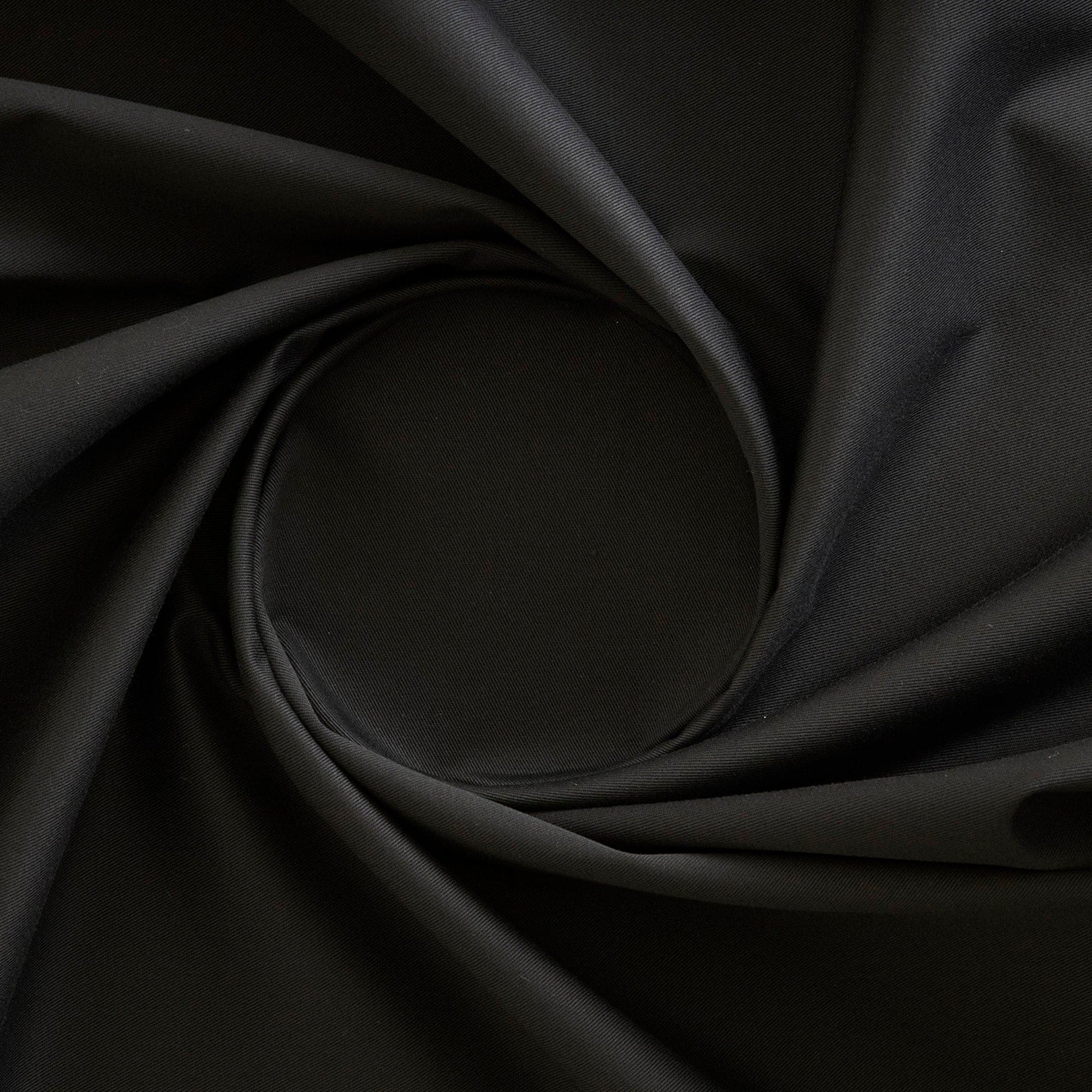
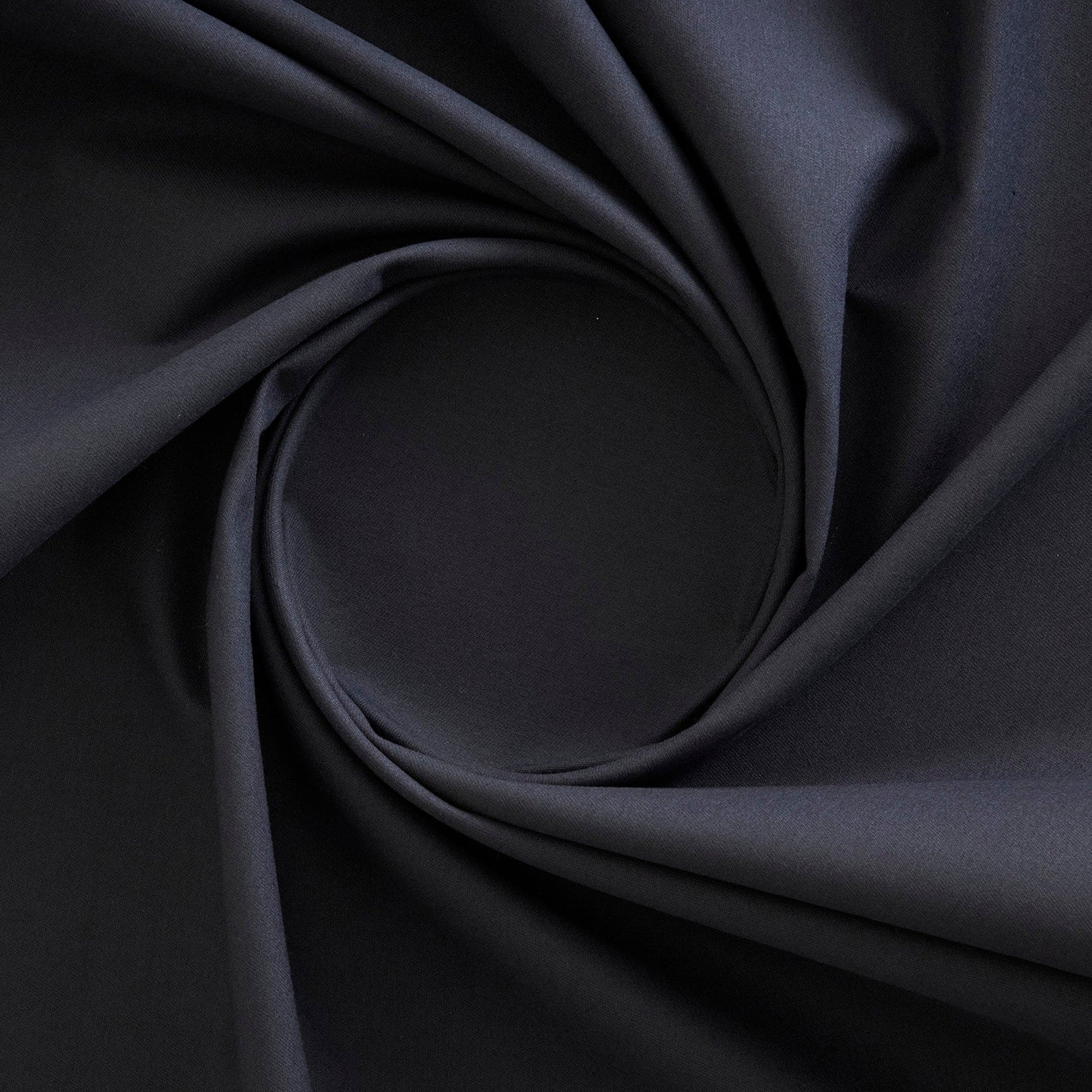
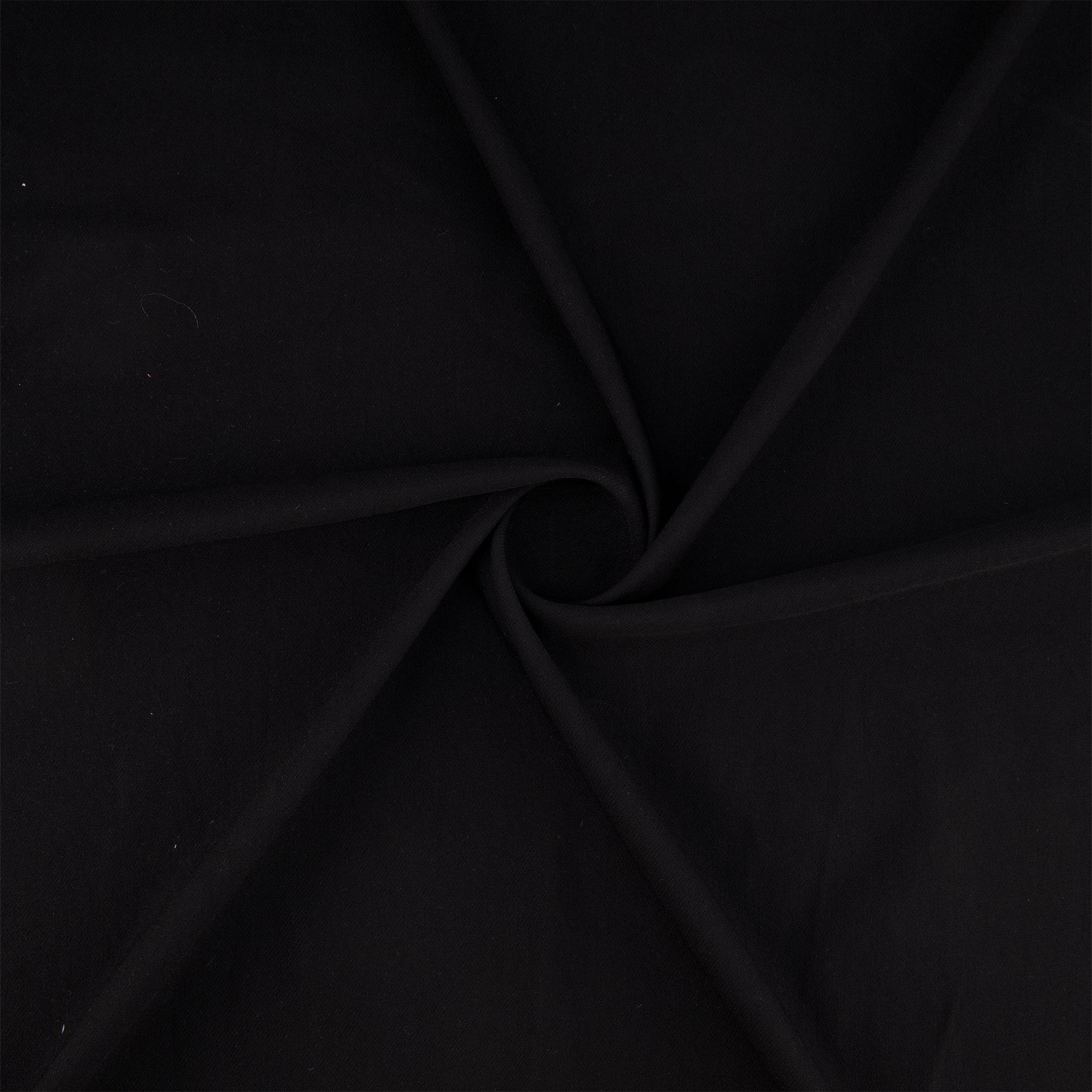
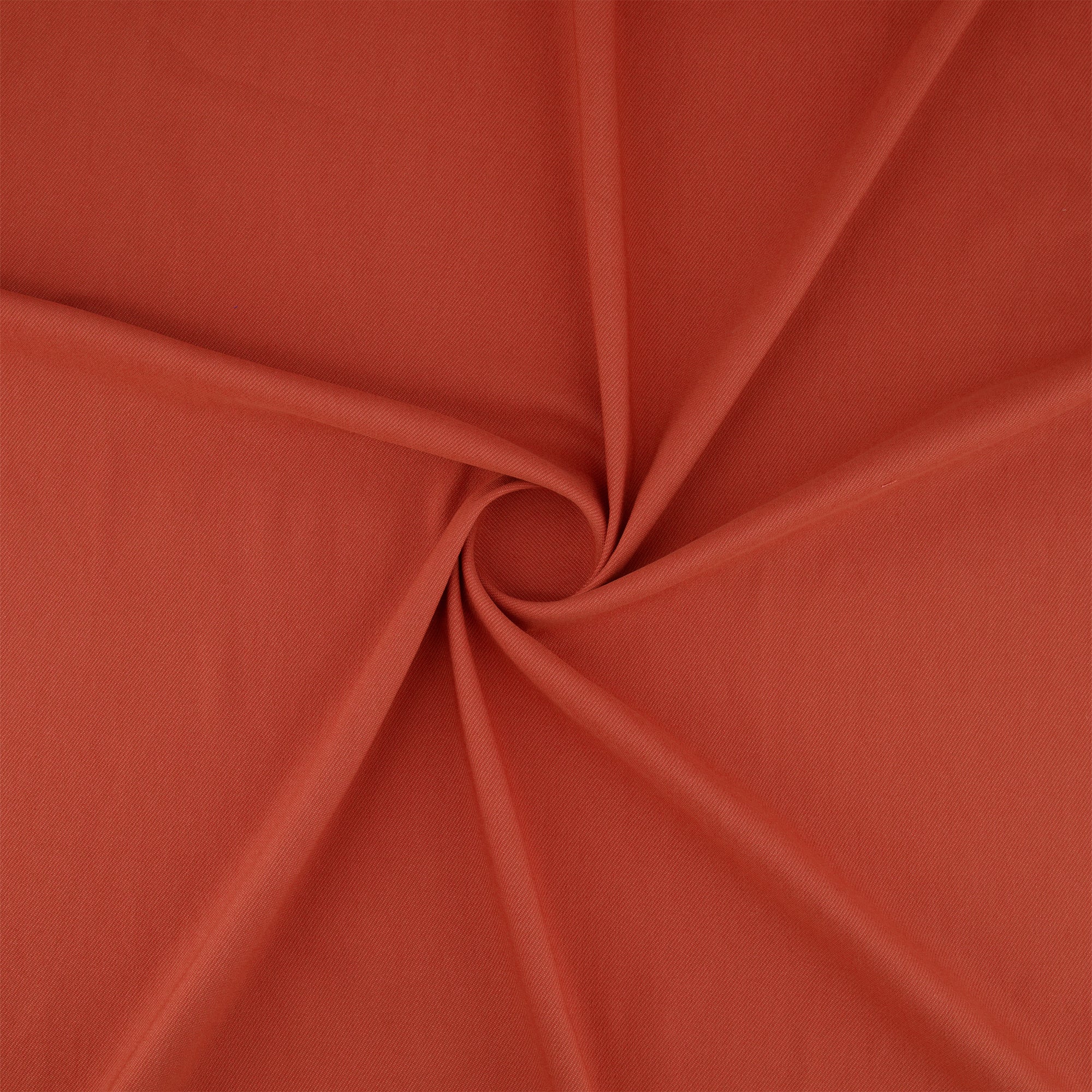
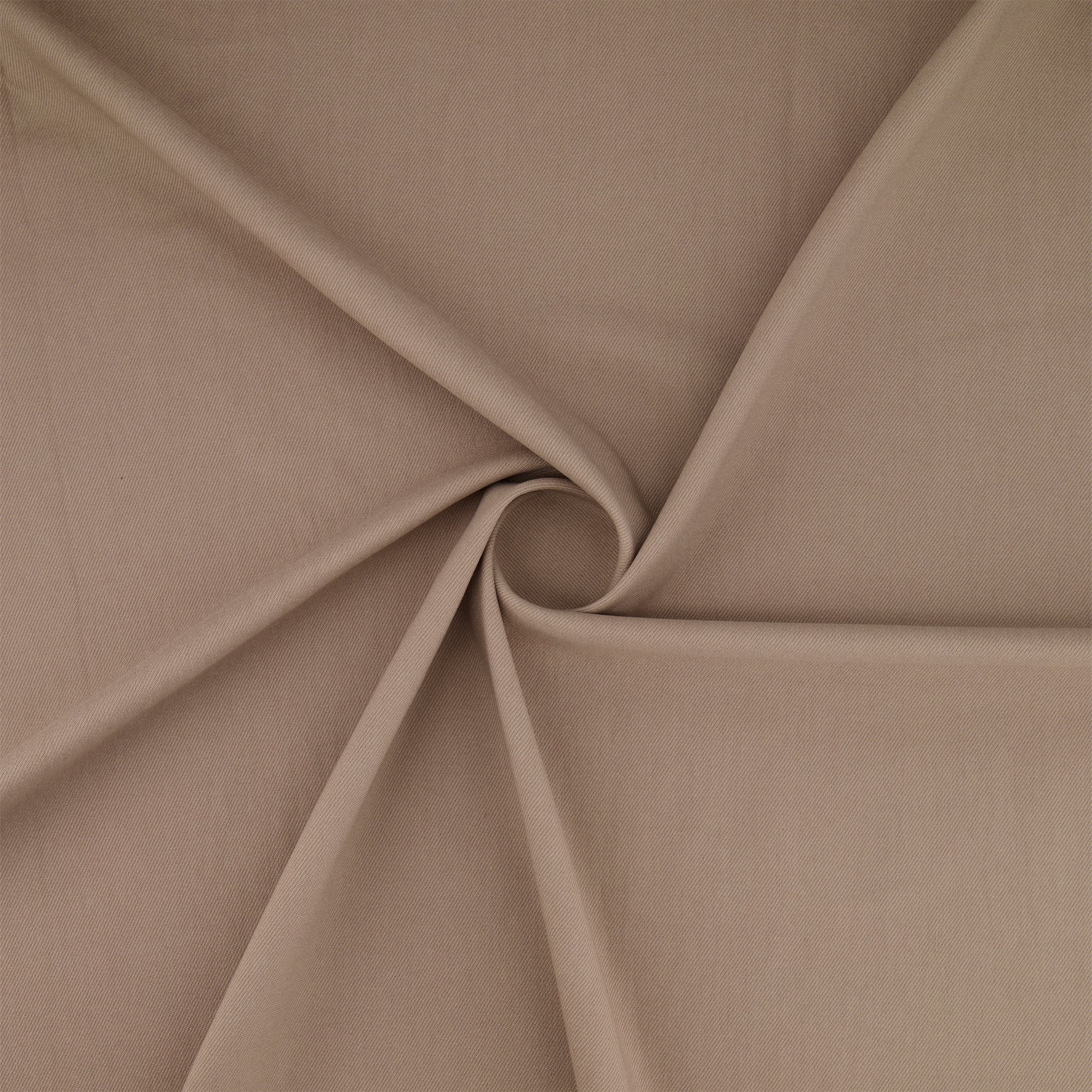
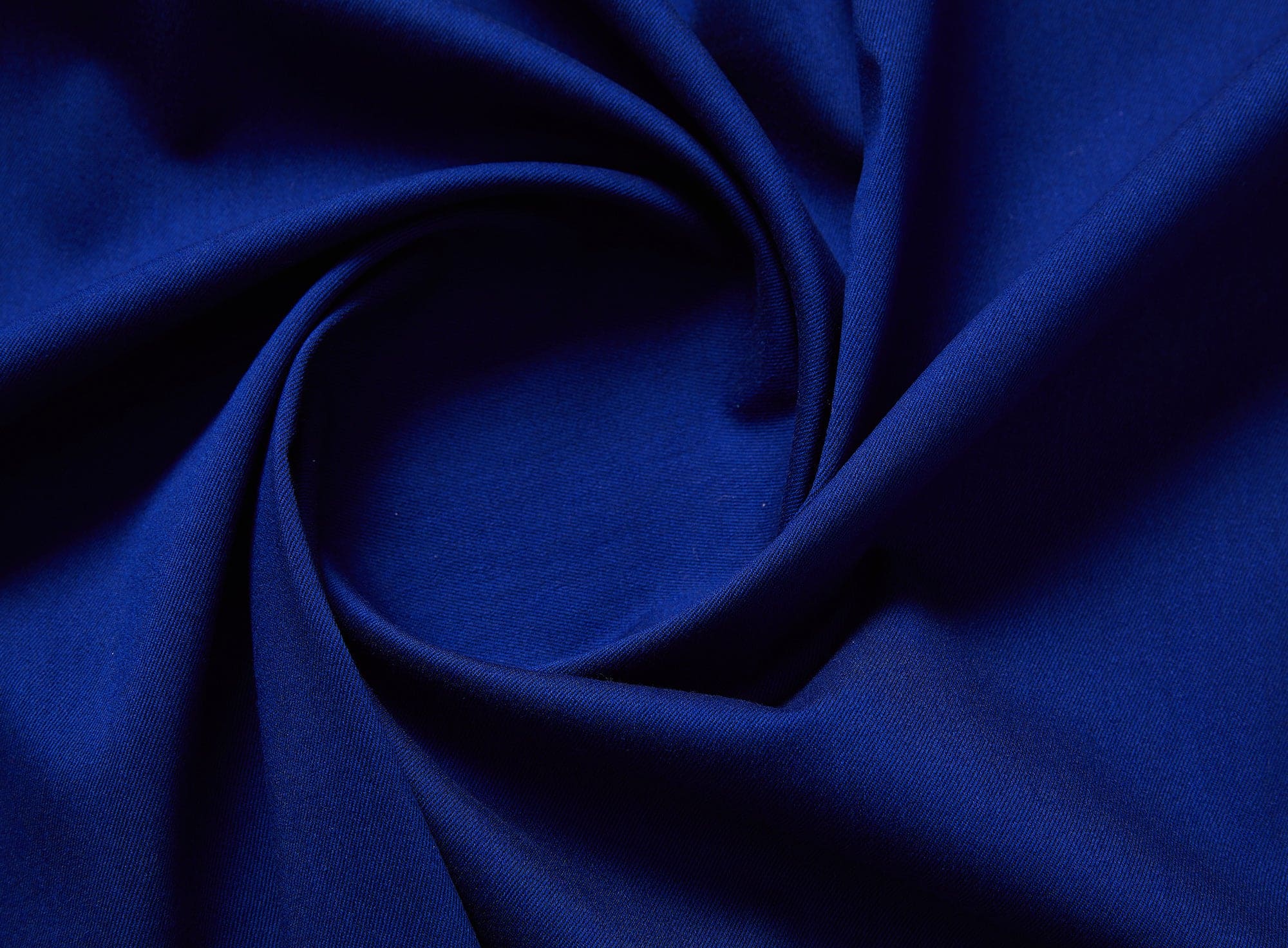
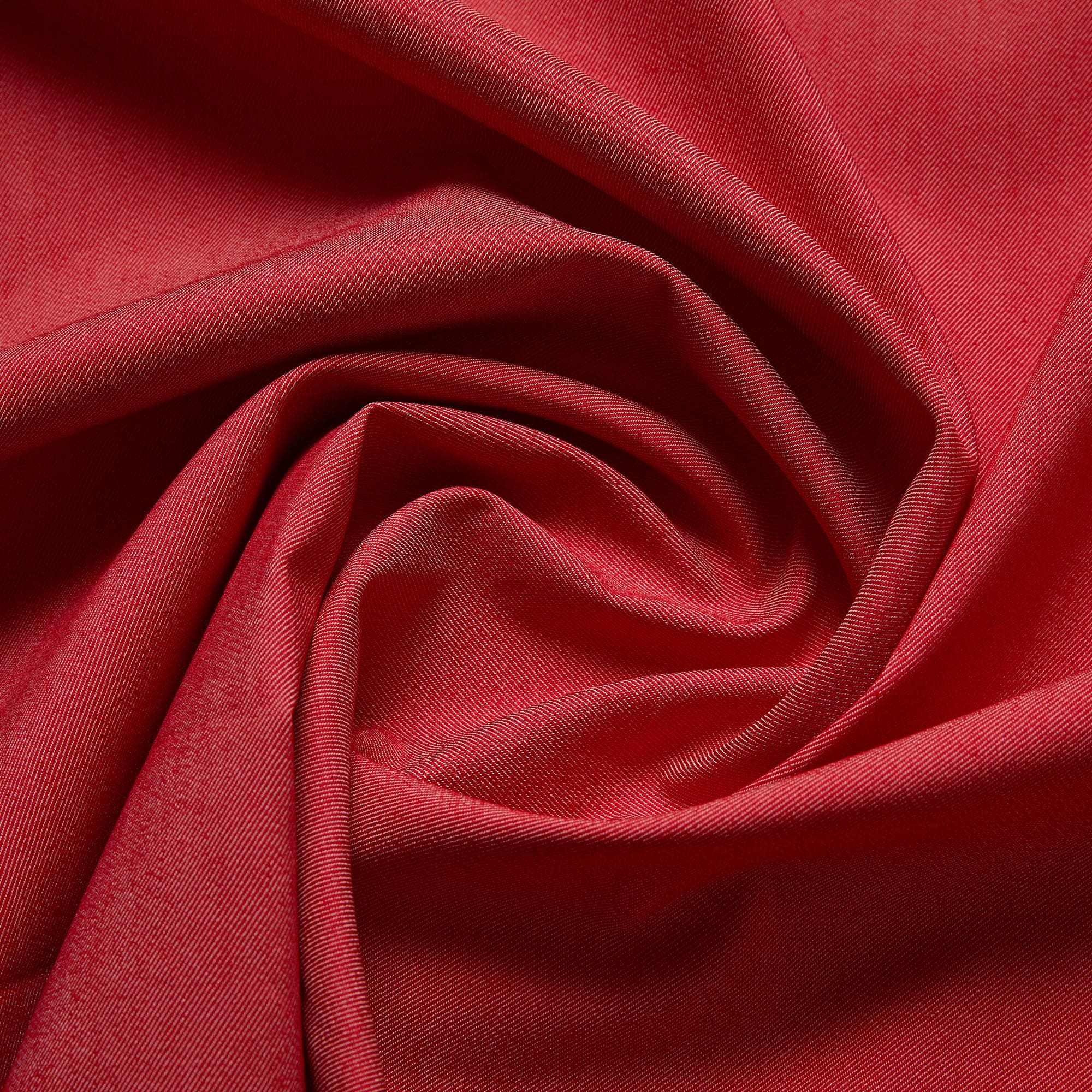
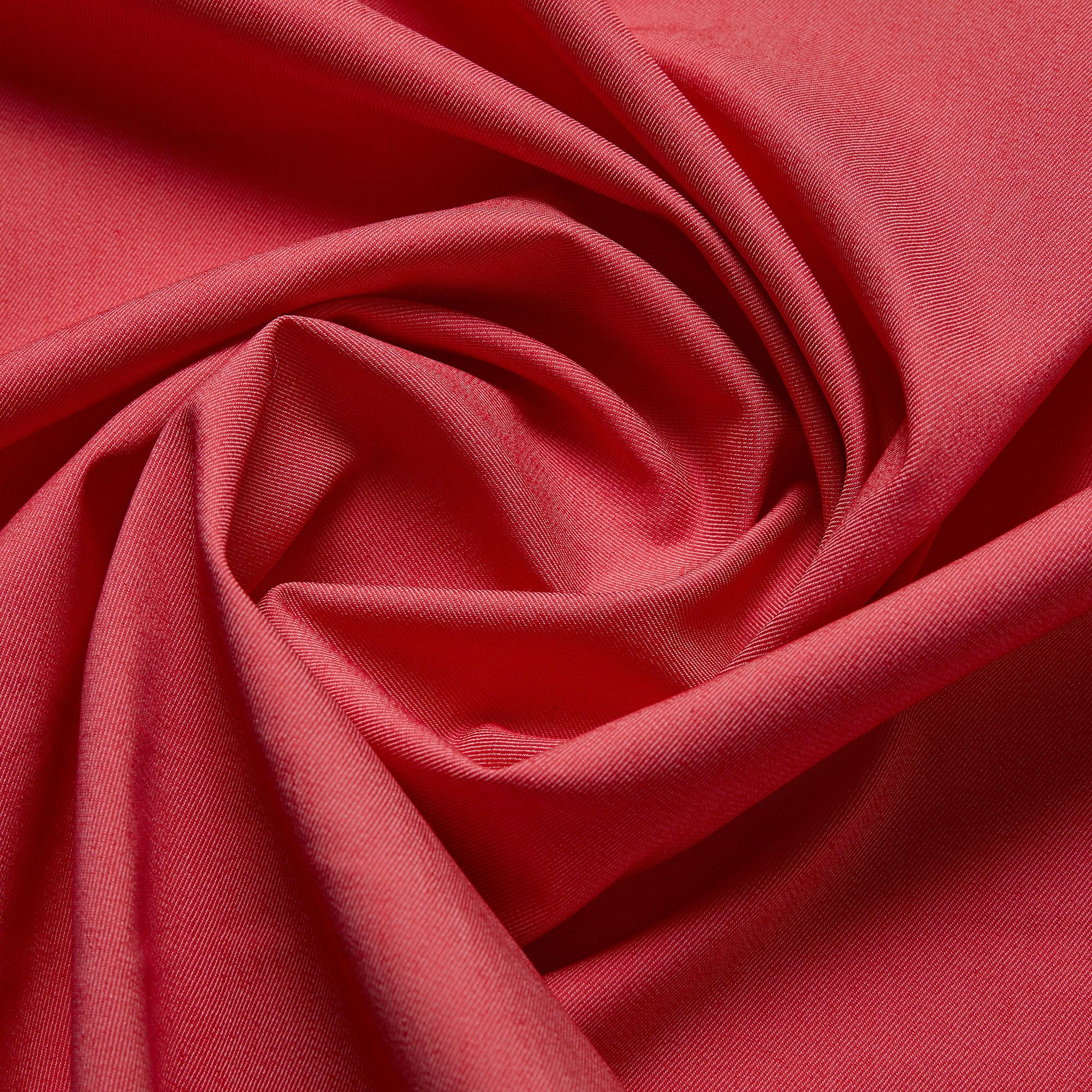
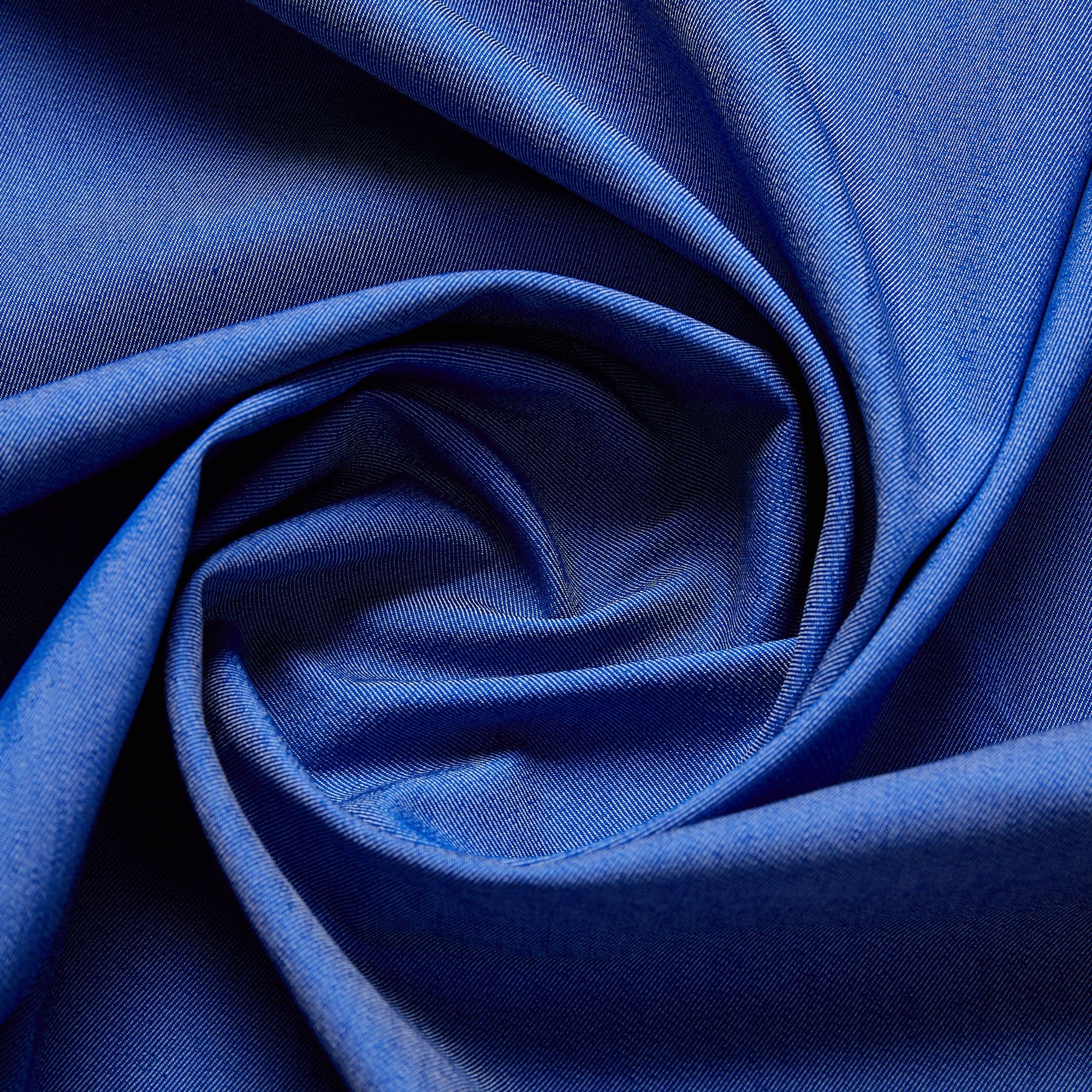
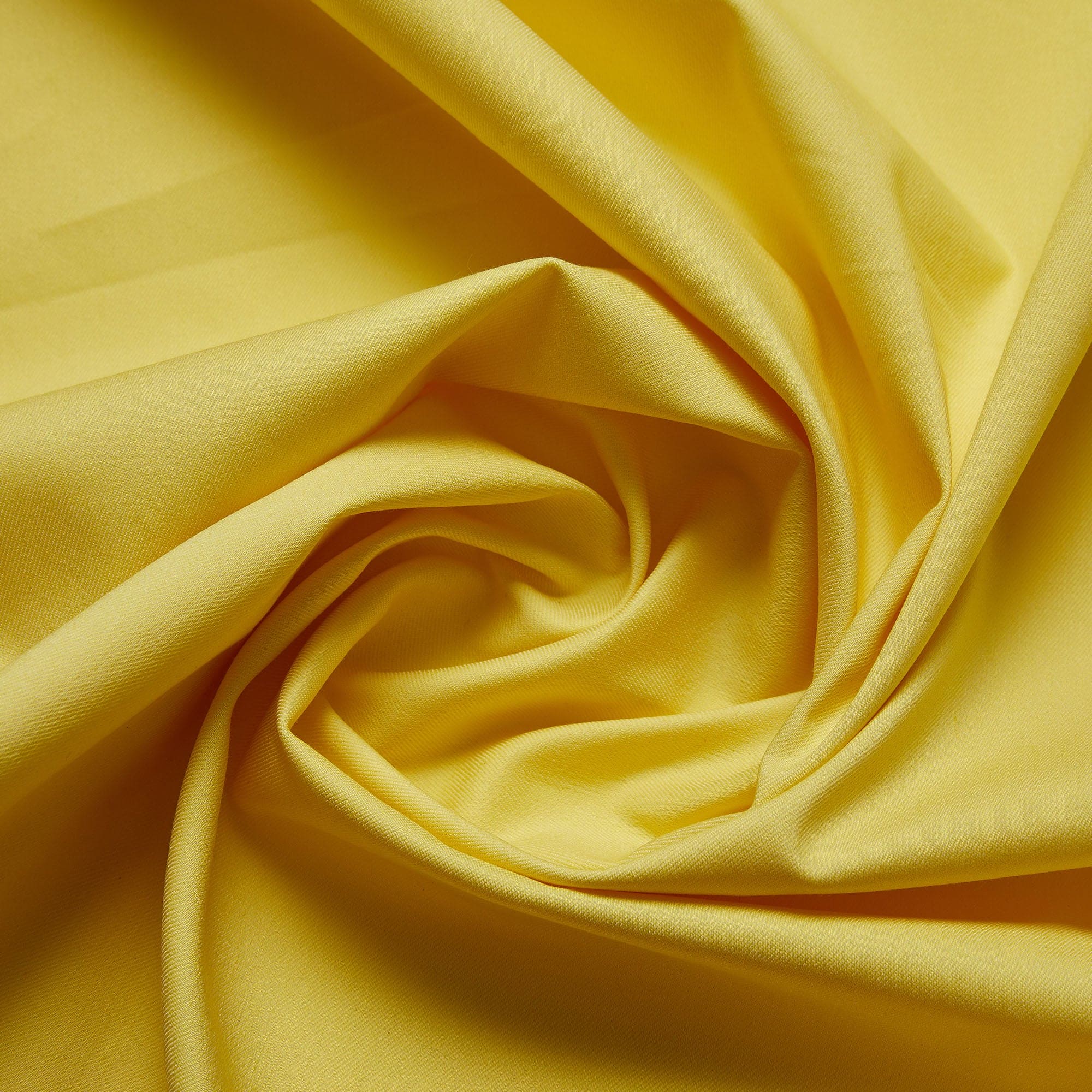
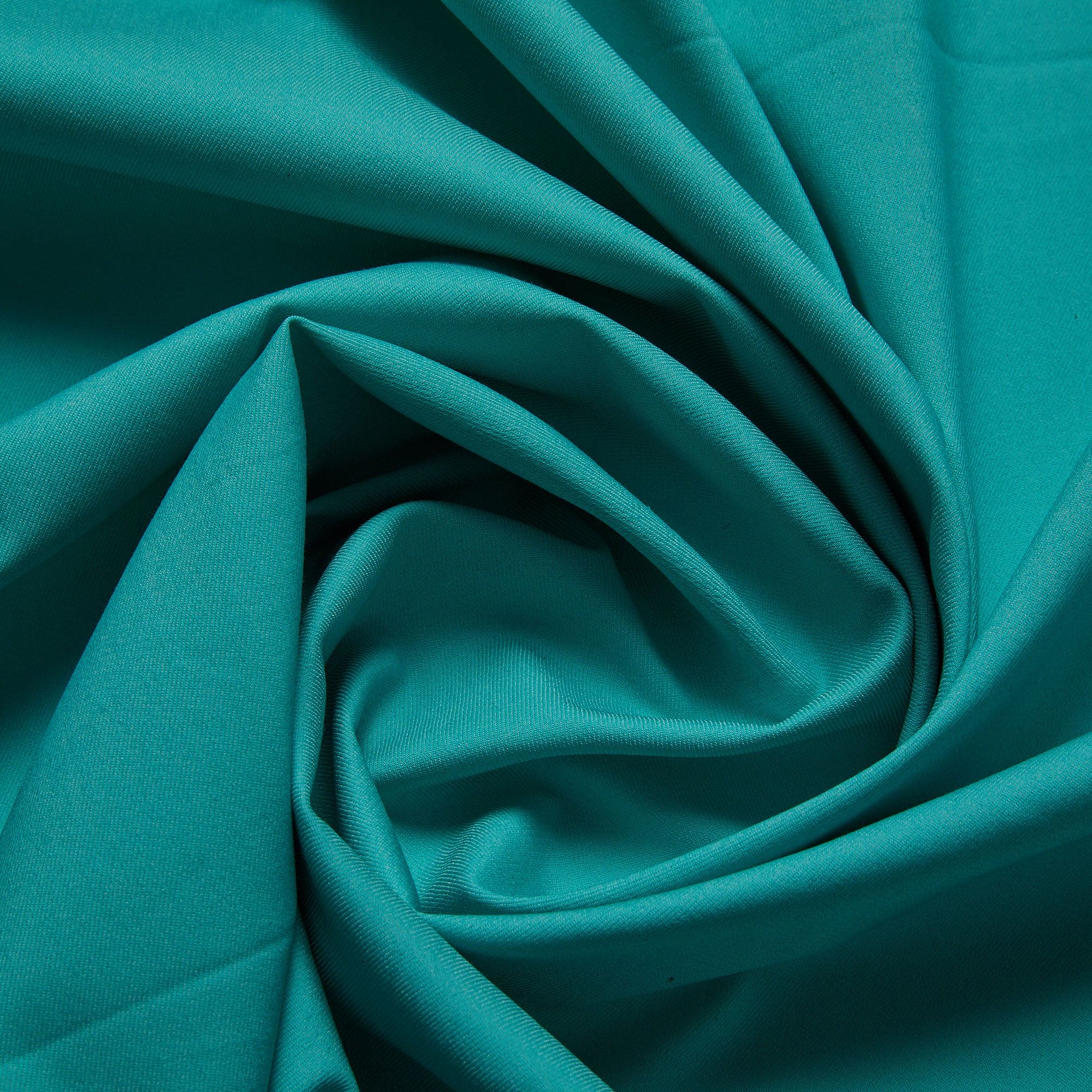
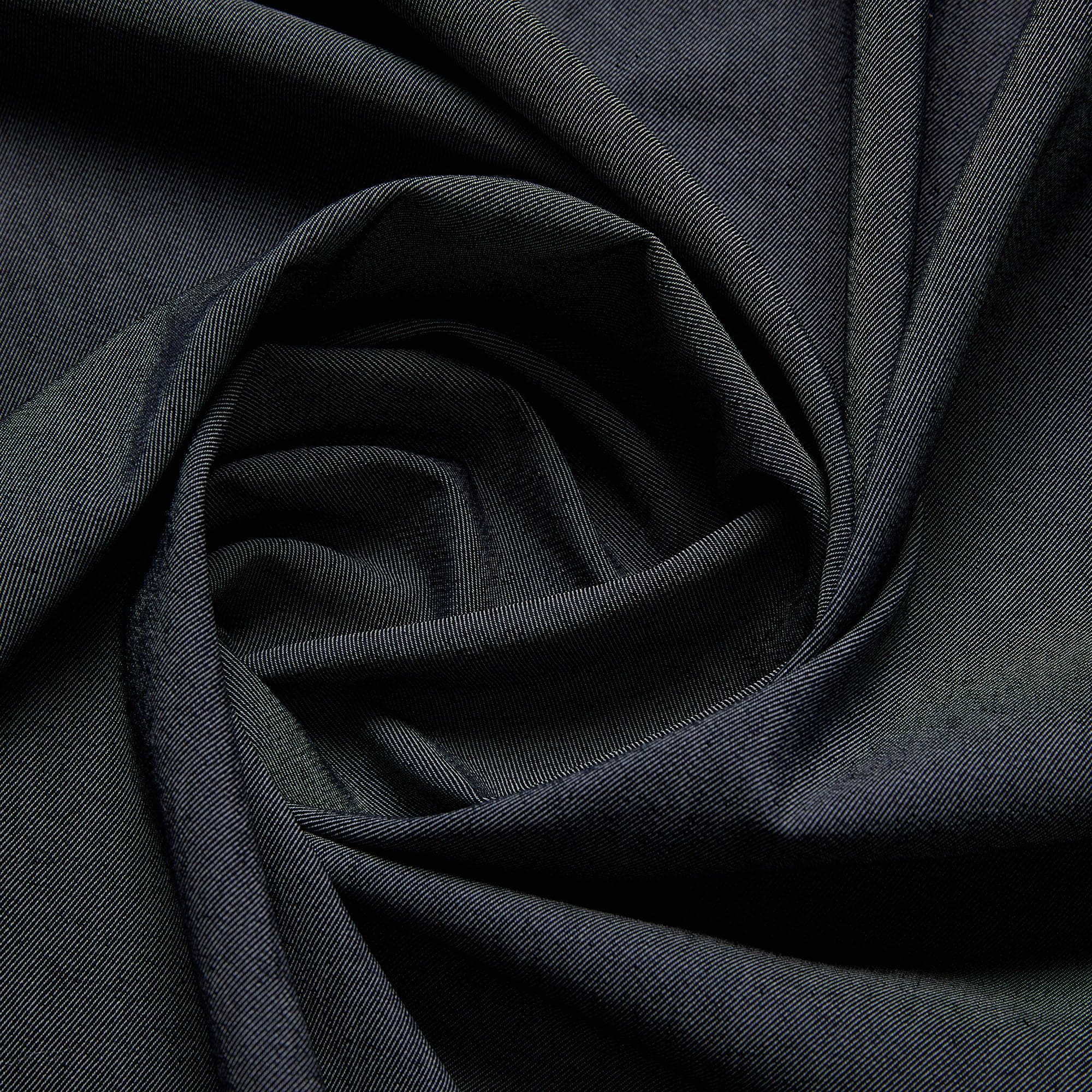
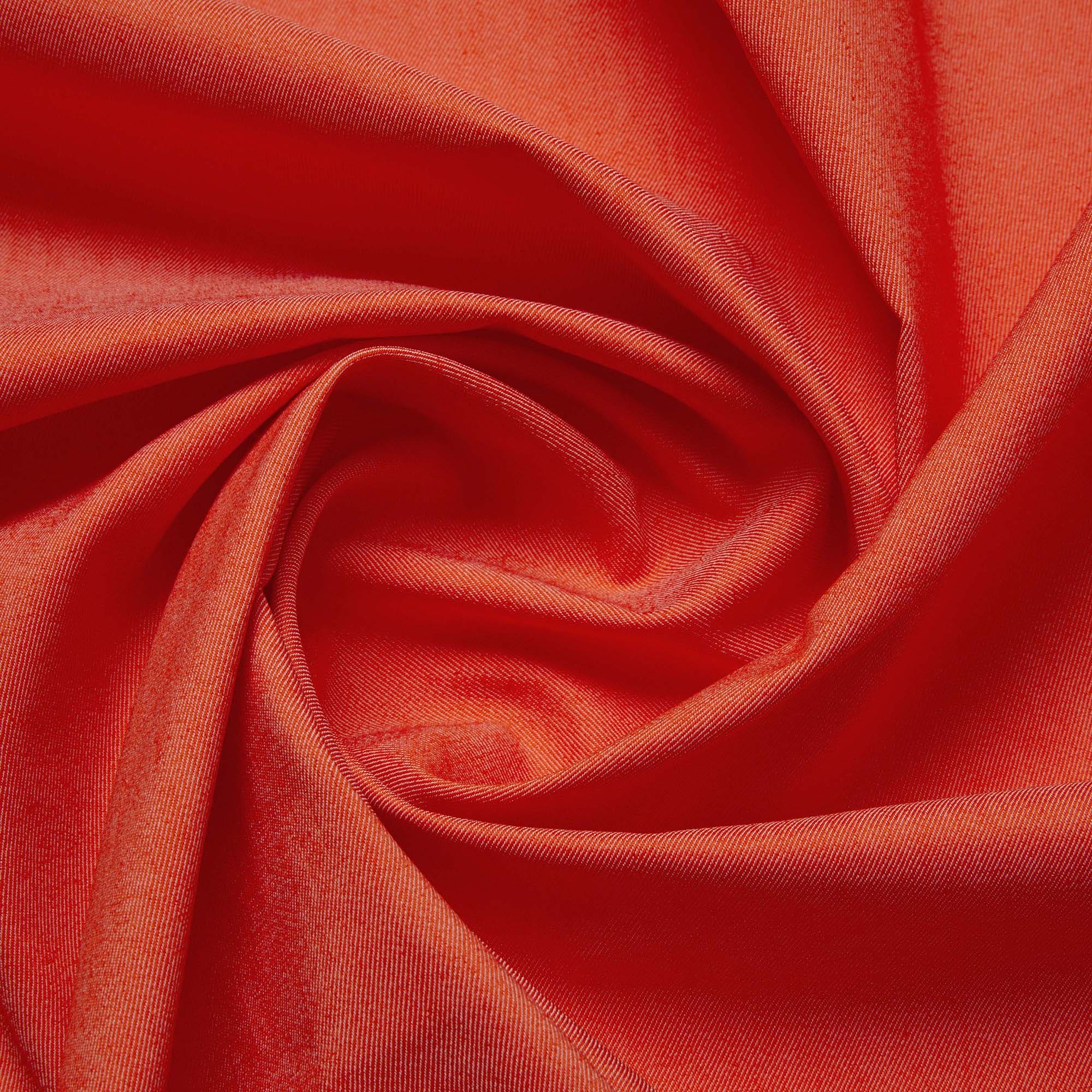
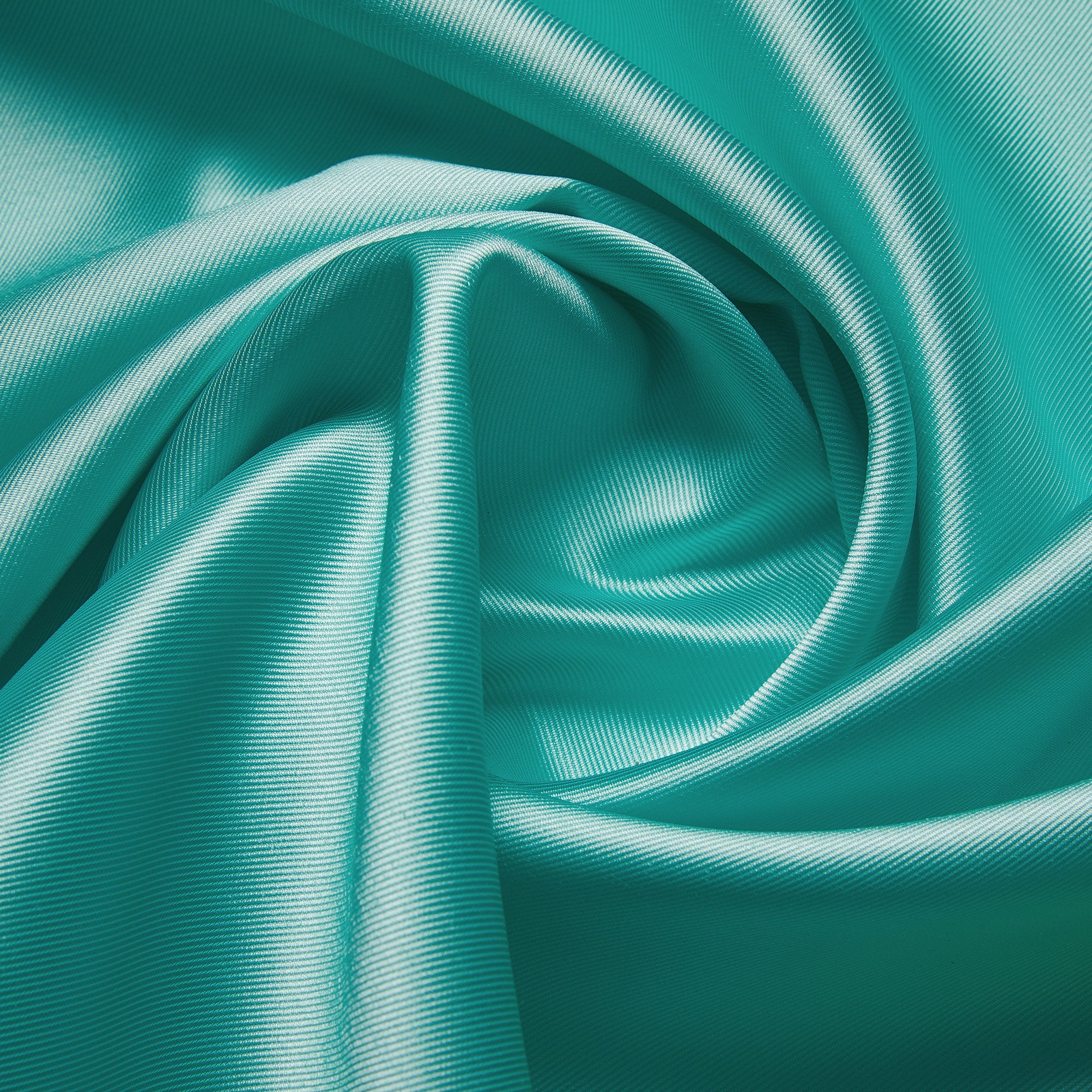
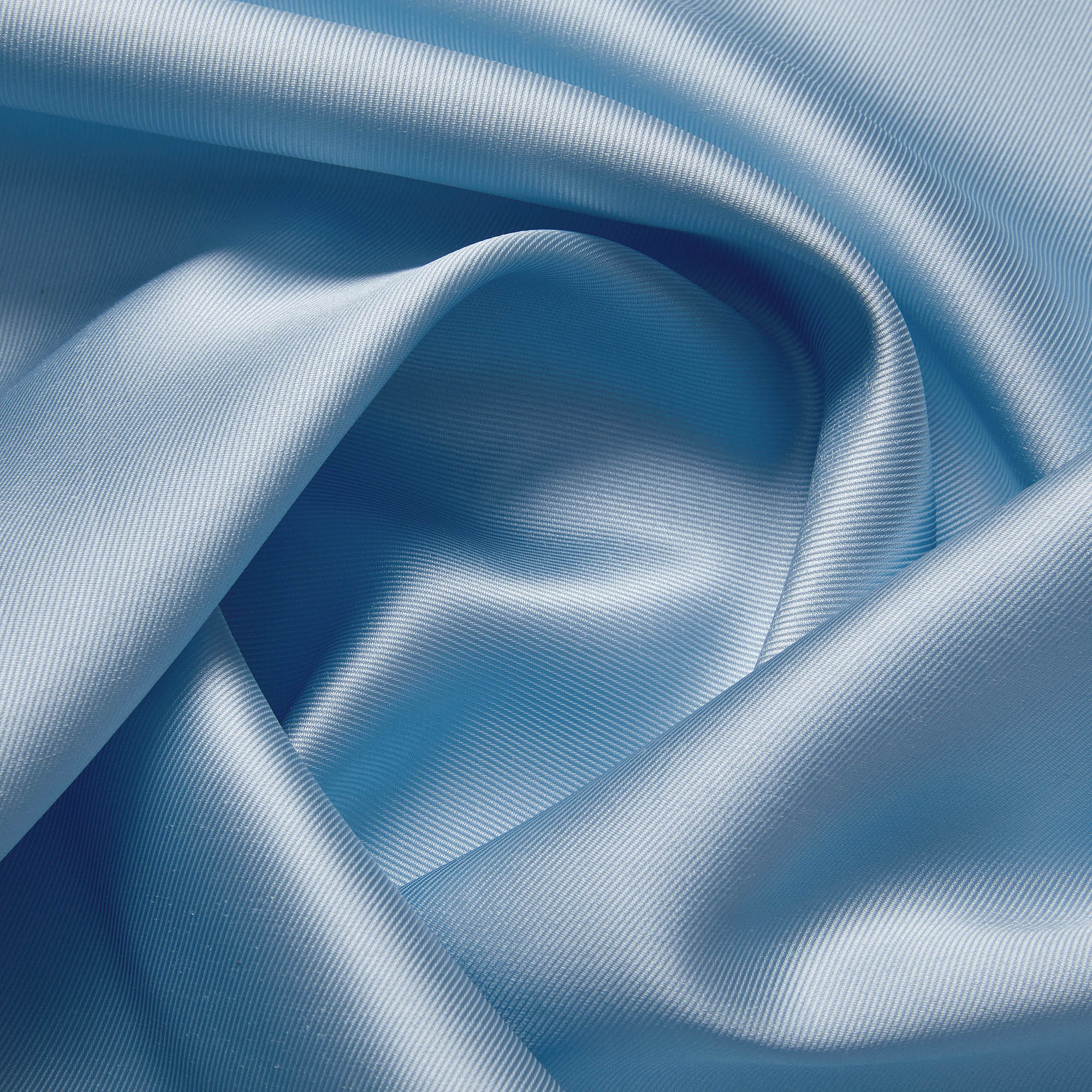
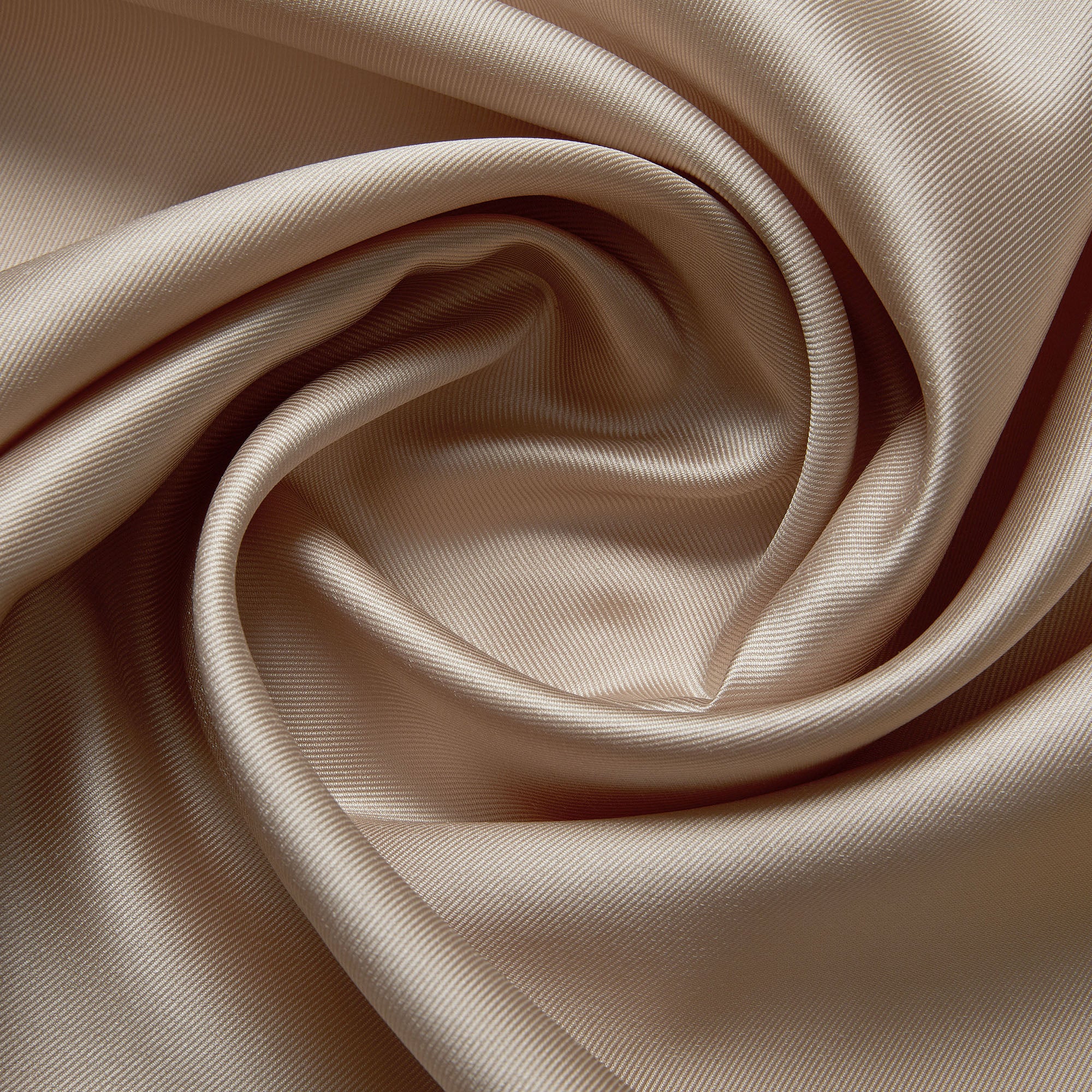
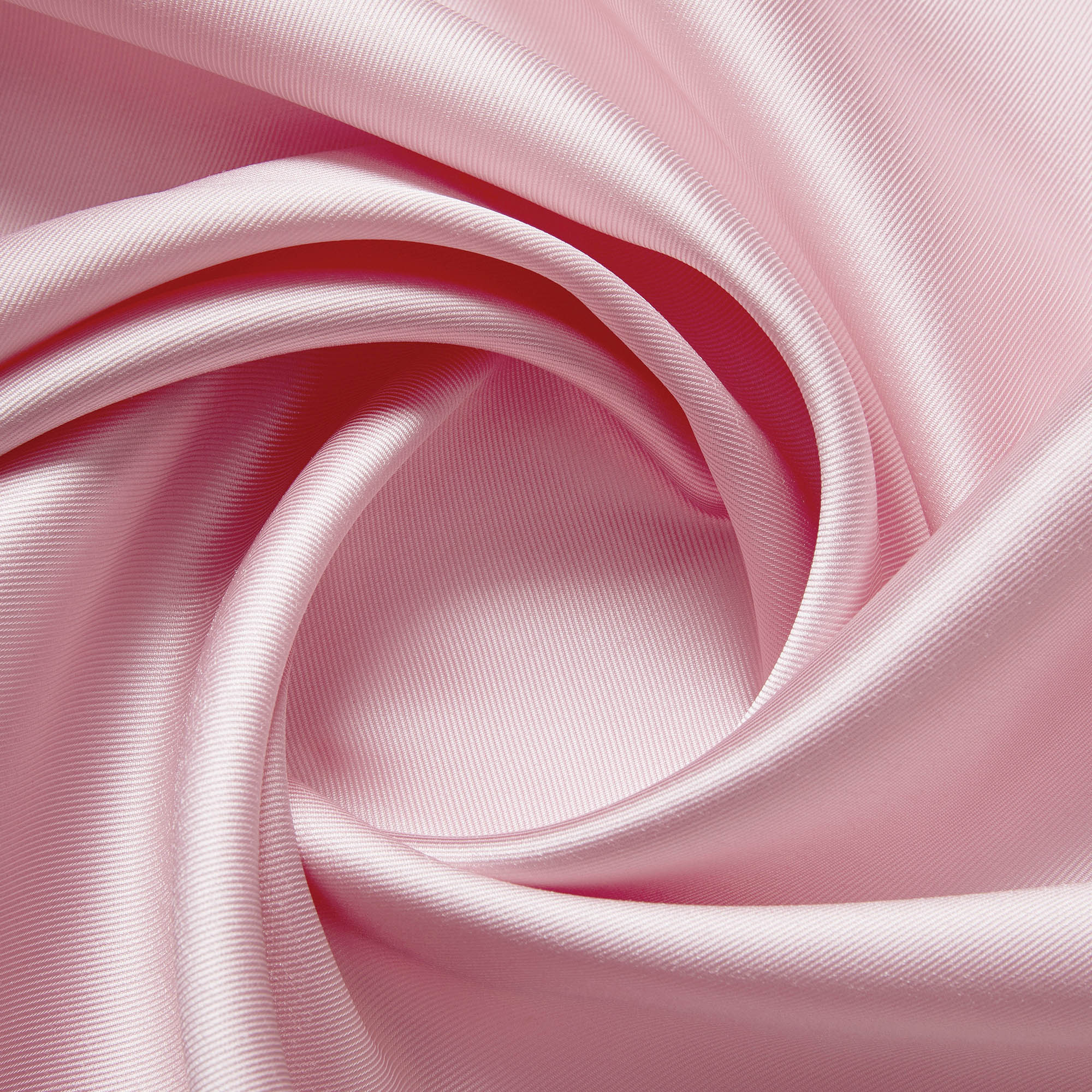
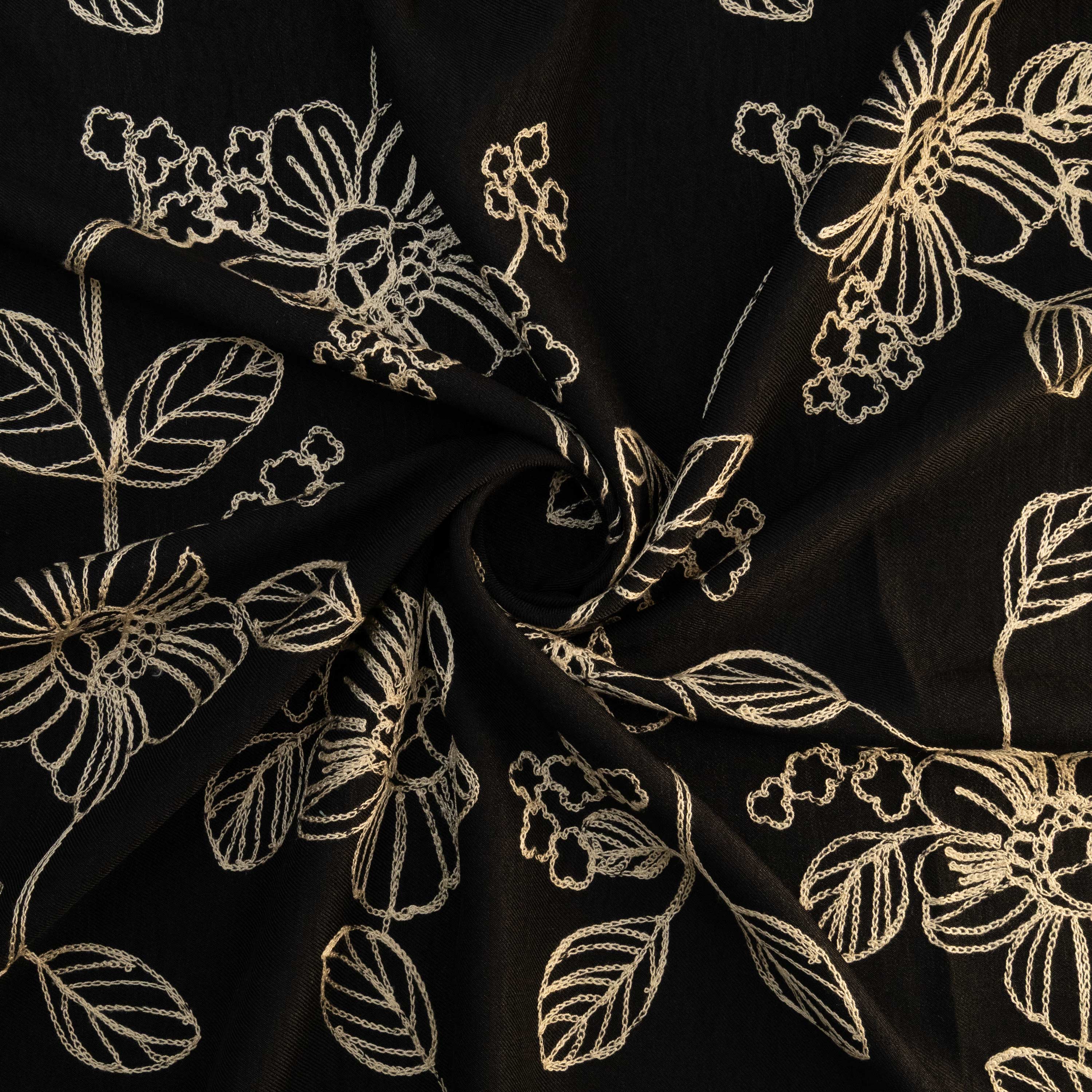
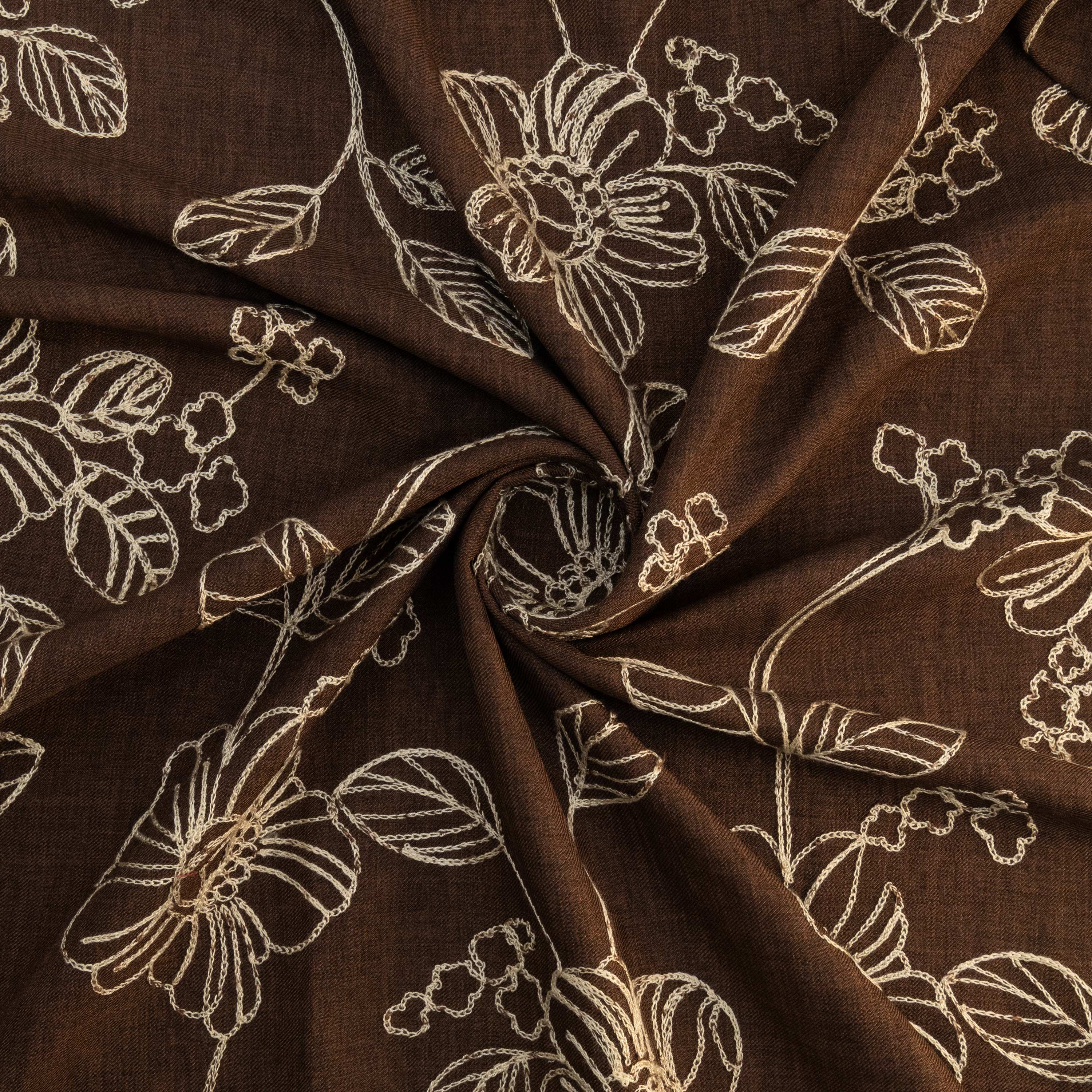
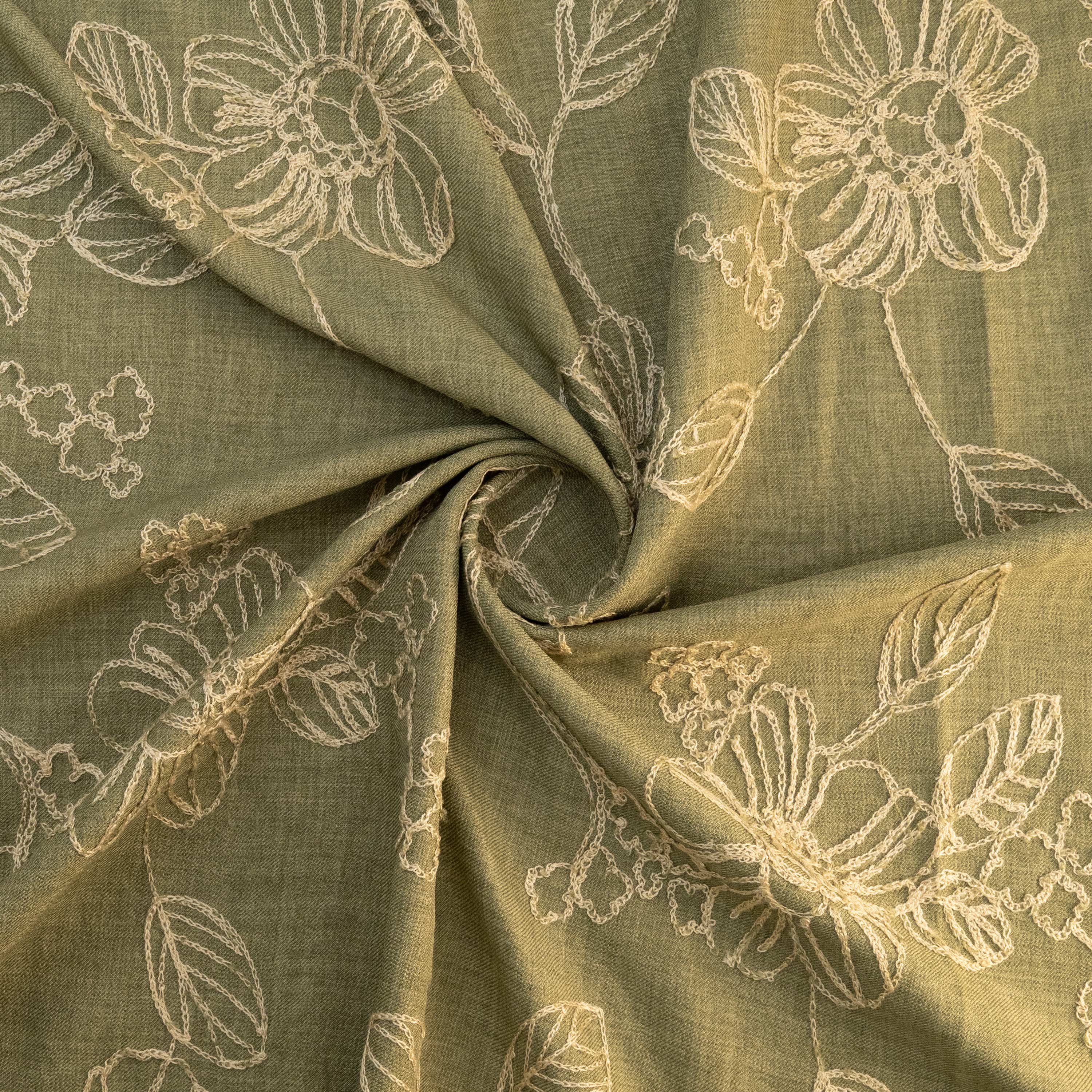
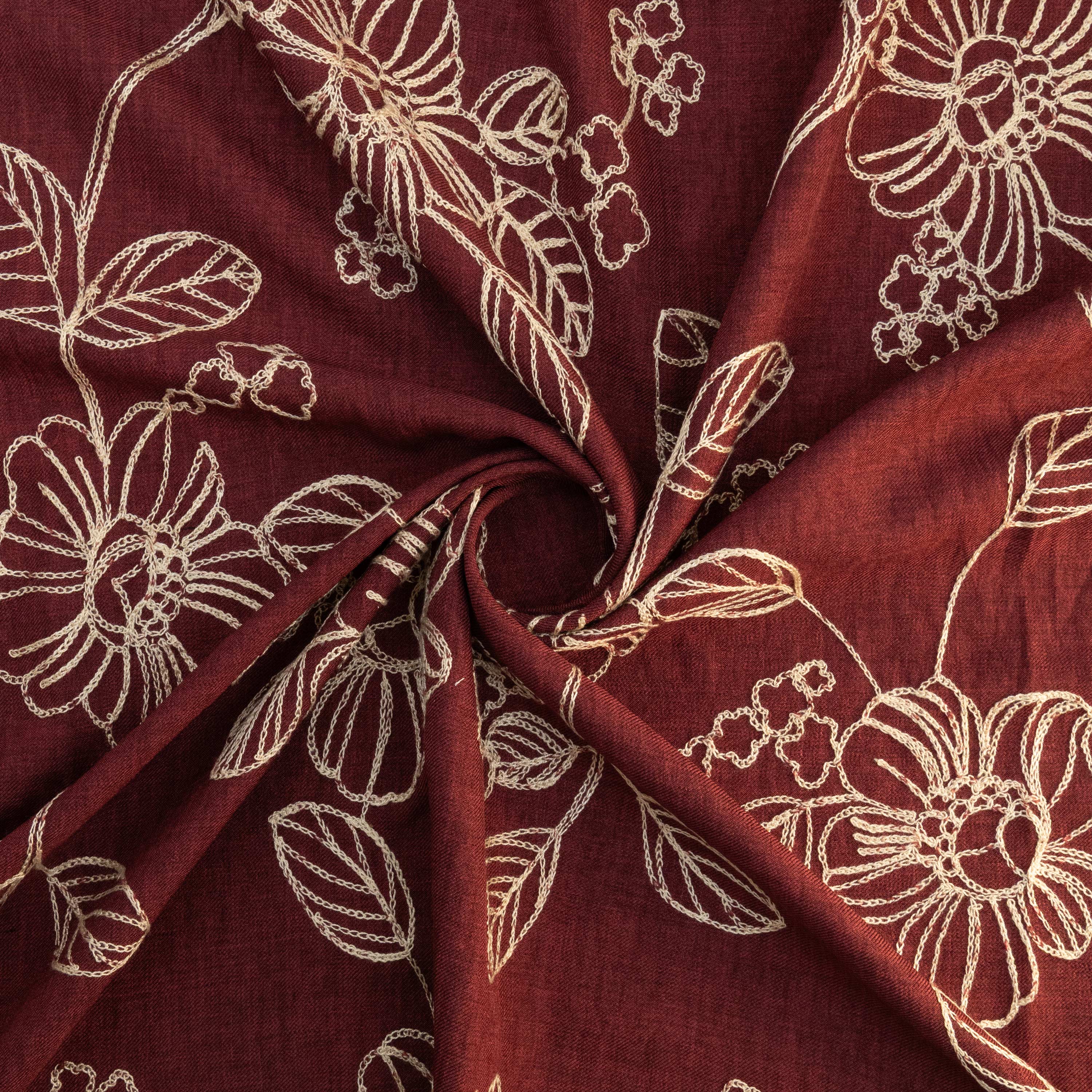
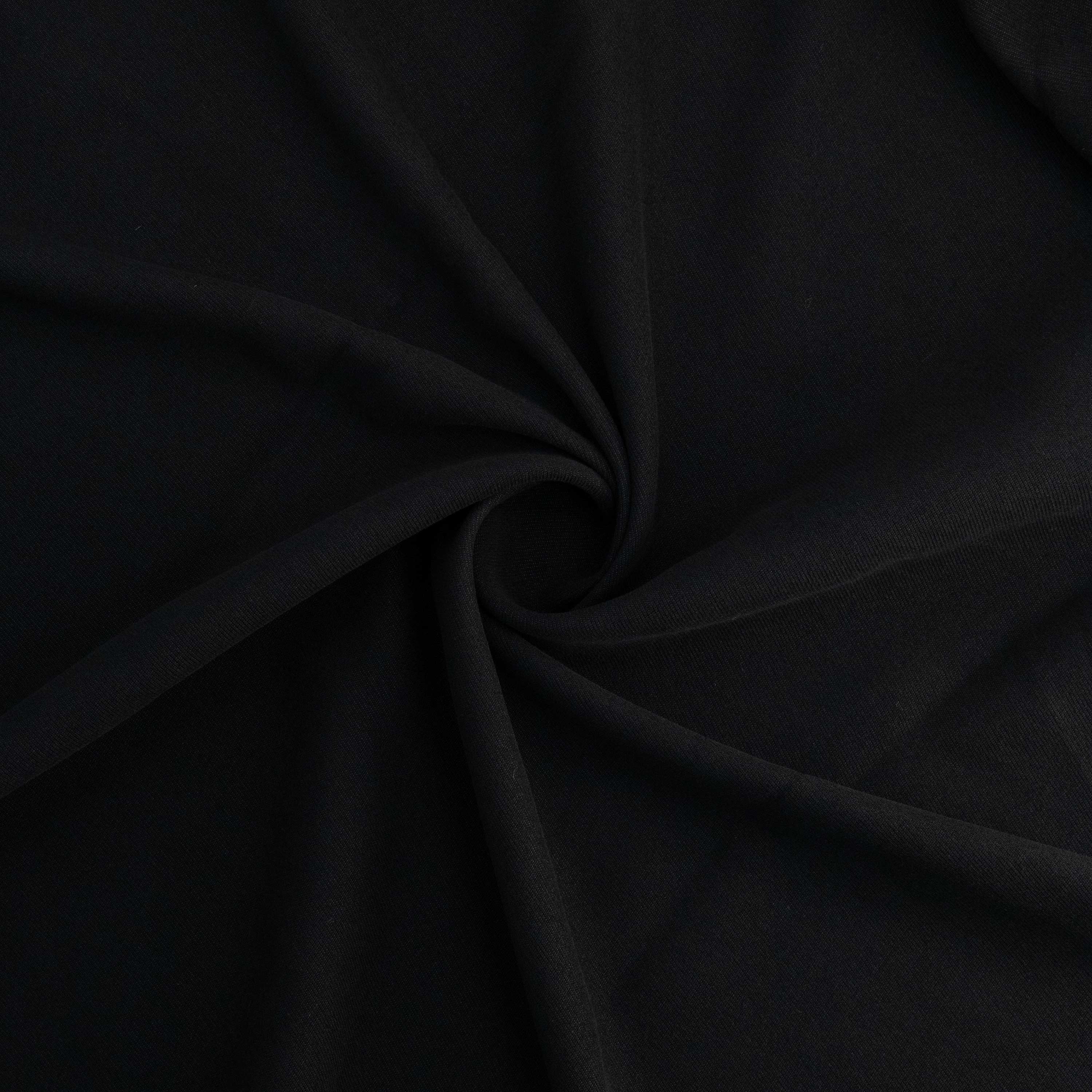
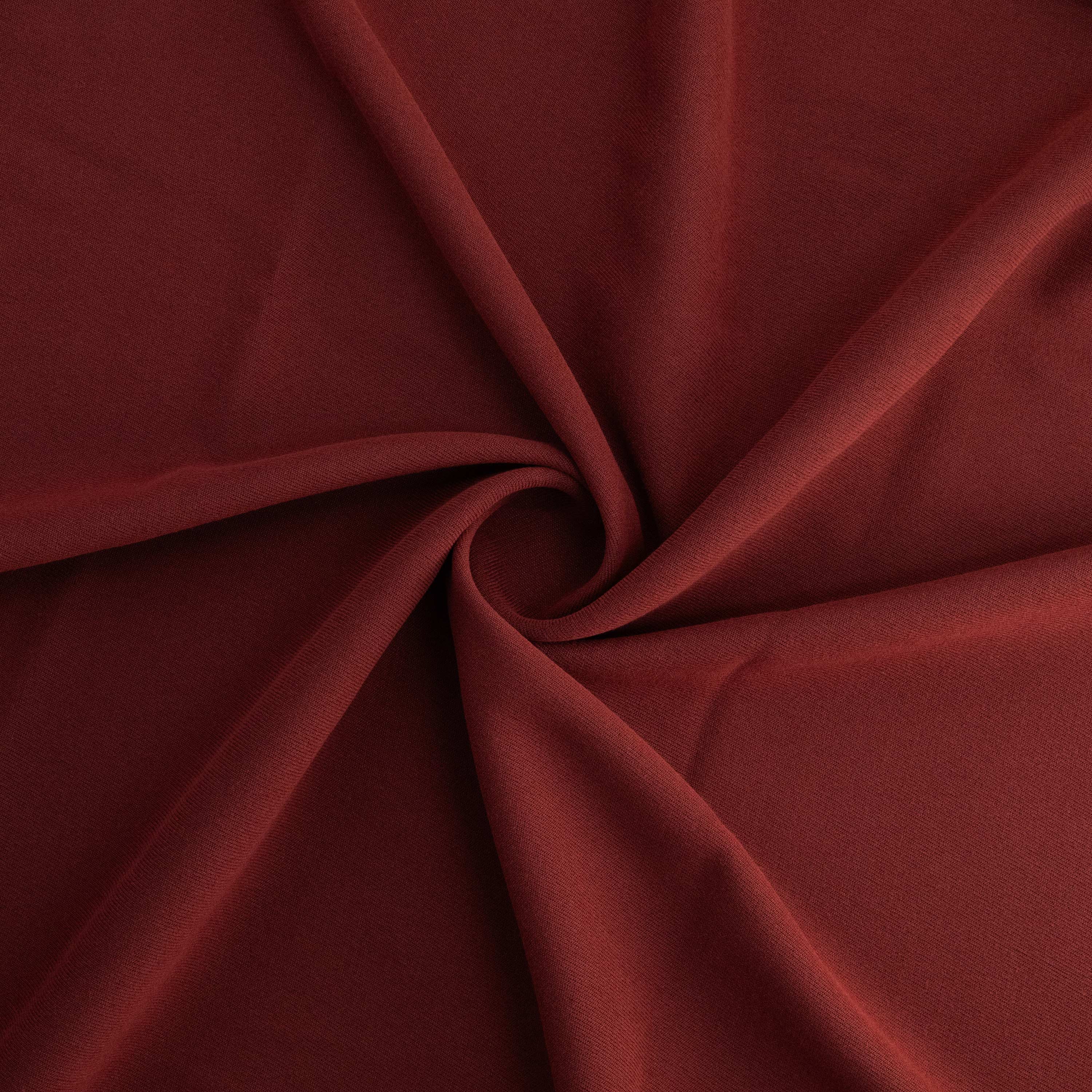
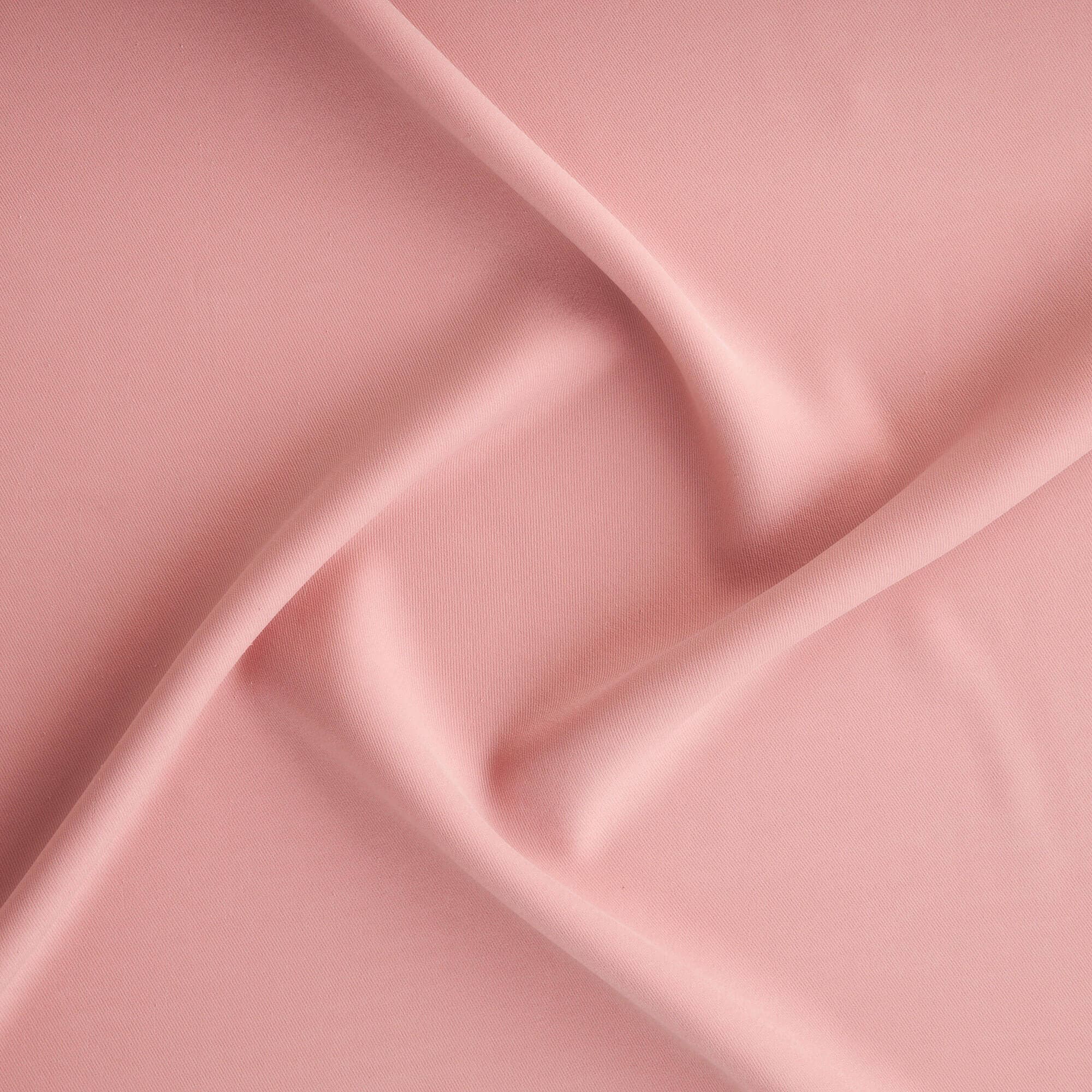
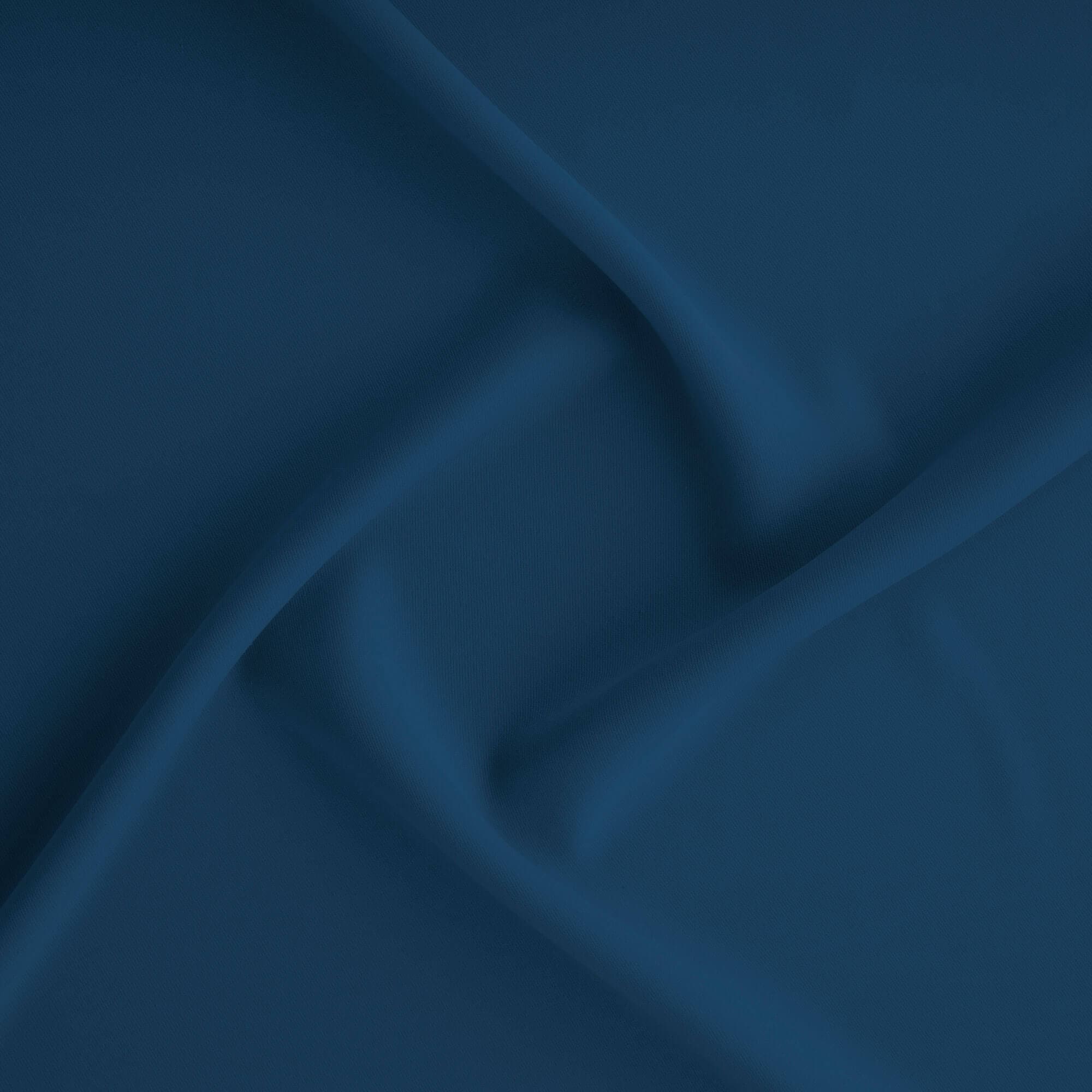
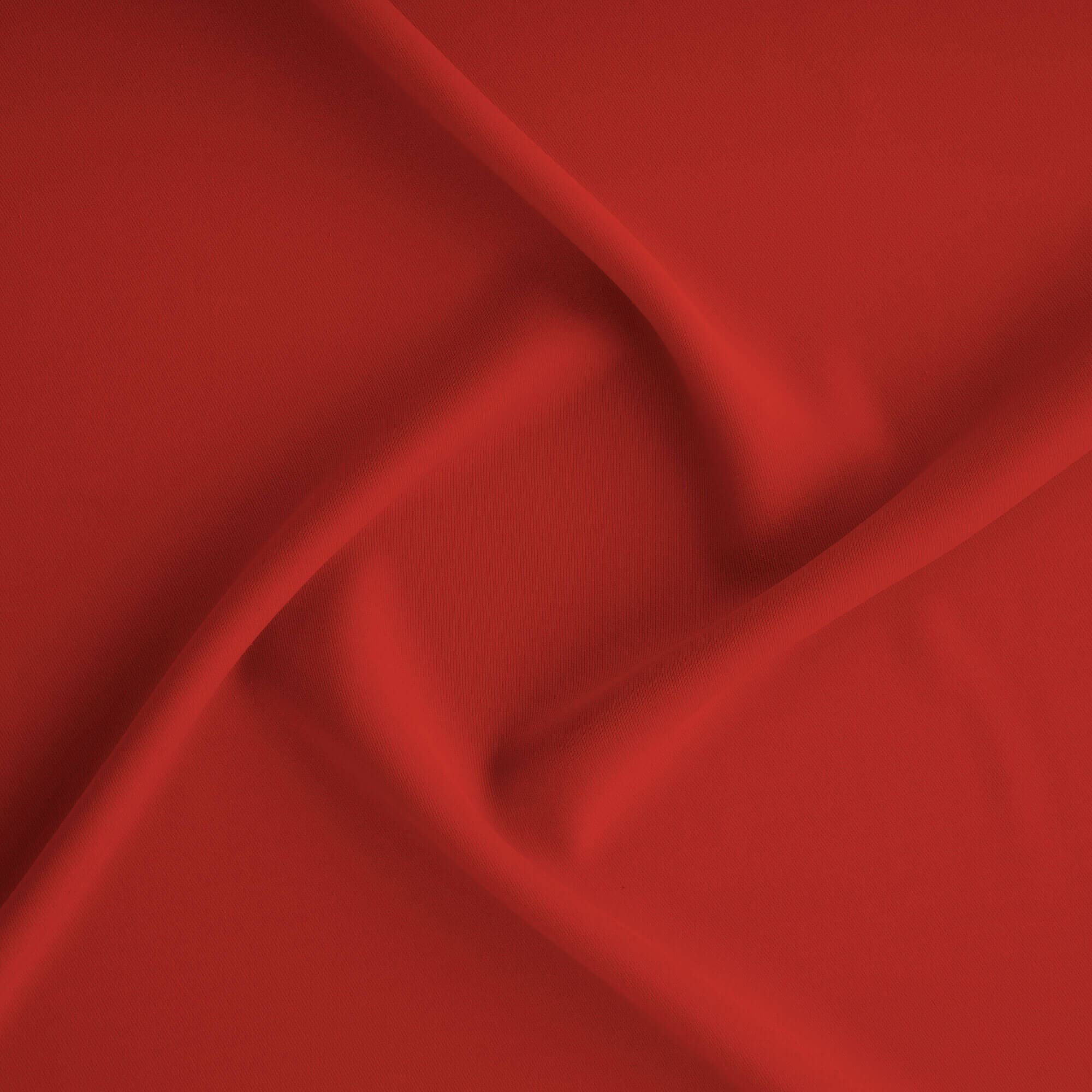
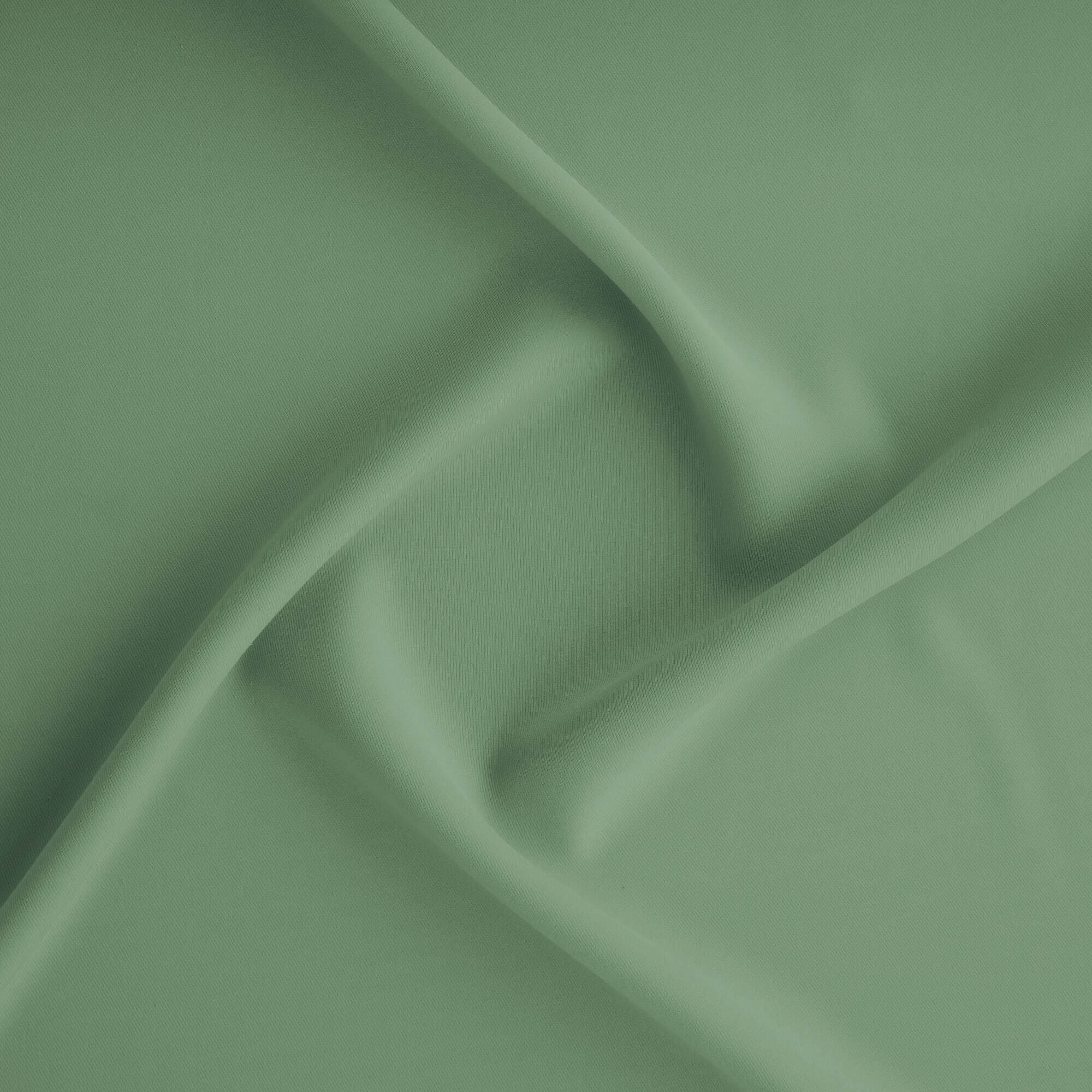
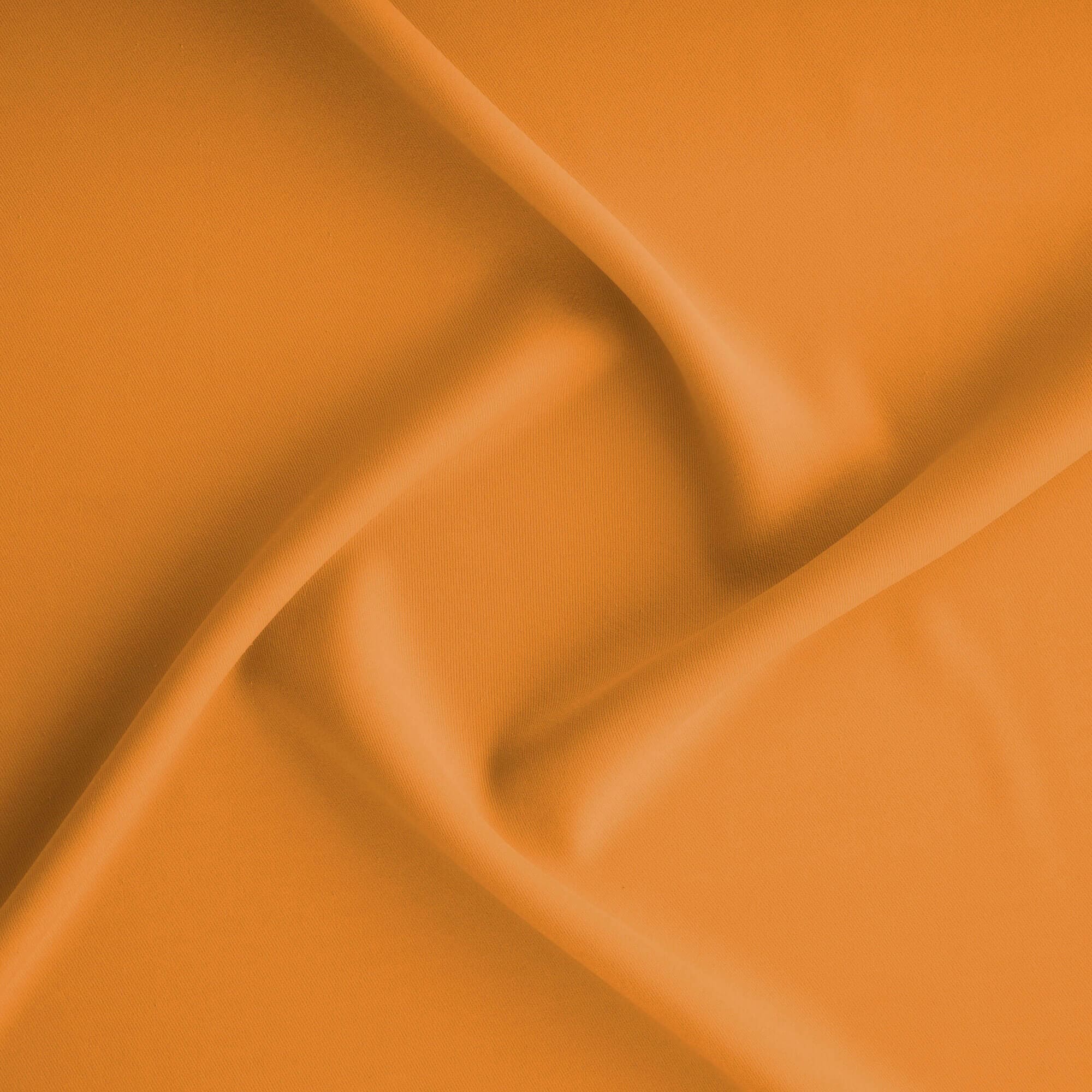
Twill fabric gets its name from the wale, the diagonal line that runs across the surface of the cloth. A weft thread passes over one or more warp threads, then under two or more, shifting by a single thread on each row. This offset interlacing gives twill fabric more surface texture and flexibility than a plain weave of the same weight.
Reading Twill by the Numbers
Twill fabric is described using a float ratio, written as a fraction like 2/1 or 3/1. The top number represents the warp threads, and the bottom number represents the weft threads. A 3/1 twill produces a heavier, more pronounced diagonal than a 2/1, and a balanced 2/2 twill shows up often in suiting and stretch fabrics. A higher float ratio softens the drape but can slightly reduce abrasion resistance.
Right-Hand and Left-Hand Twill
Twill fabric also varies by the direction of its diagonal. Right-hand twill runs from lower left to upper right, the standard orientation for most denim and cotton twill. Wale angle shifts the look too: standard twill sits near 45 degrees, steep twill near 63 degrees for a bold gabardine-style diagonal, and reclining twill near 27 degrees for a flatter surface.
Types of Twill Fabric to Know
- Cotton Twill and Chino: Chino is a lighter 2/1 or 3/1 twill with a subtle sheen, a staple for casual trousers.
- Denim: A 3/1 right-hand twill with an indigo-dyed warp and undyed weft, giving raw denim its visible rib and signature fade.
- Gabardine: A tight 2/2 twill in worsted wool or polyester with a steep wale, built for tailored suits and structured outerwear.
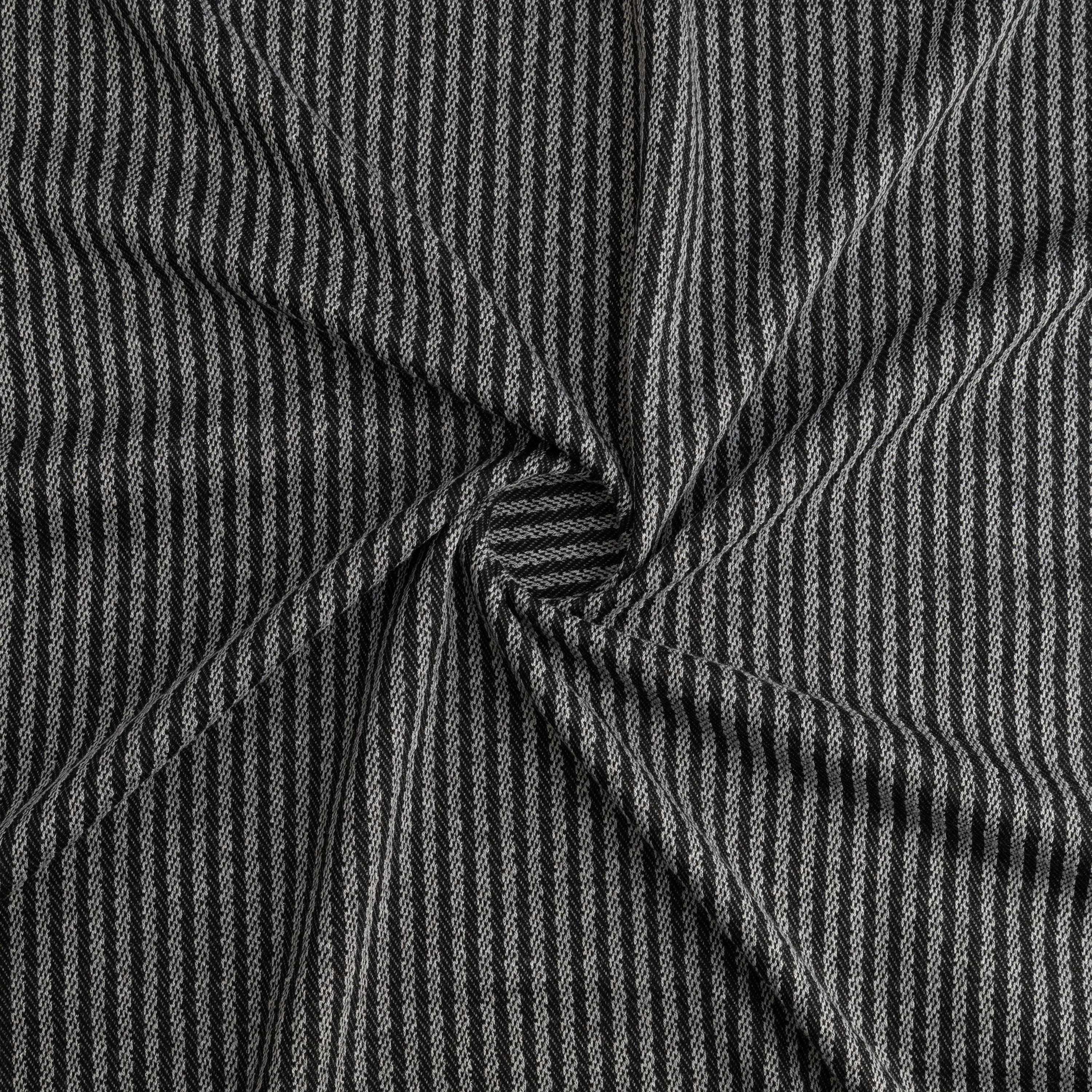
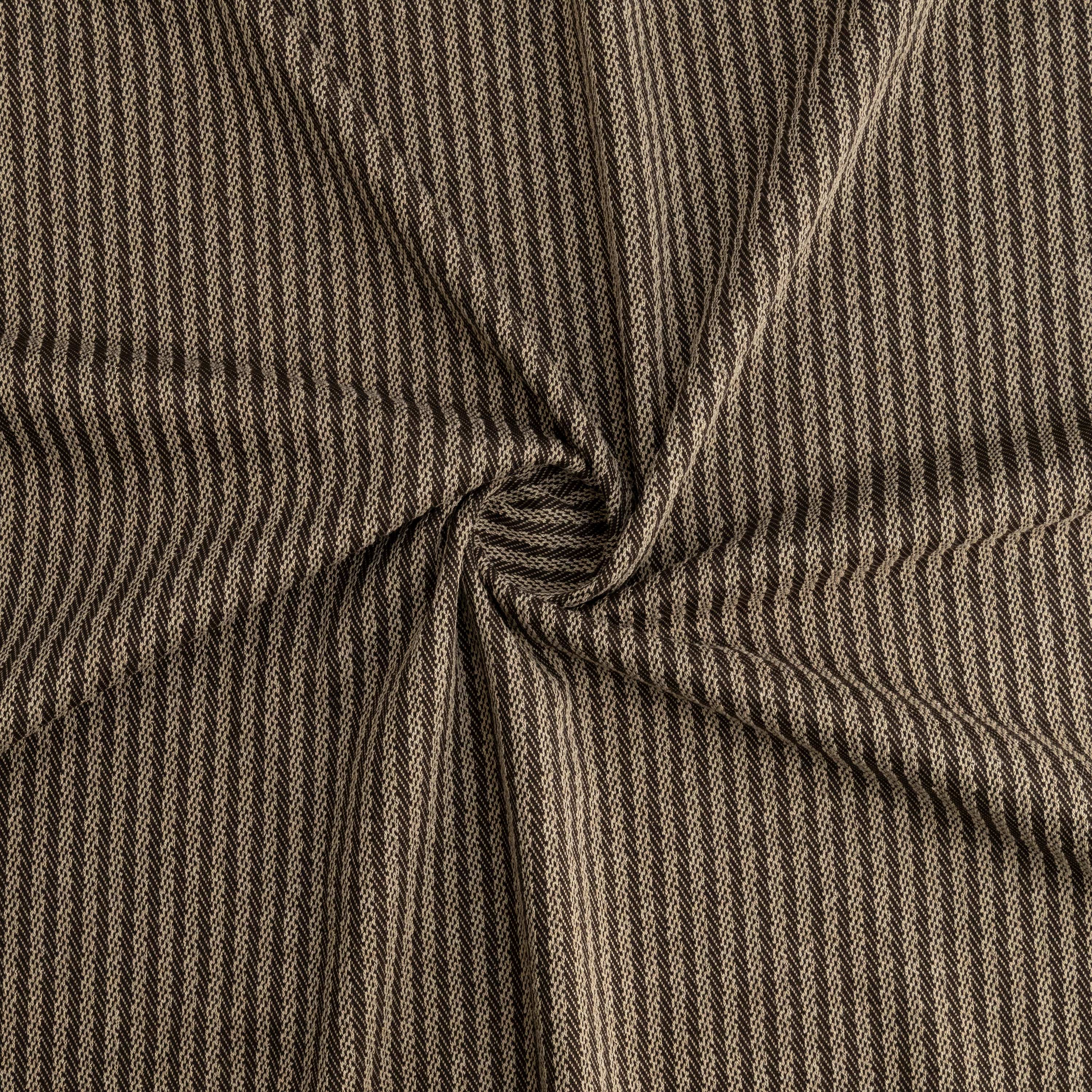
- Herringbone and Houndstooth: Broken twills where the diagonal reverses at intervals, forming a zigzag or four-pointed star pattern through the weave itself.
- Drill and Cavalry Twill: Strong 3/1 constructions favored for workwear, uniforms, and structured trousers that need a firm hand.
- Stretch Twill: Elastane woven into the warp or weft for two-way or four-way give, sized for fitted trousers and activewear.
Fiber Content and Performance
The fiber content of twill fabric influences its durability, comfort, drape, and care requirements. Choosing the right fiber depends on the intended application and the performance characteristics the finished product requires.
- Cotton twill is breathable, absorbent, and durable, making it a popular choice for apparel, uniforms, workwear, and home décor. Because cotton can shrink, pre-washing the fabric before cutting is recommended.
- Polyester twill resists wrinkles, retains its color well, and offers excellent durability. It is commonly used for uniforms, outerwear, bags, and other projects that require easy care and long-lasting performance.
- Wool twill provides a soft drape, natural warmth, and excellent shape retention. It serves as the foundation for many suiting fabrics, including gabardine and herringbone, and is widely used in tailored jackets, trousers, and coats.
- Silk twill combines a smooth hand with a subtle sheen, making it ideal for scarves, blouses, linings, and luxury accessories where lightweight drape and an elegant finish are essential.
Selecting the appropriate fiber ensures the fabric delivers the comfort, appearance, and durability needed for the finished project.
Where Twill Fabric Works Best
Twill fabric turns up across apparel, accessories, and home textiles:
- Trousers, jackets, and blazers in chino, gabardine, or denim
- Casual shirts and tops in lightweight cotton twill
- Workwear, uniforms, and industrial-grade bags in drill or heavier cotton twill
- Upholstery, curtains, and pillow covers where texture and durability both matter
Find Your Twill Fabric
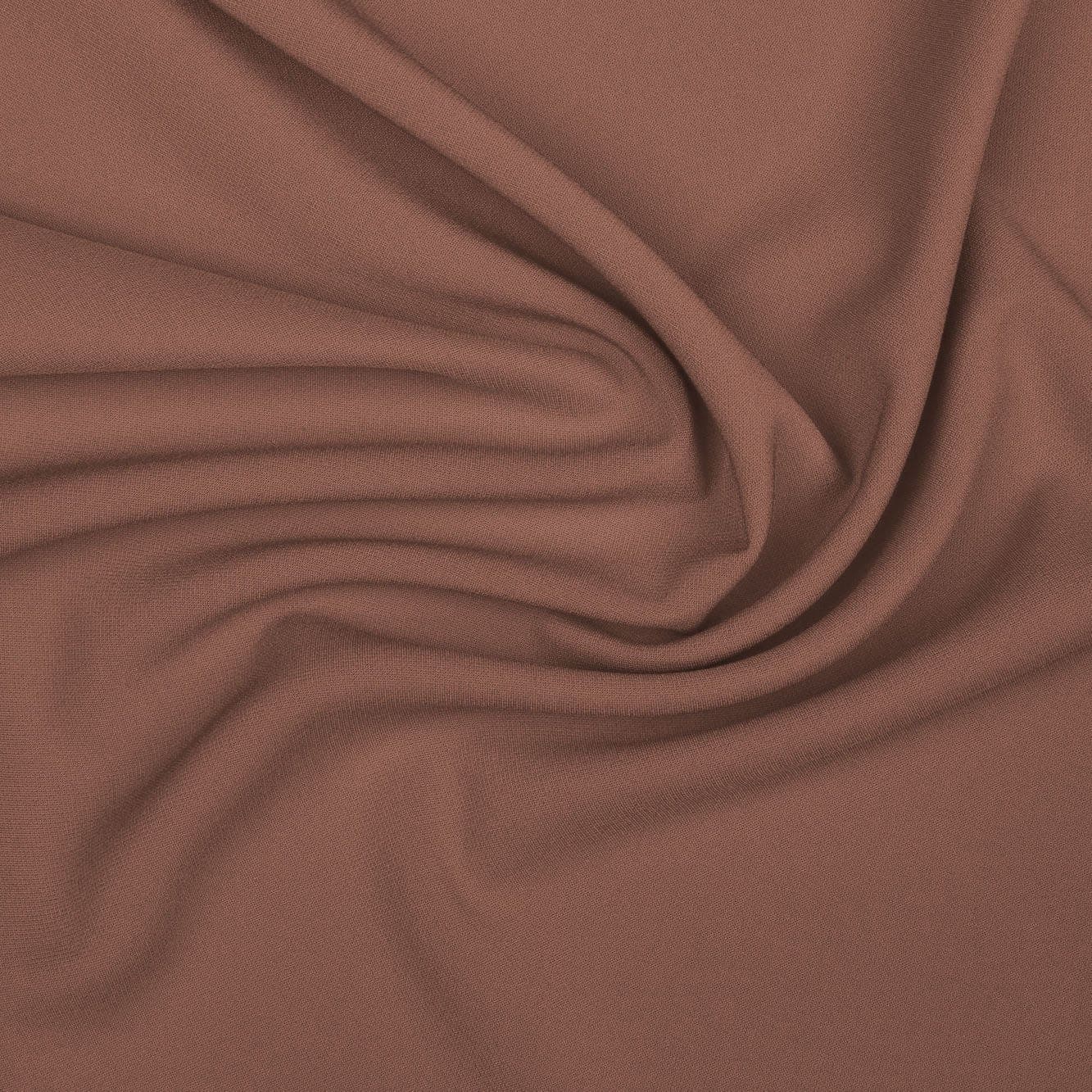
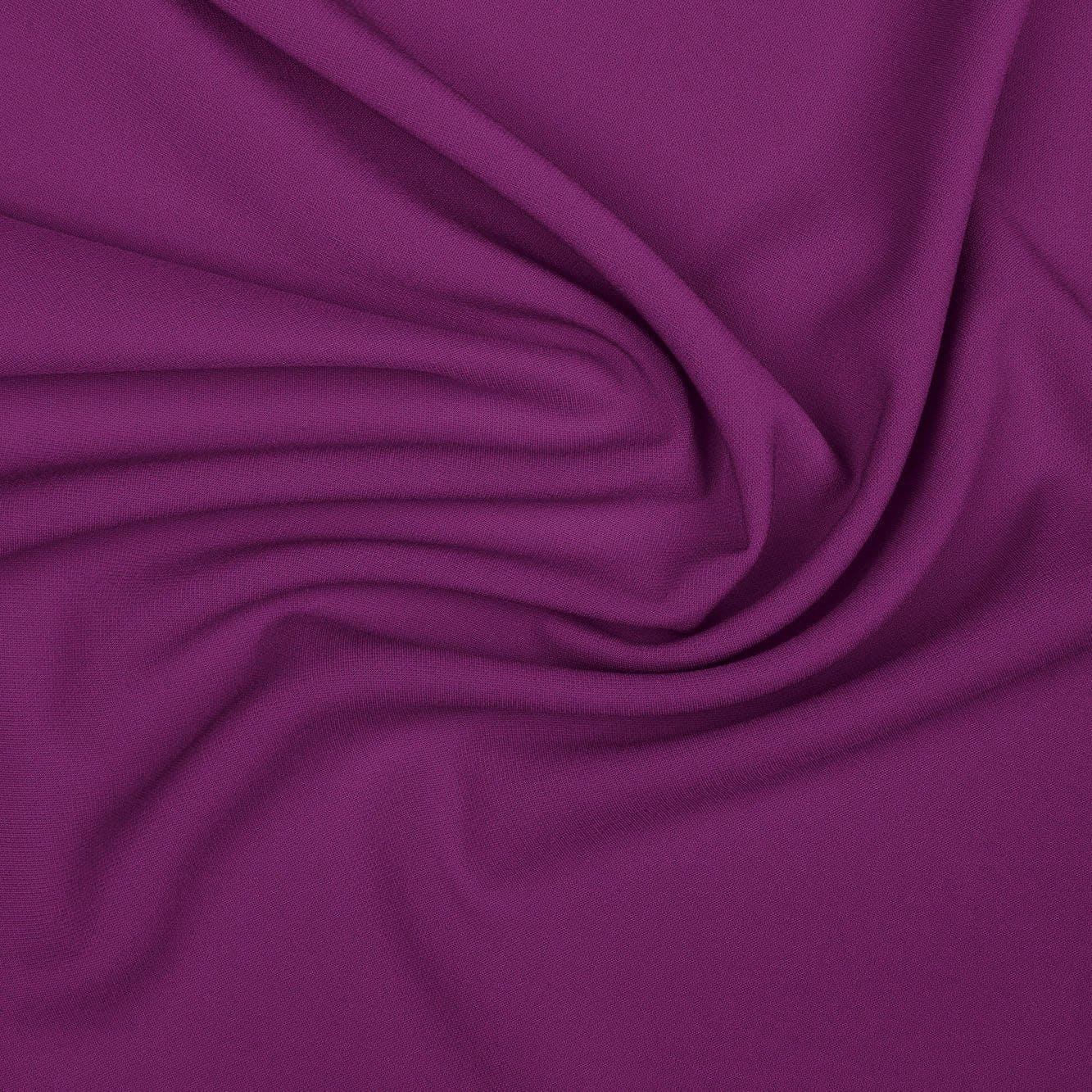
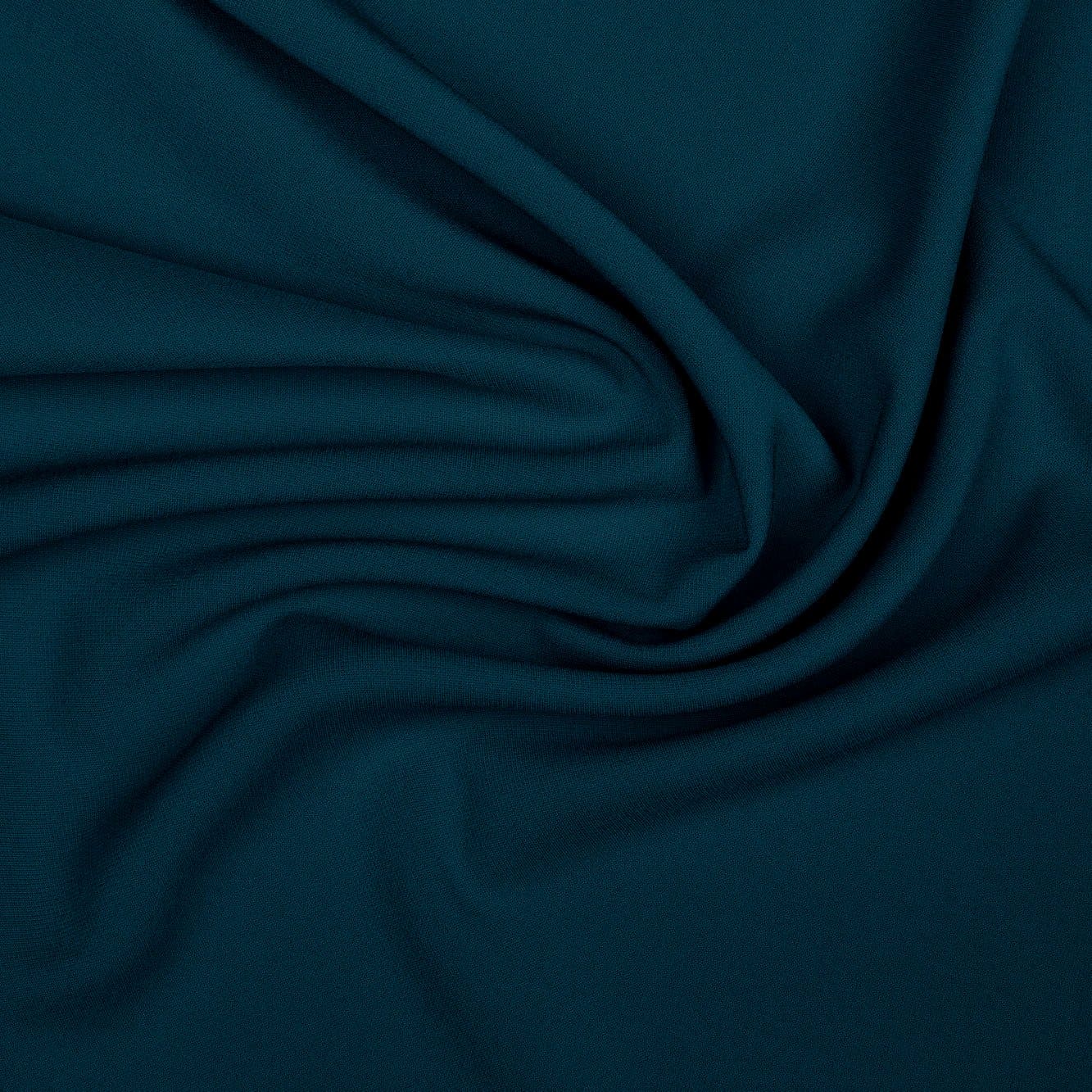
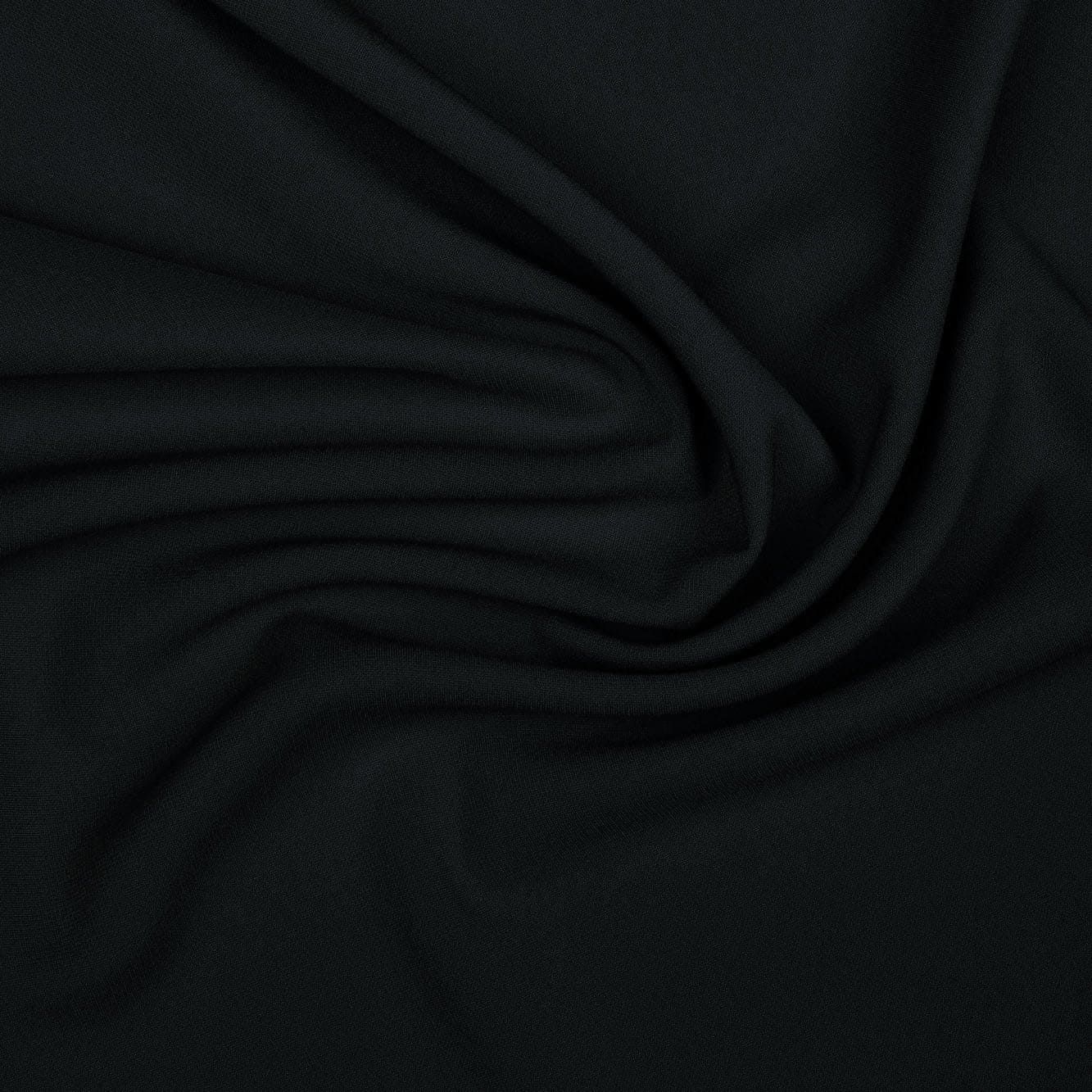
Twill fabric brings together durability, drape, and visible texture in one weave family, whether you’re sourcing the breathability of cotton twill, the polish of gabardine, or the give of stretch twill. Order a free swatch to check color and hand before you commit to a full order. You can also browse related weaves like cotton fabric, poplin fabric, suiting fabric, and poly woven fabric to round out your fabric library.
Frequently Asked Questions
Which twill fabric works best for tailored jackets?
Gabardine and herringbone twill hold structure and shape, making them a strong match for blazers and tailored outerwear.
Is denim a type of twill fabric?
Yes. Denim is a 3/1 right-hand twill woven from cotton with an indigo-dyed warp thread.
Does twill fabric come in stretch versions?
Stretch twill adds elastane to the weave for two-way or four-way give, ideal for fitted trousers and activewear.
What twill fabric suits workwear and bags?
Drill and heavier cotton twill stand up to repeated wear, making them common choices for uniforms and totes.
How does twill fabric differ from plain weave?
Twill floats over two or more threads, creating a diagonal texture that drapes better and resists wrinkles more than plain weave.