
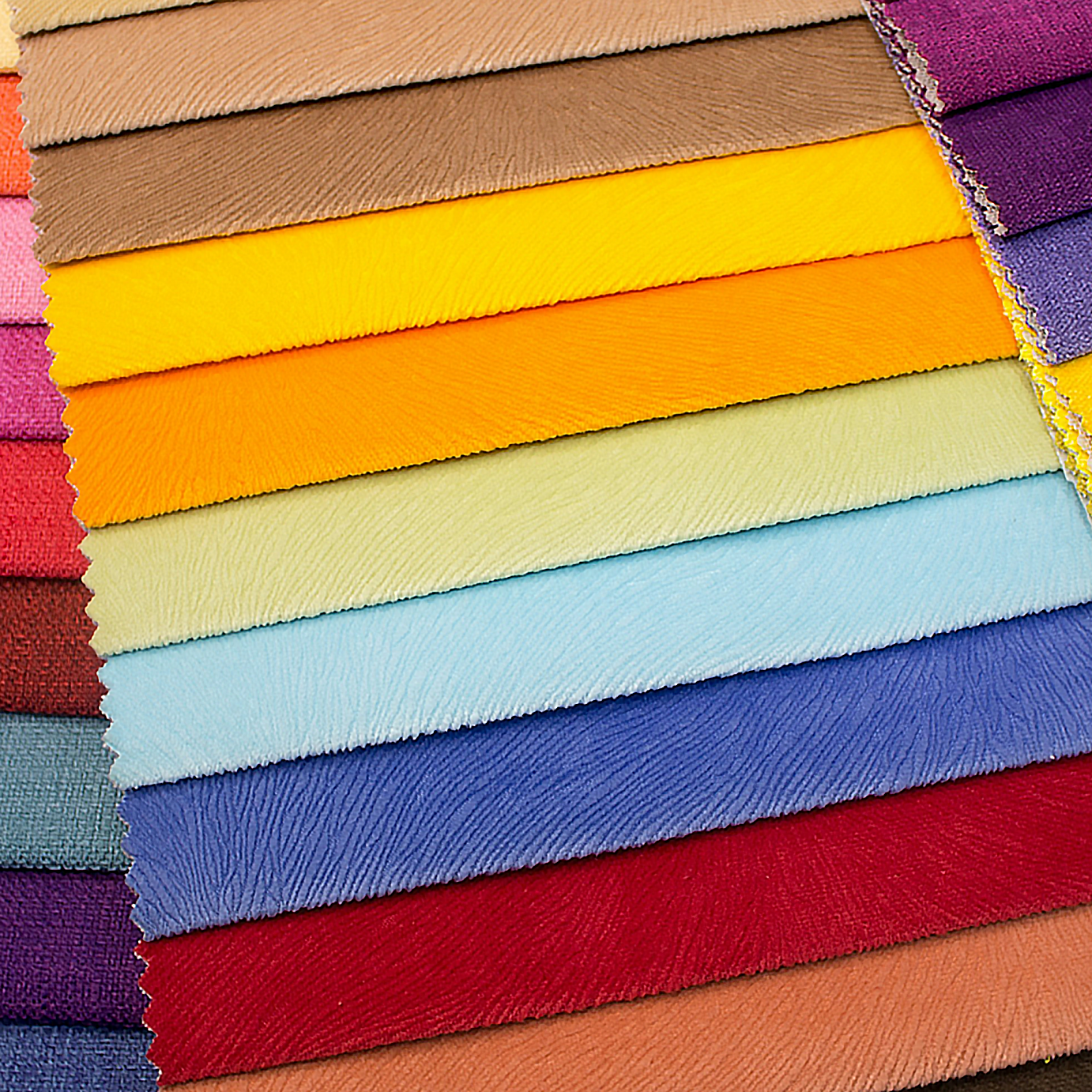
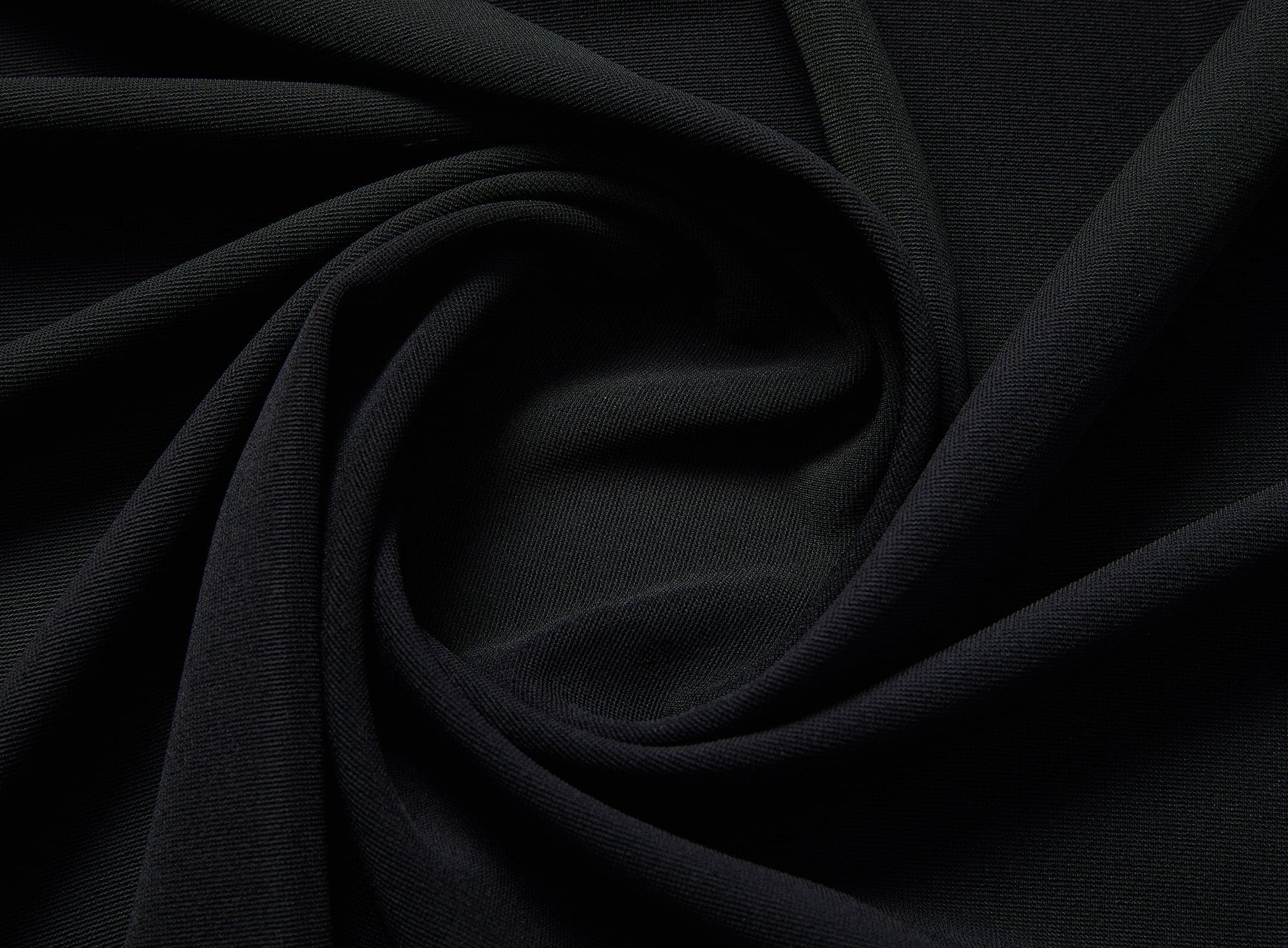
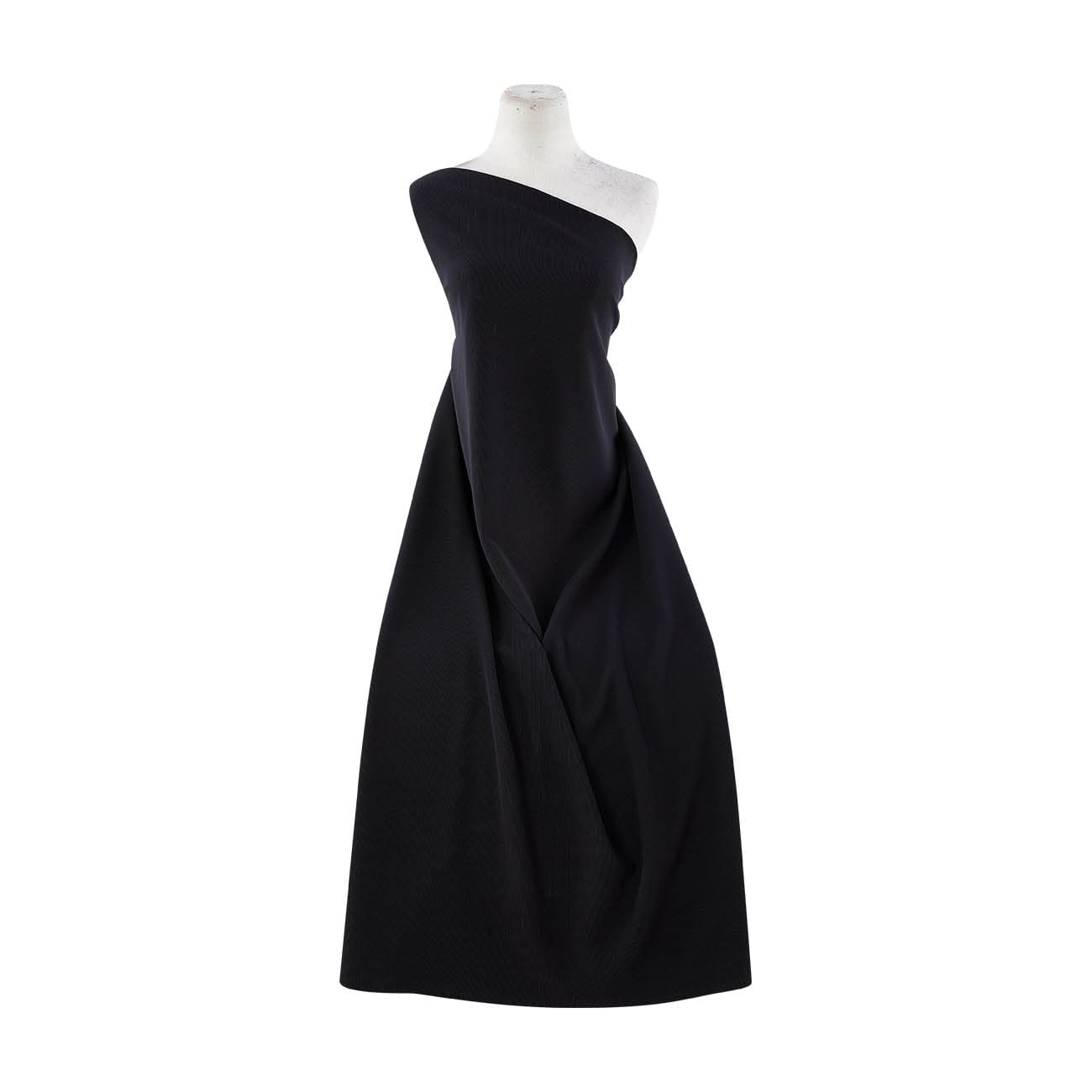
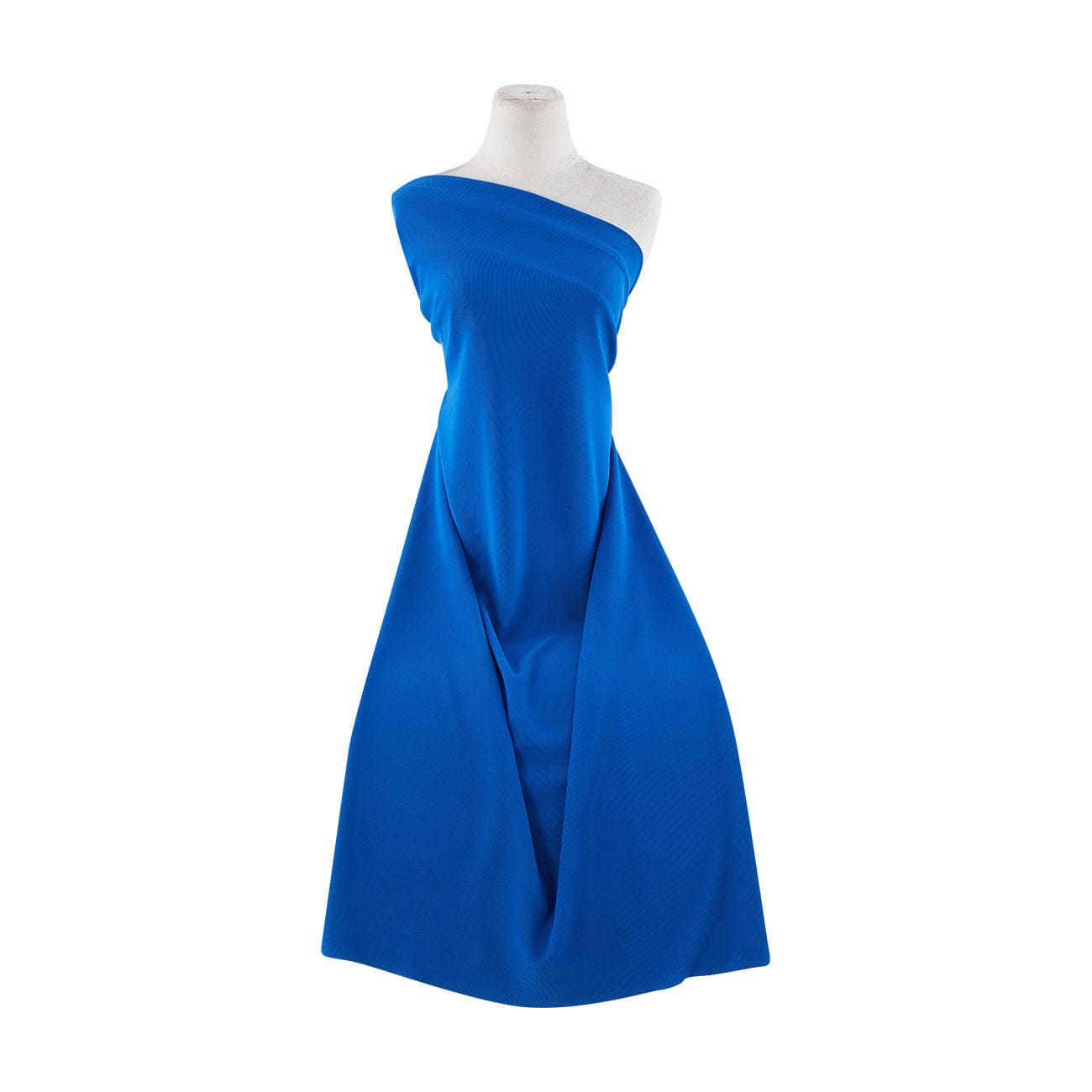
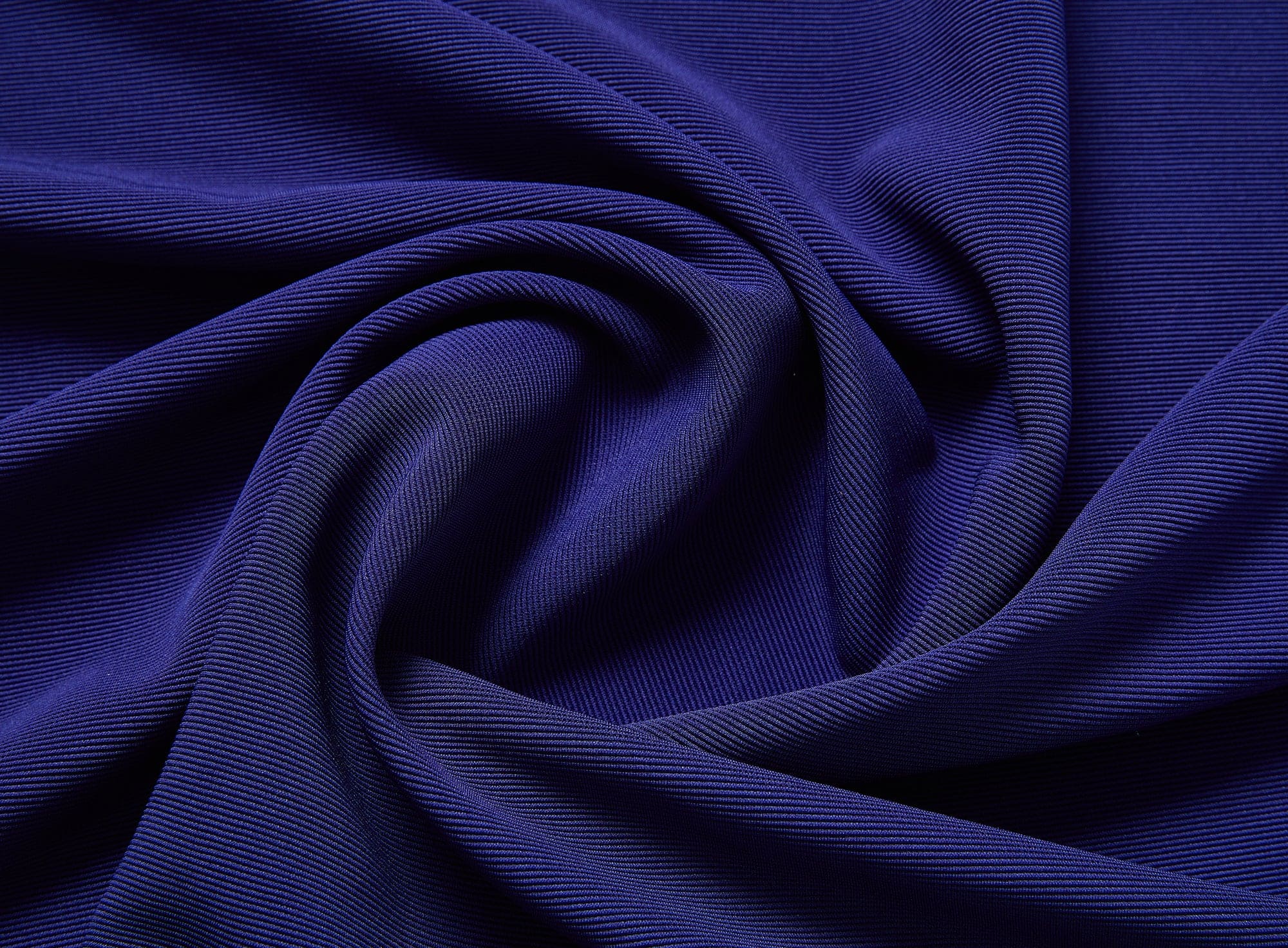
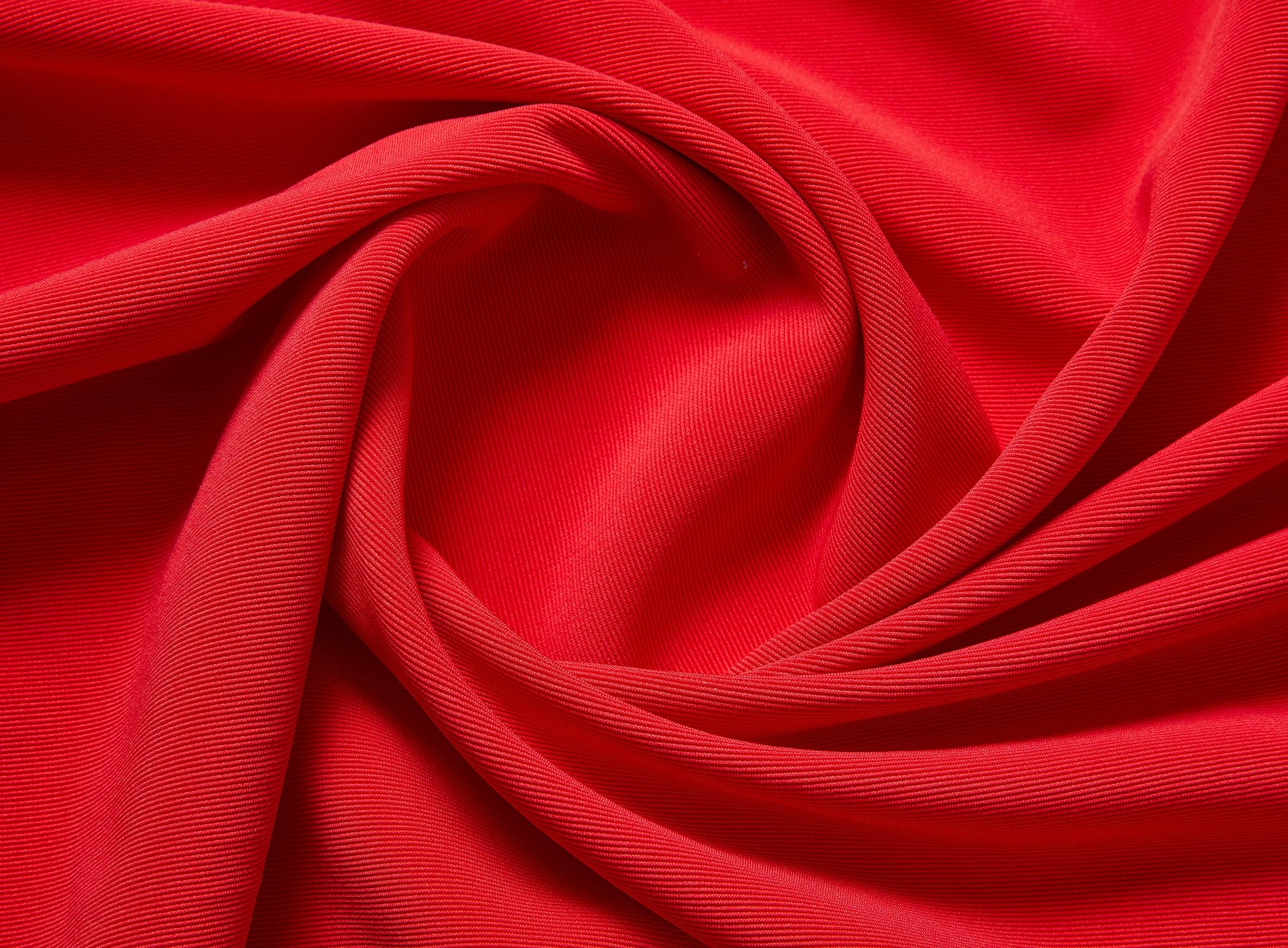
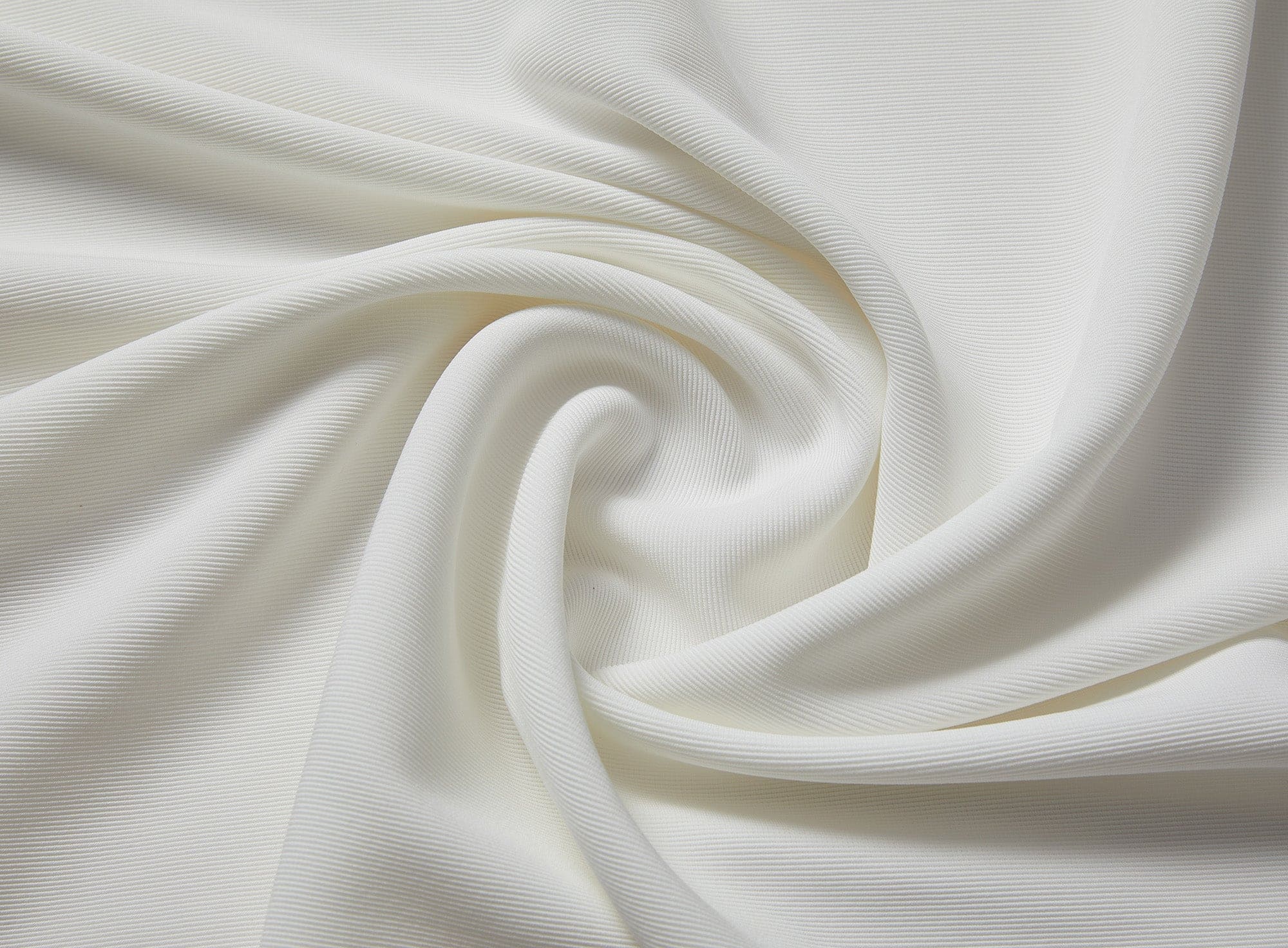
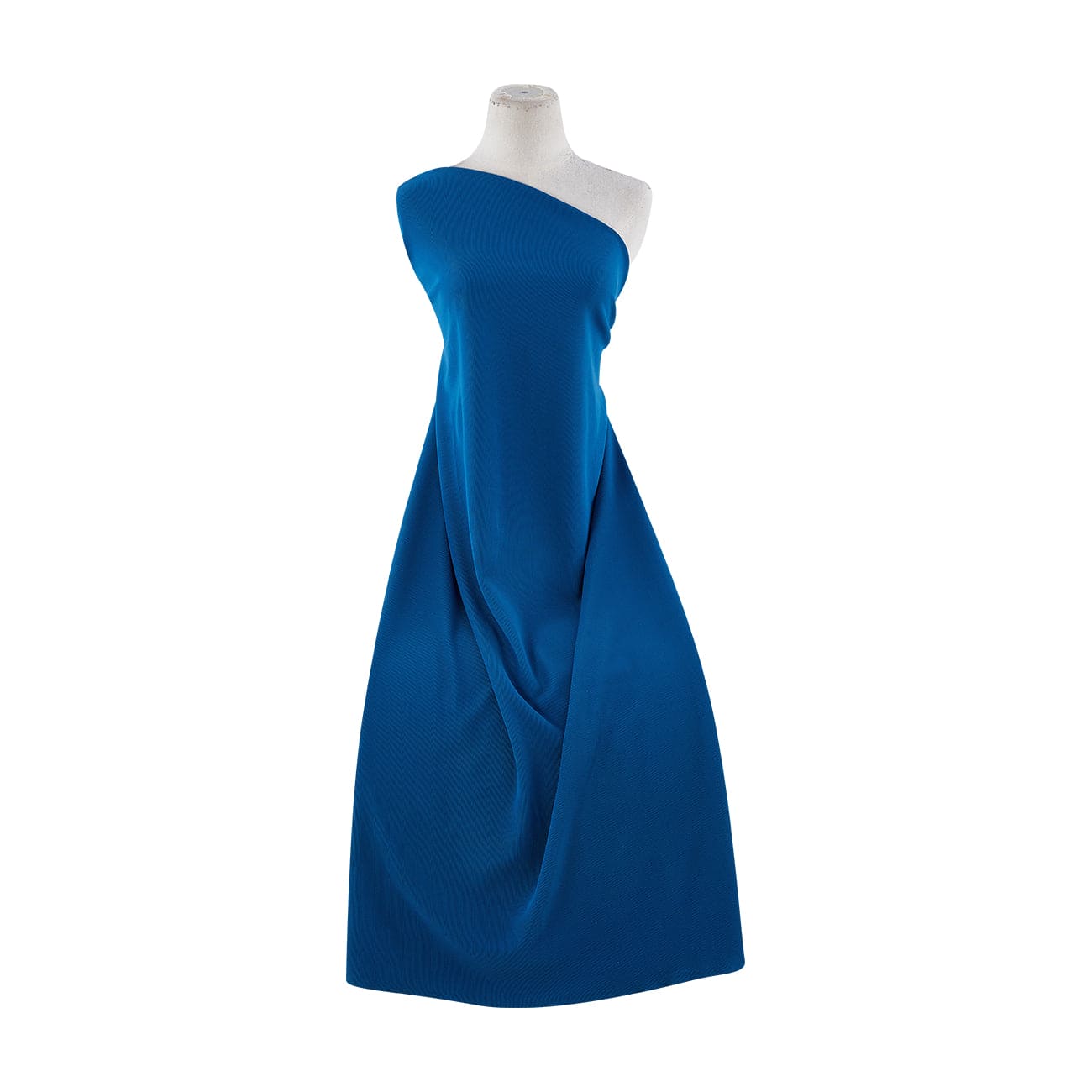
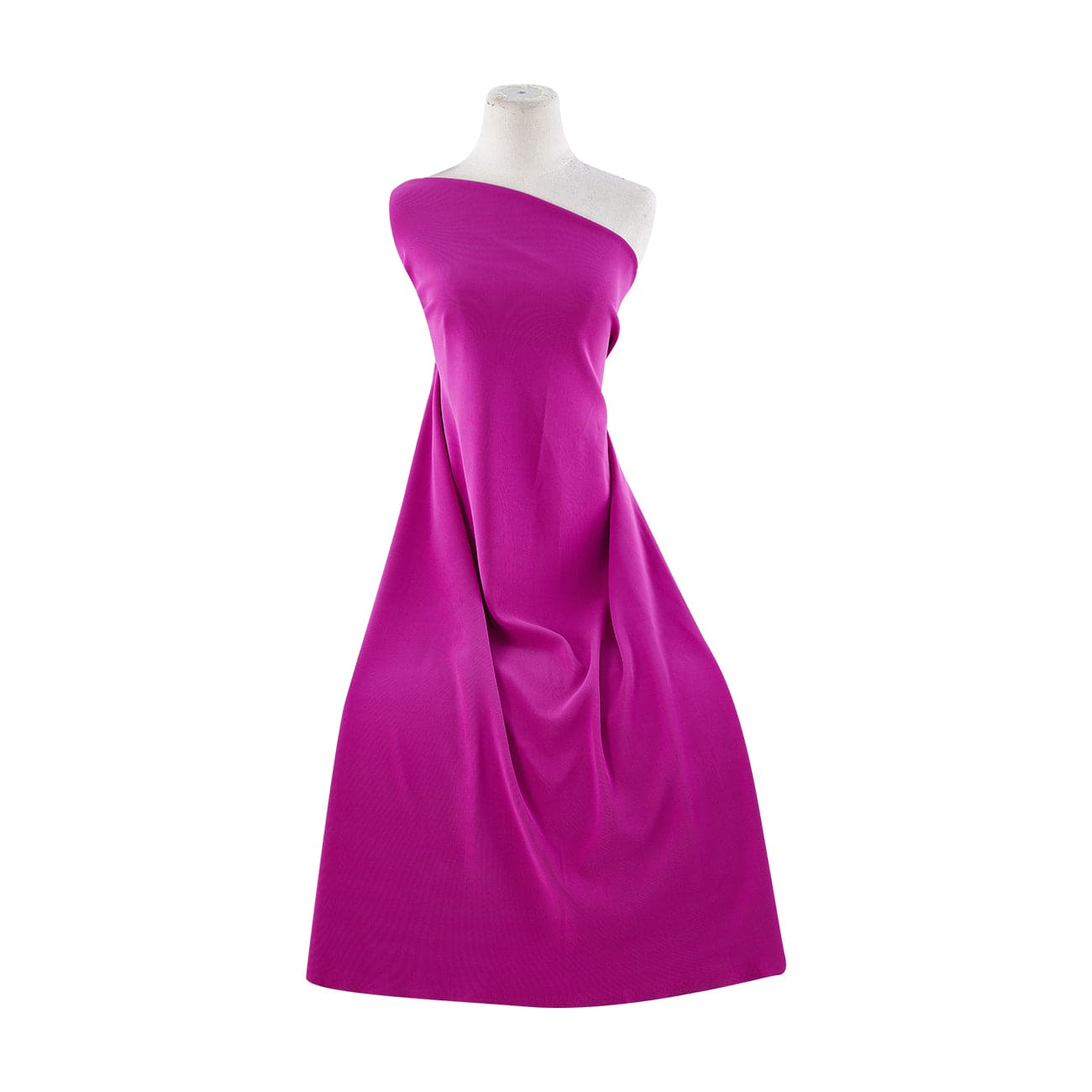
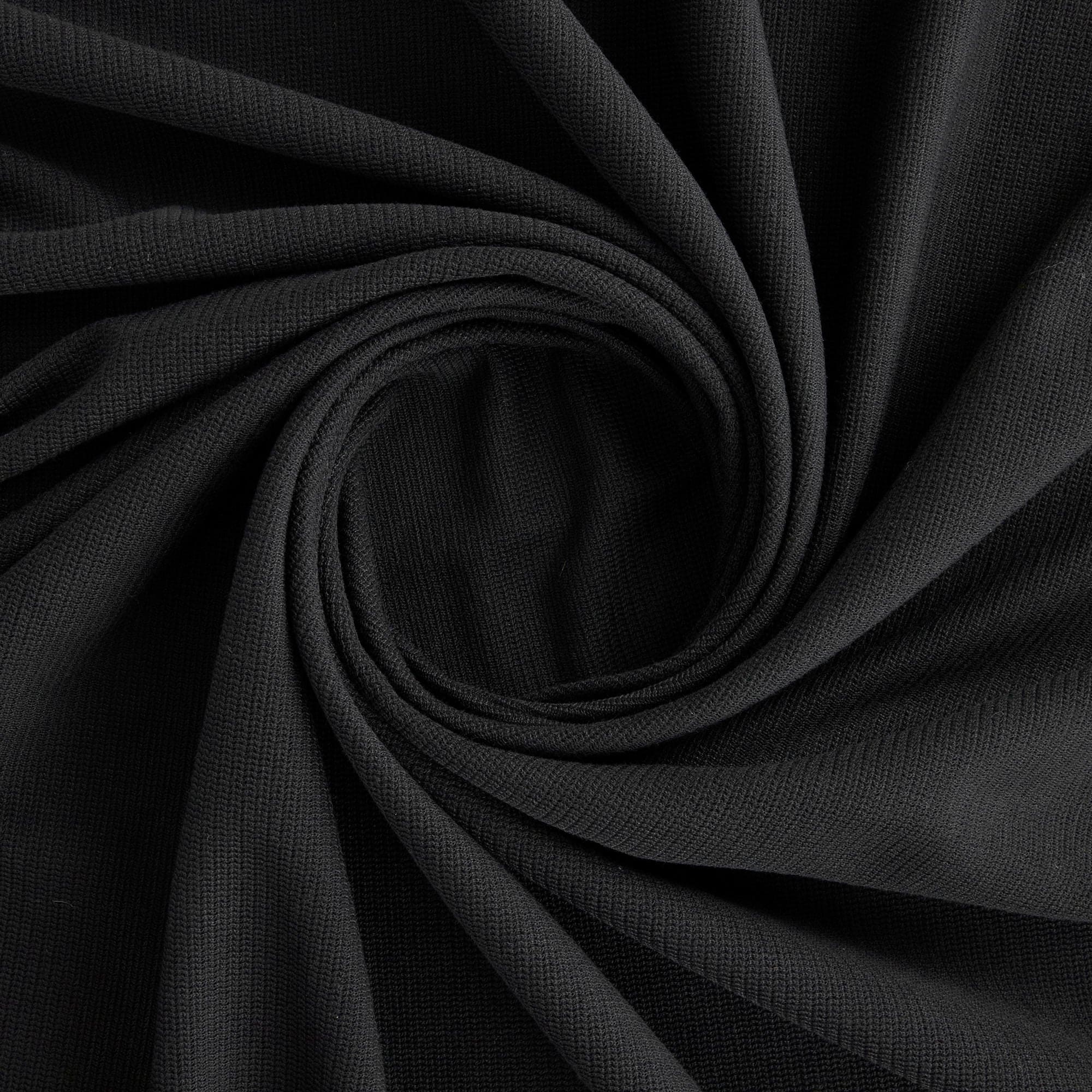
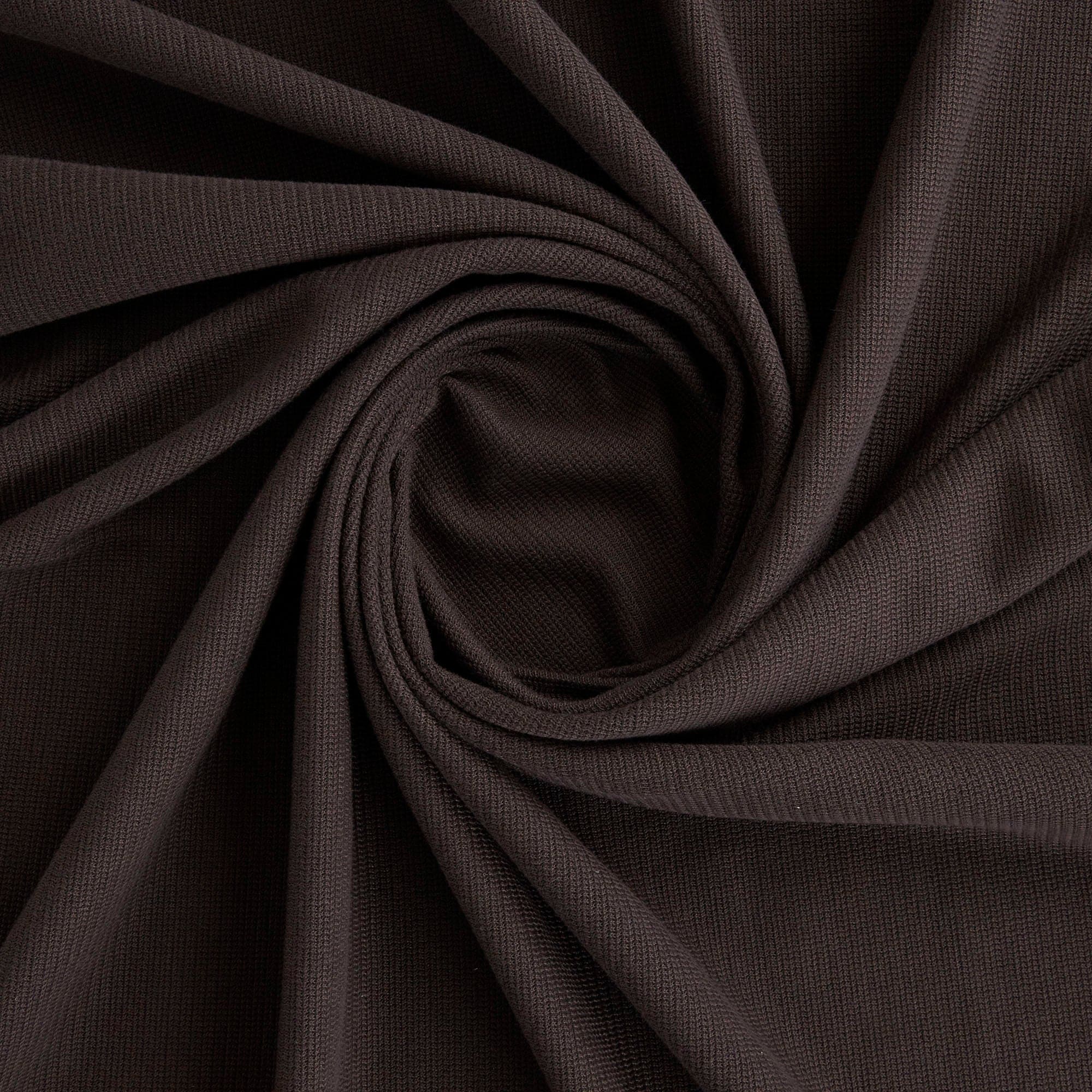
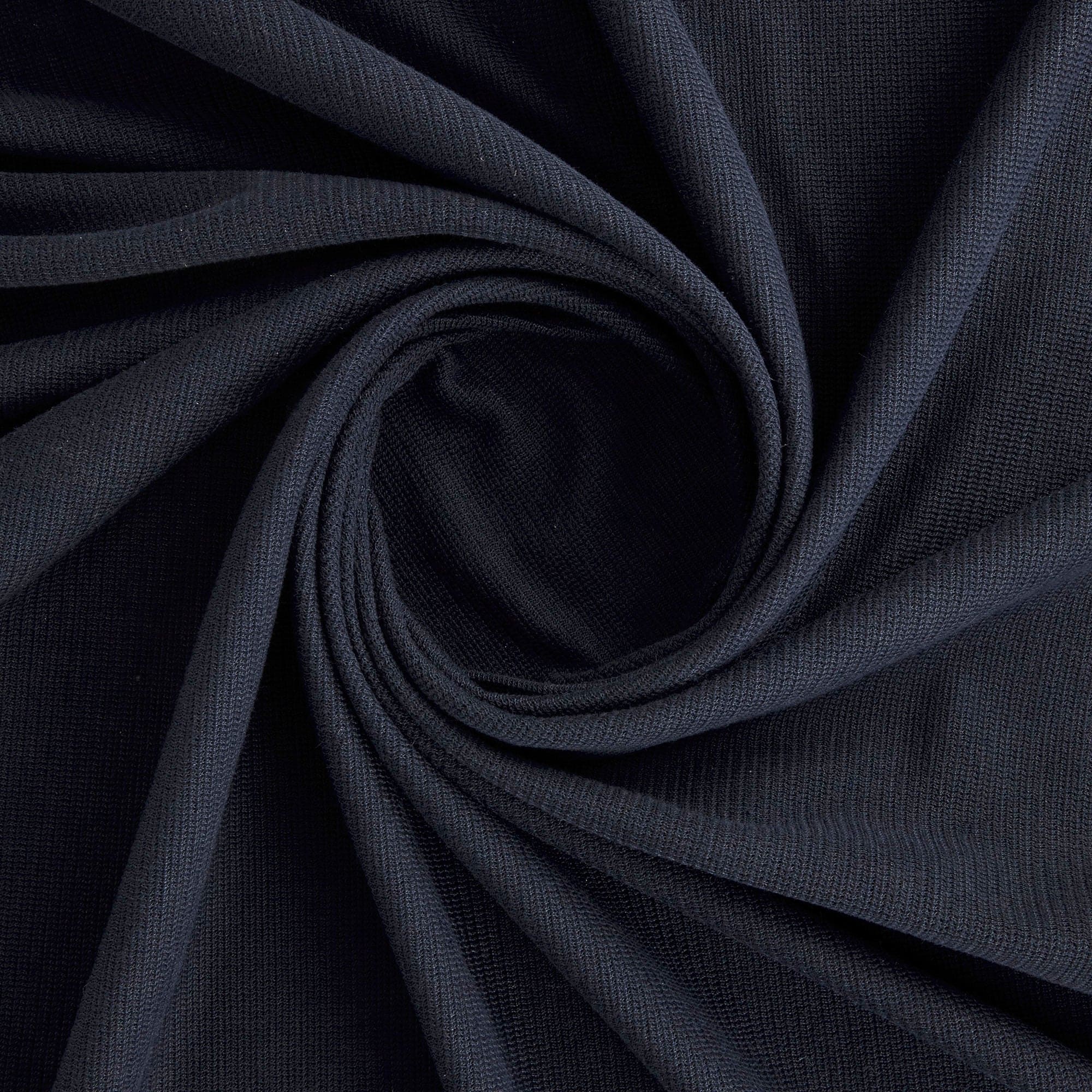
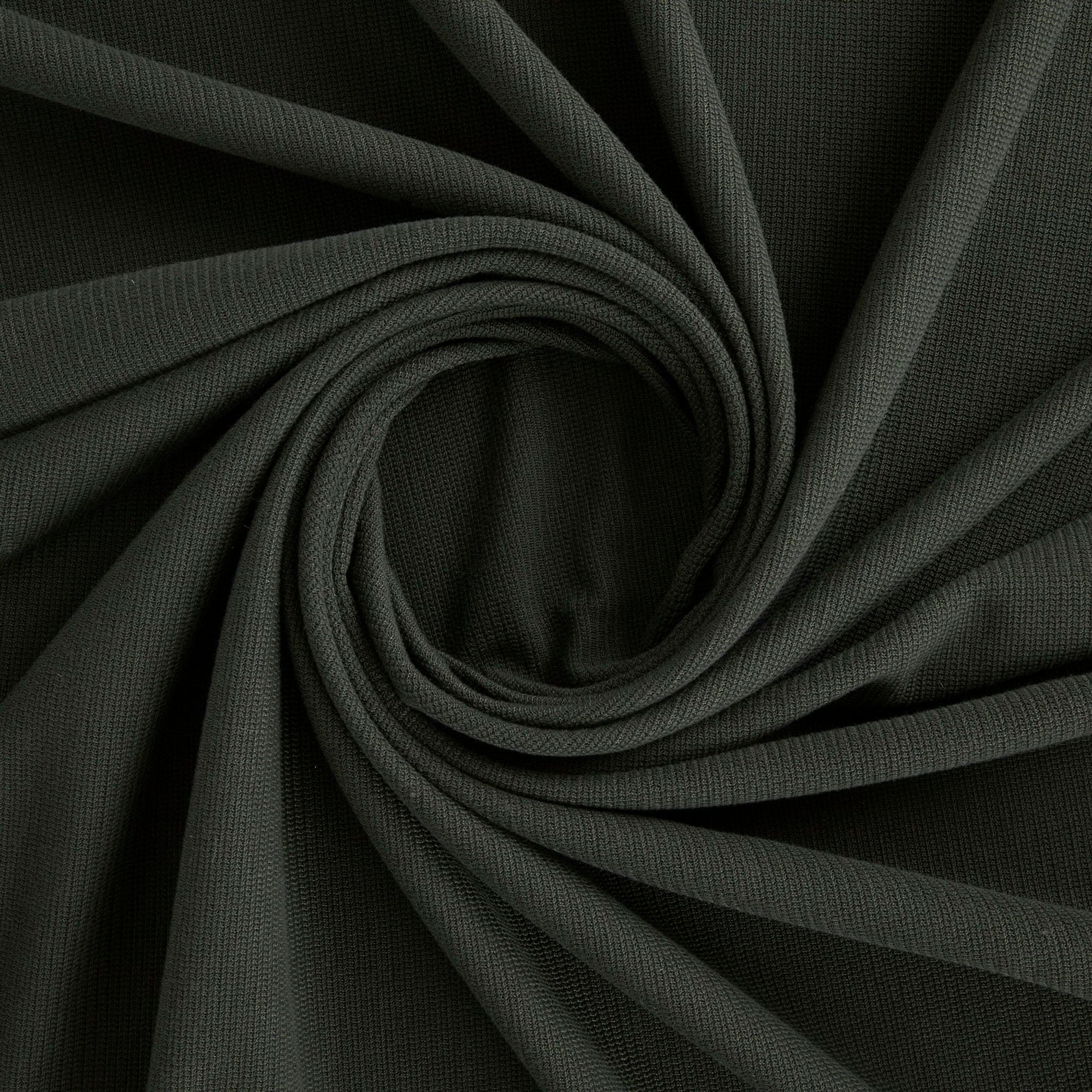
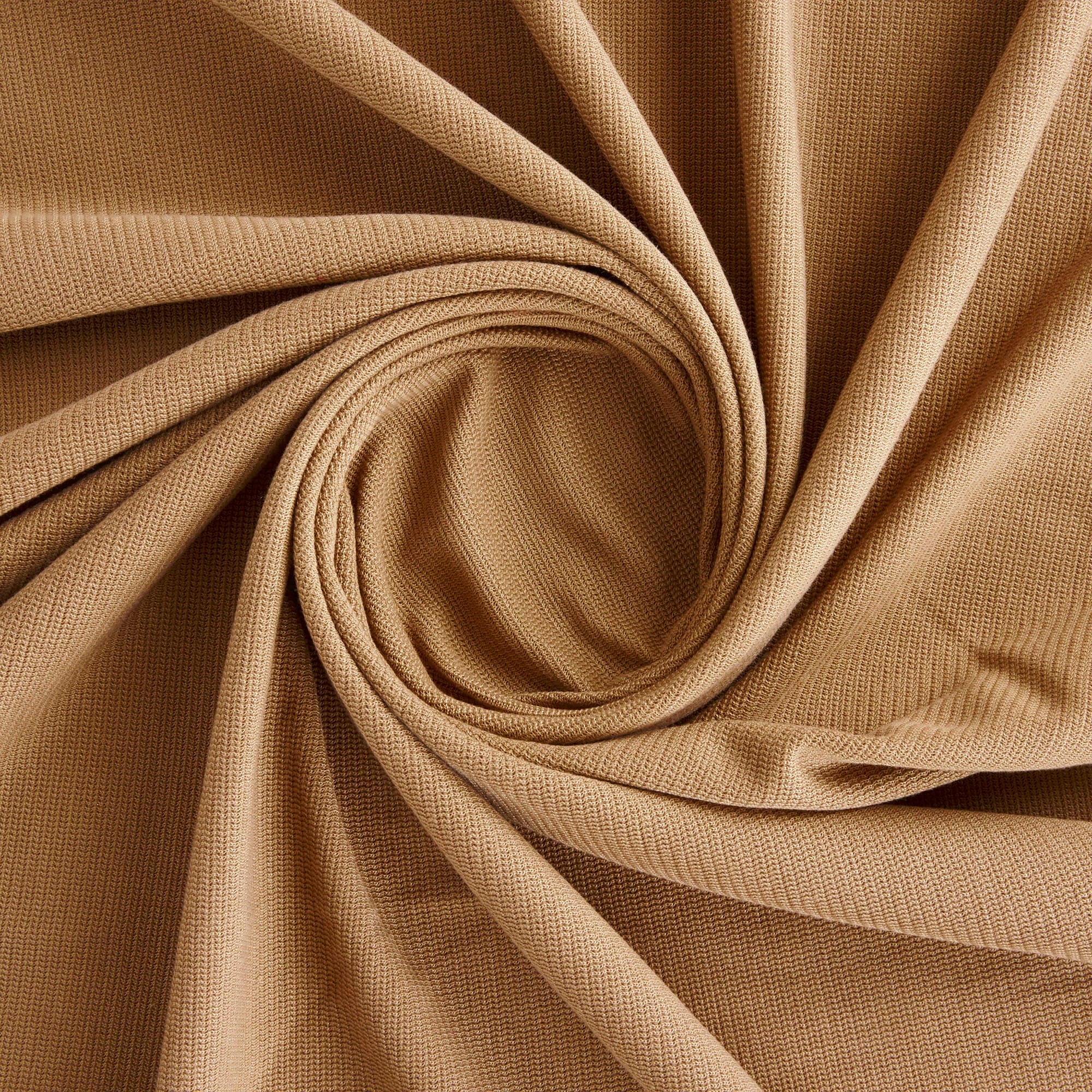
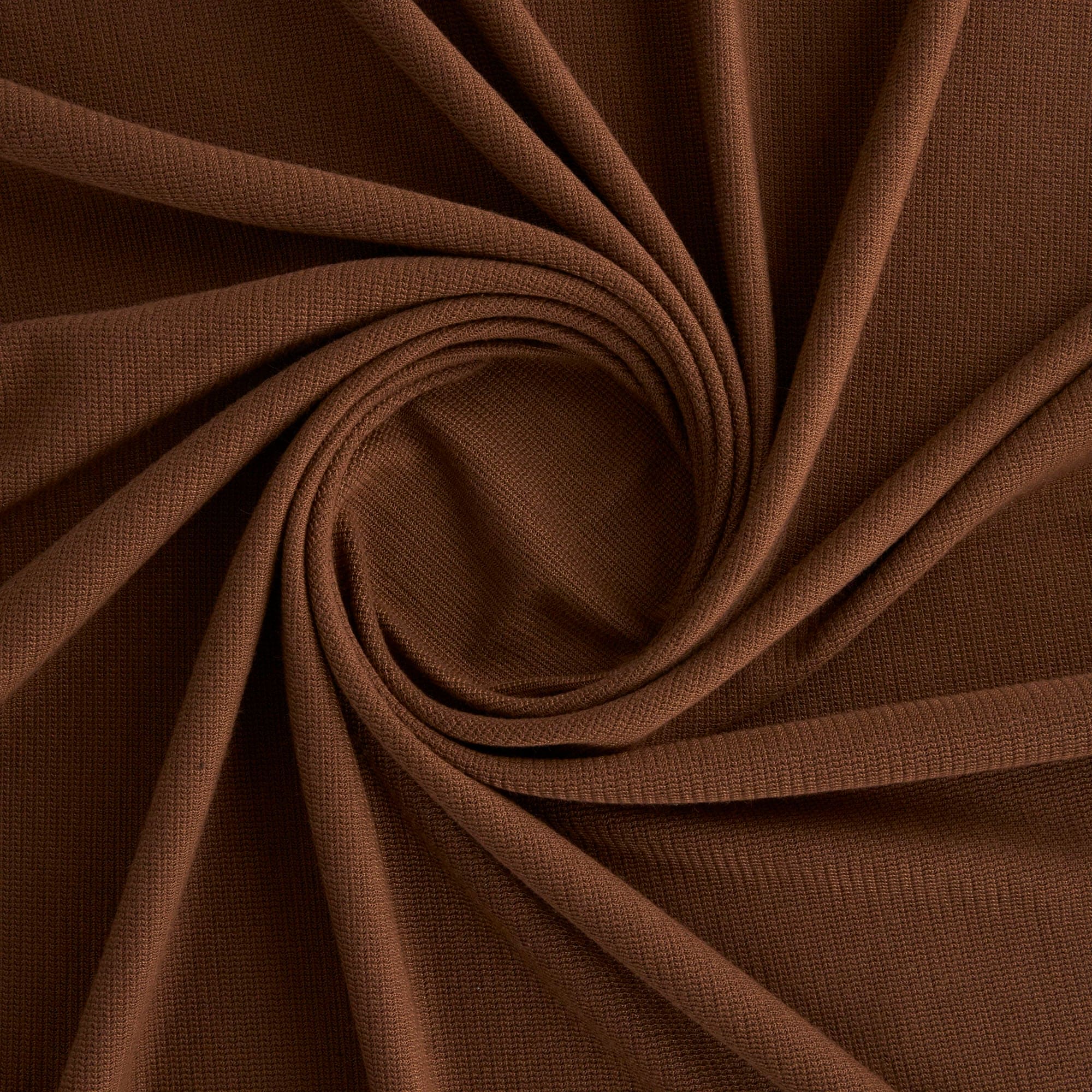
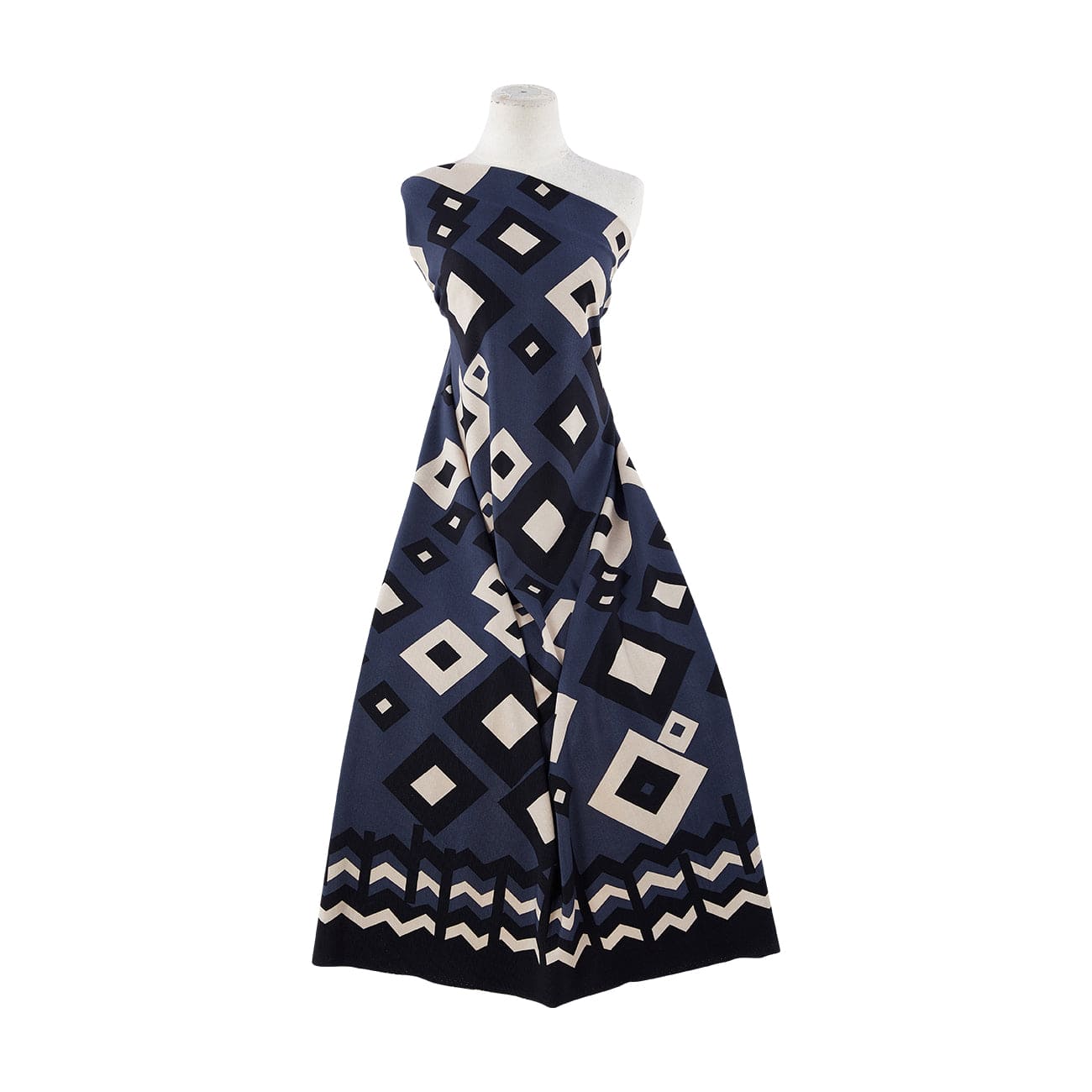
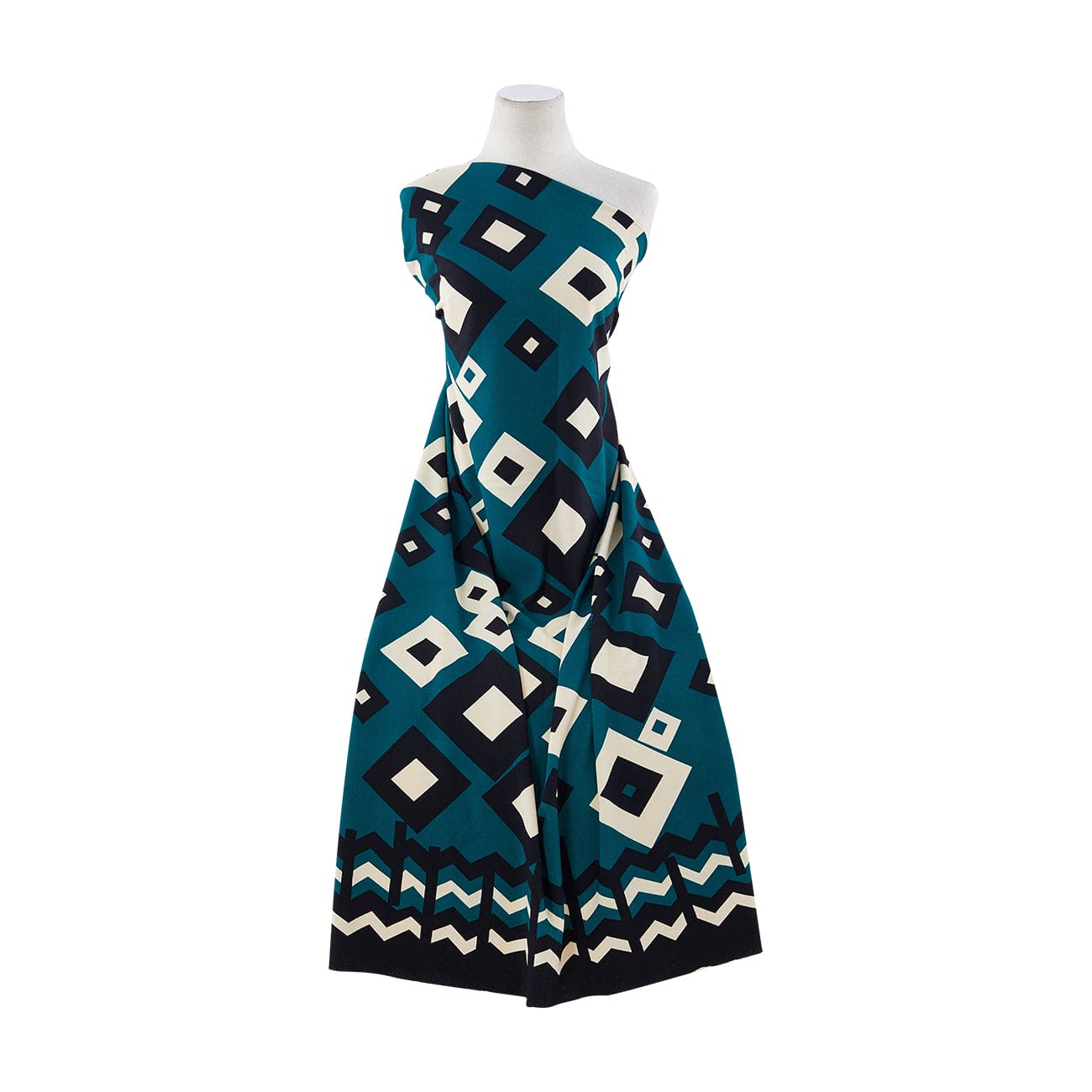
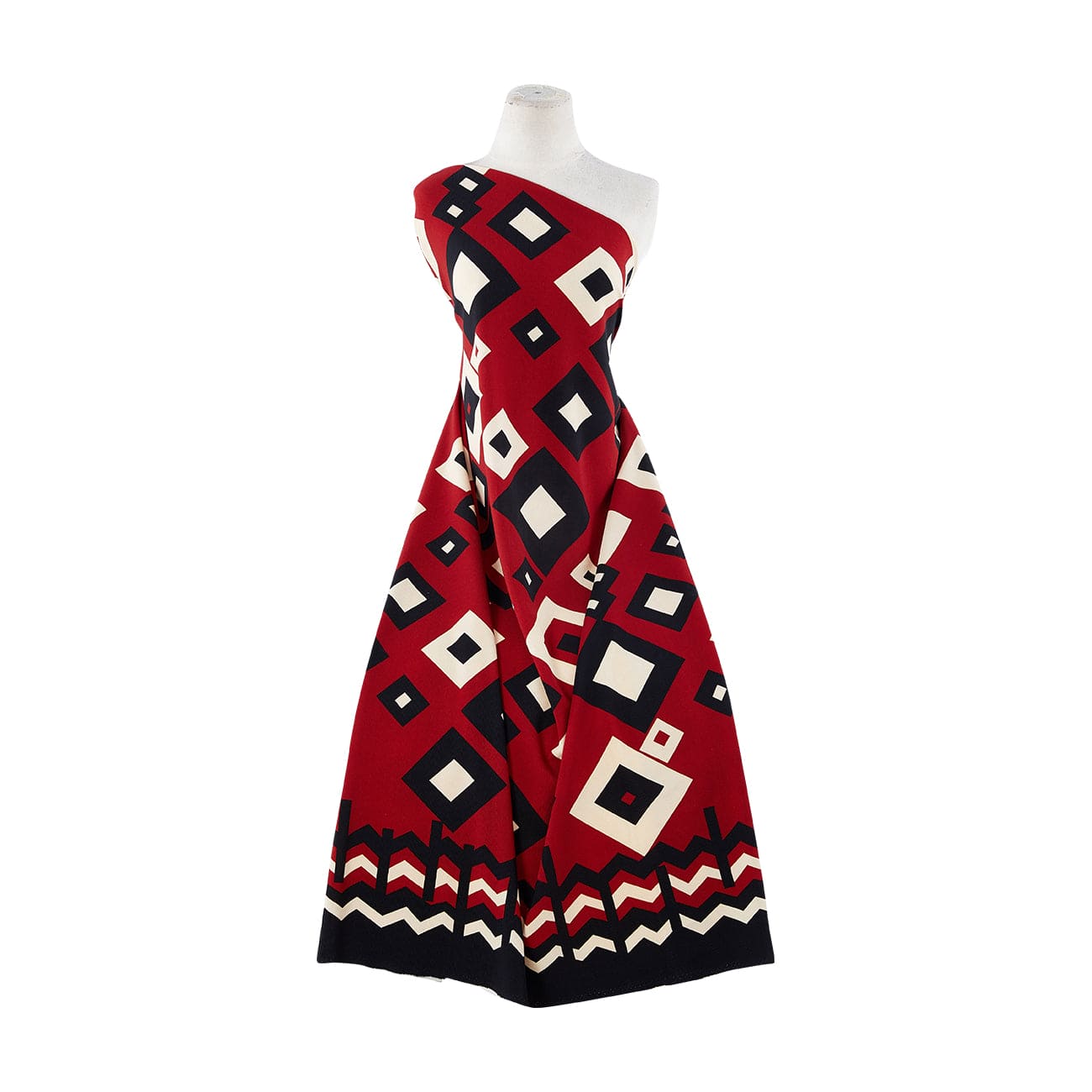
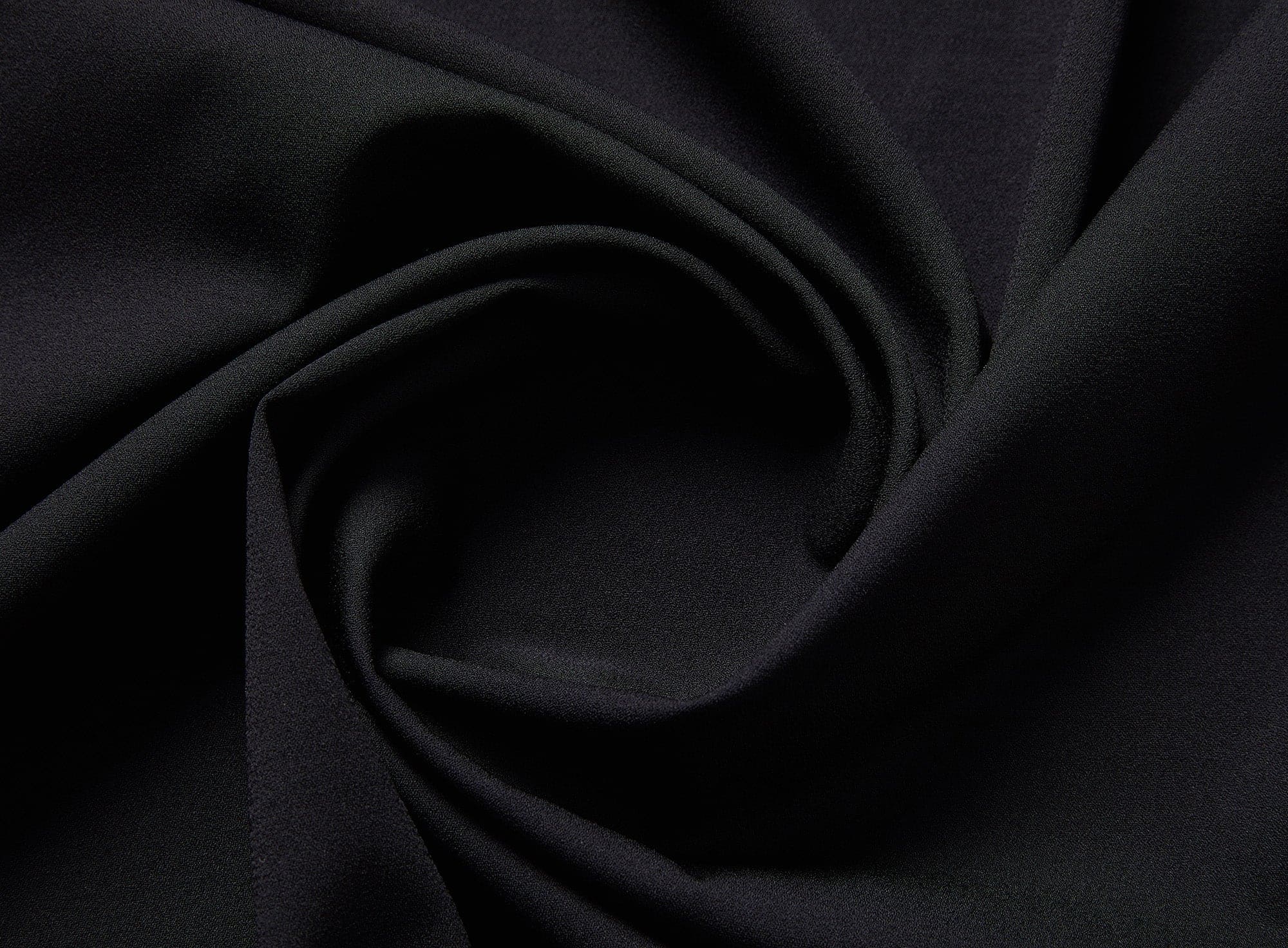
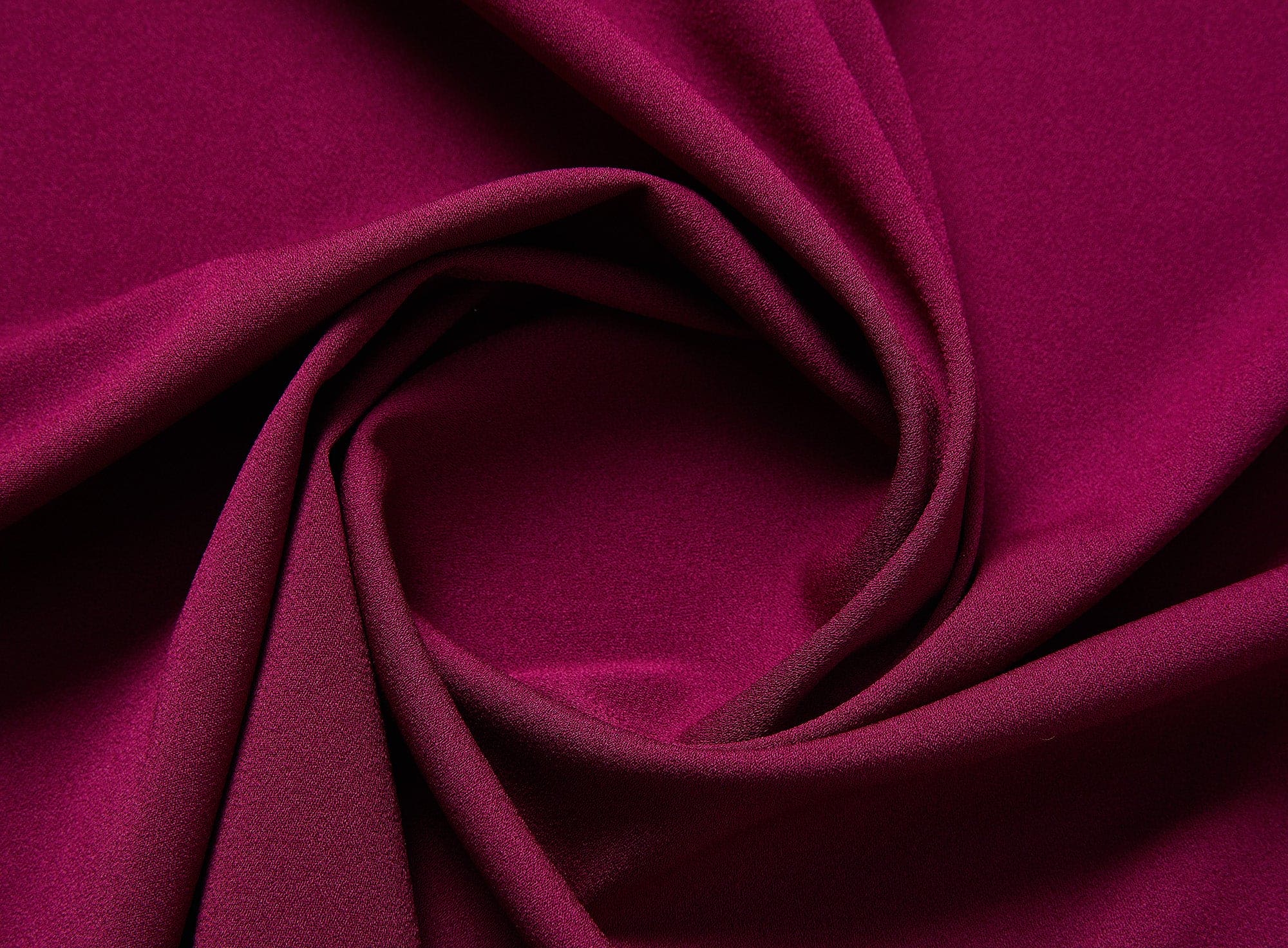
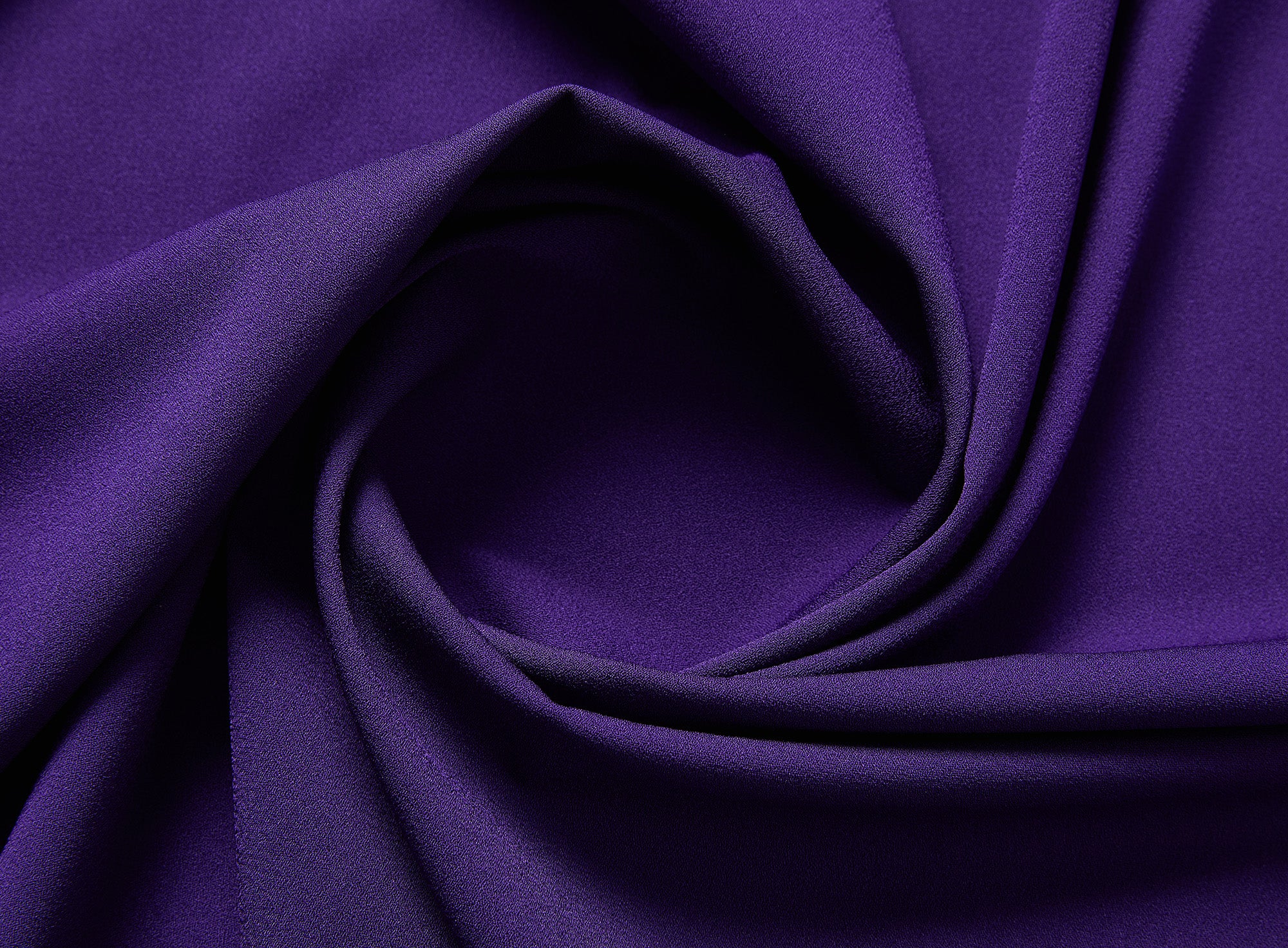
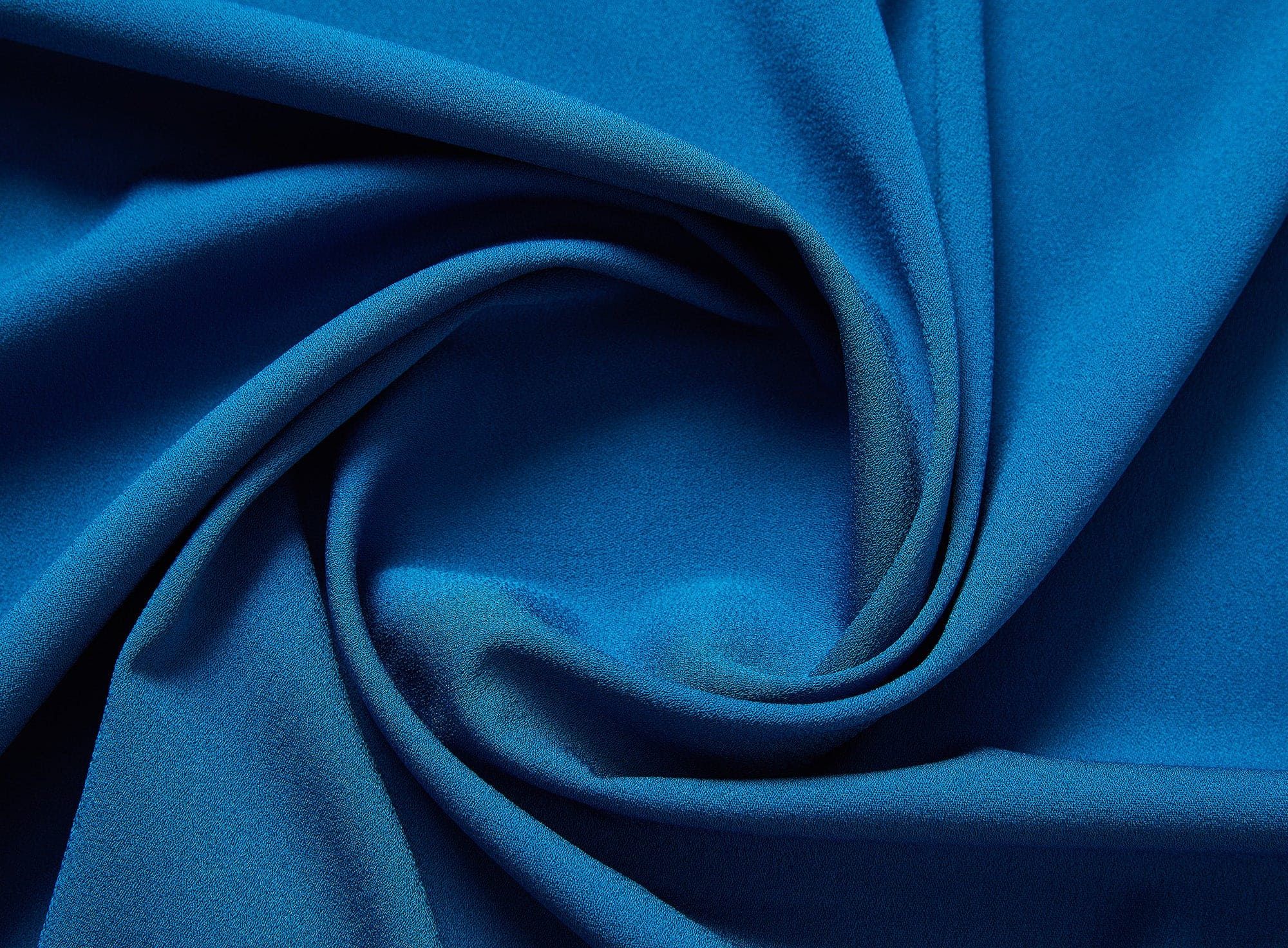
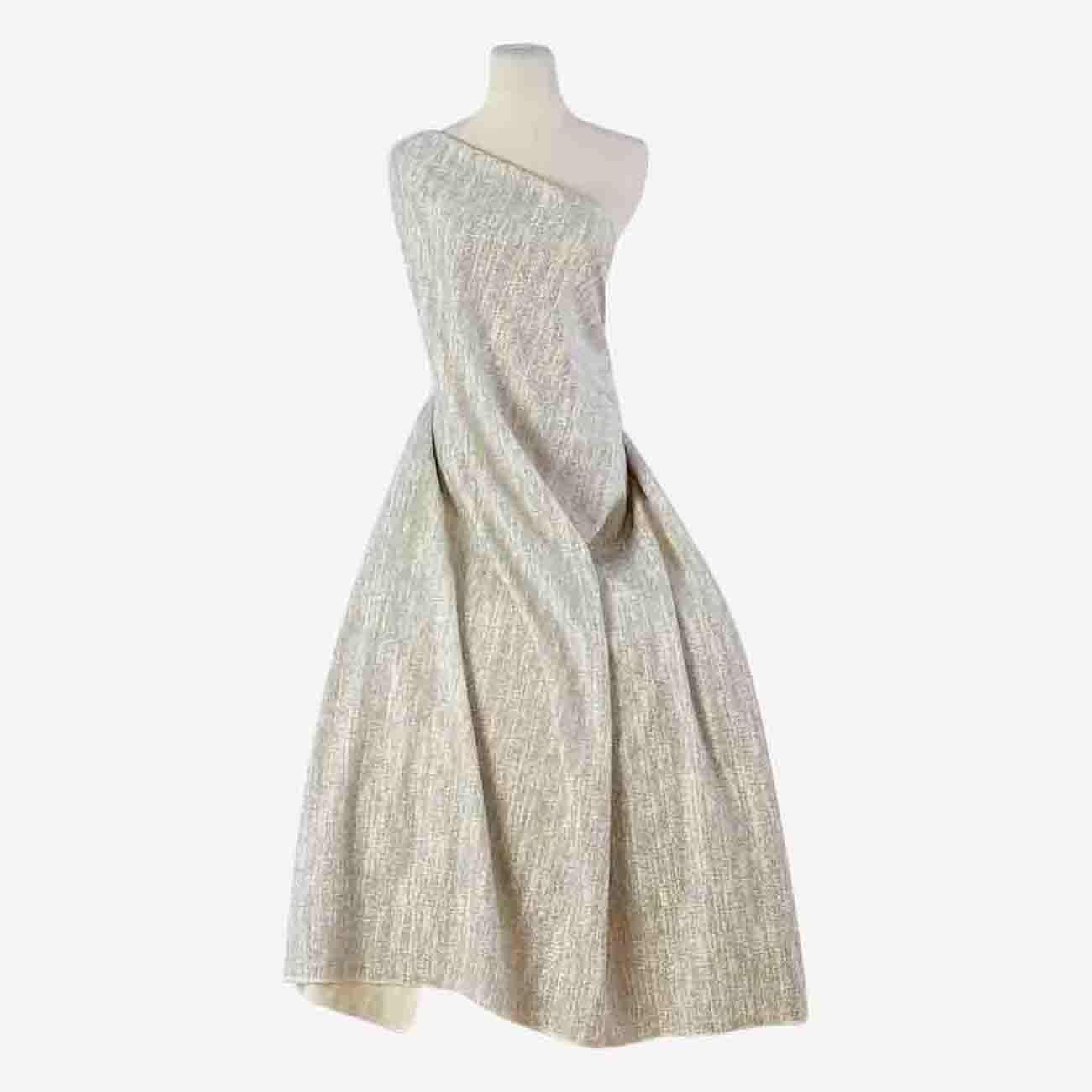
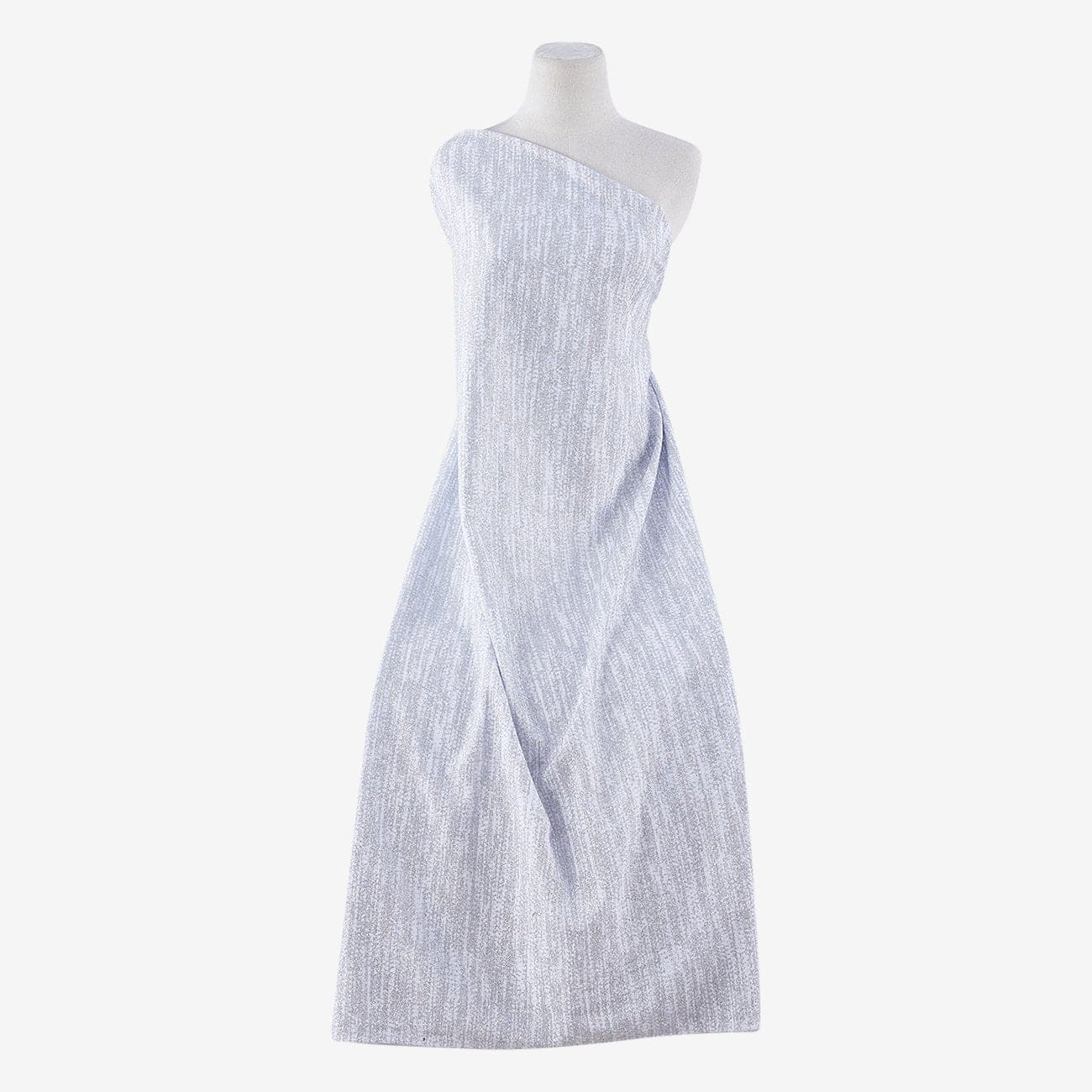
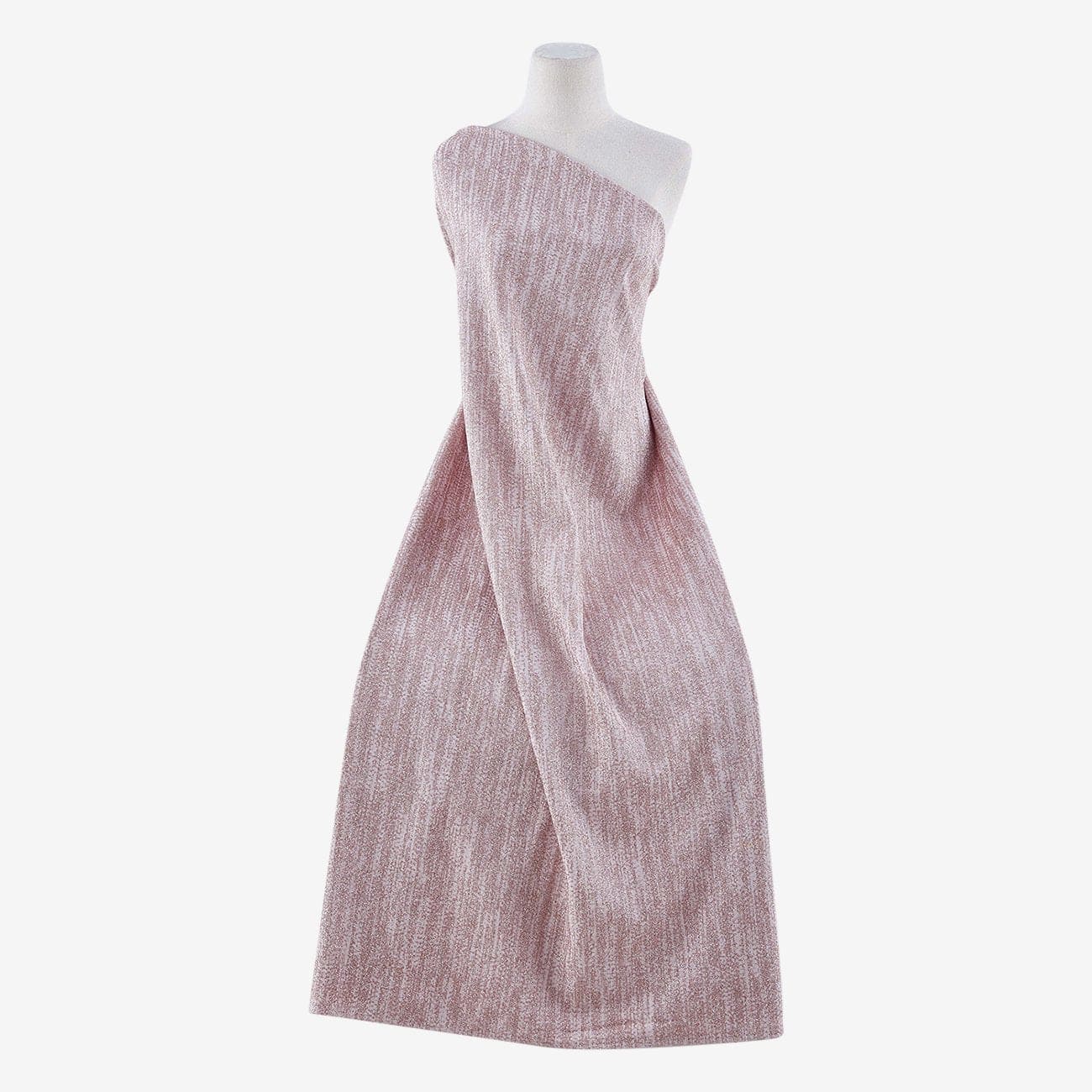
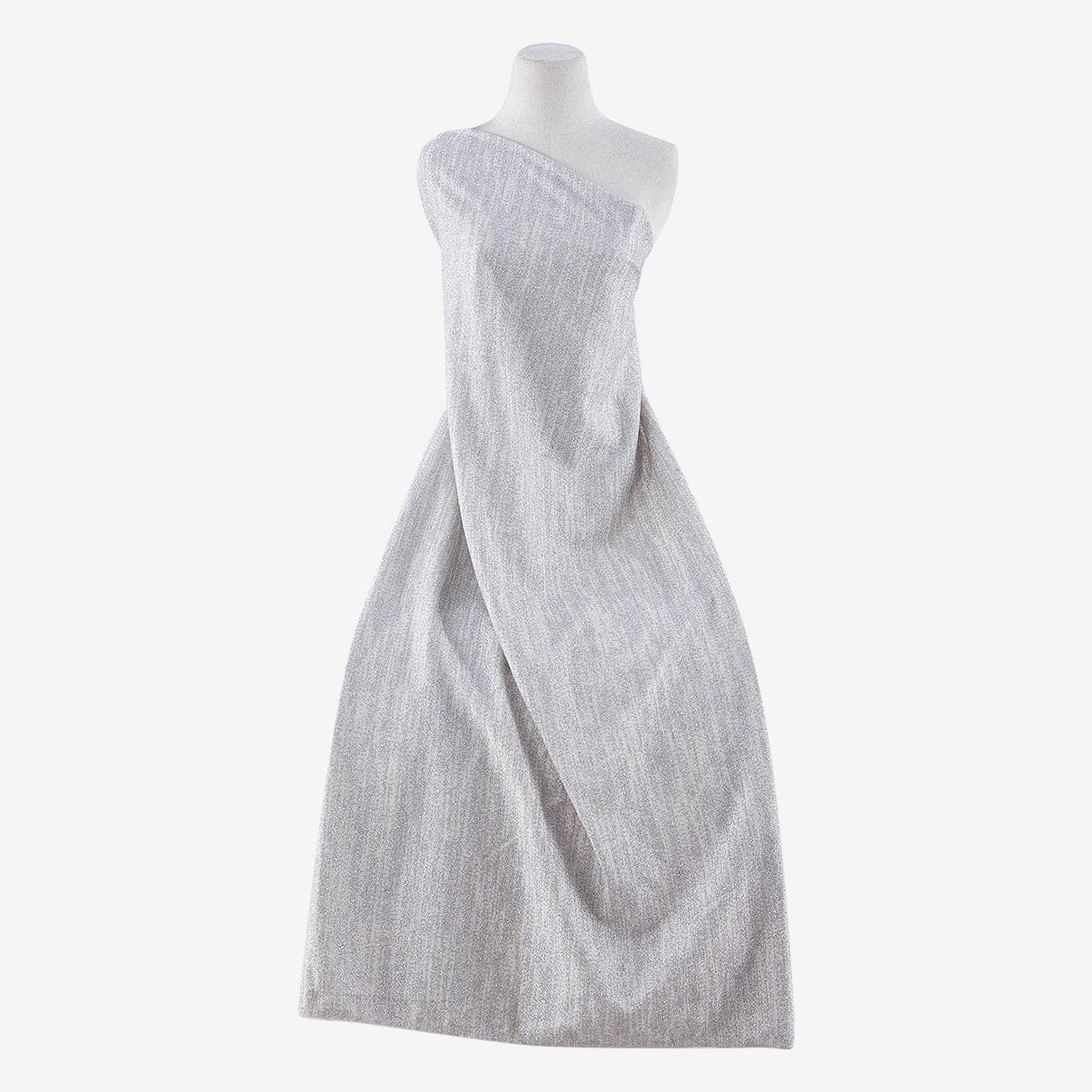
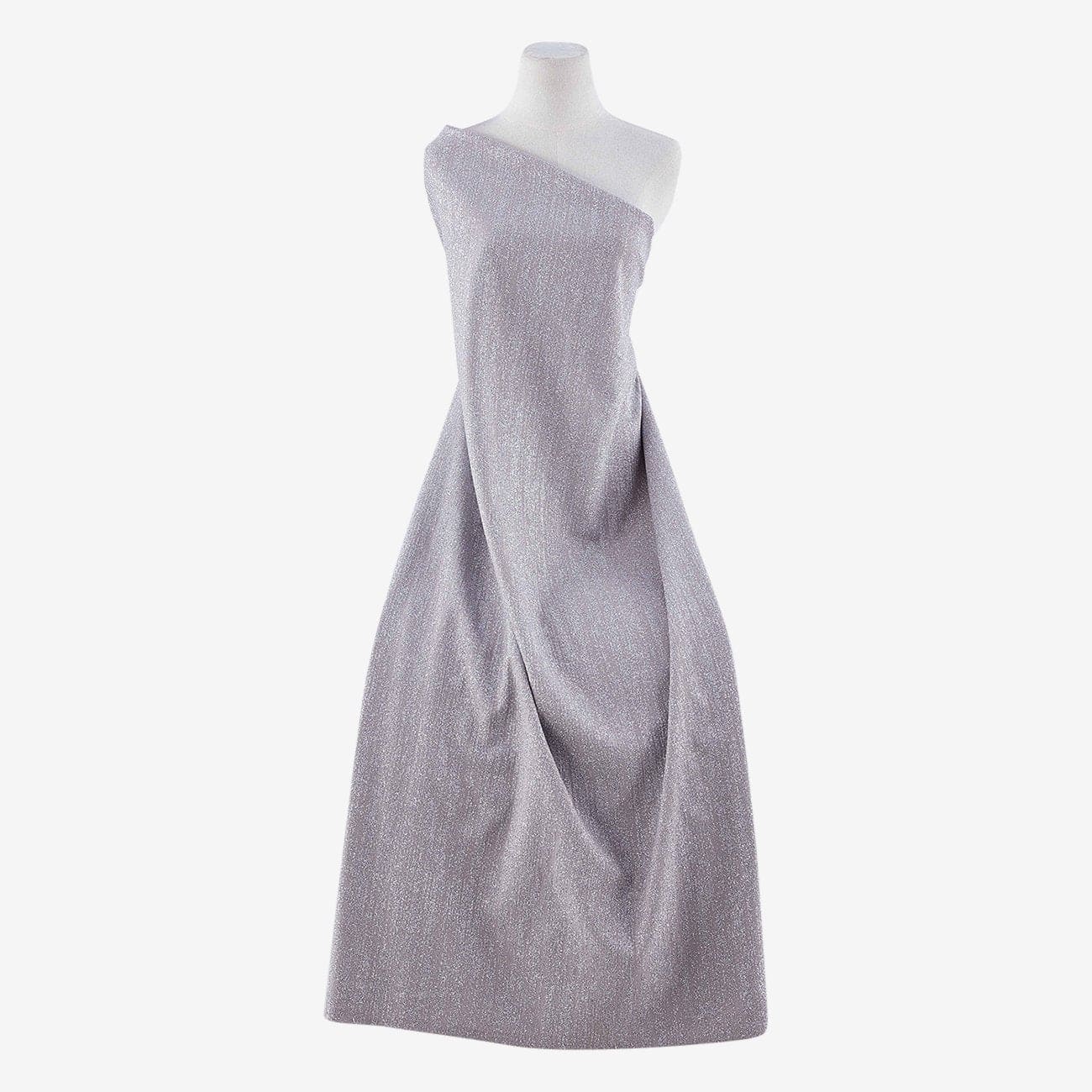
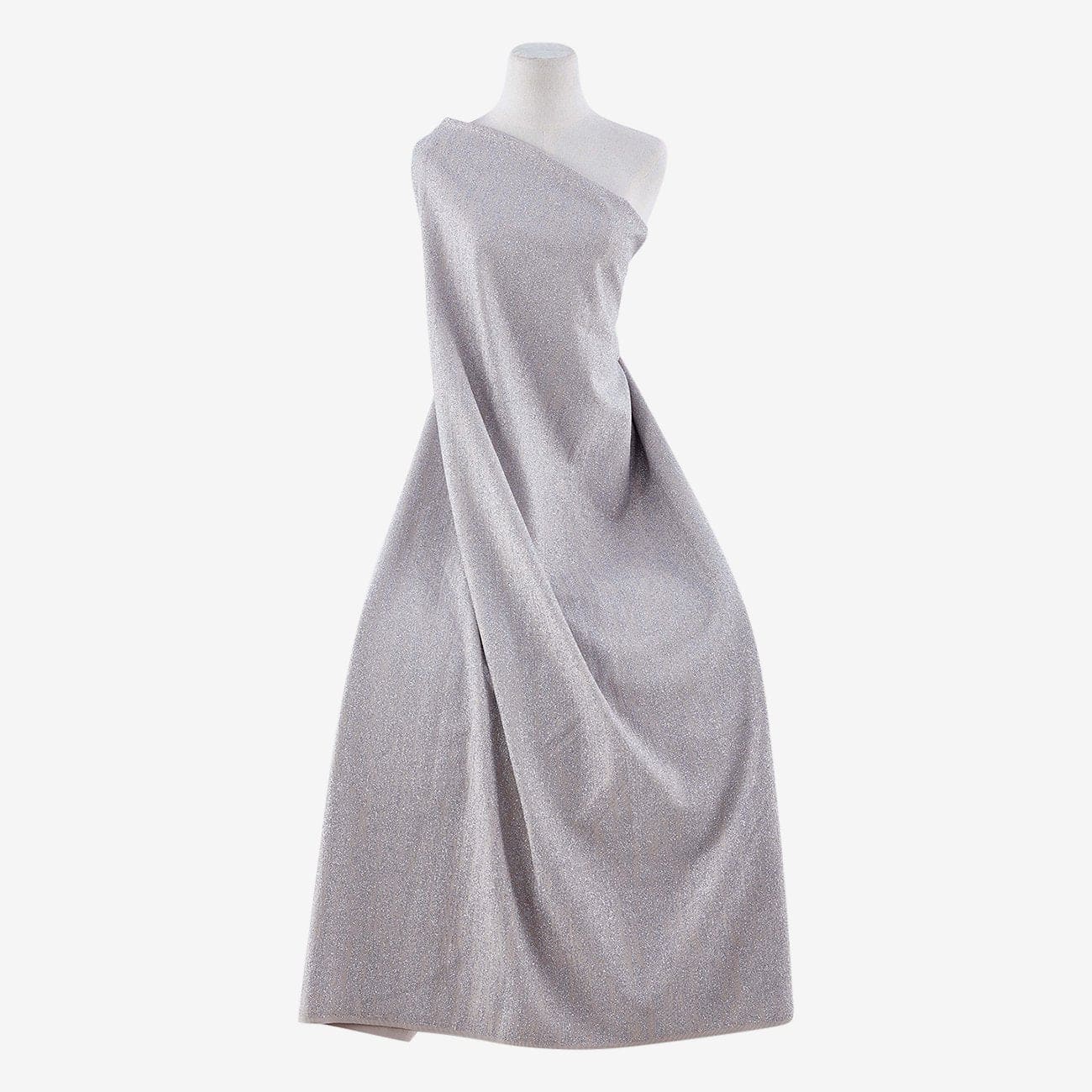
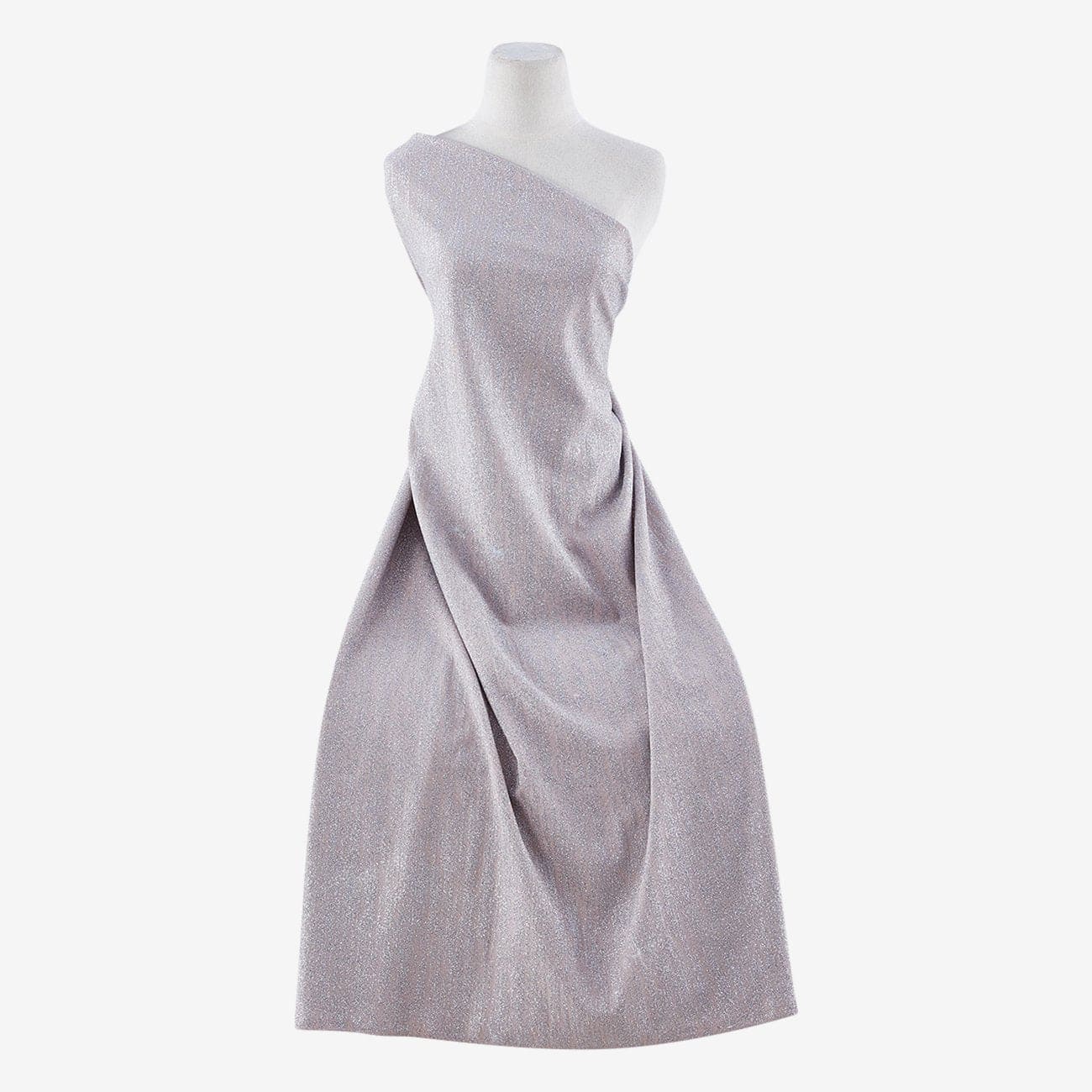
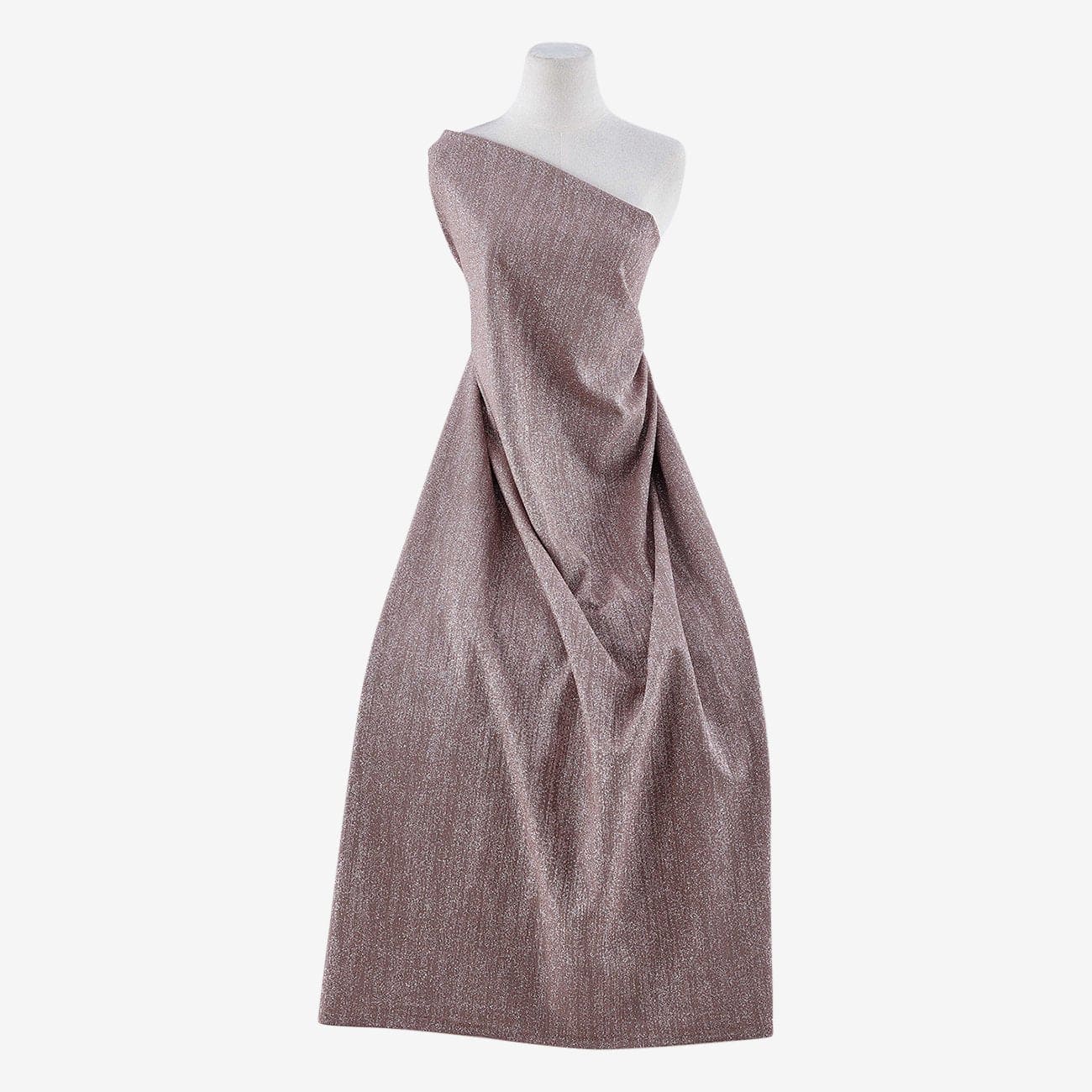
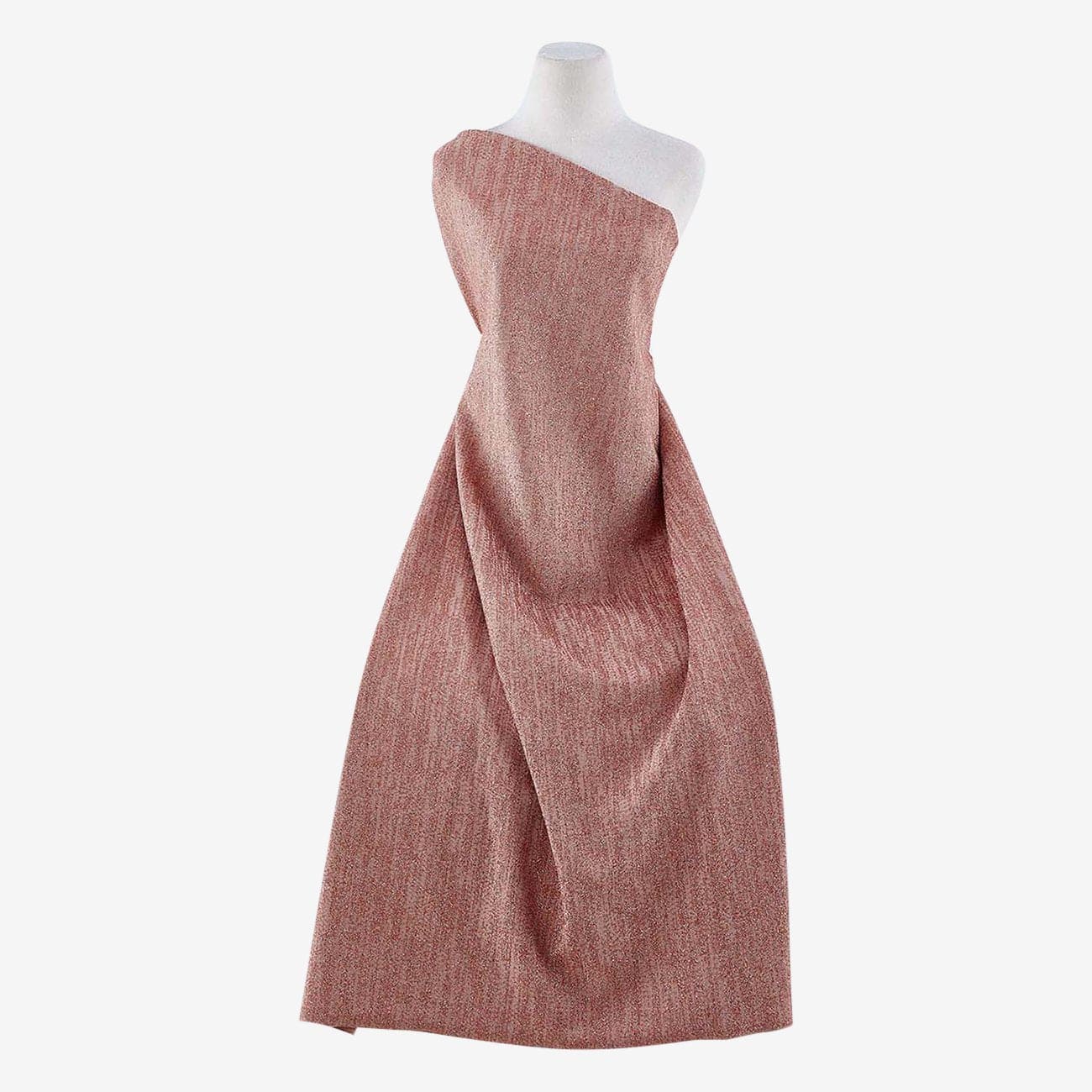
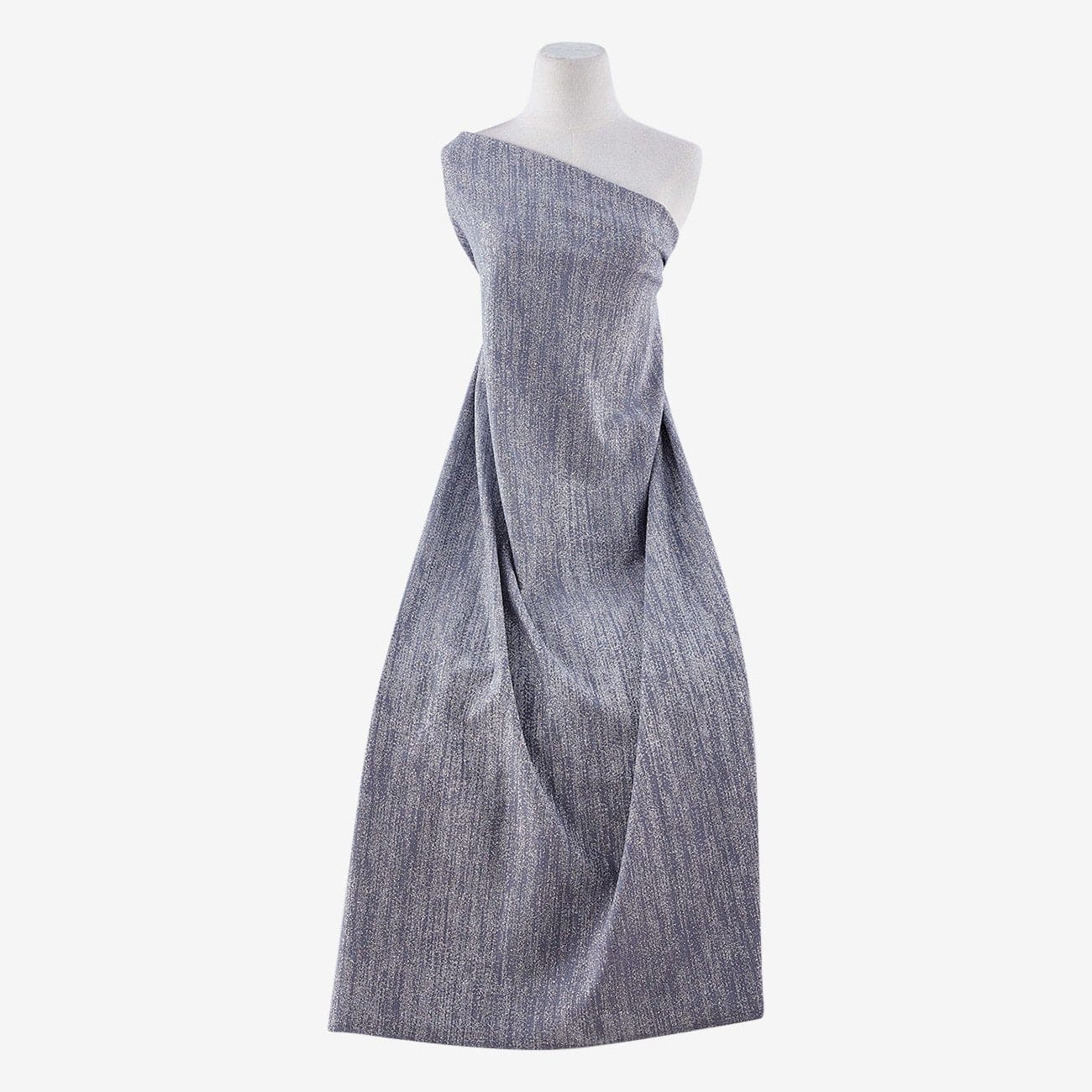
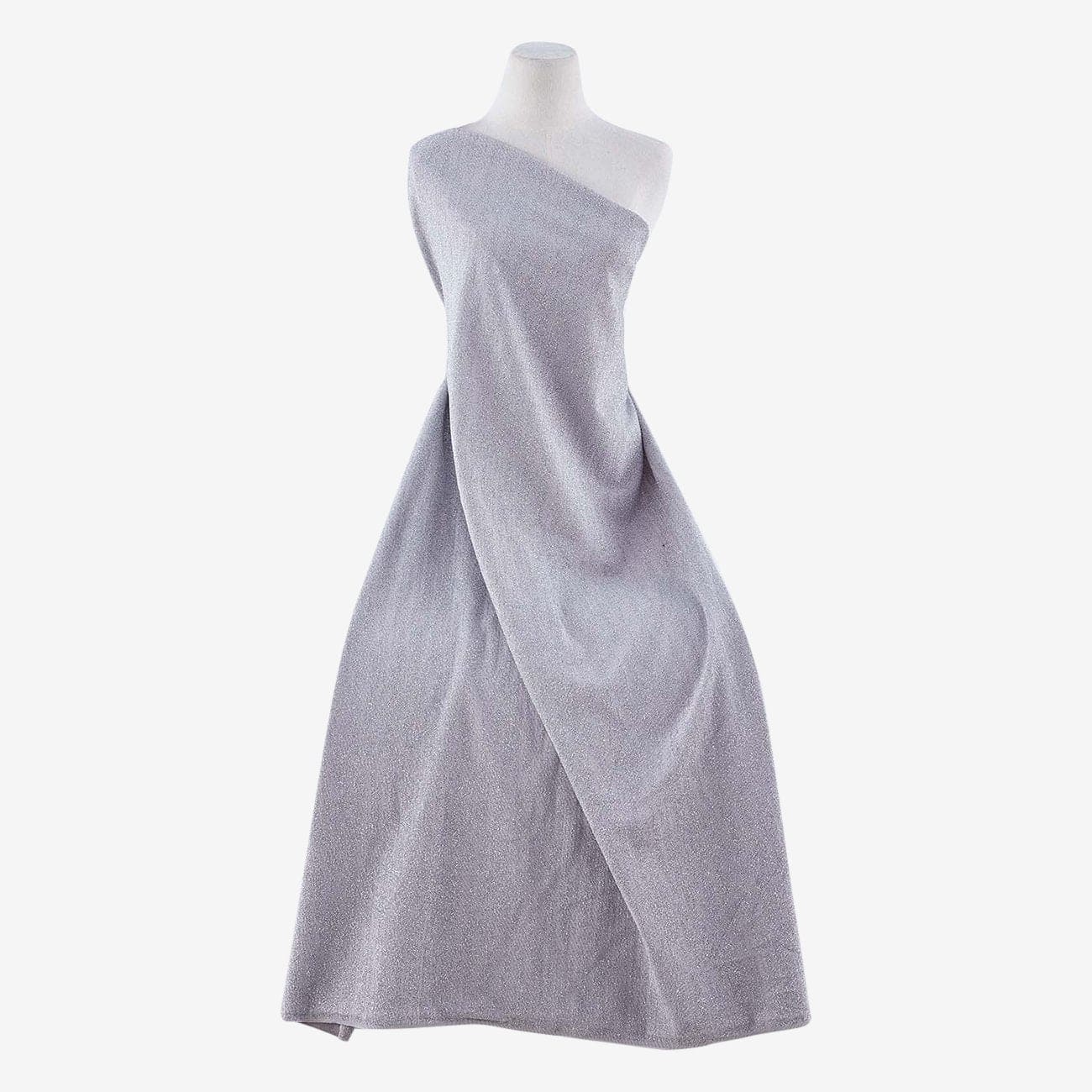
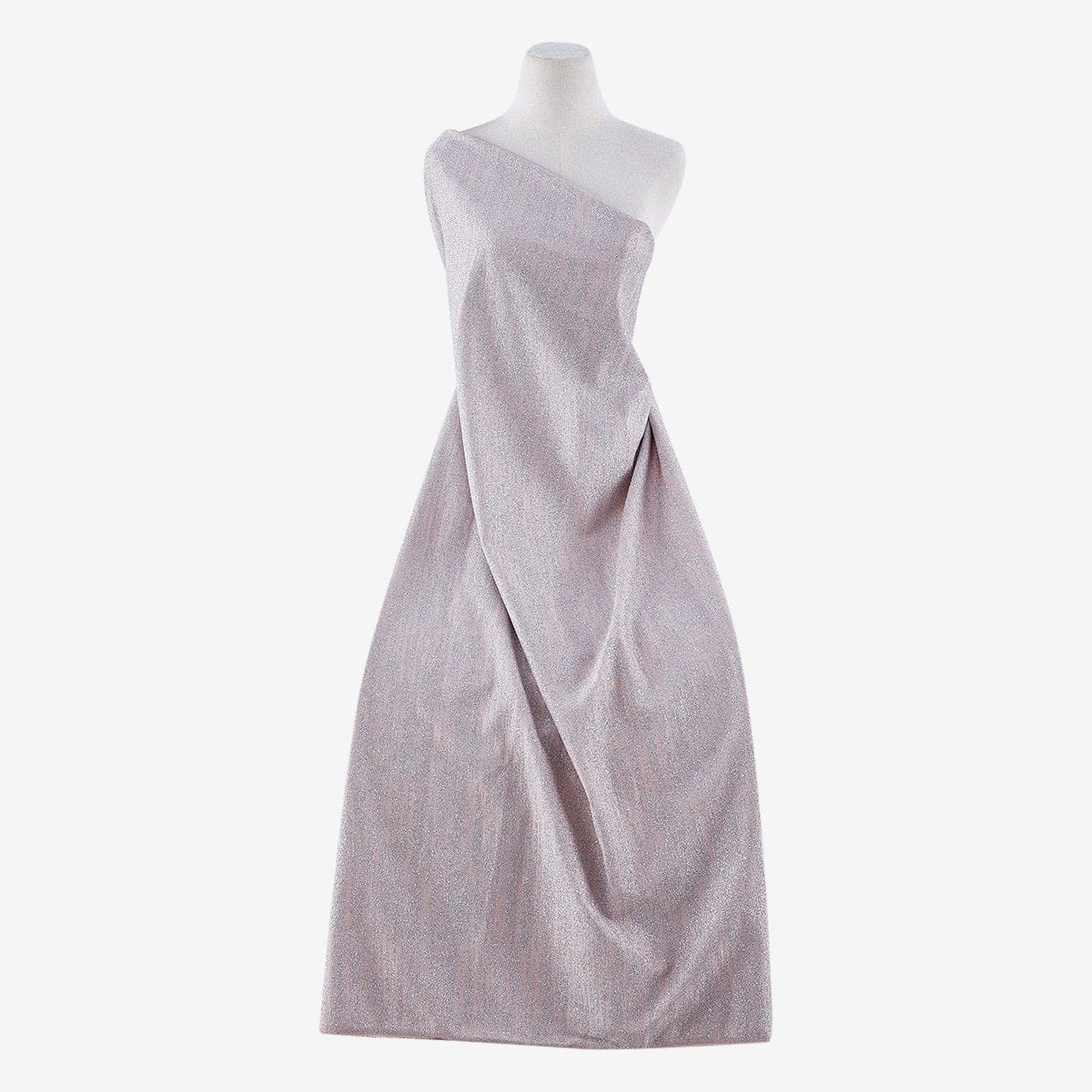
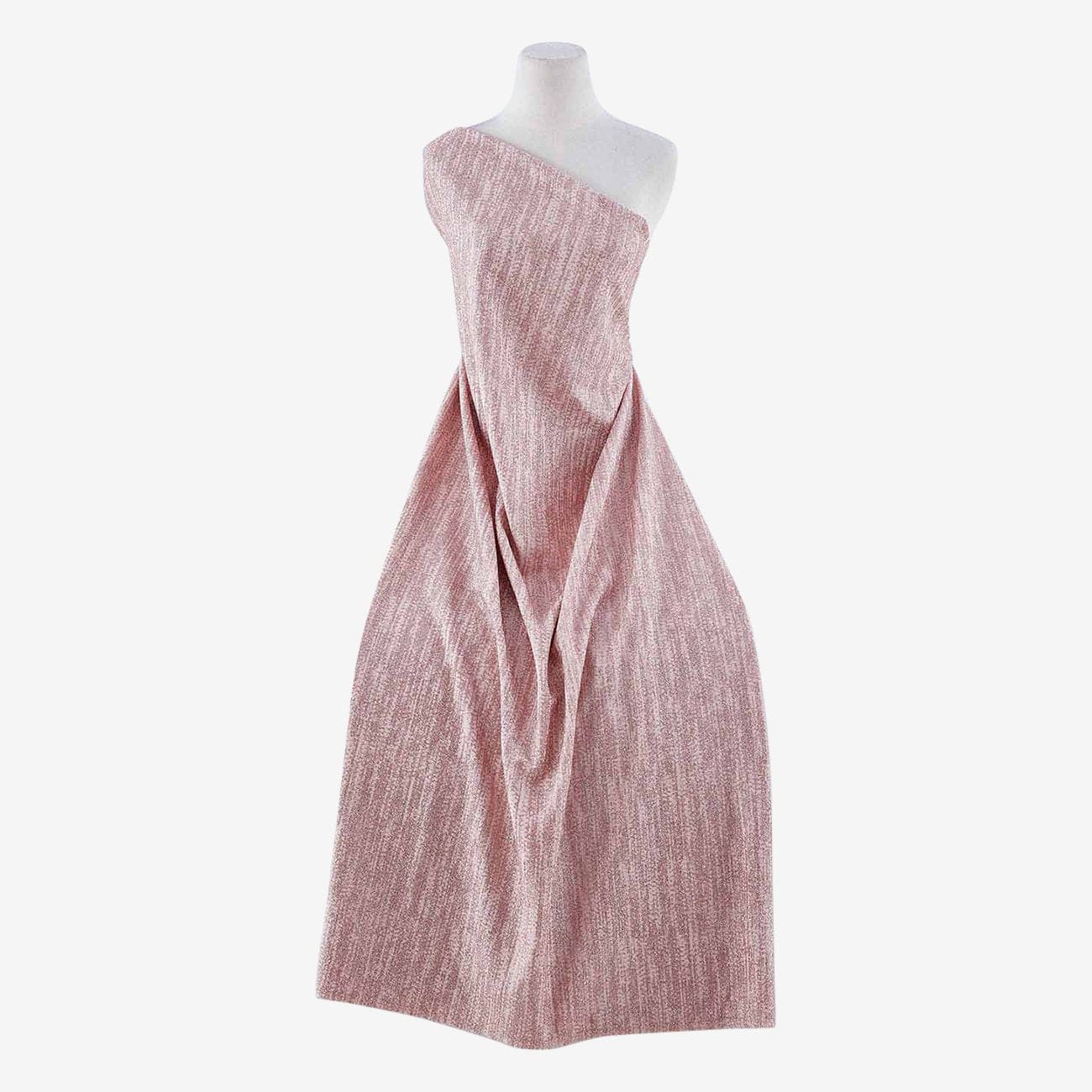
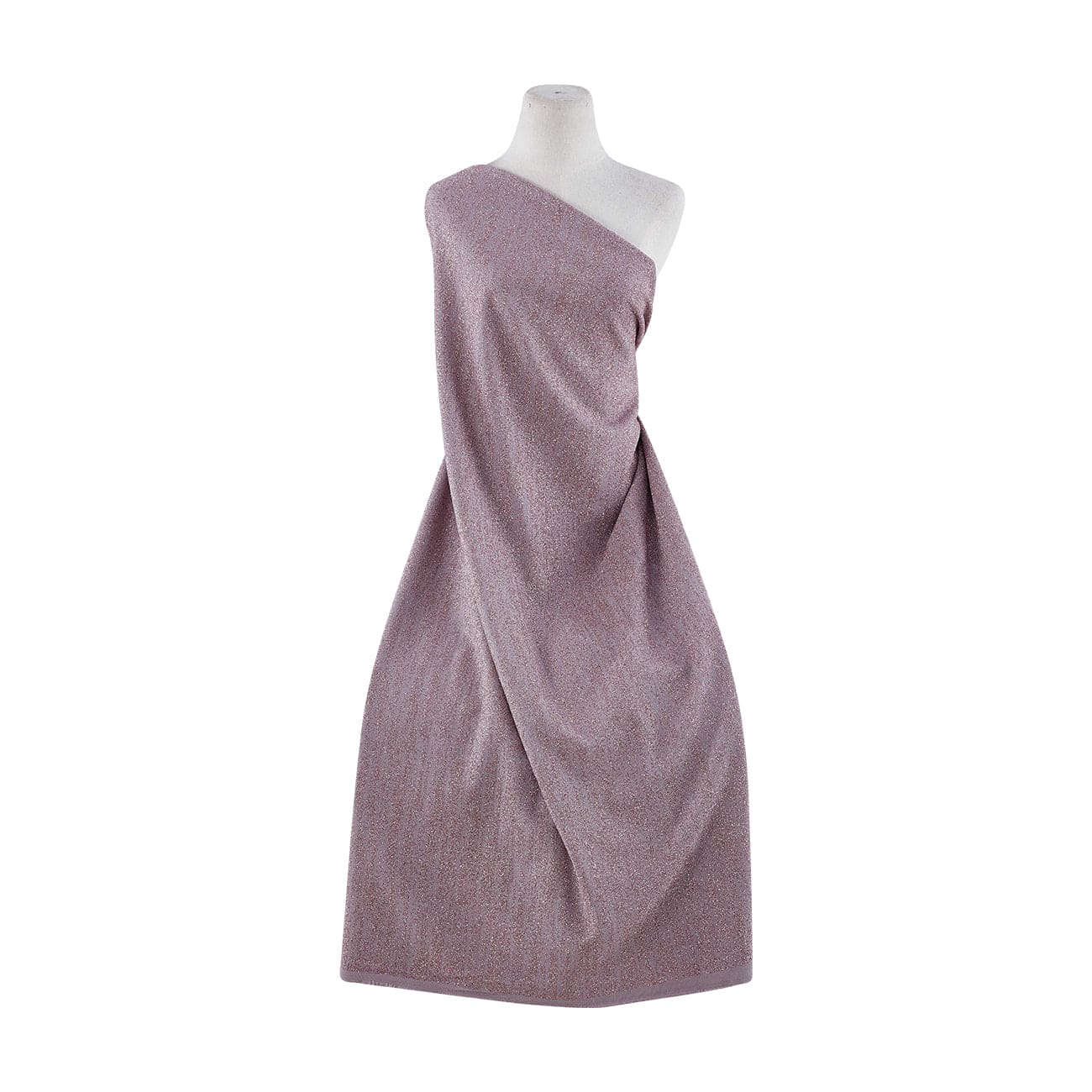
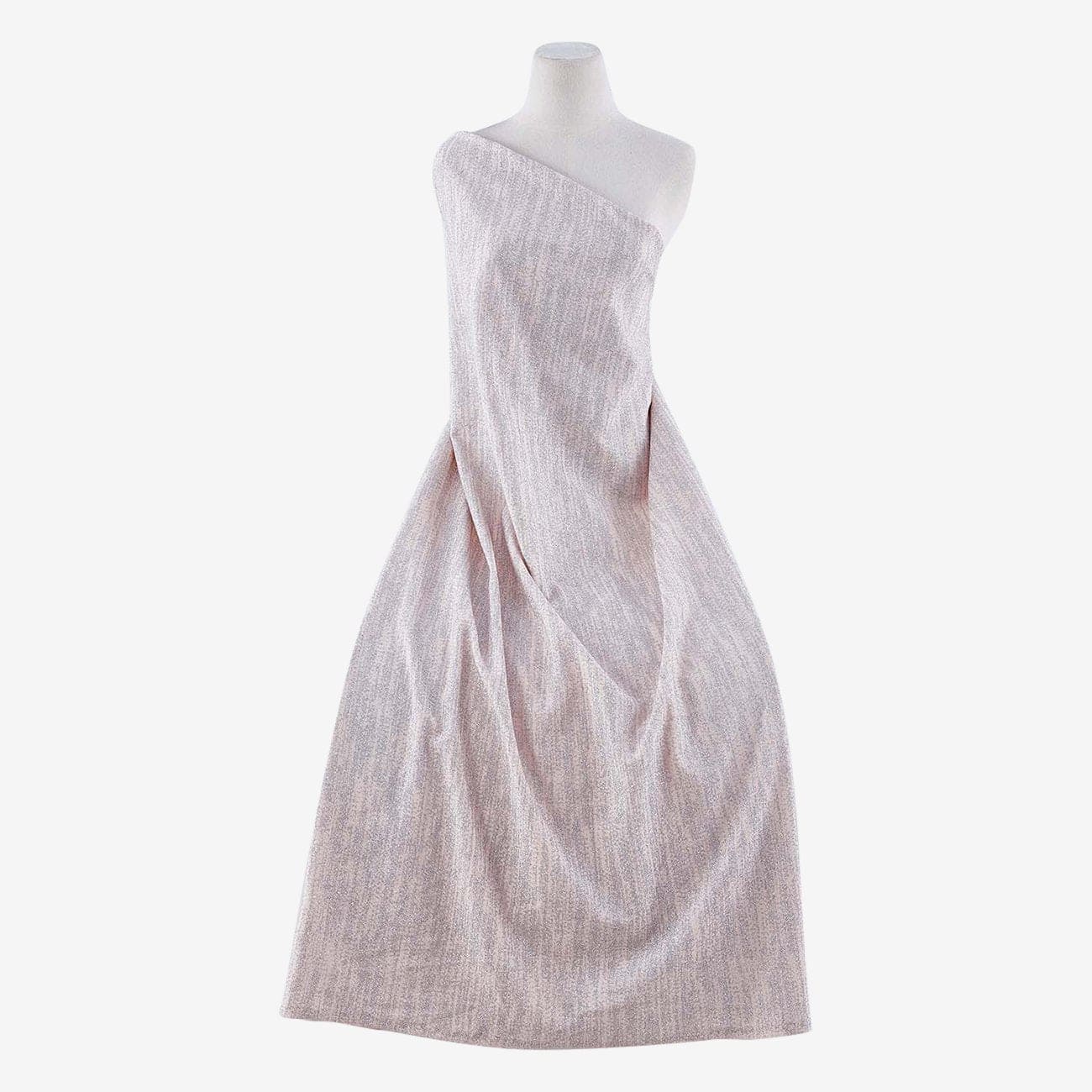
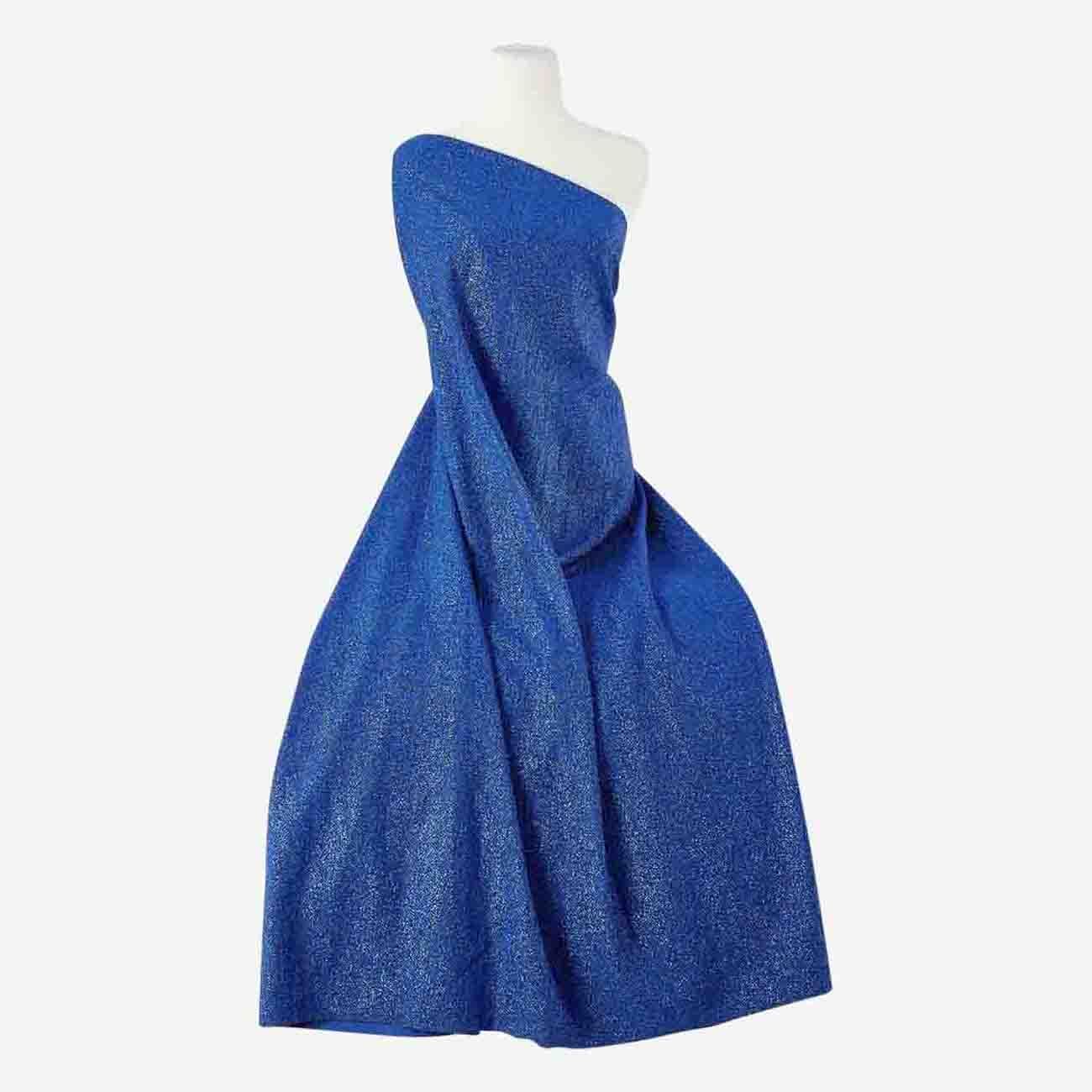
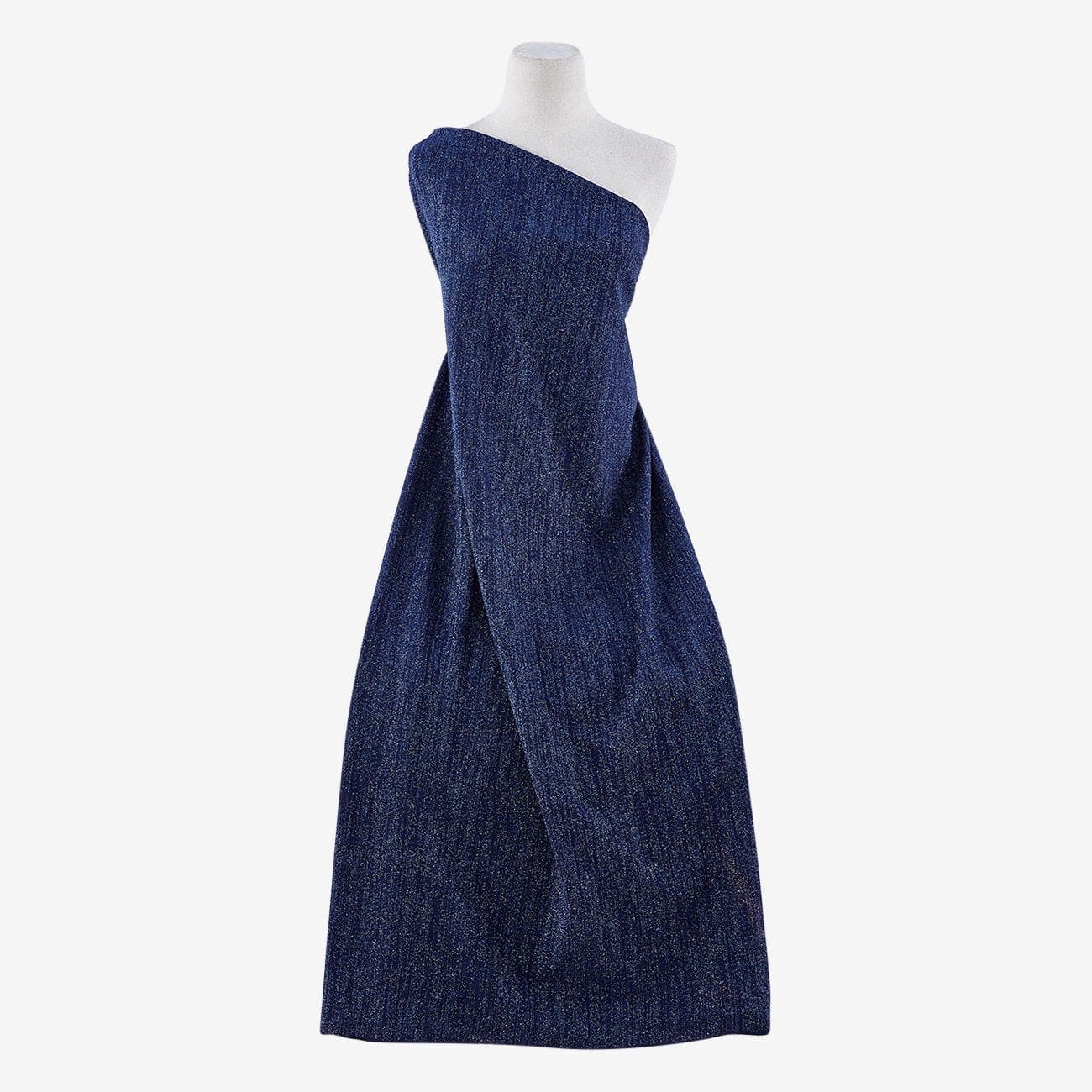
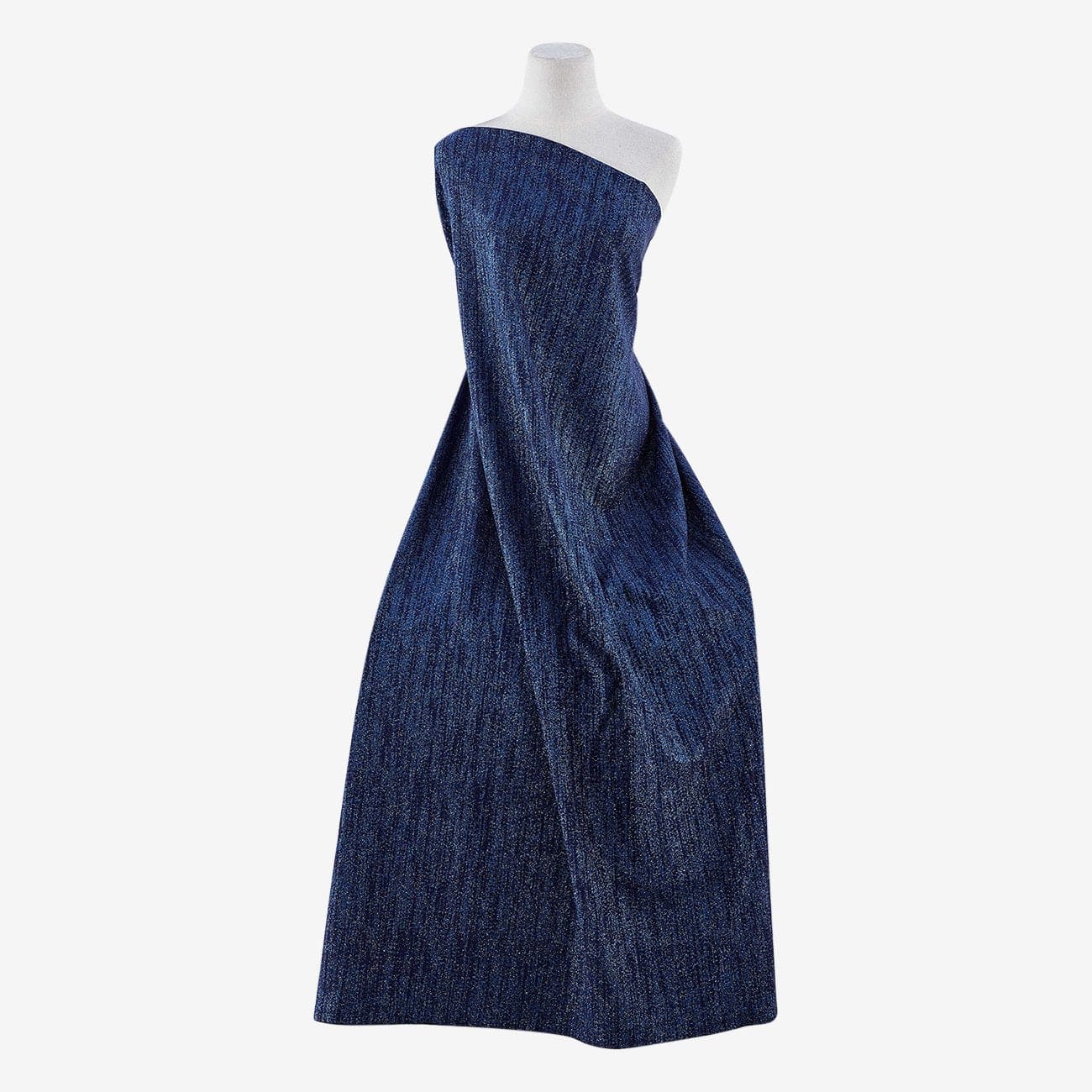
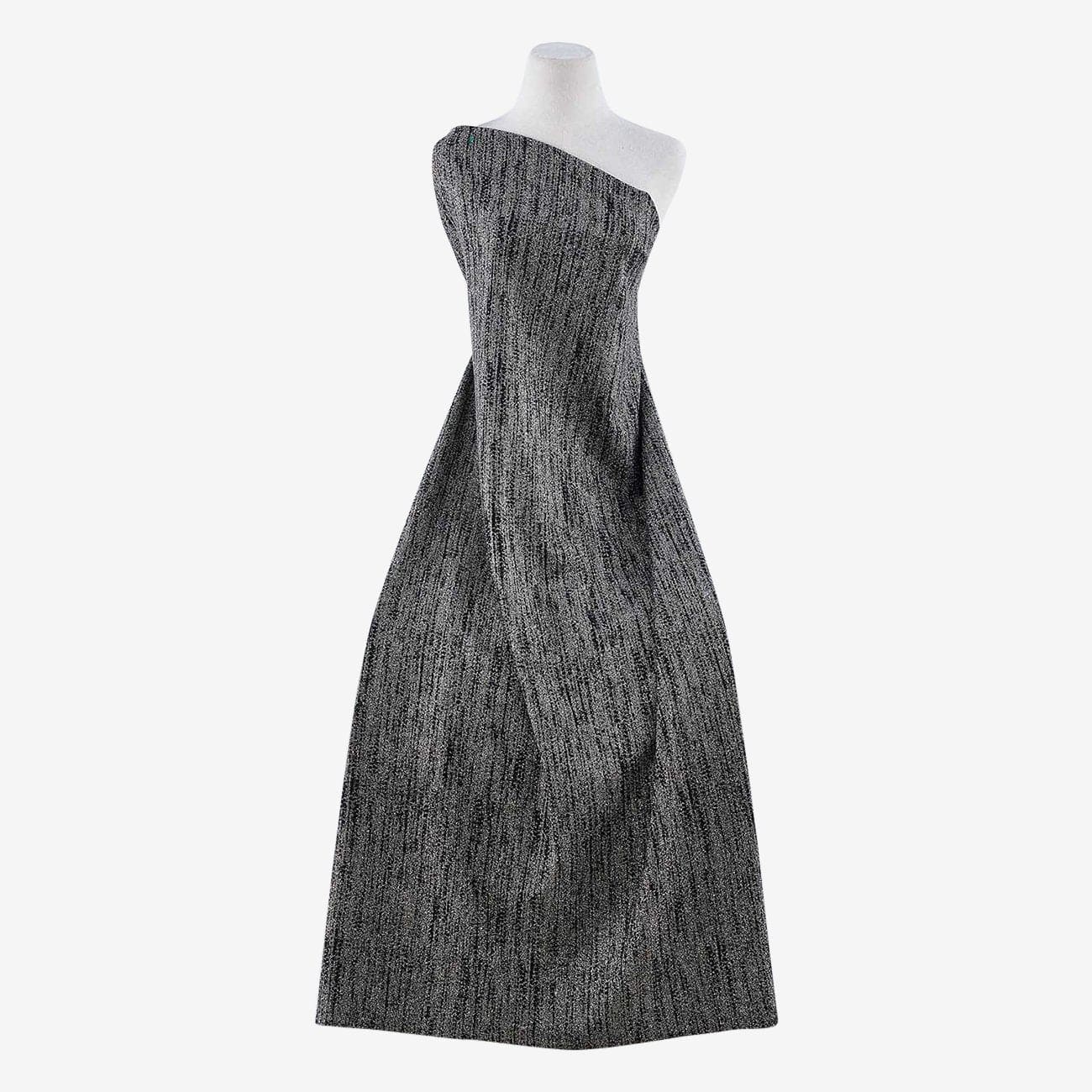
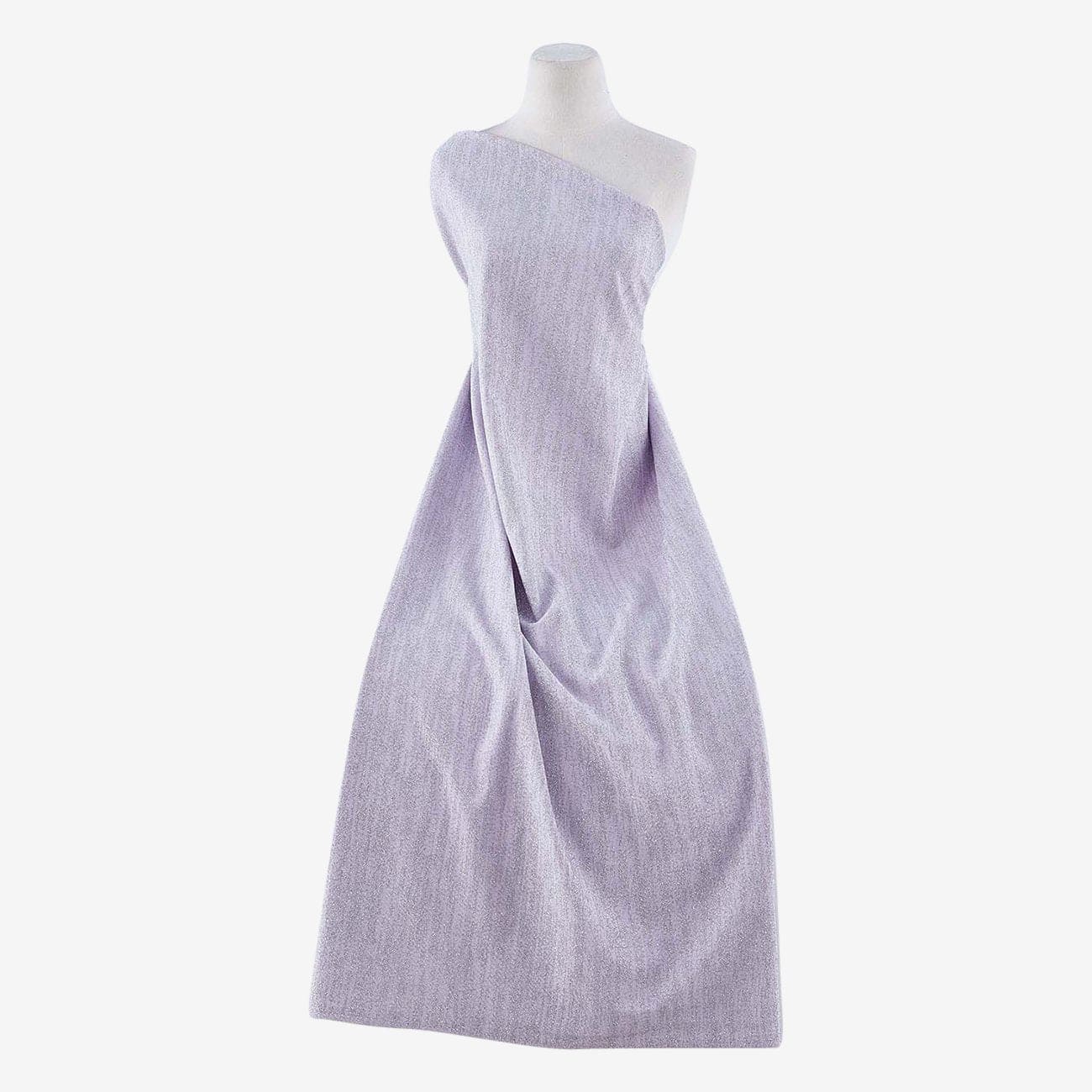
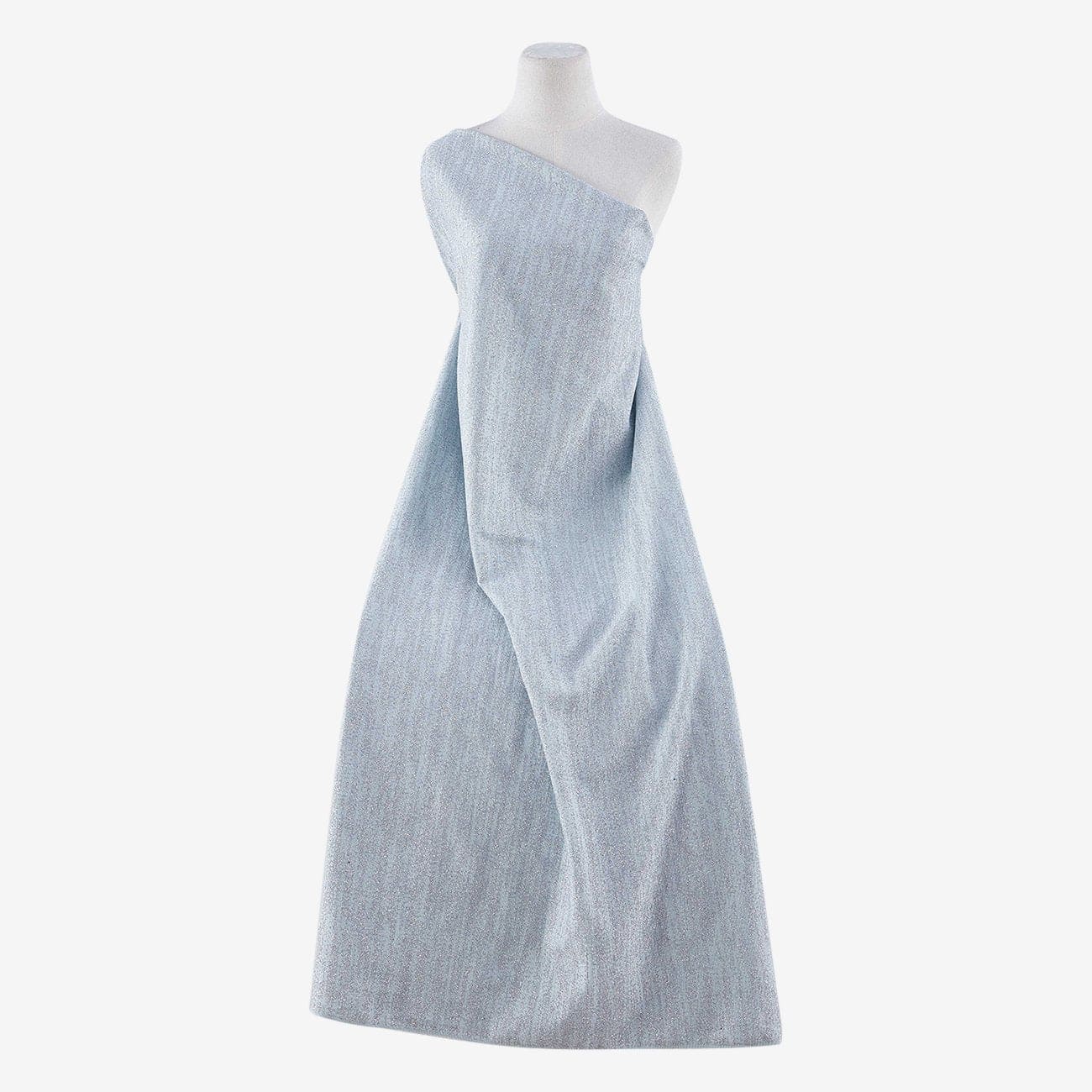
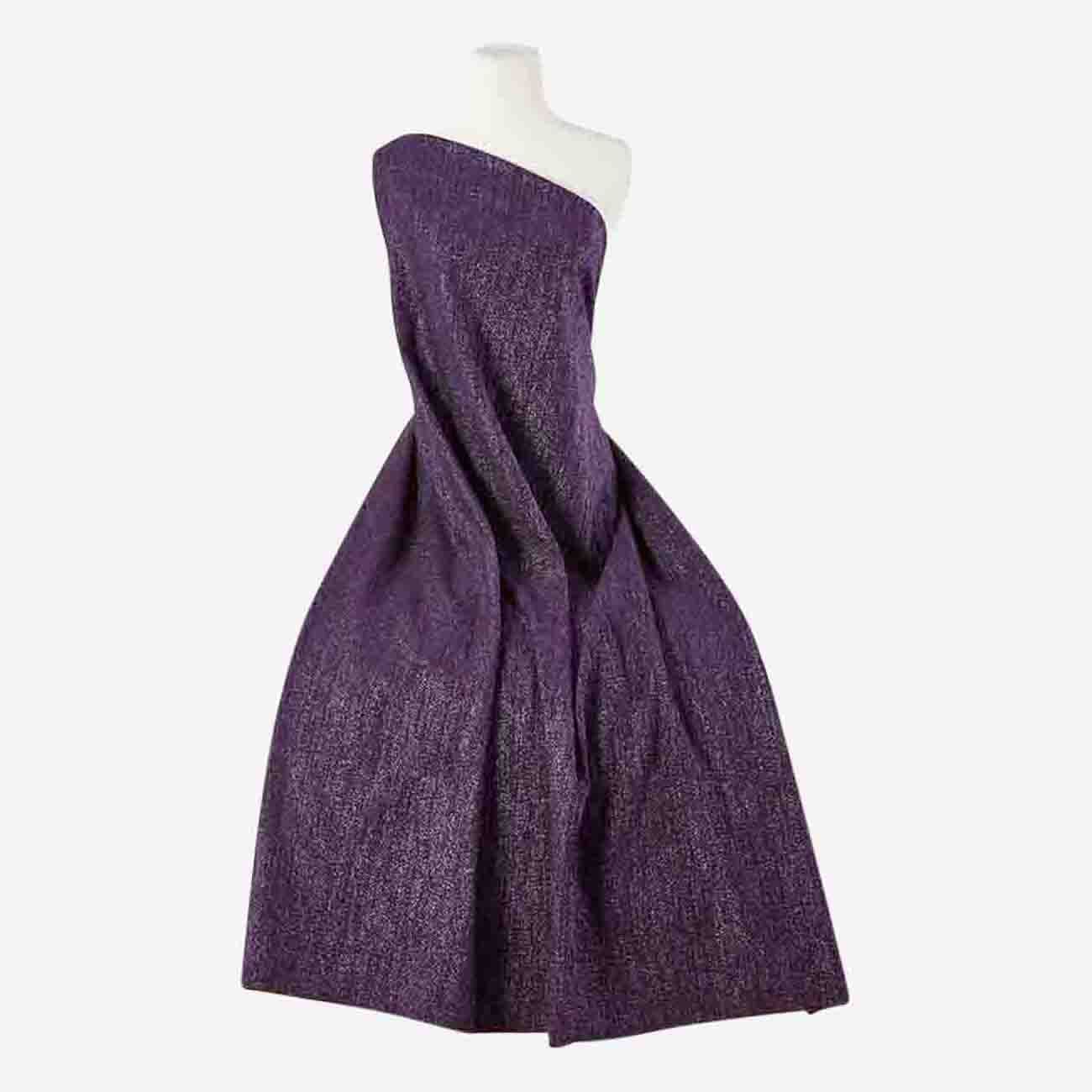
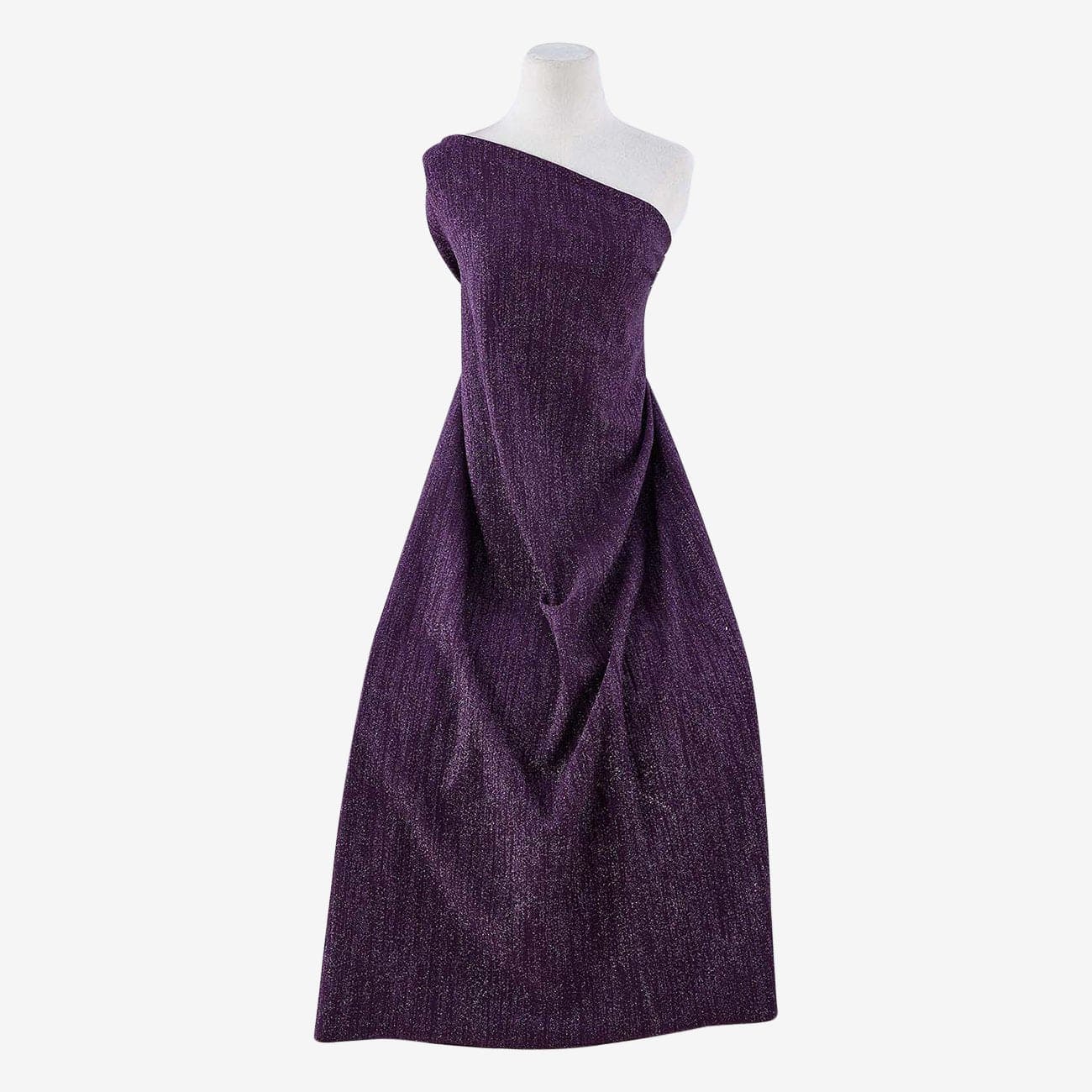
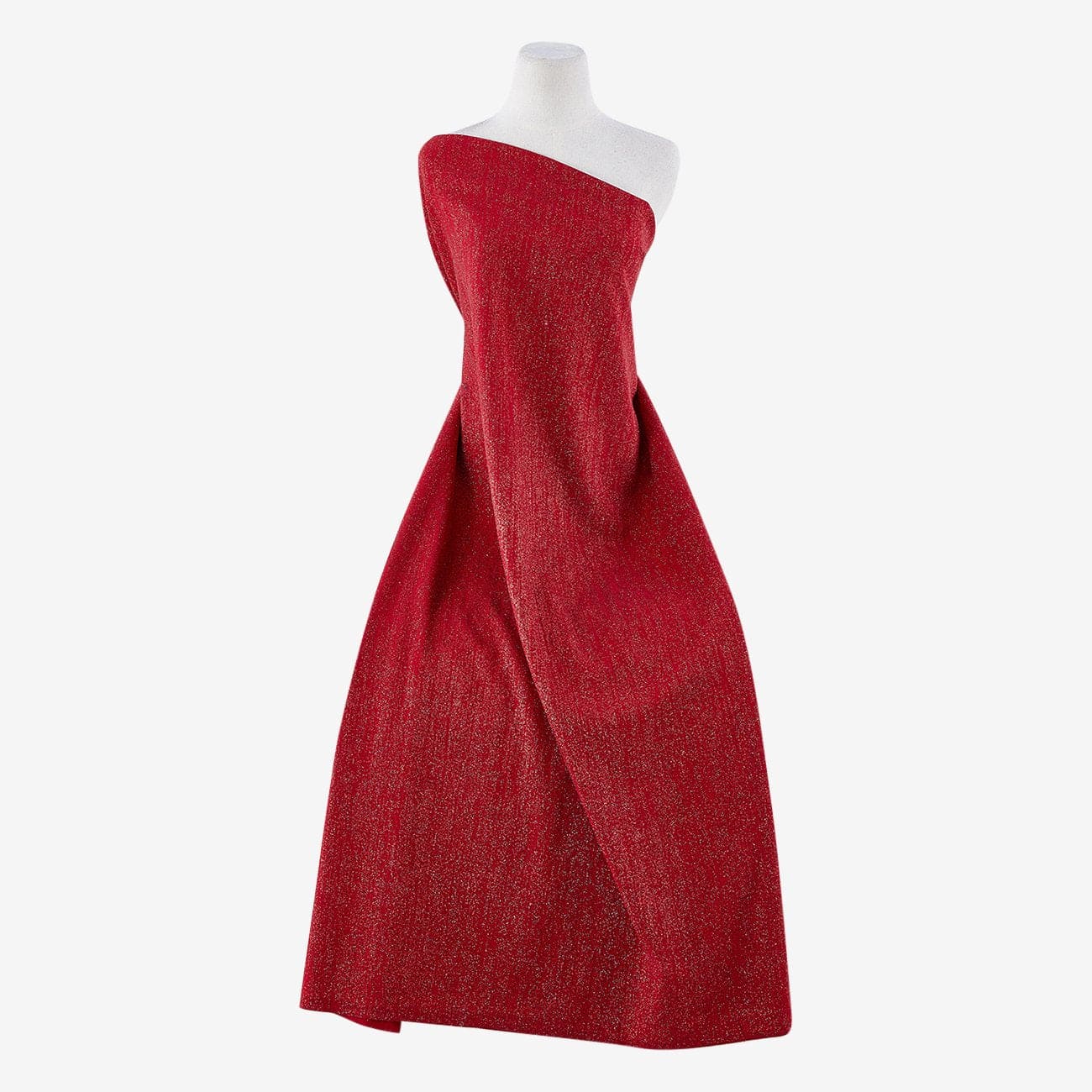
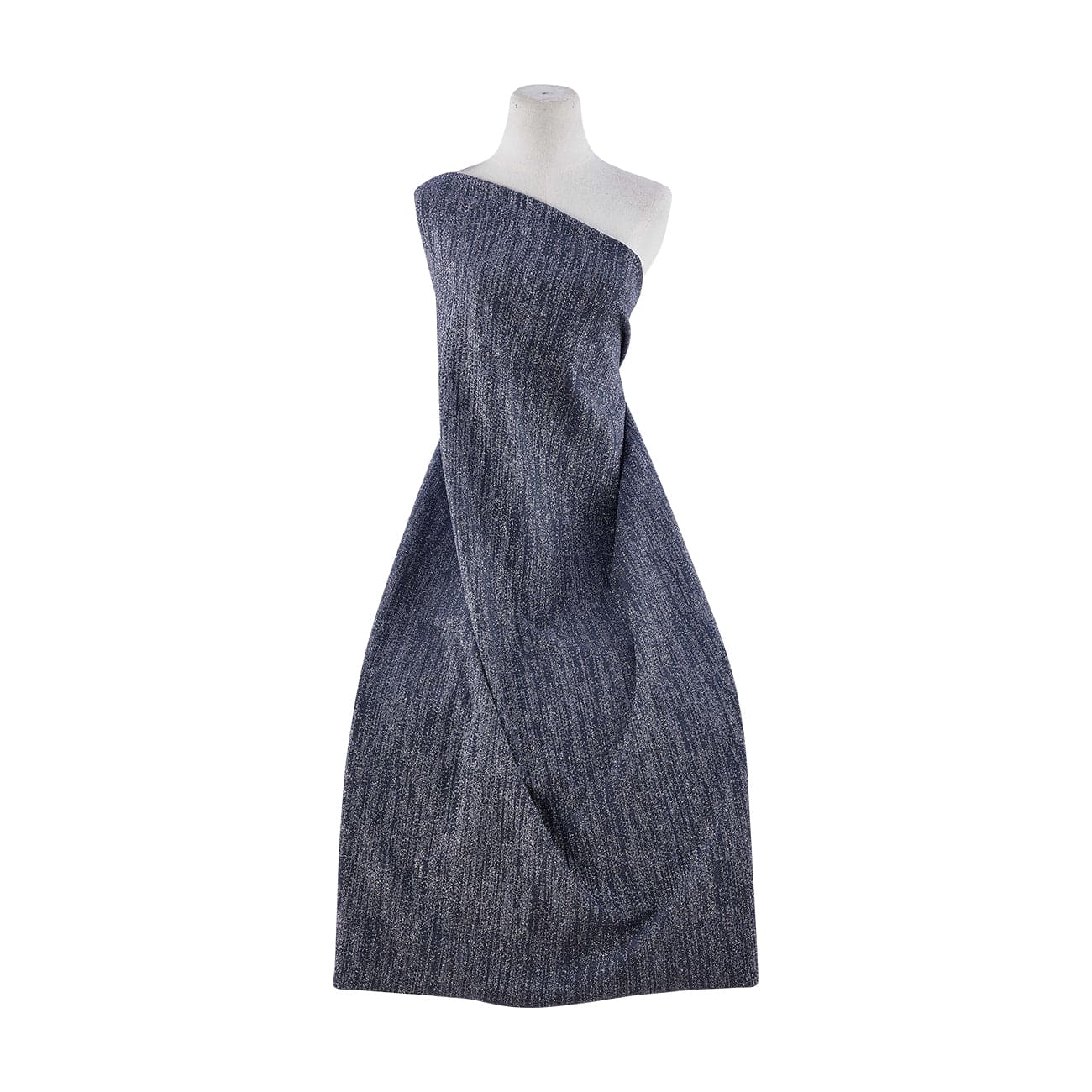
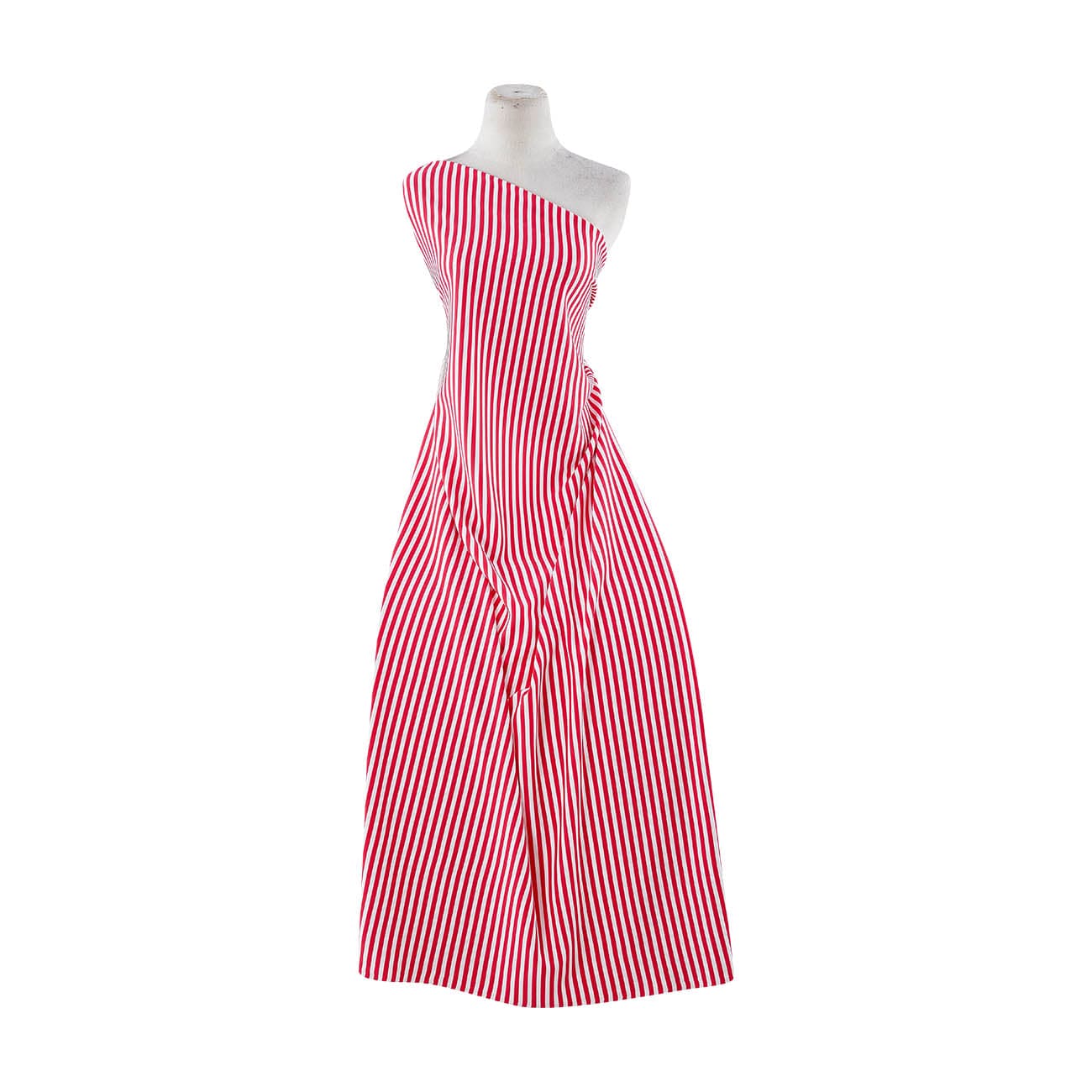
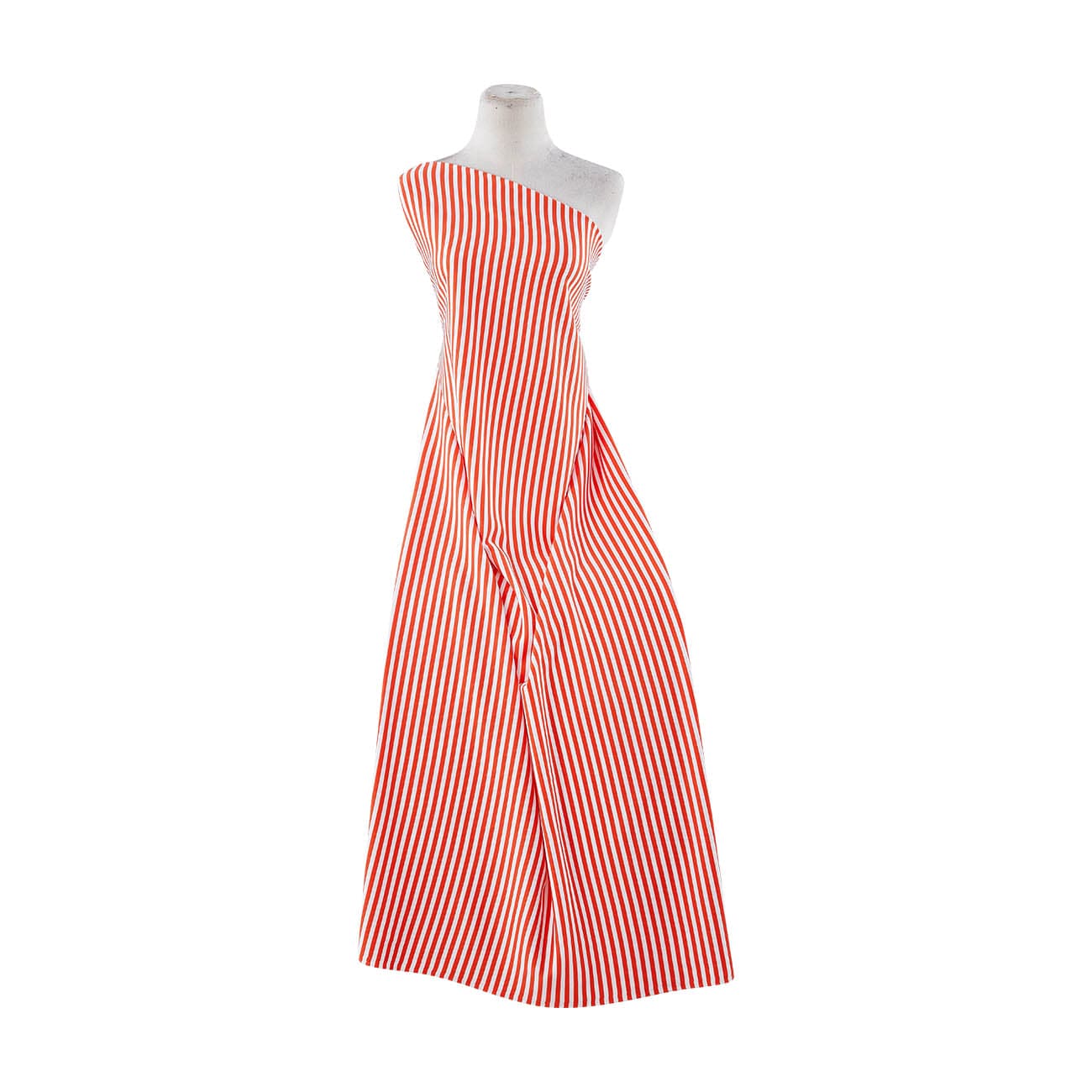
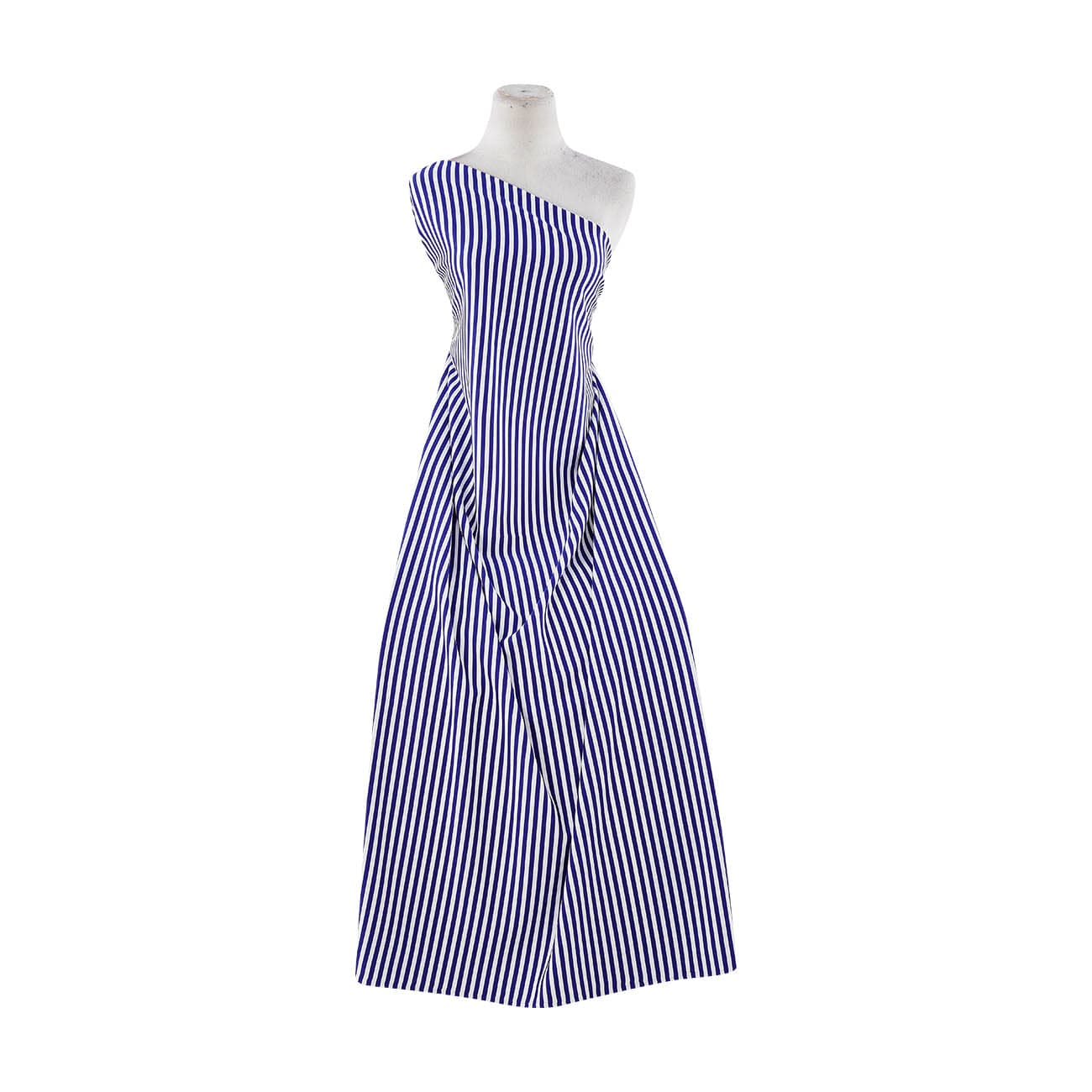
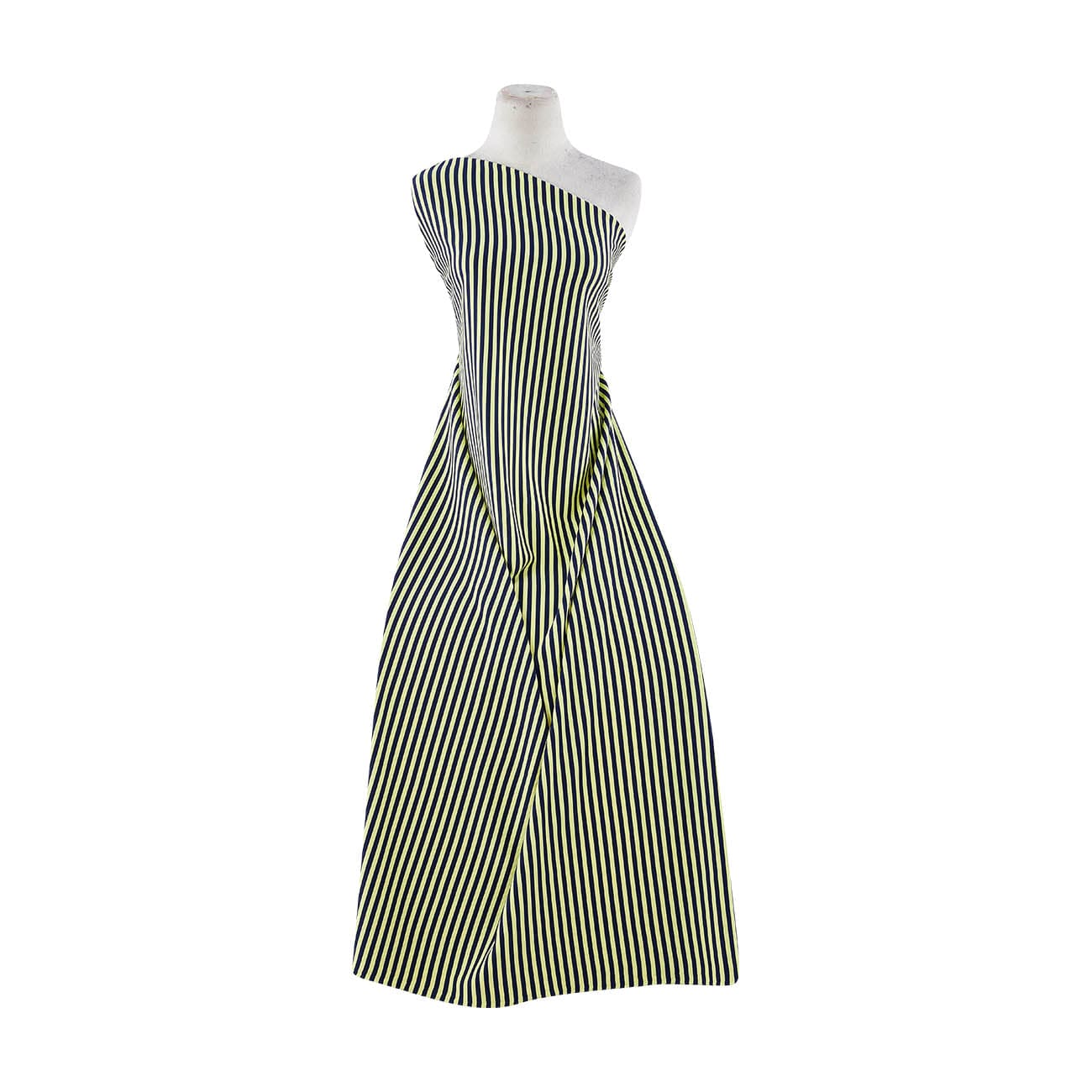
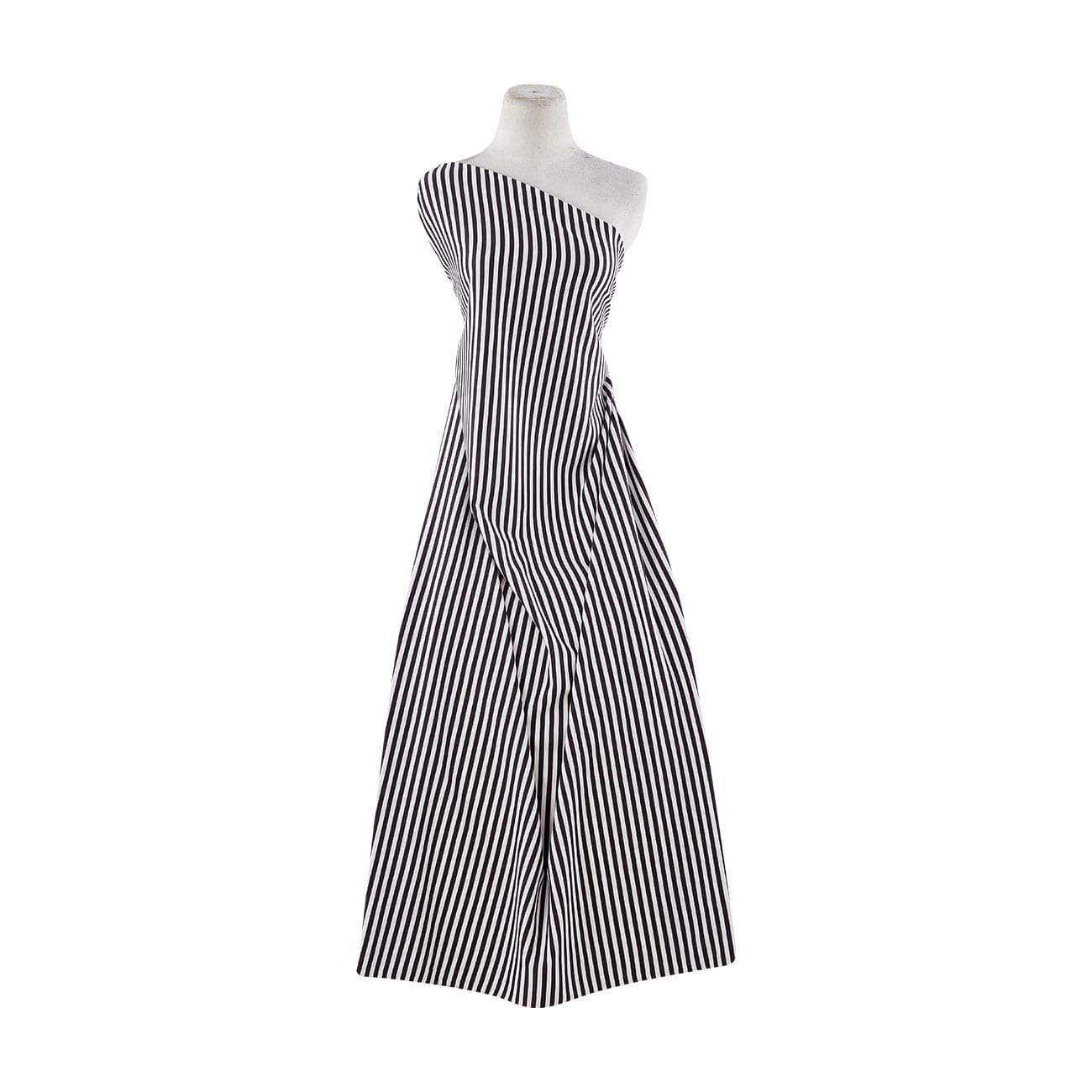
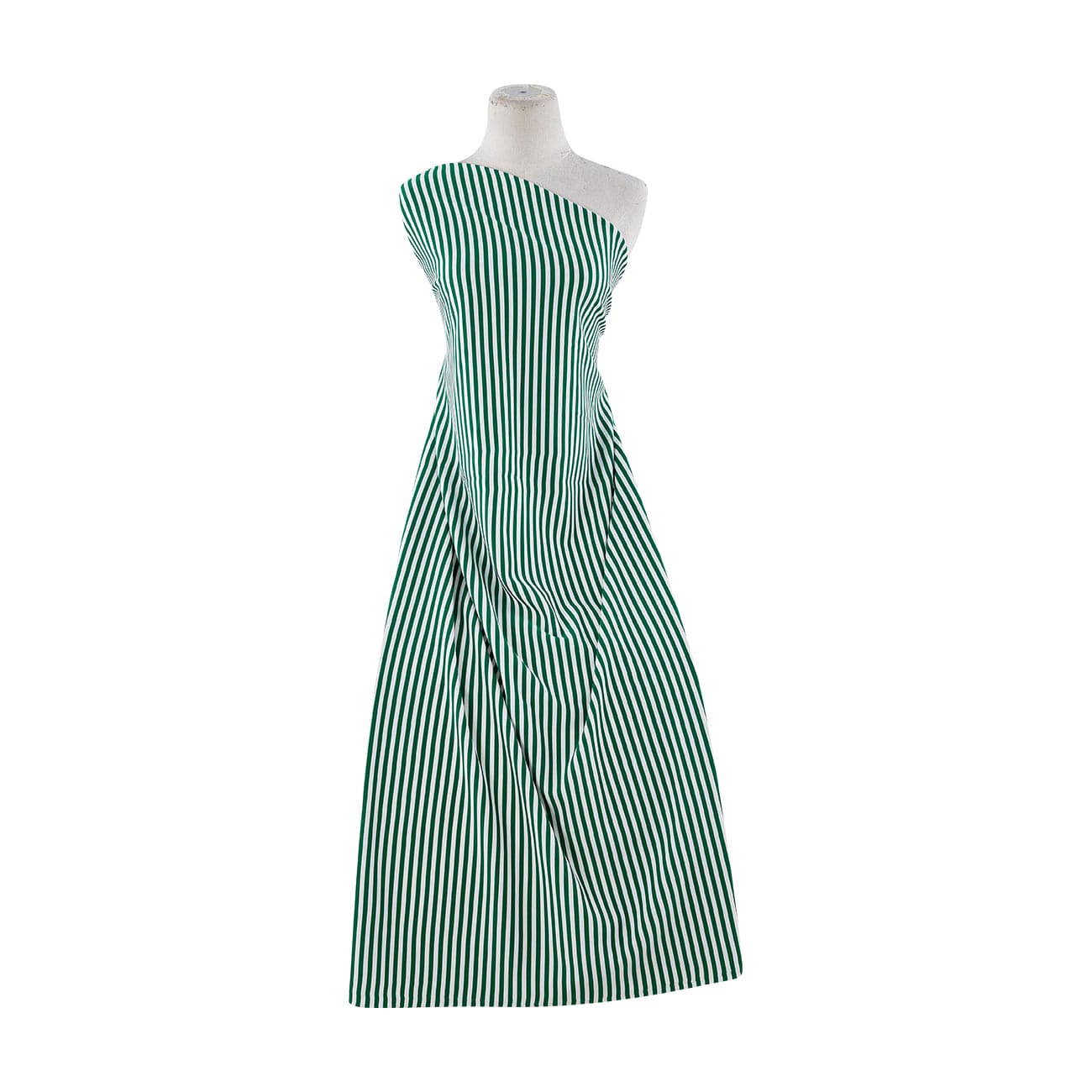
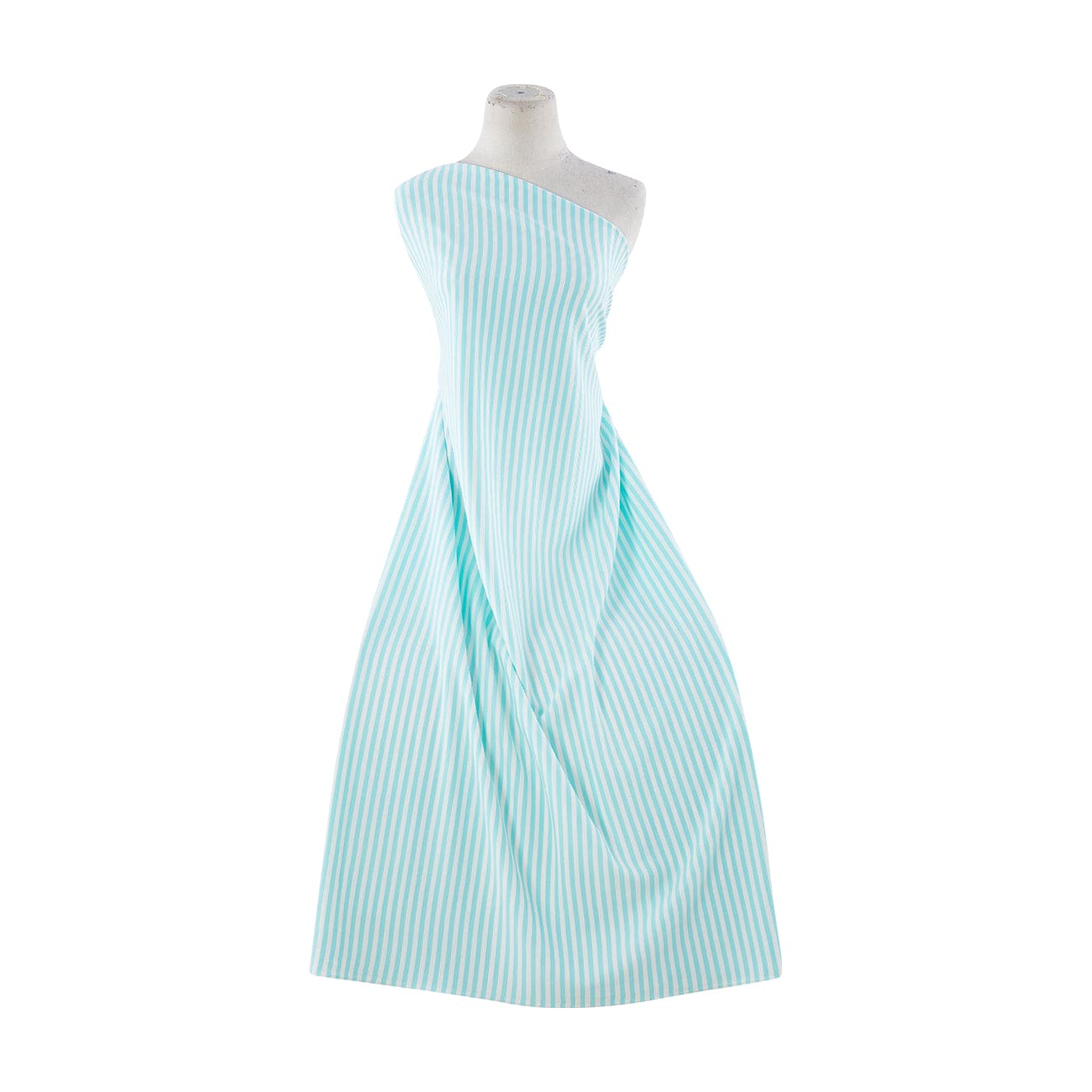
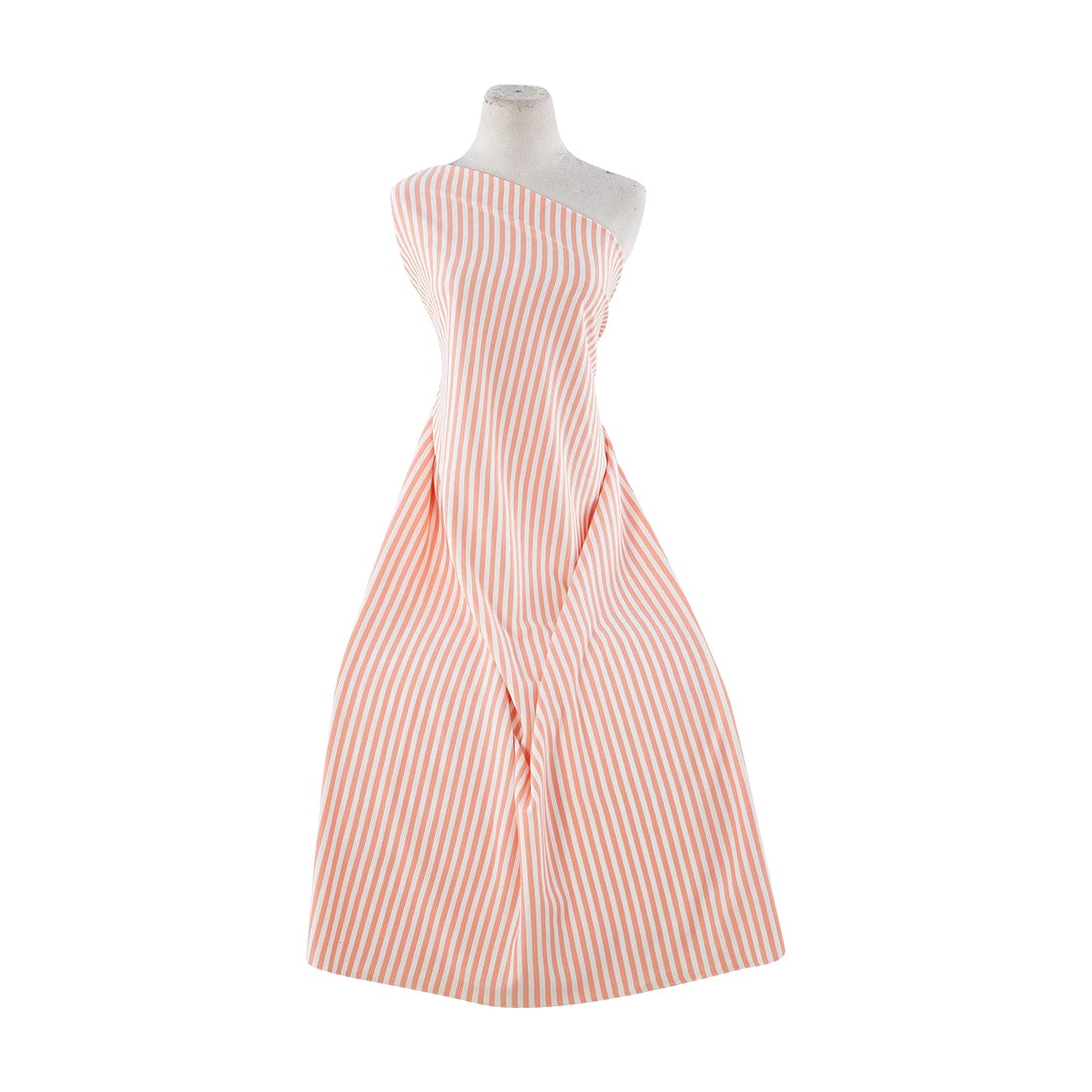
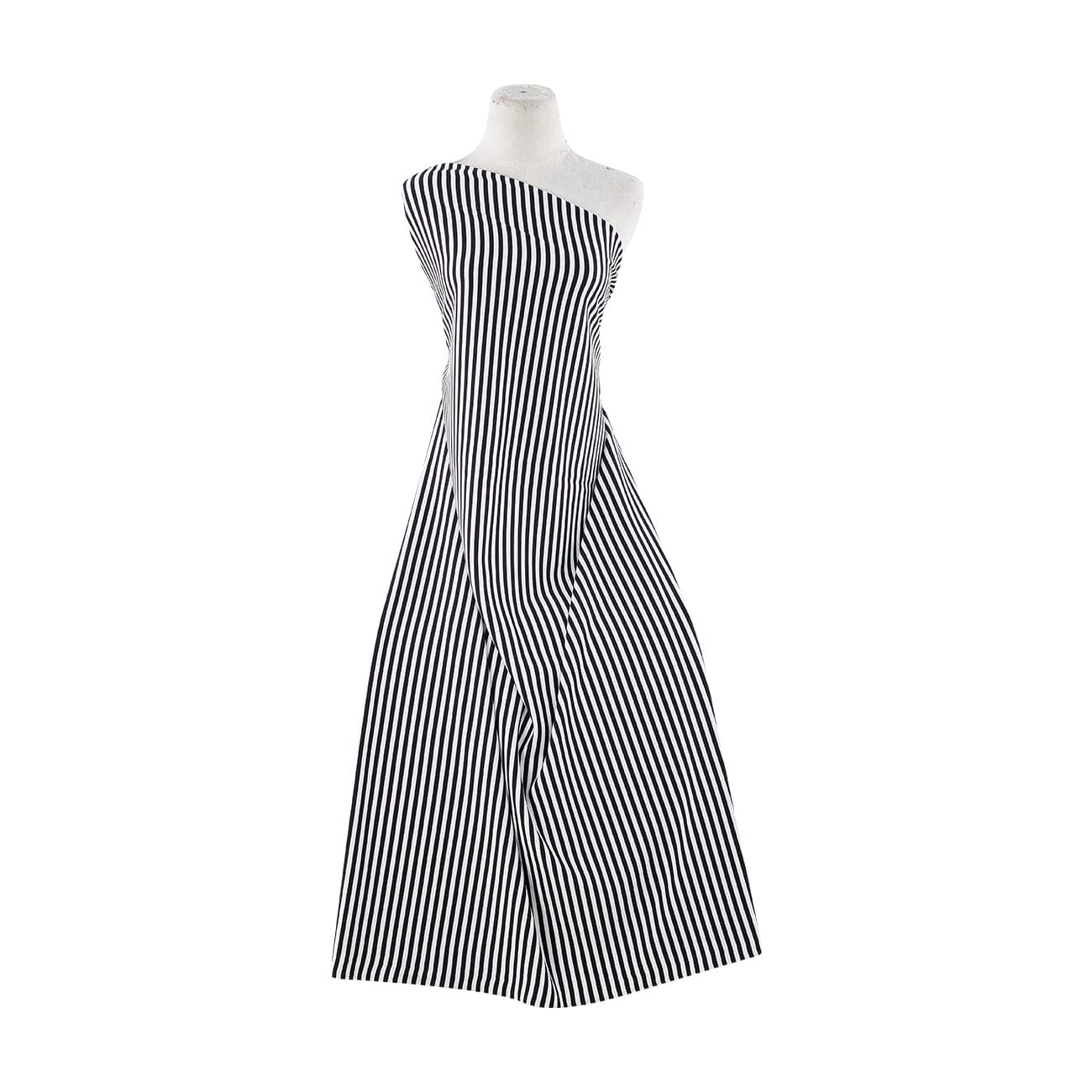
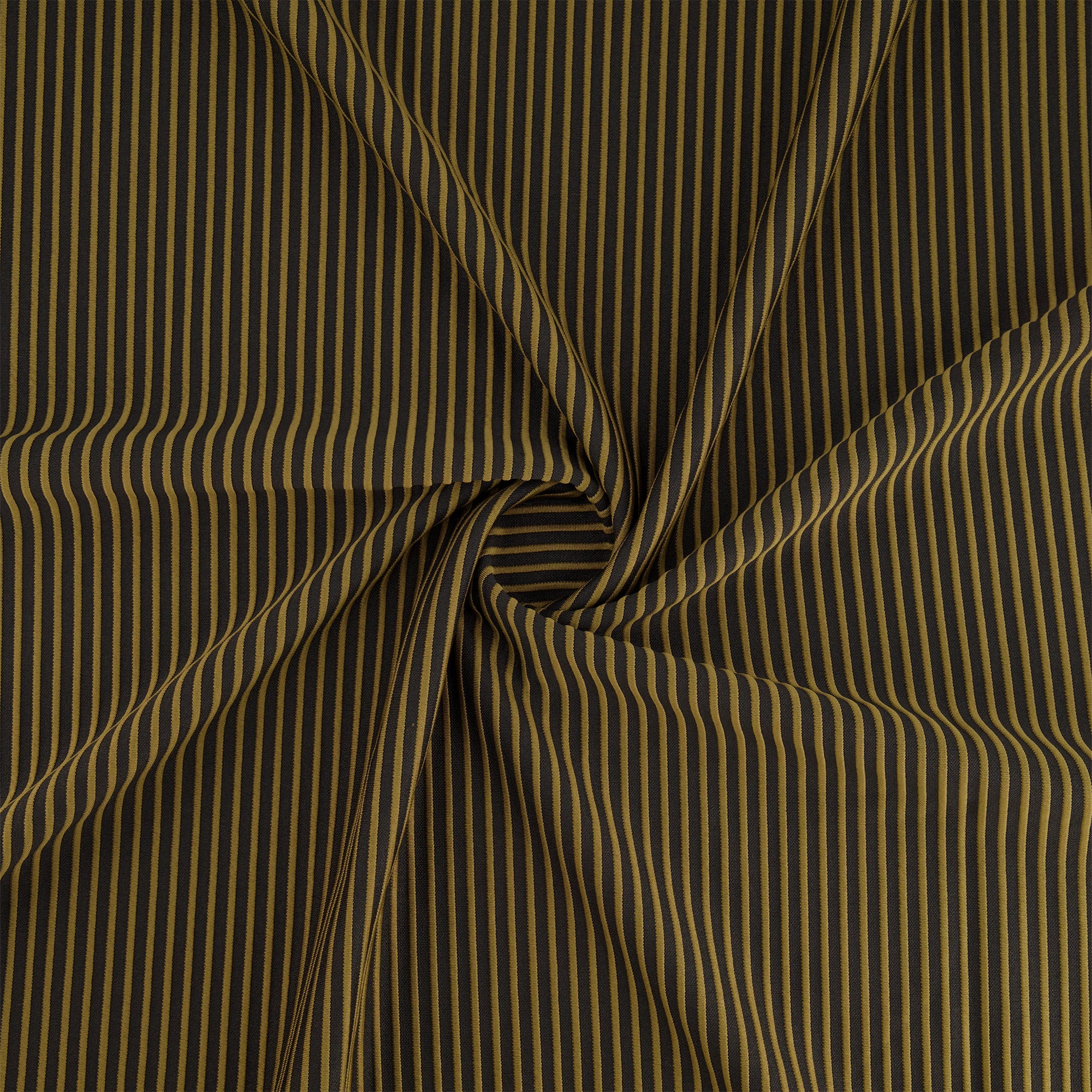
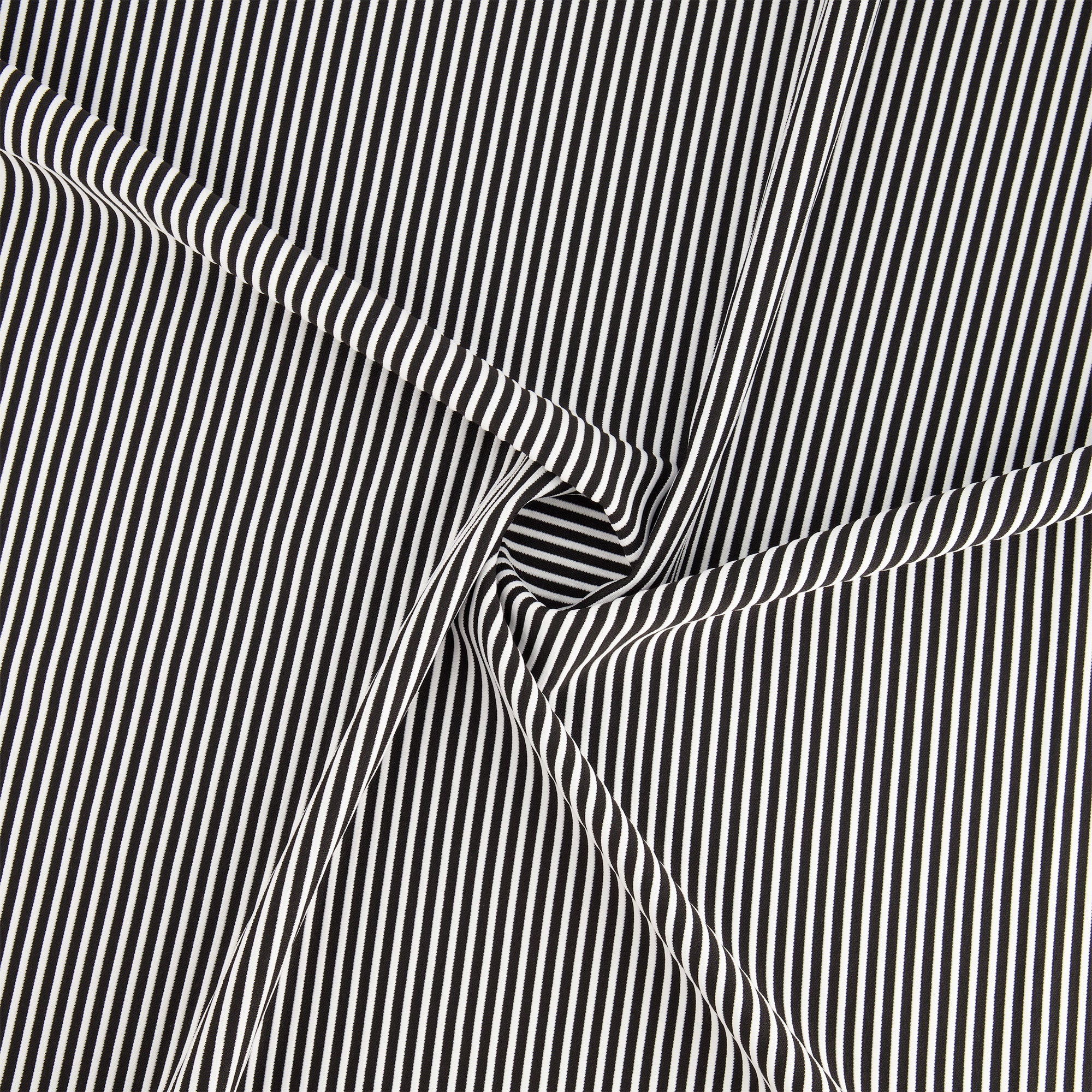
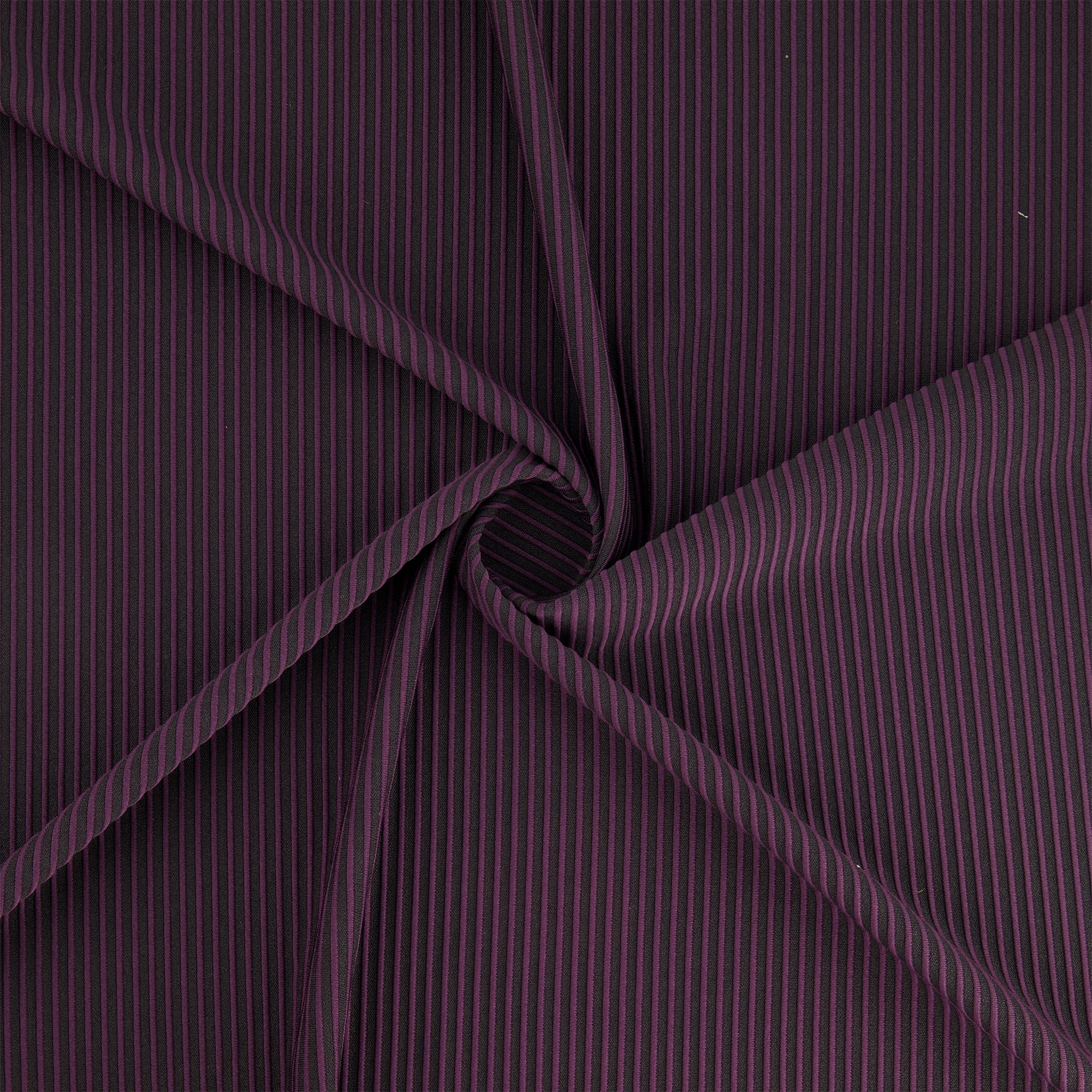
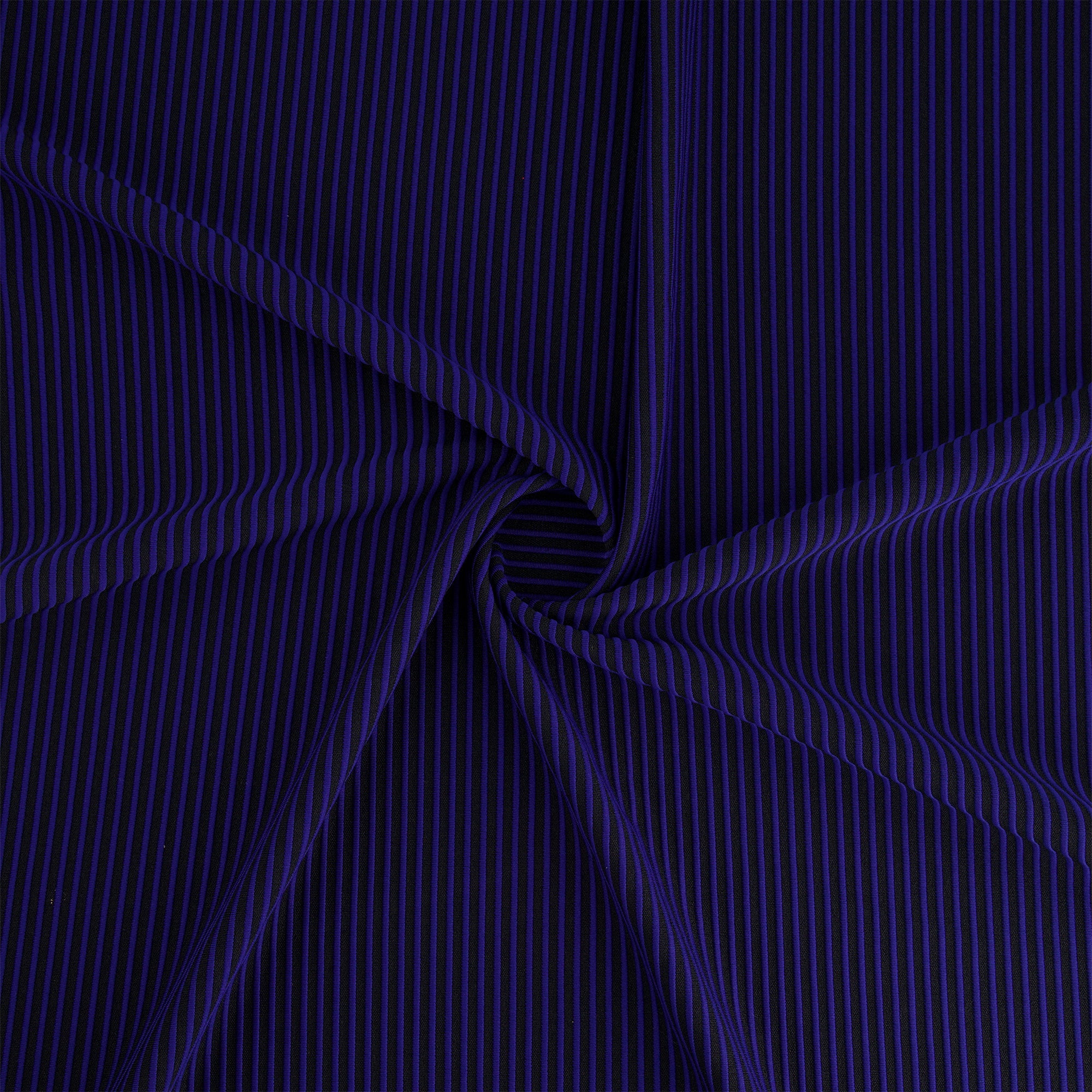
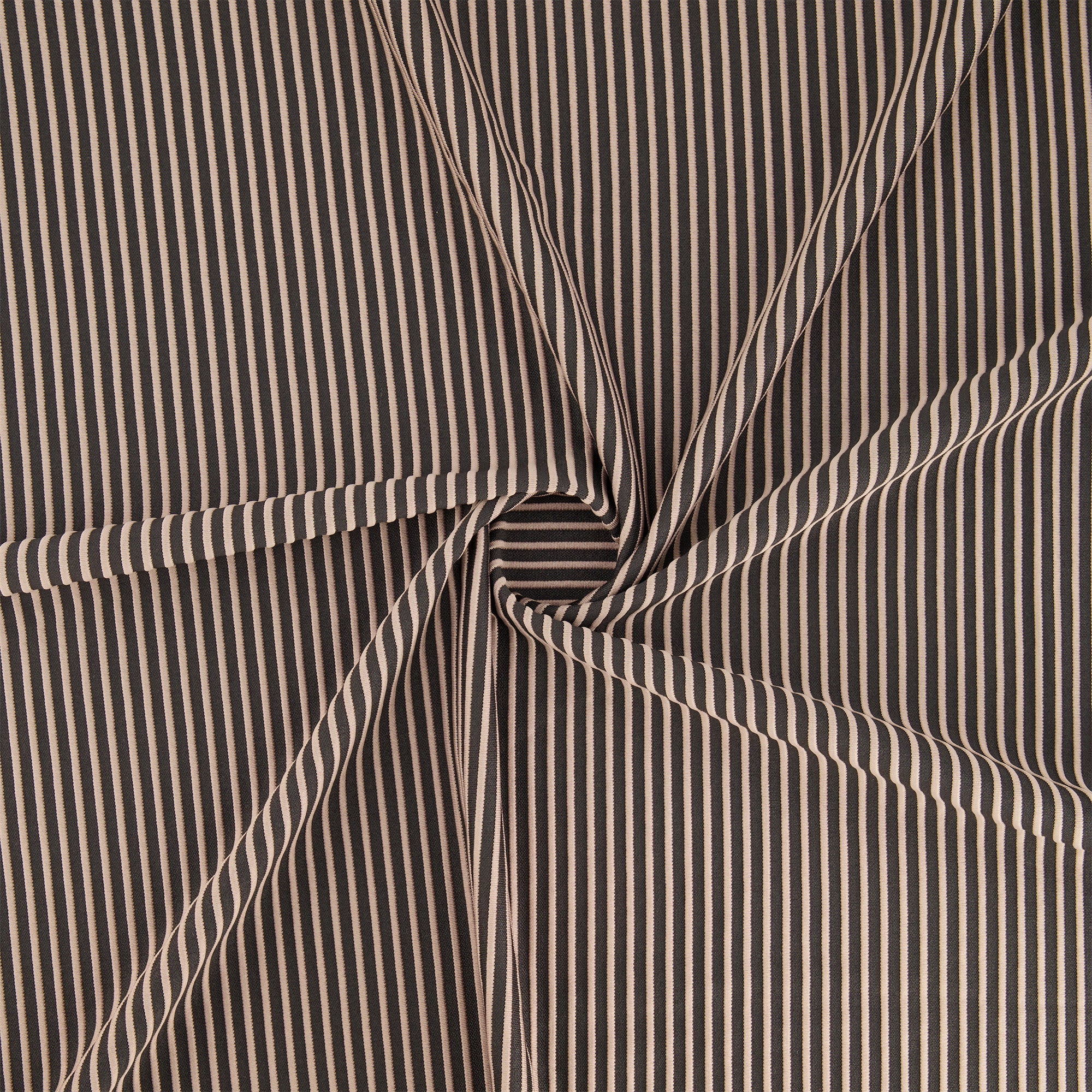
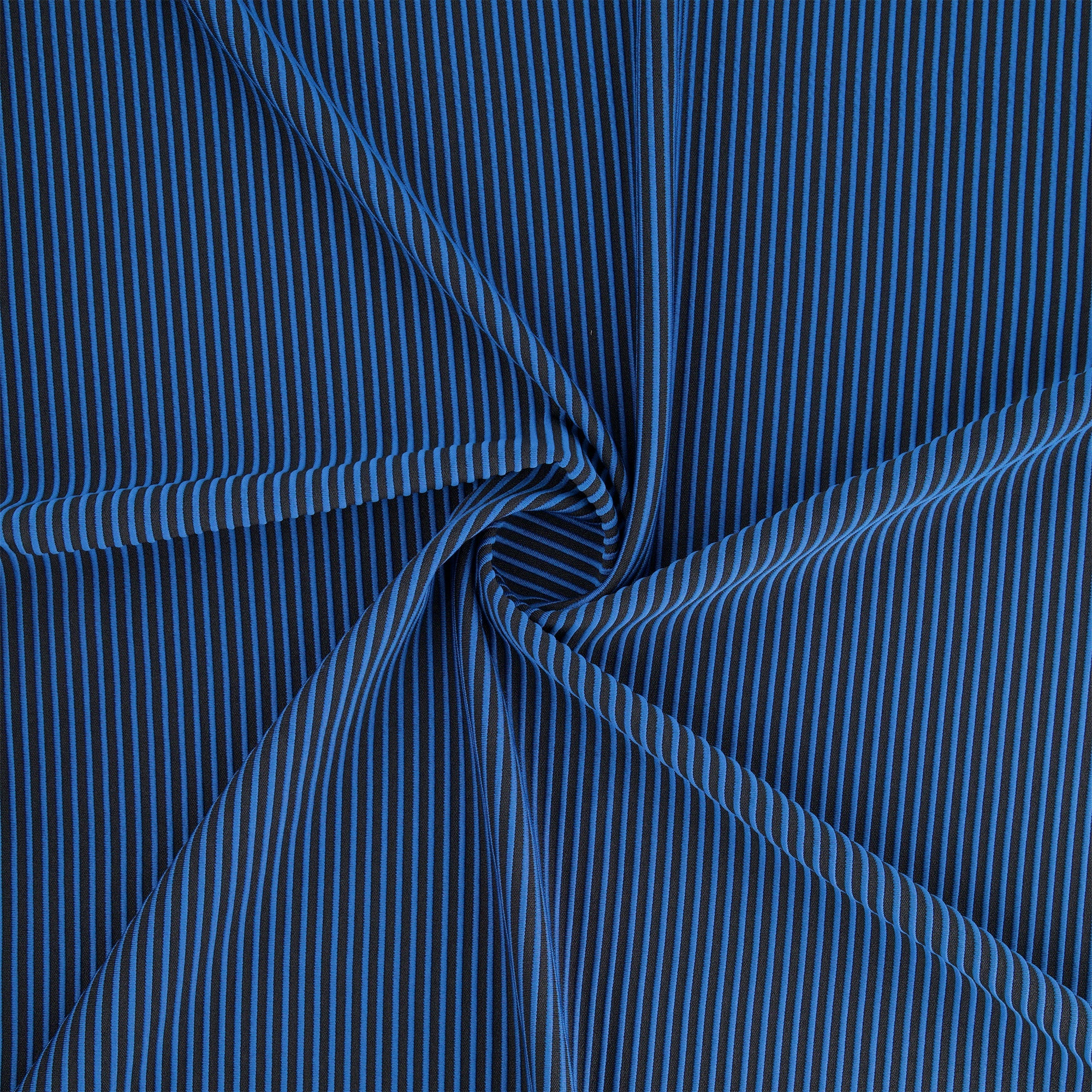
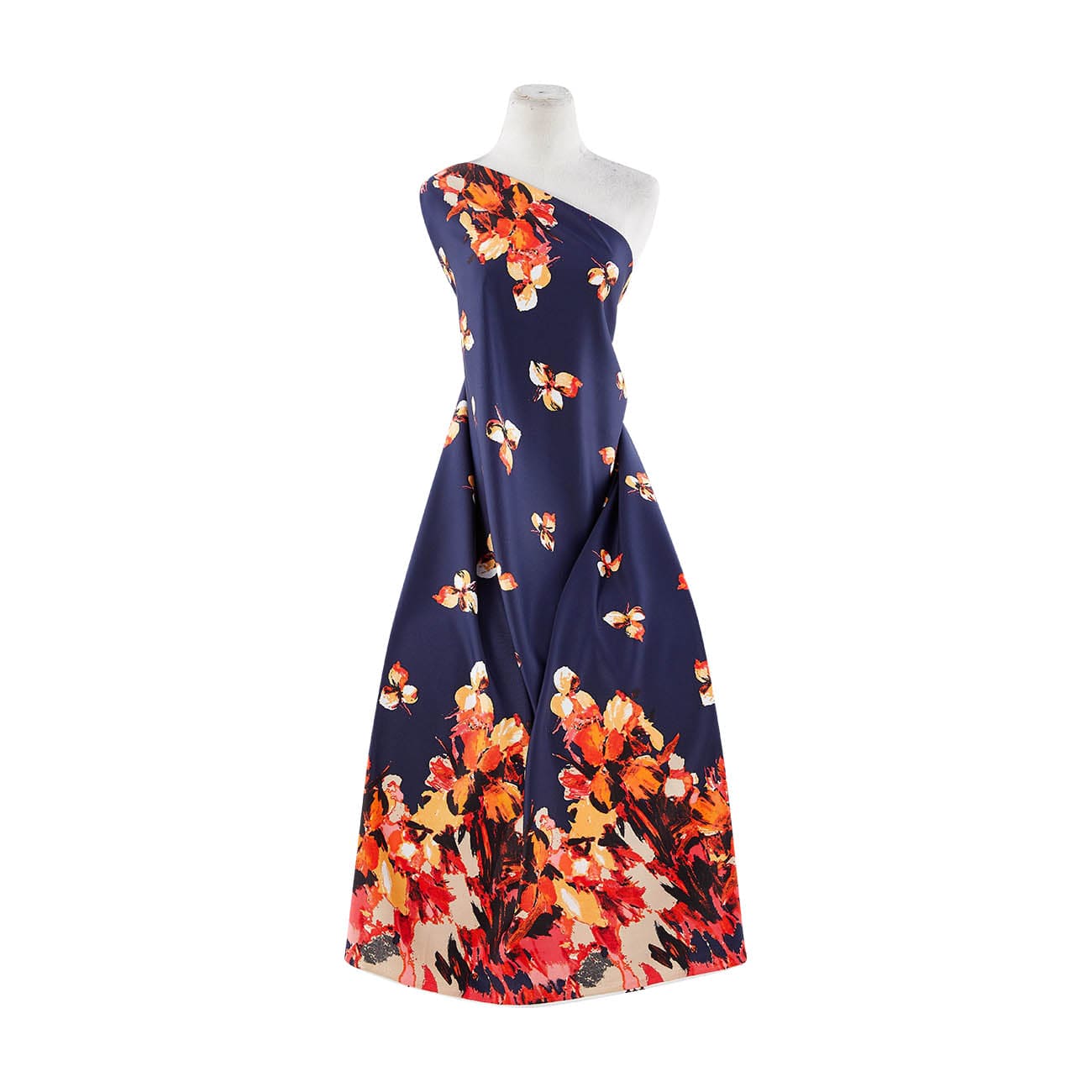
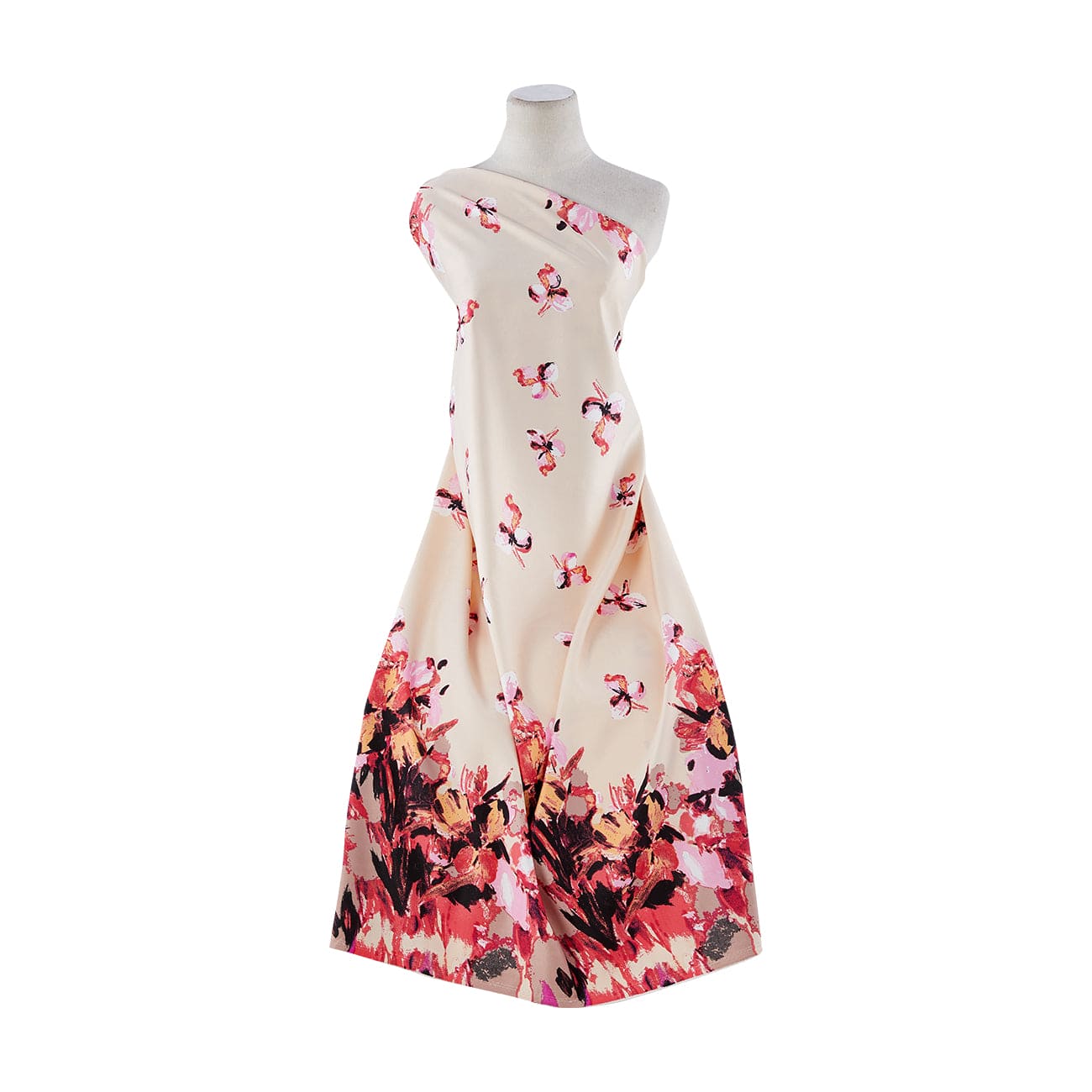
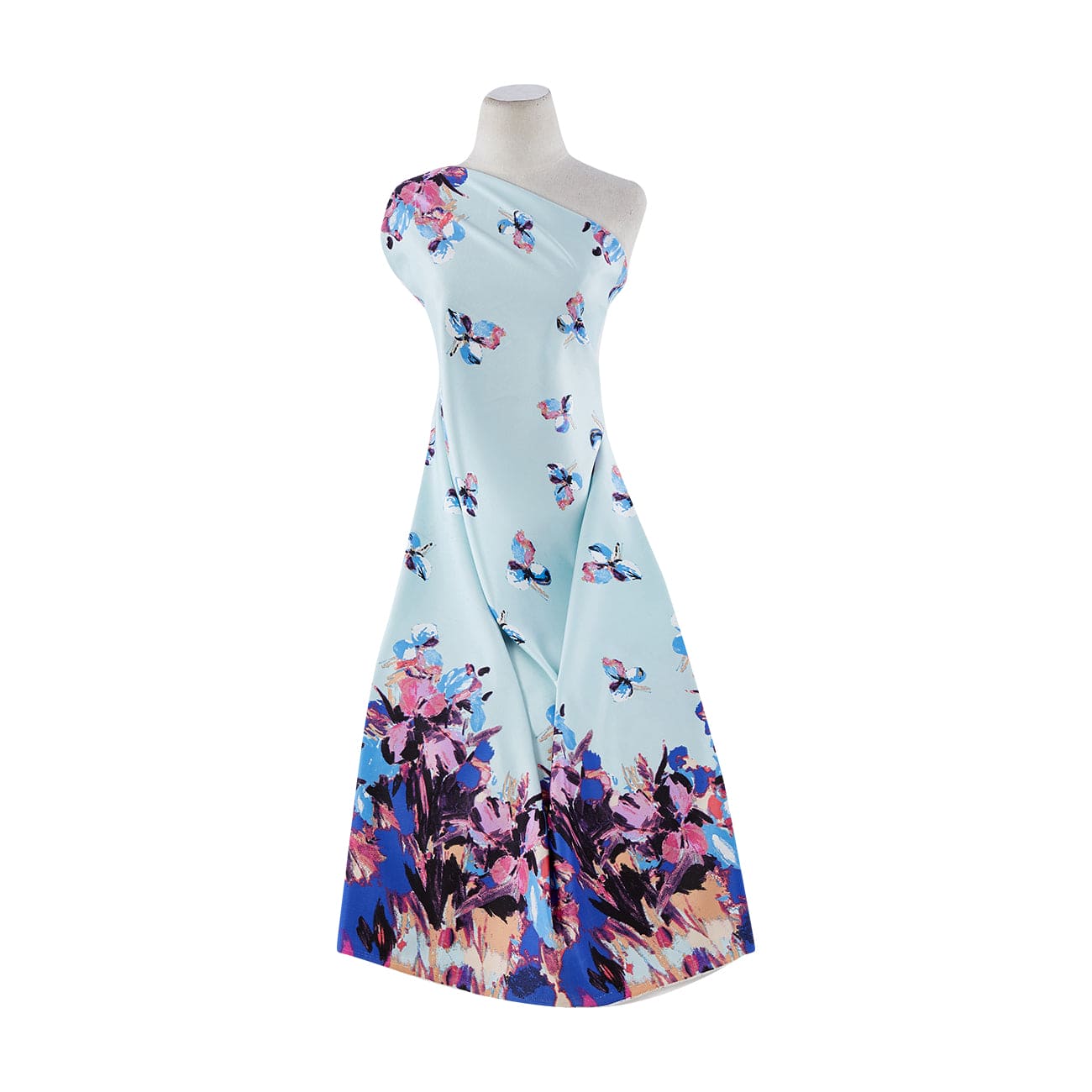
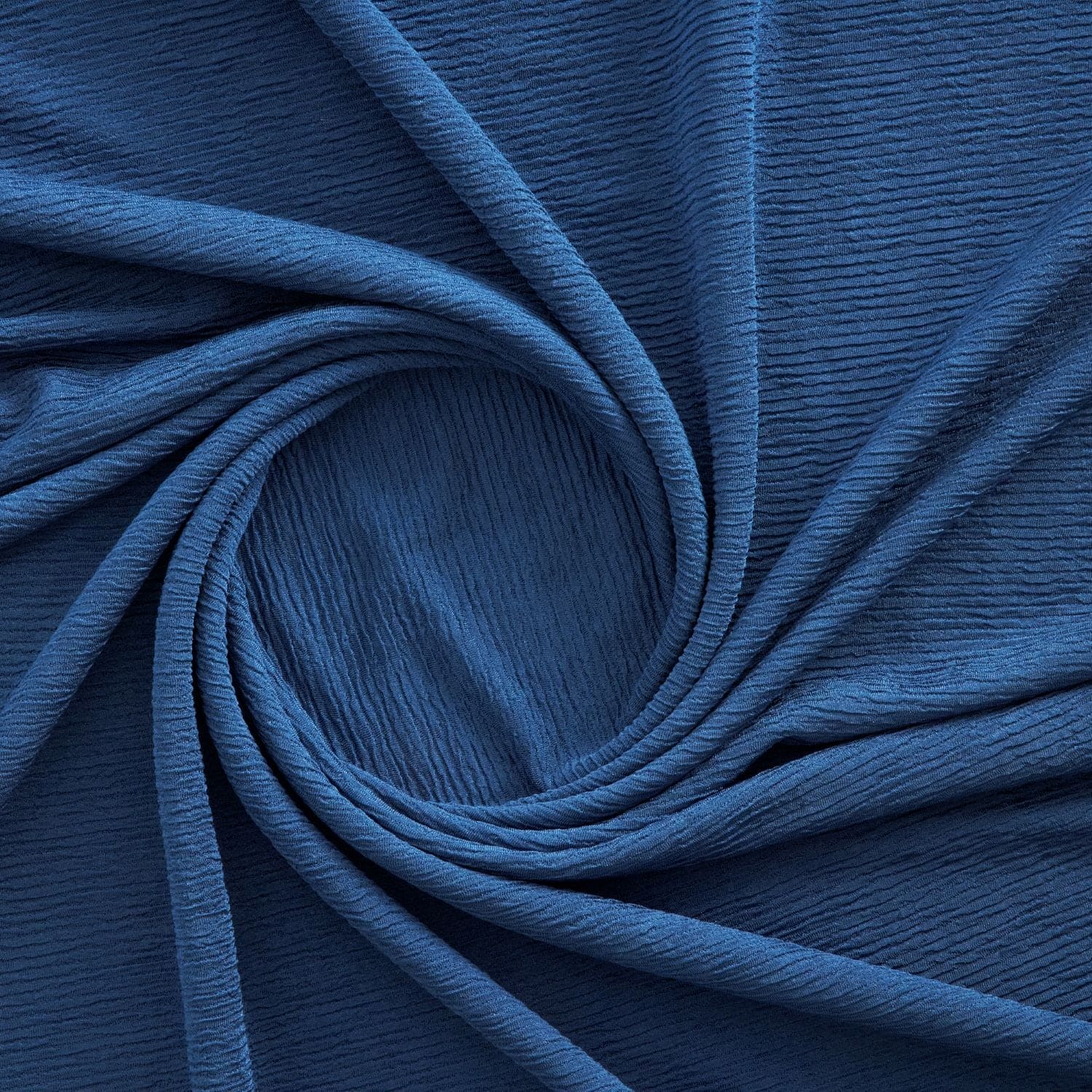
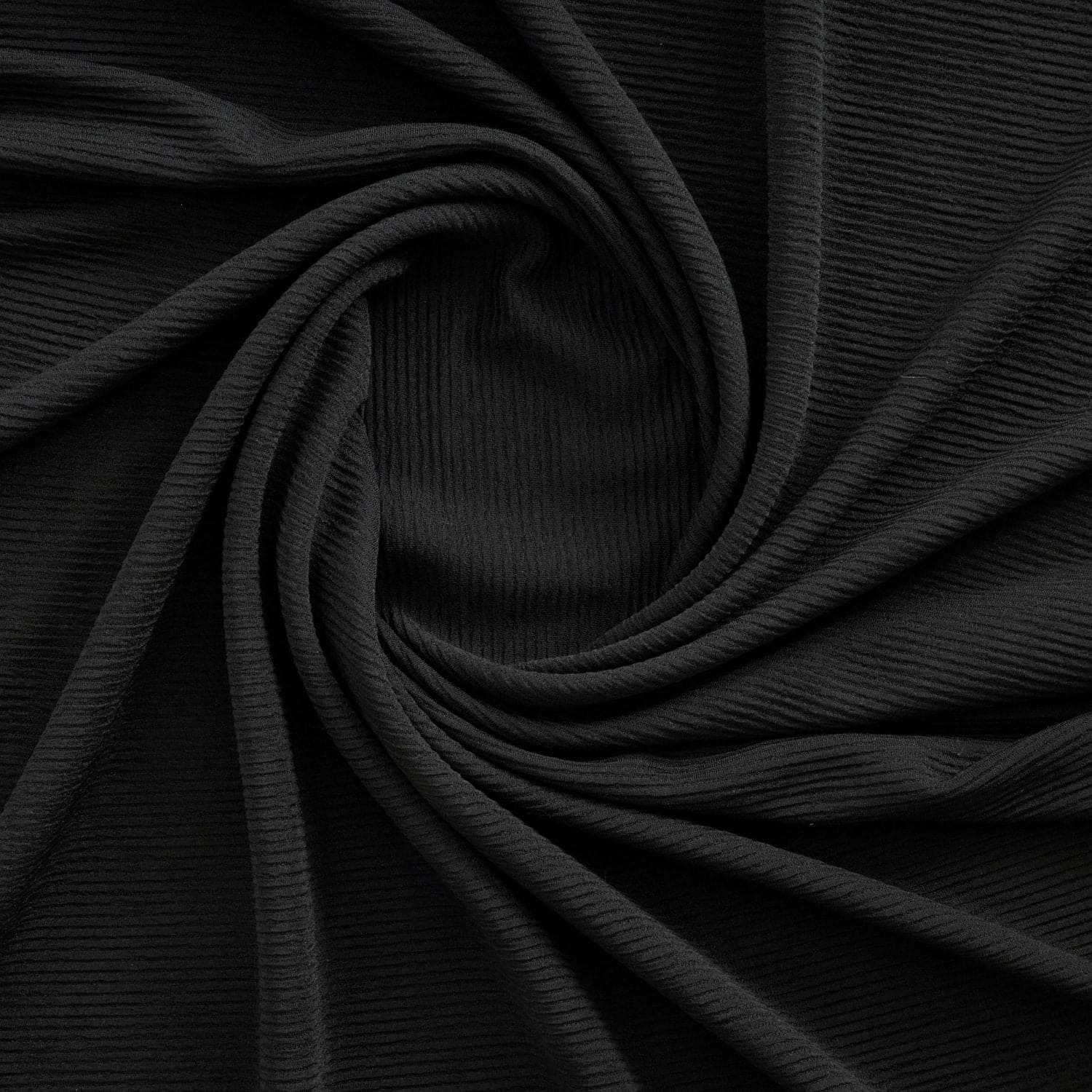
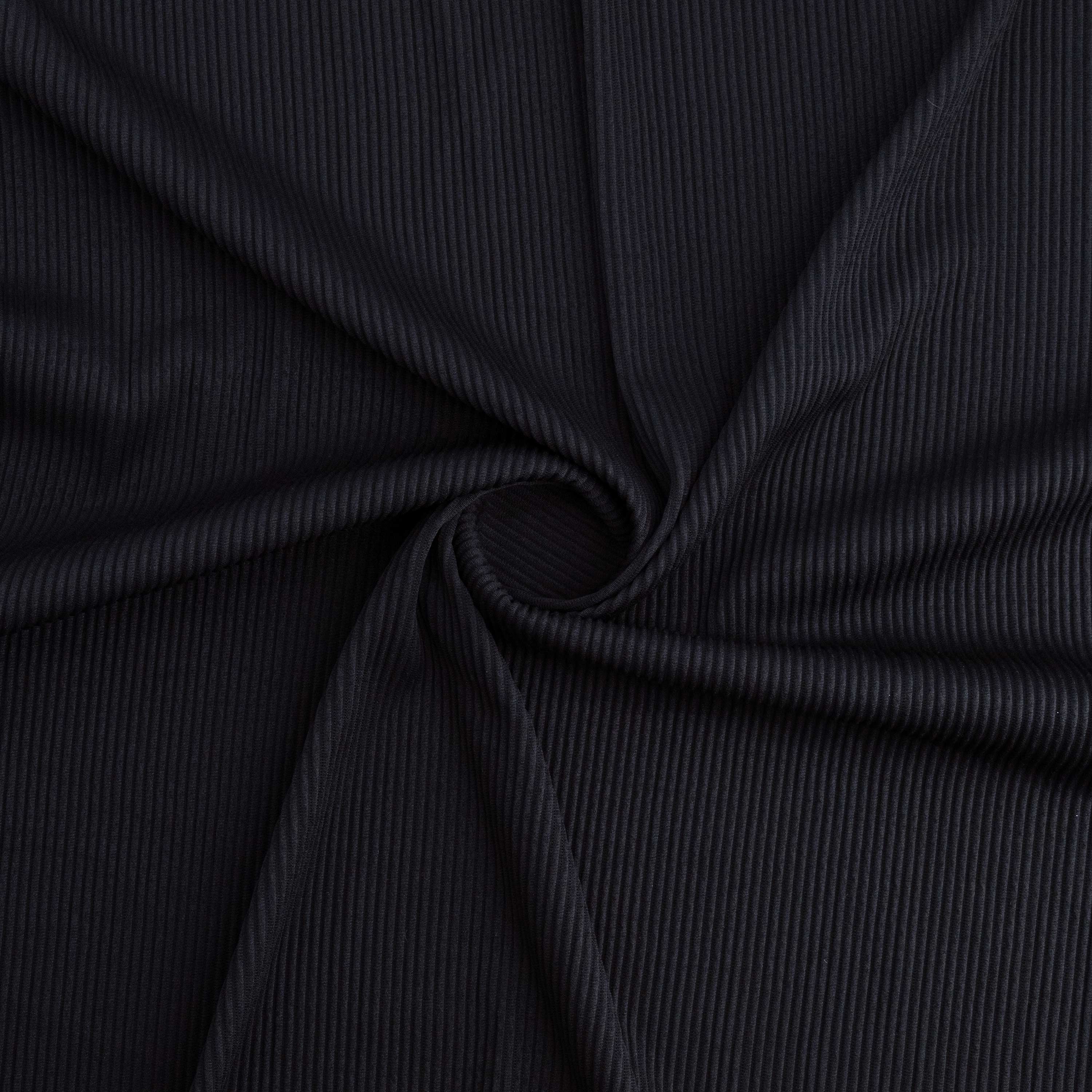
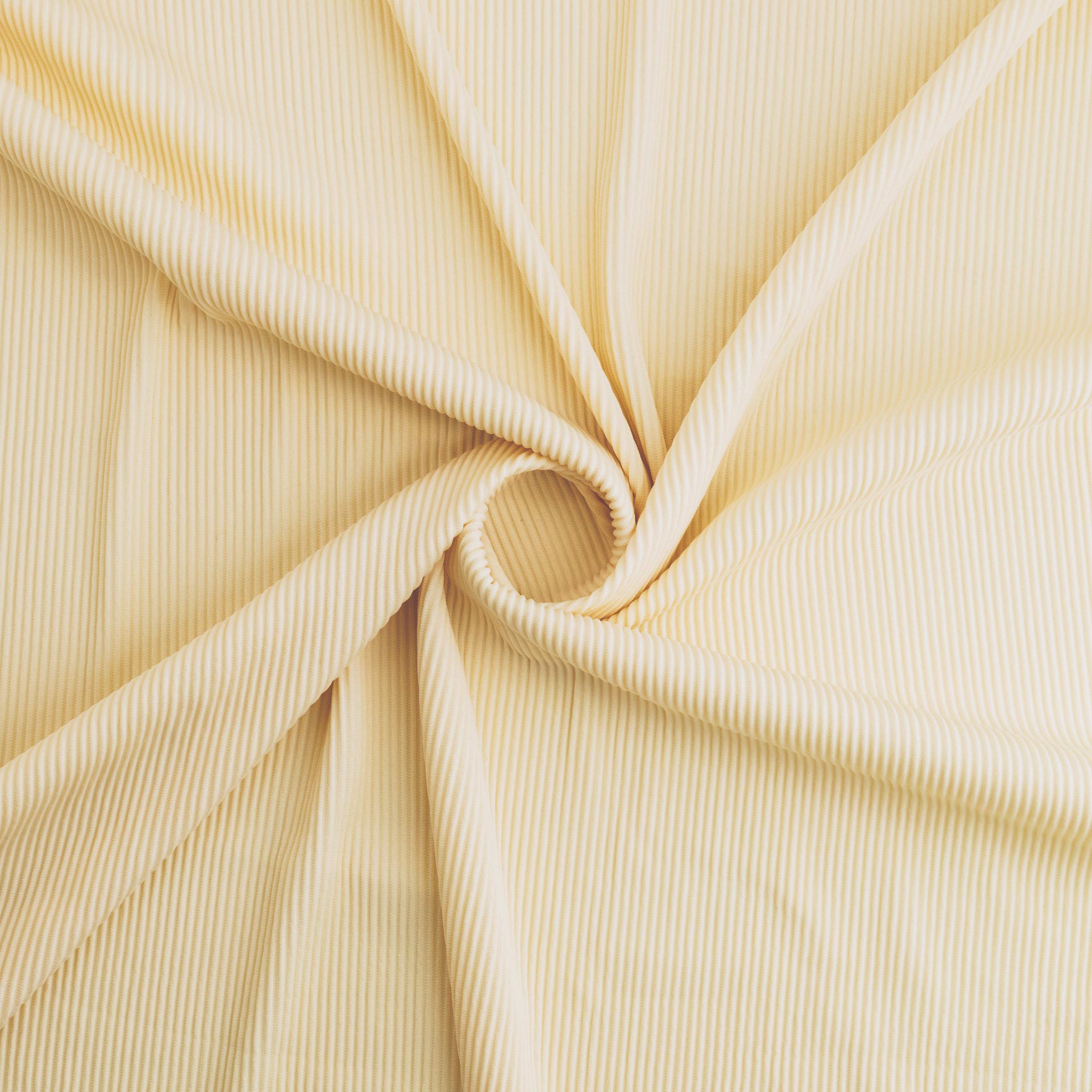
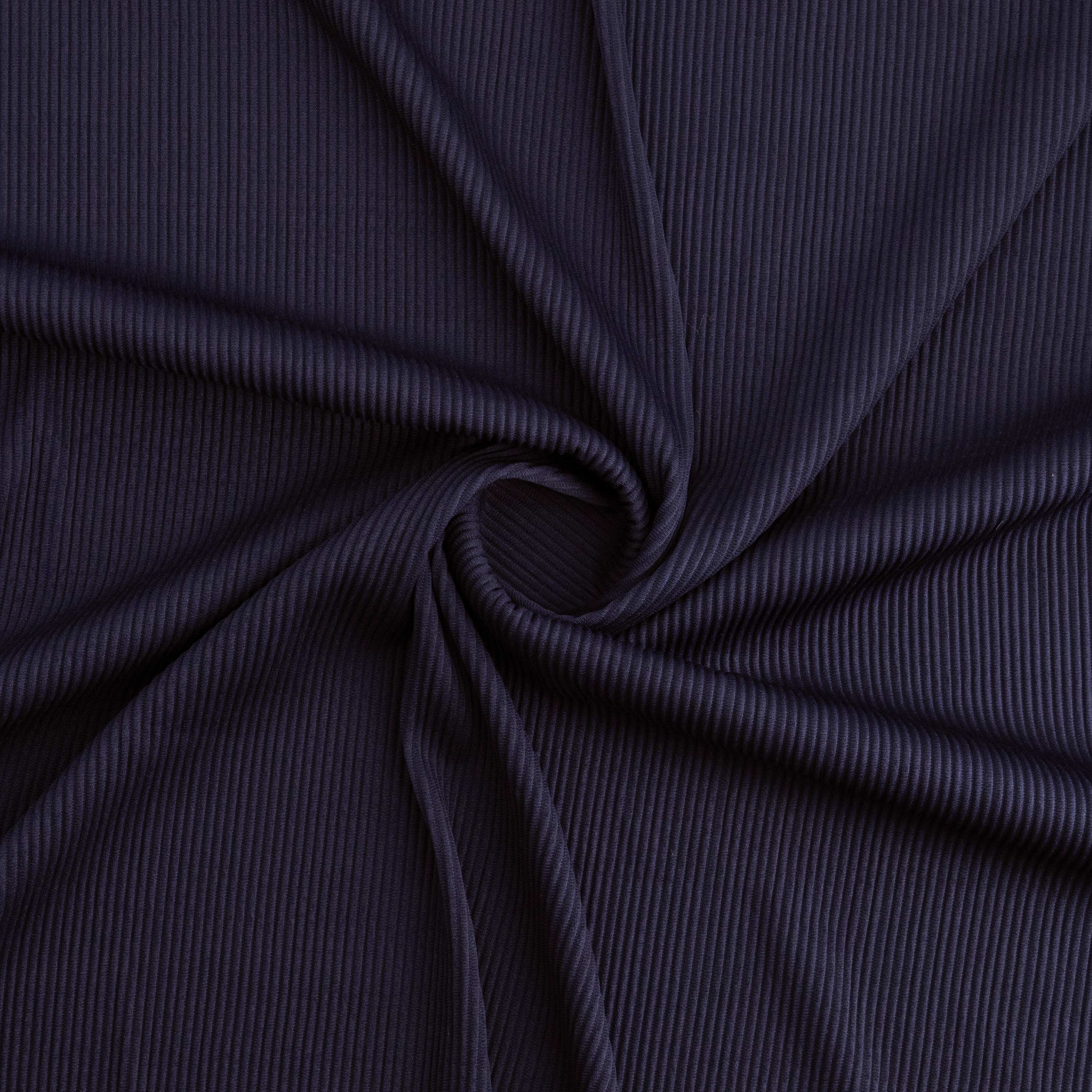
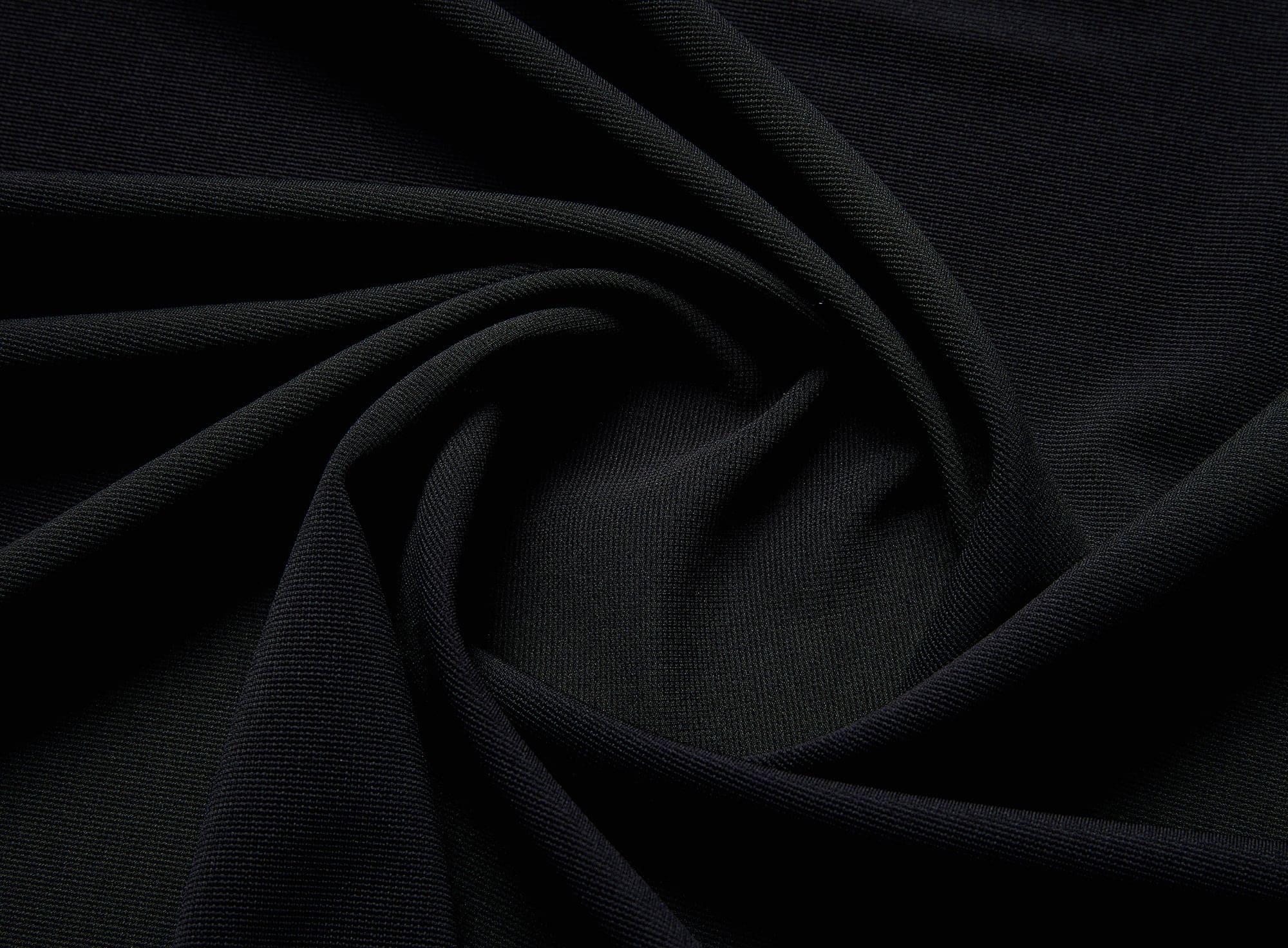
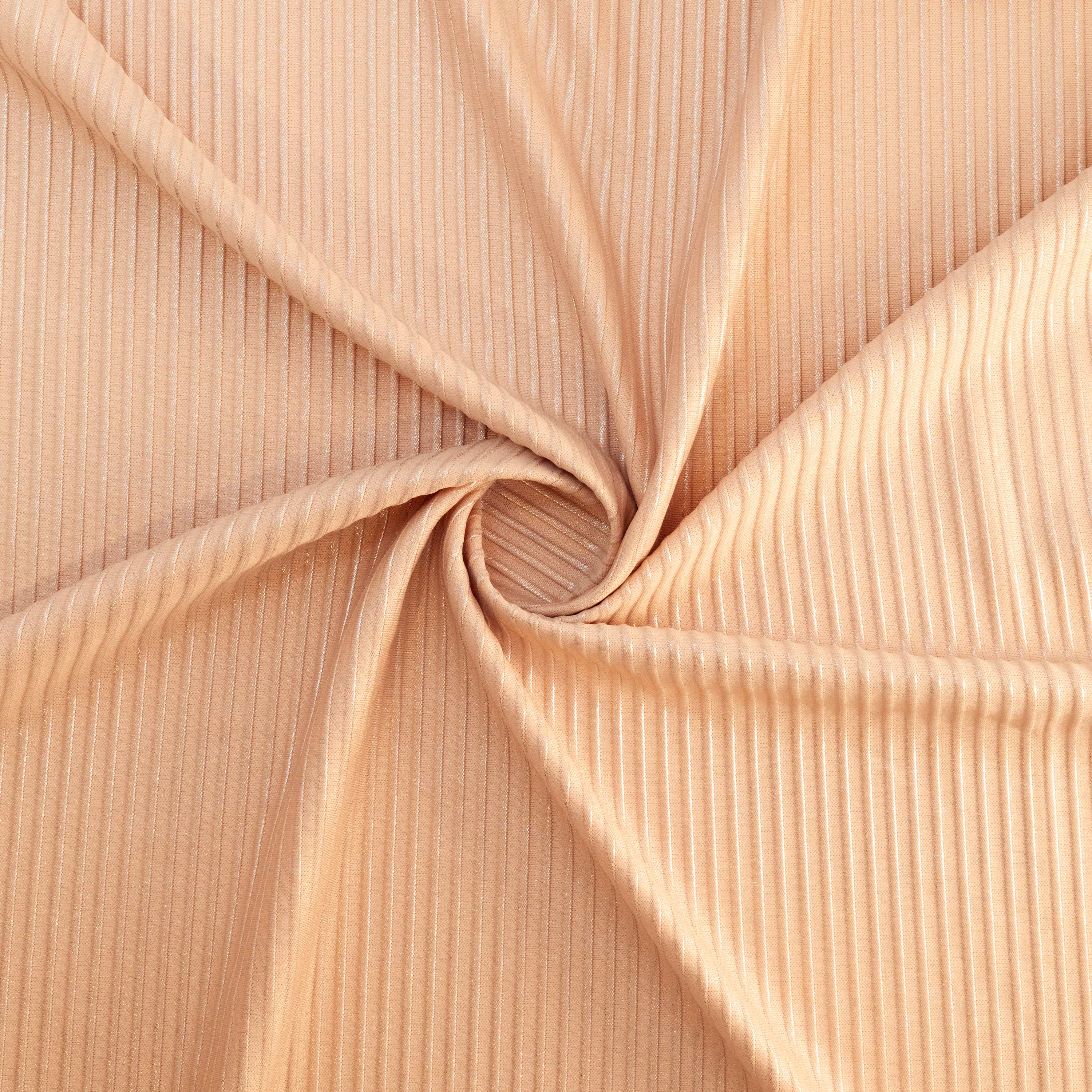
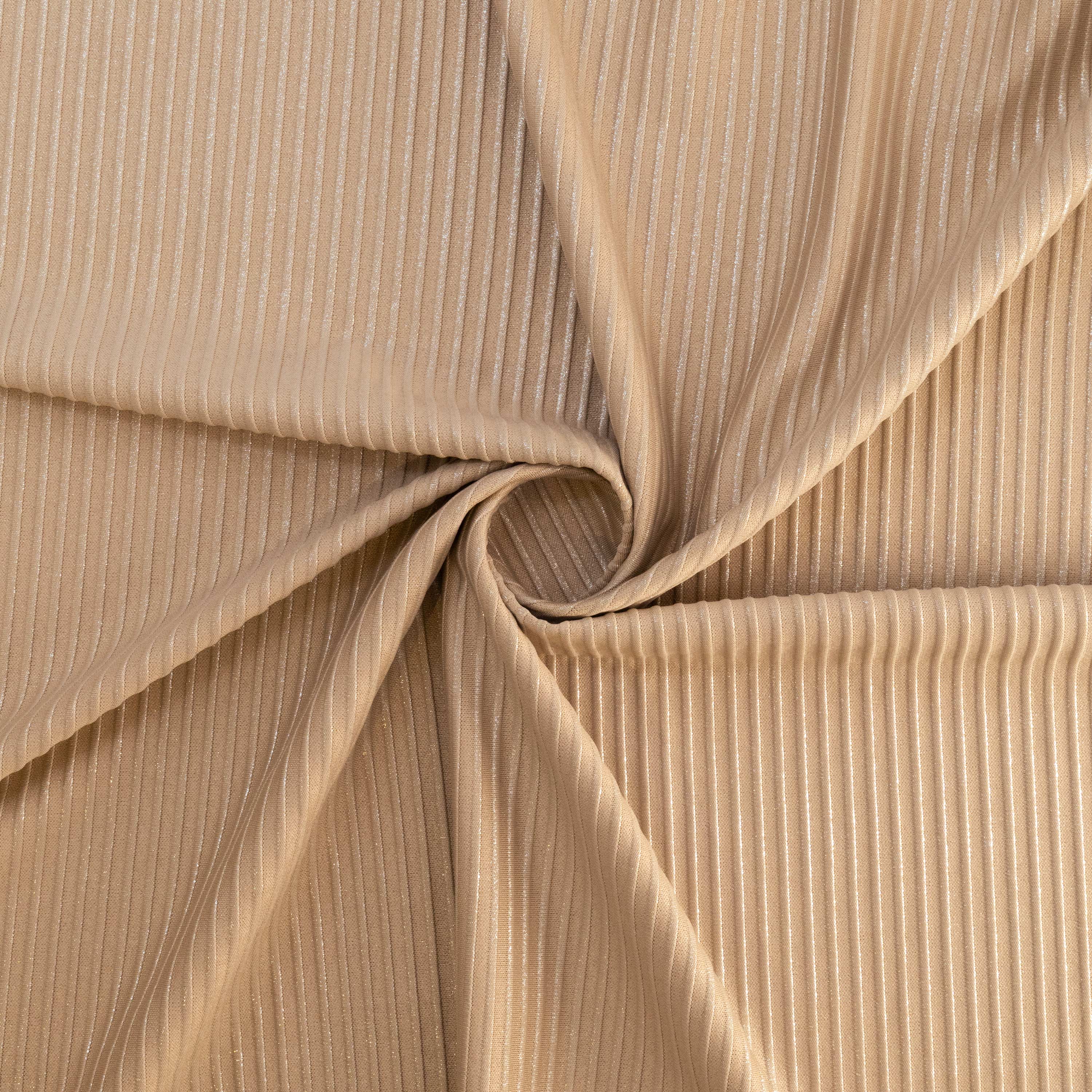
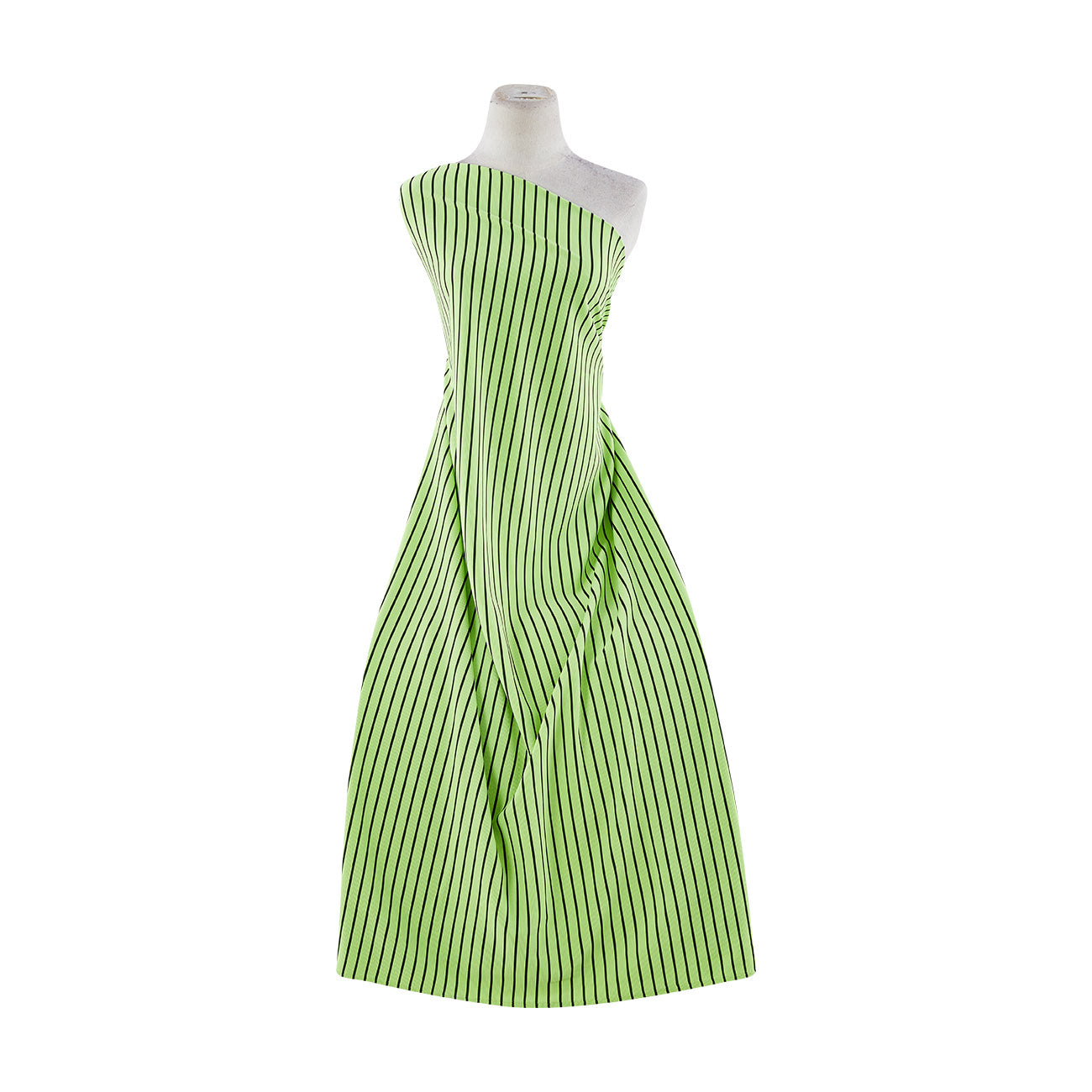
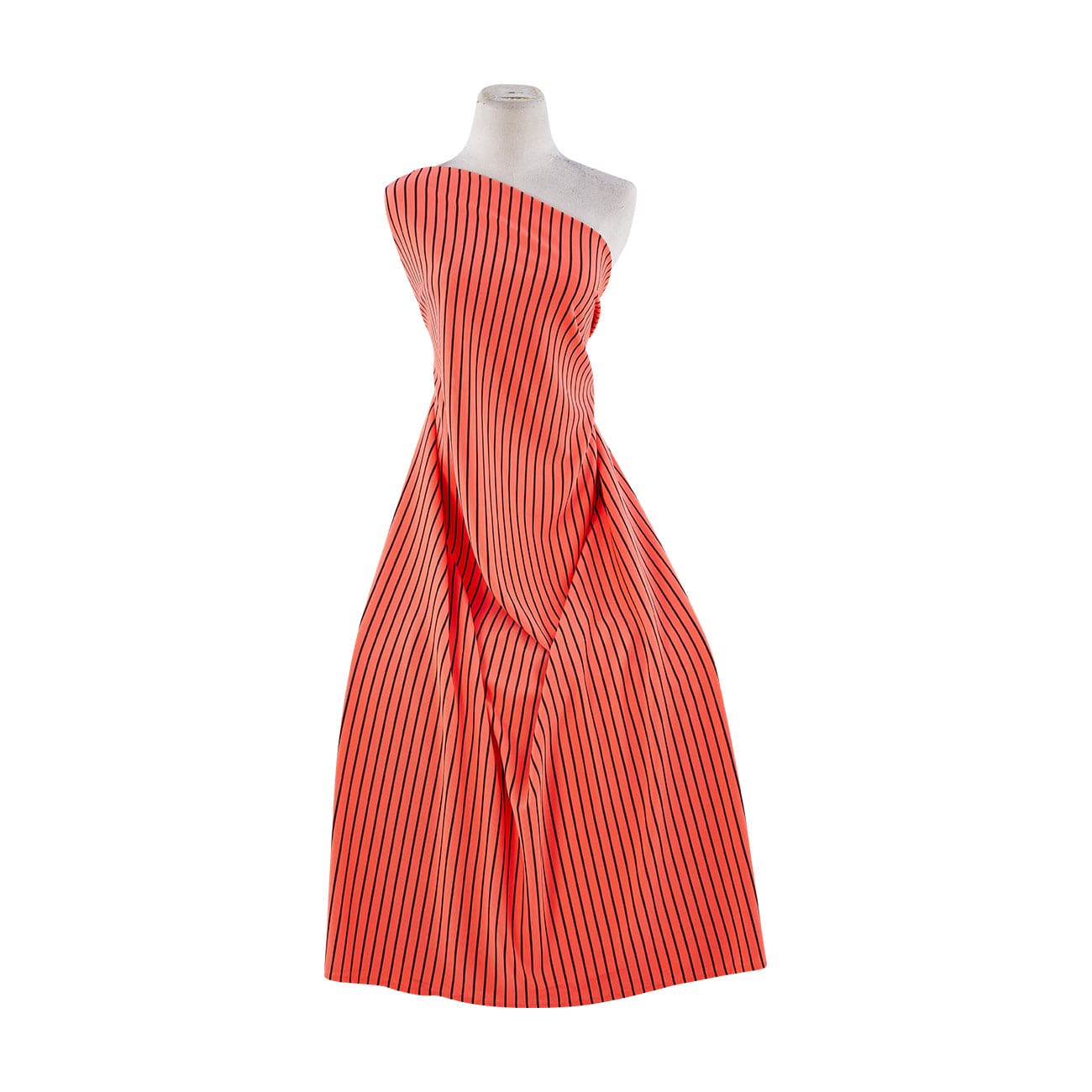
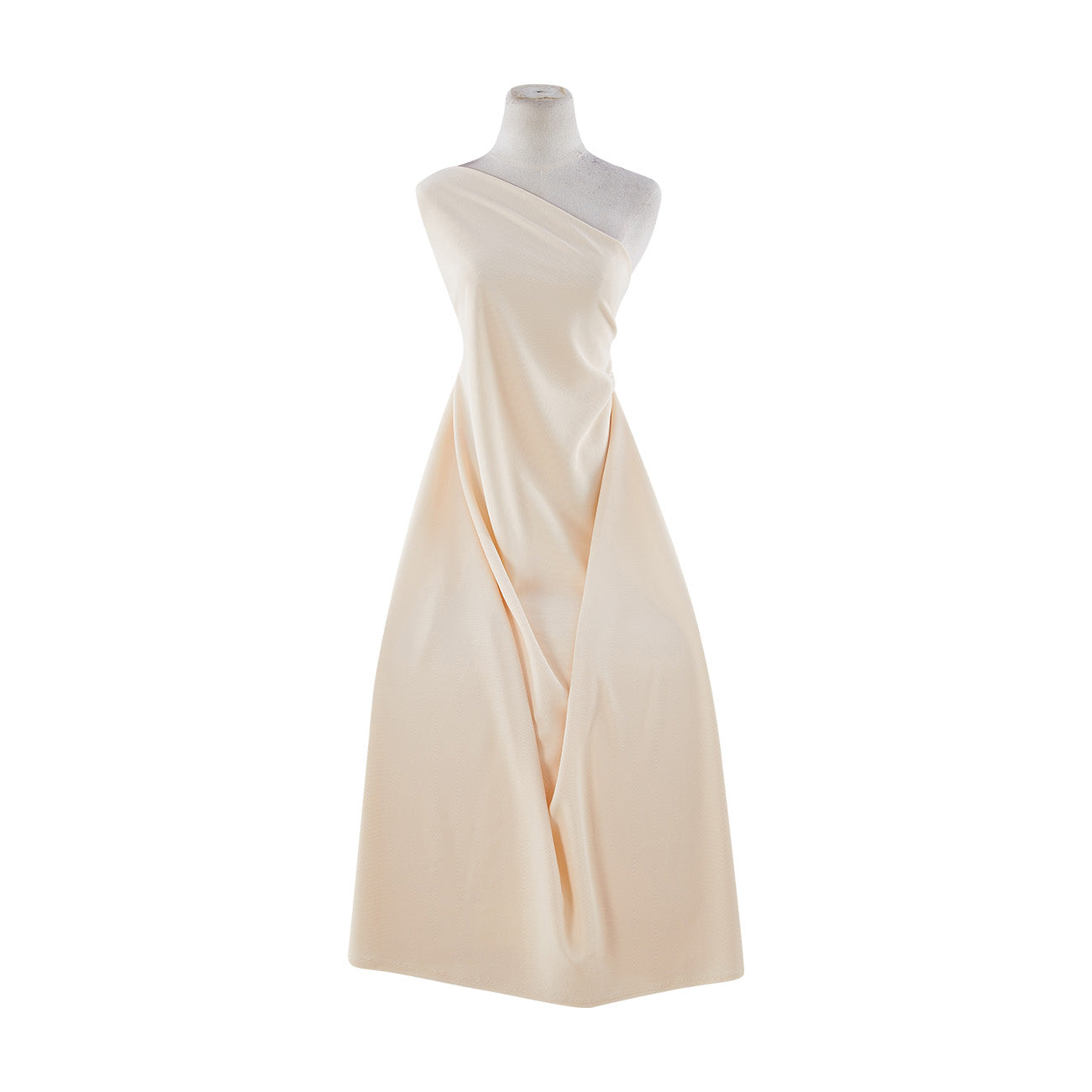
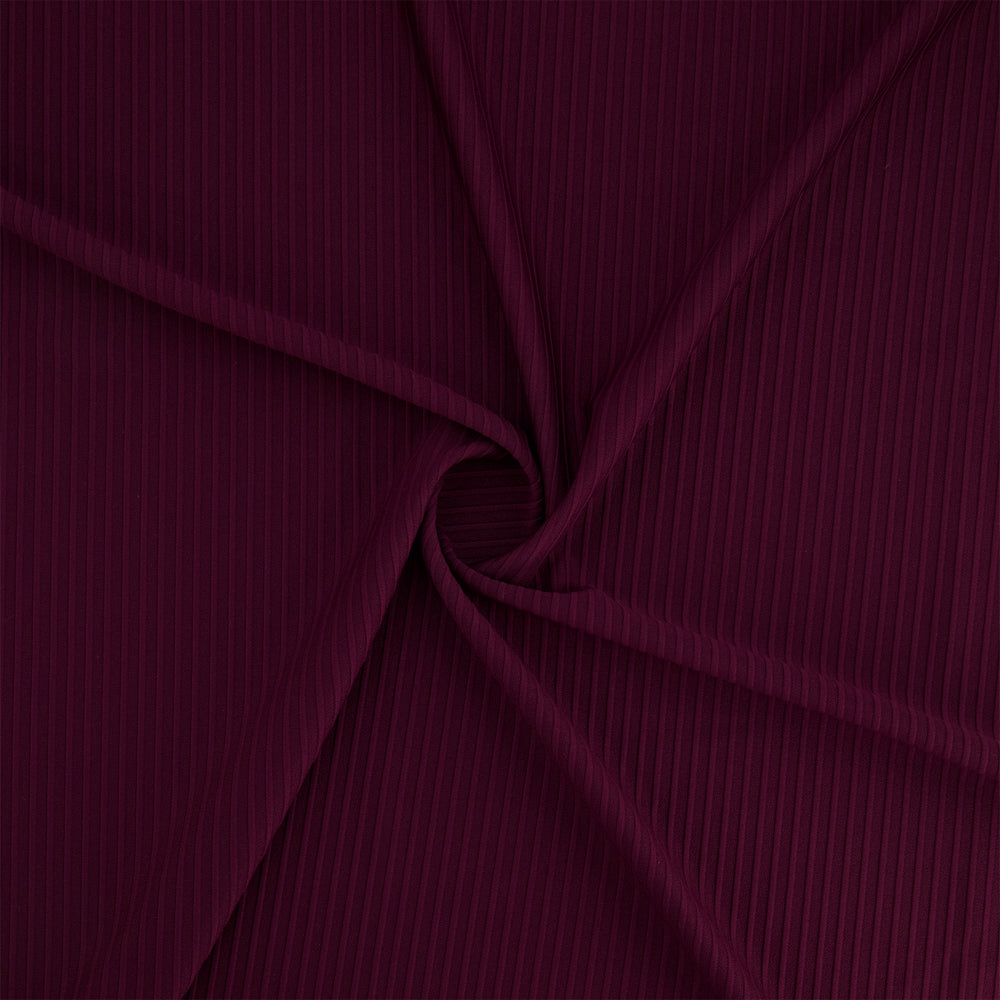
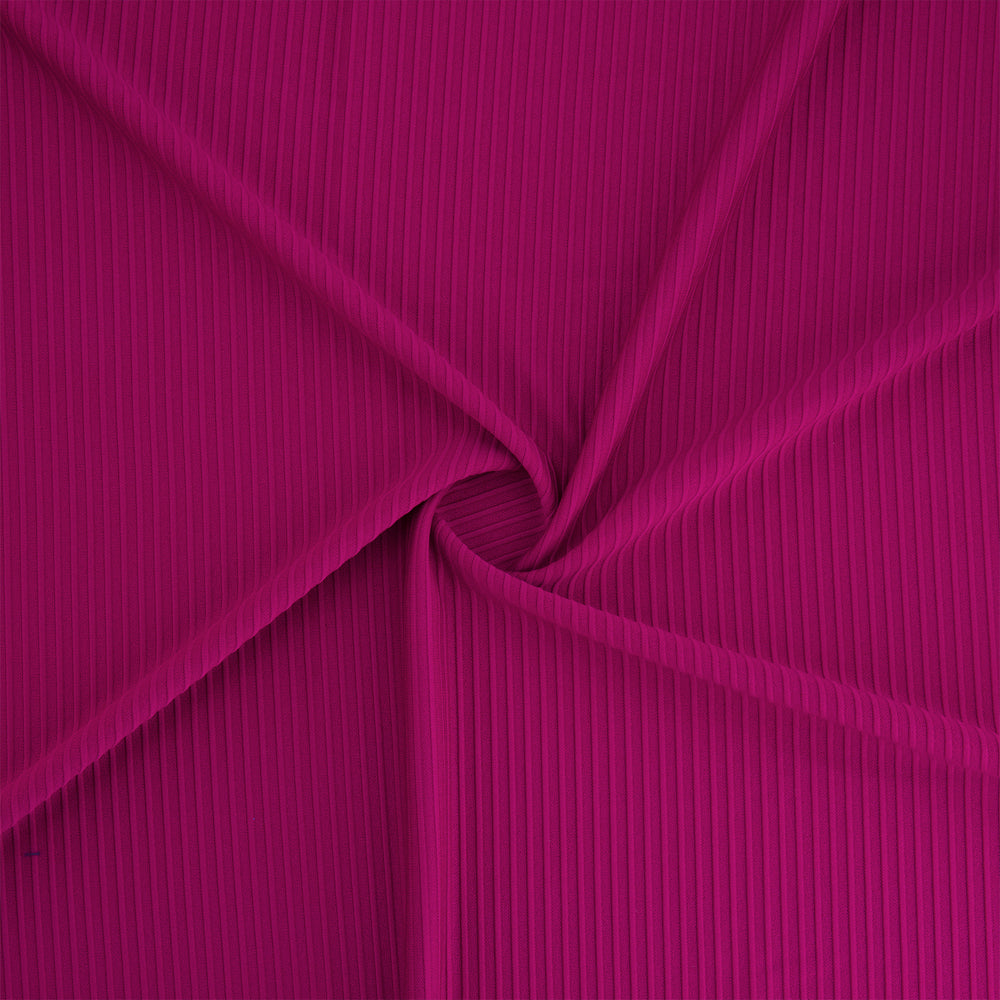
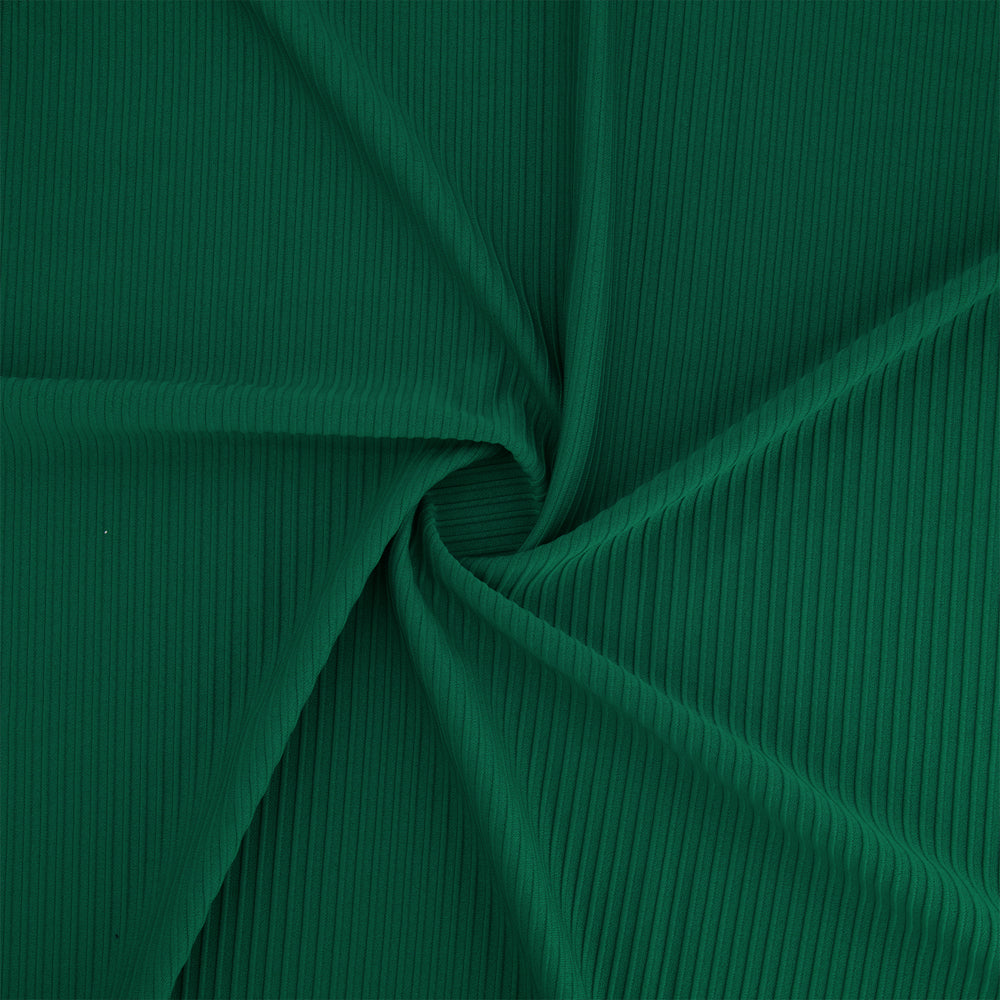
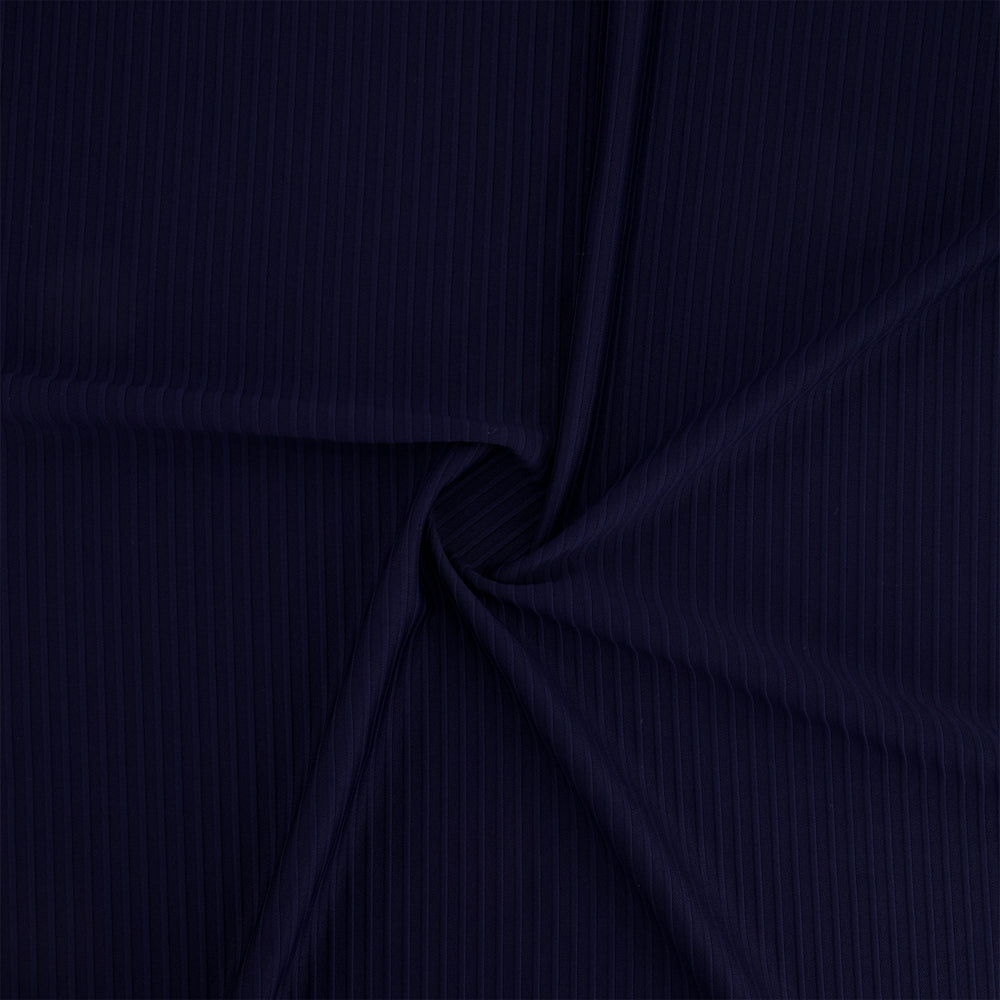
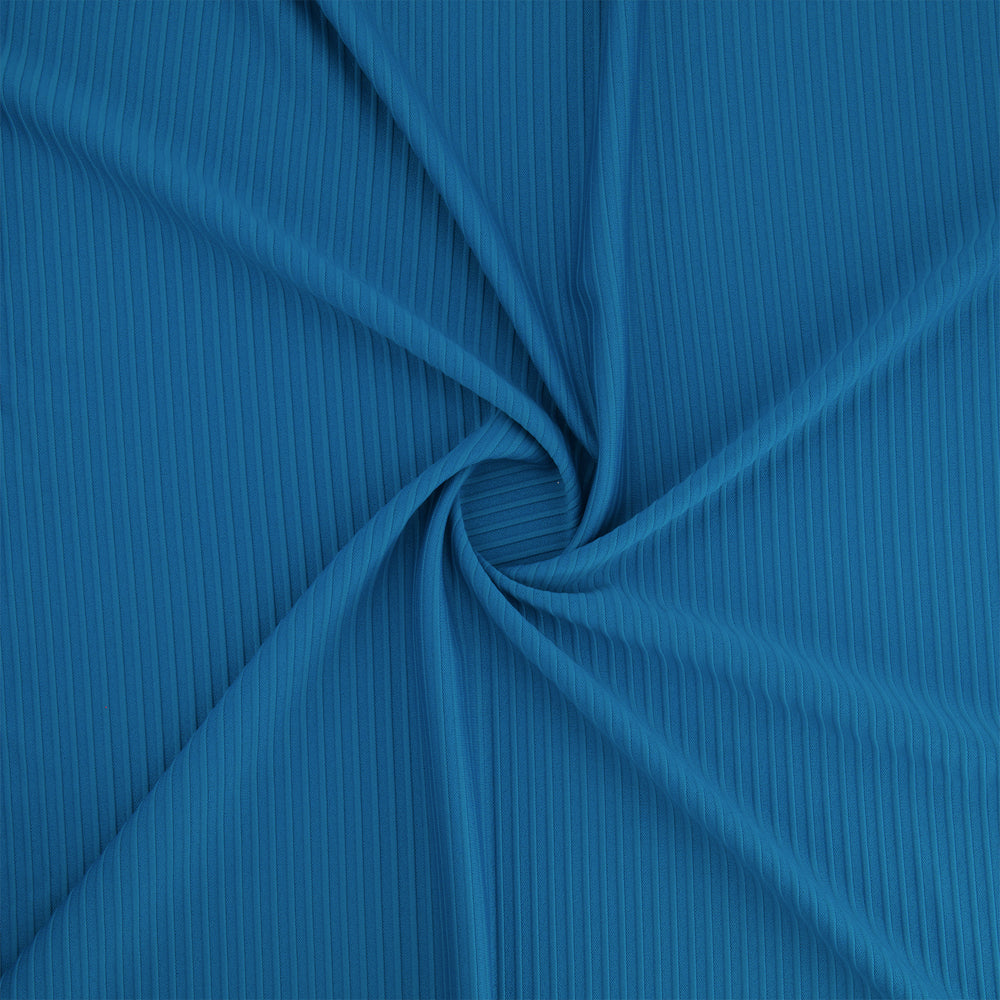
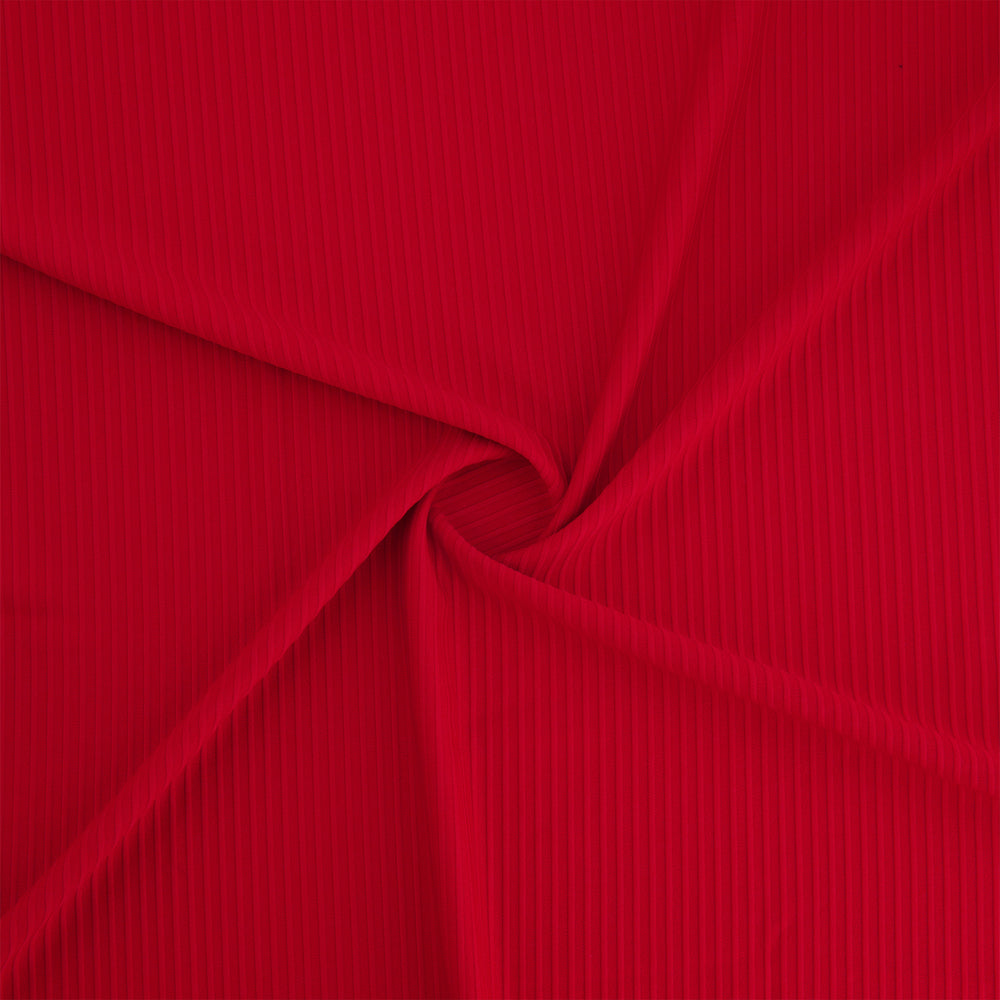
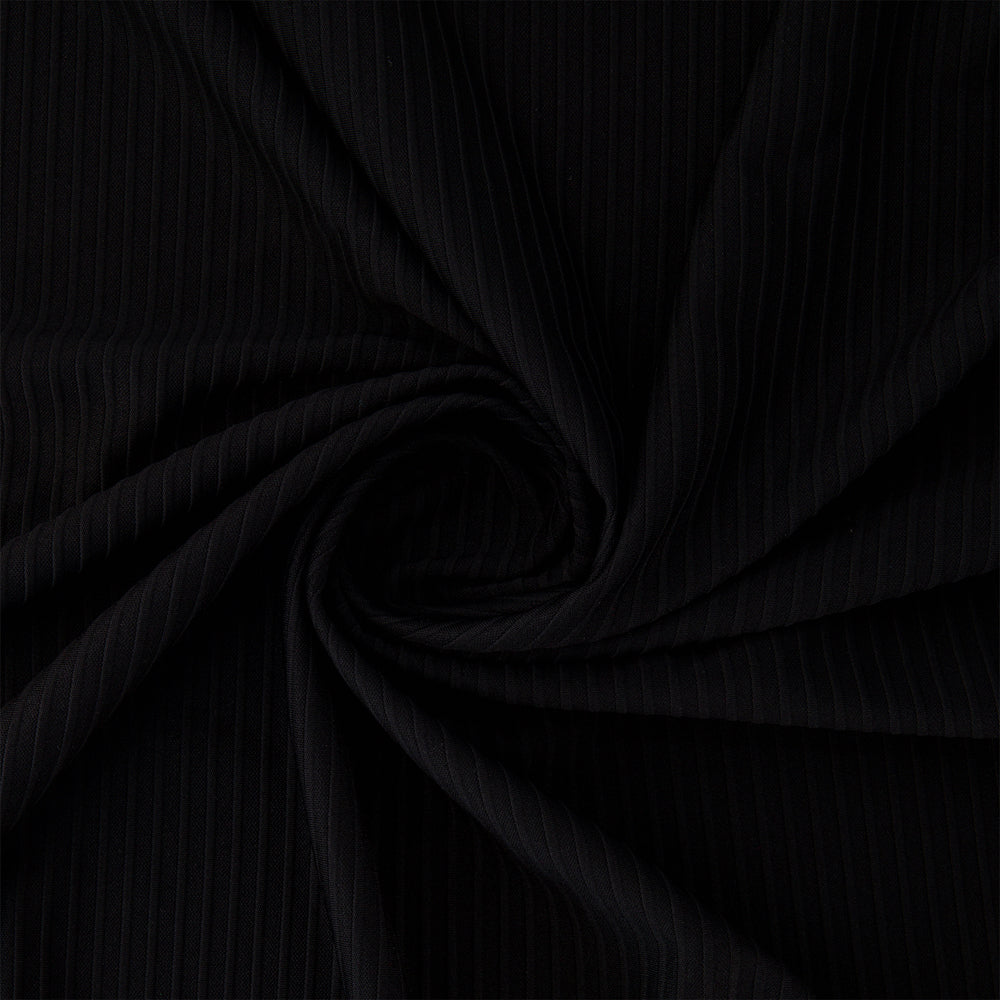
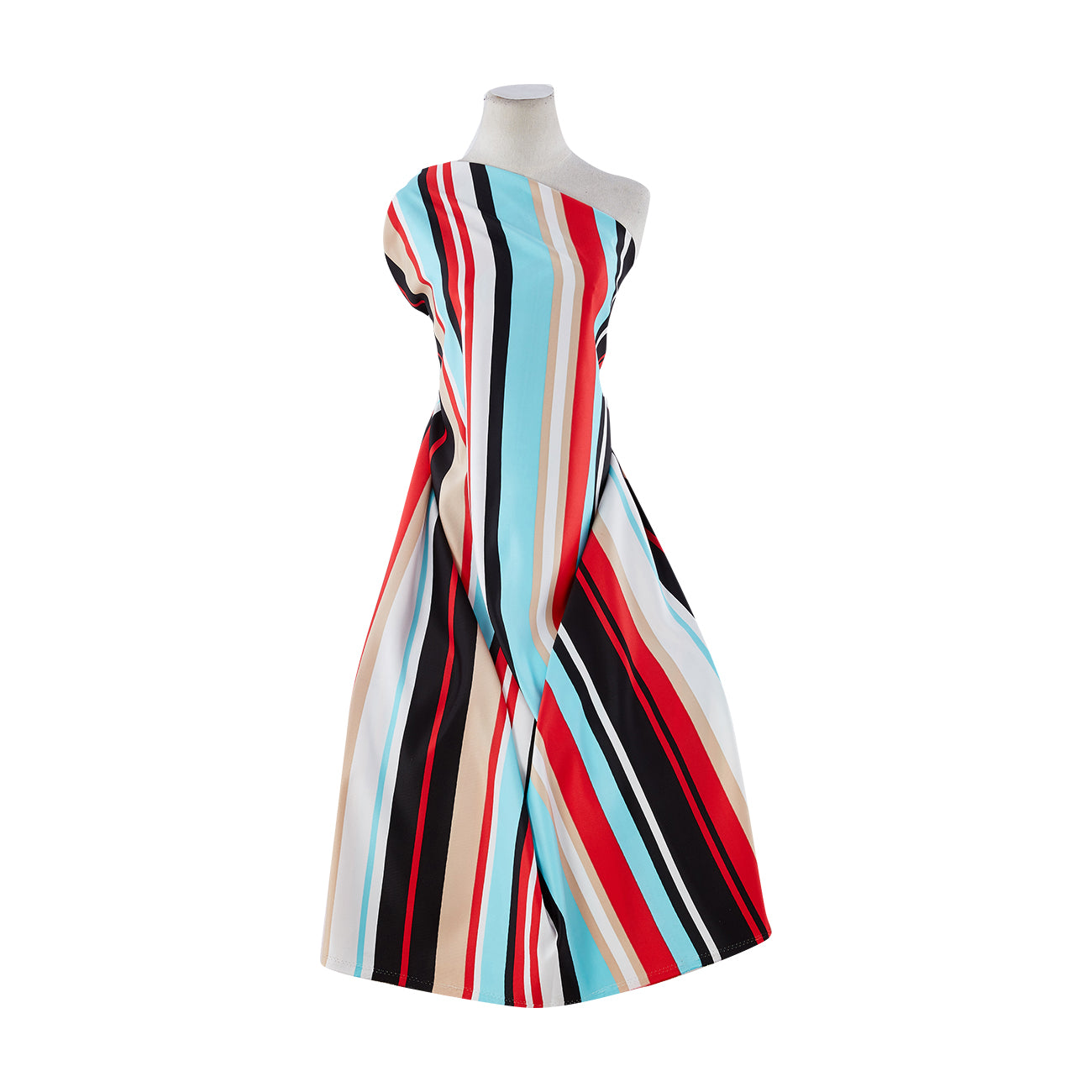
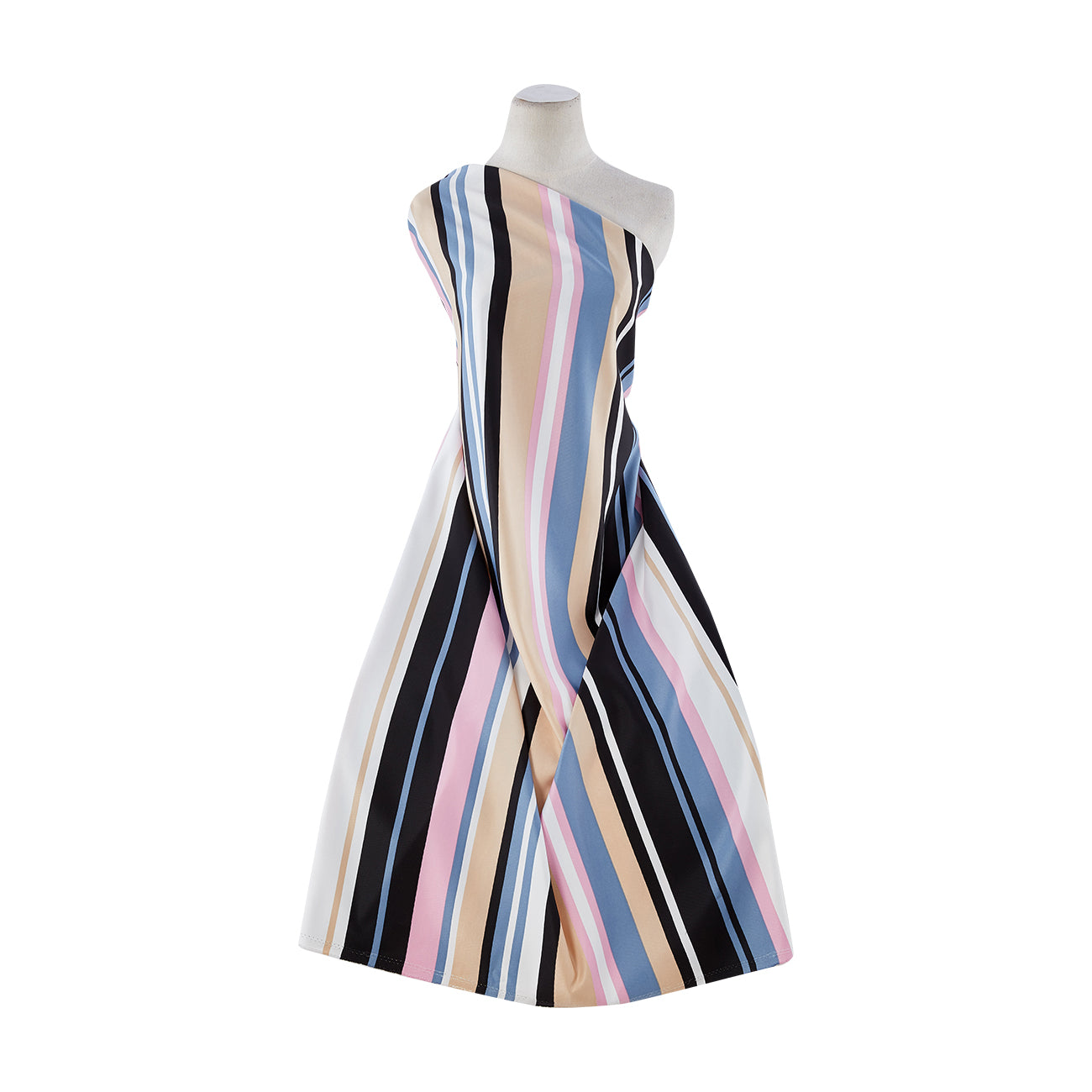
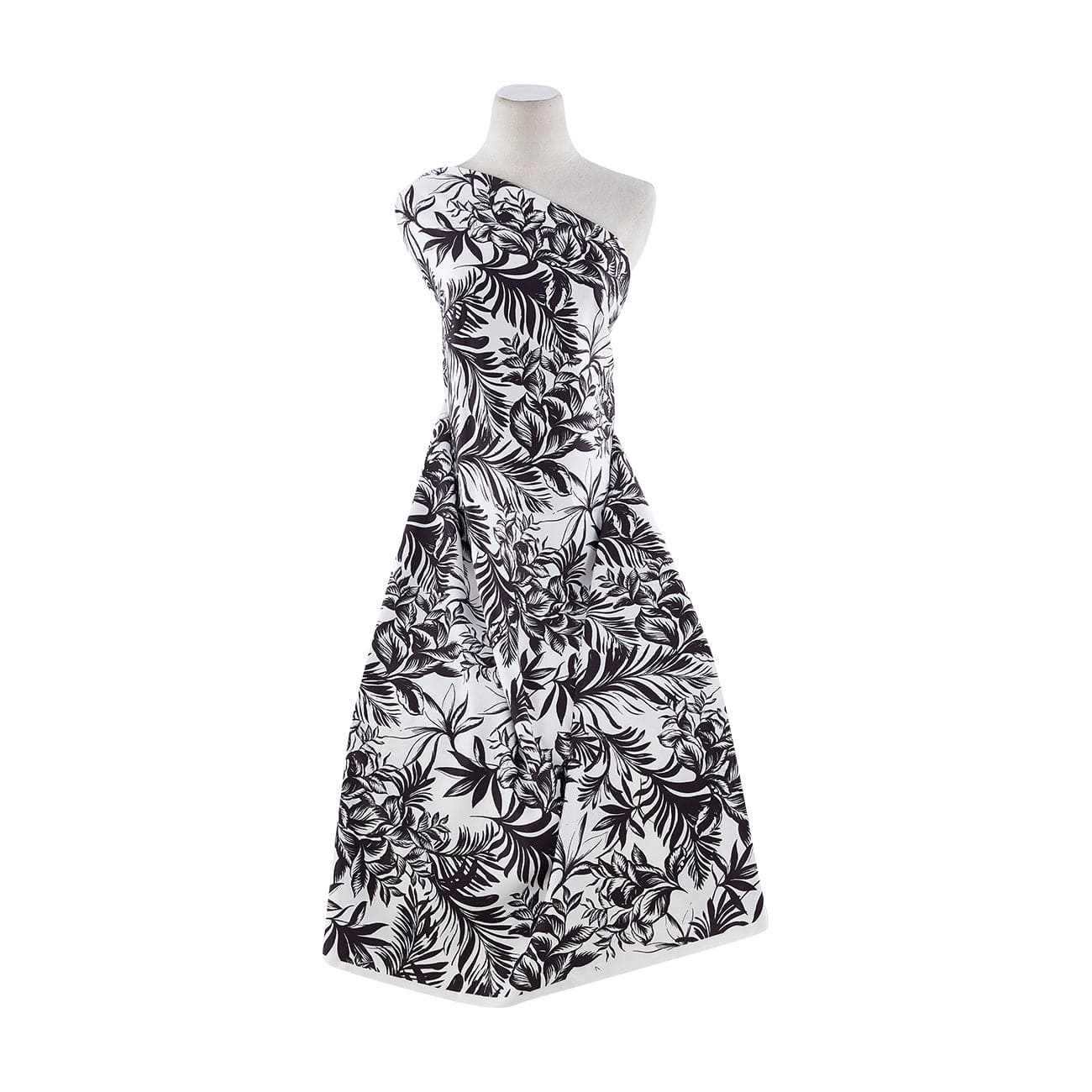
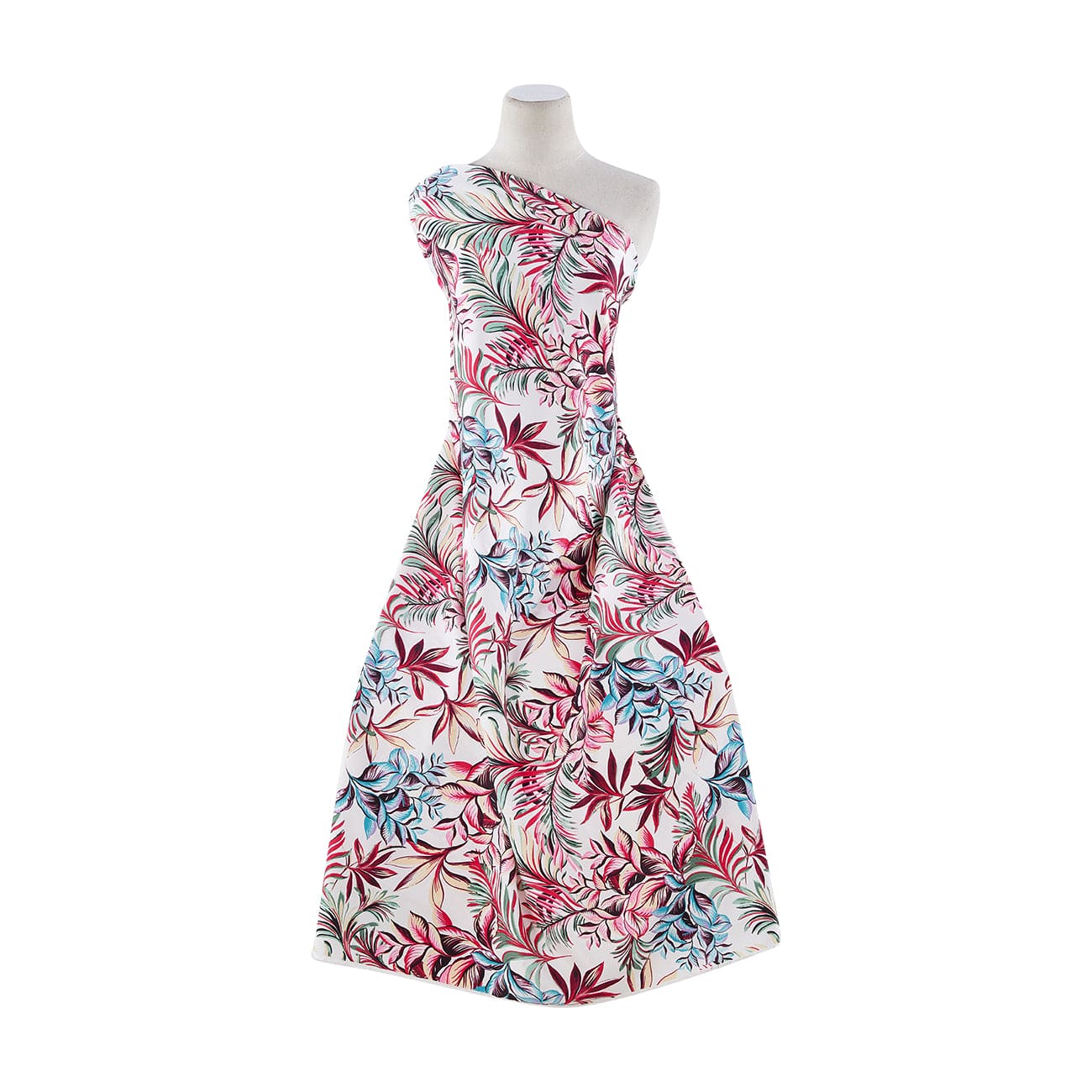
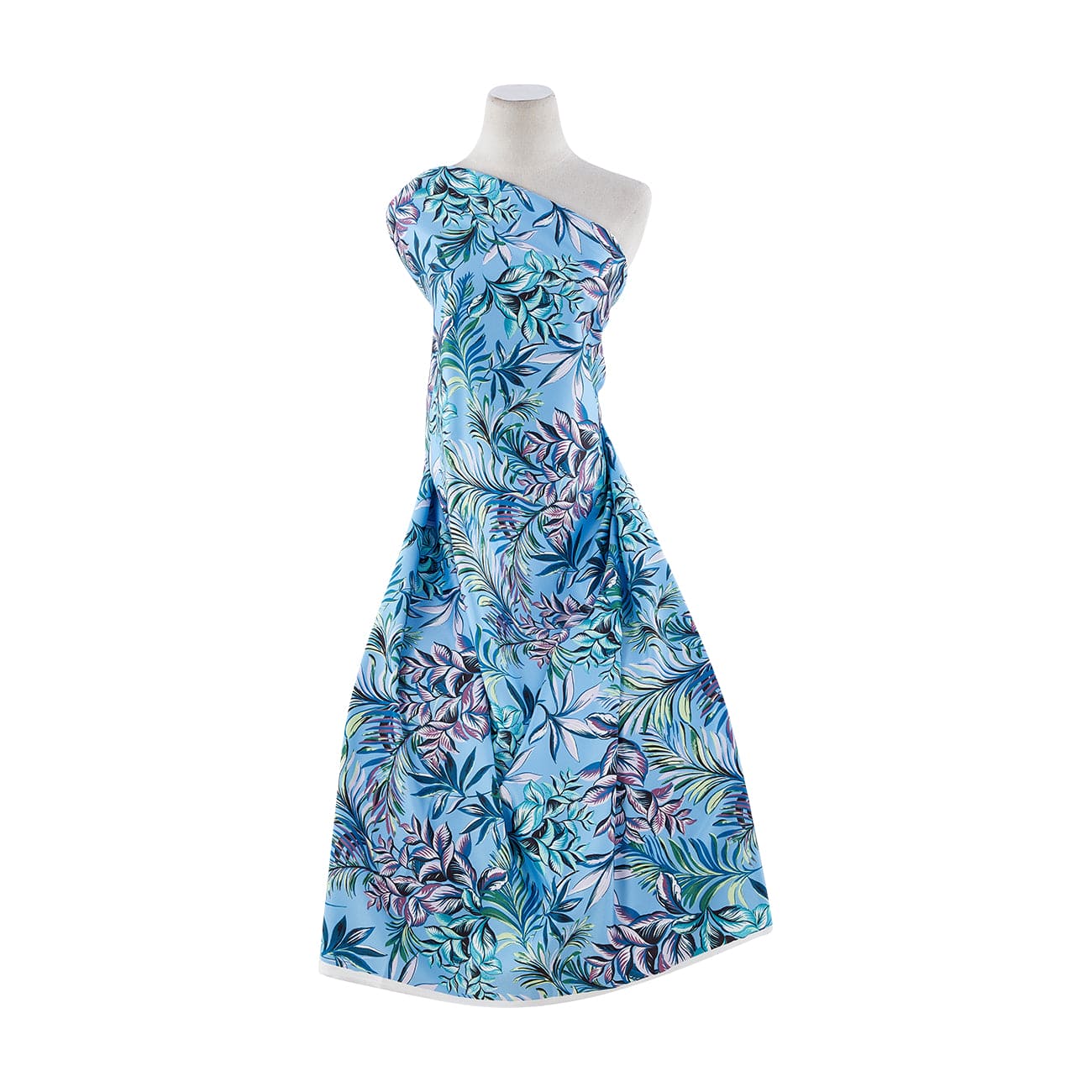
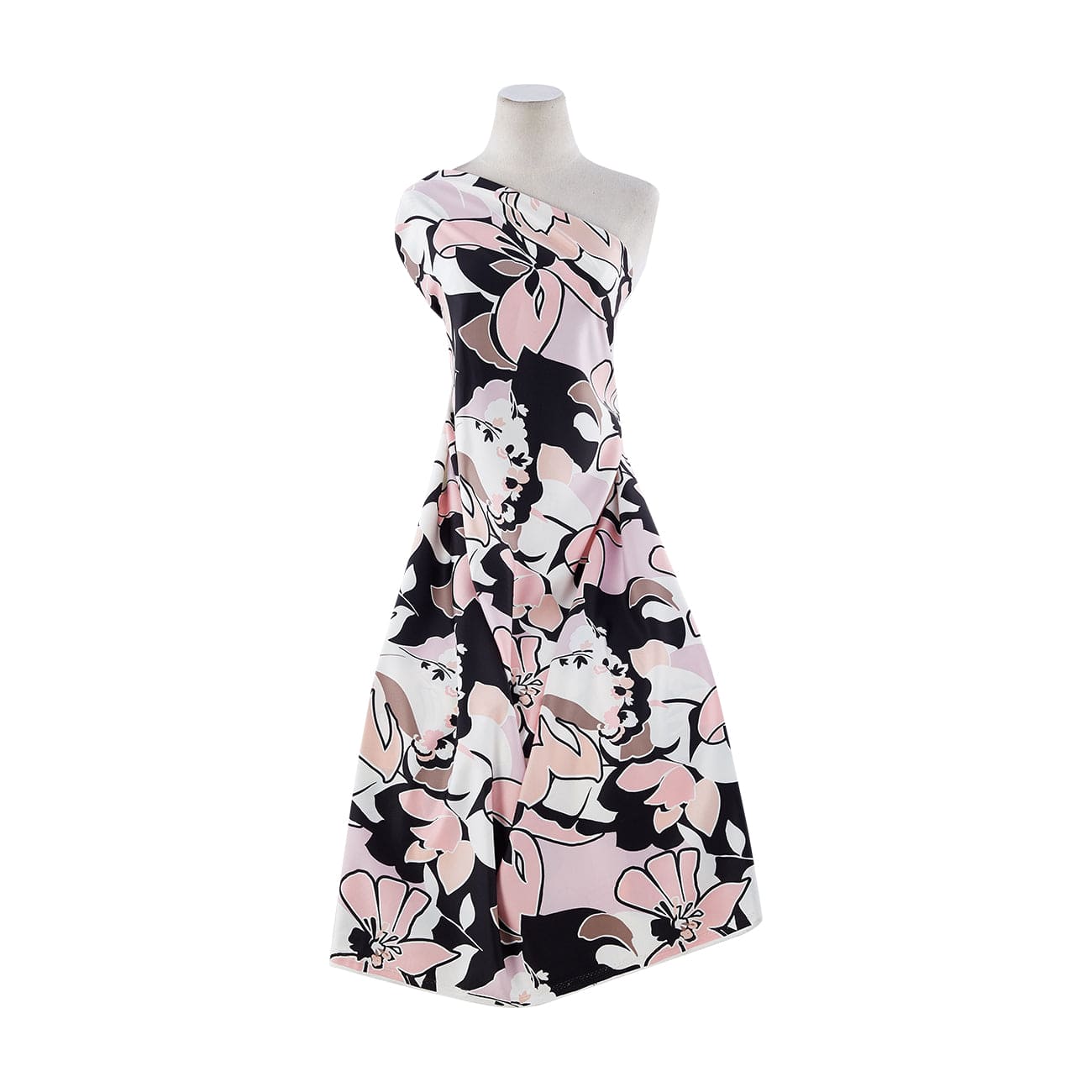
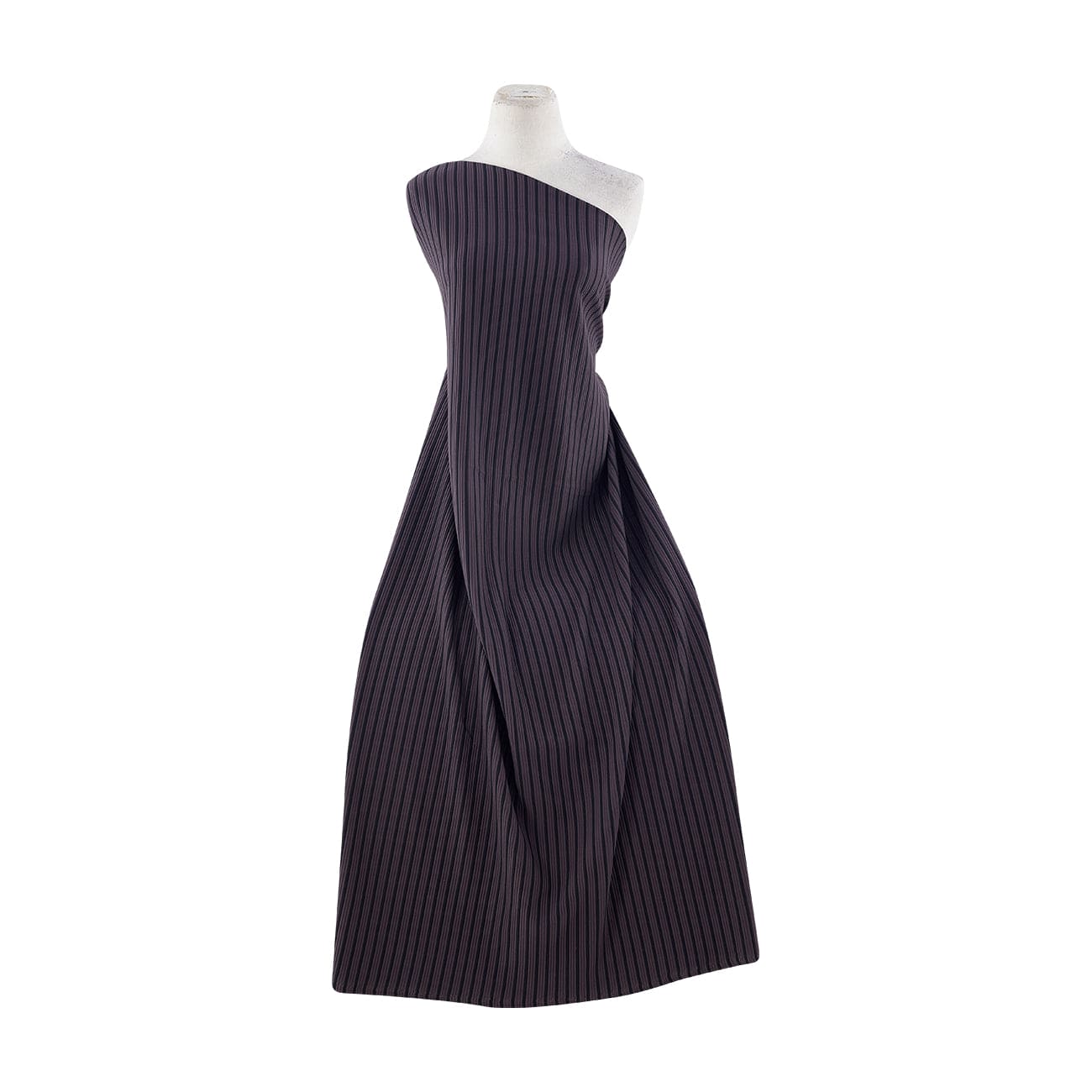
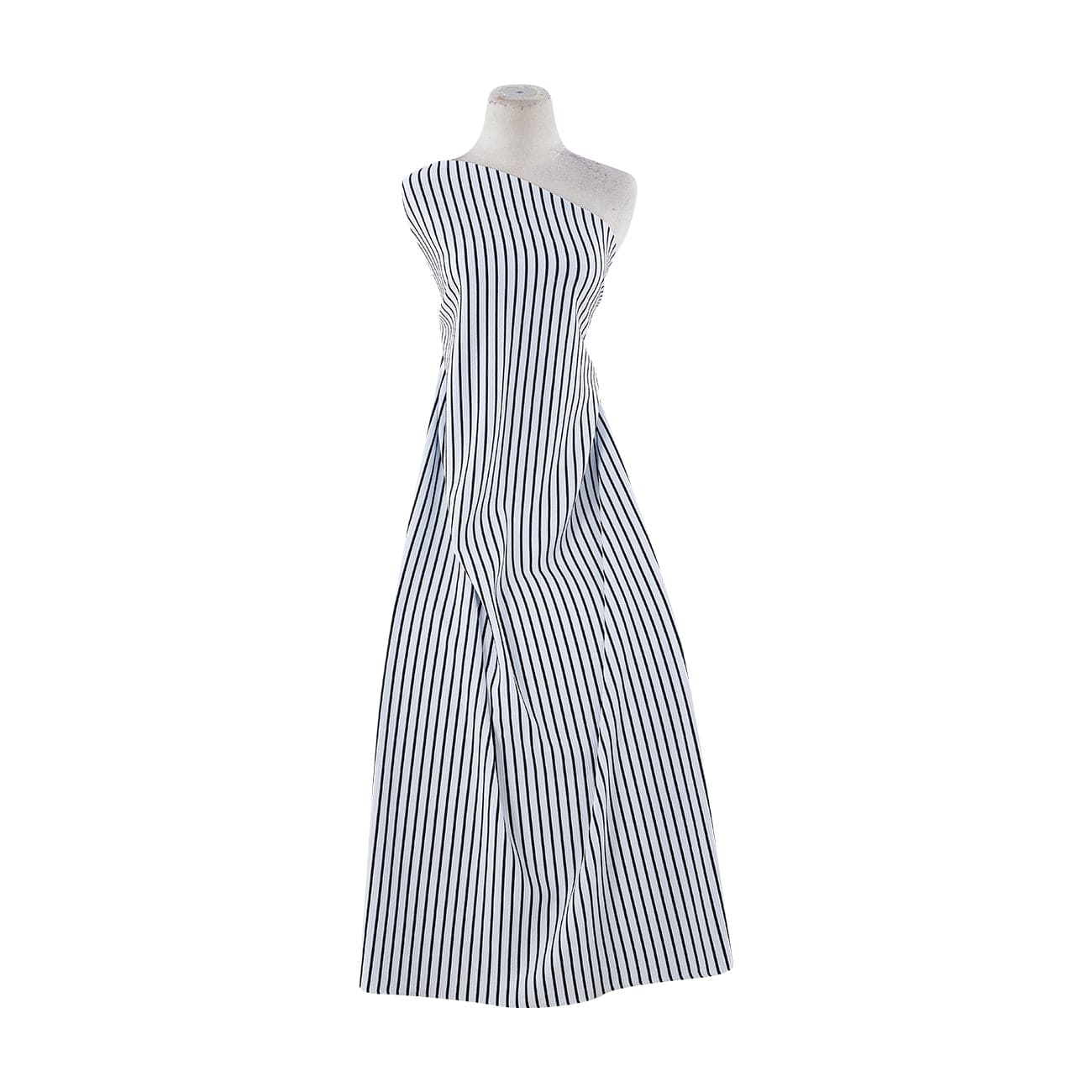
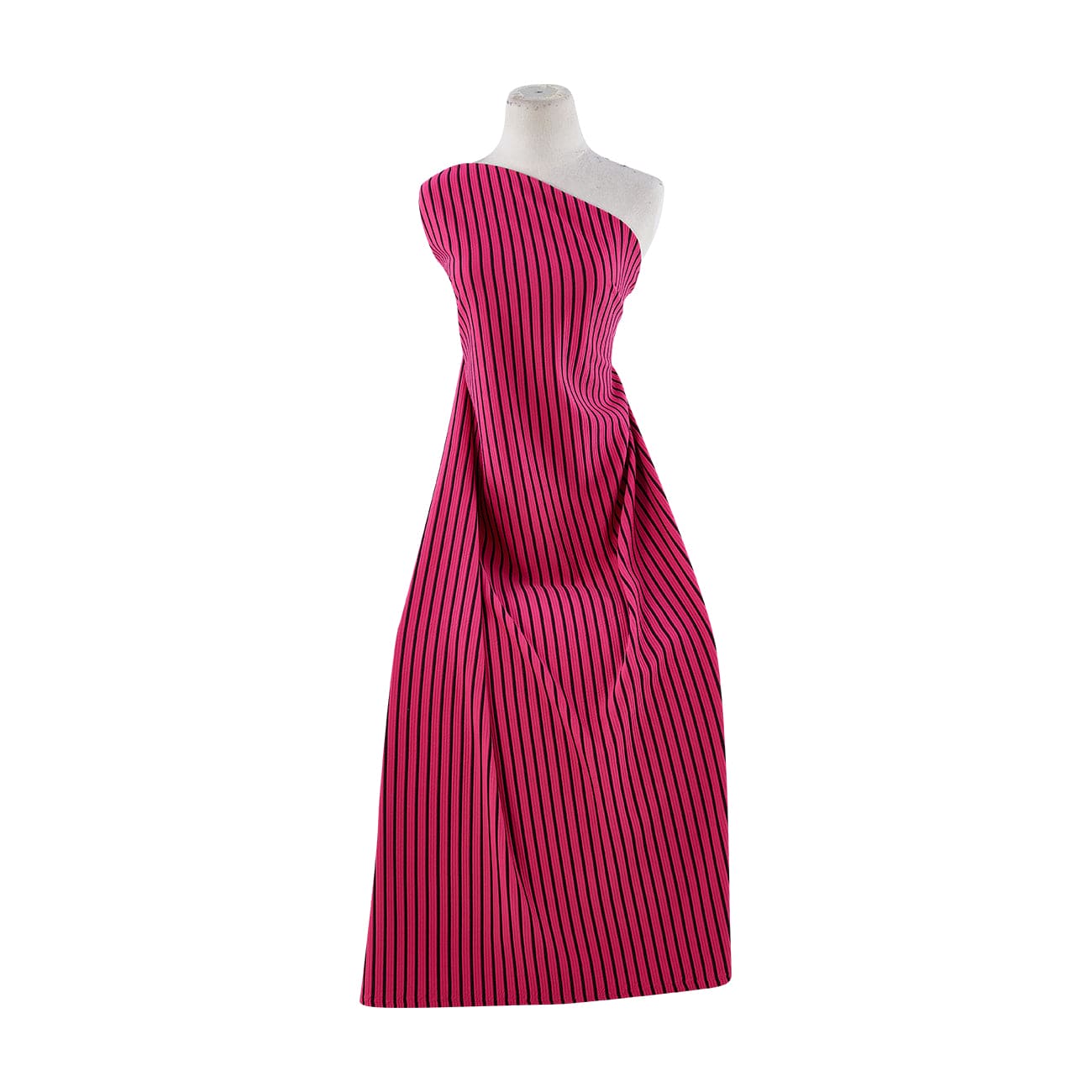
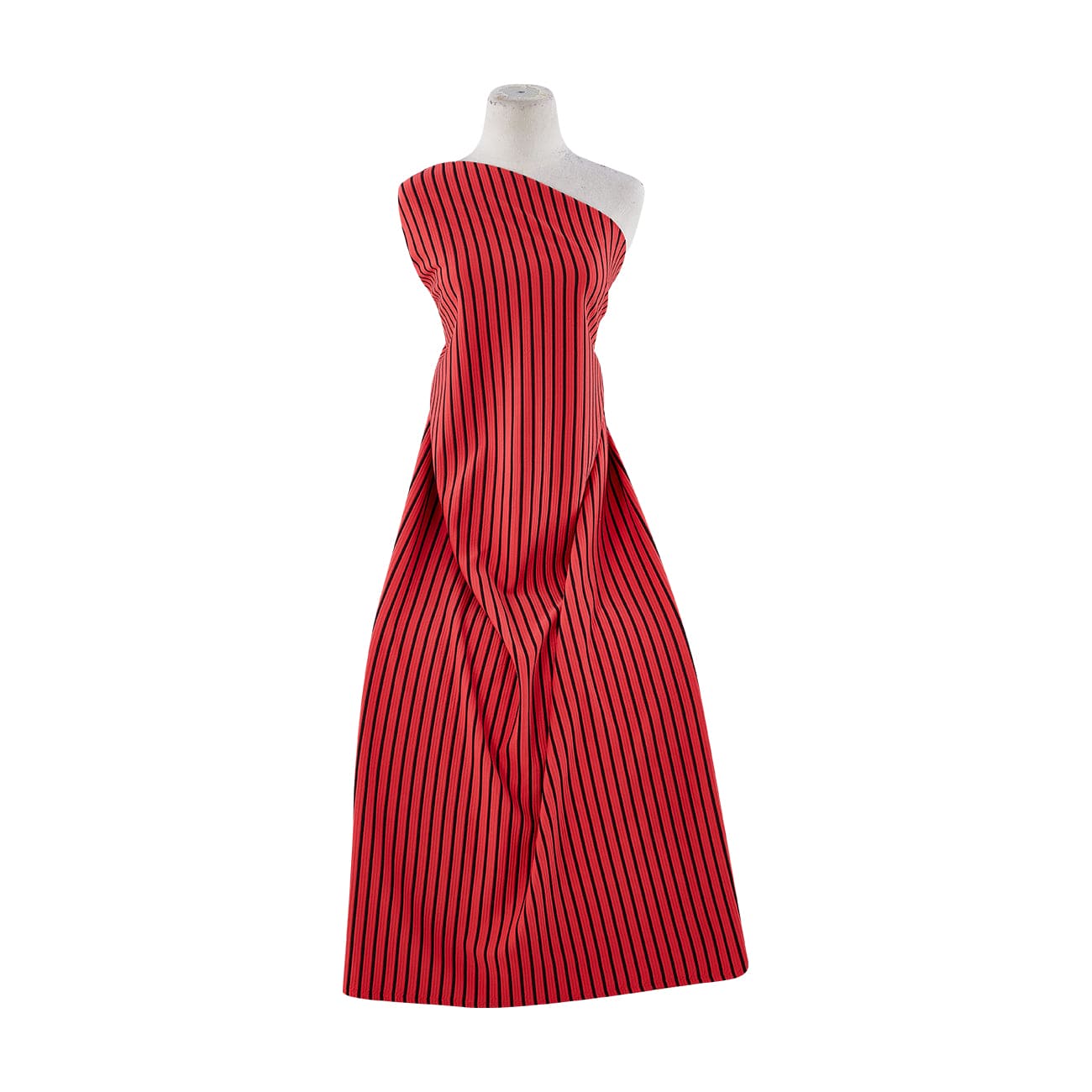
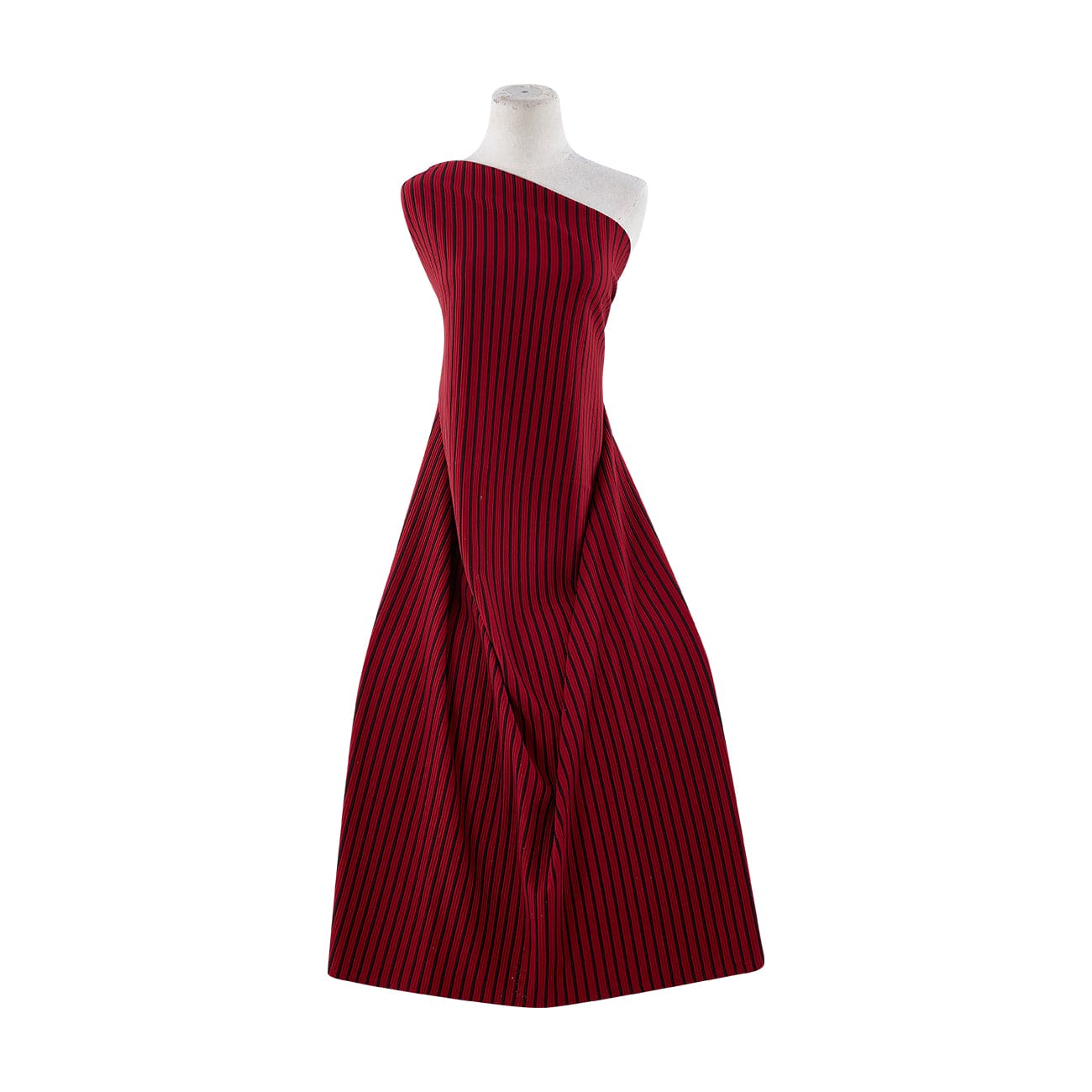
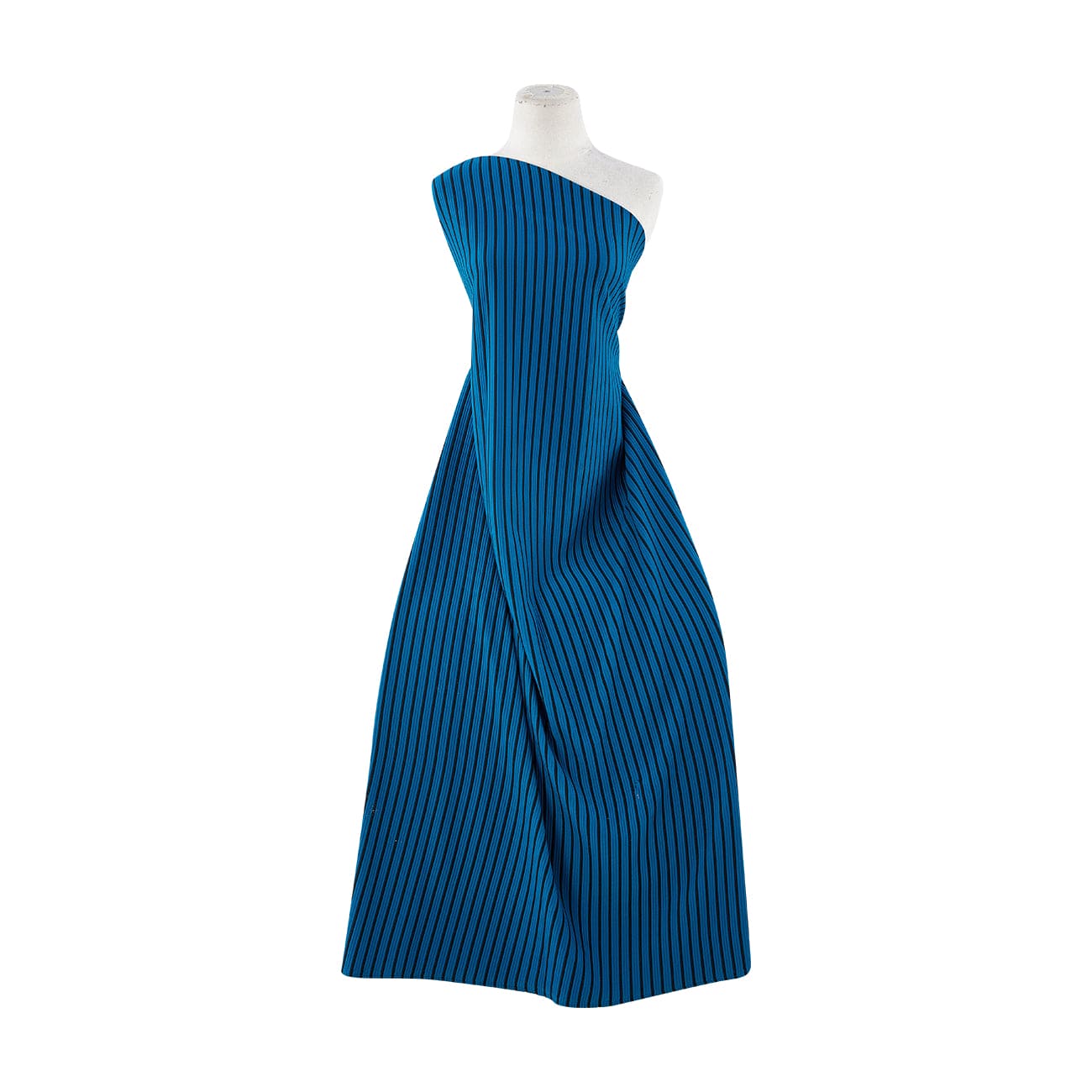
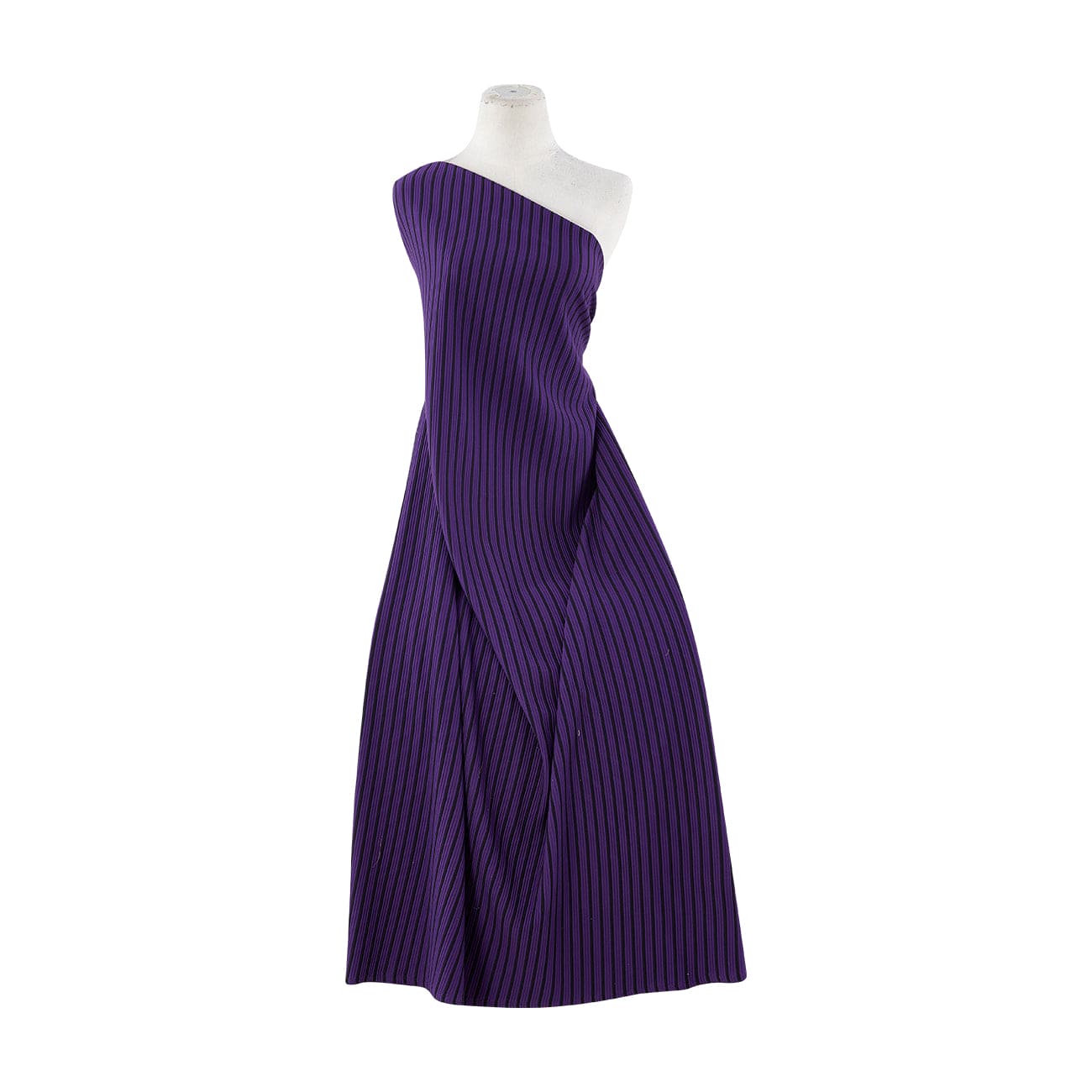
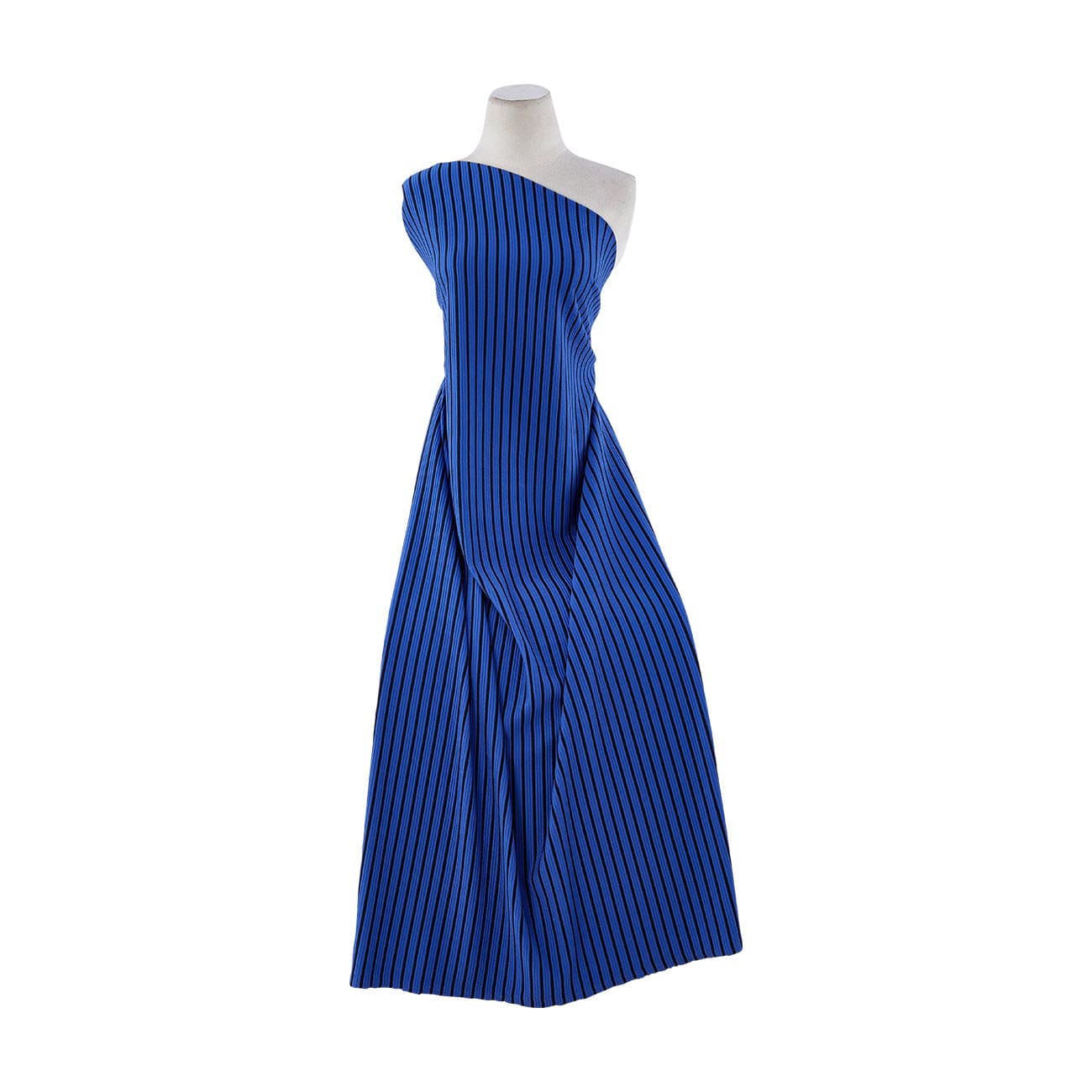
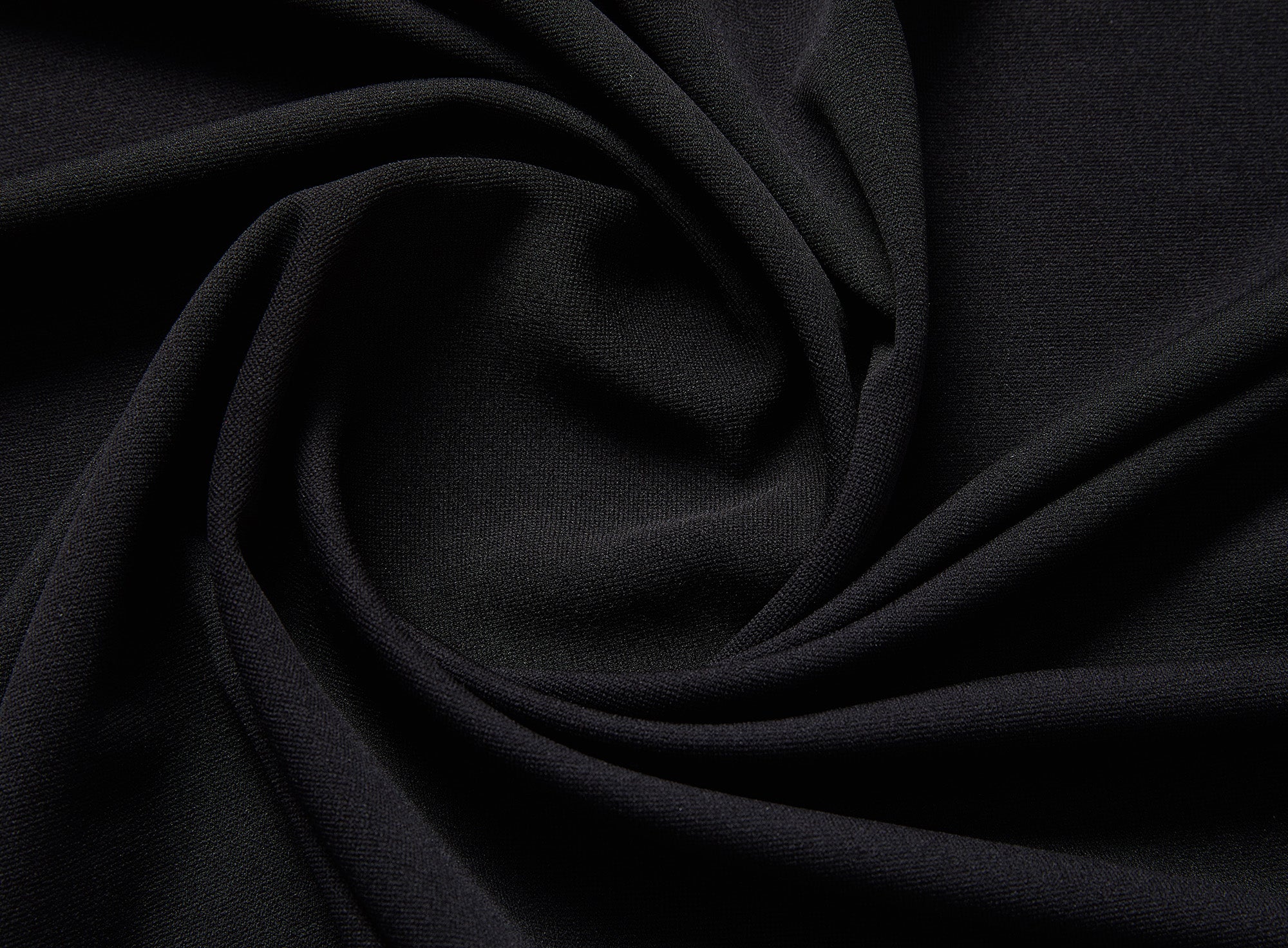
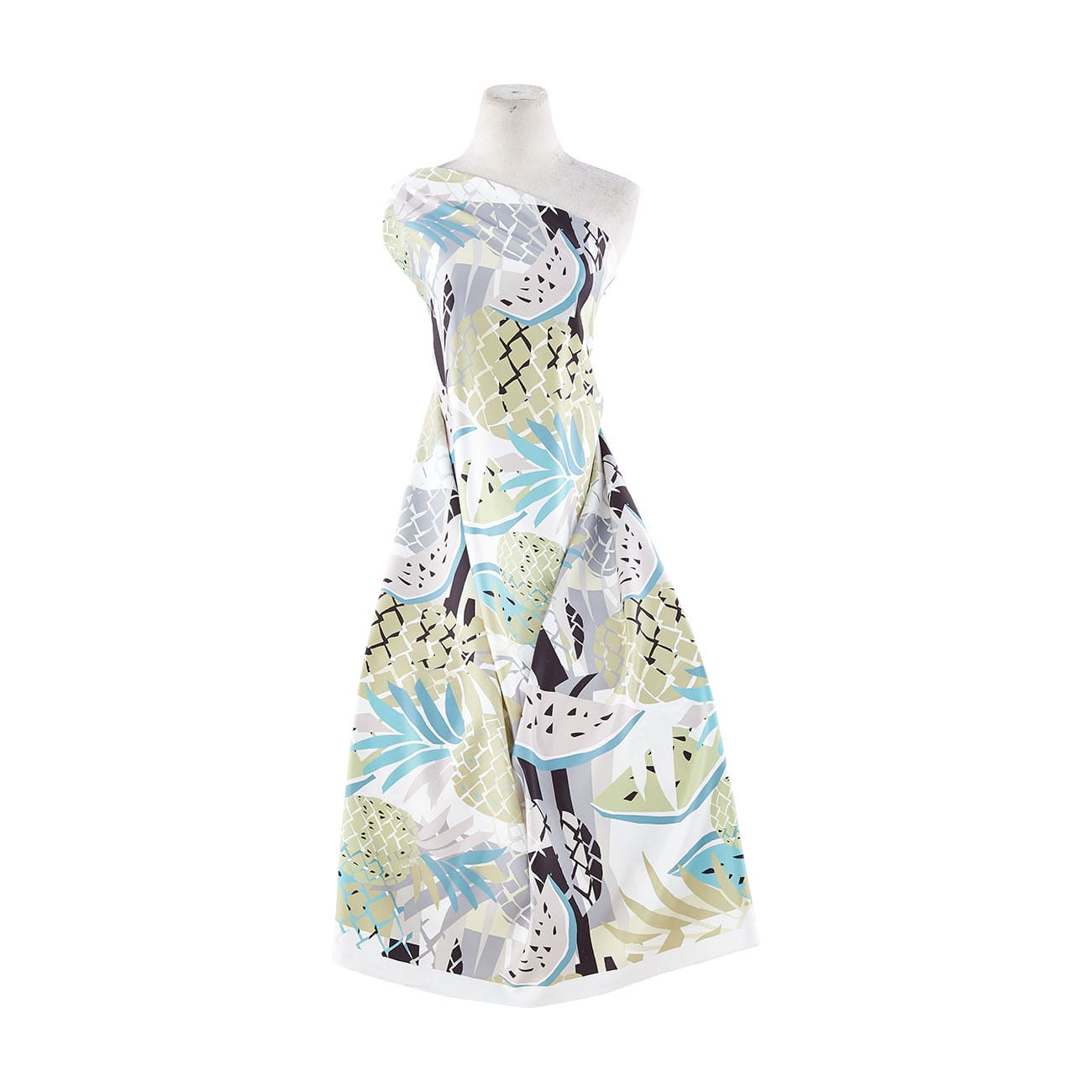
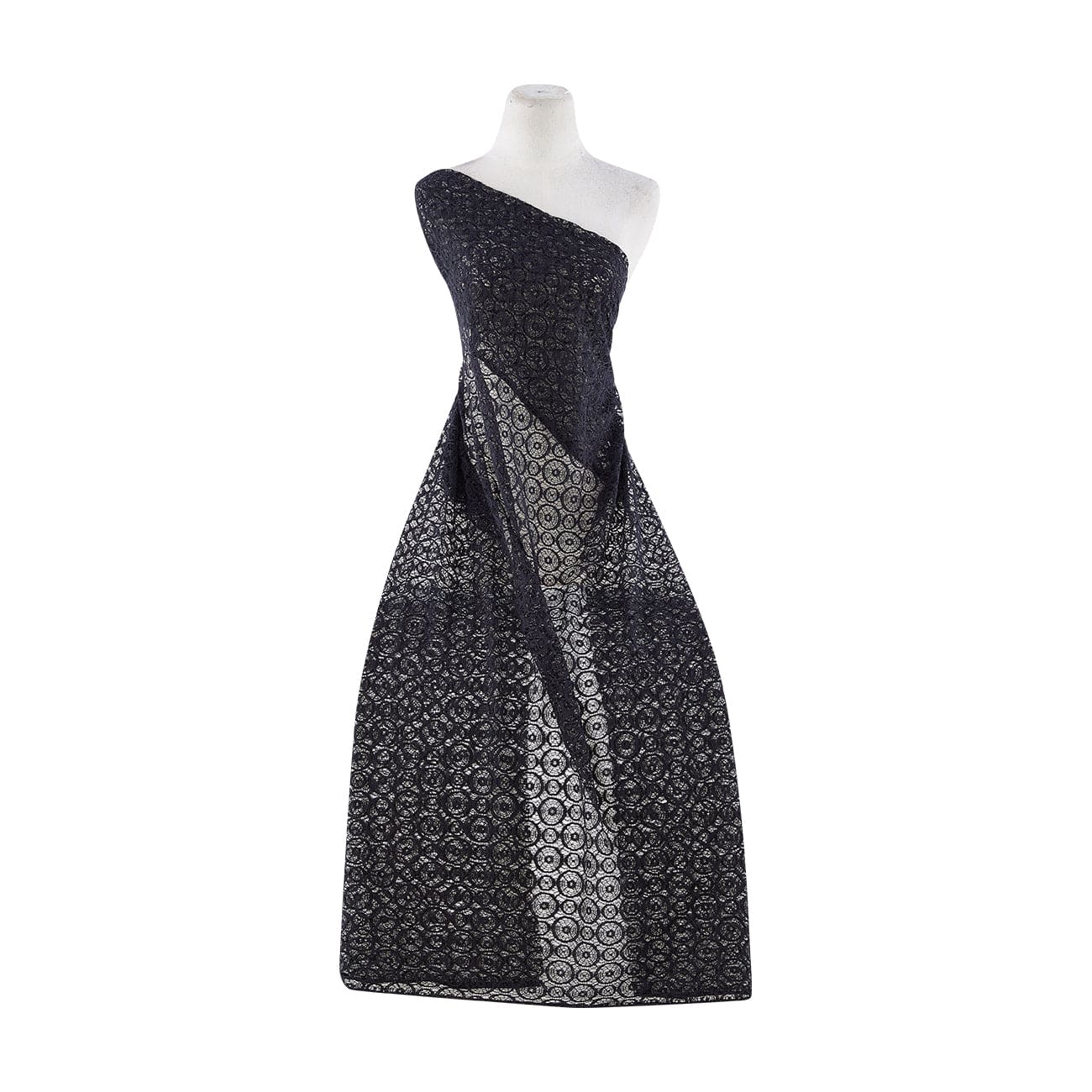
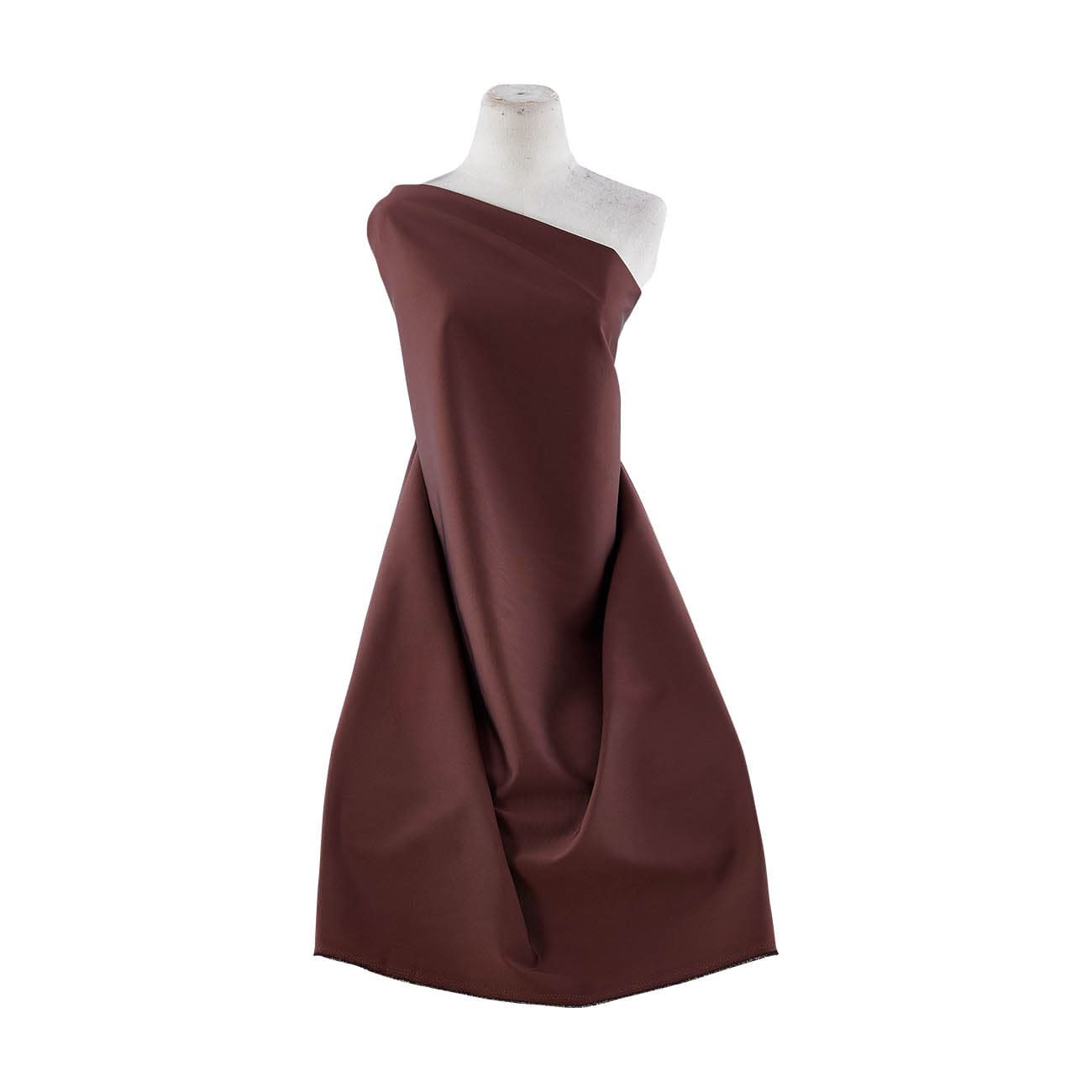
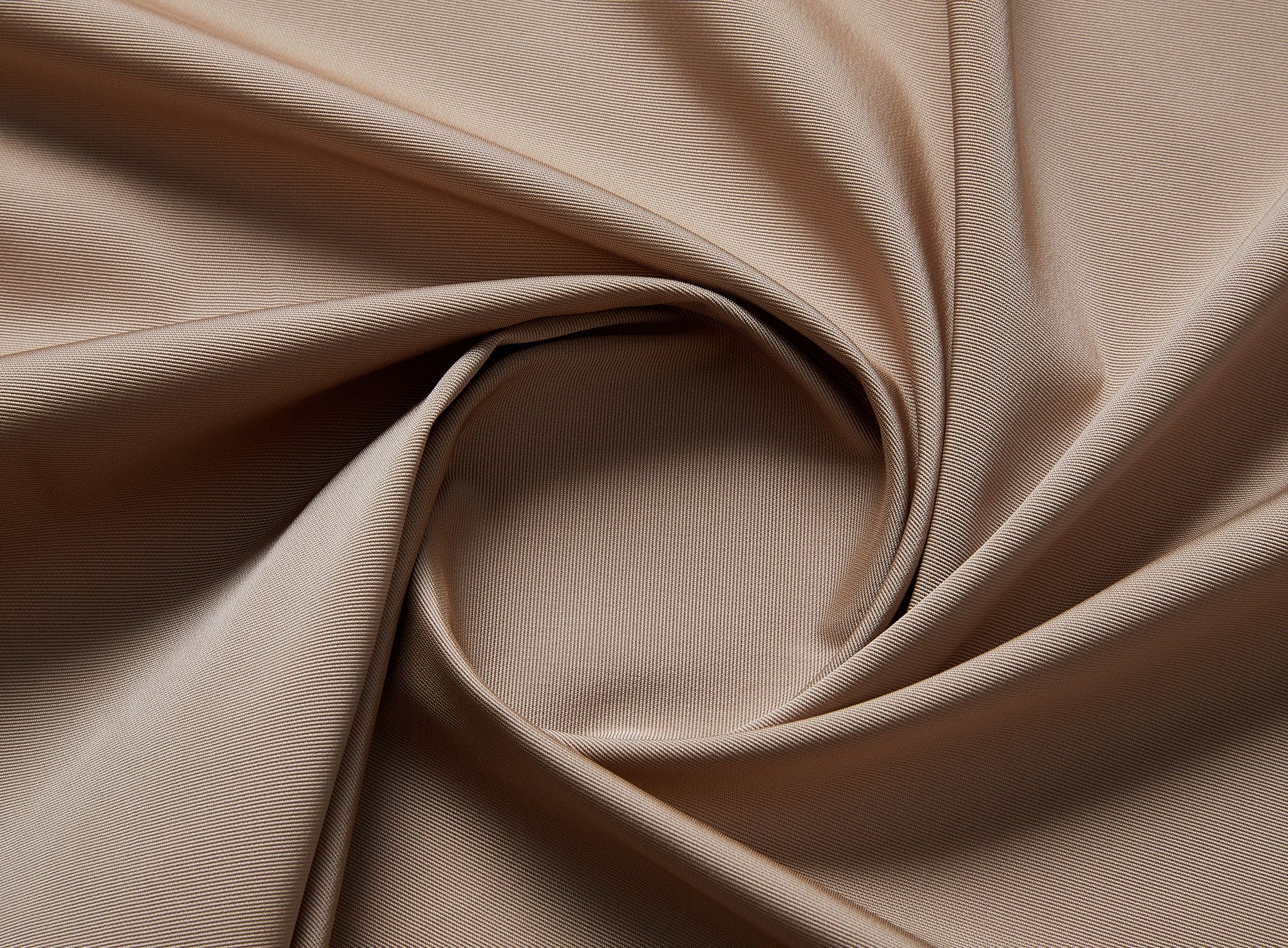
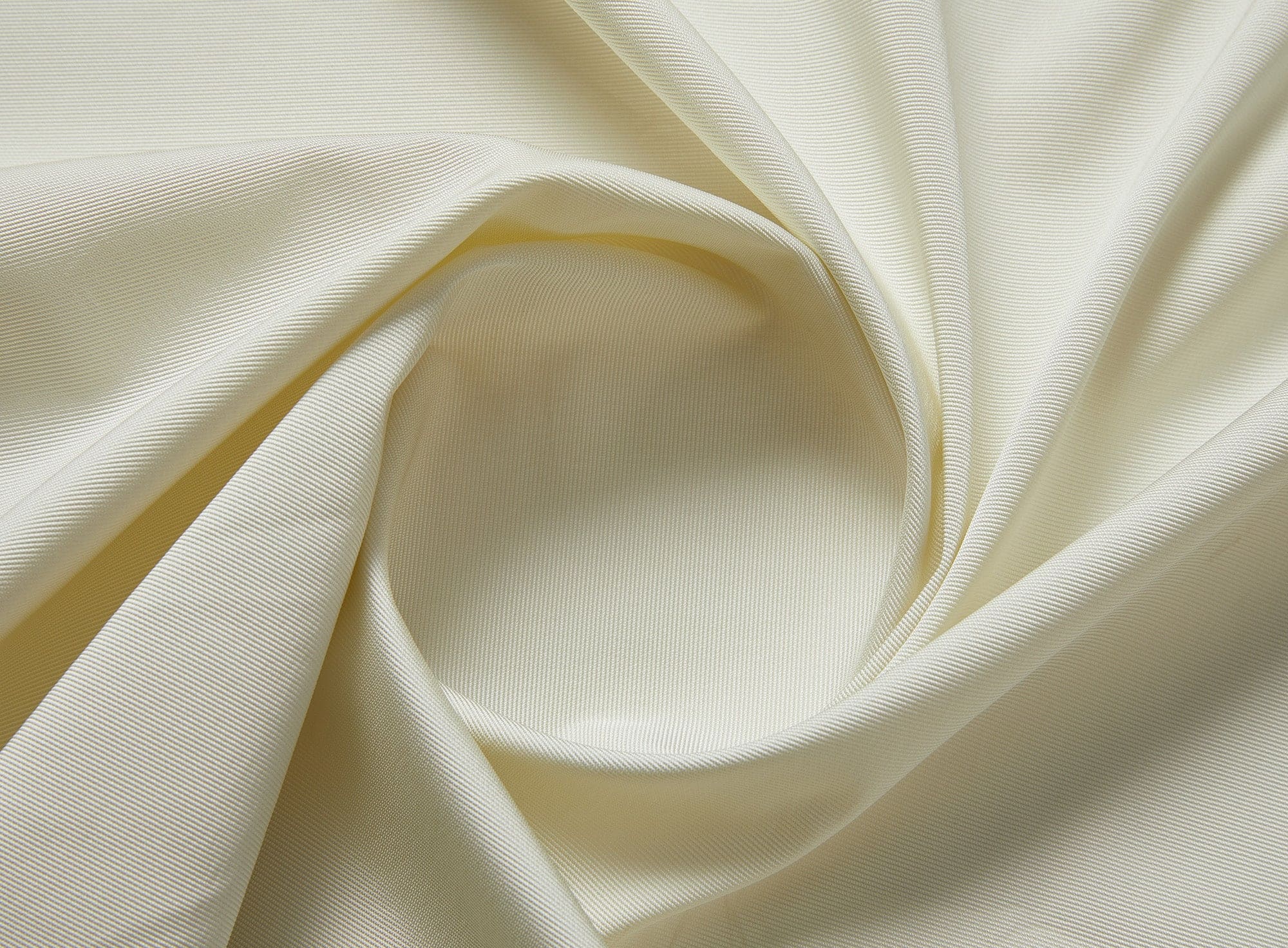
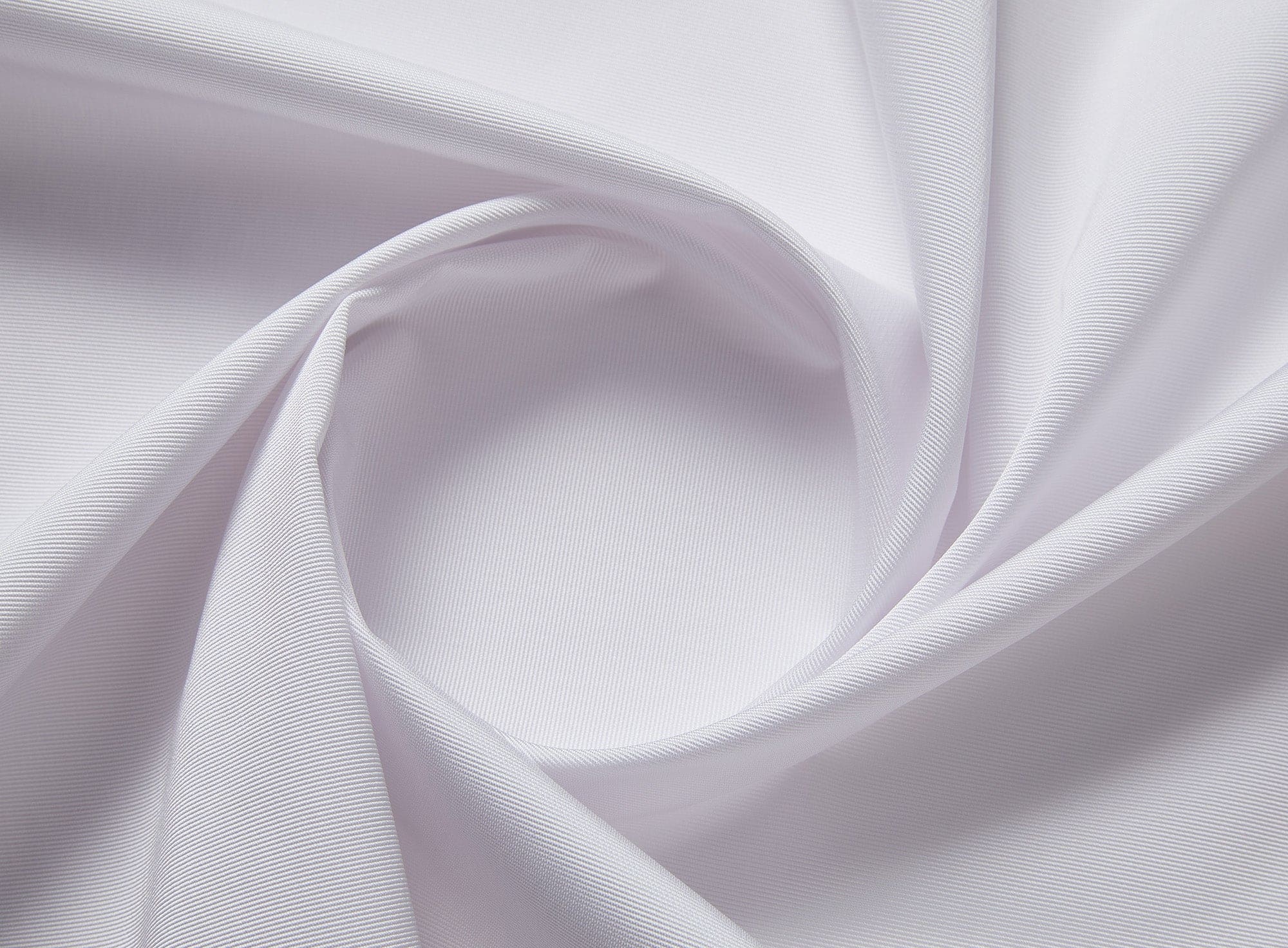
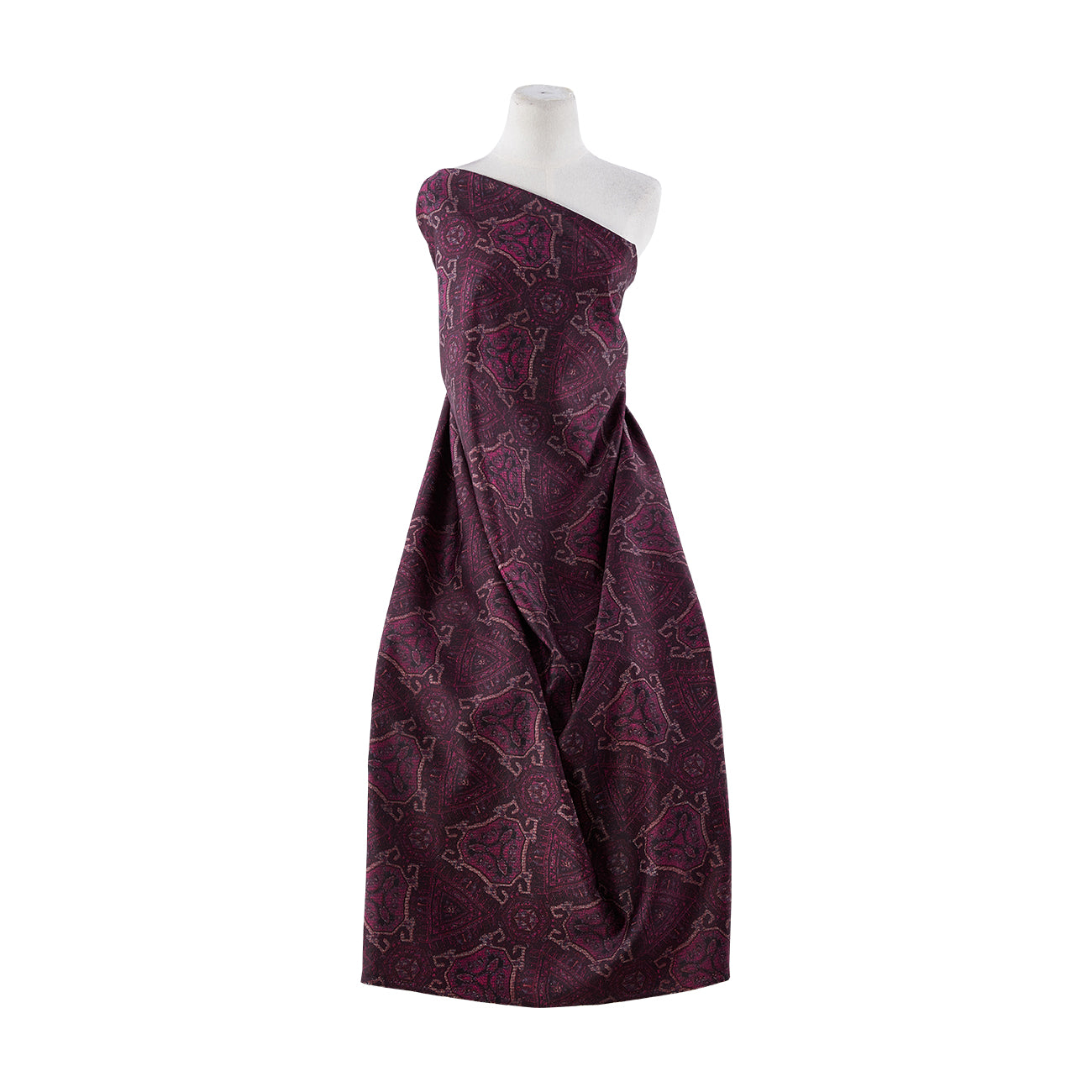
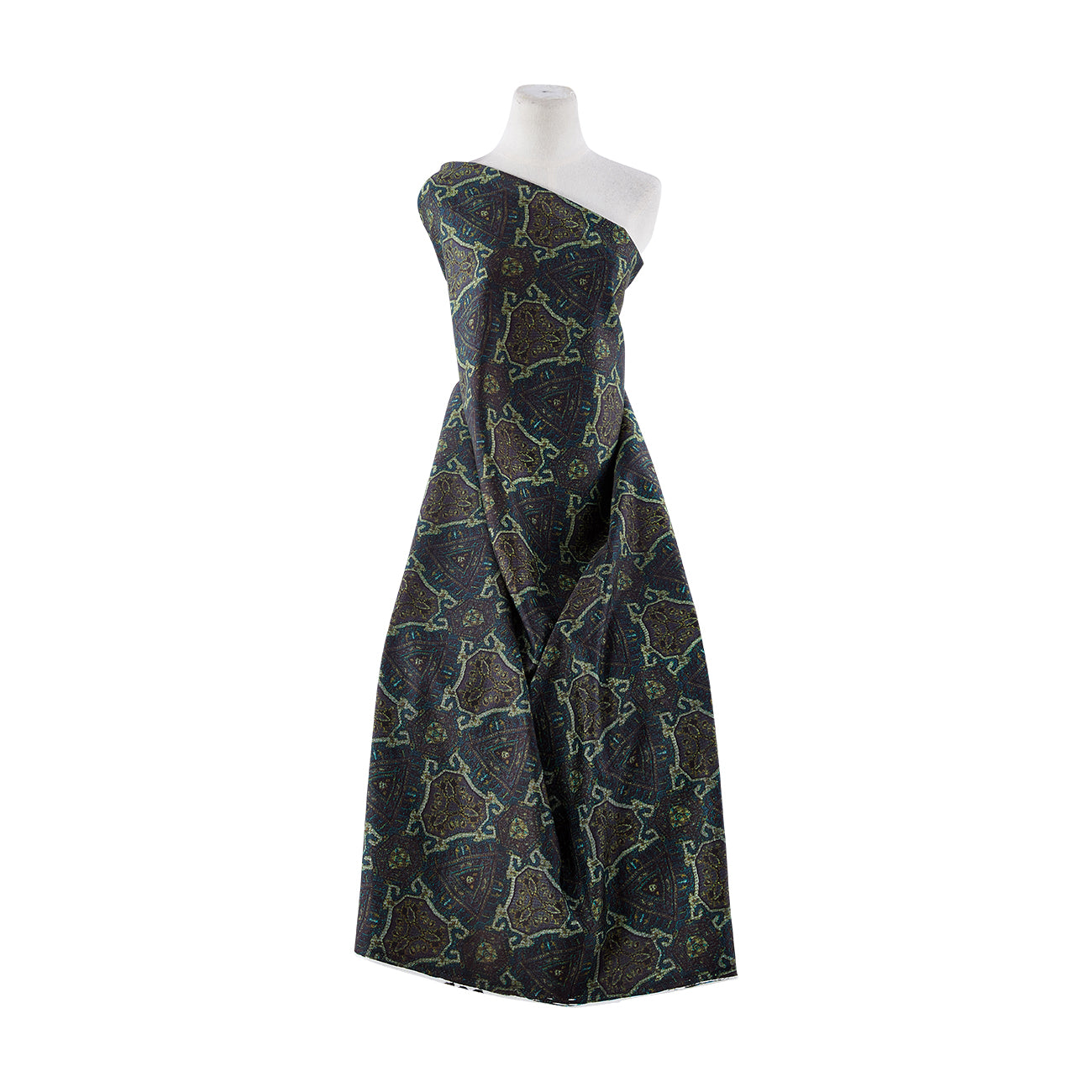
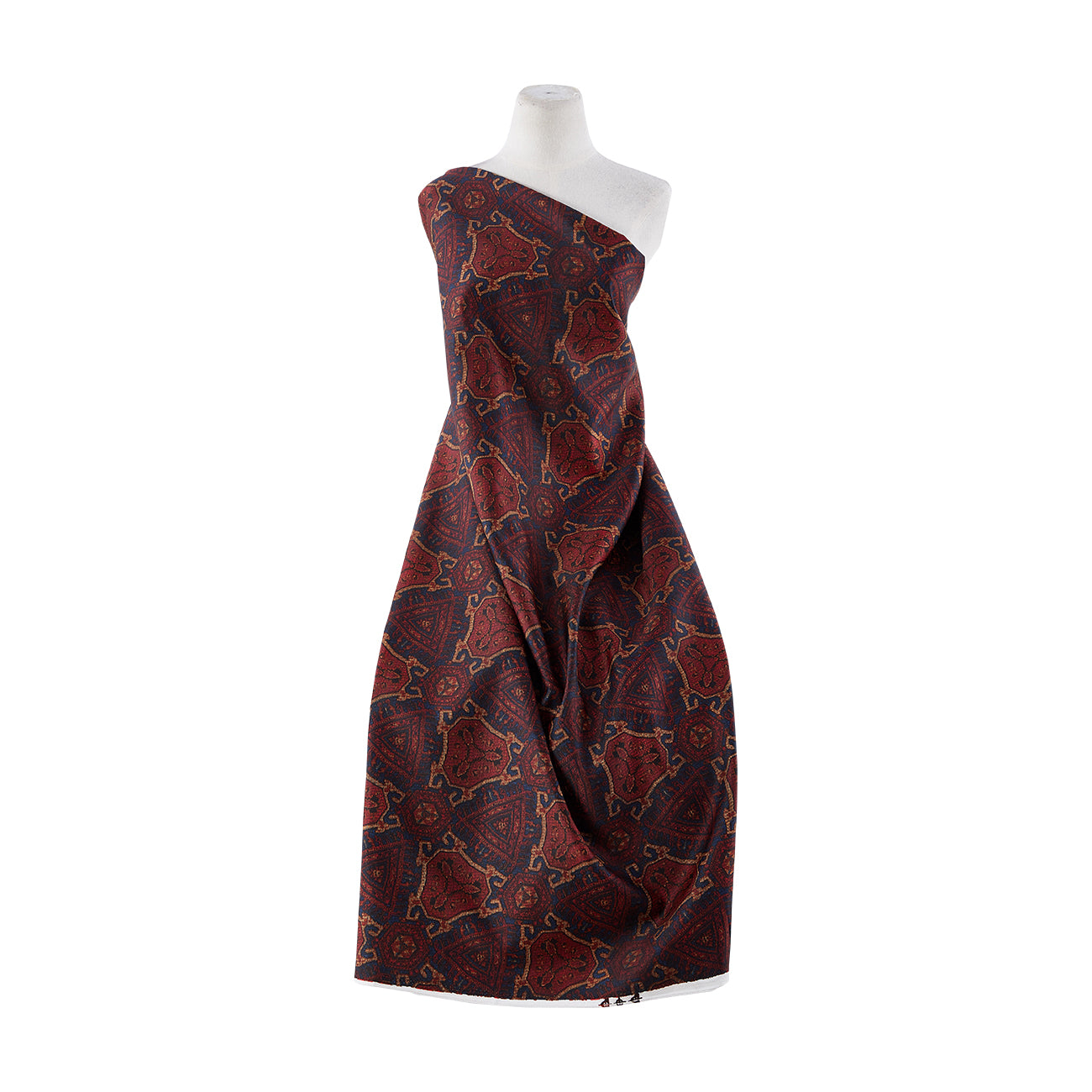
Our collection includes 26 ottoman fabrics by the yard, with solid, striped, printed, and foil-finish options in a range of weights and textures. You’ll also find ottoman knit fabrics with added stretch for fitted garments, skirts, dresses, and other designs that need both texture and flexibility.
Browse the collection below to compare colors, patterns, finishes, and fabric options for your next project.
Types of Ottoman Fabric
Ottoman fabric comes in several distinct constructions and finishes. Here is how to choose the right type for your project.
-
Solid Ottoman (Woven): Firm, non-stretch, plain-color fabric with pronounced horizontal ribs. Best for upholstery, structured jackets, and home decor. The Solid Fine Ottoman offers a refined, finer-rib version of this classic.
-
Ottoman Knit / Ottoman Rib Knit: A stretch version with crosswise elasticity, ideal for fitted dresses, skirts, and tops. Our Avalon Ottoman Knit is a go-to for this category, available in colorways from Baroque Burgundy to Baroque Peacock.
-
Solid Stretch Ottoman: A subset of ottoman knit with added spandex or elastane for 2-way or 4-way stretch. Used in activewear and bodycon silhouettes where stretch recovery matters as much as texture.
-
Striped Ottoman: Woven or knit with color-blocked horizontal or vertical stripes that add visual interest while retaining the ribbed texture. The Striped Ottoman Knit comes in options like Sparkling Cosmo/White and Cherry Tomato/White.
-
Printed / Digital-Print Ottoman: Base ottoman fabric with surface printing, allowing pattern variety without changing the underlying rib structure. A practical choice when a sewing pattern review calls for visual complexity without added texture weight.
-
Foil / Glitter Ottoman: Ottoman base with a metallic foil or glitter finish, used for eveningwear and statement pieces. Think of it as the sequin-adjacent option in the ottoman family, delivering shine without the bulk of individual embellishments.
-
Waffle Ottoman: A textured variant with a grid-like waffle pattern layered over the rib structure. It has a heavier hand and is often used for outerwear and structured home decor applications.
Common Uses and Project Ideas for Ottoman Fabric
Ottoman fabric’s firm structure and elegant ribbed surface make it one of the most versatile fabrics in both fashion and home decor. Knowing which construction to reach for saves time between the sample room and the production floor.
-
Apparel: Woven ottoman is the workroom standard for structured blazers, pencil skirts, and tailored jackets that need to hold a clean line. Ottoman knit and stretch ottoman shift the equation toward fitted dresses, bodices, and activewear, where crosswise stretch and stretch recovery are the priority. Foil and glitter ottoman variants are a natural fit for eveningwear, delivering the surface interest a ruffle or embellishment would otherwise provide.
-
Home Decor: The firm hand of woven ottoman makes it well-suited for upholstery on ottomans and accent chairs, drapery panels, and throw pillow covers. Designers from Brunschwig Fils to independent decorators have long relied on ribbed woven fabrics for their ability to hold structure under repeated use. The horizontal rib also photographs well, which matters for e-commerce and editorial shoots alike.
-
Accessories: Structured tote bags, belts, and headbands all benefit from ottoman’s body. Because the fabric does not require interfacing in most applications, it cuts construction time without sacrificing finish quality.
A note on matching construction to project: ottoman knit and stretch ottoman are better choices for fitted apparel. In contrast, woven ottoman is better for upholstery, drapery, and structured garments where minimal stretch is an asset.
Care and Fabric Handling Tips
Care requirements for ottoman fabric vary by fiber content. Always check the bolt label before cutting.
-
Polyester ottoman: Generally machine washable on a gentle cycle in cold water, then tumble dry on low heat. The most forgiving option for production environments and home sewers alike.
-
Cotton ottoman: May shrink. Pre-wash before cutting. Iron on medium heat with a pressing cloth to protect the rib texture and avoid flattening the cords.
-
Acetate ottoman: Dry cleaning is recommended. Acetate is heat-sensitive, so avoid high iron temperatures entirely.
-
General pressing tip: Always press from the wrong side, or use a pressing cloth on the right side, to keep the horizontal ribs crisp and raised.
-
Stretch and knit ottoman: Use a ballpoint needle when sewing. A serger or zigzag stitch is recommended to accommodate crosswise stretch without breaking the seam.
Frequently Asked Questions
What is ottoman fabric?
Ottoman fabric is a woven or knit fabric with pronounced horizontal ribs created by tightly packed filling yarns. It is known for its firm structure, subtle sheen, and durability. The name references the ottoman, the upholstered furniture form the fabric has long been used to cover, and the construction is well-documented in textile references, including Wikimedia Commons fabric archives.
Is ottoman fabric stretchy?
Woven ottoman has little to no stretch. Ottoman knit and stretch ottoman have significant crosswise stretch, especially when blended with spandex or elastane. If your project needs give, choose the knit or stretch construction.
What is ottoman fabric used for?
Upholstery, drapery, structured jackets, pencil skirts, fitted dresses, eveningwear, throw pillow covers, and structured accessories. The specific construction (woven vs. knit) determines which application it suits best.
What is the difference between ottoman and ponte fabric?
Ponte is a double-knit fabric with a smooth, even surface. Ottoman has a distinctly ribbed texture and is generally firmer and heavier. Both are workroom staples, but they serve different silhouettes and end uses.
How much ottoman fabric do I need?
For a standard dress, plan for 2-3 yards. For upholstery on a small ottoman or accent chair, plan for 2-4 yards, depending on the piece’s dimensions. Always add 10-15% for seam allowance and any pattern matching the rib texture requires.