
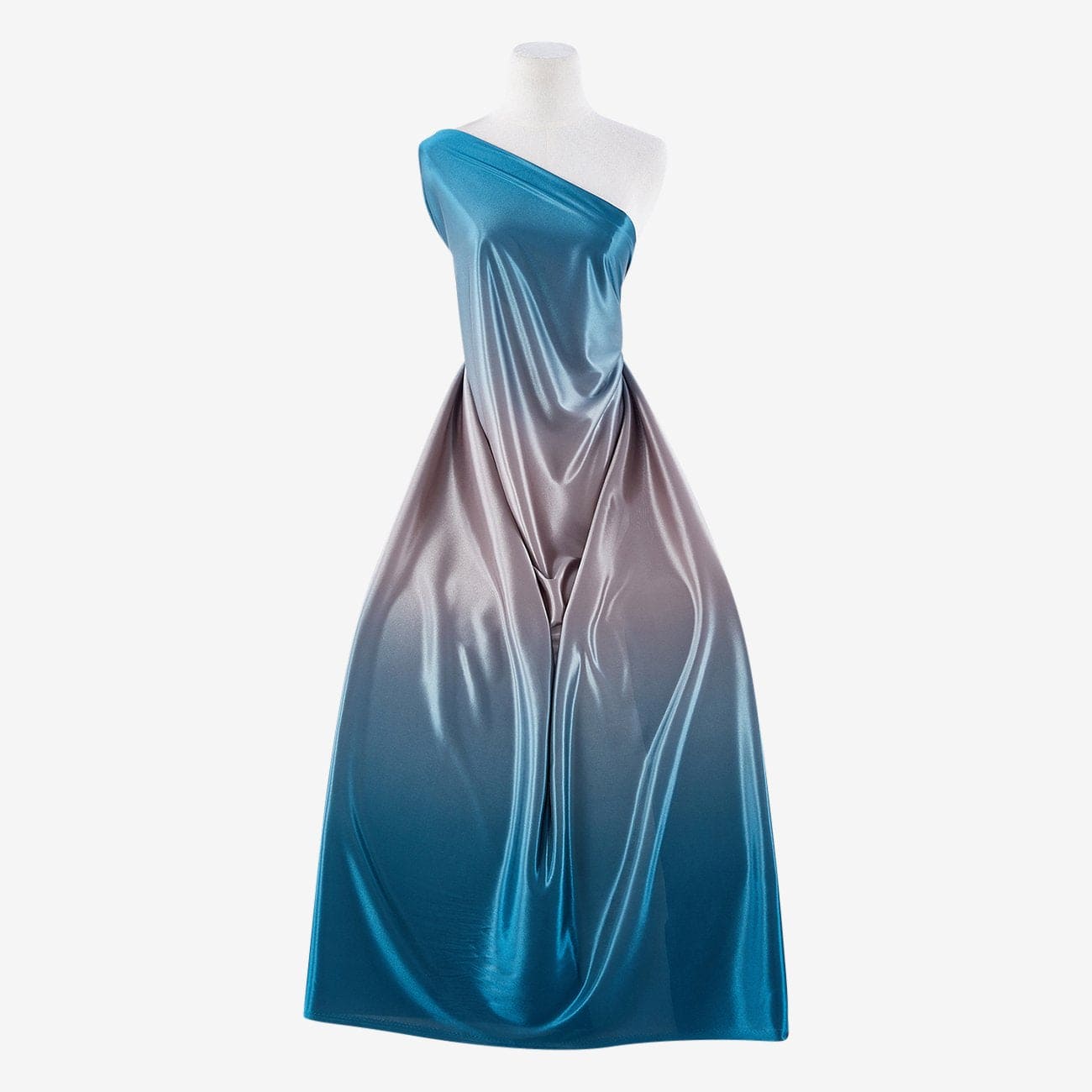
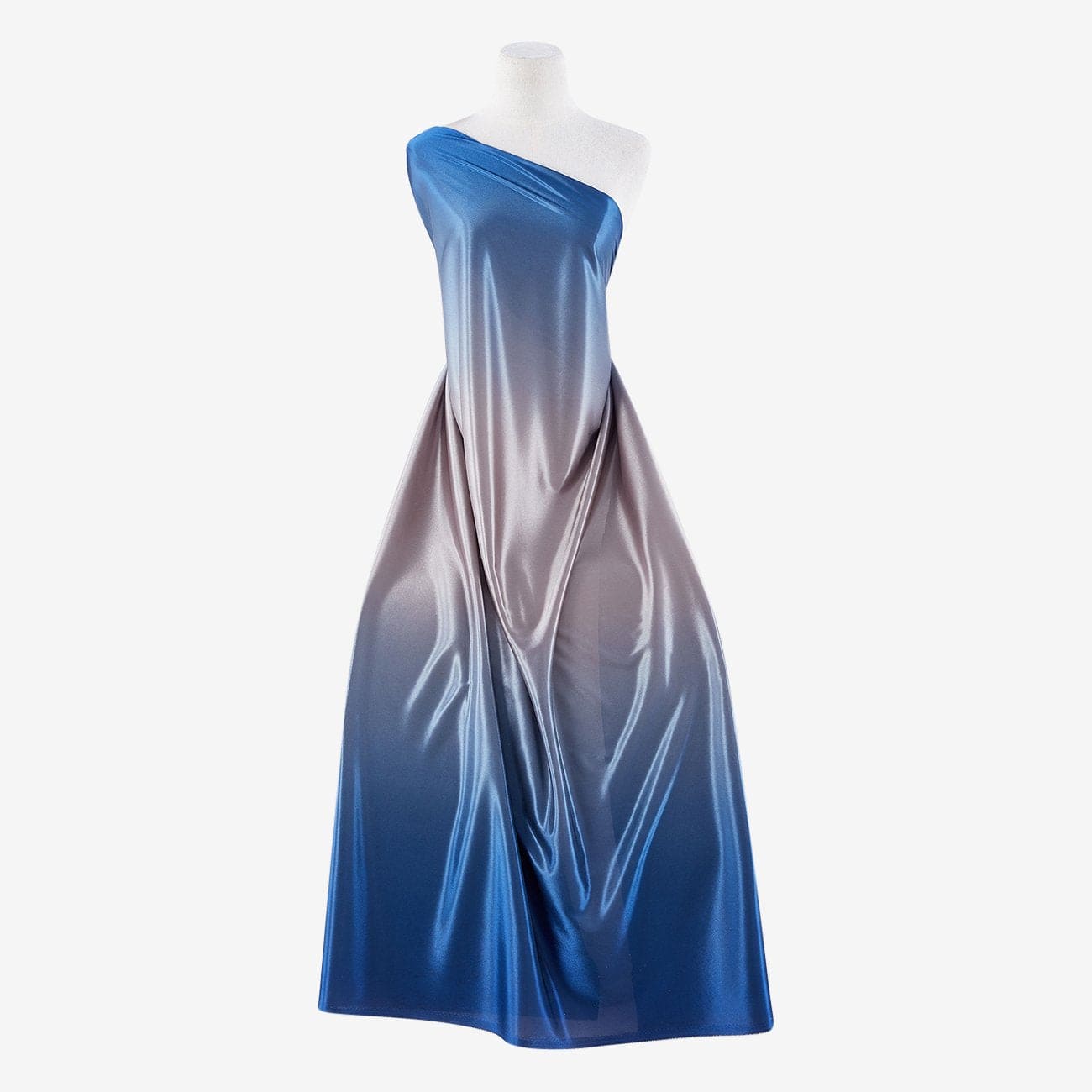
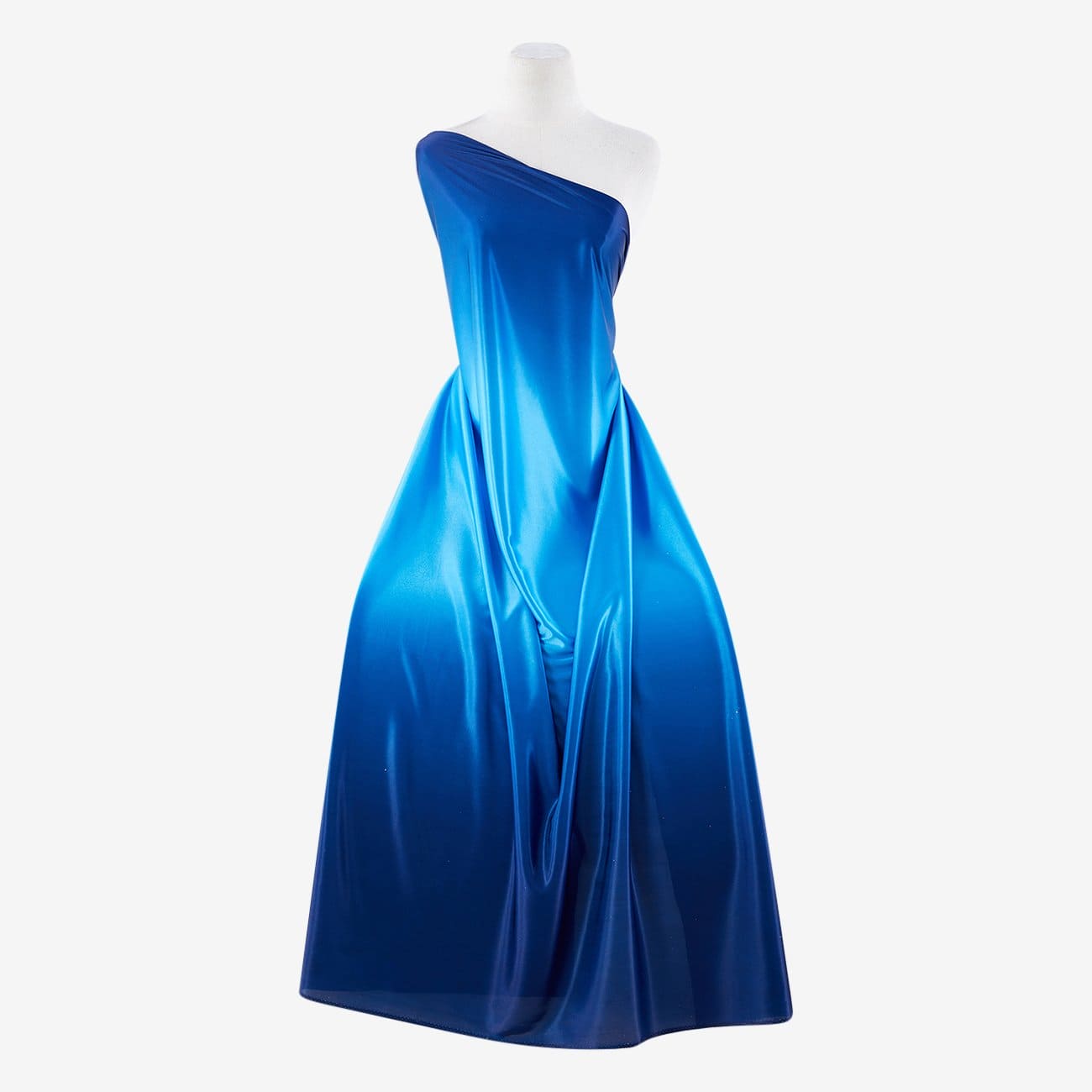
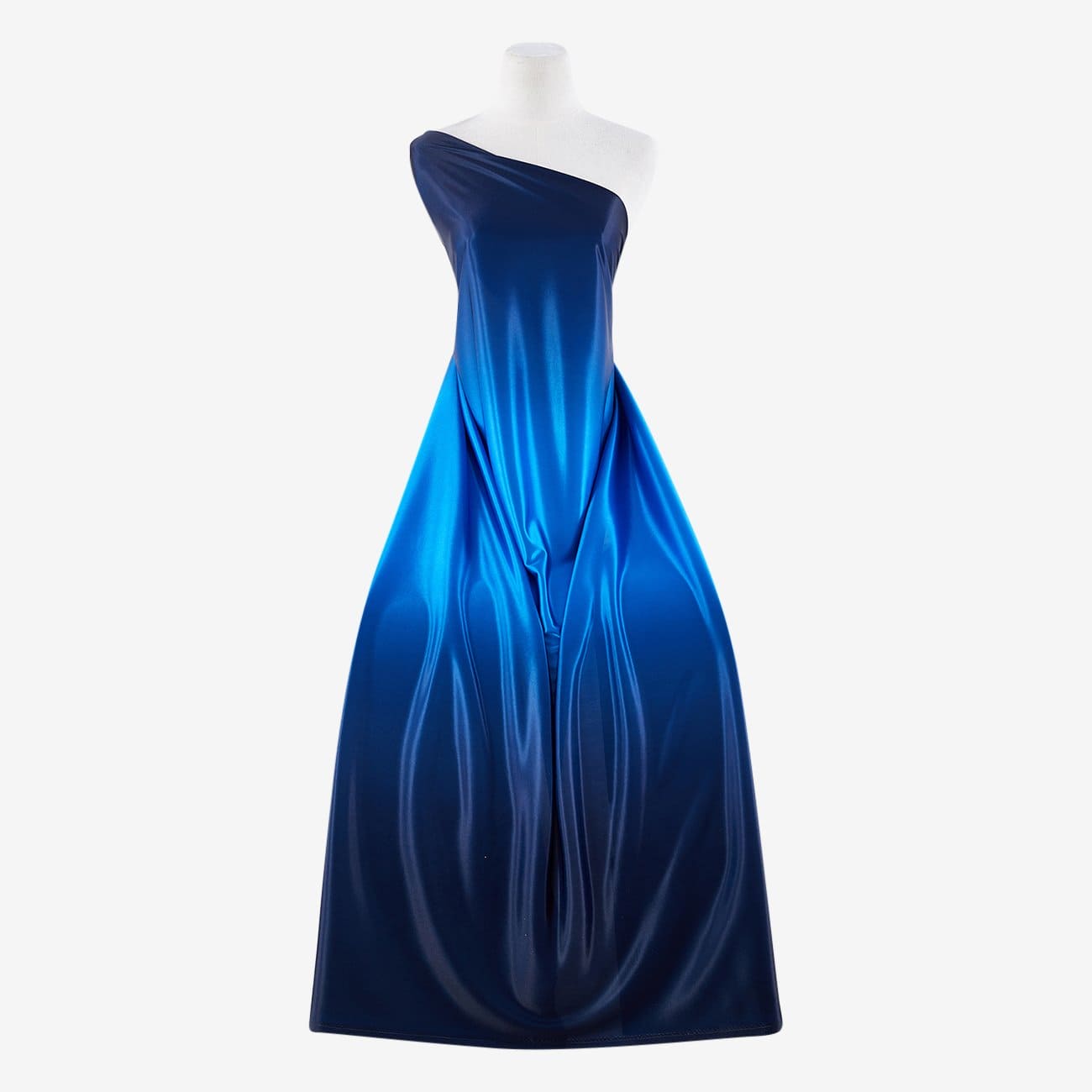
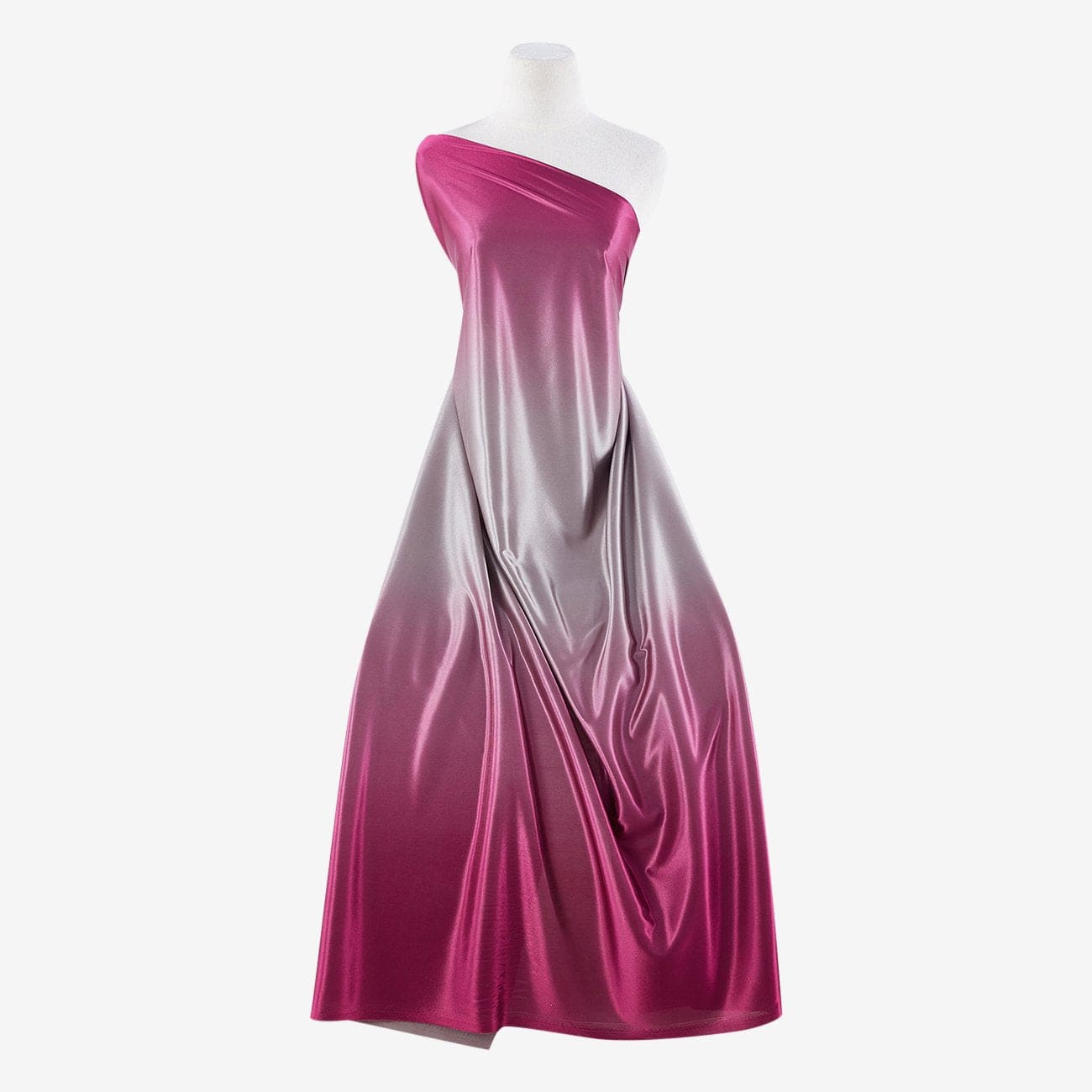
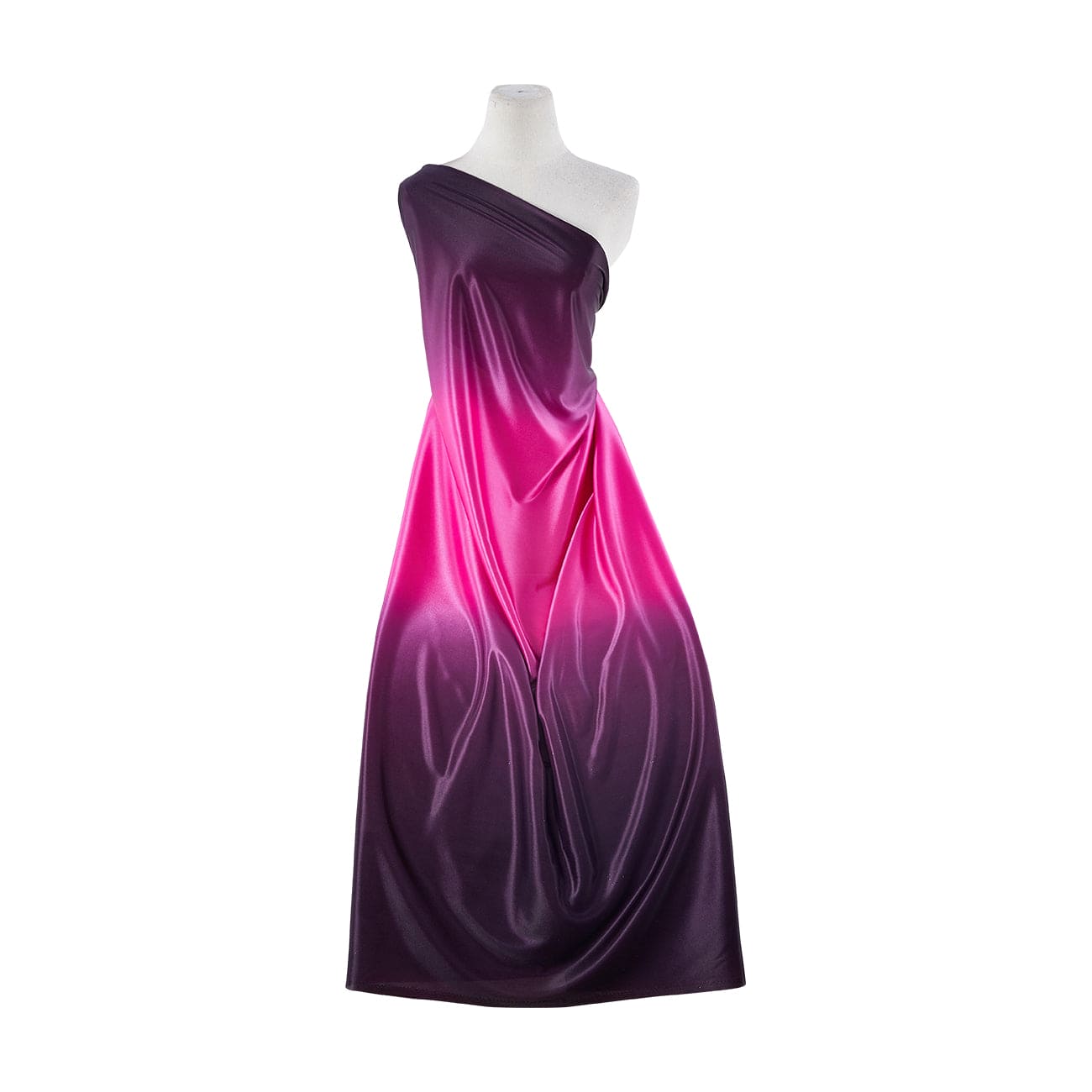
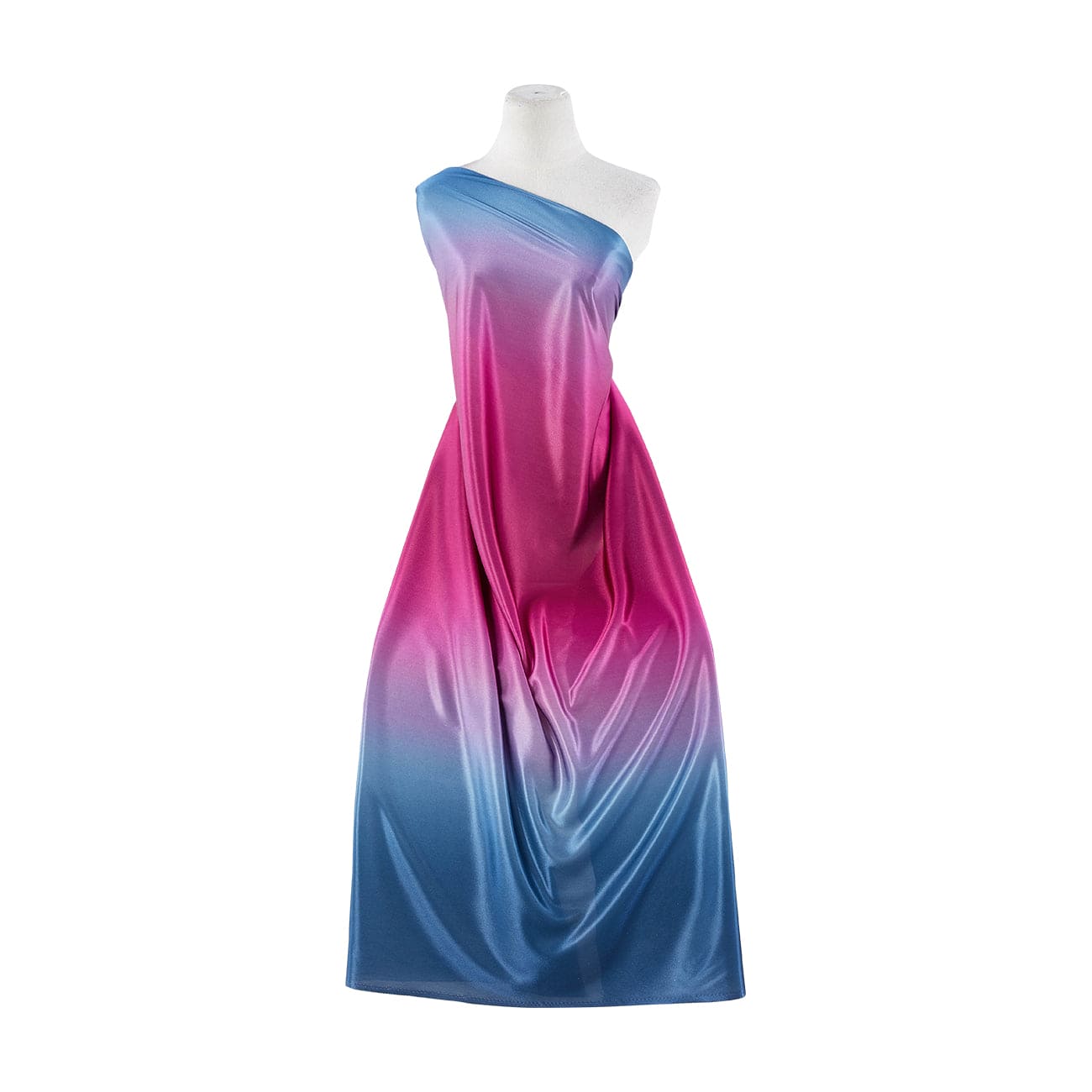
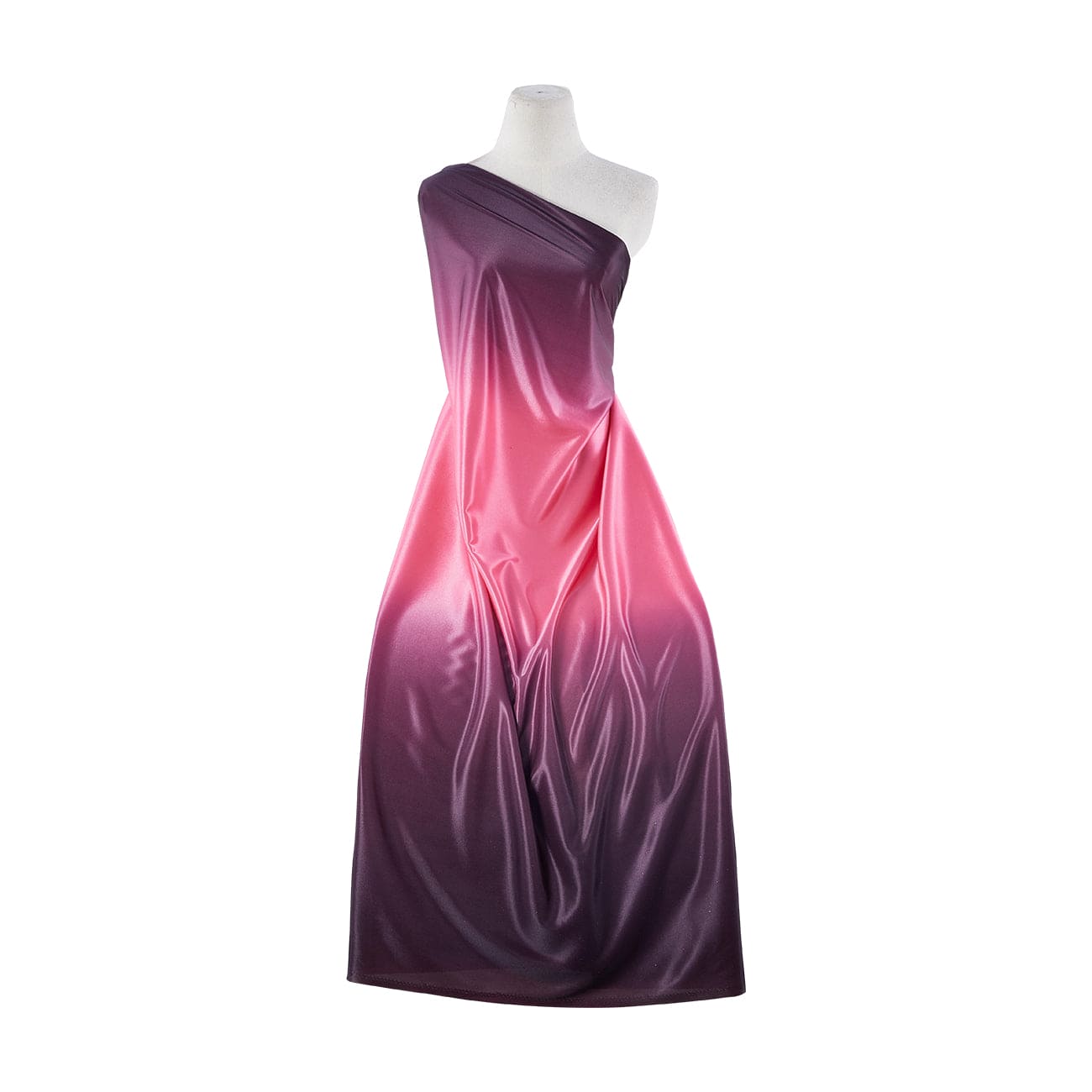
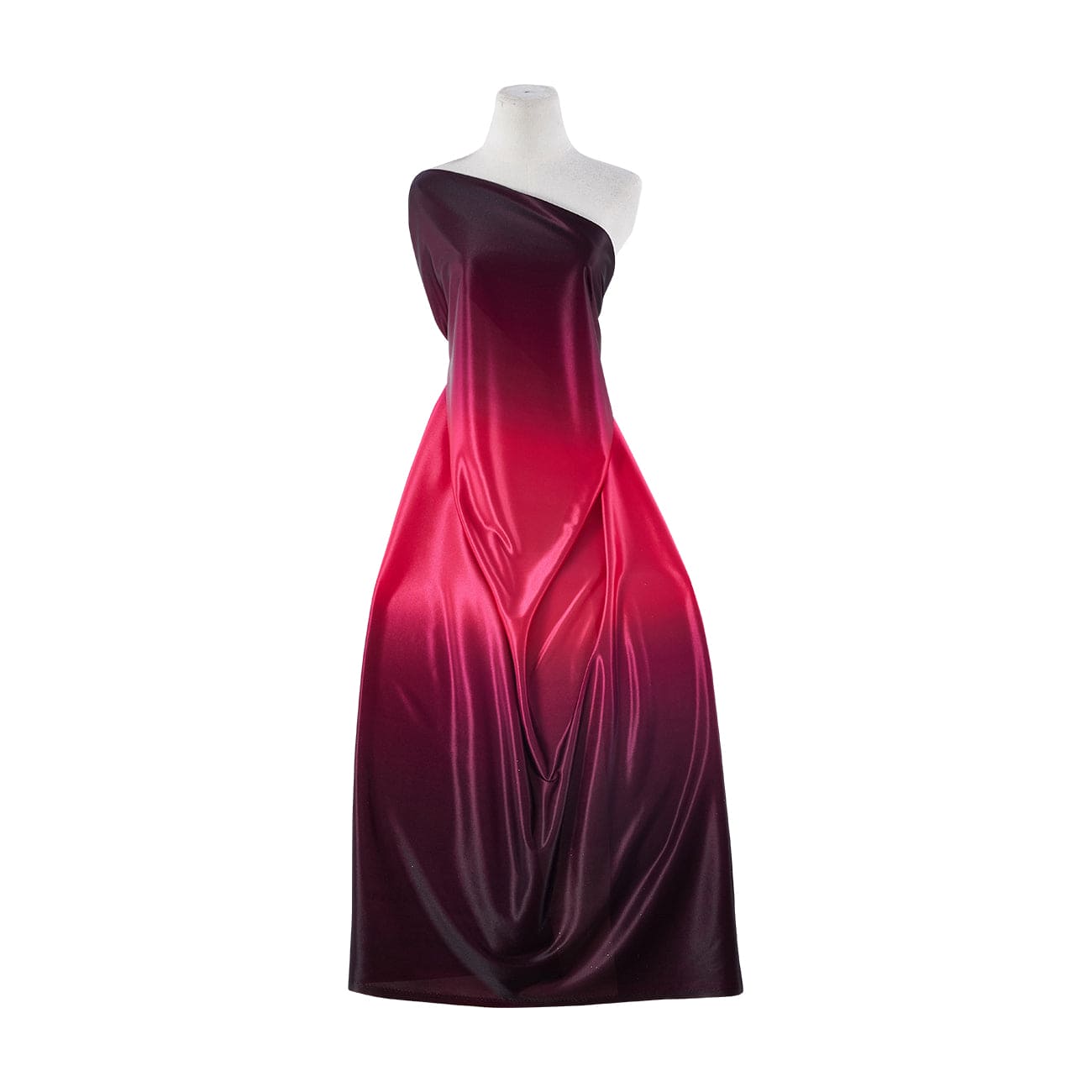
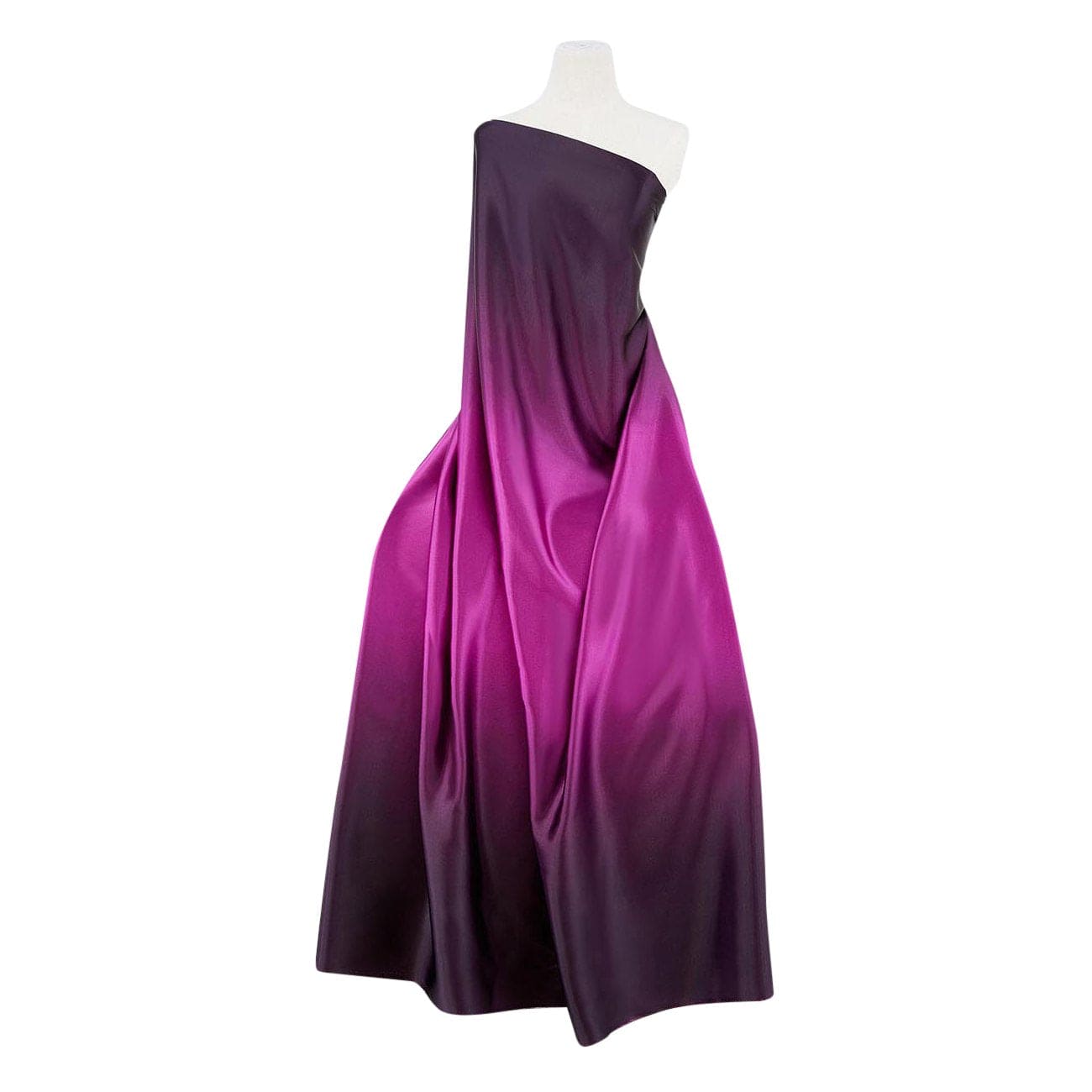
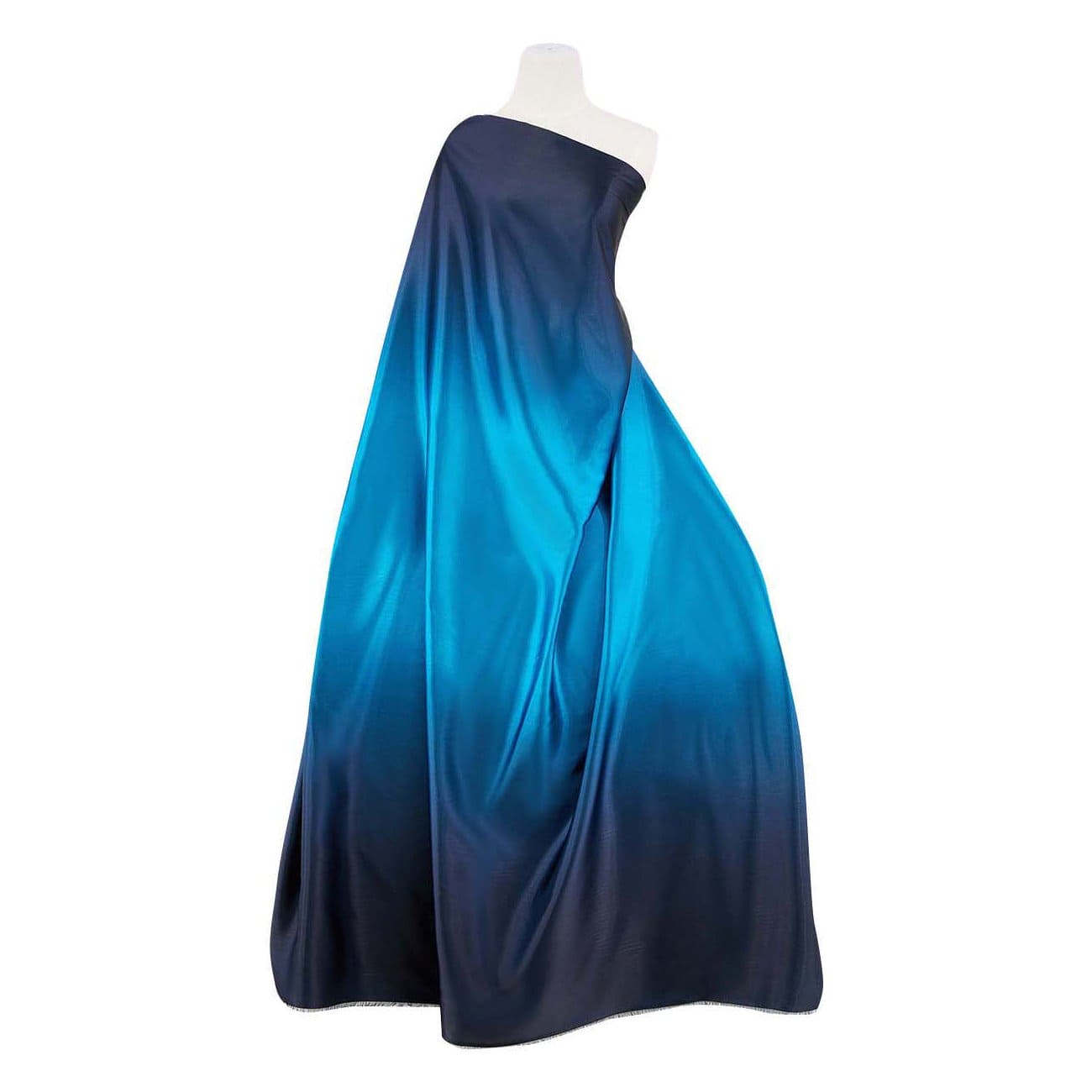
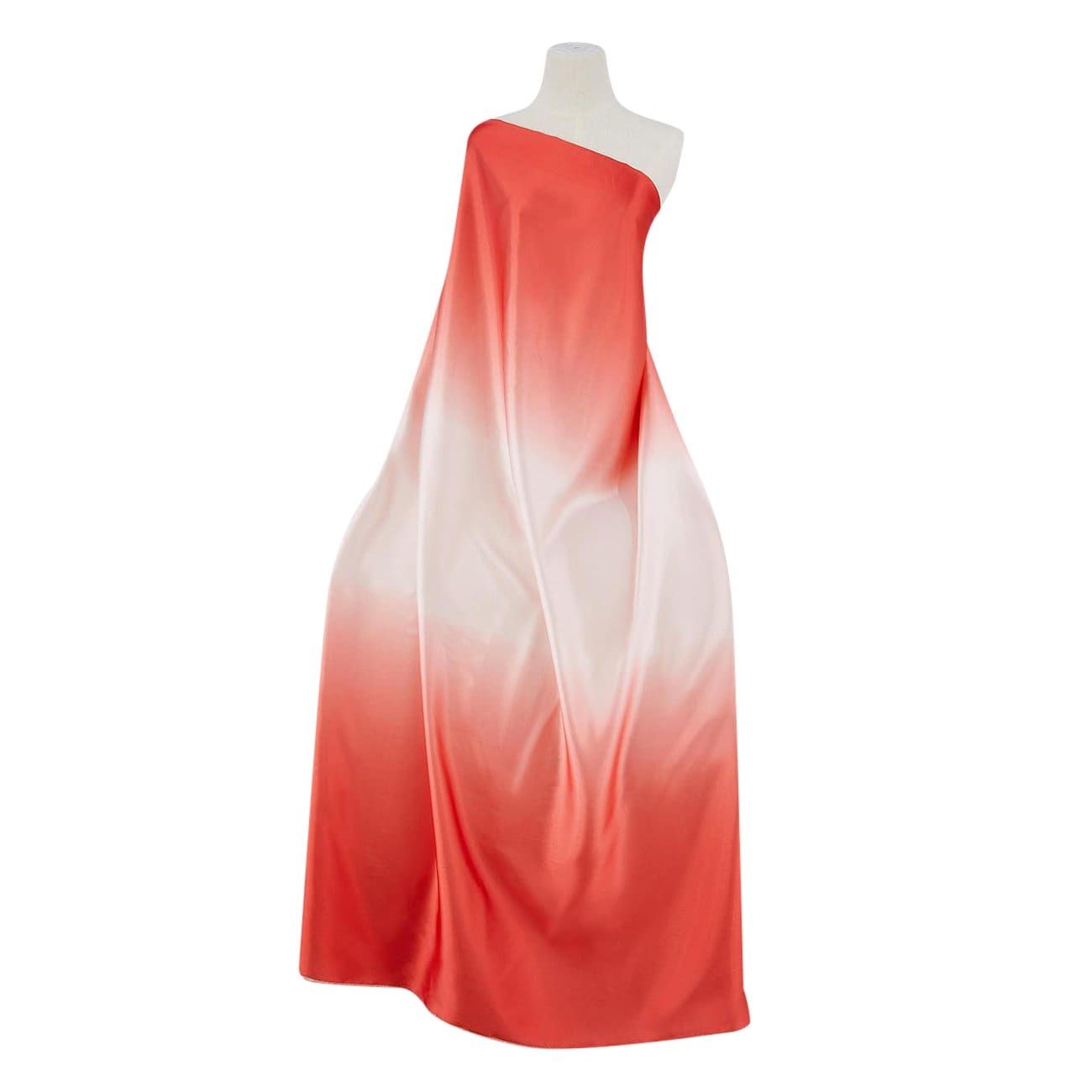
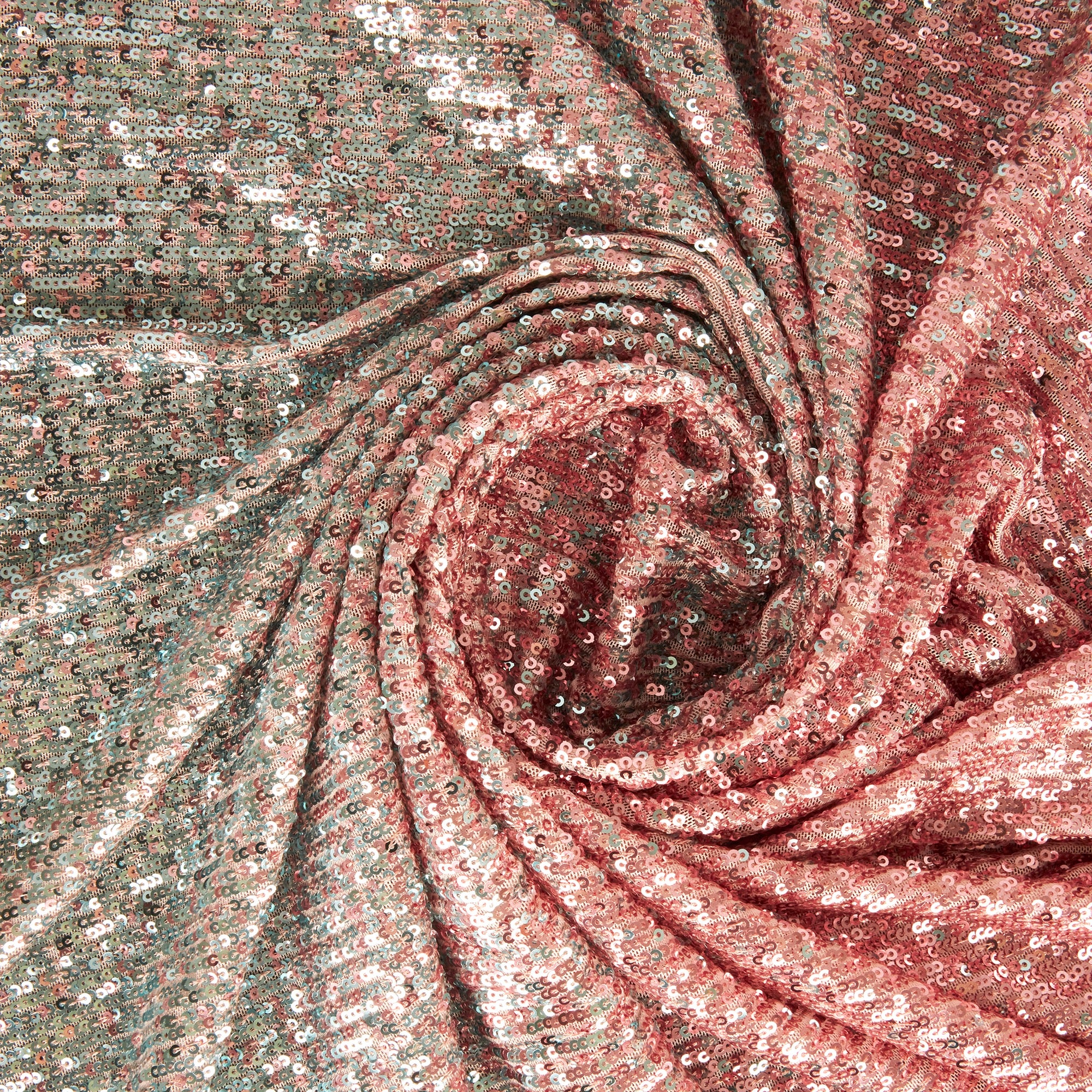
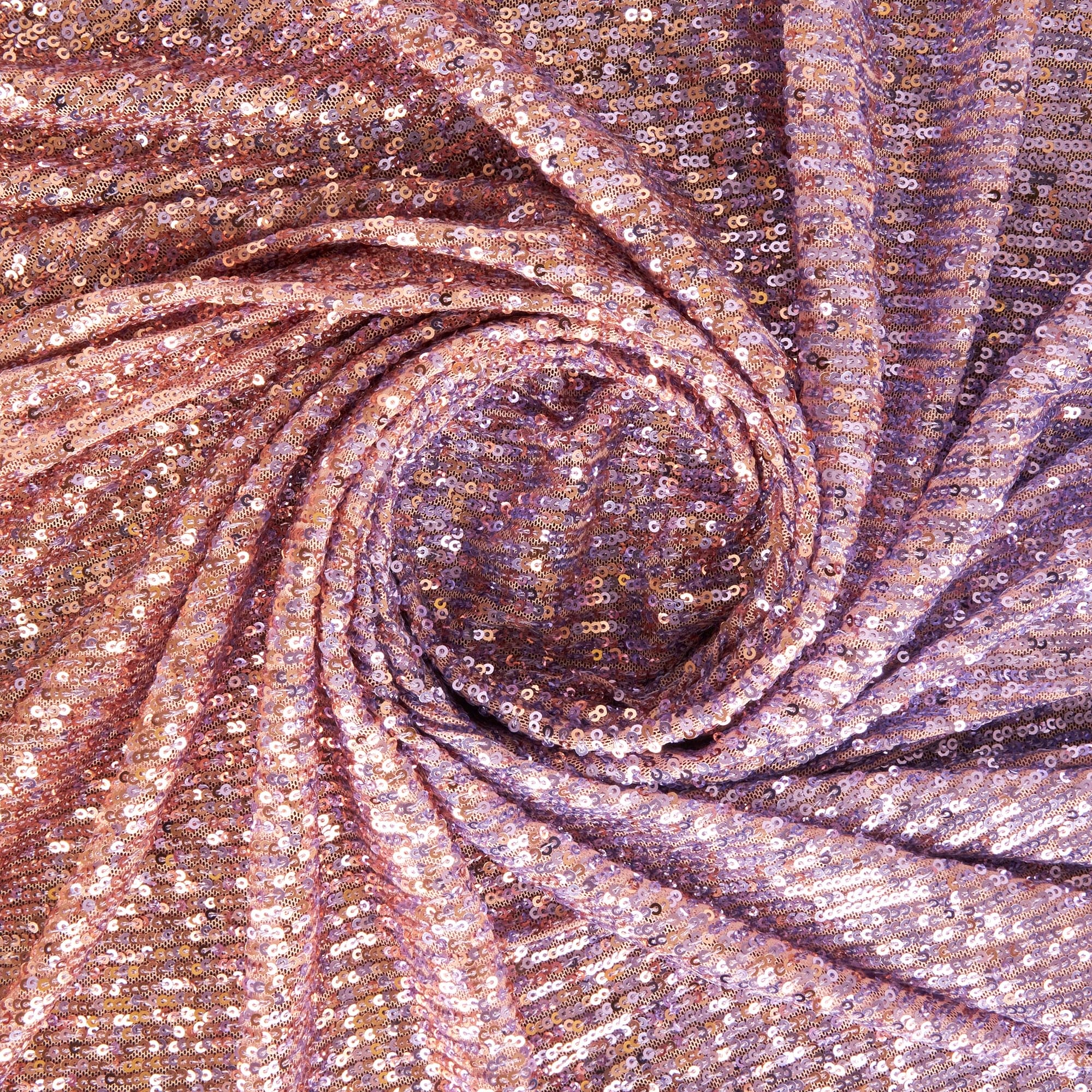
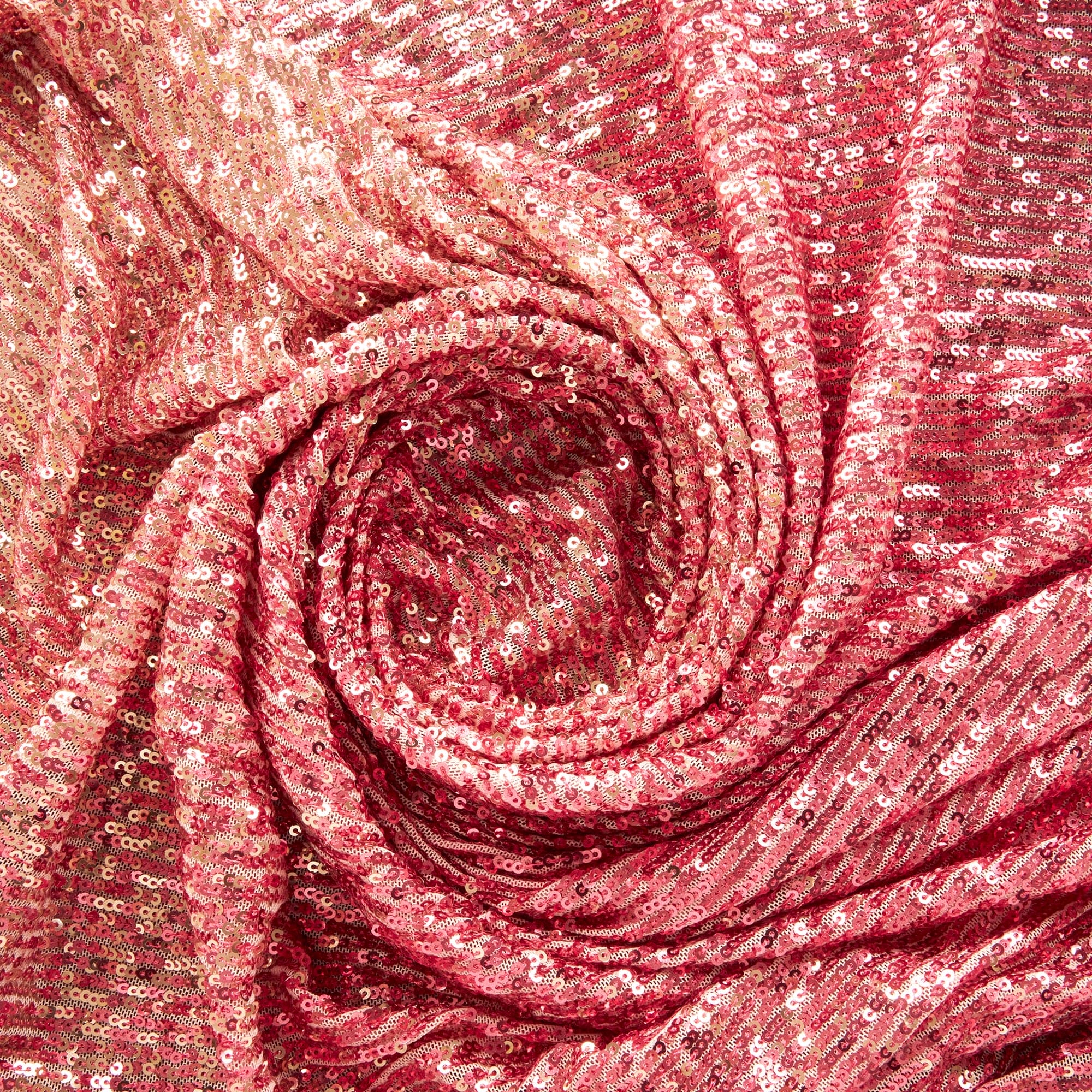
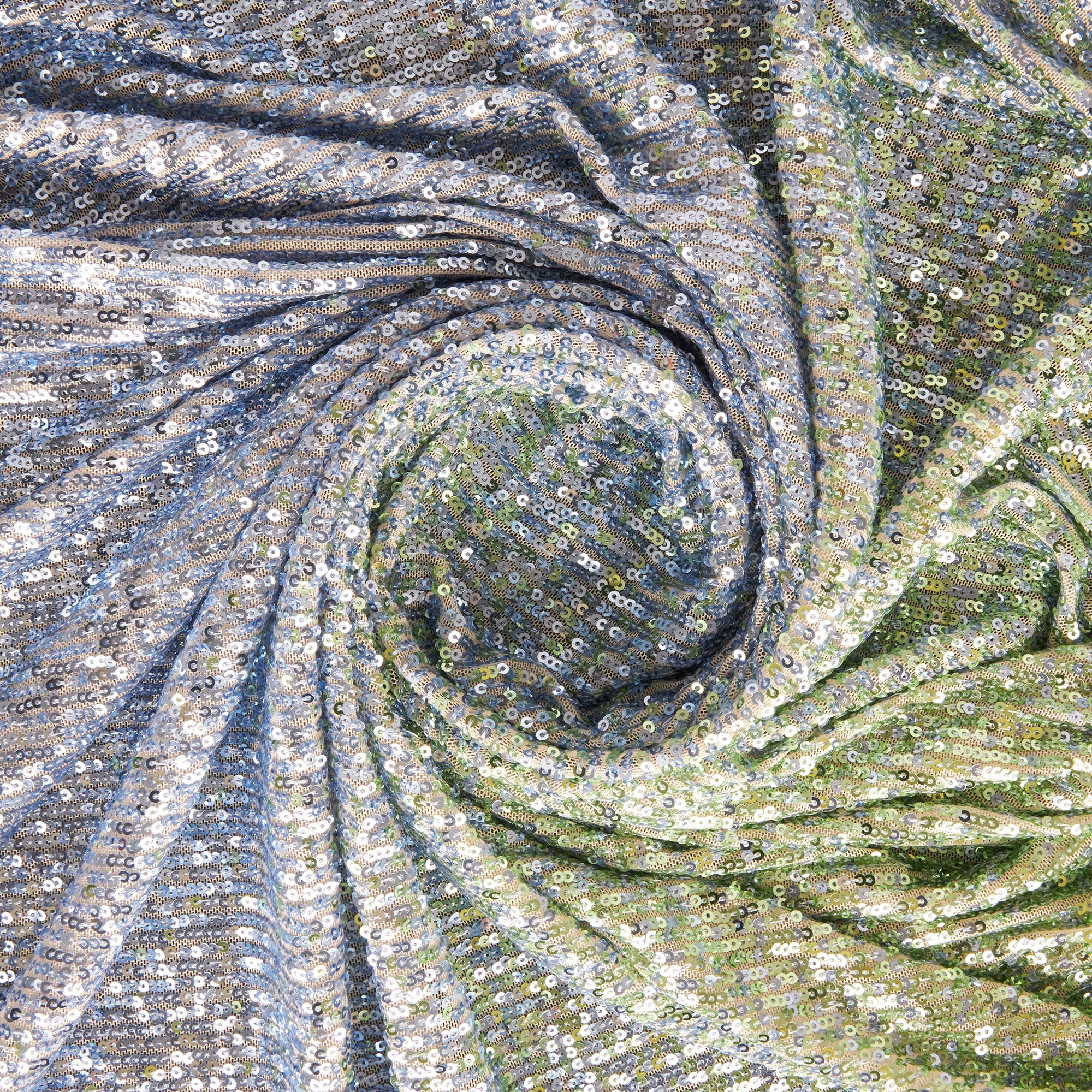
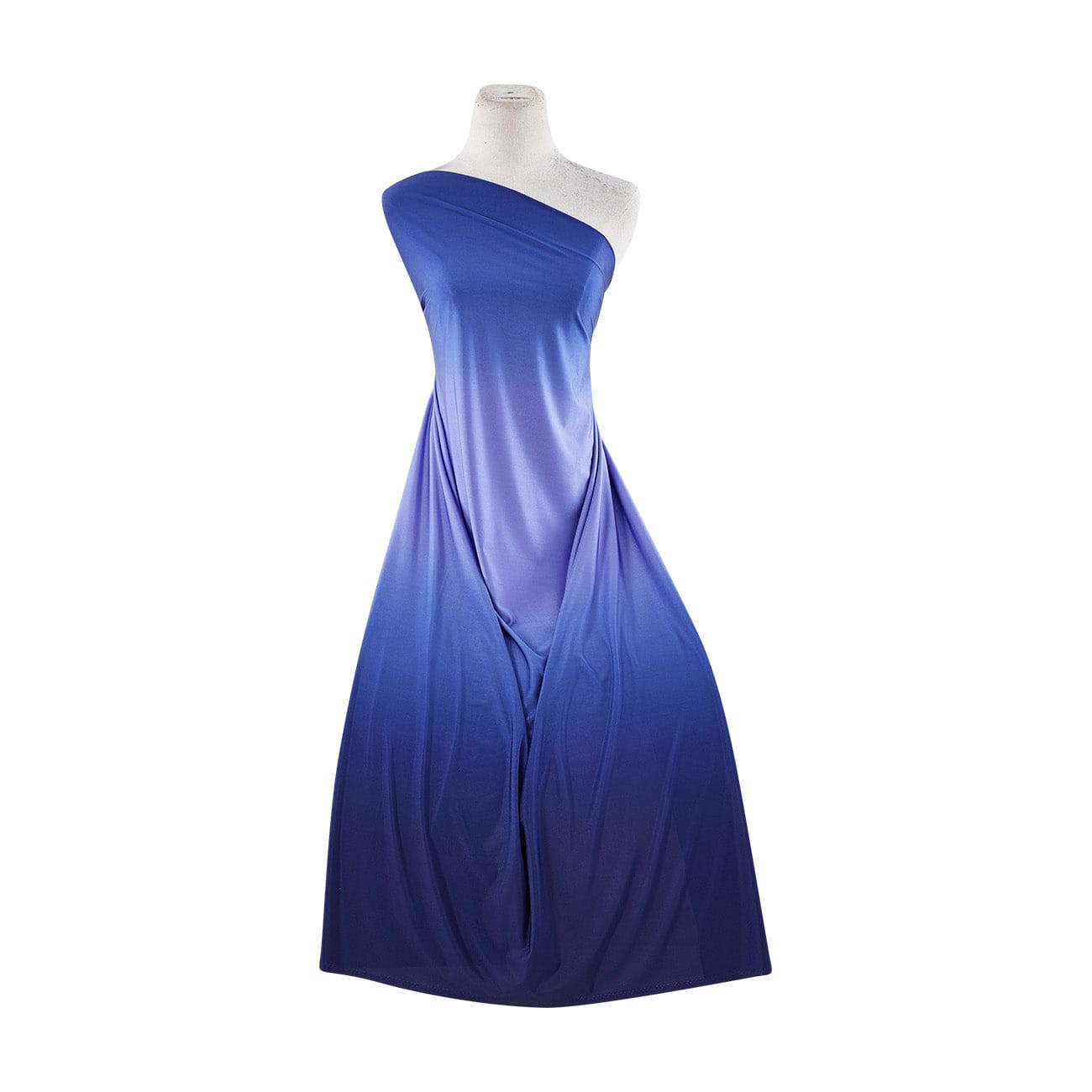
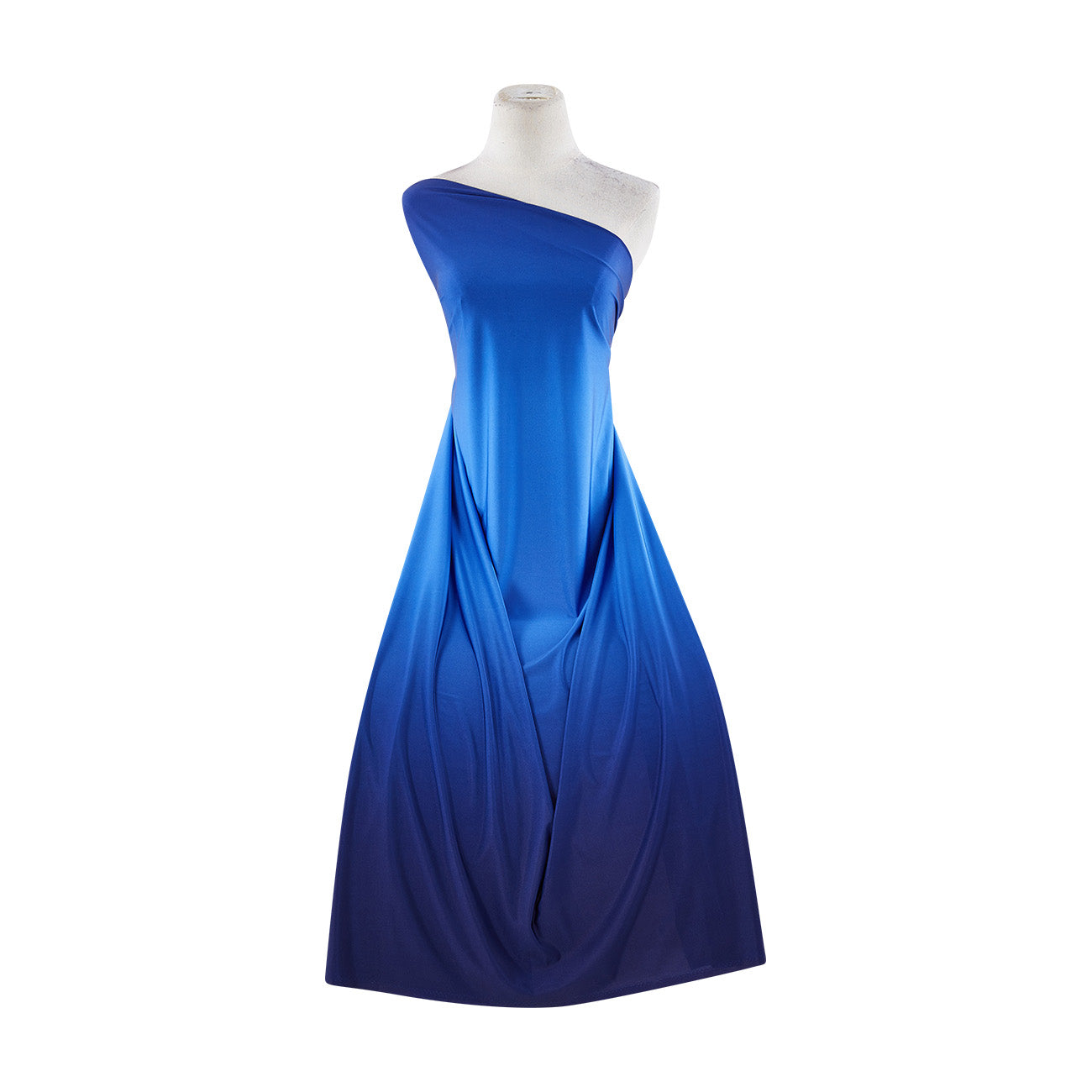
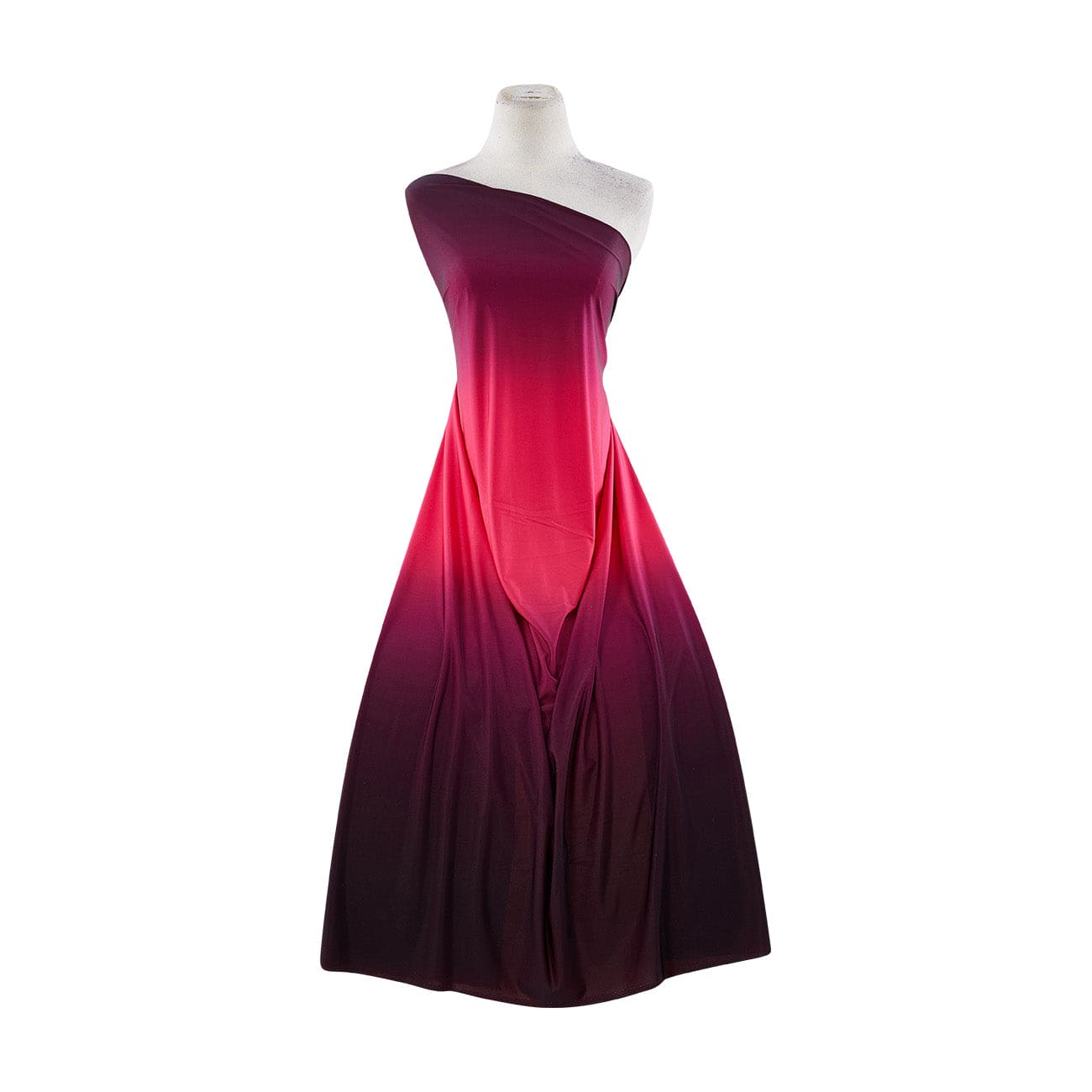
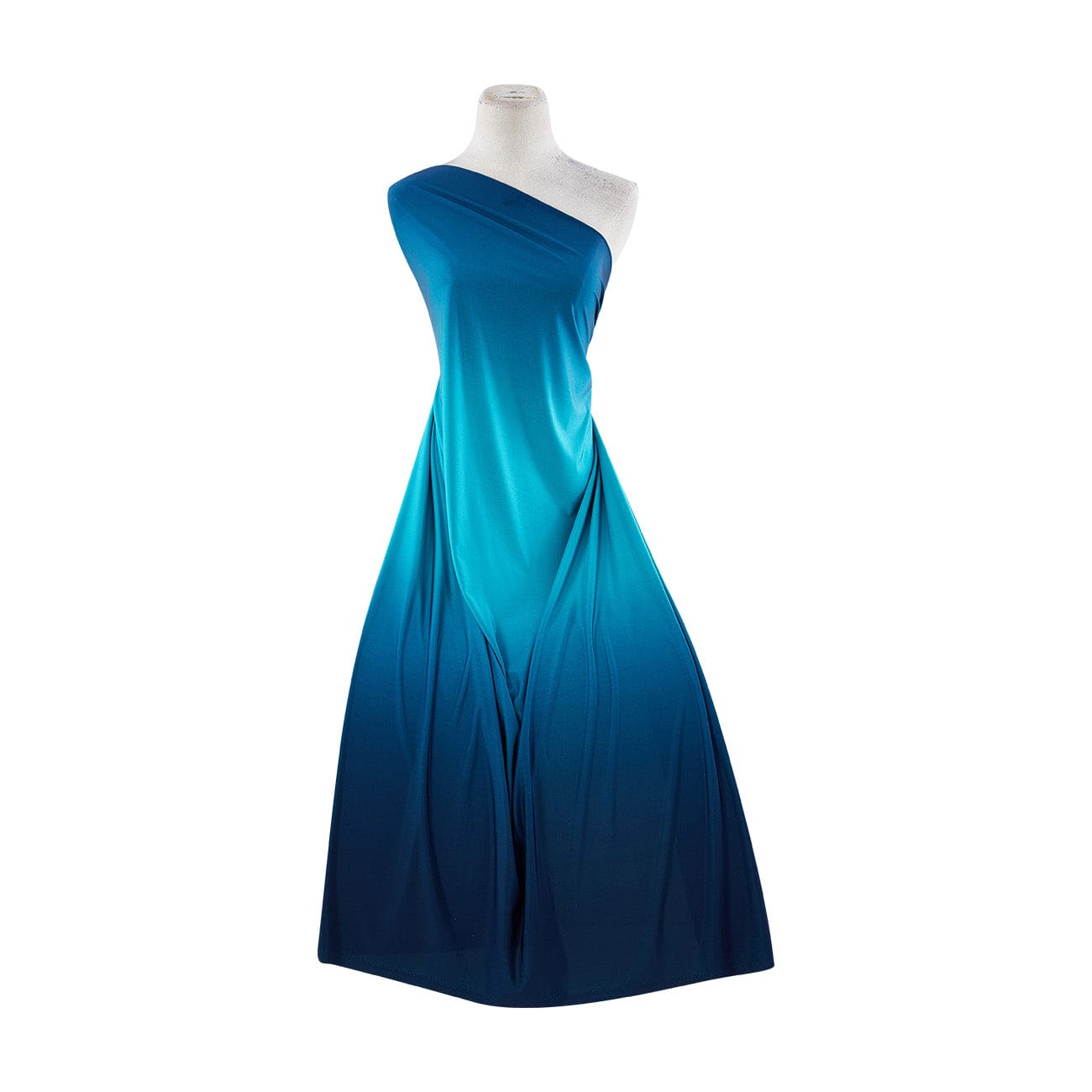


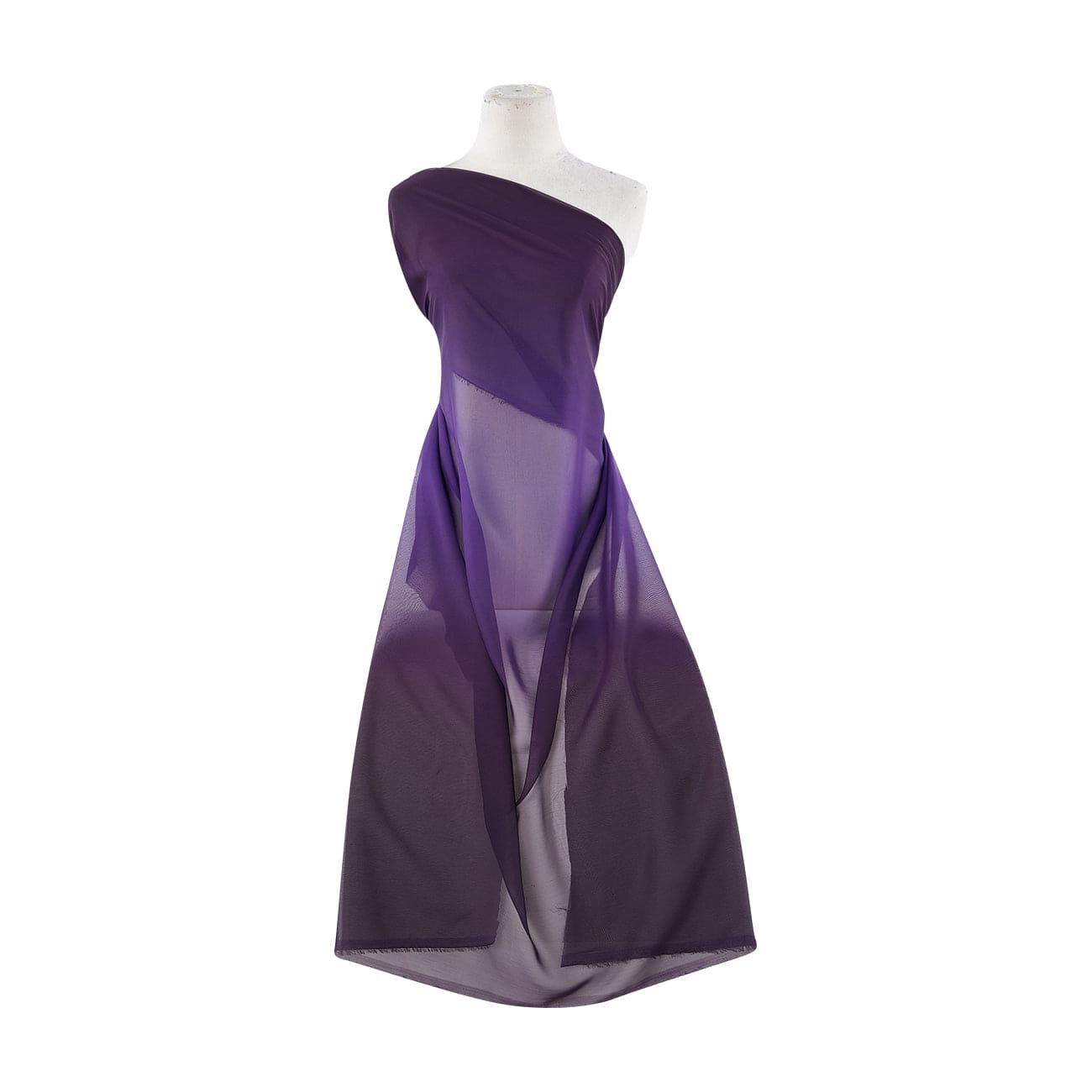
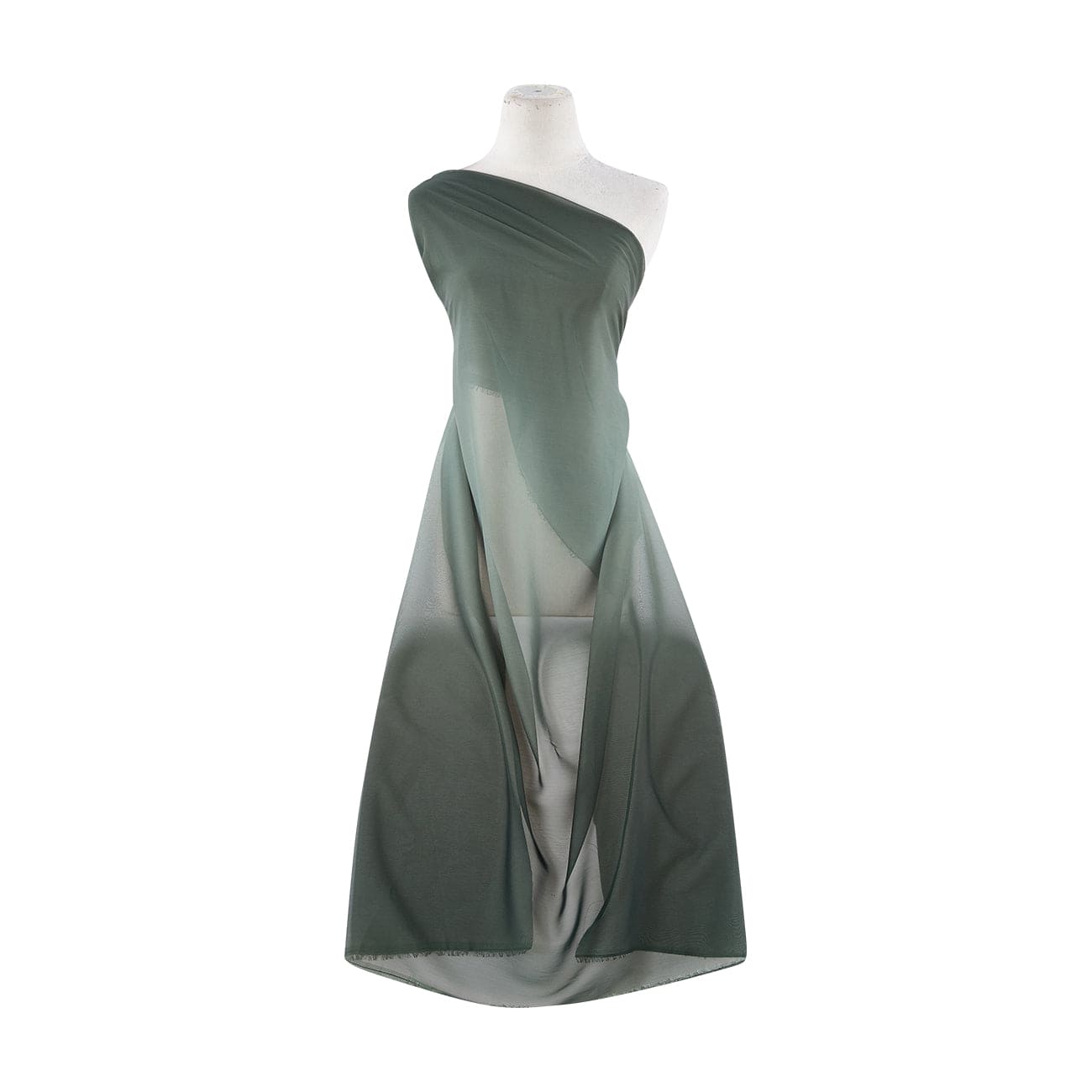
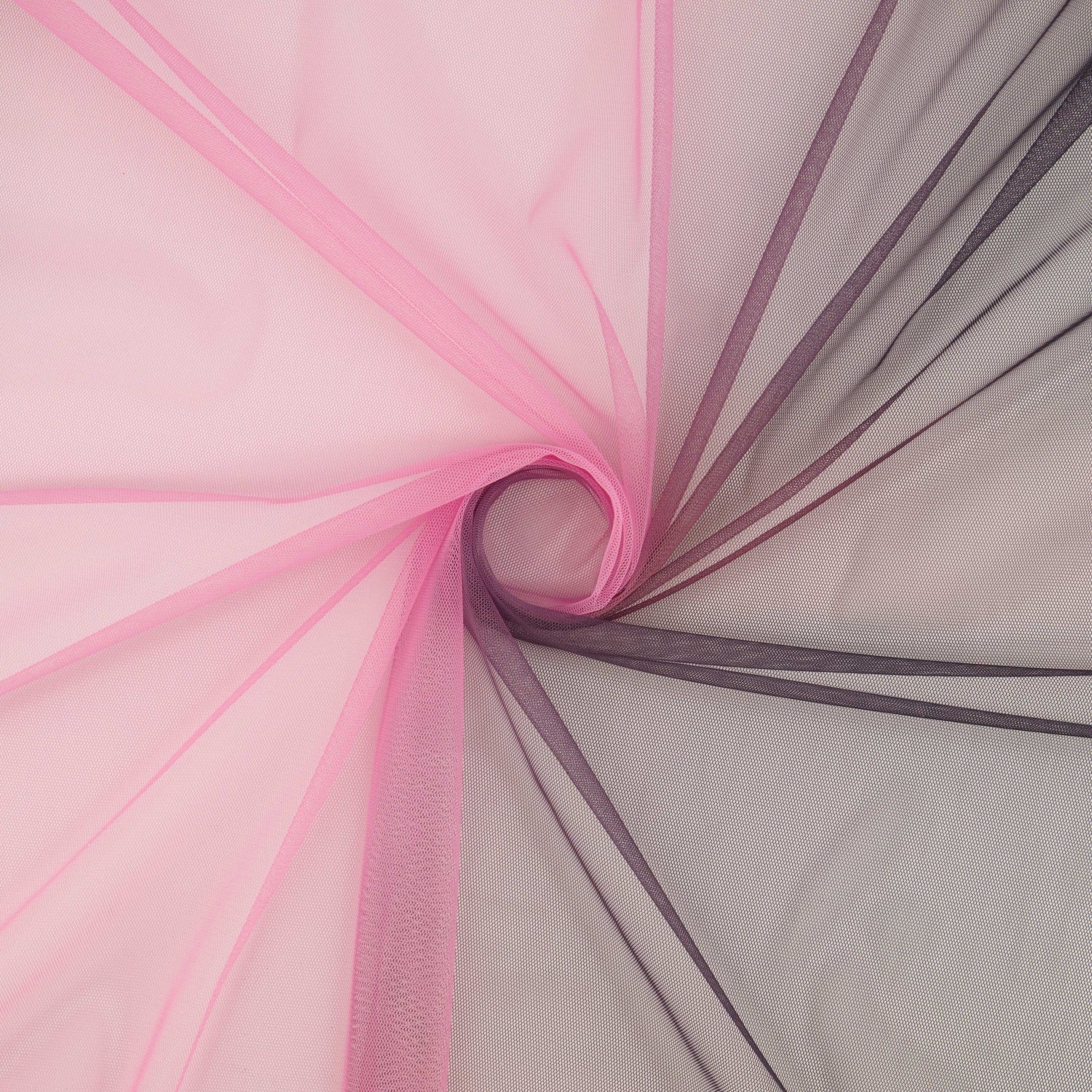
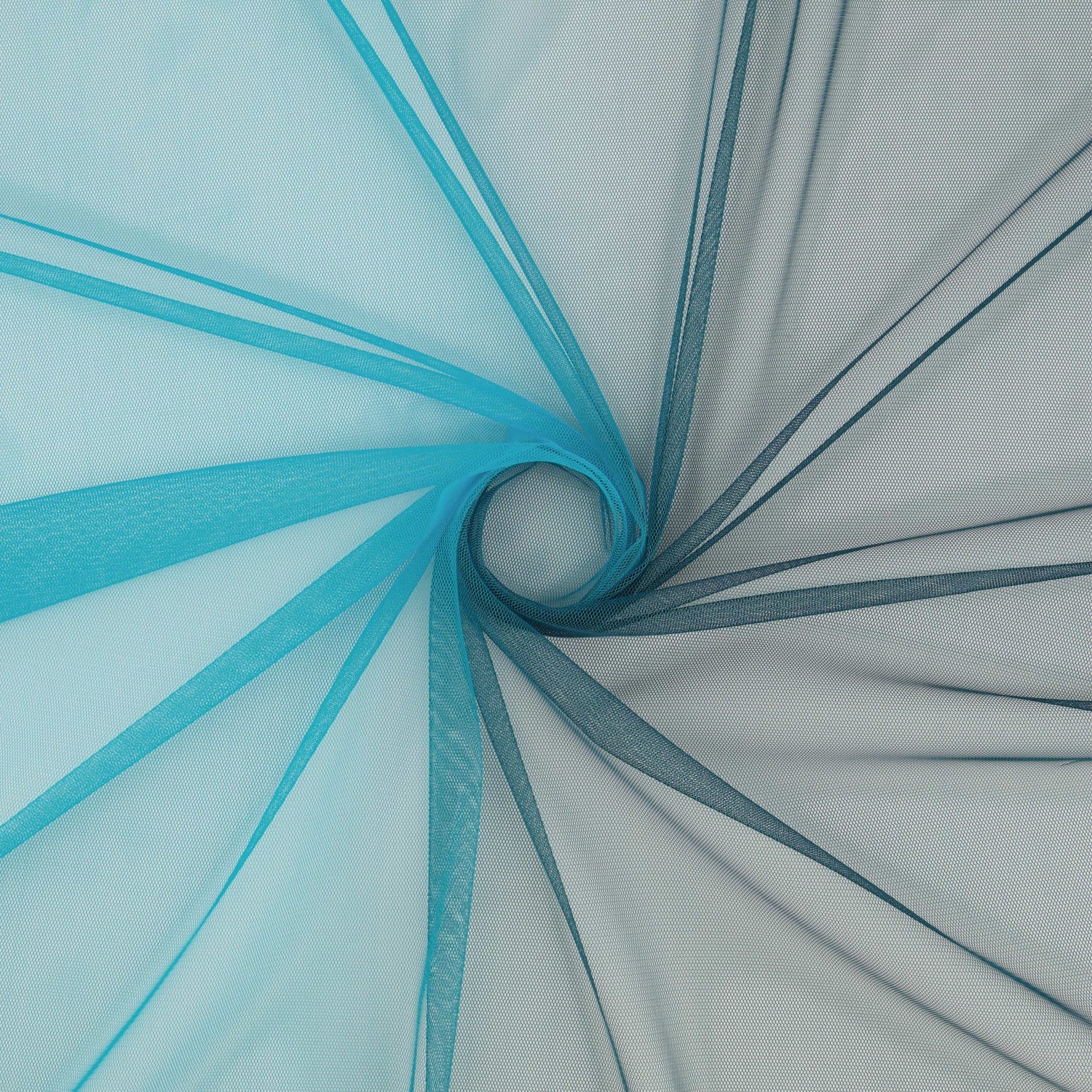
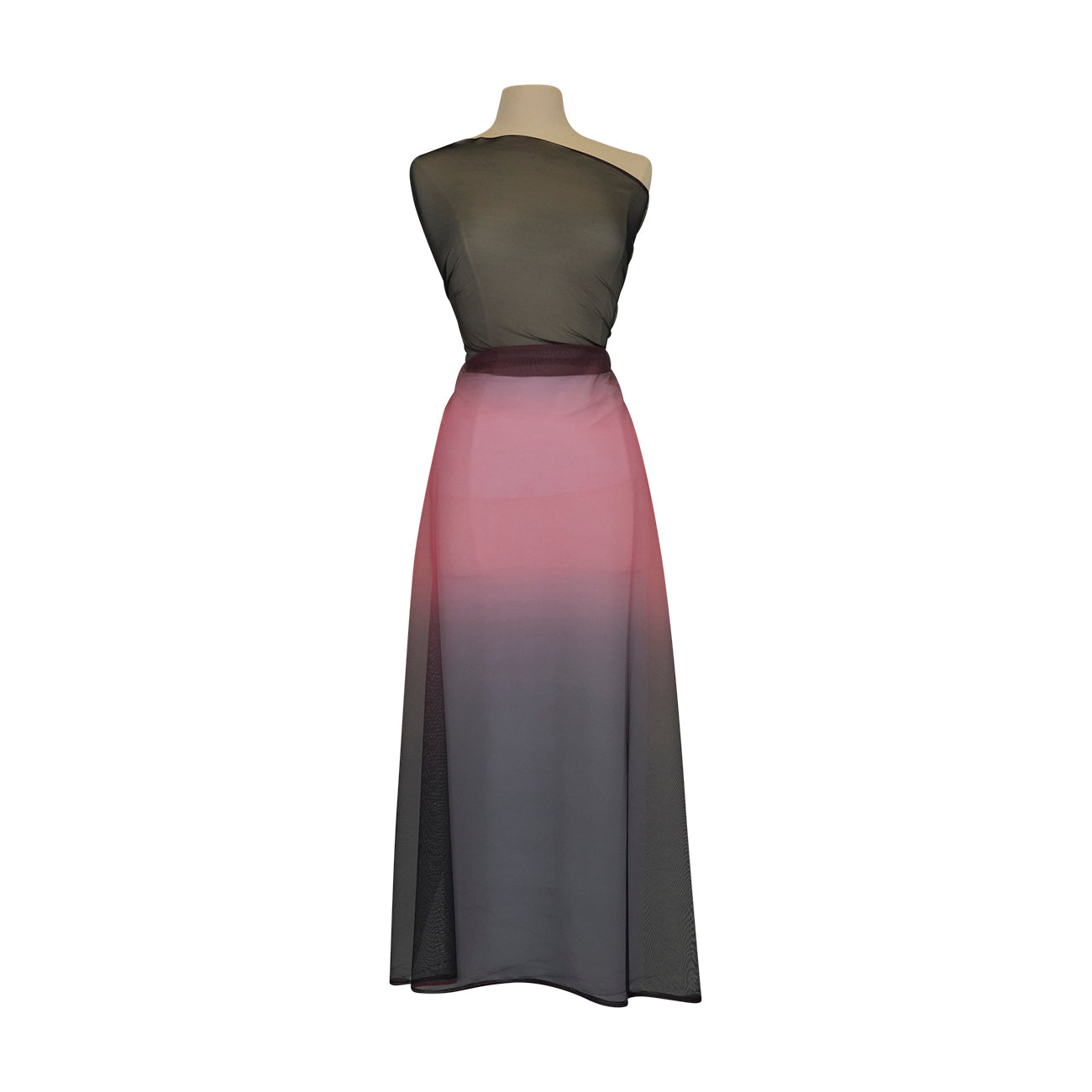
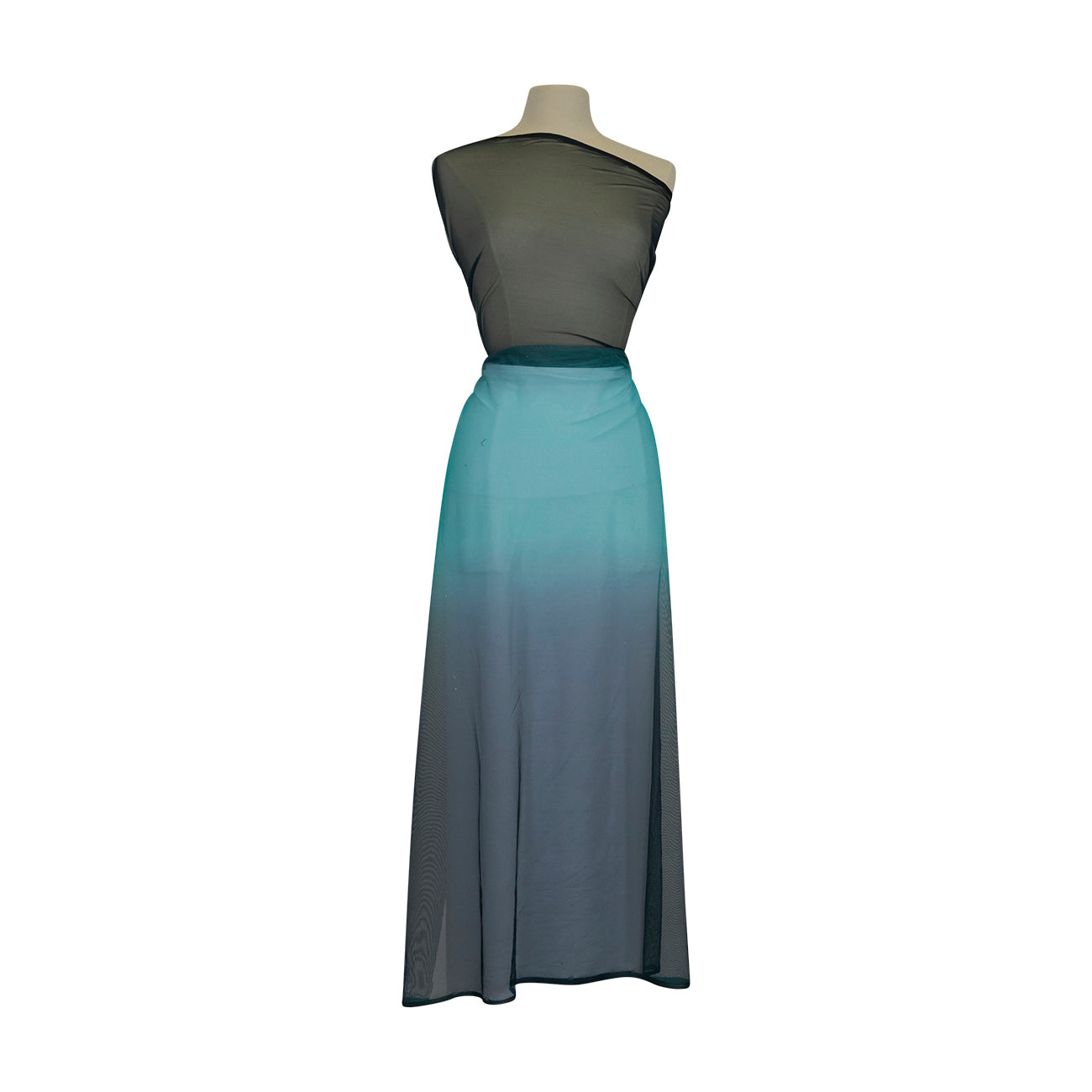
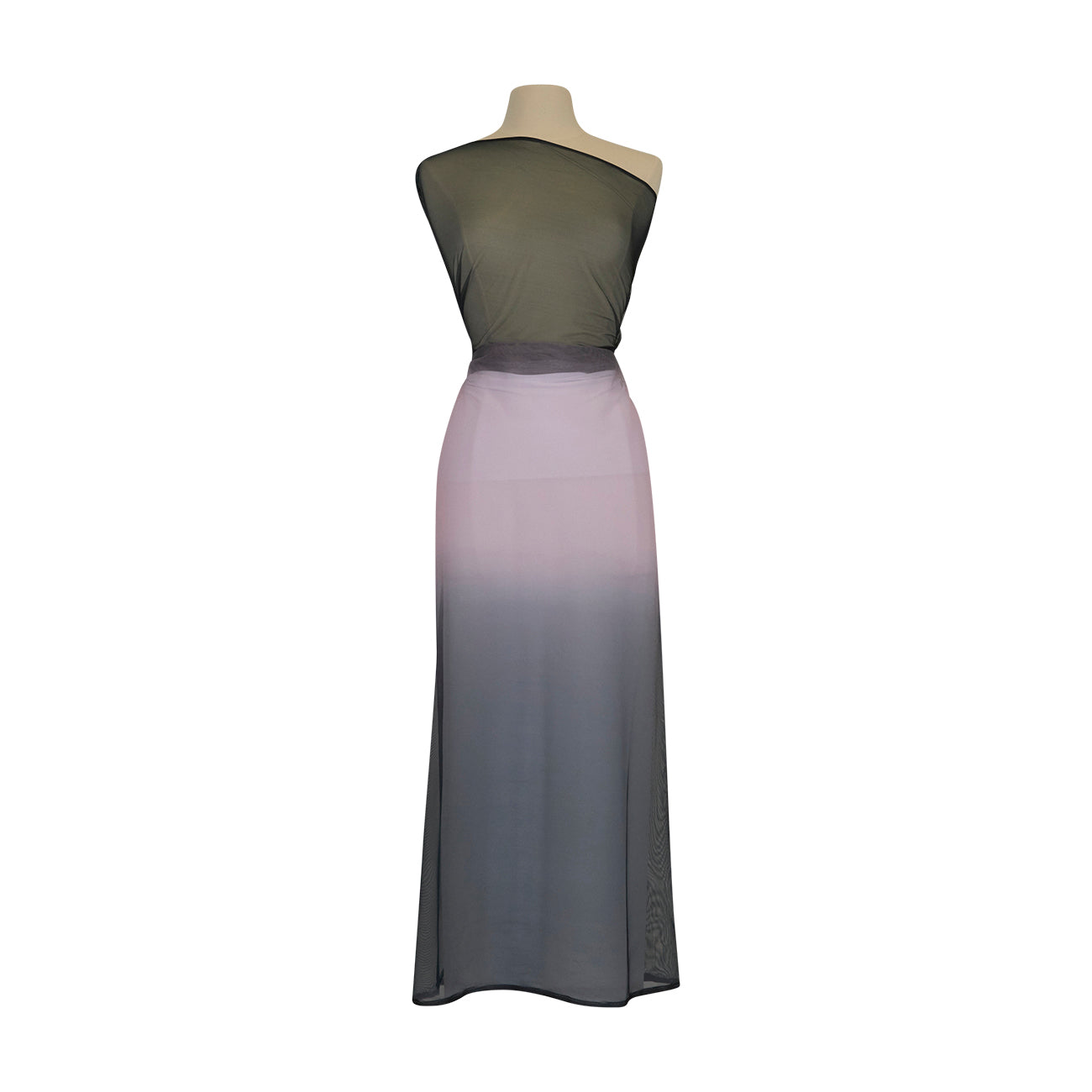
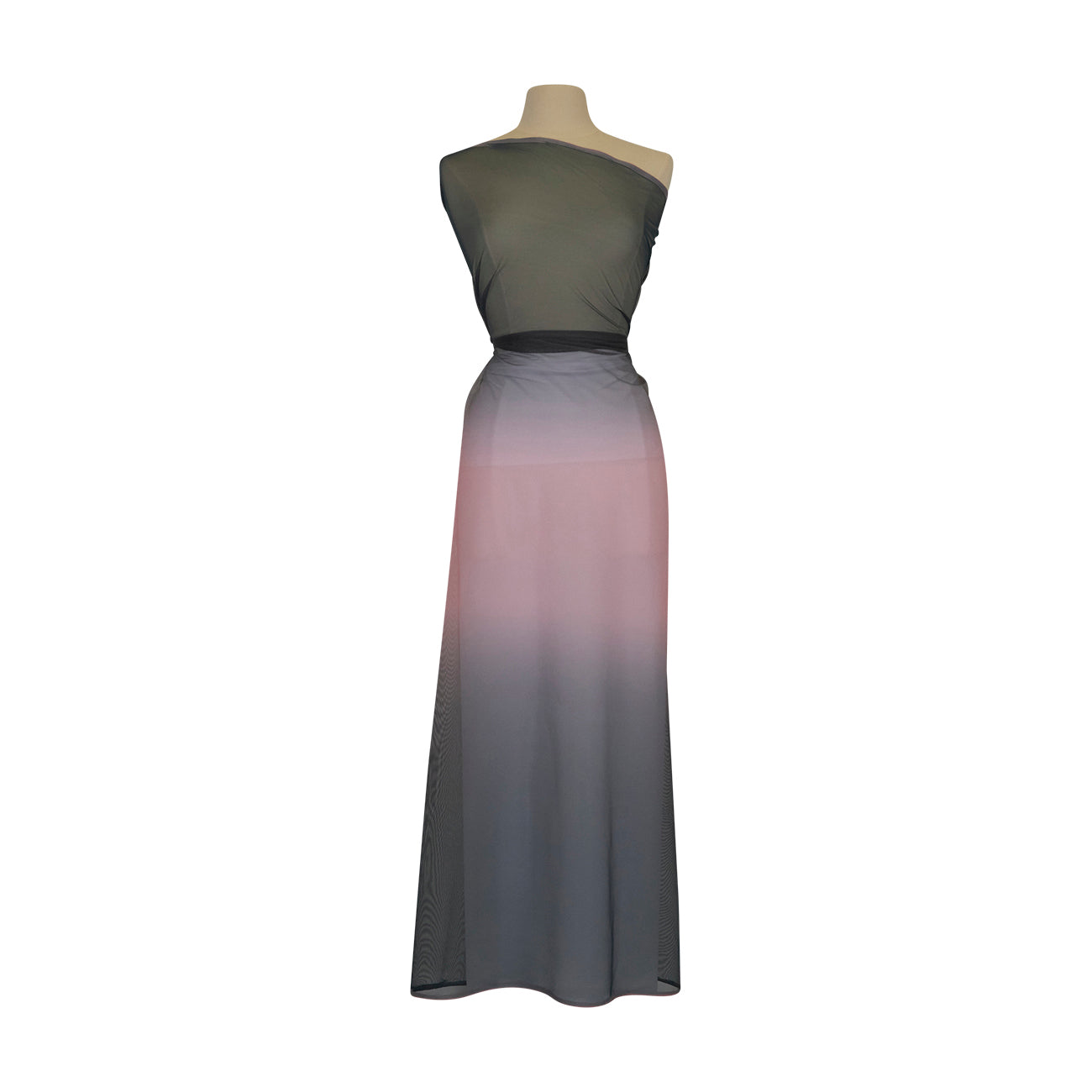
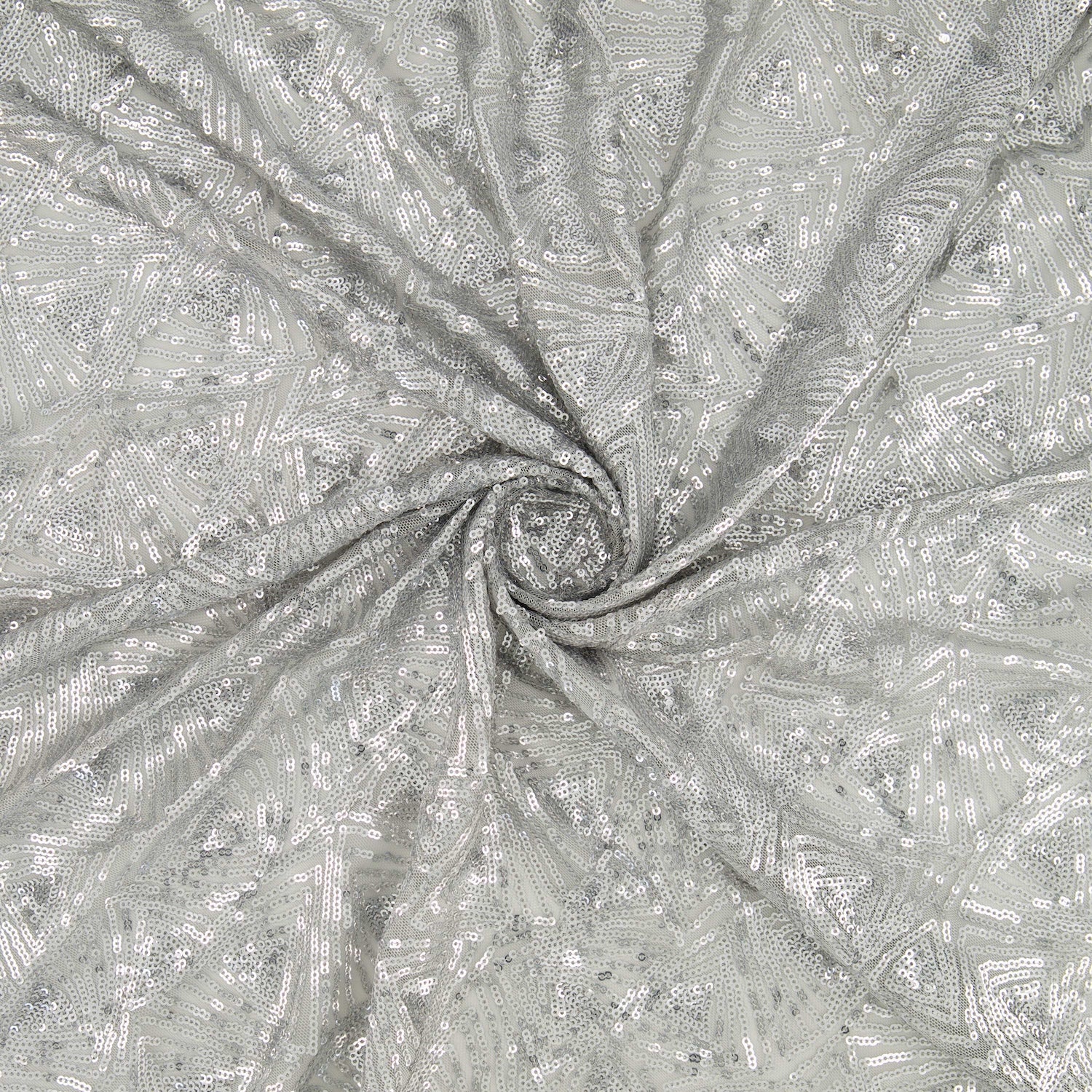
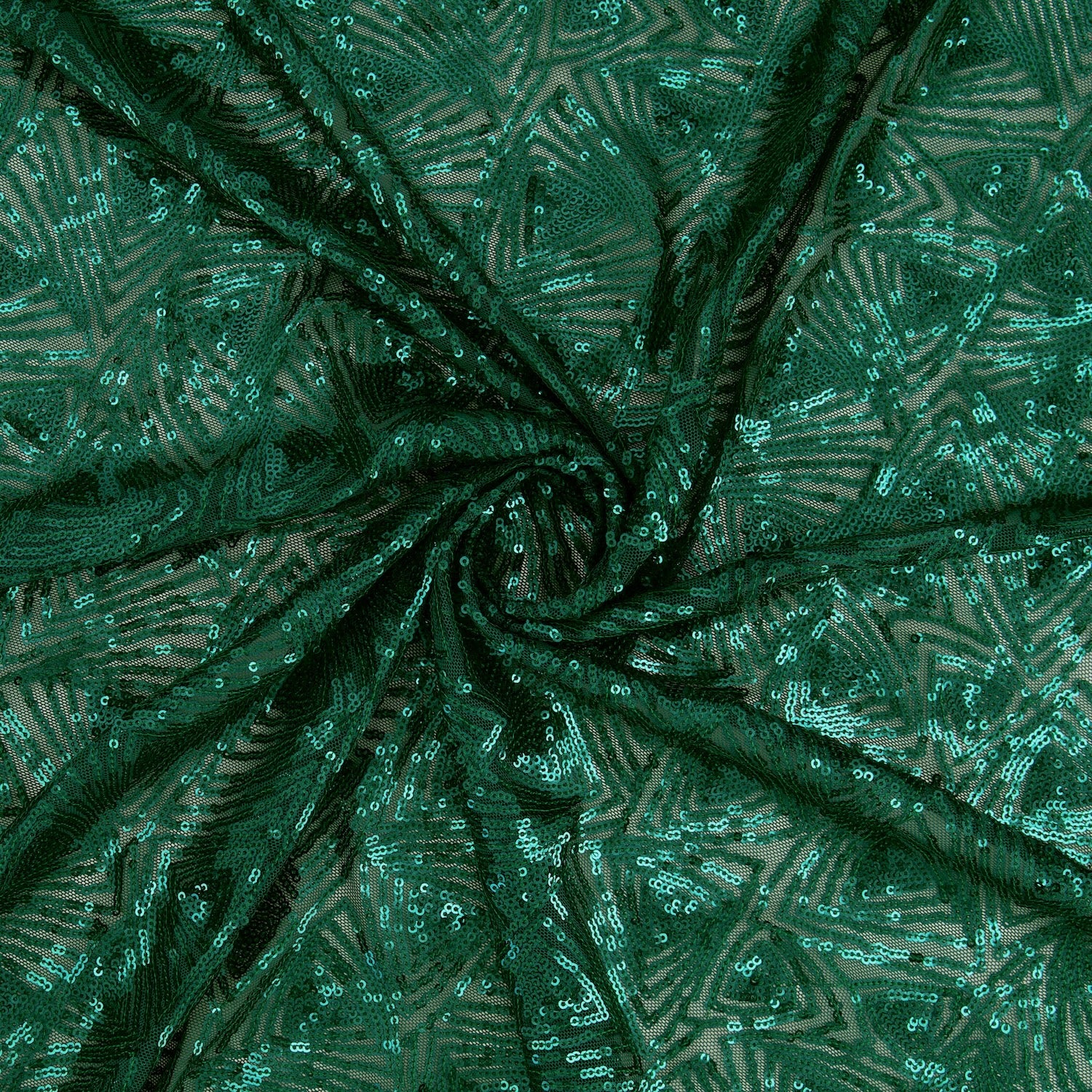
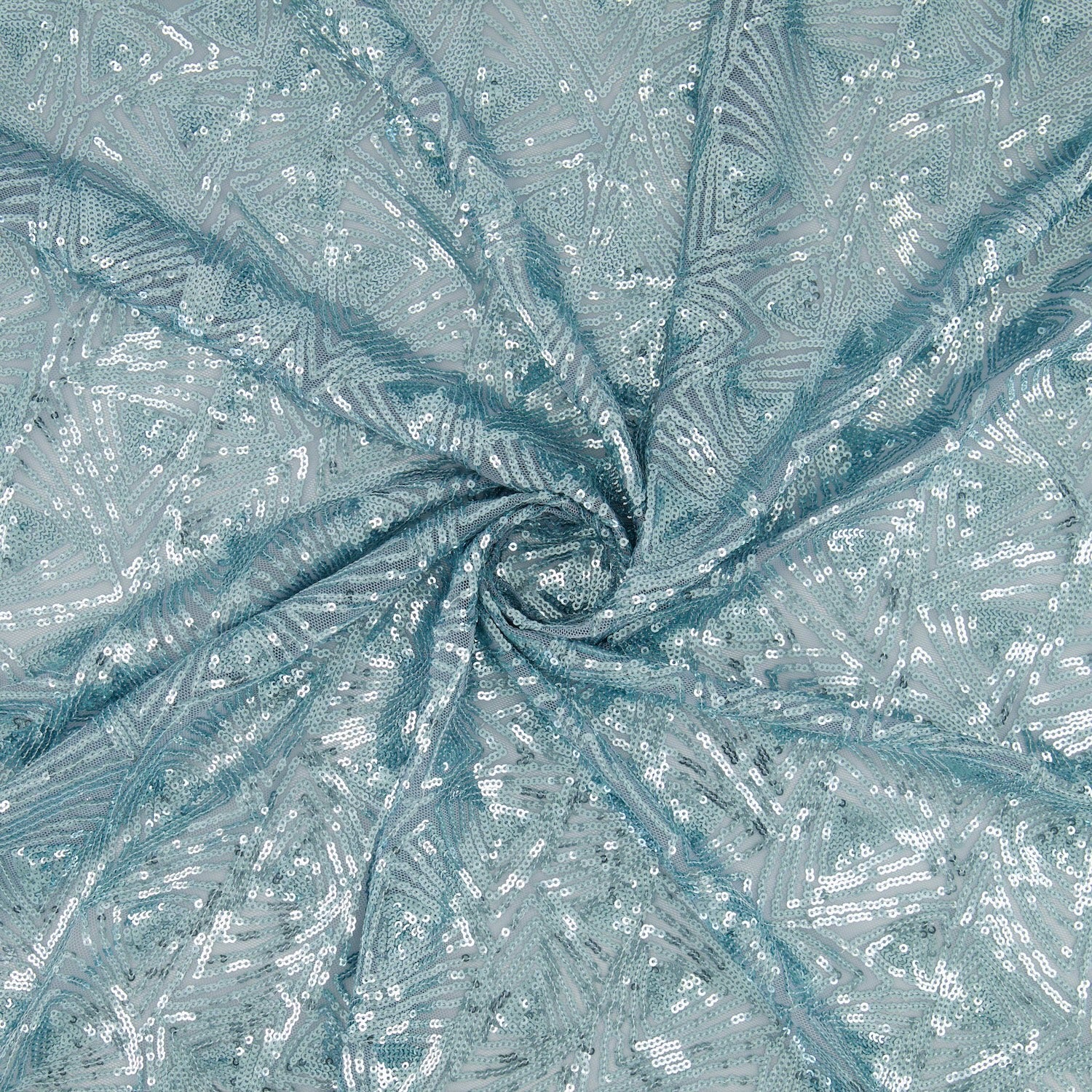
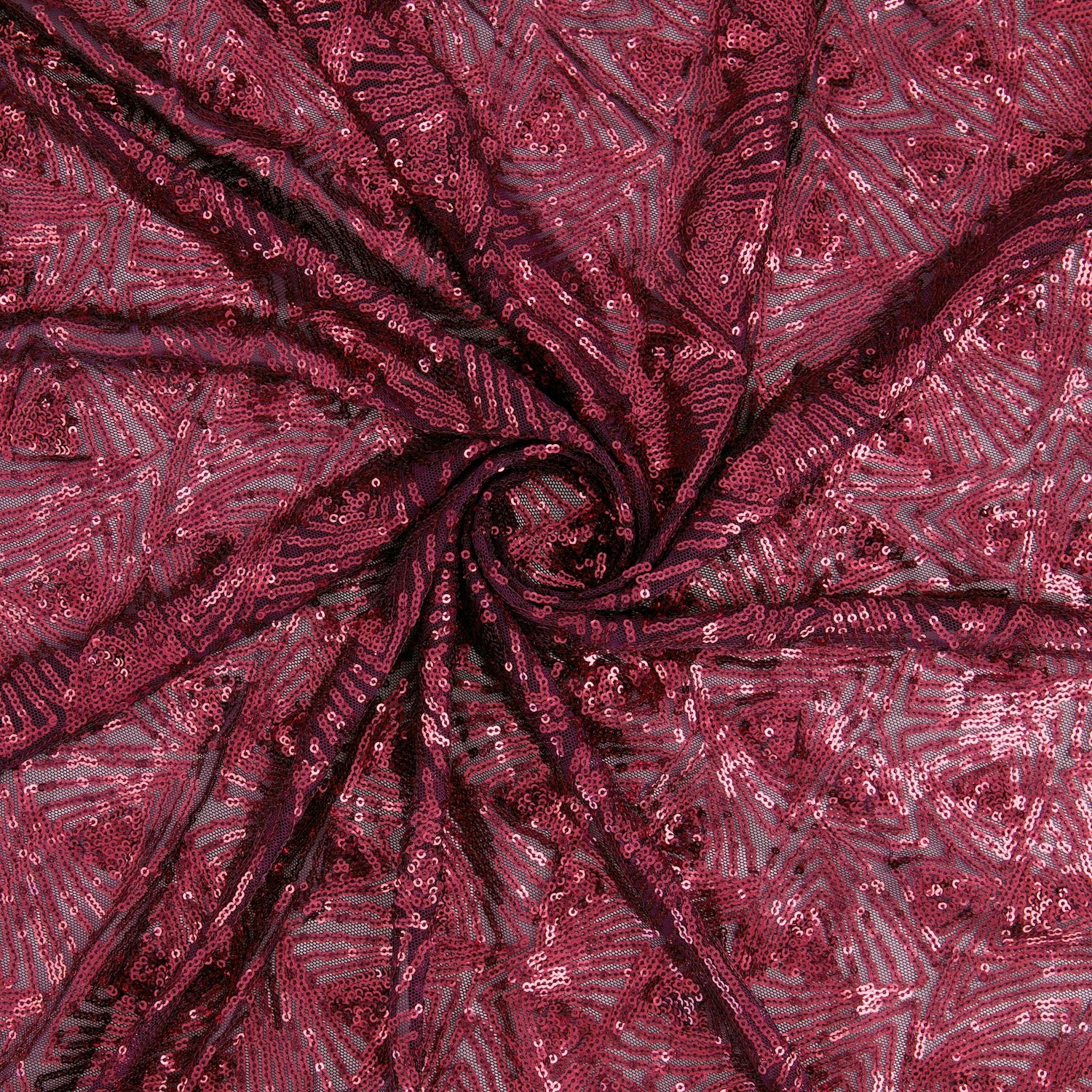
What is Ombre Fabric?
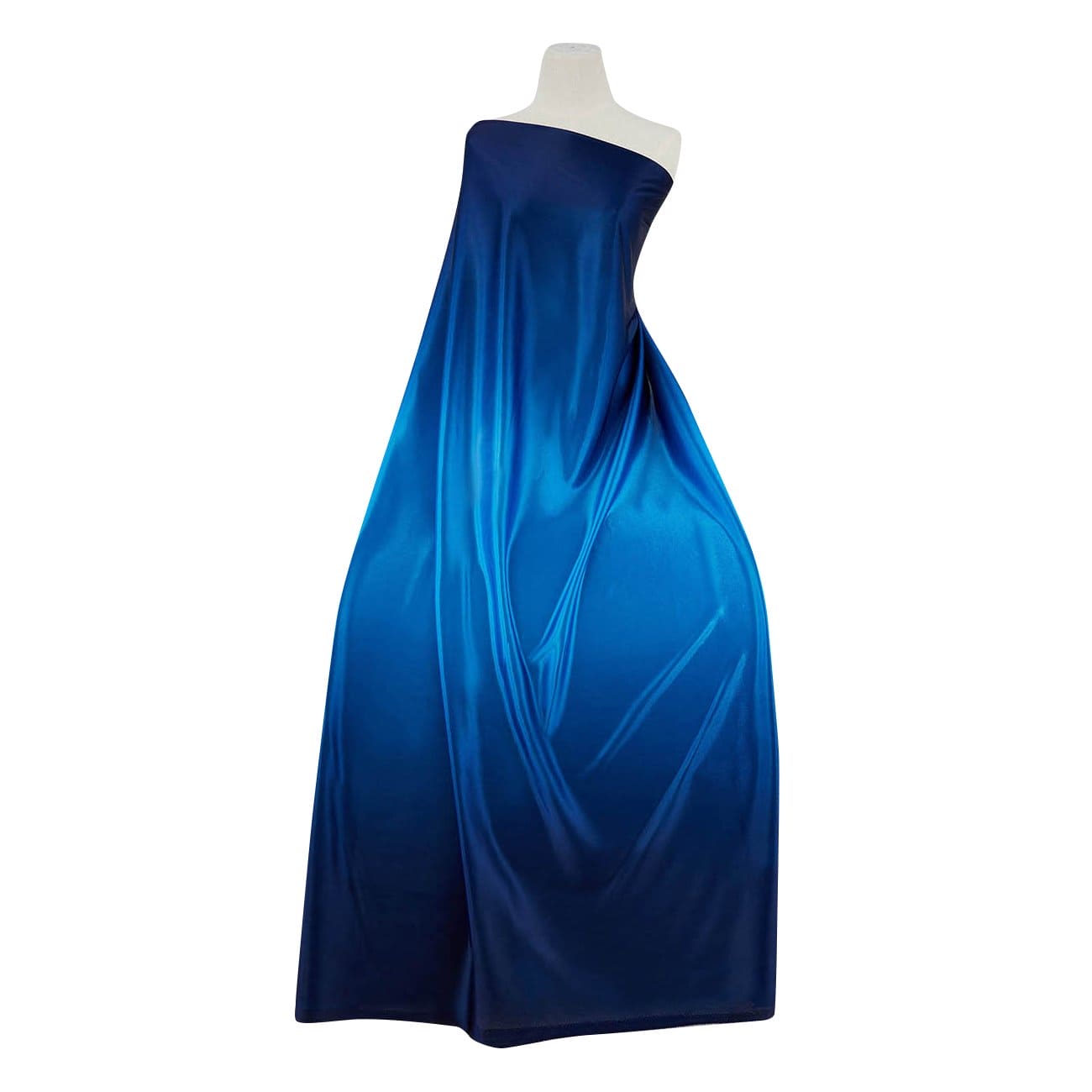
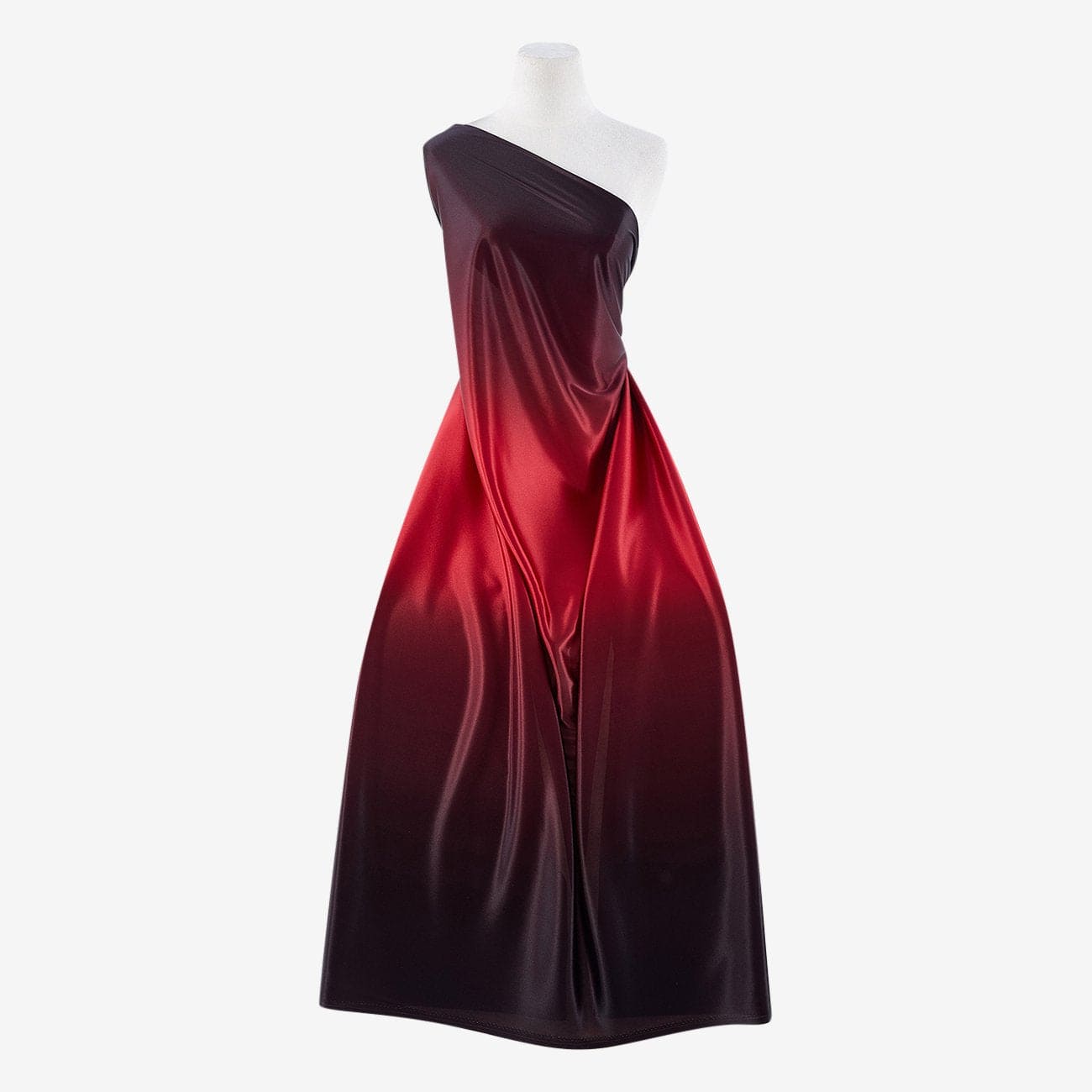
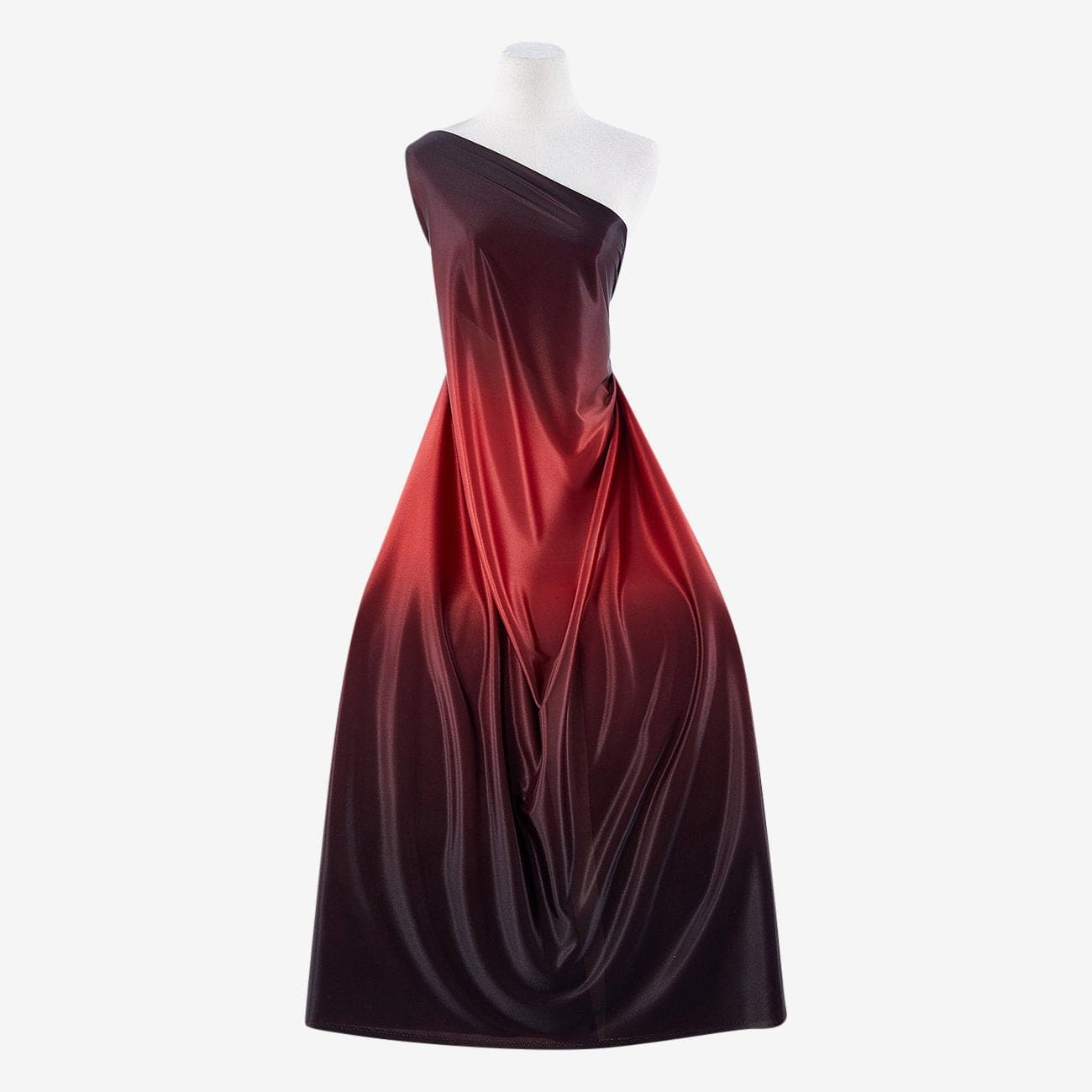
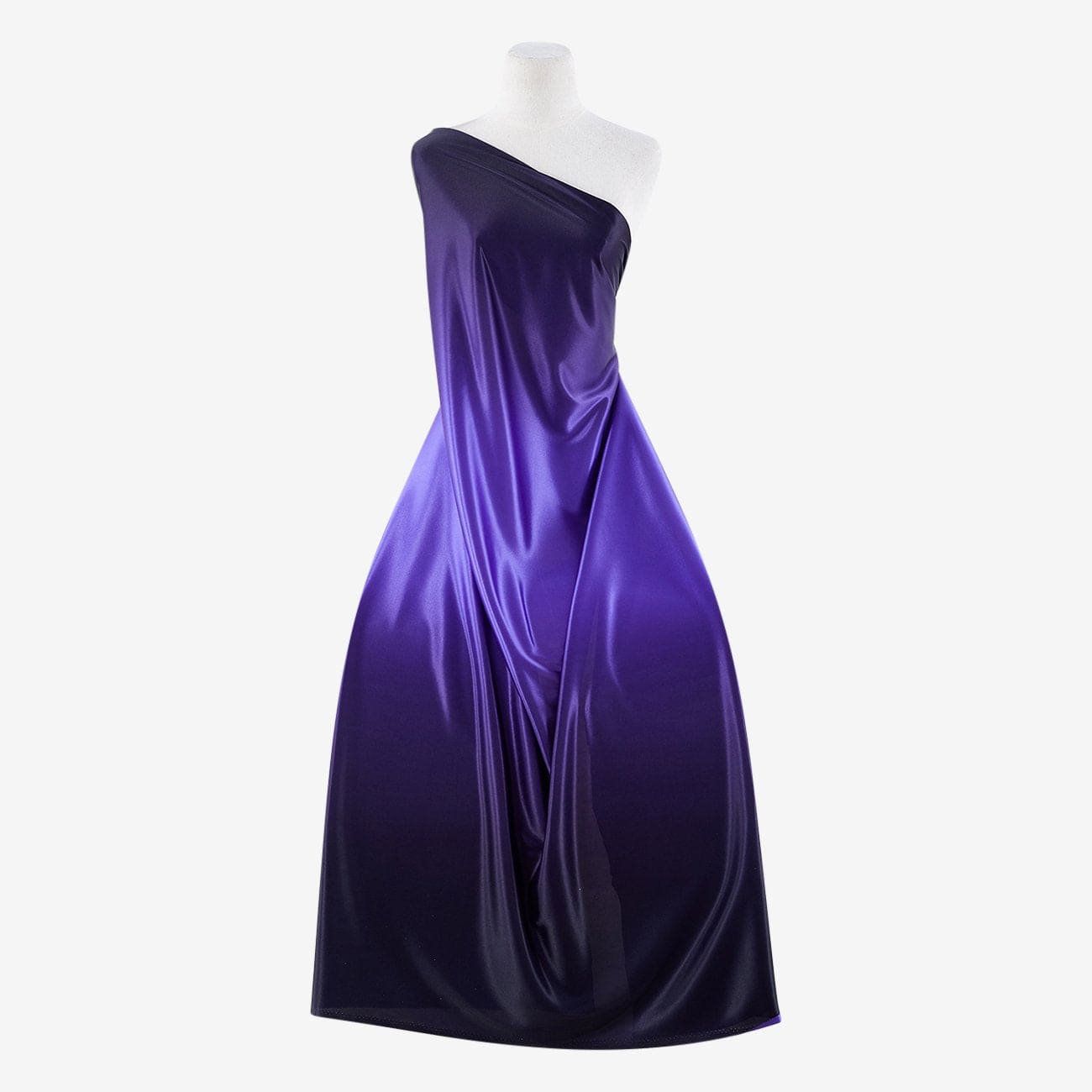
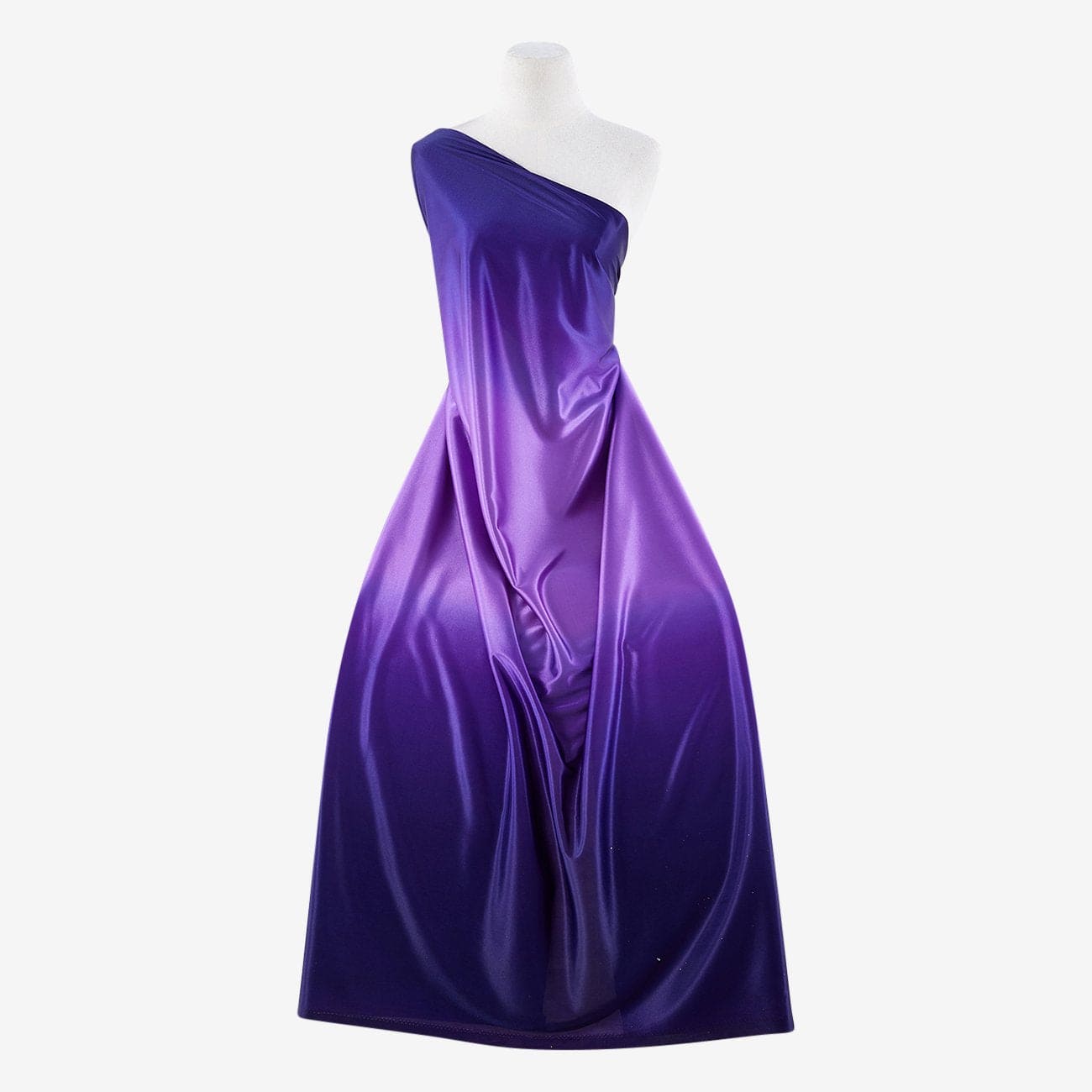
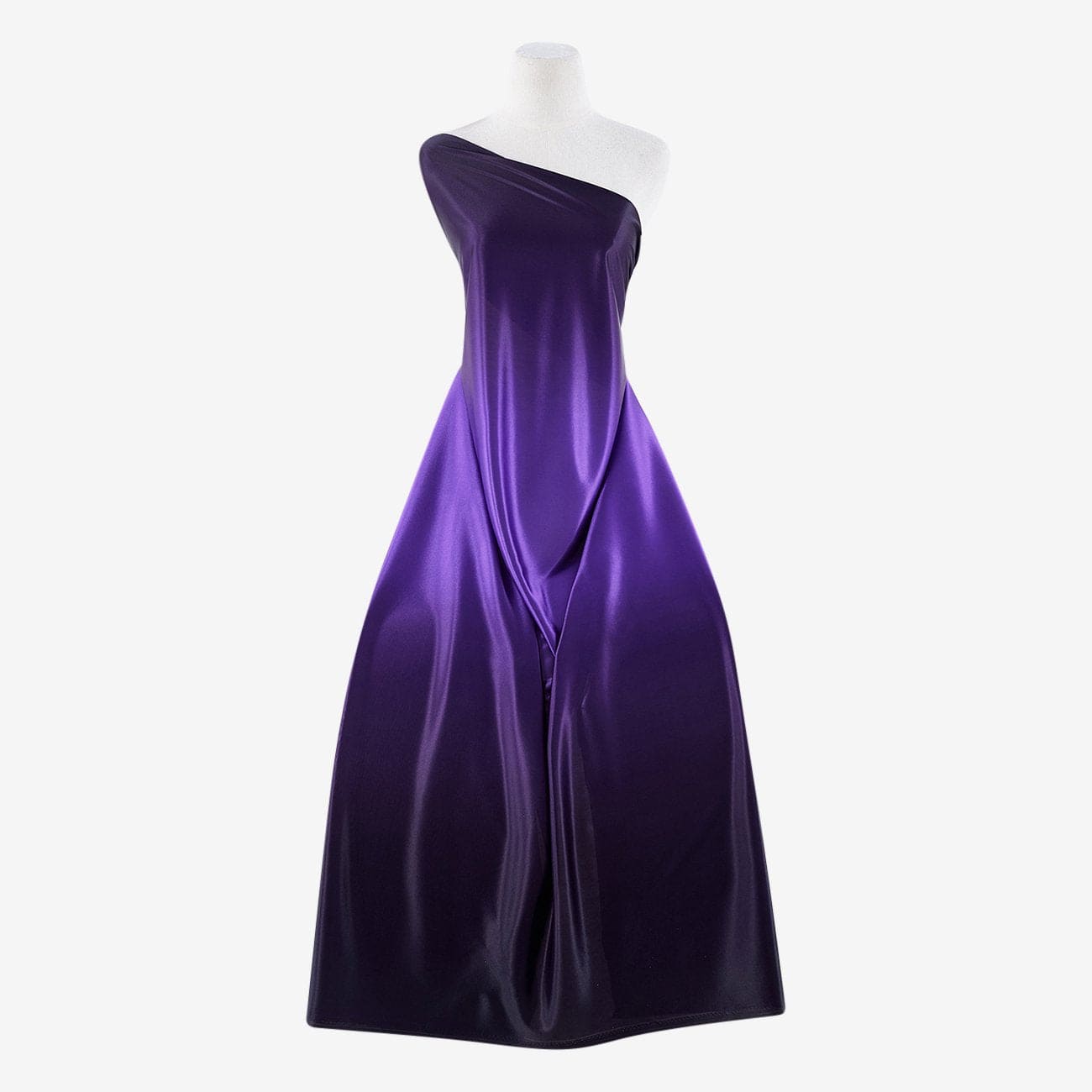
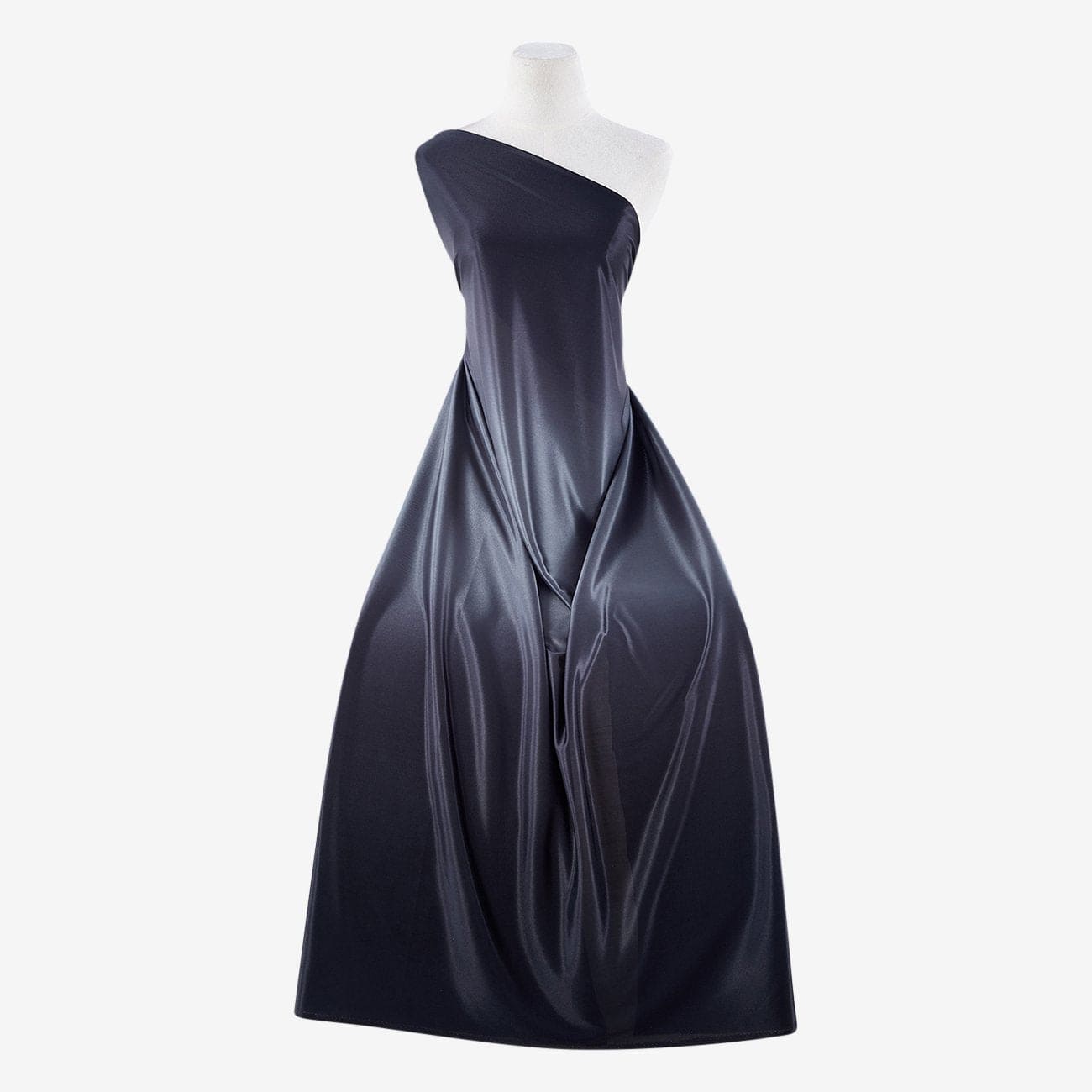
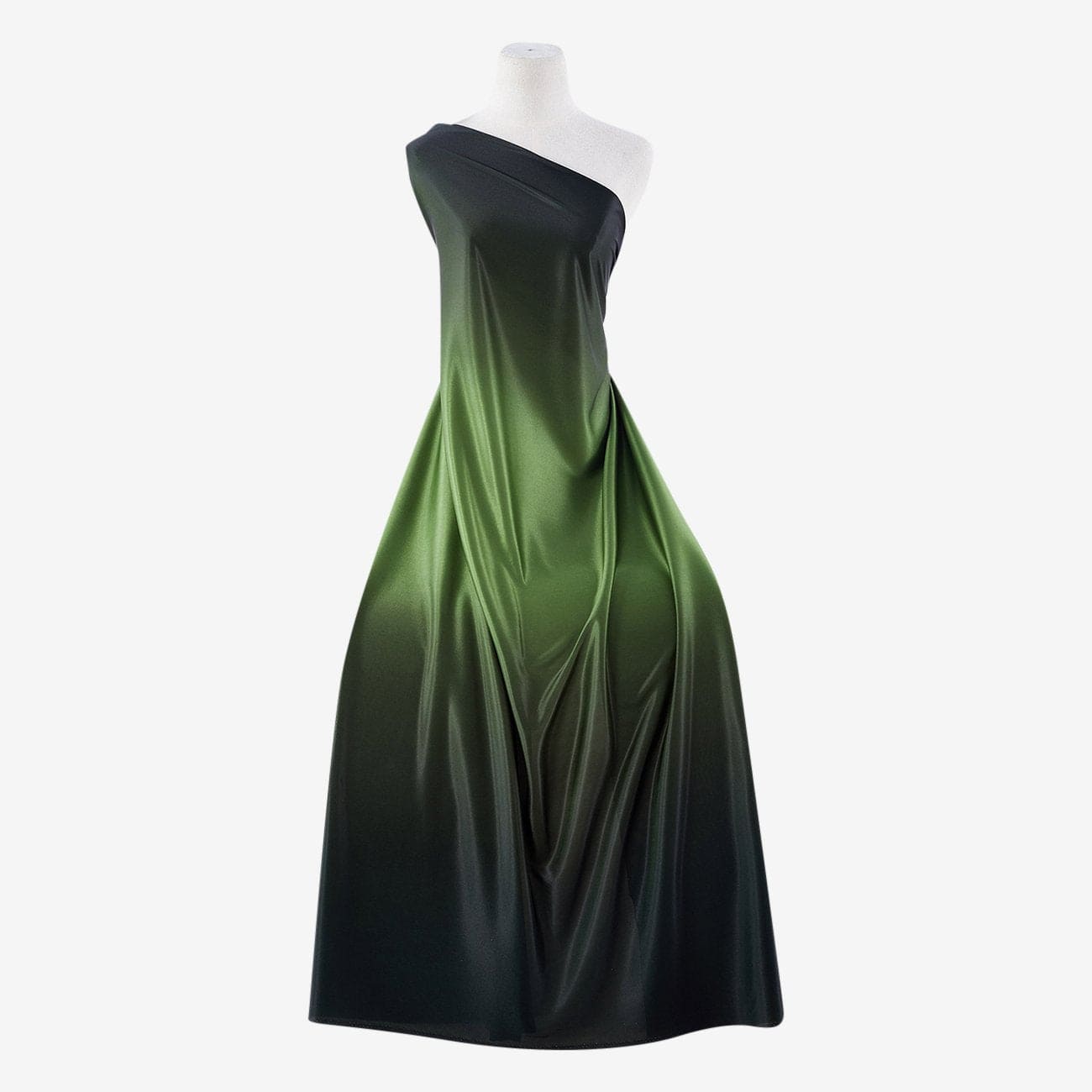
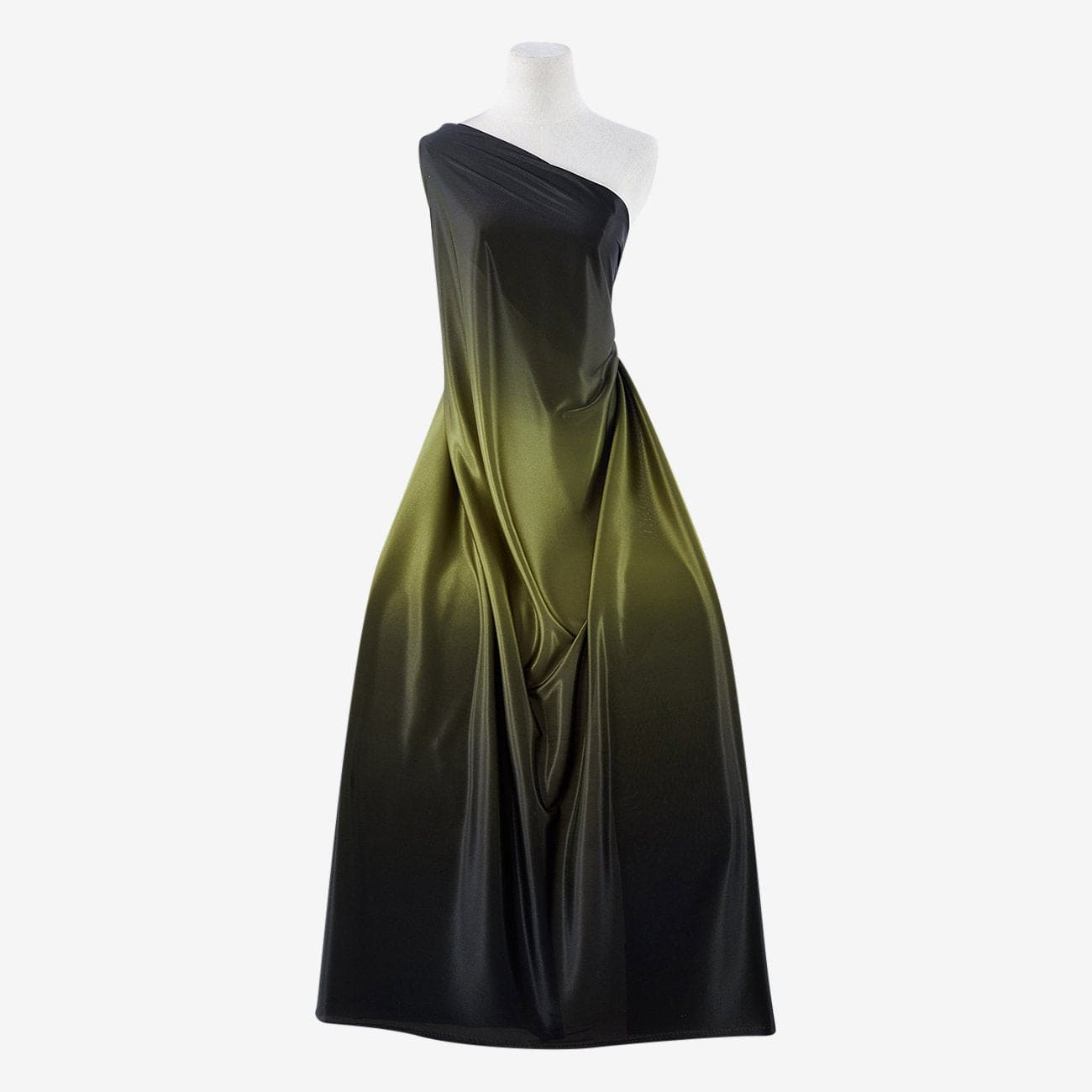
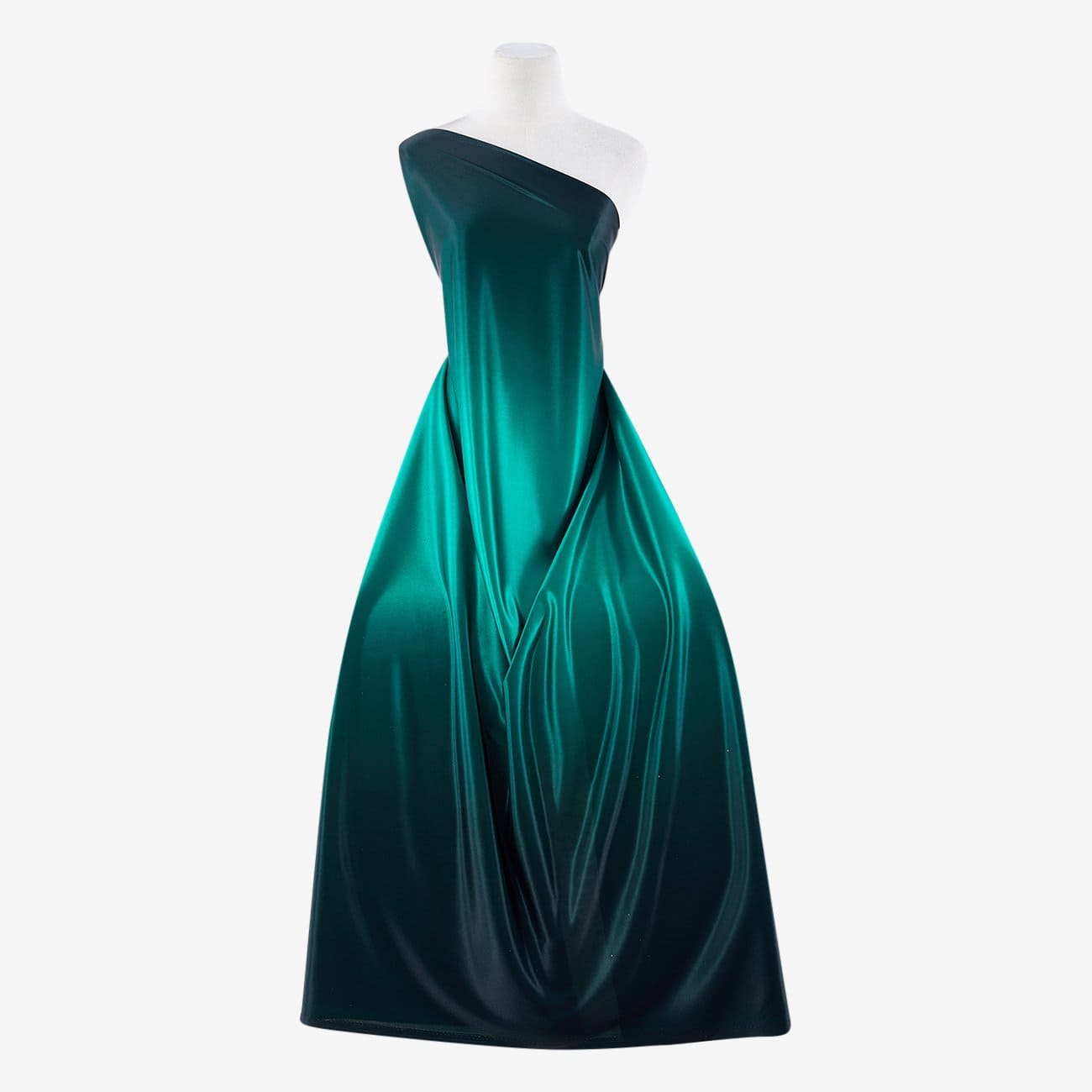
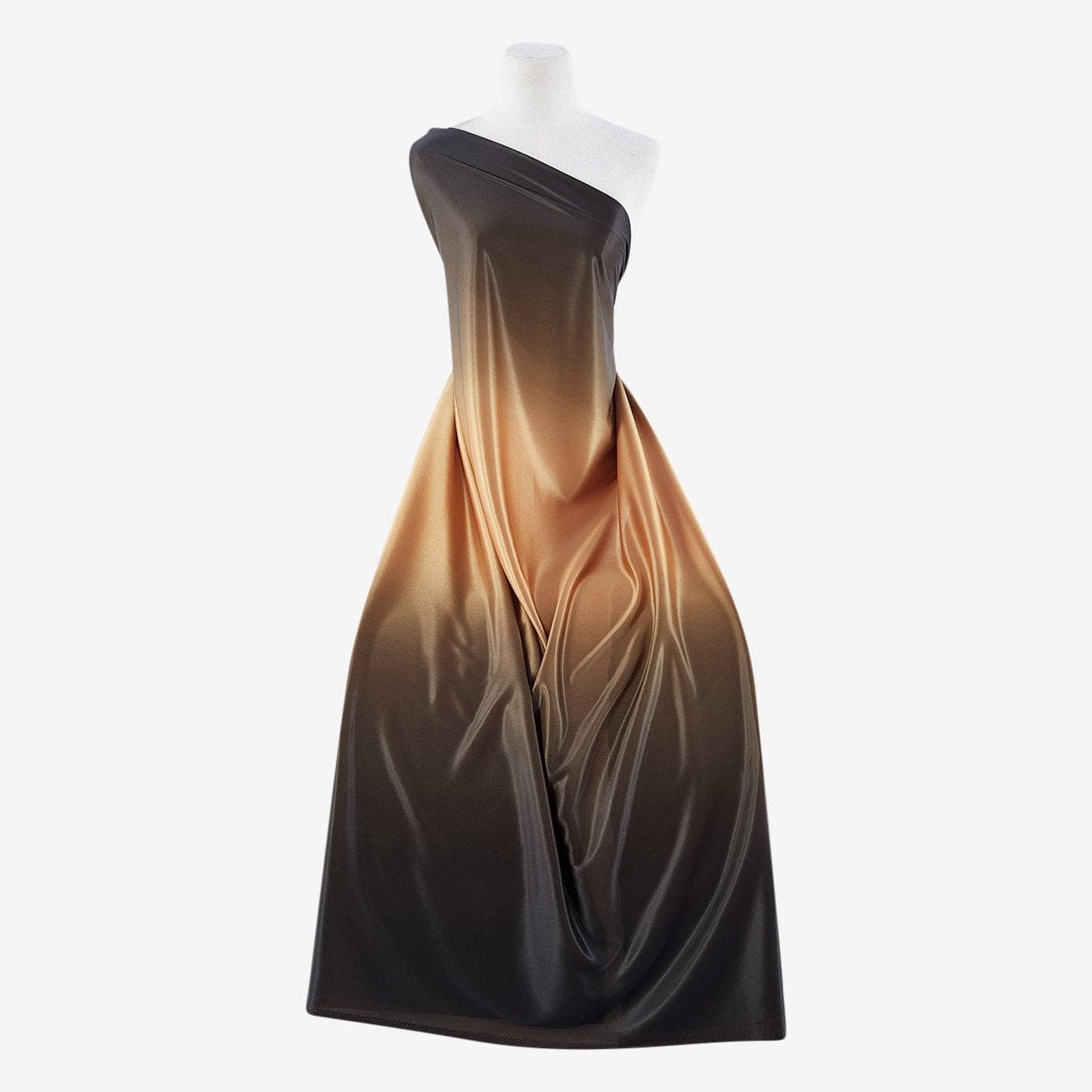
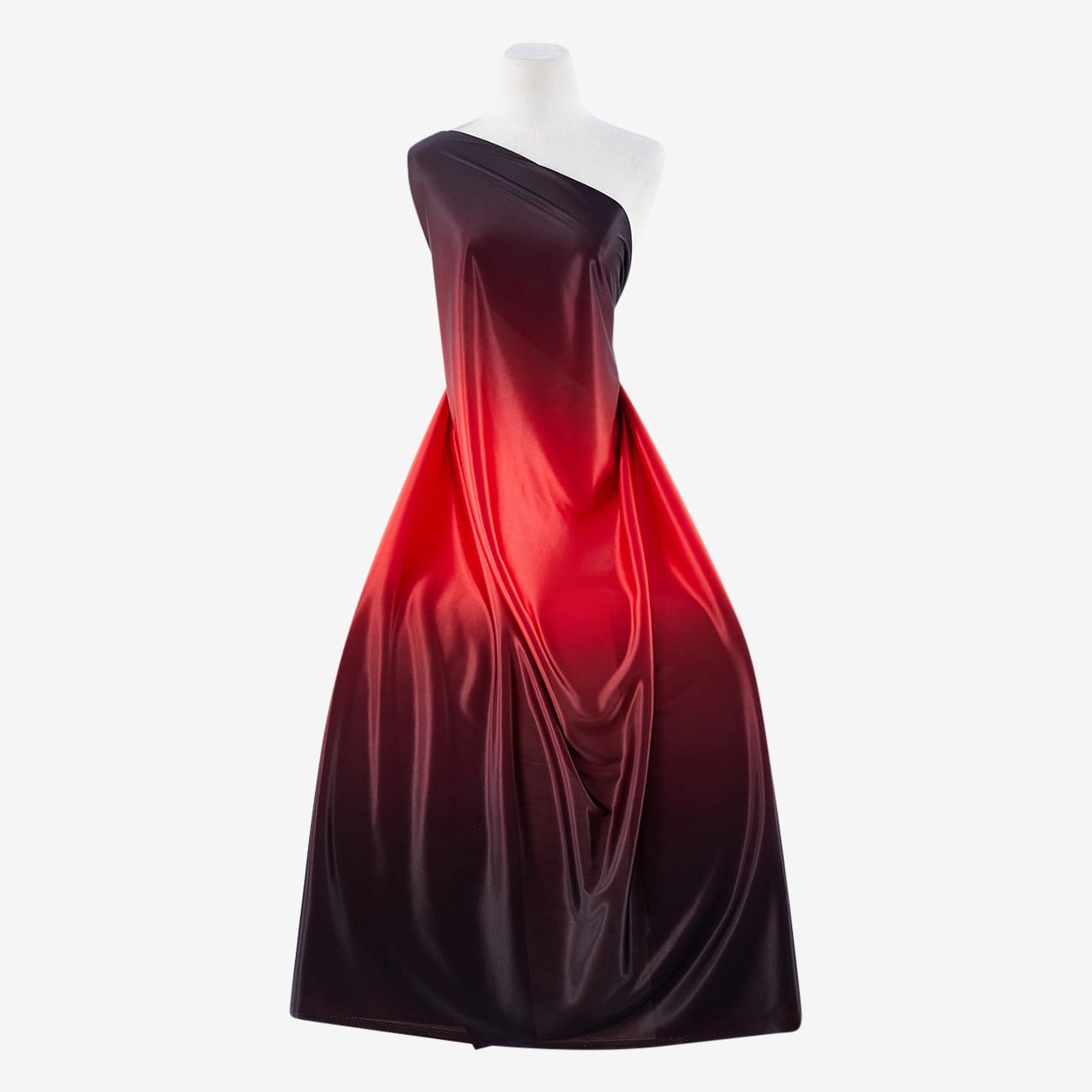
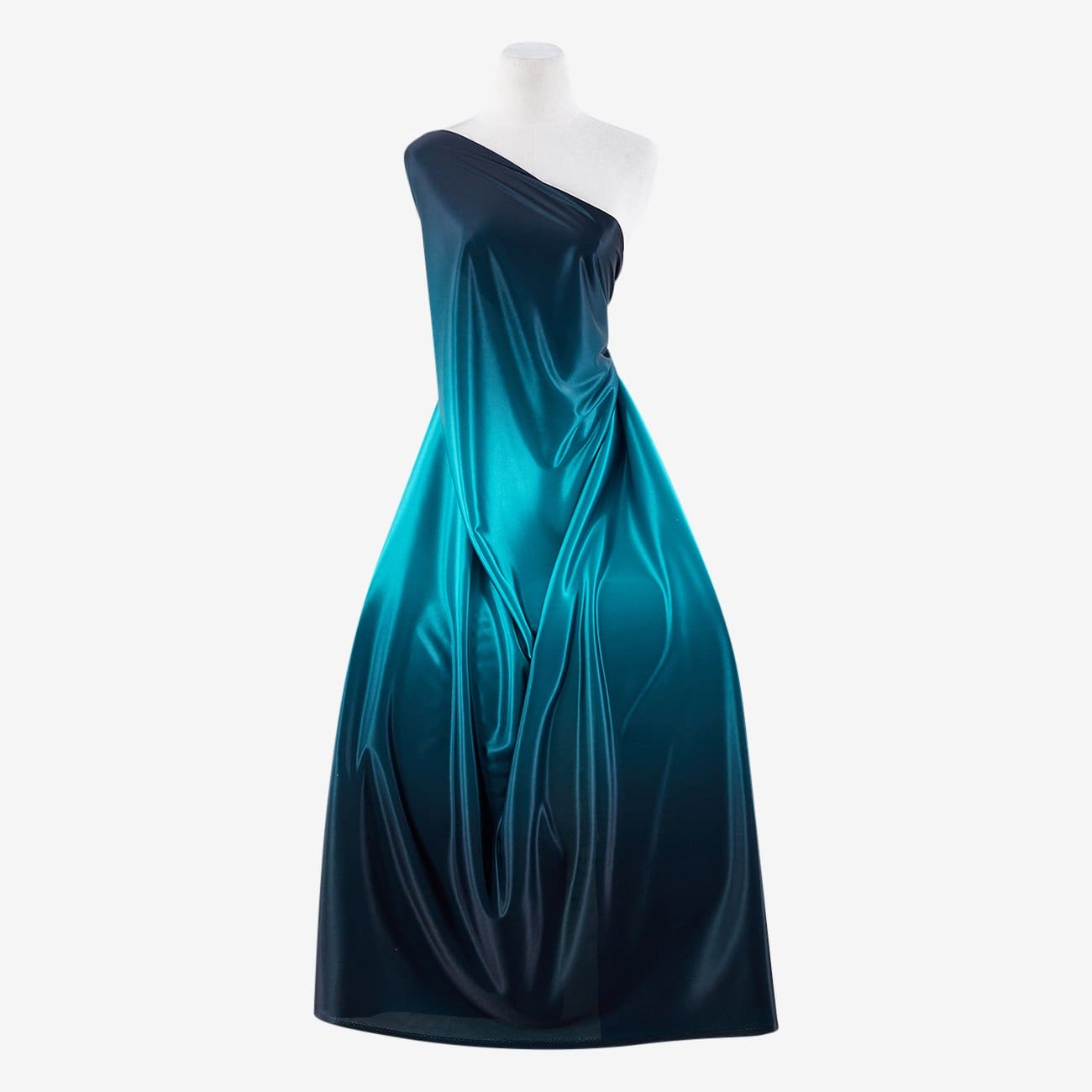
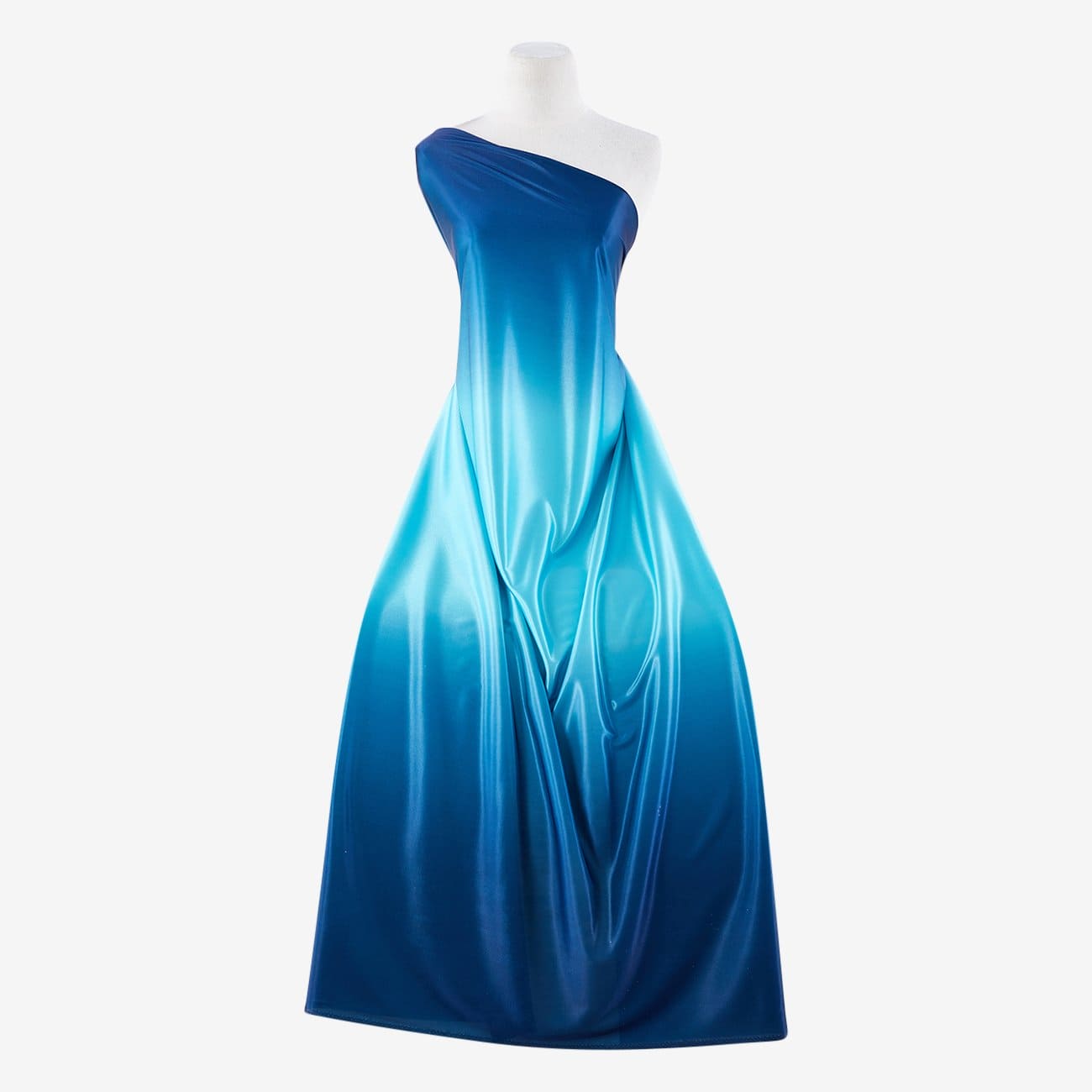
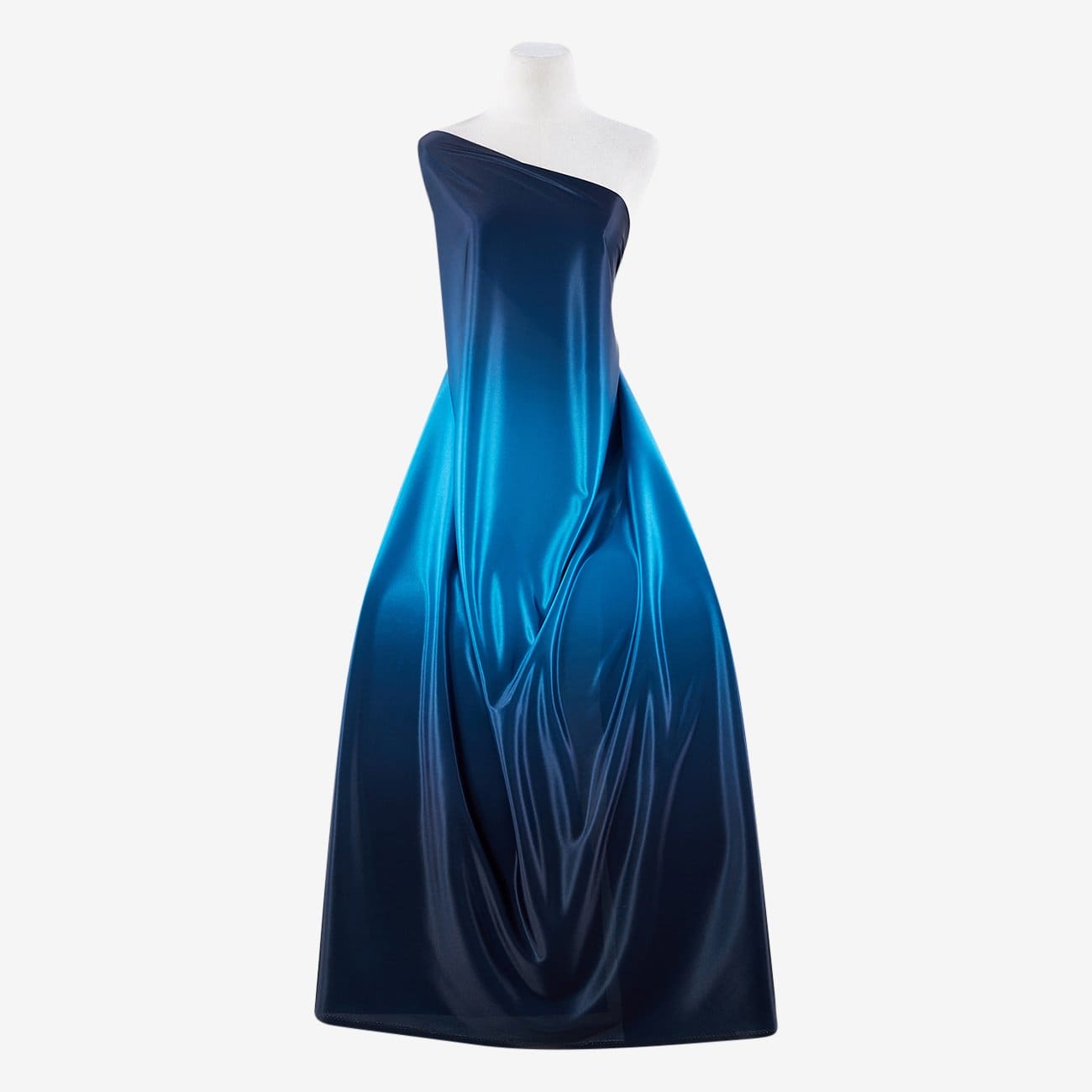
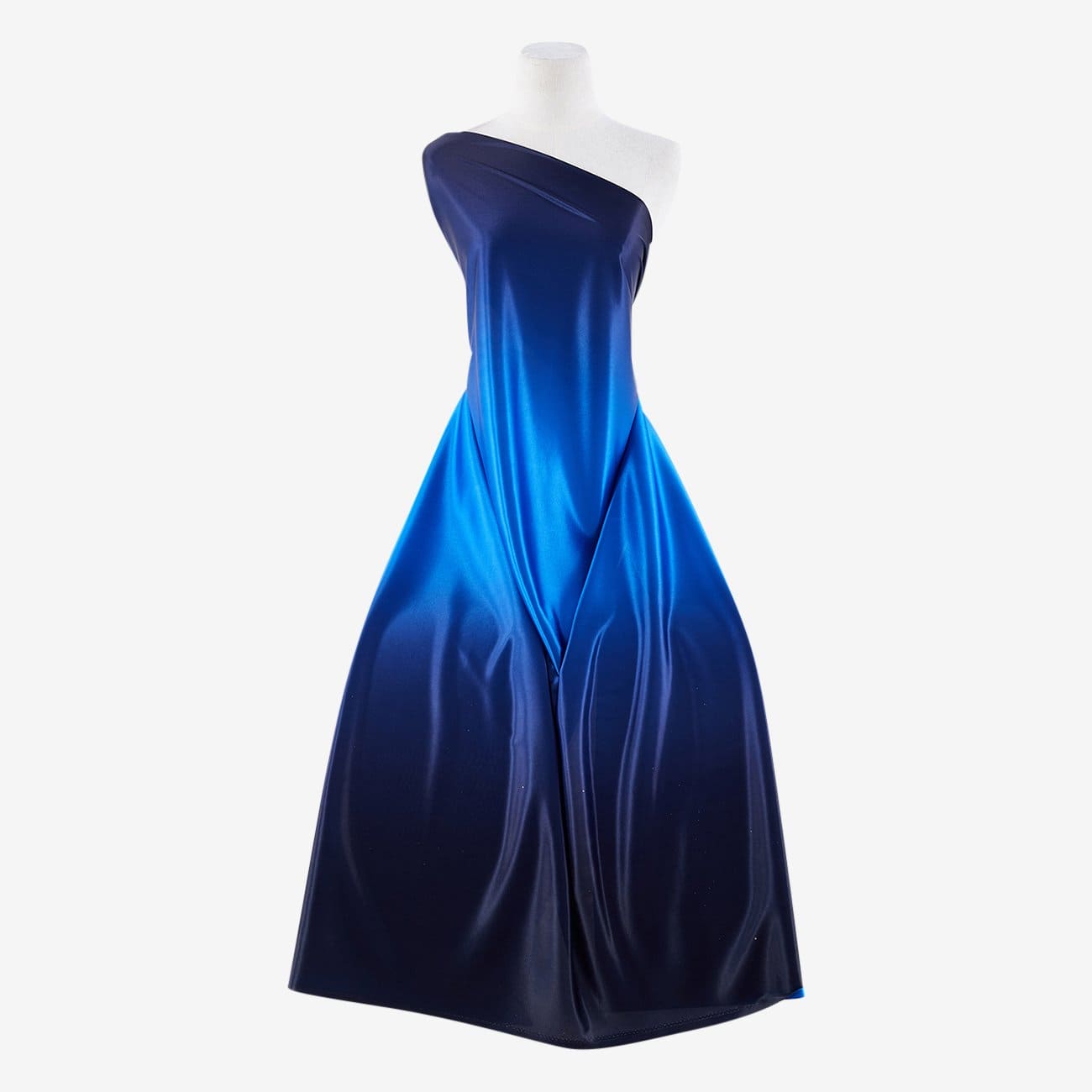
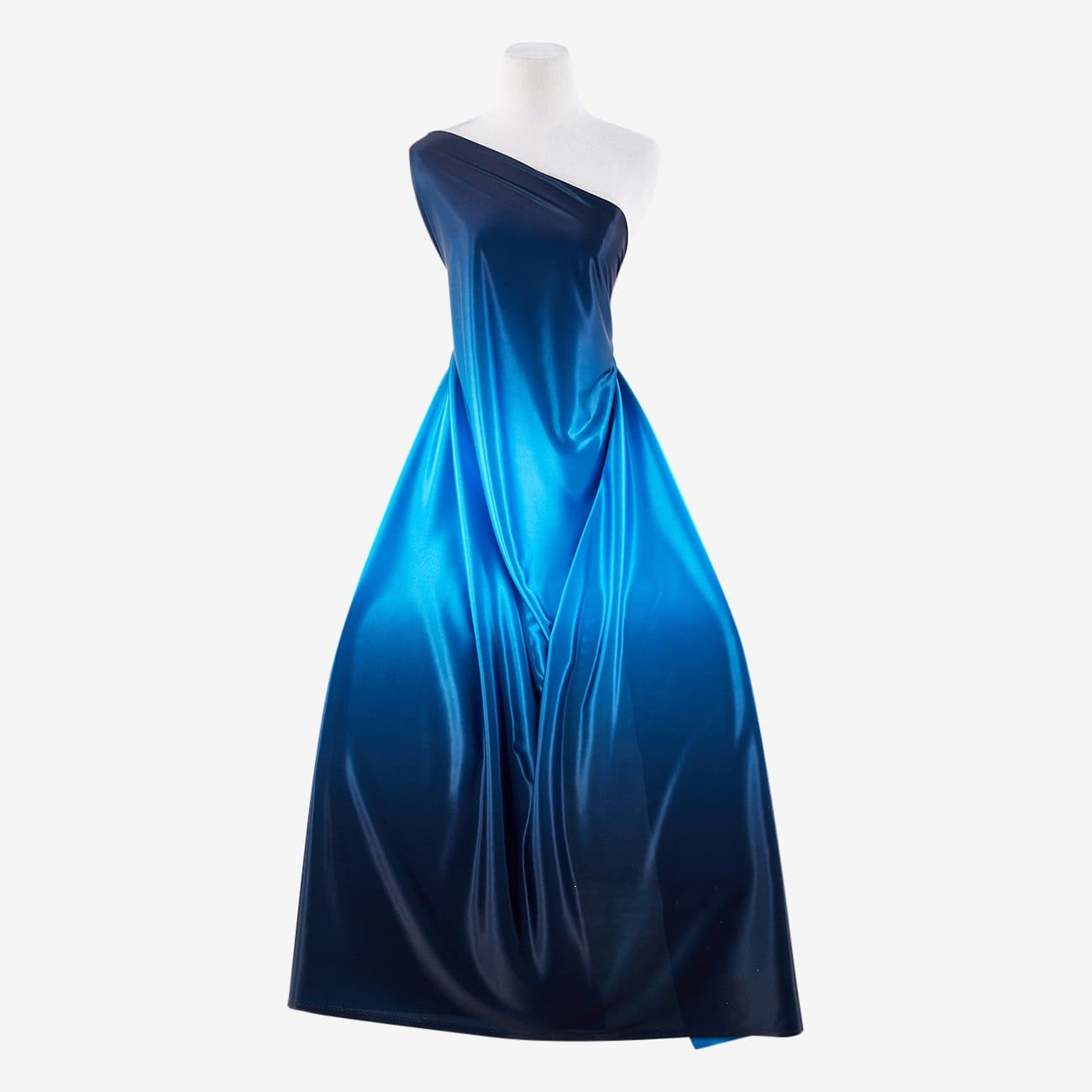
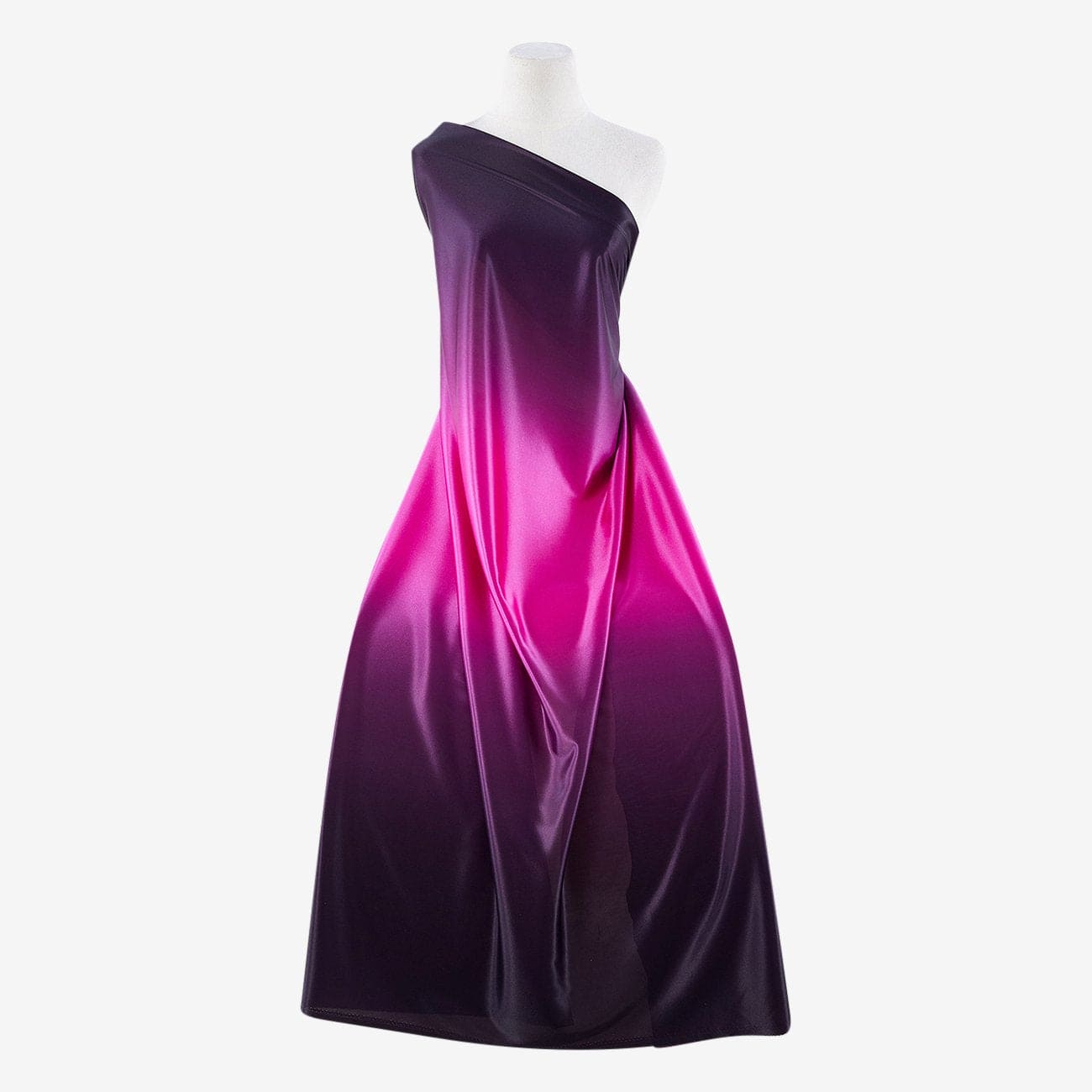
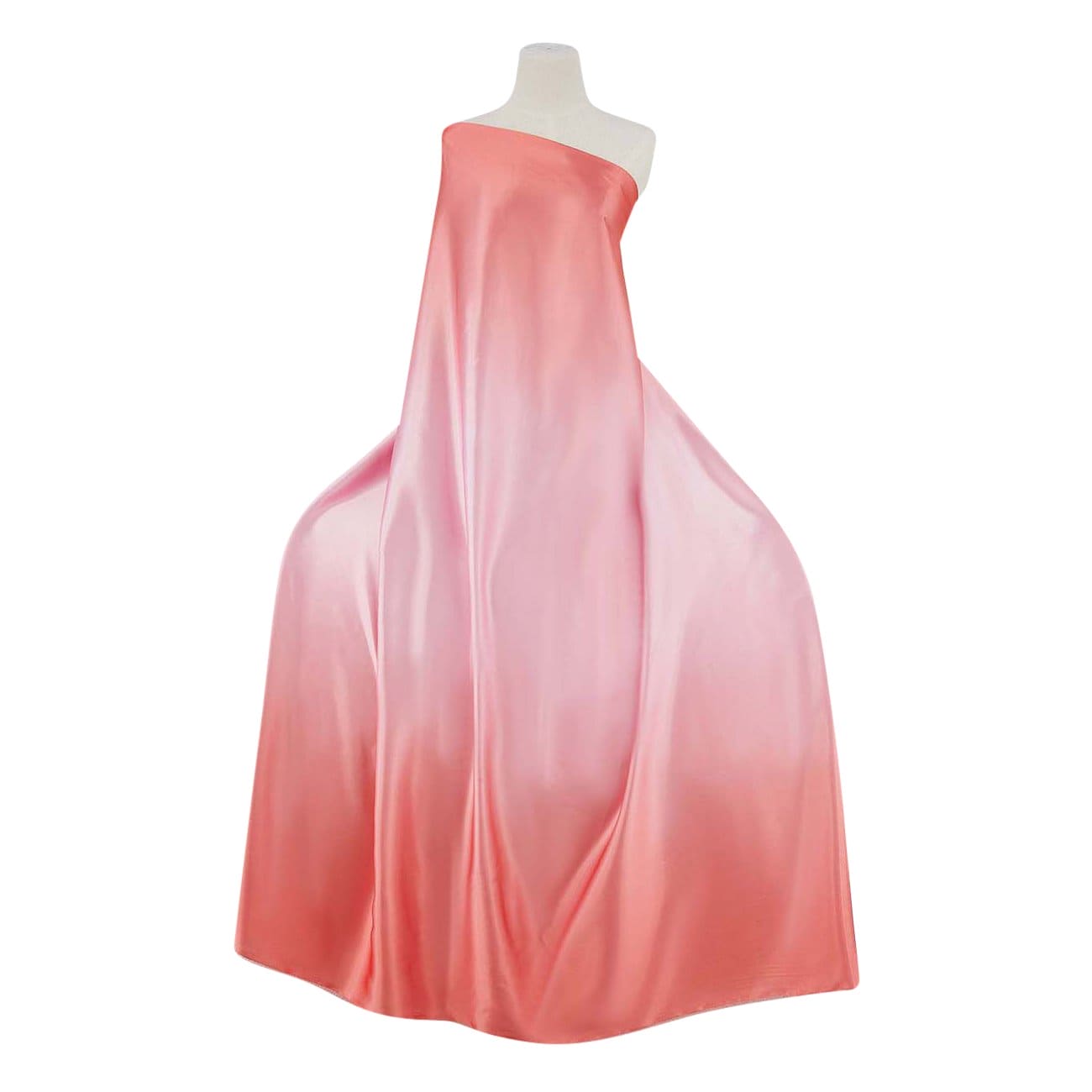
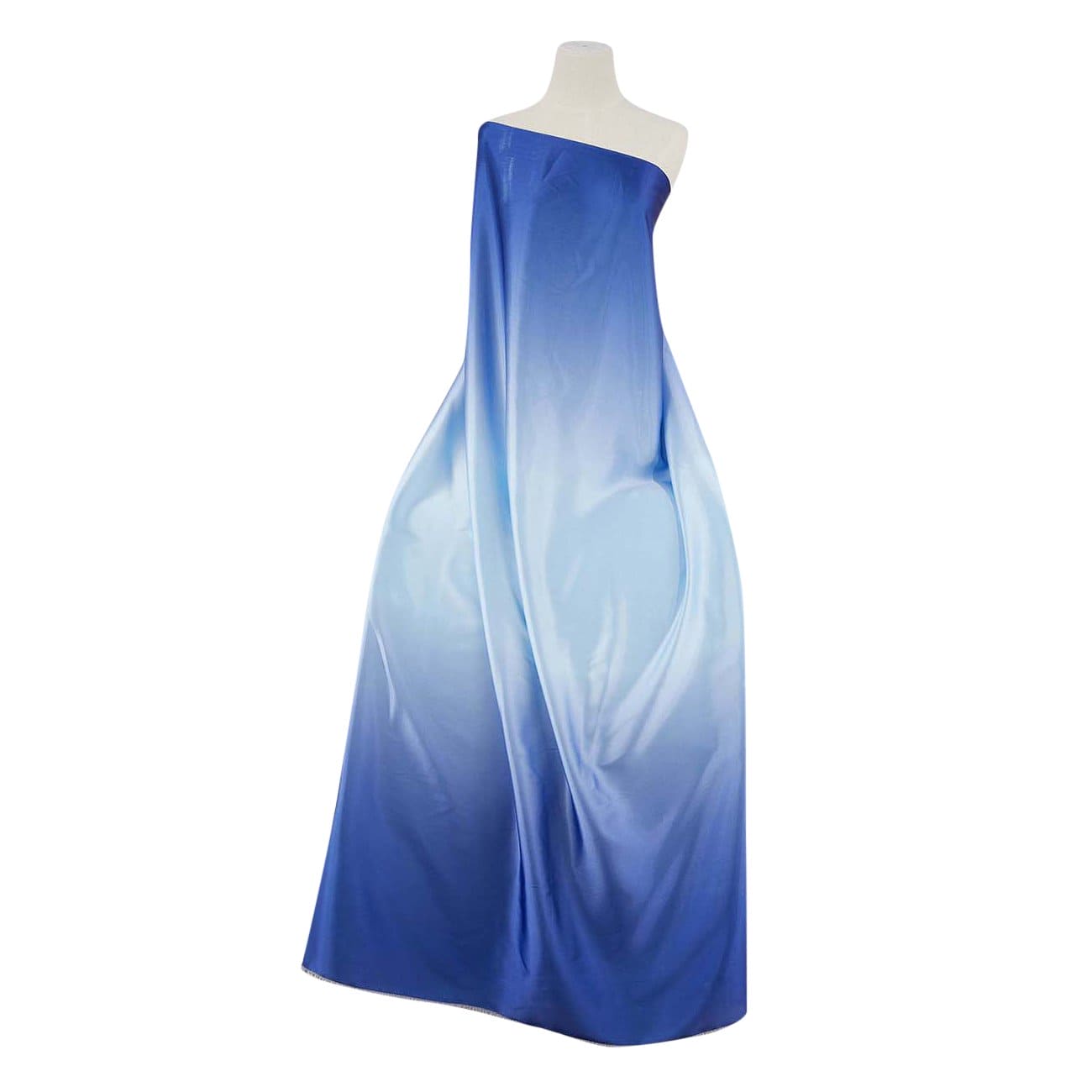
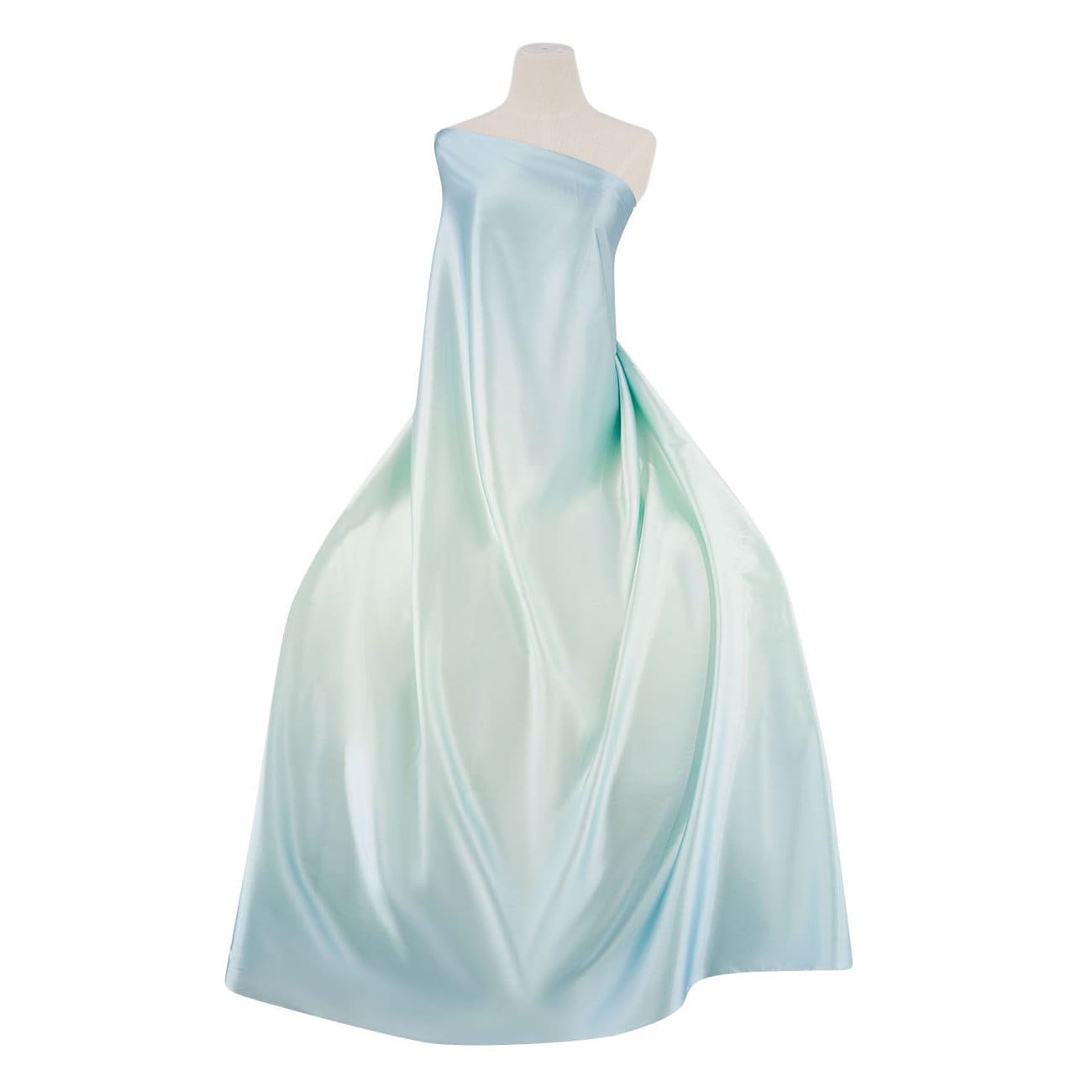
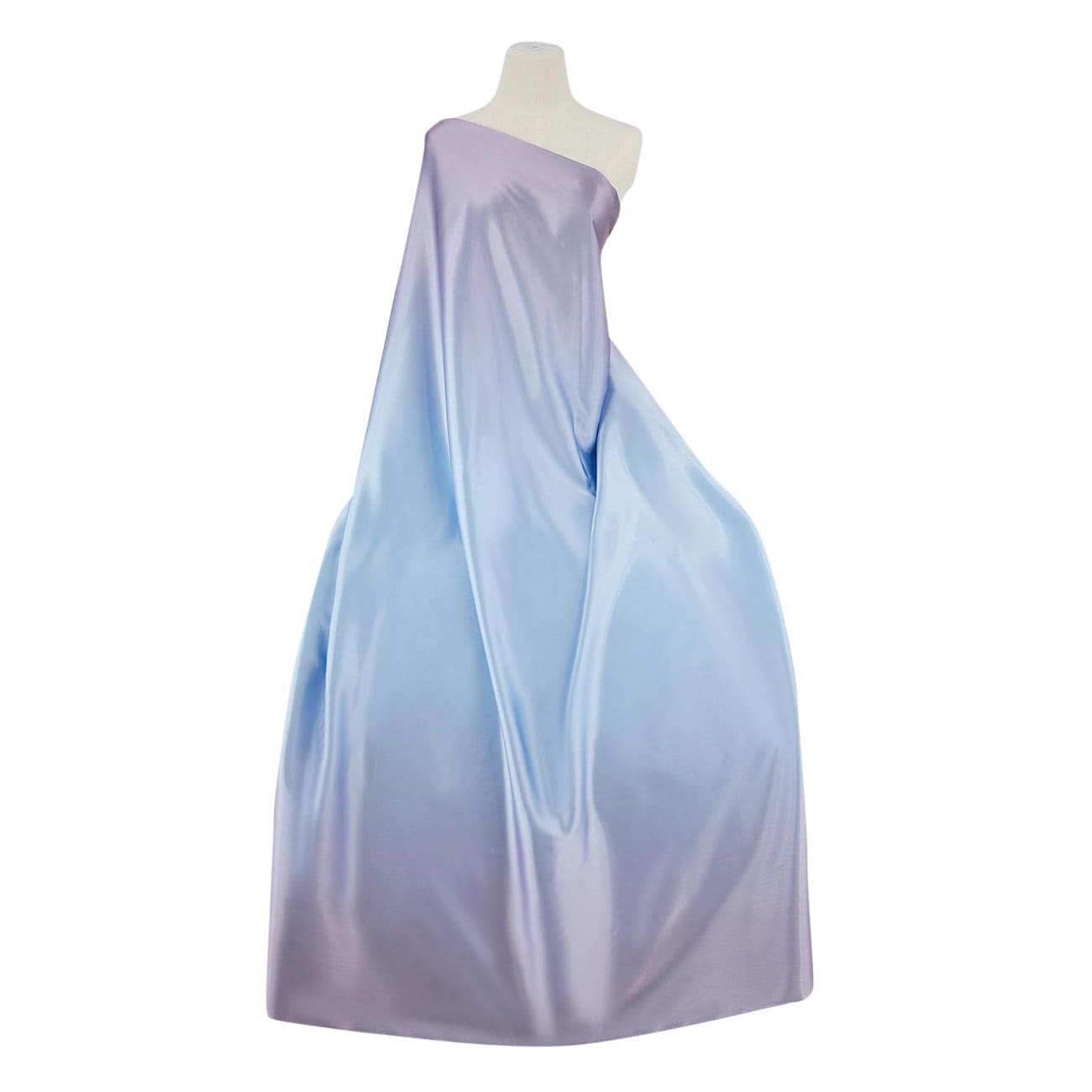
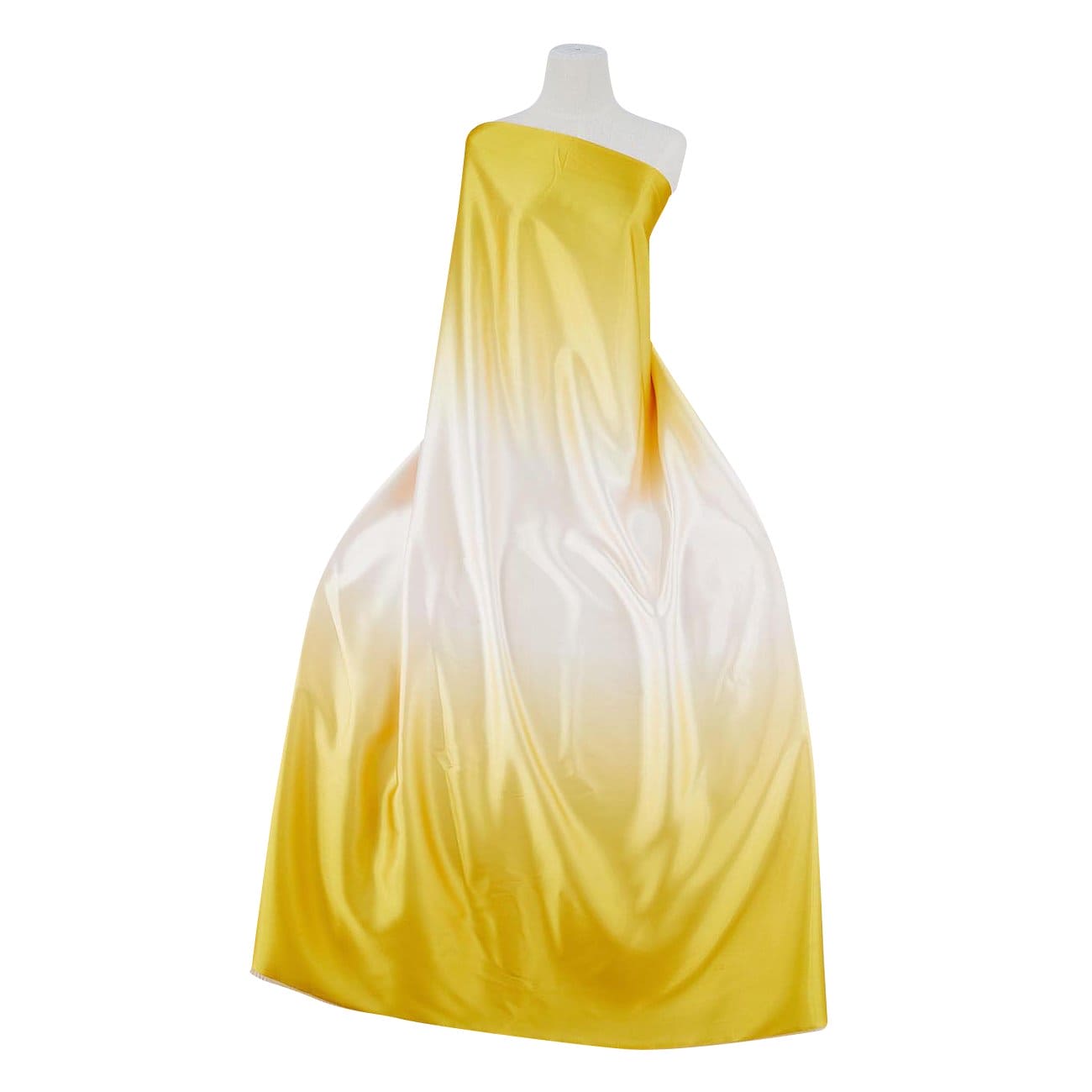
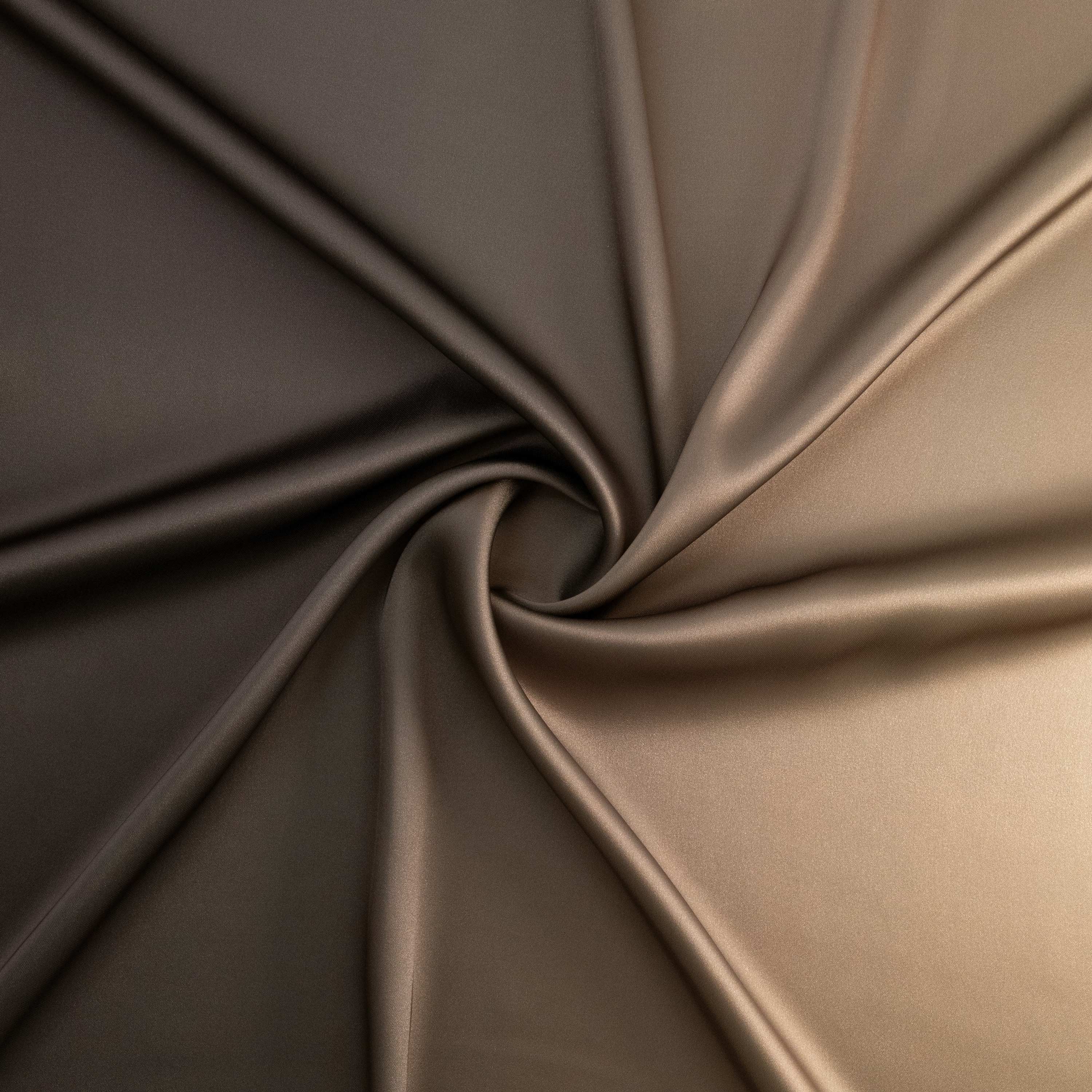
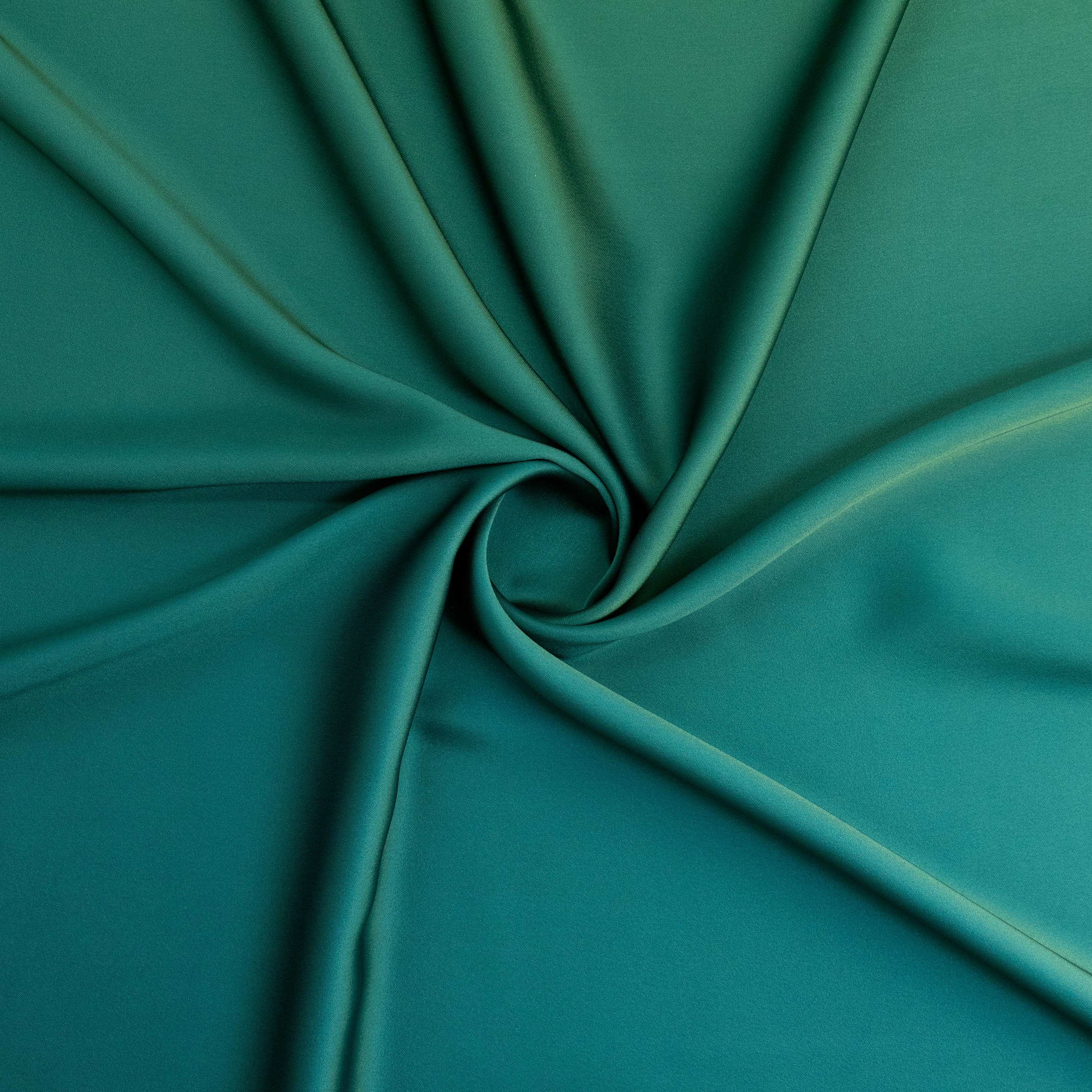
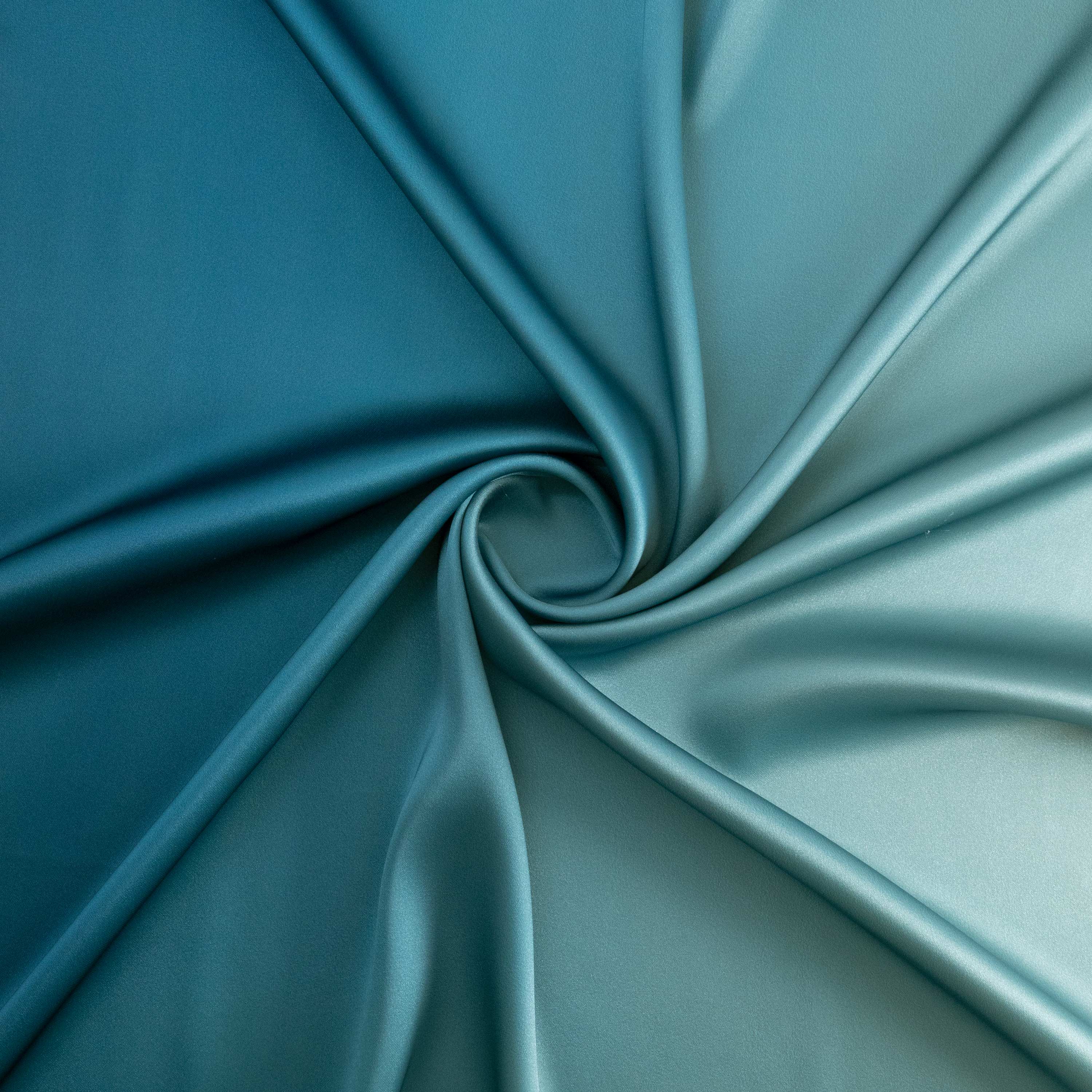
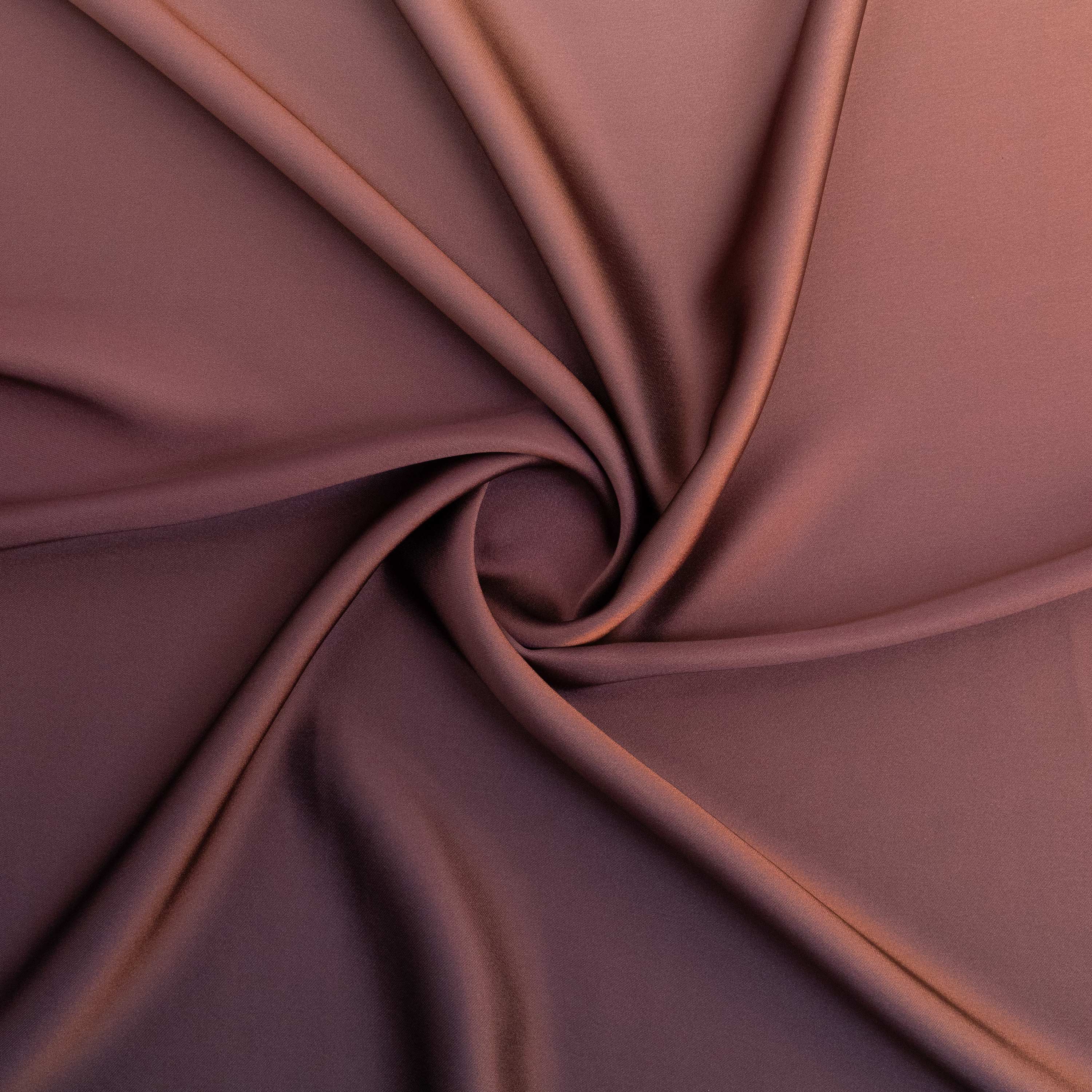
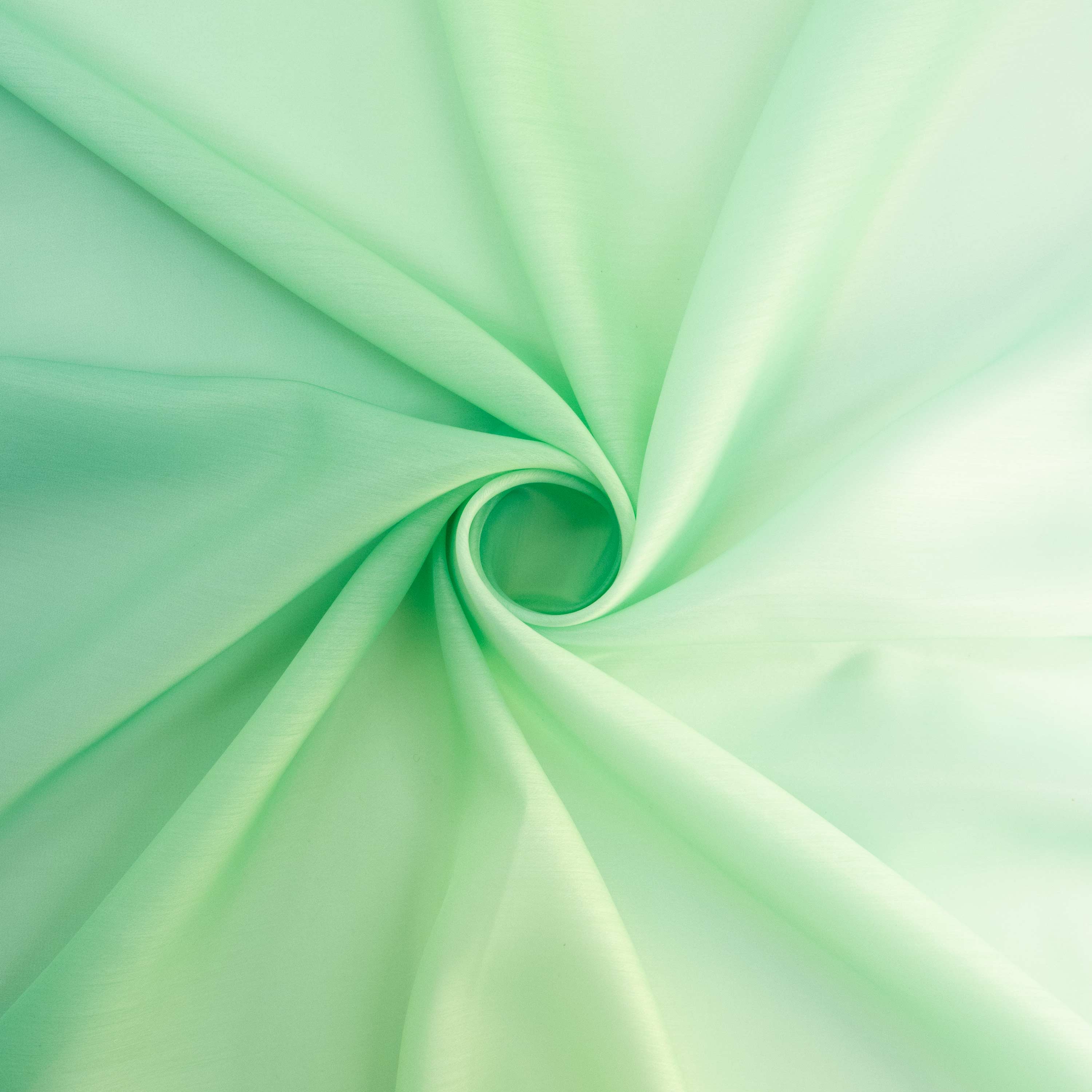
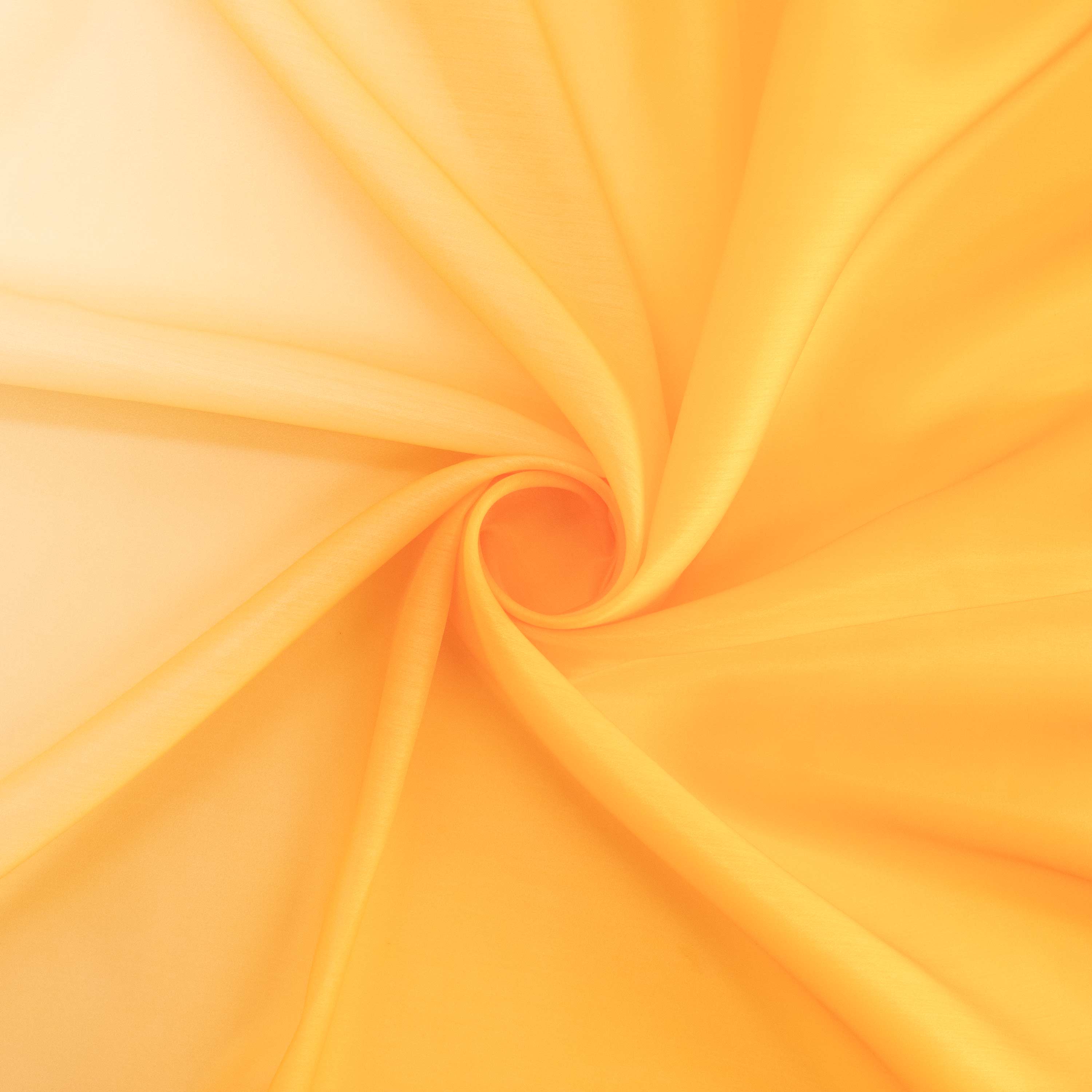
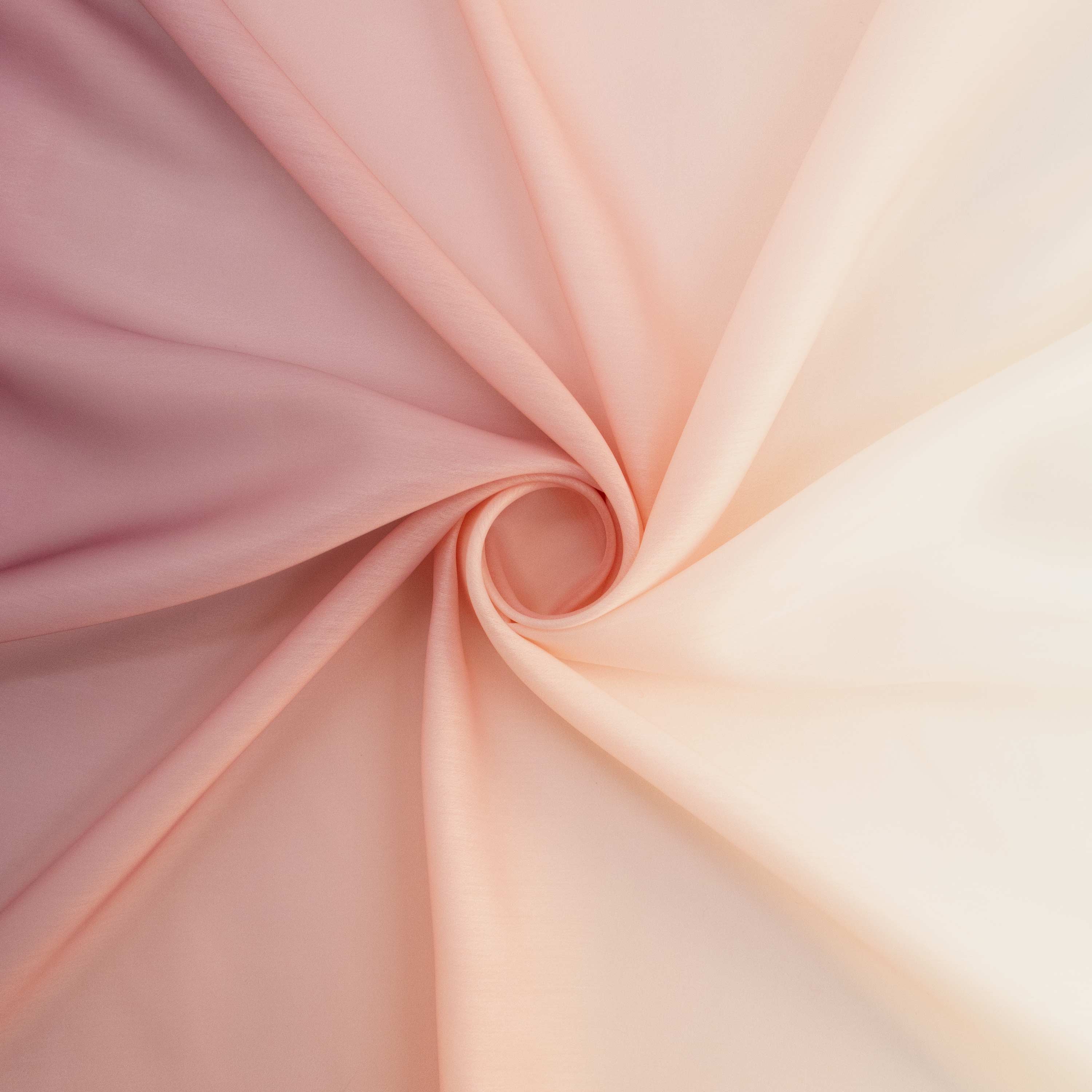
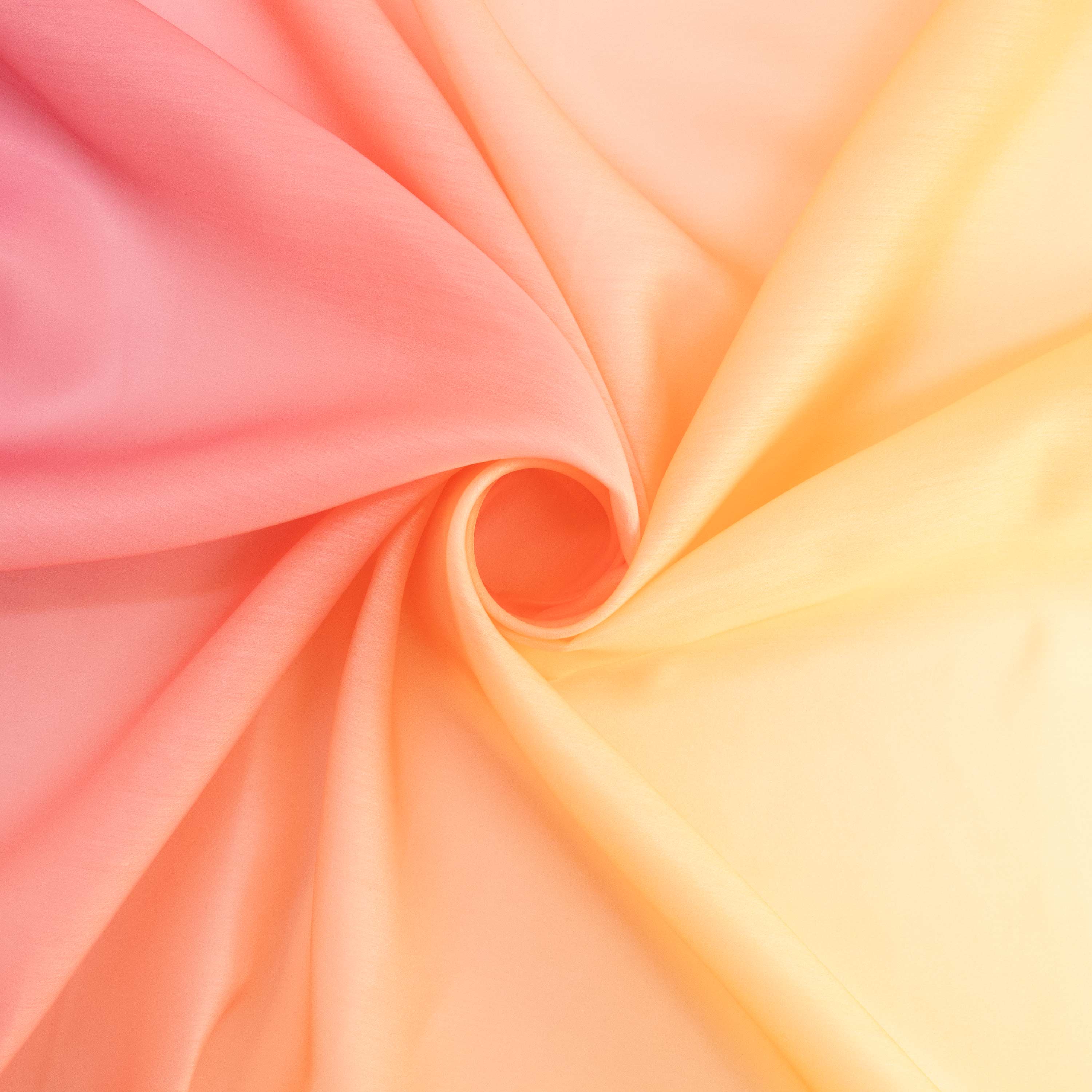
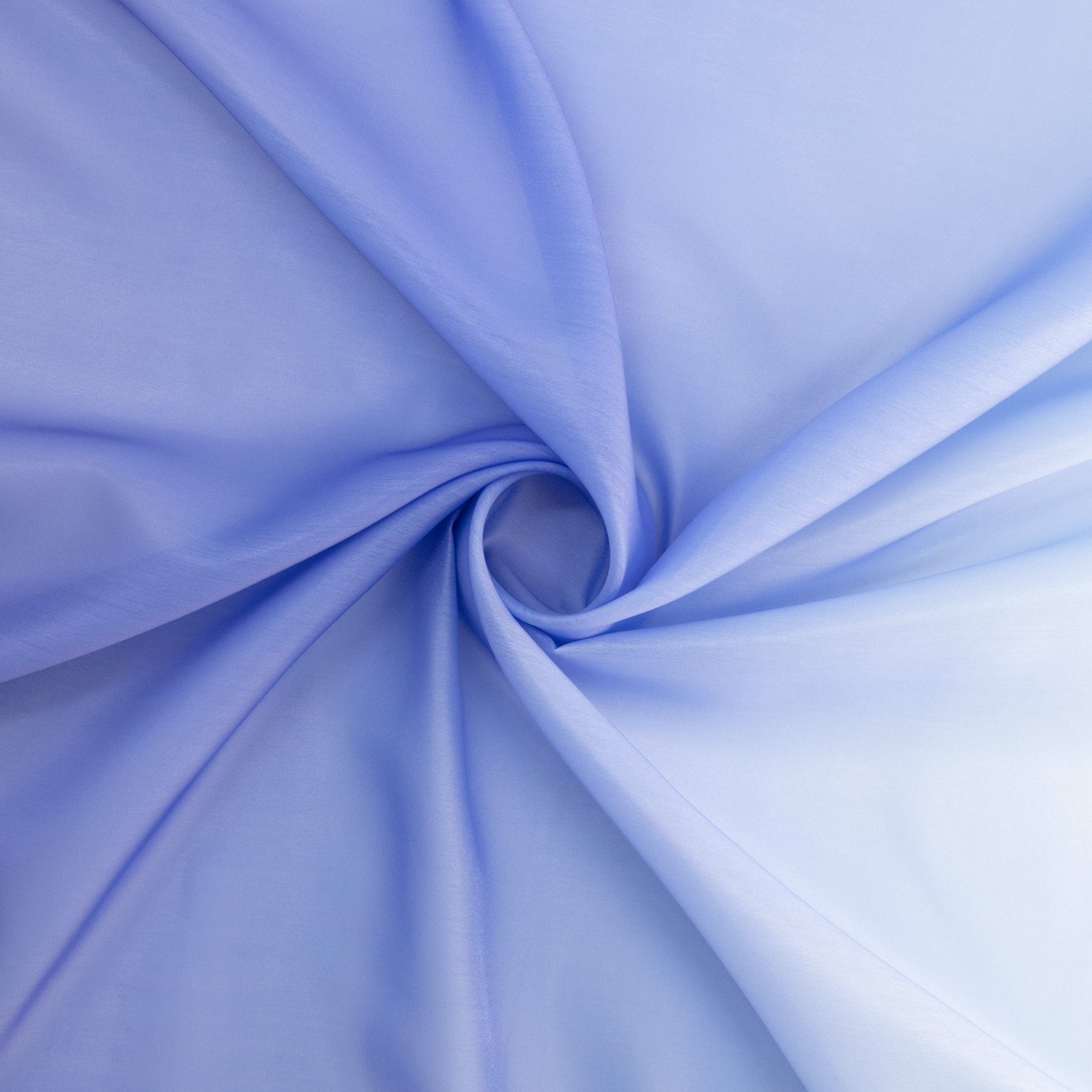
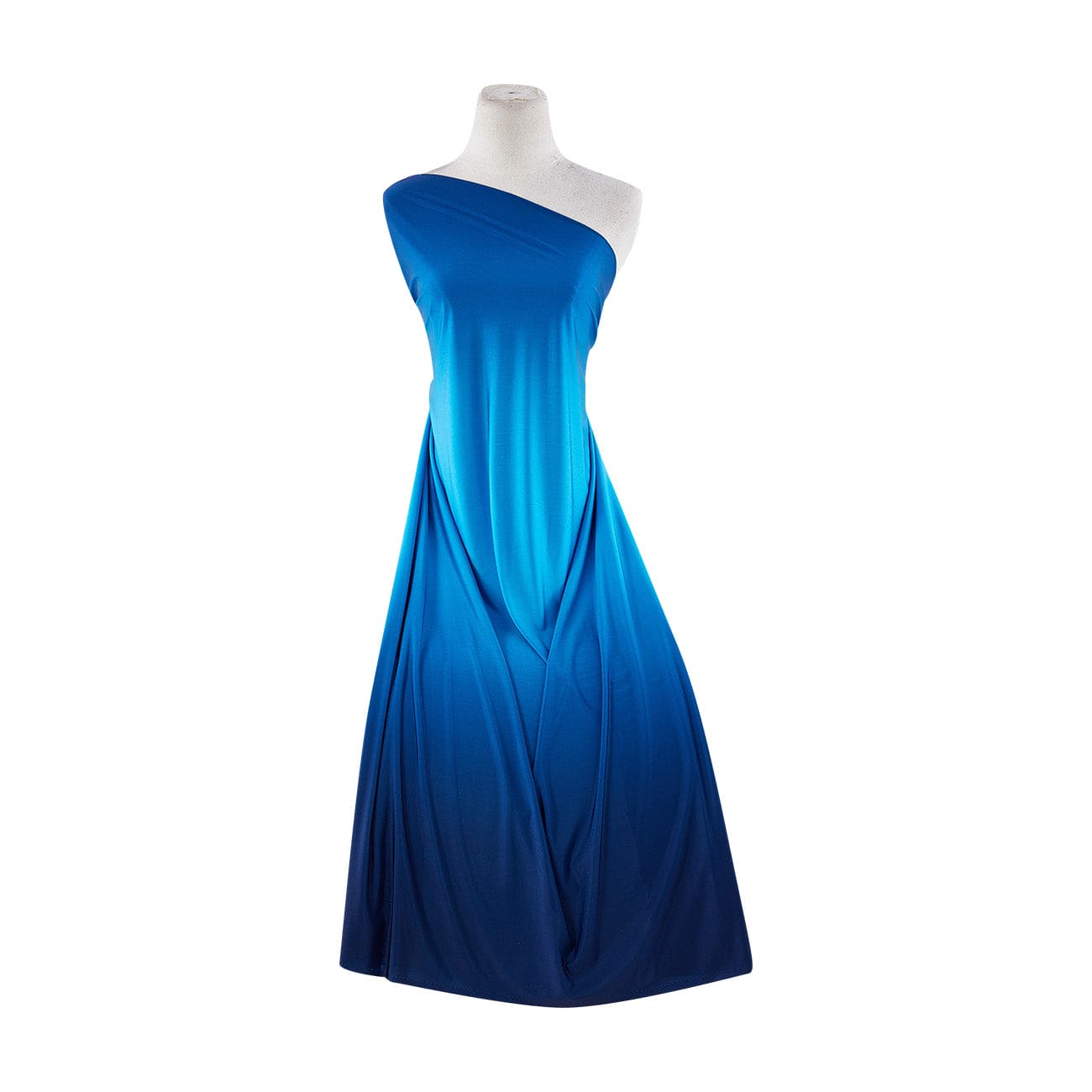
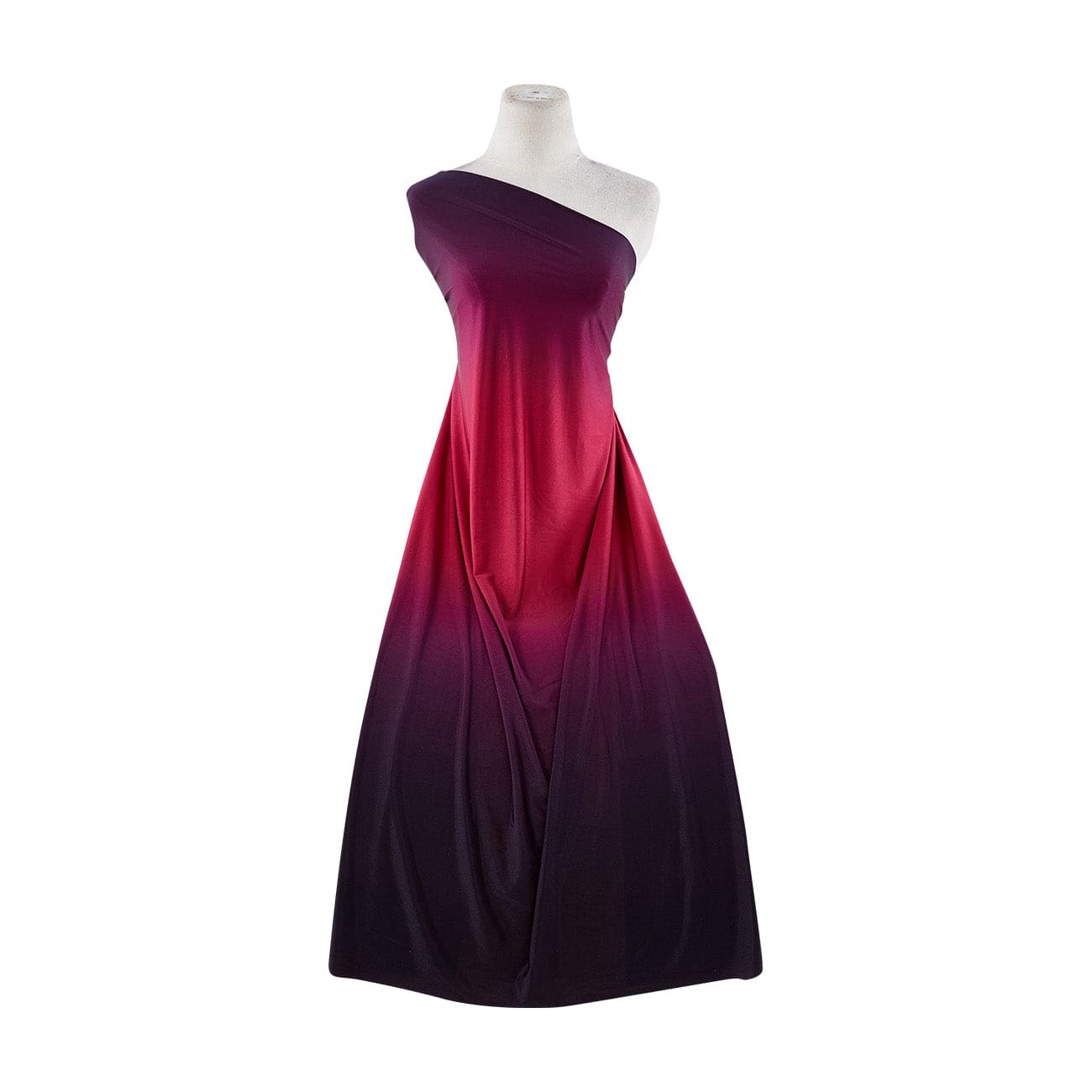
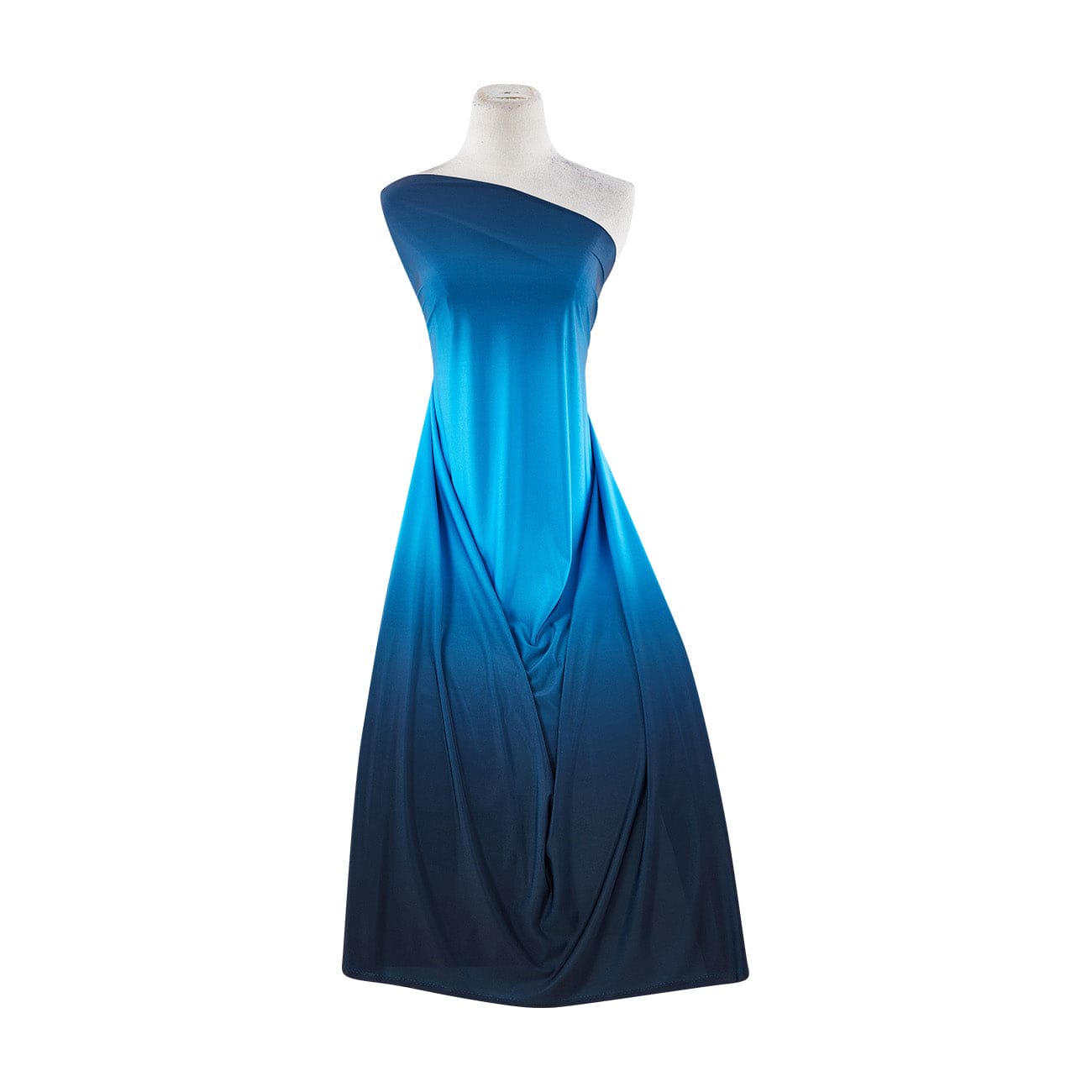
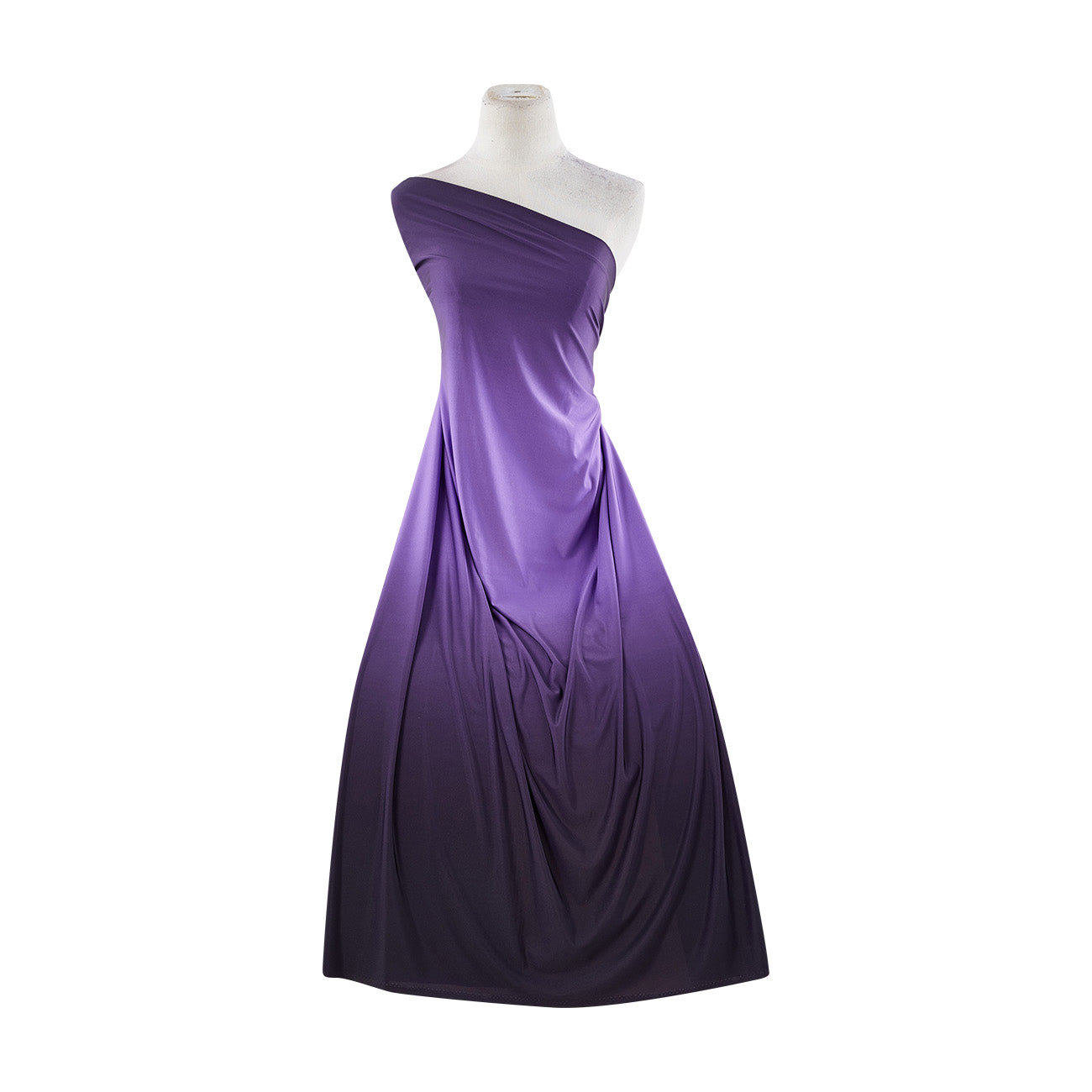
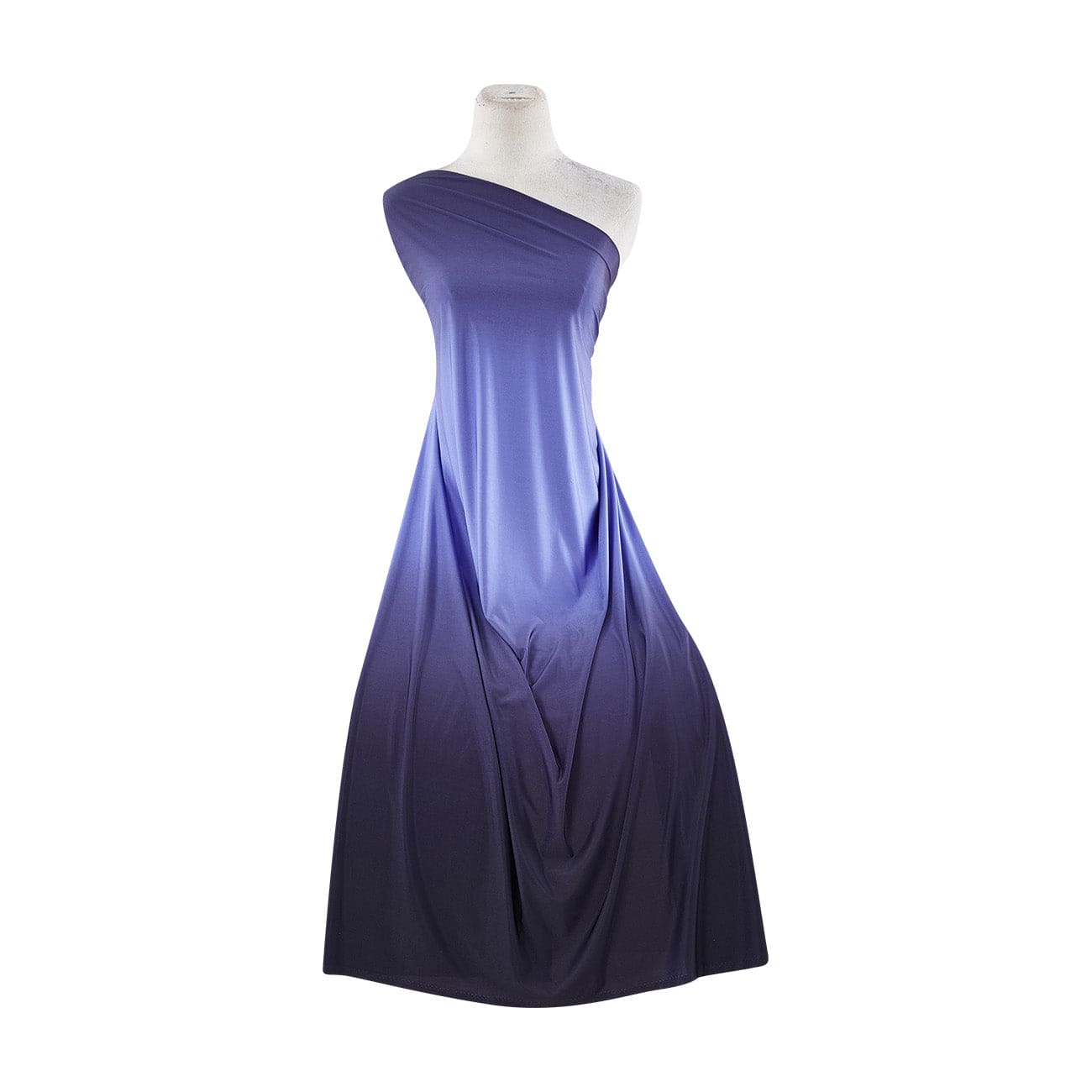
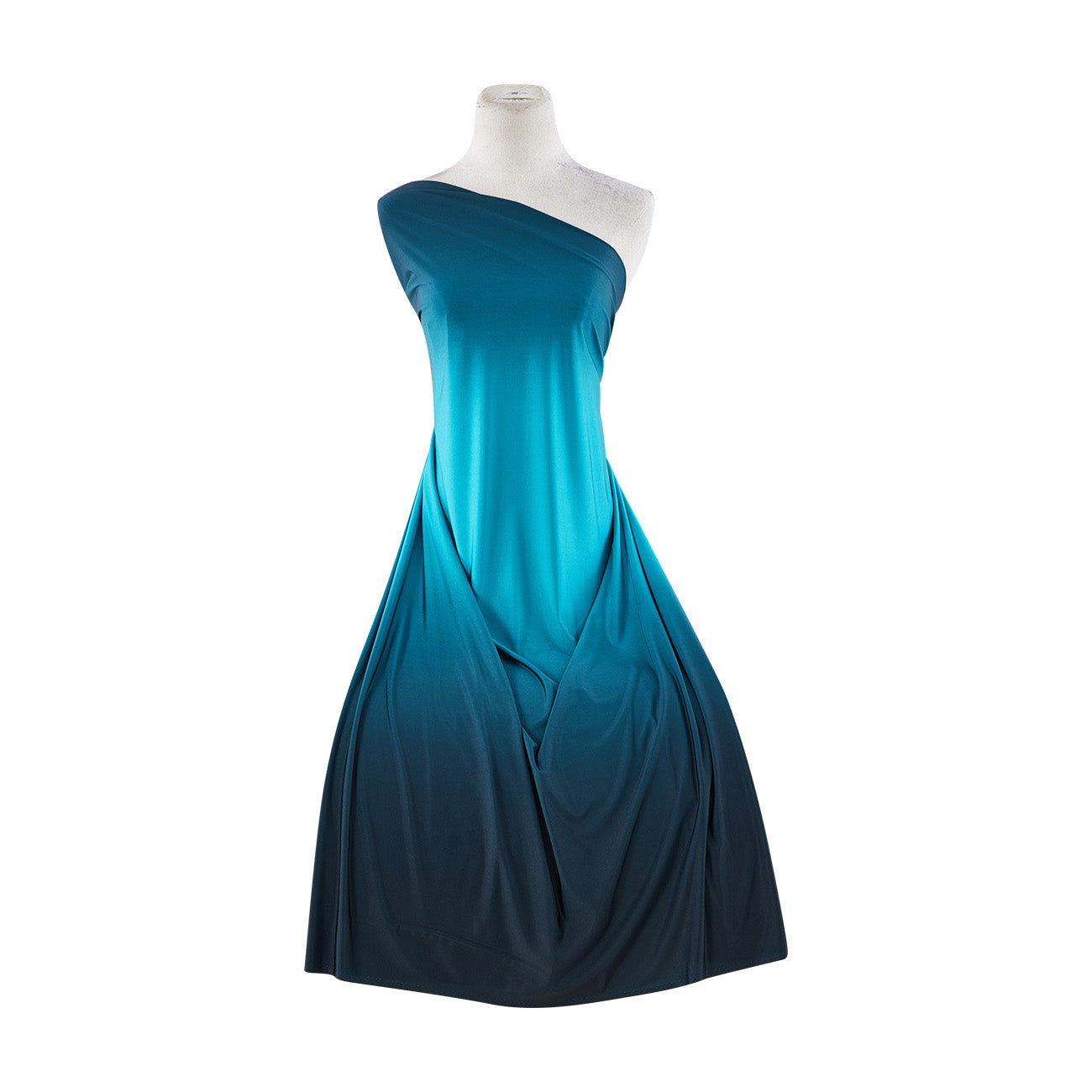
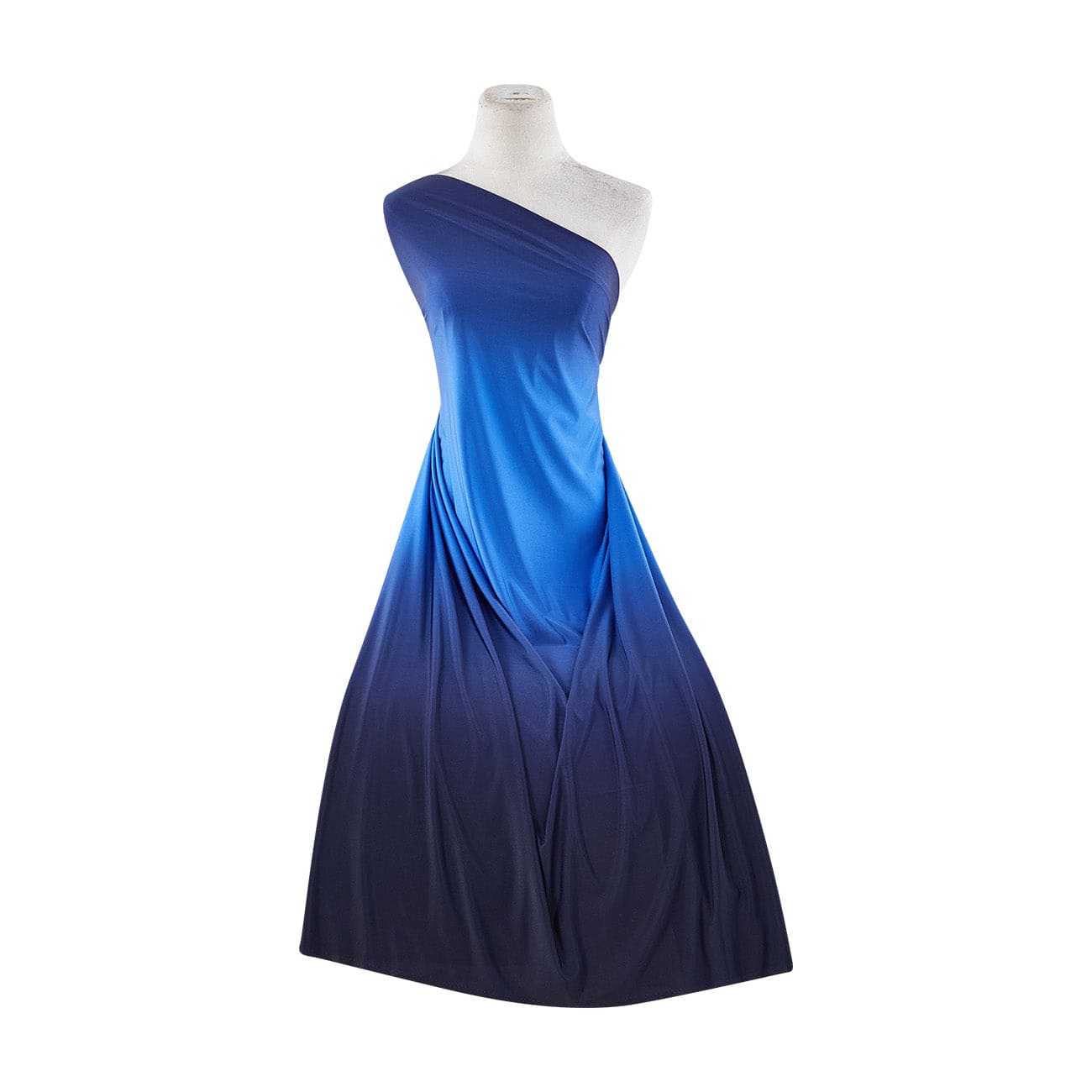
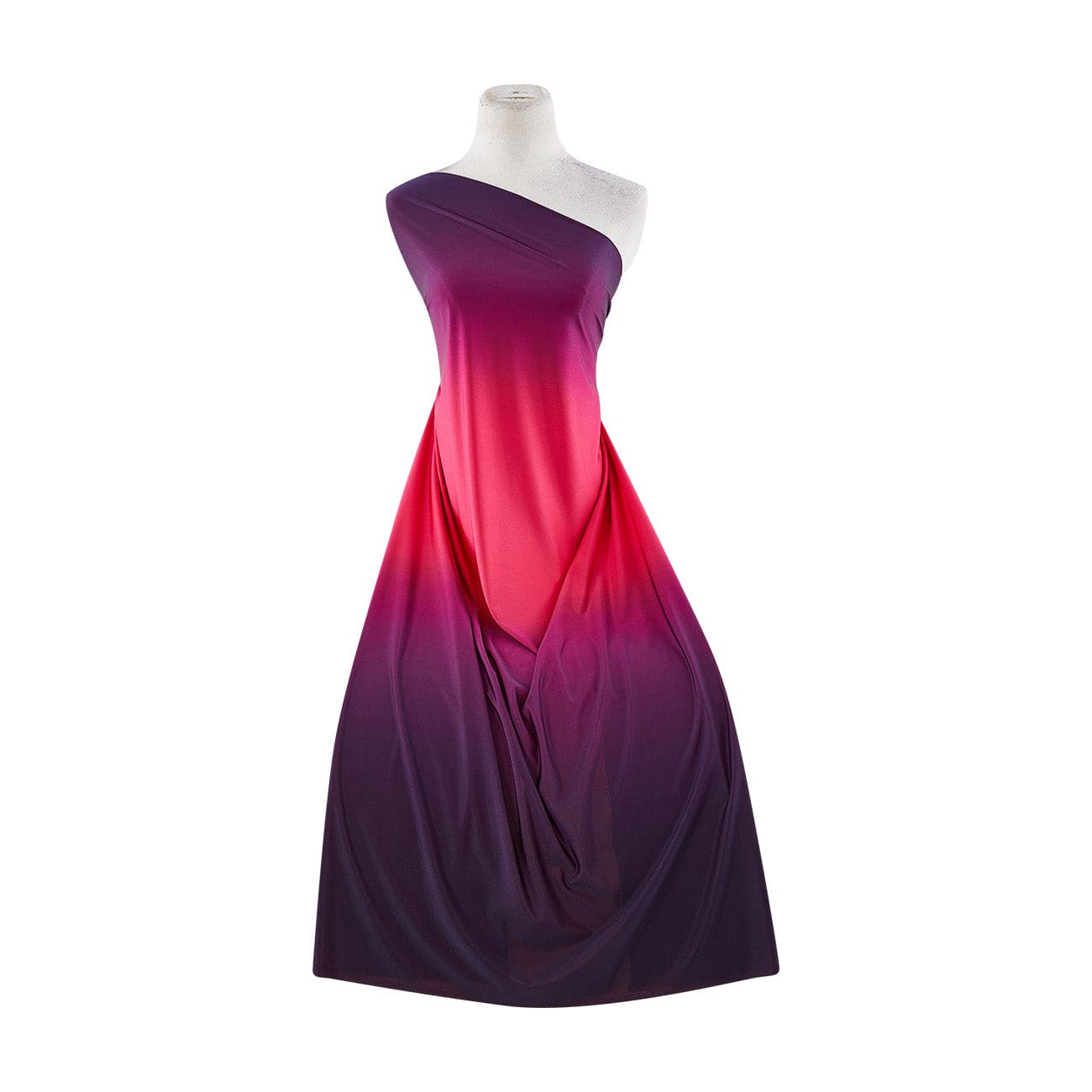
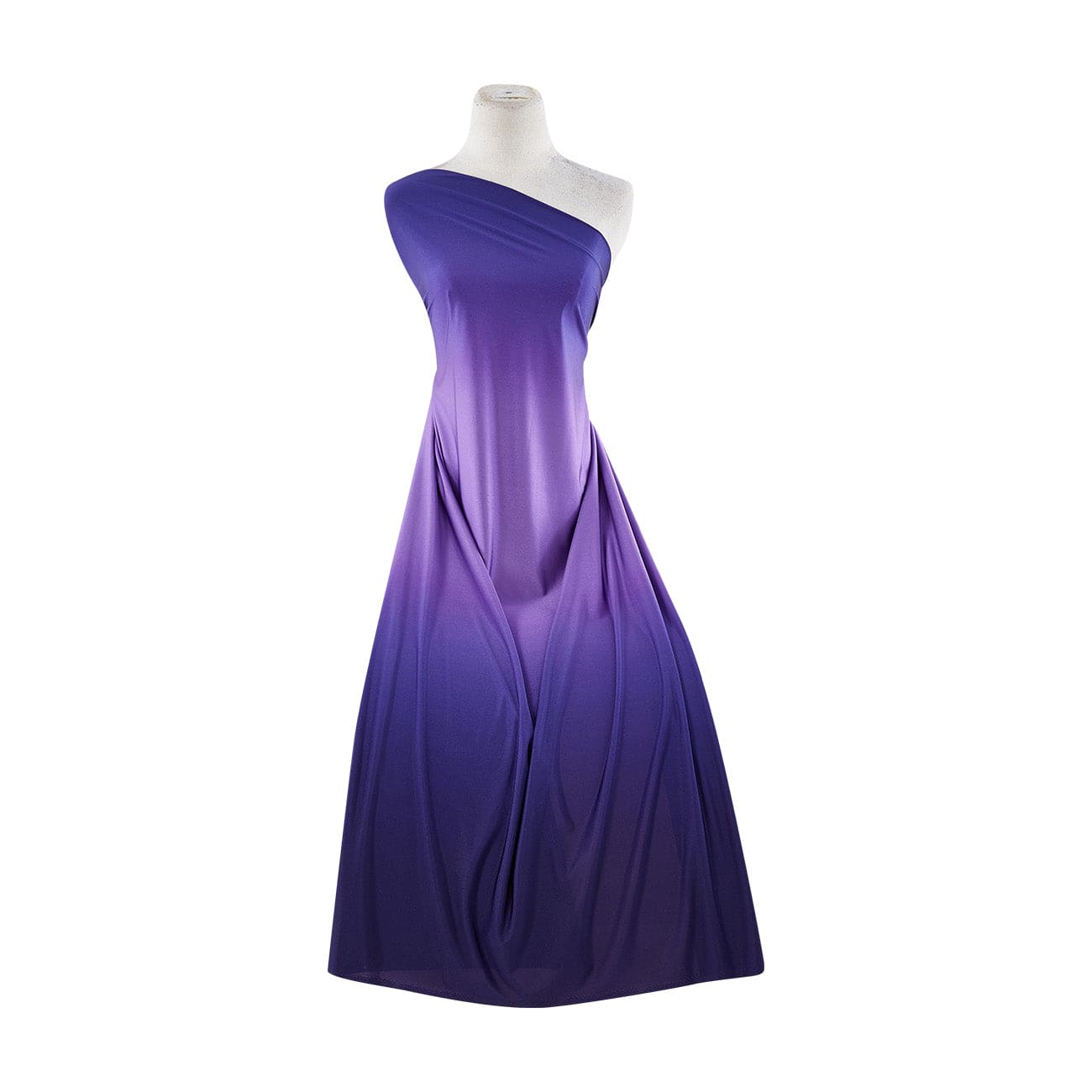
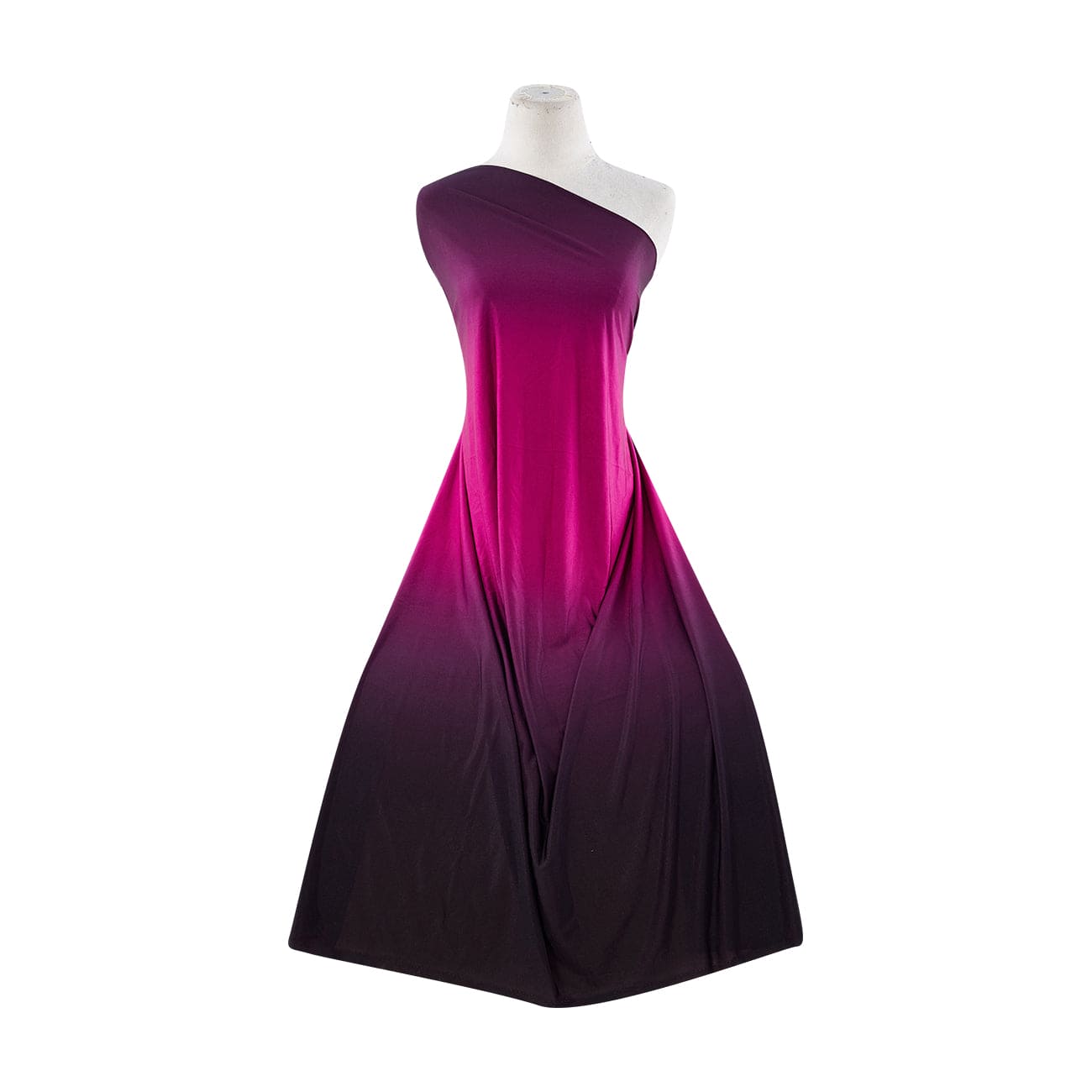
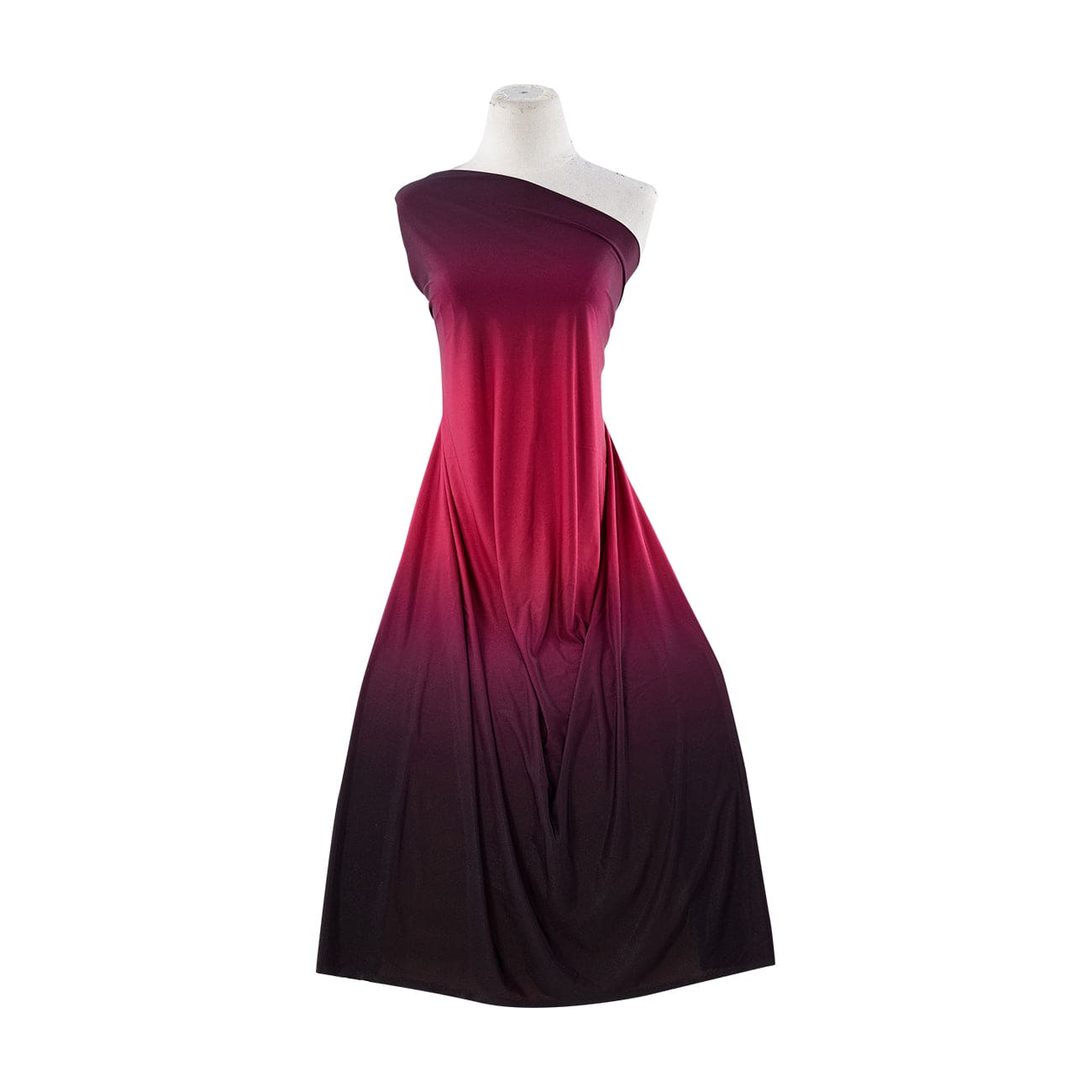
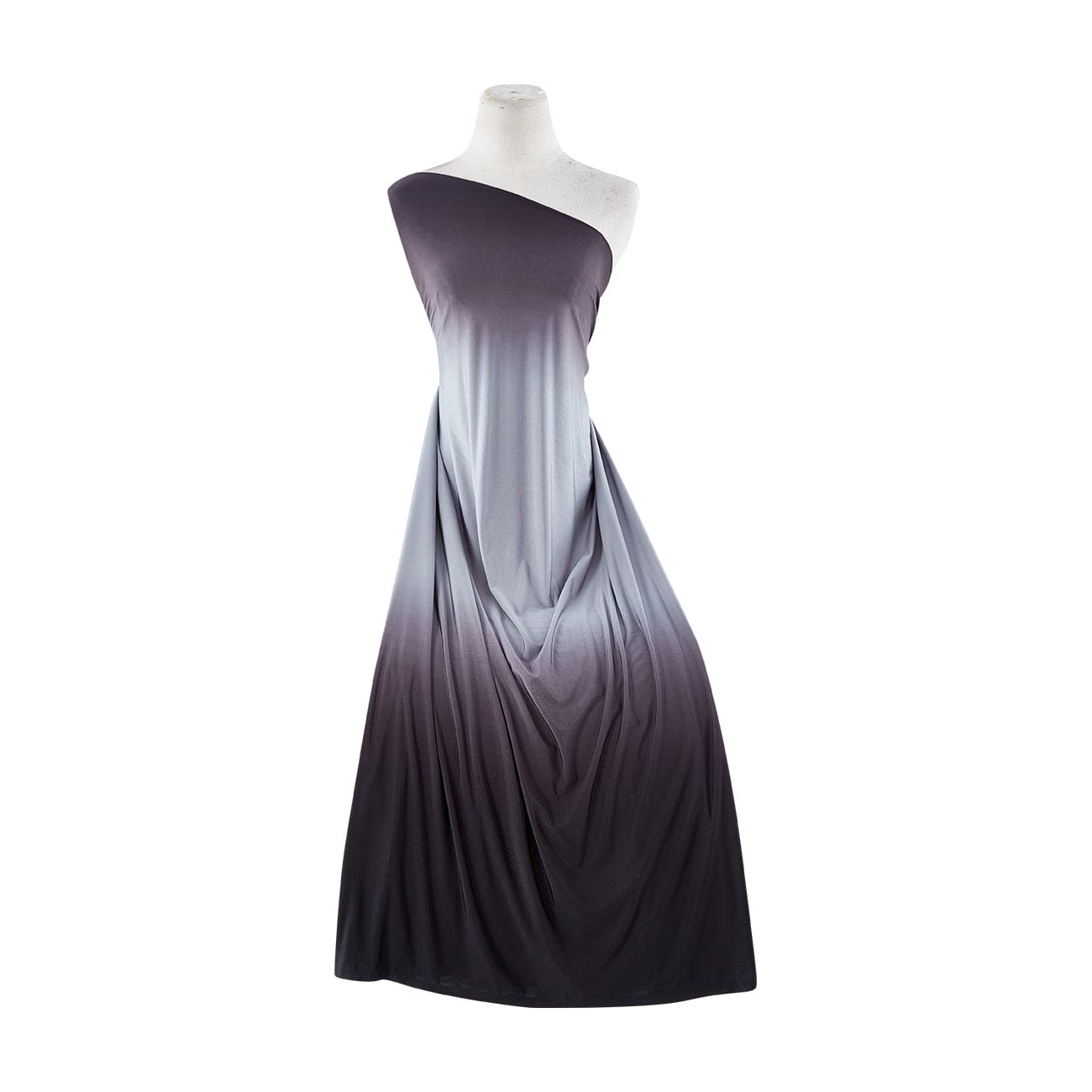
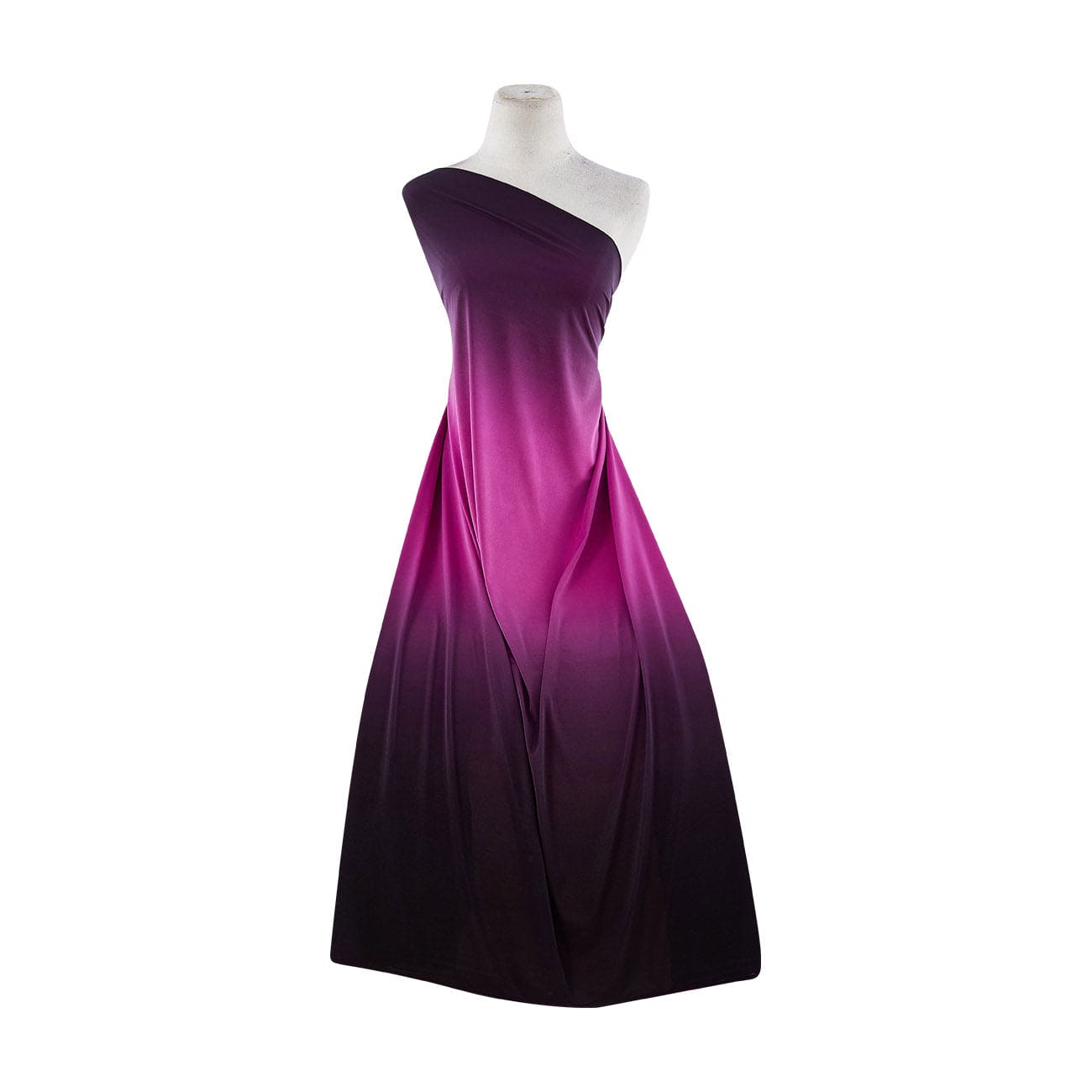
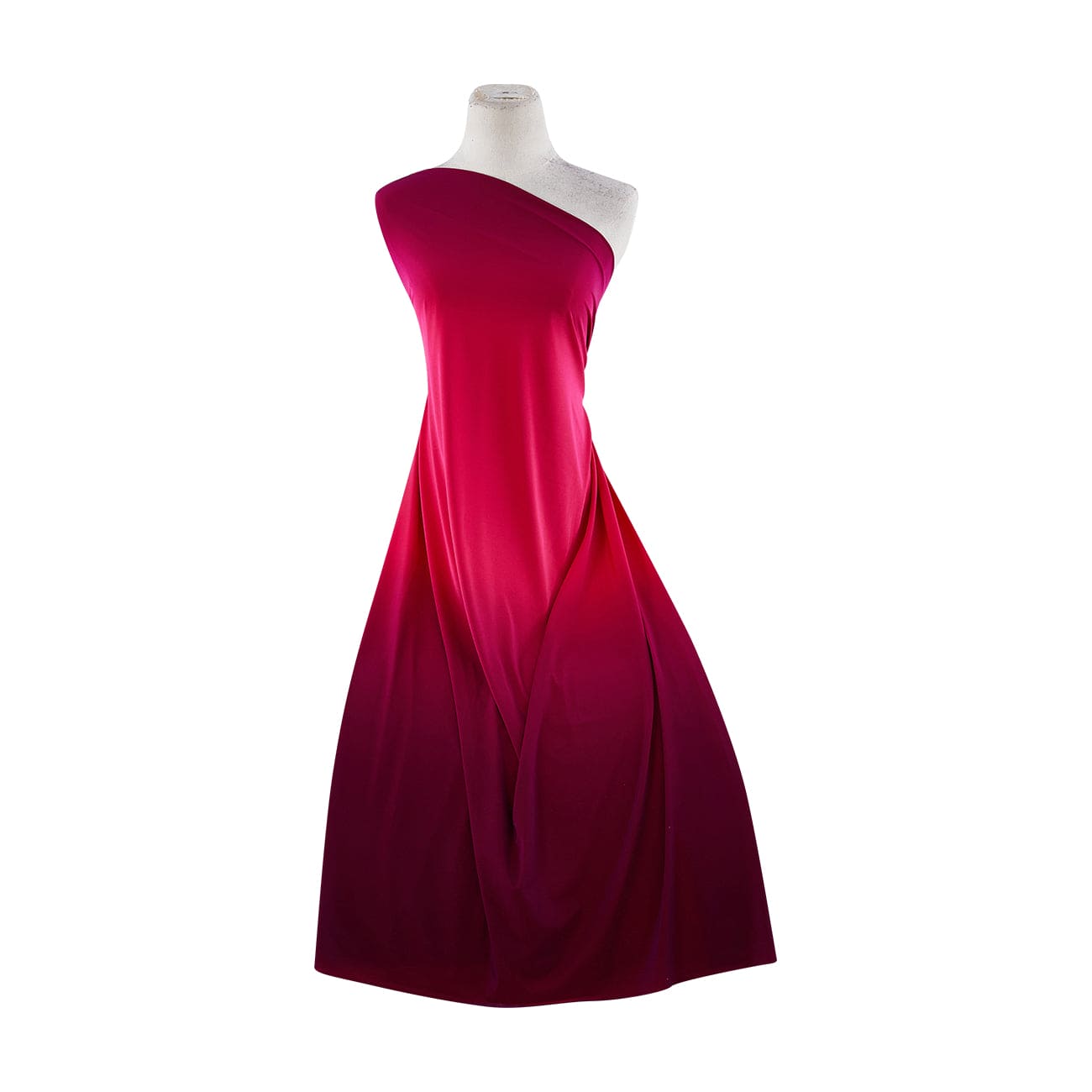
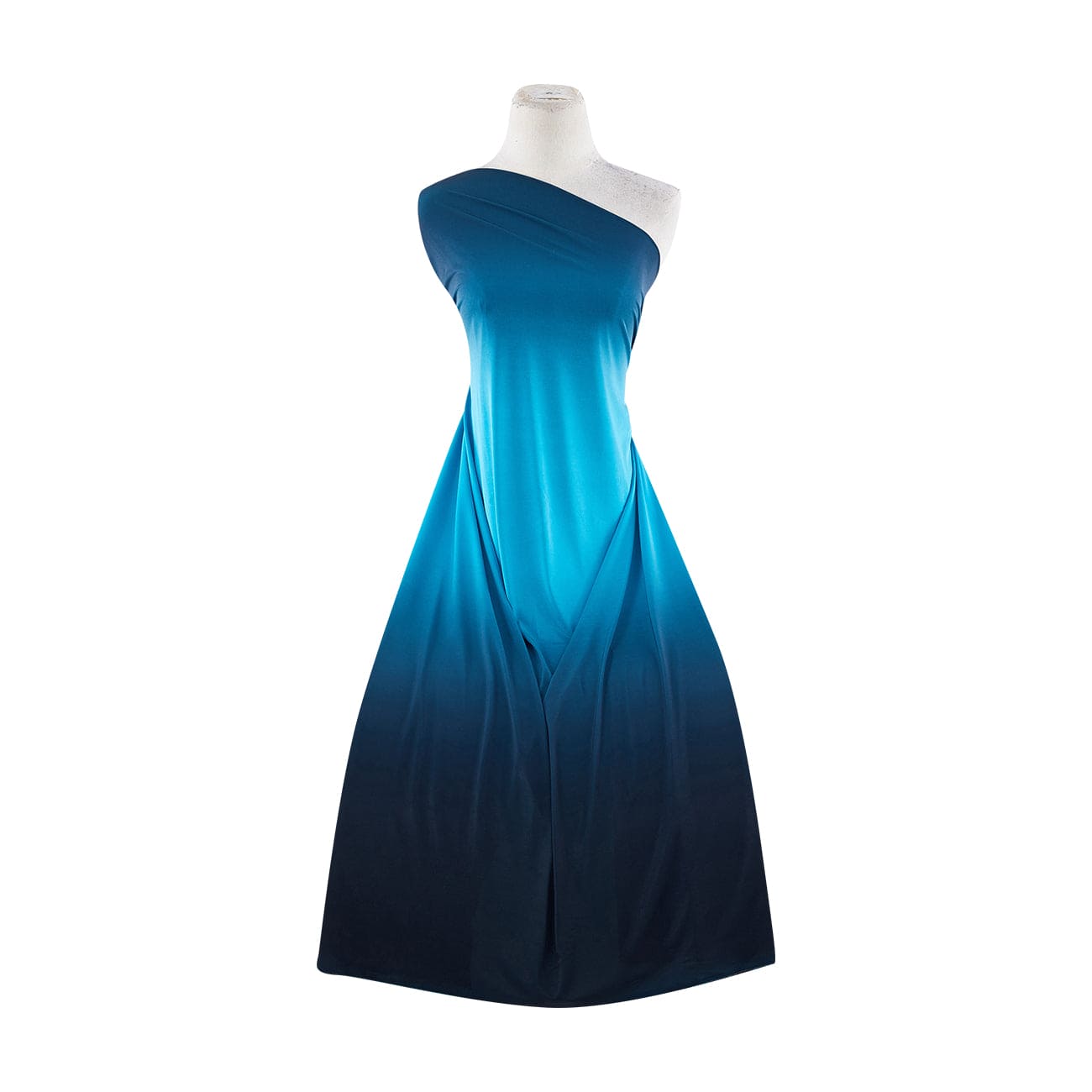
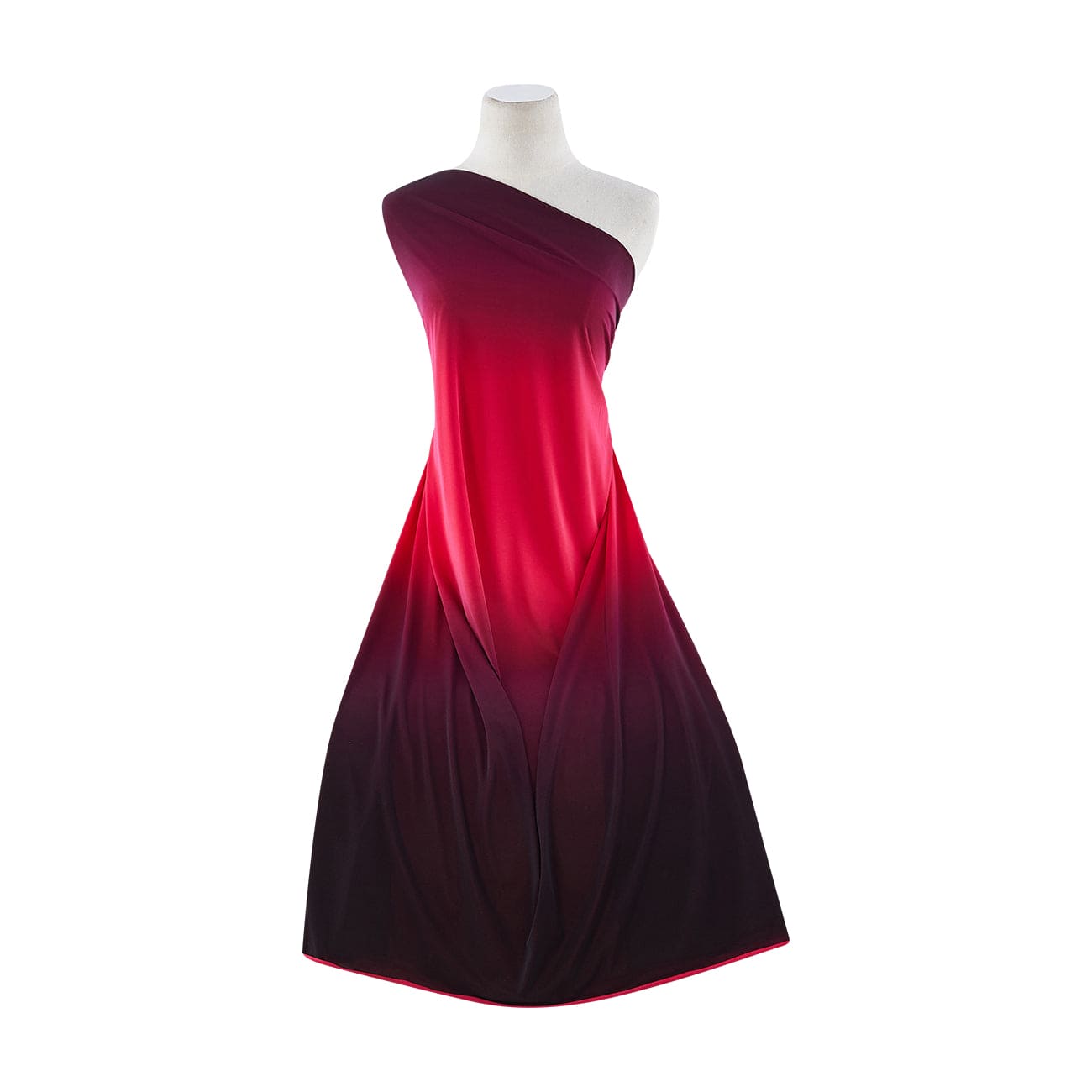
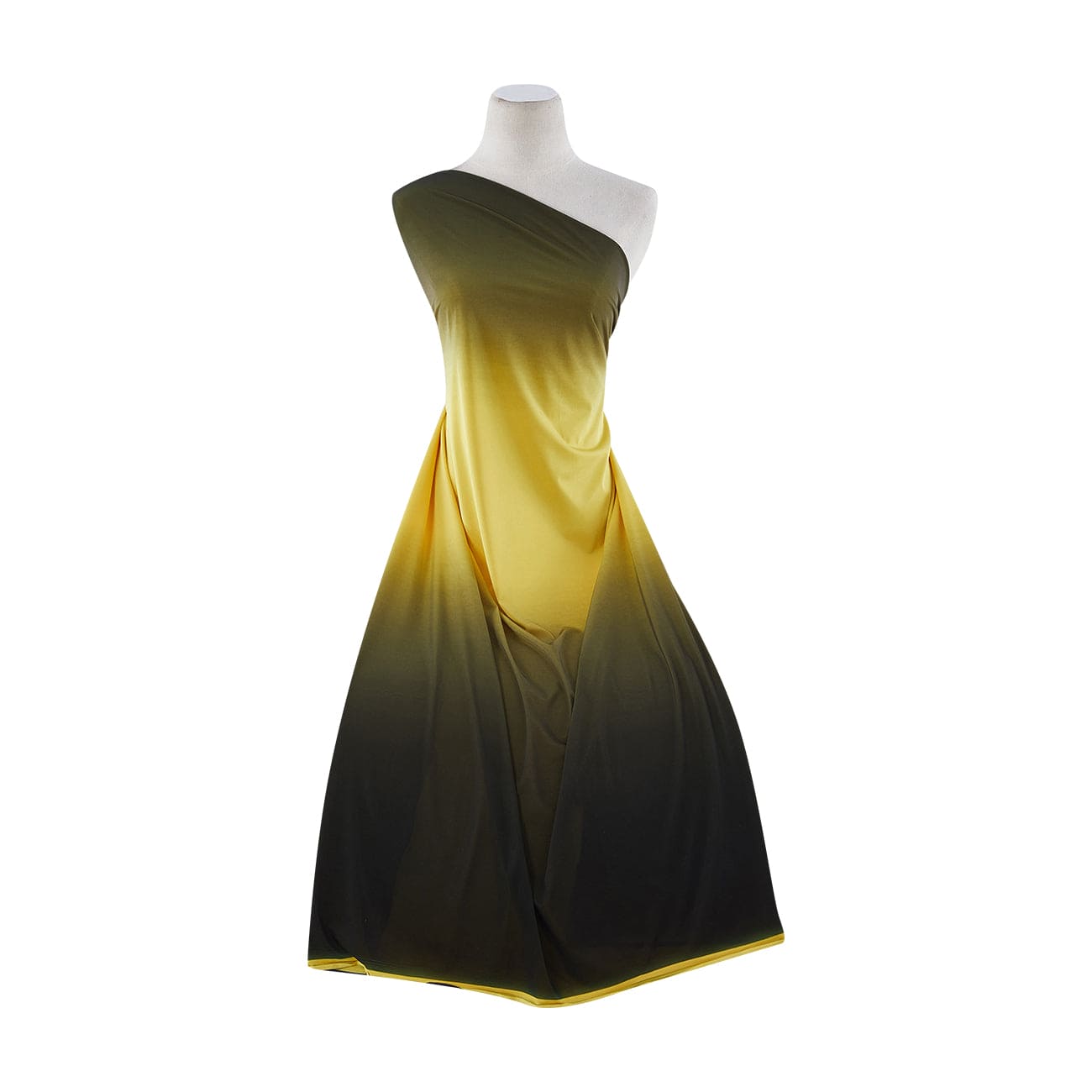
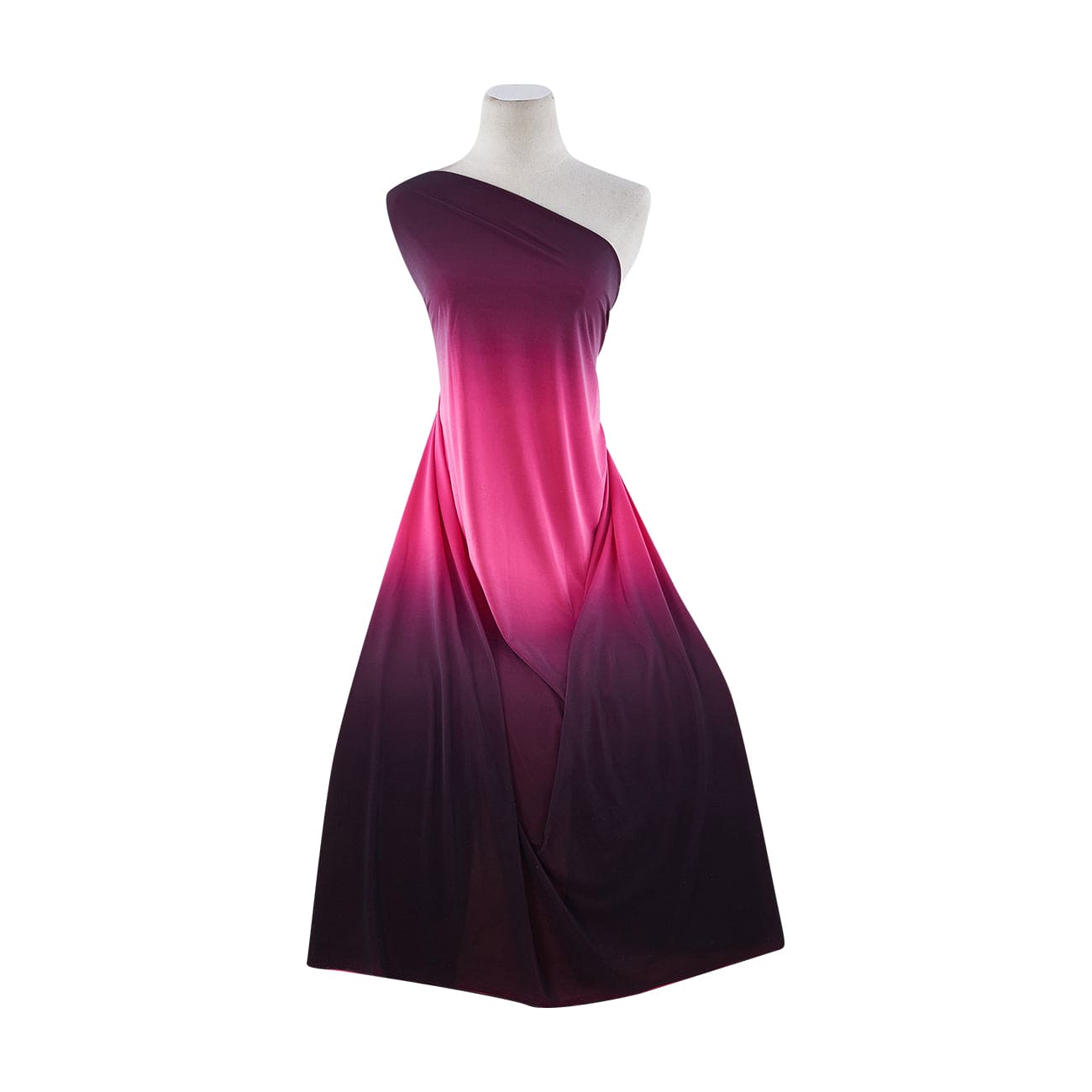
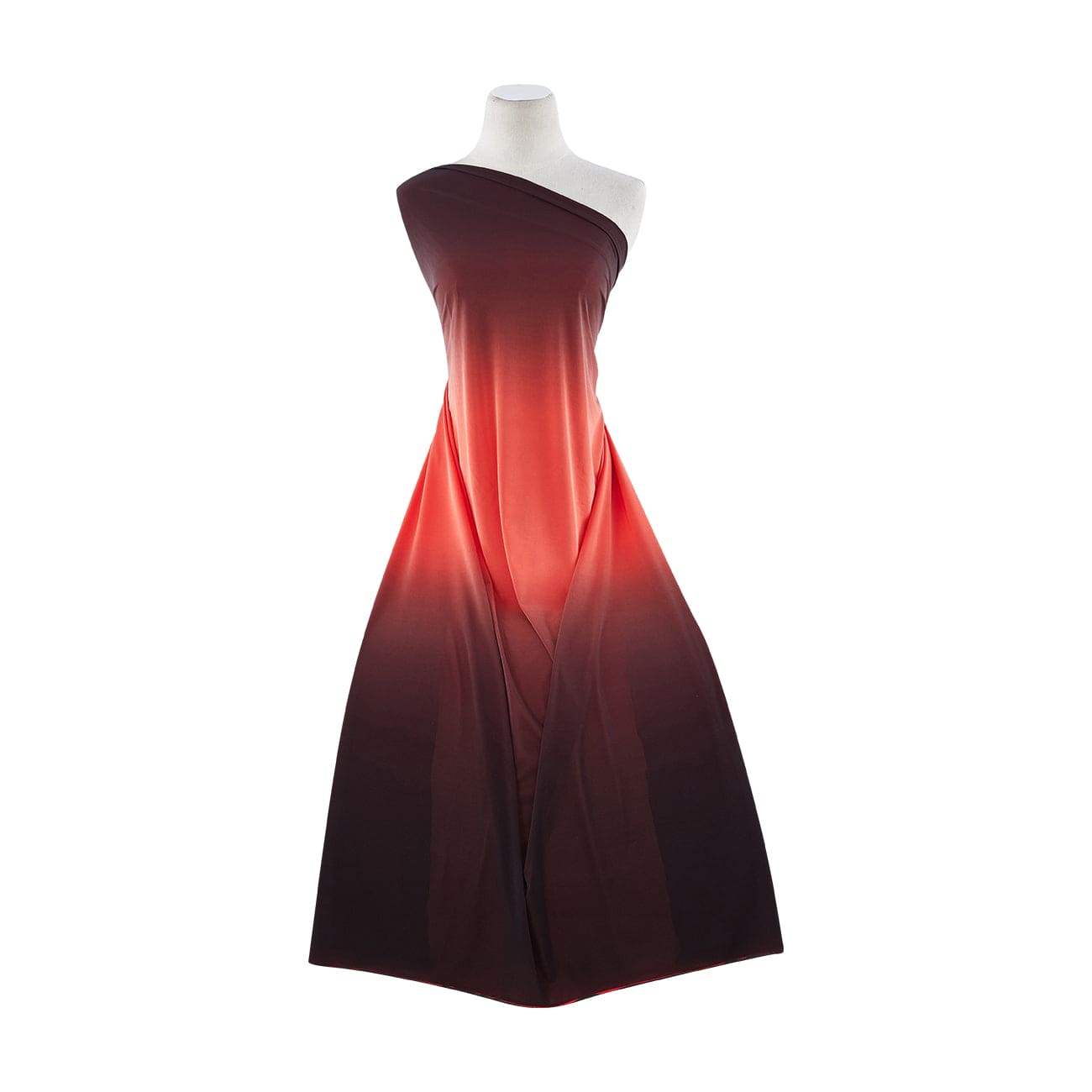
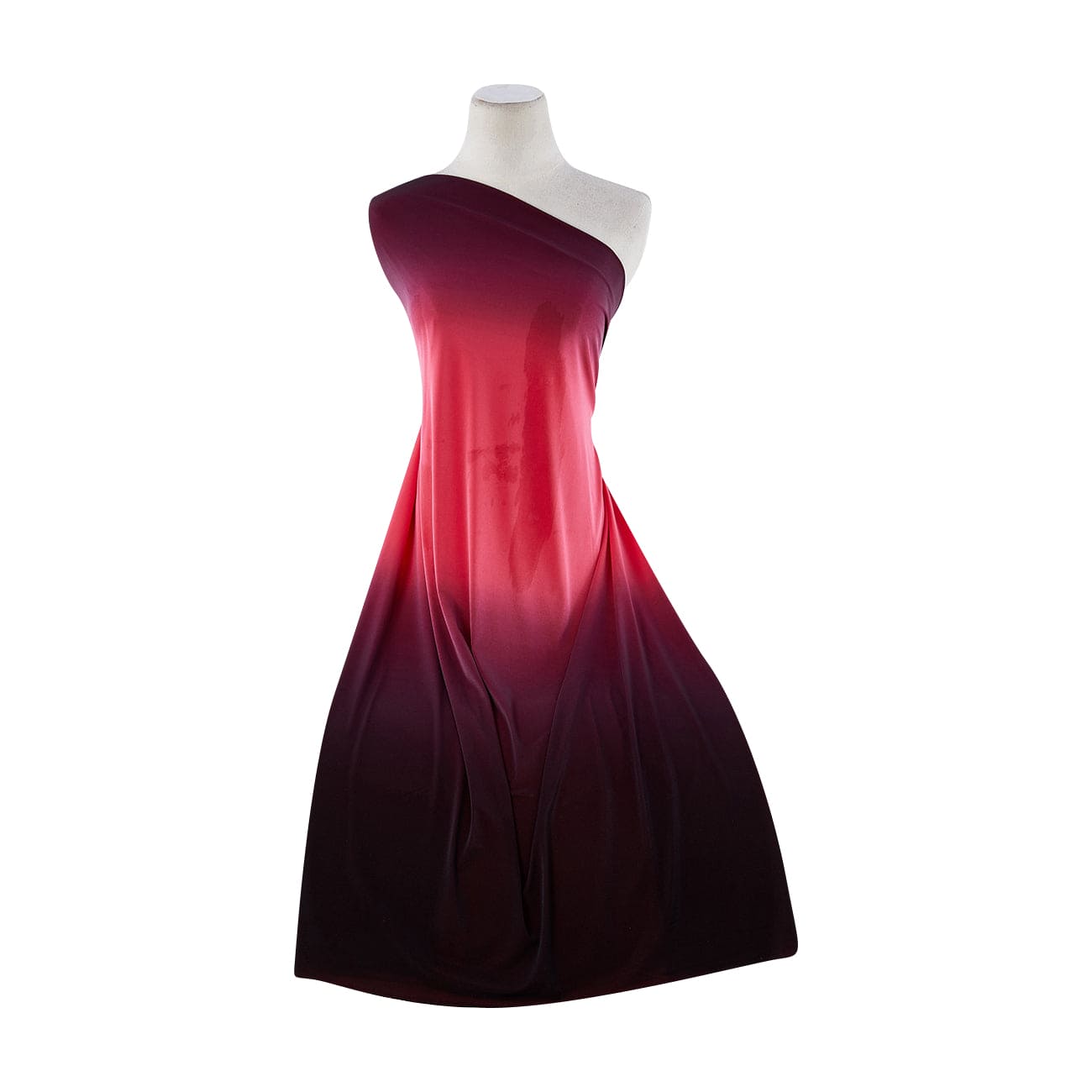
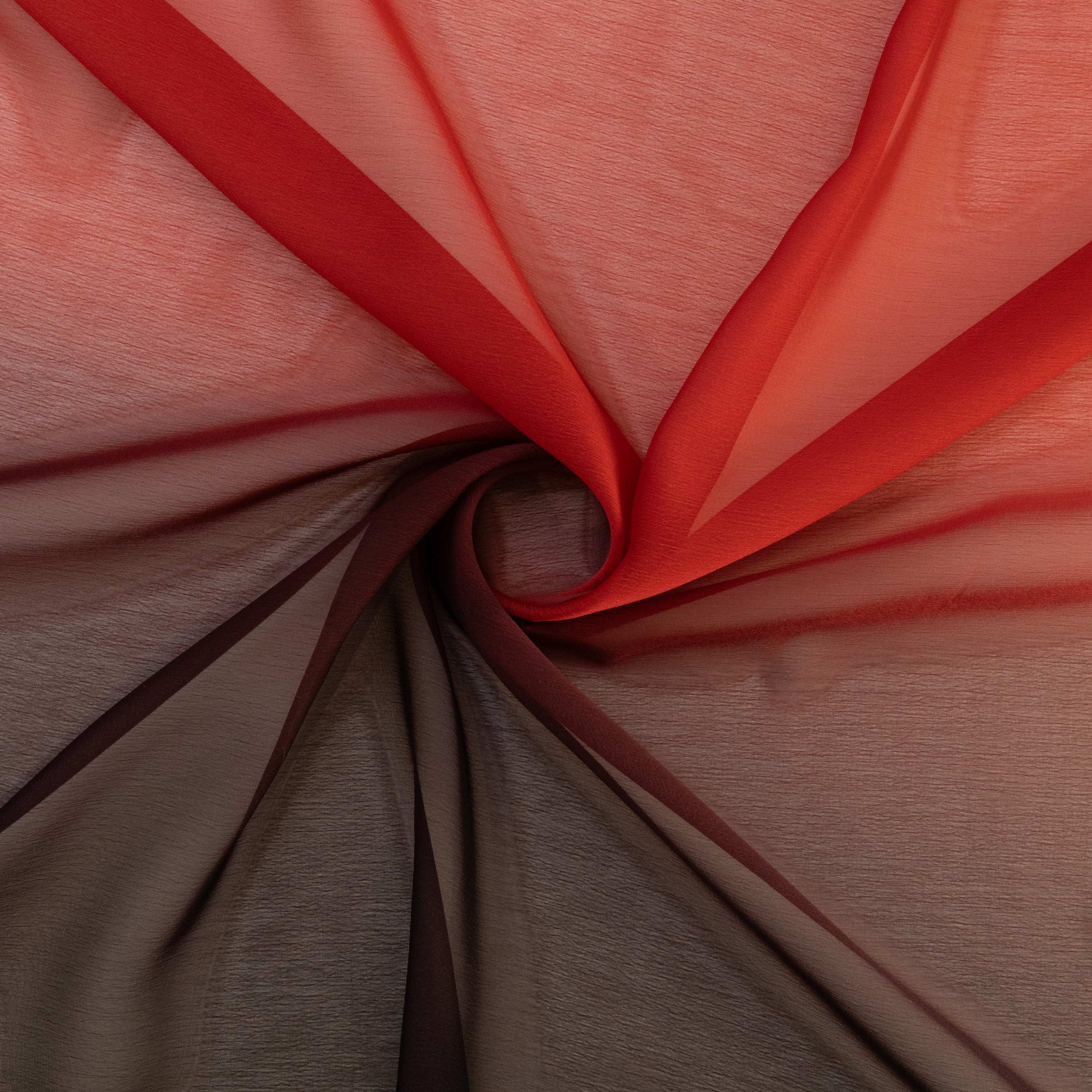
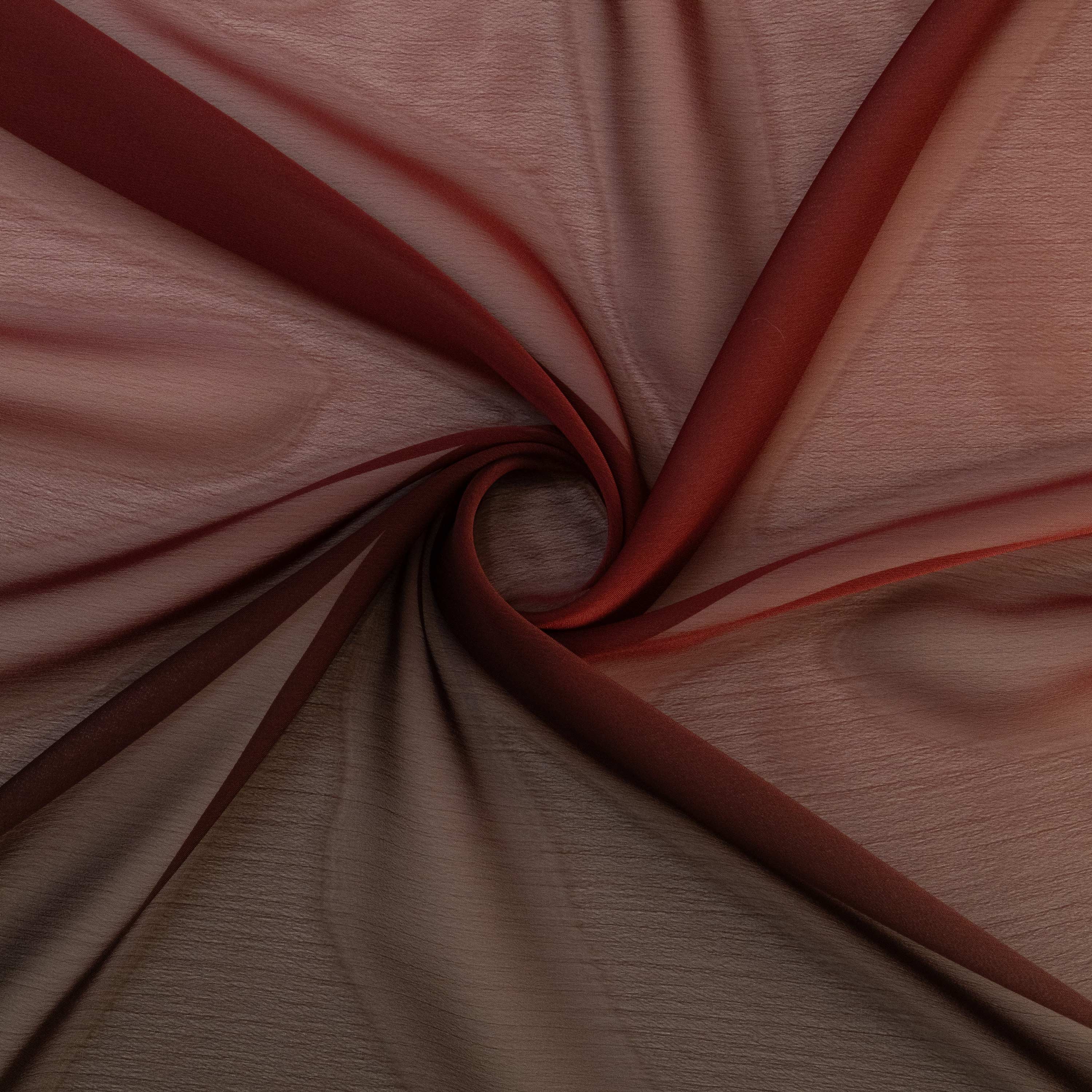
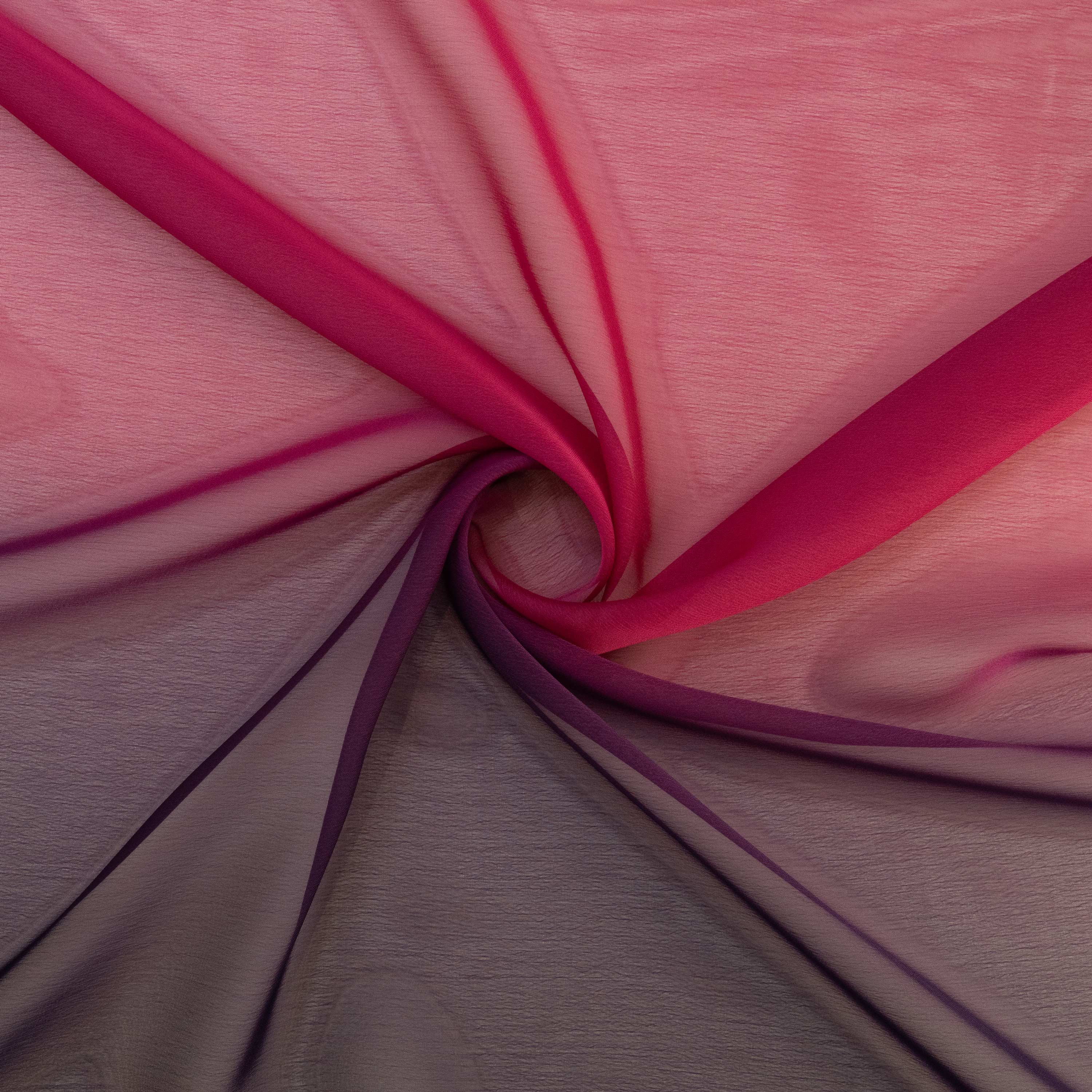
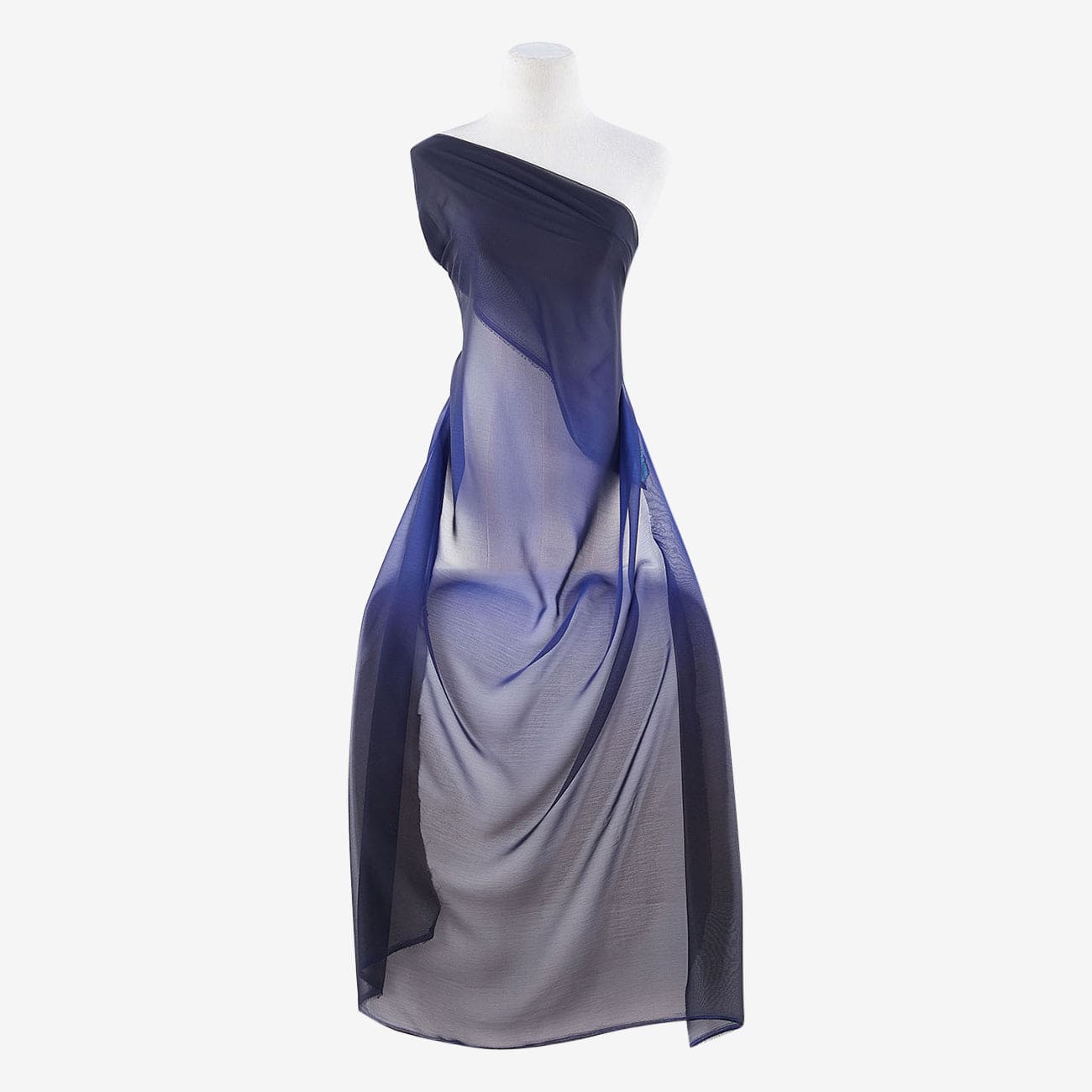
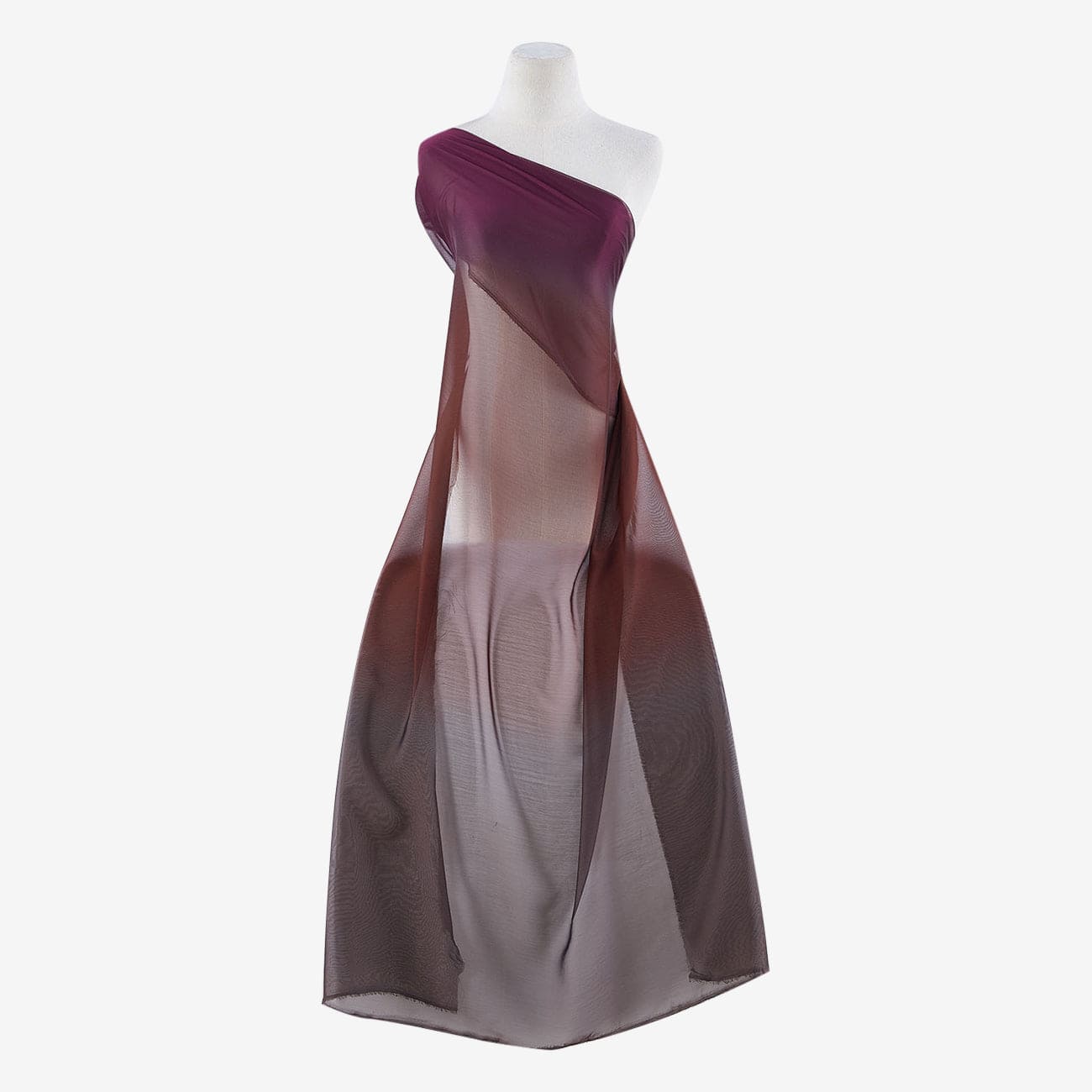
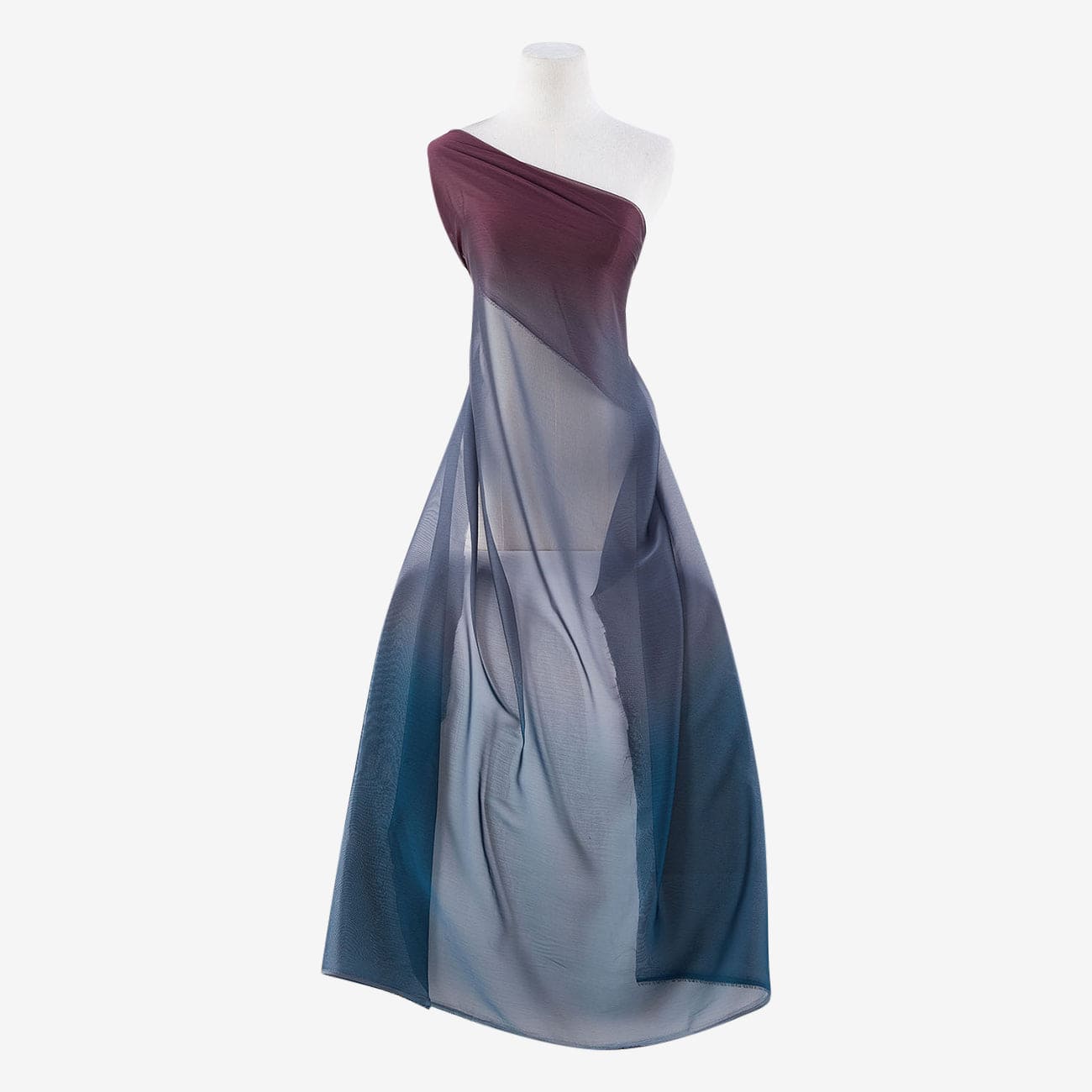
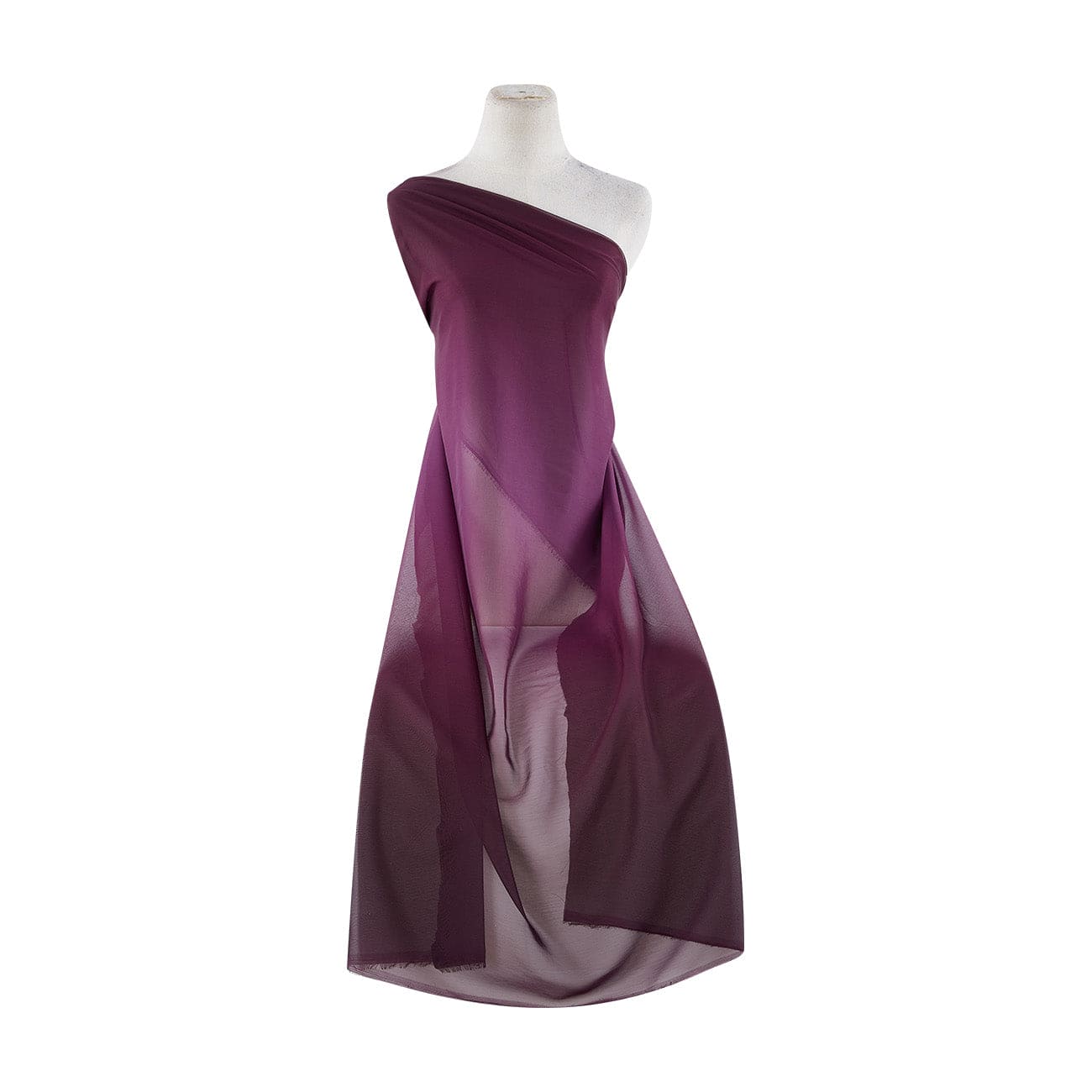
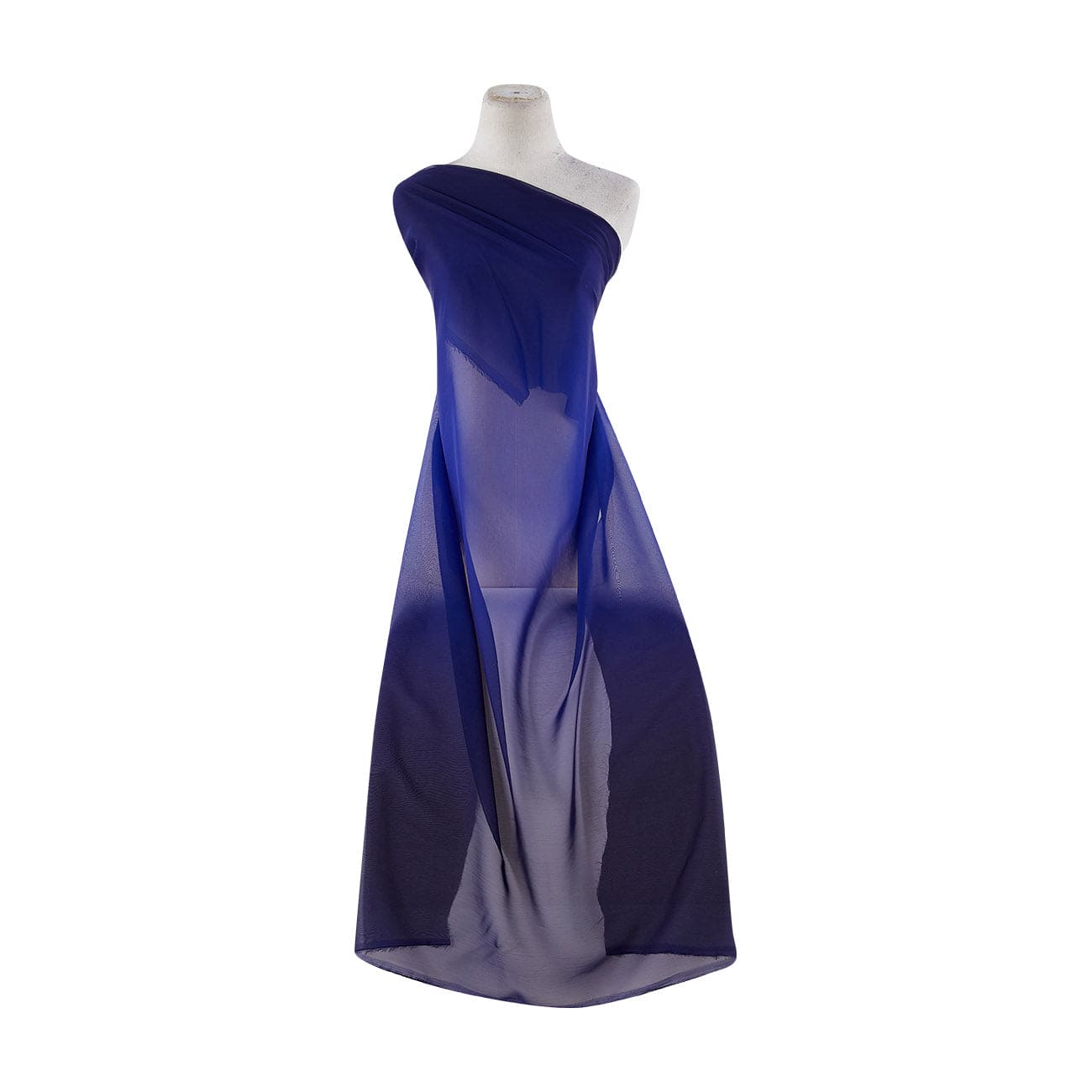
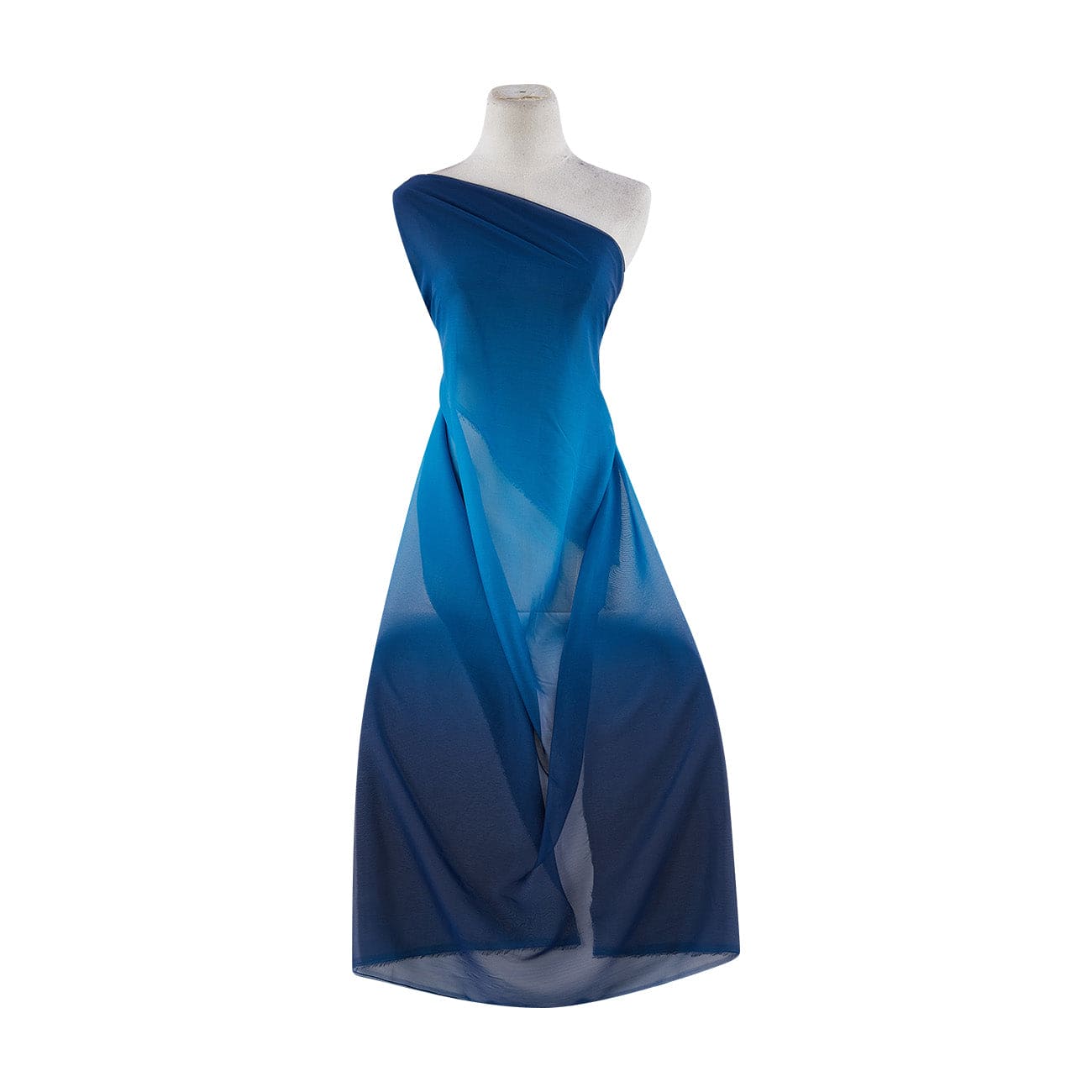
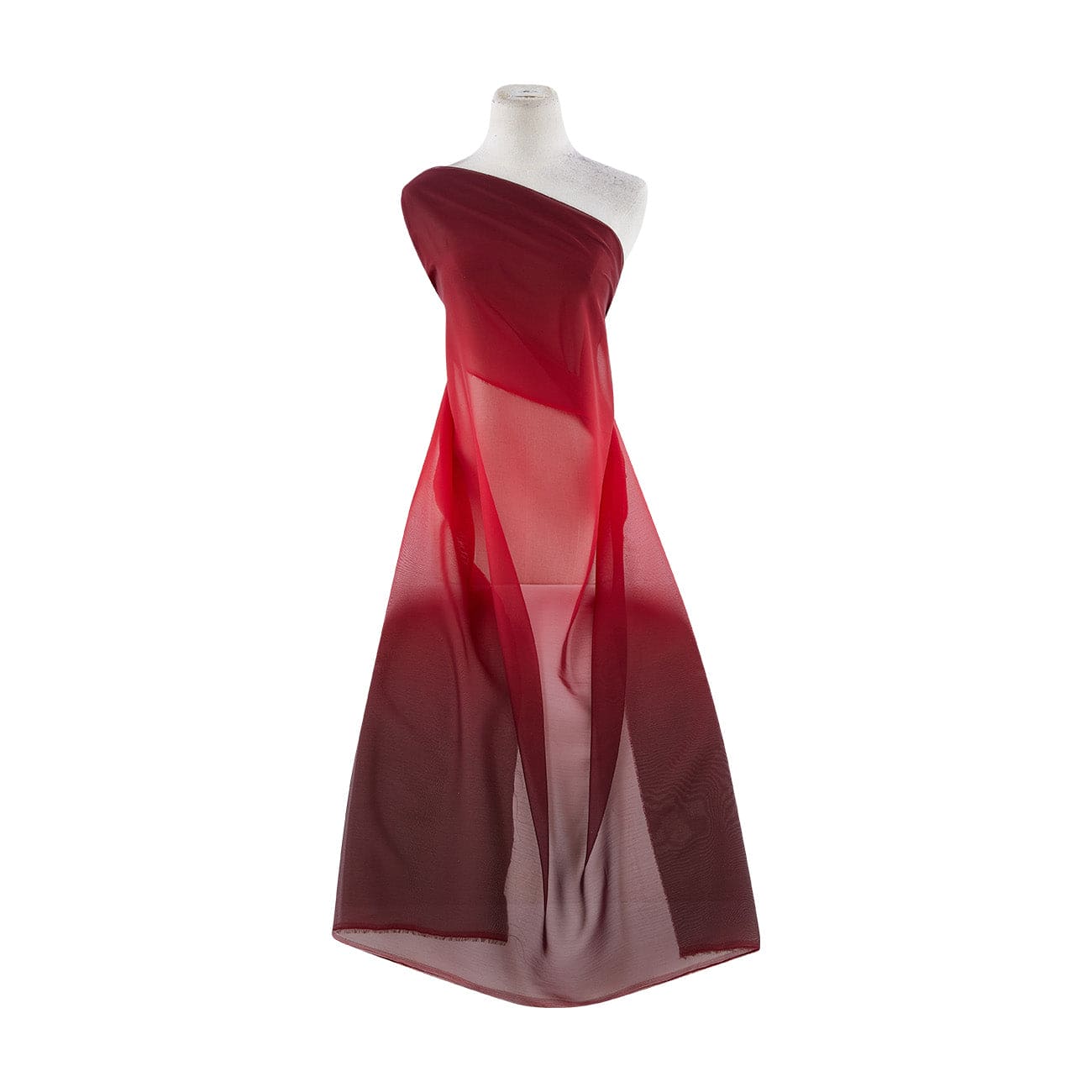
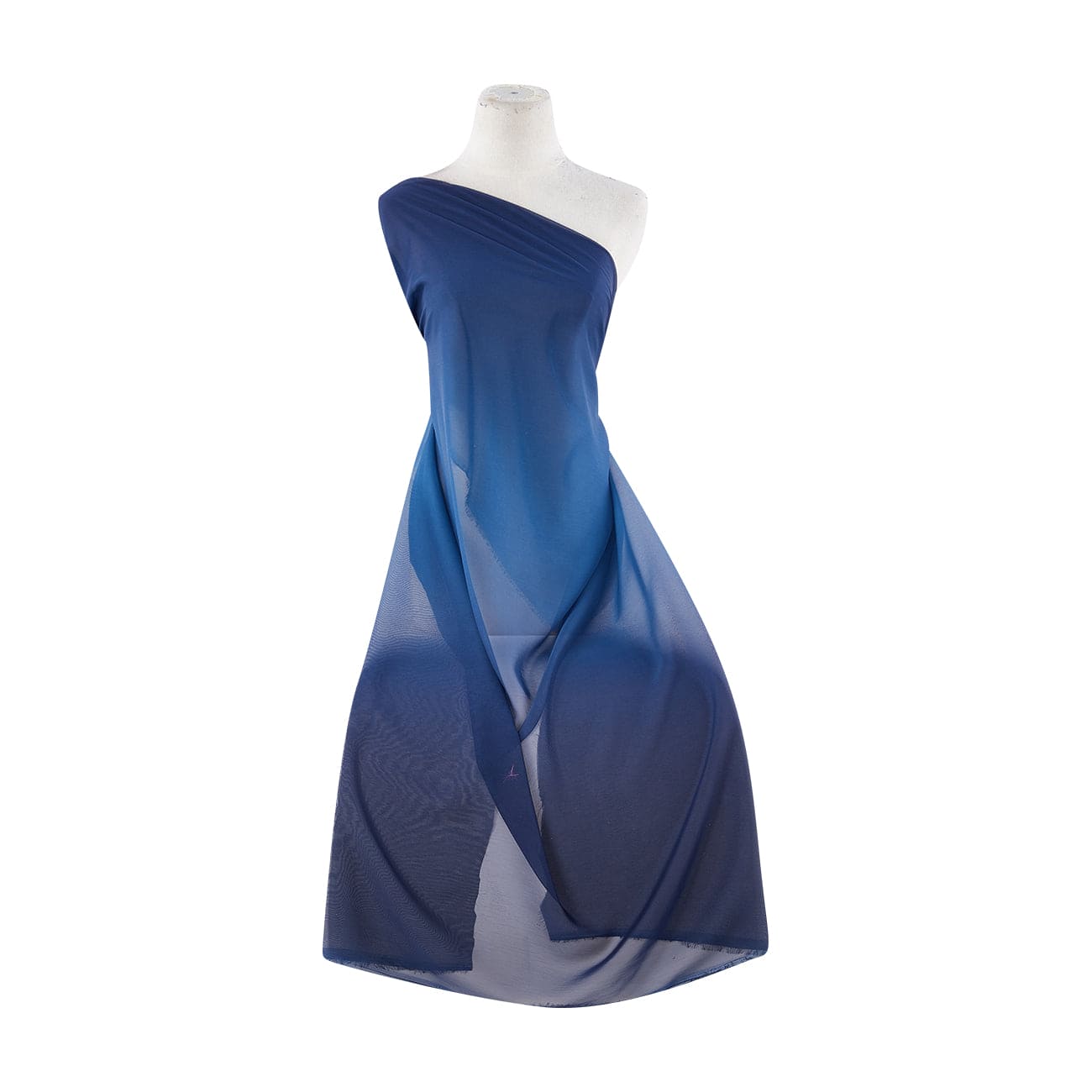
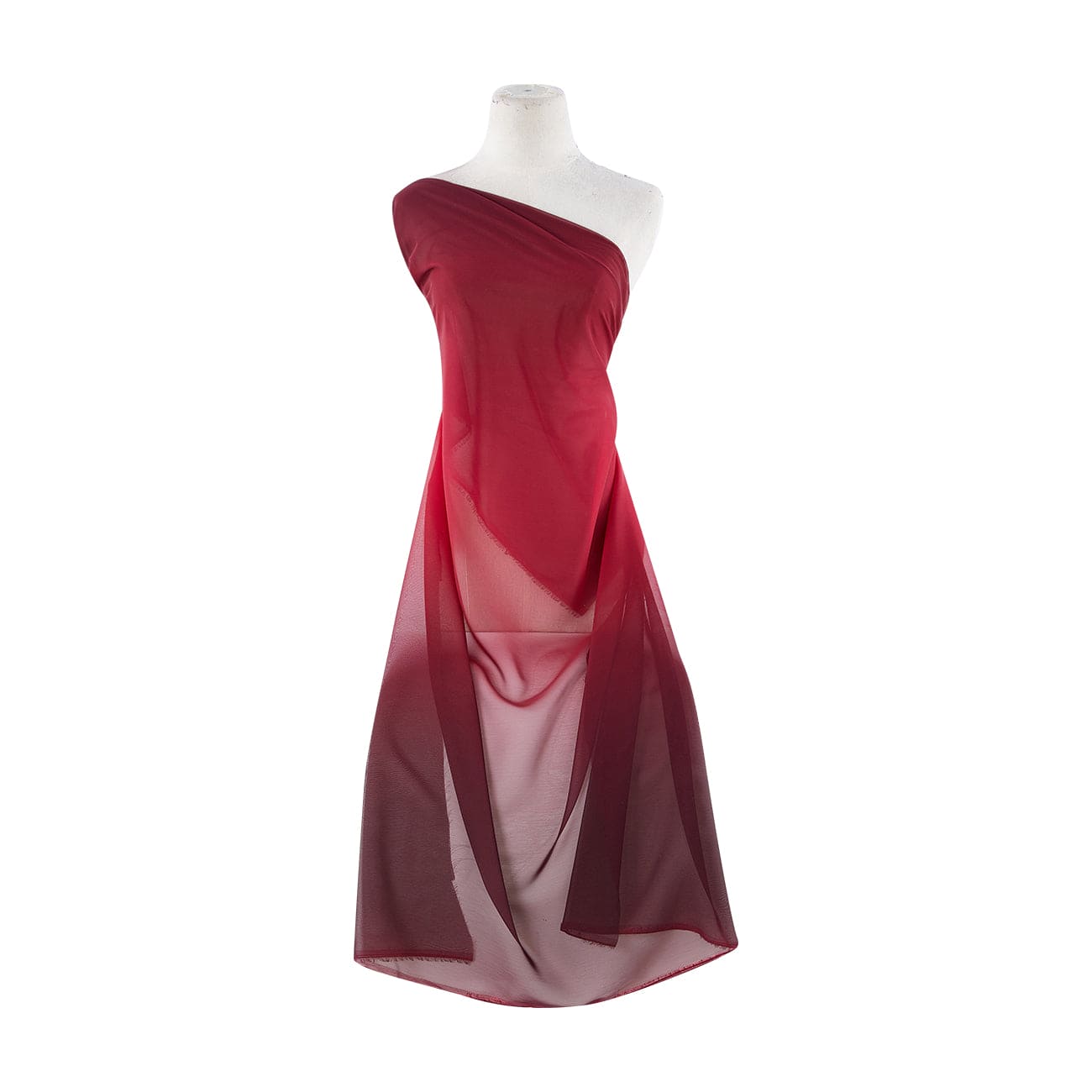
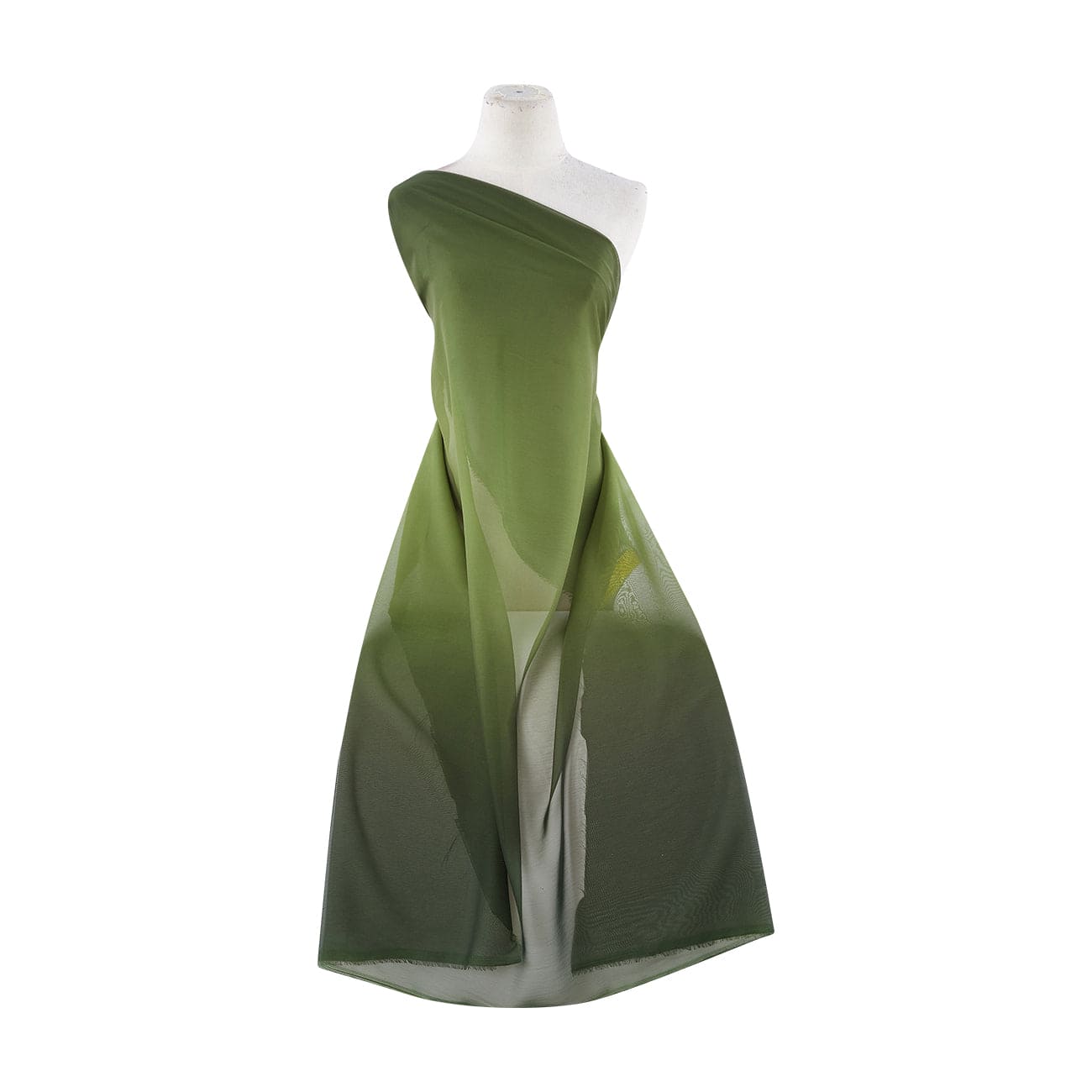
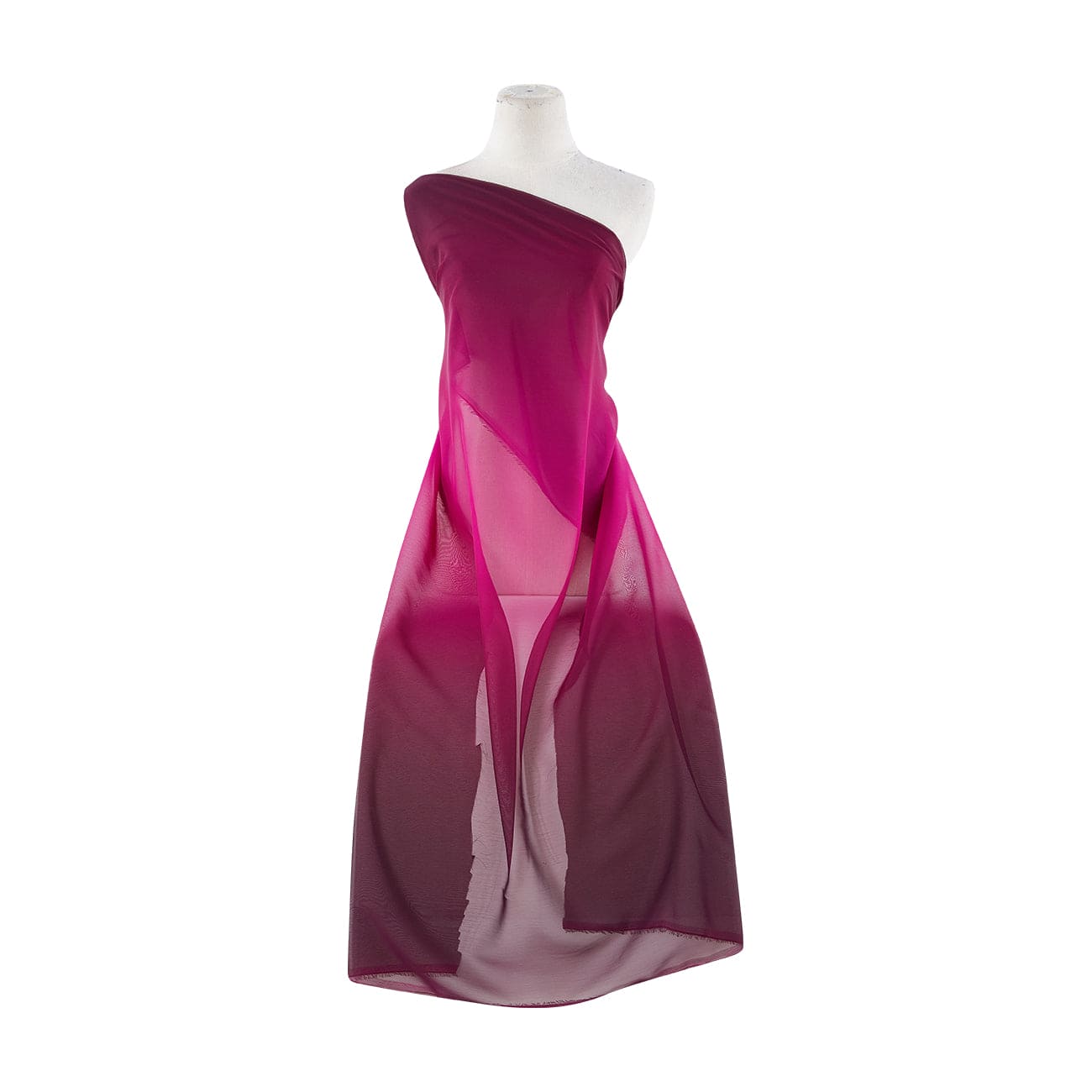
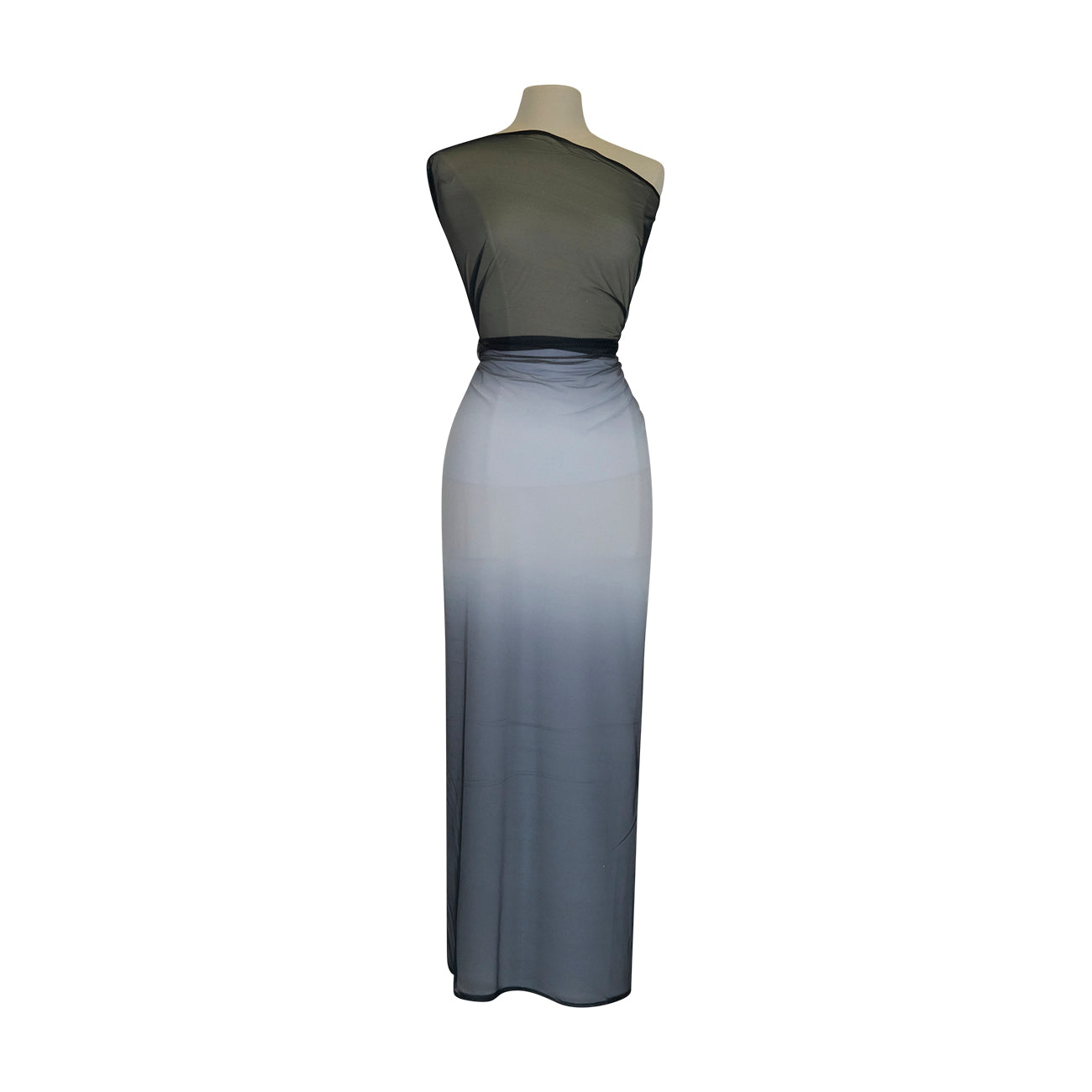
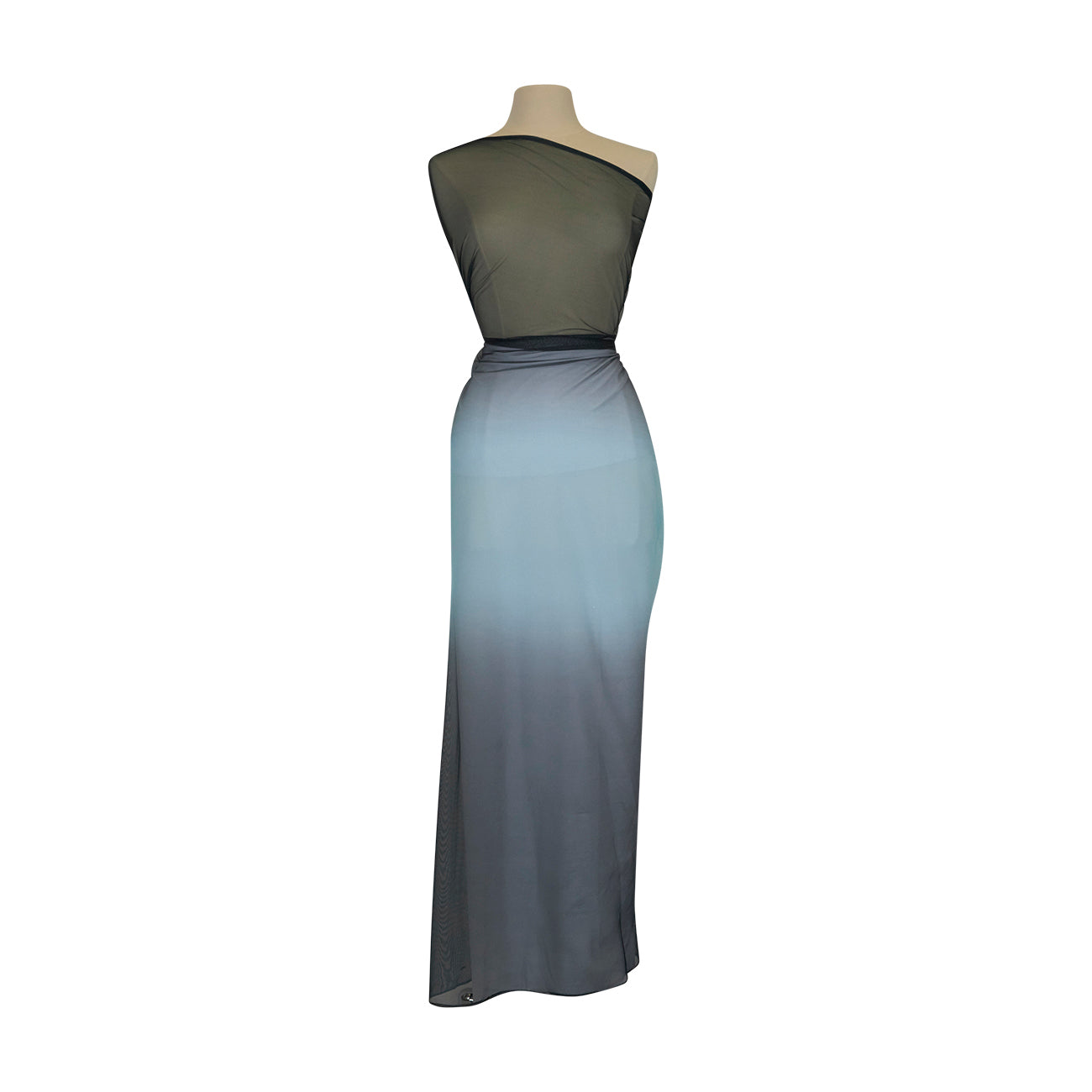
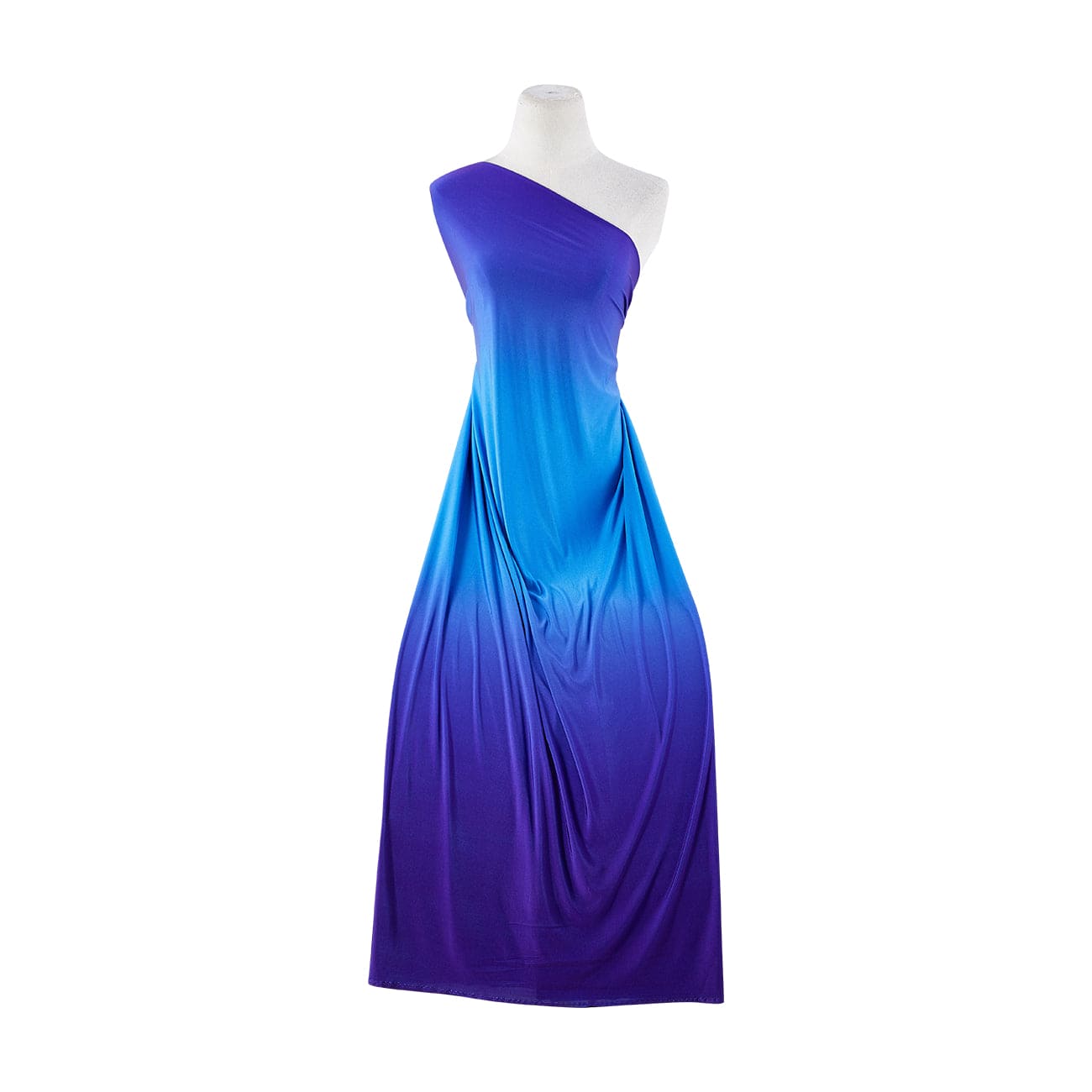
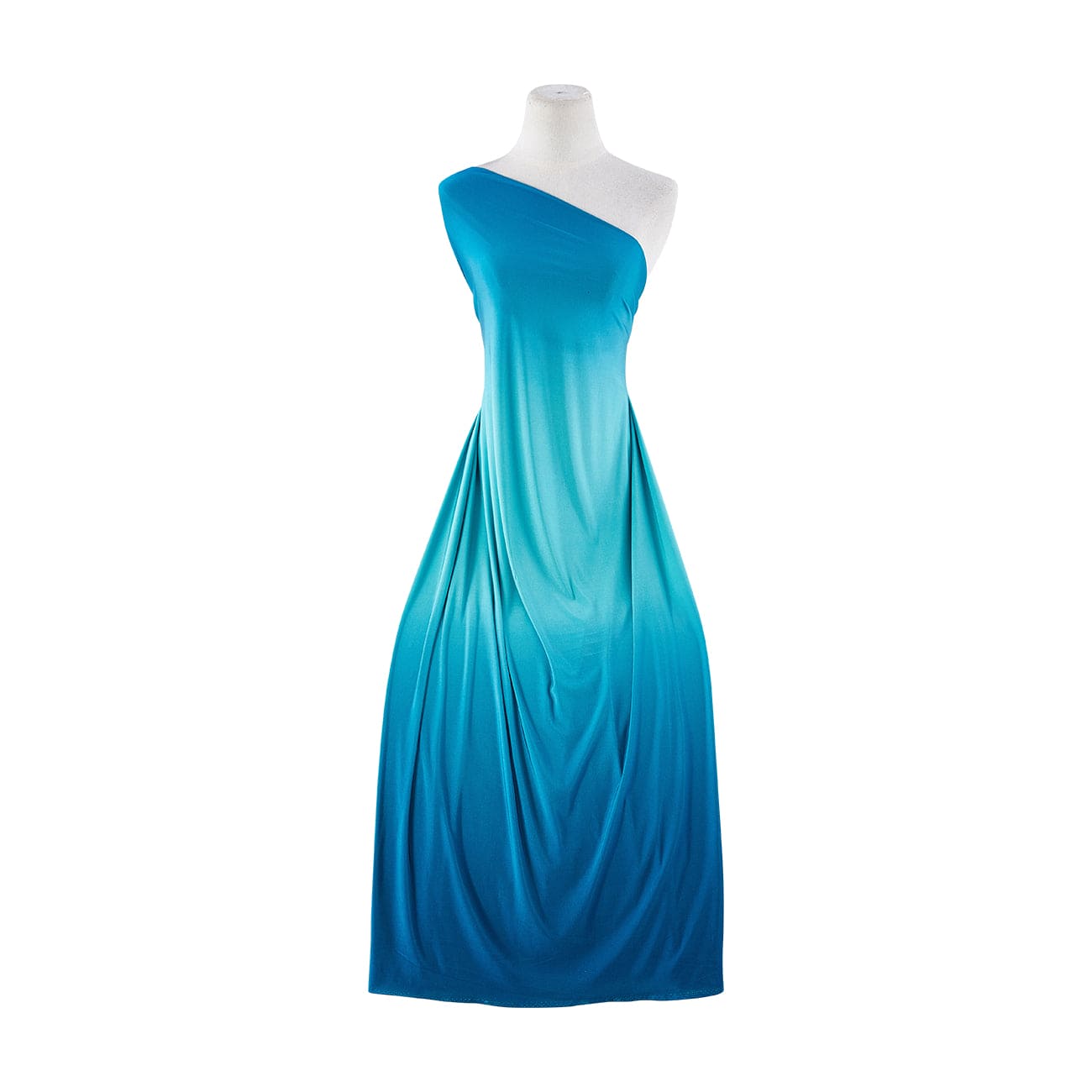
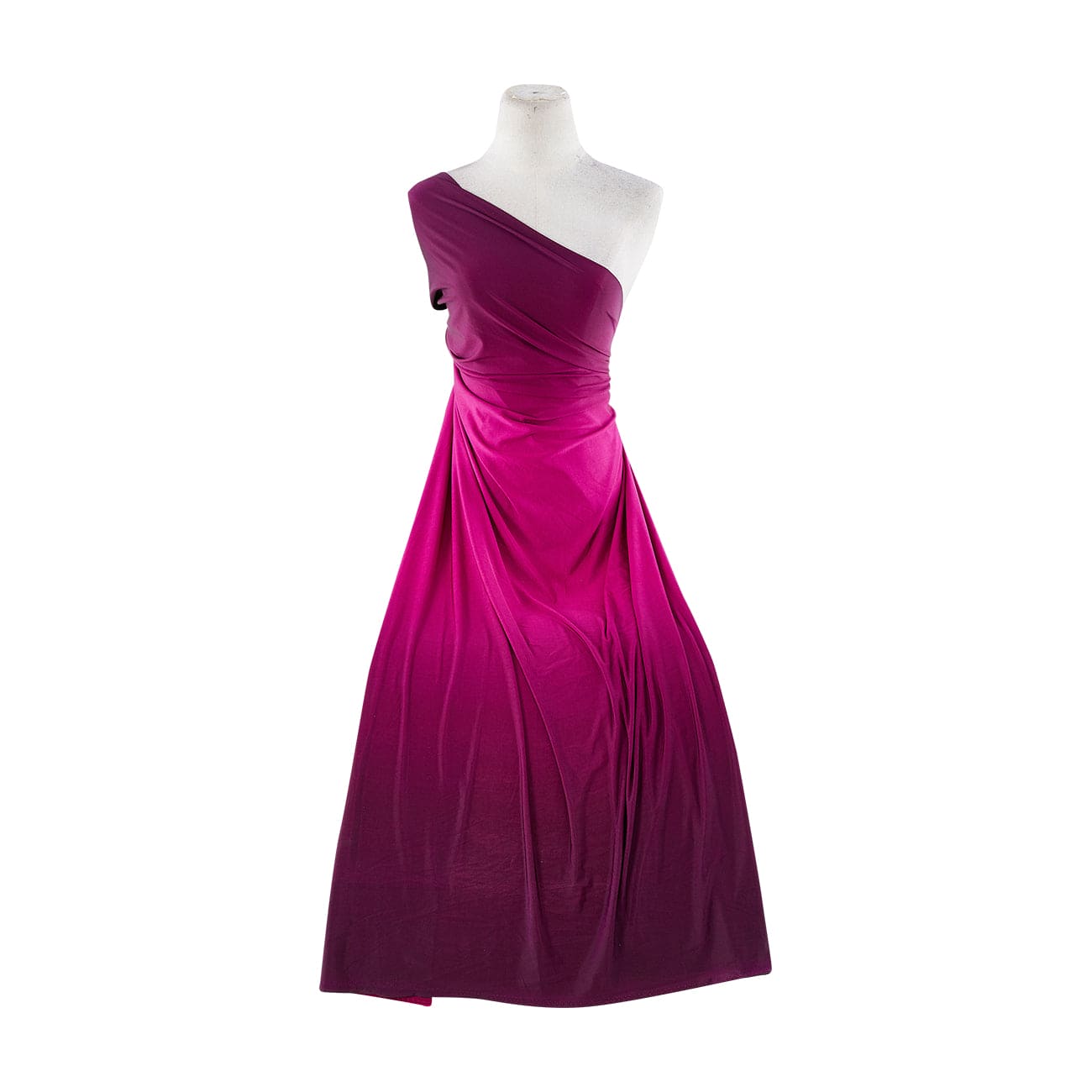
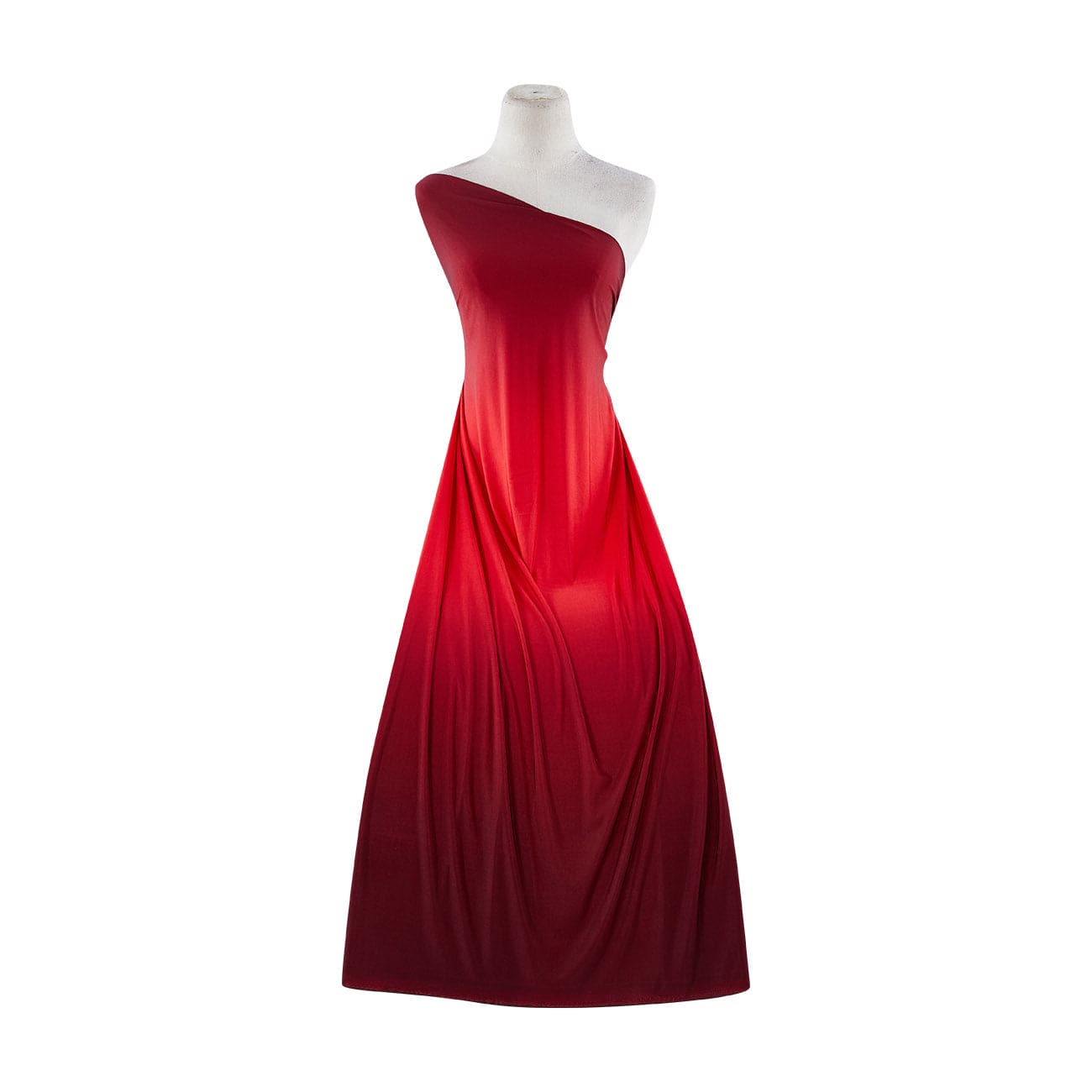
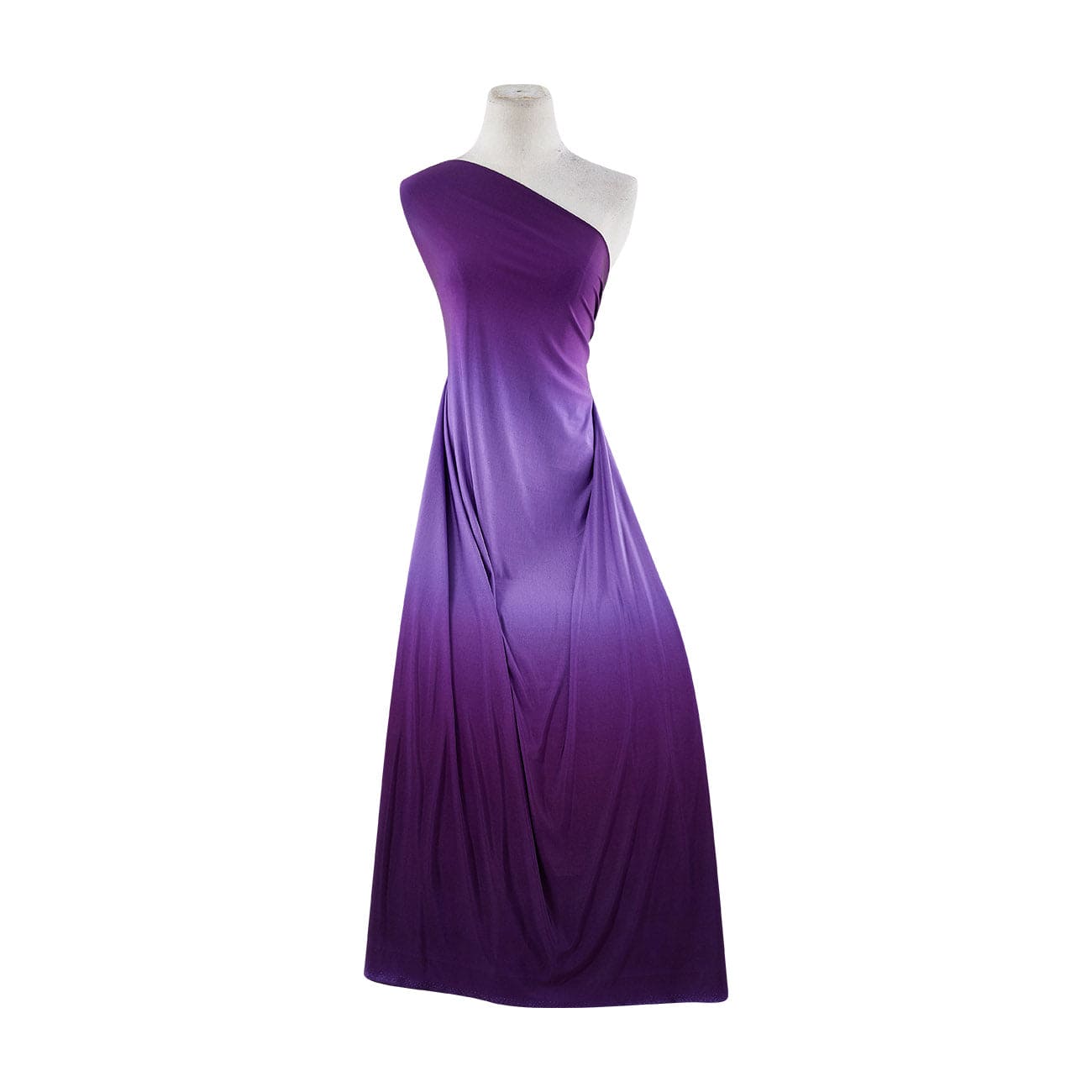
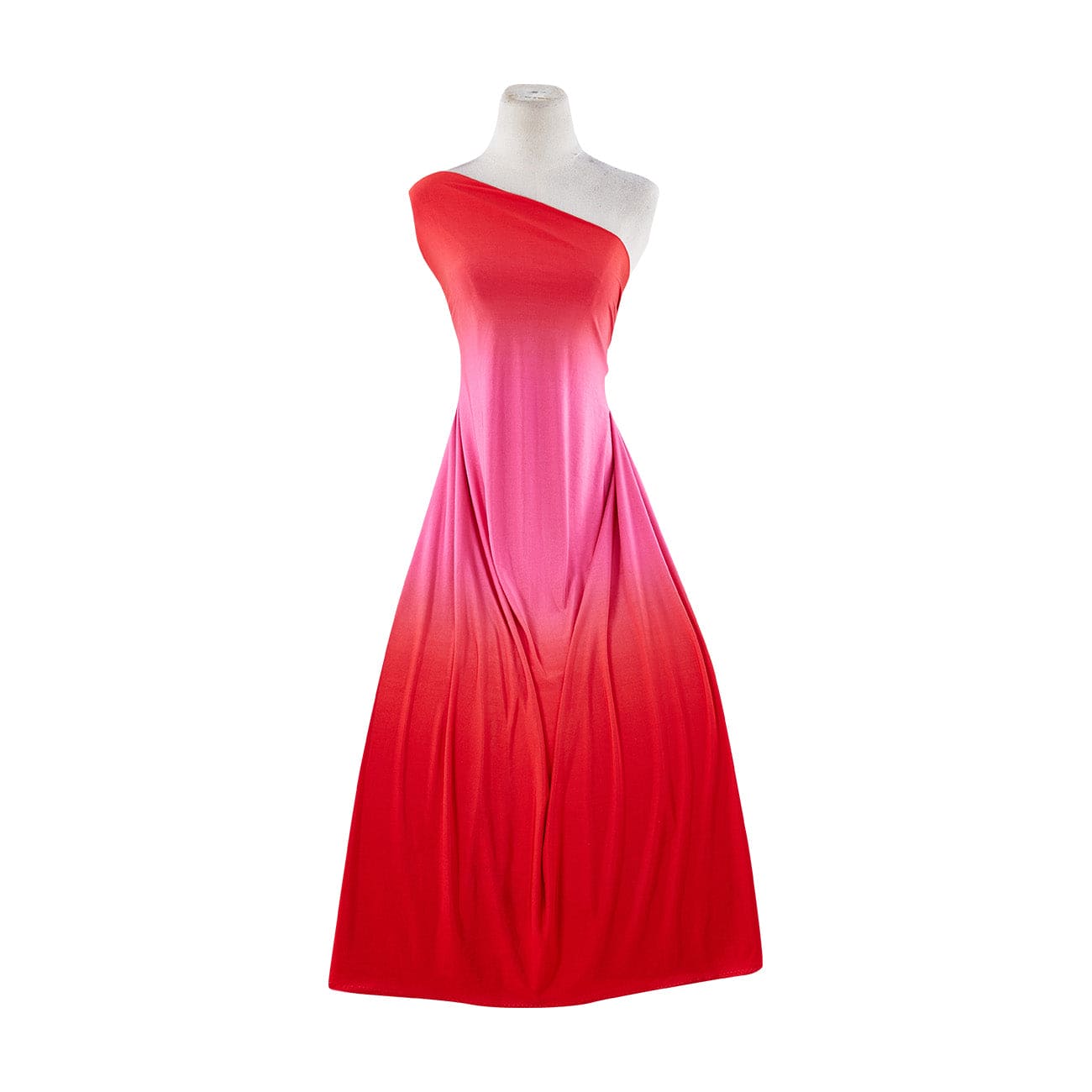
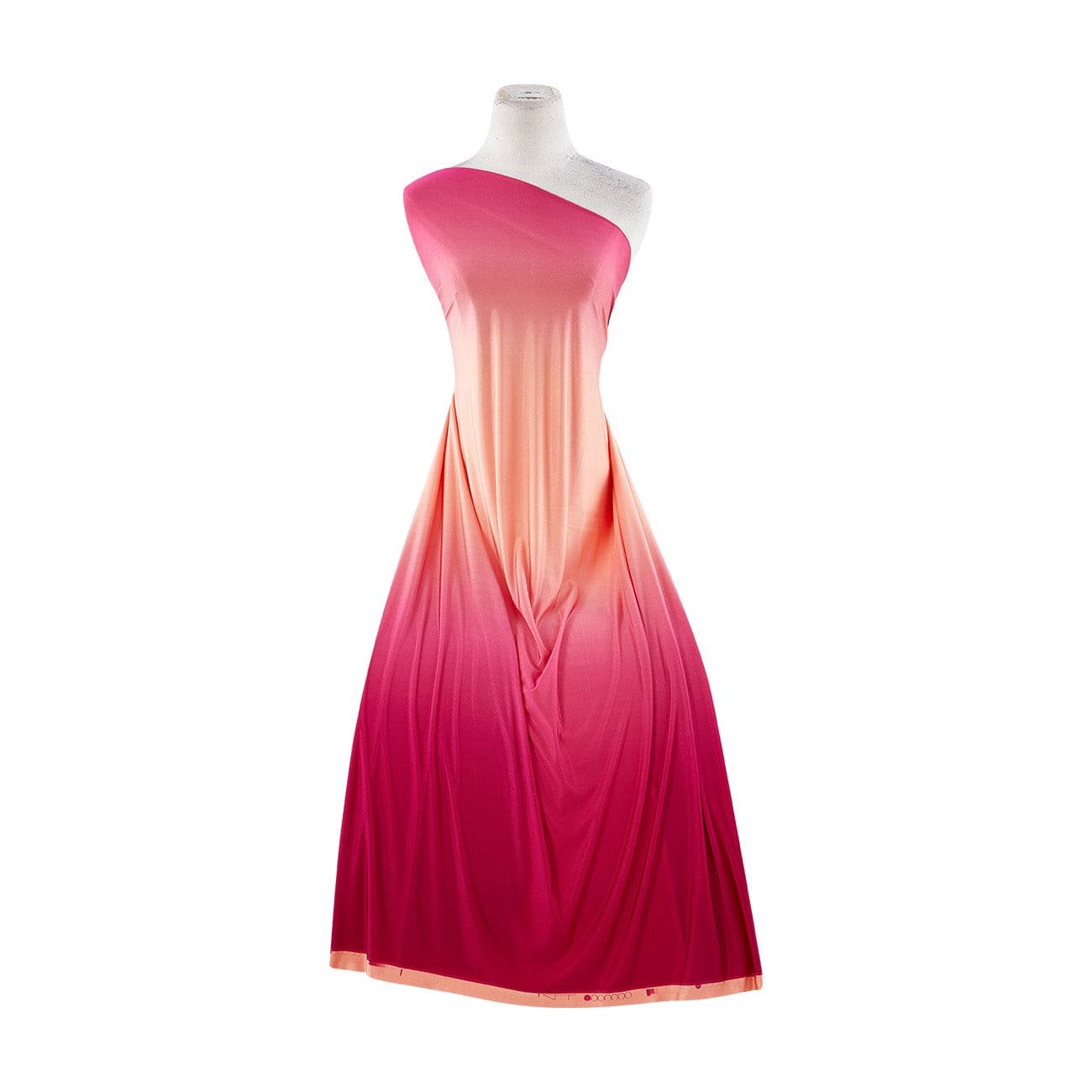
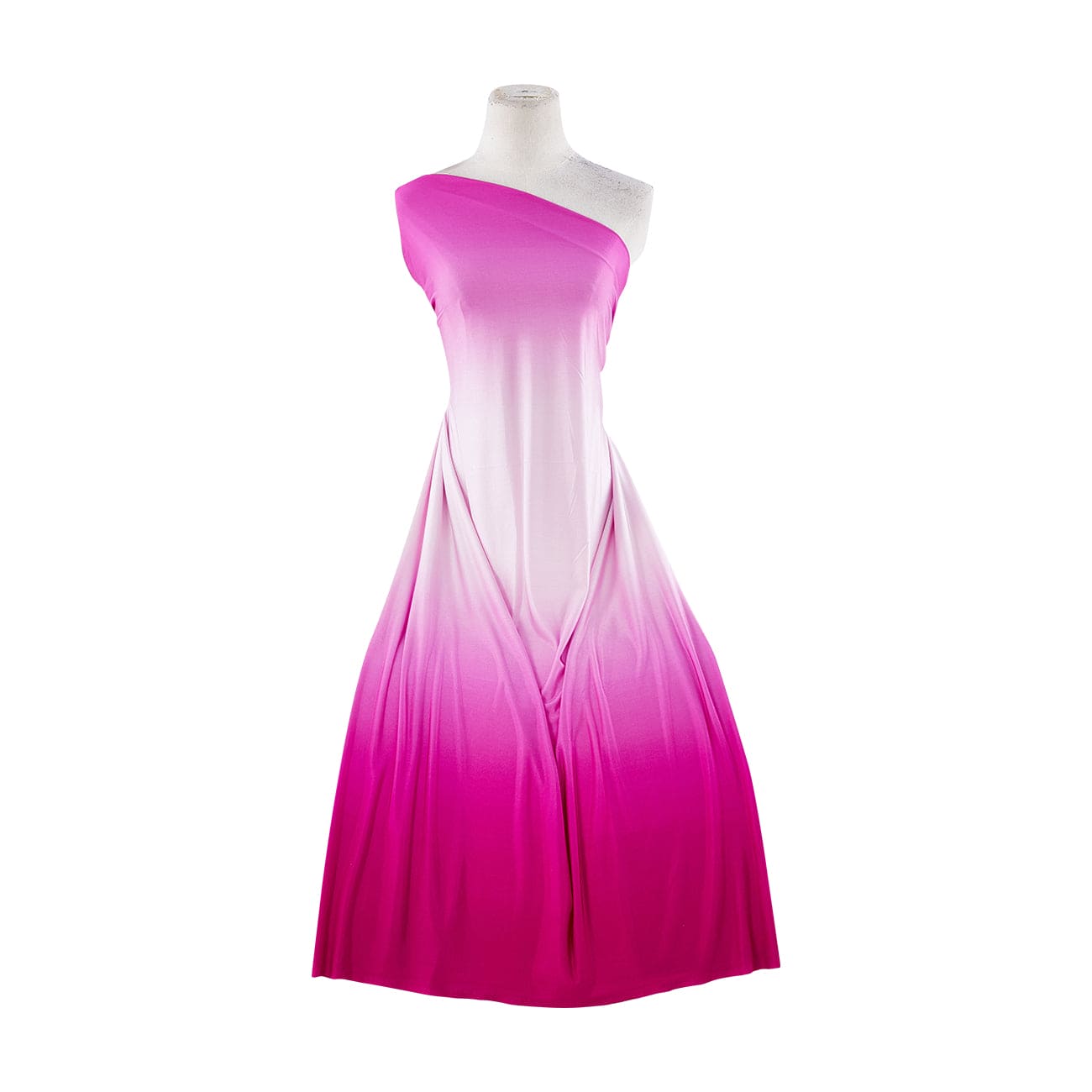
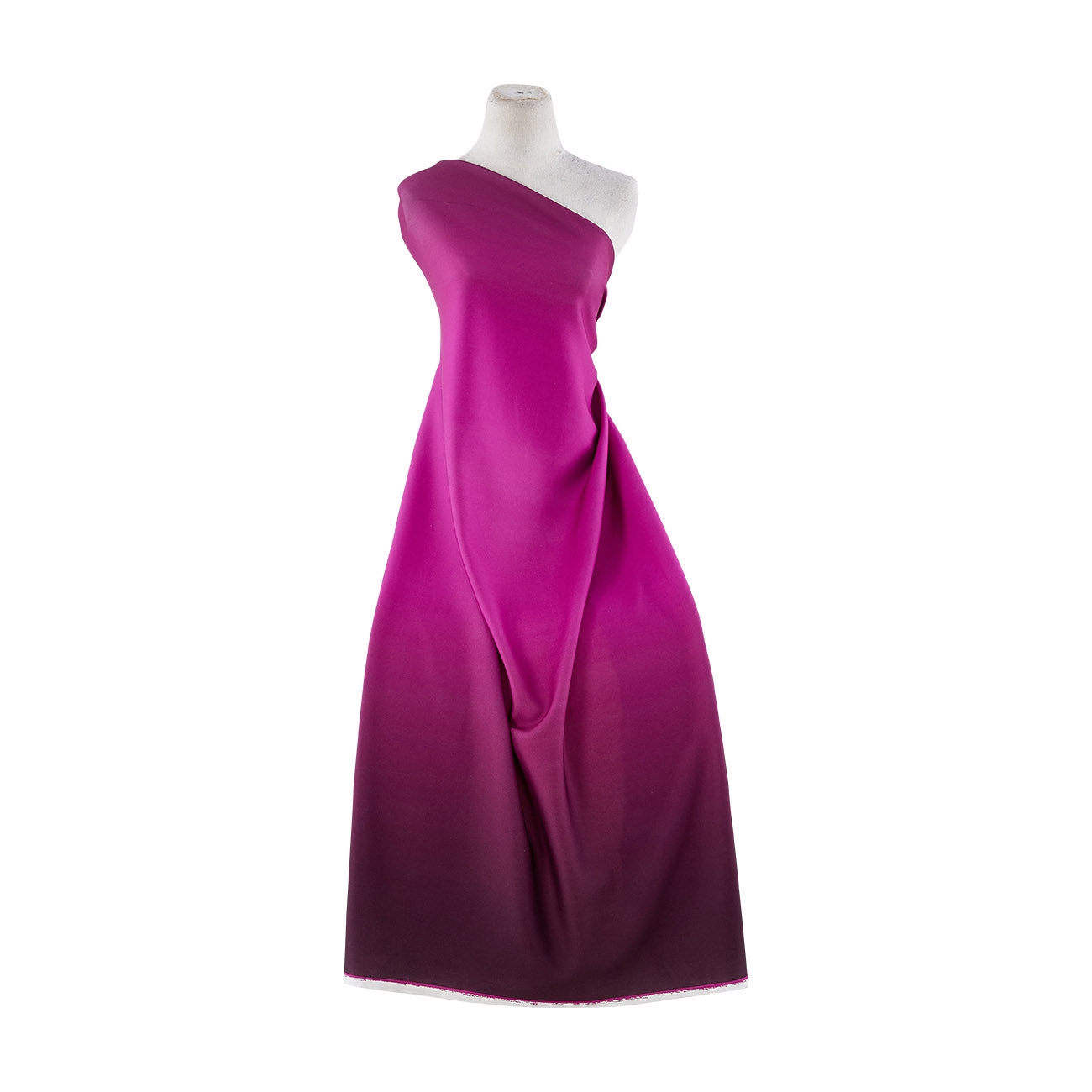
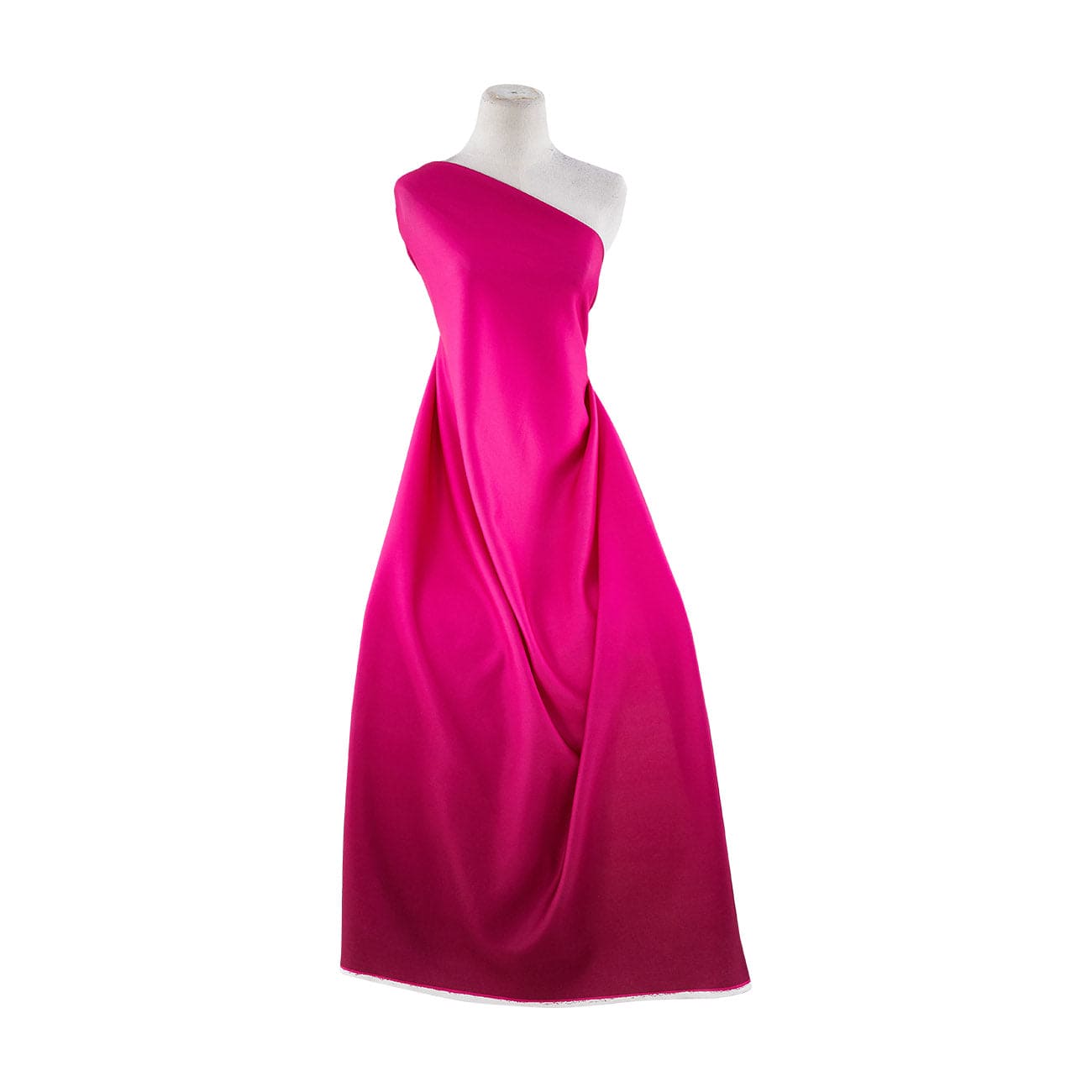
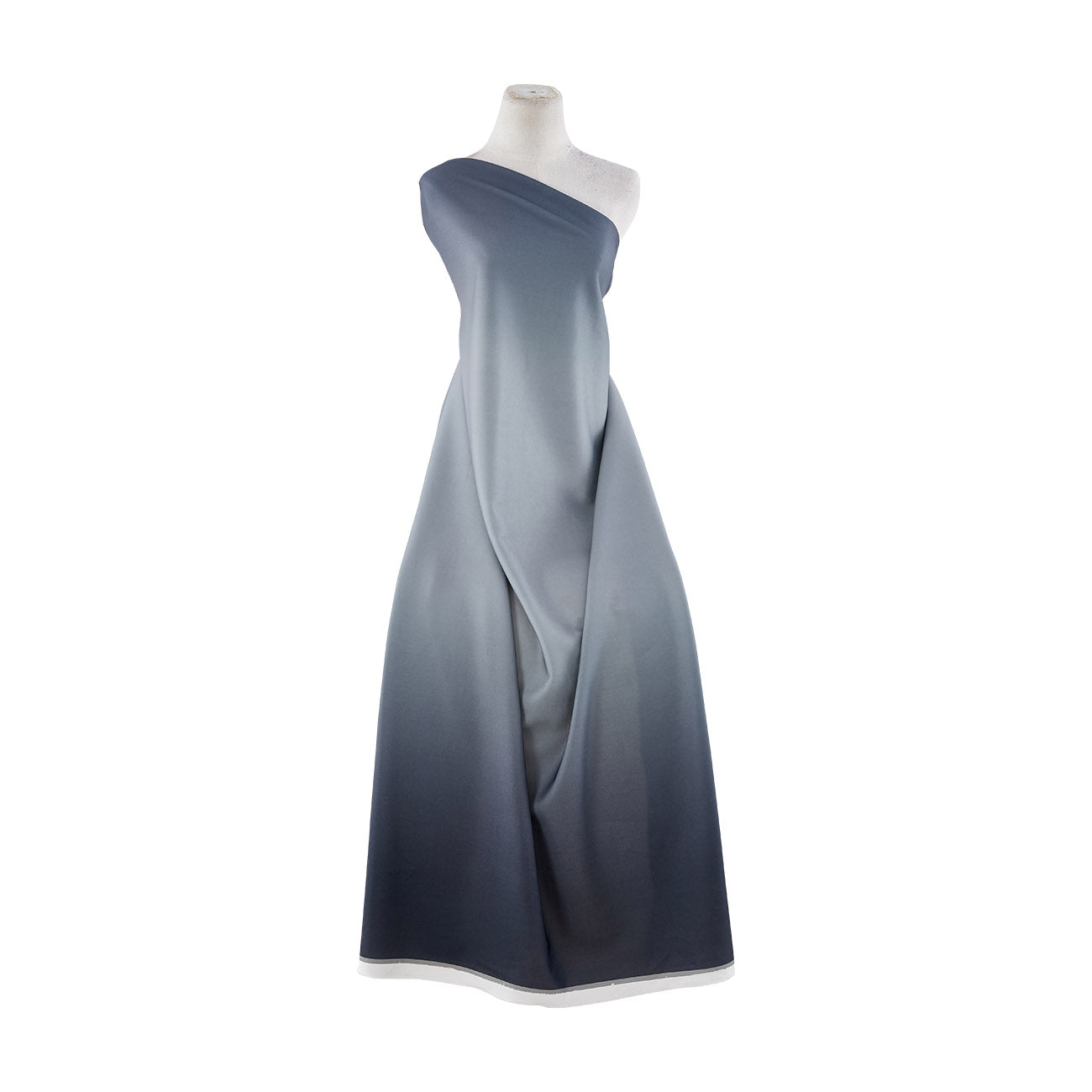
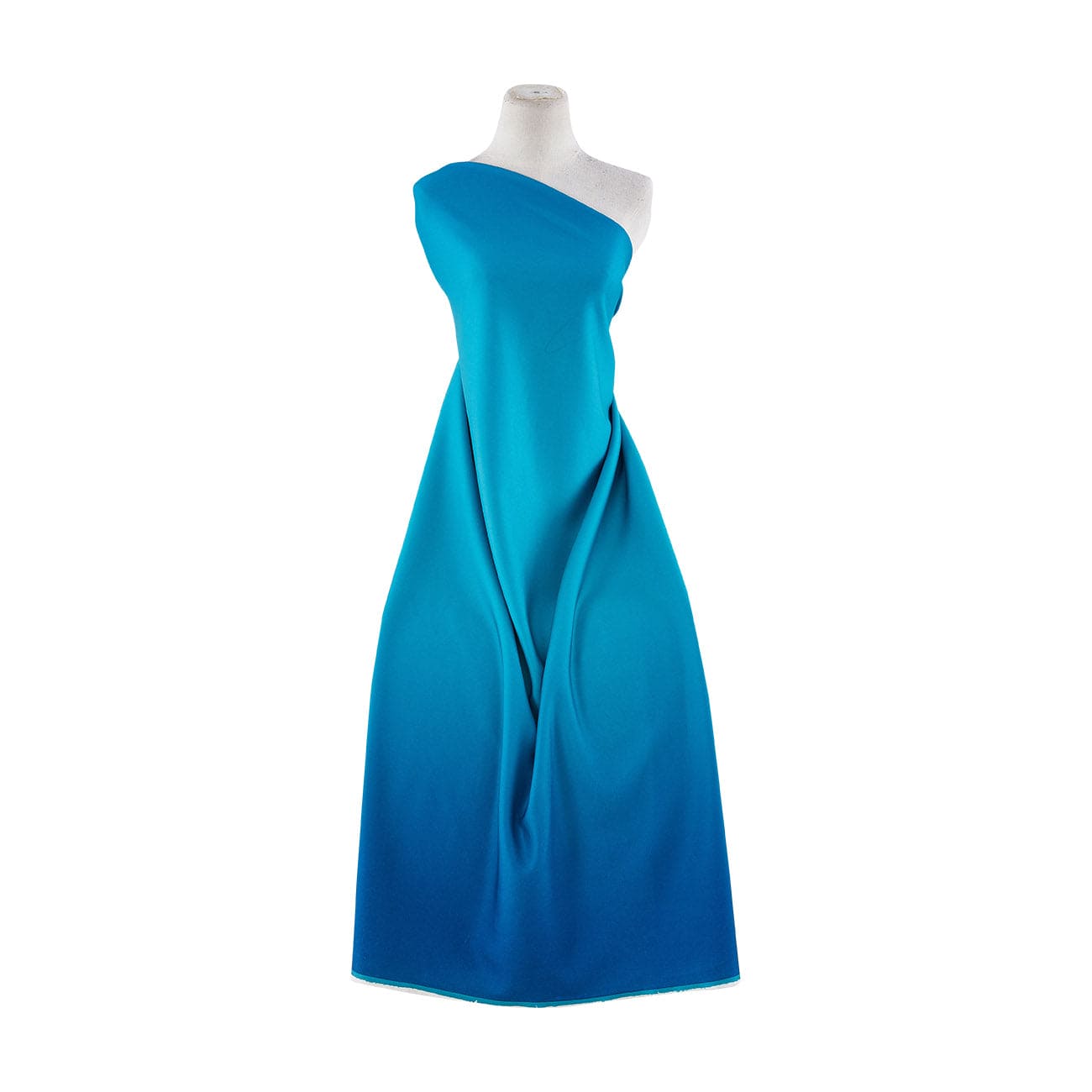
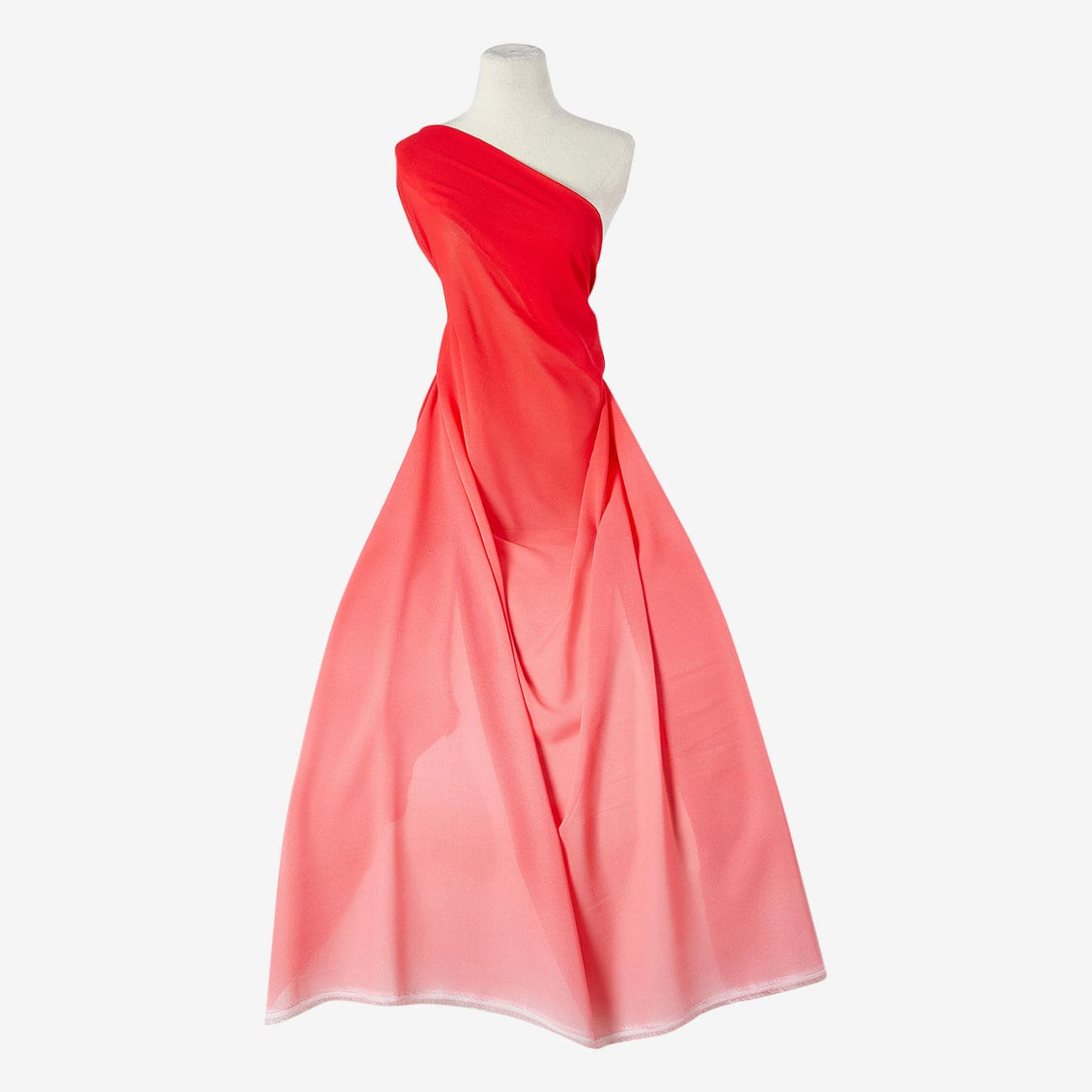
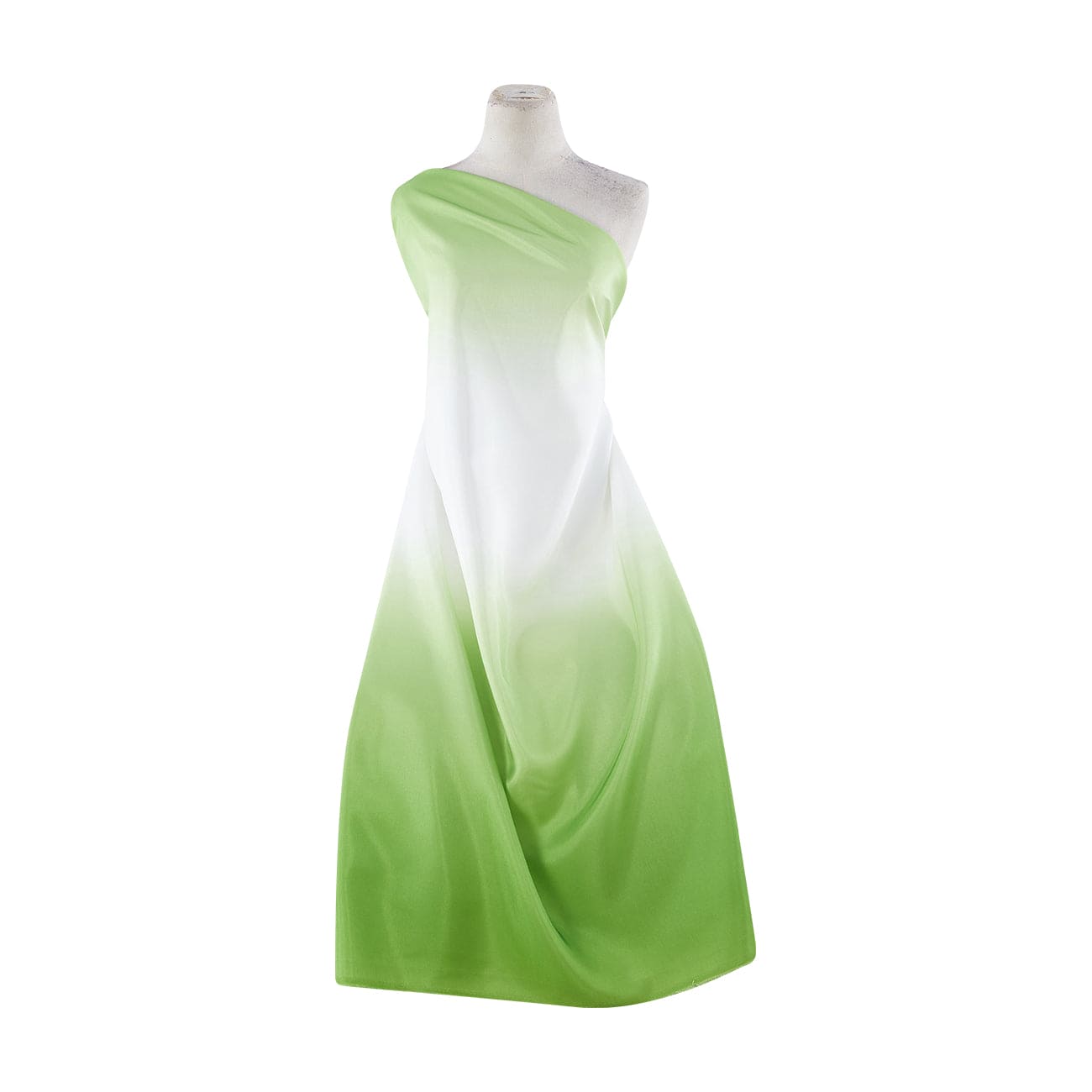
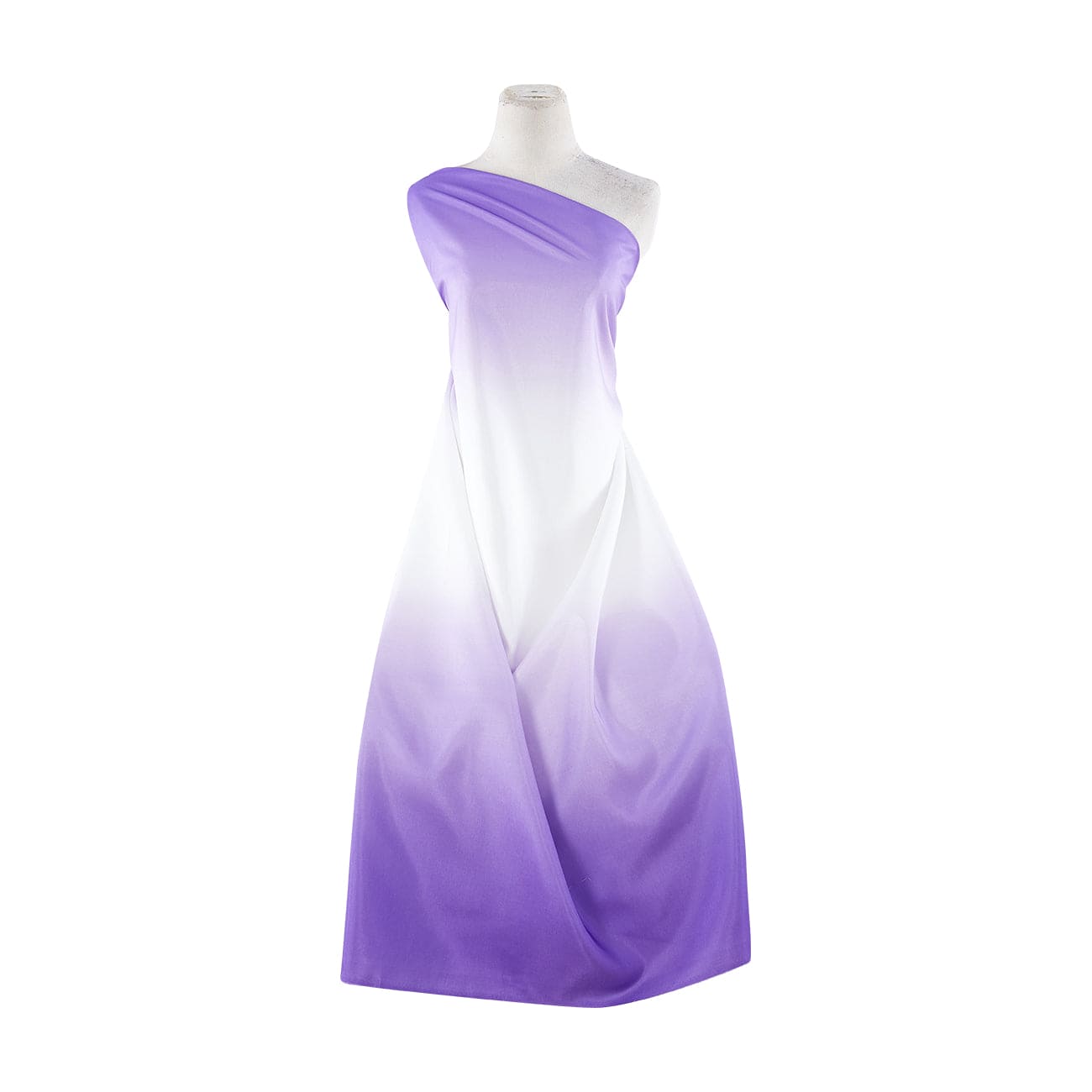
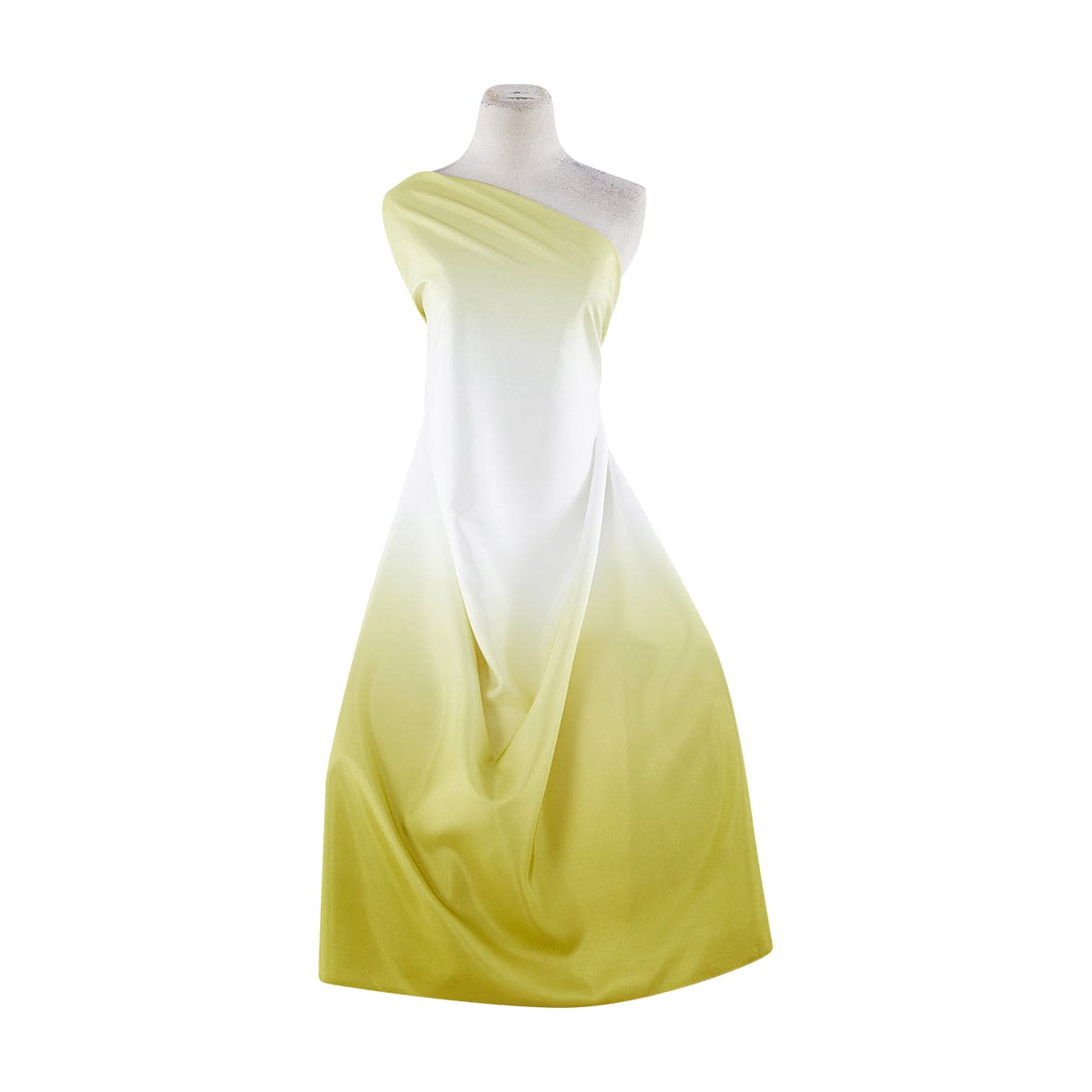
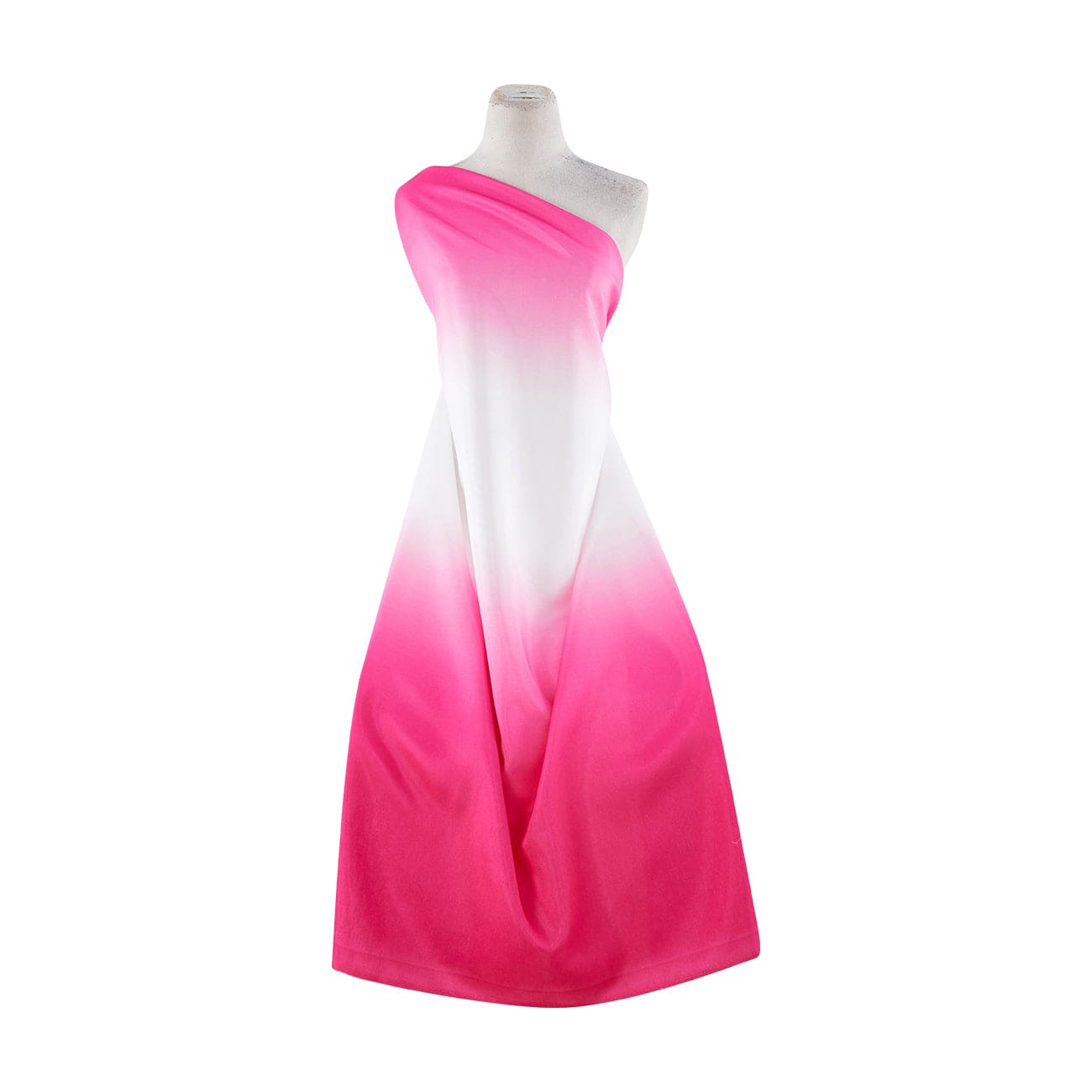
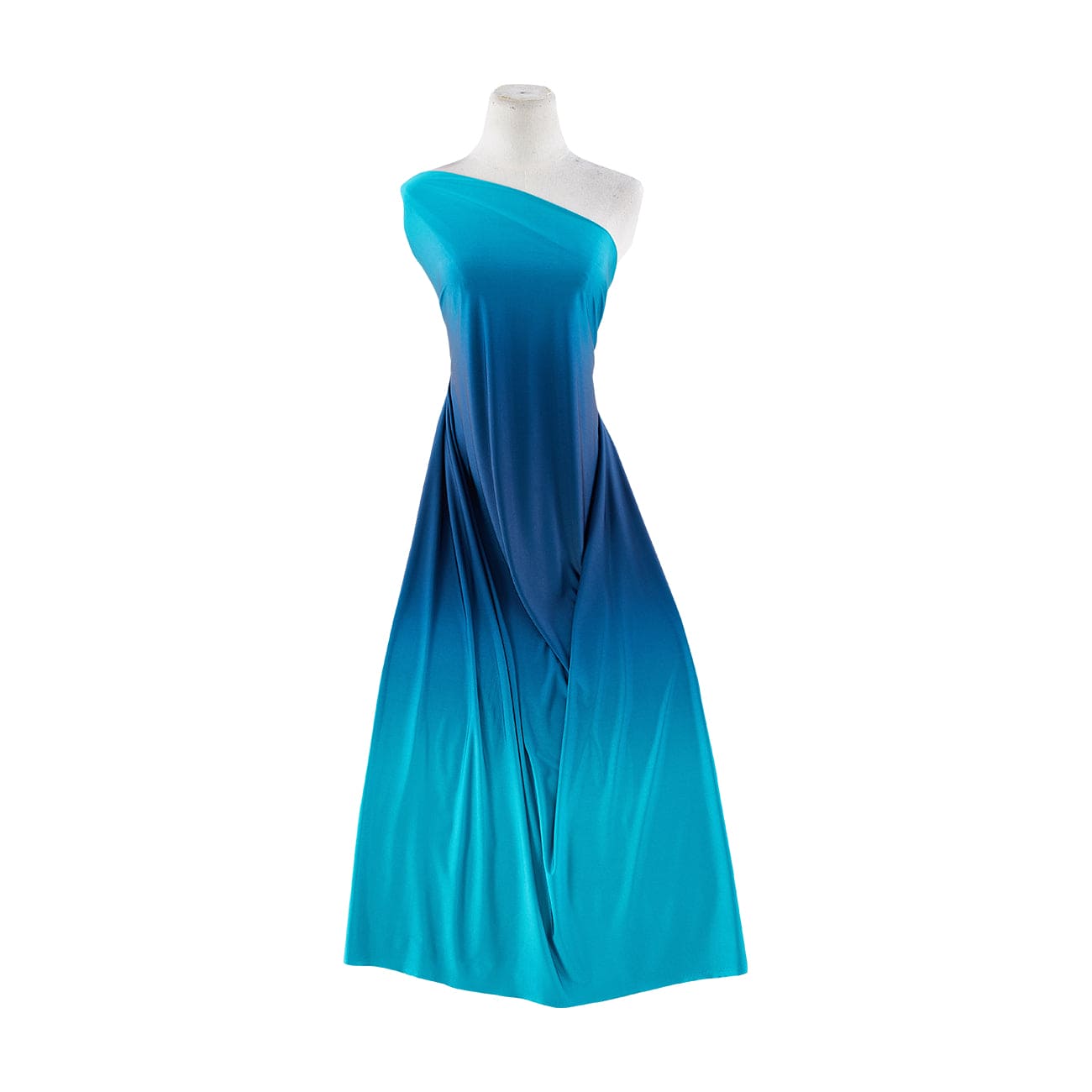
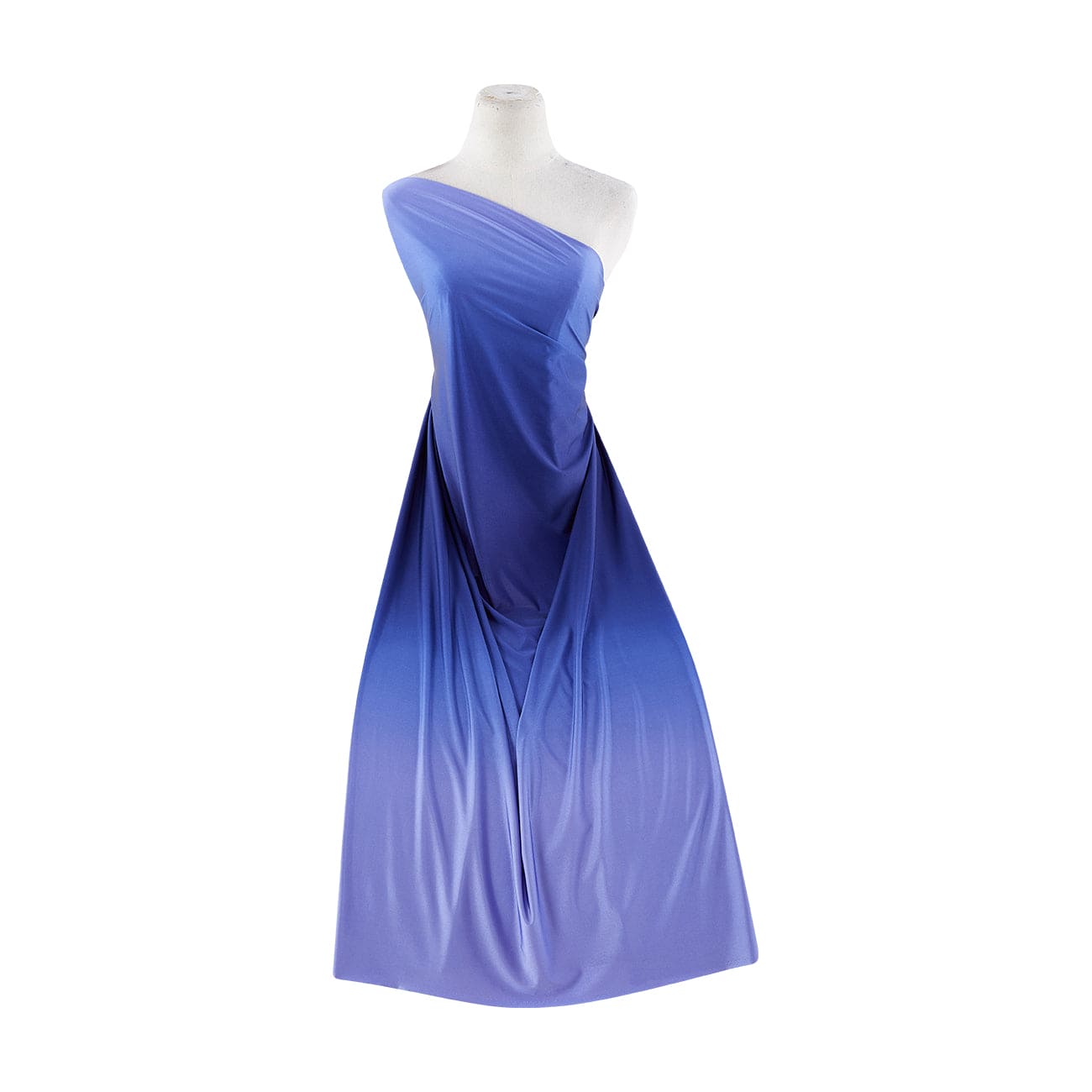
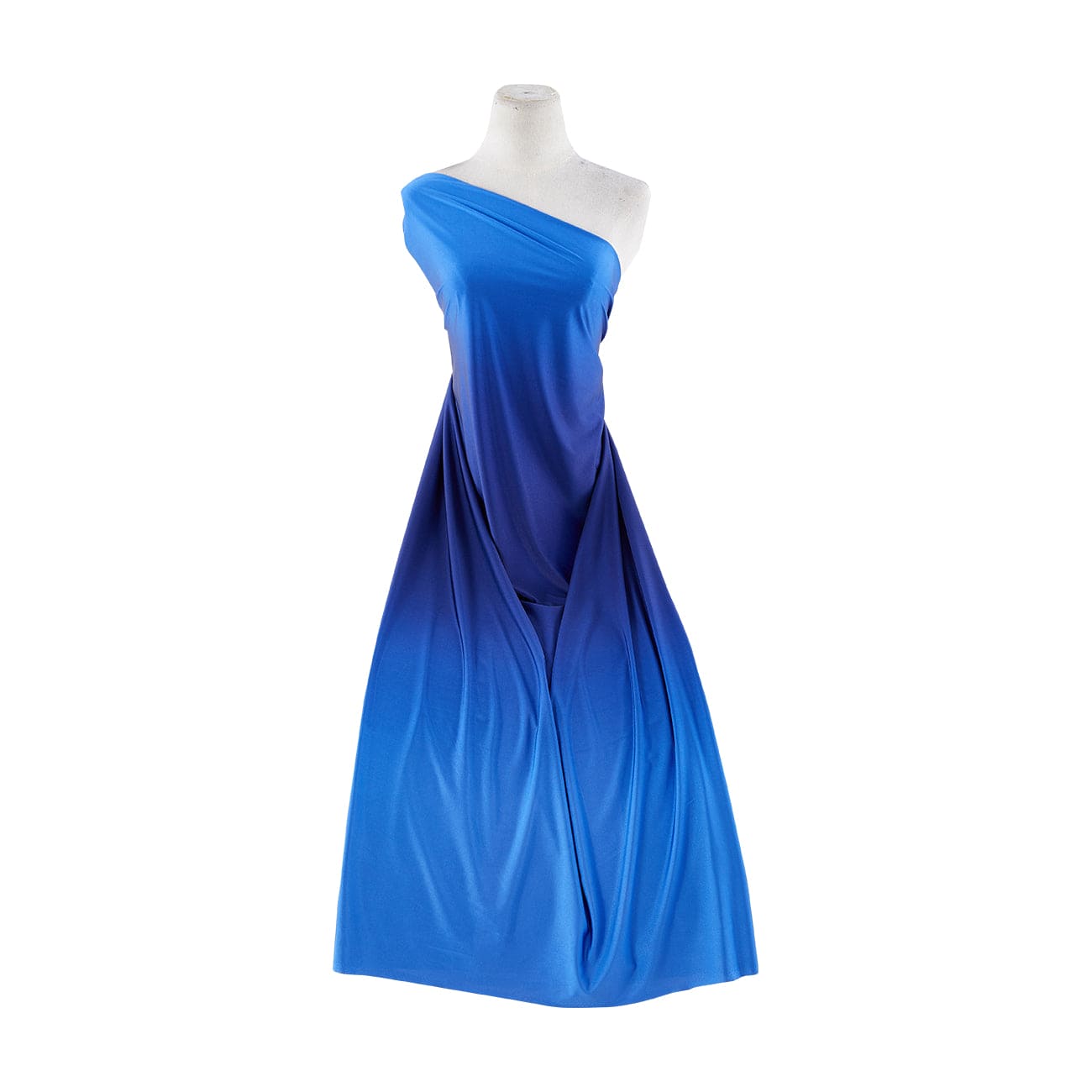
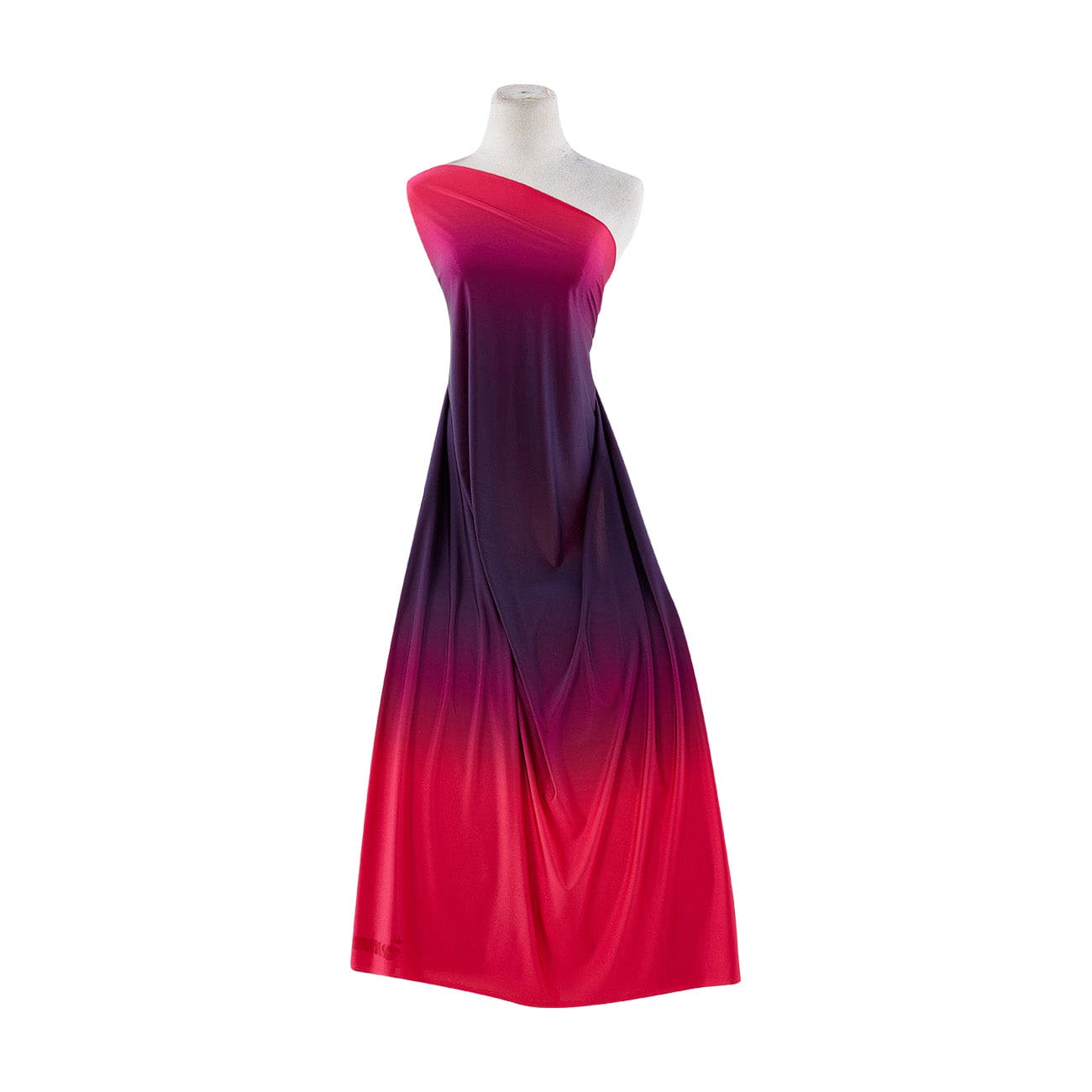
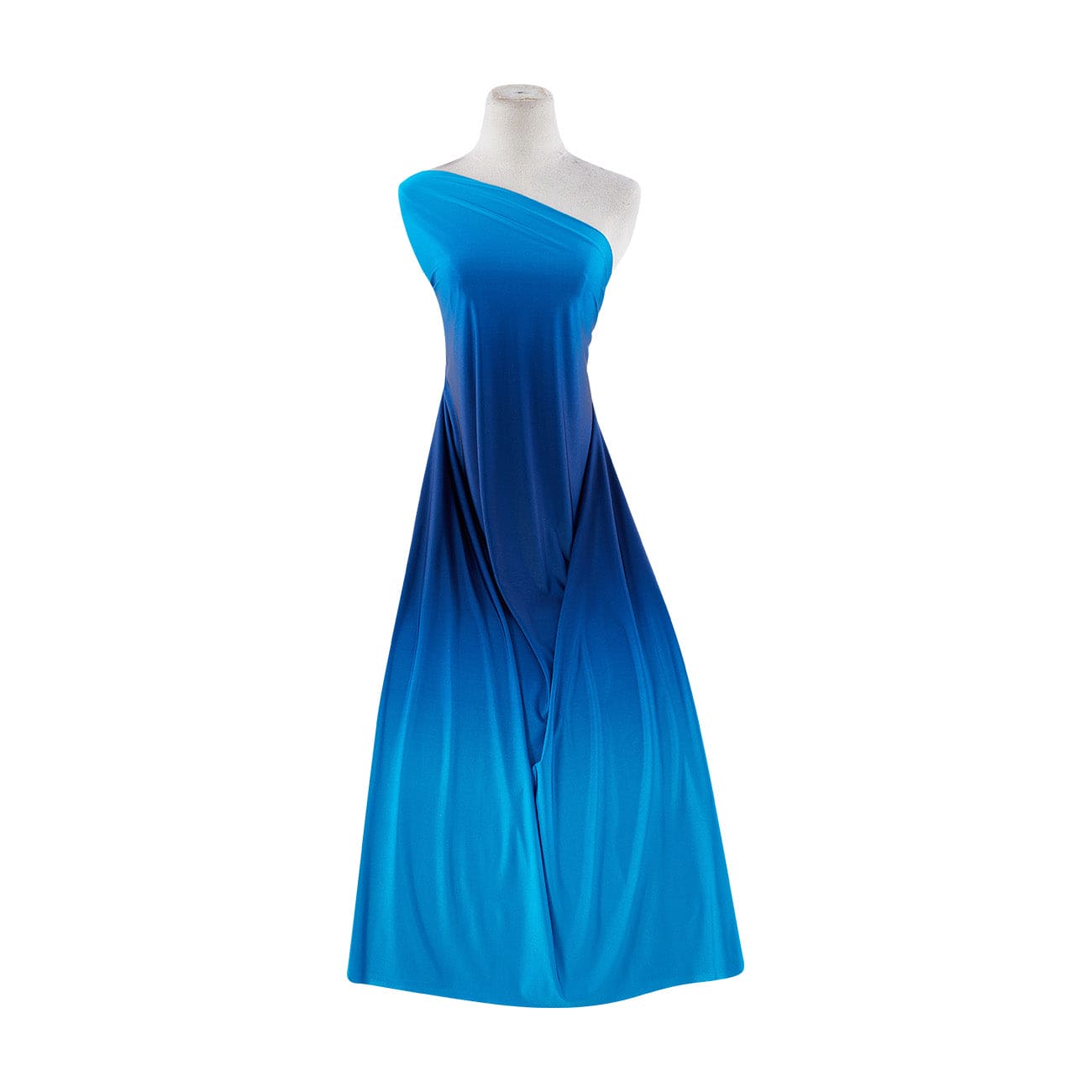
Ombre fabric features a gradual shift from one color into another, moving across the fabric rather than repeating in a pattern. The word itself comes from the French term for shaded or shadowed, which describes exactly what the effect looks like on cloth: a smooth transition rather than a hard color block.
How Ombre Differs from a Gradient Print
Some ombre fabric is achieved through dip dyeing, where the fabric is submerged in dye at varying depths to create the gradient directly in the fiber. Other styles in this collection are achieved through printing a gradient design onto a solid base fabric, which allows for more complex color combinations and multi-tone transitions than dyeing alone can produce. Both methods land in the same category of ombre fabric, since the visual result, a smooth color shift, is what defines the effect rather than the process behind it.
Types of Ombre Fabric in This Collection
Not all ombre fabric moves the same way across the cloth, and the type of transition matters for pattern pieces and garment construction.
Single Ombre and Double Ombre
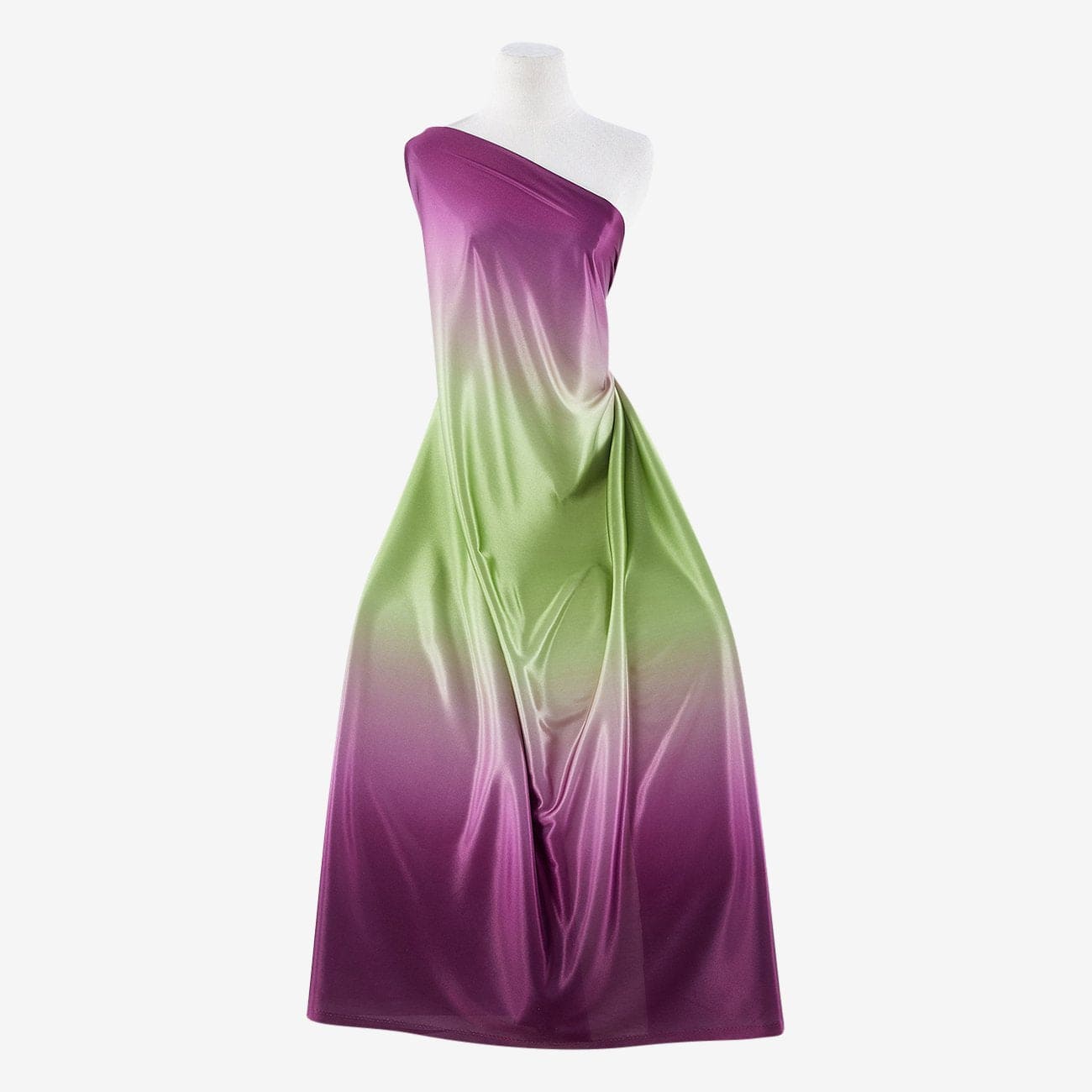
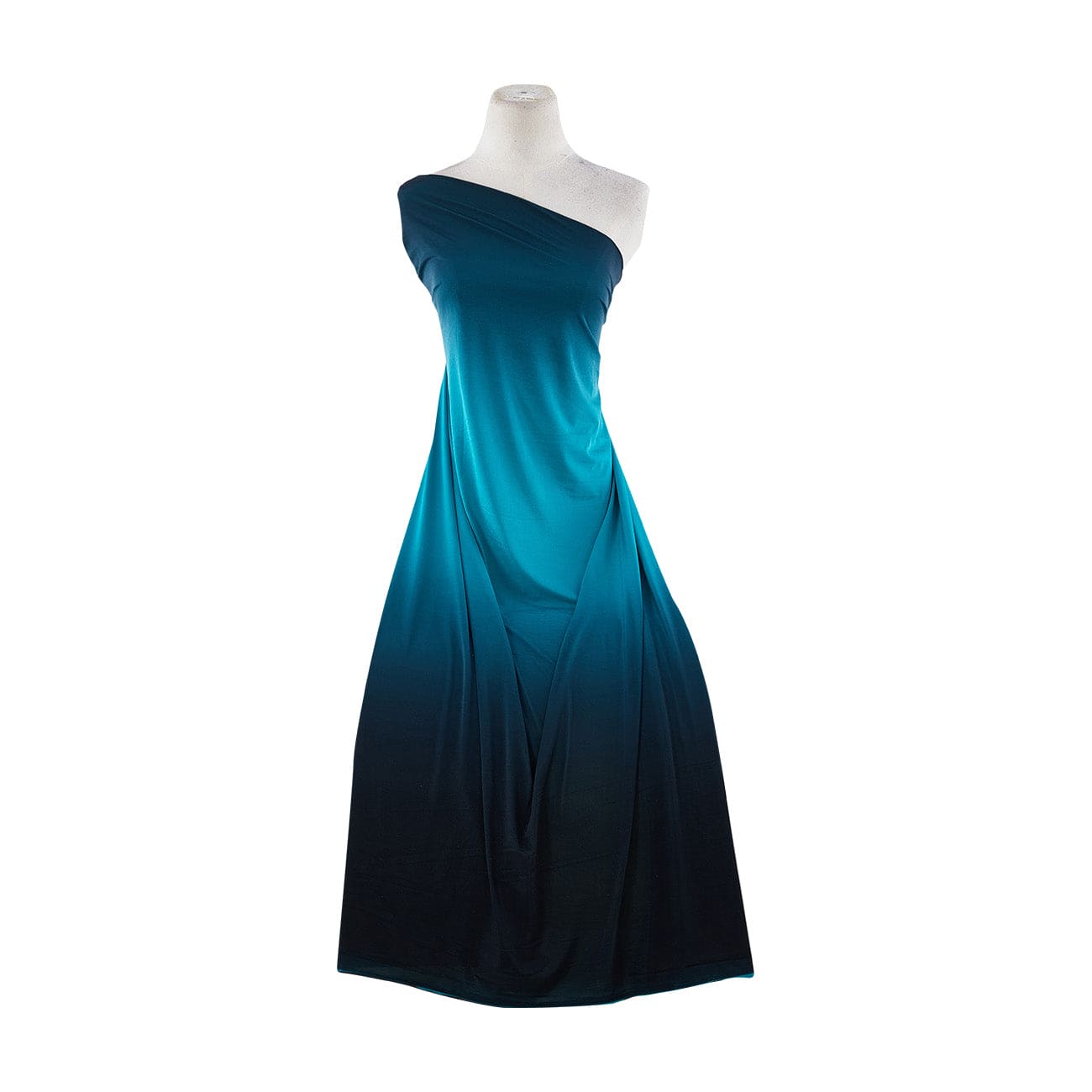
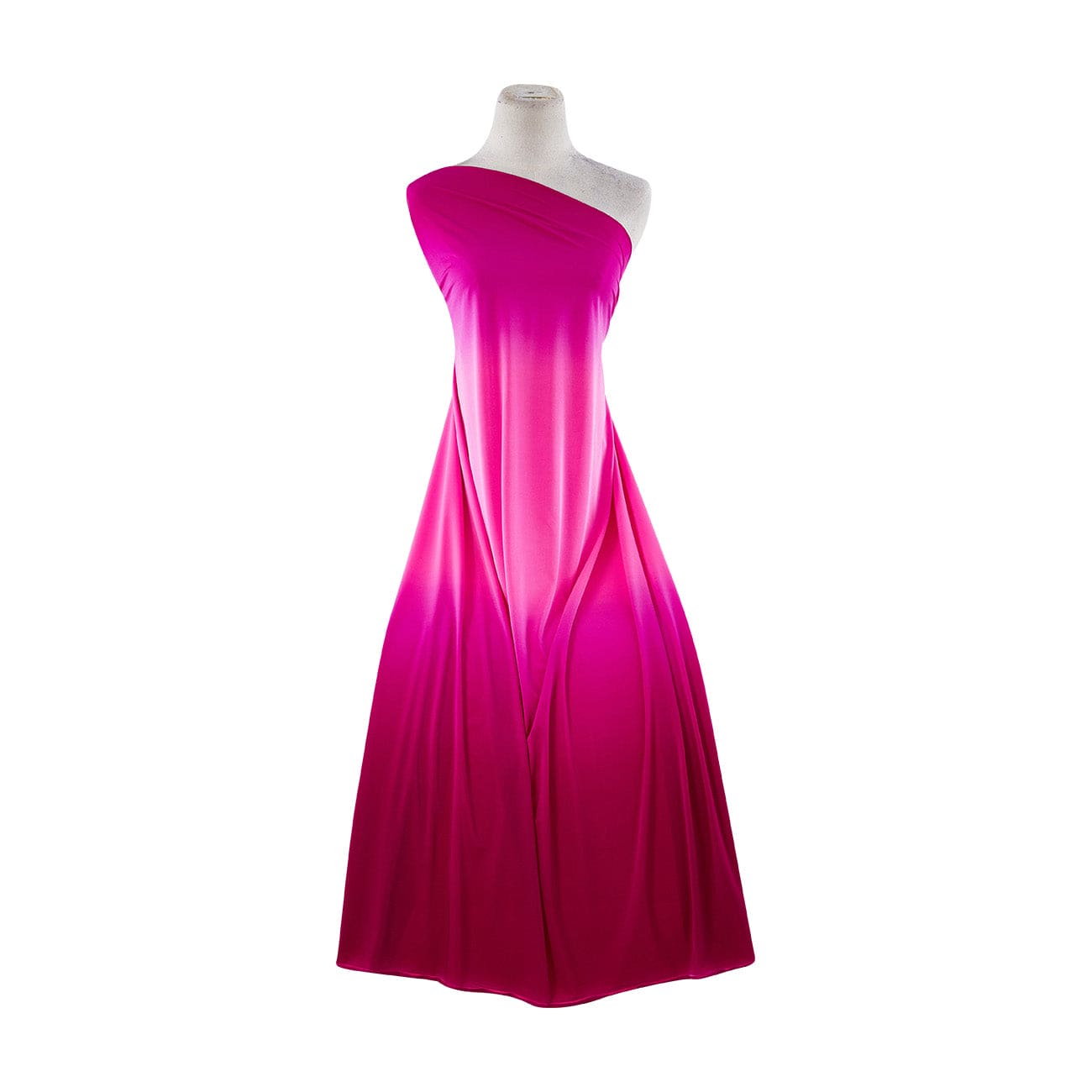
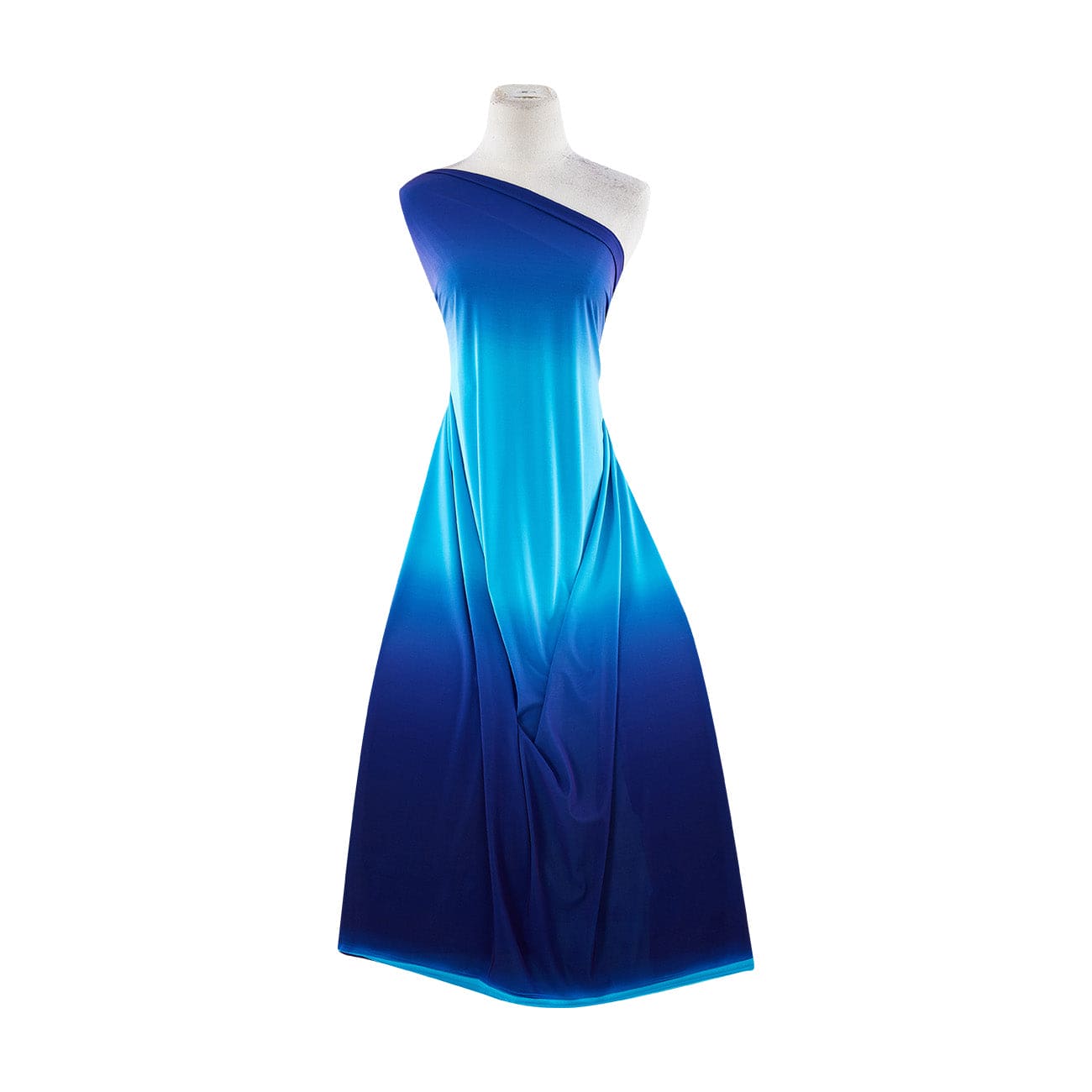
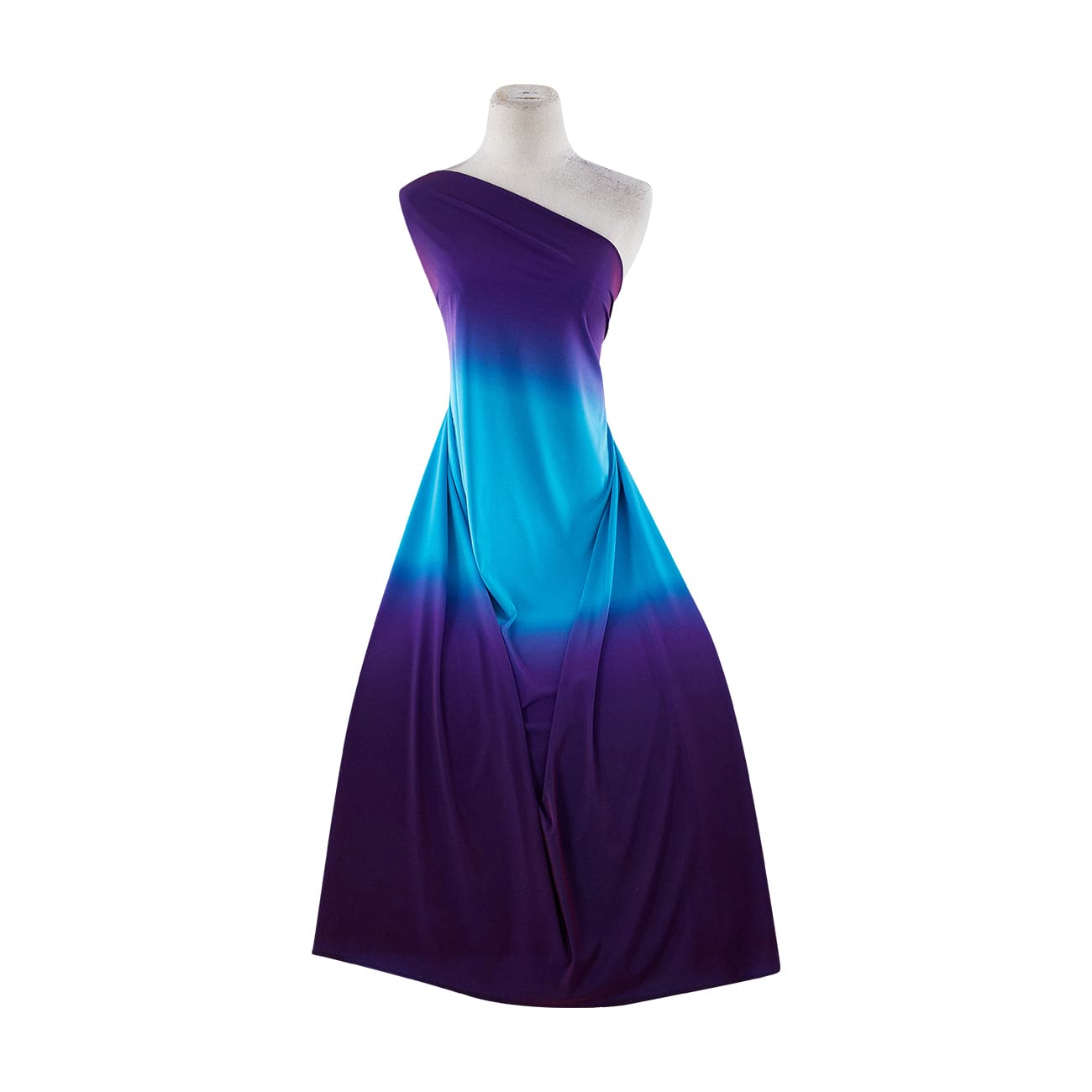
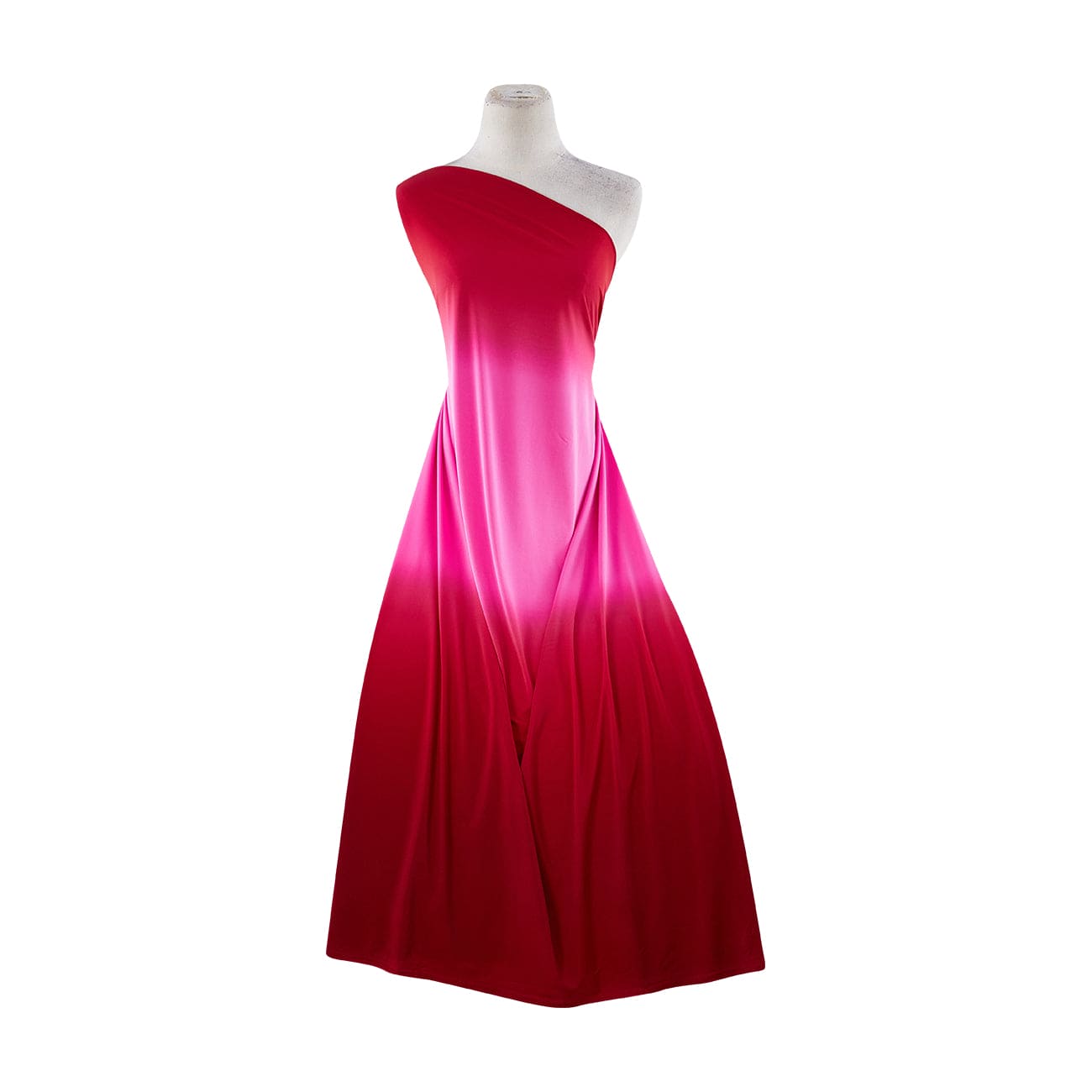
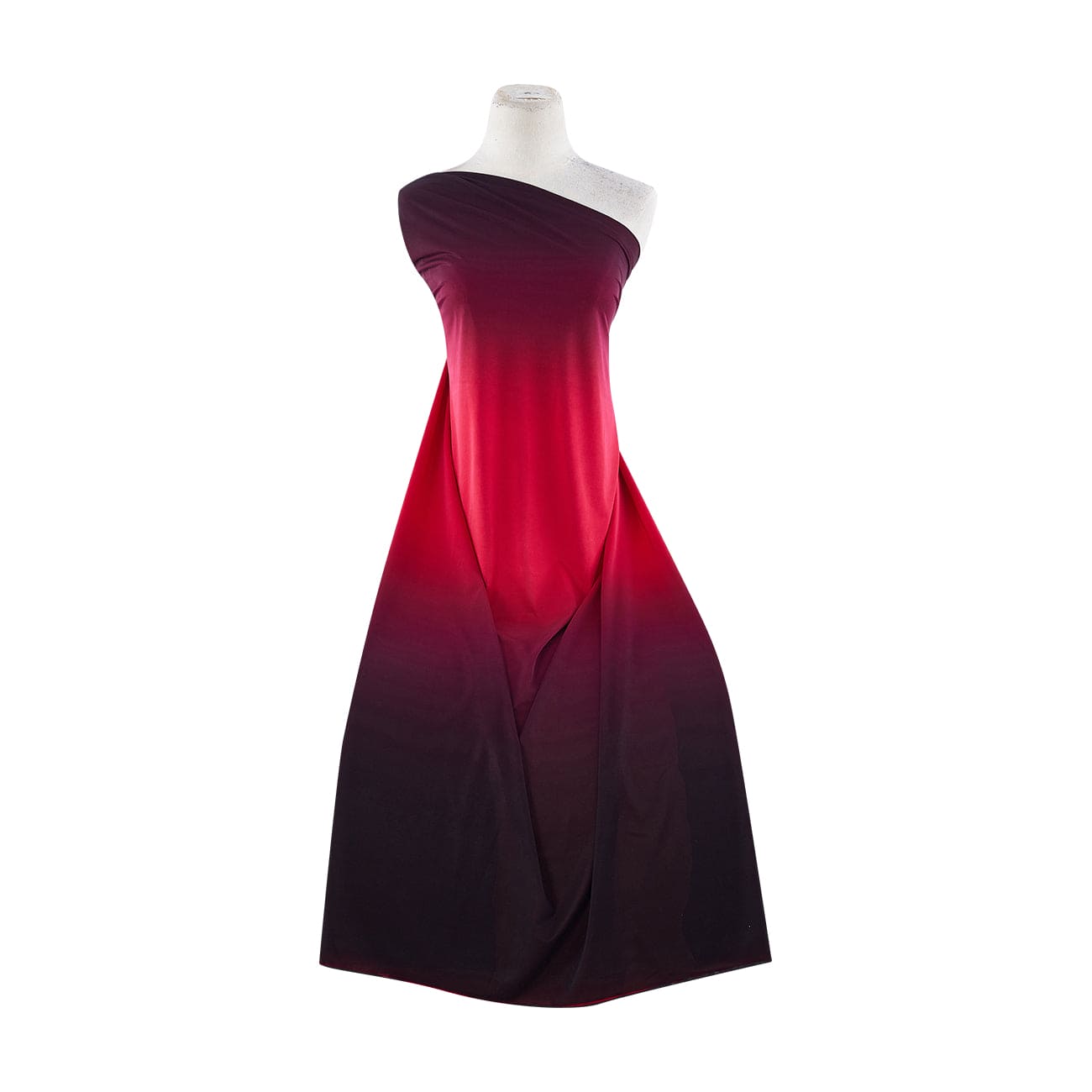
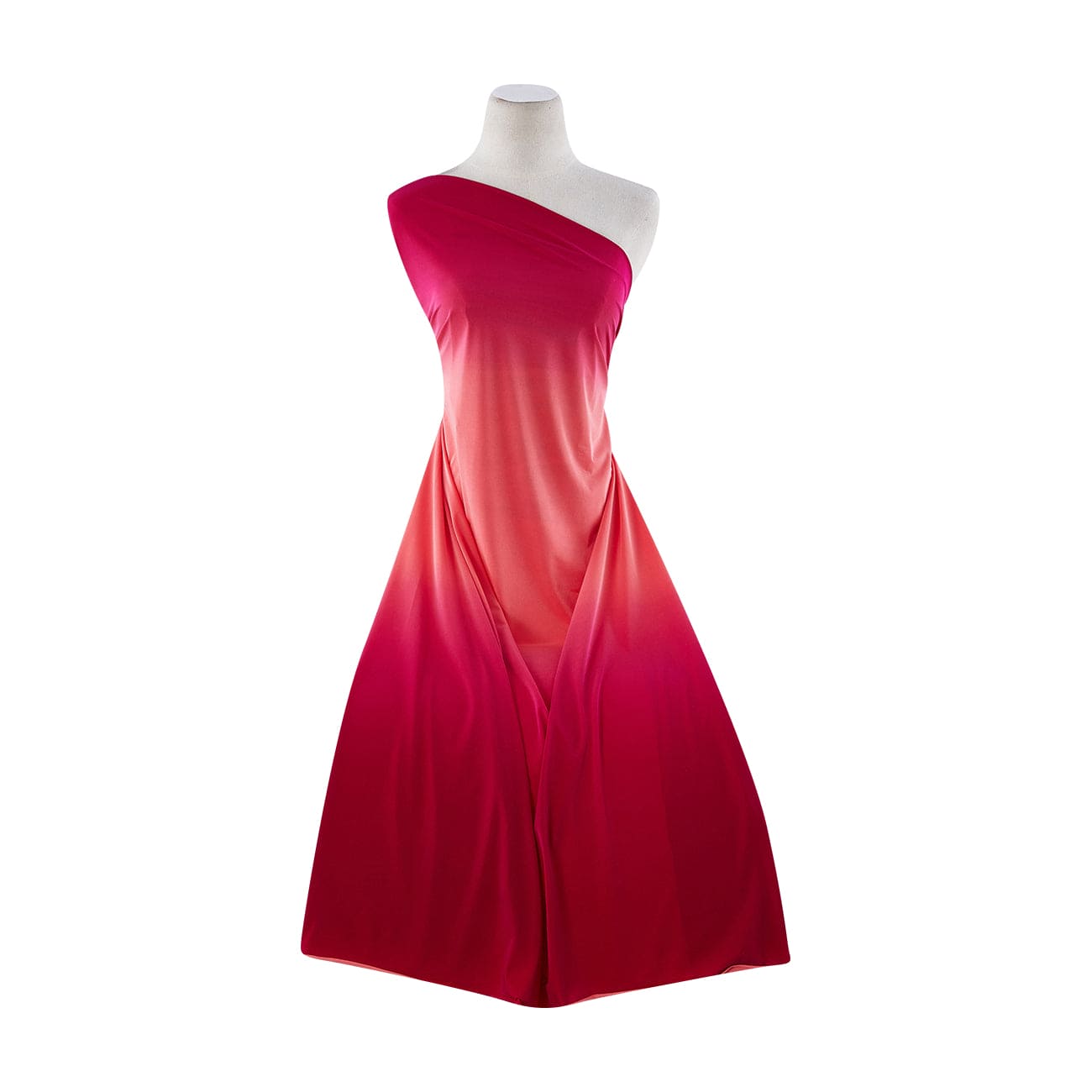
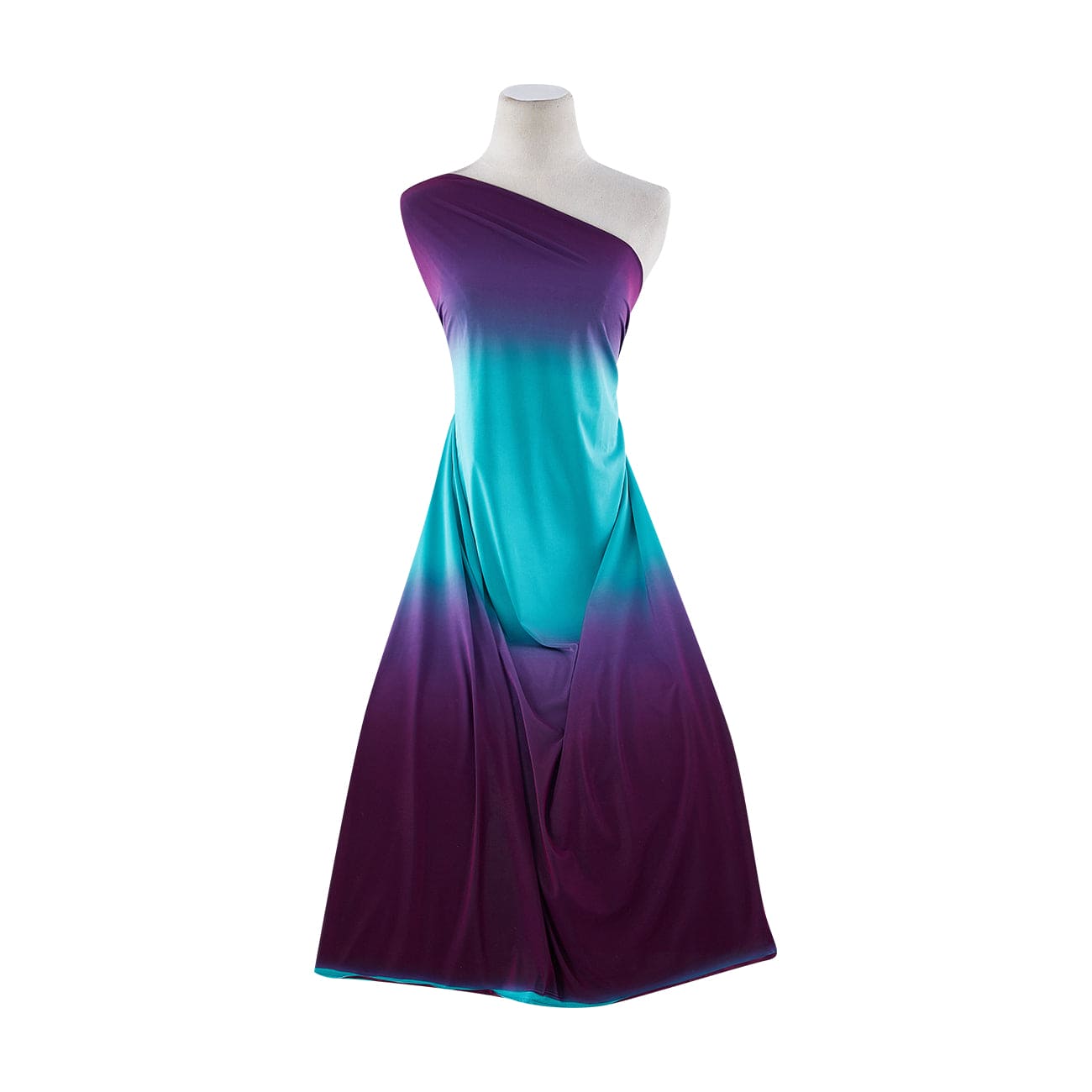
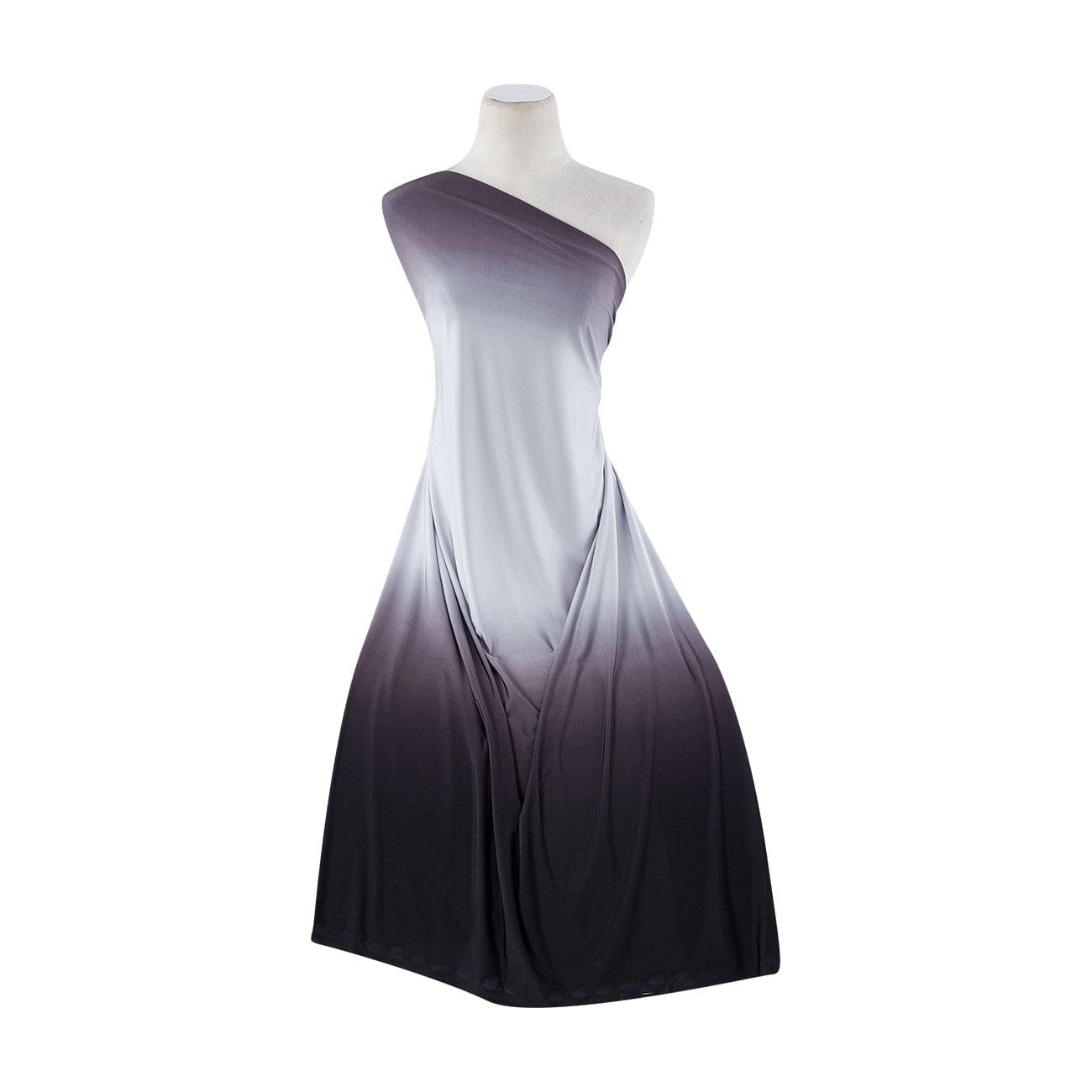
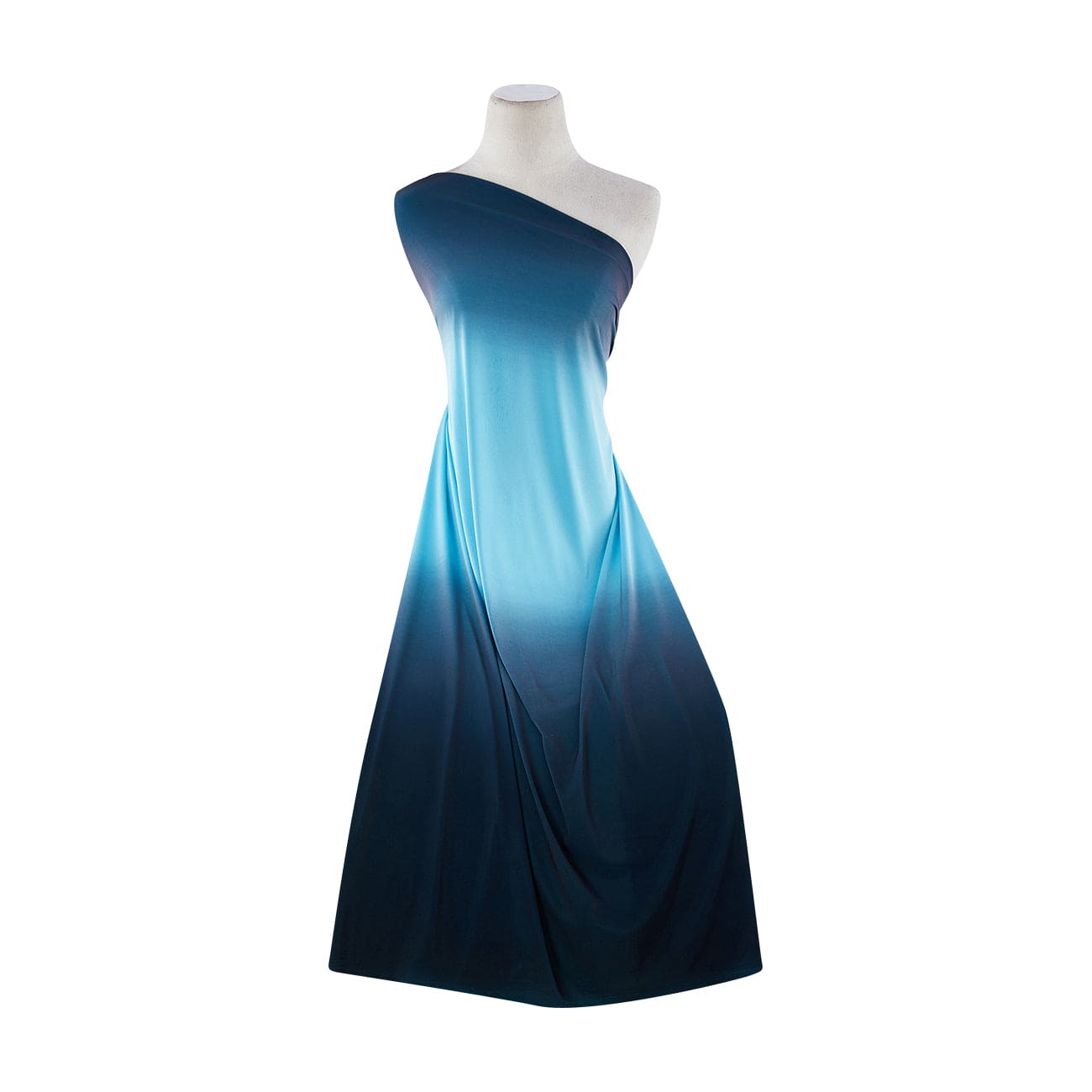
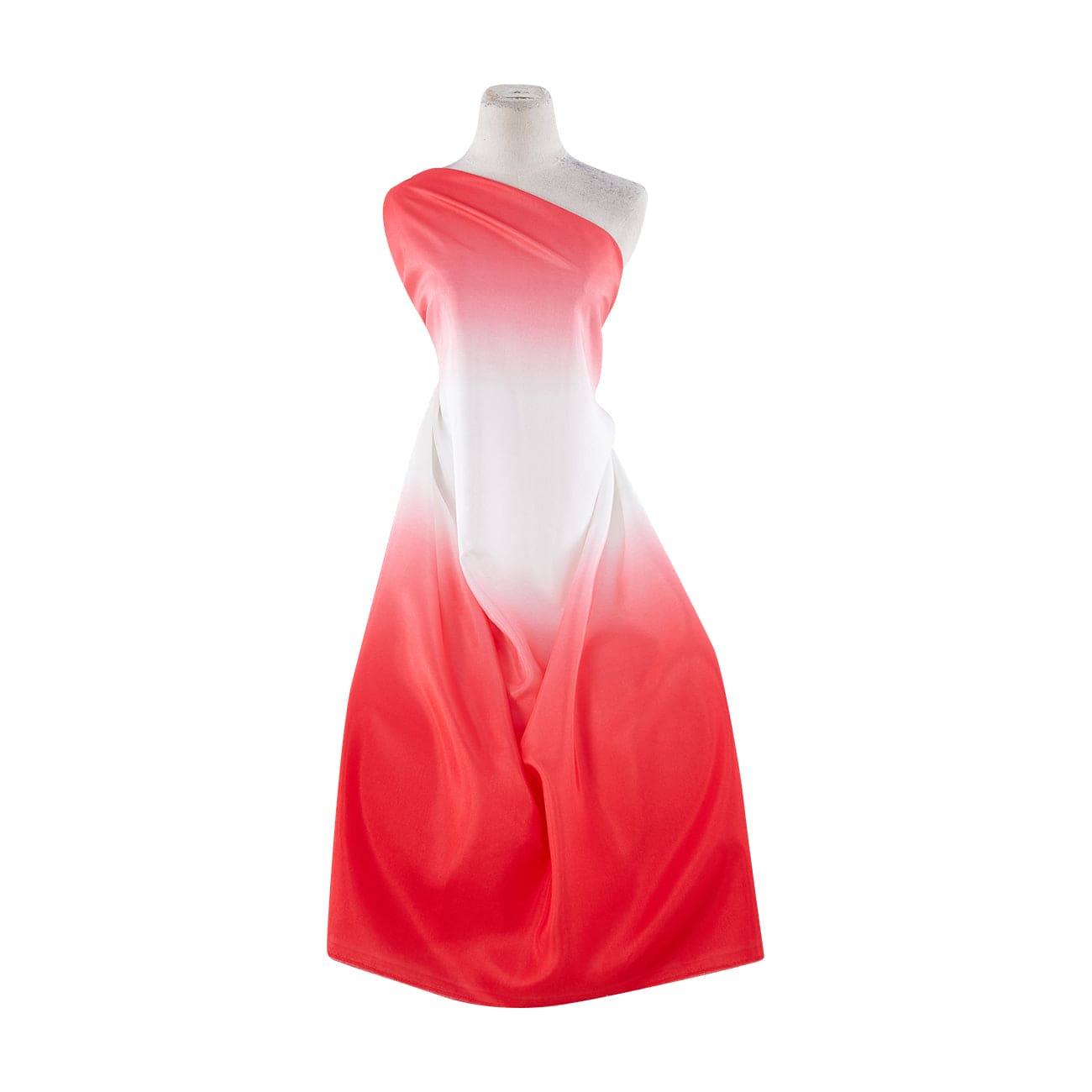
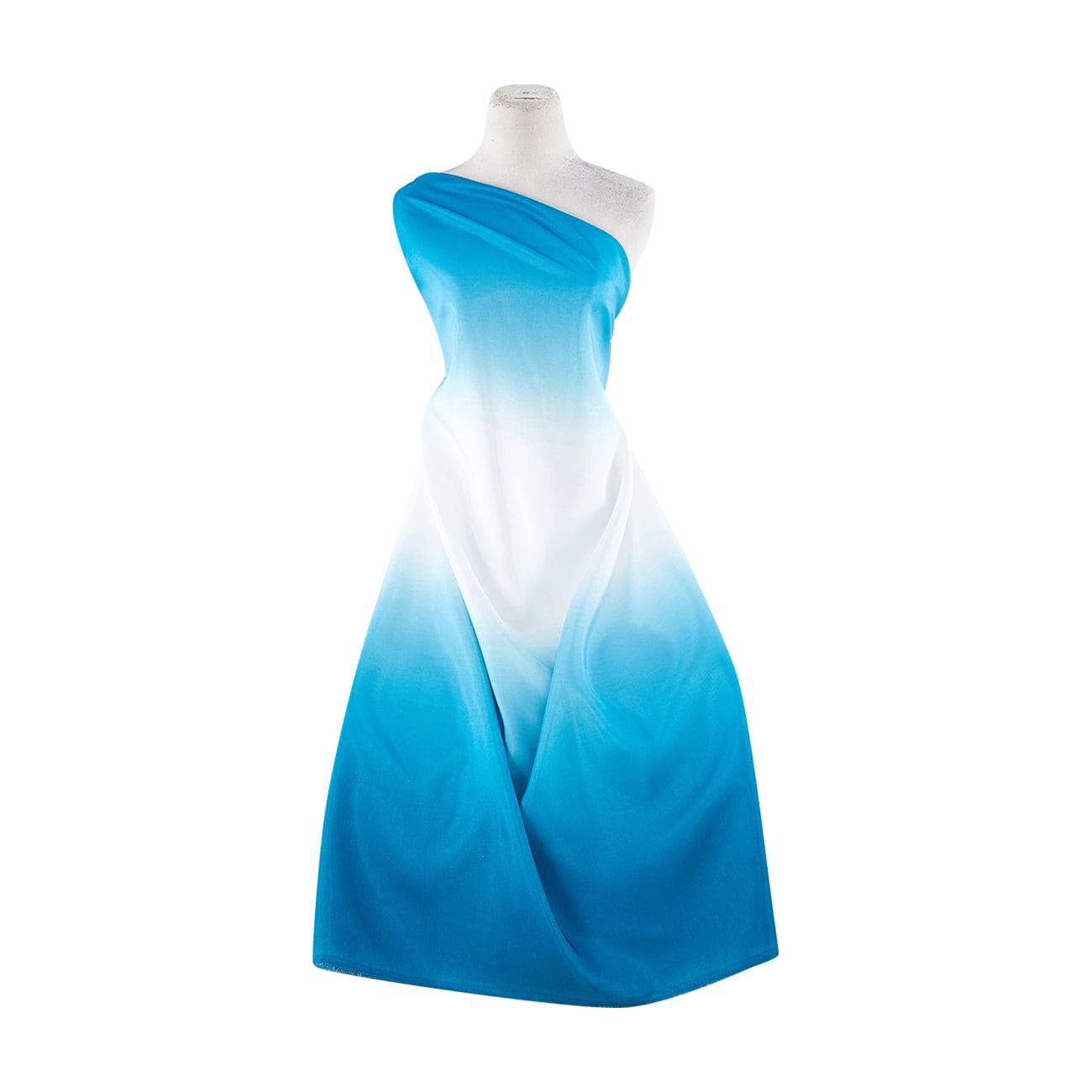
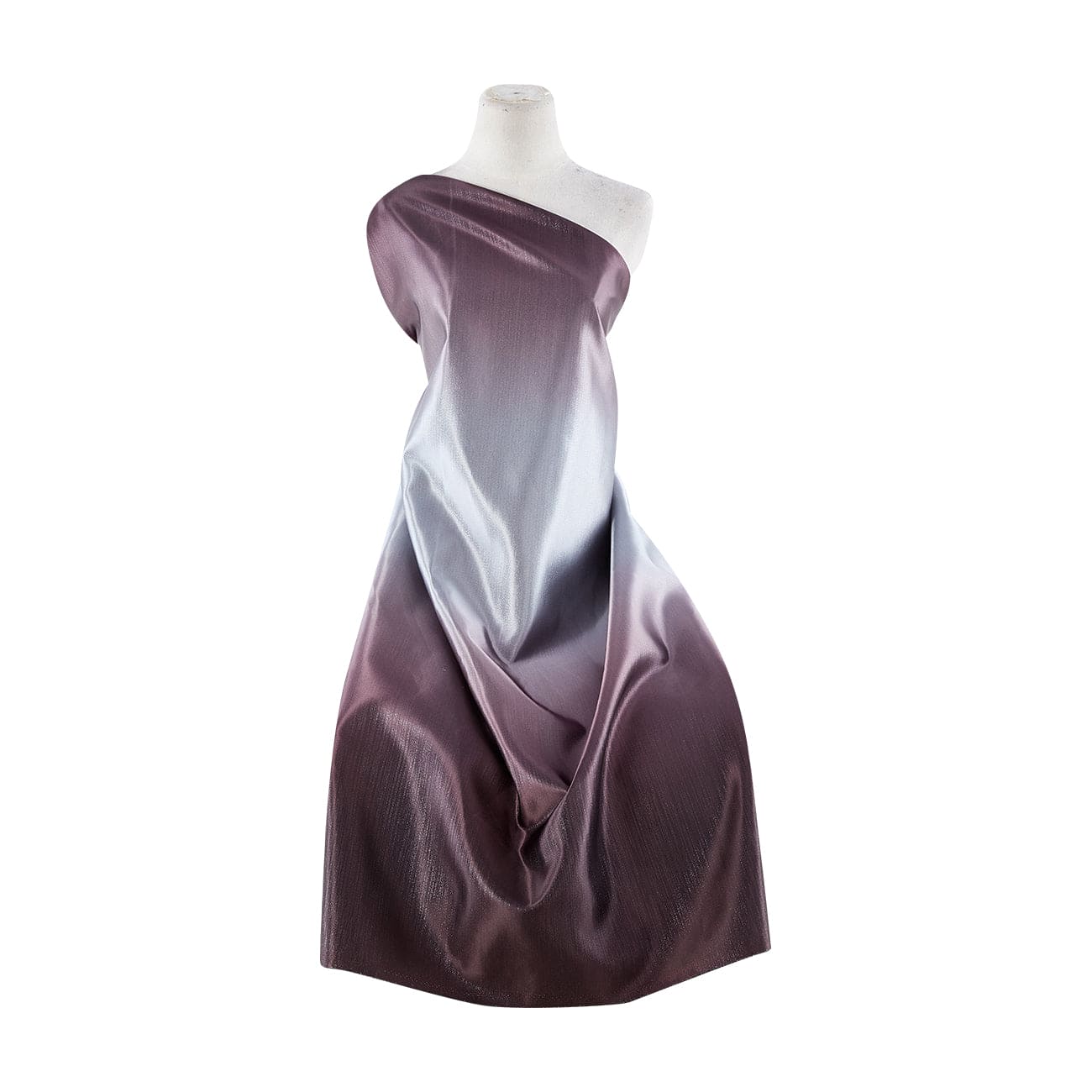
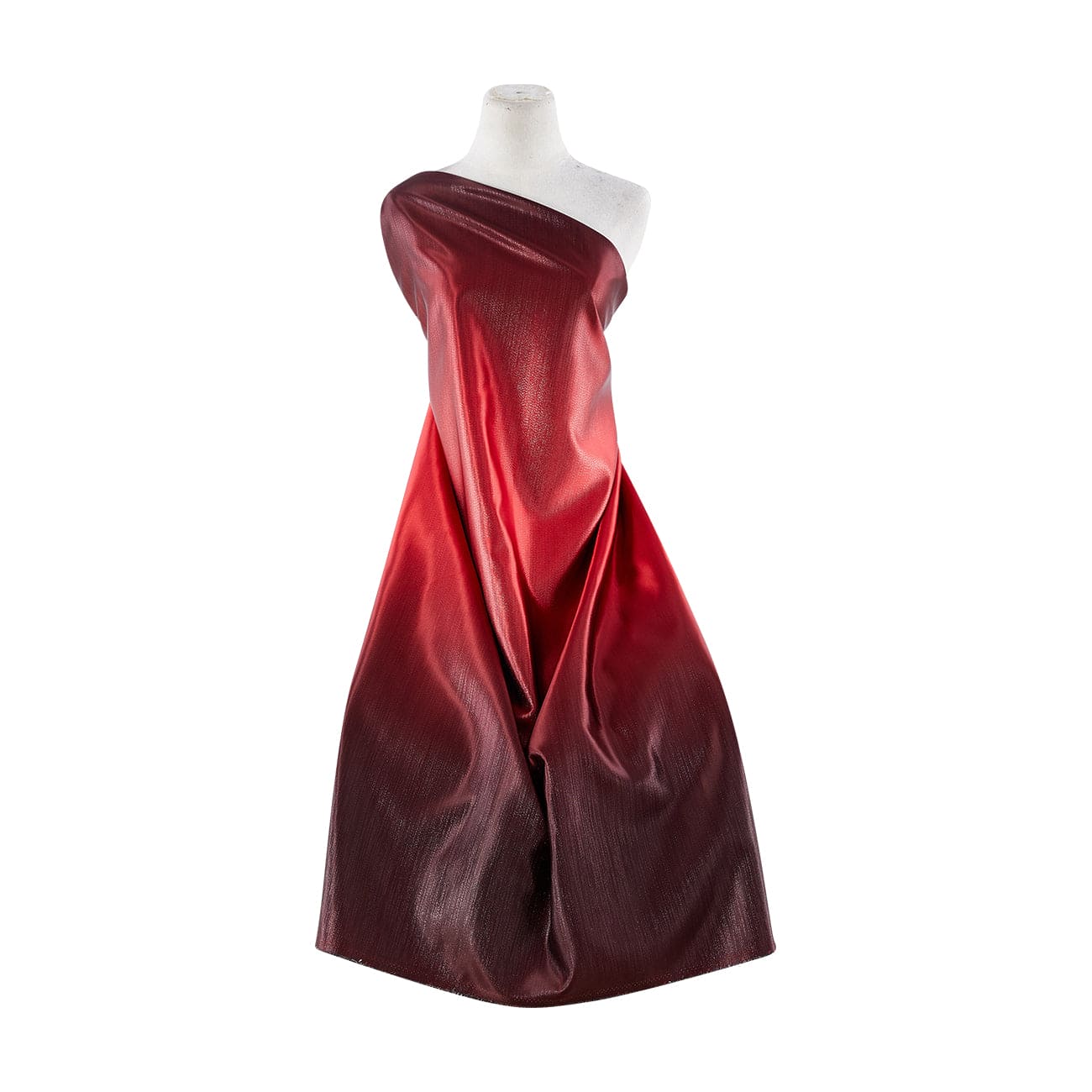
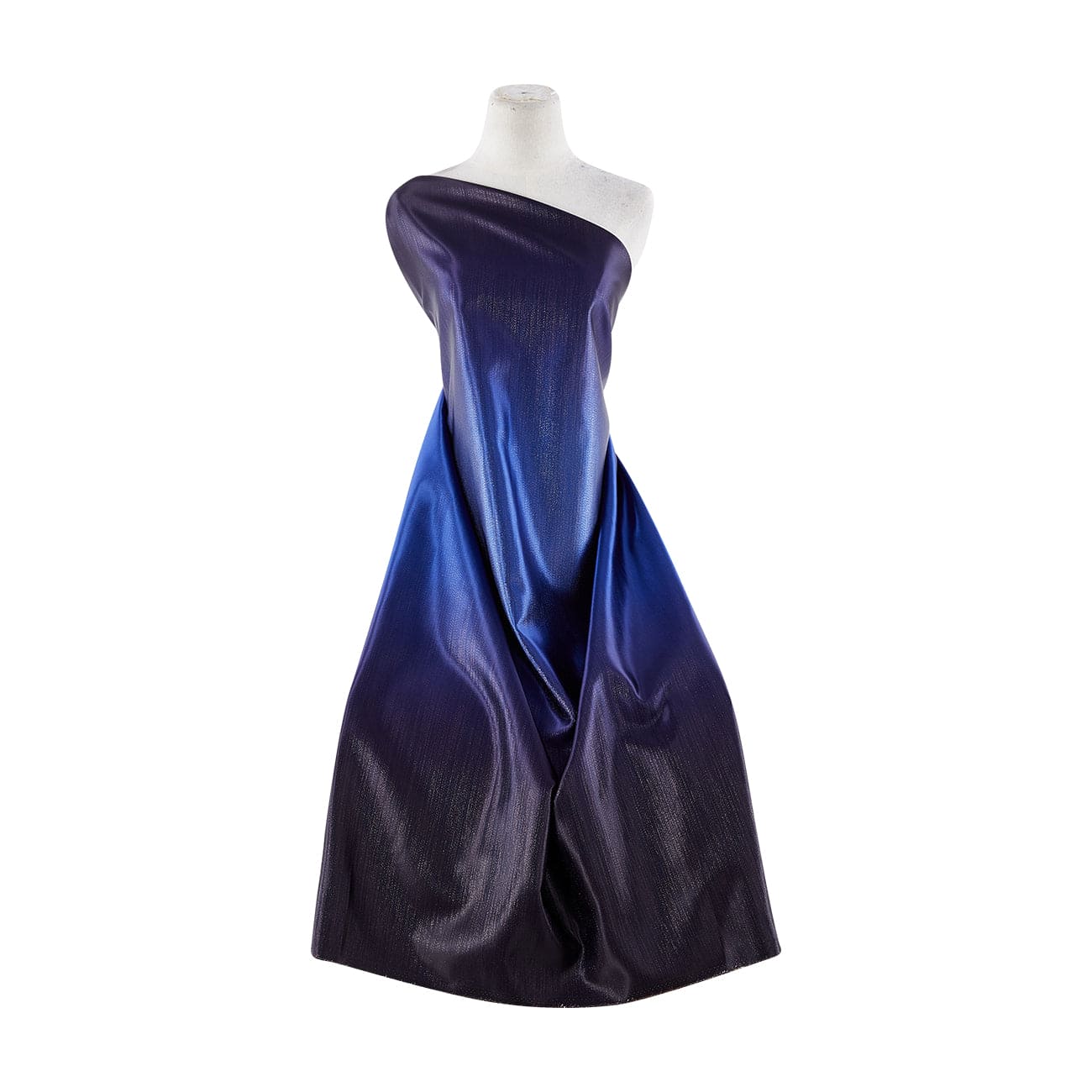
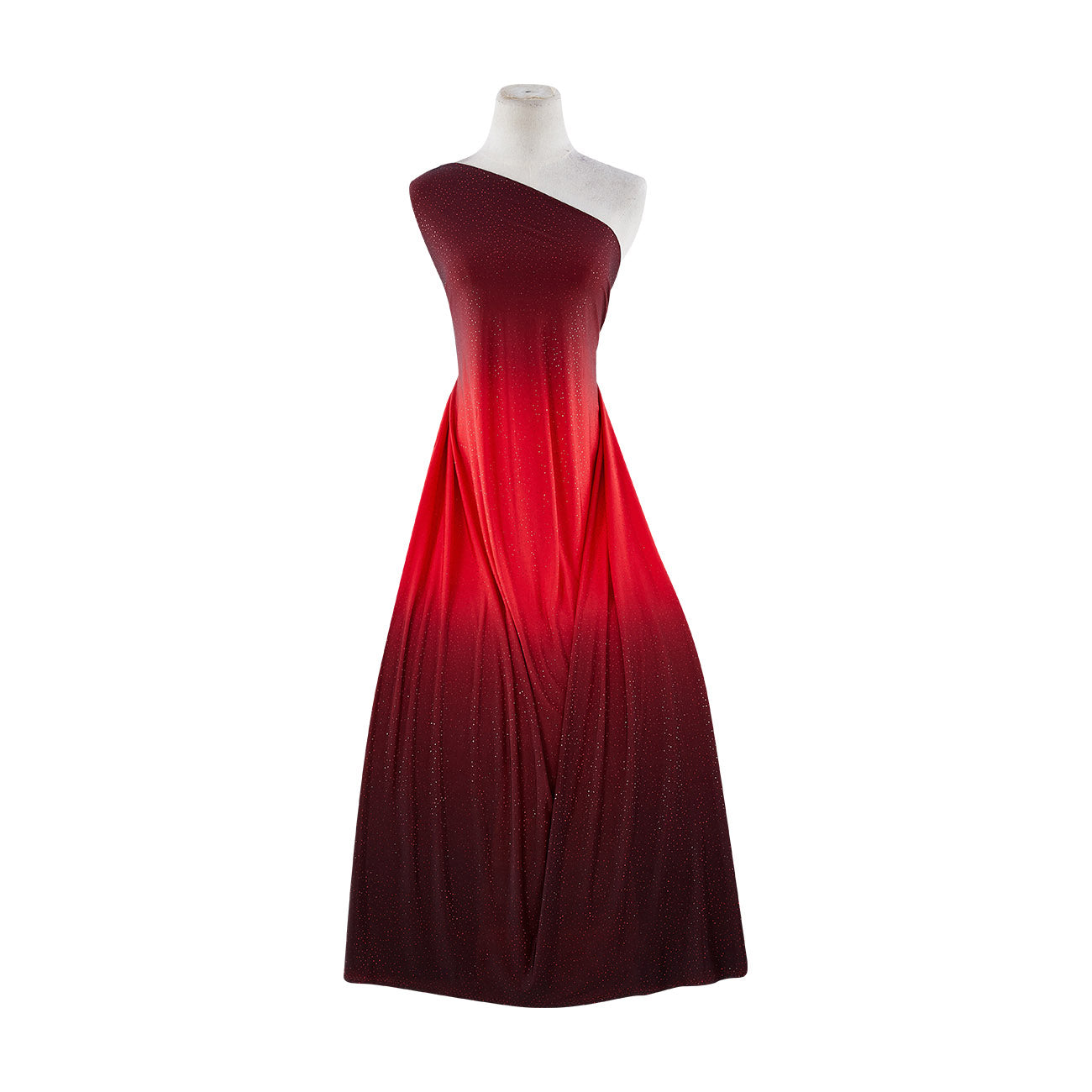
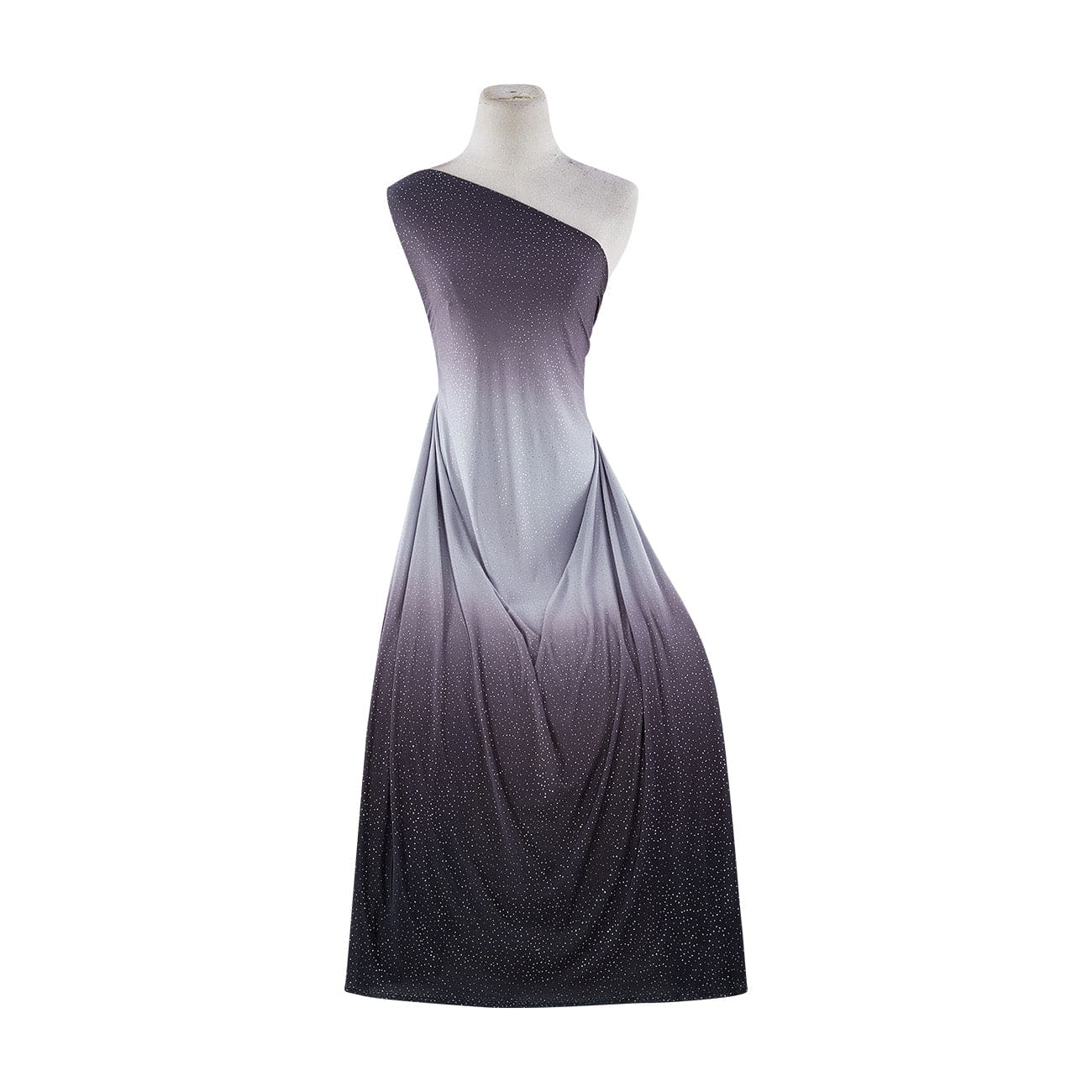
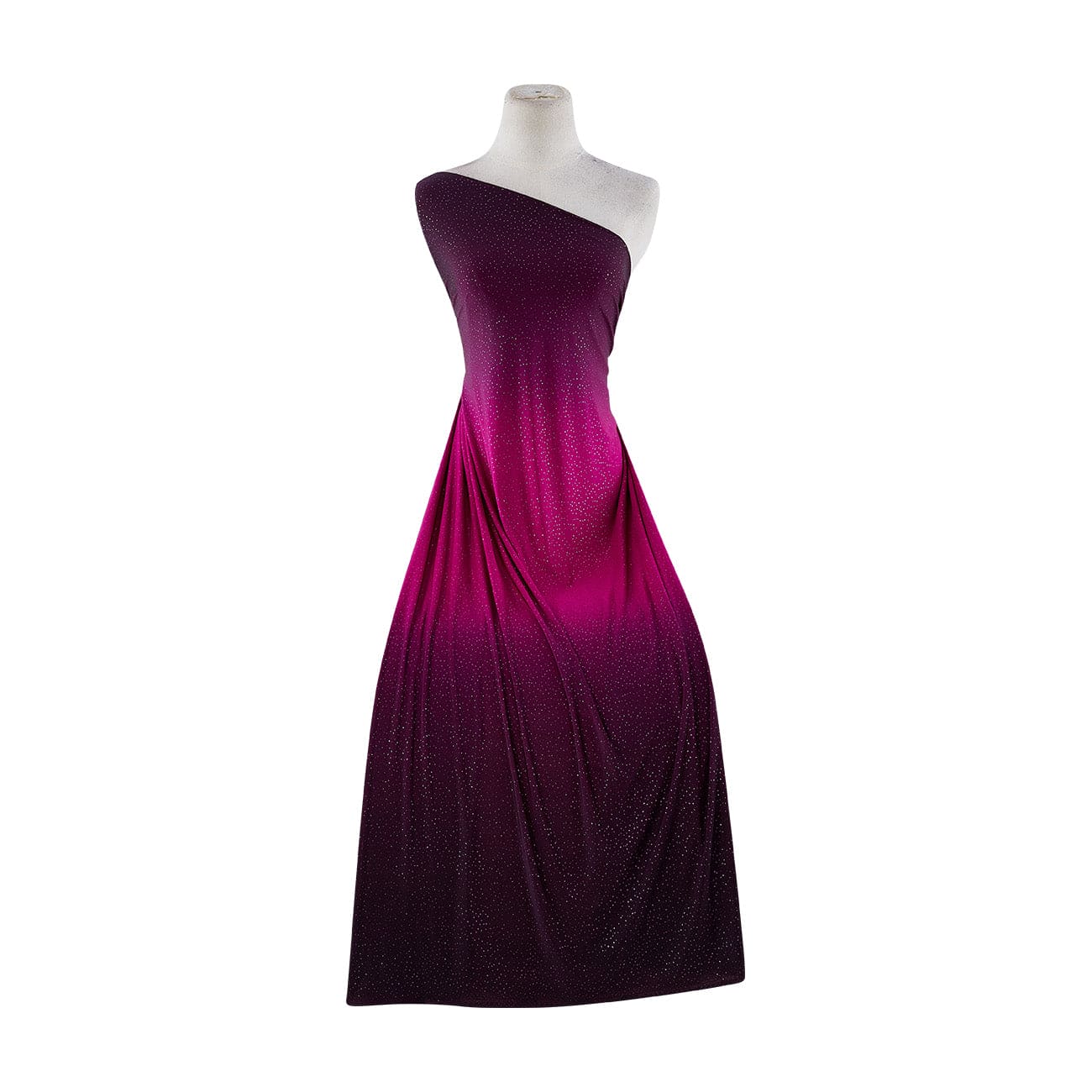
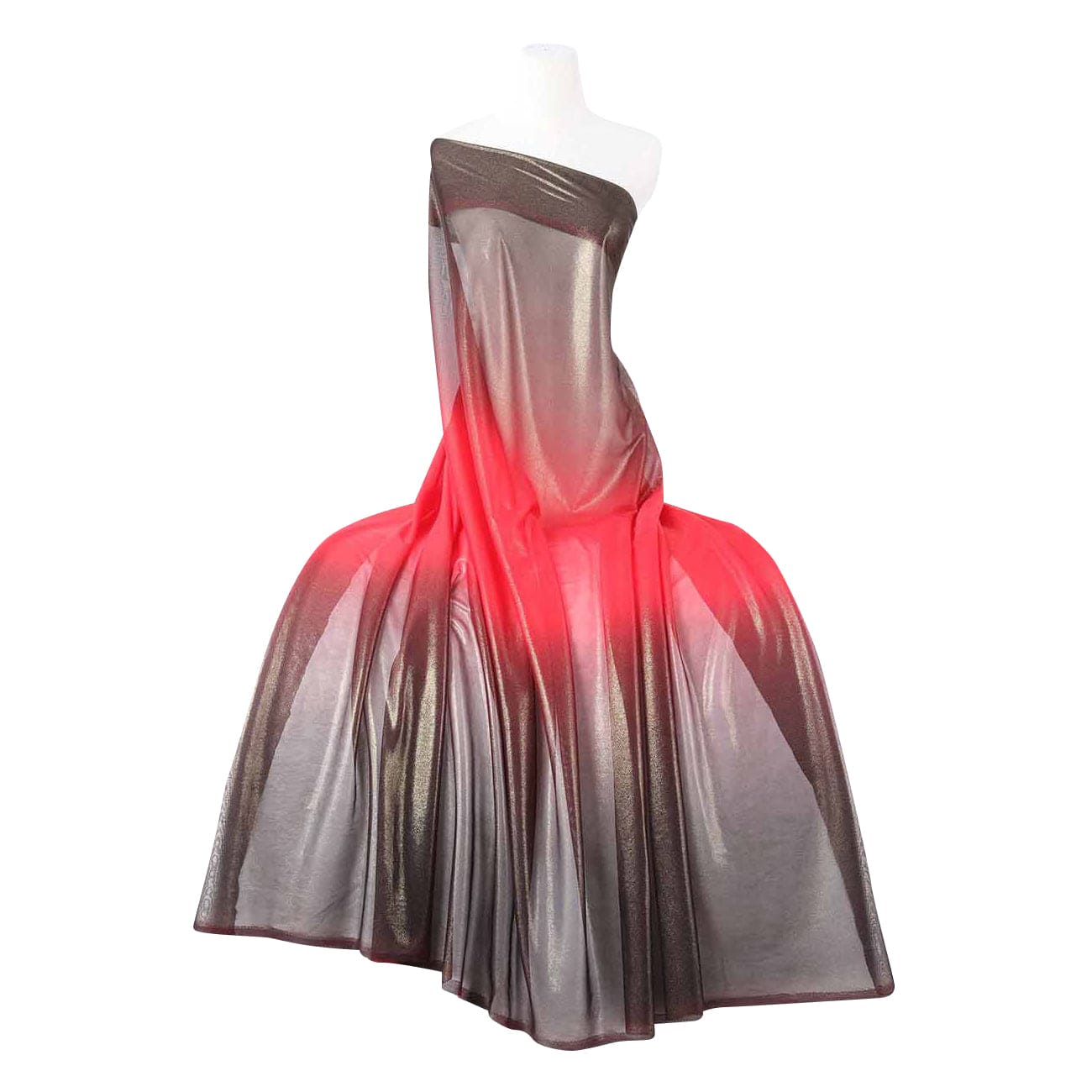
Single ombre fabric transitions from one color at one edge to a second color at the opposite edge, in a single continuous gradient. Double ombre fabric transitions from a color at both edges into a different color in the middle, or from a light shade at the center out to a darker shade at both edges, depending on the style. The Charmeuse Double Ombre and Double Ombre Crystal Knit are two examples of the double ombre effect in this collection, each showing color meeting at a center point and fading outward.
Half Ombre, Middle Ombre, and Border Ombre
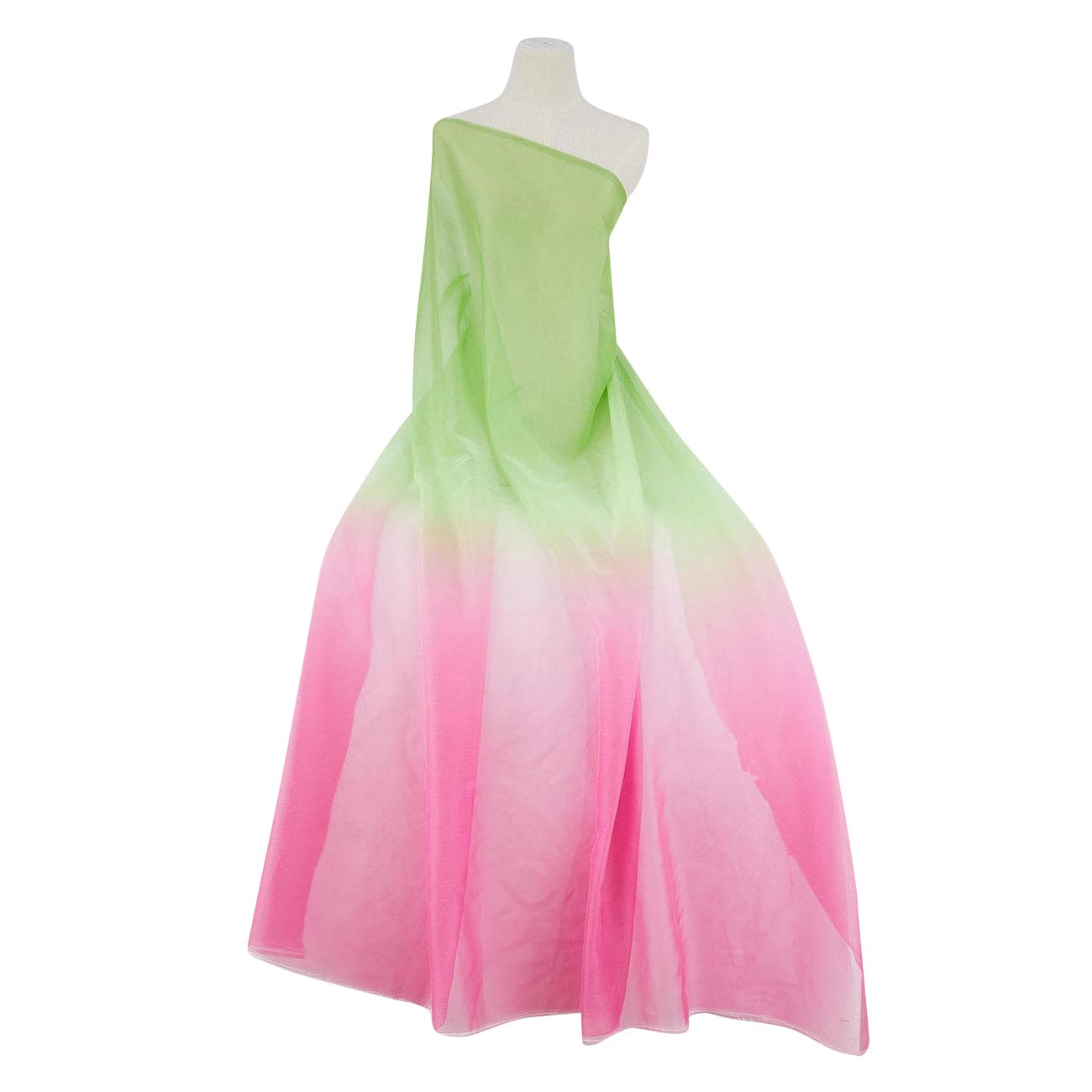
Half ombre fabric applies the gradient across only part of the fabric width, leaving the remainder in a solid color, which is useful when a garment needs one ombre panel paired with a solid section. The Half Ombre on Cationic Chiffon Yoryu clearly shows this construction. Middle ombre and single border ombre styles, such as the Middle Ombre on Crystal Knit and the Single Border Ombre on Silky Stretch Satin, place the gradient in a specific band across the fabric rather than spreading it evenly, which is a common choice for hemlines and cuffs where a directional effect is wanted.
Ombre Fabric Bases: Knit vs. Woven
The base fabric underneath the gradient changes how ombre fabric behaves on the body, and this collection spans both knit and woven constructions.
Knit Ombre Fabrics
Knit bases like silky knit, crystal knit, and nouveau knit give ombre fabric stretch and a fluid, body-hugging drape, which is why so many of the knit styles in this collection are built for fitted eveningwear and dancewear. The Ombre Silky Knit and Ombre Nouveau Knit both fall into this category, offering a soft hand alongside the gradient effect. Ombre Scuba is a heavier knit option with more structure, suited to garments that need to hold shape rather than cling.
Woven Ombre Fabrics
Woven bases like chiffon, charmeuse, shantung, and jacquard bring a different character to ombre fabric, generally offering more drape and less stretch than a knit base. Double Ombre on Cationic Chiffon, Double Ombre on Shantung, and Connect Lurex Ombre Jacquard each showcase how the same gradient effect reads differently depending on whether the base fabric is sheer, crisp, or textured. Ombre tulle, such as Ombre Tulle, applies the gradient to a stiff, voluminous net base rather than a fluid weave, making it a common choice for skirts and overlays that need body.
Embellished Ombre Fabric
Several styles in this collection combine the color gradient with an added surface texture, giving the fabric more visual complexity than color alone.
Glitter, Sequin, and Lurex Ombre
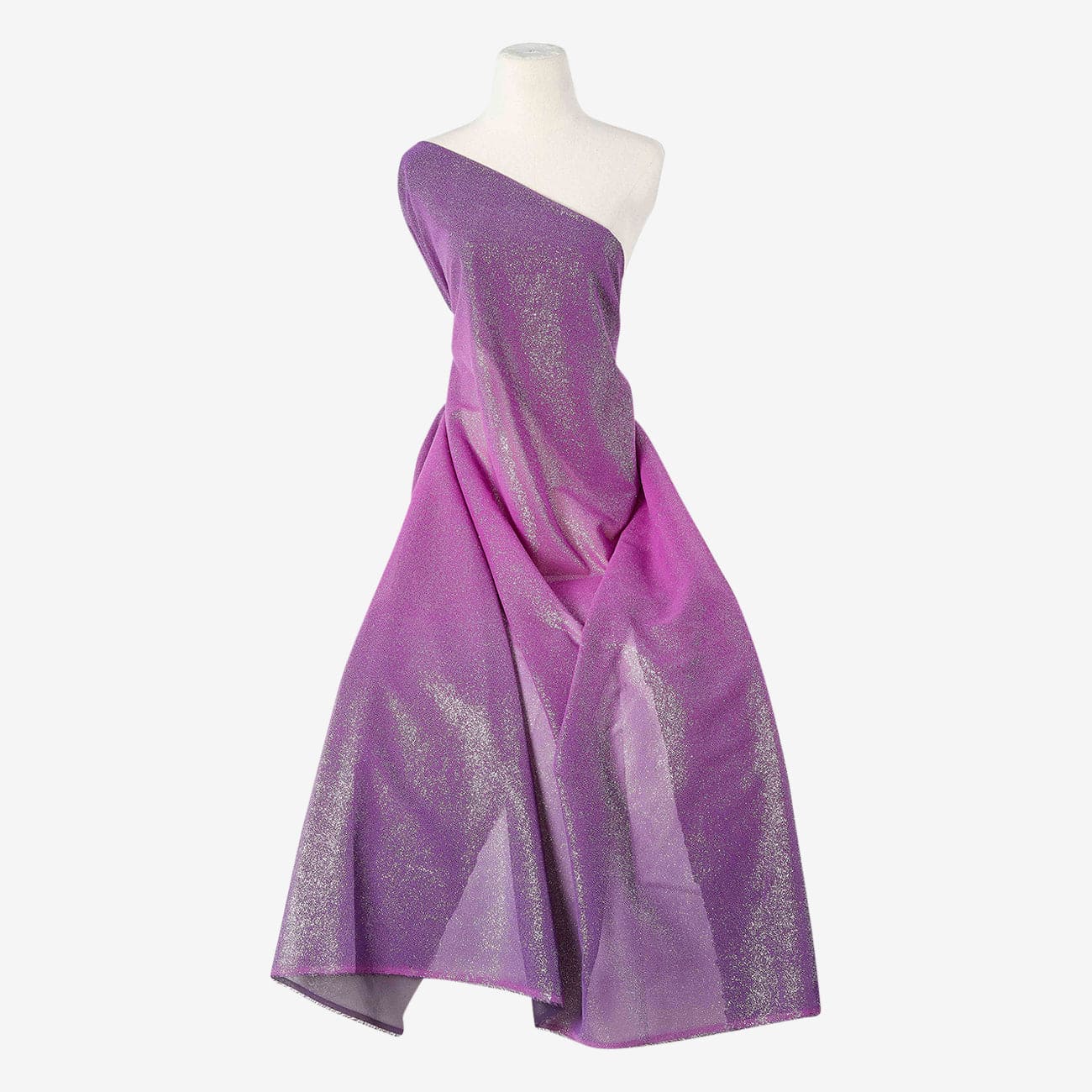
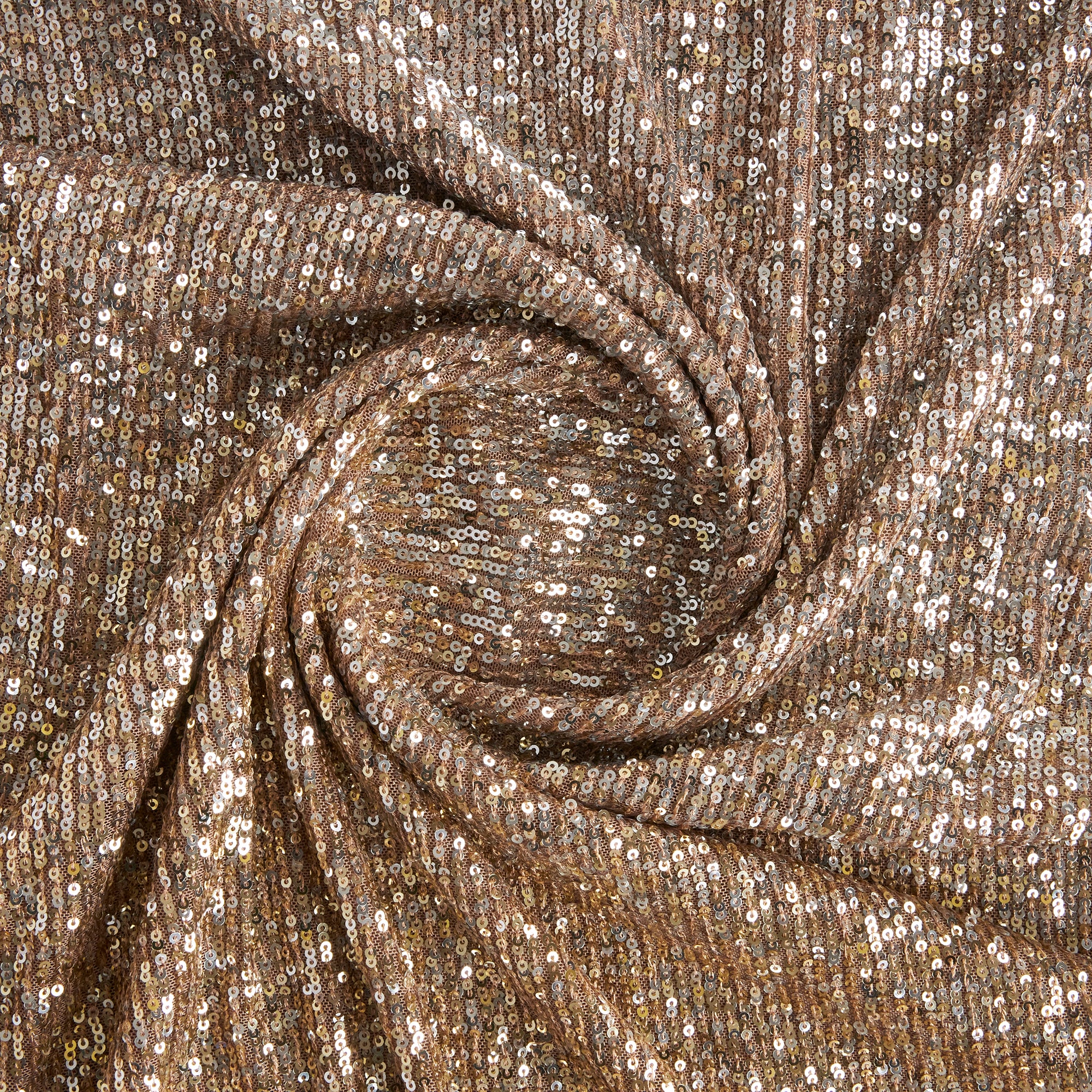
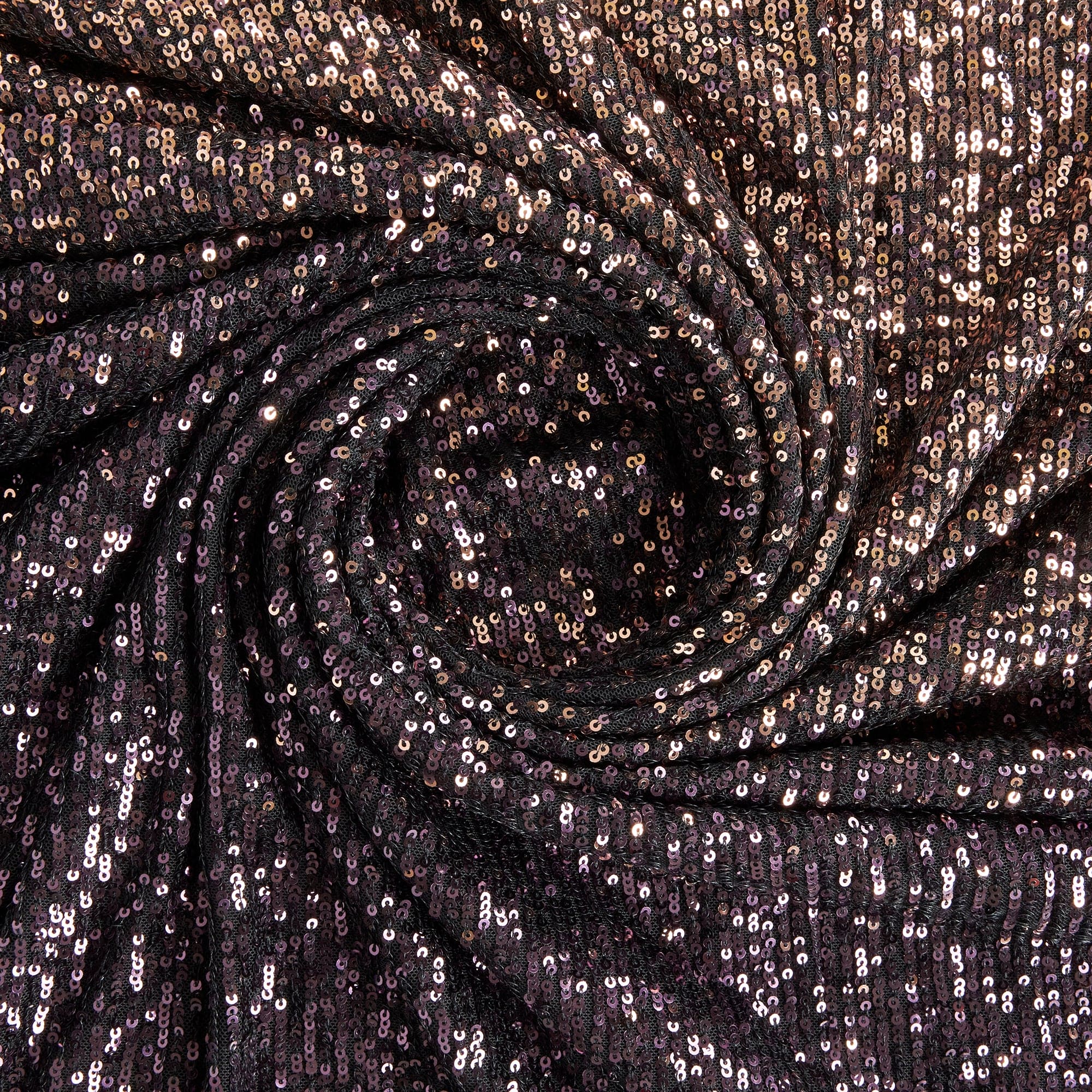
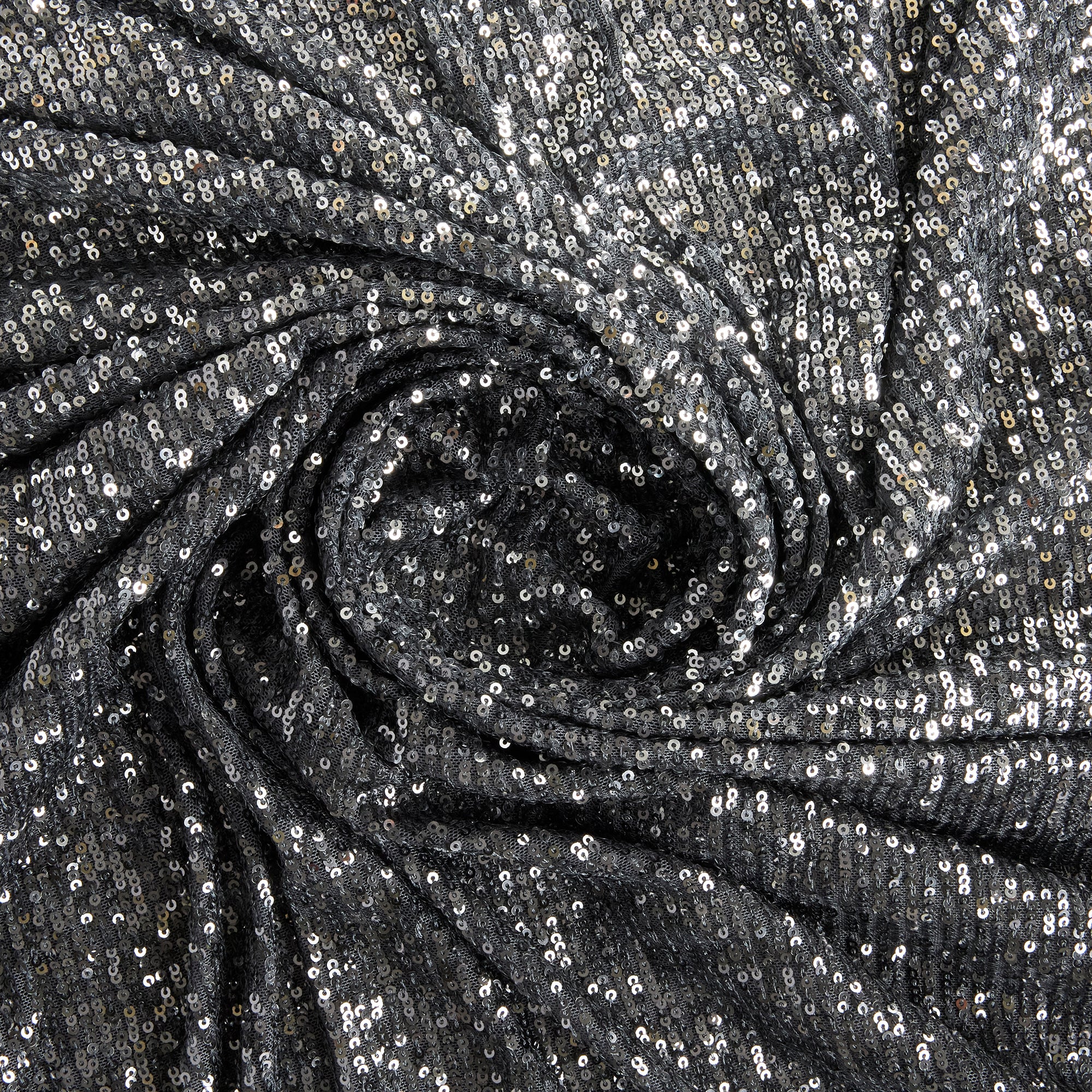
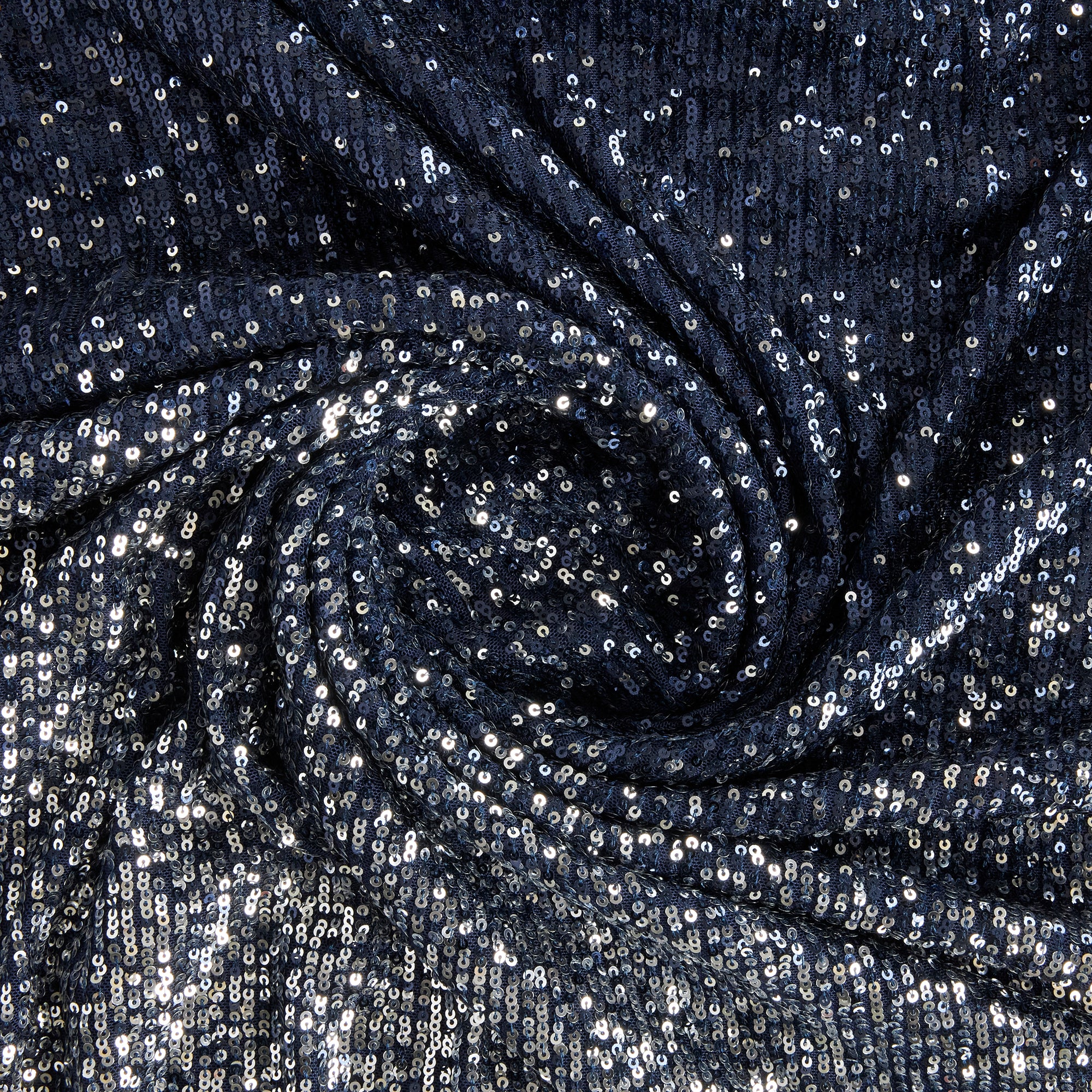
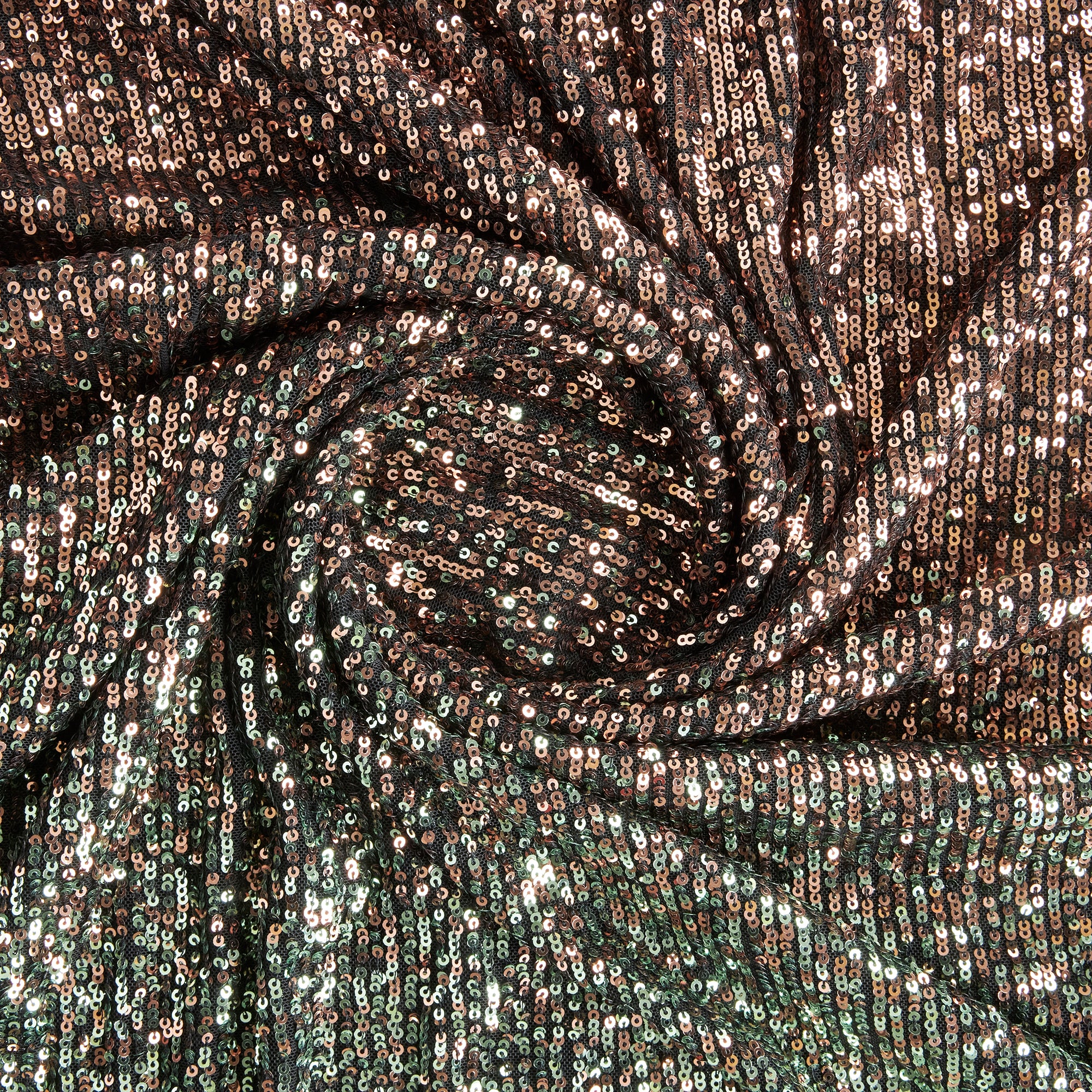
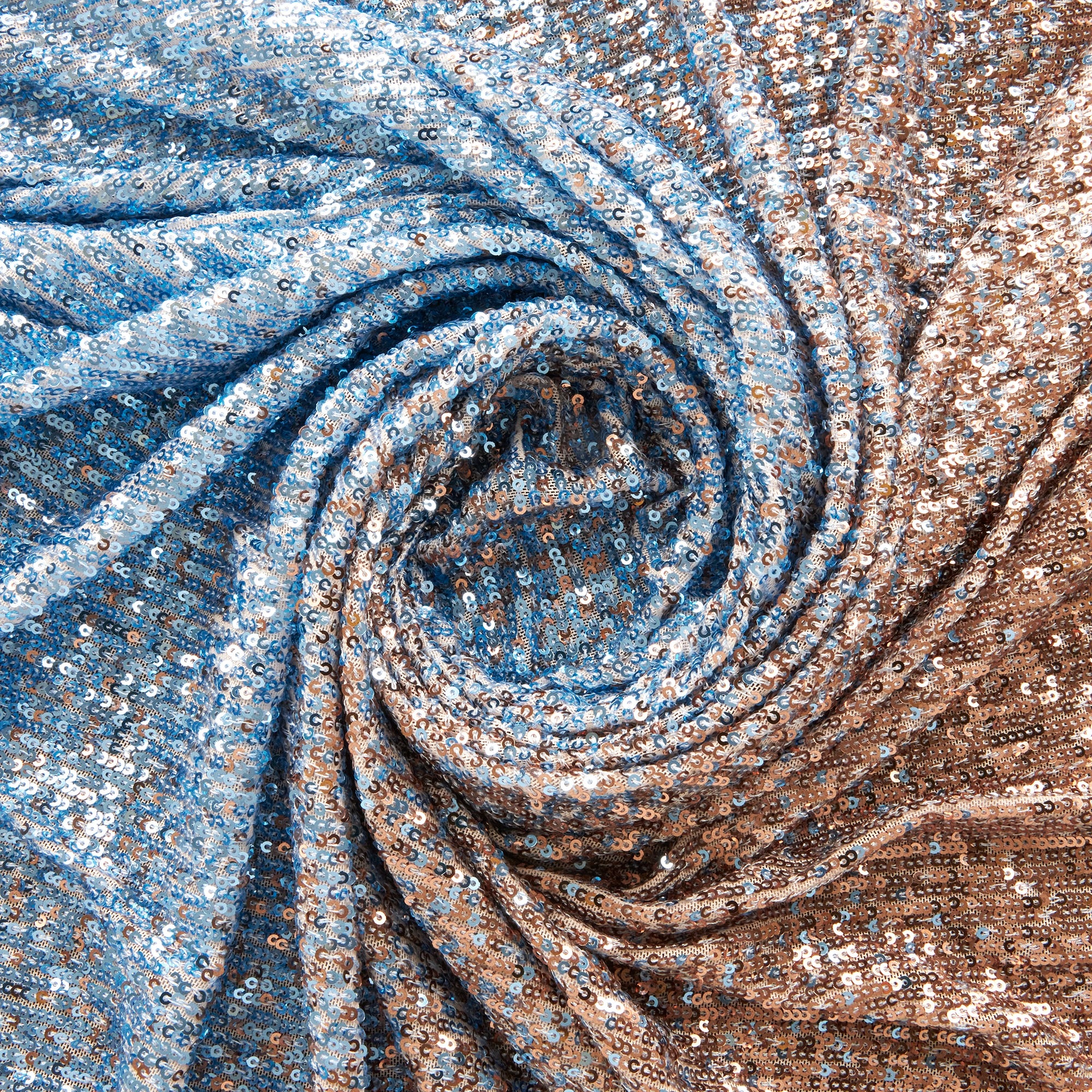
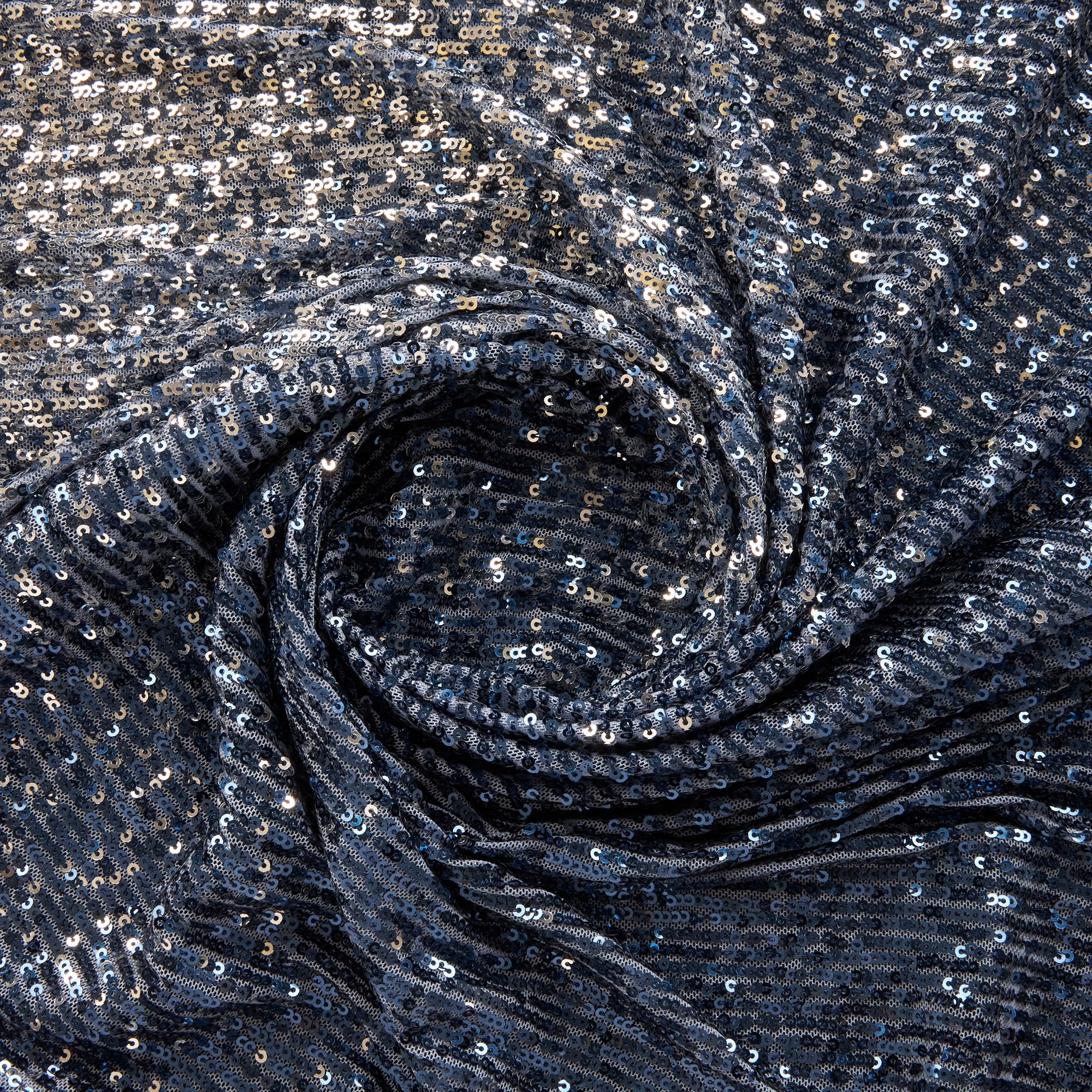
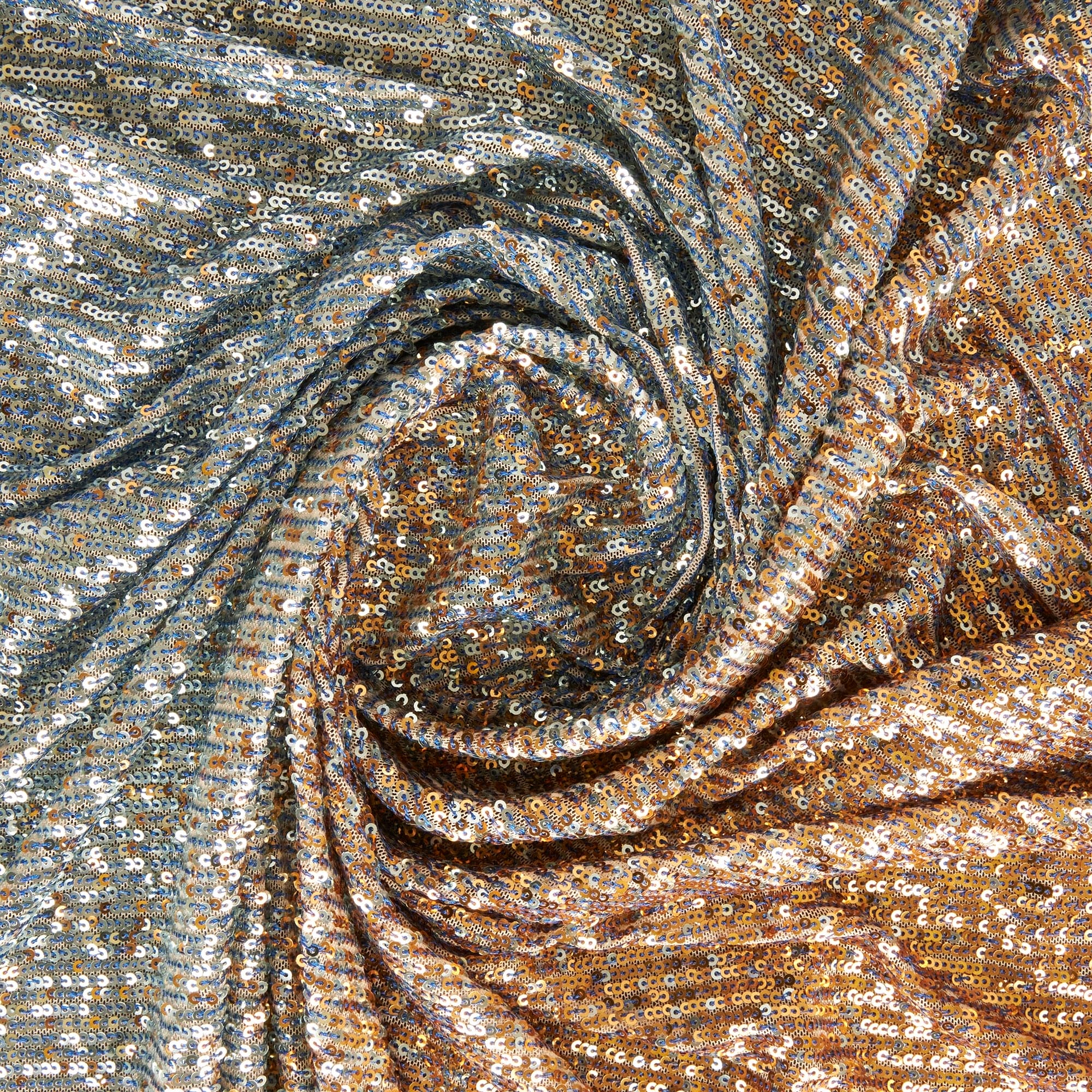
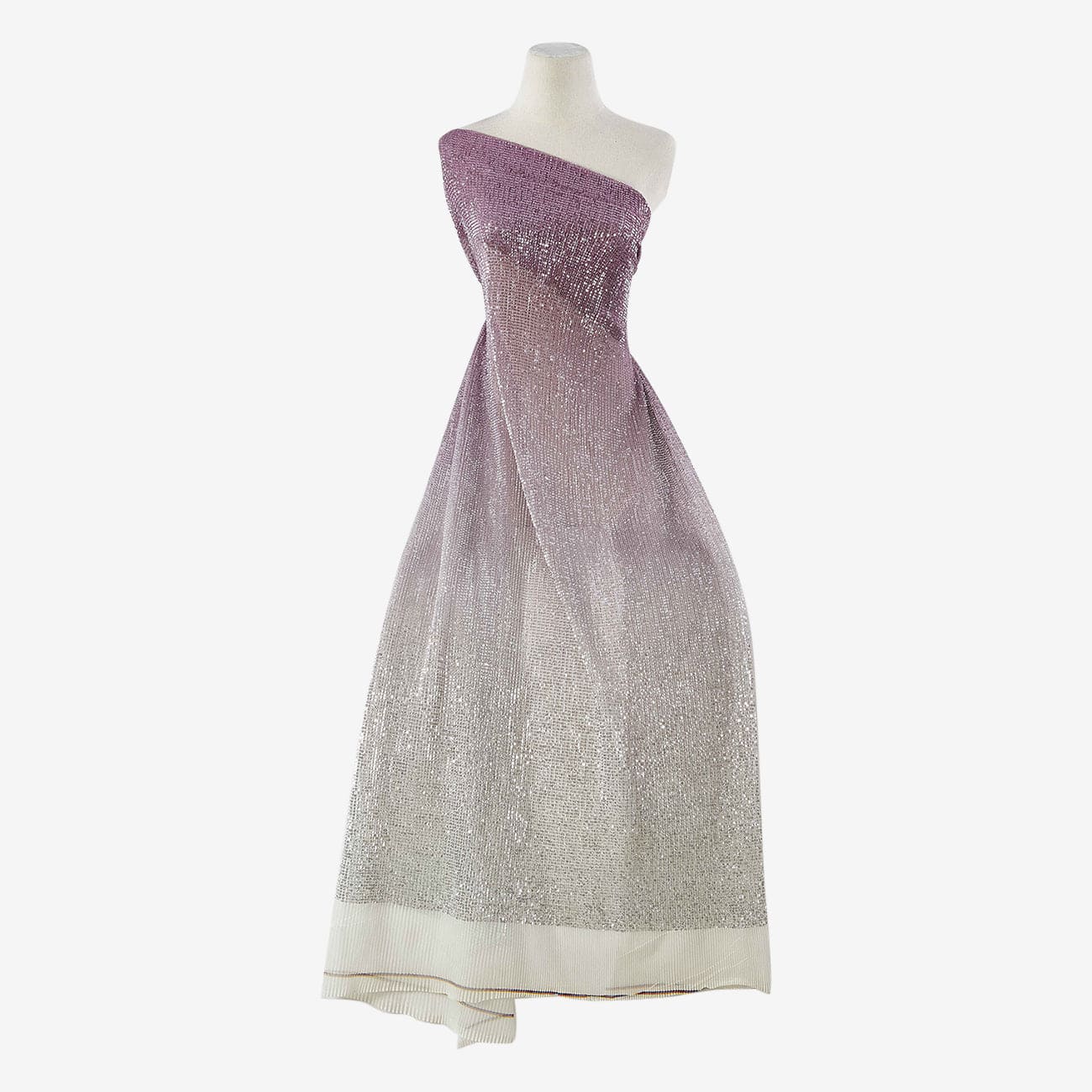
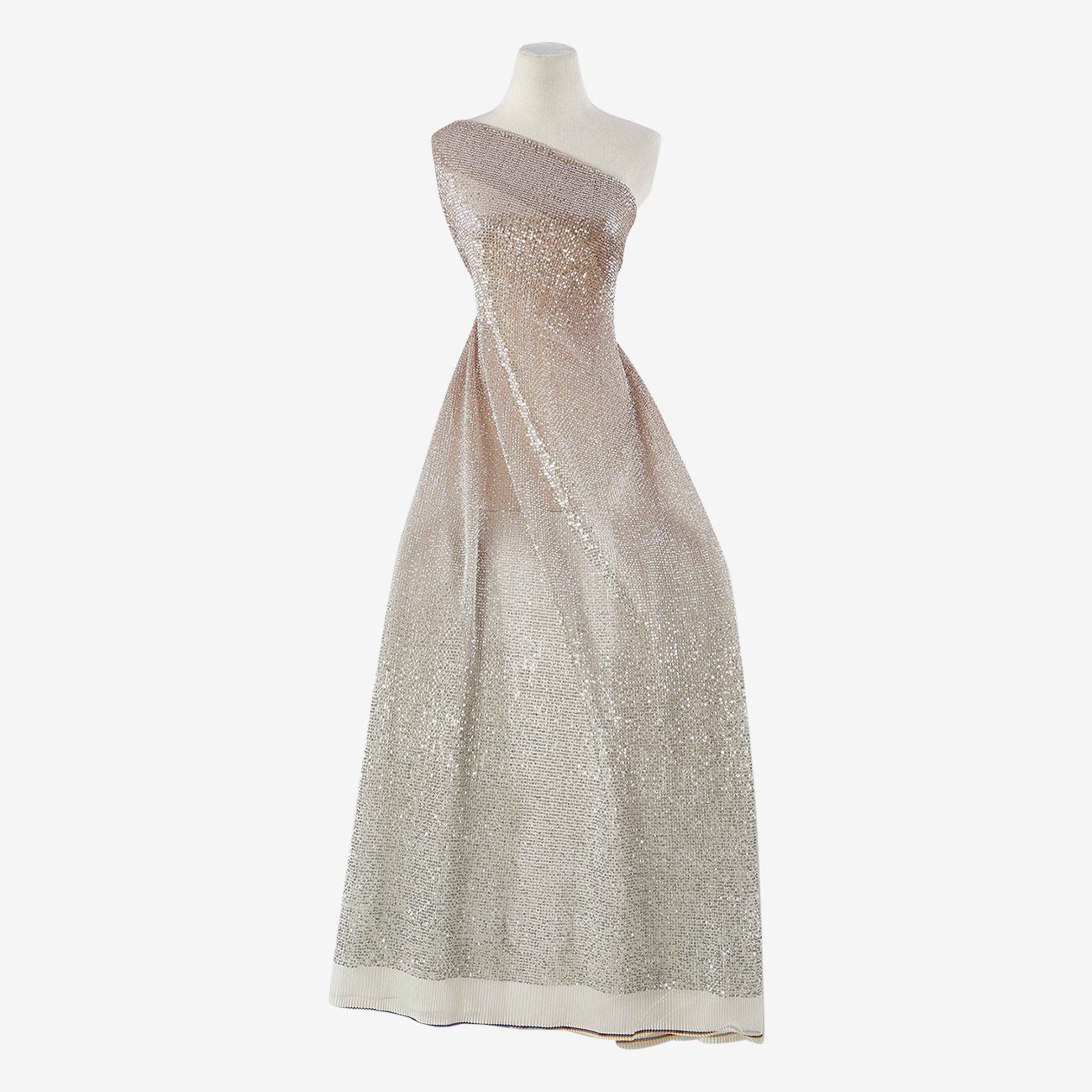
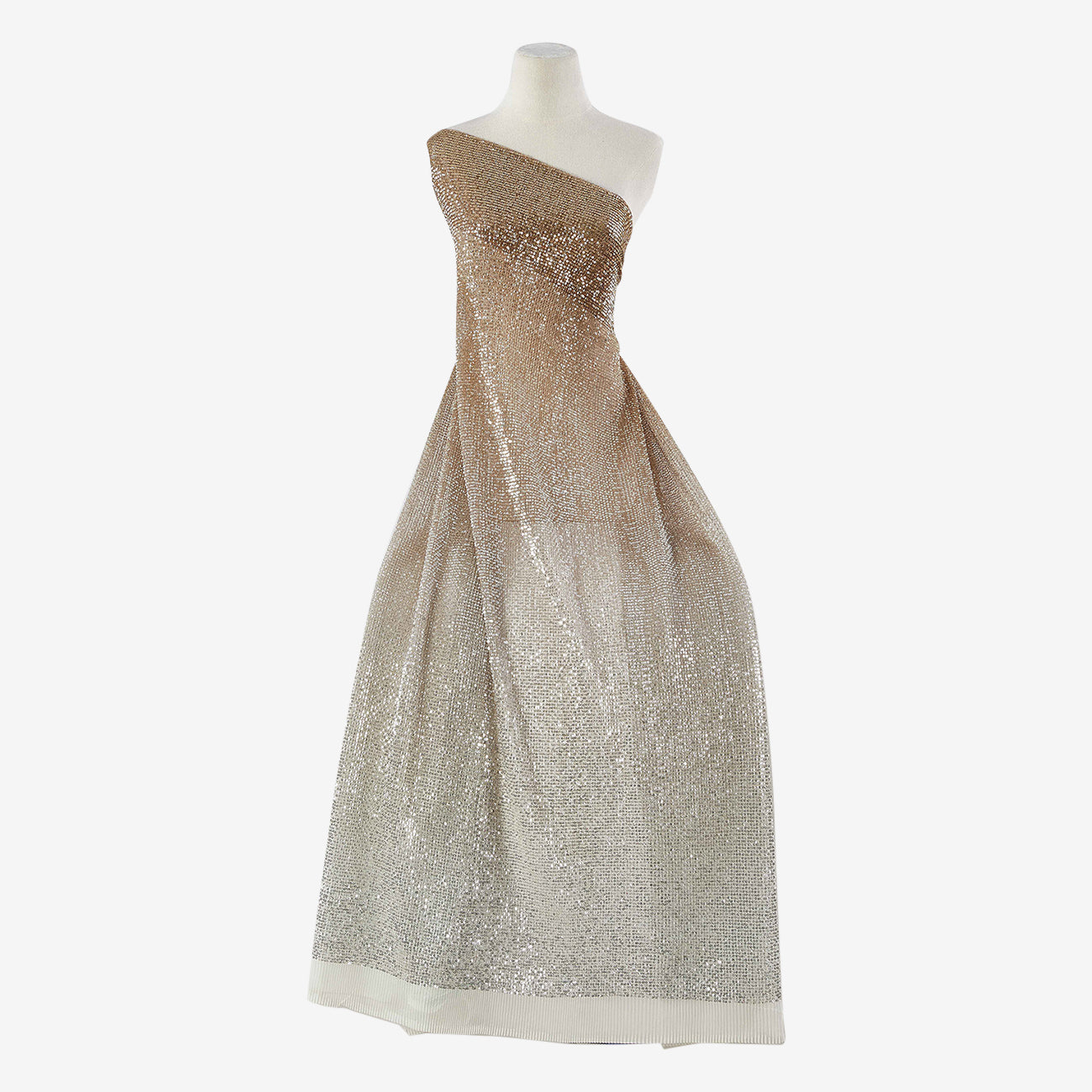
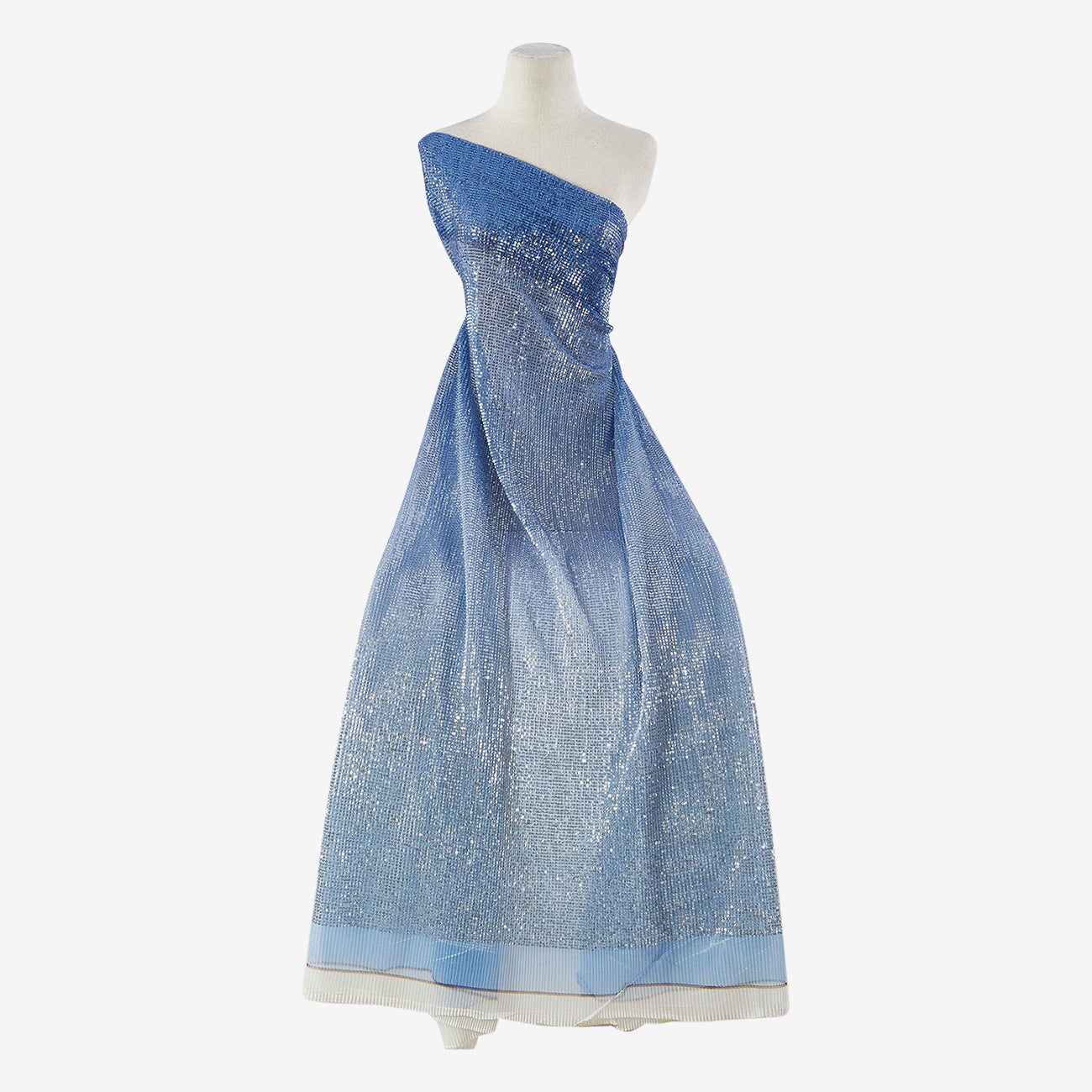
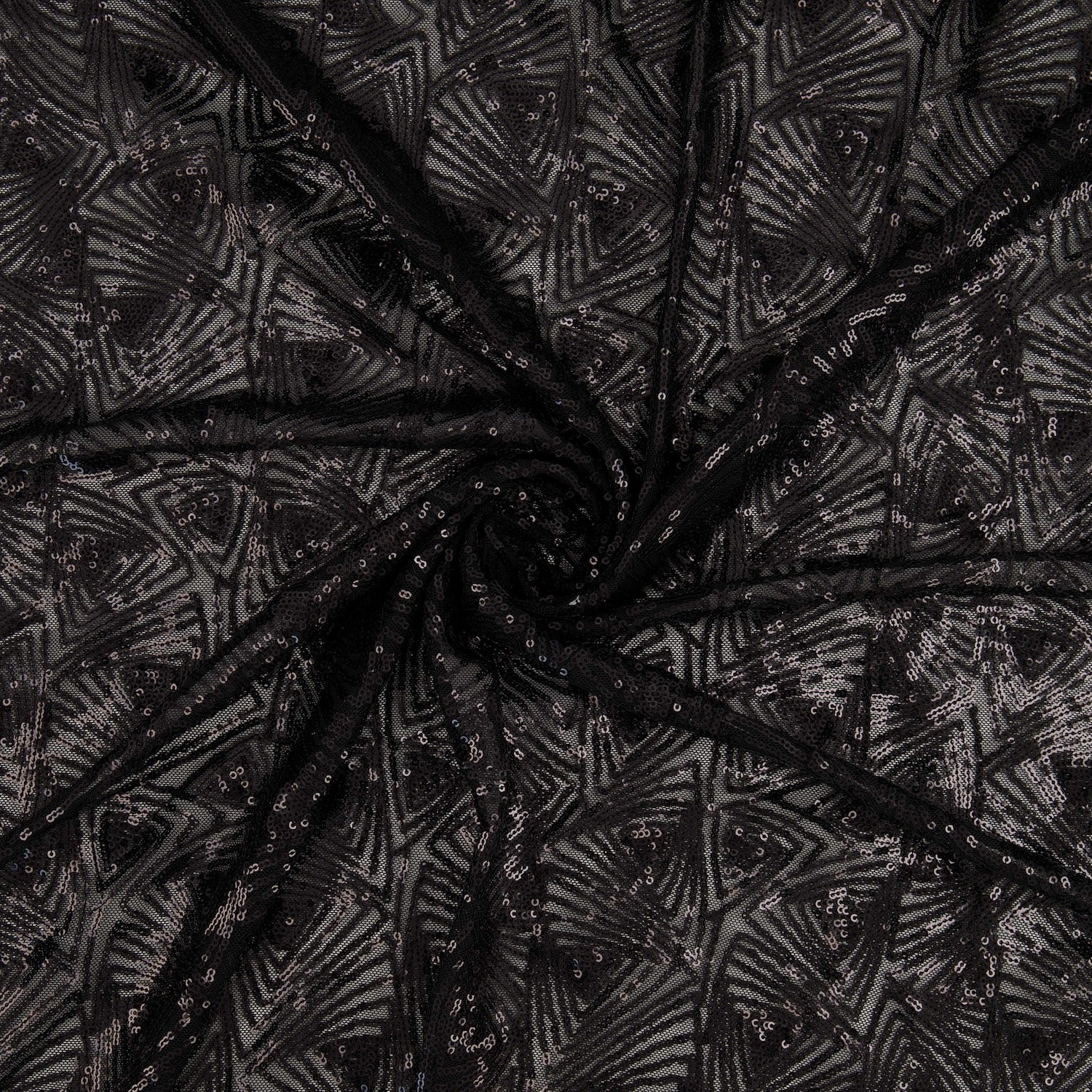
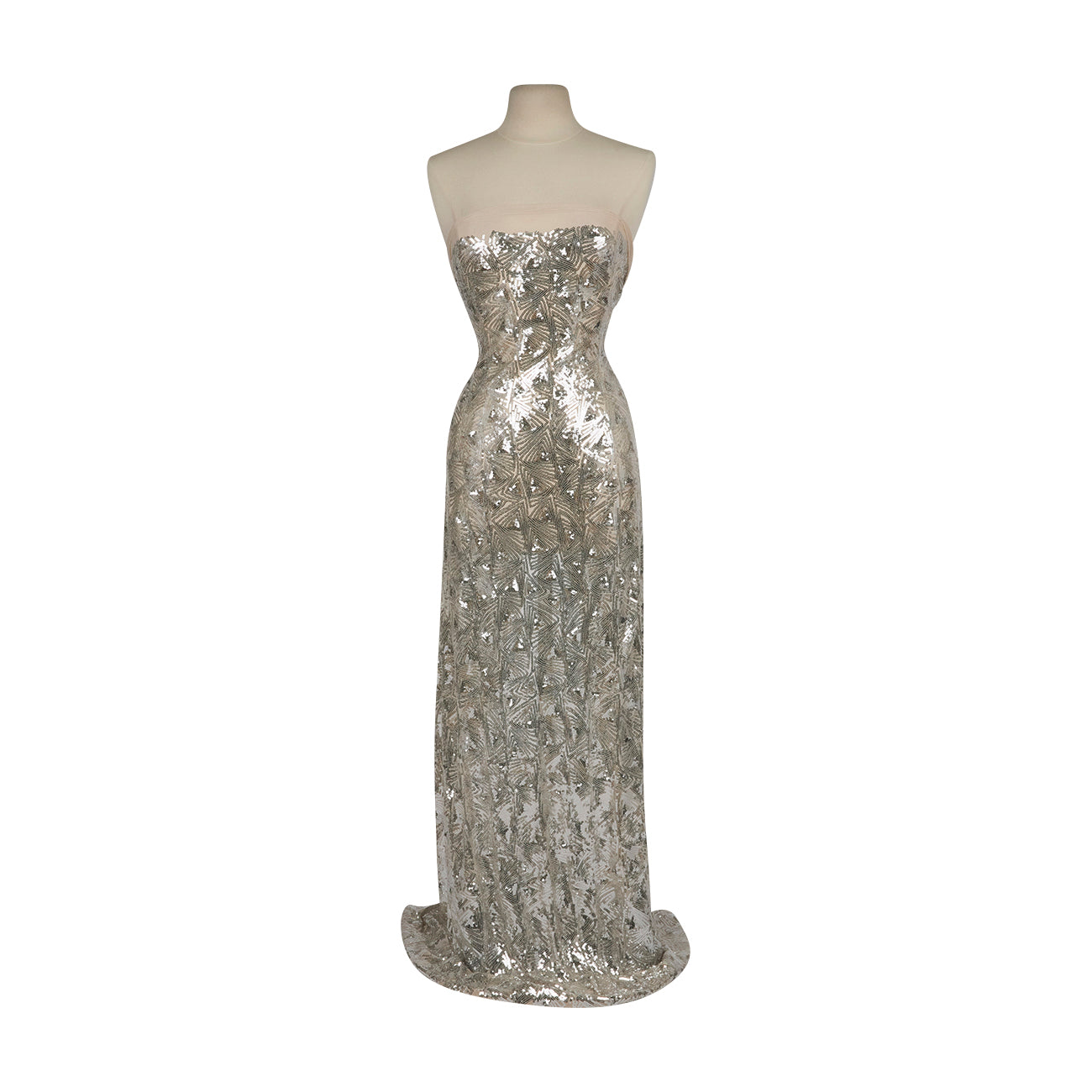
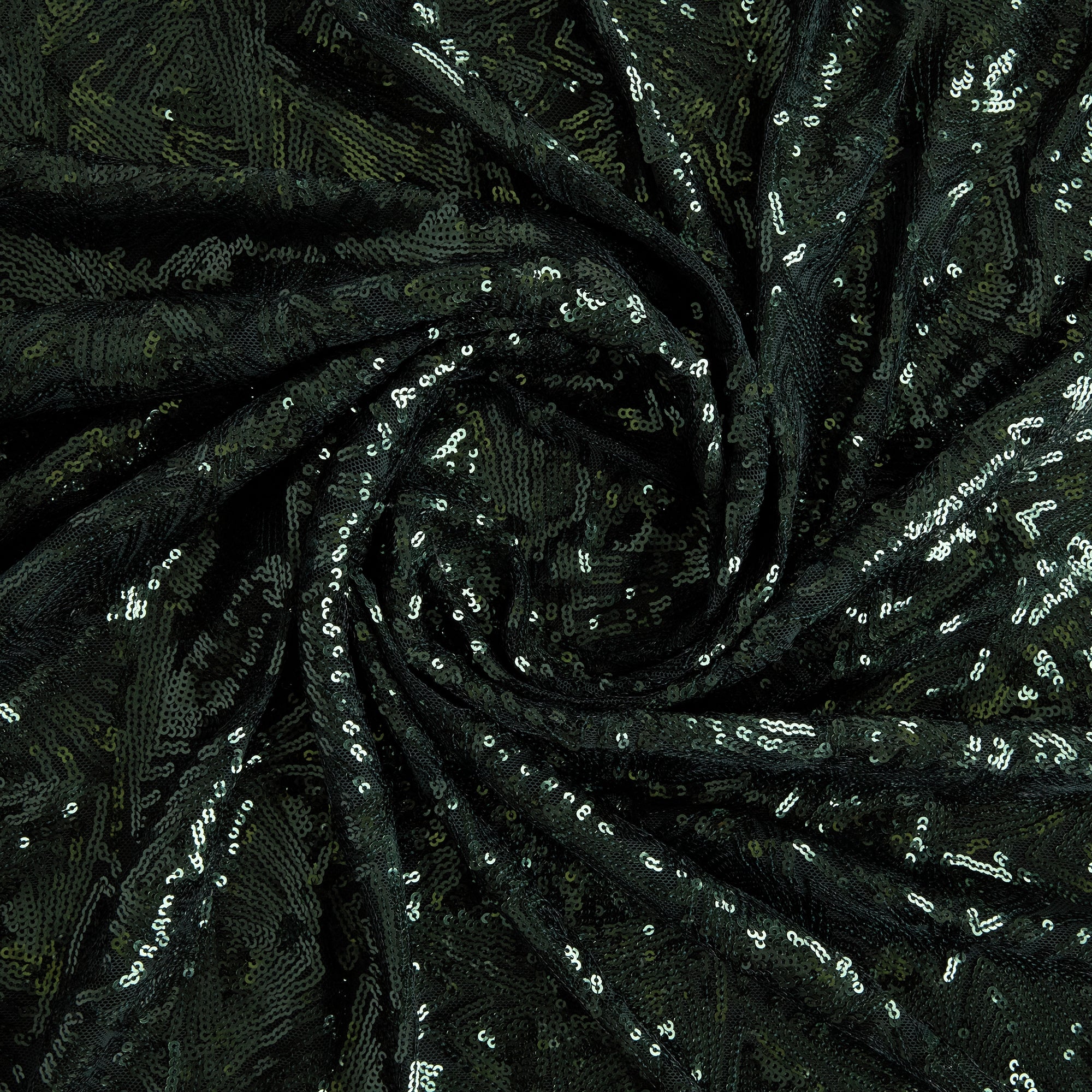
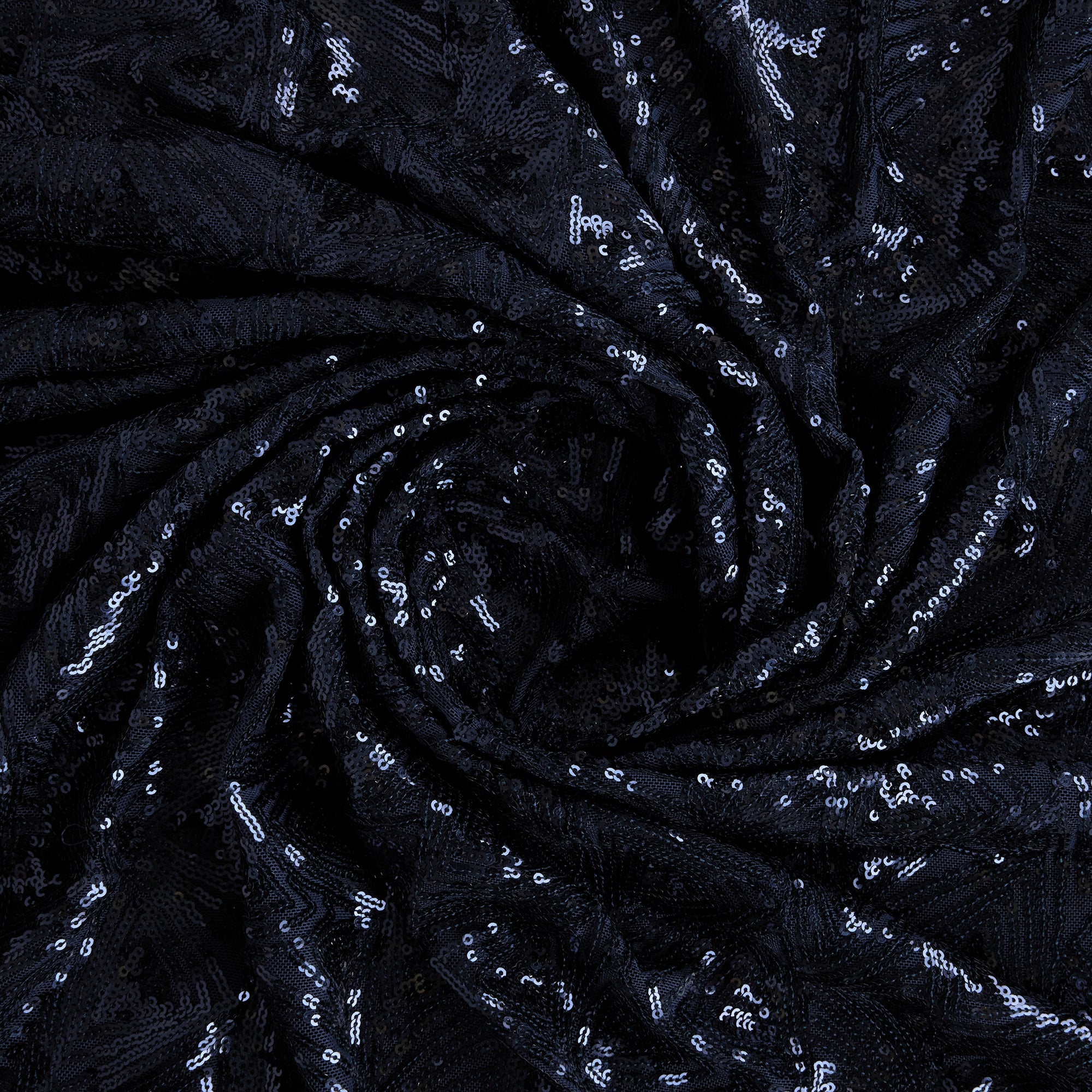
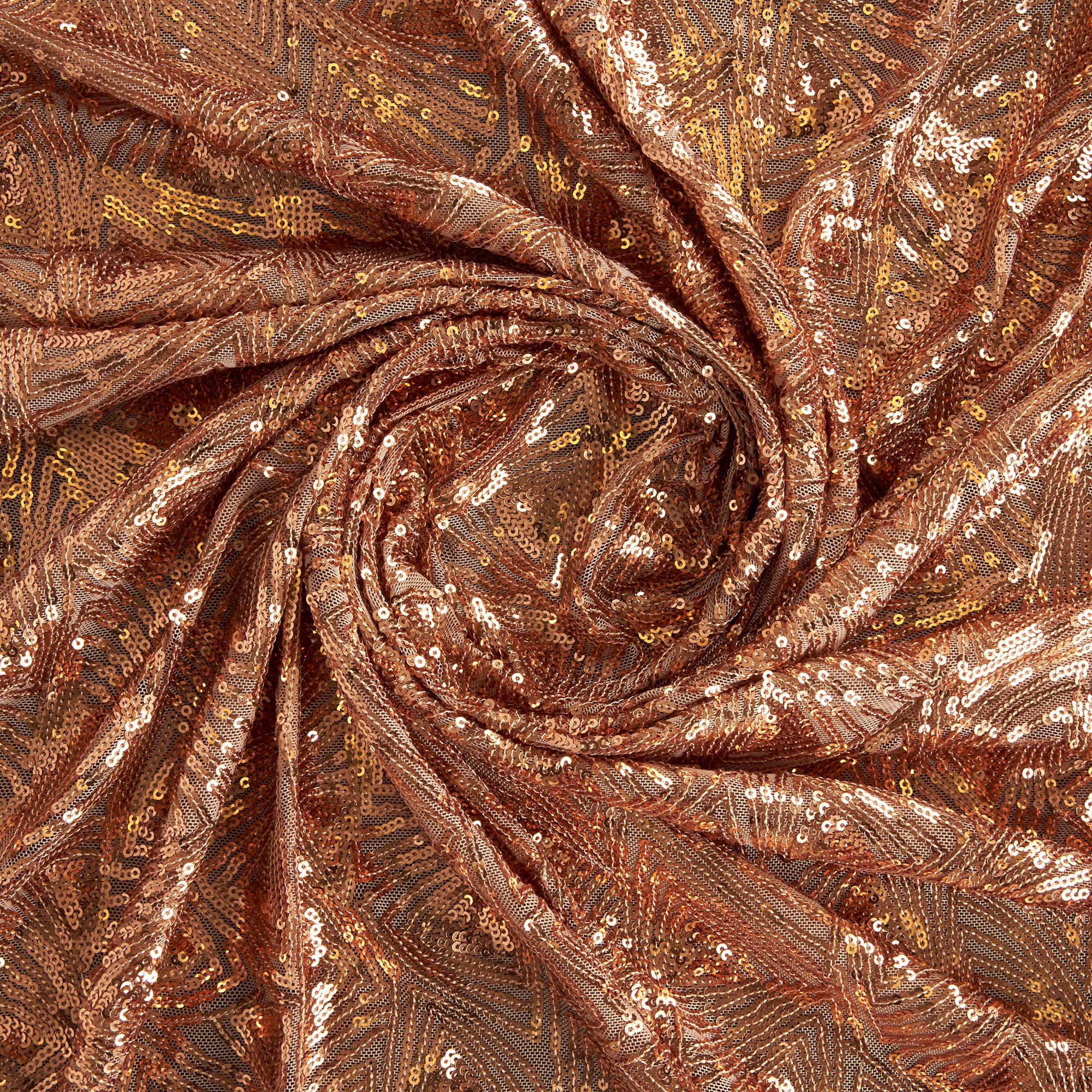
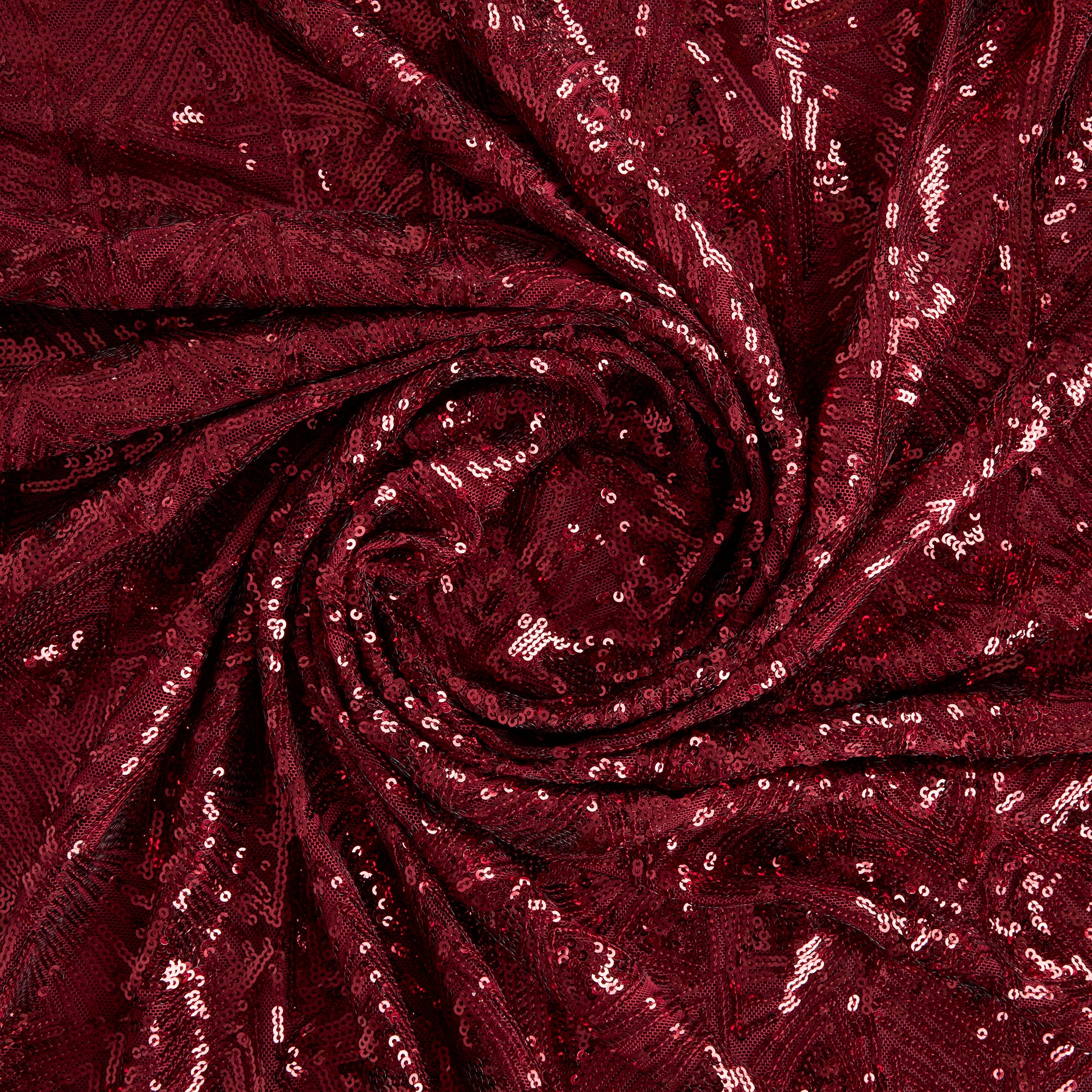
Glitter ombre knits like the Ombre Glitter Nouveau Knit add a fine metallic shimmer across the color transition, while sequin mesh styles such as the Ariel Ombre Sequin Stretch Mesh and the Madison Ombre Pleated Sequin Mesh layer individual sequins over a stretch mesh base, with the gradient visible through and around the embellishment. Lurex ombre jacquard weaves a fine metallic thread directly into the fabric structure, creating a subtler sheen than loose glitter or applied sequins.
Printed Motifs Over Ombre Bases
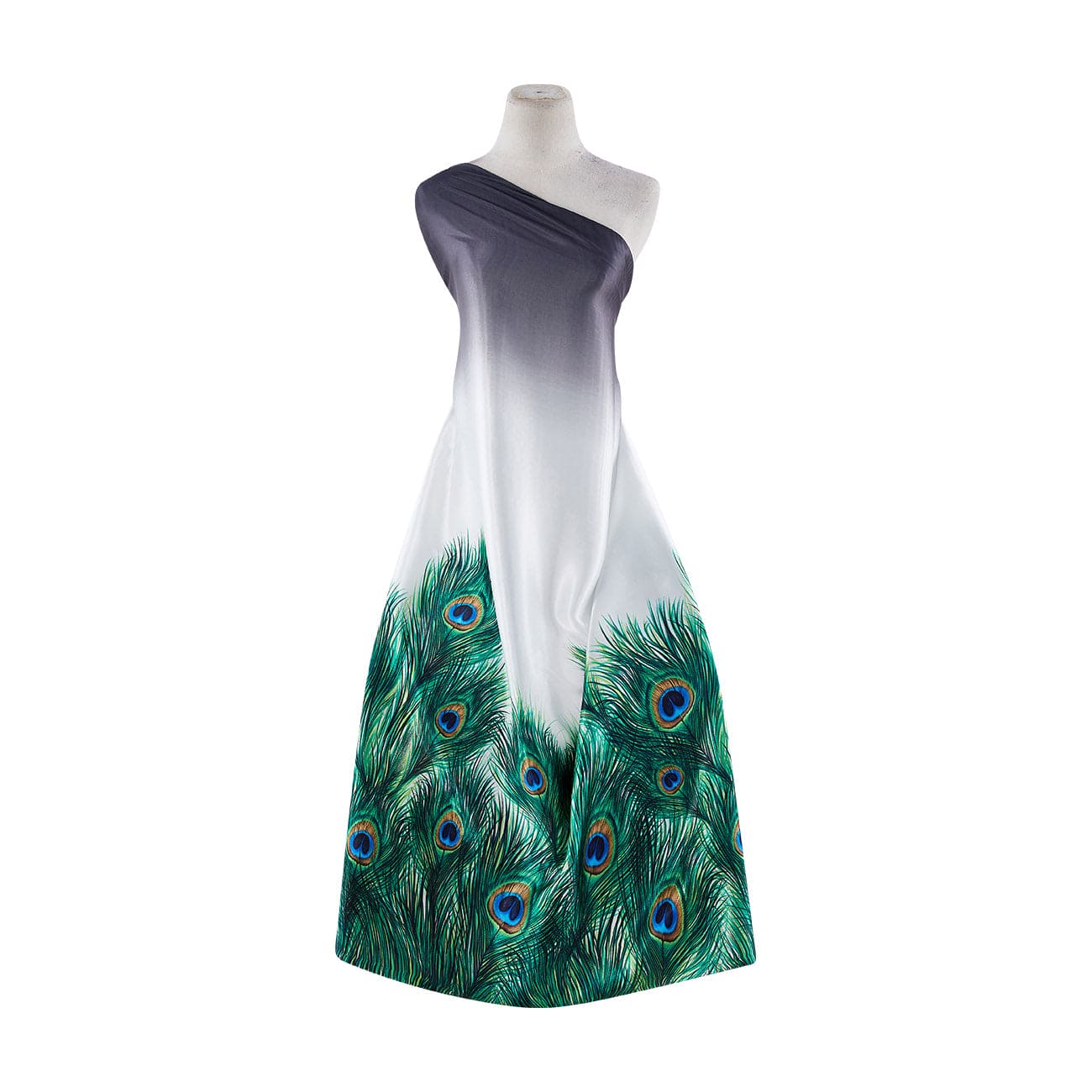
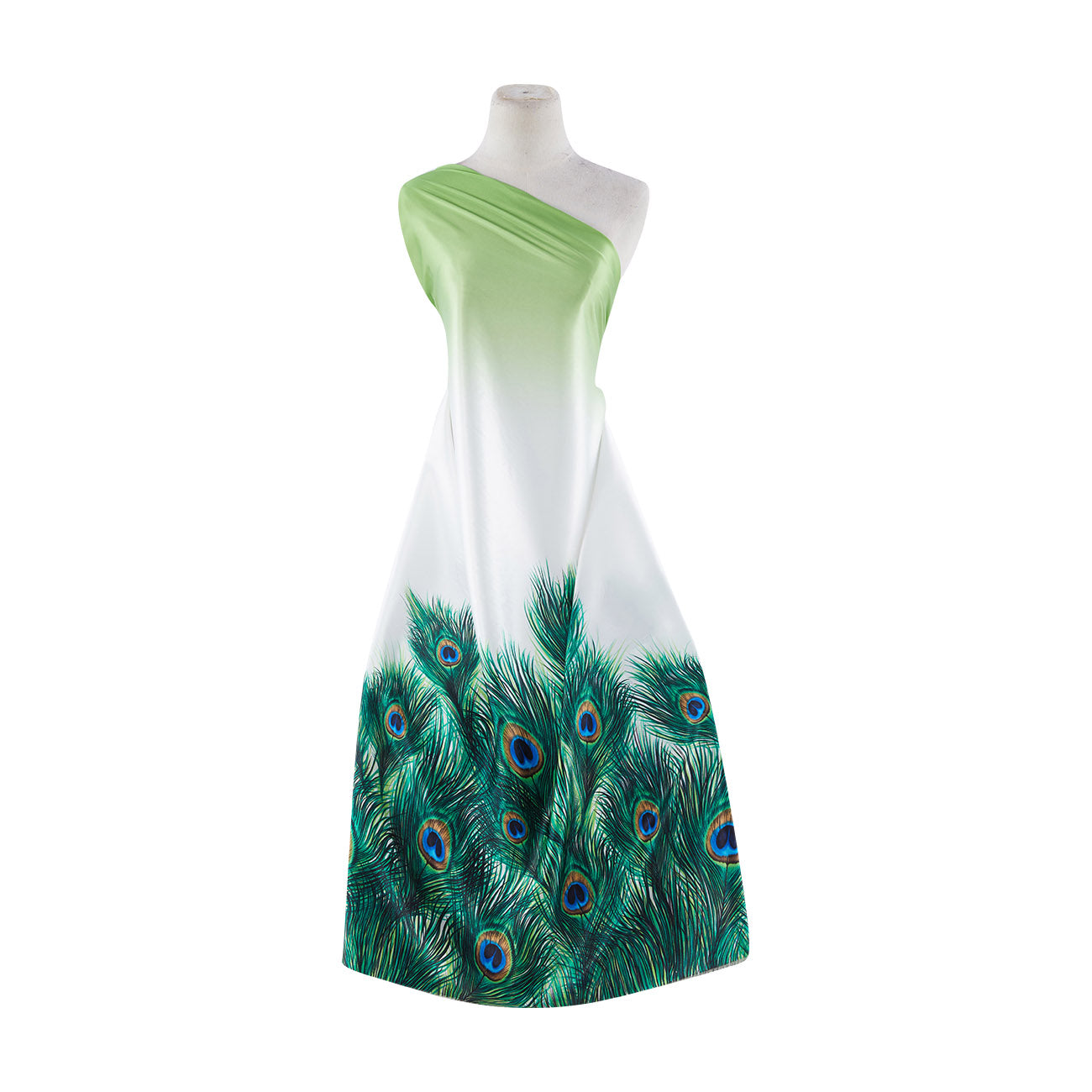
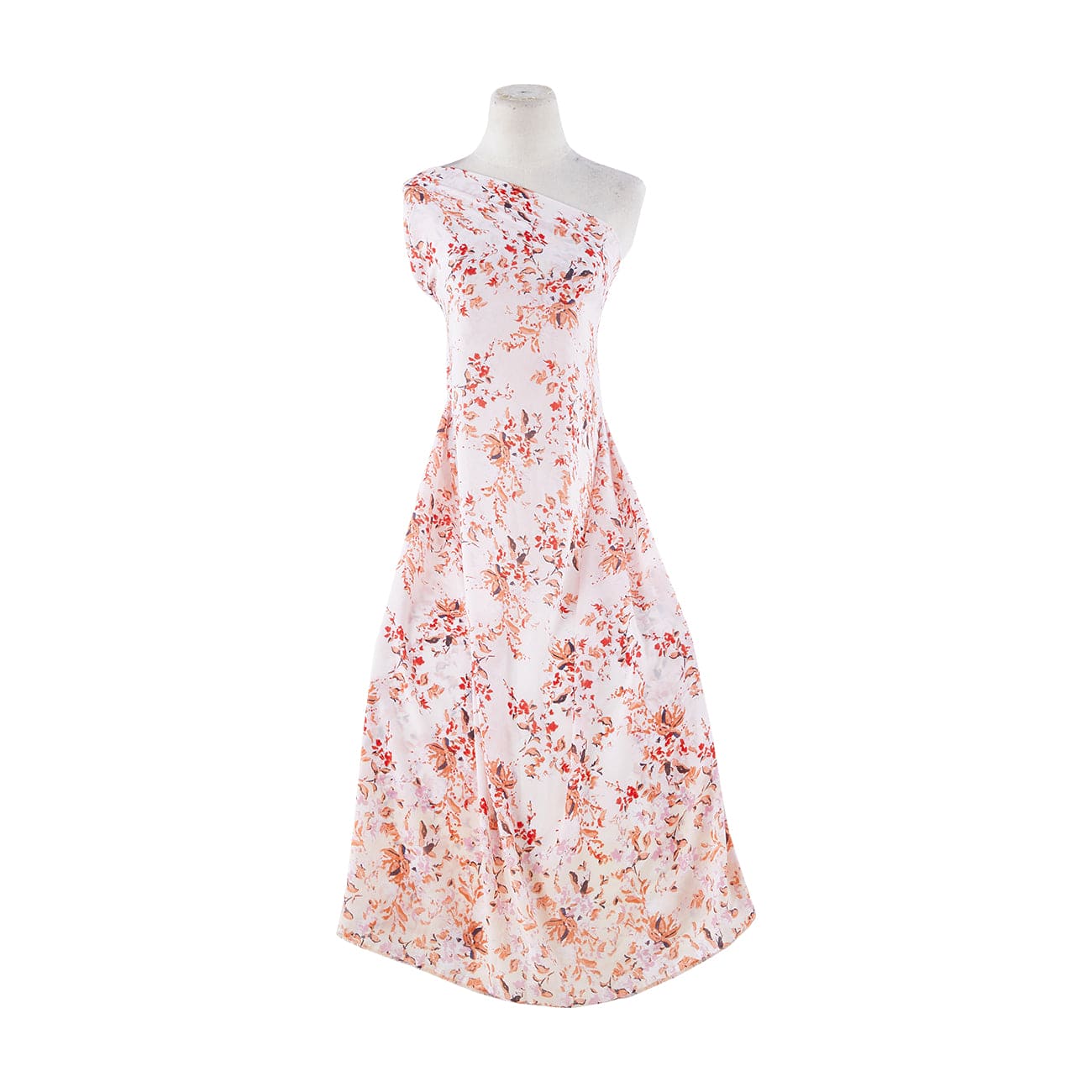
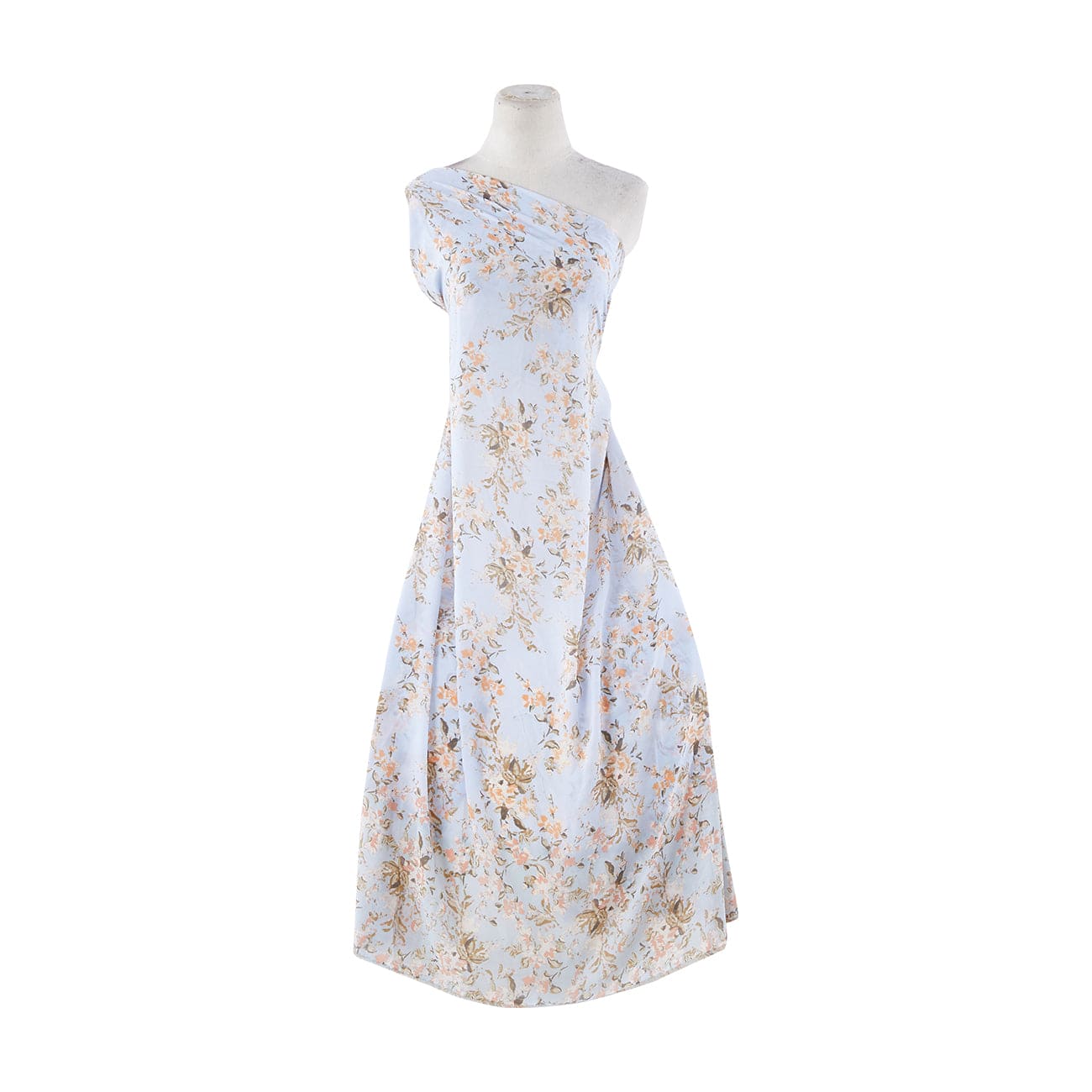
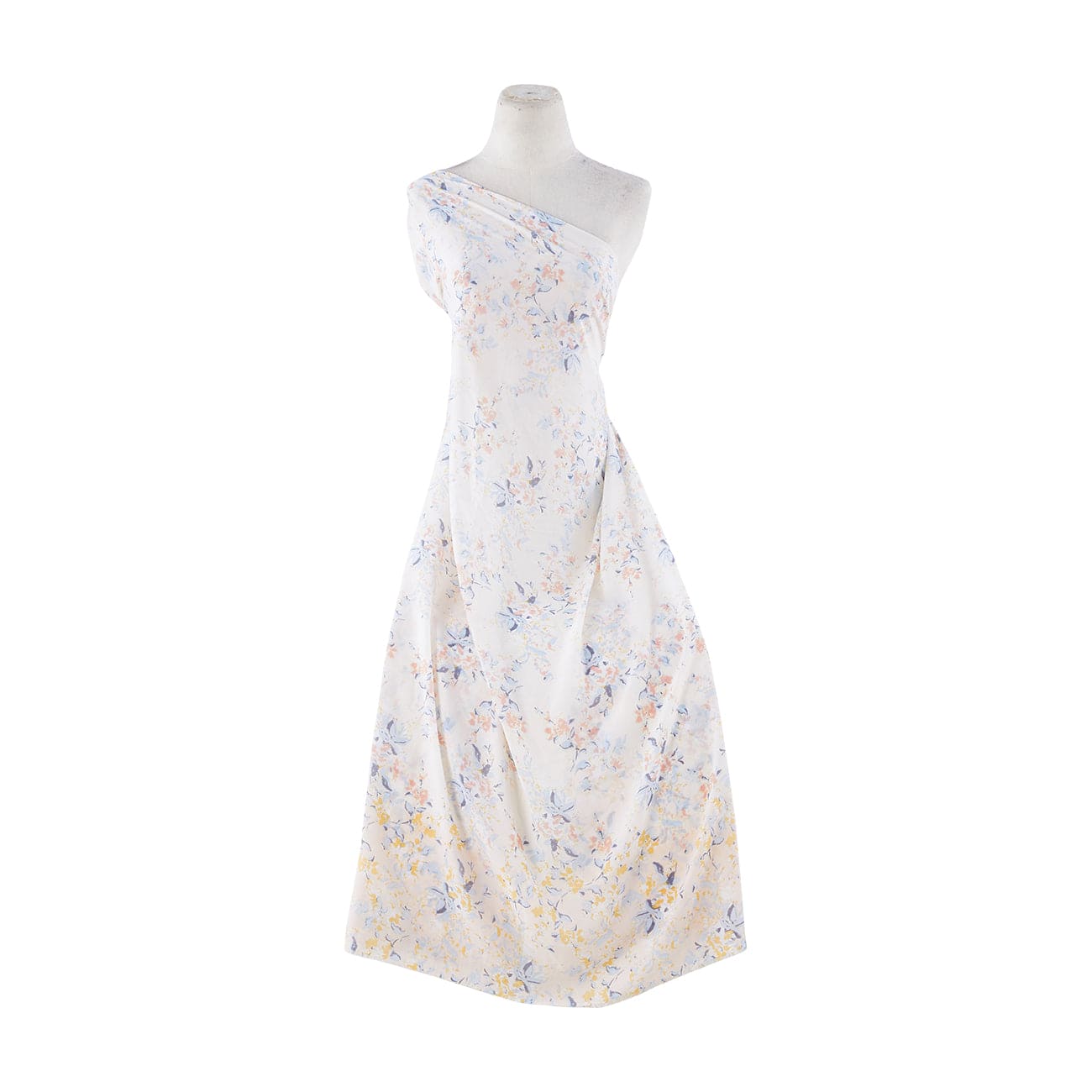
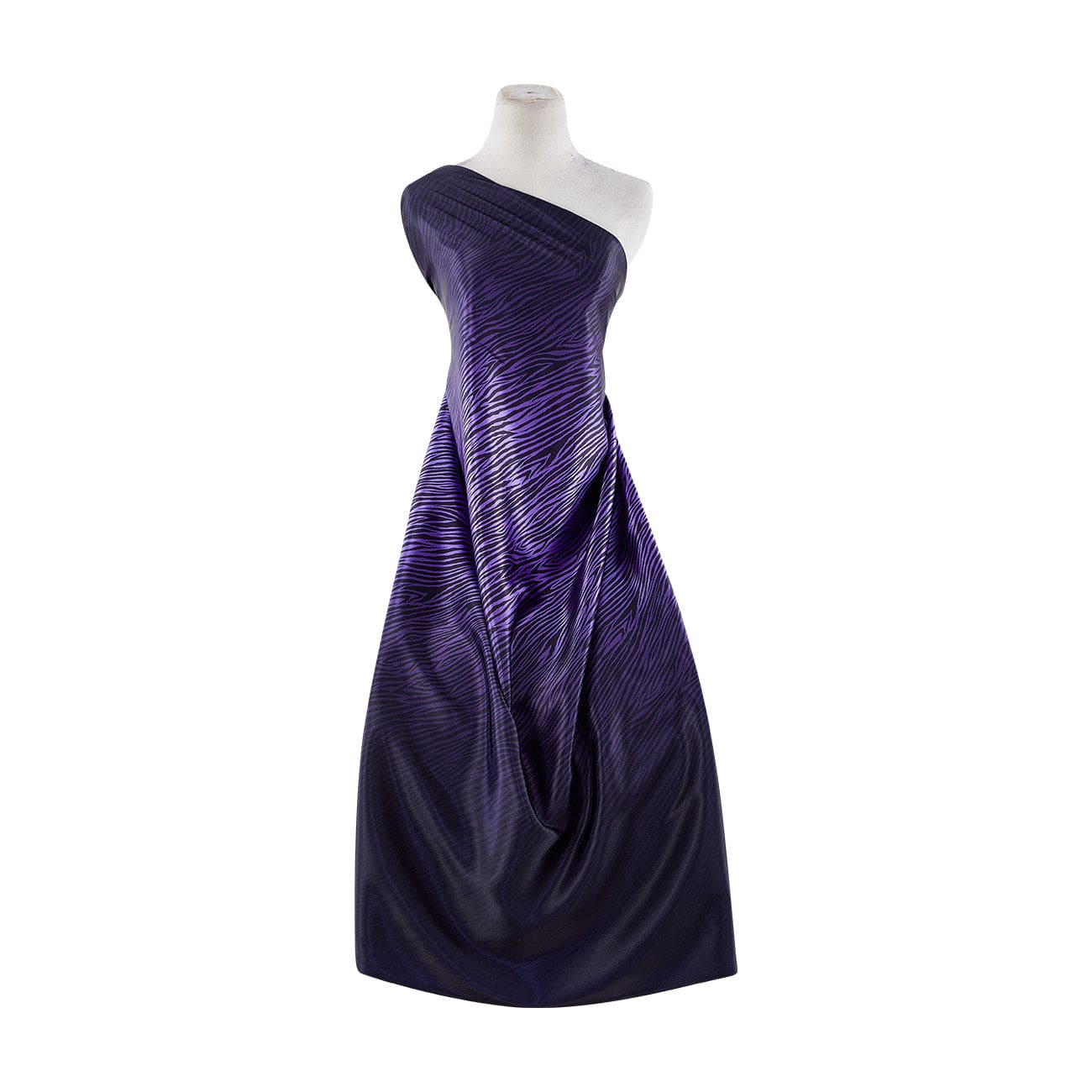
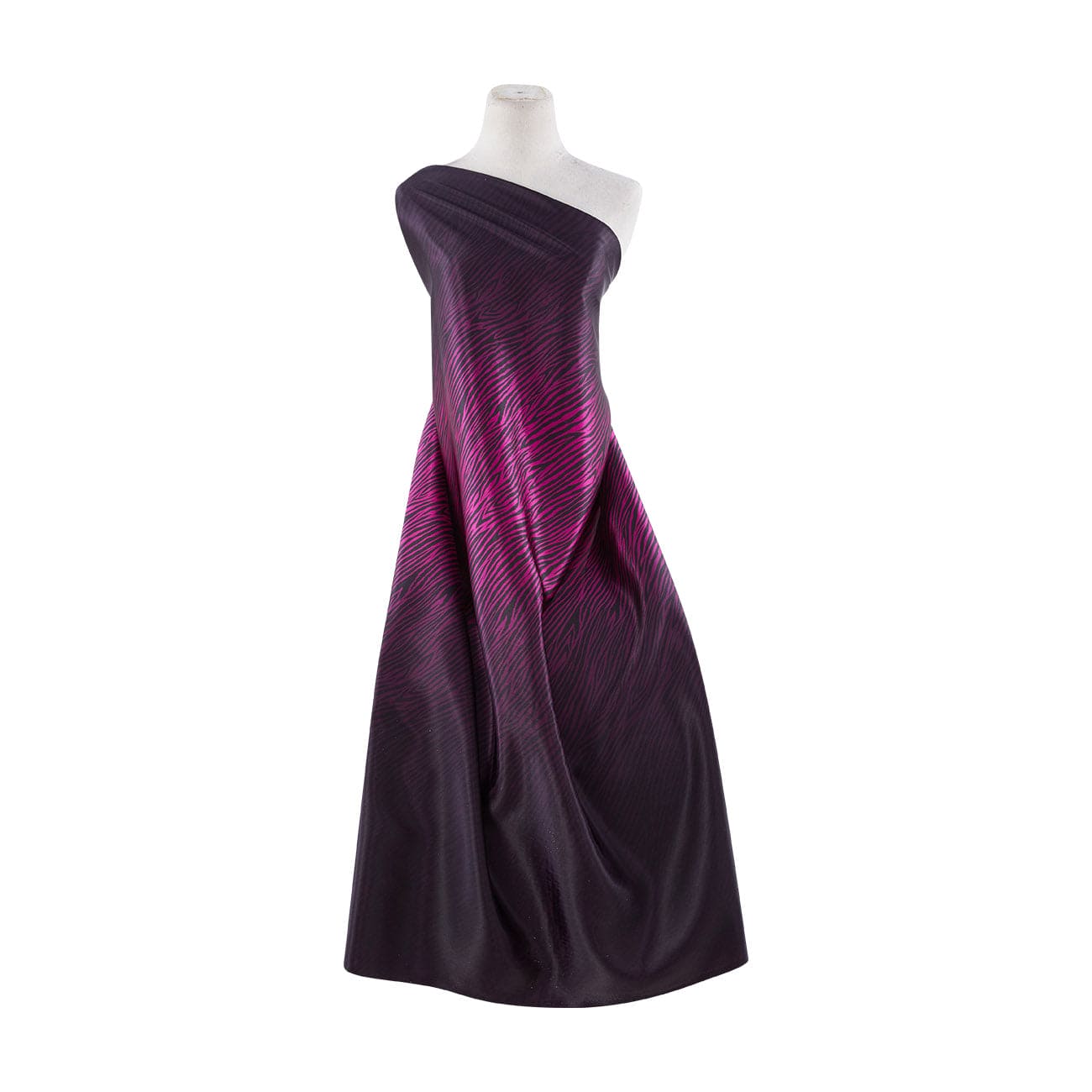
Some styles combine a printed motif with an ombre base rather than embellishment. The Marguerite Ombre Floral Print Kaitlyn Chiffon, Mini Zebra Print on Double Ombre Charmeuse, and the Border Peacock Feather Print on Single Ombre Charmeuse all print a secondary design over an ombre gradient base, giving designers a print and a color transition in a single yard of fabric.
How to Use Ombre Fabric
Ombre fabric shows up most often in evening gowns, prom dresses, and dance costumes, where a color transition across the body or skirt adds visual movement without needing multiple fabric panels sewn together. Bridal designers also use ombre fabric for veils and overlays, particularly softer tulle and chiffon styles where the gradient reads as a subtle wash of color rather than a bold statement.
Cutting Ombre Fabric for Garments
Because the color shifts across the fabric rather than repeating, pattern placement matters more with ombre fabric than with a solid or all-over print. Lay out every pattern piece before cutting to confirm the gradient falls where you want it, particularly on garments with multiple panels that need to match at the seams. For double ombre and border ombre styles, decide in advance whether the transition should center on the body, fall at the hem, or run along a single accent panel, since cutting without a plan can leave the two halves of a garment with mismatched color placement.
Sewing and Pressing Notes
Most ombre fabric in this collection follows the same construction rules as its base fabric, so a chiffon ombre sews like standard chiffon and a knit ombre sews like standard knit. The one universal note is thread color: since the gradient shifts across a single yard, choose a thread that blends reasonably well across the transition, or plan seams to fall within a single color zone where an exact thread match matters most.
Frequently Asked Questions
What is the difference between single and double ombre fabric?
Single ombre transitions from one color to another across the fabric in one continuous direction. Double ombre transitions from a color at both edges toward a different shade at the center, or the reverse, creating two visible transitions rather than one.
Can ombre fabric be used for full garments or just accents?
Both. Knit ombre fabrics with fluid drape work well for full gowns and dresses, while border and half ombre styles are often used as accent panels, hemlines, or overlays paired with a solid base fabric.
Does the gradient placement matter when cutting a pattern?
Yes. Lay out all pattern pieces before cutting so the gradient falls consistently across seams and panels. This matters most on double ombre and border ombre styles, where the transition sits in a specific band rather than spreading evenly across the yardage.
What is the best ombre fabric for bridal veils or overlays?
Lighter, sheerer bases like ombre tulle or ombre chiffon work best for veils and overlays, since the gradient reads as a soft wash of color rather than a bold, high-contrast statement.