
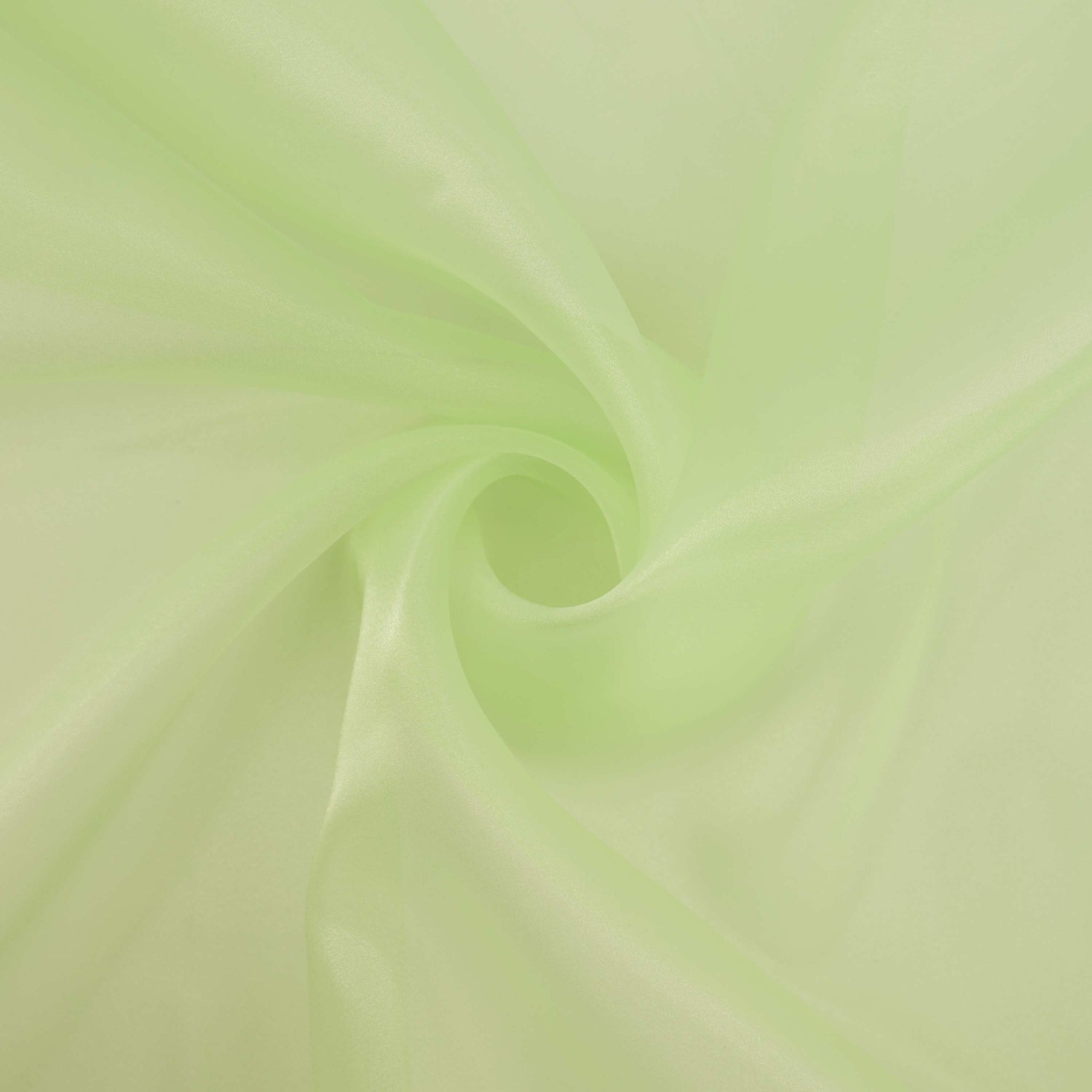
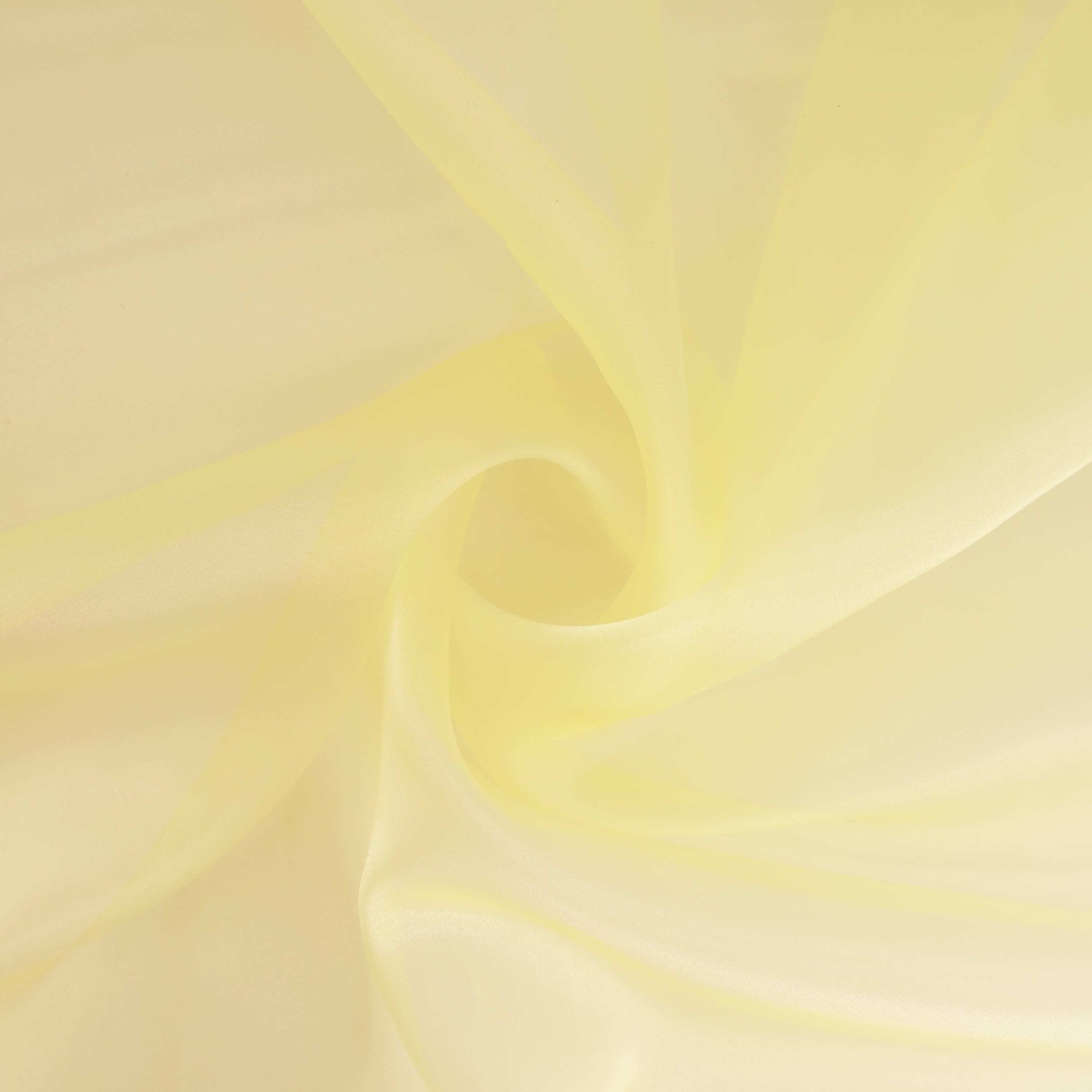
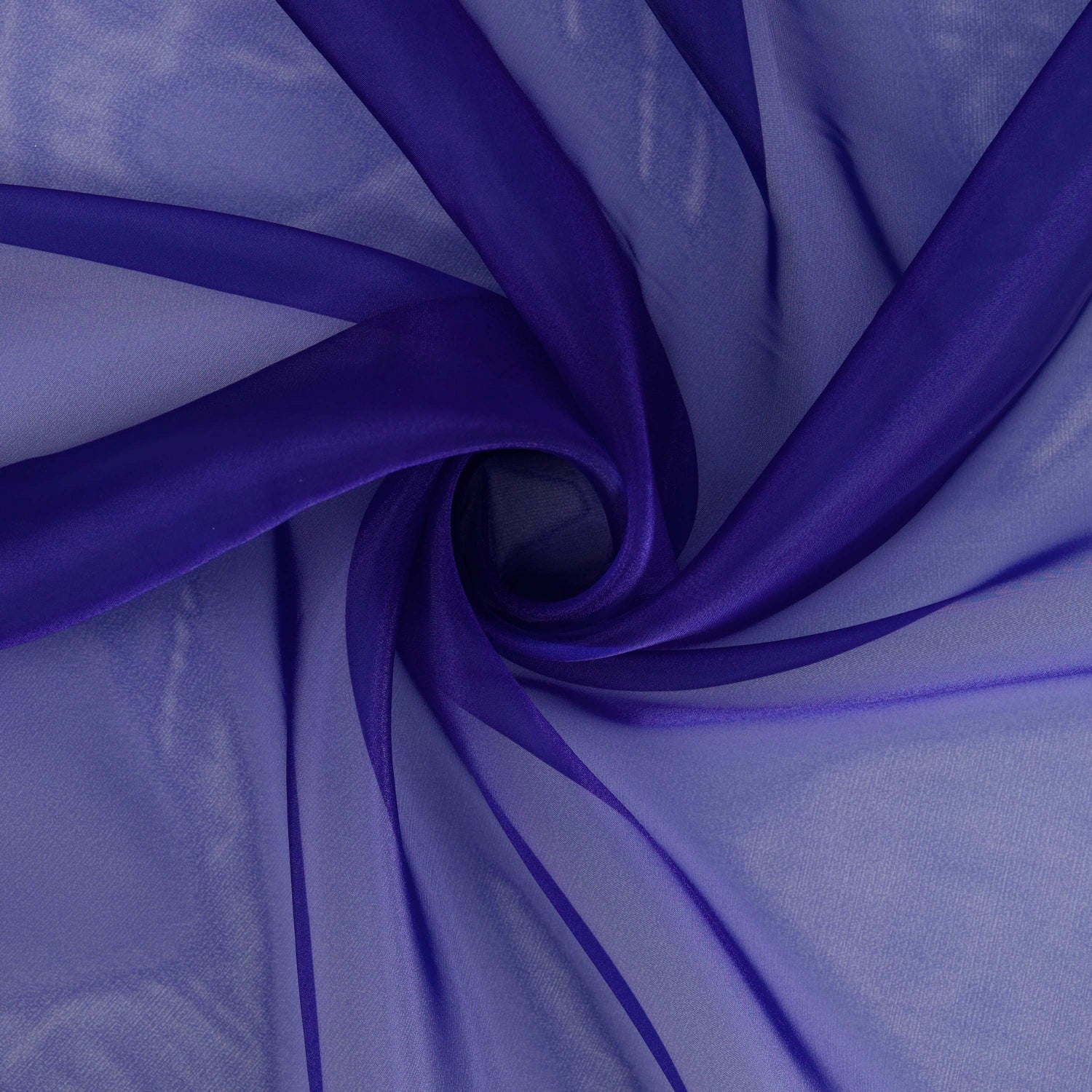
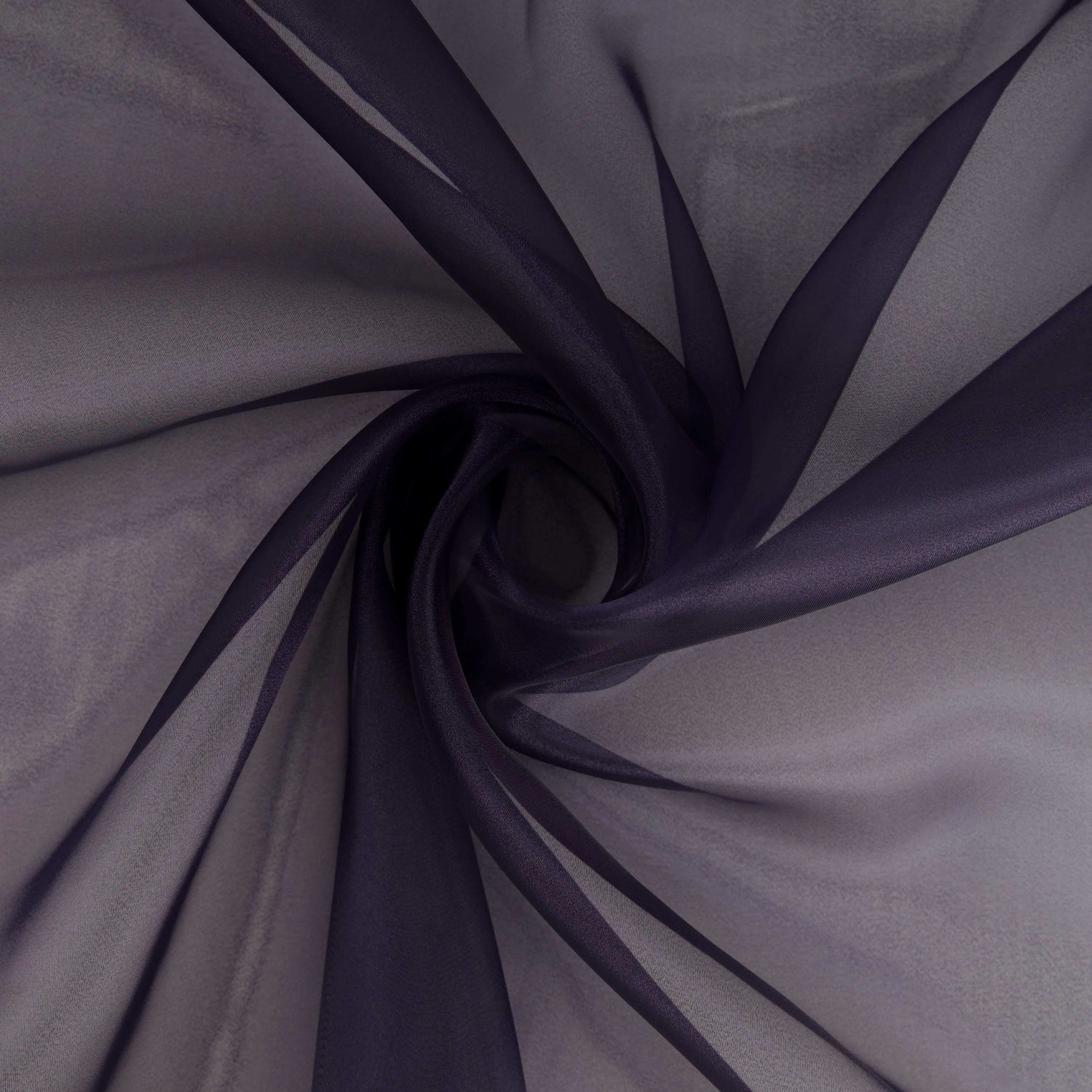
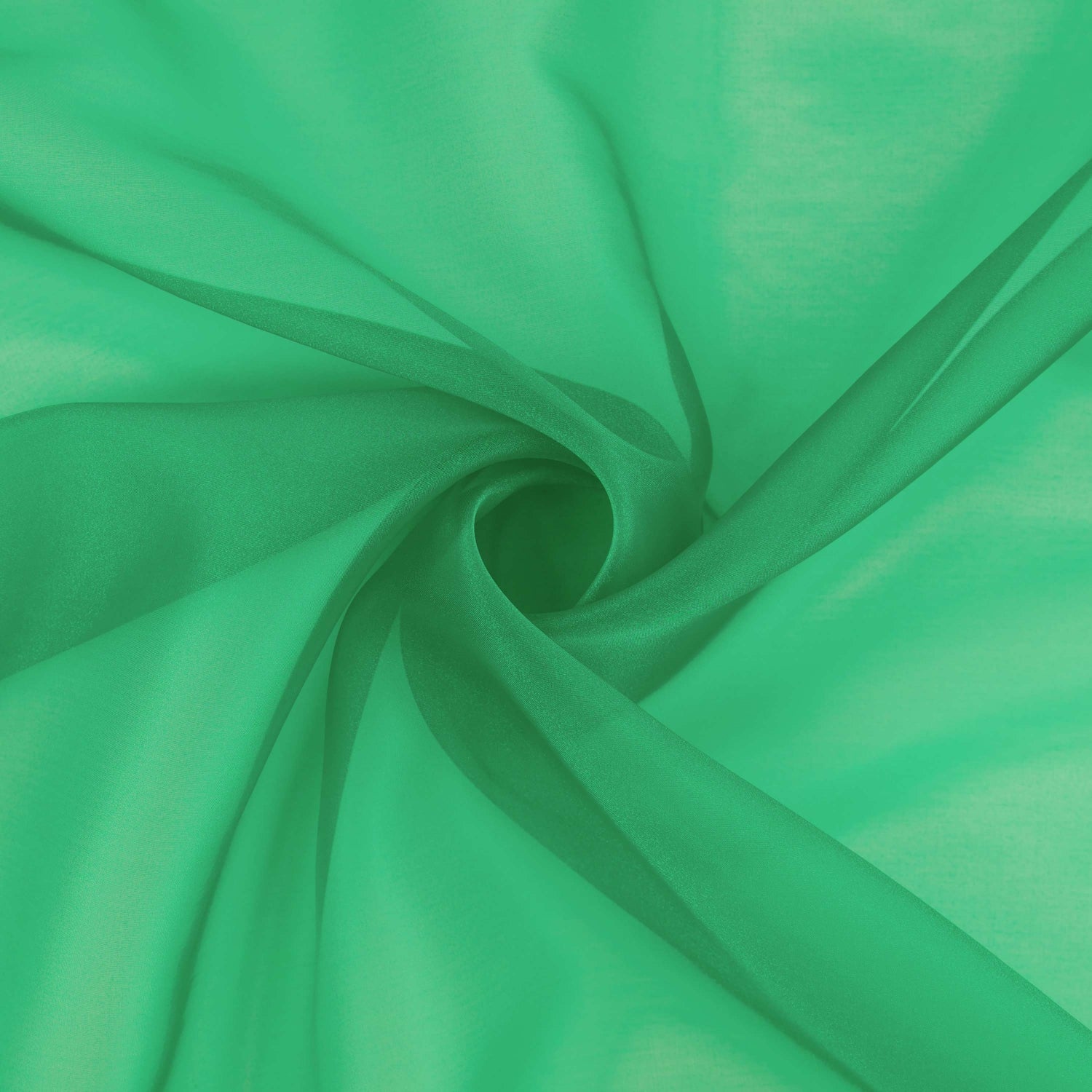
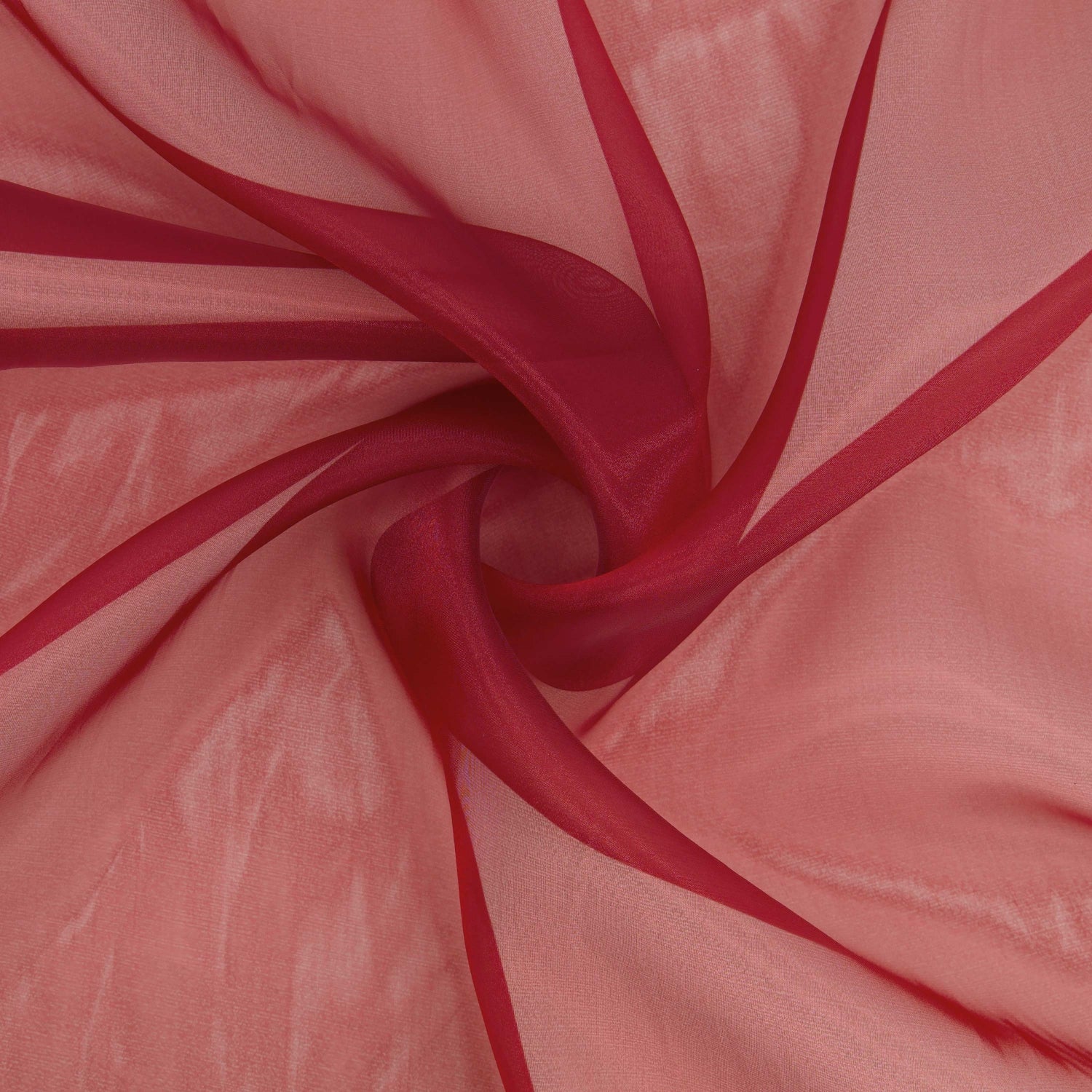
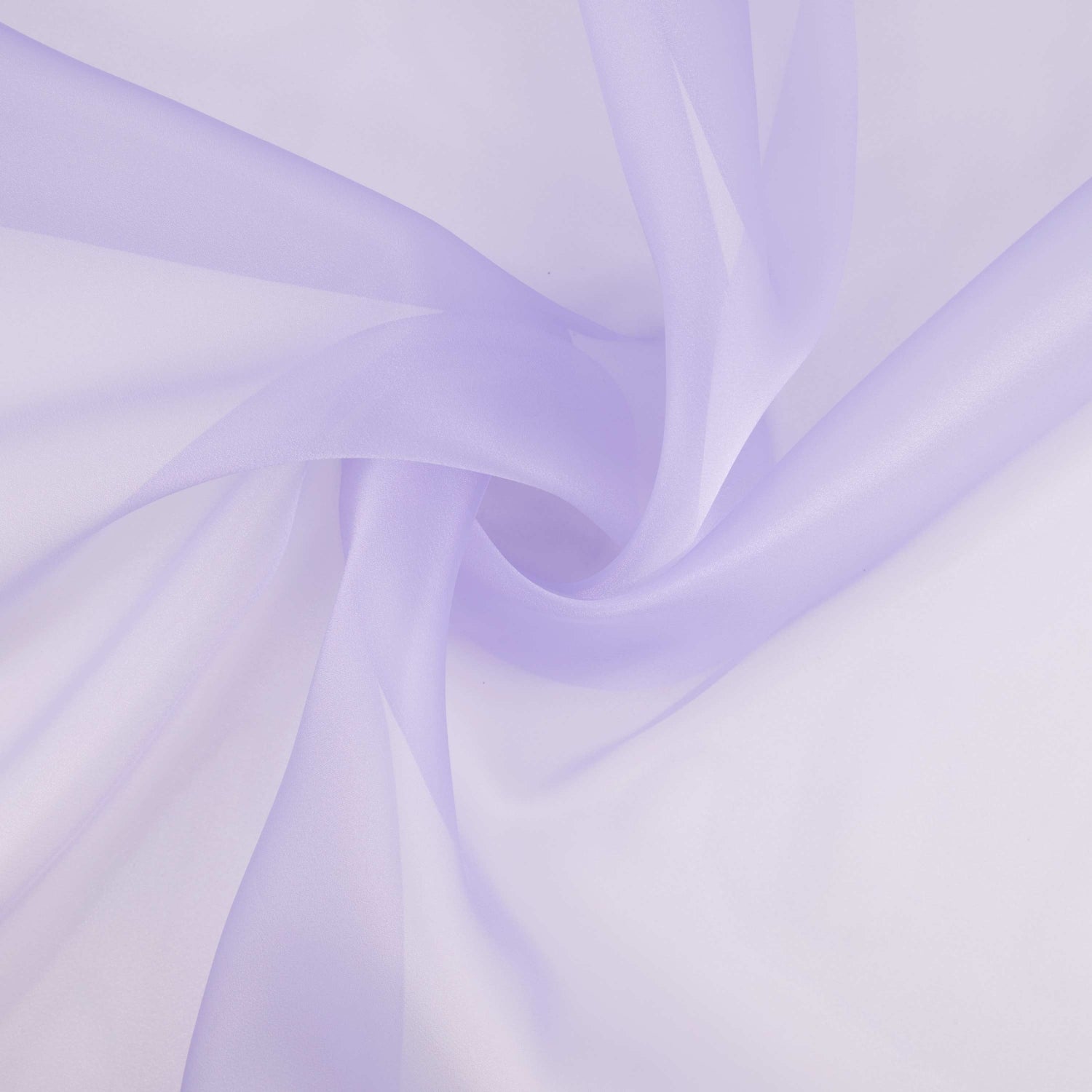
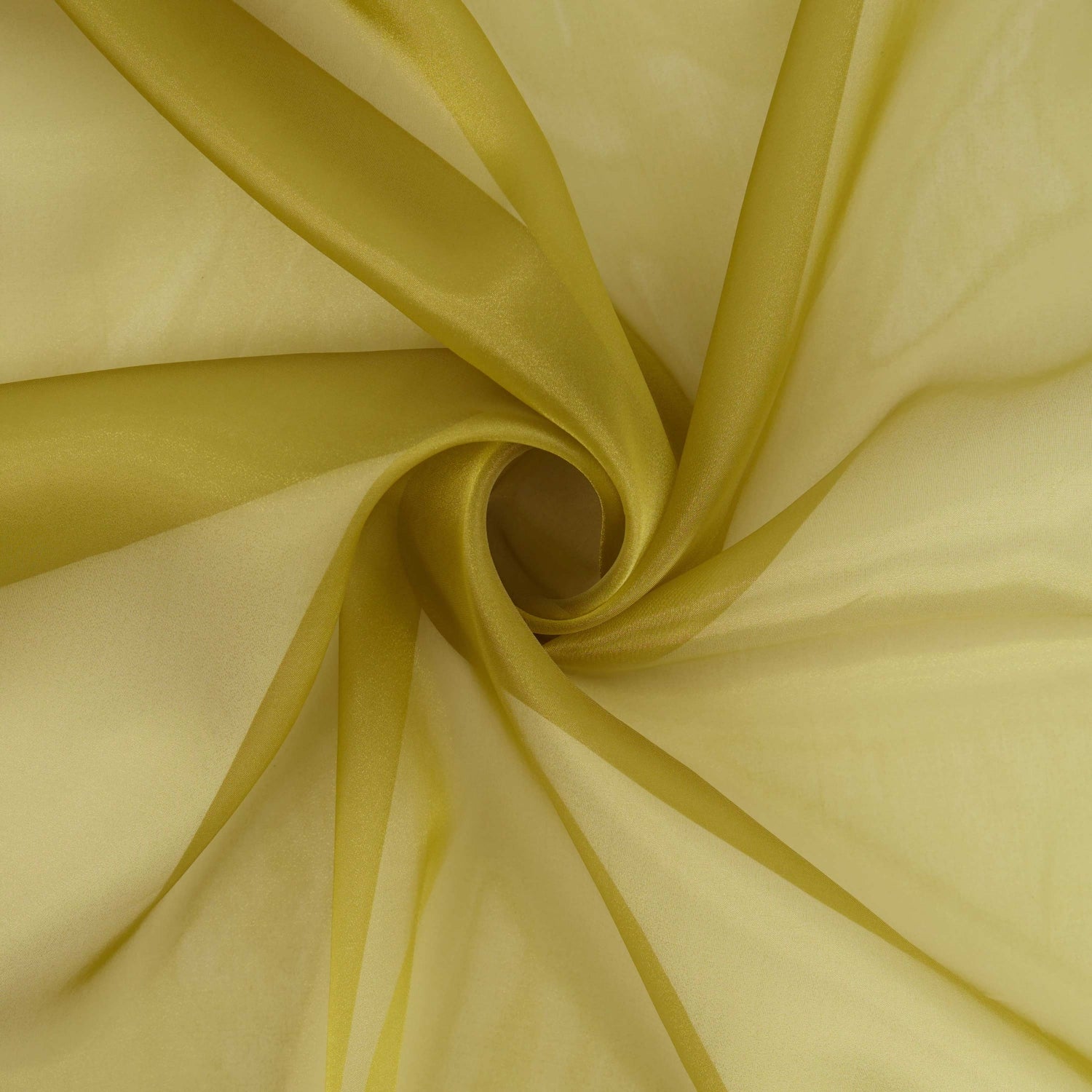
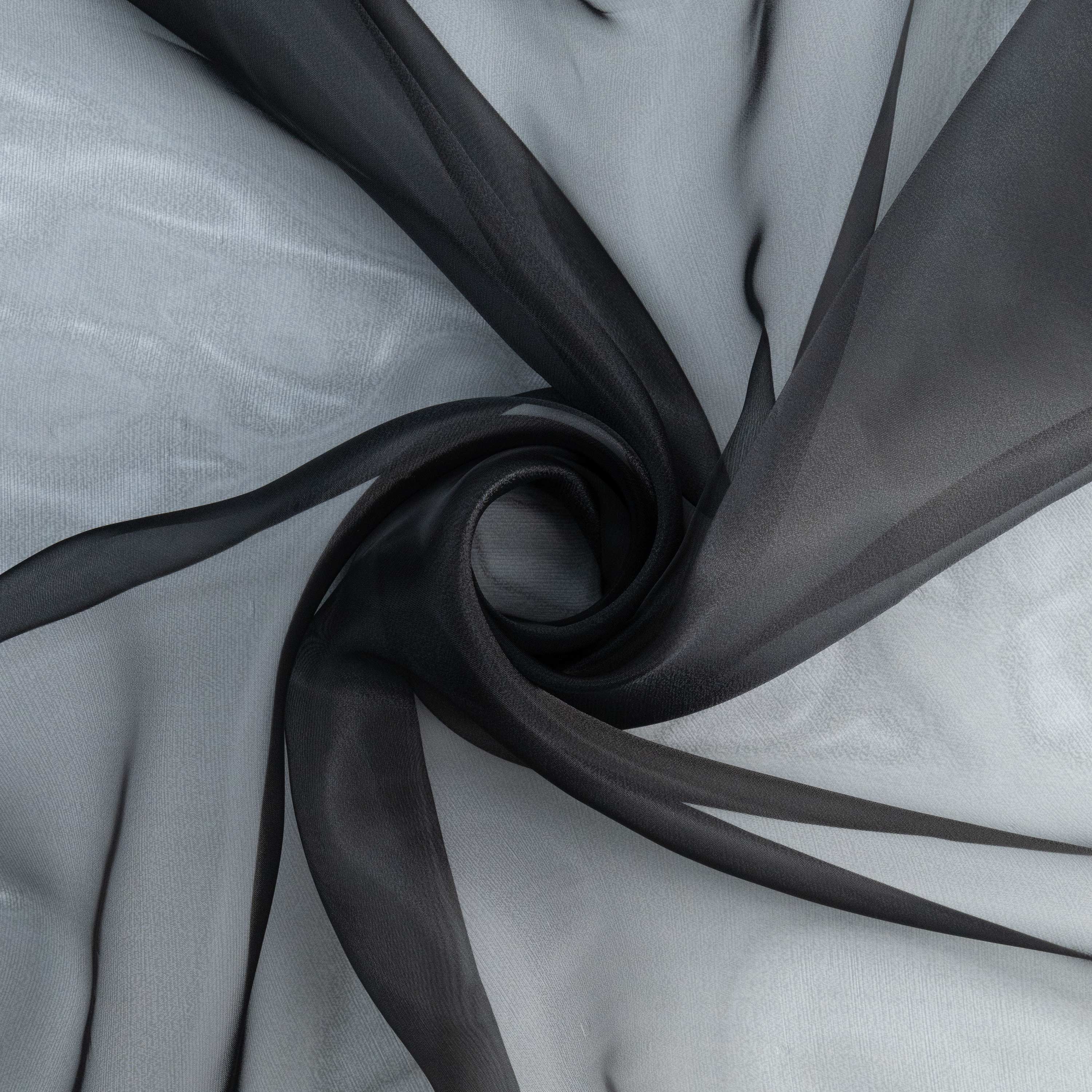
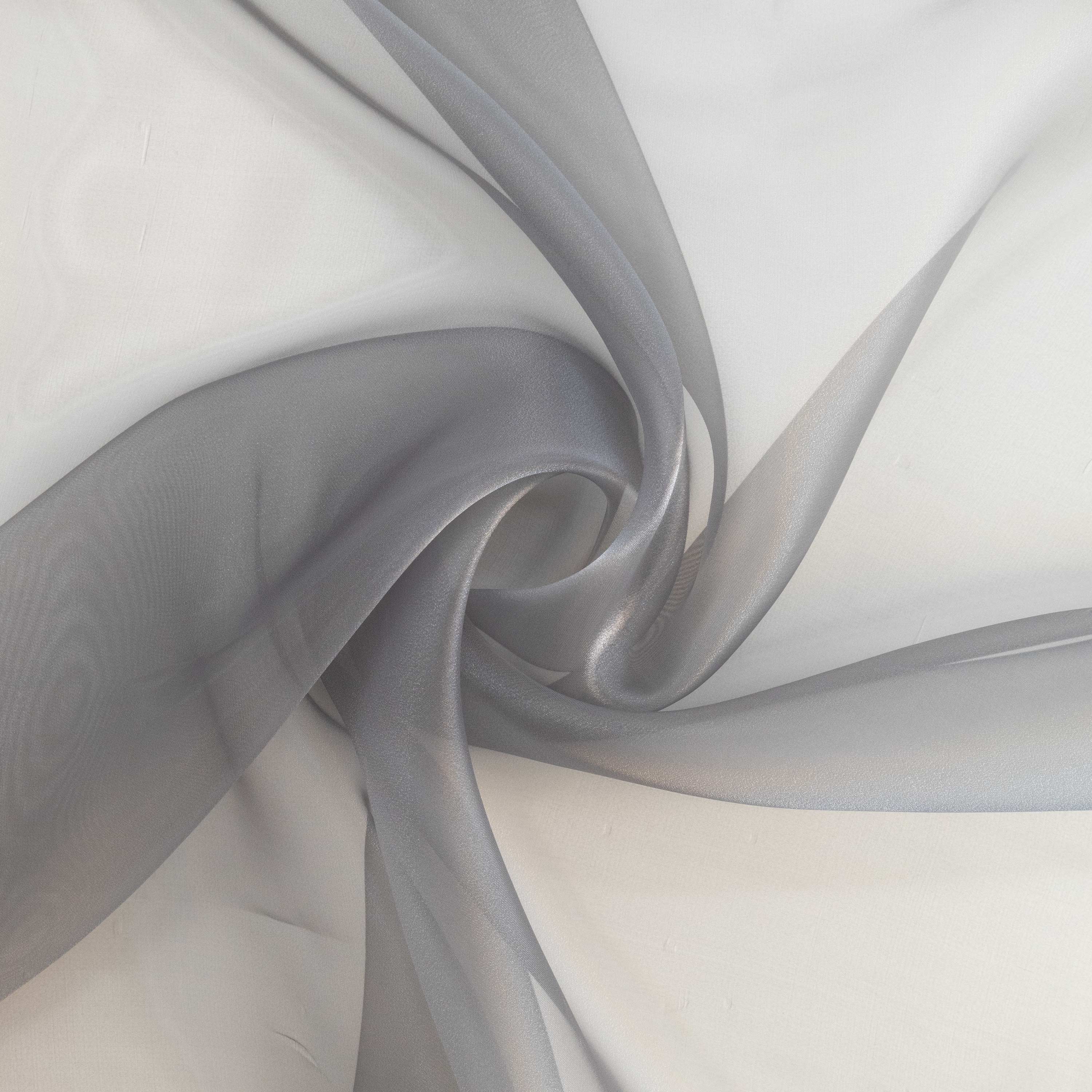
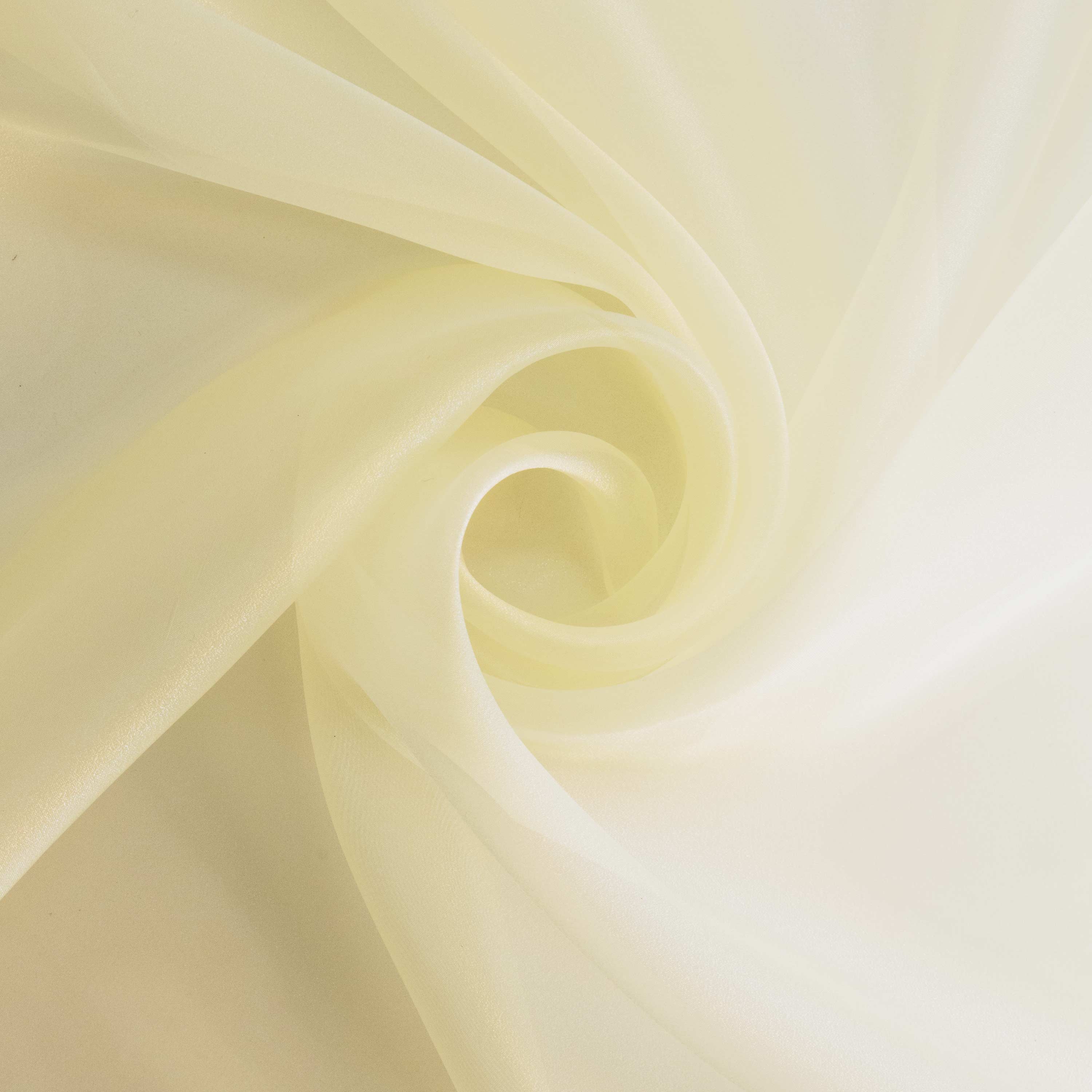
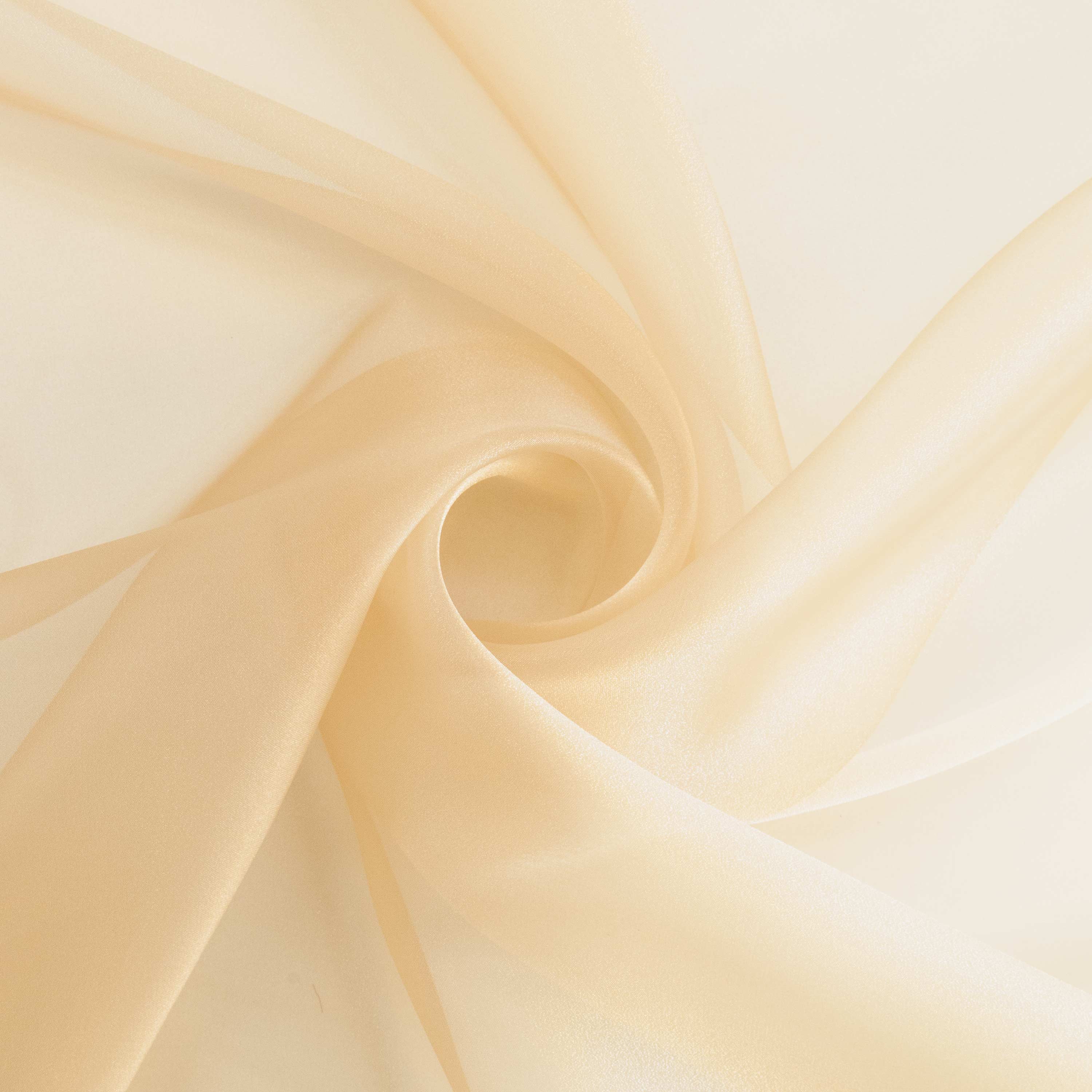
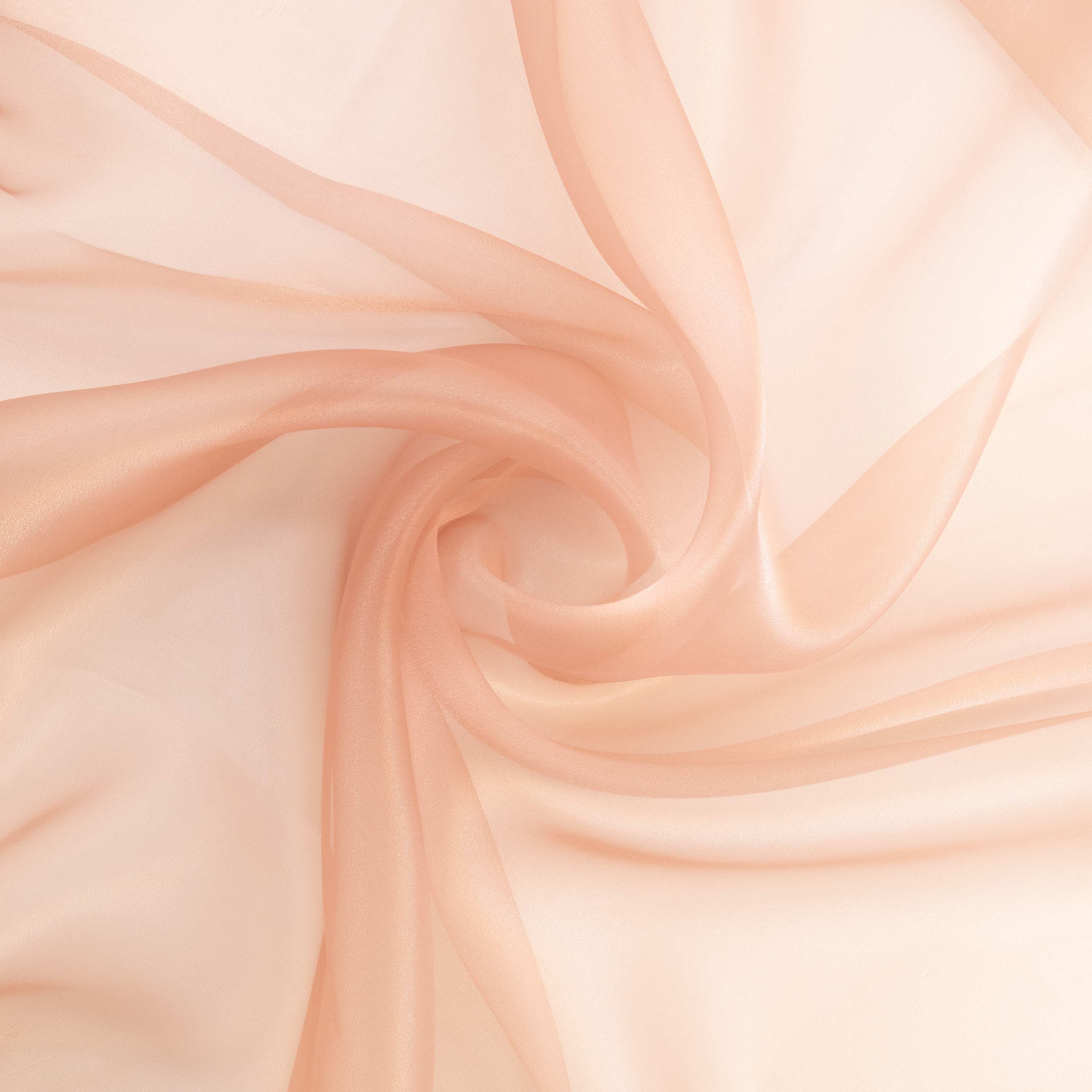


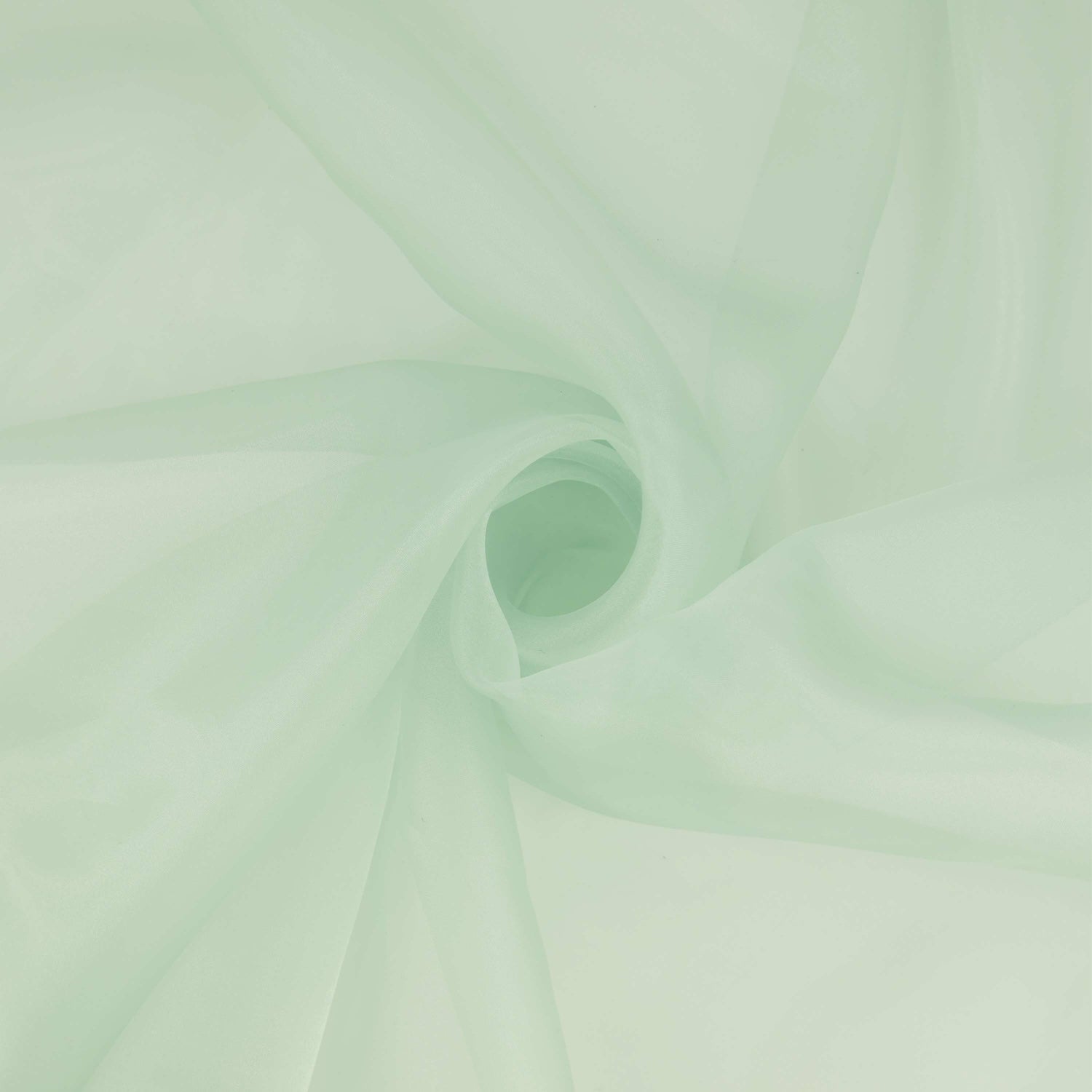
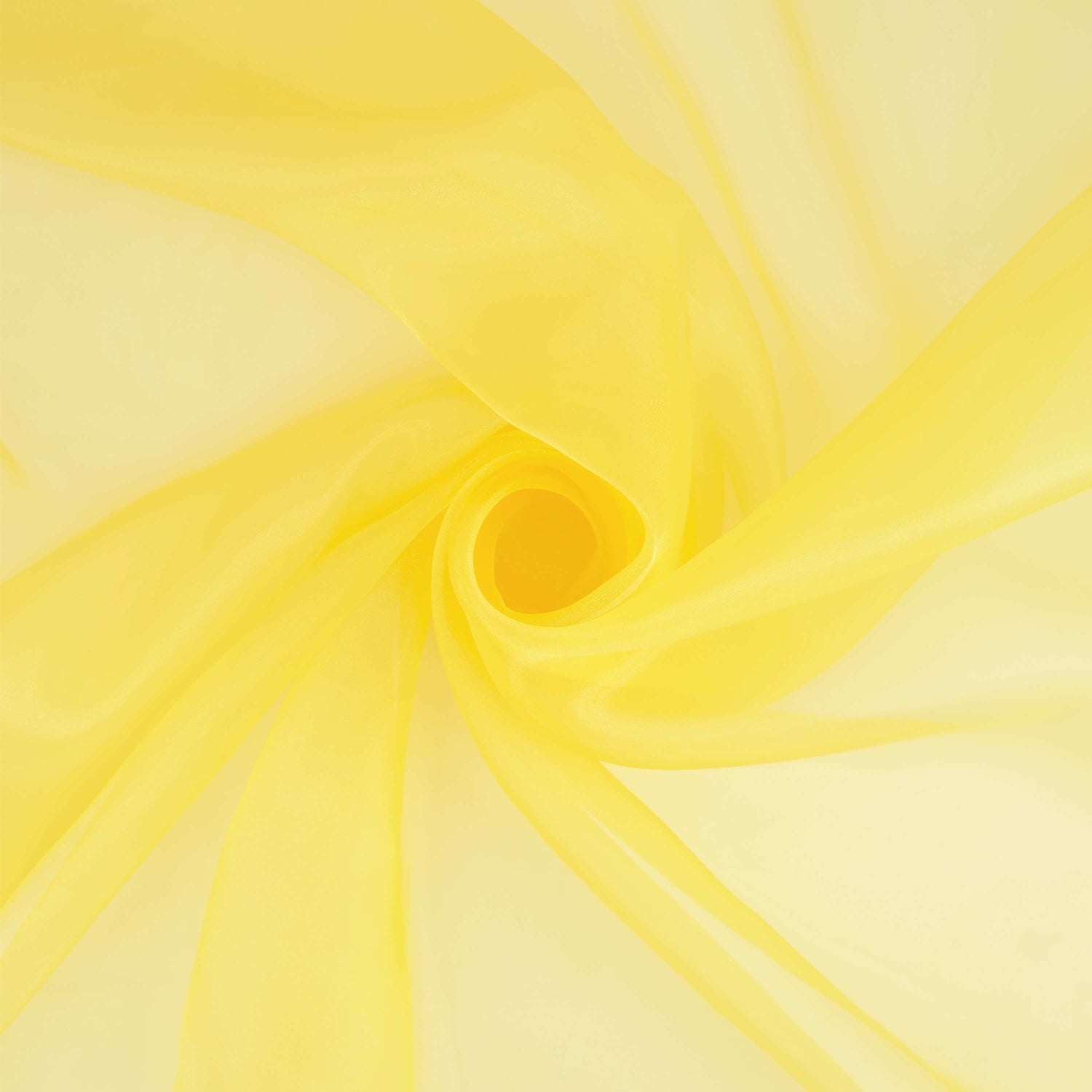
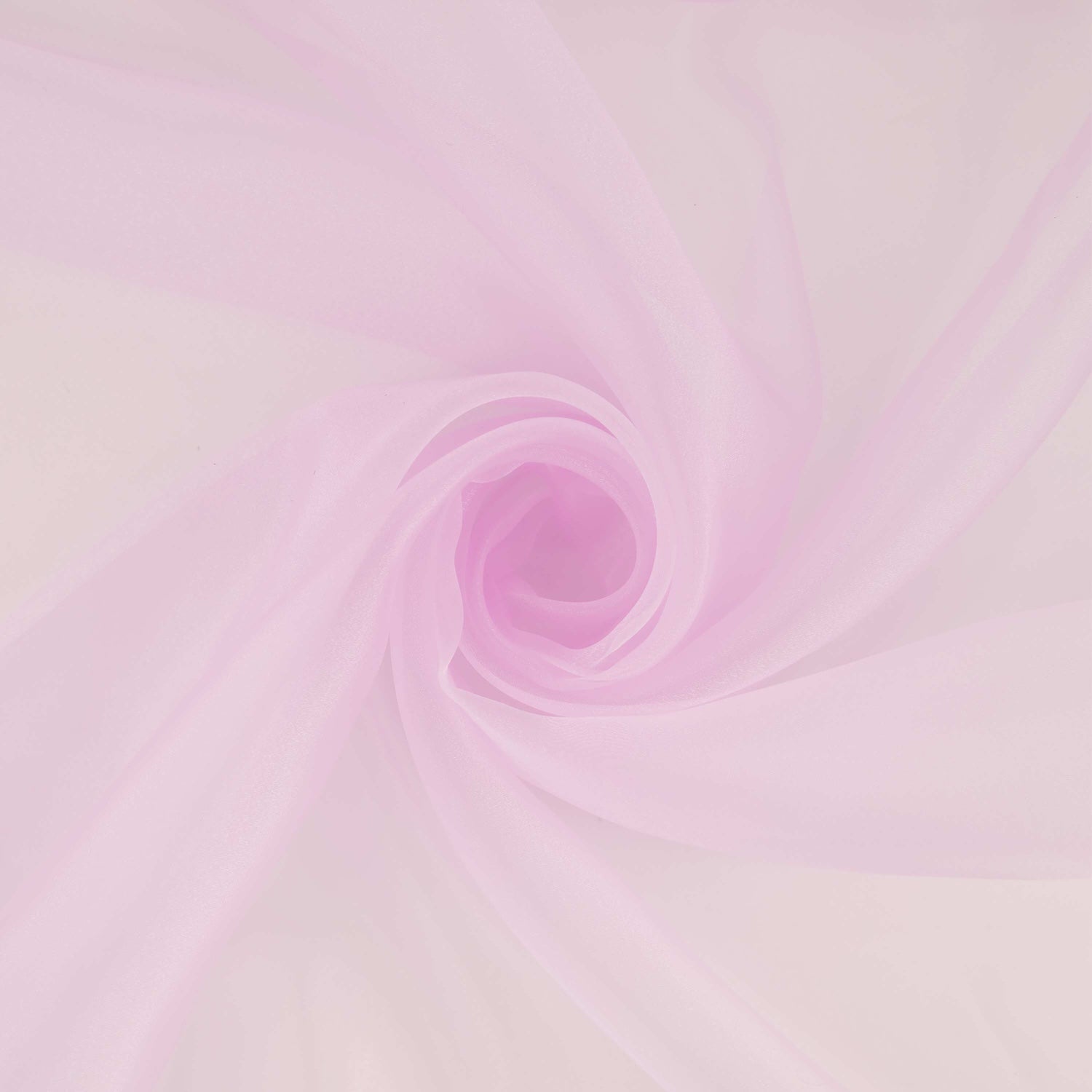
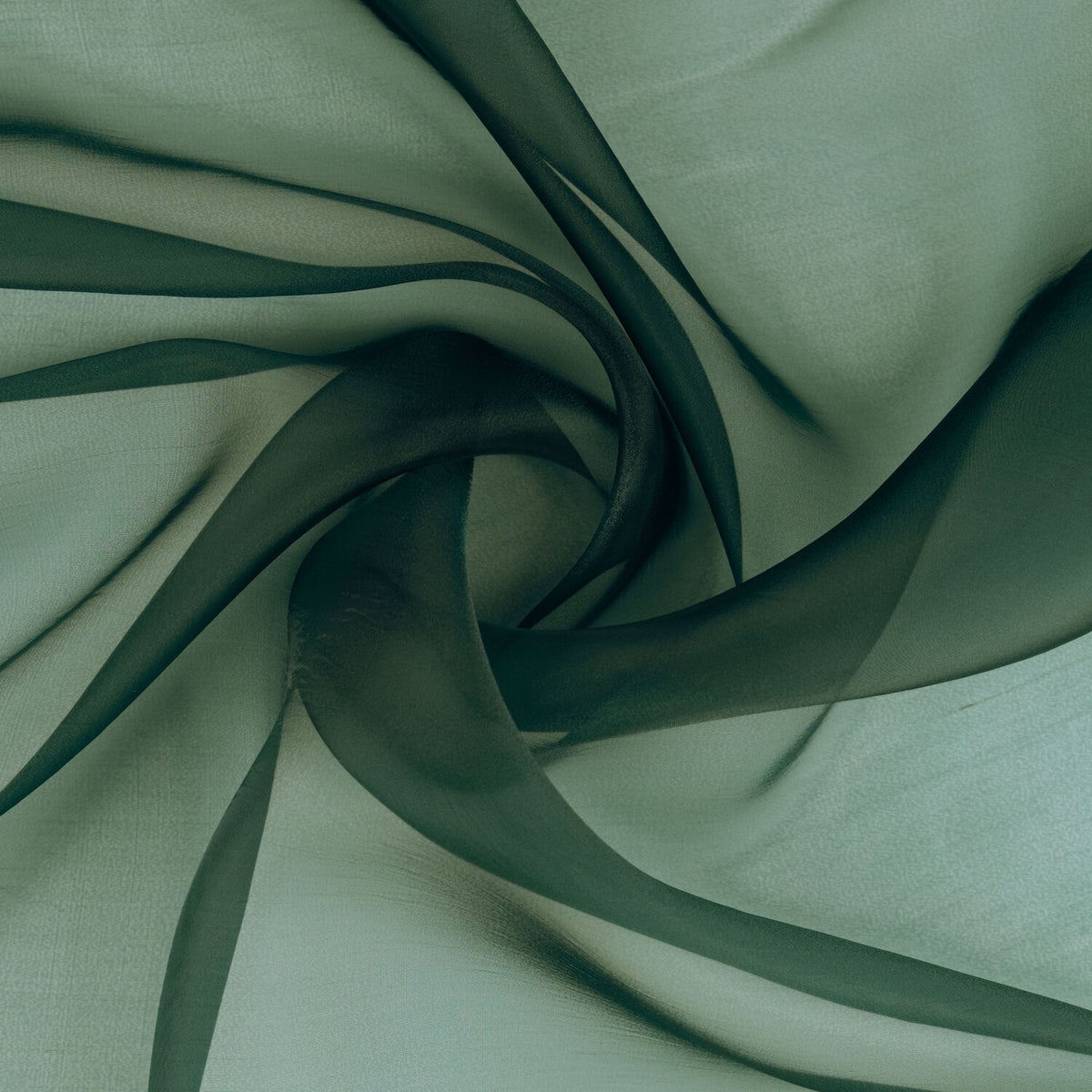
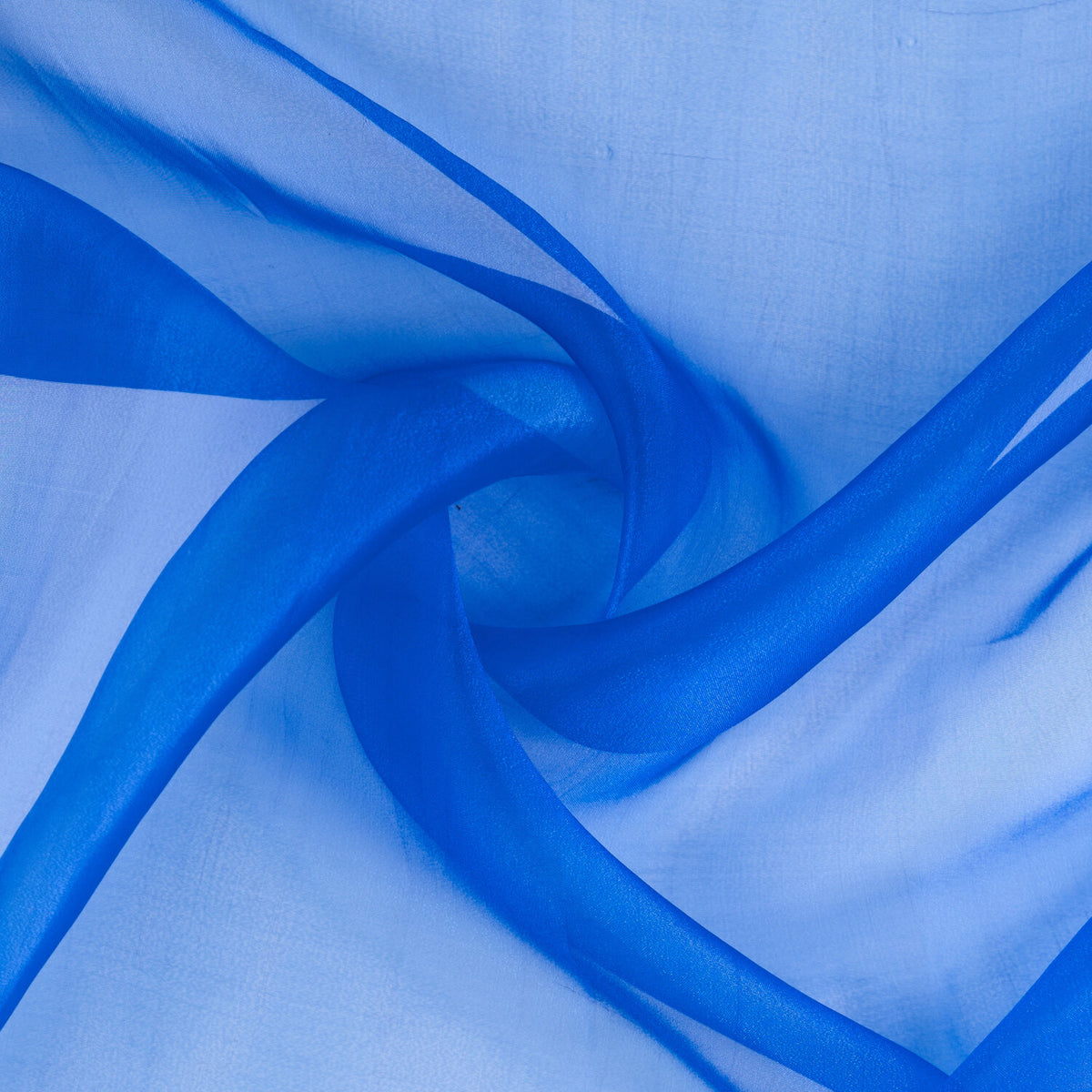
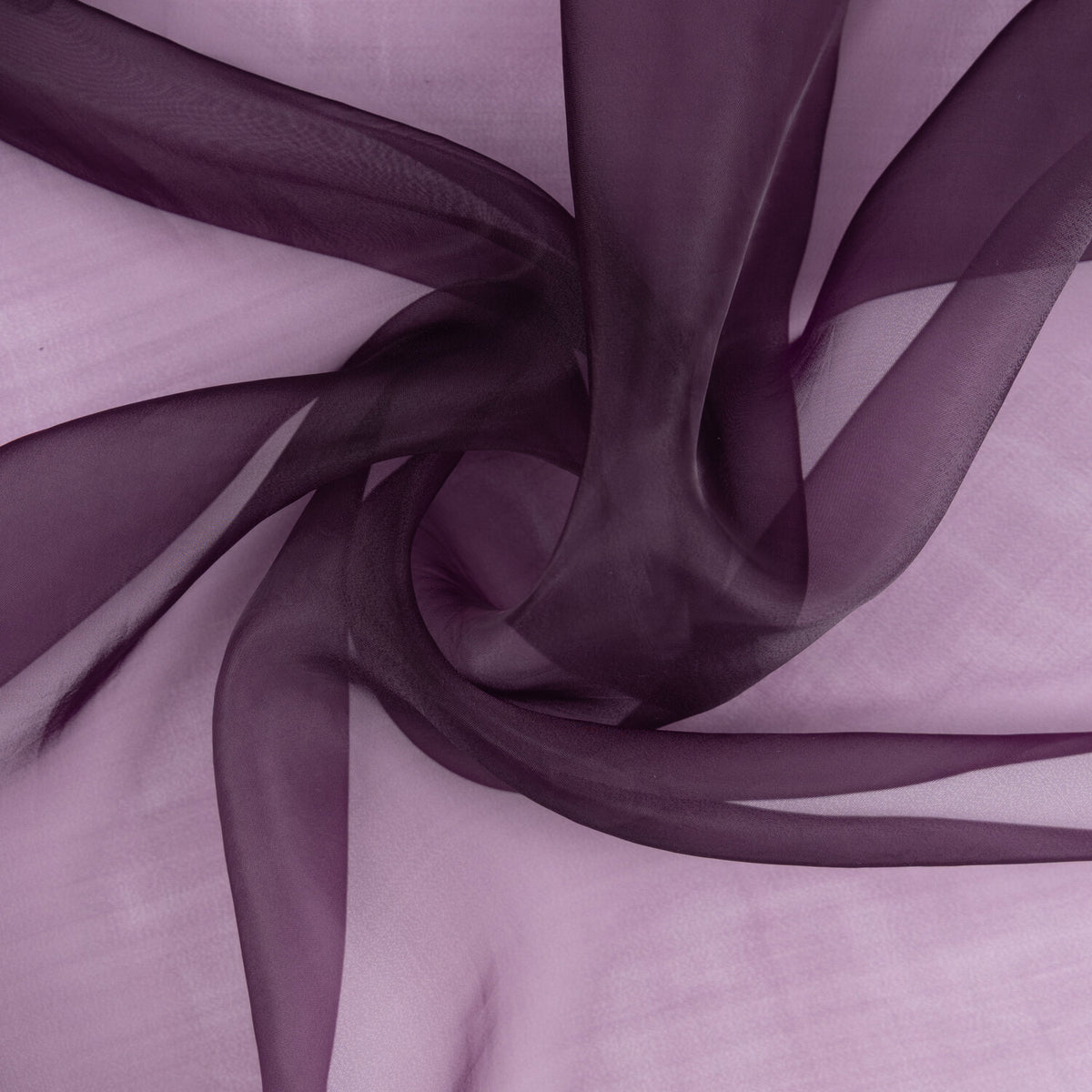
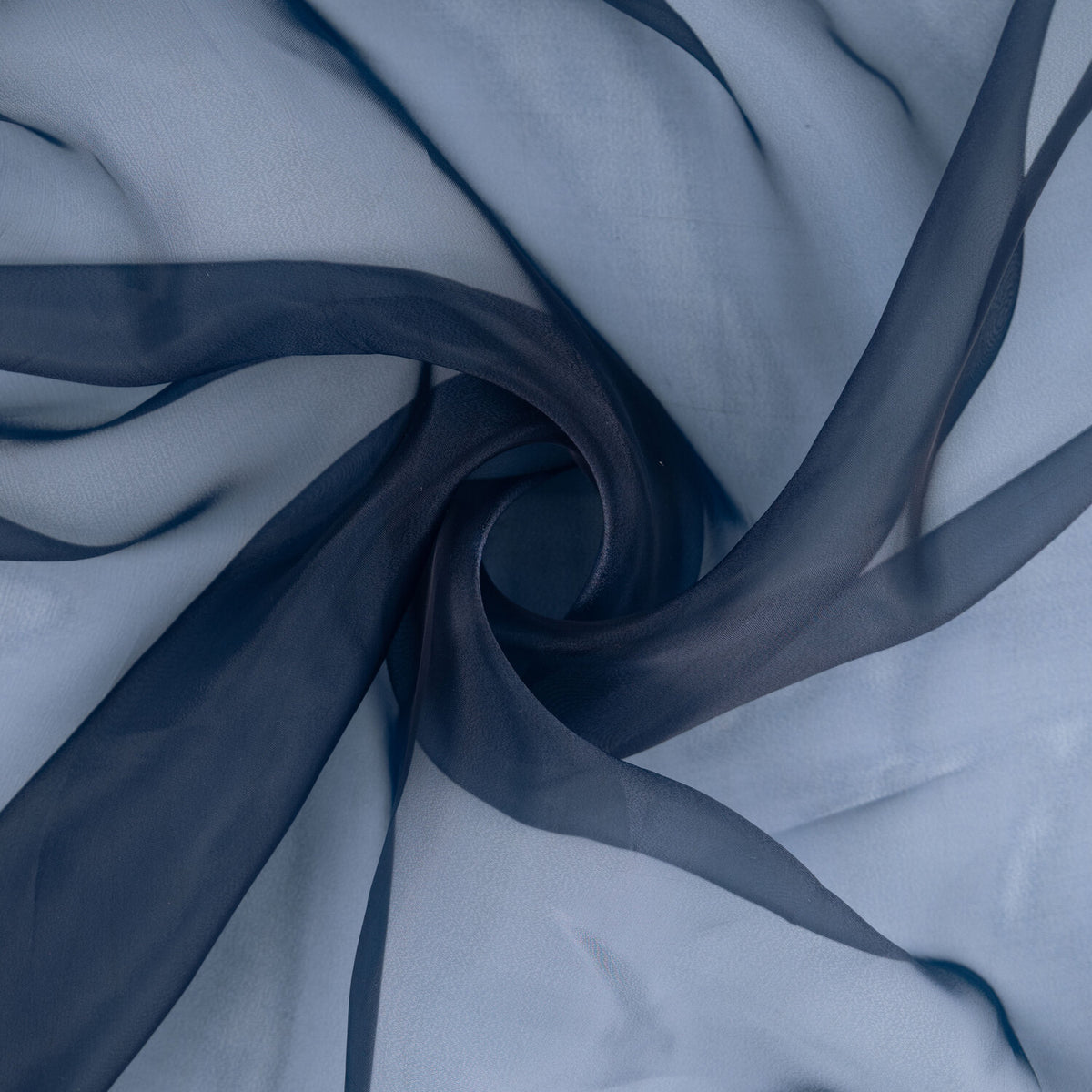
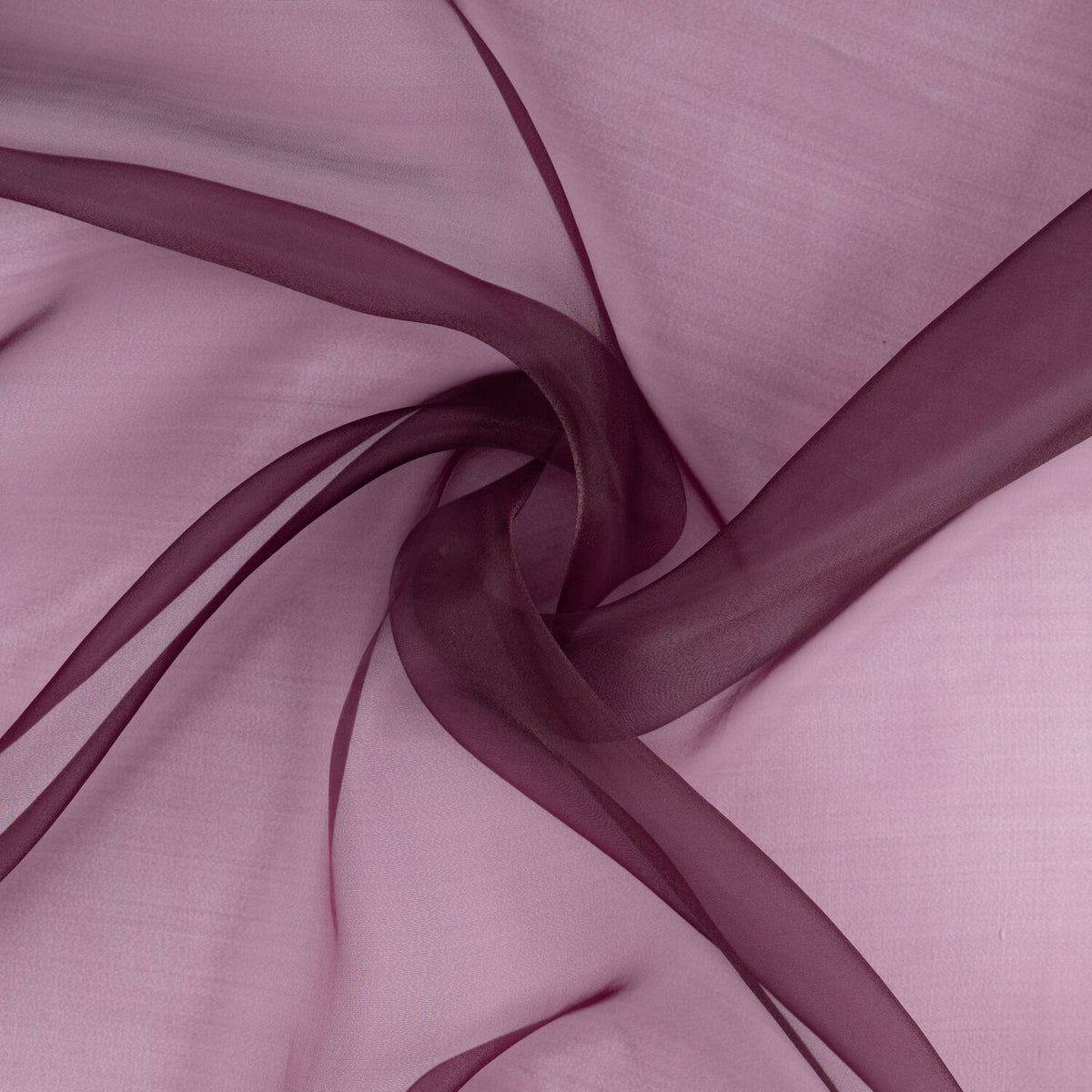
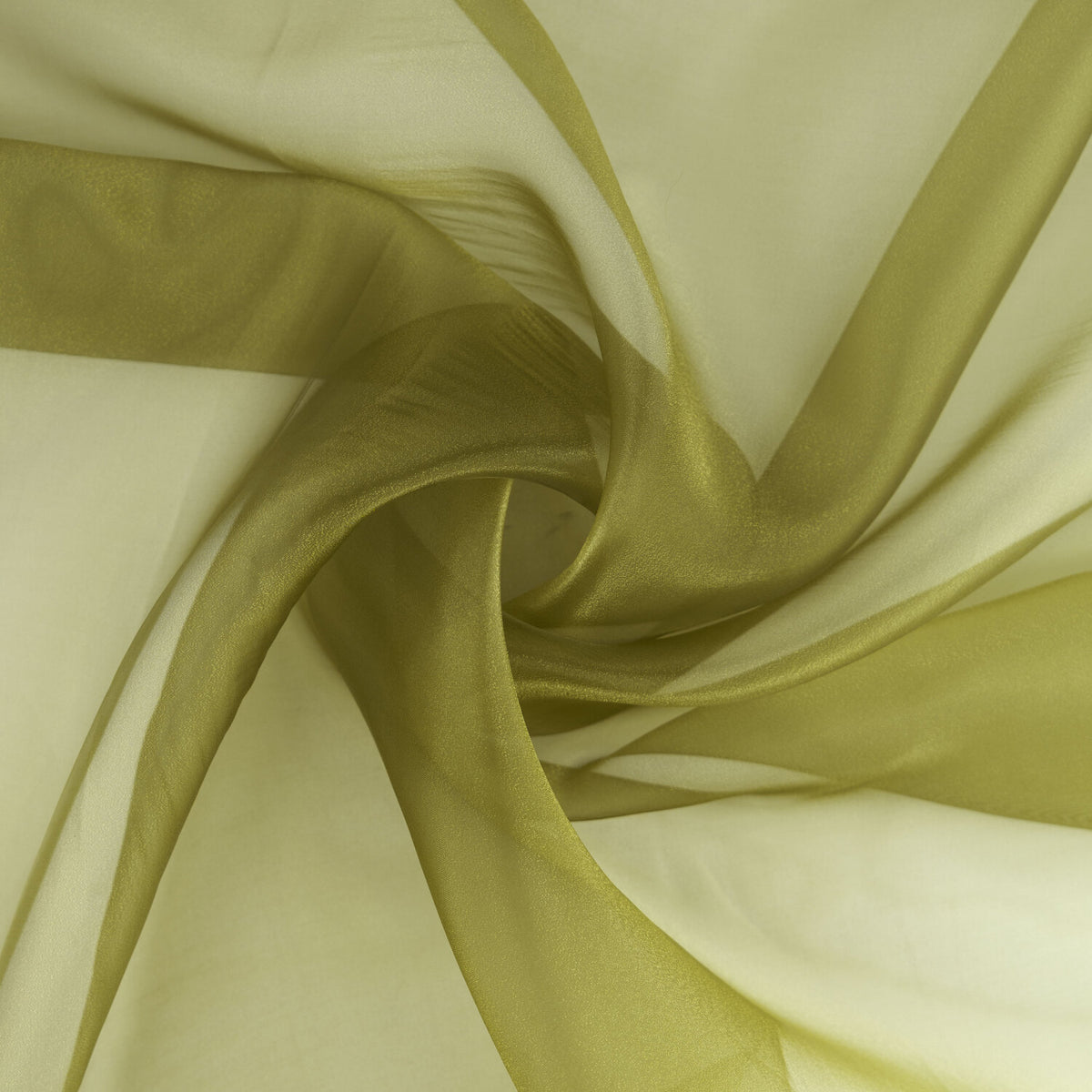

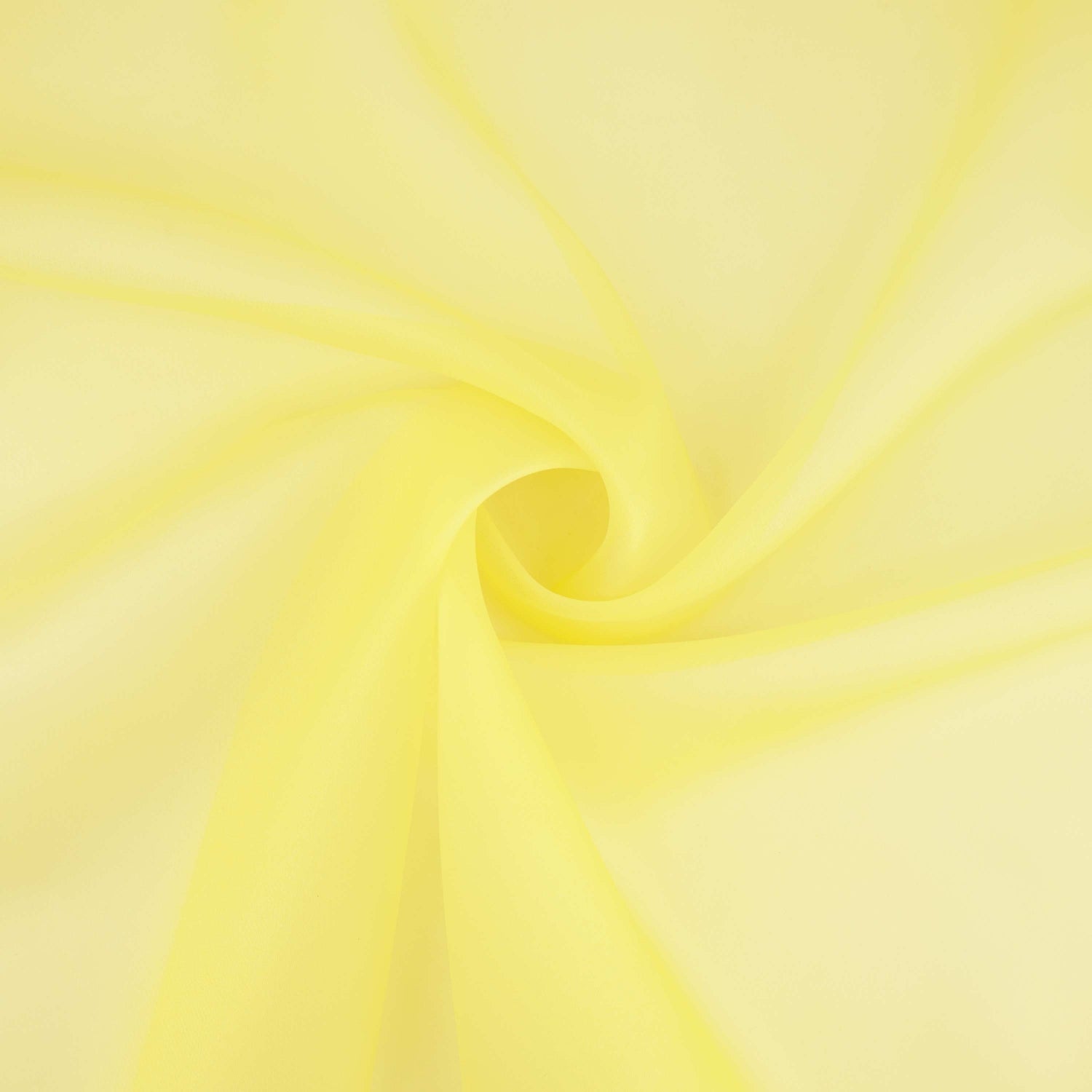
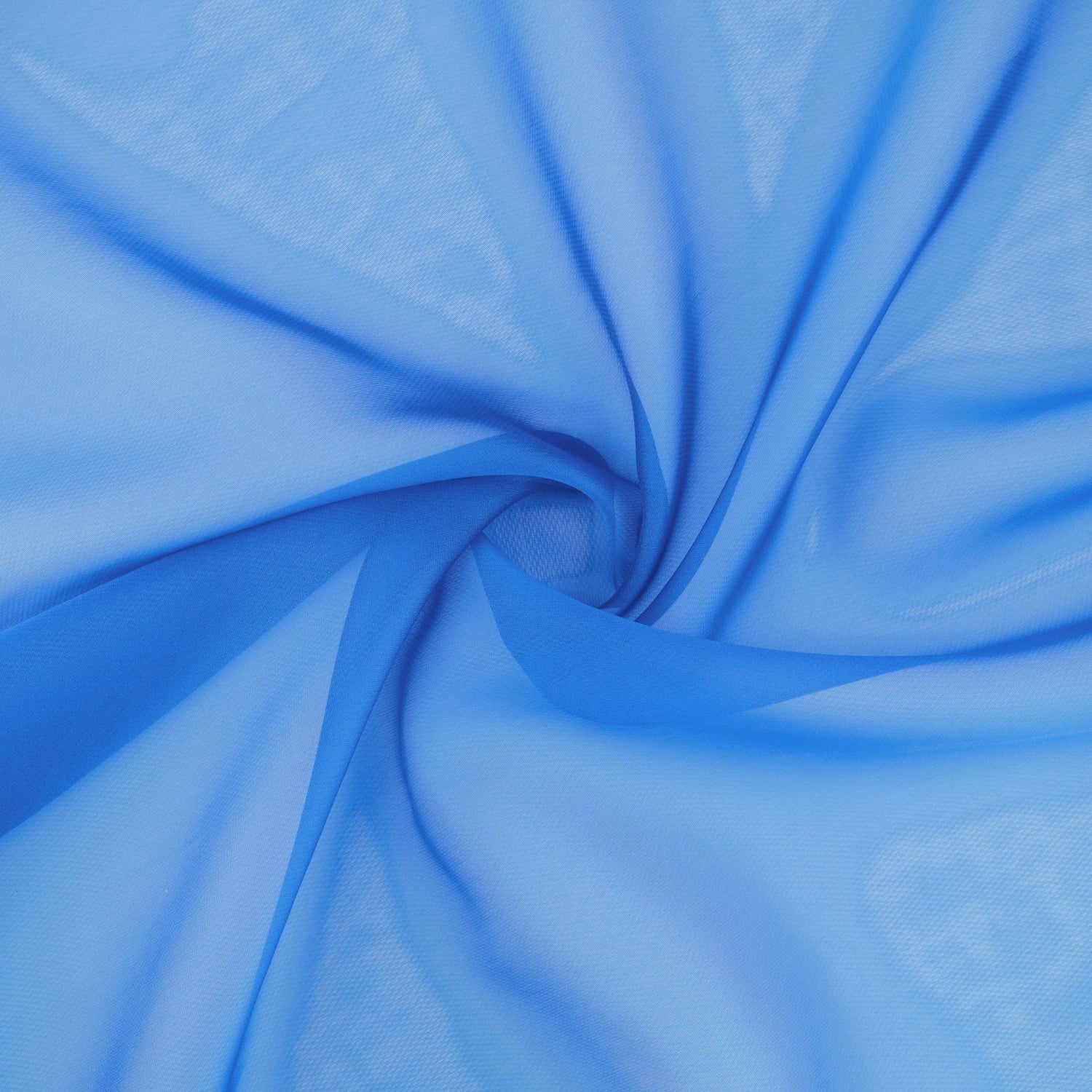
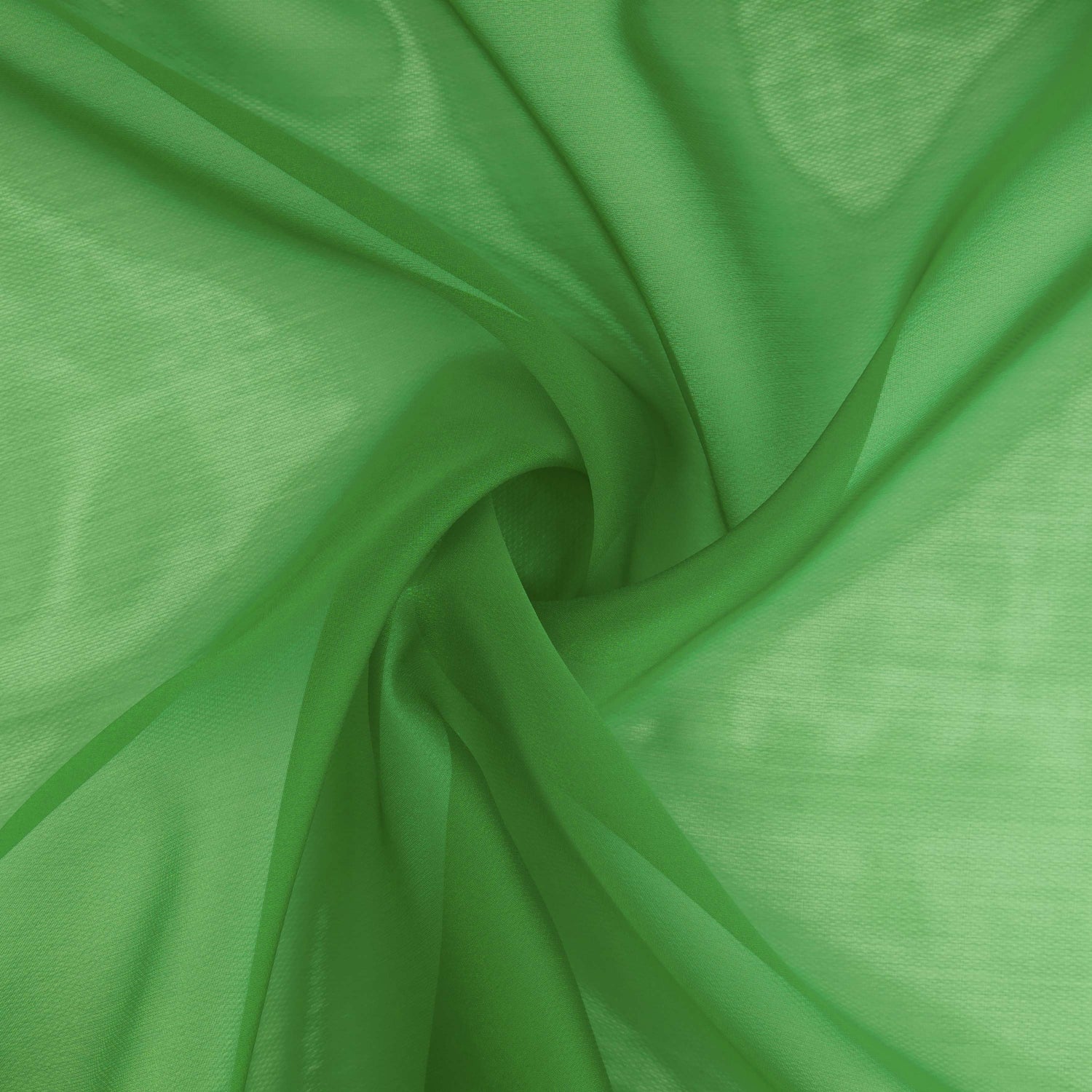
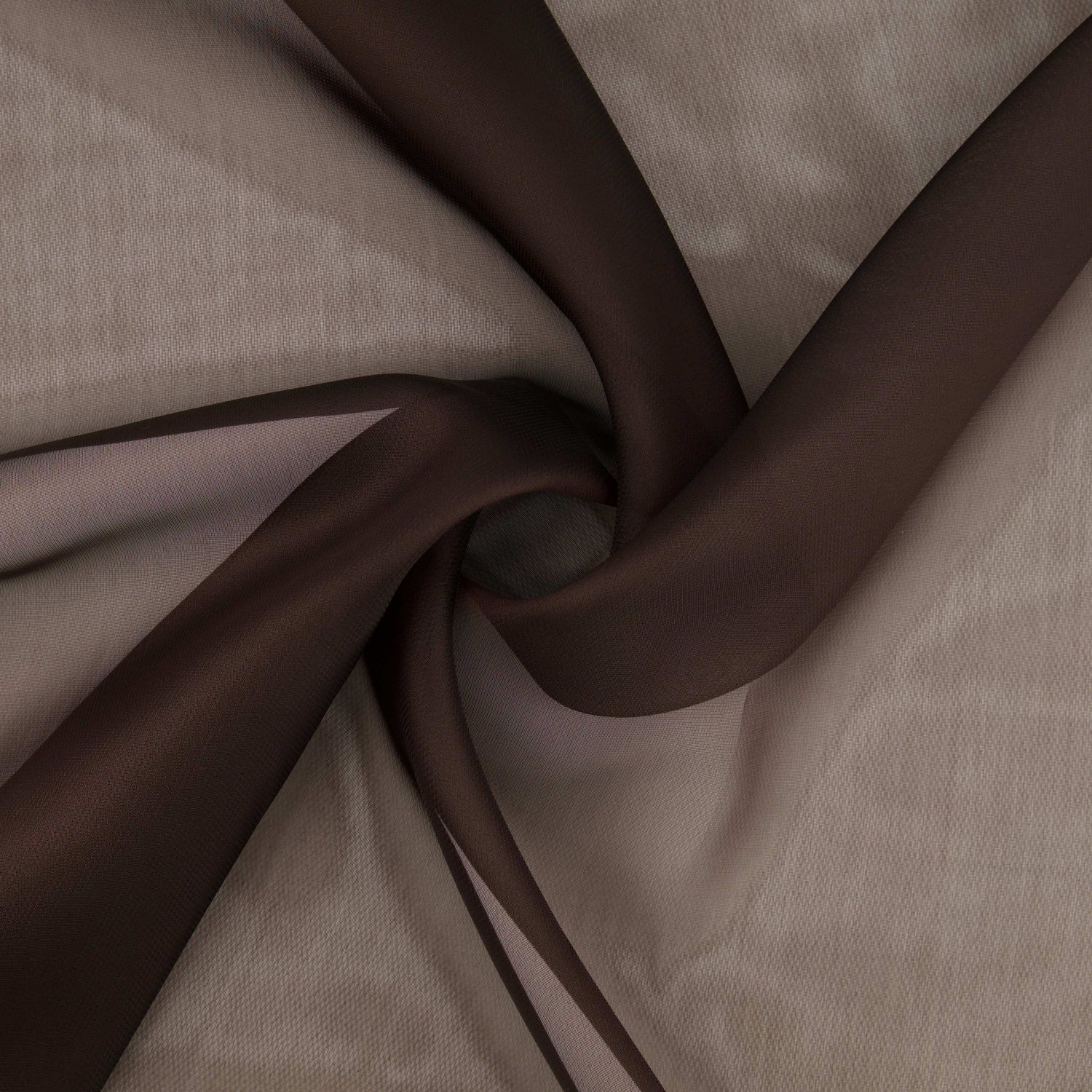
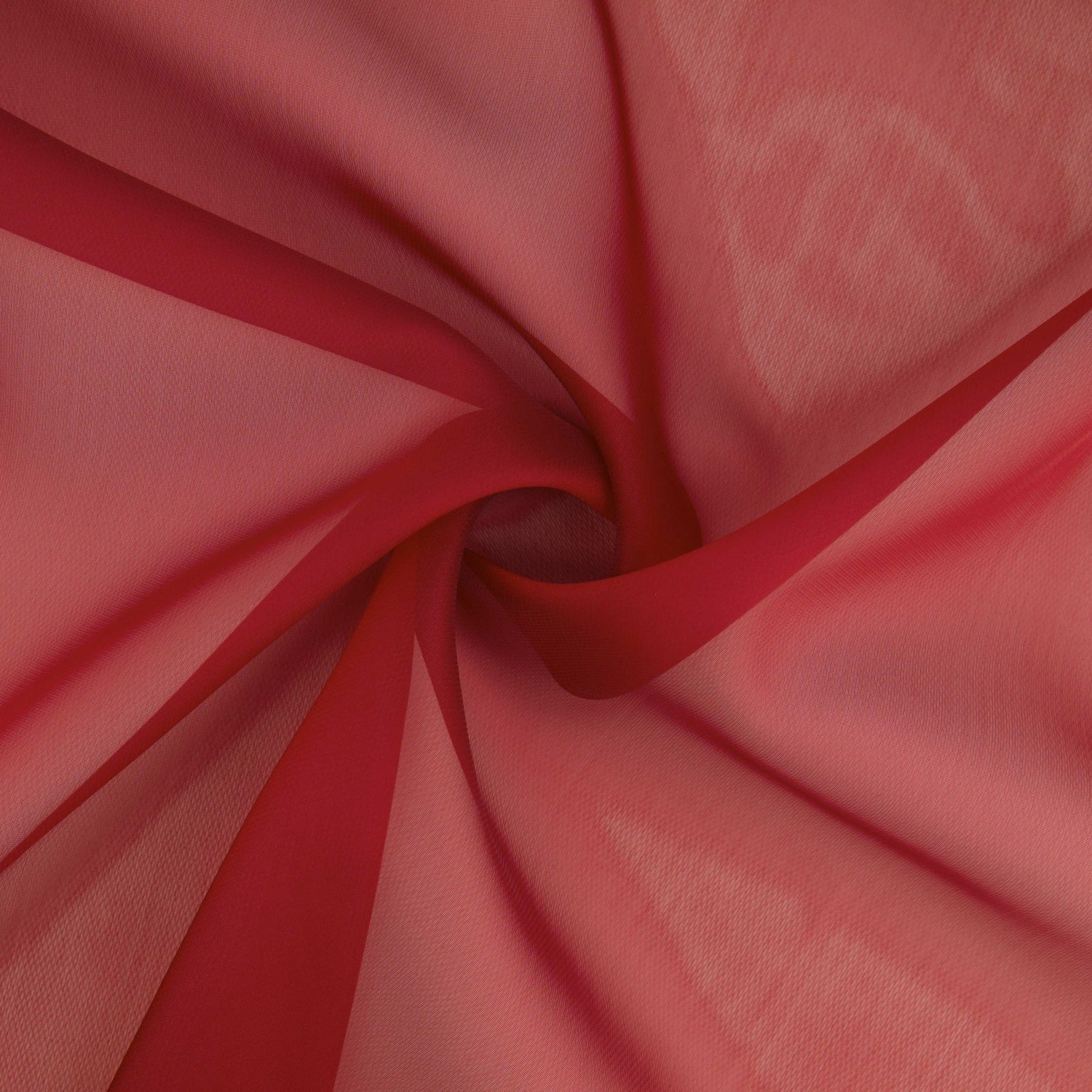
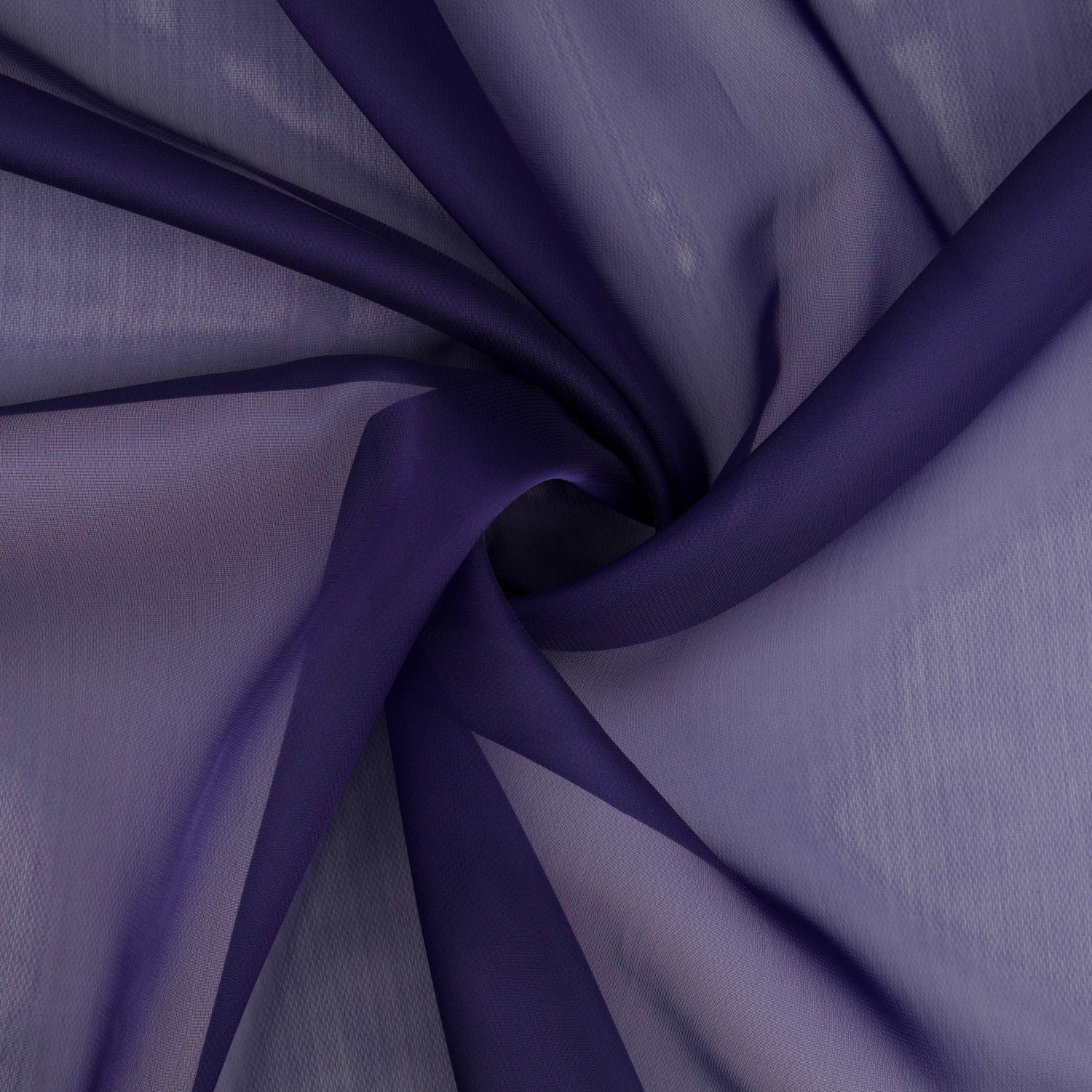
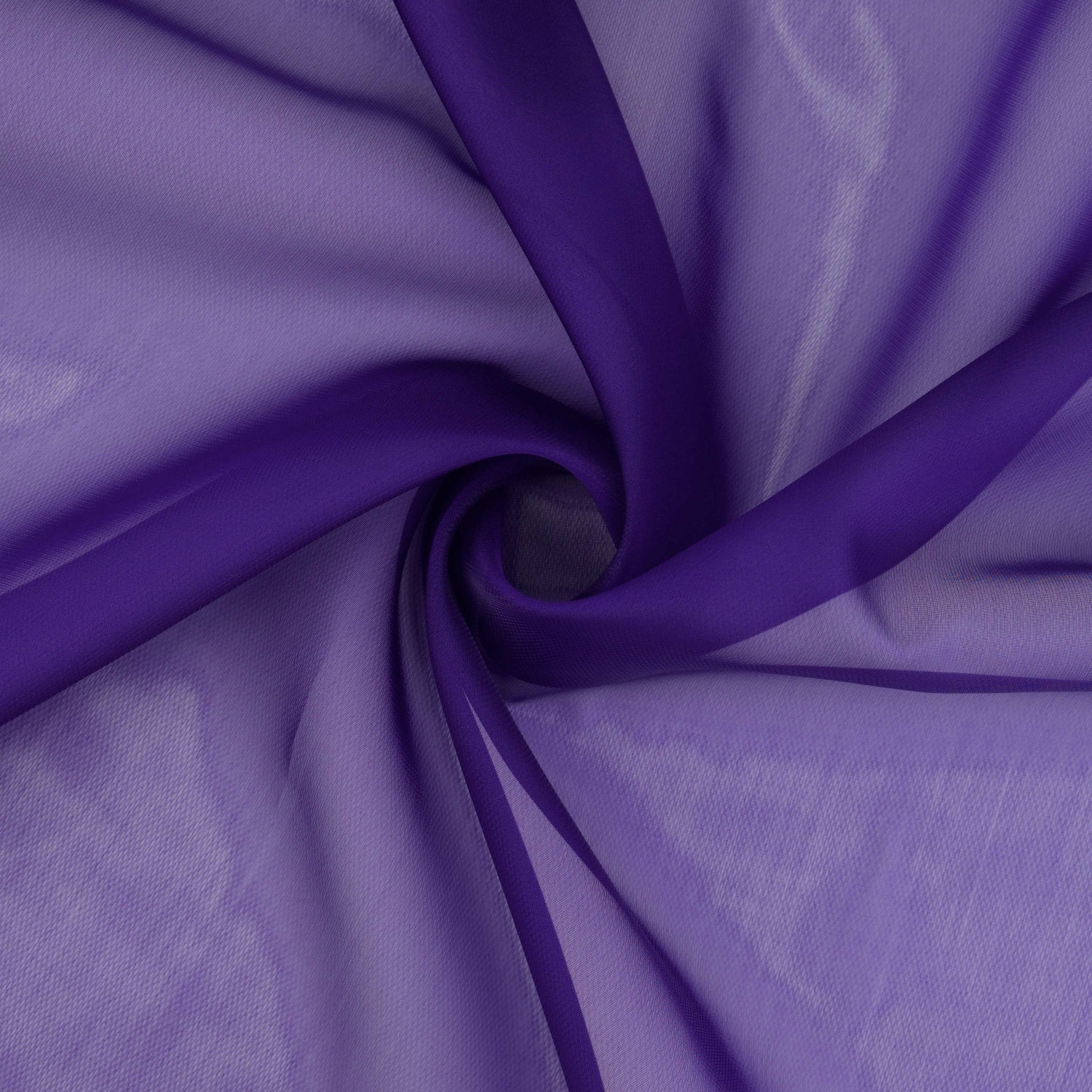
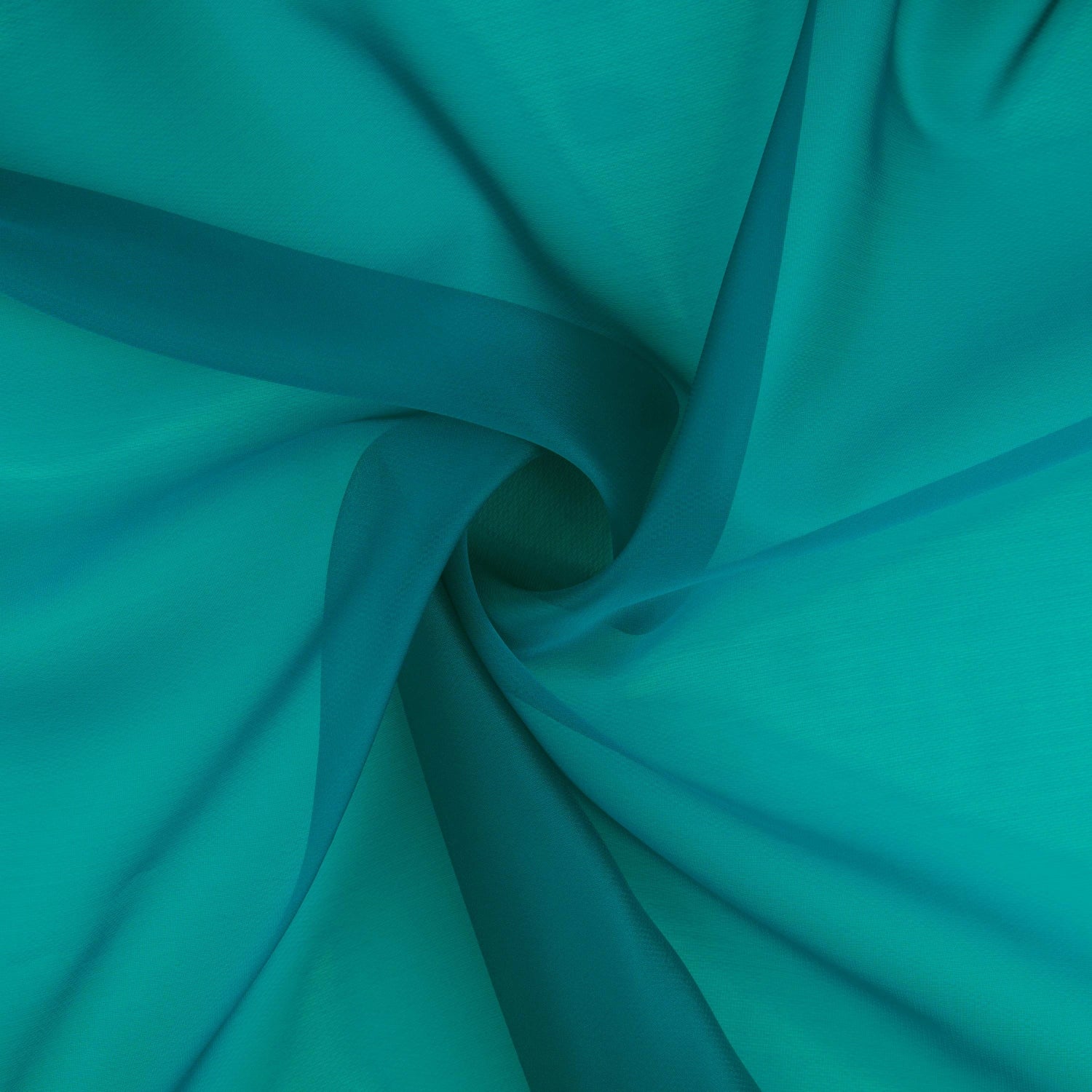
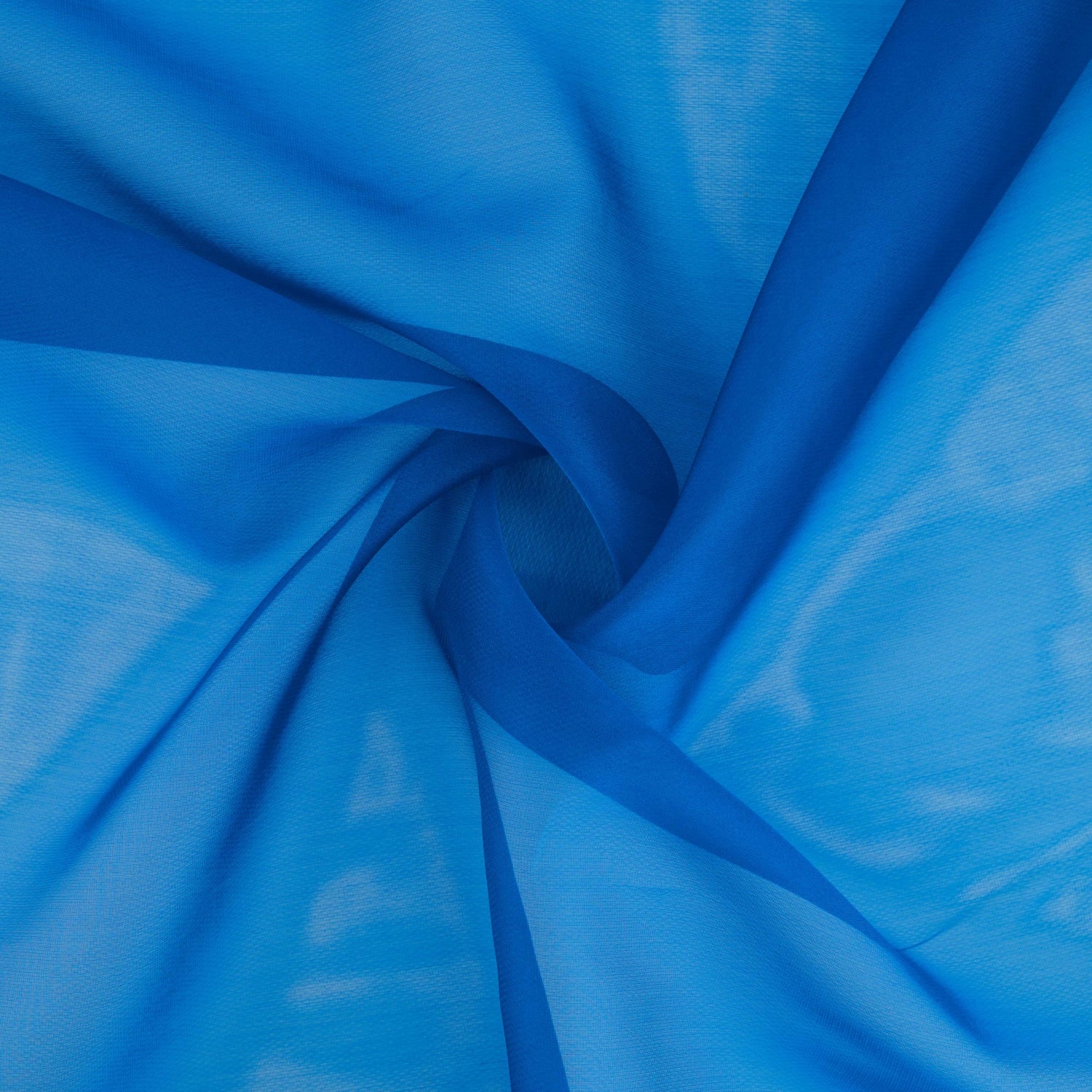
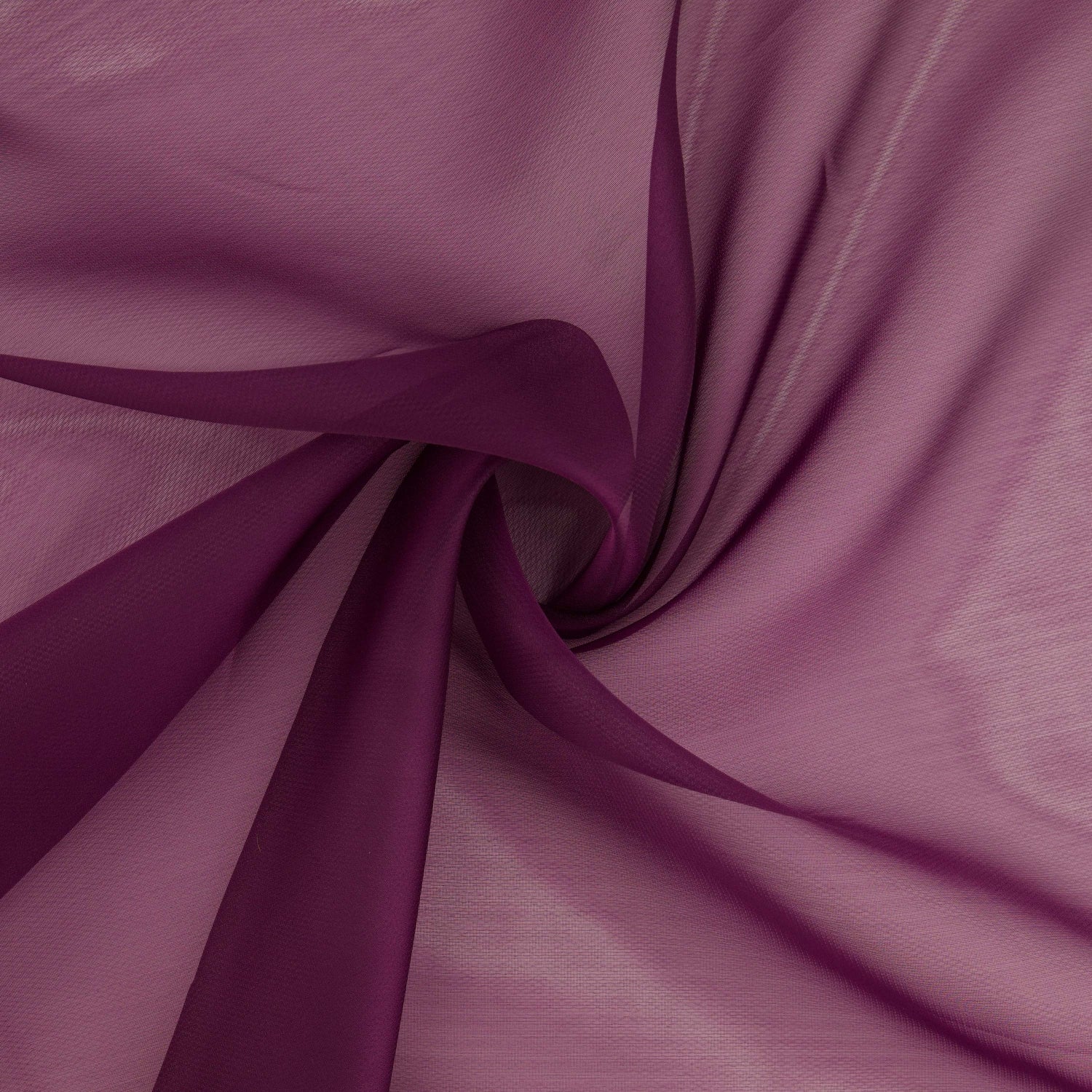
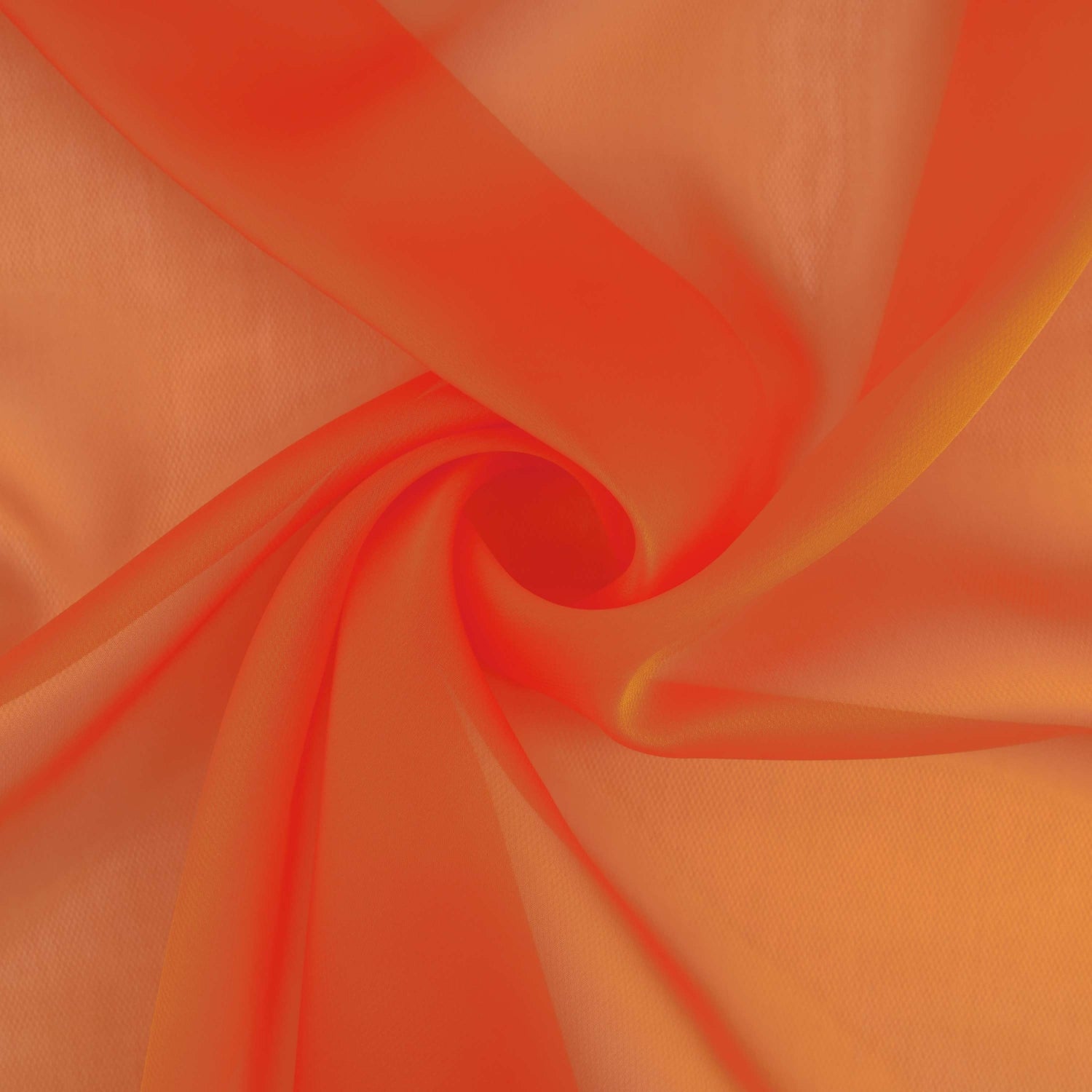

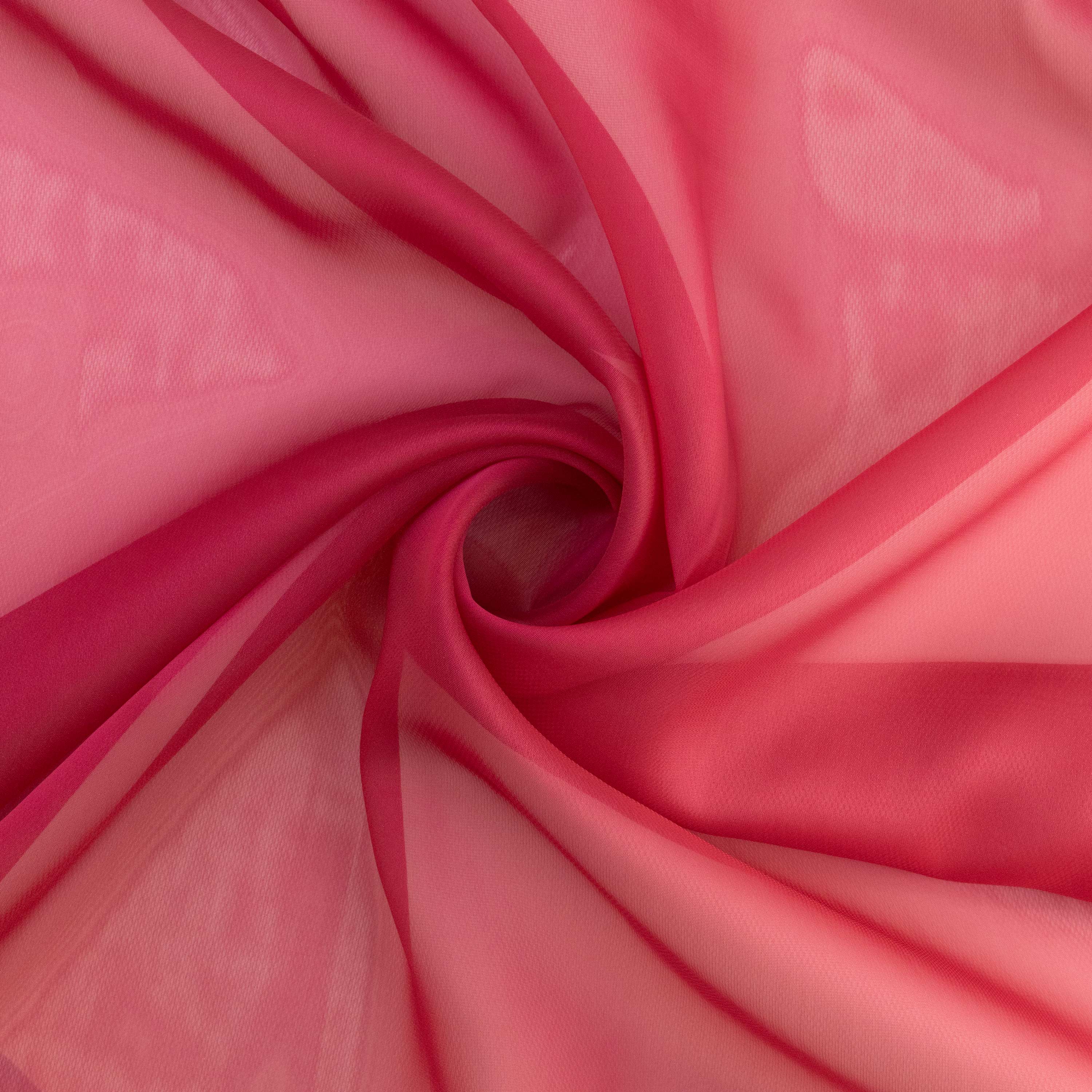
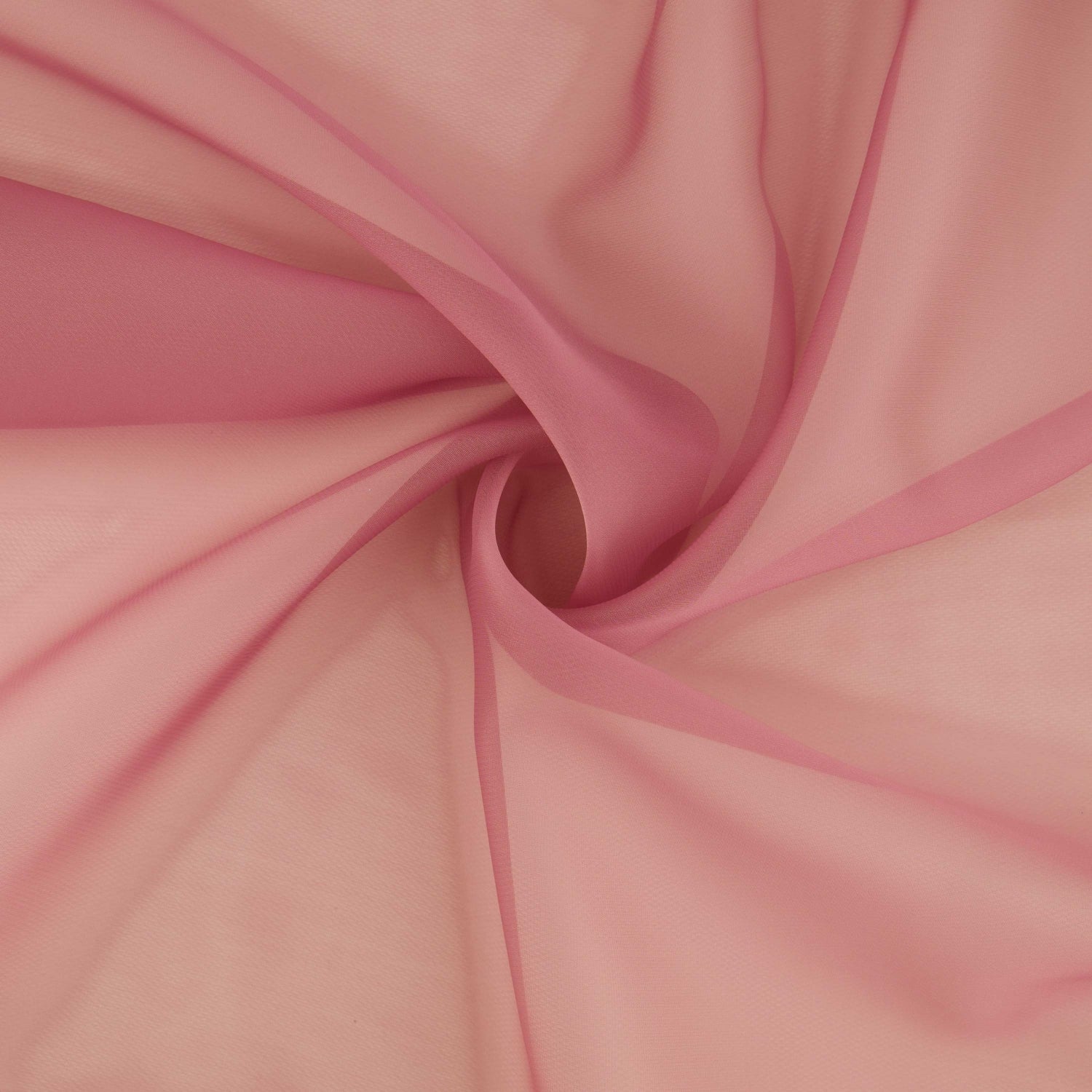
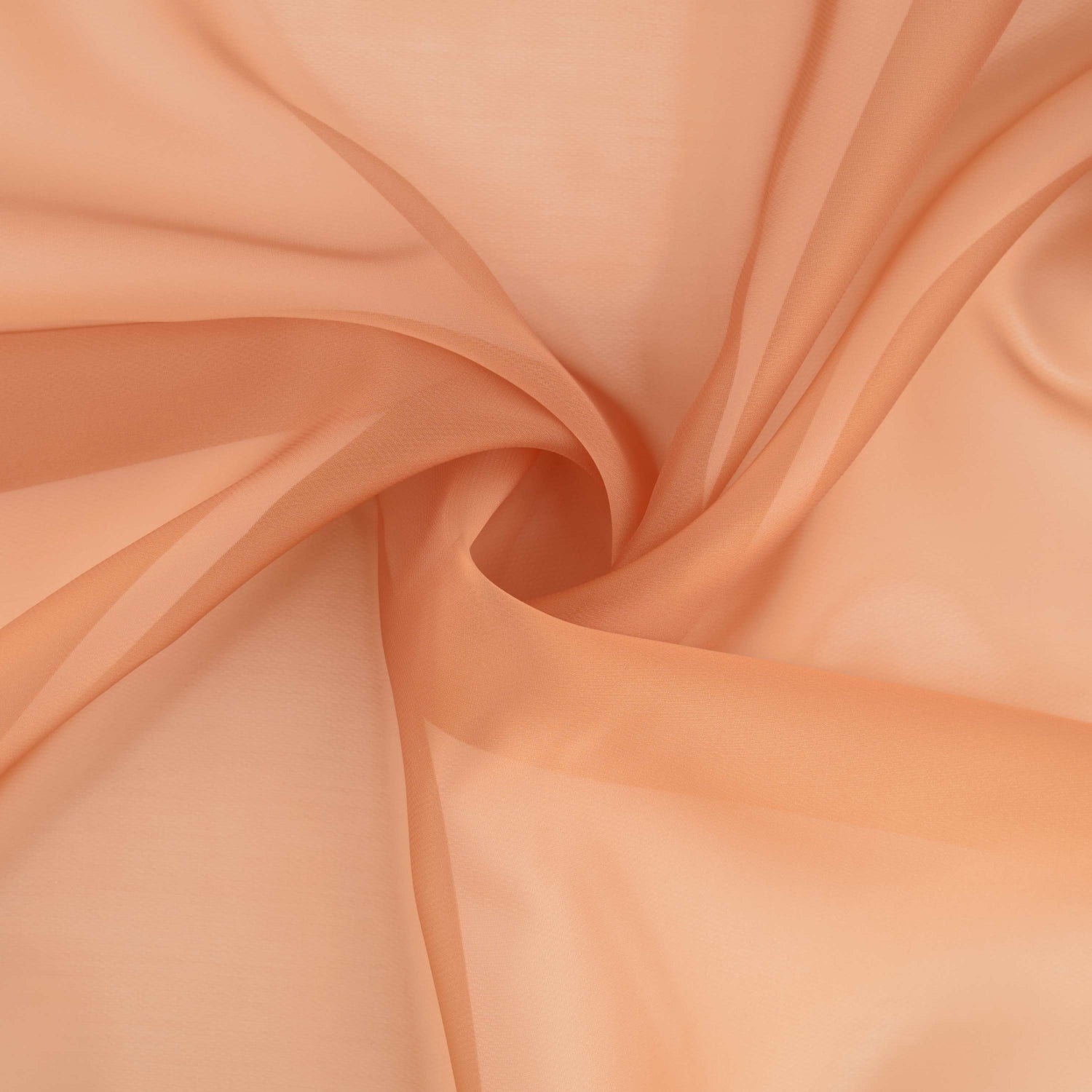
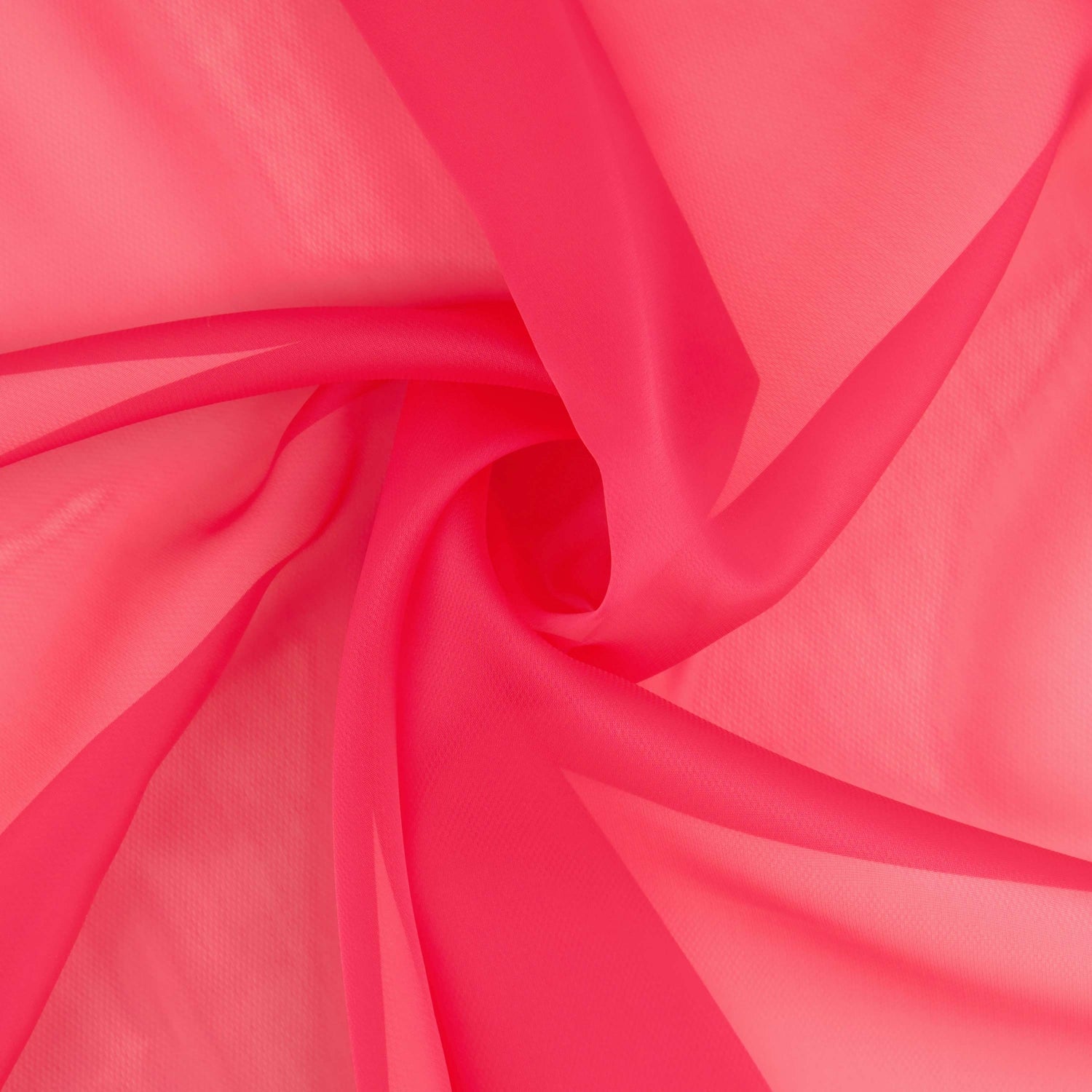
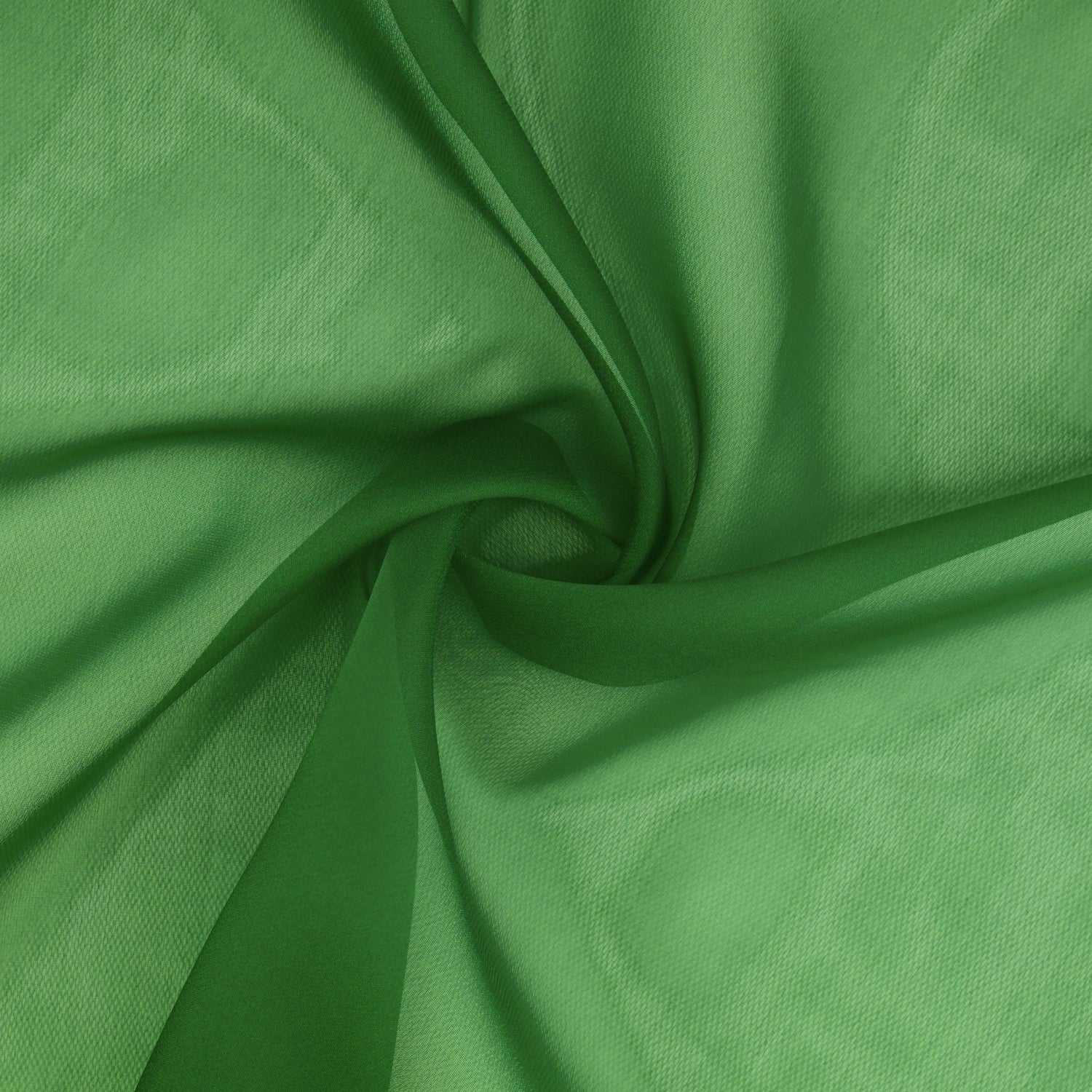
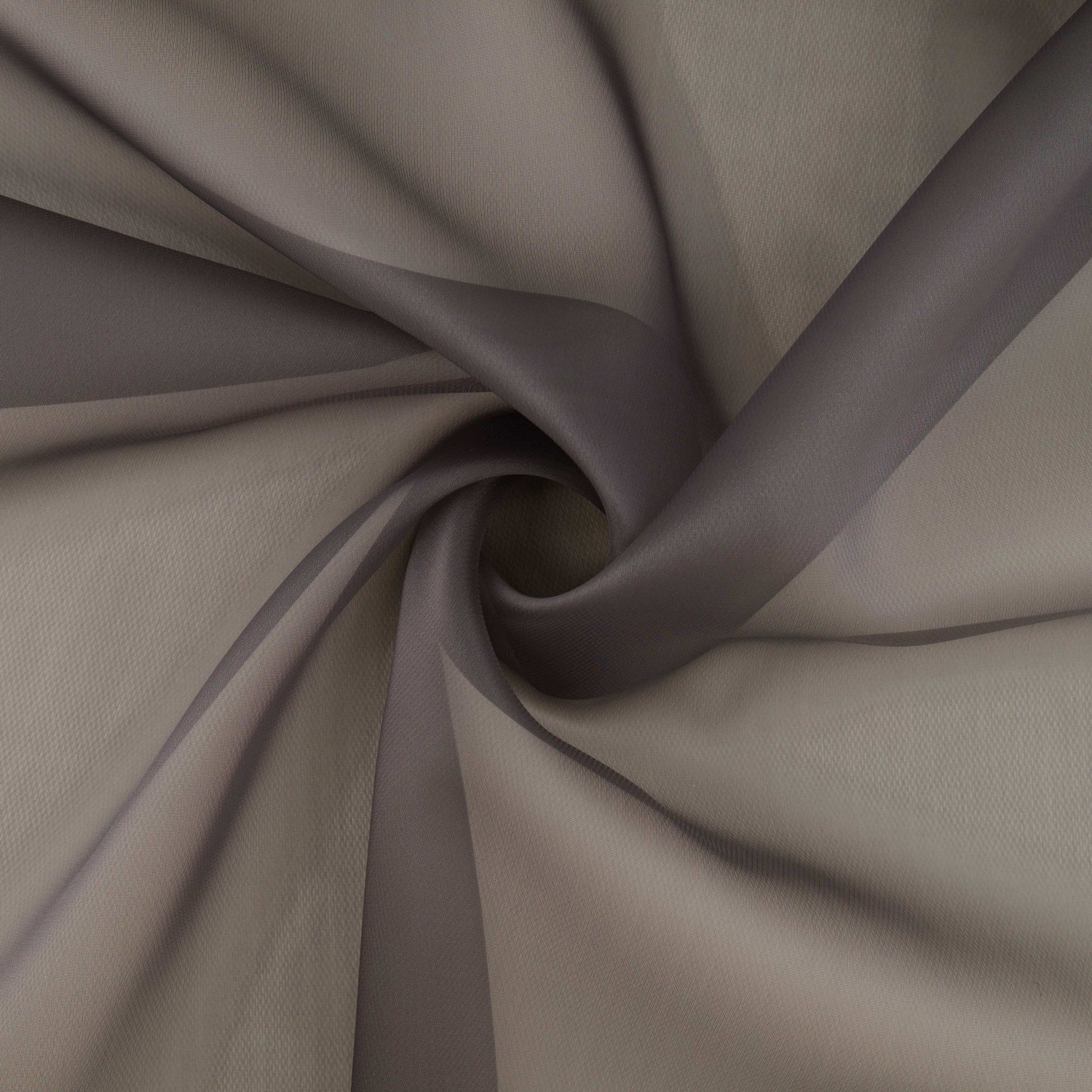
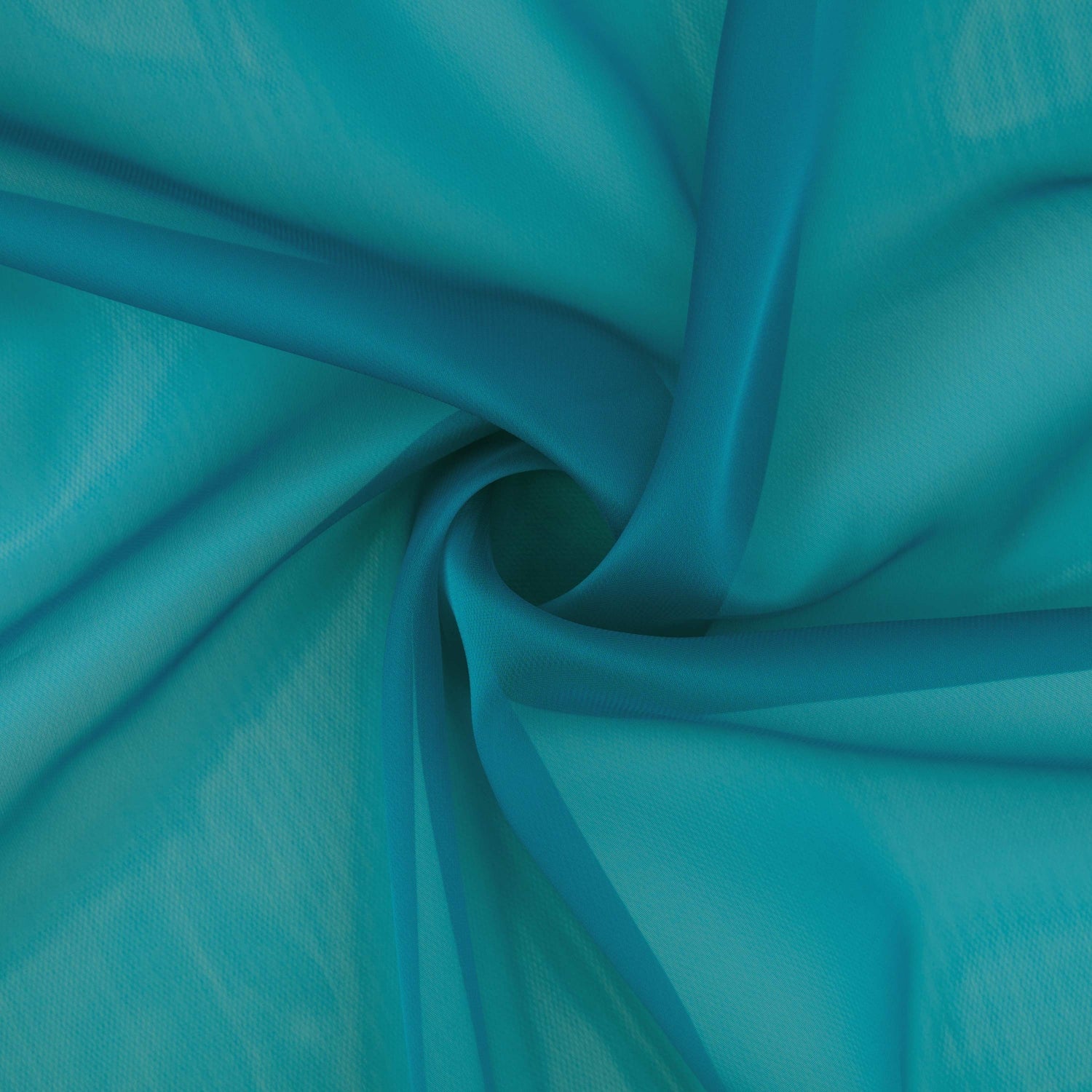
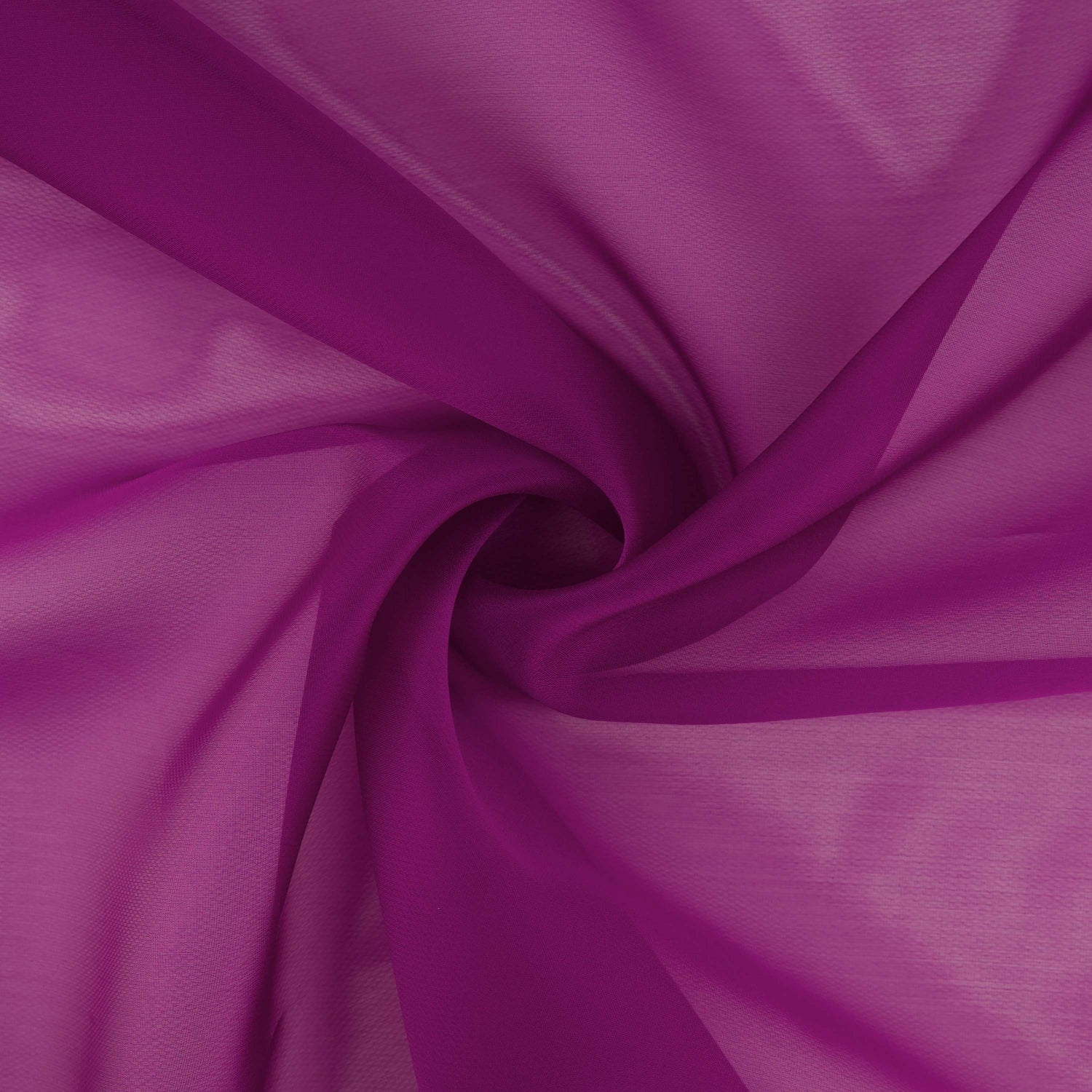
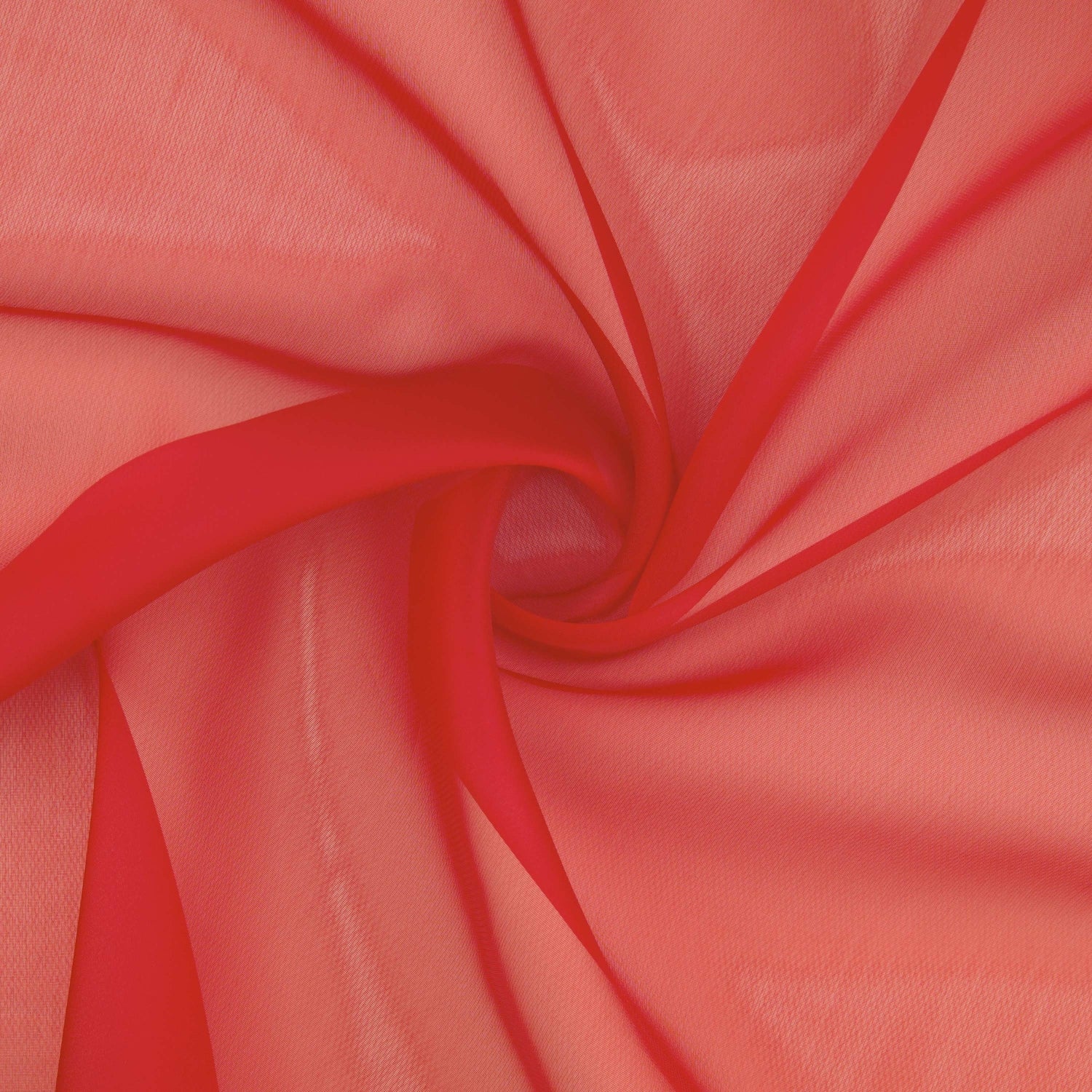
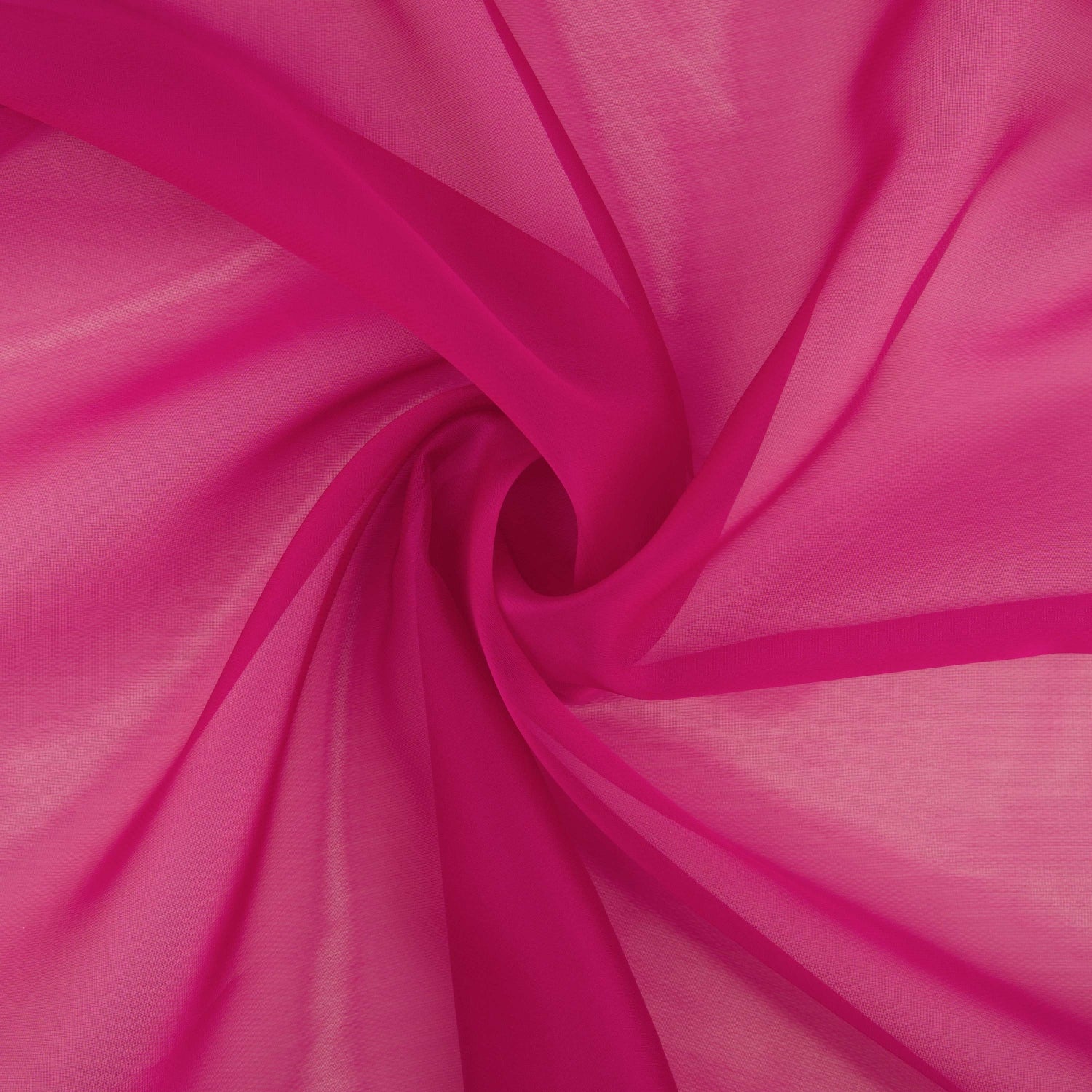

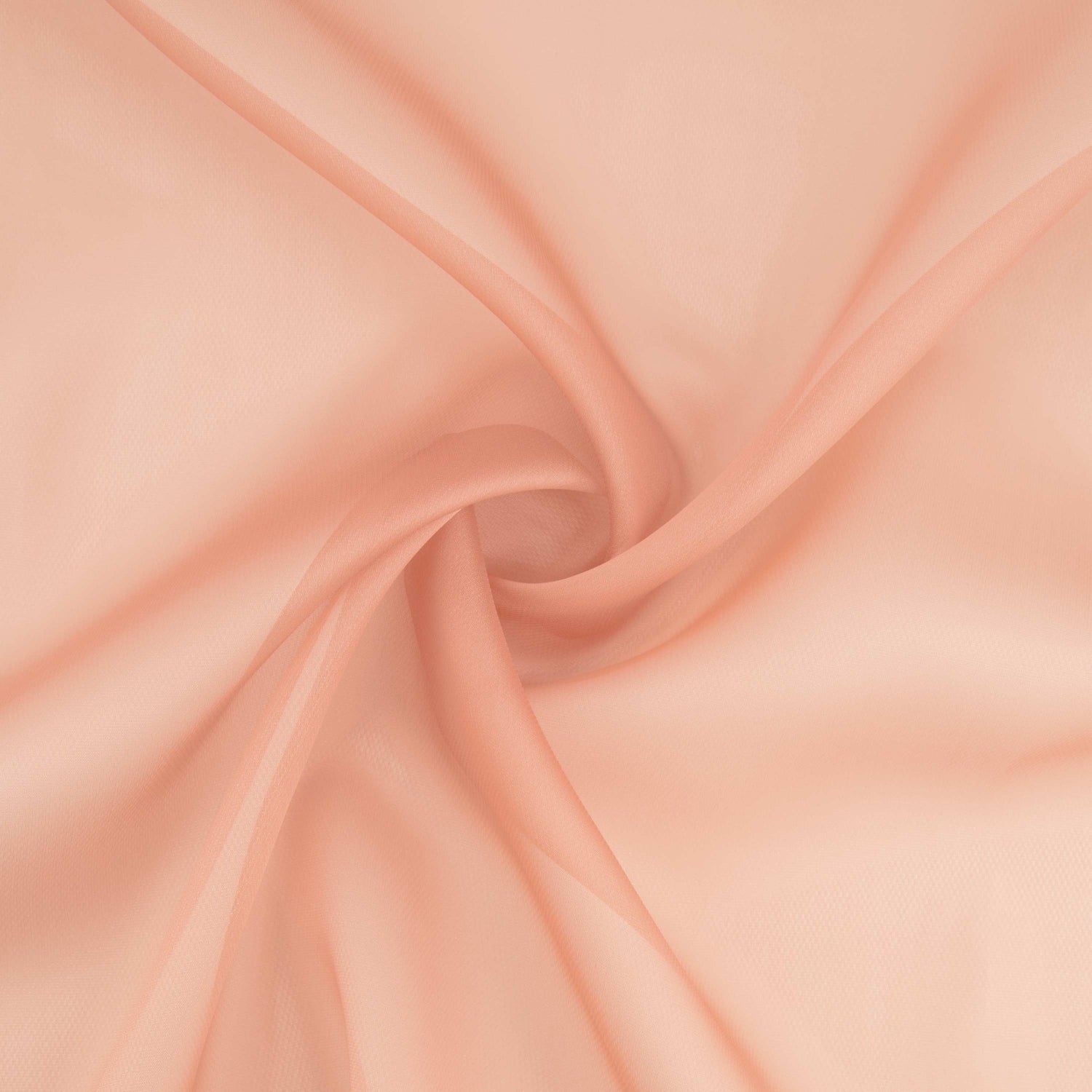
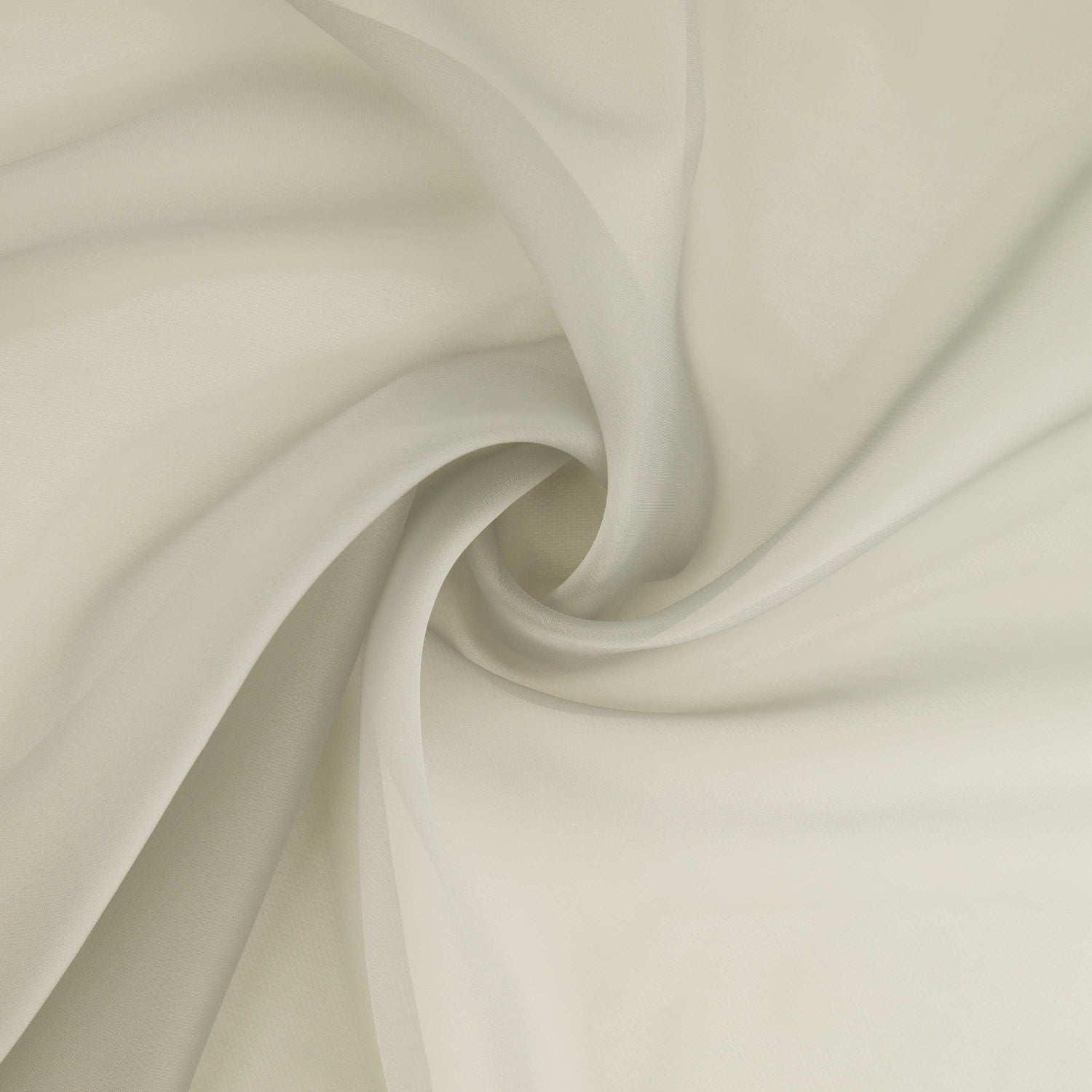
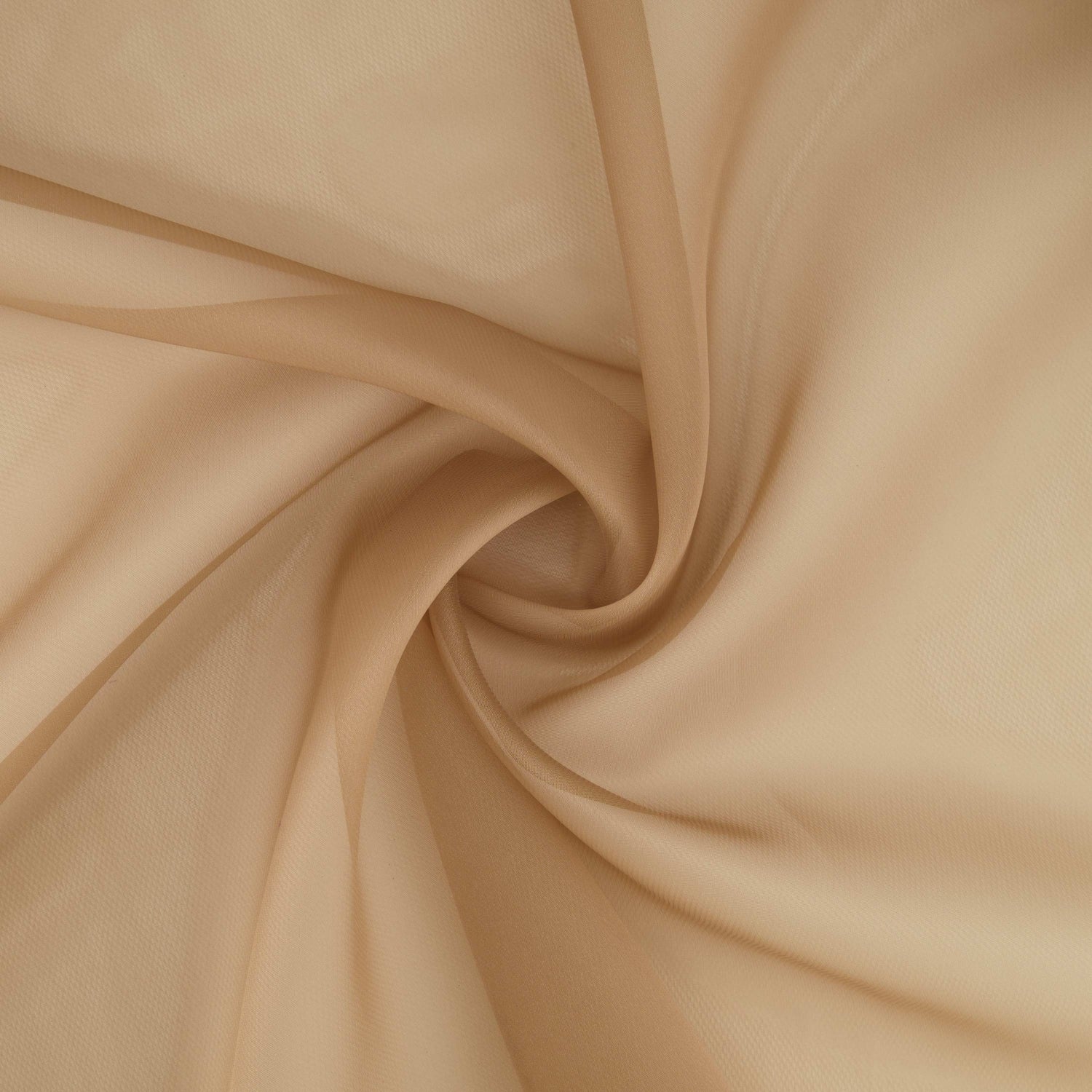

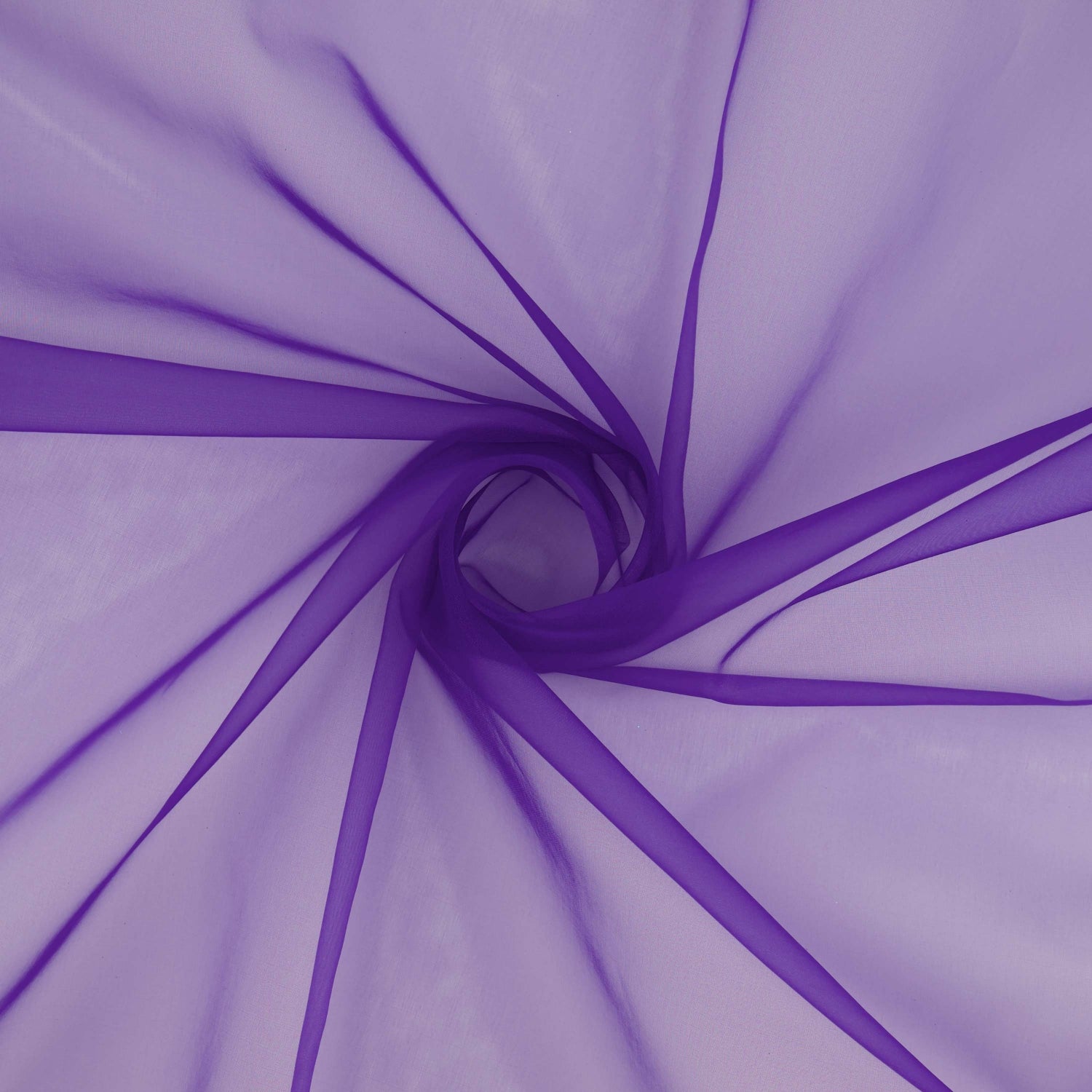
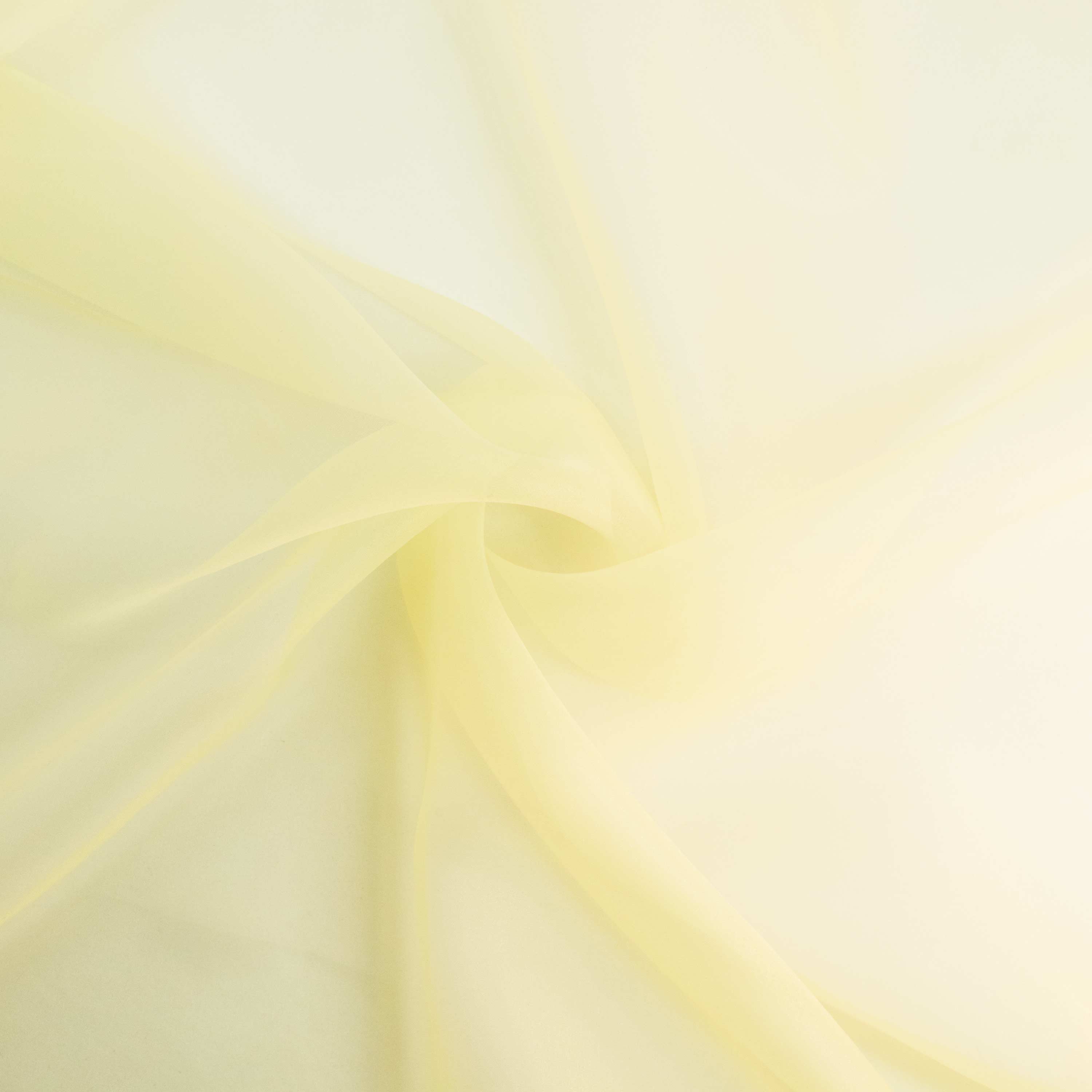
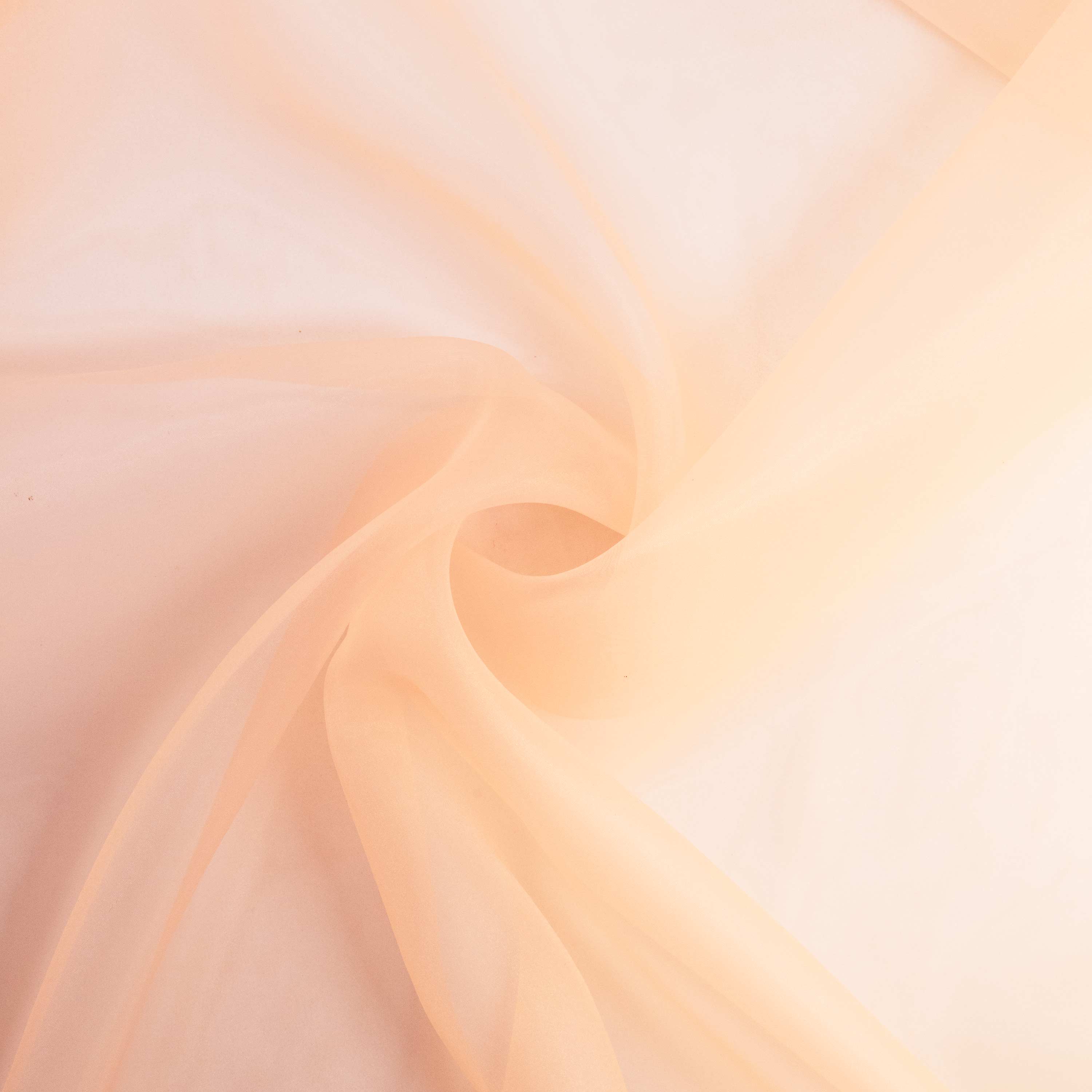
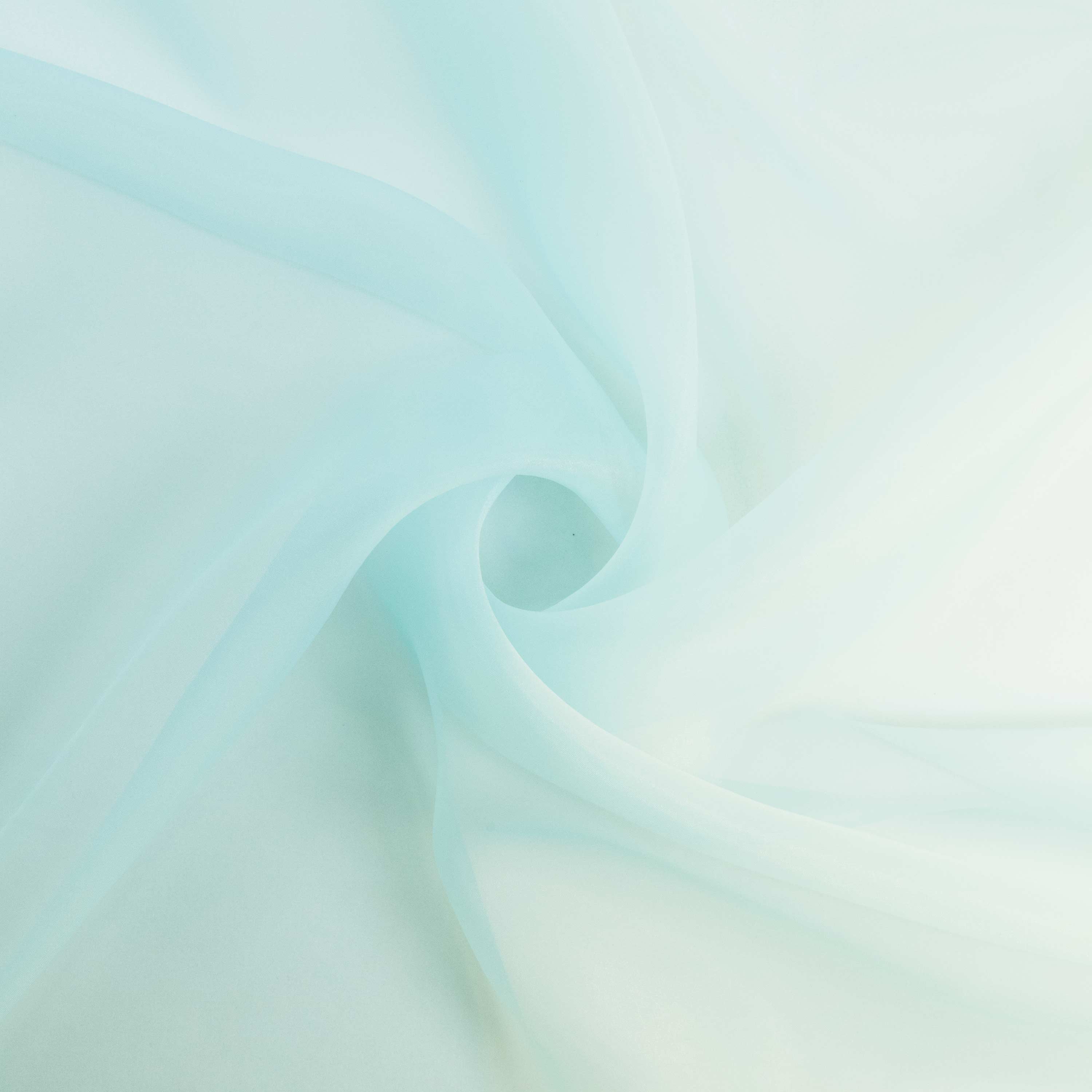
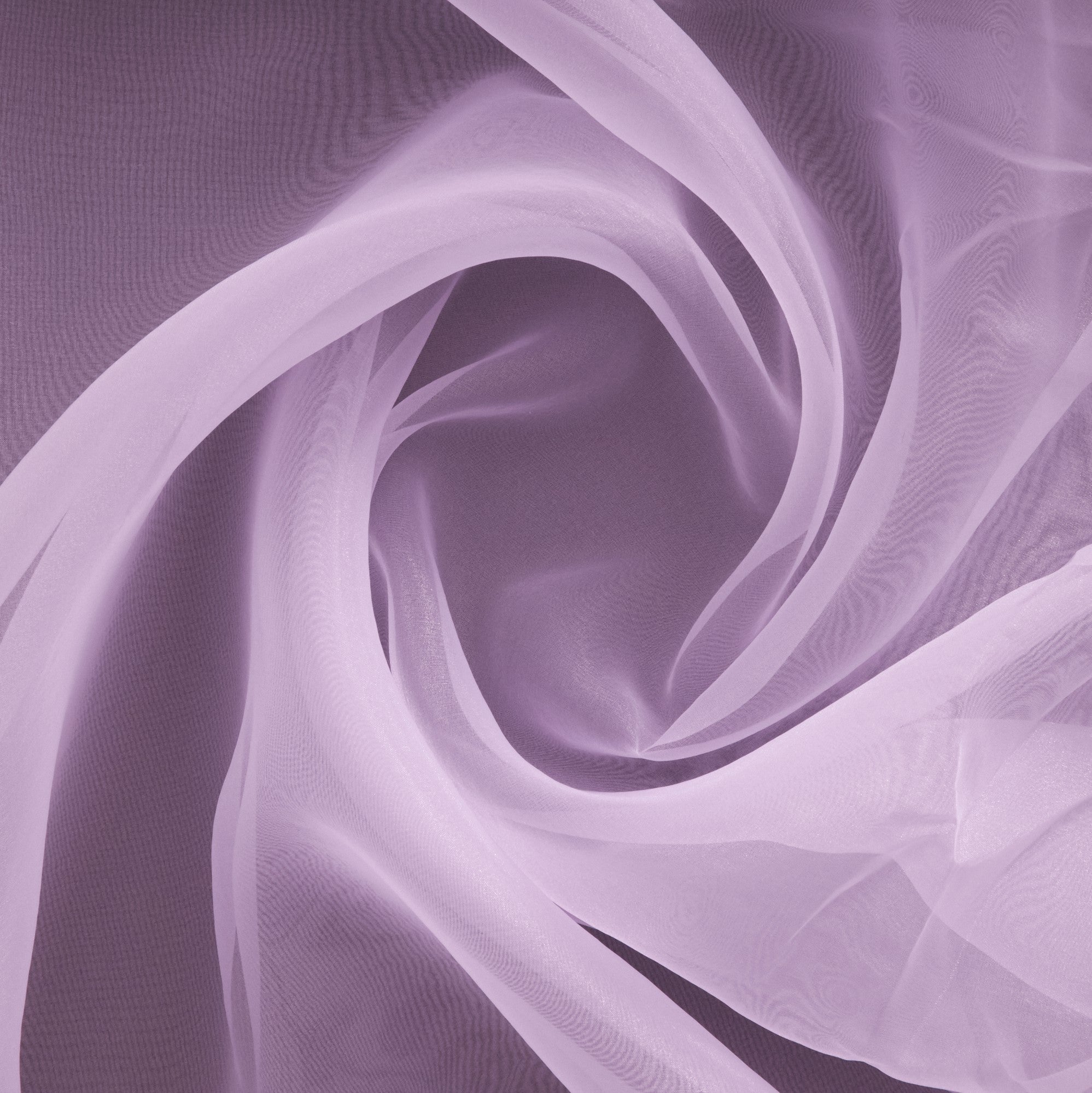
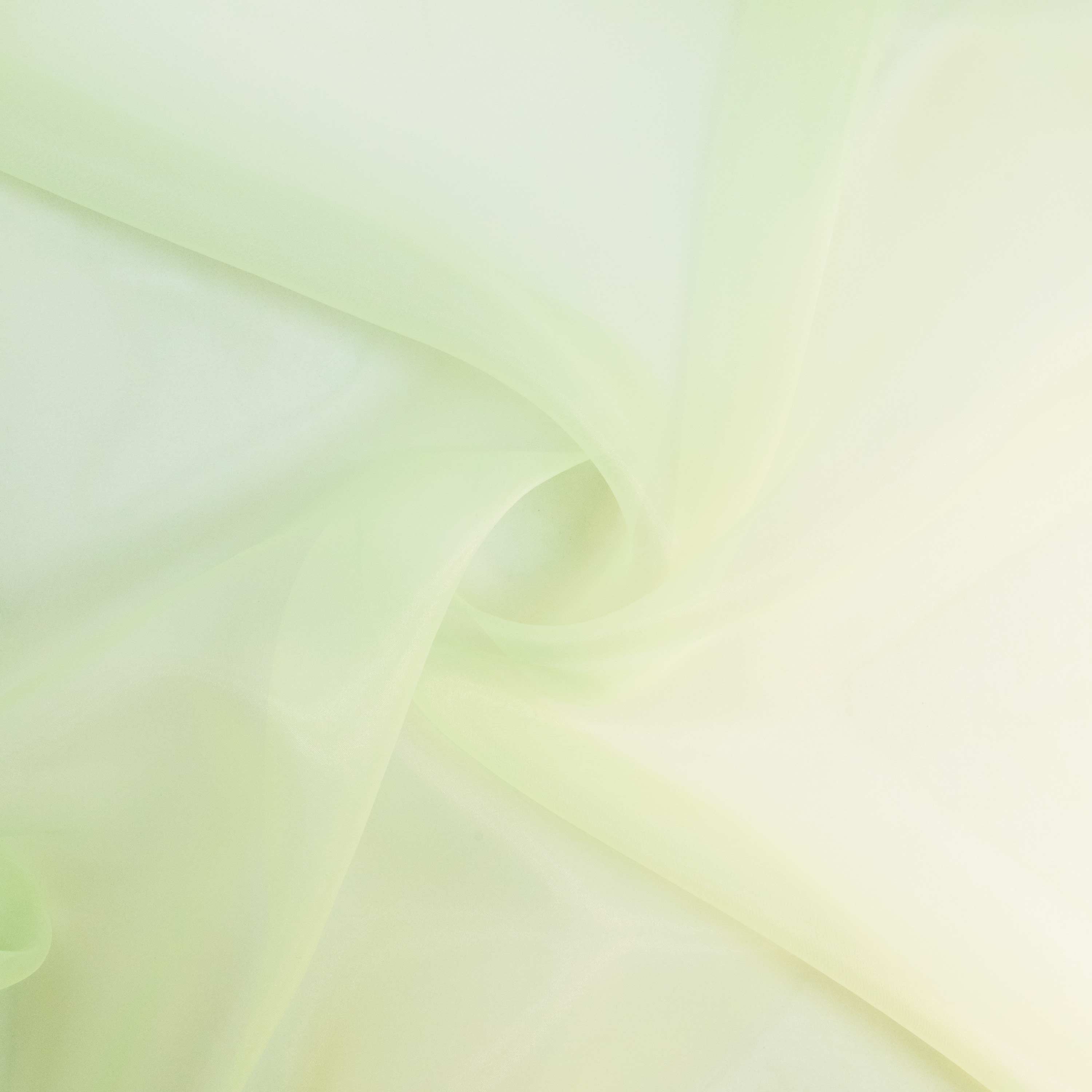
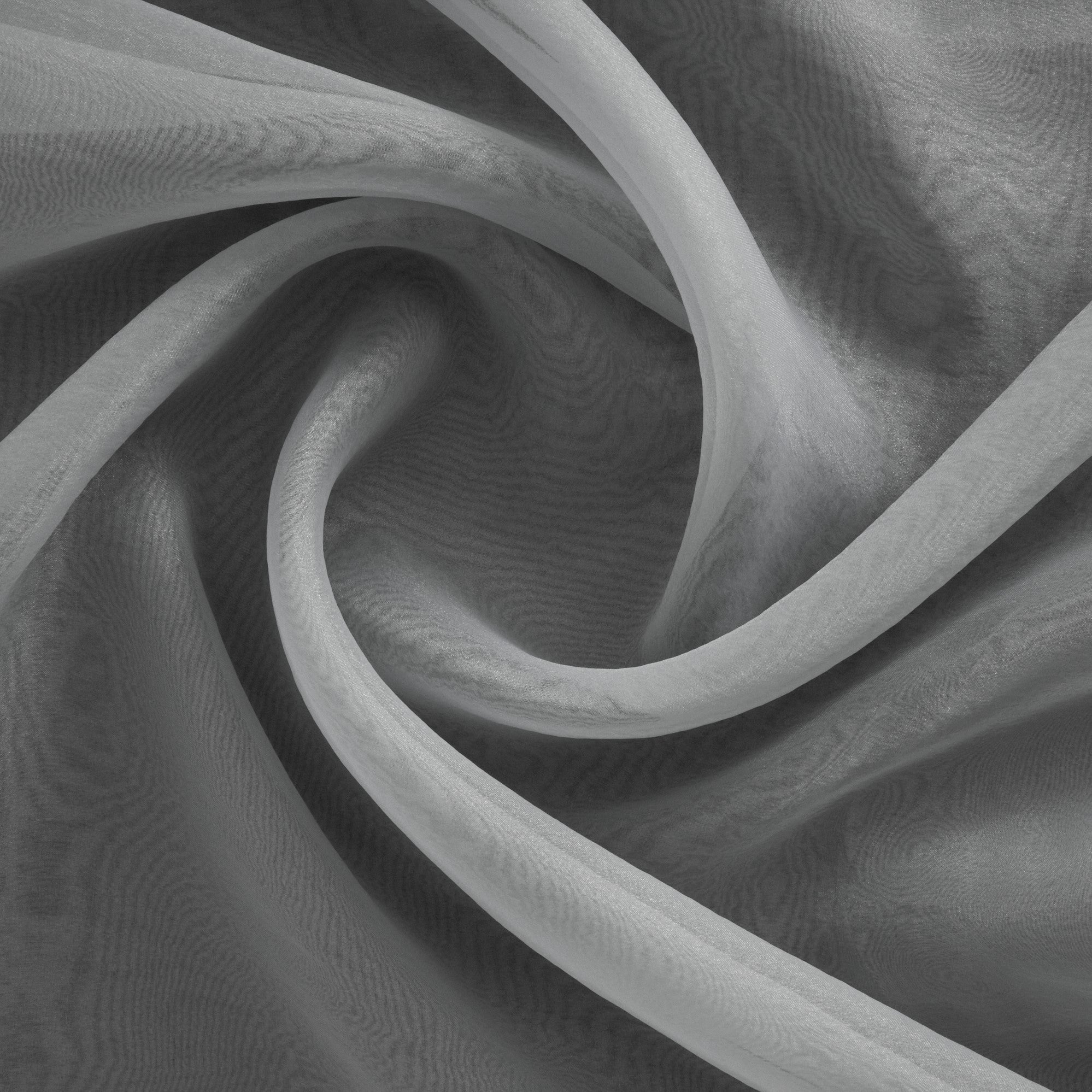
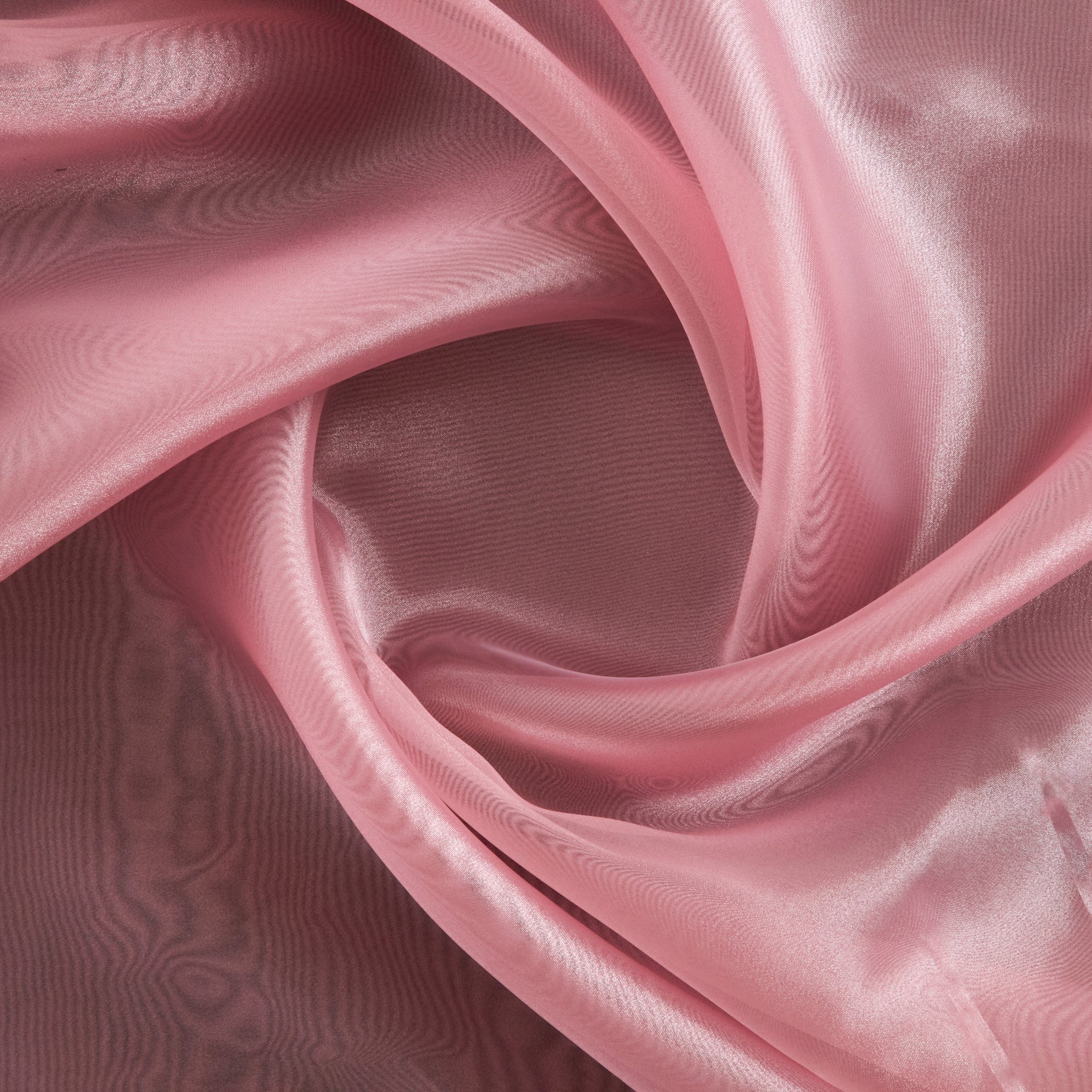
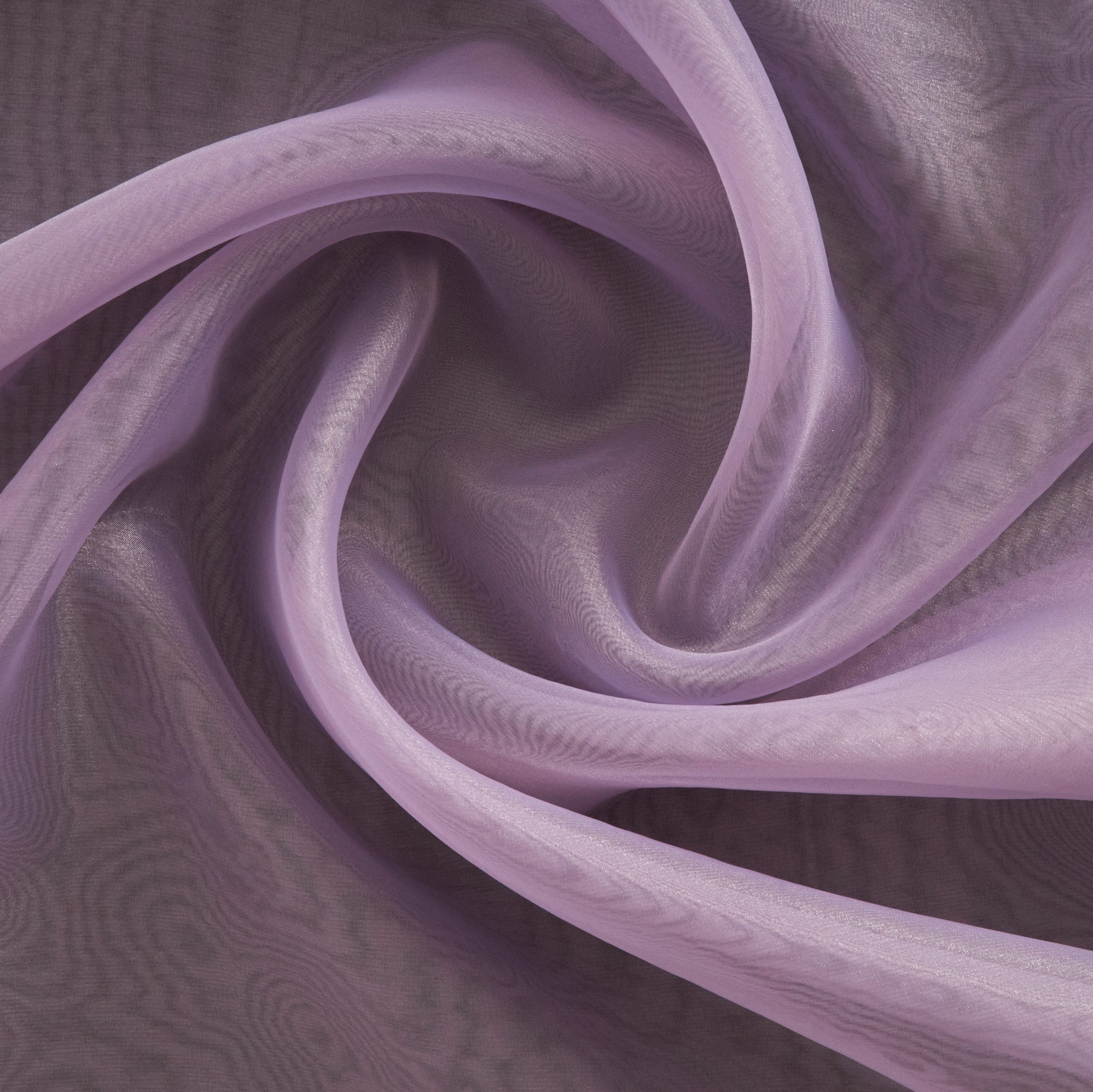
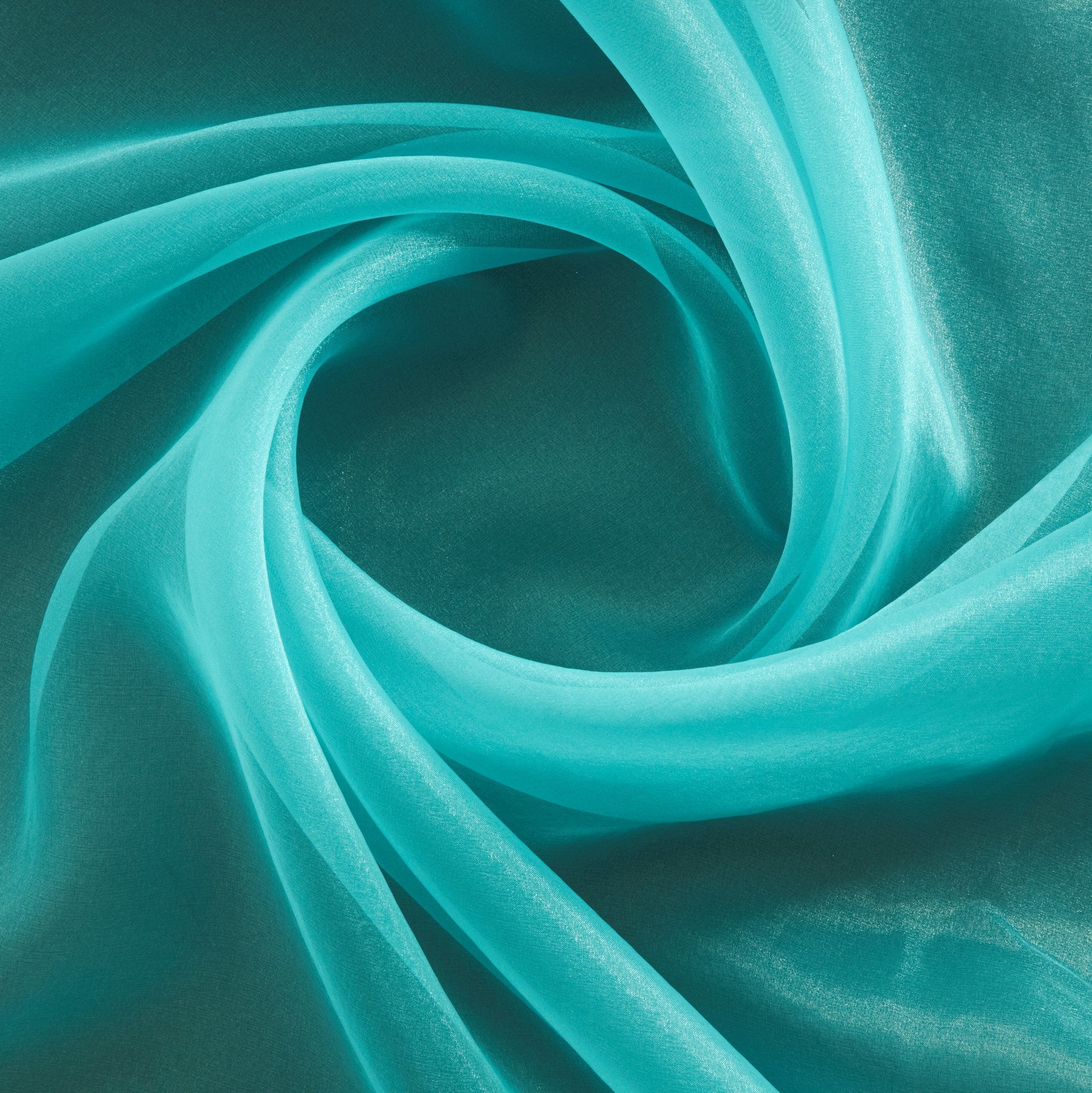
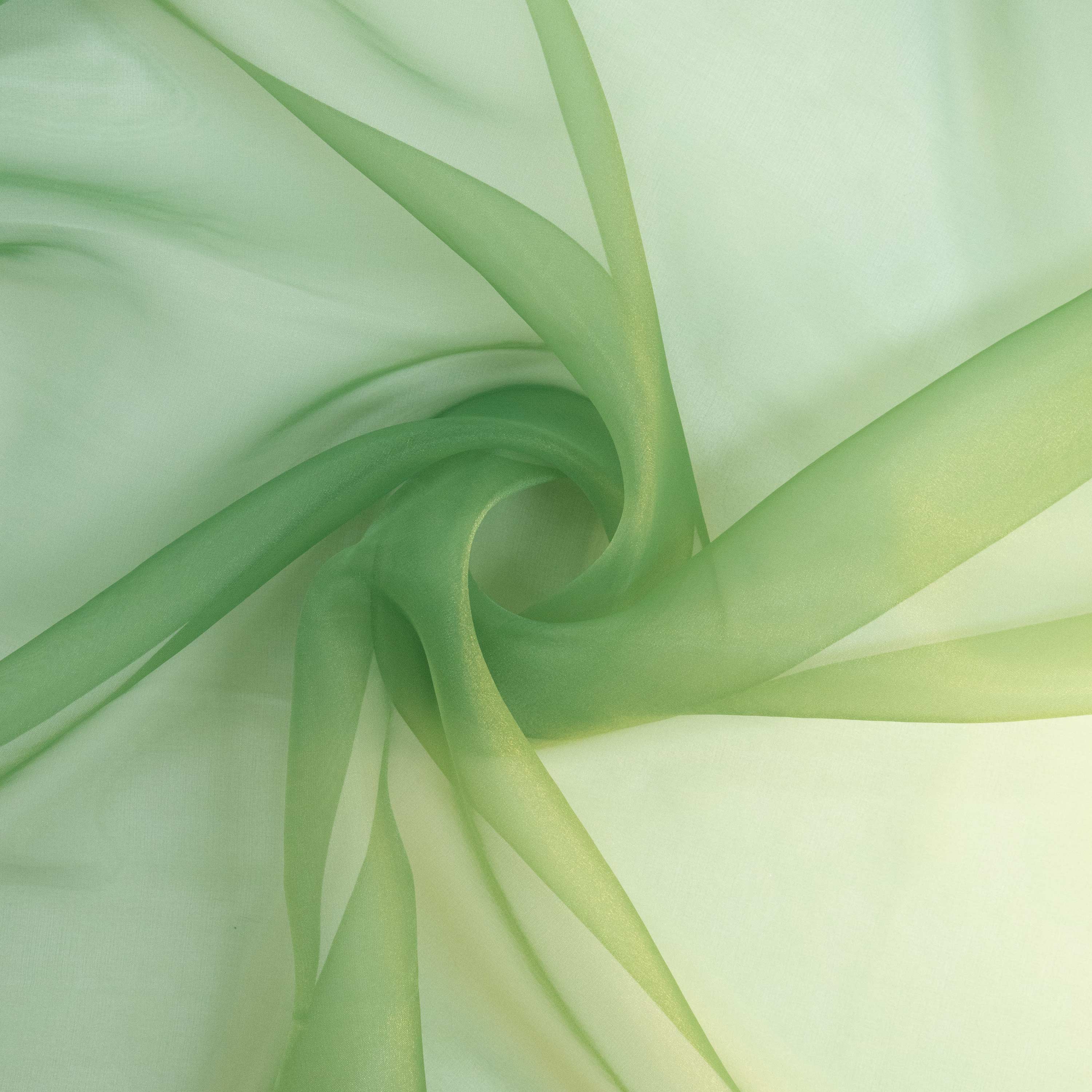
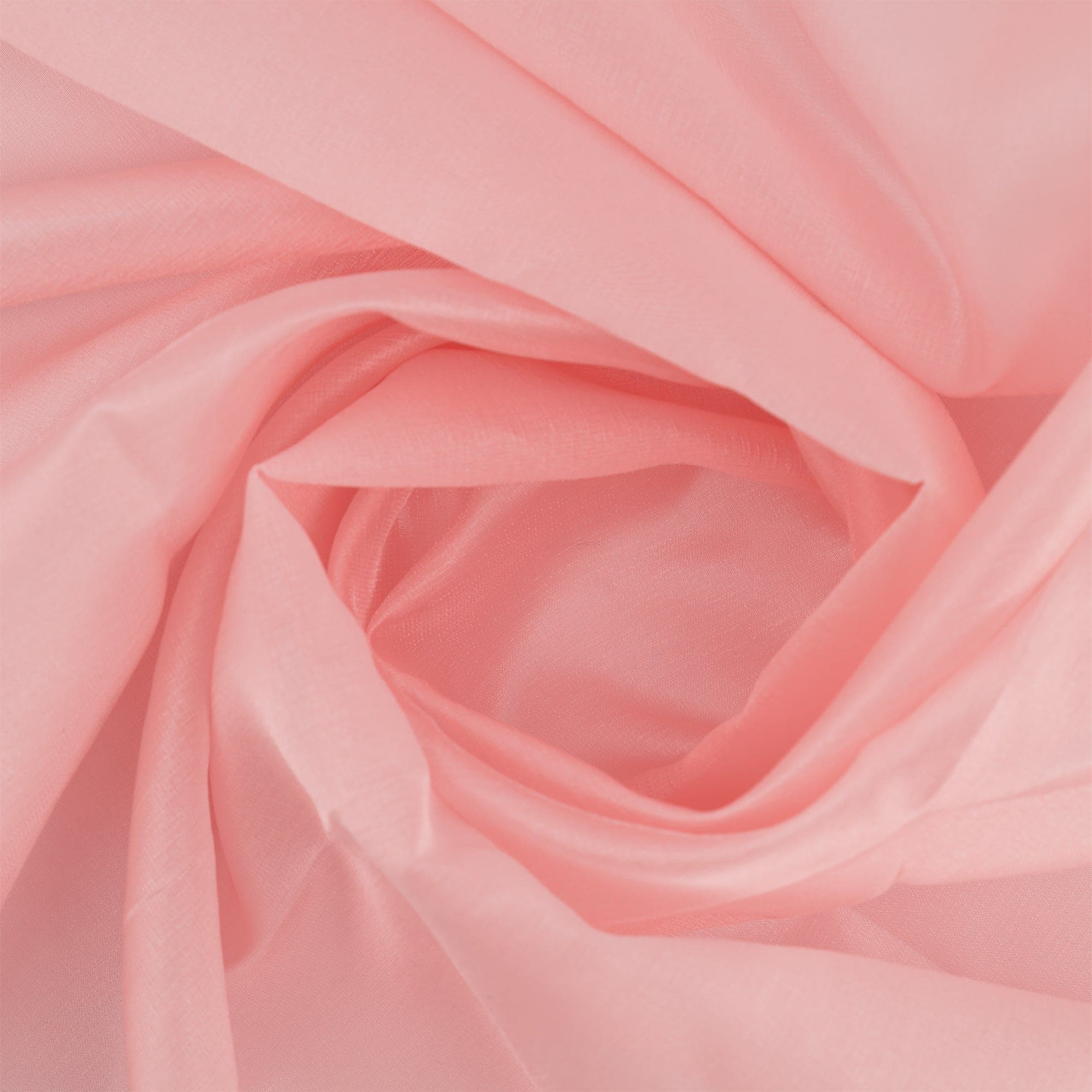
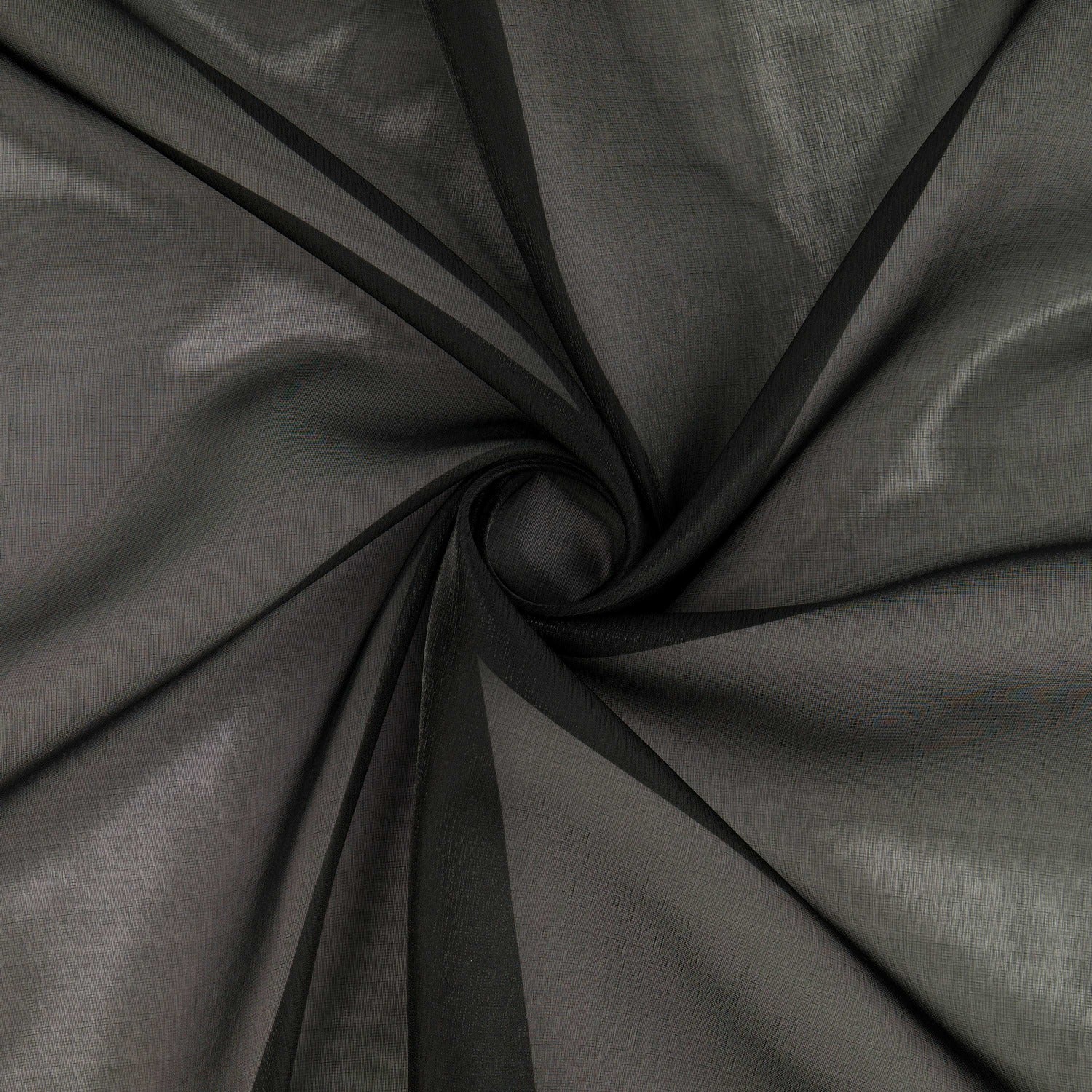
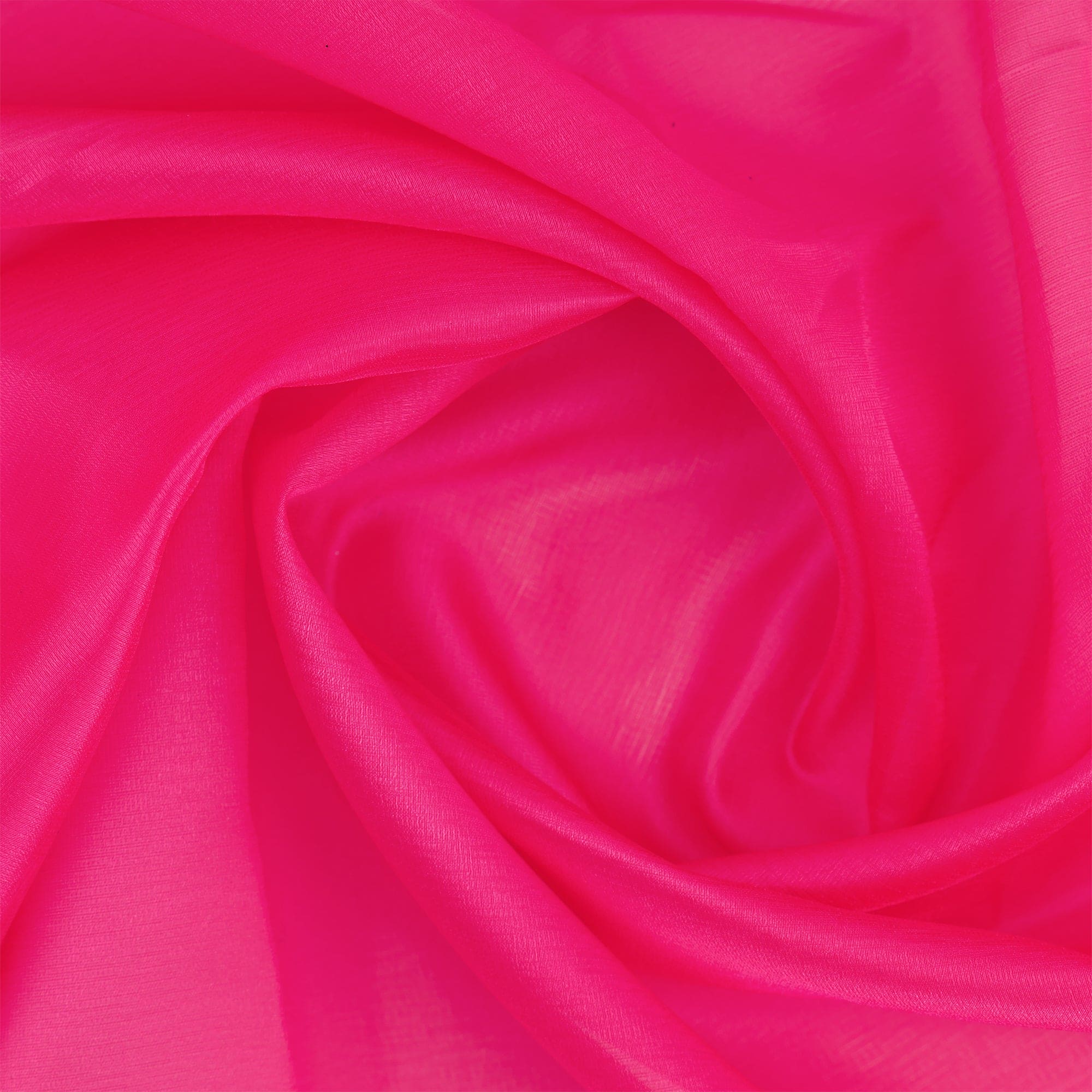
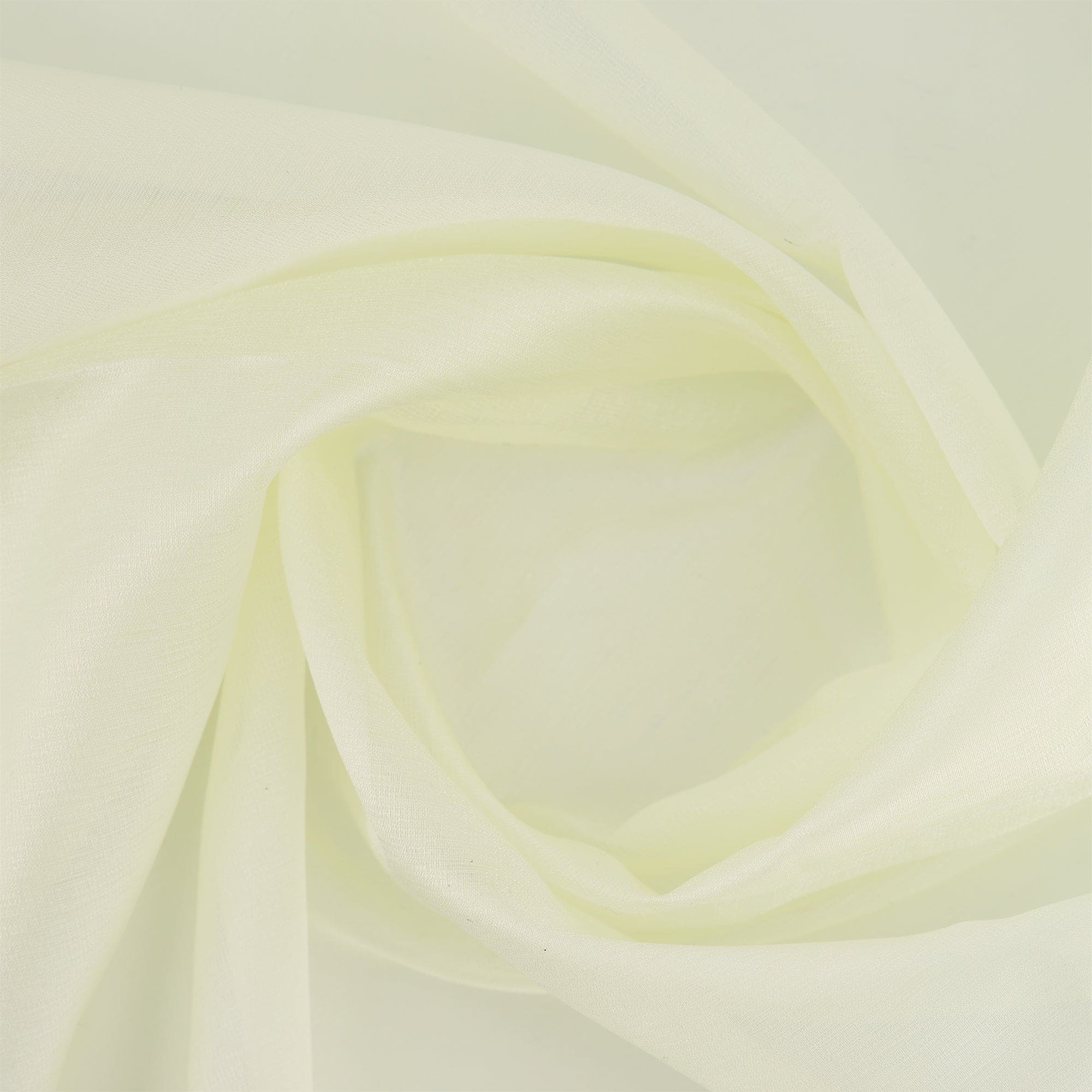
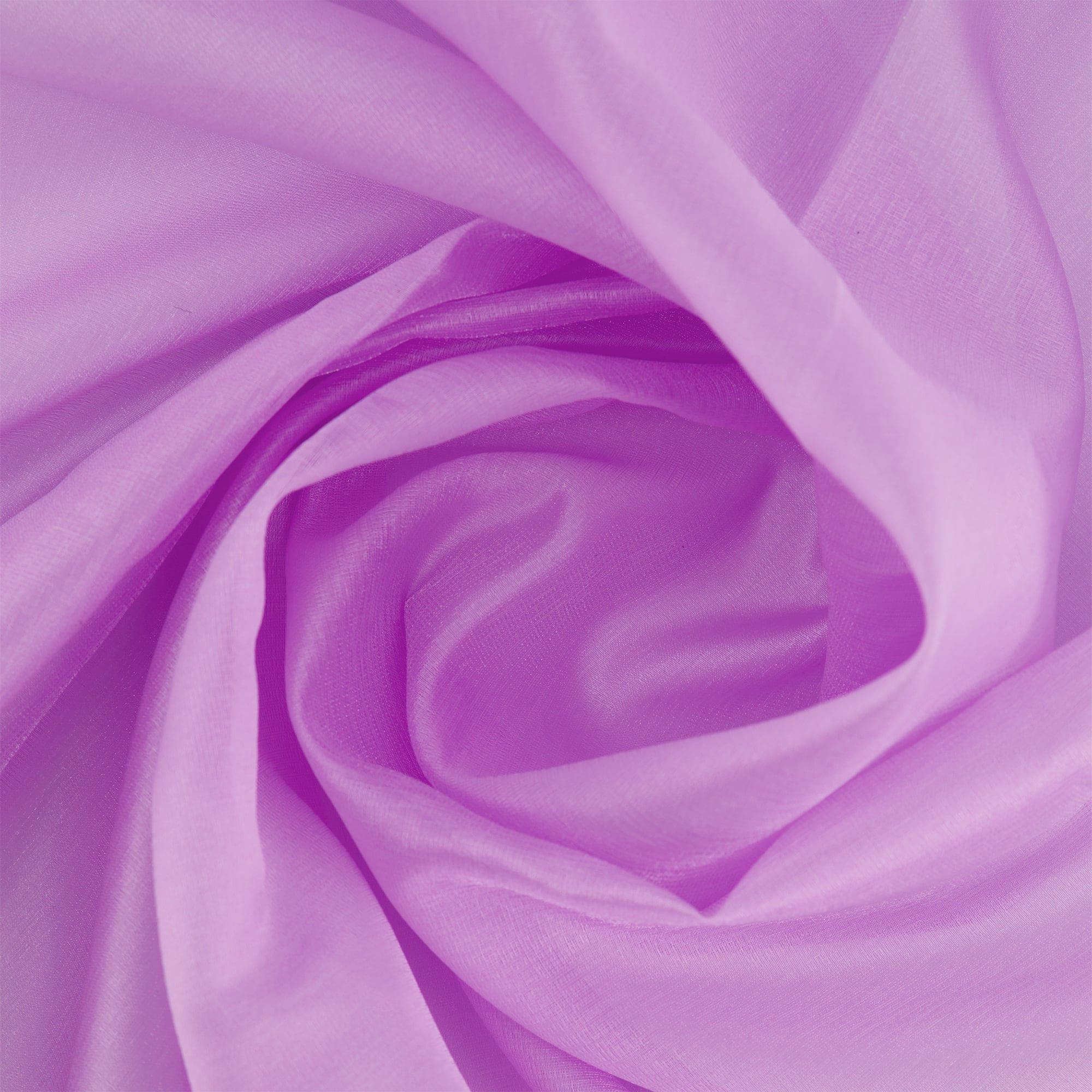
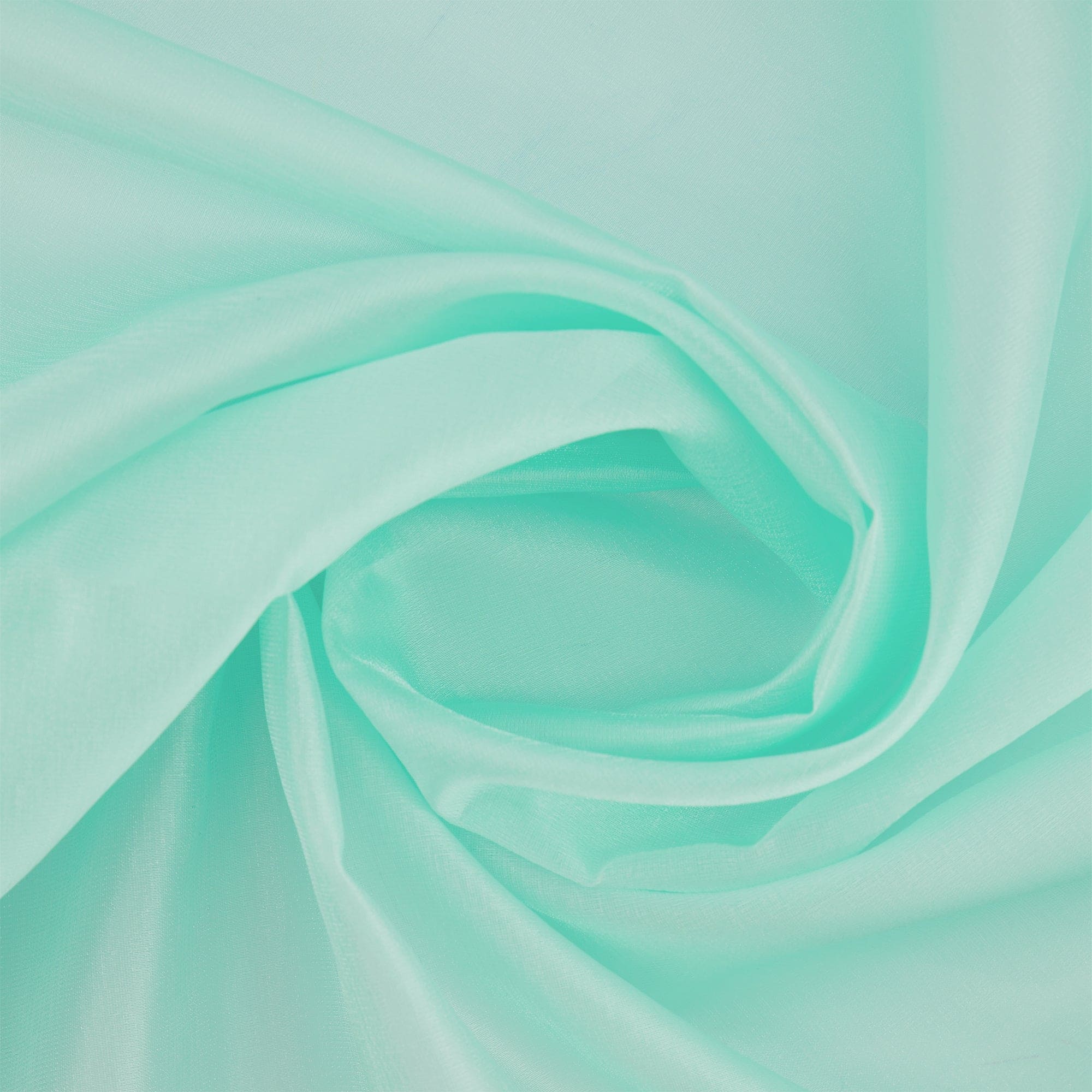
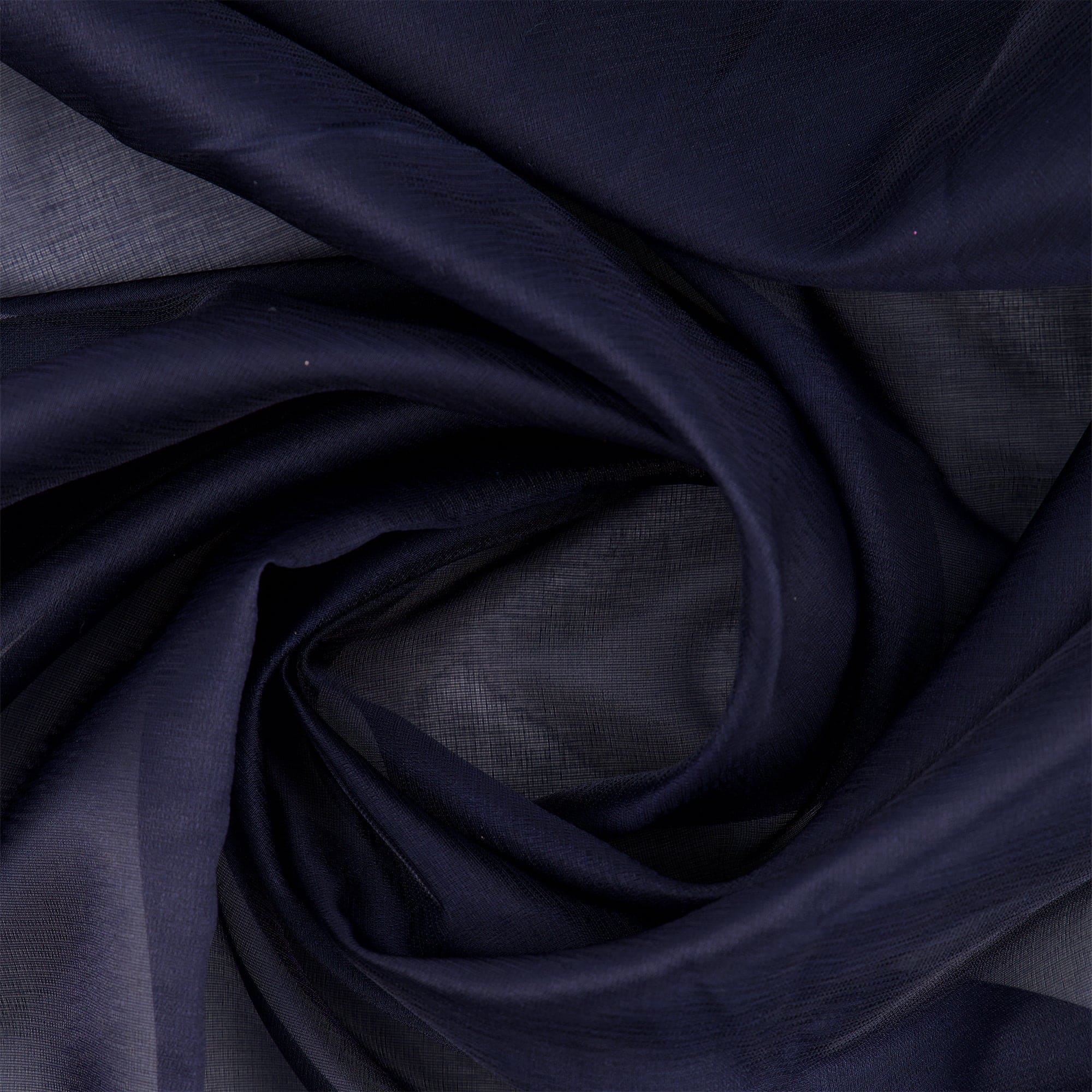
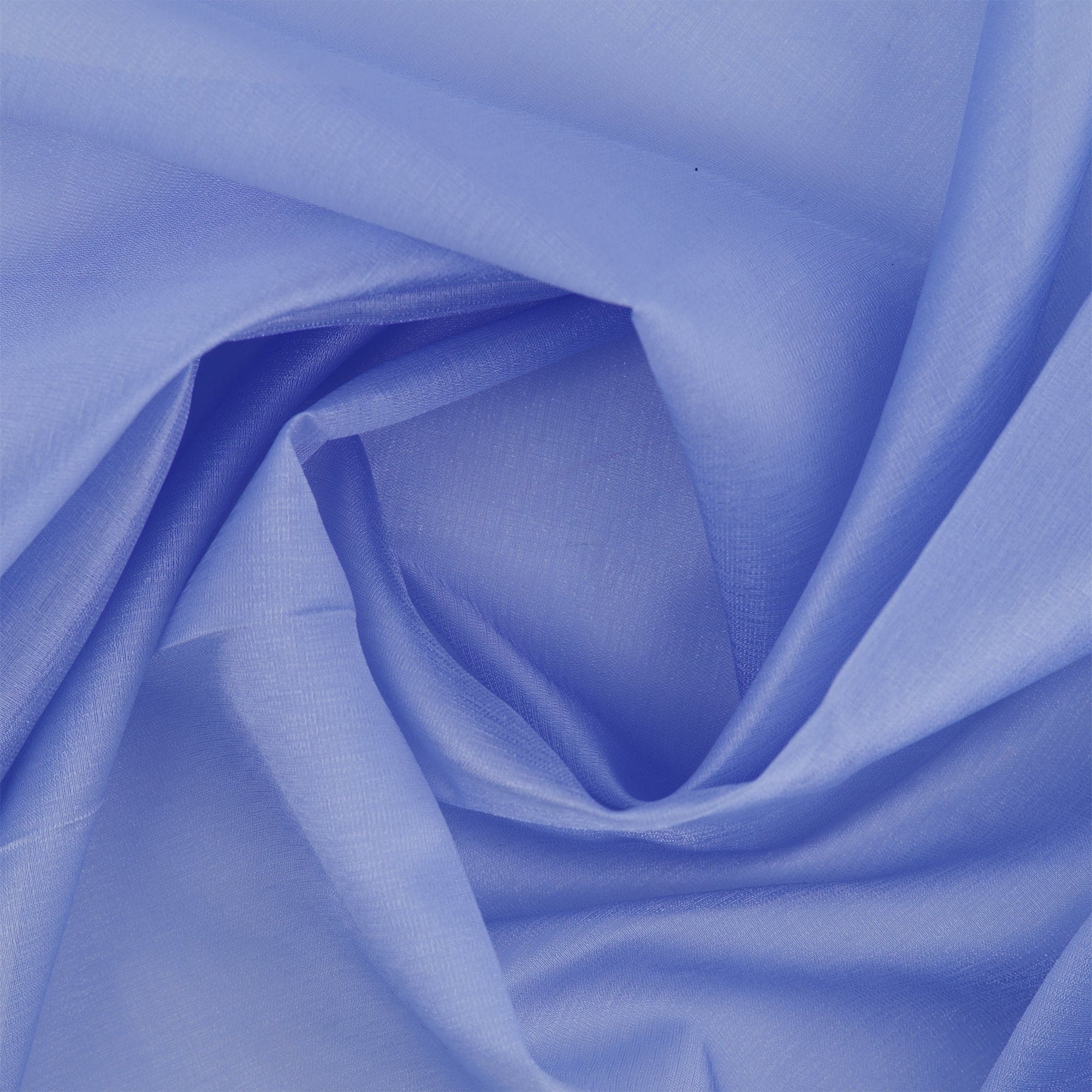
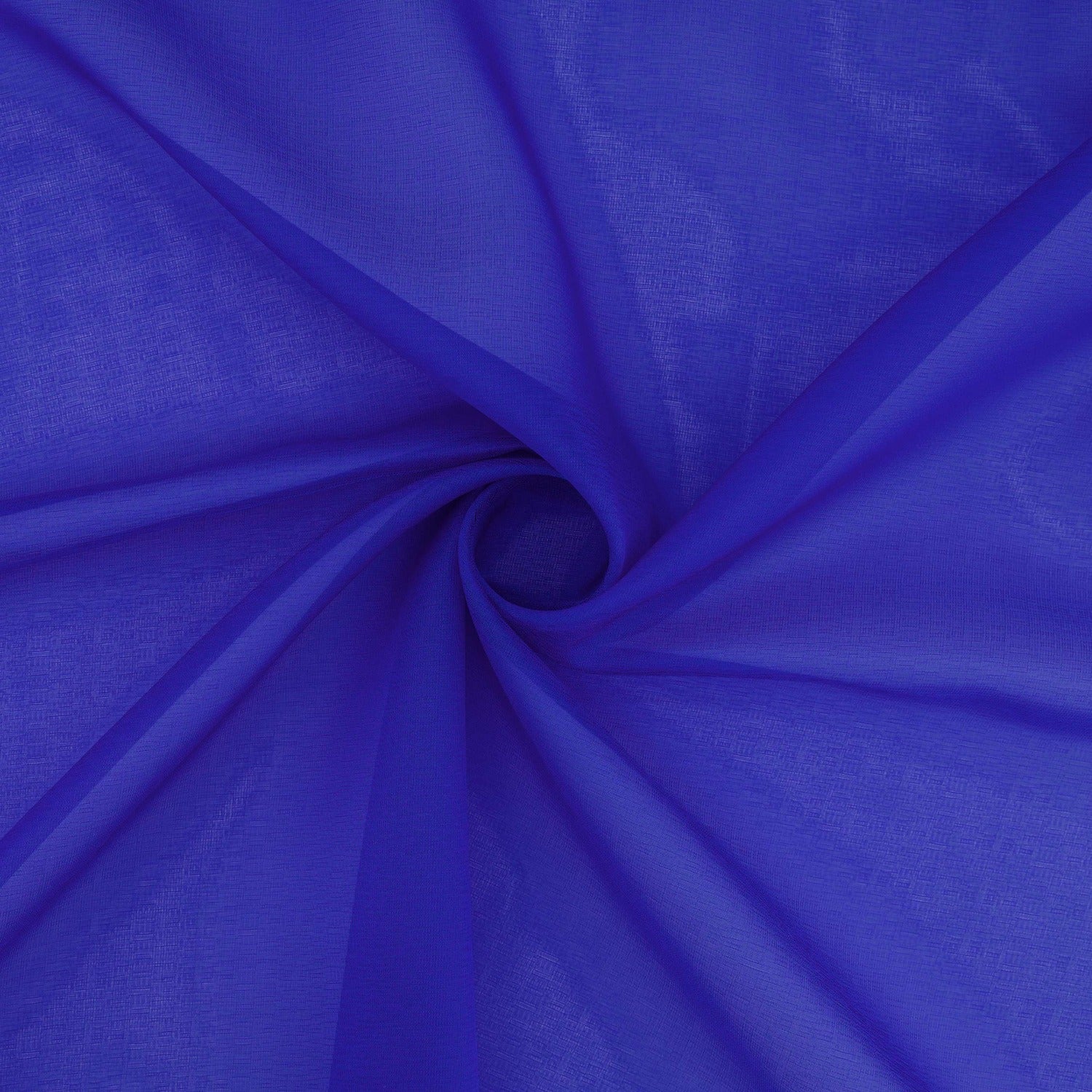
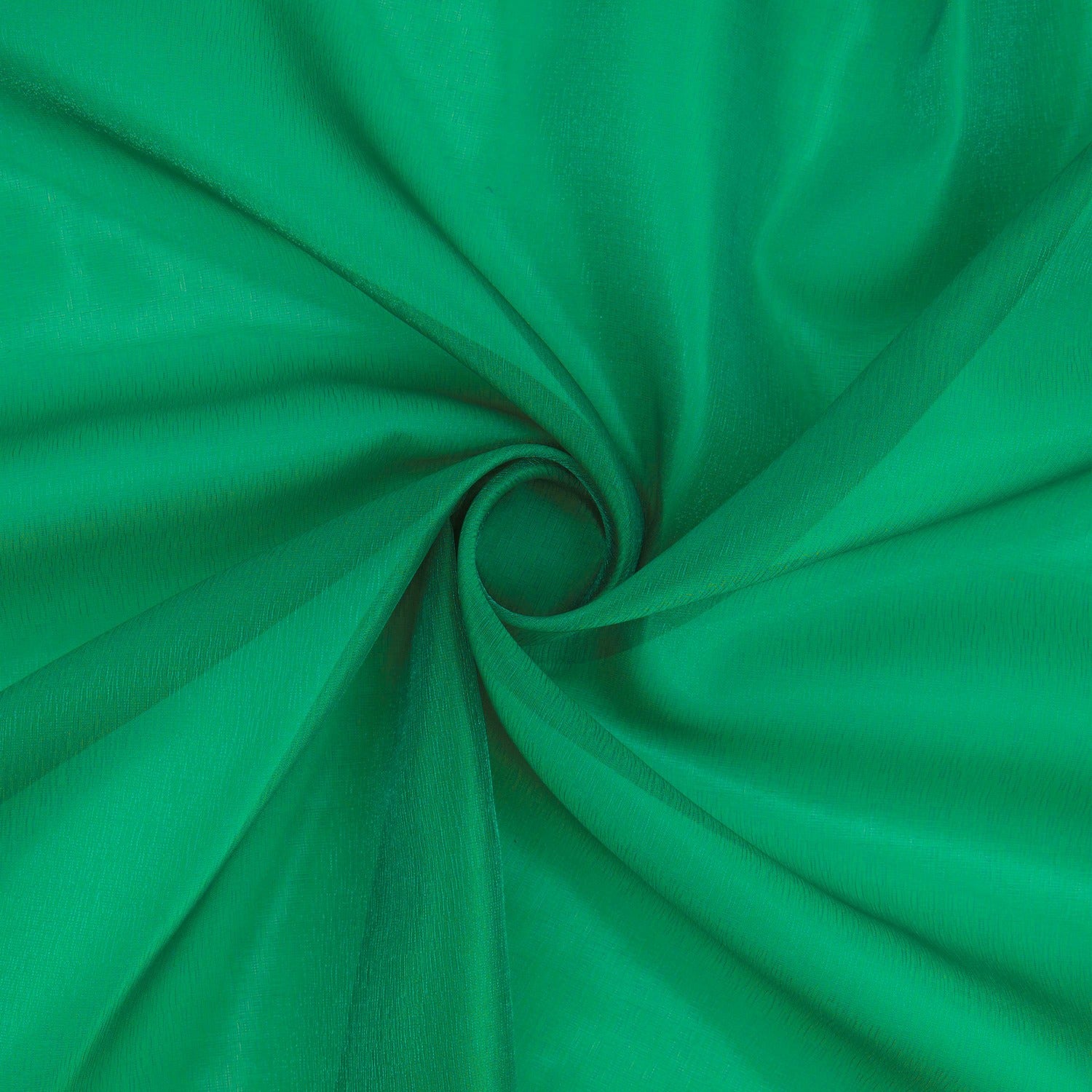
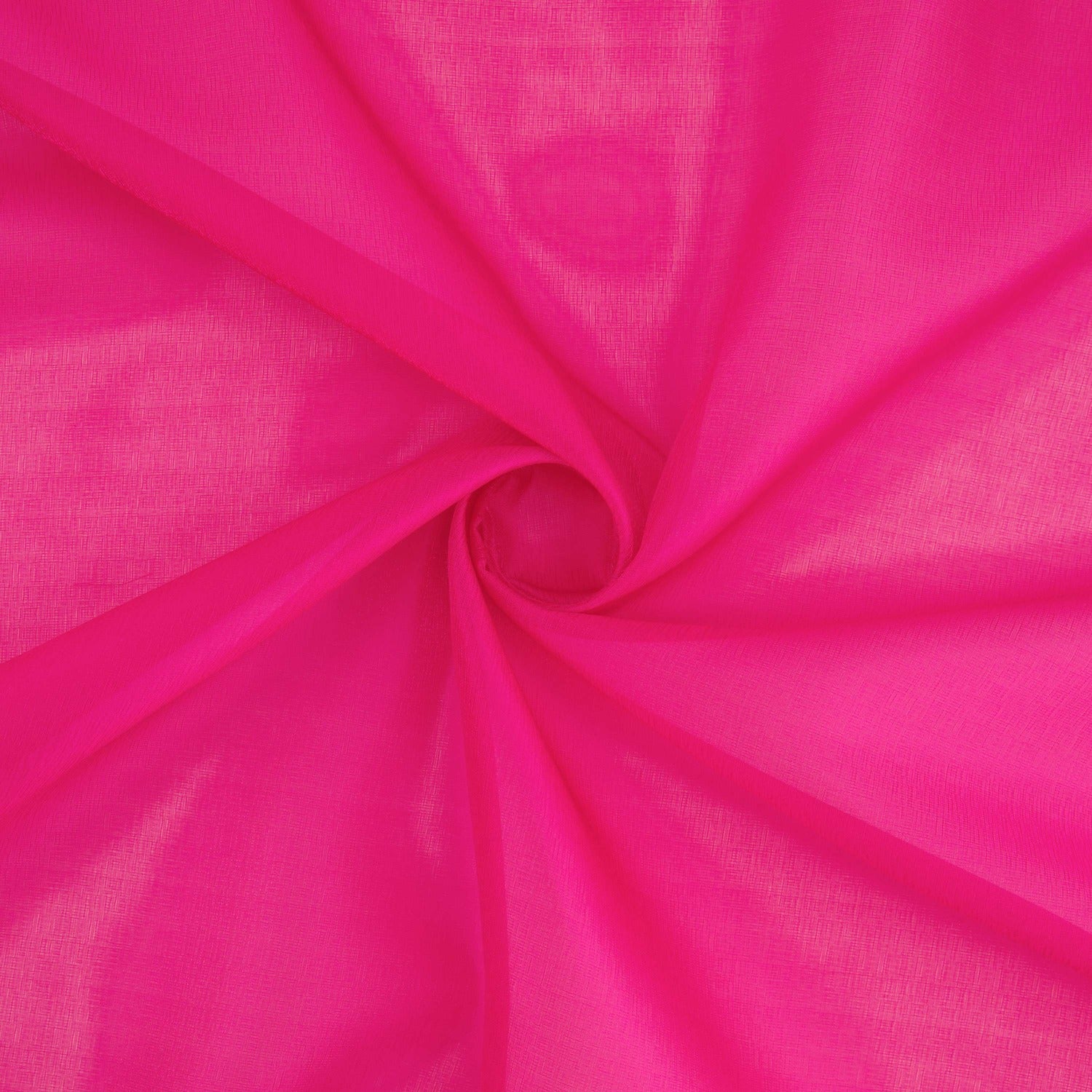
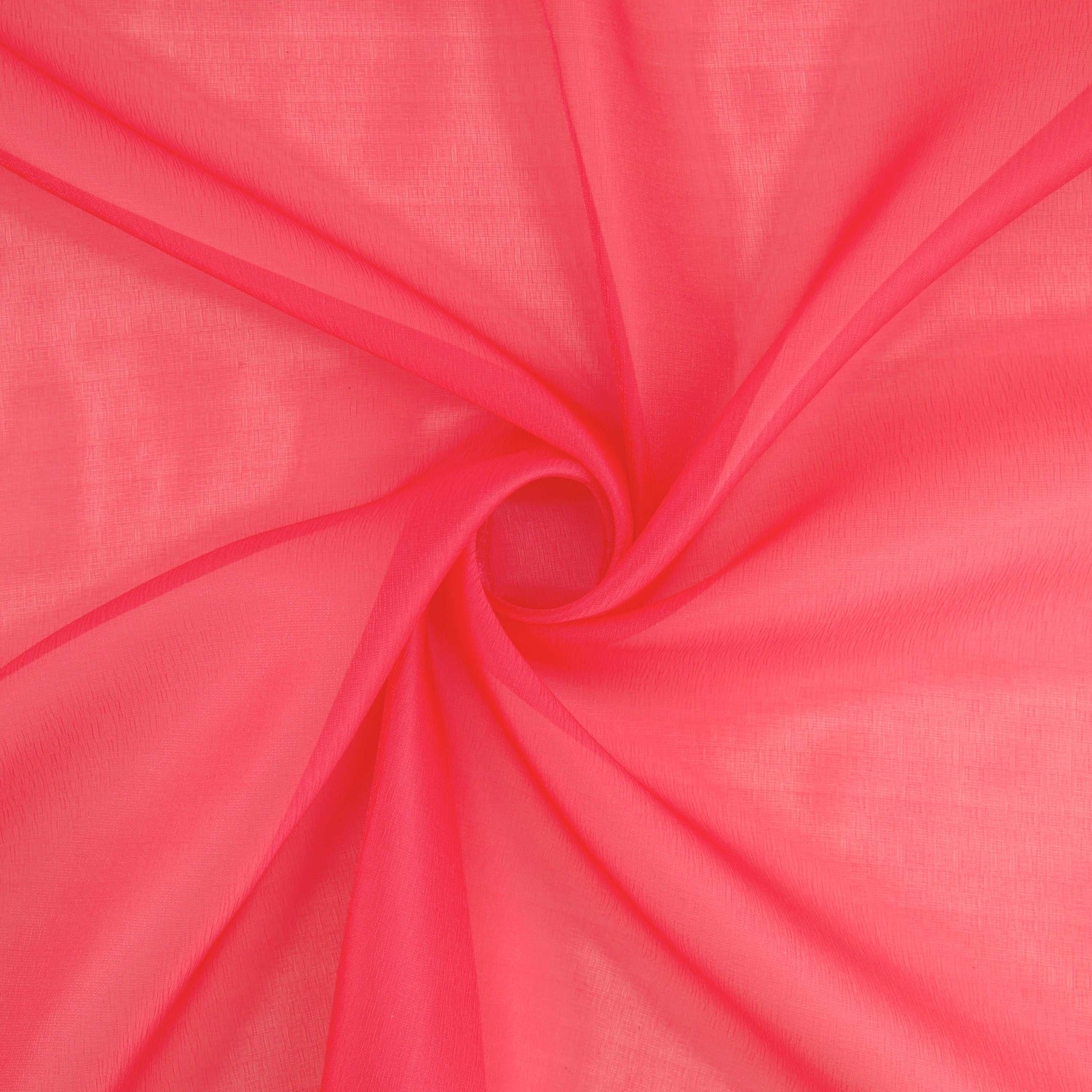
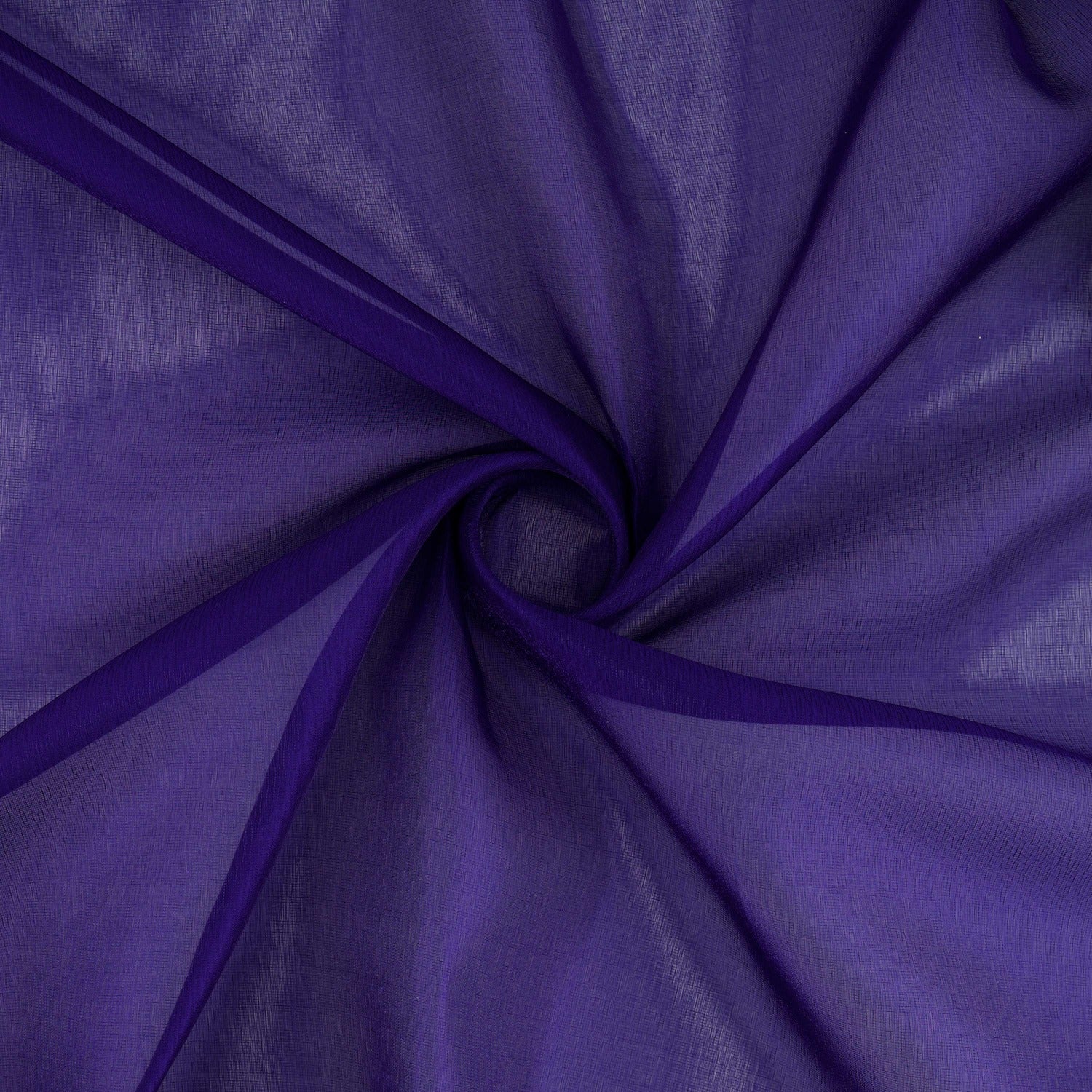
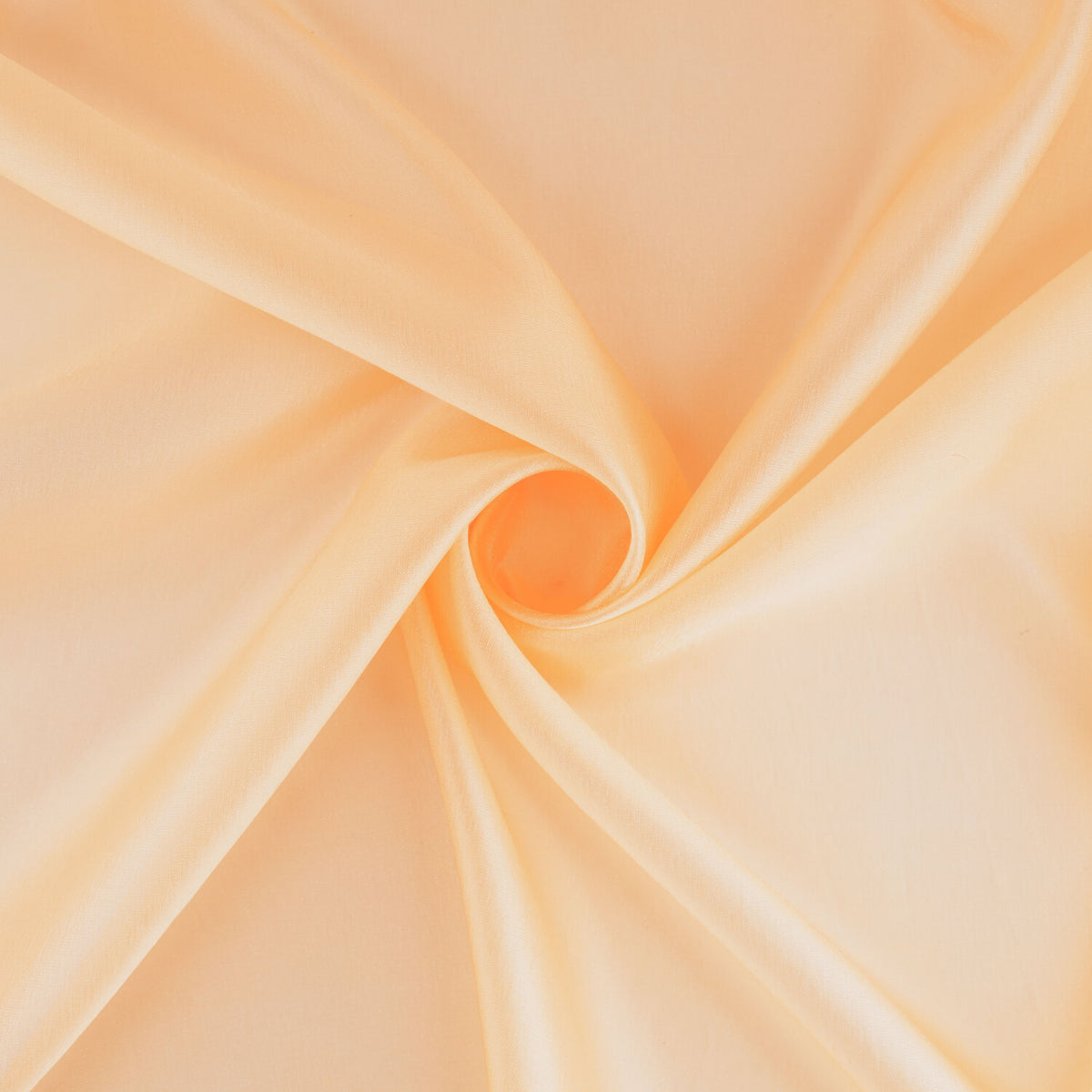
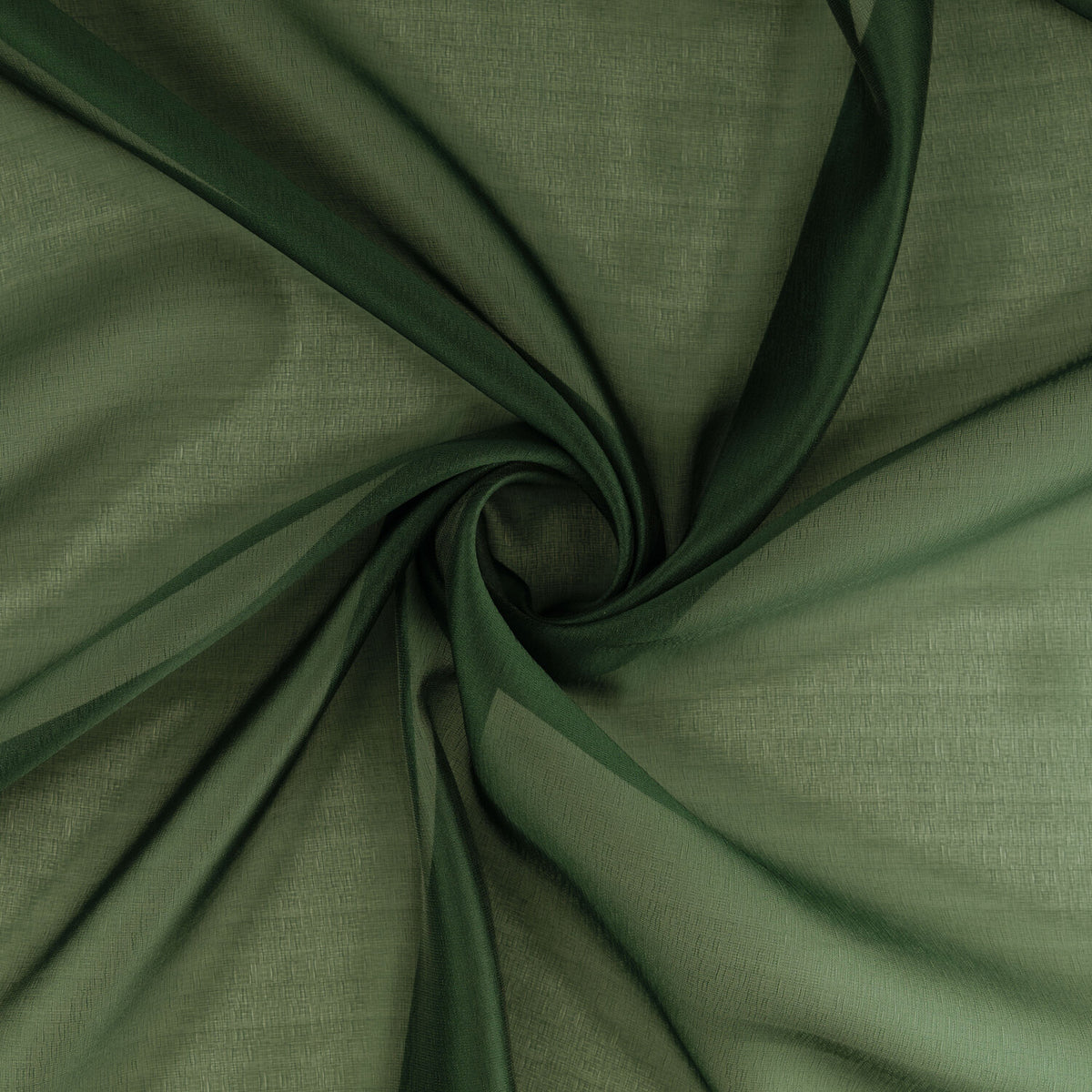
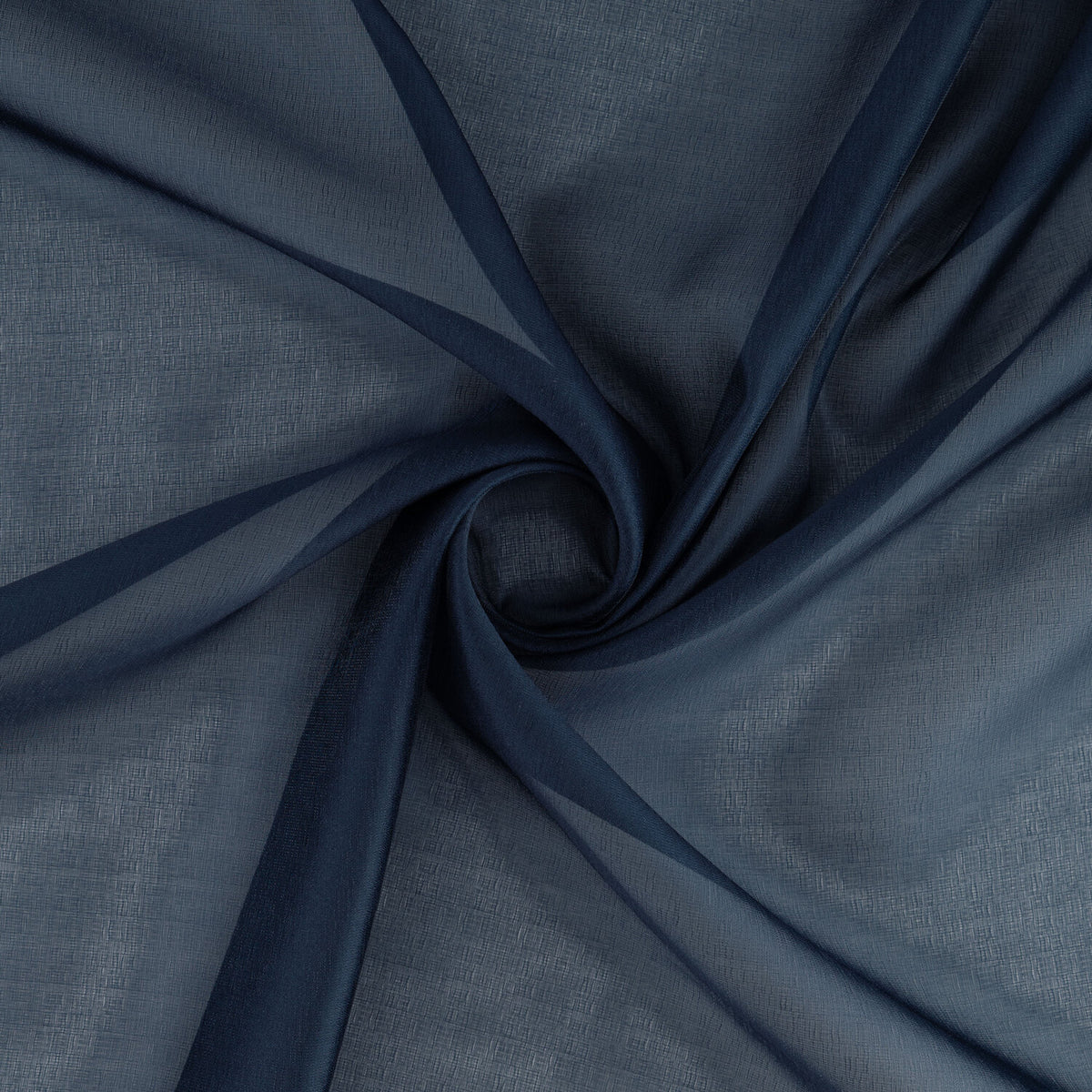
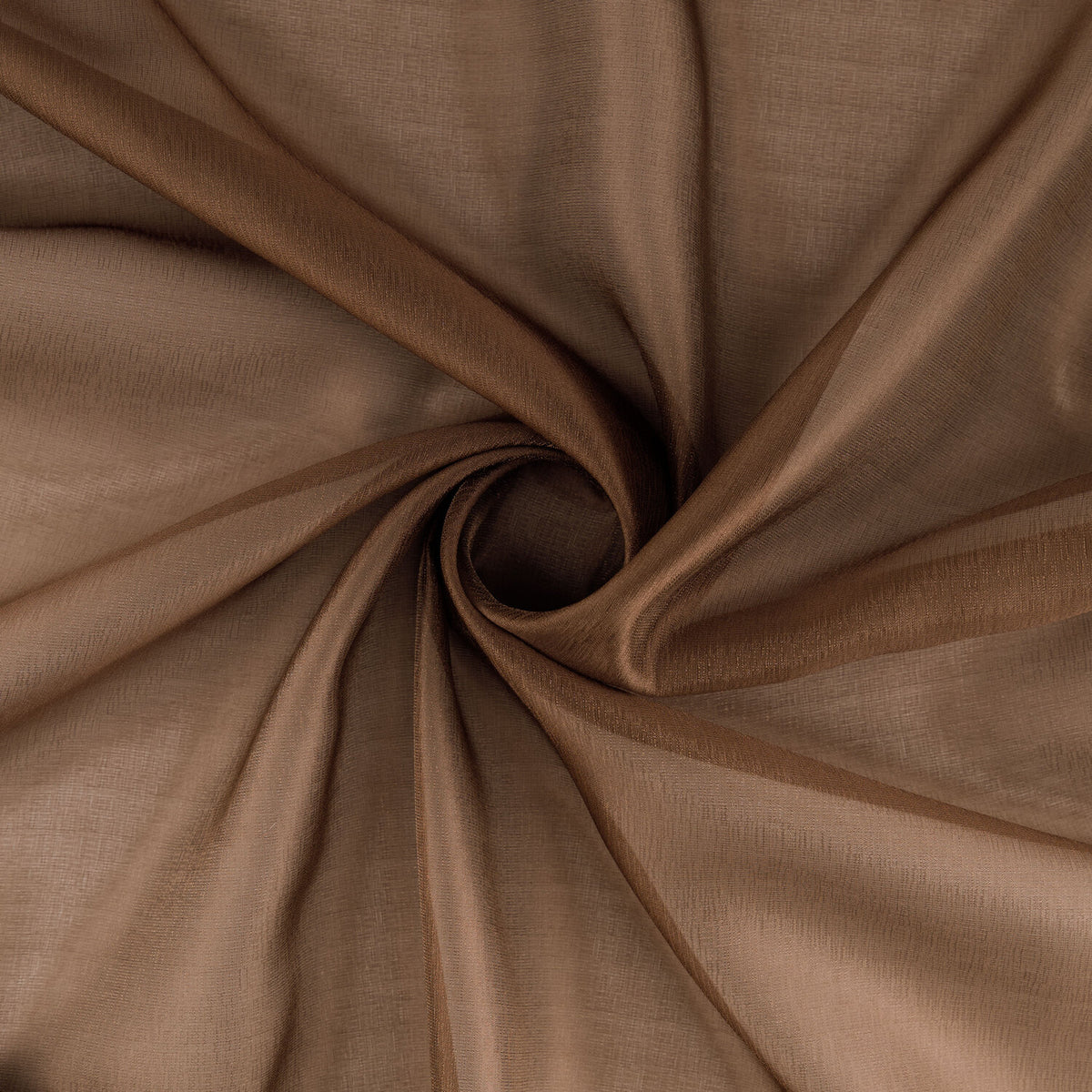
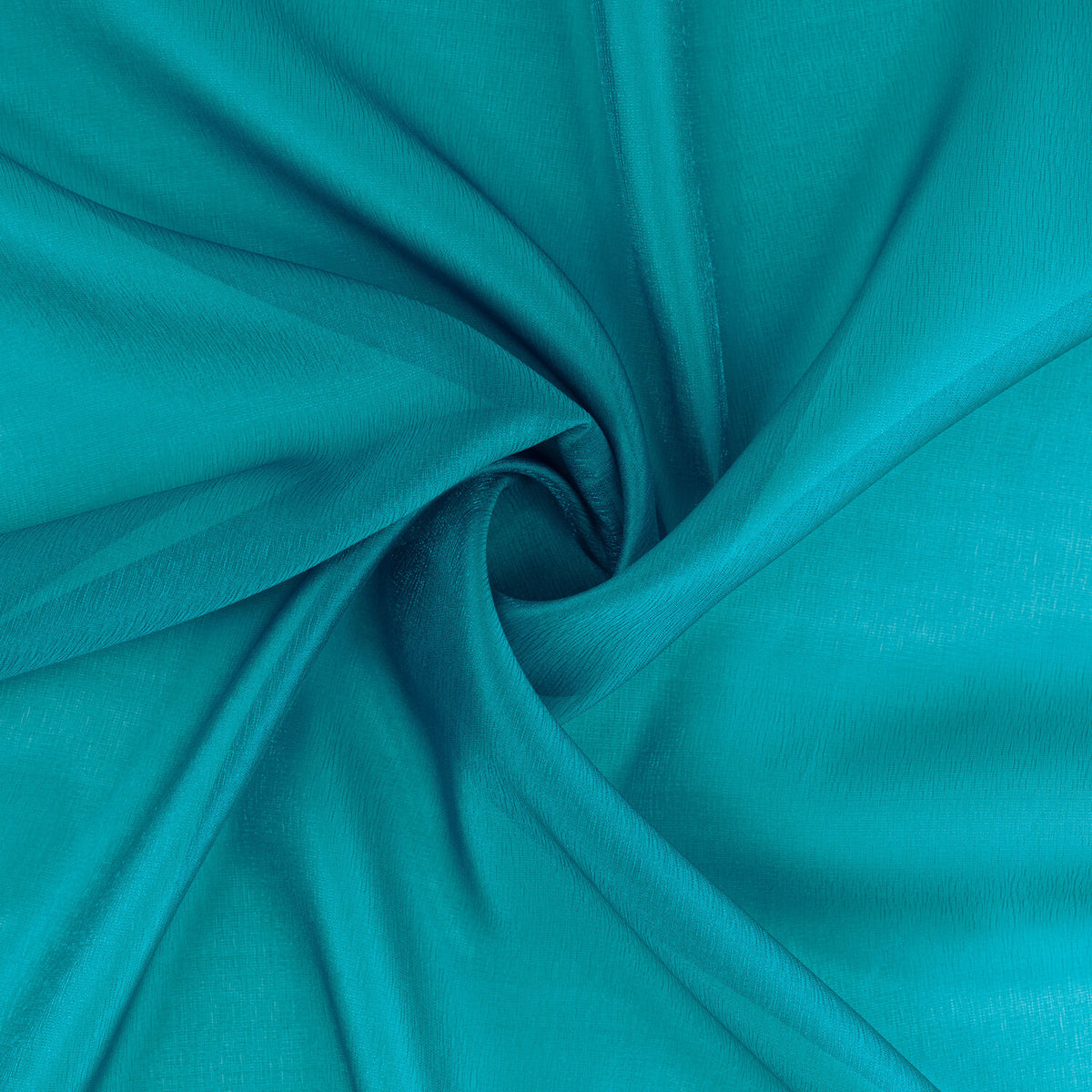
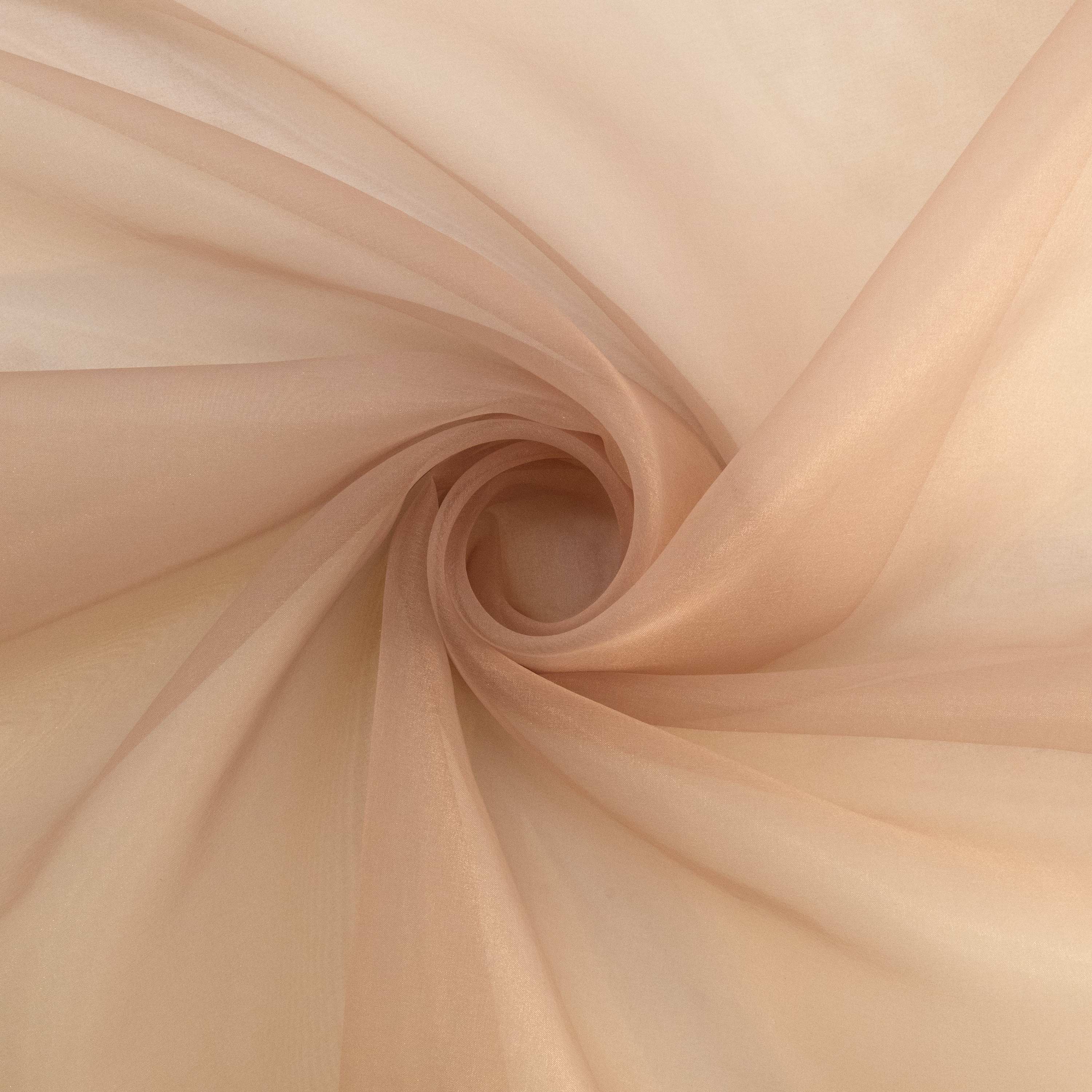
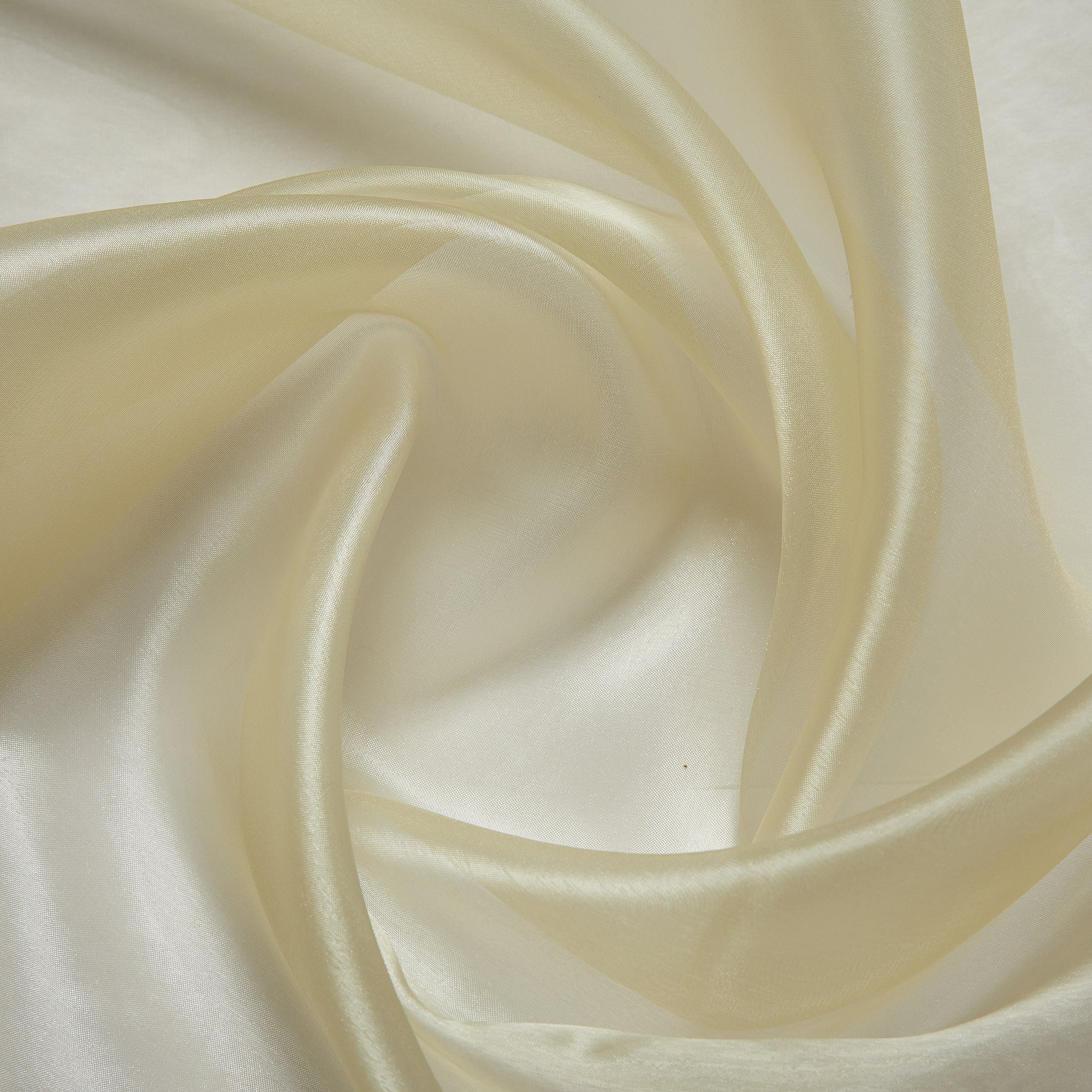
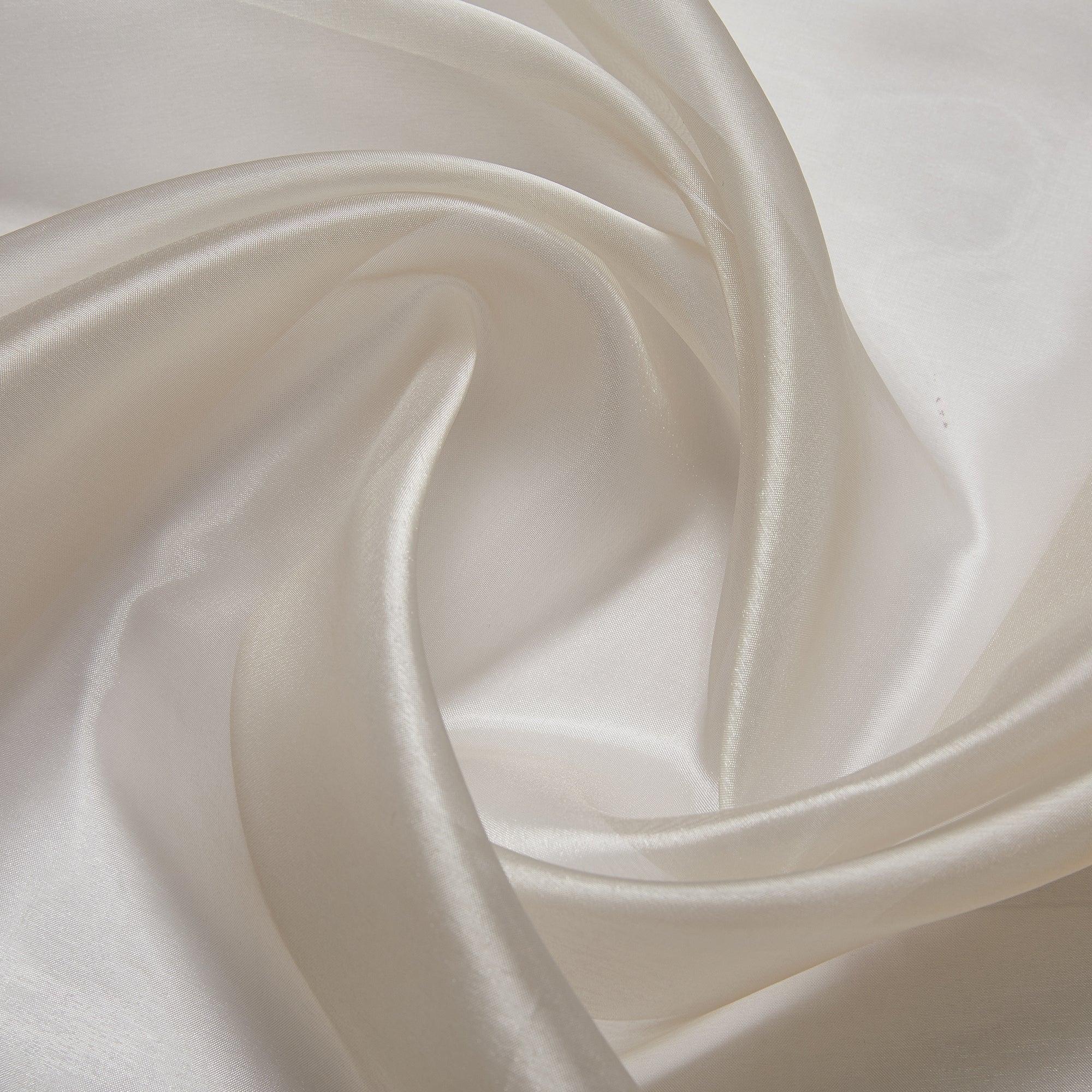
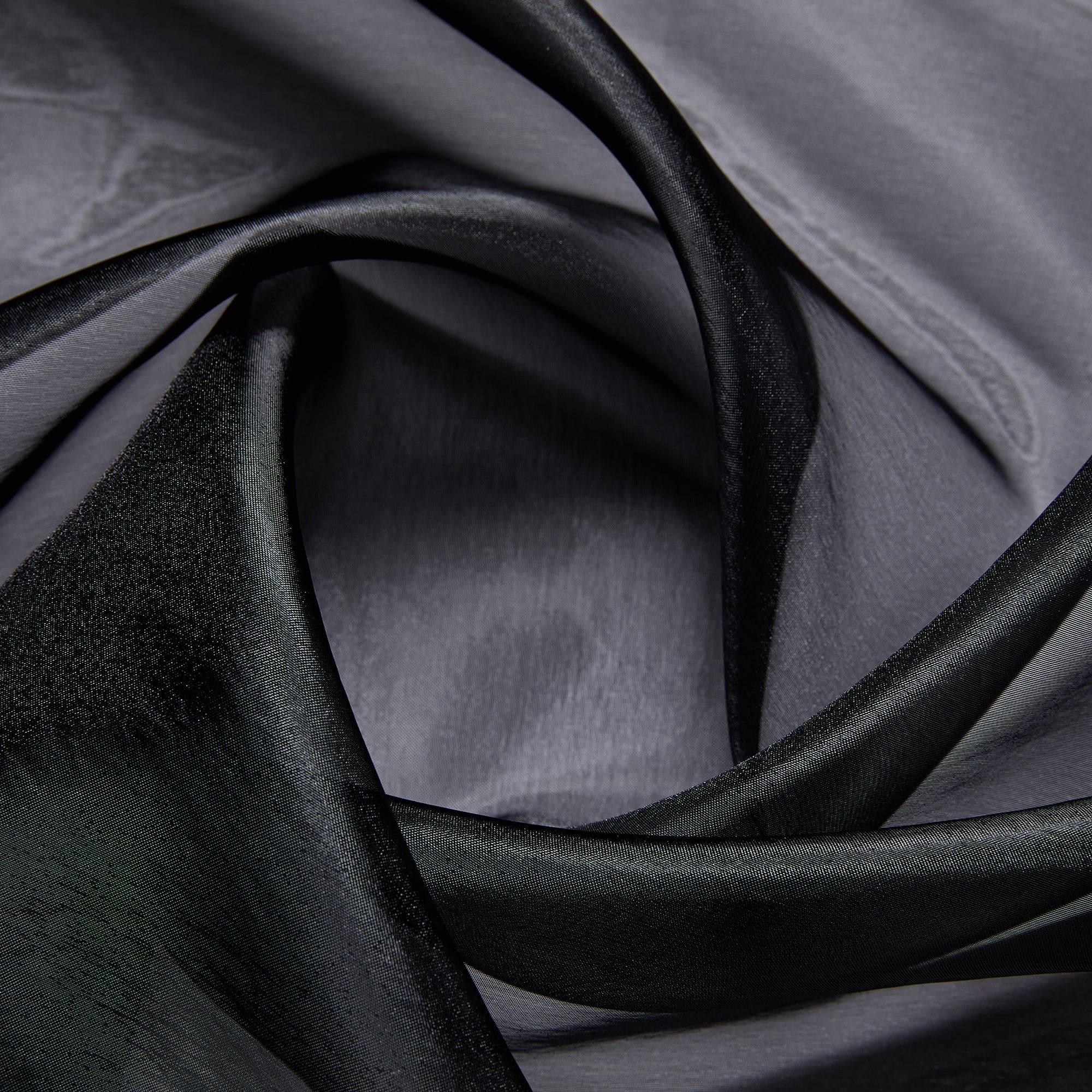
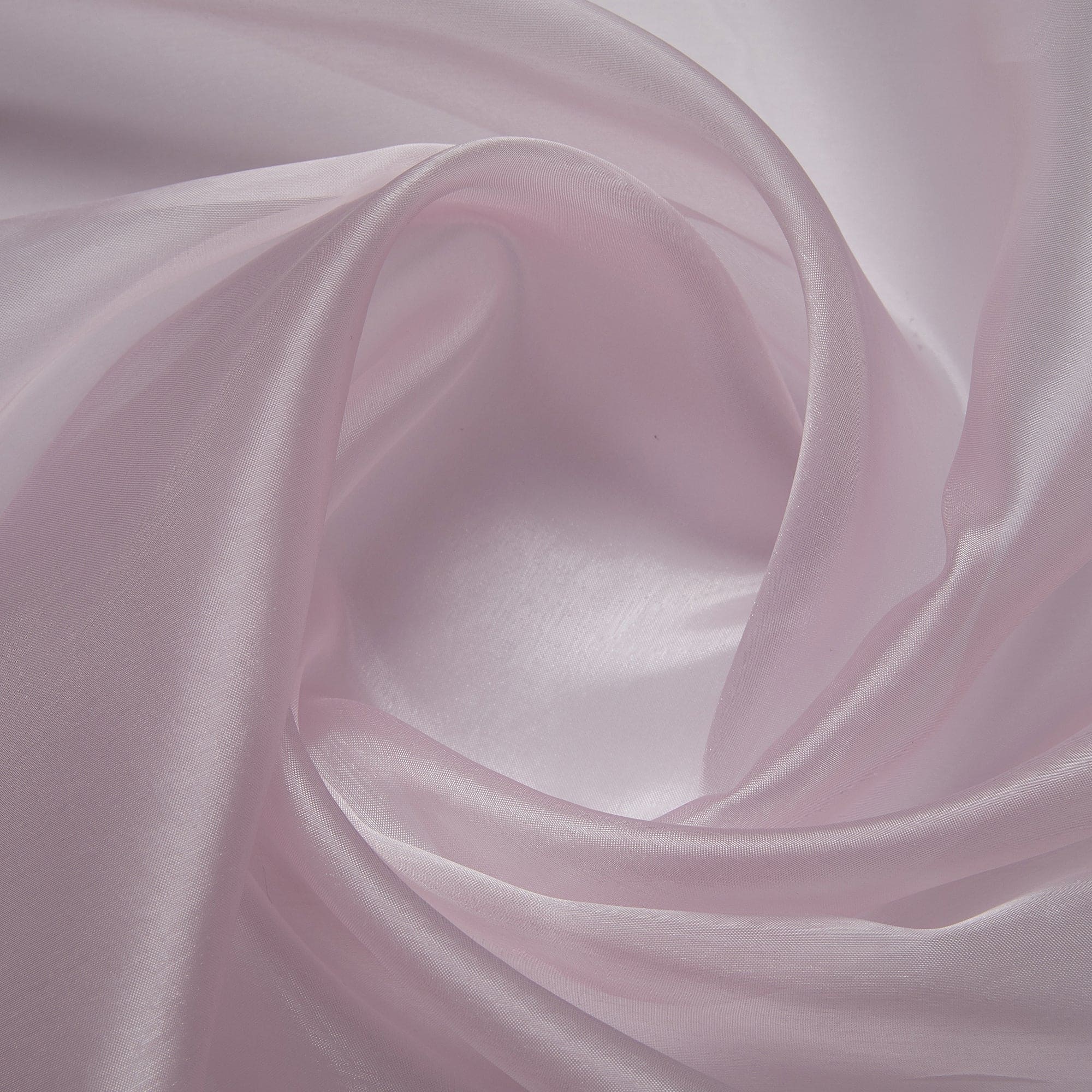
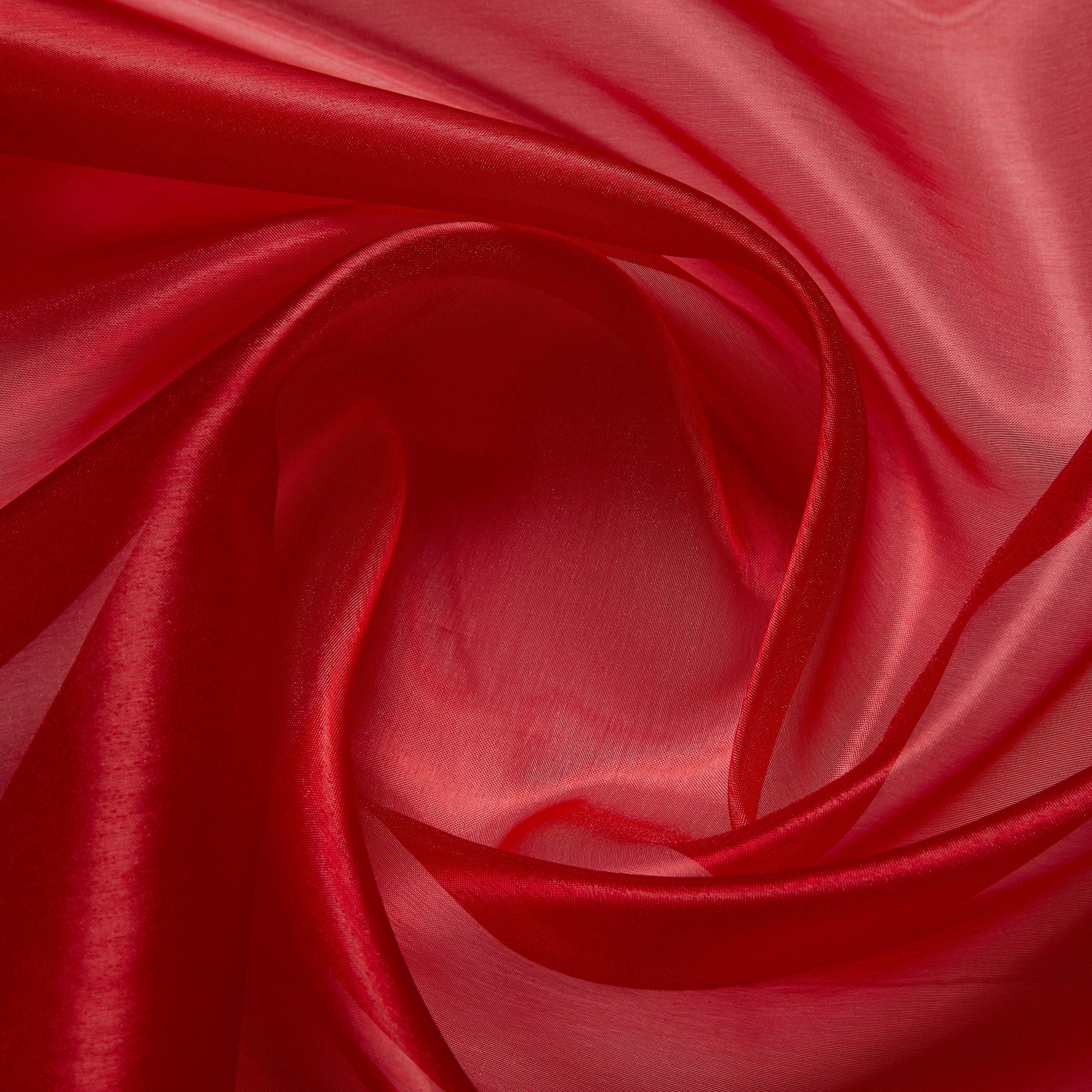
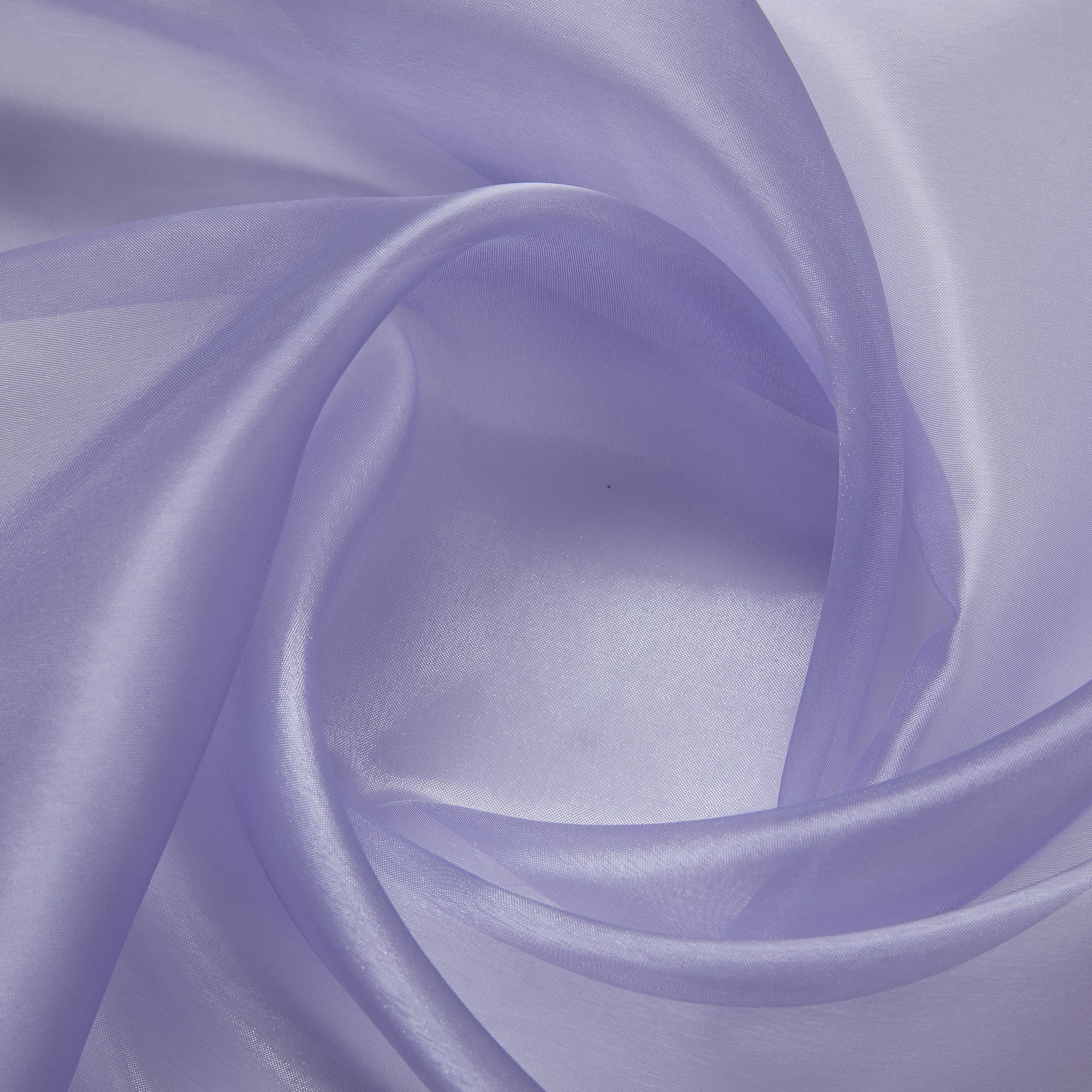
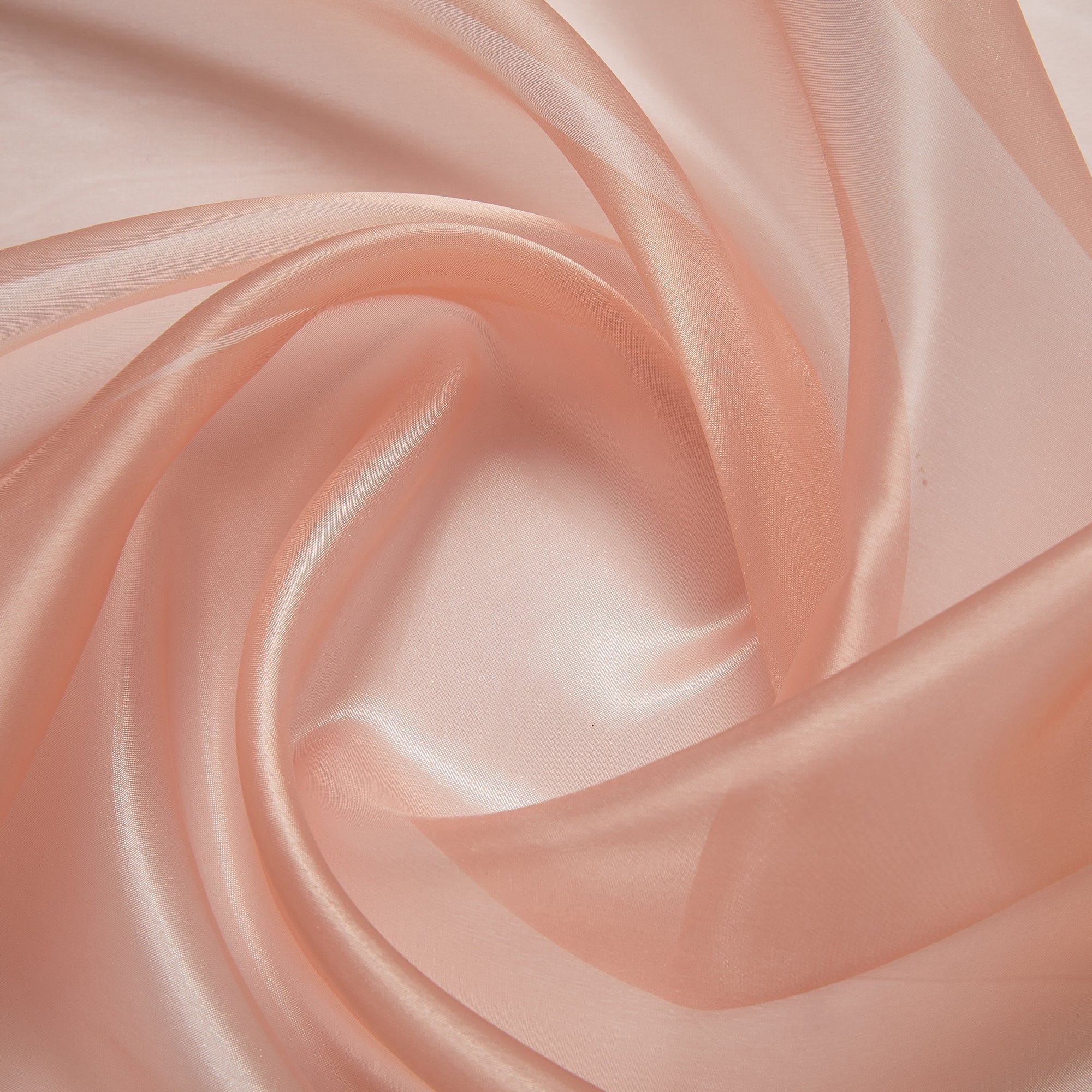
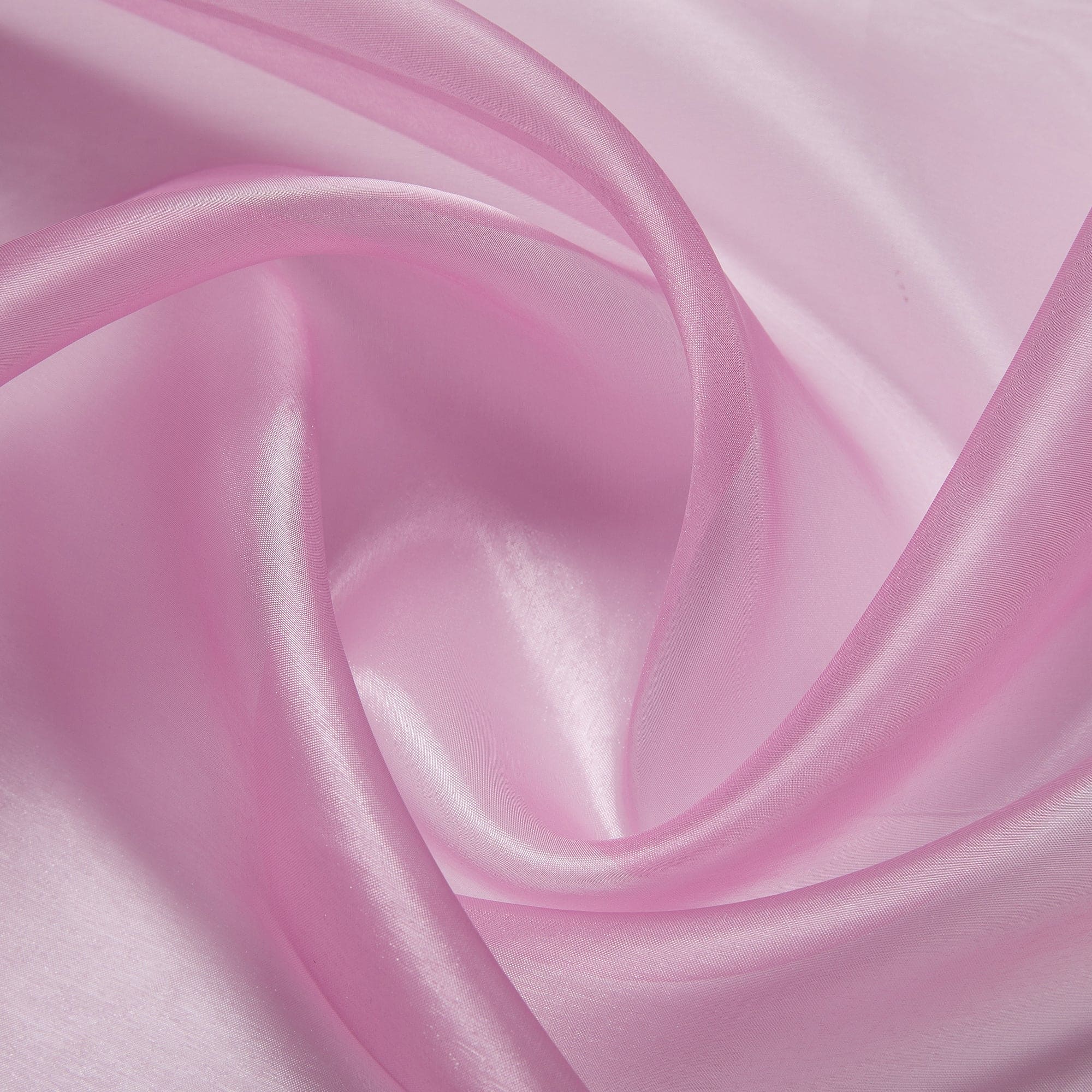
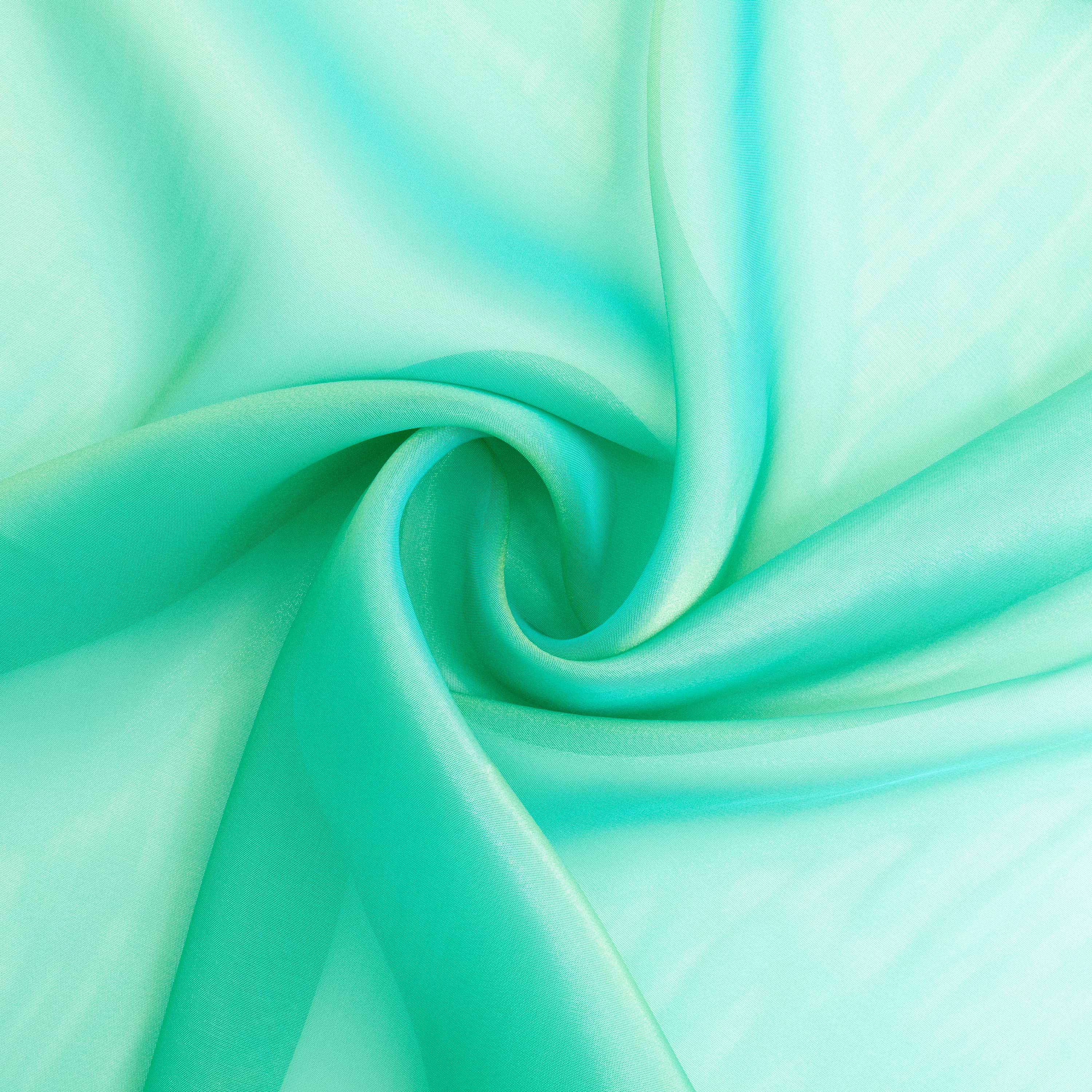
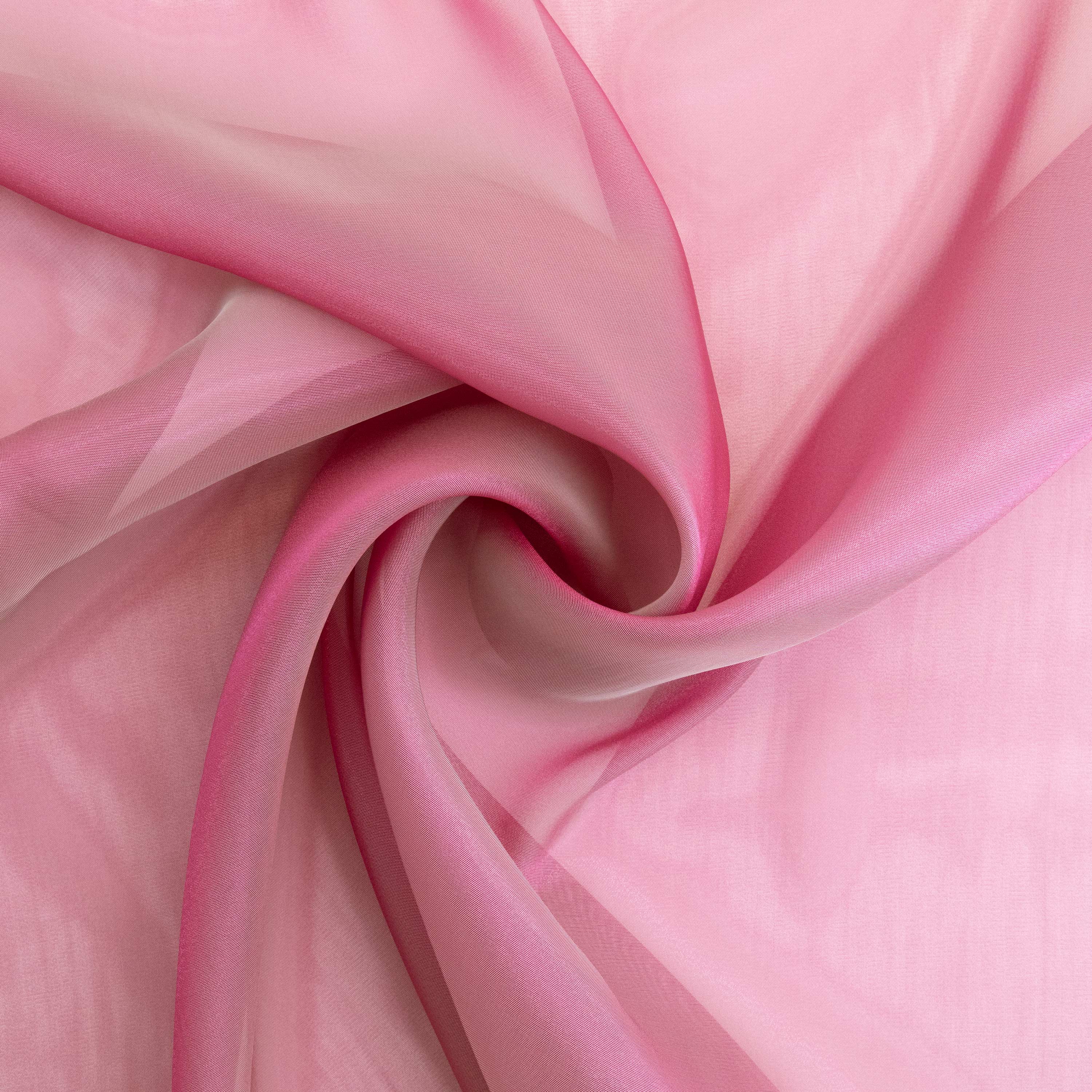
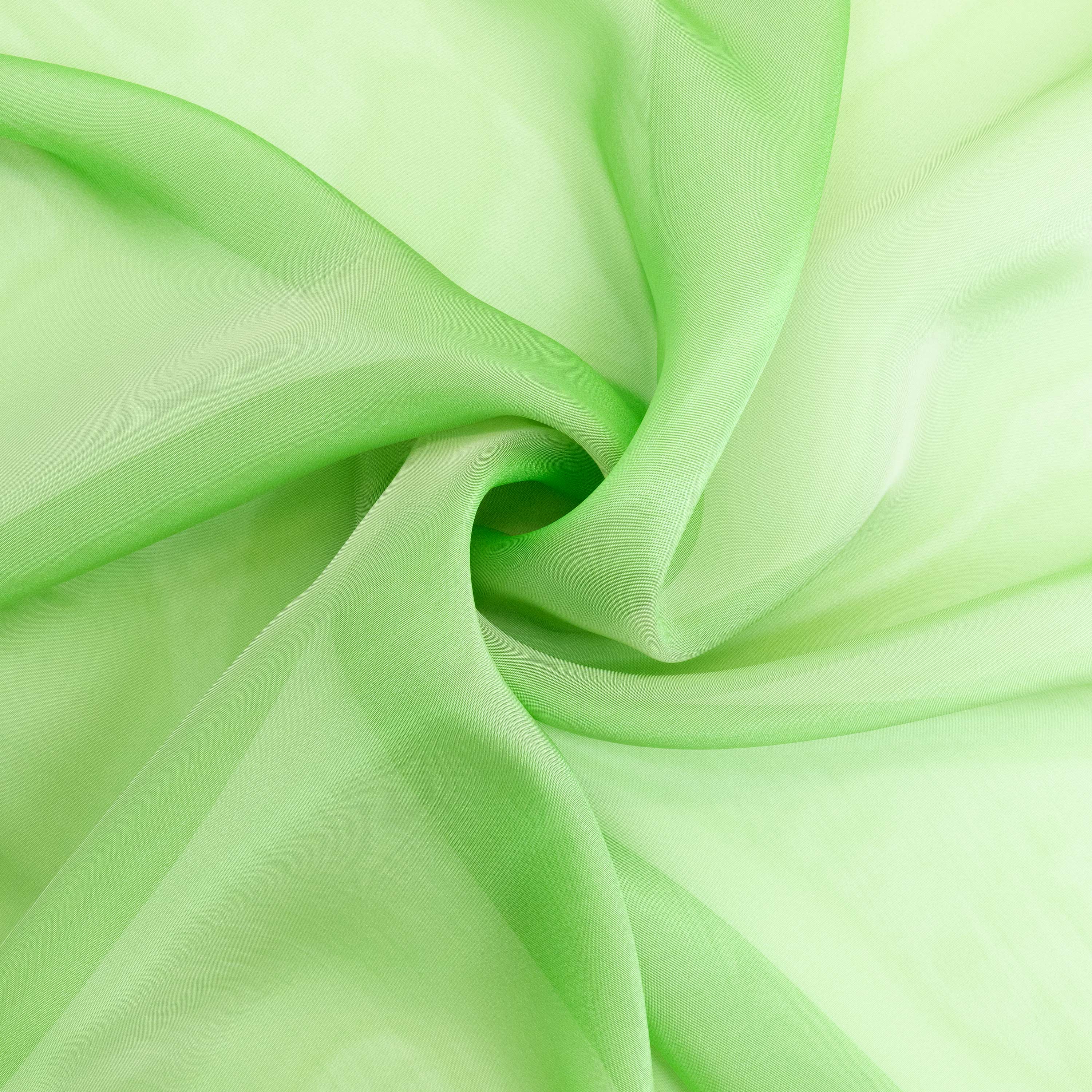
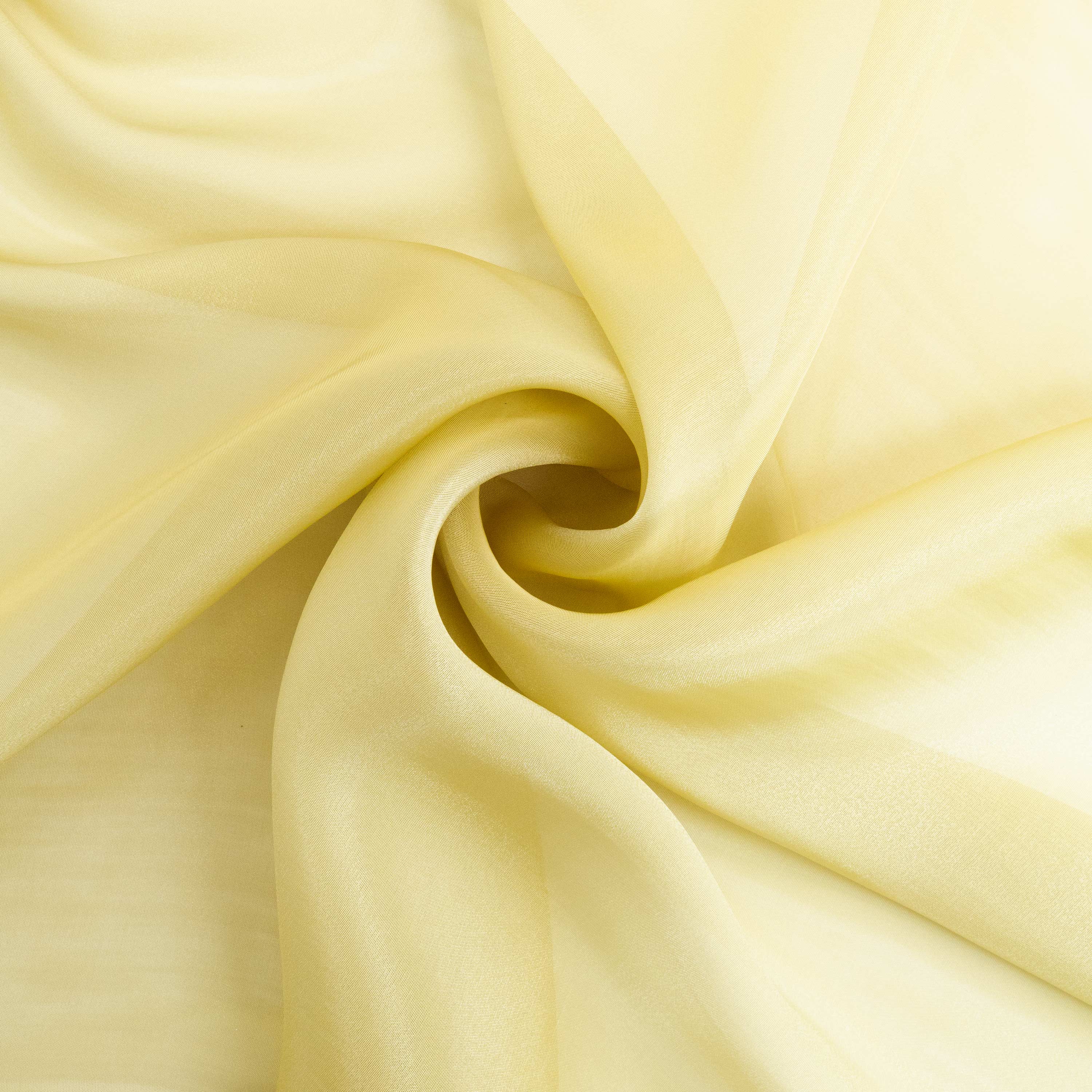
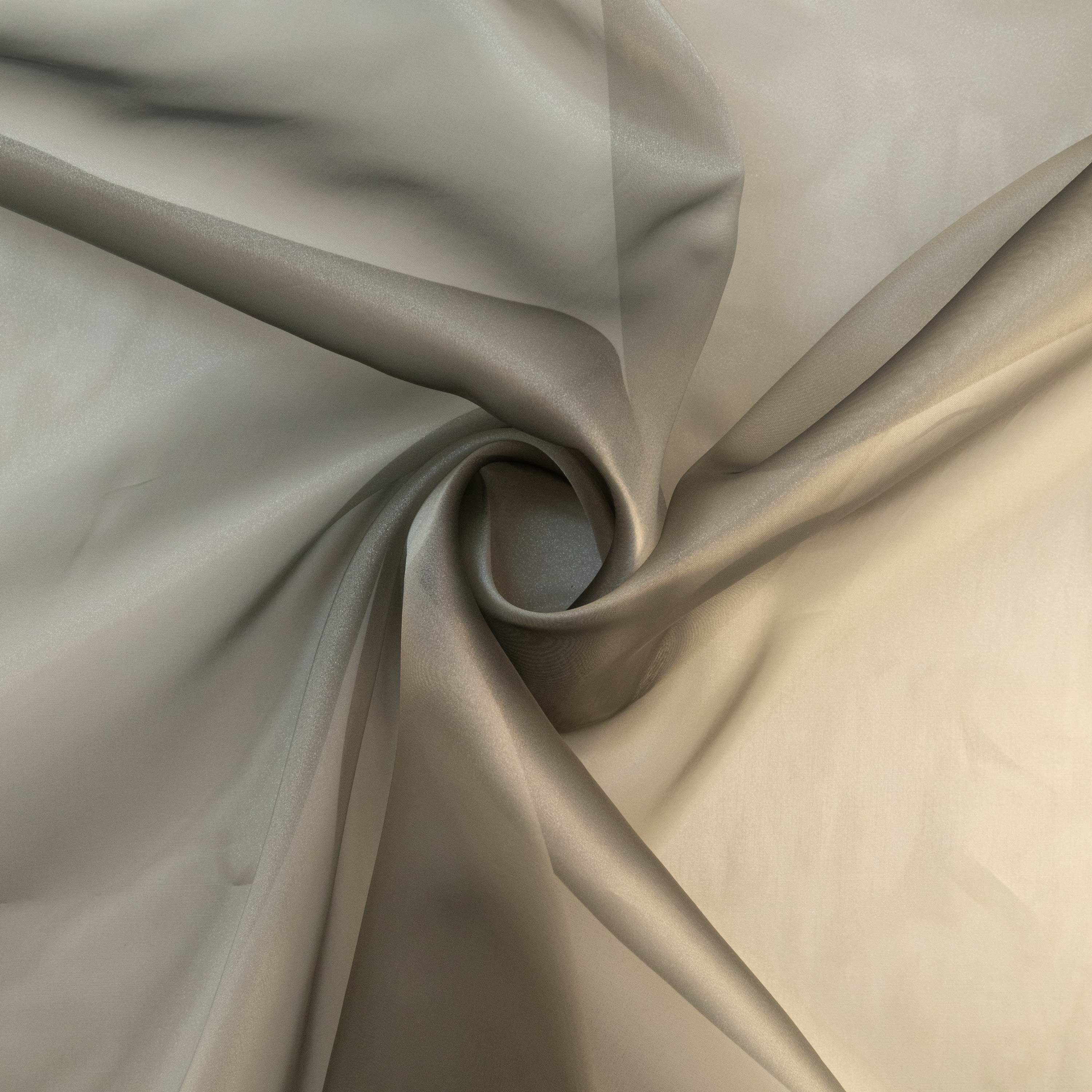
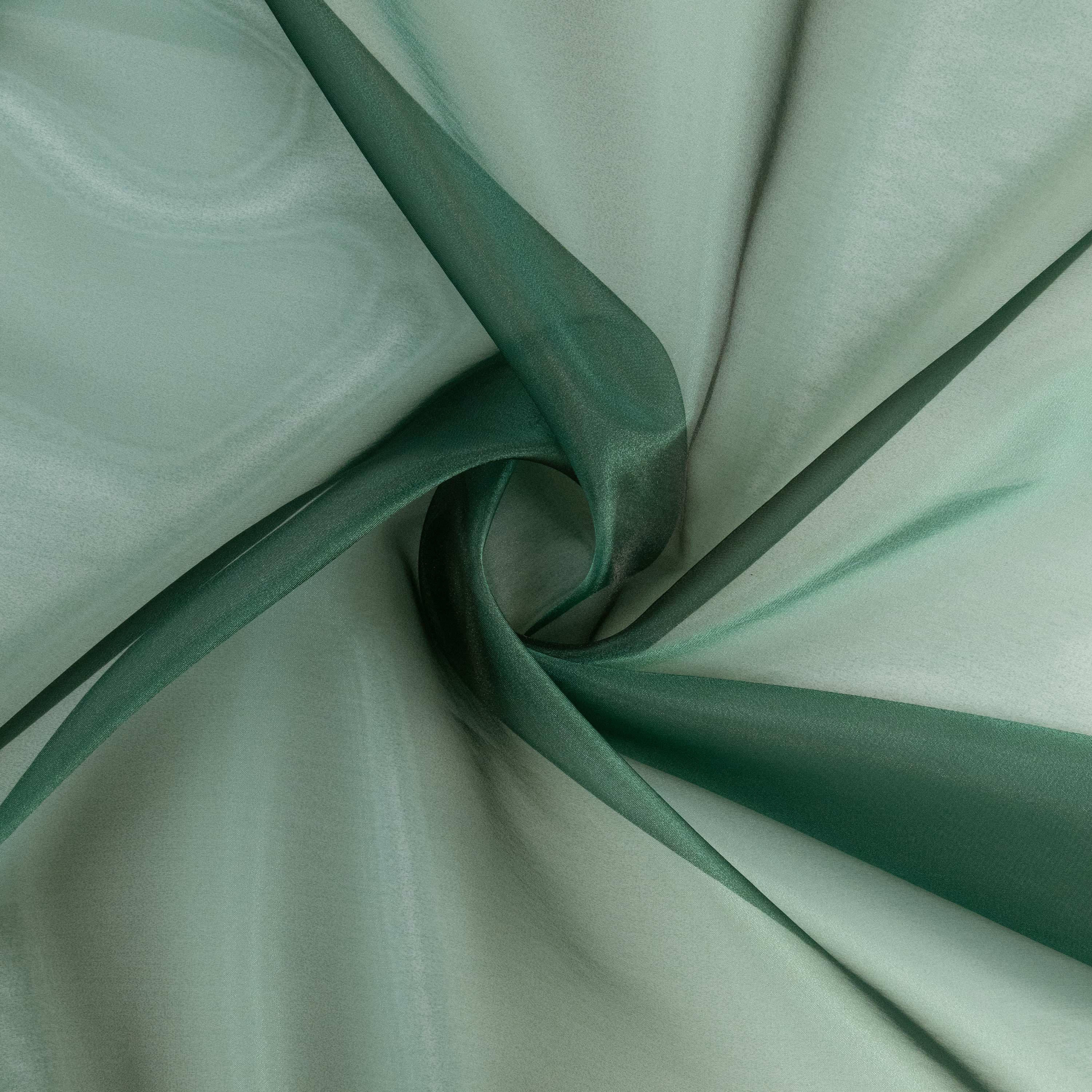
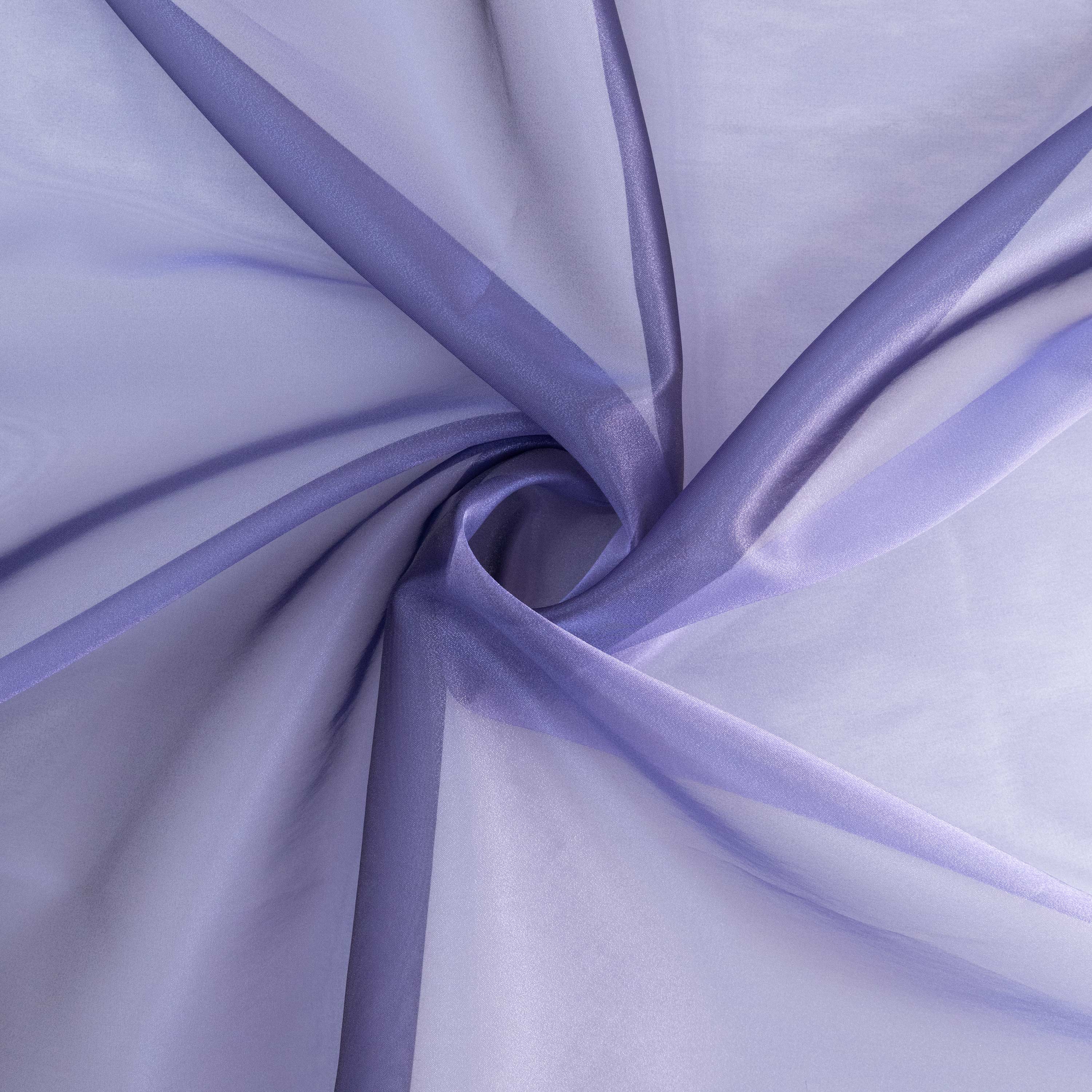
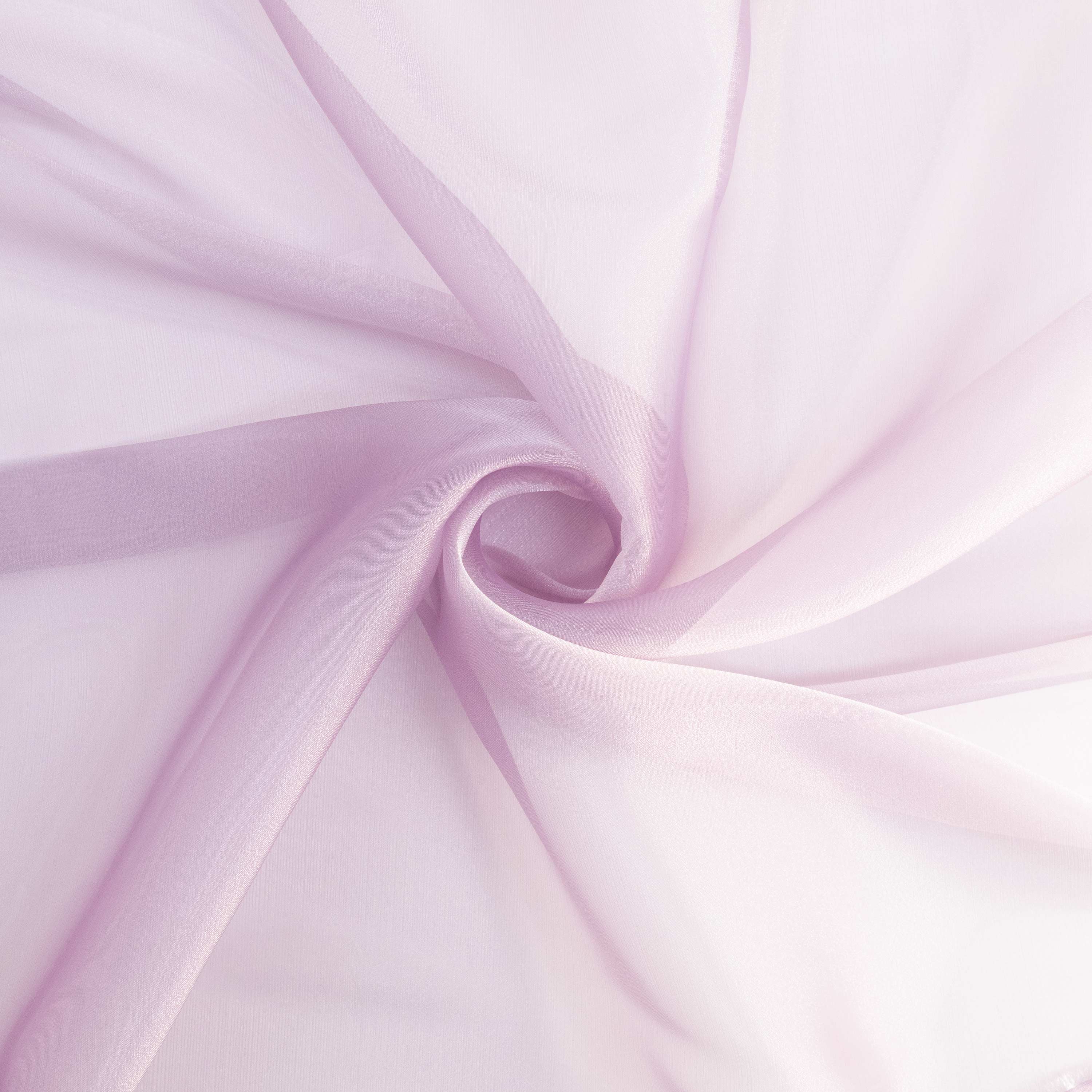
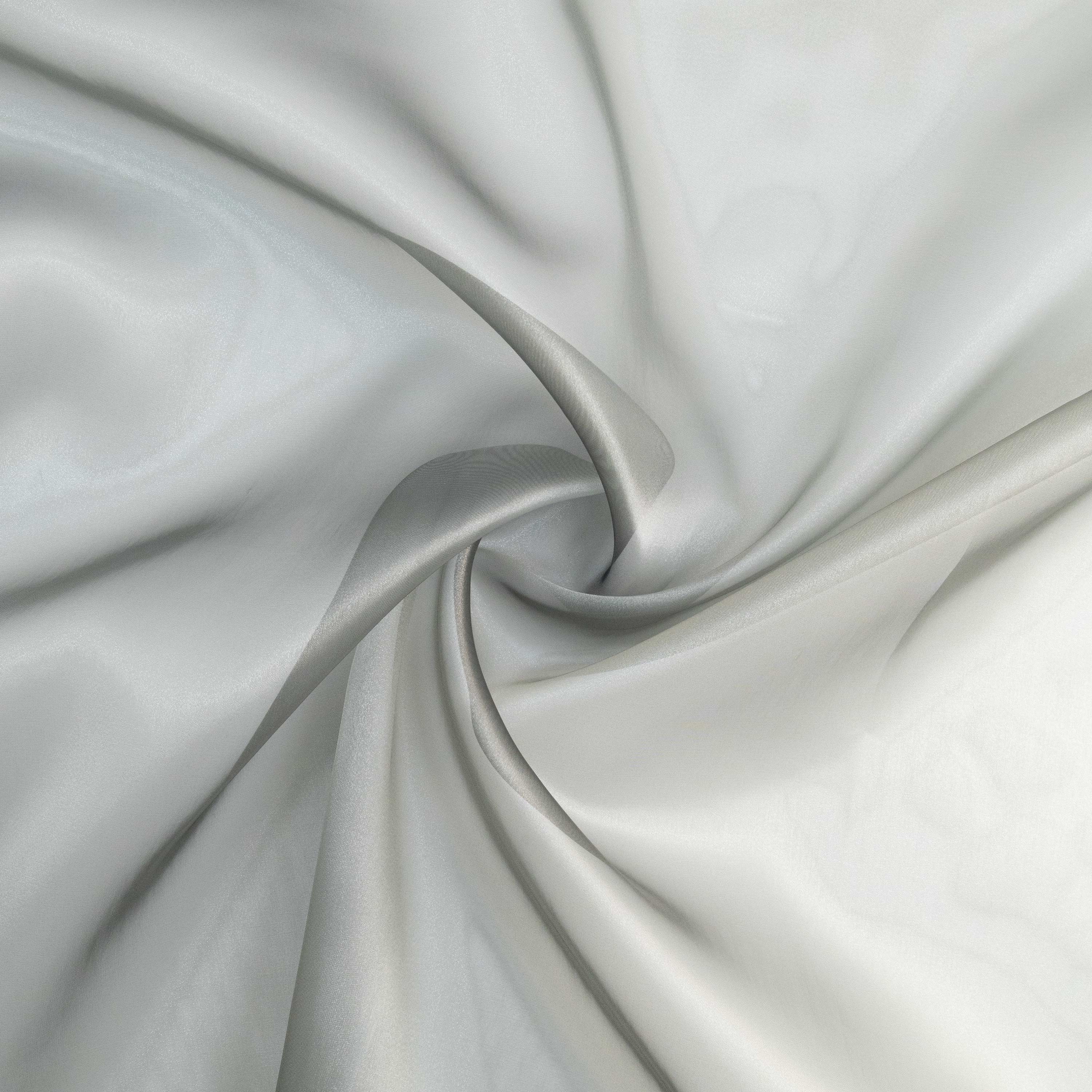
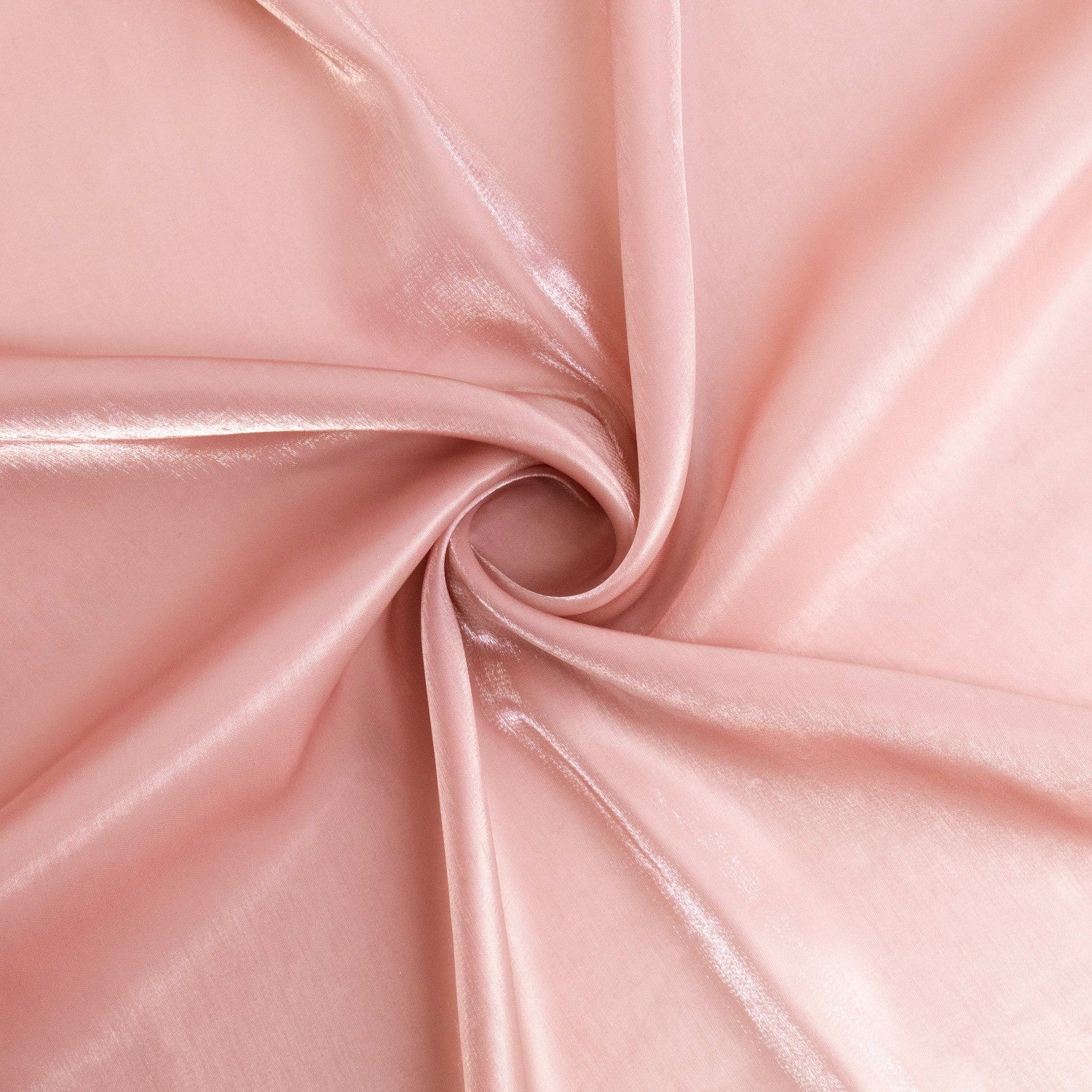
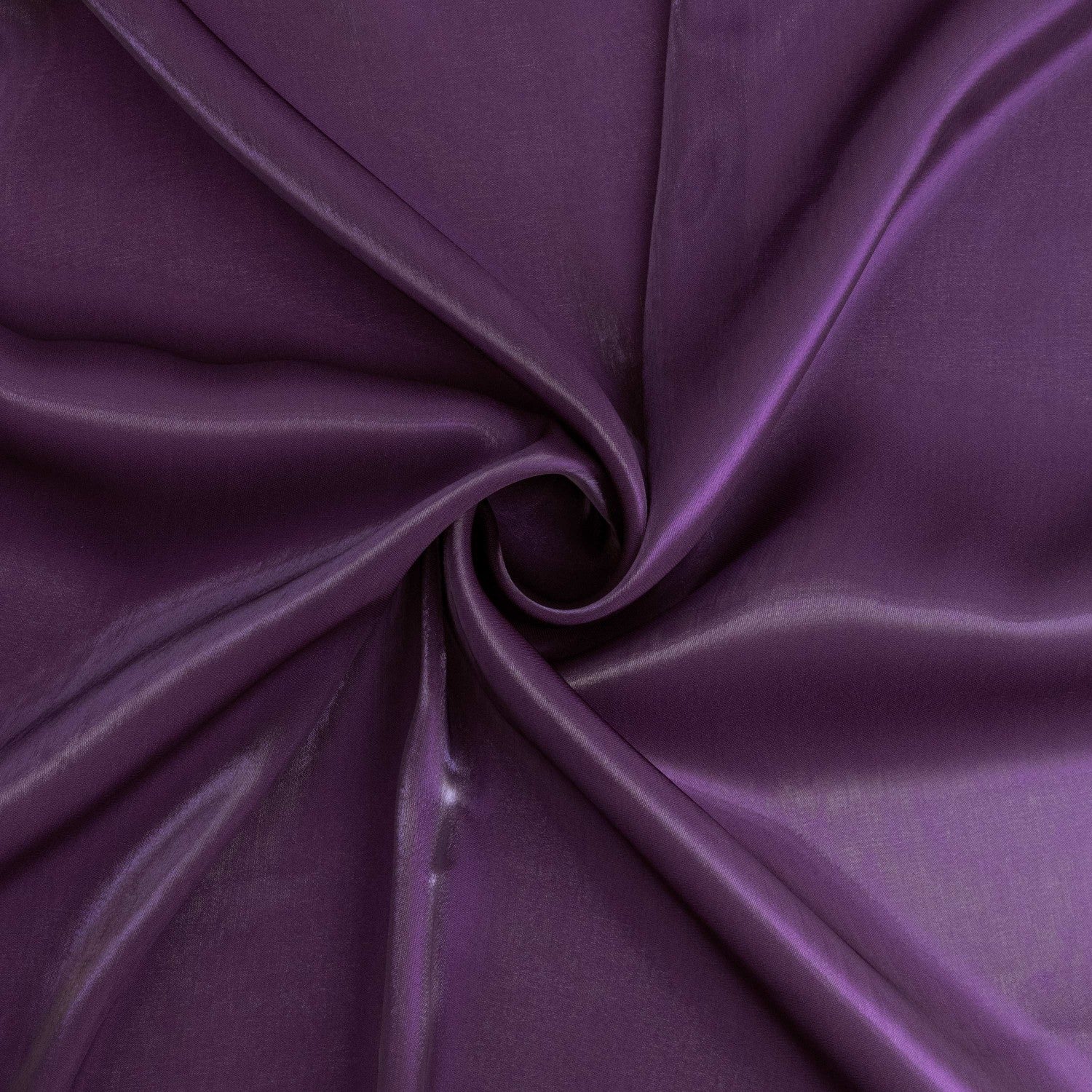
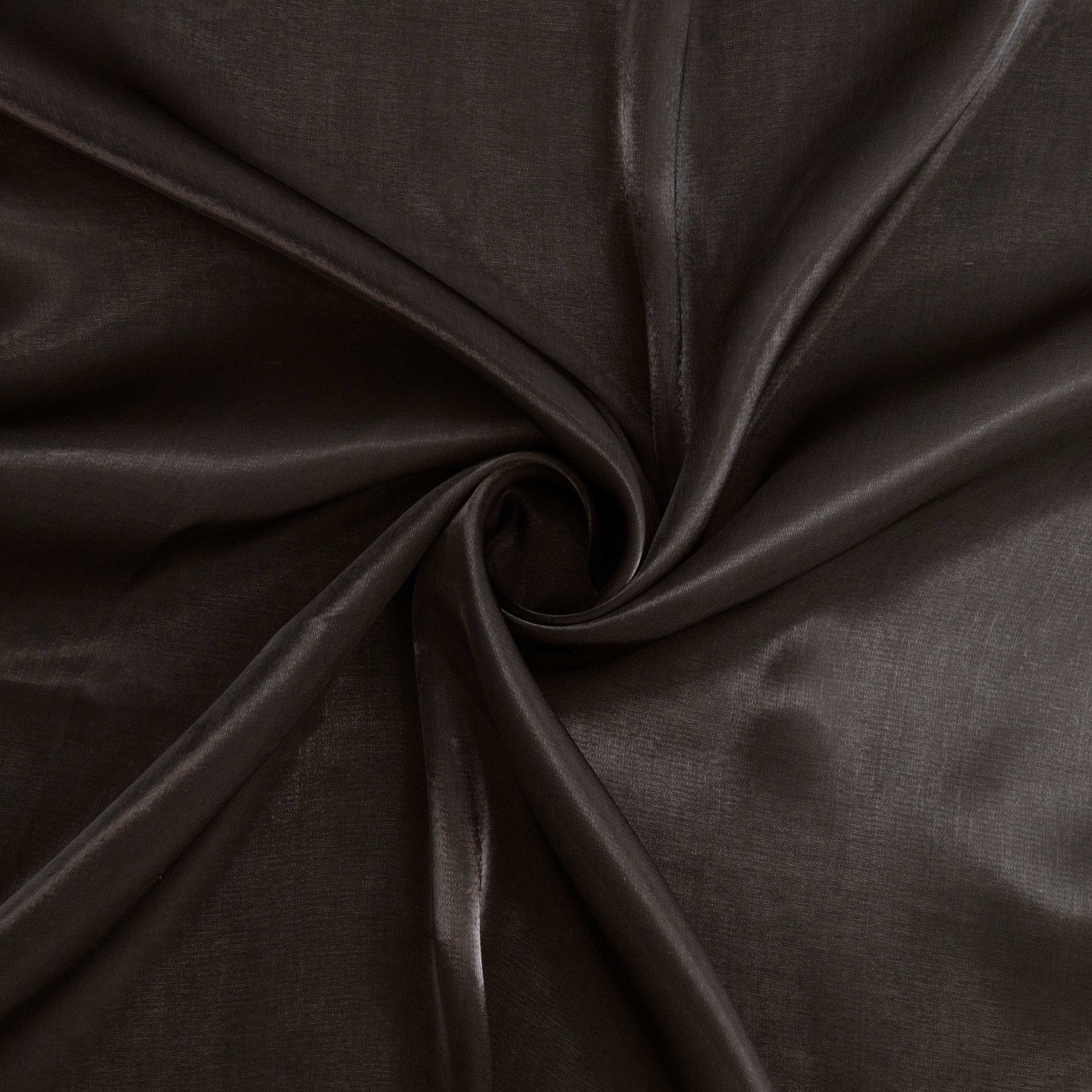
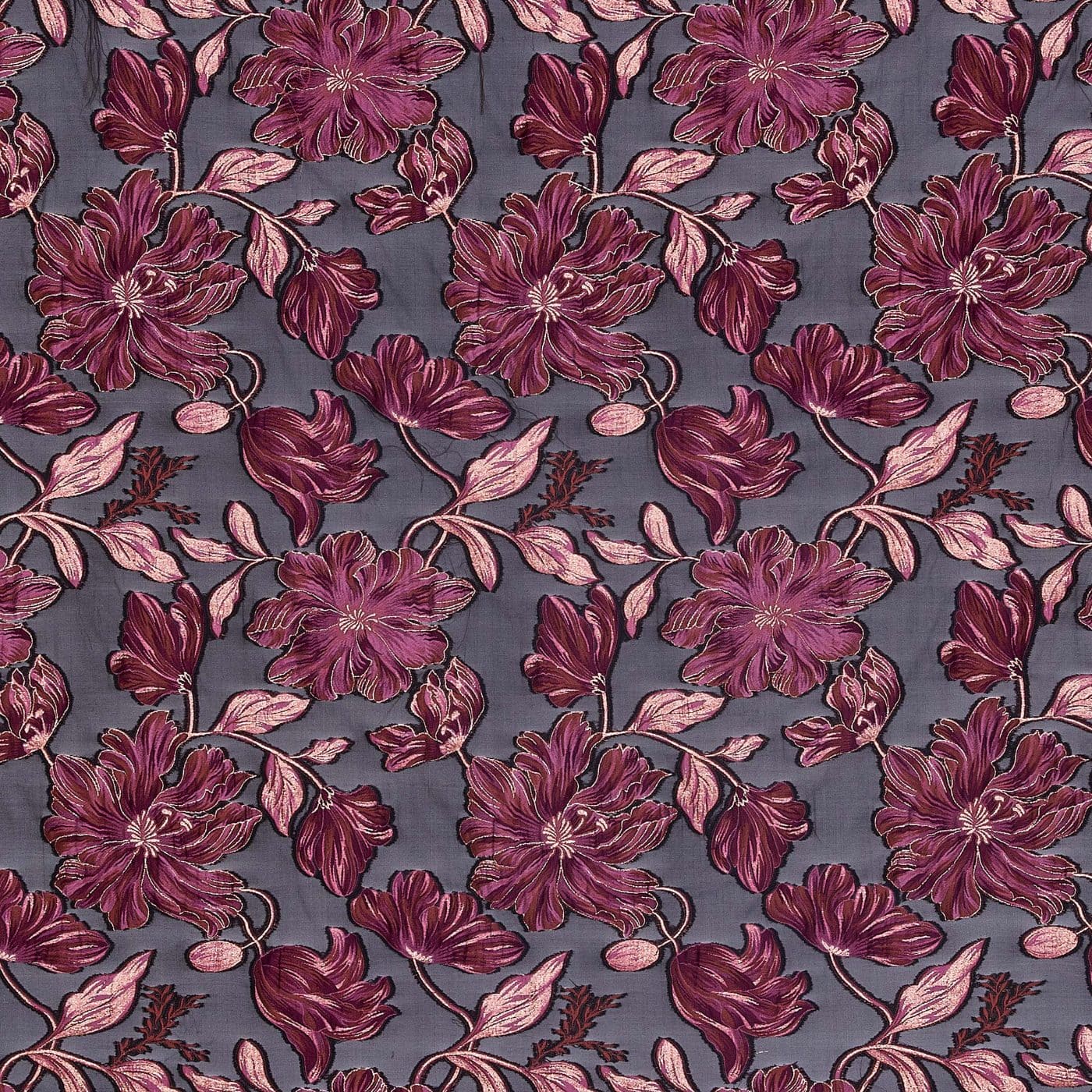
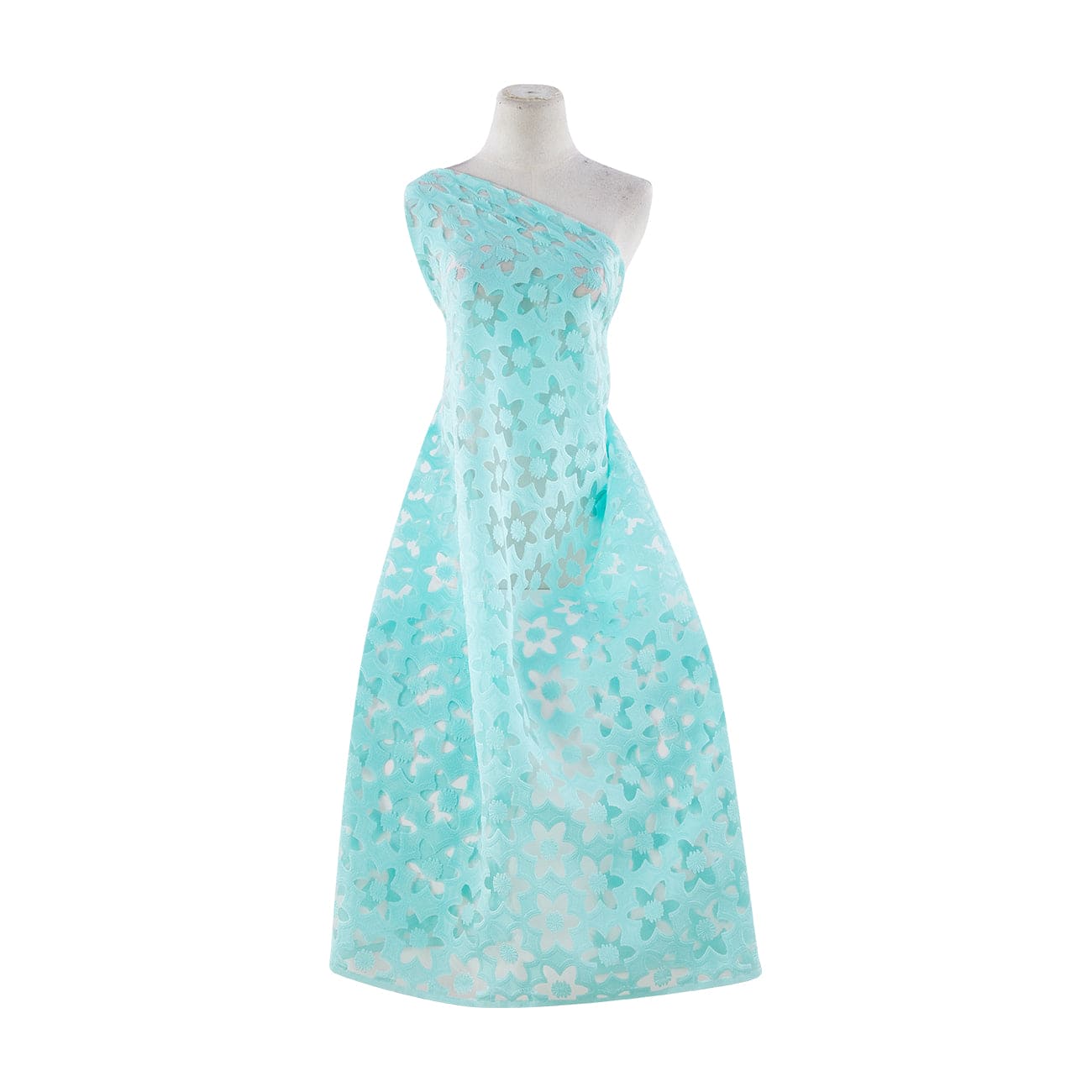
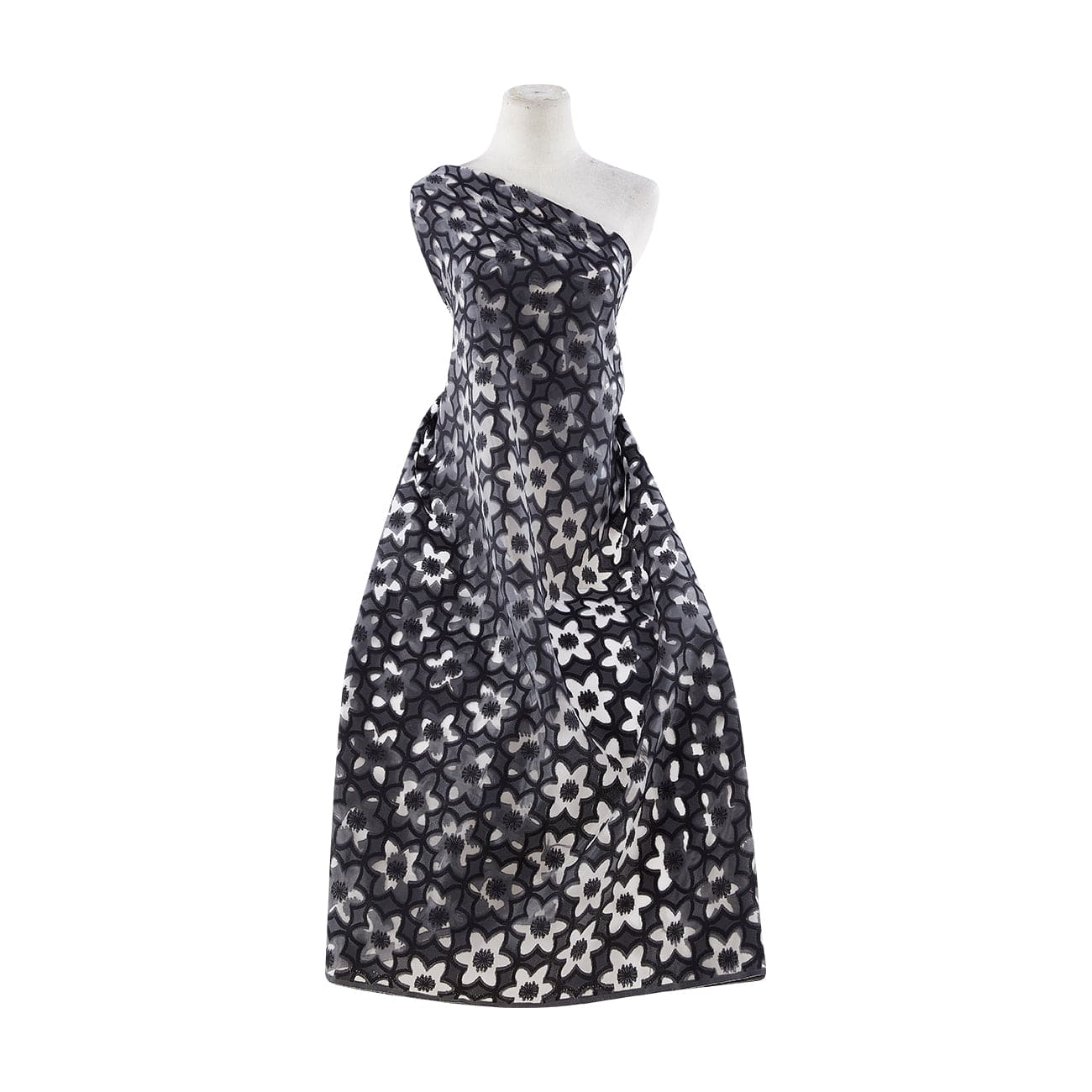
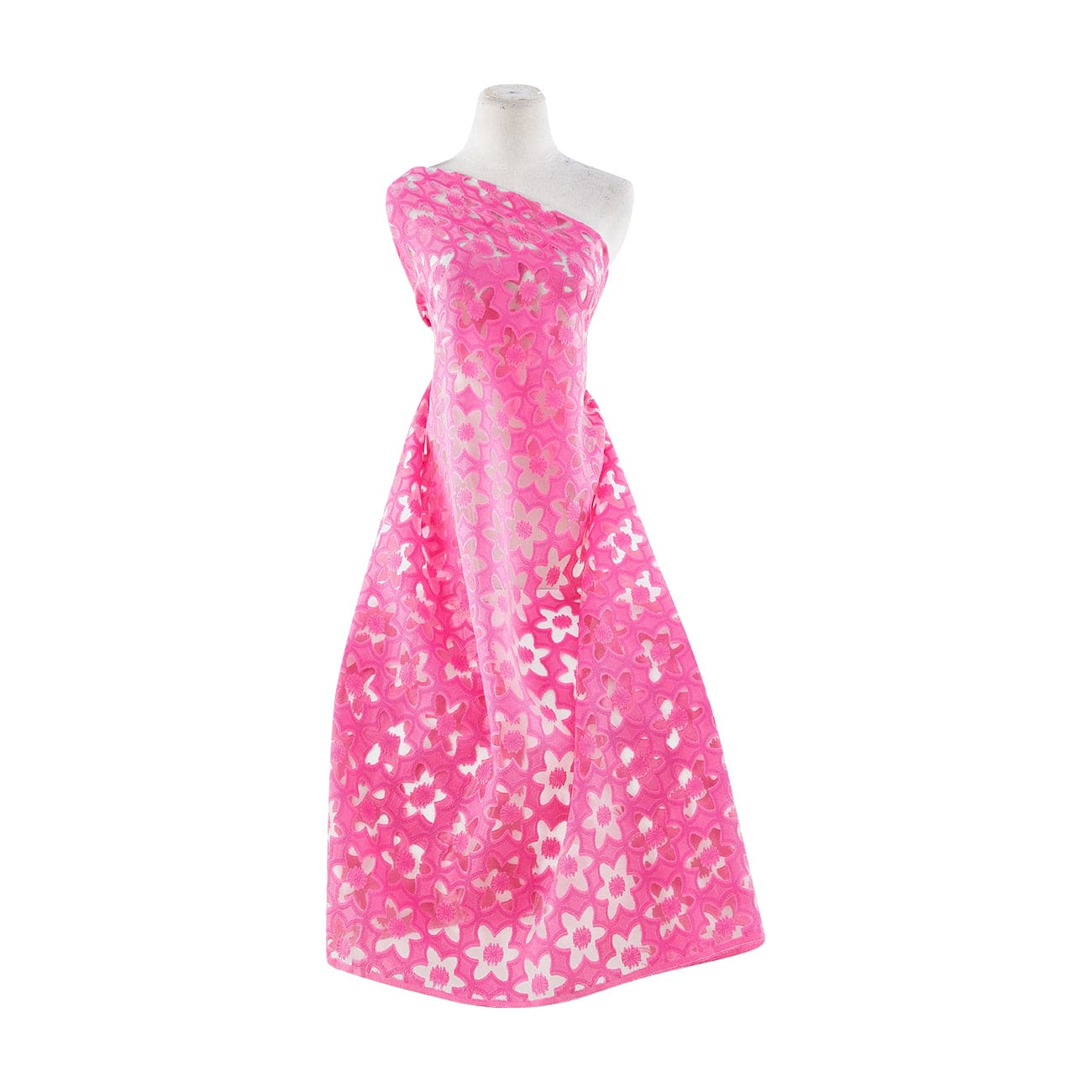
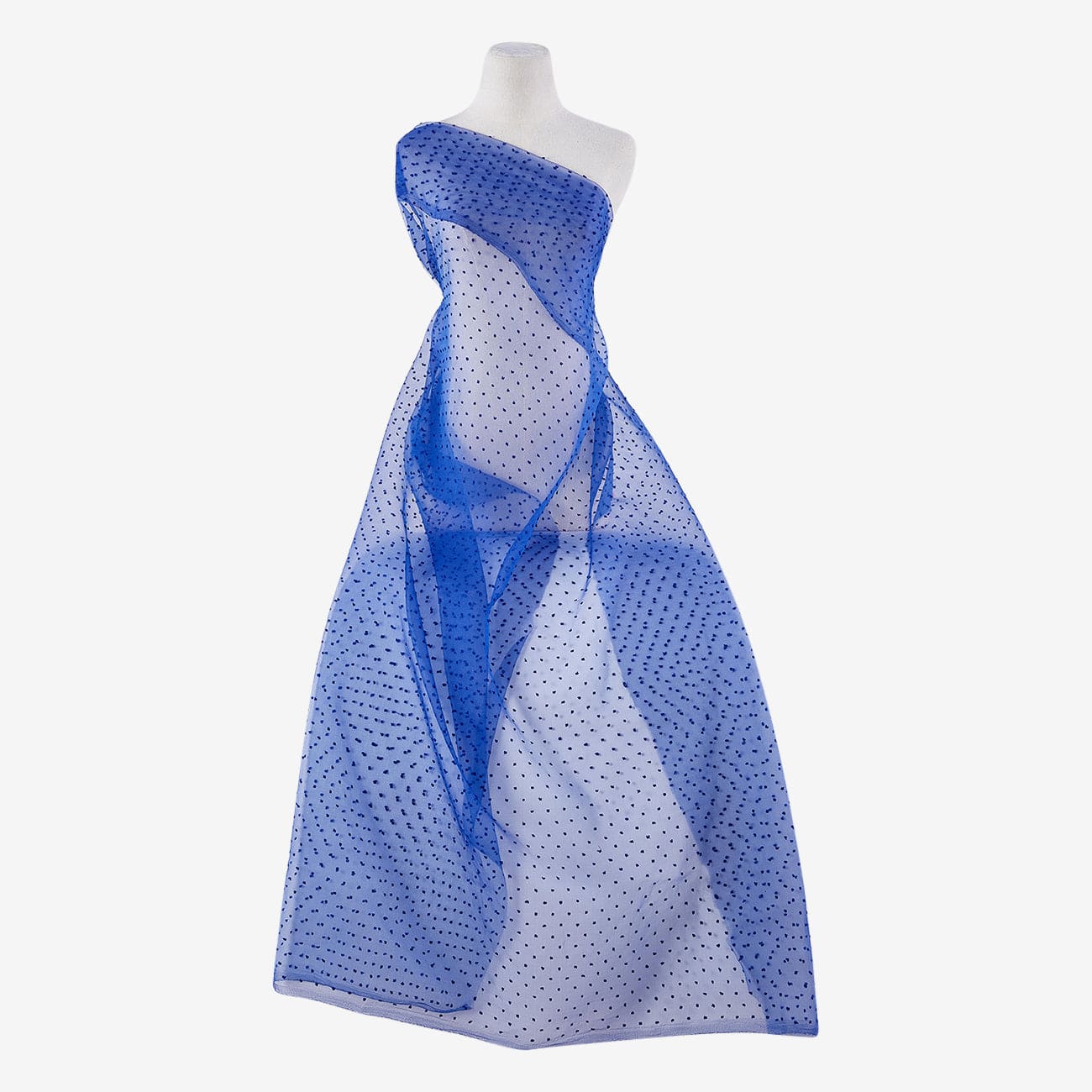
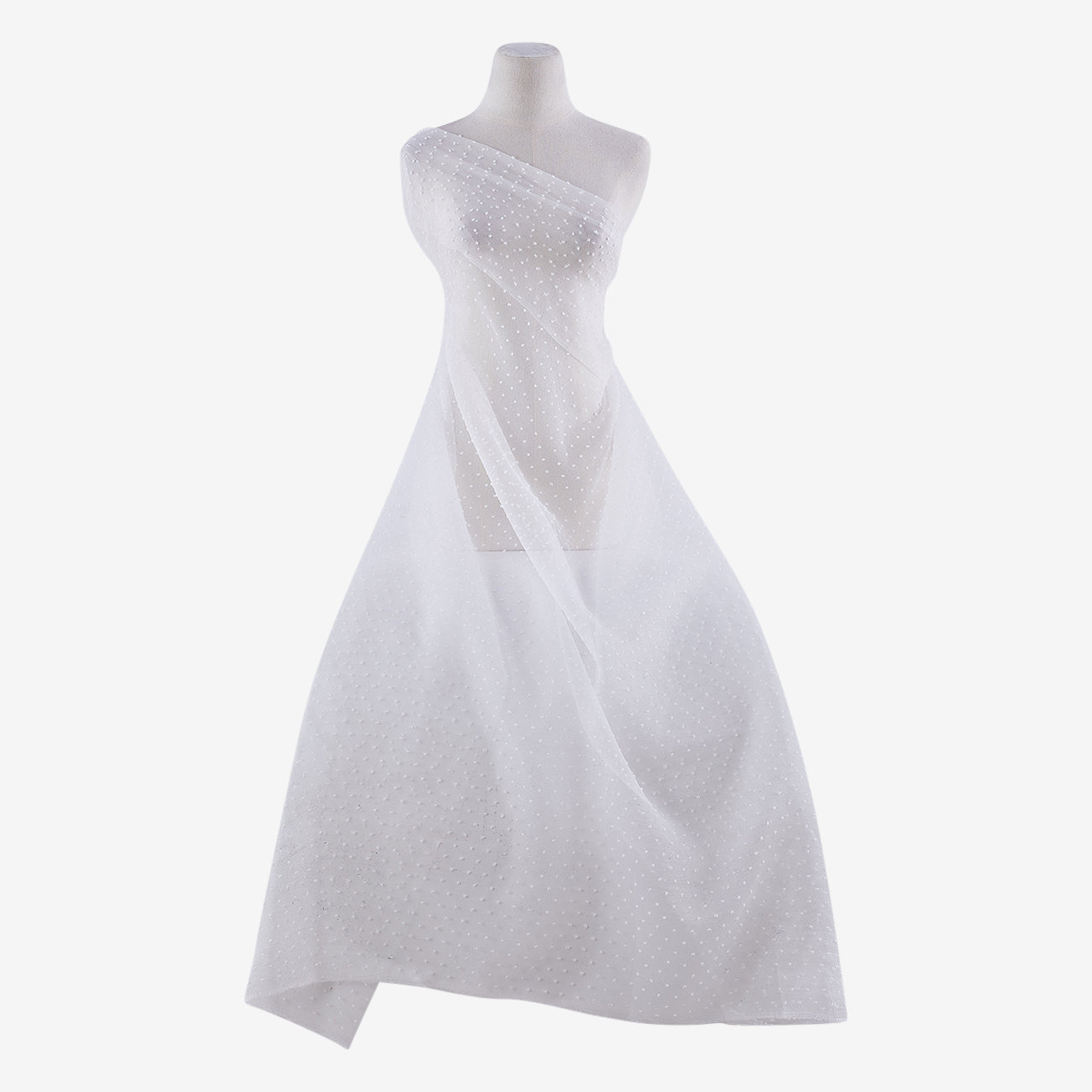
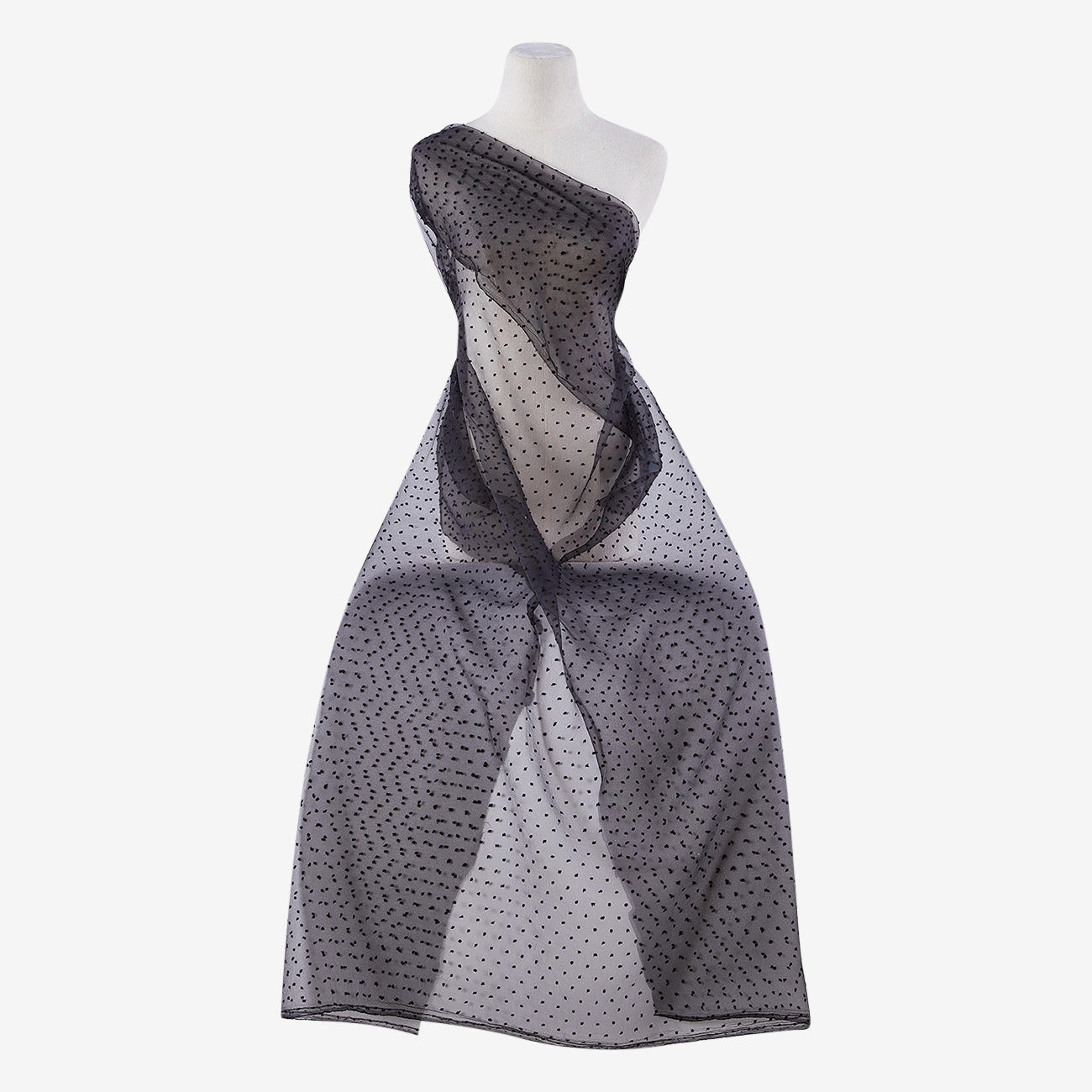
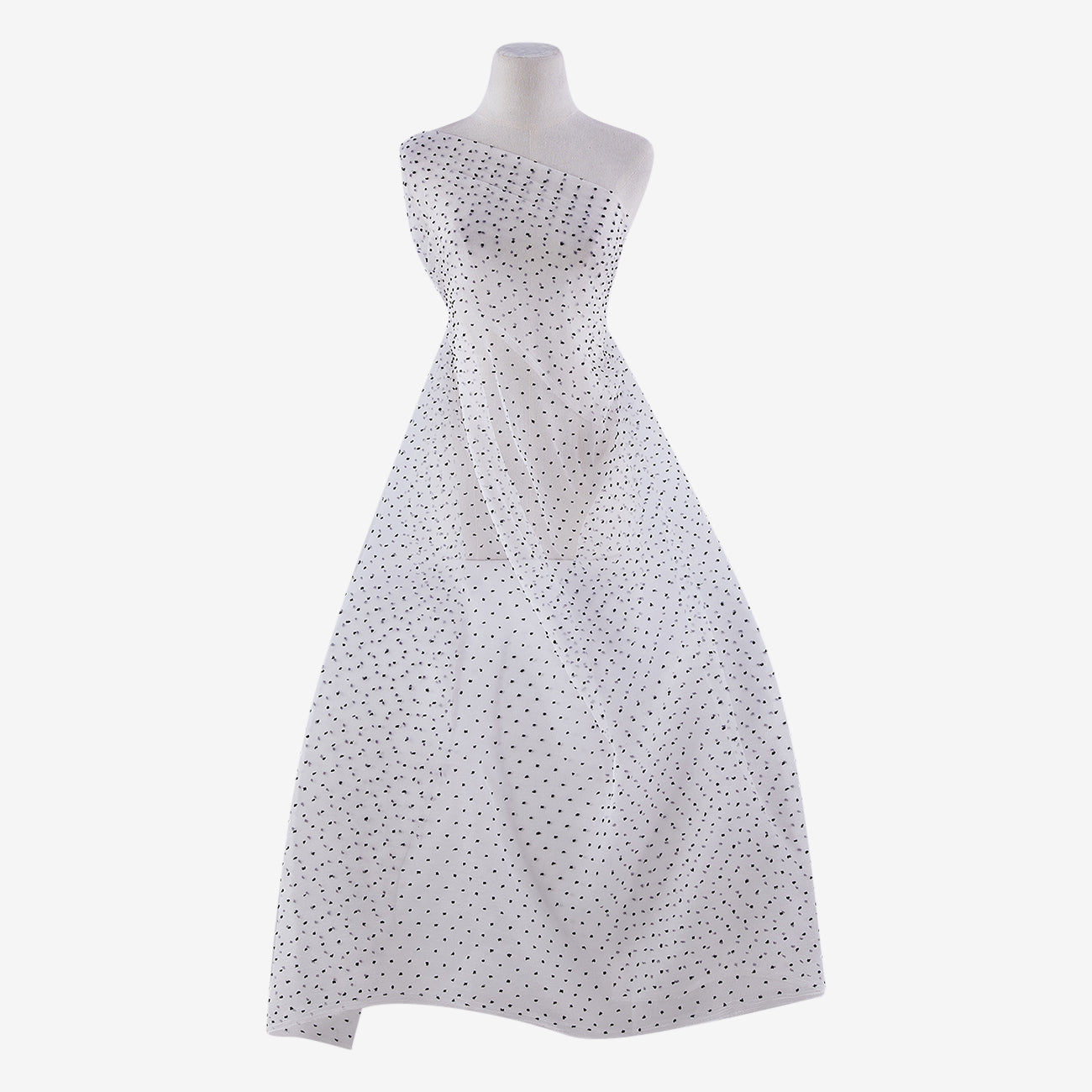
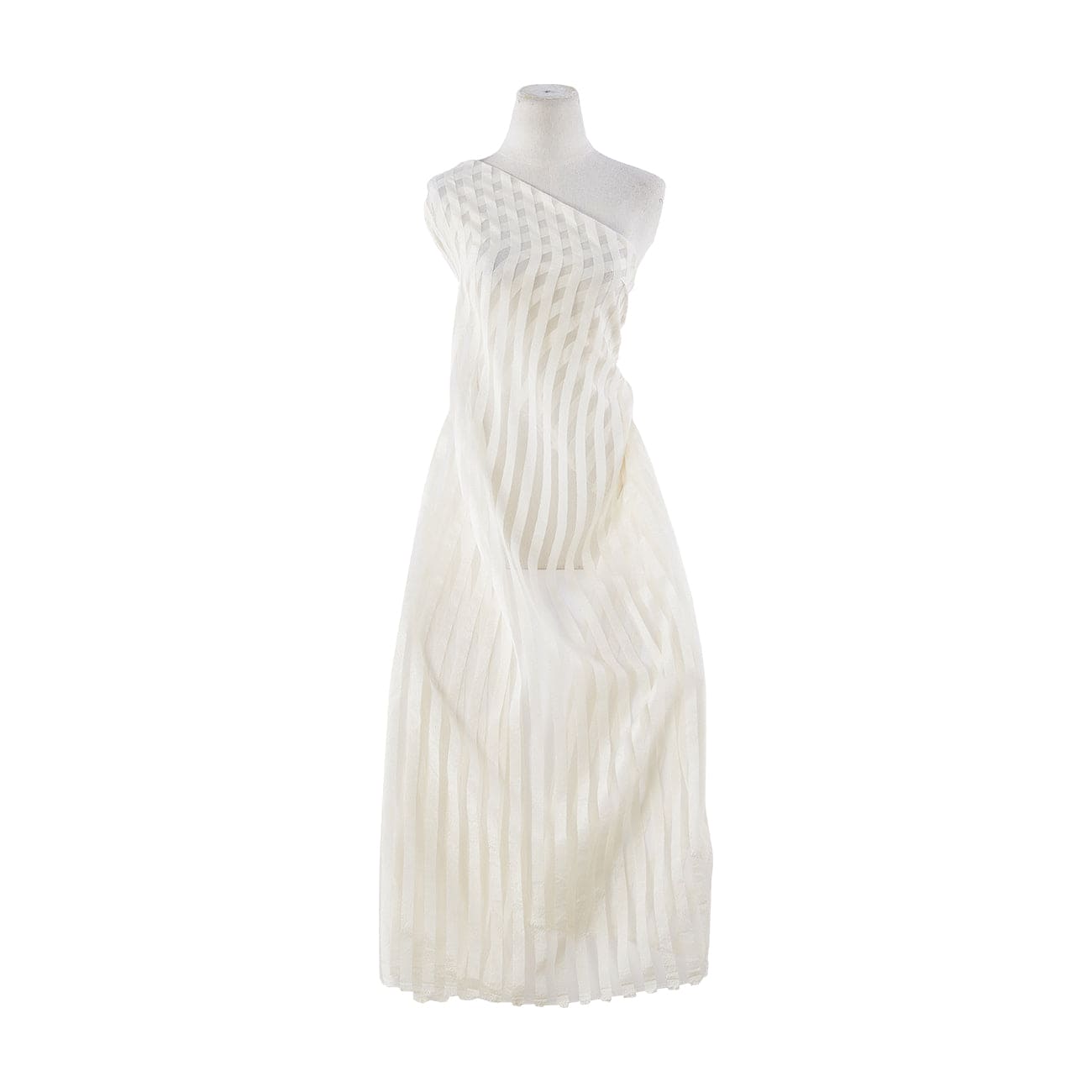
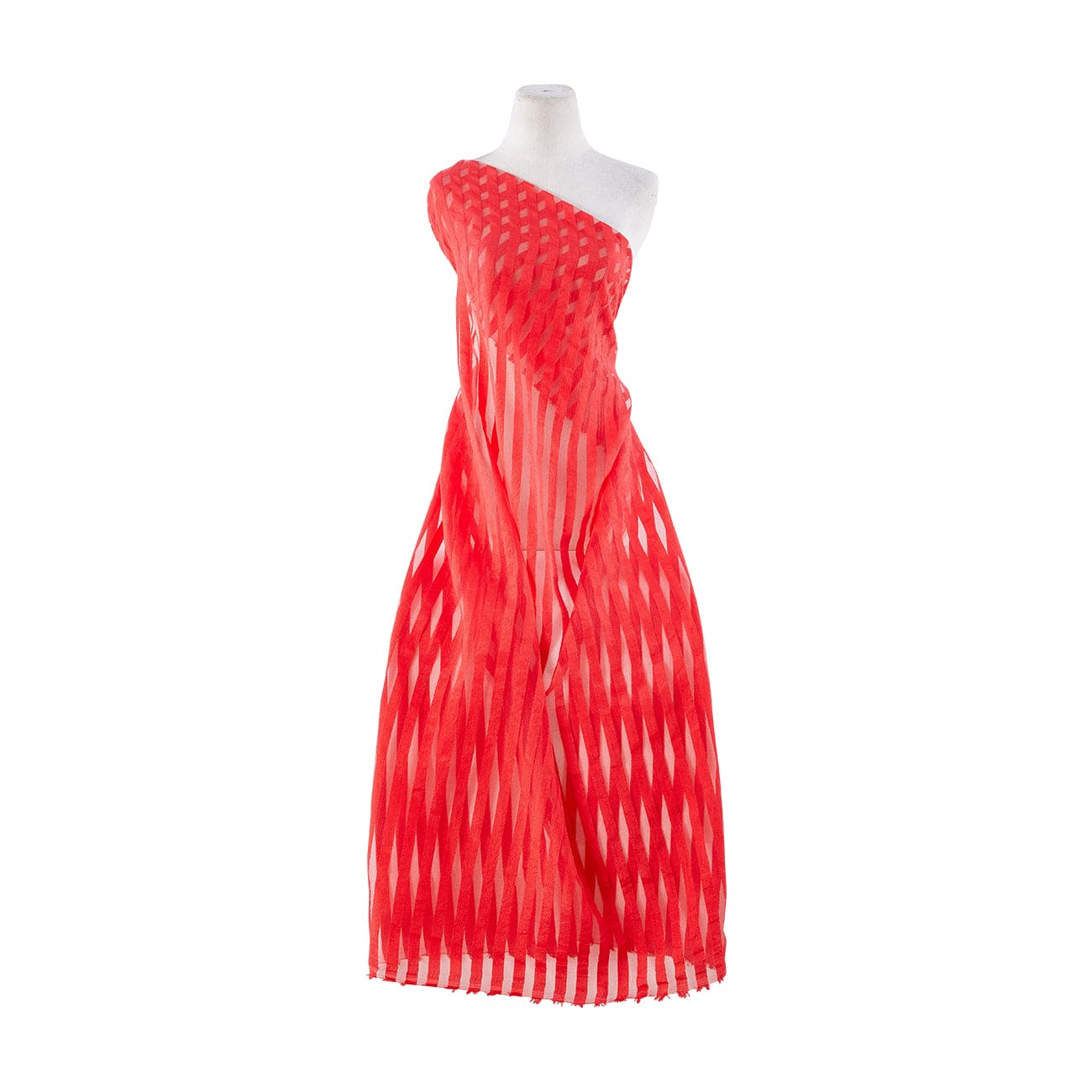
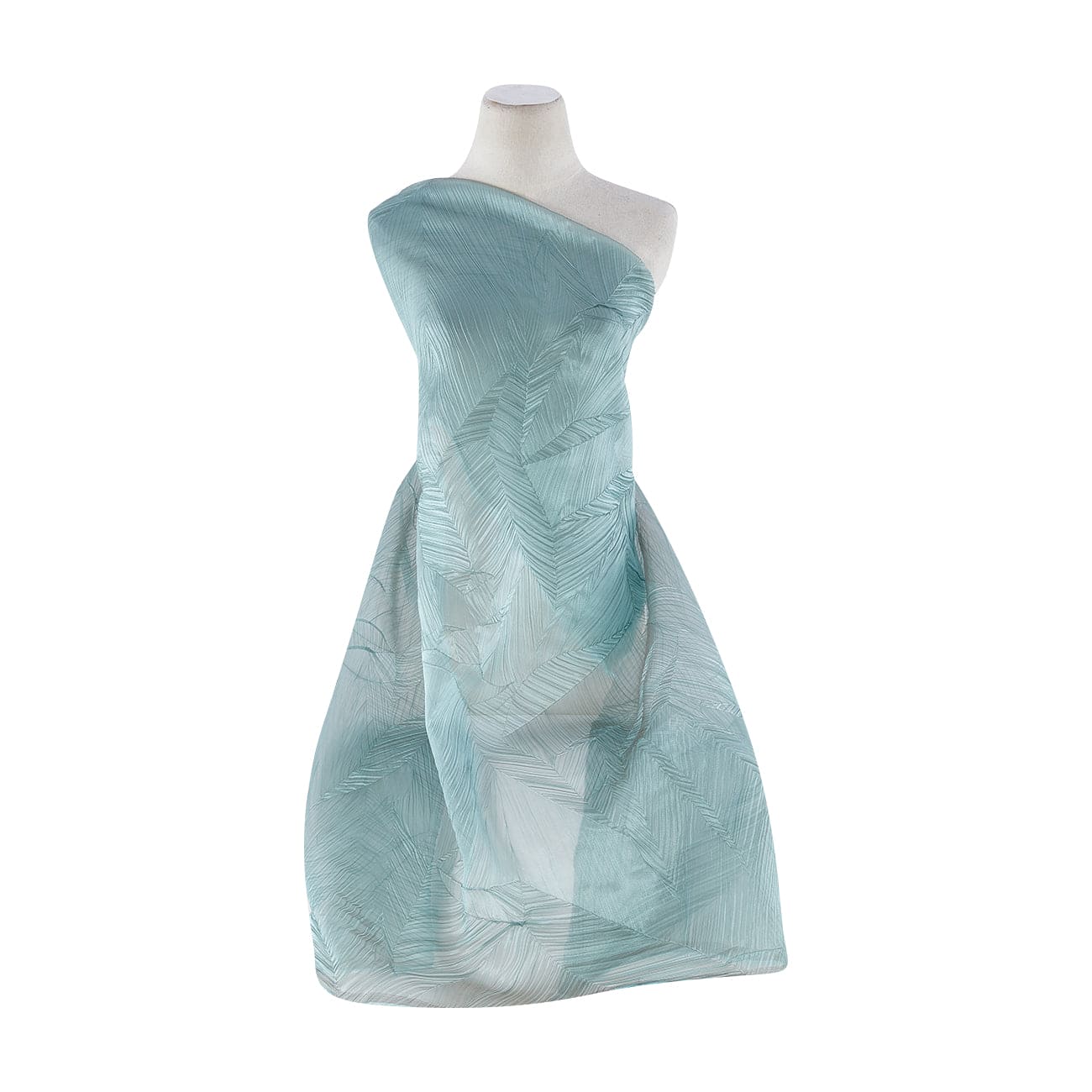
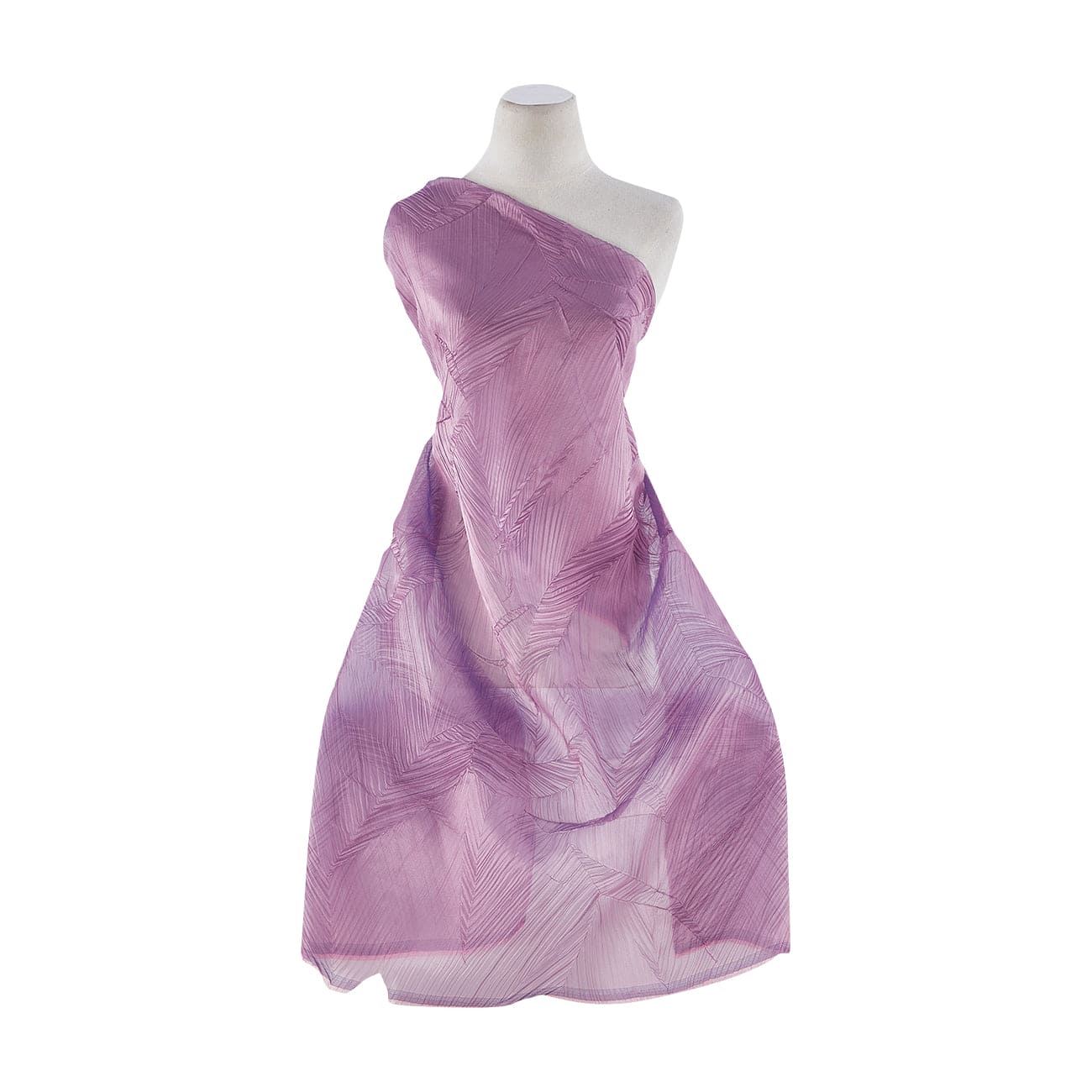
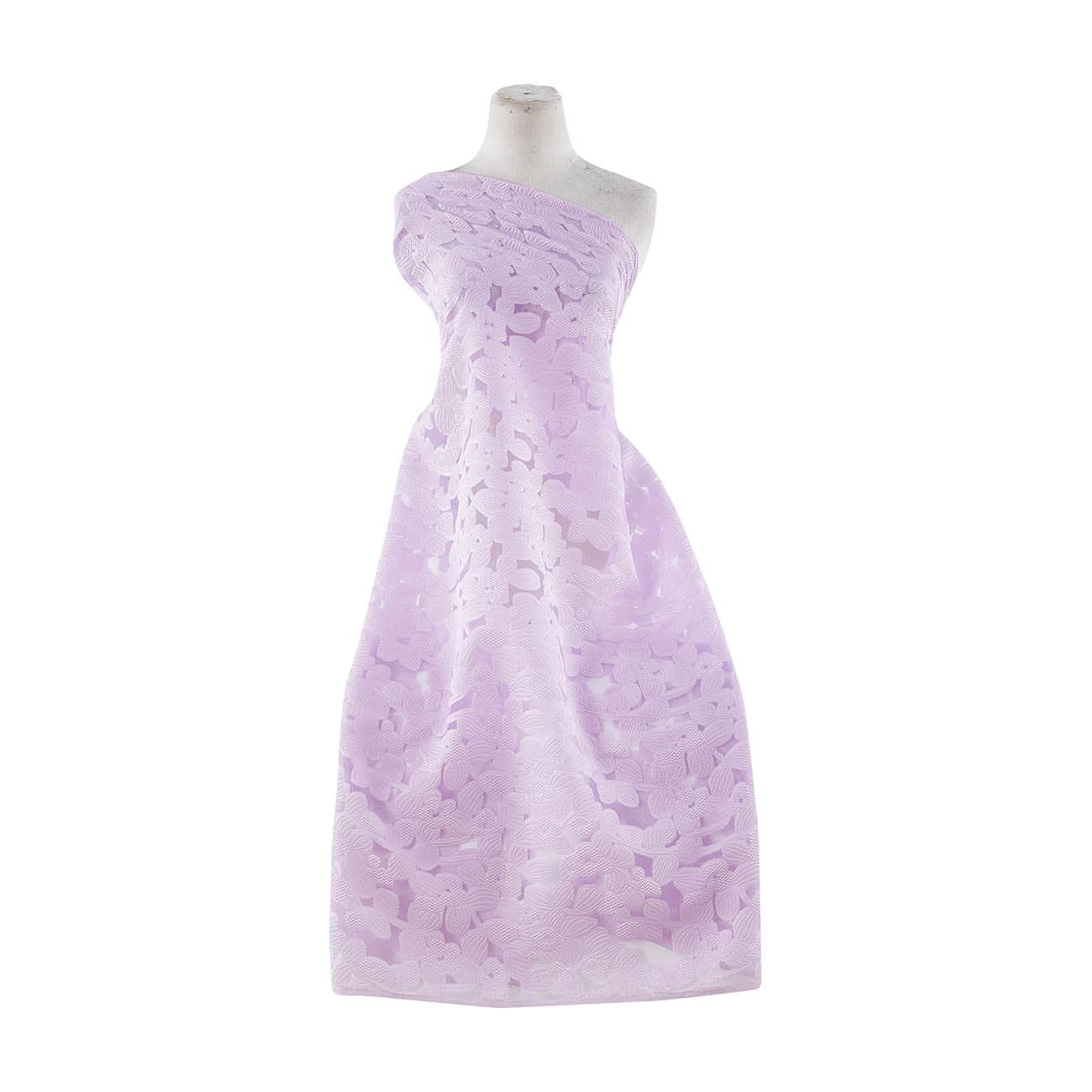
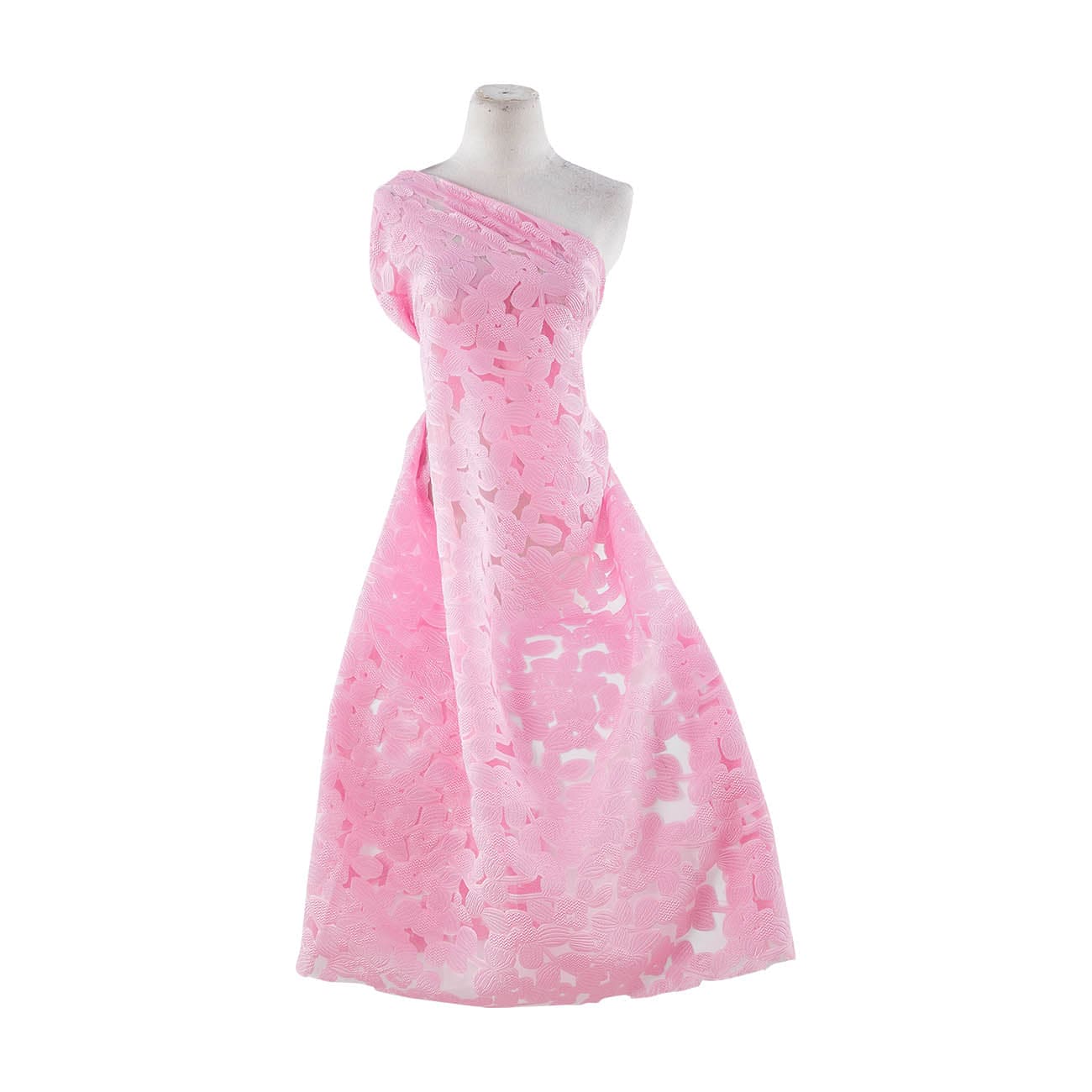
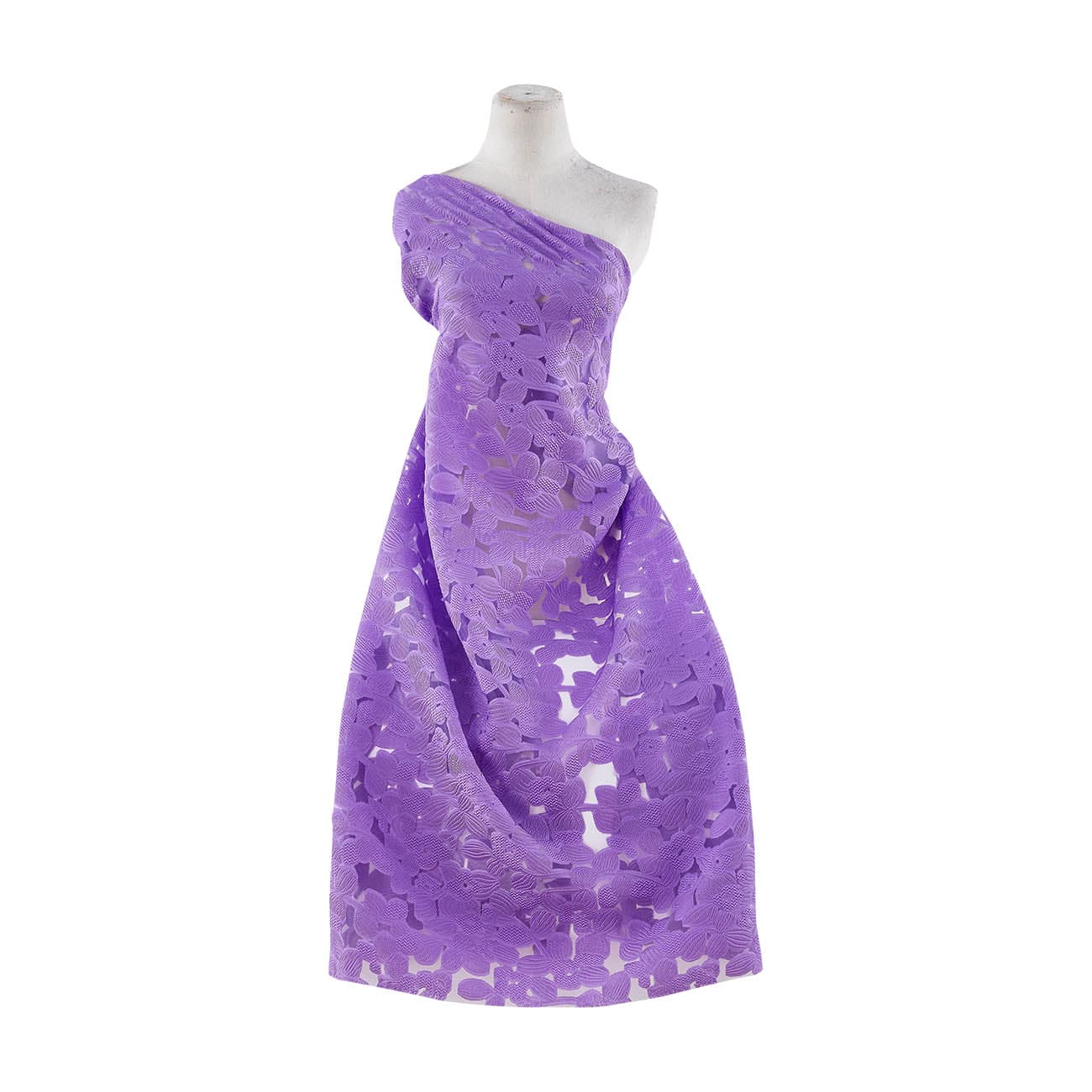
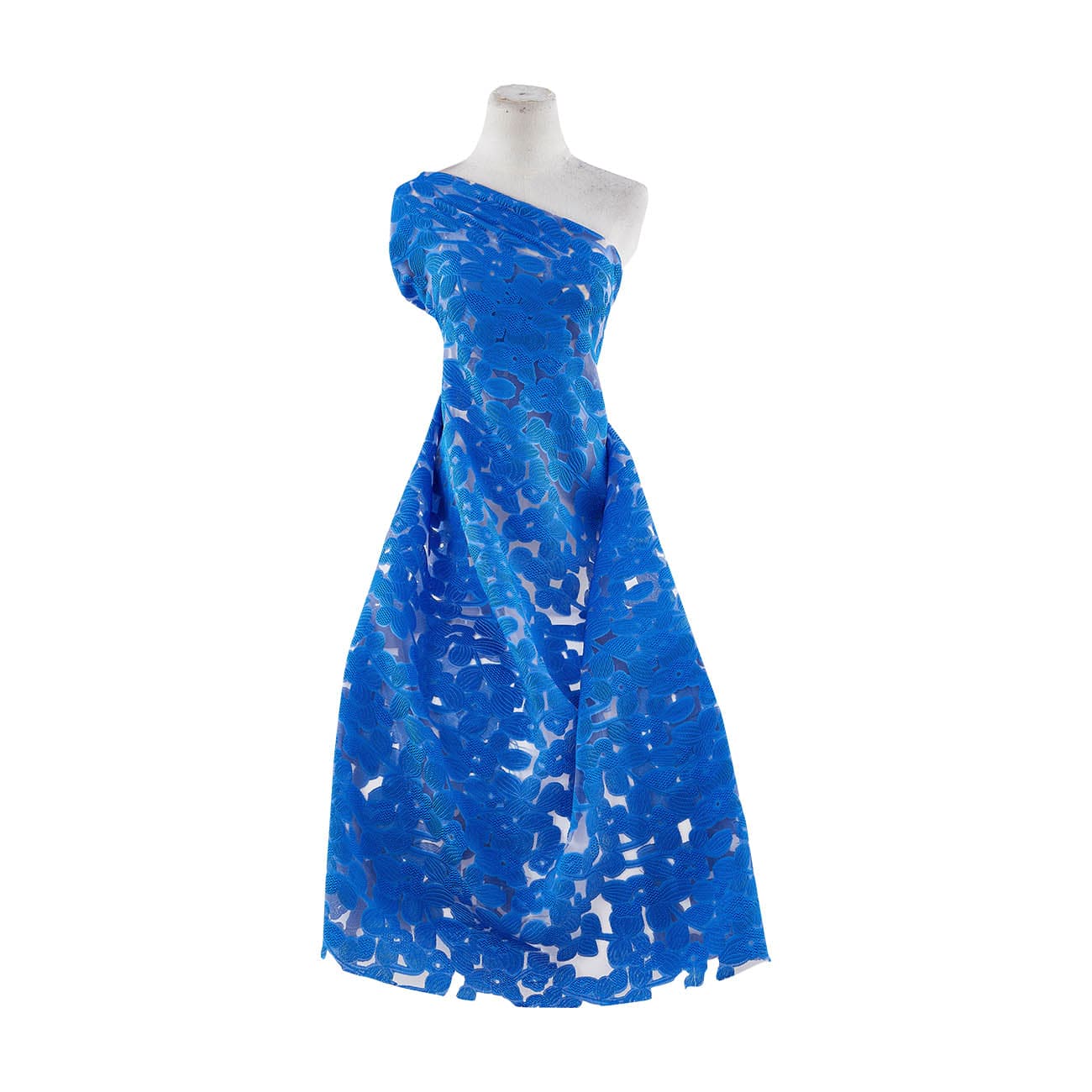
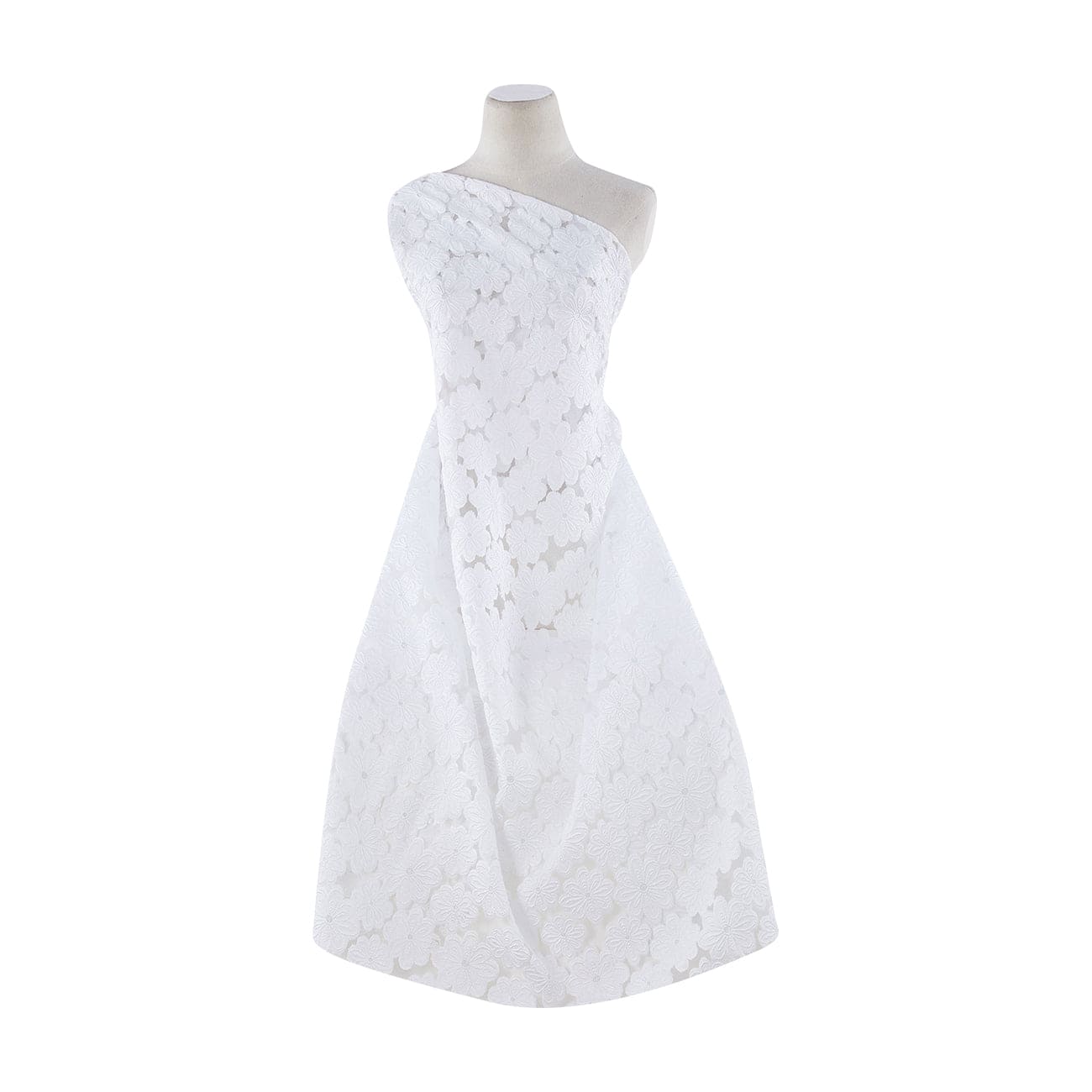
Types of Organza Fabric
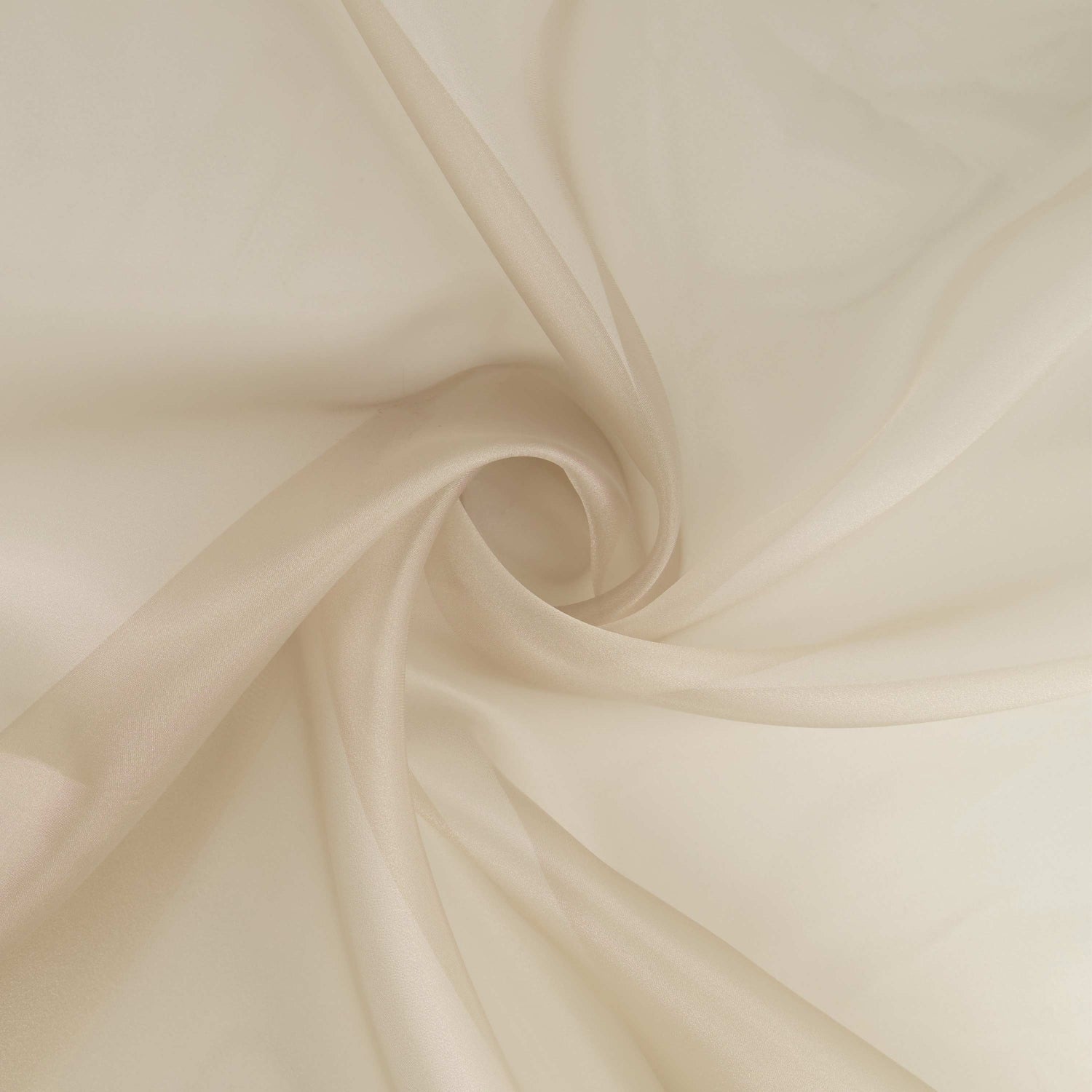
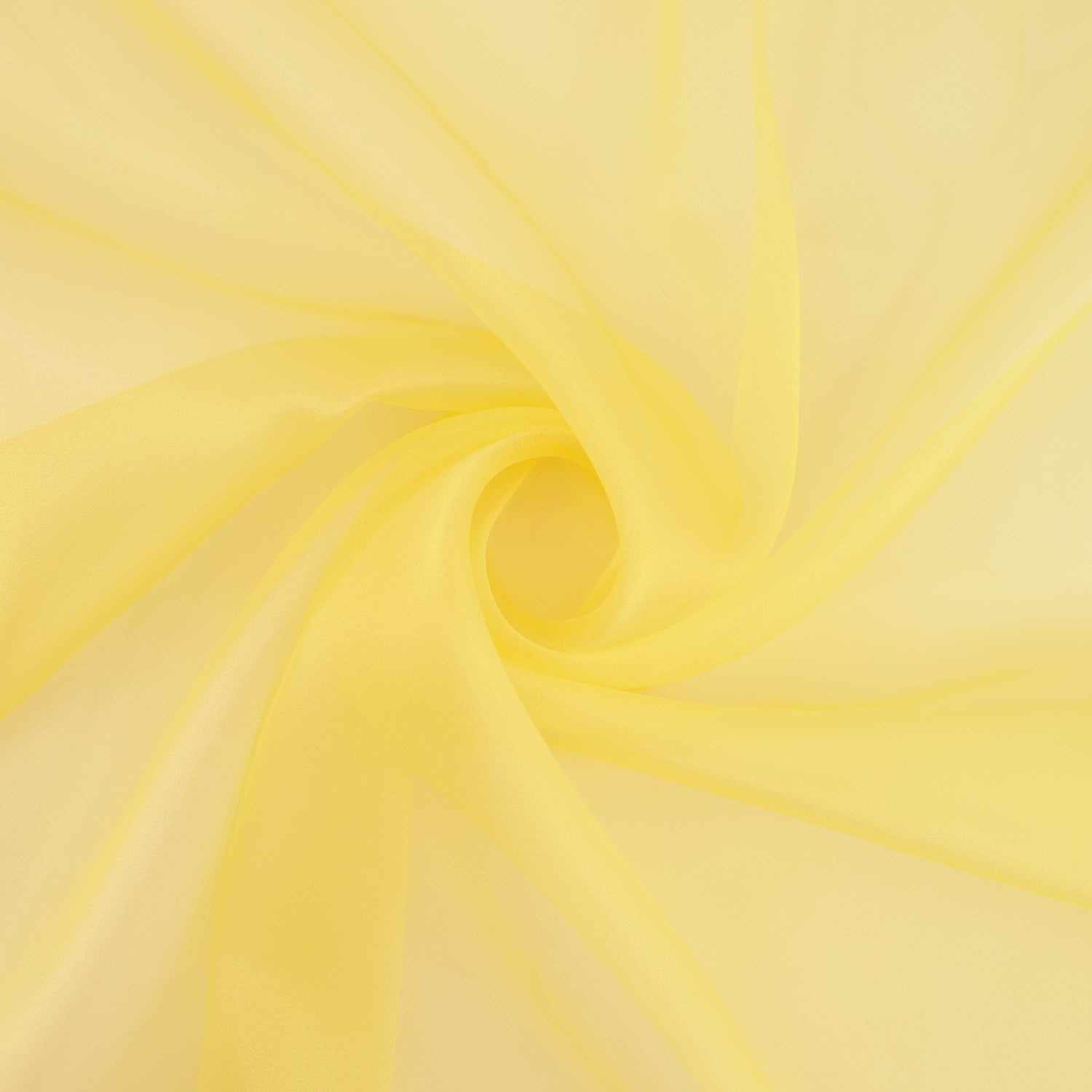
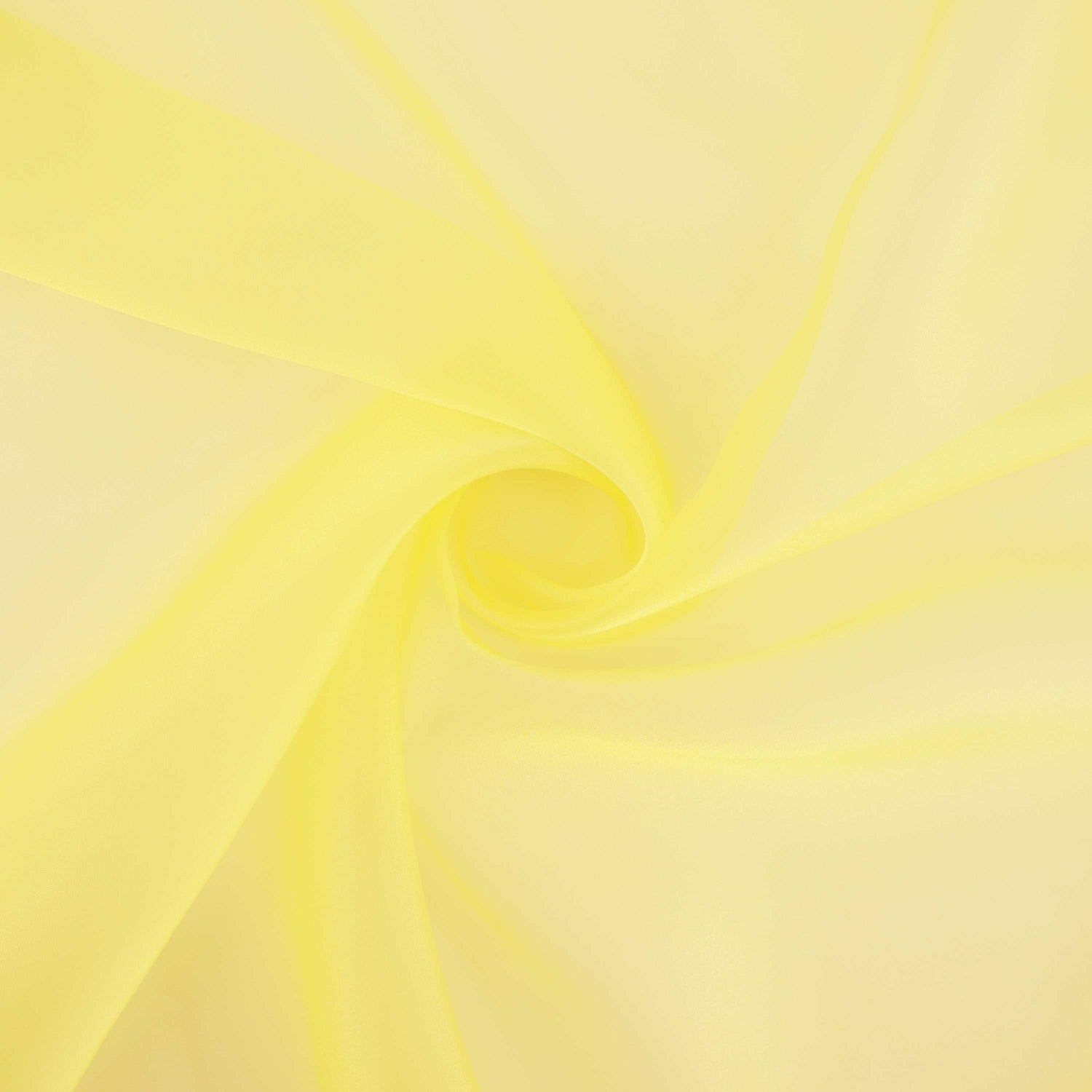
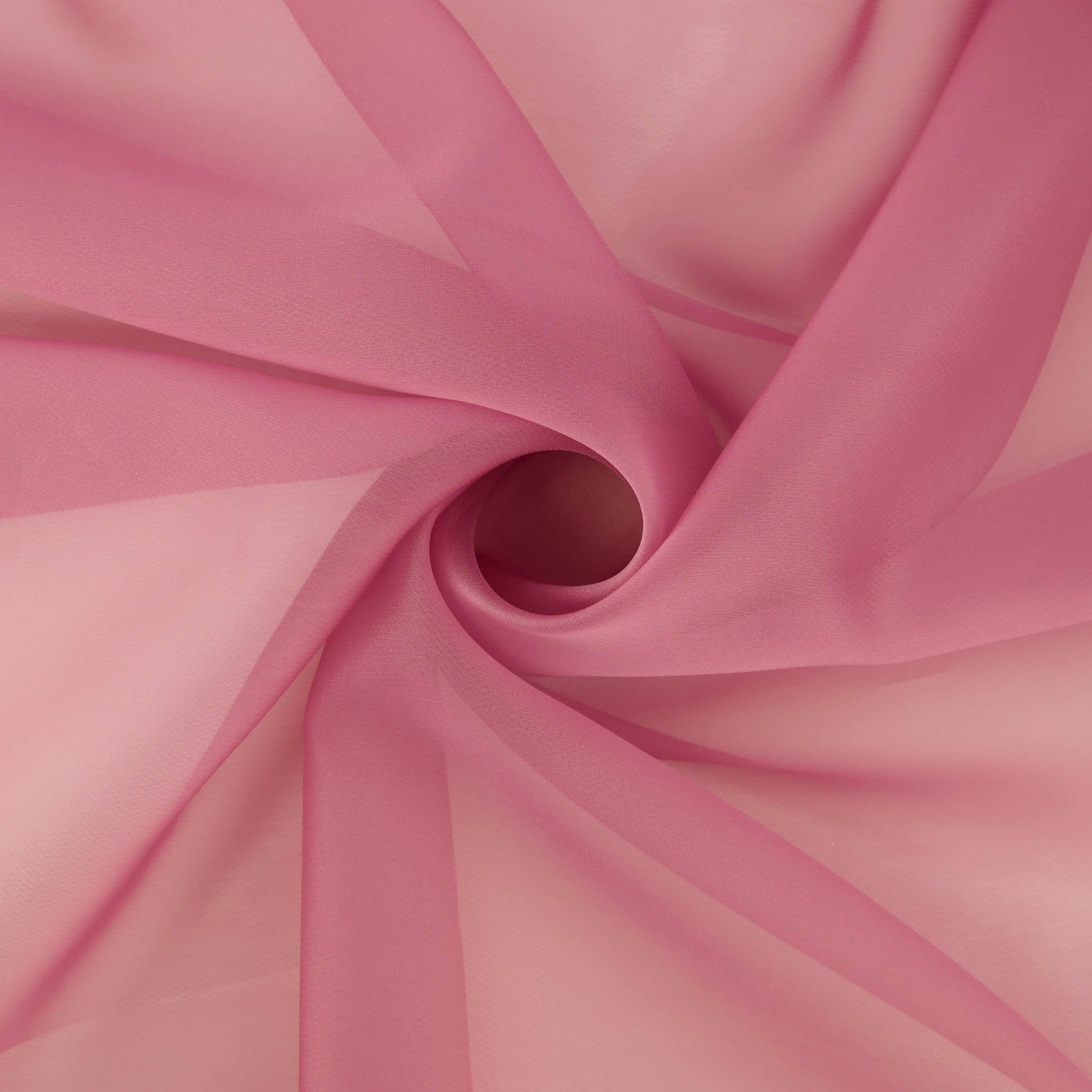
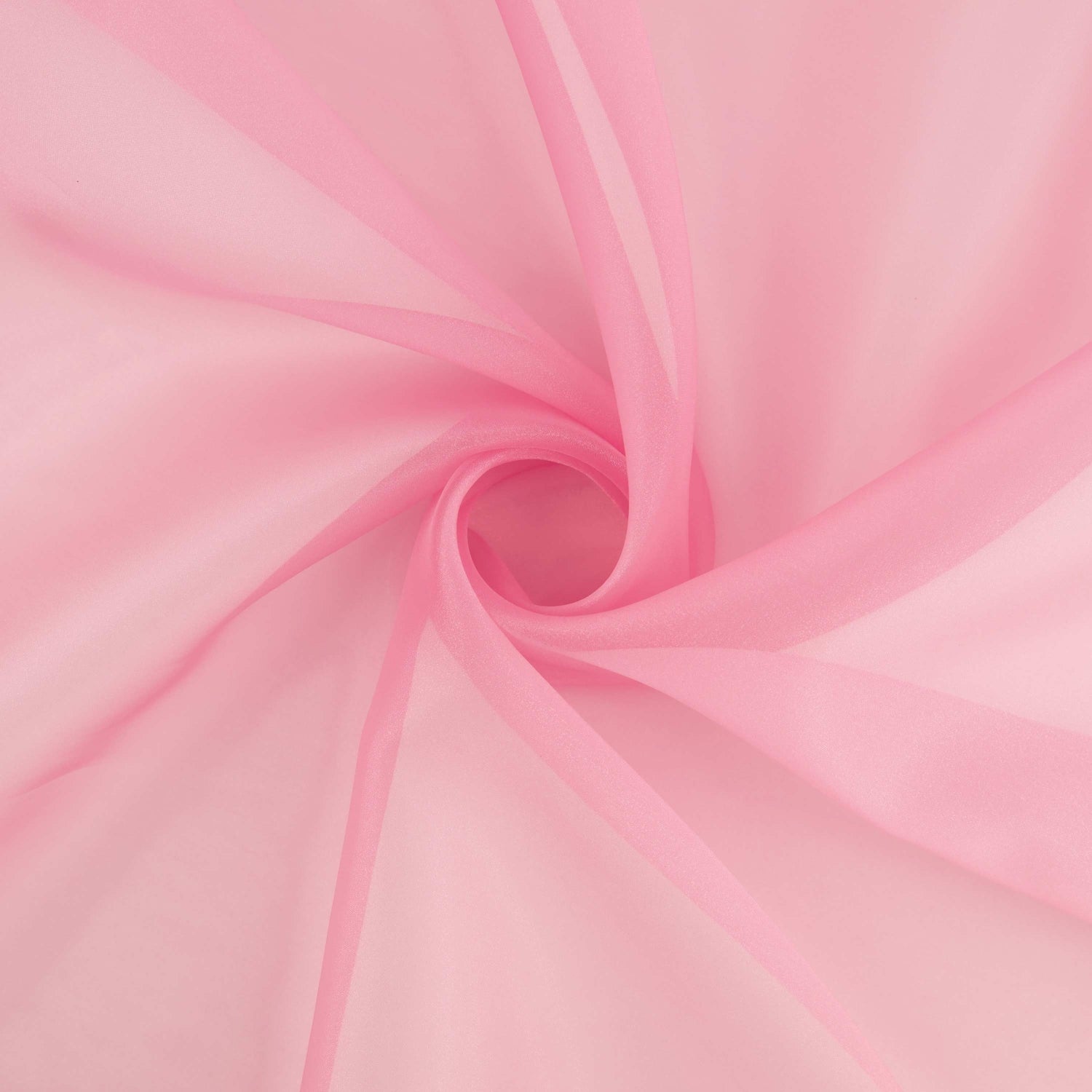
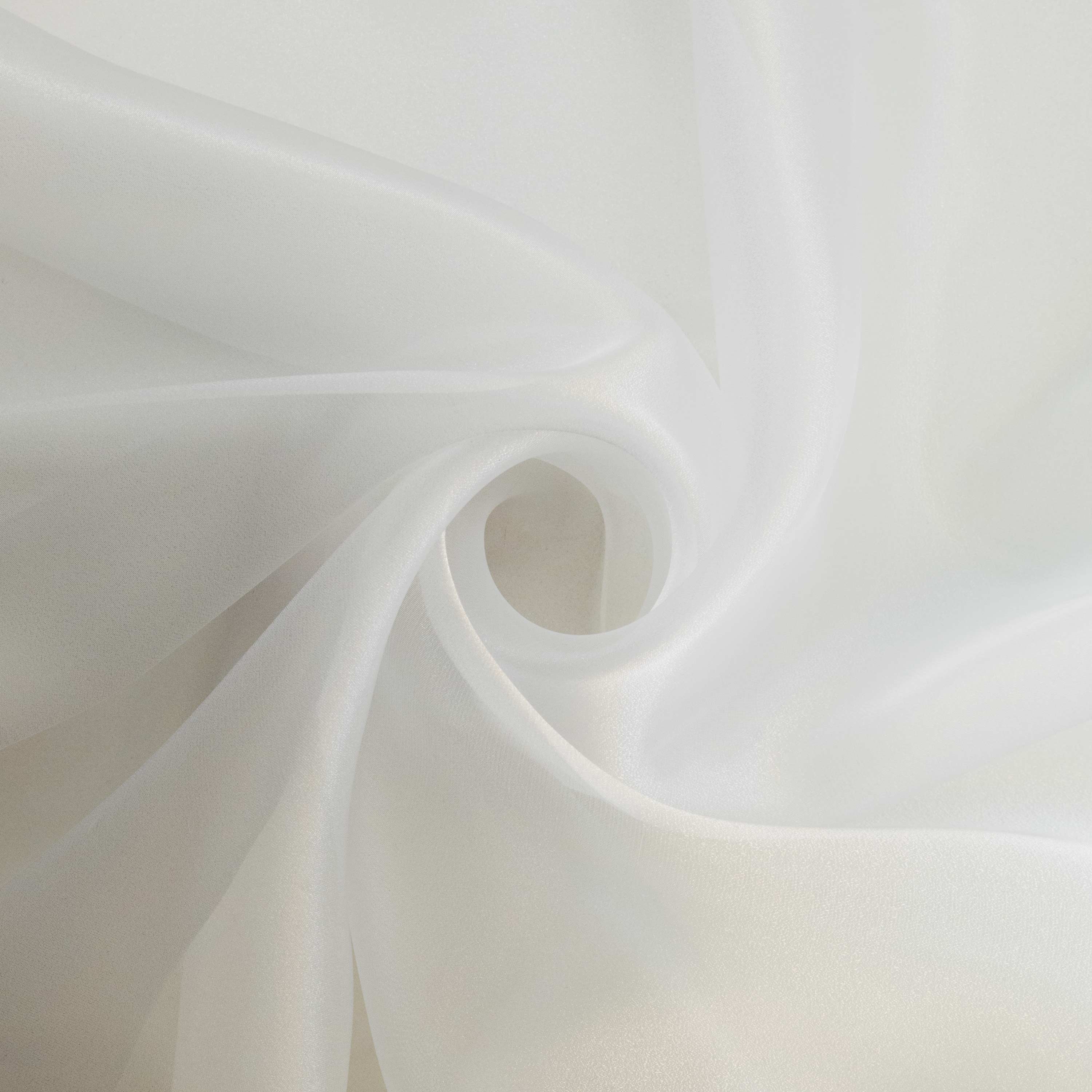
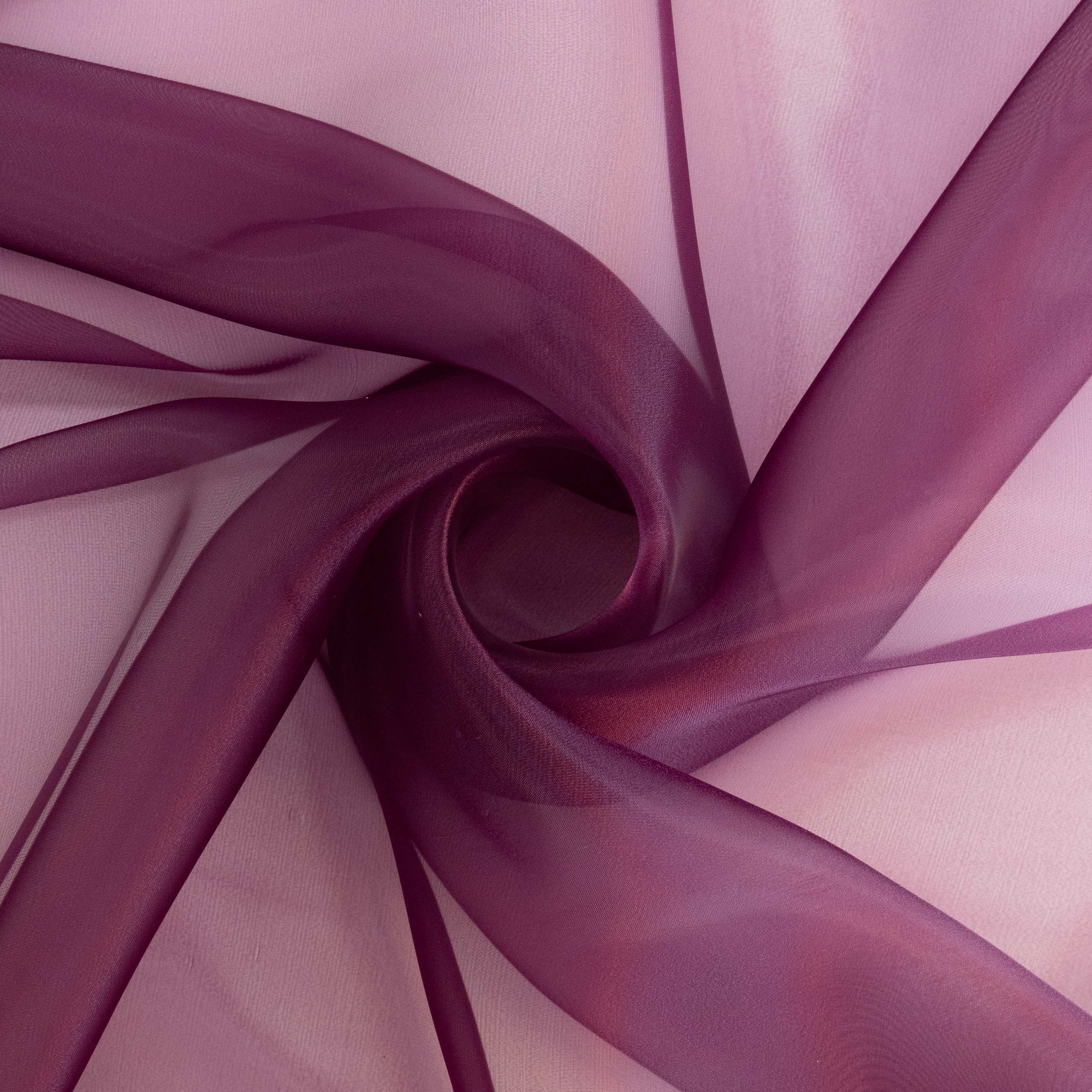
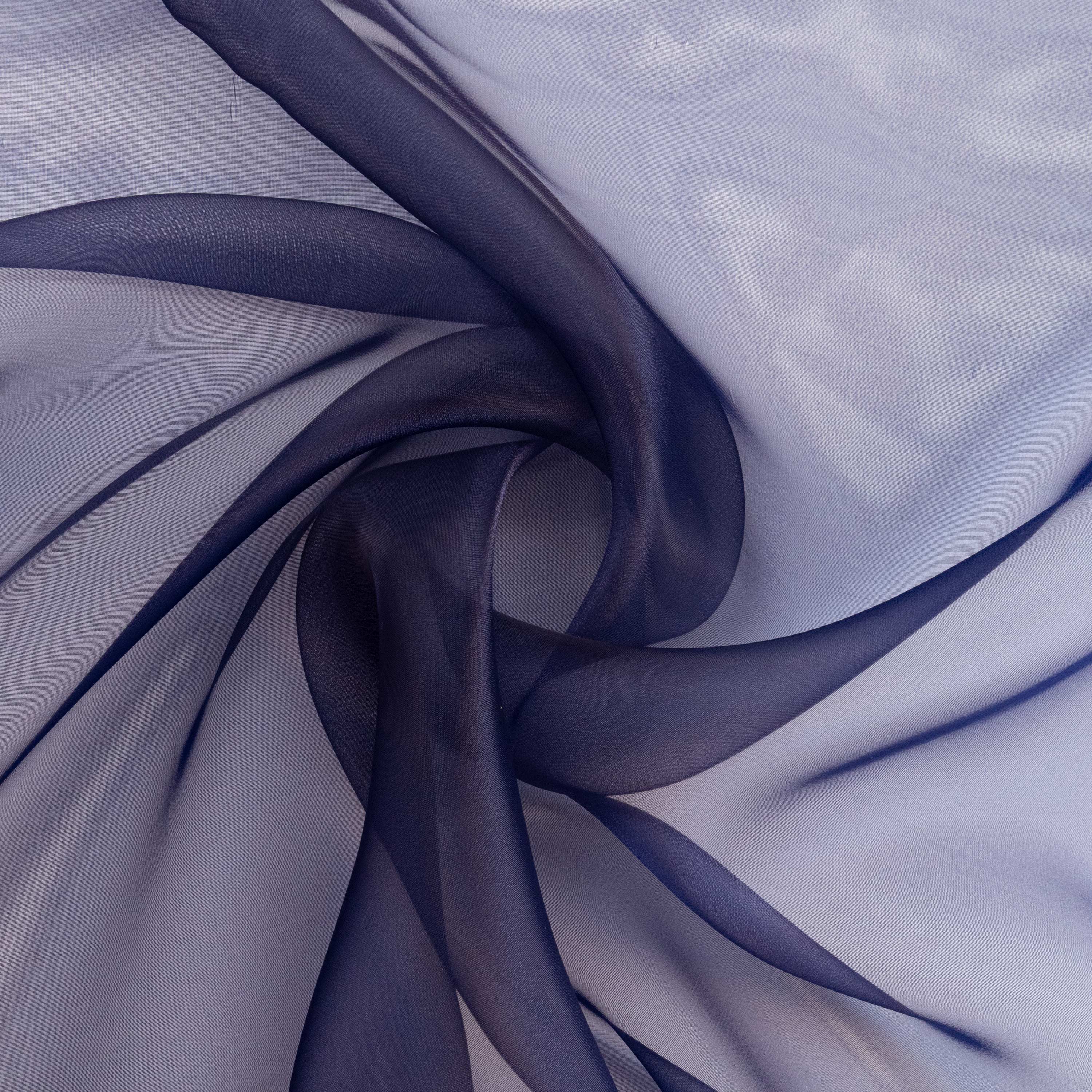
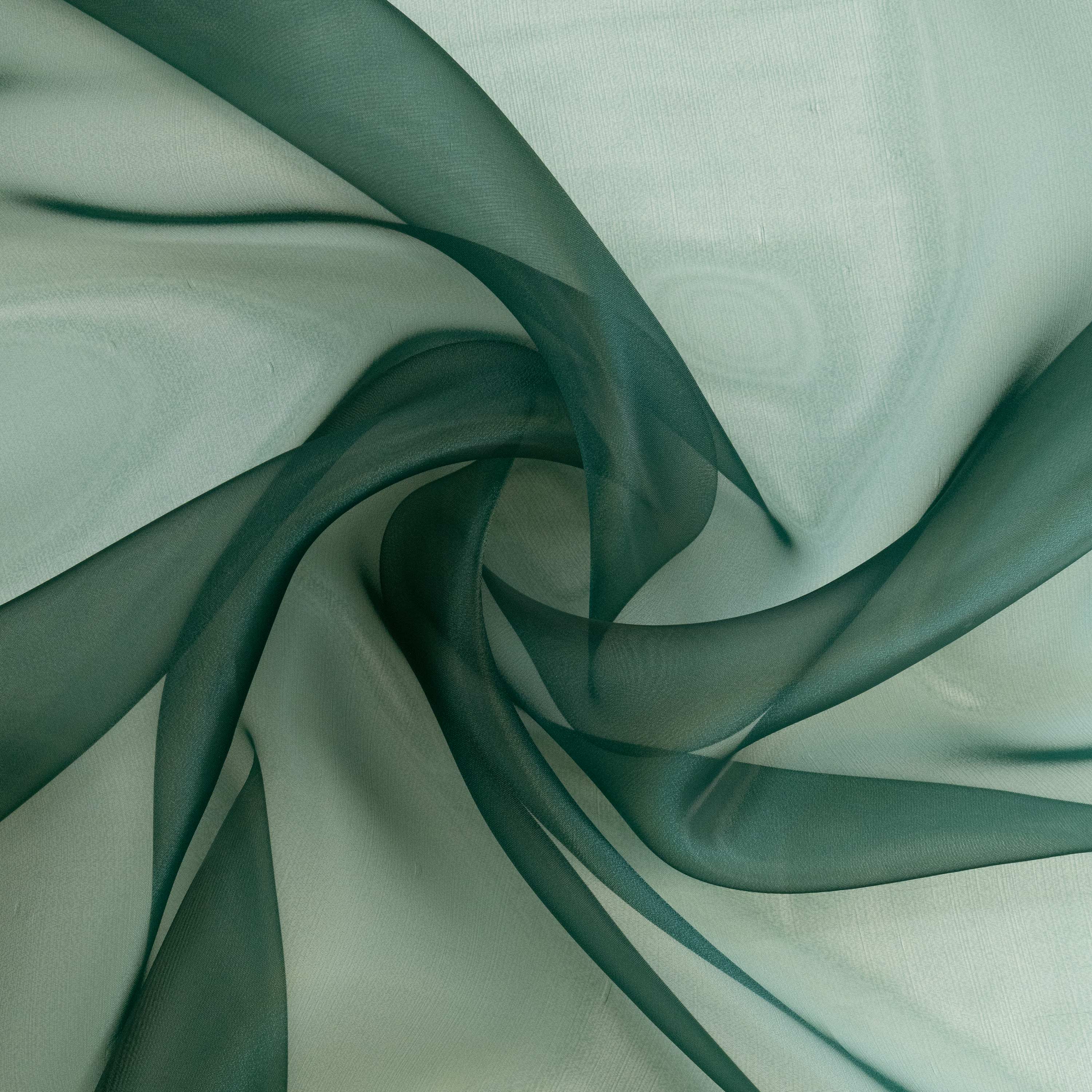
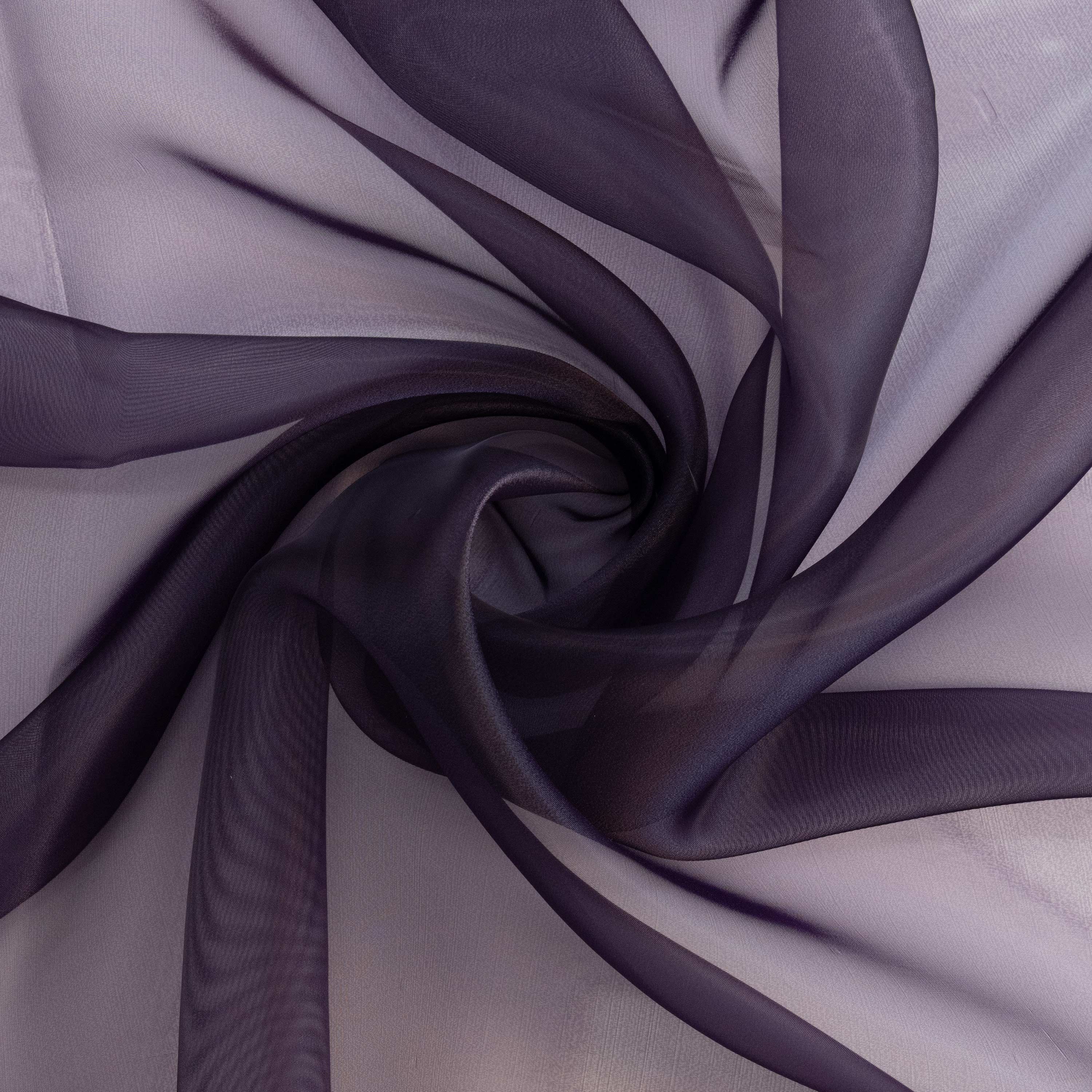
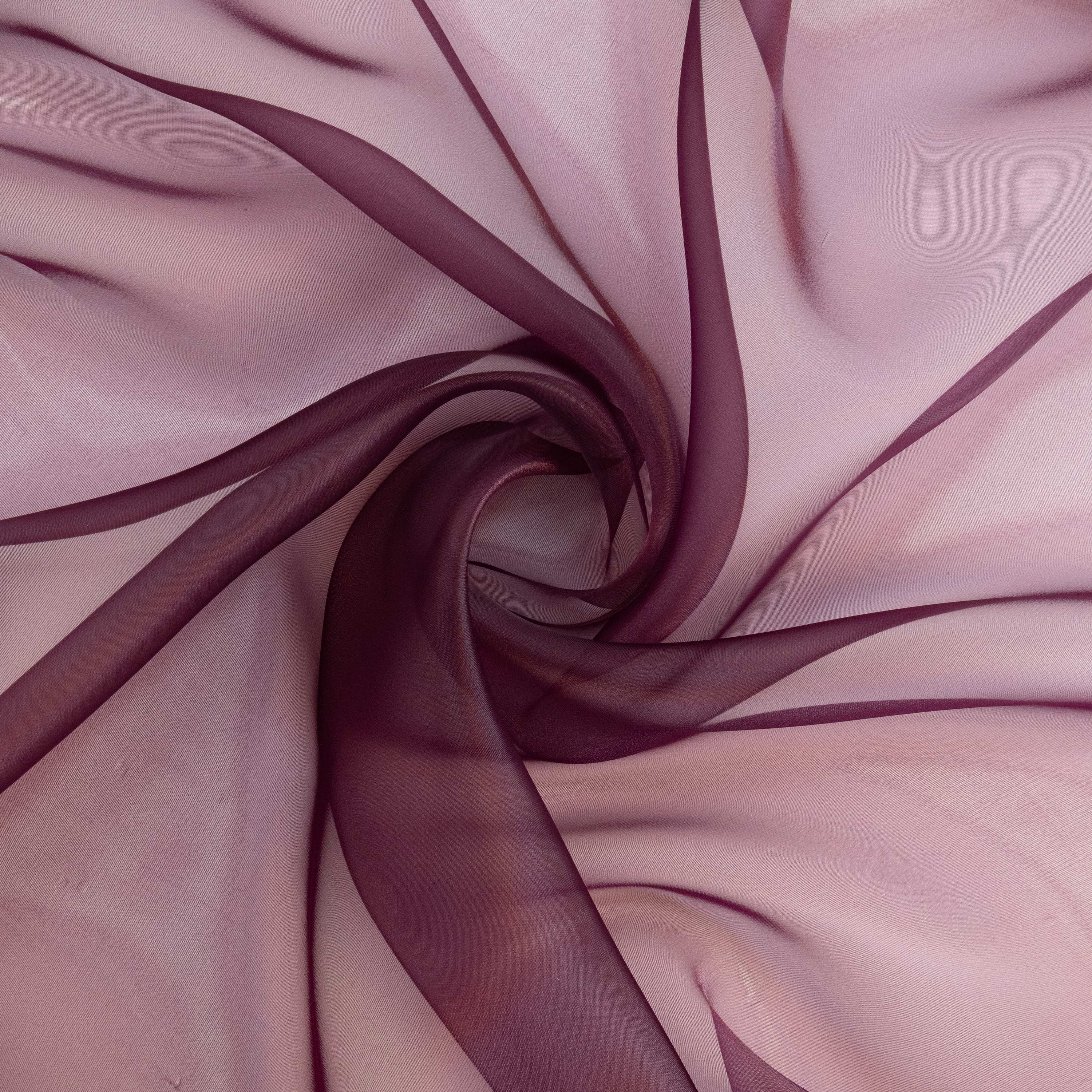
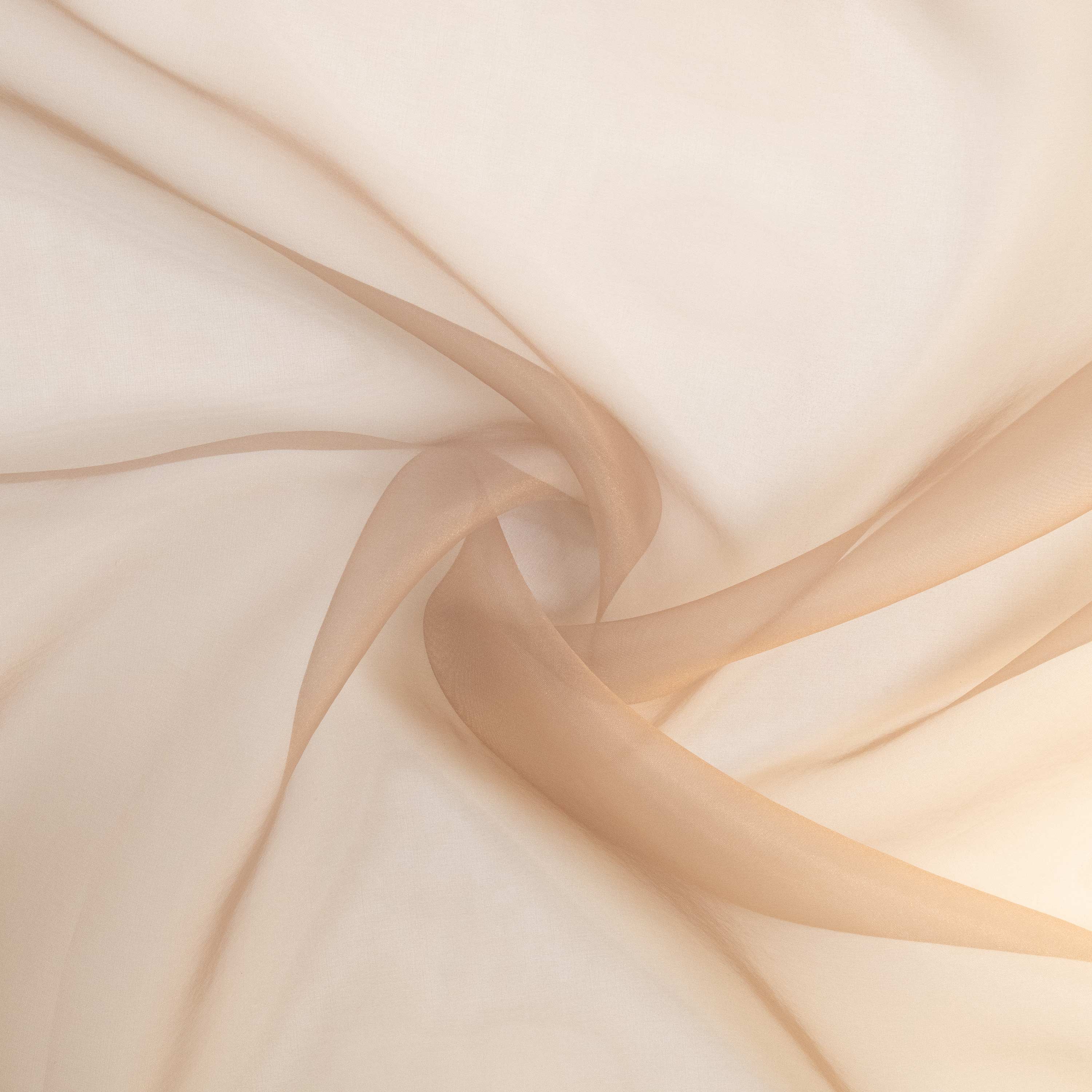
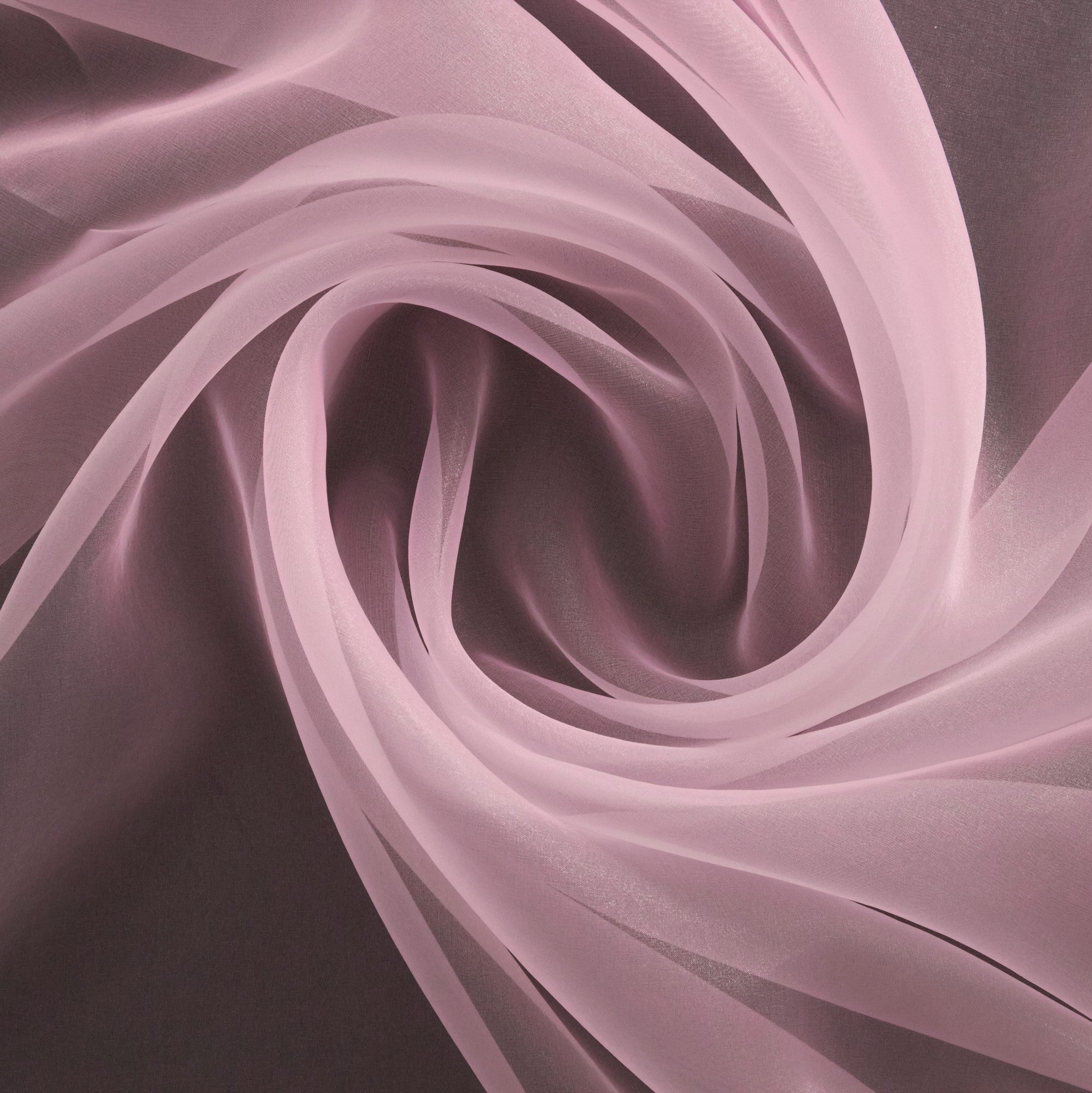
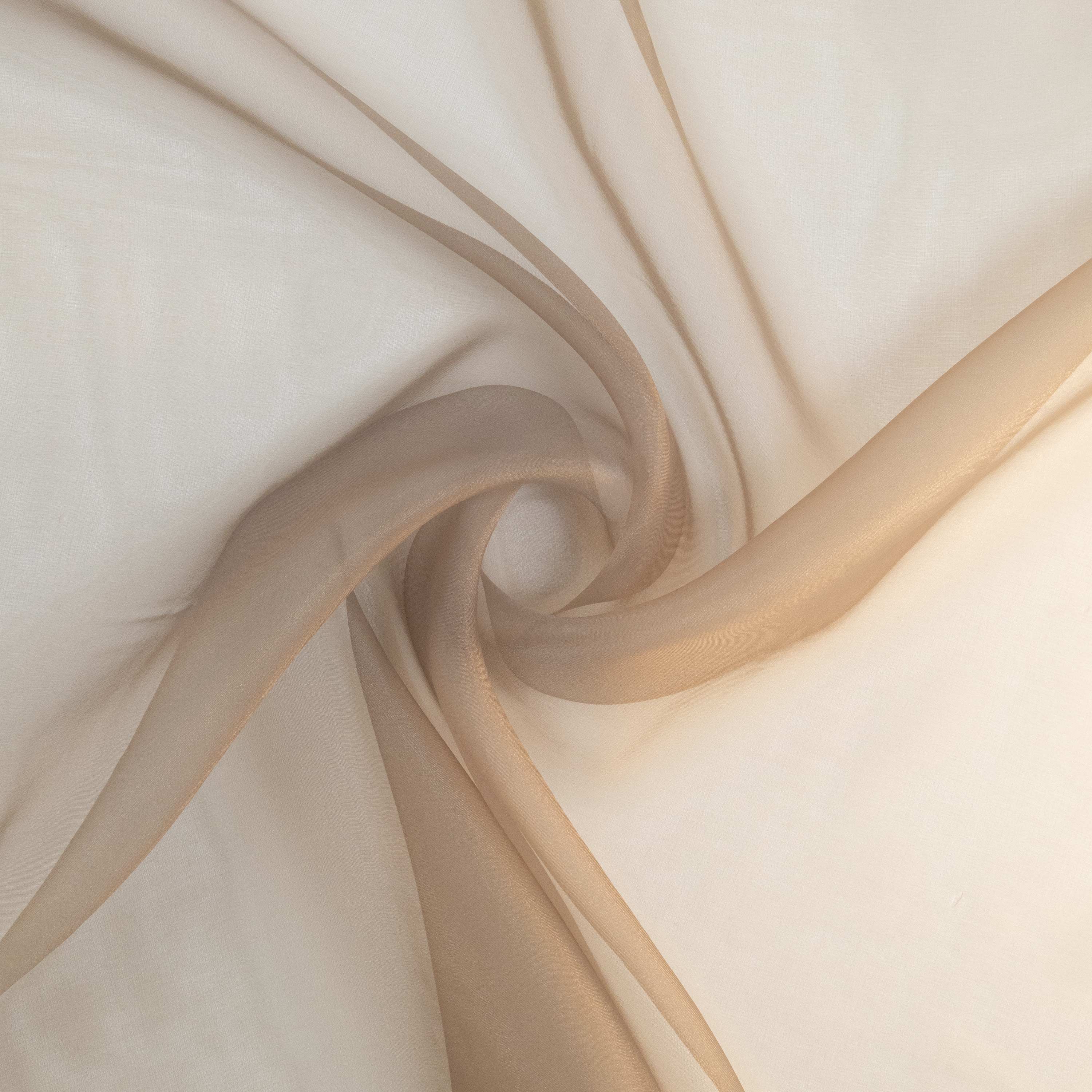
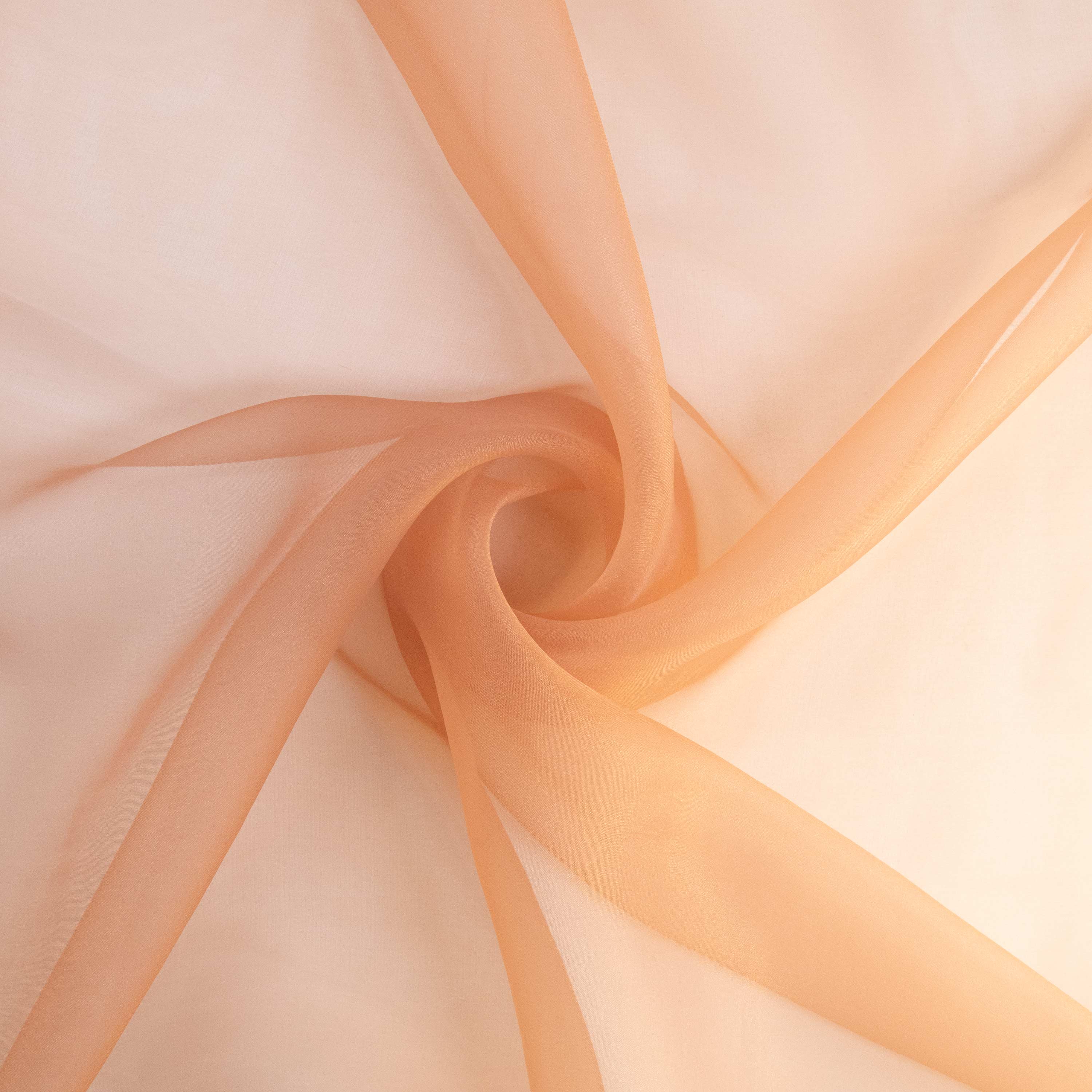
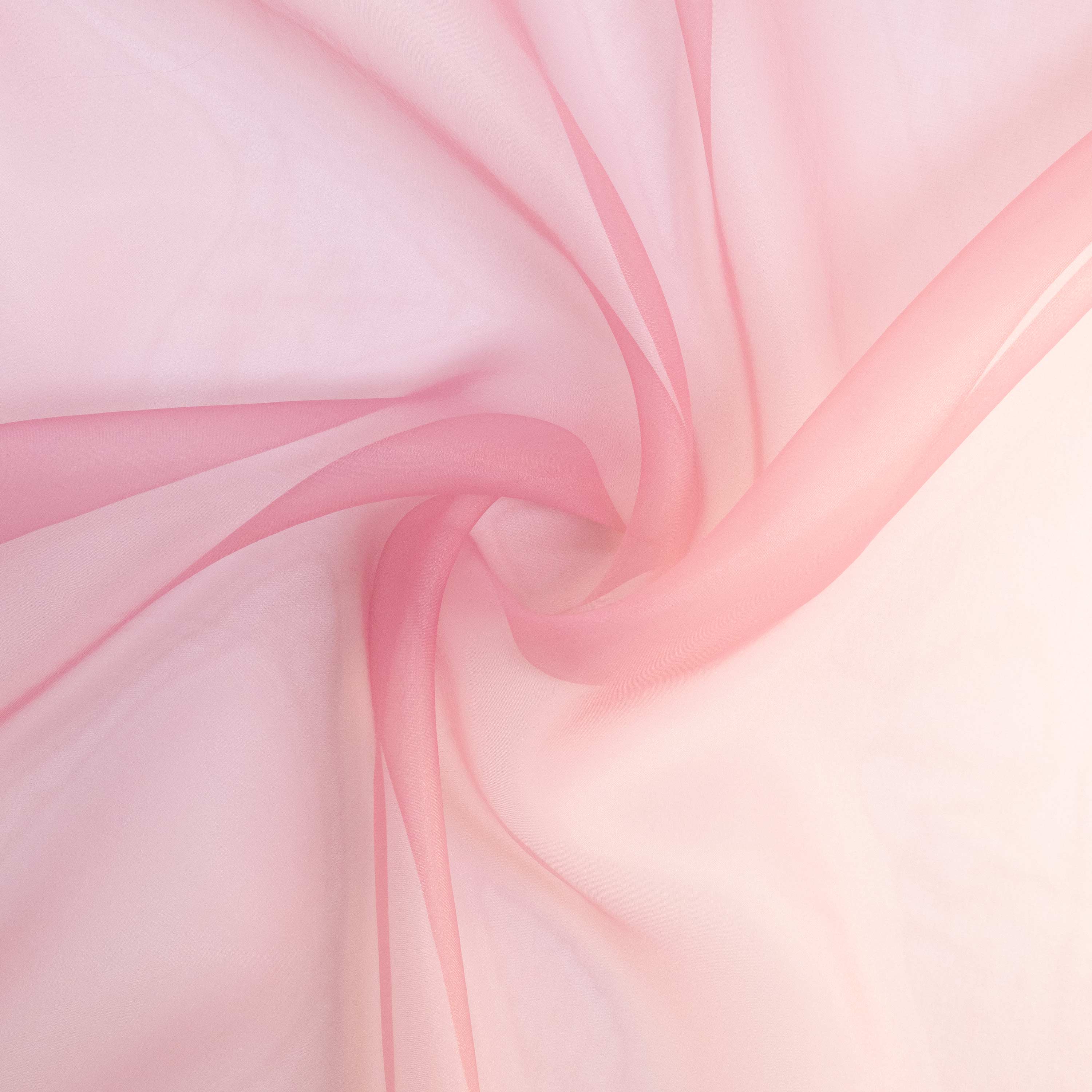
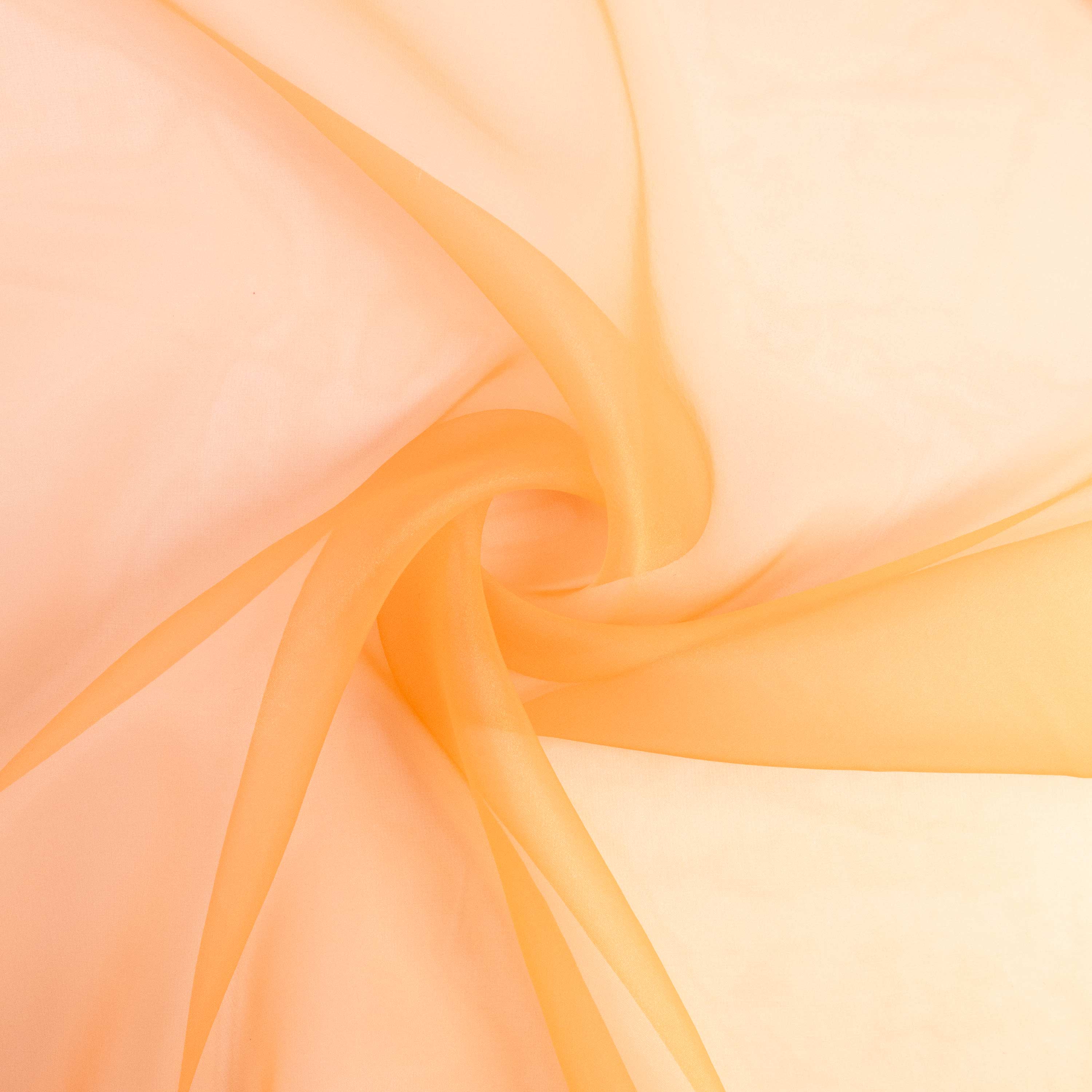
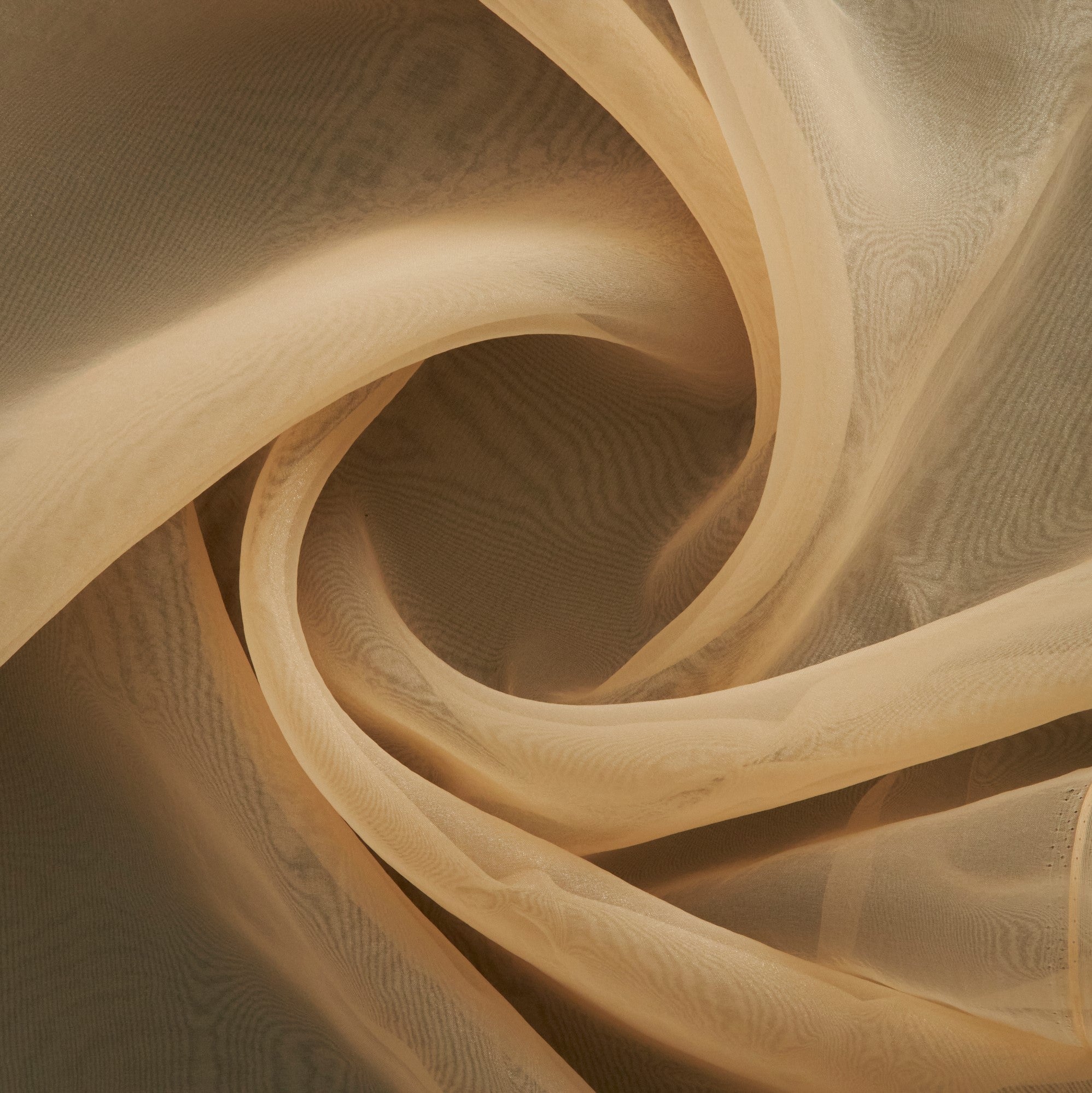
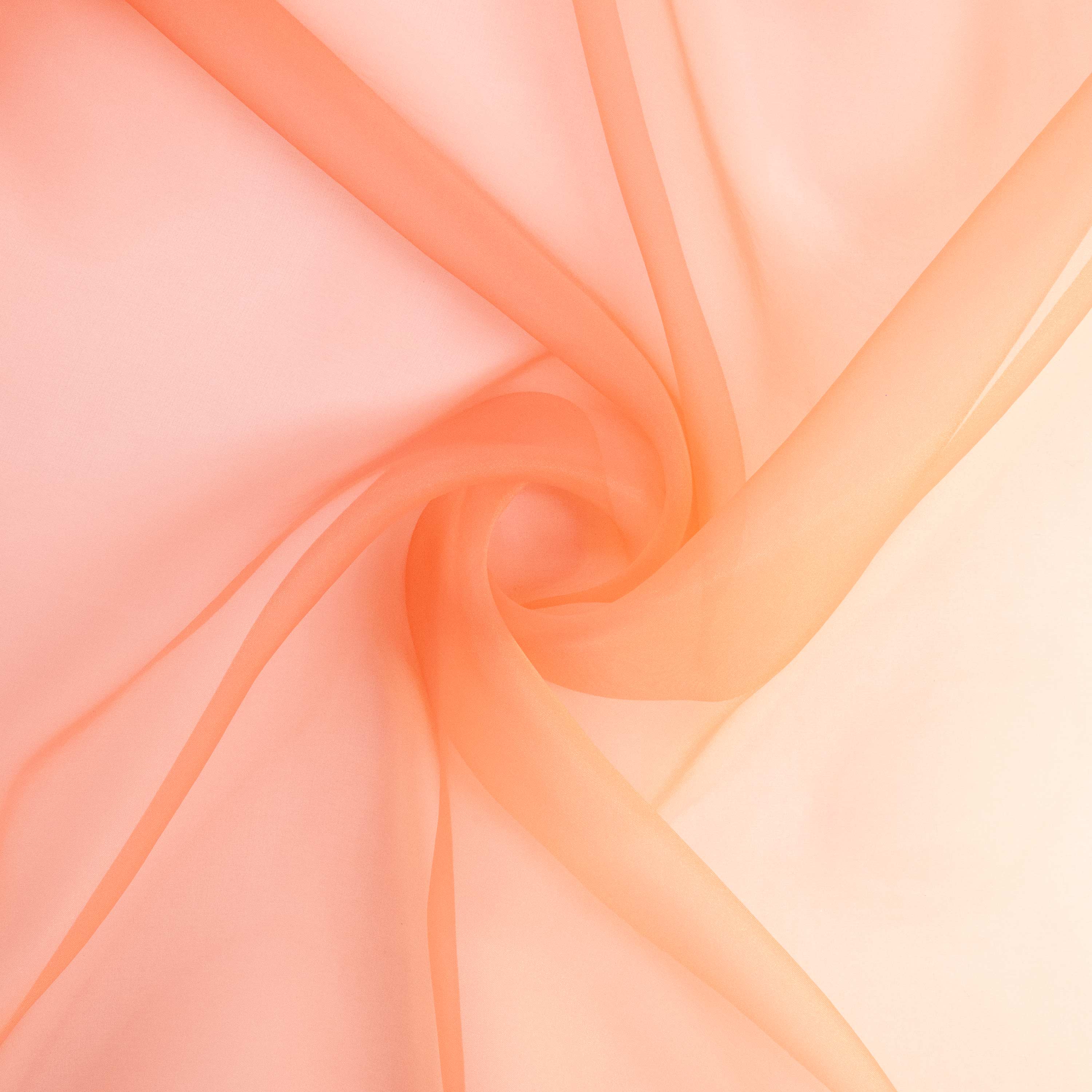
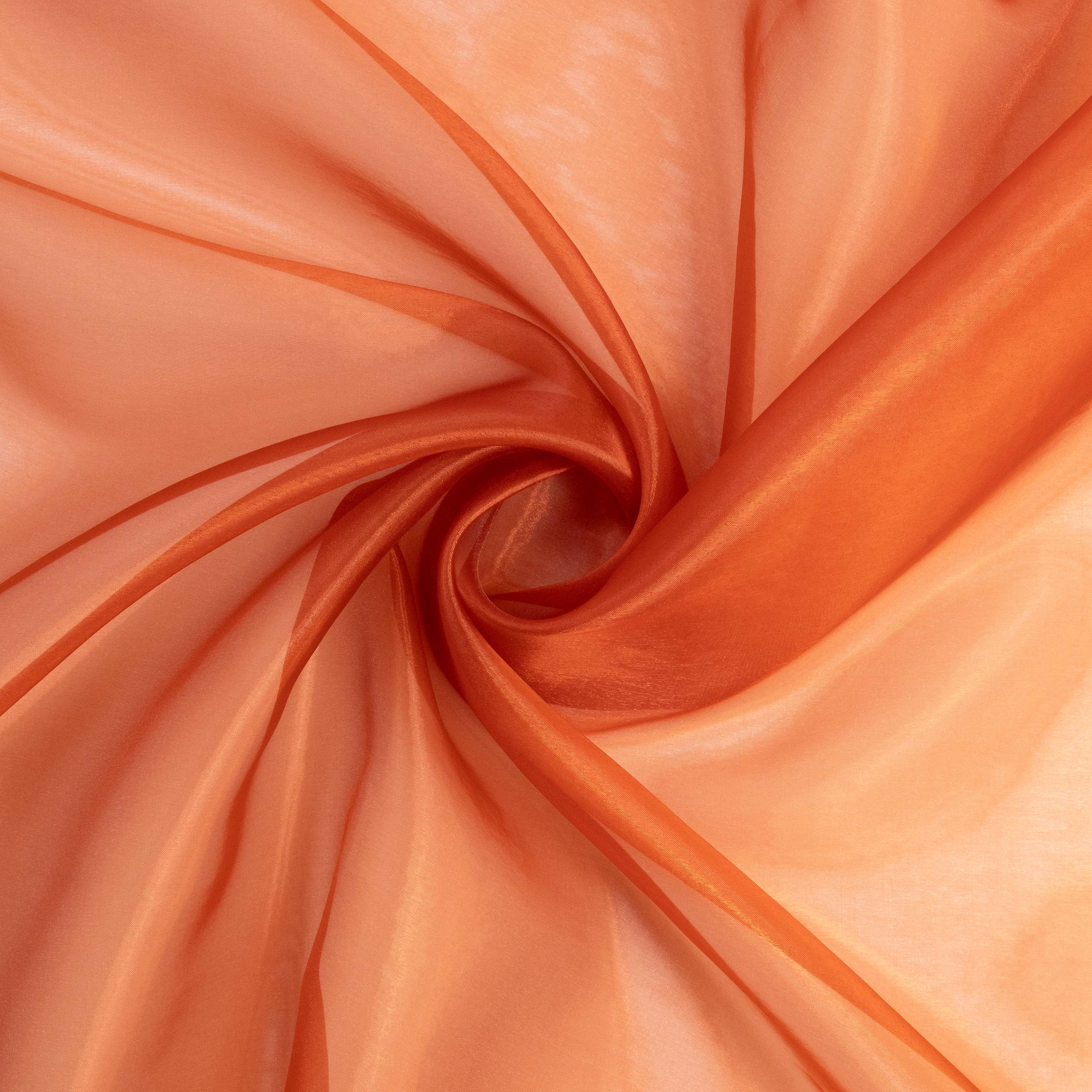
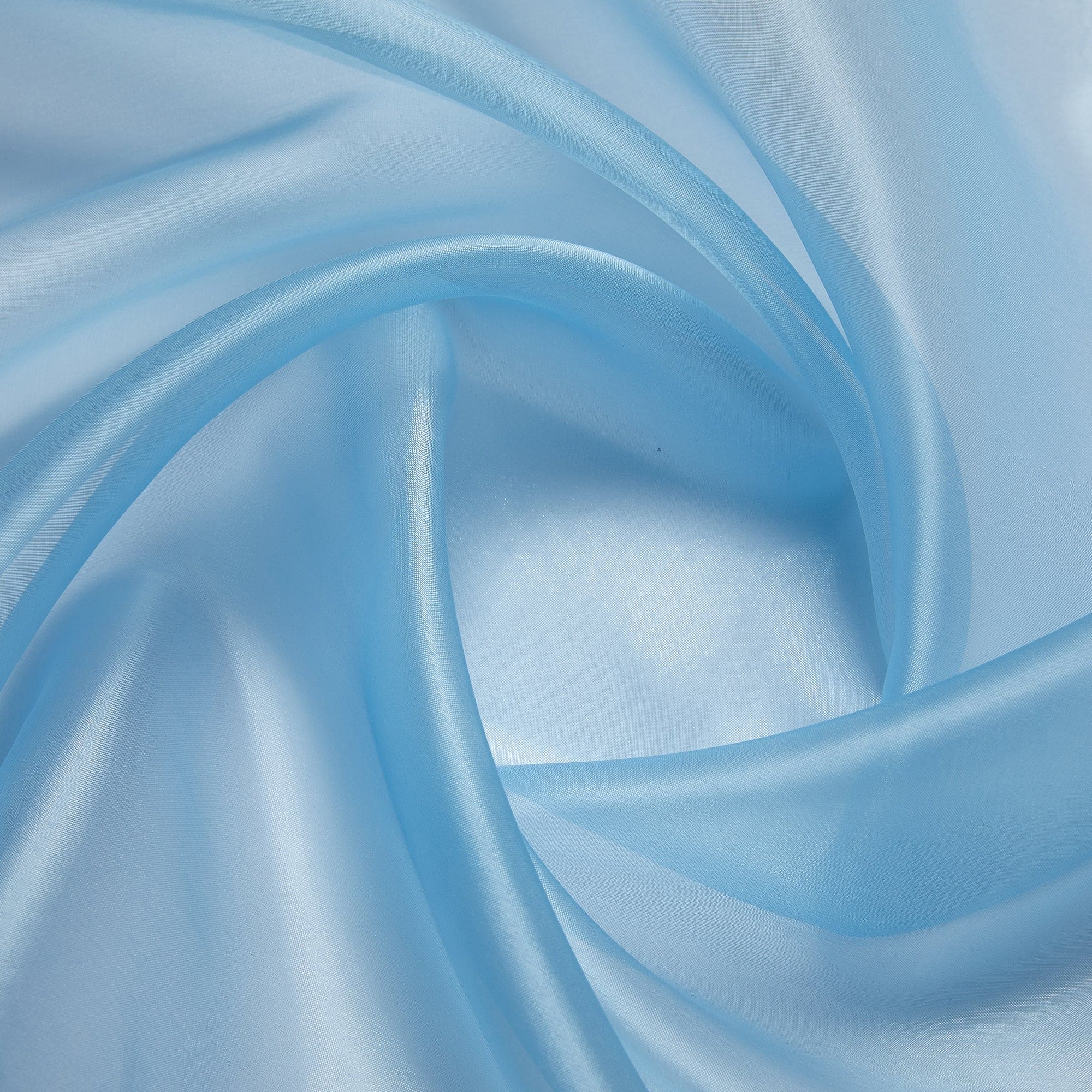
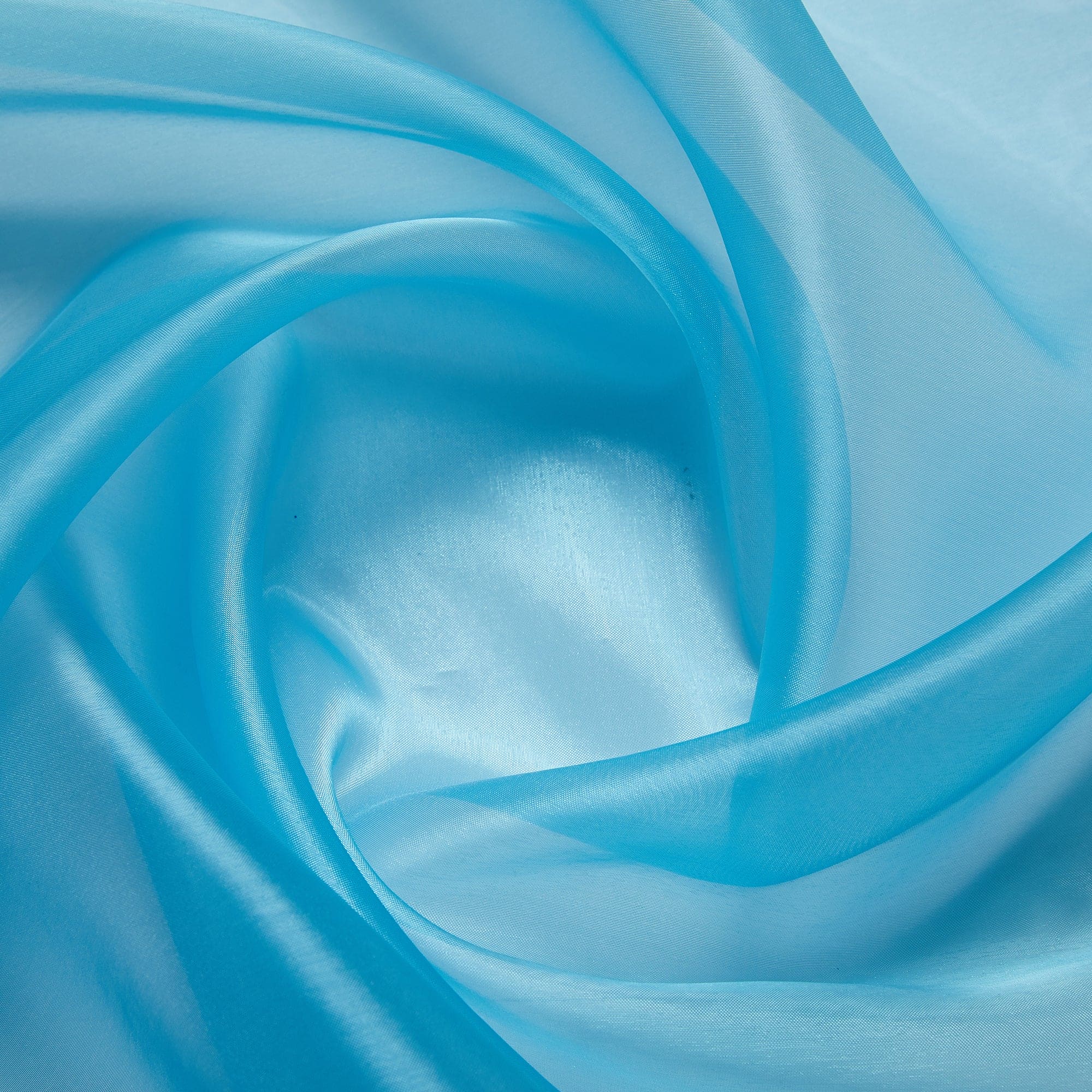
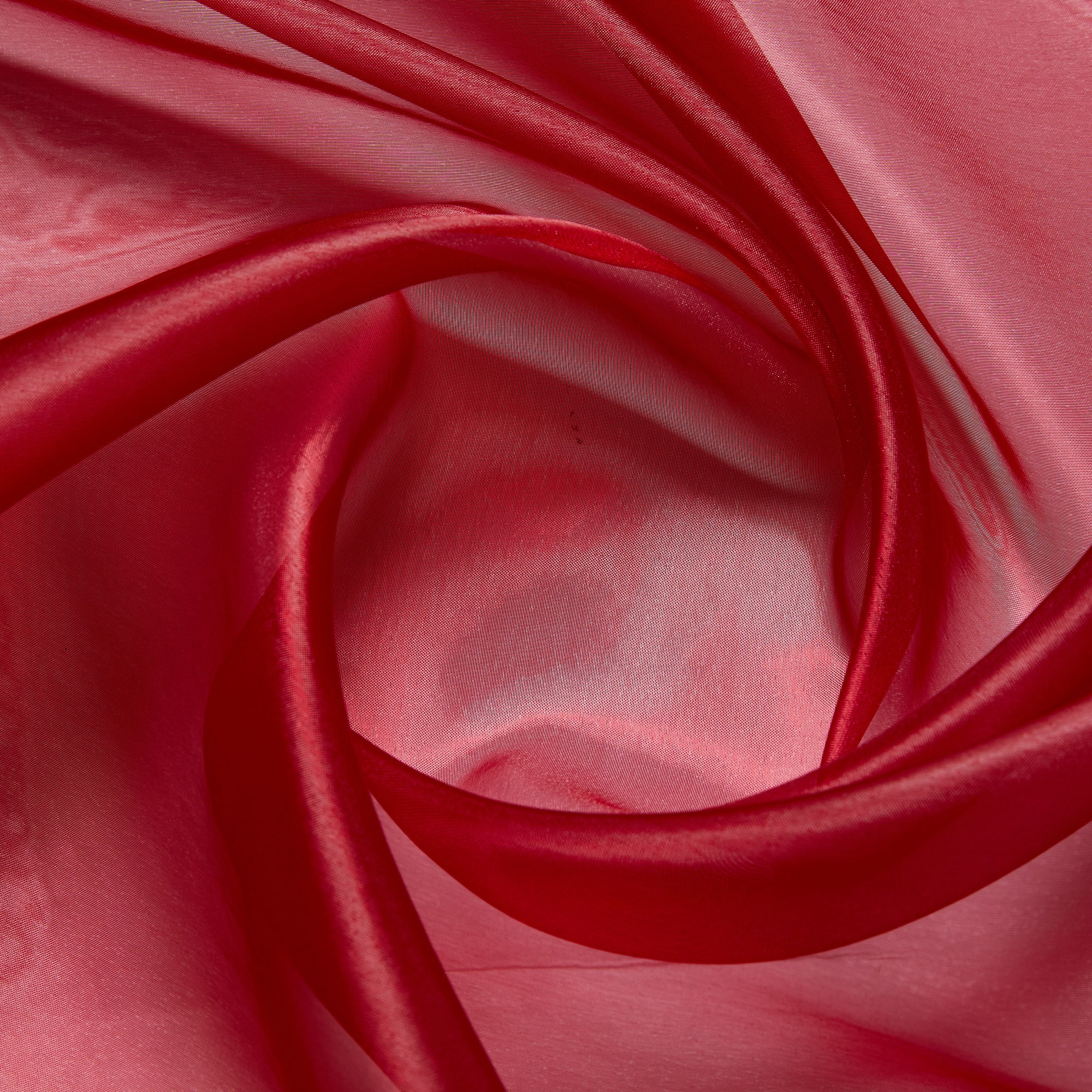
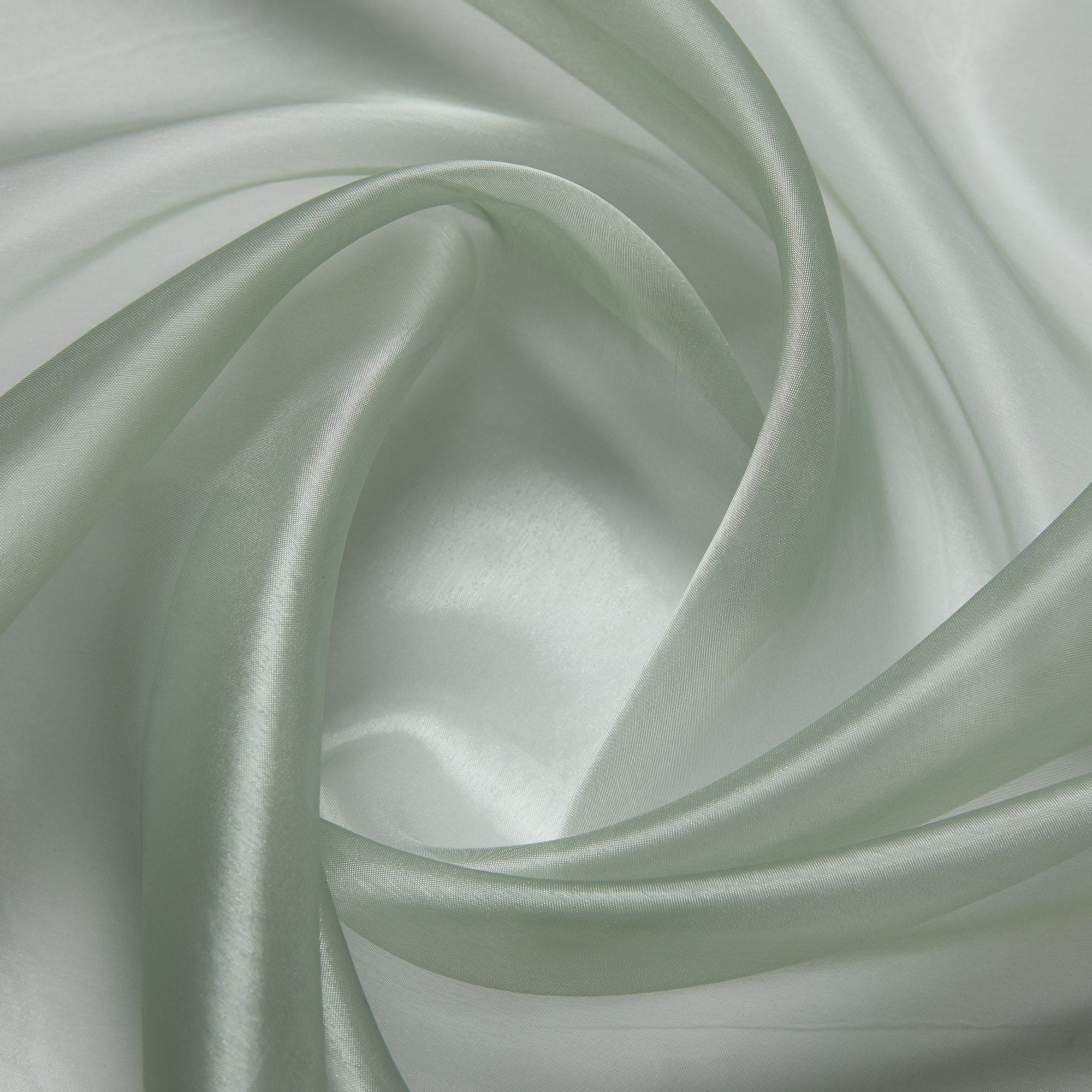
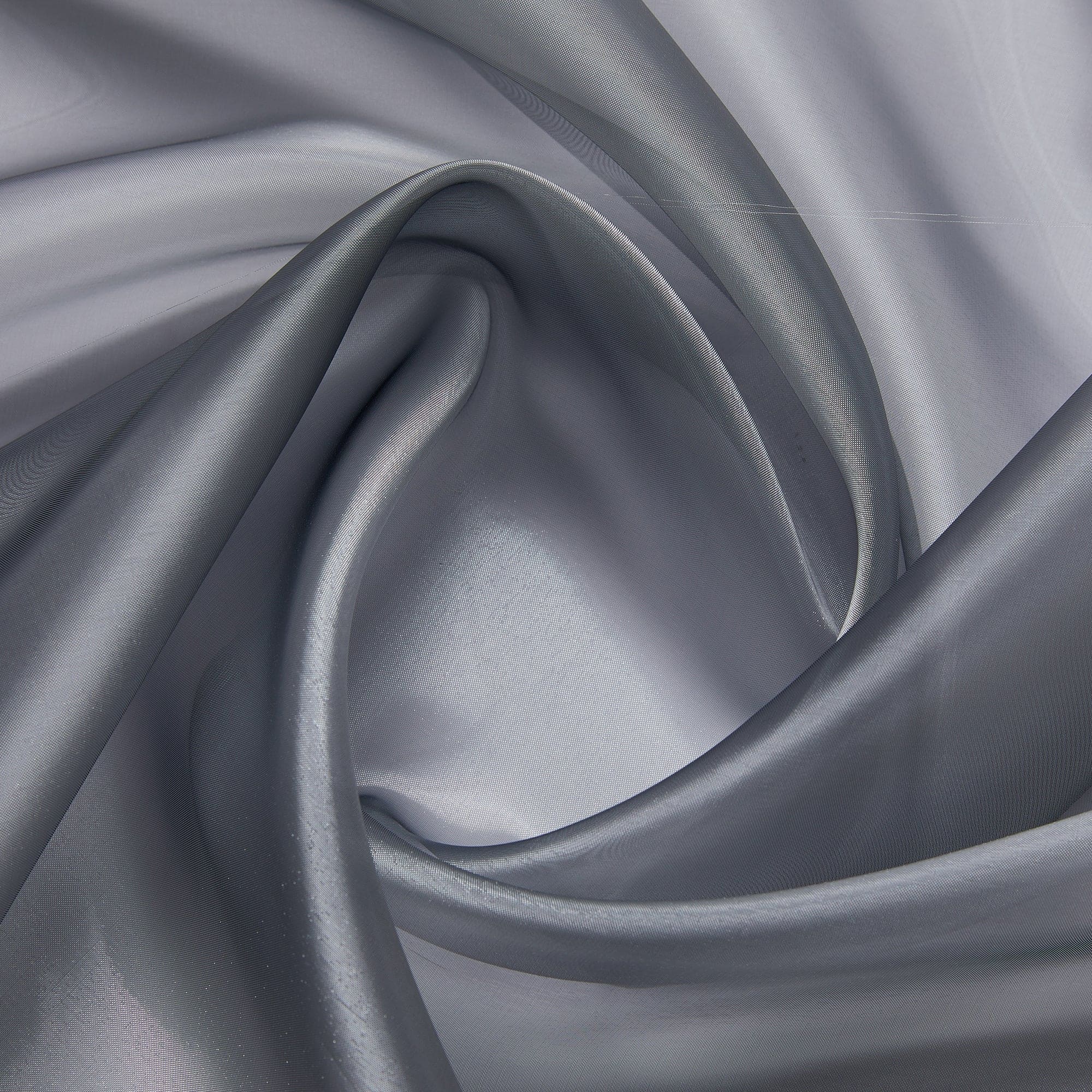
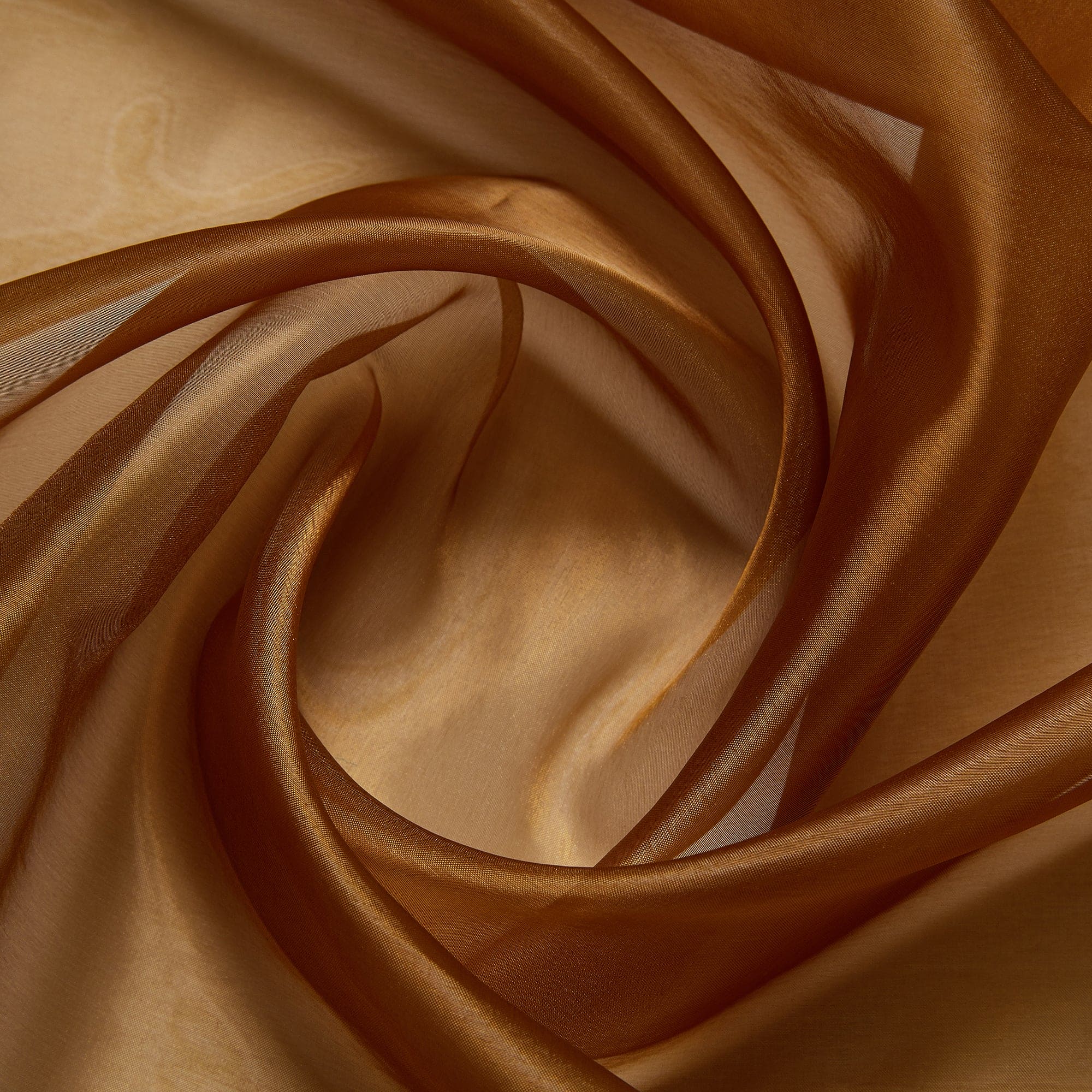
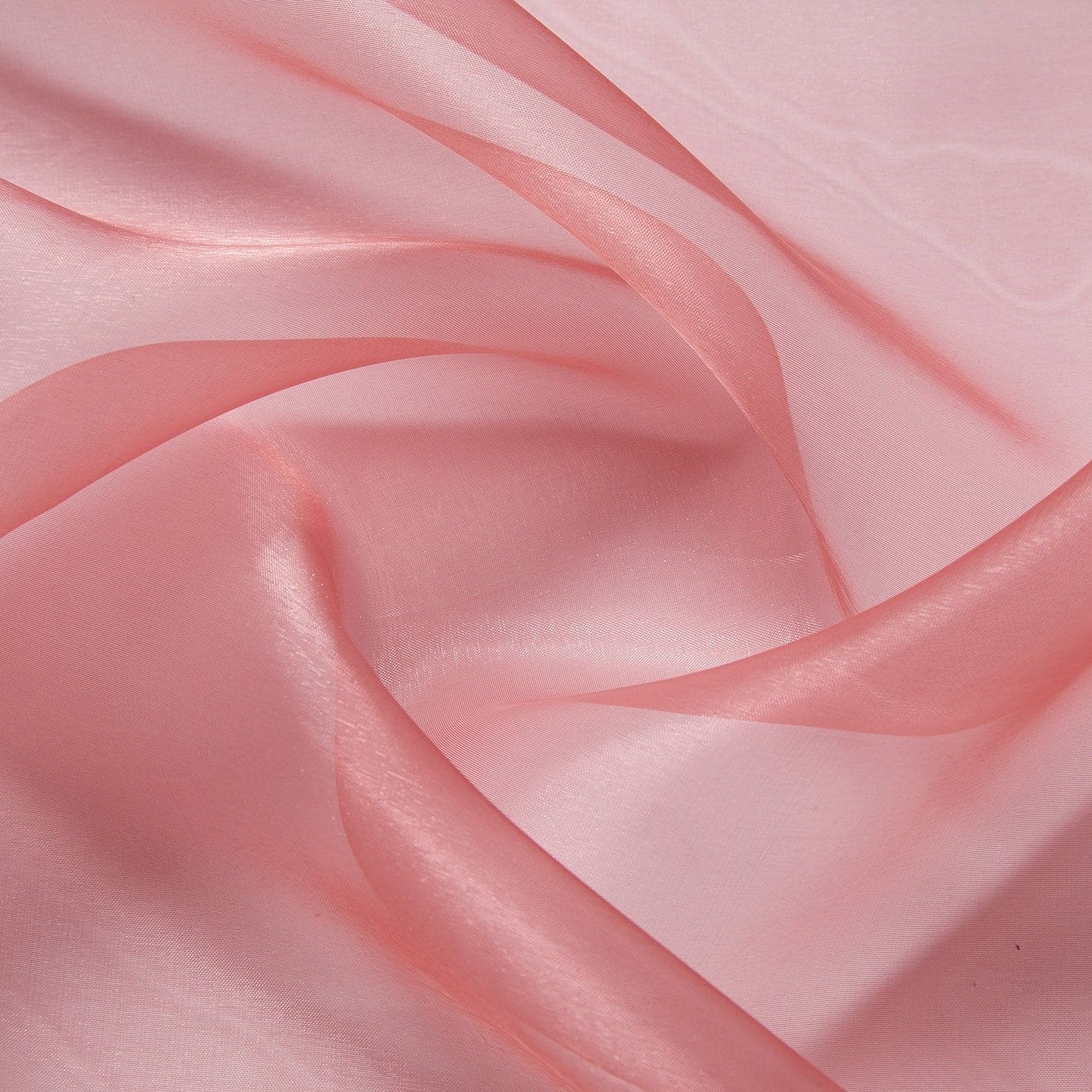
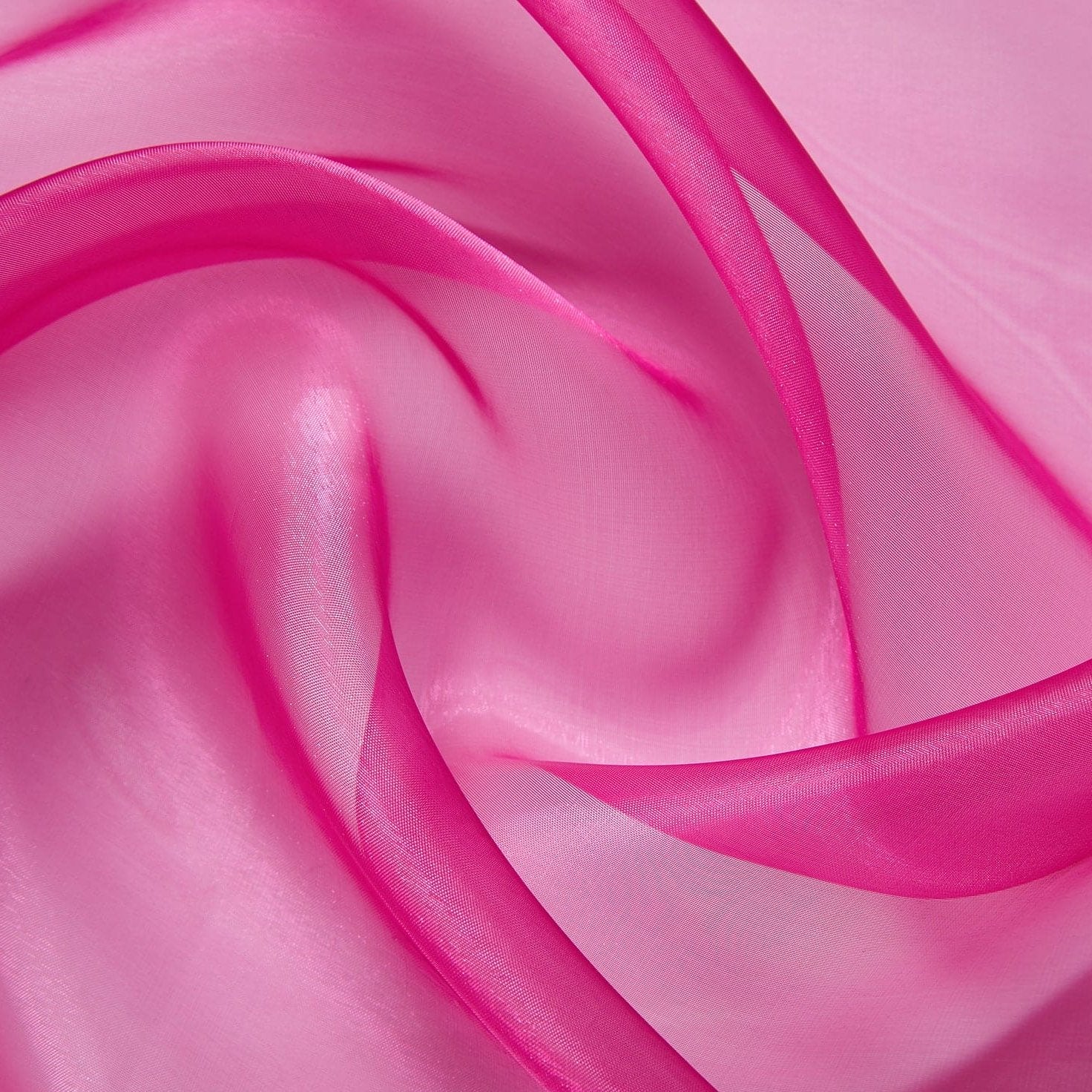
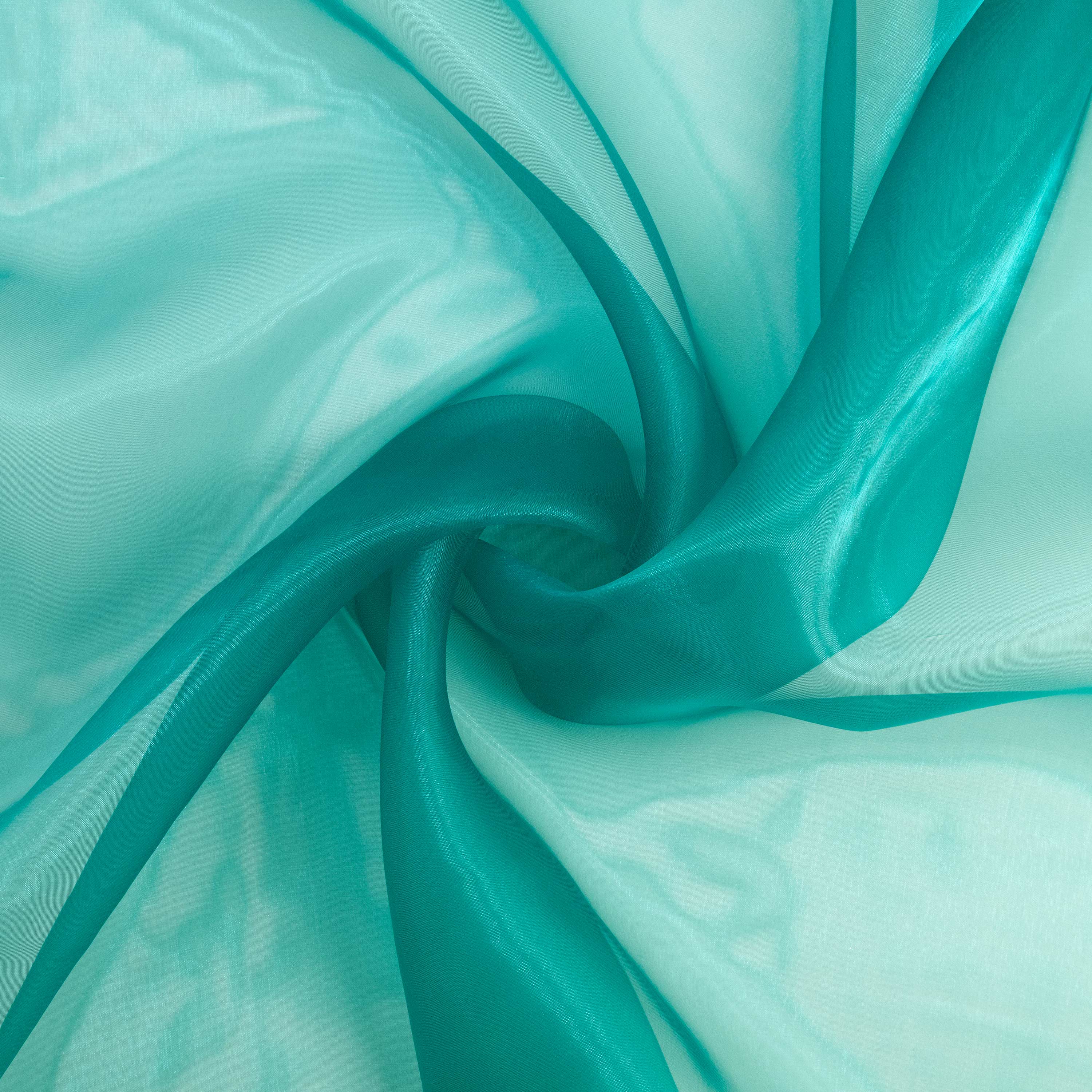
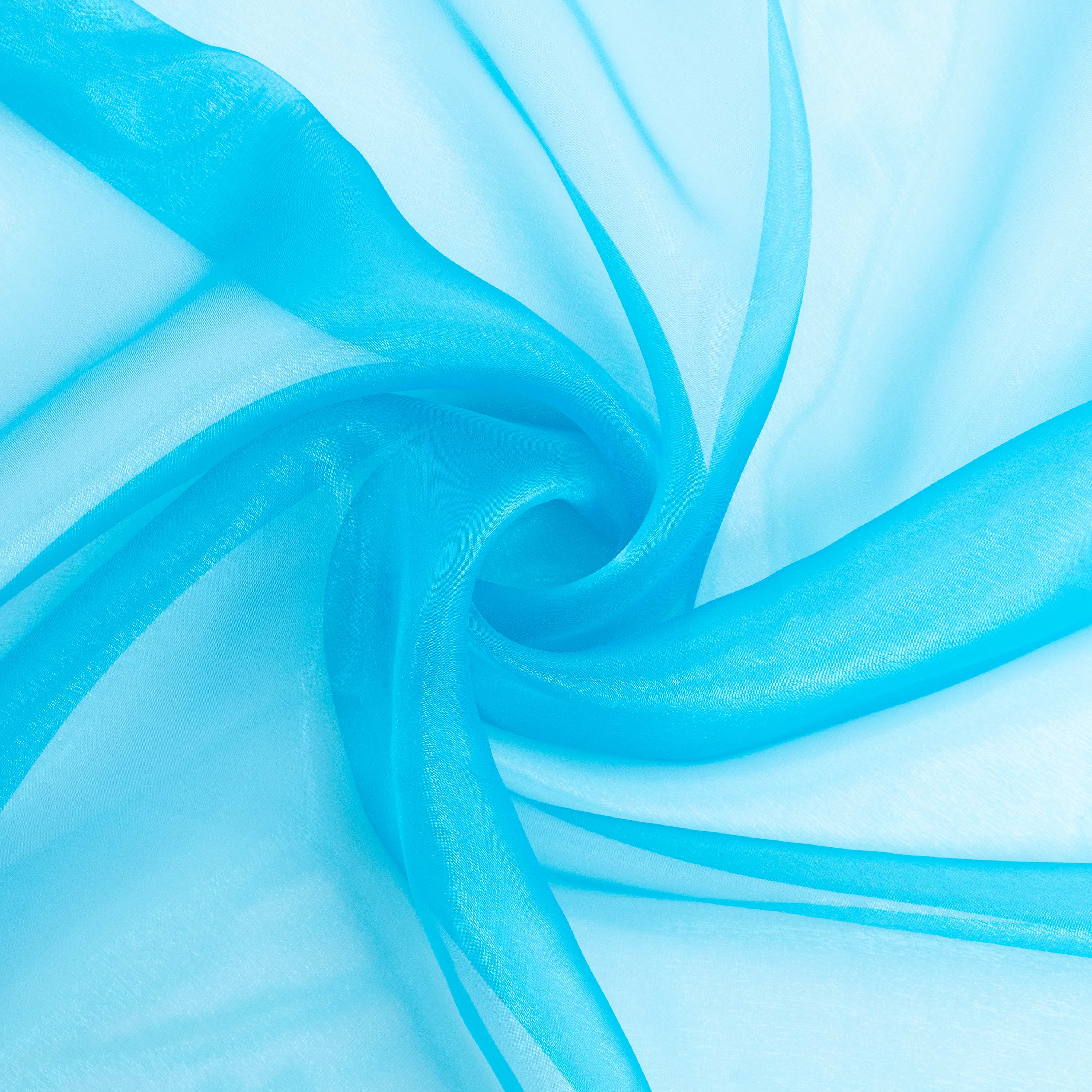
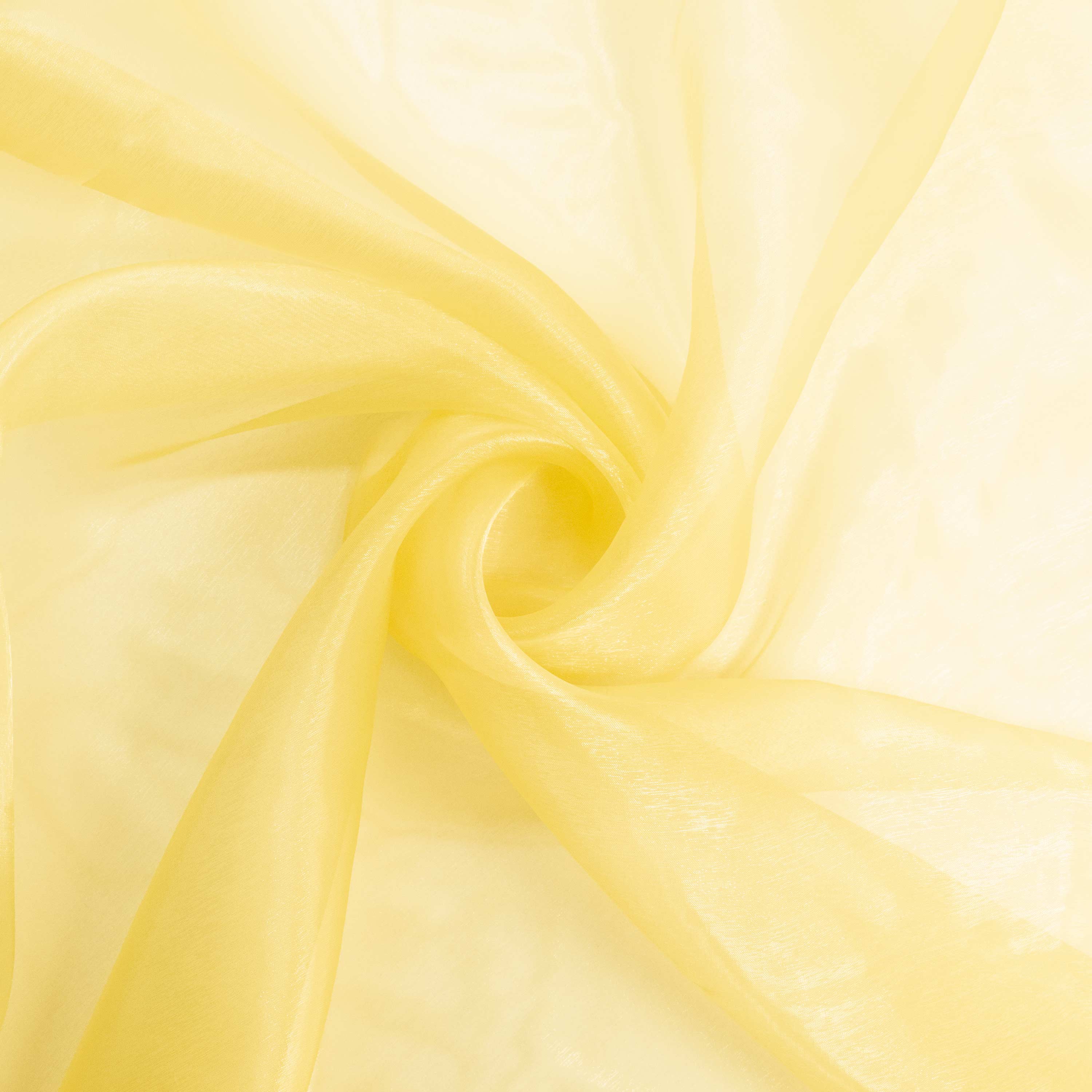
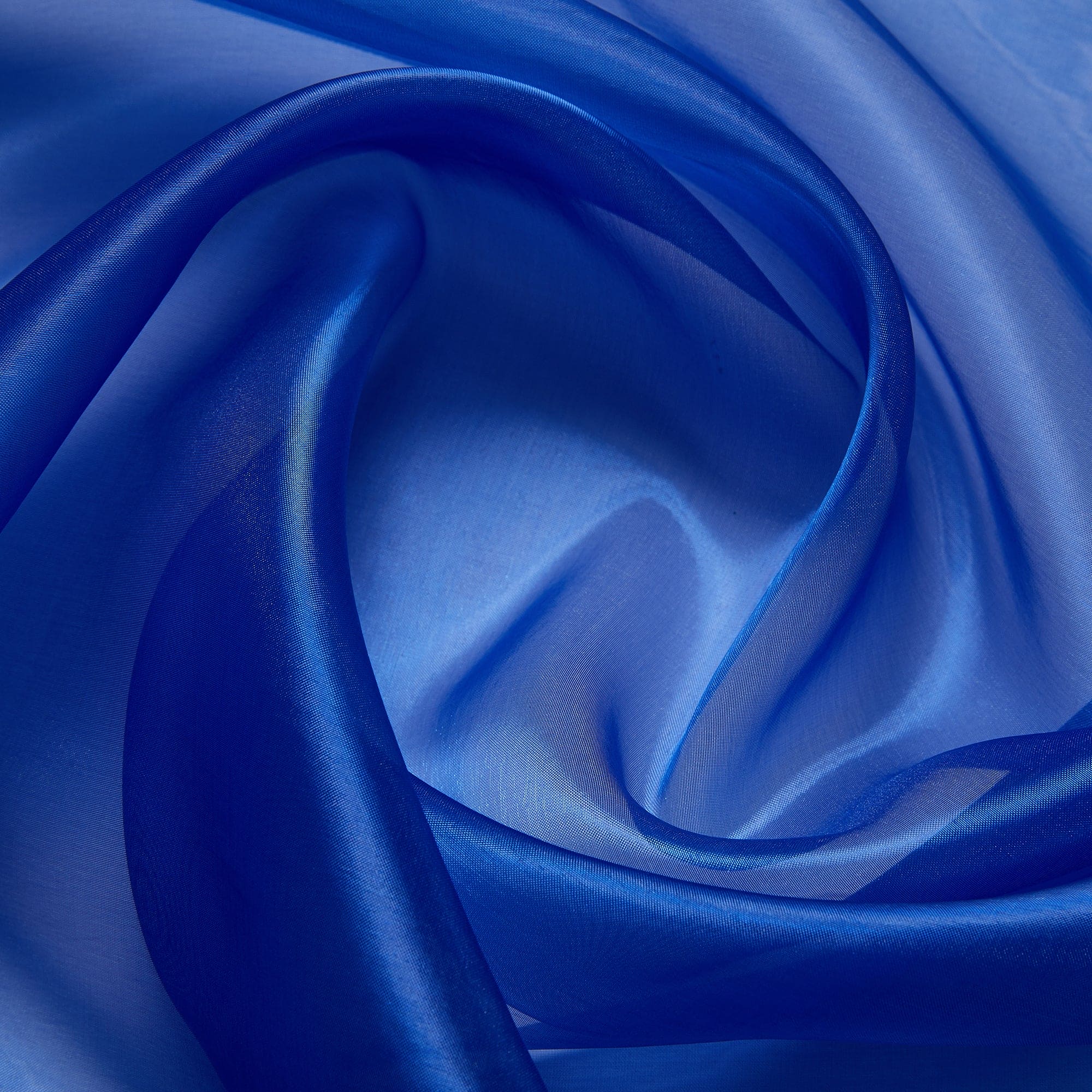
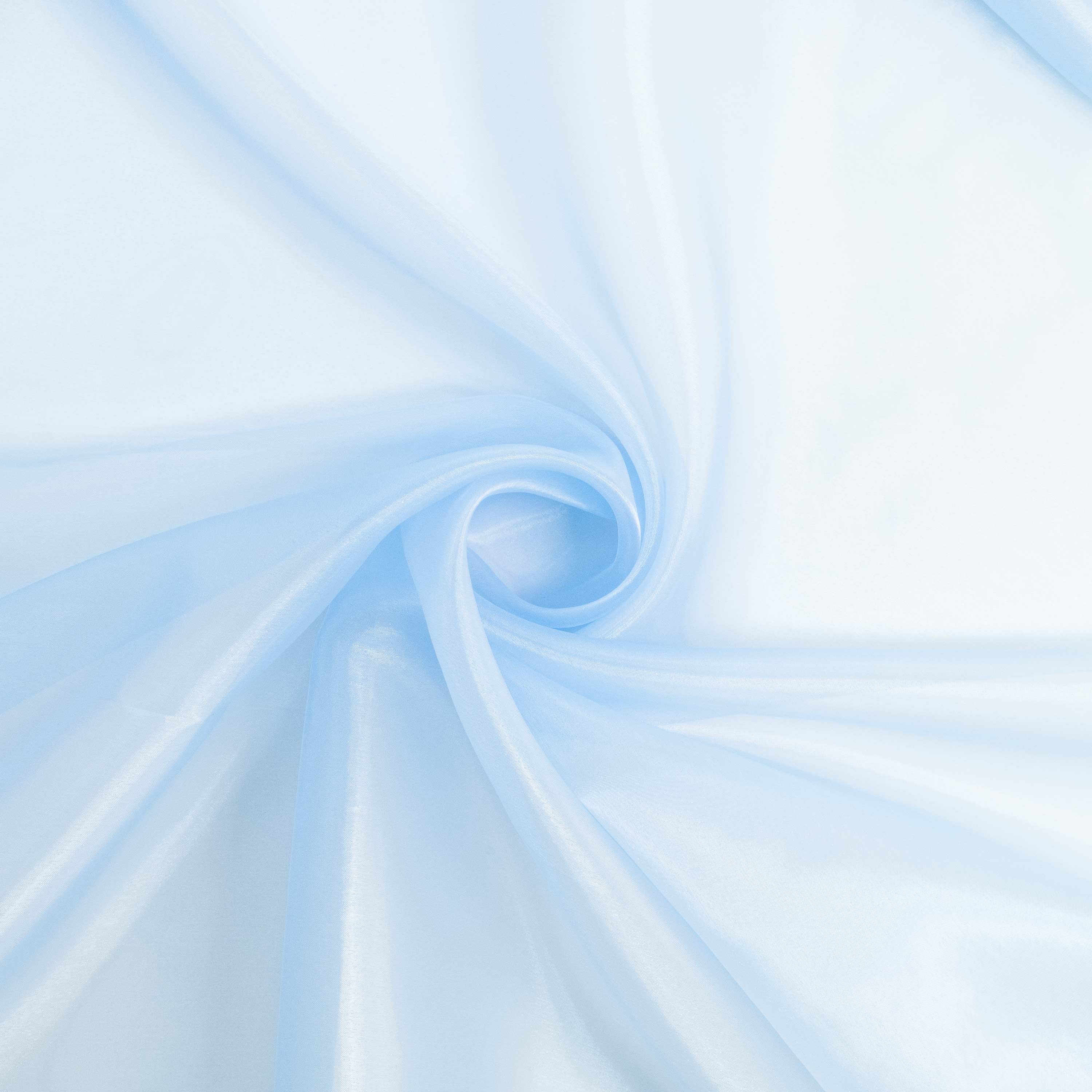
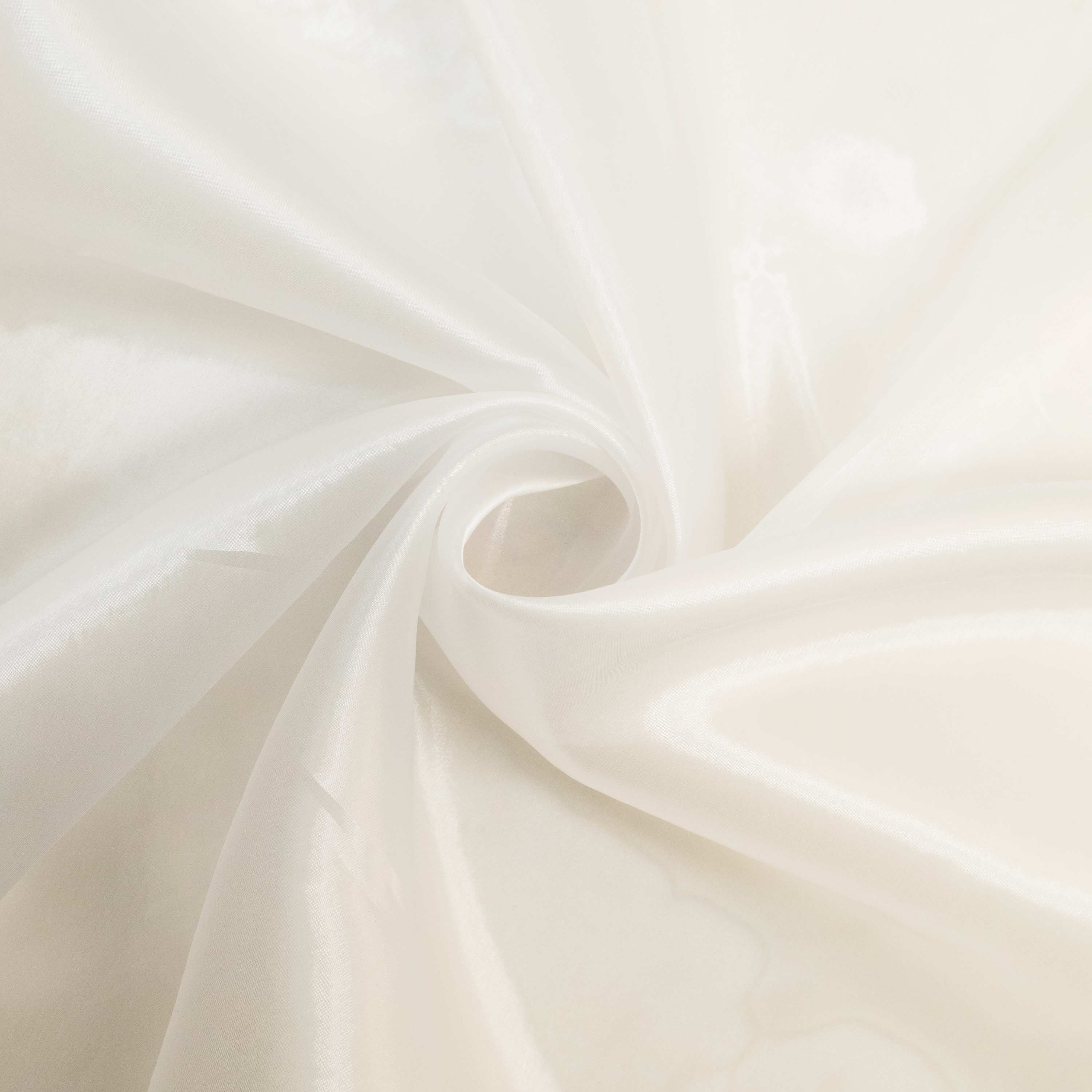
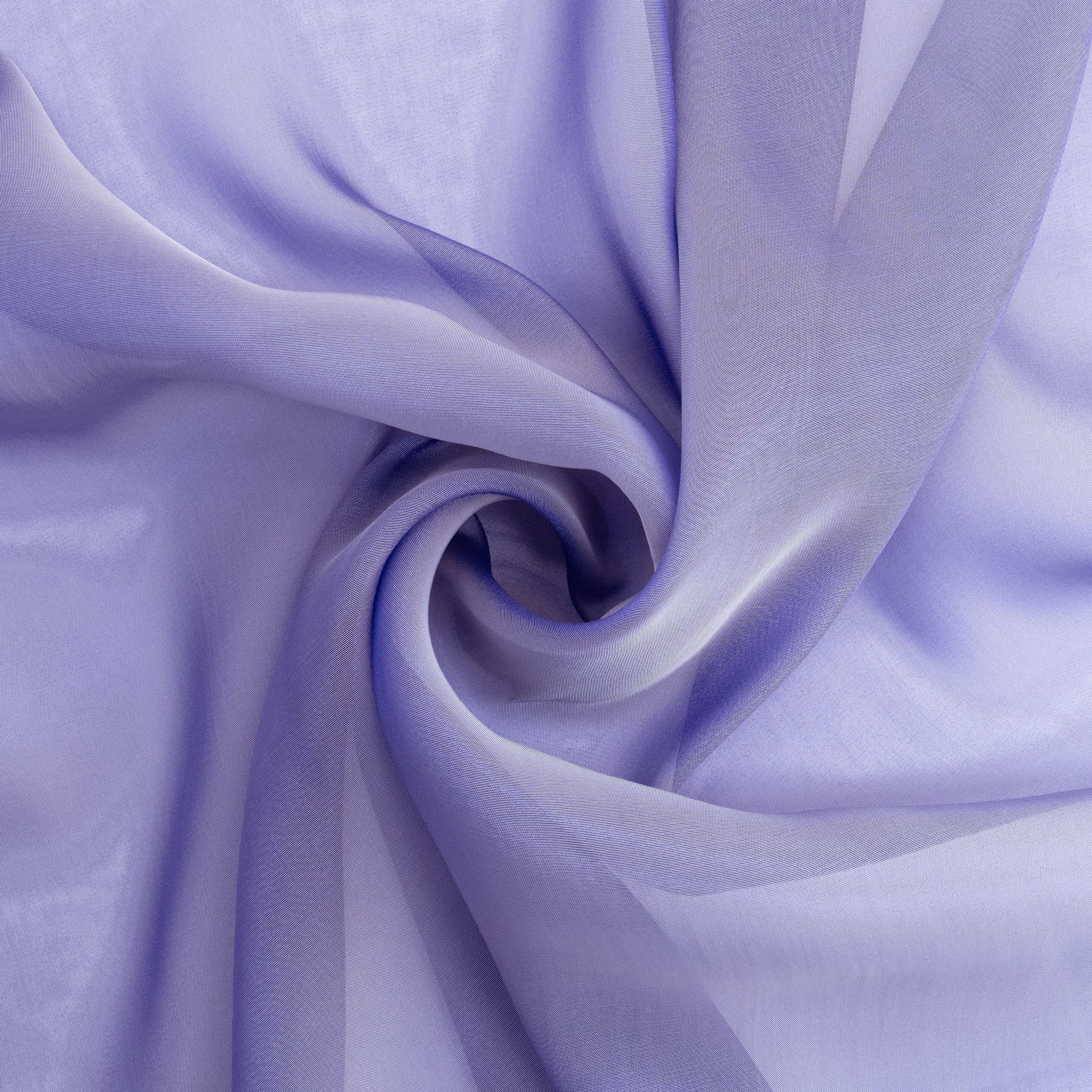
Organza fabric is a lightweight, sheer plain weave fabric with tight, highly twisted yarns made of silk, cotton, polyester, or nylon fibers. This plain weave structure, combined with the high yarn twist, gives organza its signature stiffness and subtle sheen, qualities that clothing manufacturers, bridal designers, and home sewers all rely on for different reasons.
Silk, Polyester, Nylon, and Cotton Organza
Silk organza is the traditional benchmark for the category, carrying a natural luster and a refined crisp hand that other fibers approximate but do not fully replicate. It is the preferred choice for couture bridal gowns and high-end evening wear where drape precision matters most.
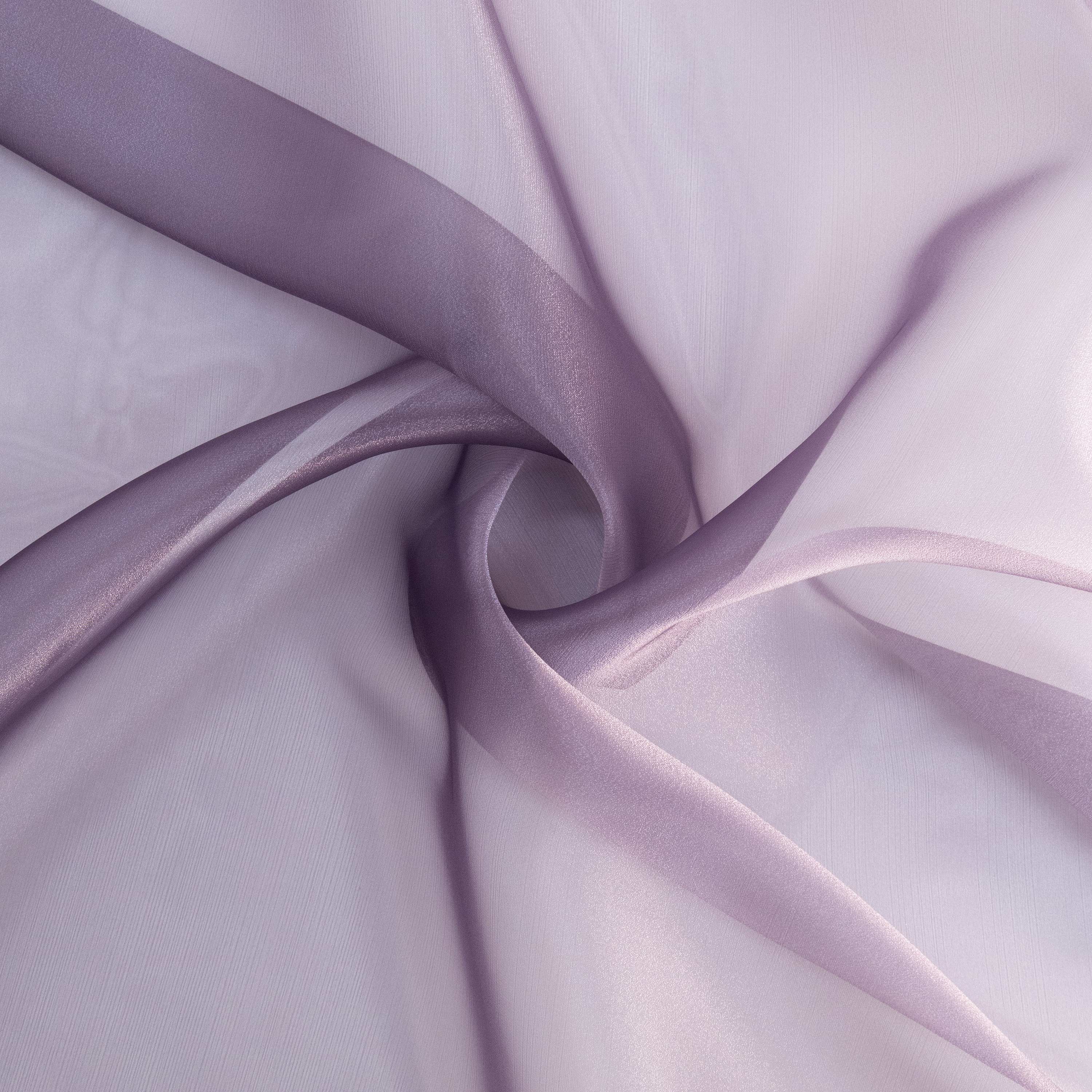
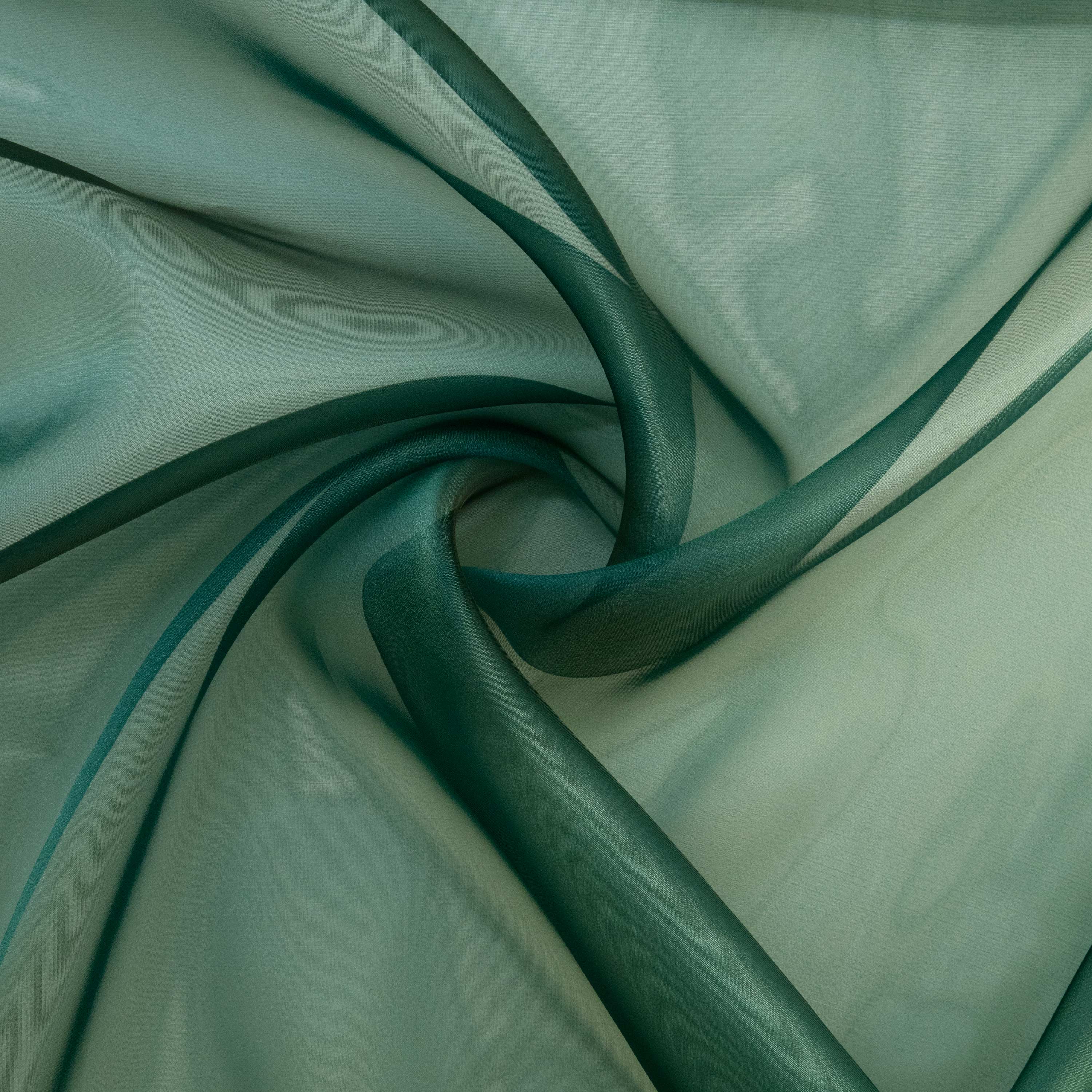
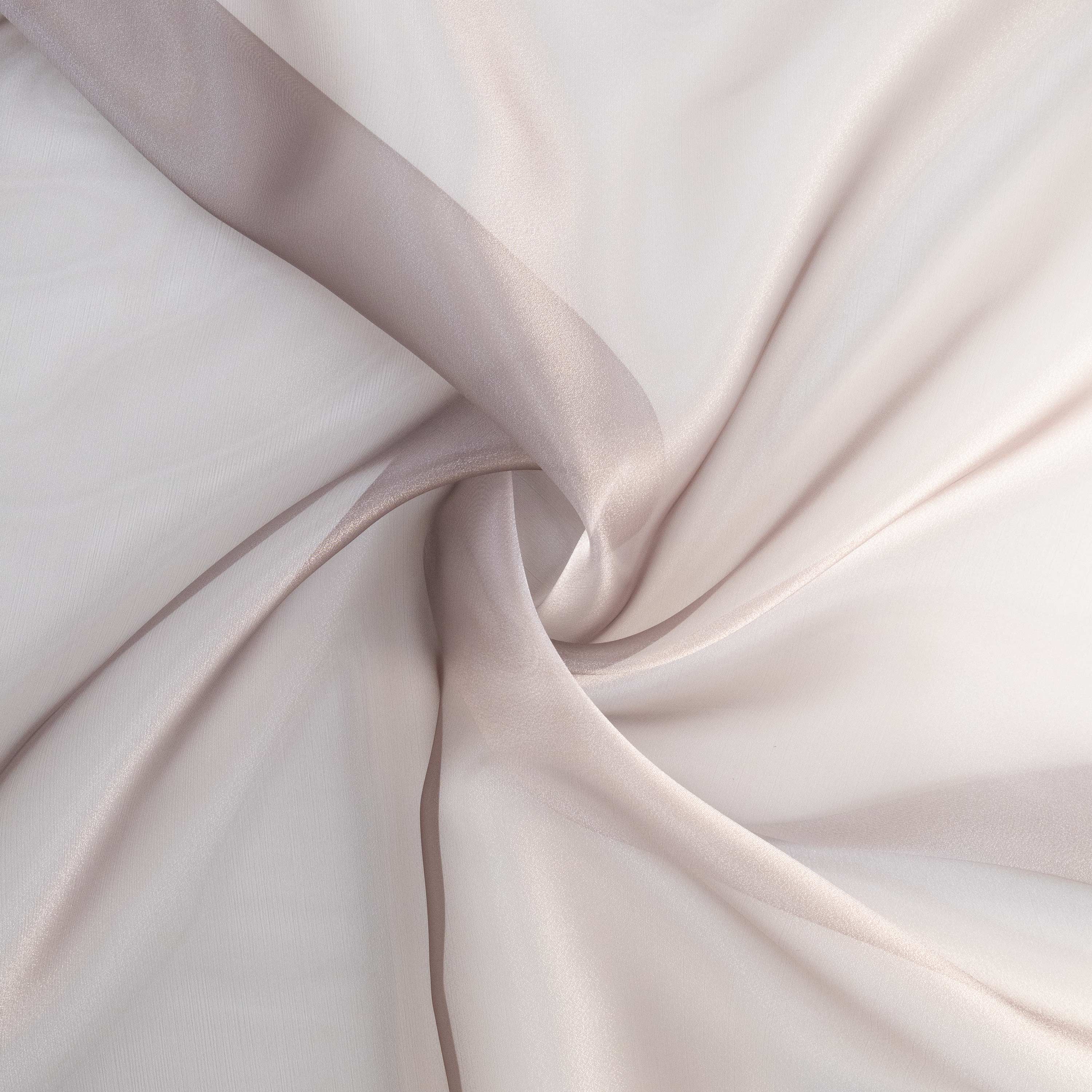
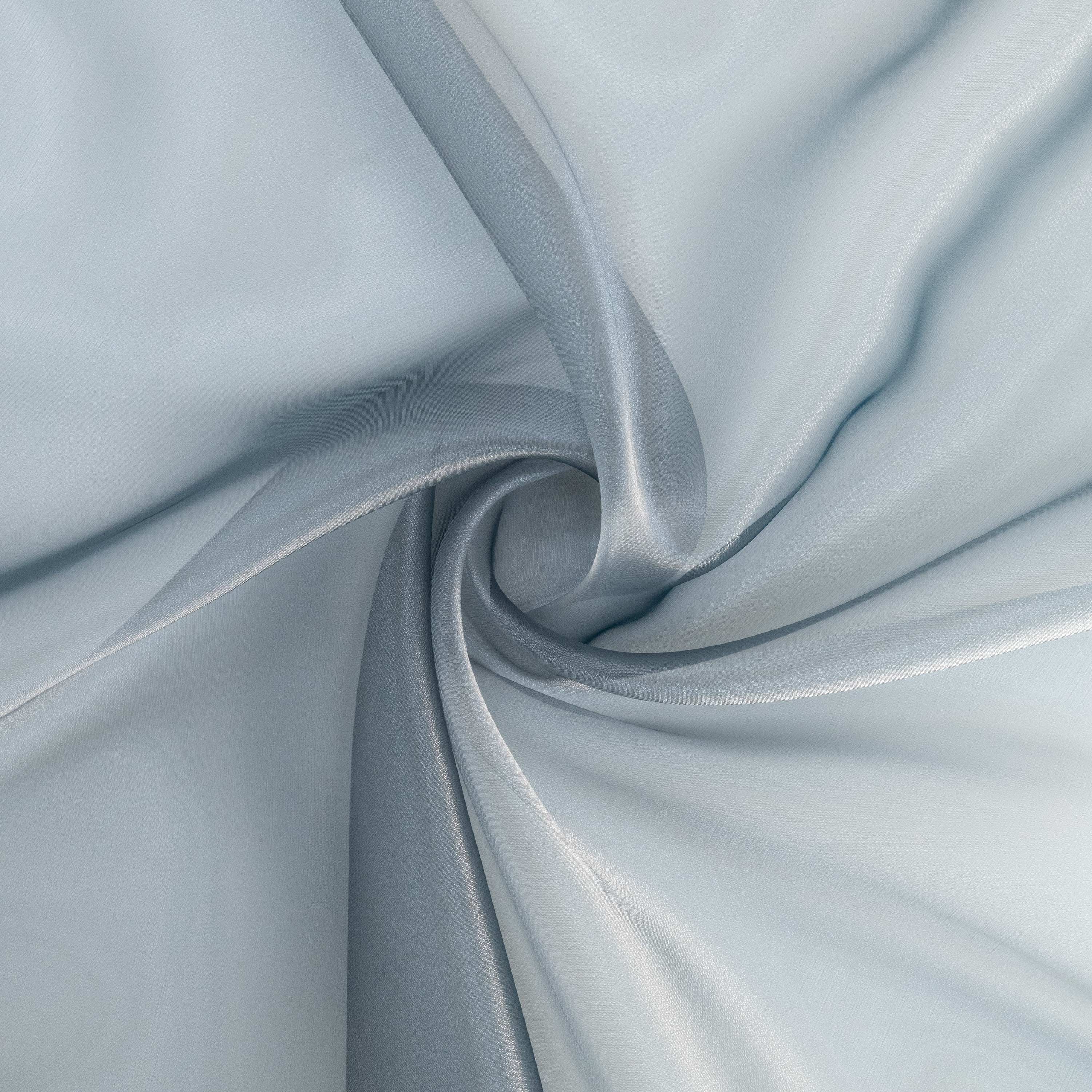
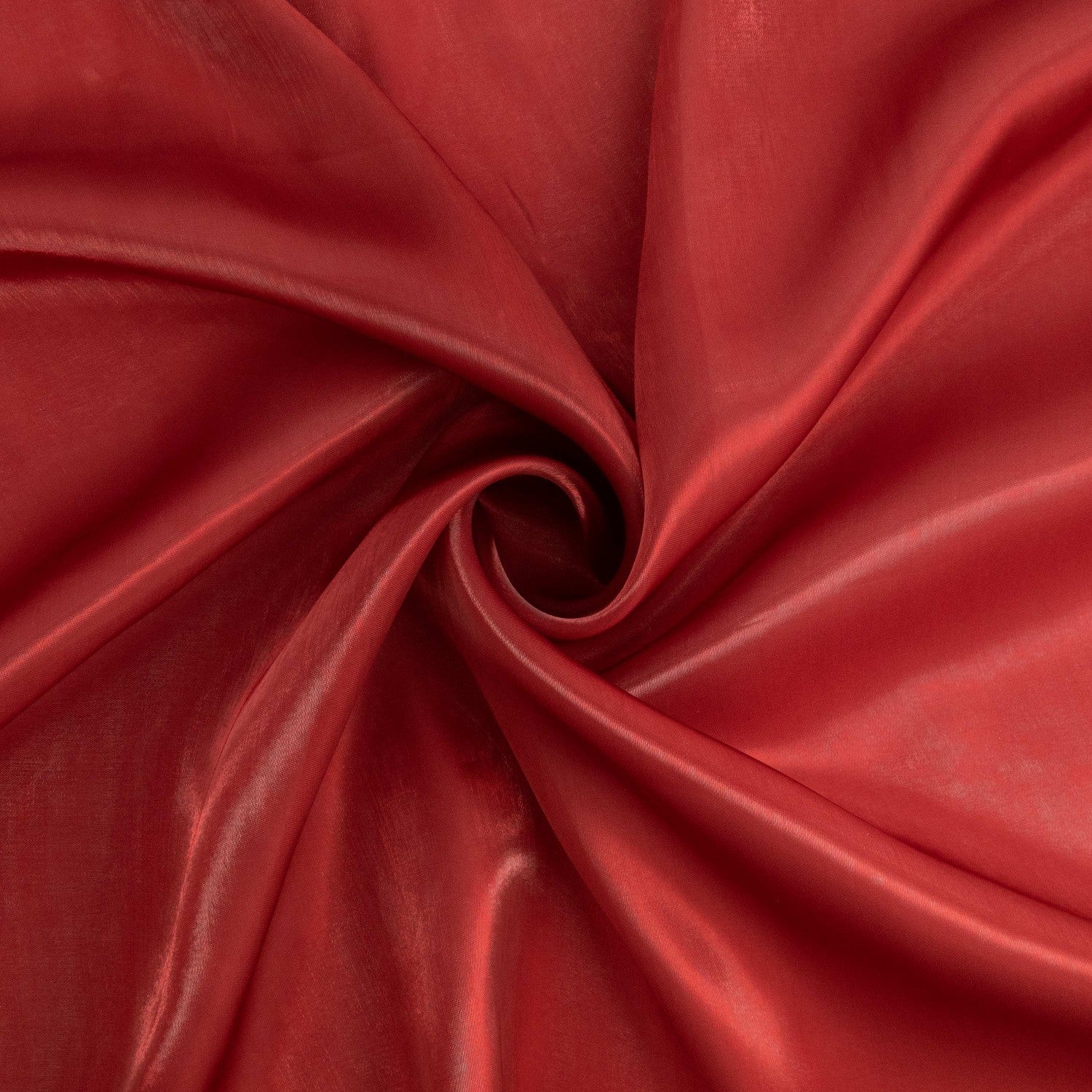
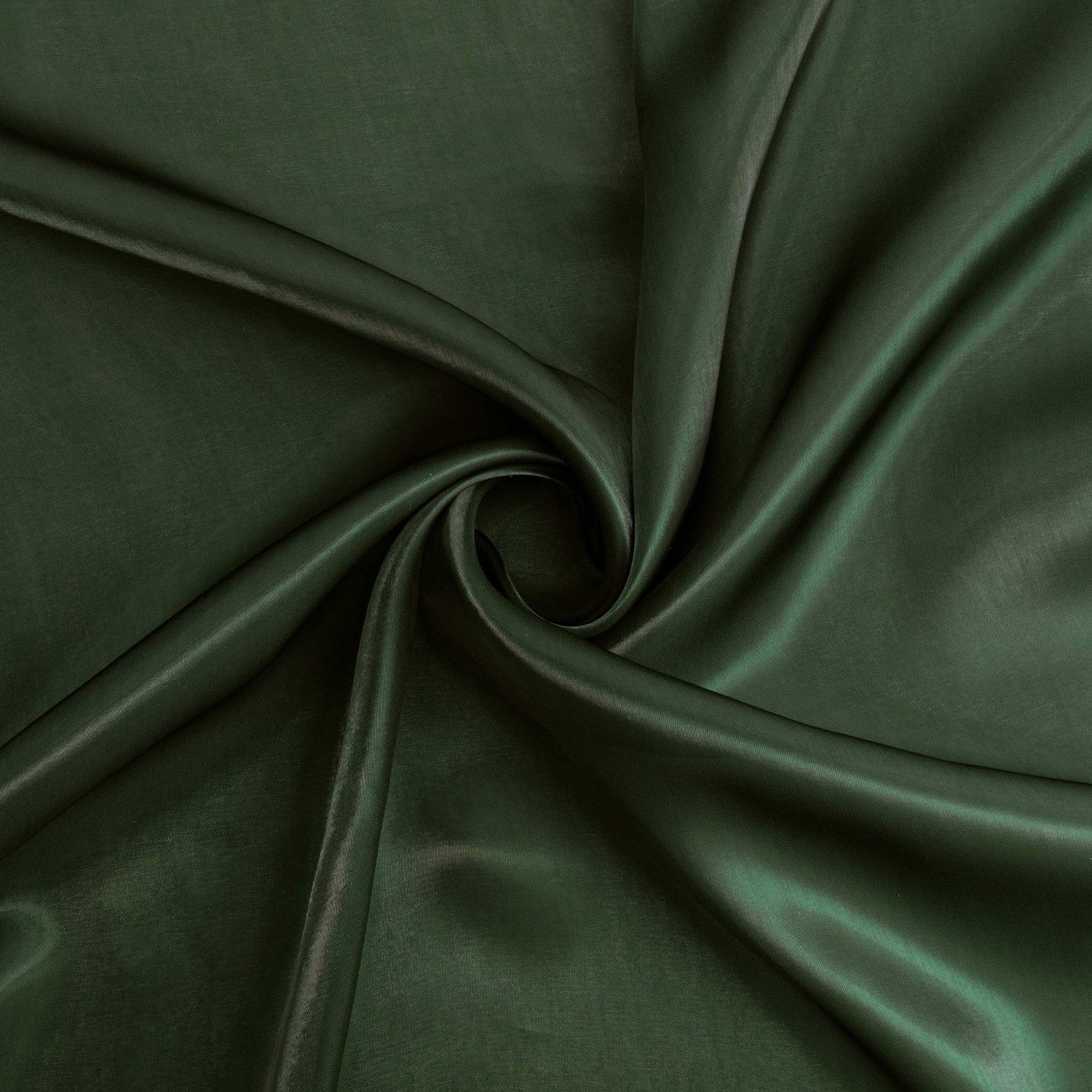
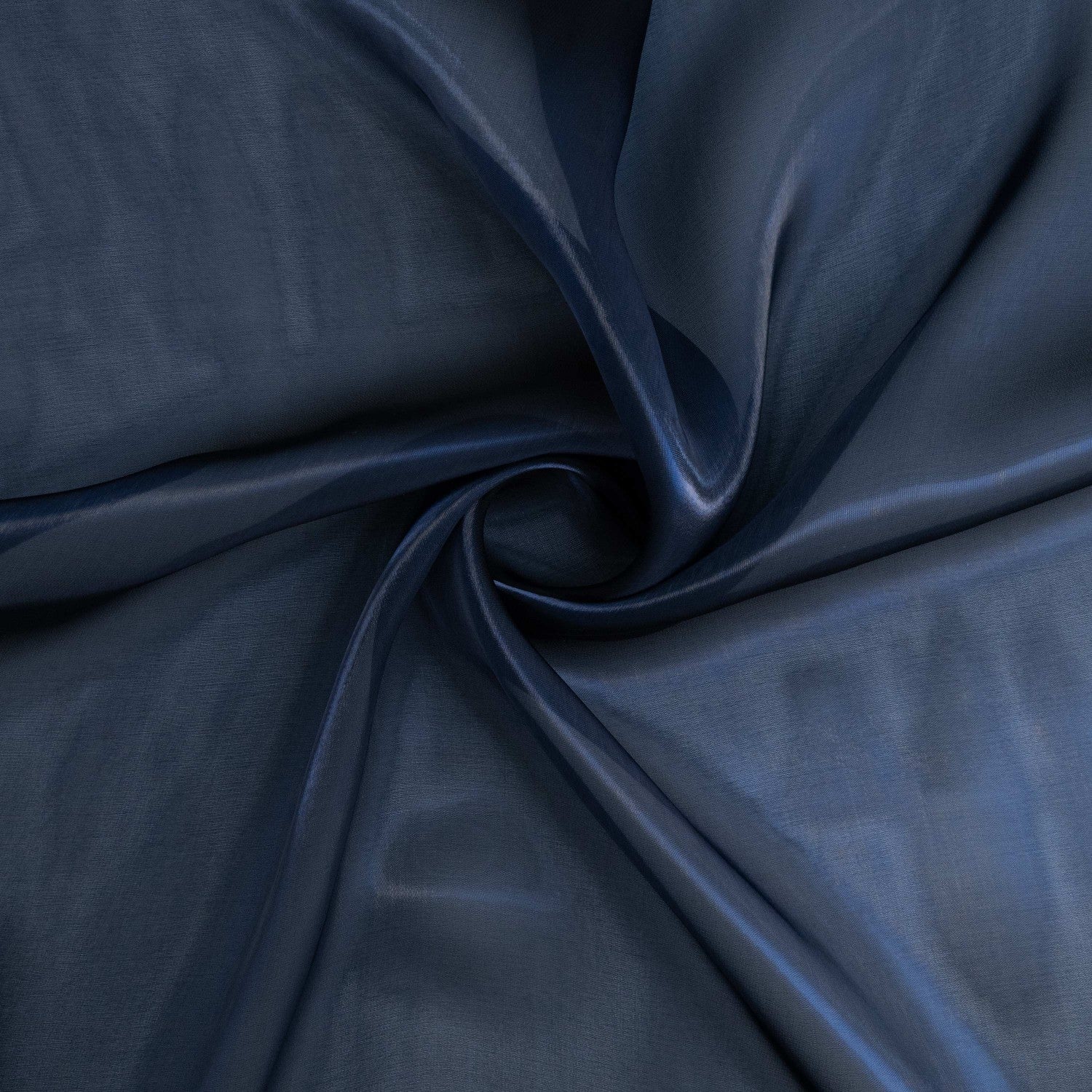
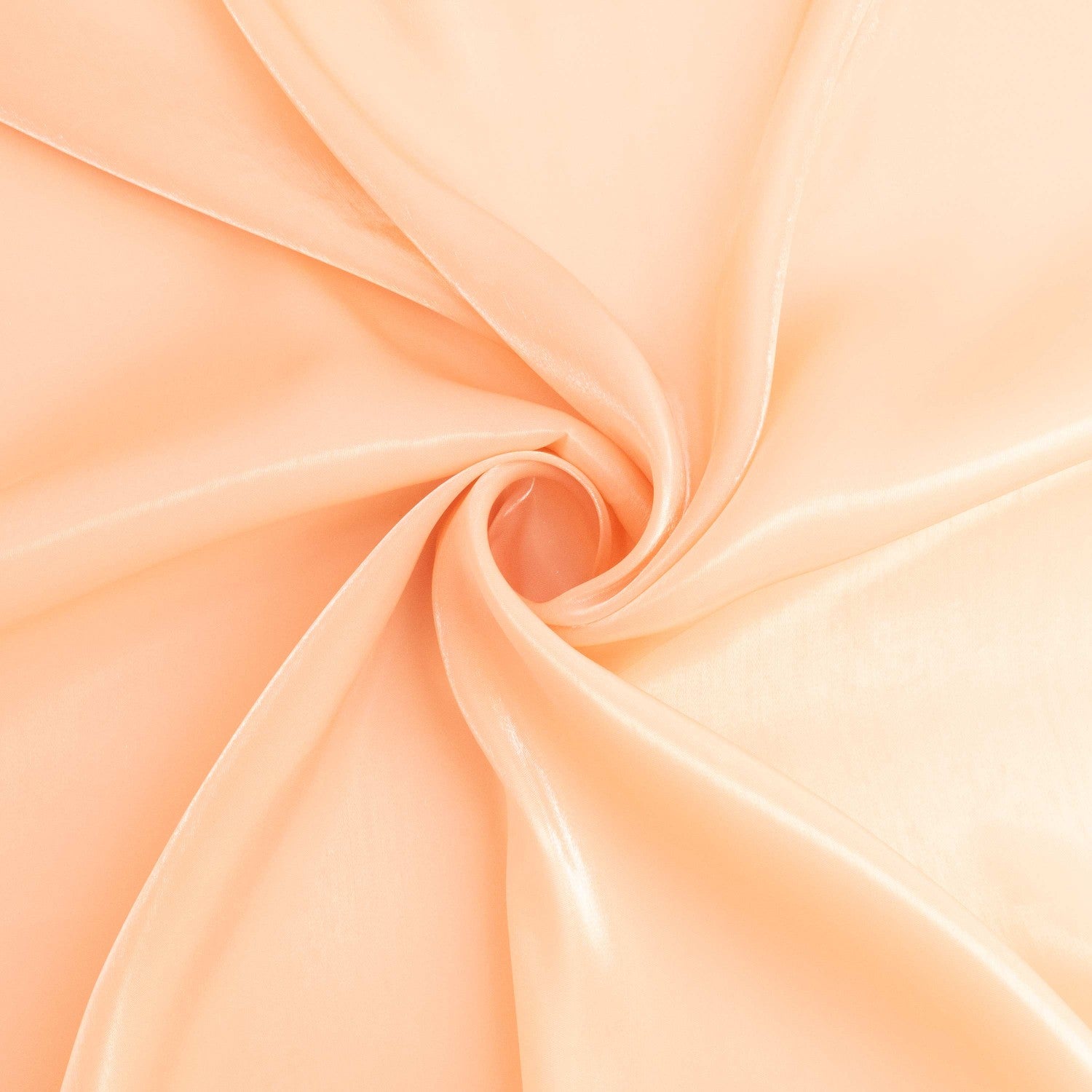
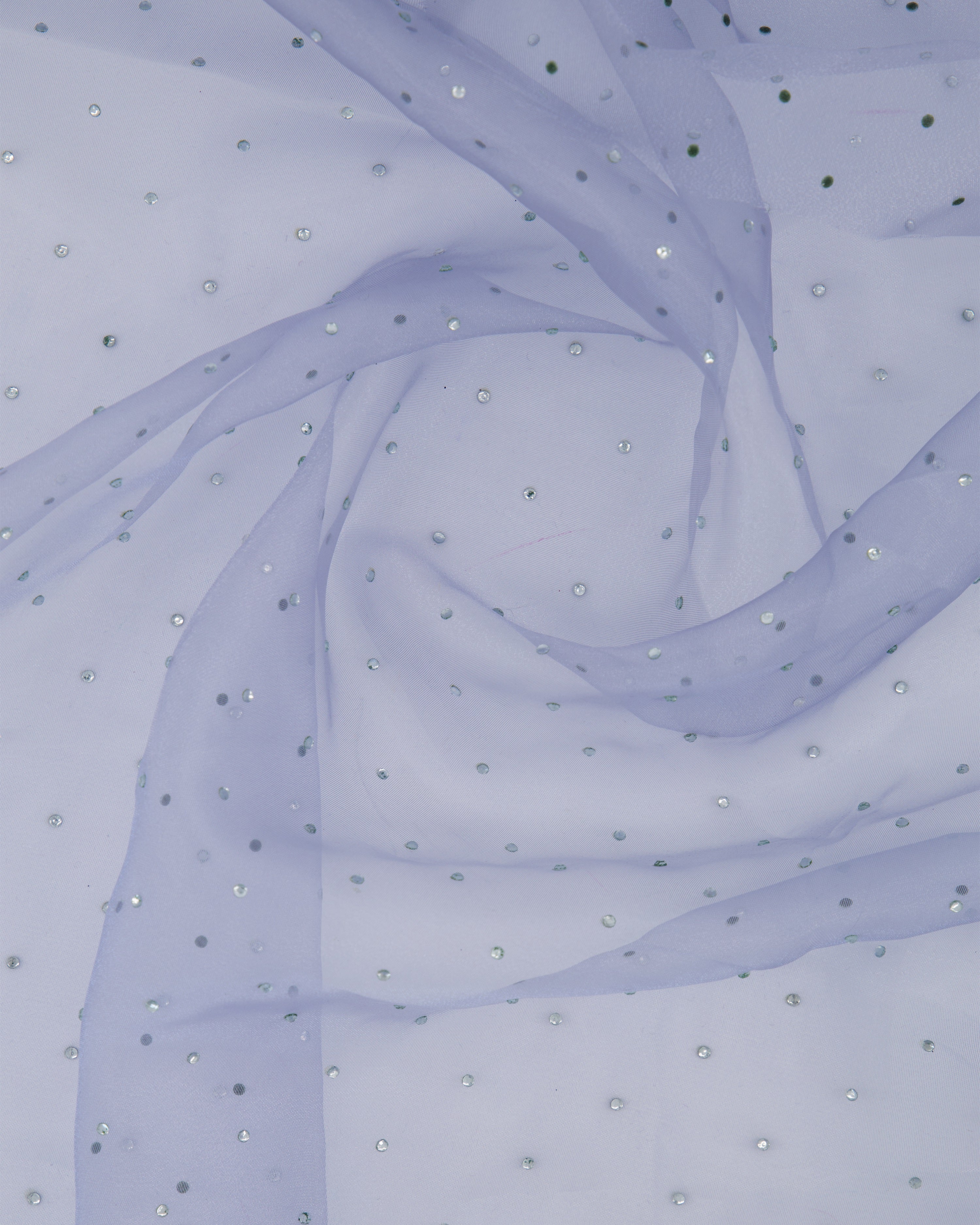
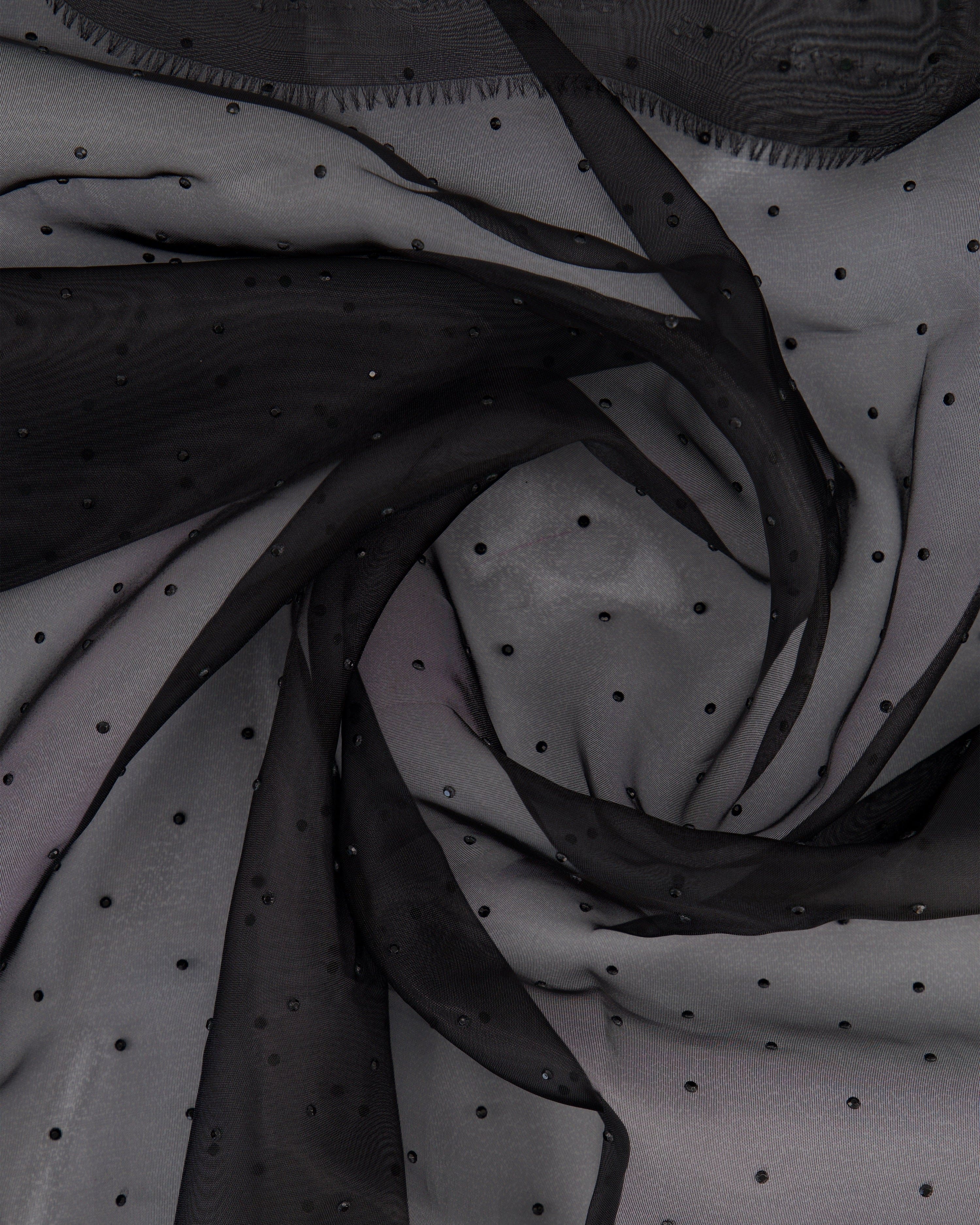
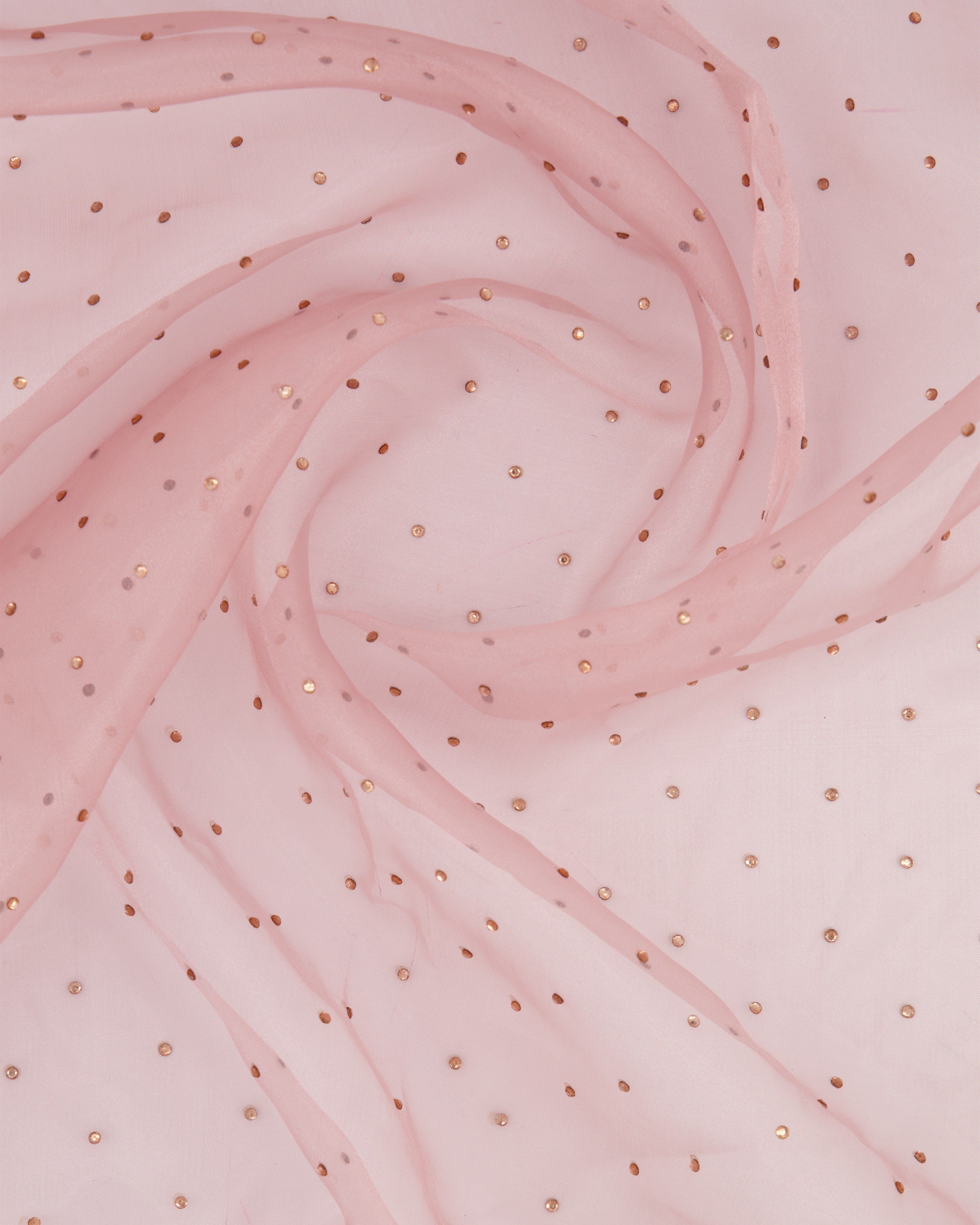
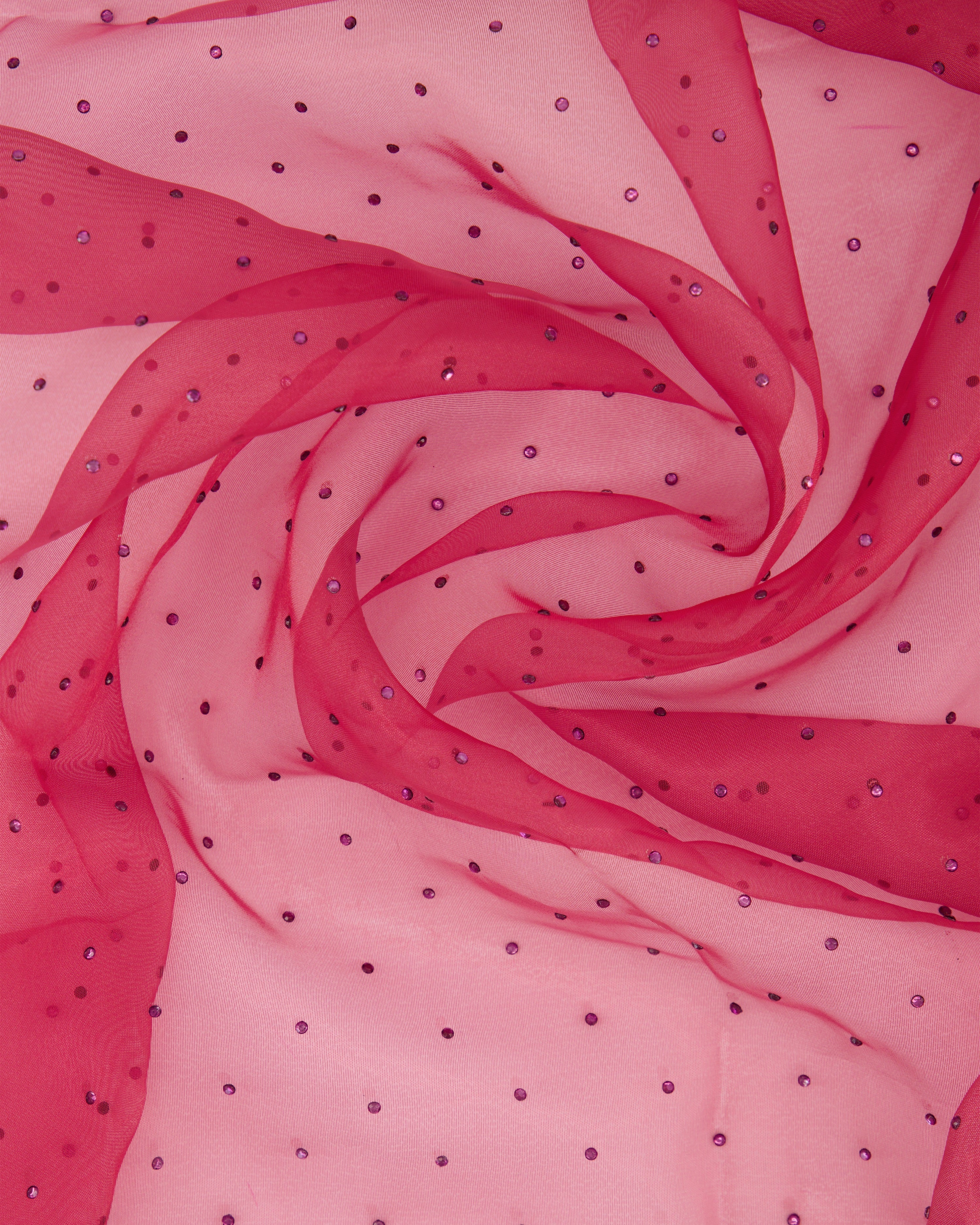
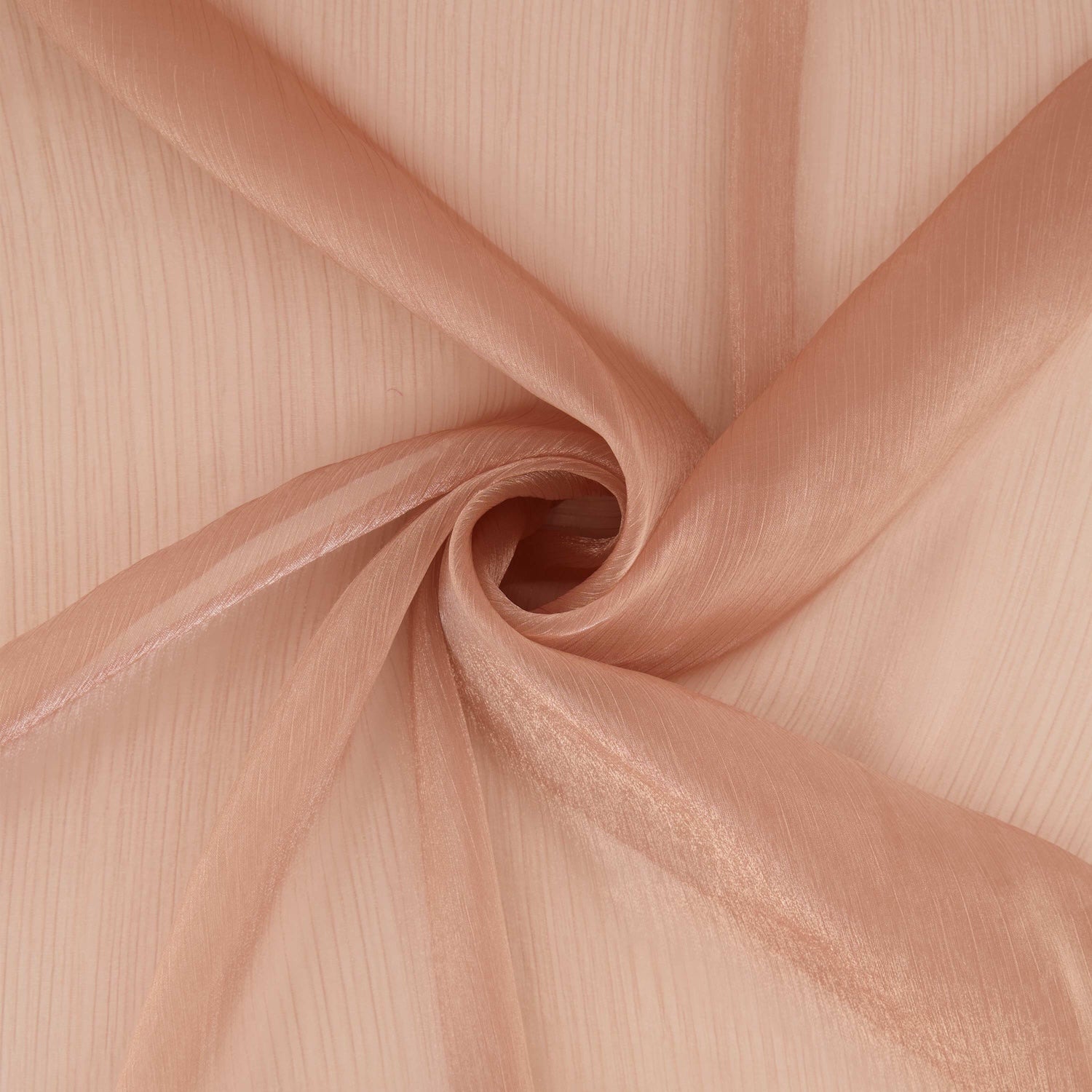
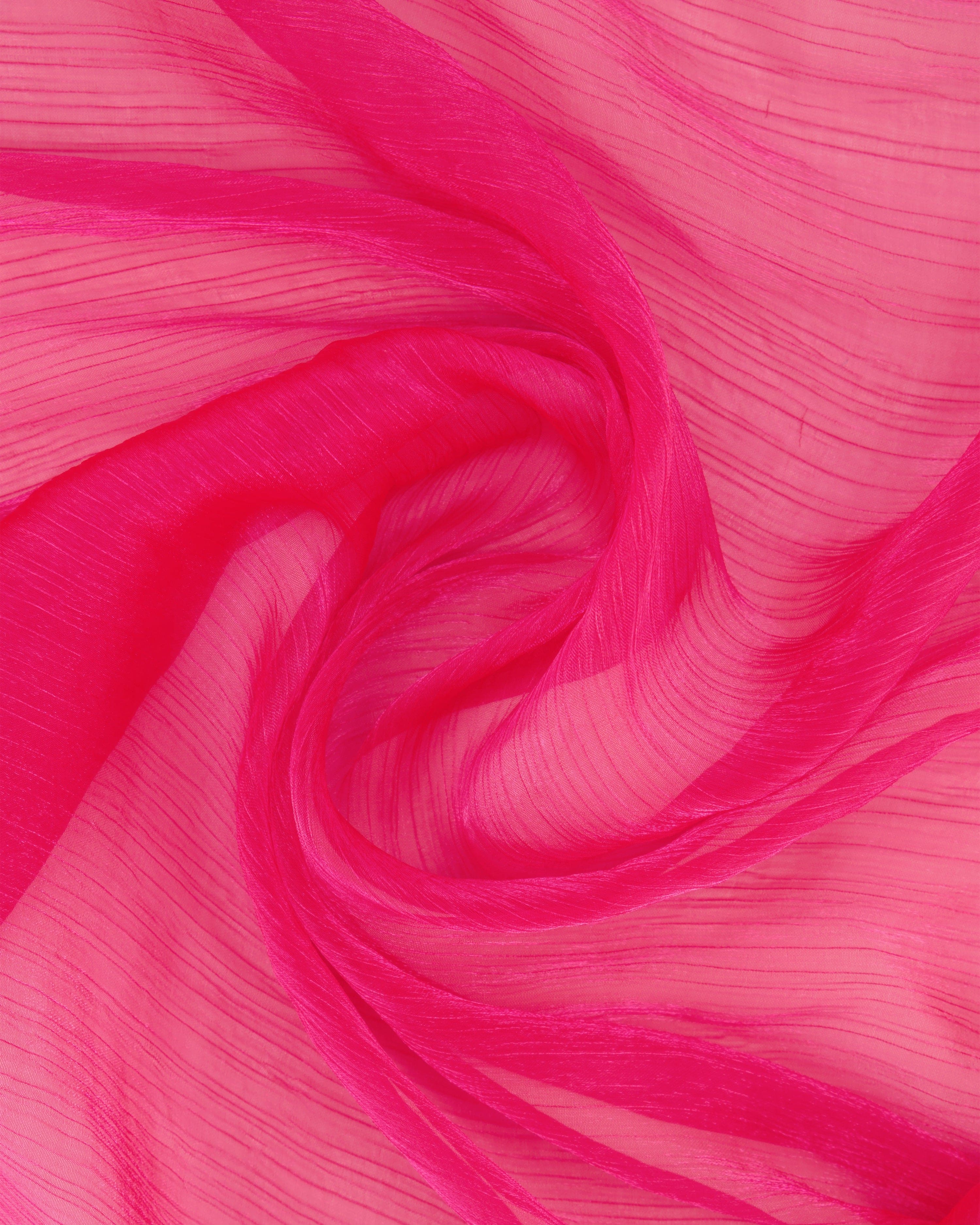
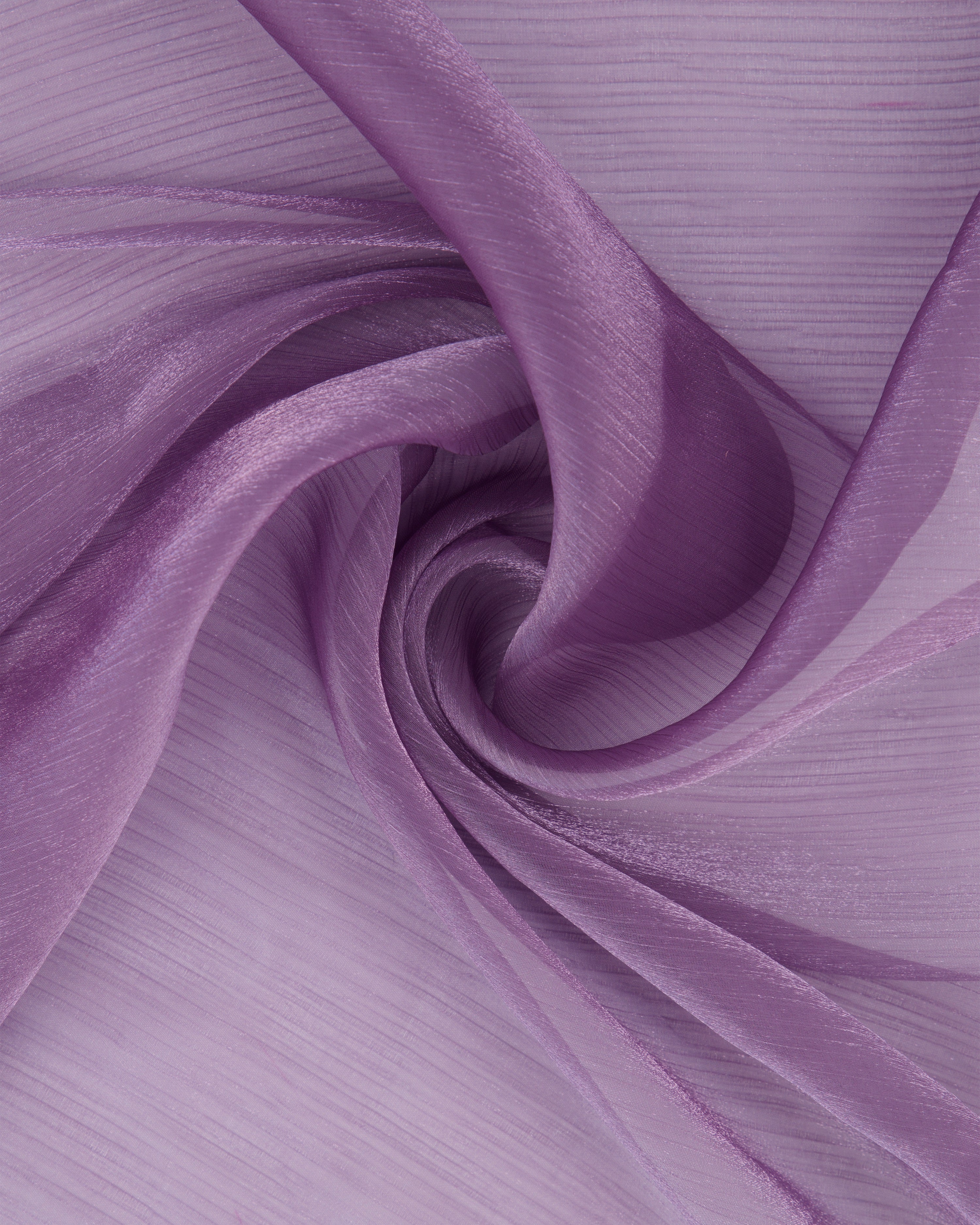
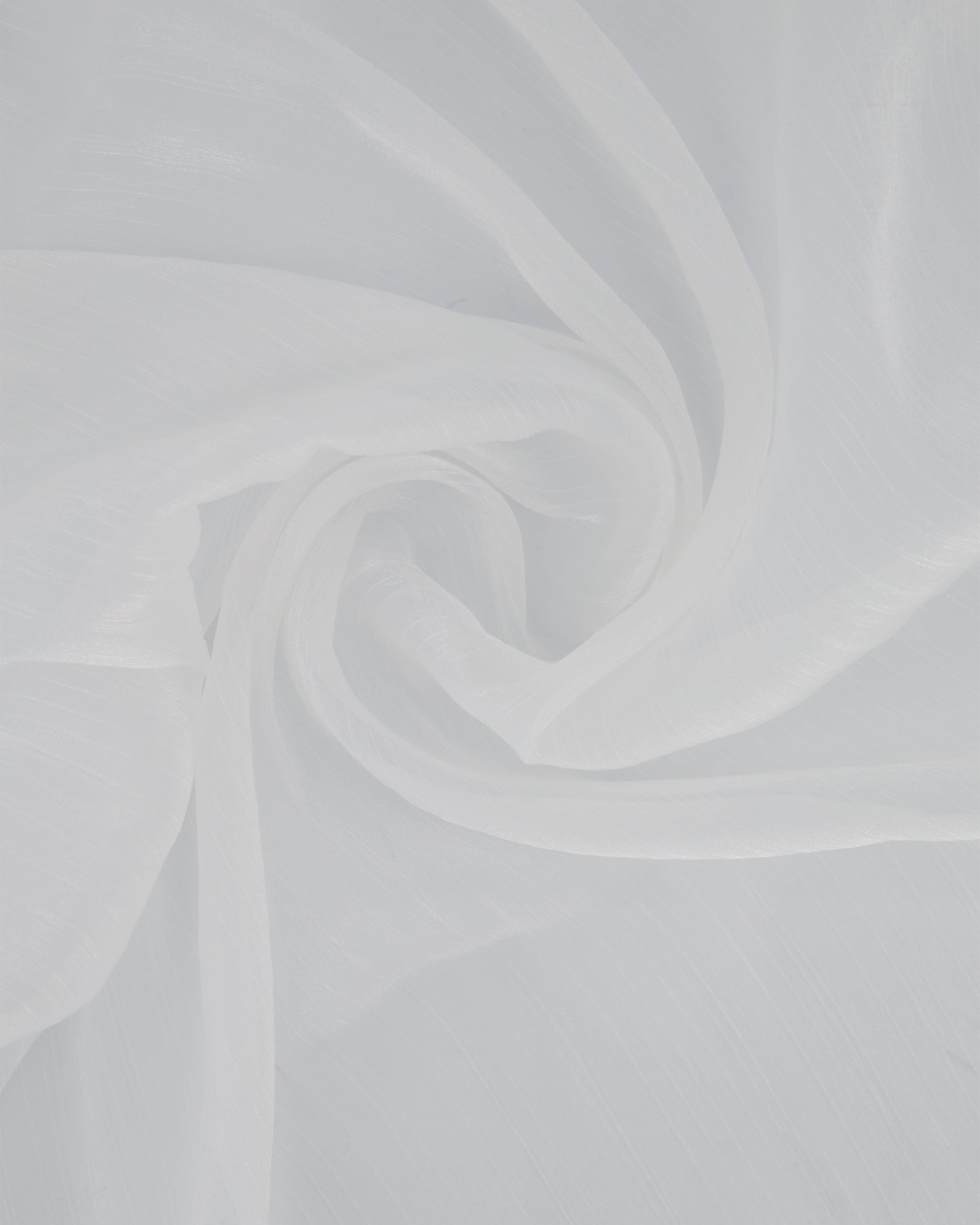
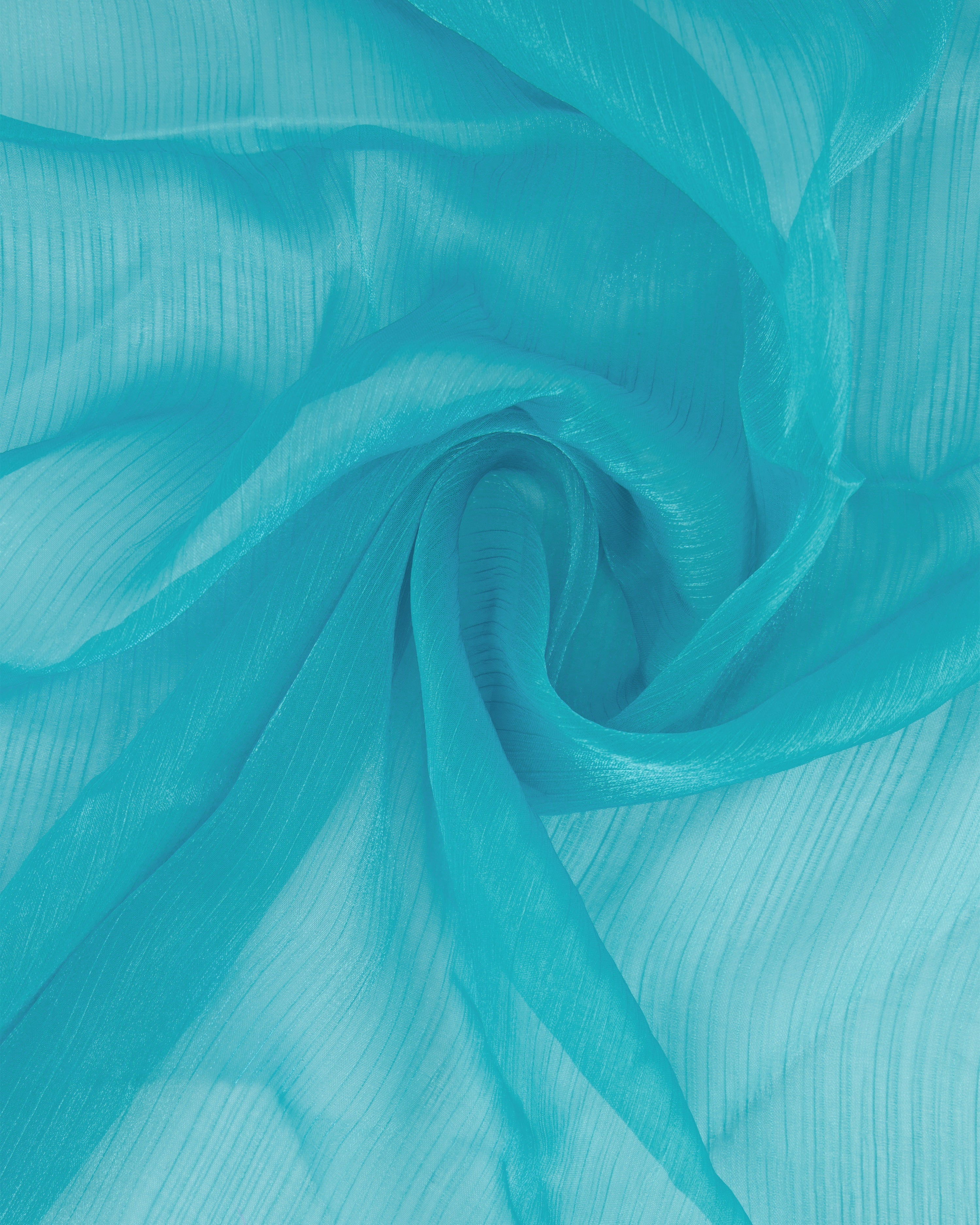
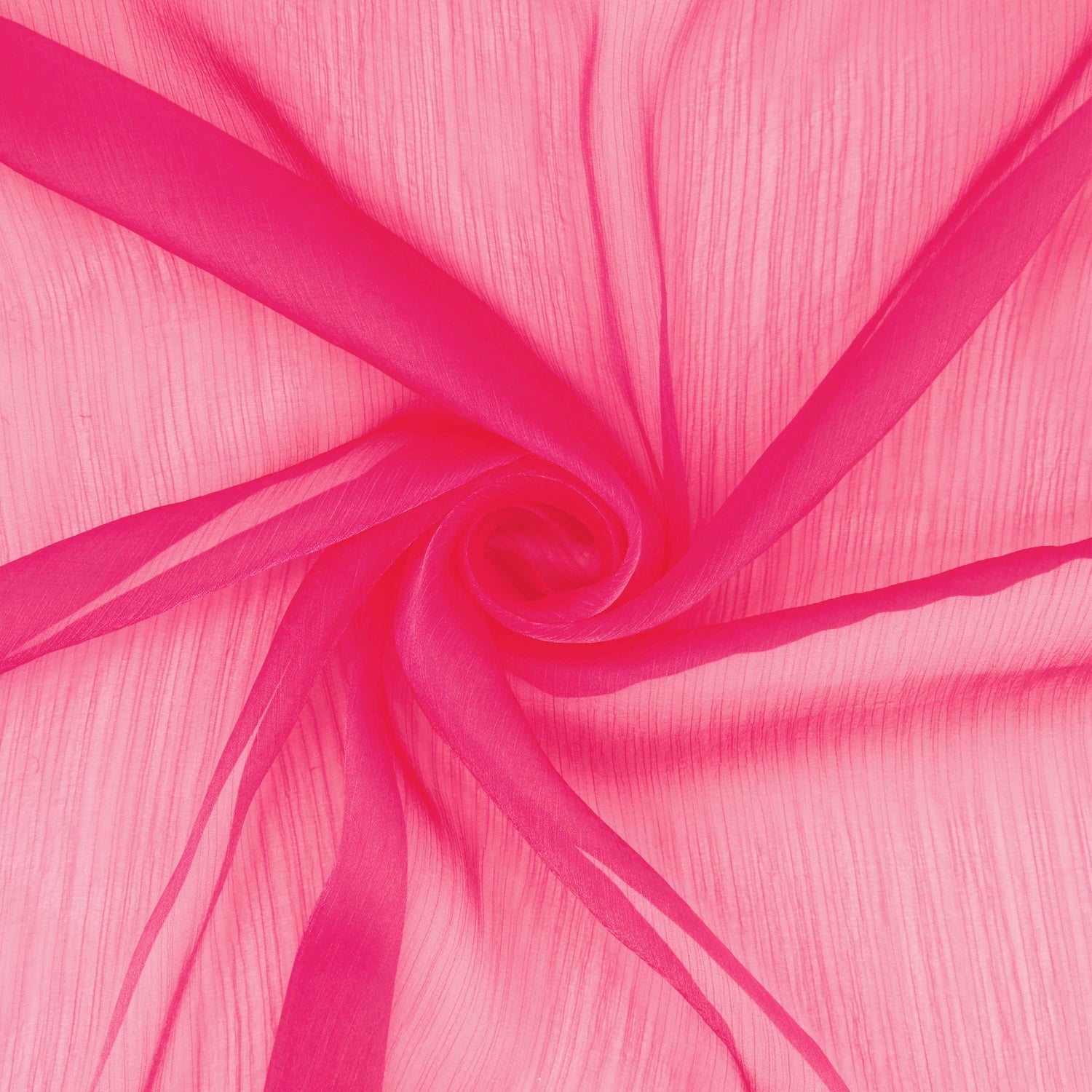
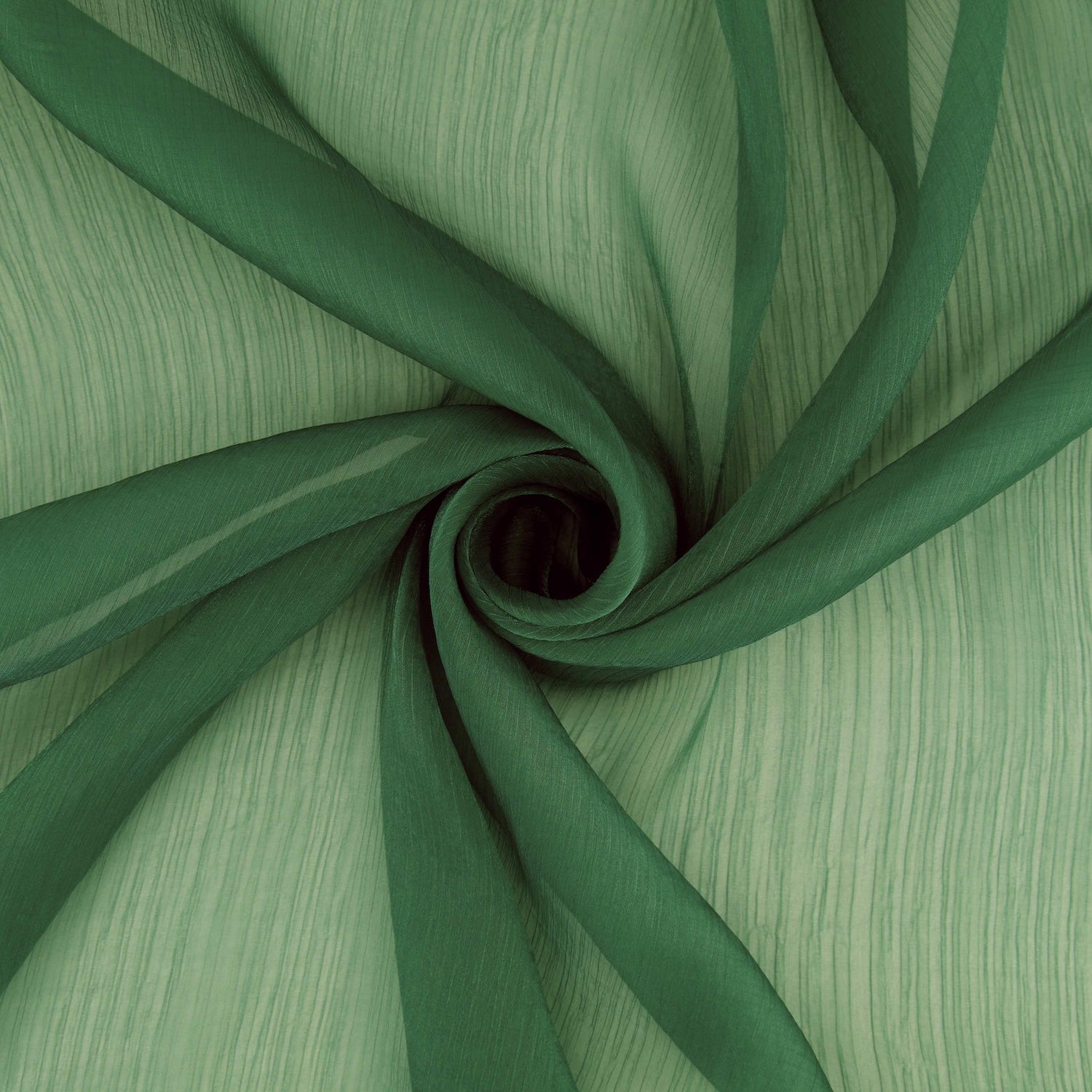
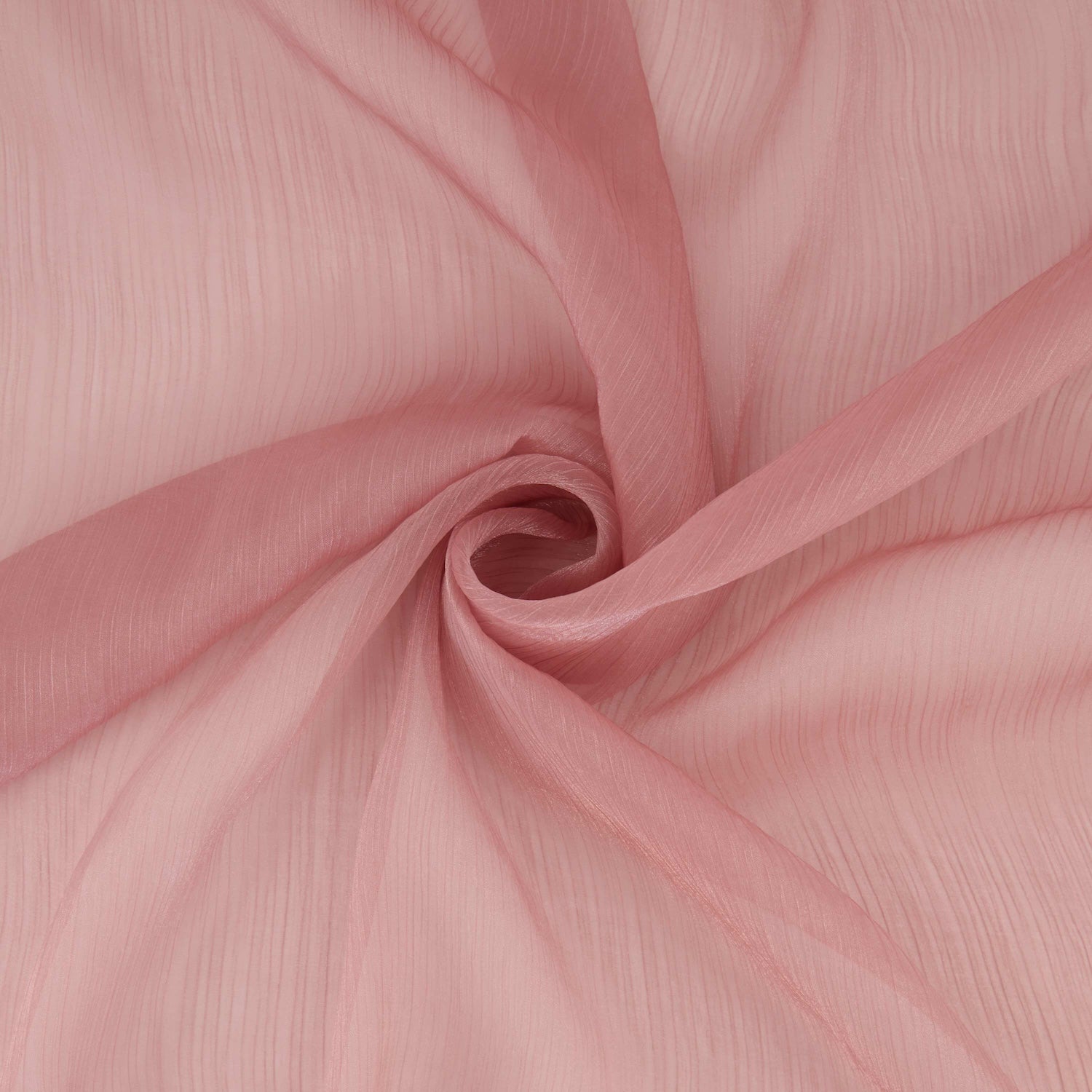
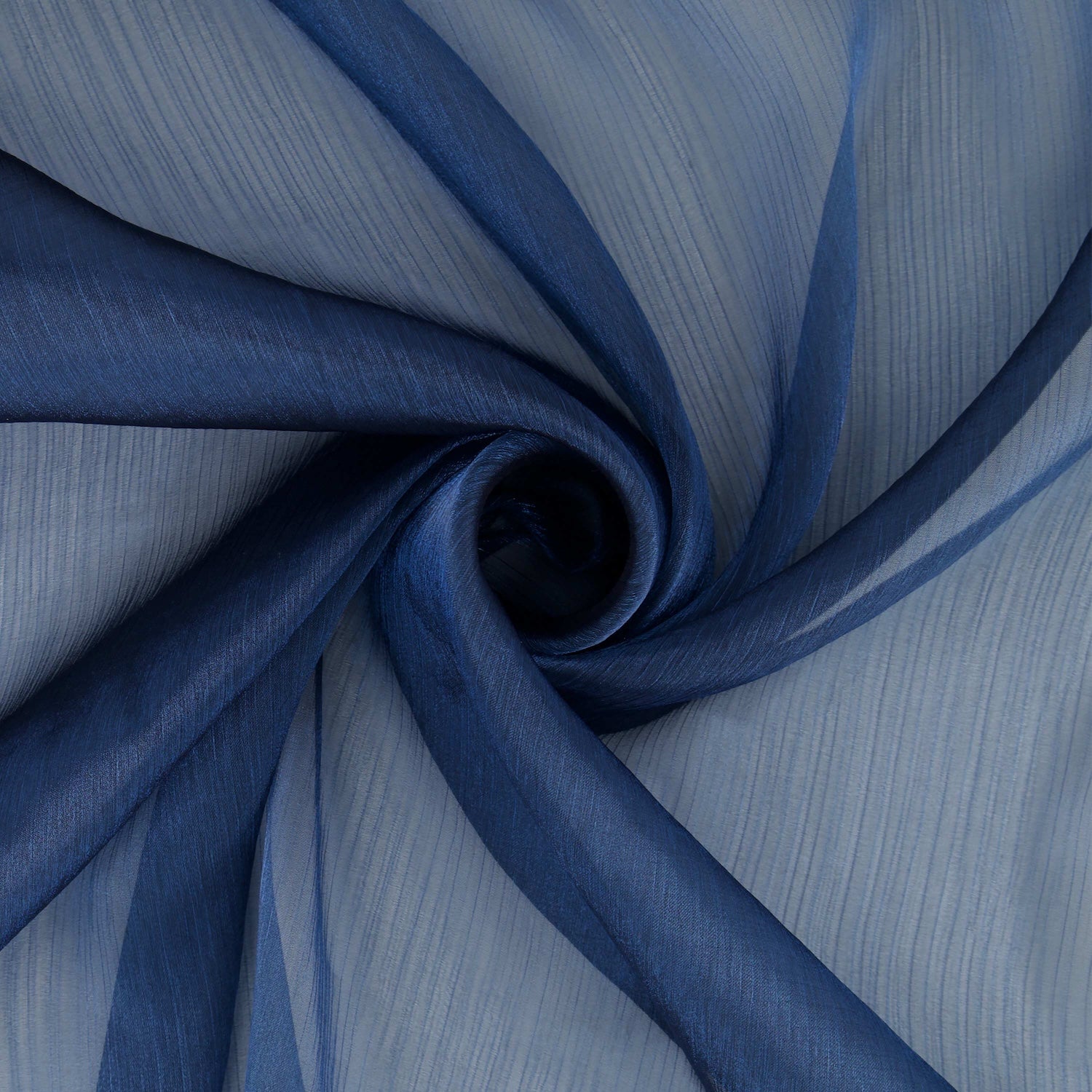
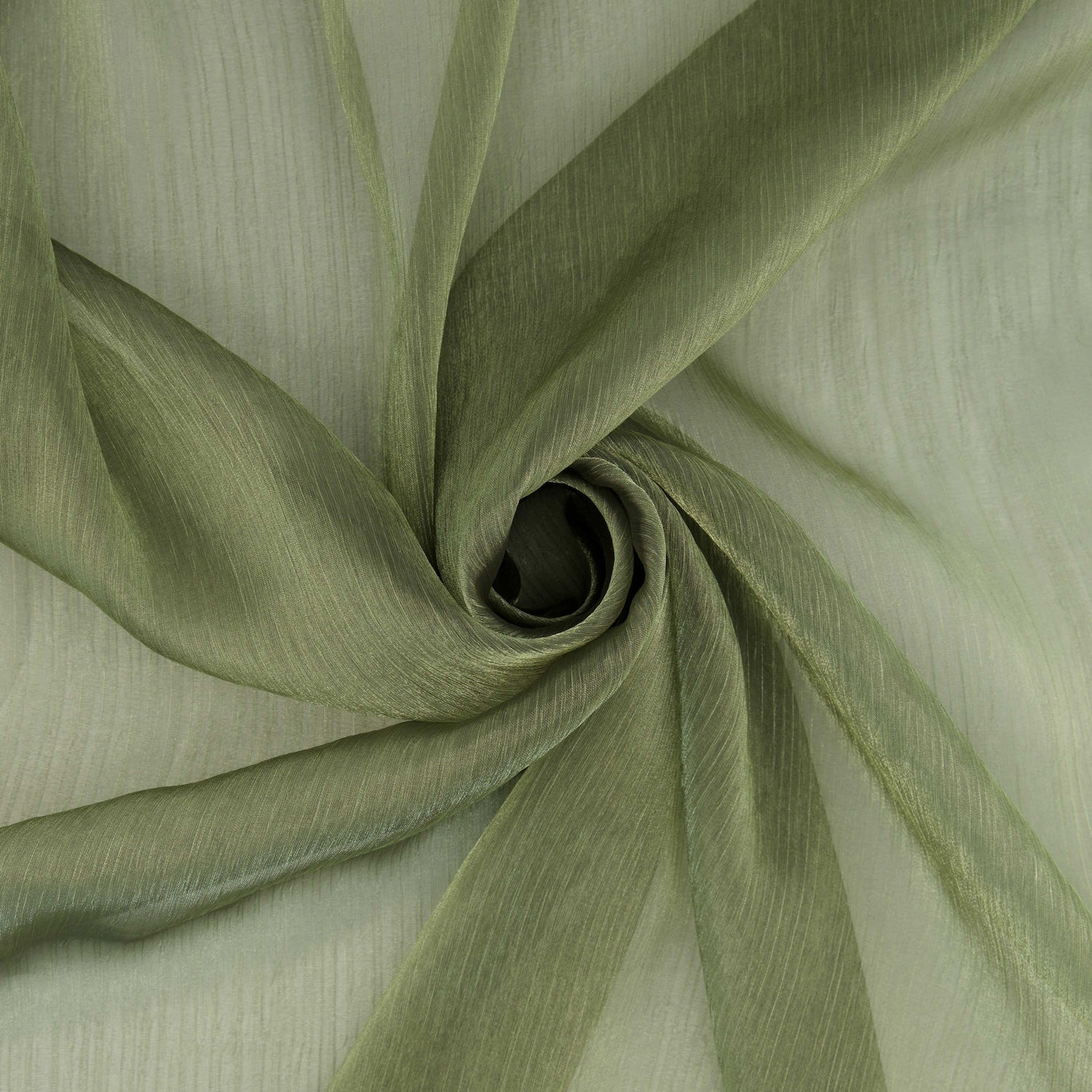
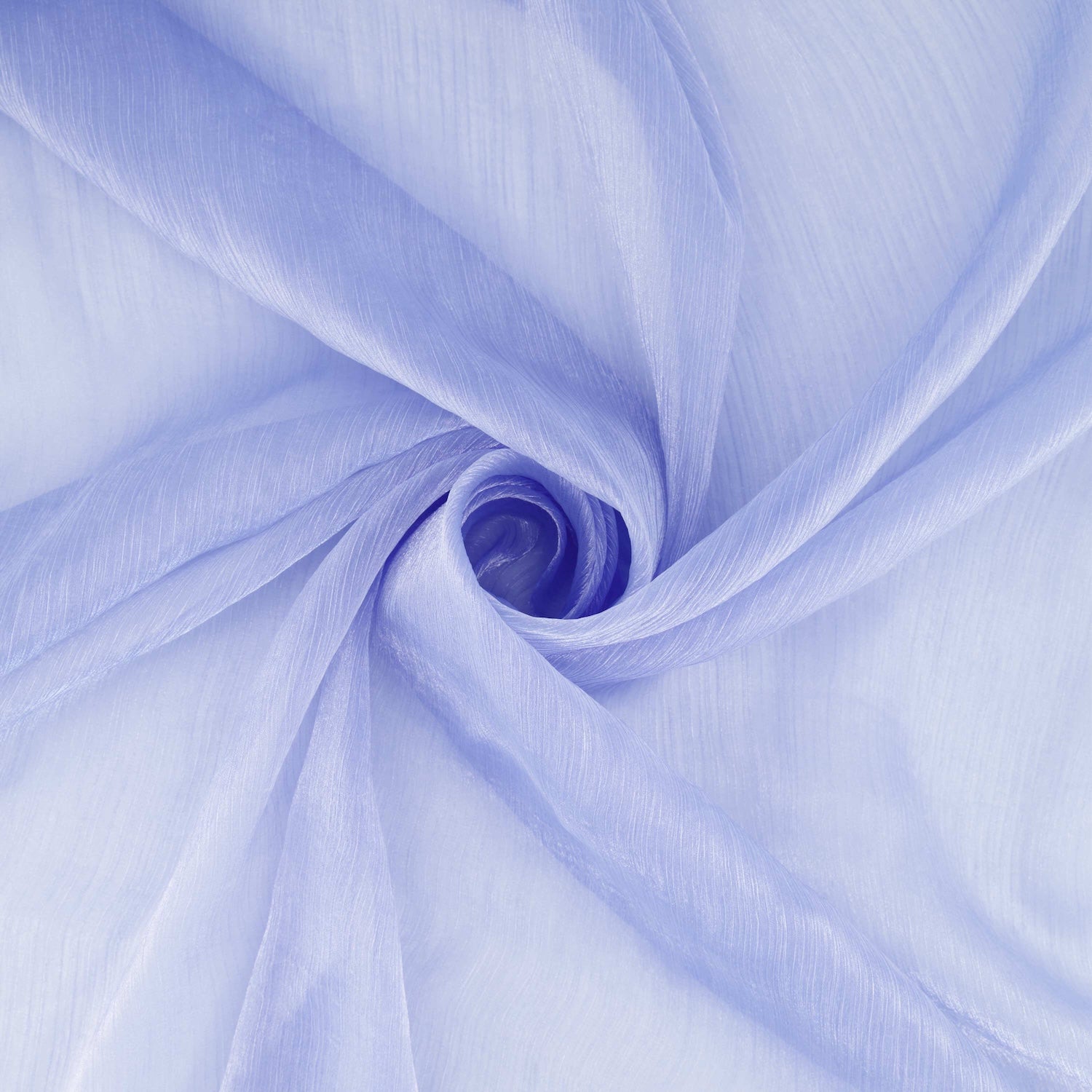
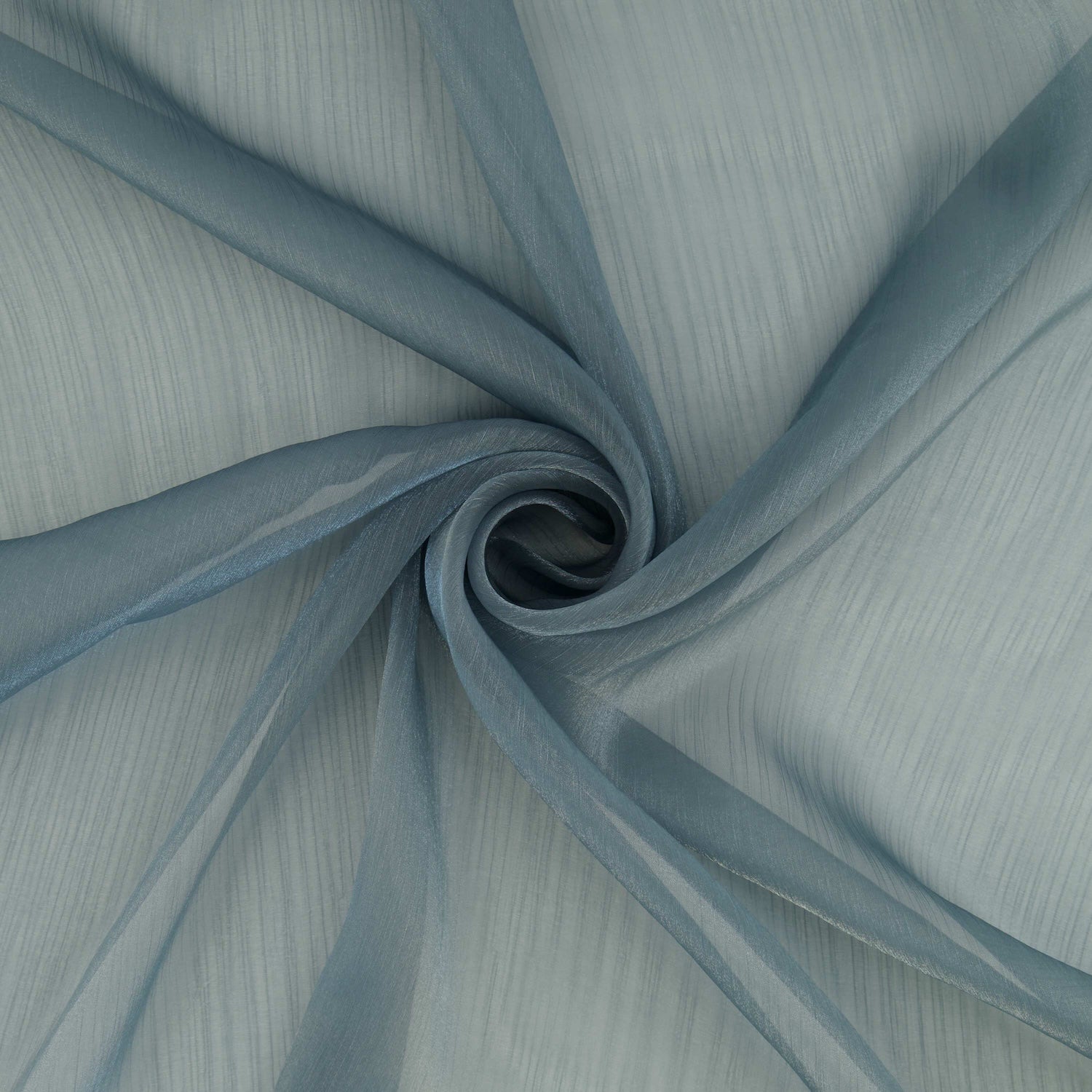
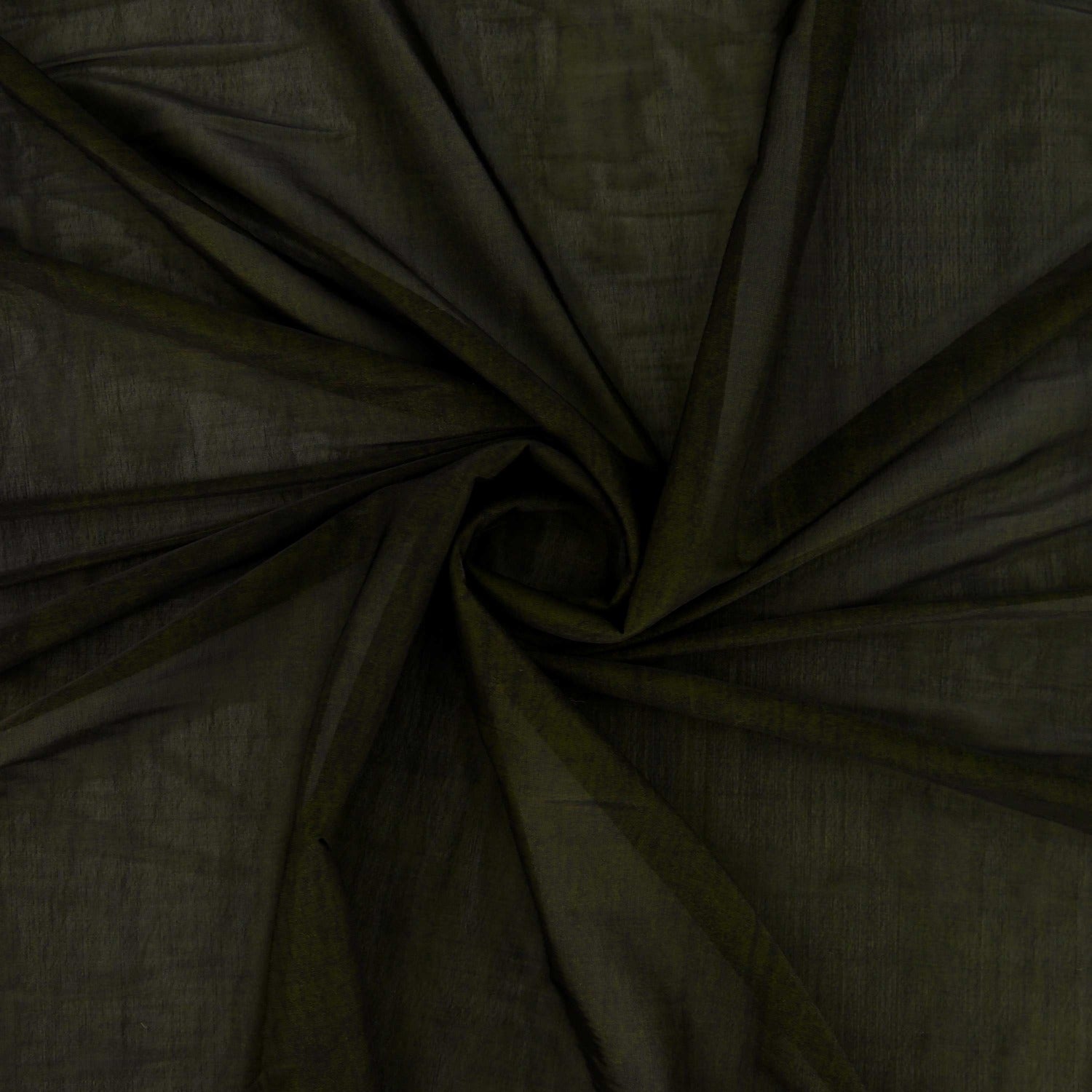
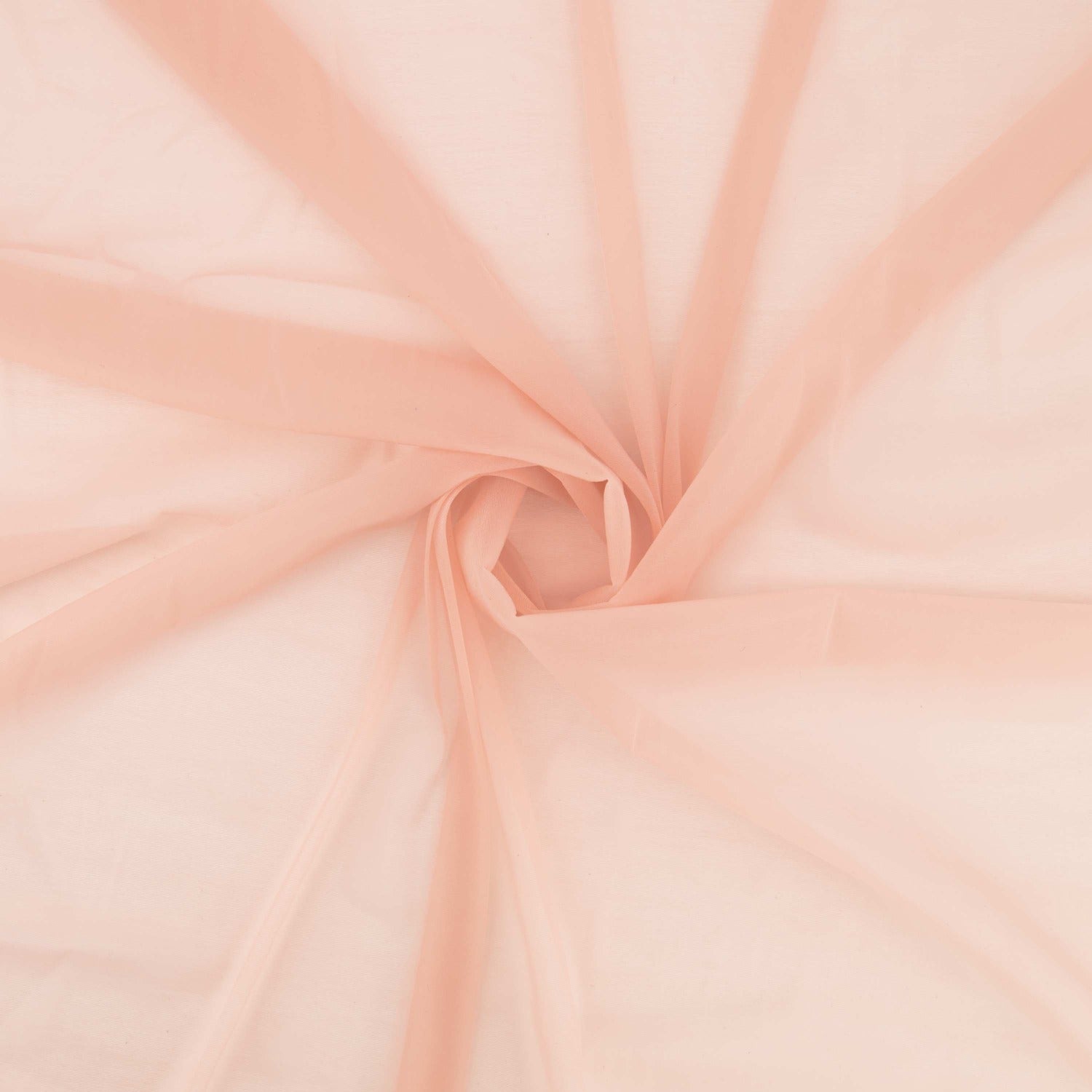
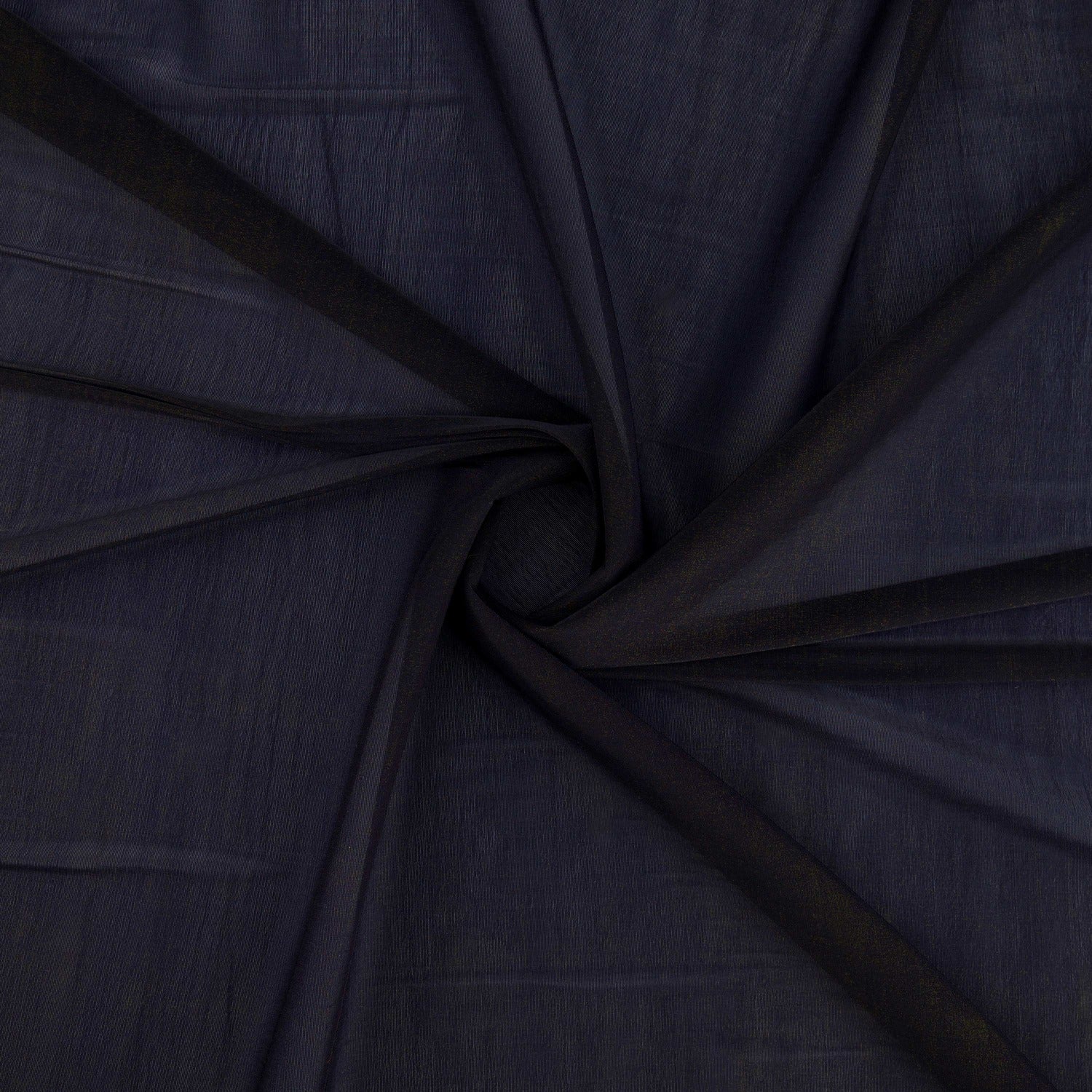
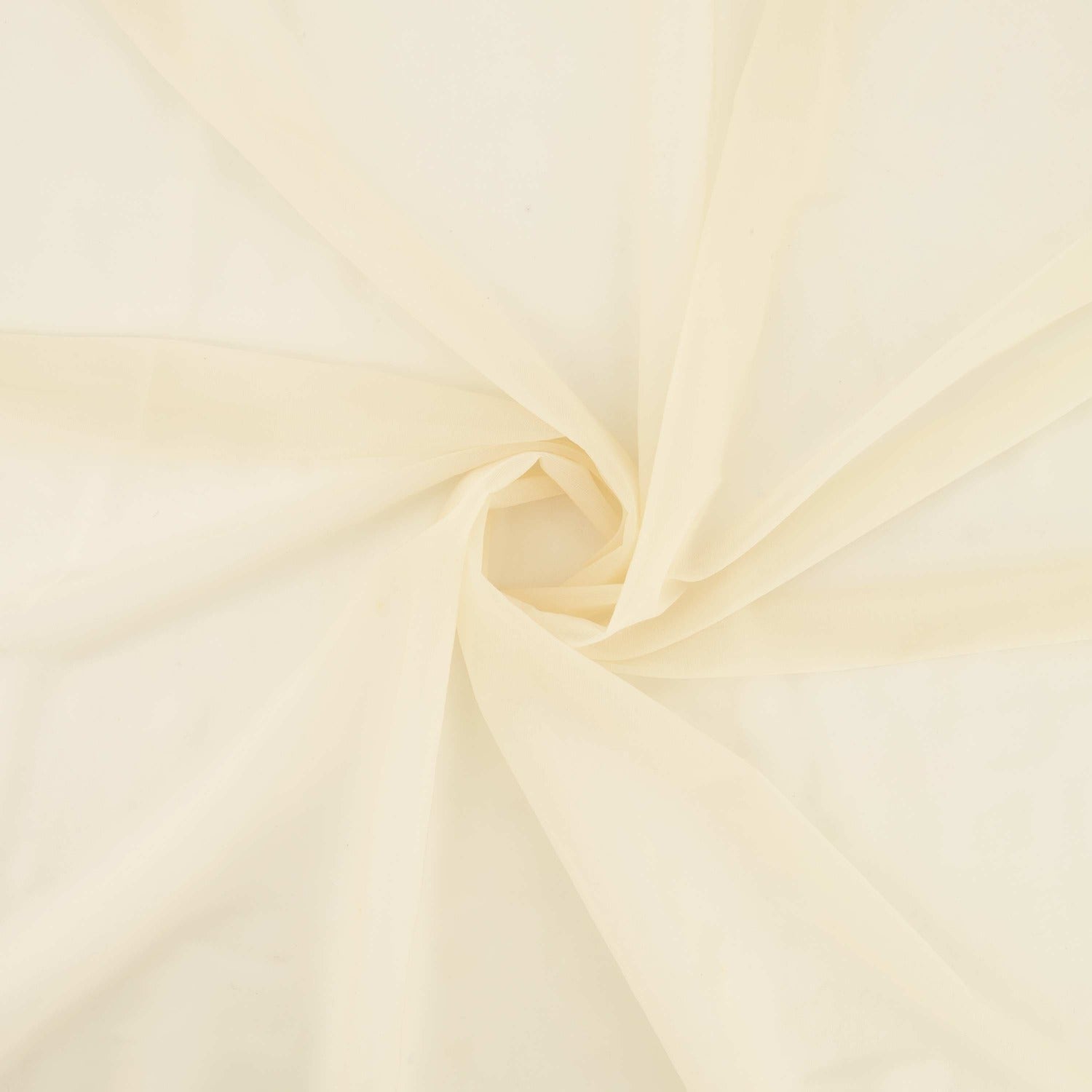
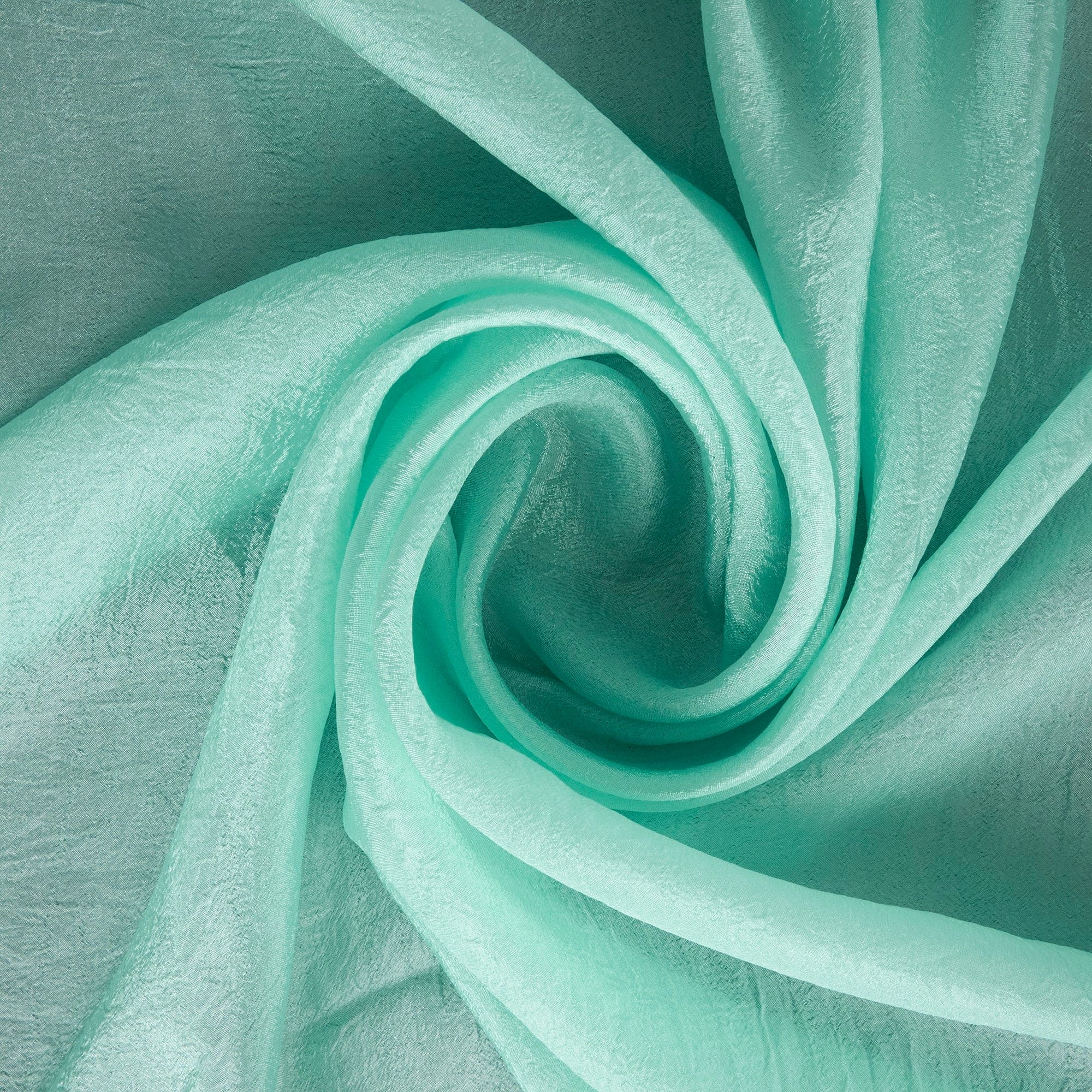
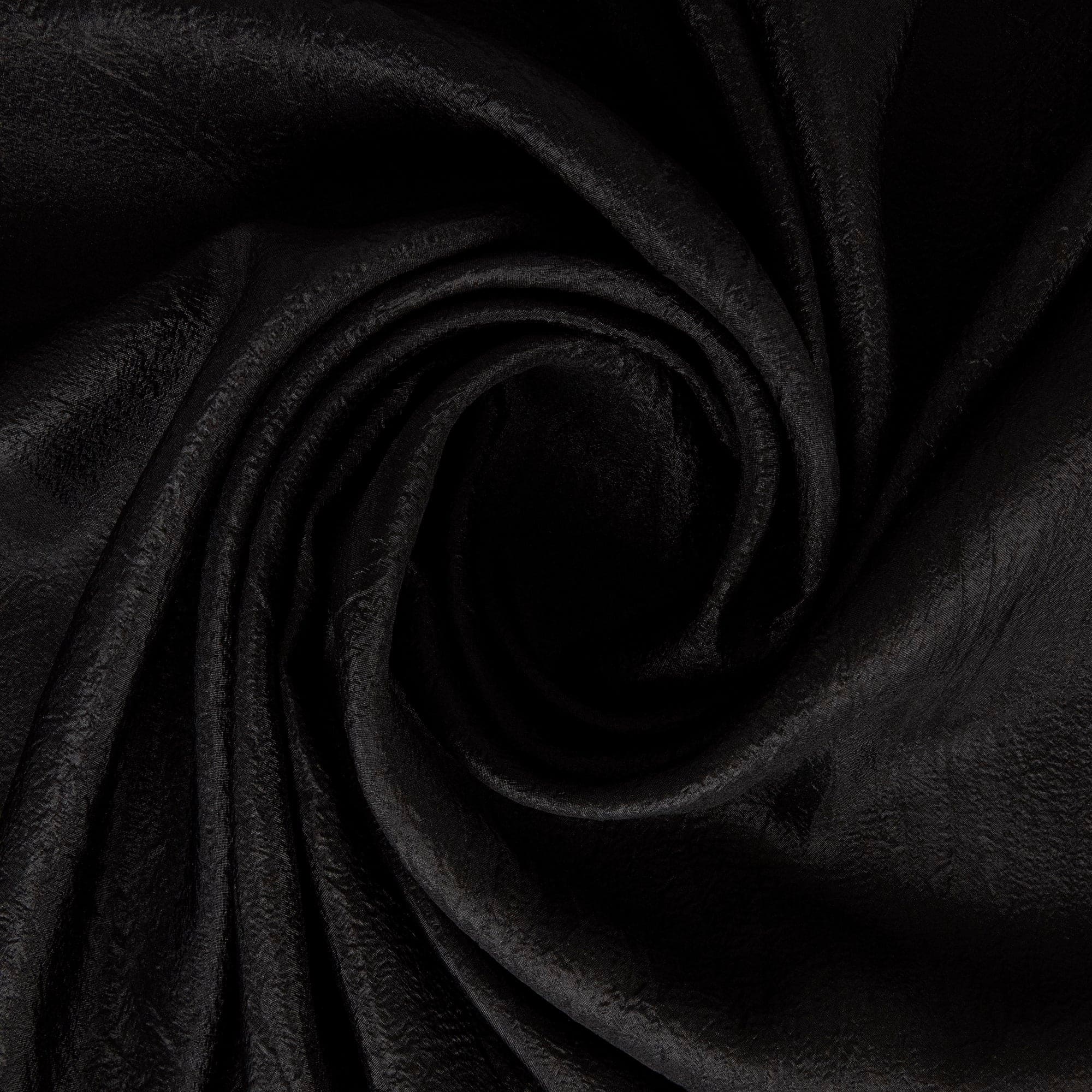
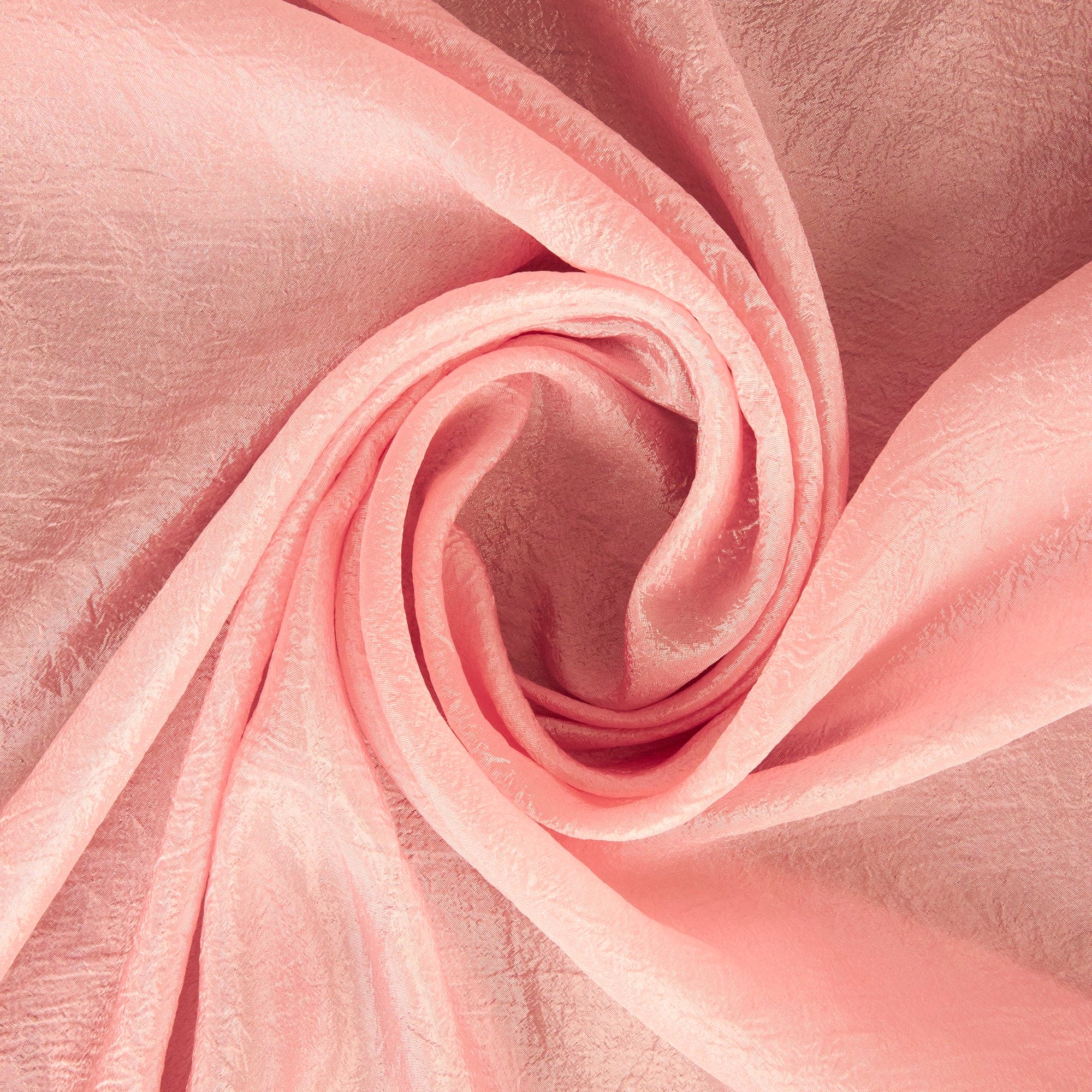
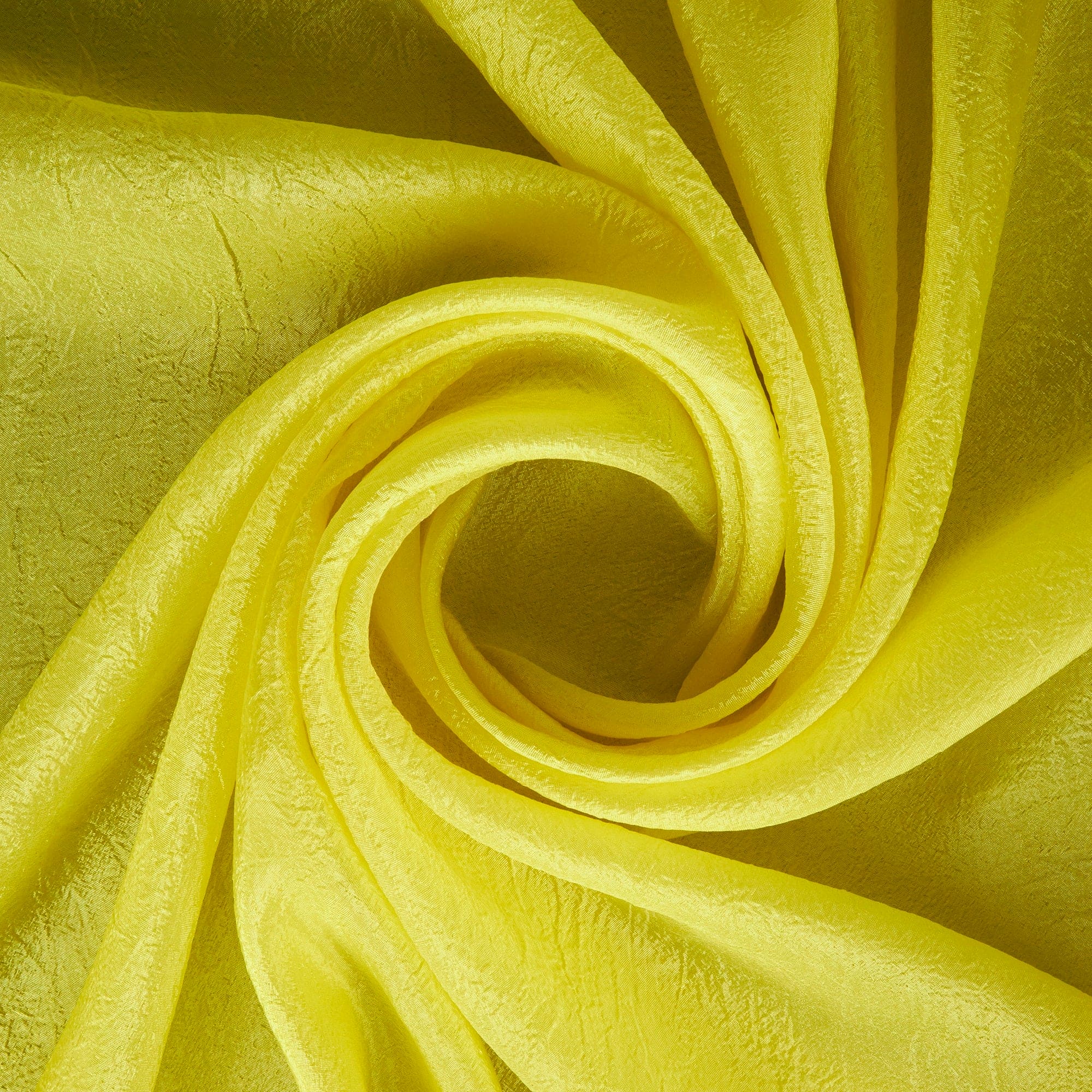
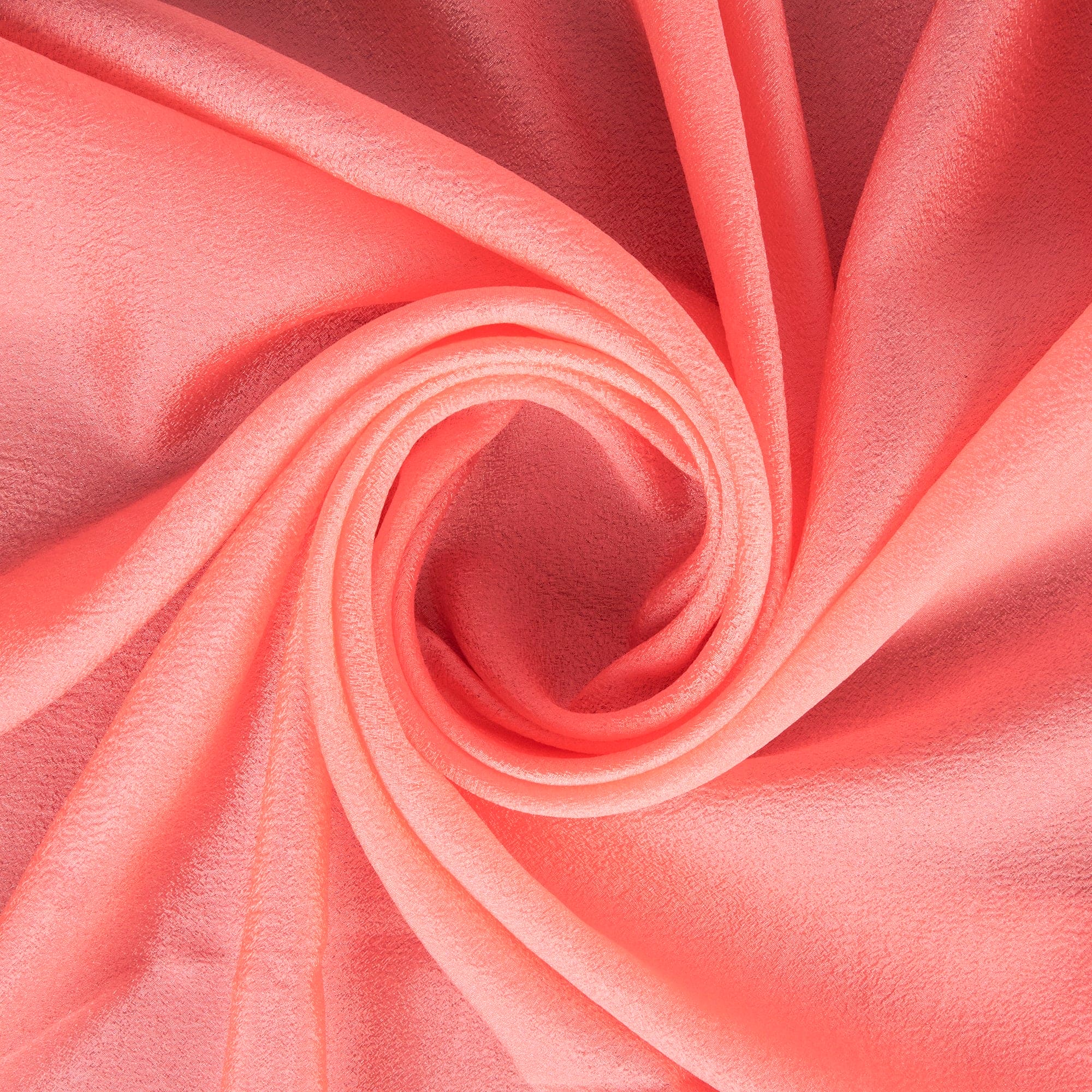
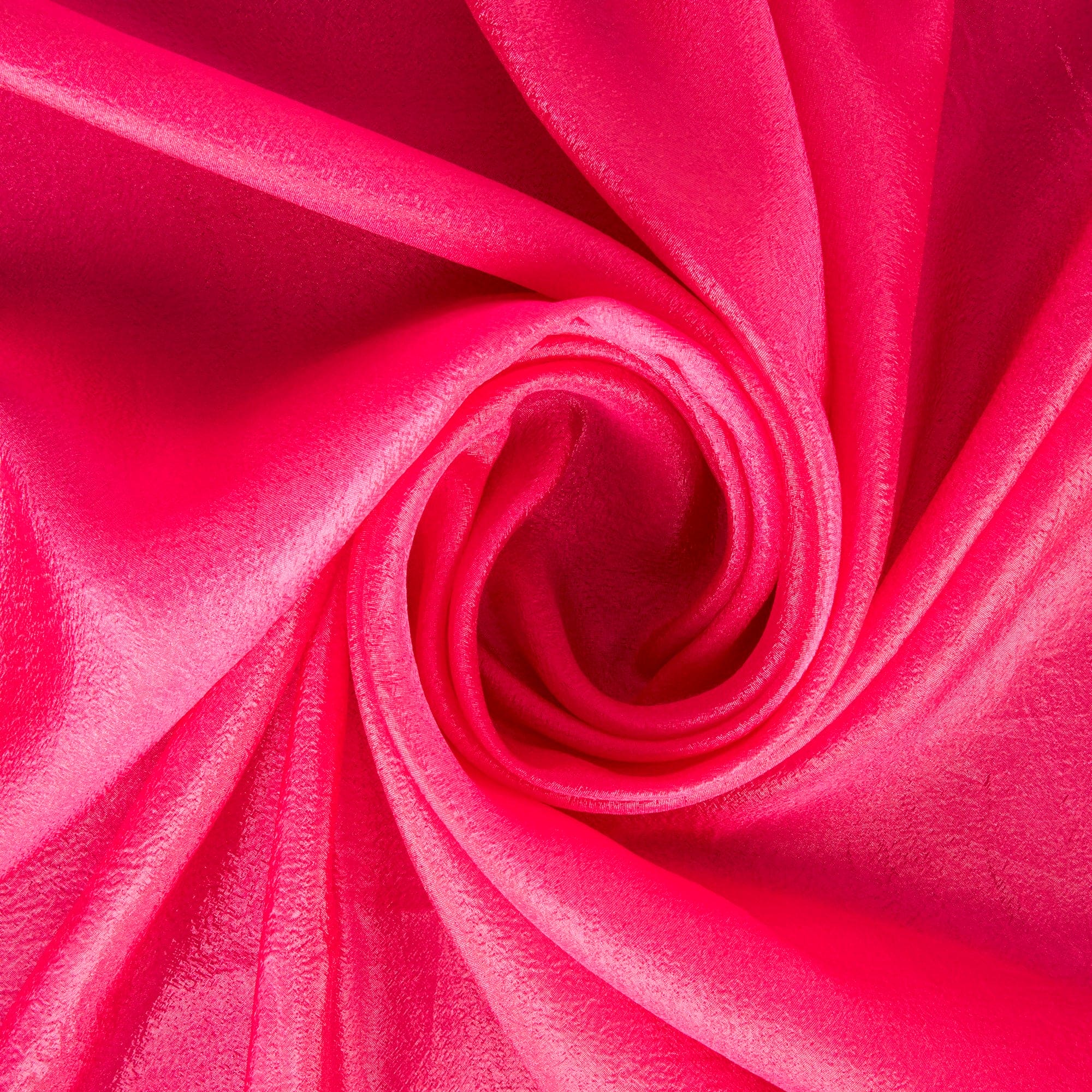
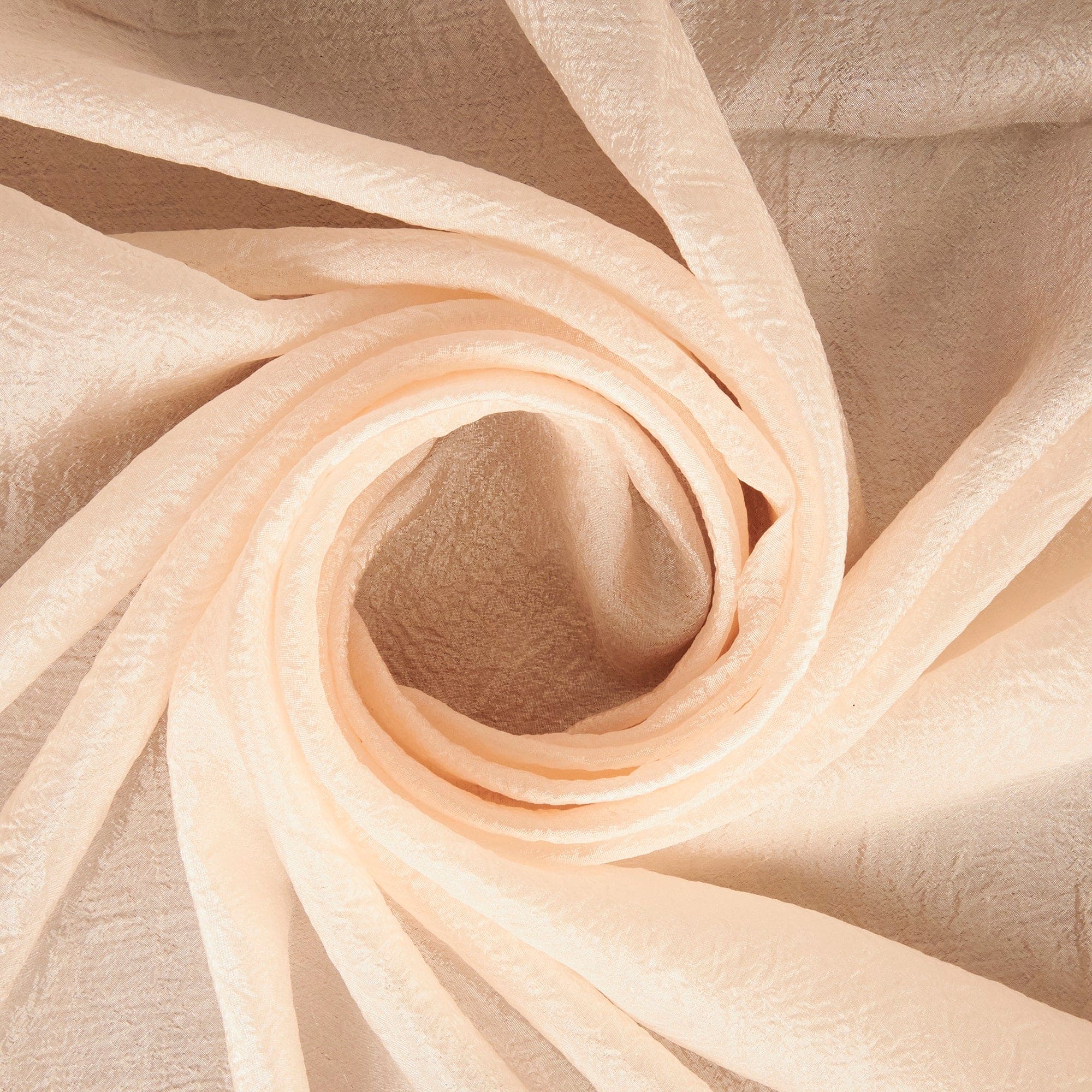
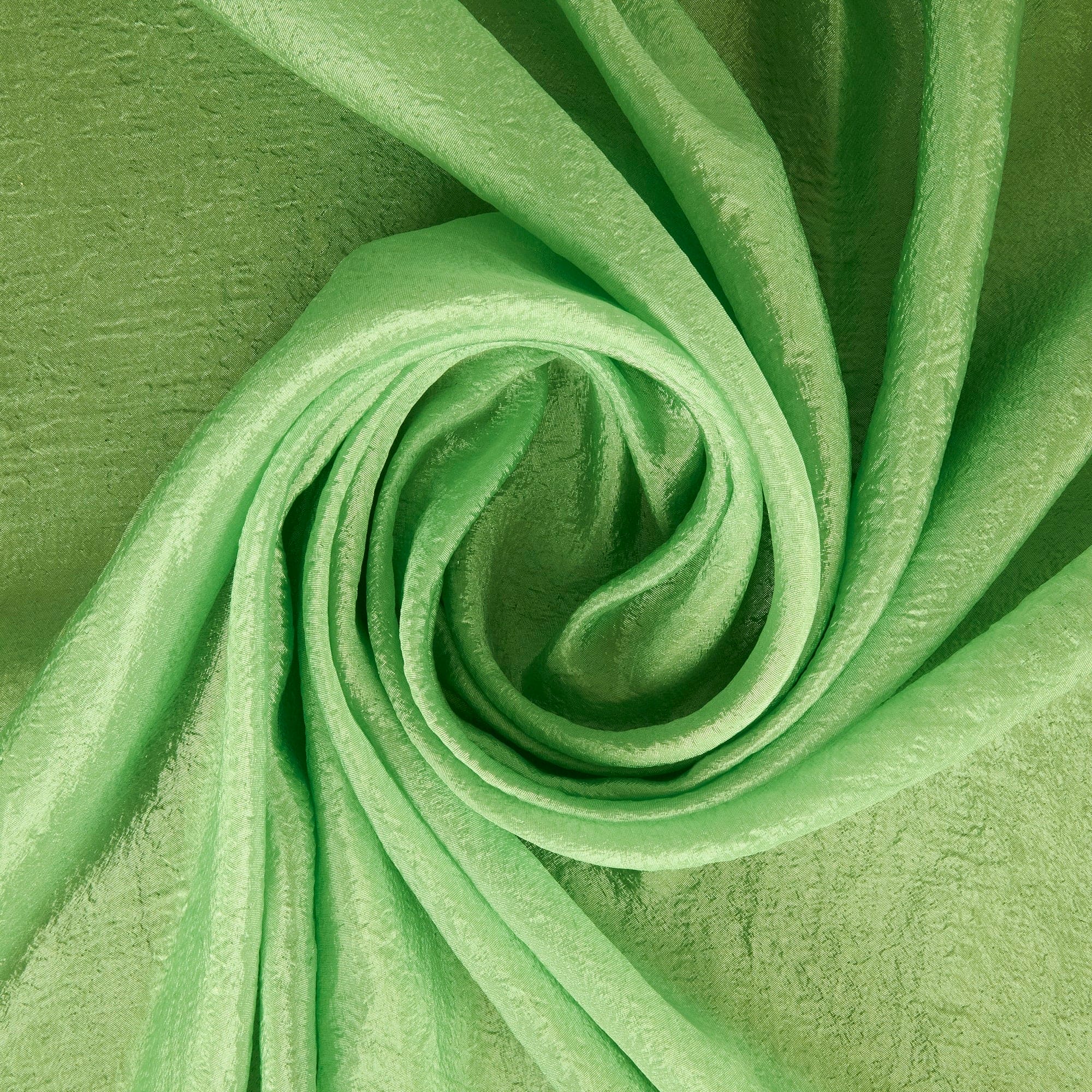
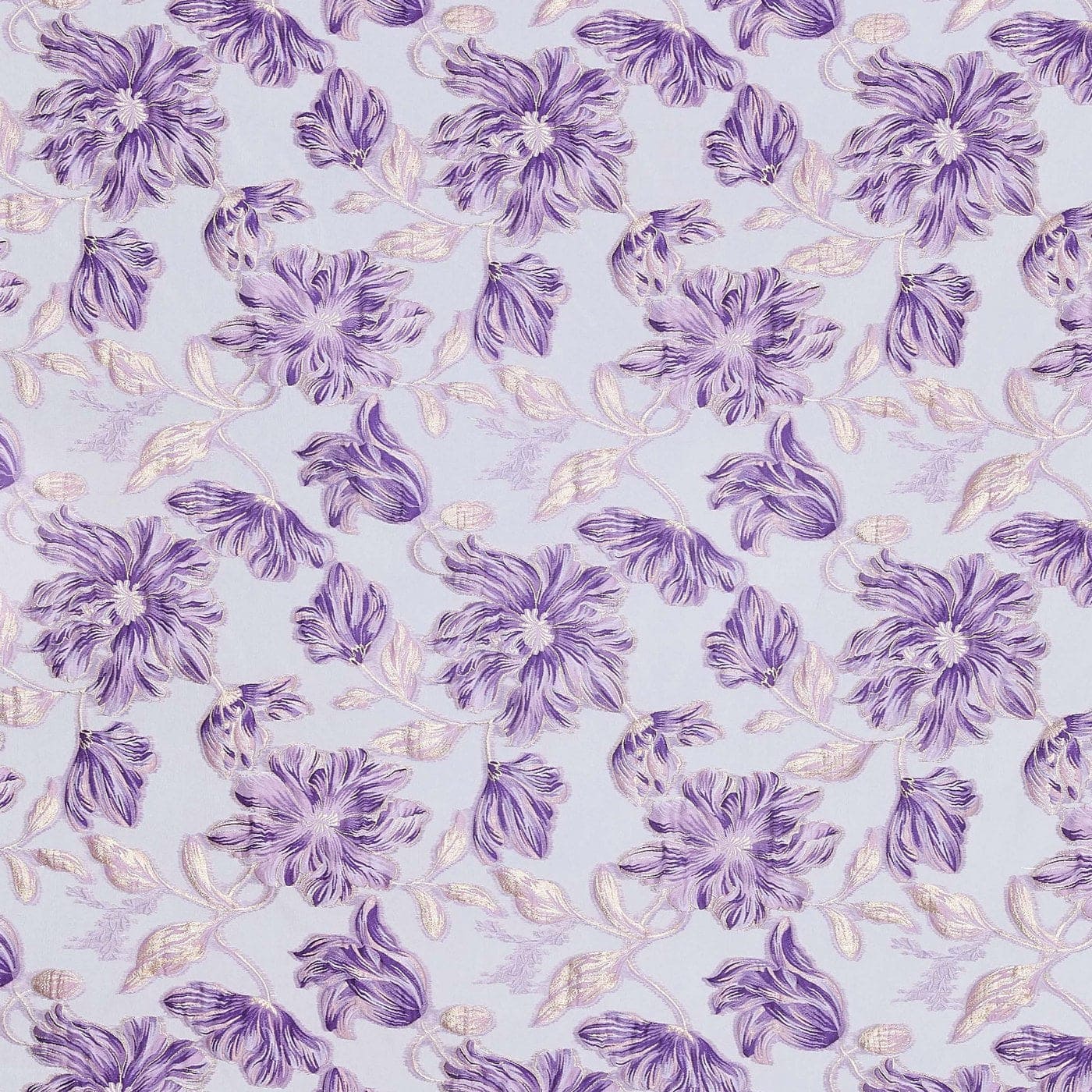
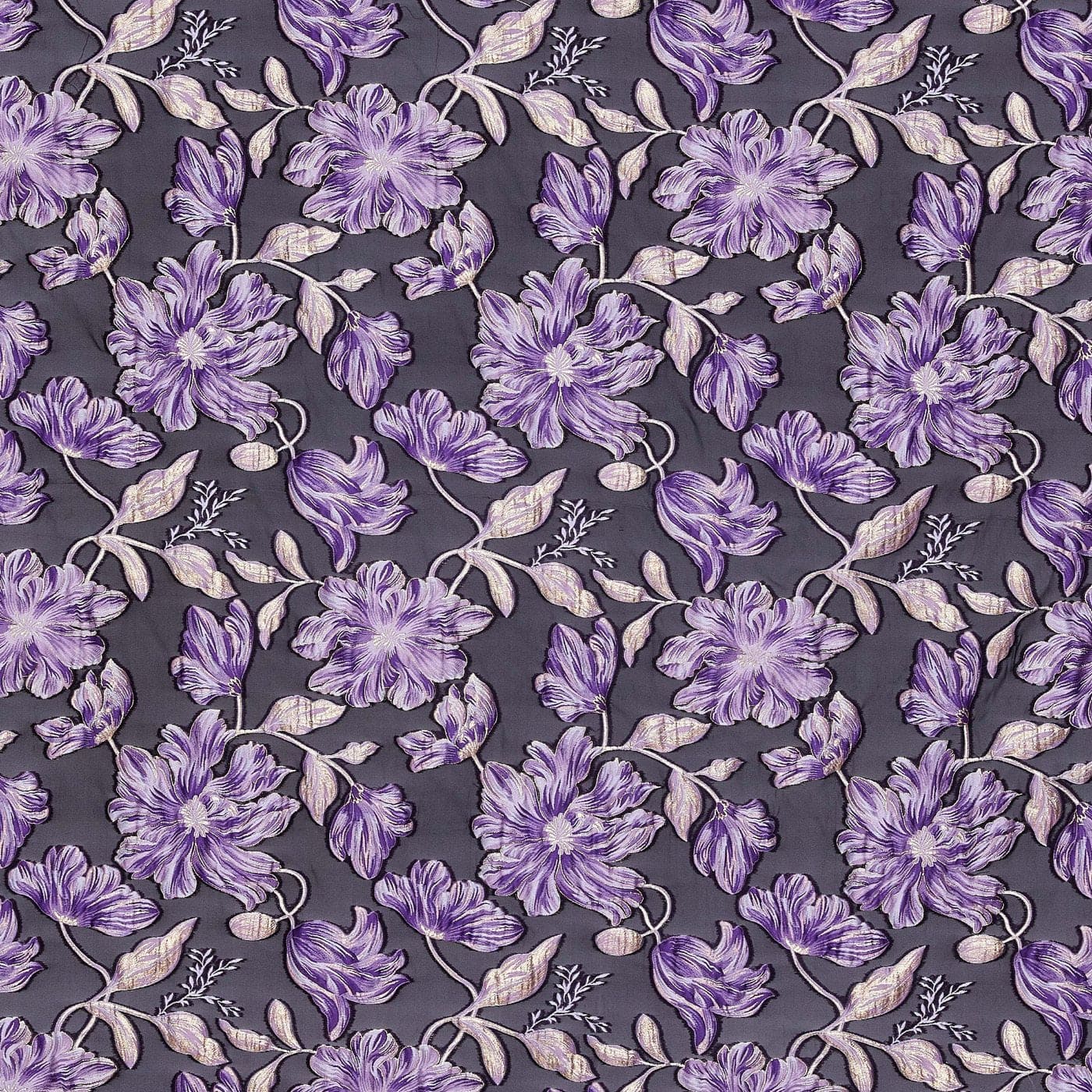
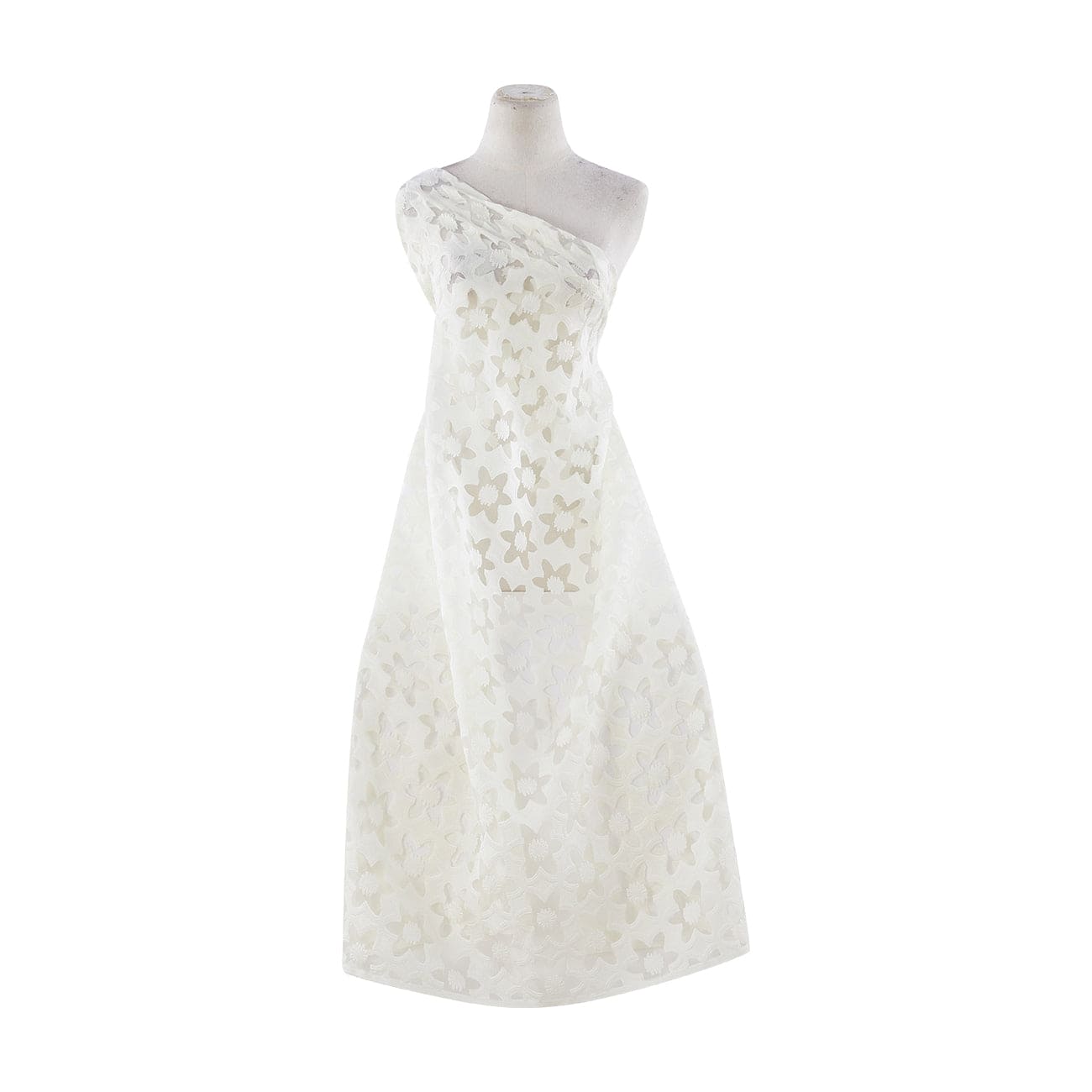
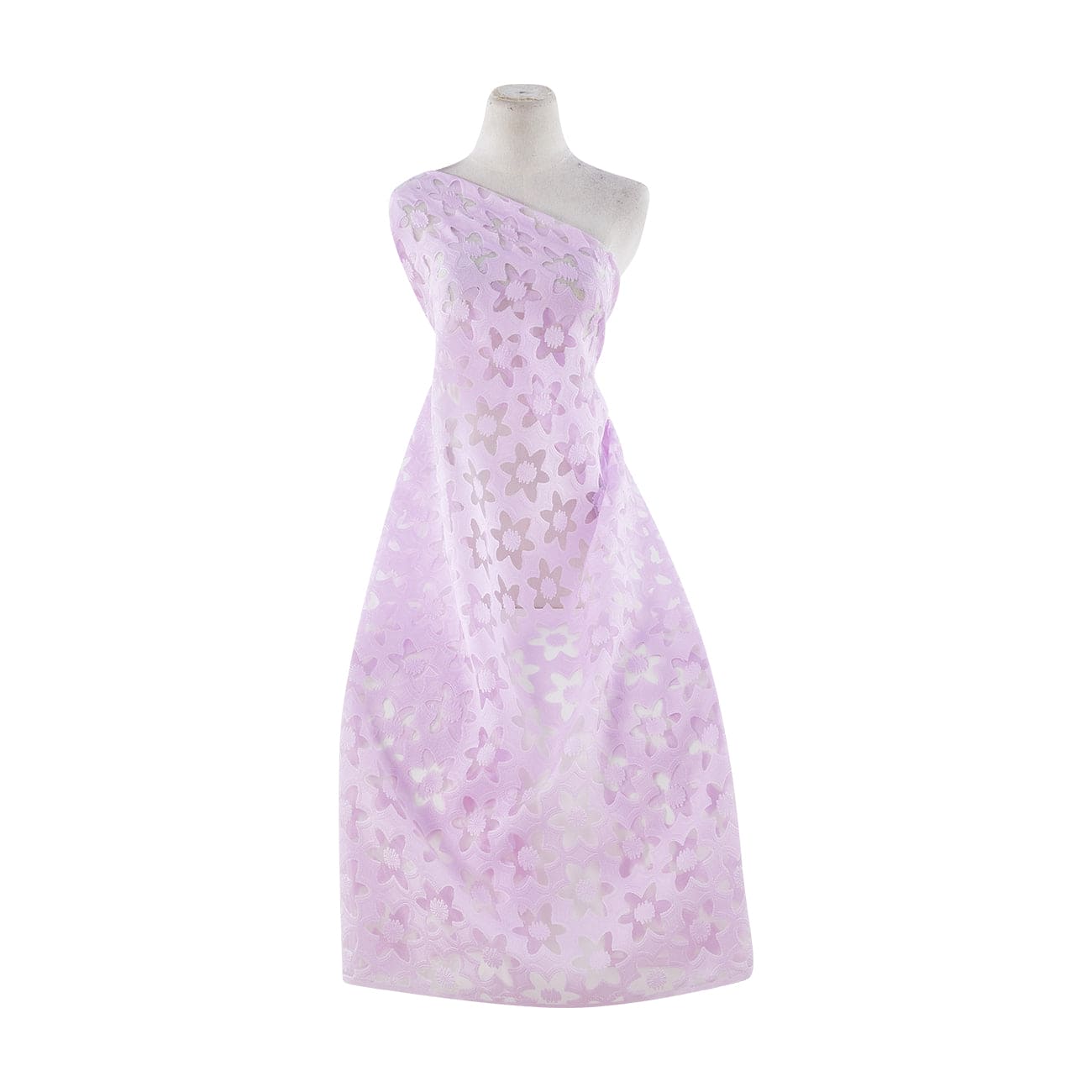
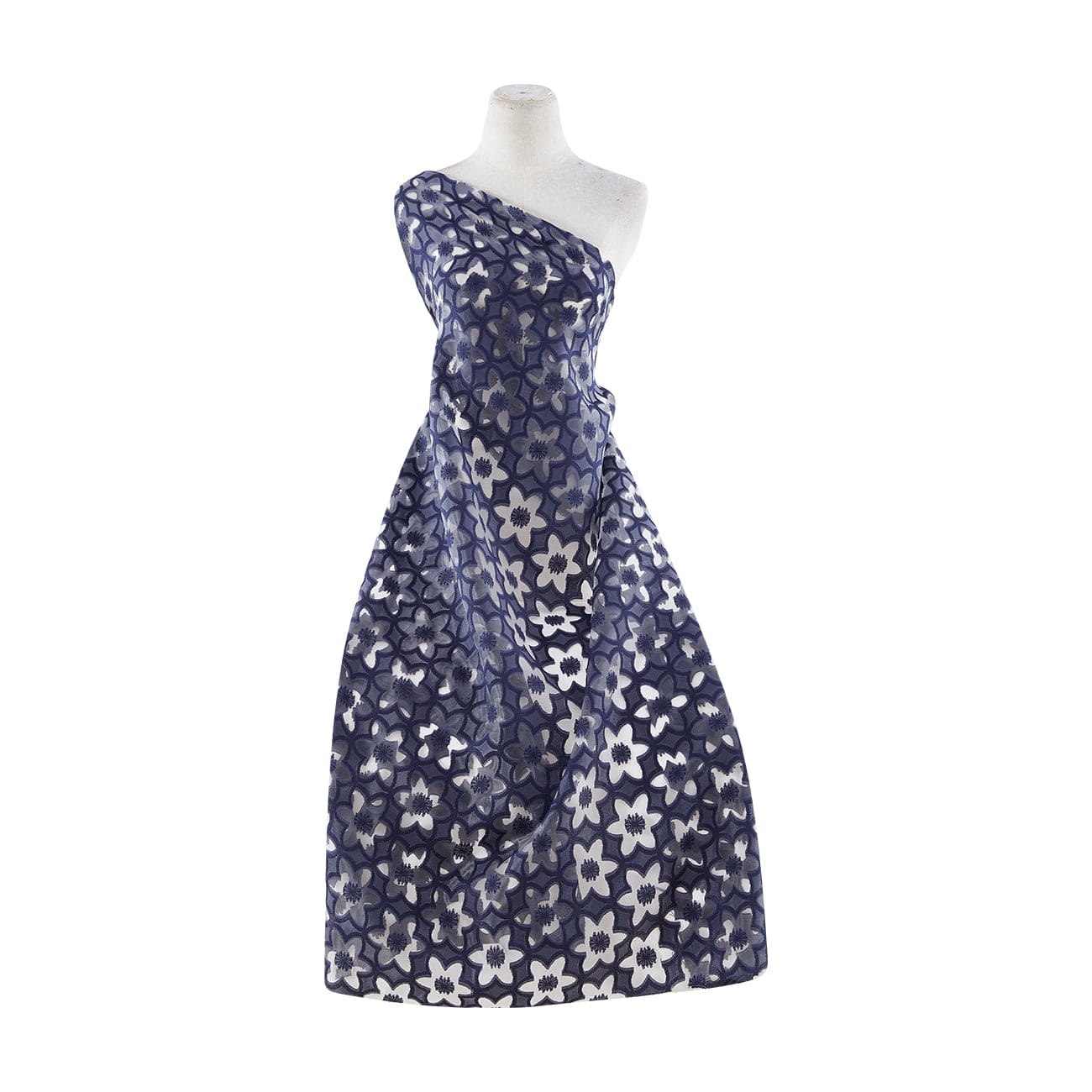
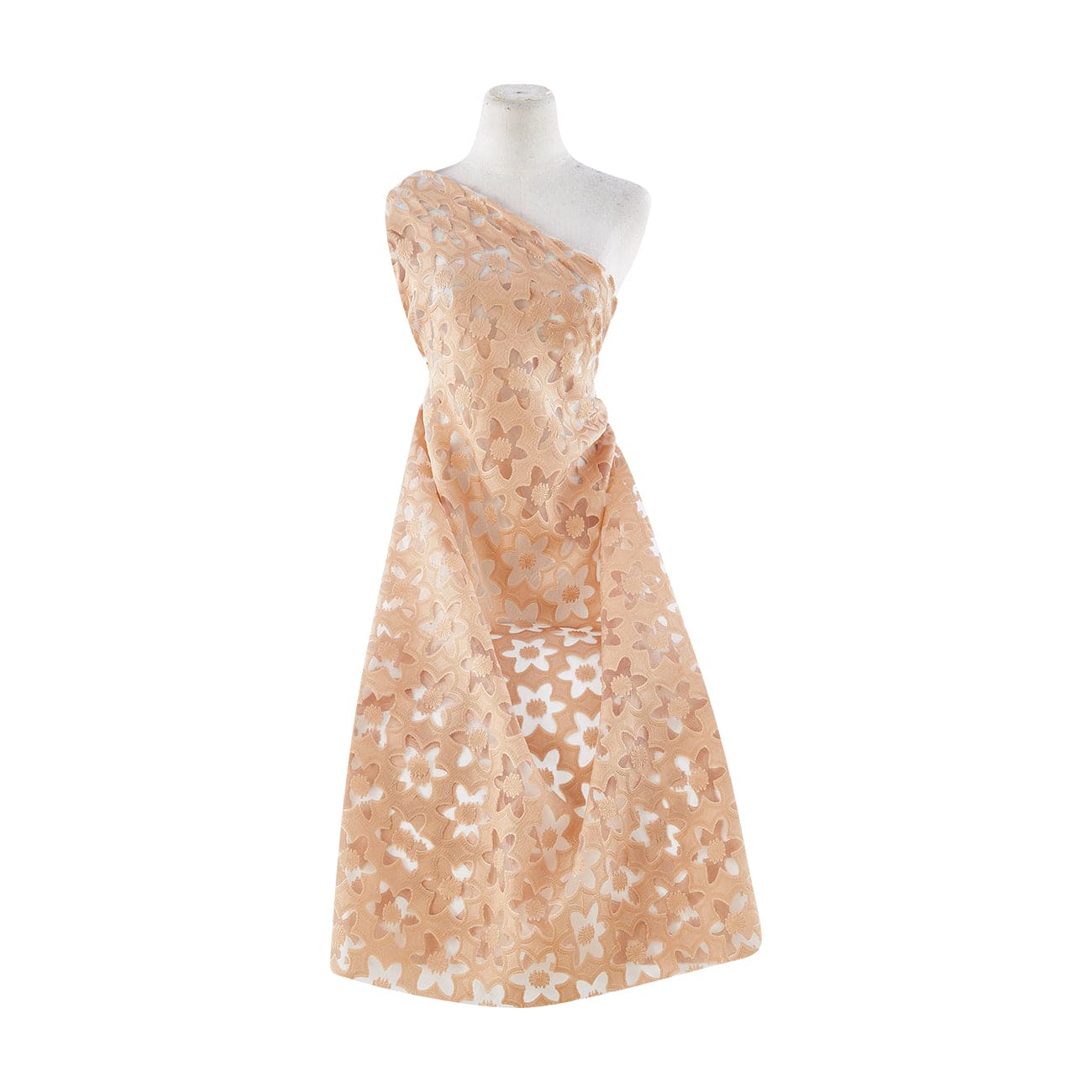
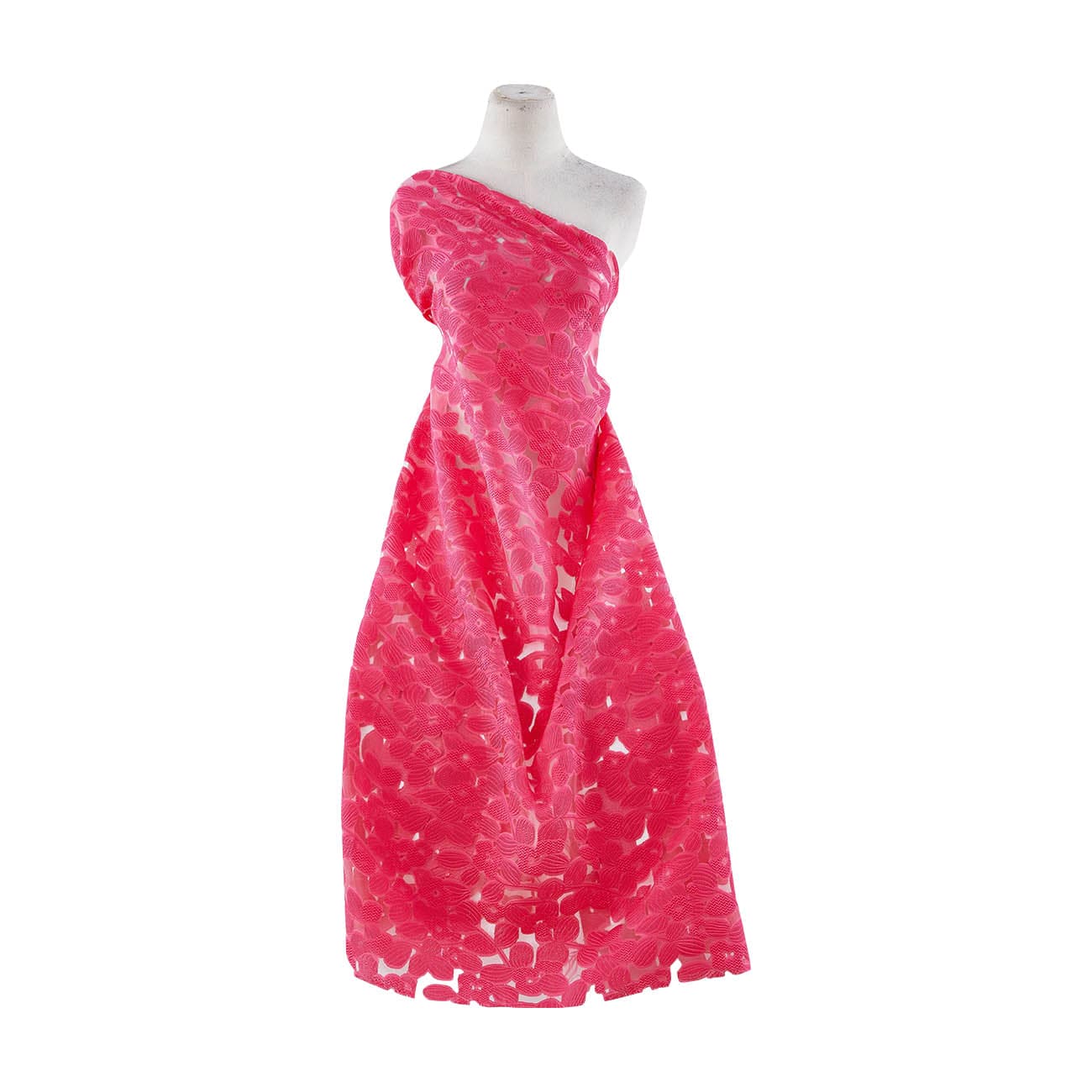
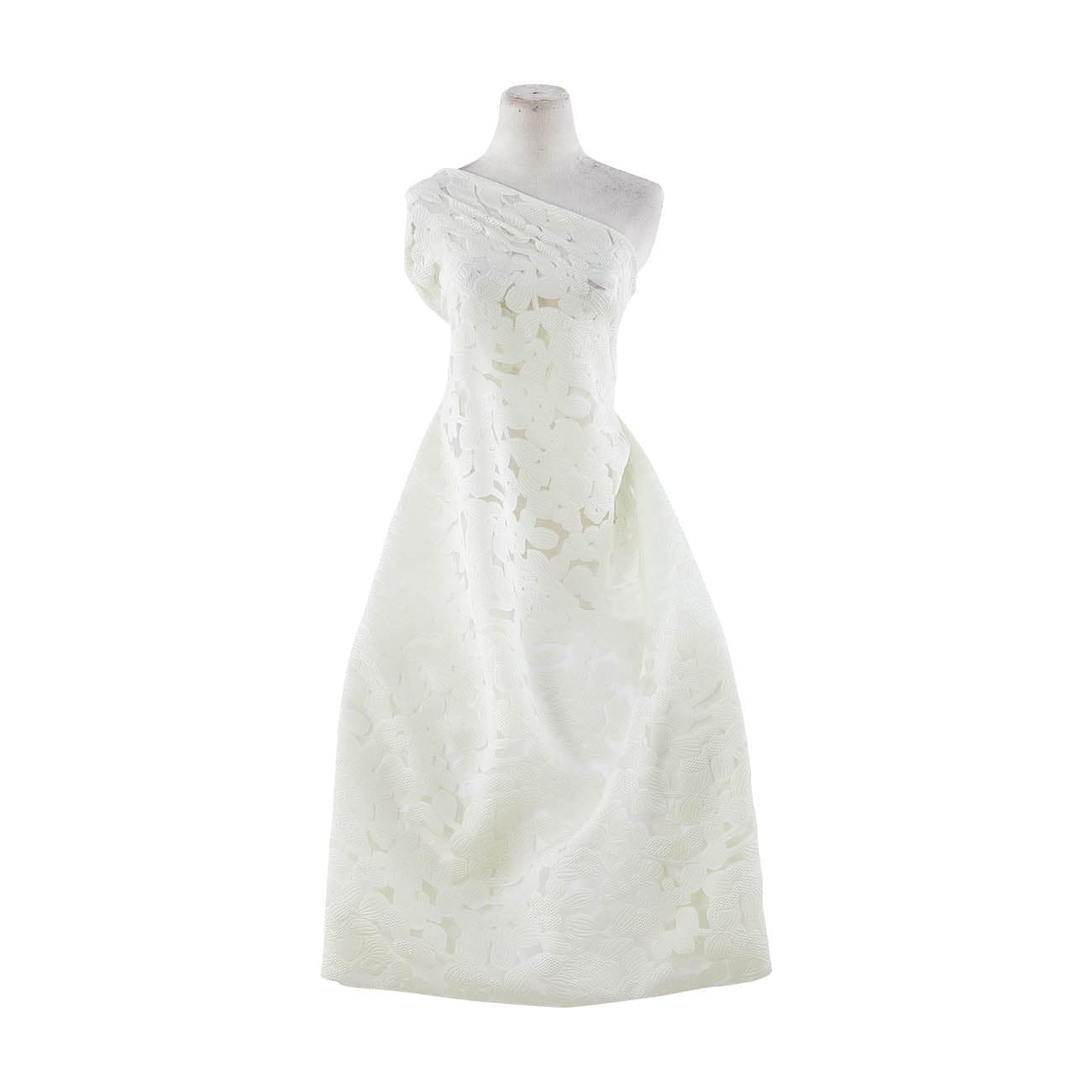
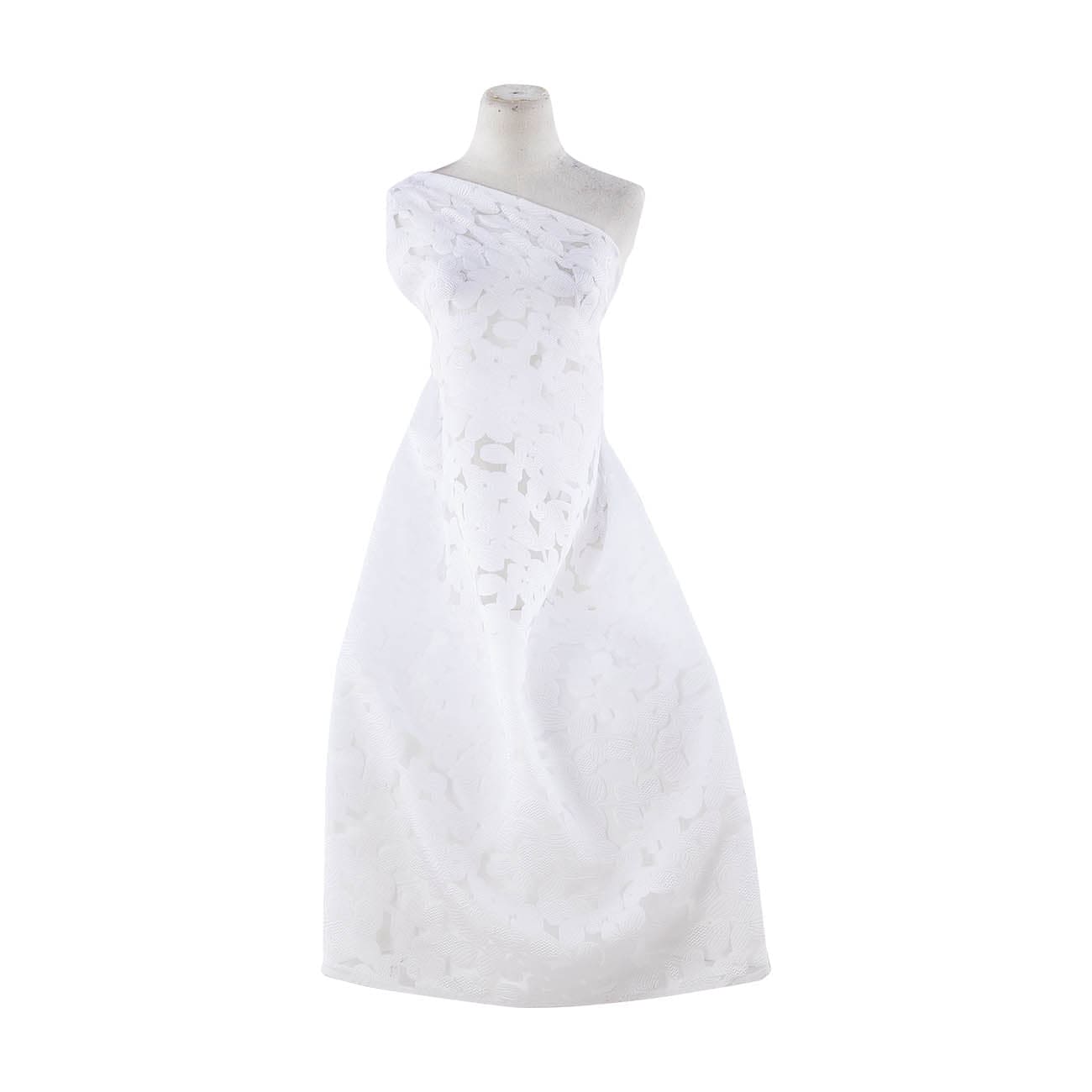
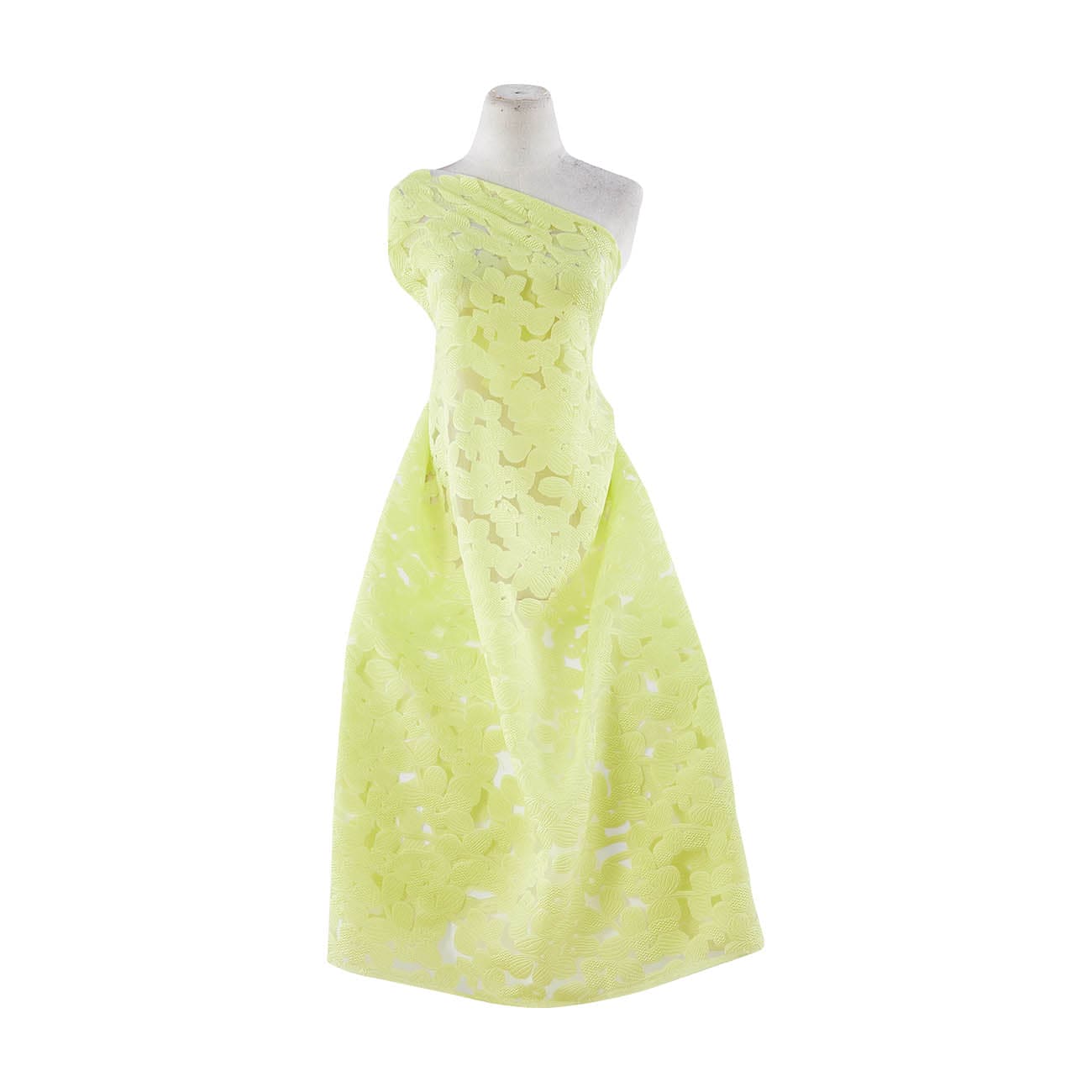
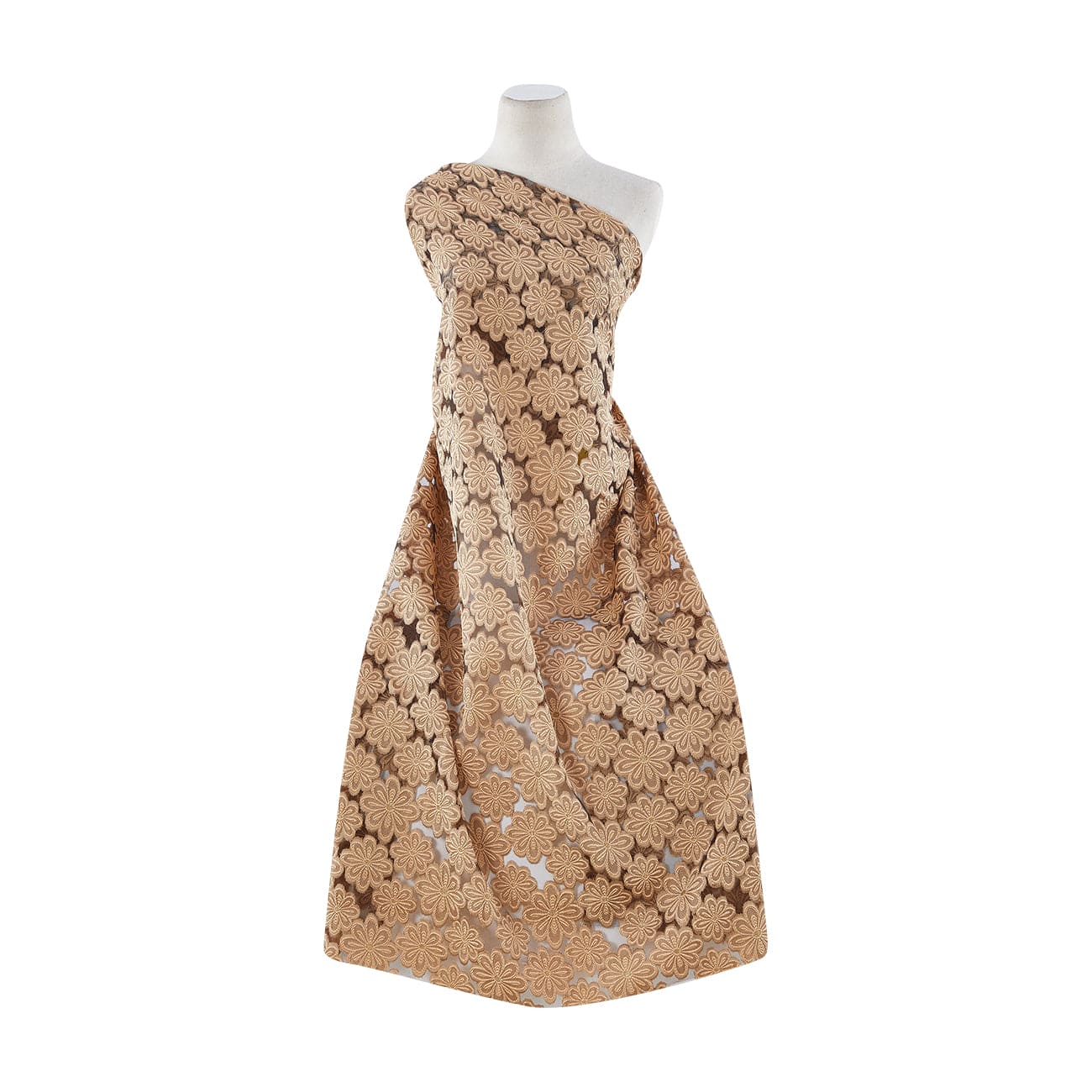
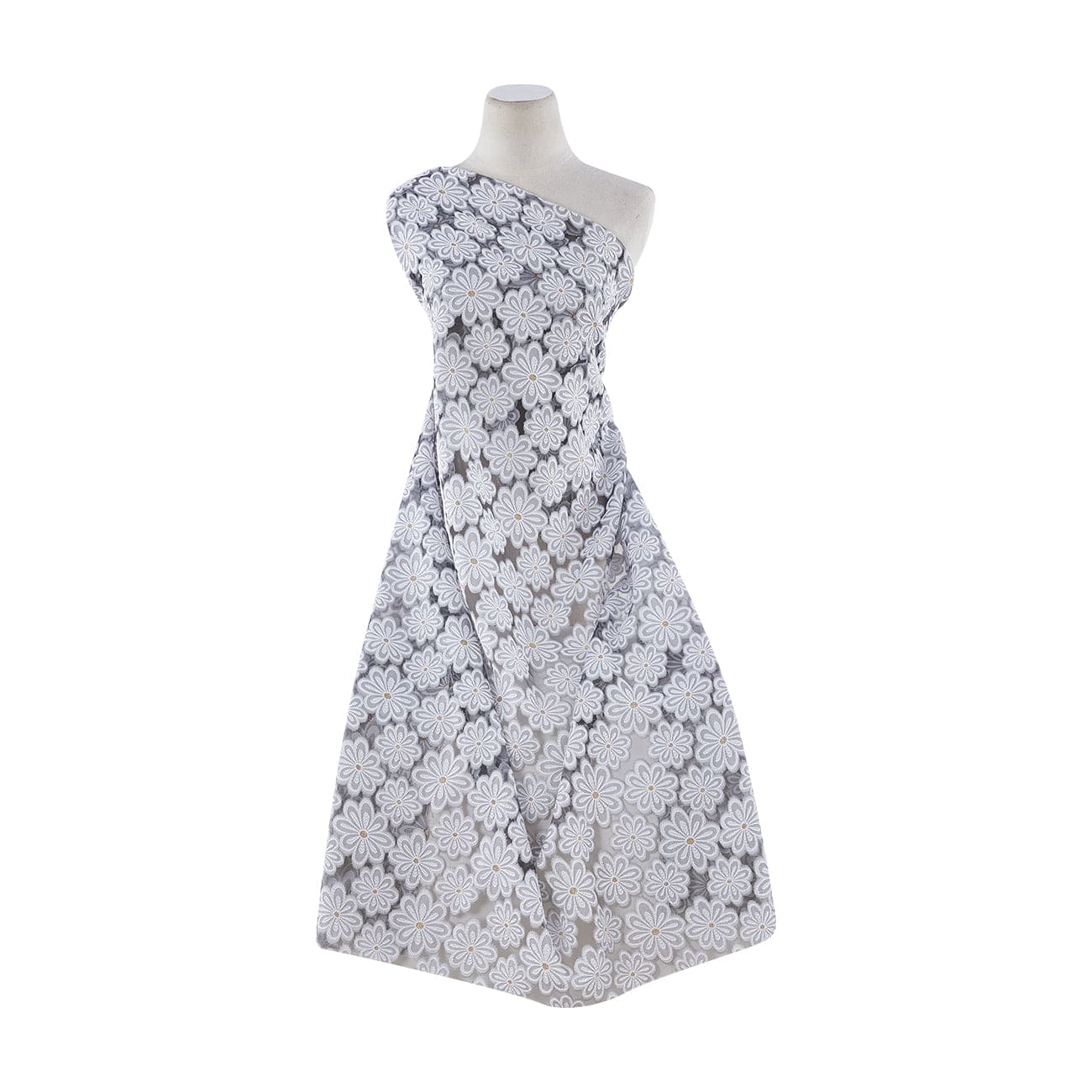
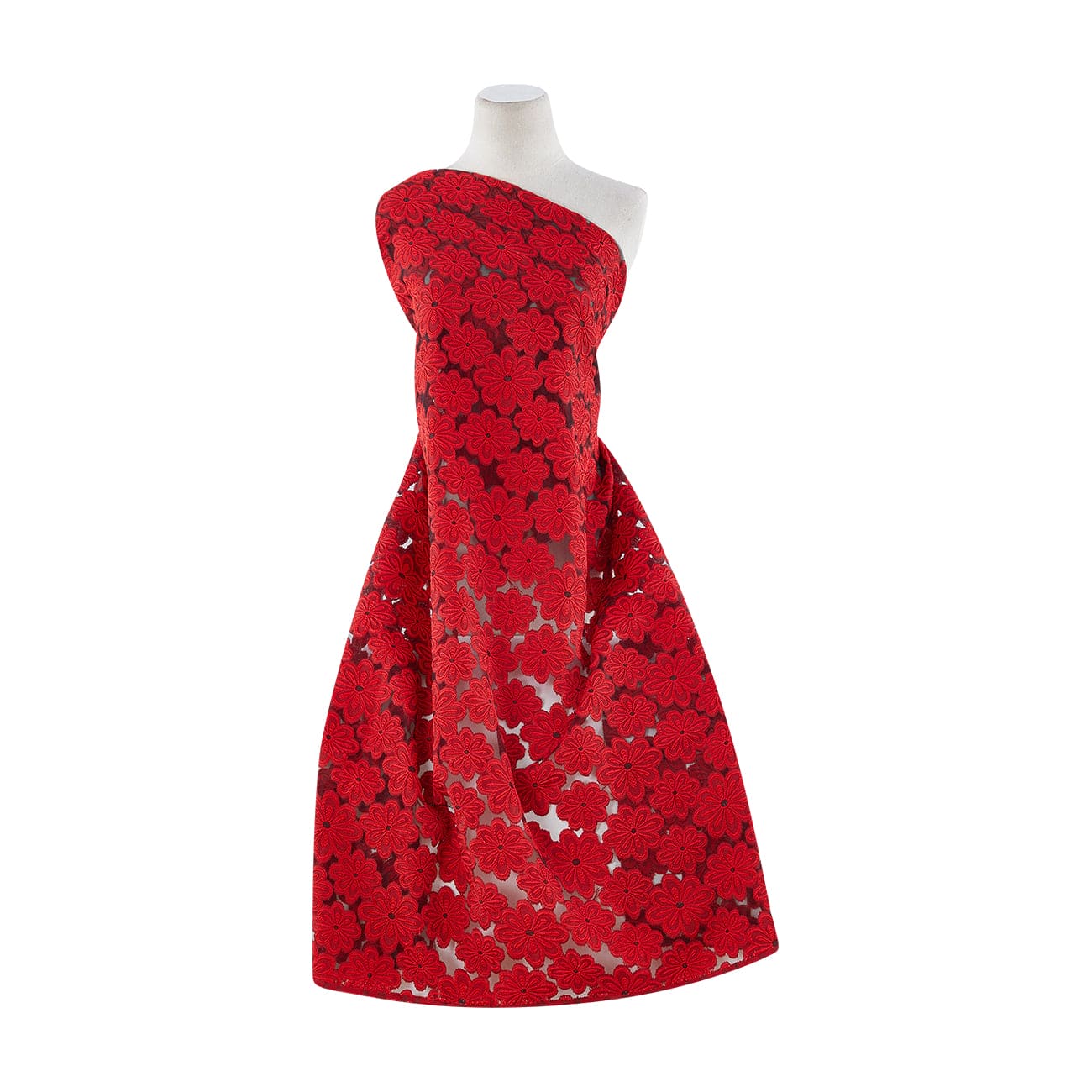
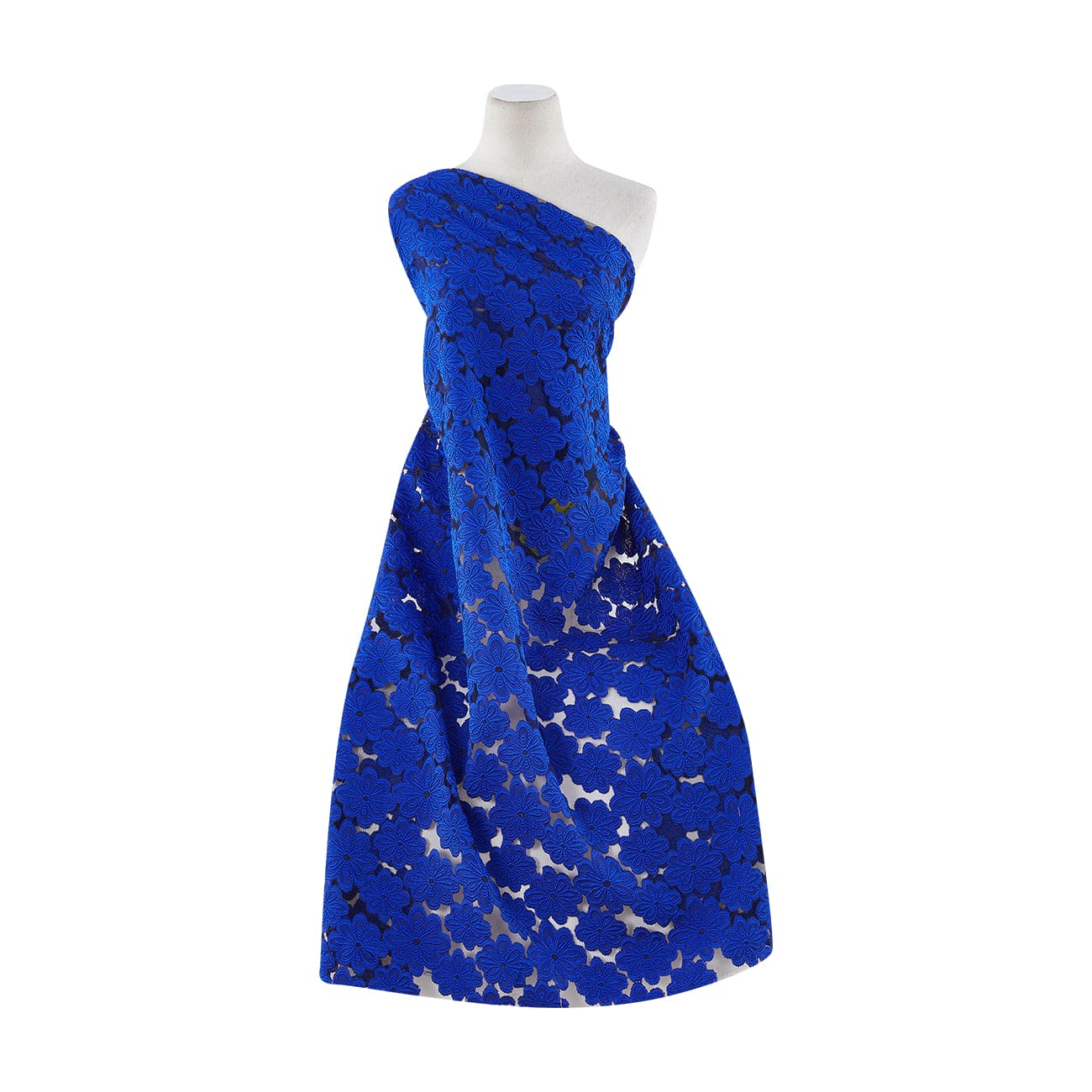
Polyester organza is the workhorse of the category. It is colorfast, machine washable on a delicate cycle, and available across a wide price range. This makes it the go-to option for clothing manufacturers, event decor, and volume production. A style like Crystal Organza is a versatile option within the collection. It offers a lightweight, sheer finish that works well across a wide range of designs.
Nylon organza is slightly softer than polyester, with a similar sheer finish, and is often used in lingerie, overlays, and costume design where a touch more flexibility is needed. Cotton organza is less common but valued for its matte finish and breathability, used in structured blouses, children’s formalwear, and other applications where a non-synthetic hand feel is preferred.
Metallic, Iridescent, and Crushed Organza
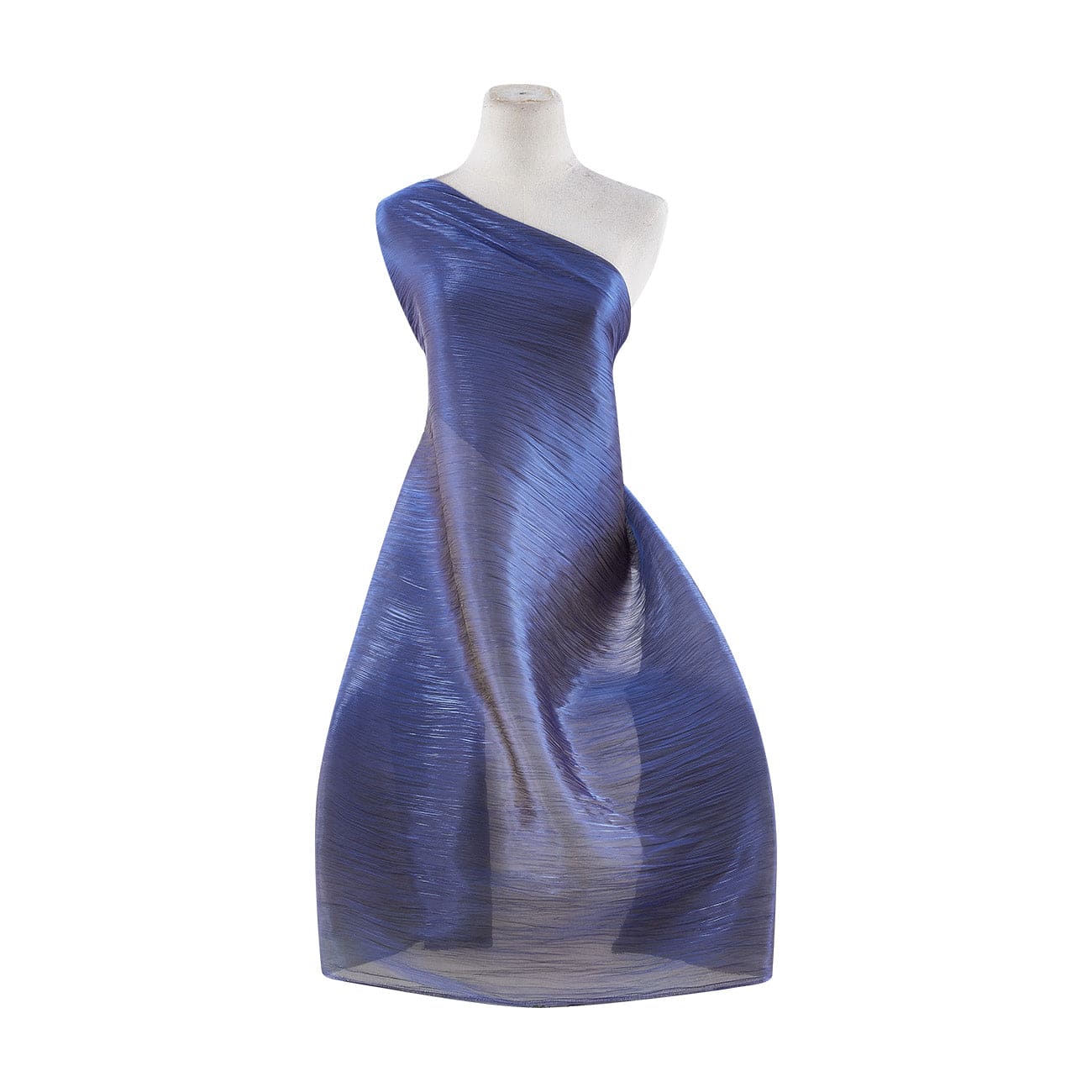
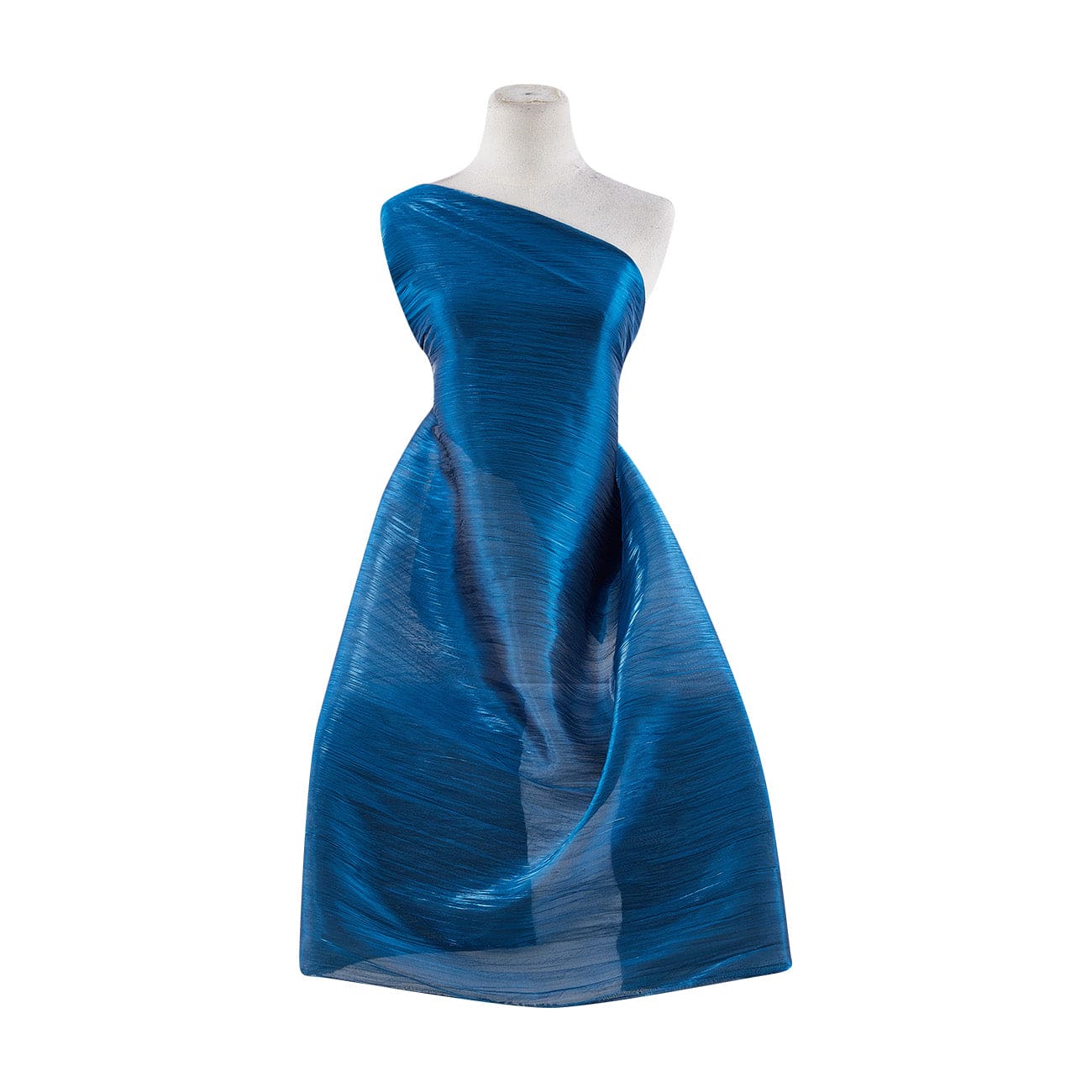
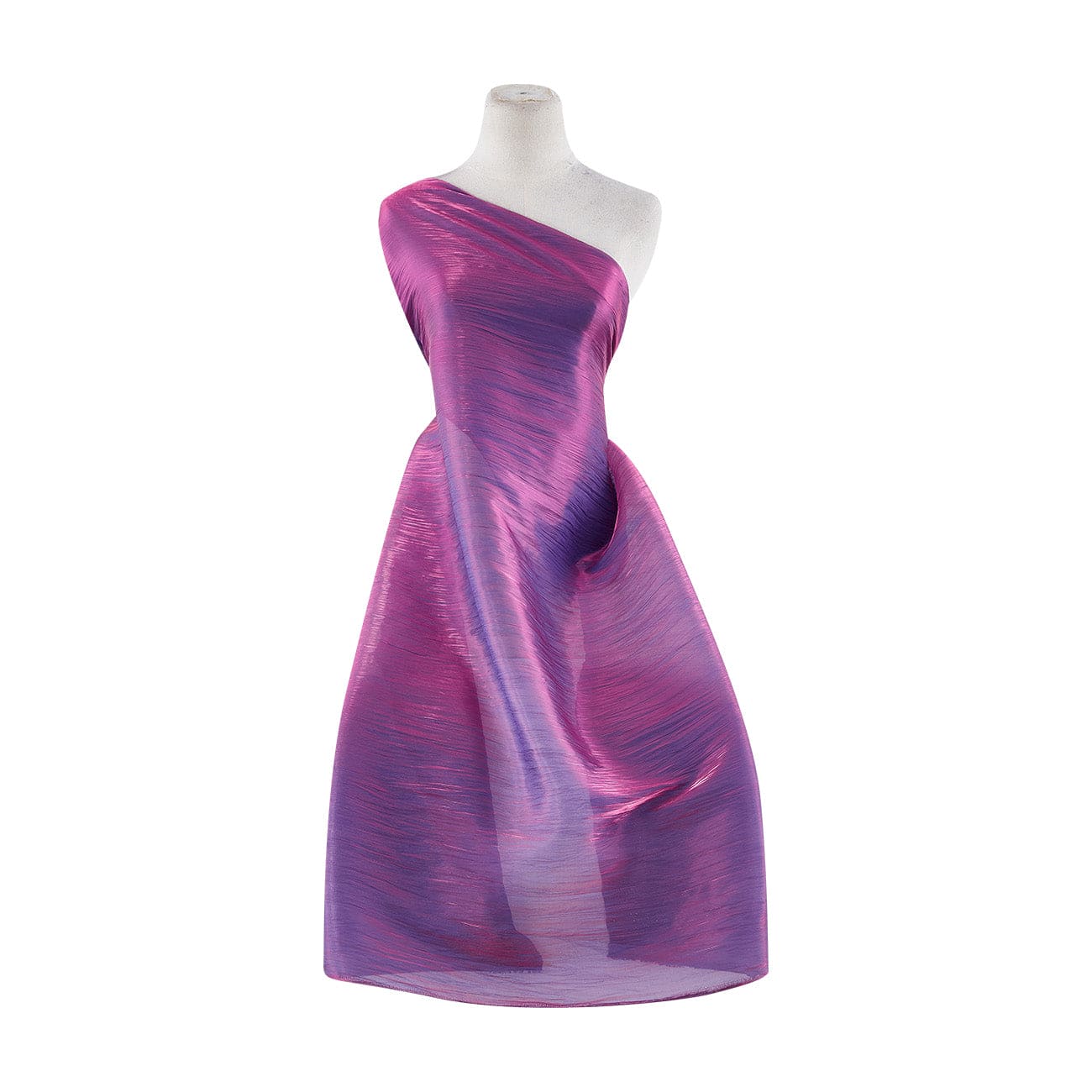
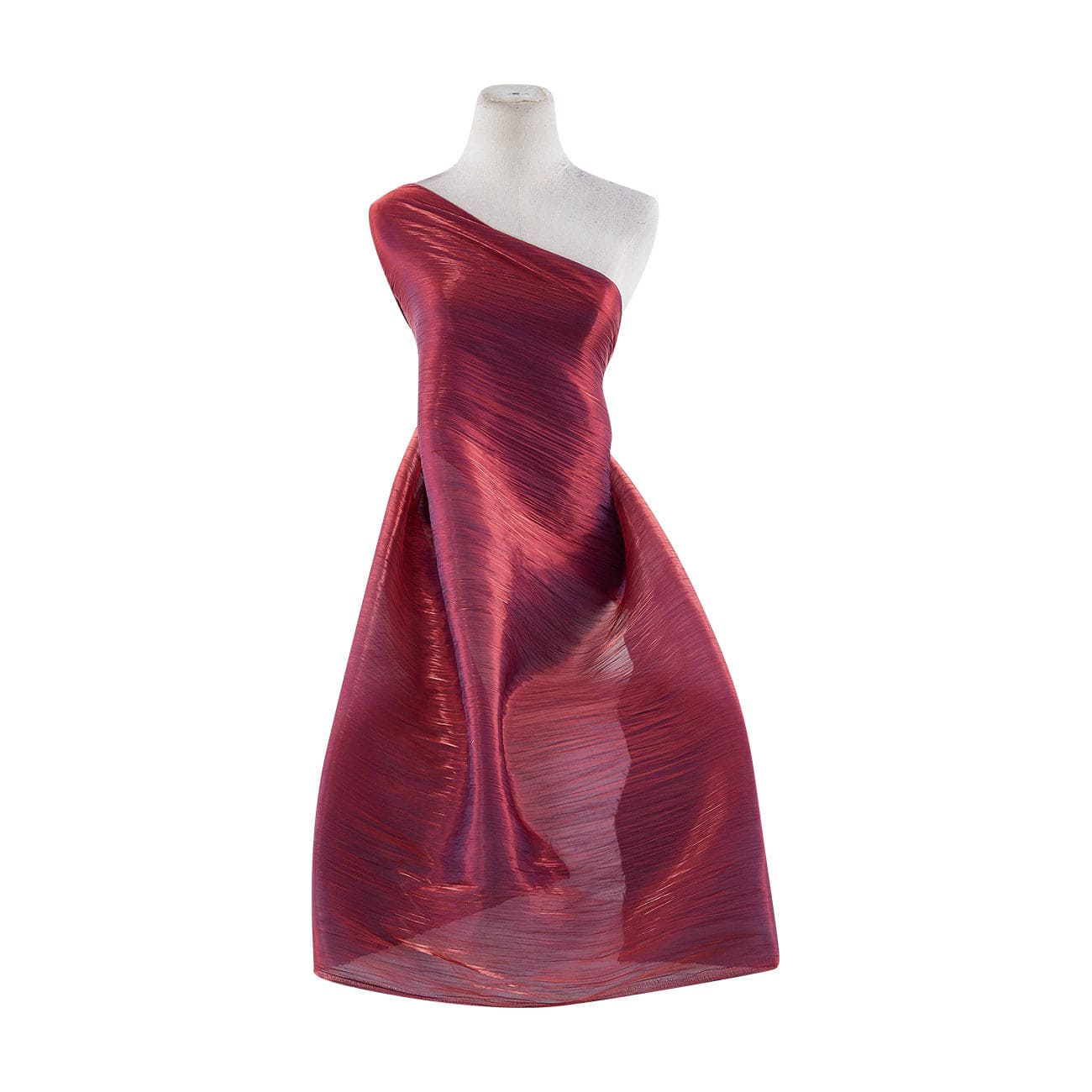
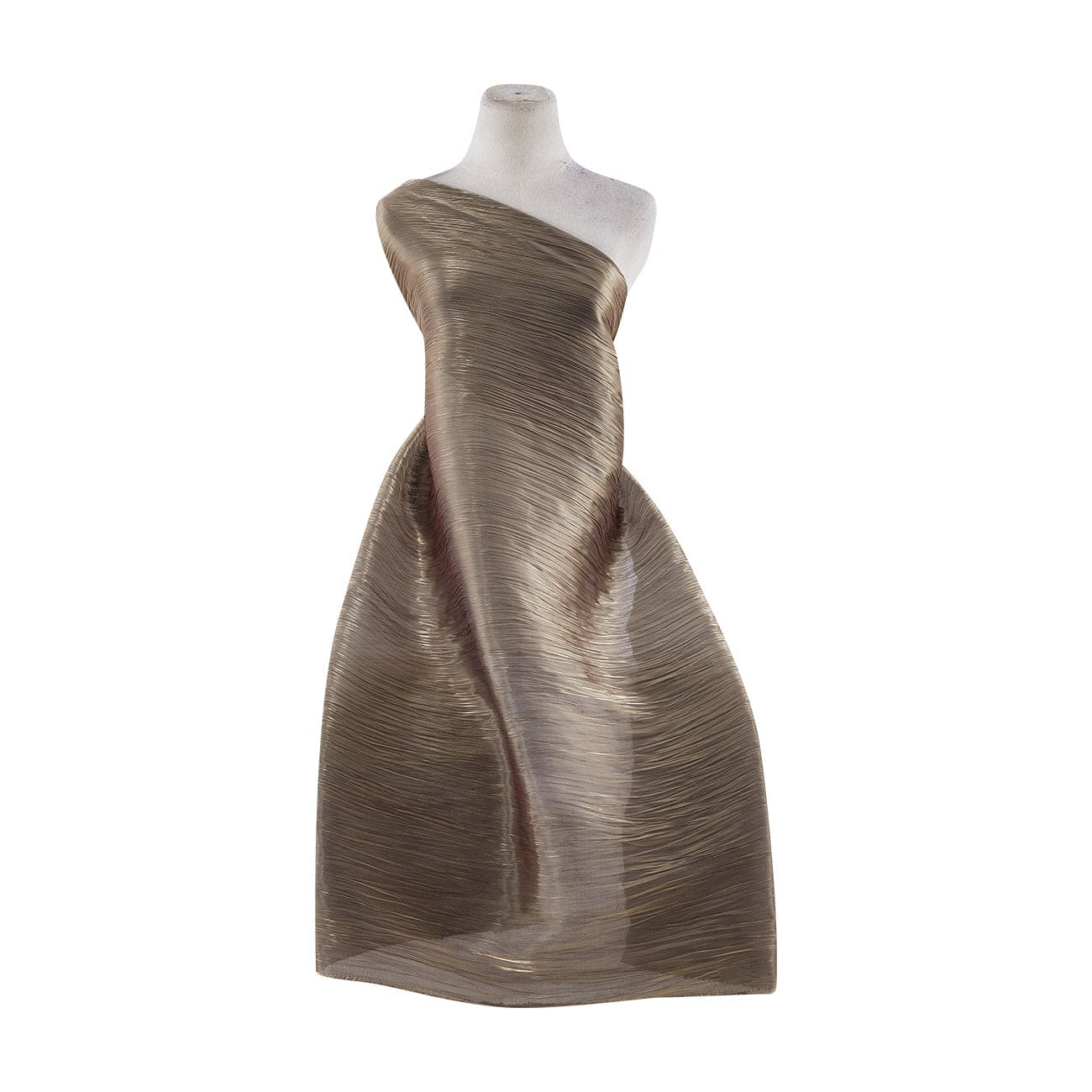
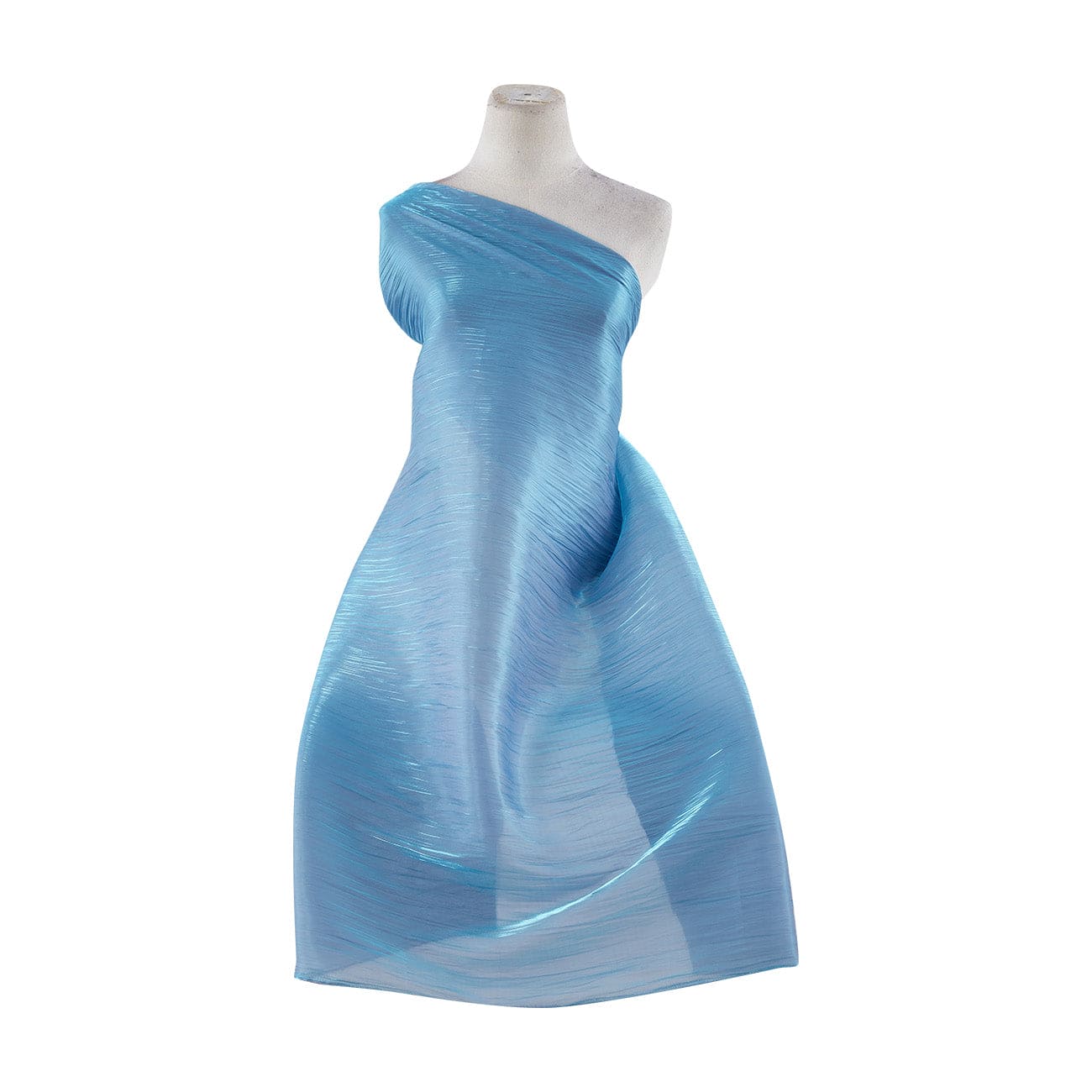
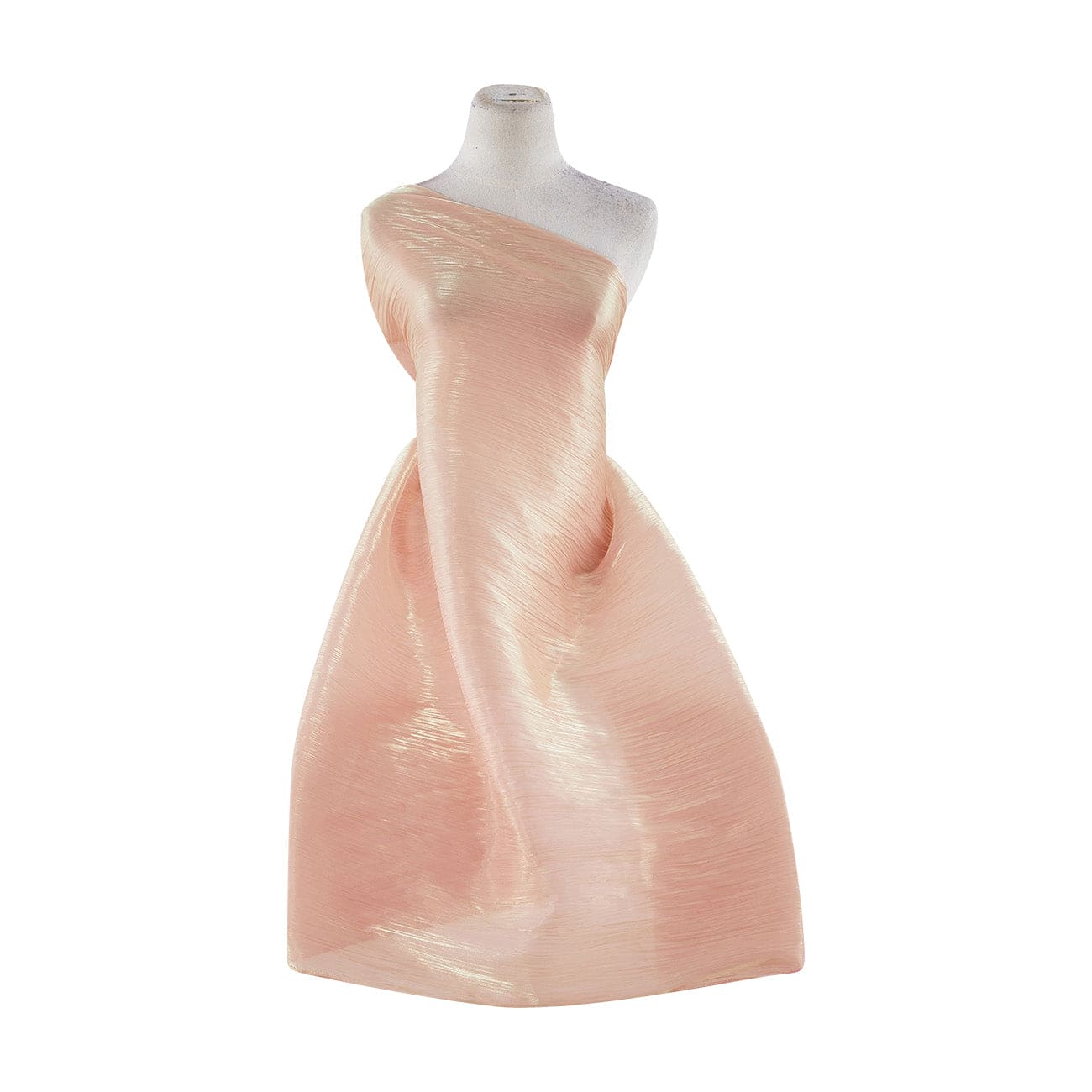
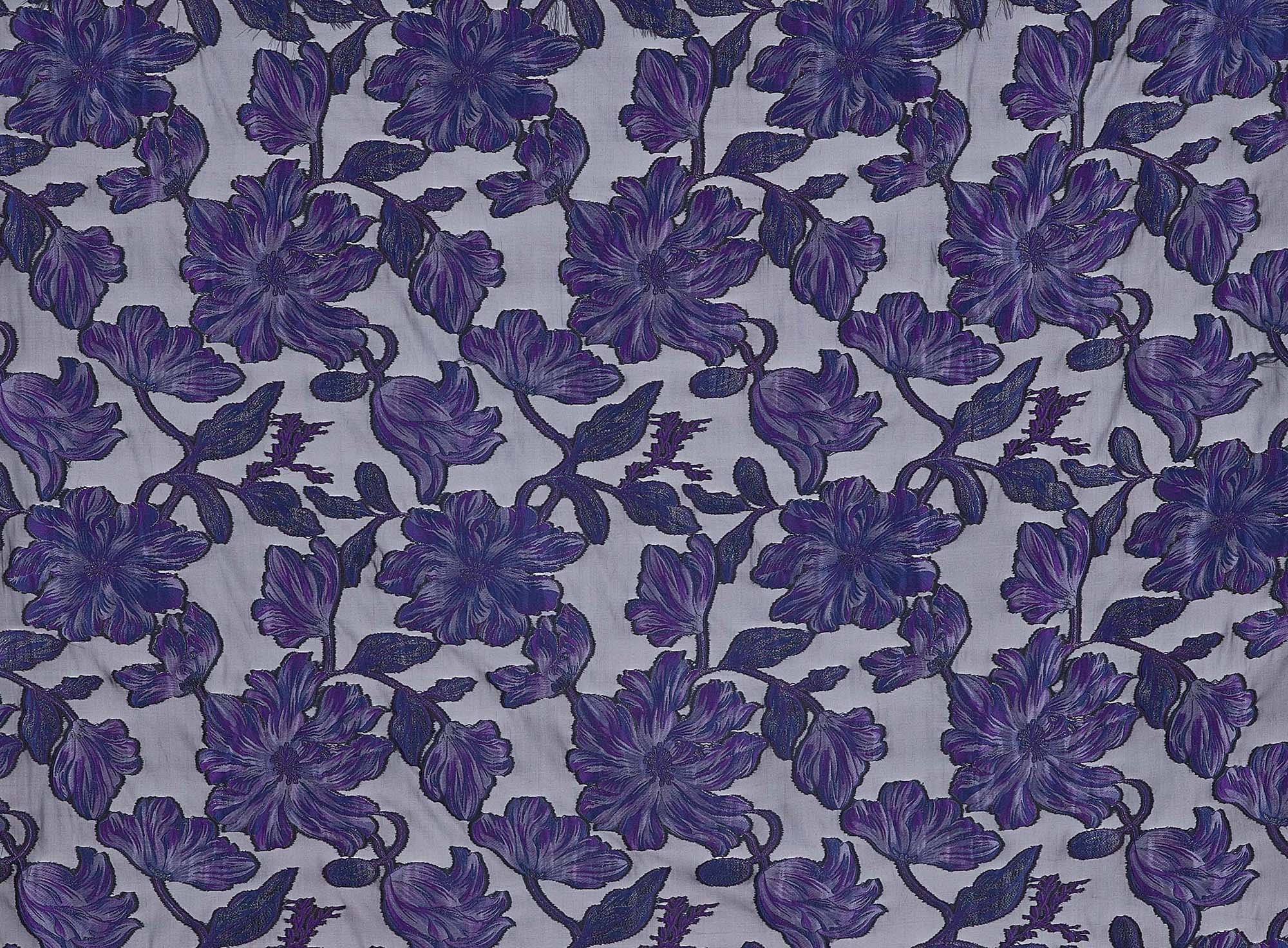
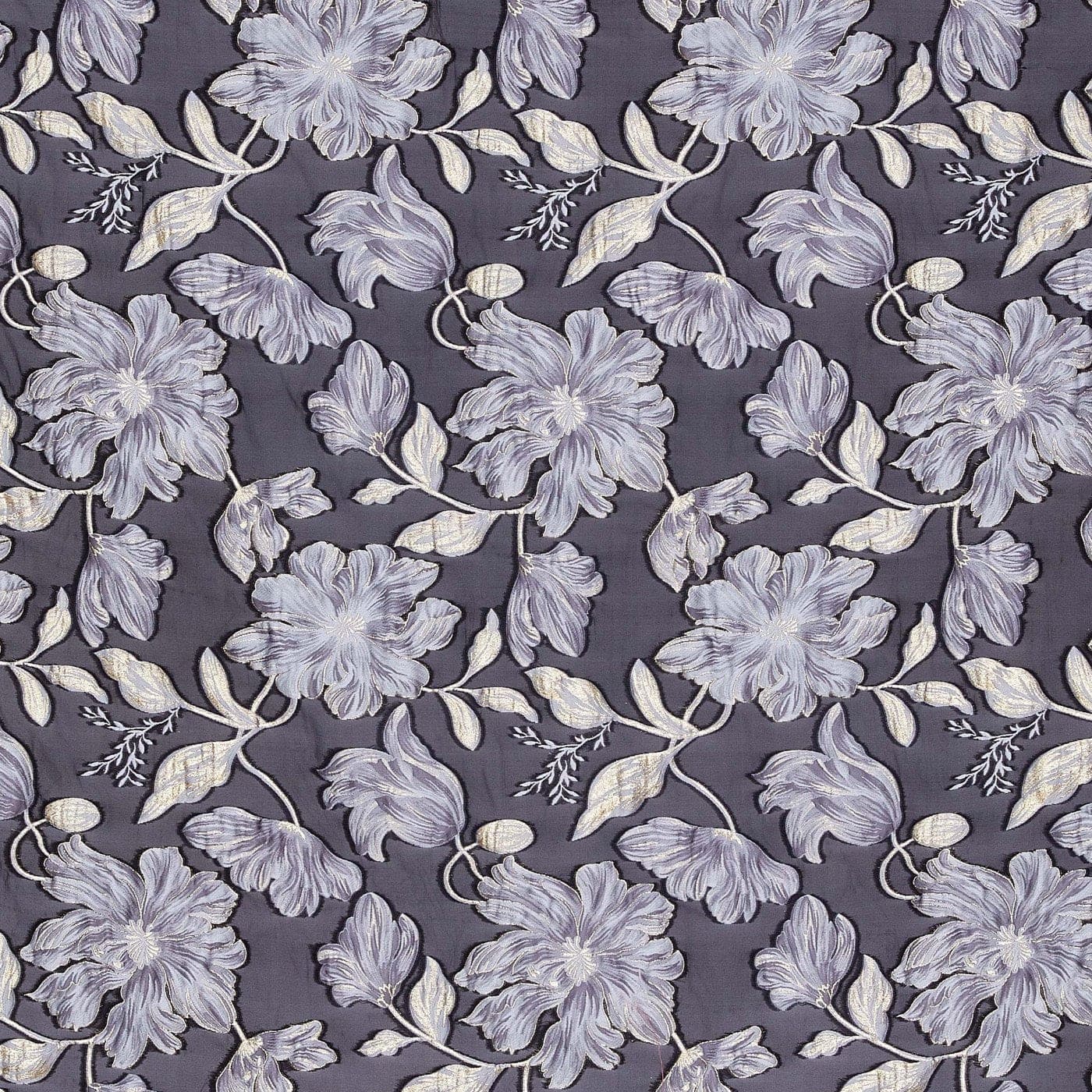
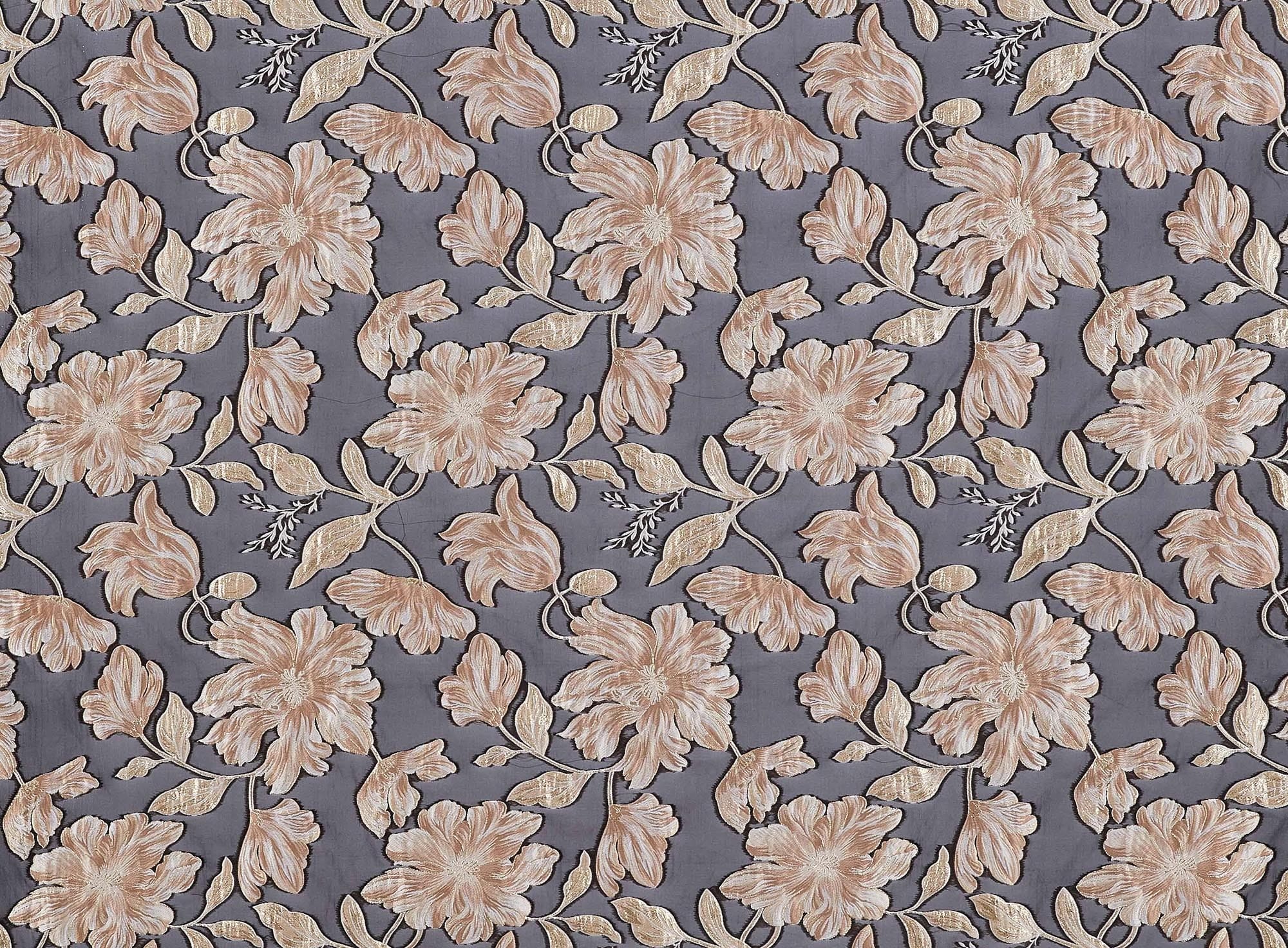
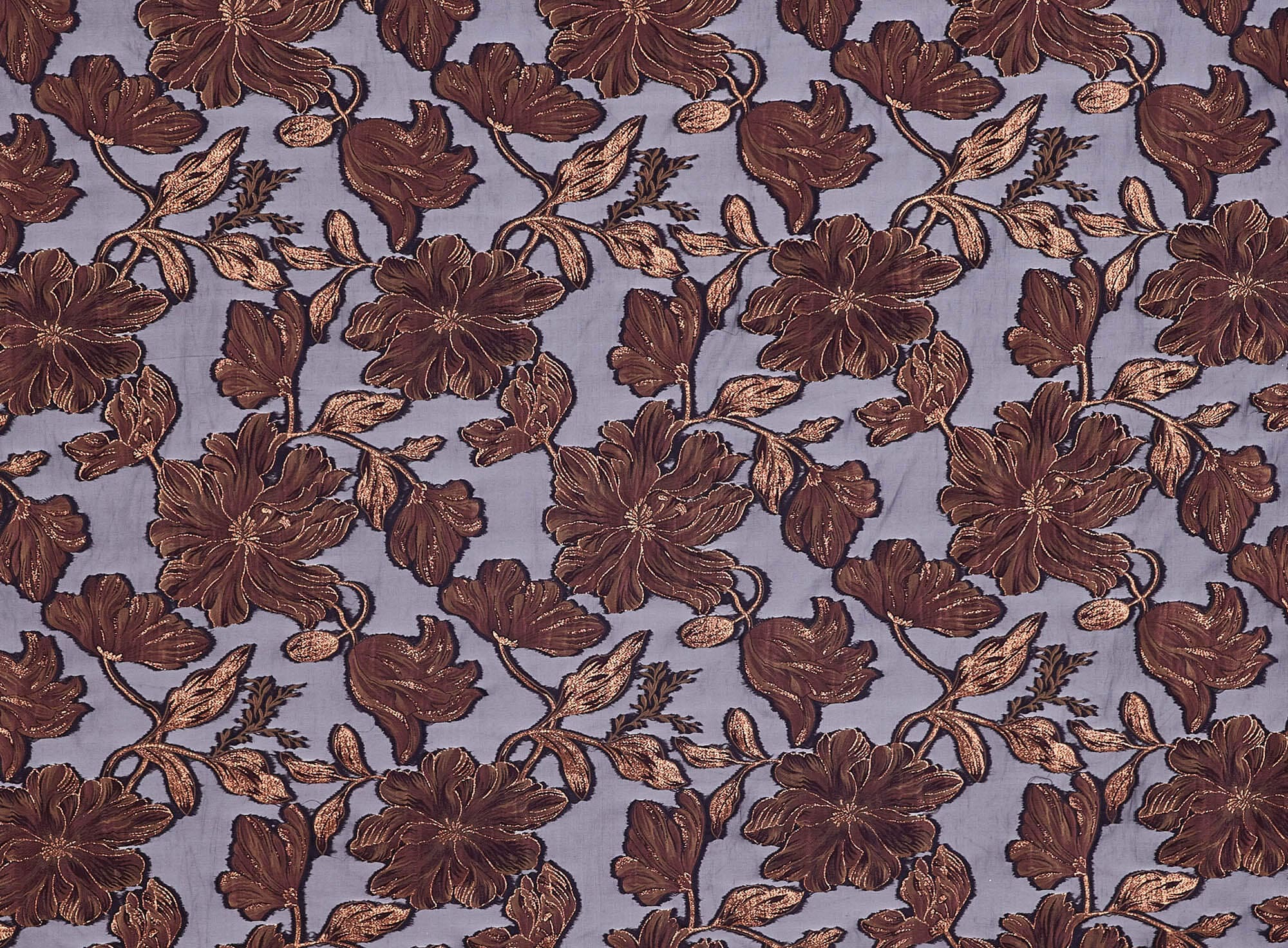
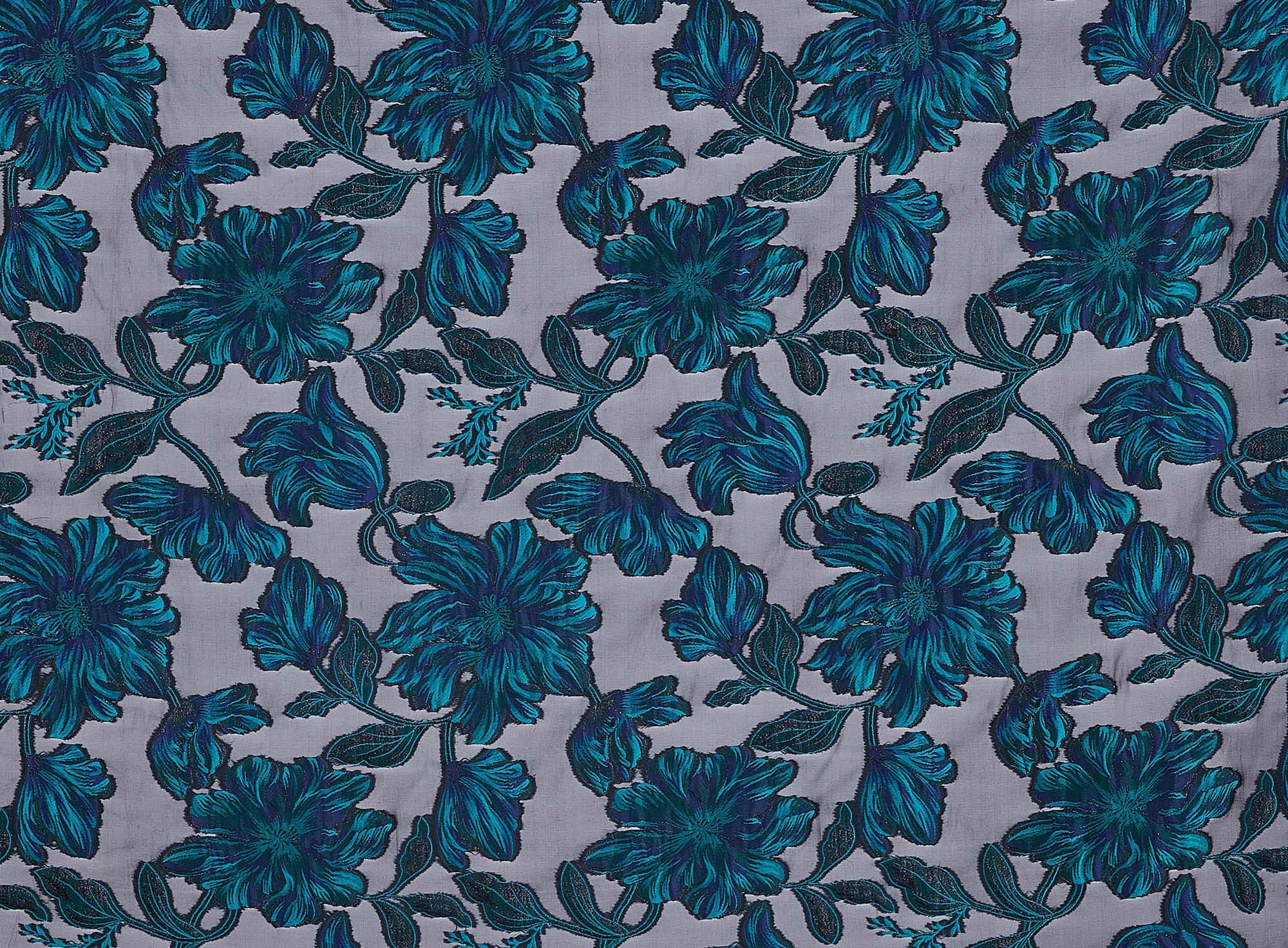
Metallic organza is woven with metallic yarns for a reflective, high-impact finish, seen in styles like Isolde Metallic Organza. Iridescent organza is woven with two different yarn colors, one in the warp and one in the weft, to produce a color-shifting effect depending on the viewing angle, which is the same principle behind Iridescent Organza.
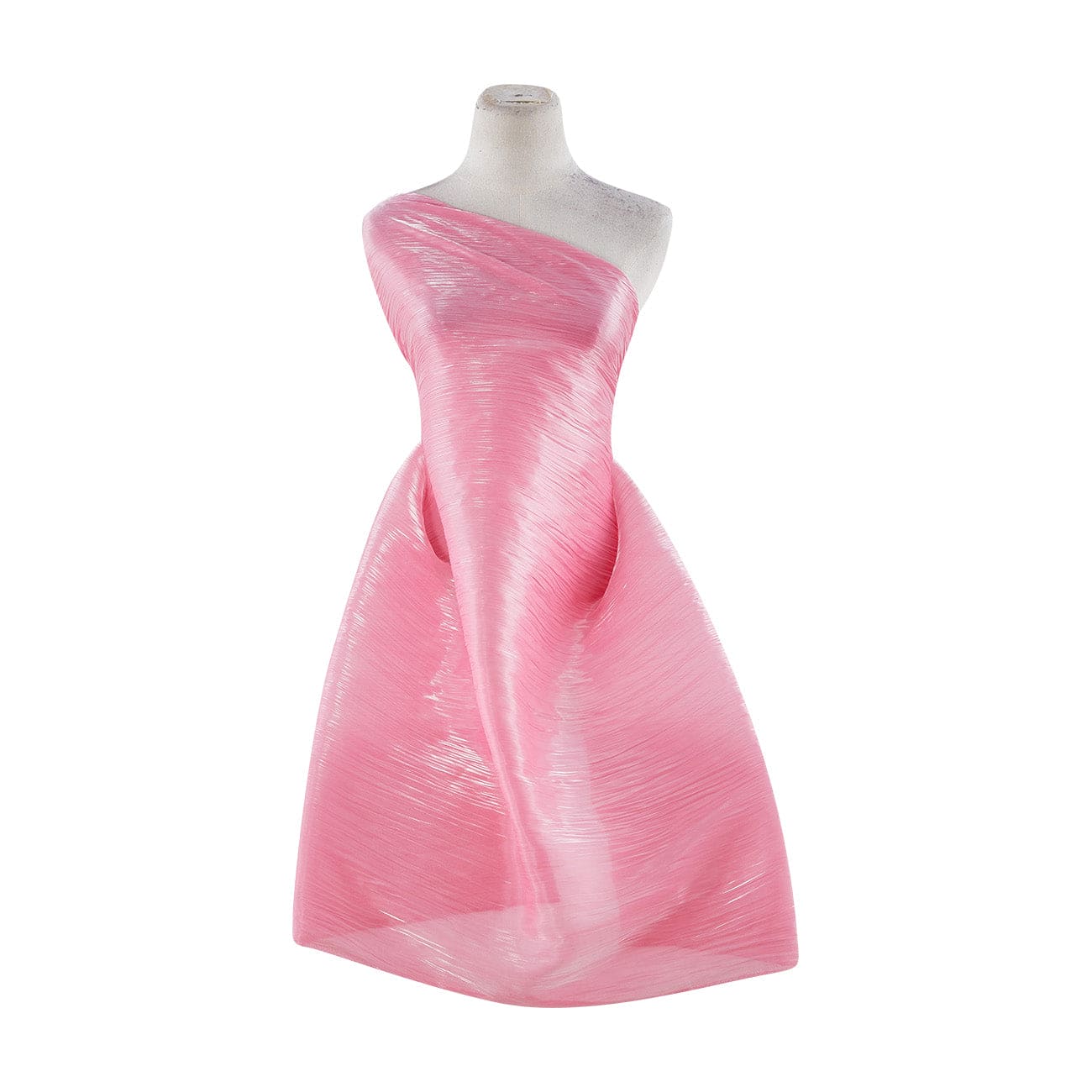
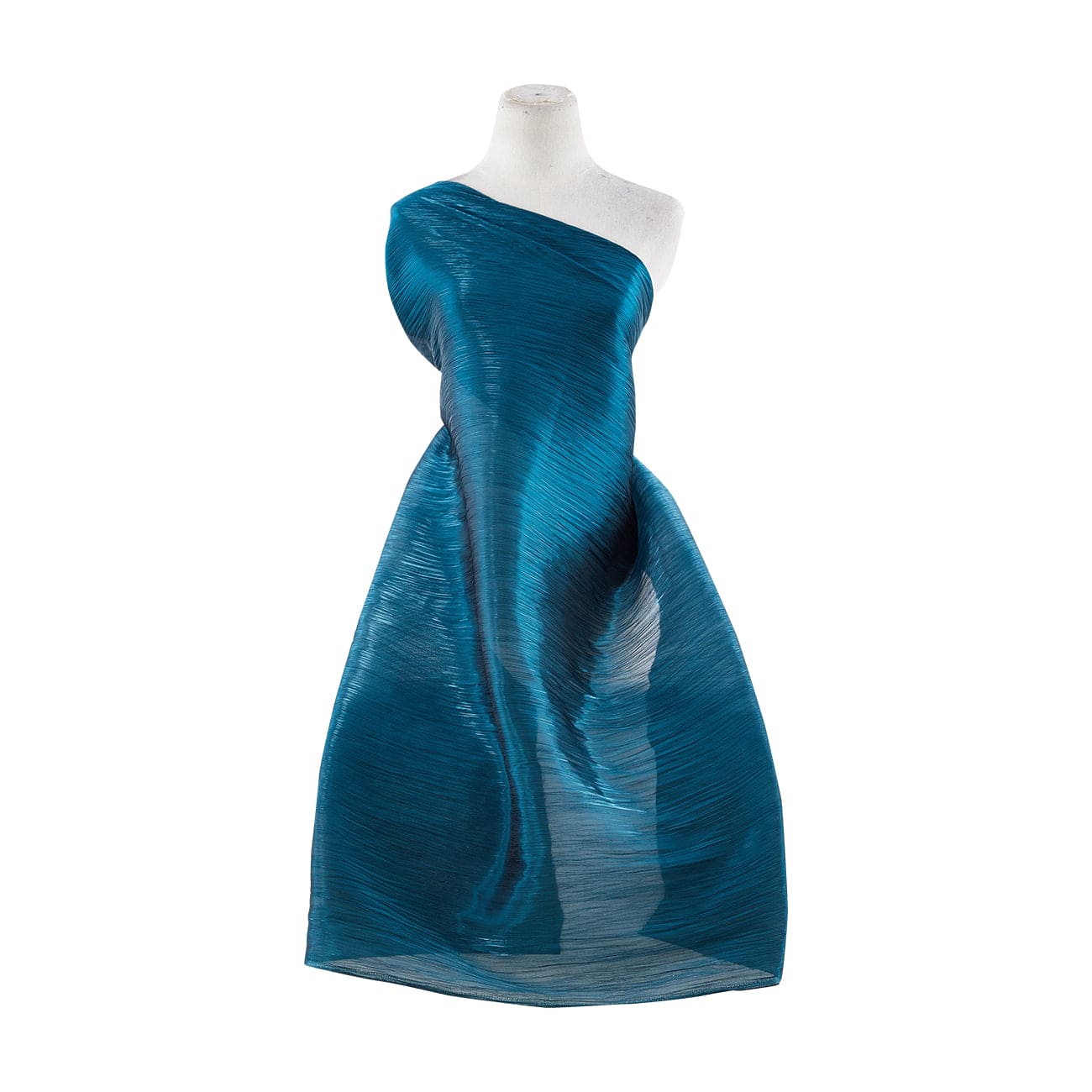
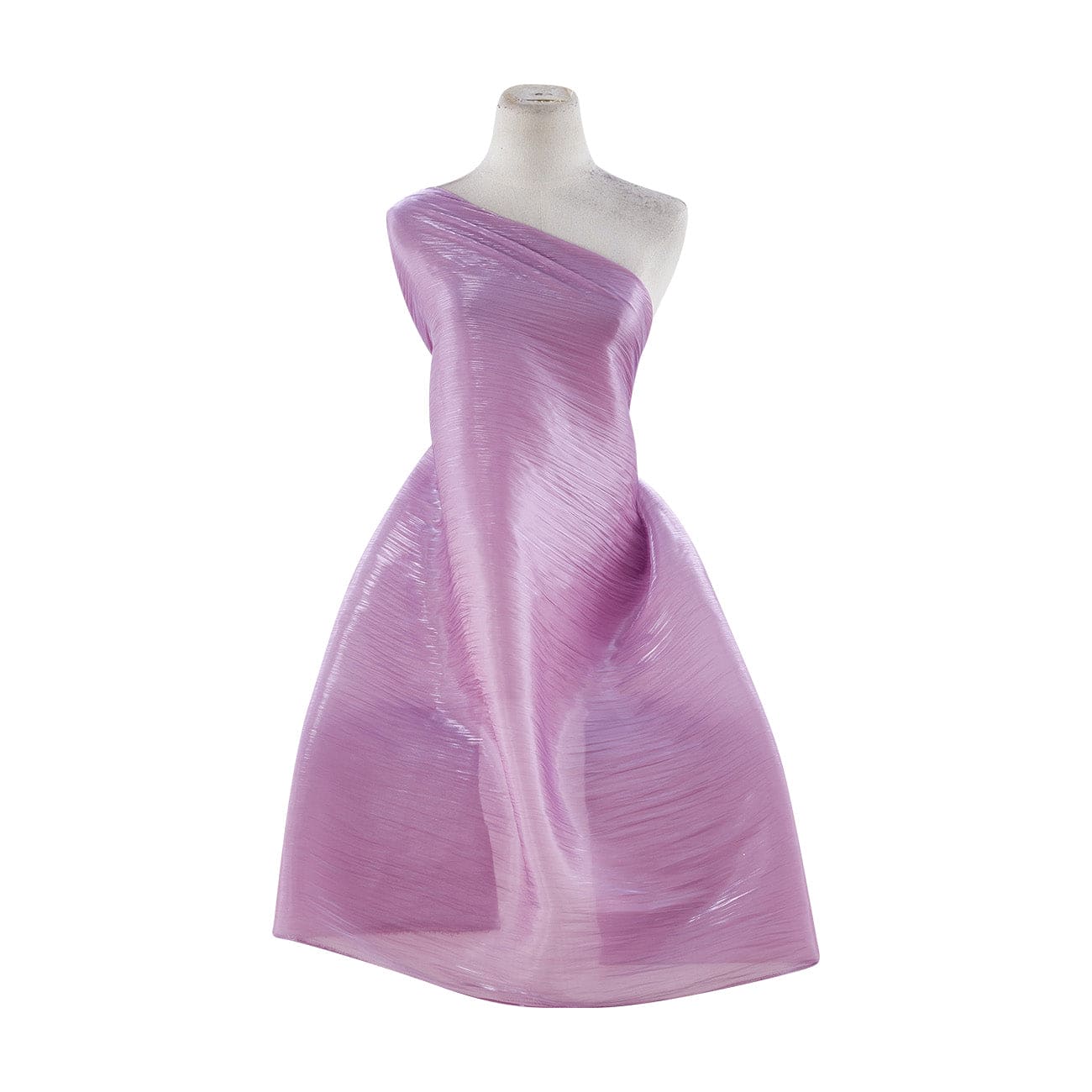
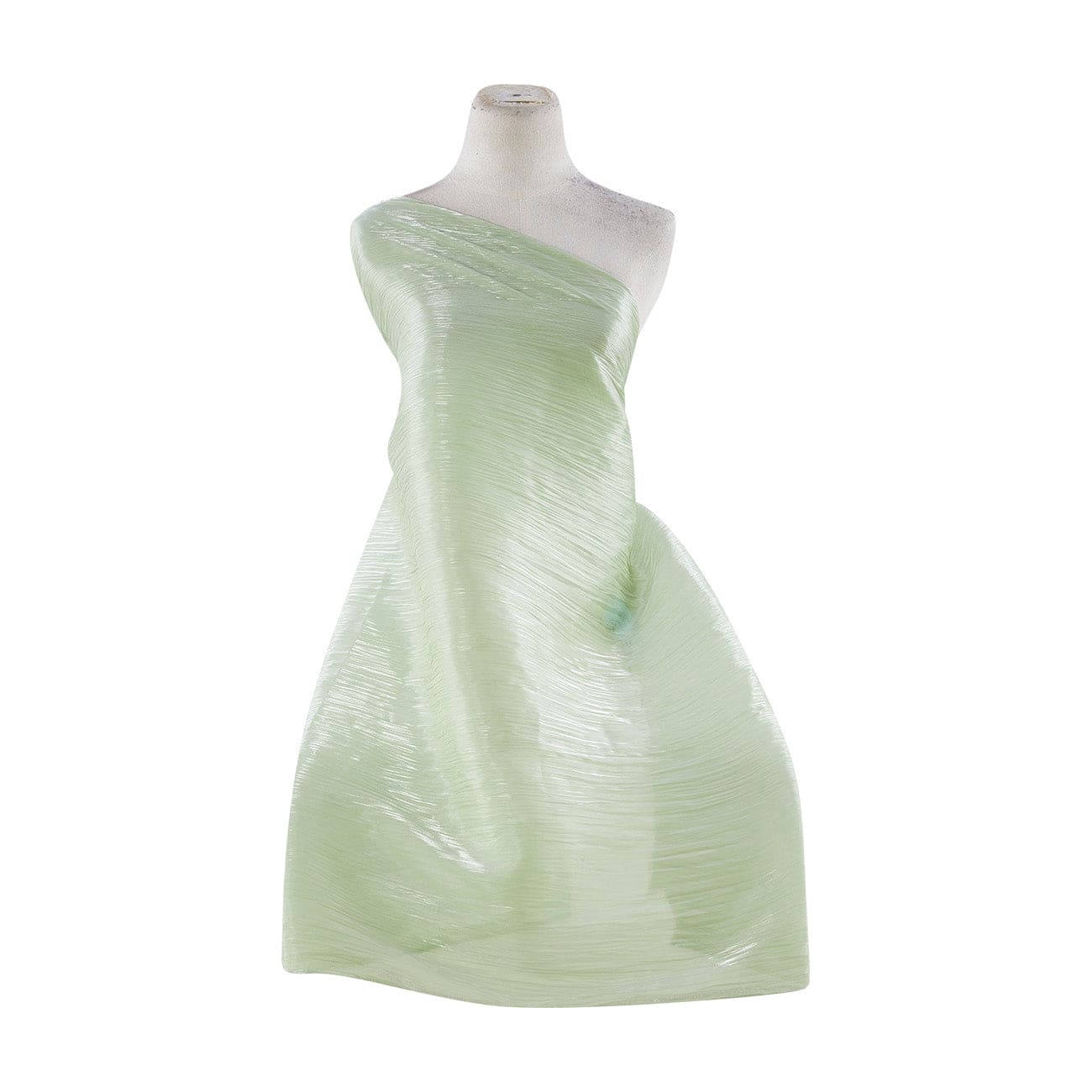
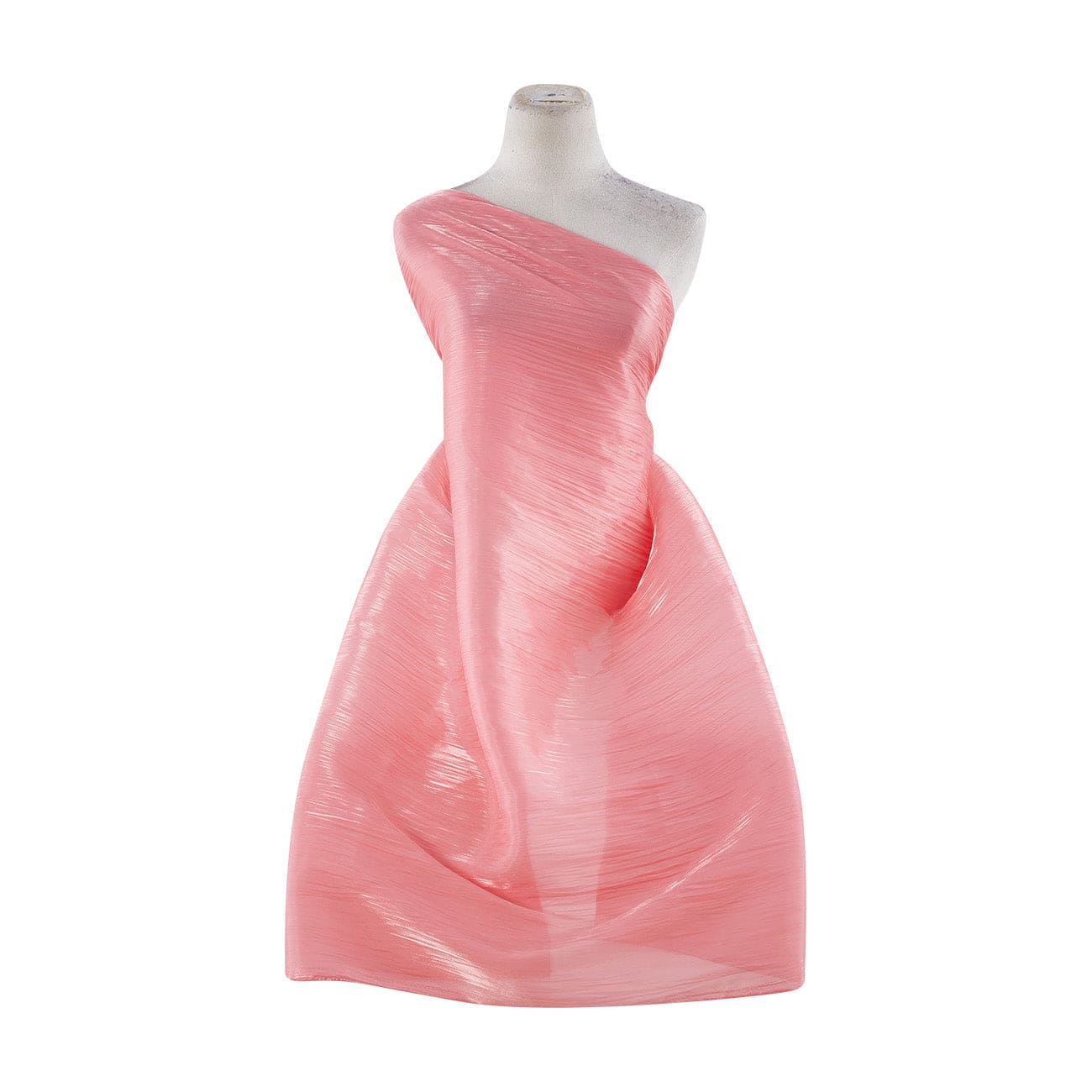
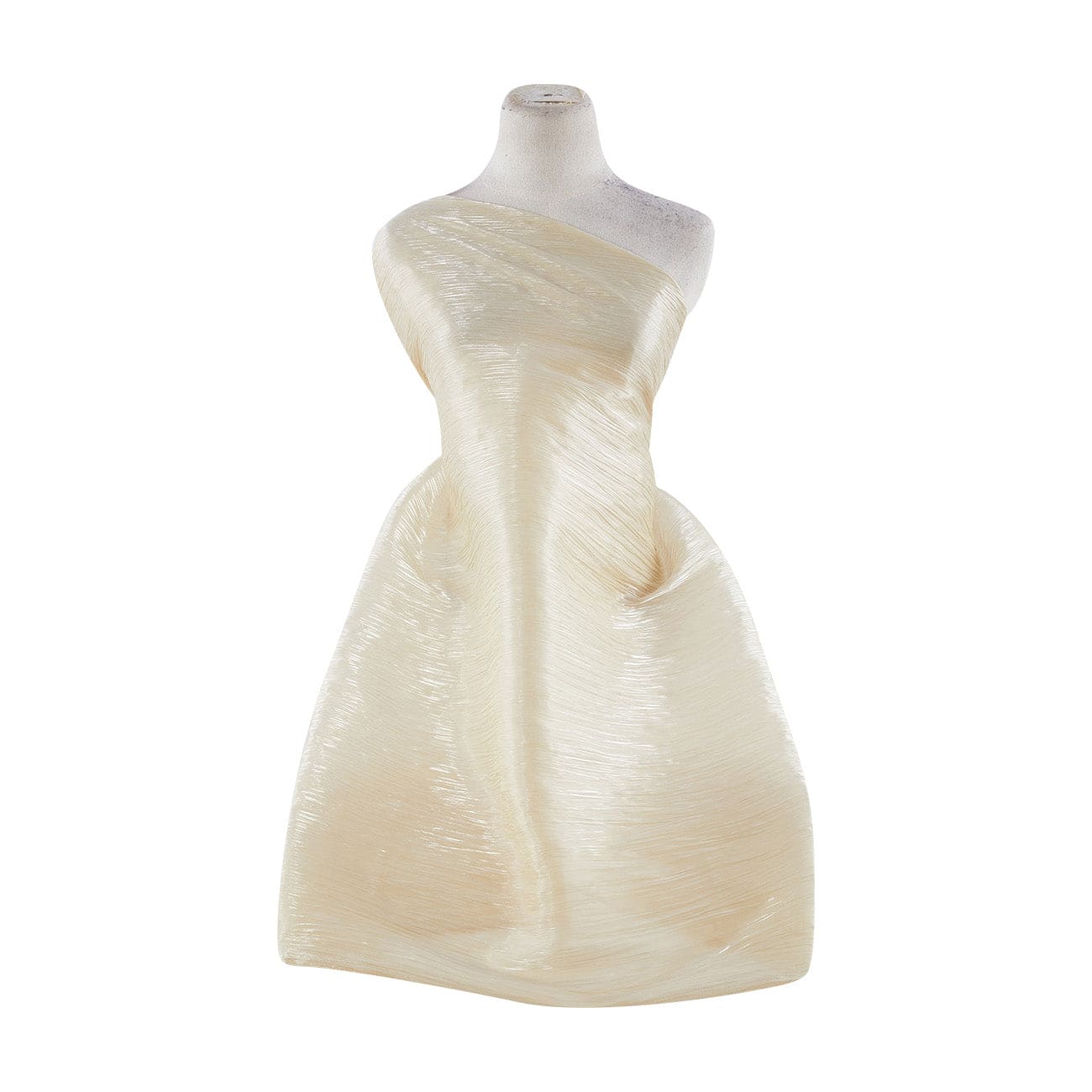
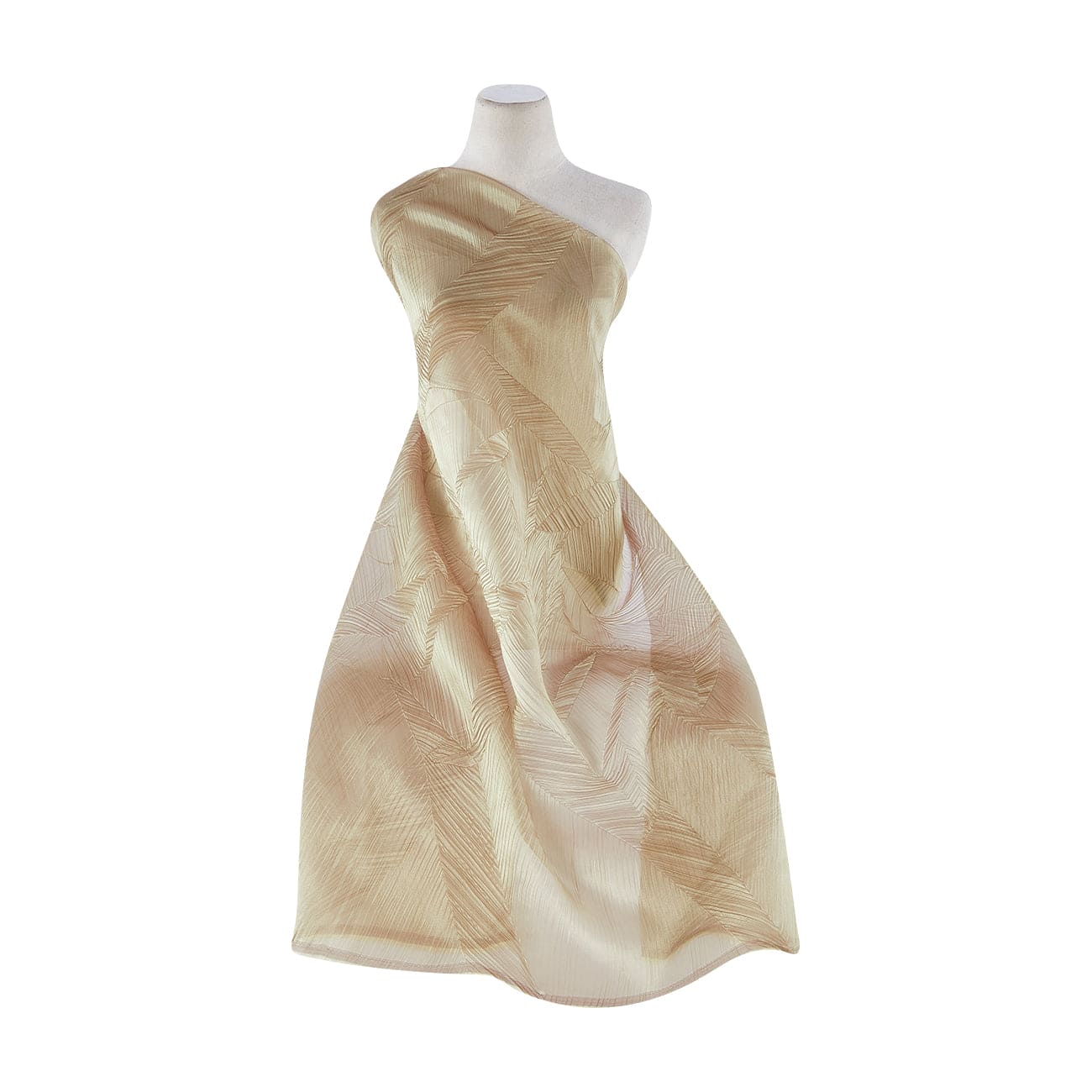
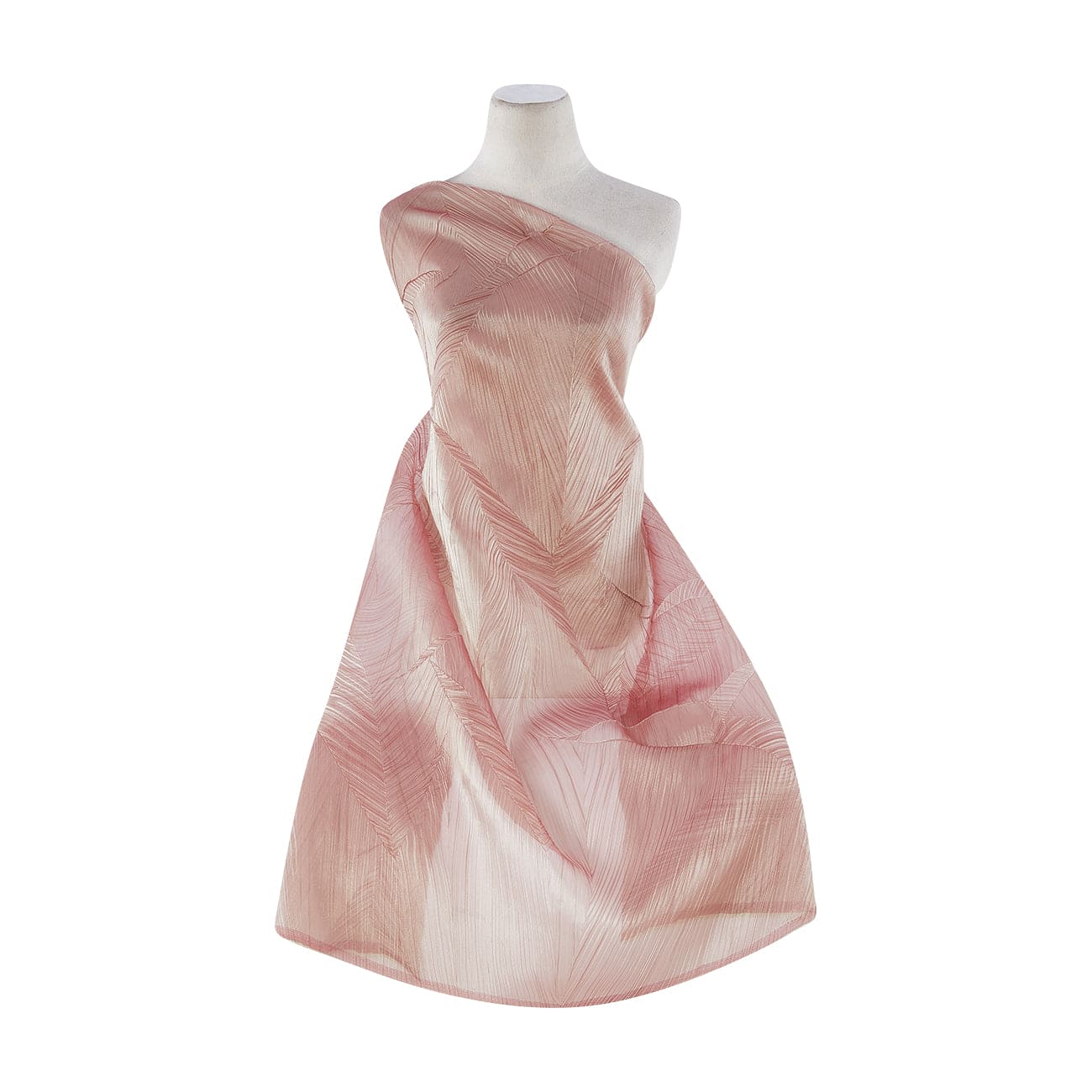
Crushed organza is permanently textured through a heat or chemical process that creates an irregular, crinkled surface. This gives the fabric a completely different hand from a standard flat weave despite sharing the same base construction.
What is Organza Used For?
Thanks to its sheer, structured drape, organza fabric is one of the most versatile textiles in both fashion and home decor.
Bridal and Formal Wear
Organza is a foundational fabric for bridal gowns, wedding dress overlays, and prom dresses. Its crisp structure creates volume without adding much weight, making it well suited to full skirts, cathedral trains, and structured bodices. It is also widely used in eveningwear and costume design, where its ability to hold defined shapes makes it useful for dramatic silhouettes and stage-ready designs.
The difference becomes clearer when compared with chiffon. While chiffon has a soft, fluid hand that drapes closely around the body, organza retains its shape because of its tightly twisted yarns. As a result, the two materials create distinctly different effects: chiffon lends itself to flowing, relaxed silhouettes, while organza brings structure, volume, and definition.
Layering, Volume, and Decor
Clothing manufacturers use organza as an underlayer or overlay to add dimension to garments. A single layer over a solid base fabric creates depth without bulk, which is part of why organza pairs so often with softer fabrics like tulle in bridal and formalwear construction.
Organza also translates well to window treatments, table runners, chair sashes, and canopy draping for events. Its sheer quality diffuses light elegantly, and its stiffness means it holds folds and gathers without constant adjustment. Gift wrapping, floral arrangements, ribbon work, and decorative bows are common craft applications as well, since the fabric’s sheen and transparency suit presentation packaging naturally.
How to Sew and Care for Organza
Organza’s open weave and slippery surface make it one of the trickier fabrics to cut and sew, but a few straightforward techniques make the process much more manageable.
Cutting and Sewing
Use a sharp rotary cutter on a self-healing mat, or very sharp shears. Organza shifts easily, so pin or weight the fabric before cutting, and a layer of tissue paper or stabilizer underneath helps control movement.
Use a sharp needle, size 60/8 or 70/10, to minimize snags and needle holes. French seams are strongly recommended, since they tend to encase the raw edge completely. Reduce presser foot pressure and use a shorter stitch length to prevent puckering on the sheer surface.
Pressing and Care
Always place a pressing cloth between the iron and the fabric to protect the surface. Polyester organza can tolerate low heat, while silk organza requires more care and is best pressed with a cool iron on the reverse side.
For washing, silk organza should be hand washed in cool water with a gentle detergent or dry cleaned when used in structured garments. Polyester organza can generally be machine washed on a delicate cycle with cold water. Lay either type flat or hang it to dry rather than using a dryer. Store both away from prolonged direct sunlight to help prevent fading or color shifts.
Browse the full fabric directory to compare organza with other sheer and structured materials before ordering a swatch.
Frequently Asked Questions
What is organza fabric?
Organza is a lightweight, sheer plain-weave fabric made from silk, polyester, nylon, or cotton, widely celebrated for its crisp texture and subtle sheen. Typically, it features an ultra-low density weight of 15 to 35 GSM, making it one of the absolute lightest structured woven textiles on the market.
Is organza the same as chiffon?
No. Both are sheer fabrics, but they behave very differently. Chiffon has a soft, drapey hand and falls loosely, while organza has a crisp hand and holds its shape, which is why it suits structured silhouettes and voluminous skirts rather than fluid, draped styles.
Is organza fabric stiff?
Yes, relative to other sheers. The stiffness comes from the high twist of the yarns used in its plain weave construction, which is the same property that makes organza useful for adding volume and structure without weight.
What is organza made of?
Organza can be made from silk, polyester, nylon, or cotton. Silk organza is the traditional variant, while polyester organza is the most widely produced and is the fiber composition behind most organza fabric by the yard sold for fashion and event use.
Can you wash organza?
It depends on the fiber. Polyester organza can be machine washed on a delicate cycle in cold water, while silk organza should be hand washed or dry cleaned. Always check the fabric’s care label or product description before washing.