
Sequin dresses are stunning, but the metal or plastic embellishments sewn onto the outer fabric can dig into skin, cause redness, and make a dress unwearable for more than an hour. The right lining is the only thing standing between you and a miserable night.
Typically, sequins are stitched through a base fabric (often mesh or organza), and the raw edges of those stitches plus the sequin rims create abrasion points that a properly fitted lining must fully cover and buffer.
In this guide, we’ll cover the best lining fabrics for sequin dresses, what properties matter most (softness, slip, breathability, thickness), and how to match your lining choice to the specific sequin construction you’re working with.
Why Sequin Dresses Feel Scratchy
Sequins don’t scratch skin directly. The combination of exposed thread ends, sequin rims, and the rough texture of the base fabric (usually mesh or organza) creates the abrasion, and a properly fitted lining eliminates all three contact points at once.
Sequins are individually stitched or strung onto a base fabric, most commonly mesh or organza. The stitching that holds each sequin leaves thread ends on the fabric’s interior face. Also, the sequin rims themselves, especially on metal sequins, have small burrs or sharp edges from the stamping process.
When the outer fabric contacts skin directly, all of these elements act as abrasion points. For wearers with skin sensitivity or a tendency toward contact dermatitis, even a short period of wear can cause redness or irritation.
How Lining Fixes It
A lining works as a barrier in three ways:
- First, it physically separates skin from the interior face of the sequin base fabric, eliminating direct contact with thread ends and sequin rims.
- Second, a smooth-surfaced lining (silk, Bemberg rayon, or a quality satin) creates a low-friction interface between the body and the dress, so the garment moves with the wearer rather than dragging sequin edges across skin.
- Third, a well-fitted lining reduces how much the outer sequin layer shifts during movement, minimizing the chance that sequin edges fold back and press against the body.
The lining must be cut to fit the dress correctly. A lining that is too tight will pull the outer layer inward and increase contact pressure, while a lining that is too loose will bunch and create its own discomfort.
For sequin dresses, the lining is almost always hand-finished at the hem and neckline to avoid machine stitching through the outer sequin layer, which can crack or dislodge sequins and leave raw thread ends exposed on the interior.
Best 5 Fabrics to Use for Linings
Here are the best and most common fabrics for linings:
Bemberg Rayon
For sequin dresses specifically, Bemberg rayon is the gold-standard lining choice. Its smooth, tightly woven surface creates a barrier between skin and sequin edges without adding bulk or stiffness - and its soft hand feel is immediately noticeable compared to synthetic alternatives.
Bemberg rayon is a natural-based fiber derived from cupro fiber (cotton linter cellulose), giving it properties closer to silk than standard rayon. It is soft, breathable, and has an excellent drape.
It also has a moisture-wicking property that means it won’t trap heat against the skin the way synthetic linings can - critical for dancing or wearing a sequin dress for extended periods. It’s often used in lightweight, delicate garments like dresses, blouses, and lingerie because of its luxurious feel and graceful drape.
From a construction standpoint, Bemberg rayon is cut-and-sew friendly and does not fray aggressively, making it easier to finish edges cleanly inside a sequin dress where hand-stitching is often required. For fitted sequin dresses, choose a lightweight Bemberg around 40 to 50 gsm. Heavier weights can add unwanted structure and reduce the fluid movement that makes a sequin dress work.
Bottom line: If you’re lining one sequin dress and want the best skin feel at a realistic price point, Bemberg rayon is the answer.
Acetate
Acetate lining is smooth, lightweight, and has a shiny appearance that resembles silk, at a lower price point. It’s frequently used in ready-to-wear sequin gowns because it’s inexpensive and has a silky sheen that photographs well - but it’s not the most comfortable choice for all-night wear.

The main limitation of sequin dresses is breathability. Acetate does not breathe well and can feel clammy against skin during extended wear or dancing. It also generates more static than natural-fiber linings, which can cause the dress to cling uncomfortably and pull the outer sequin layer out of position.
Commonly used to line jackets, coats, and formalwear like evening gowns due to its elegant appearance, acetate is best reserved for structured sequin dresses worn for short events - photo shoots or red-carpet appearances - rather than full-evening dancing.
Care note: Acetate is sensitive to heat and acetone-based products. Dry clean only, and keep away from perfume sprays applied directly to the fabric.
Bottom line: Acceptable for short-wear sequin dresses; avoid for events where you’ll be active or warm.
Cotton
Cotton lining is breathable, comfortable against the skin, and easy to work with. It has a natural look and feel, and it’s the best choice for children’s sequin dresses or for wearers with sensitive skin or textile allergies. It’s hypoallergenic and has no synthetic finish that could irritate.

The limitation in a sequin dress context is slip. Cotton doesn’t have the slip of silk or Bemberg rayon, so the dress can drag slightly when you put it on or move.
The solution is to choose a fine cotton batiste or cotton lawn rather than quilting cotton - both are lightweight enough not to add bulk while still providing a soft, non-scratchy barrier between skin and sequin edges. It is mostly used in casual clothing items including summer dresses and lightweight jackets.
Cotton lining also works well in daytime or casual sequin styles where breathability matters more than drape.
Pre-wash cotton lining before cutting to avoid puckering after the first launder - cotton can shrink, and a sequin dress is not a garment you want to re-press repeatedly.
Bottom line: The right call for sensitive skin, children’s sequin garments, and casual sequin styles. Use cotton batiste or cotton lawn, not quilting cotton.
Silk
Silk charmeuse or silk habotai are the most refined lining options for high-end sequin gowns. The protein fiber structure of silk is naturally smooth at a microscopic level, meaning it creates almost zero friction against skin even when sequin edges are present on the outer layer - which is why silk lining is preferred for high-end garments including tailored suits, eveningwear, and bridal gowns where a premium look and feel are required.
For sequin dress applications, silk charmeuse (4 to 8 momme weight) drapes beautifully in fitted gowns. Silk habotai (also called China silk) is lighter and better suited to A-line or full-skirt sequin dresses where you want the lining to float rather than cling. Both have a natural sheen that complements the reflective quality of sequin fabric without competing with it.
The trade-off is care and cost. Silk is the most expensive lining option and requires careful handling - it can water-spot and must be dry cleaned or hand-washed with a pH-neutral detergent. When sewing silk lining into a sequin dress, use a fine needle (size 60/8 or 70/10) and finish interior seams with French seams or Hong Kong seams to prevent fraying inside the garment.
Bottom line: The premium choice for formal and bridal sequin gowns. The skin comfort is unmatched; the care requirements are real.
Polyester
Most affordable sequin dresses use a basic polyester lining - and it’s the reason so many people find sequin dresses uncomfortable. That said, not all polyester linings are equal, and the right polyester can be a practical, budget-friendly option.

Avoid standard polyester taffeta in sequin dresses. It can feel stiff, generate static electricity, and does little to buffer the sensation of sequin edges.
Brushed polyester or microfiber polyester (80 gsm or higher) is a different story - it’s softer against the skin. It can work well in sequin dresses where cost or care requirements rule out natural fibers. Polyester lining is durable, affordable, and widely available, and it retains its shape well across garment types from skirts to blazers to dresses.
Static cling is the persistent challenge with polyester in sequin dresses. Two synthetic layers rubbing together generate static charge, causing the lining to cling to legs and pull the outer sequin layer out of position. An anti-static spray applied to the inside of the lining before wearing is an effective workaround, or choose a polyester blend with a small percentage of natural fiber to reduce the effect.
The advantage of polyester lining in sequin dresses is care: it’s machine washable on a delicate cycle. It won’t shrink, which matters when the outer sequin fabric is also synthetic, and the whole garment can go through a gentle wash.
Bottom line: Choose microfiber or brushed polyester over standard taffeta. Manage static proactively. Best for casual or budget sequin styles where machine washability is a priority.
Satin
Satin lining has a glossy surface with a smooth texture that adds a touch of elegance to garments and drapes well - but the term “satin” describes a weave structure, not a fiber, and that distinction matters for sequin dress buyers.
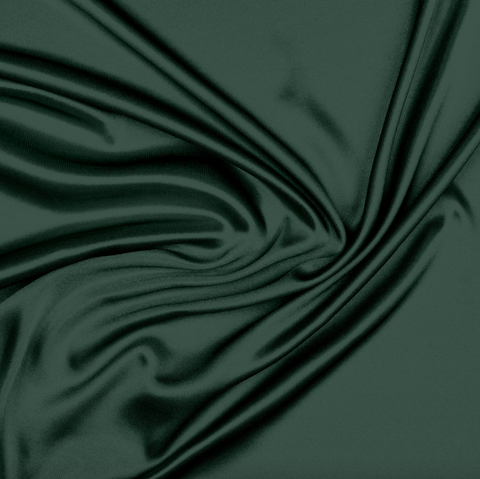
Satin lining can be made from polyester, acetate, or silk. The fiber content determines skin comfort – a polyester satin lining will feel smoother than polyester taffeta but still less breathable than silk or Bemberg rayon.
For sequin dresses, satin lining works well because its smooth, low-friction surface lets the lining glide against skin rather than grip, reducing the sensation of sequin edges pressing through.
For sequin dresses, choose silk-backed satin or high-quality polyester duchess satin rather than lightweight charmeuse-weight polyester satin, which can snag on rough sequin edges during construction. Use a pressing cloth when ironing satin lining to avoid surface damage.
Bottom line: A strong choice for formal sequin dresses. Prioritize fiber content over weave name - silk satin outperforms polyester satin for skin comfort.
Taffeta
Taffeta lining is crisp, lightweight, and has a slight sheen. It holds its shape and adds structure to garments - but for sequin dresses worn against bare skin, it’s generally not the right call.
Taffeta’s crisp, stiff hand can amplify the sensation of sequin edges rather than buffer them, and it can rustle audibly with movement, drawing attention to every step. It is appropriate in structured sequin jackets or boleros where it won’t contact skin directly, or as an underlining layer beneath a softer lining fabric to add body to a full-skirt sequin dress.
Suitable for structured garments like blazers and formal dresses where stiffness is an asset, taffeta earns its place in the right construction - just not as the primary skin-contact layer in a sequin dress.
Bottom line: Use taffeta as an underlining or in structured sequin outerwear. Avoid it as the sole lining in a dress worn against bare skin.
Stretch Lining
Stretch sequin fabric - used in bodycon dresses, mini dresses, and festival wear - requires a stretch lining. A woven lining will restrict movement and cause the outer sequin layer to pucker or pull, defeating the purpose of a stretch construction.
Stretch lining incorporates spandex or elastane for flexibility and comfort, making it ideal for fitted garments. For sequin dress applications, look for a stretch lining with at least 10-15 percent spandex or elastane. A nylon-spandex blend (such as power mesh or matte jersey) is softer against skin than a polyester-spandex blend. It has better stretch recovery, meaning it returns to shape after repeated movement rather than bagging out over the course of an evening.
Matte nylon-spandex jersey (often sold as swimwear lining or dance lining) is the top choice for stretch sequin dresses - it’s smooth, breathable, and moves with the body without adding bulk. For very open-weave or mesh-backed sequin fabrics, use a double layer of stretch lining or choose an opaque power mesh to ensure full coverage. Commonly used in body-hugging dresses and activewear, this category of lining is also the right foundation for free sewing projects and sewing patterns that call for stretch sequin fabric.
Bottom line: Non-negotiable for stretch sequin styles. Choose nylon-spandex over polyester-spandex for better skin feel and recovery.
Anti-Static Lining
Static cling is a problem in sequin dresses because the outer fabric is almost always synthetic (polyester mesh, nylon mesh) - two synthetic layers rubbing together generate significant triboelectric charge, causing the lining to cling to legs and the sequins to shift out of position. Anti-static lining addresses this directly.
Anti-static lining fabrics are treated with a durable ESD finish or are woven with conductive carbon fibers interspersed through the weave. The treatment reduces the static charge that builds up between the lining and the outer sequin fabric, keeping the dress hanging correctly and eliminating the discomfort of fabric clinging to legs mid-wear. Ideal for garments made from materials that tend to generate static, anti-static lining is especially valuable in dry climates or during winter months when static is at its worst.
If dedicated anti-static lining fabric is unavailable, a light application of Static Guard on the inside of the lining before wearing is an effective workaround. Alternatively, a thin slip worn underneath the dress achieves the same result.
For sequin dresses worn in conditions where static is a known issue, Bemberg rayon is also worth considering as a natural-fiber alternative - it generates significantly less static than synthetic linings without requiring a chemical treatment.
Bottom line: Best for synthetic sequin dresses in dry or cold conditions. Bemberg rayon is a natural-fiber alternative that handles static well without a finish.
How to Choose the Right Lining for Your Sequin Dress
Use this guide to match your sequin dress style to a lining fabric that keeps you comfortable all night.
|
Dress Style |
Recommended Lining |
Skin Comfort |
Care |
|
Formal woven sequin gown |
Silk charmeuse or Bemberg rayon |
Excellent |
Dry clean or hand wash |
|
Bodycon or stretch sequin dress |
Matte nylon-spandex jersey |
Very good |
Machine wash delicate |
|
A-line or full-skirt sequin dress |
Silk habotai or Bemberg rayon |
Excellent |
Dry clean or hand wash |
|
Children’s sequin dress |
Cotton batiste or cotton lawn |
Excellent |
Machine wash |
|
Sensitive skin (any style) |
Cotton batiste or Bemberg rayon |
Excellent |
Varies by fiber |
|
Budget or casual sequin dress |
Microfiber polyester or polyester satin |
Good |
Machine wash delicate |
|
Structured sequin jacket or bolero |
Taffeta or acetate |
N/A (no skin contact) |
Dry clean |
|
Royal blue or jewel-tone sequin gown |
Silk charmeuse or Bemberg rayon |
Excellent |
Dry clean or hand wash |
For sequin dresses, skin comfort generally ranks as follows: silk charmeuse, then Bemberg rayon, then matte nylon-spandex for stretch styles, then high-quality polyester satin, then cotton batiste. Acetate and standard polyester taffeta are the options most likely to feel scratchy and should be avoided for bare-skin contact.
Match your lining to the dress construction:
- Stretch sequin fabric calls for stretch lining
- Structured woven sequin fabric calls for Bemberg rayon or silk
- Casual or children’s sequin dresses call for cotton batiste.
Whatever lining you choose, pre-test a swatch against your skin before committing - individual sensitivity varies, and what feels fine in a fabric store may feel different after hours of wear.
This framework applies whether you’re working from commercial sewing patterns, adapting free sewing patterns for a custom fit, or sourcing series fabric for a production run. The lining decision is as important as the sequin fabric itself.
Tips for Sewing or Attaching Lining in a Sequin Dress
Attaching lining to a sequin dress requires a few extra steps compared to standard garments - sequins at seam lines must be removed or folded back before stitching, and the lining is almost always finished by hand to avoid machine stitching through the outer sequin layer.
1. Prepare the seam allowances first
Before sewing any seam that runs through sequined fabric, remove sequins from the seam allowance (typically 1.5 to 2 cm back from the cut edge).
Use small scissors or a seam ripper to cut the threads holding sequins in the seam zone. This prevents cracked sequins, broken needles, and lumpy seams. On stretch sequin fabric, fold the sequins back and secure them with a strip of tape while stitching, then release the tape after the seam is sewn.
2. Use the bag lining method where possible
The bag lining method - where the lining is sewn to the dress at the neckline and armholes, then turned right-side out through an opening - keeps all raw seam allowances enclosed and eliminates the need to hand-finish most interior edges. This is the cleanest finish for sleeveless sequin dresses and reduces the chance of raw edges contacting skin.
3. Finish by hand at the hem
Machine stitching through sequin fabric at the hem risks cracking sequins and leaves a visible stitch line on the outside. Instead, leave the lining hem 1 to 2 cm shorter than the dress hem, fold under the raw edge, and attach with a slip stitch. This keeps the lining floating freely inside the dress, improving drape and reducing the pulling sensation that comes from a lining anchored too tightly.
4. Seam finishing matters inside a sequin dress
Because the interior of a sequin dress is often visible when the wearer moves, use French seams or Hong Kong seams on lining seams to keep the inside neat. French seams enclose the raw edge completely, and Hong Kong seams bind the raw edge with a strip of lightweight fabric. Both are appropriate for Bemberg rayon and silk linings.
5. Invisible zipper placement
When inserting an invisible zipper into a sequin dress with a lining, attach the lining to the zipper tape by hand with a slip stitch after you set the zipper.
This gives a clean finish at the zip opening and prevents the lining from catching in the zipper teeth - a common problem when the lining is machine-stitched too close to the zipper coil.
A well-attached lining transforms the wearing experience of a sequin dress. The construction steps above apply whether you’re working from a commercial pattern, adapting free sewing patterns for a custom fit, or relining a dress from the dress outlet that came with a scratchy factory lining. Take the extra time at the seams and hem - it’s the difference between a dress that gets worn once and one that gets worn all season.