
The early 2000s brought a complete shift in how fabrics were used and imagined. Unlike the grunge-heavy, matte textures of the ’90s, this era embraced shine, shimmer, and head-turning fabrics. It was all about standing out, and textiles became the perfect medium for that bold self-expression. This aesthetic - now widely called Y2K style - is experiencing a major revival, with Y2K patterns leading the resurgence in both fashion and fabric design.
Colors followed the same daring path. Neutrals disappeared, taking a back seat to electric blues, hot pinks, and neon greens. Denim also broke free from its traditional indigo roots and surfaced in unexpected washes and vibrant tones that would’ve felt unthinkable just a decade earlier. Even timeless fabrics like silk and cotton were reinvented with glossy finishes, experimental weaves, and playful treatments that gave them a futuristic edge.
Much of this evolution came down to technology. Computer-aided design opened the door to precision patterns and complex detailing, while new synthetic fibers offered qualities natural fabrics simply couldn’t. The result? Materials that were both more durable and more decorative.
What Made the 2000s Fabric Iconic?
The early 2000s brought a complete shift in how fabrics were used and imagined. Unlike the grunge-heavy, matte textures of the ’90s, this era embraced shine, shimmer, and head-turning fabrics. It was all about standing out, and textiles became the perfect medium for that bold self-expression.

Colors followed the same daring path. Neutrals disappeared and took a back seat to electric blues, hot pinks, and neon greens. Denim also broke free from its traditional indigo roots and surfaced in unexpected washes and vibrant tones that would’ve felt unthinkable just a decade earlier. Even timeless fabrics like silk and cotton were reinvented with glossy finishes, experimental weaves, and playful treatments that gave them a futuristic edge.
A big part of this evolution came down to technology. Computer-aided design opened the door to precision patterns and complex detailing, while new synthetic fibers offered qualities natural fabrics simply couldn’t. The result? Materials that were both more durable and more decorative.
What fabrics were popular in the 2000s?
The 2000s witnessed a diverse mix of fabrics that defined the era’s fashion trends. Some of the popular fabrics during this time included:
1. Denim
If one fabric truly ruled the 2000s, it was denim fabric by the yard. But it wasn’t limited to just jeans anymore. Denim expanded into jackets, skirts, dresses, and even jumpsuits. The era was all about experimentation, and designers weren’t afraid to push denim in bold new directions.

Distressed styles became a statement piece, often decked out with rhinestones, embroidery, or eye-catching patches. Washes also got an upgrade: acid wash, stone washing, and those perfectly placed rips gave denim that effortlessly cool, lived-in vibe. And when it came to styling, denim proved its versatility. It was paired with delicate silk camisoles one moment, and chunky statement jewelry the next, seamlessly shifting between casual and glam.
At Zelouff, our denim fabric by the yard channels that same spirit. It works beautifully for both structured pieces and the softer, flowing silhouettes that defined the decade.
2. Velvet
Velvet fabric made a comeback in the 2000s, especially during the holiday season. It was seen in dresses, tops, and accessories, adding a touch of richness to outfits.

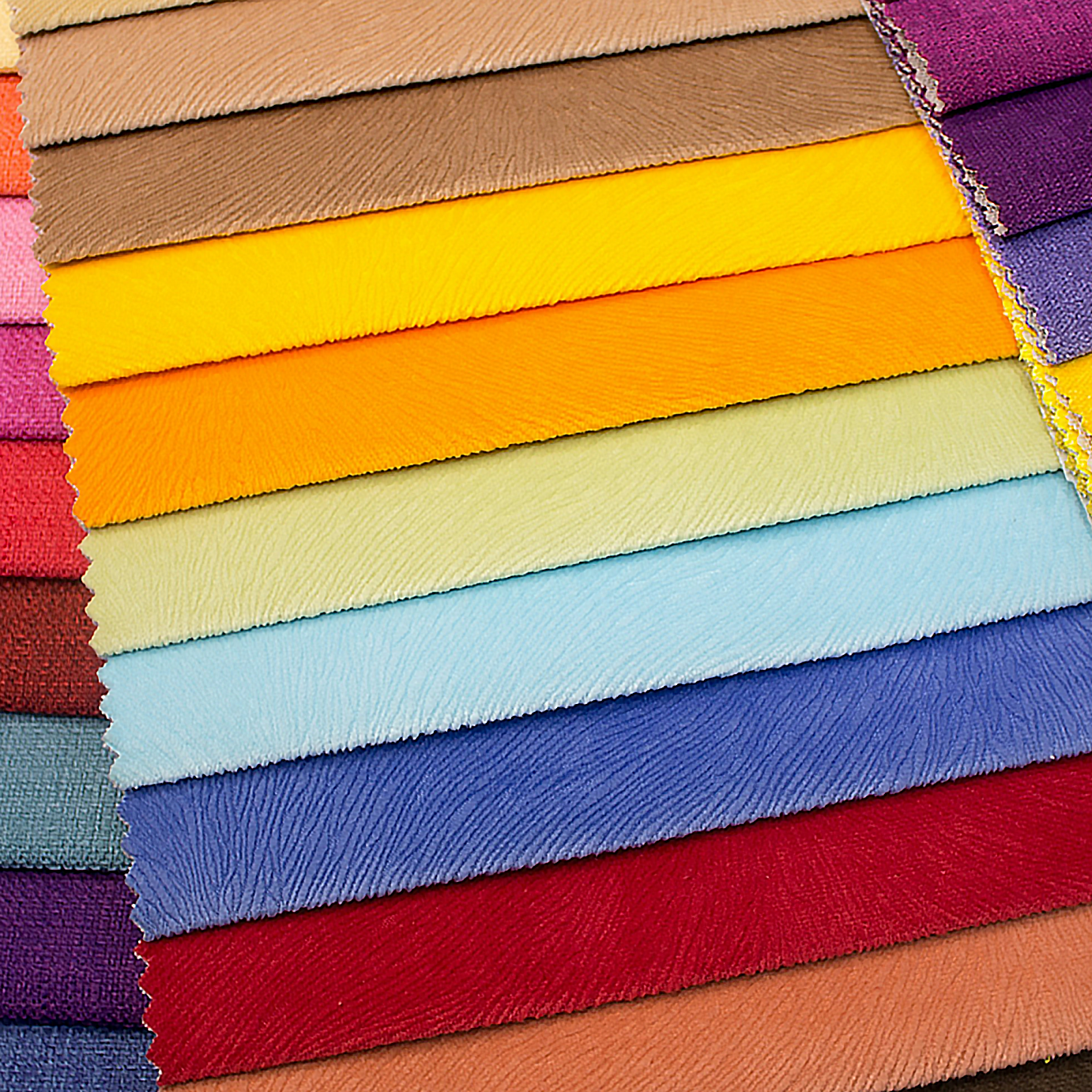
Crushed velvet, in particular, stole the spotlight. Its textured surface caught the light in all the right ways, giving it a rich, dimensional look that felt both trendy and timeless. The fabric appeared everywhere, from Juicy Couture tracksuits to formal evening wear.
Understanding the difference between traditional velvet and its crushed variation helps explain why crushed velvet became the signature texture of 2000s fashion rather than standard velvet pile. The deliberate crushing process creates permanent texture variations and multidirectional light reflection that standard velvet cannot achieve, resulting in the distinctively dimensional look that defined the era’s aesthetic.
3. Silk and Satin
Smooth, lustrous silk and satin fabrics were popular choices for evening wear and formal attire. Both fabrics caught the light beautifully and flowed with the body, creating that “liquid” effect designers and wearers alike adored. Celebrities like Kate Moss and Paris Hilton popularized the slip dress (often cut from satin or silk) as the ultimate it-girl uniform.

While silk and satin both delivered the lustrous sheen that defined 2000s evening wear, understanding their fundamental construction differences helps explain their distinct performance characteristics and price points. Silk refers to the fiber itself - a natural protein produced by silkworms - while satin describes a specific weaving technique that can be applied to silk or synthetic materials like polyester.
4. Sequins and Metallics
If one trend captured the energy of the 2000s, it was sparkle. Sequins and metallic fabrics weren’t just for New Year’s Eve or a night at the club. They spilled into everyday fashion and made casual looks feel celebratory. Dresses, tanks, handbags, and even belts shimmered with sequins, while metallic fabrics turned simple silhouettes into statement pieces.

What made this trend so exciting was its versatility. Some chose the bold route with full-on sequined dresses or silver pants that screamed party-ready, while others embraced it subtly - think a casual top woven with a hint of metallic thread that caught the sunlight just right. Either way, the effect was the same: a futuristic, space-age vibe that felt distinctly new millennium.
5. Jersey Knits
Comfortable, versatile jersey knits were a staple of casual wear. They started with simple T-shirts, then quickly expanded into dresses, skirts, and the growing world of athleisure. They became popular because they’re soft and breathable, without sacrificing style.

The 2000s were the decade when fashion finally embraced the idea that comfort and trendiness could go hand in hand. Jersey knits became the canvas for bold graphic prints, metallic details, and playful cuts that transformed basic casualwear into statement pieces. Think graphic tees layered under slip dresses, or the fitted jersey skirts that balanced ease with edge.
Perhaps most importantly, jersey fabrics paved the way for athleisure as we know it today. From yoga pants to track-inspired pieces, the decade showed that stretchy, move-with-you materials could be fashionable outside the gym, forever changing how we think about everyday style.
6. Faux Fur
Faux fur gained popularity as an ethical and fashionable alternative. It was used in coats, vests, and accessories, adding texture and a touch of glamour to outfits. The 2000s loved the drama that faux fur brought to looks, whether as full statement pieces or as trim details on jackets and accessories.

Part of the fabric’s appeal was its versatility. Sometimes it took center stage in a full-length coat that radiated presence; other times it showed up as a collar, cuff, or hood trim that added just the right amount of texture. The plush faux fur paired with sleek fabrics like silk, denim, or leather became one of the decade’s signature styling tricks.
Beyond aesthetics, faux fur also reflected a growing awareness of animal welfare. Fashion lovers could indulge in glamour guilt-free, proving that style and ethics didn’t have to be at odds.
7. Tulle and Organza
Light, airy, and a little whimsical, tulle and organza added a romantic edge to 2000s fashion. These sheer fabrics appeared in layered skirts, flowing dresses, and delicate overlays that added movement and dimension to outfits. They gave clothes a fairy-tale quality, while softening the boldness of the decade’s edgier trends.

Glitter Tulle fabric by the yard
What made them so iconic was the contrast they created. Paired with denim, leather, or even chunky boots, tulle and organza helped define that “princess-meets-punk” aesthetic the 2000s became known for. Tulle skirts in particular stood out, offering a playful mix of femininity and rebellion that made them a go-to for the era’s style icons.

8. Polyester Blends
While not as glamorous as silk or velvet, polyester blends quietly powered much of the 2000s fashion. These synthetic fabrics, often mixed with cotton, rayon, or spandex, were prized for being durable, wrinkle-resistant, and easy to care for - qualities that fit perfectly into the fast-paced lifestyle of the decade.

Their practicality didn’t mean boring, though. Polyester blends held bright dyes and bold finishes exceptionally well, making them the backbone of many of the era’s most eye-catching looks. Think color-shifting tops that shimmered under club lights, or stretchy bodycon dresses that hugged every curve without losing their shape.
What Colors Were Most Popular in the 2000s?
The 2000s color story was all about extremes. You had ultra-glamorous metallics sitting right next to screaming neons, with soft pastels thrown in to keep things interesting. It was fashion’s way of saying, “Why choose one vibe when you can have them all?”
1. Metallics
Metallics were everywhere, from those shimmery halter tops that caught every club light to the metallic handbags that became instant conversation starters. Think Christina Aguilera in her “Genie in a Bottle” era or any red carpet look from the early 2000s. Gold wasn’t far behind, especially in jewelry and those impossibly tiny evening bags. These were full-on metallic moments that made you look like you stepped out of a spaceship (which, let’s be honest, was the point).
2. Bold Neons
If your outfit didn’t hurt someone’s eyes from across the room, were you even trying? Bright and eye-catching neon colors, including electric green, hot pink, vibrant yellow, and fluorescent orange, were a defining trend in 2000s fashion. These hues were used in clothing, accessories, and even makeup.

3. Pastels
Not everything was neon-bright; the softer side of the palette also had its own moment. Delicate pastel shades like baby pink, mint green, powder blue, and lilac were popular for a softer and more feminine look.

Pop pink heavy layered chiffon fabric
Pastels showed up in dresses, tops, and accessories, contrasting with the era’s bolder trends. For example, mint green appeared in eyeshadow and nail polish that matched your phone case.
4. Earthy Tones
While everyone was going crazy with neons, earthy tones provided some visual relief - tones such as olive green, mustard yellow, burnt orange, and terracotta found their place in cargo pants, corduroy jackets, suede skirts, and chunky knit sweaters.
5. Black and White
When in doubt, the 2000s fell back on classic black-and-white combinations. These showed up in striped shirts (often worn under spaghetti-strap dresses), checkerboard prints that reminded everyone of ska bands, and dramatic black-and-white photo prints on t-shirts. Monochrome was your friend when you weren’t ready to commit to lime green or hot pink.

Ashley Charmesue Solid W/Black Flocked
6. Bold Print
The 2000s loved mixing things that probably shouldn’t go together. You’d see bright floral prints with black backgrounds, neon geometric shapes on white bases, or animal prints that incorporated multiple bright colors. The rule was simple: if it made your eyes work a little harder, it was probably on trend.

Stretch Pollen Print Fabric by the Yard
7. Denim Shade
Different shades of denim, from classic indigo to lighter washes and even distressed or acid-washed denim, were popular and versatile throughout the decade. Distressed denim brought an edgy, lived-in feel to outfits, while acid-wash made a comeback from the ’80s, appearing on jackets and bags.
8. Primary Colors
Bold primary colors like vibrant reds and royal blues made statements in both casual and formal wear, adding a confident touch to outfits. Think of those bright red bandanas everyone wore as headbands or the royal blue eyeshadow that somehow worked with everything.

Red Shadow Stretch Power Mesh Fabric by the Yard
The Most Iconic Y2K Patterns
If colors were loud in the 2000s, patterns were practically screaming. This decade believed more was more, and the Y2K patterns that emerged reflected that philosophy perfectly.
1. Animal Prints
Animal prints were a lifestyle choice. They appeared on mini skirts, tops, and hair accessories, and often in non-traditional colors like pink or blue. Leopard brought a graphic edge to dresses and bags, while snakeskin patterns slithered onto shoes and handbags.

Animal Print Fabric by the Yard on Charmeuse
The key is to wear these prints with complete confidence, as if you were born to wear spots and stripes.
2. Plaid
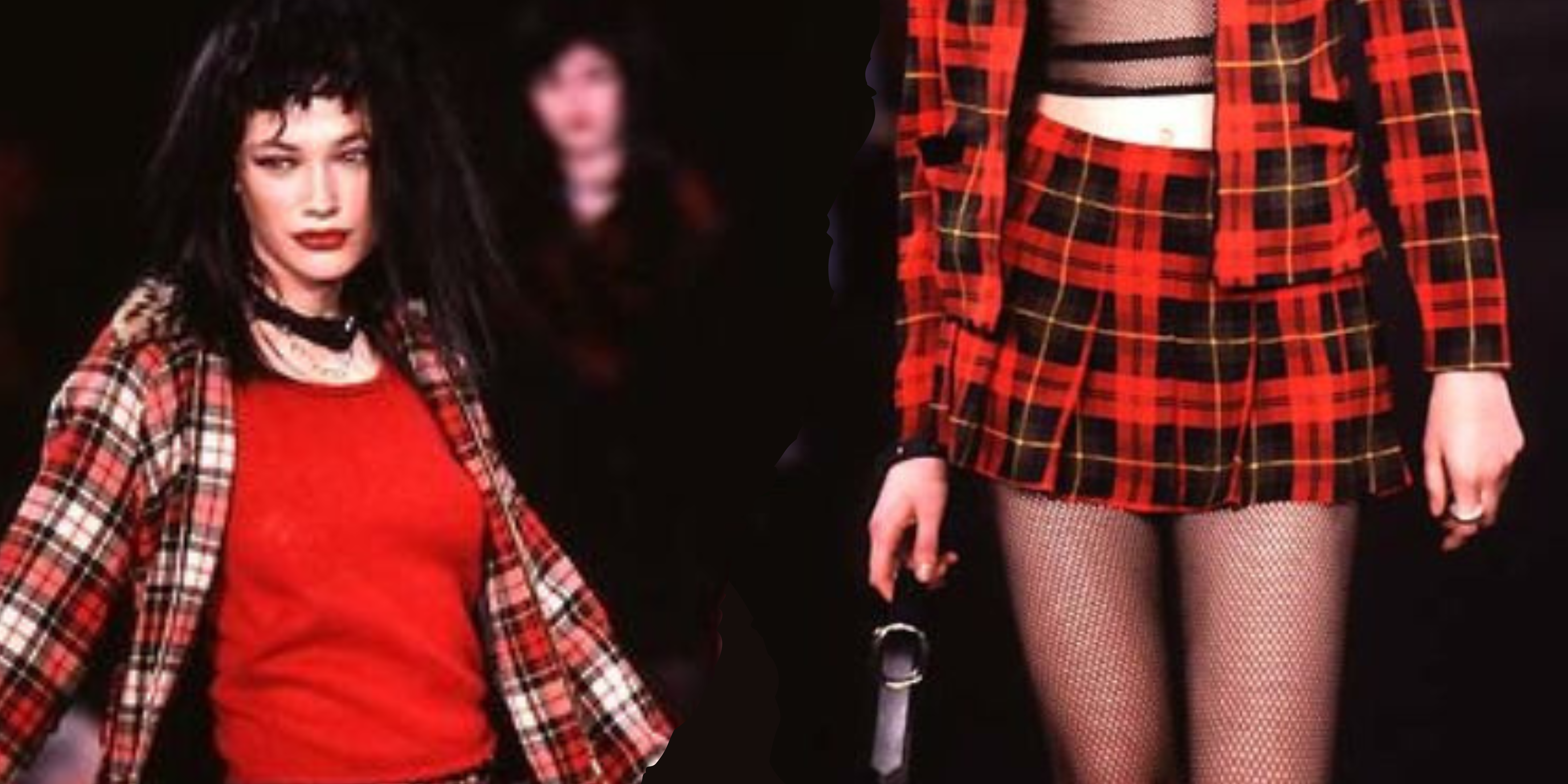
The 2000s took classic tartan and gave it an edge. Those pleated mini skirts in bright plaid became a uniform for anyone channeling Britney Spears or Avril Lavigne, usually paired with knee-high socks. Plaid also appeared on blazers and low-rise pants, often in non-traditional colorways like pink-and-black or blue-and-green that stripped away any prep-school associations and made it feel distinctly Y2K.

Plaid Metallic oven Jacquard Fabric by the Yard
3. Butterfly Prints
Few motifs captured the Y2K spirit more literally than the butterfly. From Mariah Carey’s Butterfly album era to the rhinestone-studded butterfly clips that lived in every teen’s hair, this print appeared on baby tees, slip dresses, and denim patches. The butterfly’s delicate shape contrasted with the era’s bold color palette - often rendered in iridescent or metallic ink - making it one of the most recognizable Y2K patterns.
4. Checkerboard
The checkerboard pattern bridged Y2K fashion’s pop-punk and skater influences. Black-and-white checks appeared on Vans slip-ons, mini skirts, and bucket hats, while colored variations (hot pink and white, electric blue and black) brought the pattern fully into Y2K territory. It was one of the few Y2K patterns that worked equally well on accessories and clothing.
5. Tie-Dye and Swirl Prints
Tie-dye in the 2000s looked nothing like its ’60s predecessor. Y2K tie-dye leaned into neon colorways - electric pink, lime green, and cobalt blue - and was often applied to fitted baby tees, board shorts, and velour sets. The swirl variation, with its tight spiral pattern, became a staple of early-2000s surf and skate brands.
6. Graphic and Logo Prints
Logomania was a defining Y2K pattern in its own right. Brands like Von Dutch, Juicy Couture, and Ed Hardy turned their logos and graphic motifs into all-over prints on trucker hats, hoodies, and bags. Bold graphic prints - flames, stars, skulls, and tribal-inspired designs - appeared on everything from tees to denim, making the wearer’s brand loyalty visible from across the room.
So, How Do You Style with 2000s Fabrics?
To incorporate authentic 2000s fabrics into your modern wardrobe, you need to understand how these materials behave and what makes them special. The key is to balance the era’s bold aesthetic with modern sensibilities to create looks that feel fresh, not costume-like.
Let’s look at some creative ways to achieve this:
1. Start with proportion
The early 2000s were famous for extremes; think ultra-low-rise jeans, flared legs big enough to cover your shoes, and crop tops that barely grazed the ribcage. While these silhouettes defined the decade, modern updates work best when they’re softened. A slightly cropped tee instead of an extreme one, or a gentle flare instead of full-on bell bottoms, keeps the look fresh while nodding to the original vibe.
2. Use velour
Velour remains one of the most wearable 2000s fabrics today. Its plush comfort and subtle sheen fit seamlessly into current athleisure trends. The difference is in the cut: instead of oversized tracksuits, tailored velour pieces feel more contemporary. A fitted velour top with high-waisted jeans feels polished, while a sleek velour blazer instantly elevates casual basics.
3. Use DIY embellishment options
Rhinestones and embellishments were everywhere in the 2000s, but they don’t have to feel over the top. In fact, many techniques from the era were surprisingly refined. Instead of covering an entire piece in sparkle, focus on strategic placement: a rhinestone accent along seams, hems, or graphic details adds that nostalgic shimmer without overwhelming the outfit.
4. Layer with denim
Remember the head-to-toe denim trend? It worked in the 2000s because of its boldness, but today it looks better with more intentional styling. Mixing washes still works, but with purpose. Pair a light denim shirt with dark jeans for contrast, or add acid-washed accents to classic indigo for a playful twist that feels coordinated, not chaotic.
5. Balance bold colors
Neon pinks, electric blues, lime greens… one thing is a fact: the 2000s weren’t shy about color. For a modern take, treat those shades as accents rather than lead players. A pop of hot pink satin against an all-black outfit or an electric blue velour piece paired with white or gray tones keeps the energy without overwhelming the look.
How to Style with 2000s Fabric For Home
The 2000s aesthetic translates surprisingly well to interior design, especially as maximalism gains popularity over minimalist trends. The era’s fabrics bring texture, color, and personality to spaces that might otherwise feel sterile or generic.
Here are some suggestions to start with:
- Velour works beautifully in upholstery applications, especially for accent chairs or throw pillows. Its soft texture invites touch, while its inherent glamour elevates casual spaces. If this is your style, choose deeper jewel tones for sophistication, or embrace the era’s bold brights for playful energy.
- Metallic fabrics also make stunning window treatments. The way these materials interact with natural light creates ever-changing visual effects throughout the day. For example, silver metallics feel modern and sophisticated, while gold tones add warmth and luxury.
- The era’s bold patterns work well in small doses. A single accent wall covered in 2000s-inspired print fabric can transform an entire room. Geometric patterns in electric colors create focal points, while more subtle applications like throw pillows or table runners add personality without overwhelming the space.
Why 2000s Fabrics Made a Comeback
Fashion operates in predictable cycles, but the 2000s revival feels particularly intense and sustained. The era’s fabric innovations were genuinely ahead of their time. Many of the technical advances in stretch, comfort, and performance that we take for granted today originated in the millennium-era textile development.
The current generation discovering these fabrics has no negative associations with their original context. To them, low-rise denim and velour tracksuits are fresh, new aesthetics that feel completely modern. This perspective allows for more creative and less literal interpretations of 2000s trends.
Other reasons are:
1. Social Media Trends:
Social media has also accelerated the revival by making it easier to share styling inspiration and shop for authentic pieces. Platforms like TikTok and Instagram showcase how young designers and fashion enthusiasts are reimagining these fabrics for contemporary wear. The visual nature of these platforms highlights the tactile and reflective qualities that make 2000s fabrics so photogenic.
2. Celebrity Culture:
Celebrity culture played a crucial role in establishing 2000s fabric trends, and it continues to drive their revival. When current pop stars and influencers wear authentic 2000s pieces or modern interpretations, they introduce these aesthetics to new audiences. The cycle of influence that made velour tracksuits iconic in the first place still operates today.
3. Music Pop Artists:
Music has always been closely connected to fabric trends, and this relationship remains strong in the revival. Hip-hop and pop artists who embrace 2000s aesthetics bring attention to the era’s innovative textiles. Their styling choices influence both high fashion and streetwear, creating multiple entry points for these fabrics to re-enter mainstream fashion.
Conclusion
Think of 2000s textiles as a palette of emotional accelerants. They amplify joy, flirtation, defiance, and nostalgia with every thread. The fun part is that we don’t have to leave them in the past. We can reimagine them in fresh, modern ways that still carry the same fearless energy.
If you’re ready to bring that spirit into your next project, explore our collection at Zelouf Fabrics. We have a rich collection of authentic, high-quality 2000s wholesale fabric.
FAQs
1. What fabrics were most popular in the 2000s?
Denim dominated the decade, but in forms that pushed traditional boundaries. Stretch denim enabled ultra-low rises and body-hugging fits, while distressing techniques created textures ranging from subtle fading to dramatic destruction. Velour became synonymous with luxury casualwear, especially in tracksuits. Jersey knits evolved to offer superior stretch and recovery, while metallic finishes appeared on everything from basic cottons to elaborate brocades.
2. Where can I buy authentic 2000s fabric by the yard?
You can buy high-quality, authentic fabric by the yard from Zelouf Fabrics. Our online catalog is a treasure trove of styles, including animal prints, metallics, neon jersey knits, velvets, and foil-embellished “ITY” fabrics. We’ve made it pretty easy for you to recapture the vibrant spirit of Y2K trends.
3. How do I style 2000s fabrics in modern fashion?
Balance is key when incorporating these bold materials into contemporary wardrobes. Use 2000s fabrics as accent pieces rather than creating head-to-toe looks. Pair velour with tailored pieces, use metallic fabrics sparingly as highlights, and choose proportions that flatter current body ideals rather than copying original silhouettes exactly.