
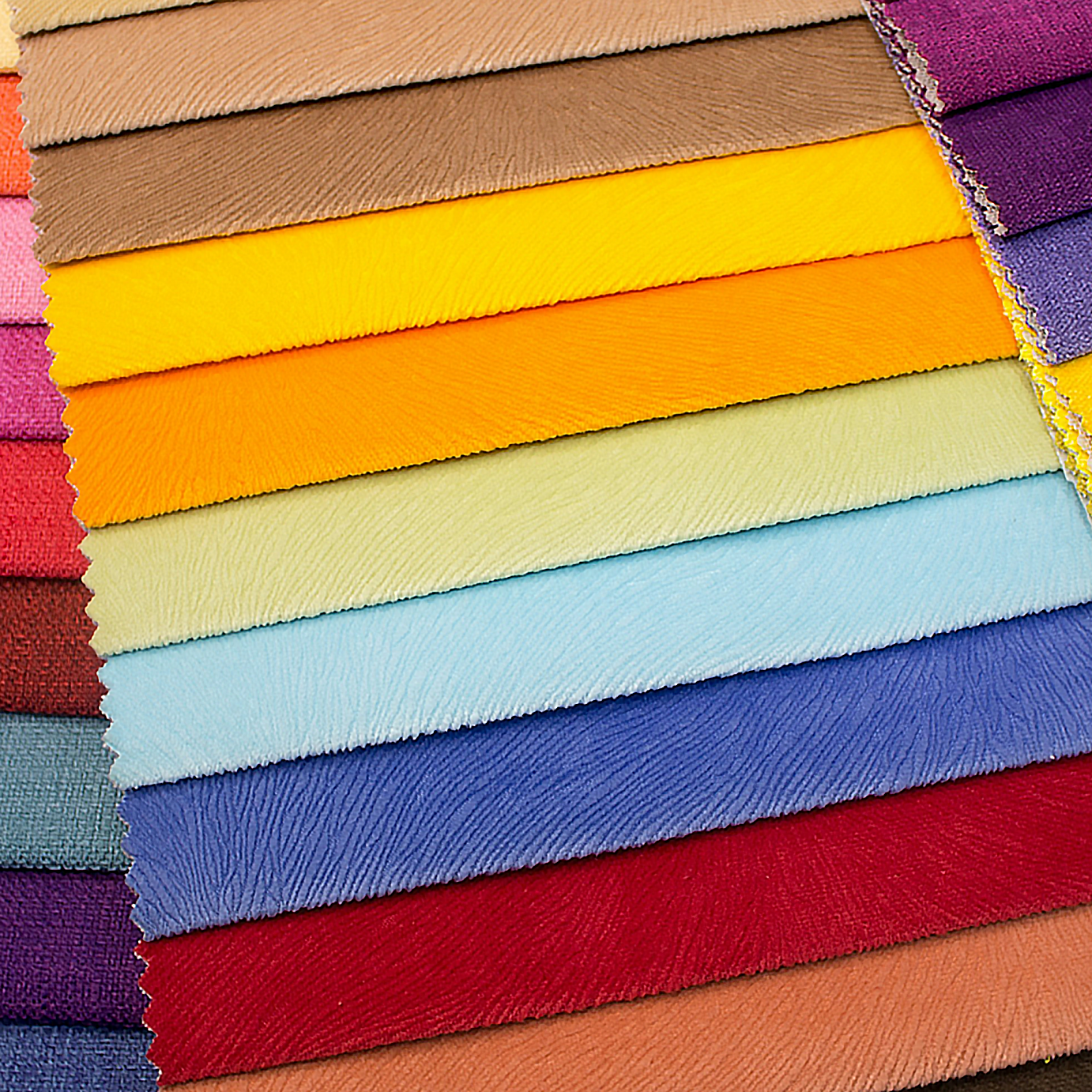

The right fabric shapes both the look and function of any finished project. The right choice can elevate a design, adding visual texture while supporting comfort and durability. Every project carries its own requirements around drape, weight, stretch, breathability, and texture, whether the result is clothing, home decor, or accessories. Seasonality, intended use, care requirements, and budget all factor into that decision.
If you’re unsure which fabric suits your next creation, crepe fabric is worth a close look. It remains one of the most versatile fabrics available to designers, dressmakers, and home sewers alike.
What is Crepe Fabric and How Is It Made?
Crepe takes its name from the French word “crêpe,” meaning crinkled, a fitting description of the fabric’s signature texture. Understanding where that texture comes from helps explain why crepe behaves so differently from smoother wovens.

Origin and Texture
Crepe fabric can be made from a wide range of fibers, including silk, wool, cotton, polyester, or blends of these materials, which creates real variation in thickness and weight across the category. Its rippled surface generally comes from either a chemical treatment or a weaving process built around hard-twisted “S” and “Z” spun yarns, which tighten the weave and produce a wrinkled effect. The result is a fabric prized for its fluid drape and a matte, slightly pebbly hand, qualities that set it apart from smoother wovens like charmeuse or satin.
Weight and Feel Across the Category
Crepe fabrics range from quite lightweight, as seen in georgette-style crepes, to noticeably heavier, as seen in scuba and wool crepe. That range in weight is one of the most useful things to consider when comparing crepe options for a specific project.
What Can Crepe Fabric Be Used For?

Crepe brings dimension to a wide variety of garments, which is part of why it shows up so often across different categories of clothing. Its versatility extends well beyond any single use case.
Everyday and Formal Applications
Crepe fabric is a common choice for dresses, tops, skirts, and scarves, and it moves easily between casual and formal wear without losing its character. A crepe blouse can look just as at home in an office as a crepe gown looks at an evening event. Its adaptability in weight and thickness also makes it a genuinely year-round fabric, comfortable in both warmer and cooler seasons.
Home Decor and Accessories
Beyond garments, crepe fabric also fits into home decor and smaller accessory projects. Lightweight crepe works well for decorative pillow covers, table runners, or drapery panels that benefit from its soft texture and matte finish. Heavier crepe varieties, such as wool crepe, are sometimes chosen for structured bags or tailored accessories where a bit more body is useful. Because crepe holds color well and resists a shiny finish, it also works nicely for scarves and other accent pieces meant to add texture without competing with brighter, glossier fabrics nearby.
What Kinds of Crepe Fabric Are There?
Crepe fabric spans a wide range of types across both synthetic and natural fiber categories. Understanding these variants helps clothing manufacturers and home sewers alike choose with more confidence.
Crepe de Chine
Crepe de Chine is a lightweight, plain weave crepe made from silk or polyester, with a subtle luster that suits blouses and lingerie particularly well.
Canton Crepe
Canton Crepe runs heavier than Crepe de Chine and has a more pronounced crosswise rib, making it a common choice for dresses and suits.
Crepe Georgette
Crepe Georgette is sheer, lightweight, and slightly rough to the touch, a texture that has made it a longtime favorite for flowing evening wear.
Polyester Crepe
Polyester Crepe is the most widely available and affordable variant in the category. It resists wrinkles and is easy to care for, making it a practical everyday option.
Scuba Crepe
Scuba Crepe is a double-knit polyester and spandex blend with firm body and real stretch, and it holds structured silhouettes well.
Plissé Crepe
Plissé Crepe goes through a caustic soda treatment that creates permanent puckered stripes or patterns across the surface, giving it a distinctive textured finish.
Crepe Back Satin
Crepe Back Satin is reversible, pairing a satin face with a crepe back so one fabric offers two distinct textures. It works well as an alternative to silk duchesse satin or silk taffeta when you prefer a softer hand.
Crepe Charmeuse
Crepe Charmeuse combines the soft drape typical of charmeuse with a crepe texture on the reverse side, giving it a bit more grip and body than standard charmeuse alone.
For projects where fiber content matters most, silk crepe and pima cotton crepe offer natural-fiber alternatives worth exploring alongside these synthetic options.
How to Care for Crepe Fabric
Crepe holds its texture well over time, but the right care routine helps preserve both its drape and its signature crinkle. Care needs vary somewhat by fiber content, so check the specific blend before you start.
Washing and Drying
Many crepe fabrics, particularly polyester and scuba crepe, can be hand washed or machine washed on a gentle cycle in cool water. Silk and wool crepe generally hold up better with dry cleaning or careful hand washing, since heat and agitation can flatten the fabric’s natural texture. Air drying flat is usually the safest option across most crepe types, since tumble drying on high heat can shrink or distort the weave.
Ironing and Storage
Crepe responds best to a cool iron used on the reverse side of the fabric, since direct heat on the crinkled surface can press the texture flat. A press cloth adds an extra layer of protection for more delicate silk or wool crepe. When storing crepe garments, hanging them helps prevent the deep creasing that can develop from folding over time.
Why Shop for Crepe Fabric at Zelouf Fabrics?
Where you source crepe matters as much as the right type. A wide selection paired with consistent quality makes the search considerably easier.
What Shoppers Will Find
Zelouf Fabrics carries an extensive range of crepe fabrics, spanning a wide spectrum of hues, weights, finishes, and embellishments to suit nearly any creative need. Premium quality meets affordable pricing here, which is part of why Zelouf Fabrics remains a trusted source for textiles.