
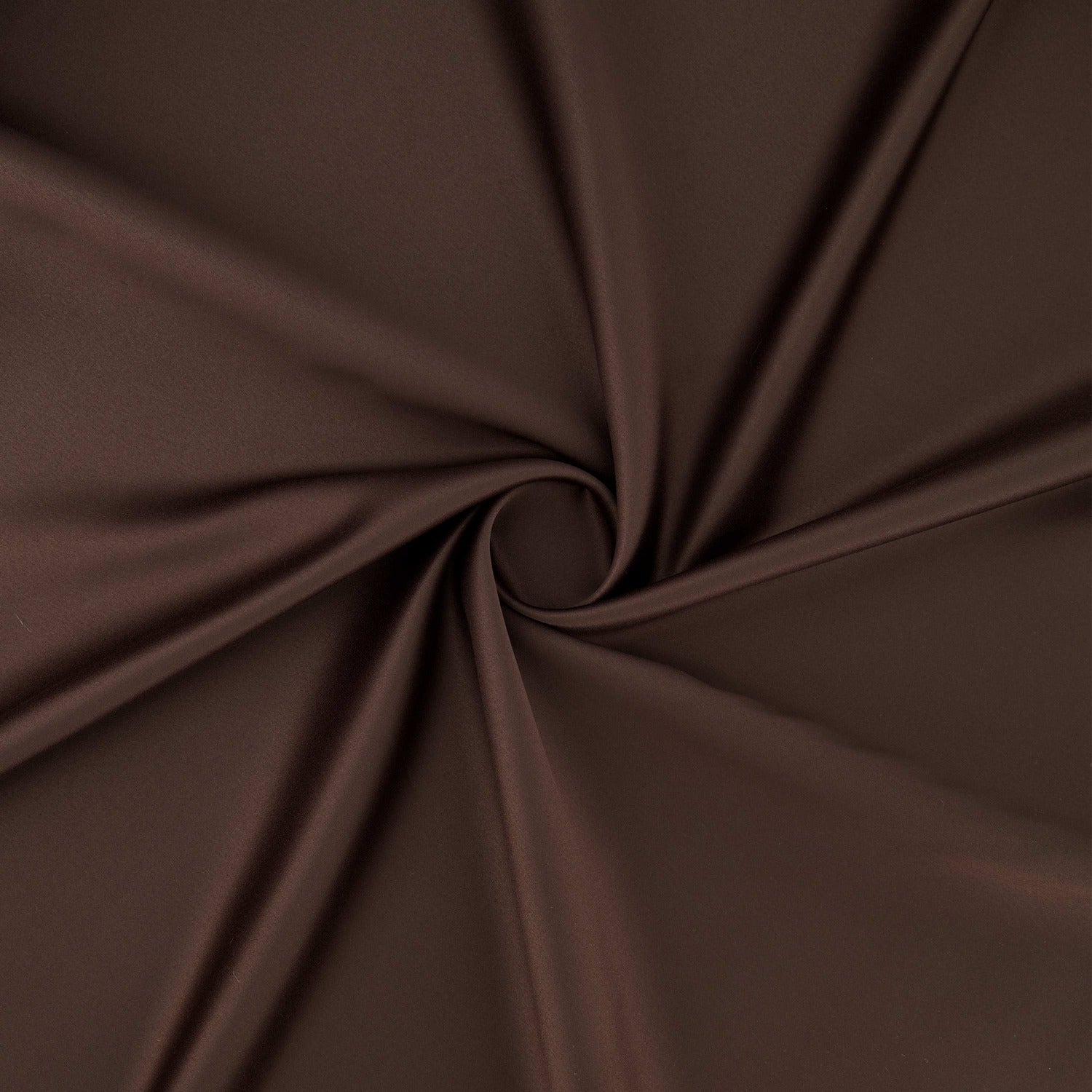
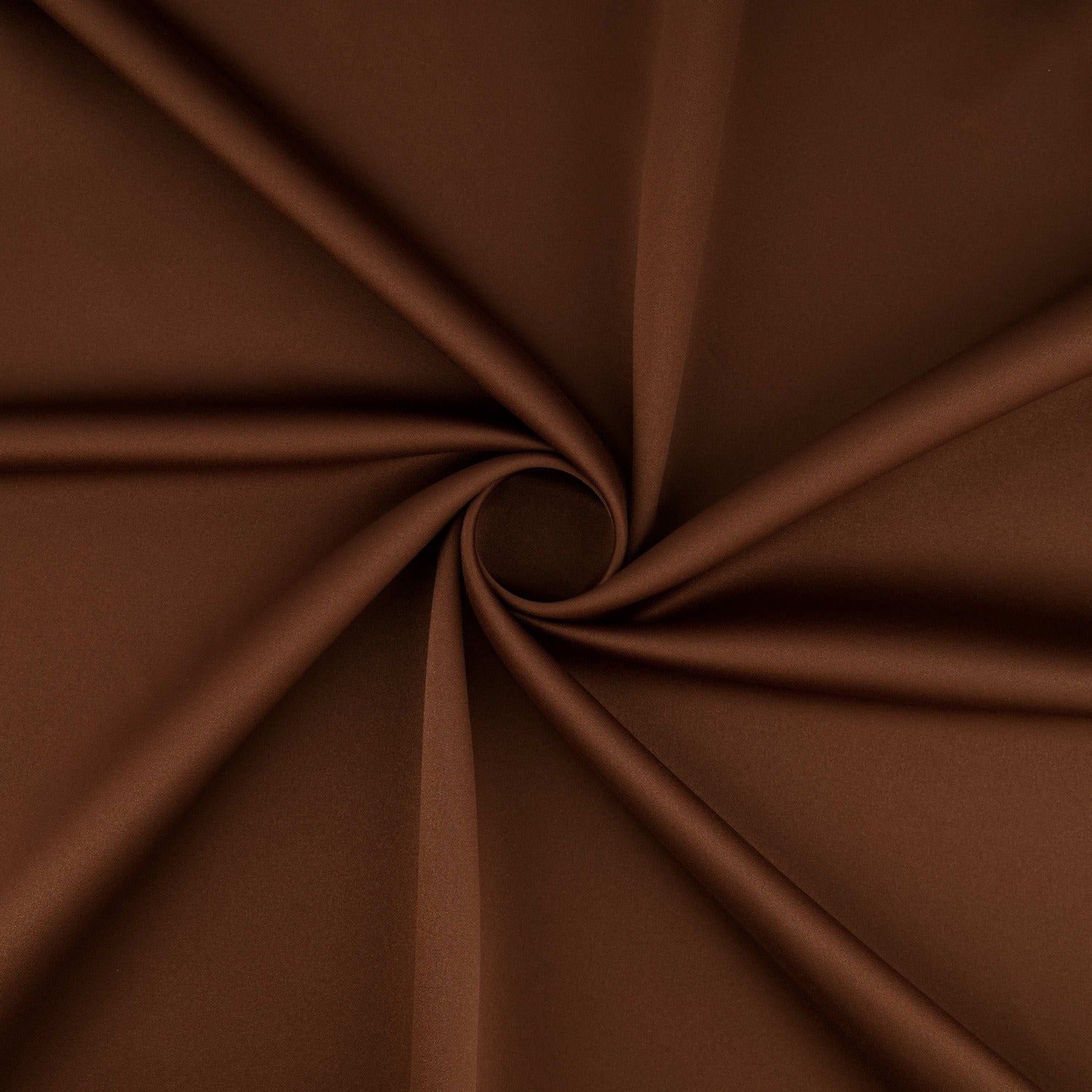
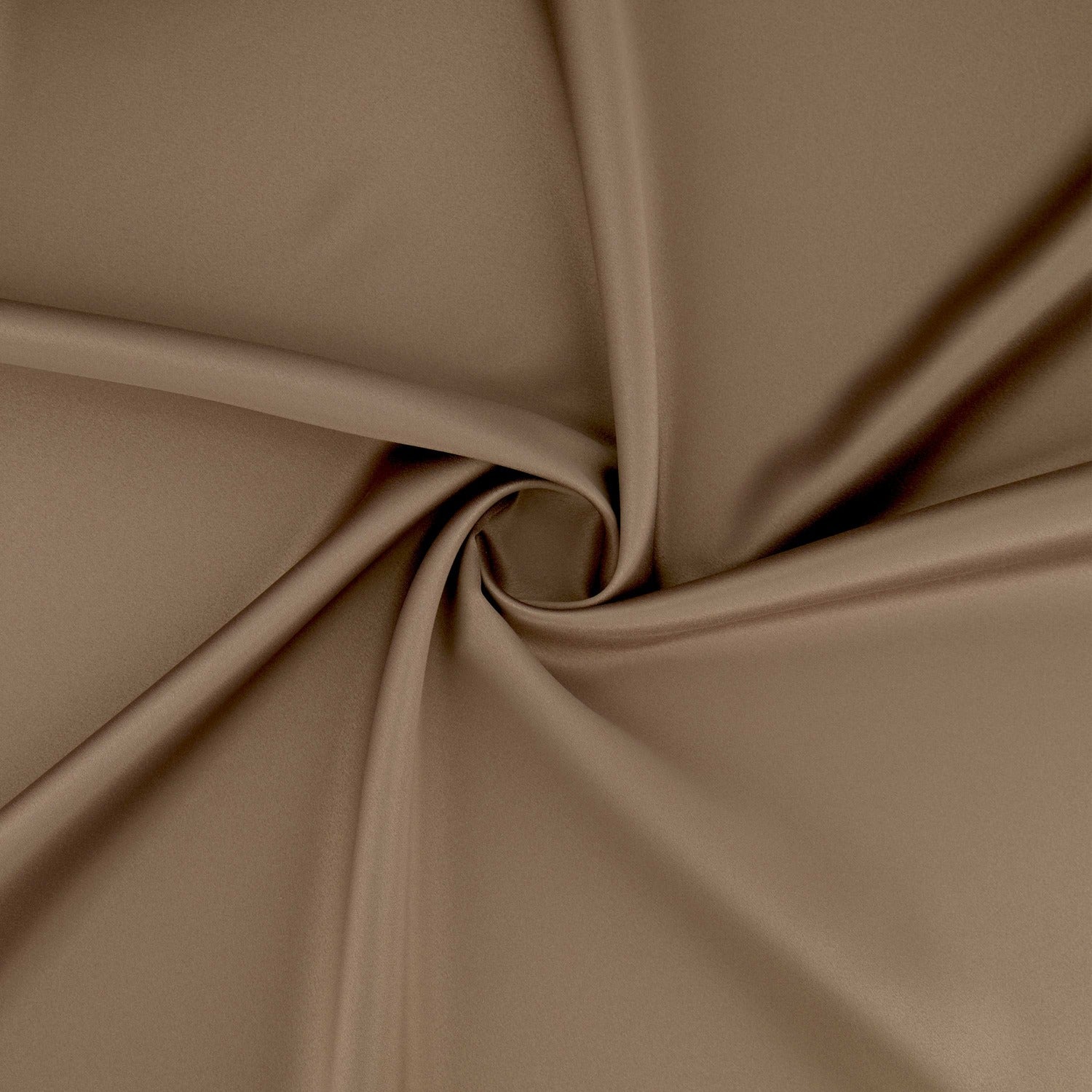
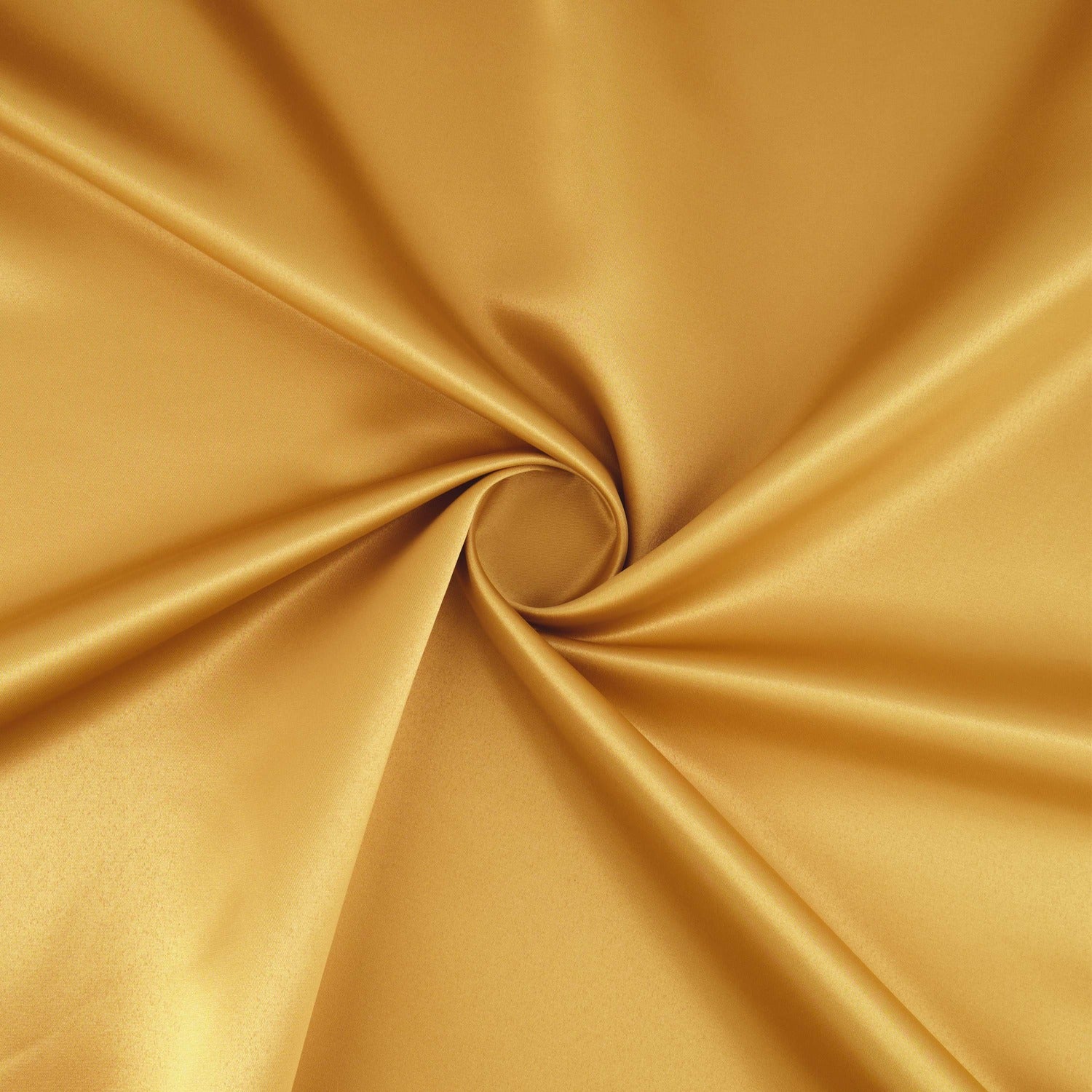
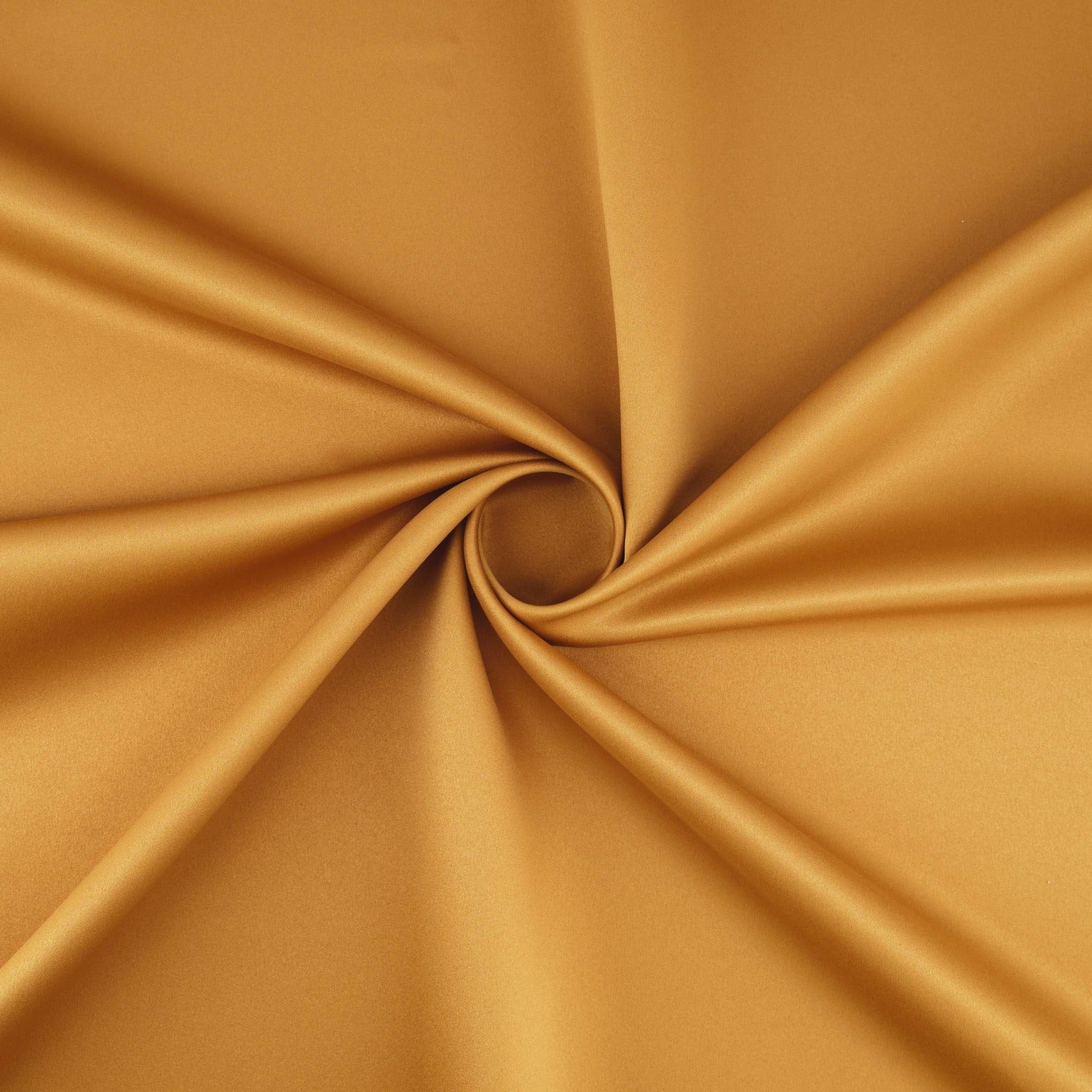
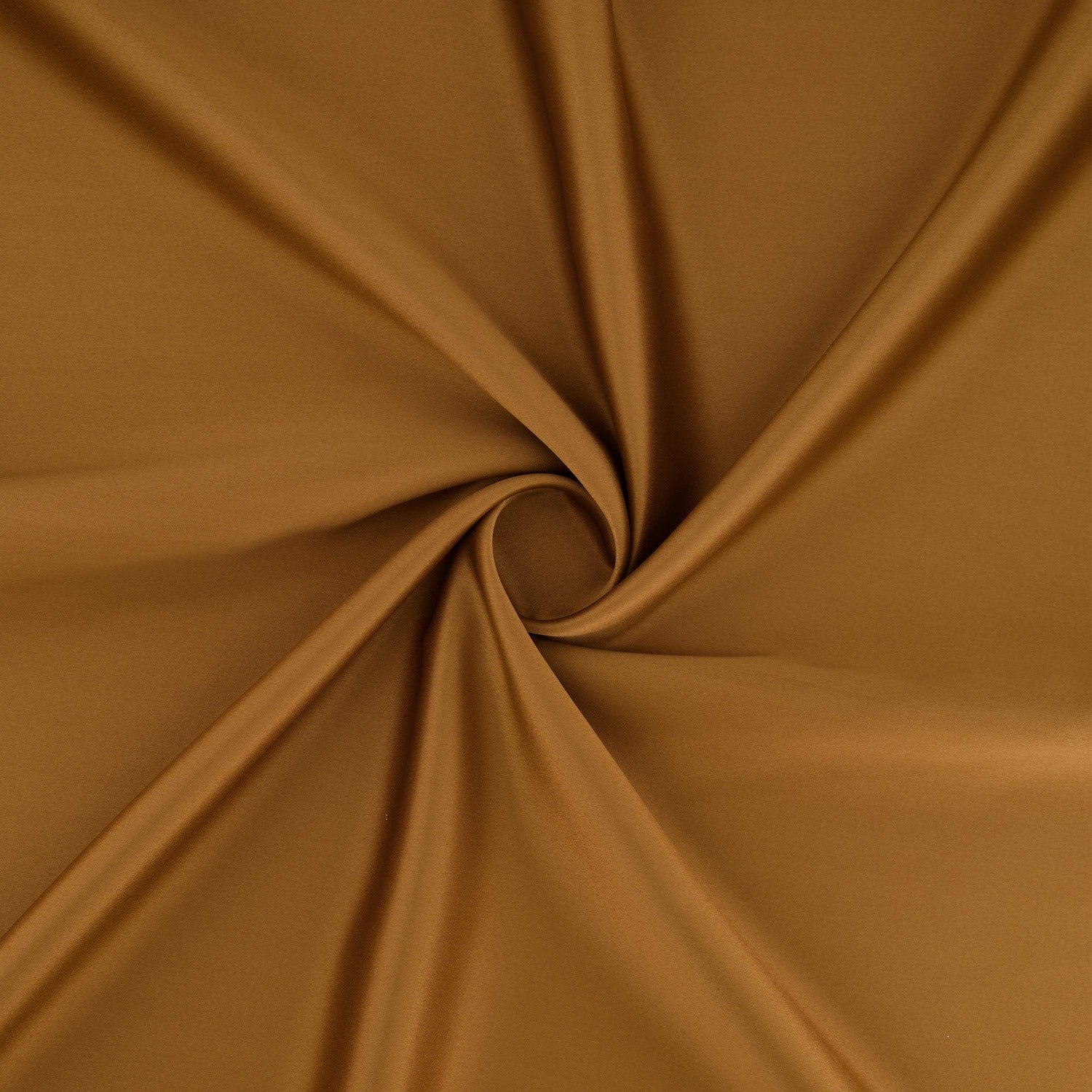
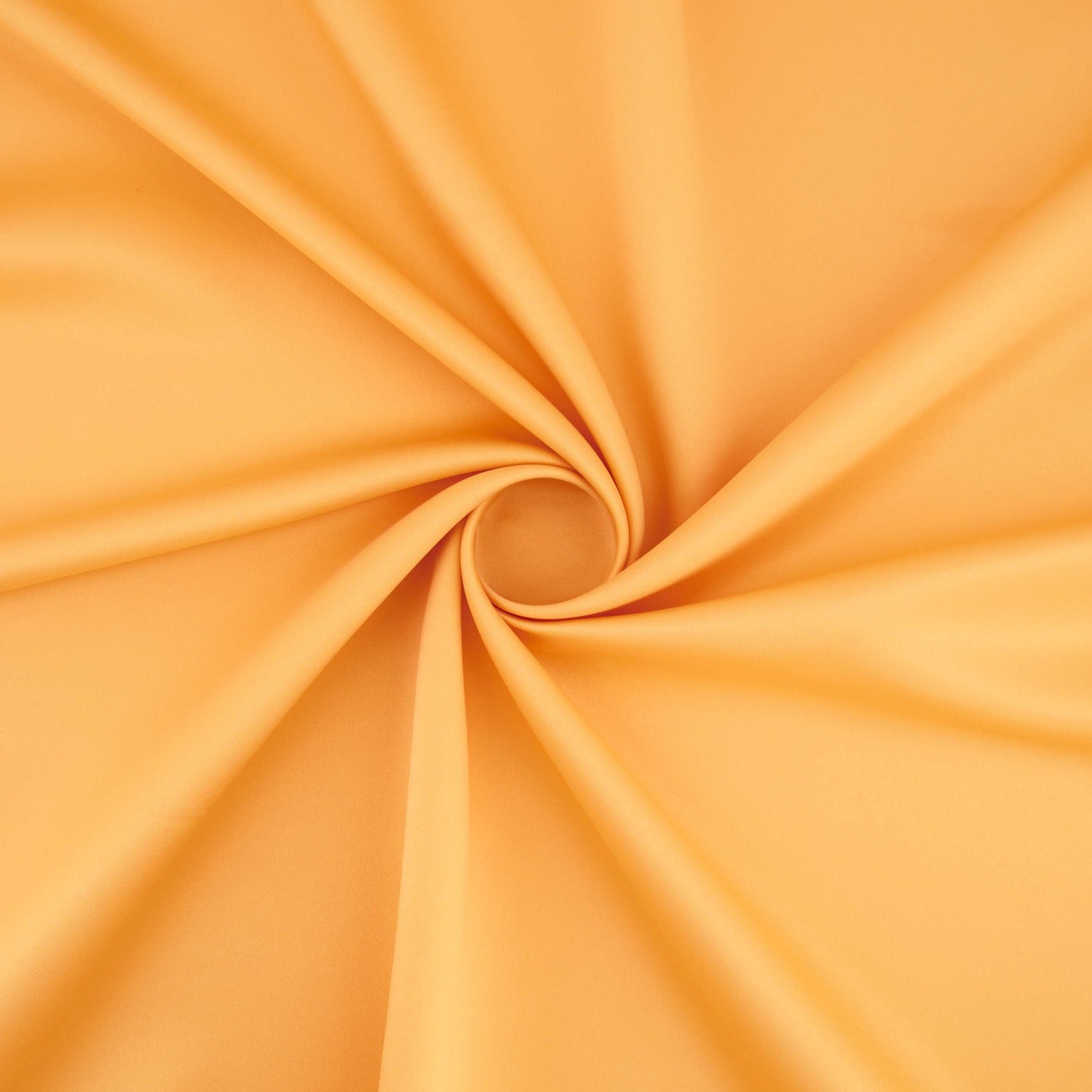
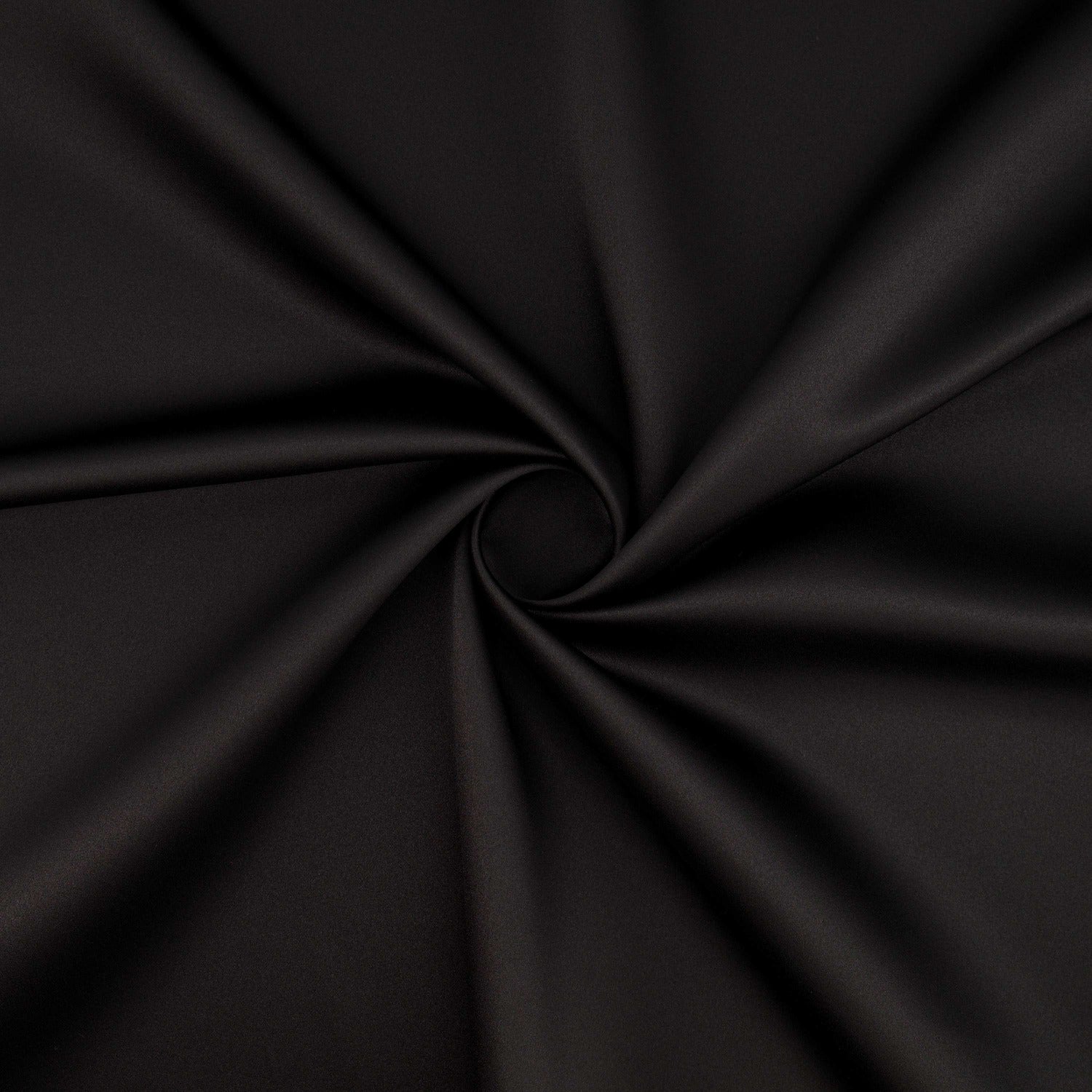
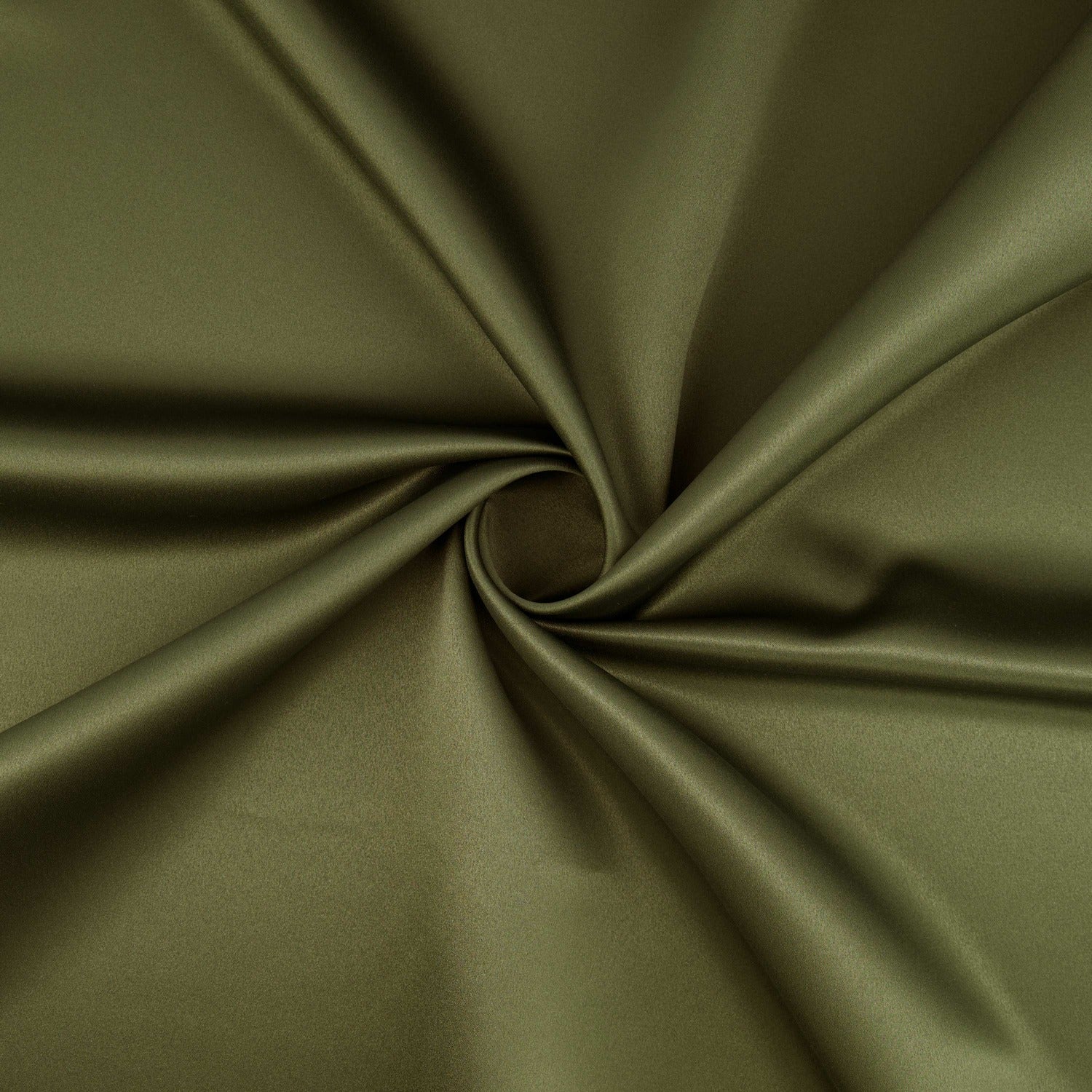
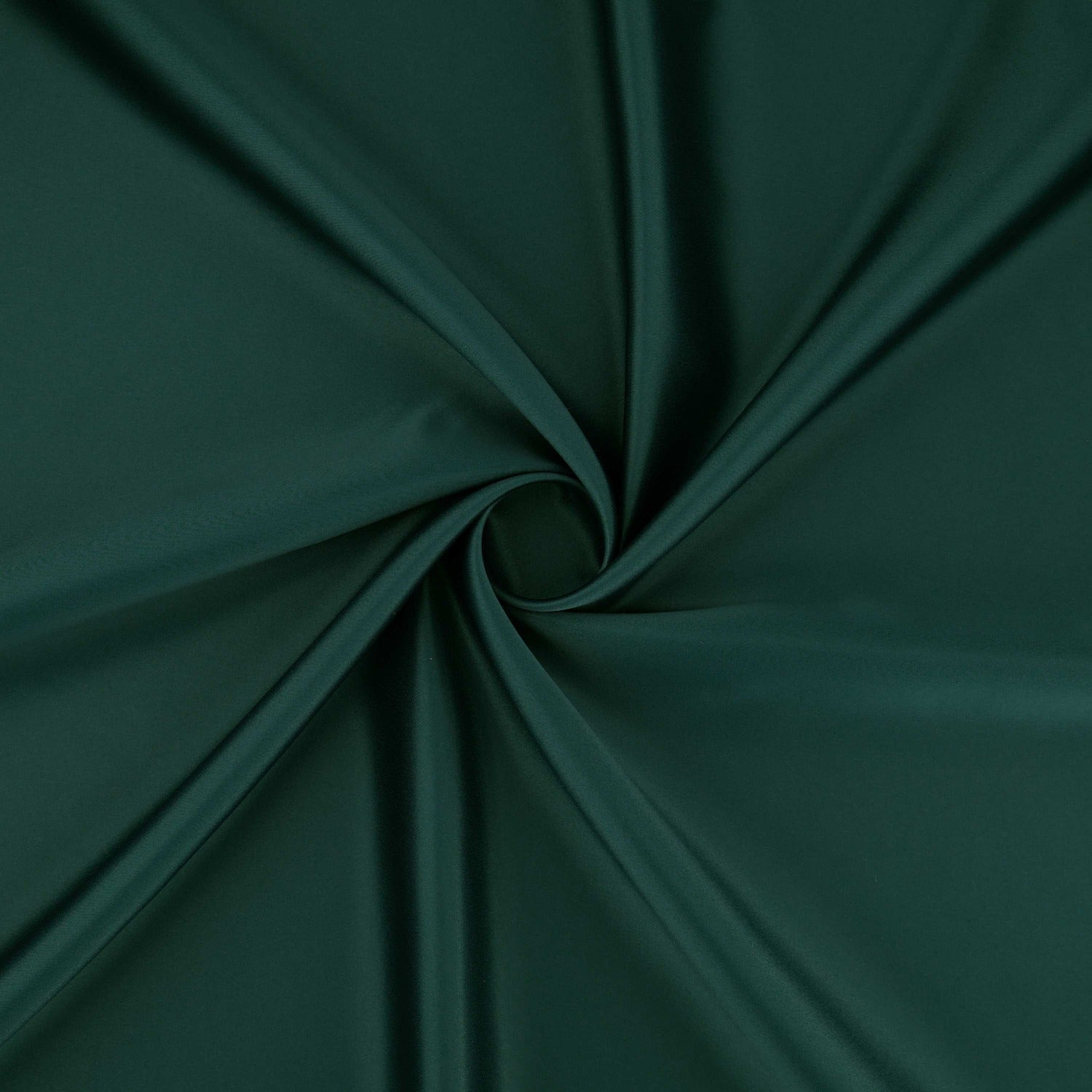
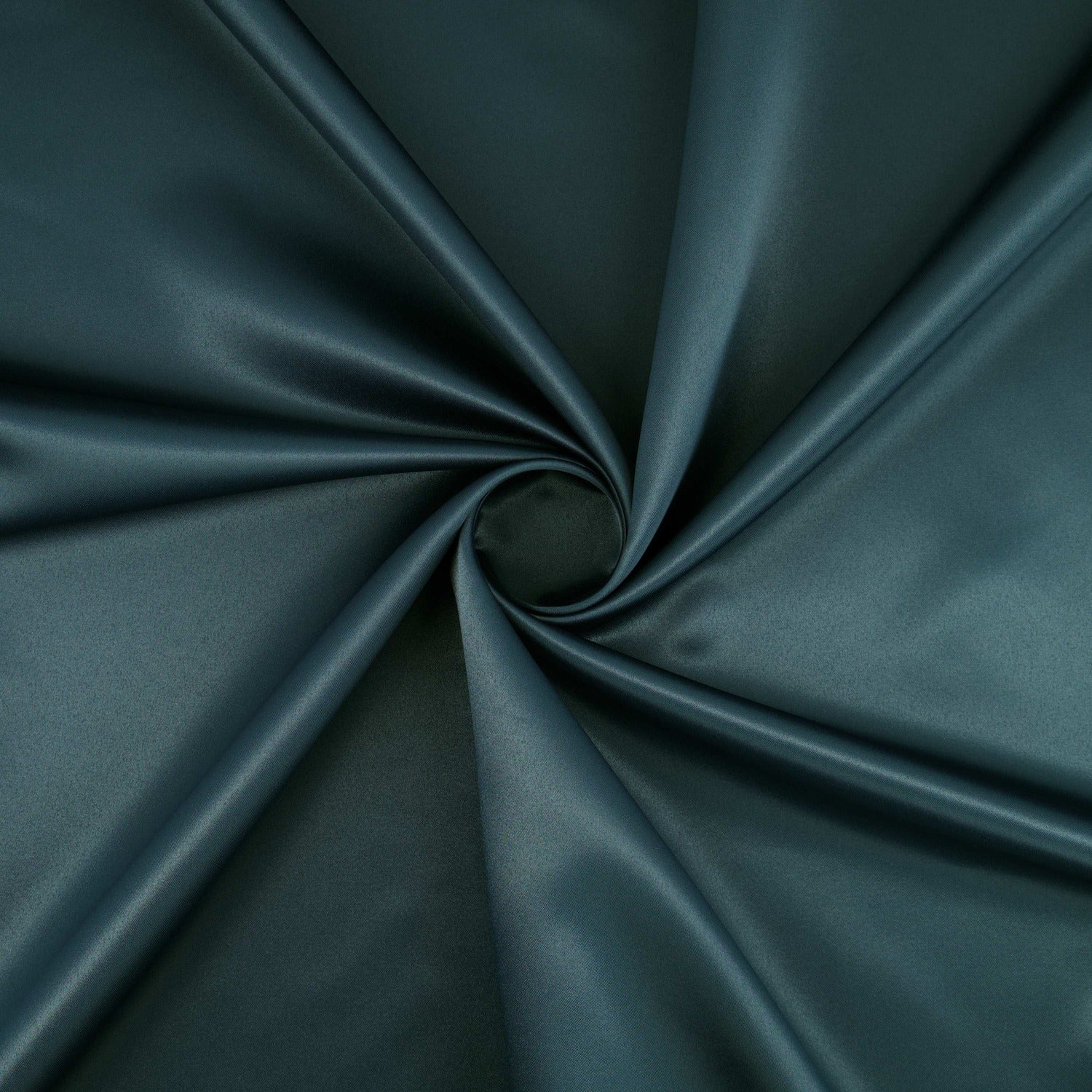
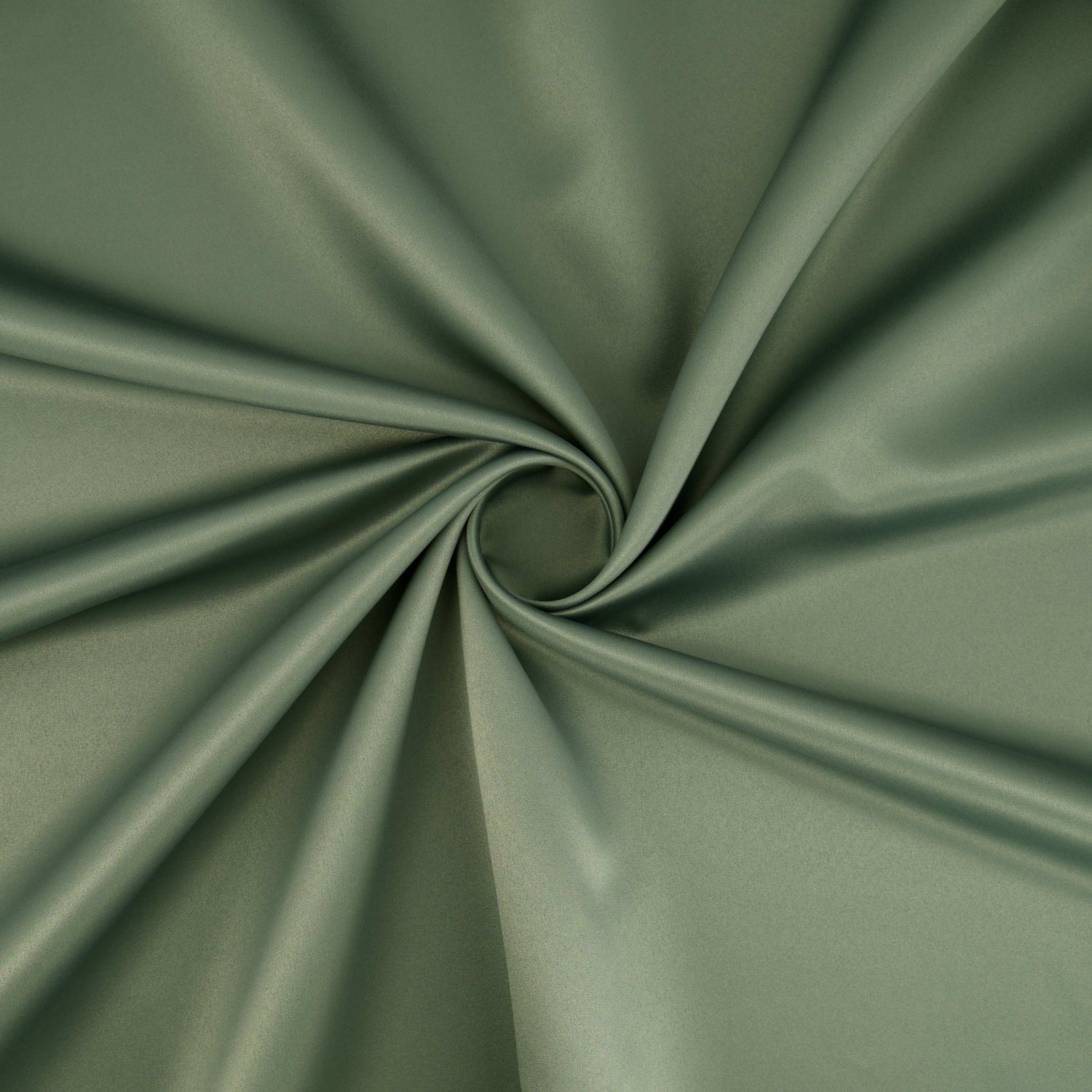
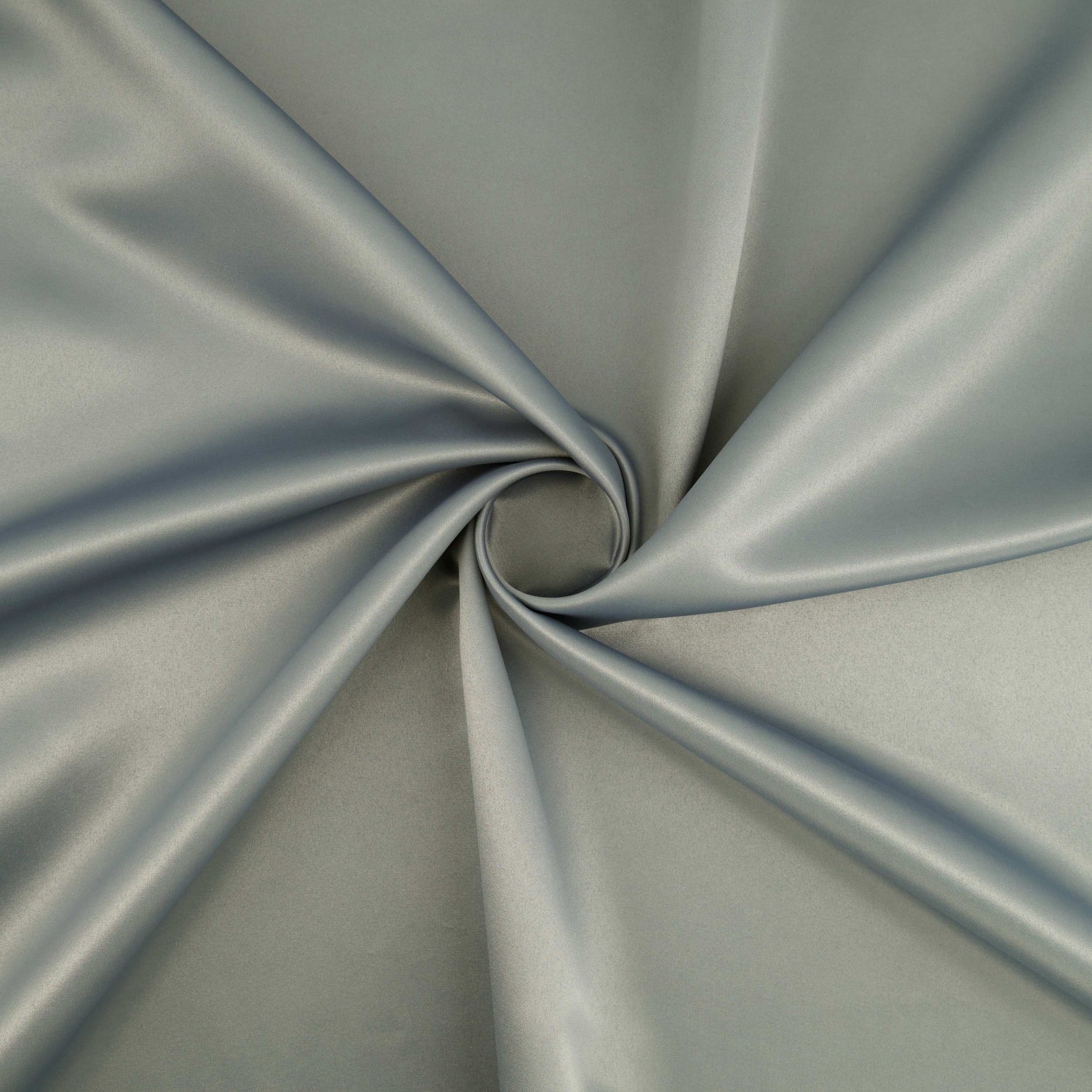
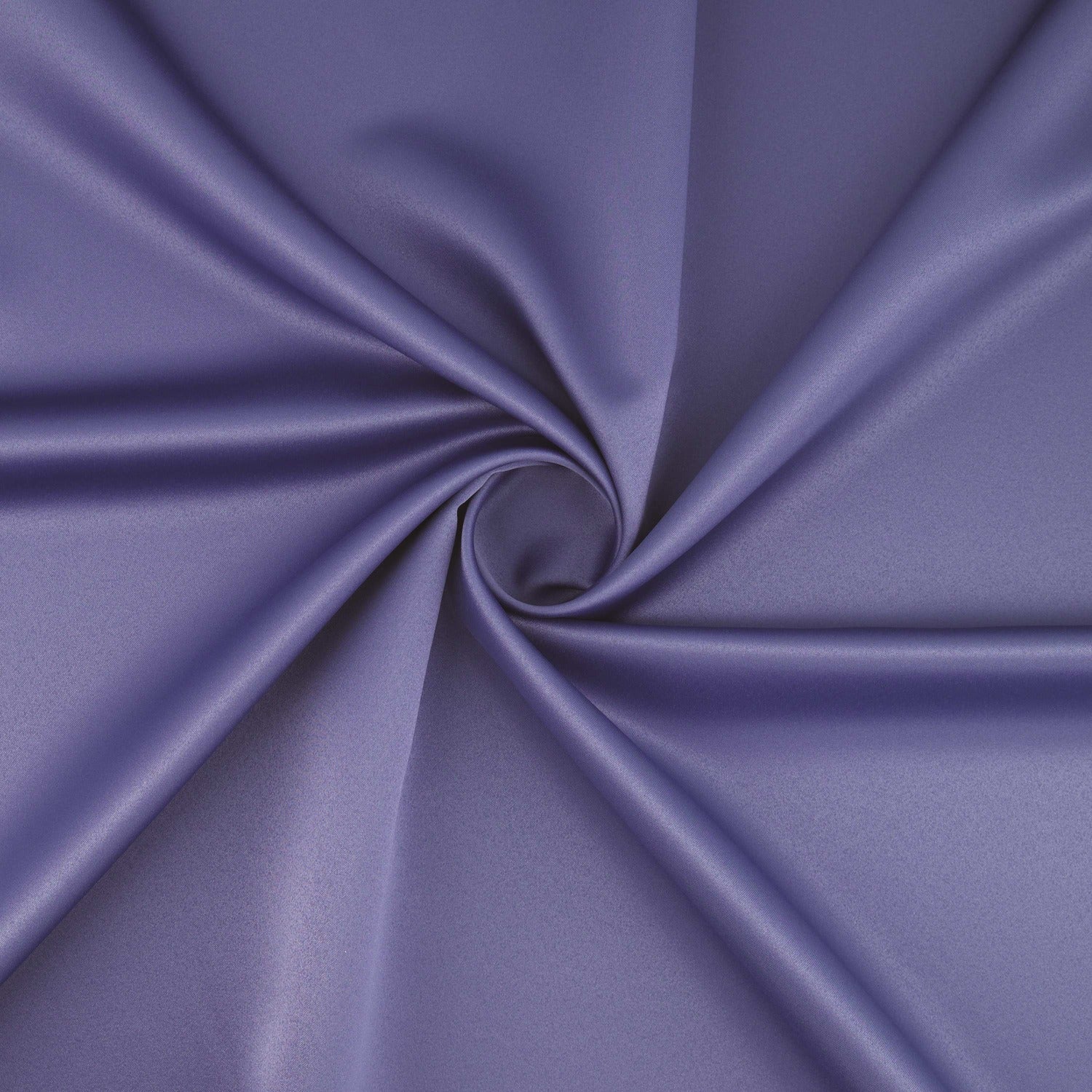
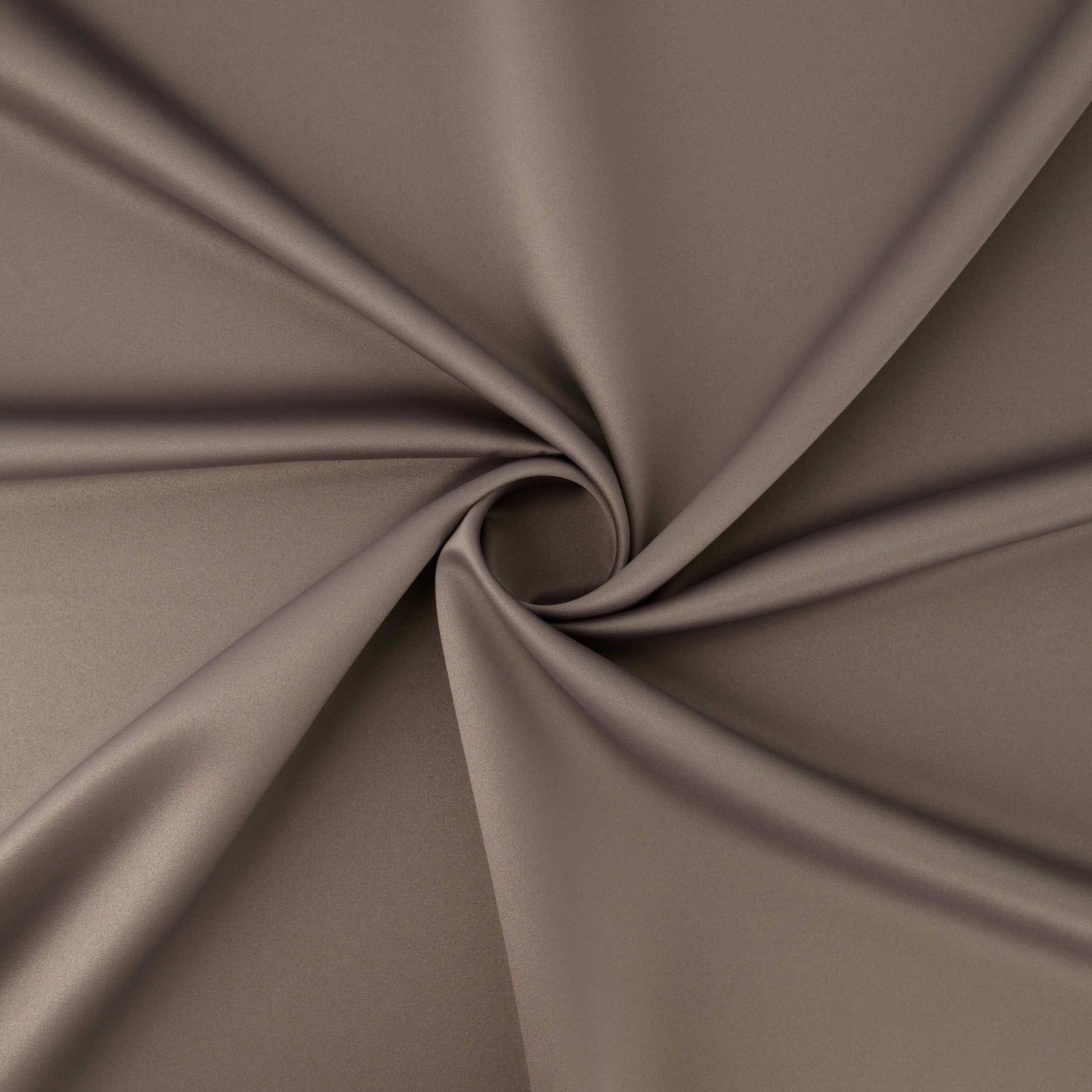
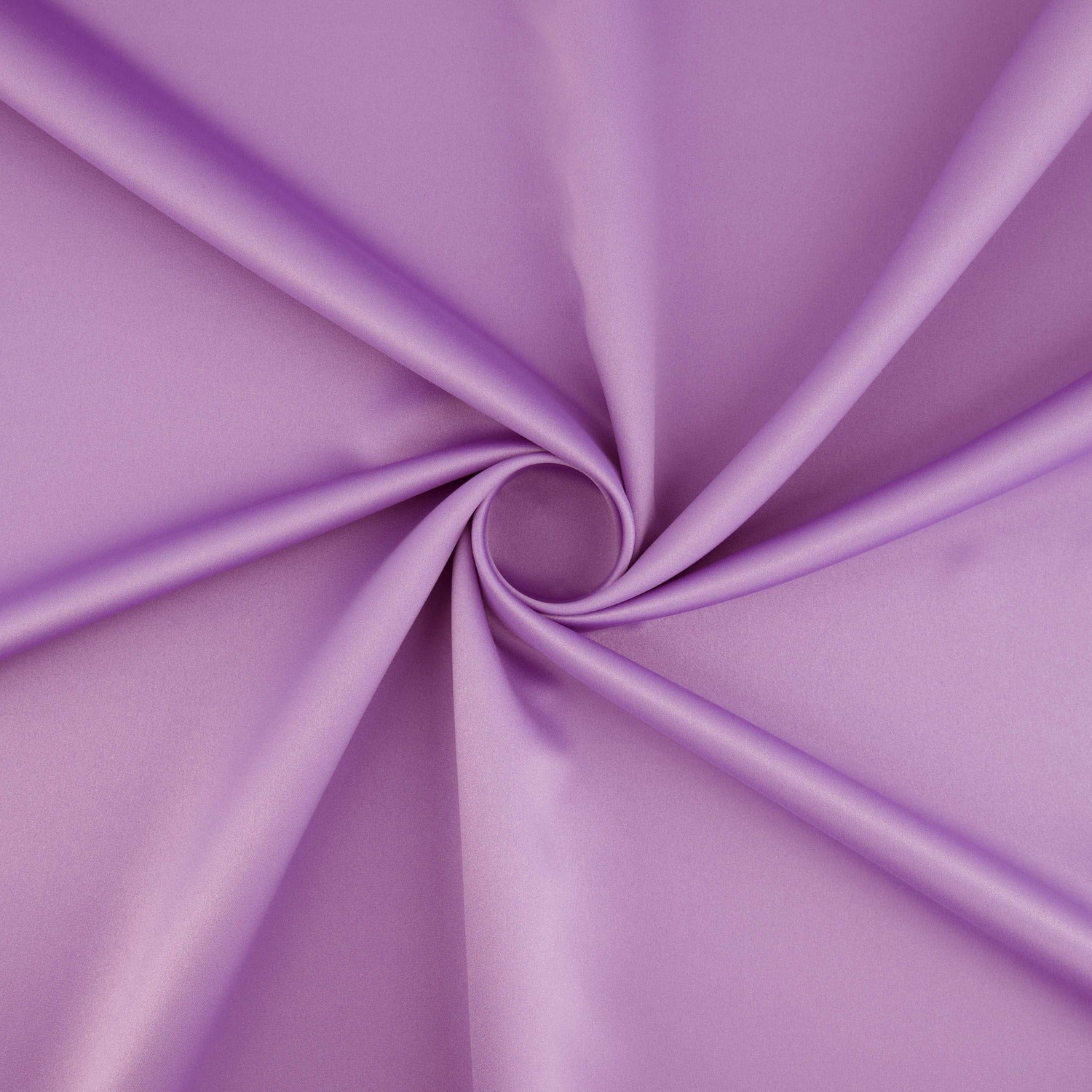

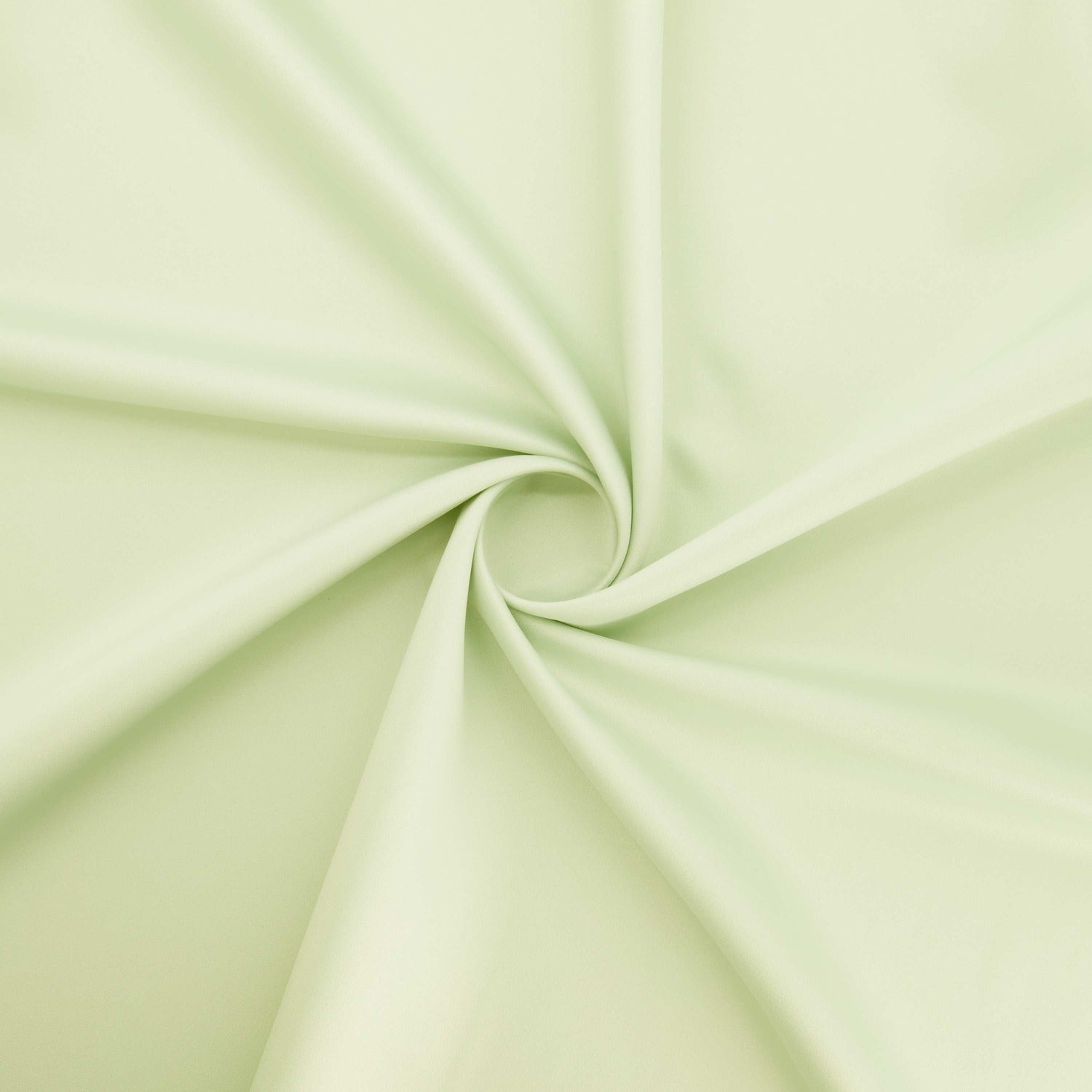
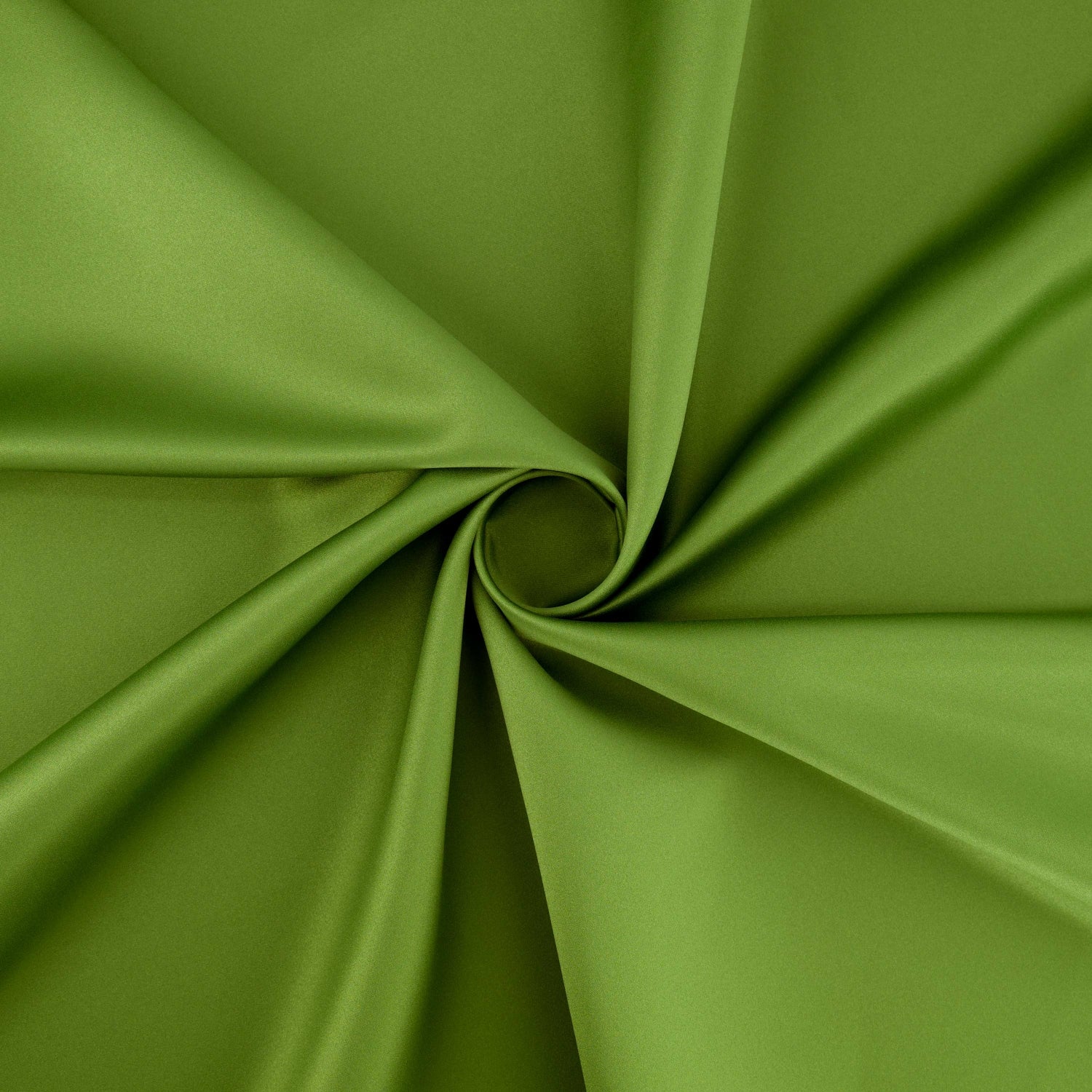
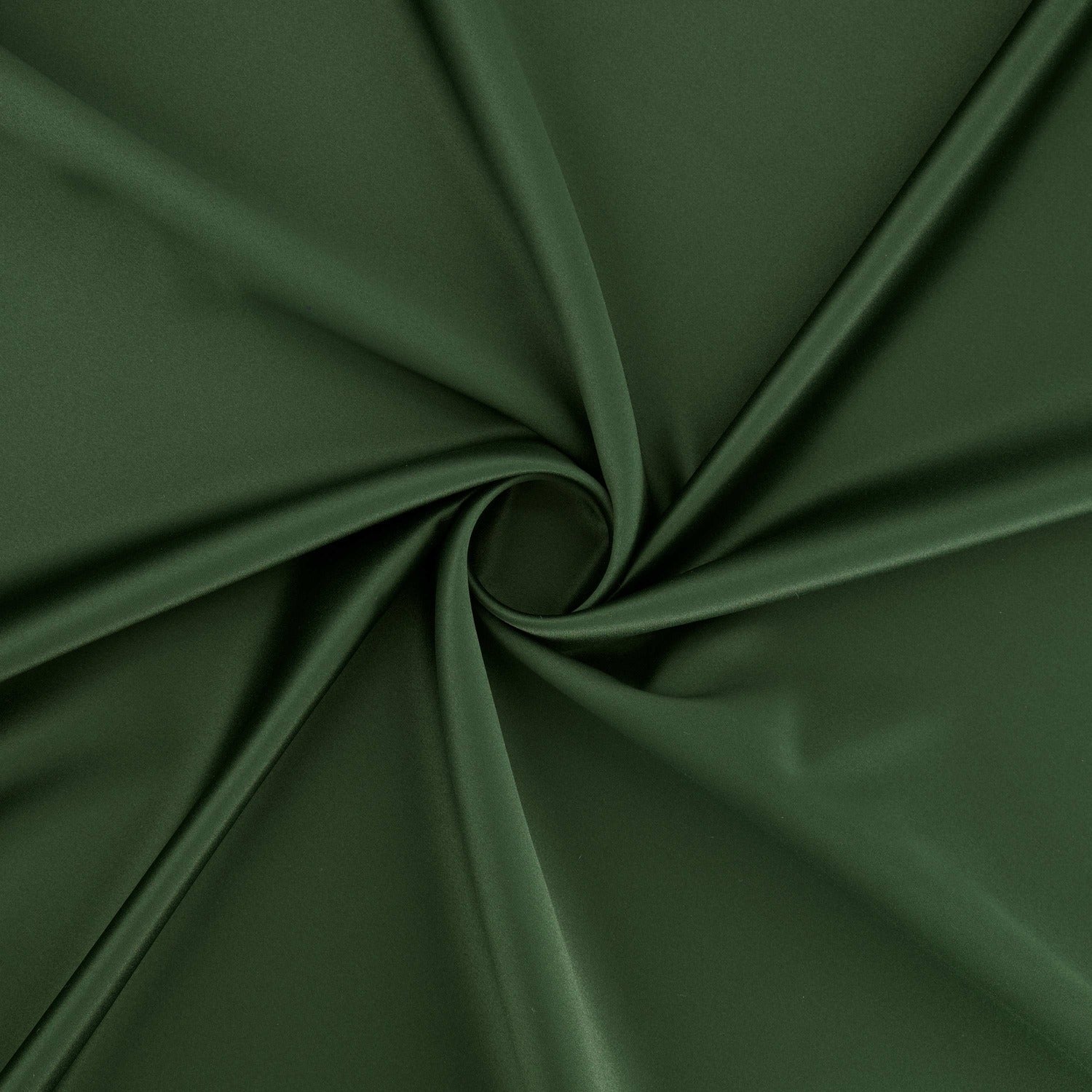
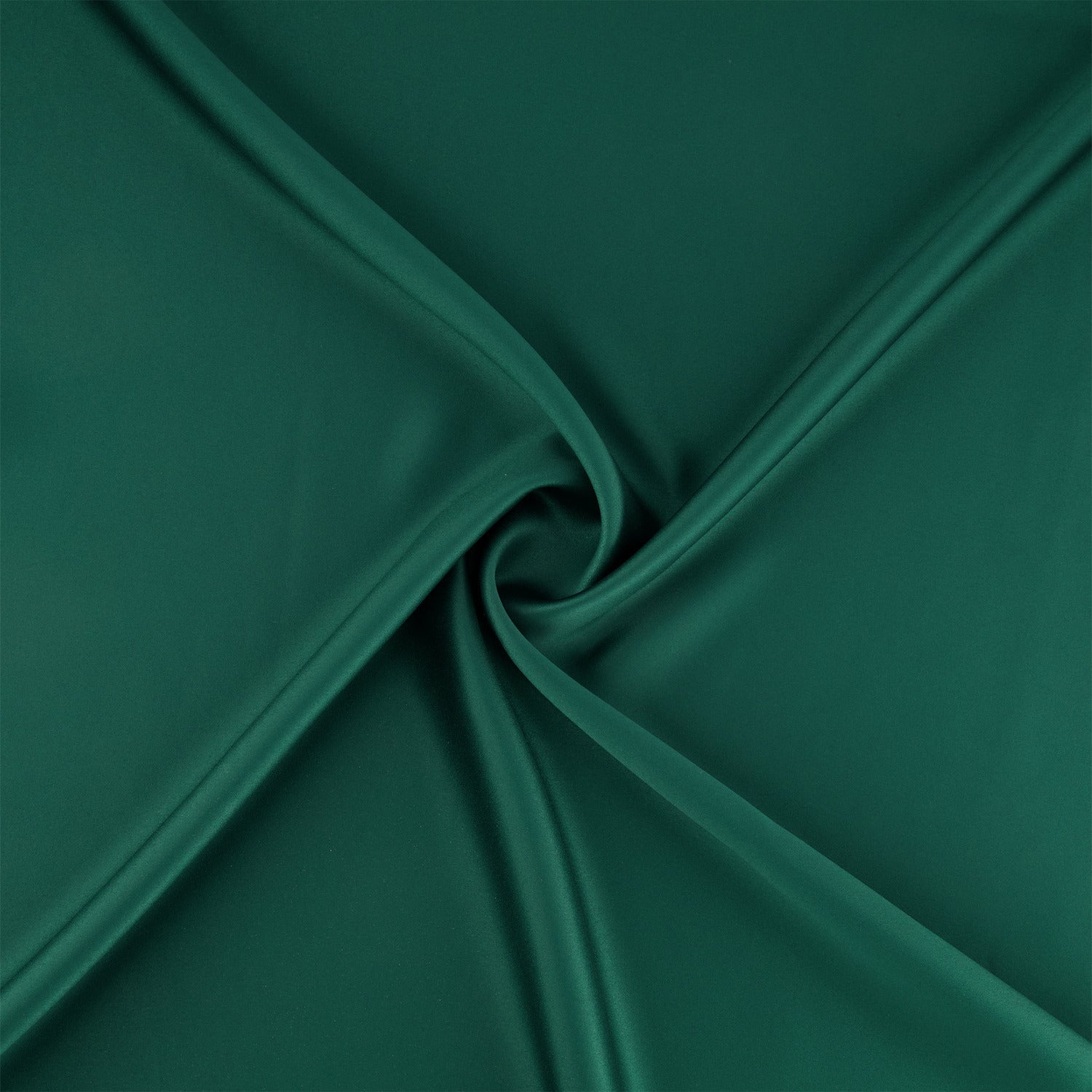
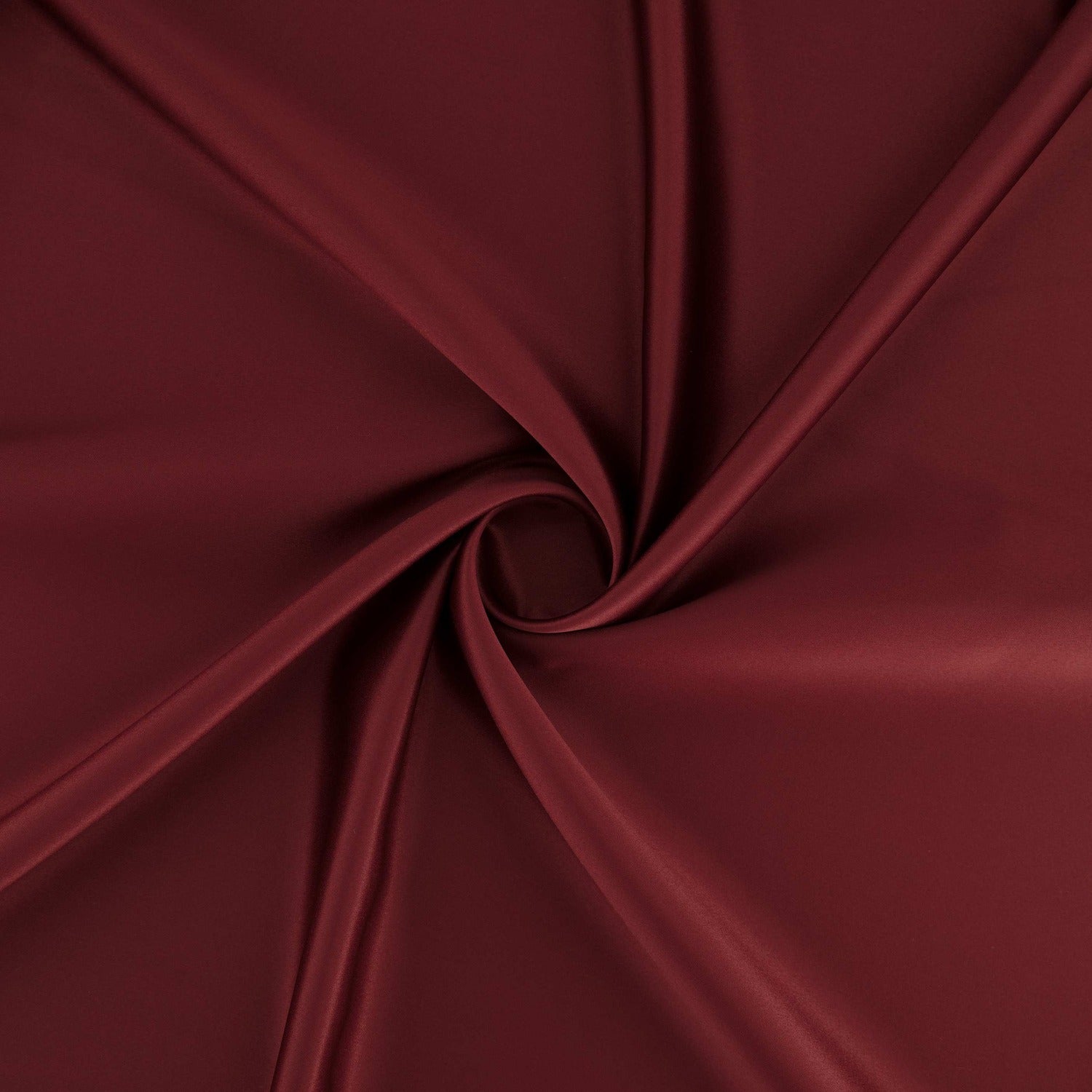
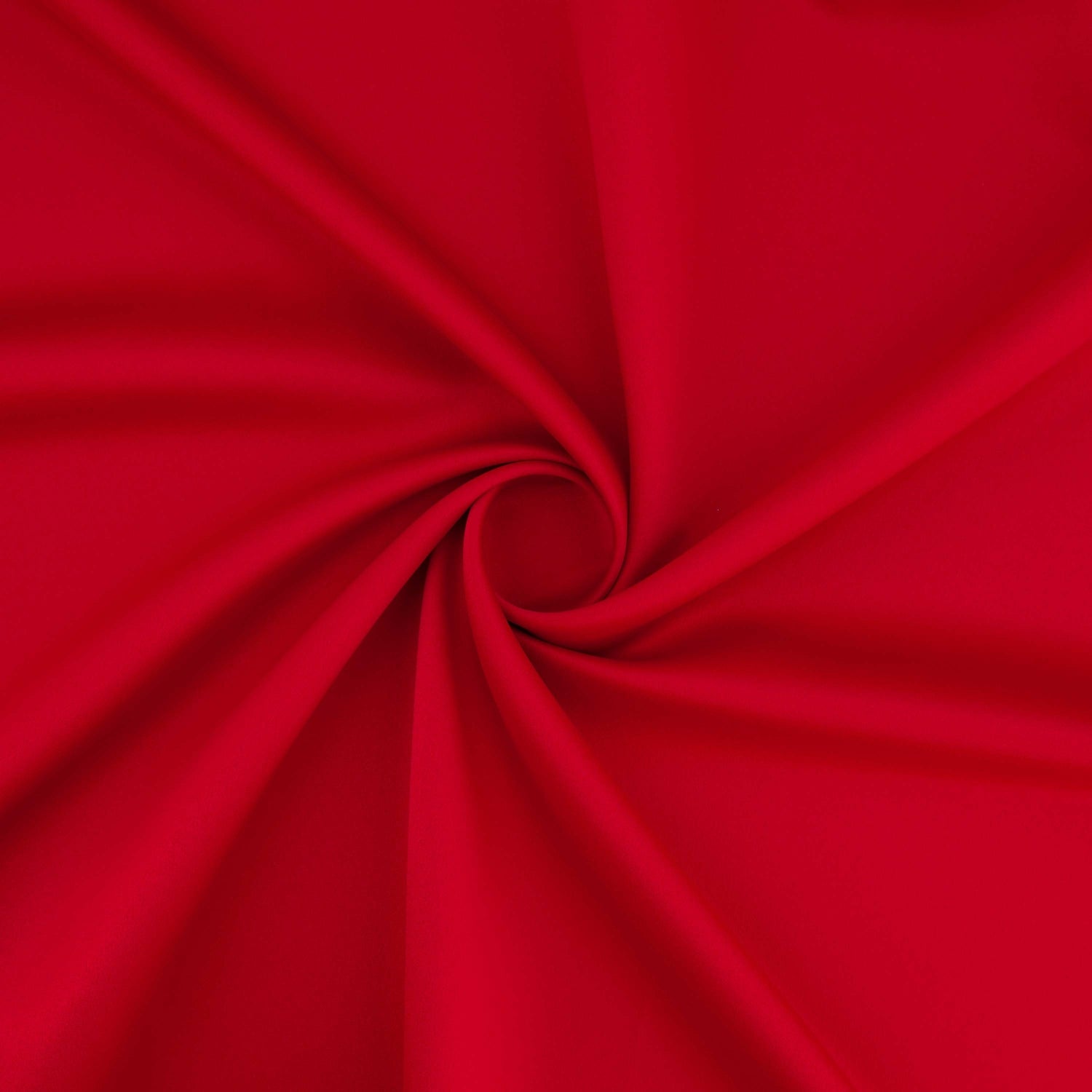
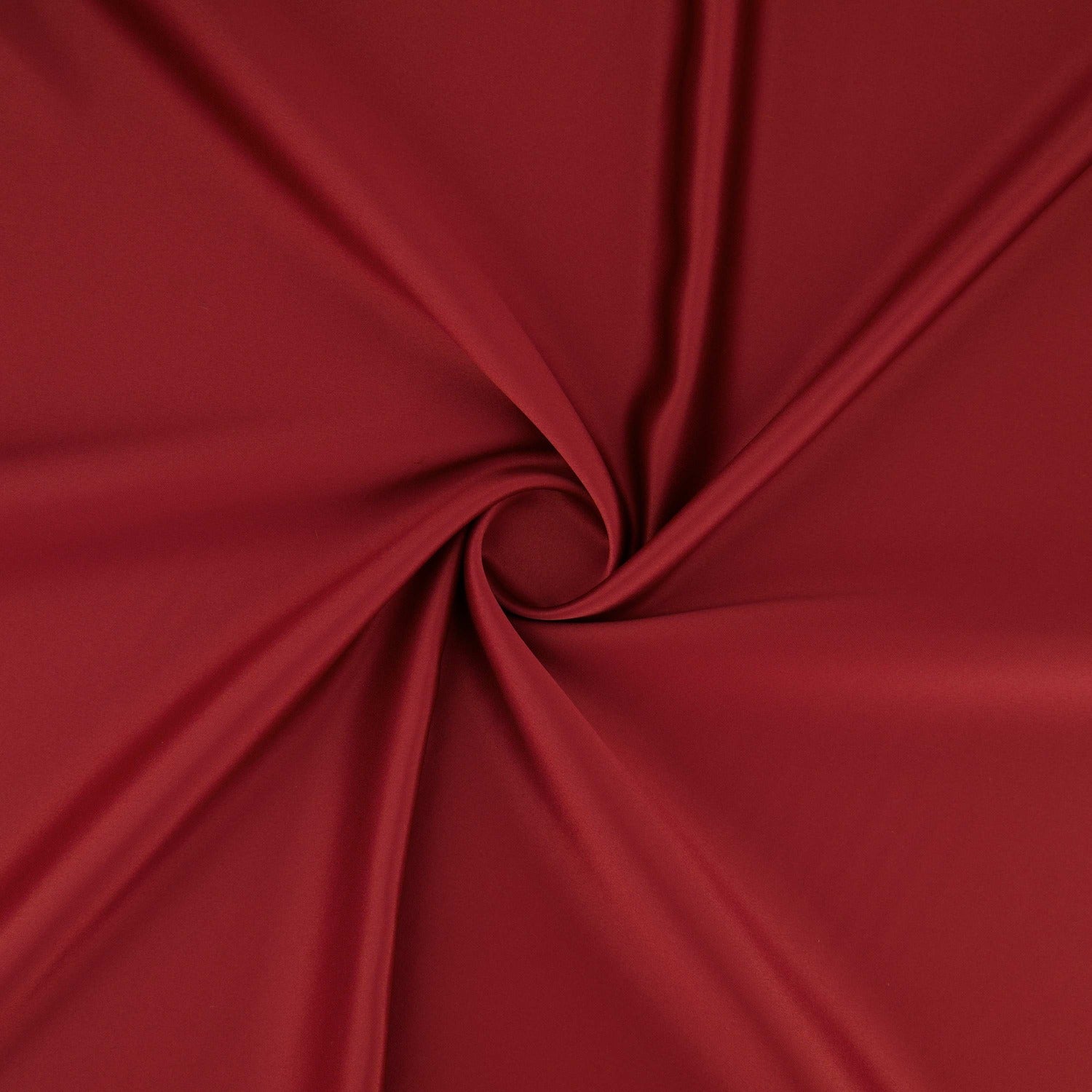
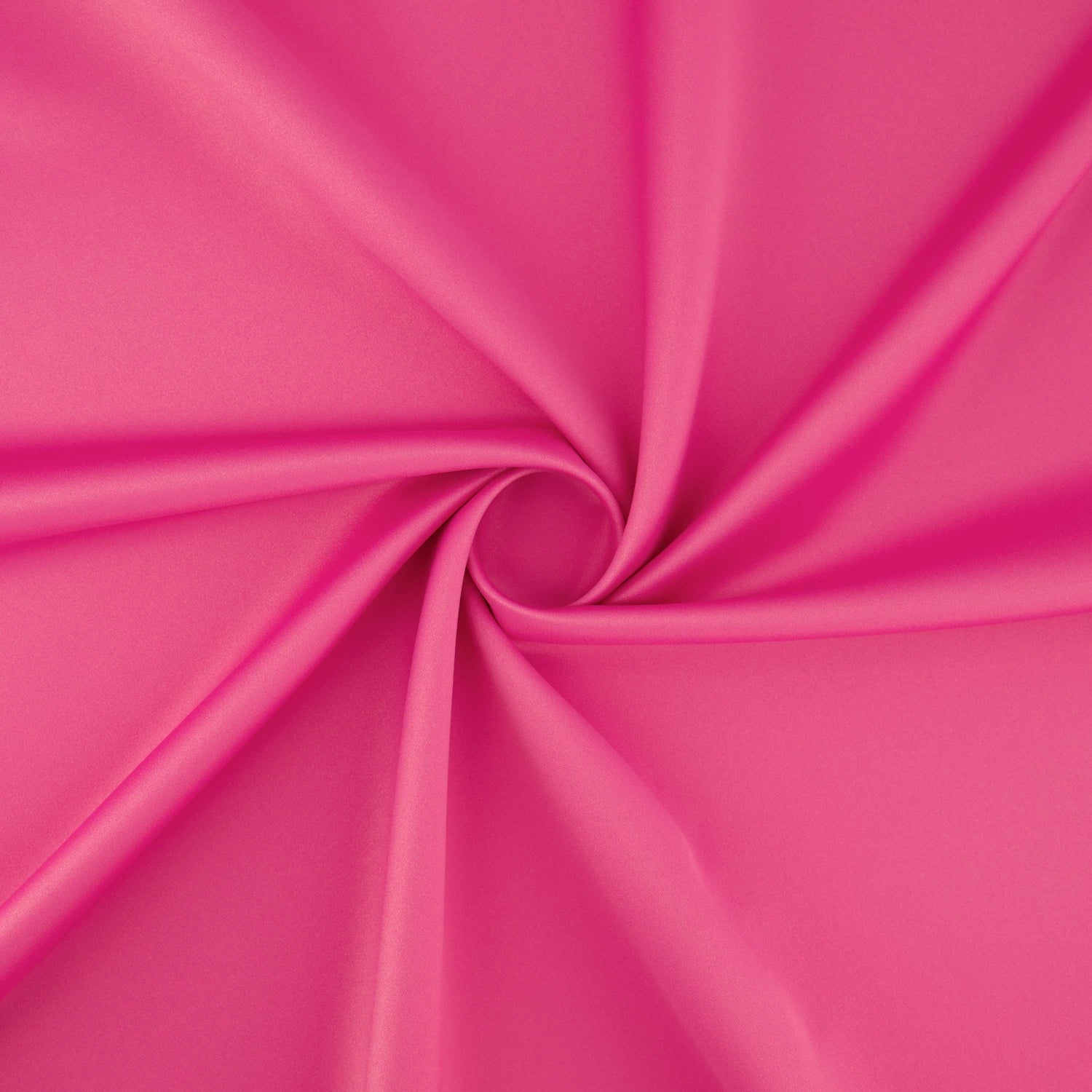
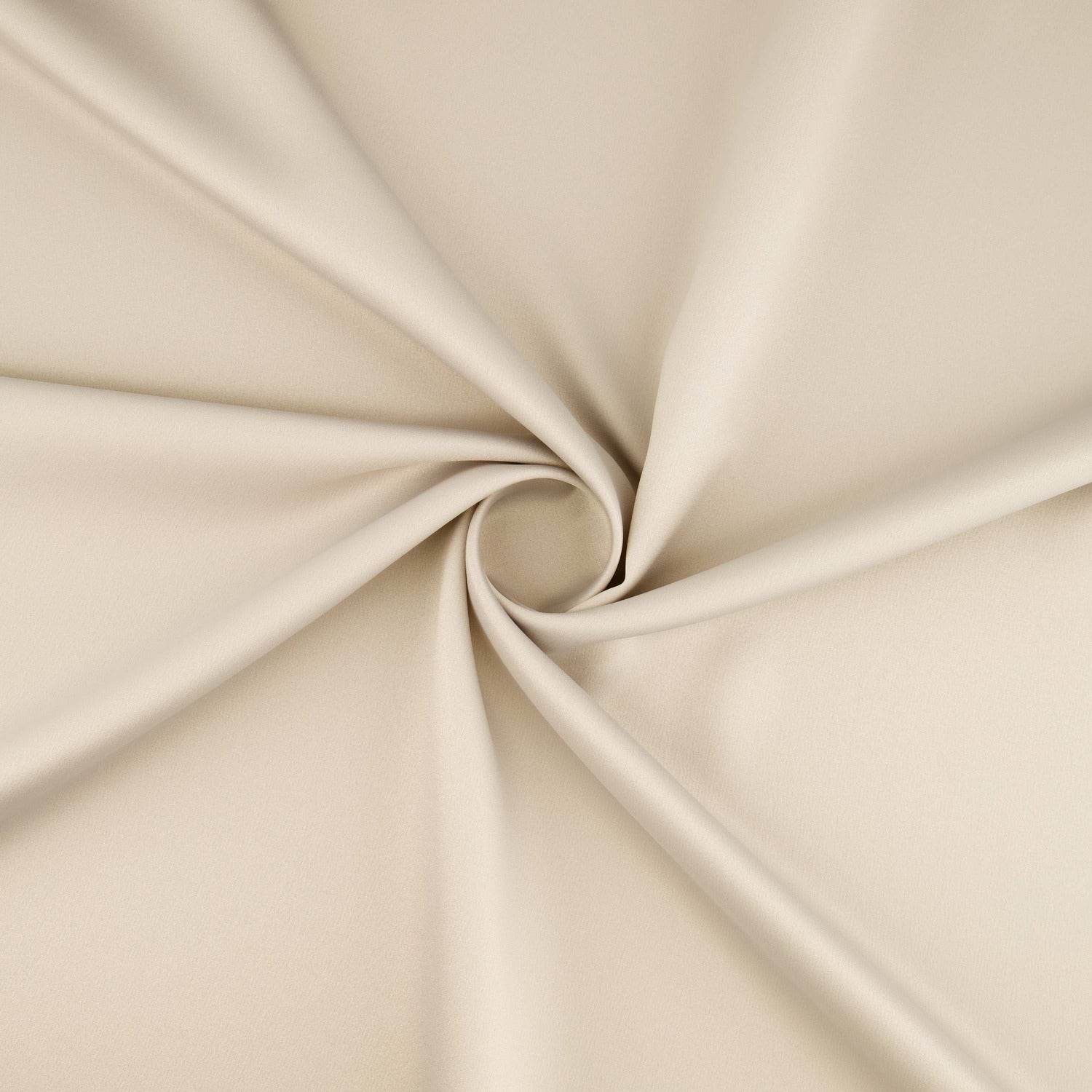
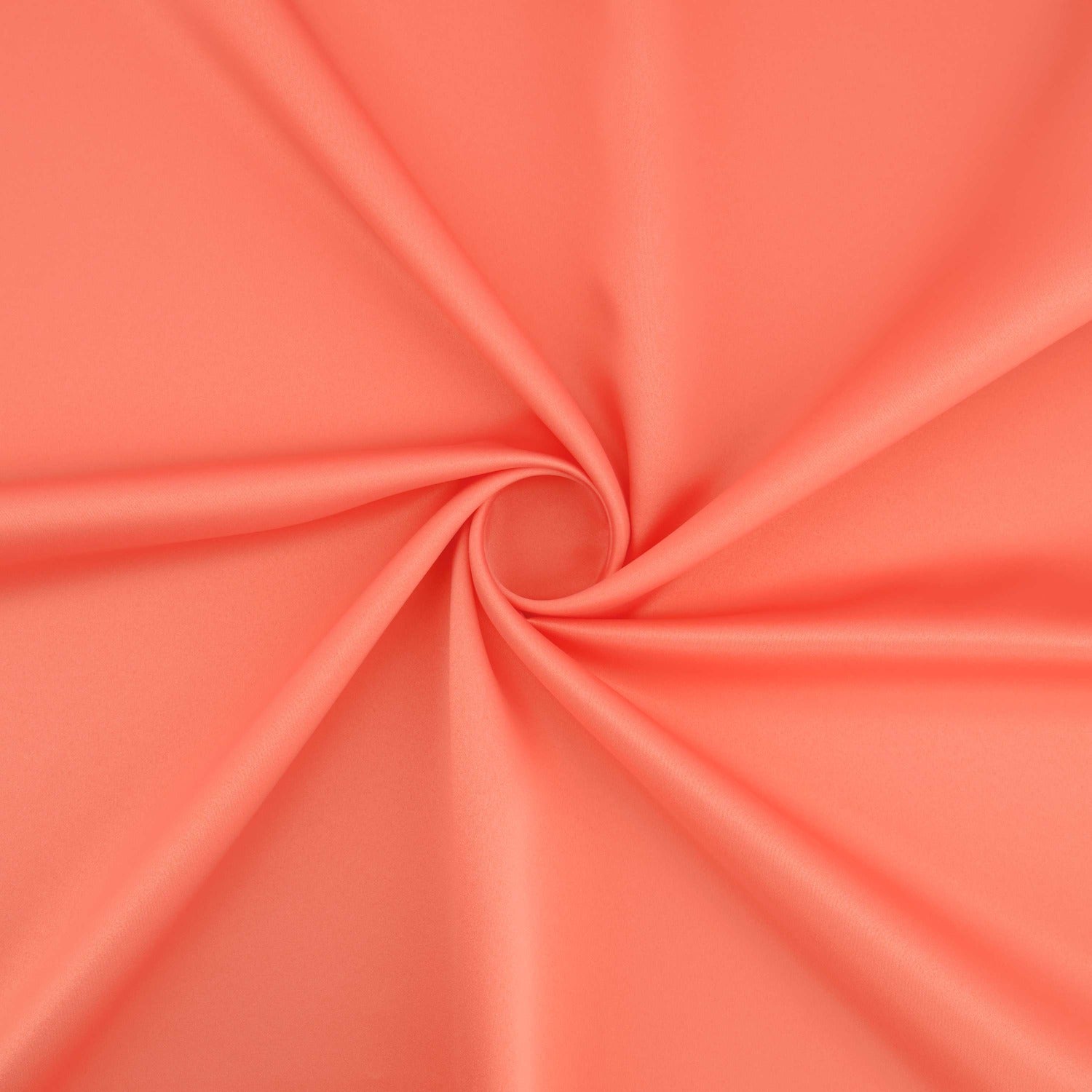
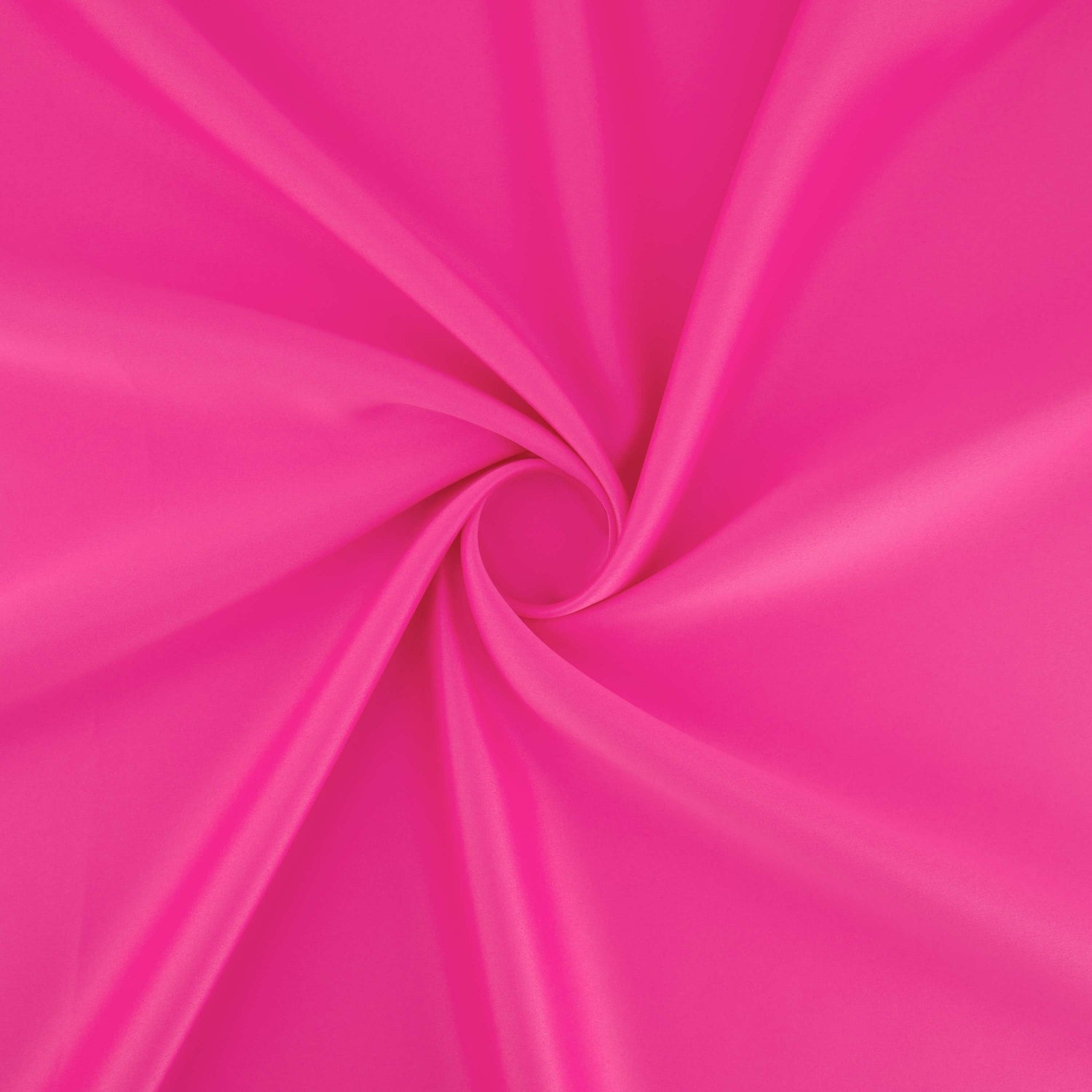
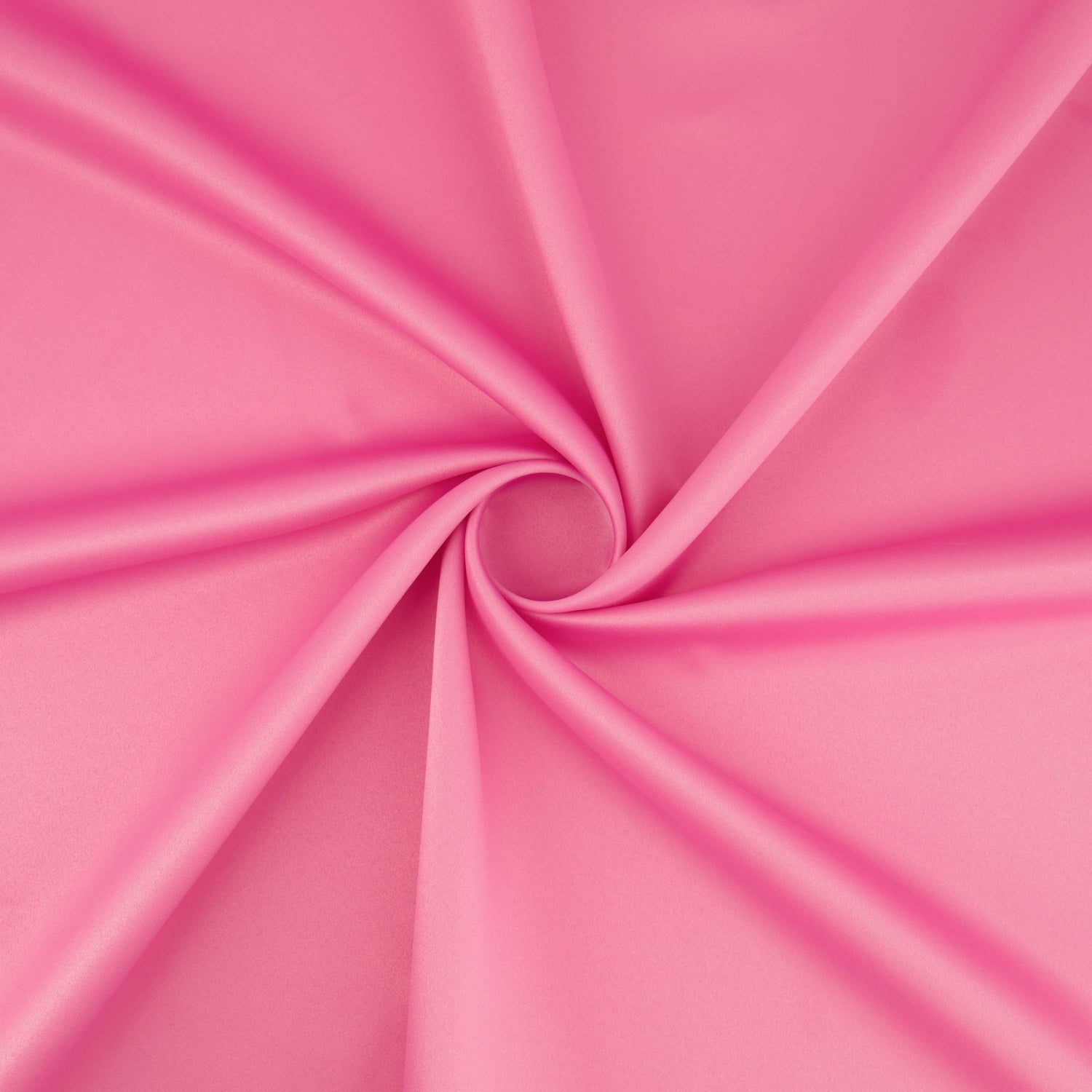
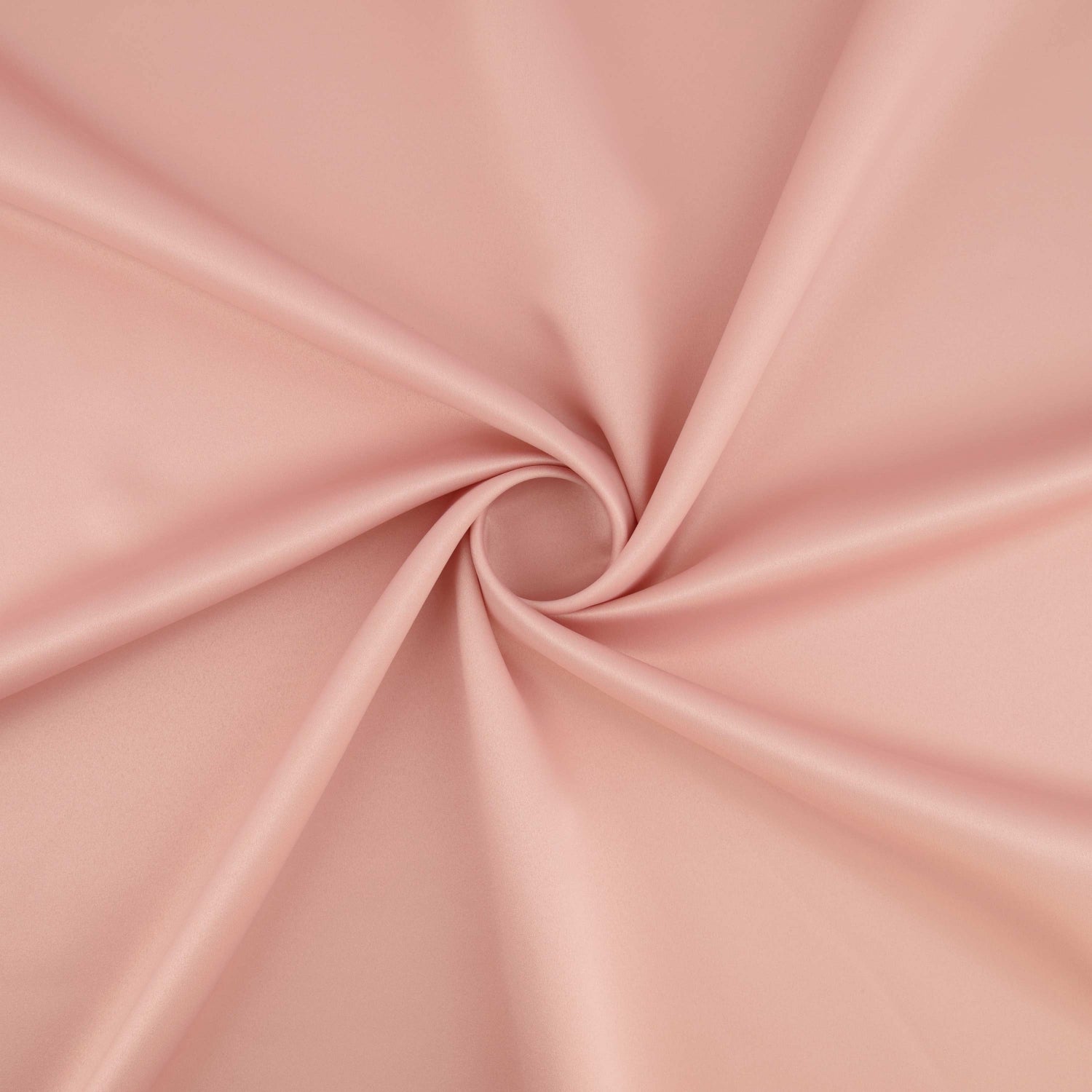
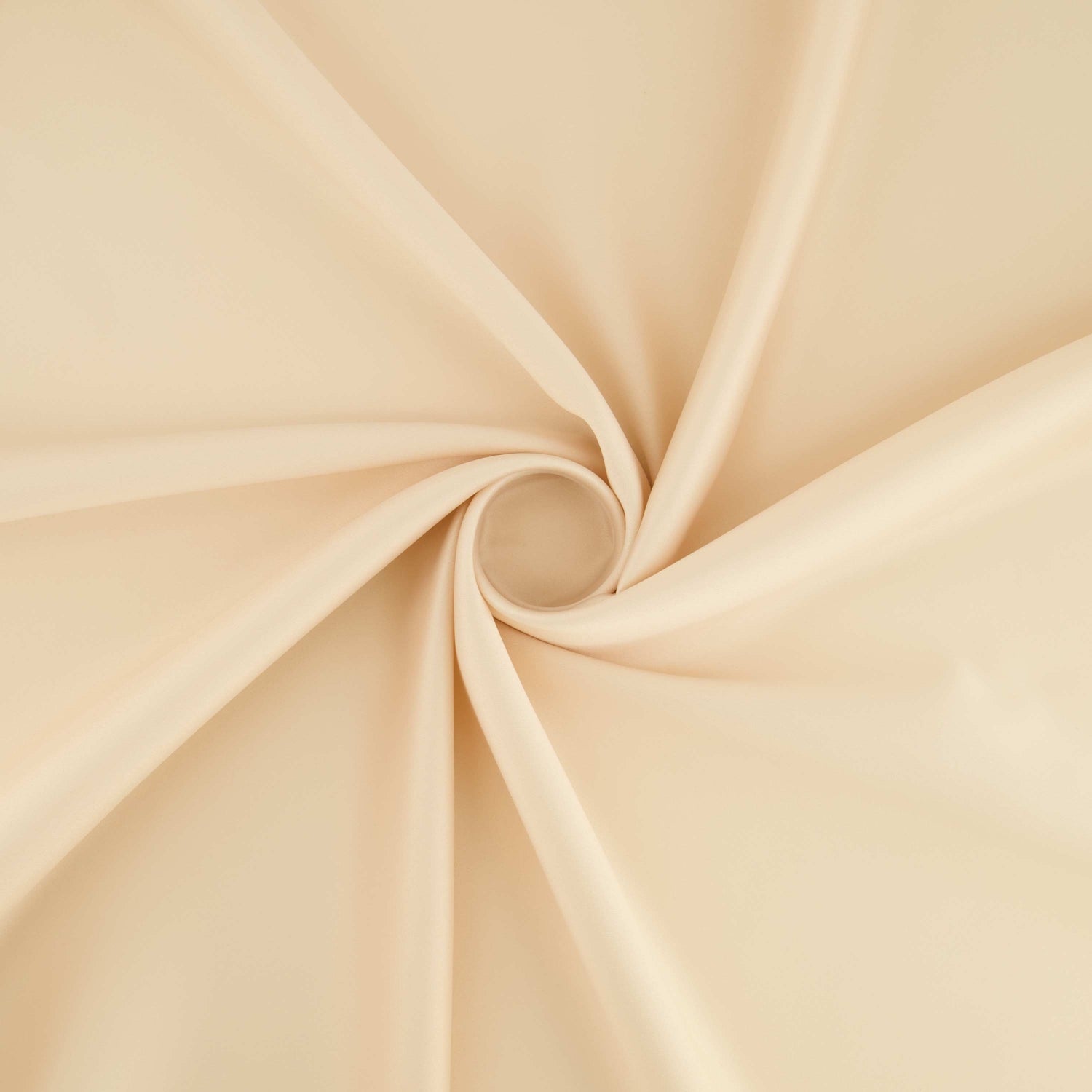
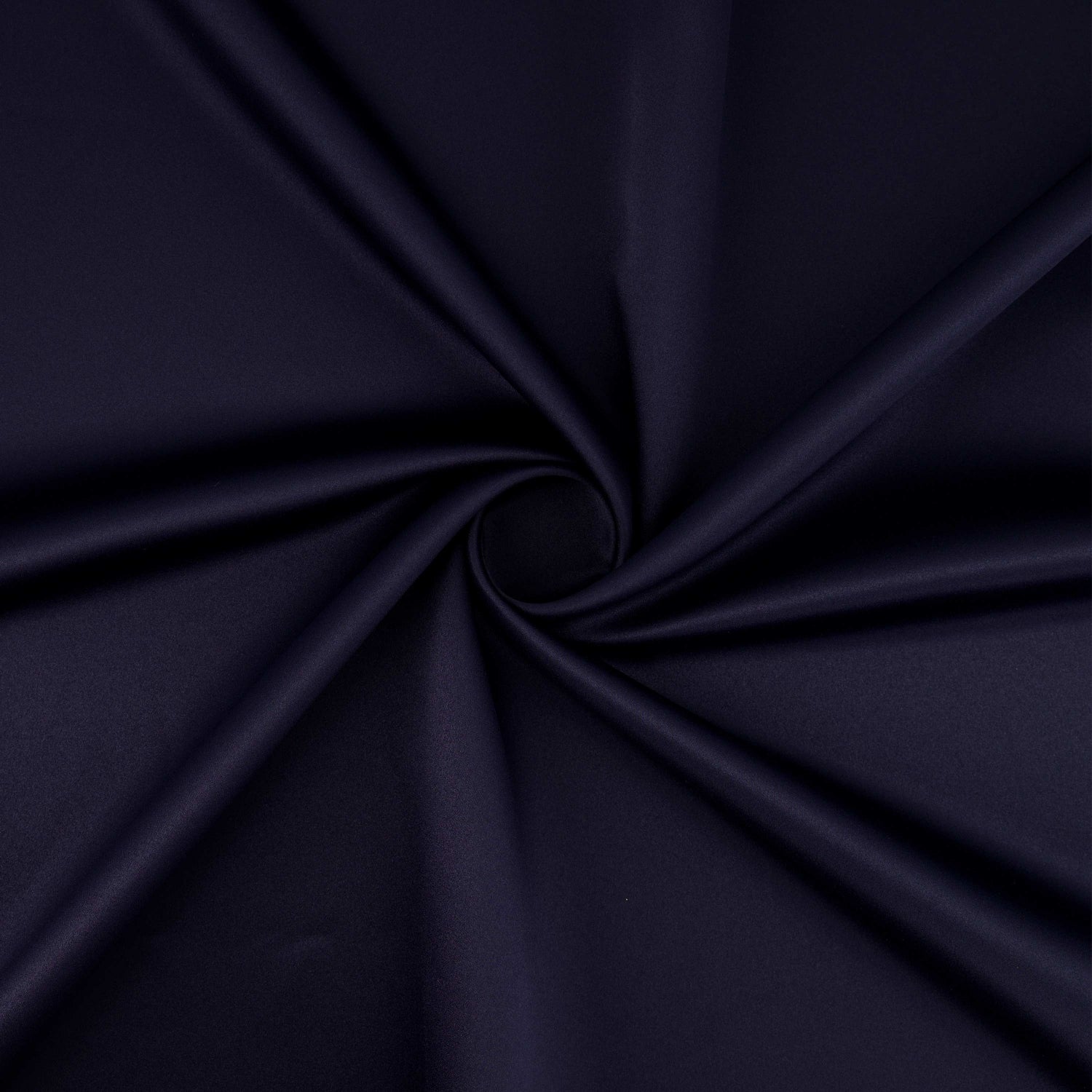
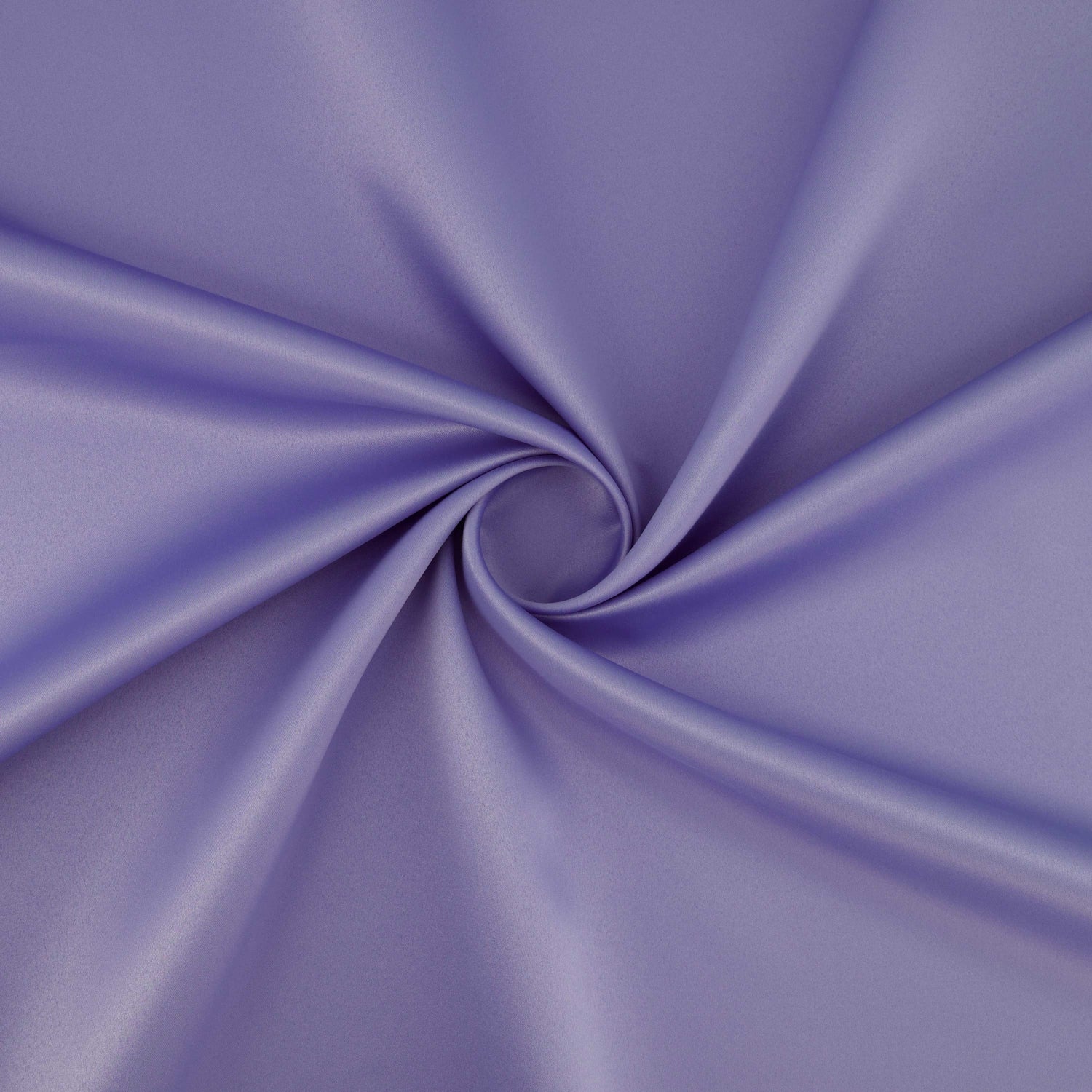
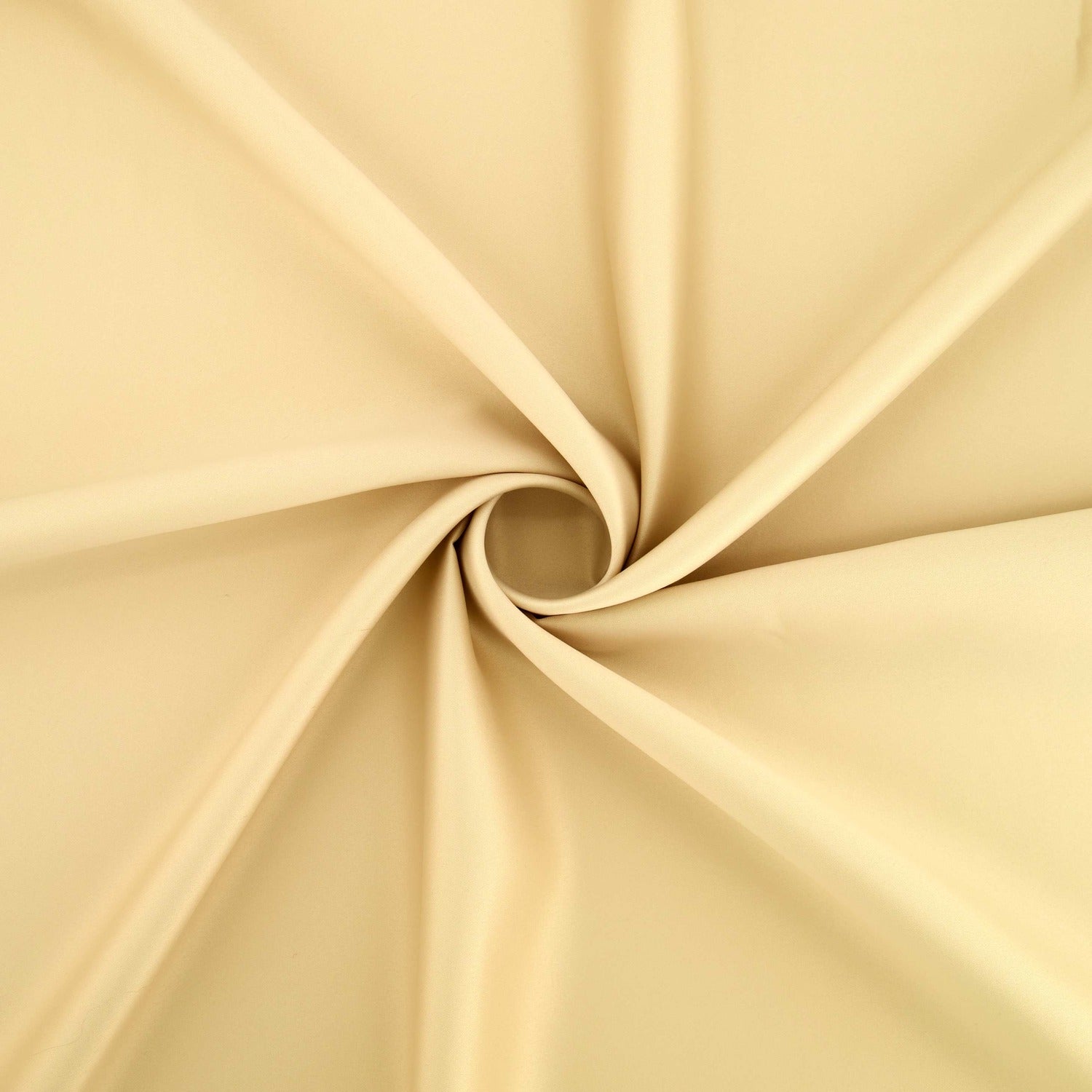
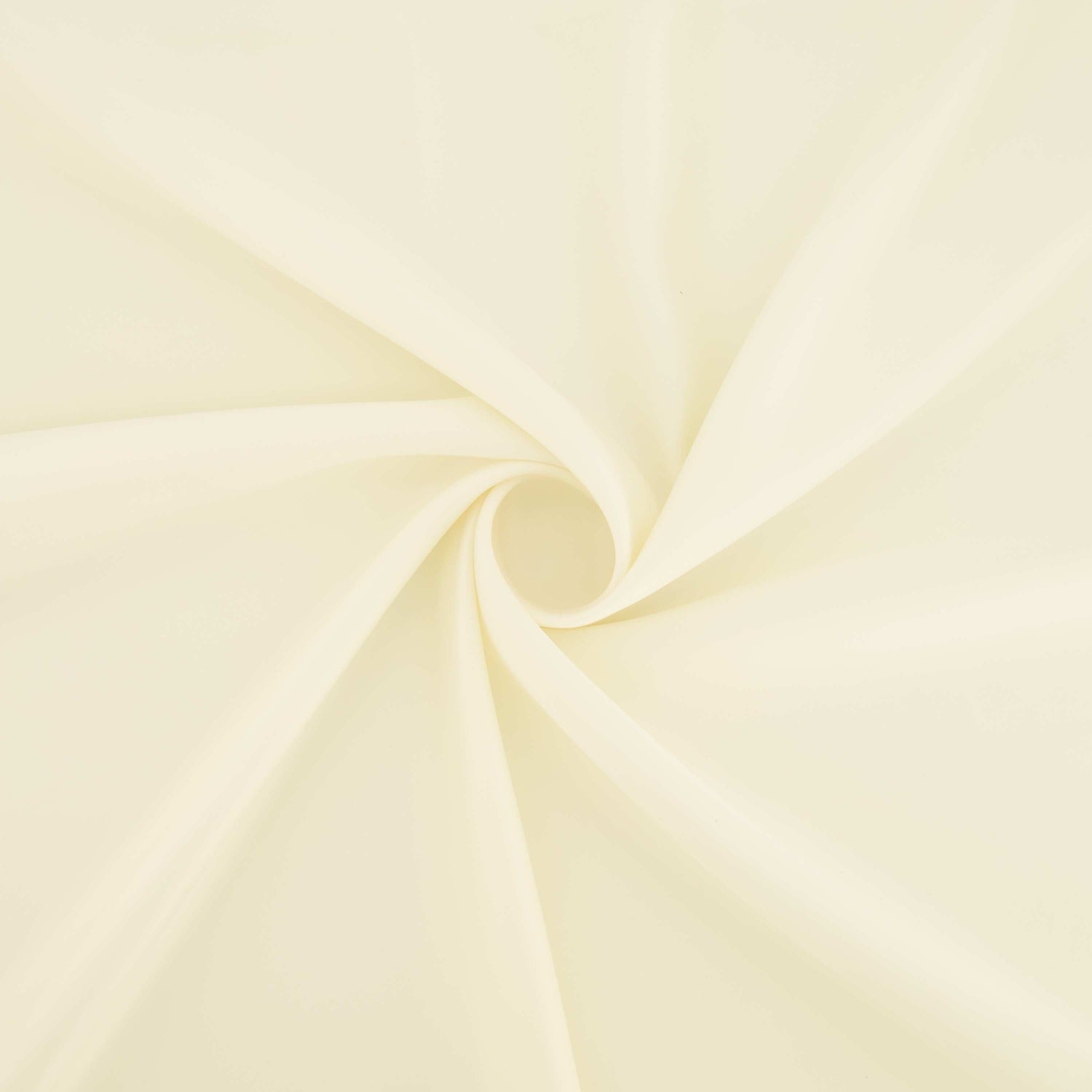
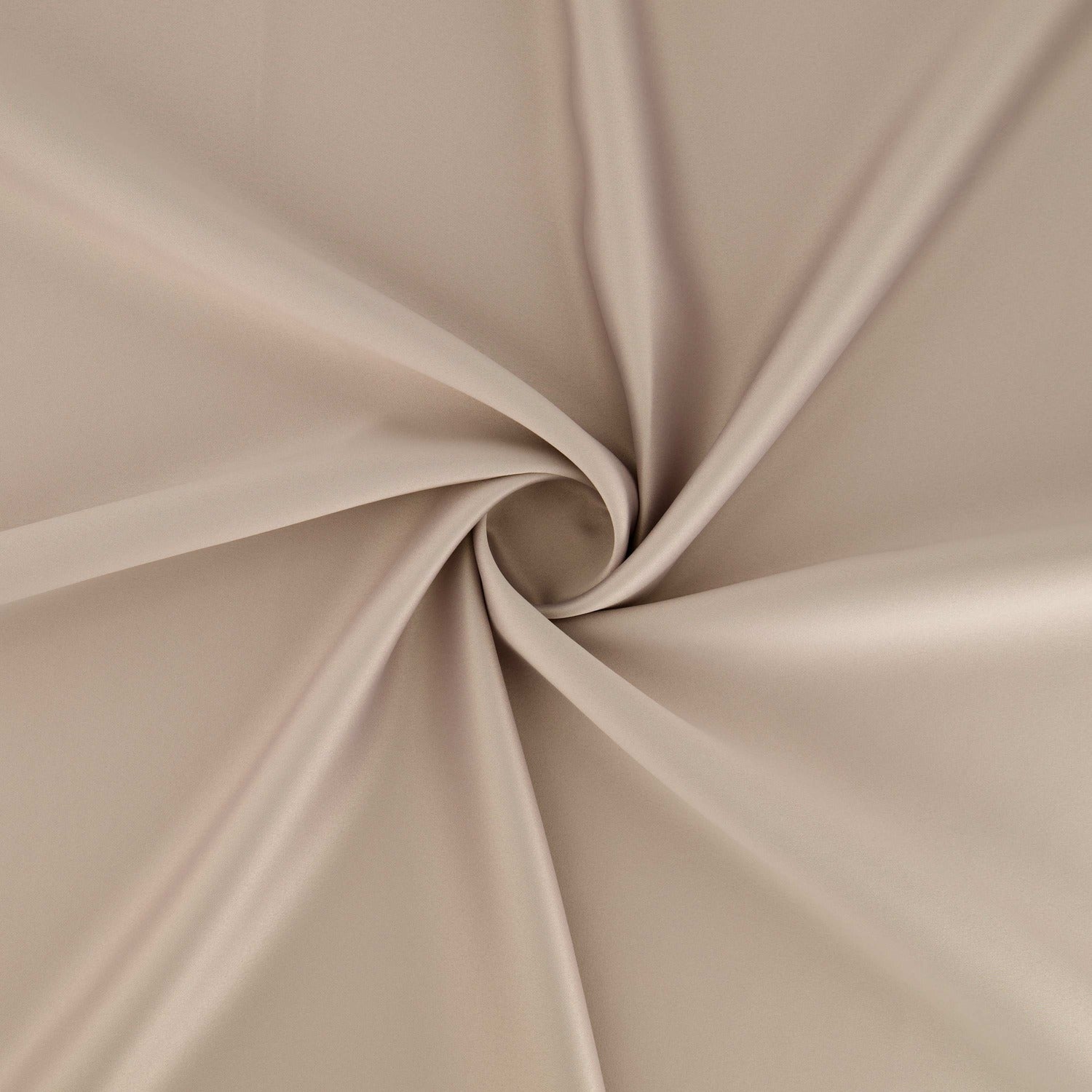
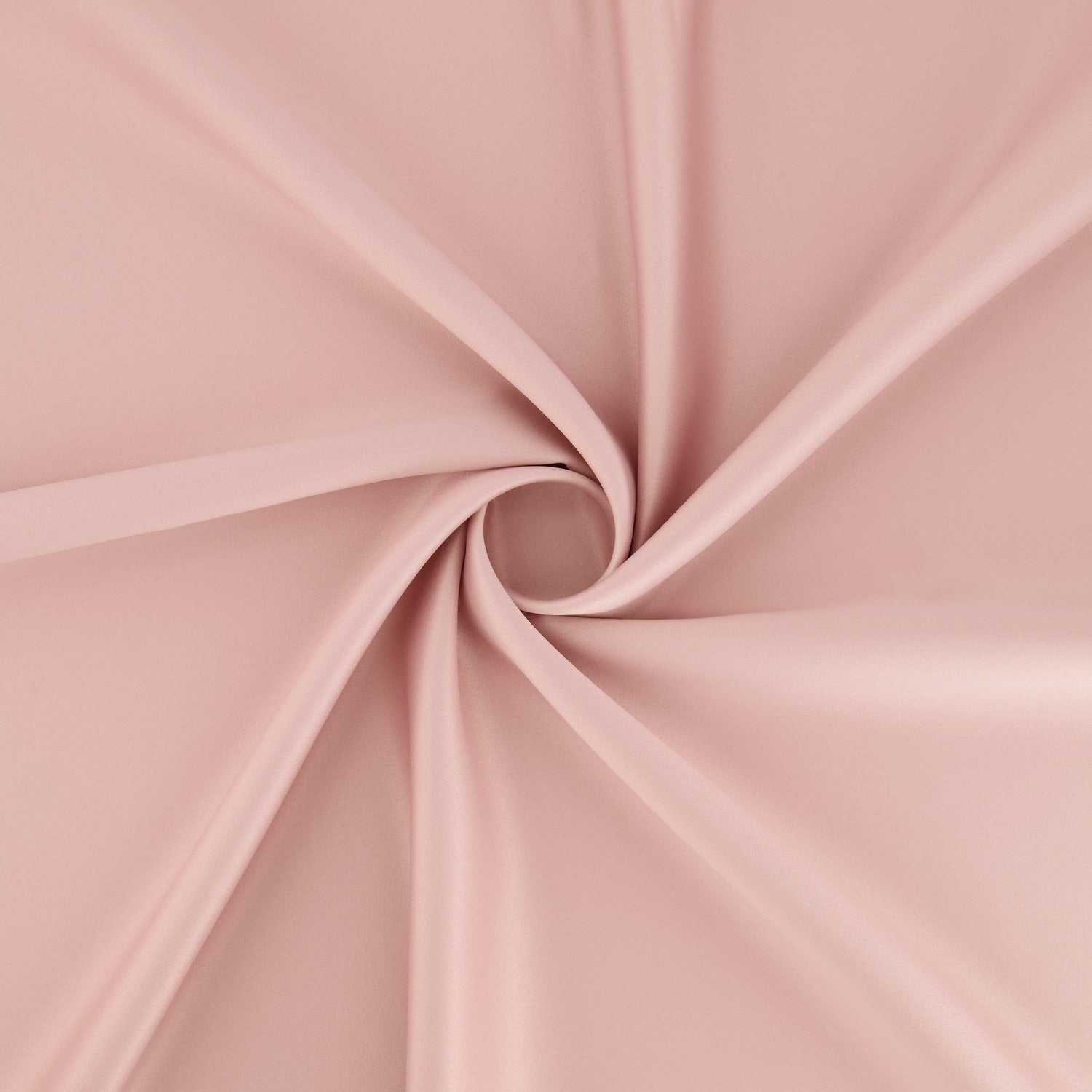
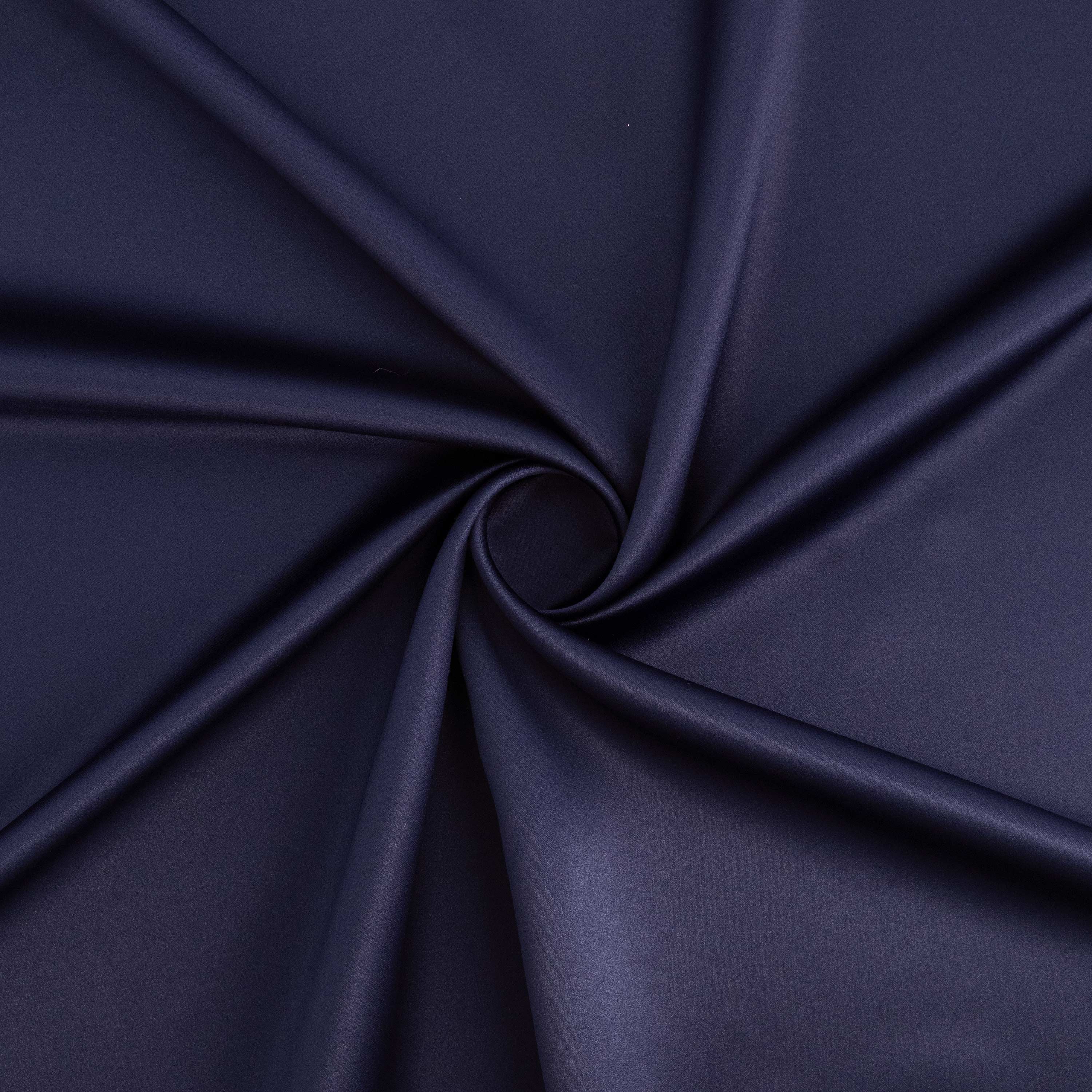
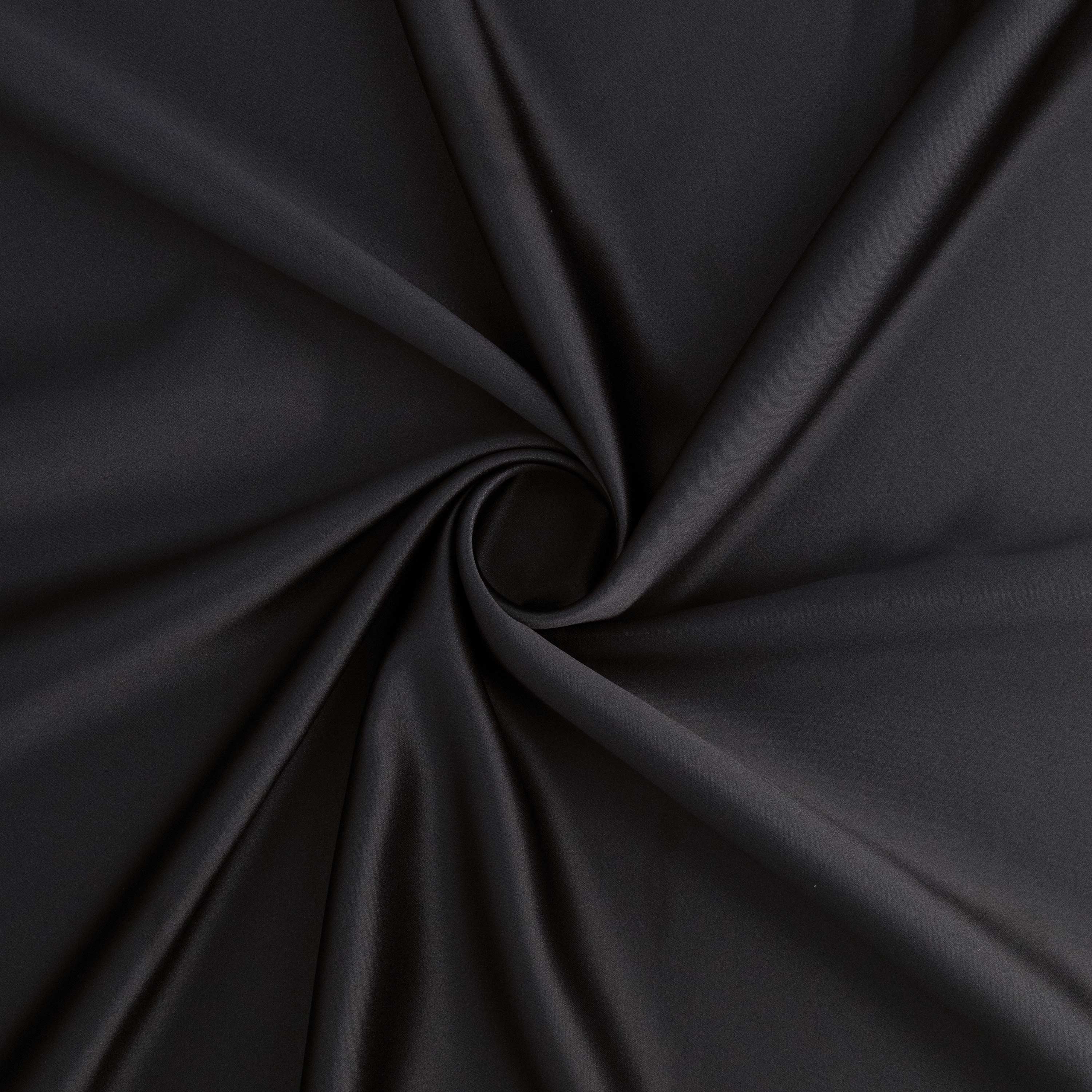
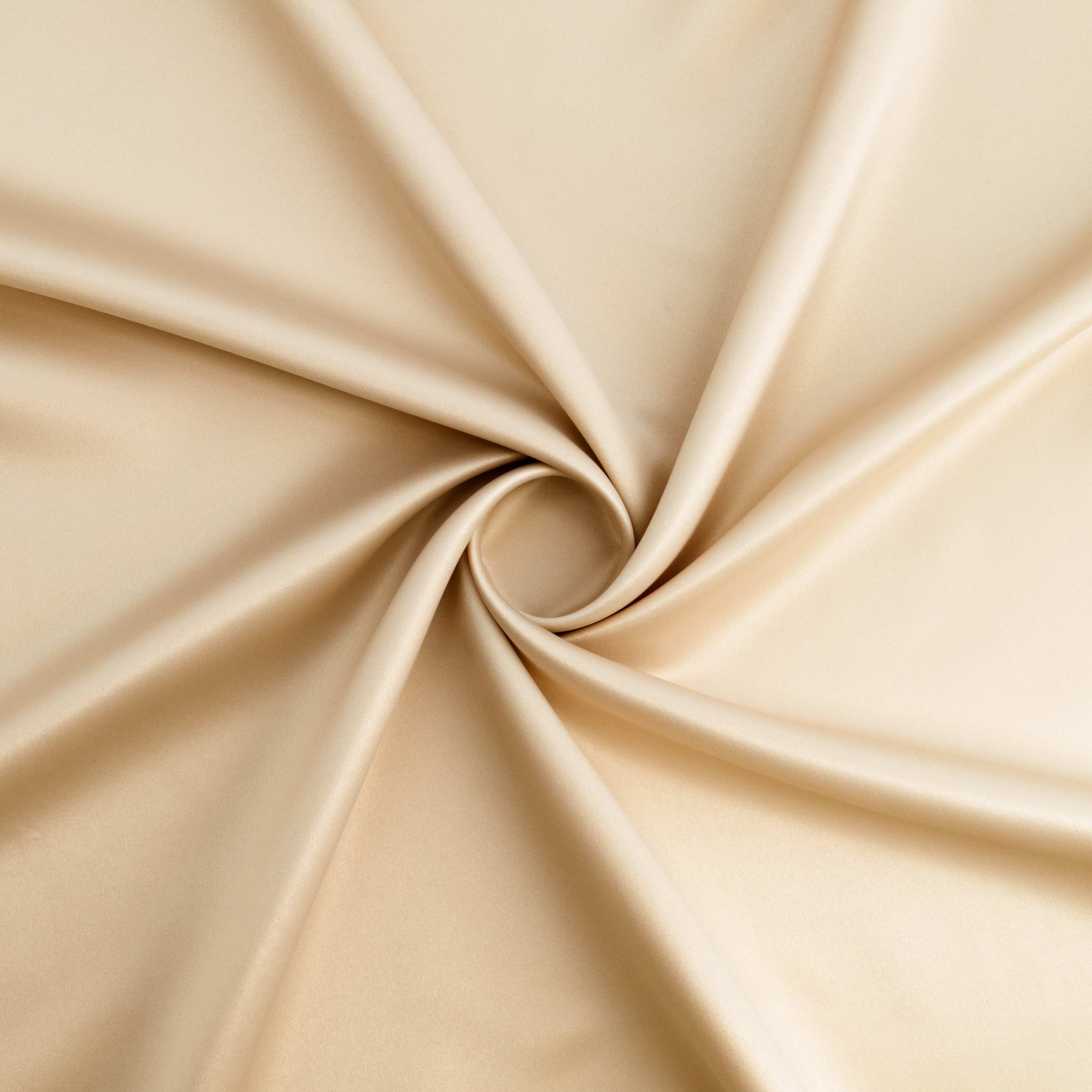
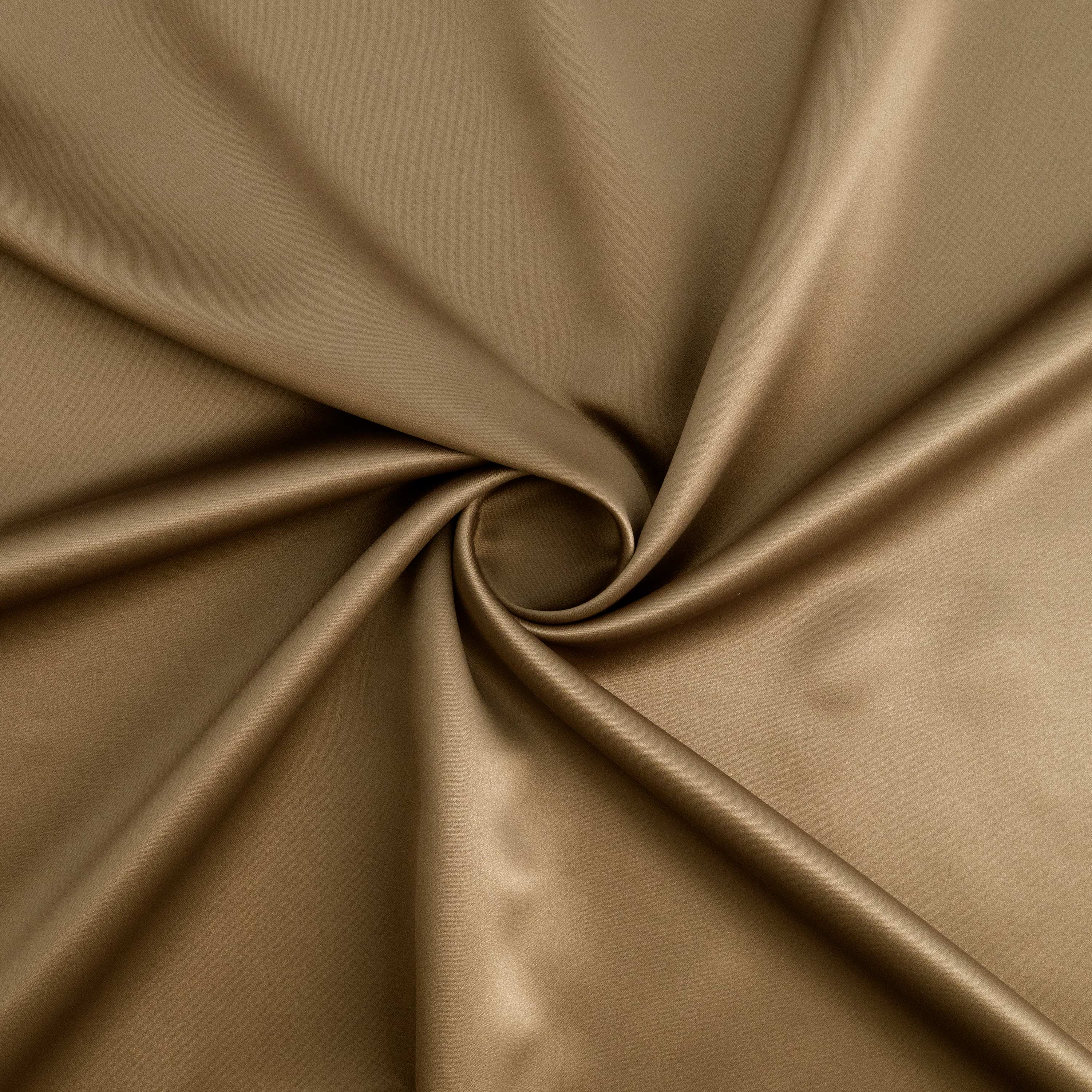

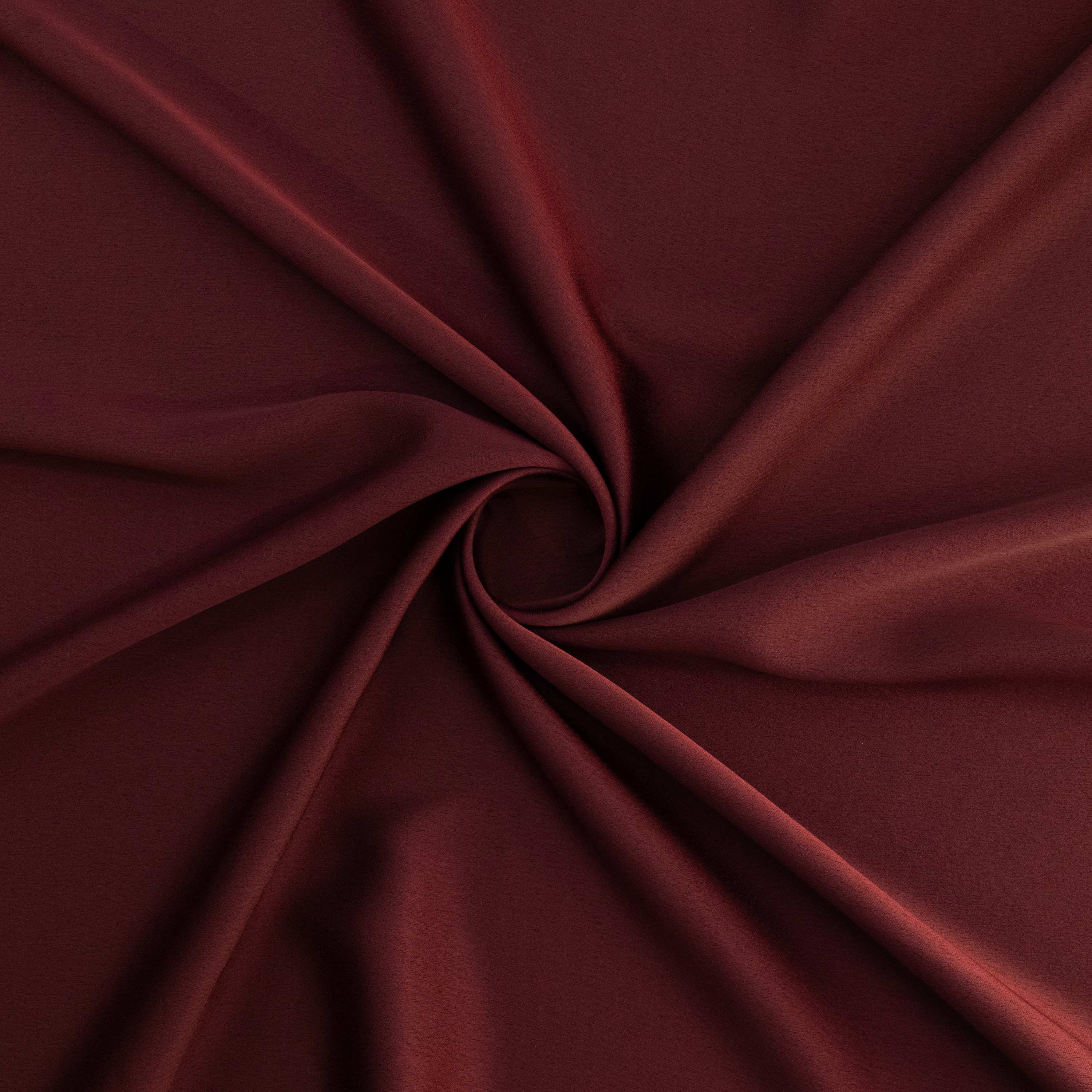
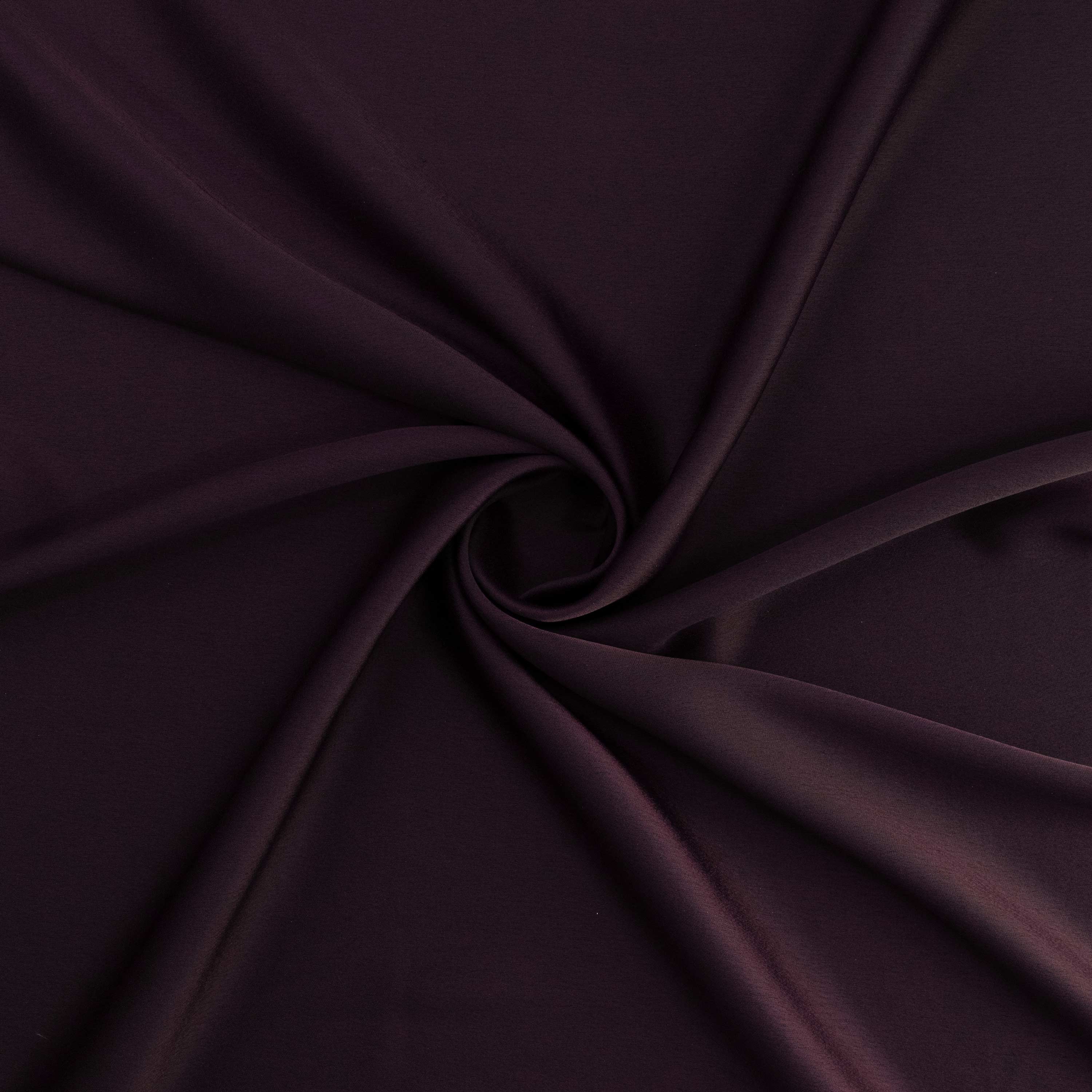
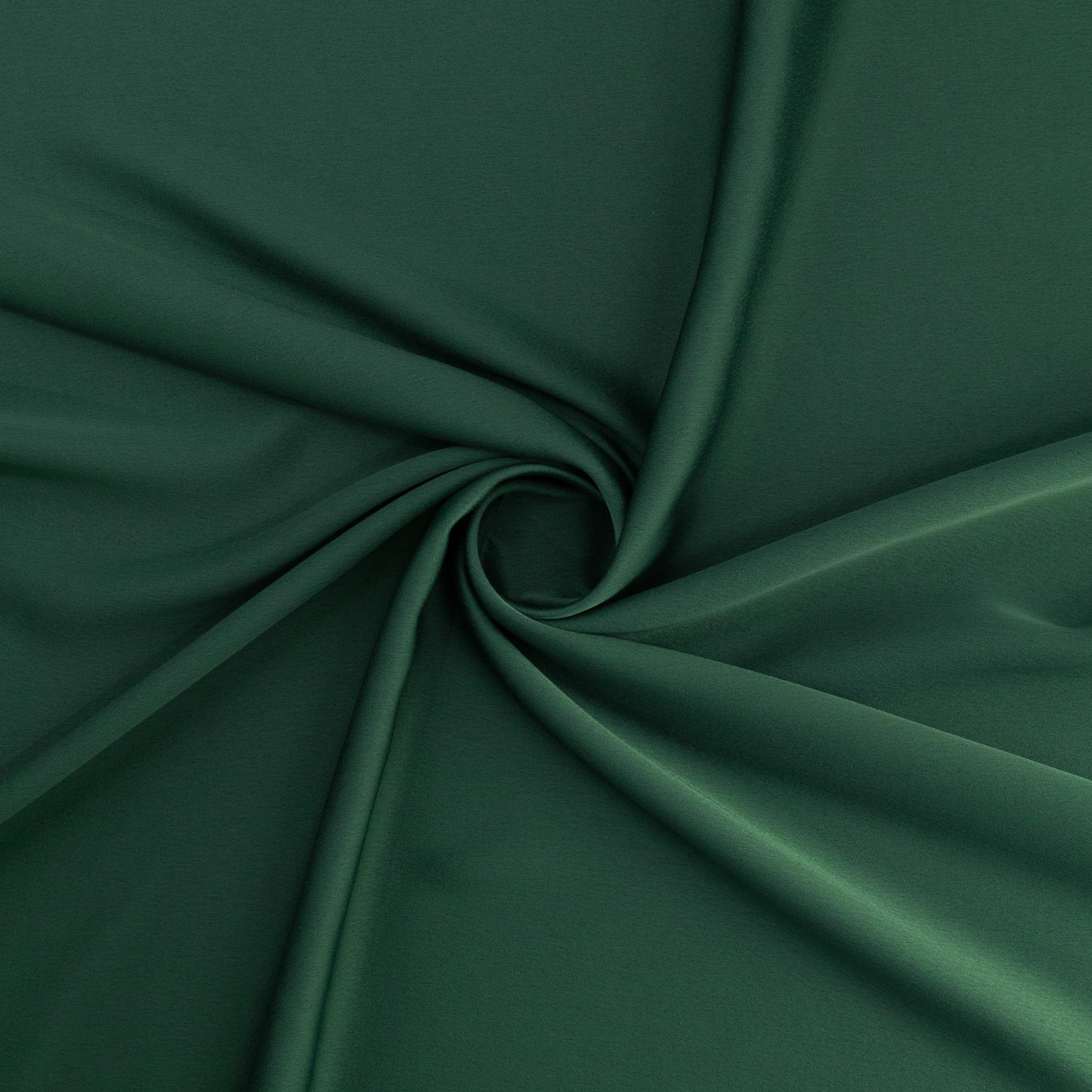
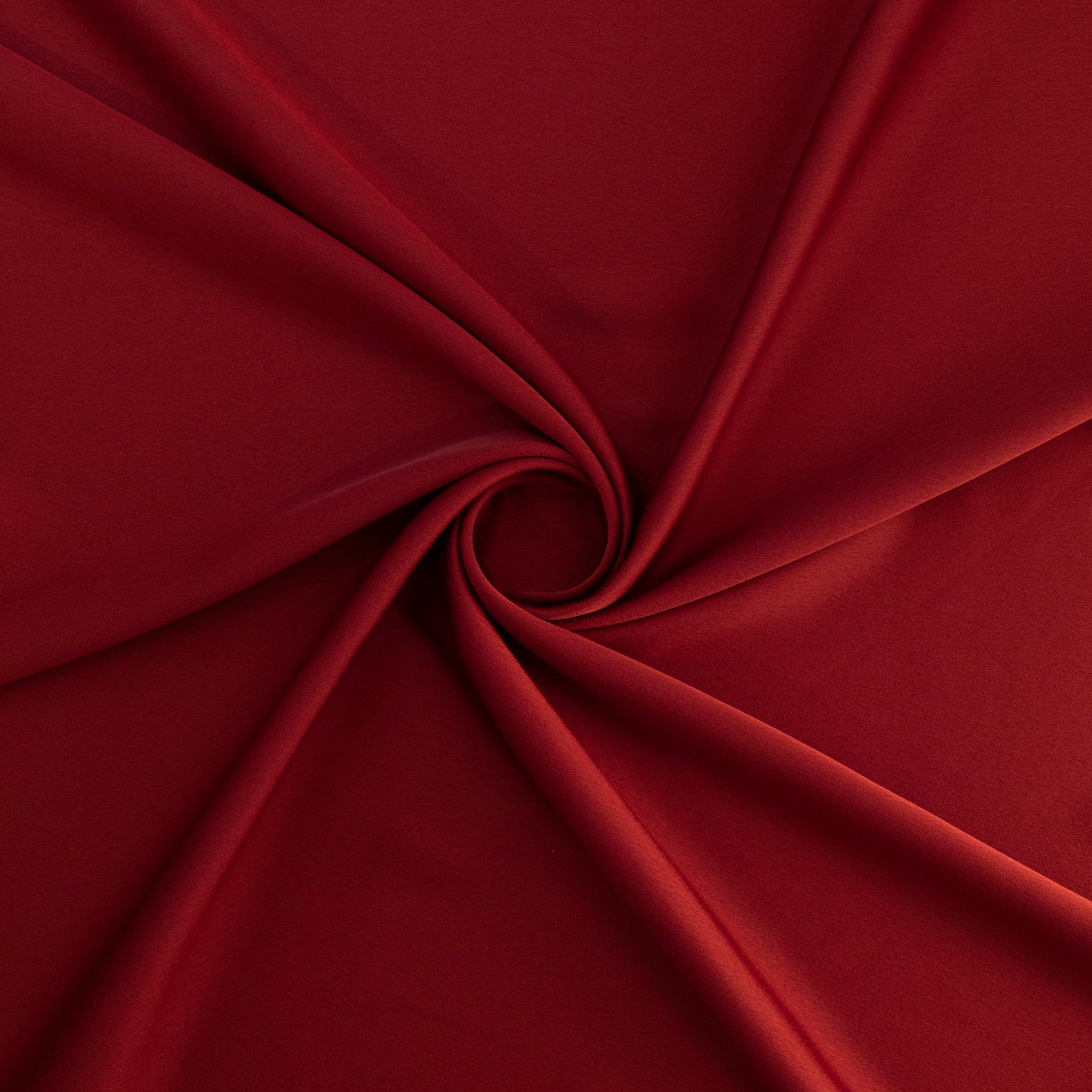
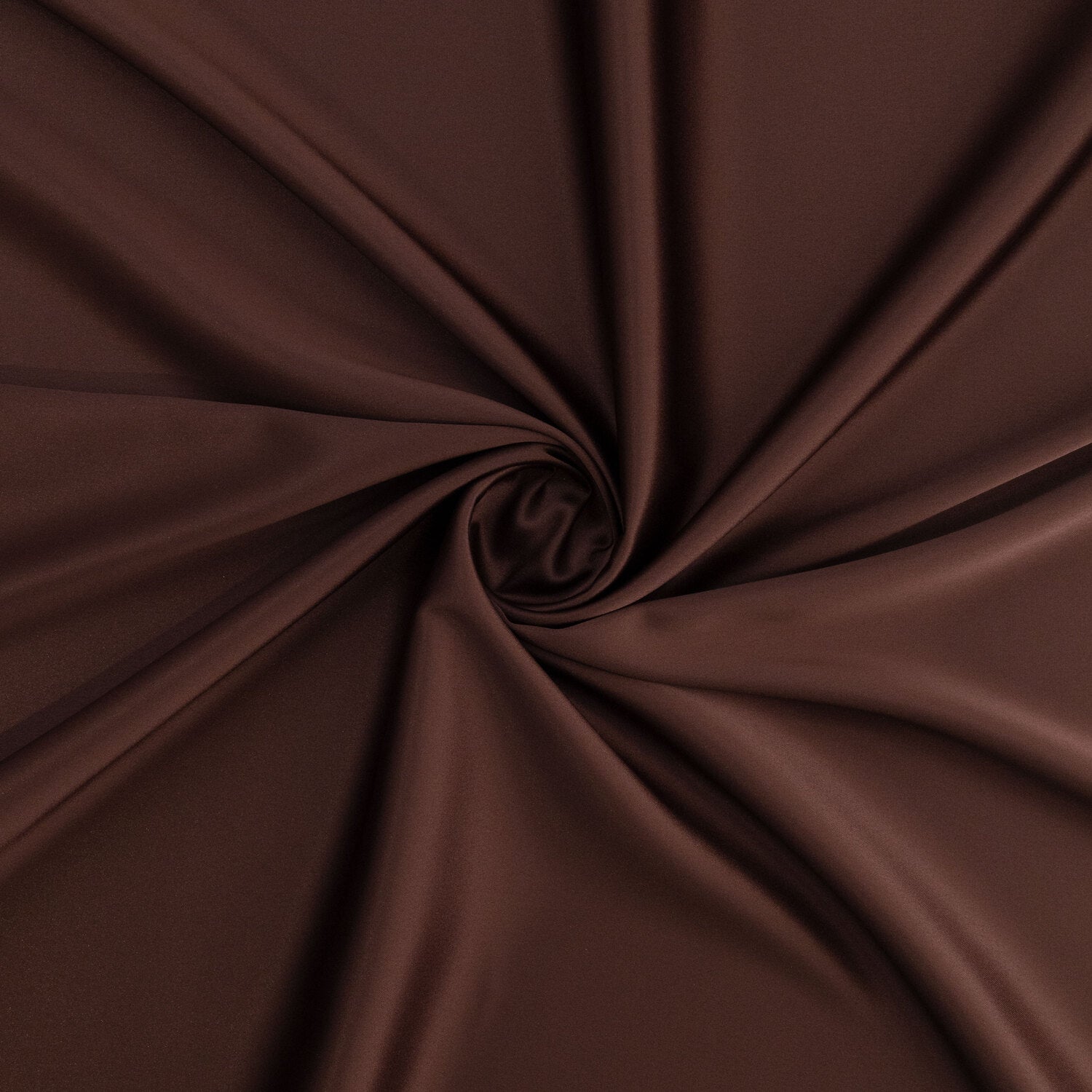
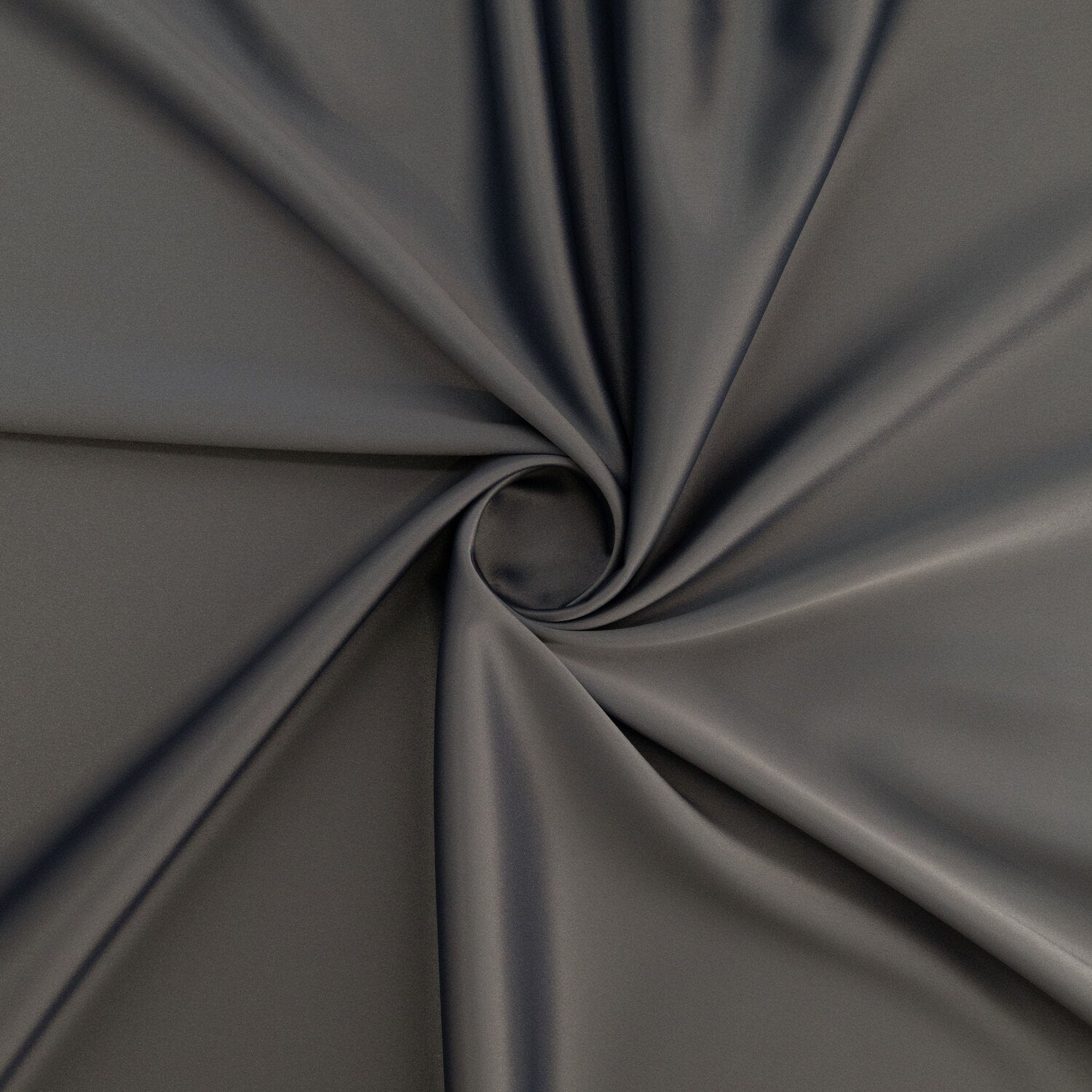
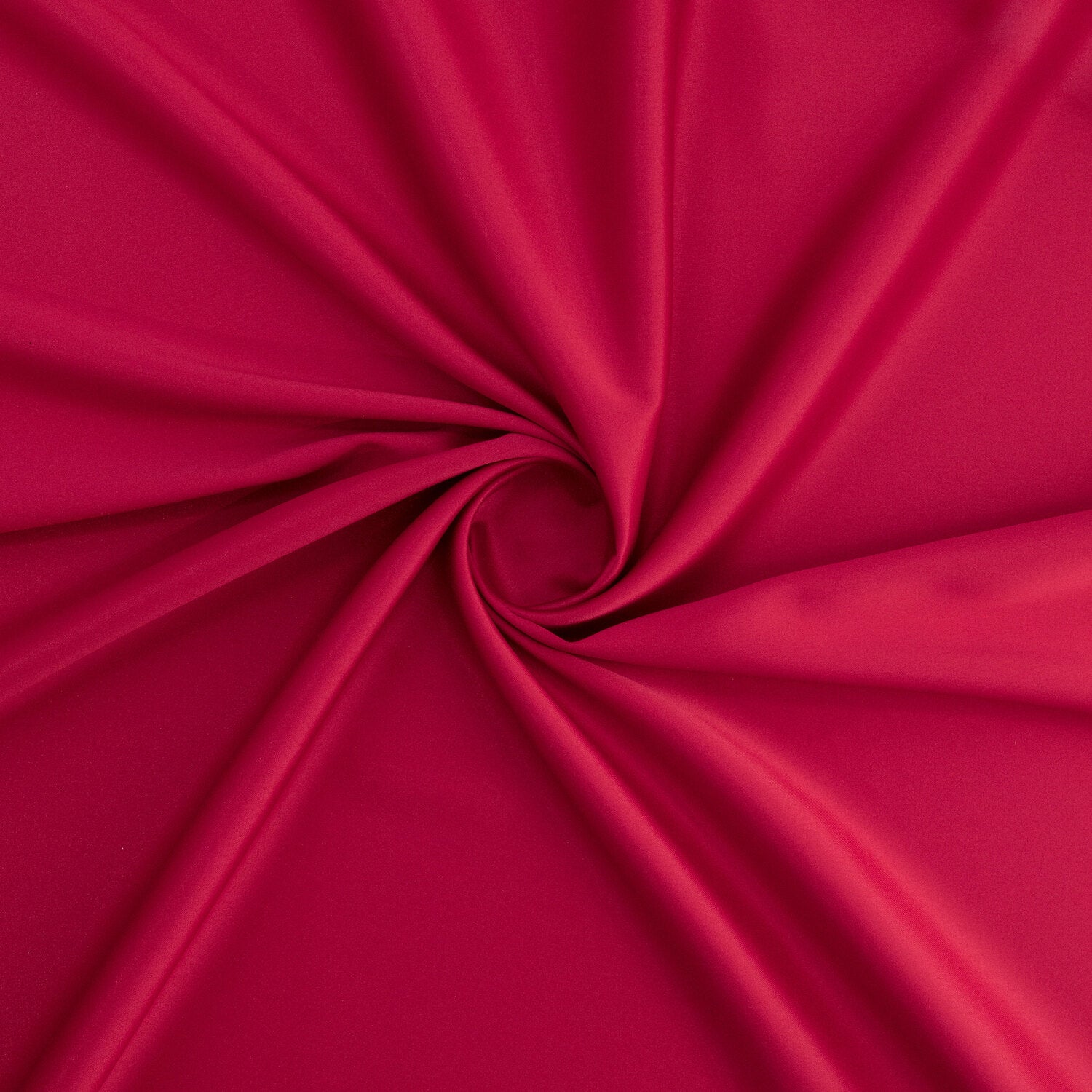
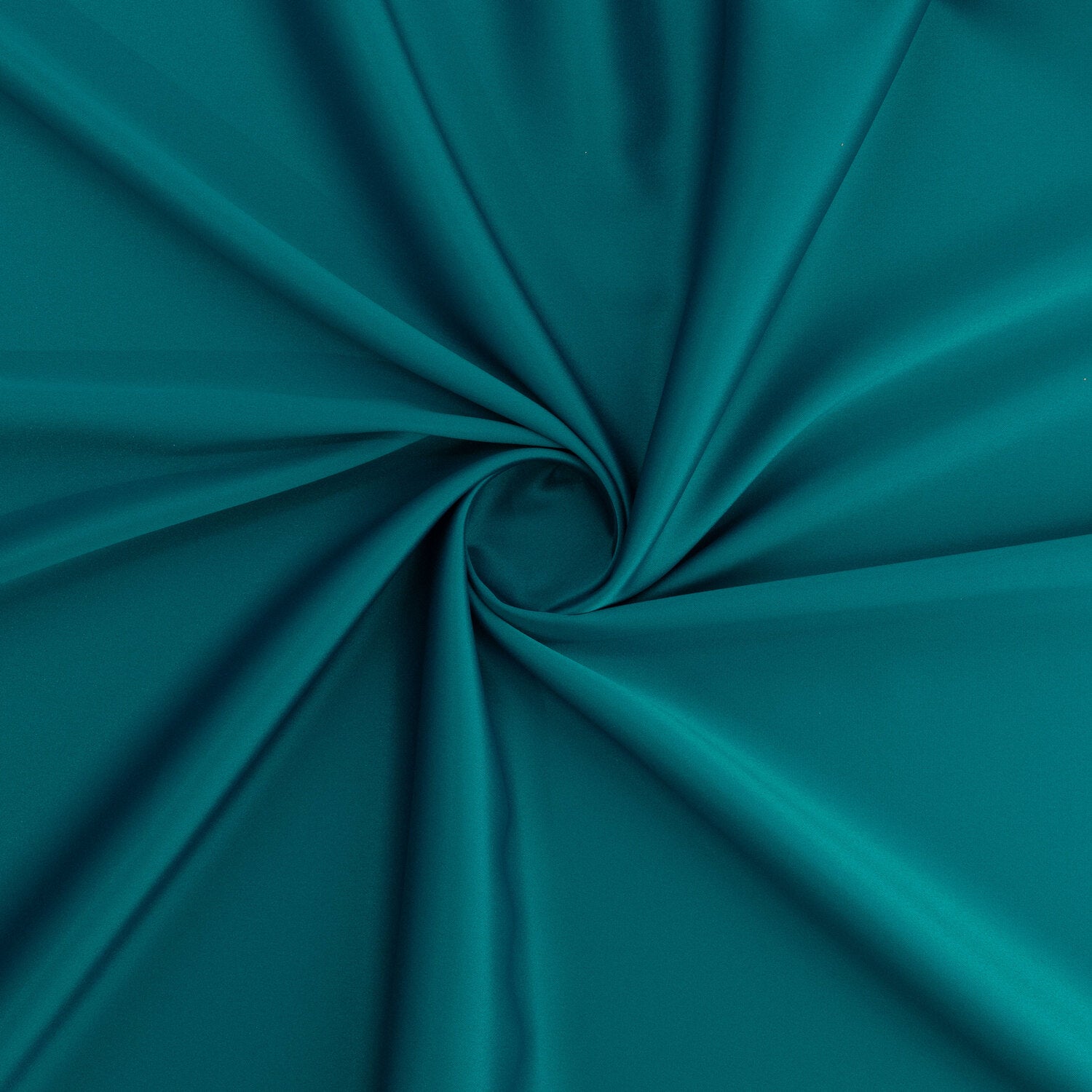

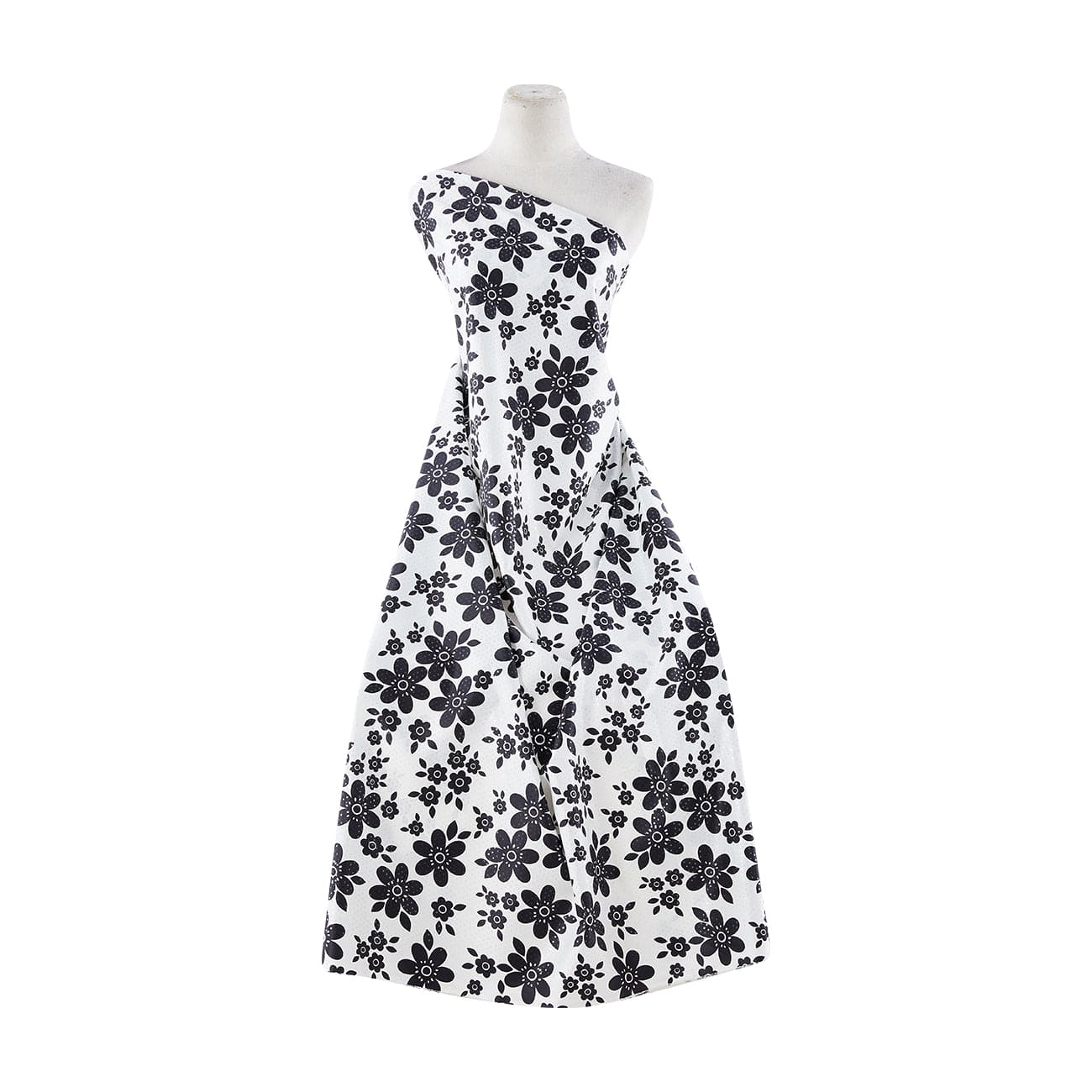
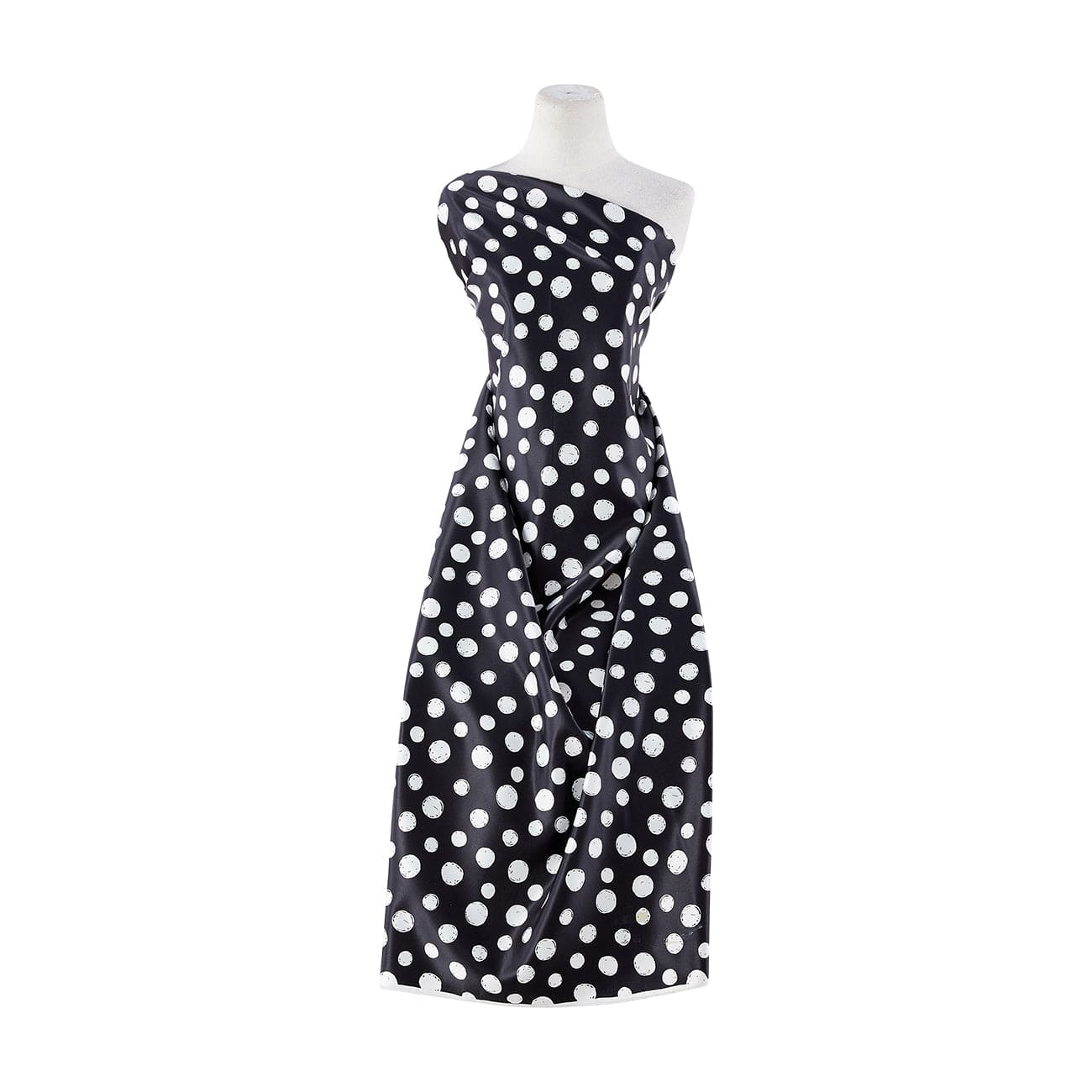
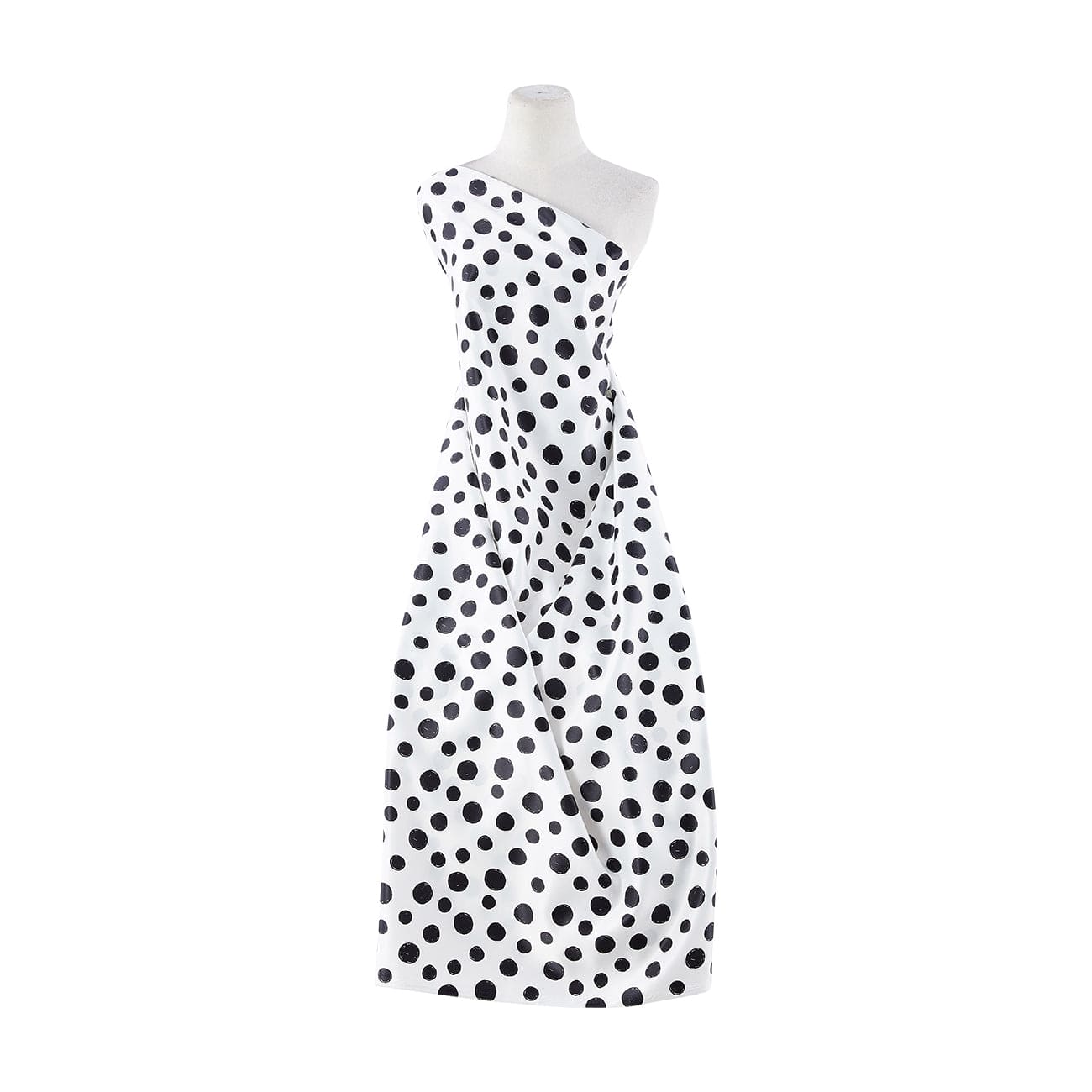
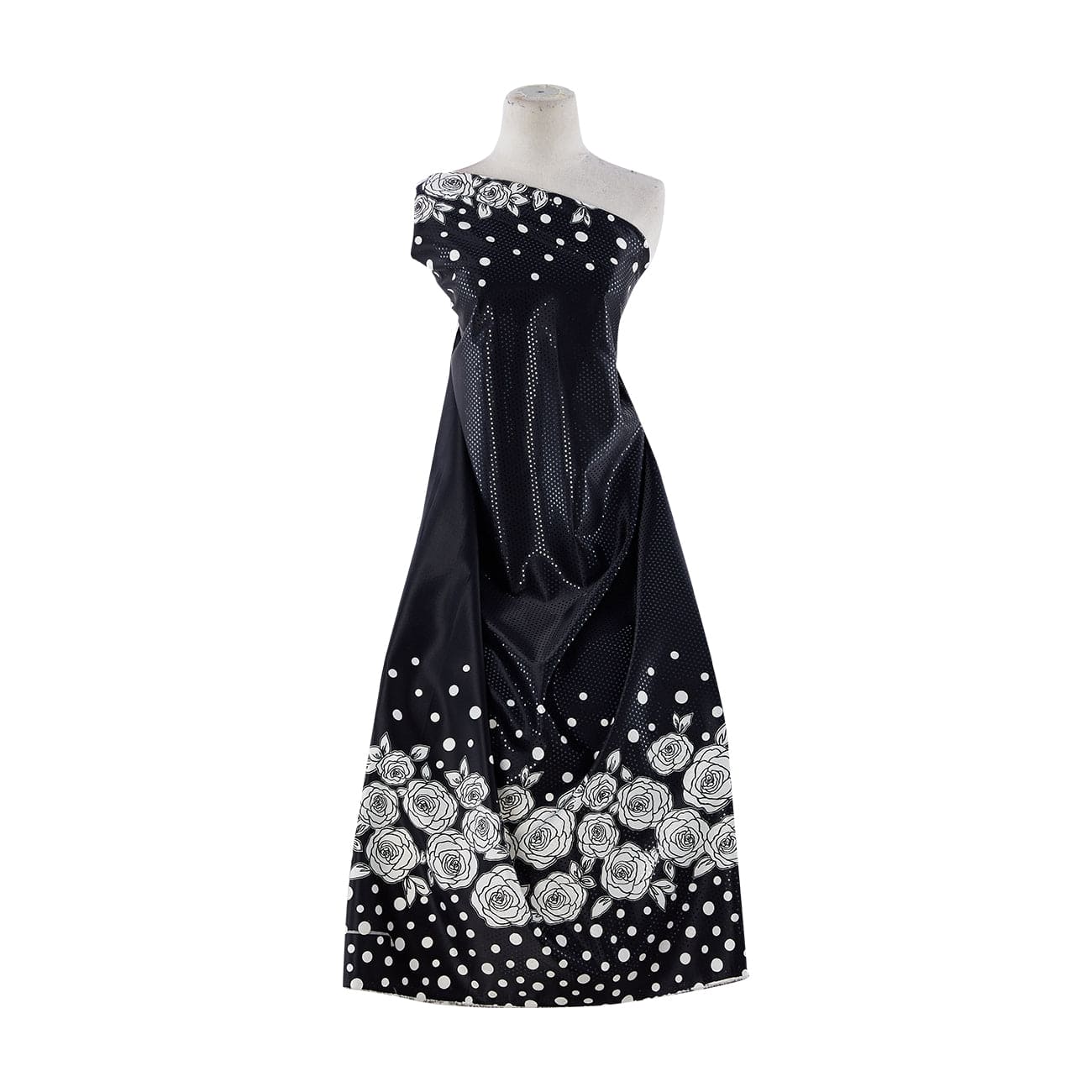
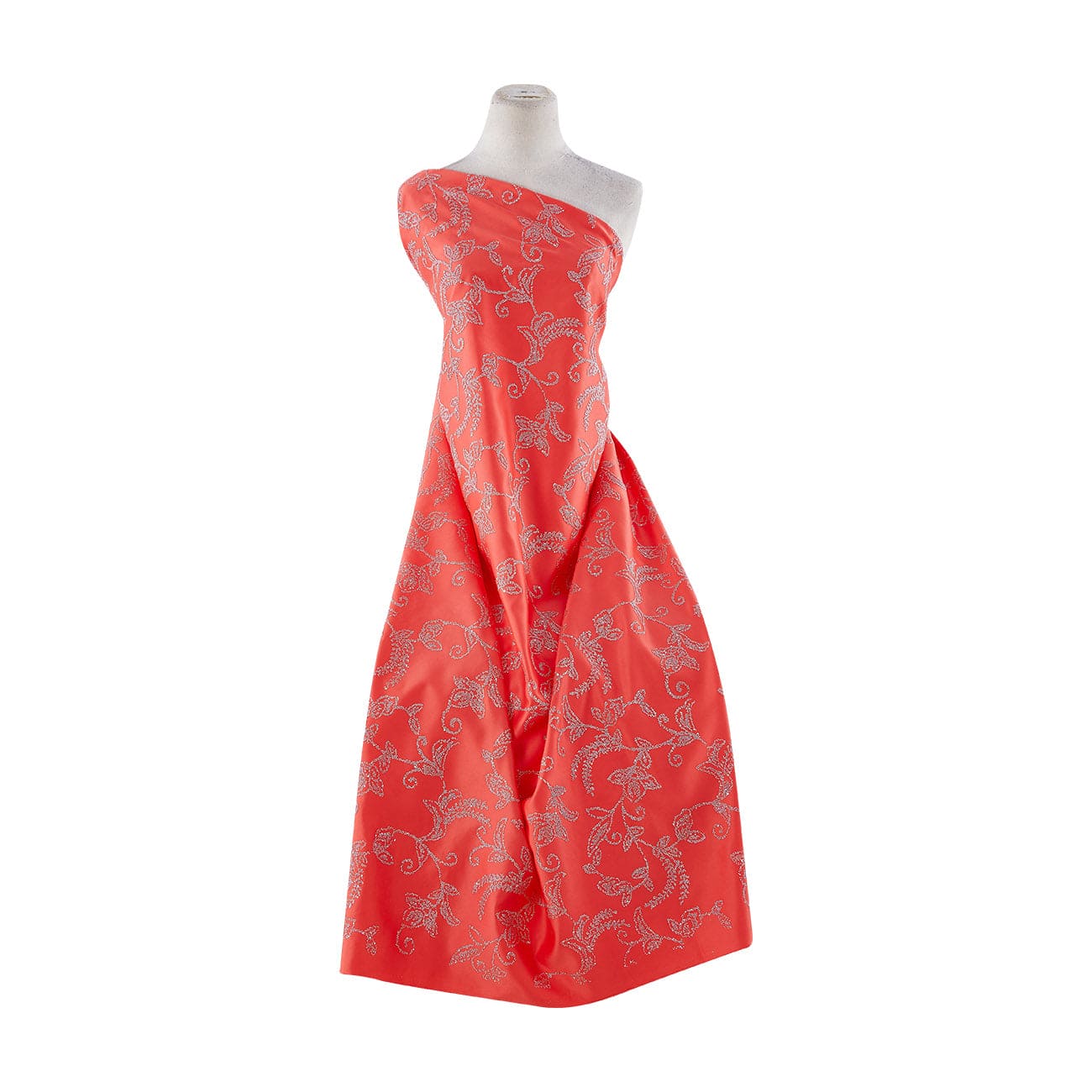
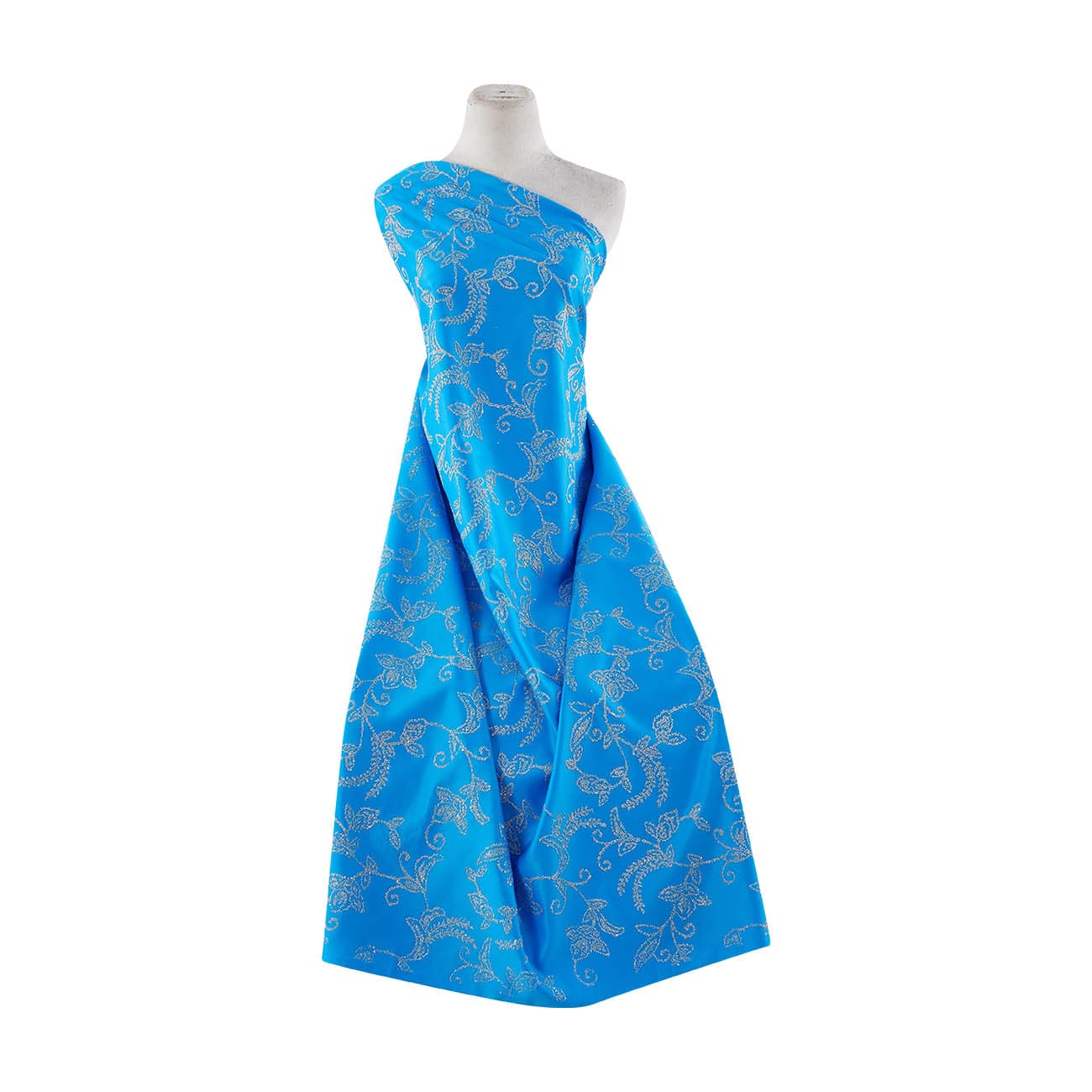
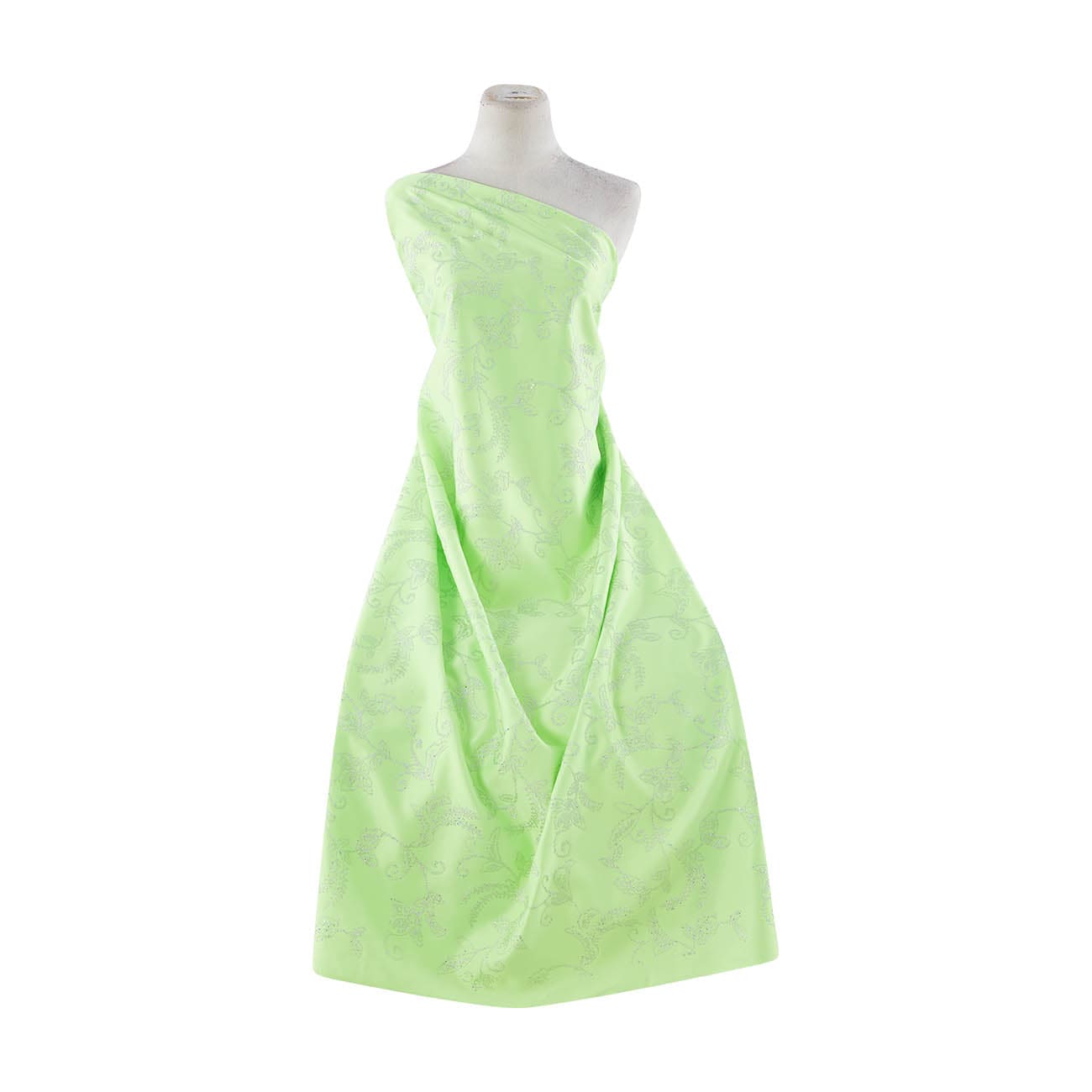
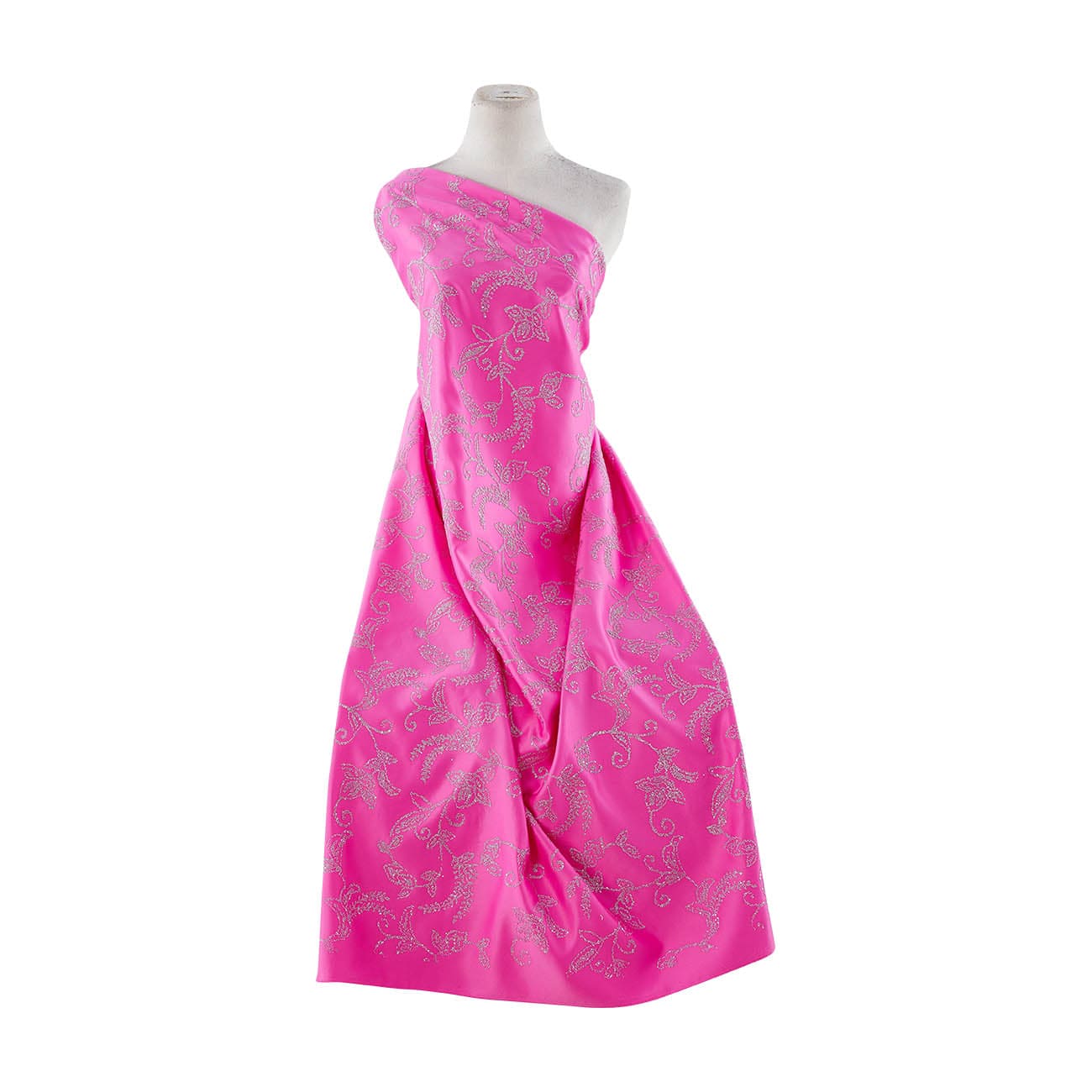
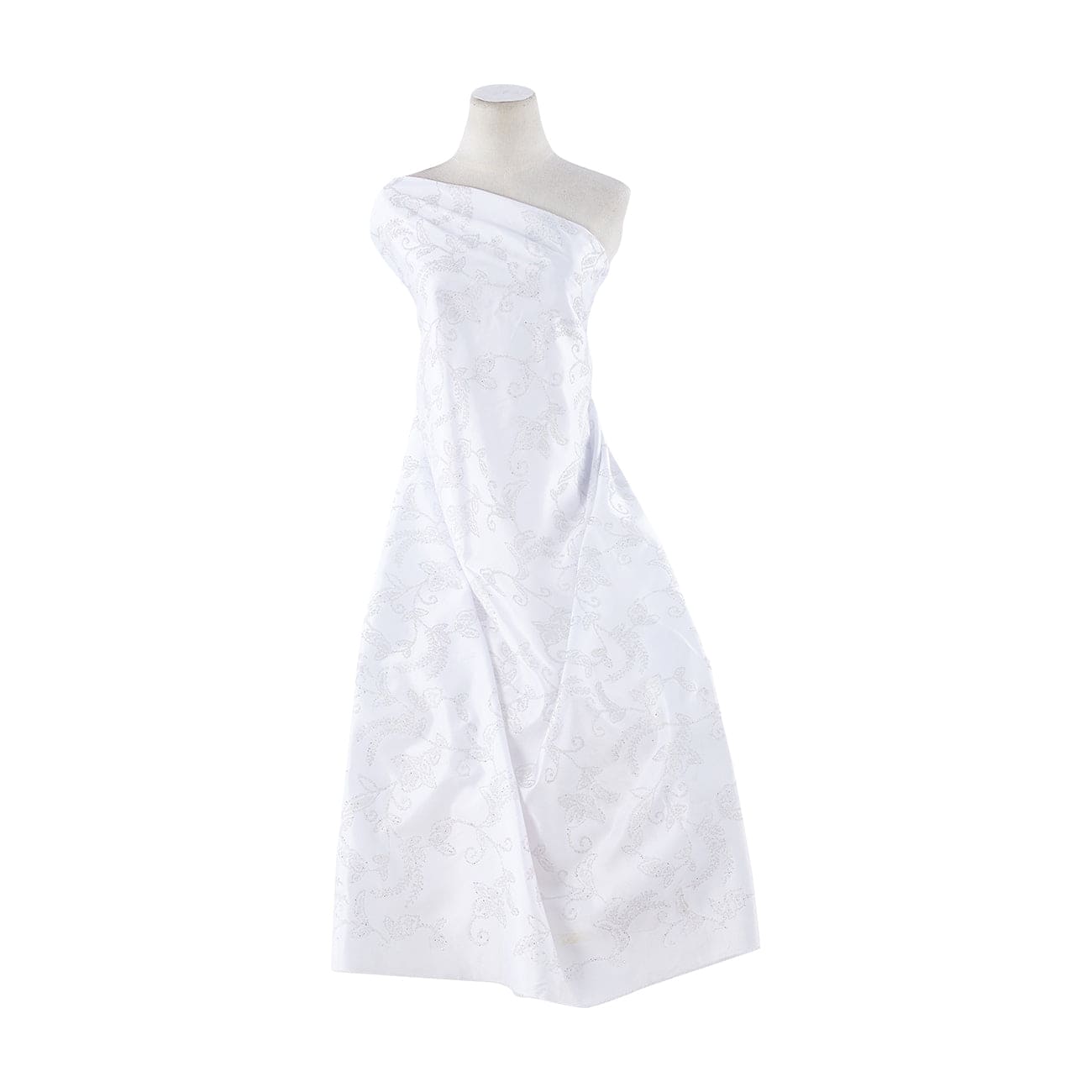
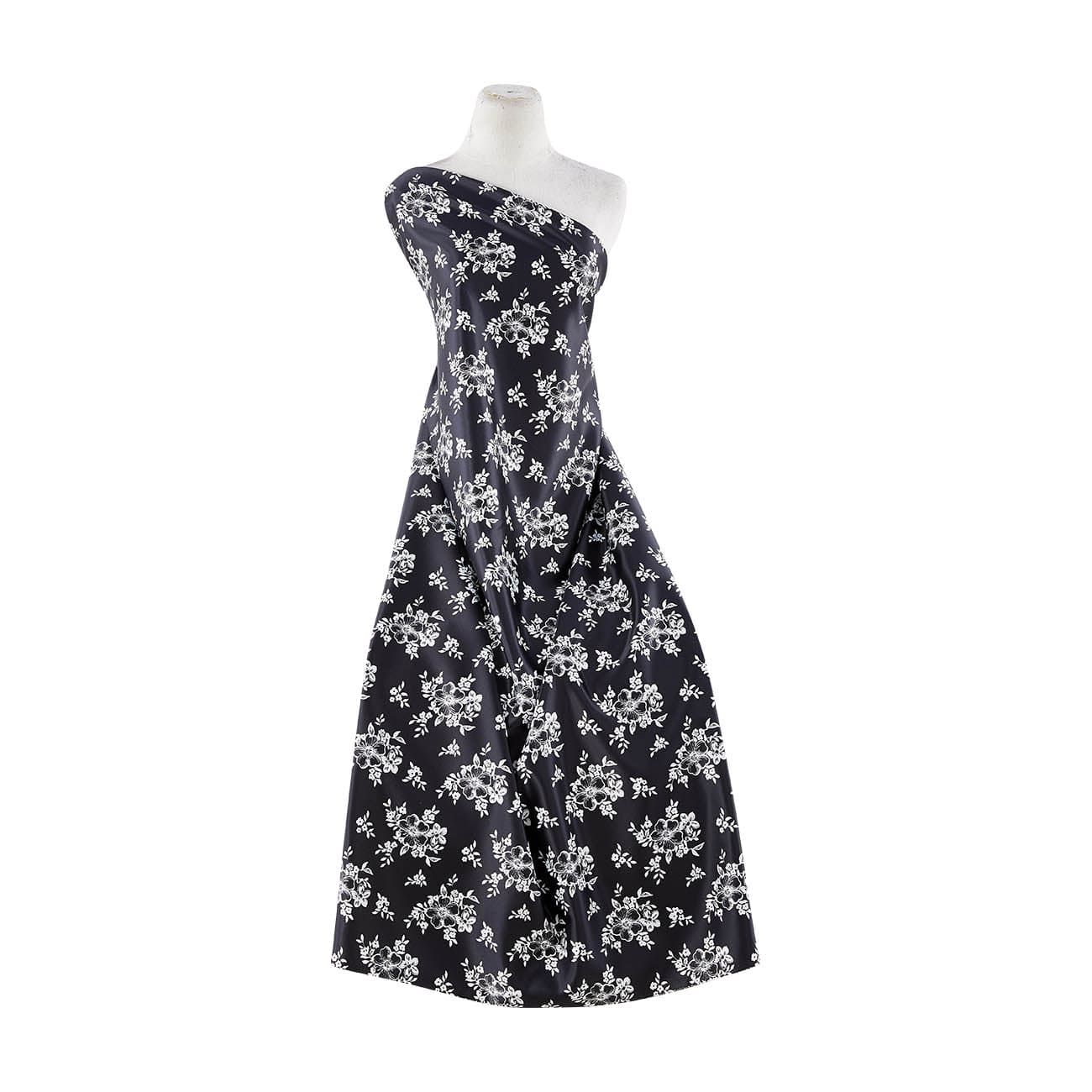
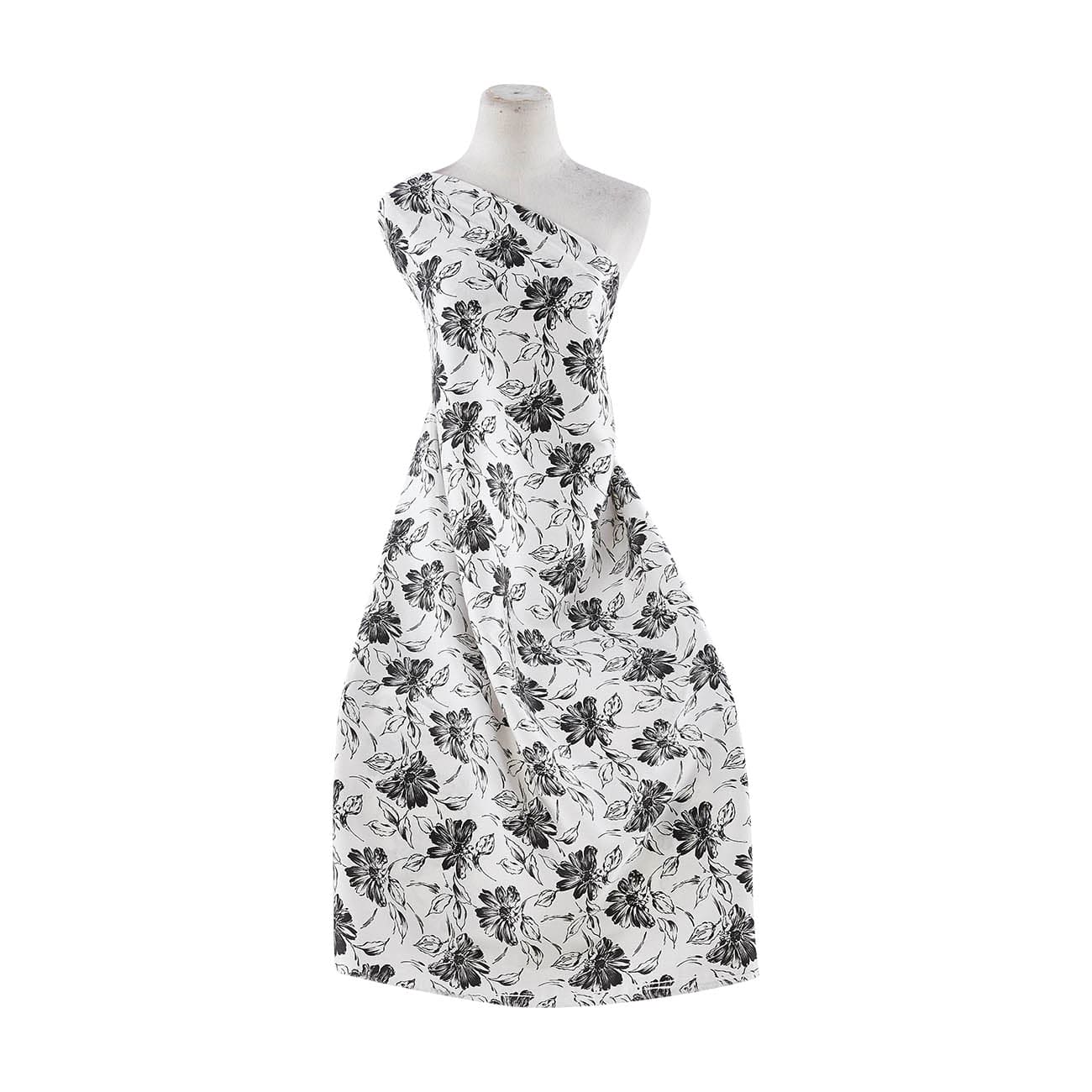

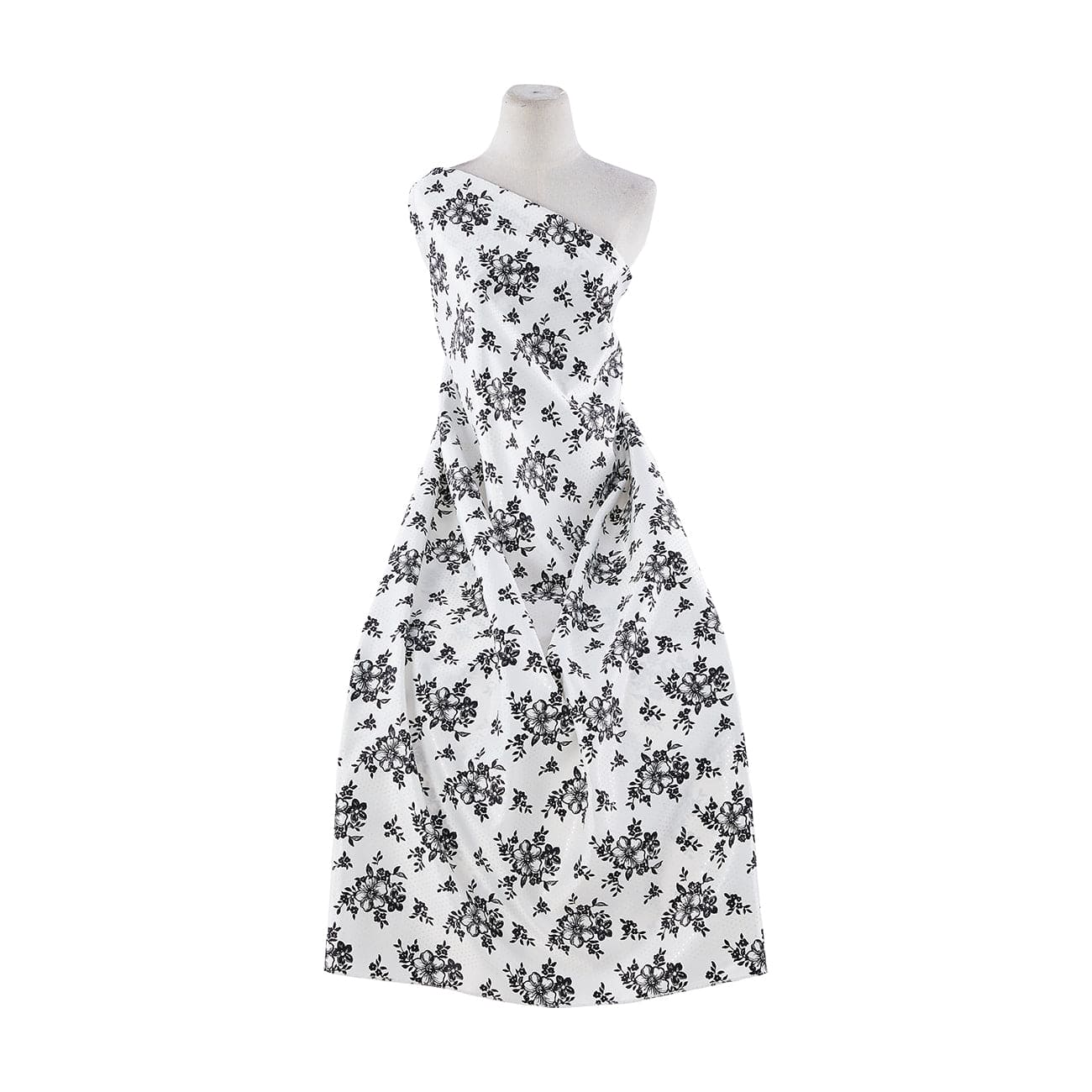
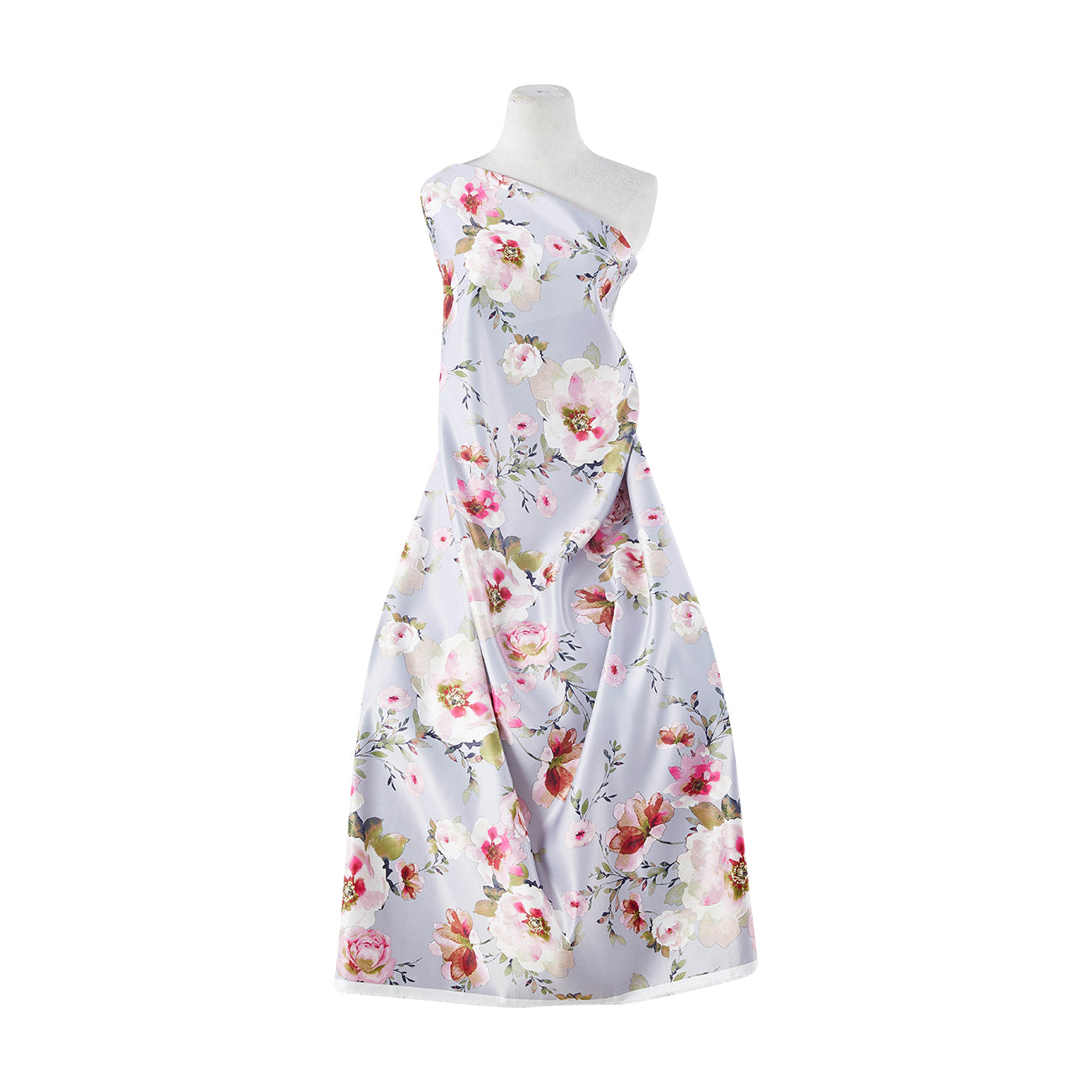
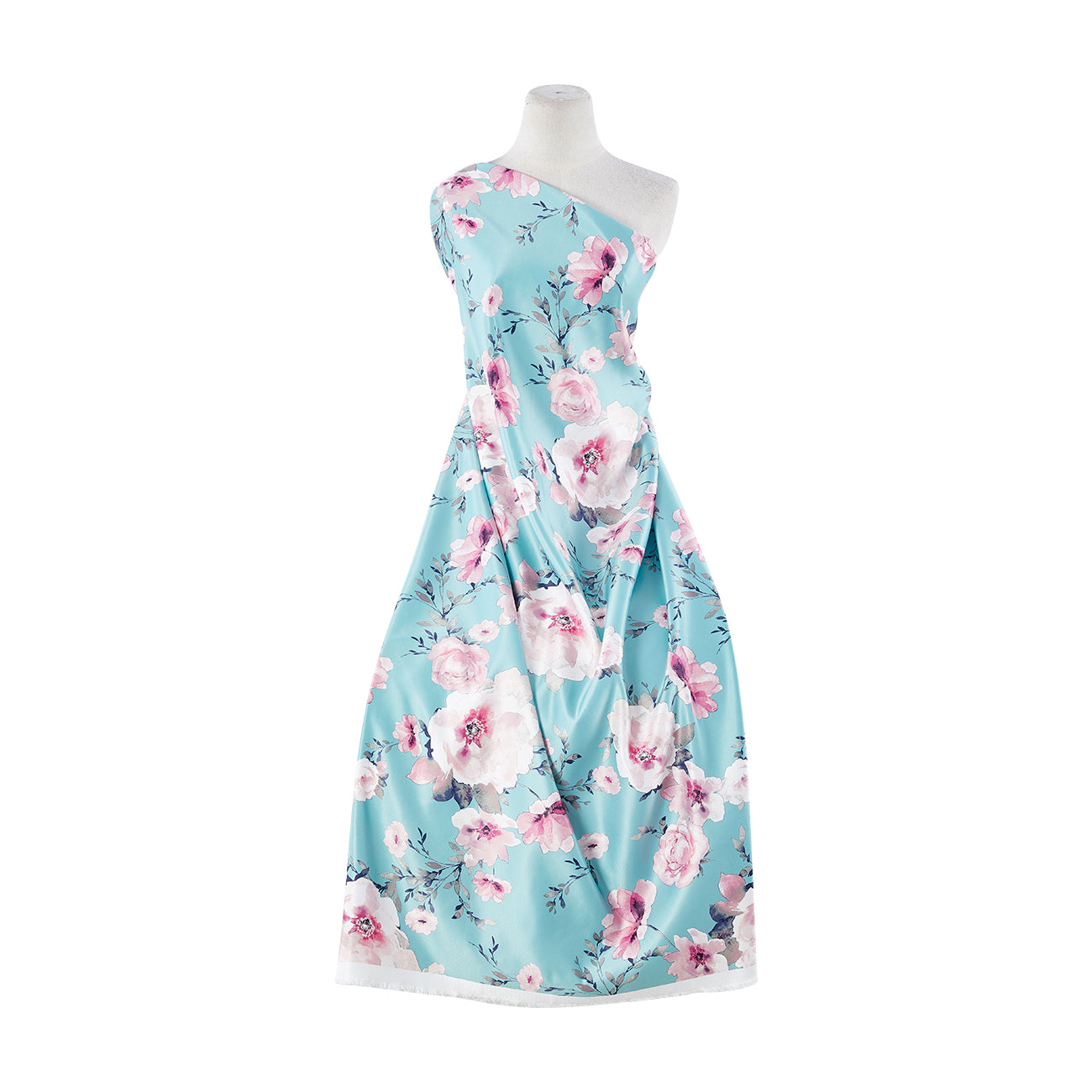
Bridal Satin Fabric: Construction and Characteristics
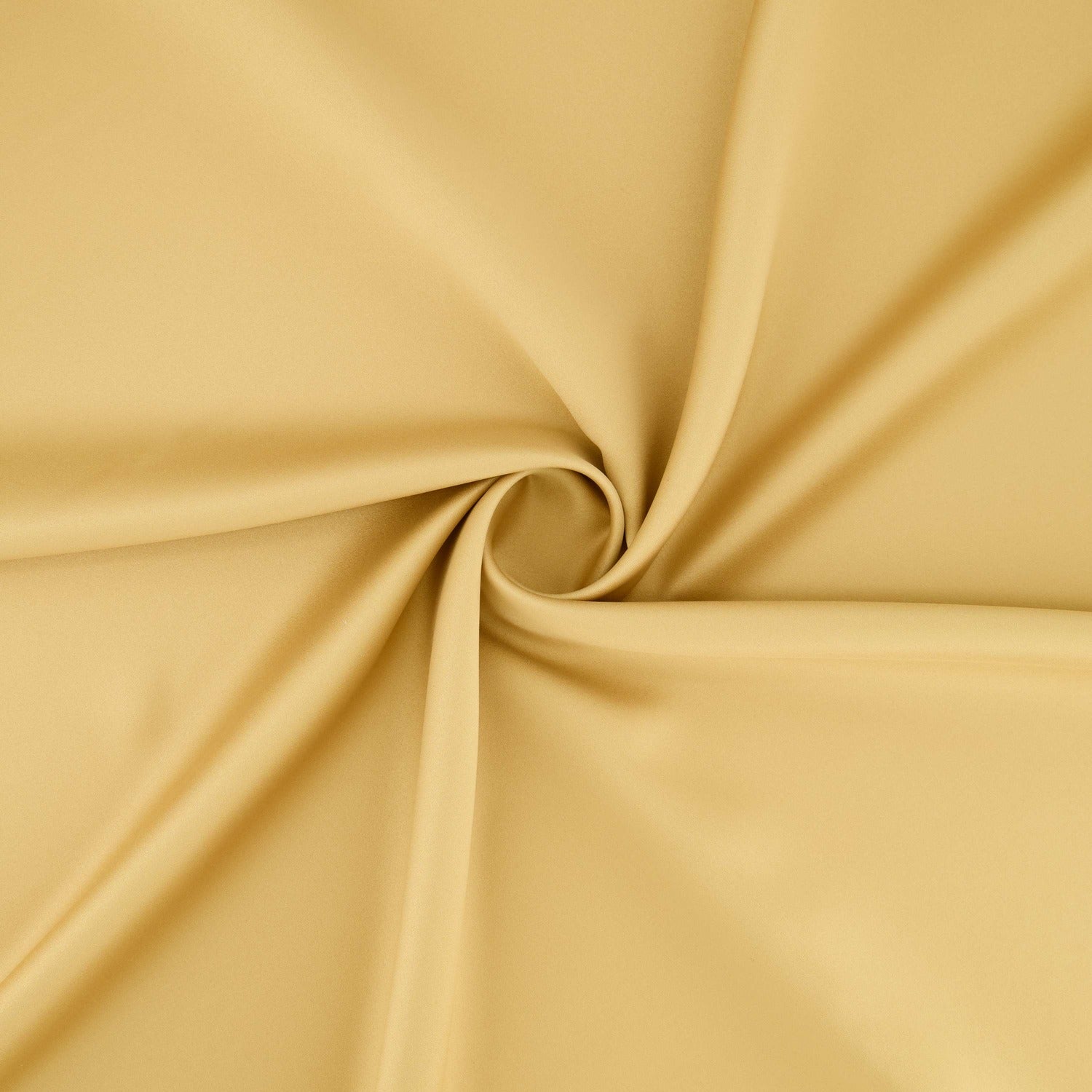
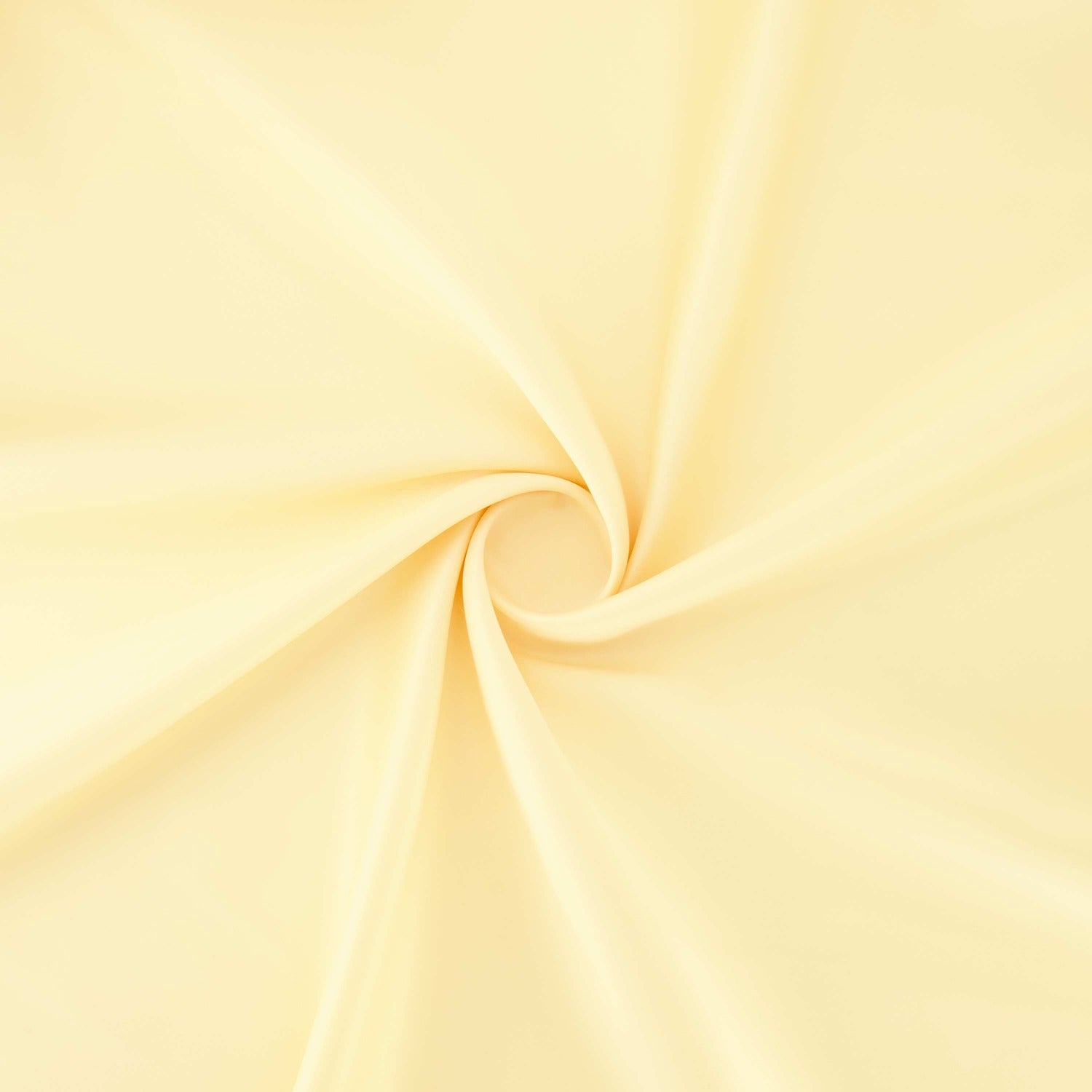
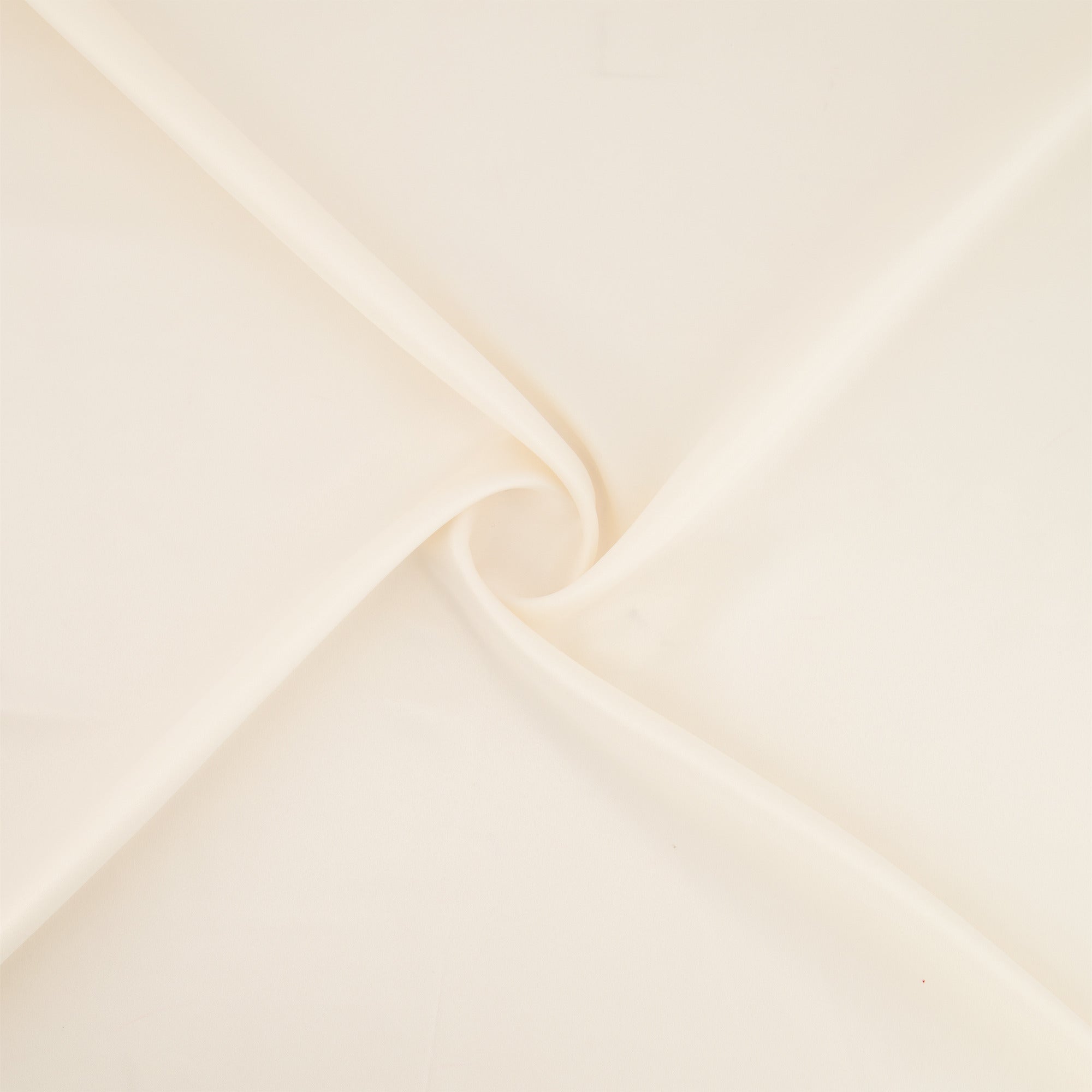
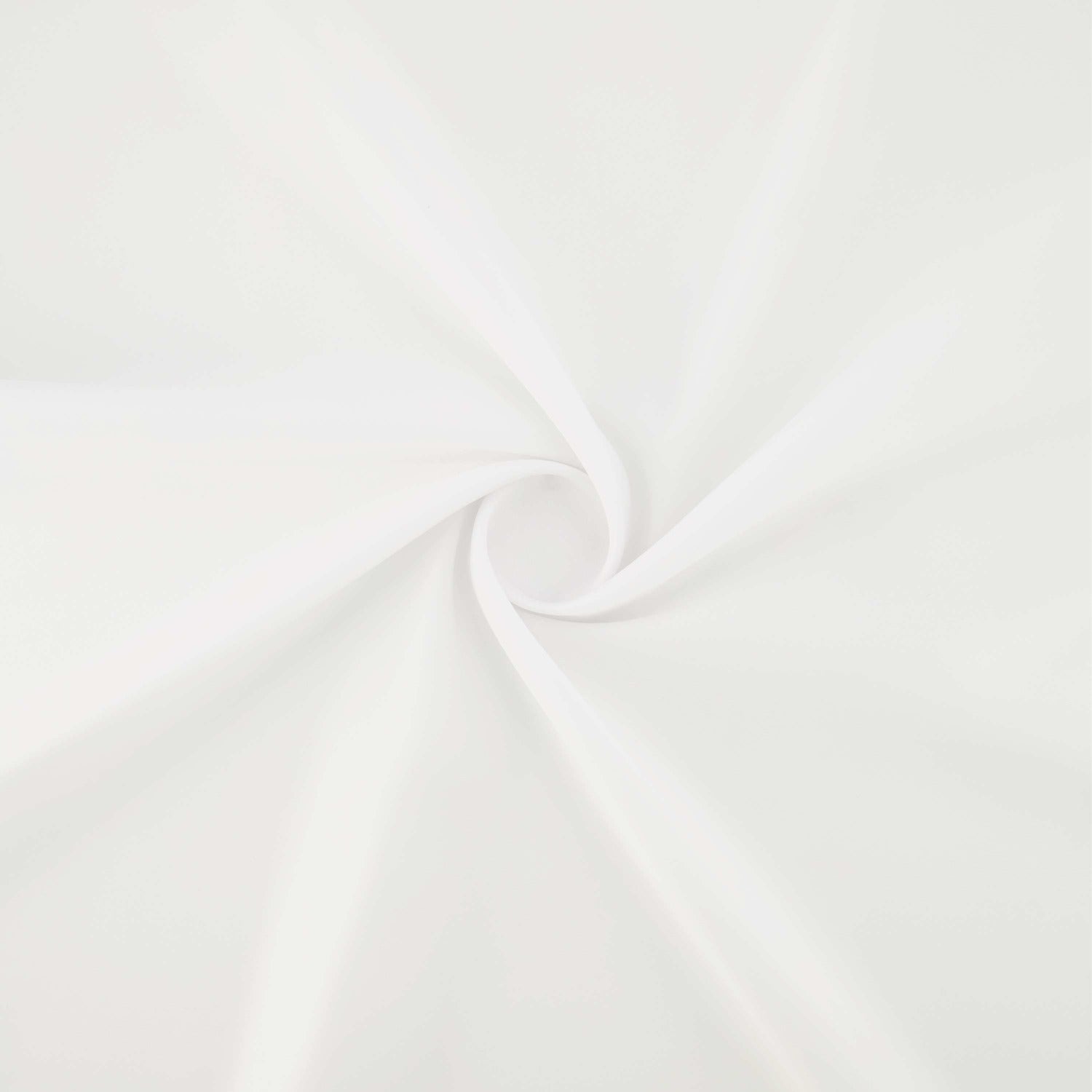
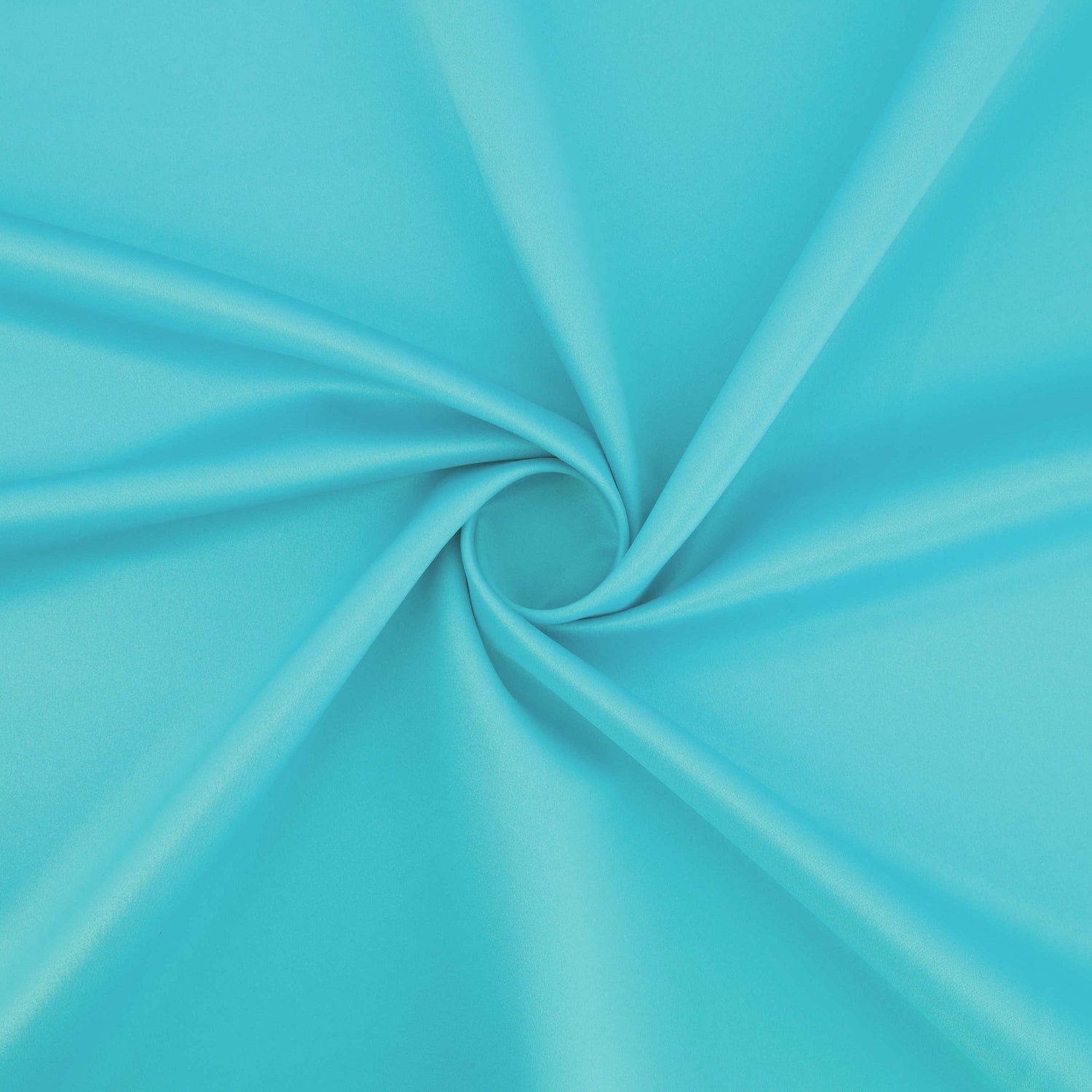
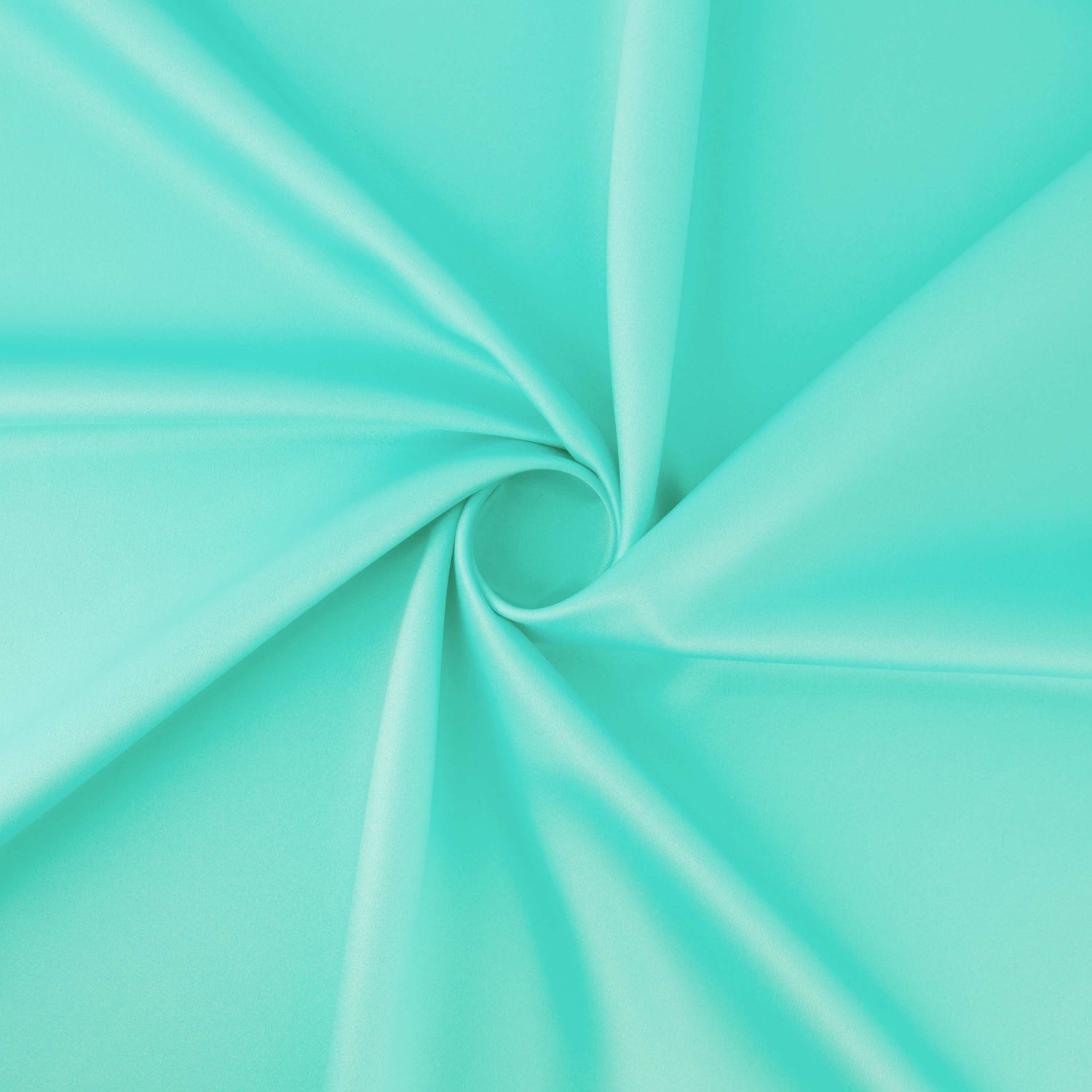
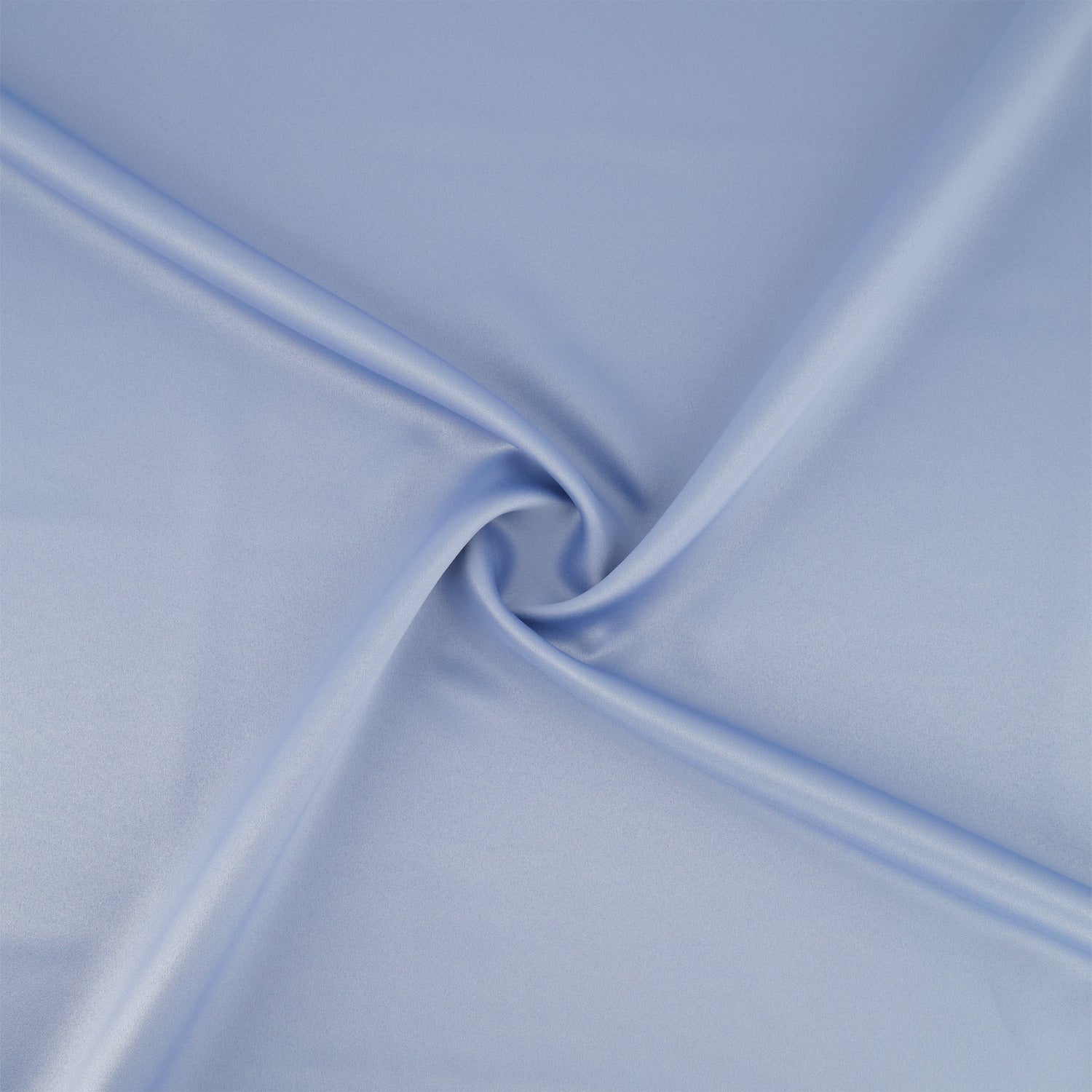
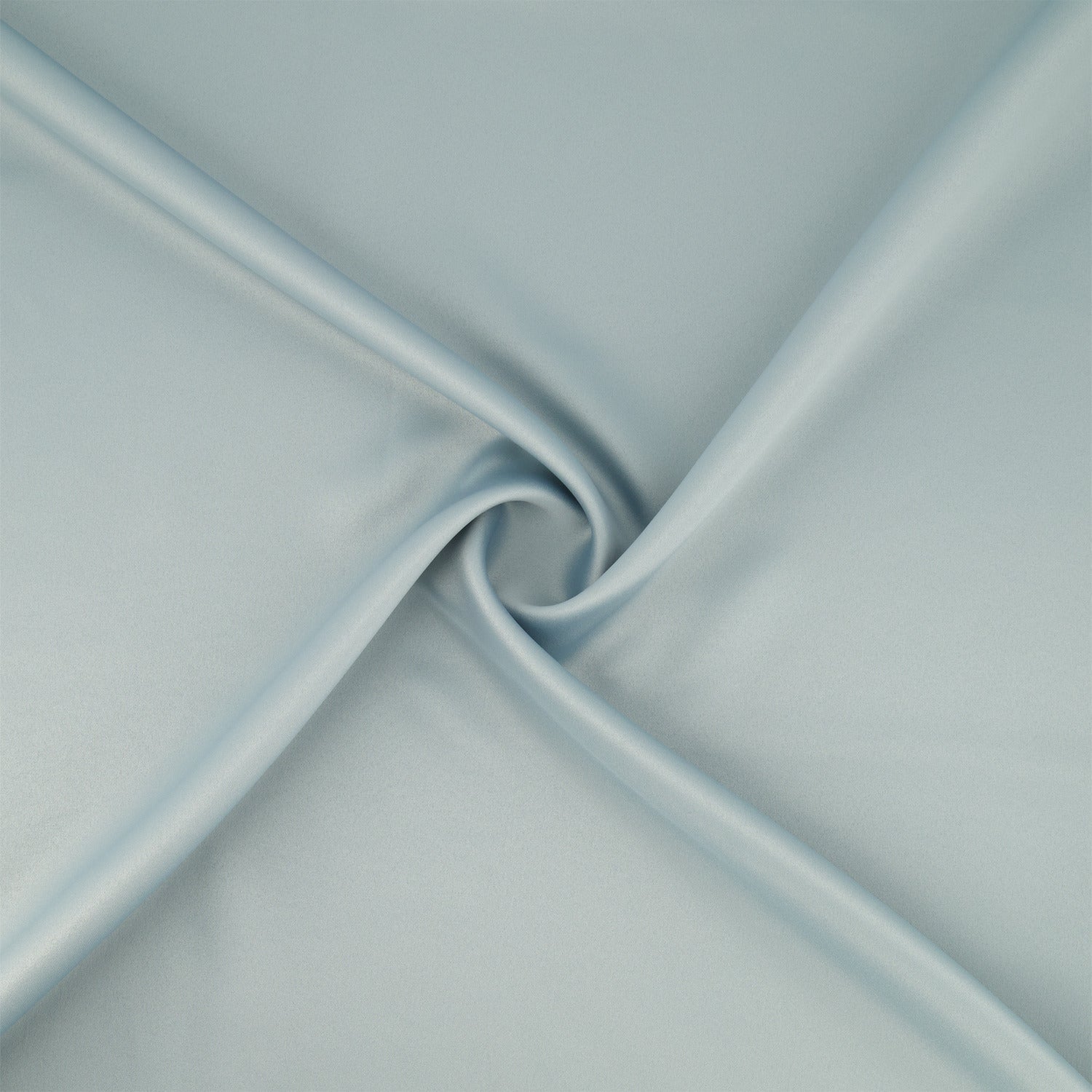
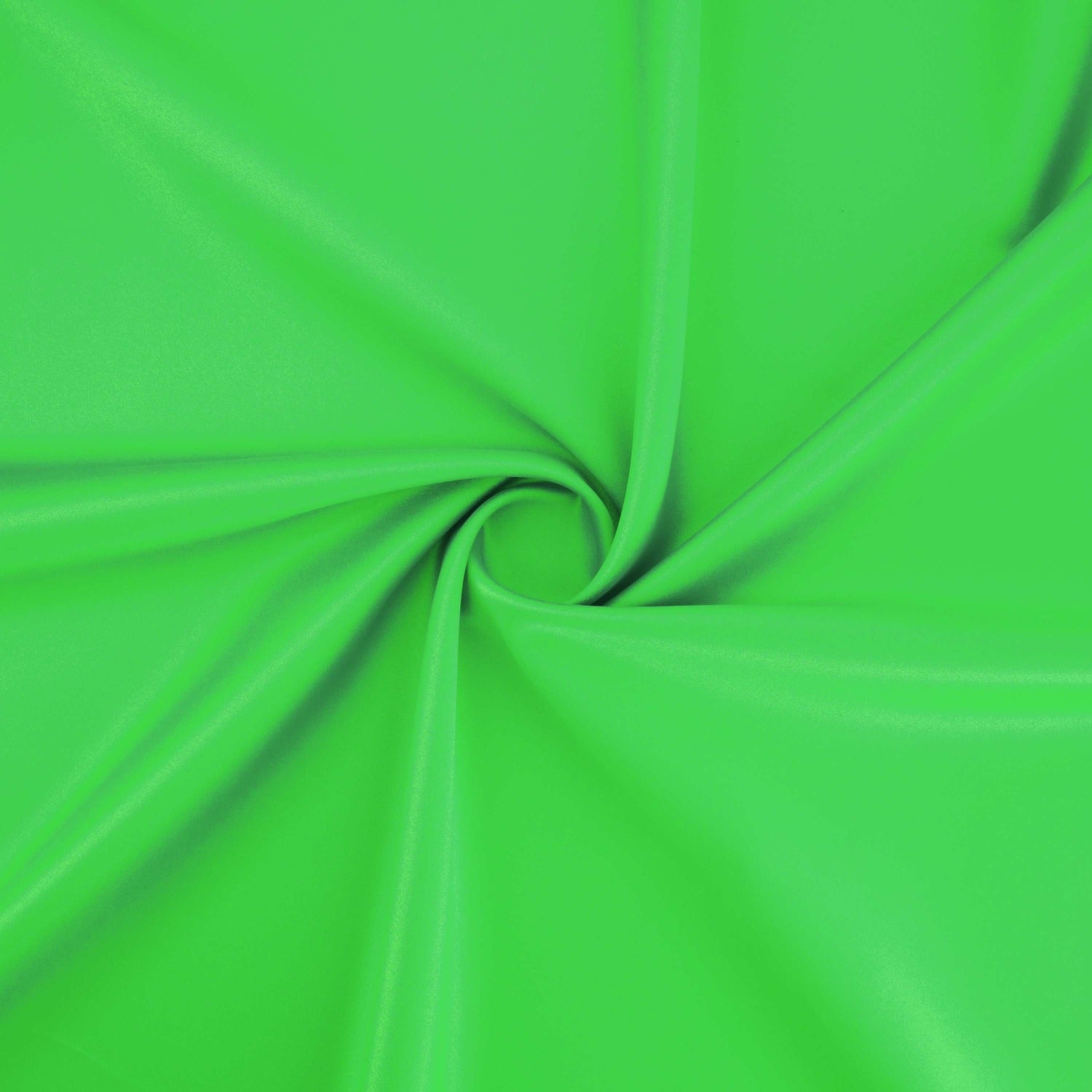
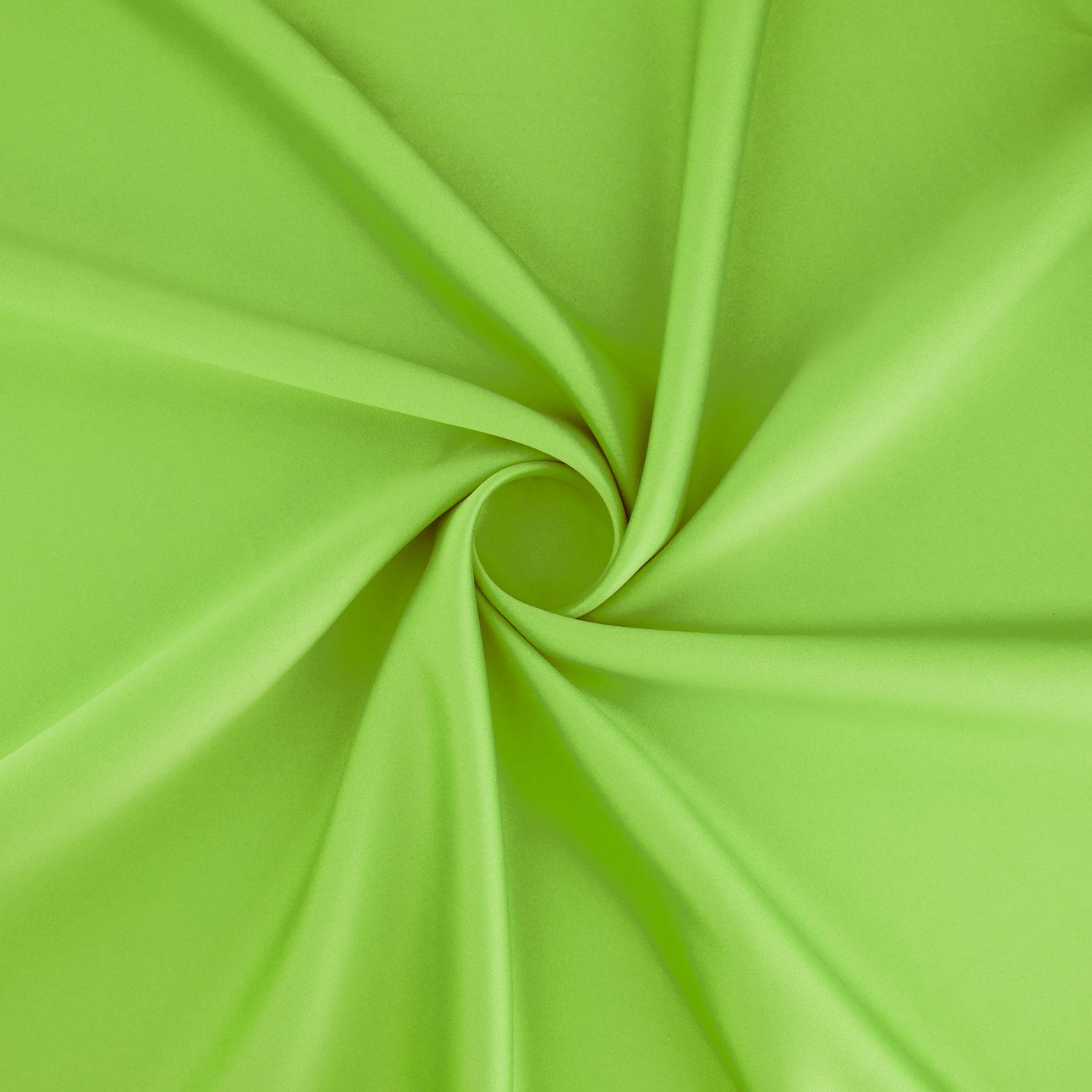
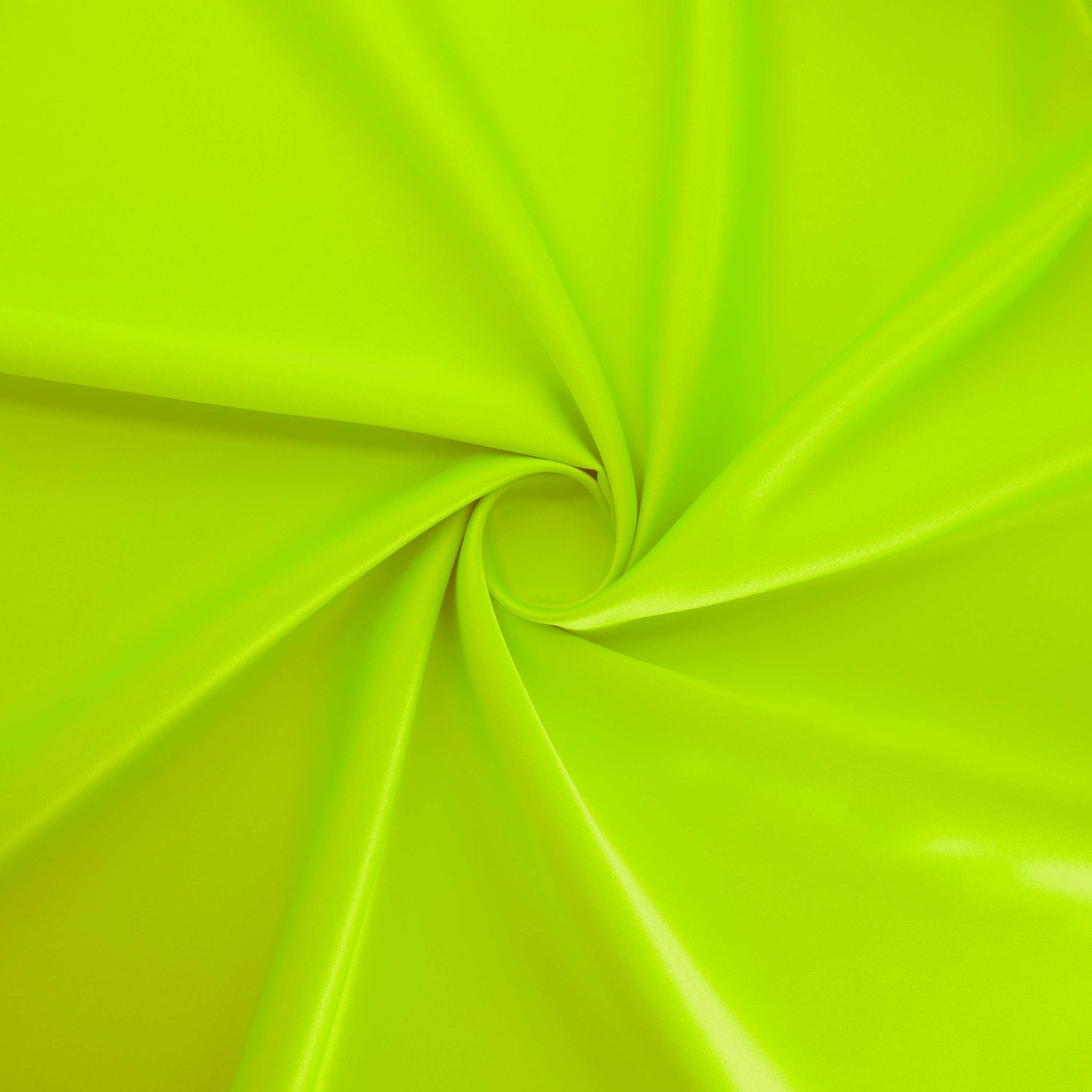
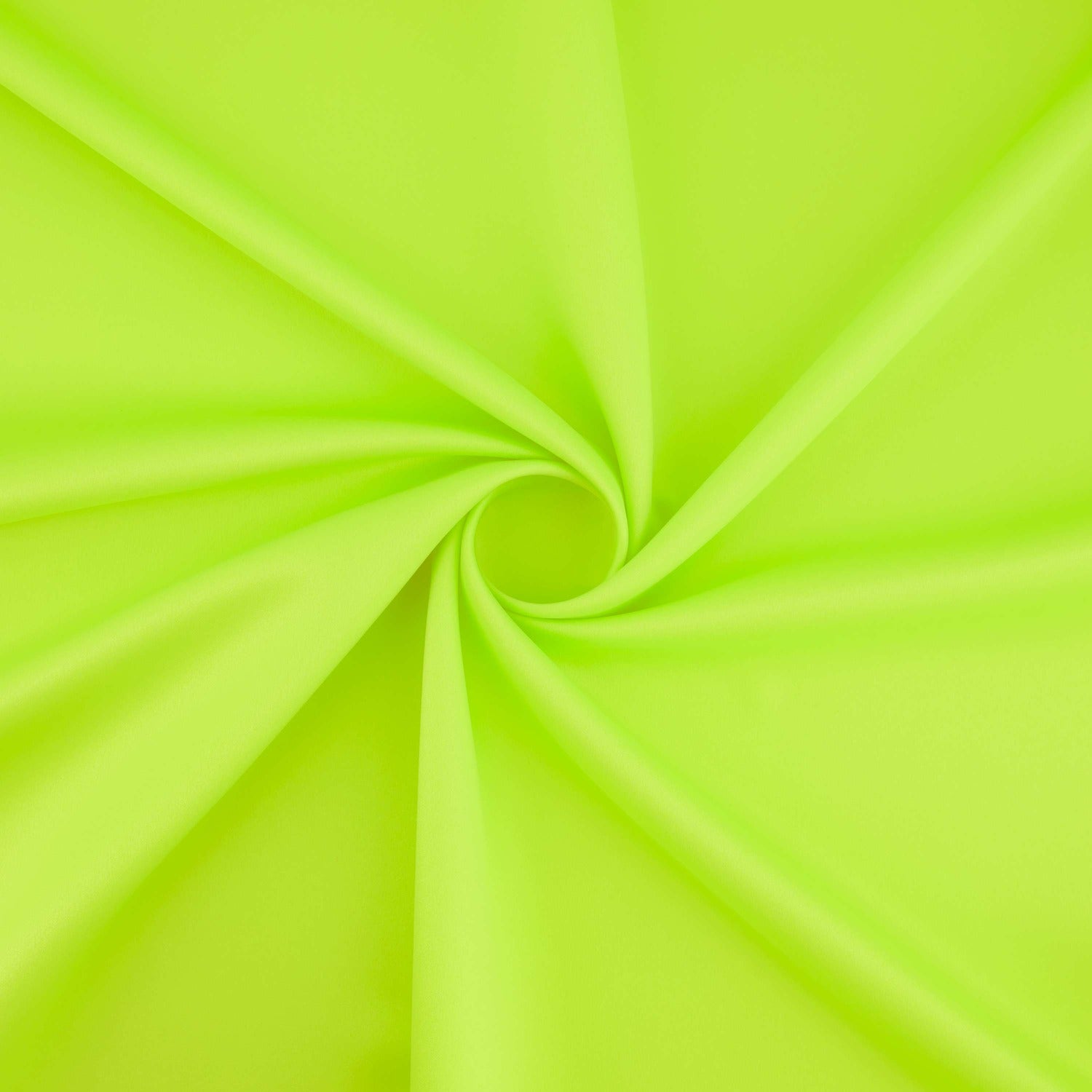
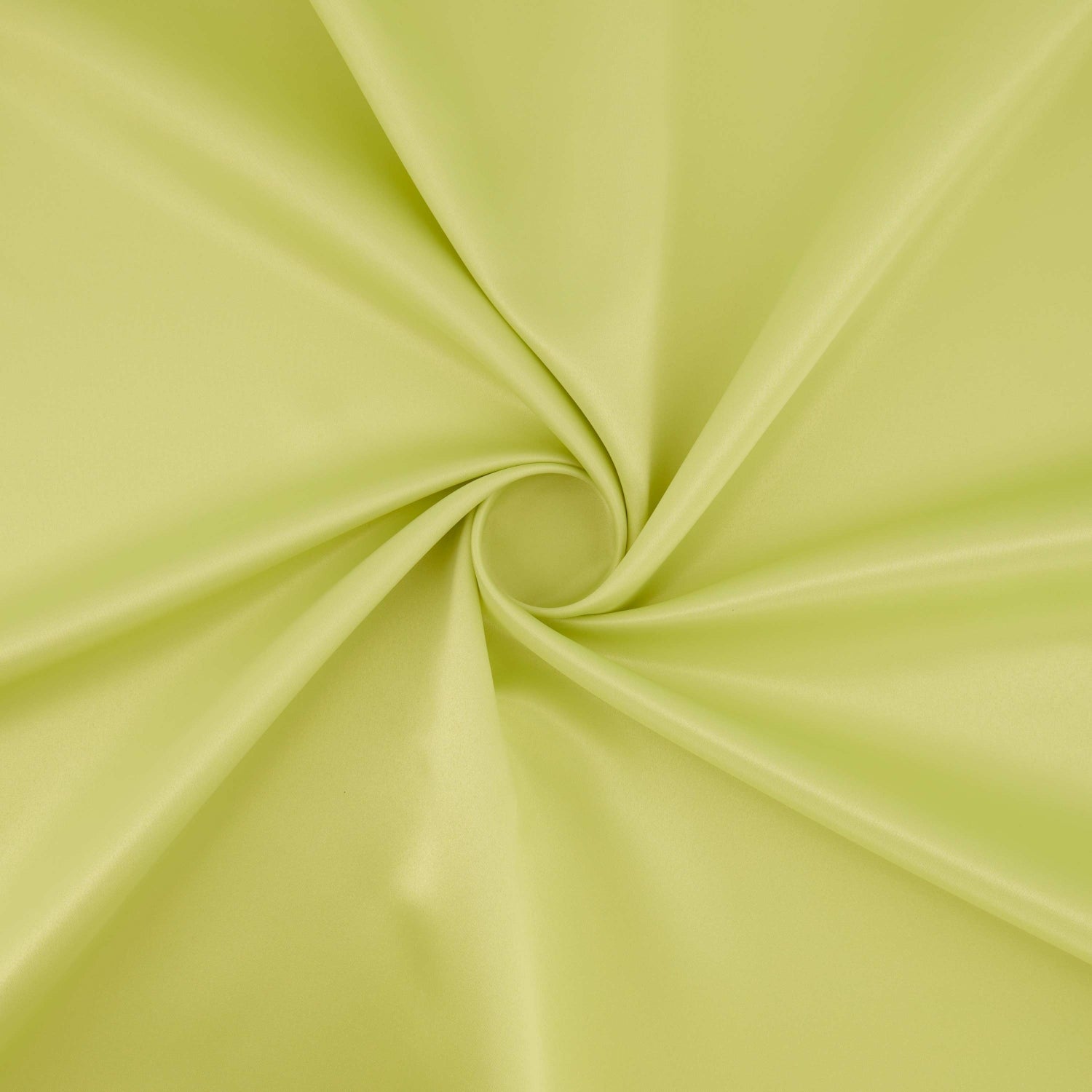
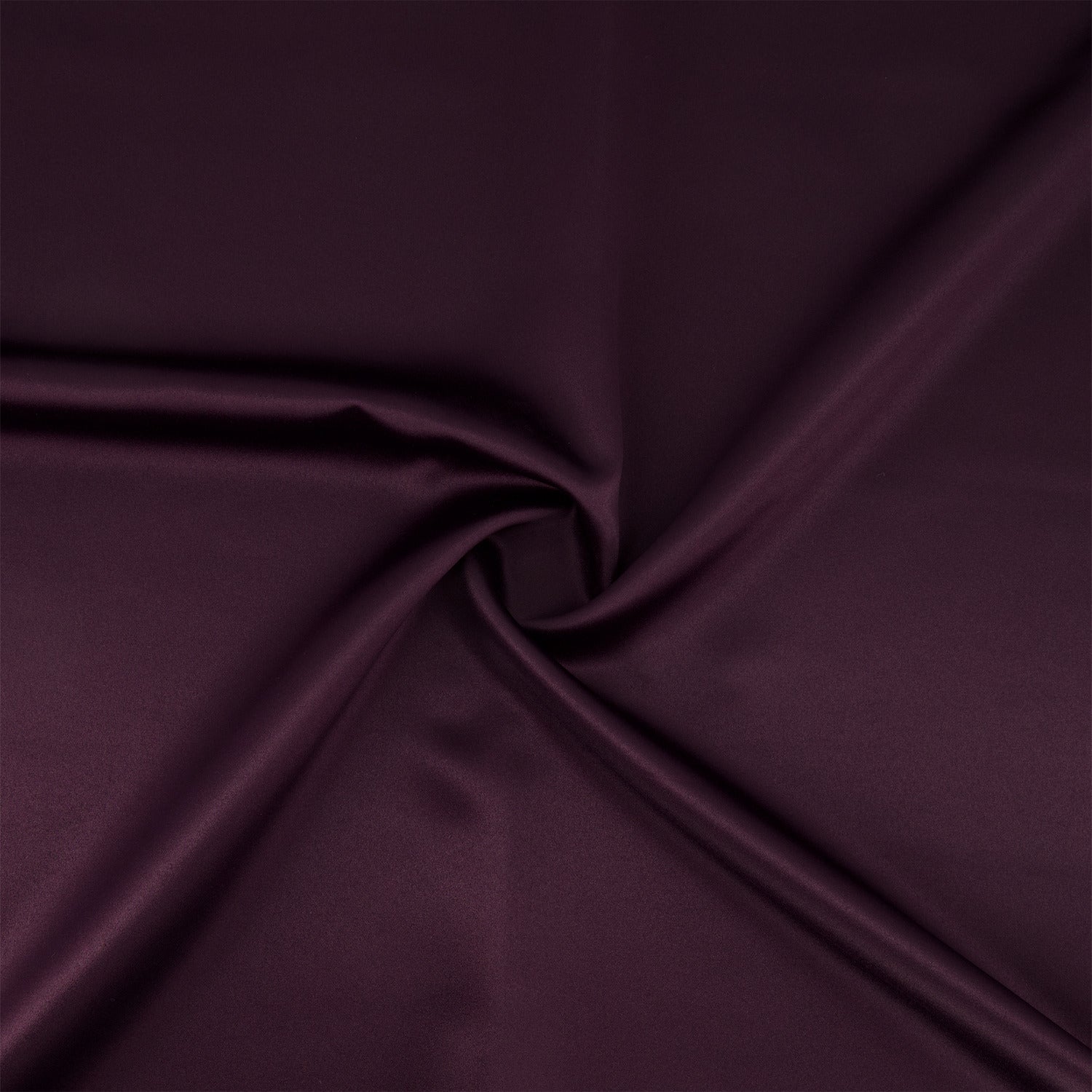
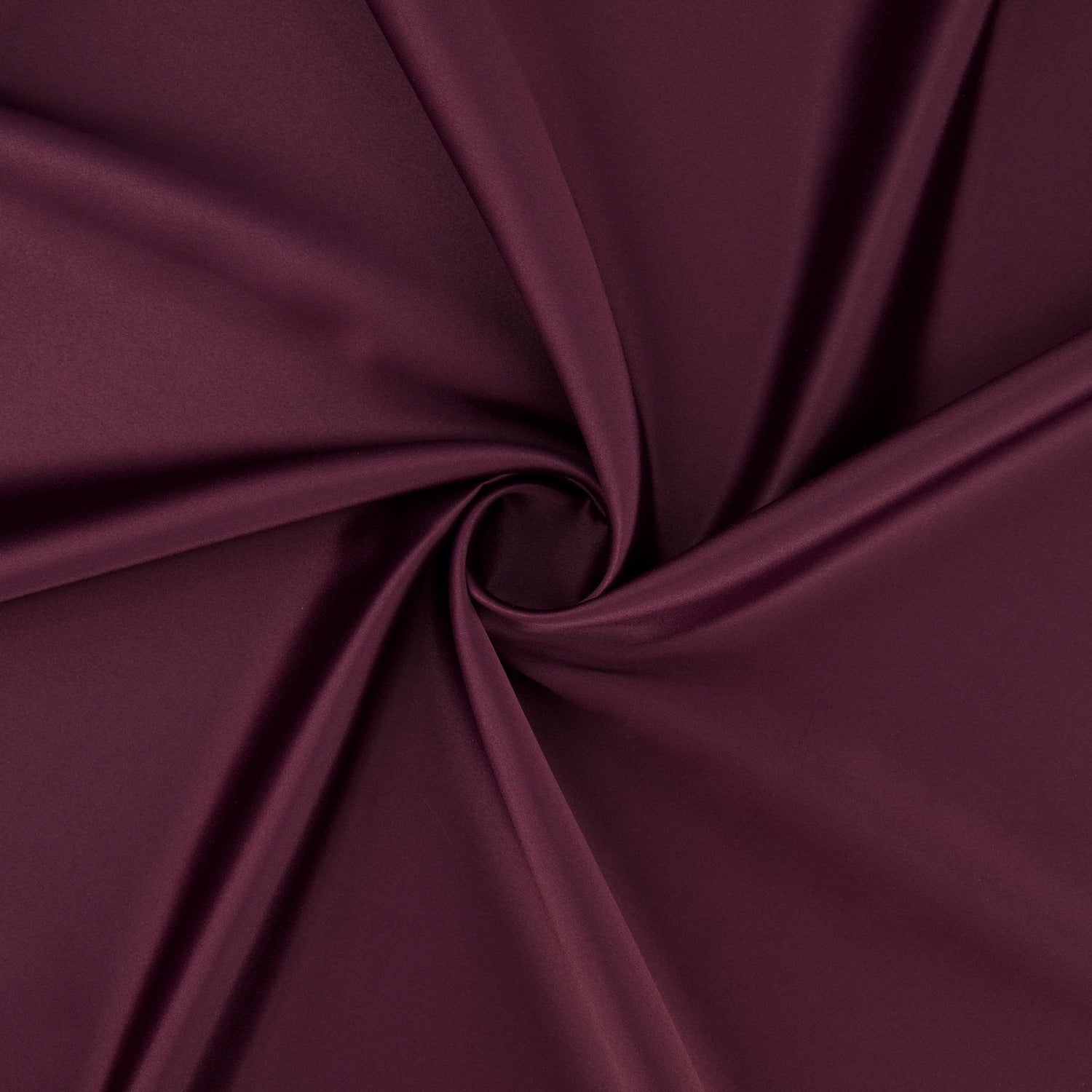
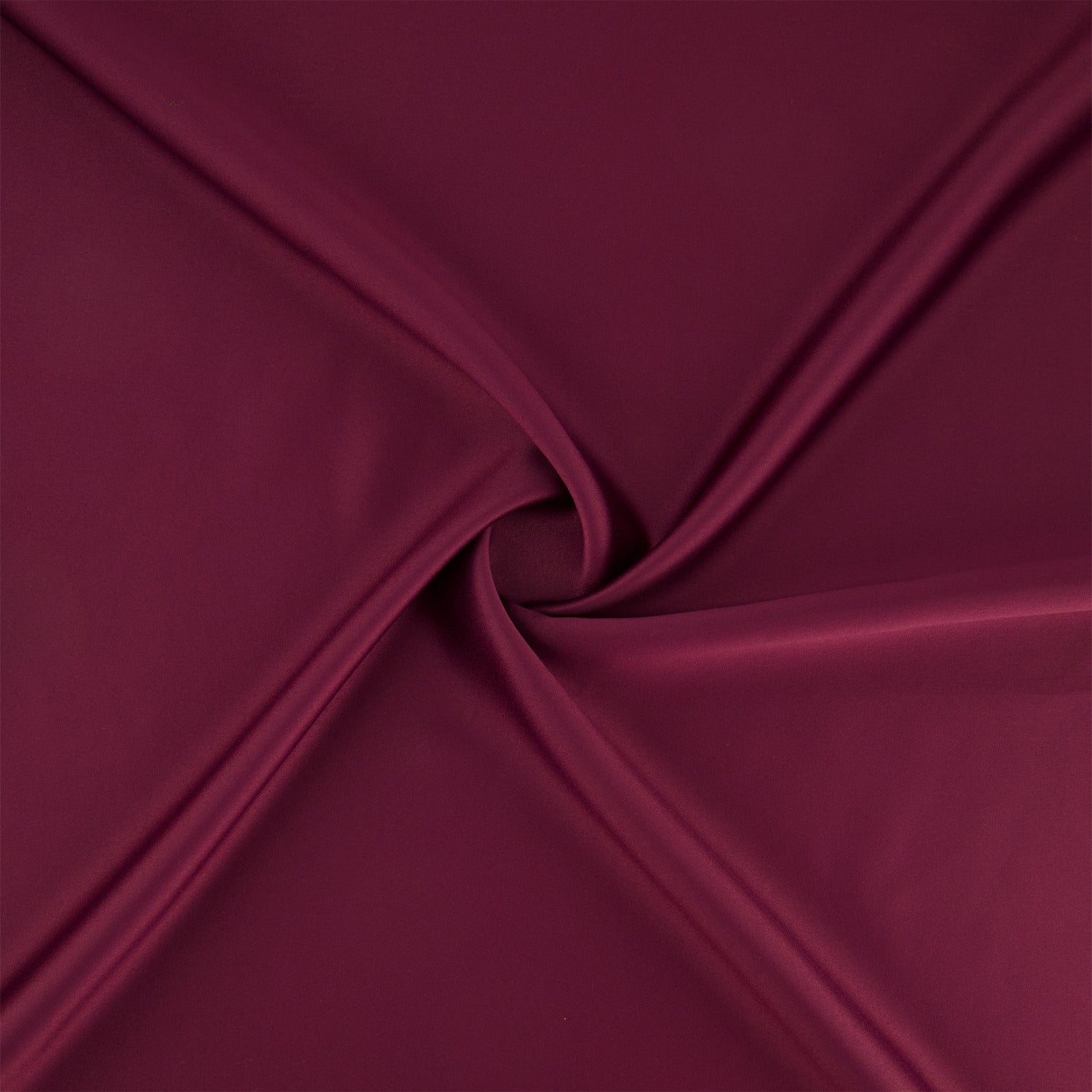
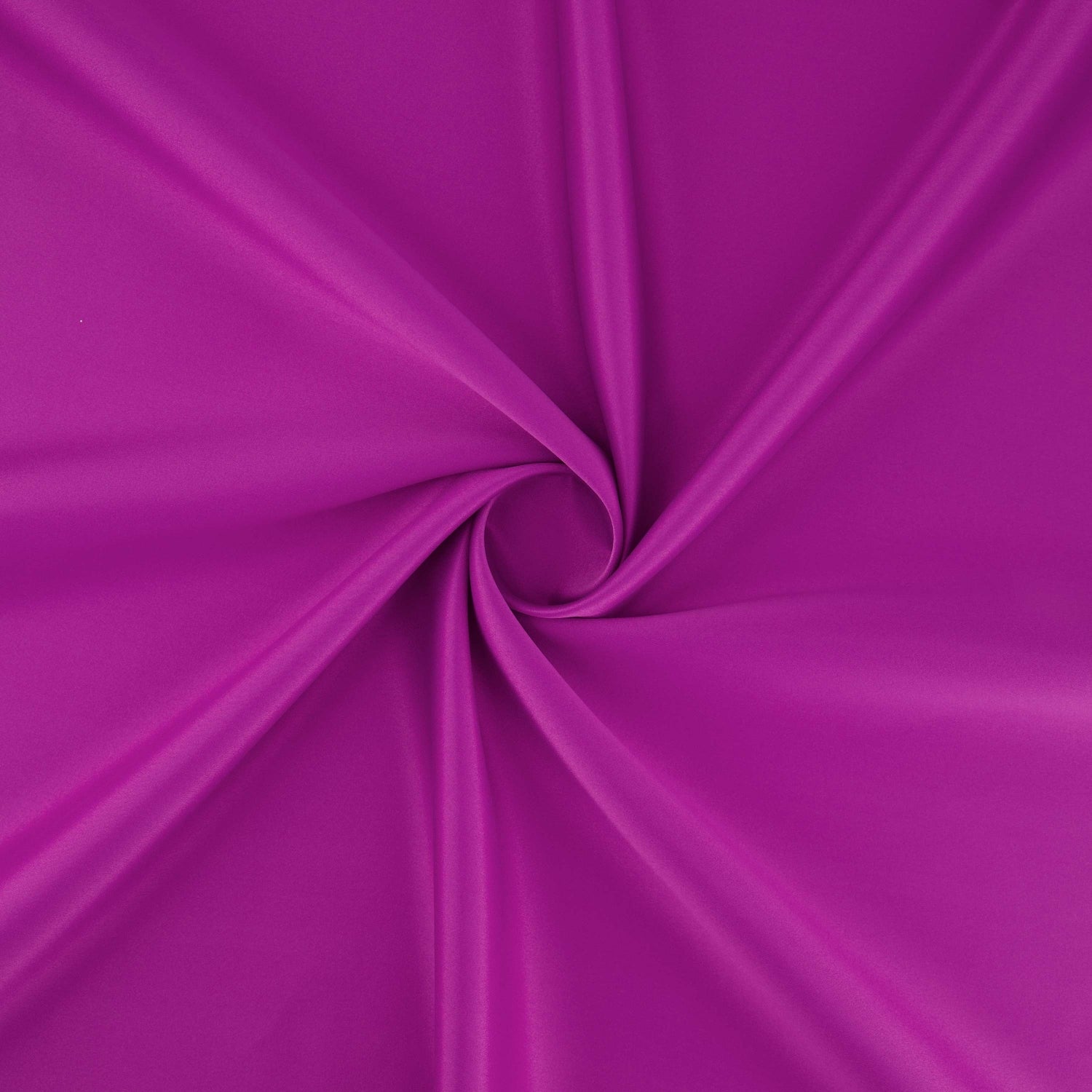
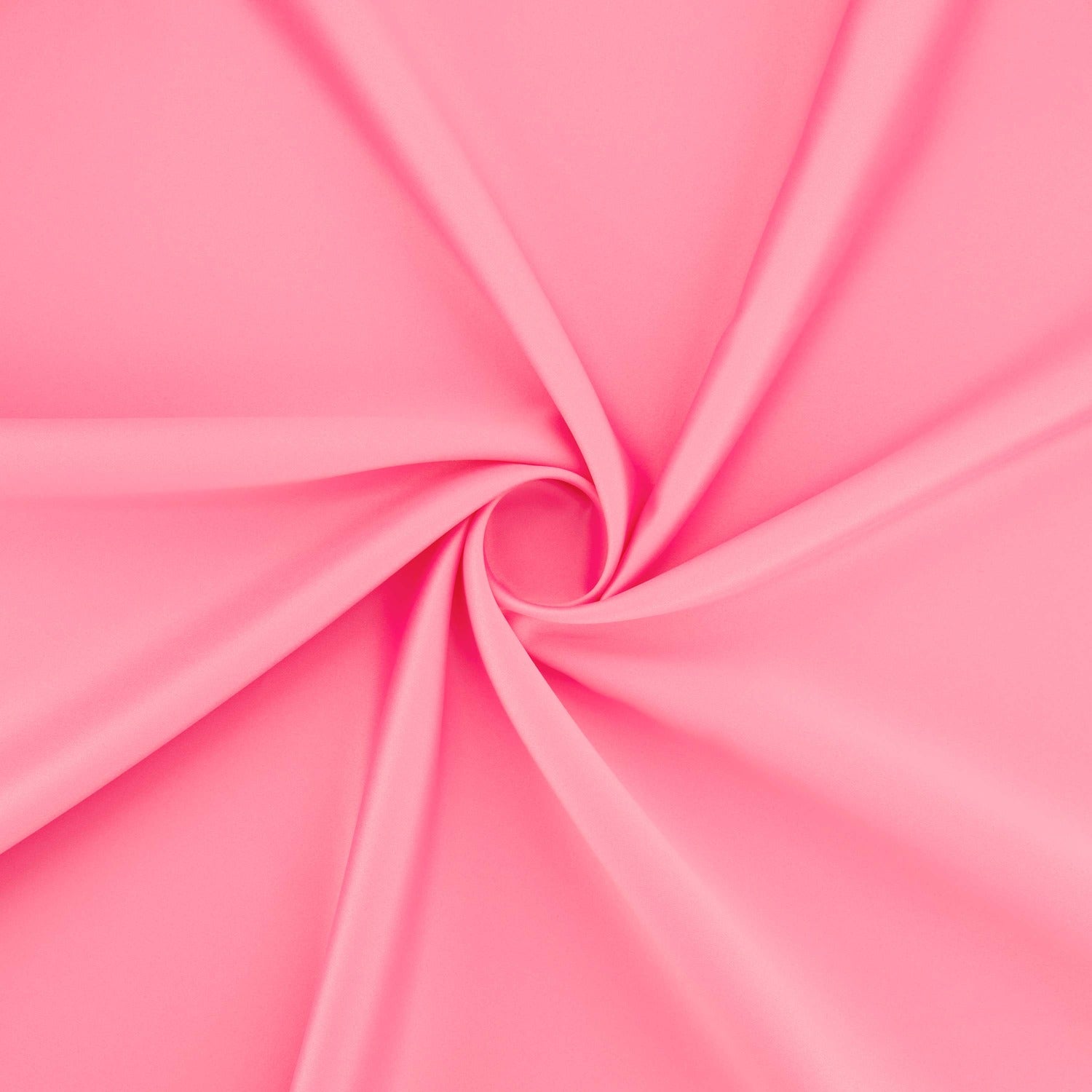
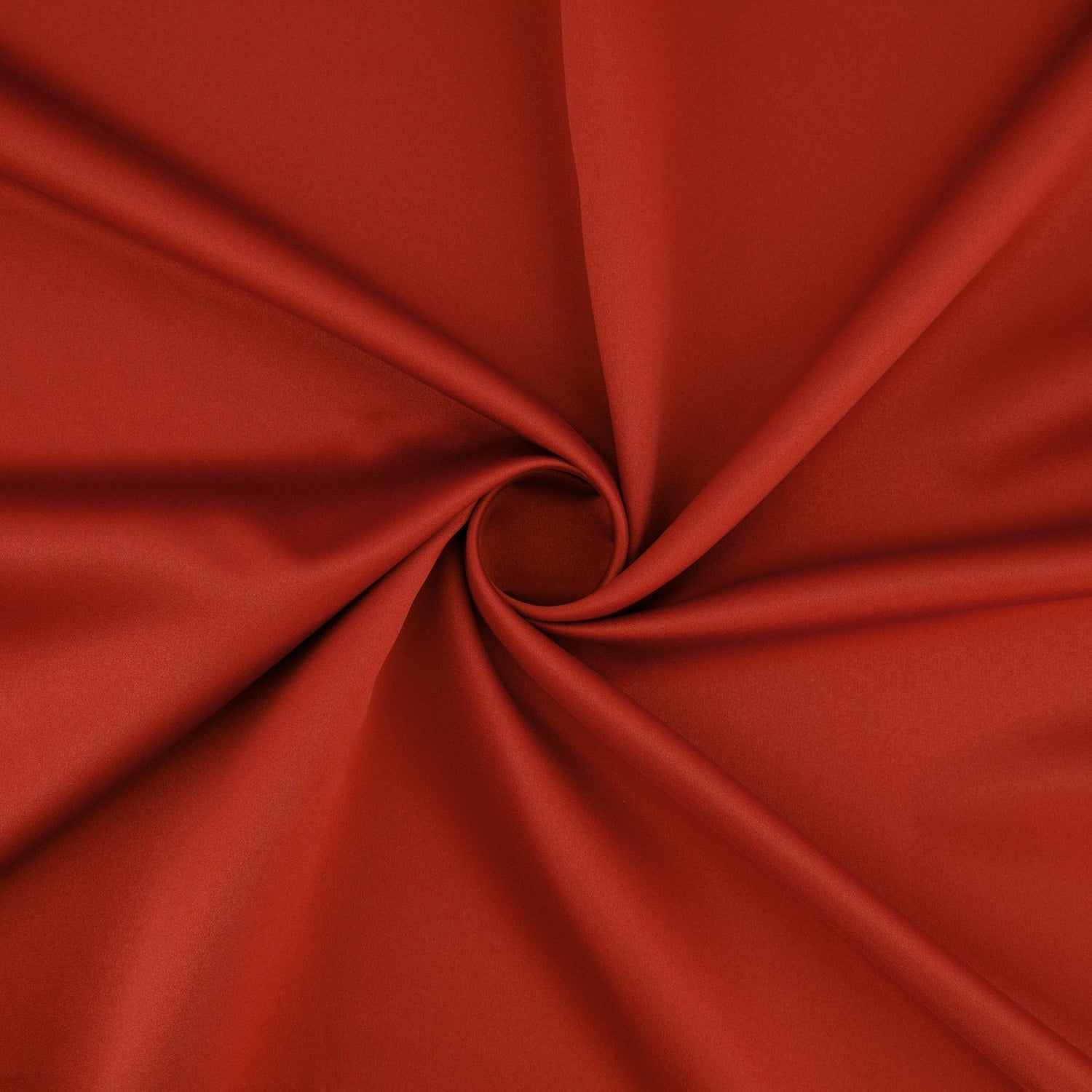
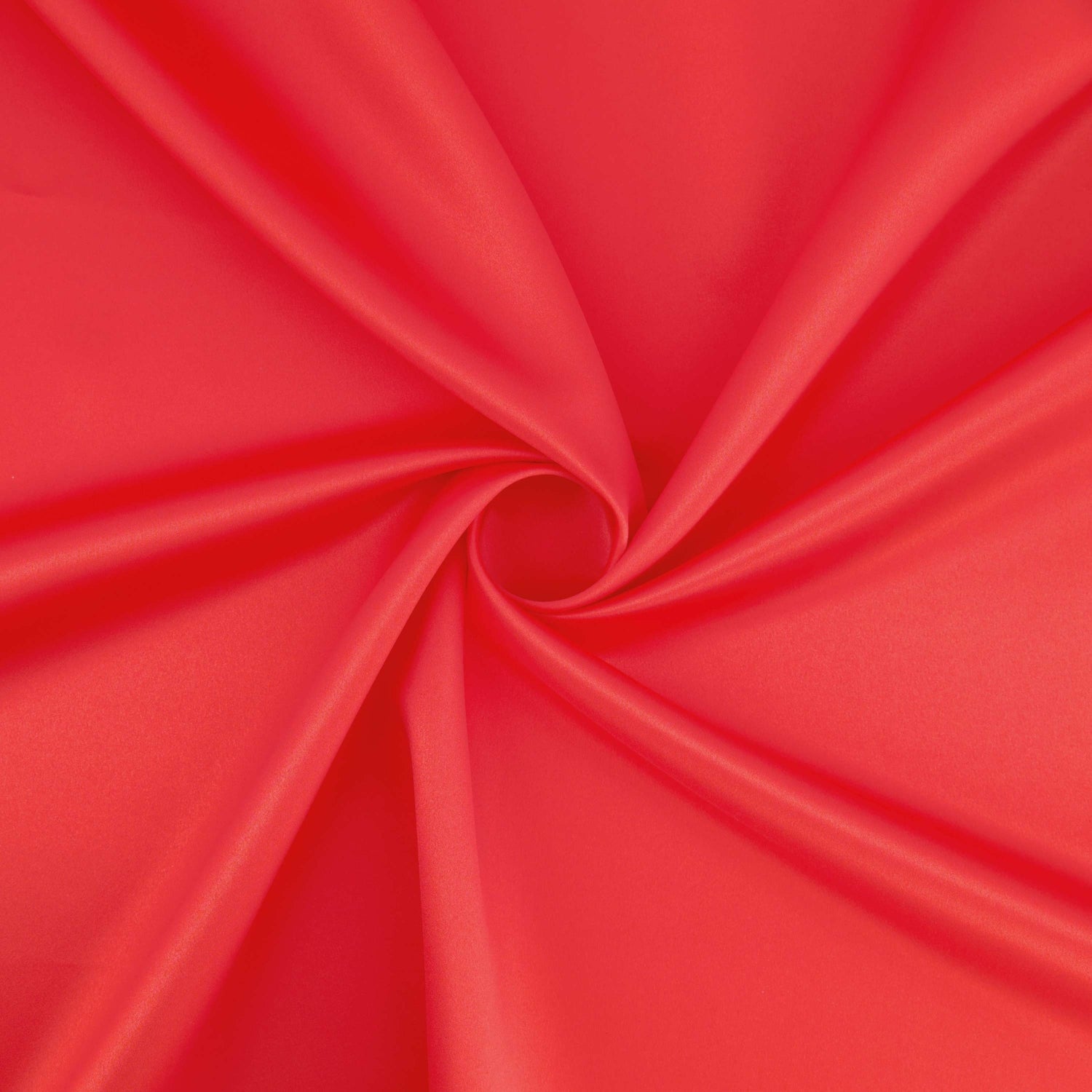
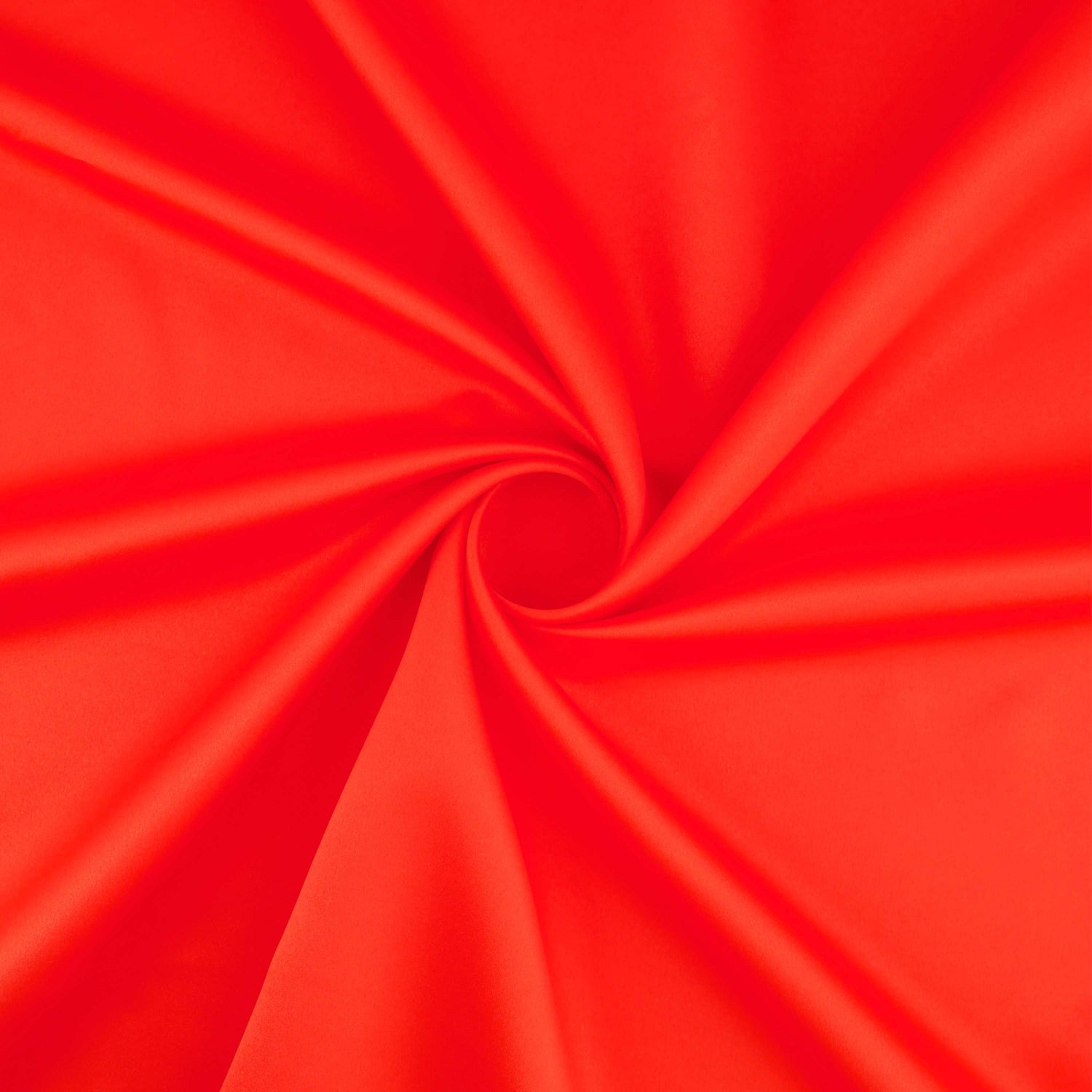
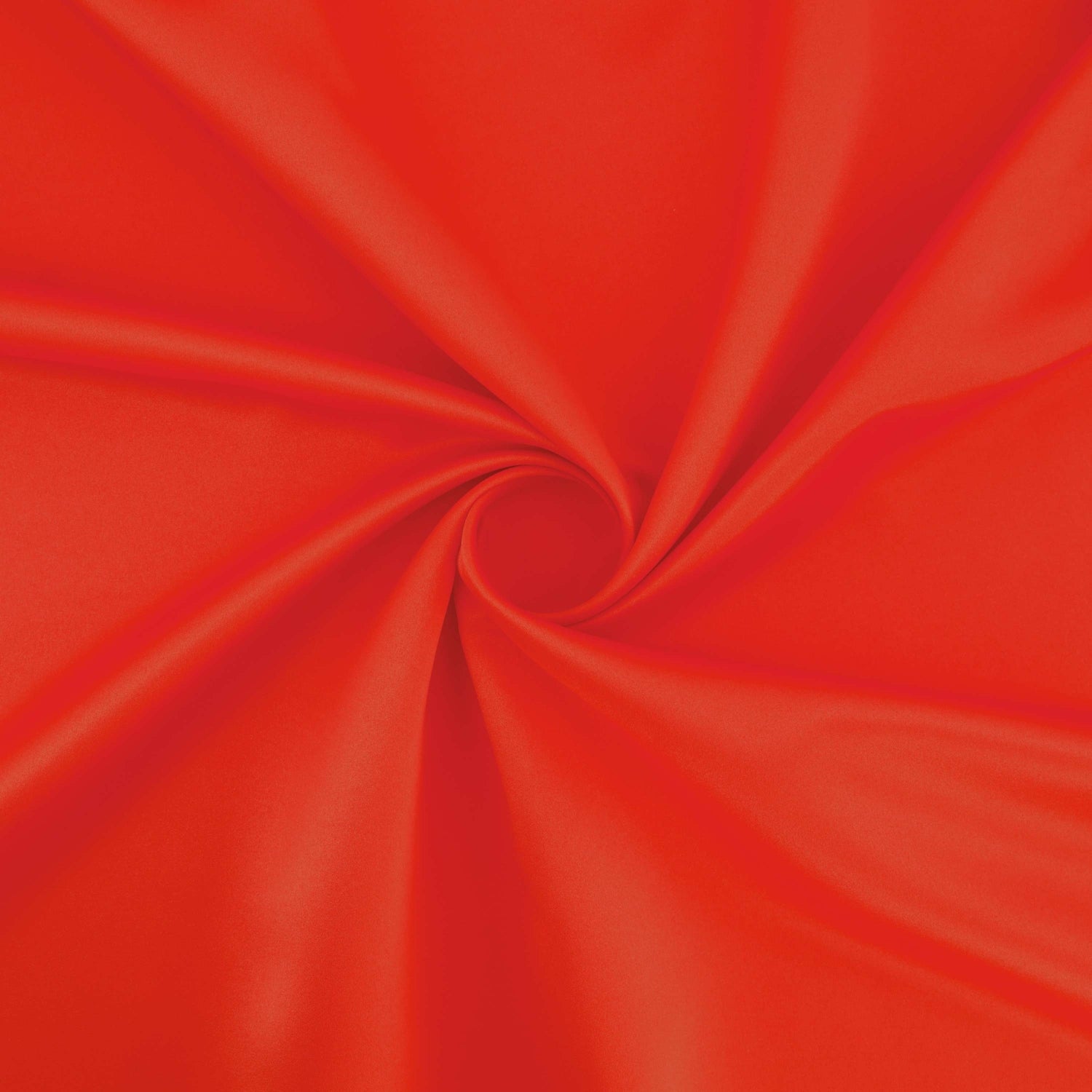
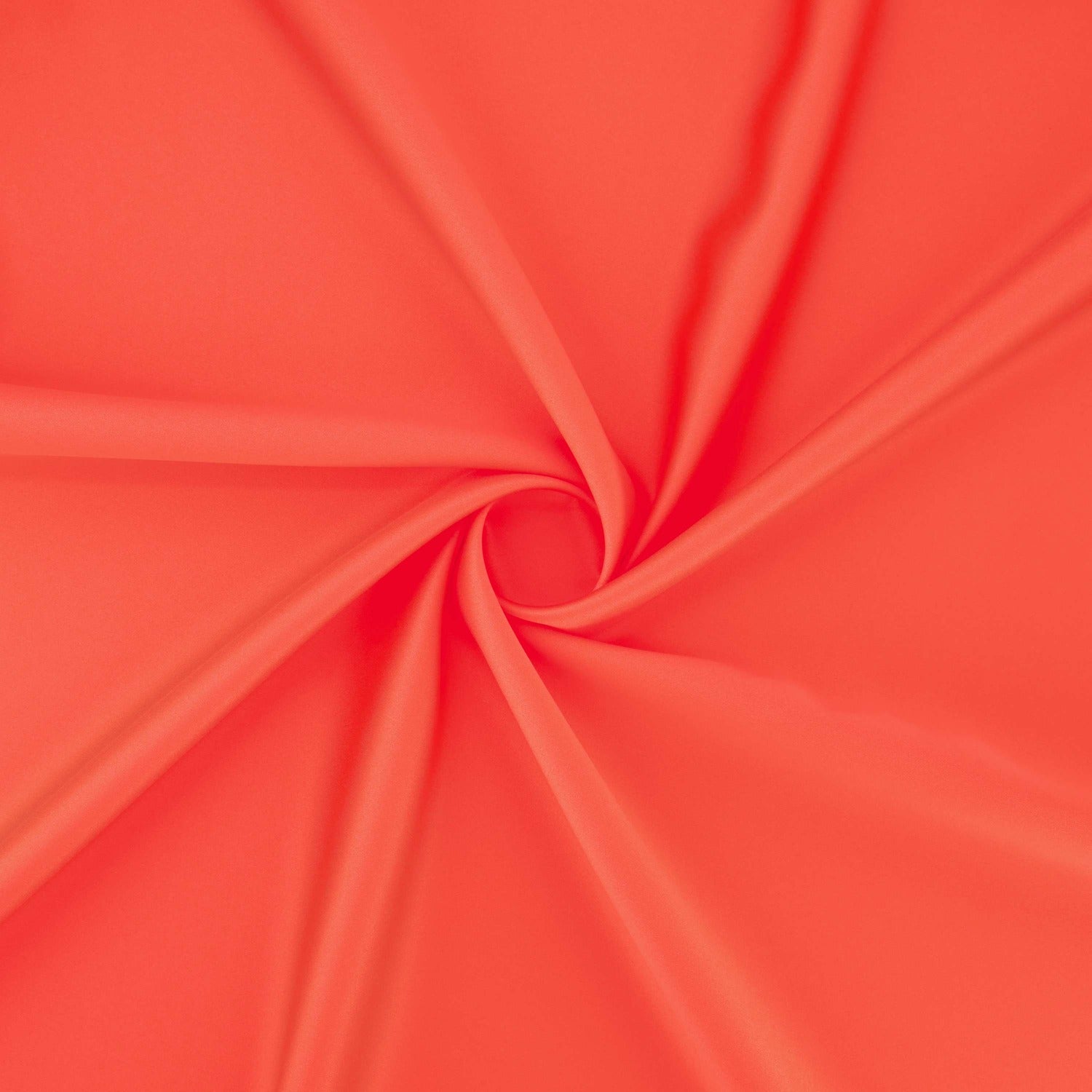
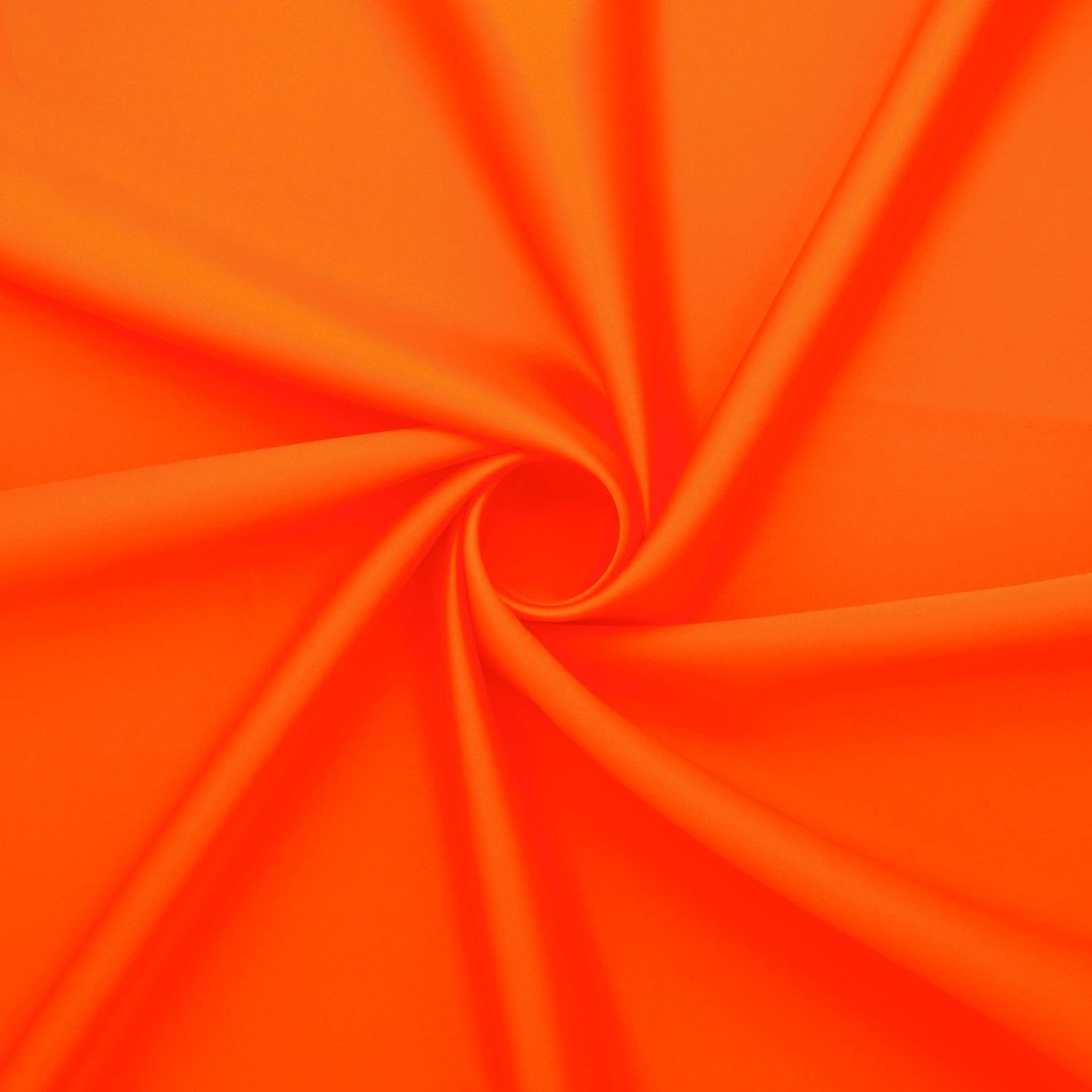
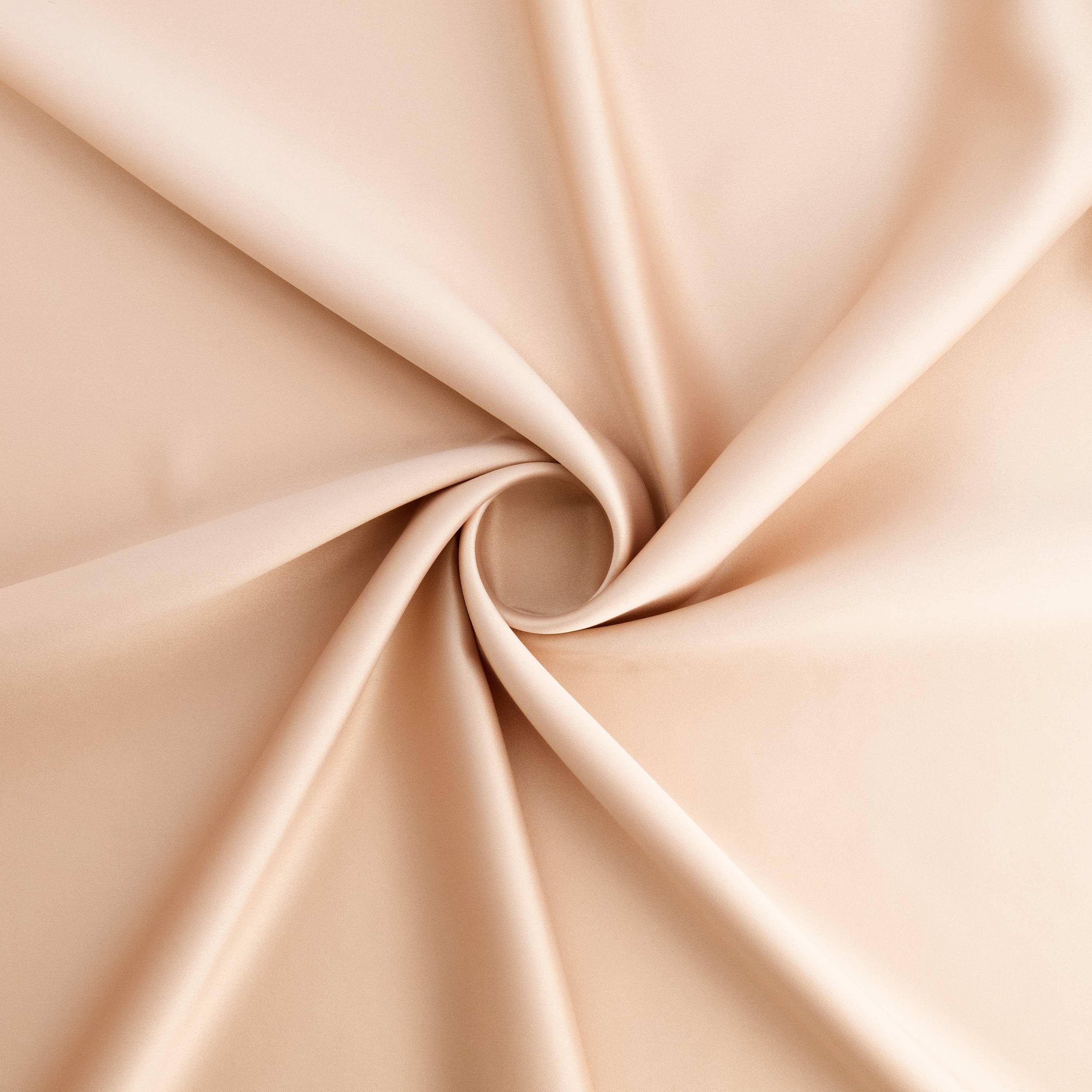
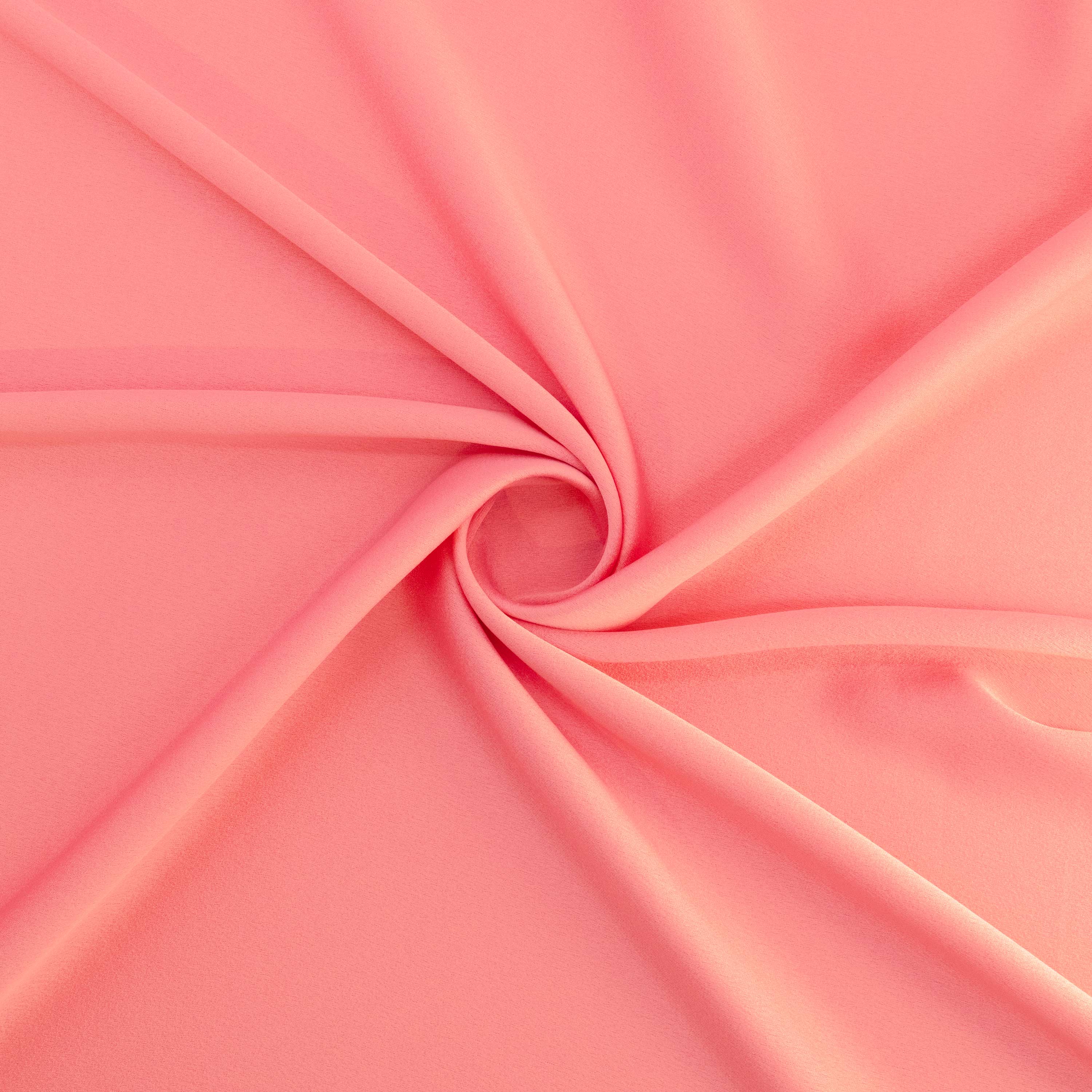
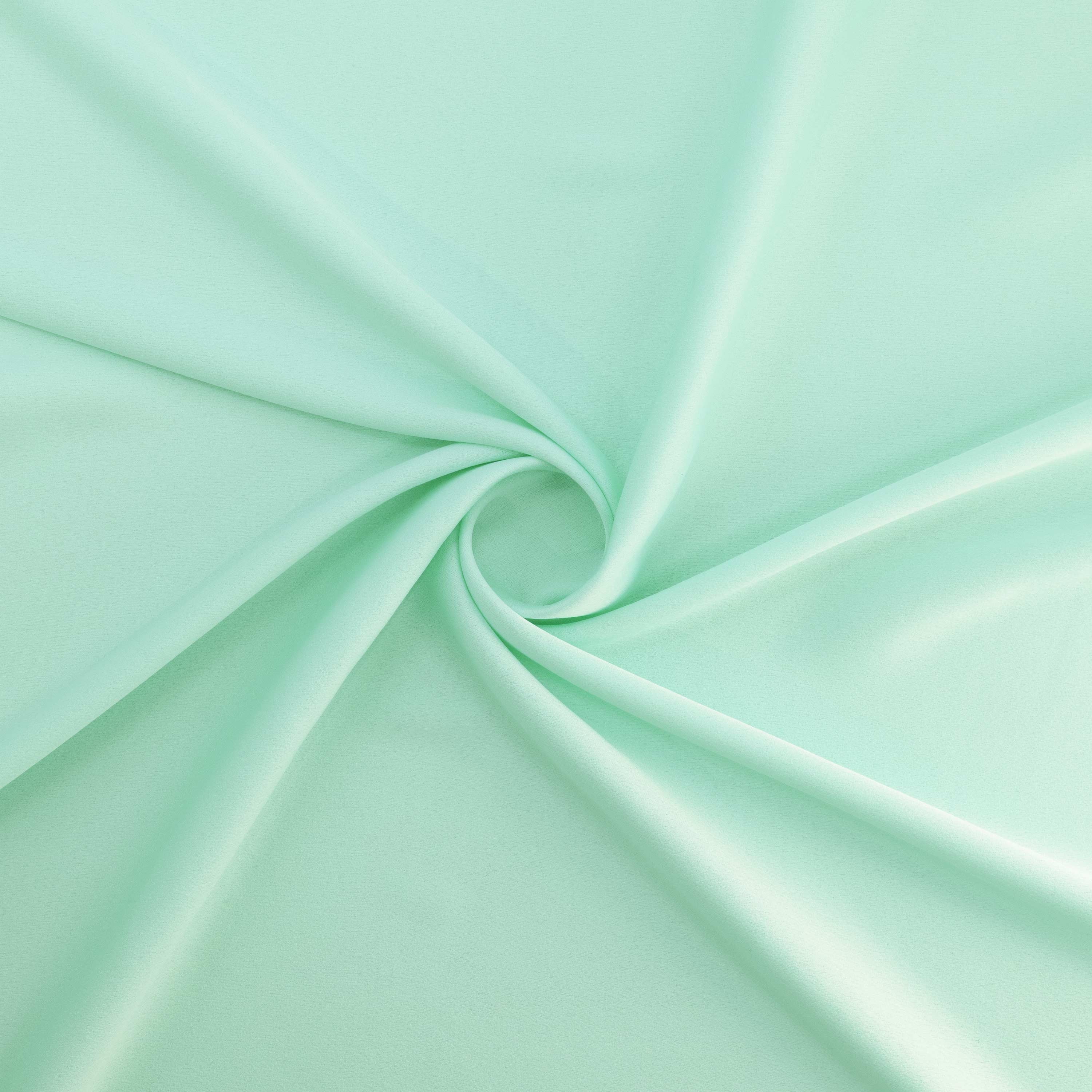
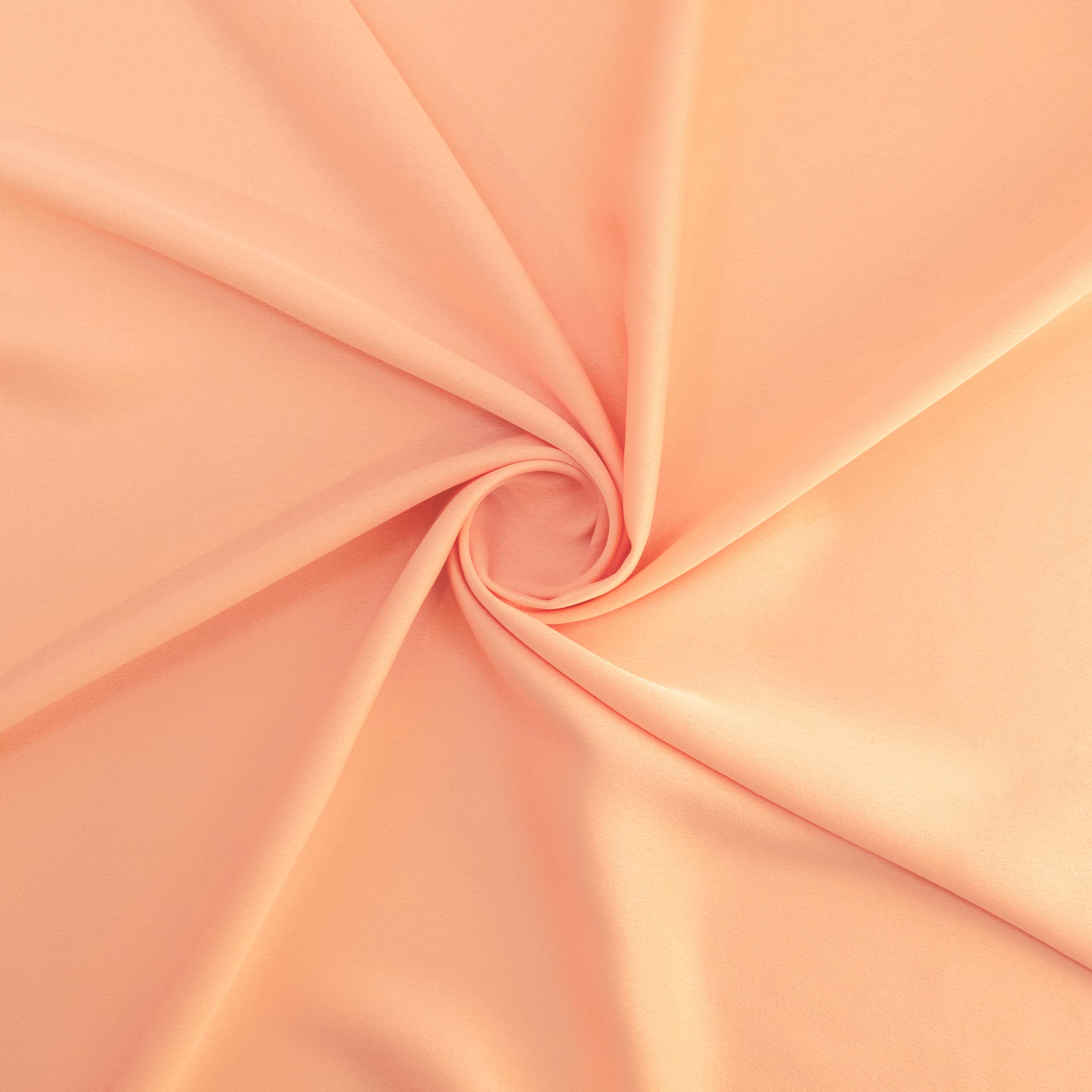
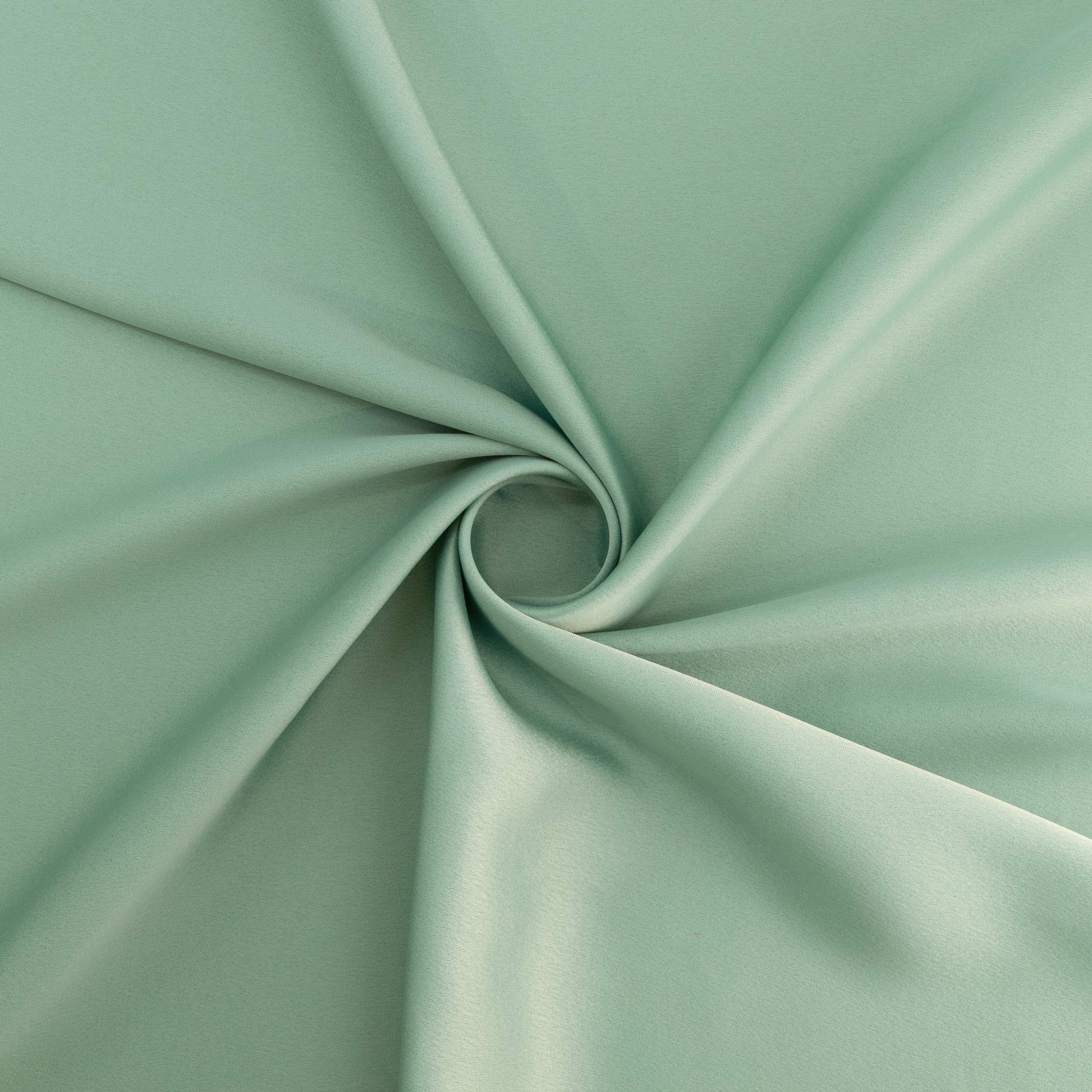
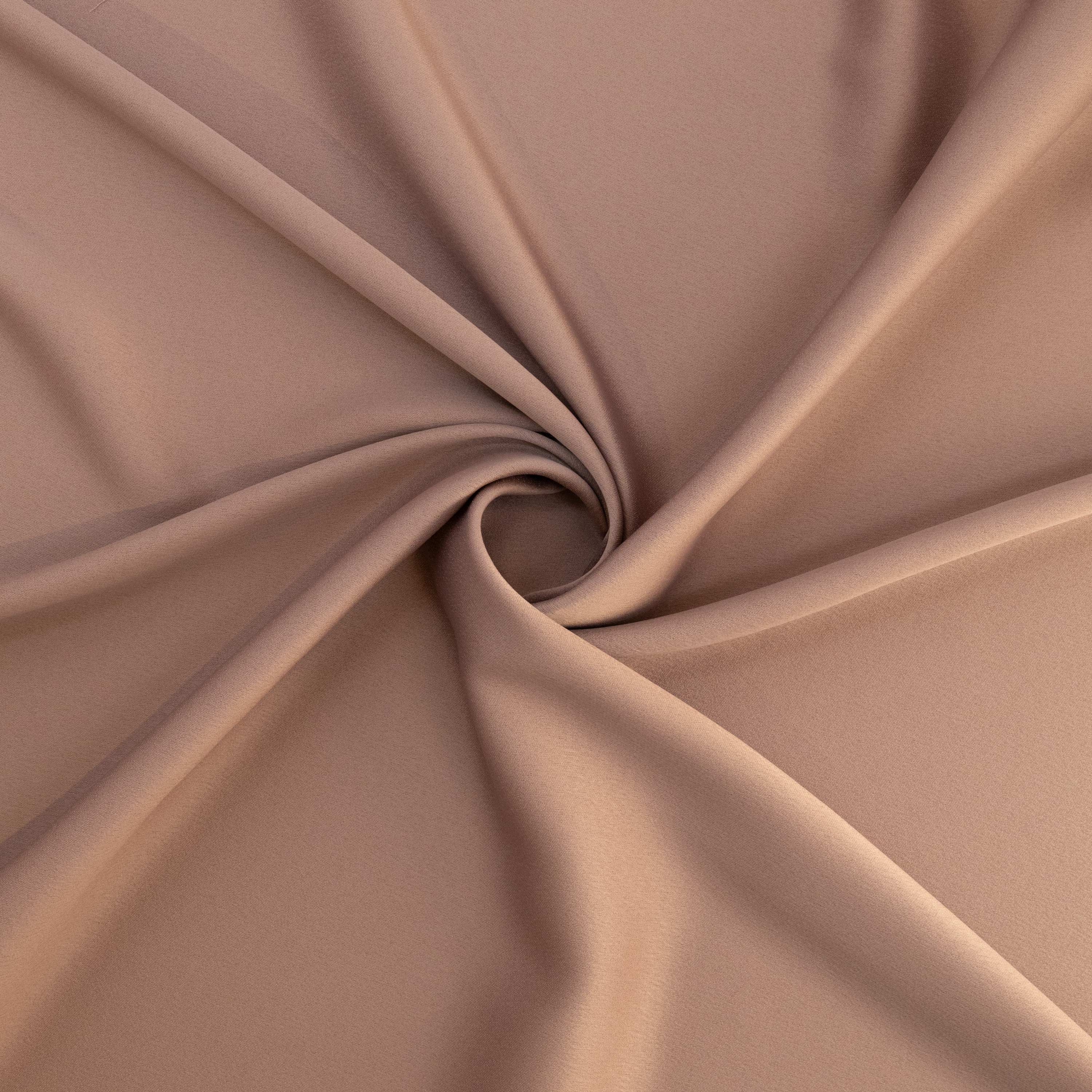
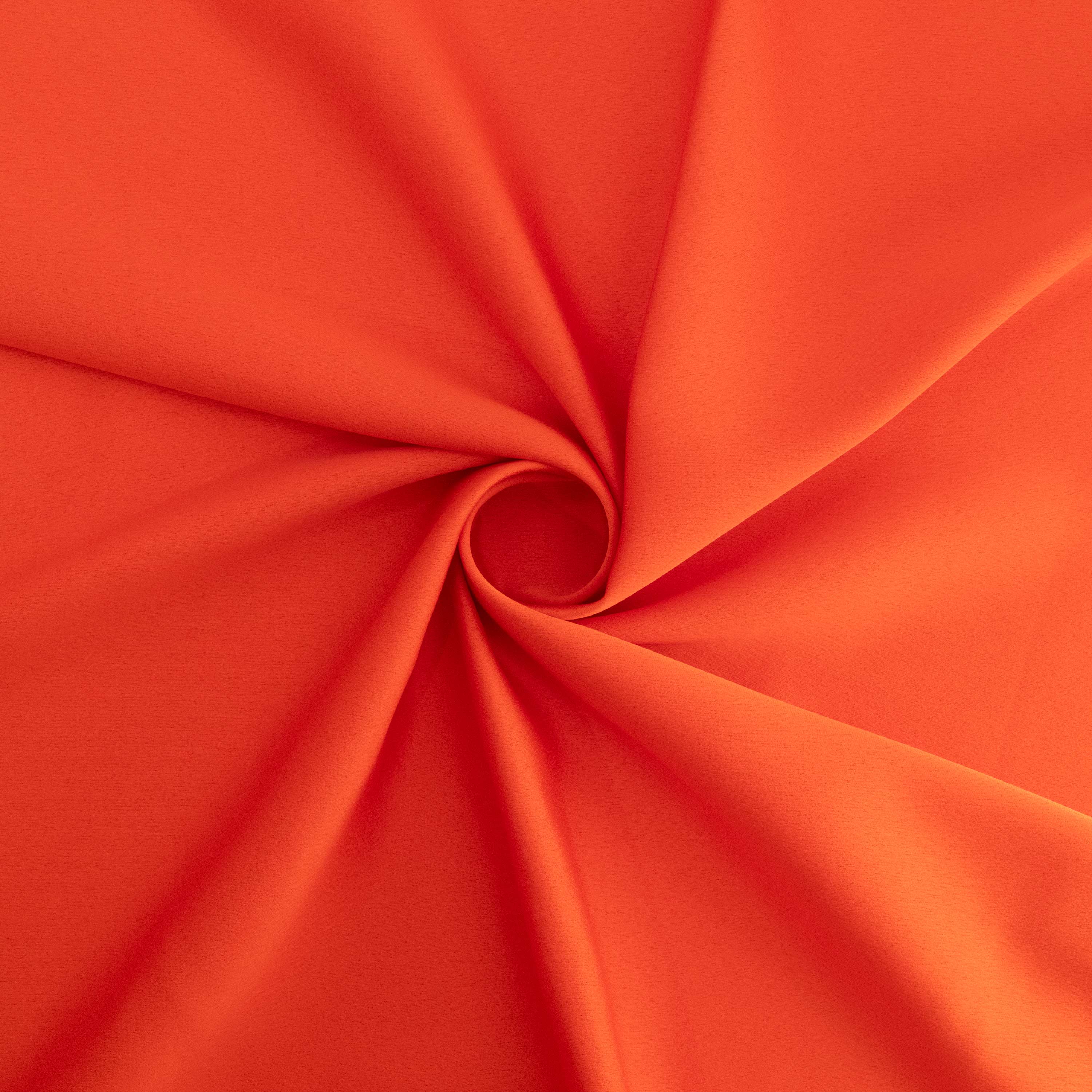
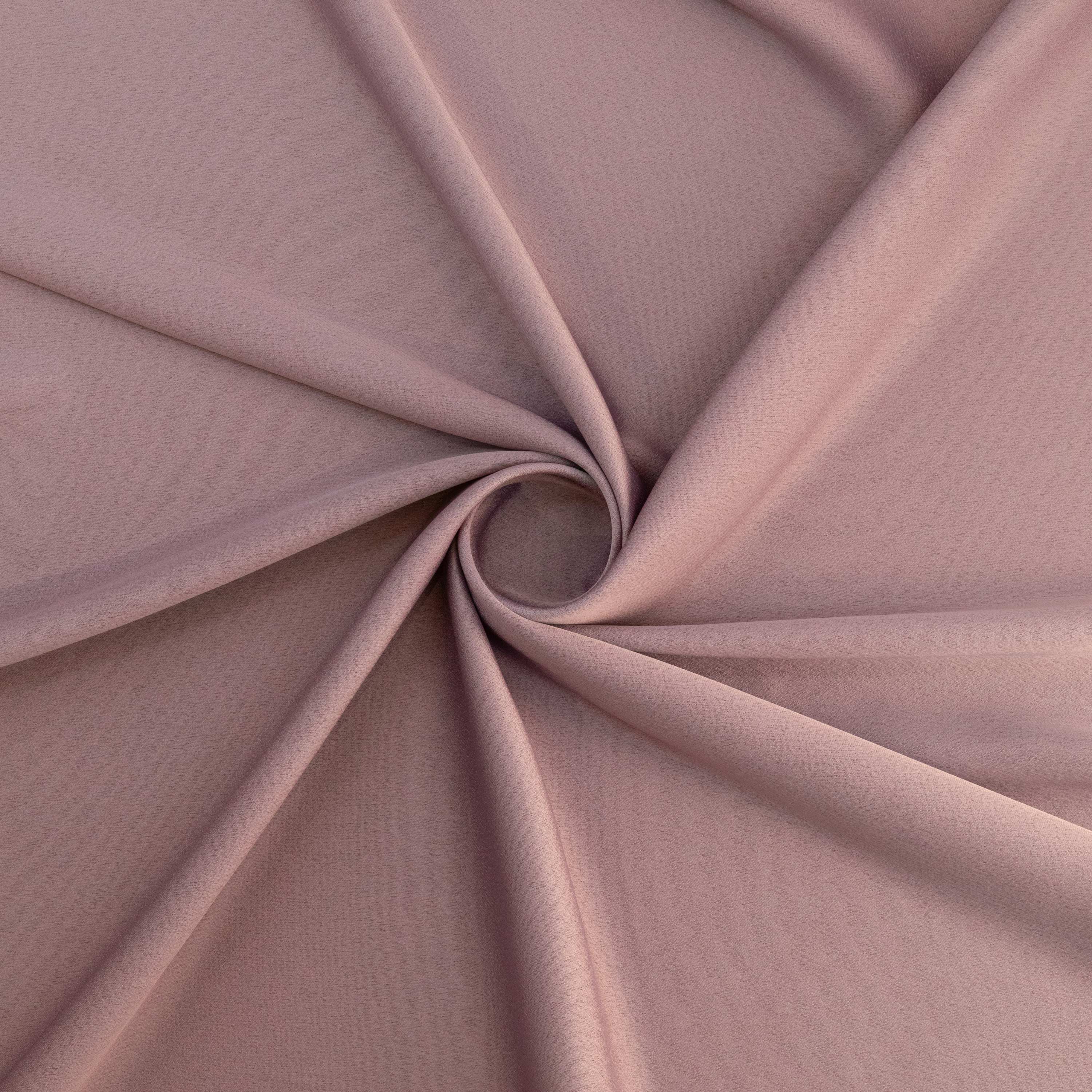
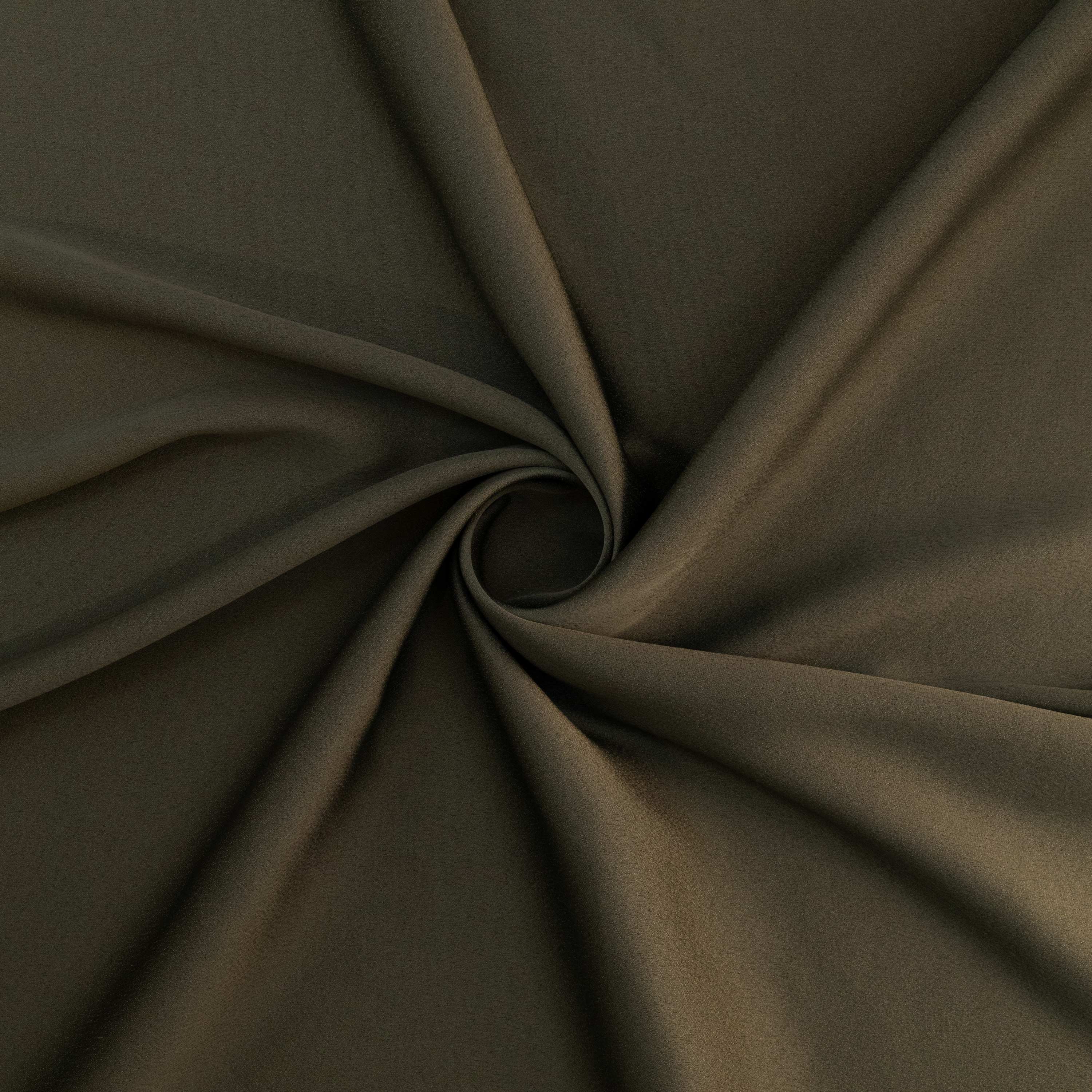
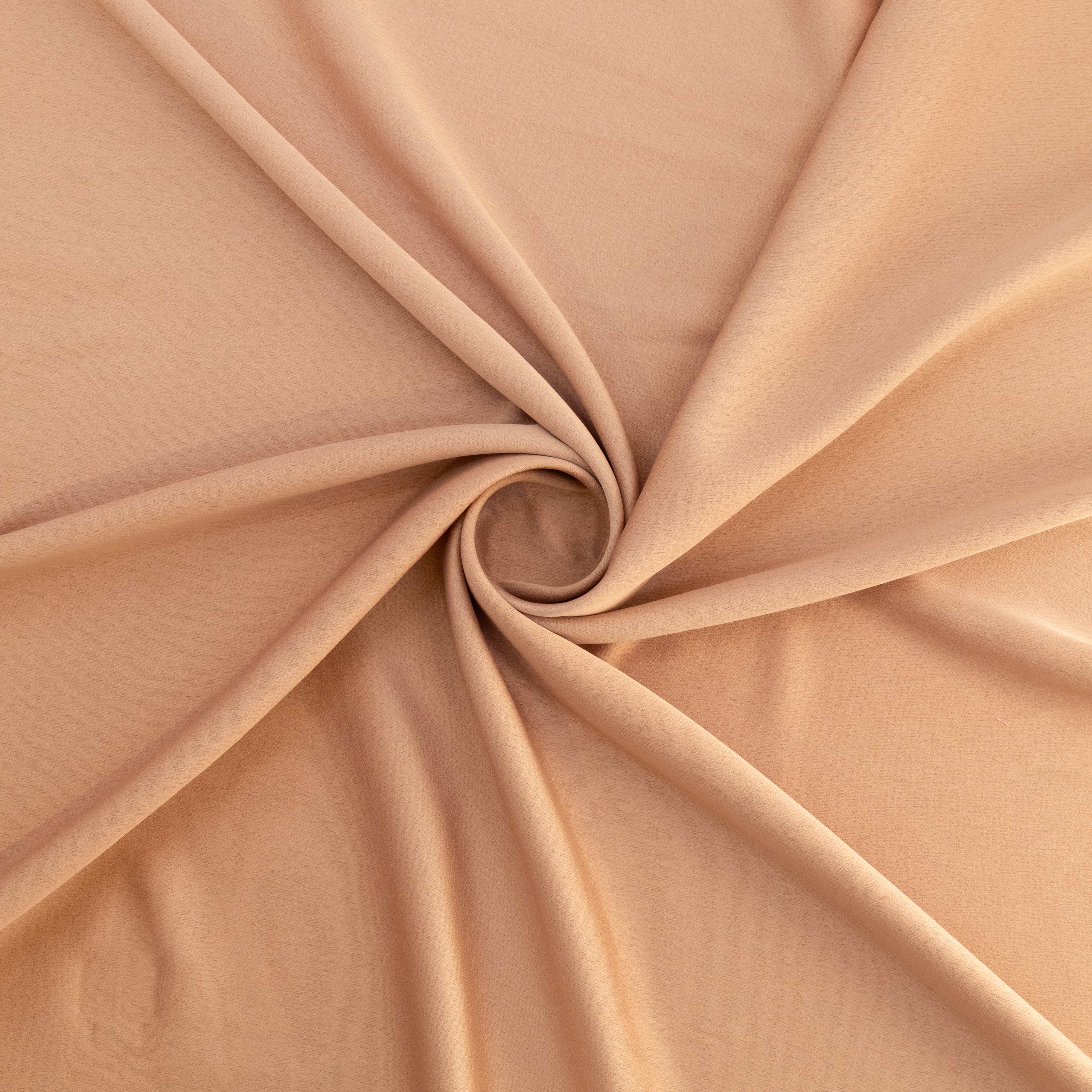
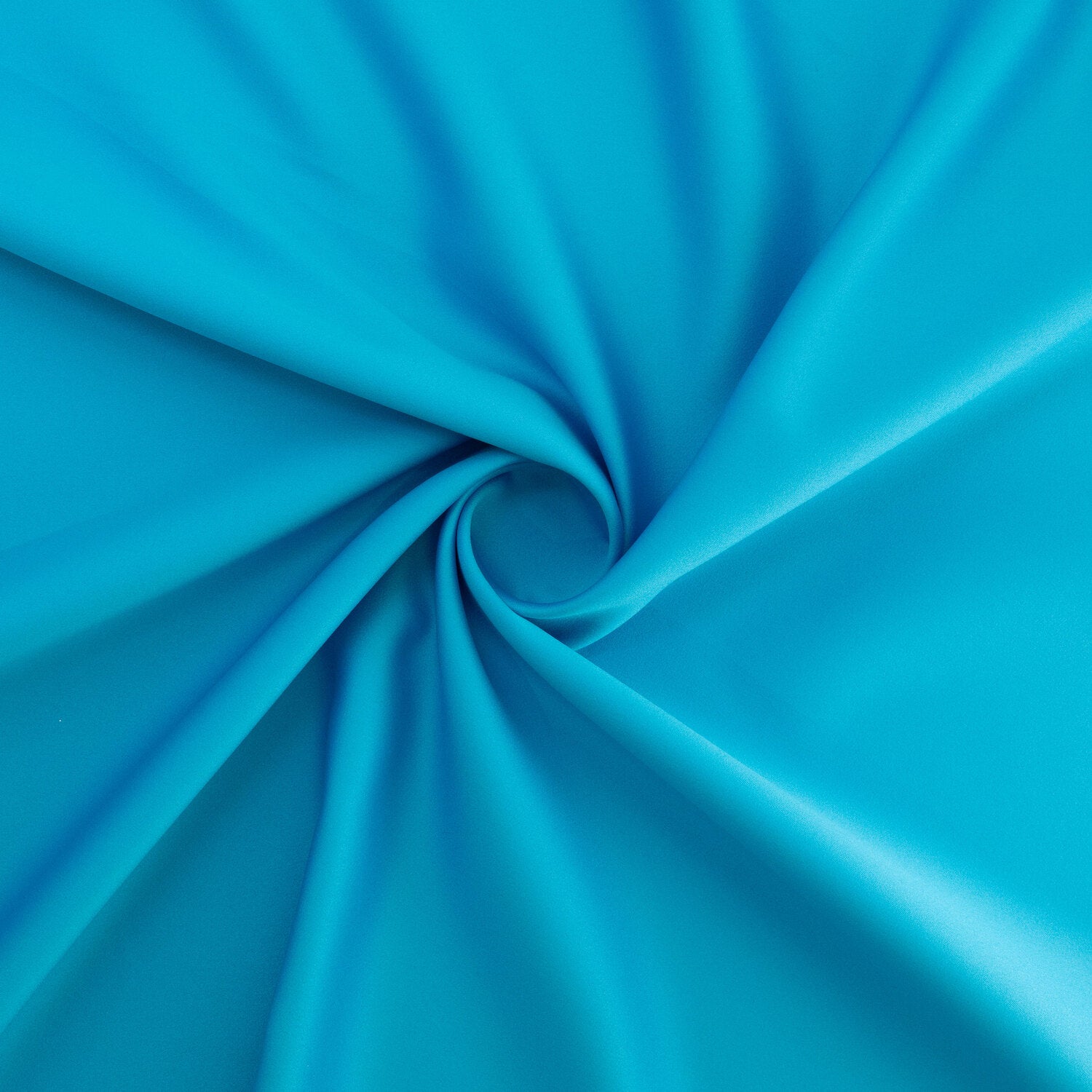
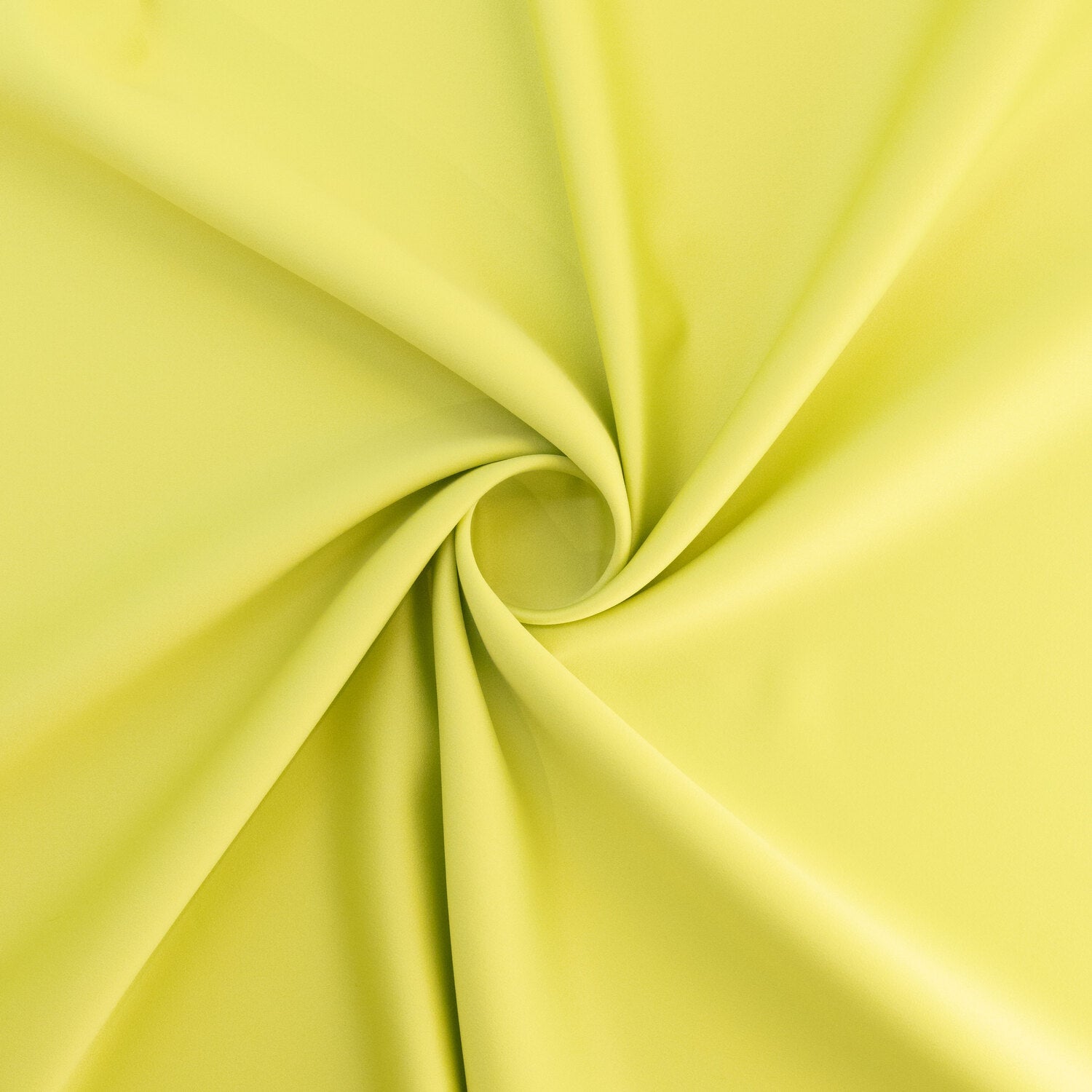
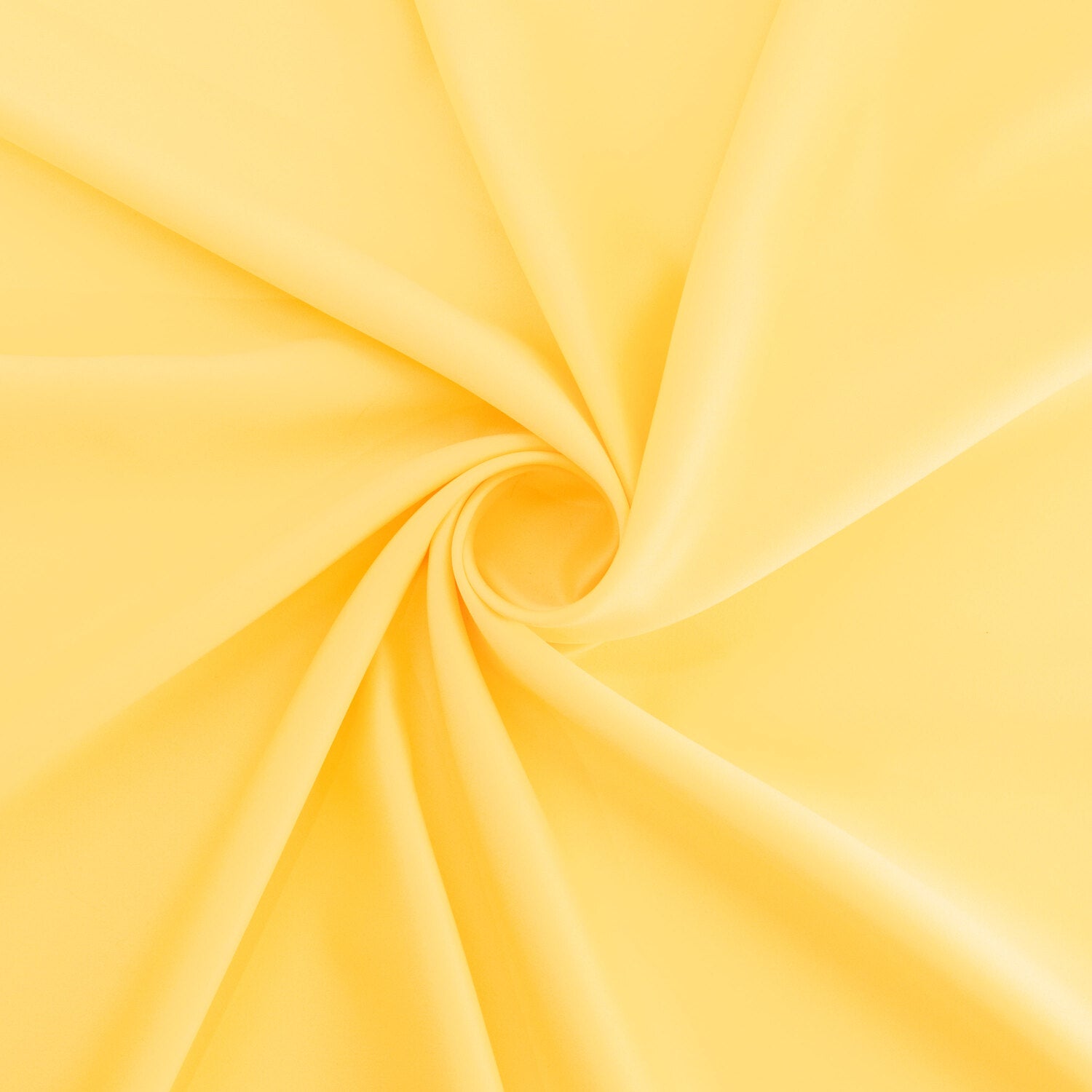
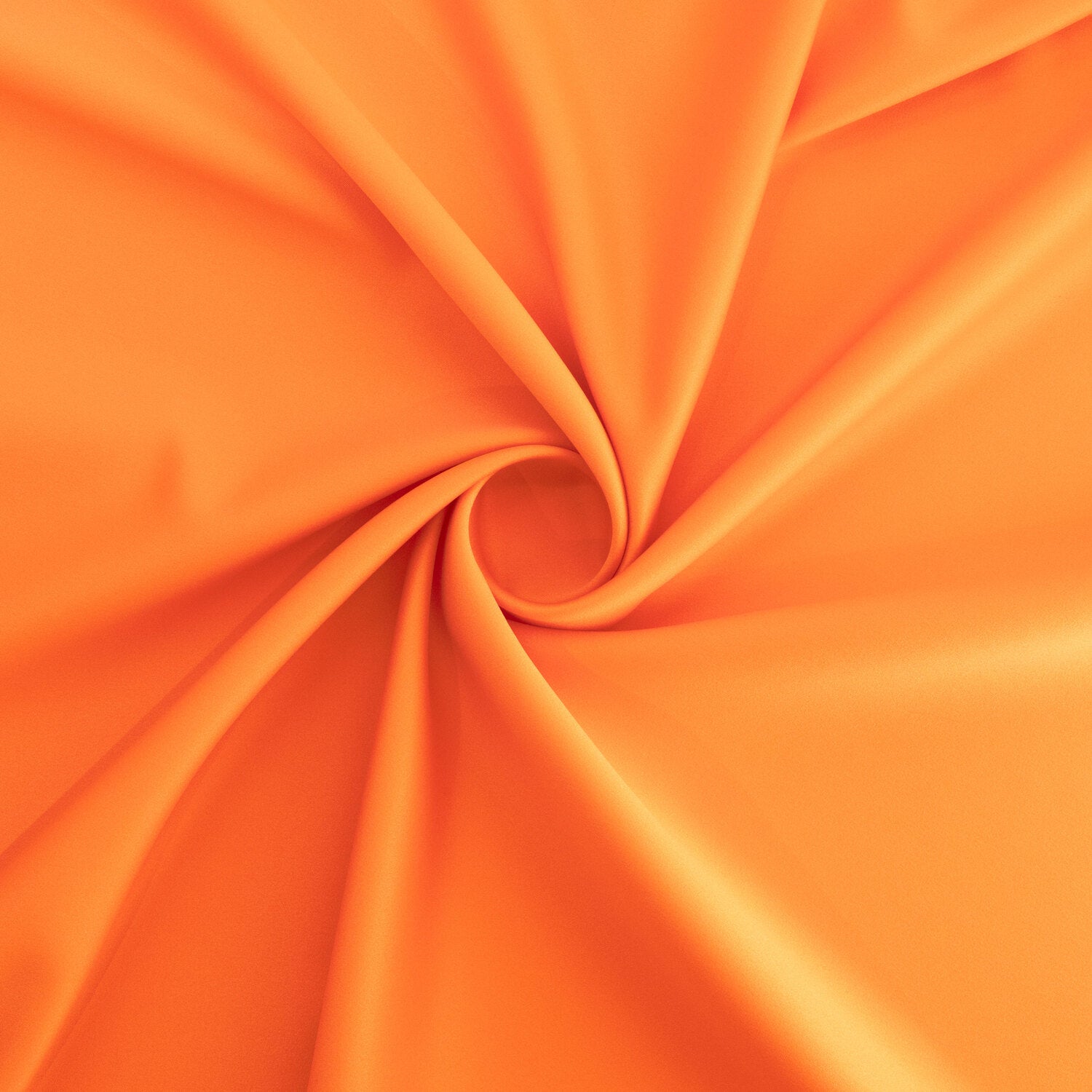
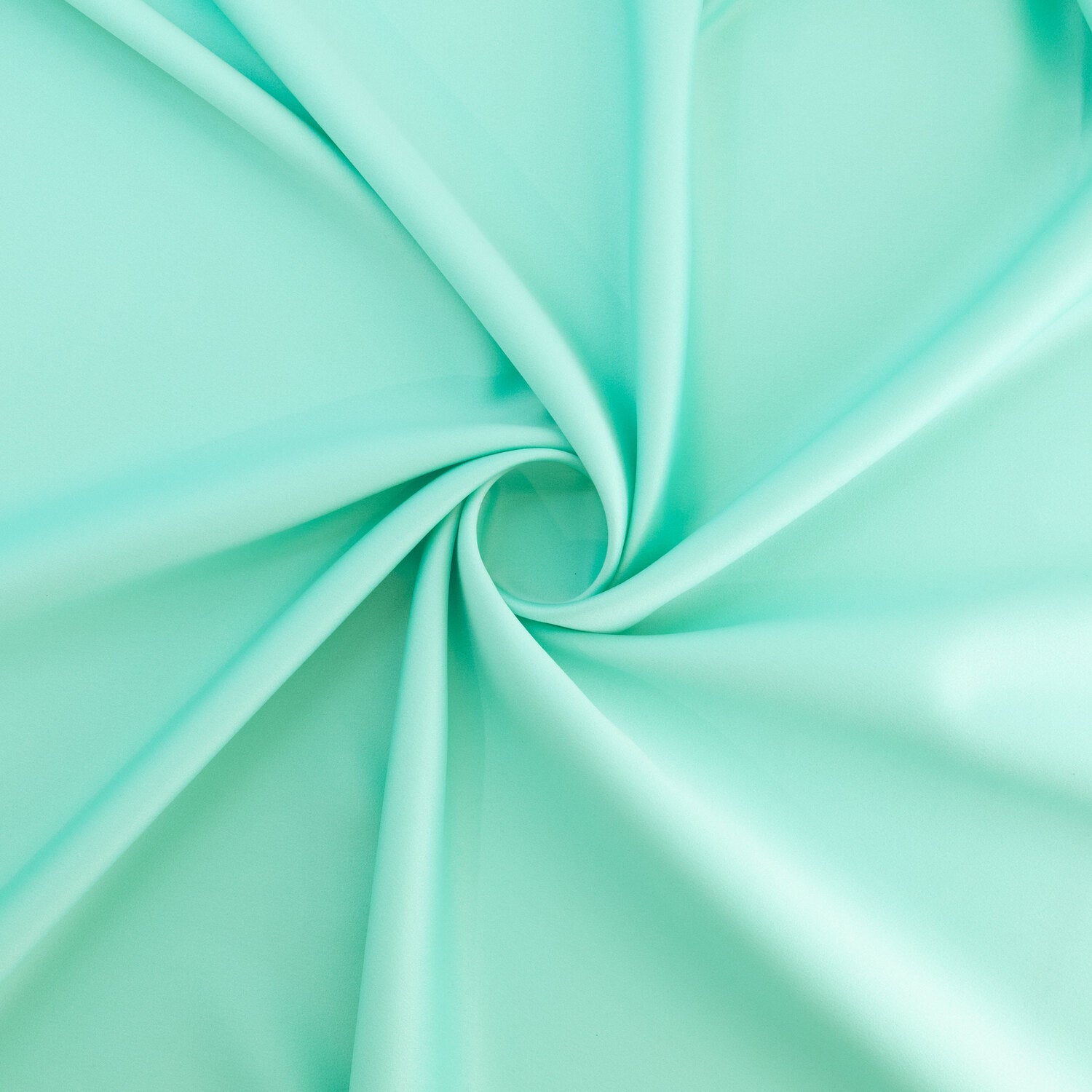
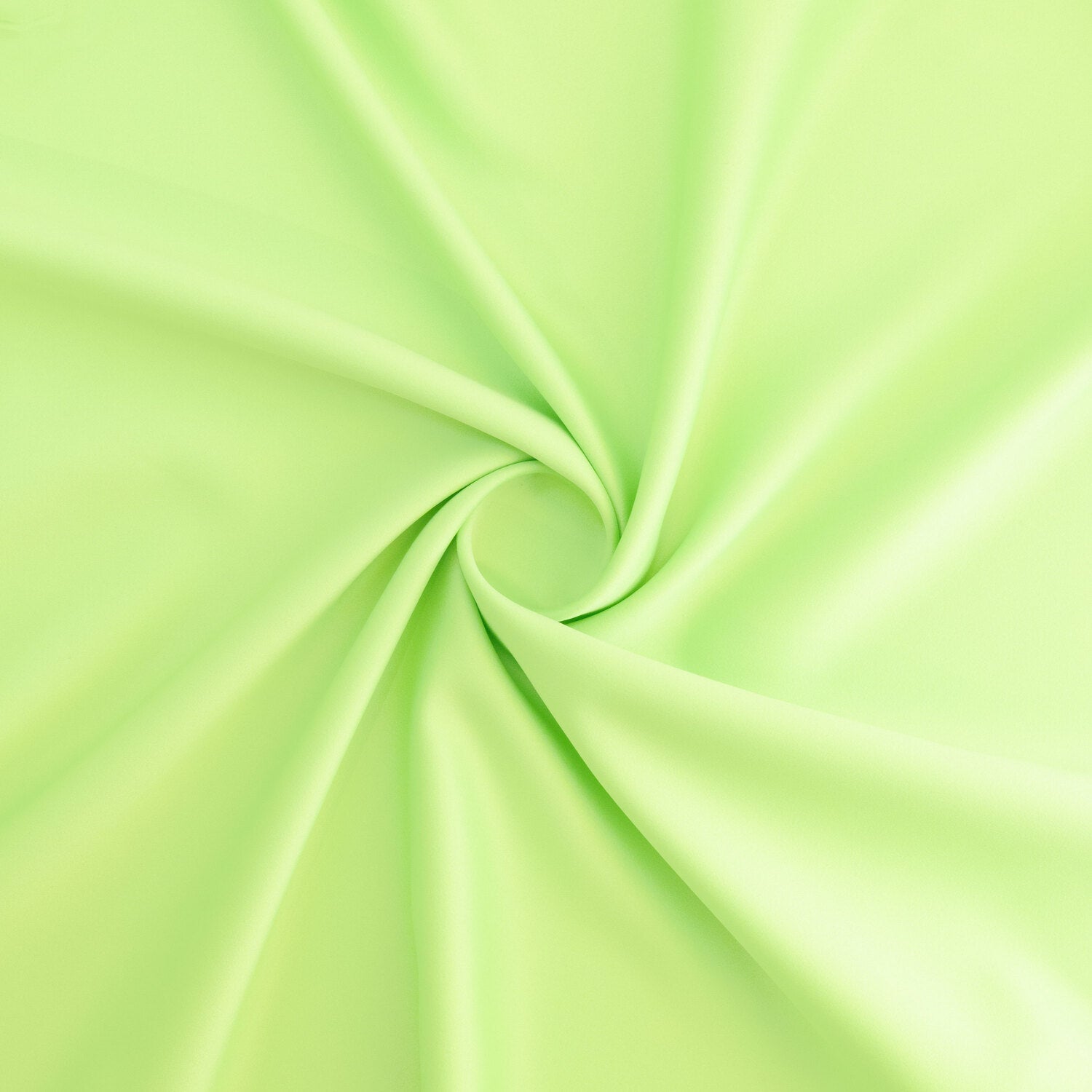
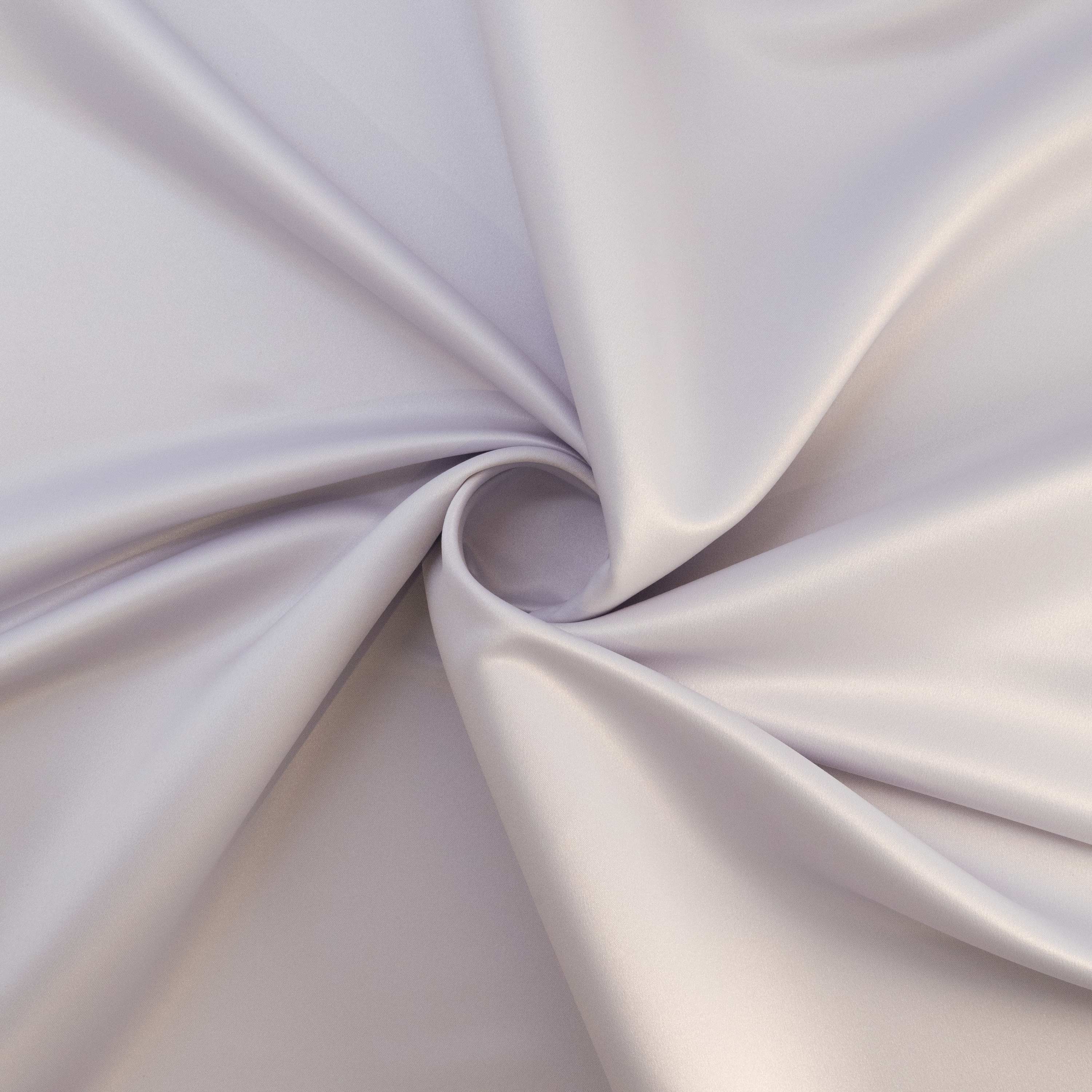
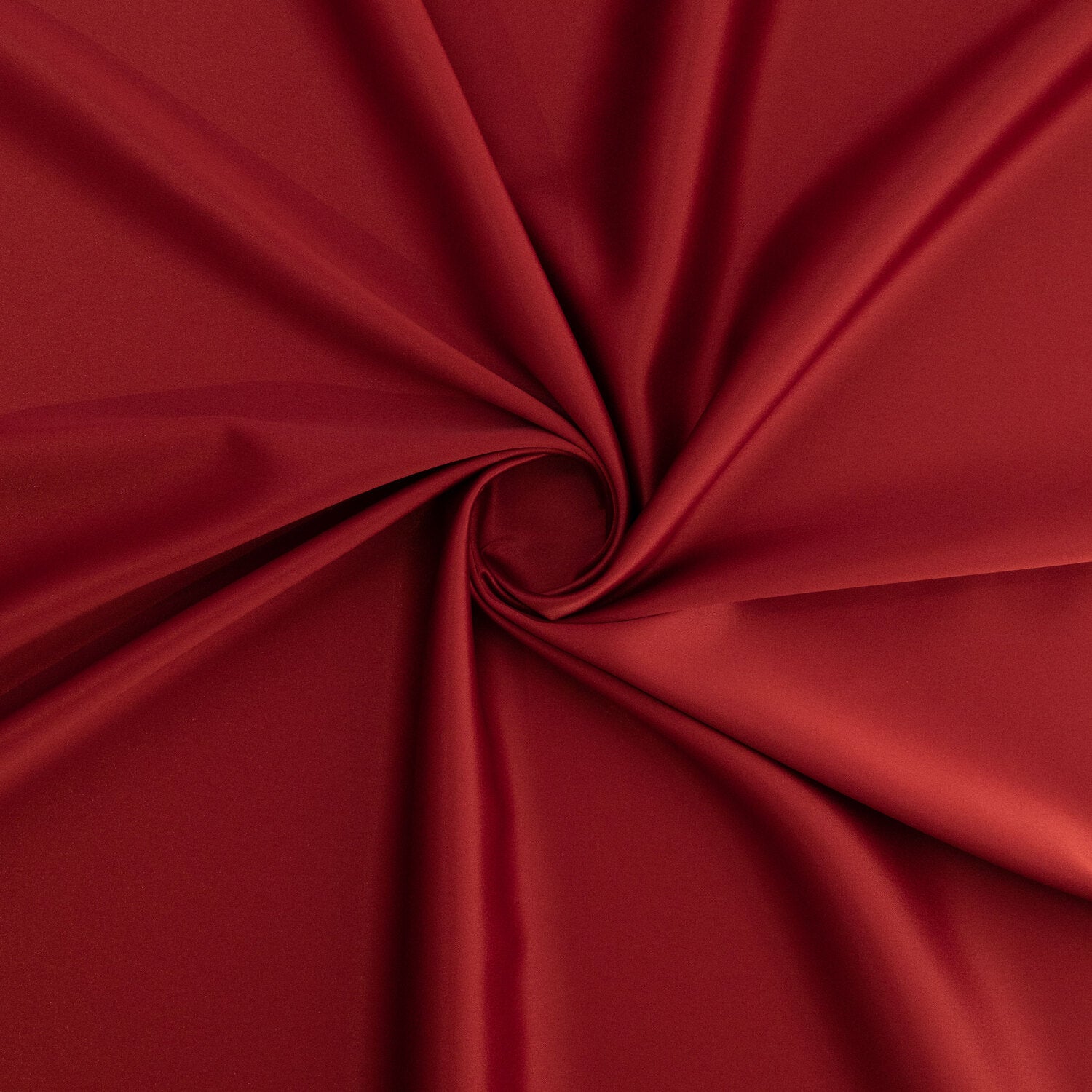
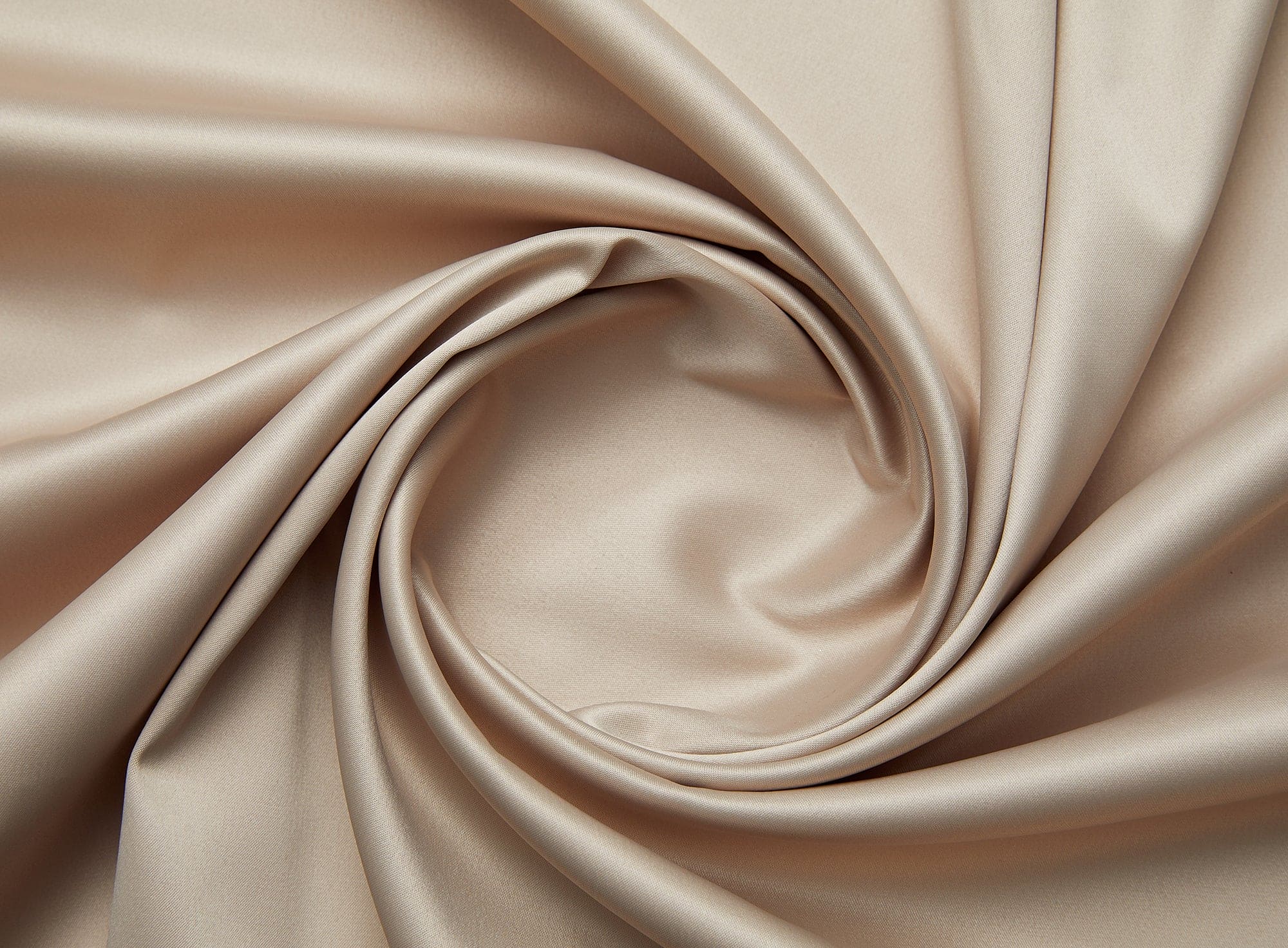
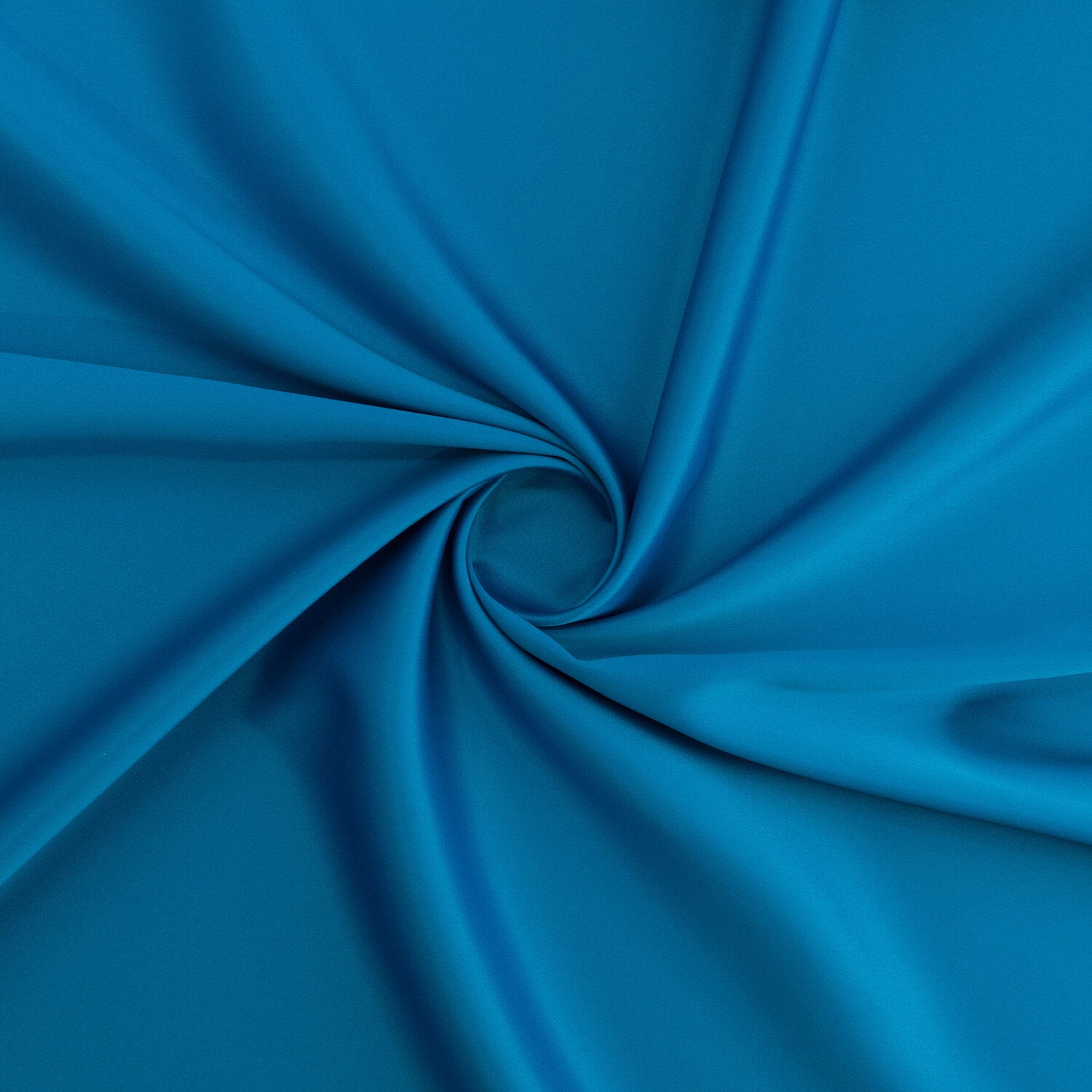
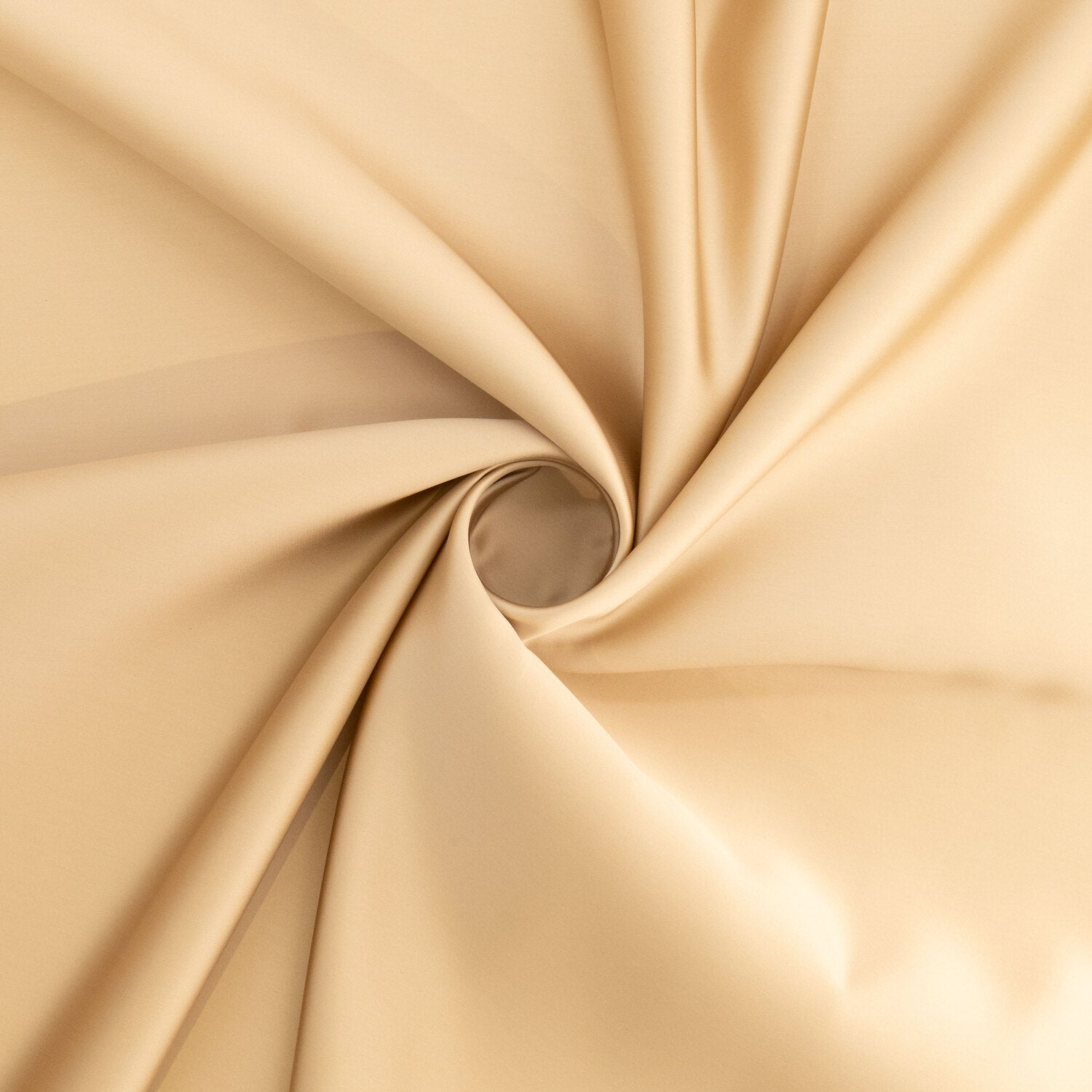
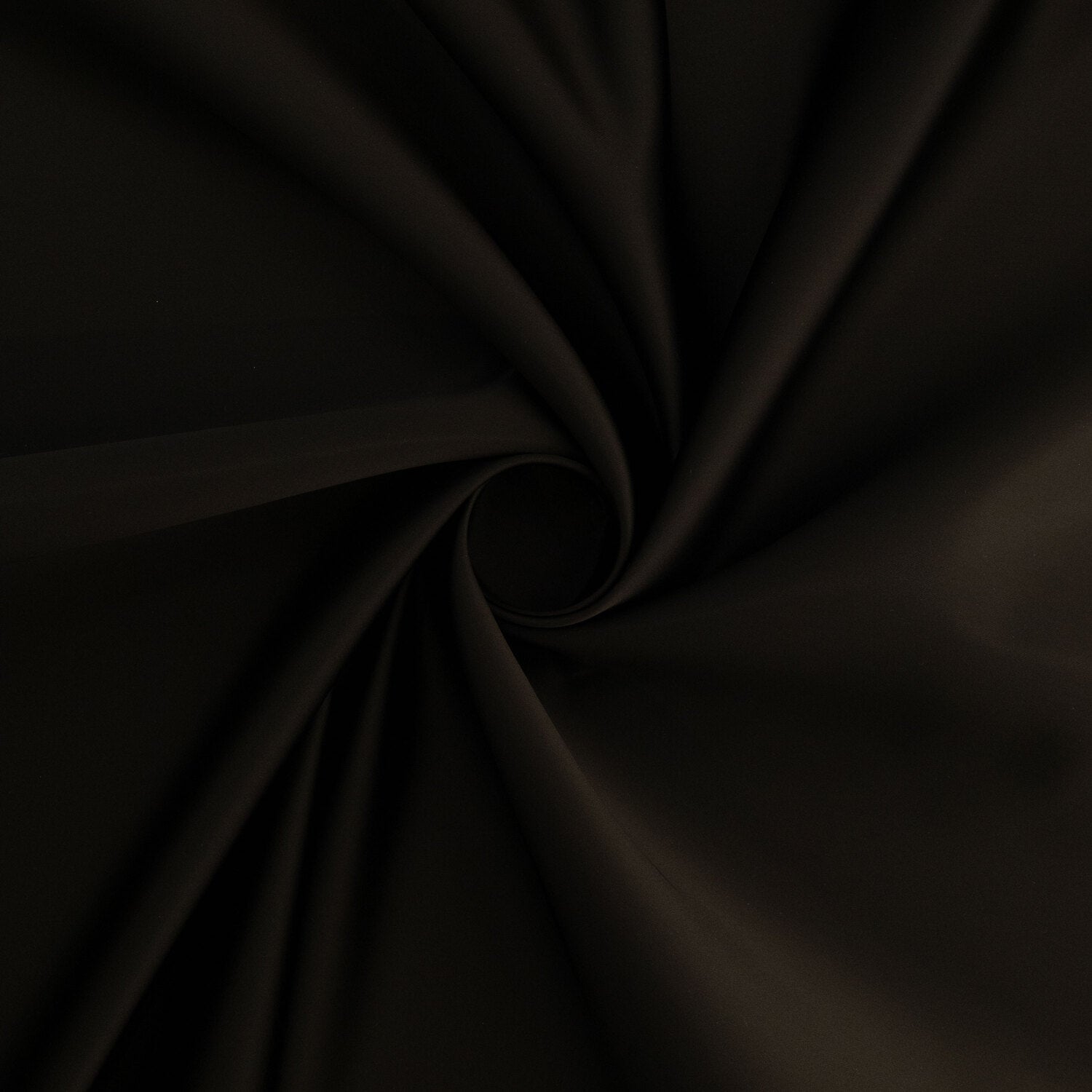
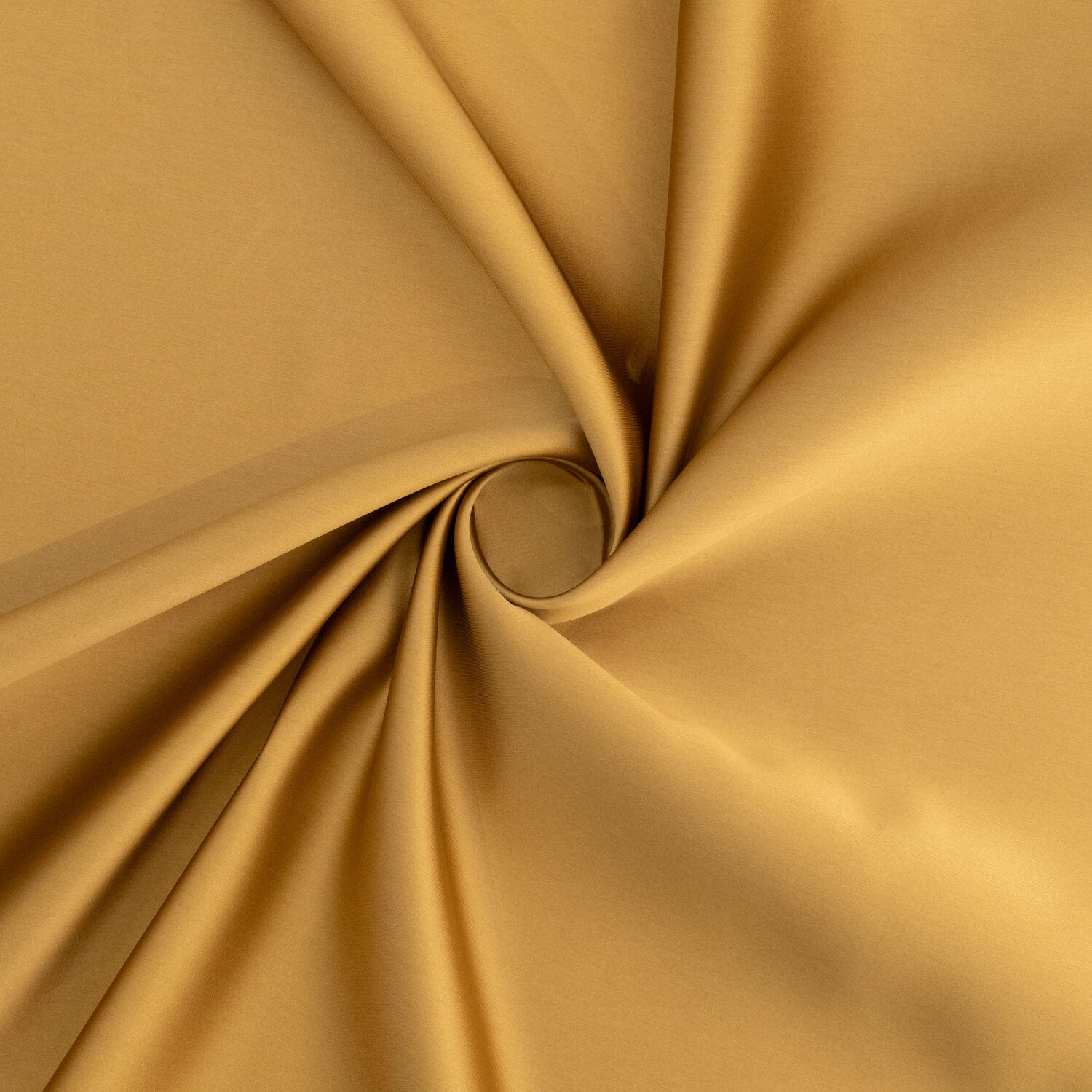
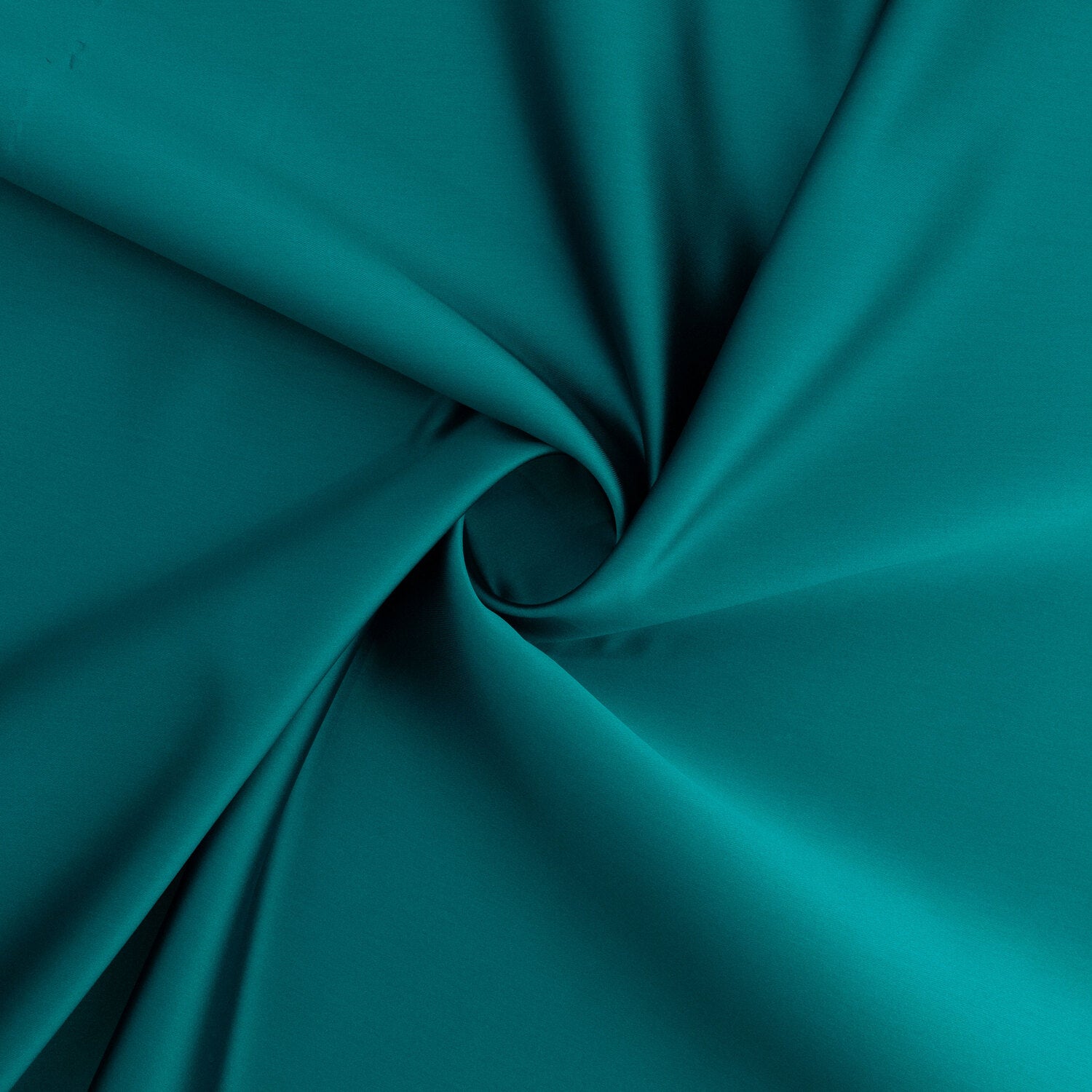
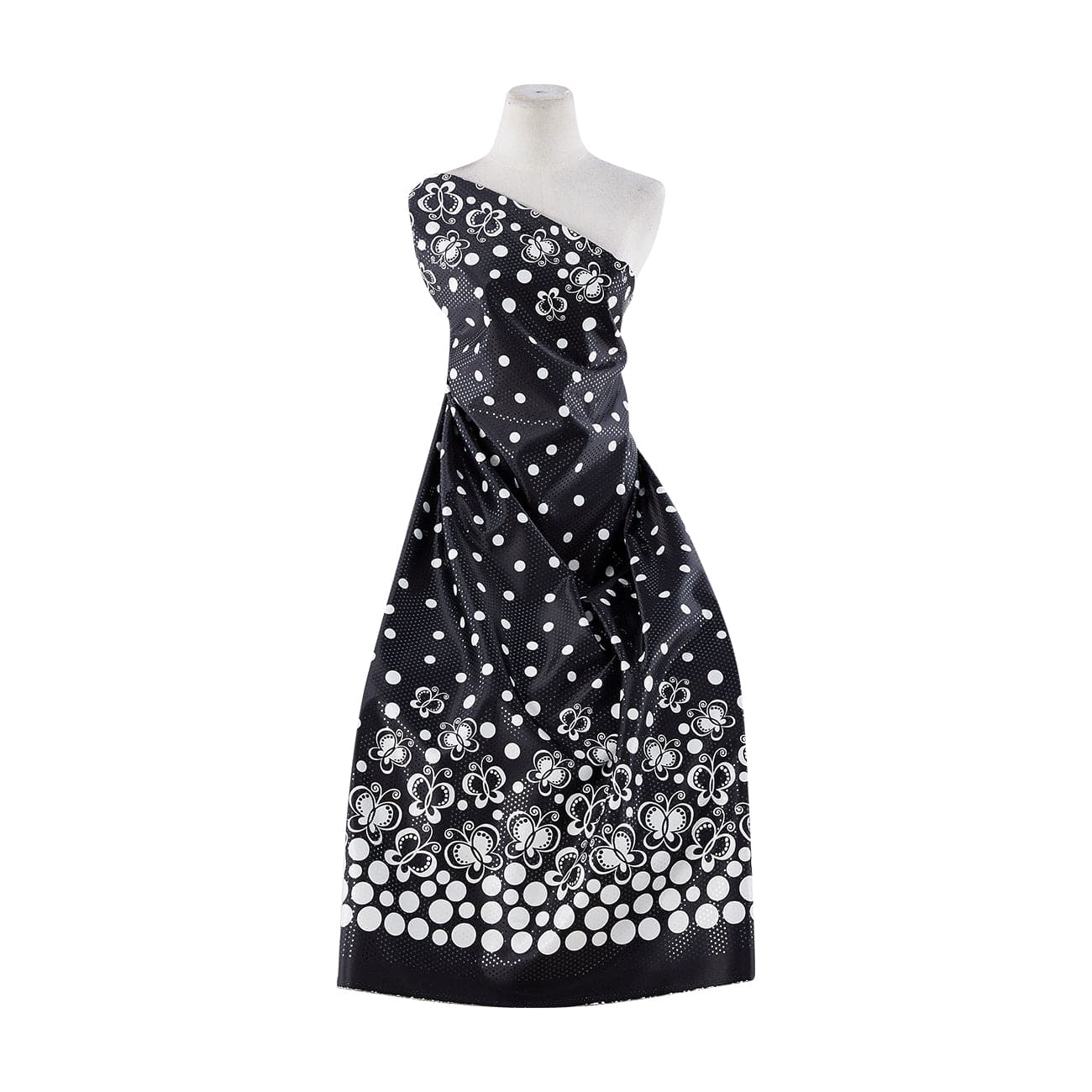
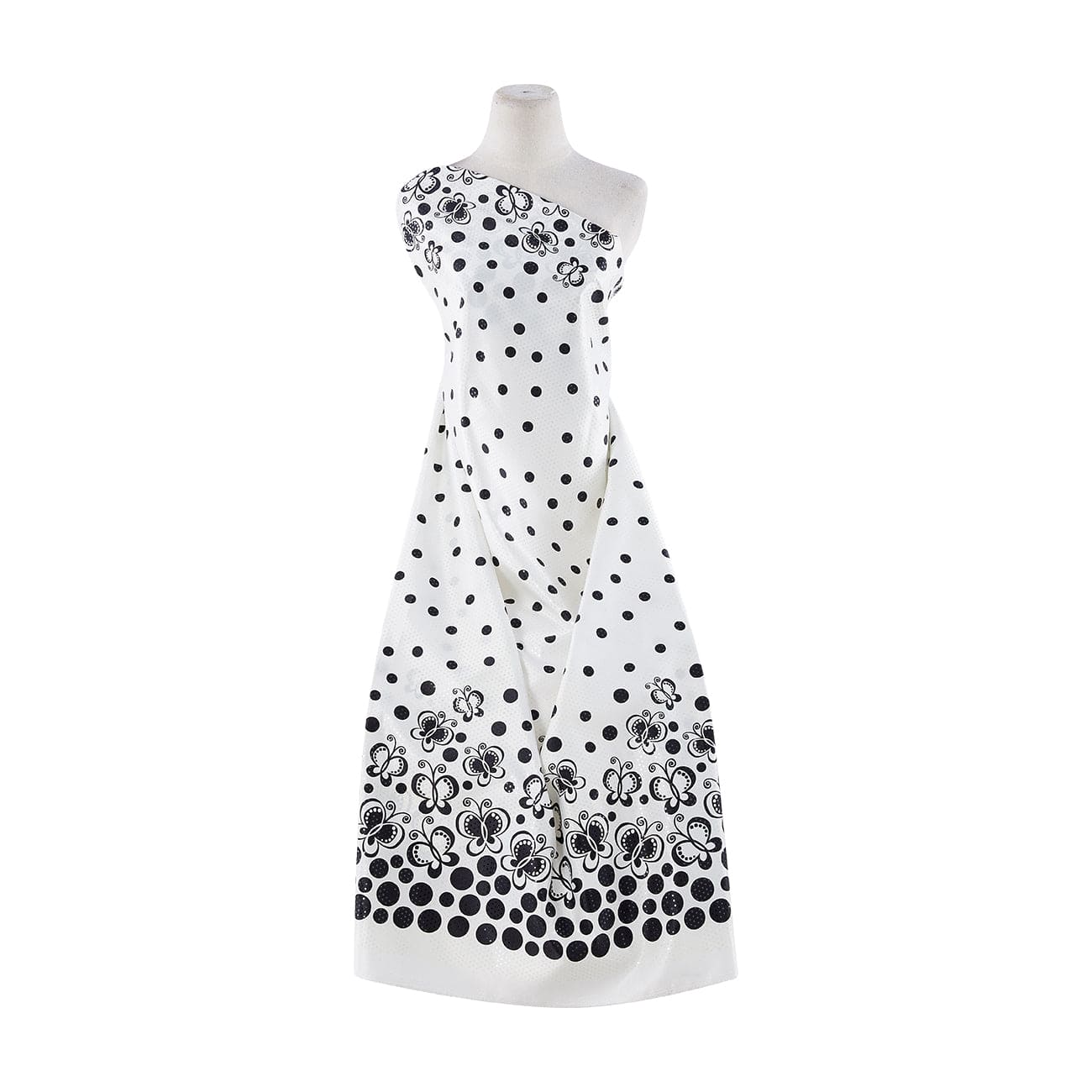
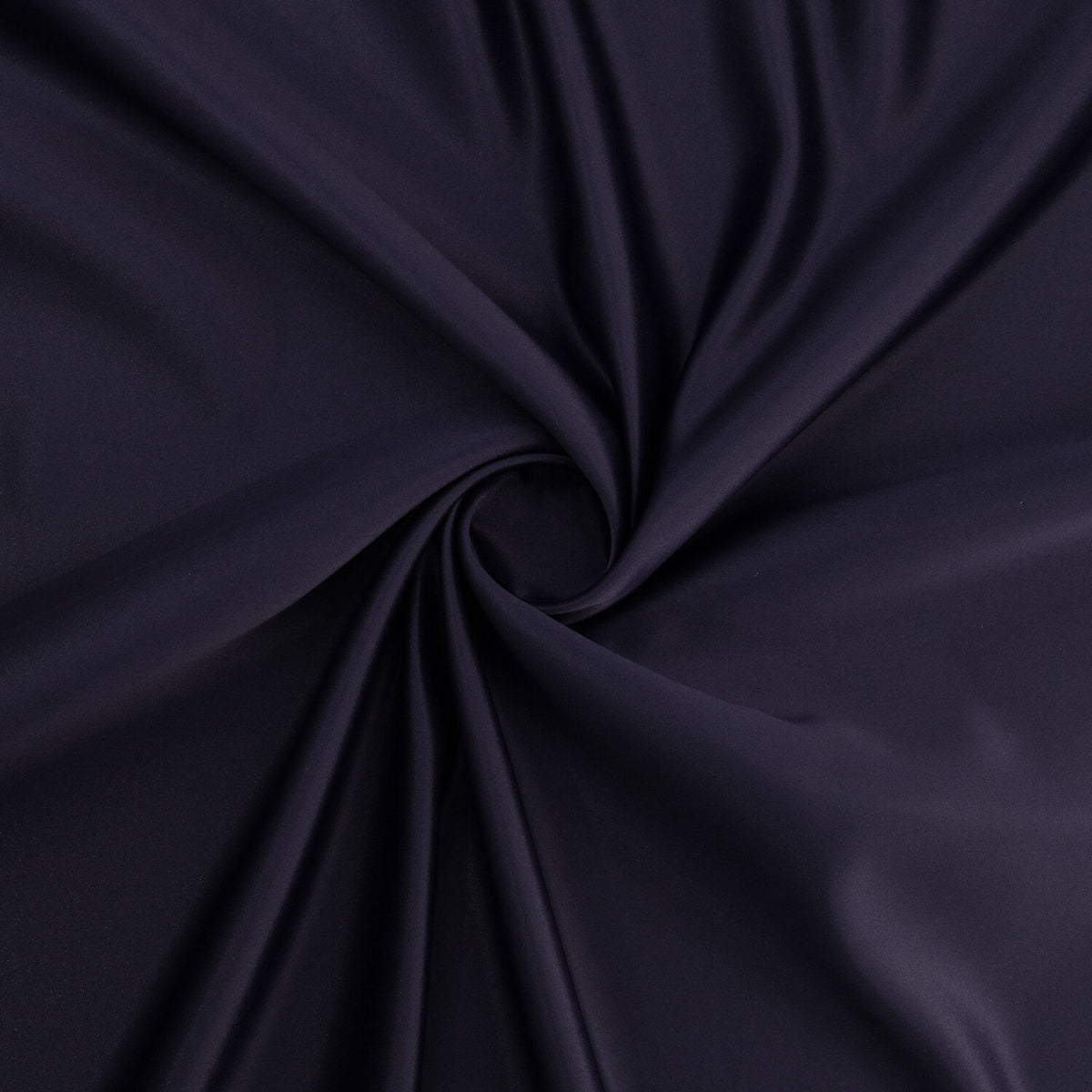
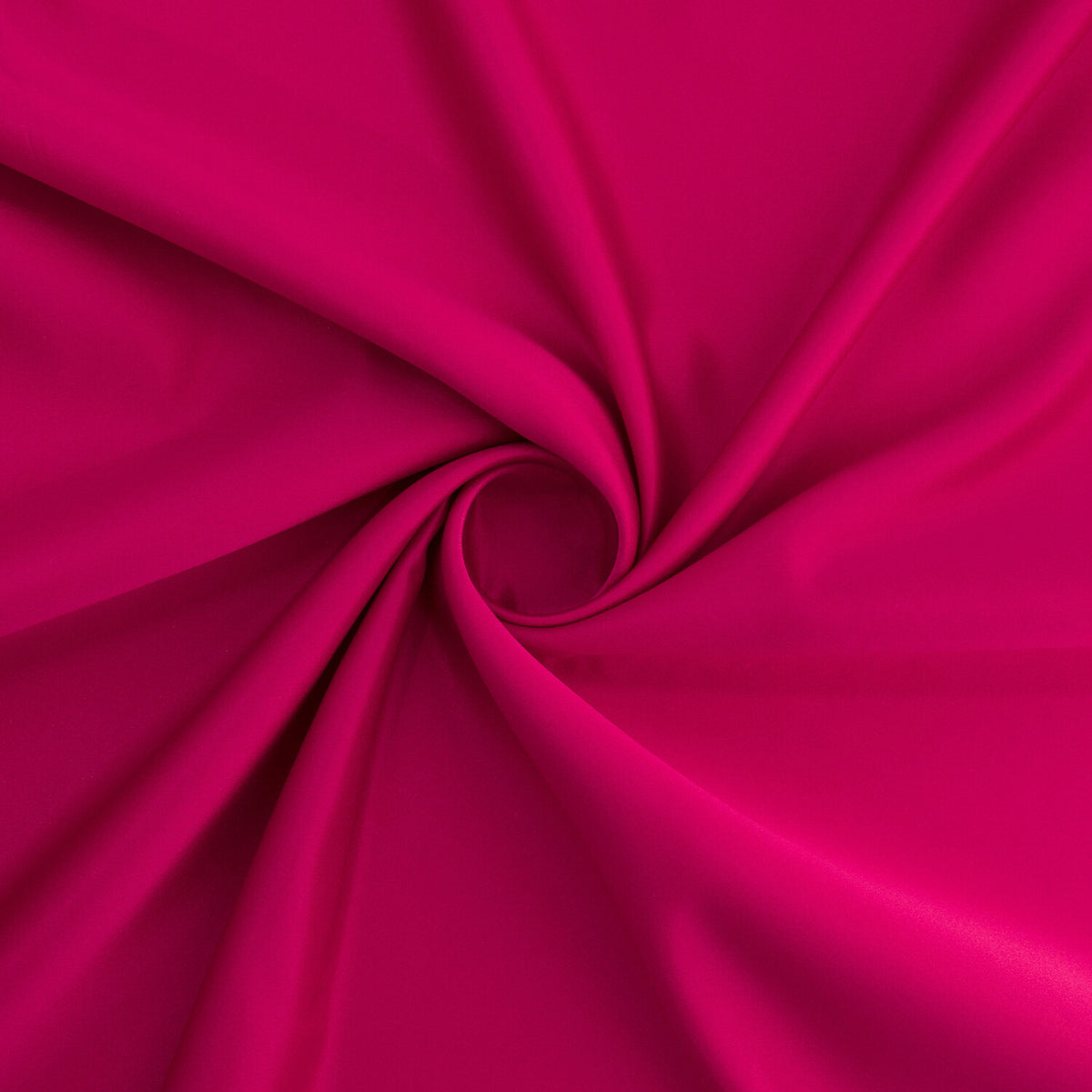
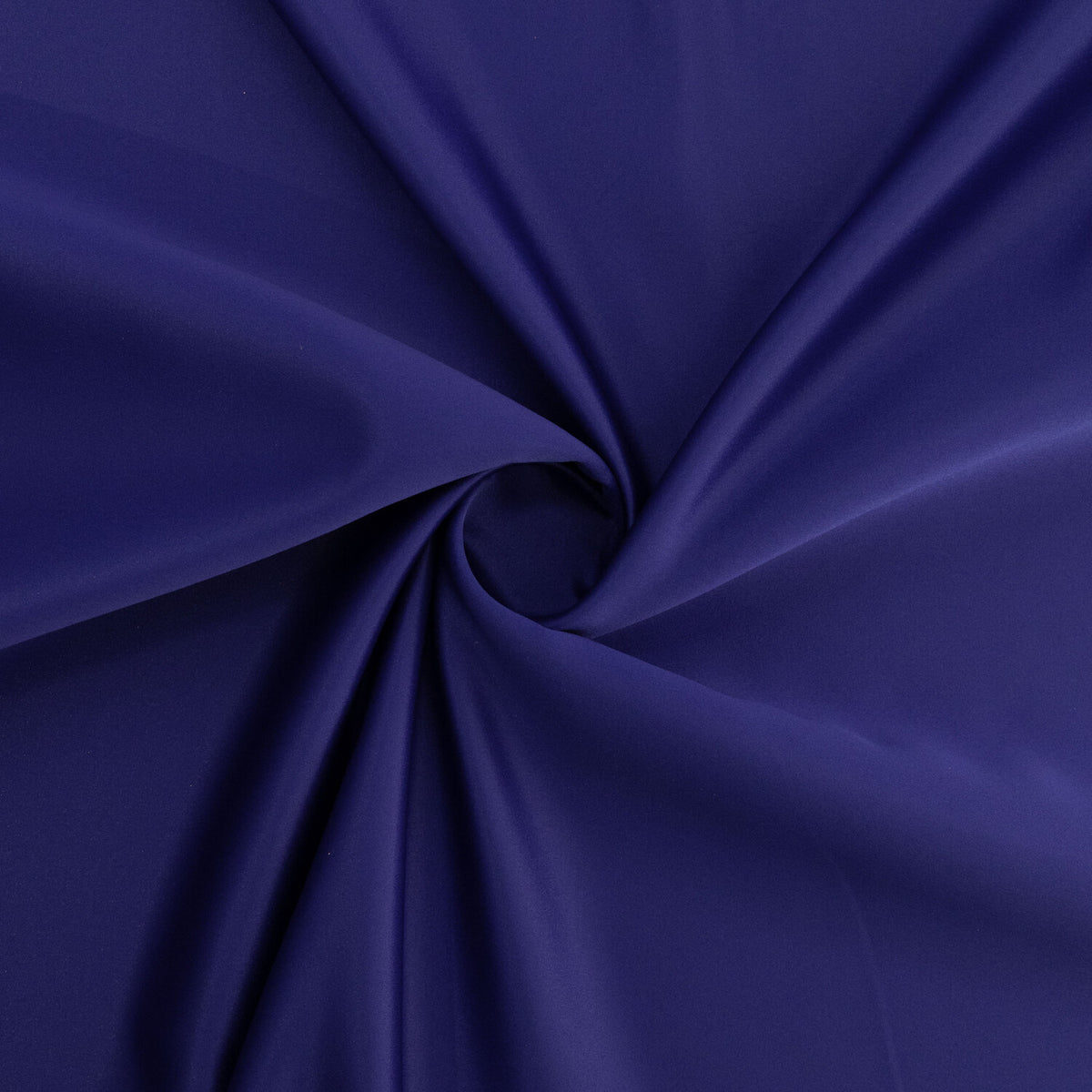
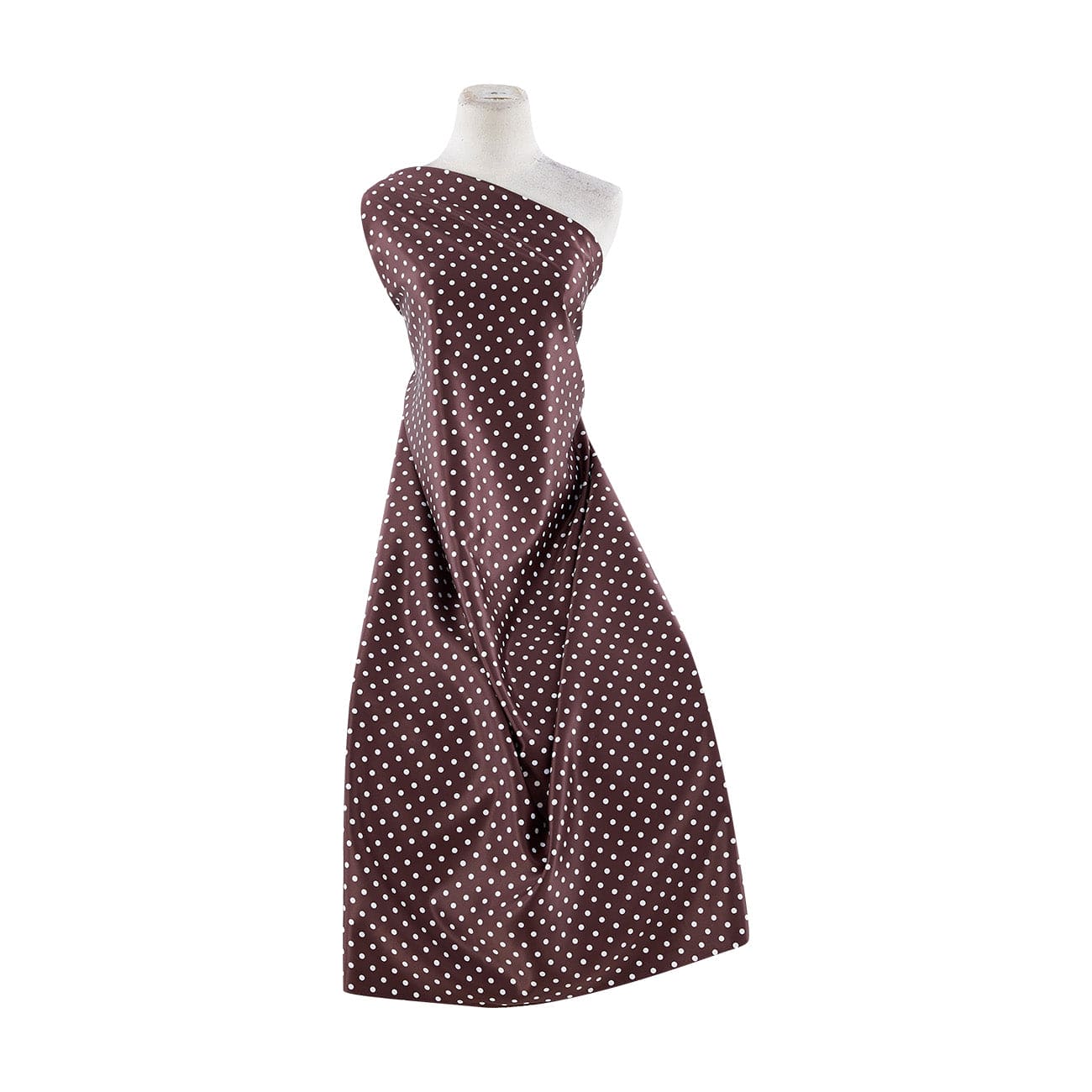
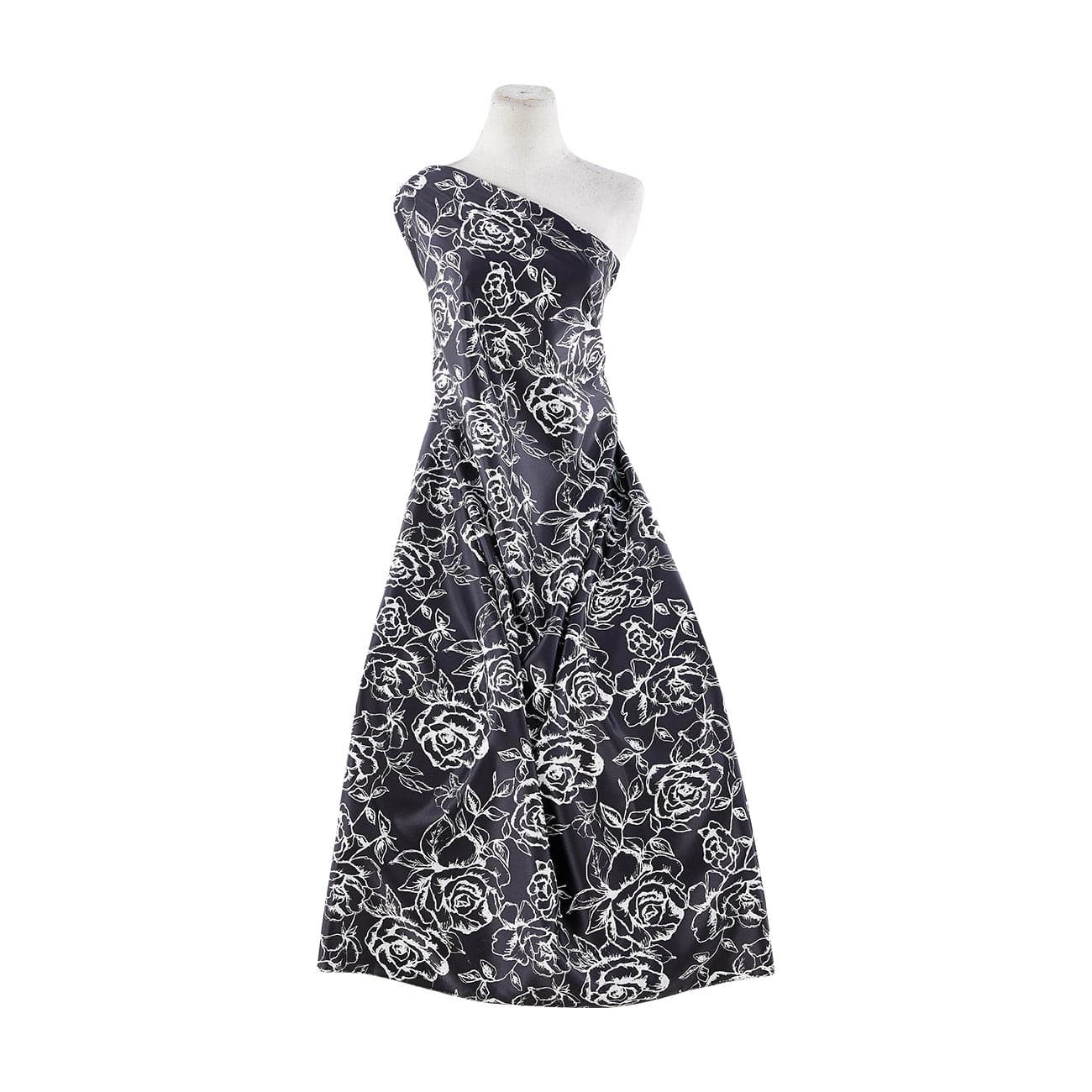
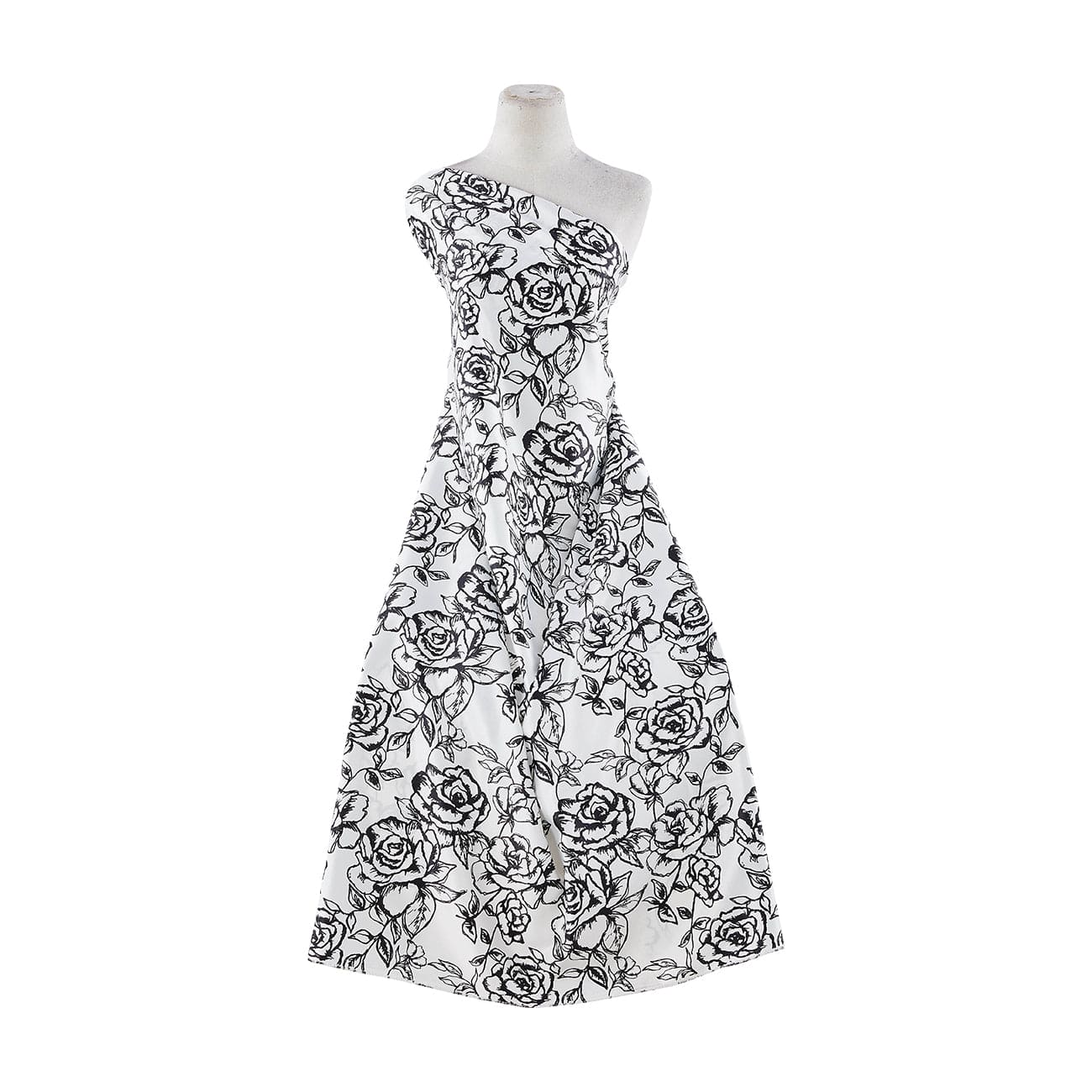
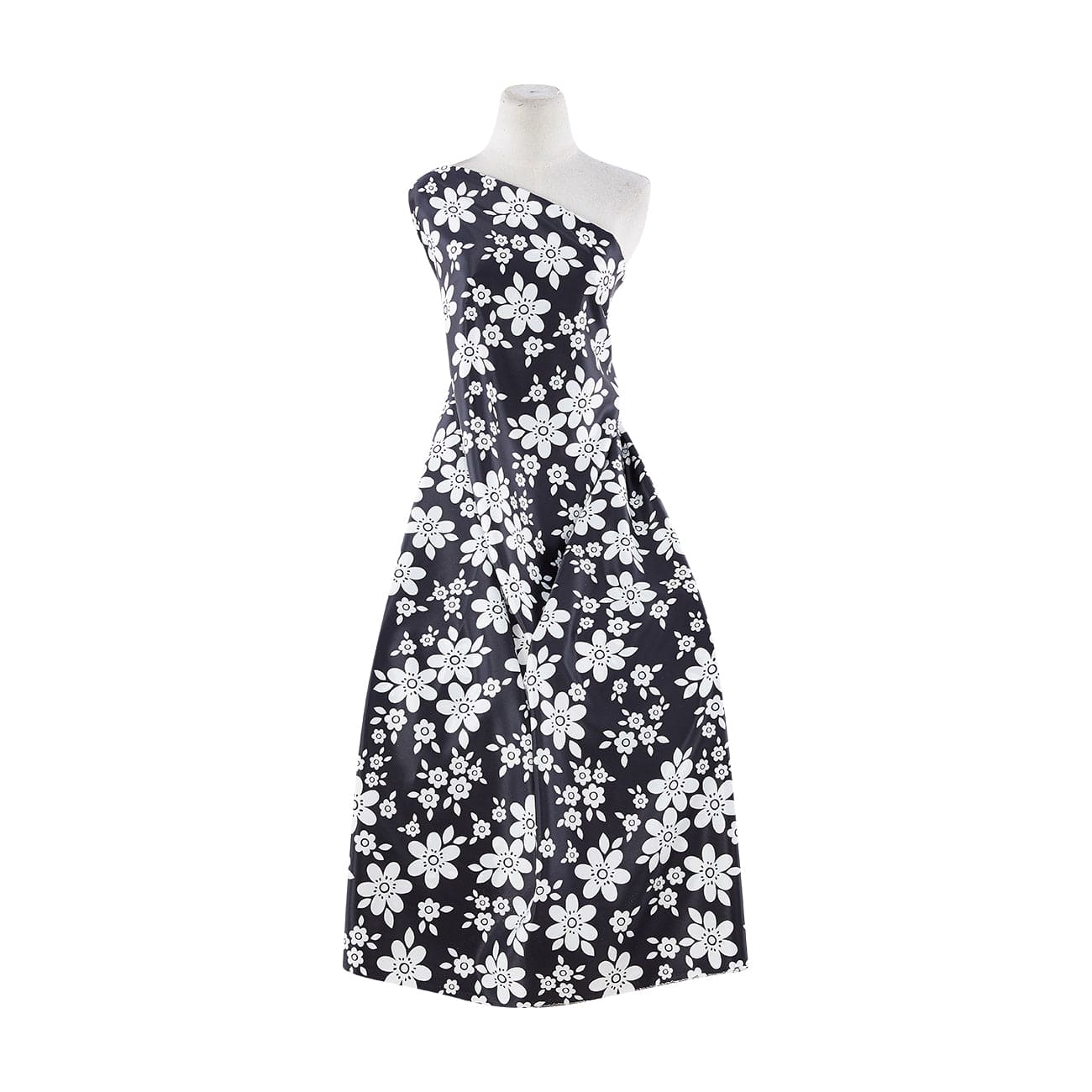
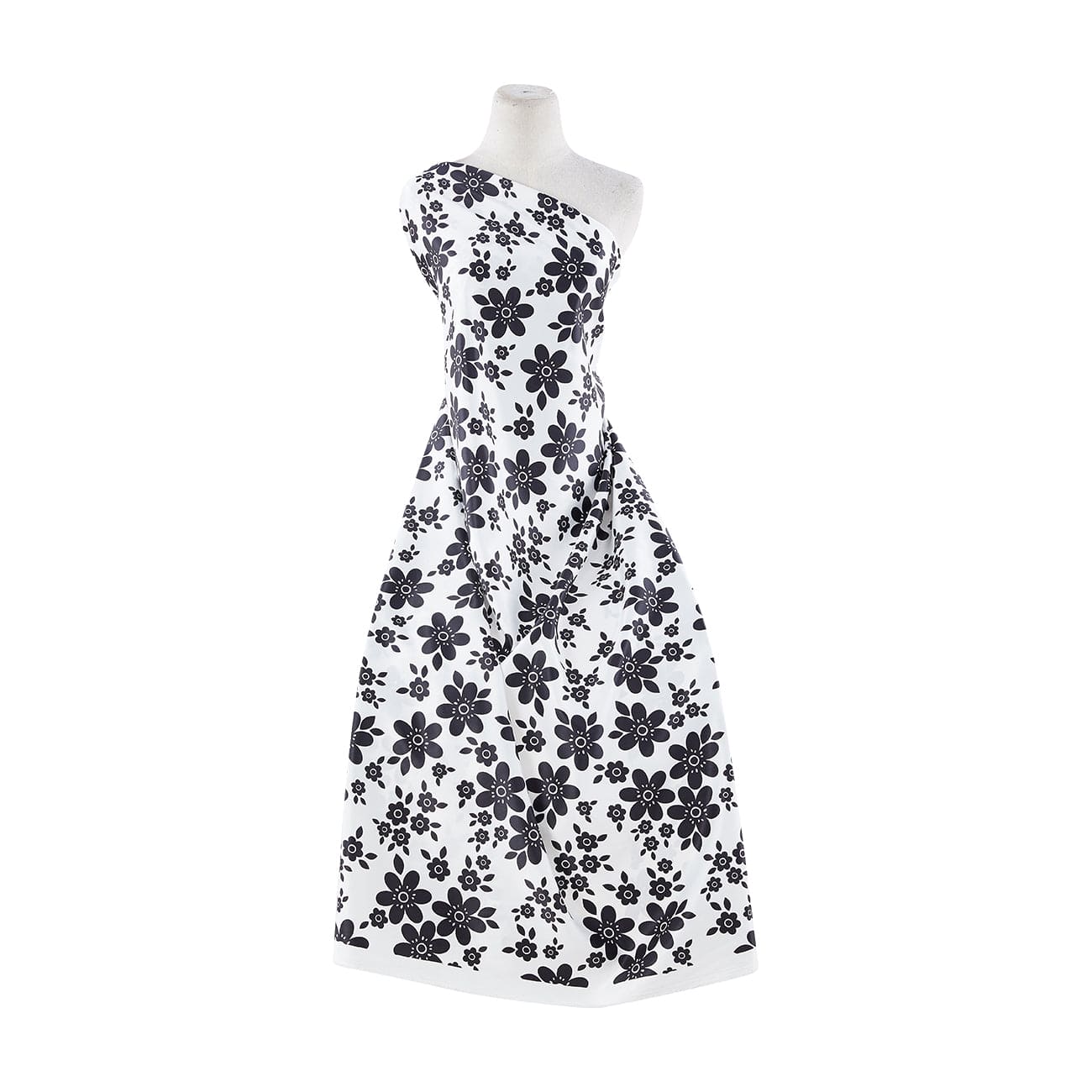
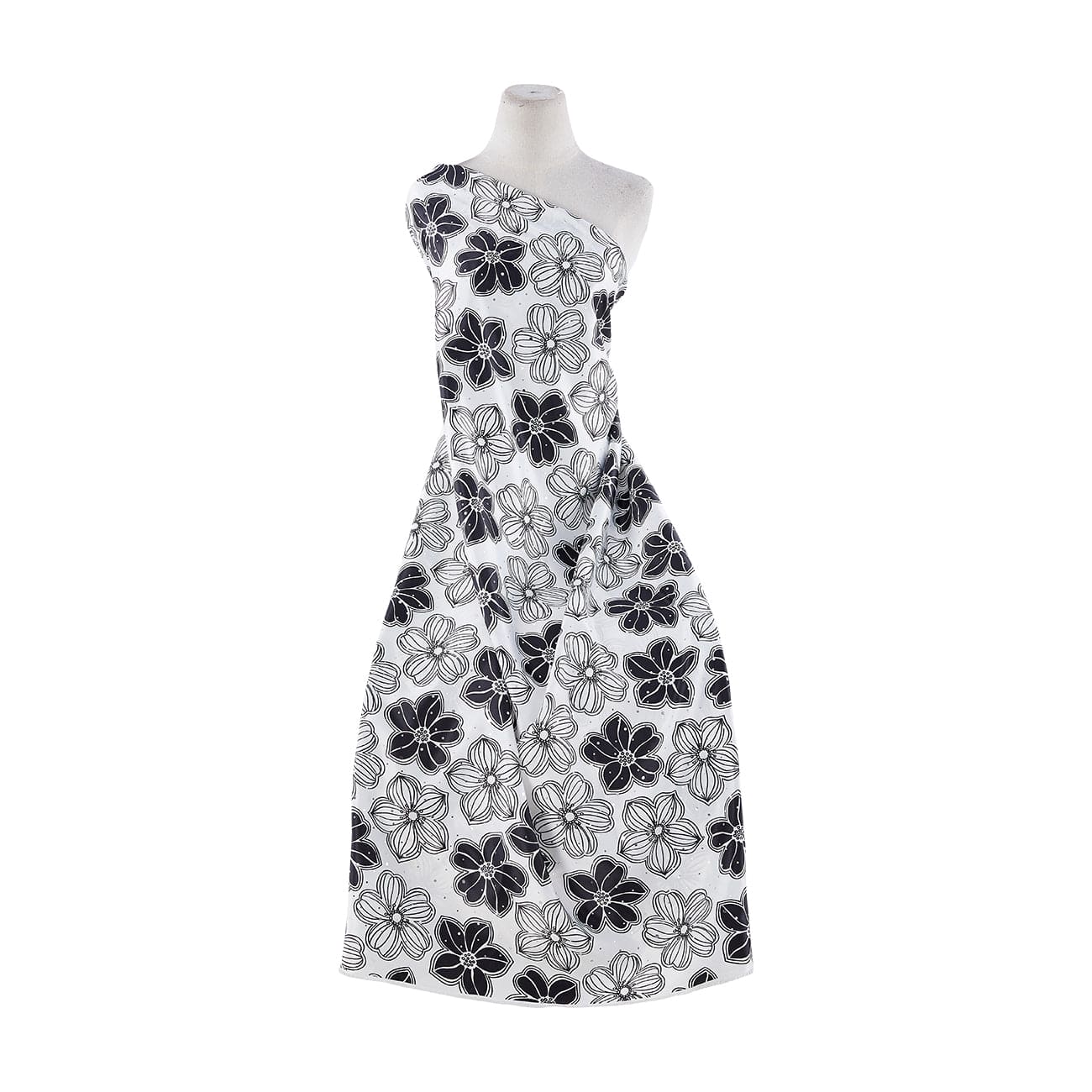
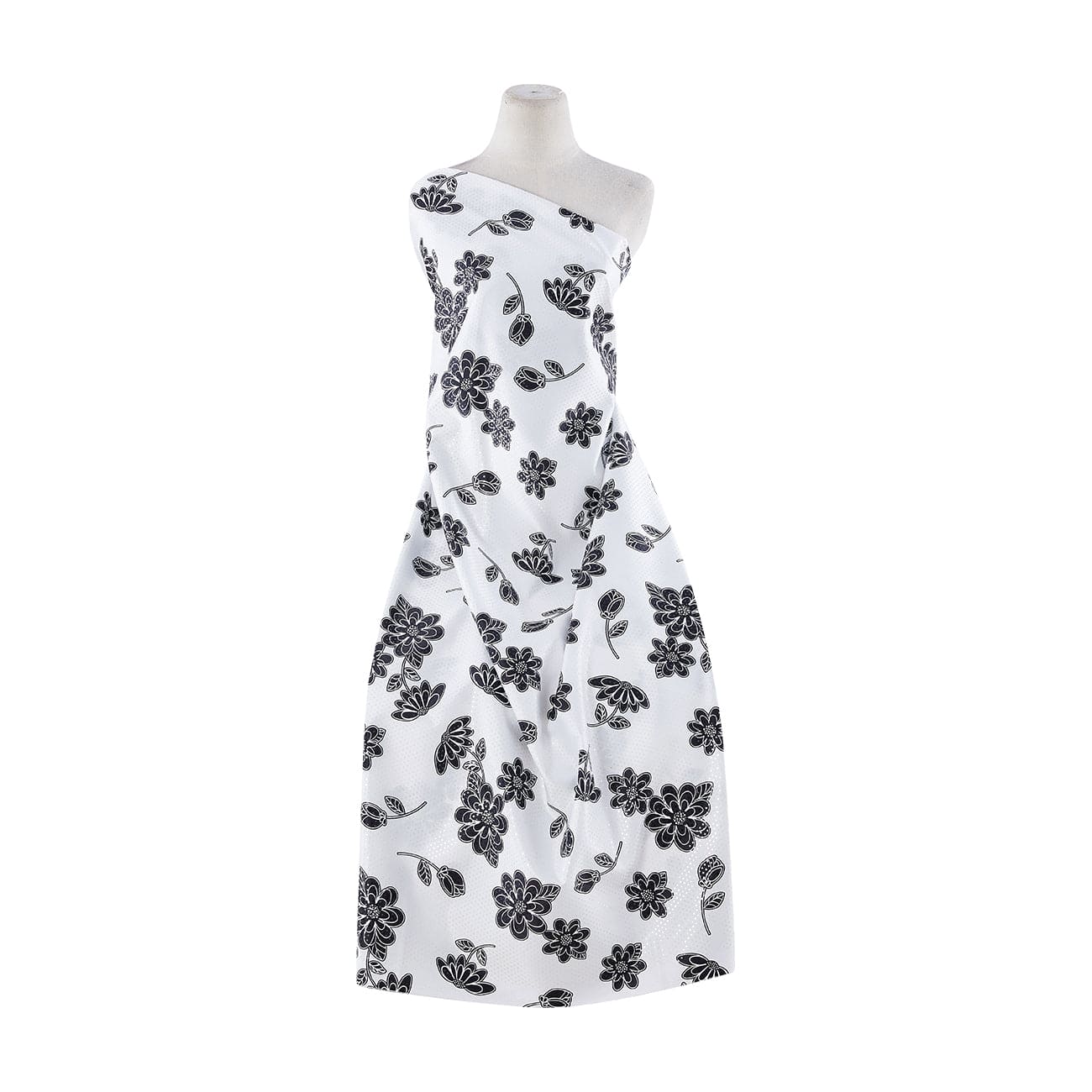
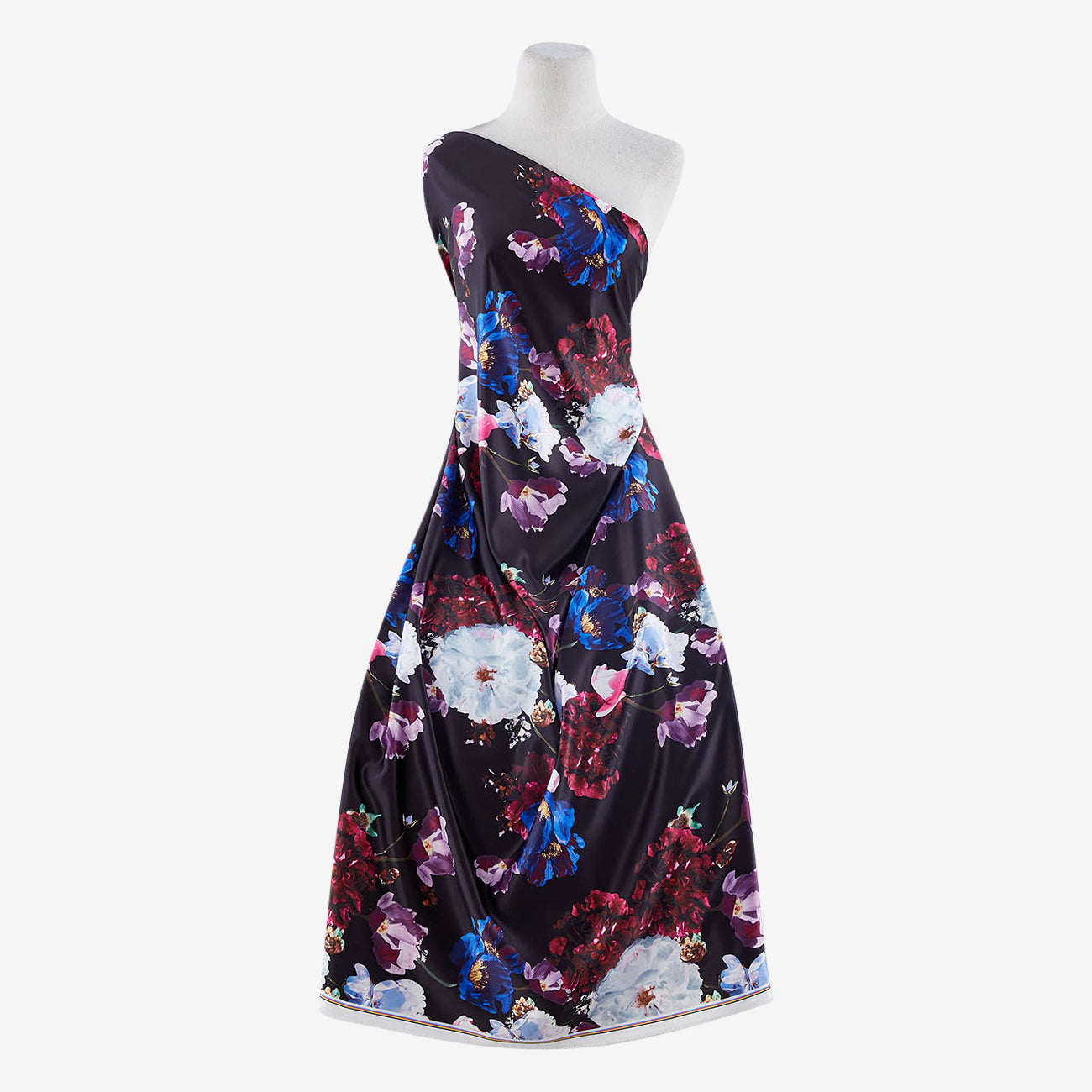
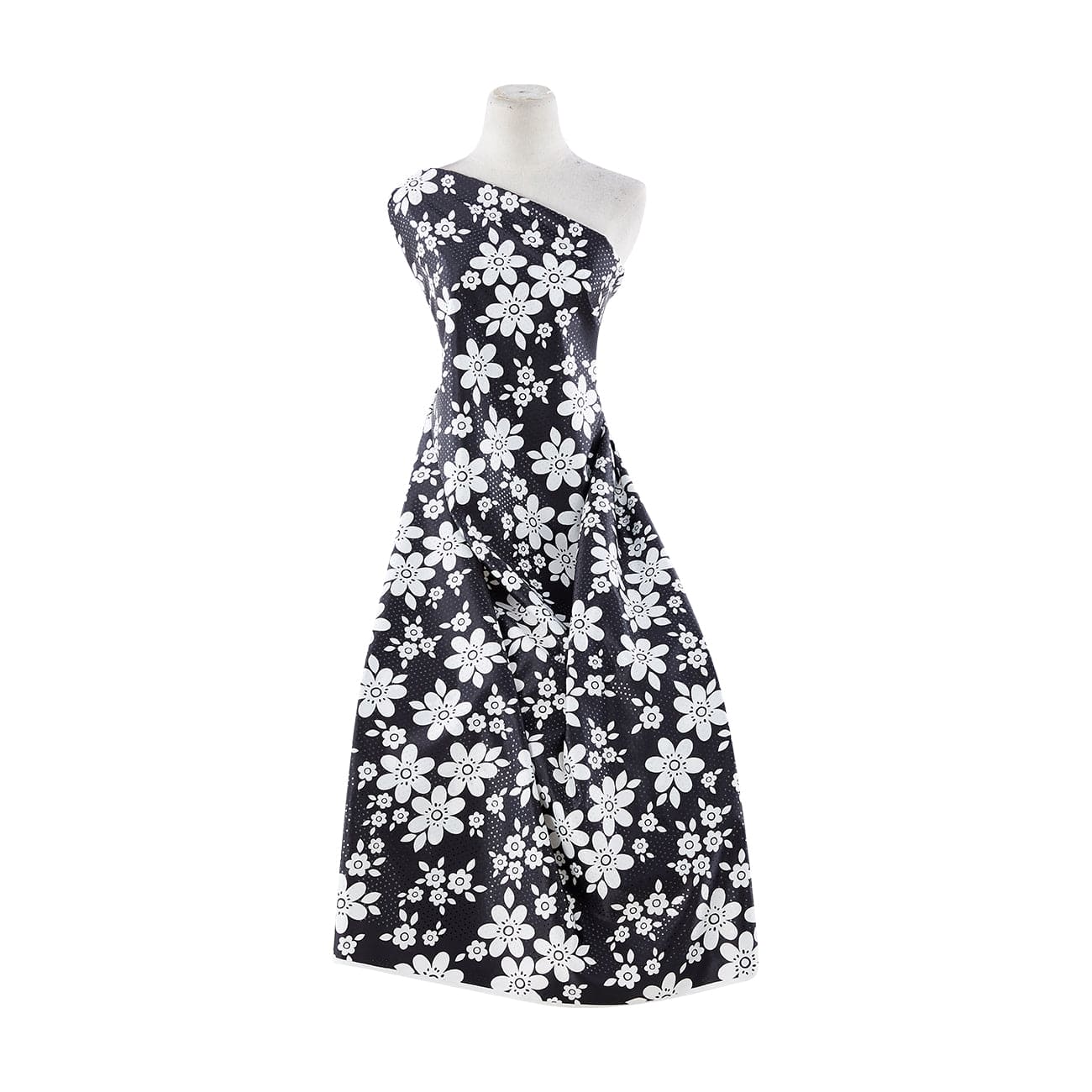
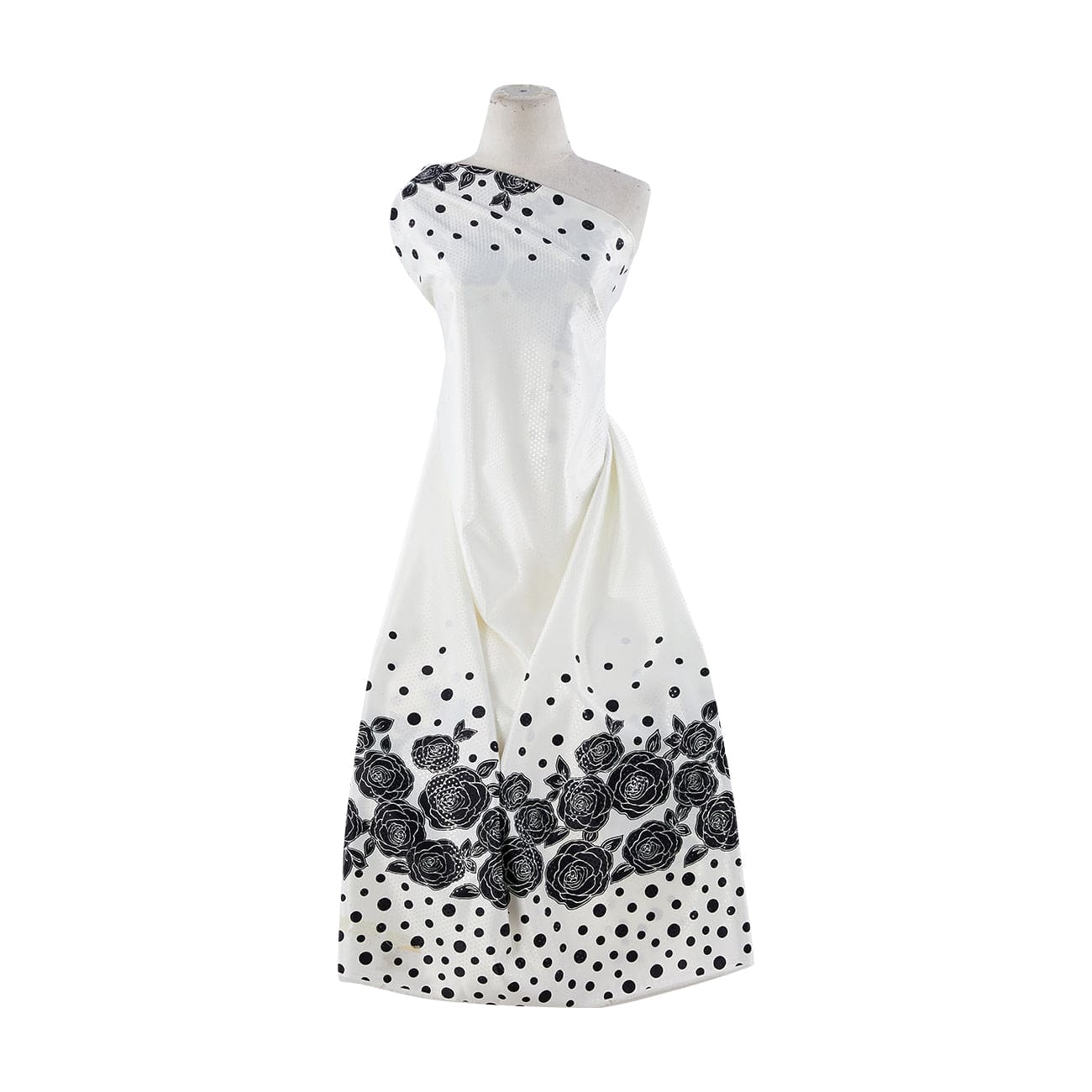
Satin fabric is woven in a satin style that creates its signature lustrous surface through a specialized weaving technique. The construction features long floats on the face, producing that characteristic shiny finish, while the textured back provides contrast. This structure lends the material its distinctive draping quality, making it well-suited for garments that require natural flow while maintaining structure.
Our collection includes several satin variations to serve different design needs:
- Duchess satin – A heavier weight option for structured gowns and formal apparel
- Crepe back satin – Features a smooth face with a crepe reverse, offering flexibility in application
- Lightweight varieties – Work well for linings, trim, and projects requiring fluid movement
Selecting the Right Weight and Finish
When ordering satin fabric by the yard, consider how the textile will perform in your specific application. Wedding dress construction typically employs medium-weight options that provide enough body for tailoring while remaining comfortable during extended wear. The material's sheen catches light beautifully, making it a sought-after choice for photographed occasions.
For home décor applications, such as curtains, drapery, or tablecloths, continuous yardage allows for working with larger pieces without seams. The smooth surface also works well for pillow covers and decorative accessories that require a polished finish.
Fiber Content and Care Considerations
Bridal satin comes in different fiber compositions, each with distinct properties. Polyester versions offer durability and easier maintenance, while silk options provide a softer hand-feel with a classic appeal. Cotton blends can introduce breathability for certain apparel uses.
Care requirements also vary depending on the fiber content. Most polyester satins can be machine-washed, although it is recommended to wash at low temperatures to preserve the surface. Order a sample before committing to larger quantities, as colors and weights can vary between different materials.
Applications Across Design Categories
While this textile excels in wedding gowns, its uses extend to many other categories. Fashion designers employ it for skirts, evening wear, and formal garments where drape matters. The material also serves as a foundation for embroidery work, trim applications, and pairs effectively with tulle or organza for layered effects.
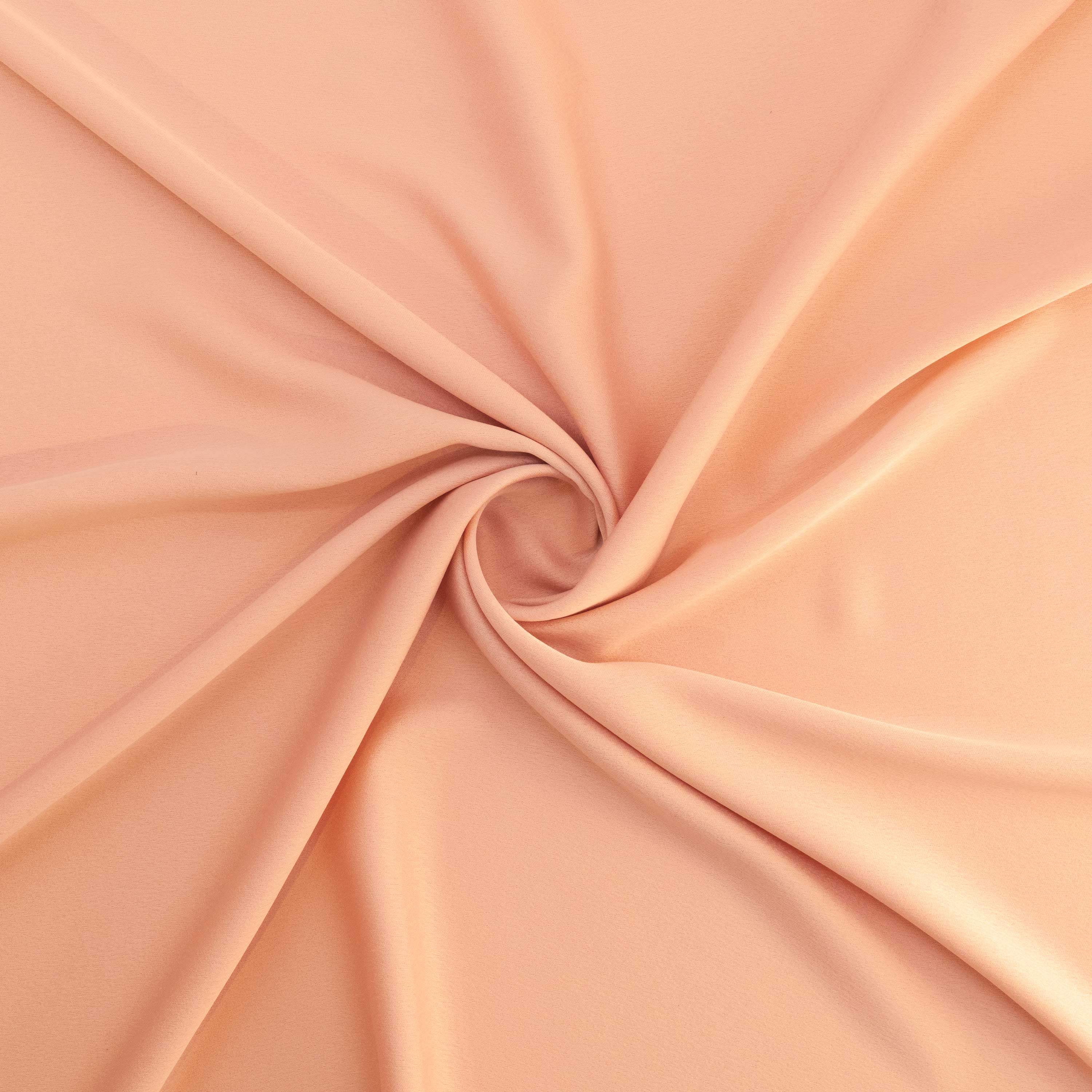
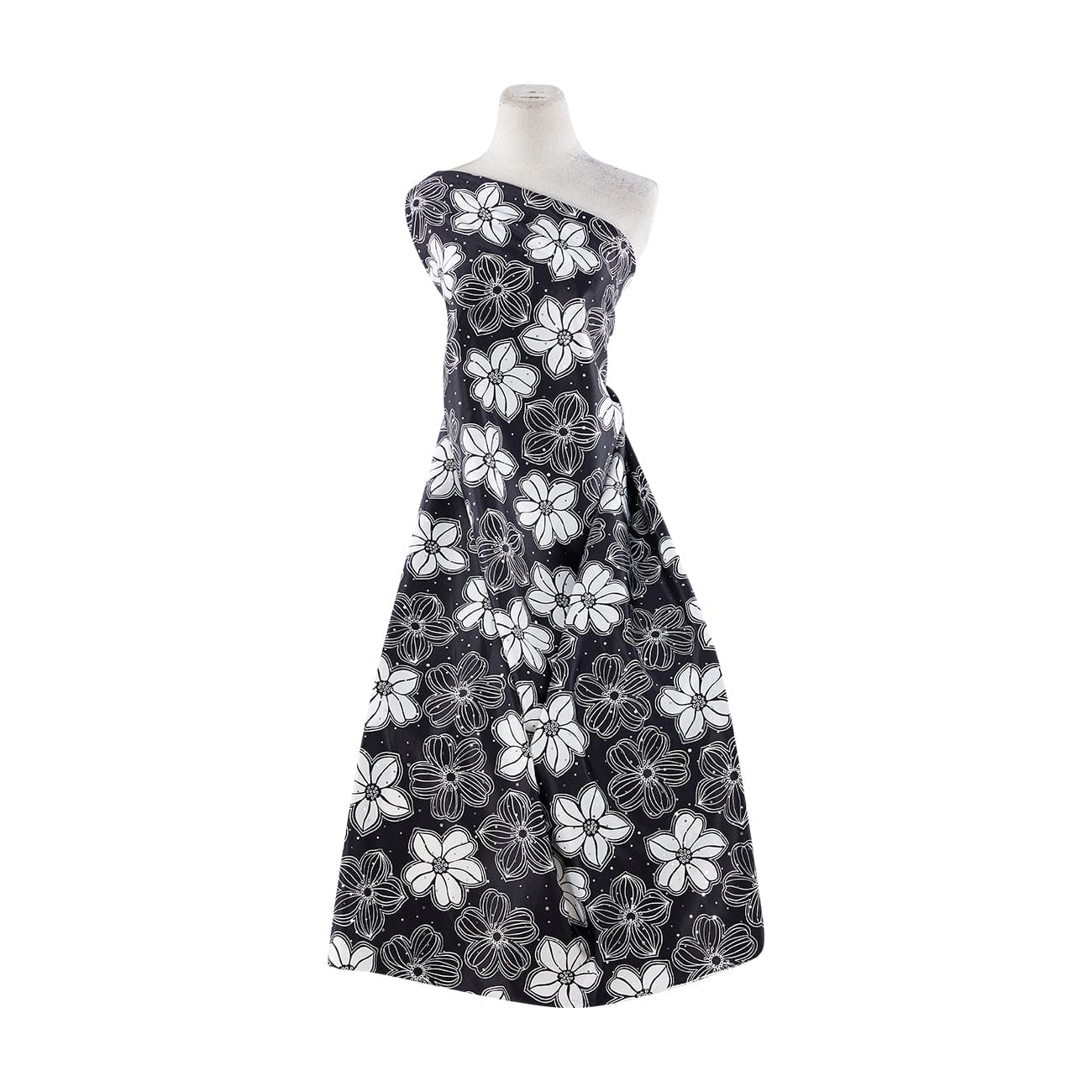
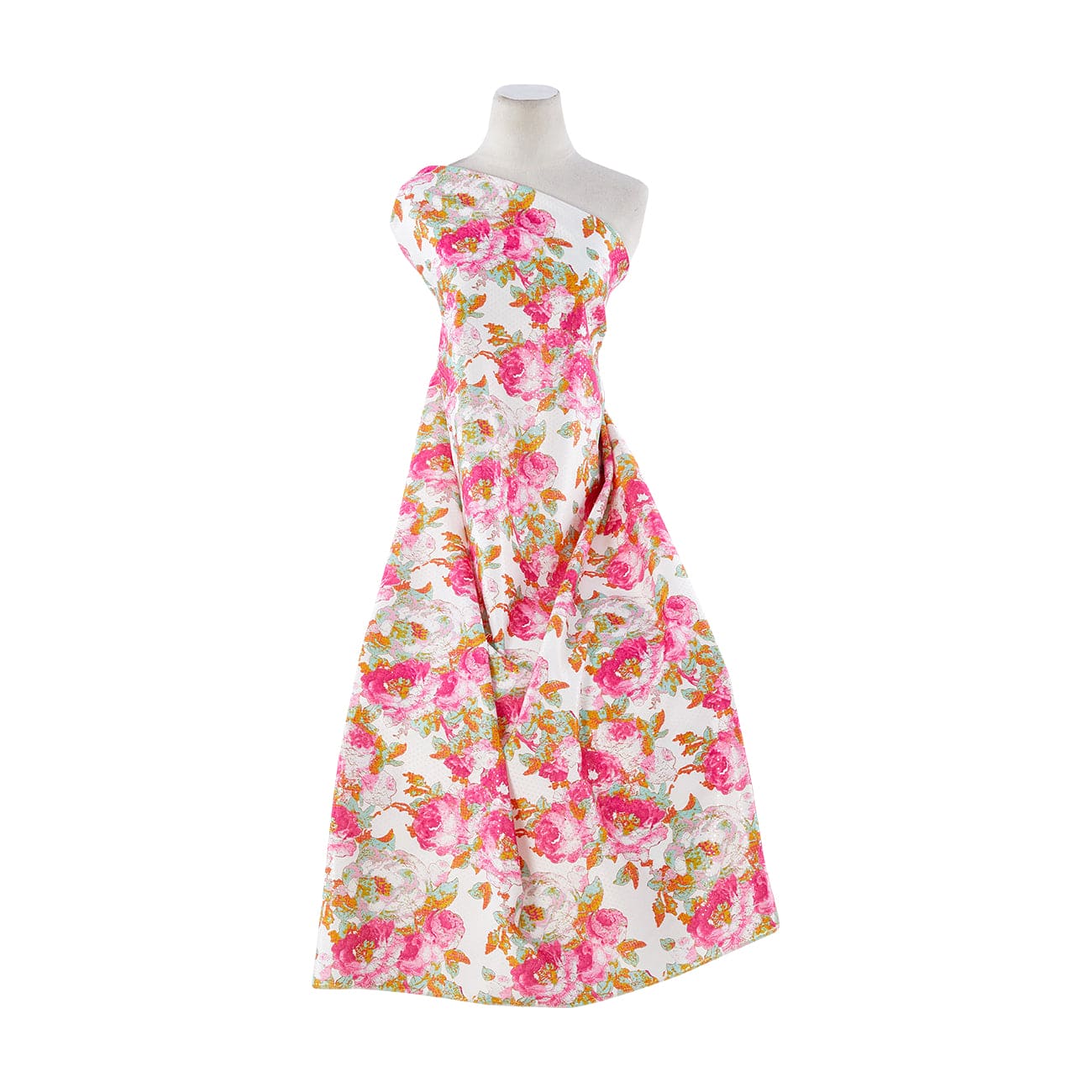
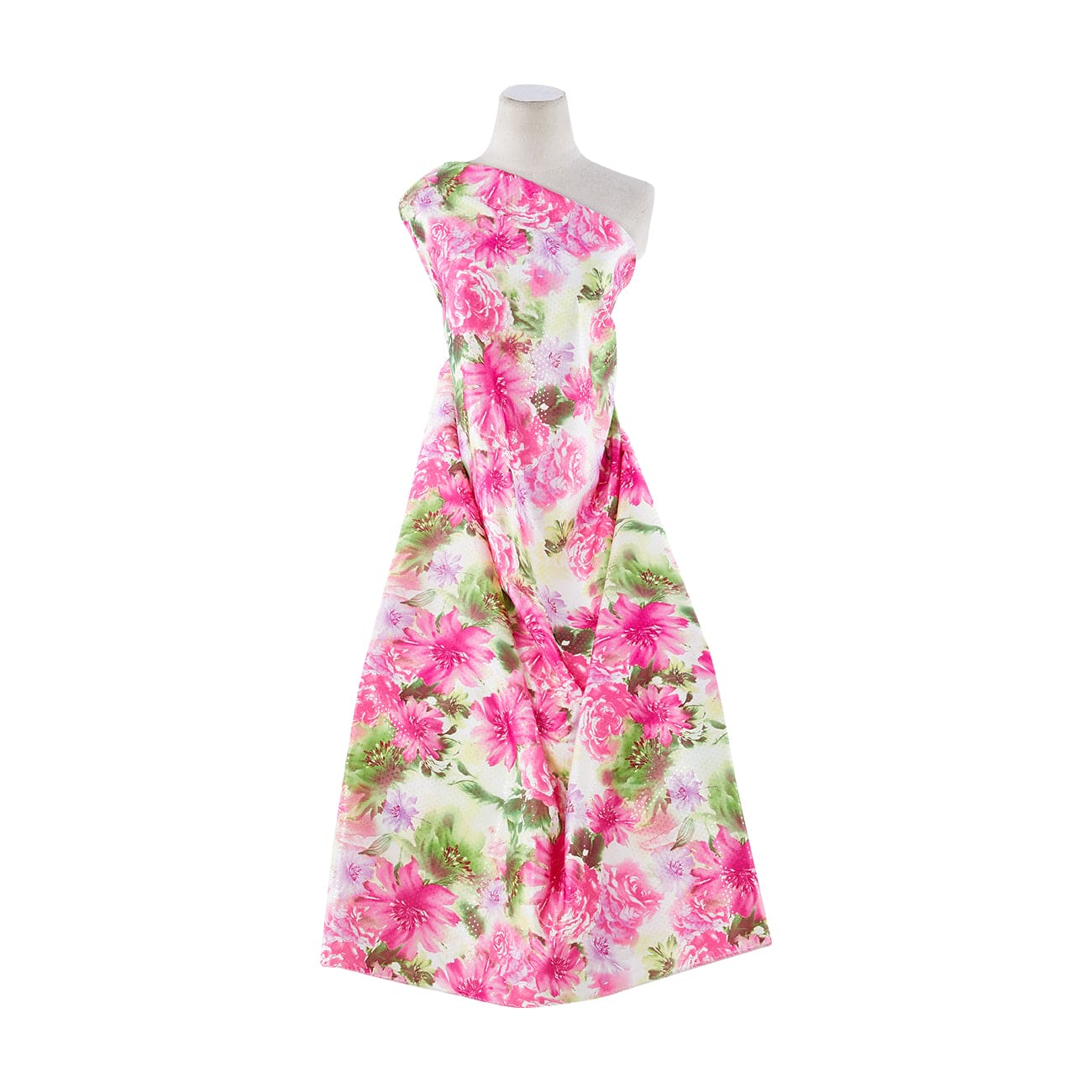
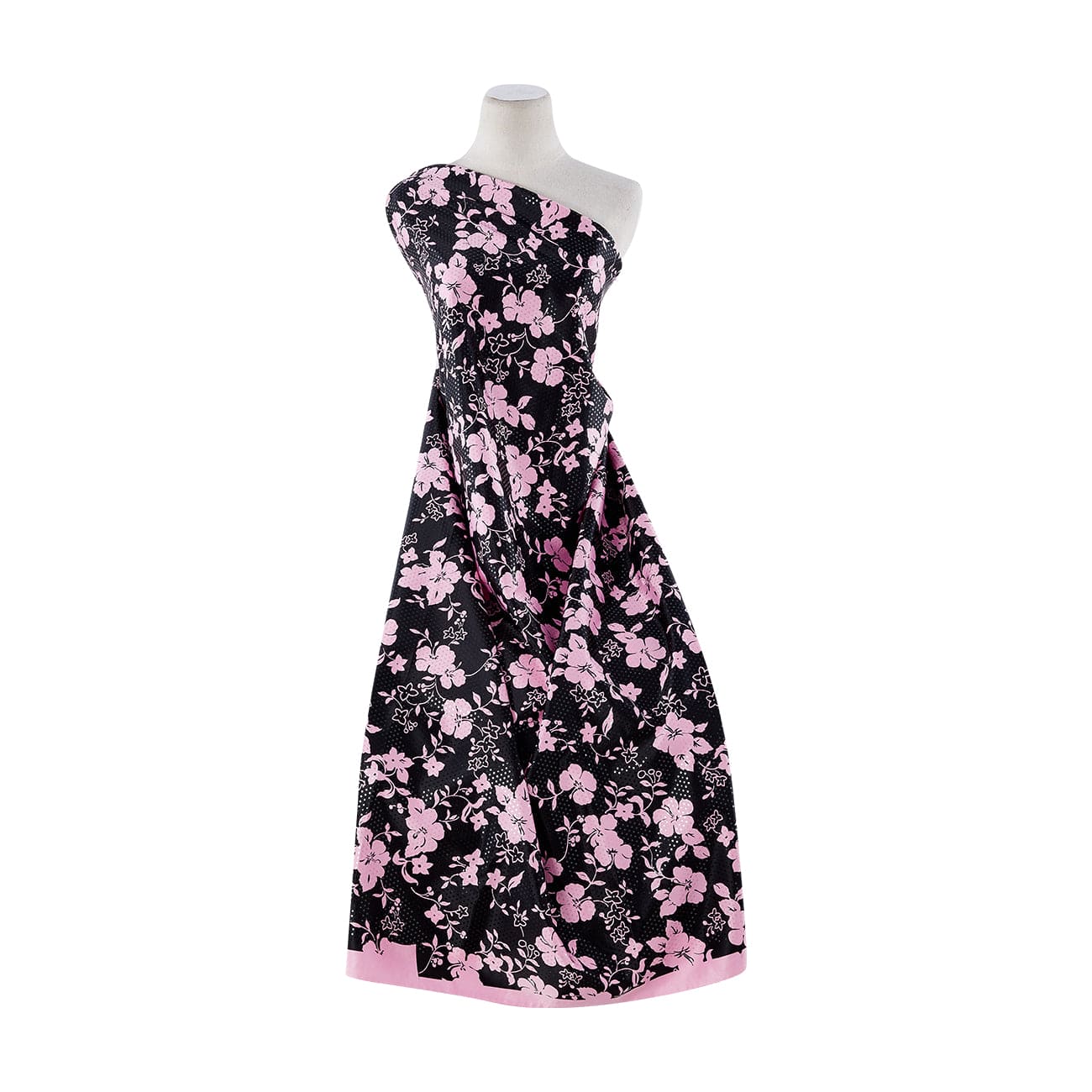
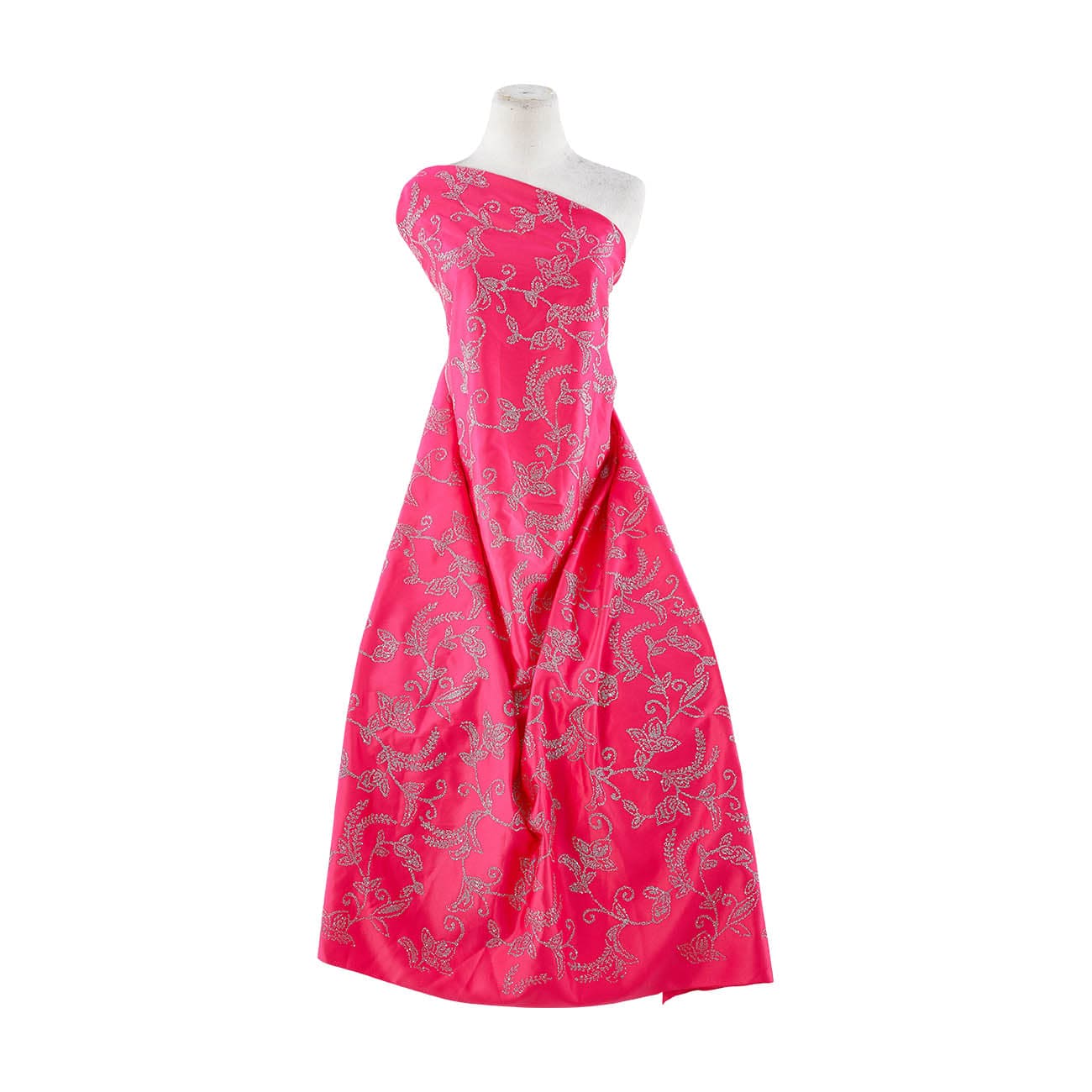
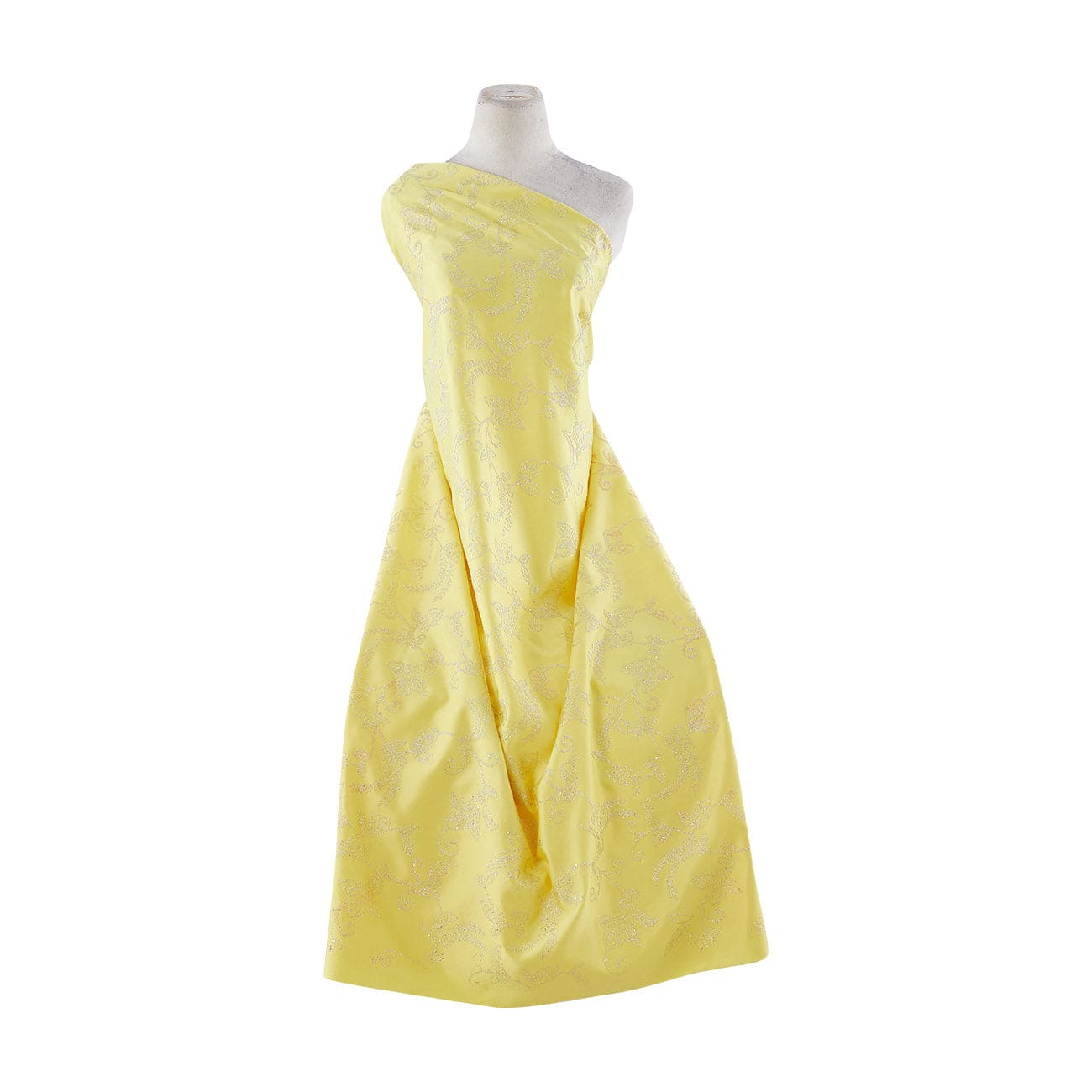
The fabric is suitable for costume design, accessory construction, and décor elements, such as pink and gold accents or bold color statements. Whether you're creating a flowing gown or a structured tablecloth, understanding the weight of the fabric and its fiber composition helps you achieve your desired result. Request a sample to experience the quality and hand-feel firsthand before beginning your project.
Frequently Asked Questions
What is the difference between duchess satin and crepe back satin?
Duchess satin is a heavier-weight fabric with a smooth finish on both sides, while crepe back satin features a lustrous face and a textured crepe reverse, providing two distinct surfaces to work with.
Can I use bridal satin fabric for home décor projects, such as curtains and draperies?
Yes, the material works well for curtains, drapery, tablecloths, and pillow covers. The continuous yardage available allows you to create larger pieces, and the sheen adds visual interest to interior spaces.
What types of satin work best for constructing a wedding dress?
Medium-weight varieties and duchess satin provide the structure needed for gowns while maintaining comfortable drape. Order a sample to test how the fabric handles before cutting your dress pattern.
Can satin fabric be used for embroidery and trim applications?
Yes, the smooth surface makes an excellent foundation for embroidery work. The material also works well as trim on garments, accessories, and décor items where a polished accent is desired.