
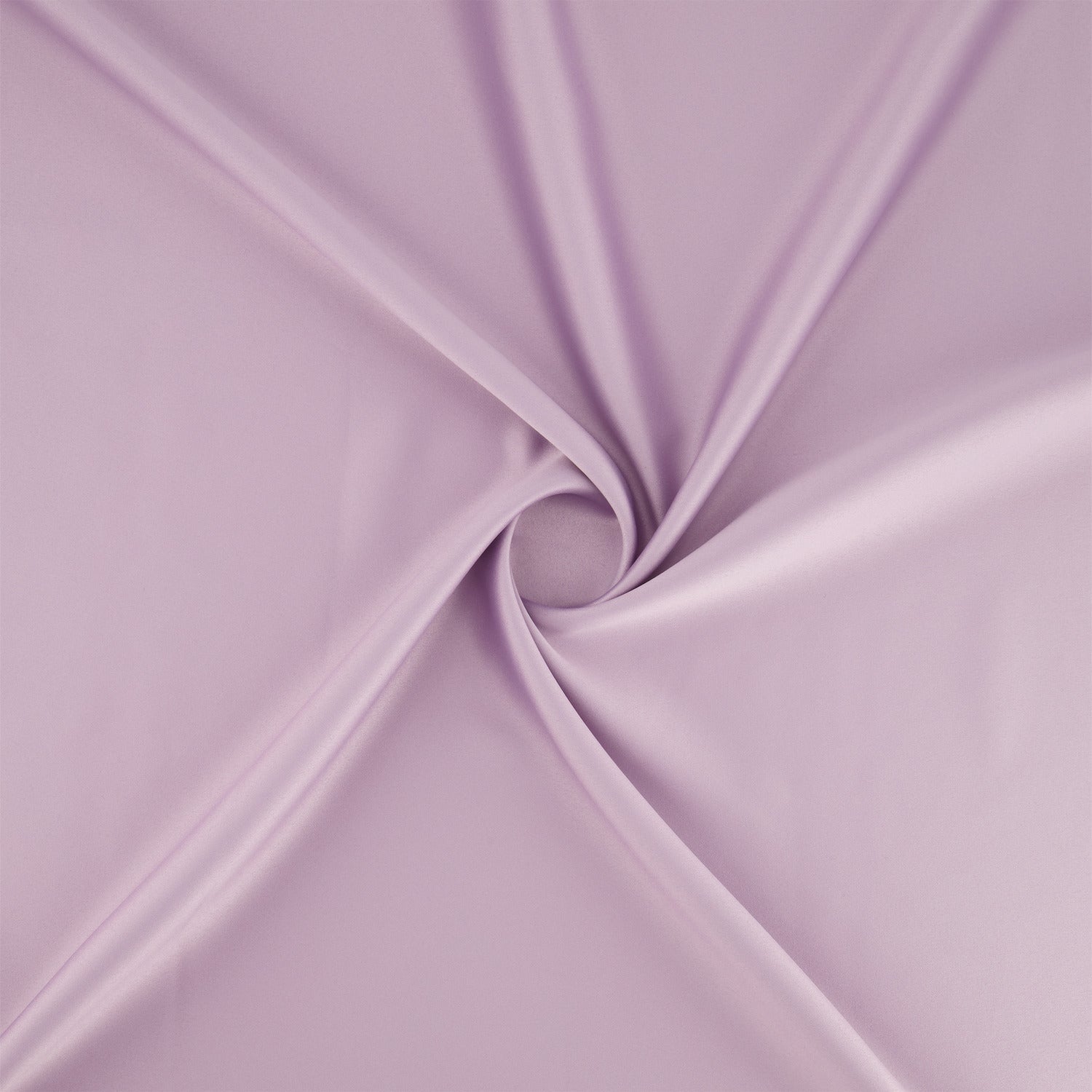
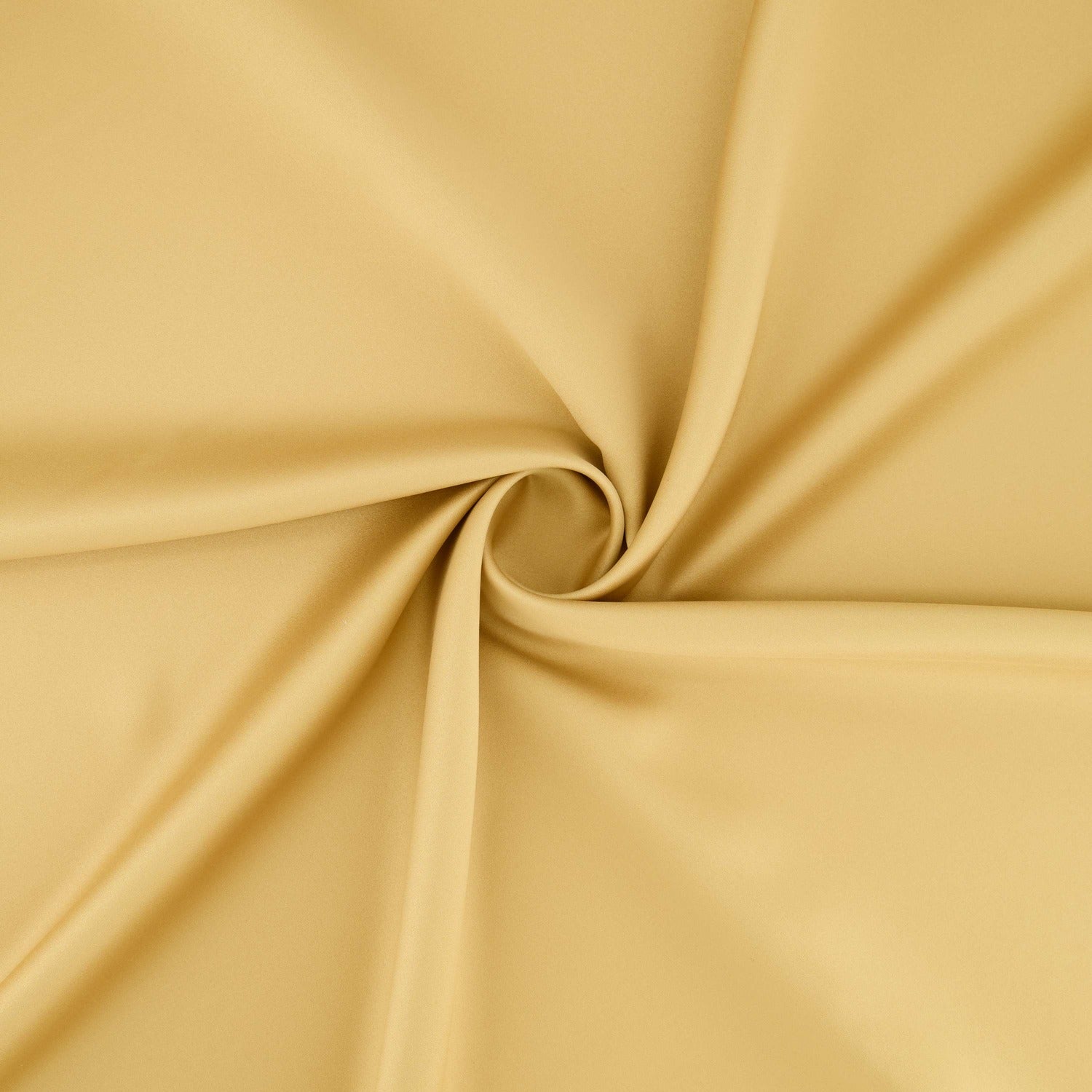
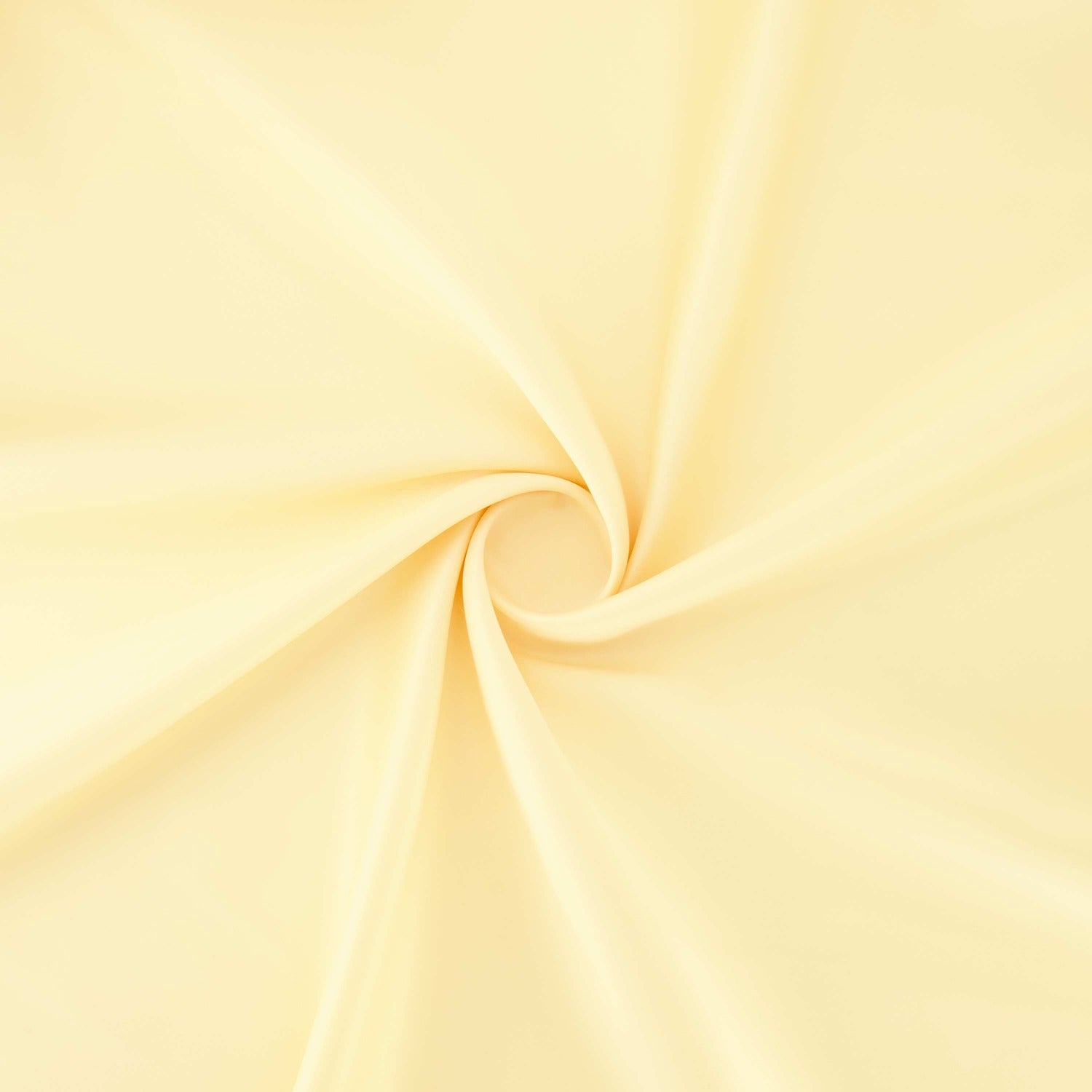
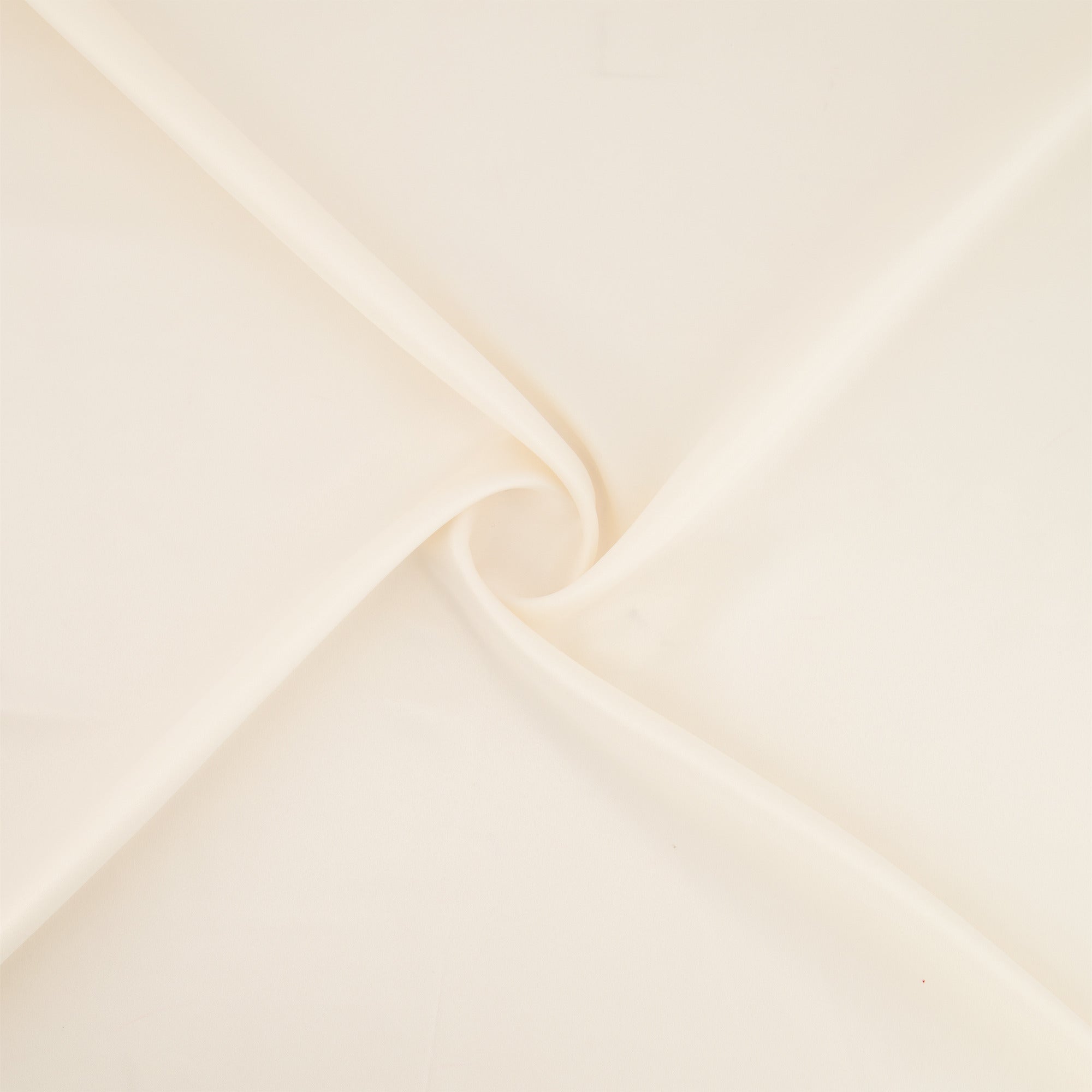
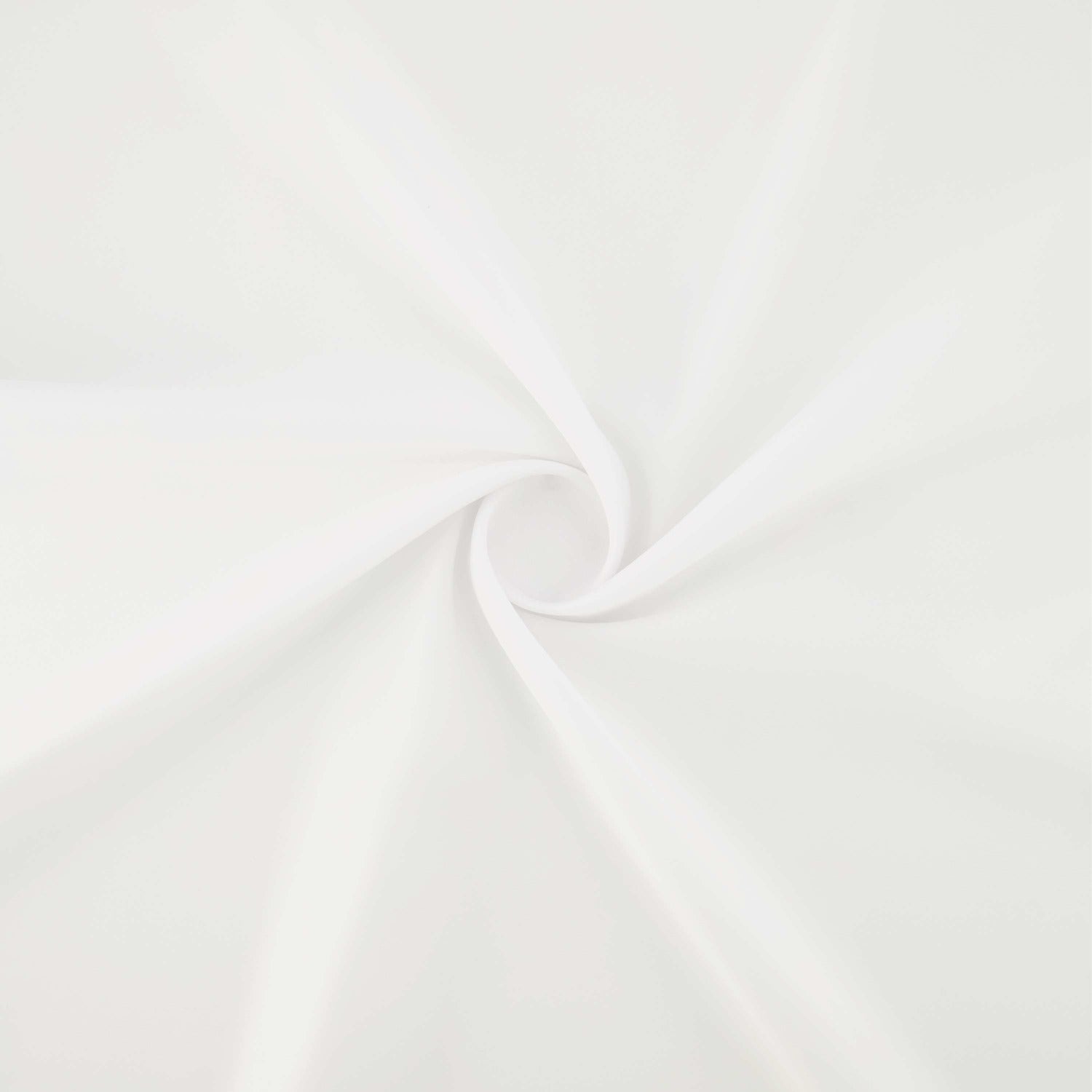
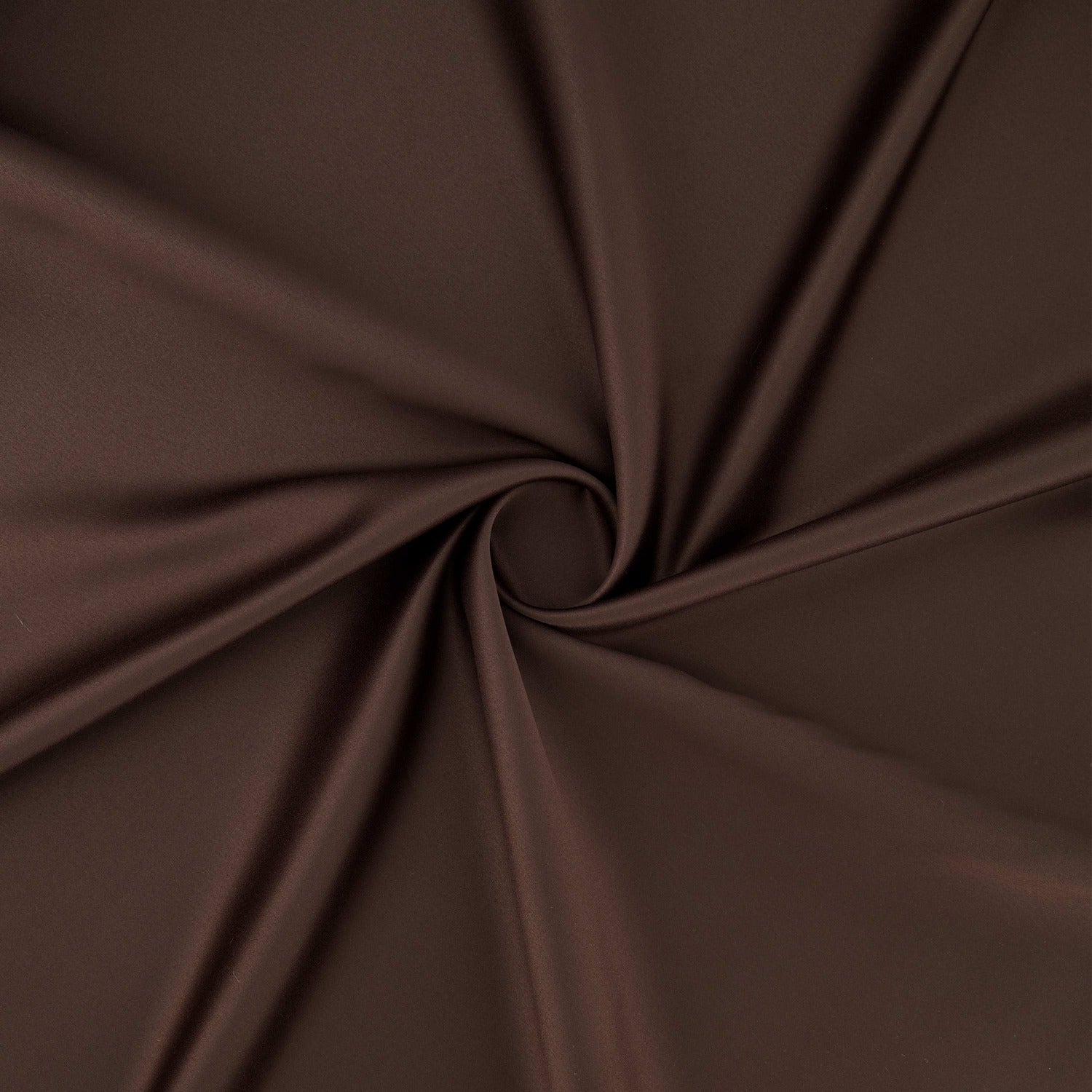
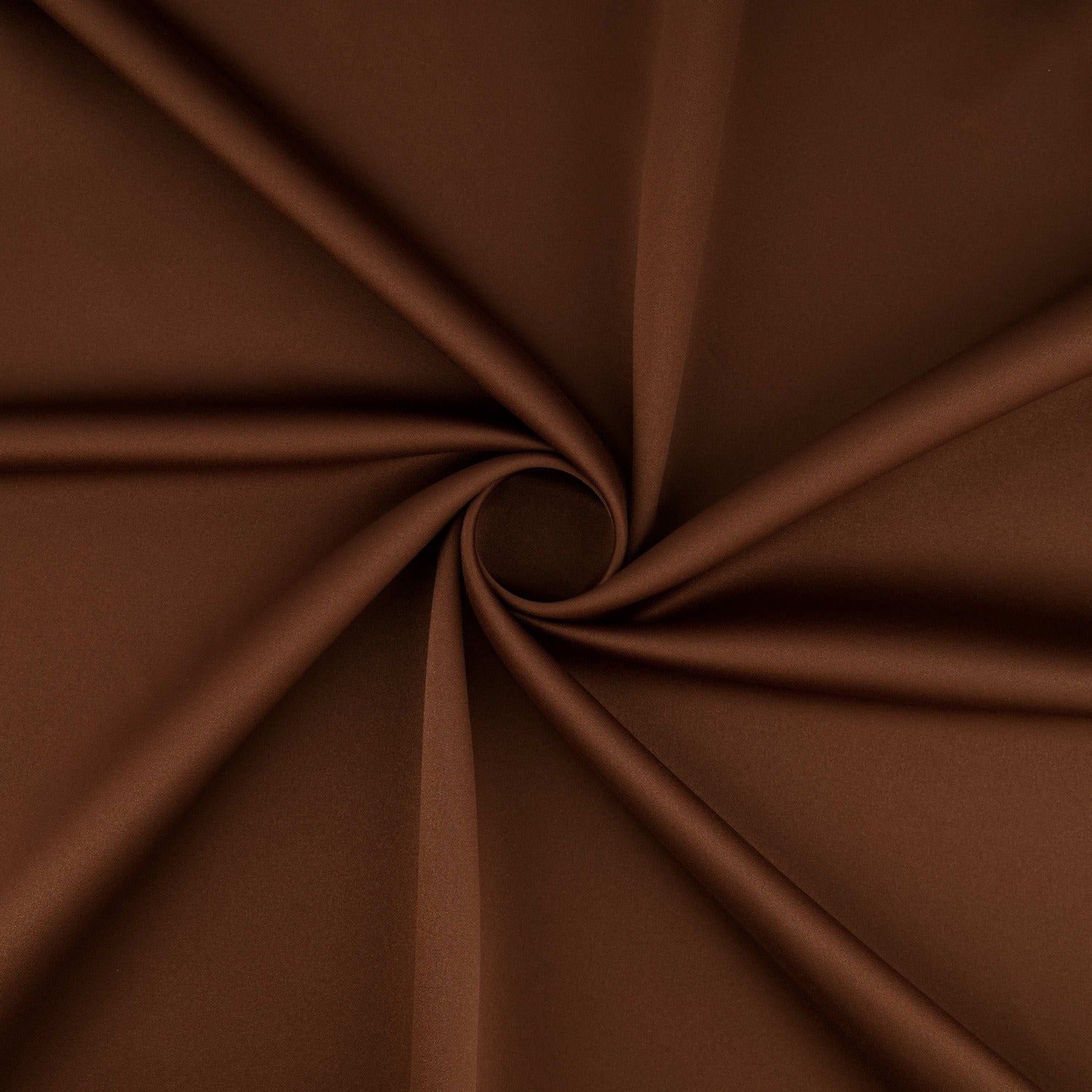
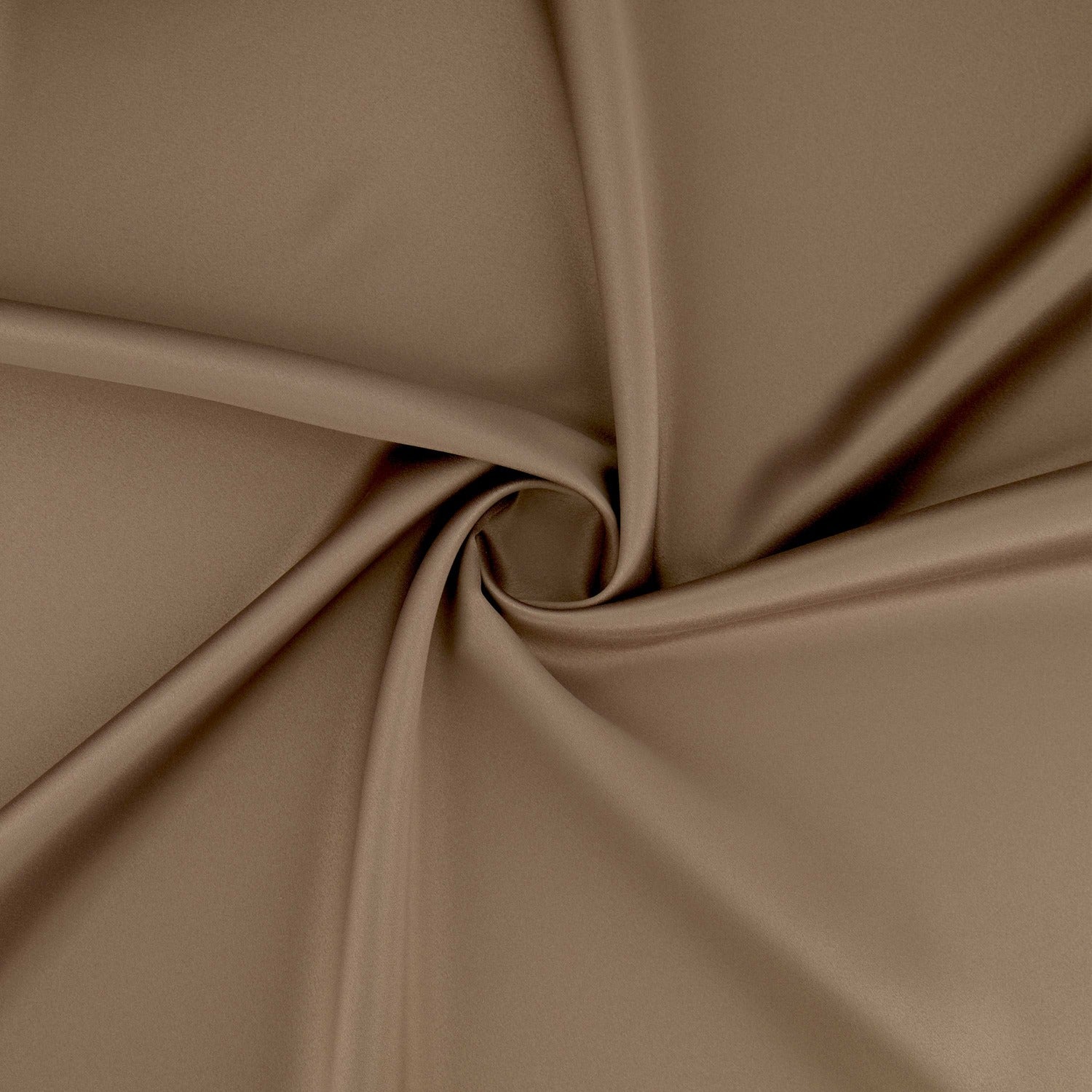
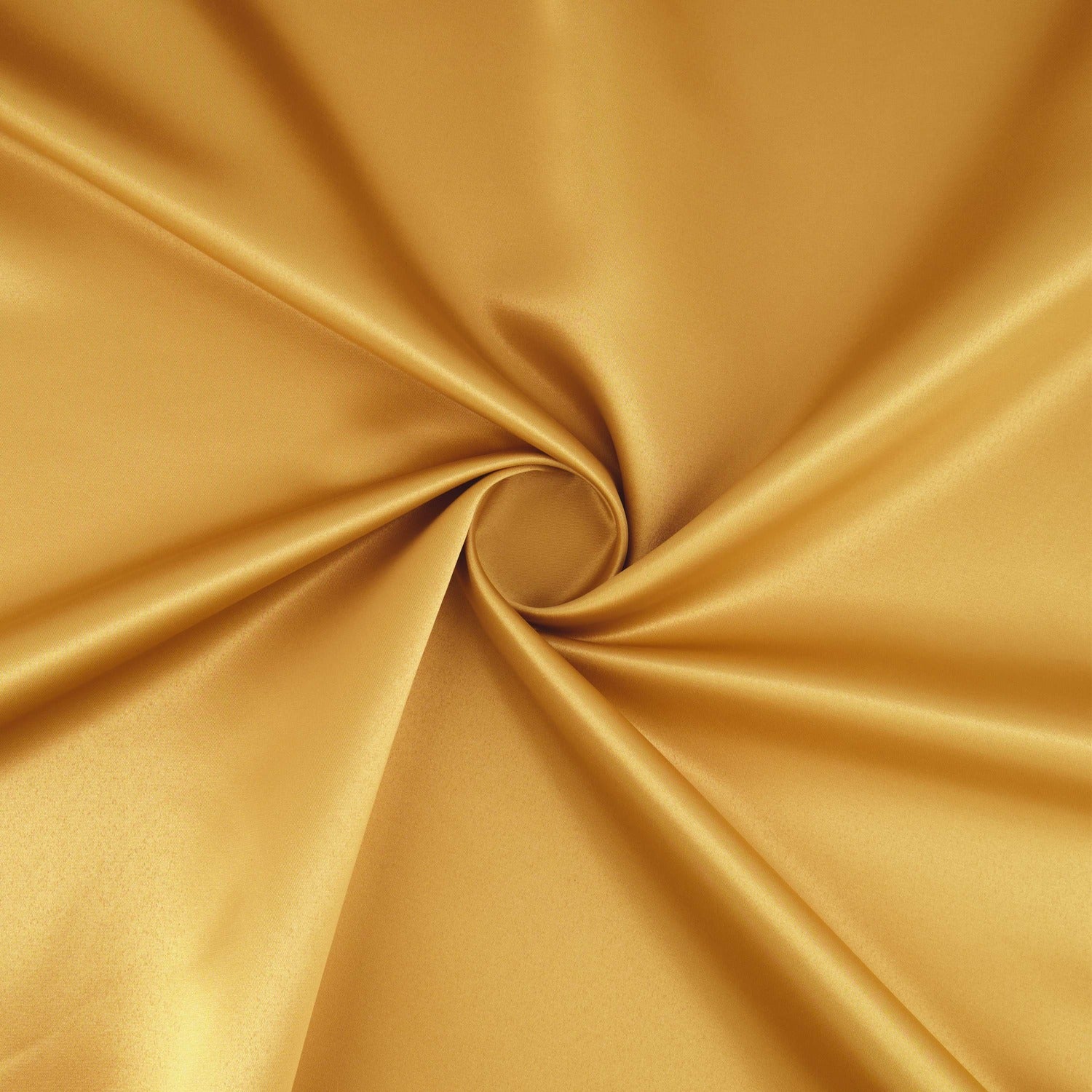
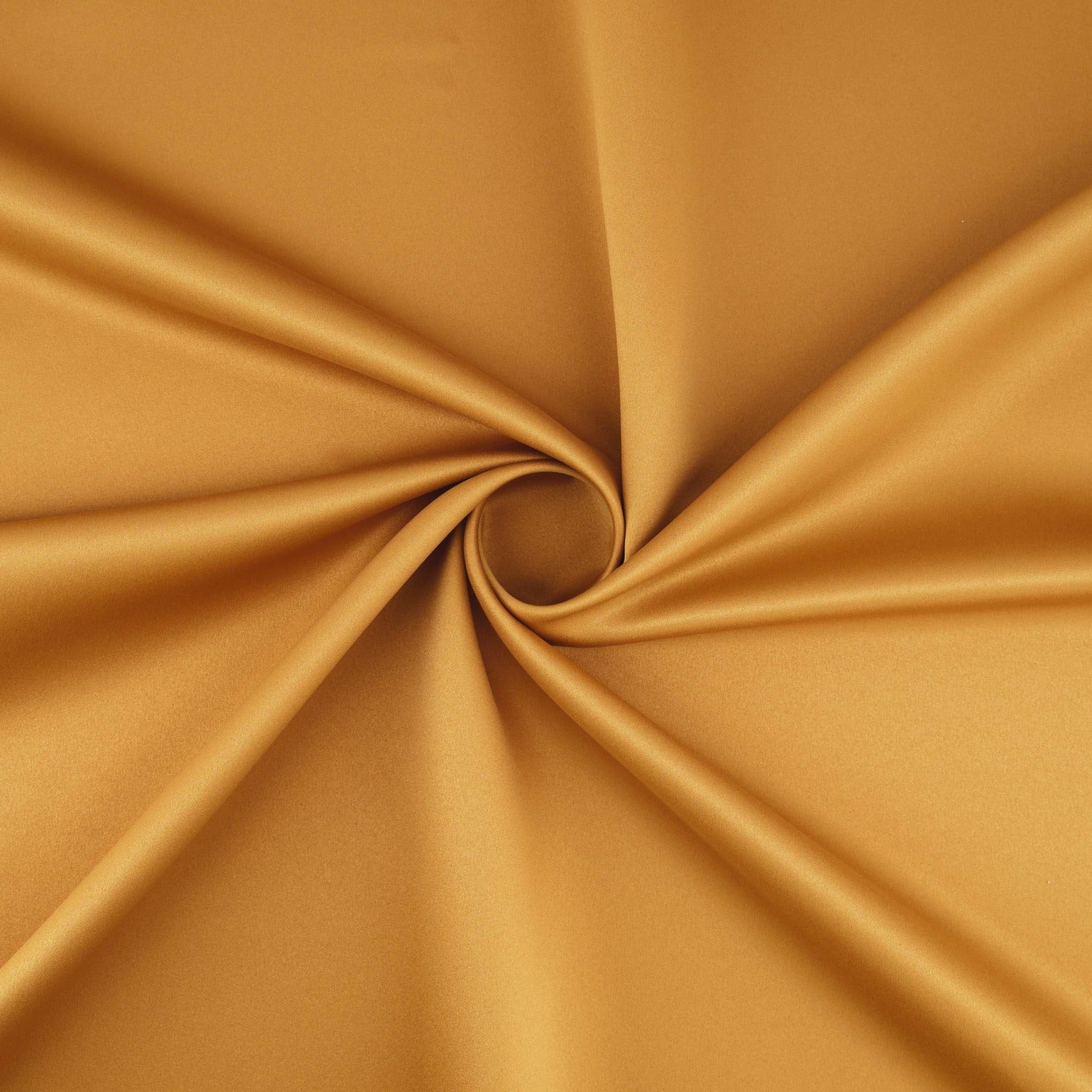
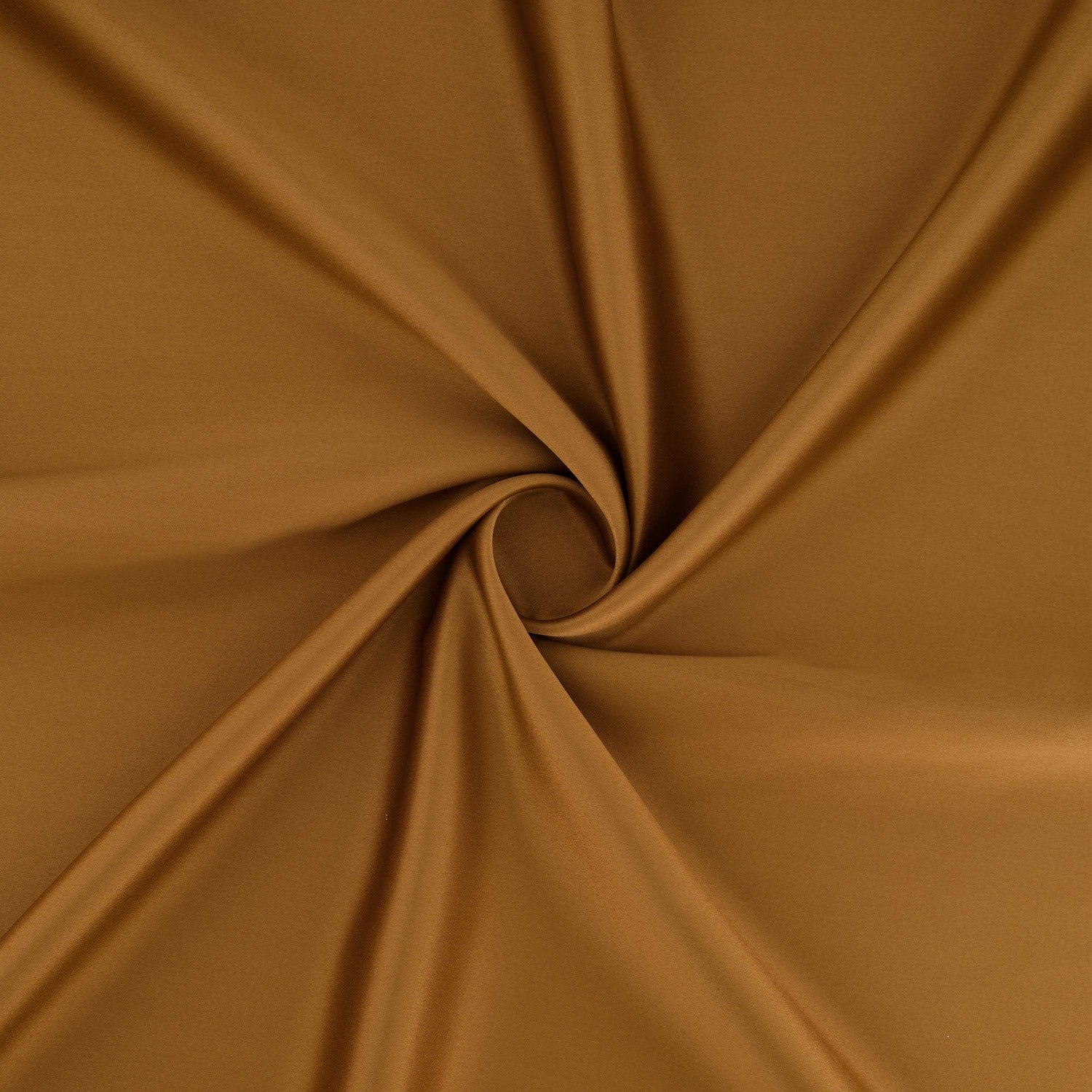
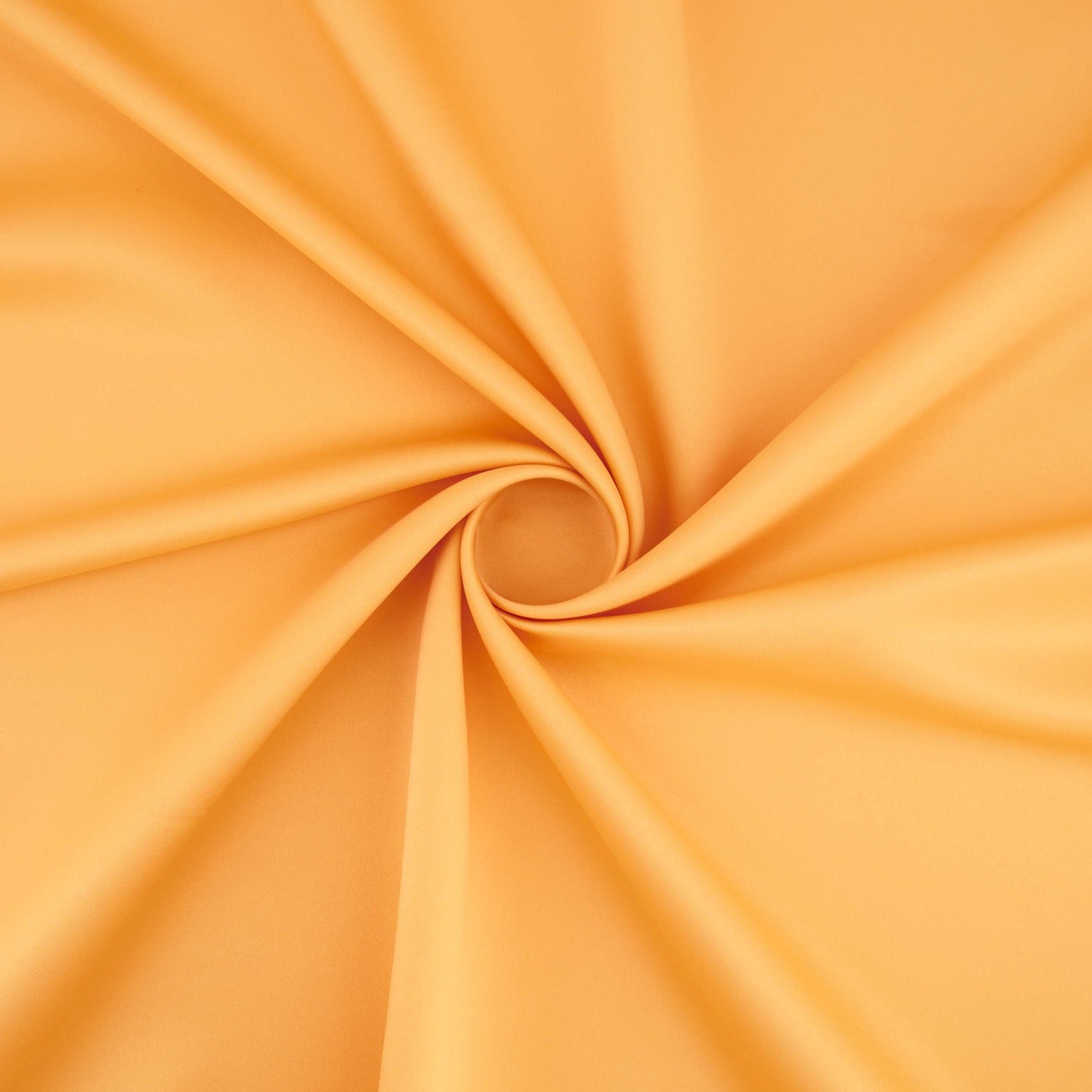
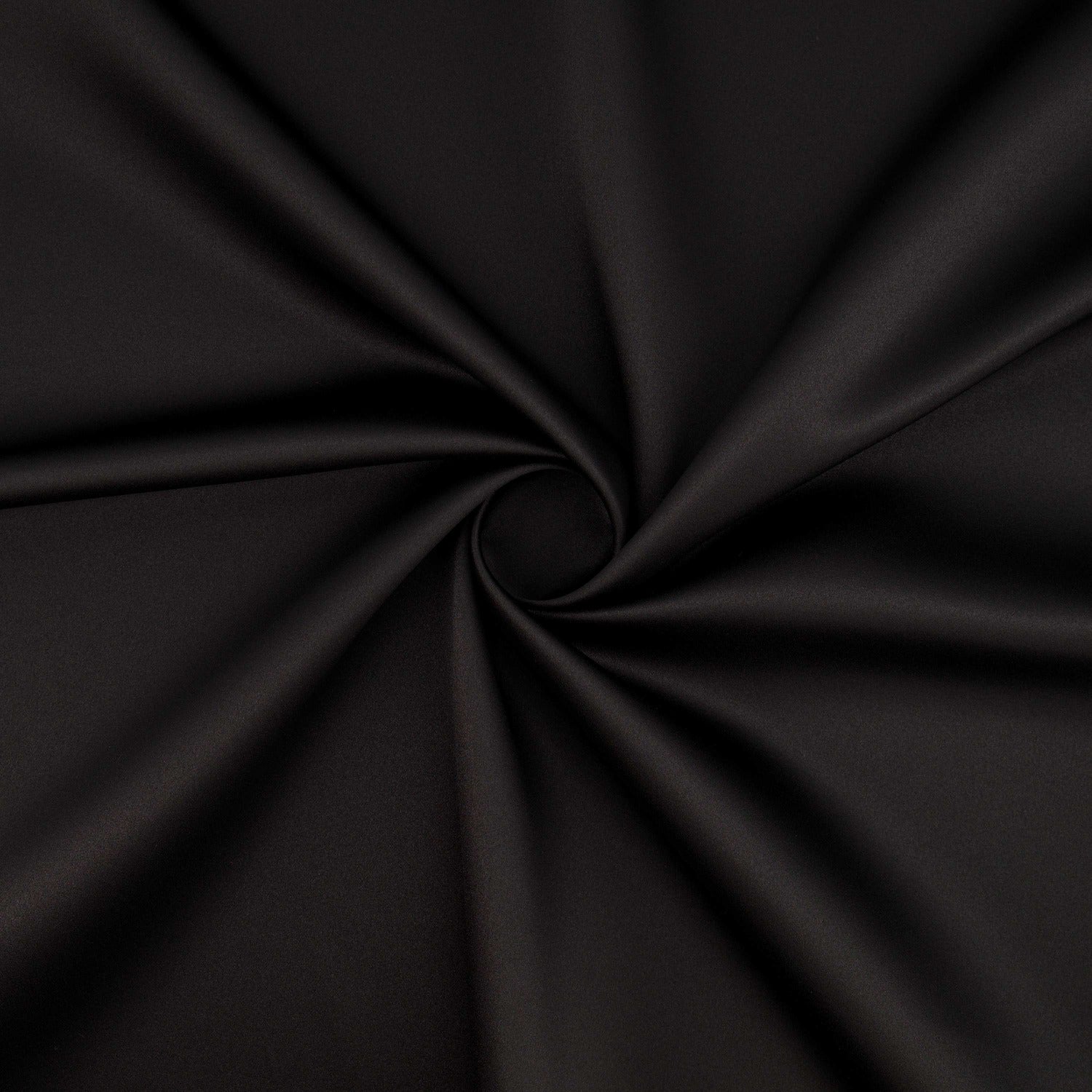
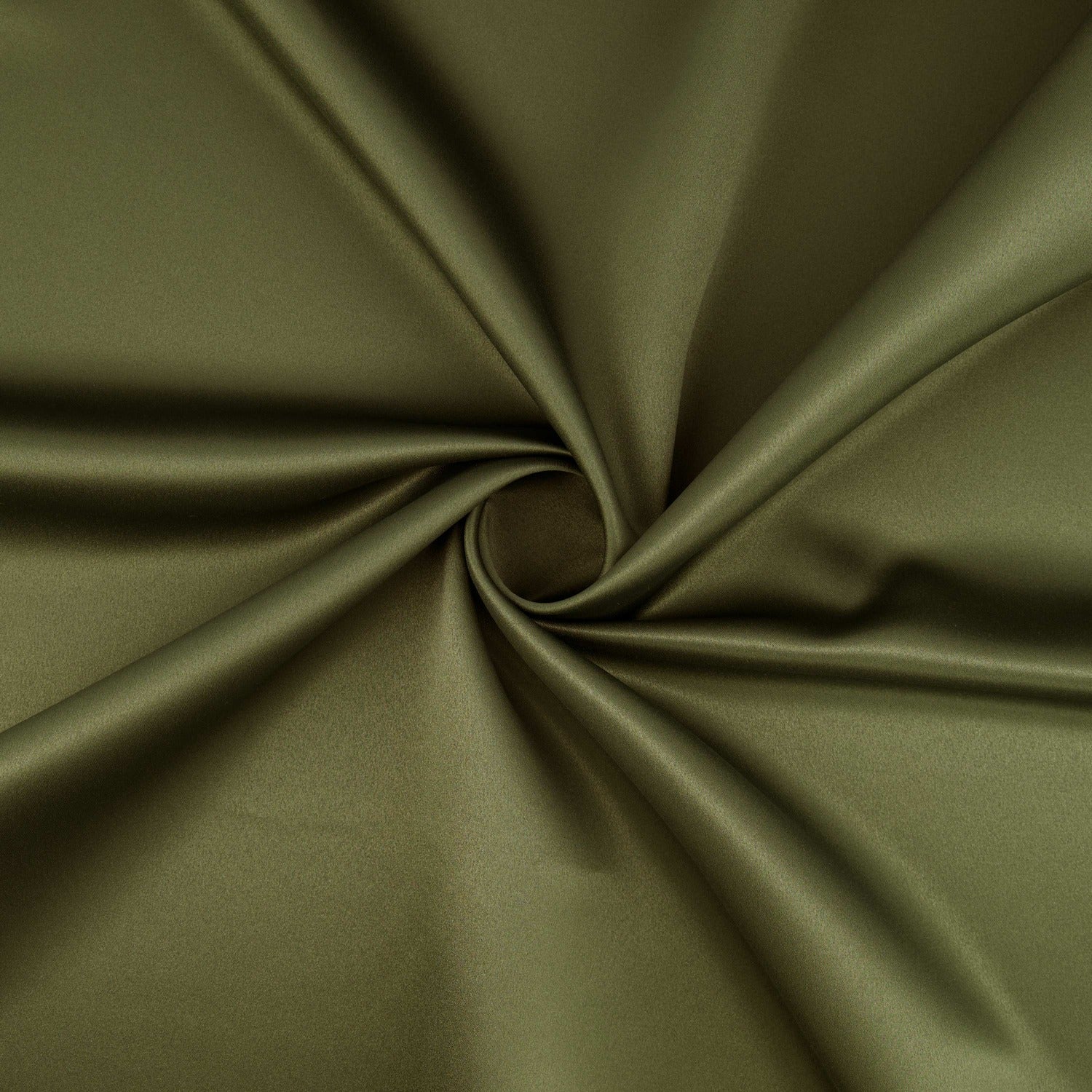
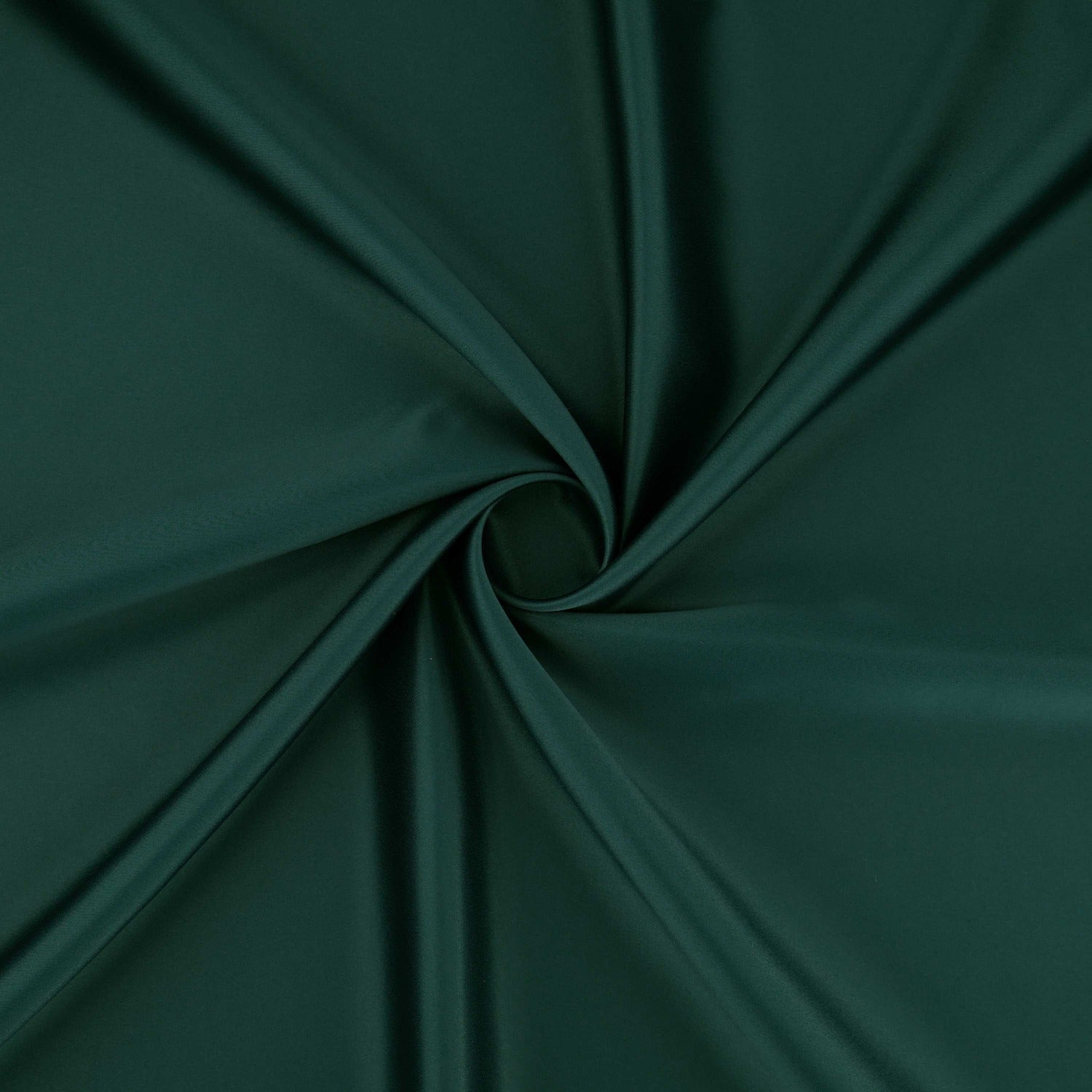
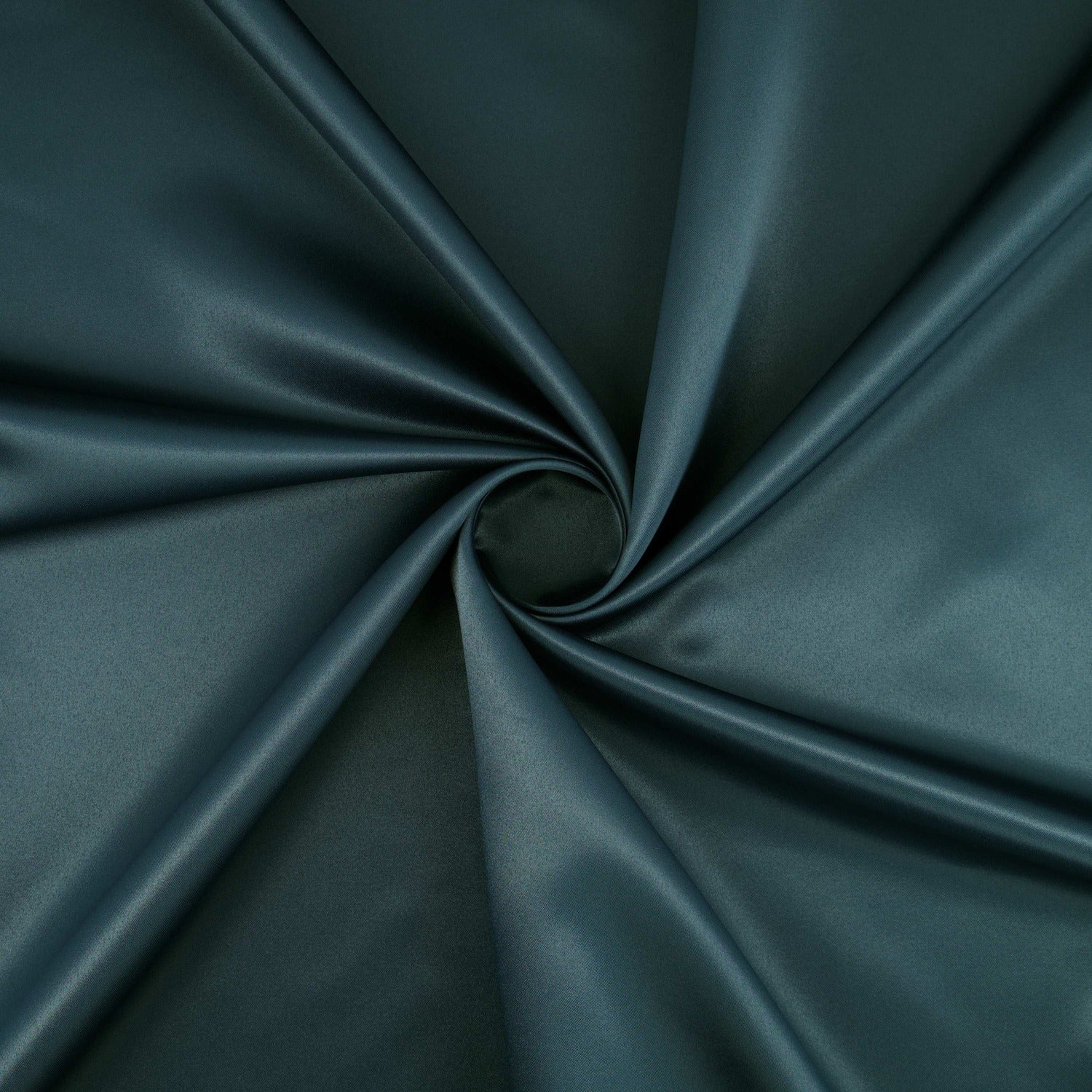
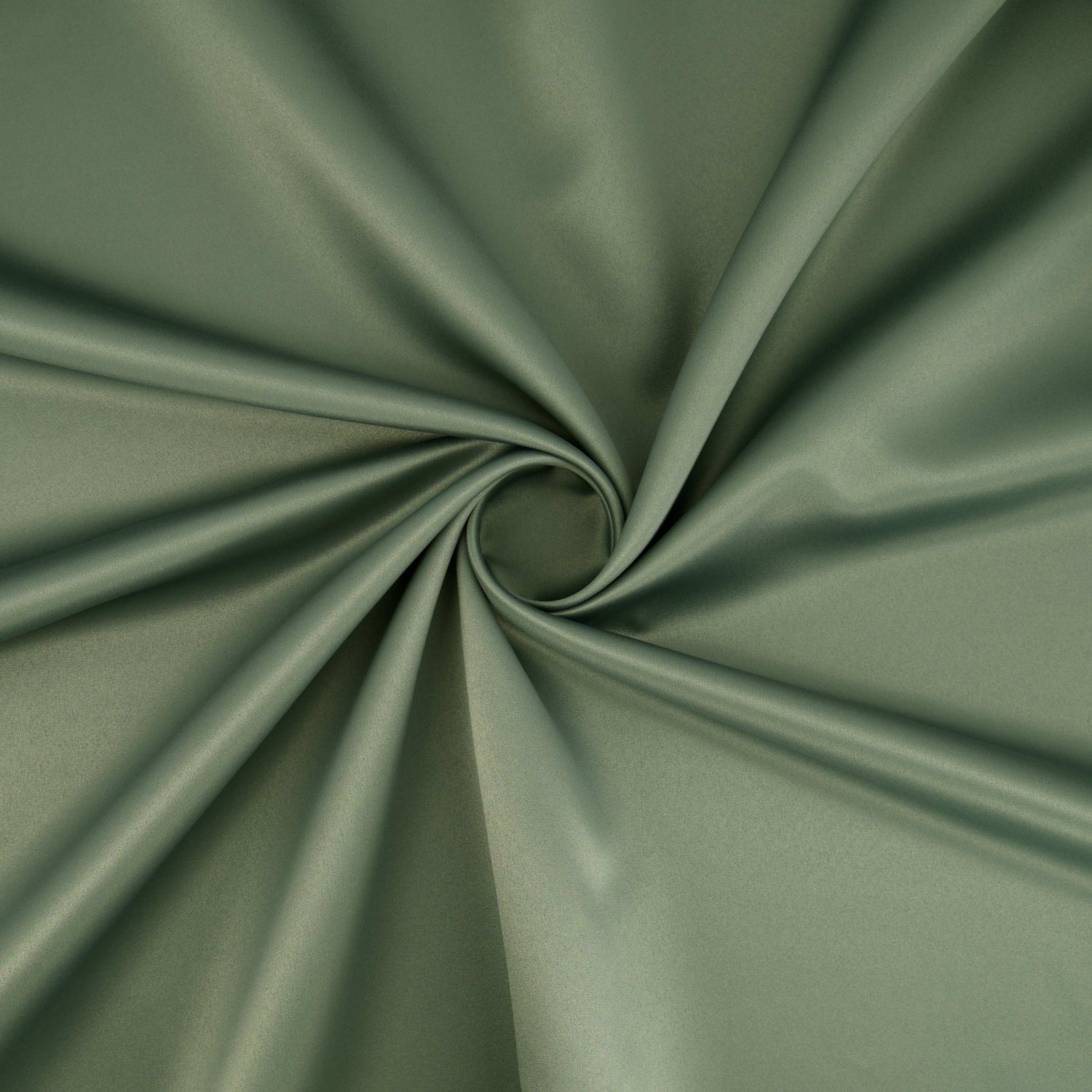
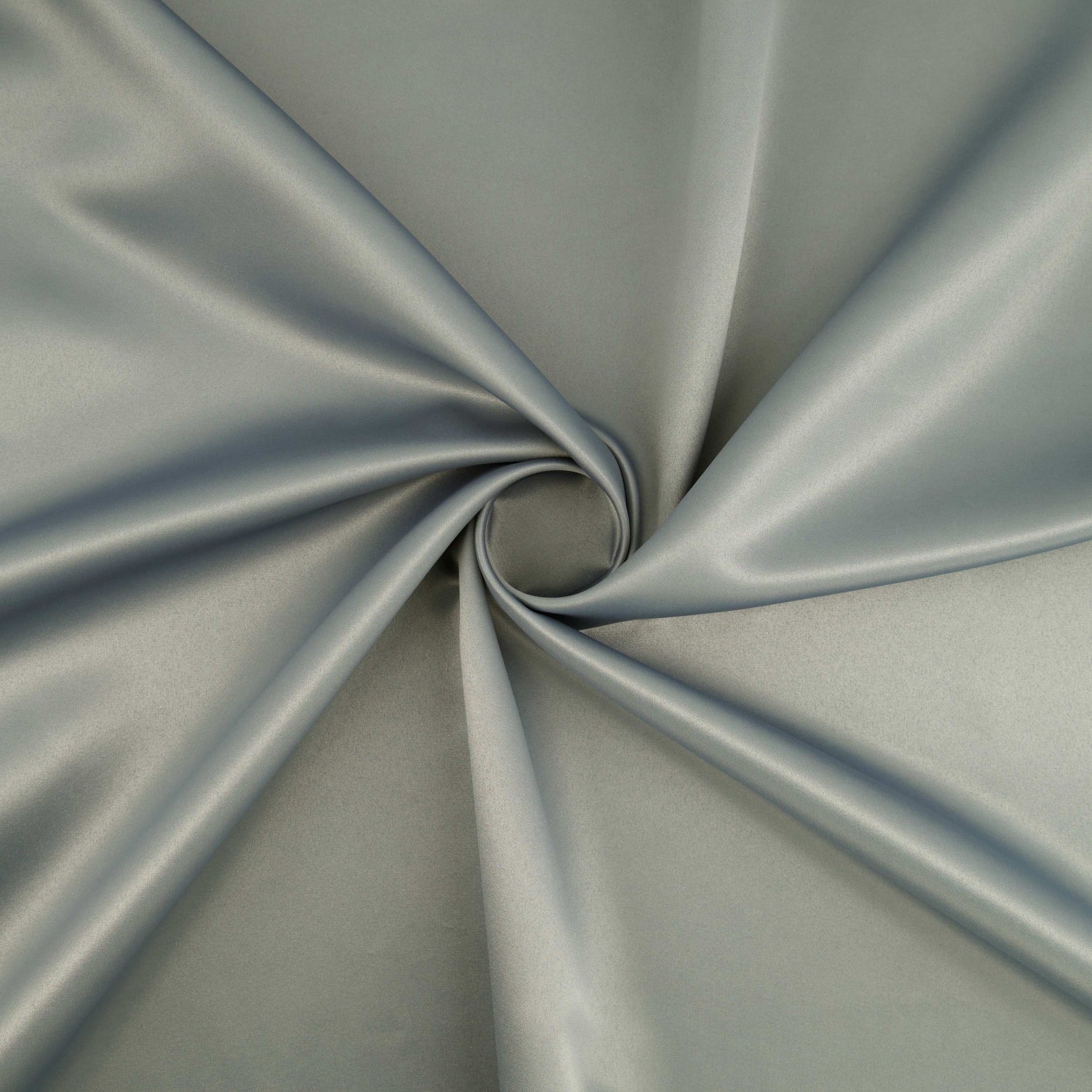
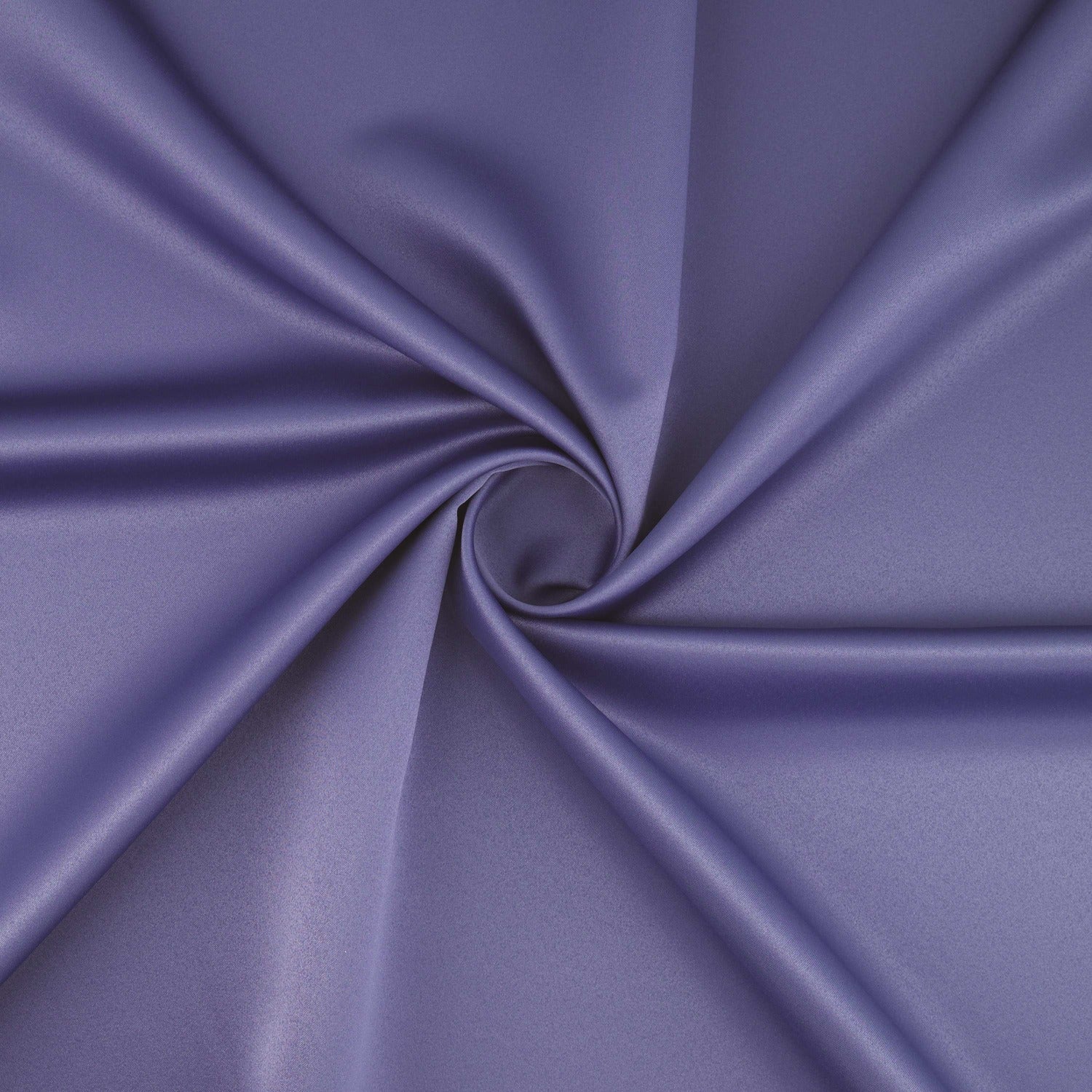
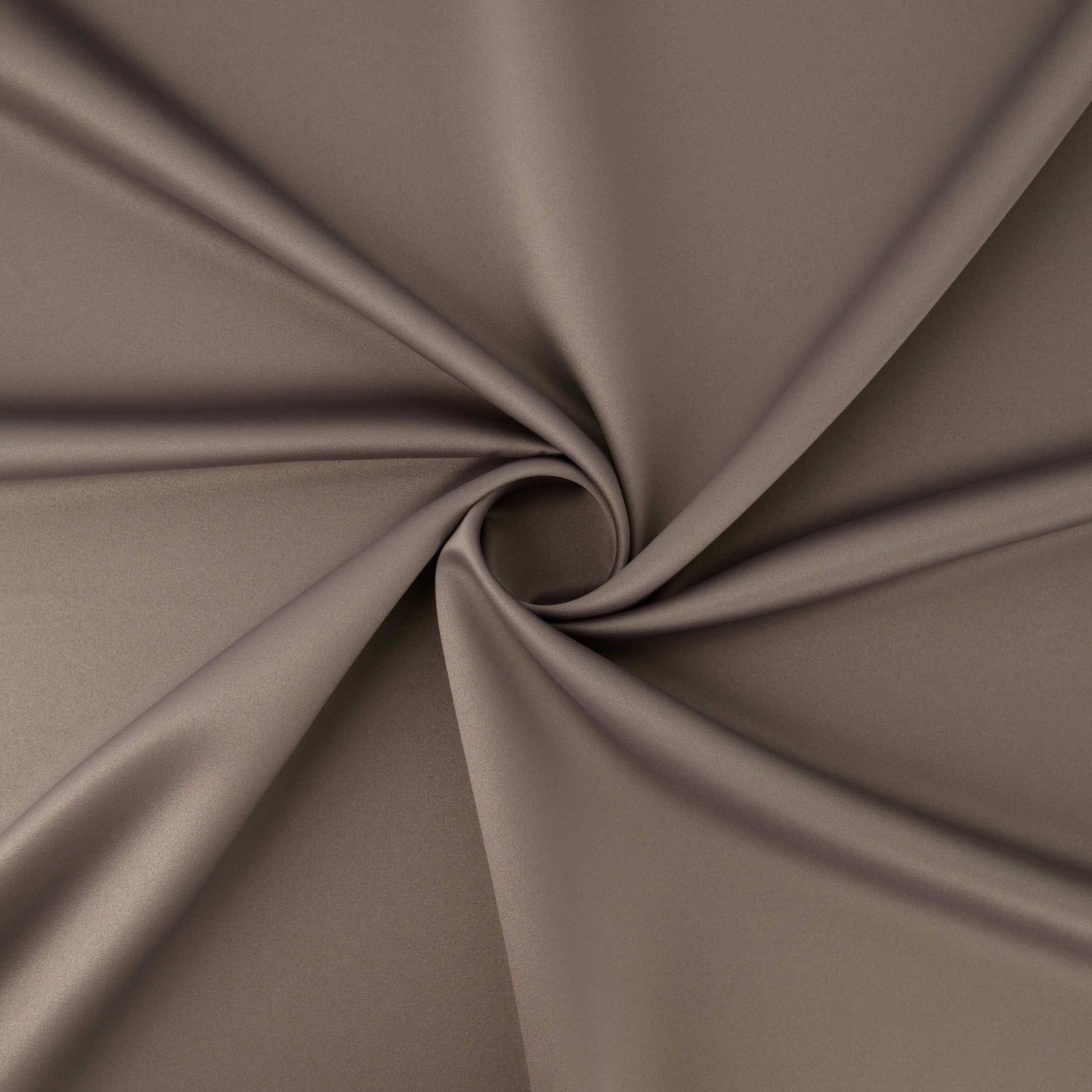
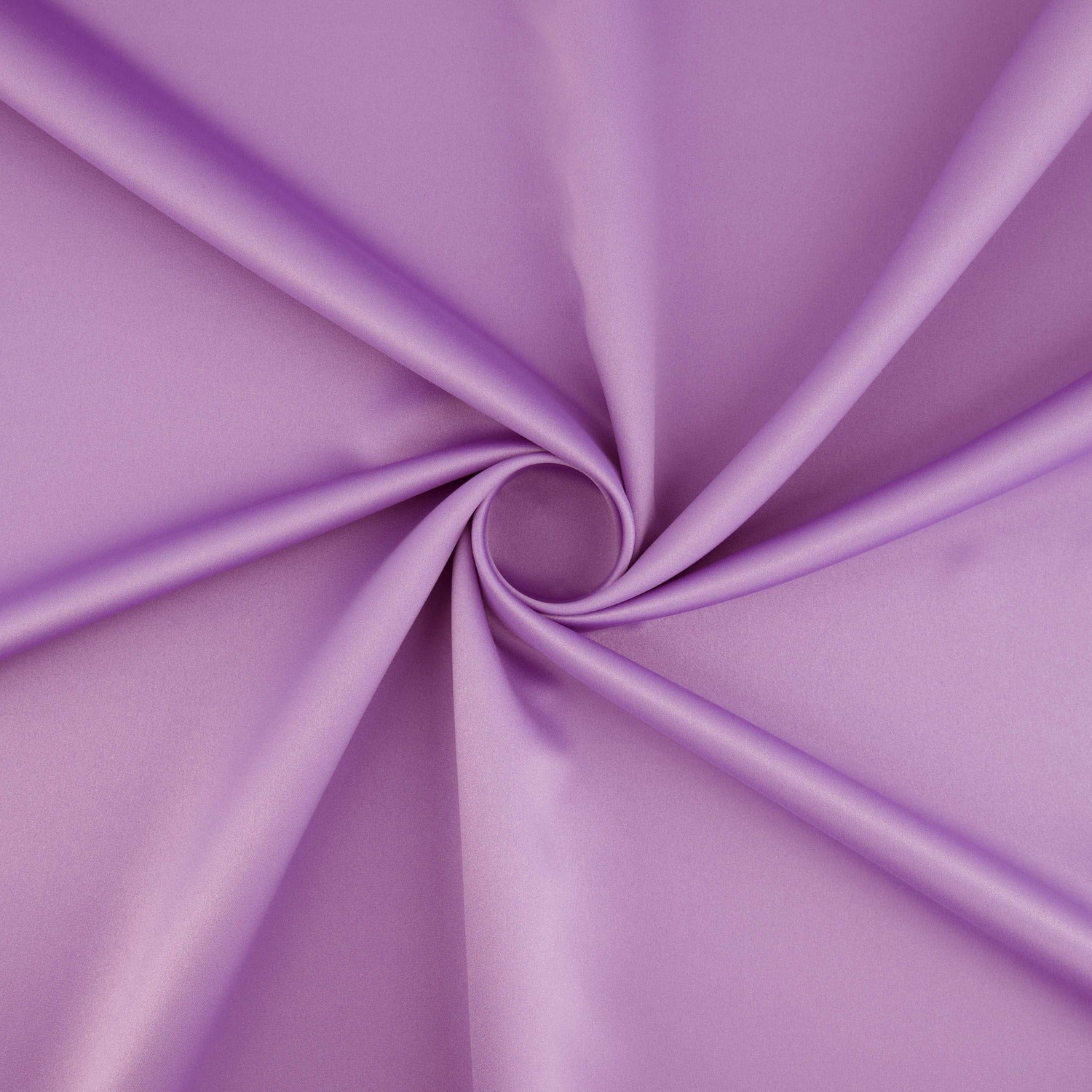



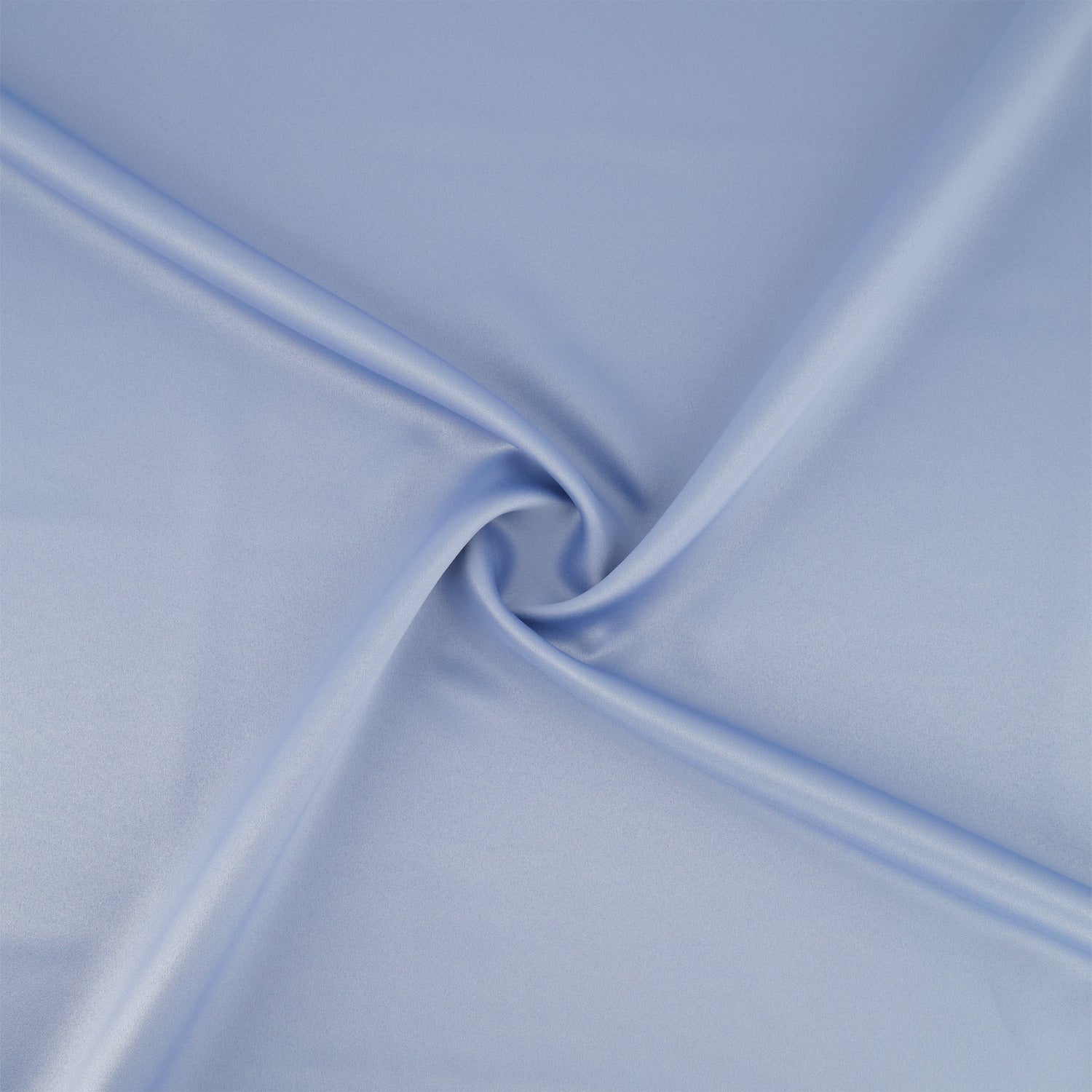
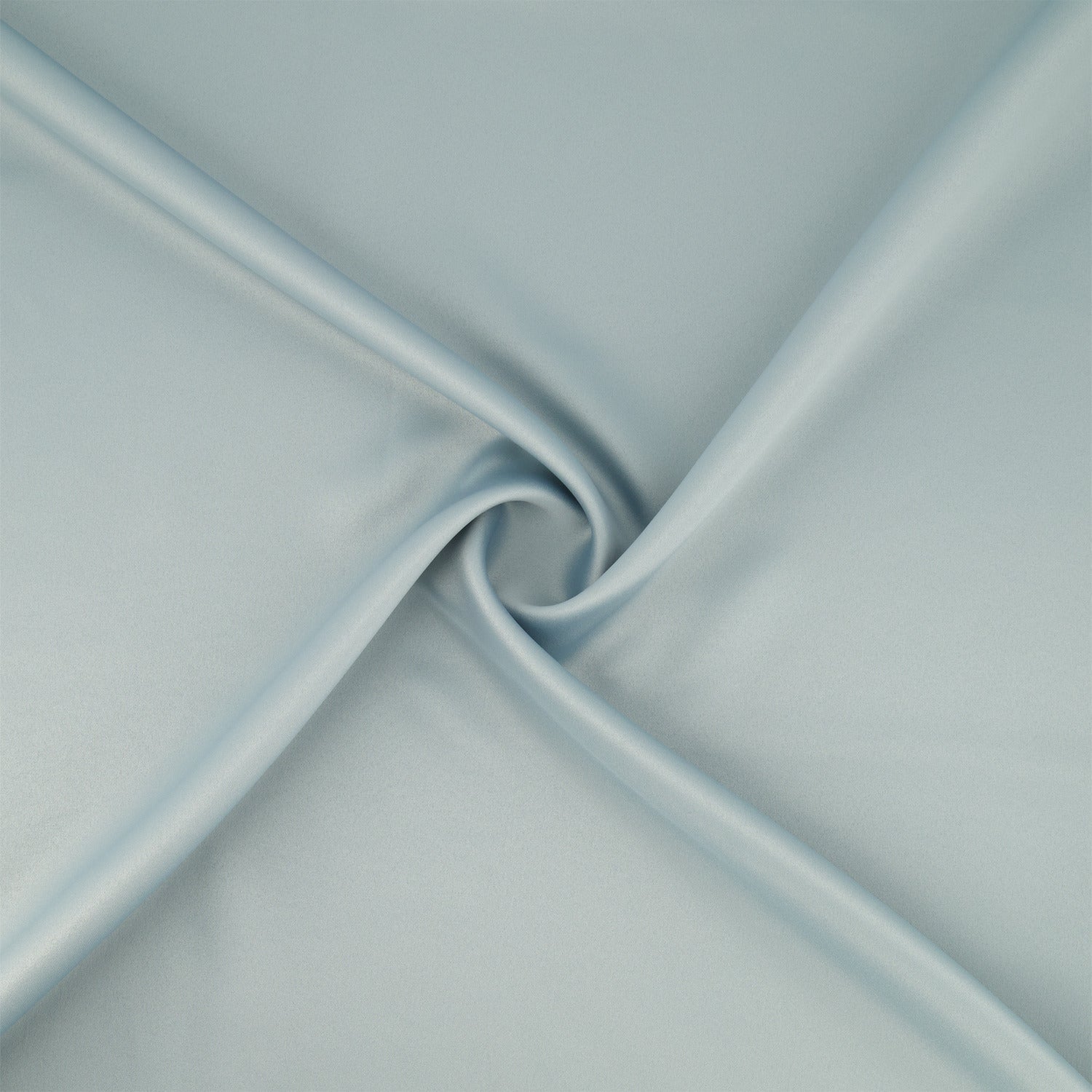
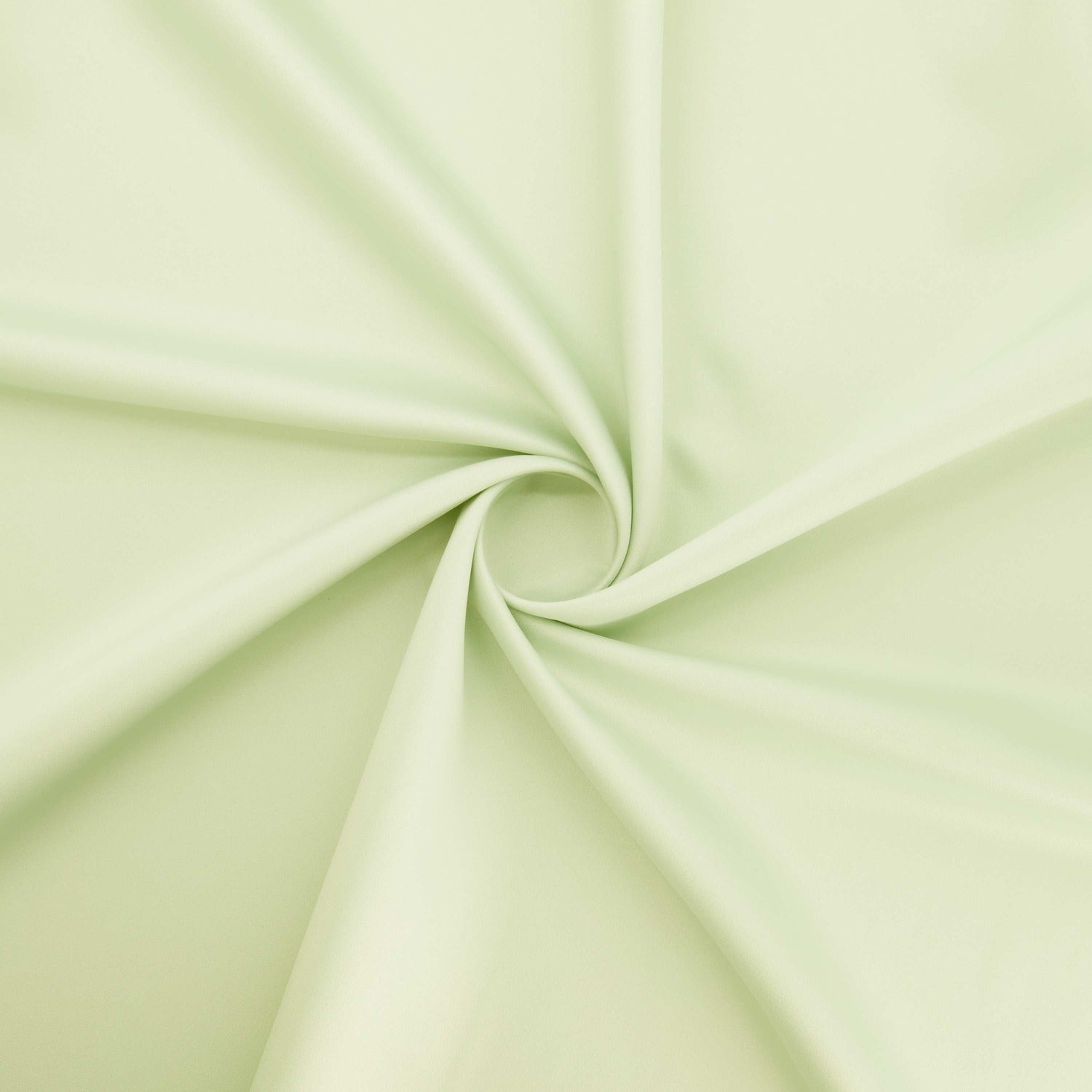
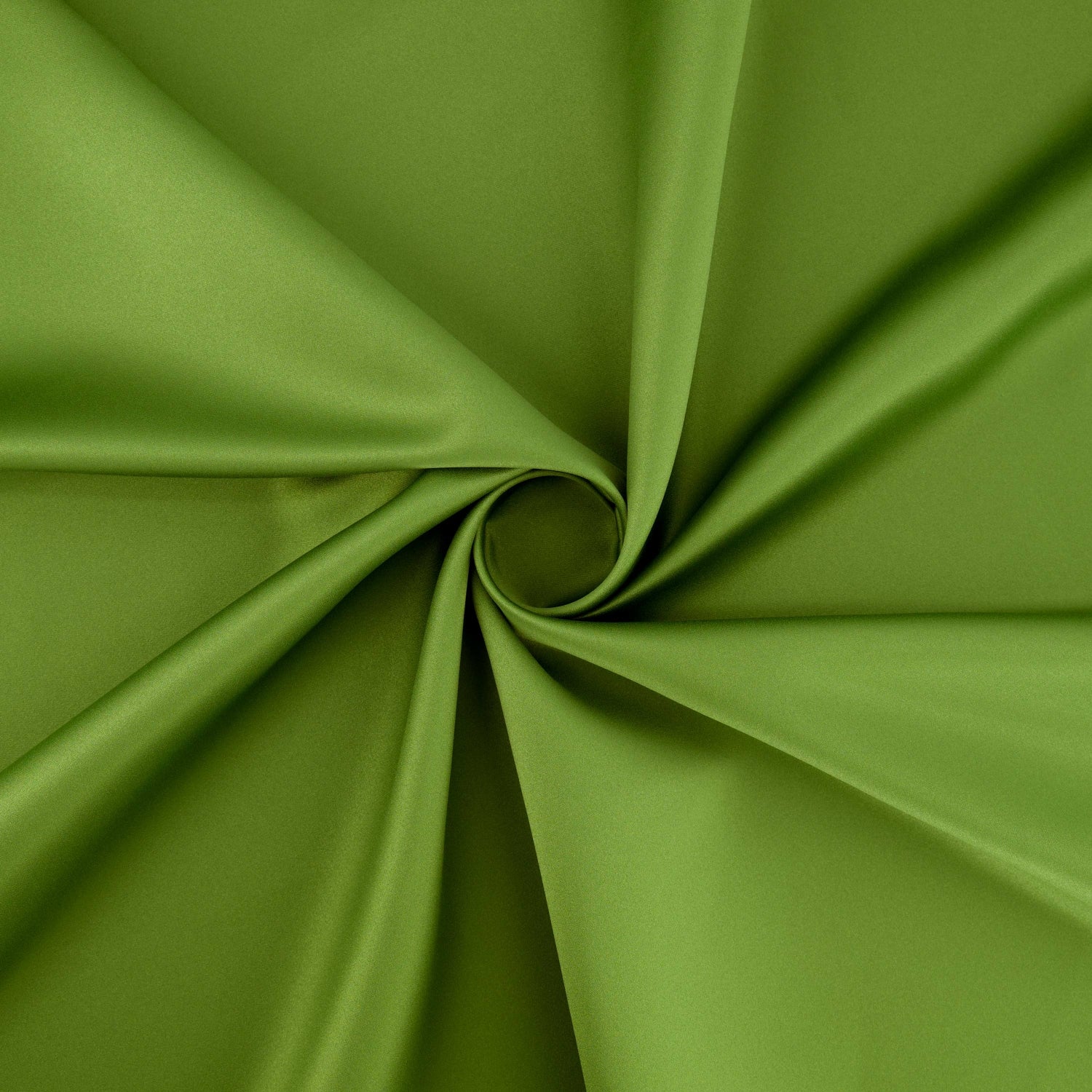
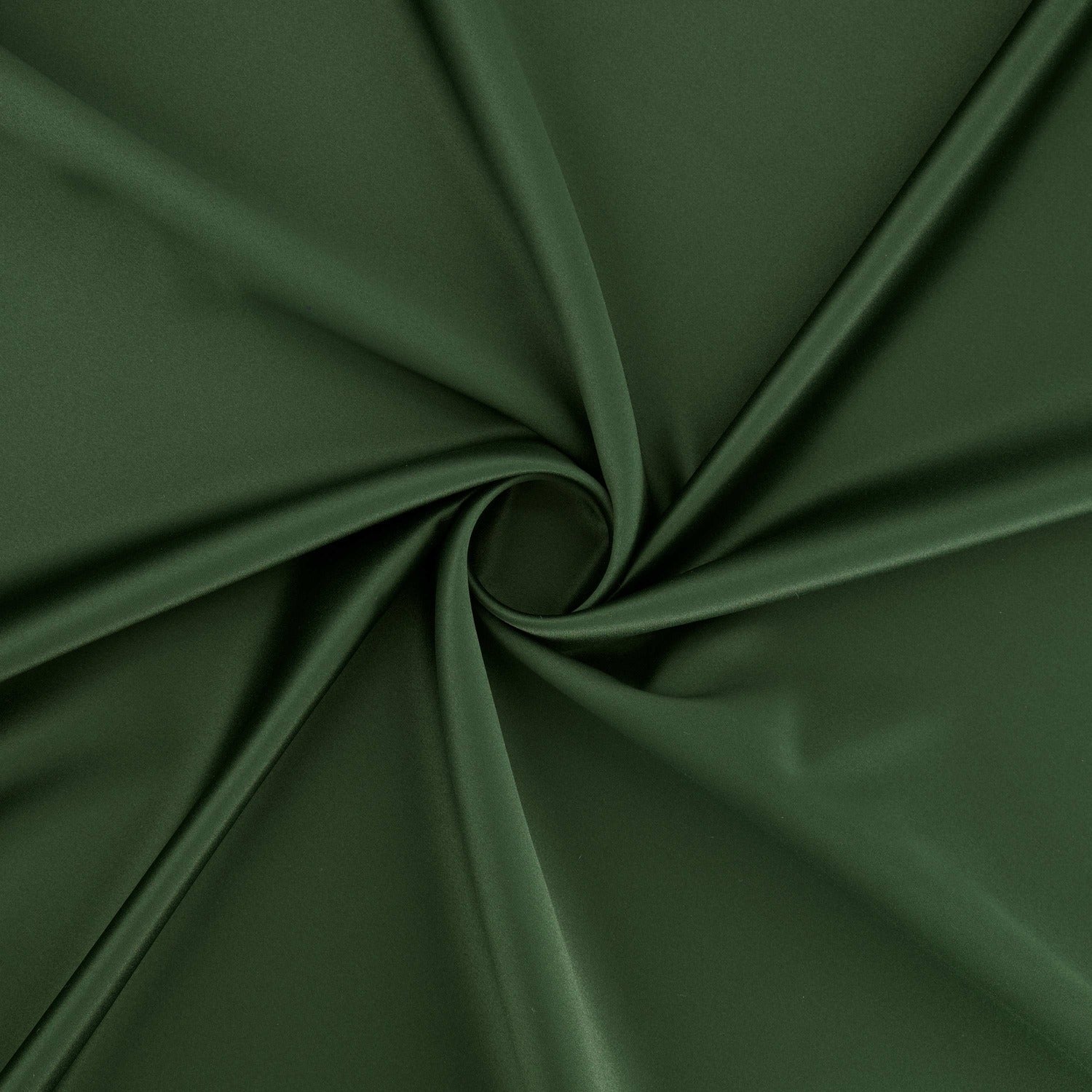
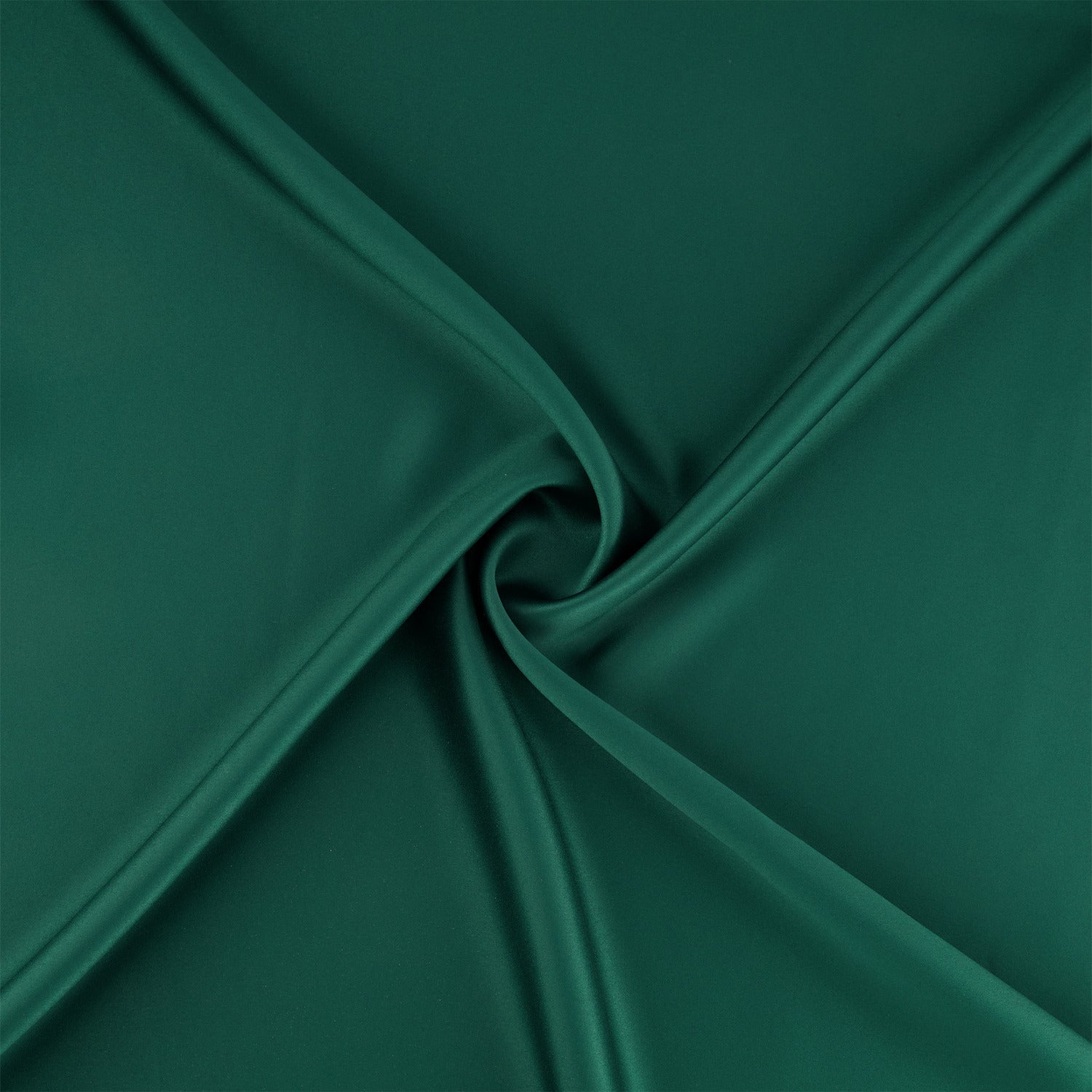
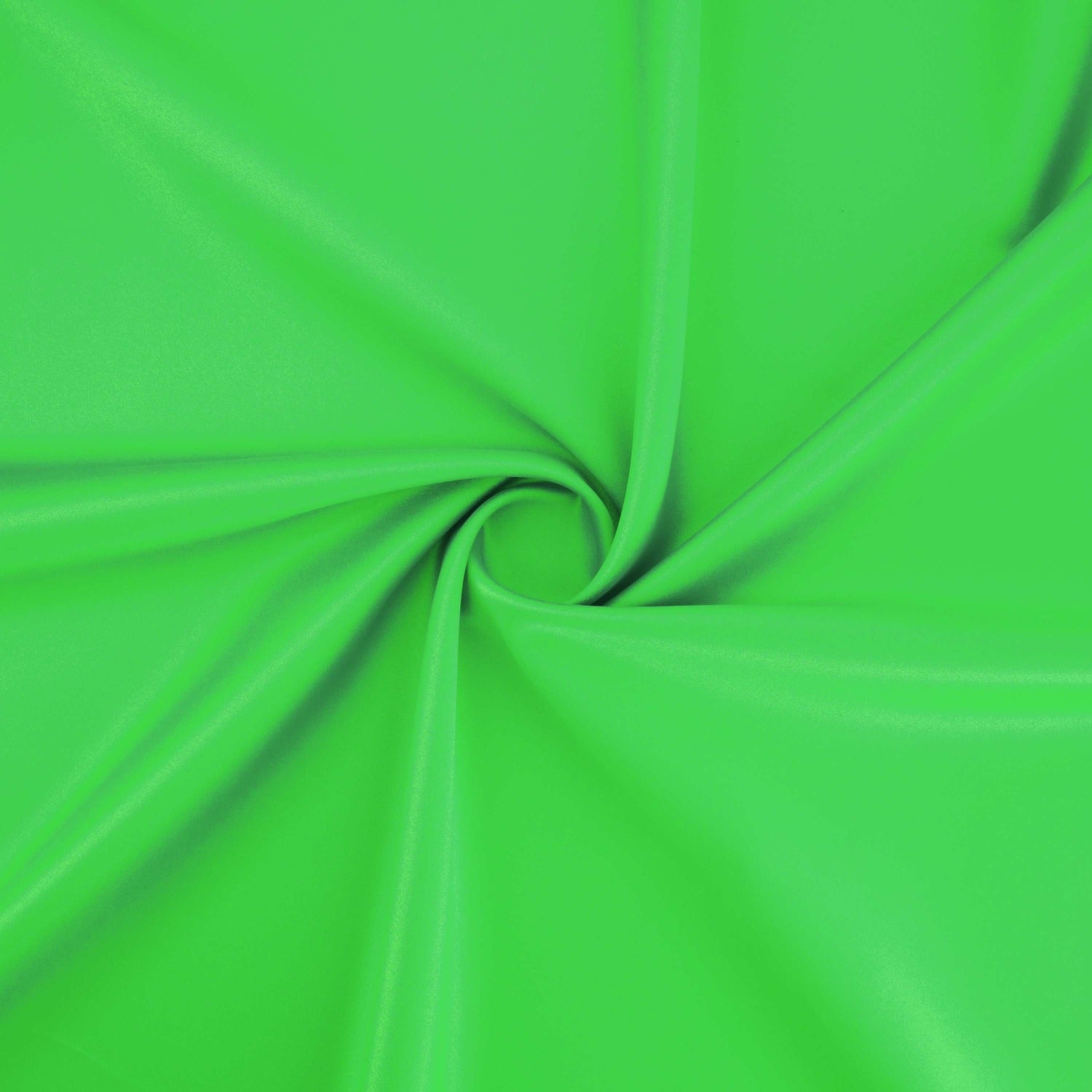



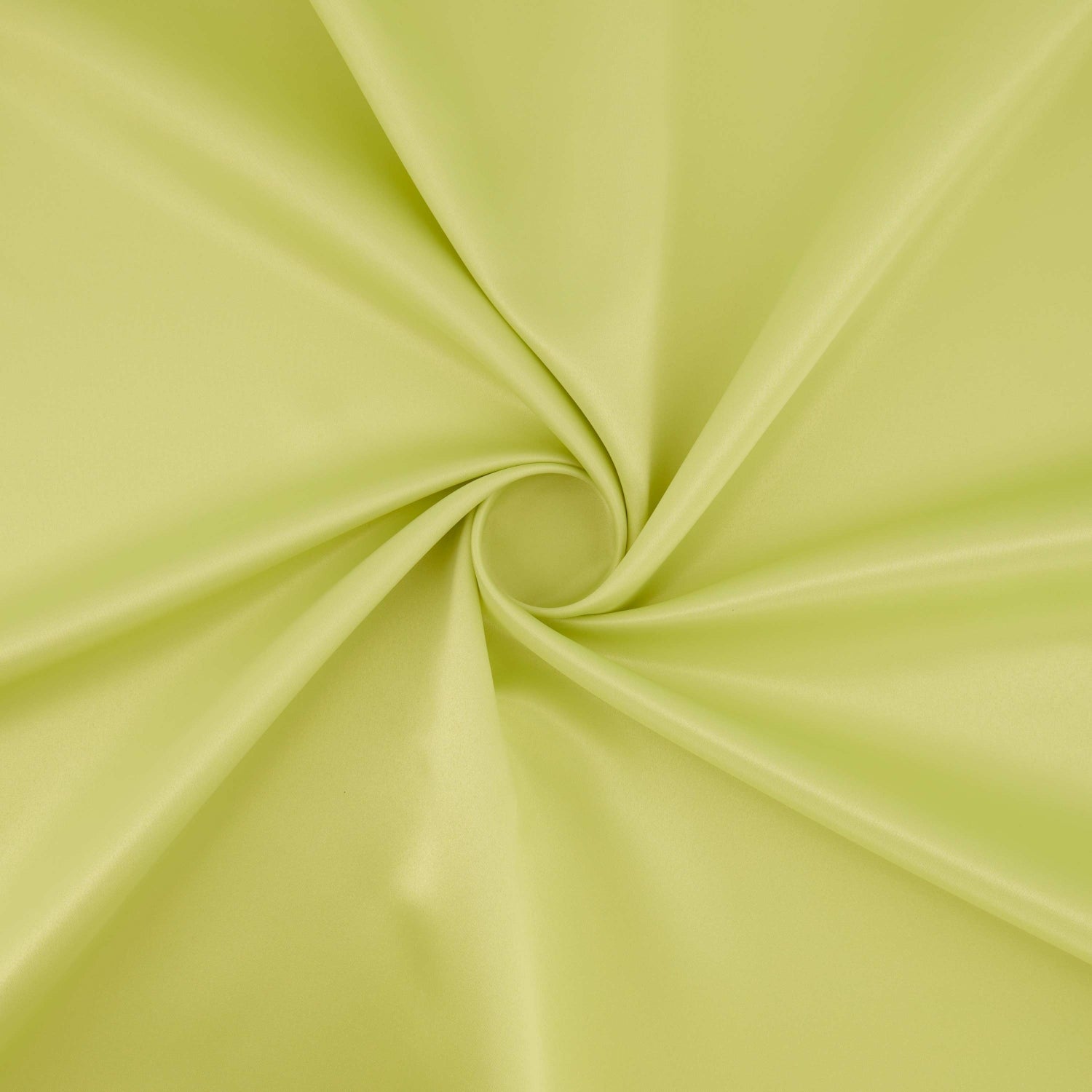
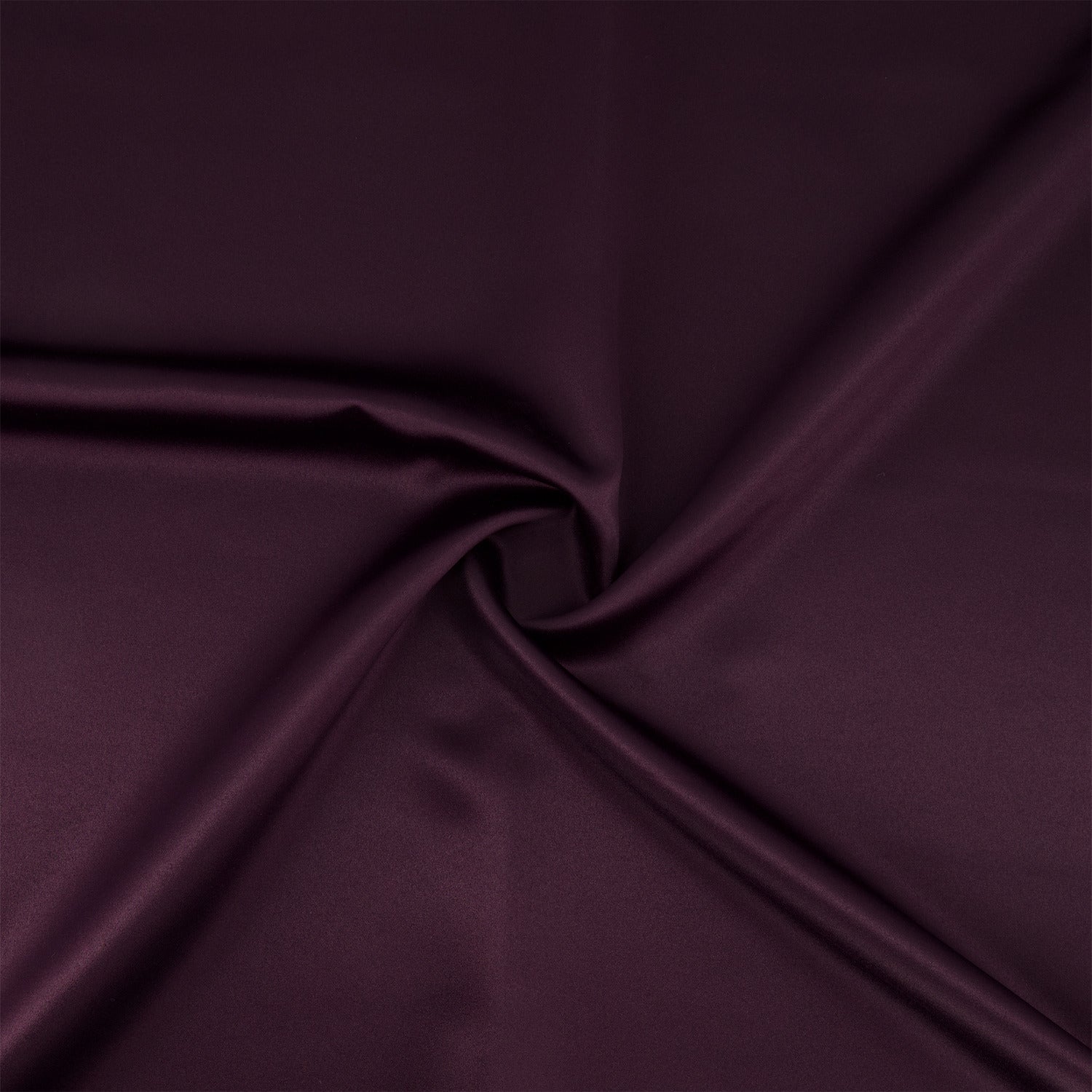
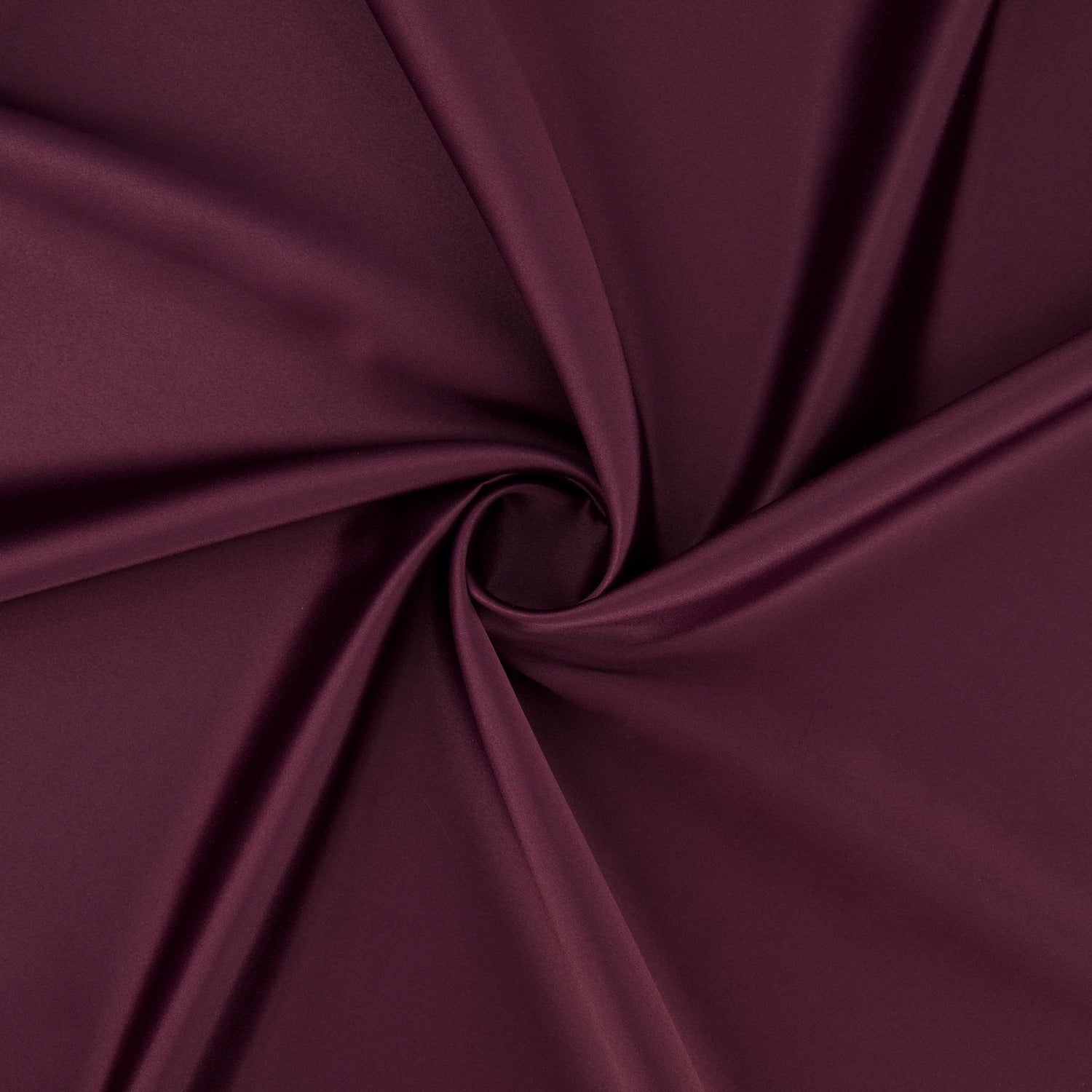
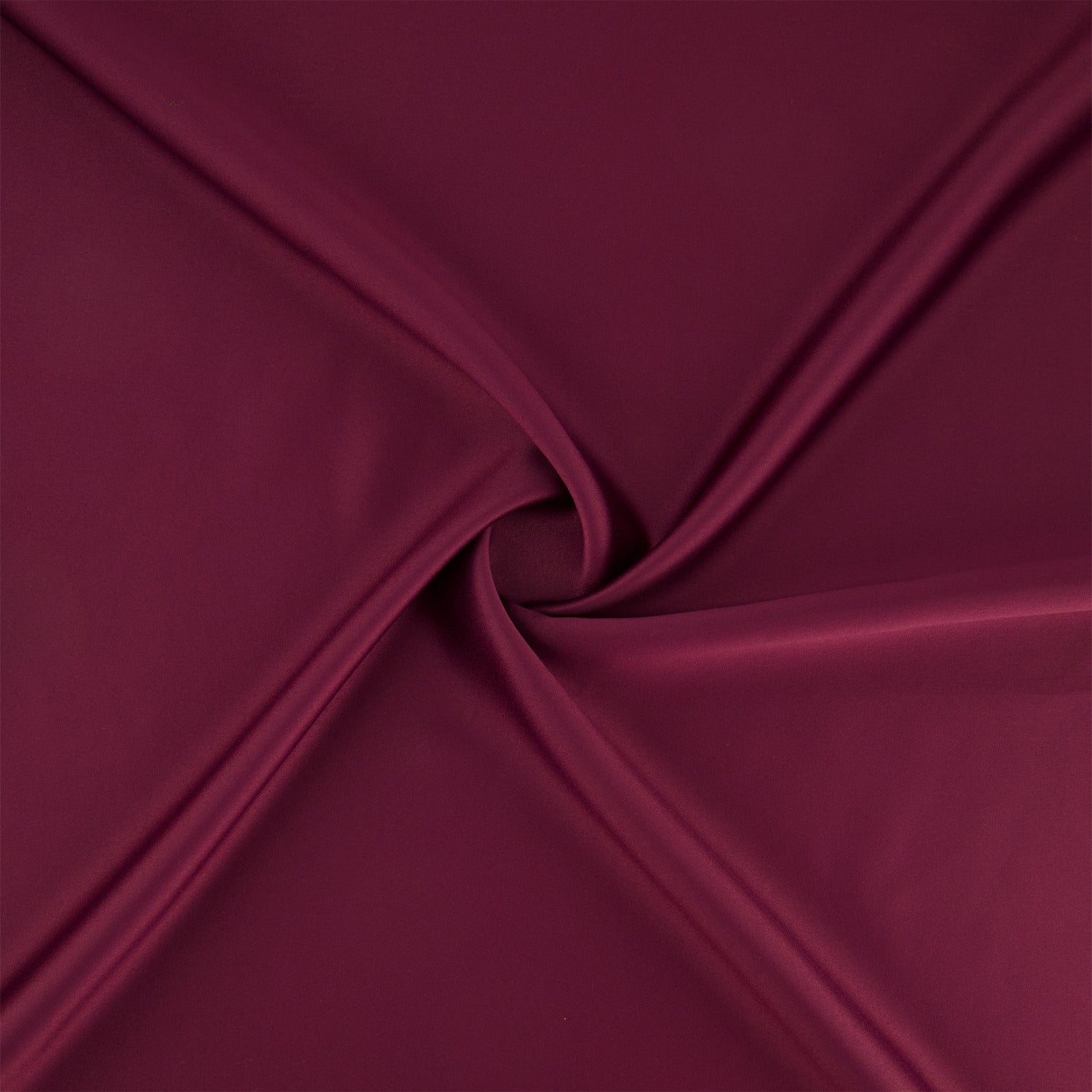
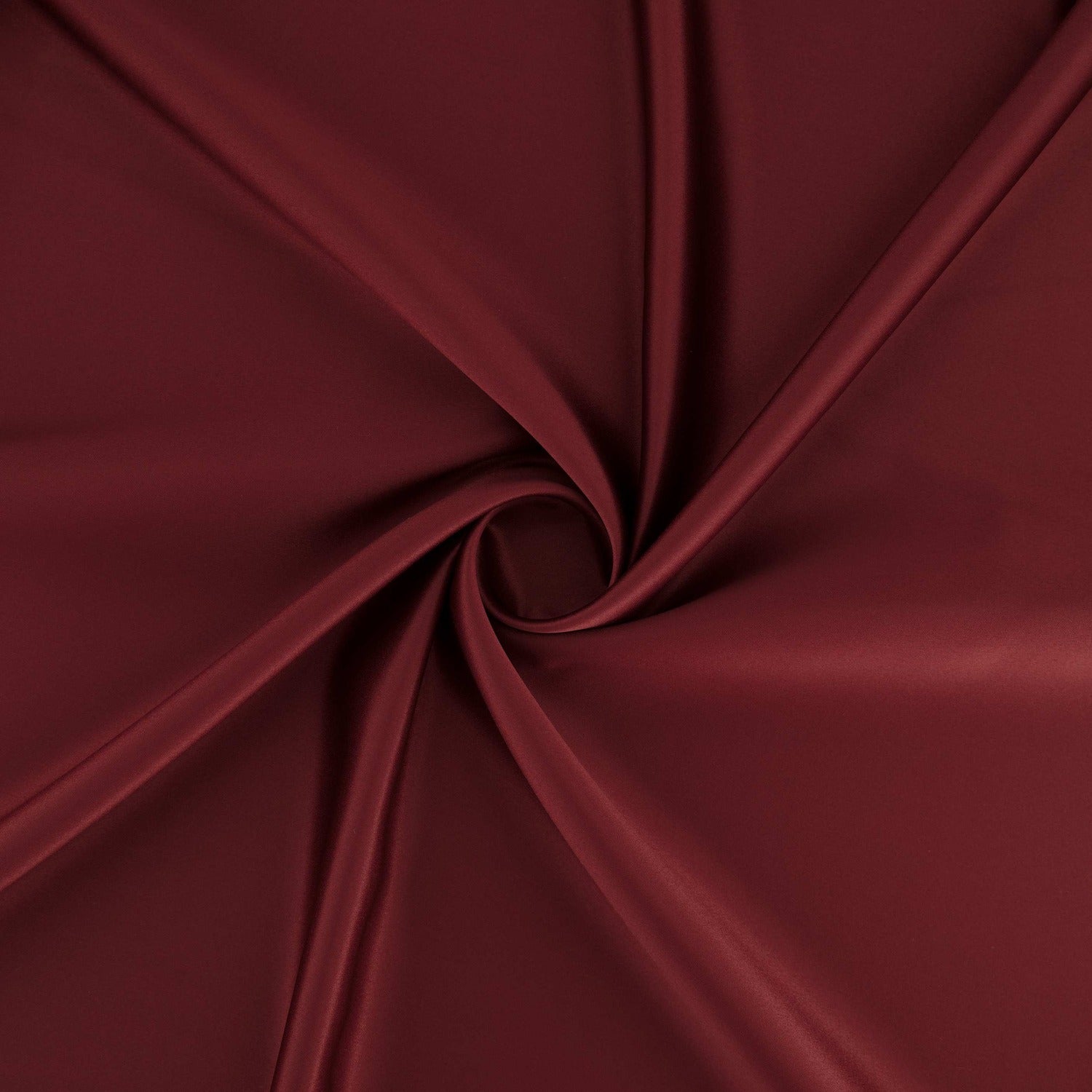
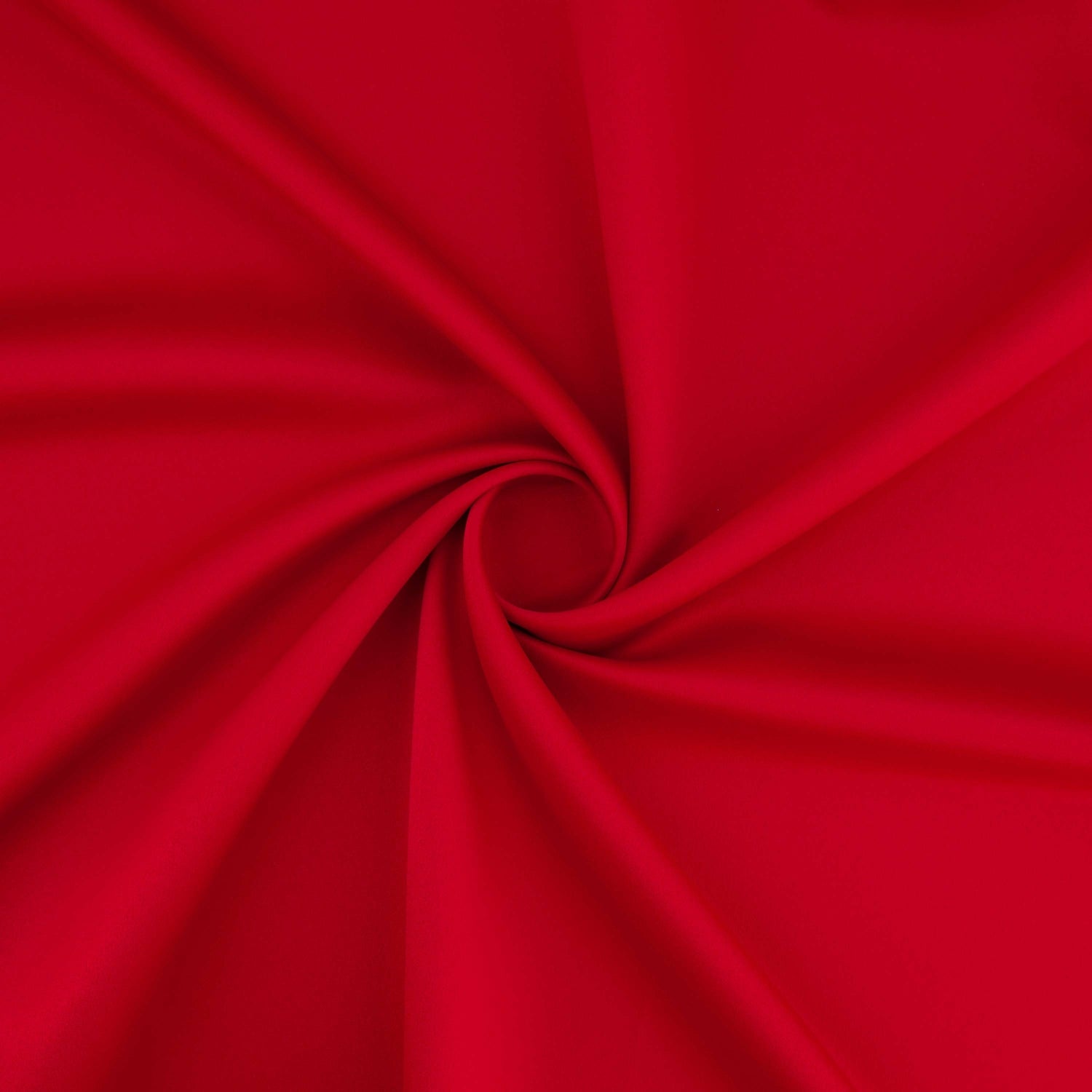
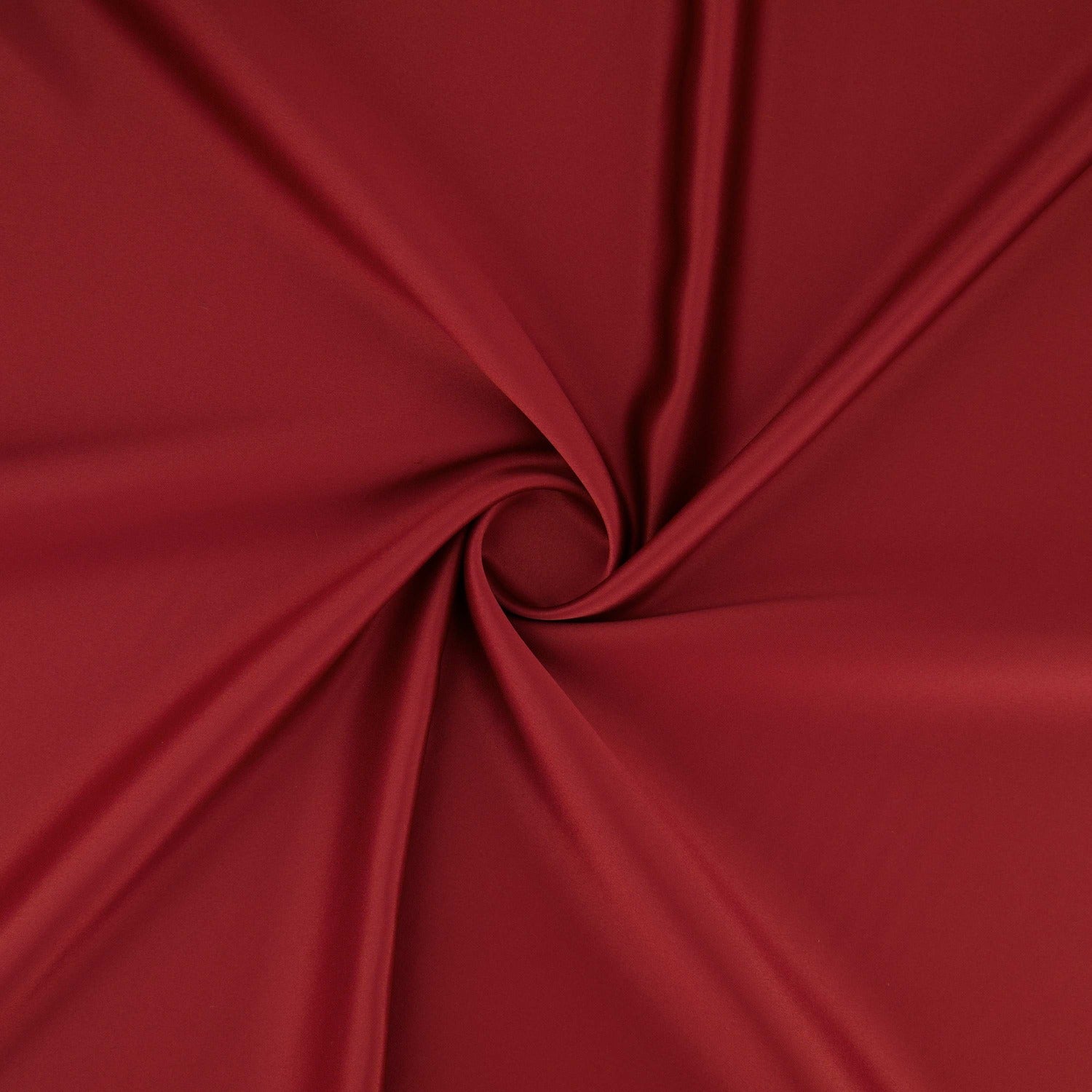
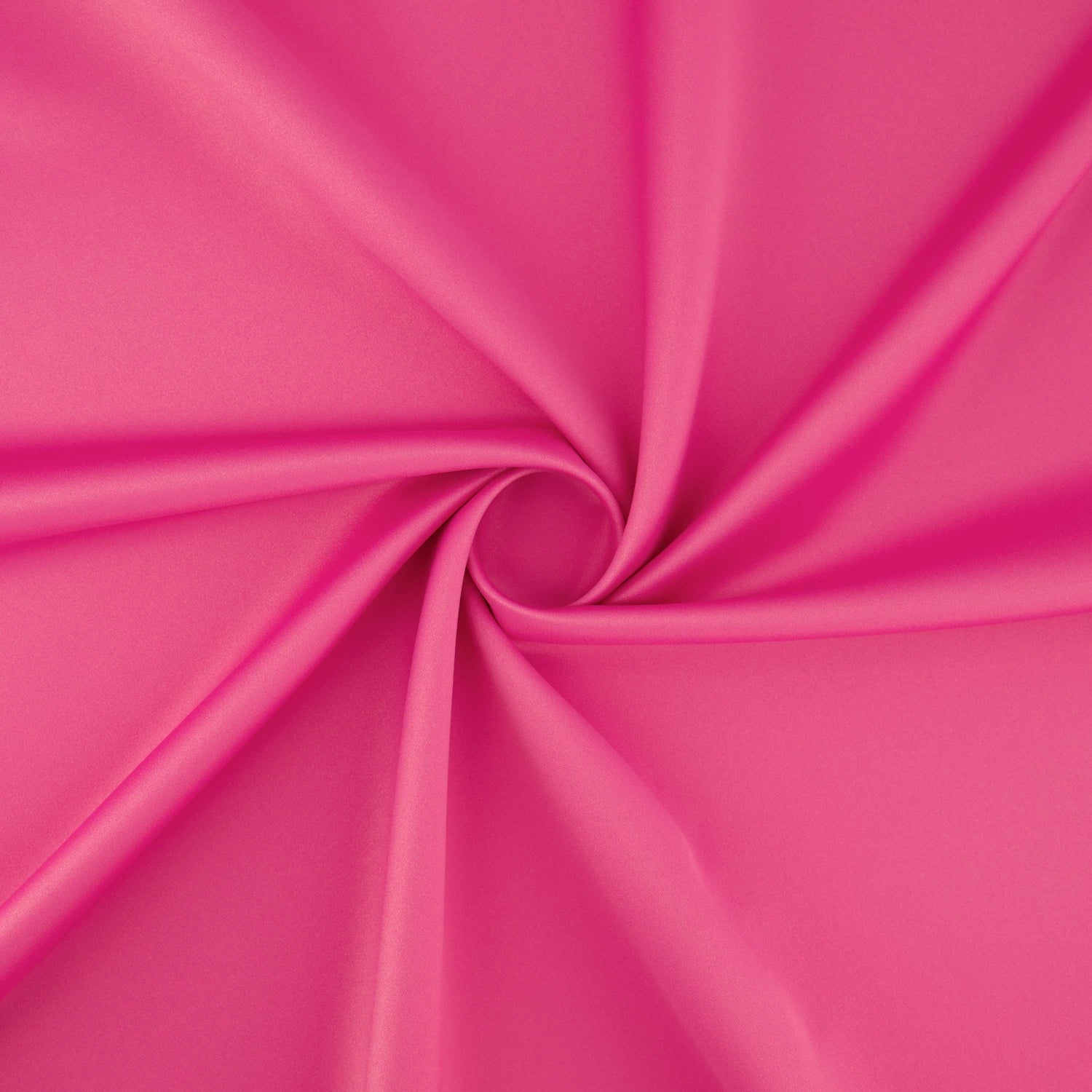
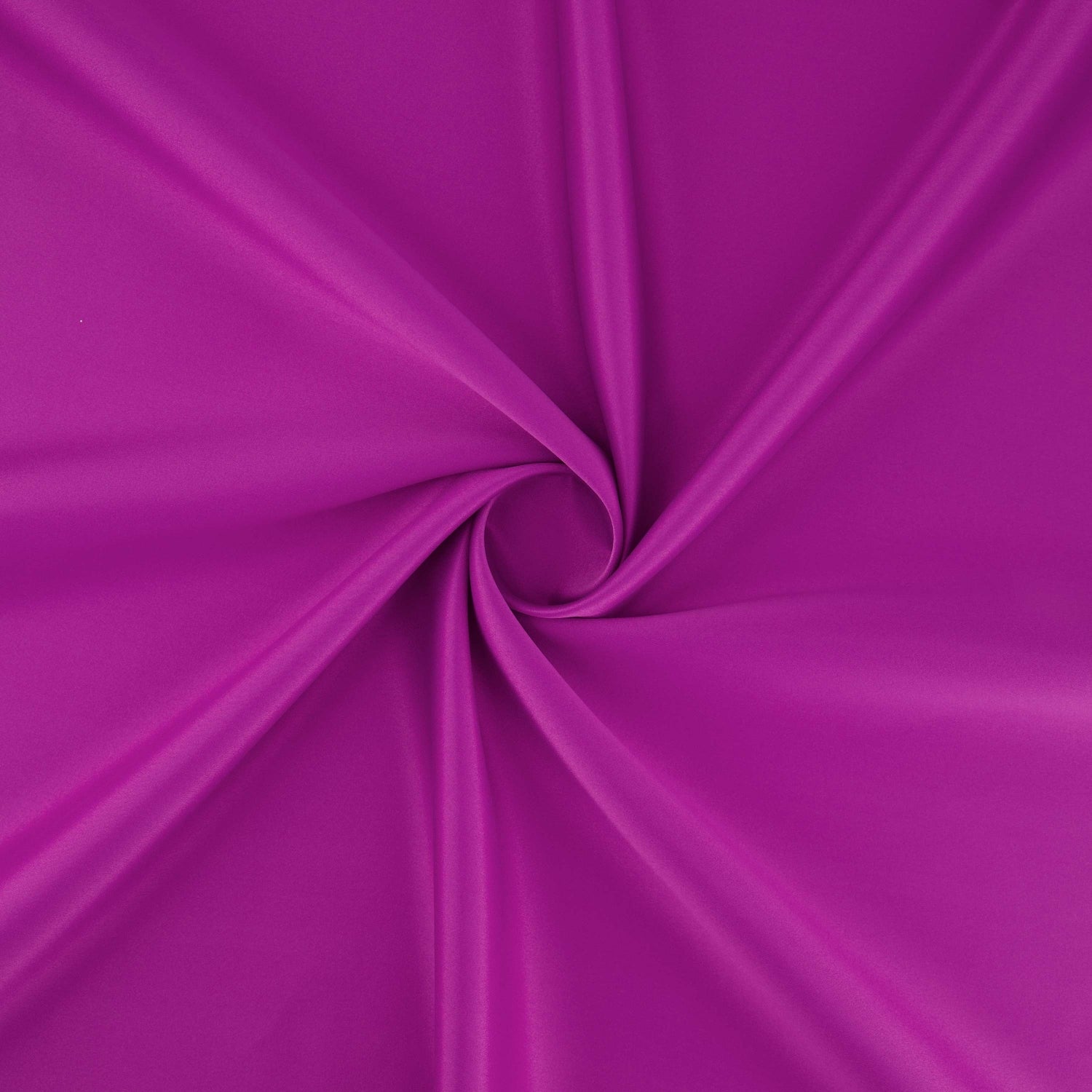
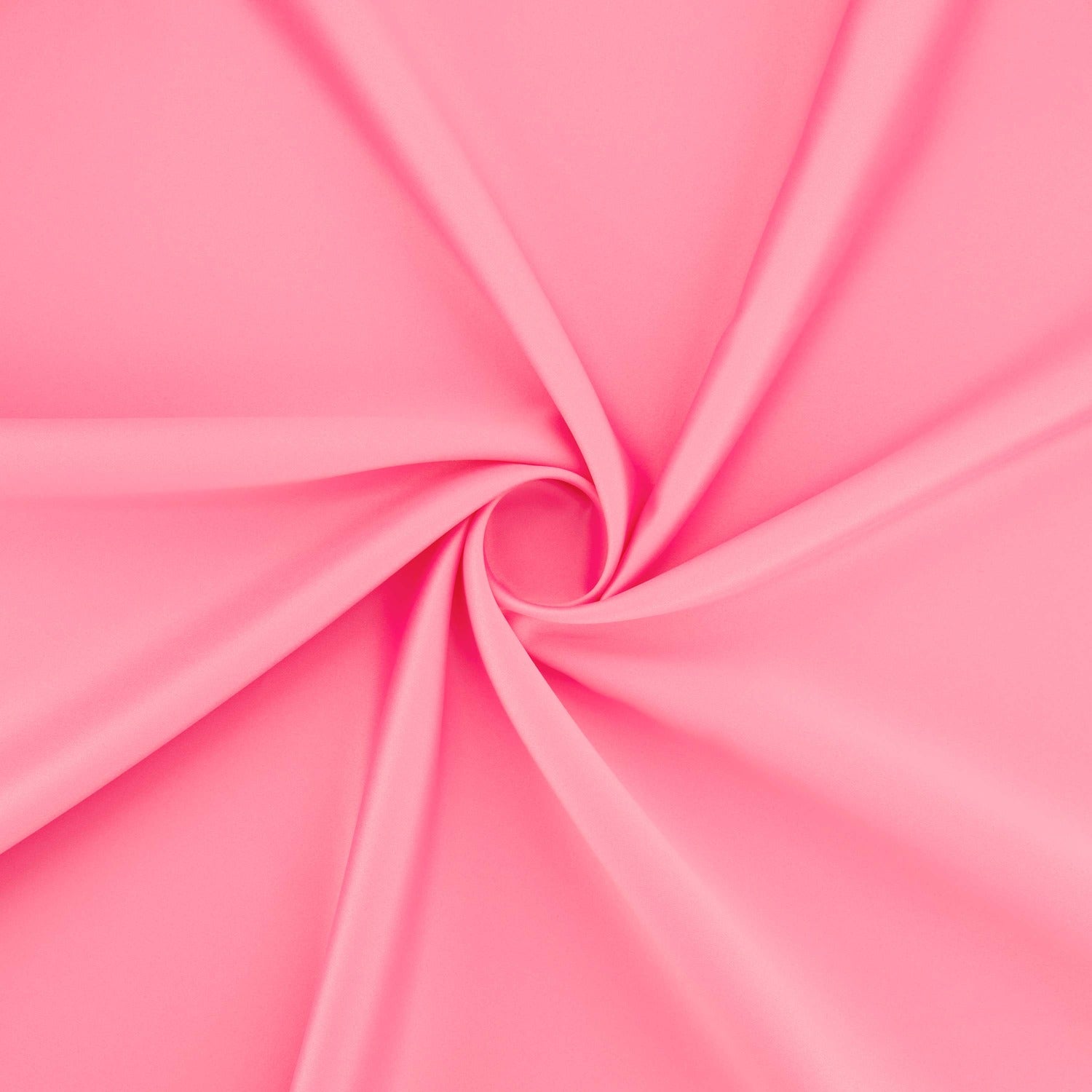
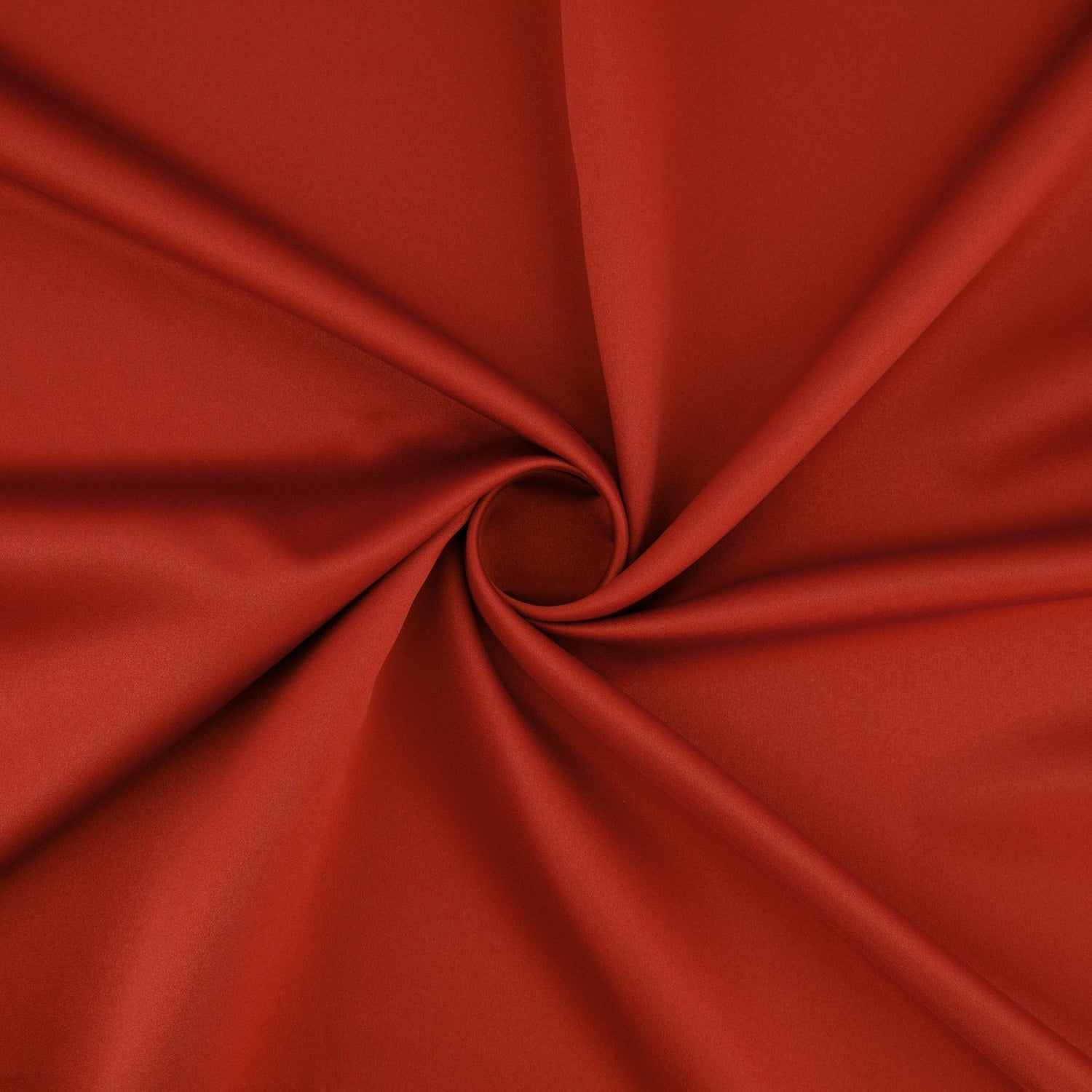
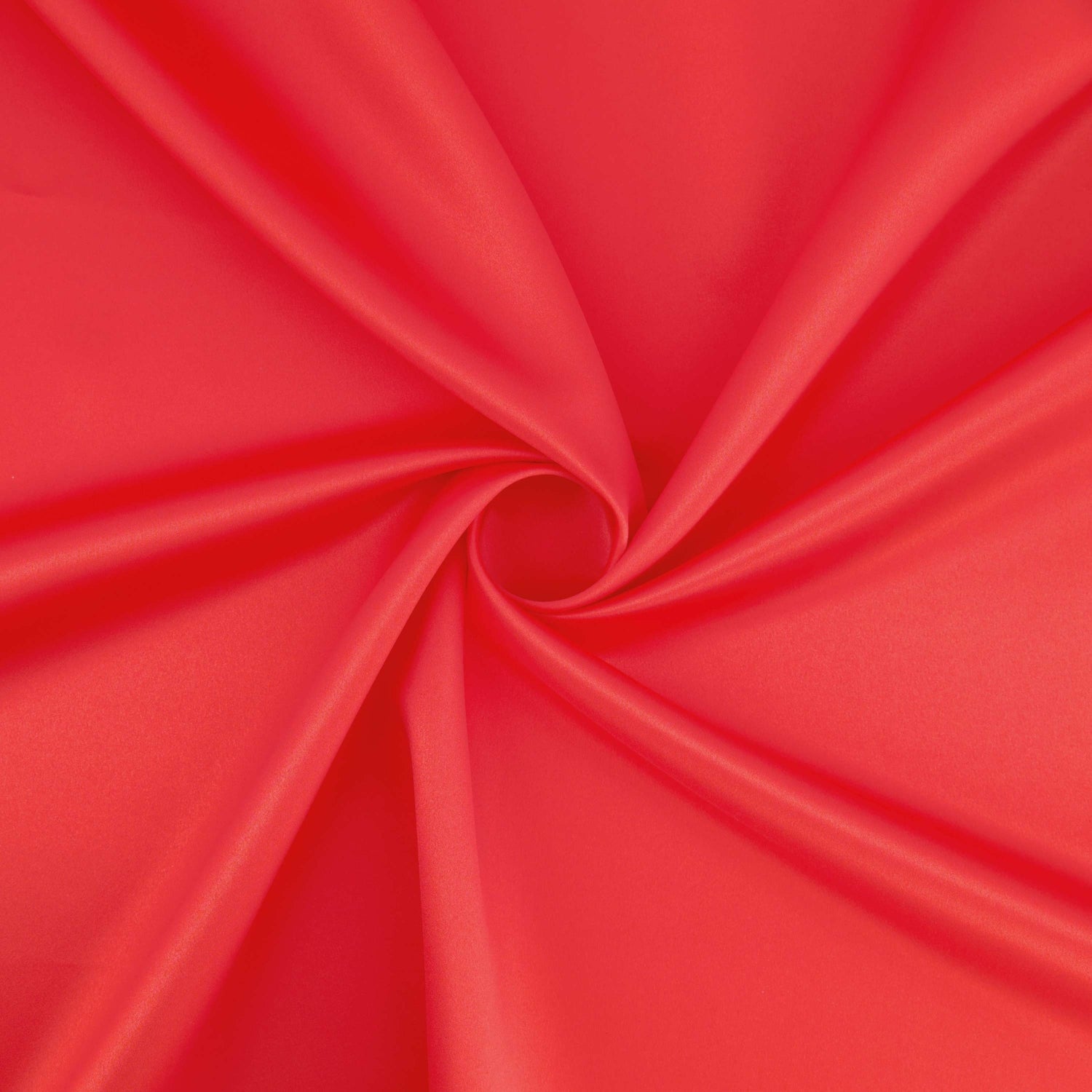
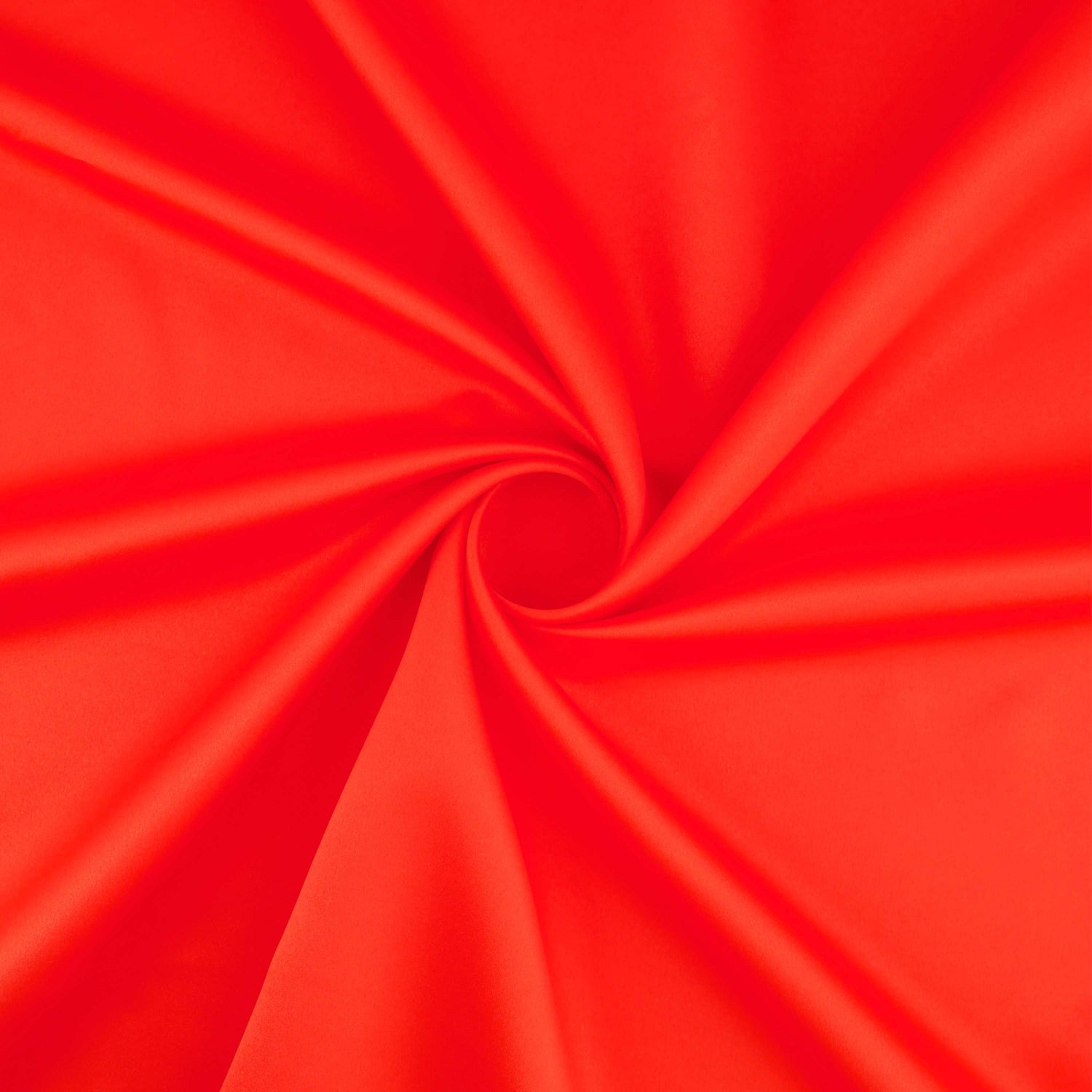
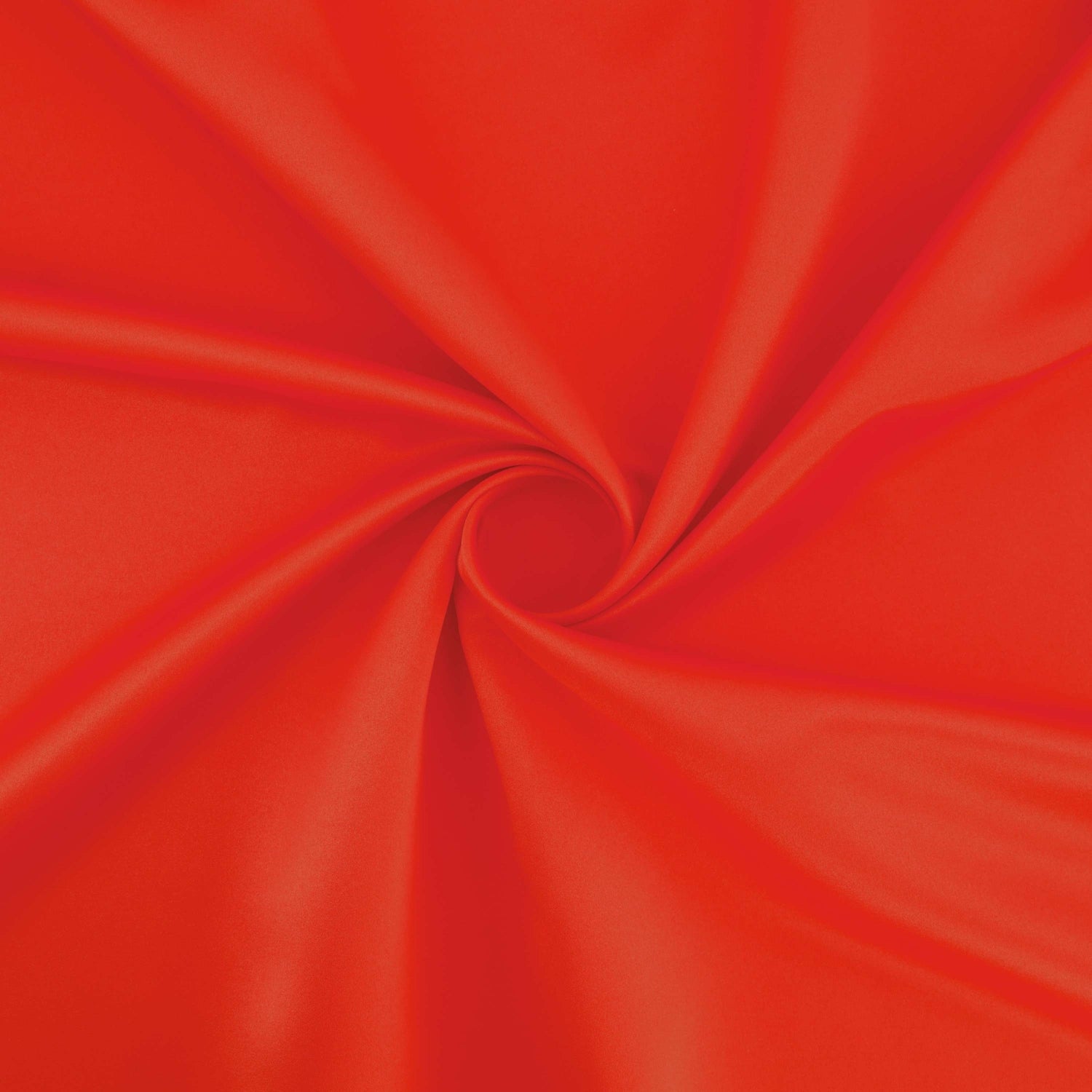
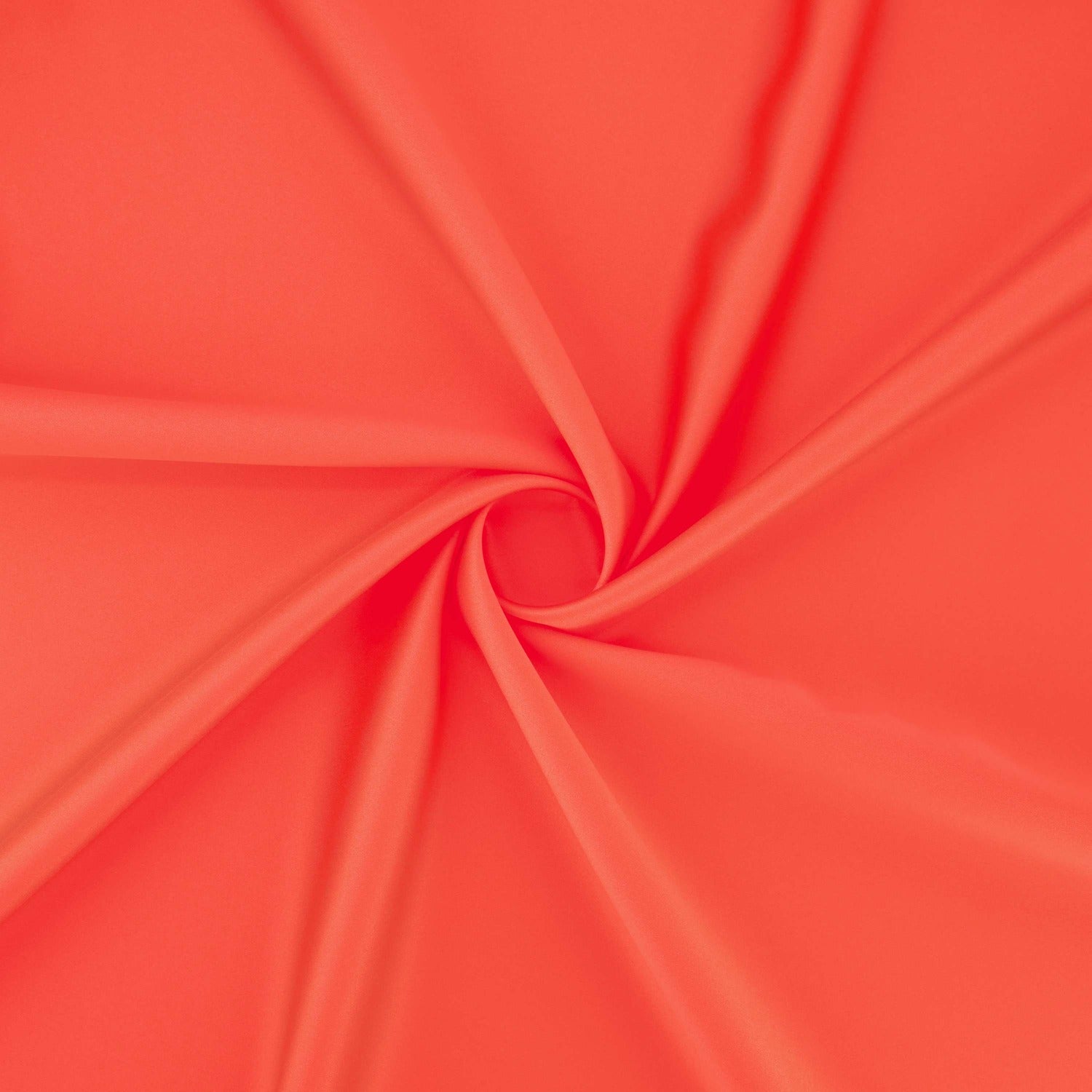
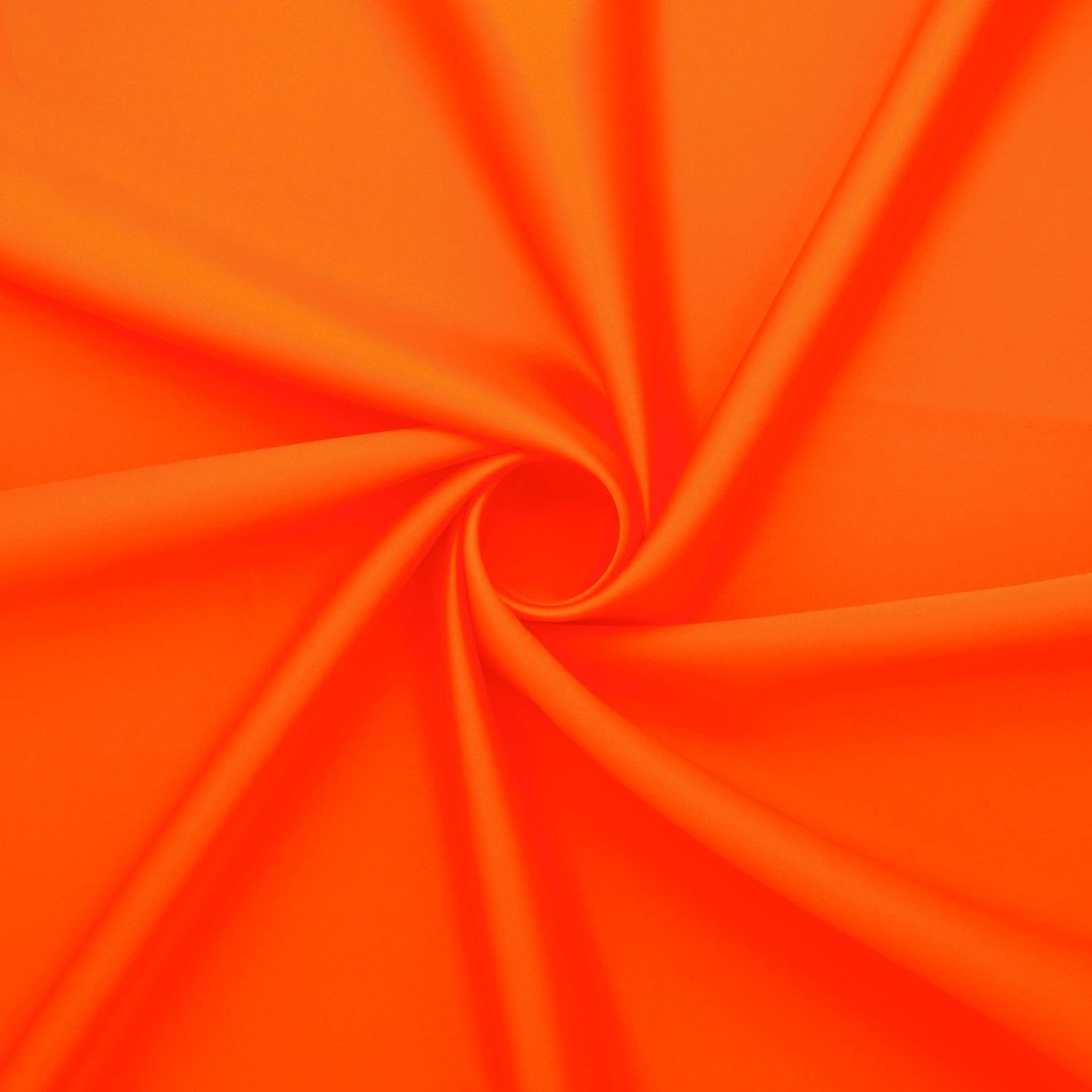
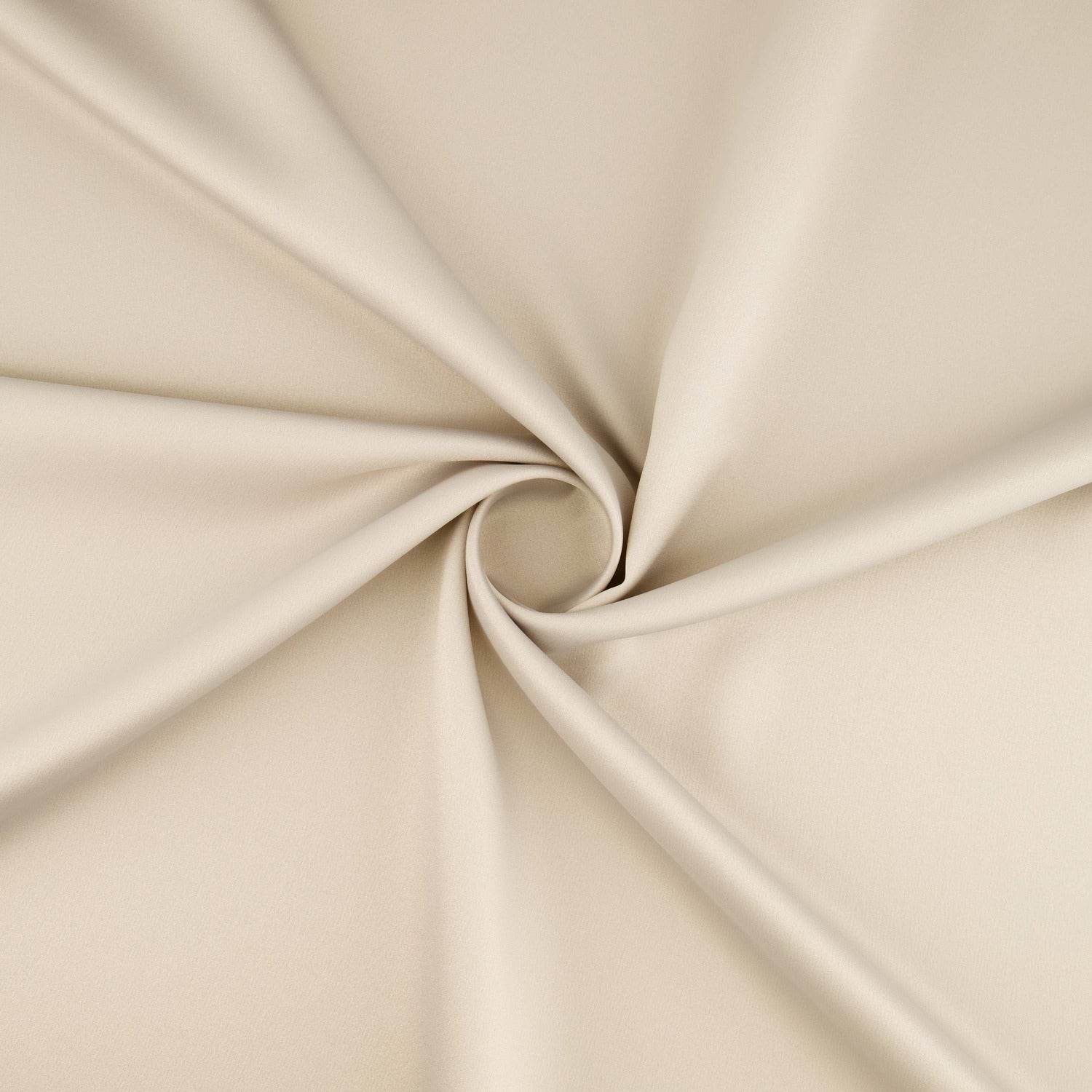
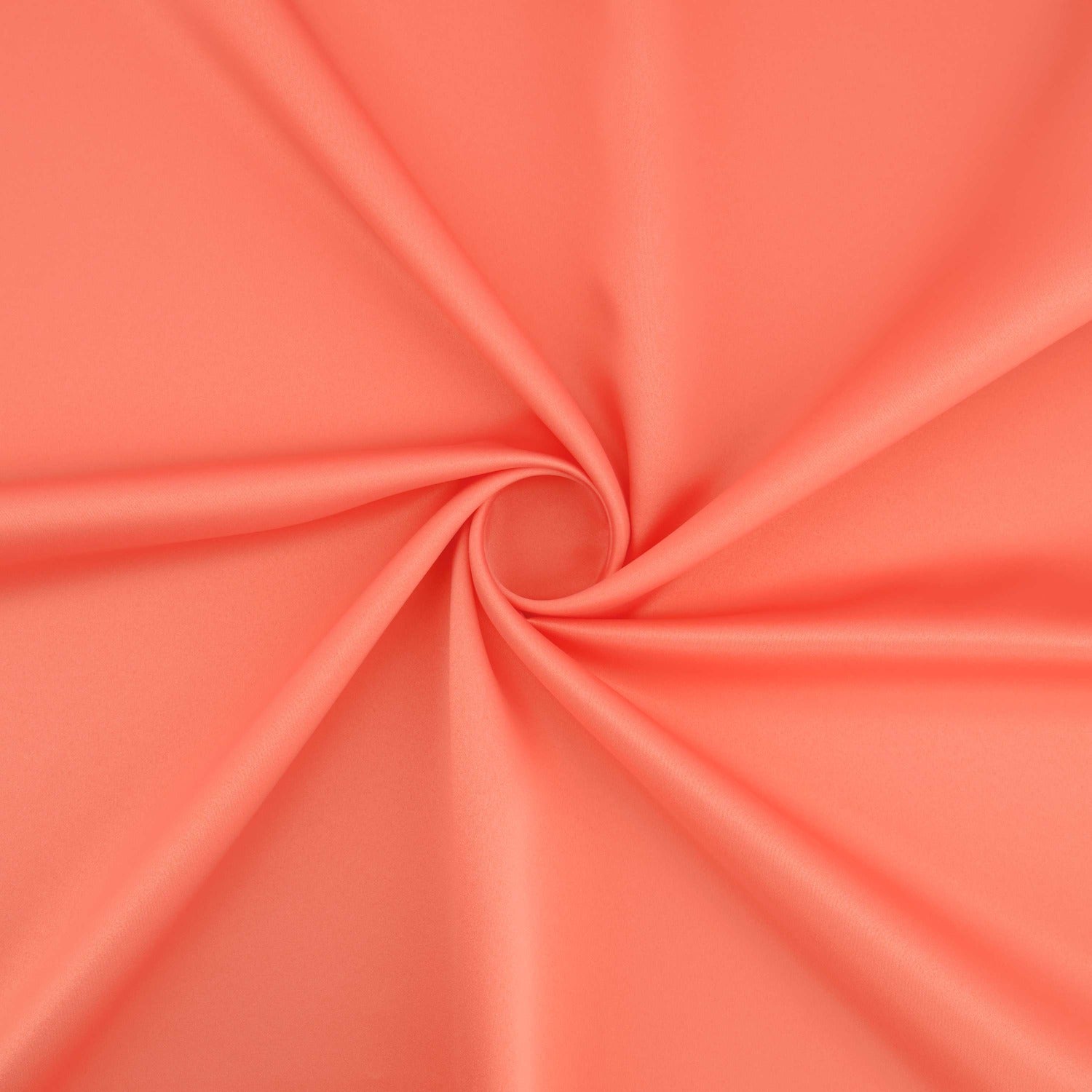
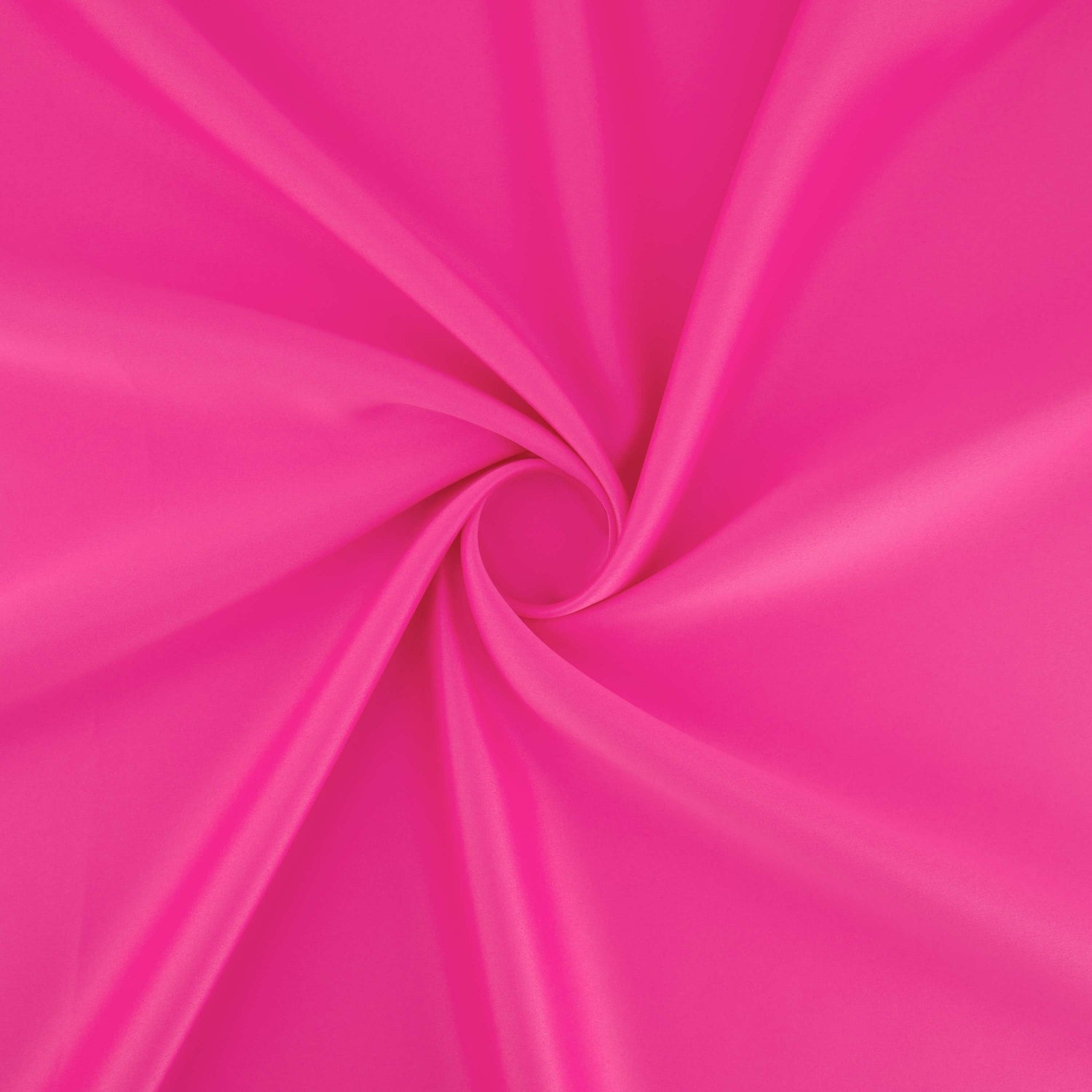
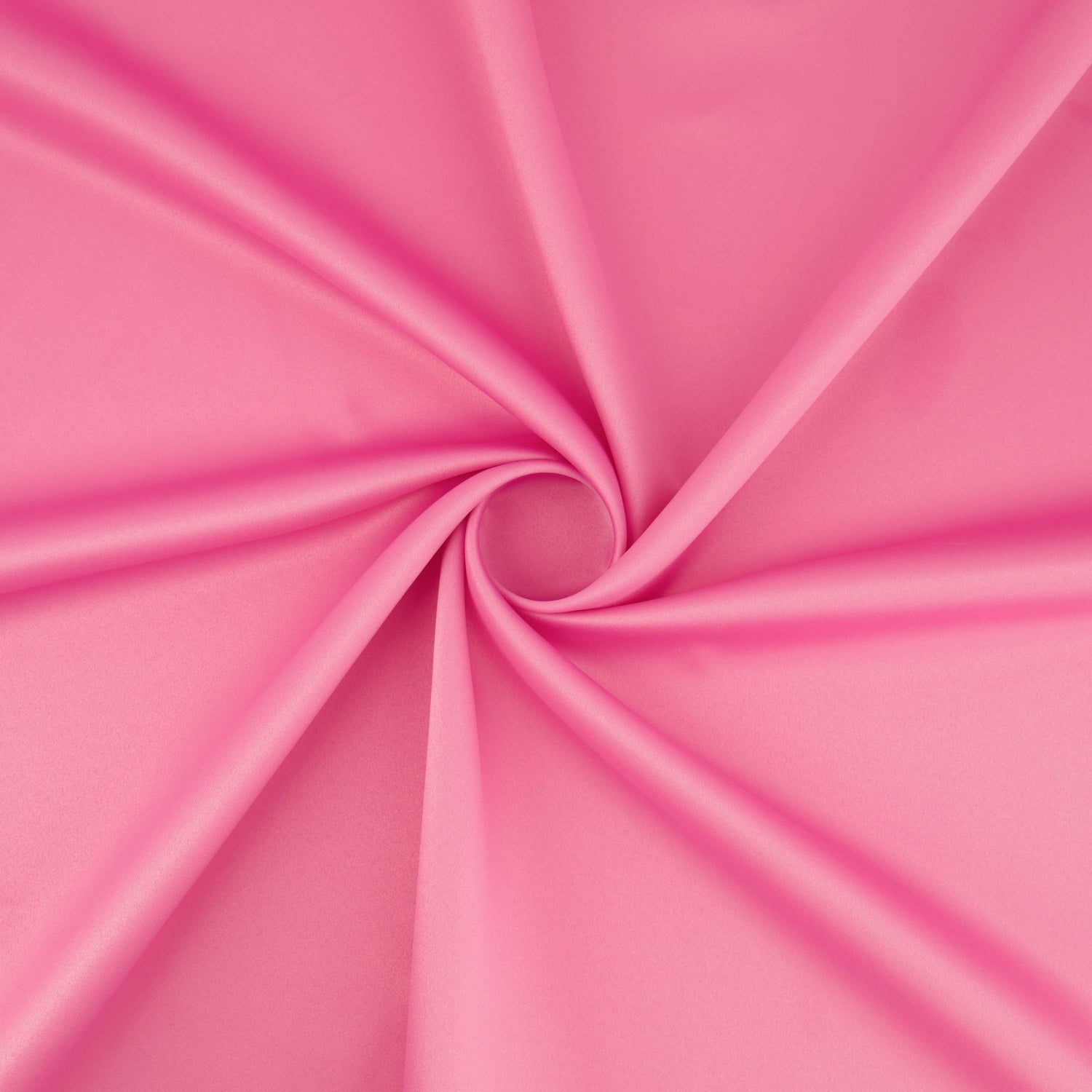
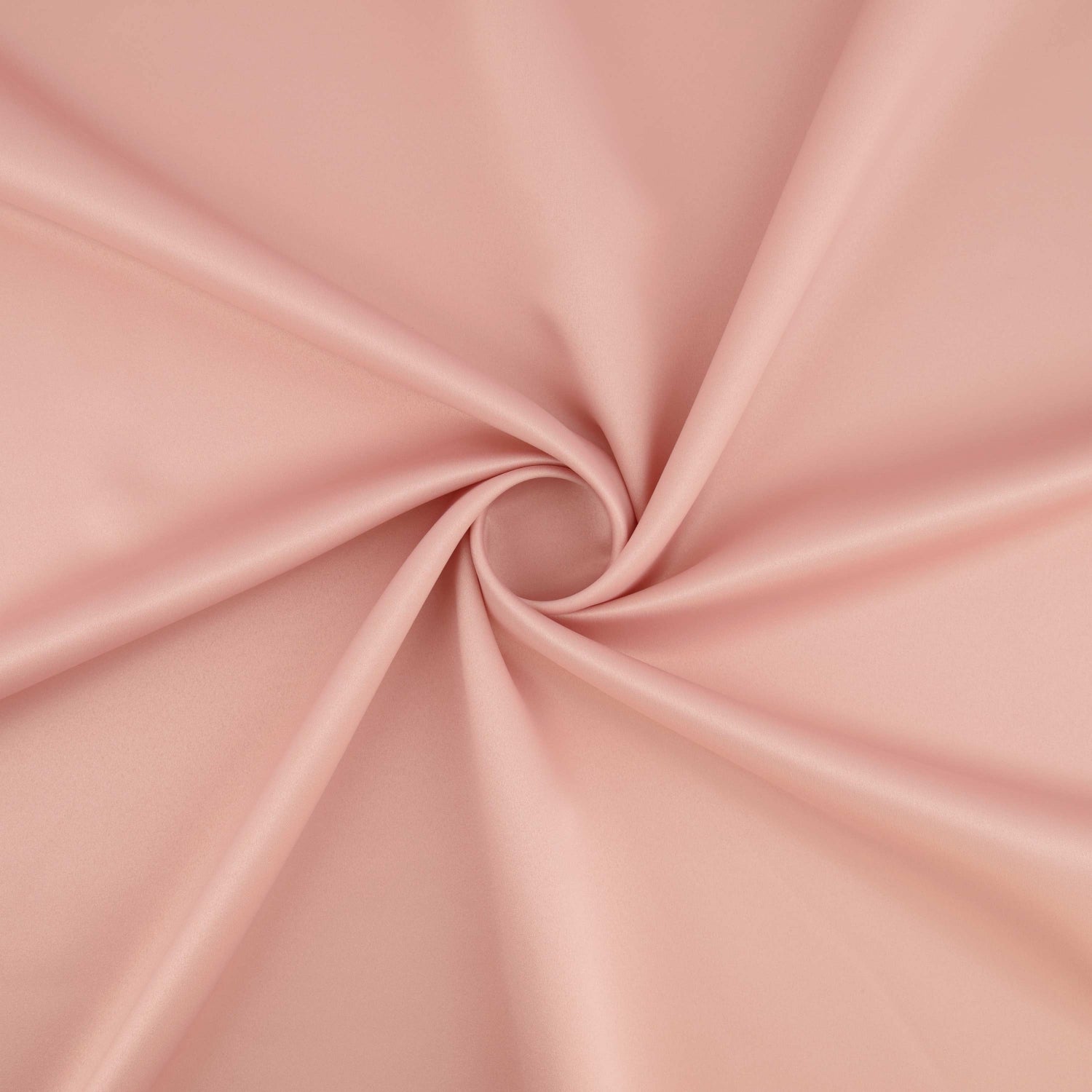
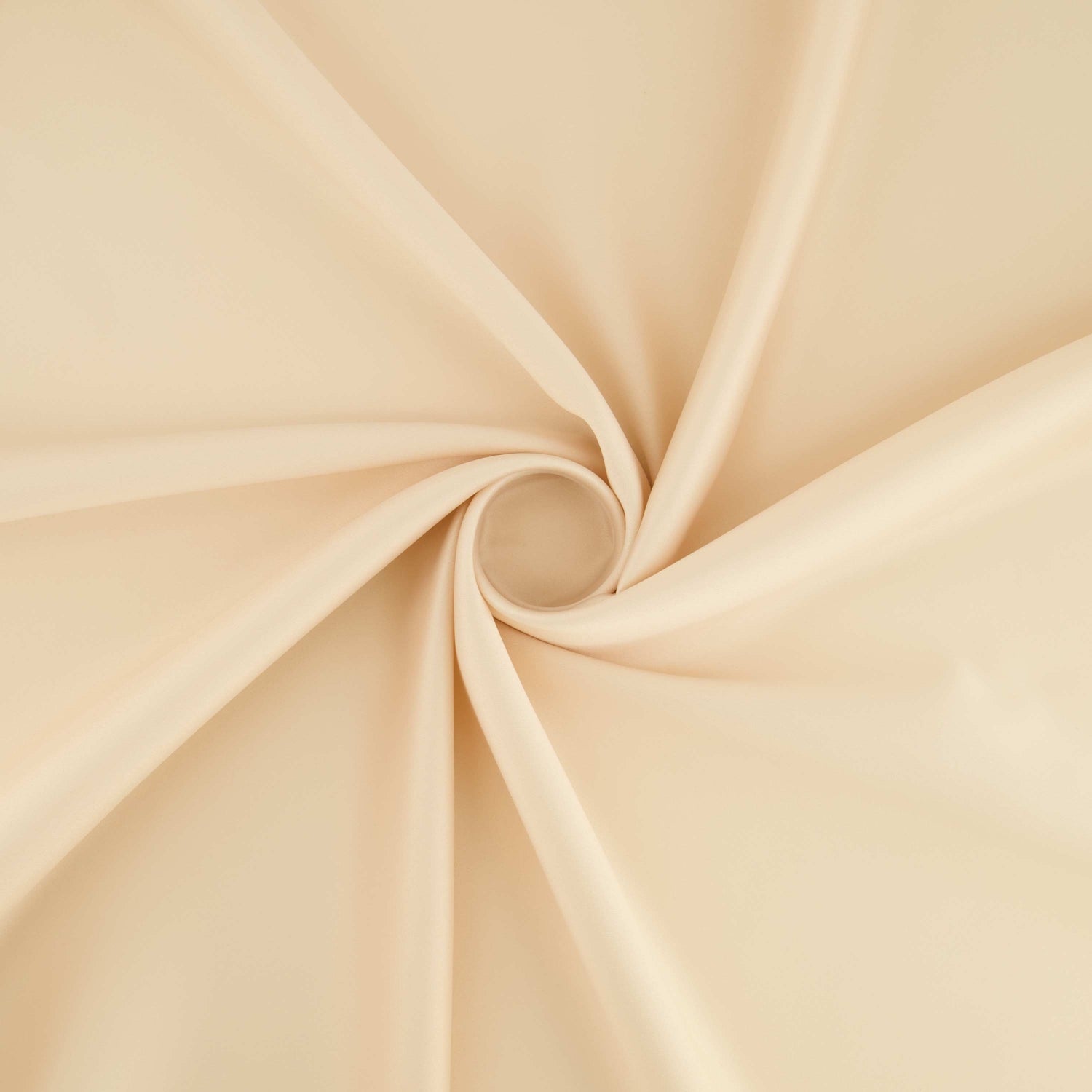
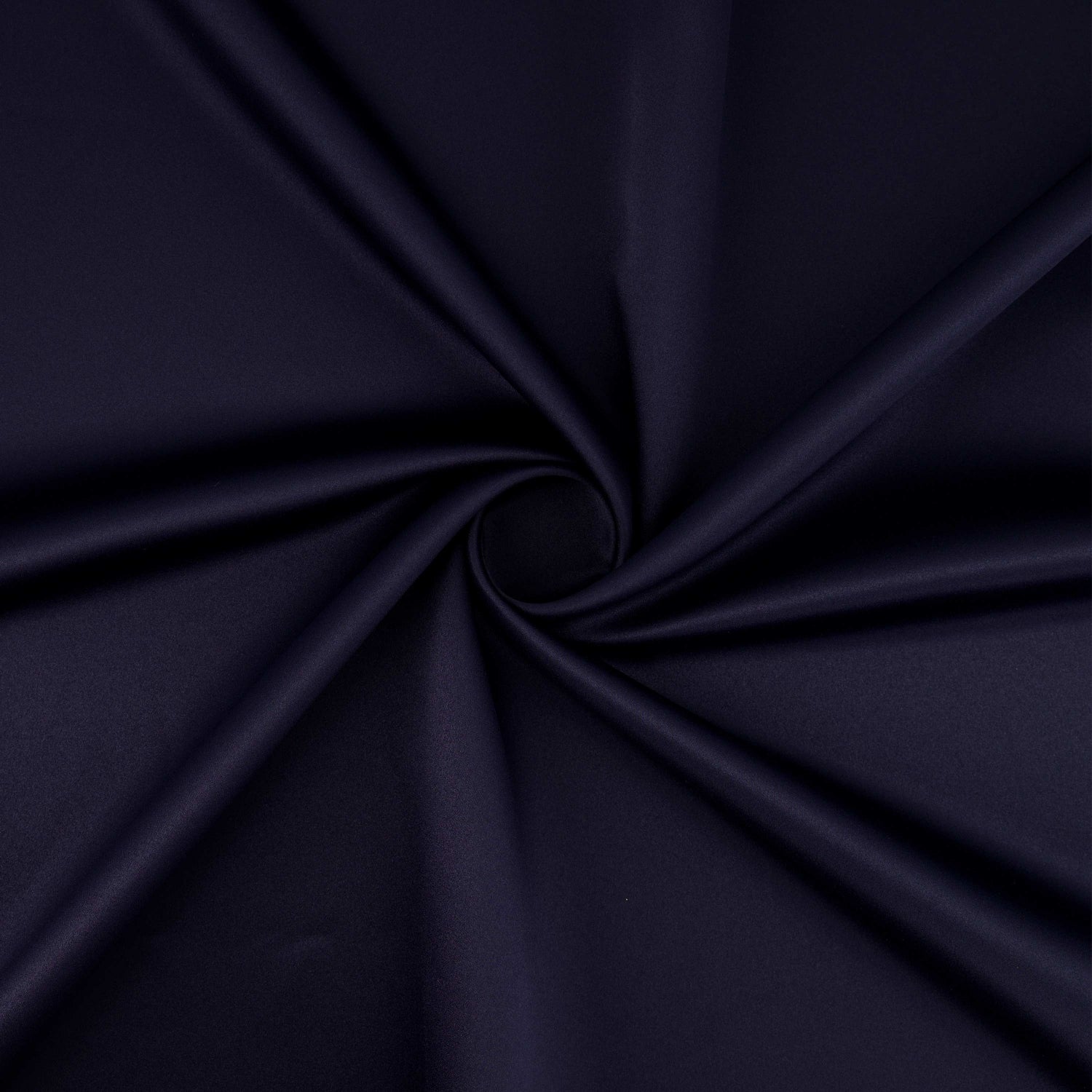
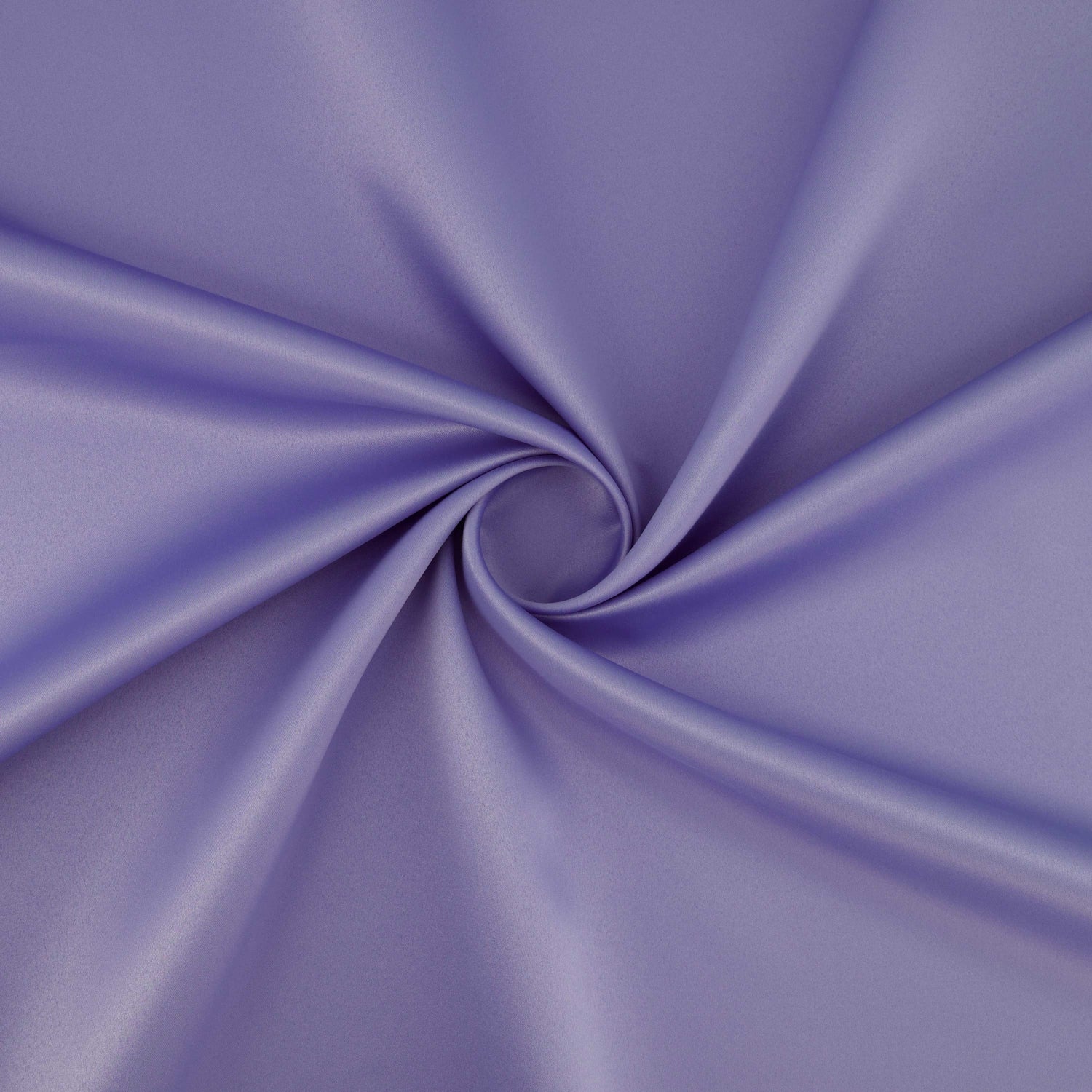
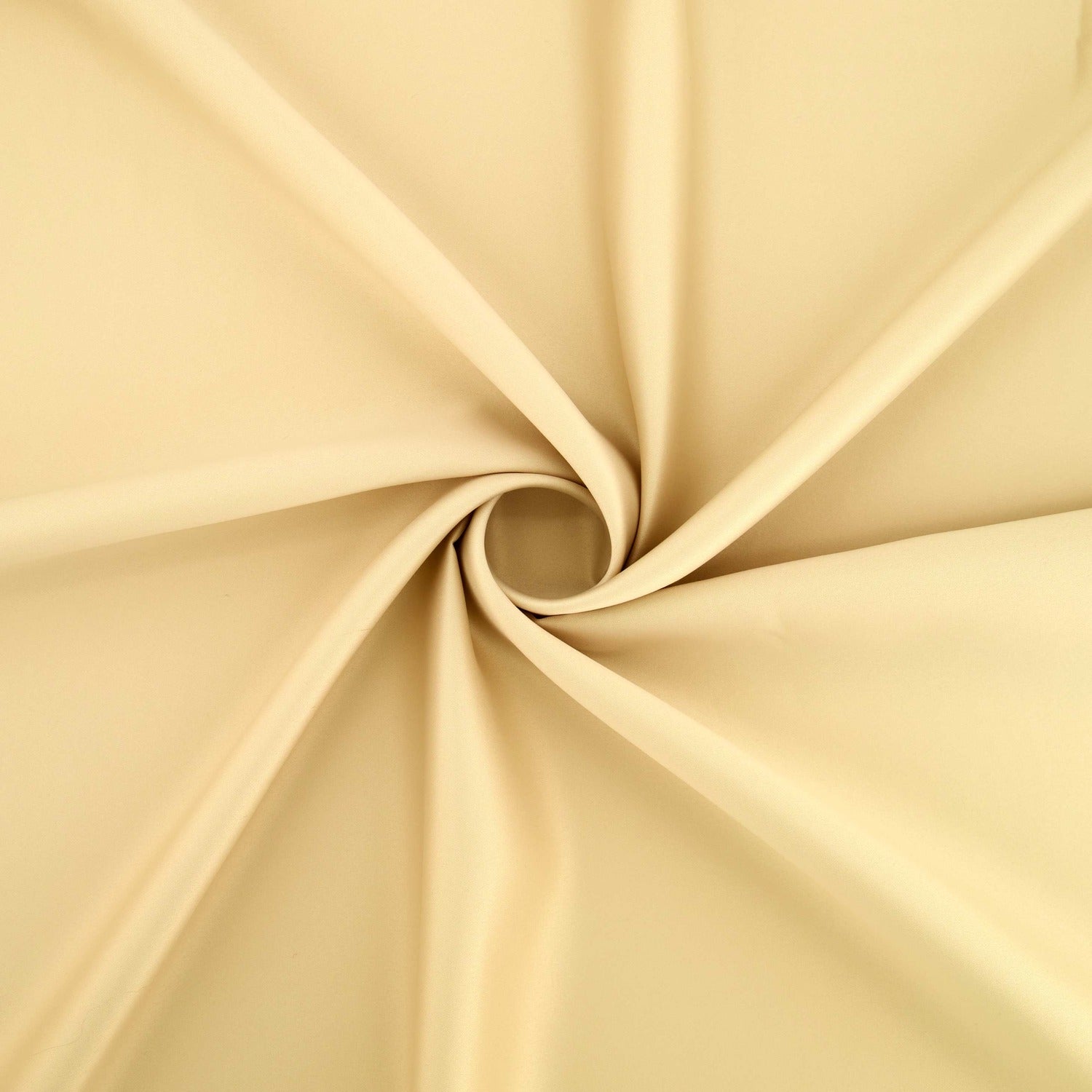
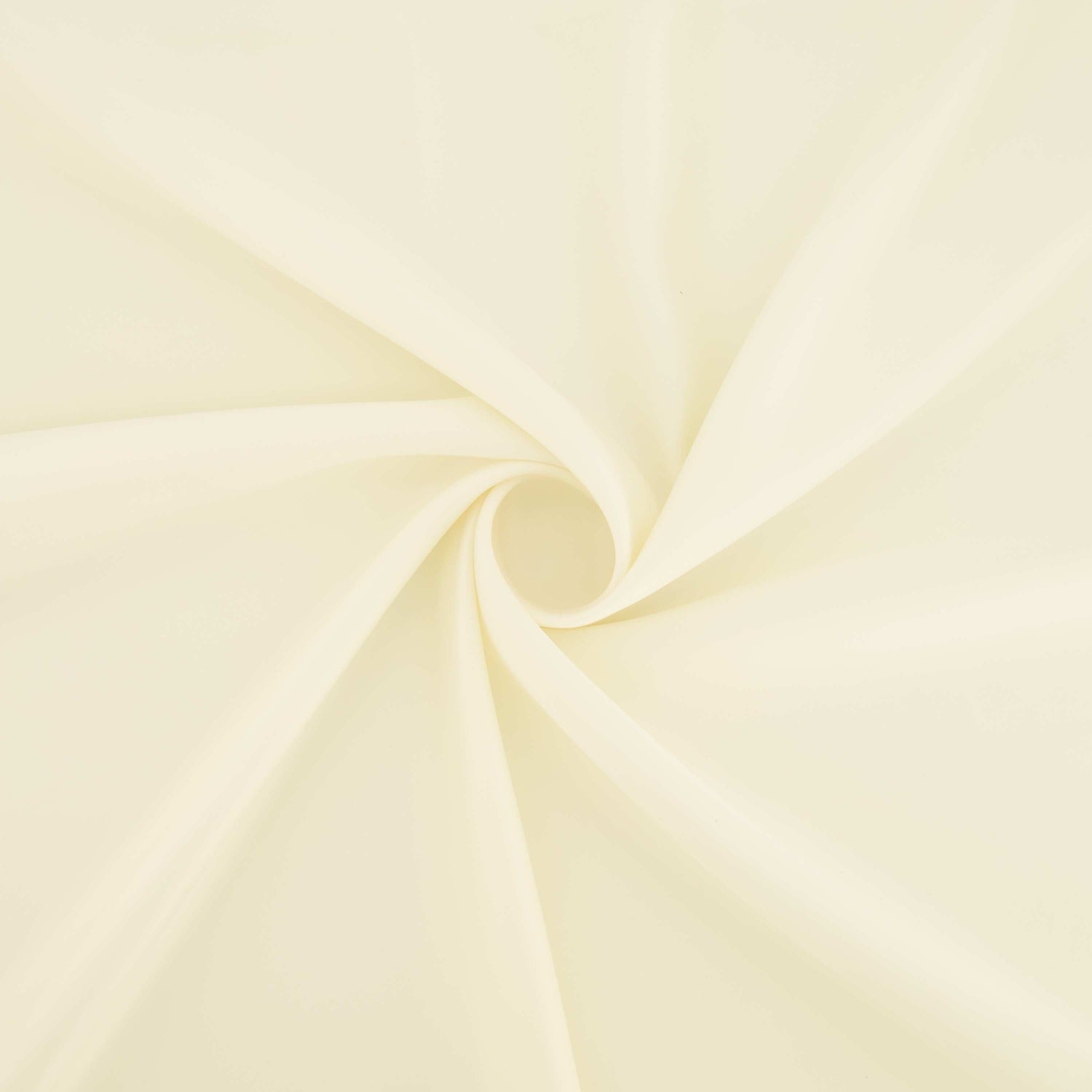
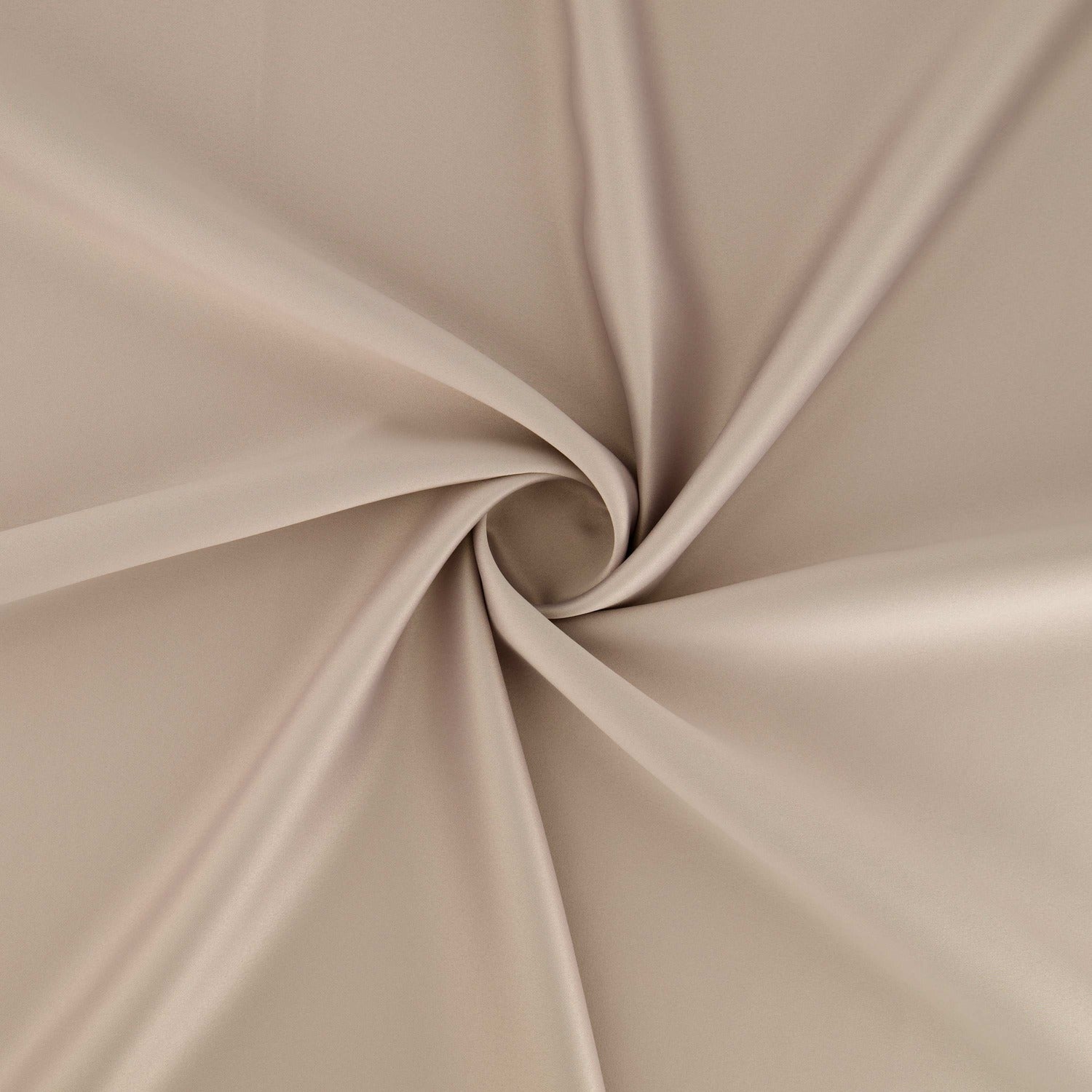
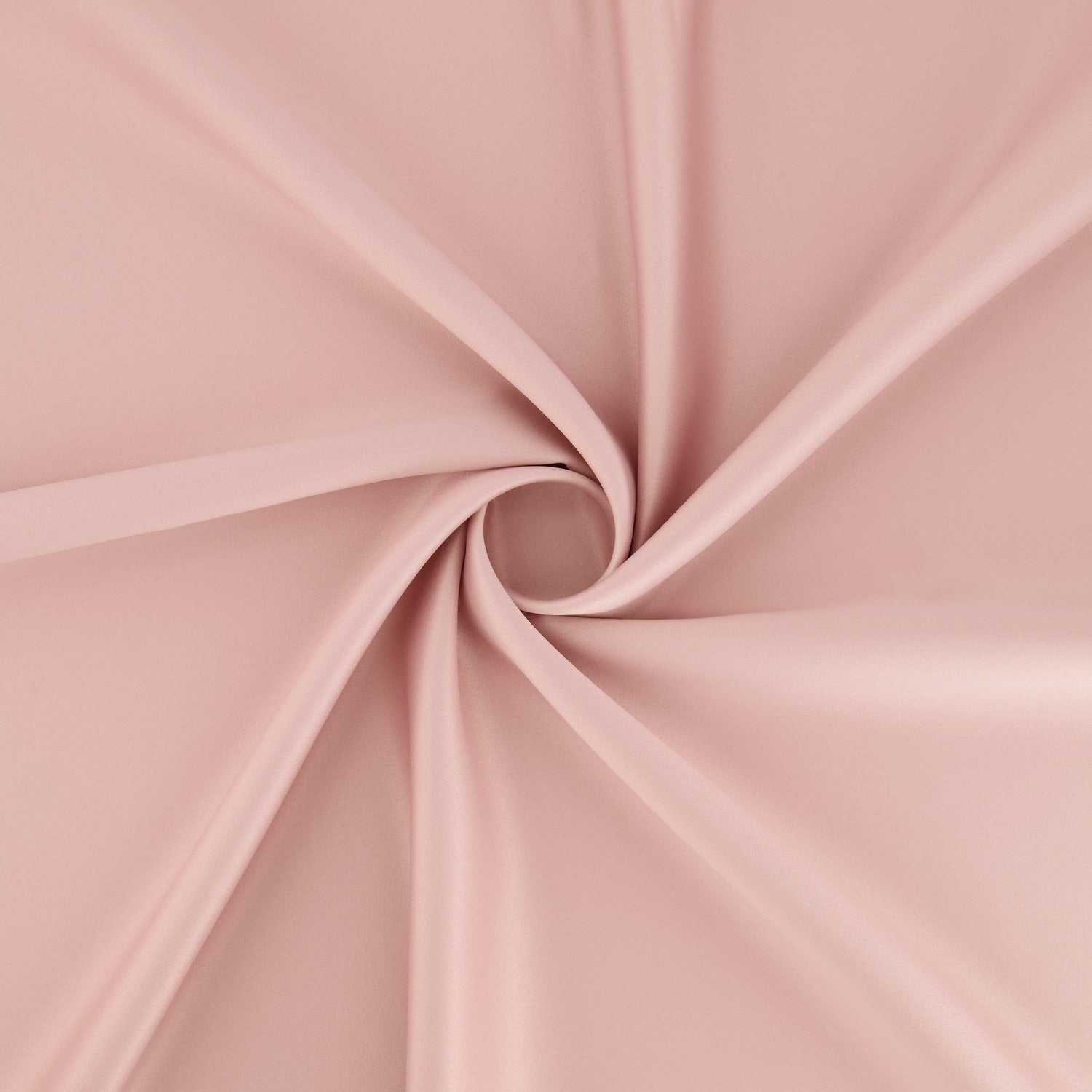
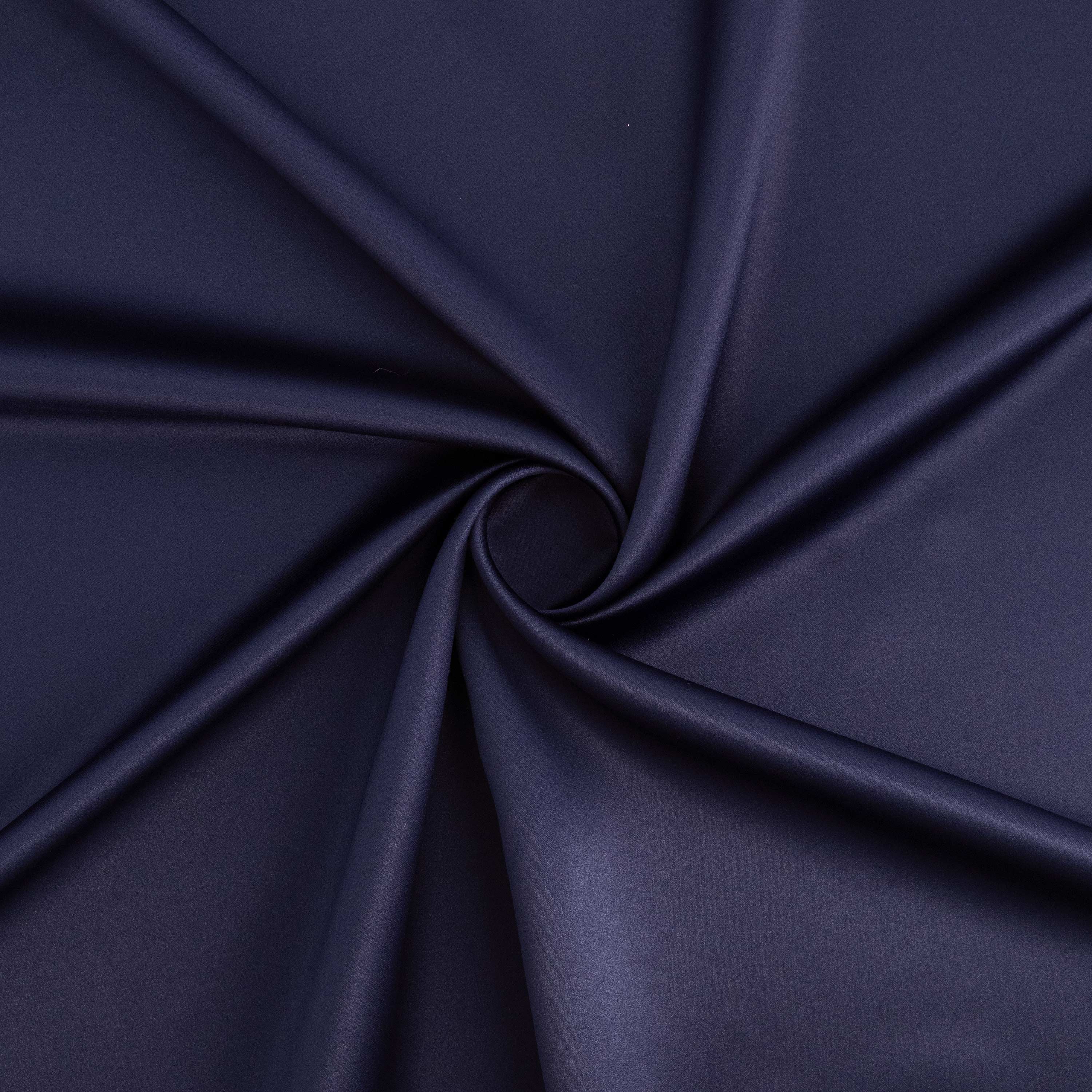
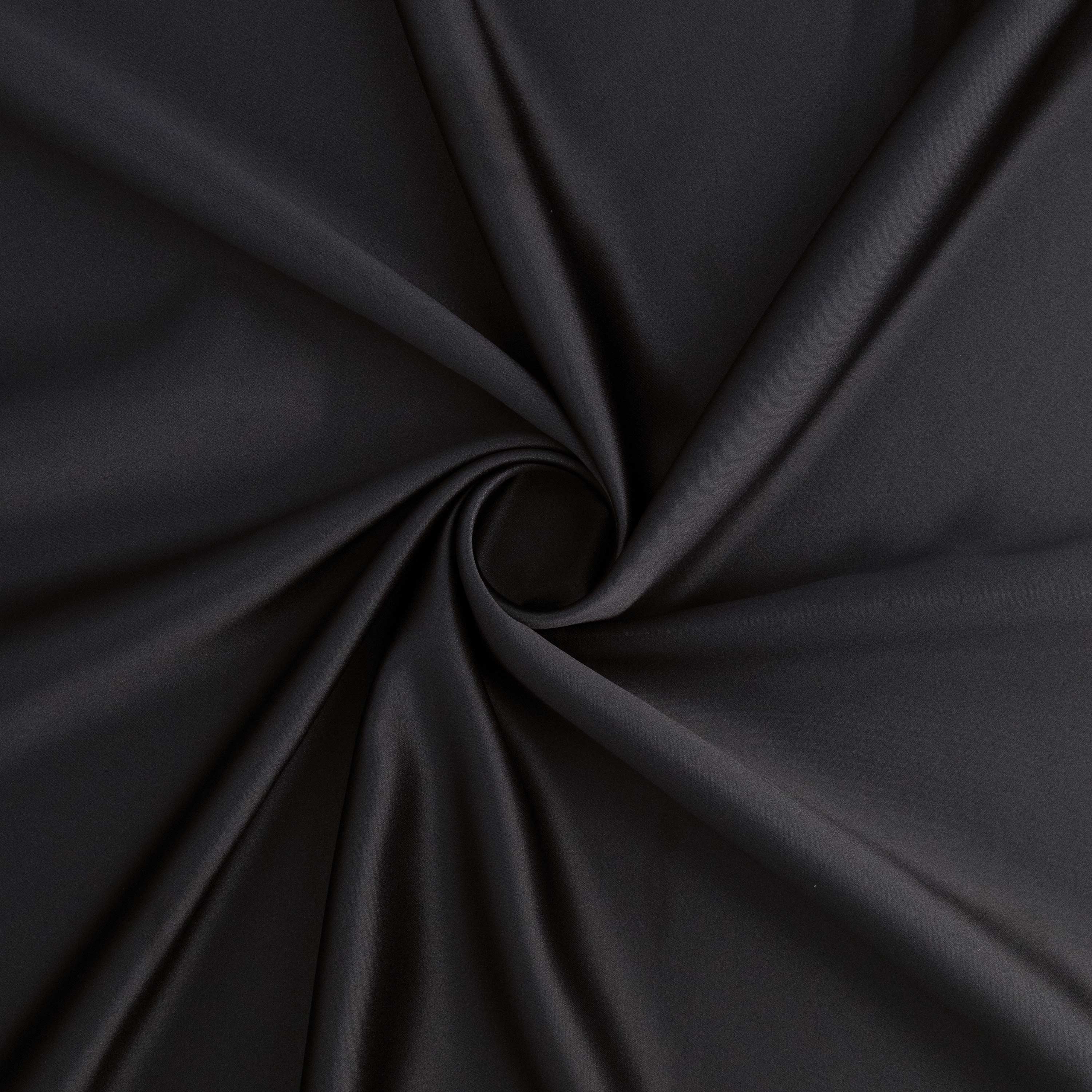
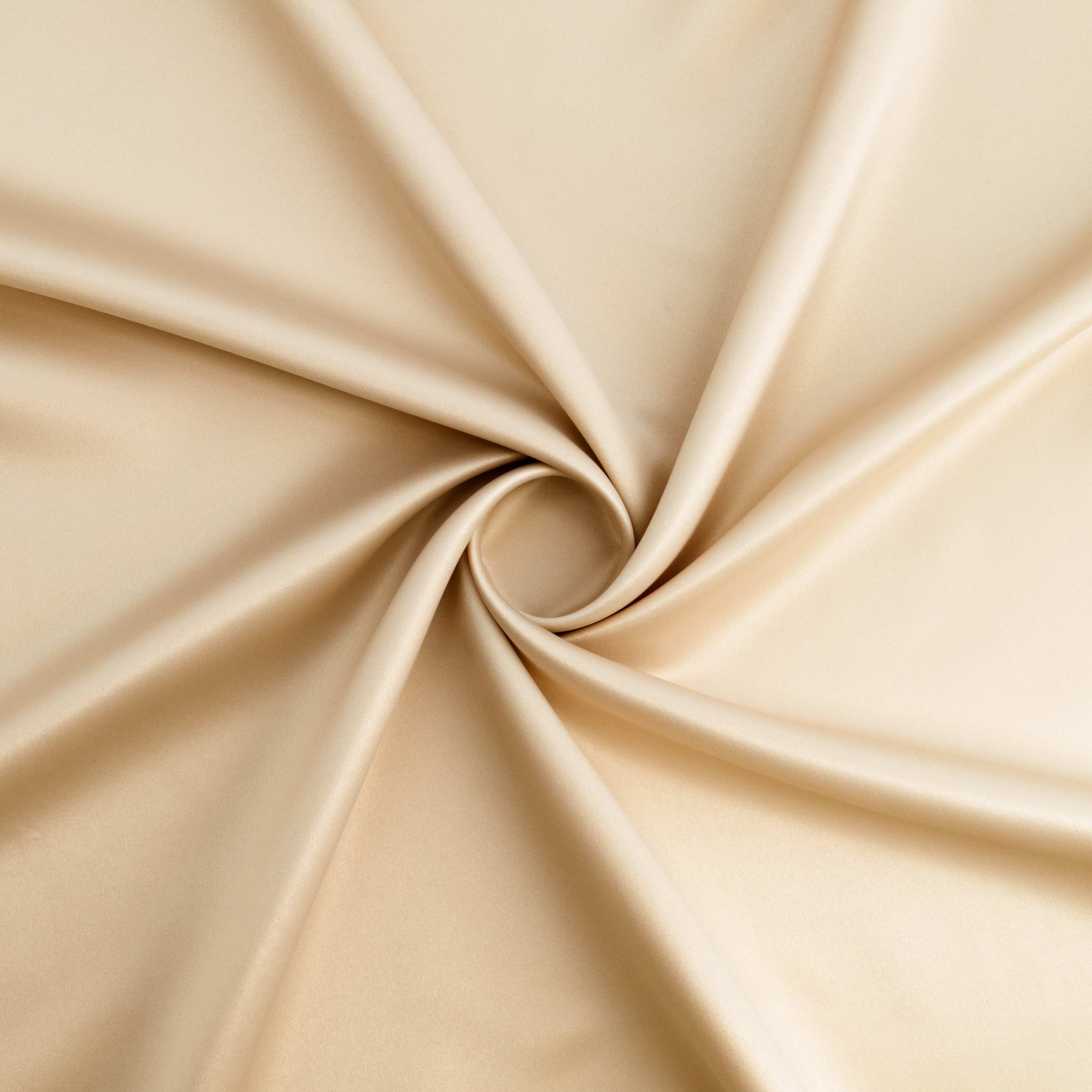
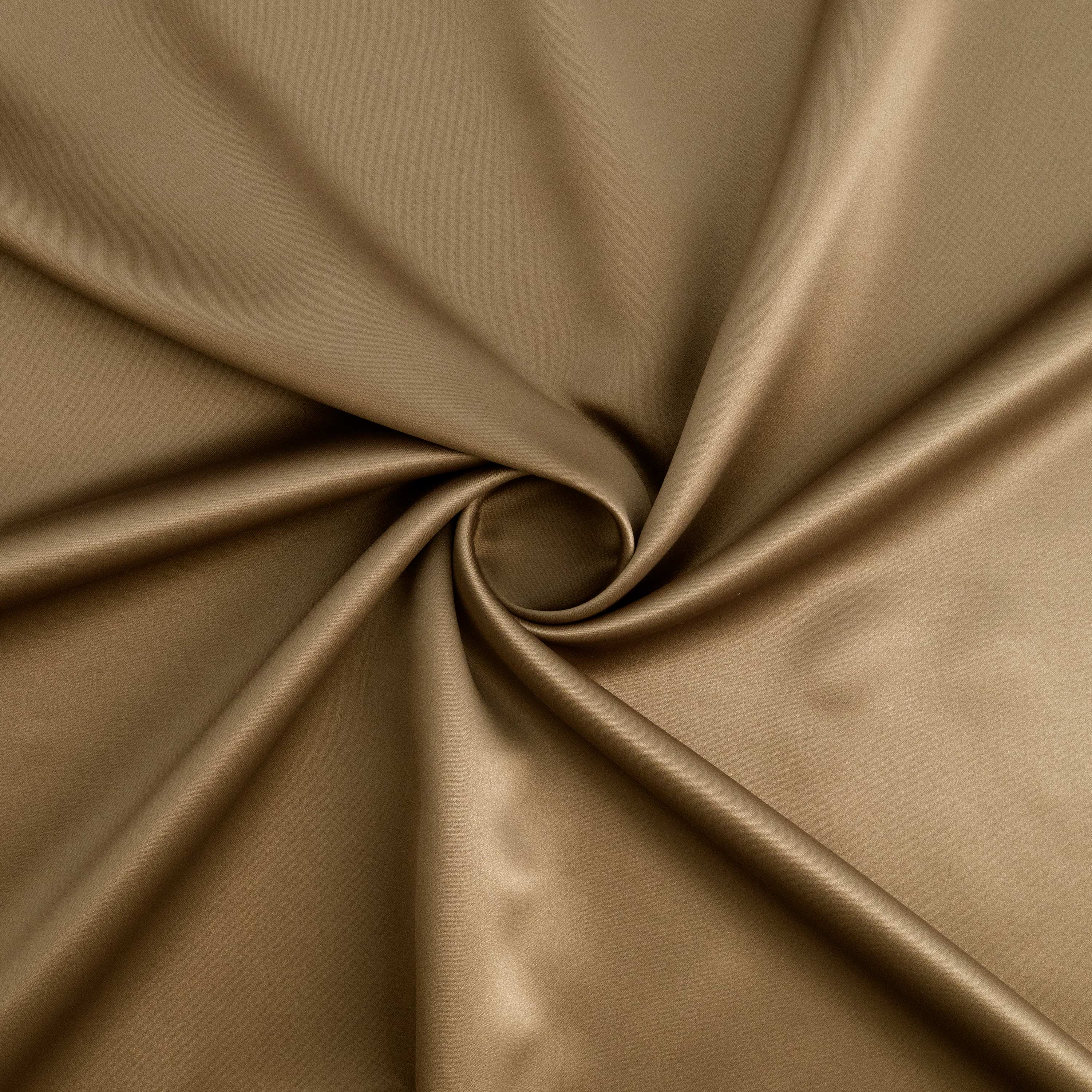

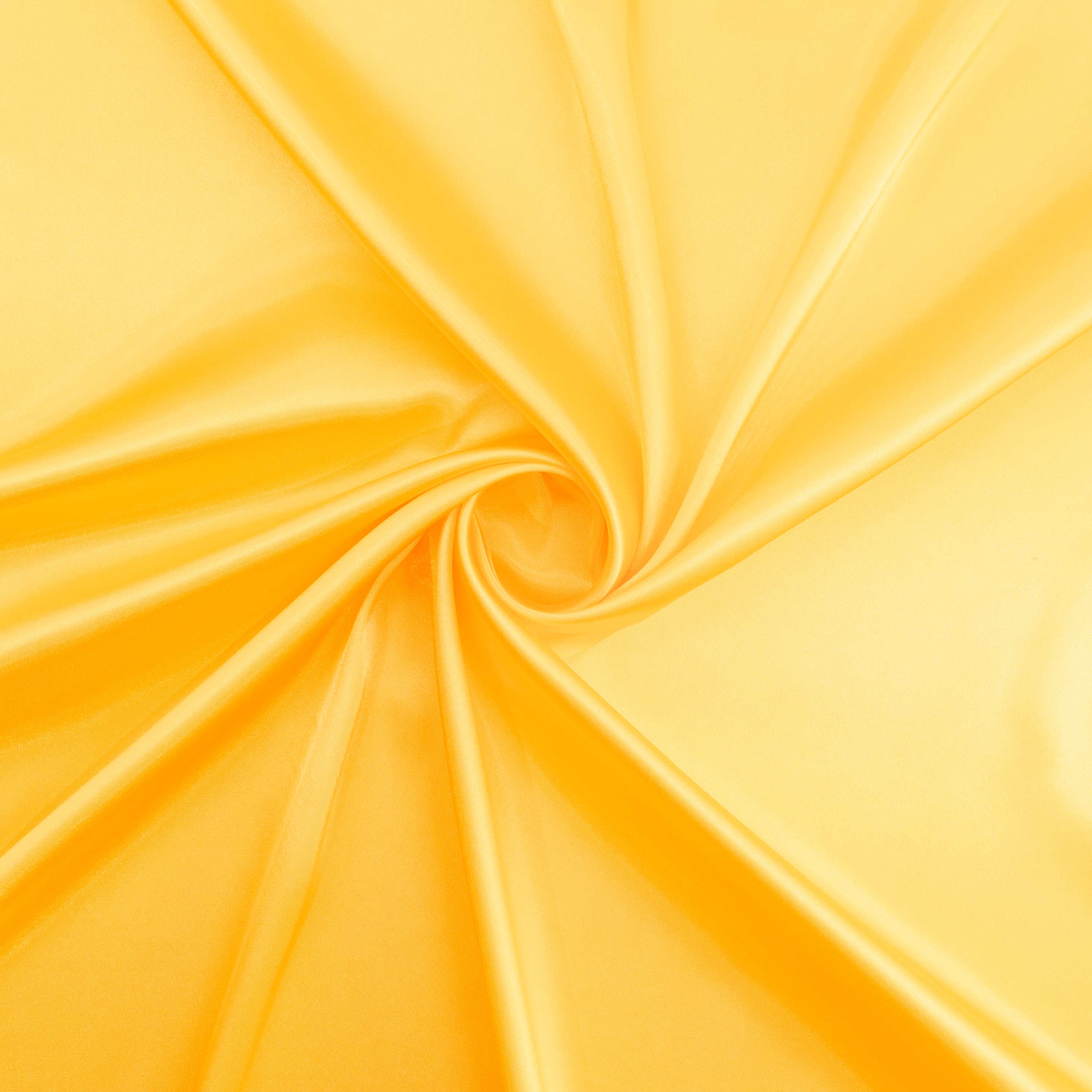
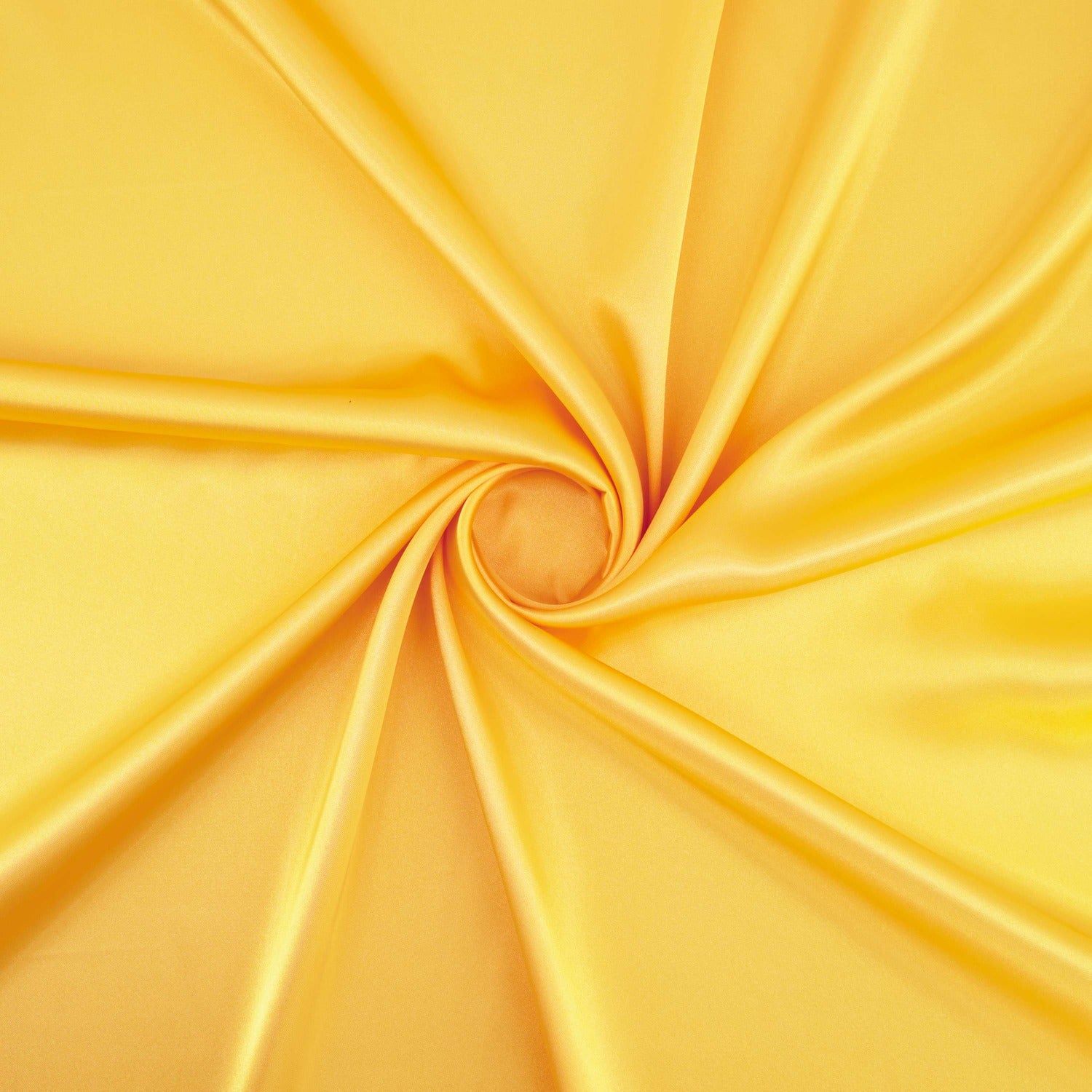
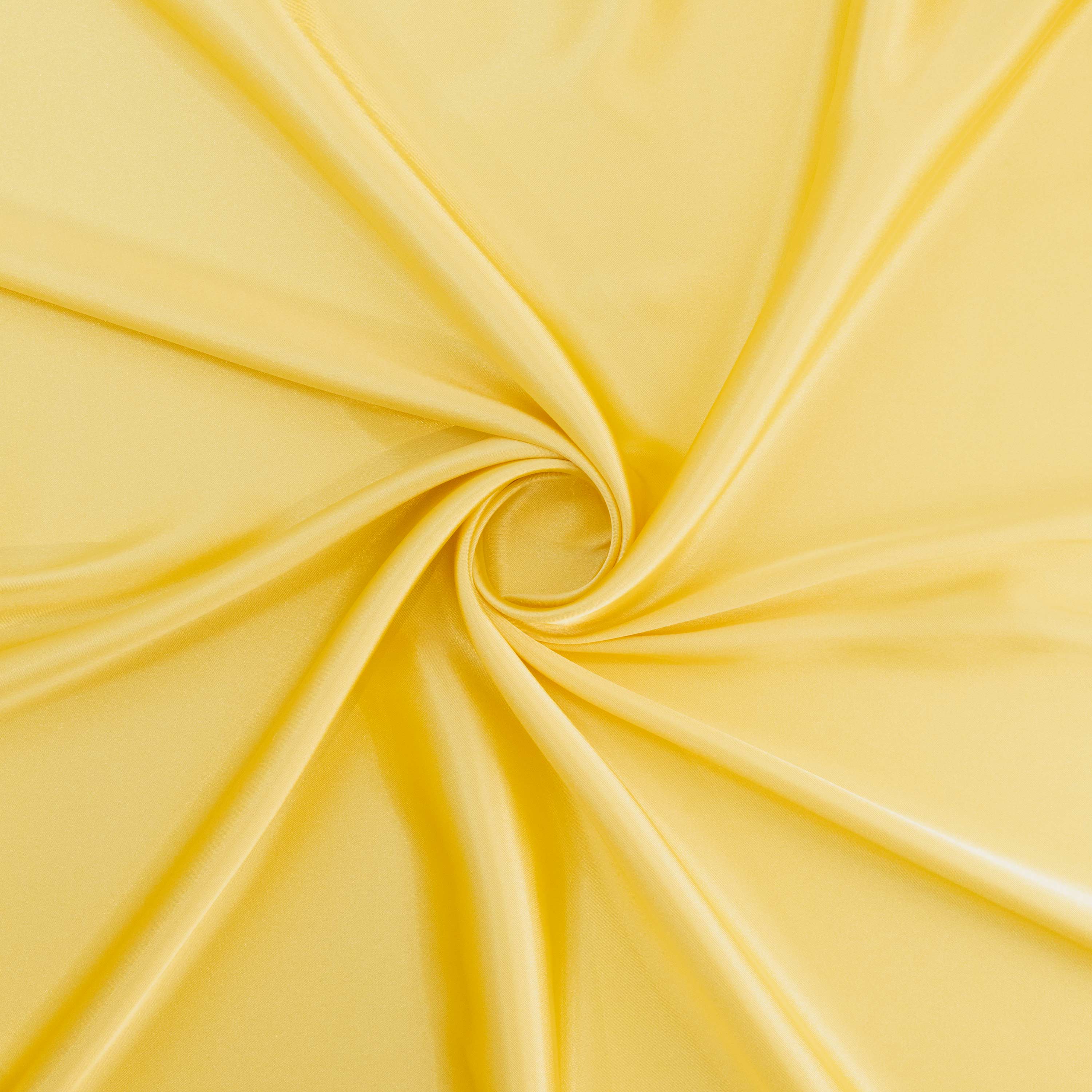
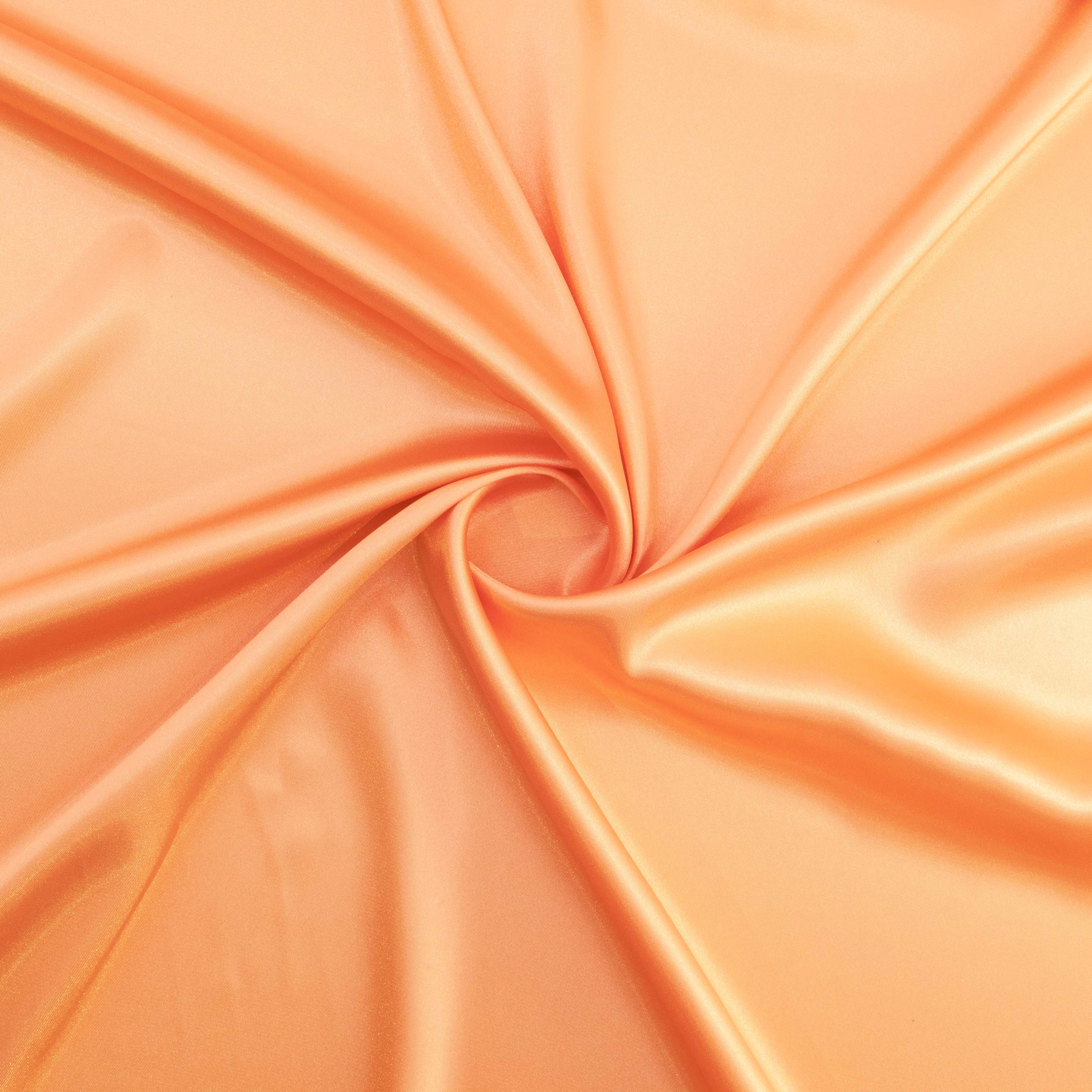

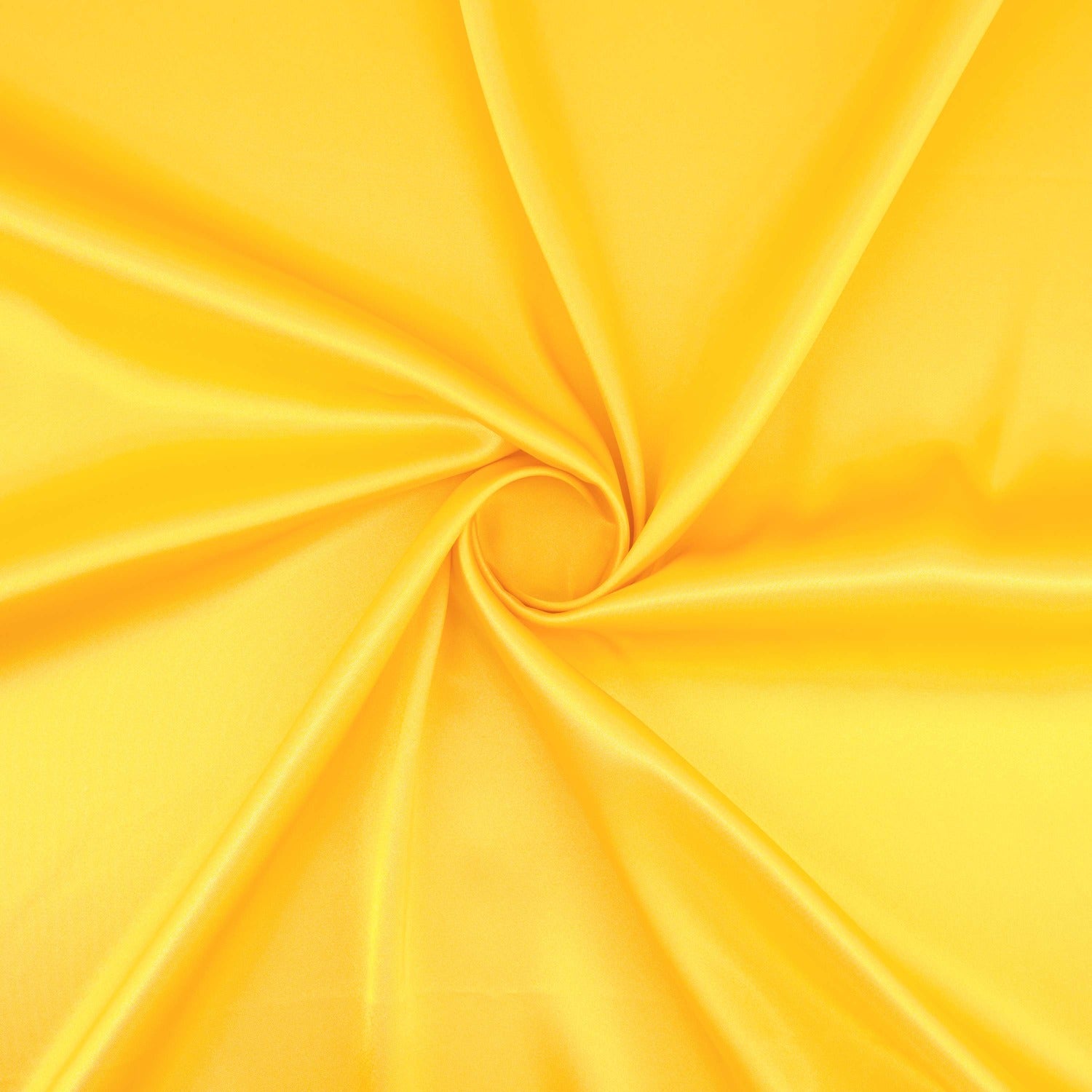
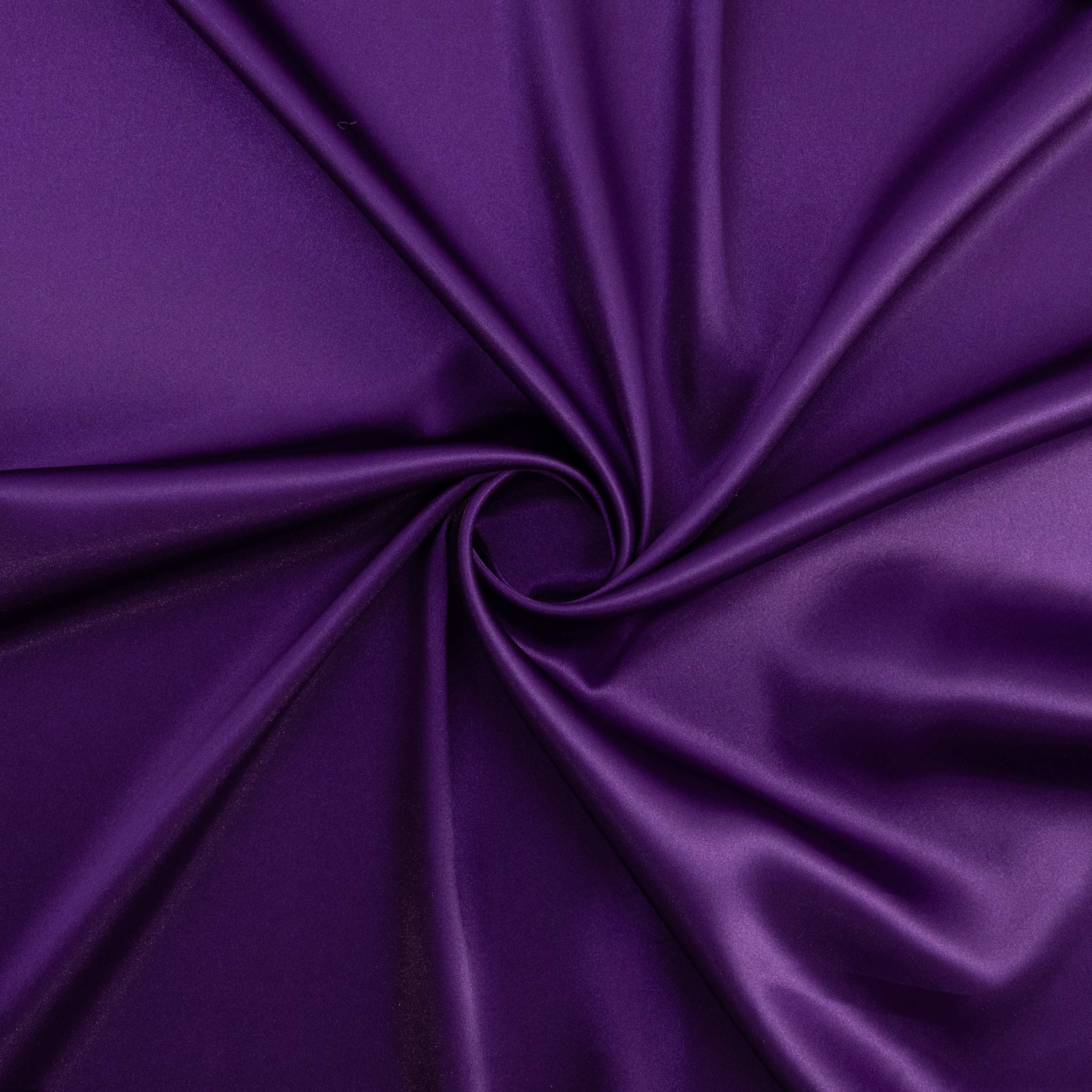
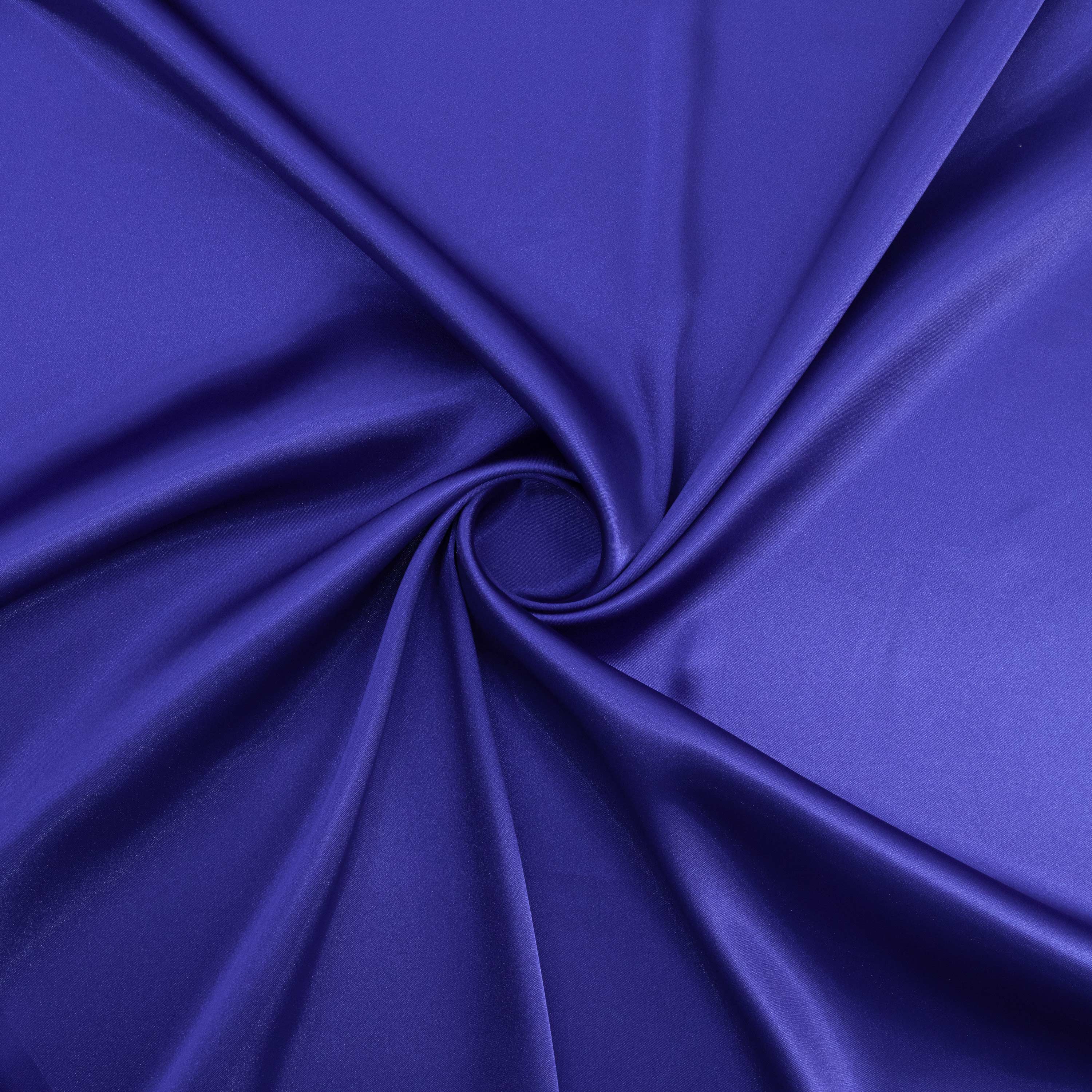
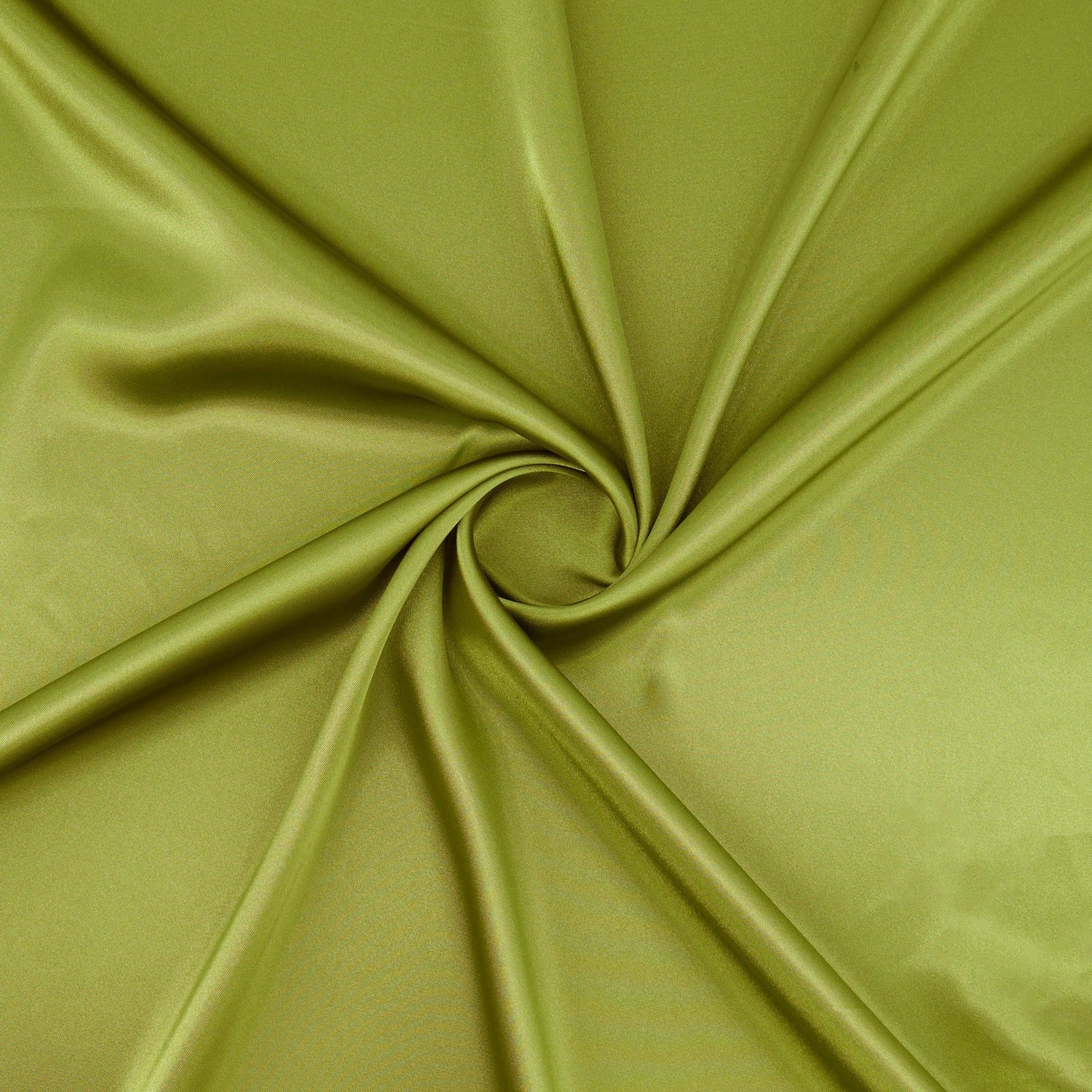
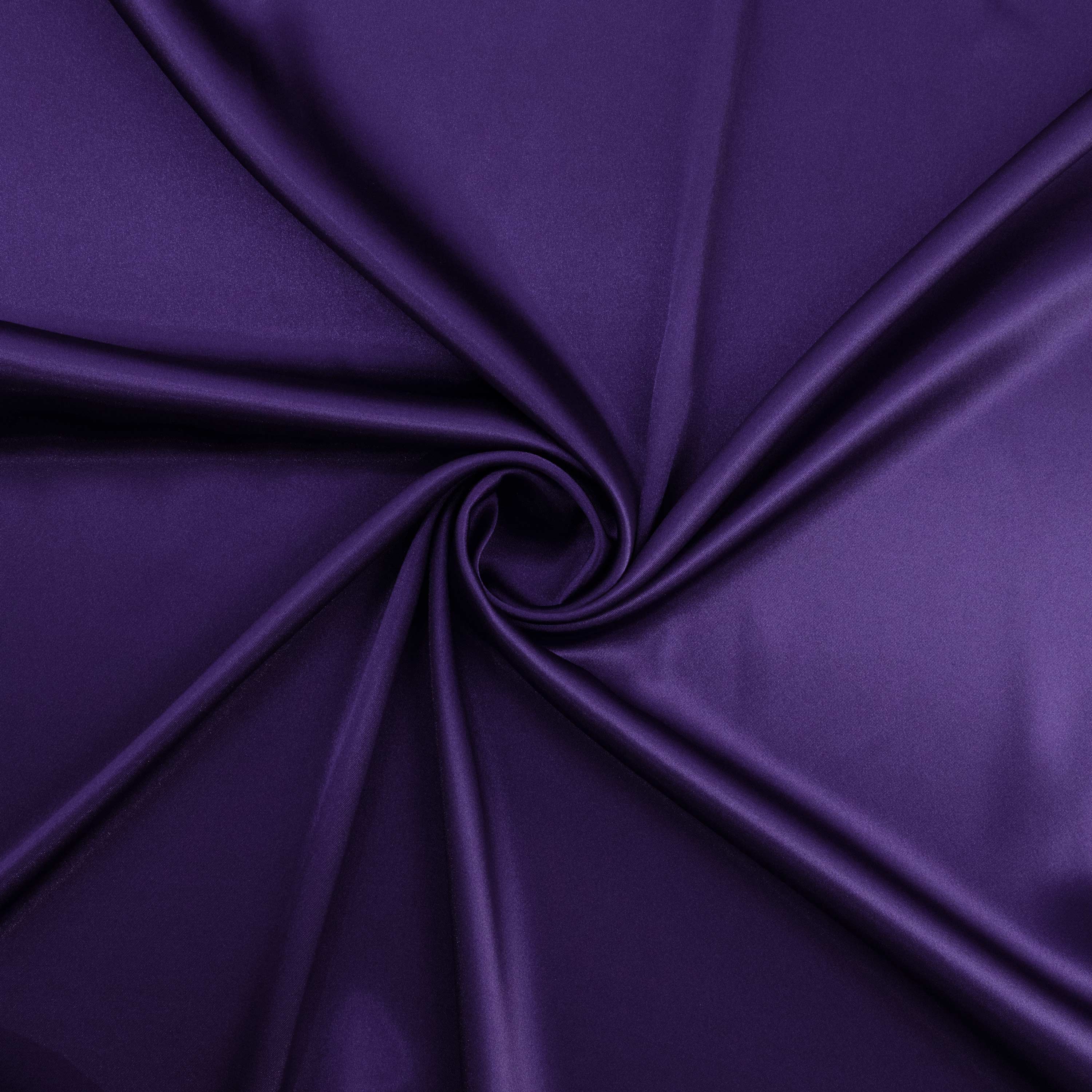
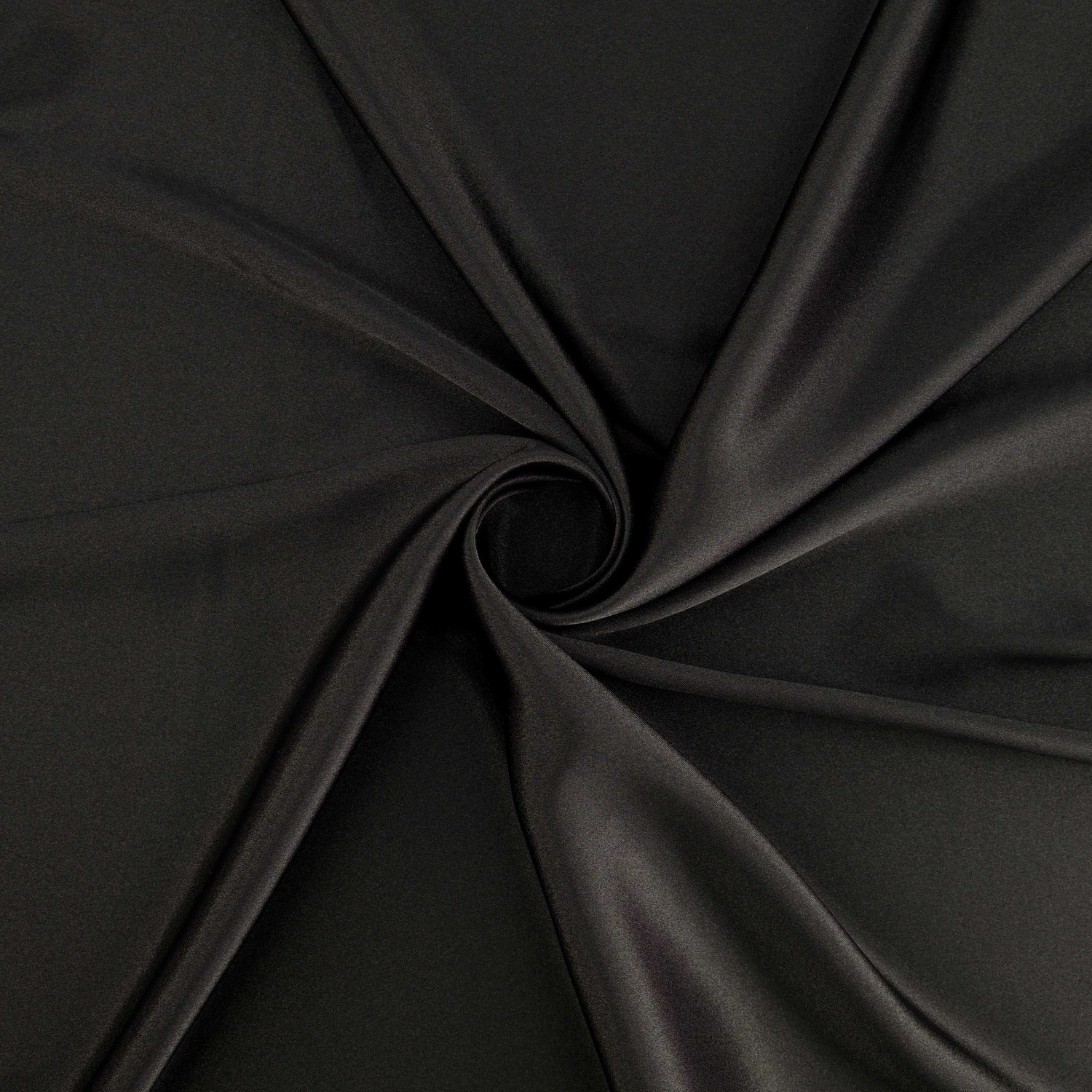
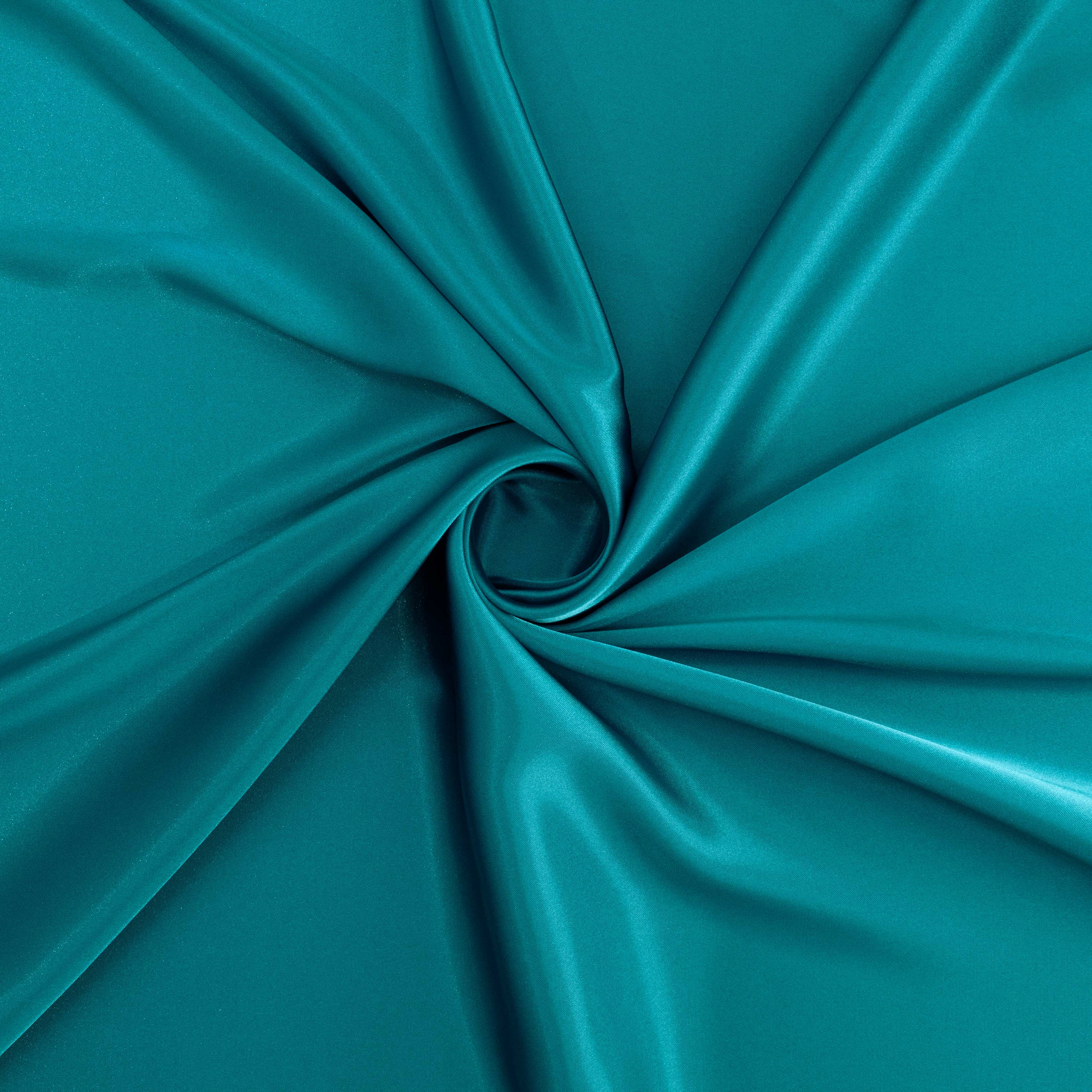
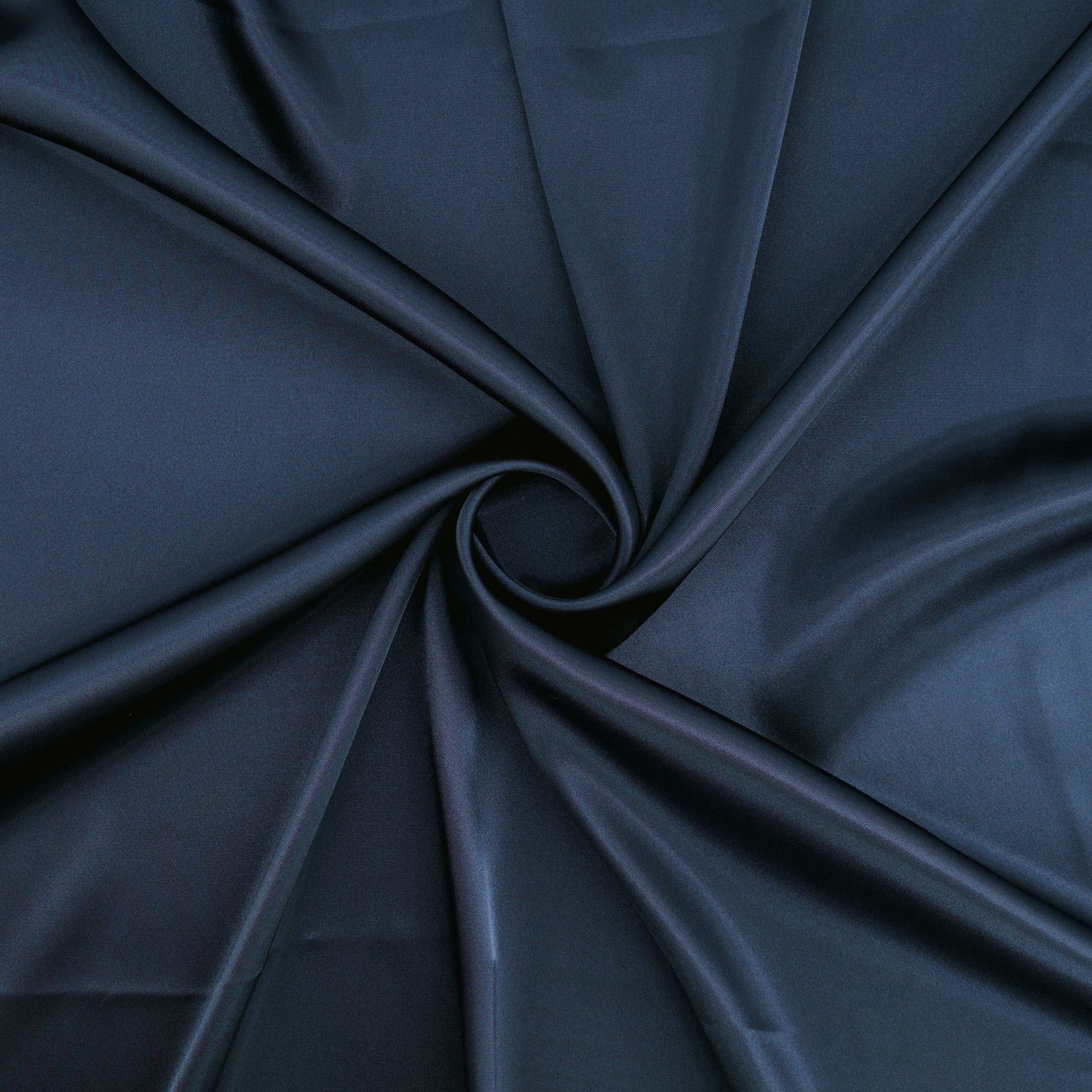
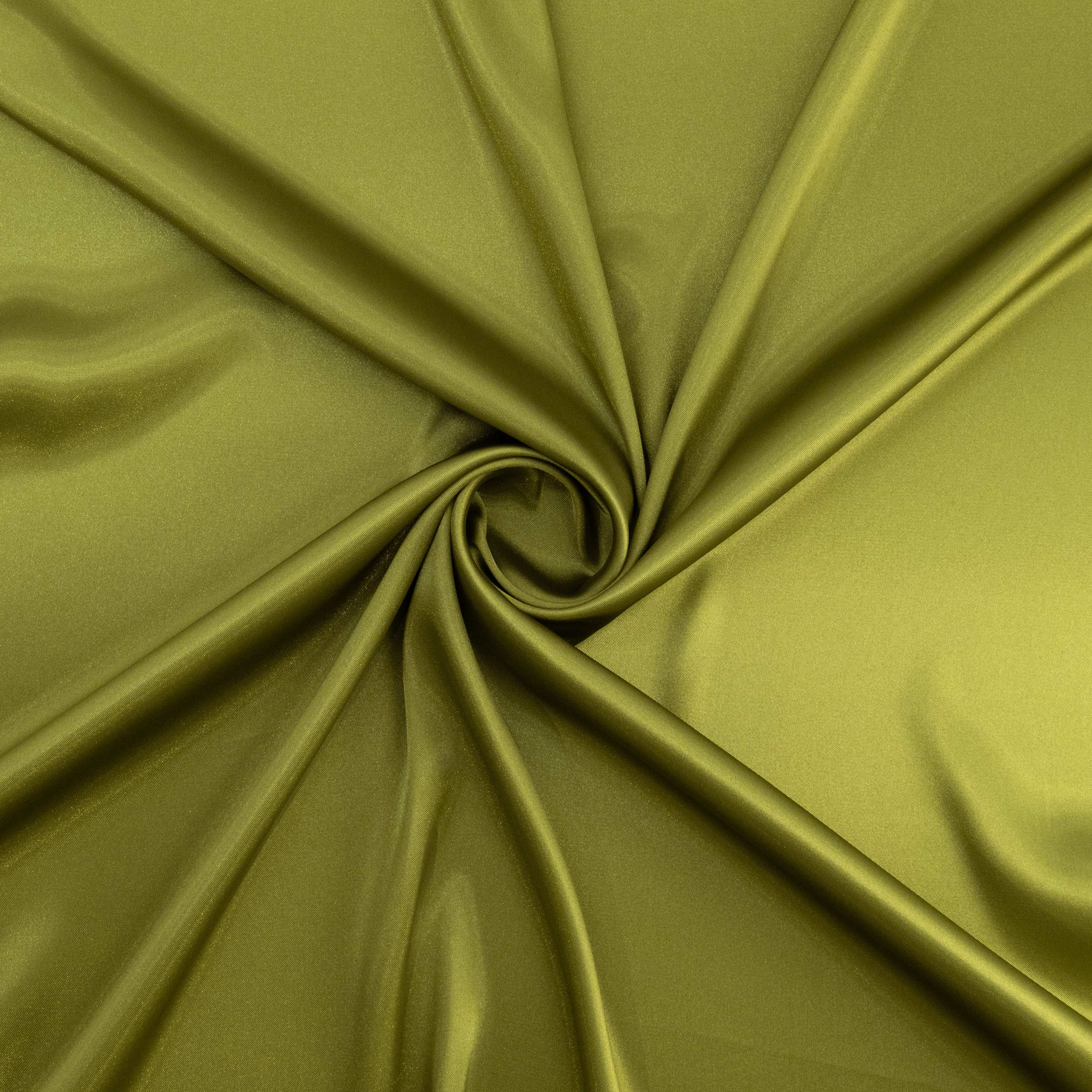
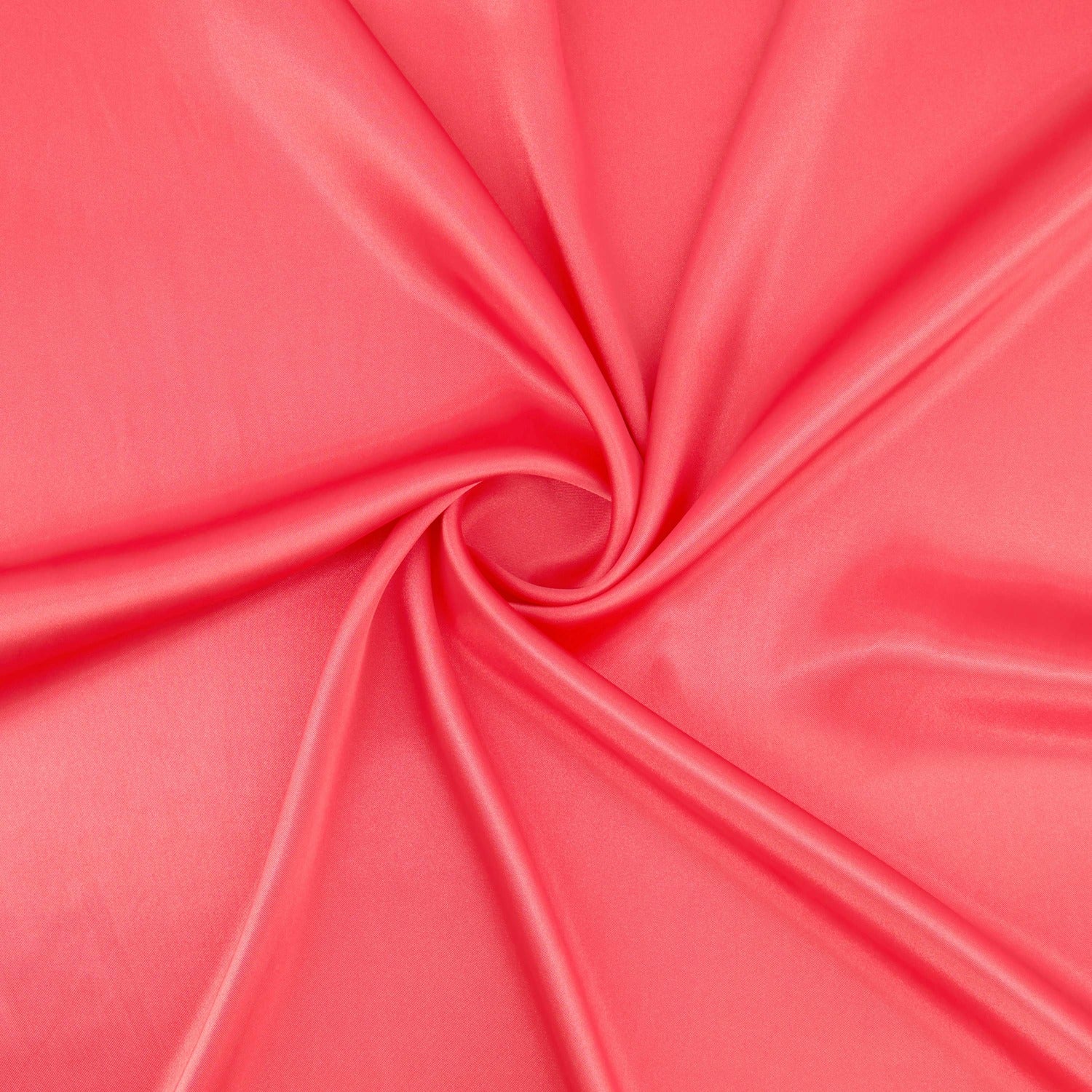
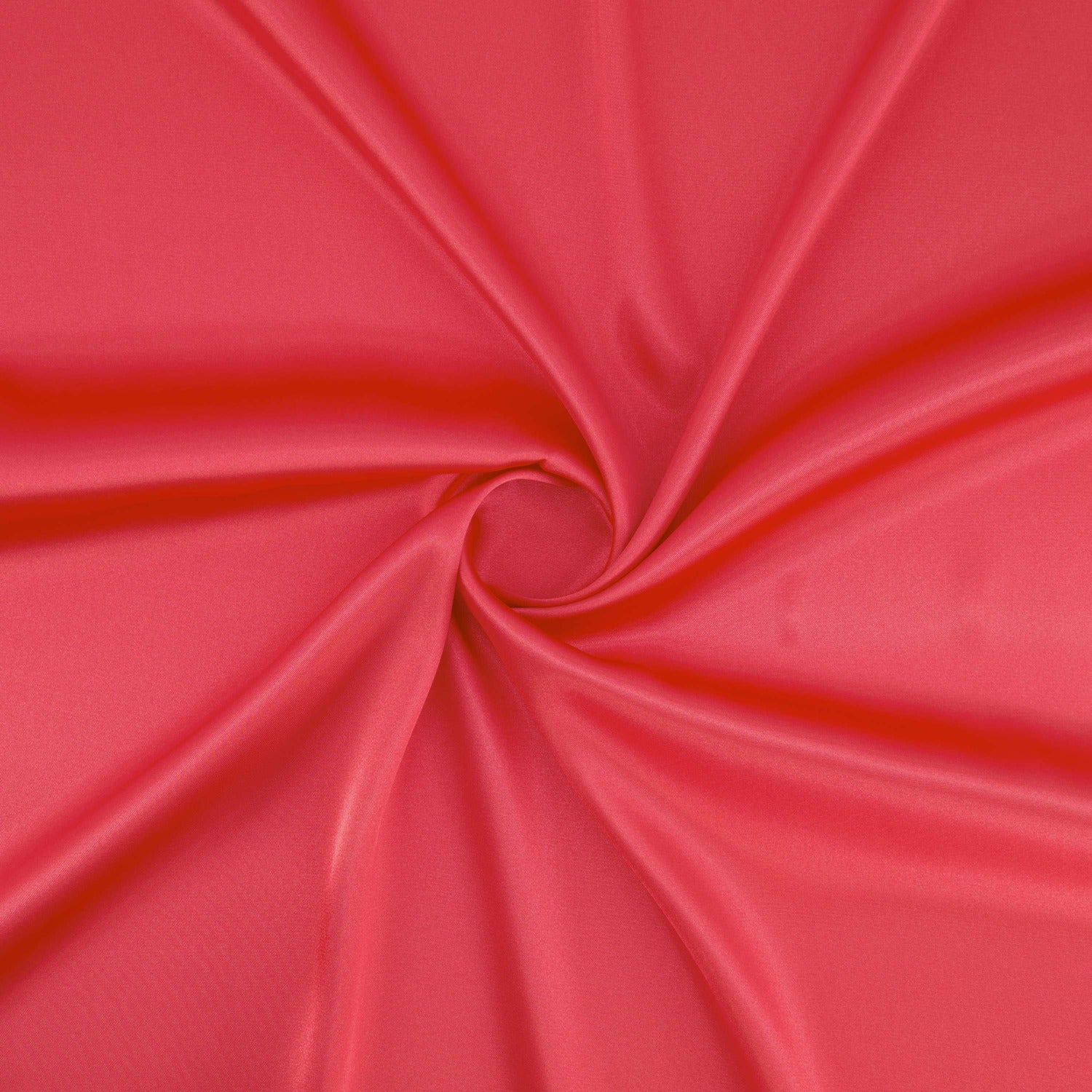
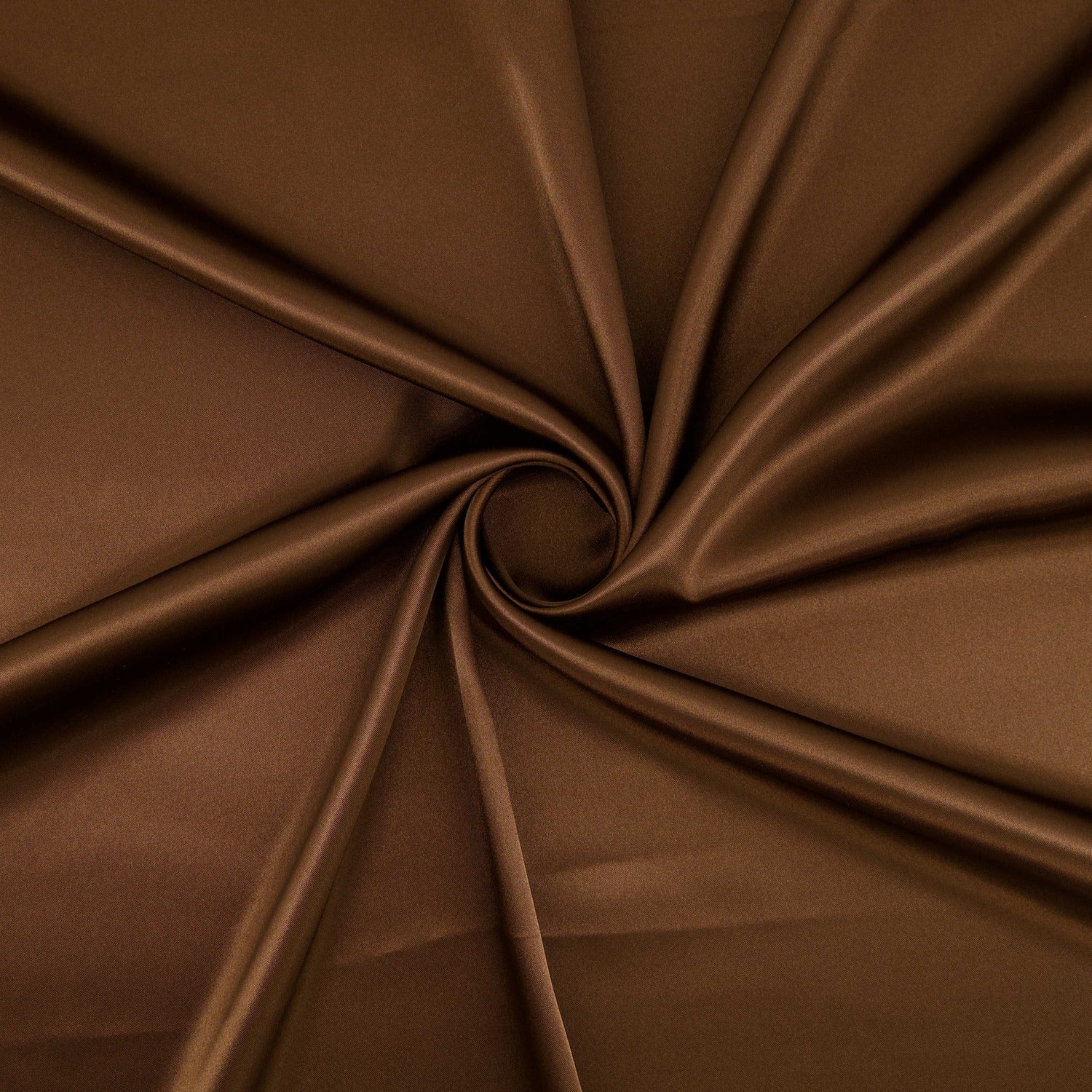
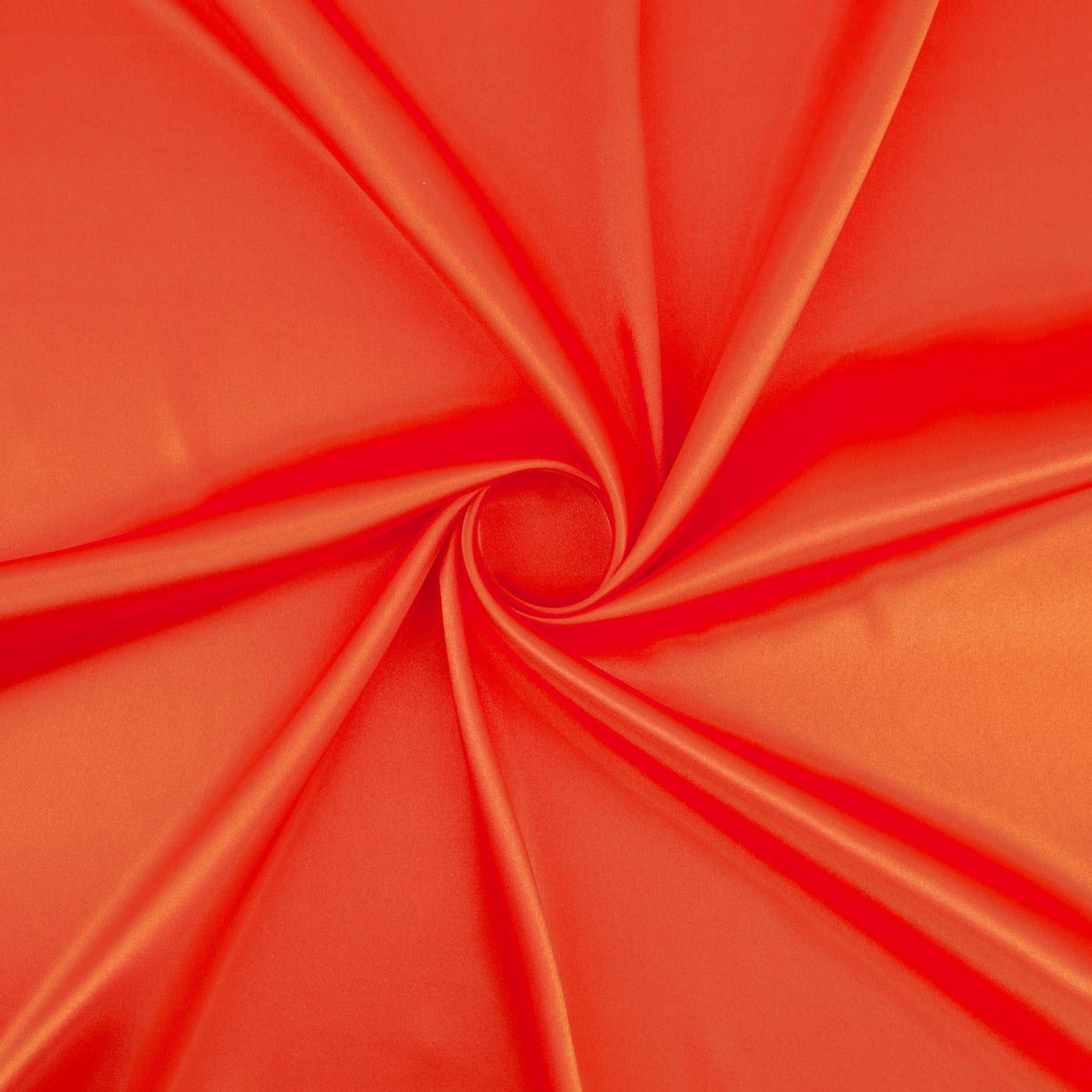
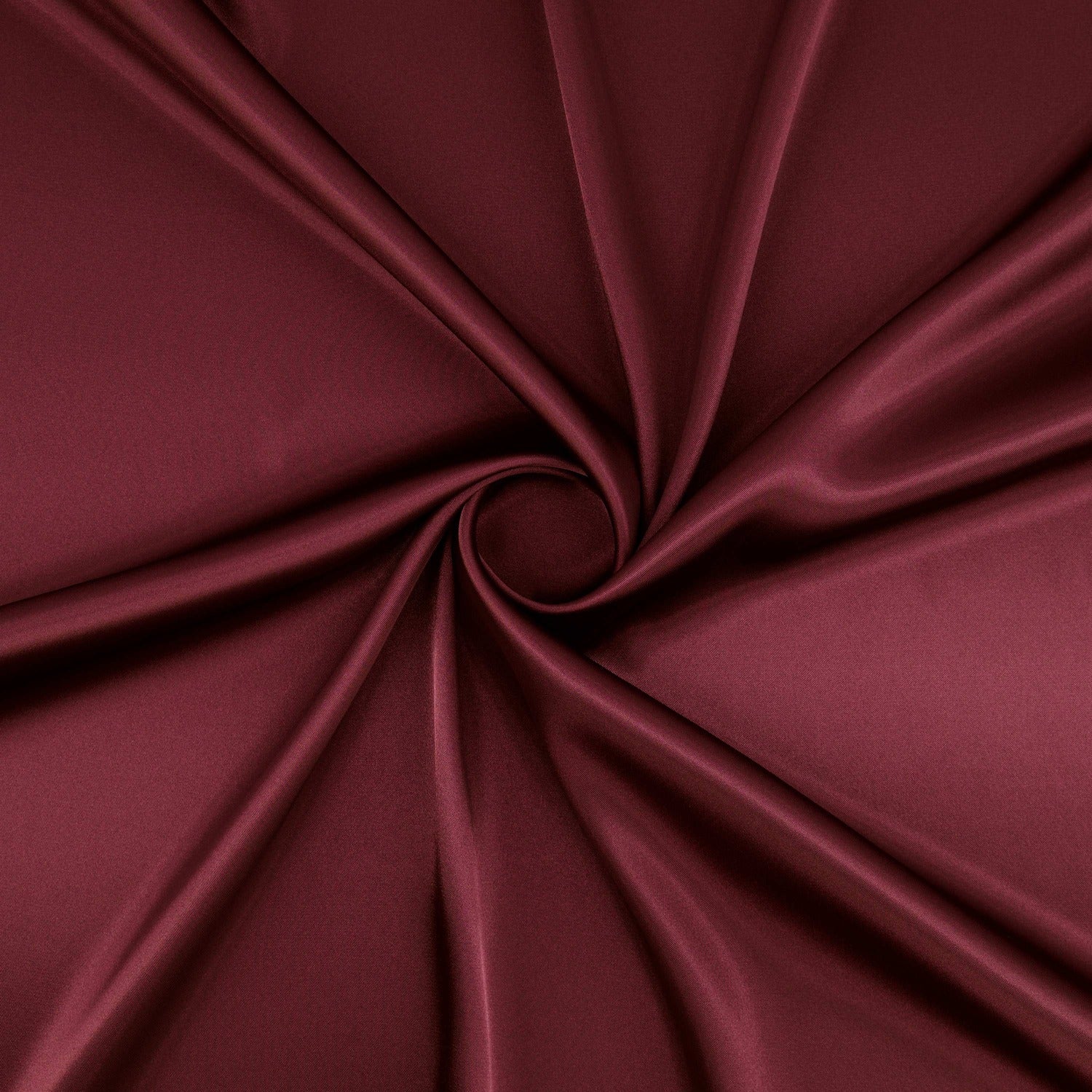
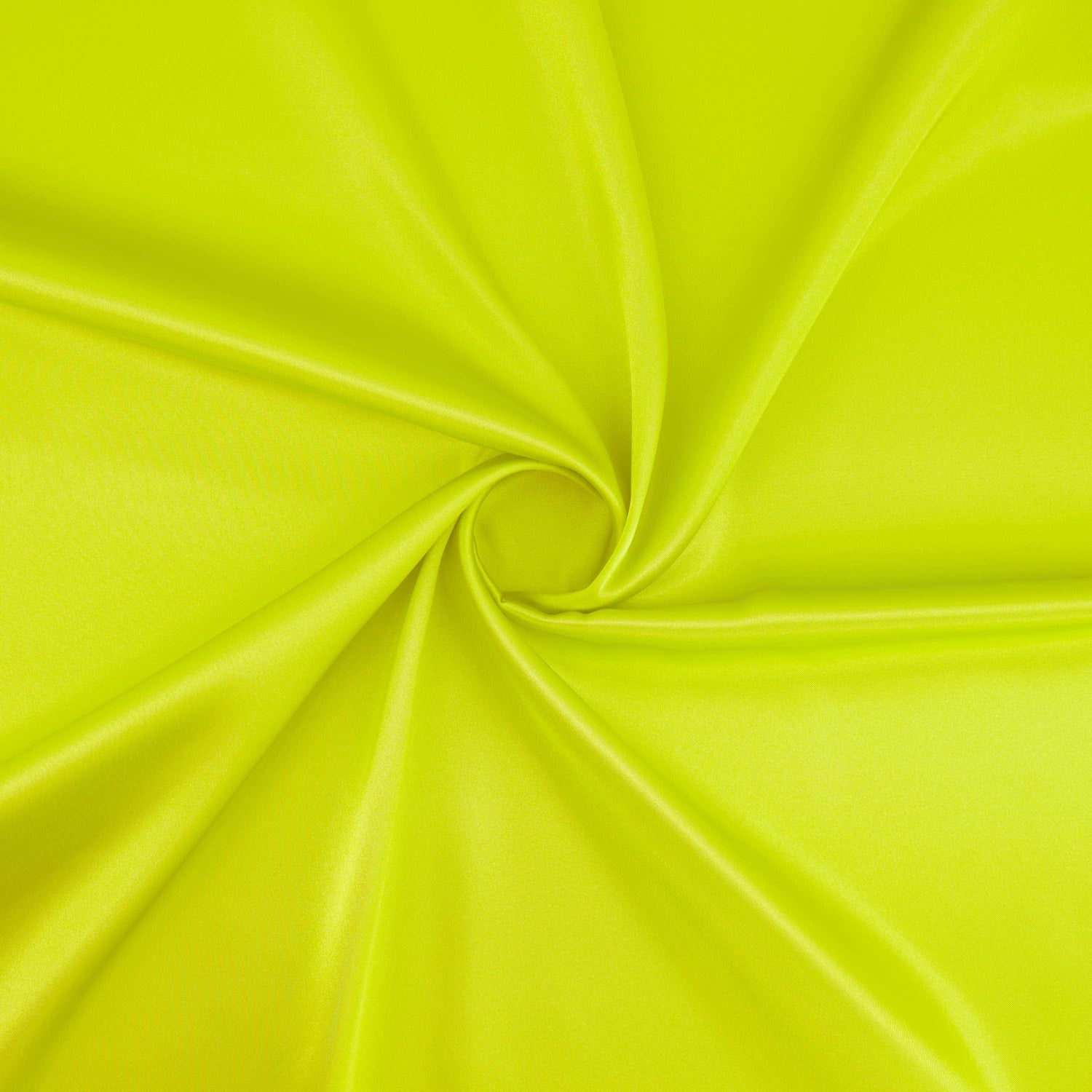
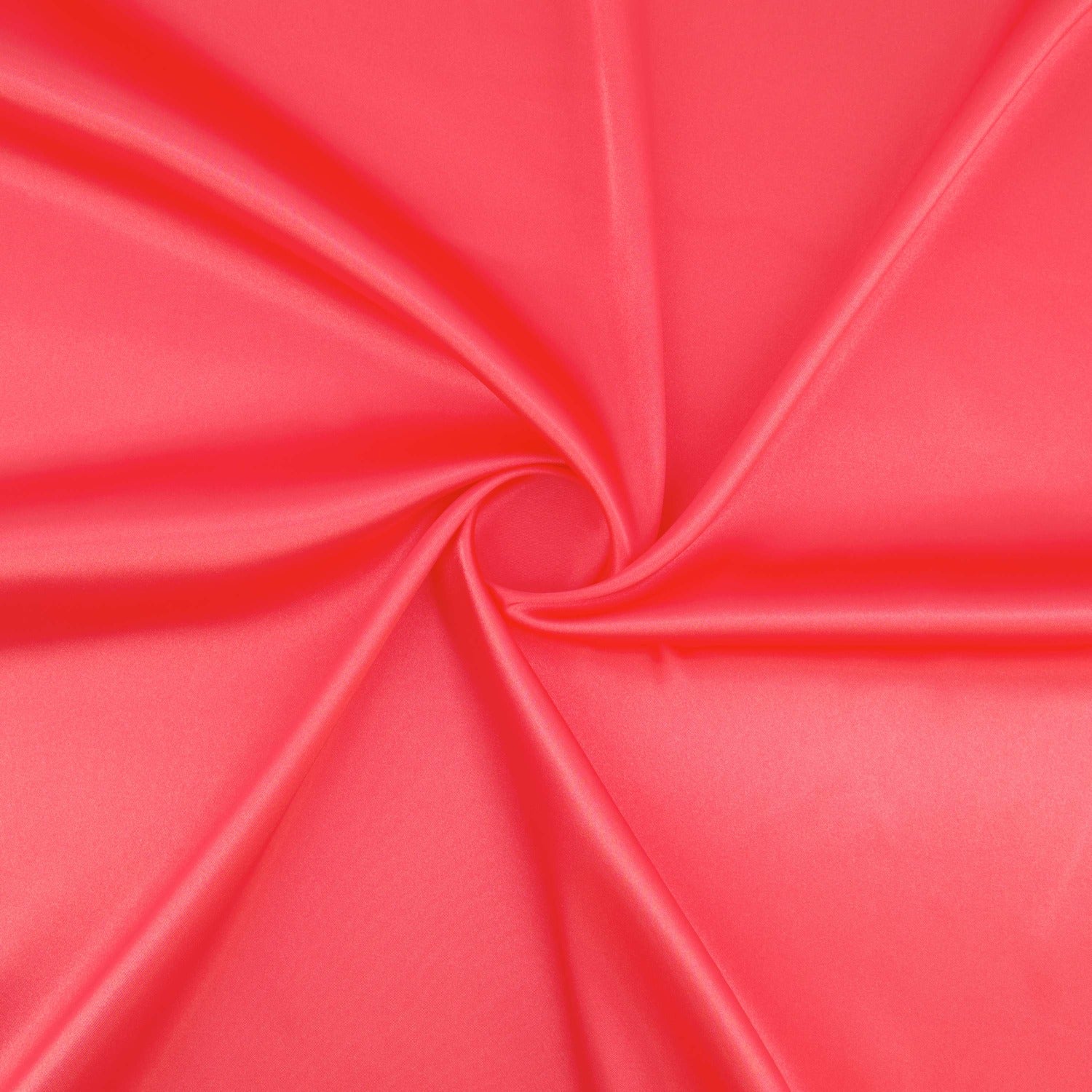
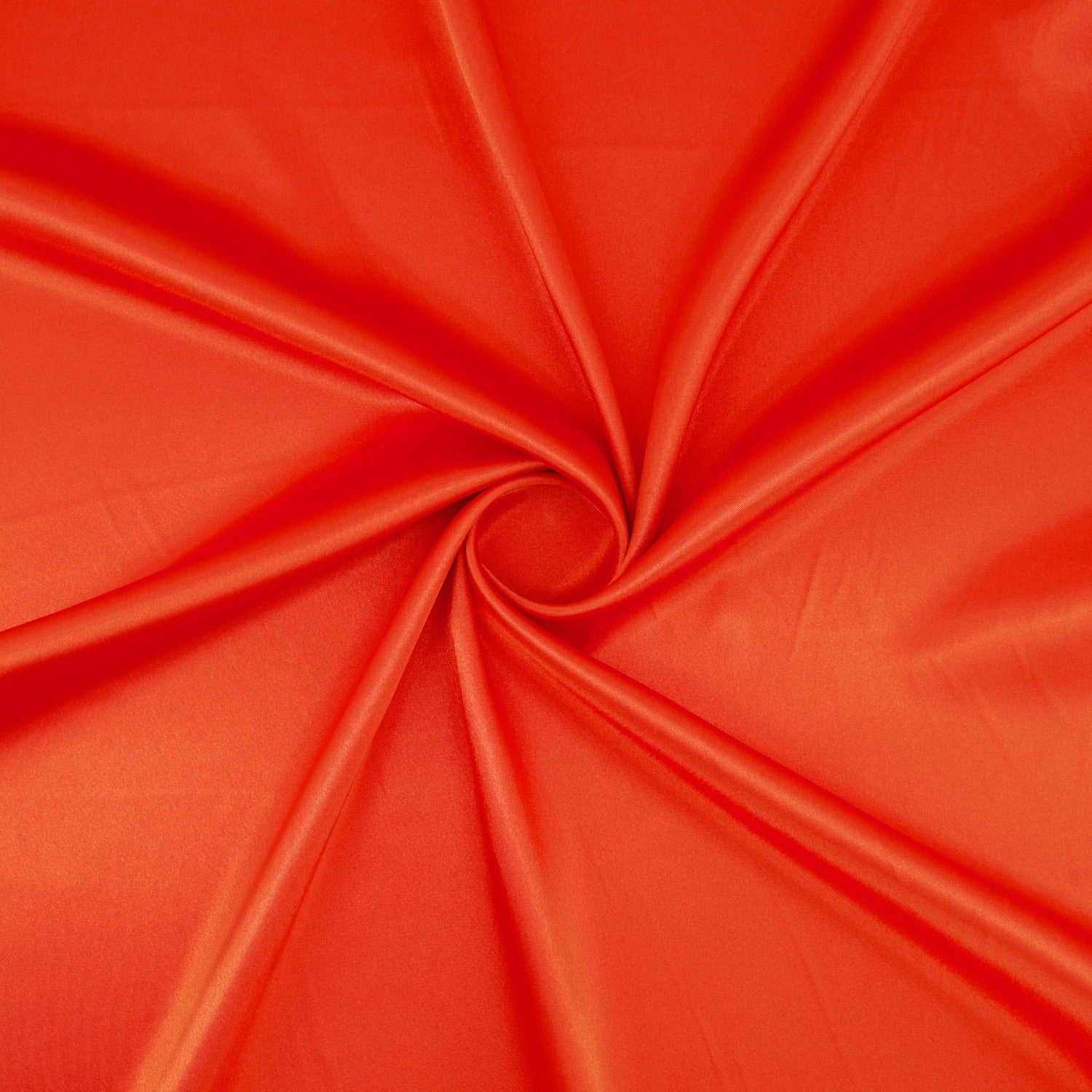
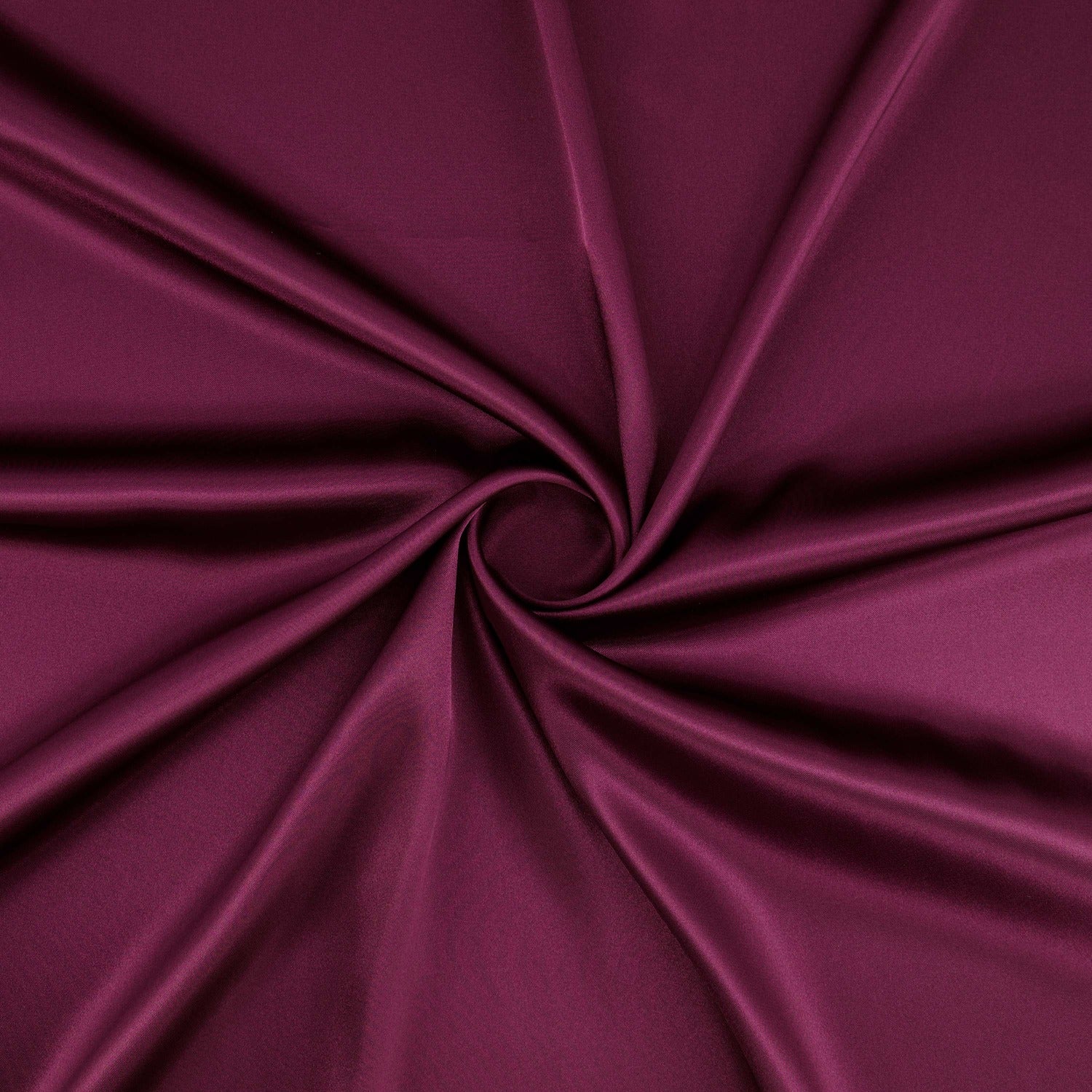
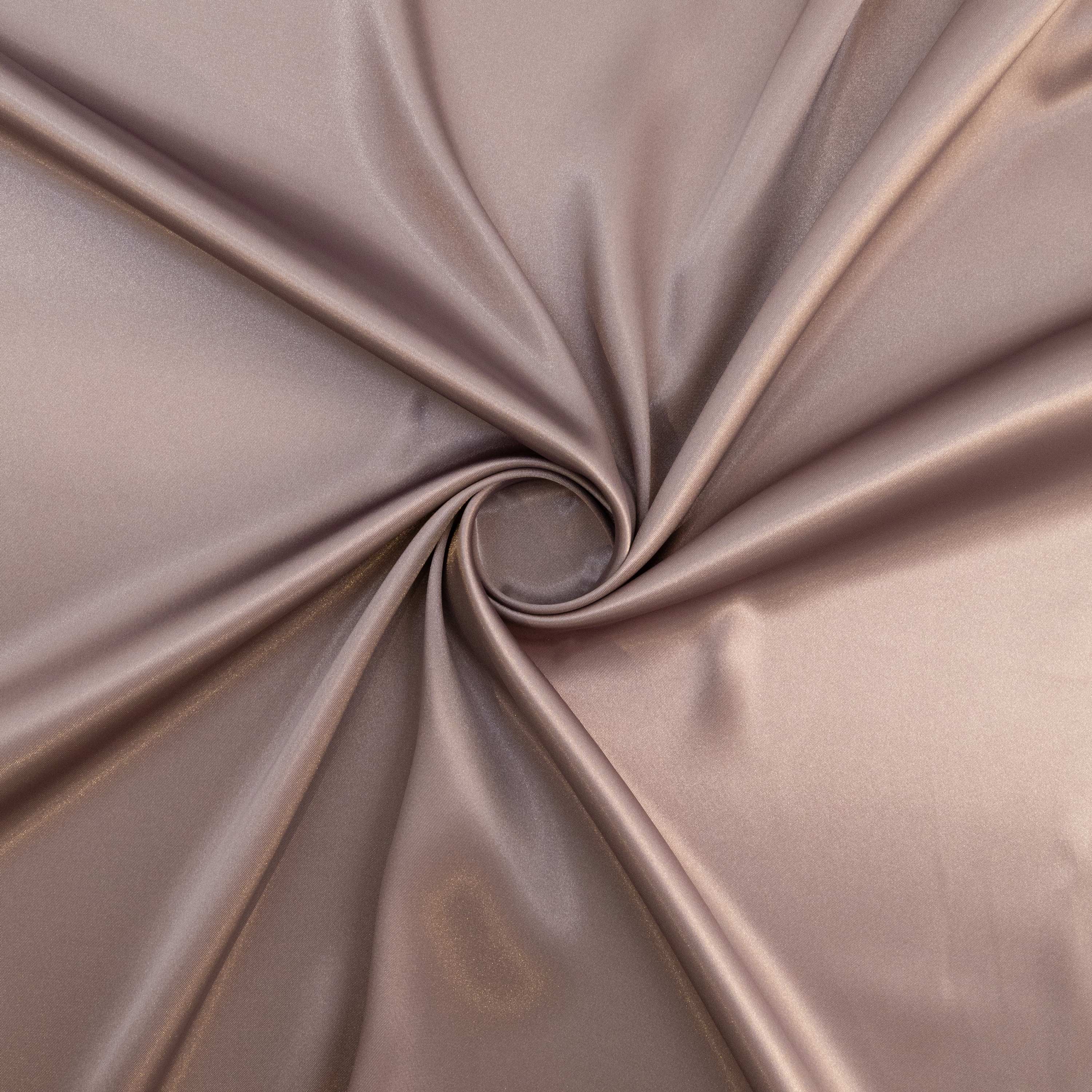
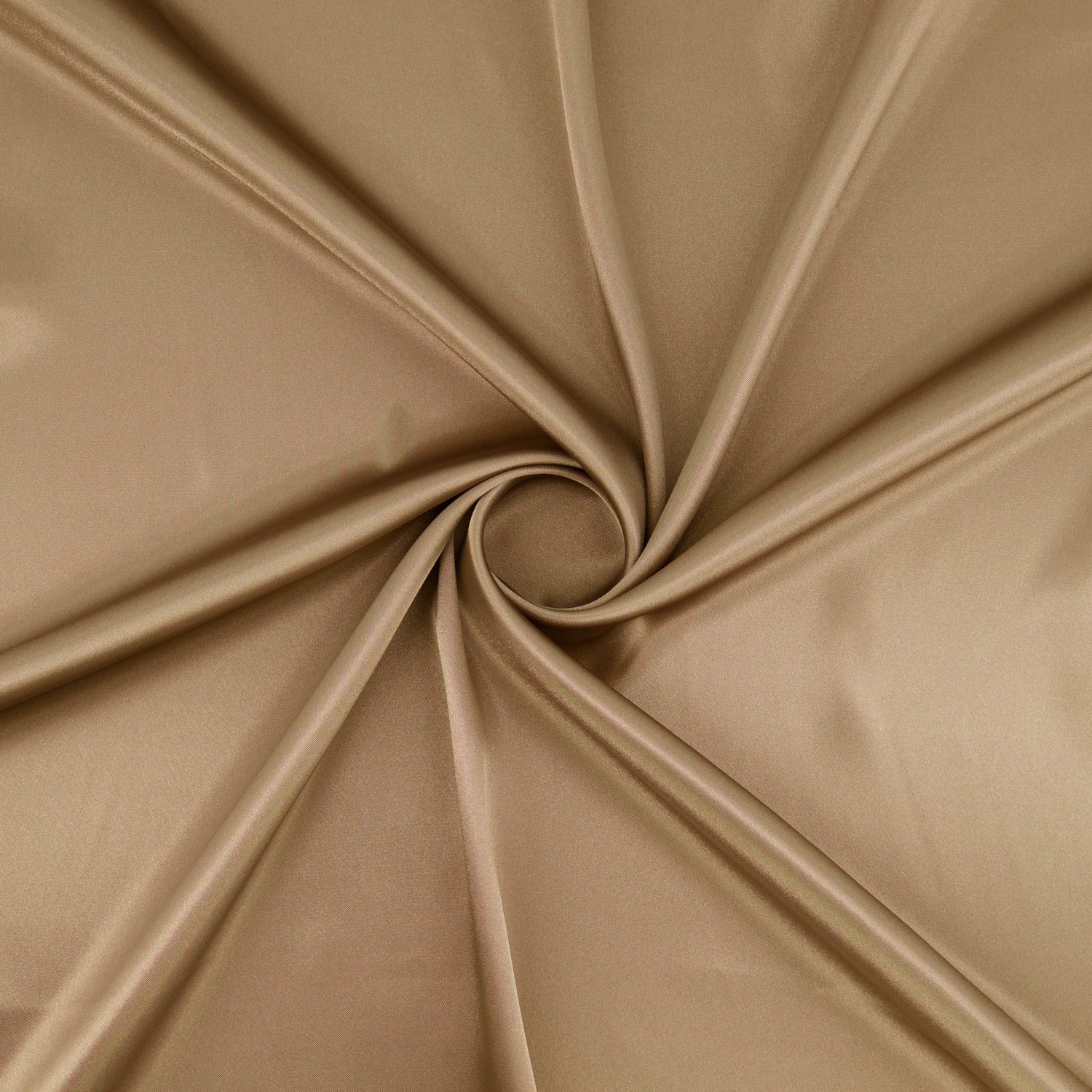
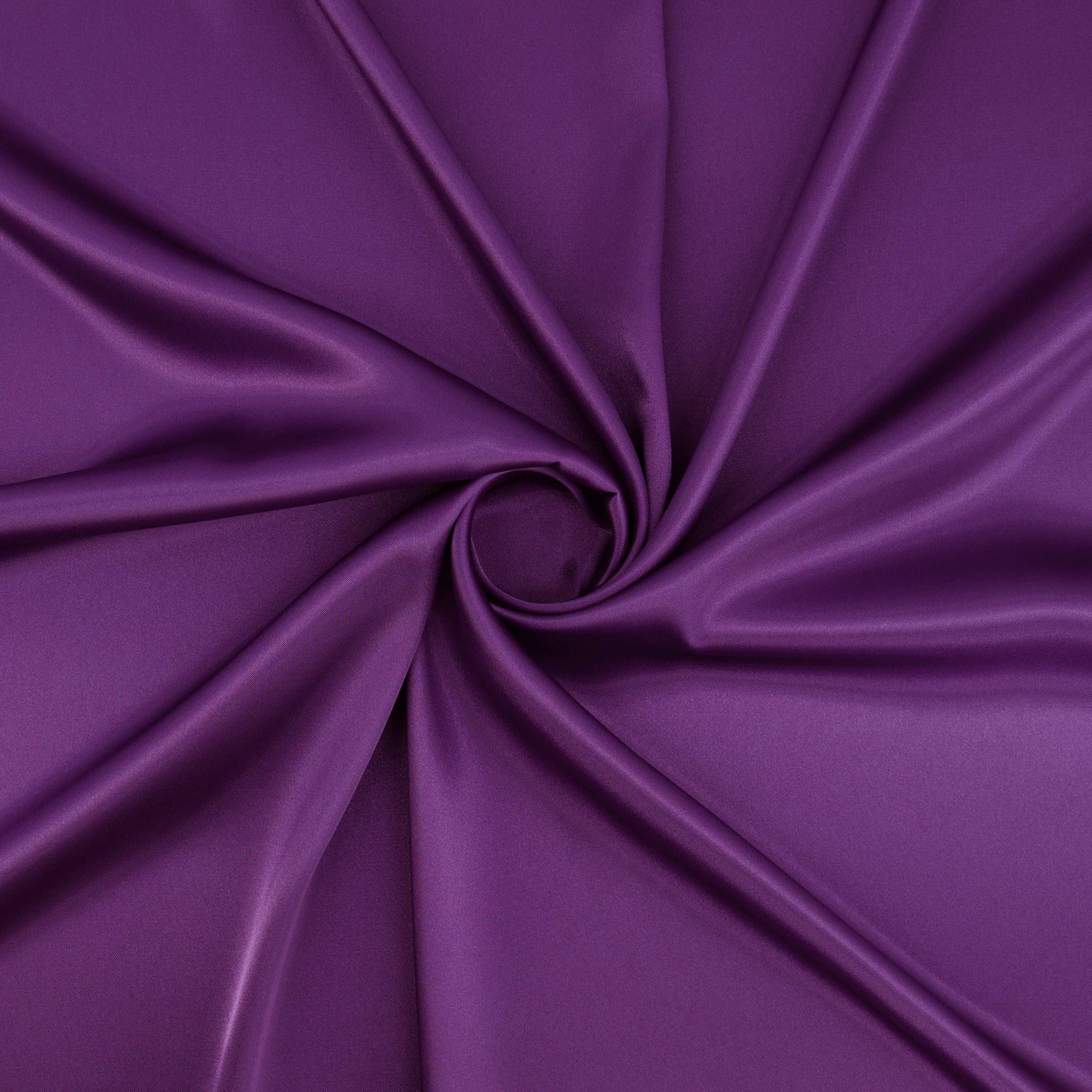
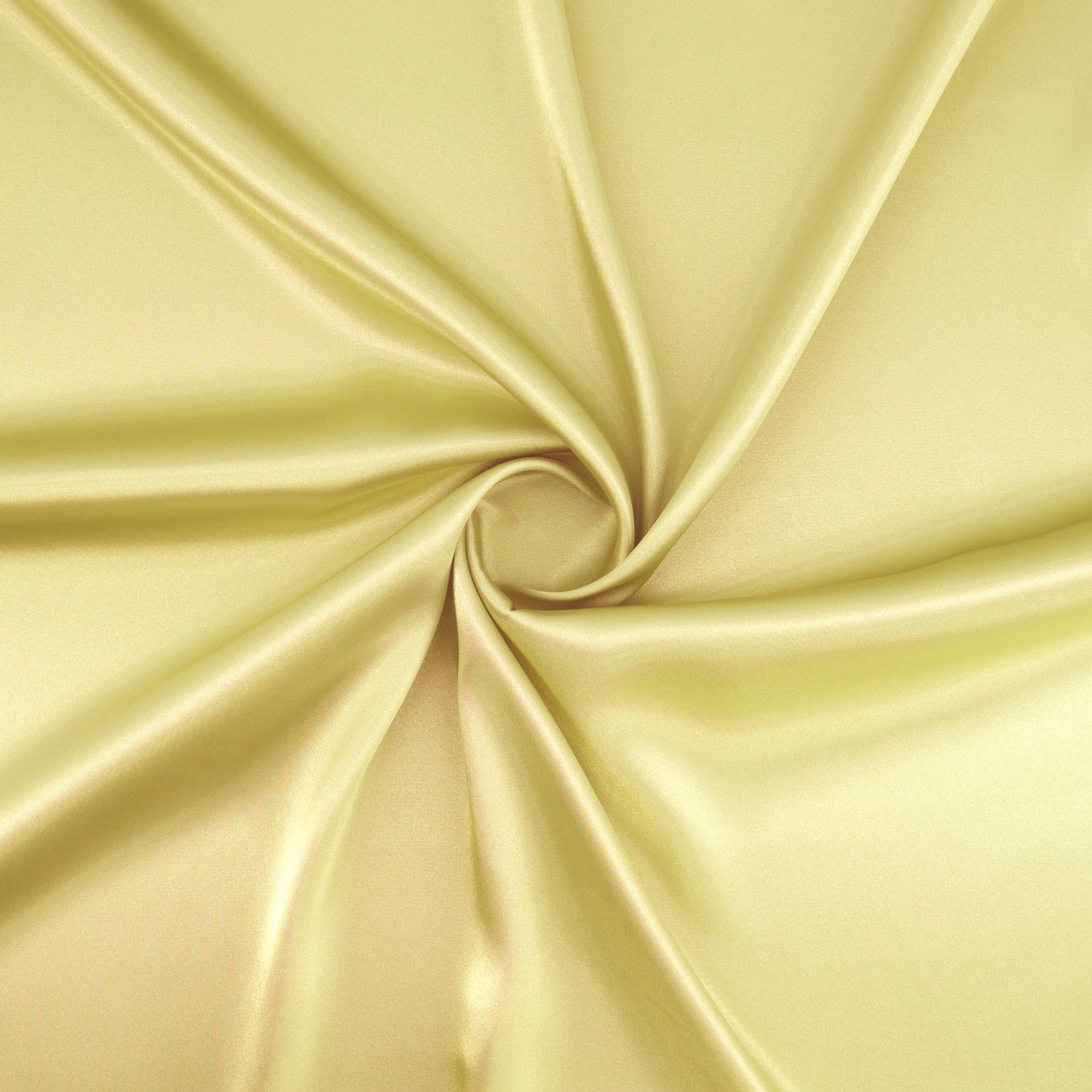
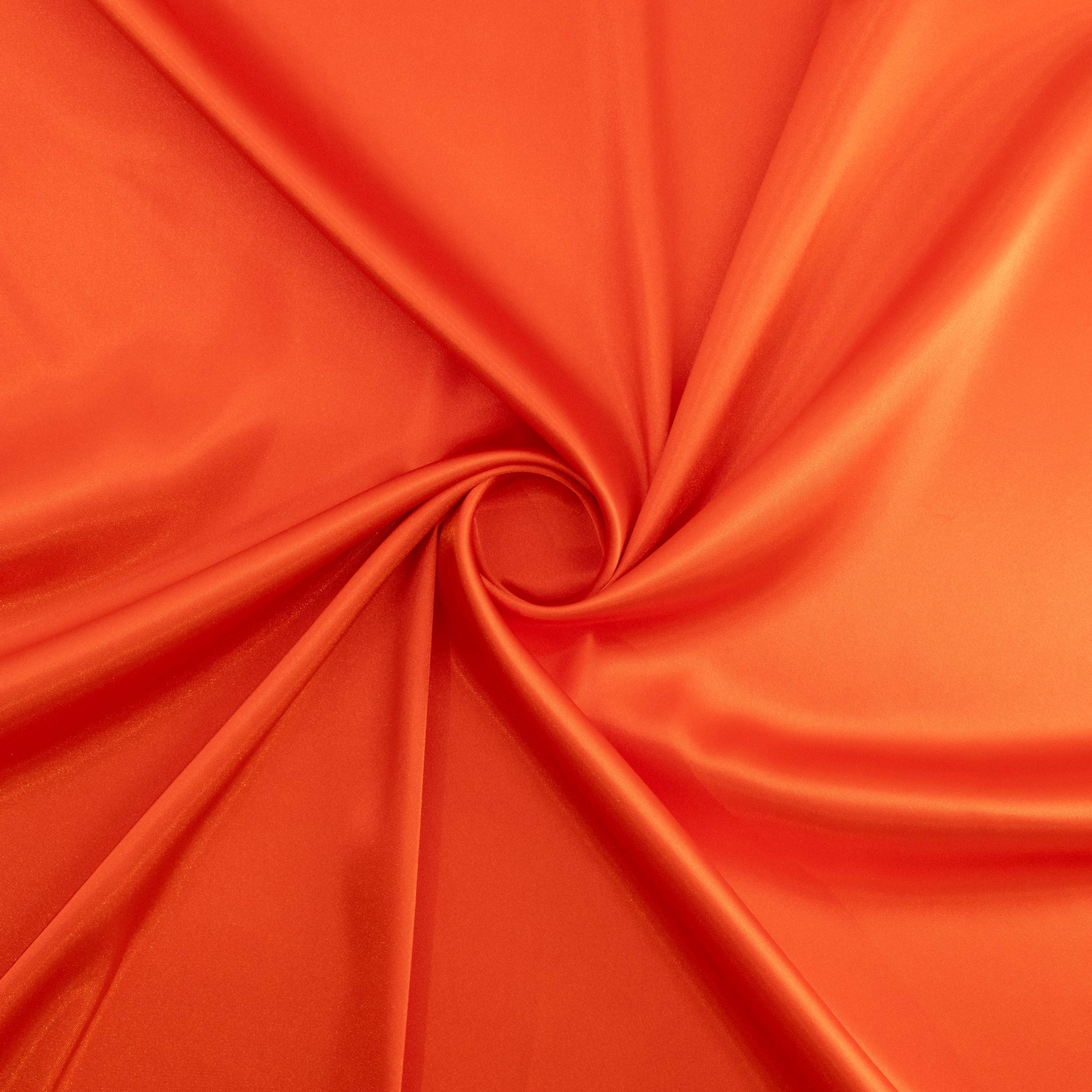
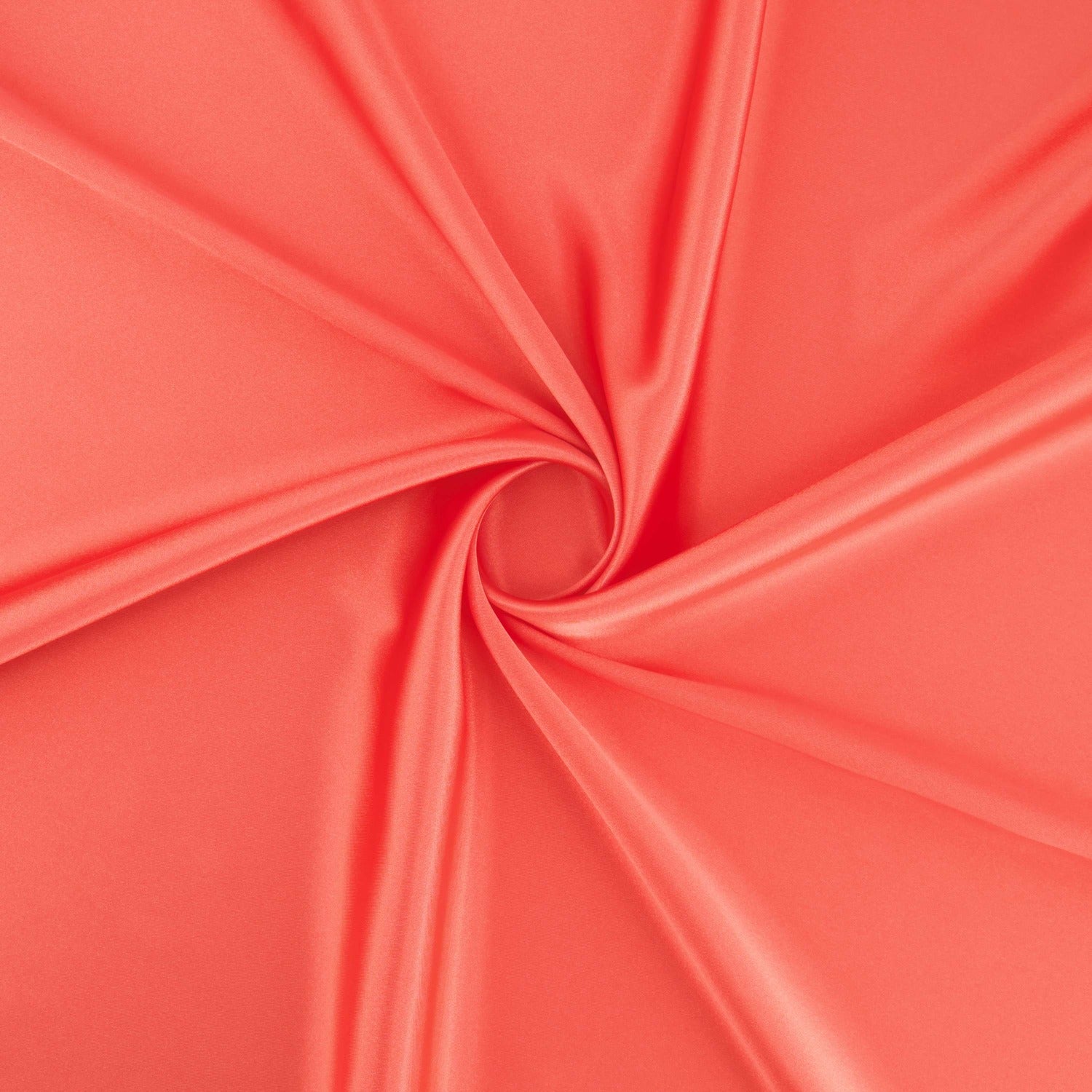
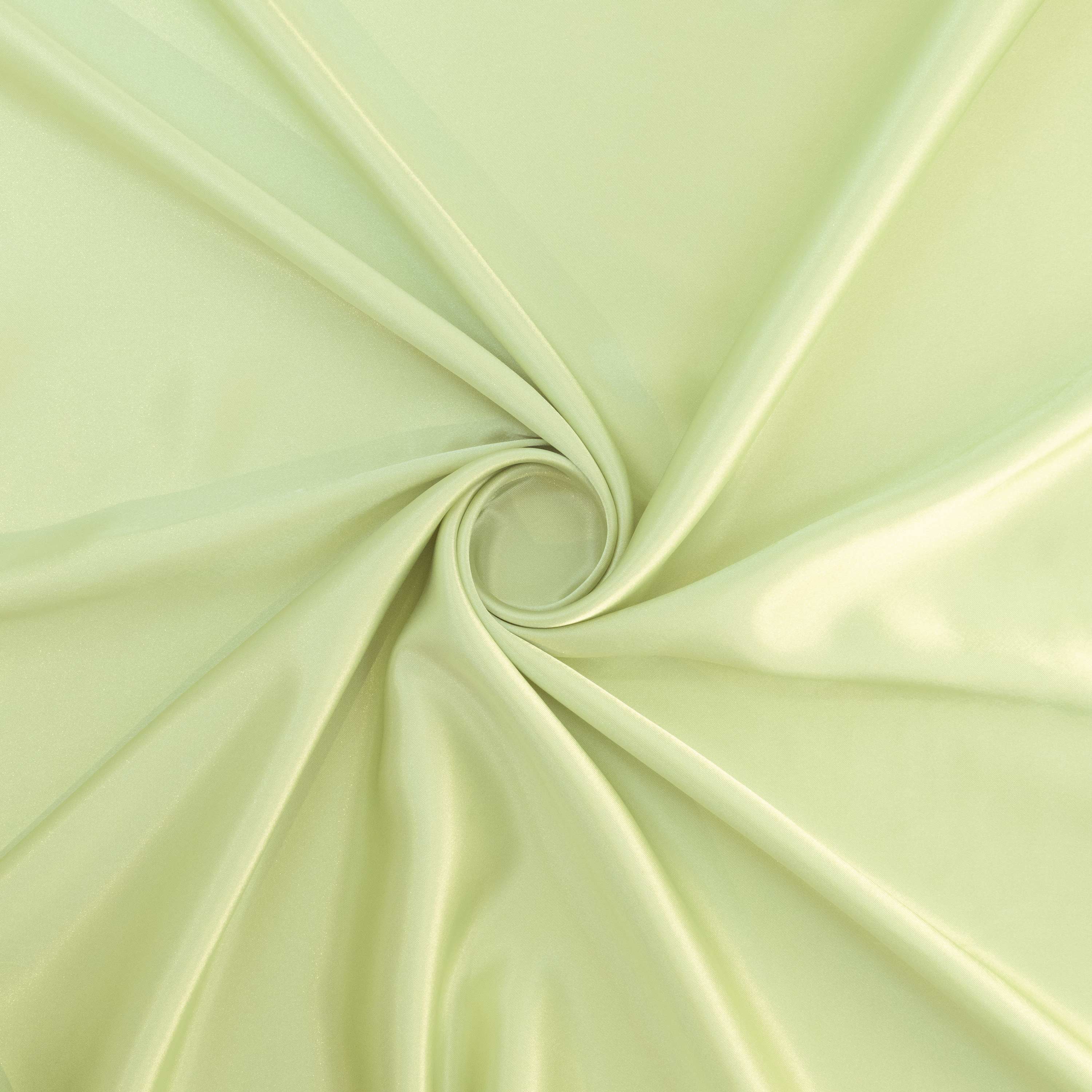
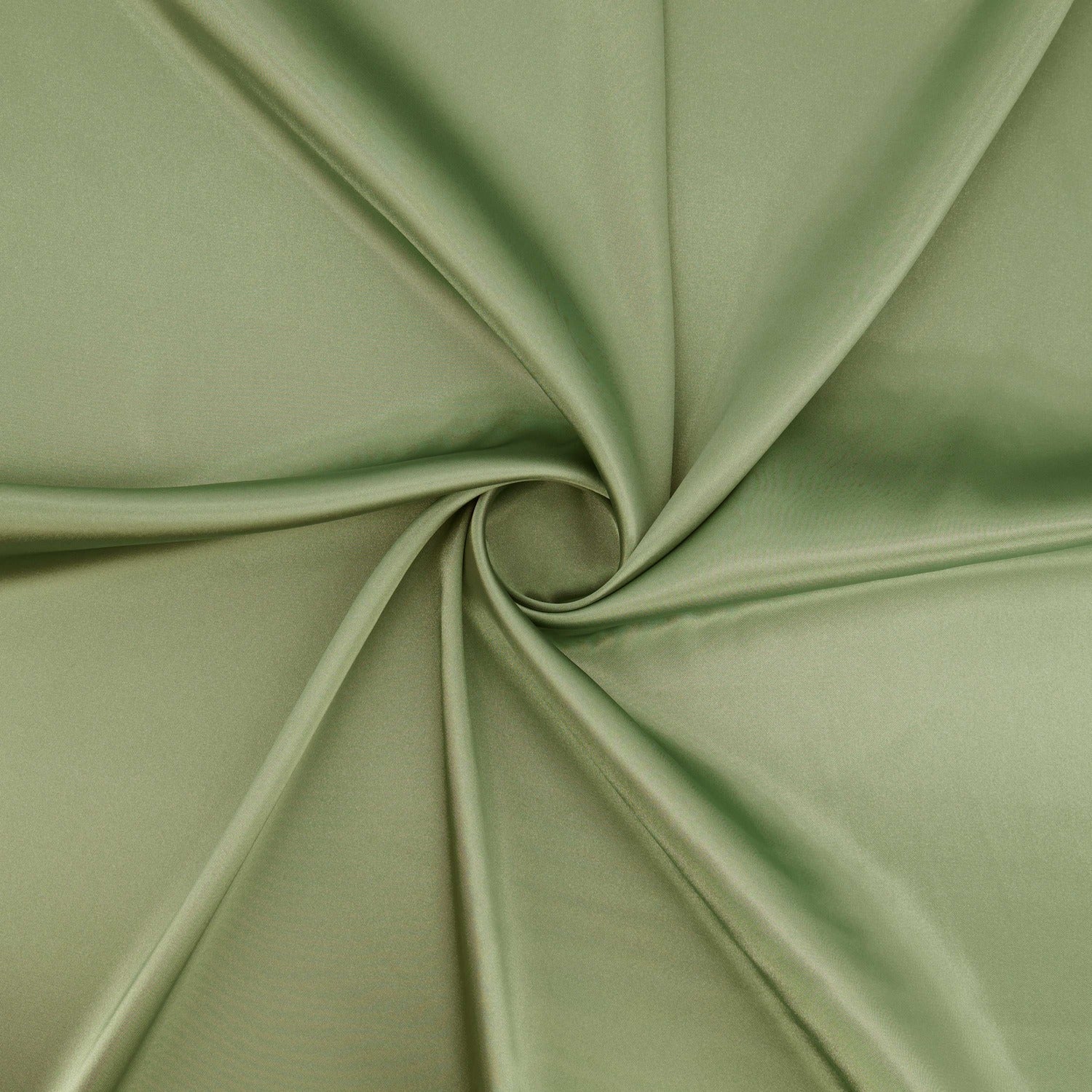
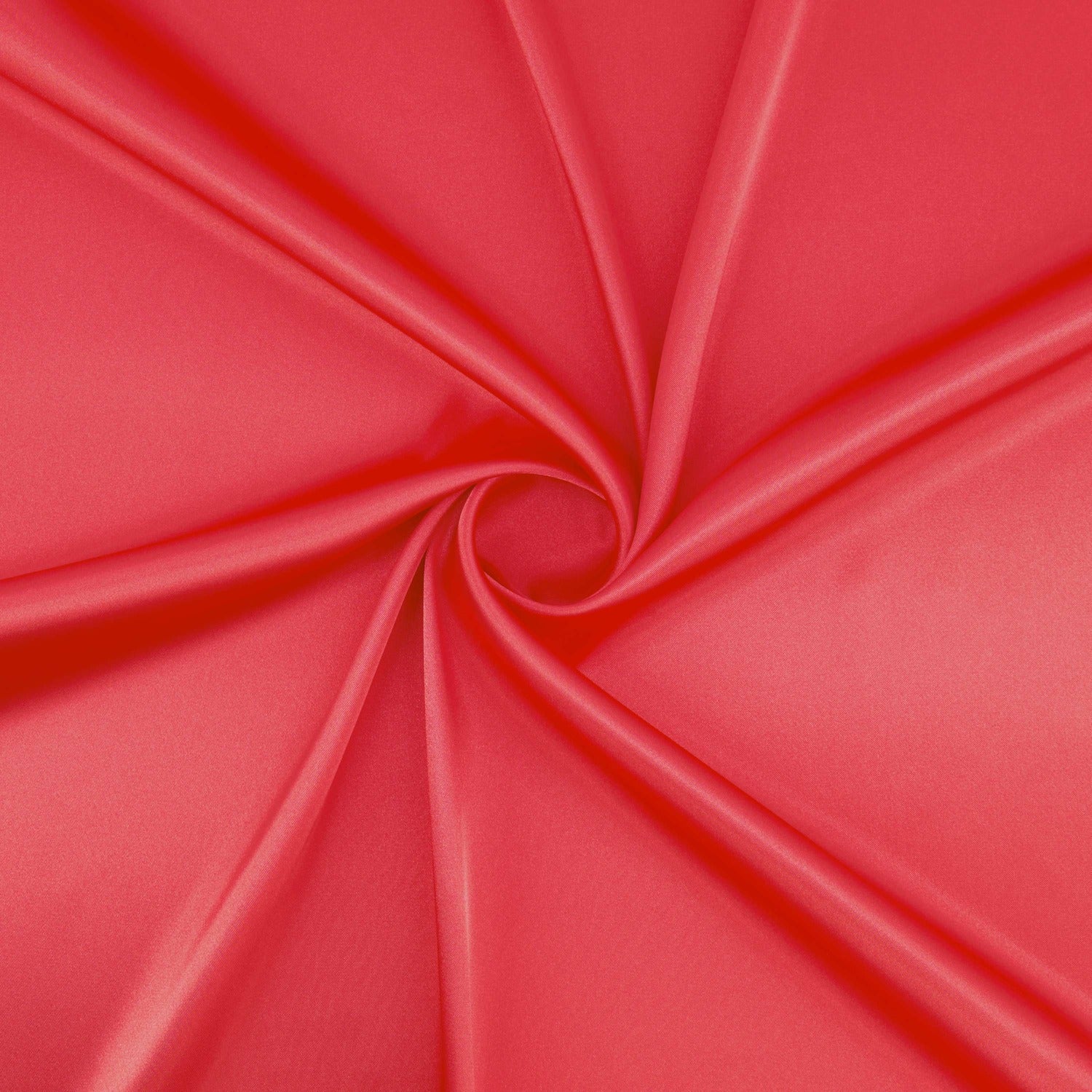
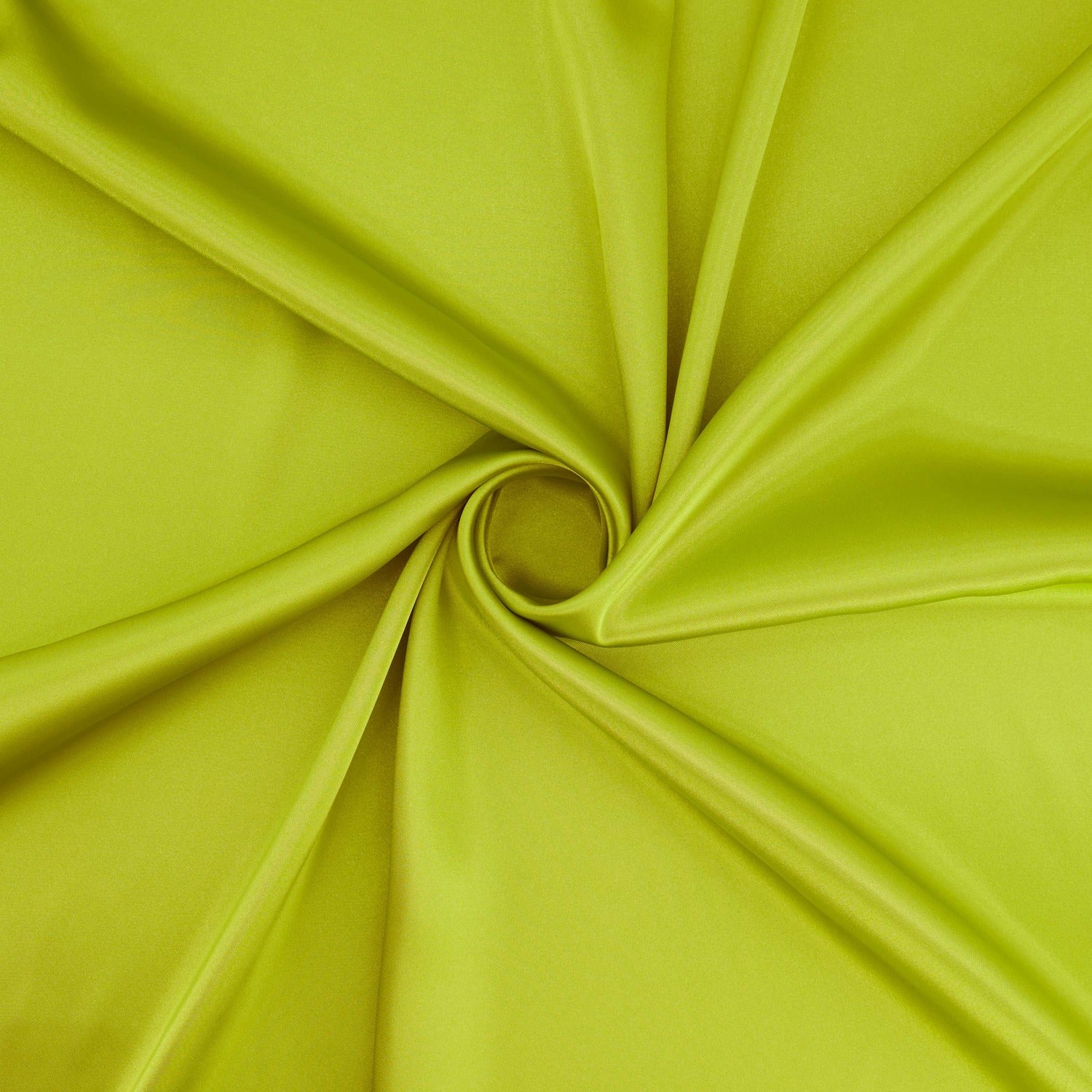
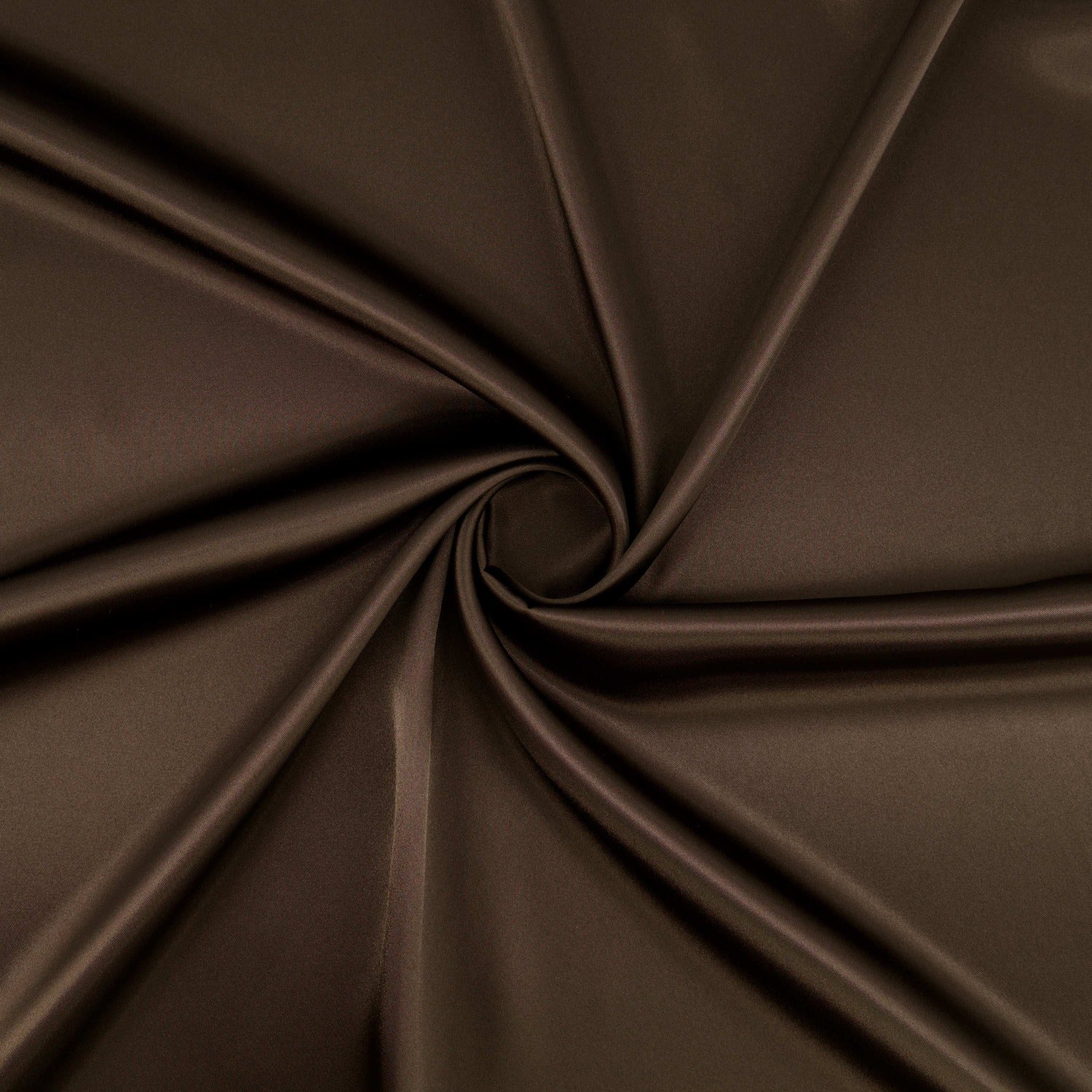
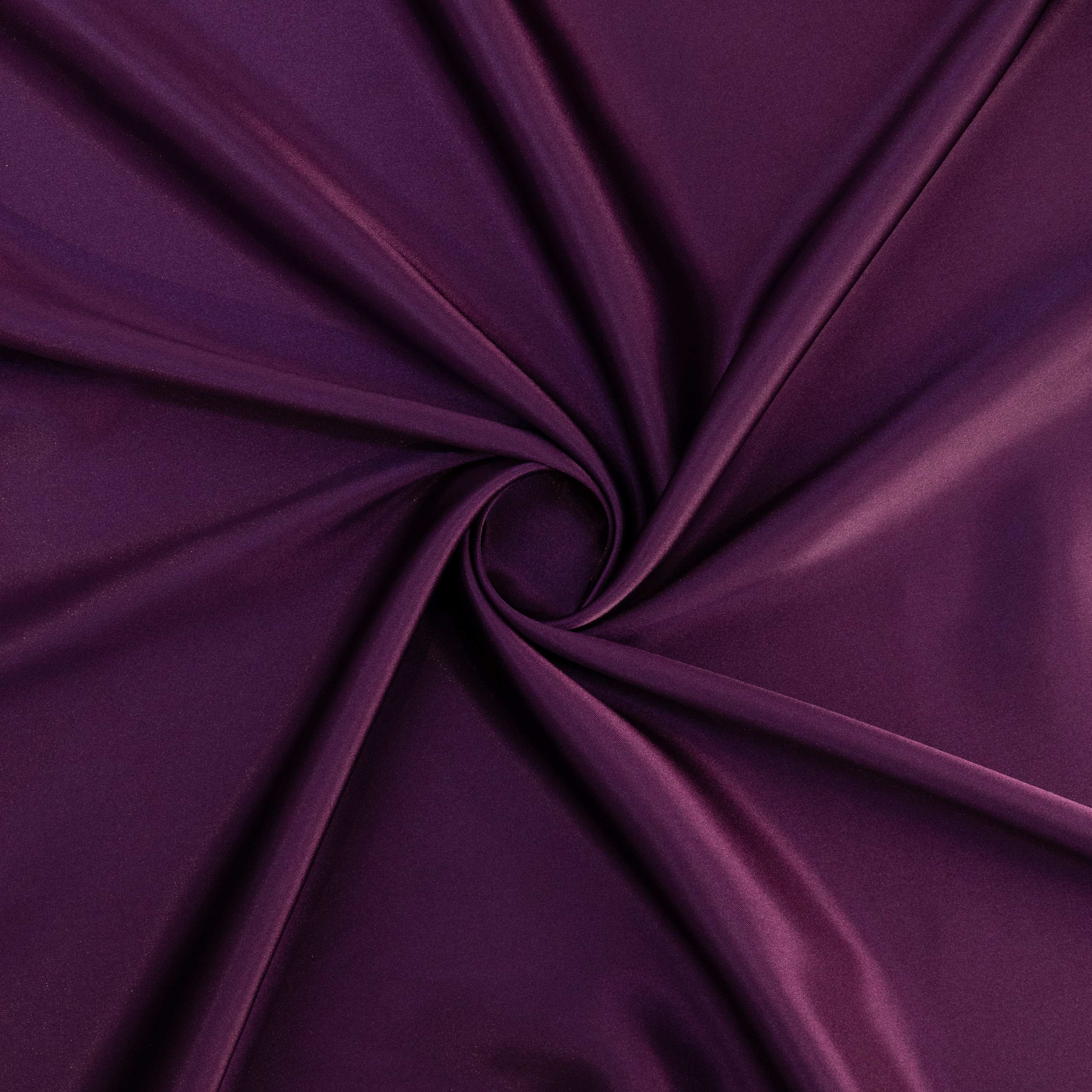
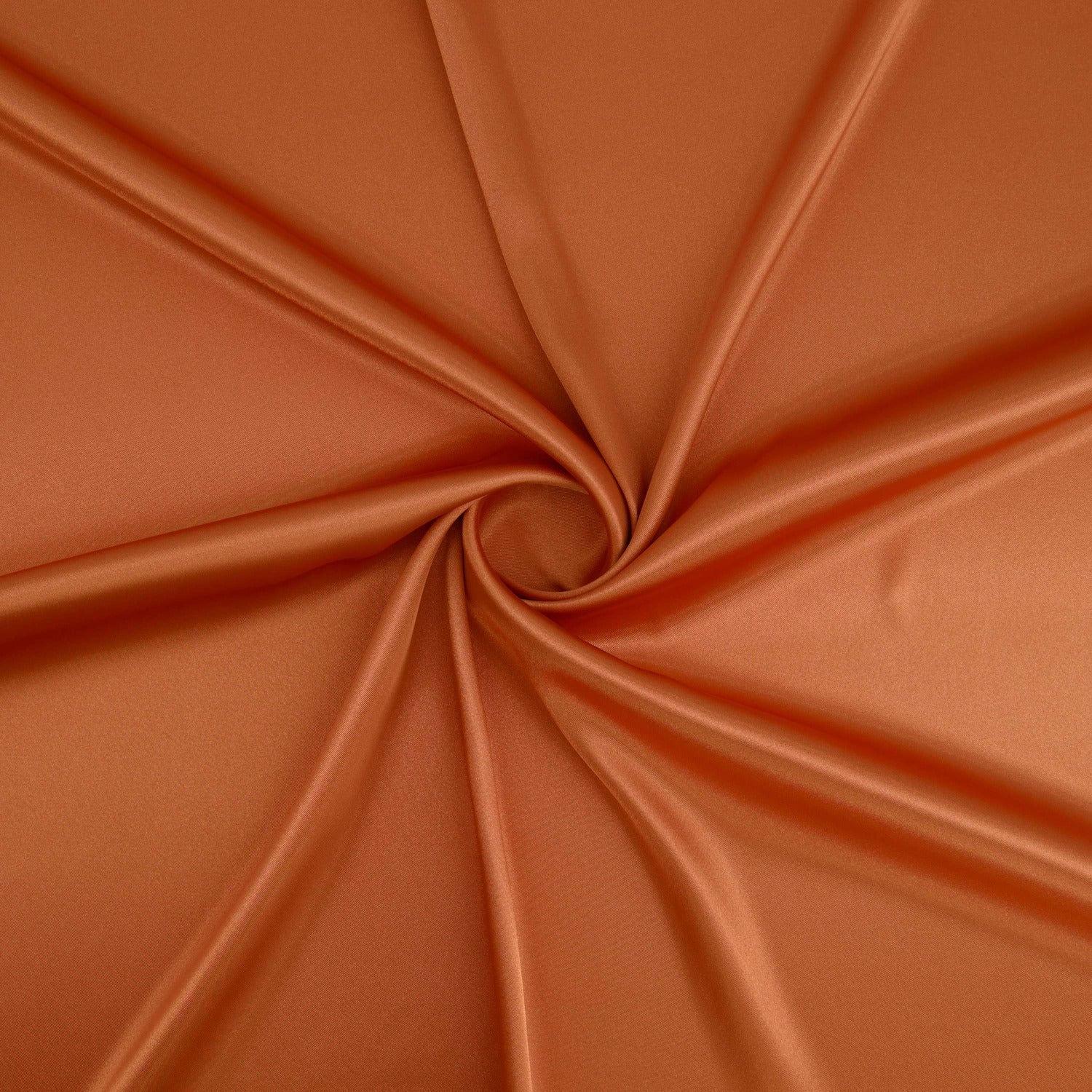
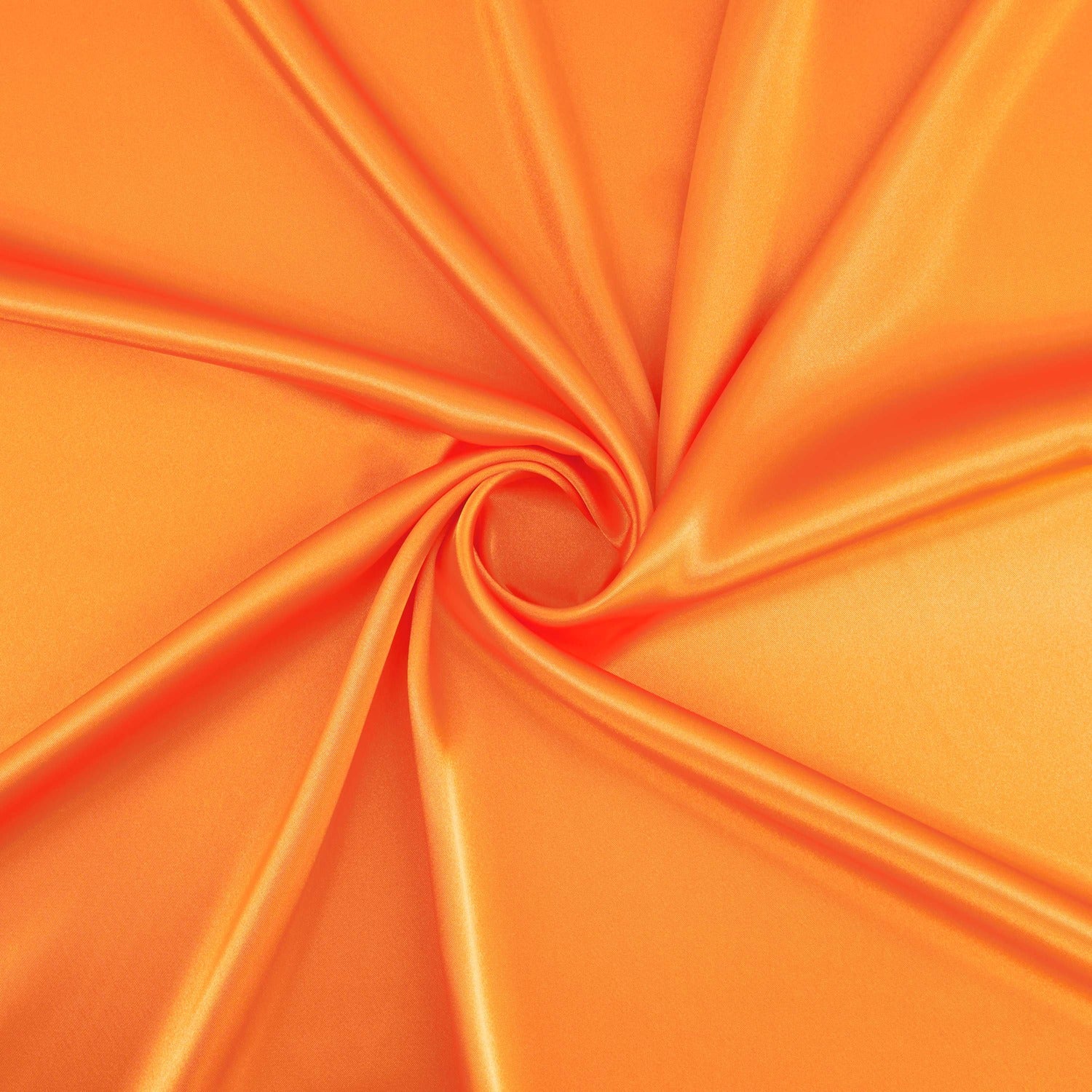
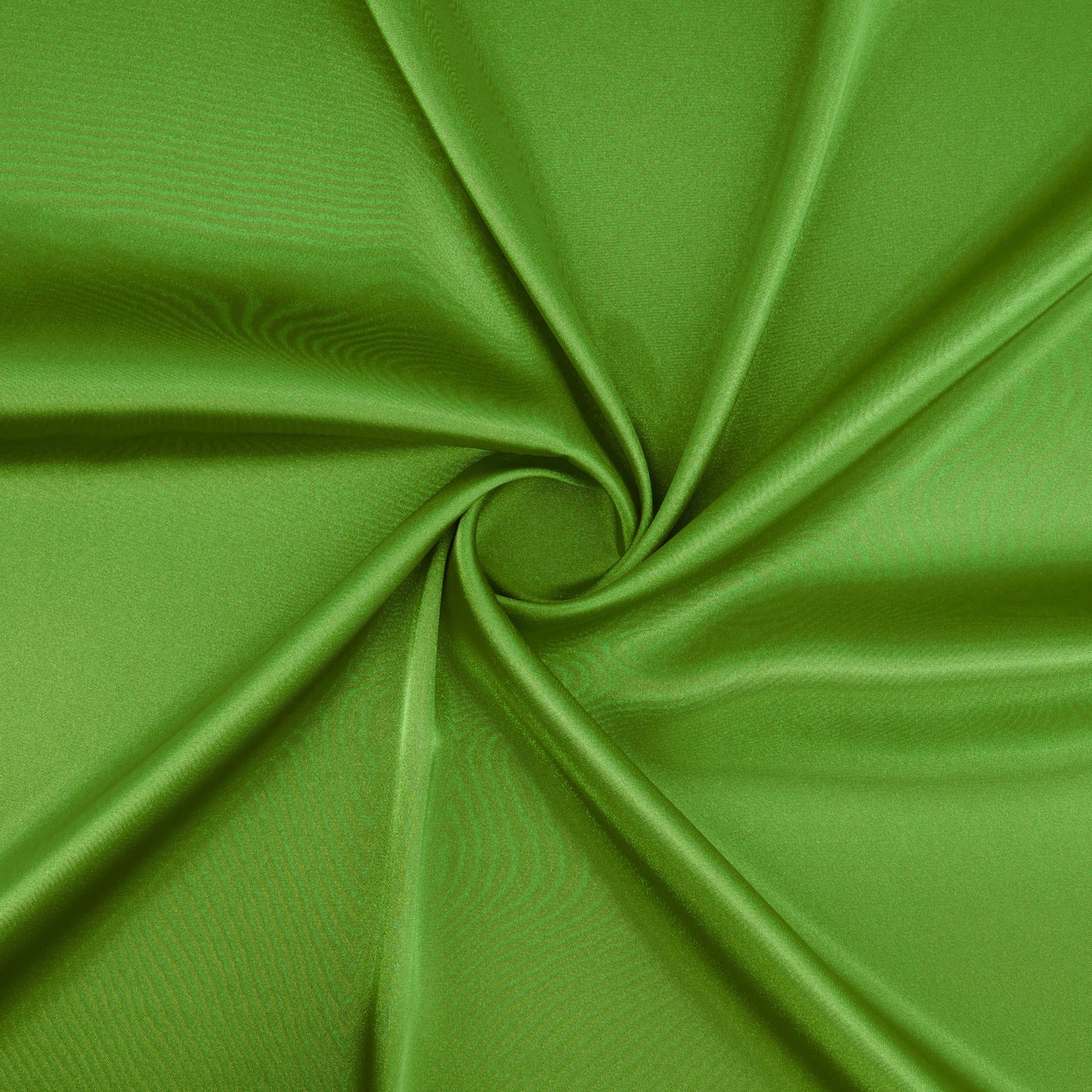
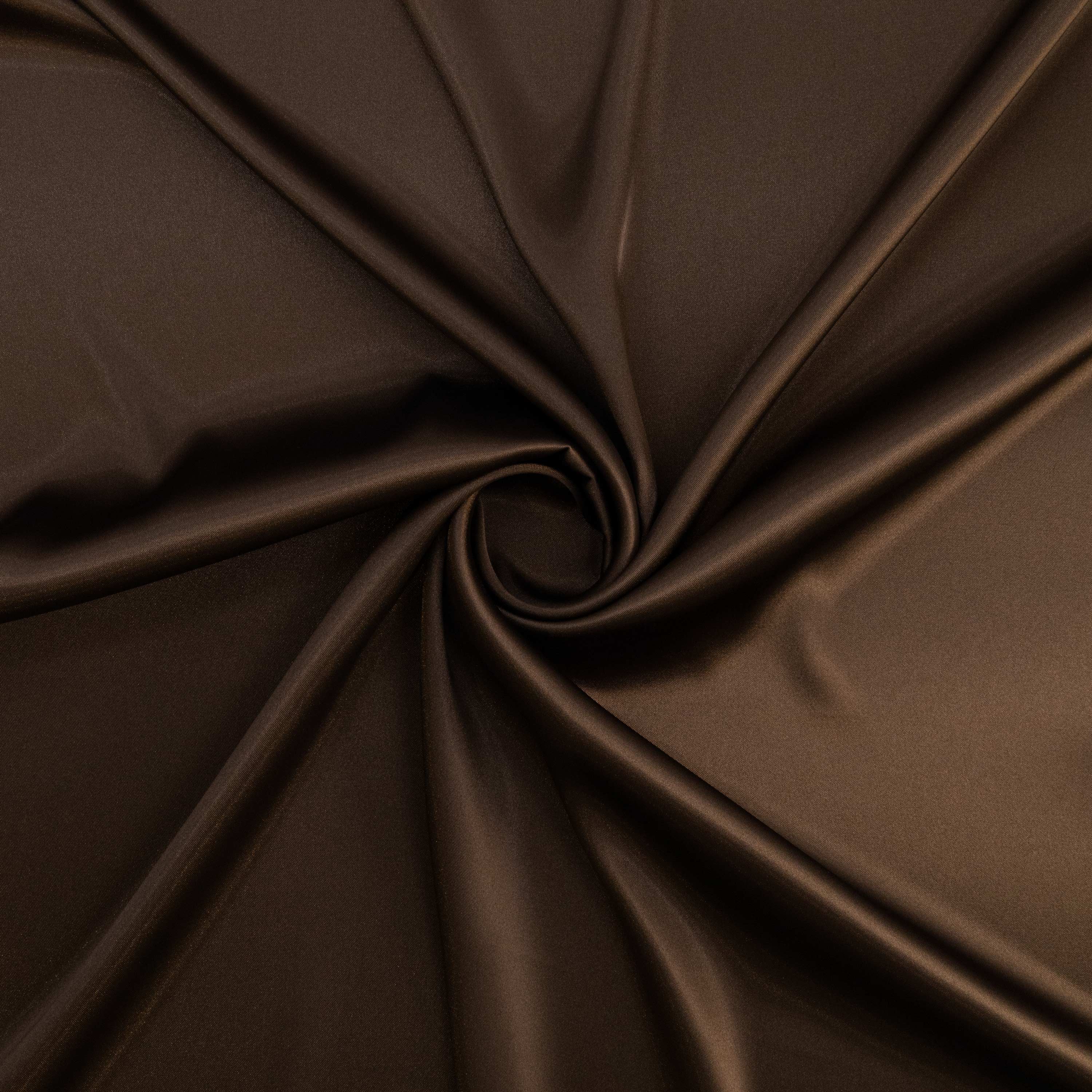

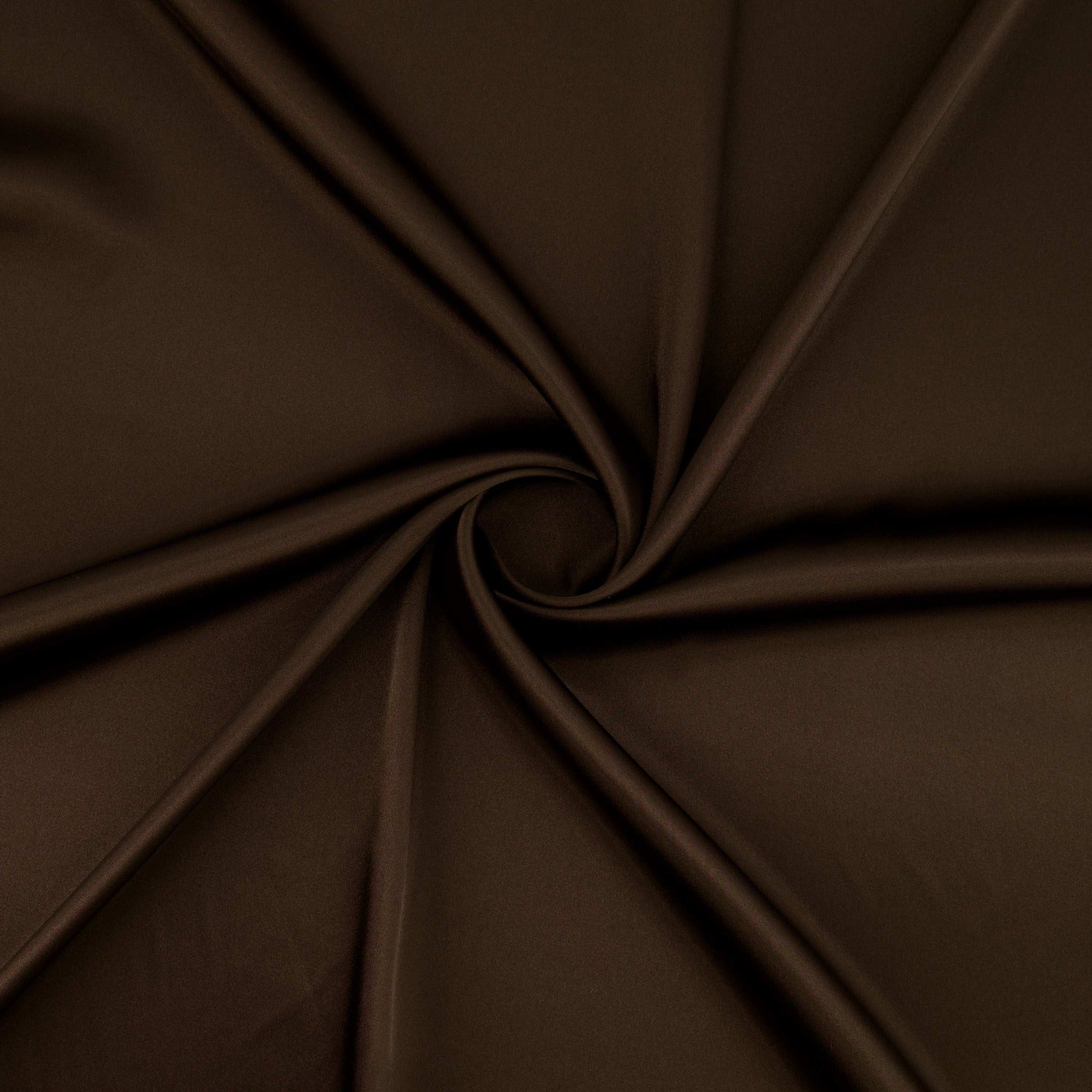
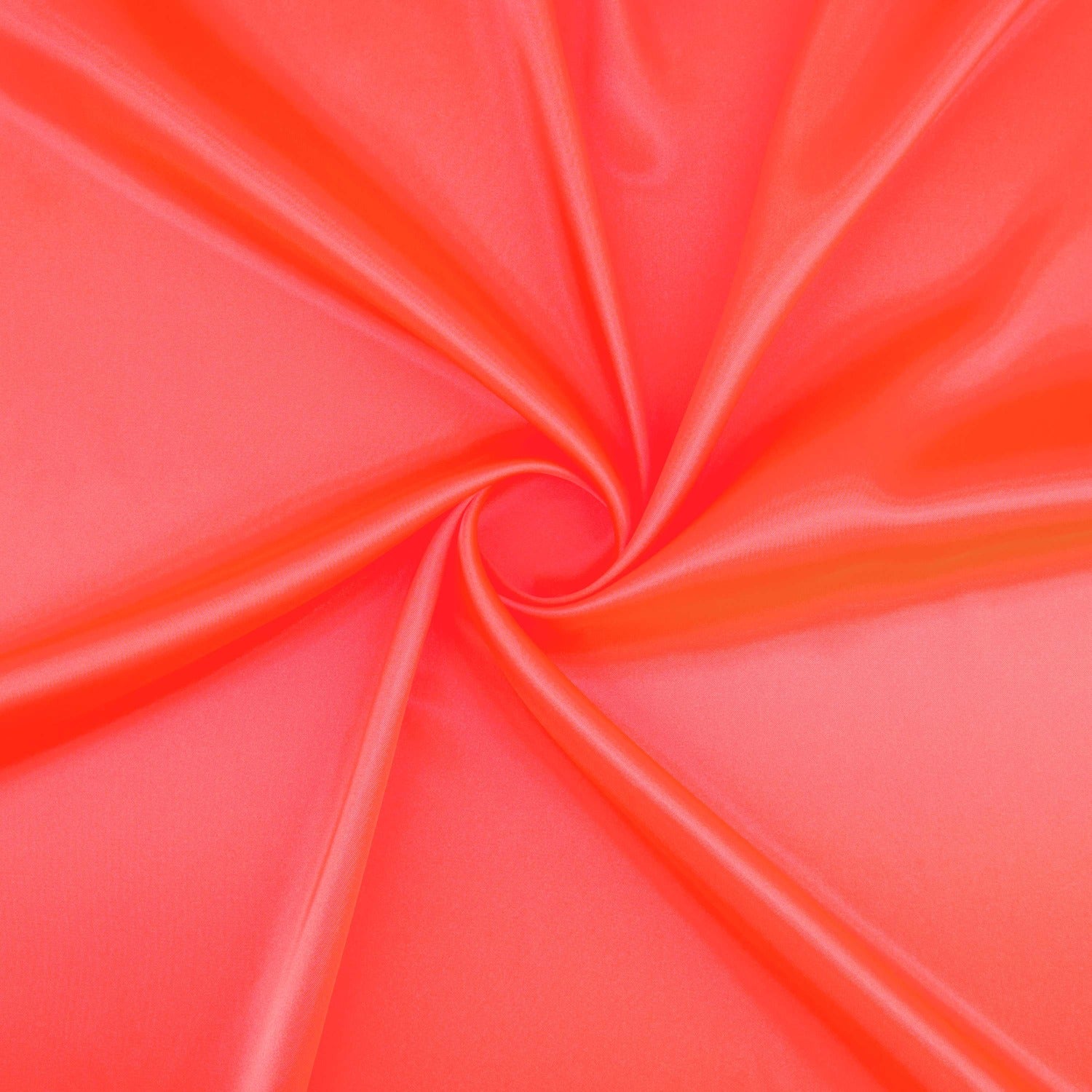
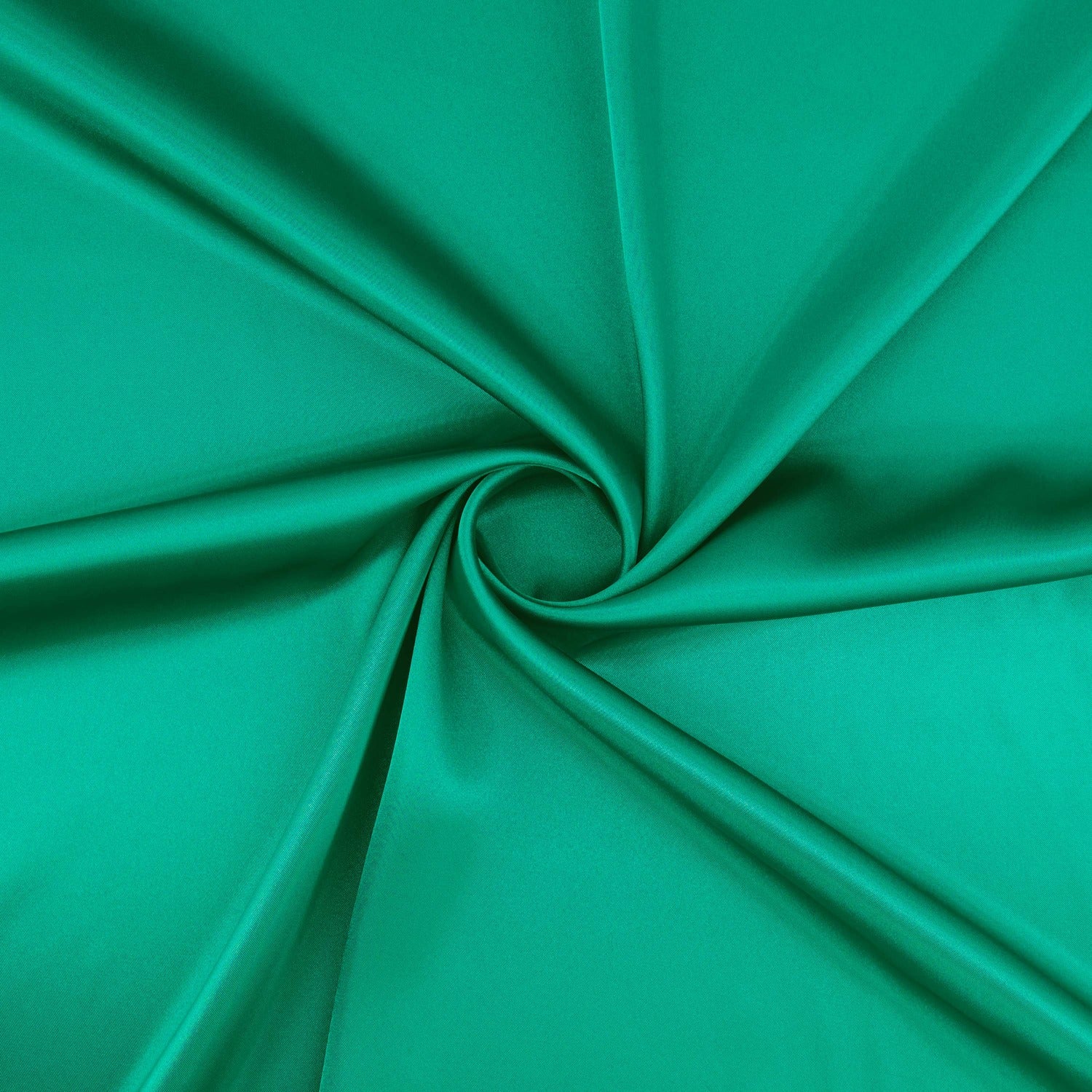
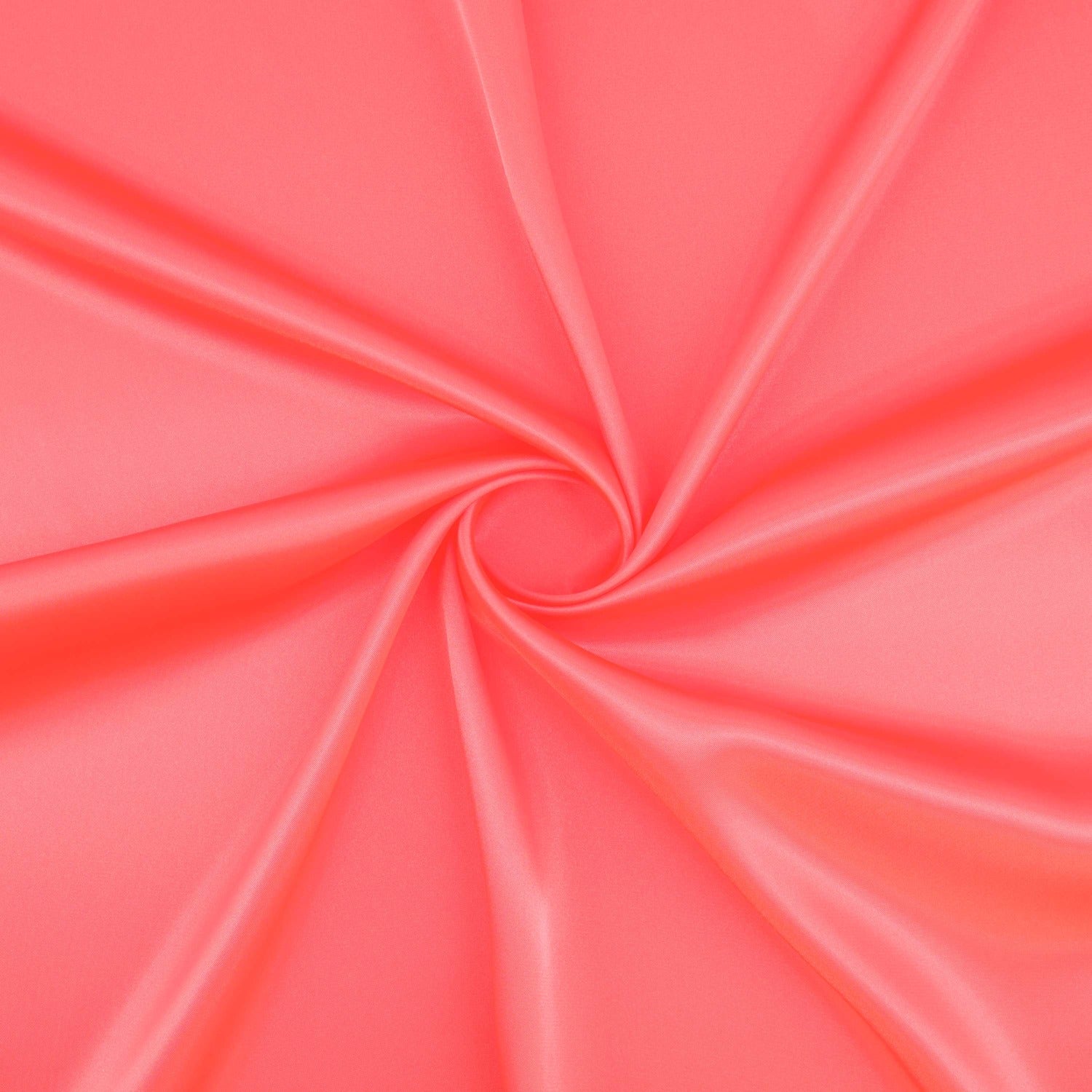
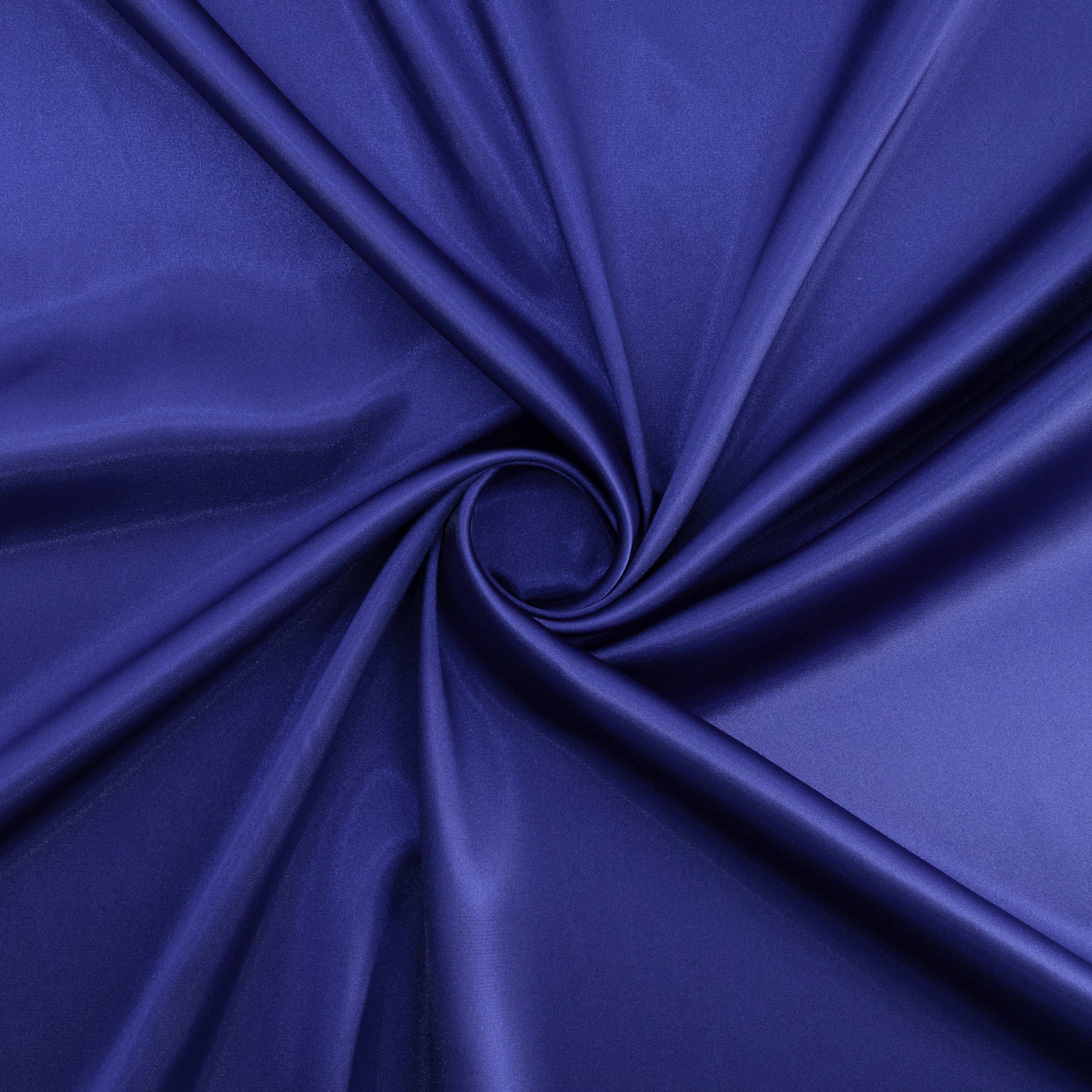
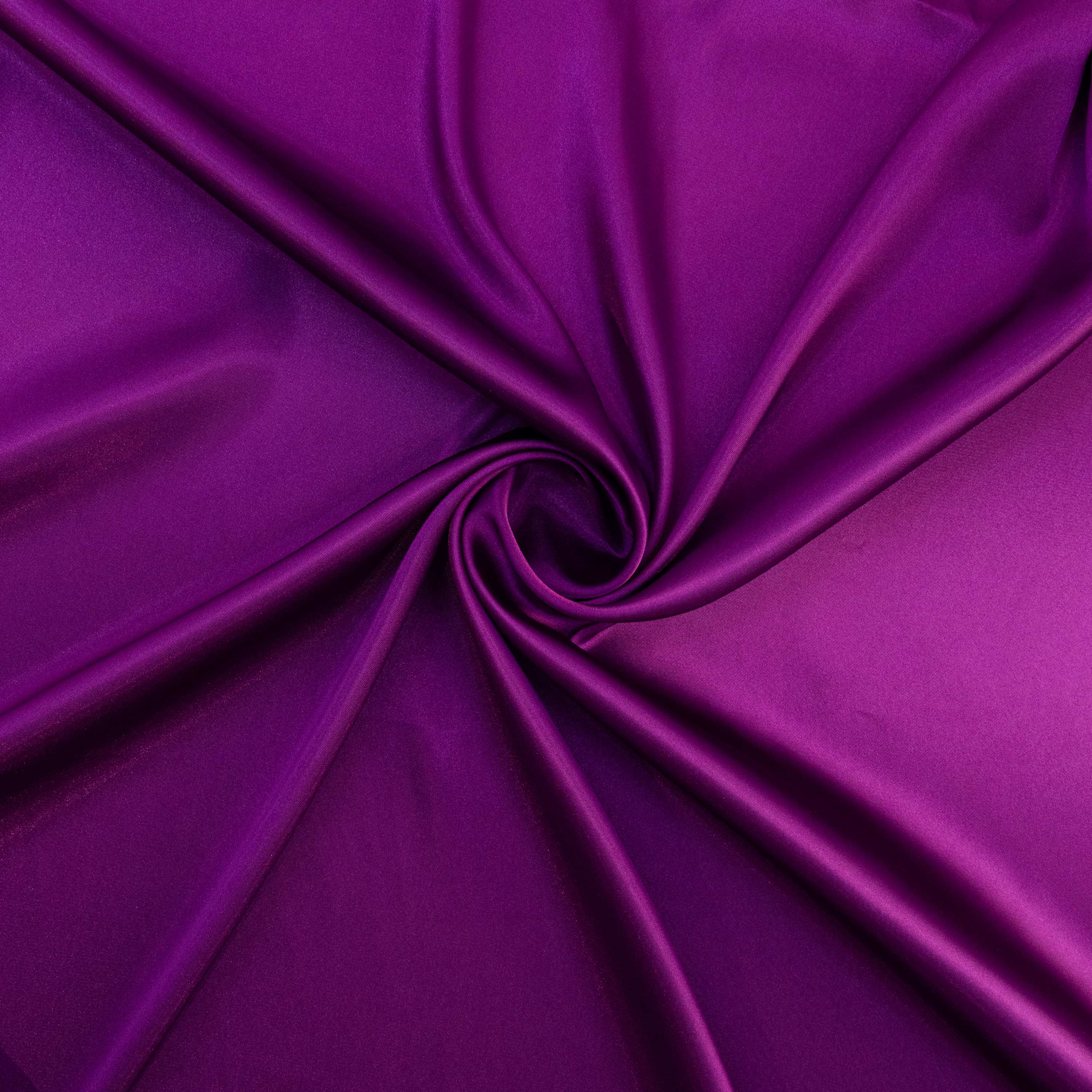
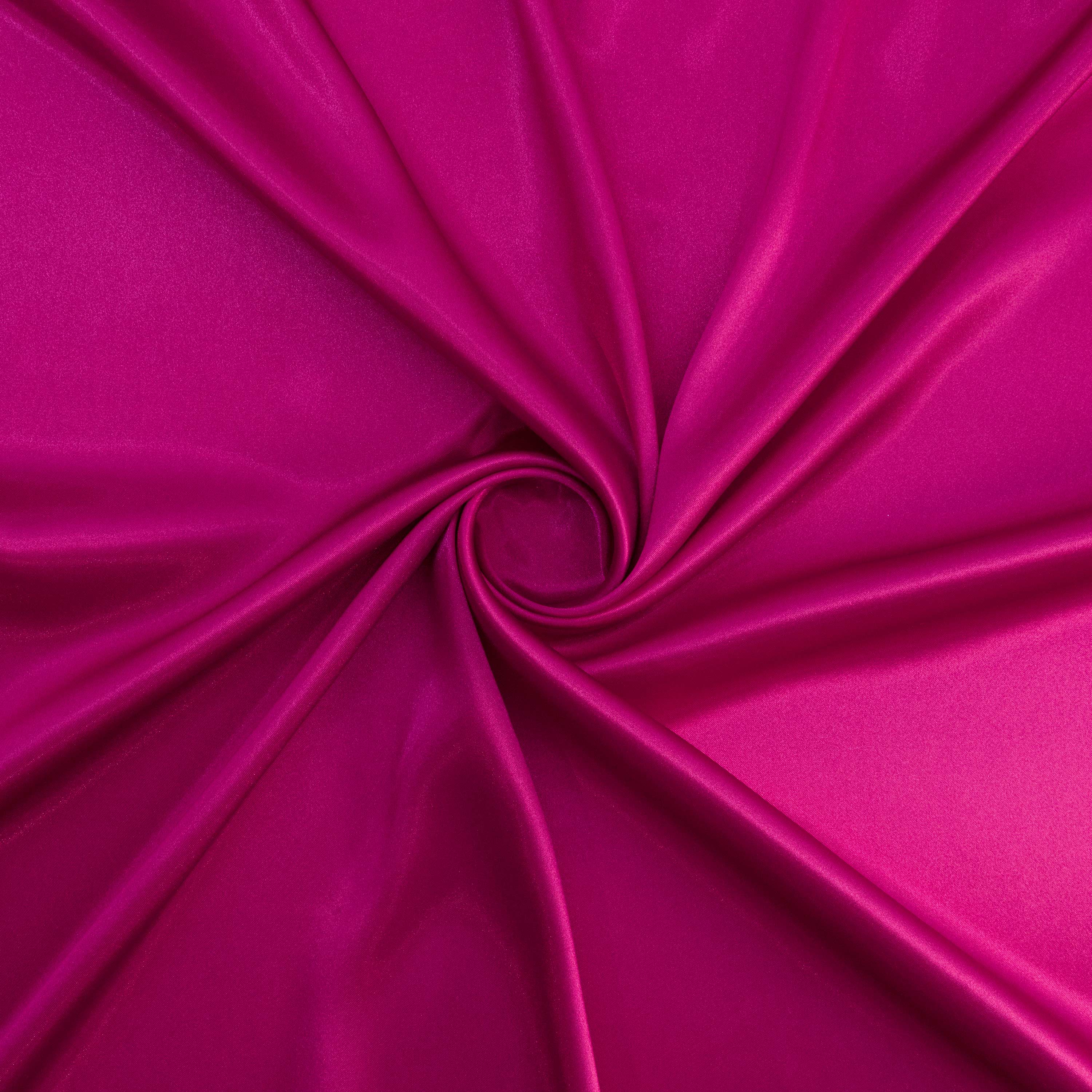
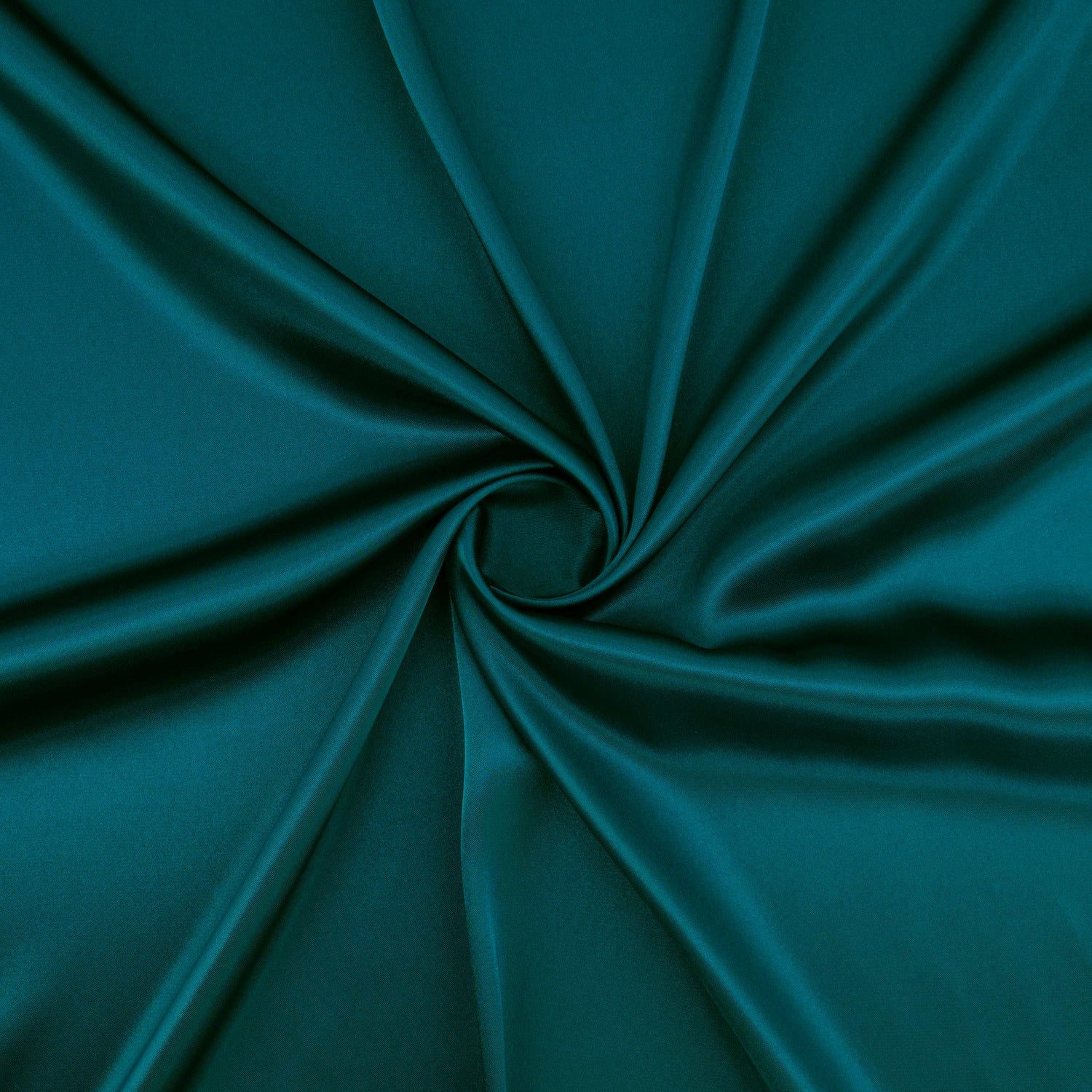
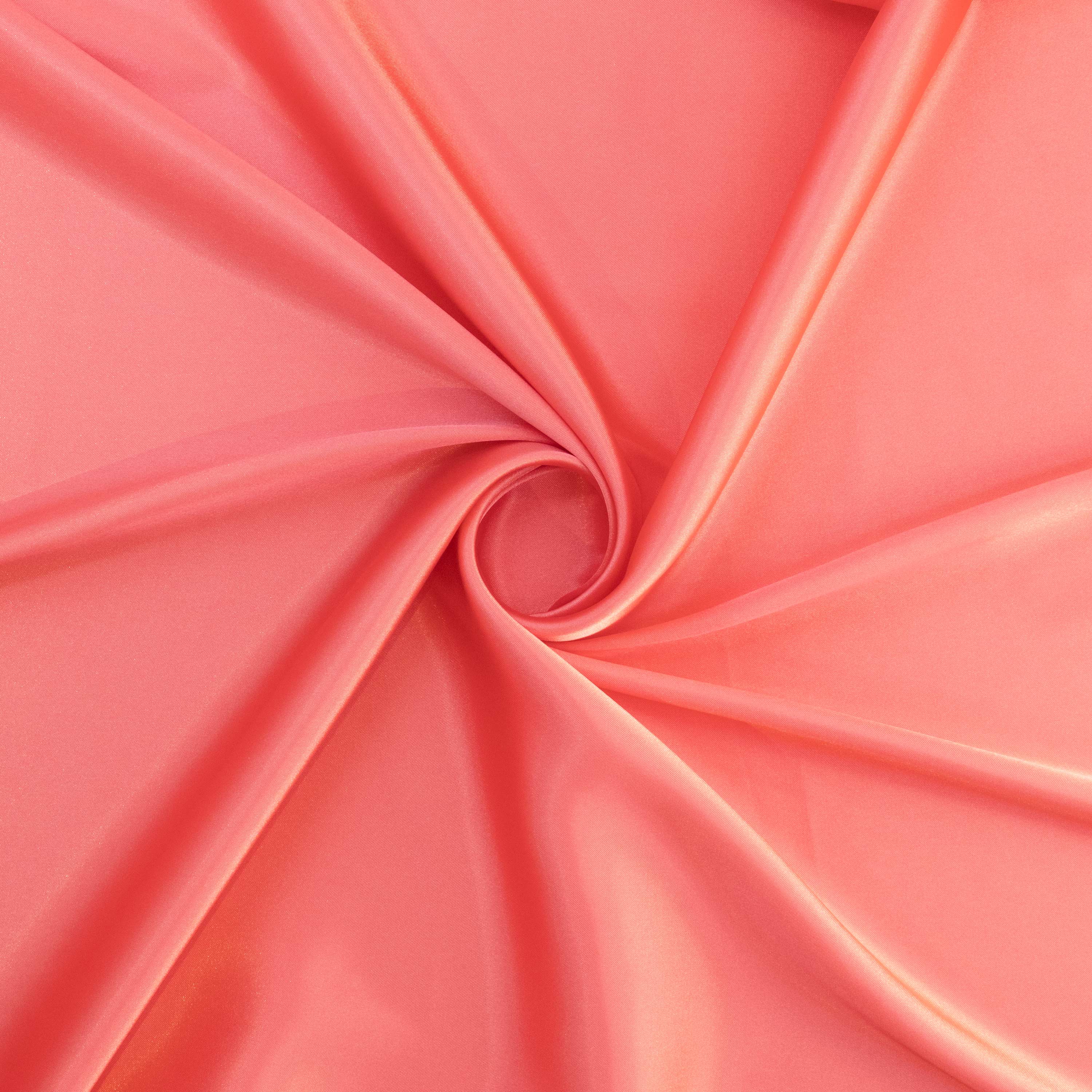
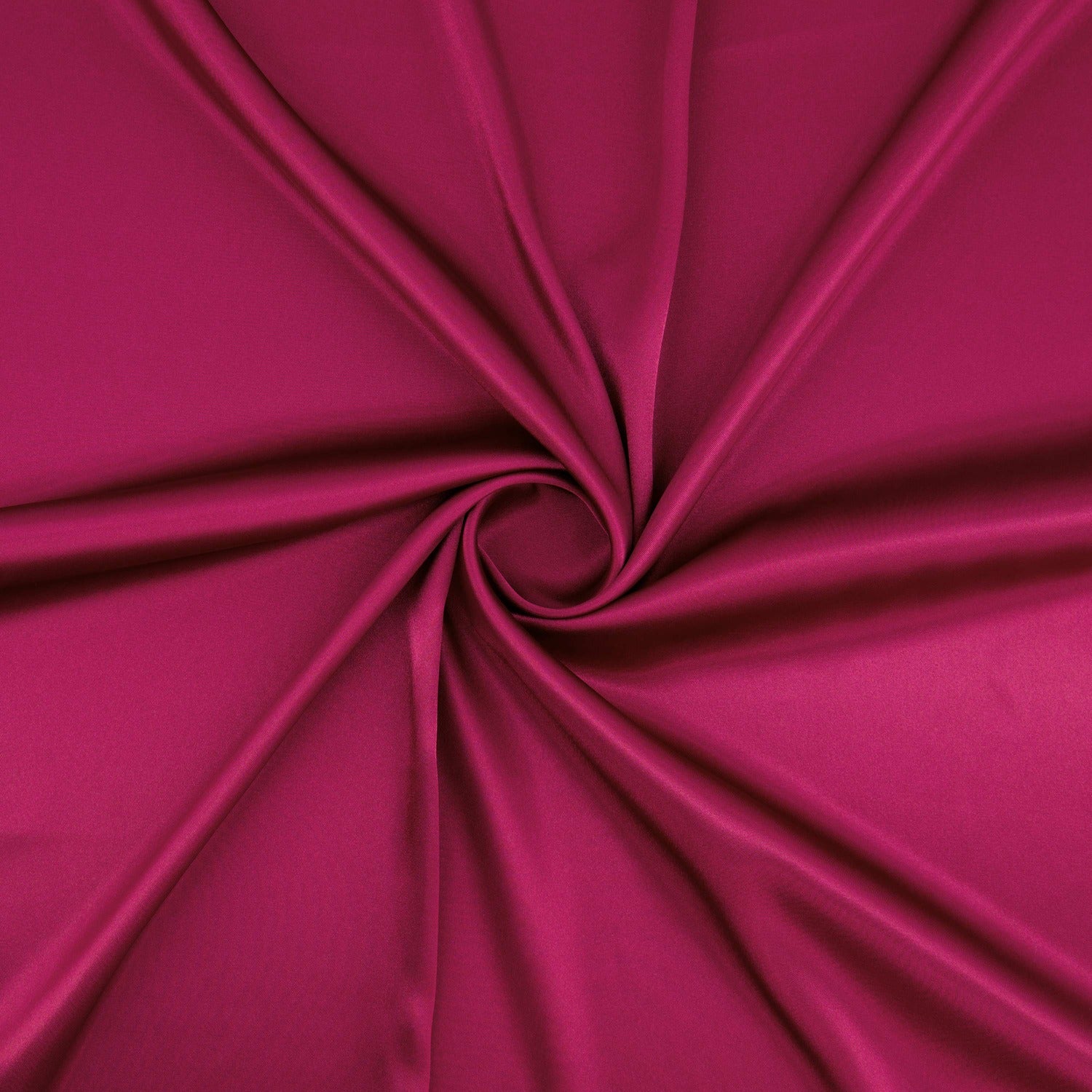
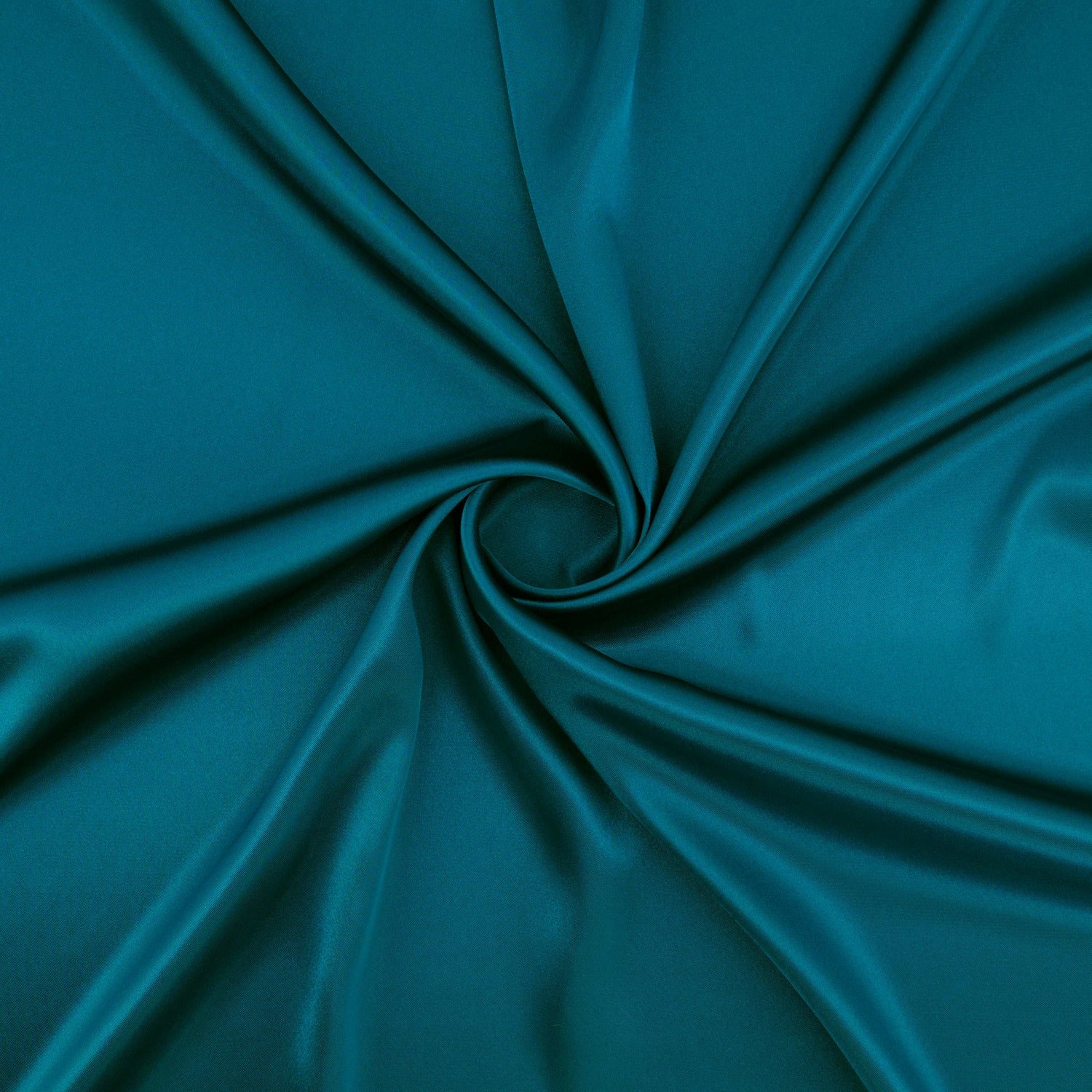
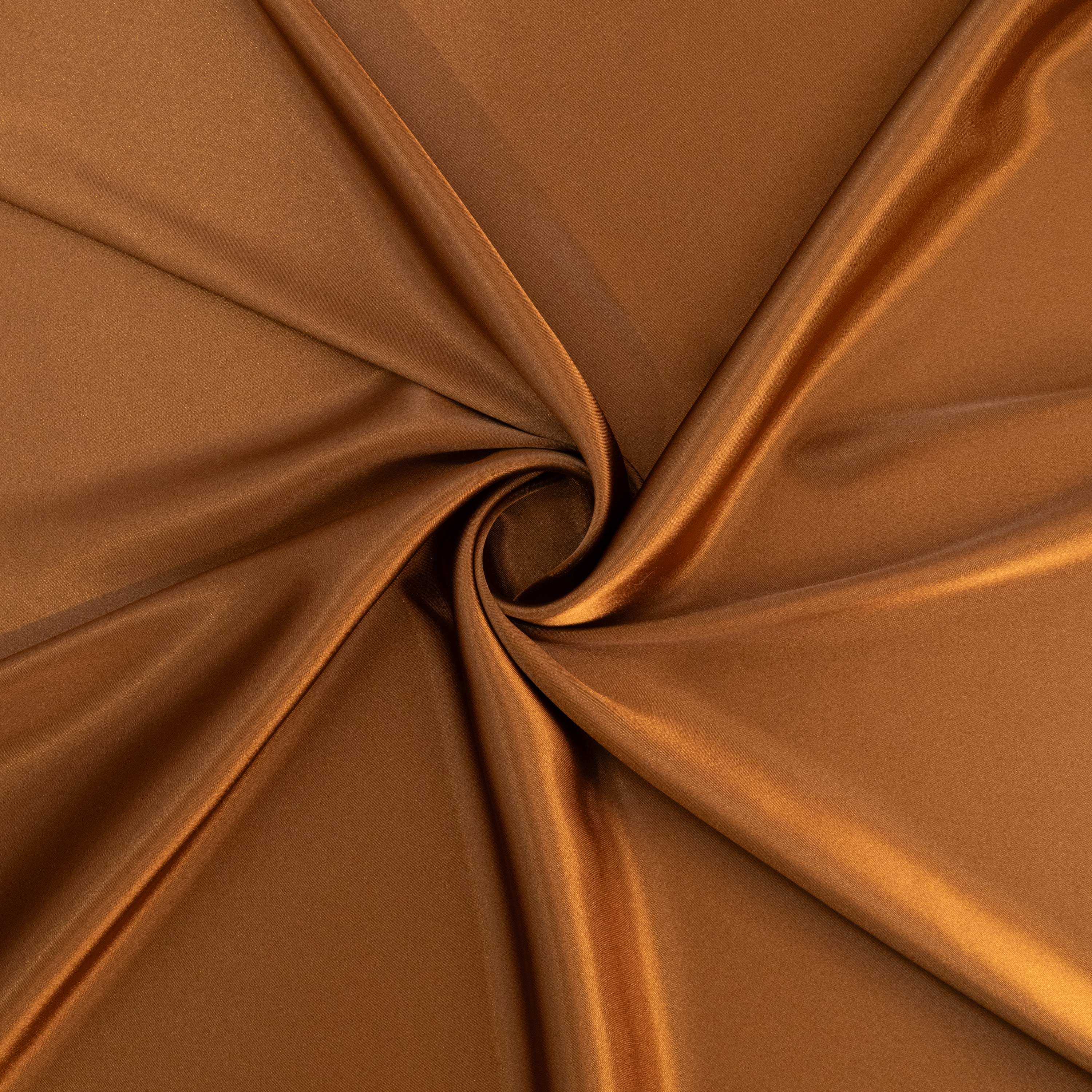
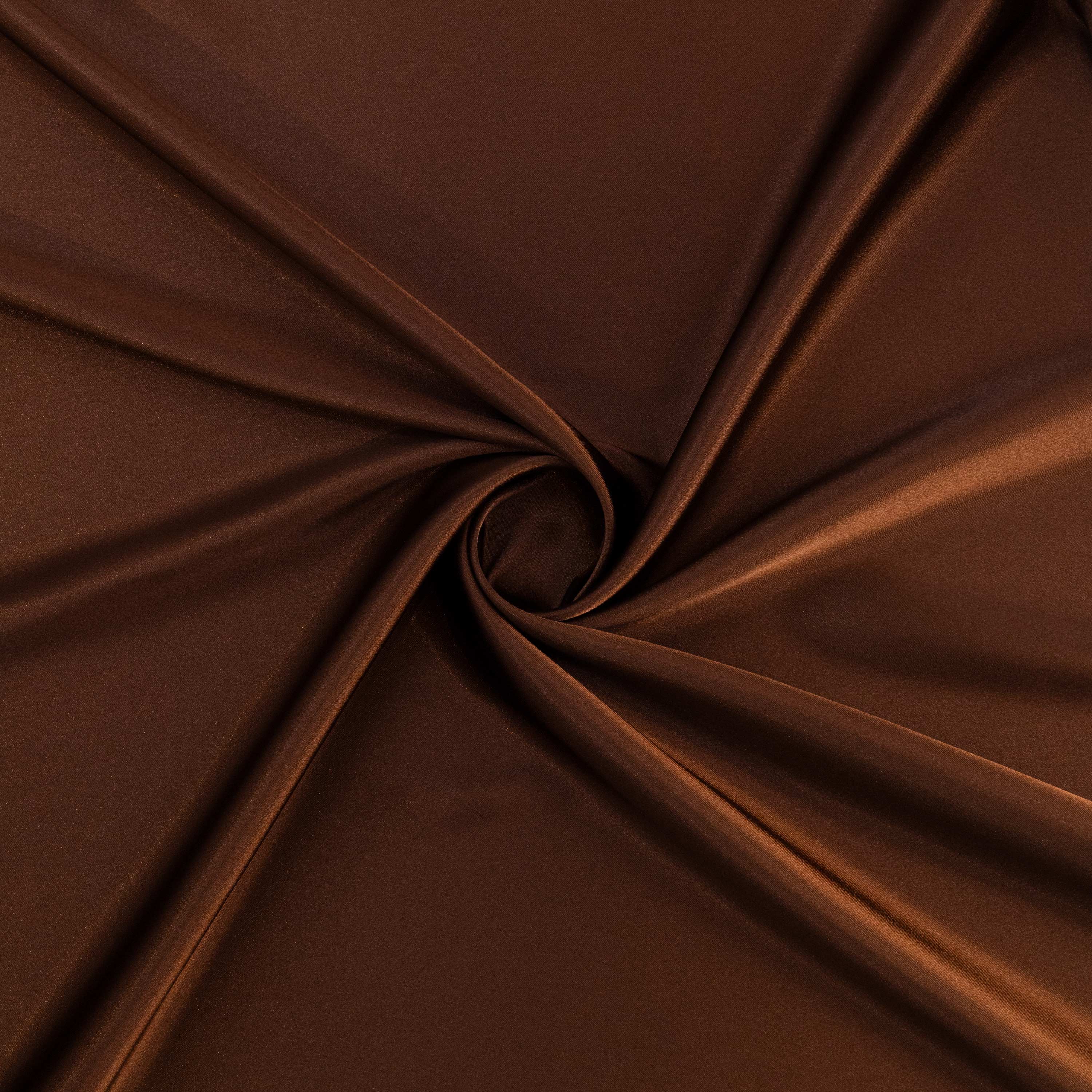
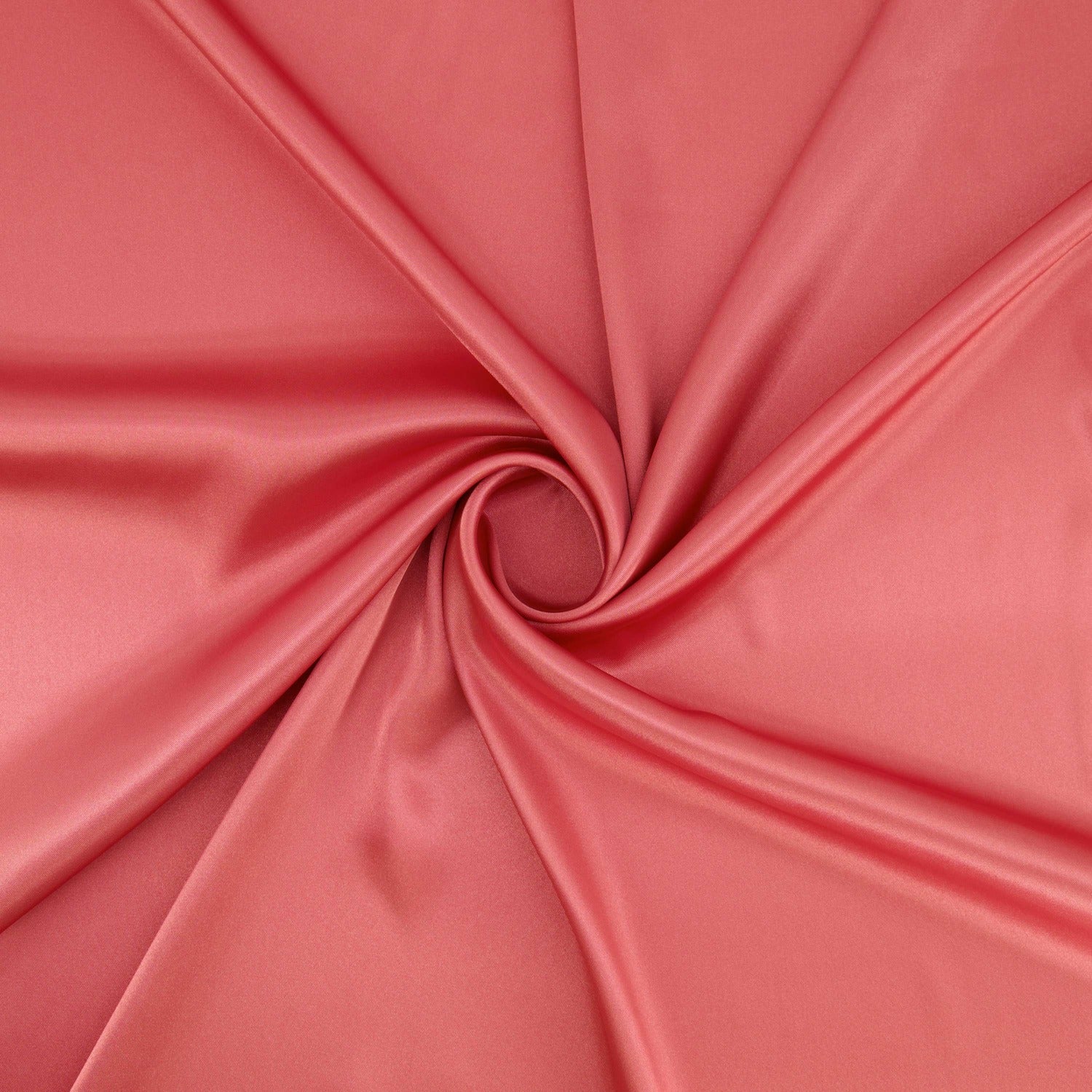
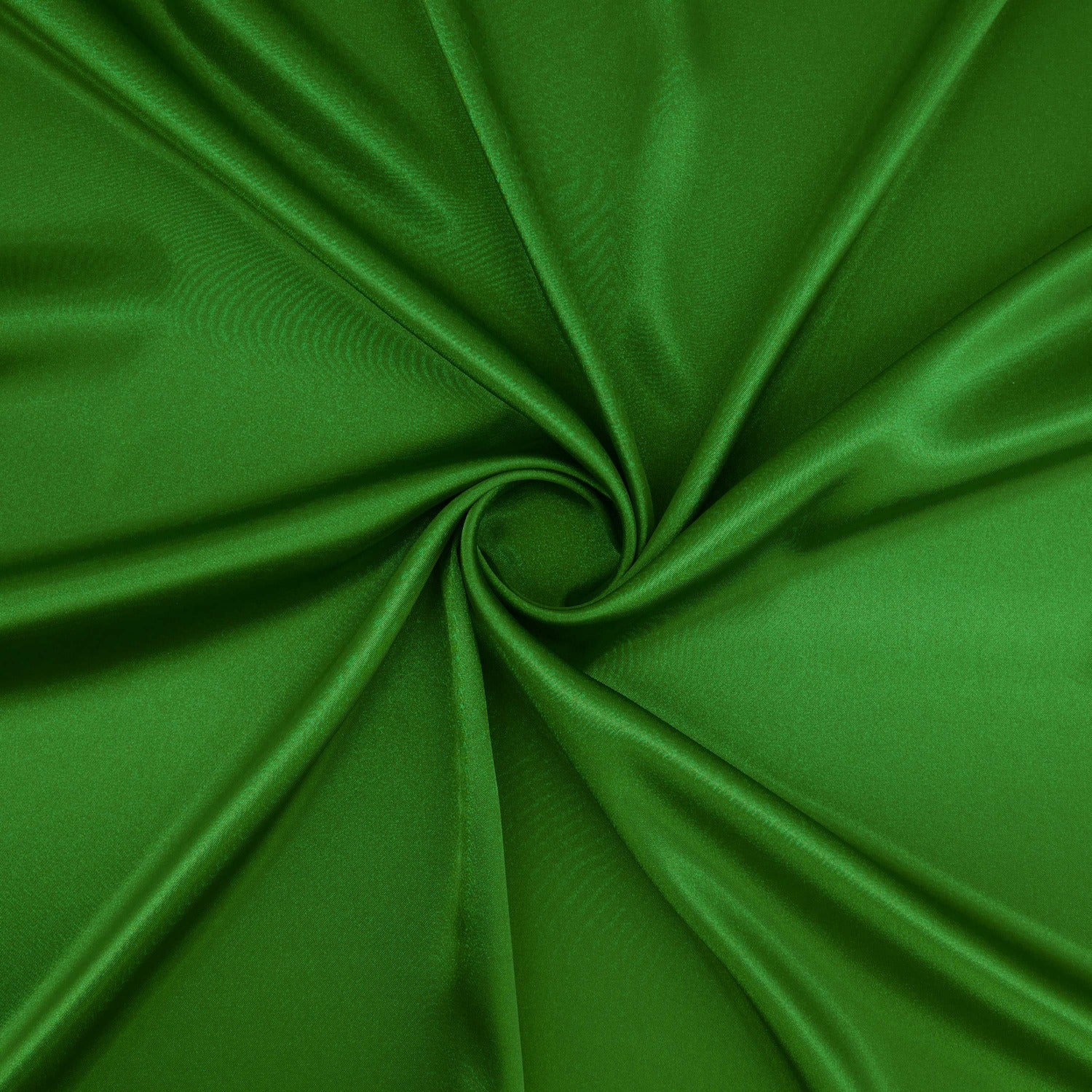
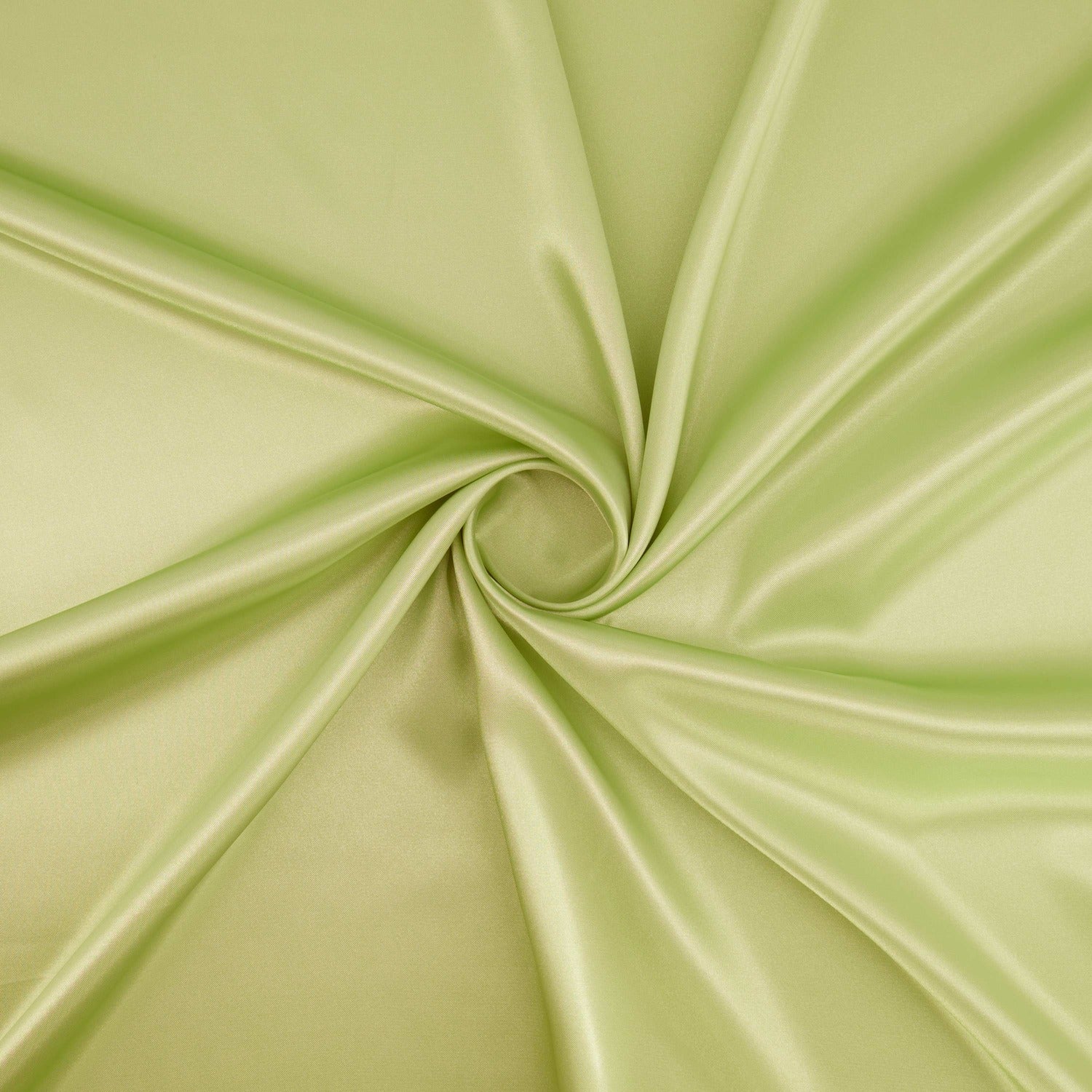
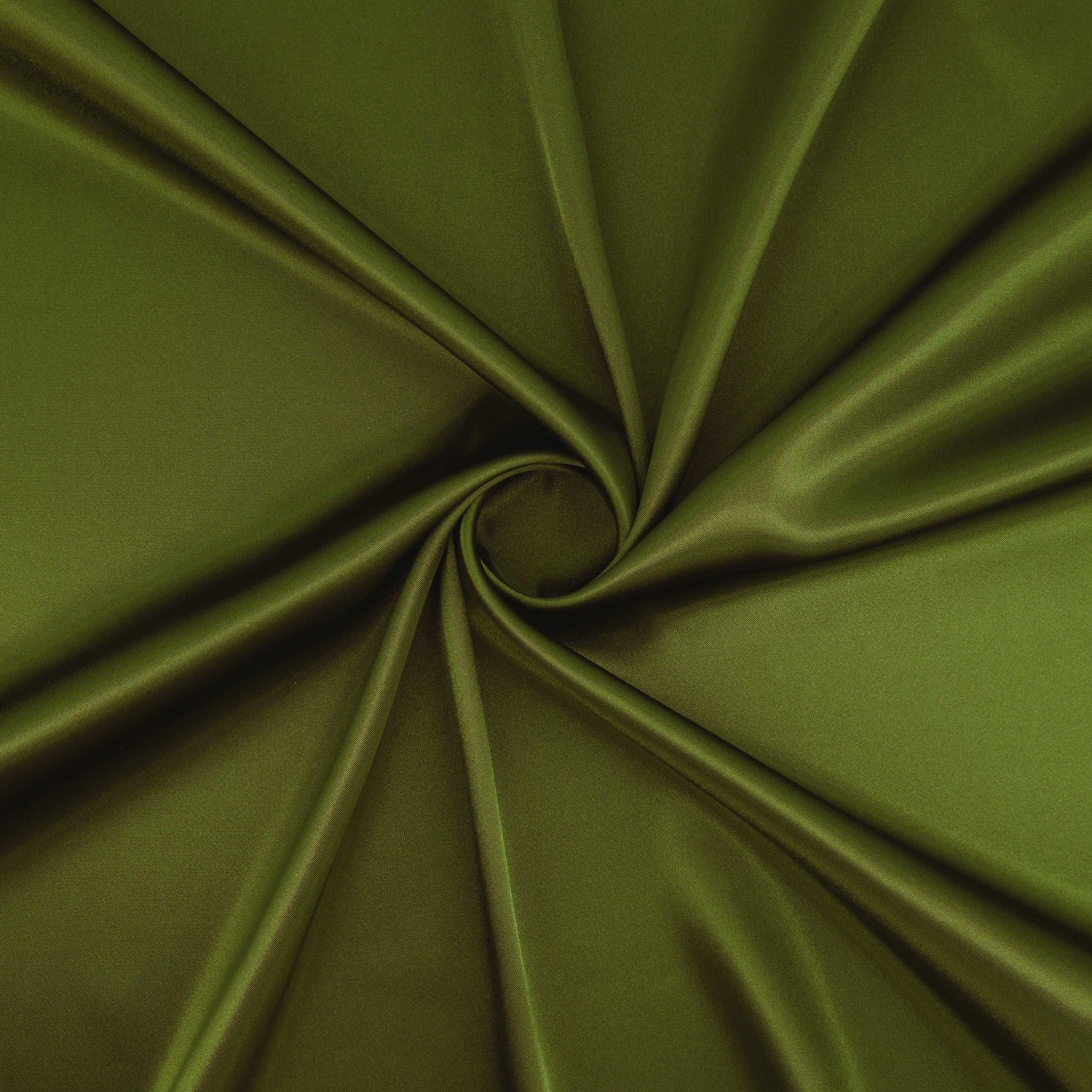
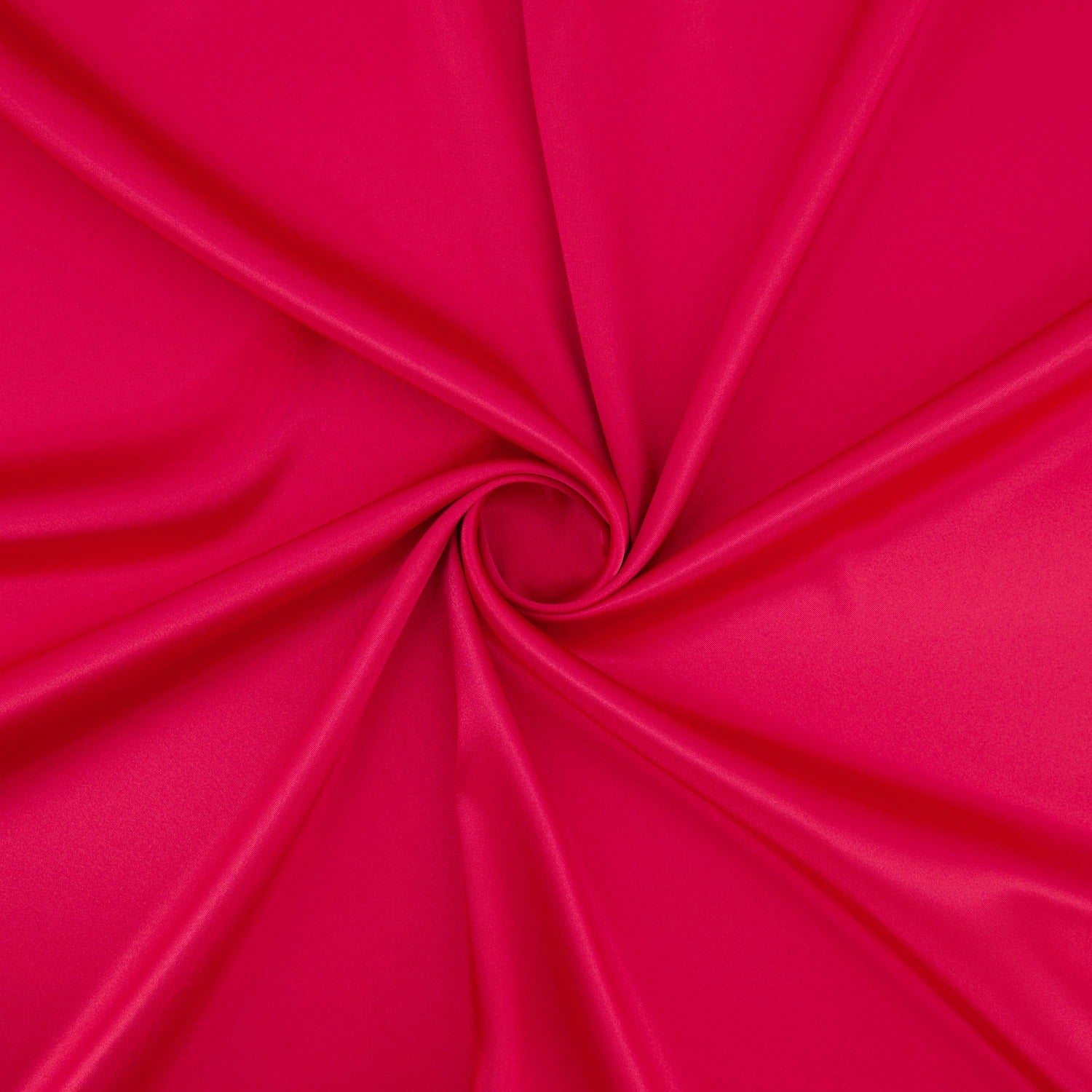
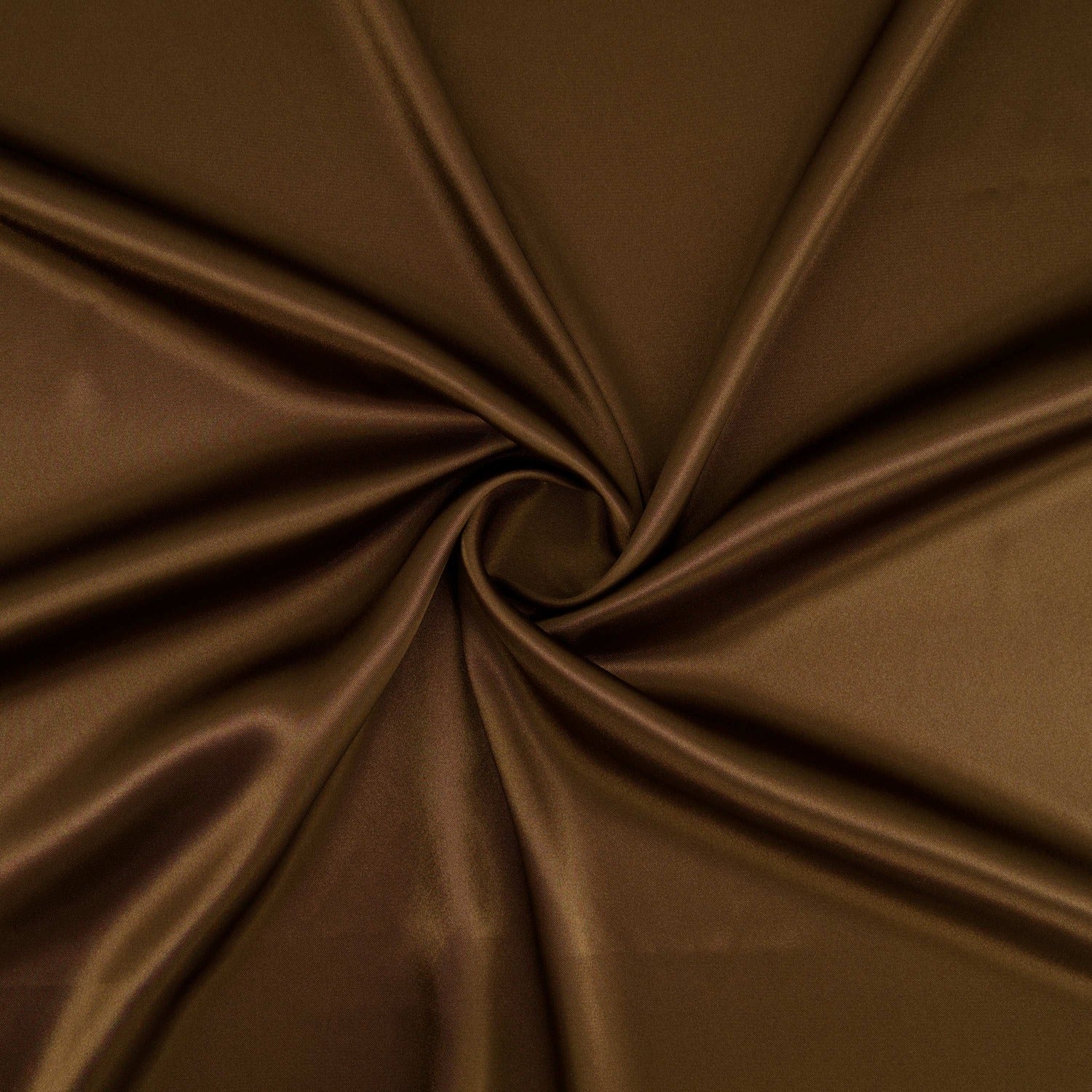
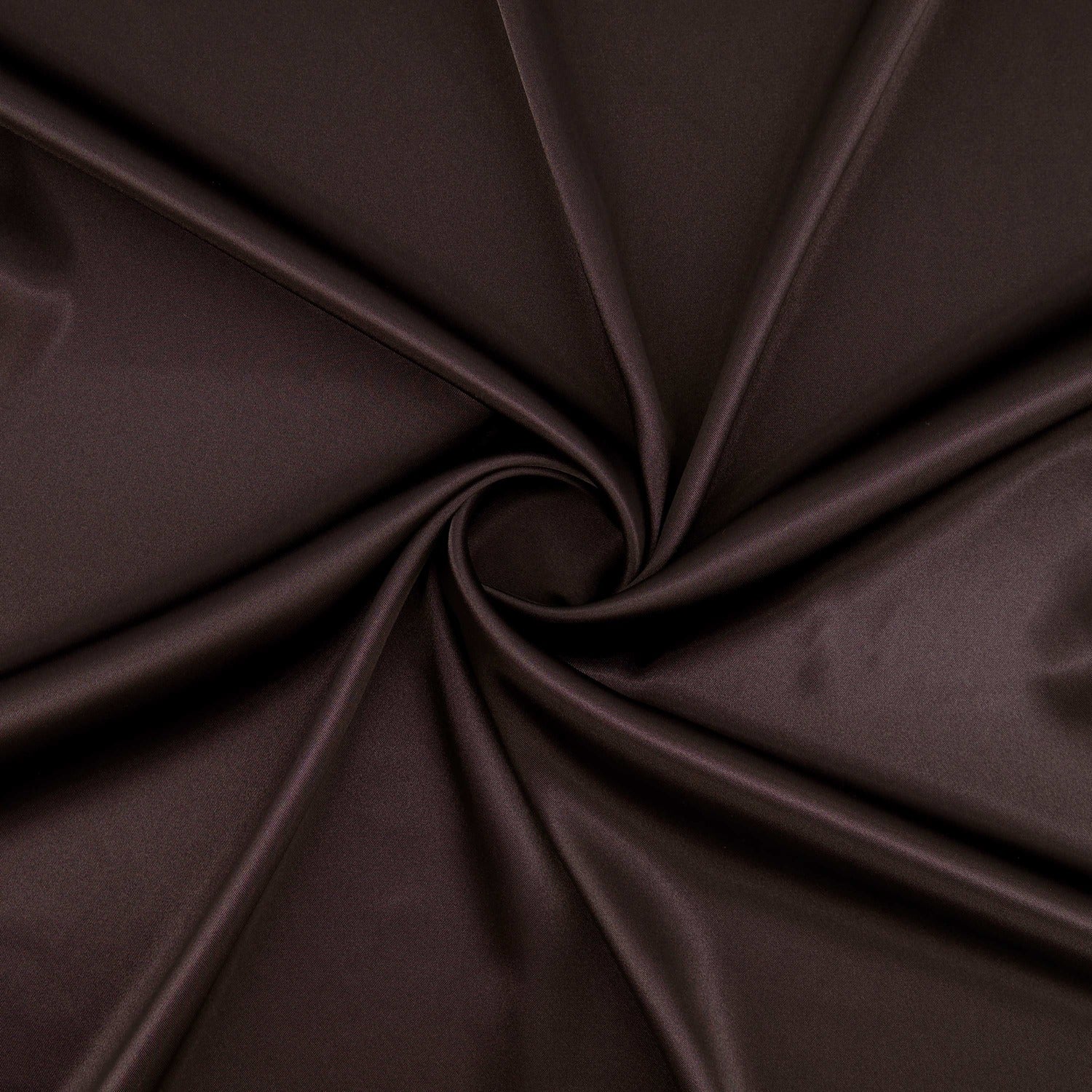
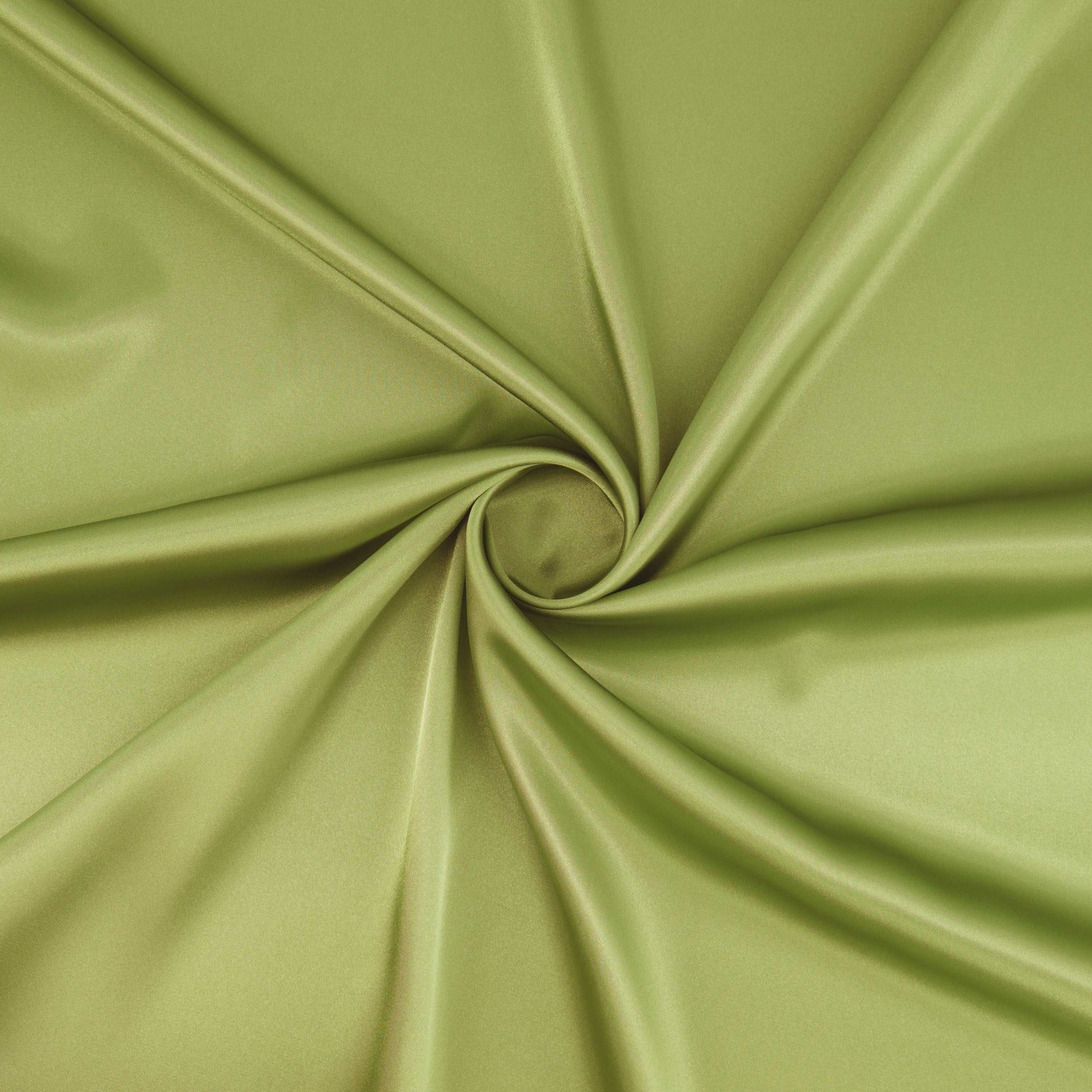
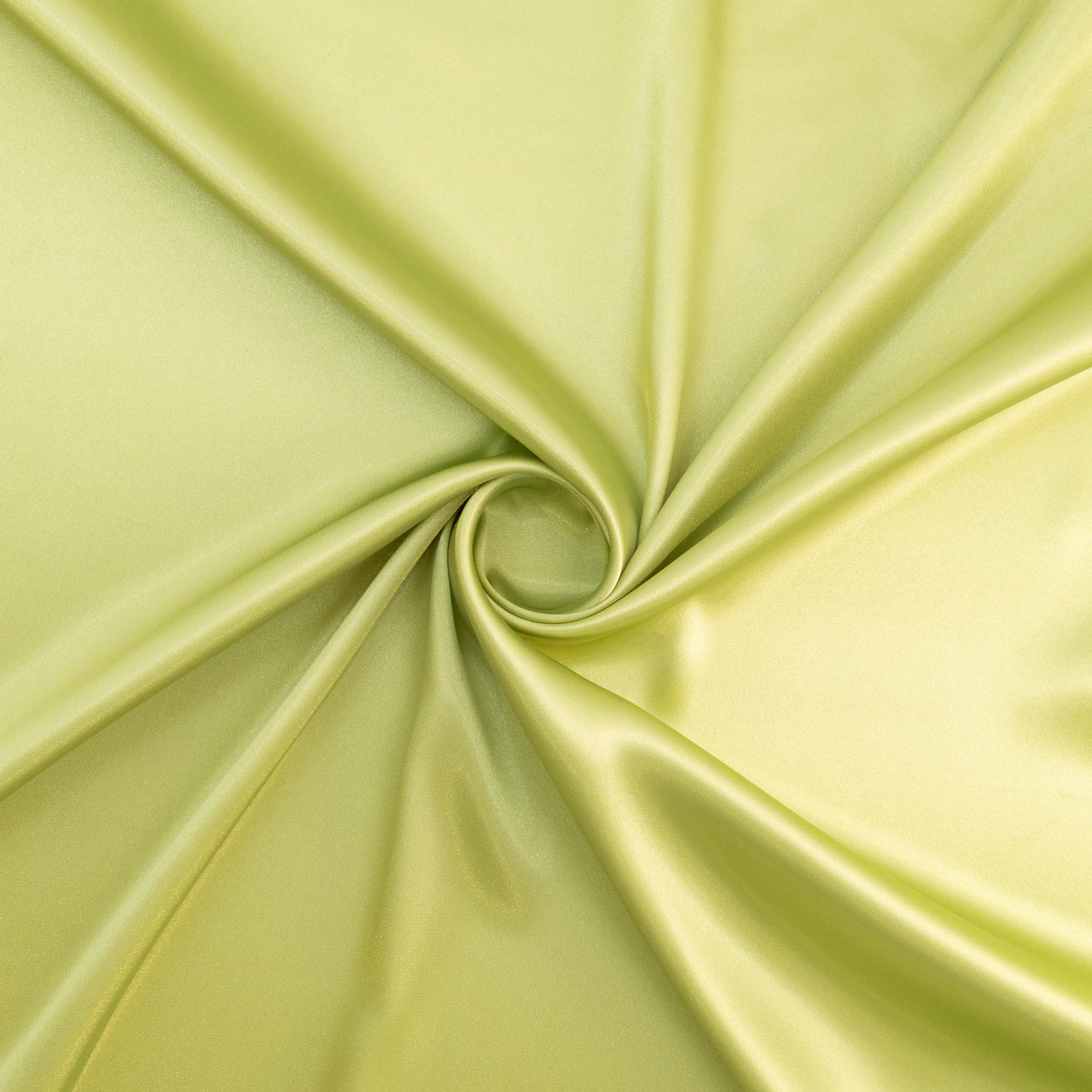
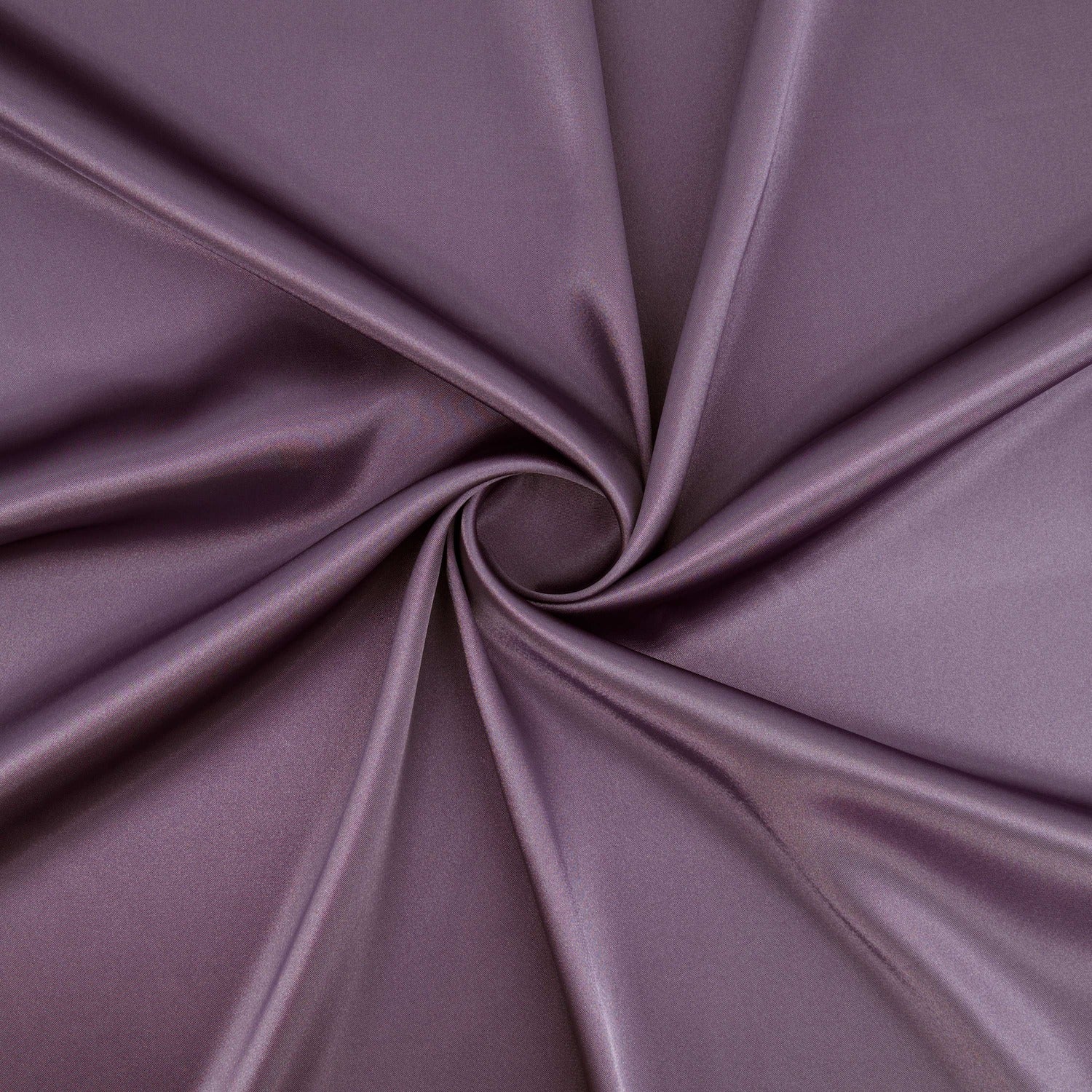
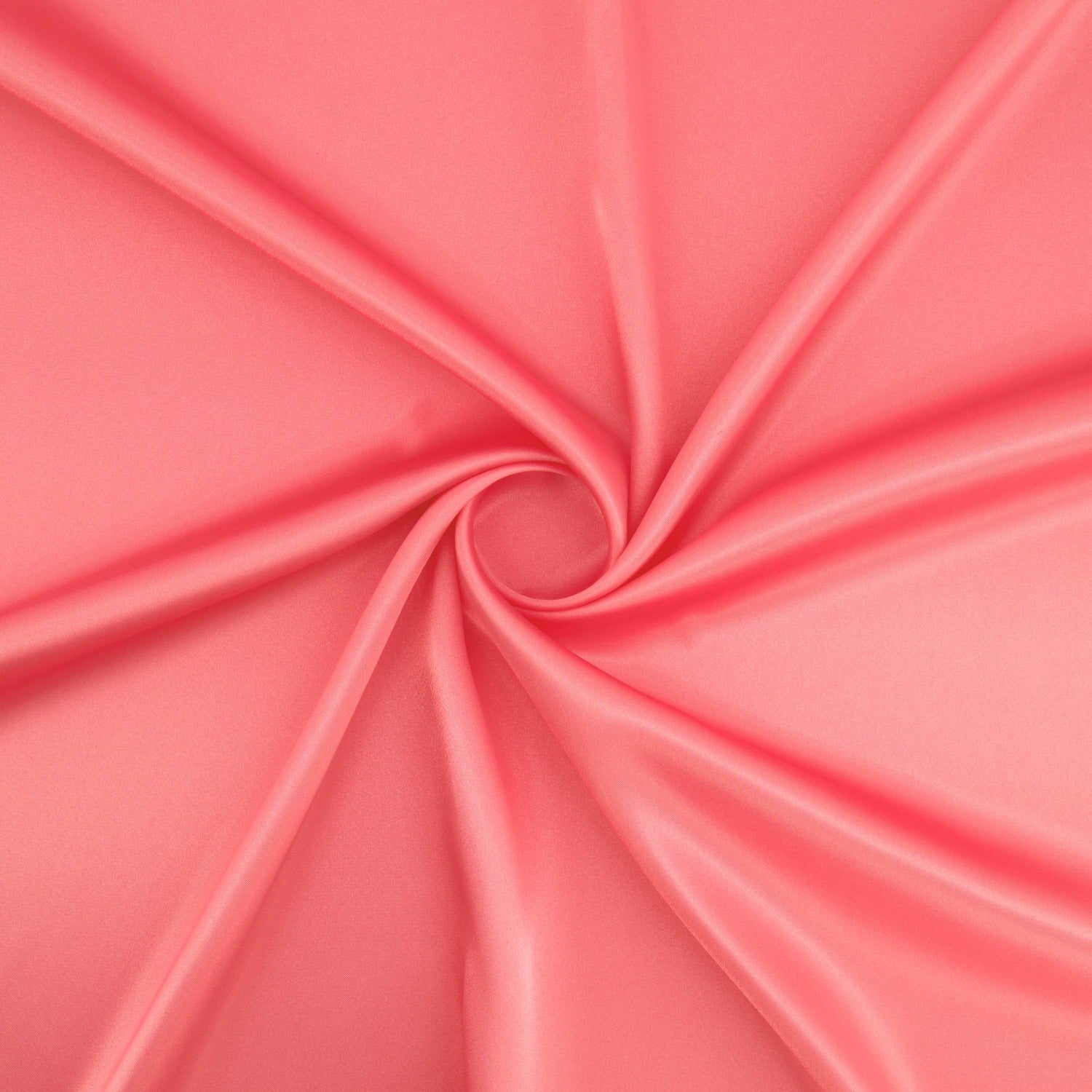
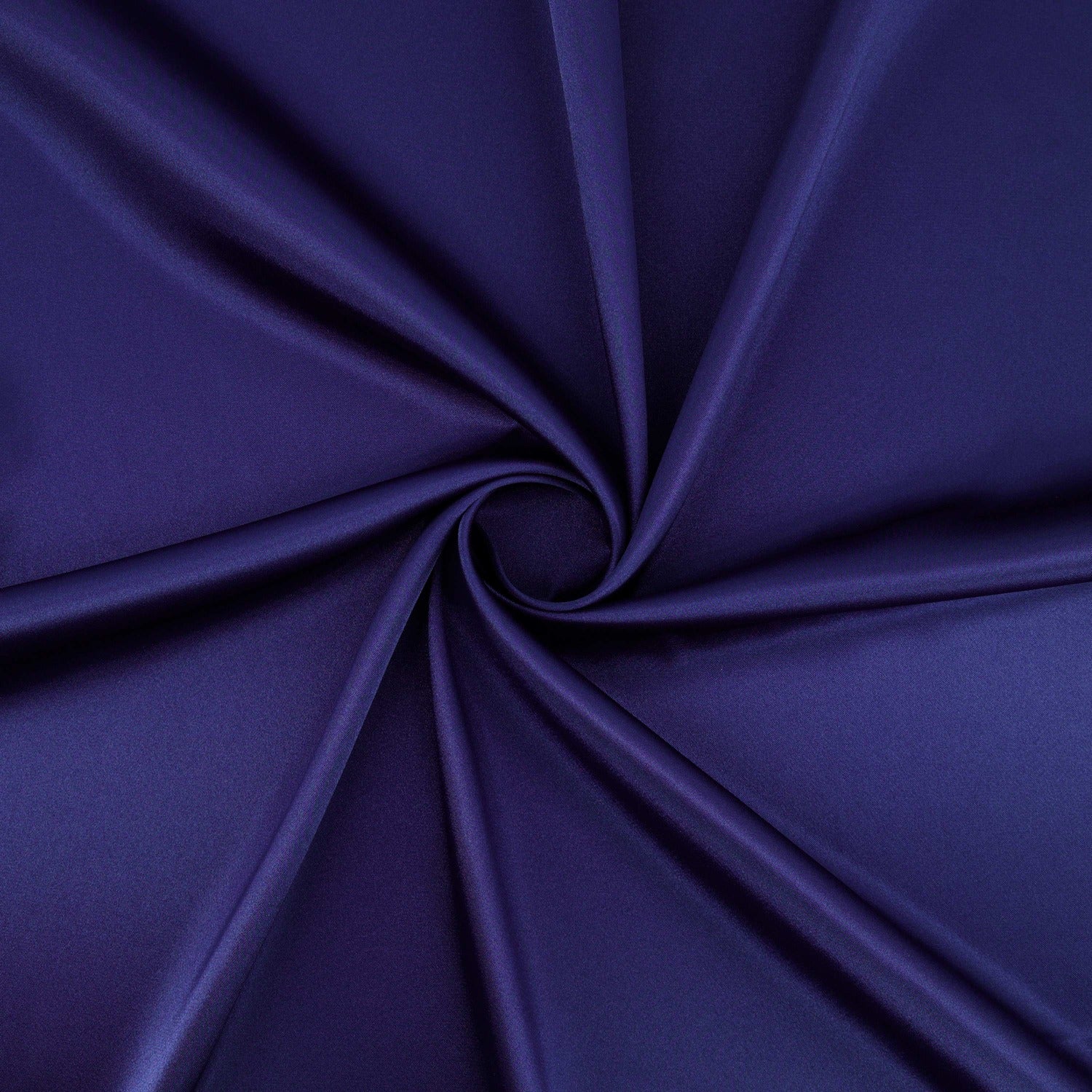
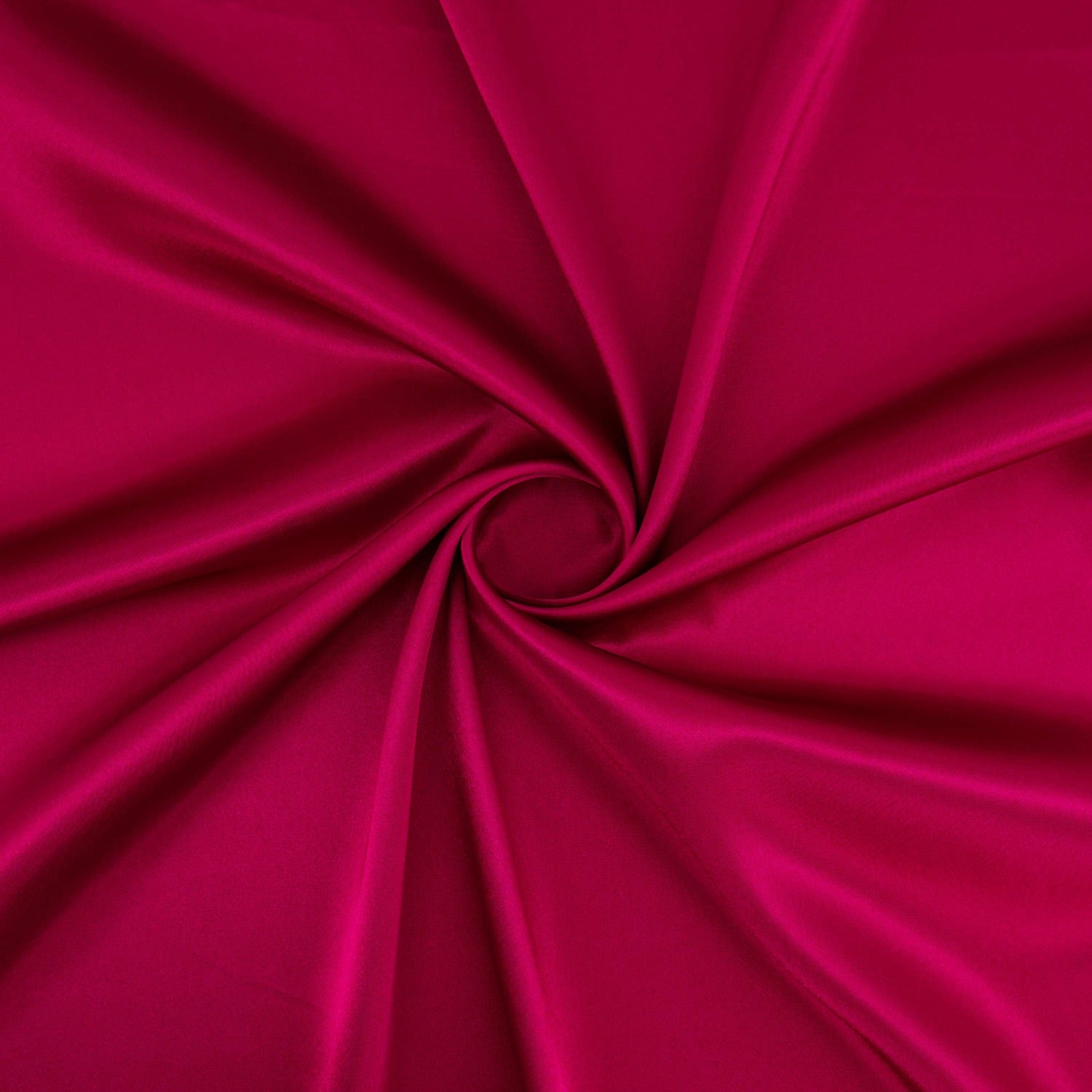
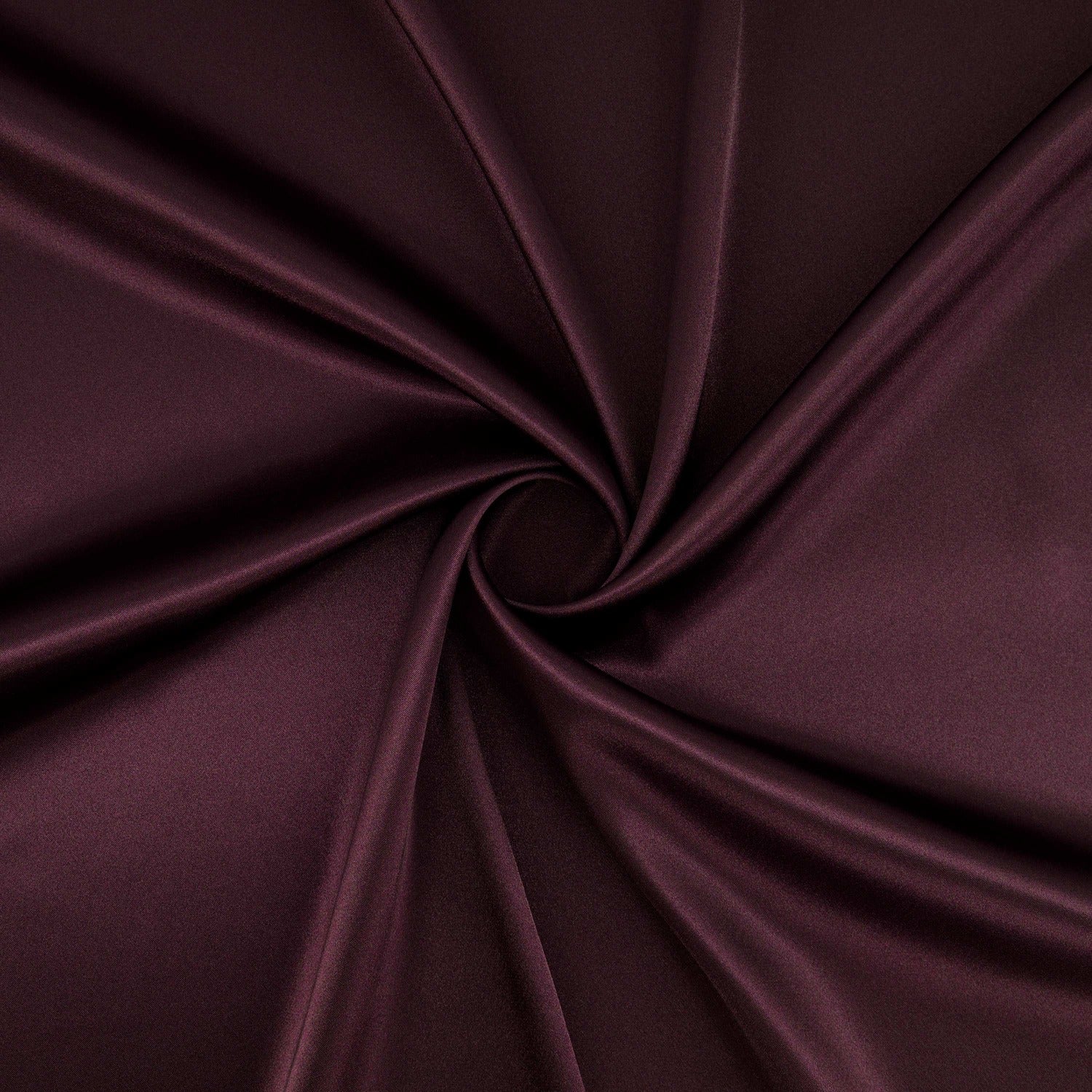
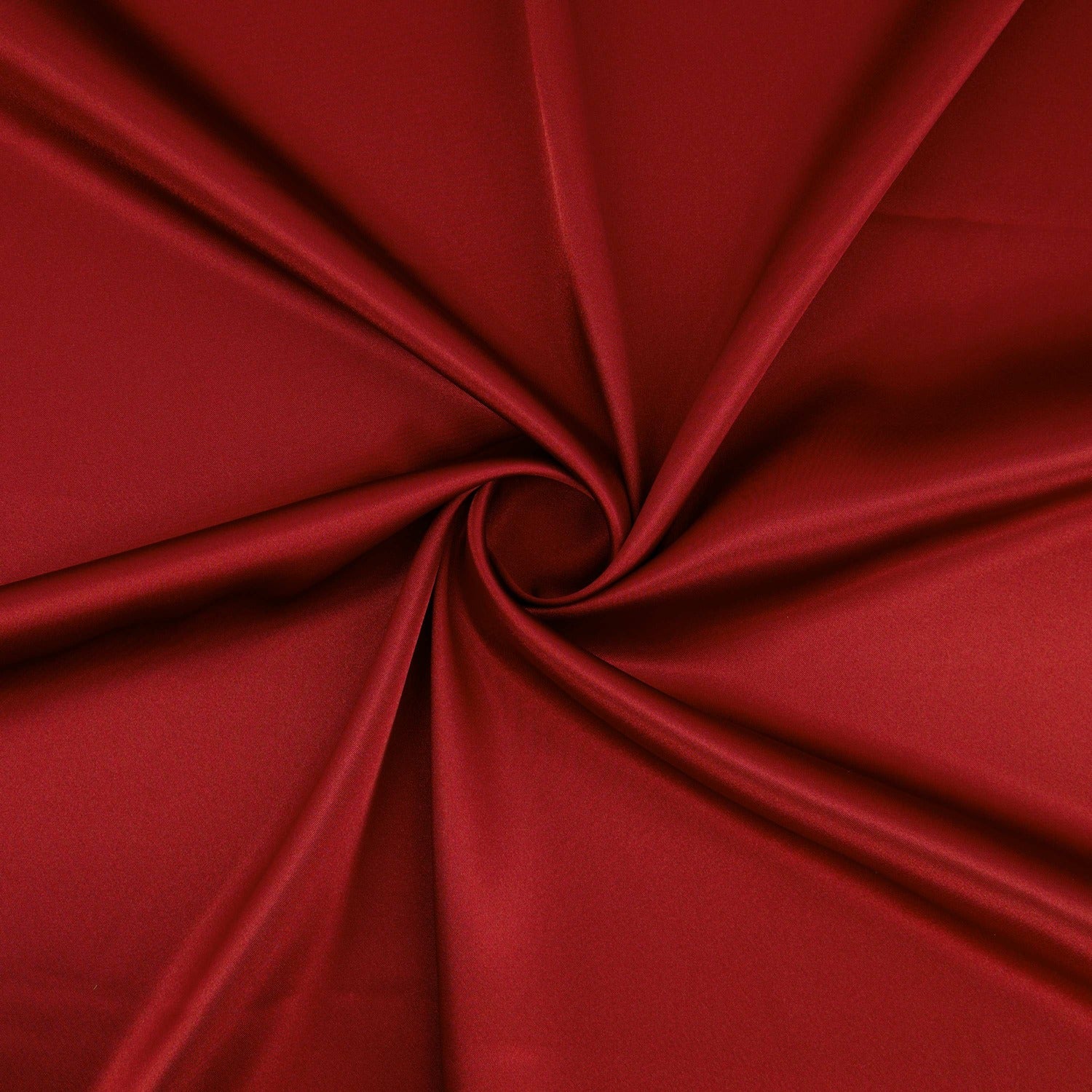
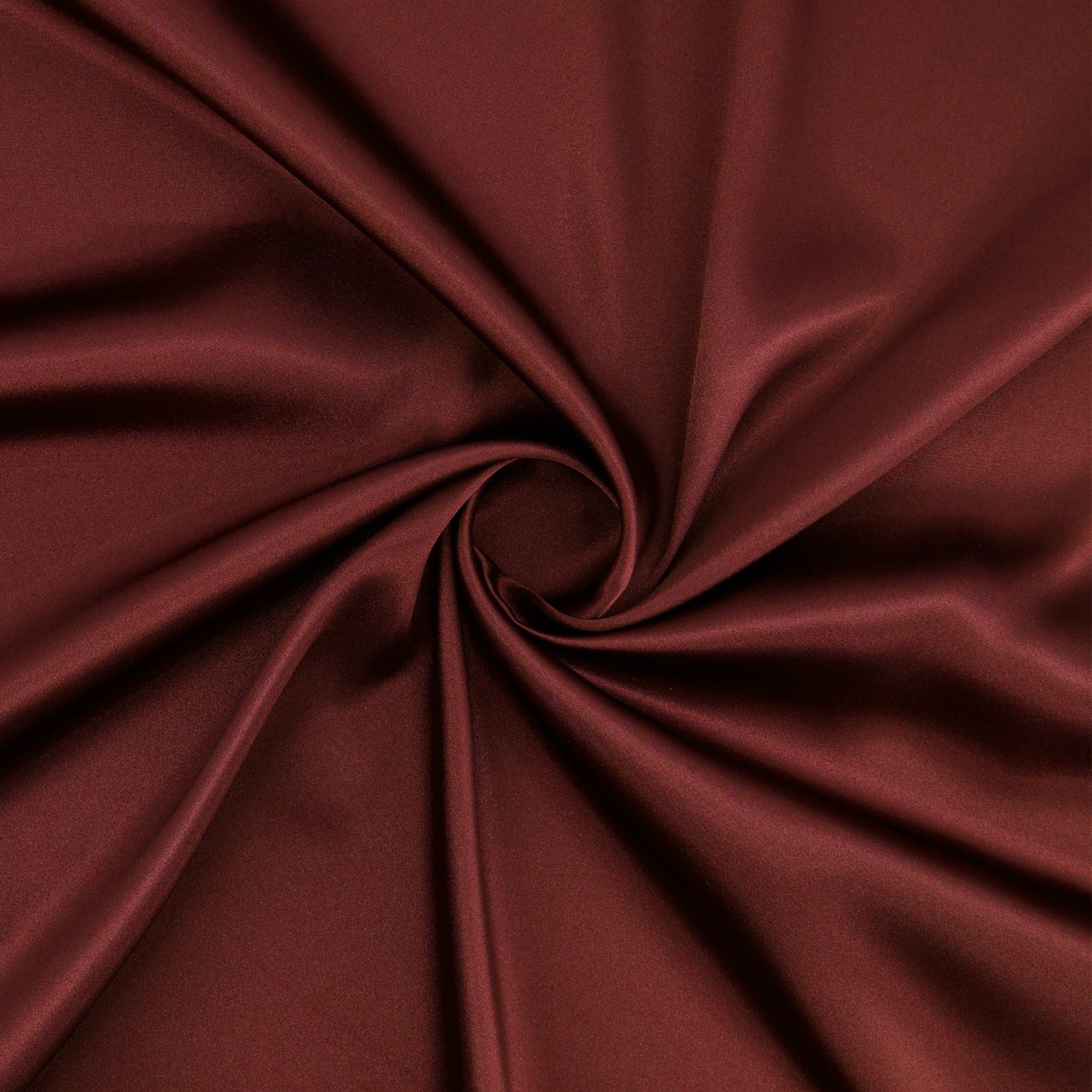
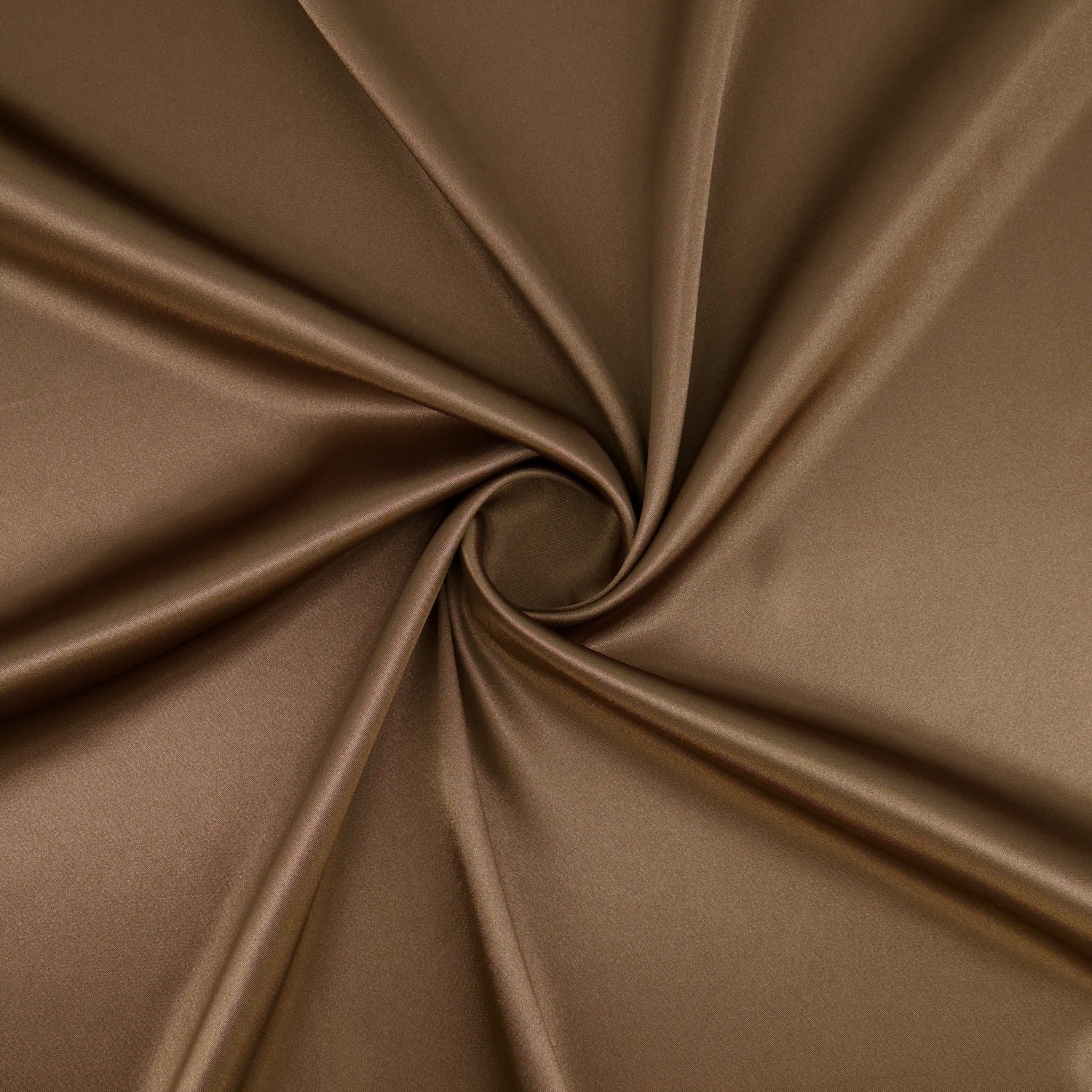
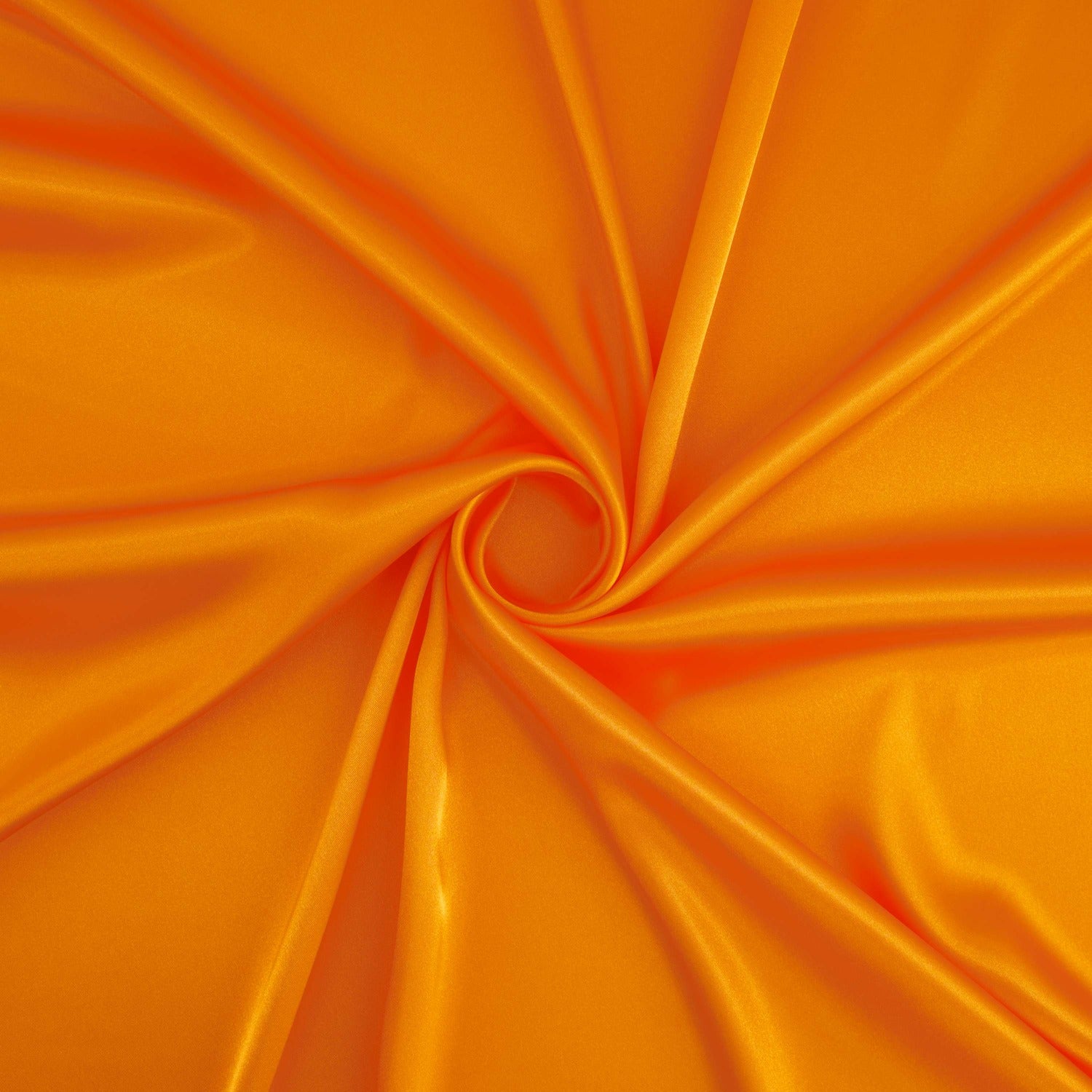
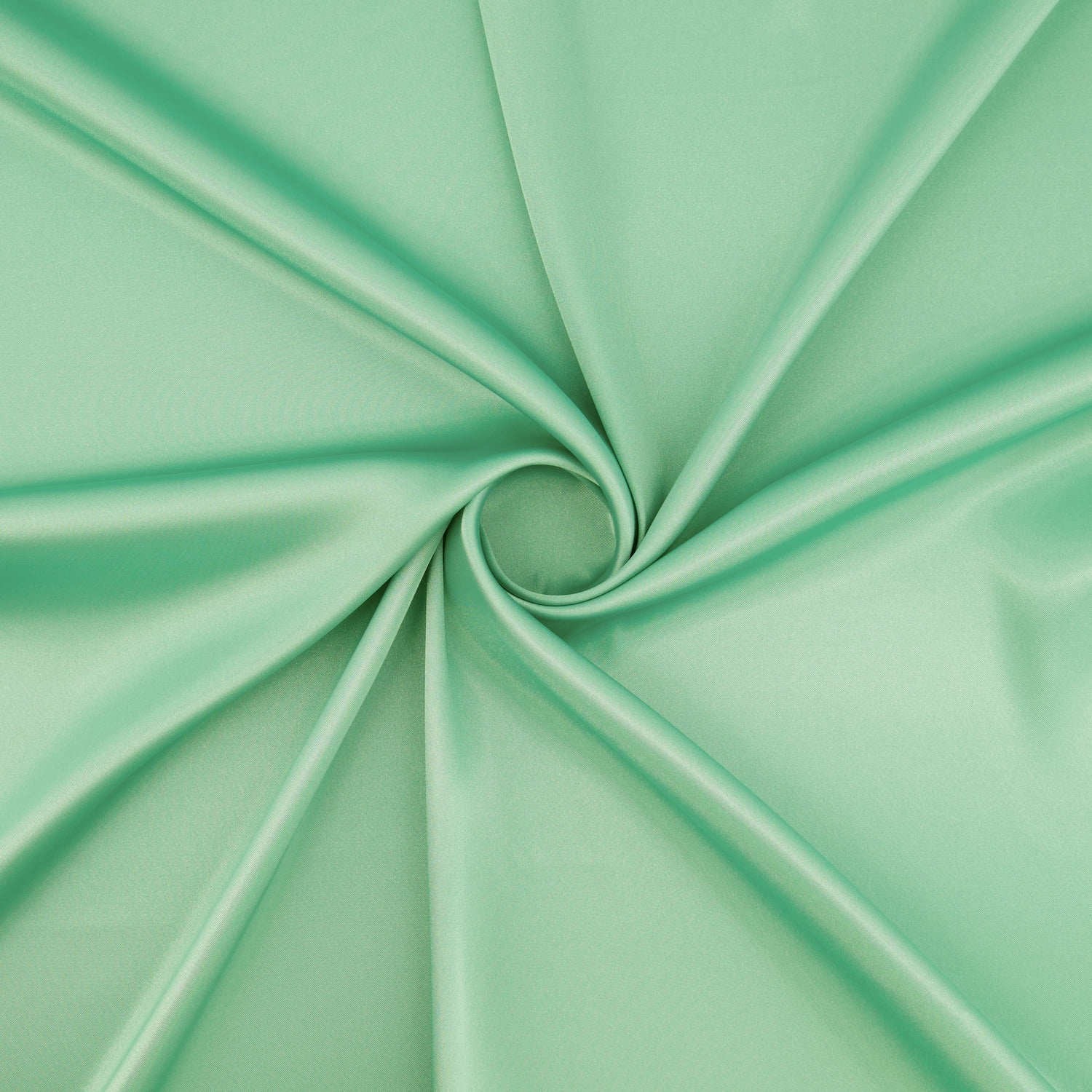
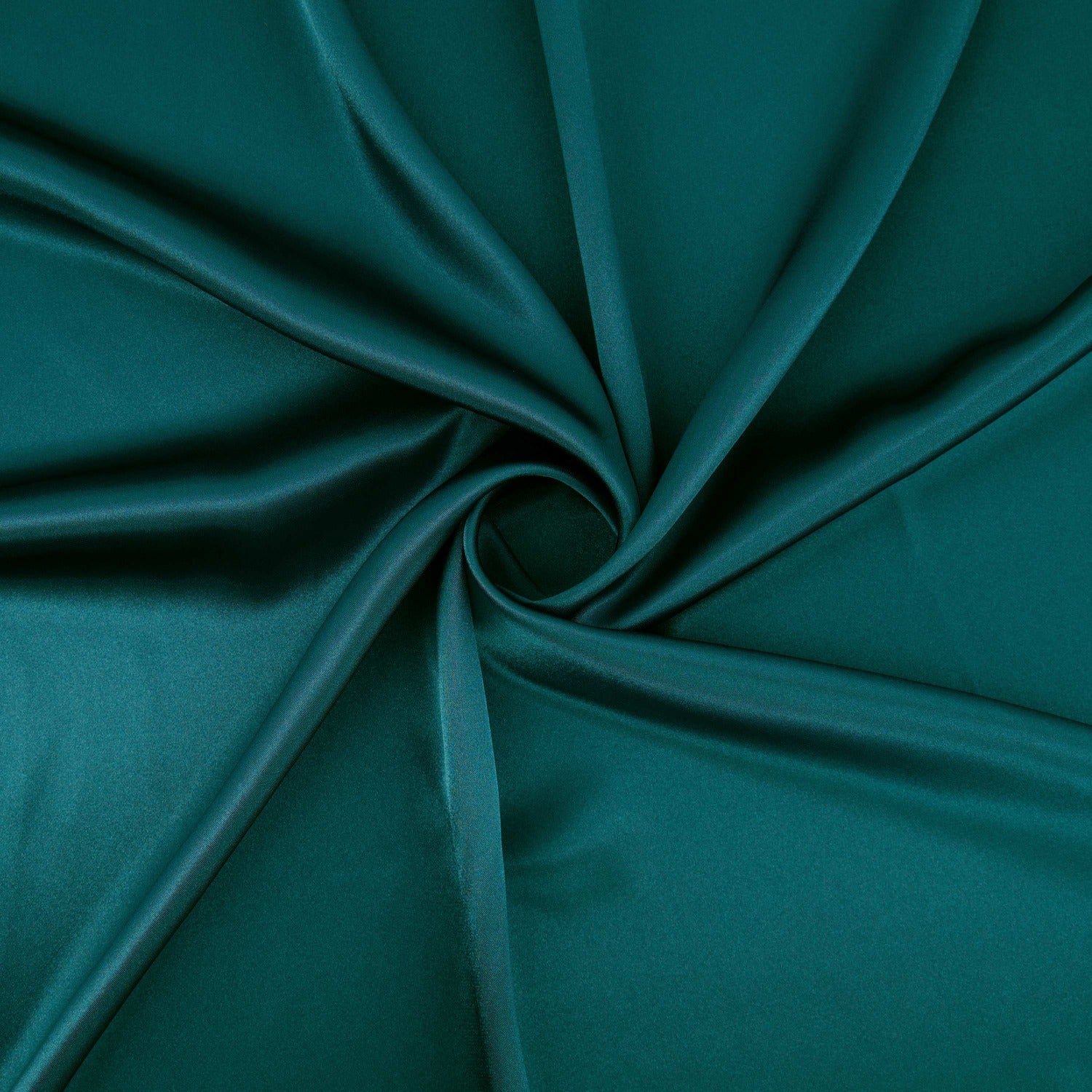
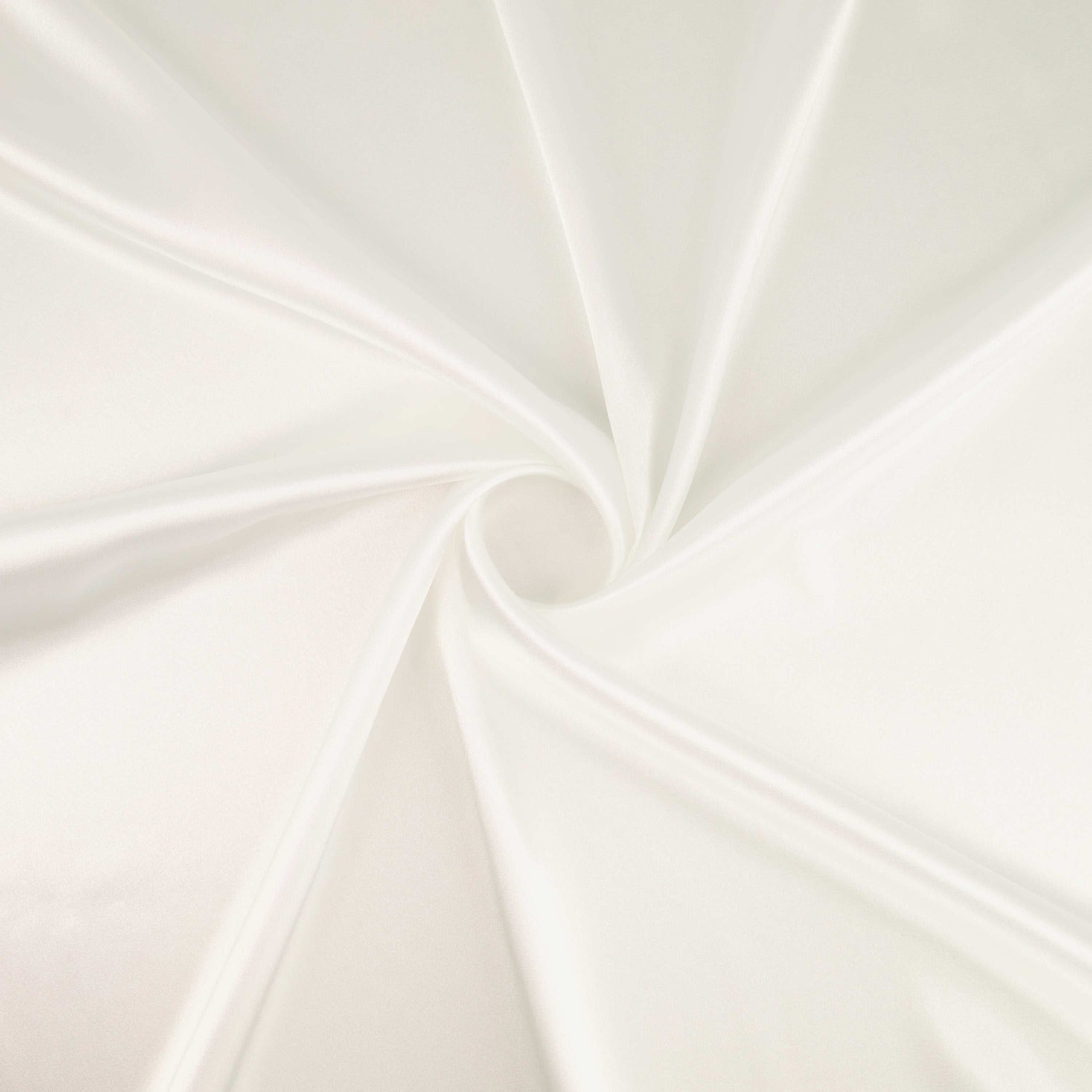
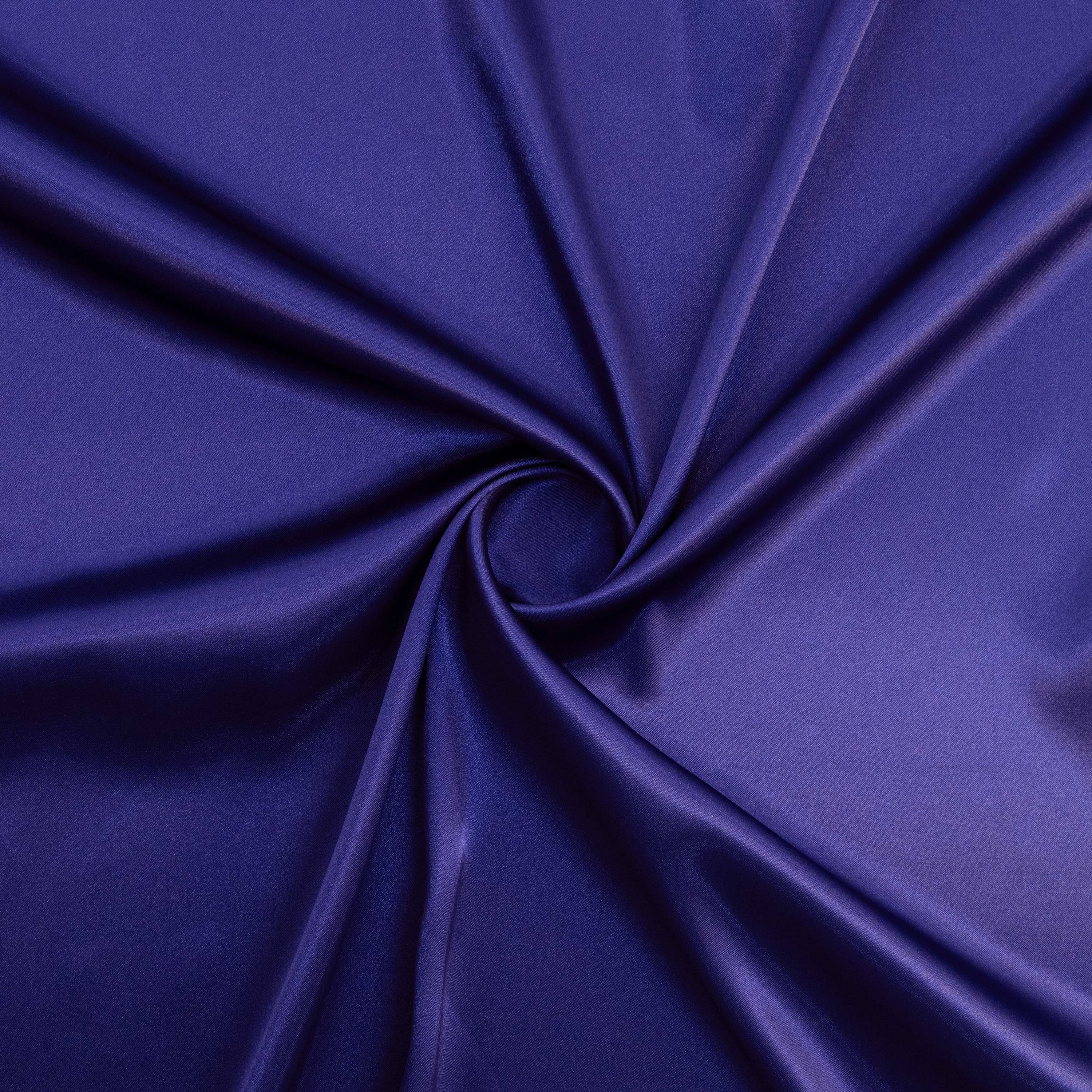
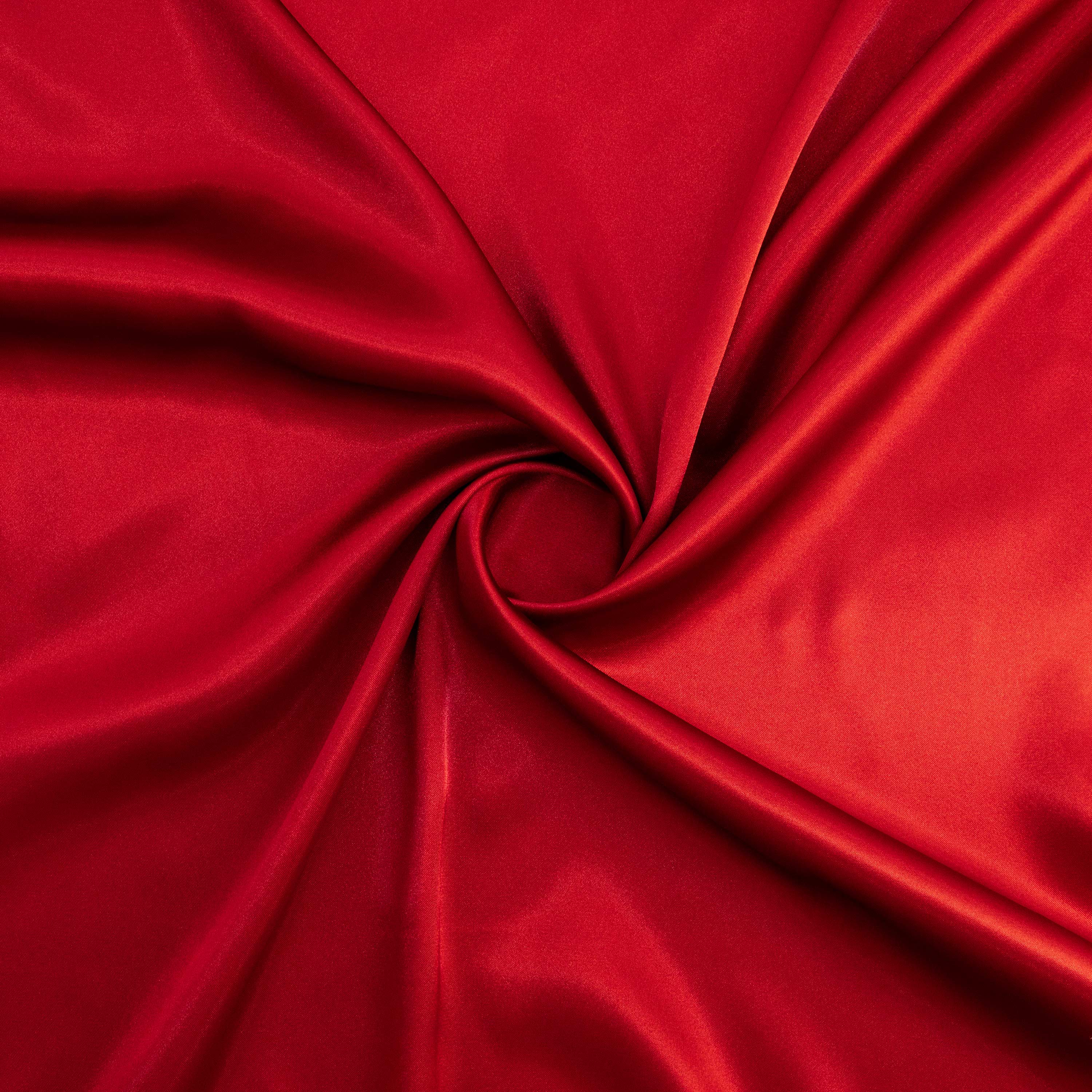
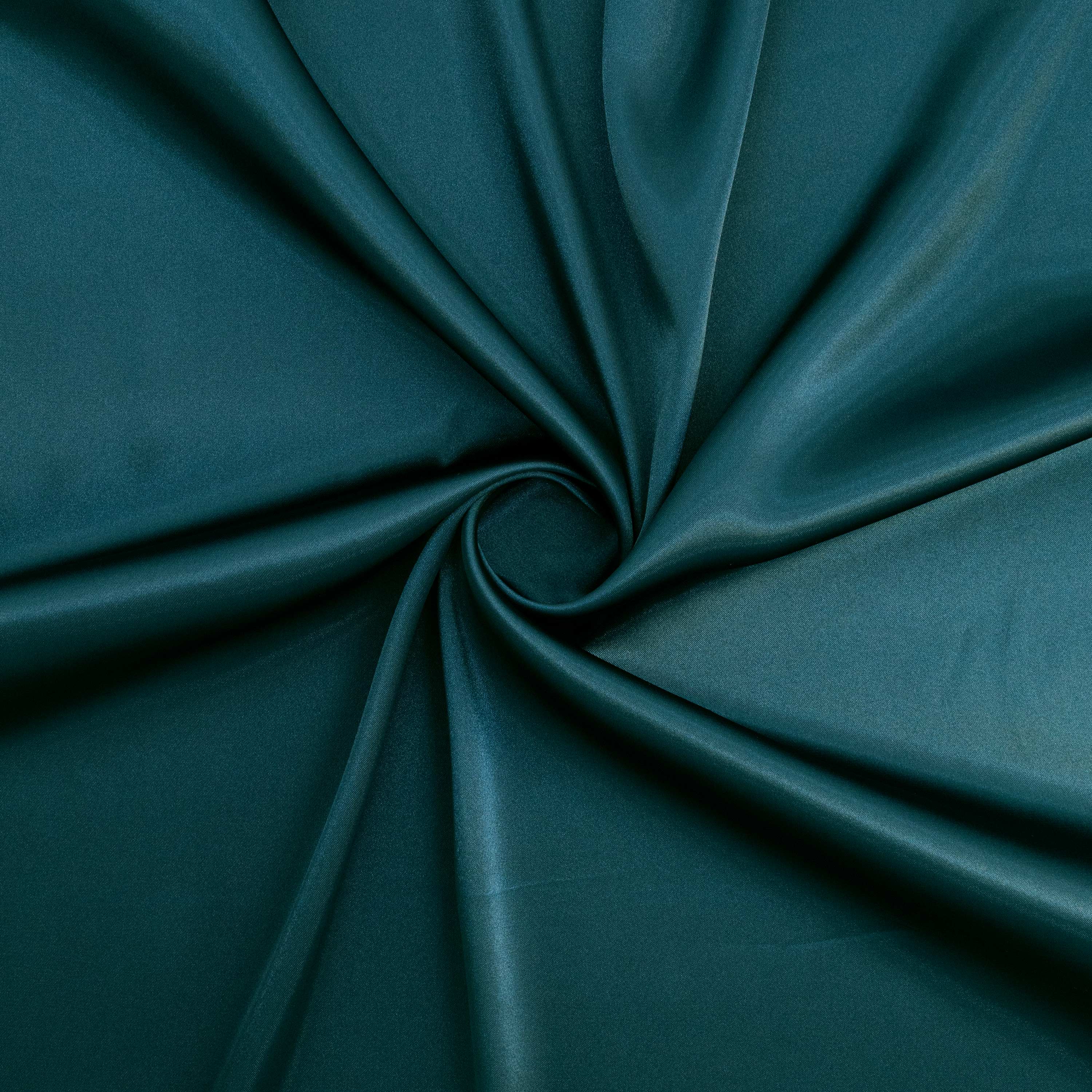
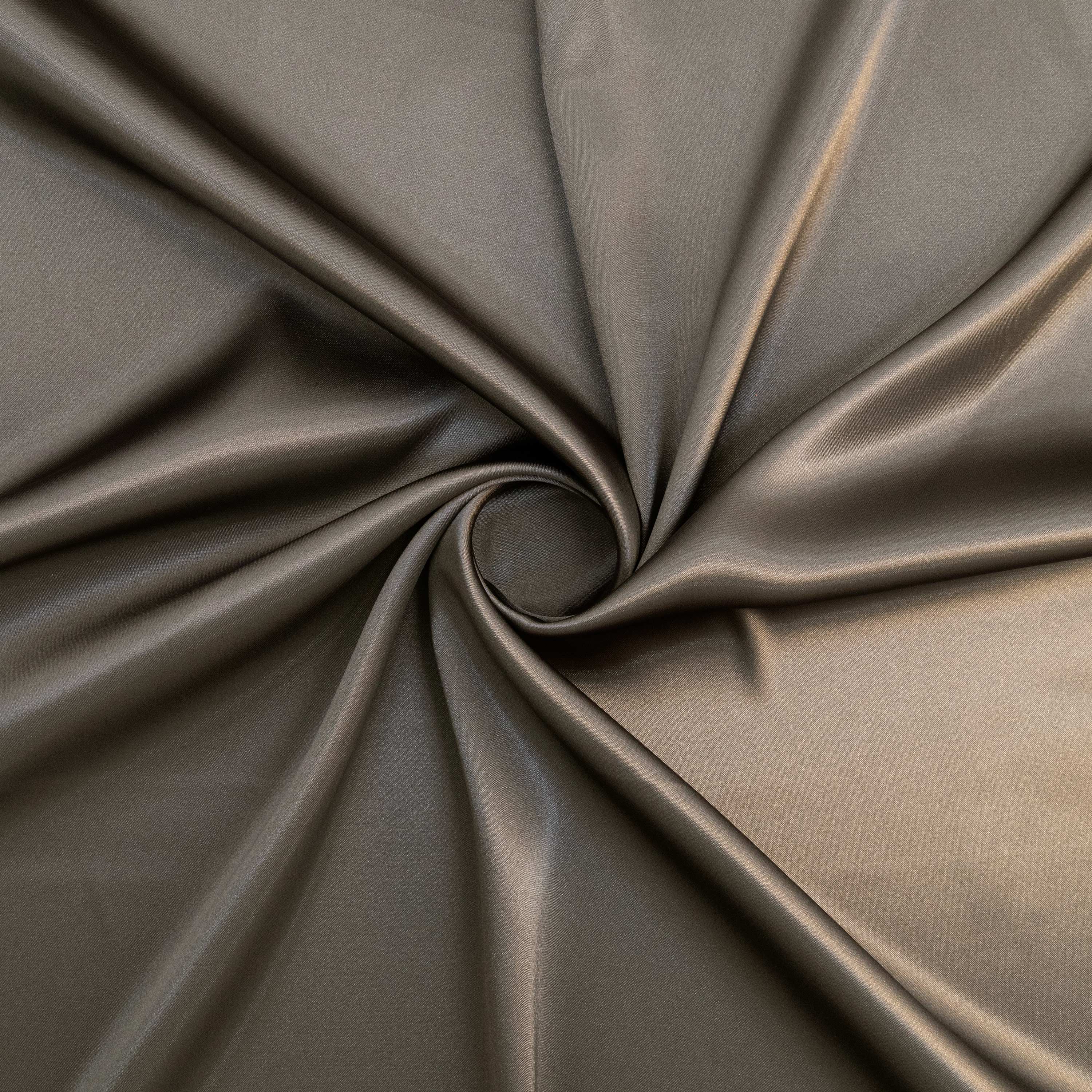
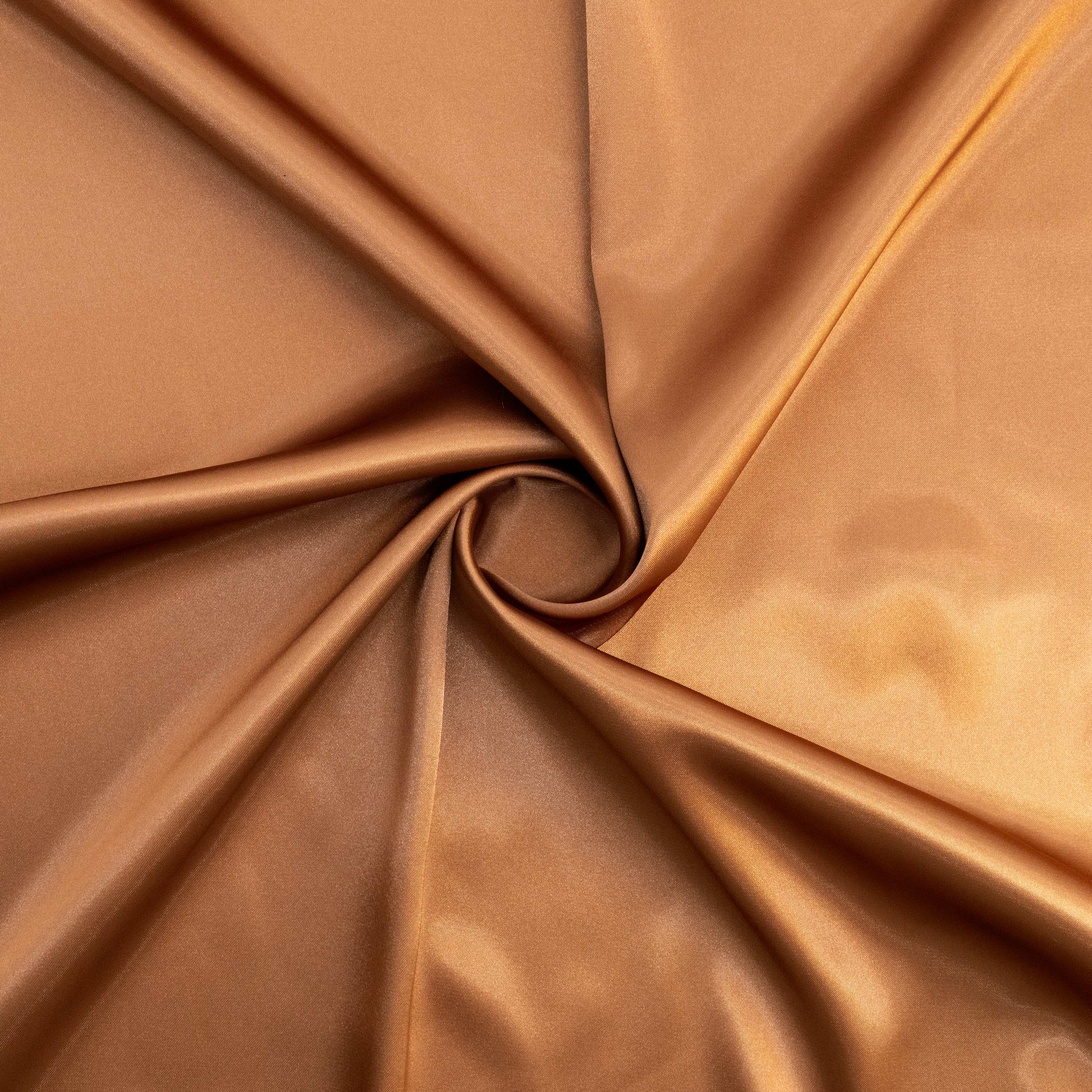
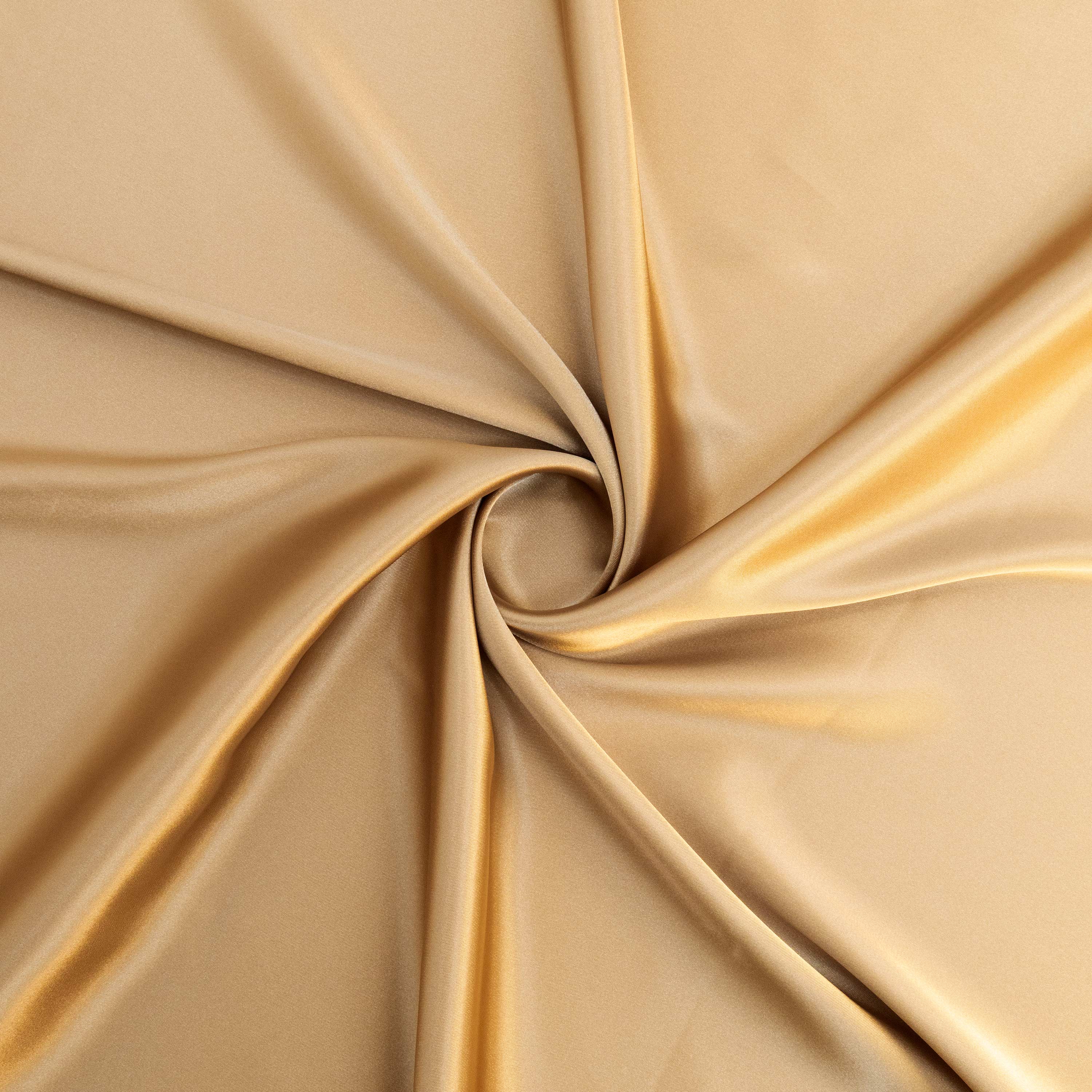
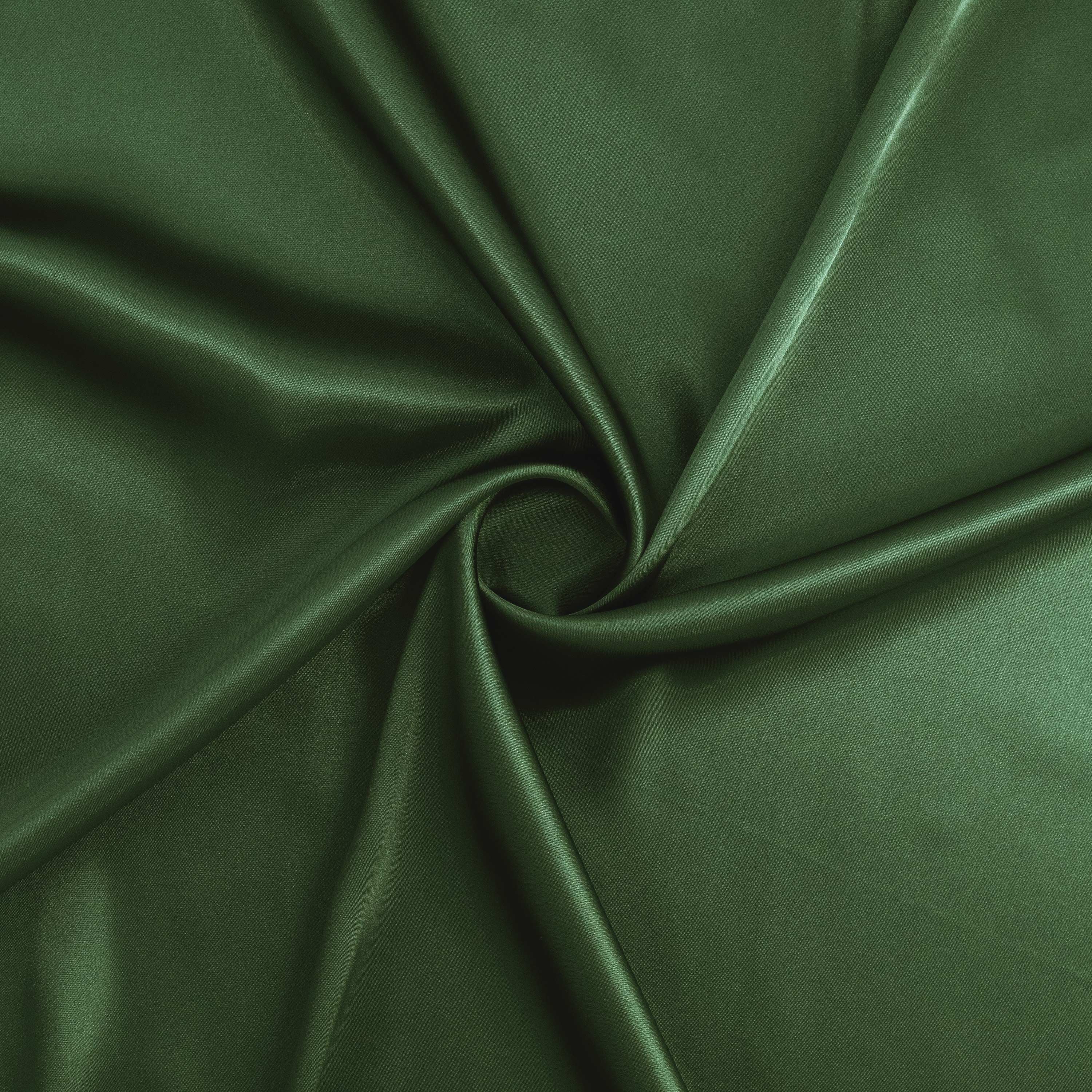
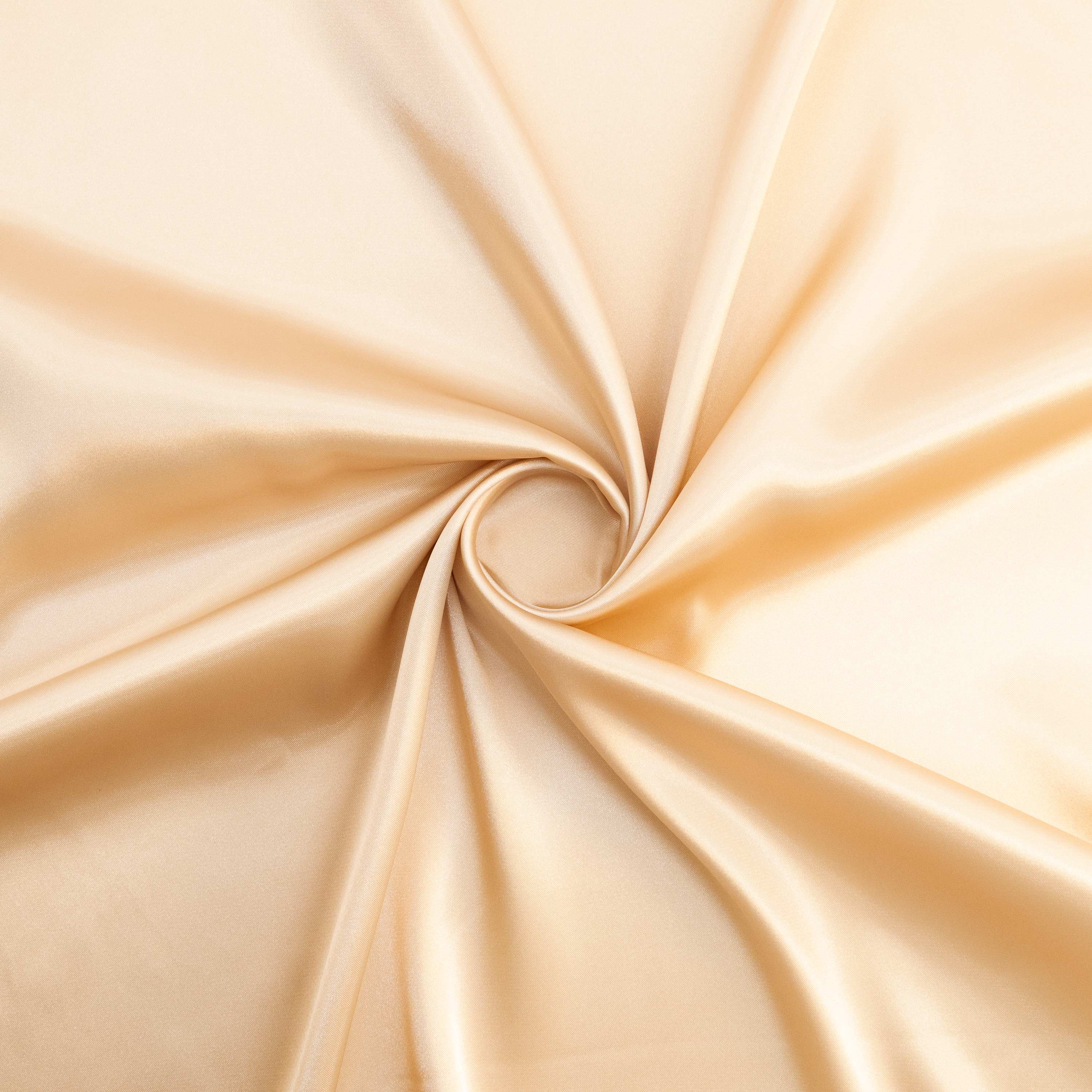
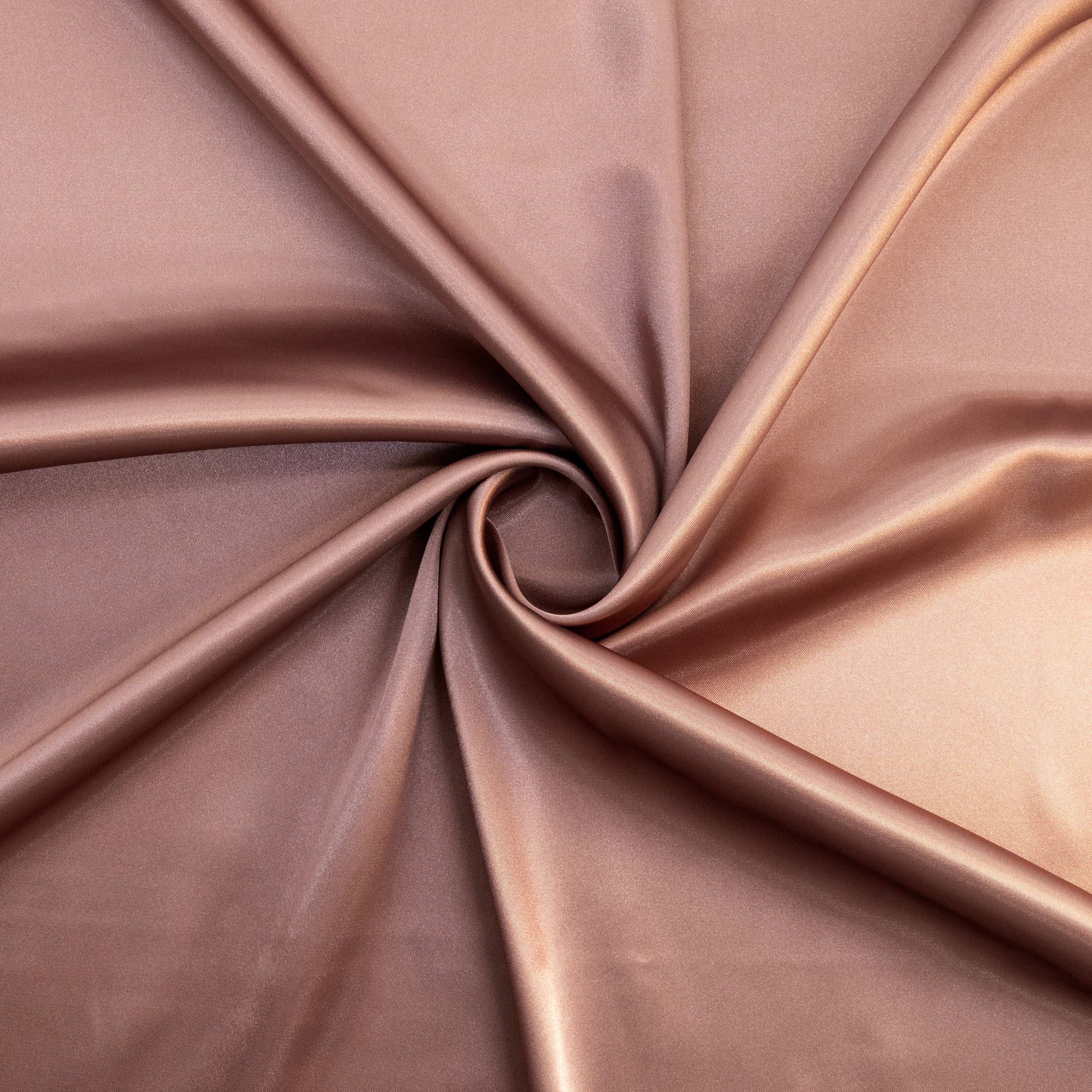
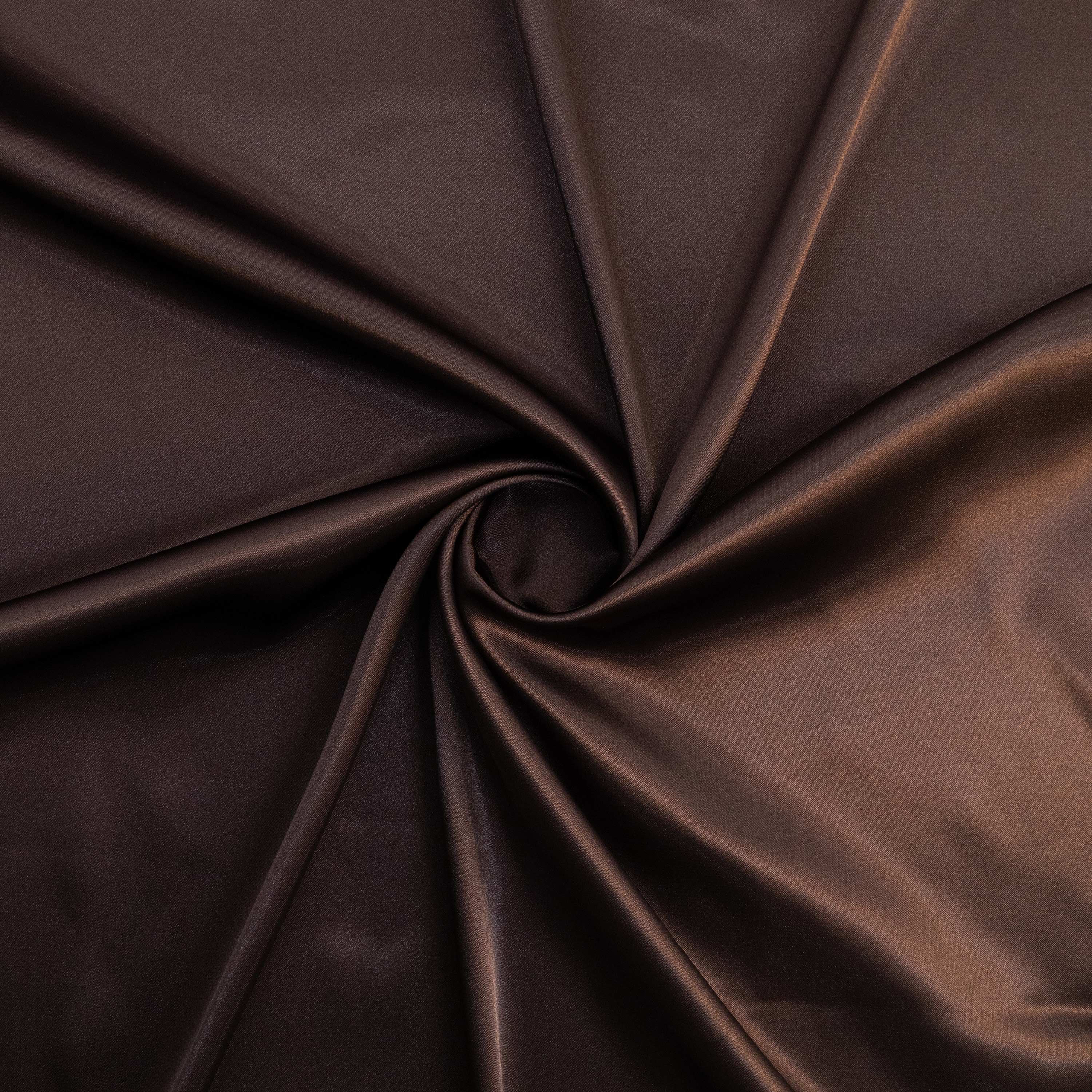
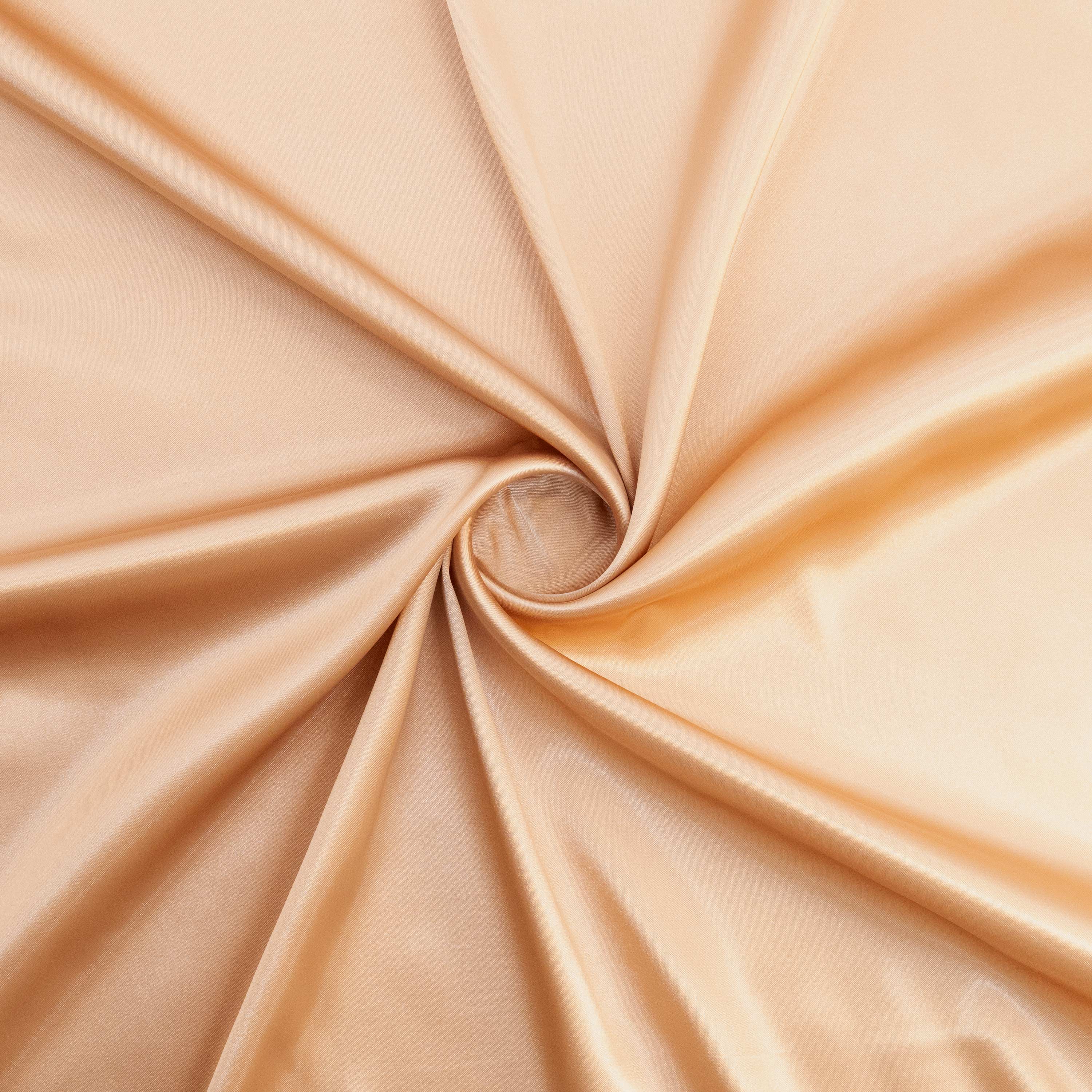
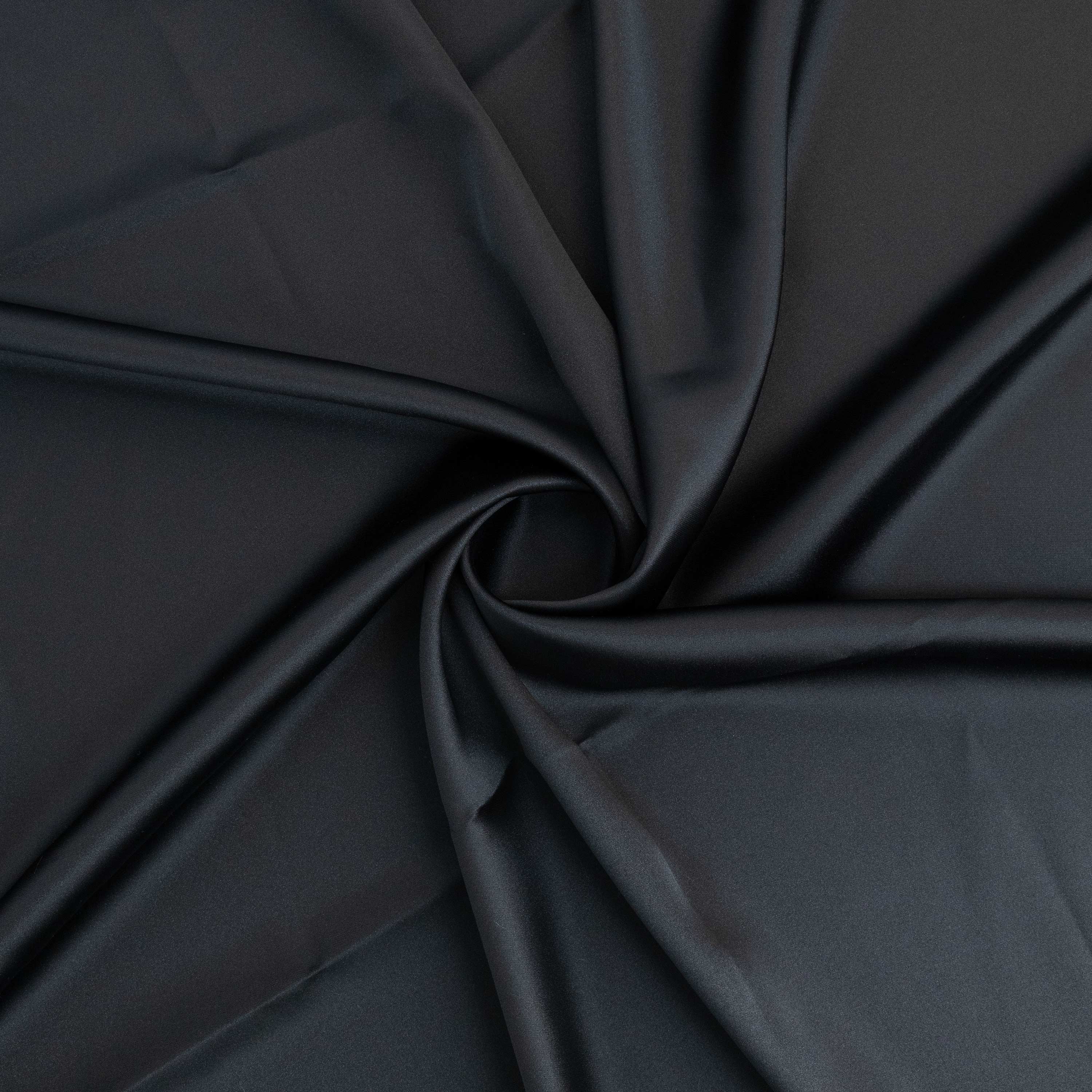
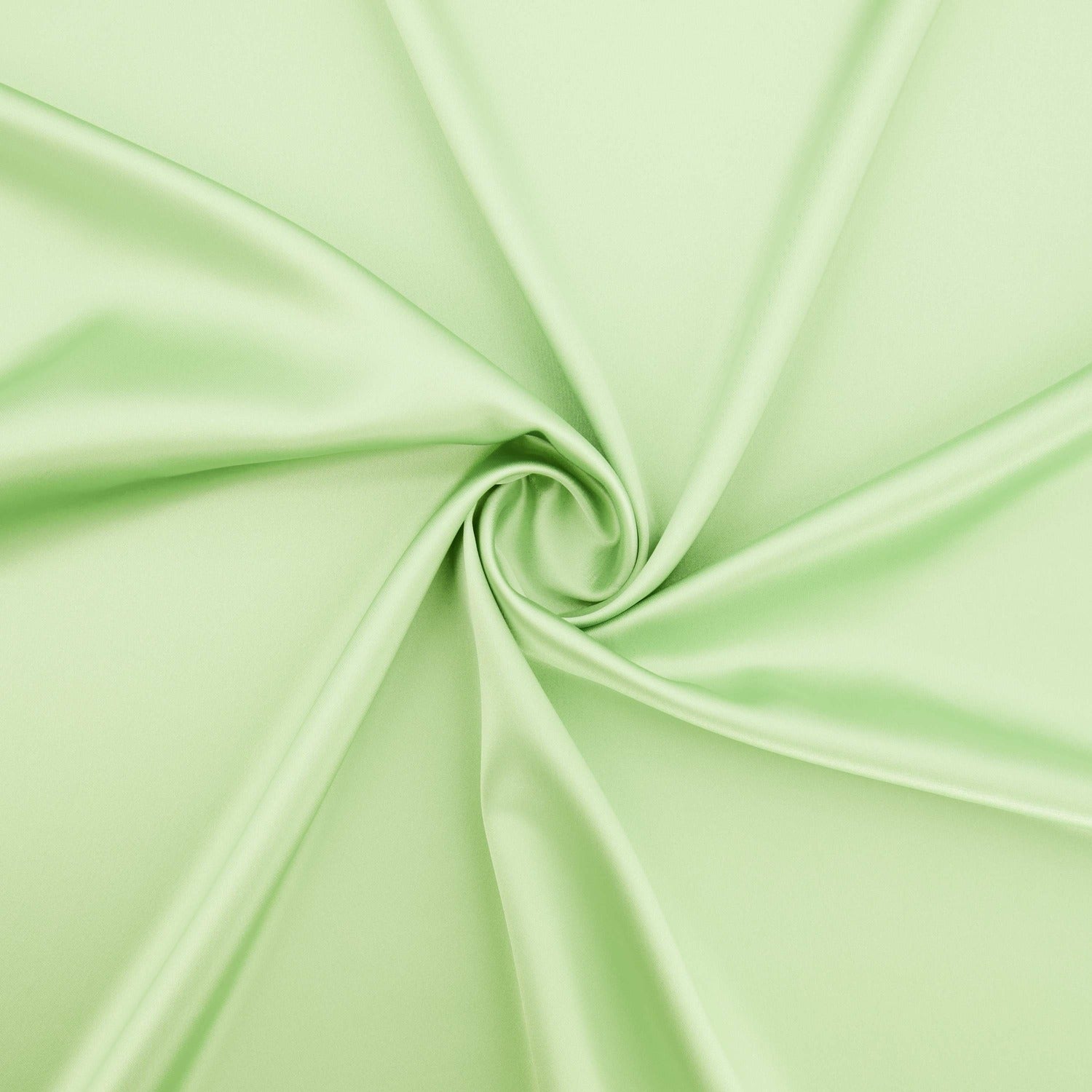
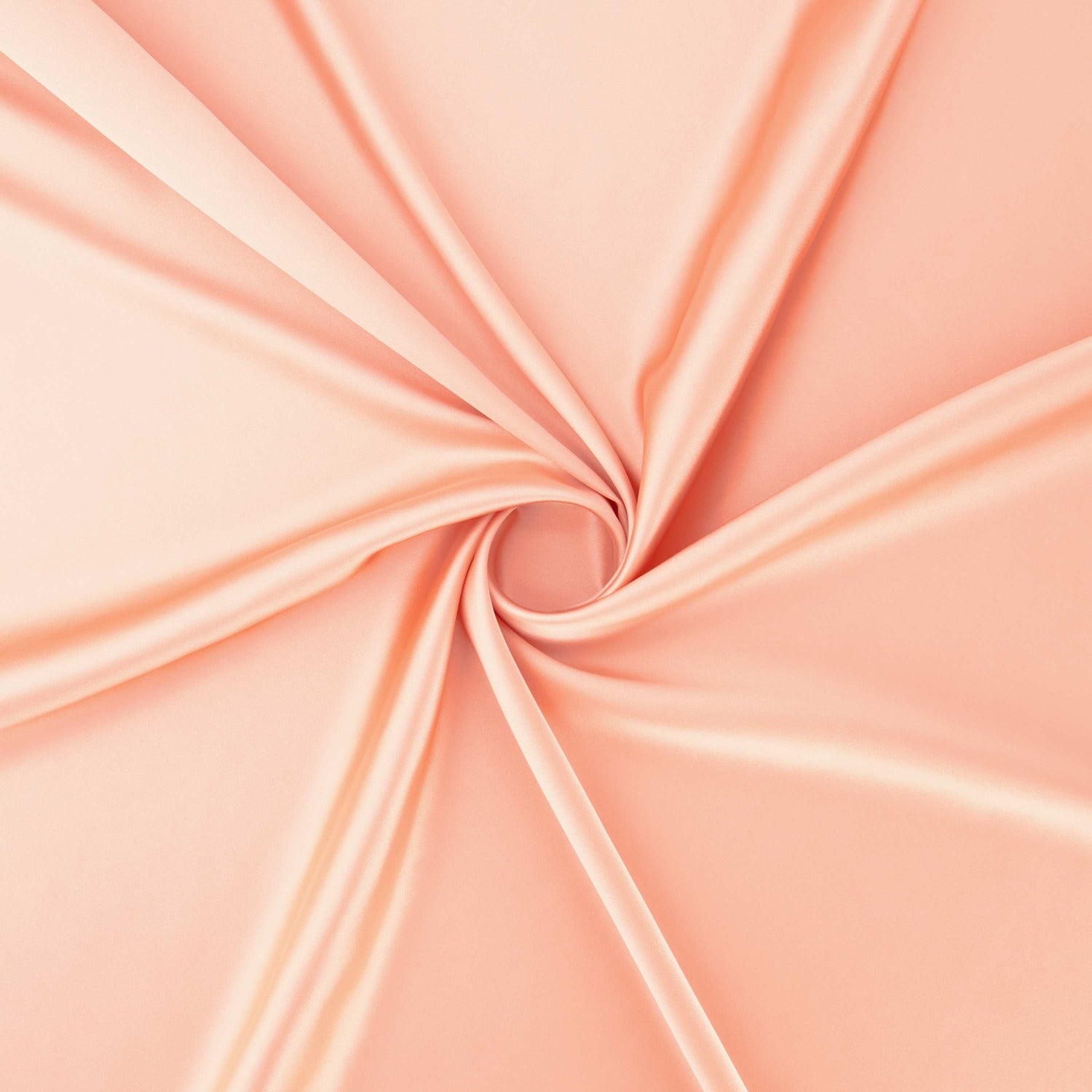
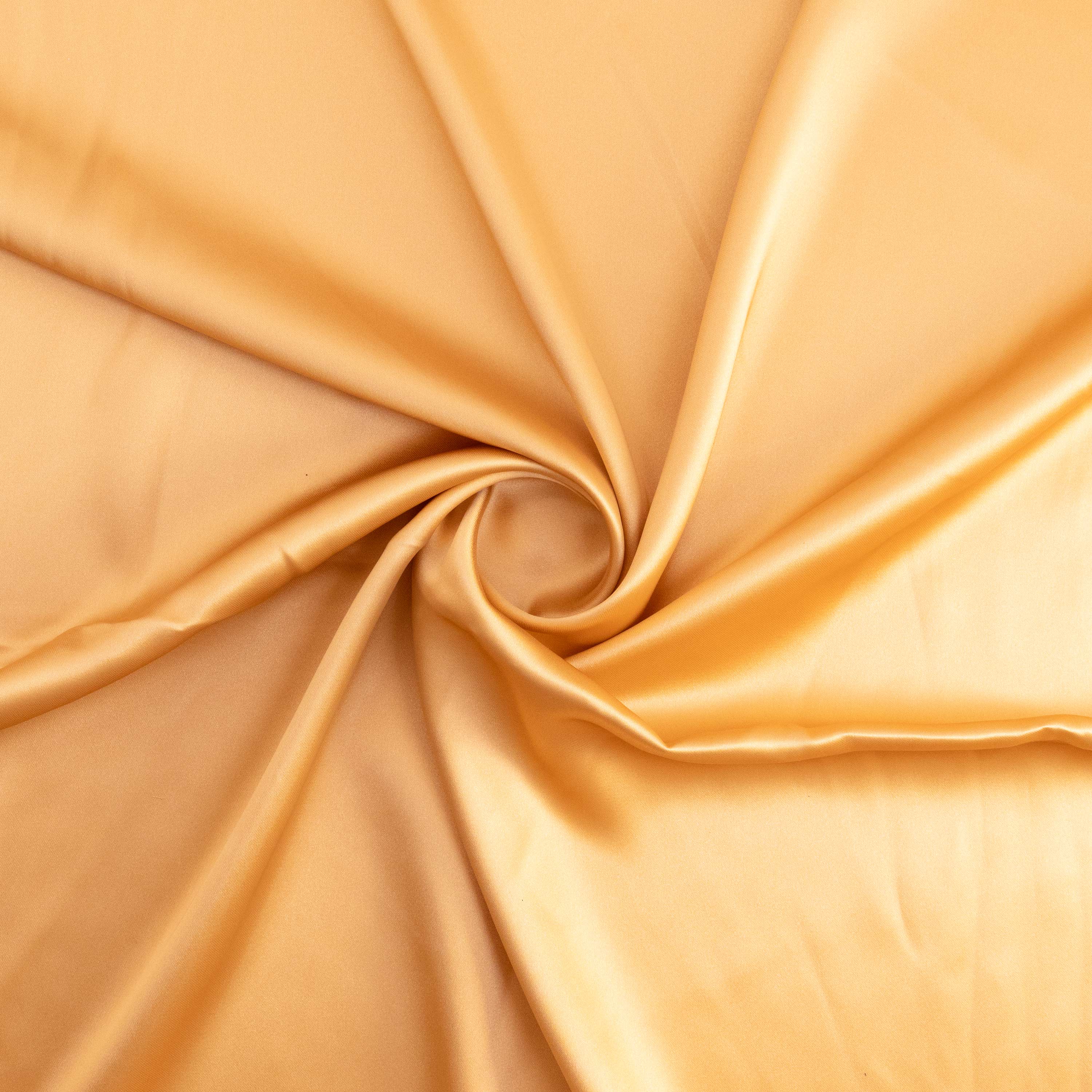
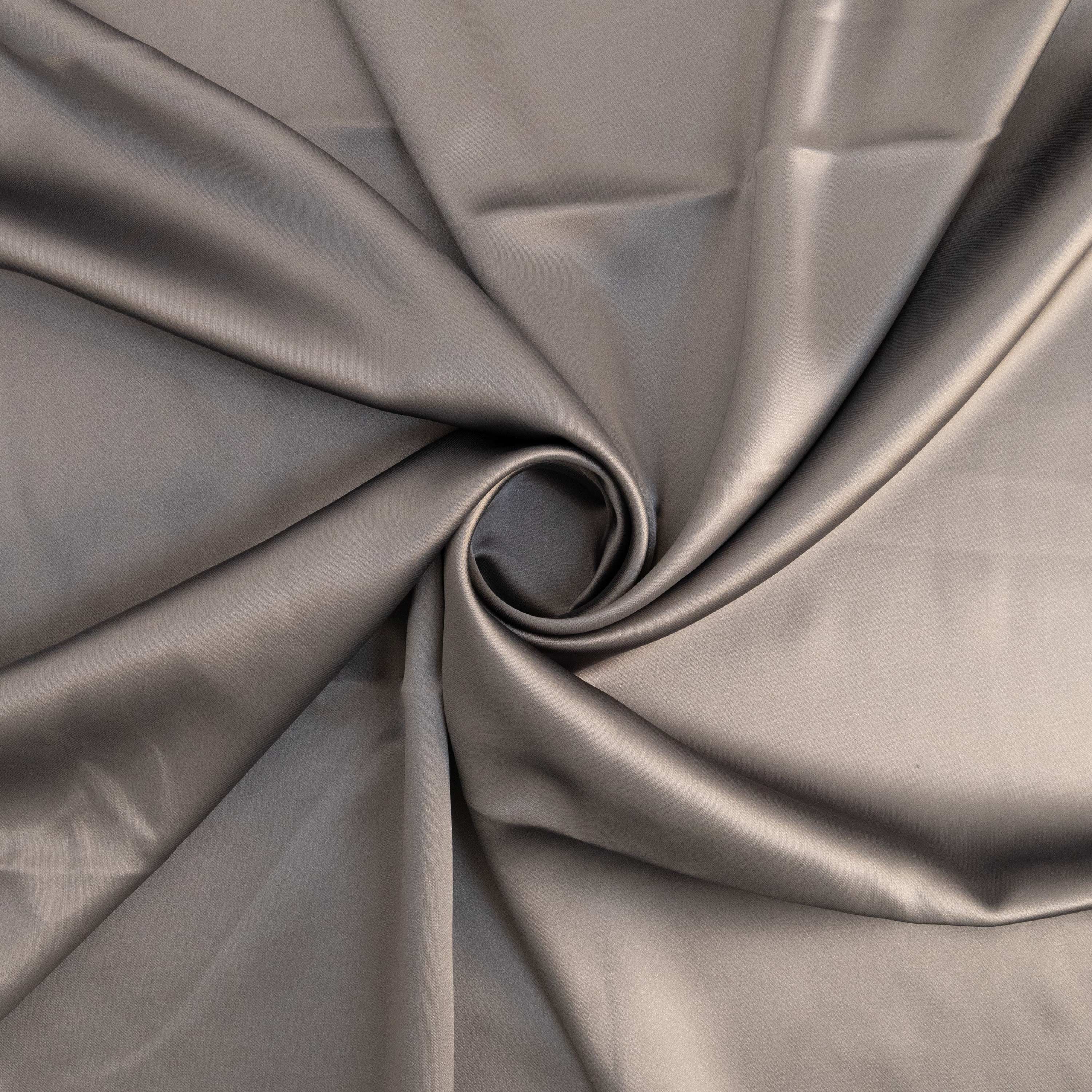
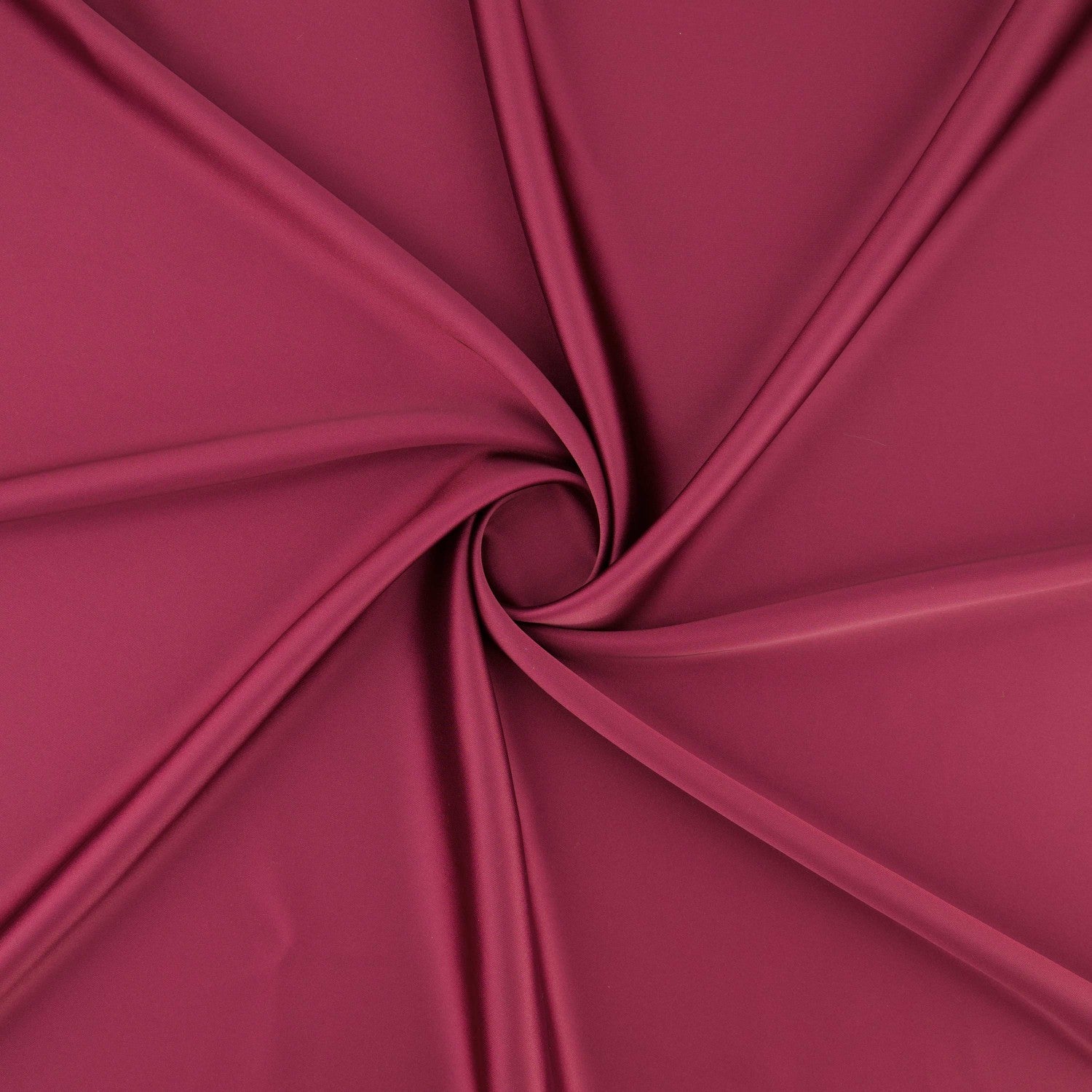
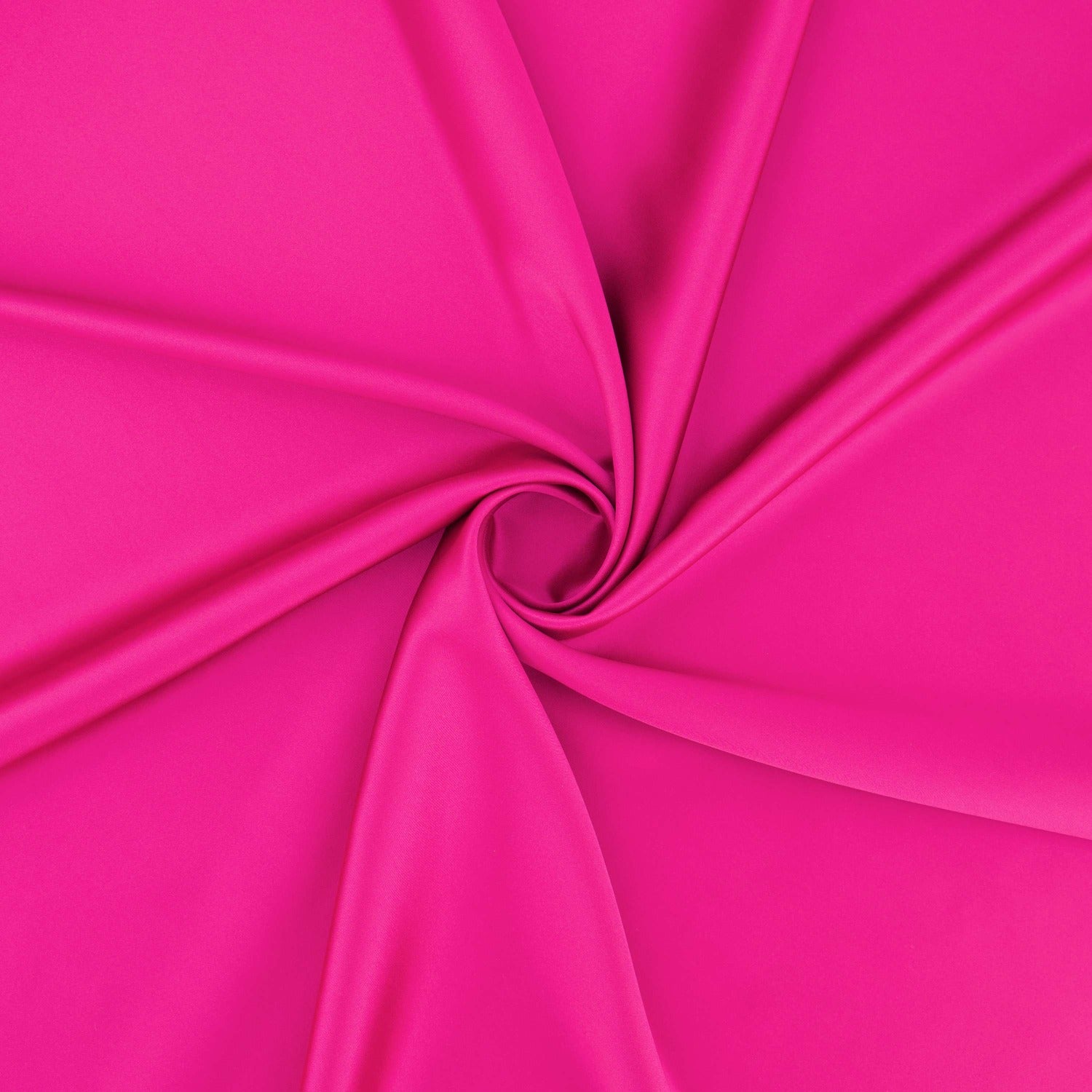
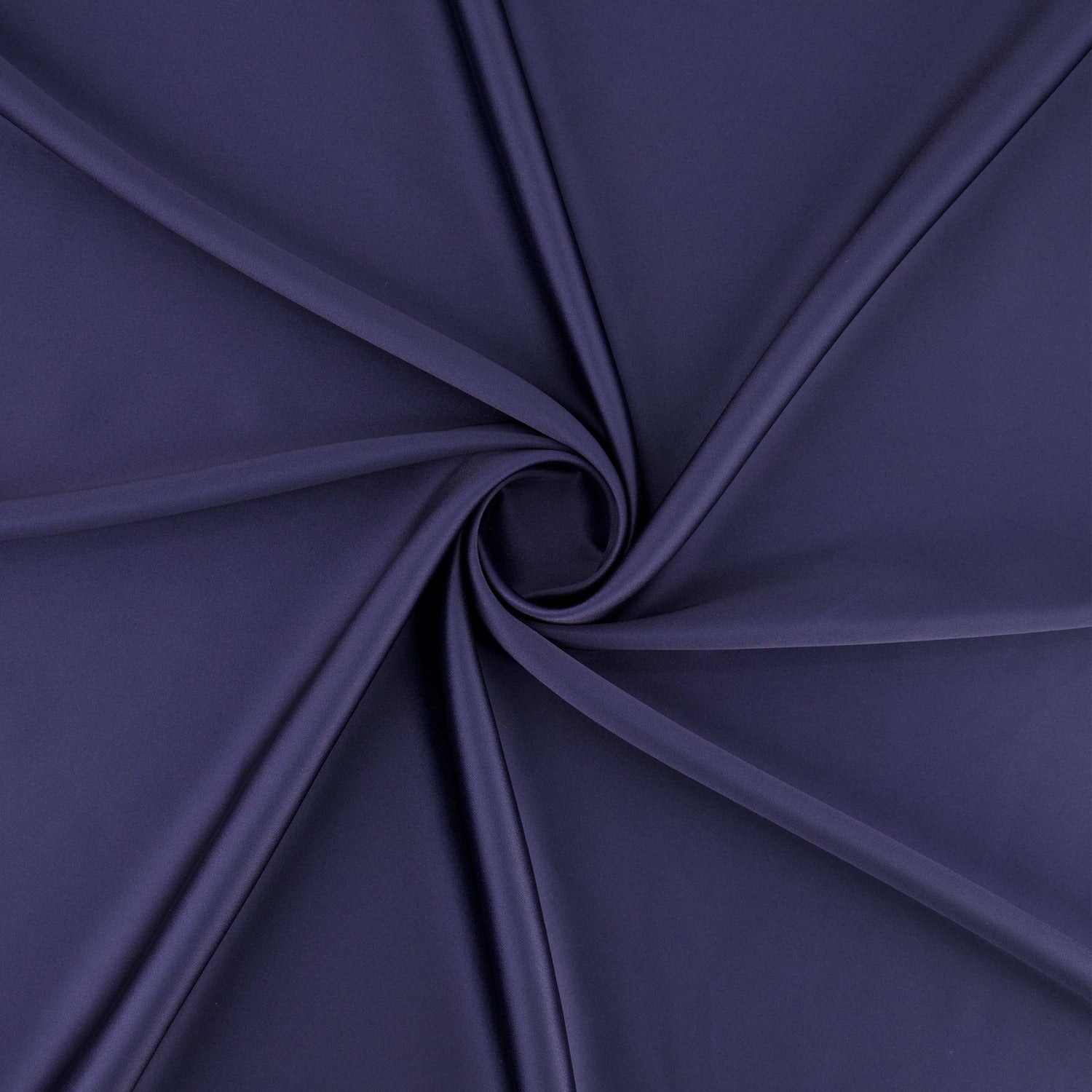
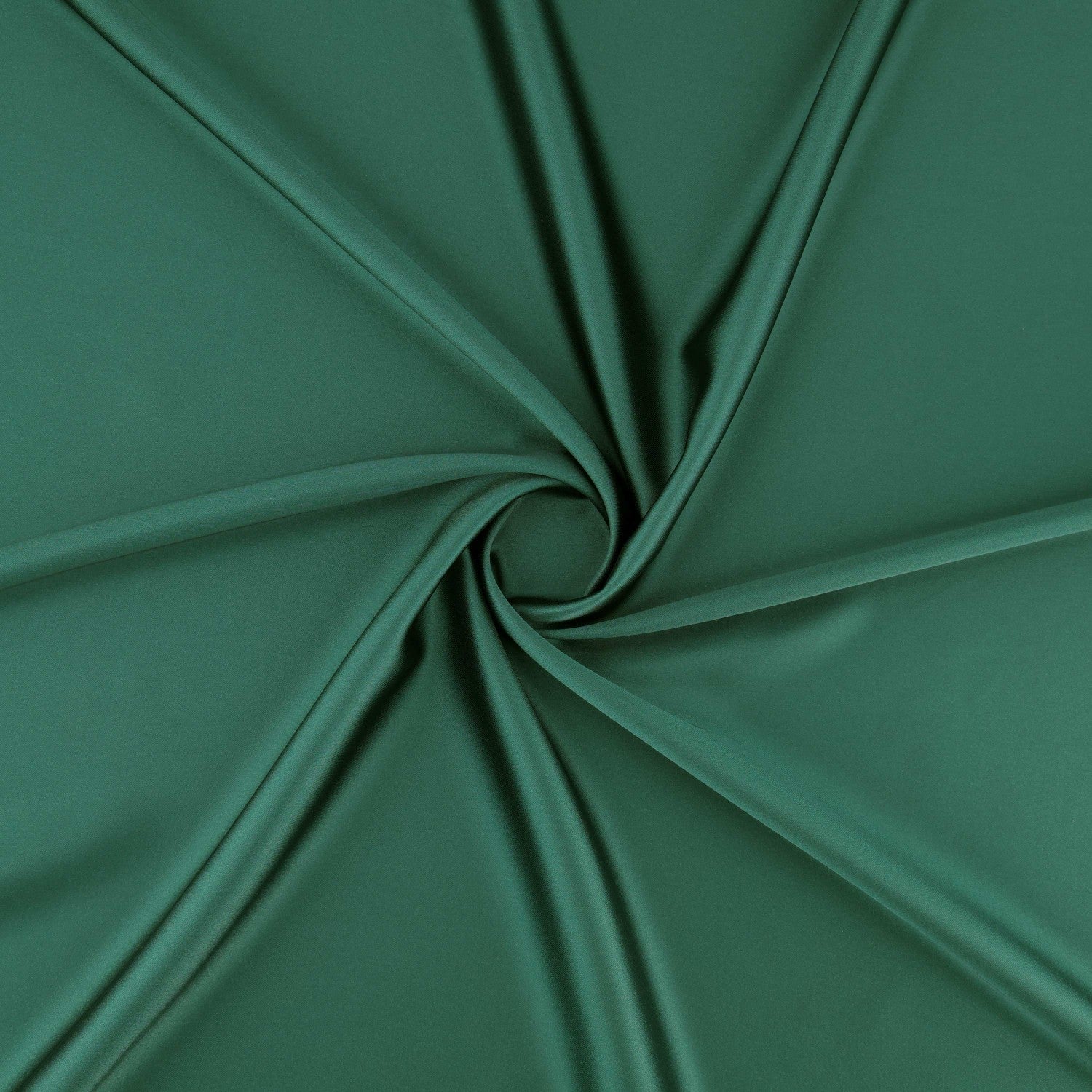
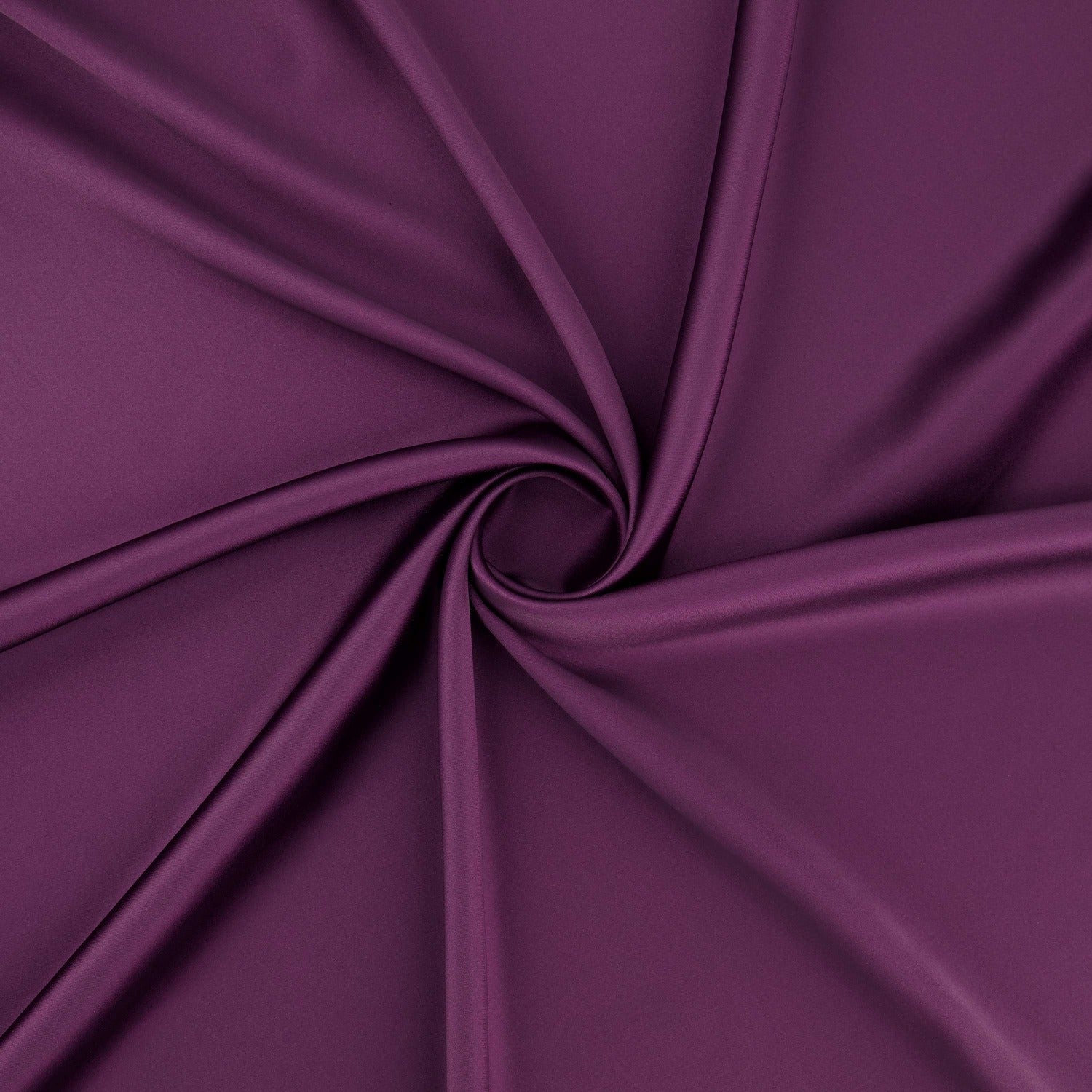
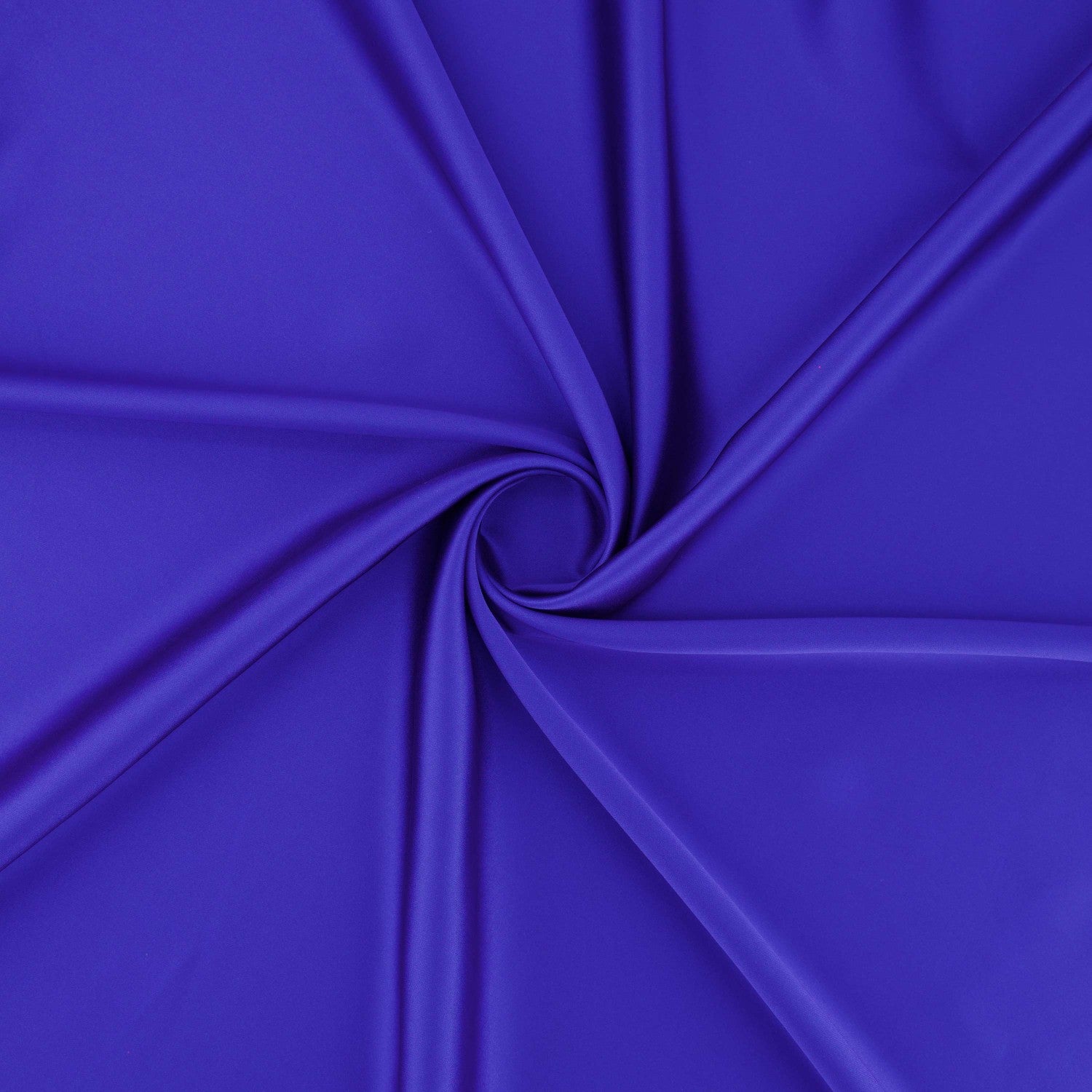
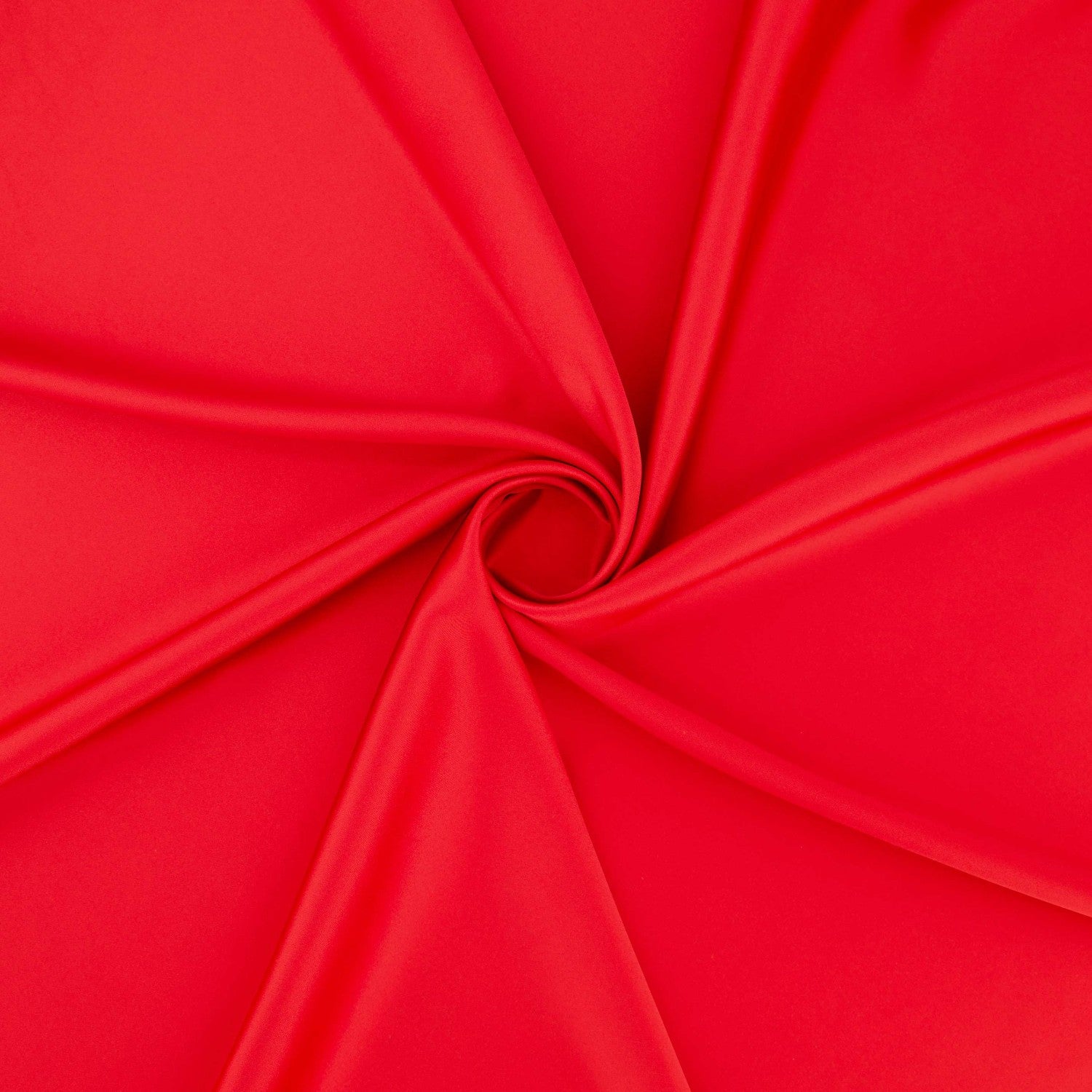
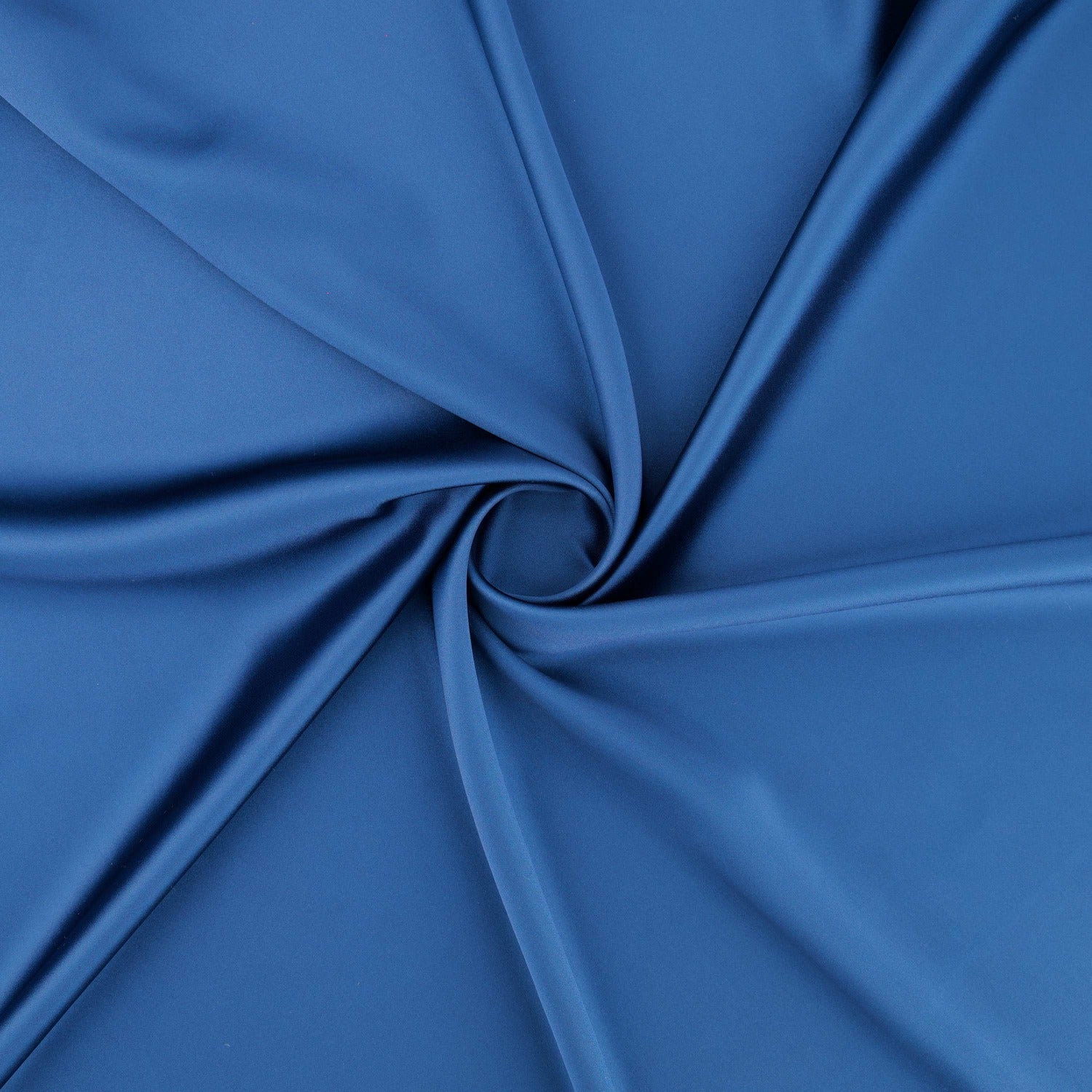
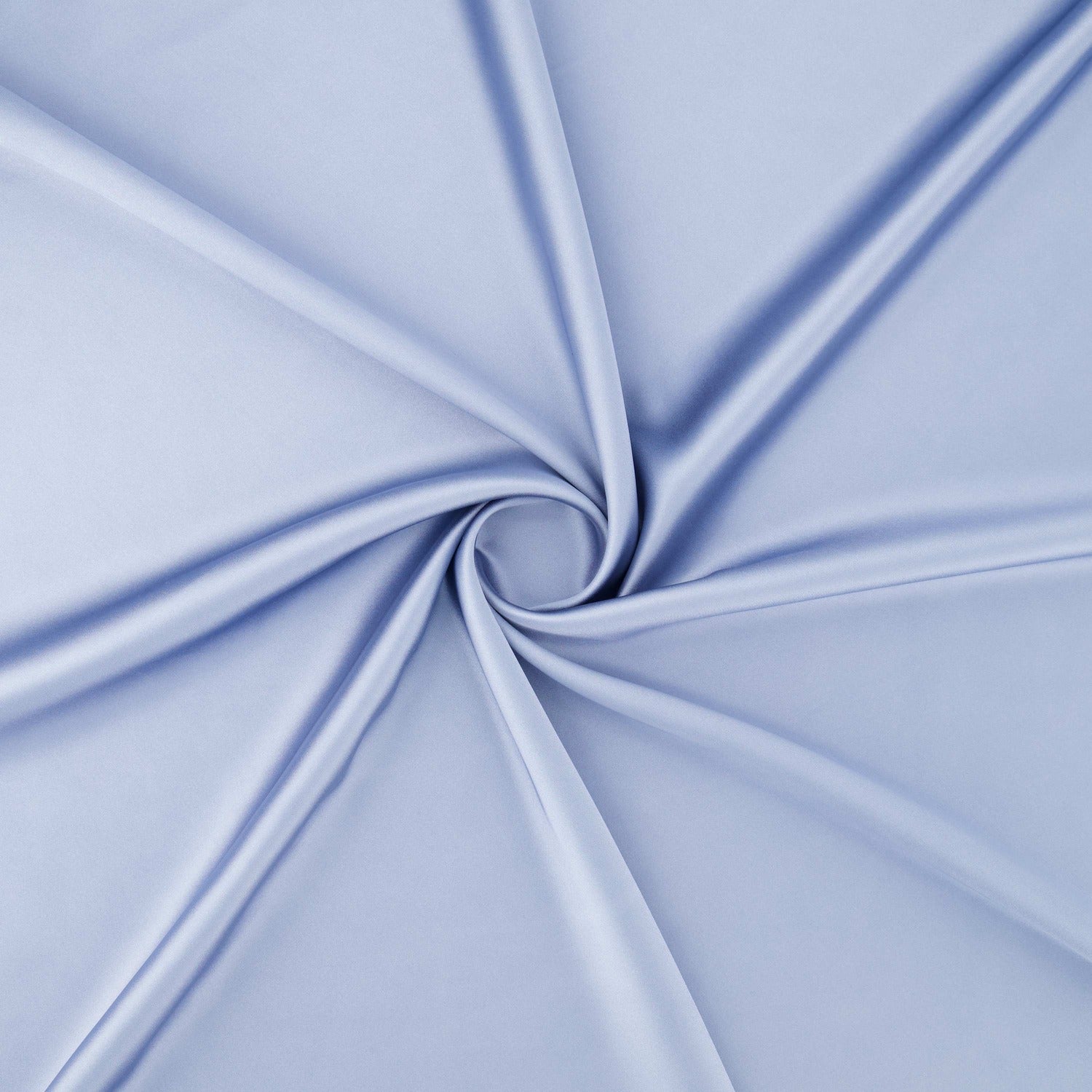
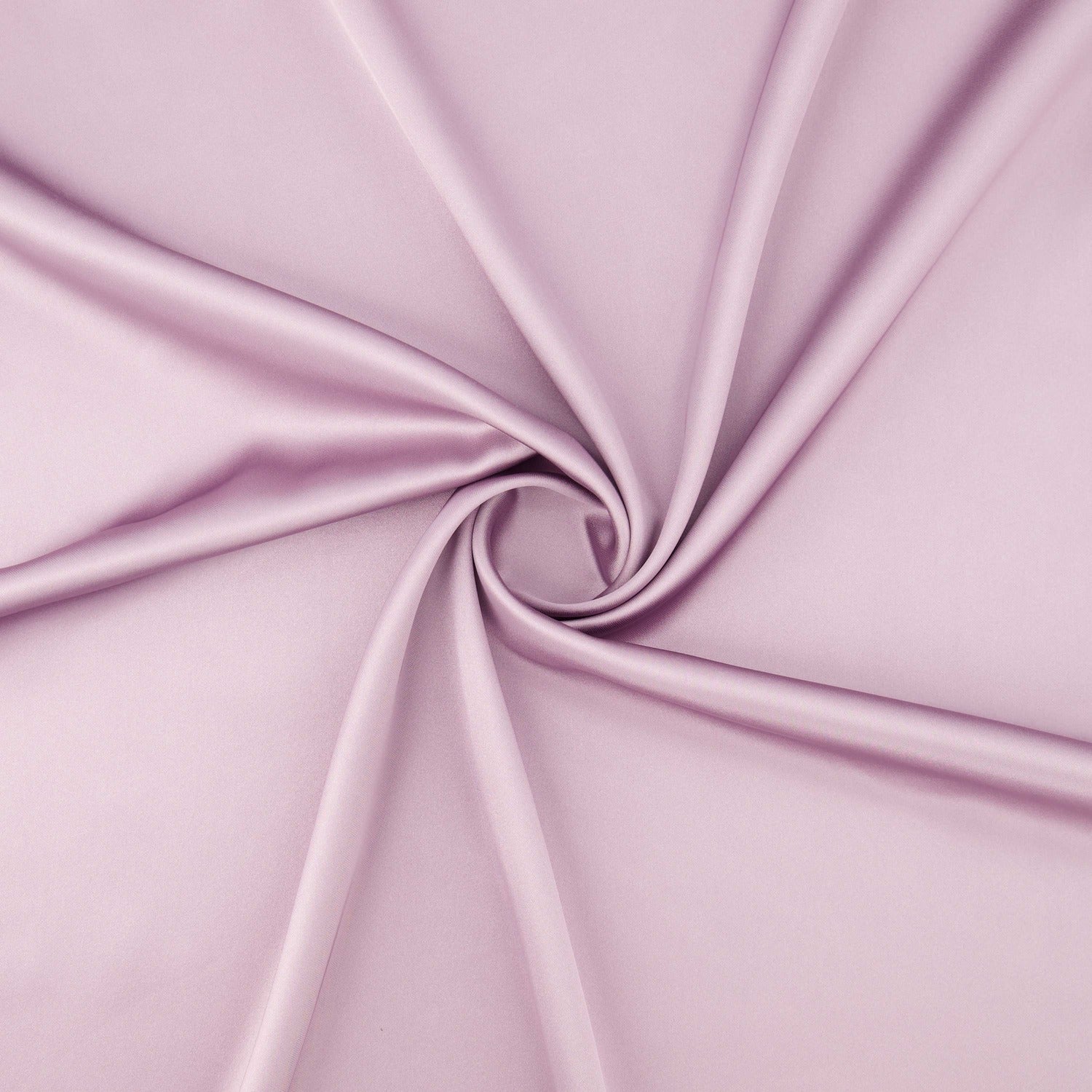
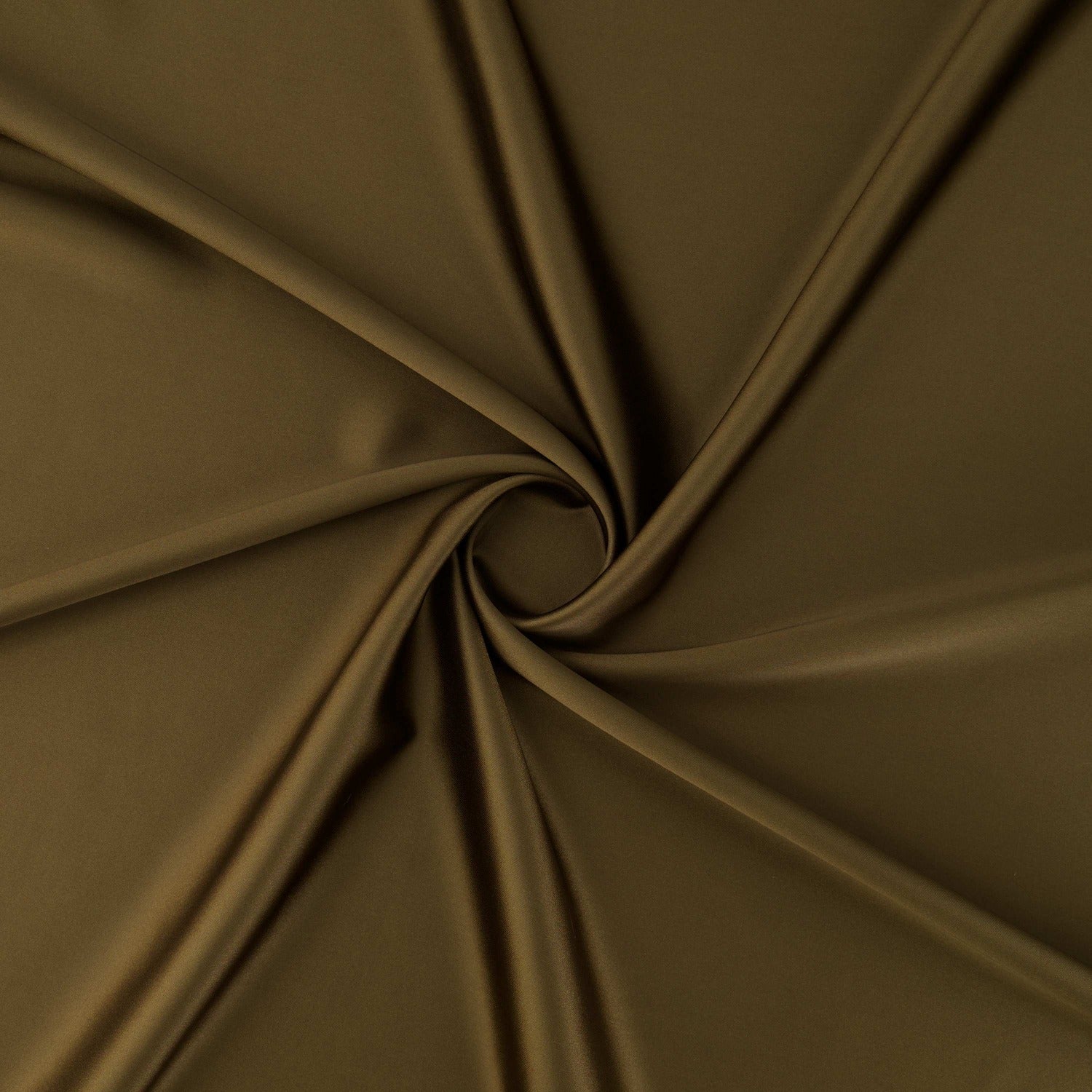
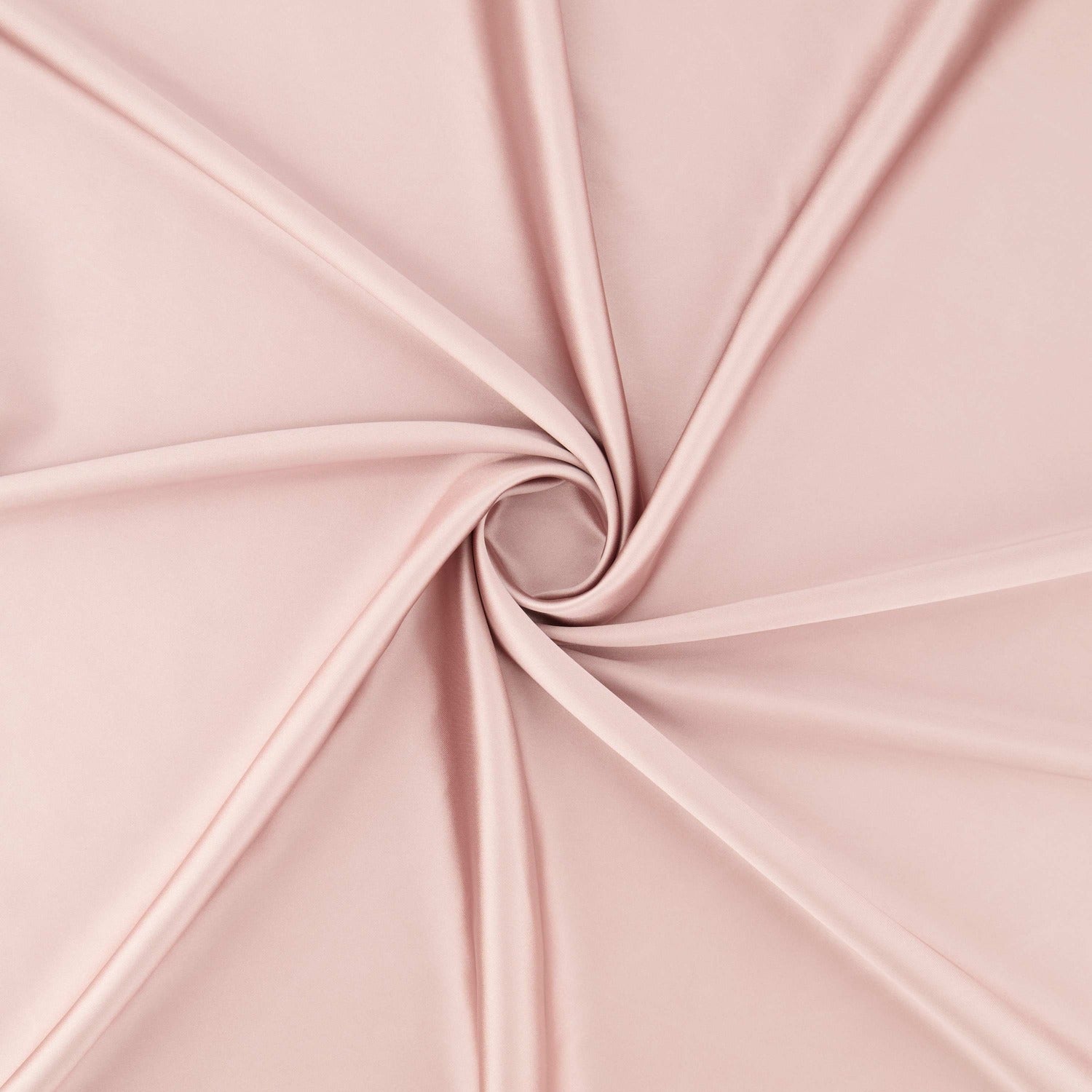

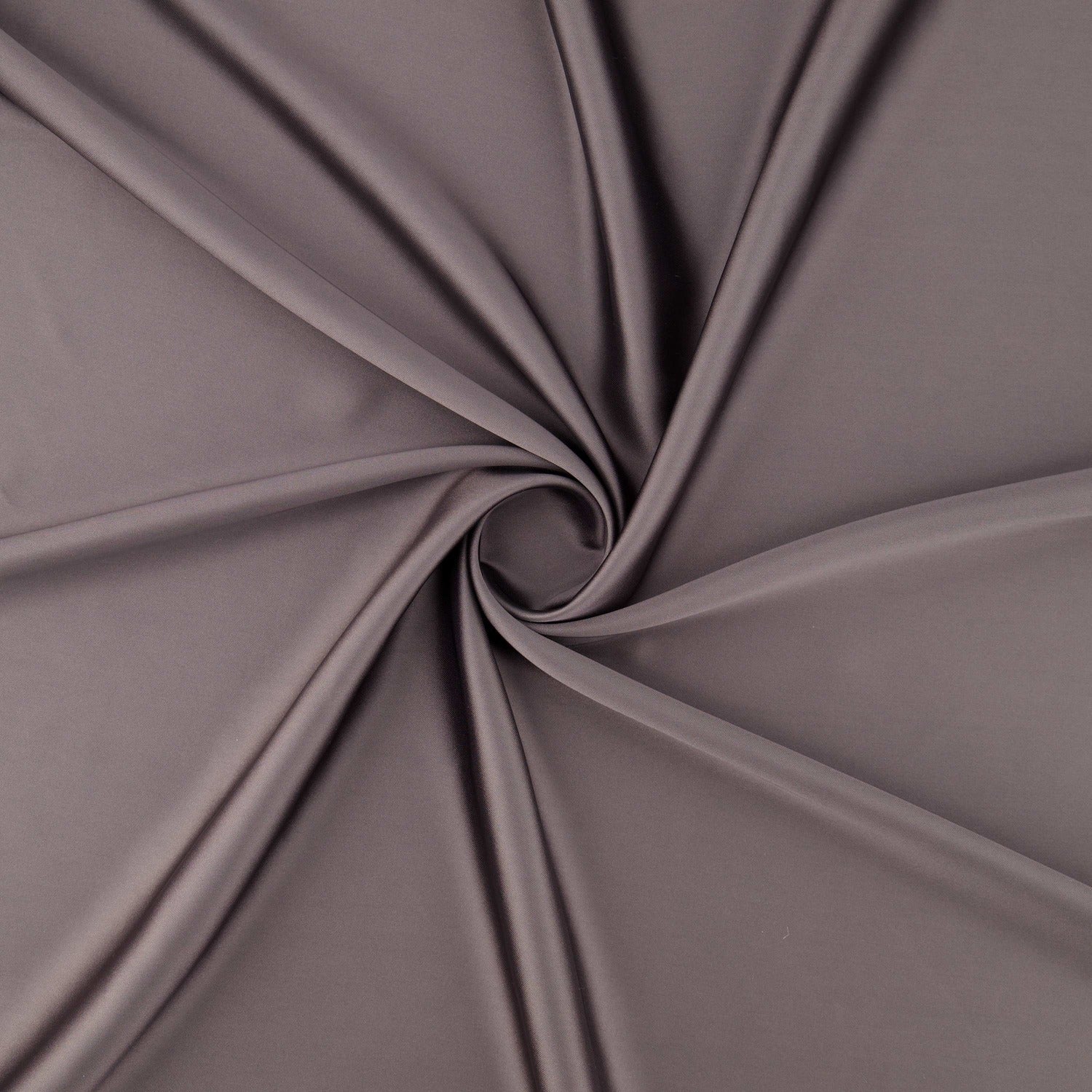
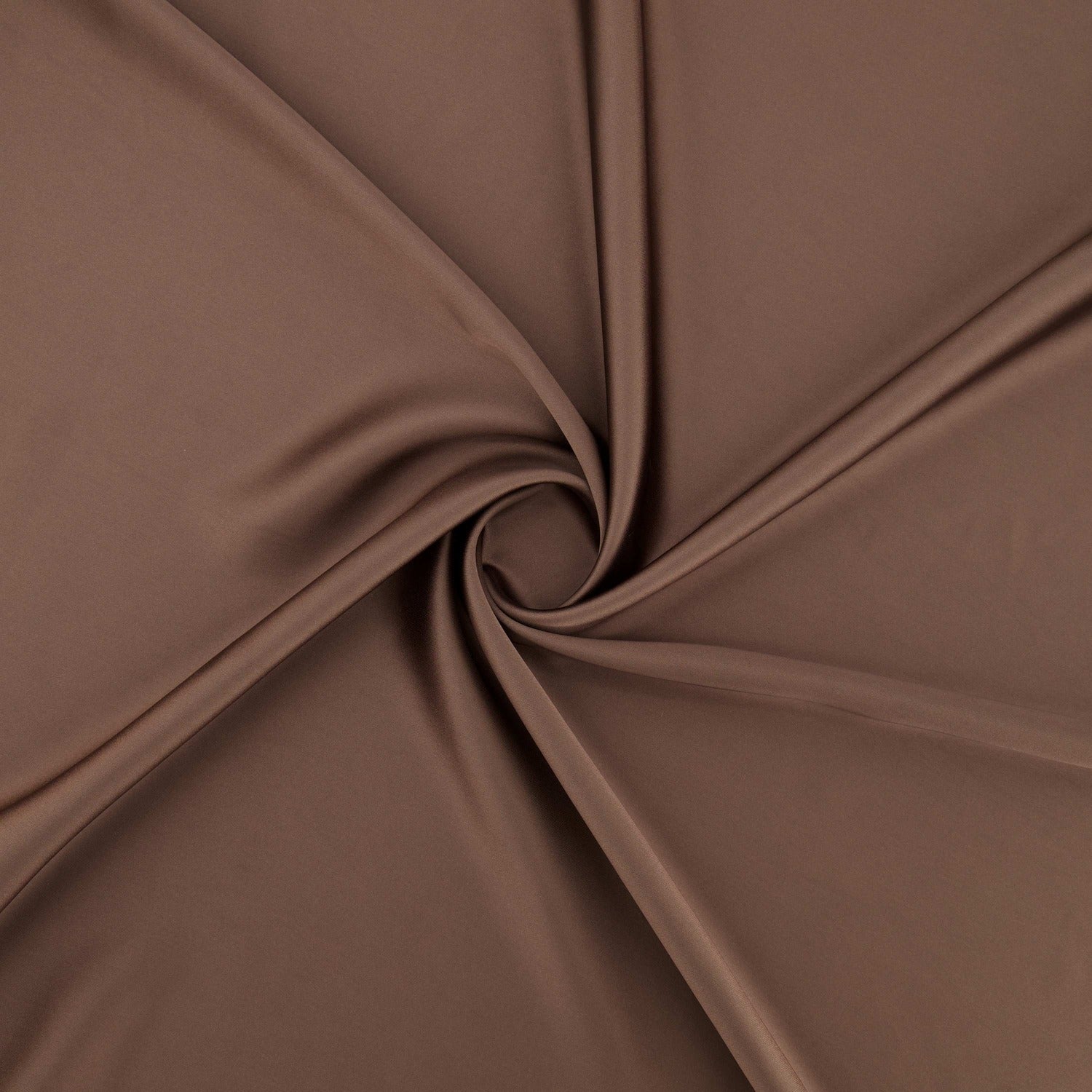
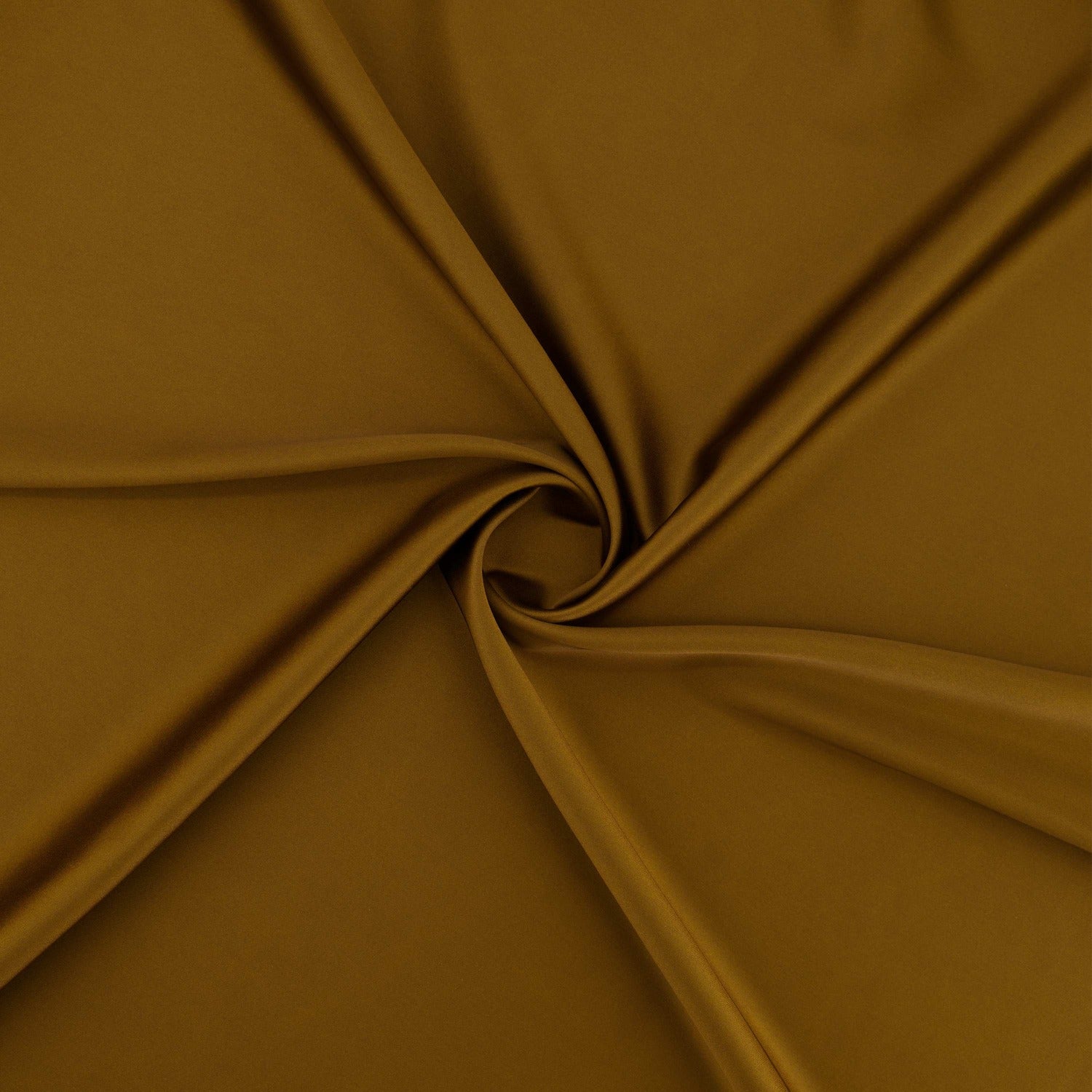
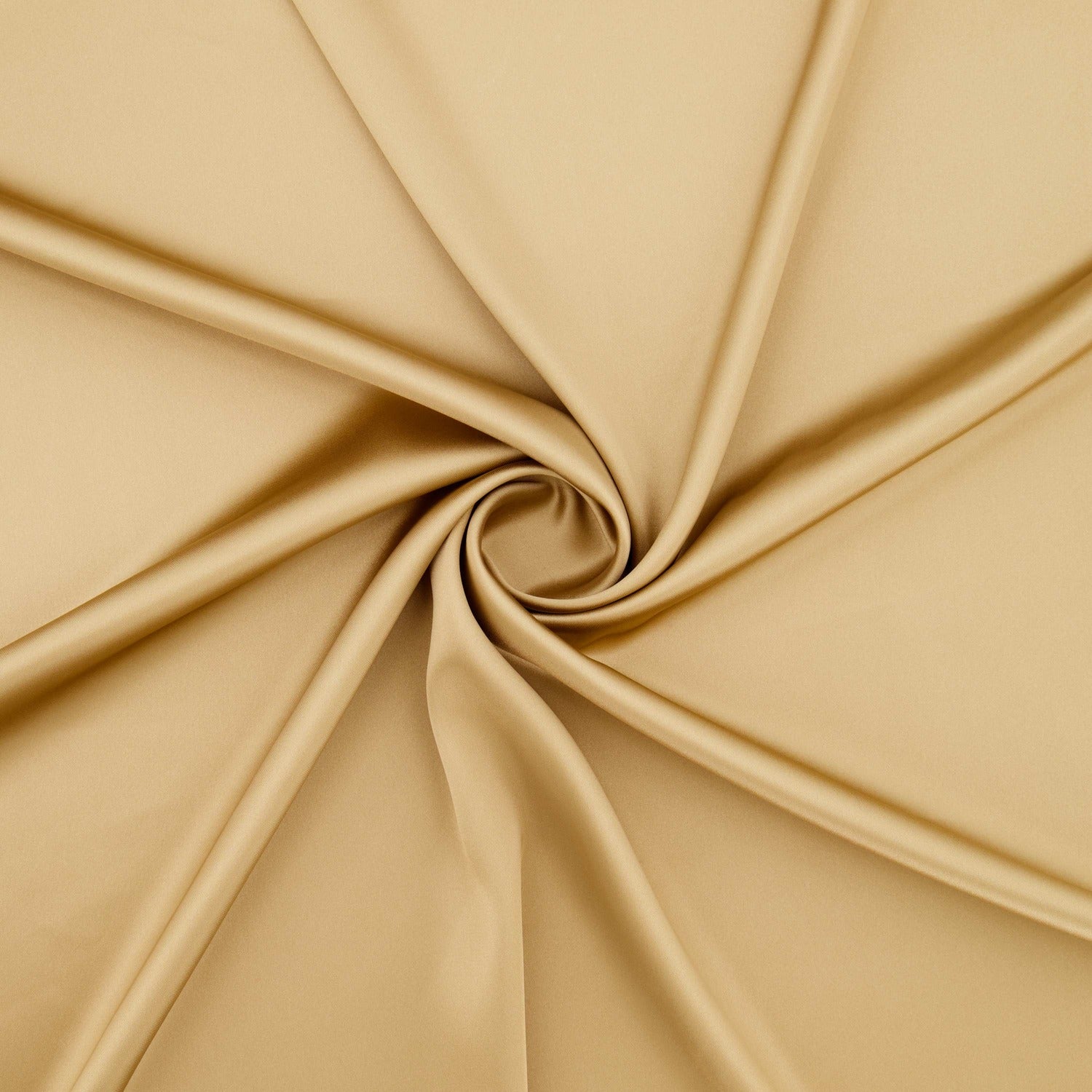
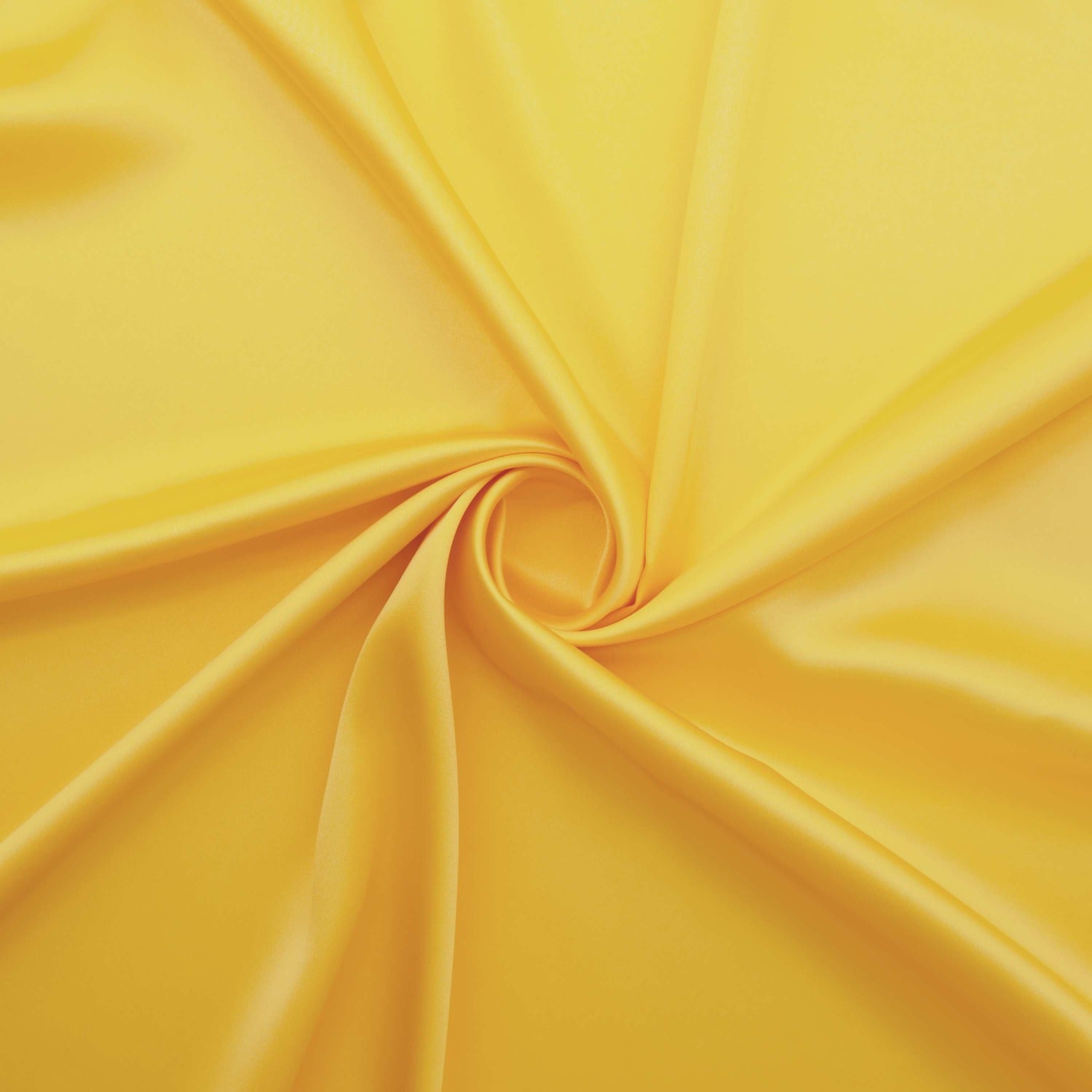
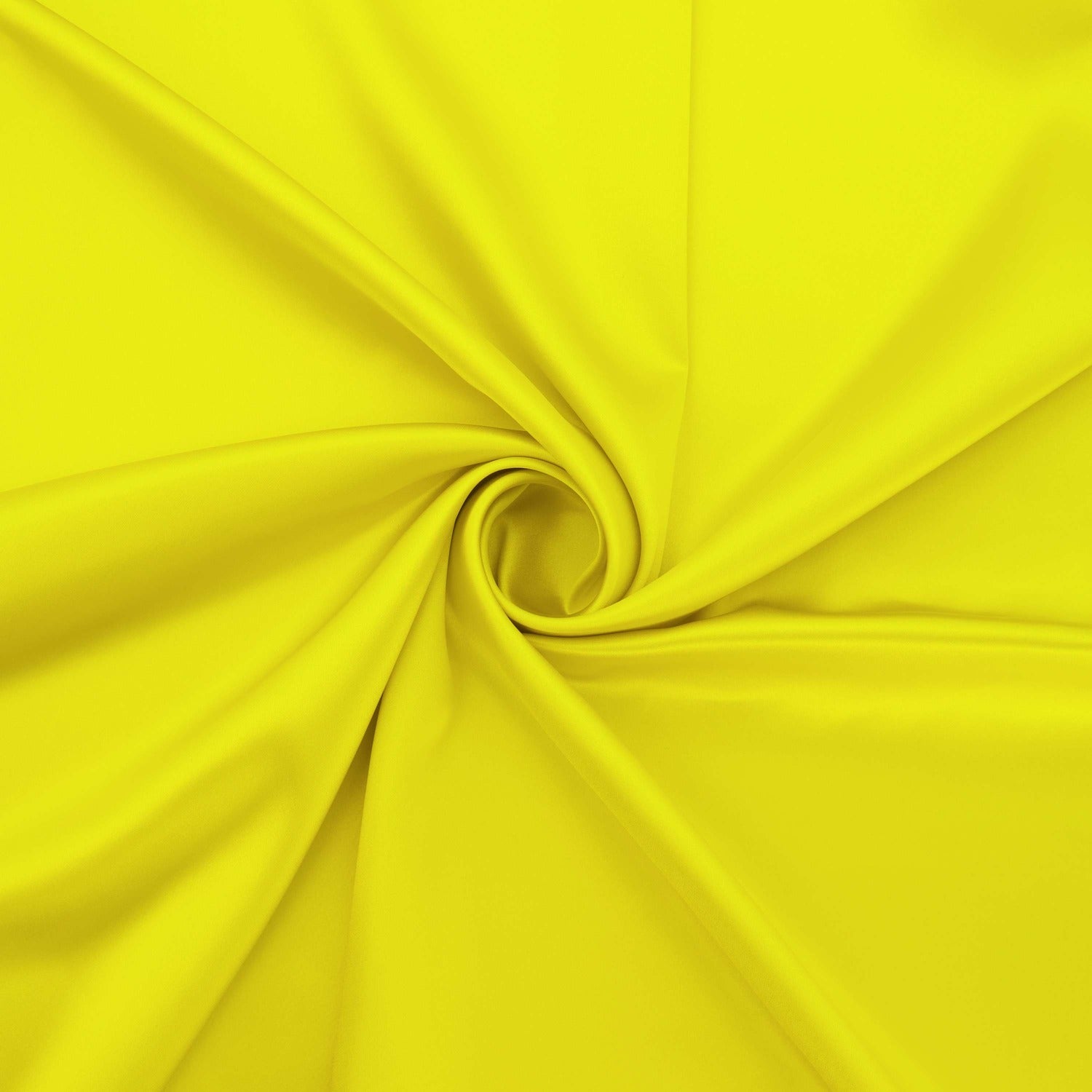
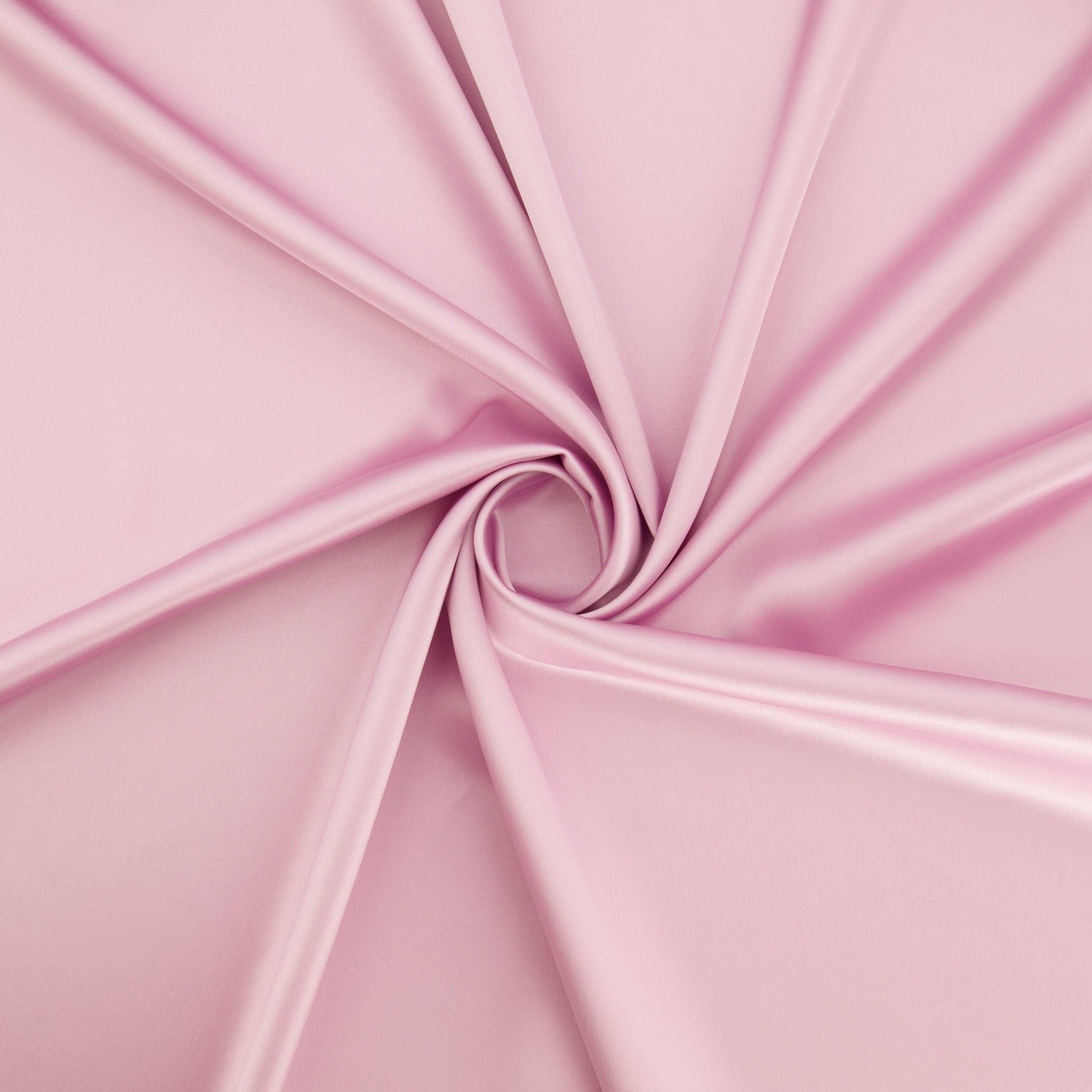
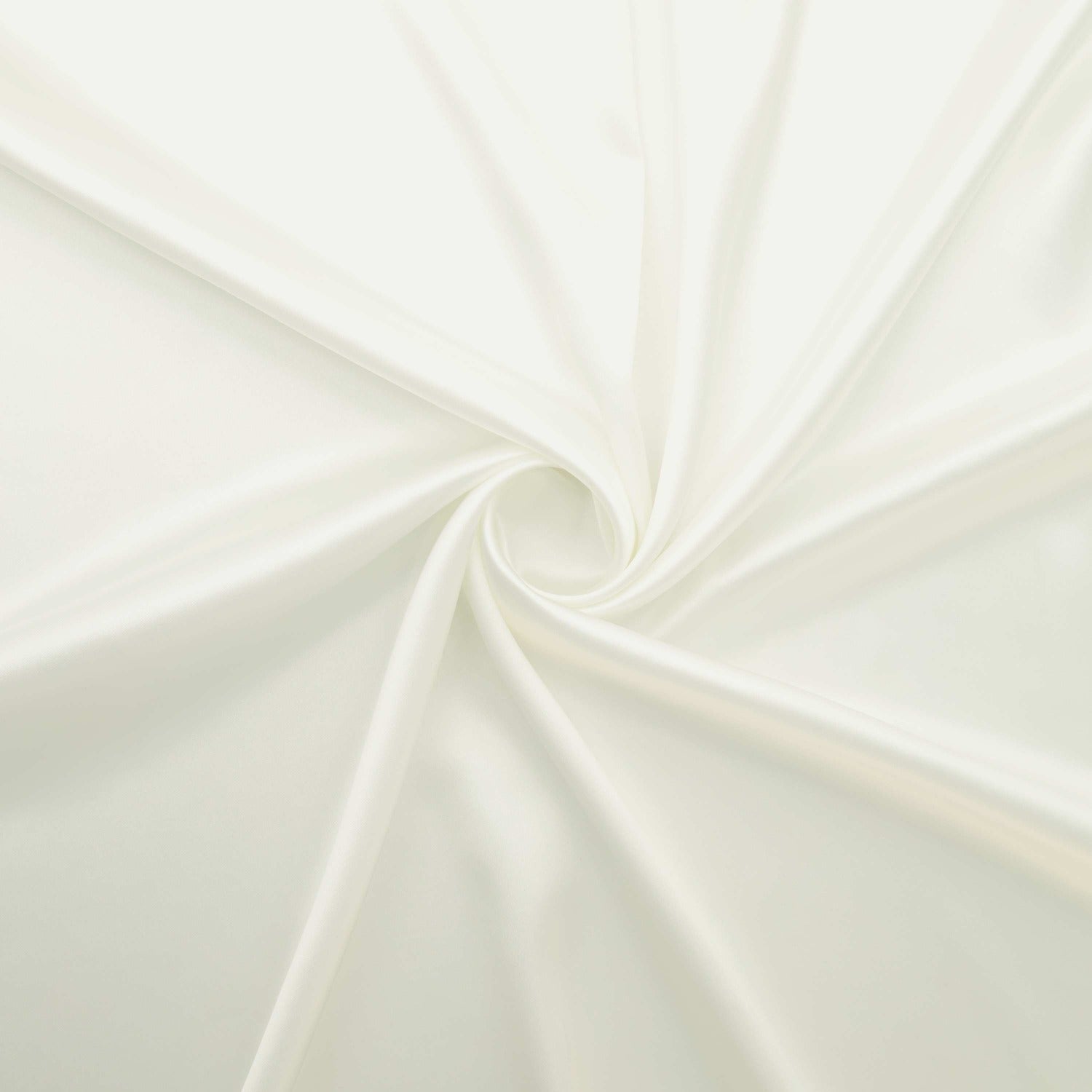

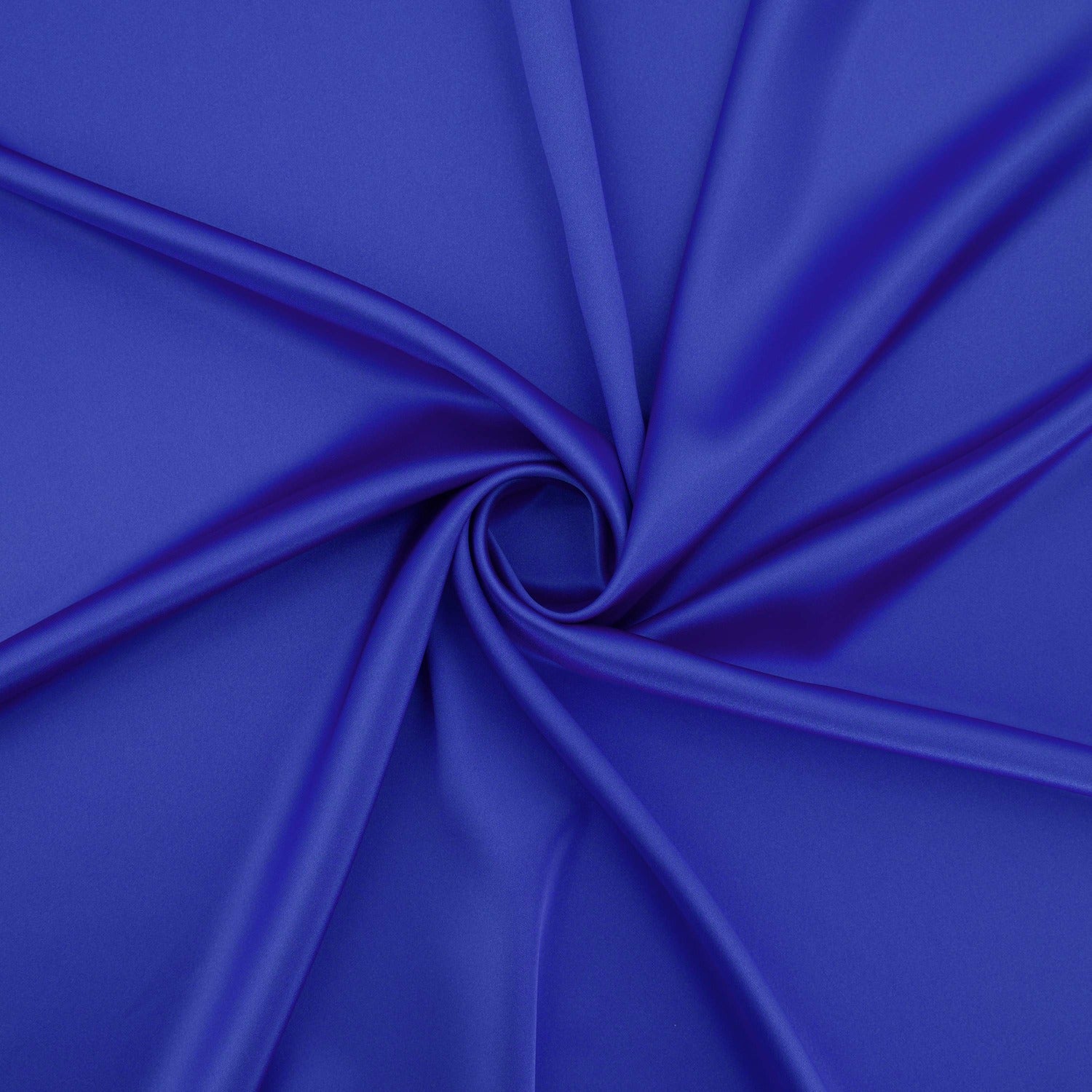
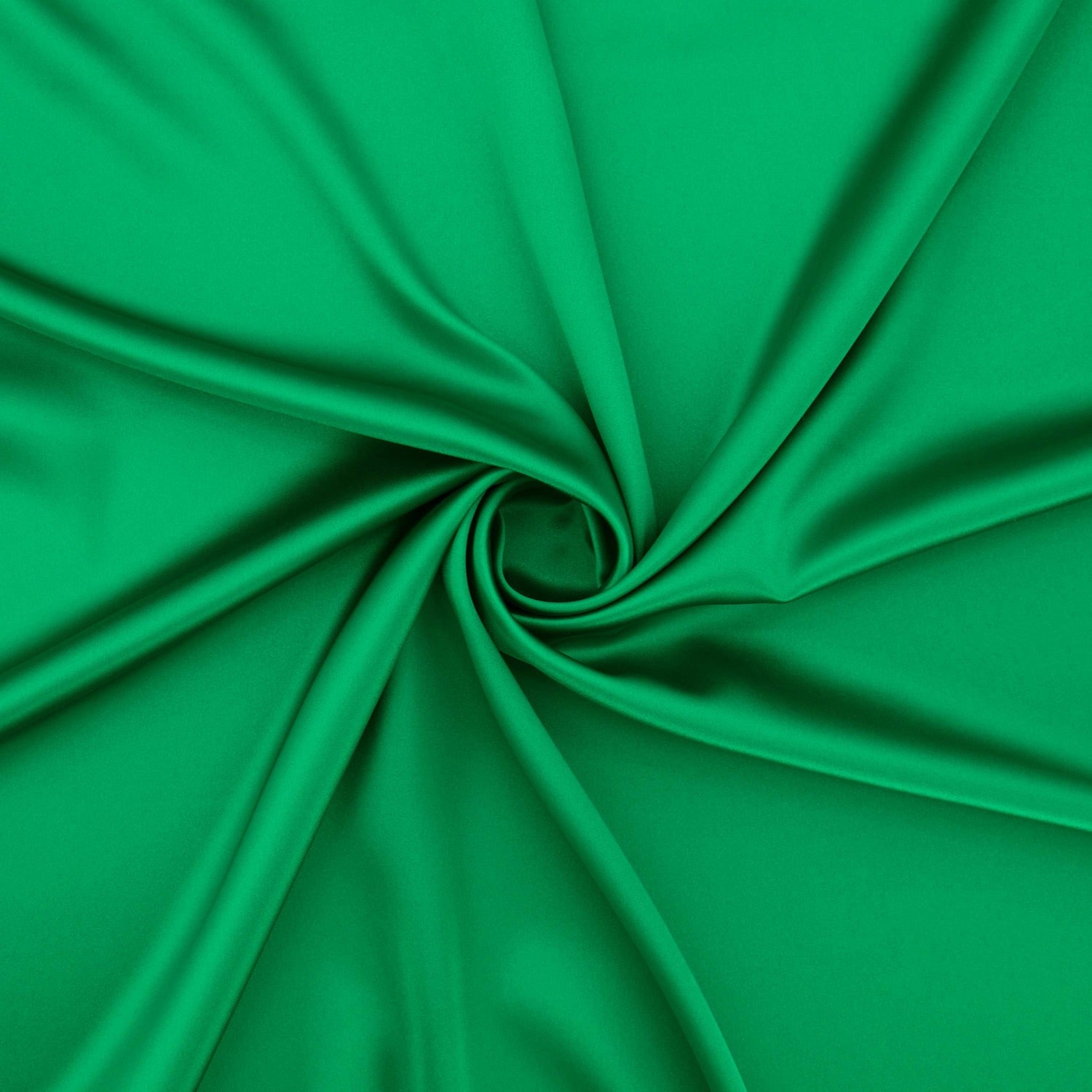

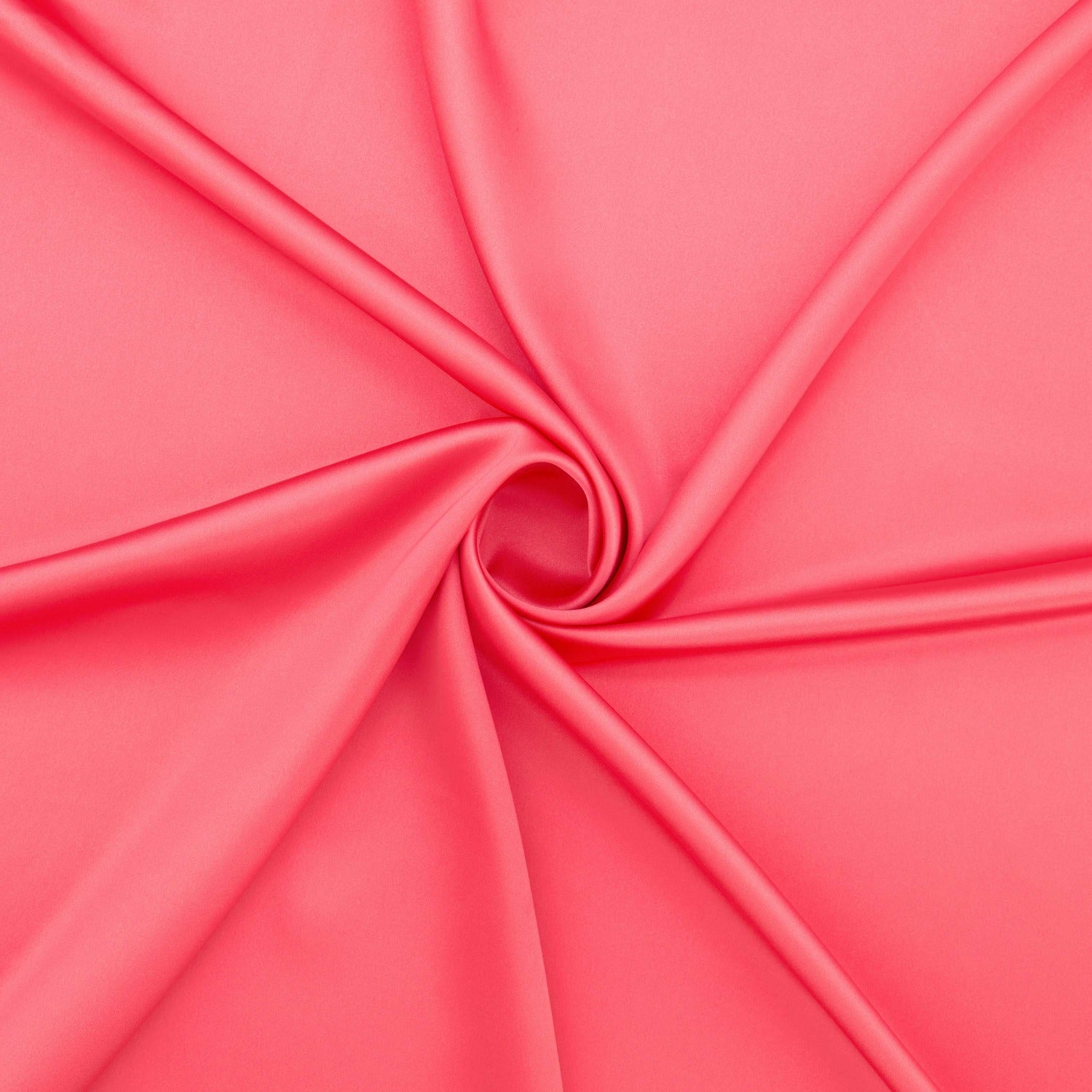
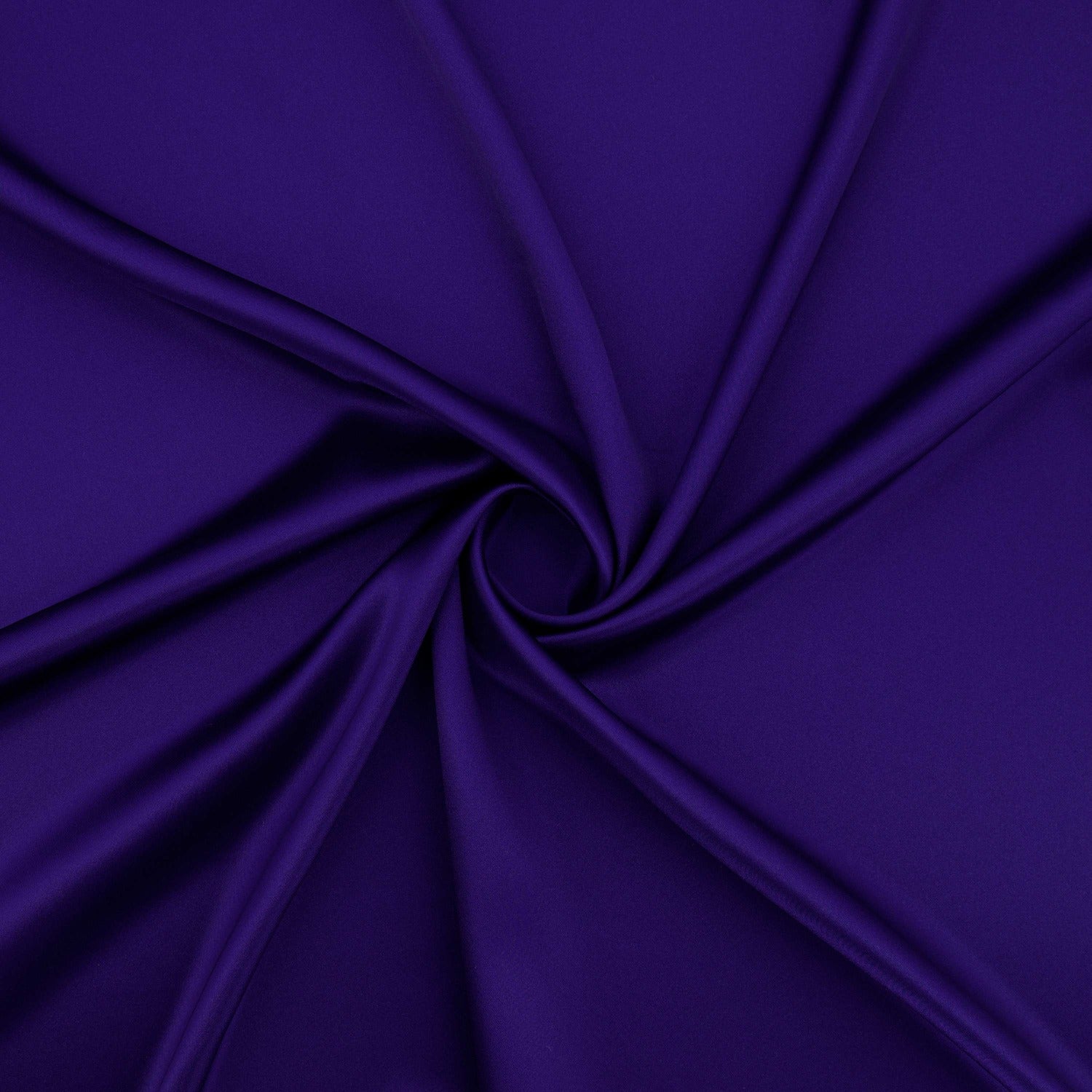

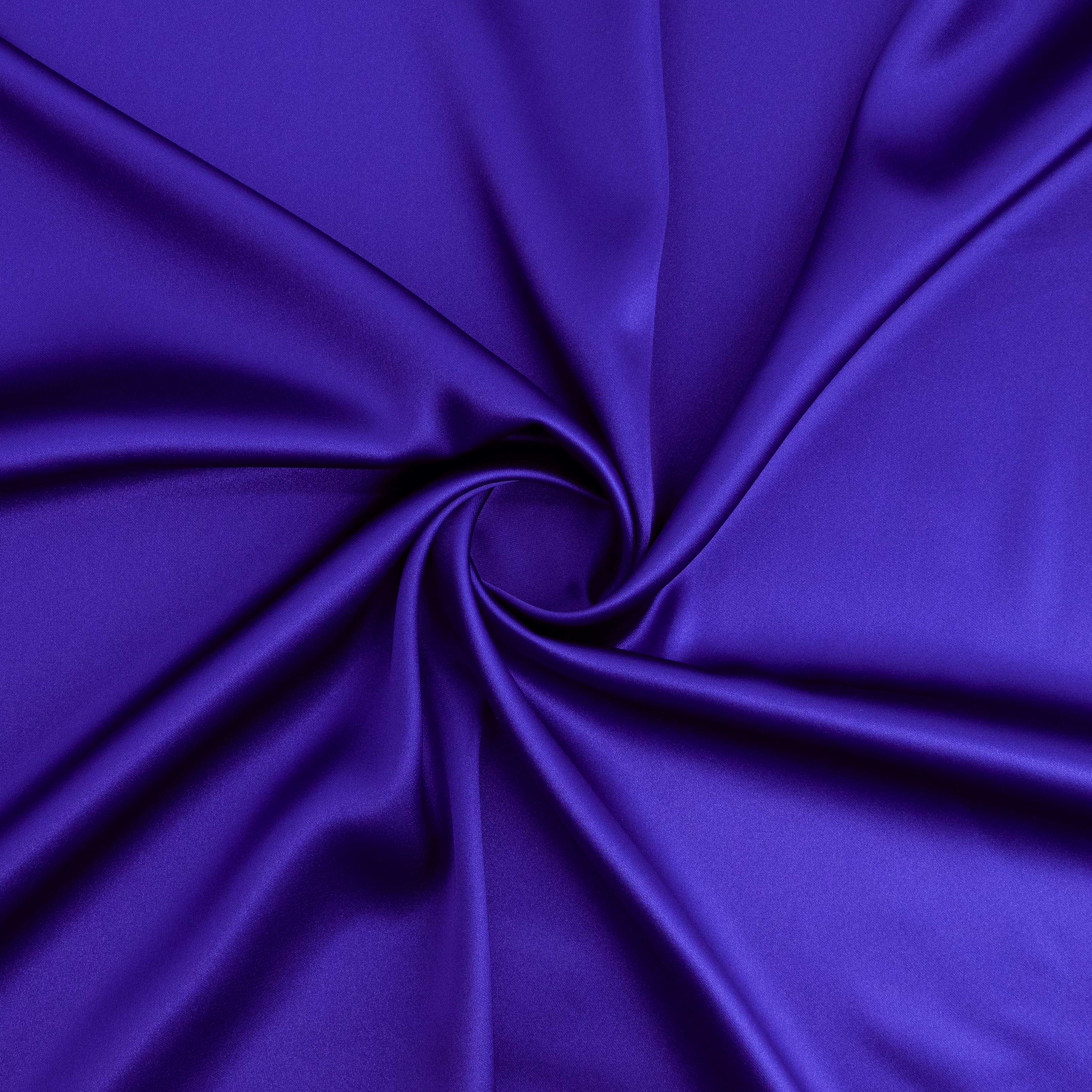
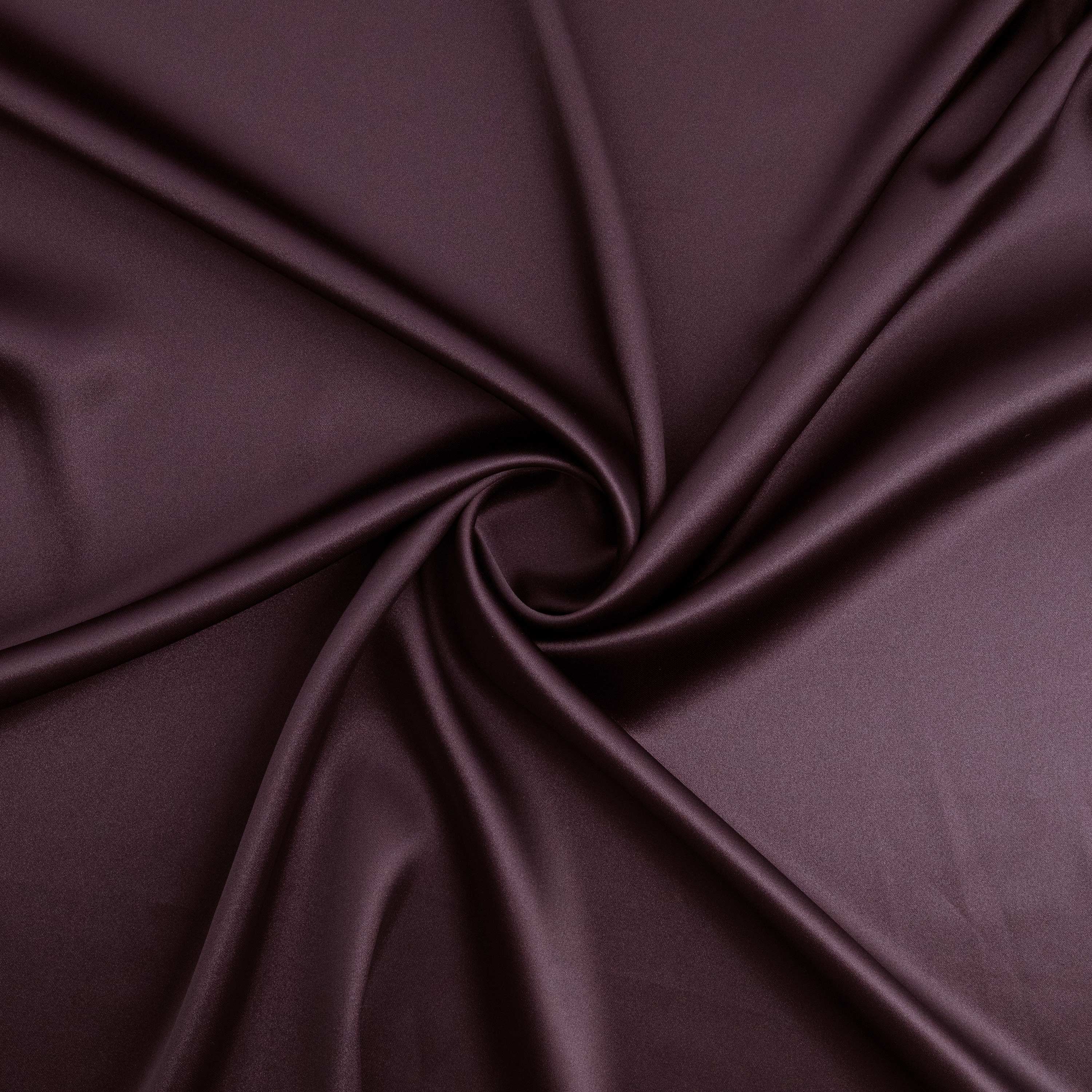
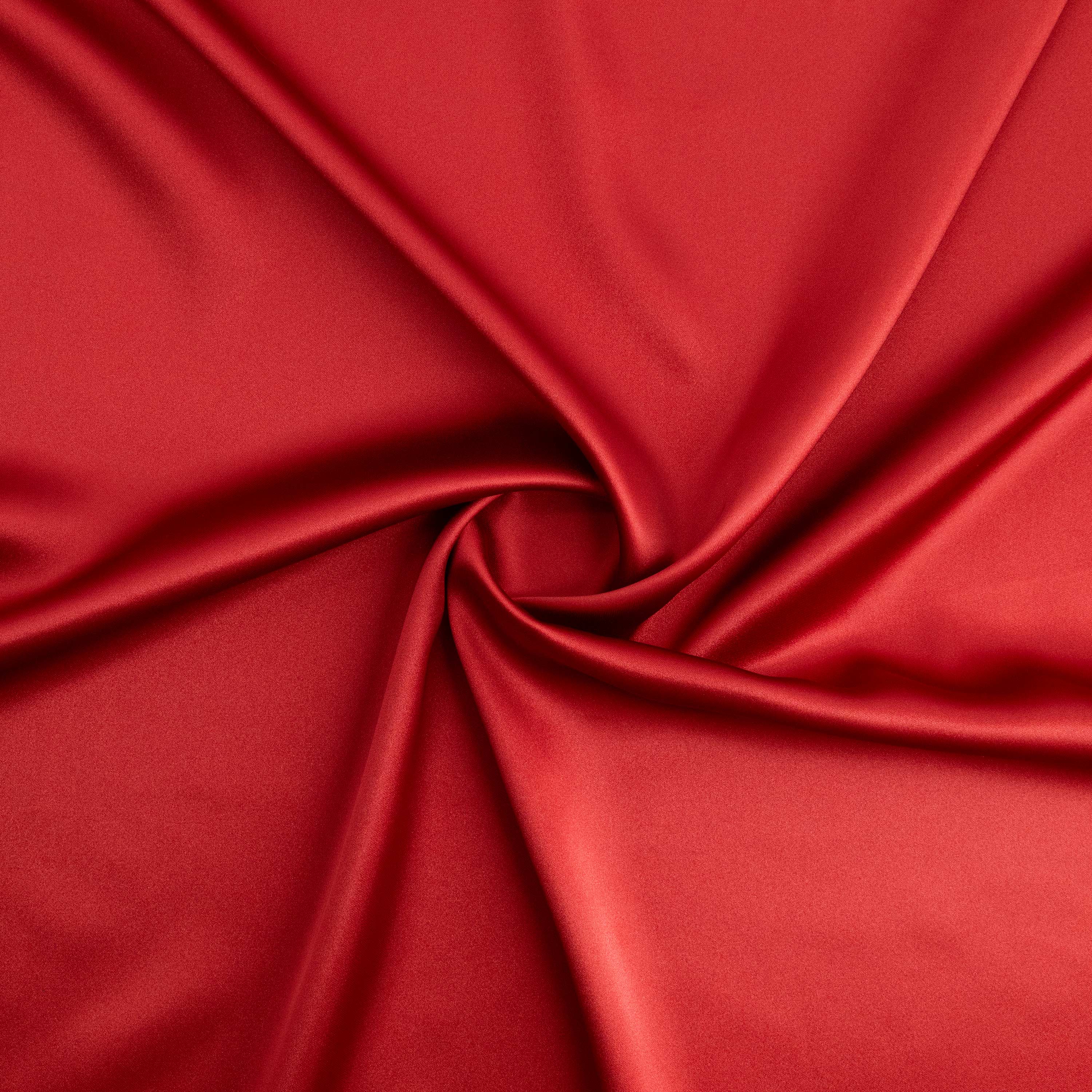
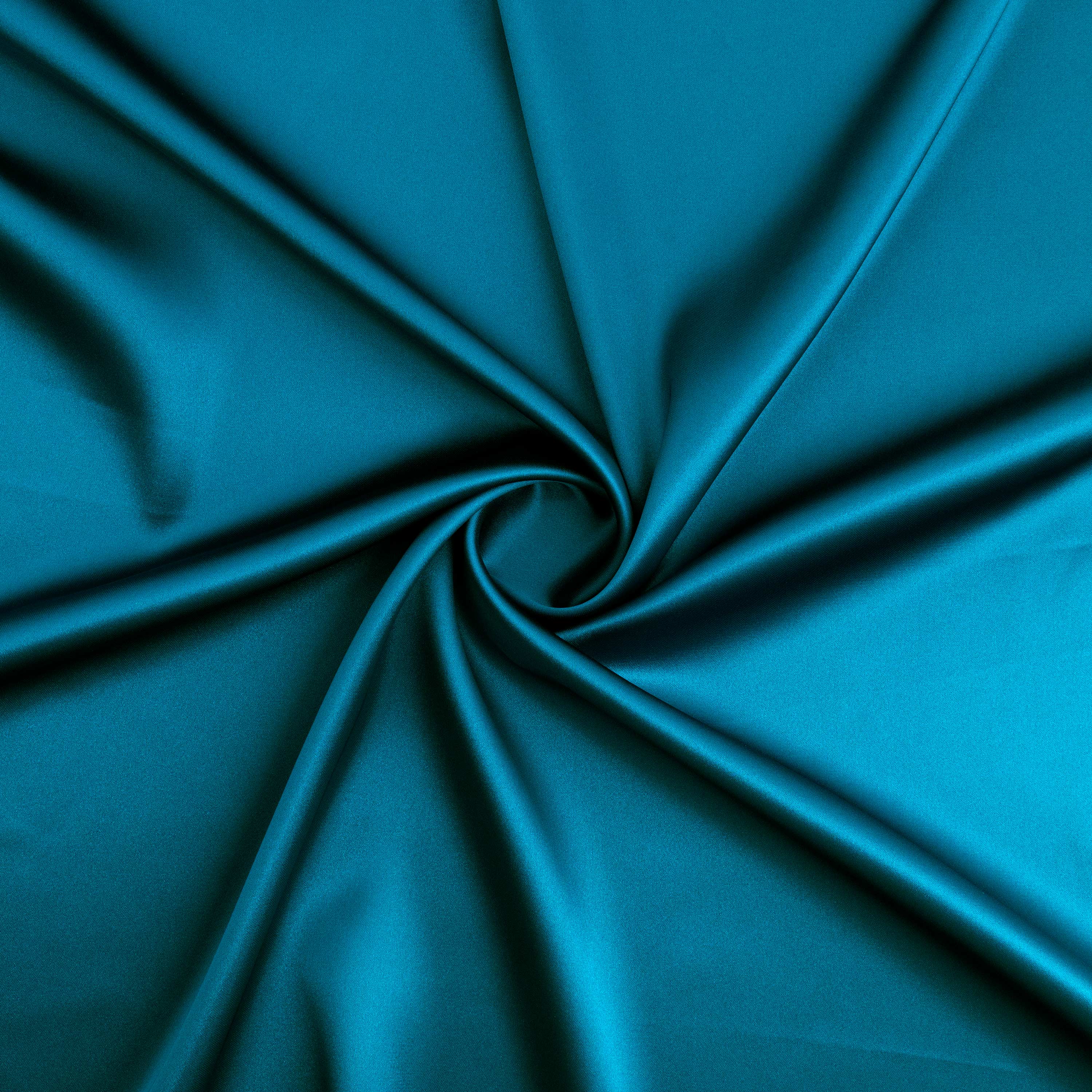
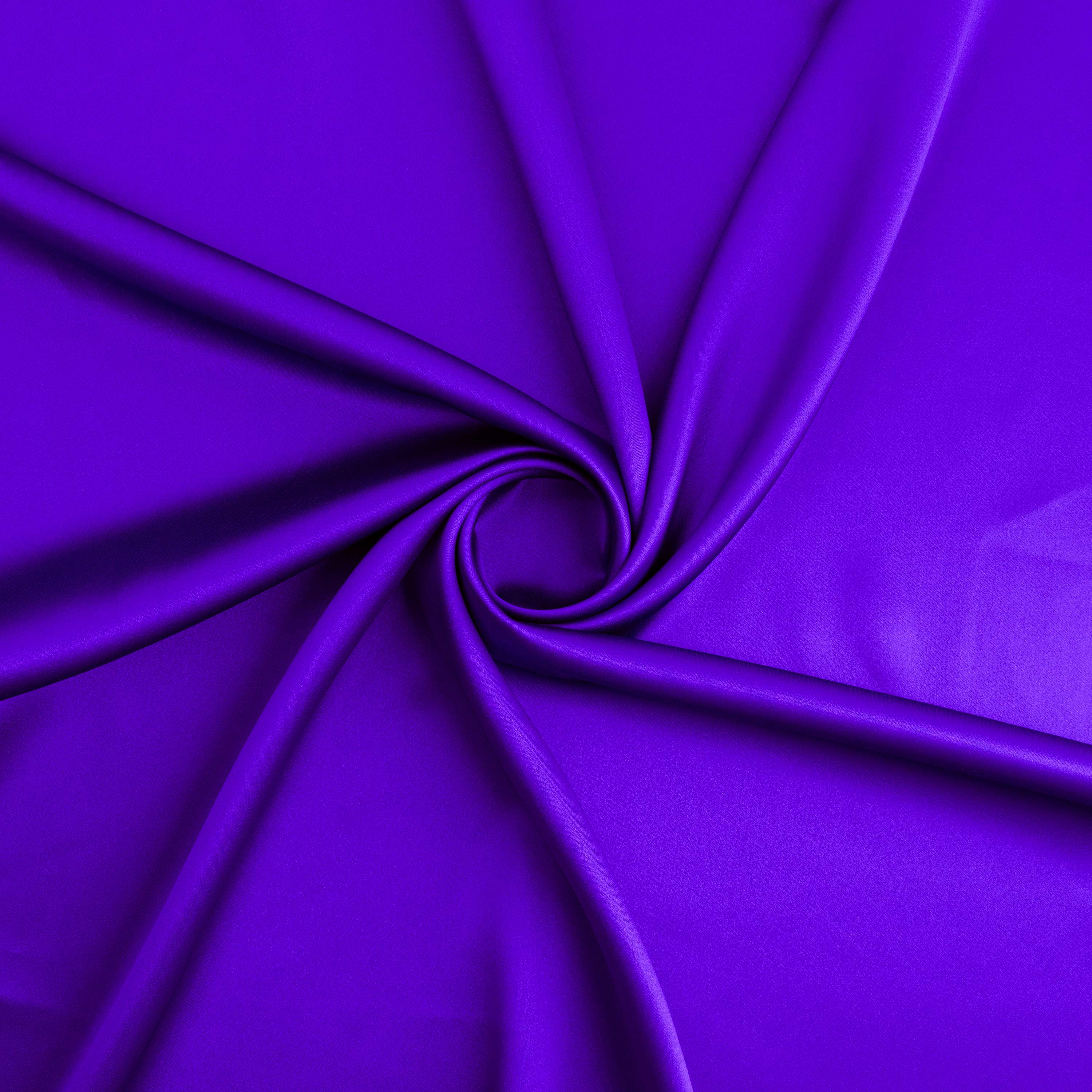
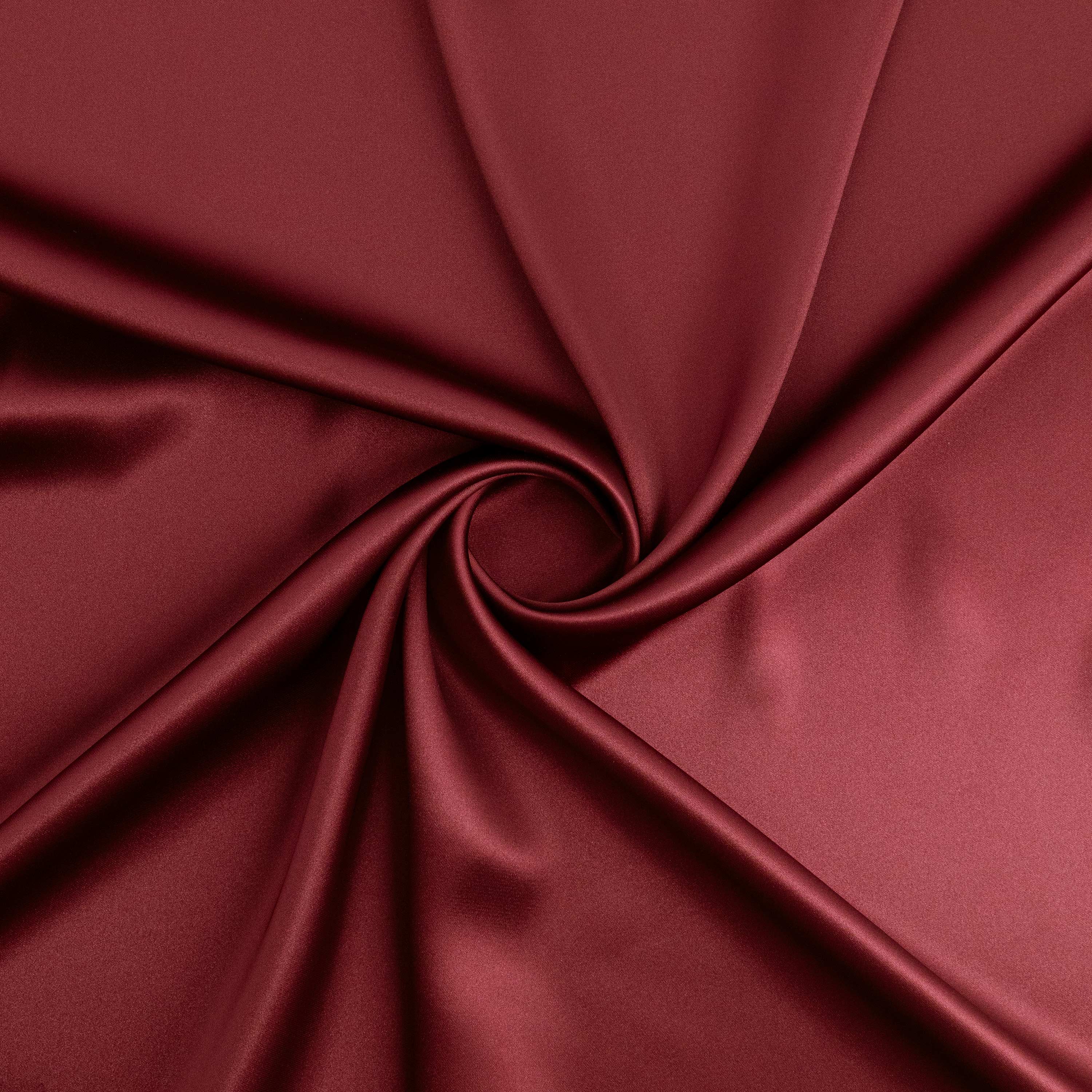
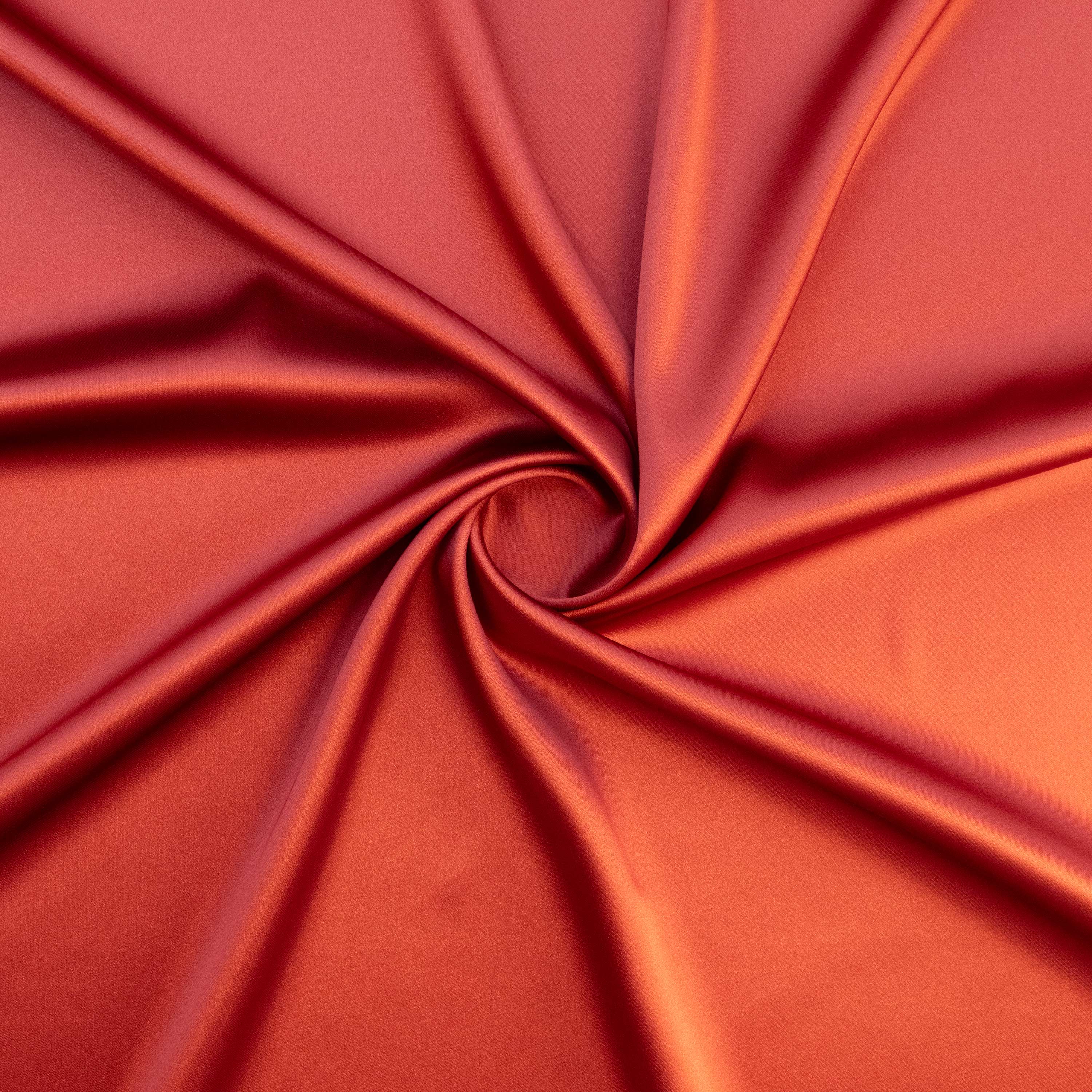
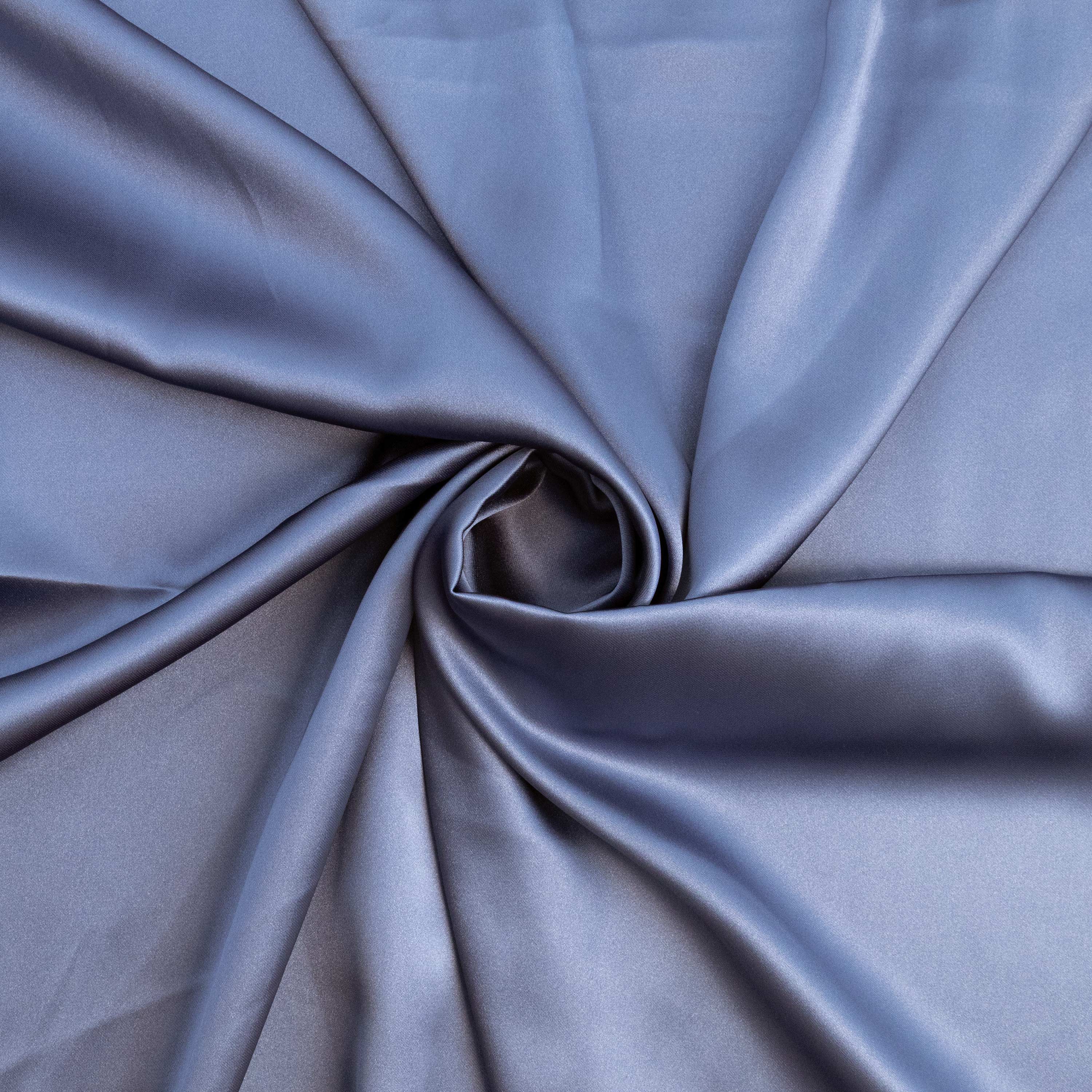
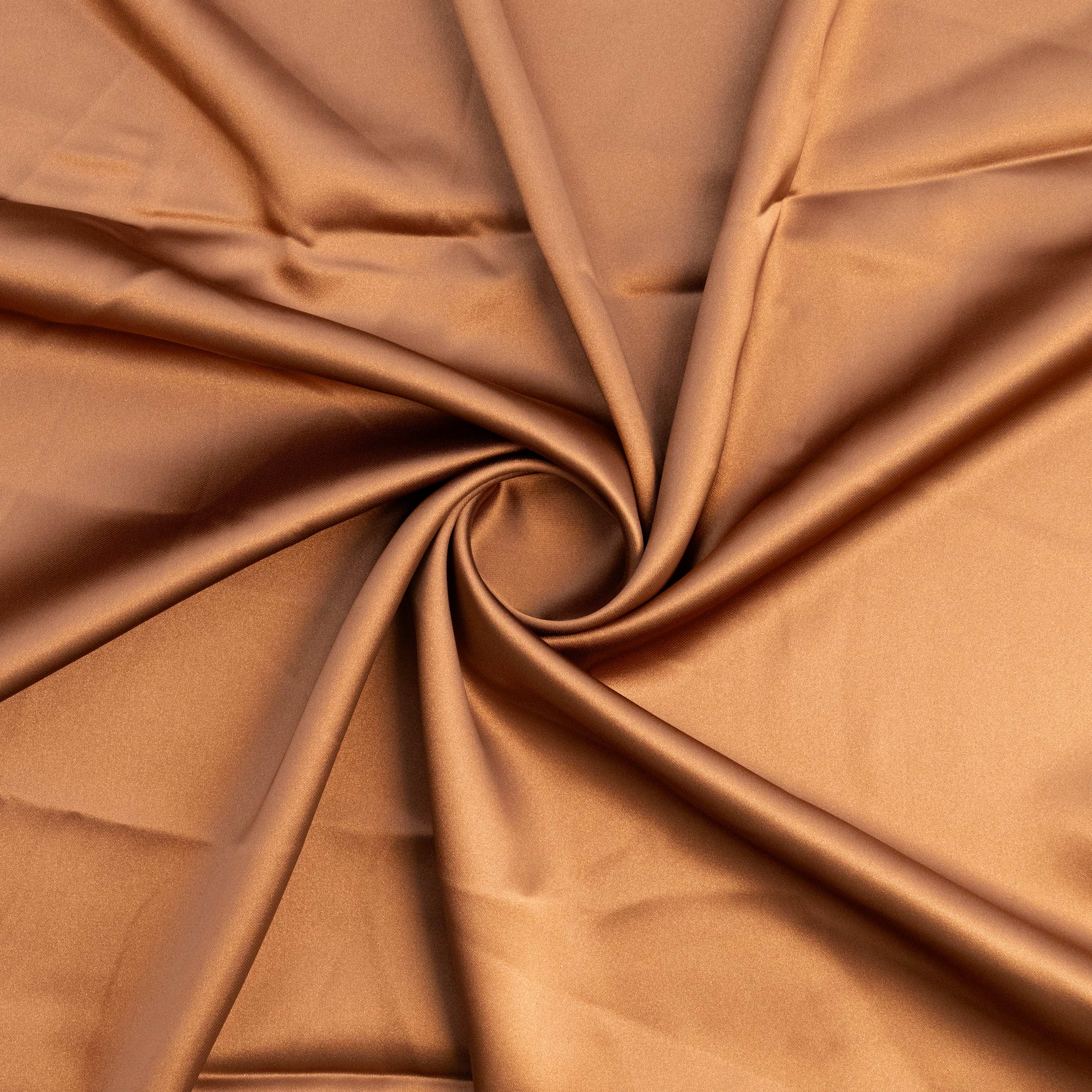
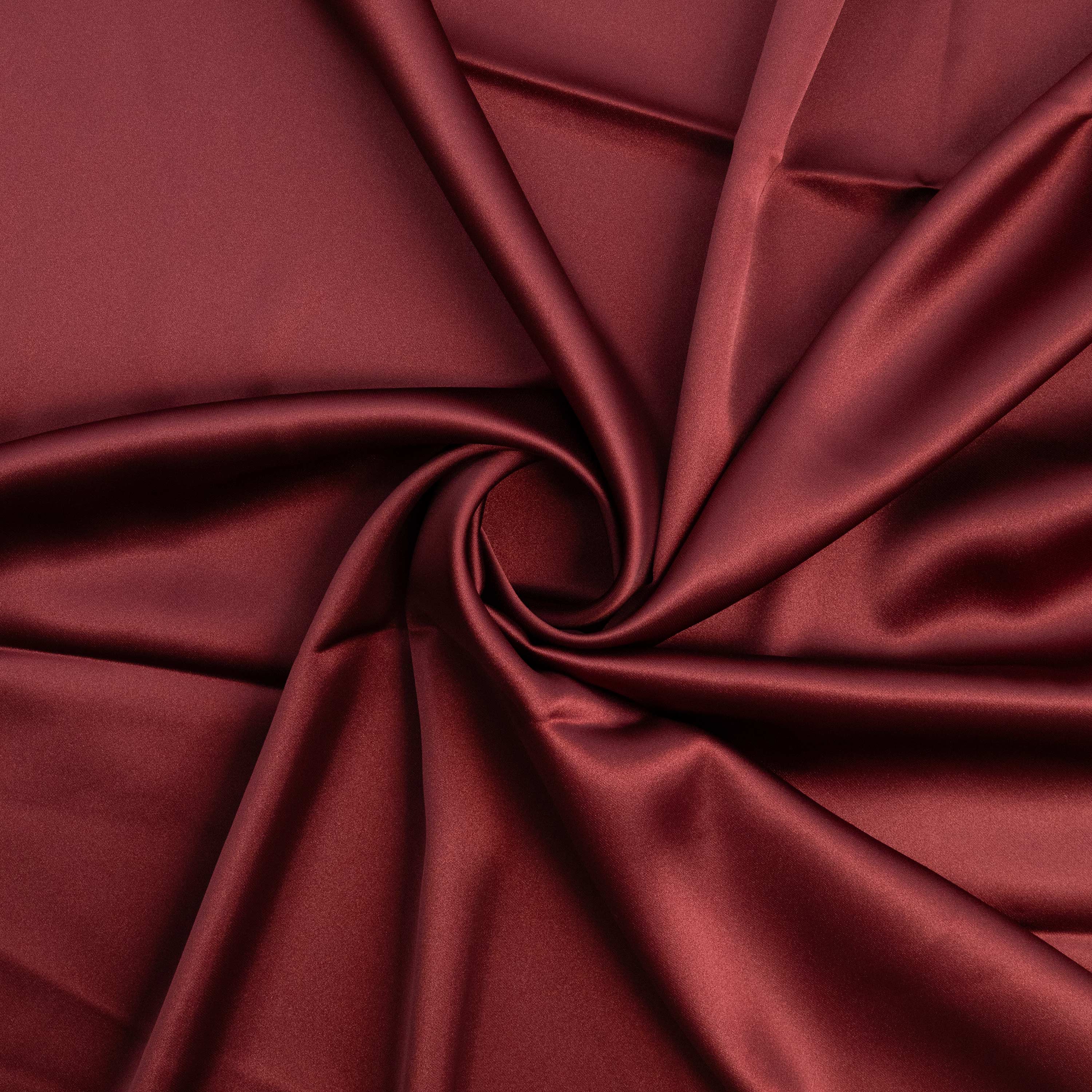
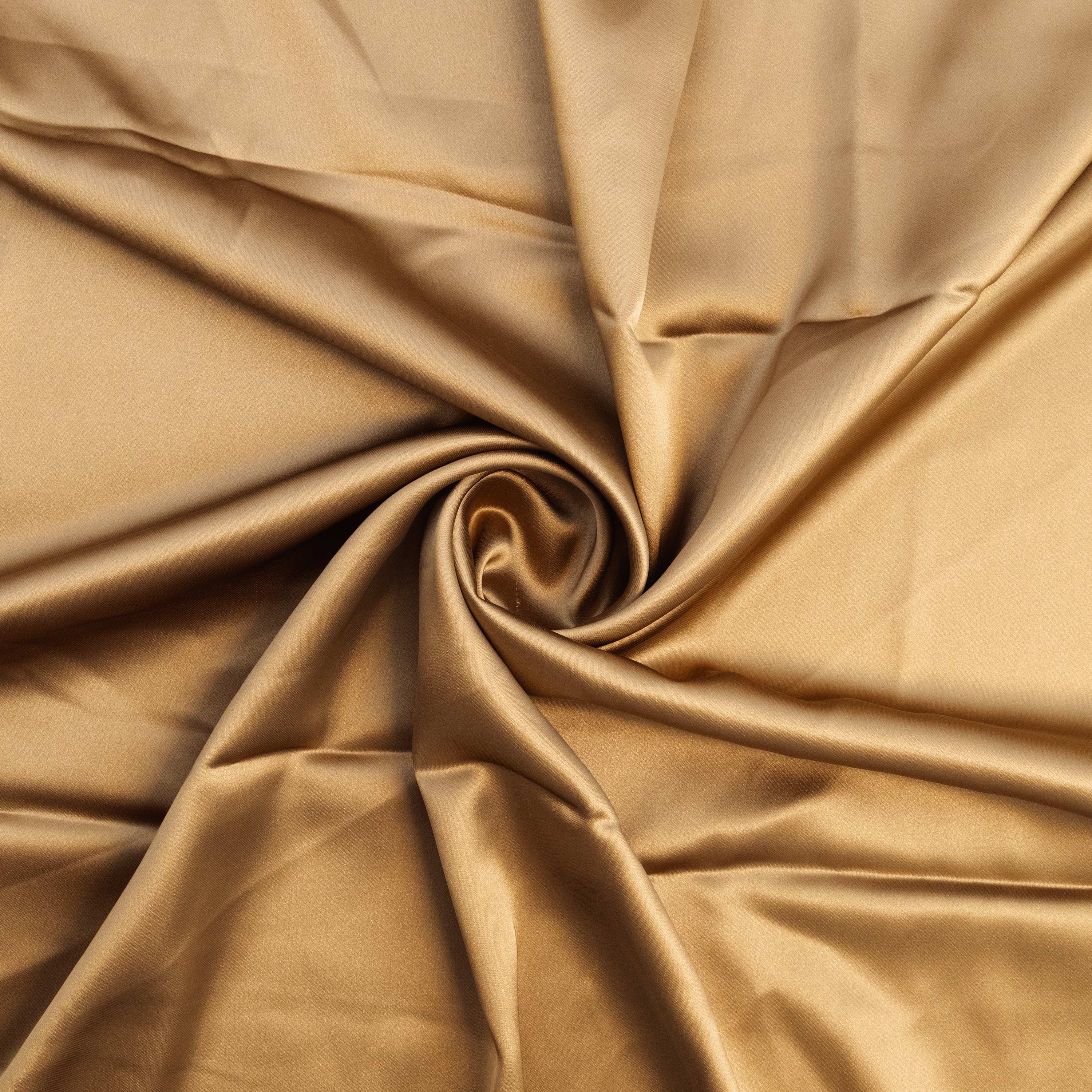
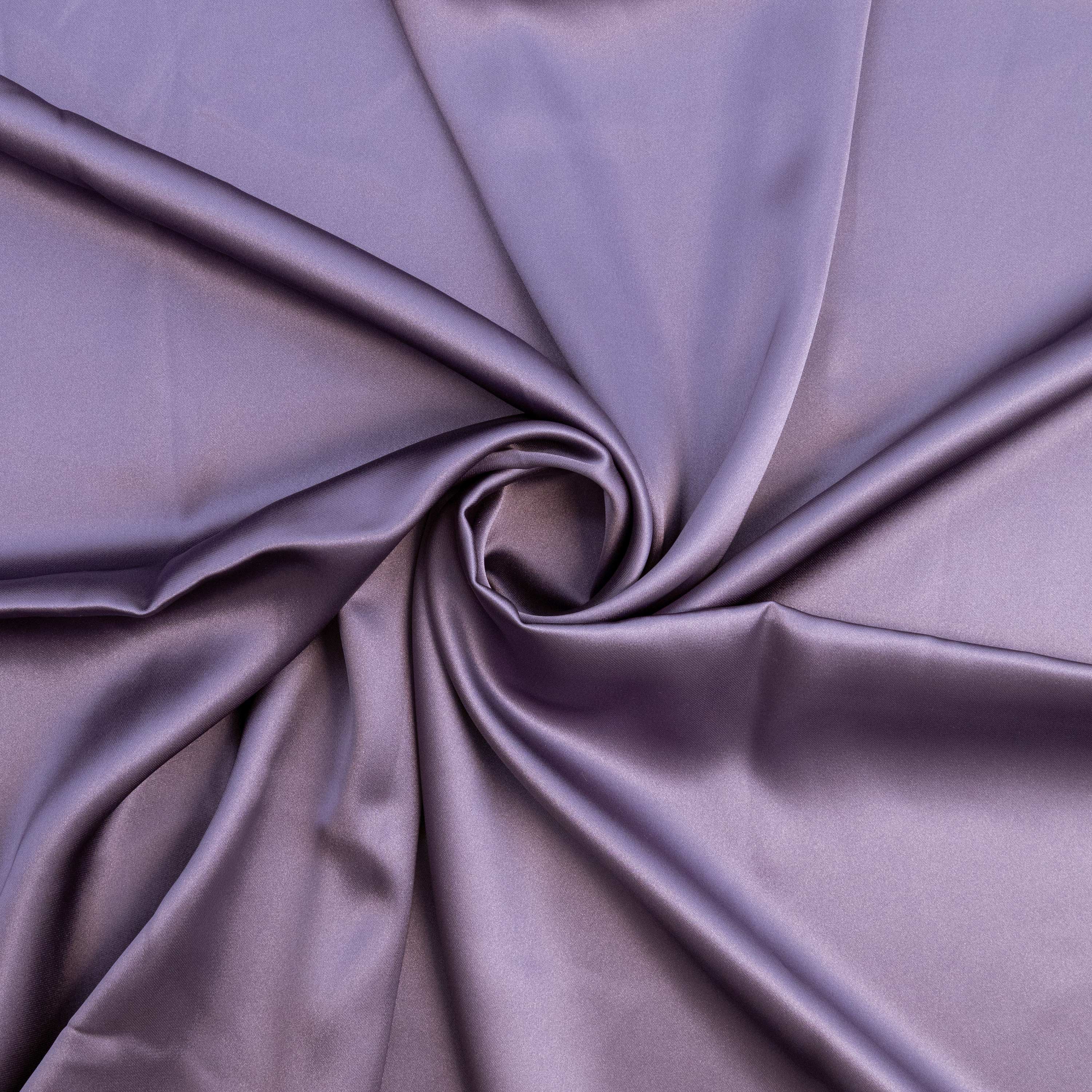
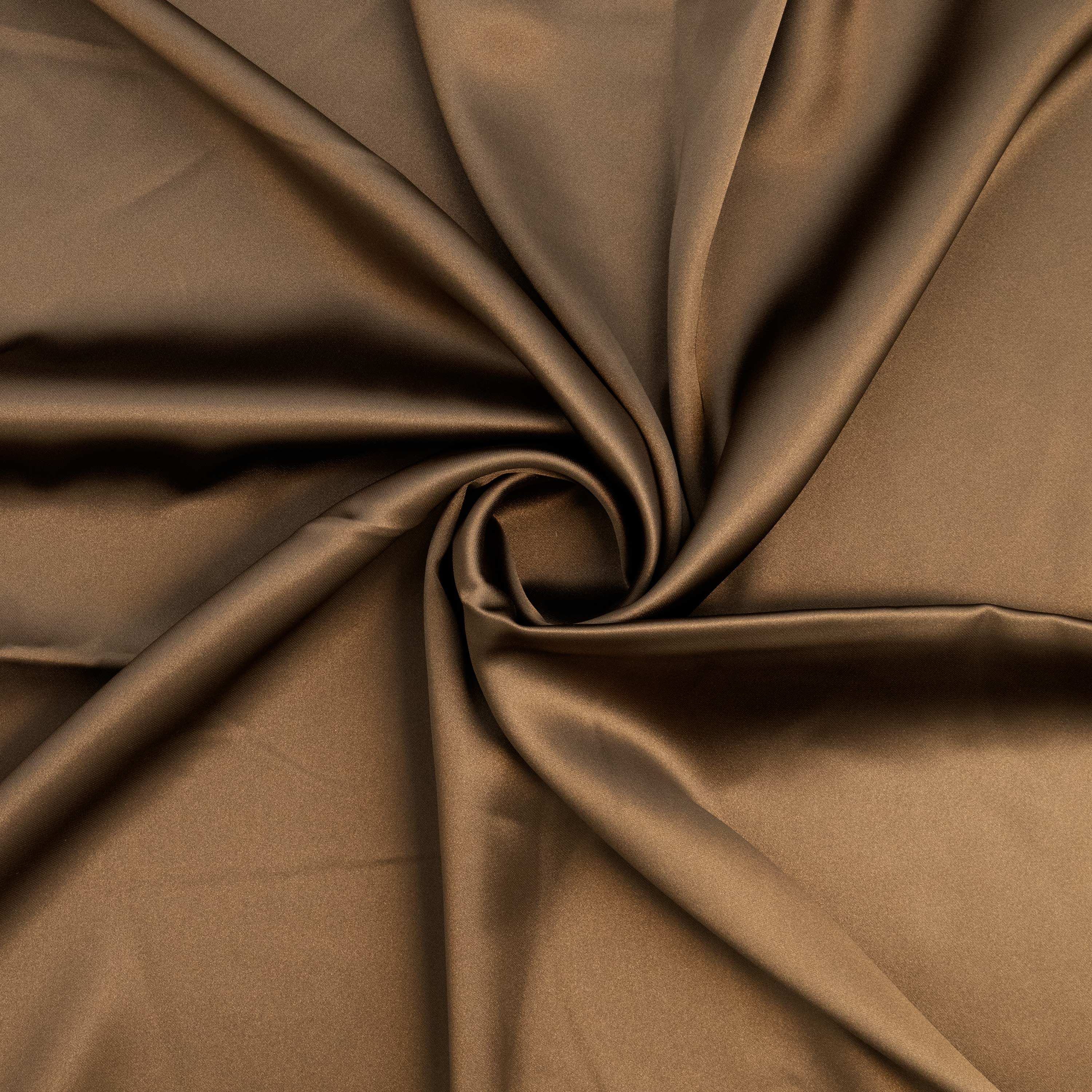
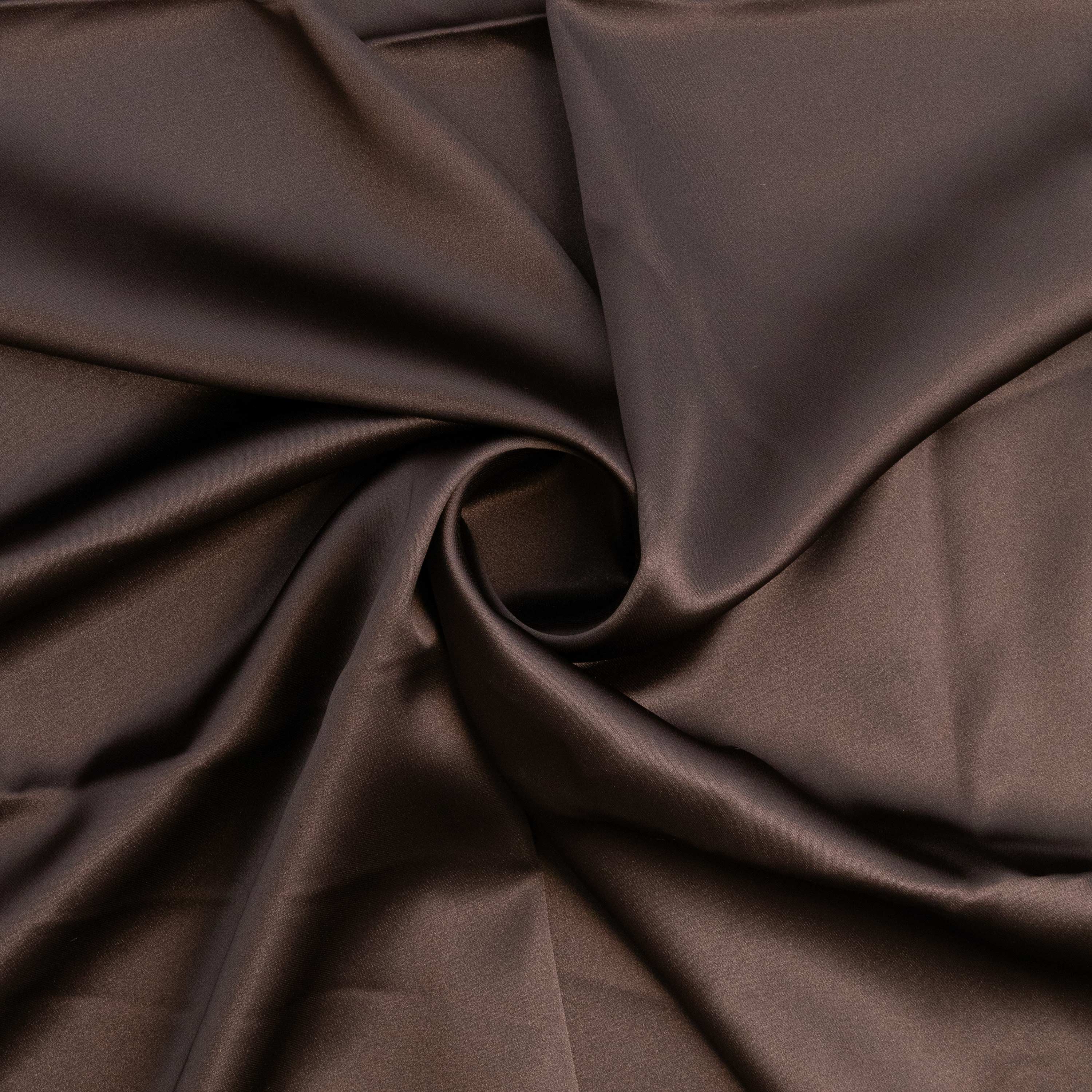
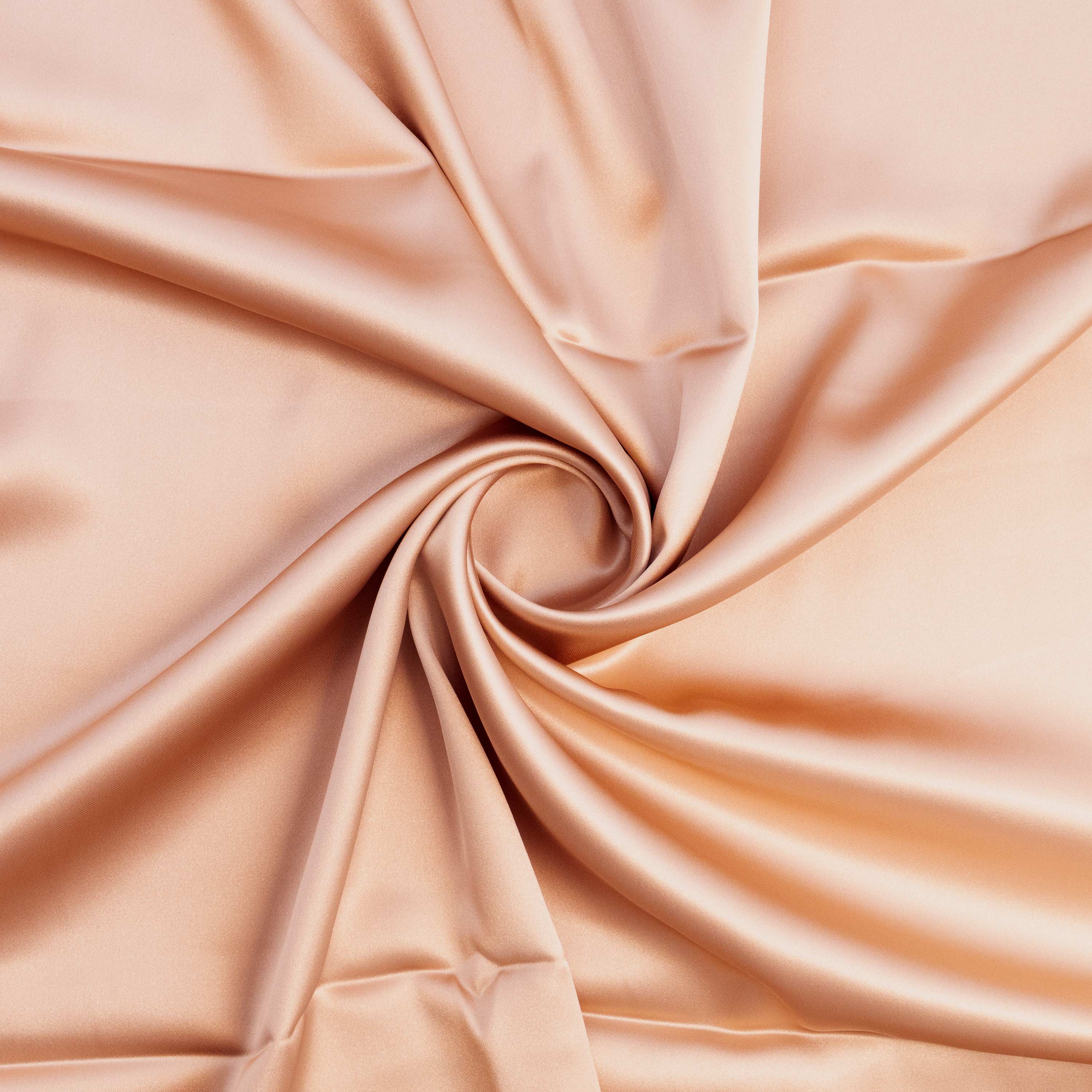
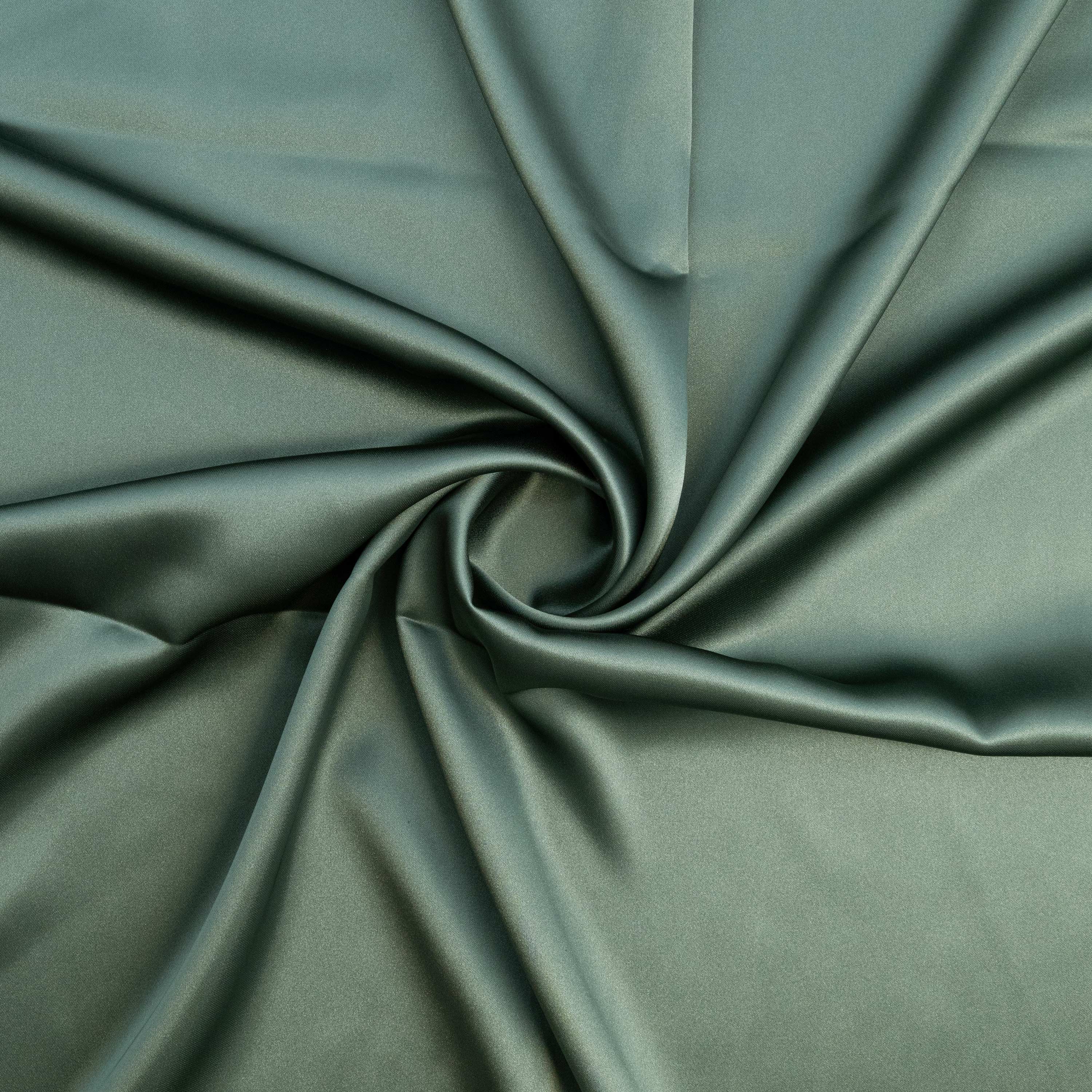
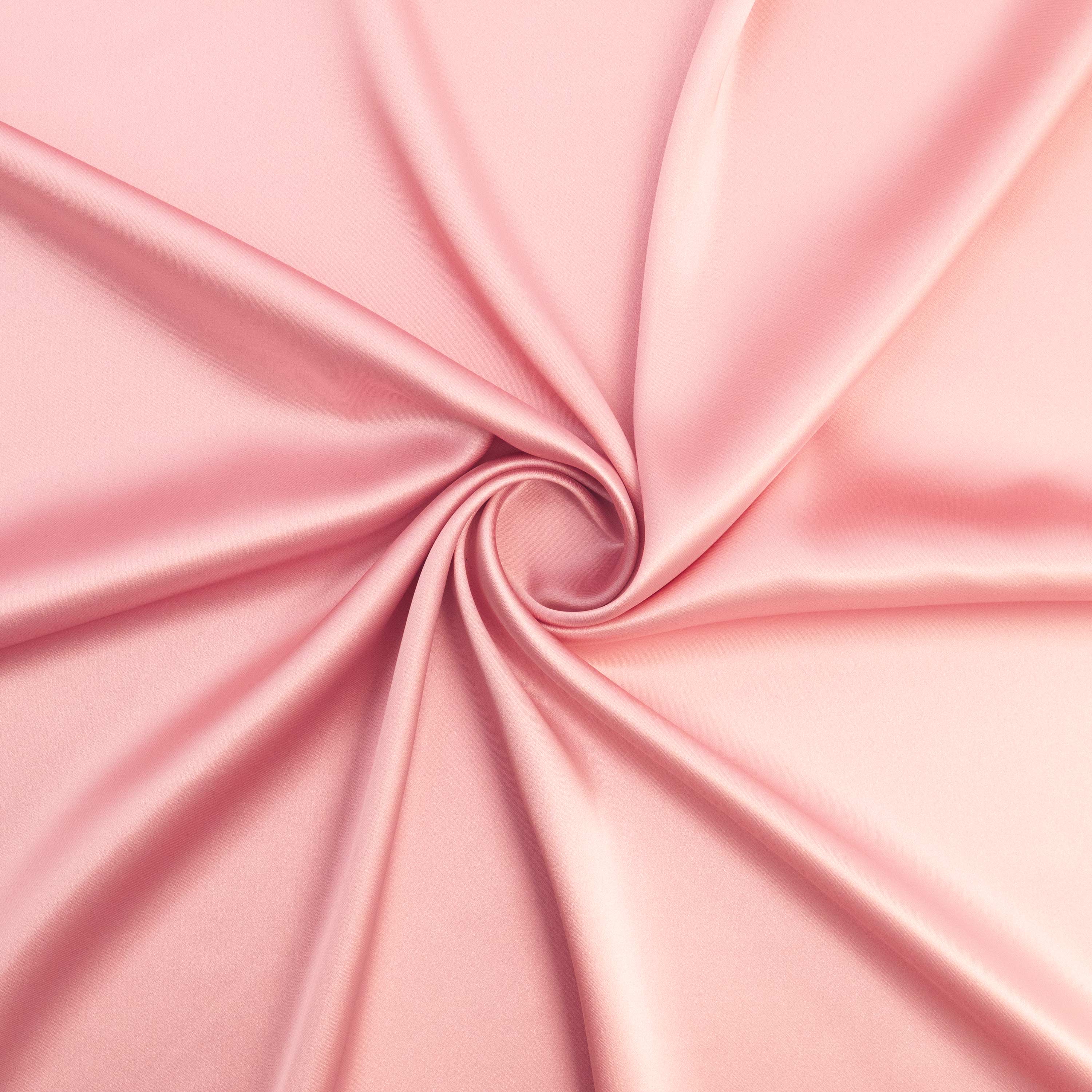
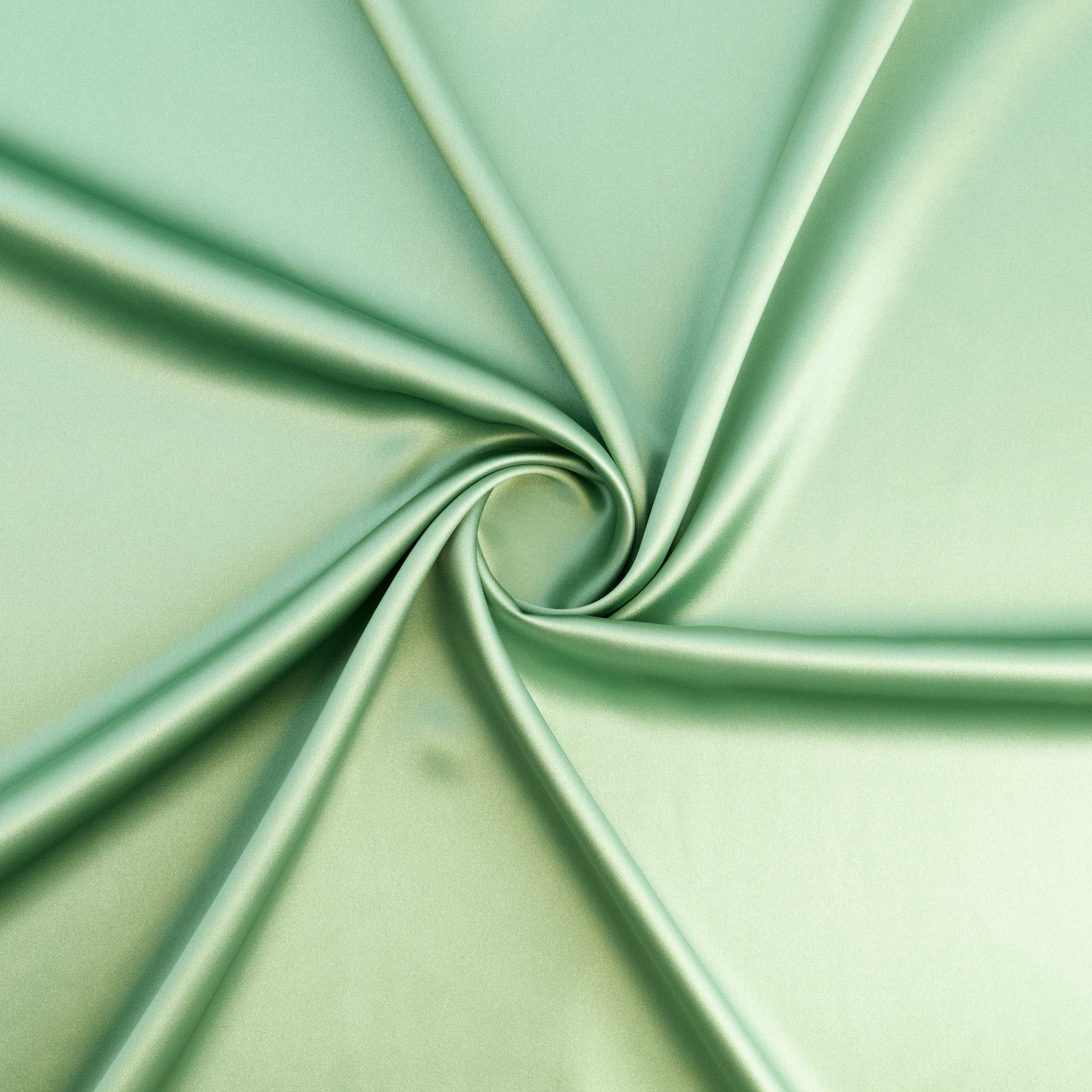
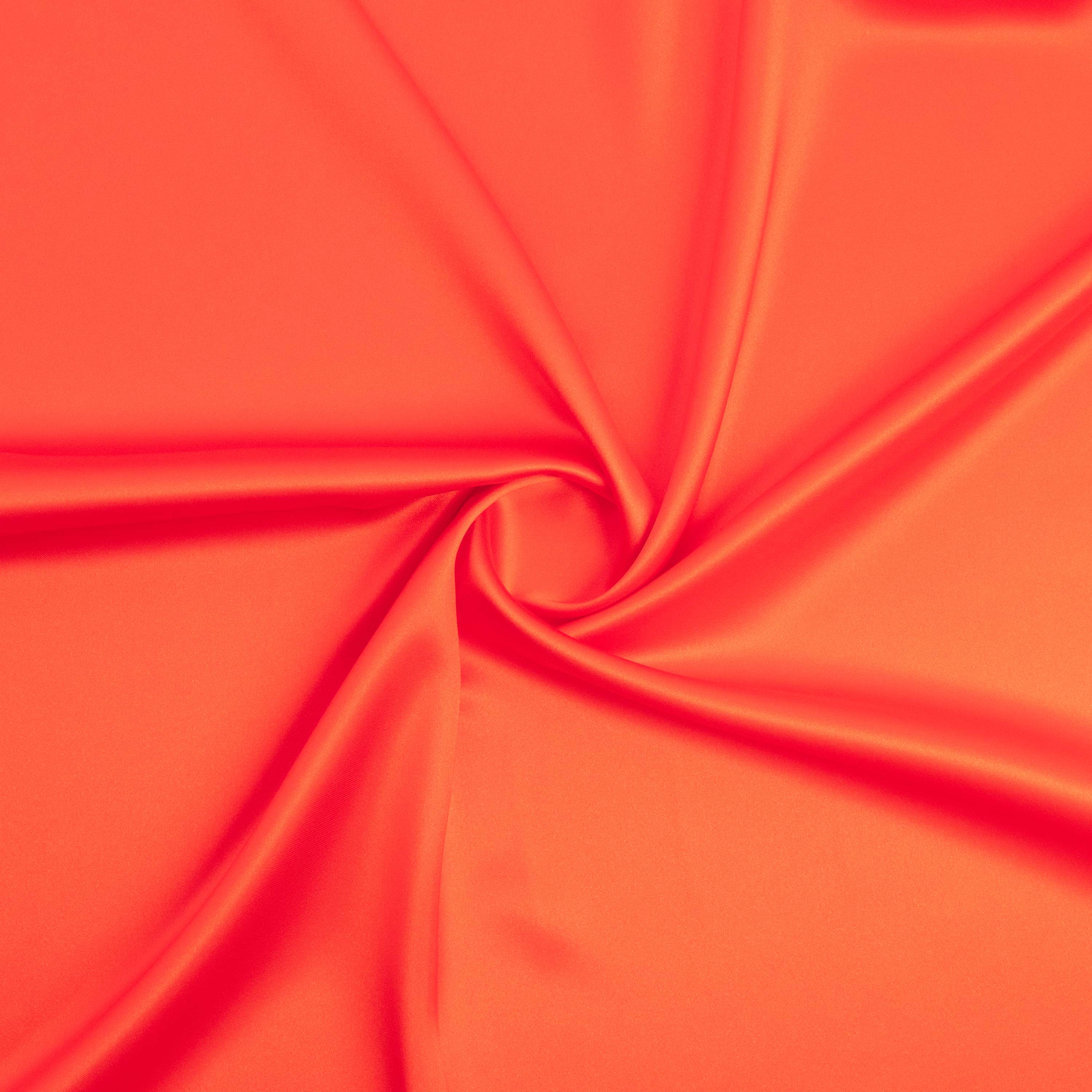
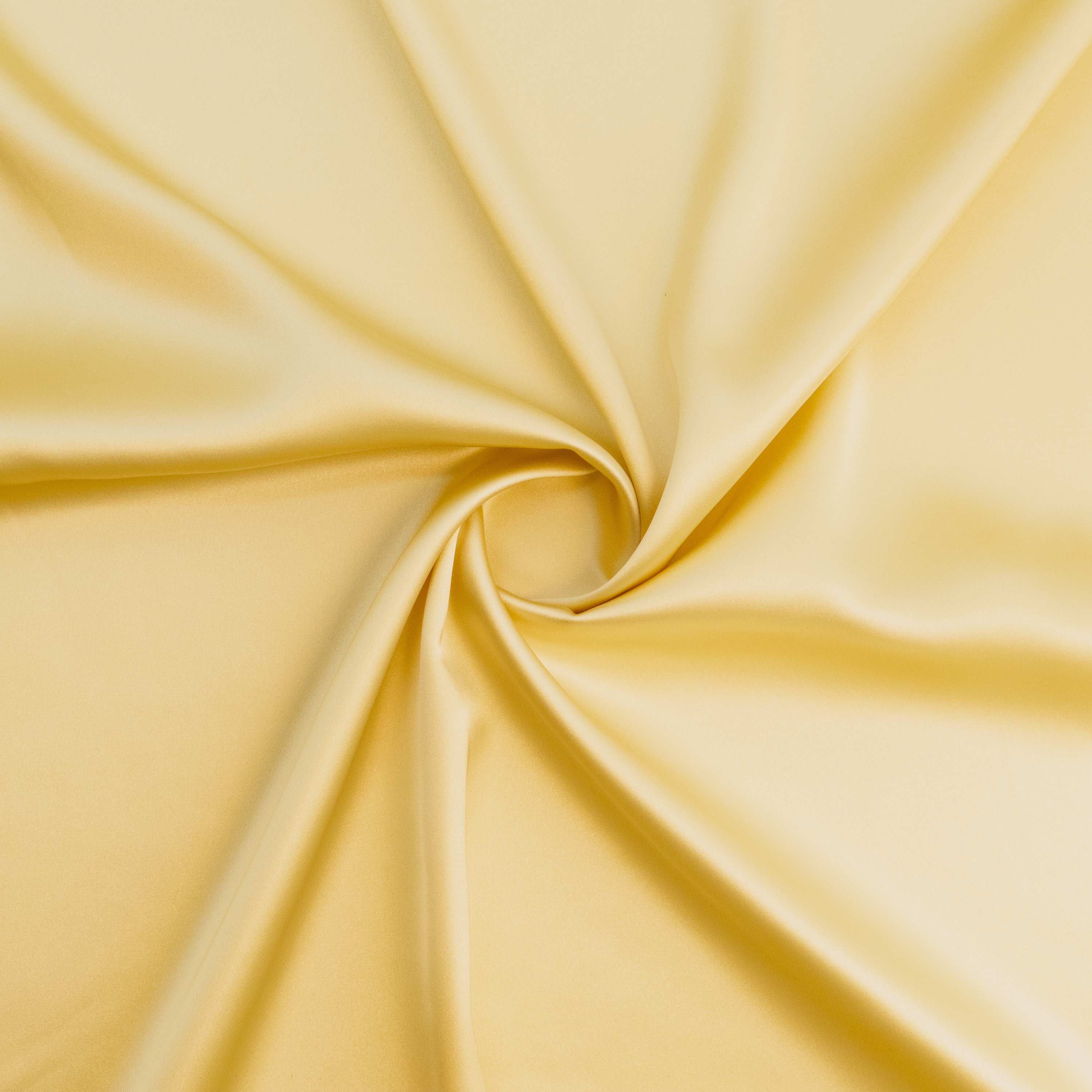
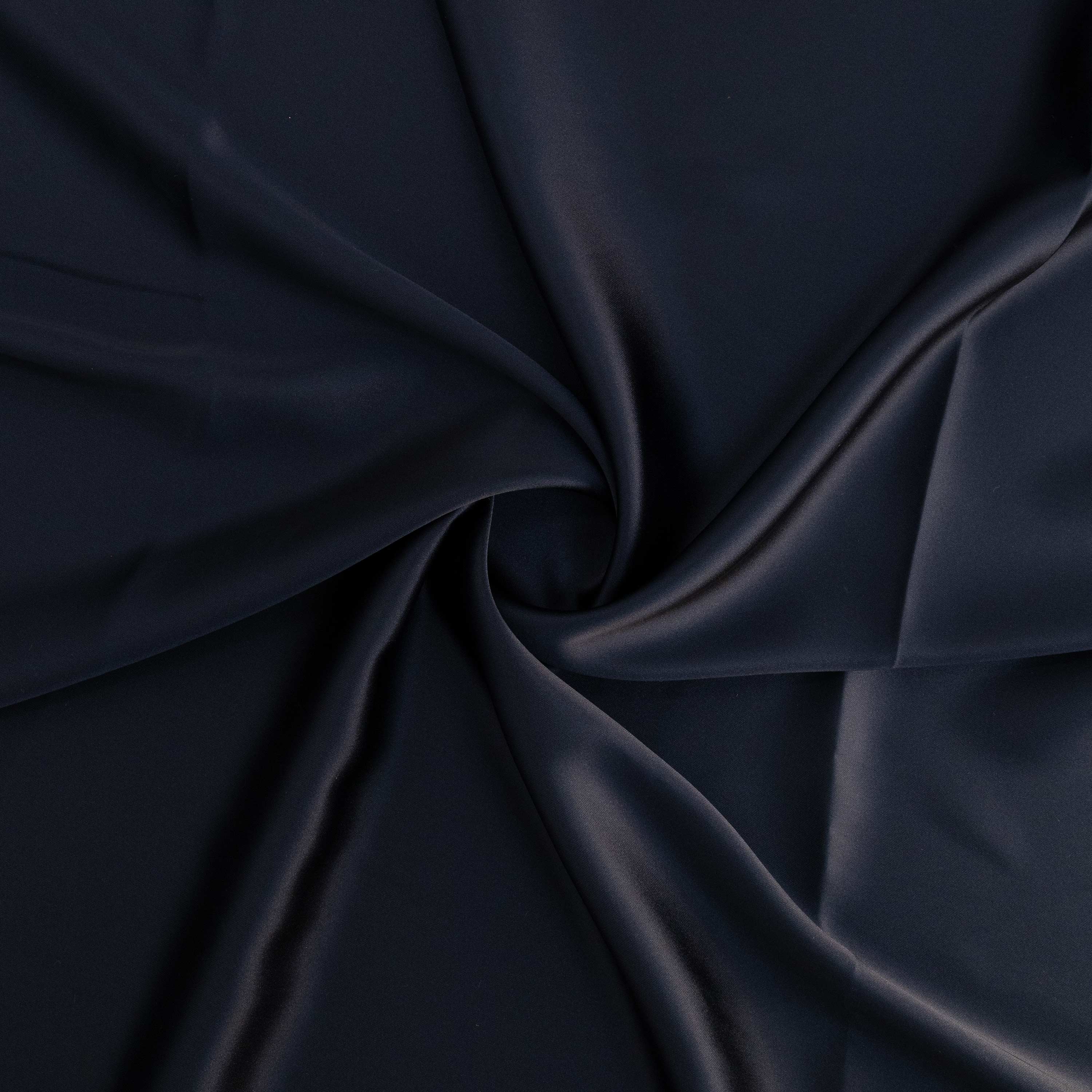
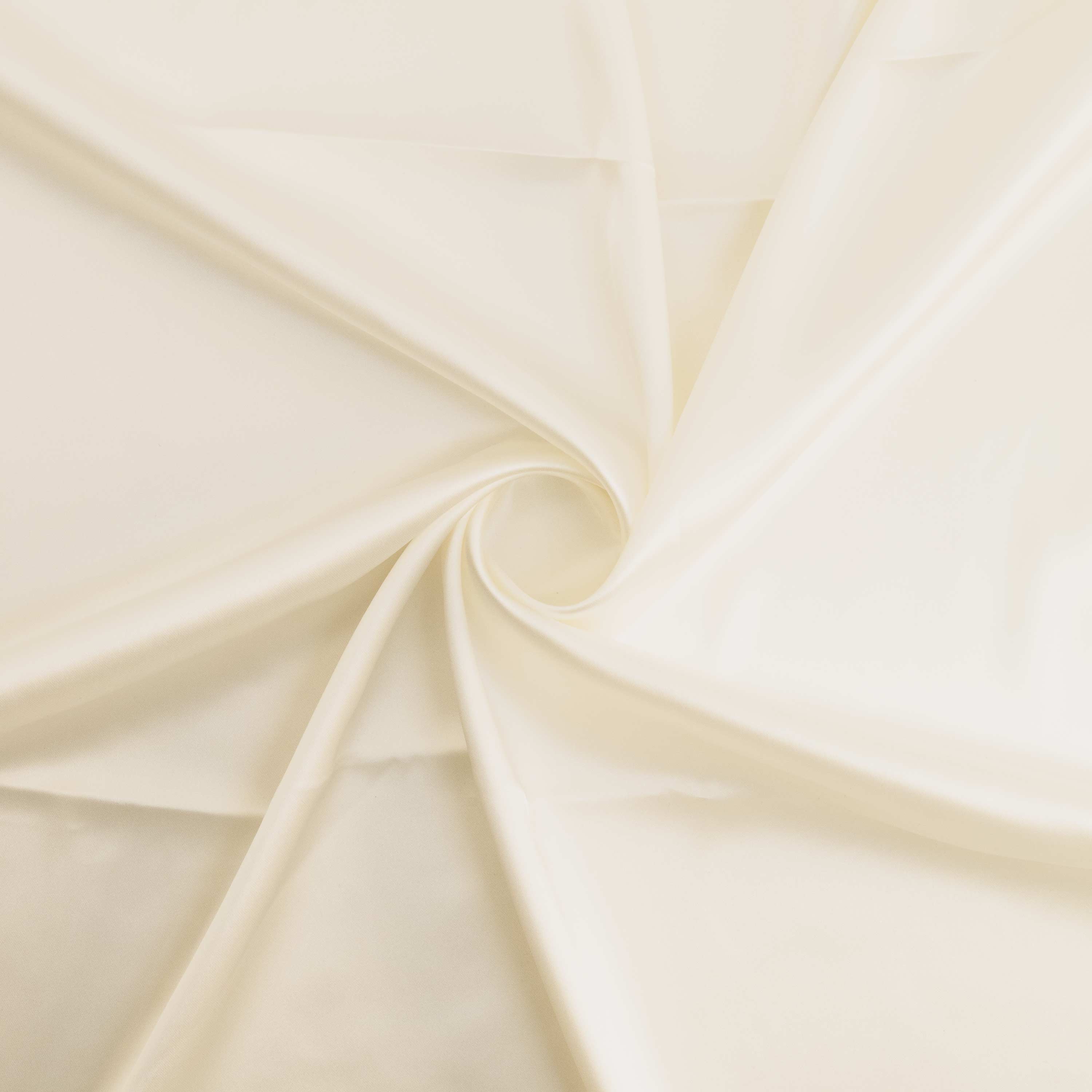
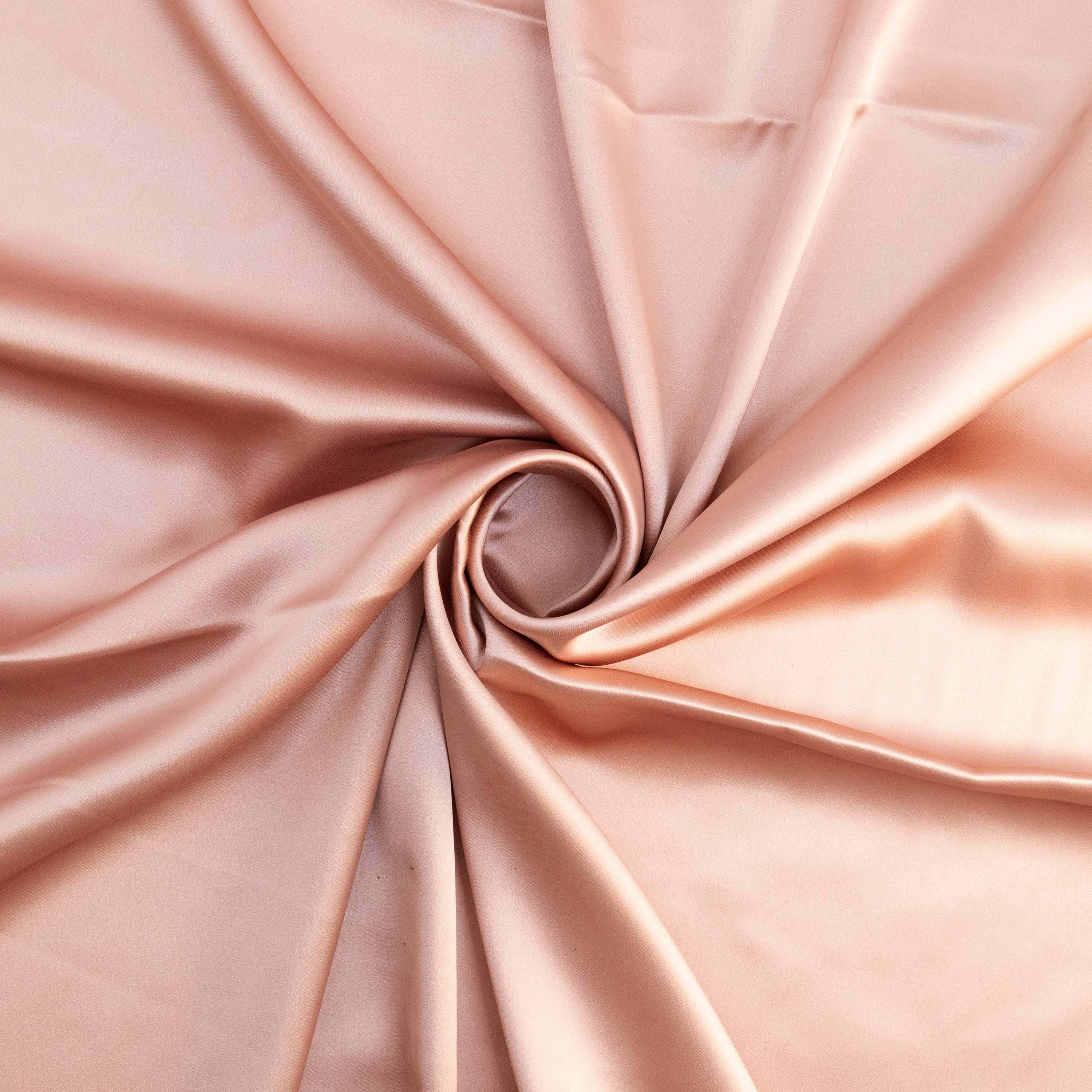
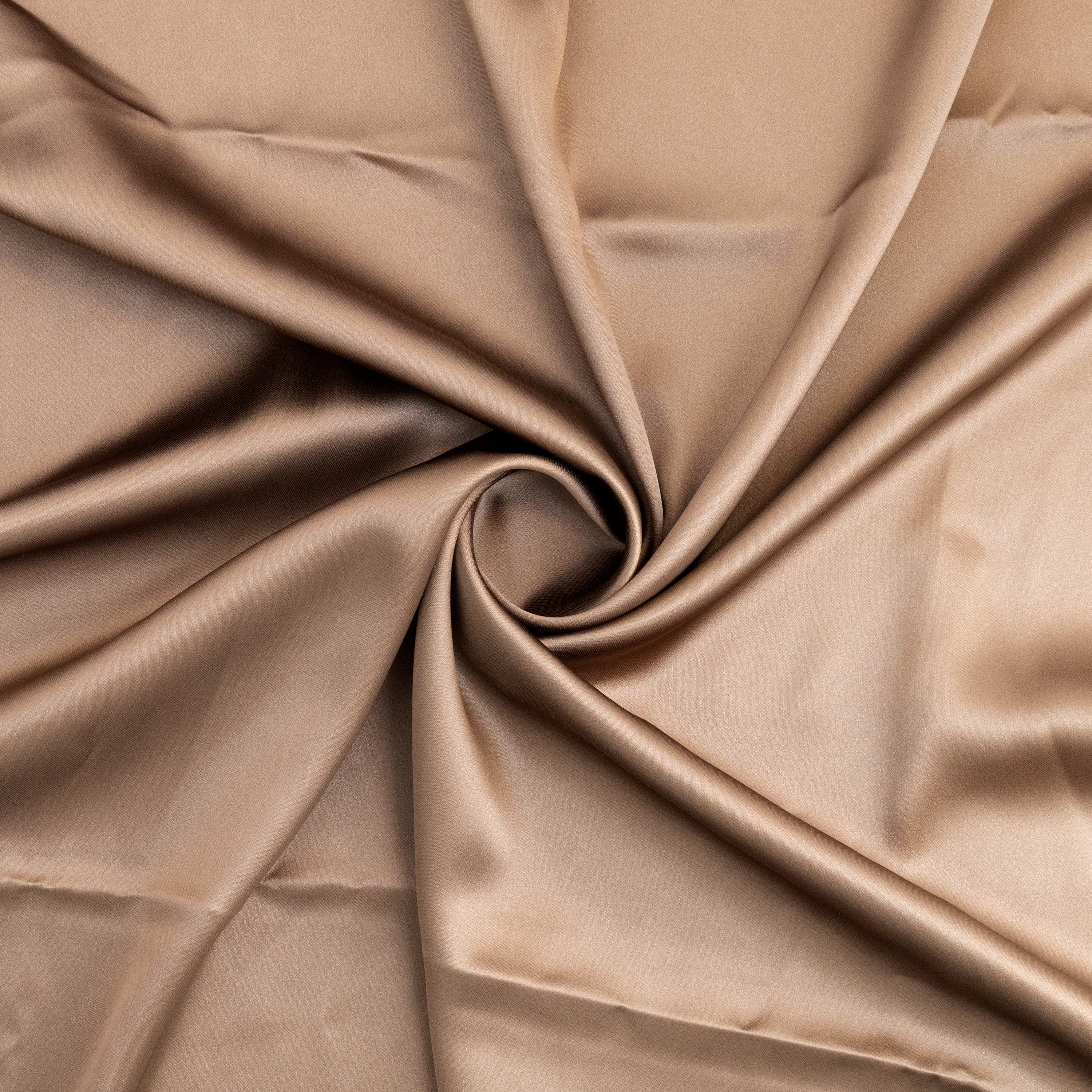
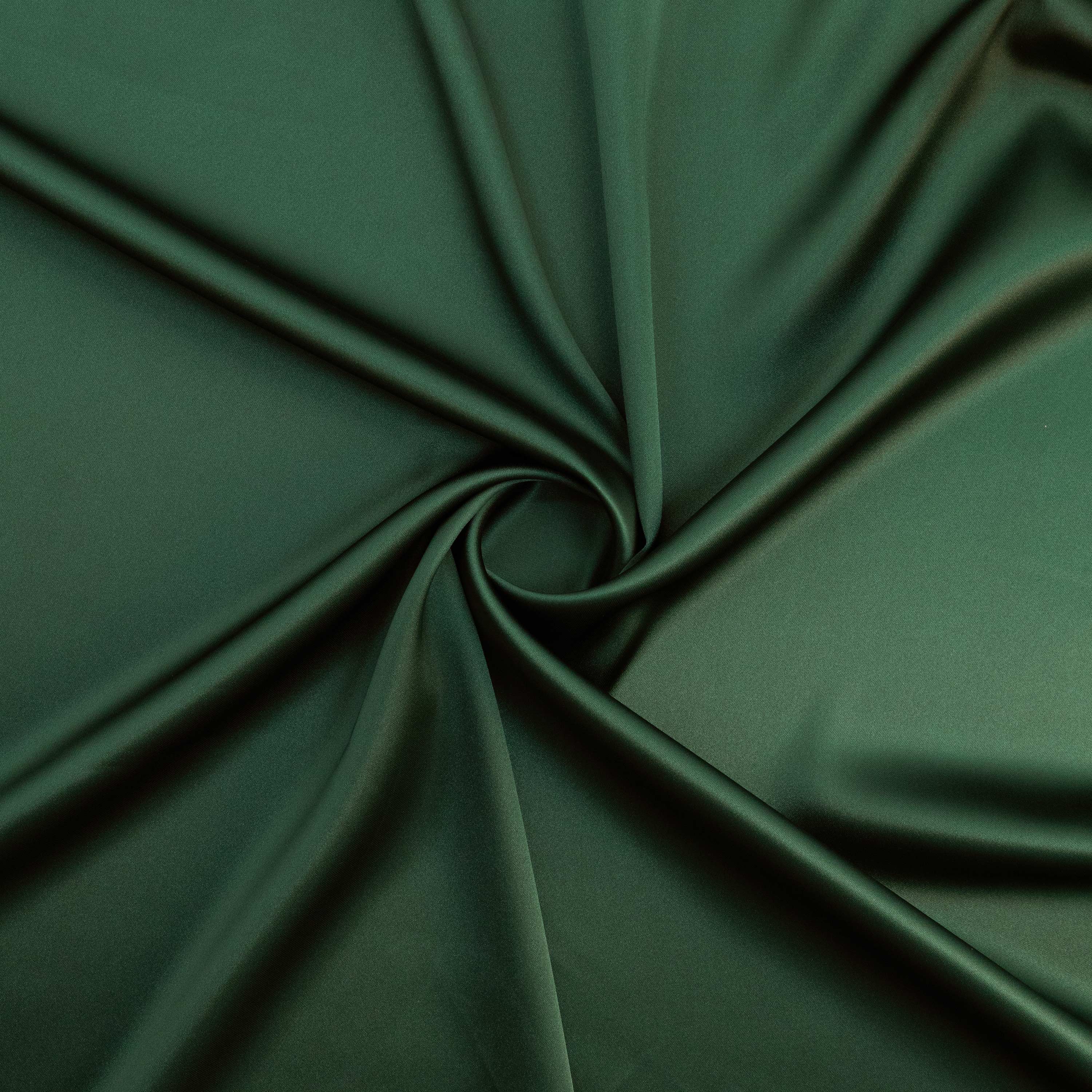
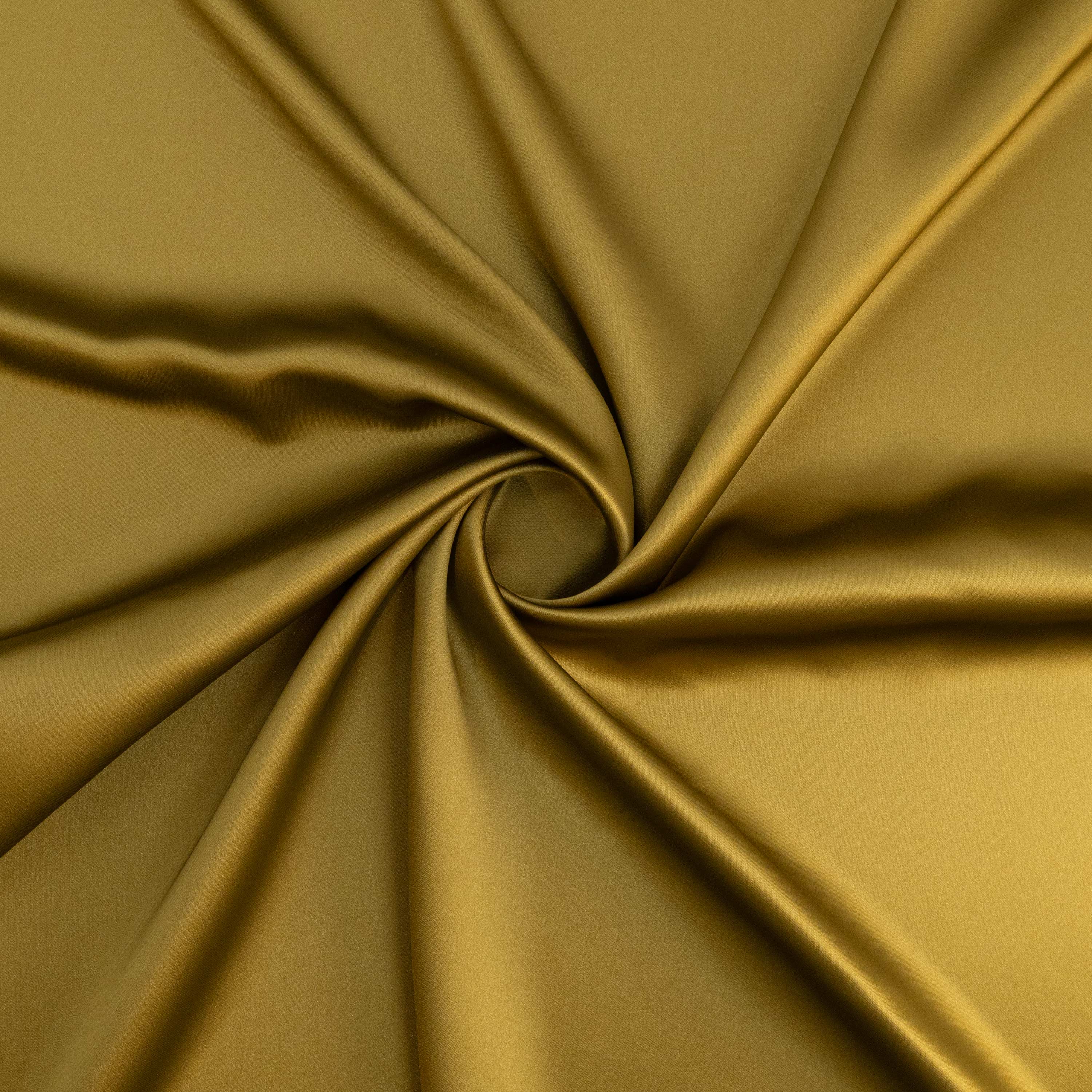
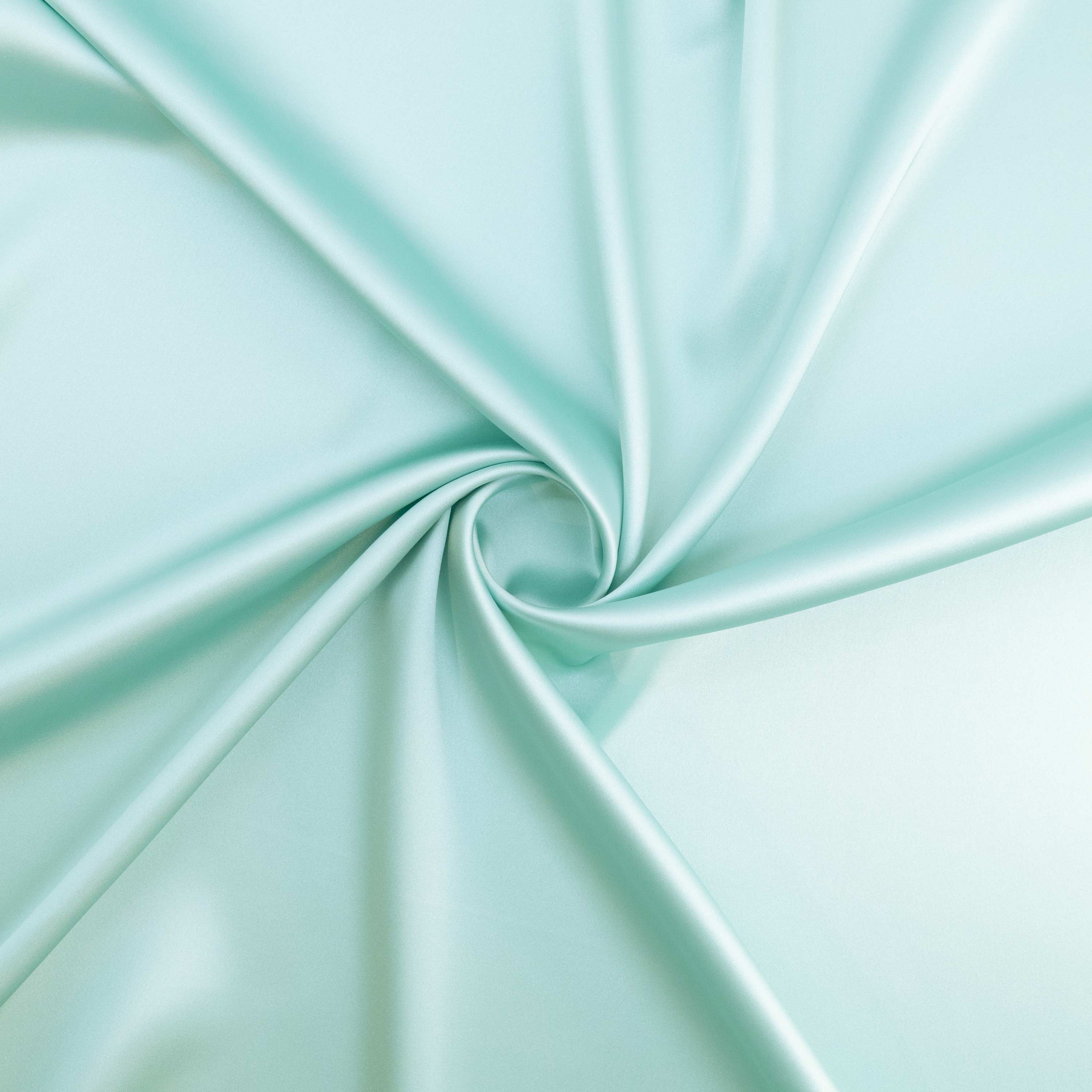
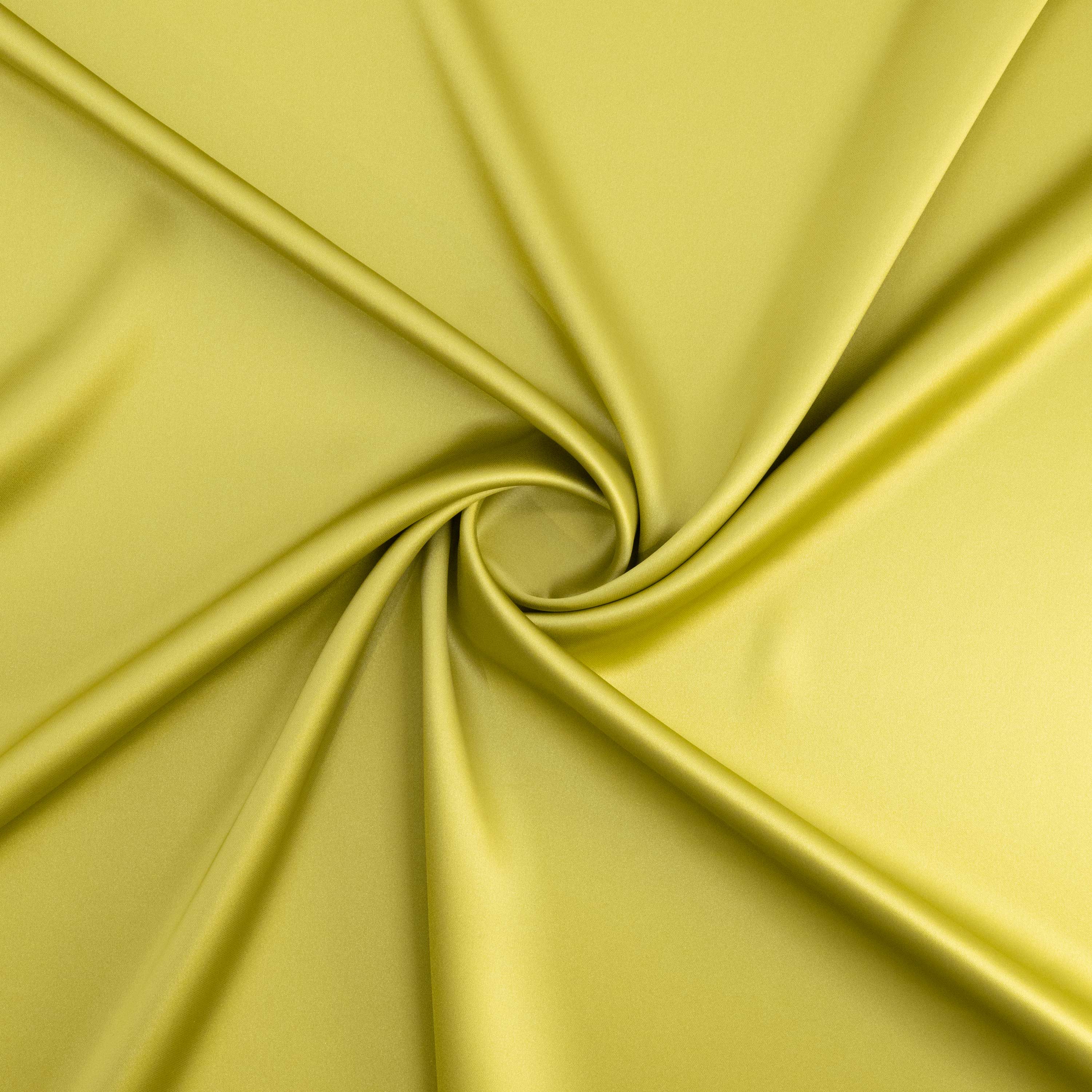
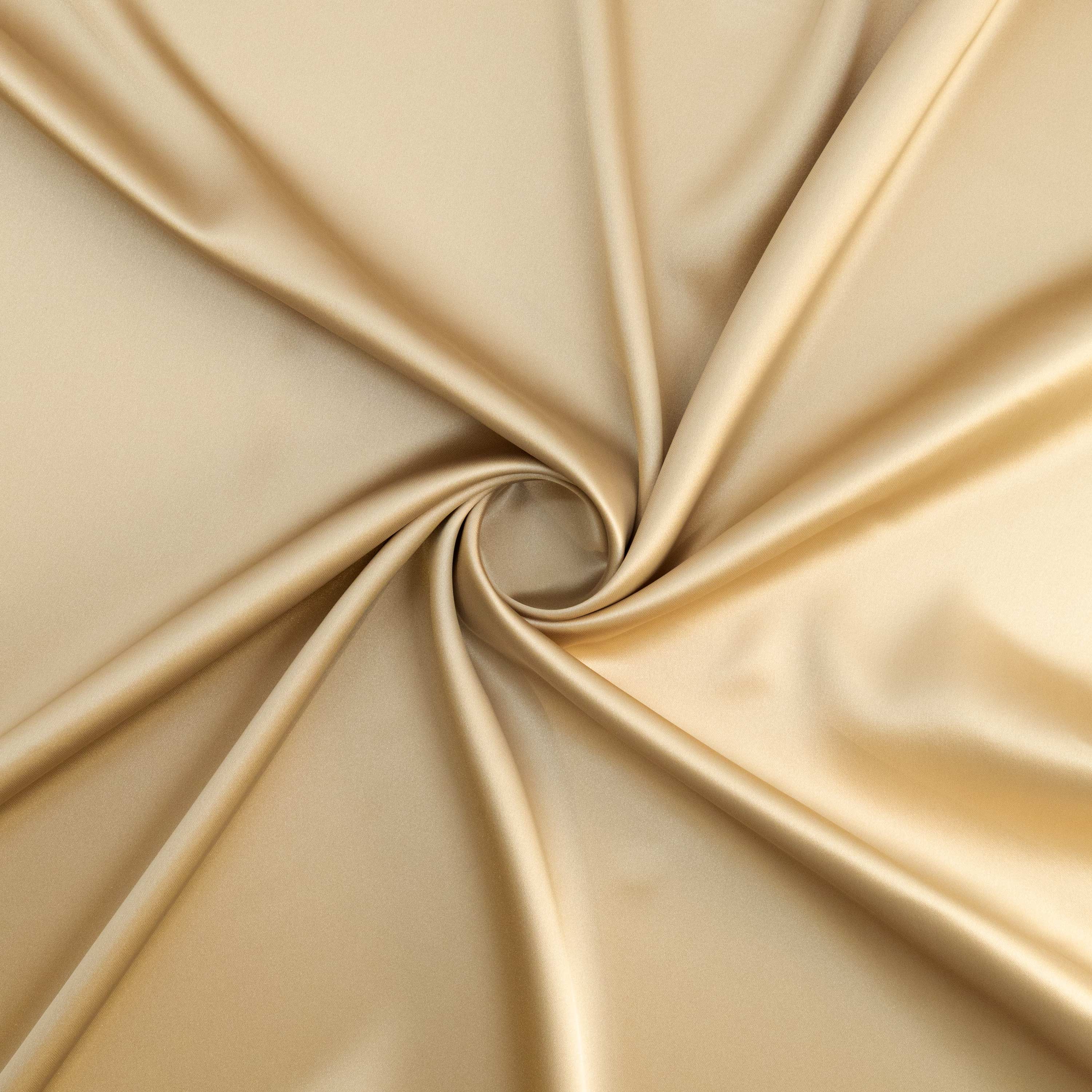
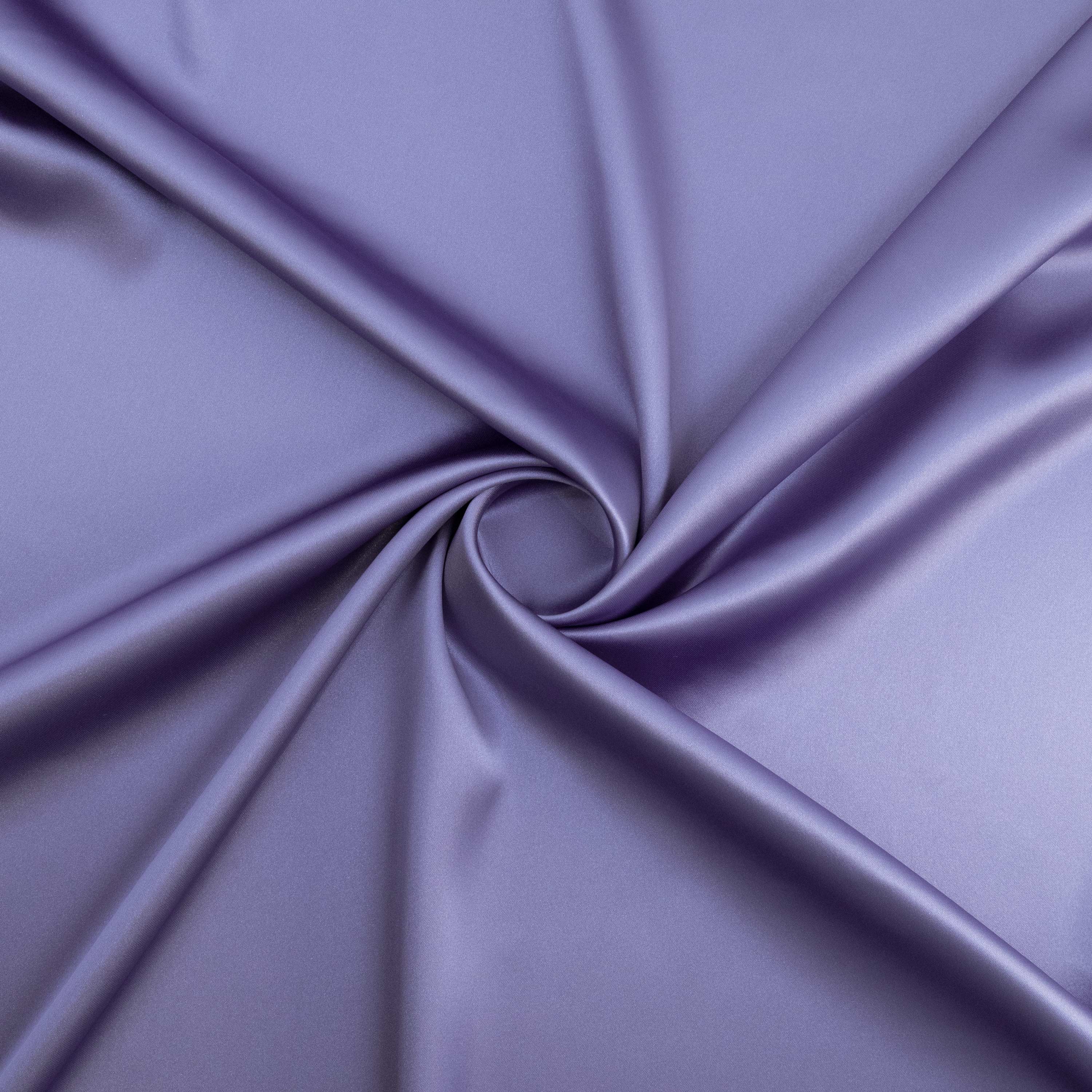
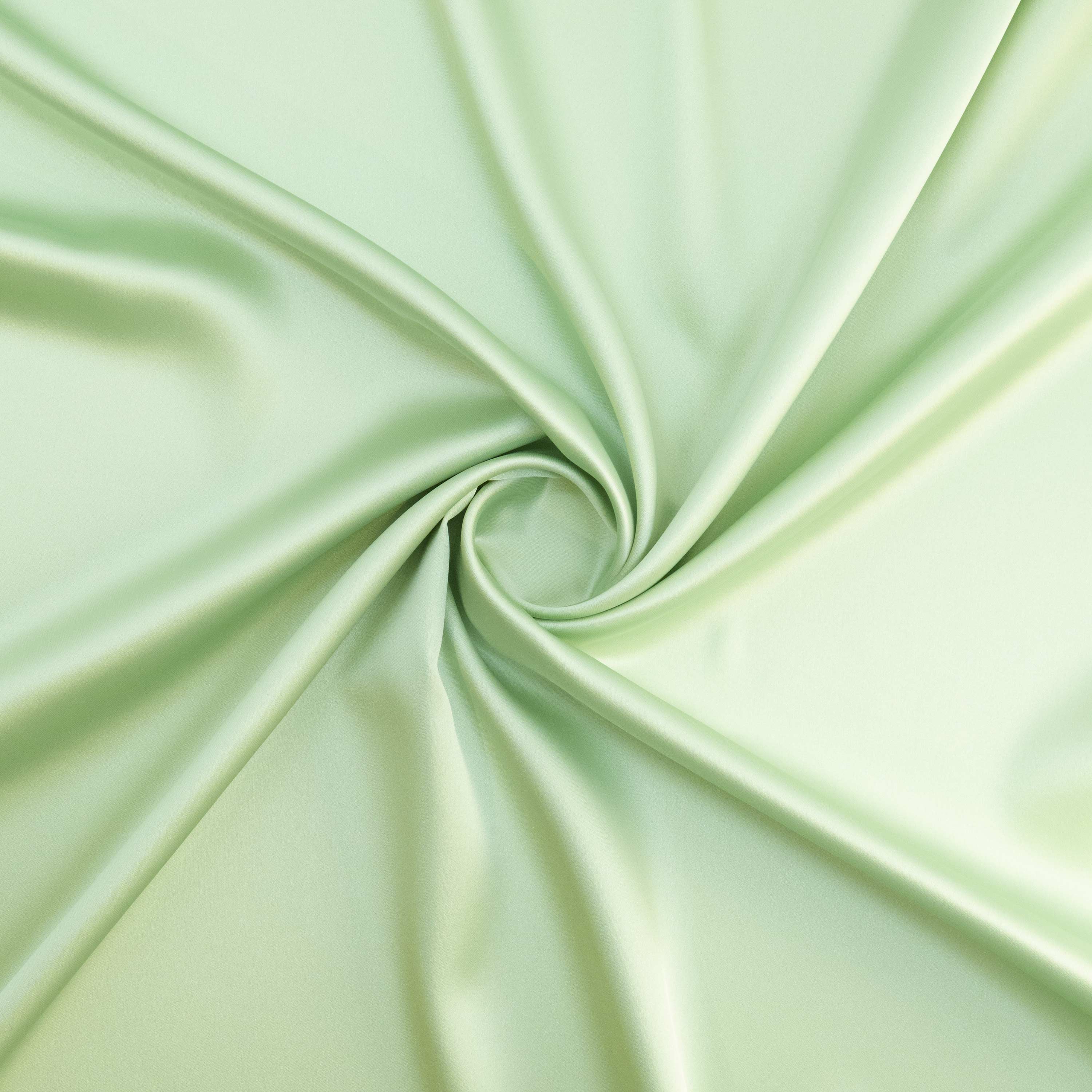
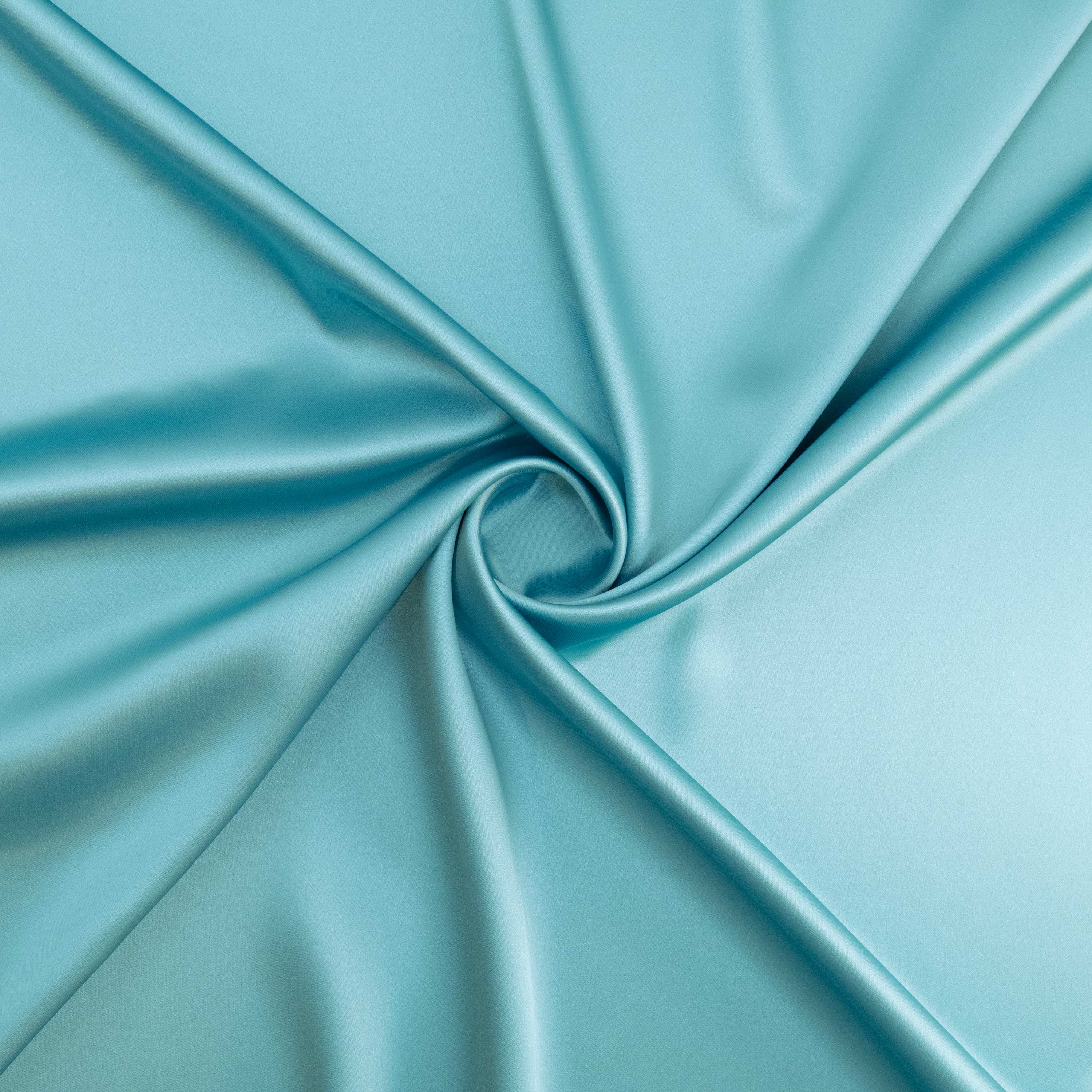
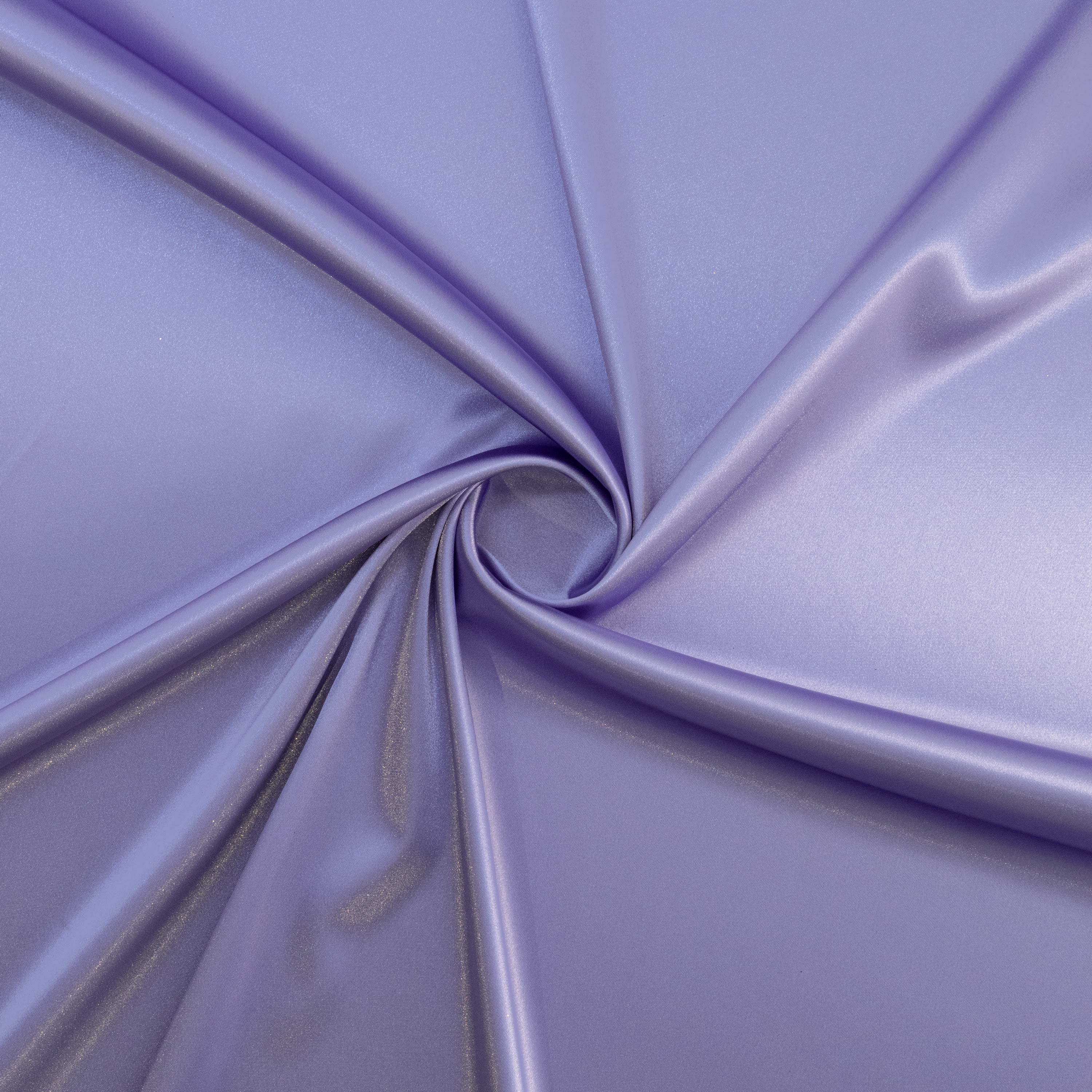
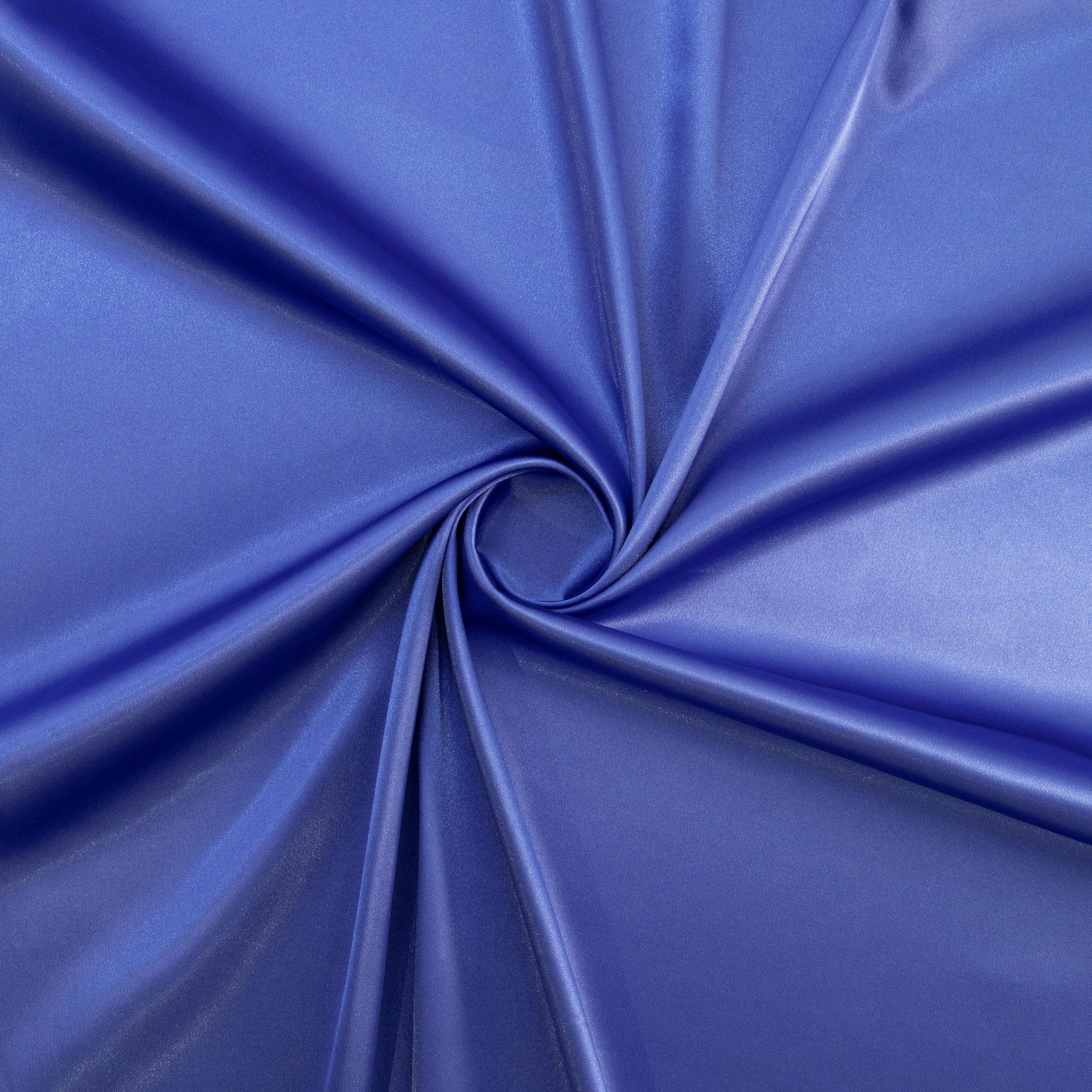
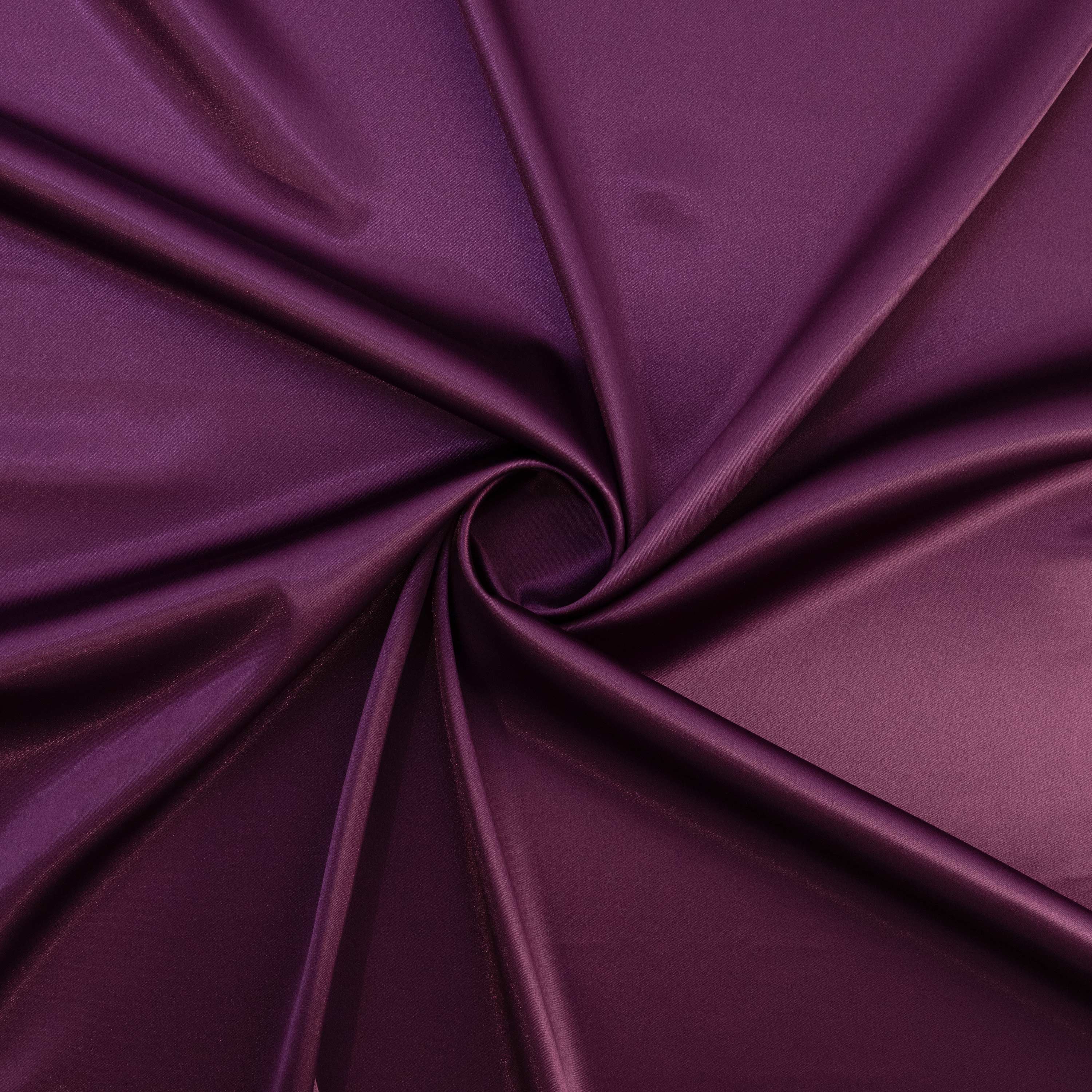
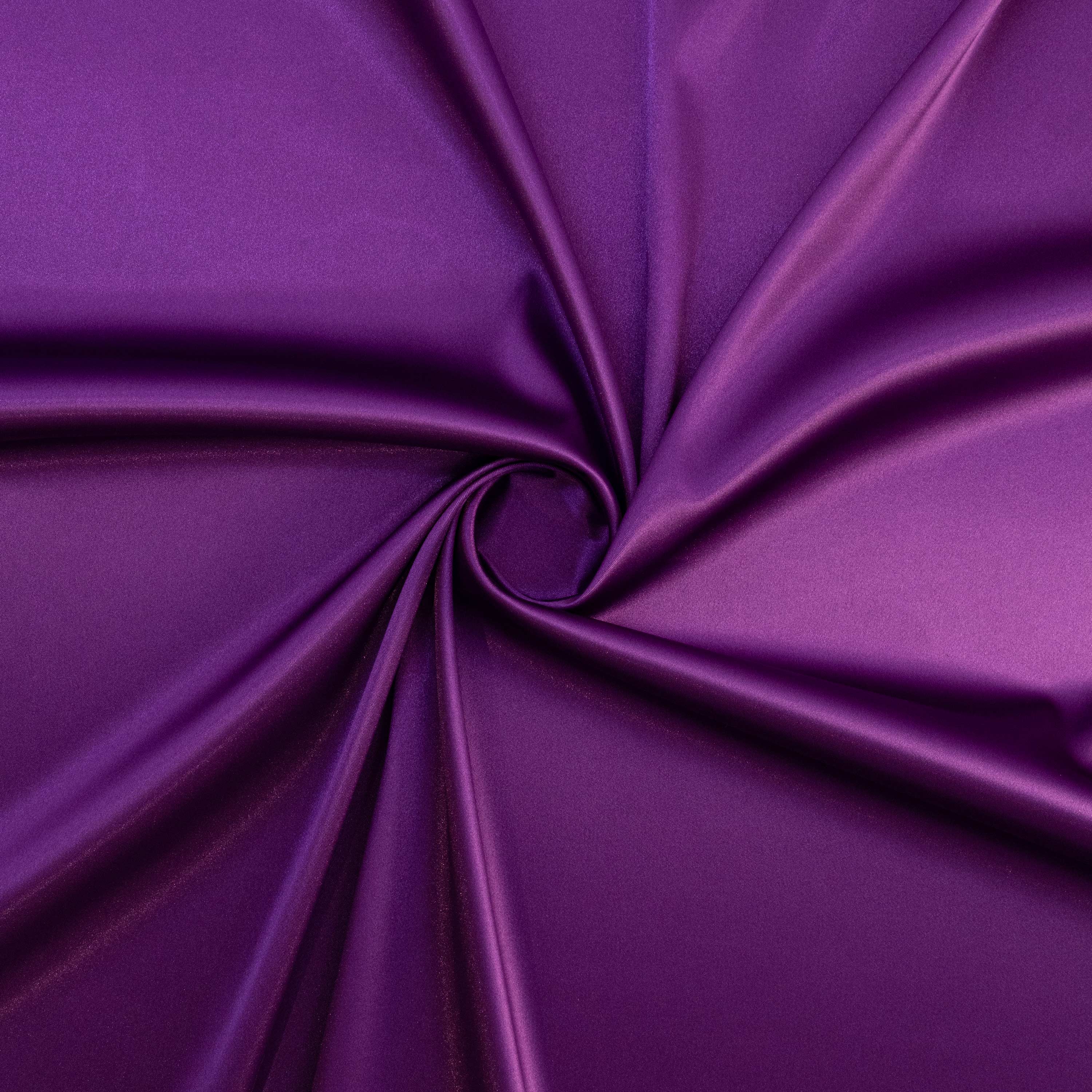
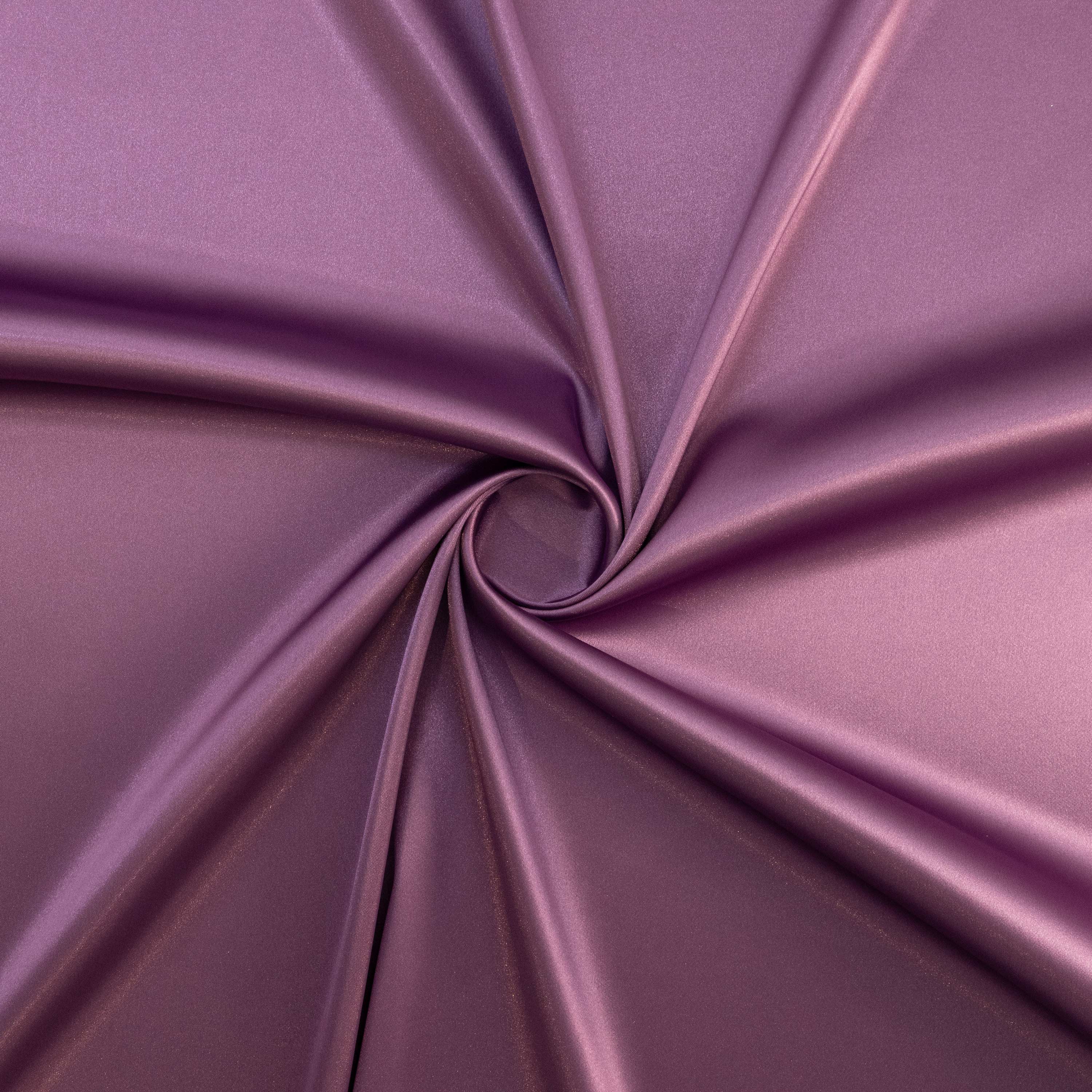
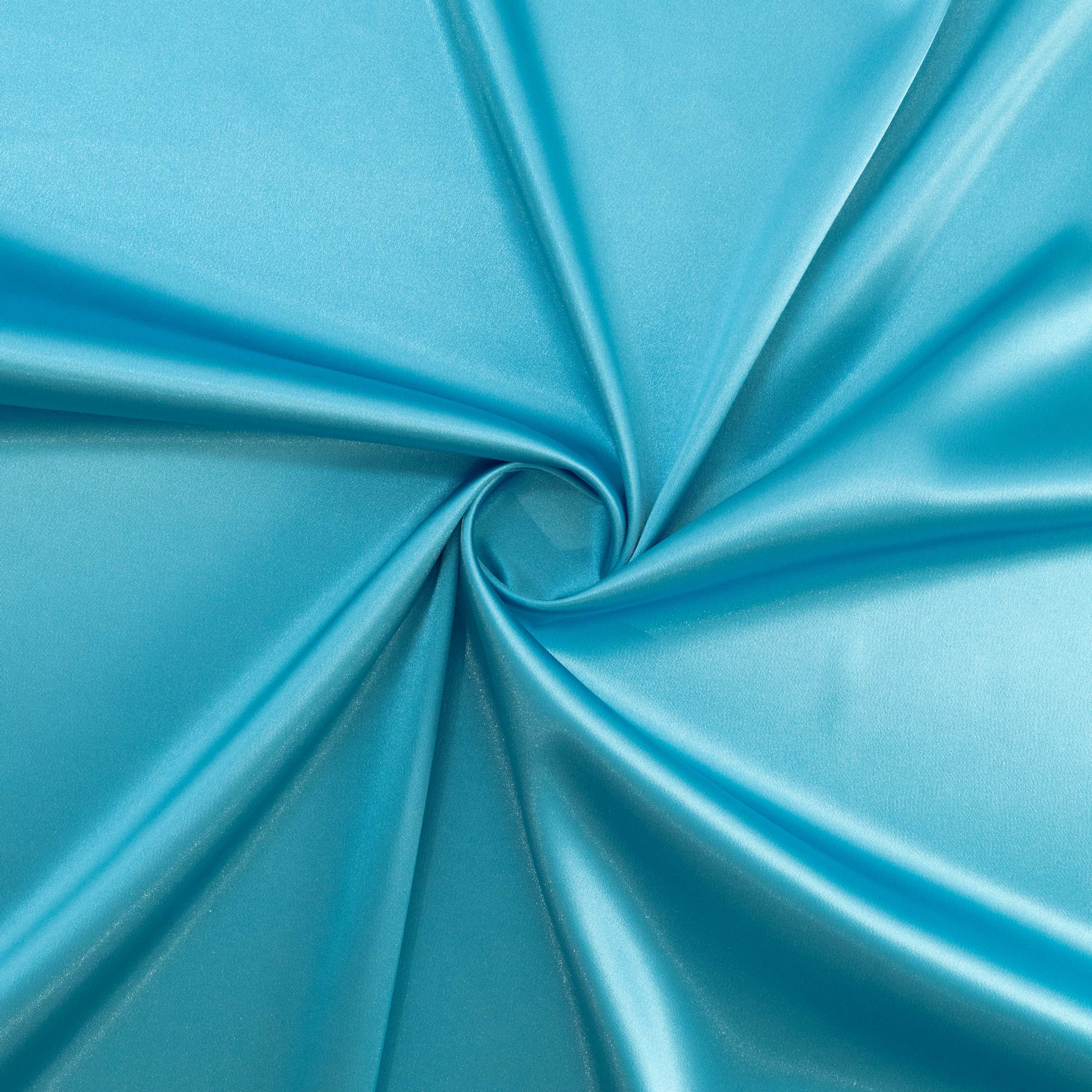

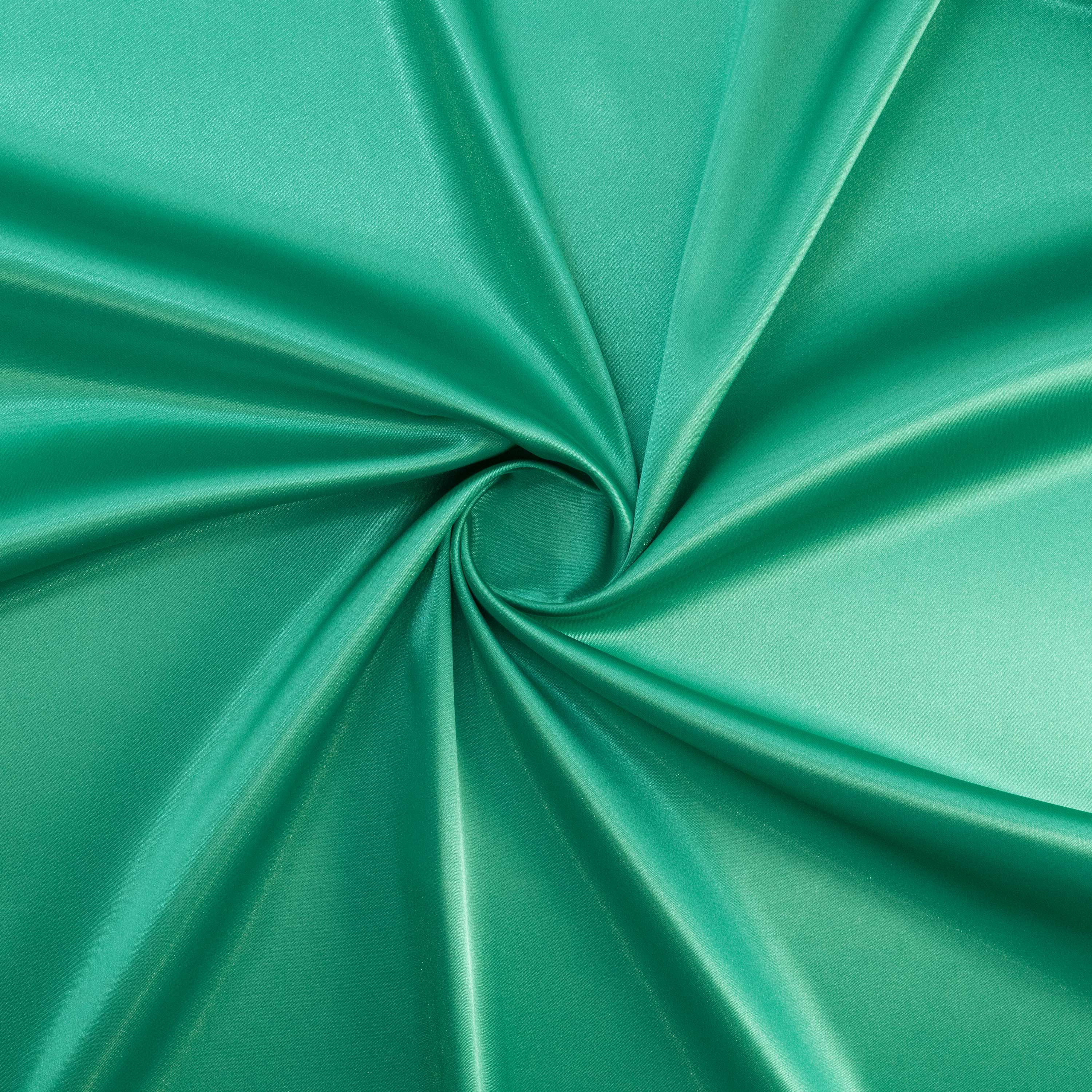
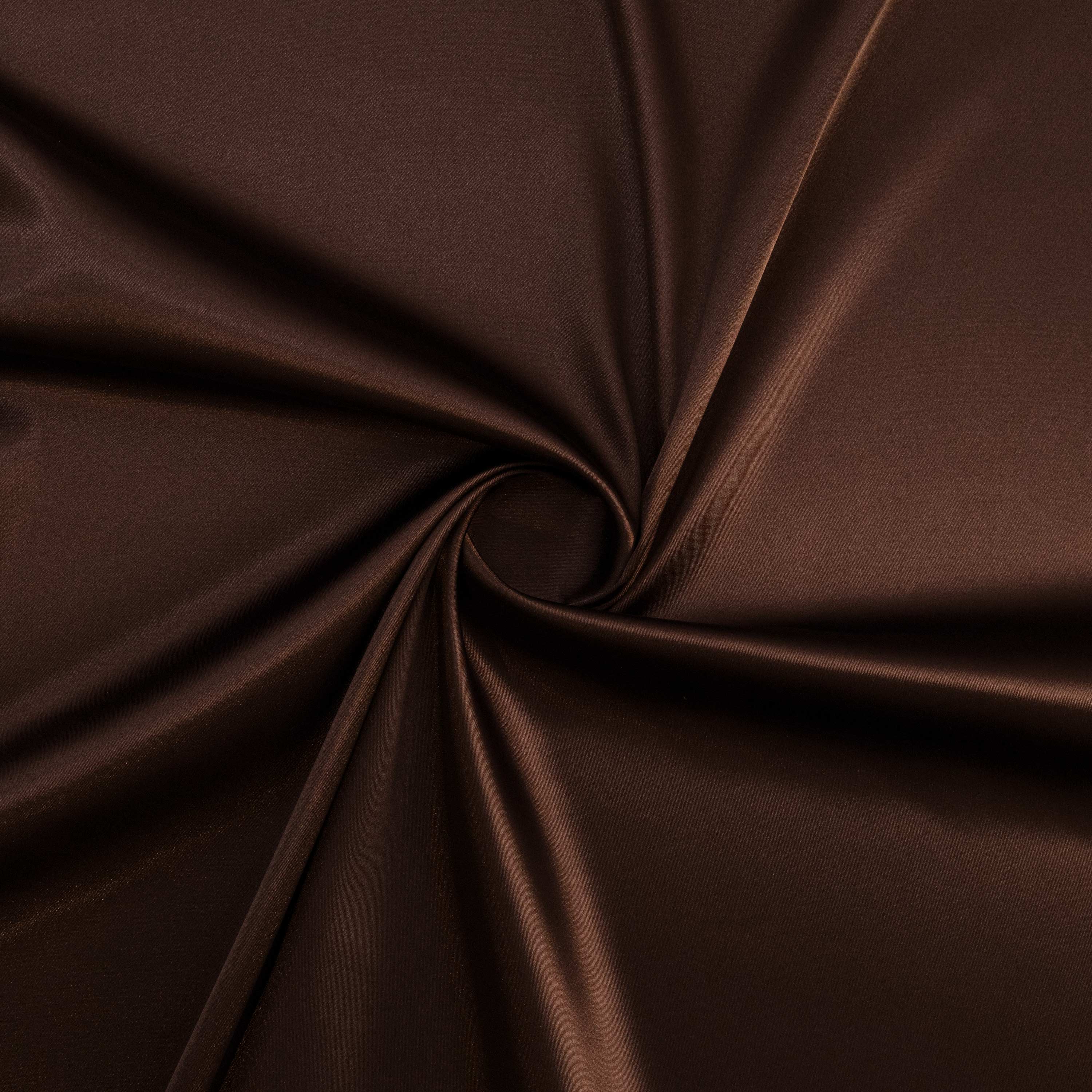
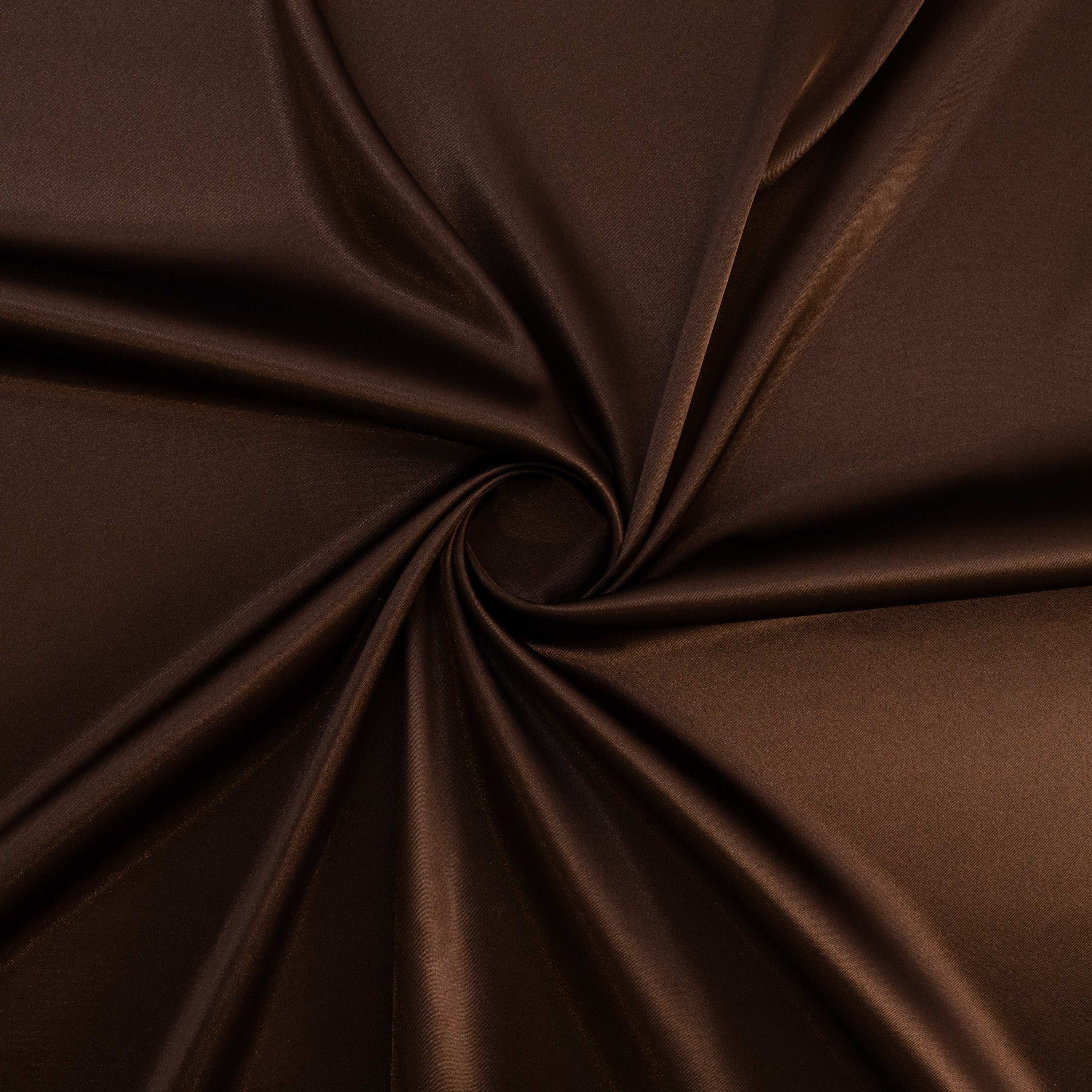
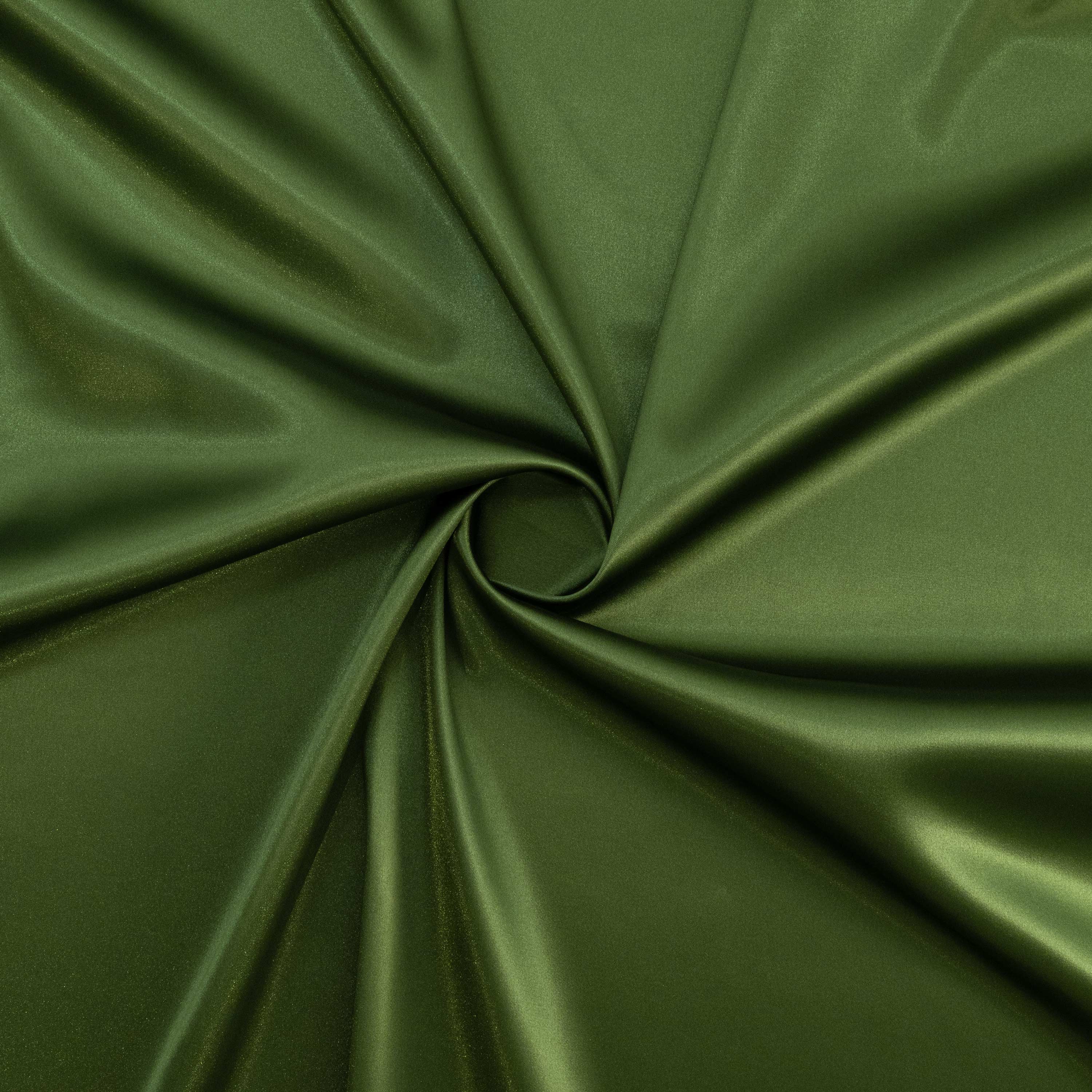
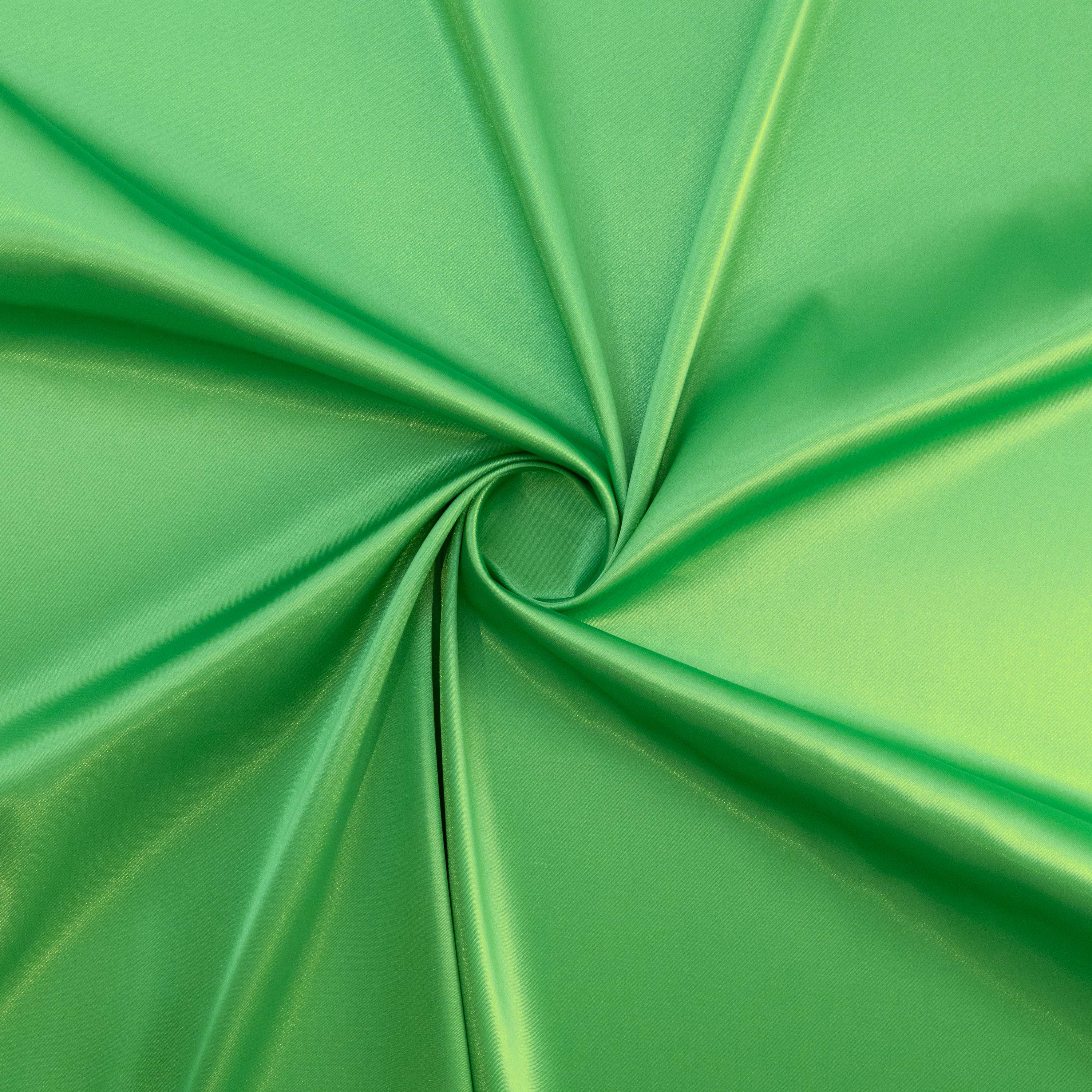
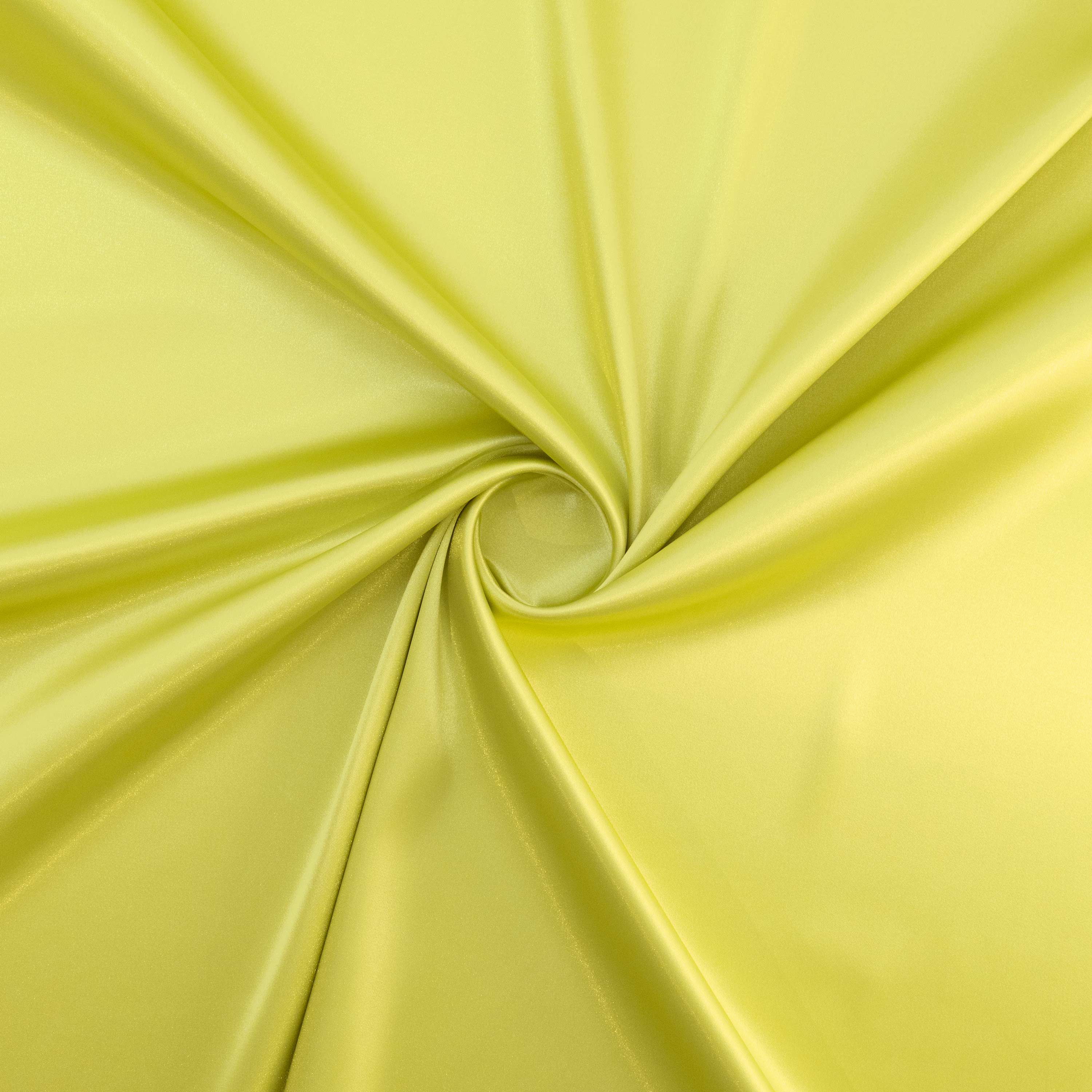
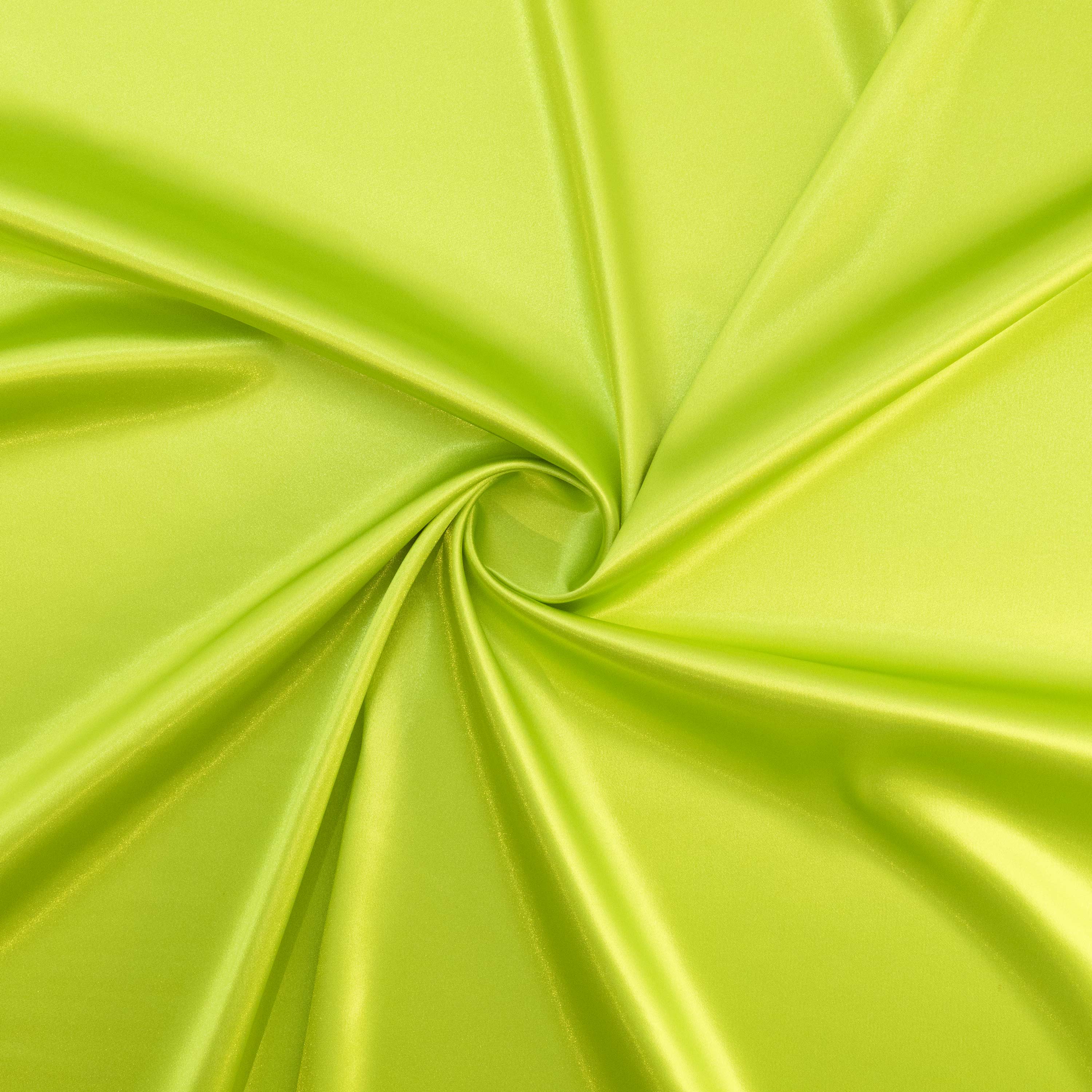
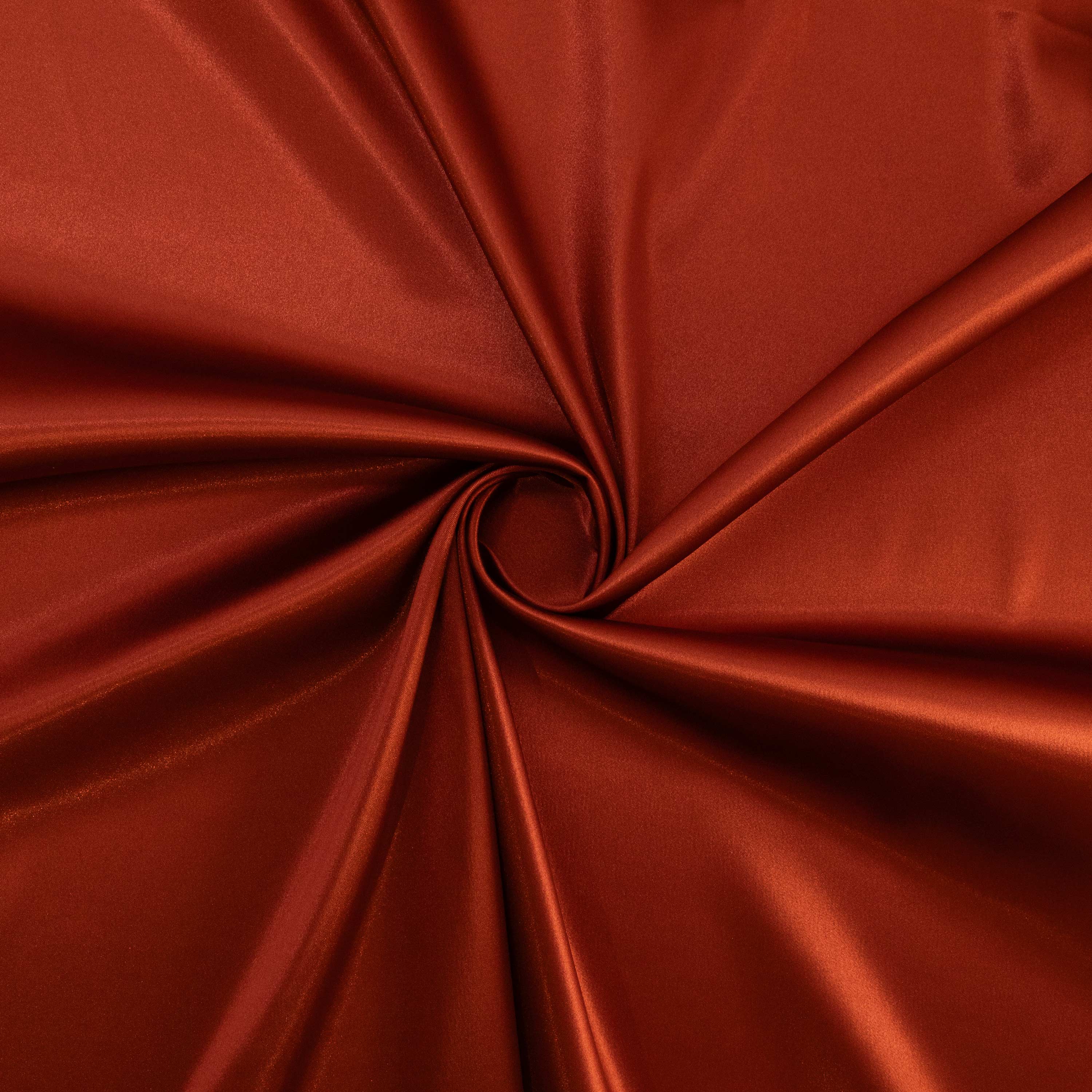
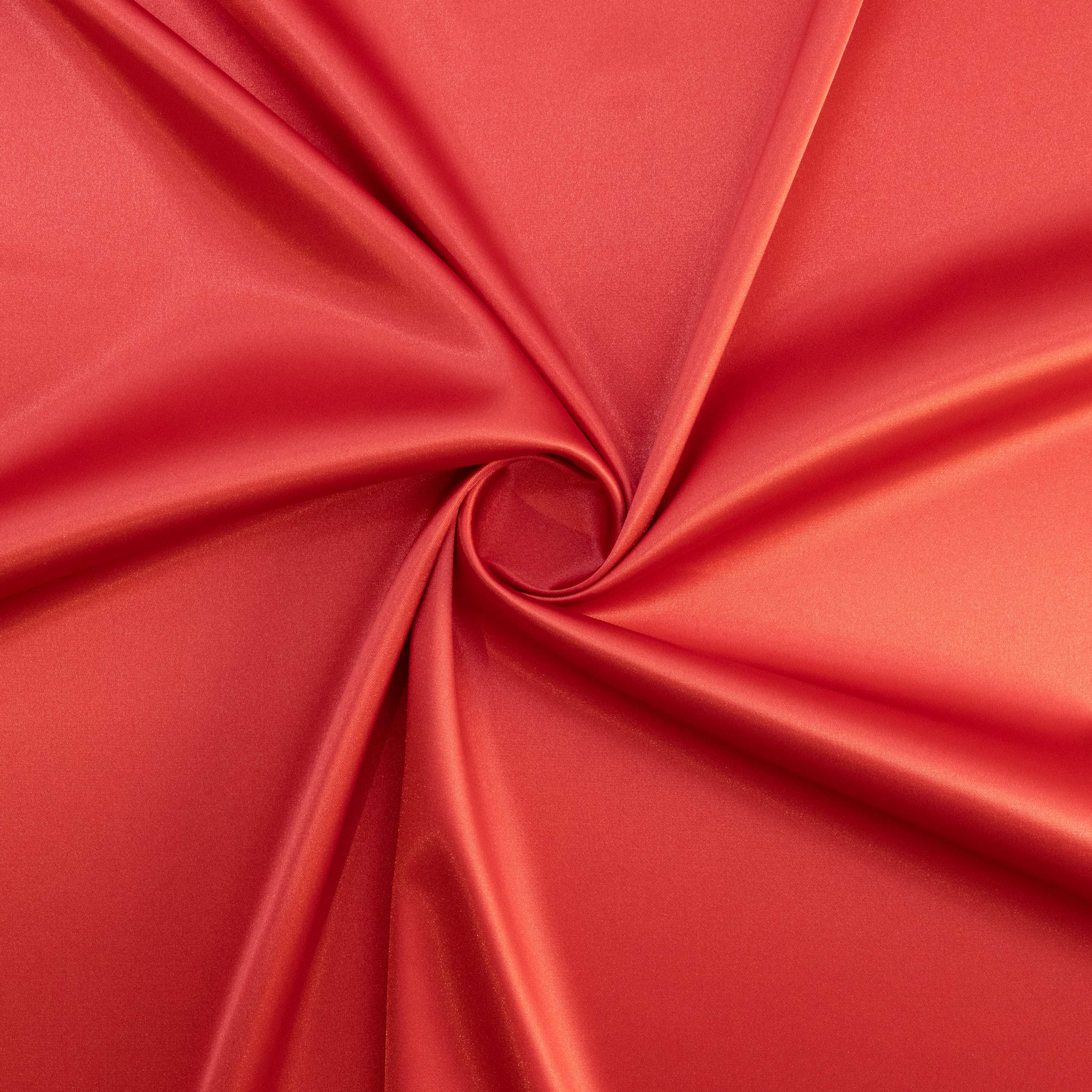
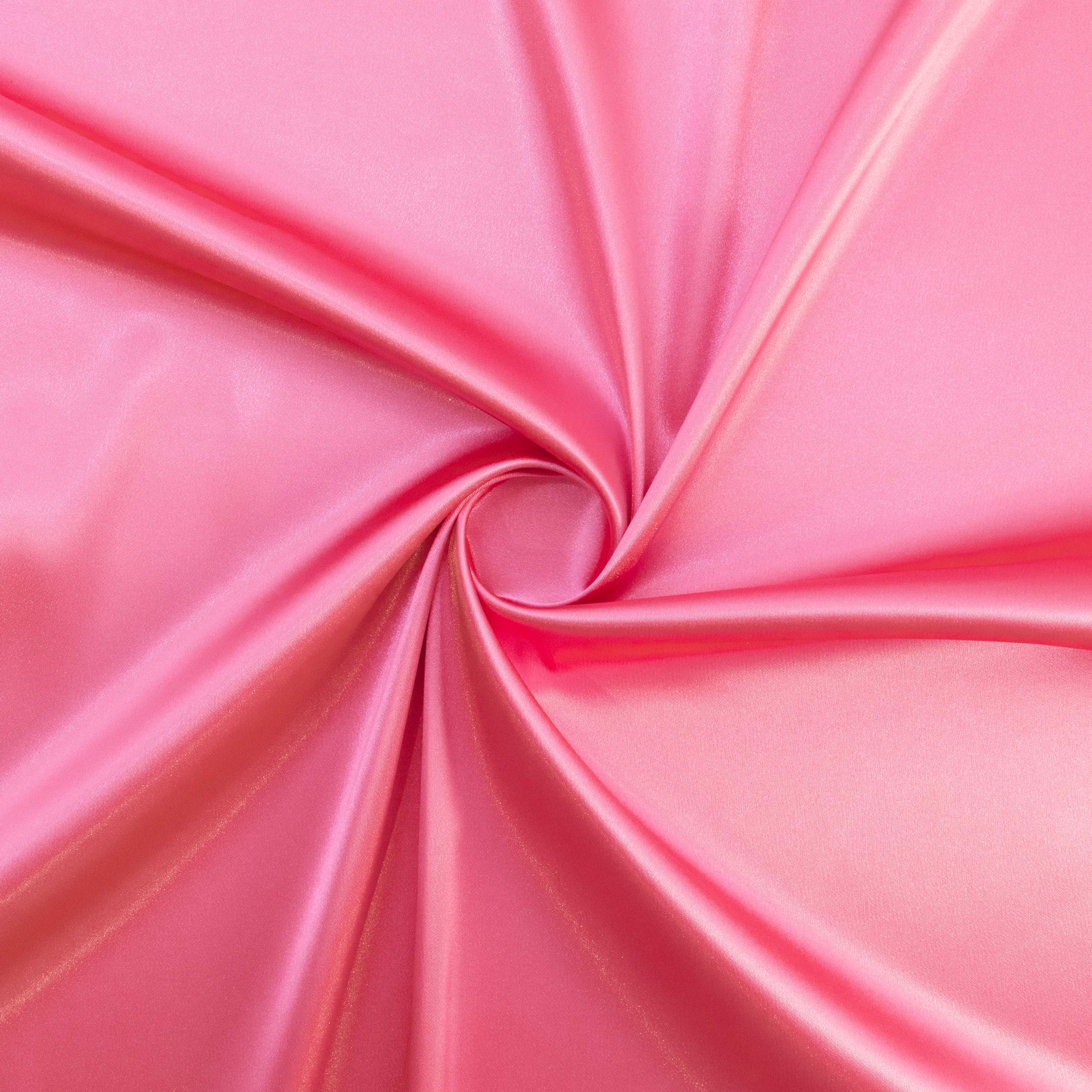
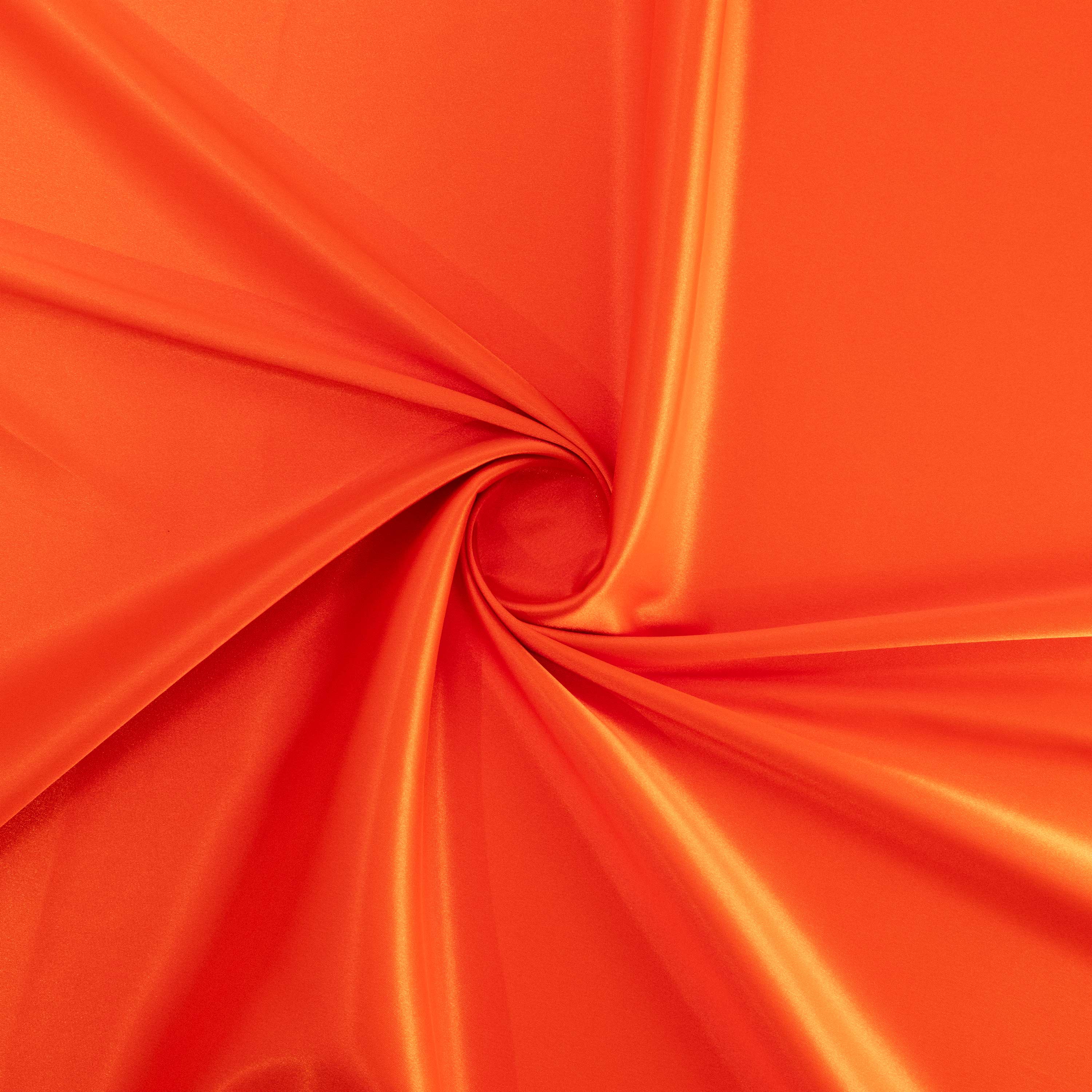
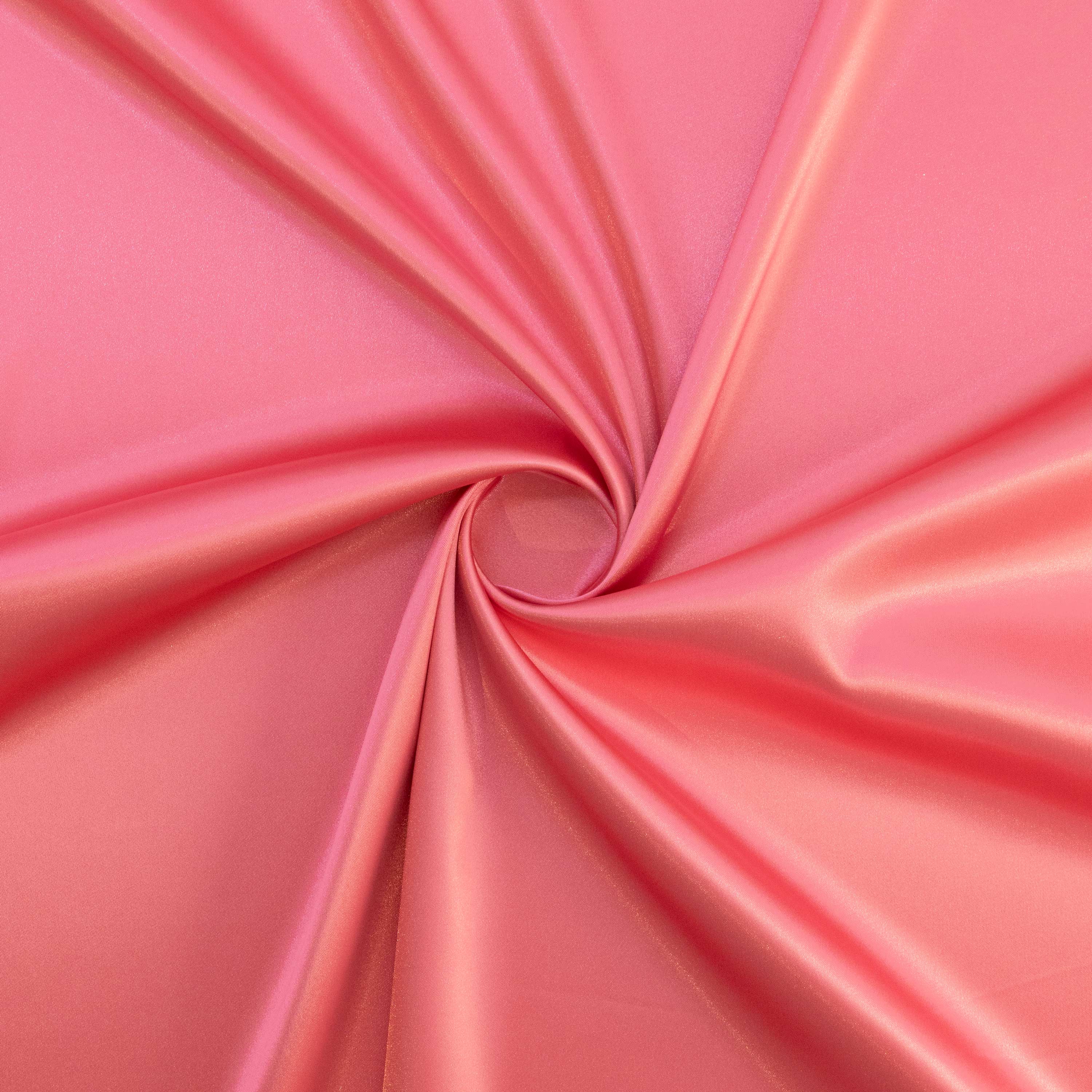
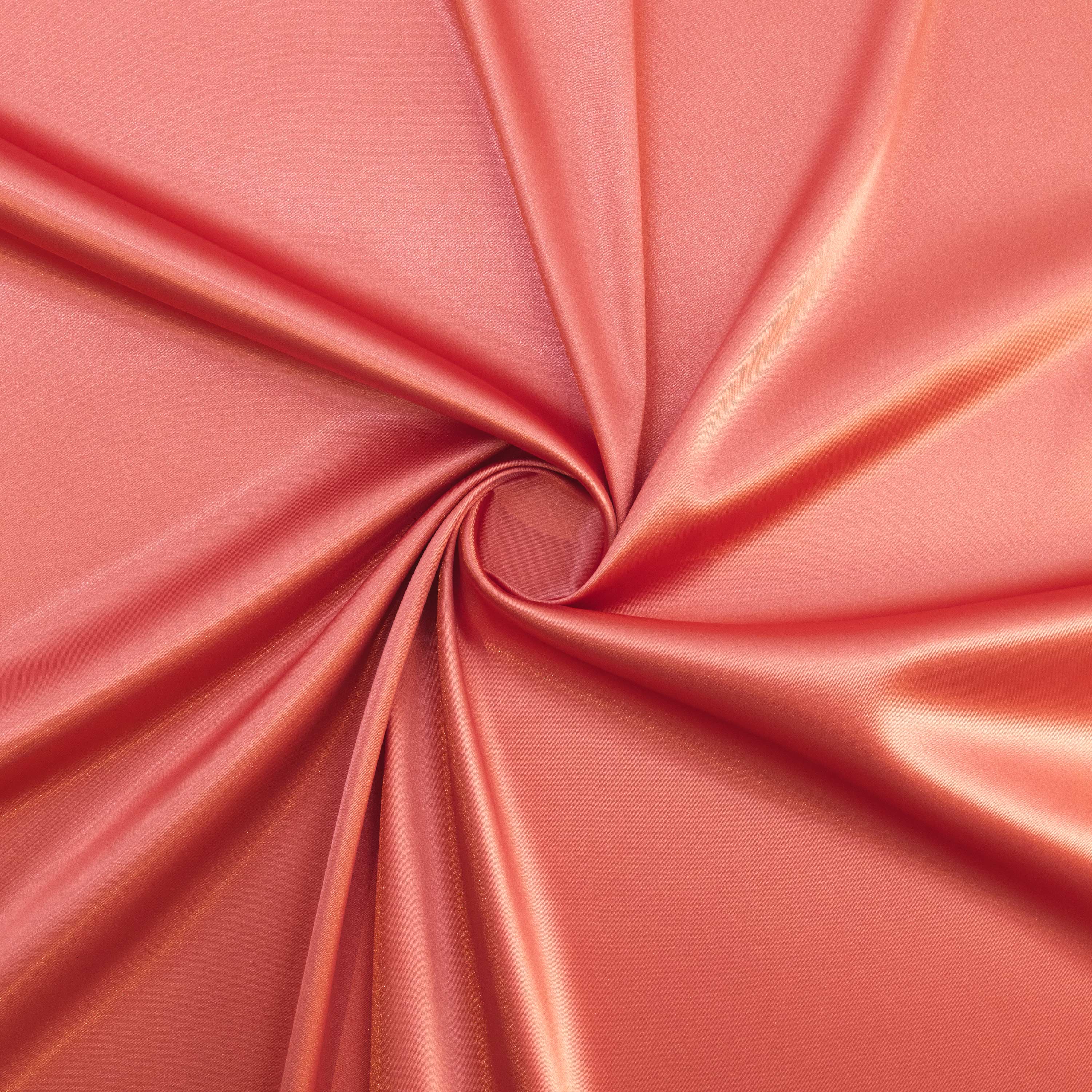
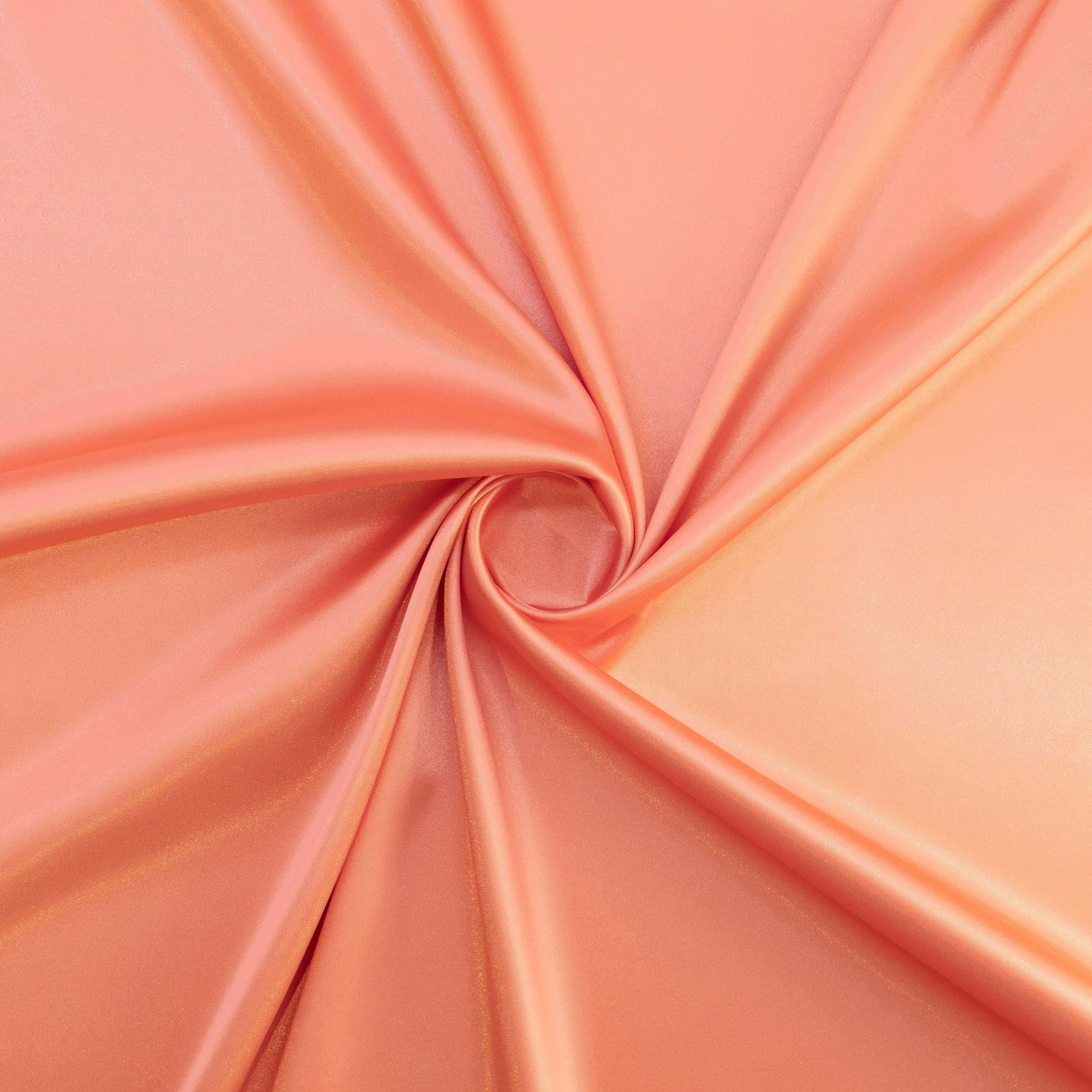
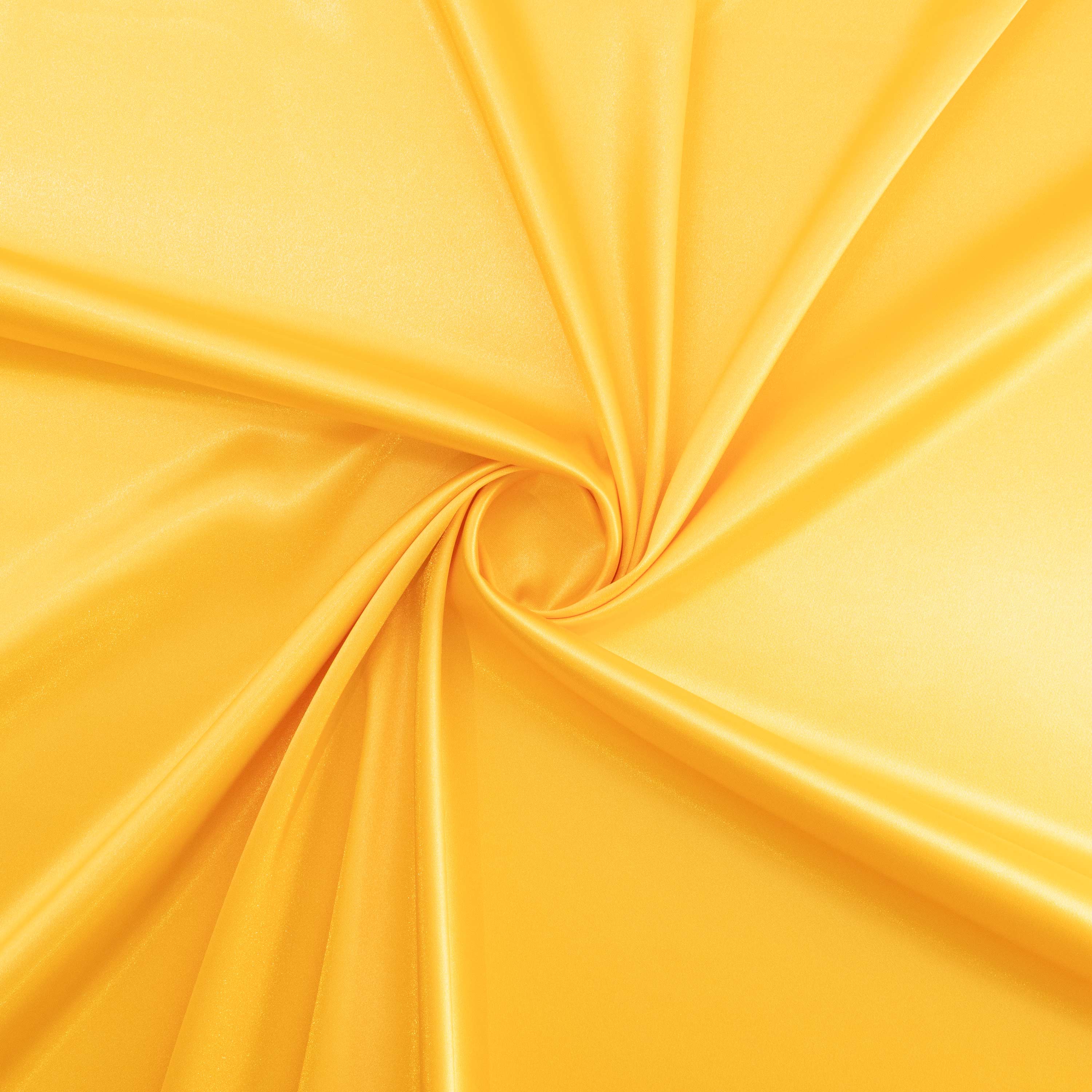
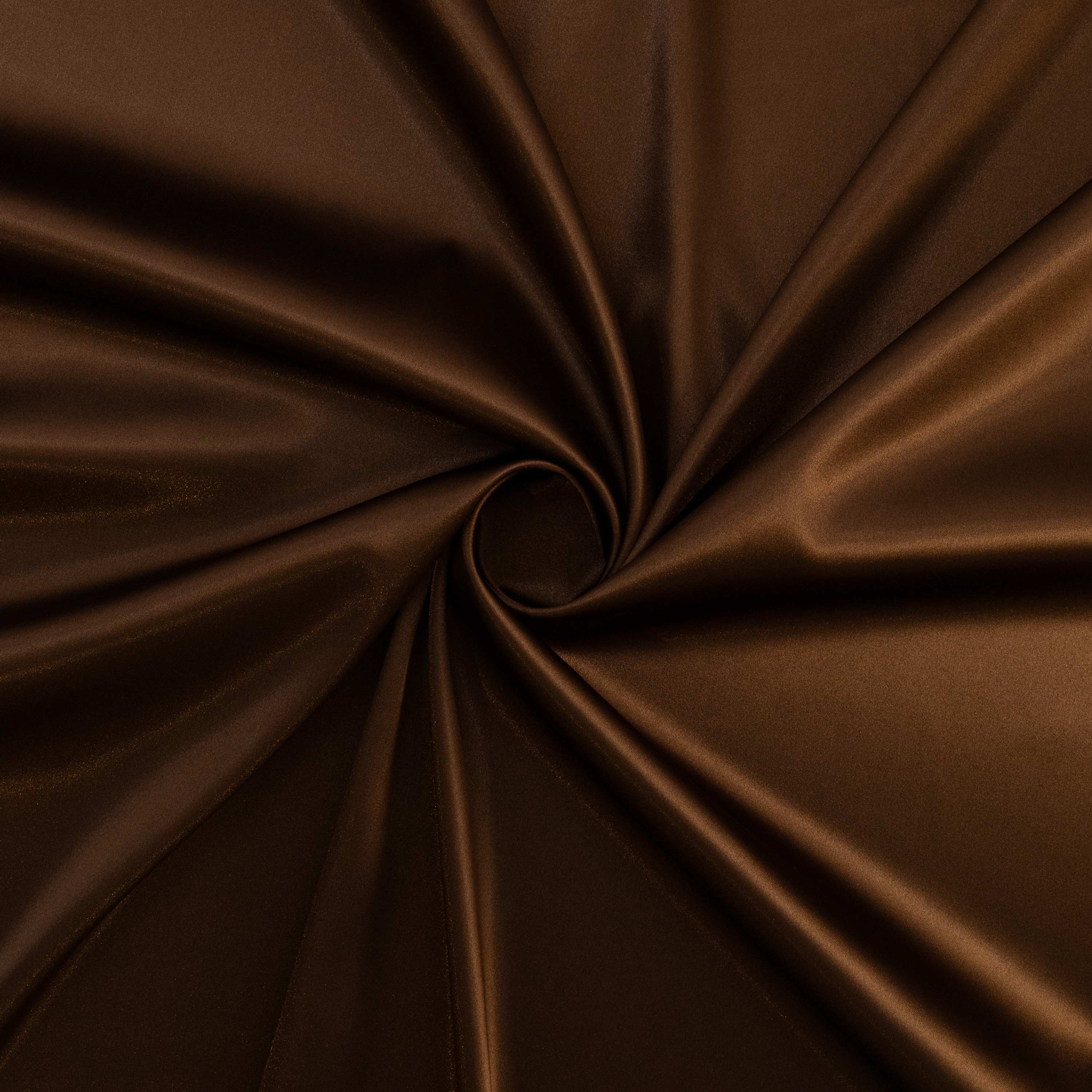
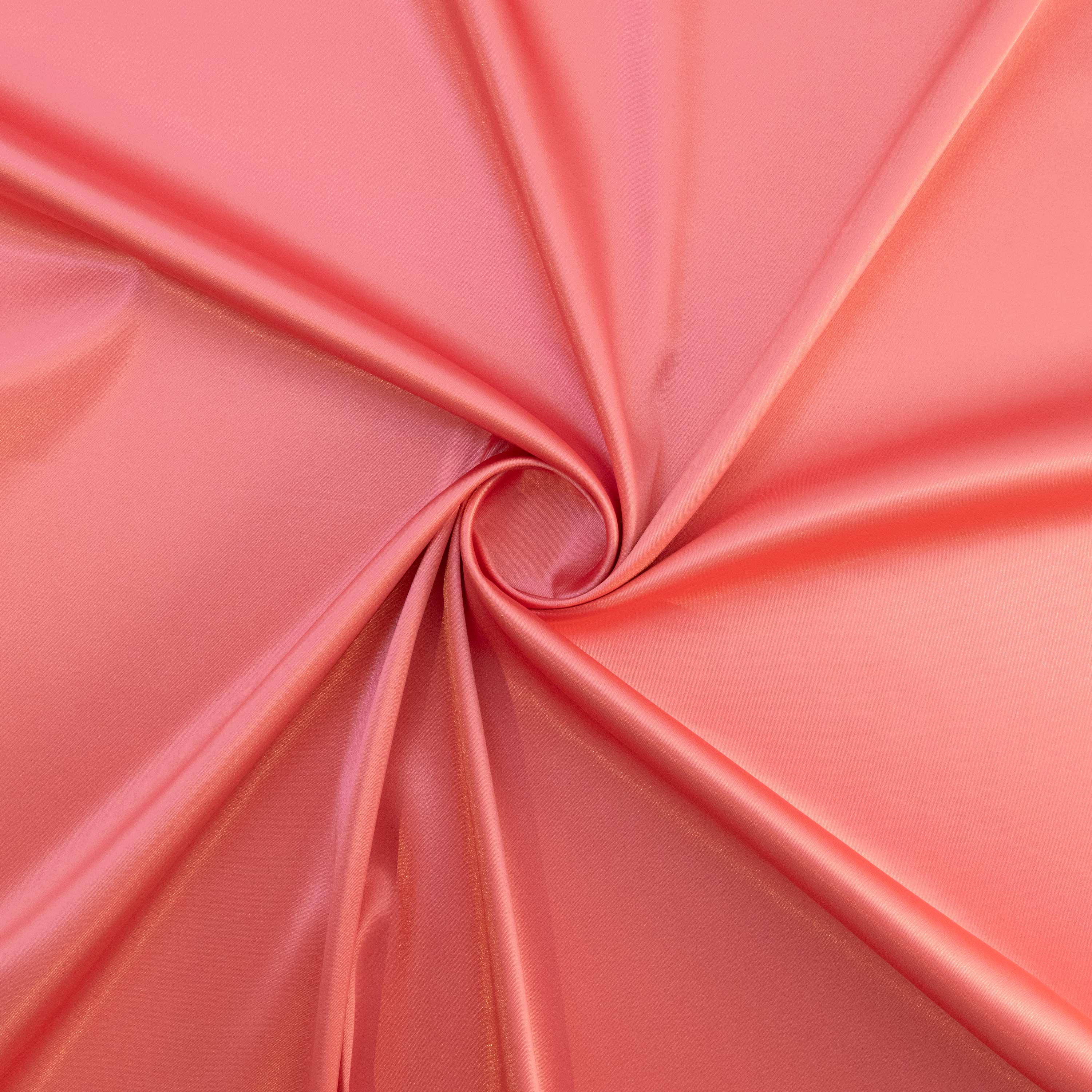
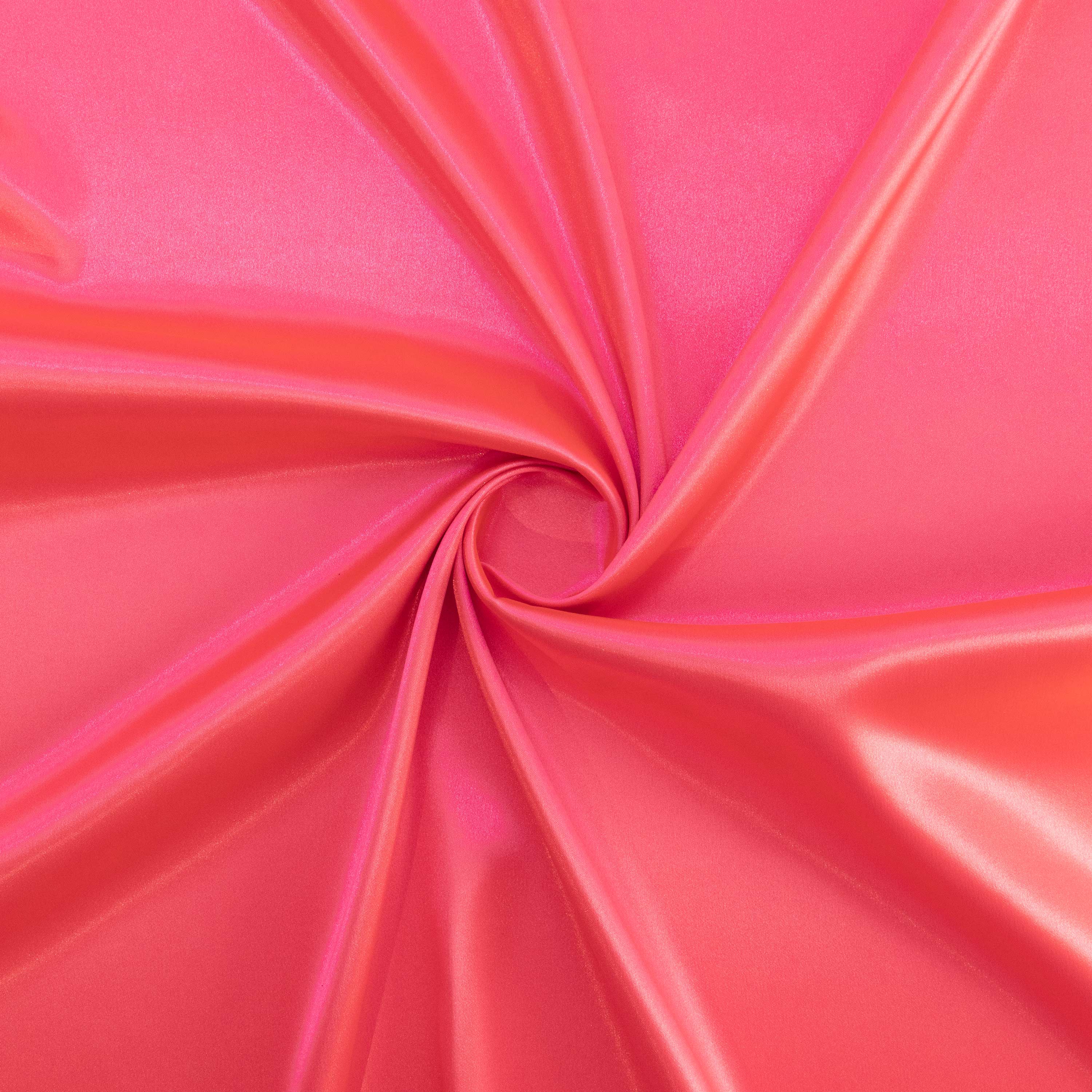


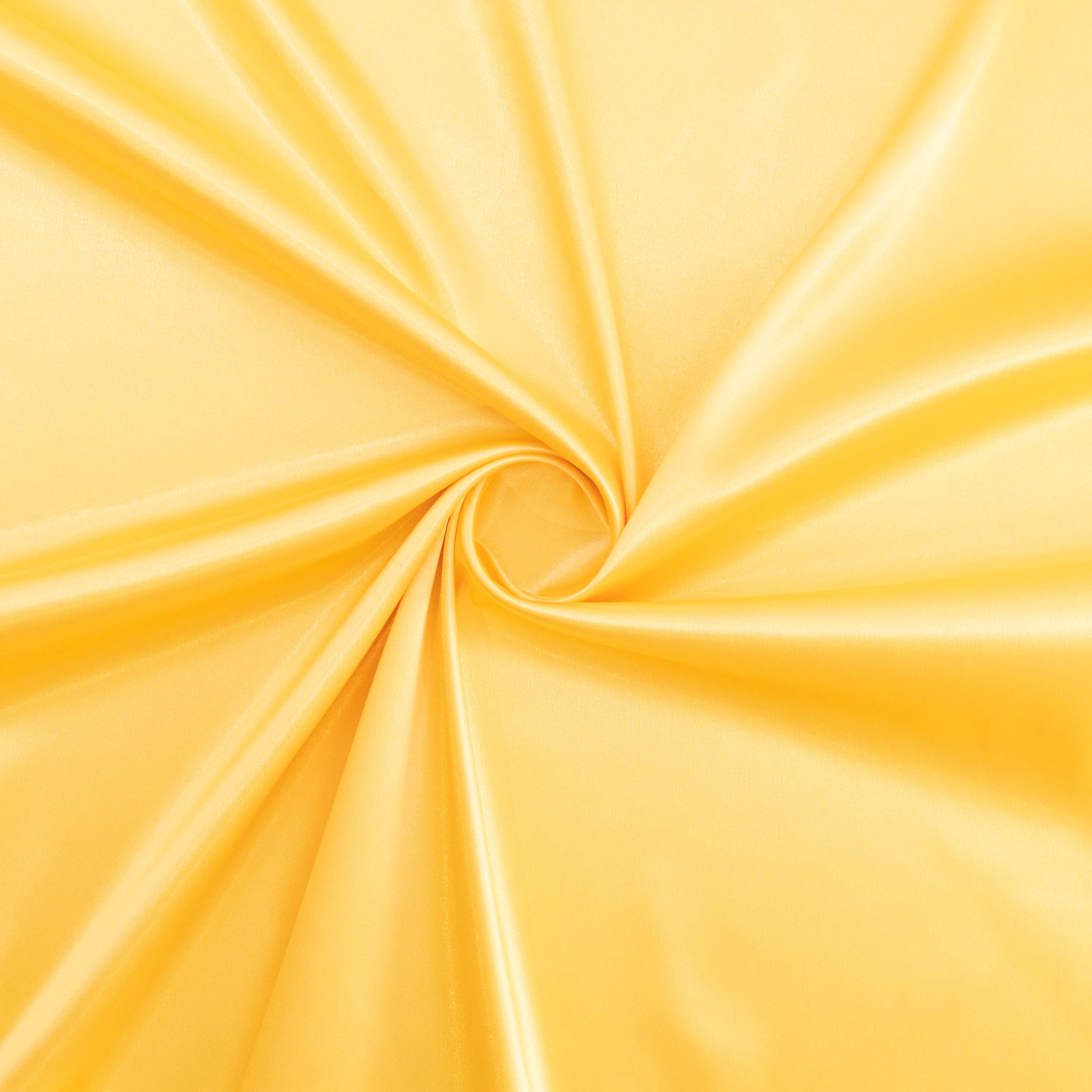

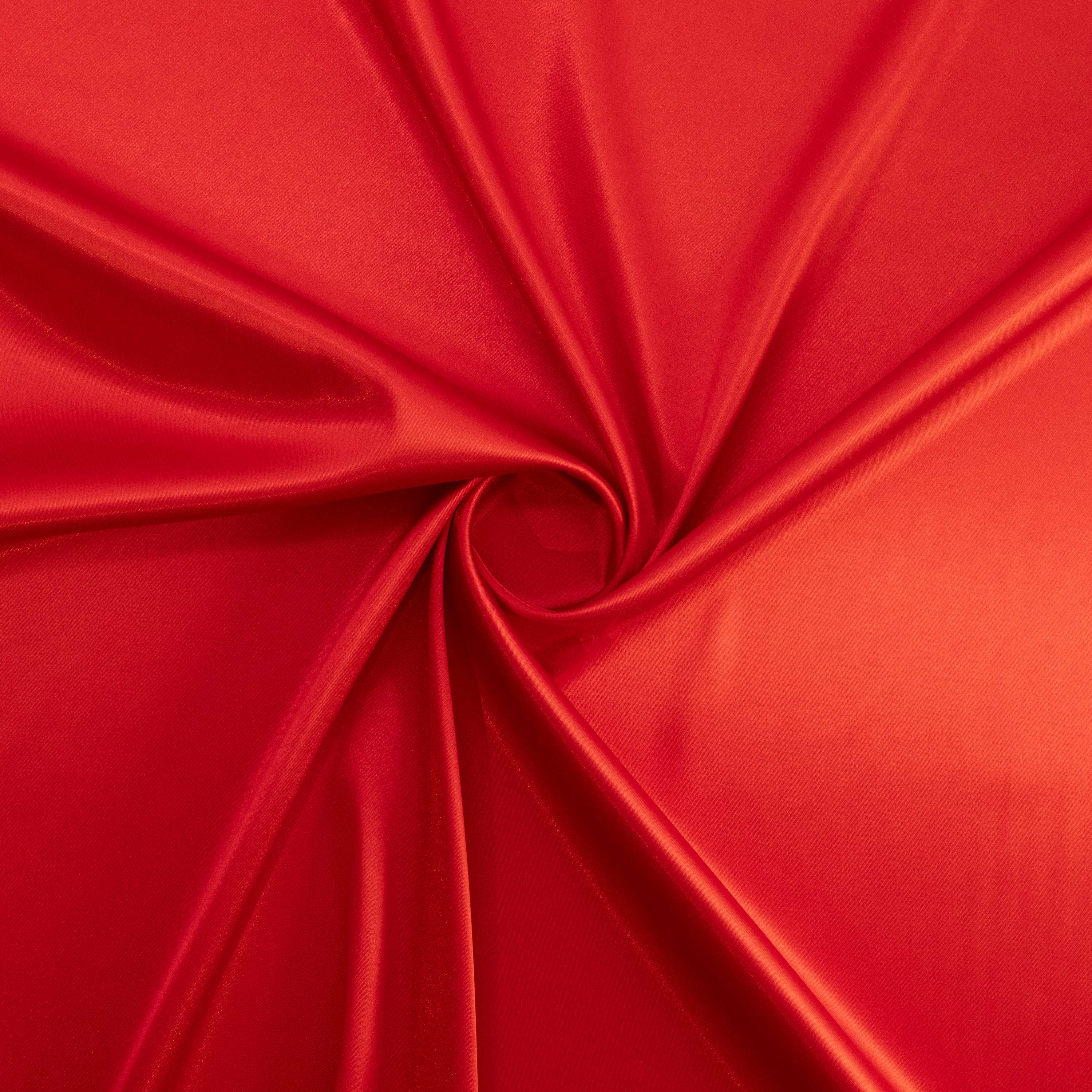
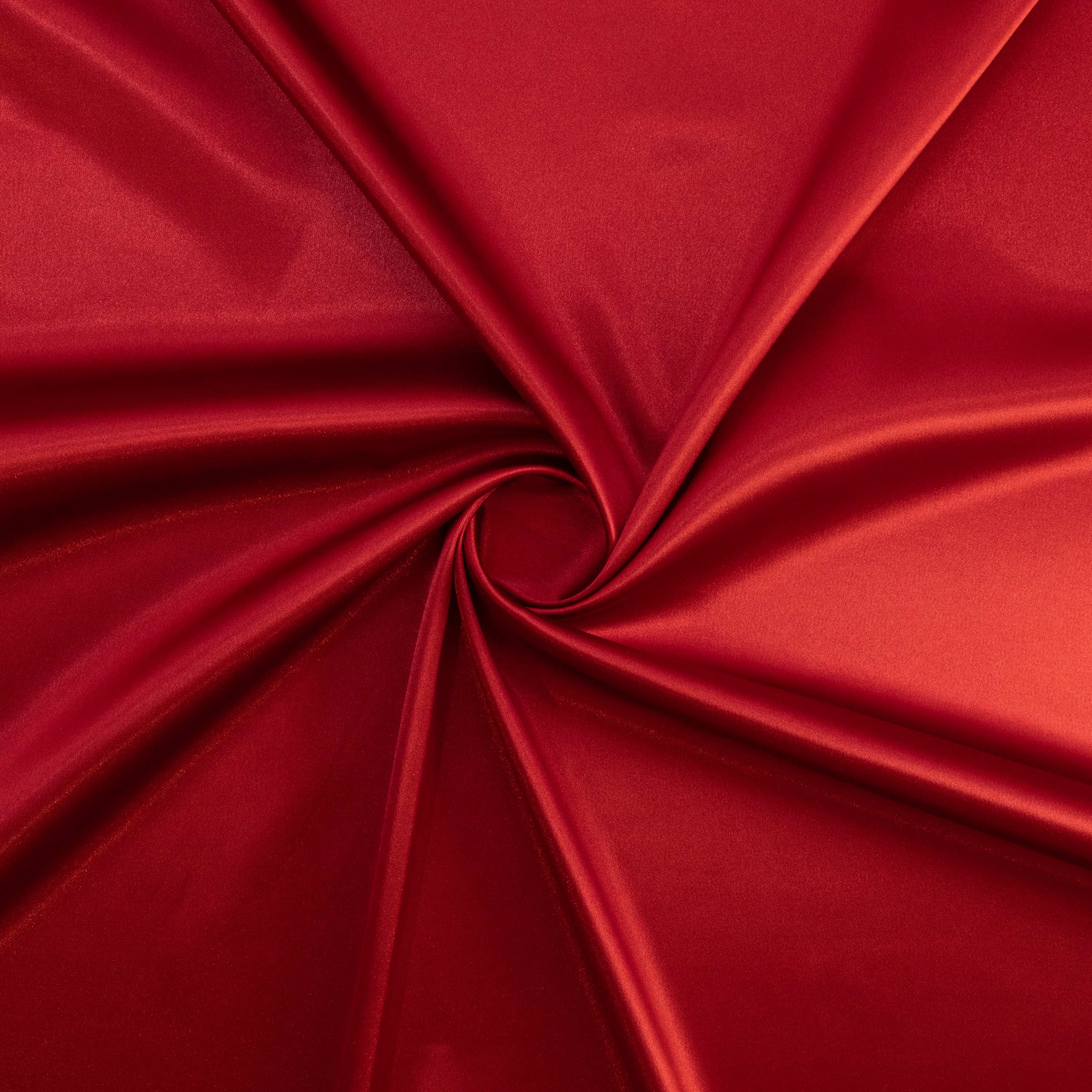
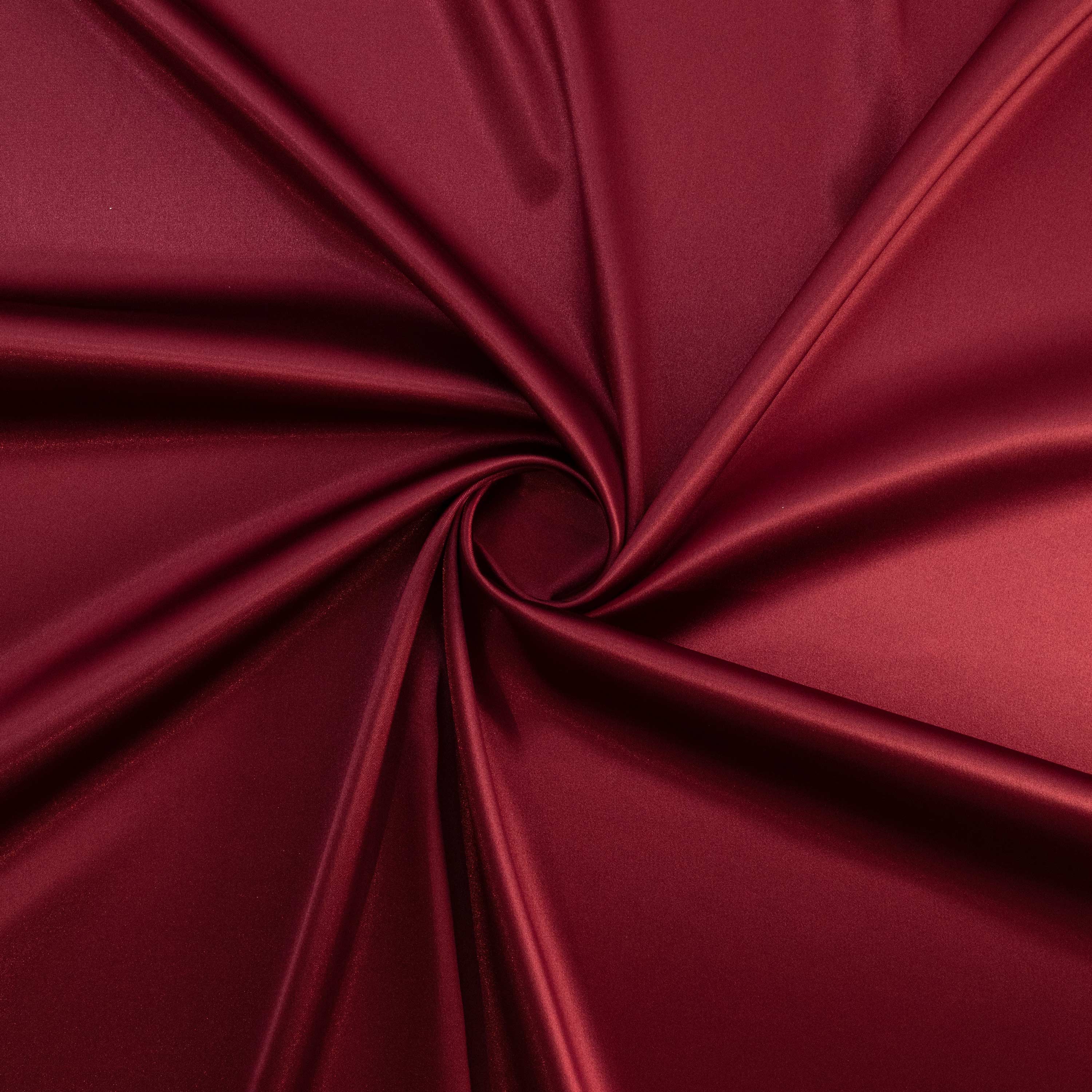
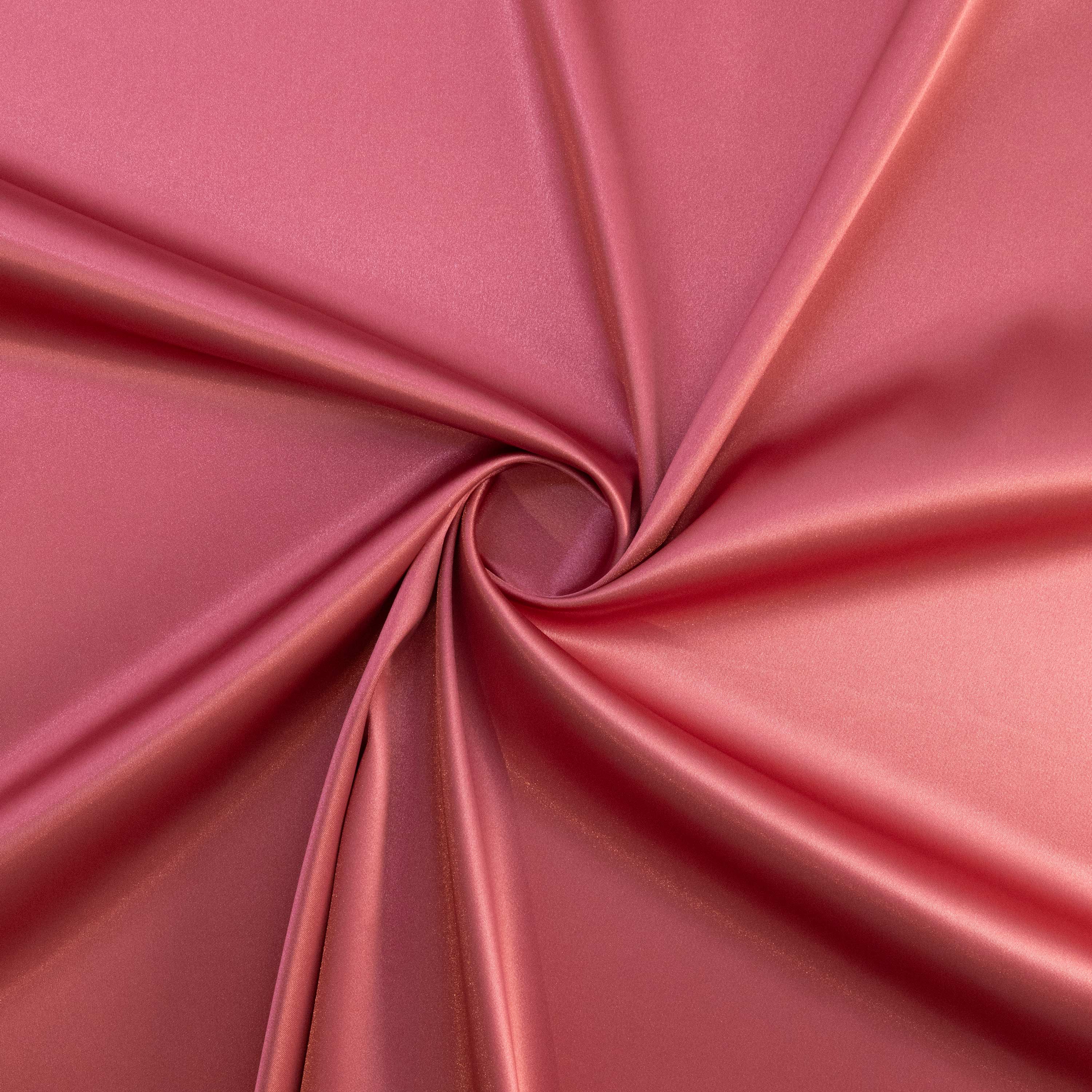


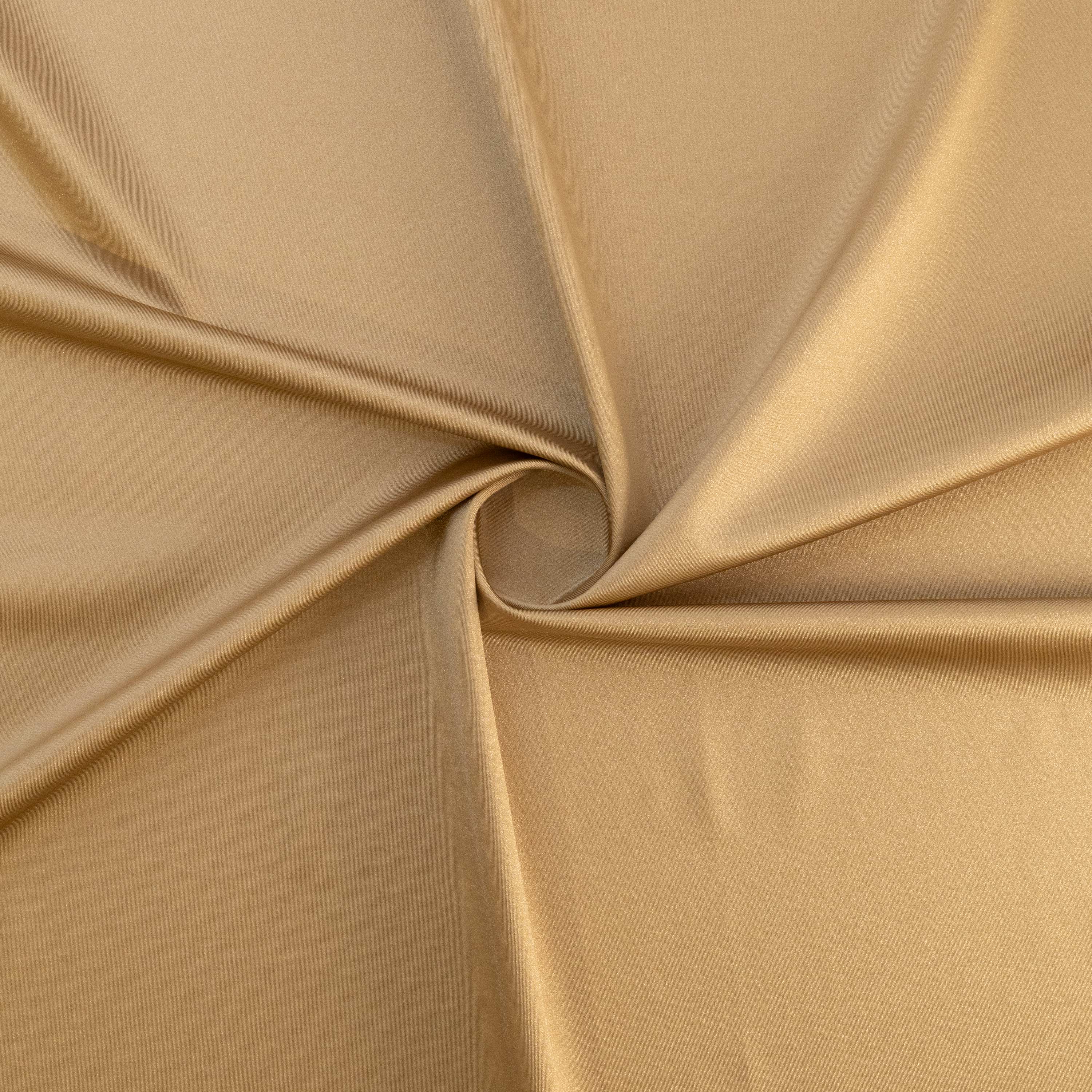
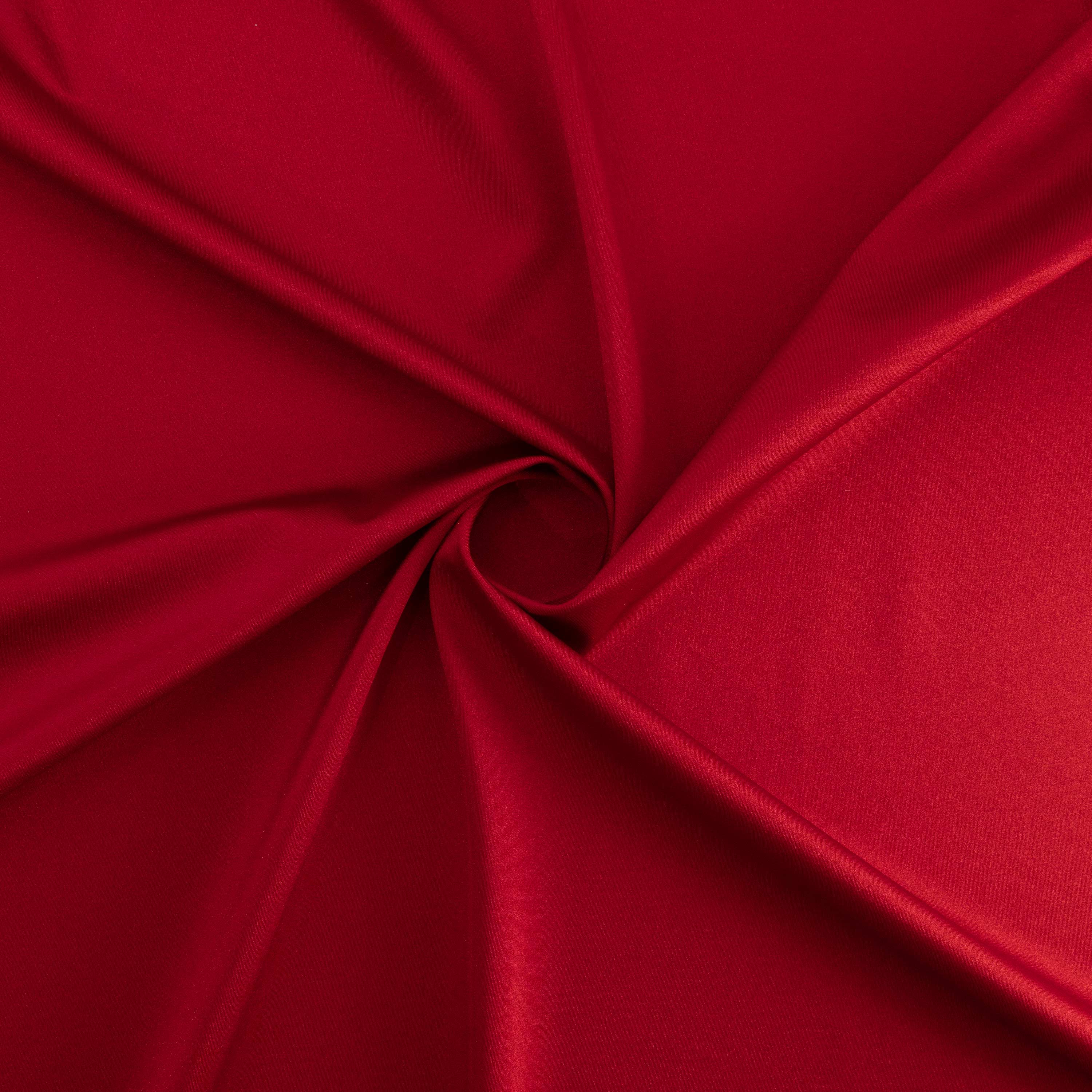
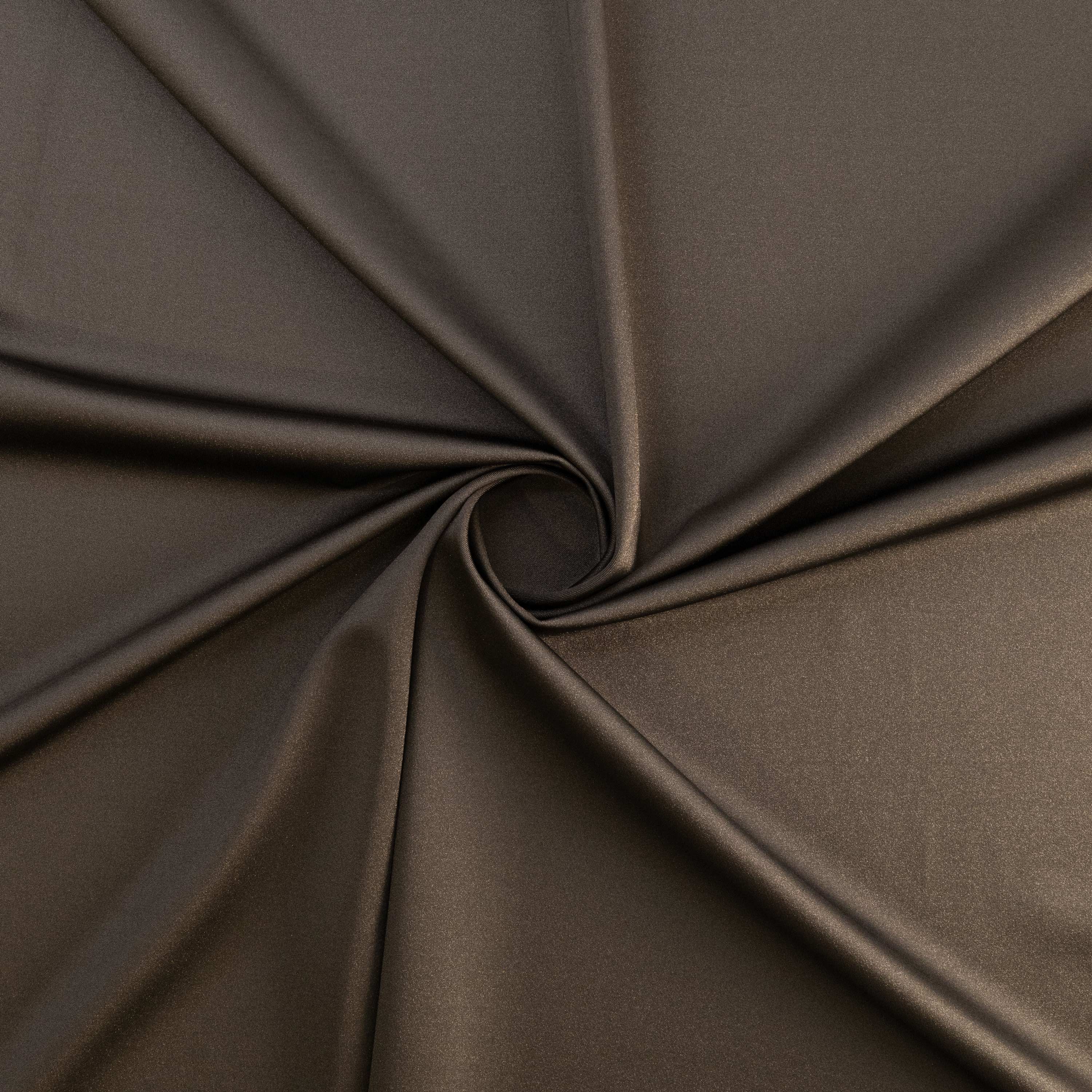
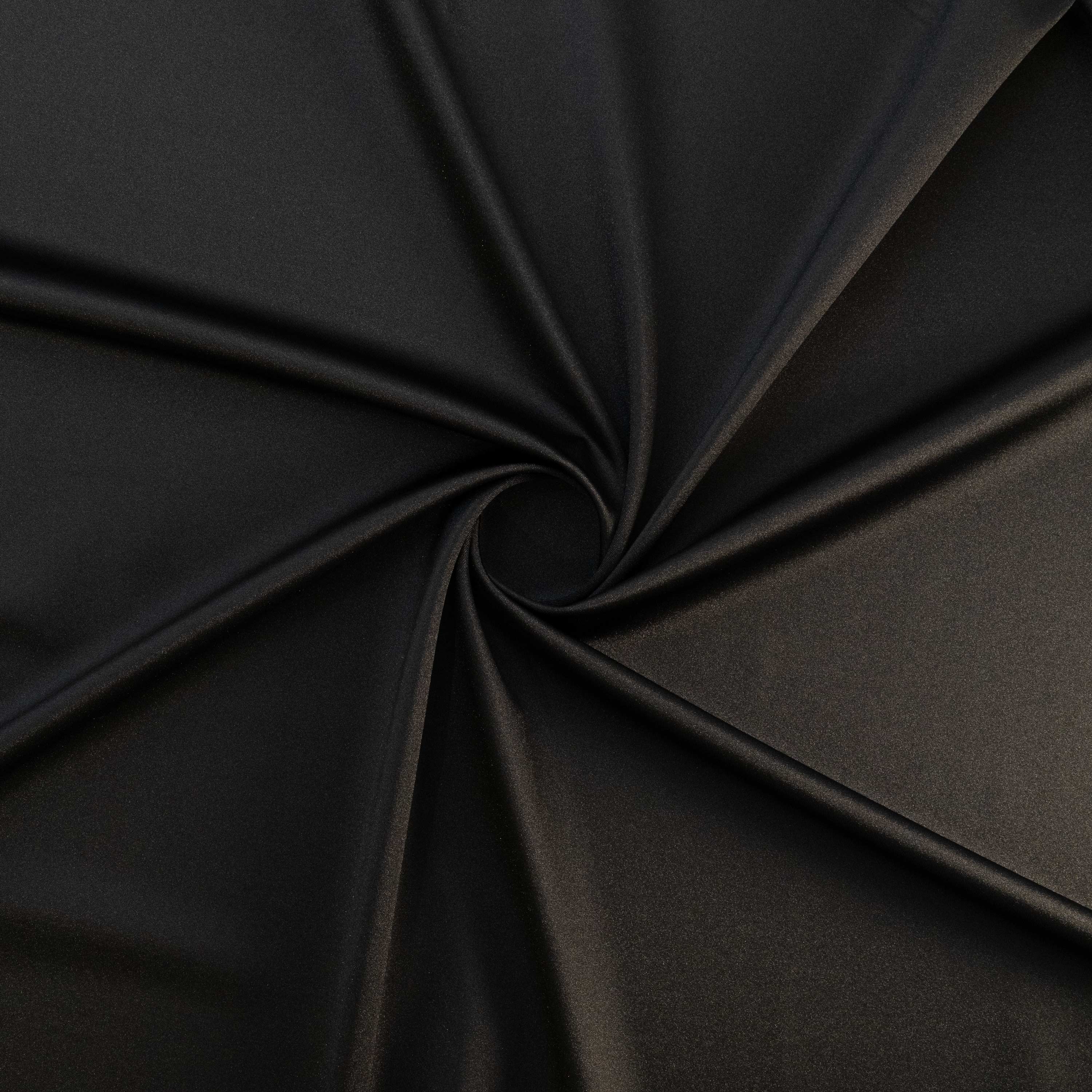
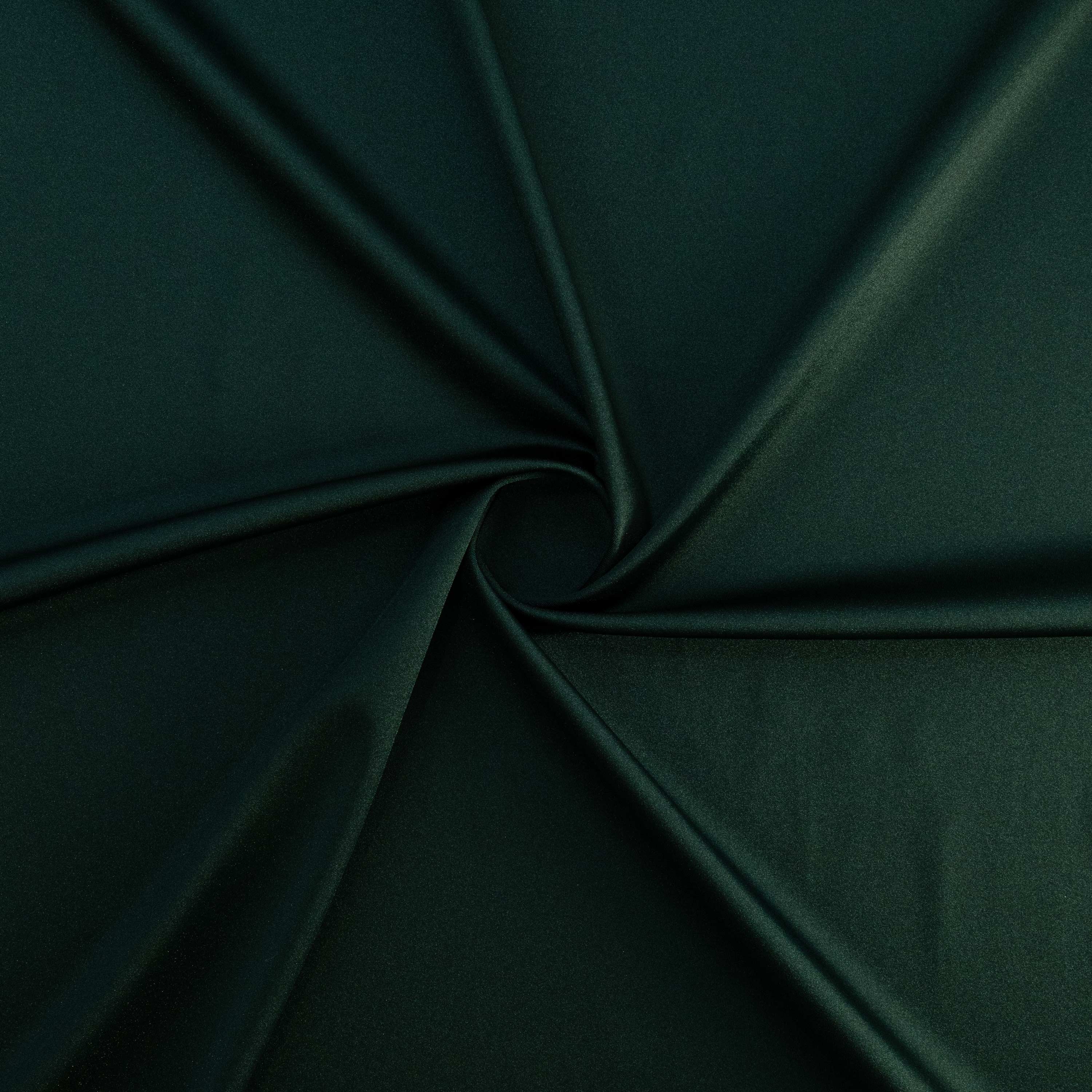
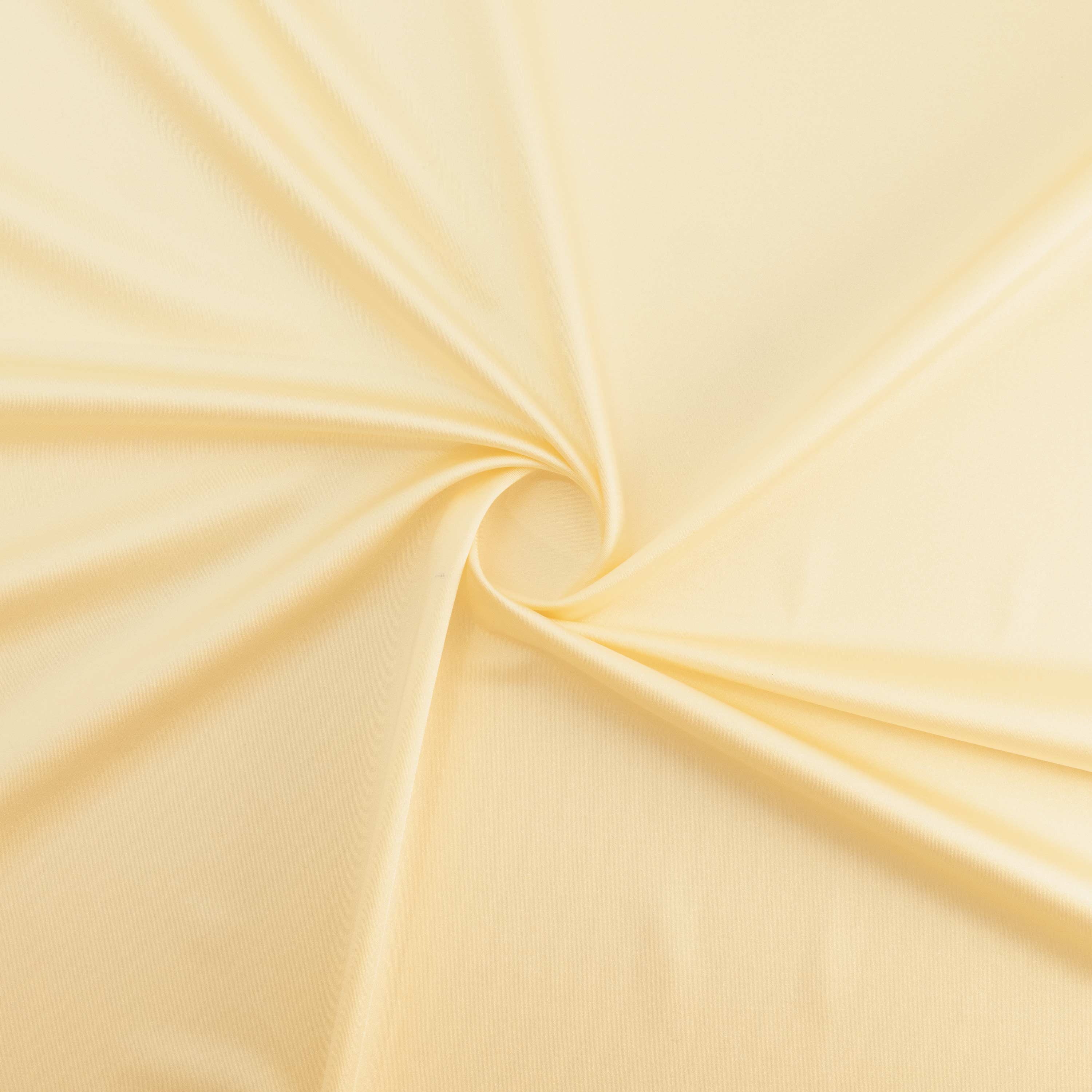
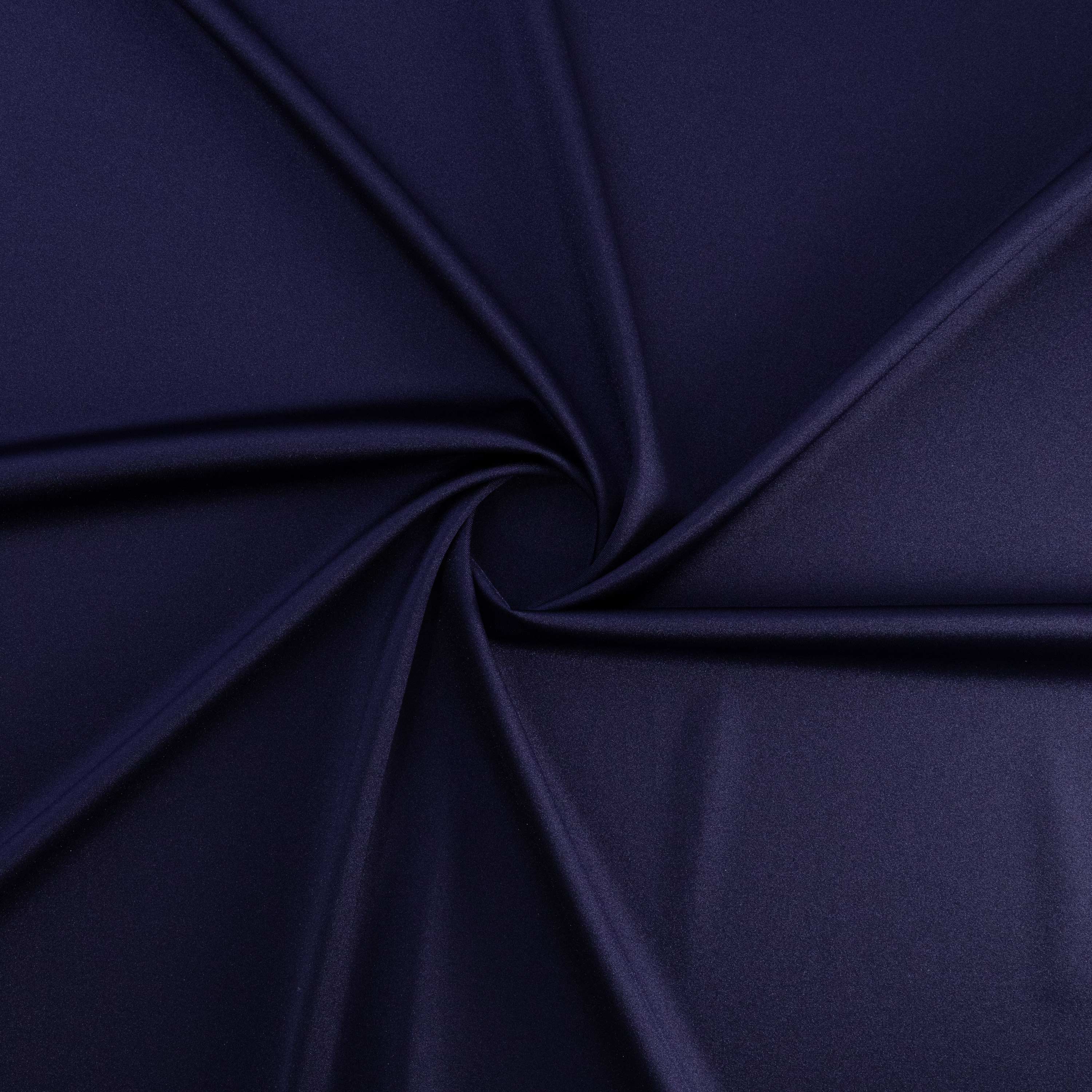
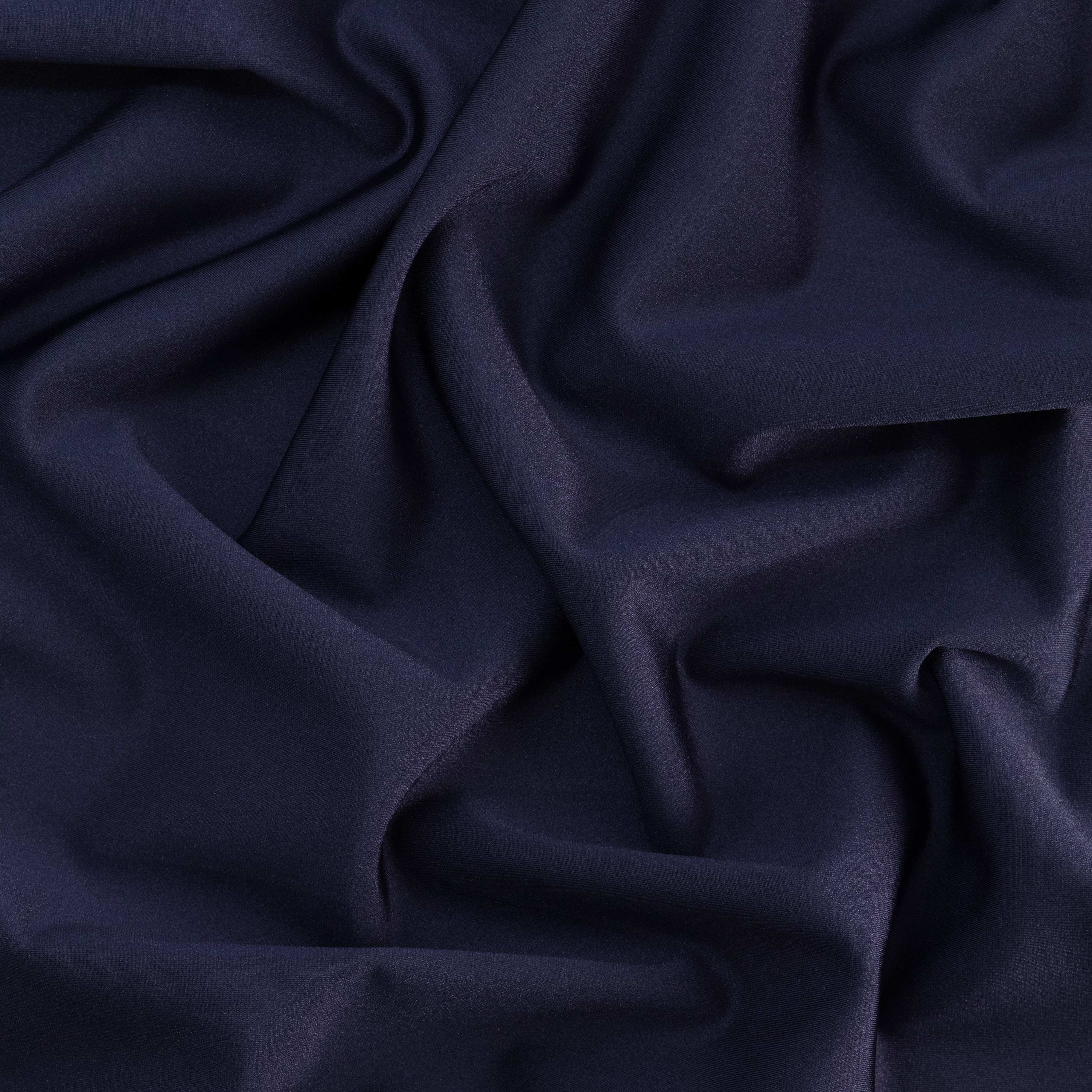
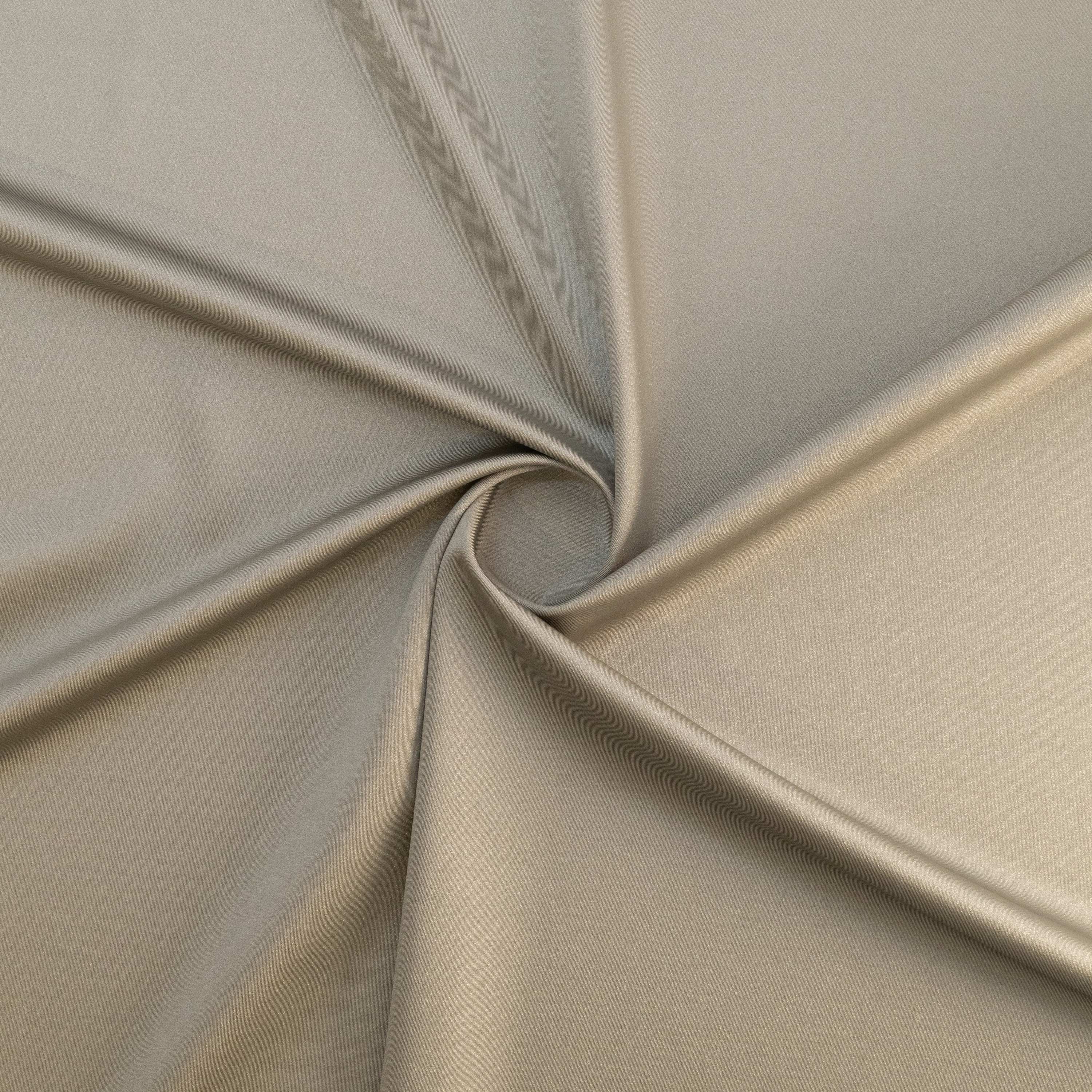
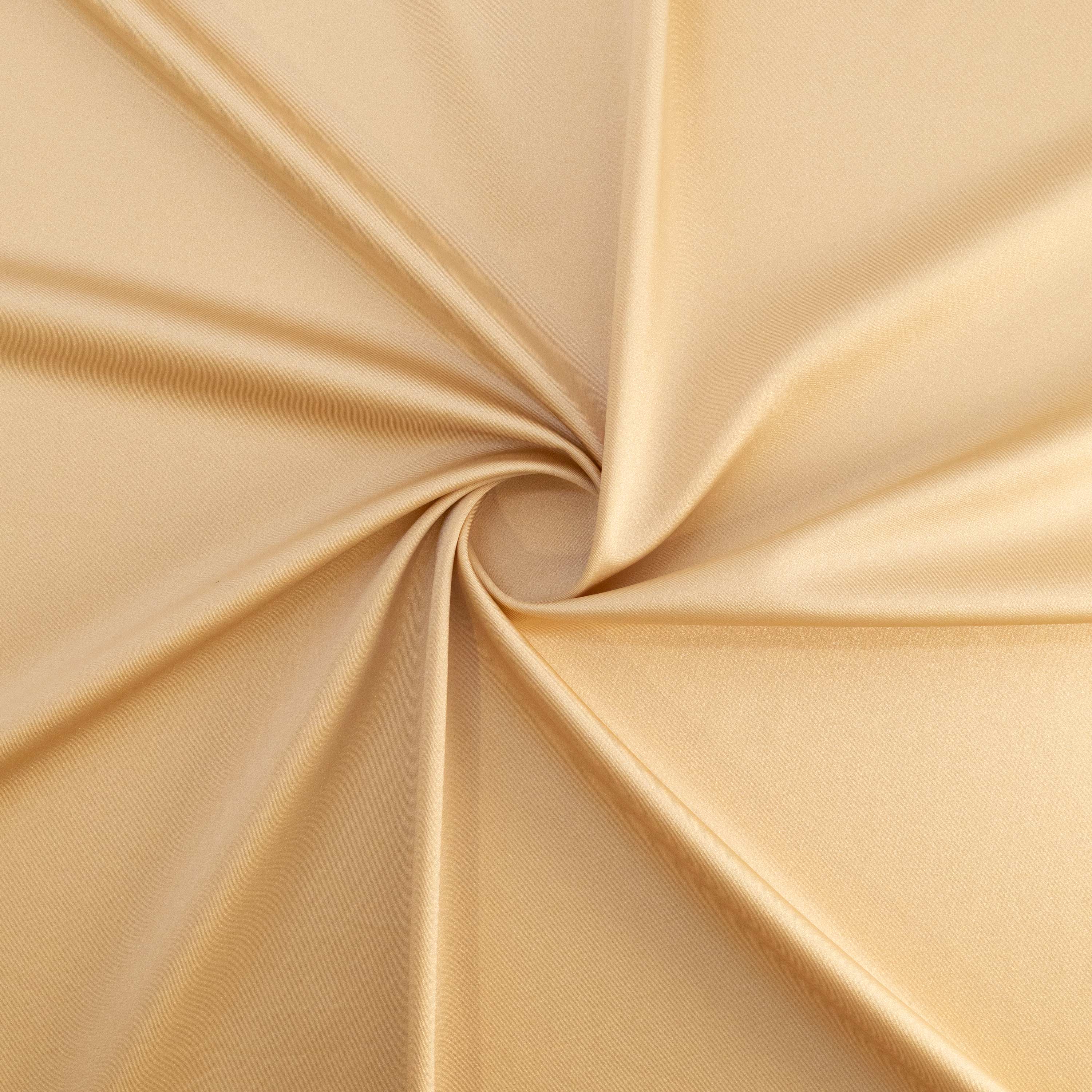
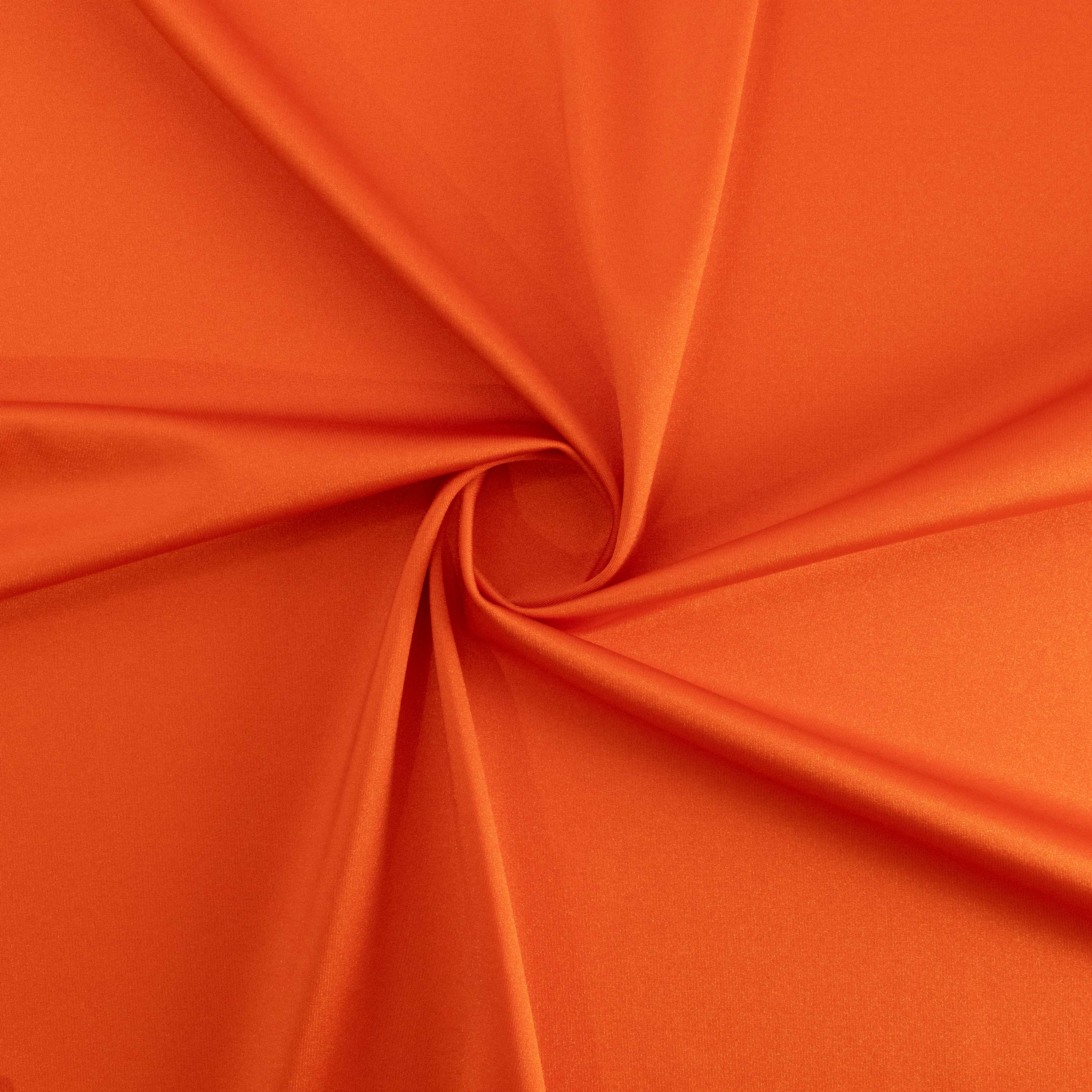
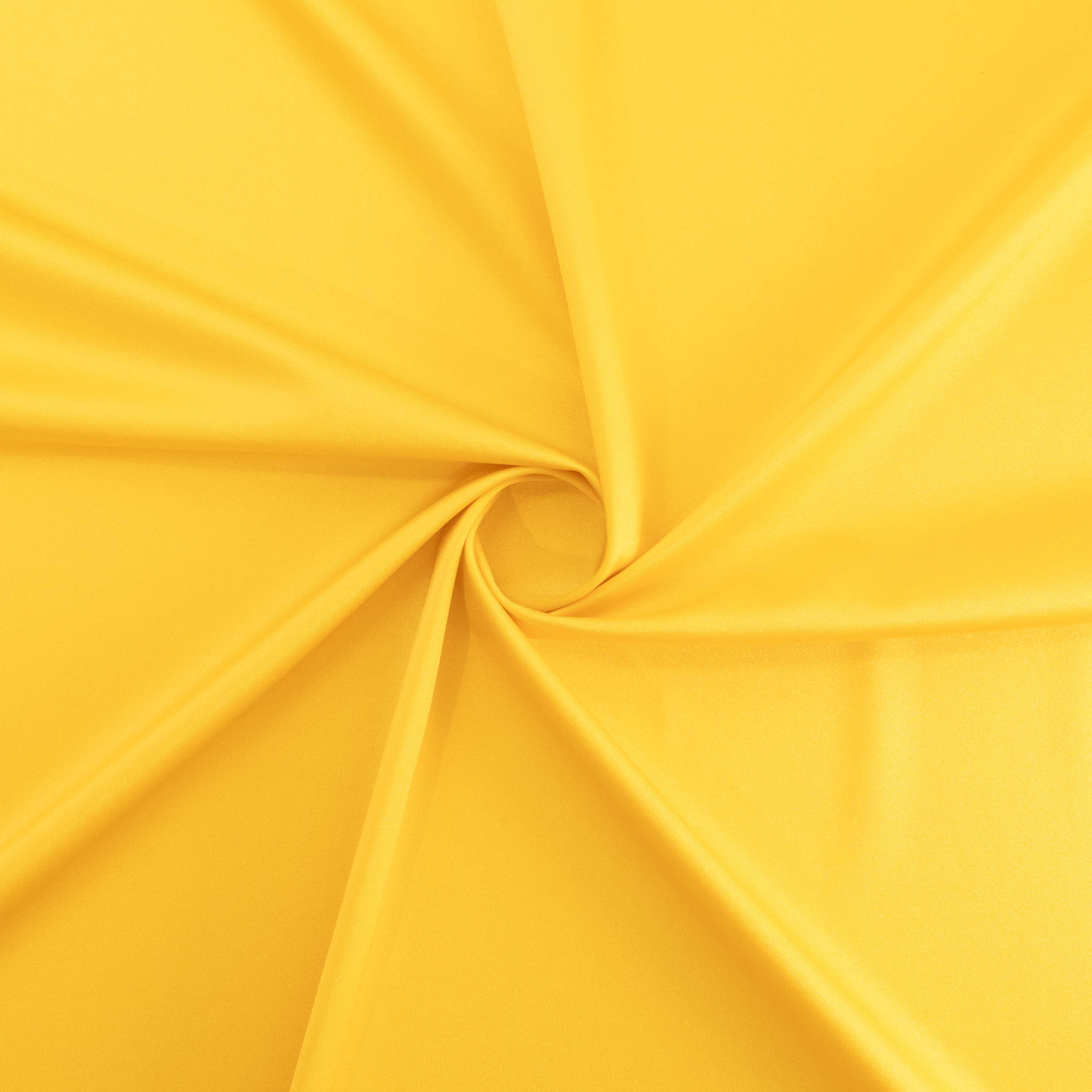

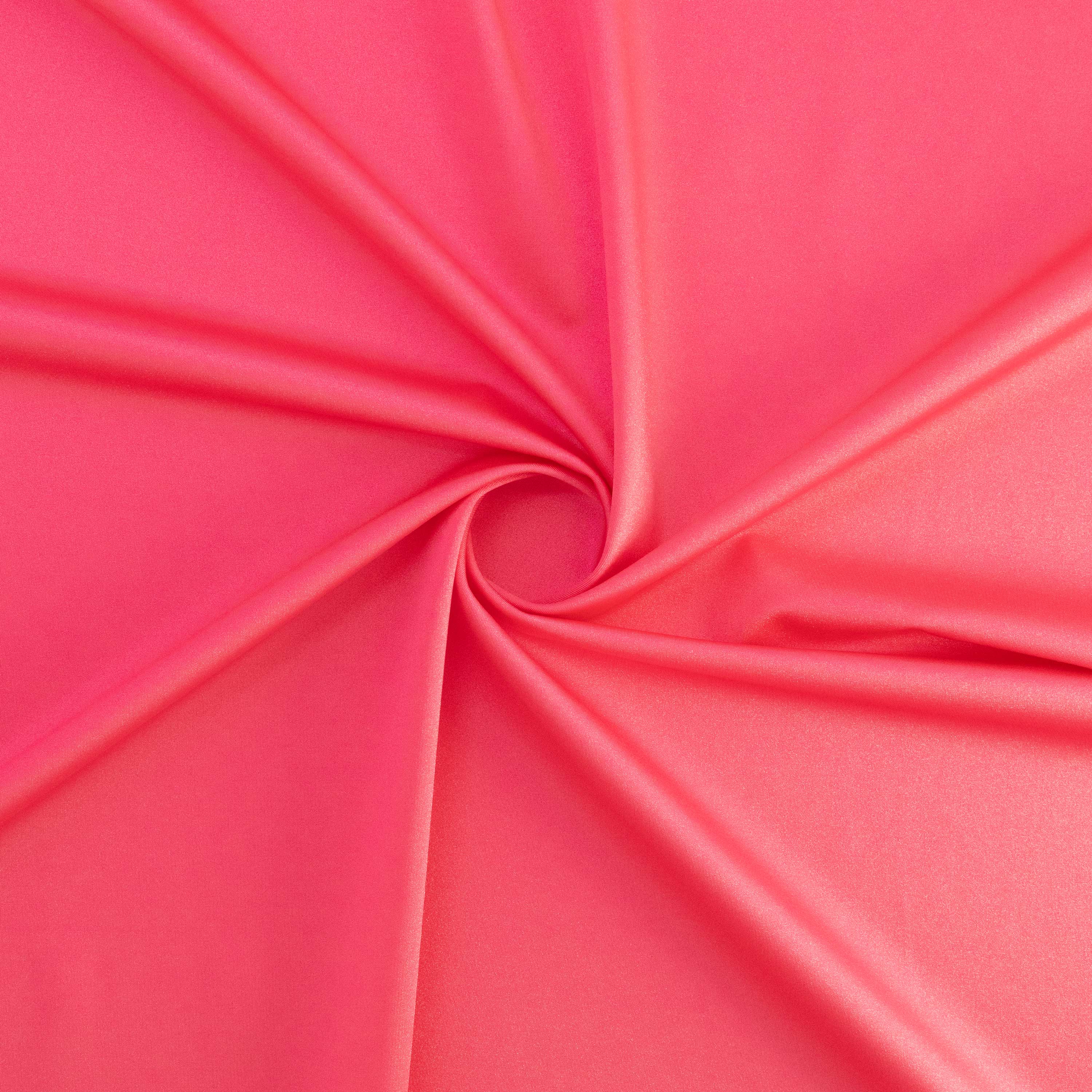
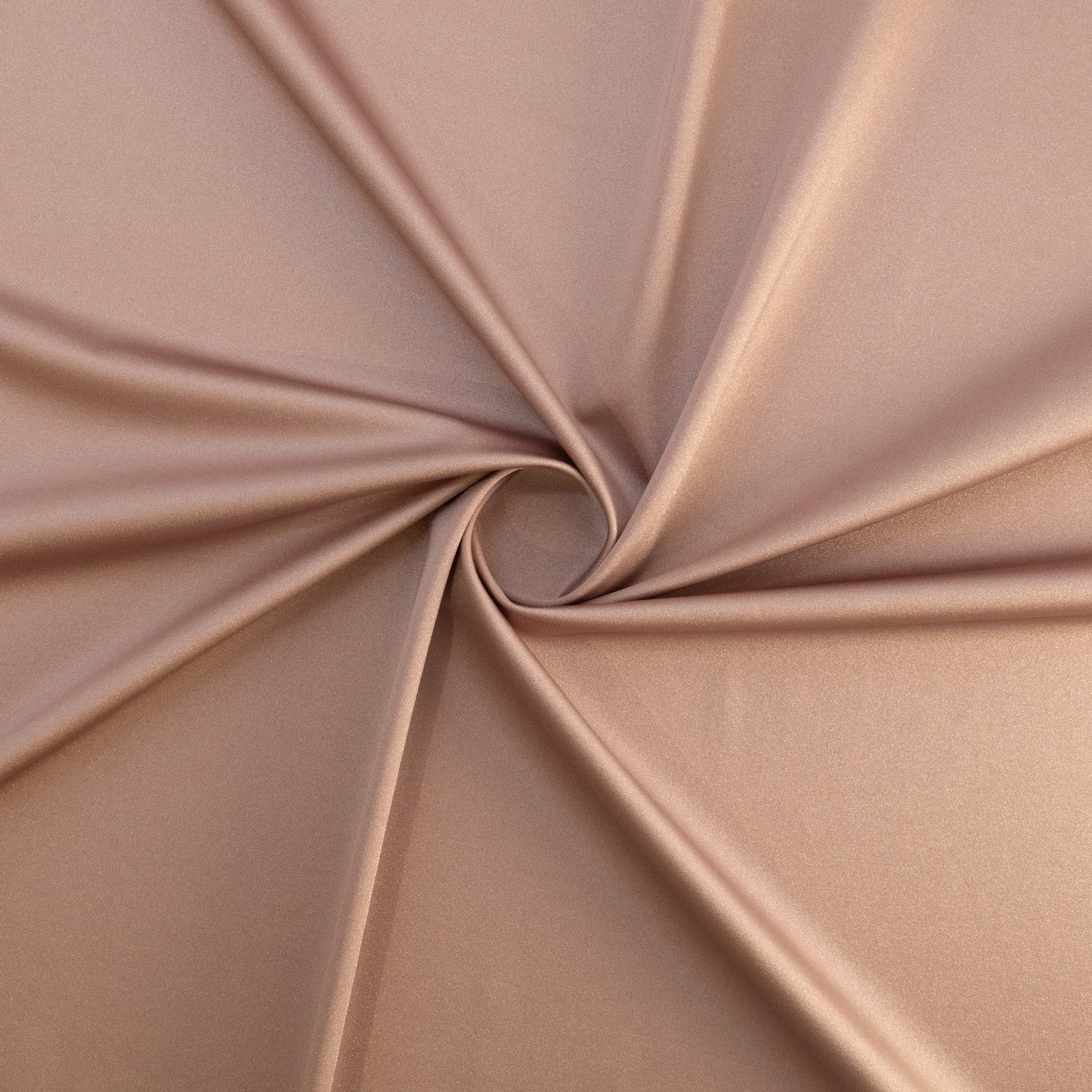
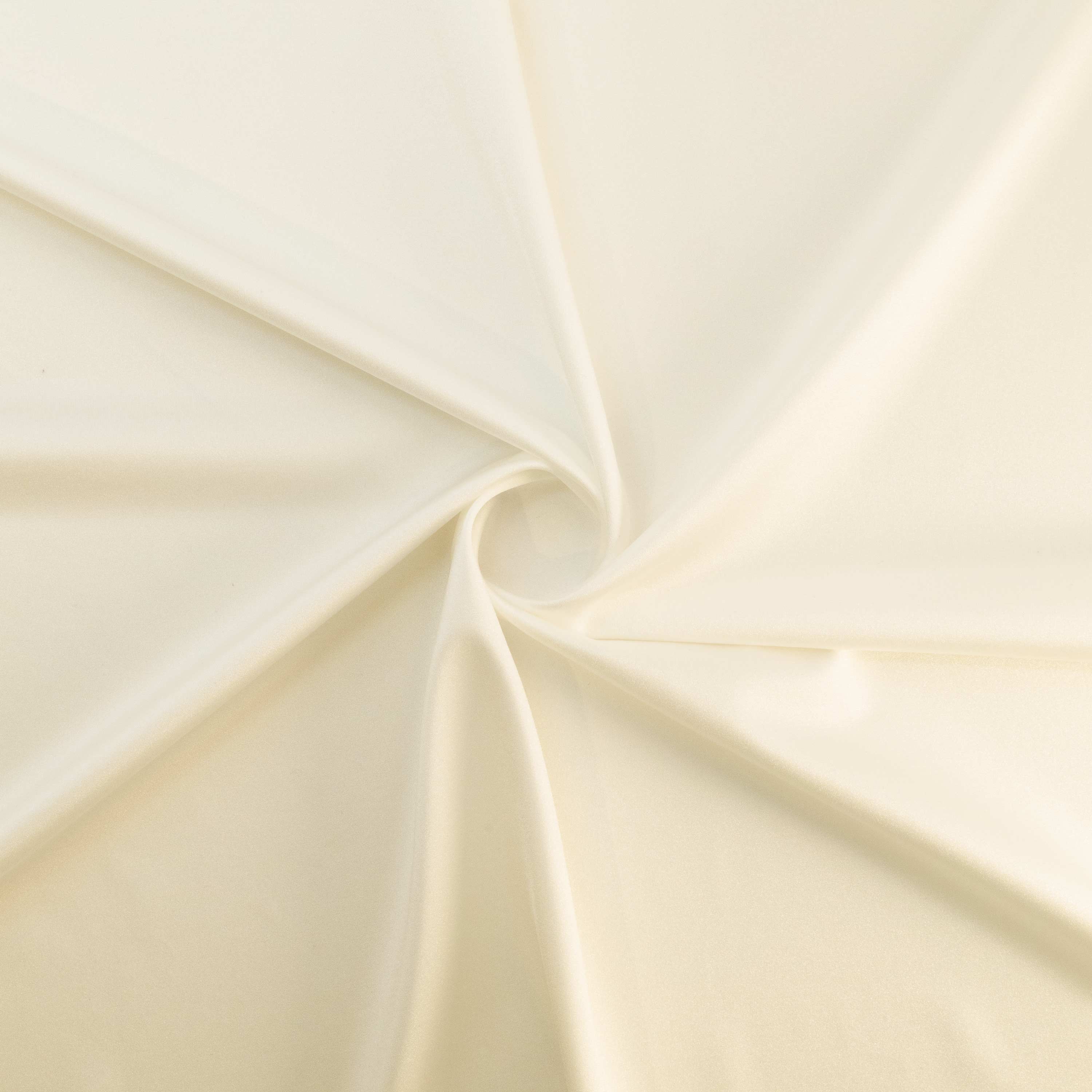
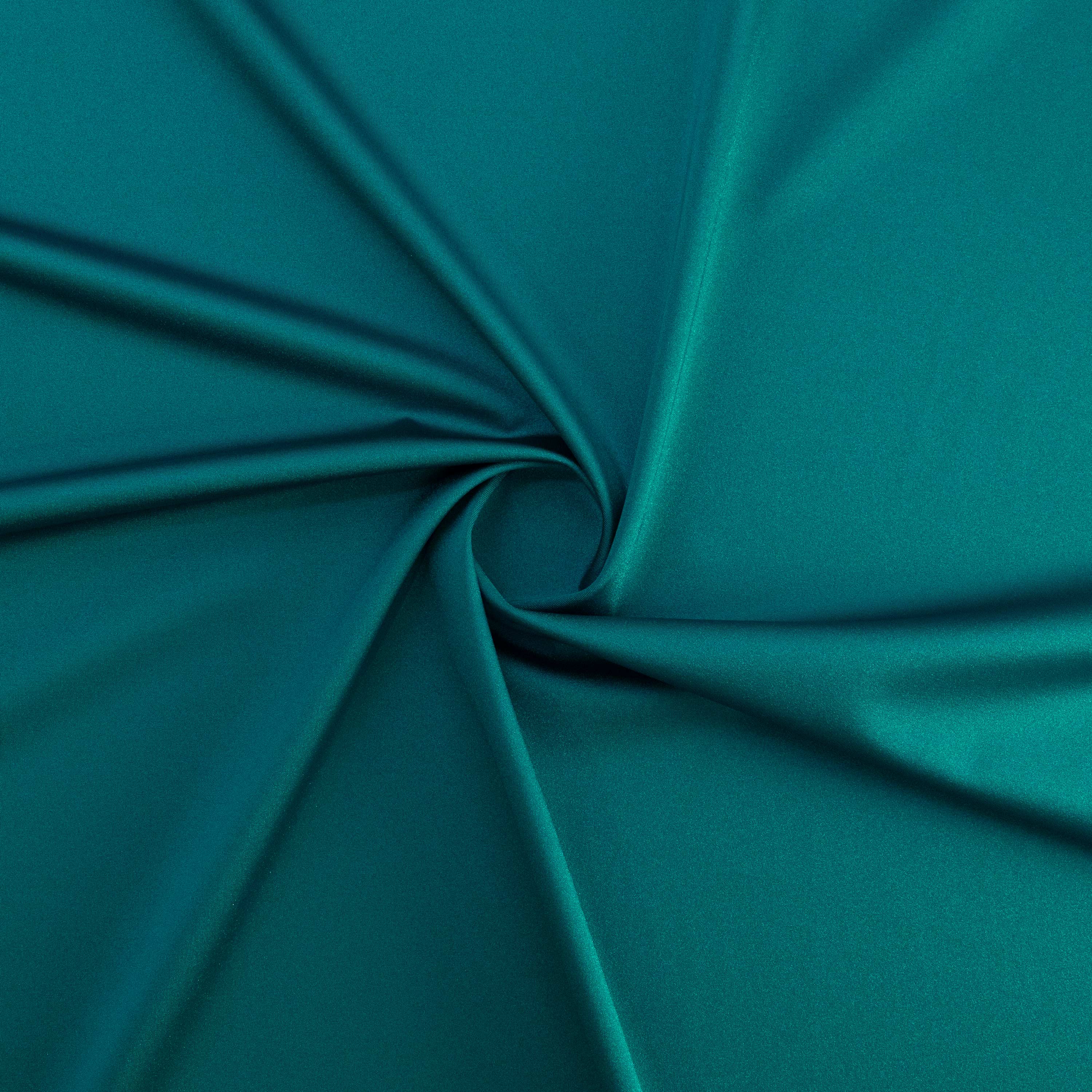
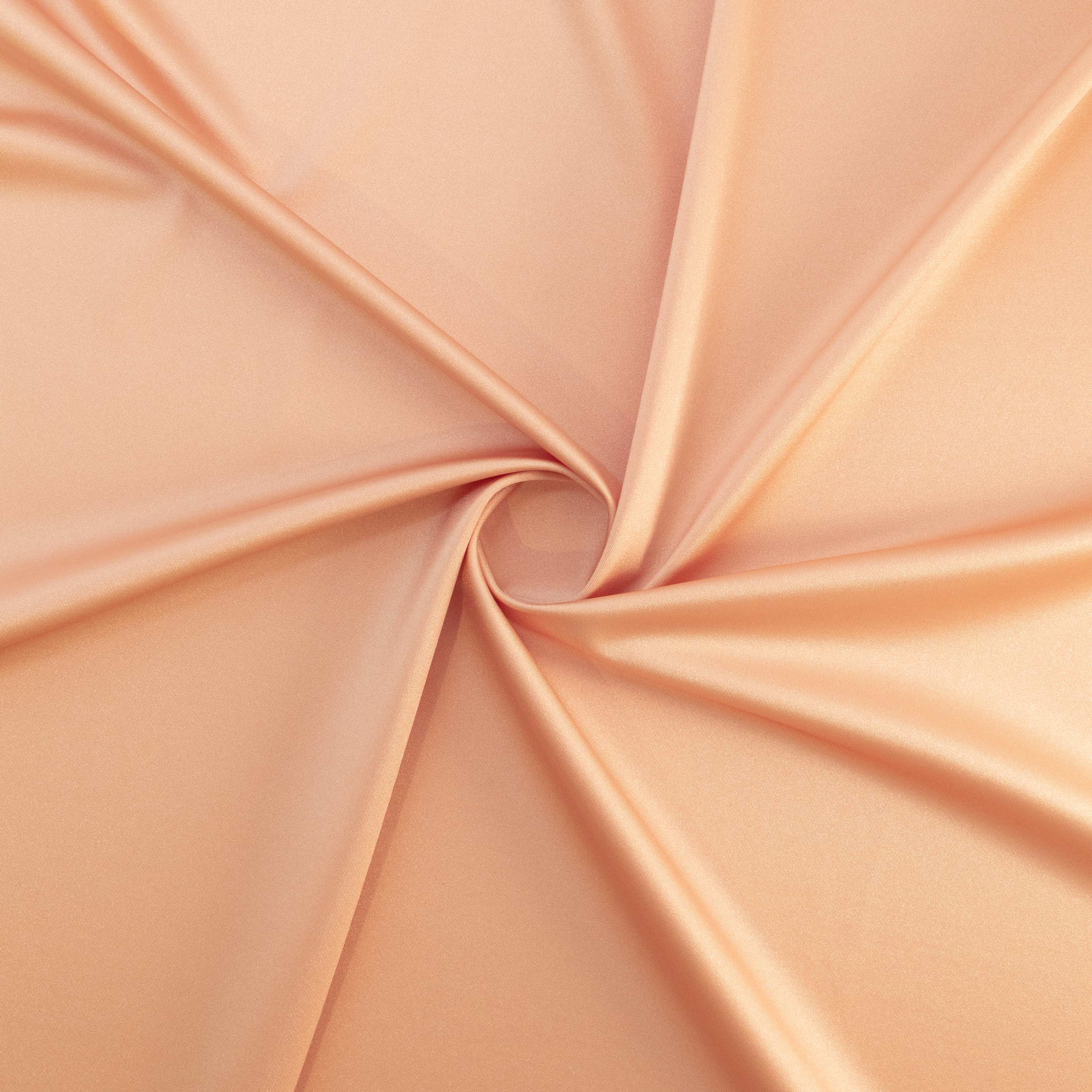
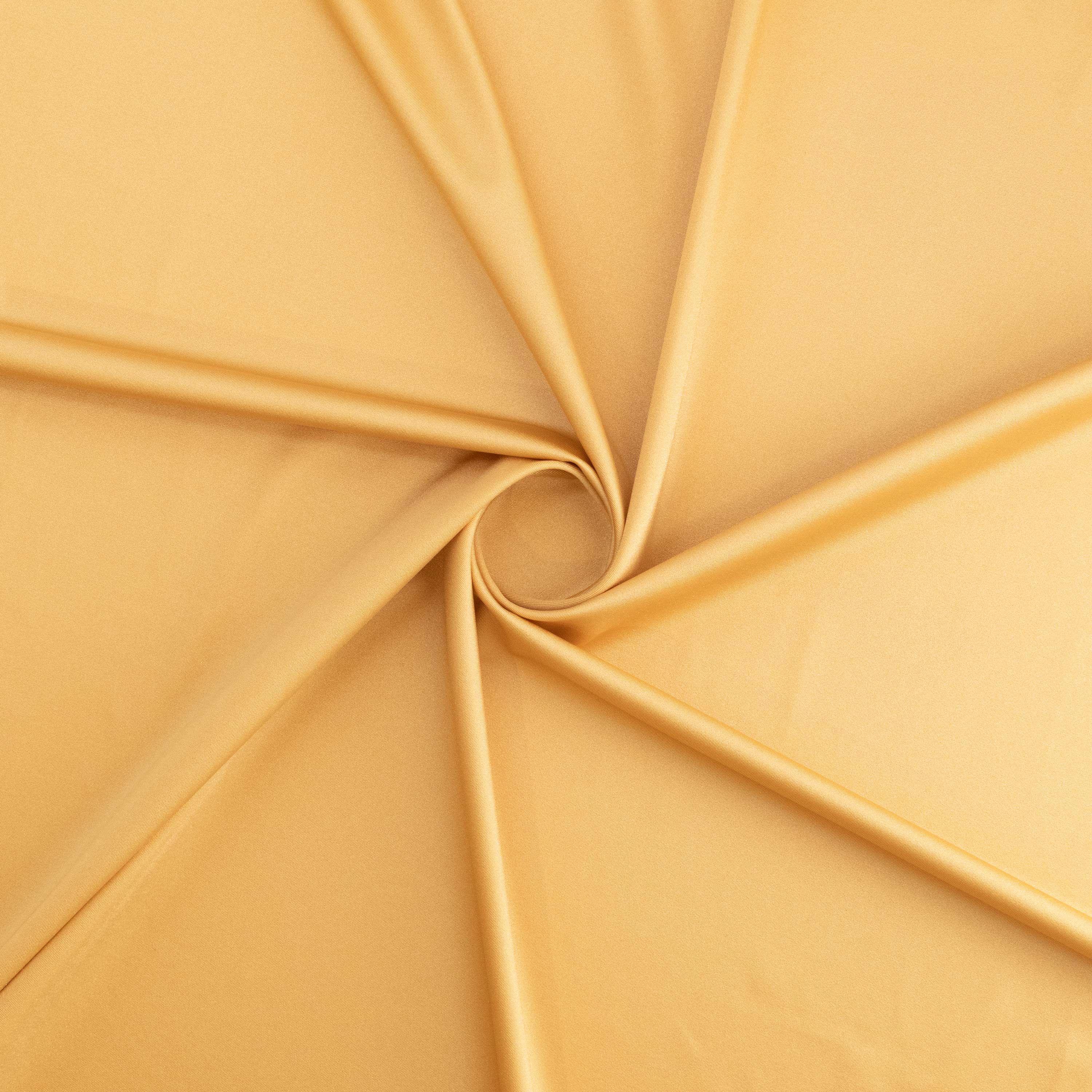
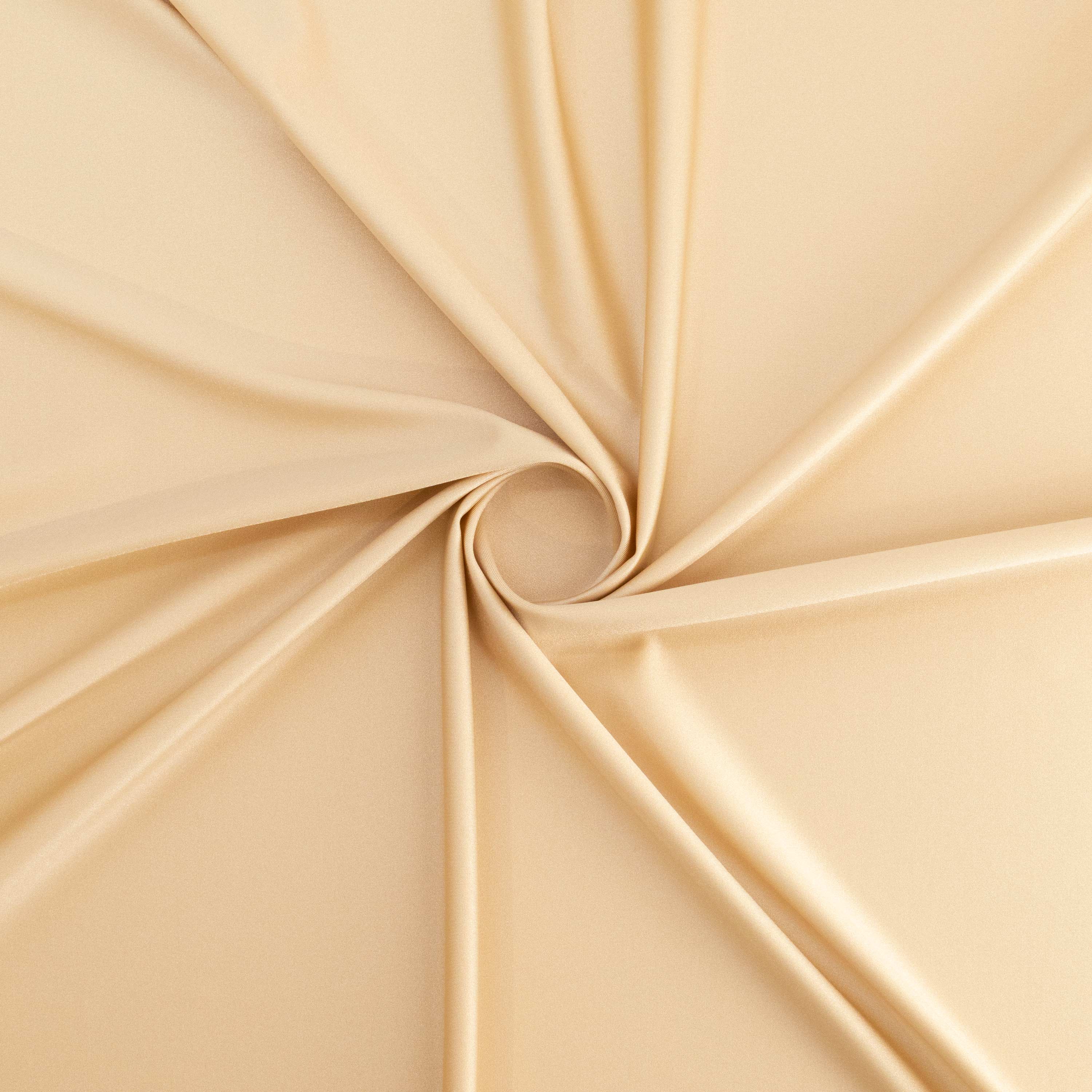
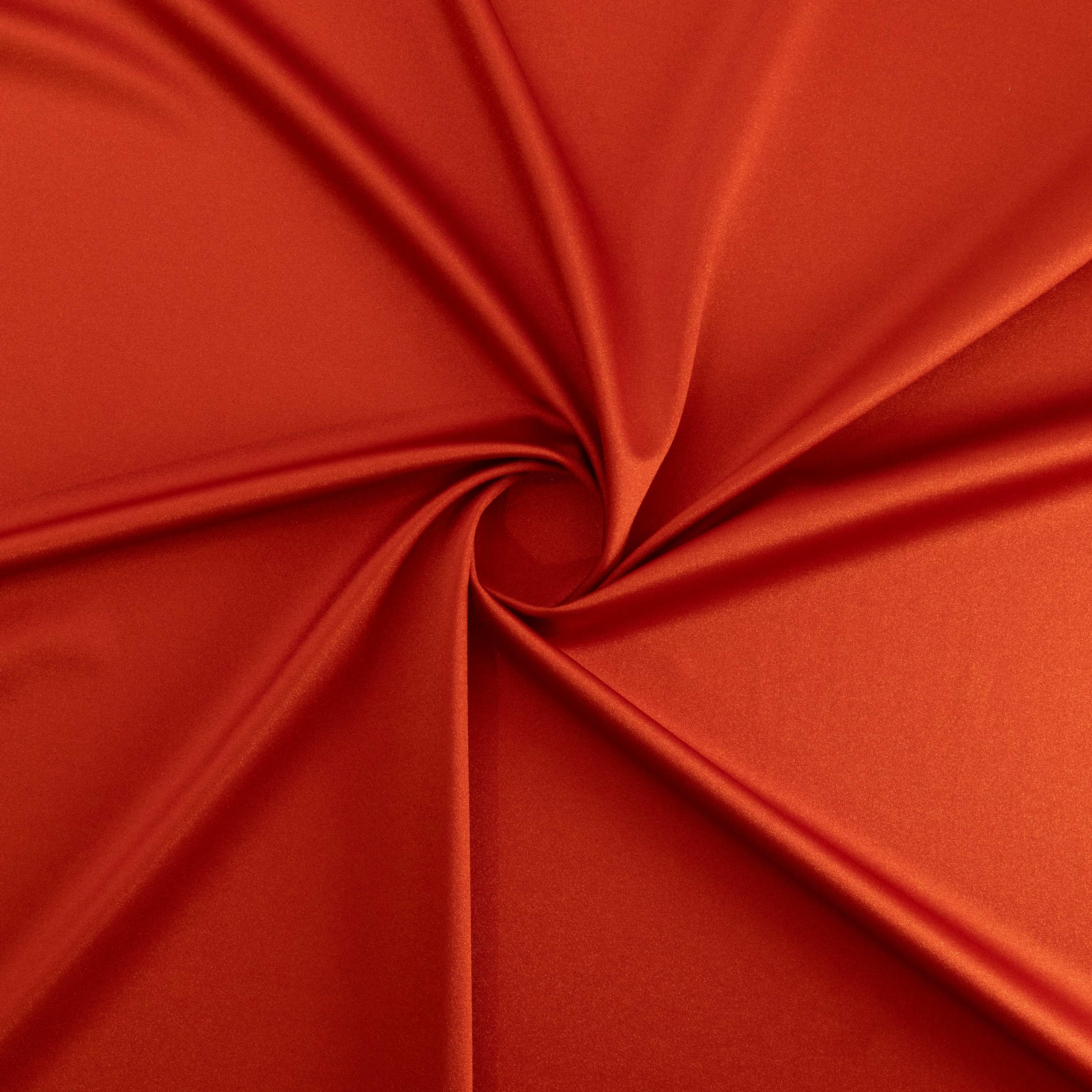
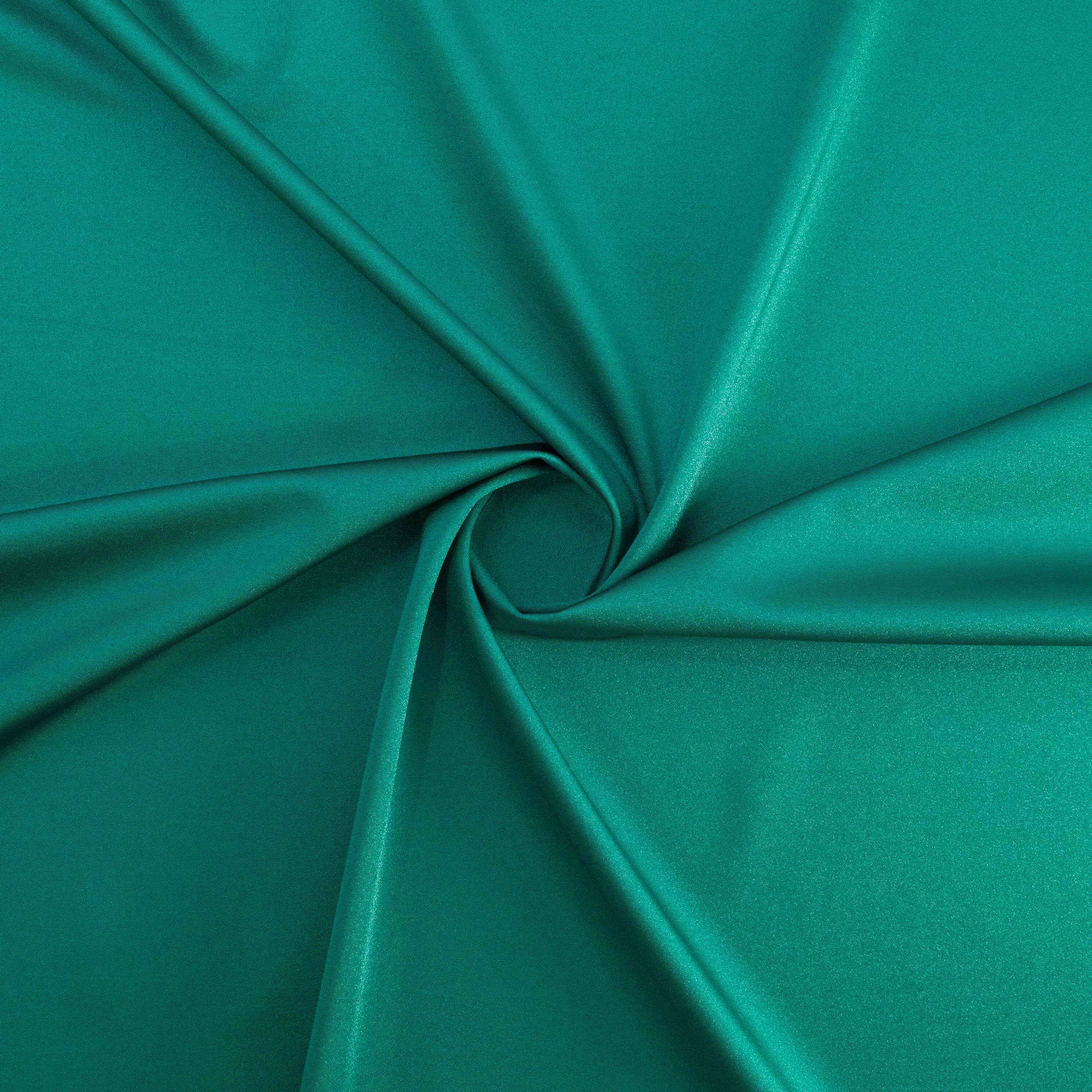
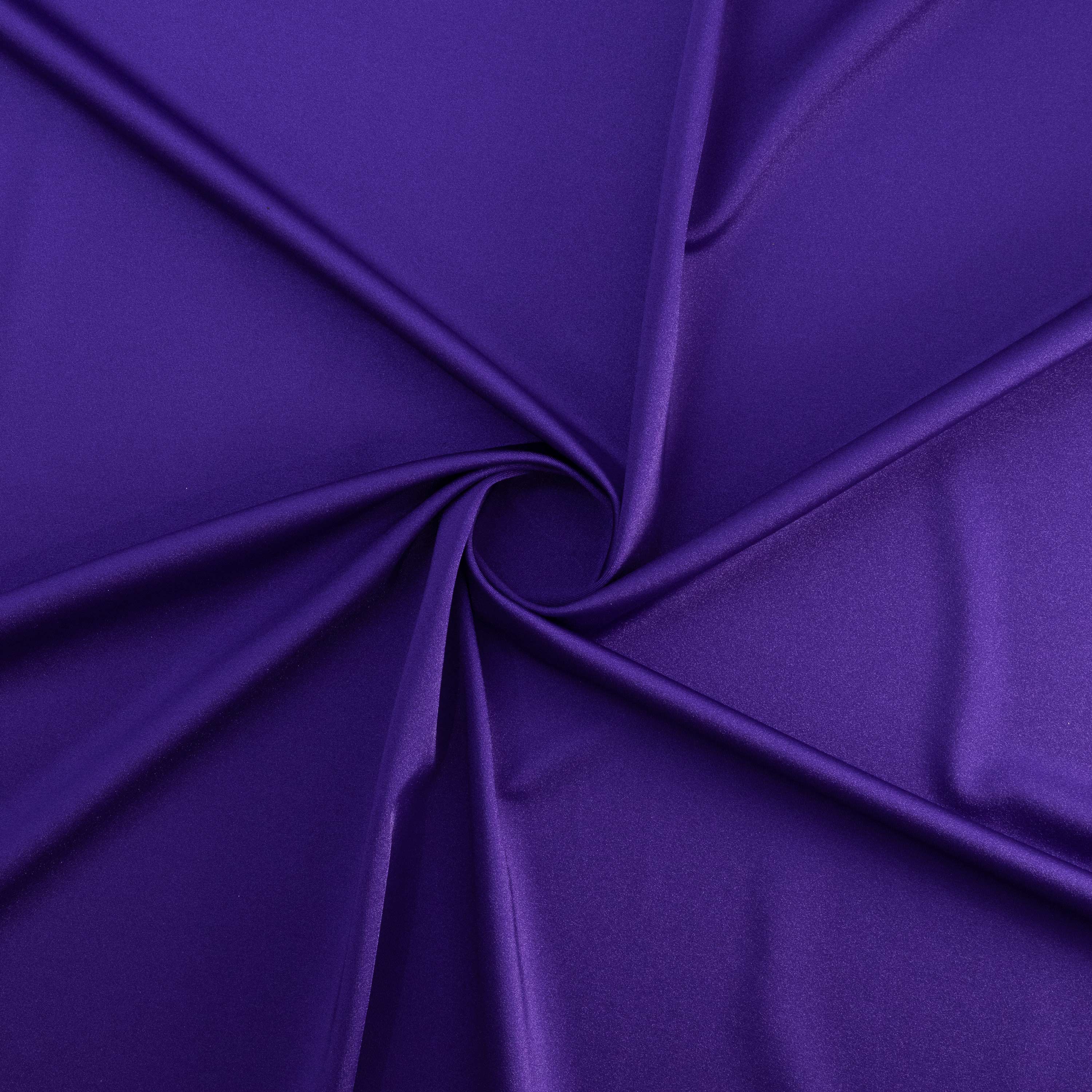
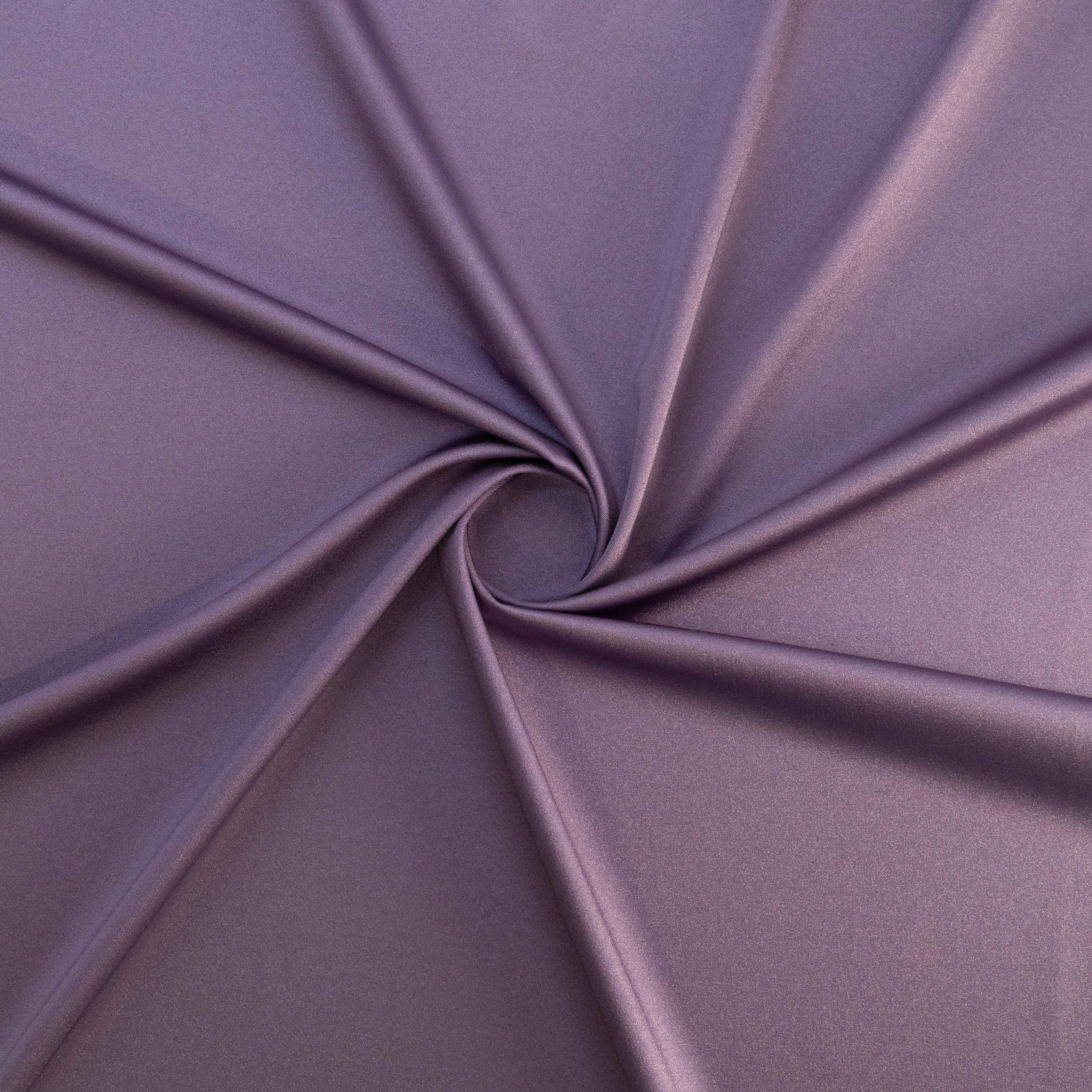

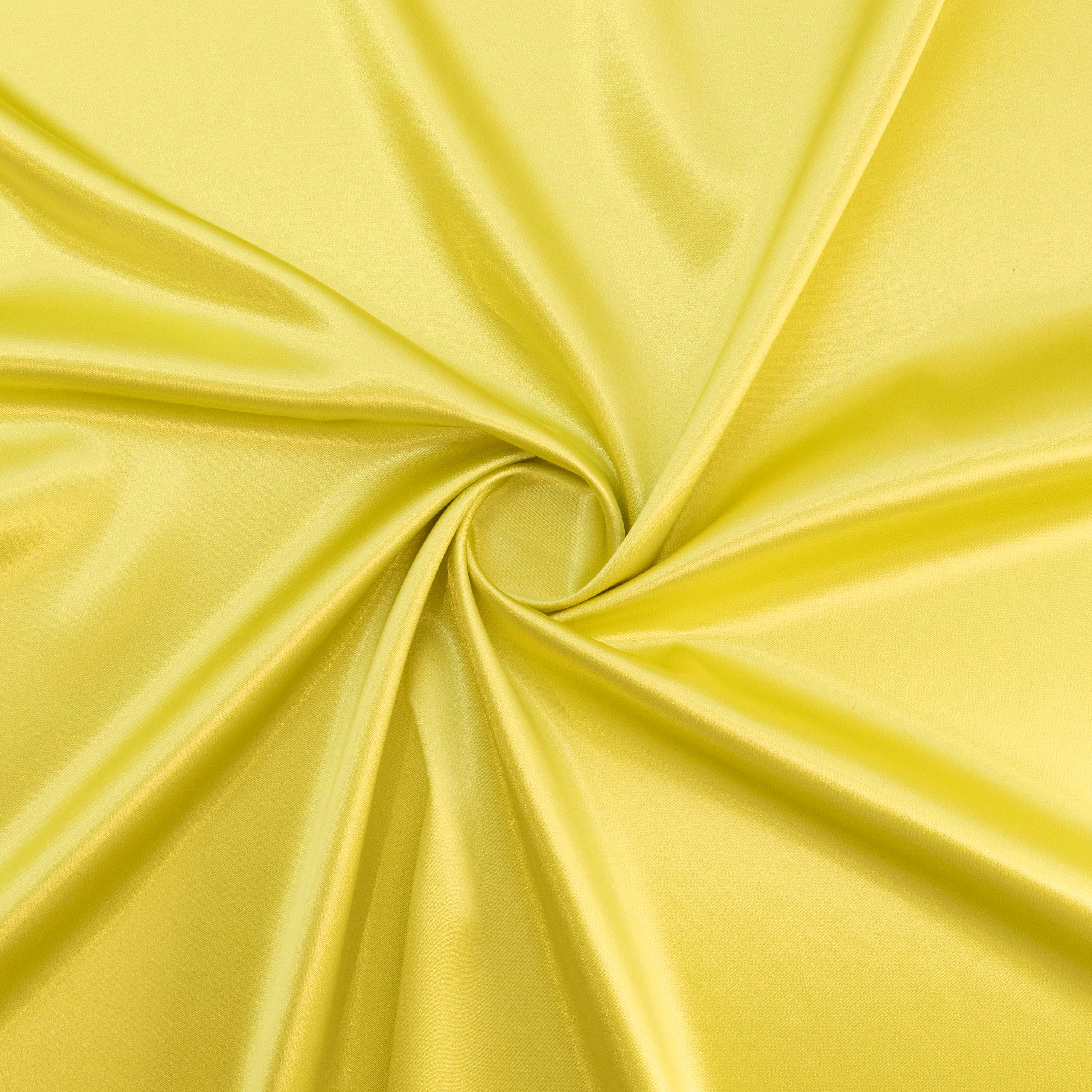
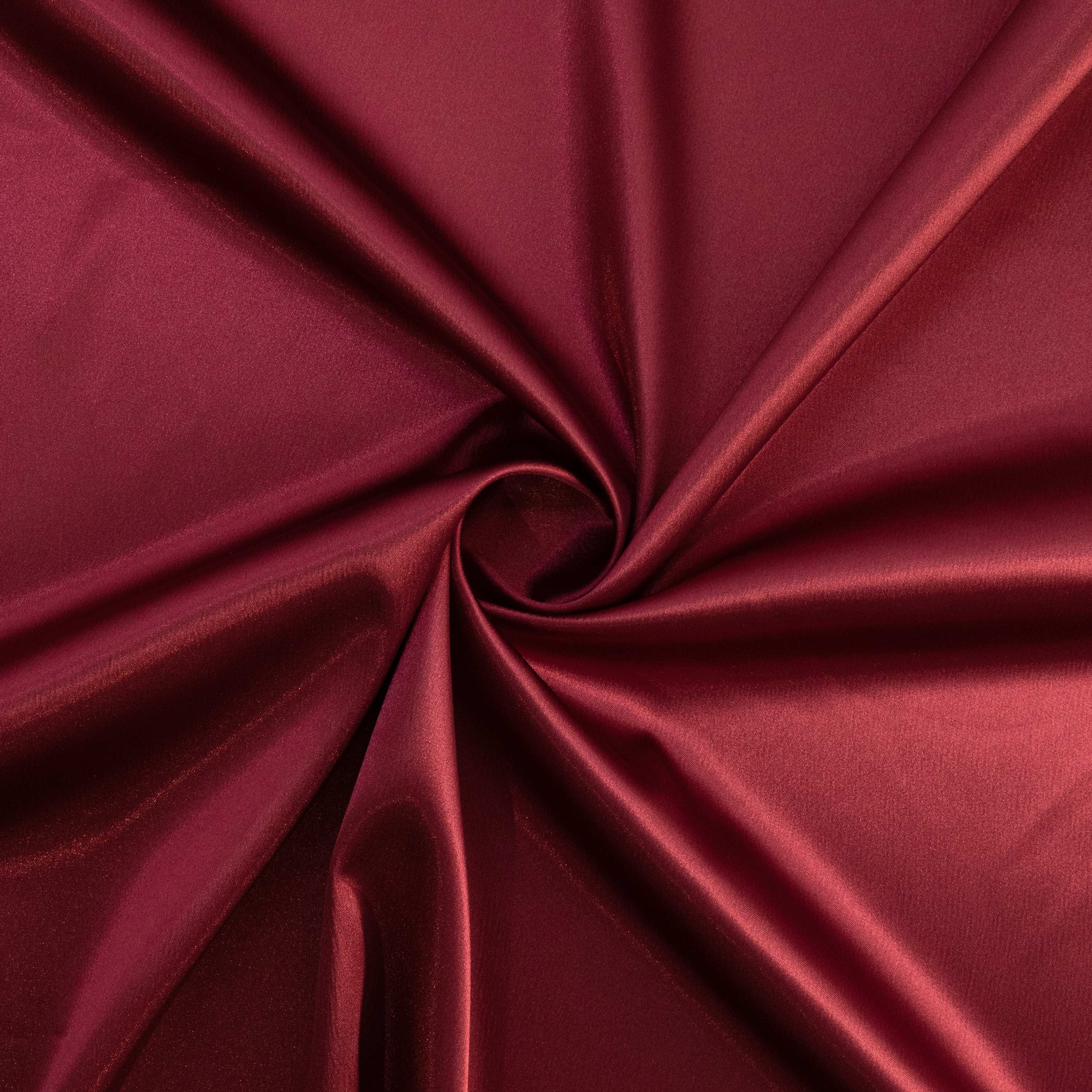
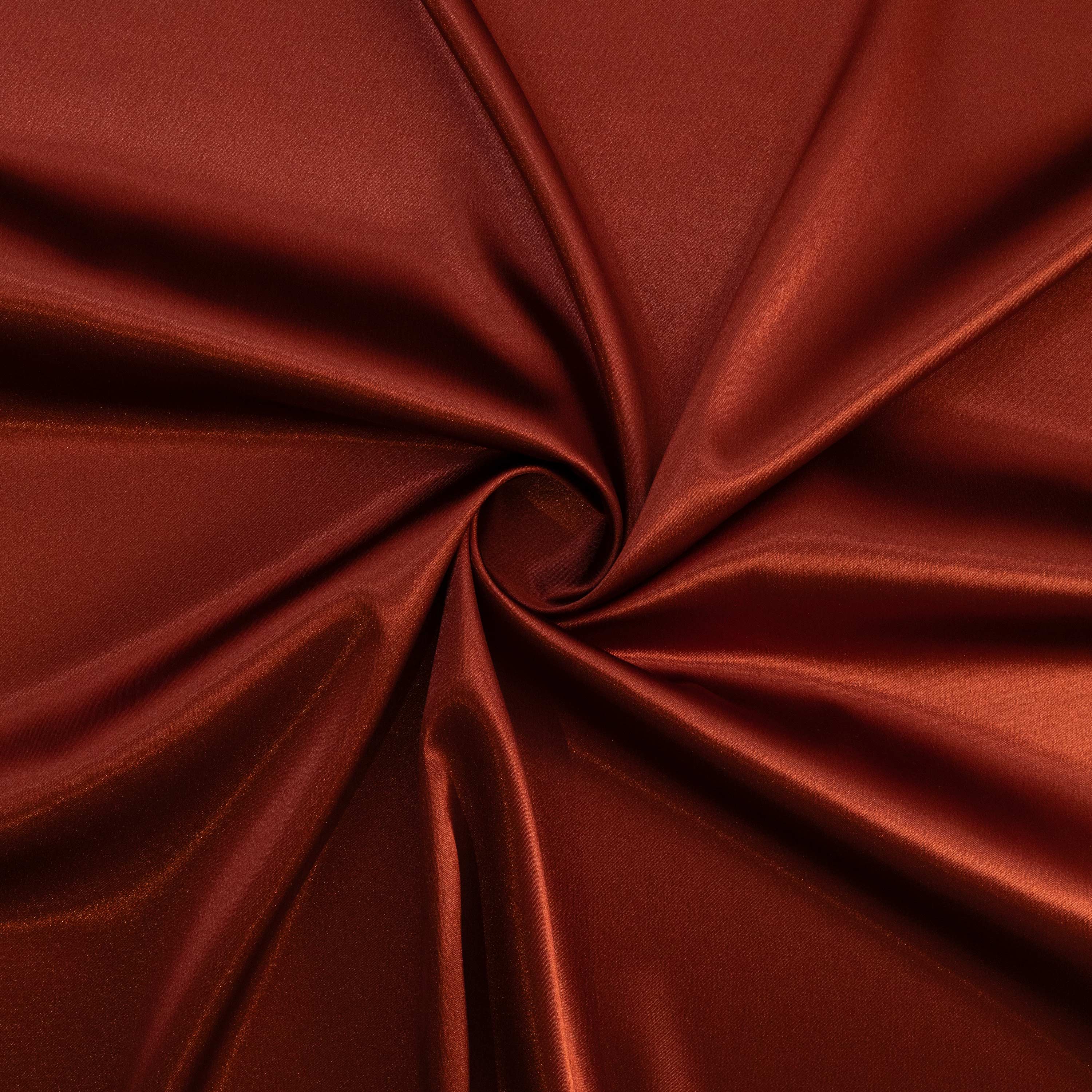
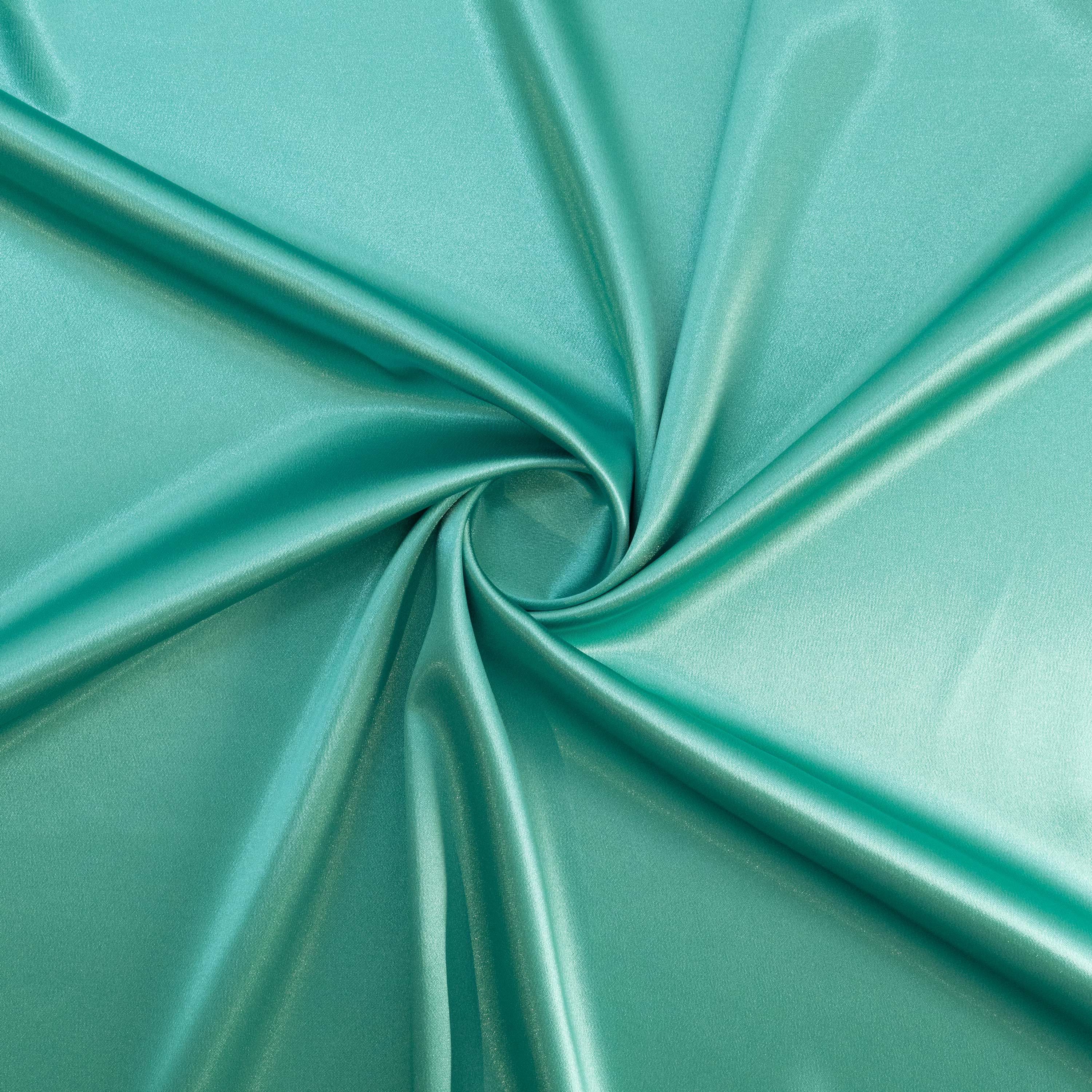

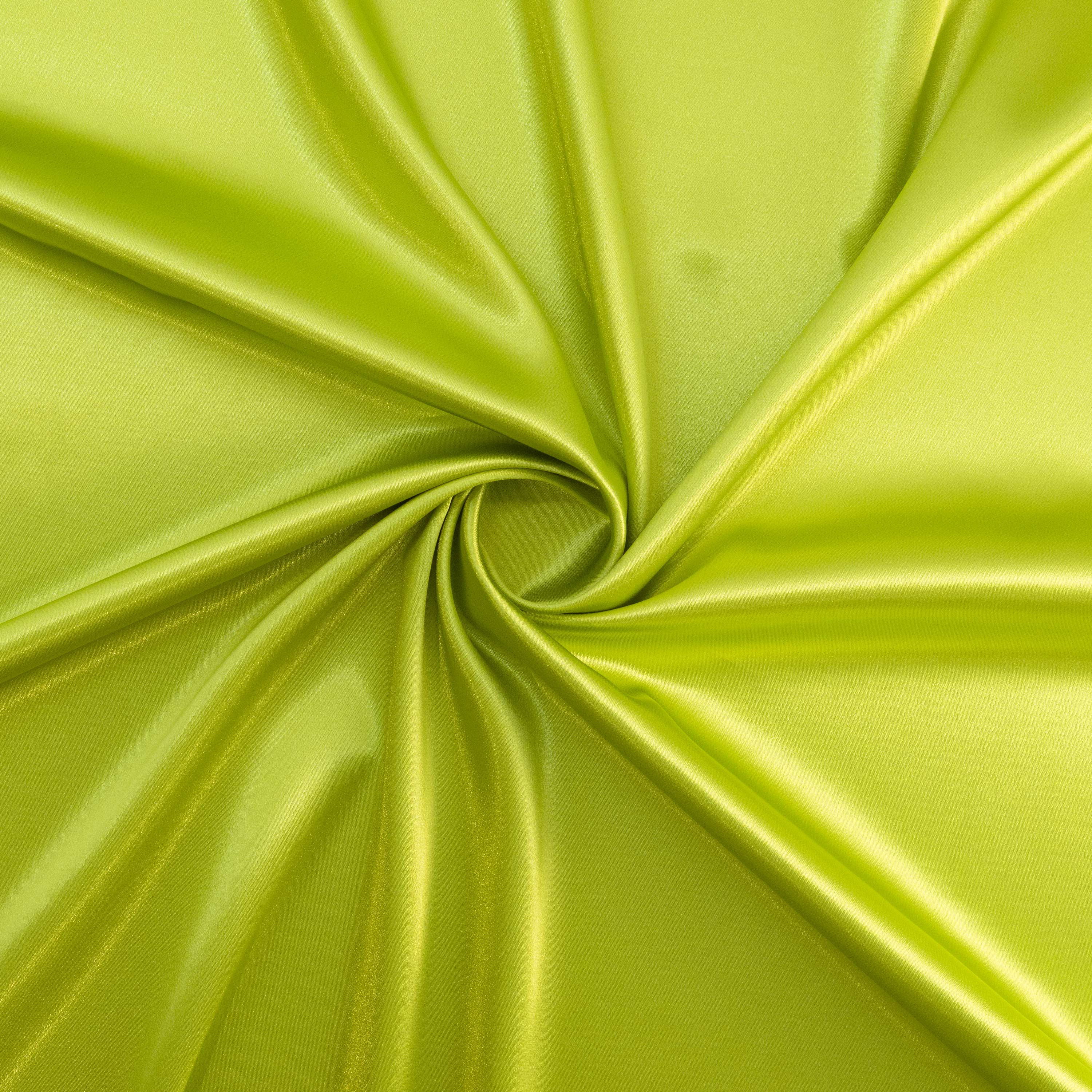
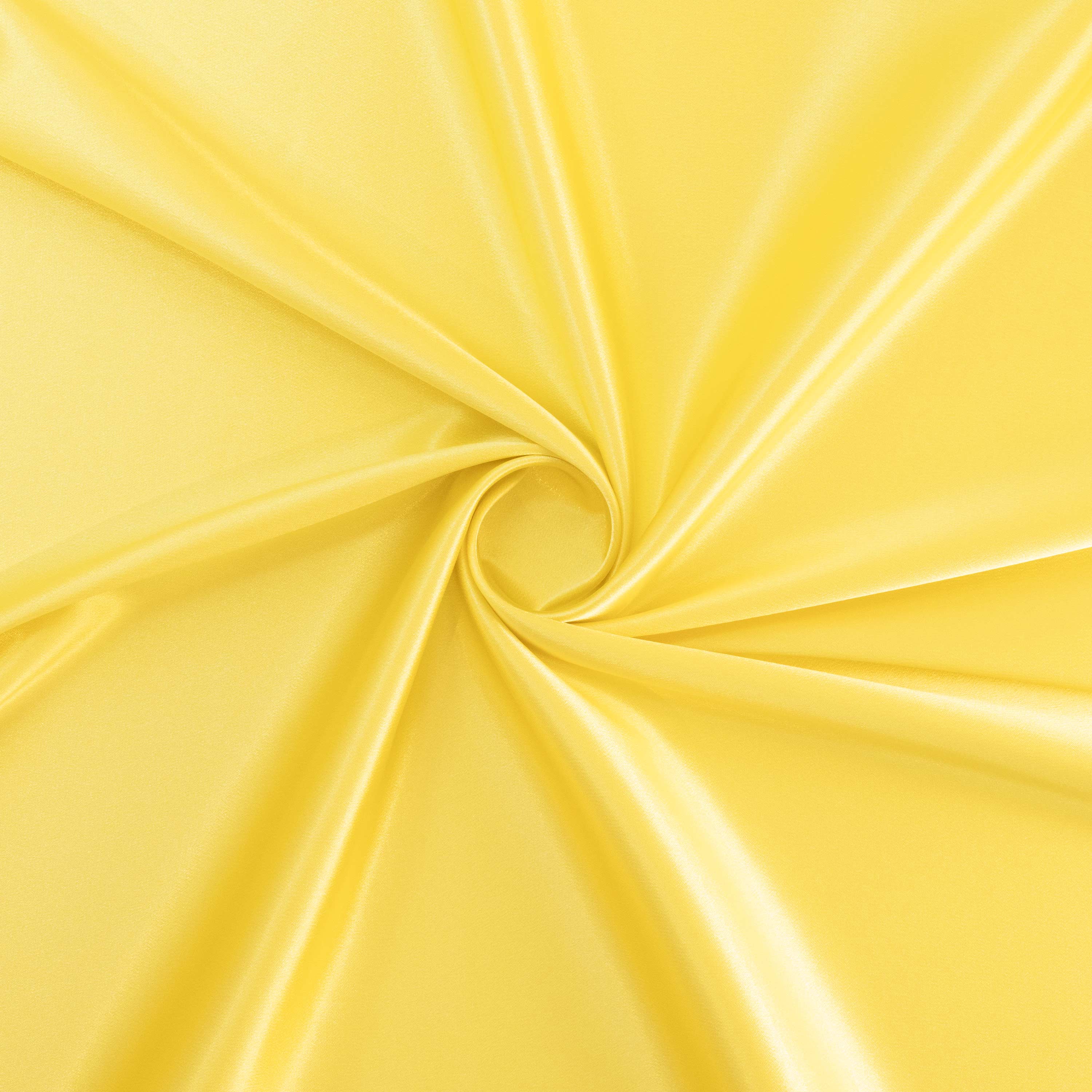
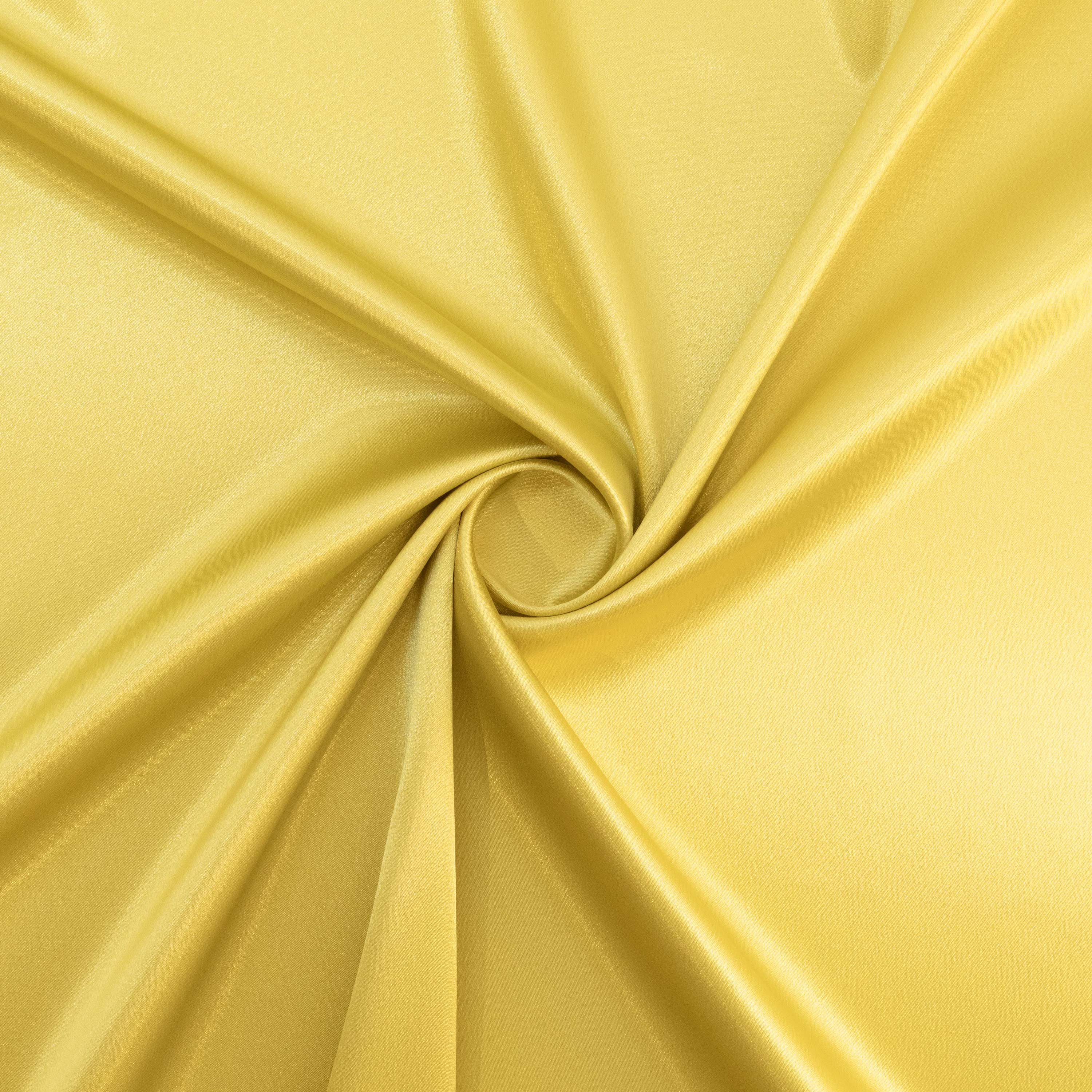

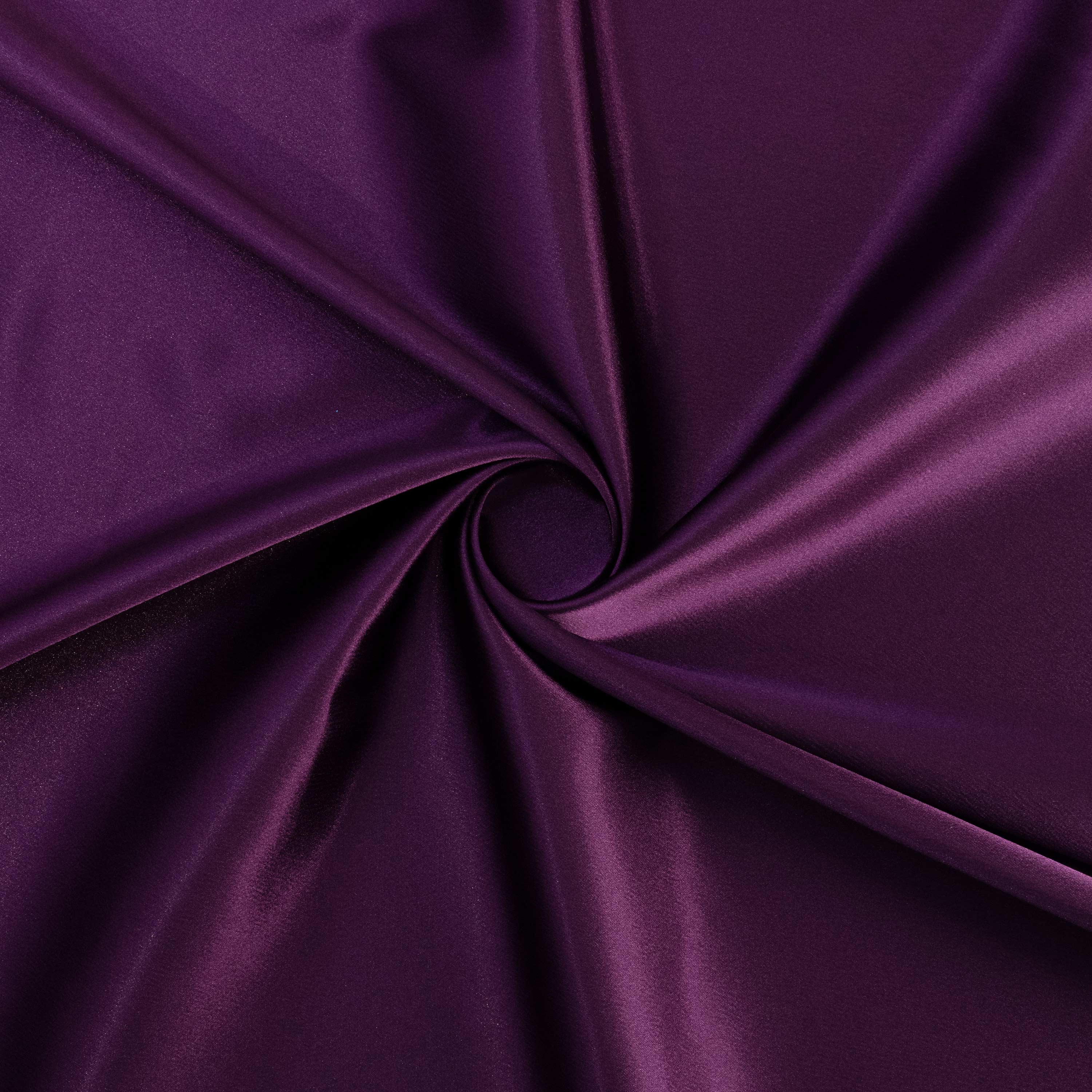
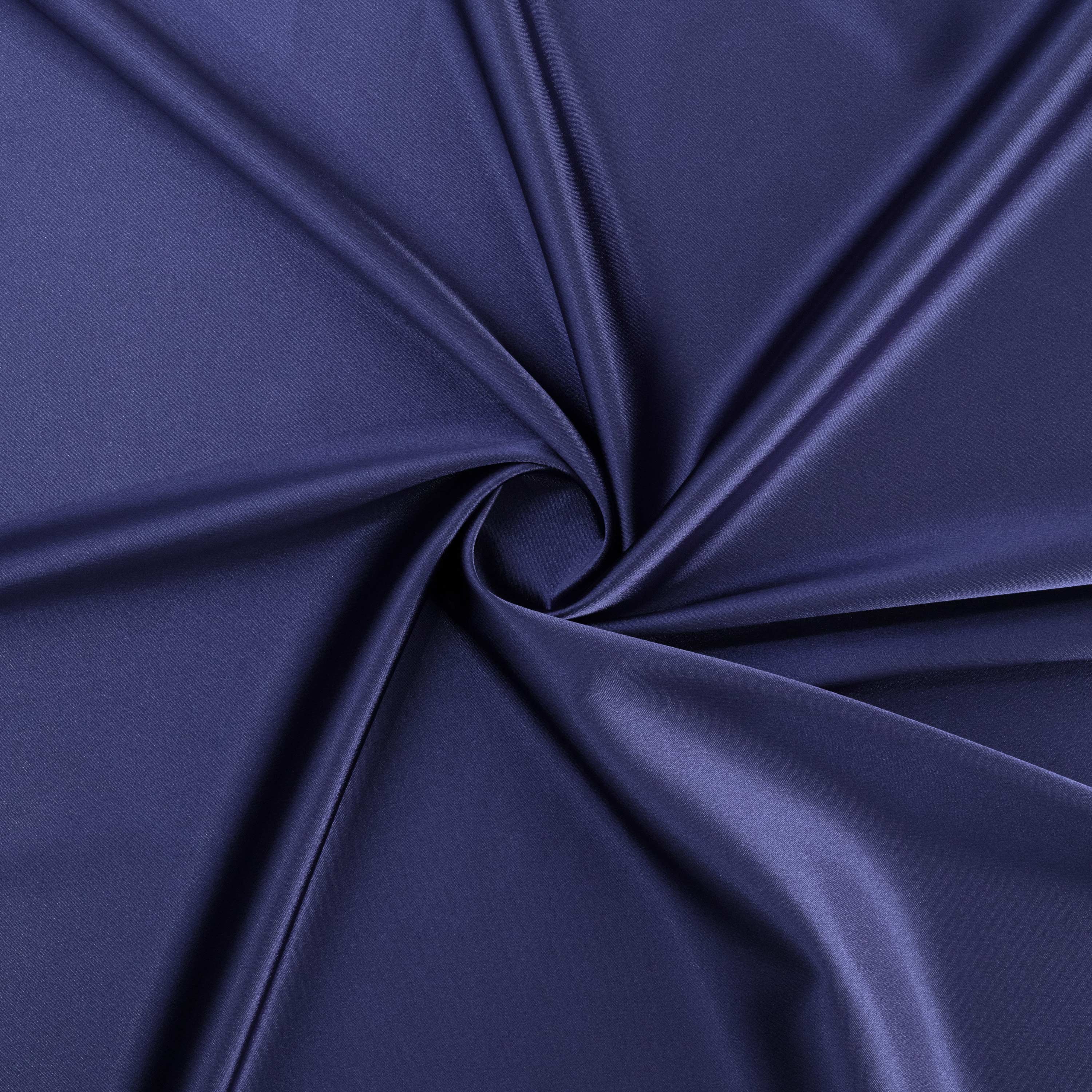
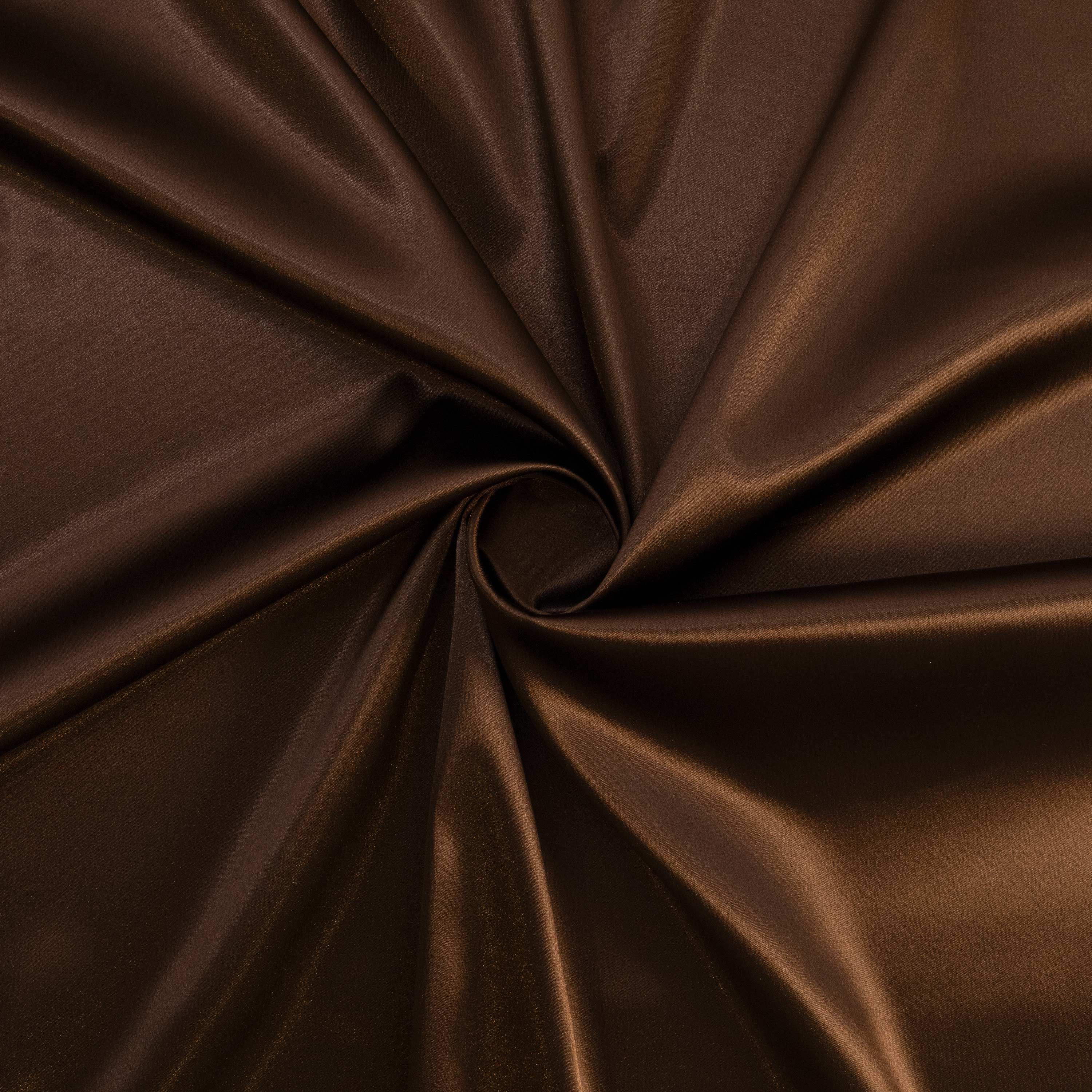
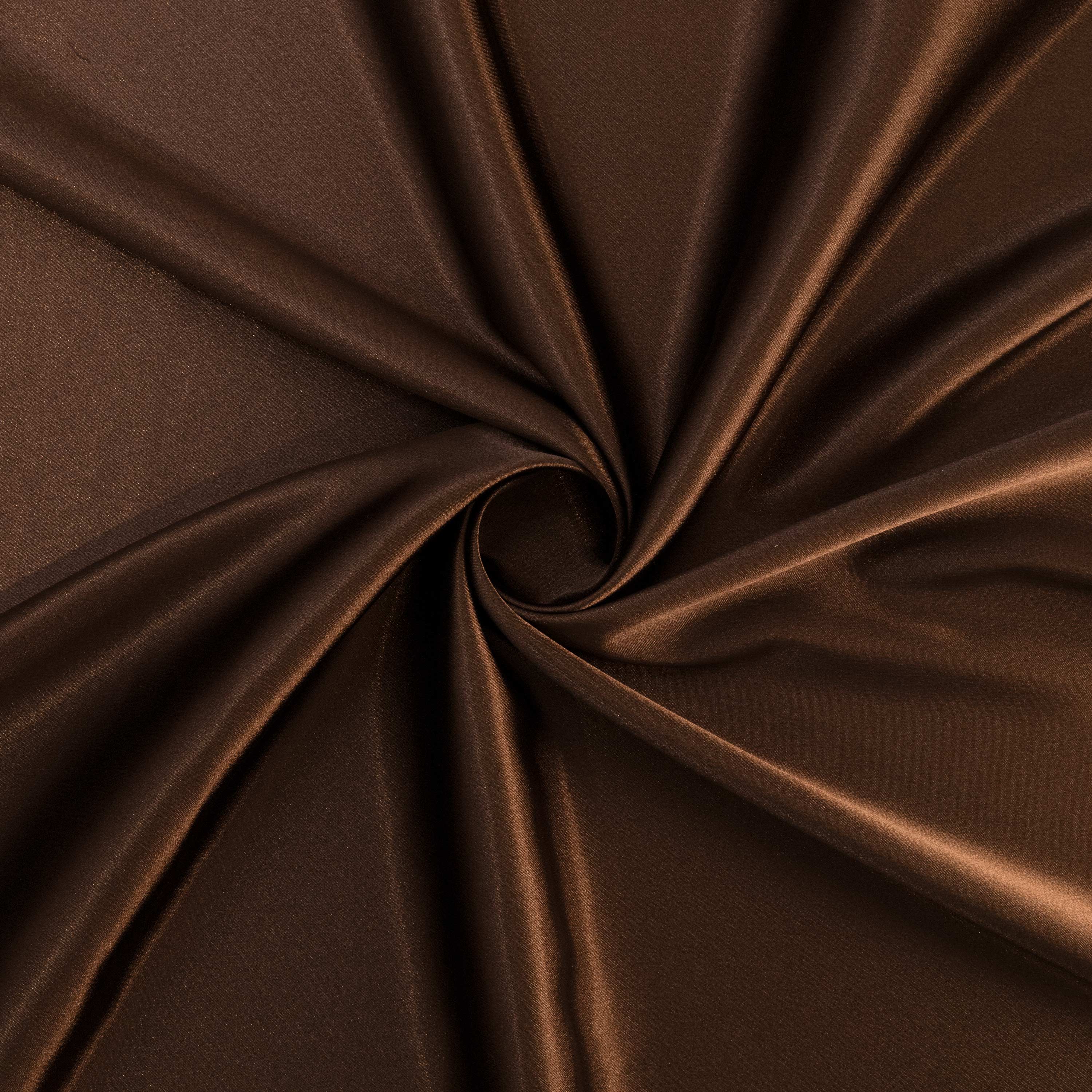
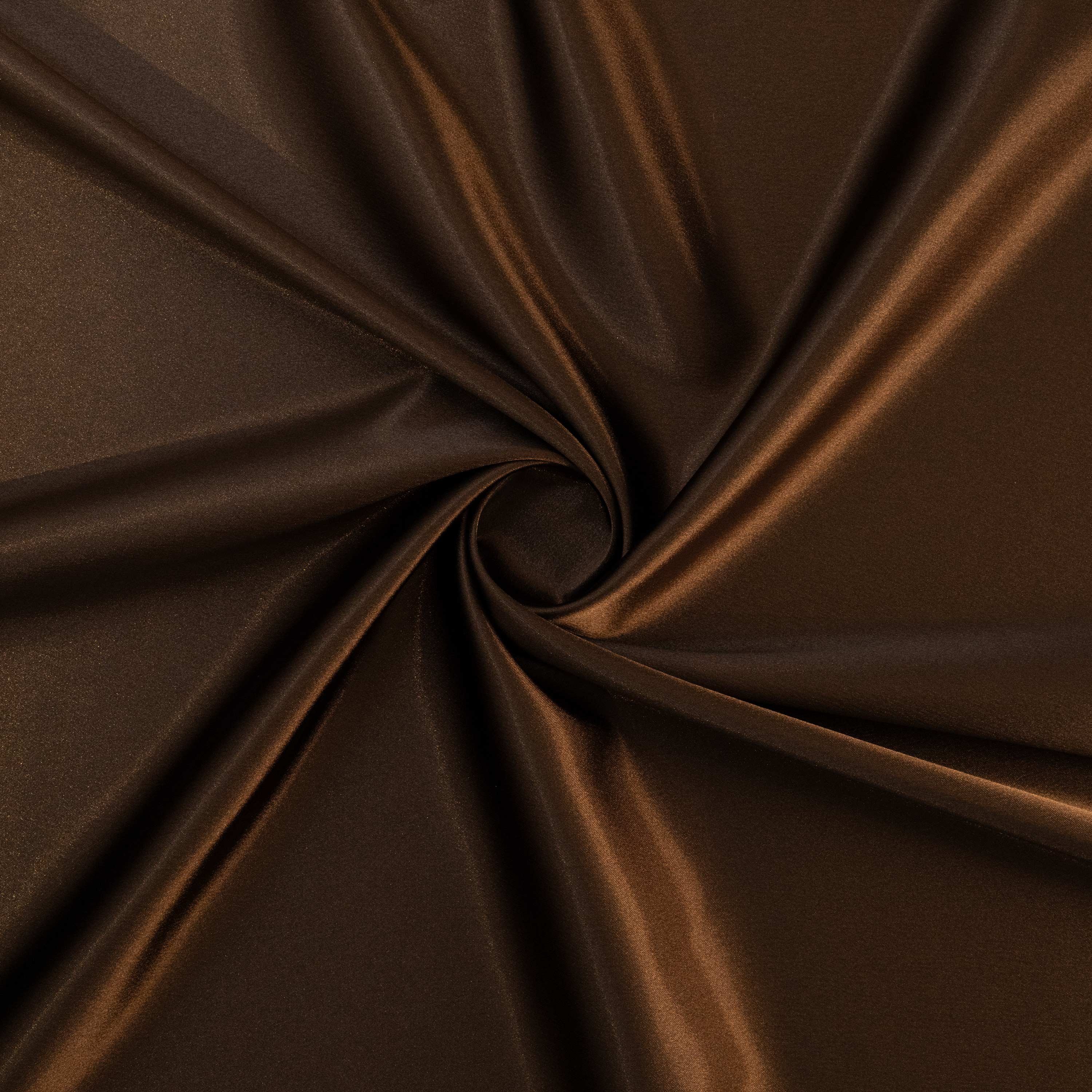
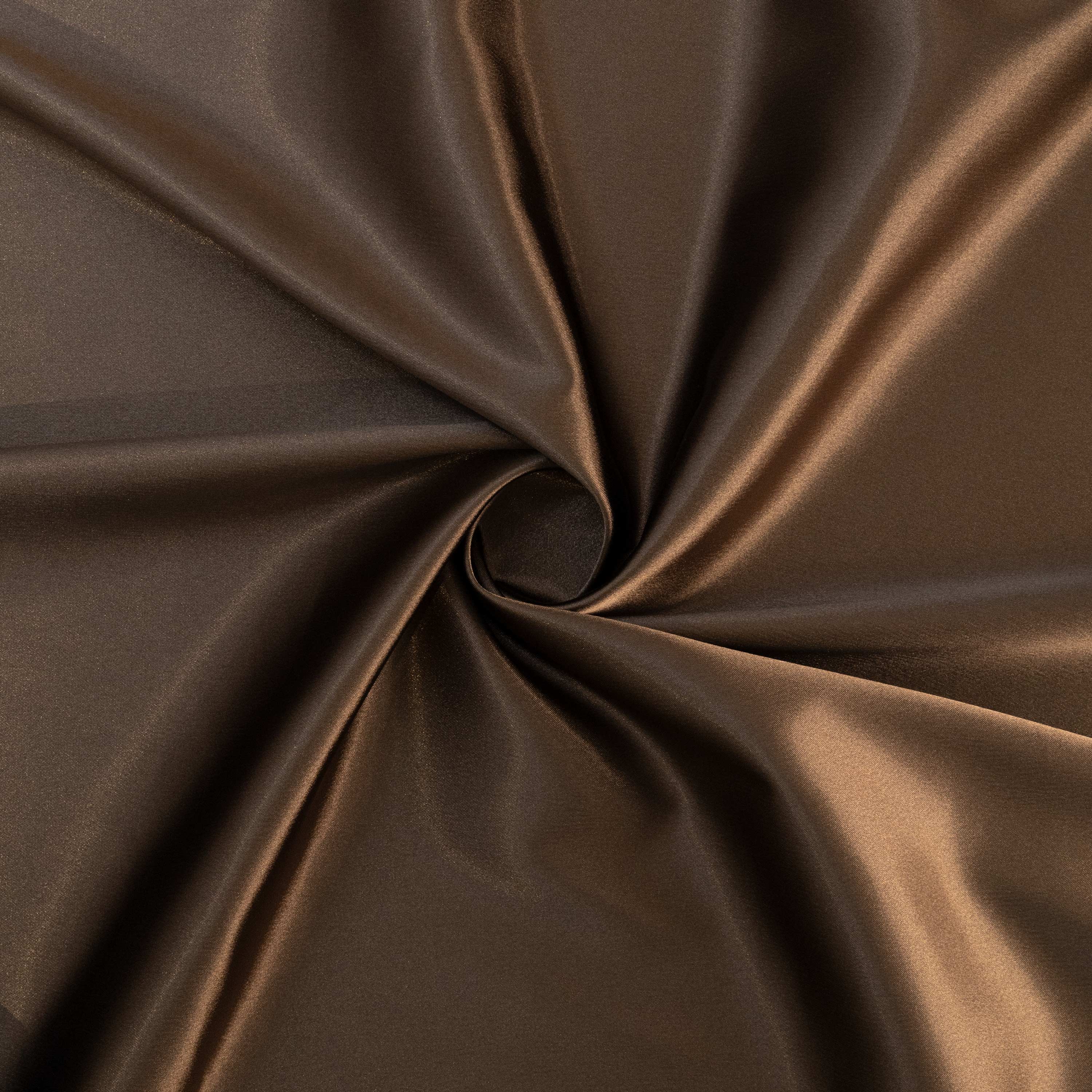
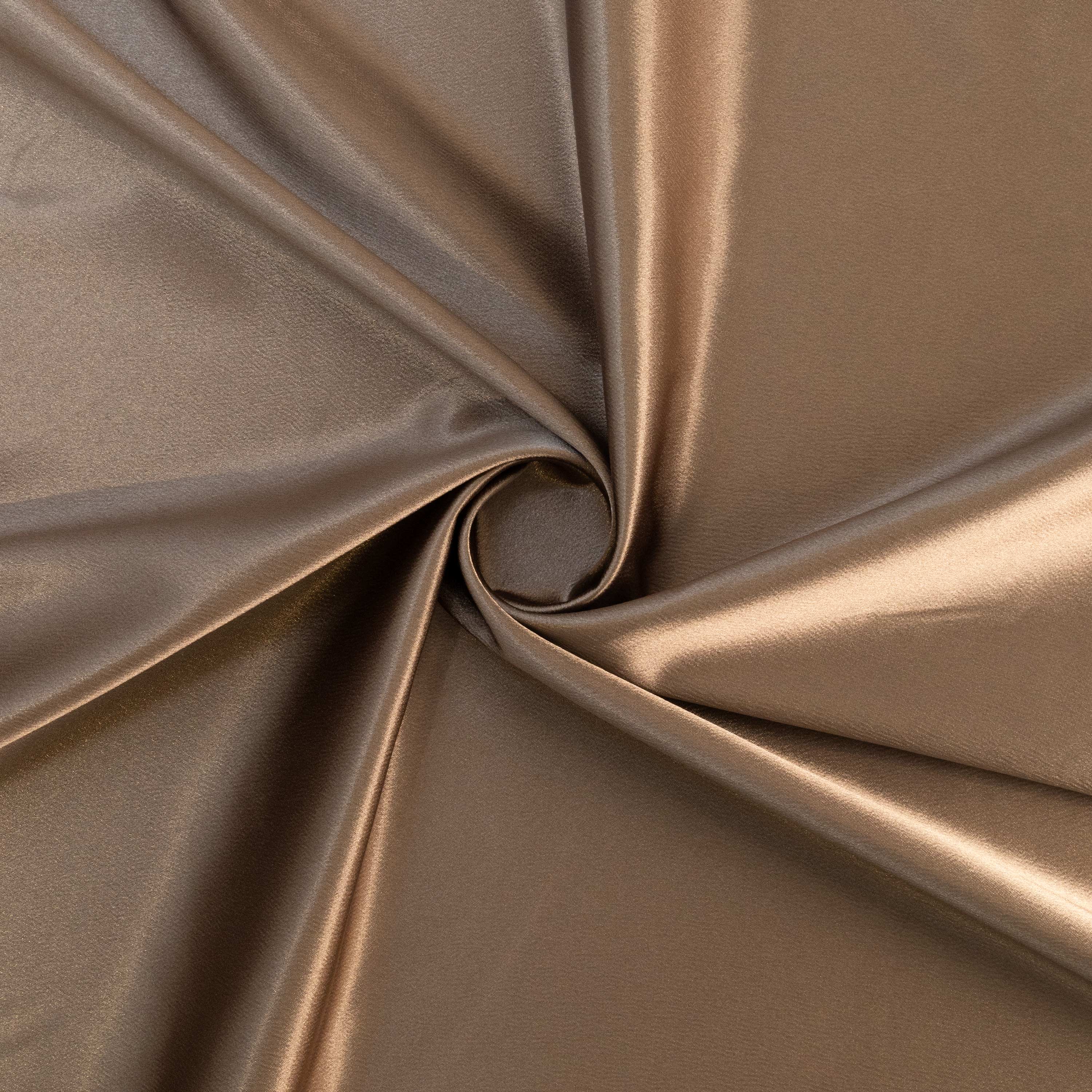
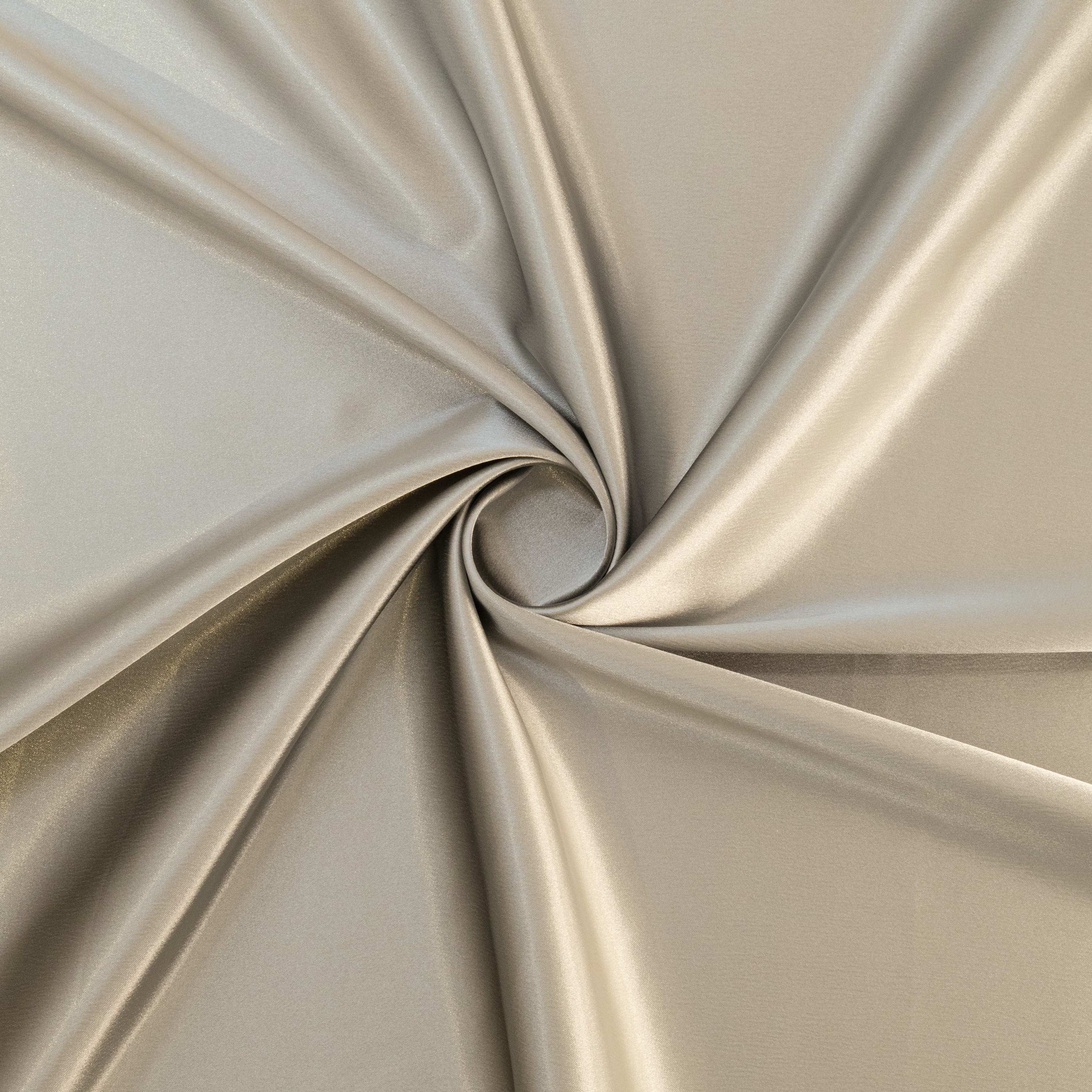
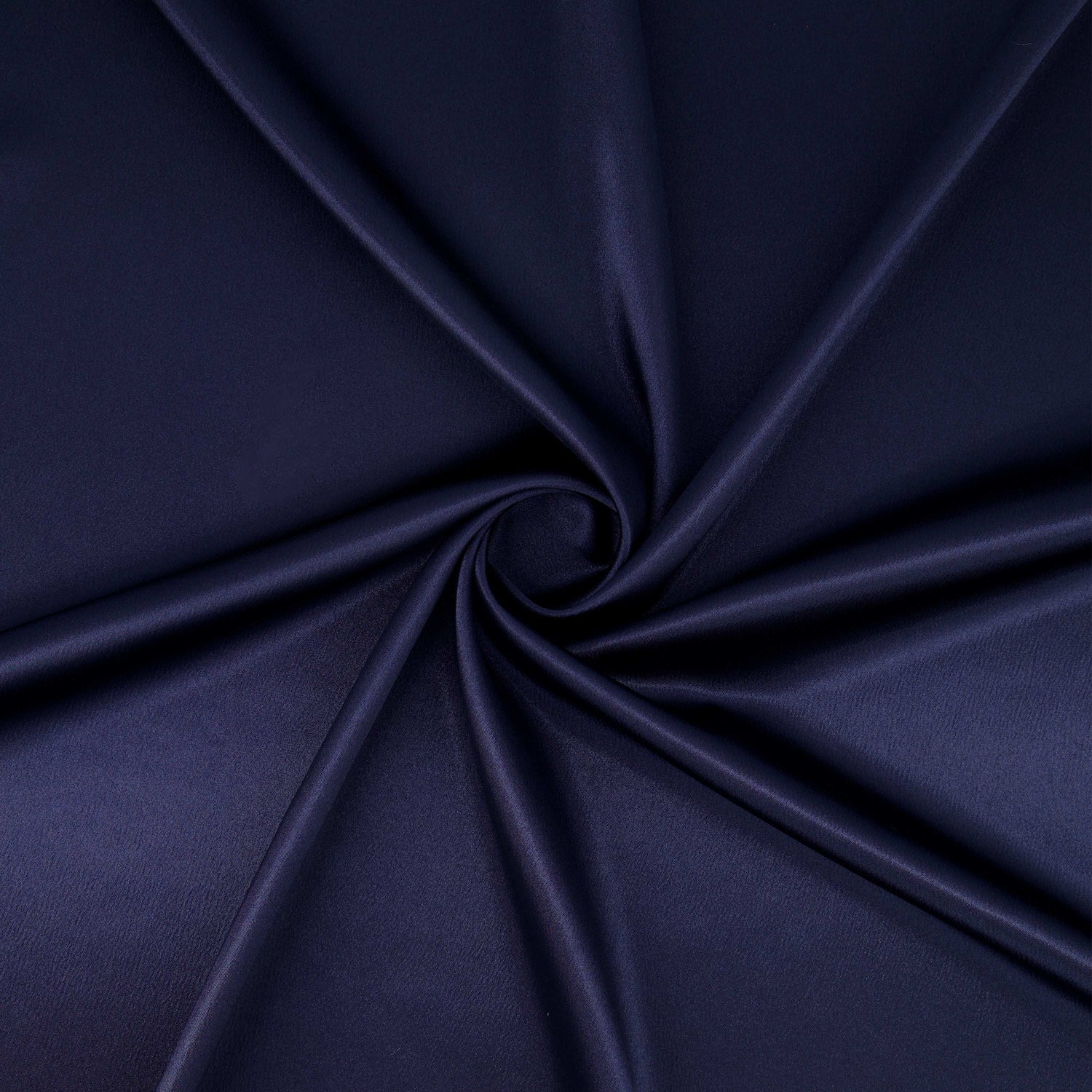
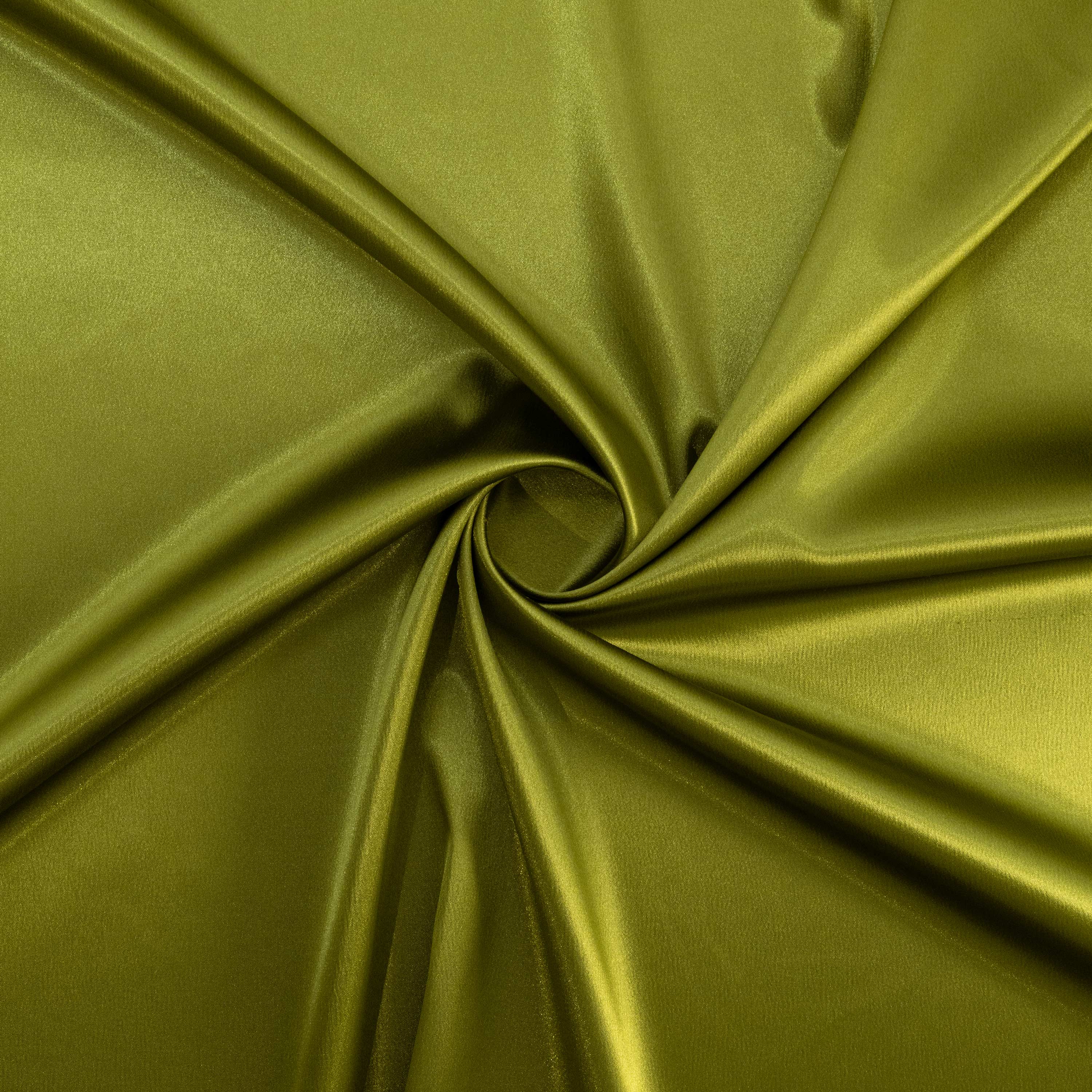
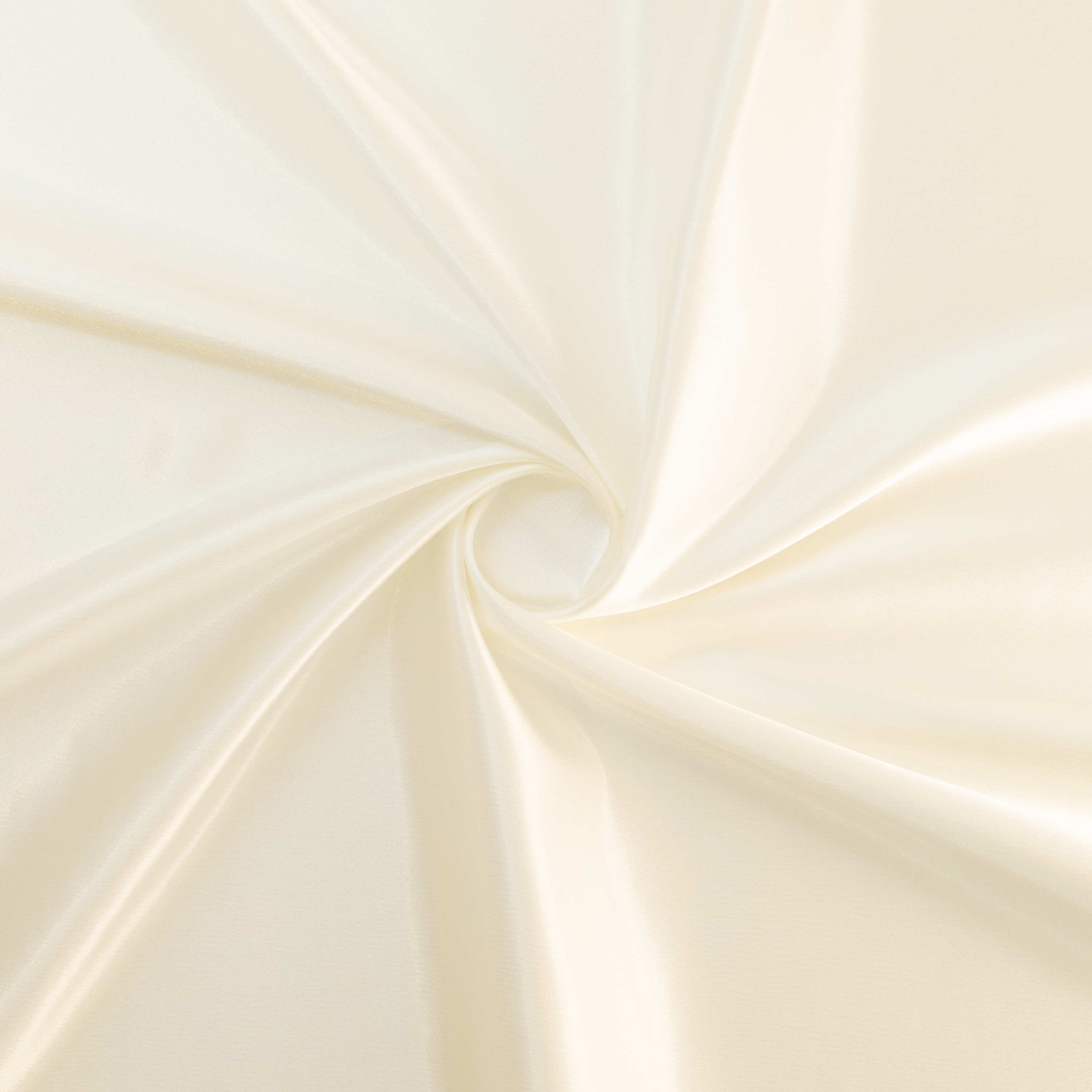
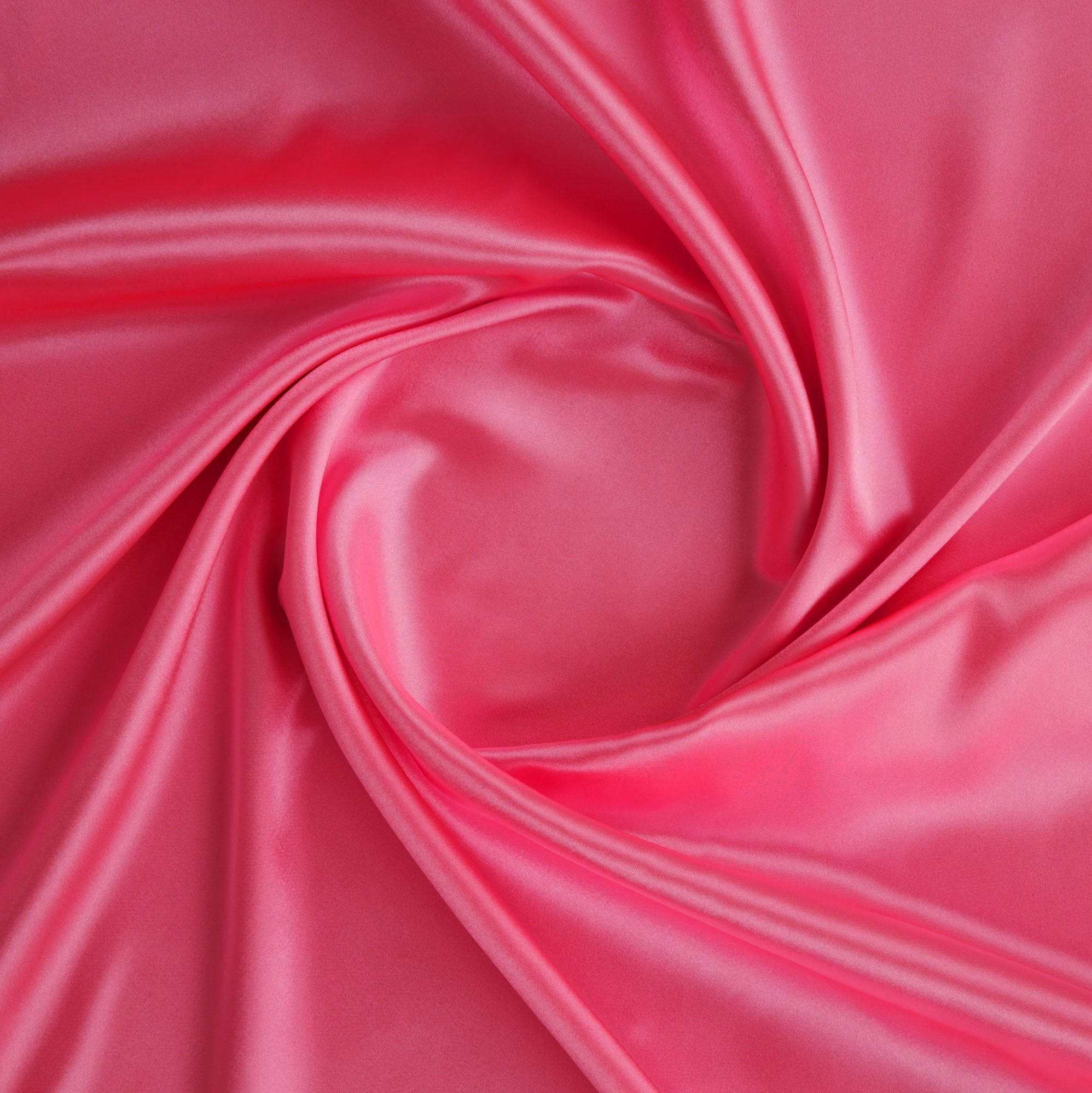
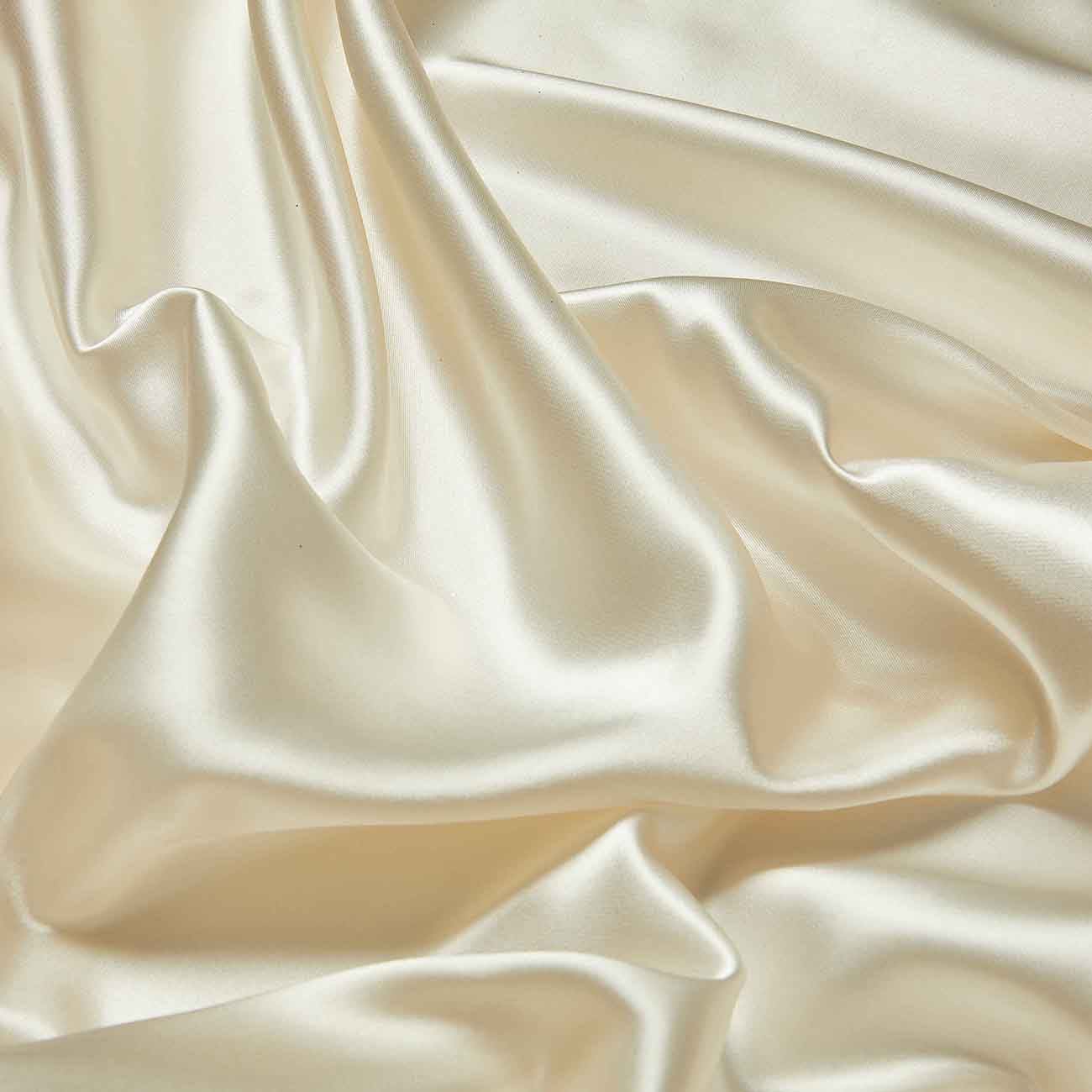
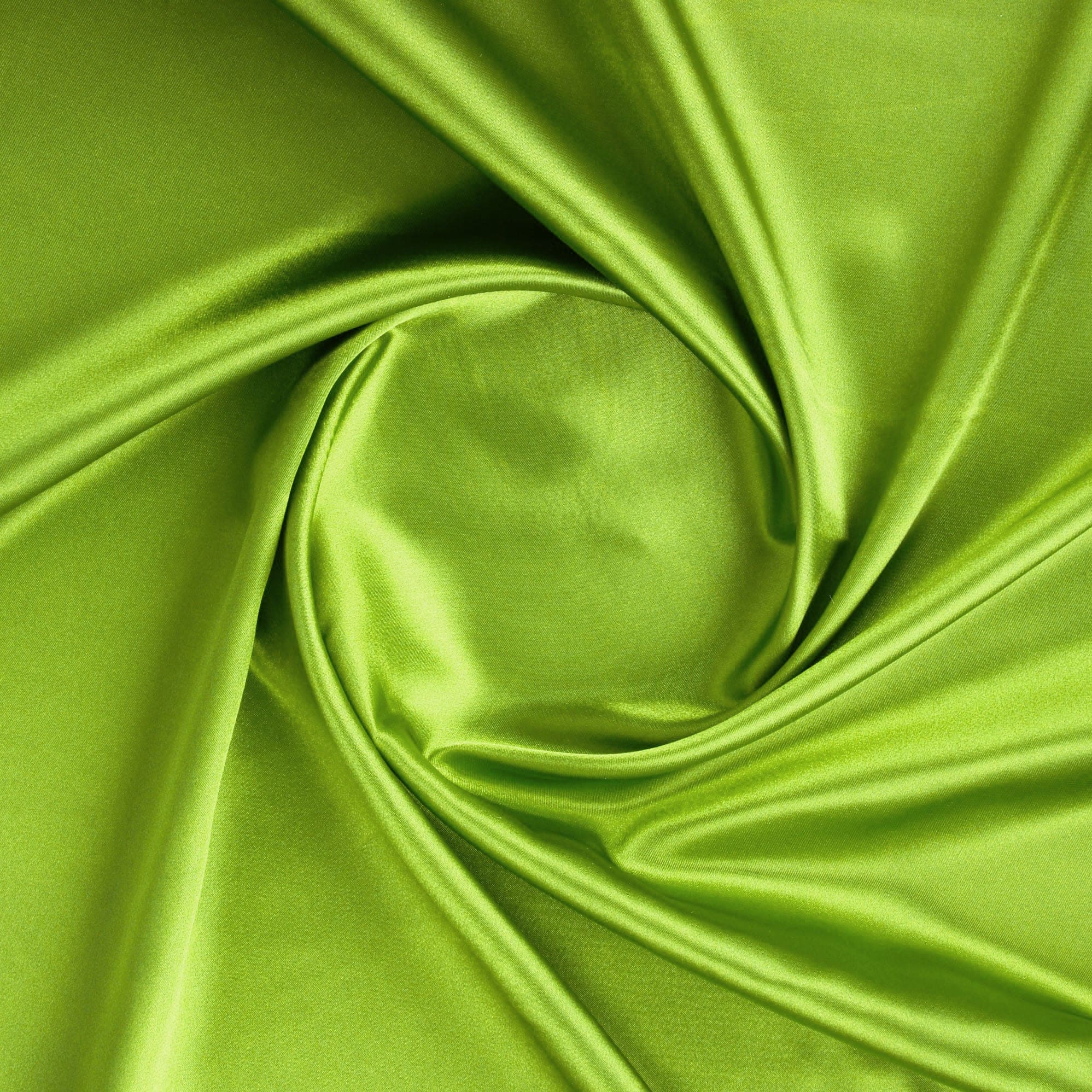
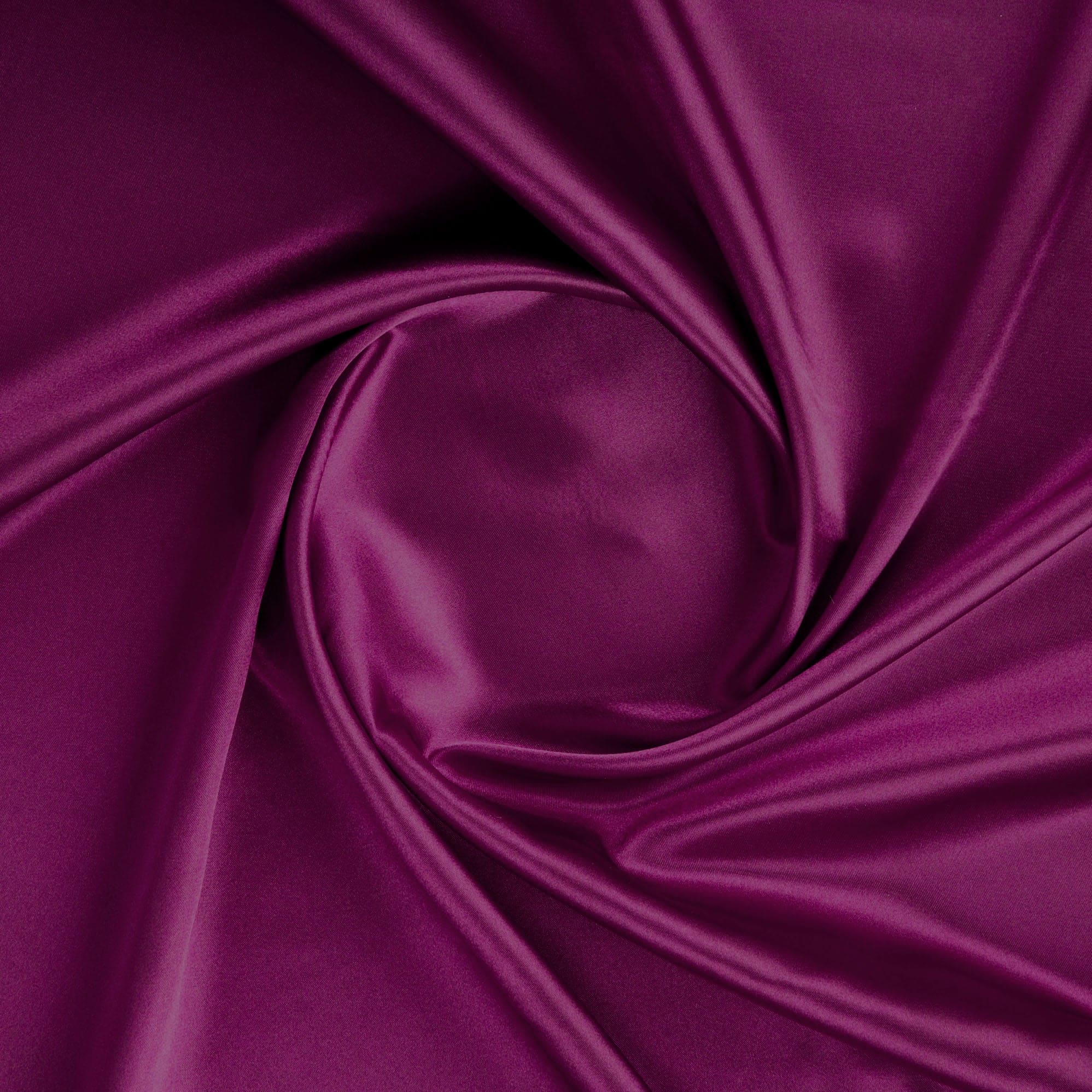
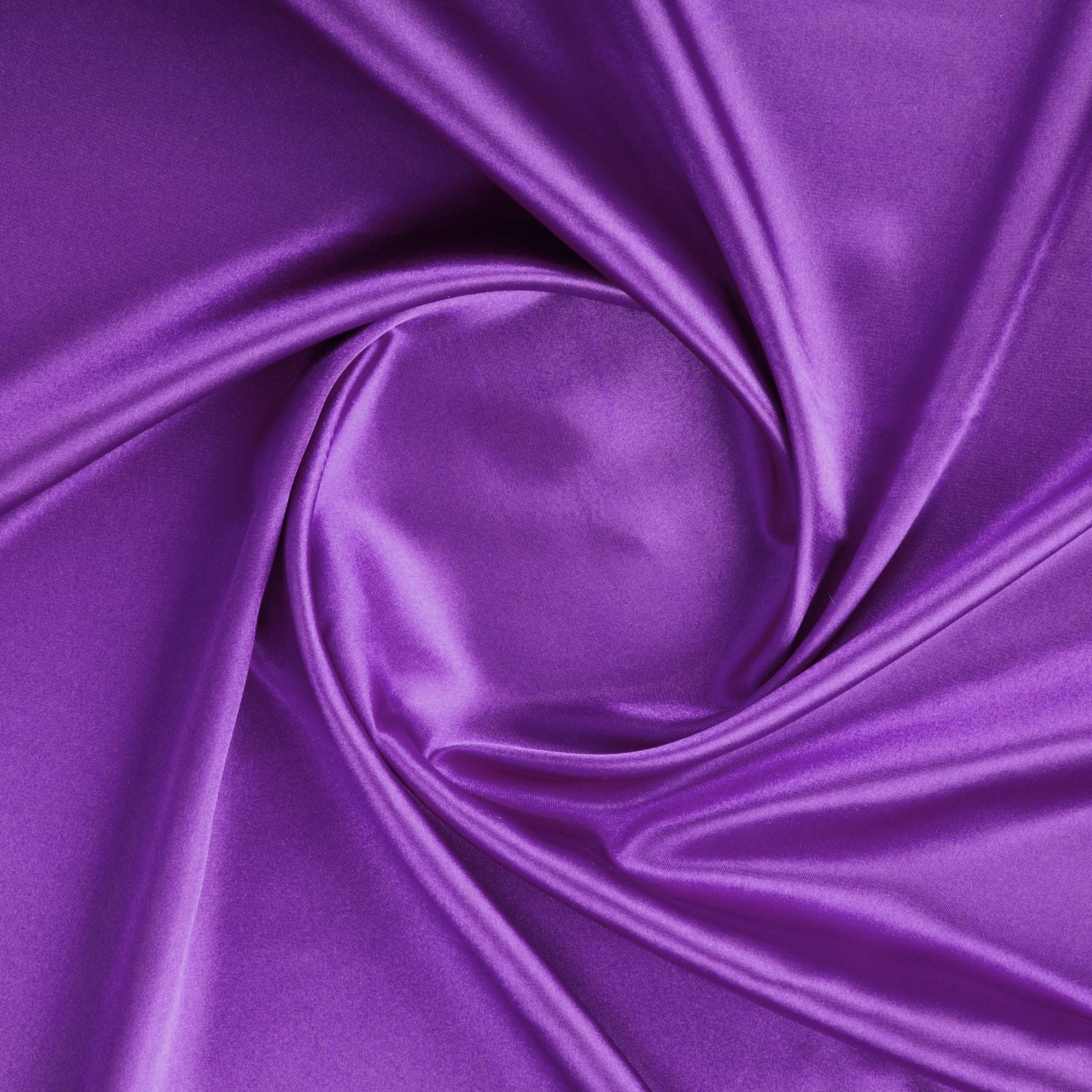
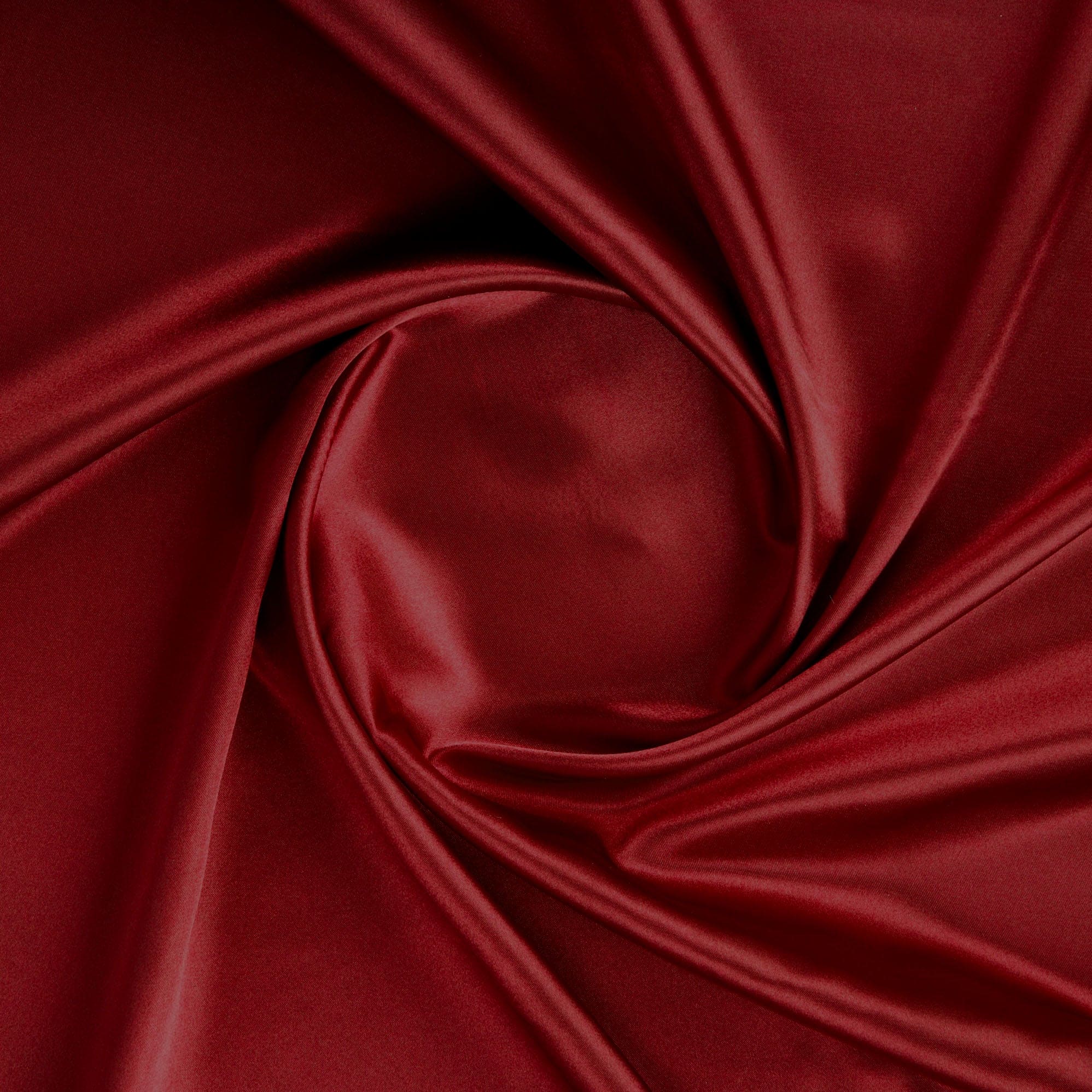
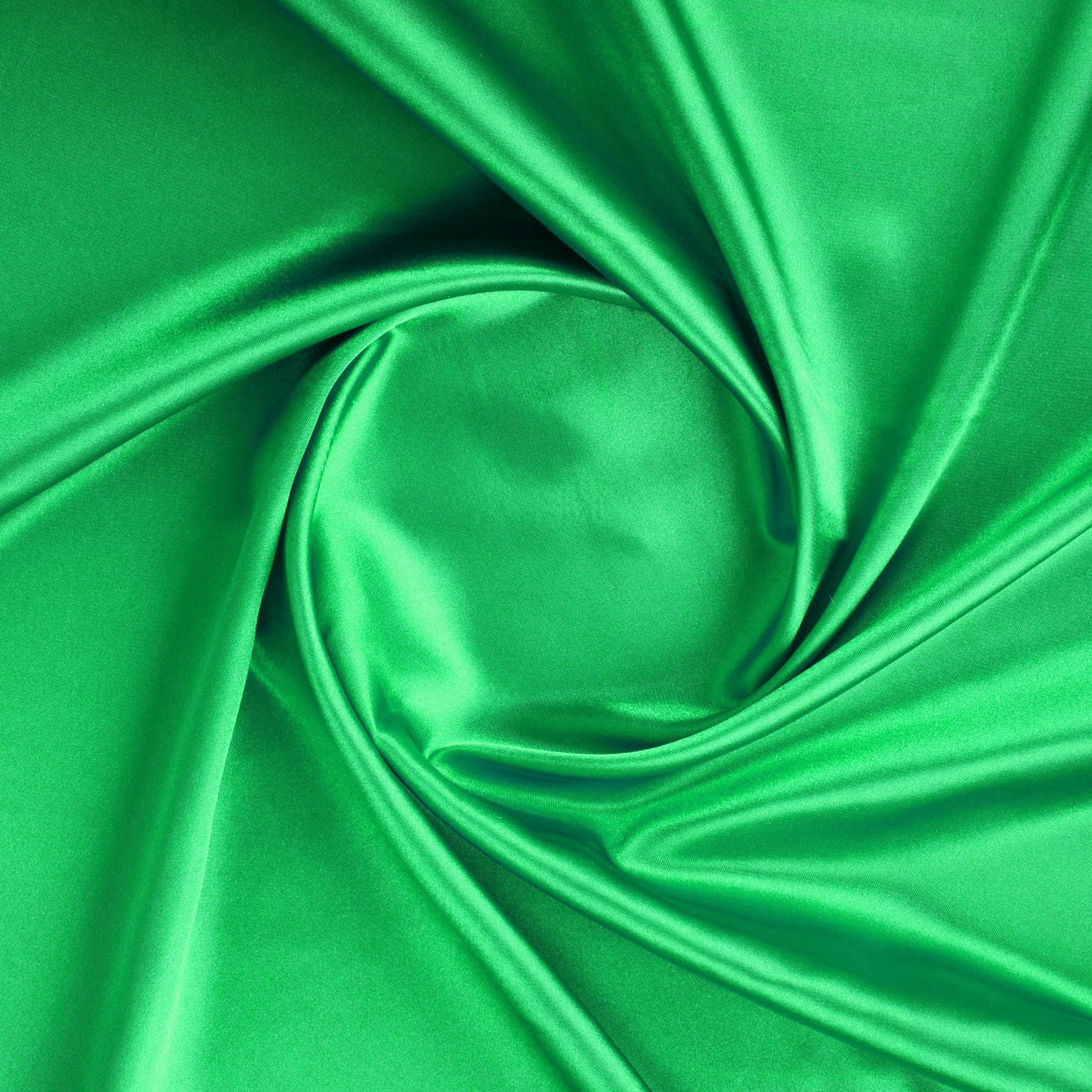
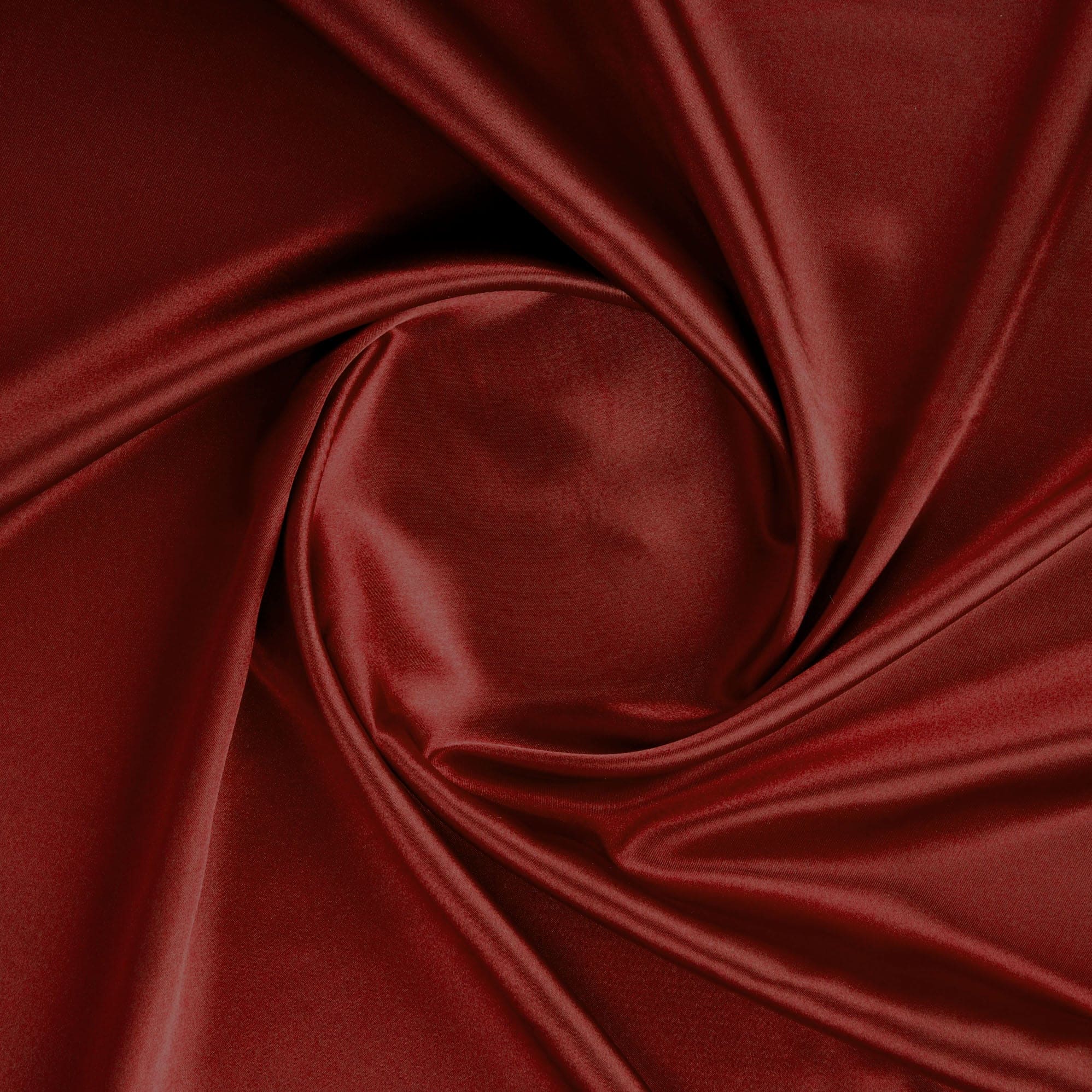
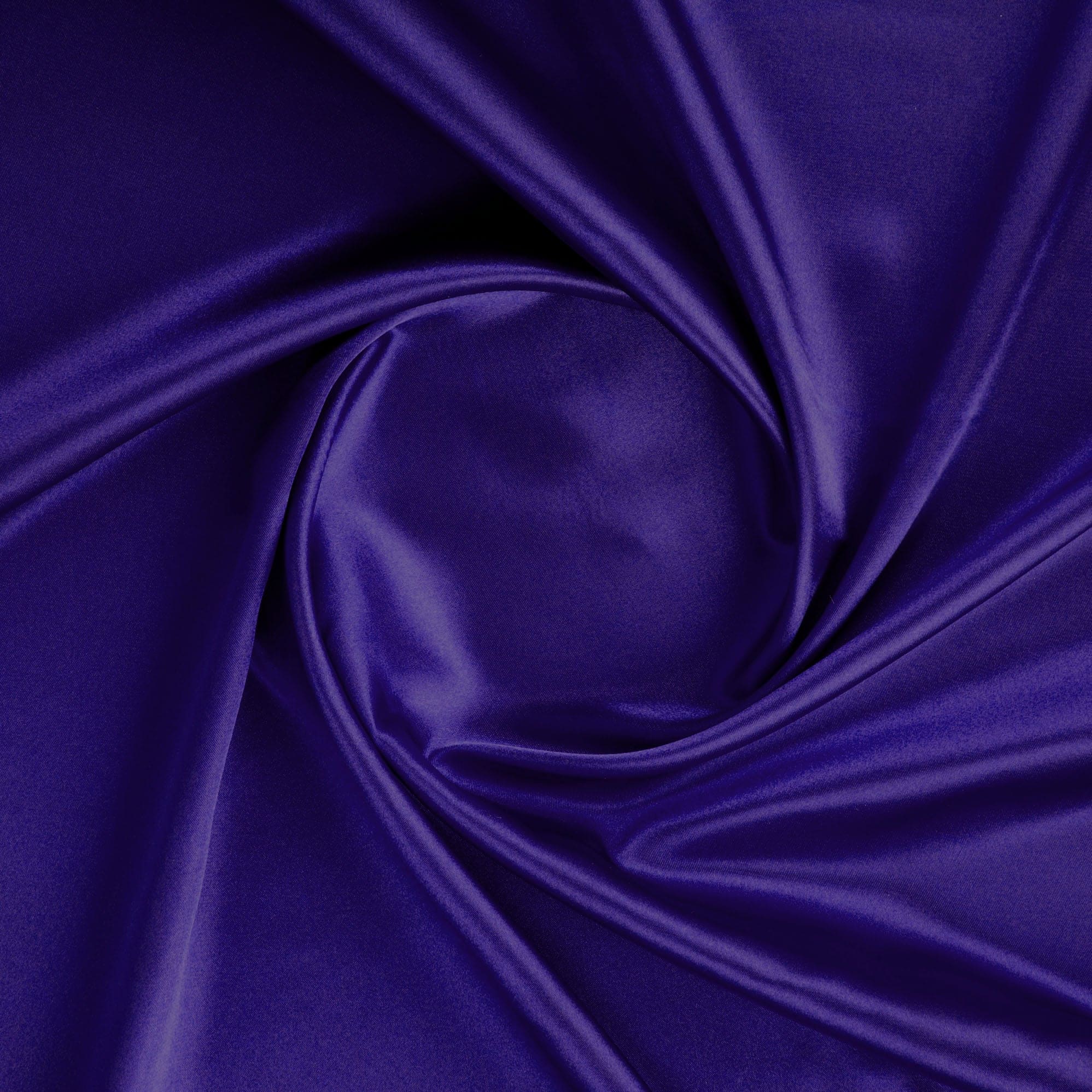
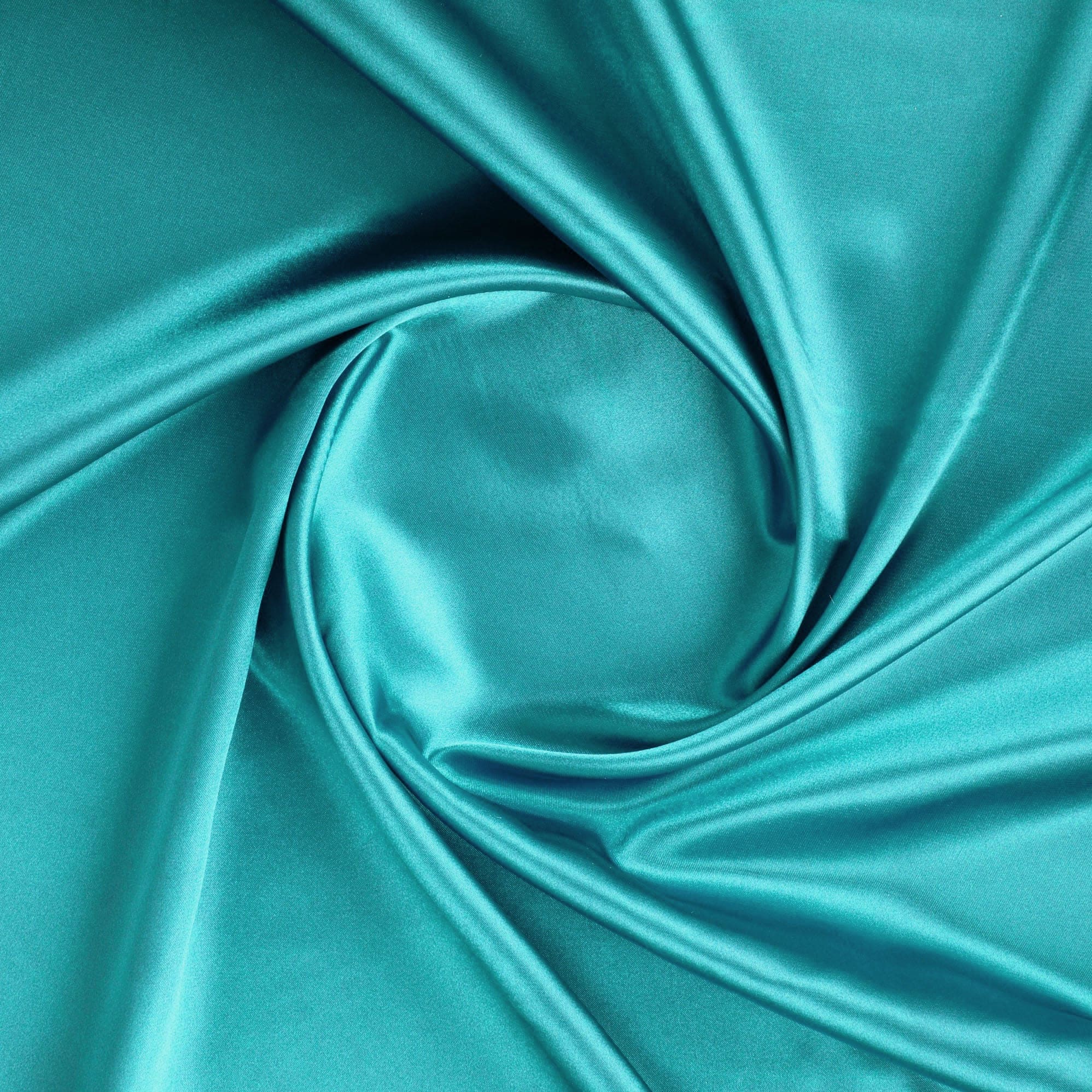
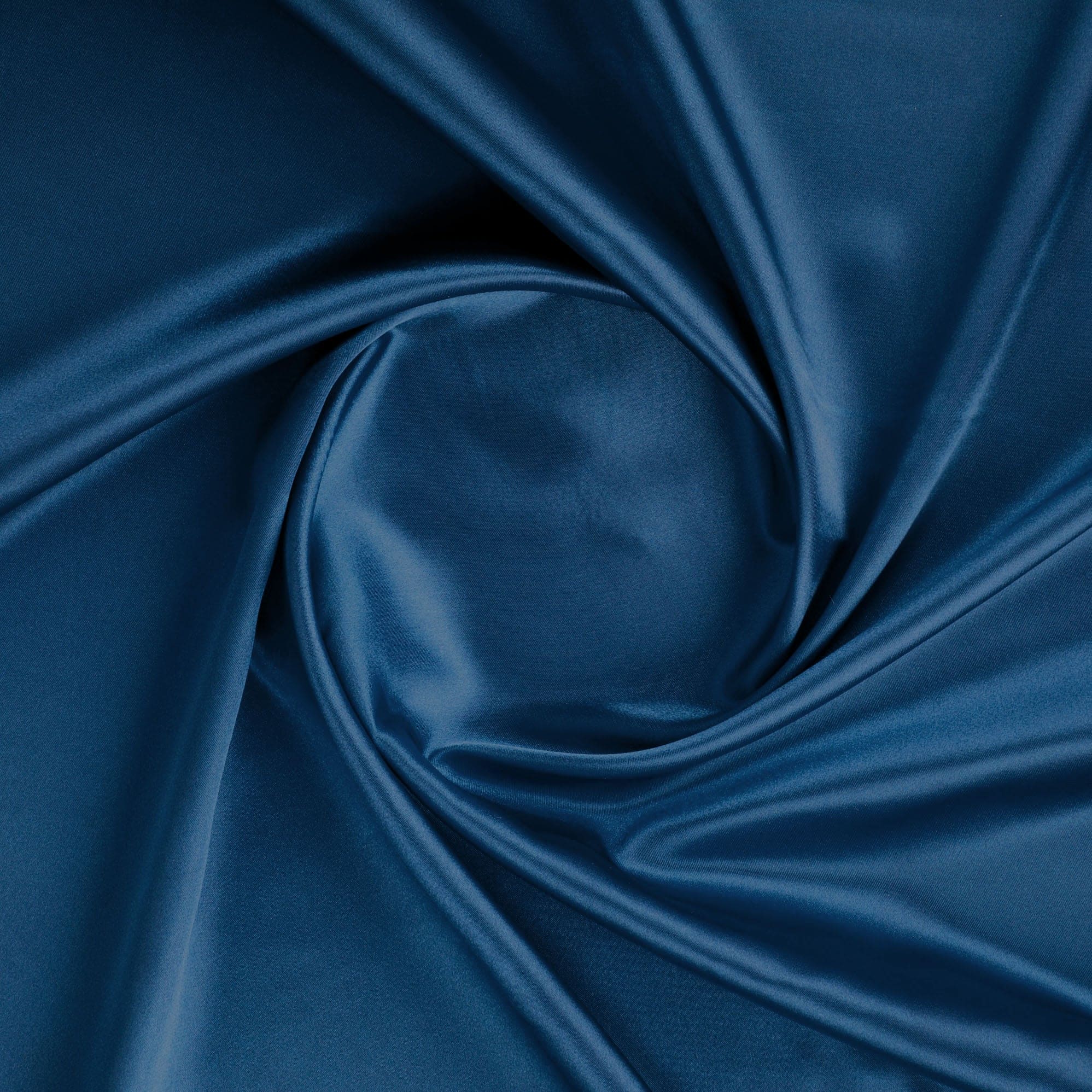
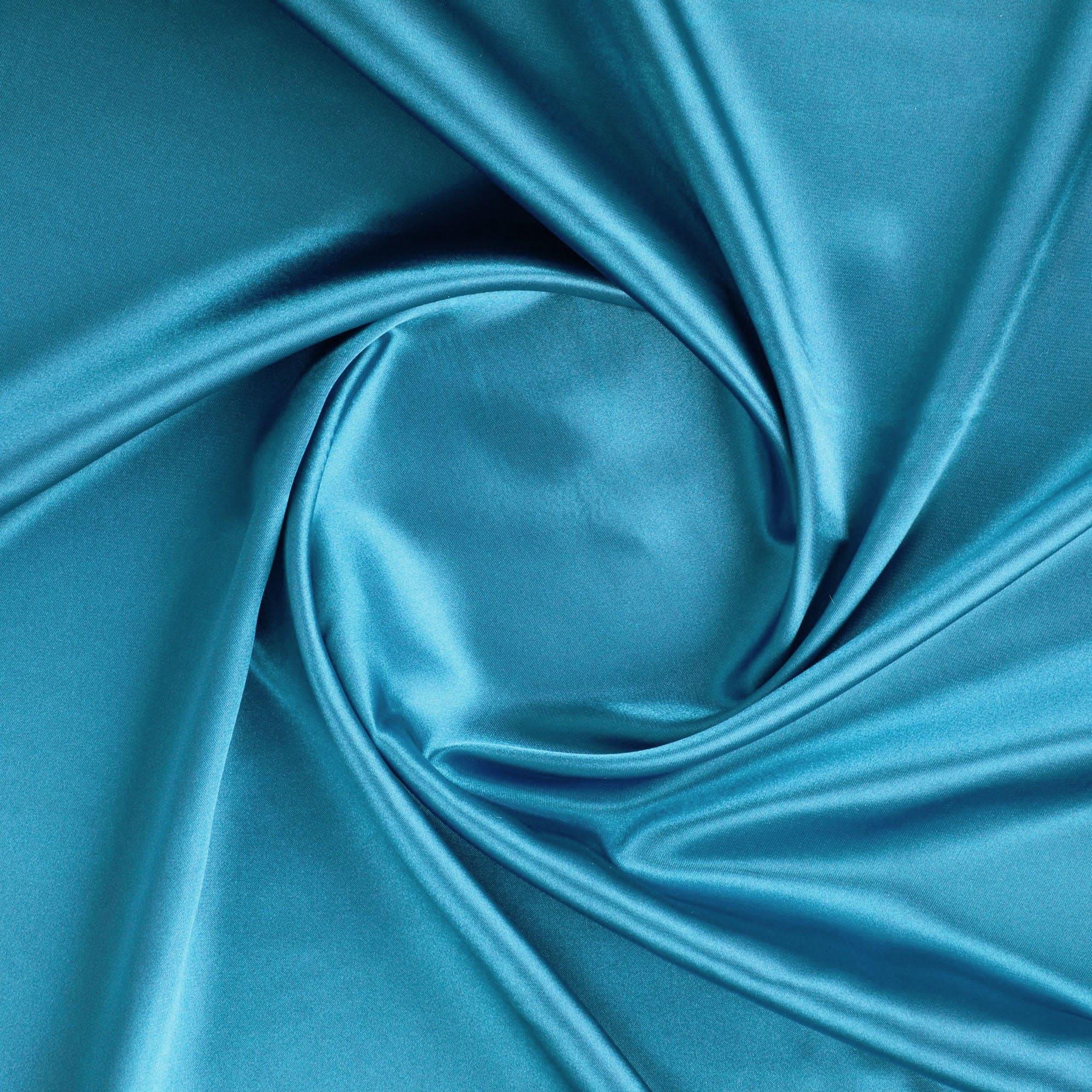
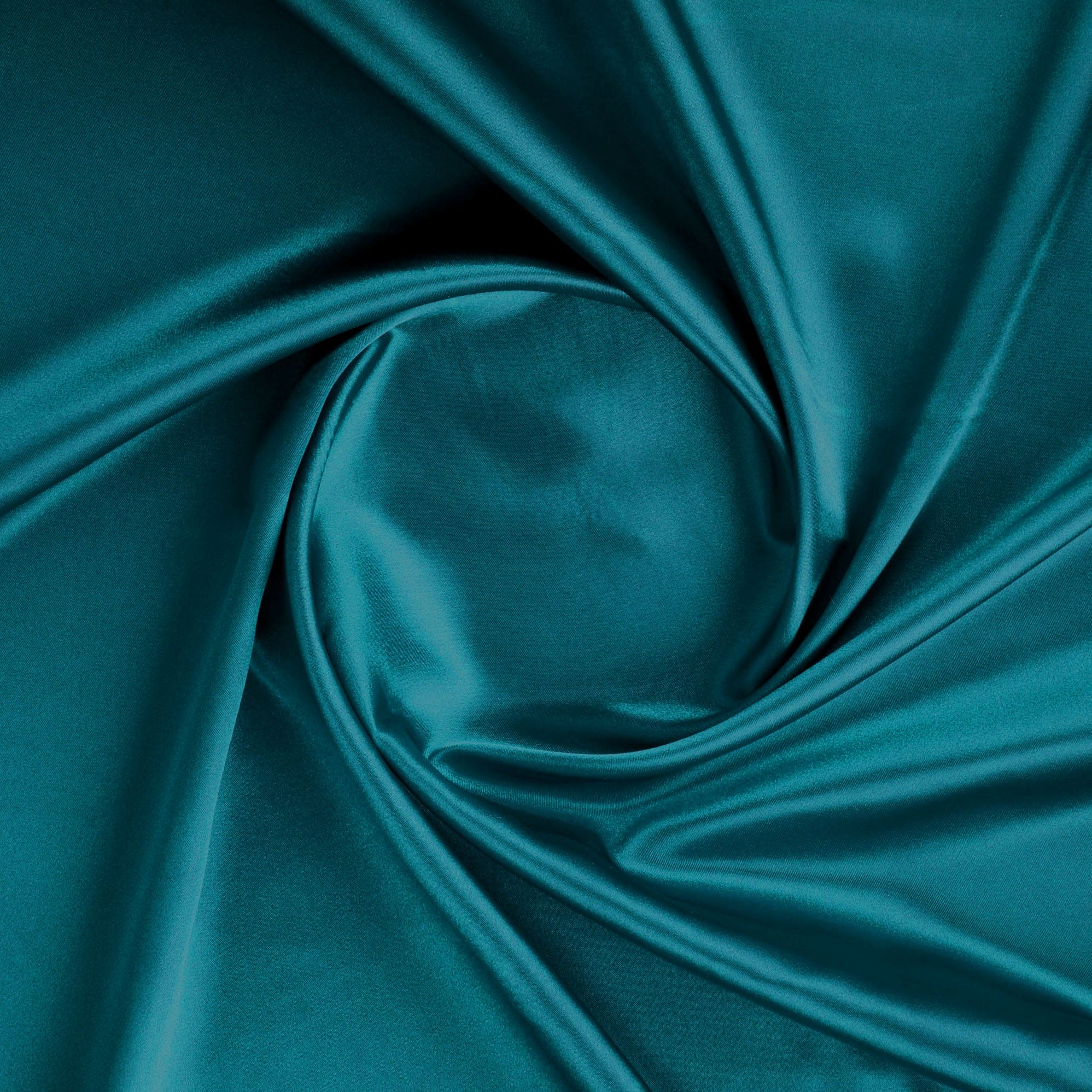
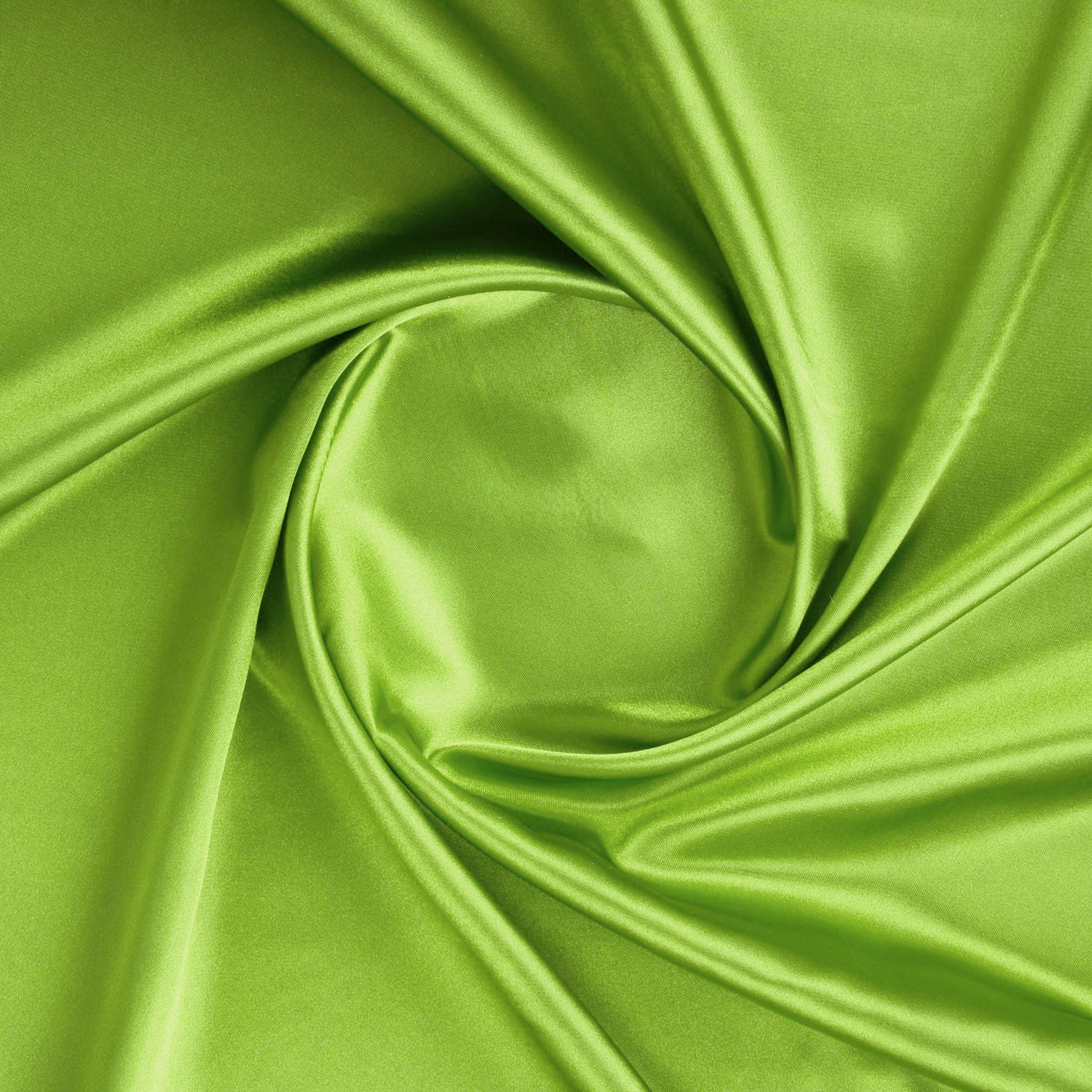
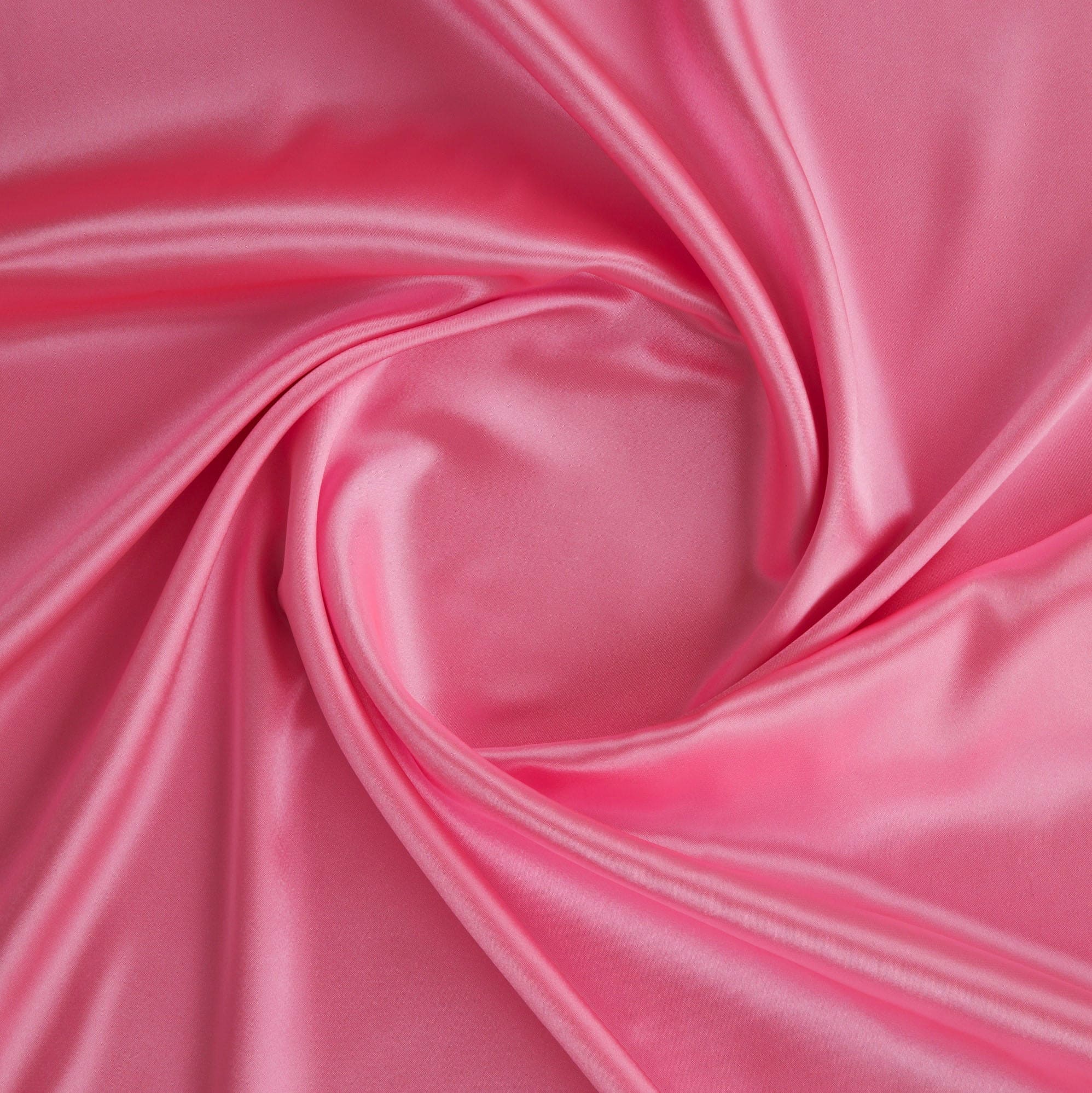
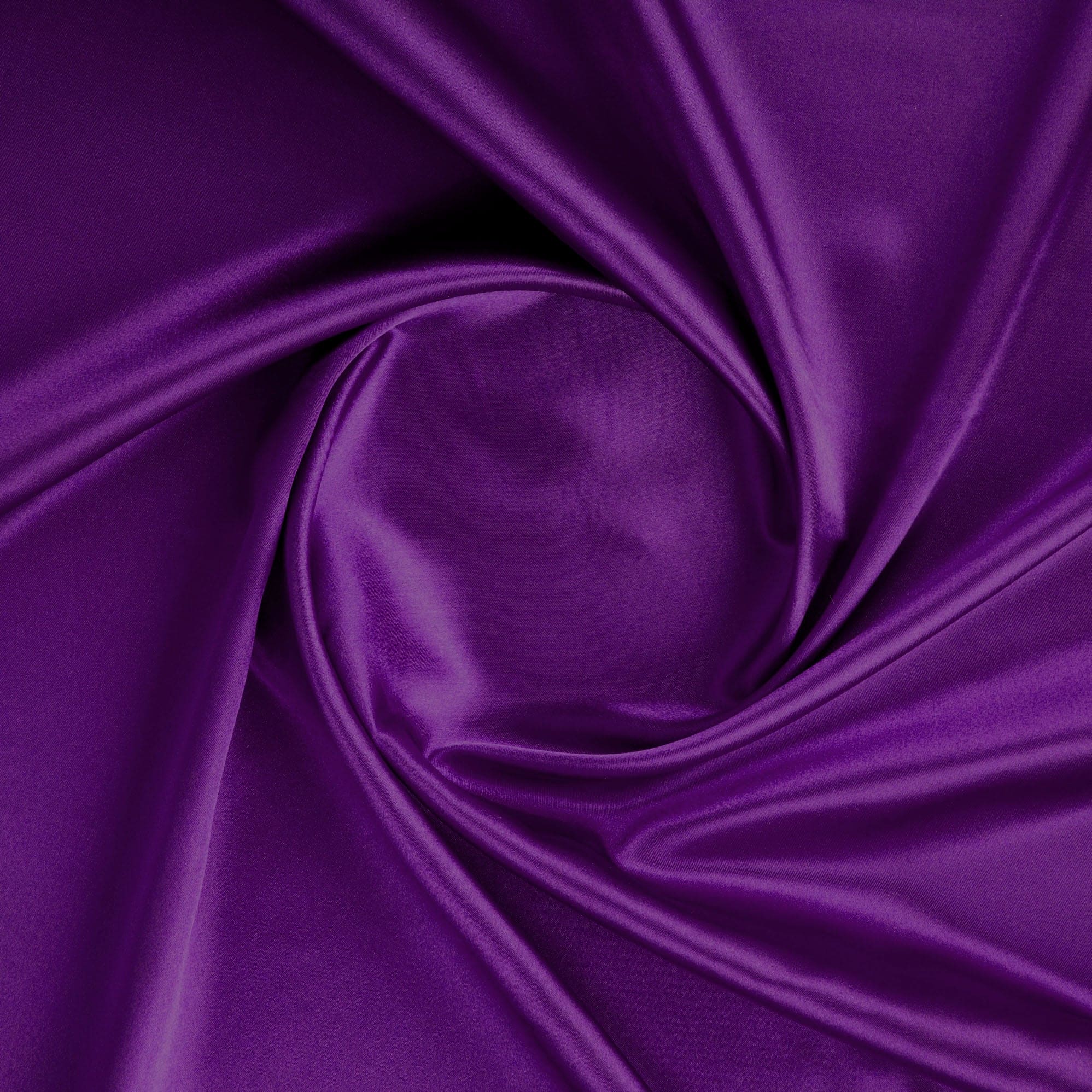
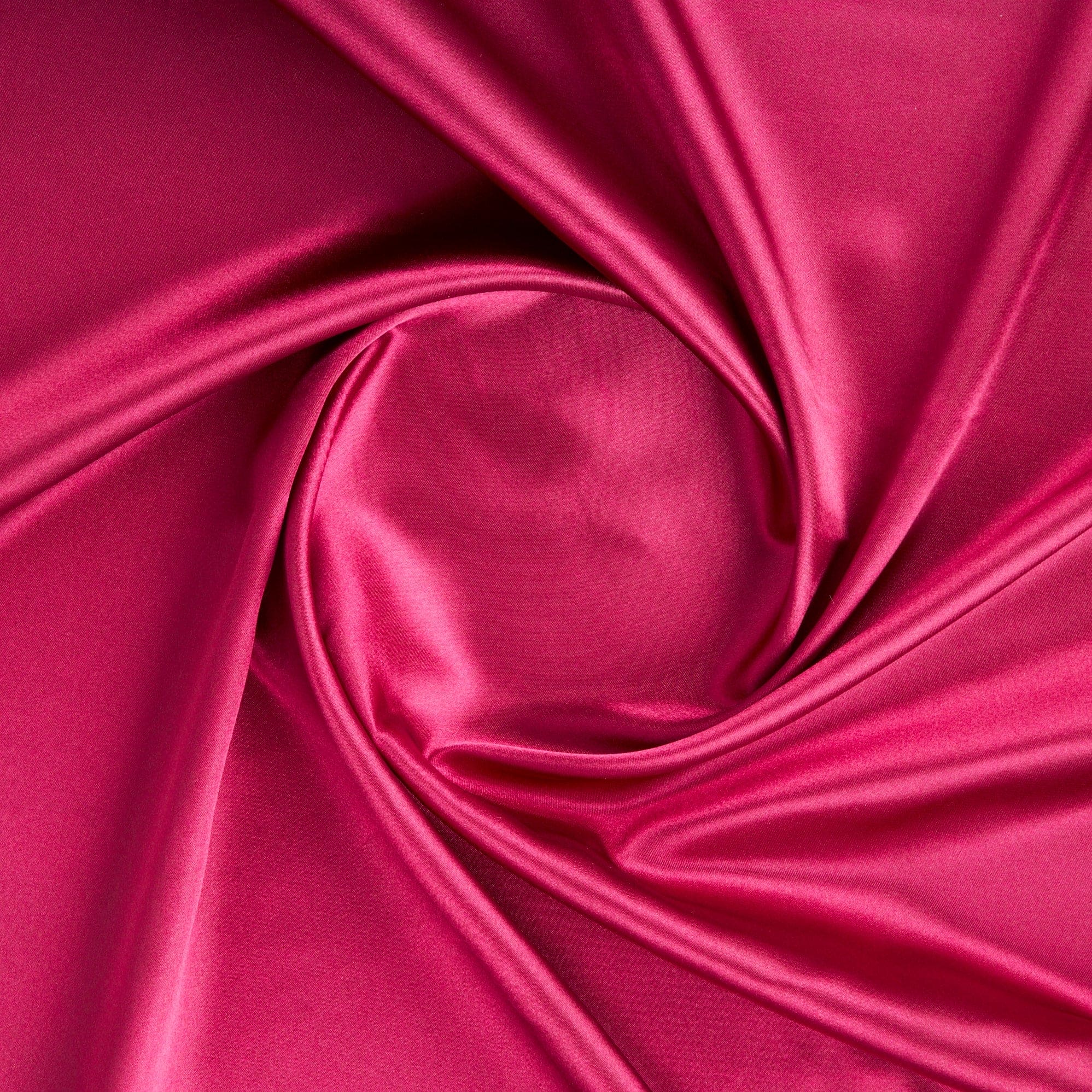
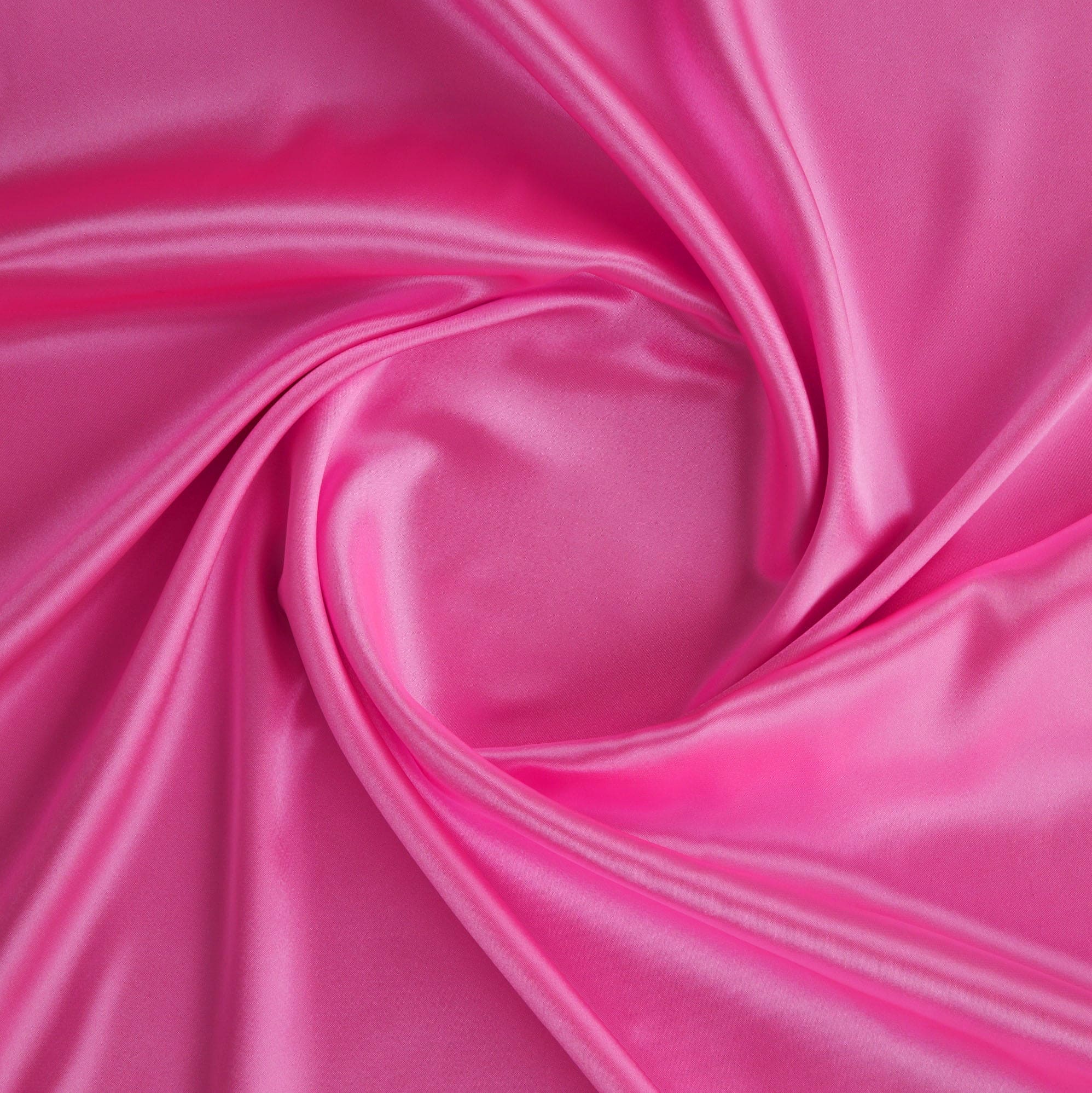
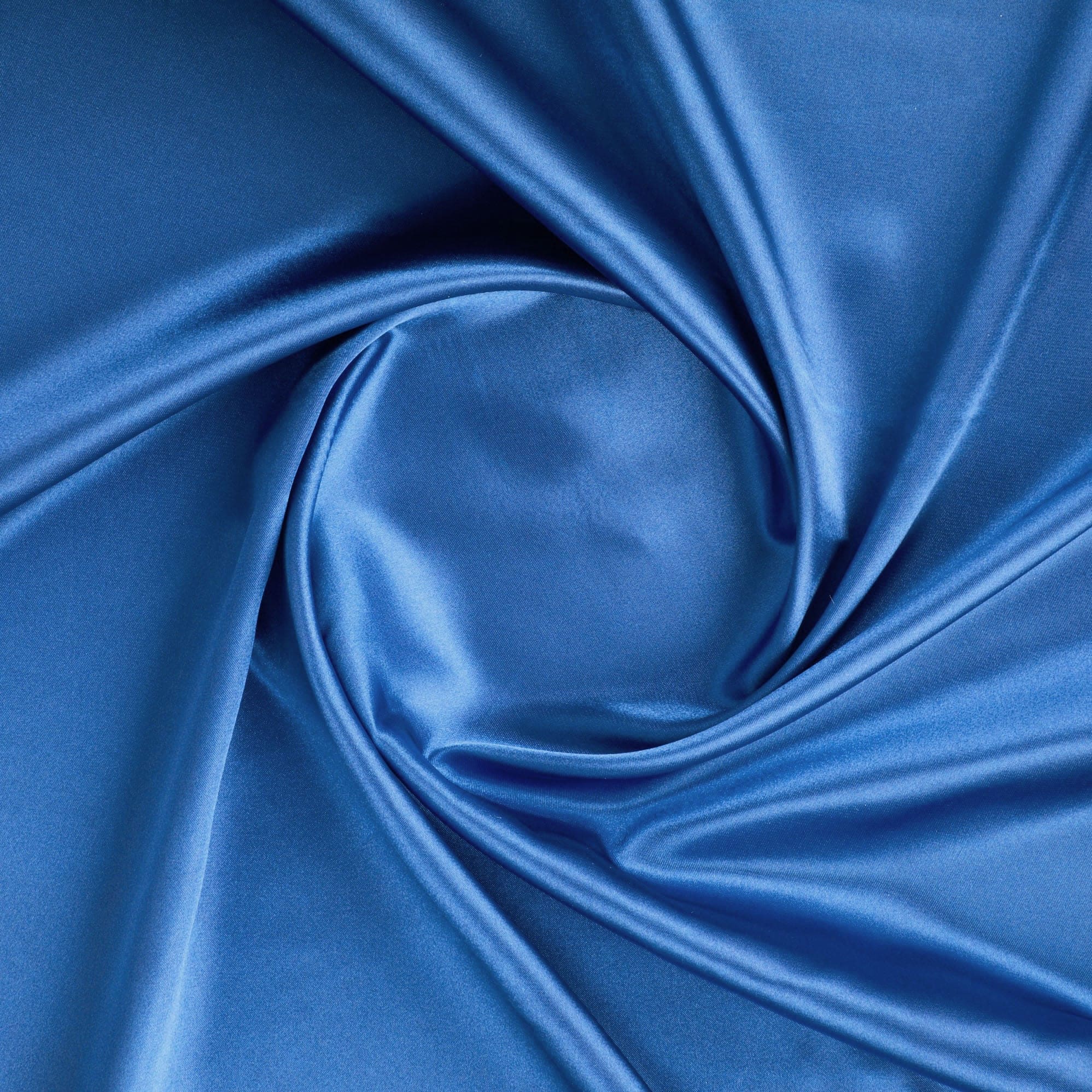
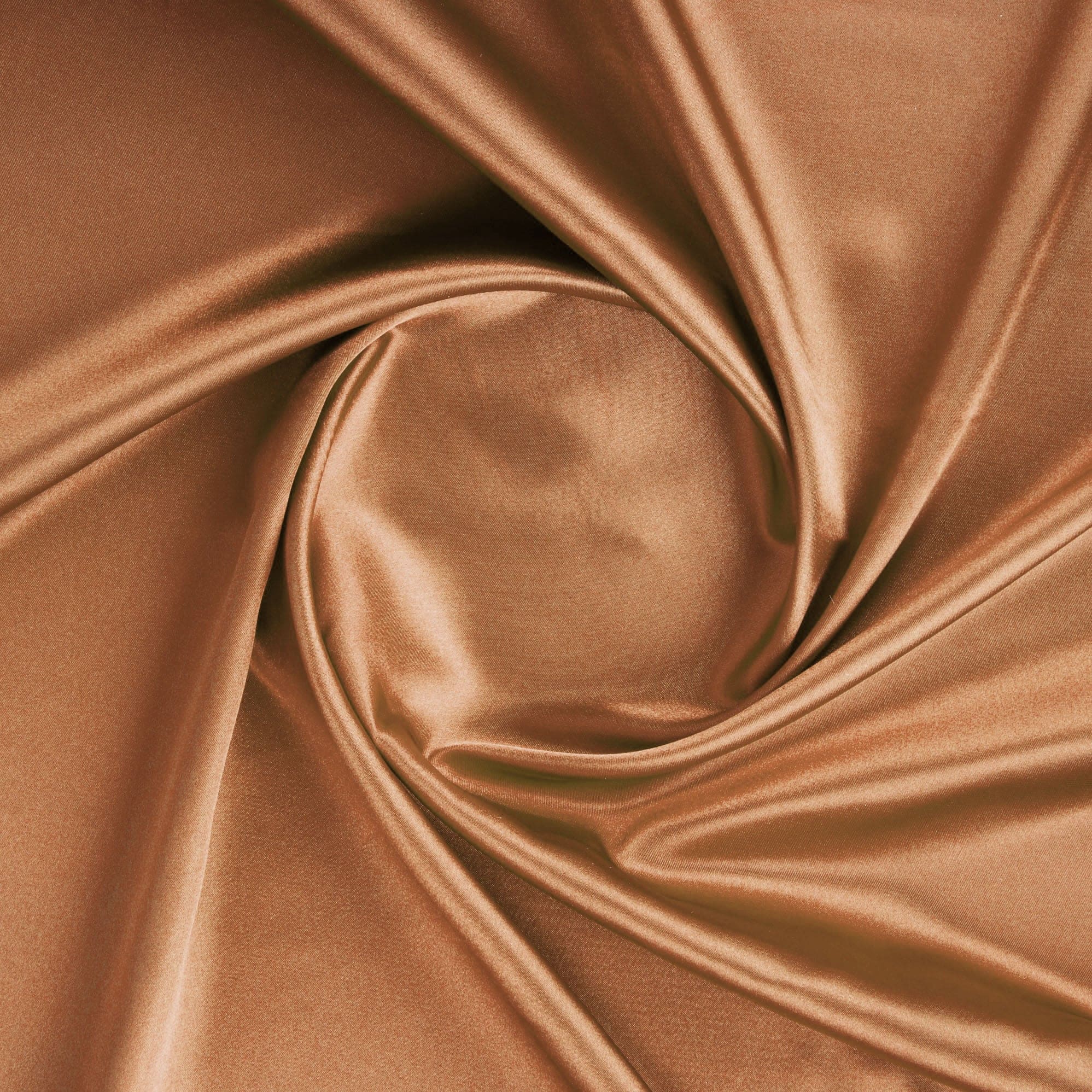
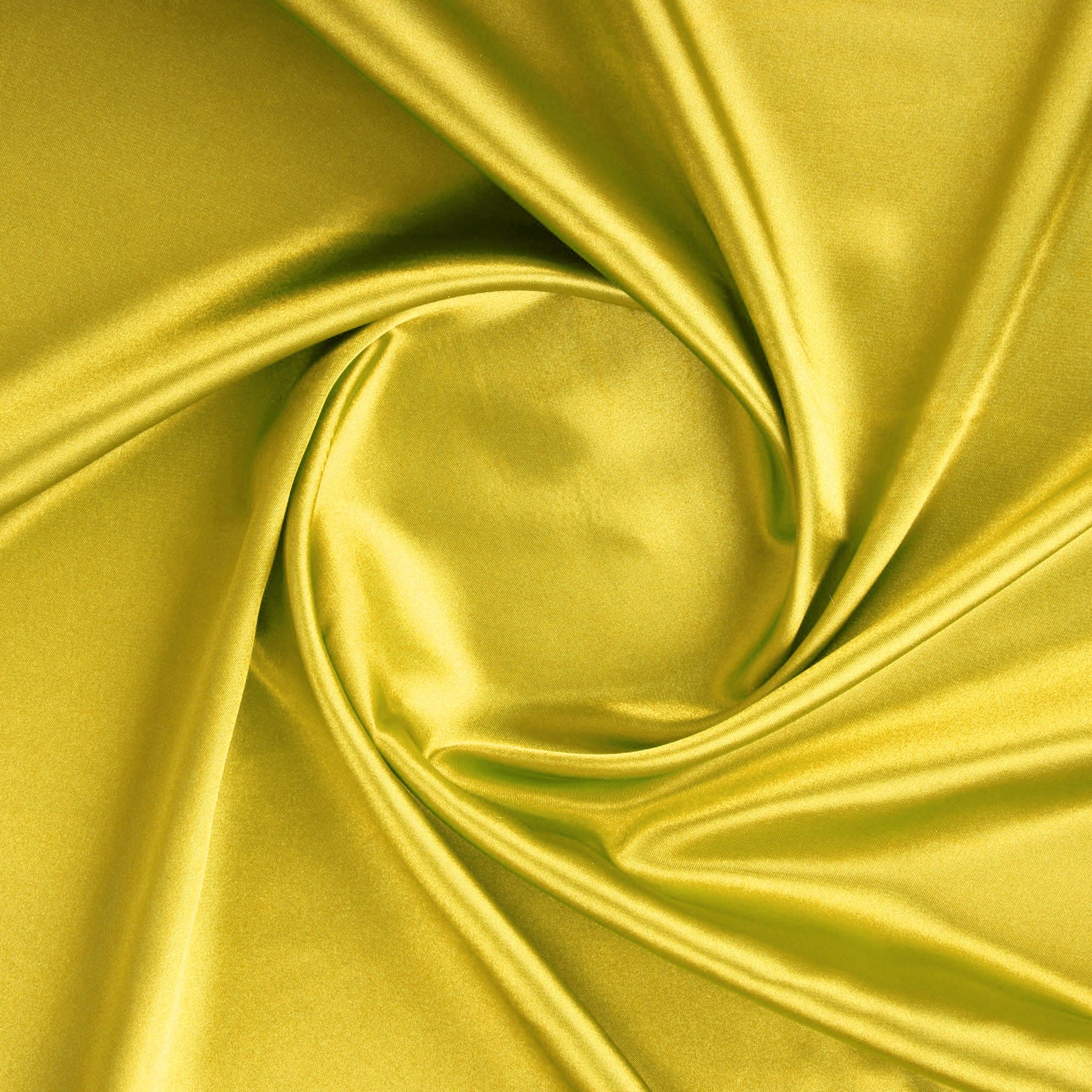
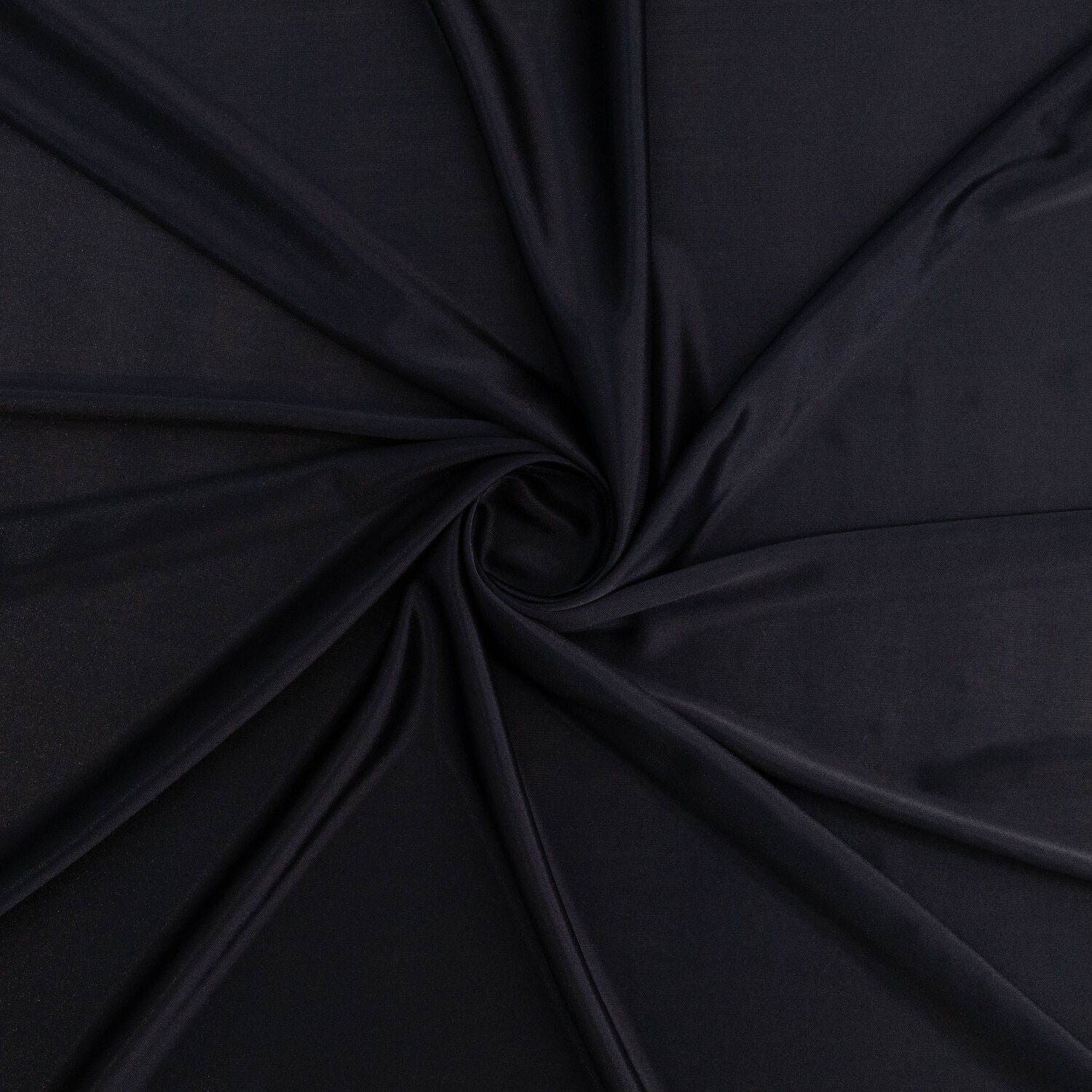
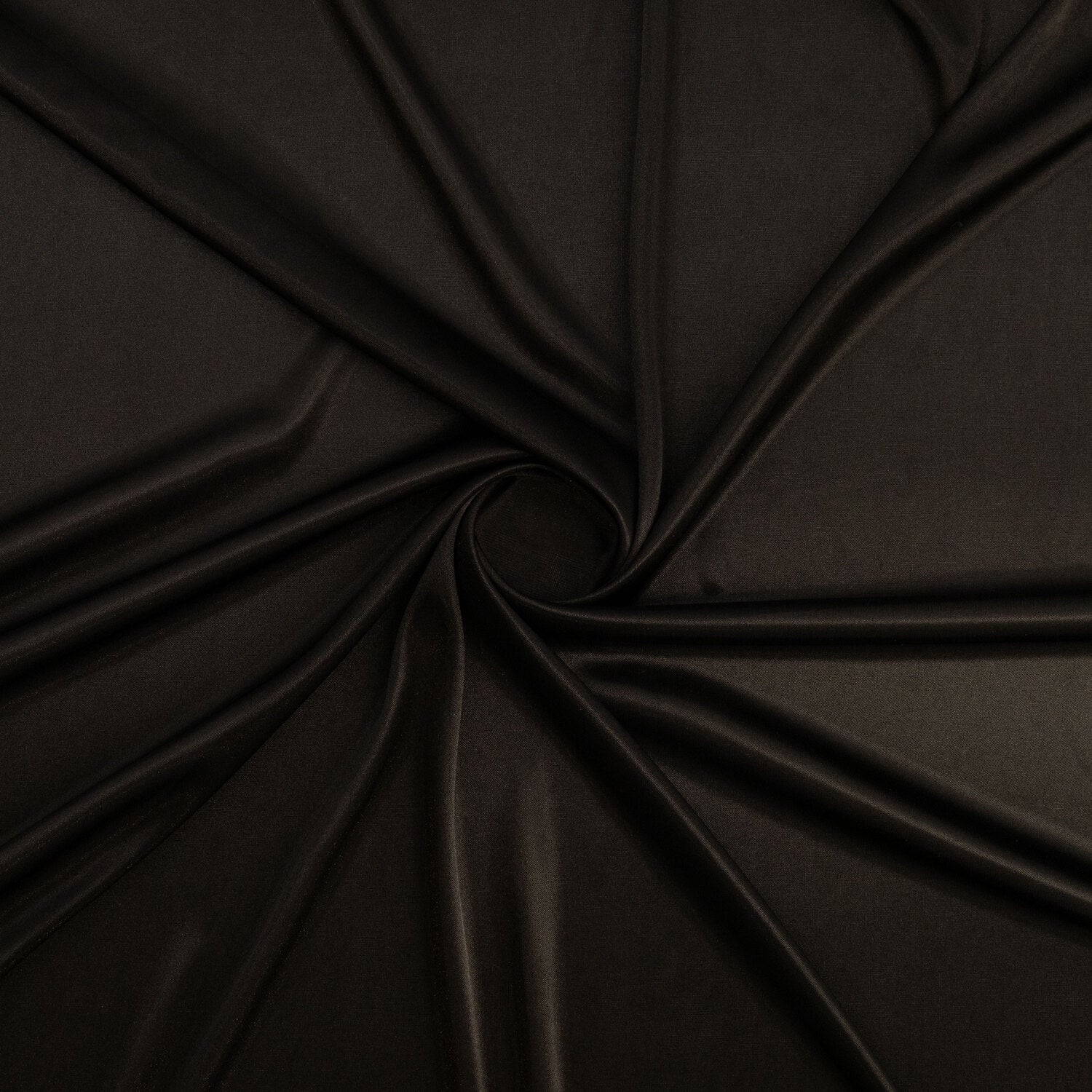
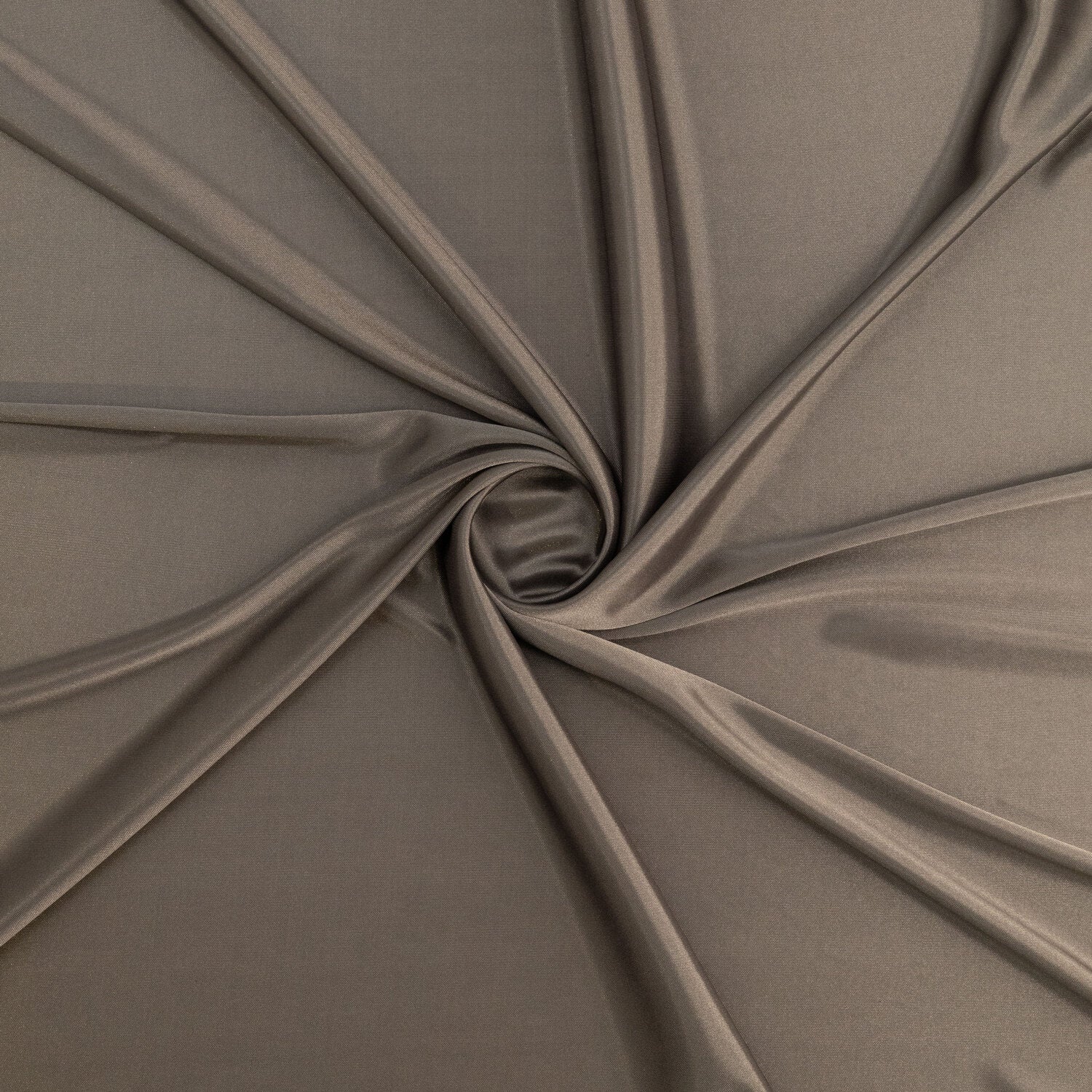
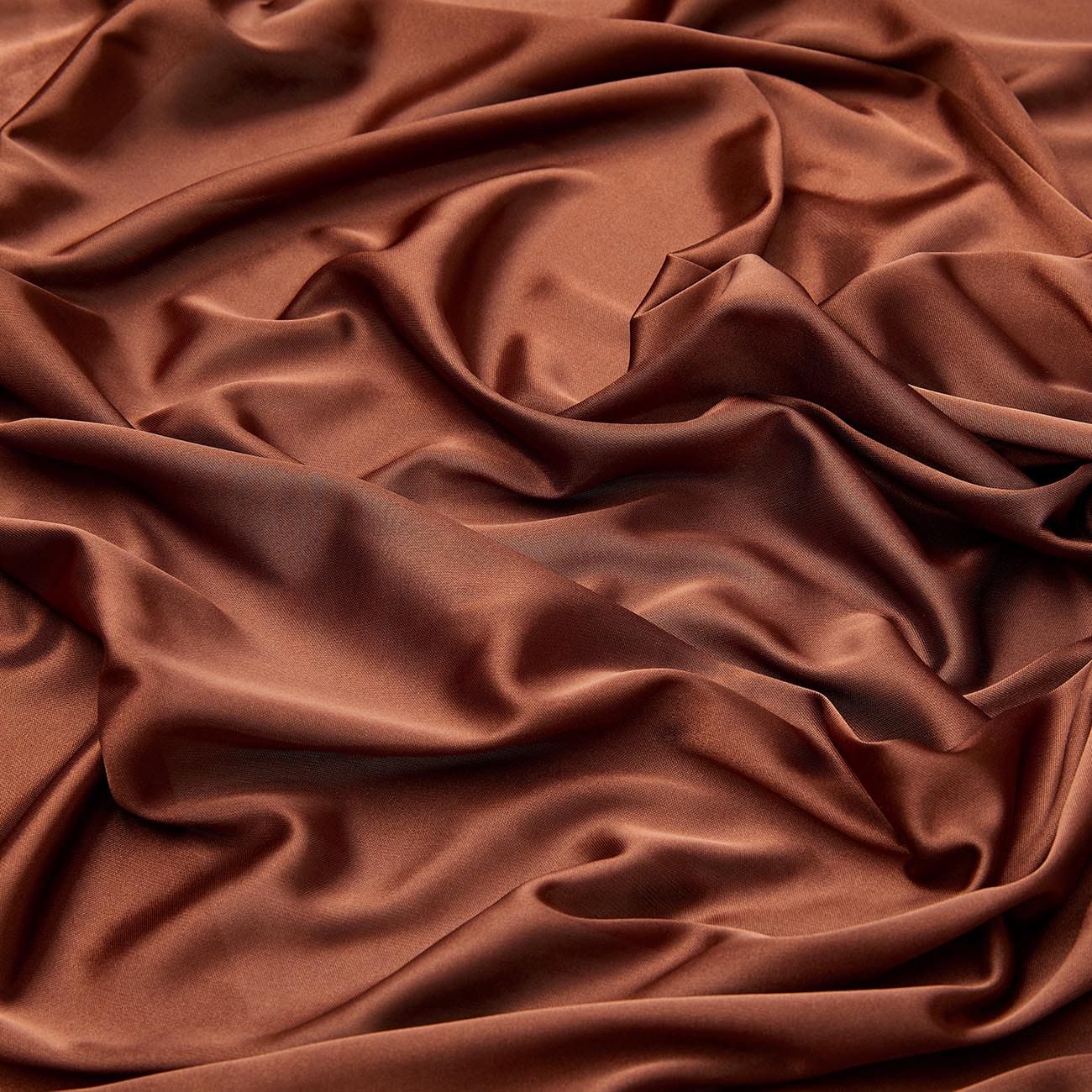
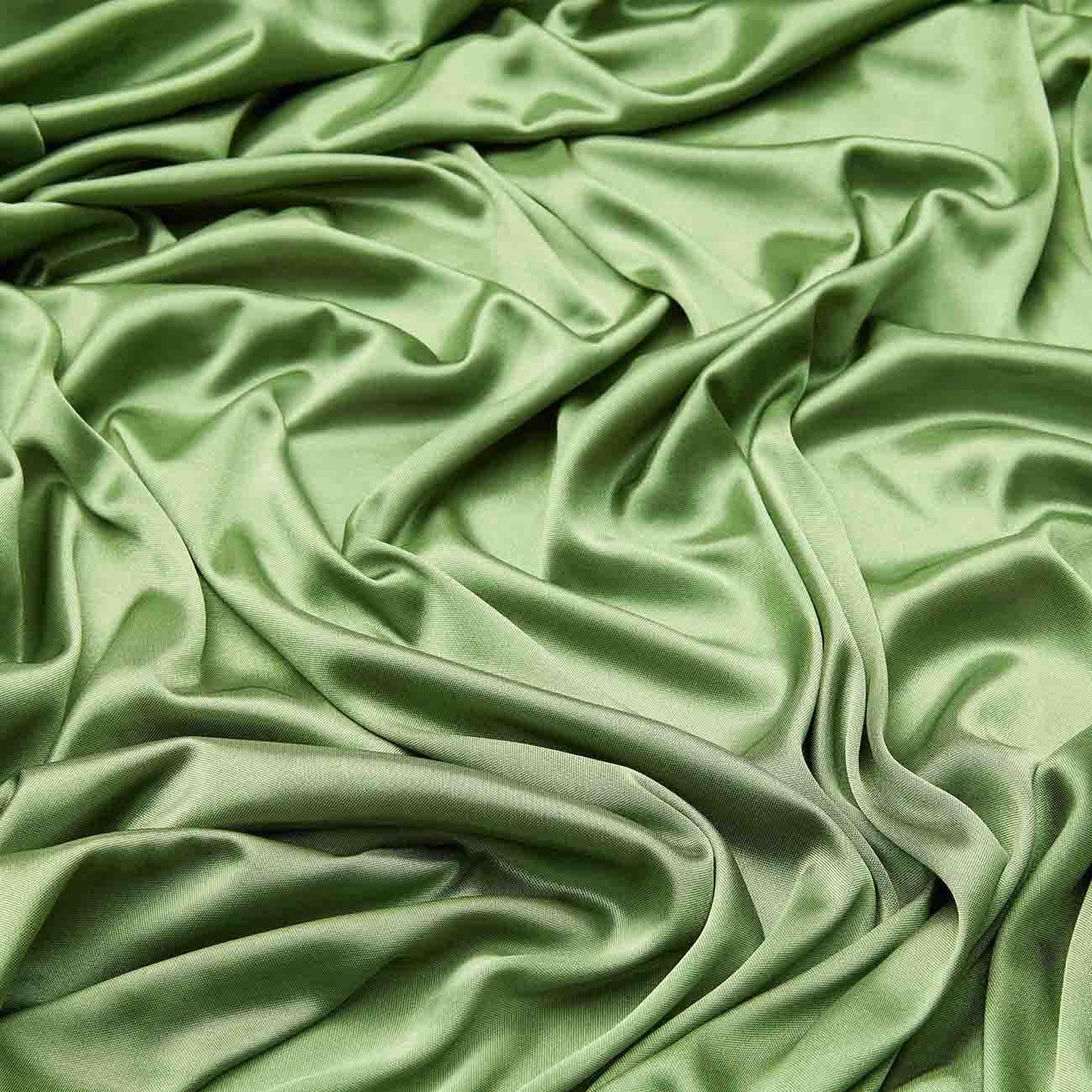
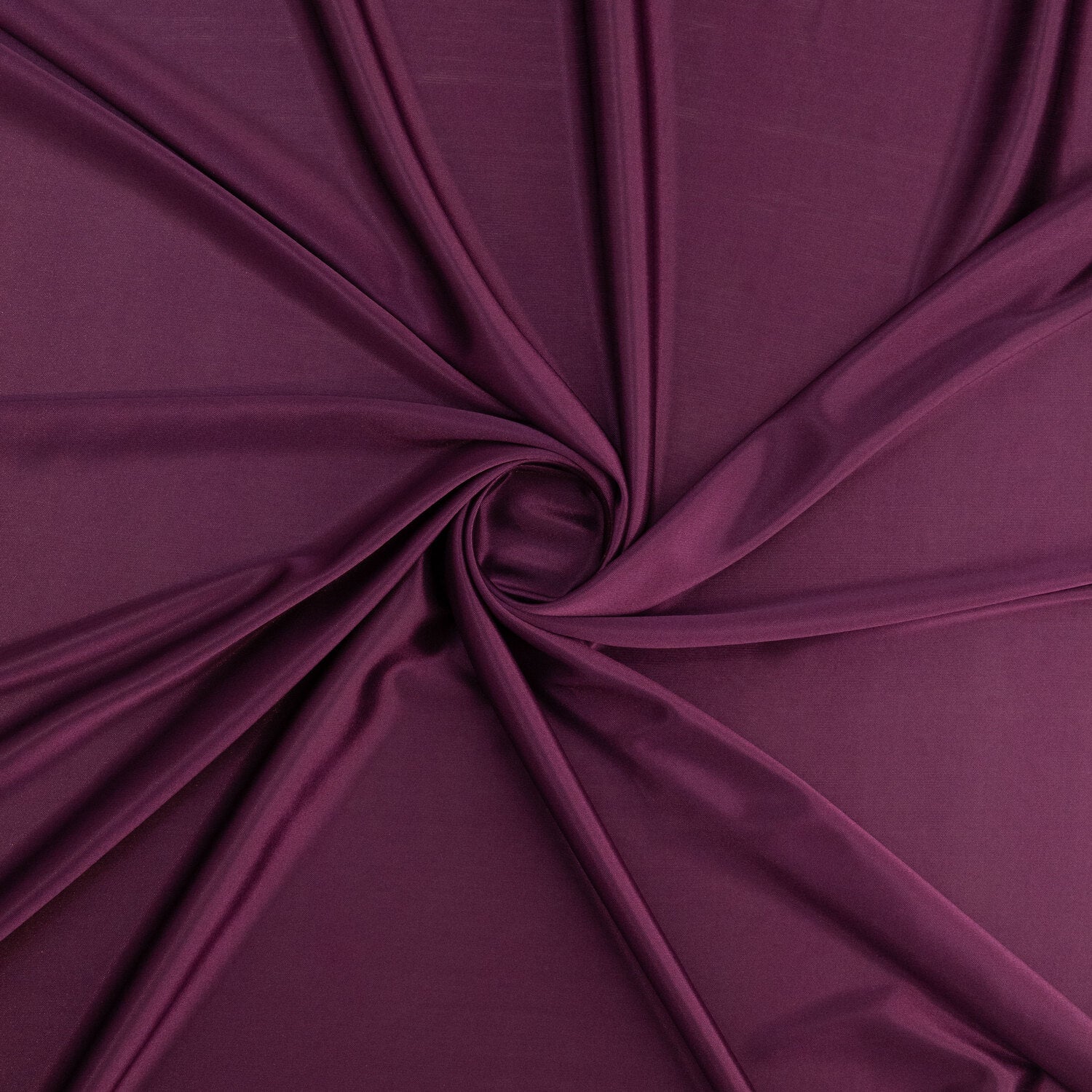
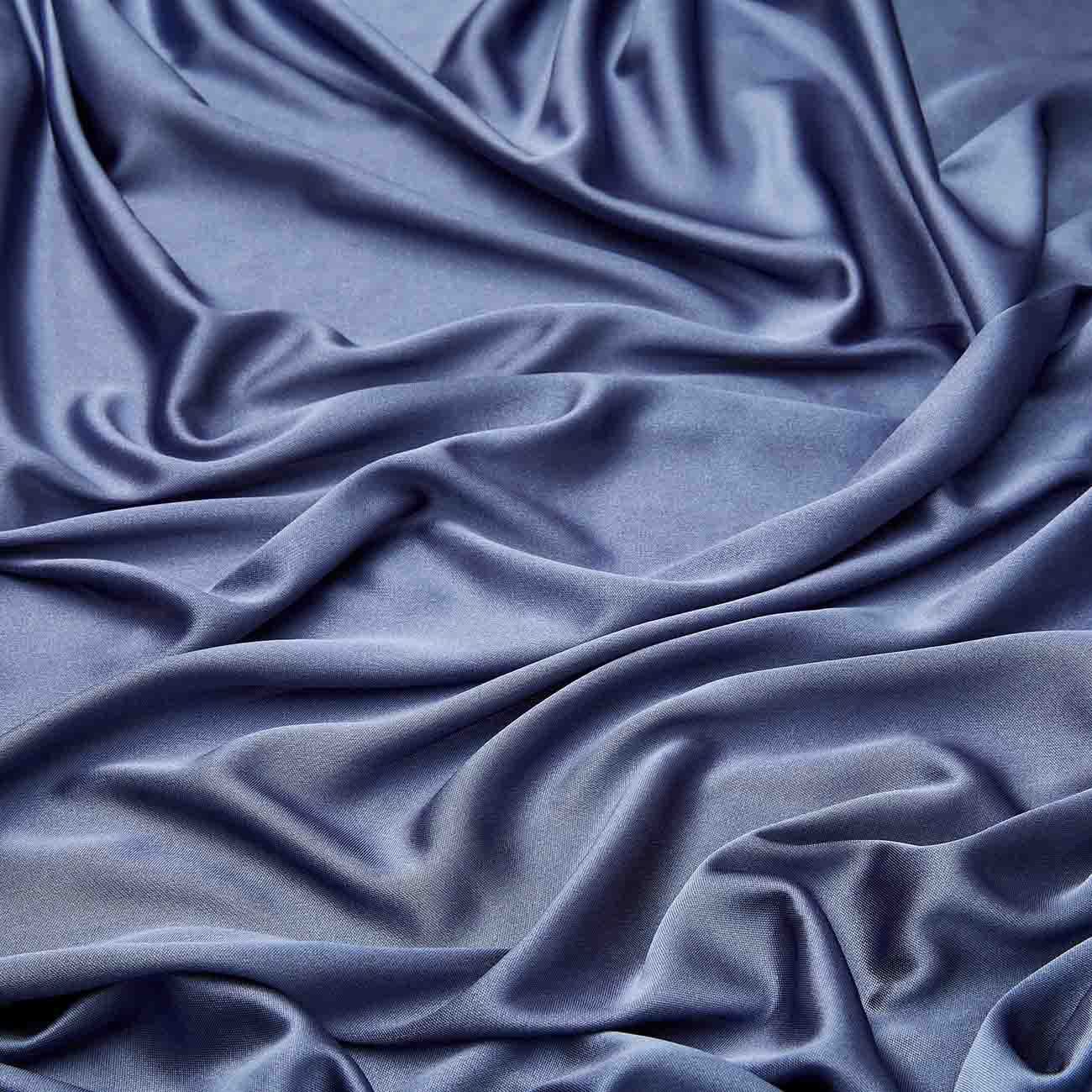
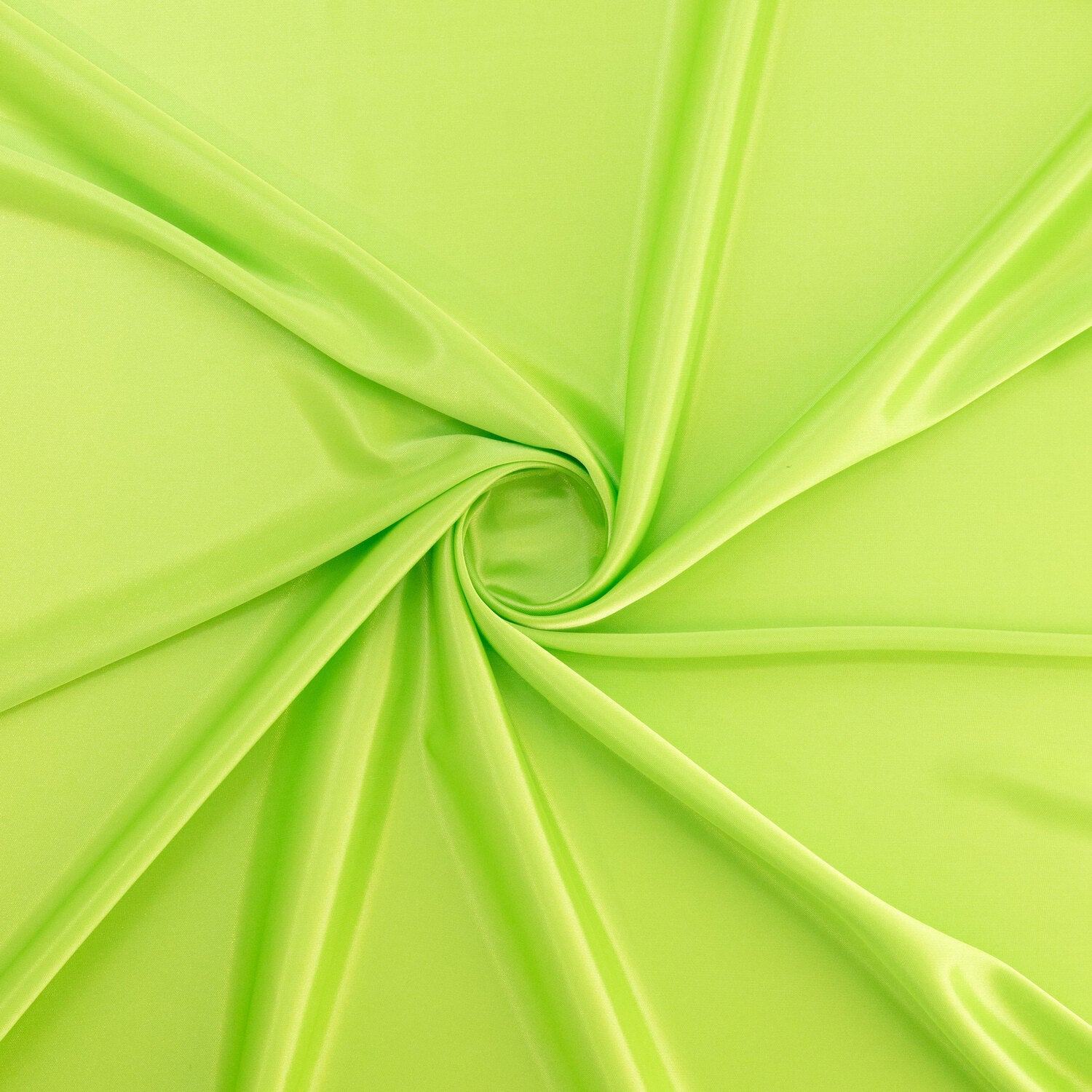

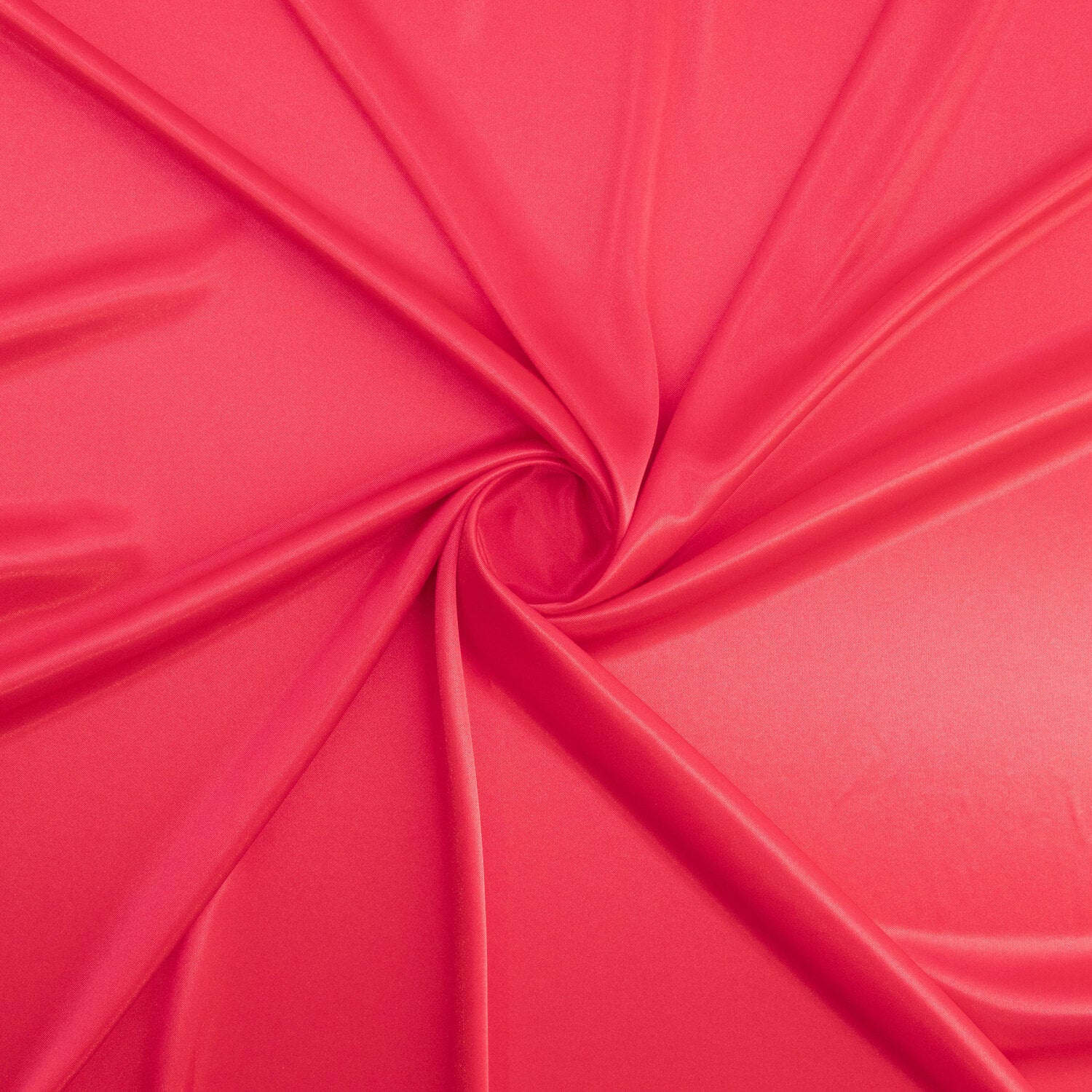
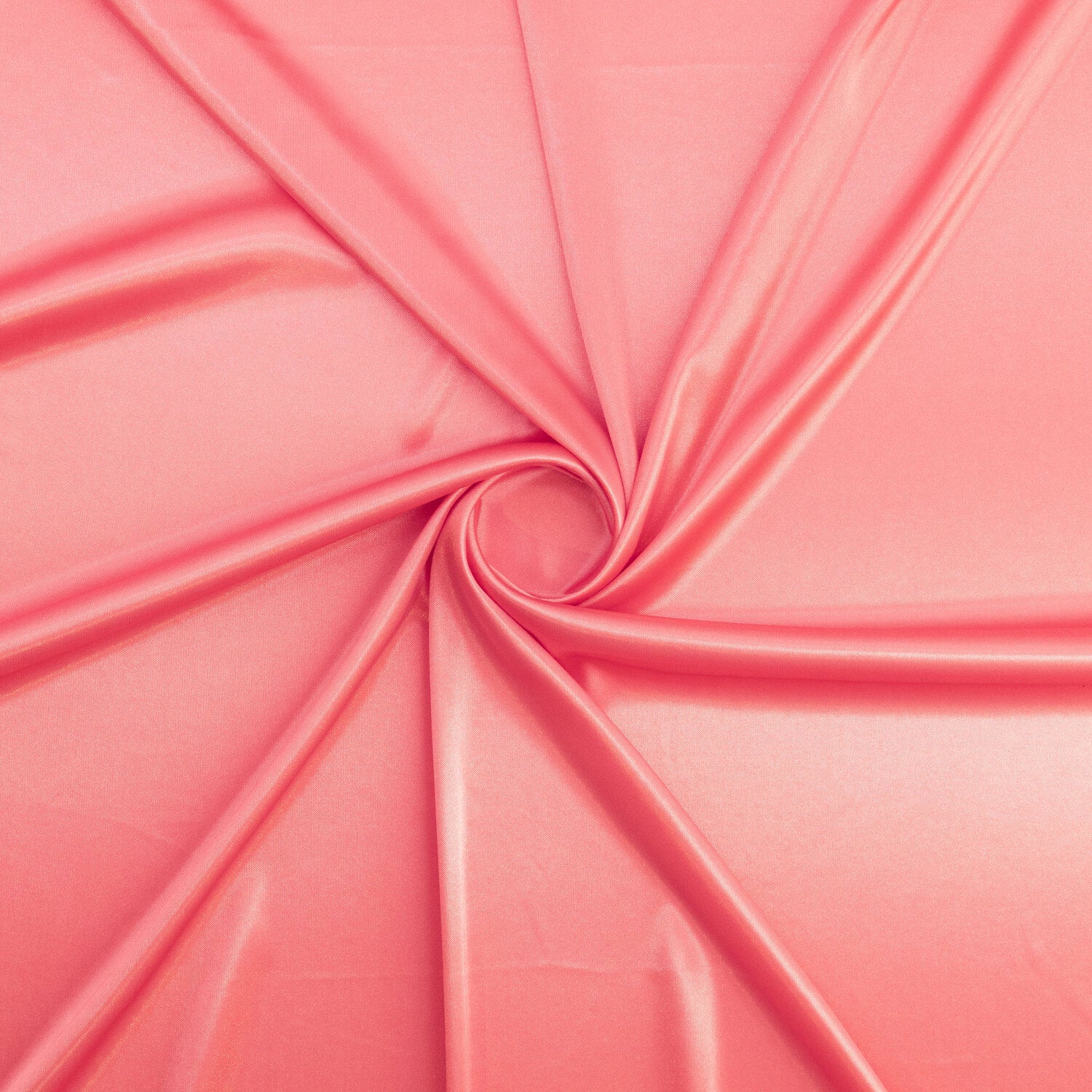
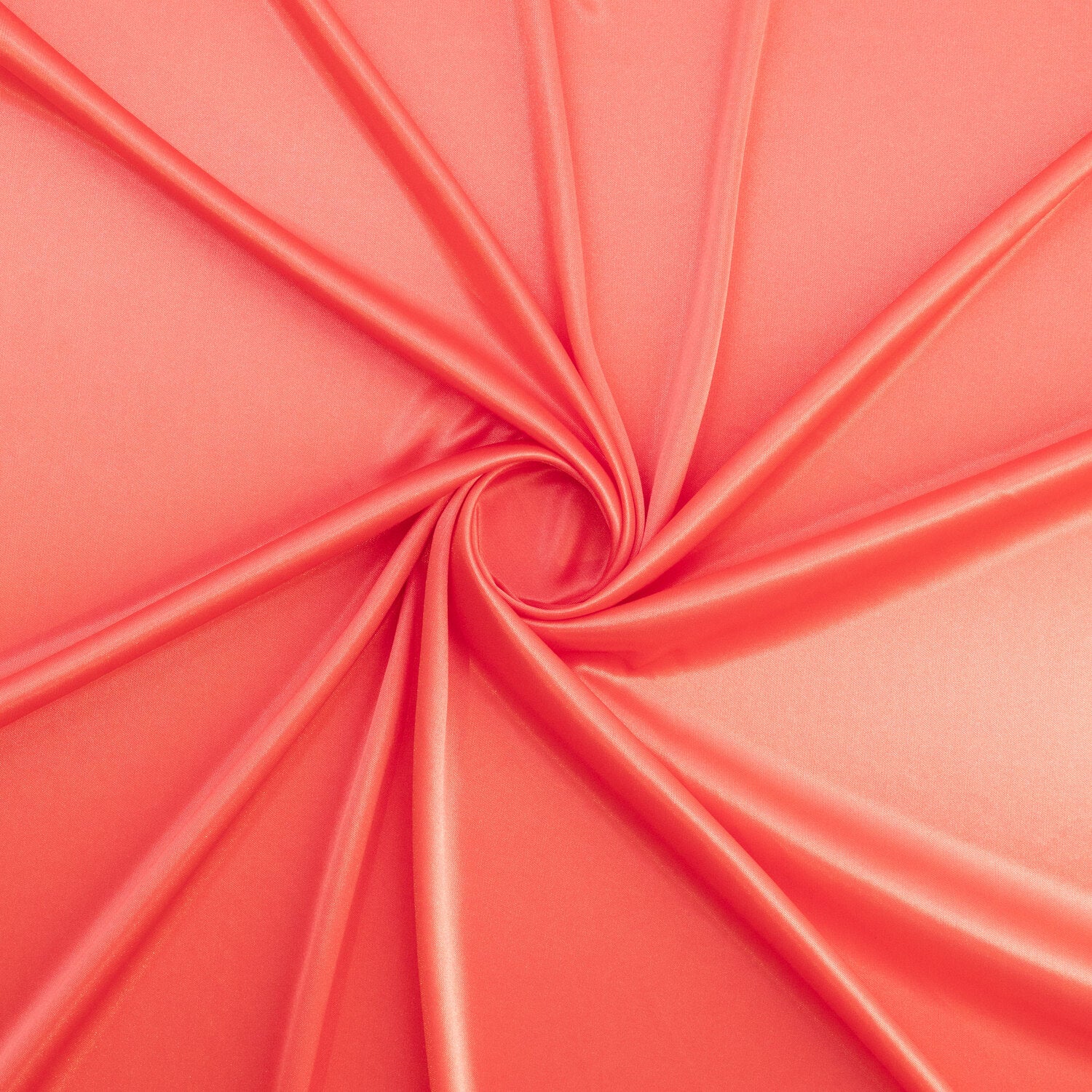
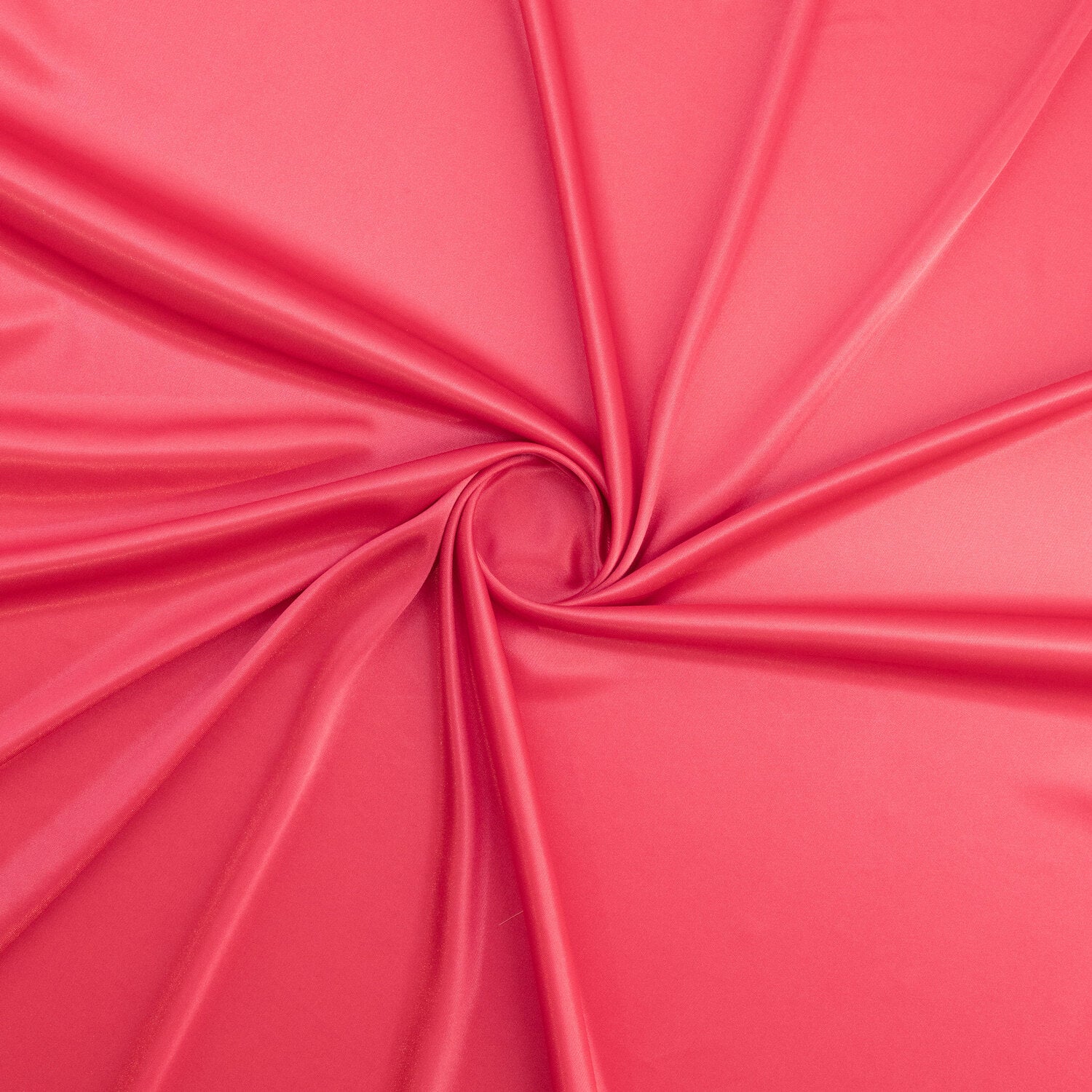
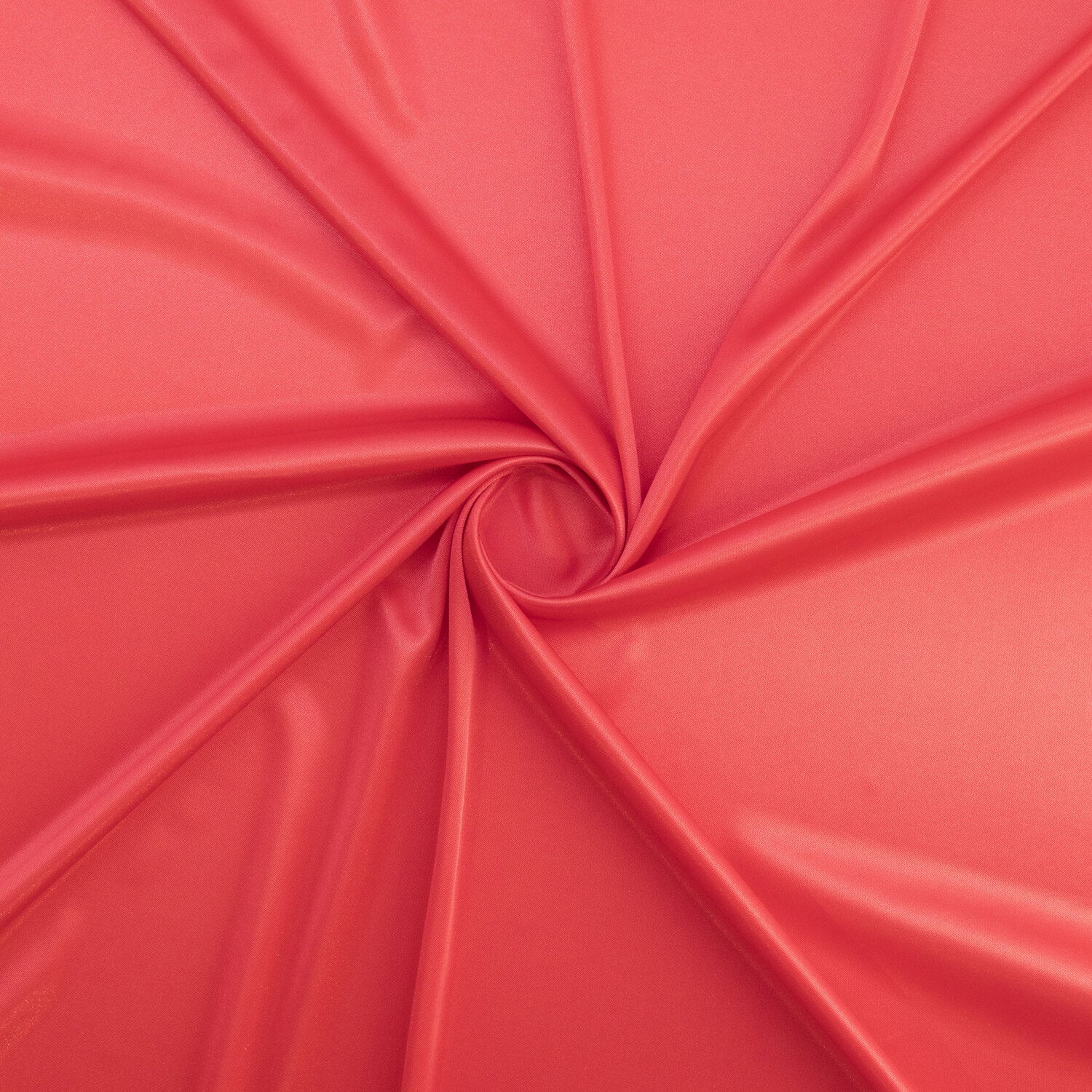
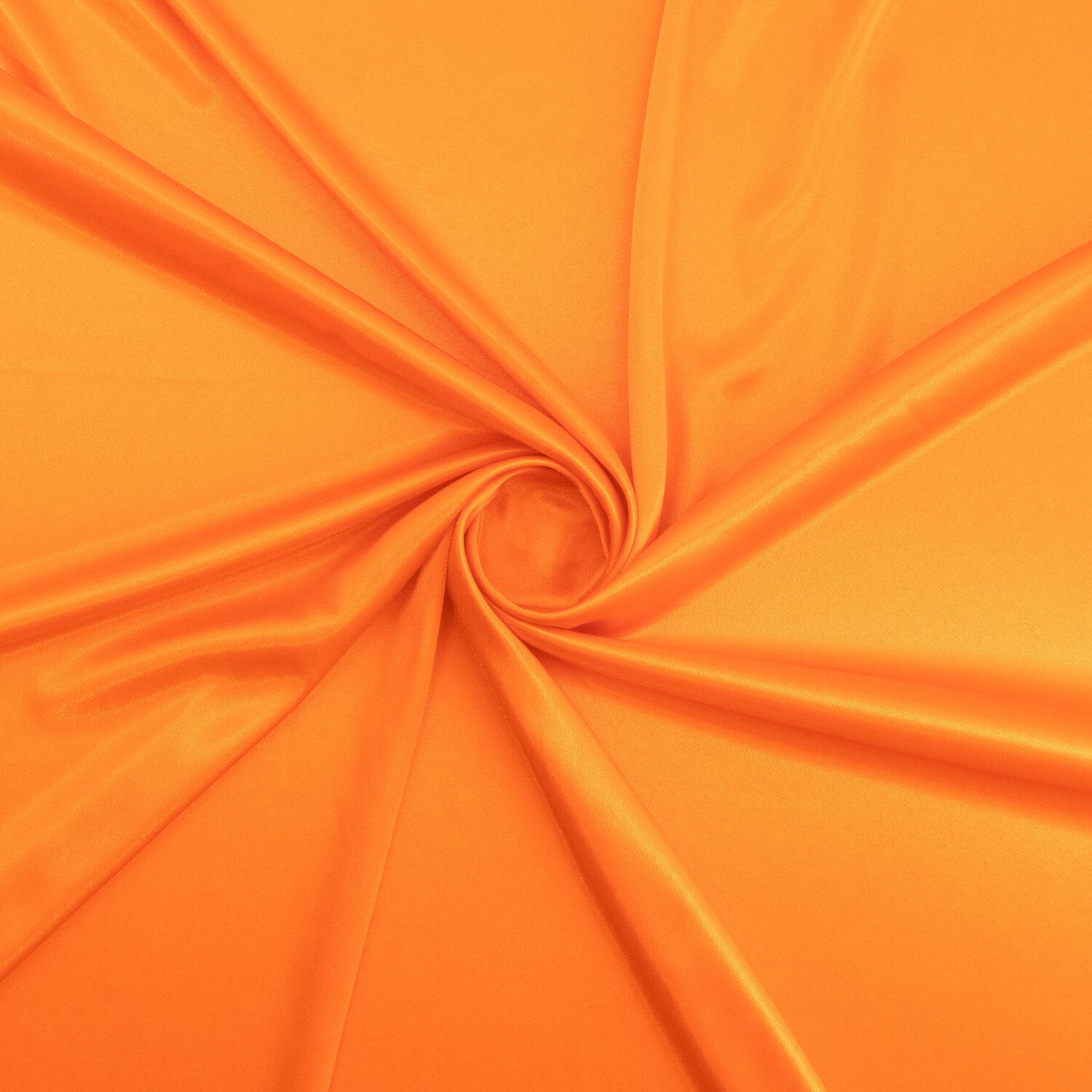

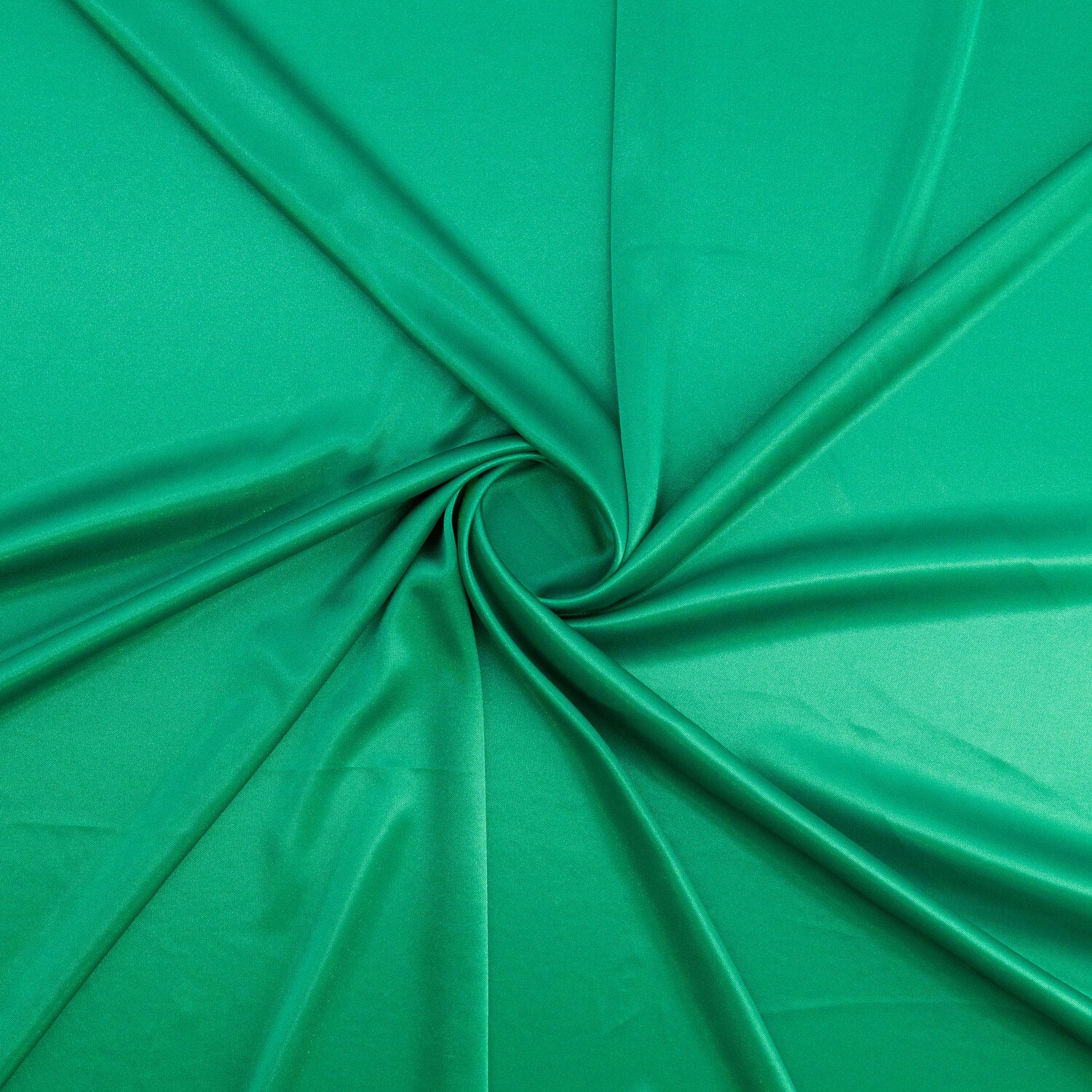
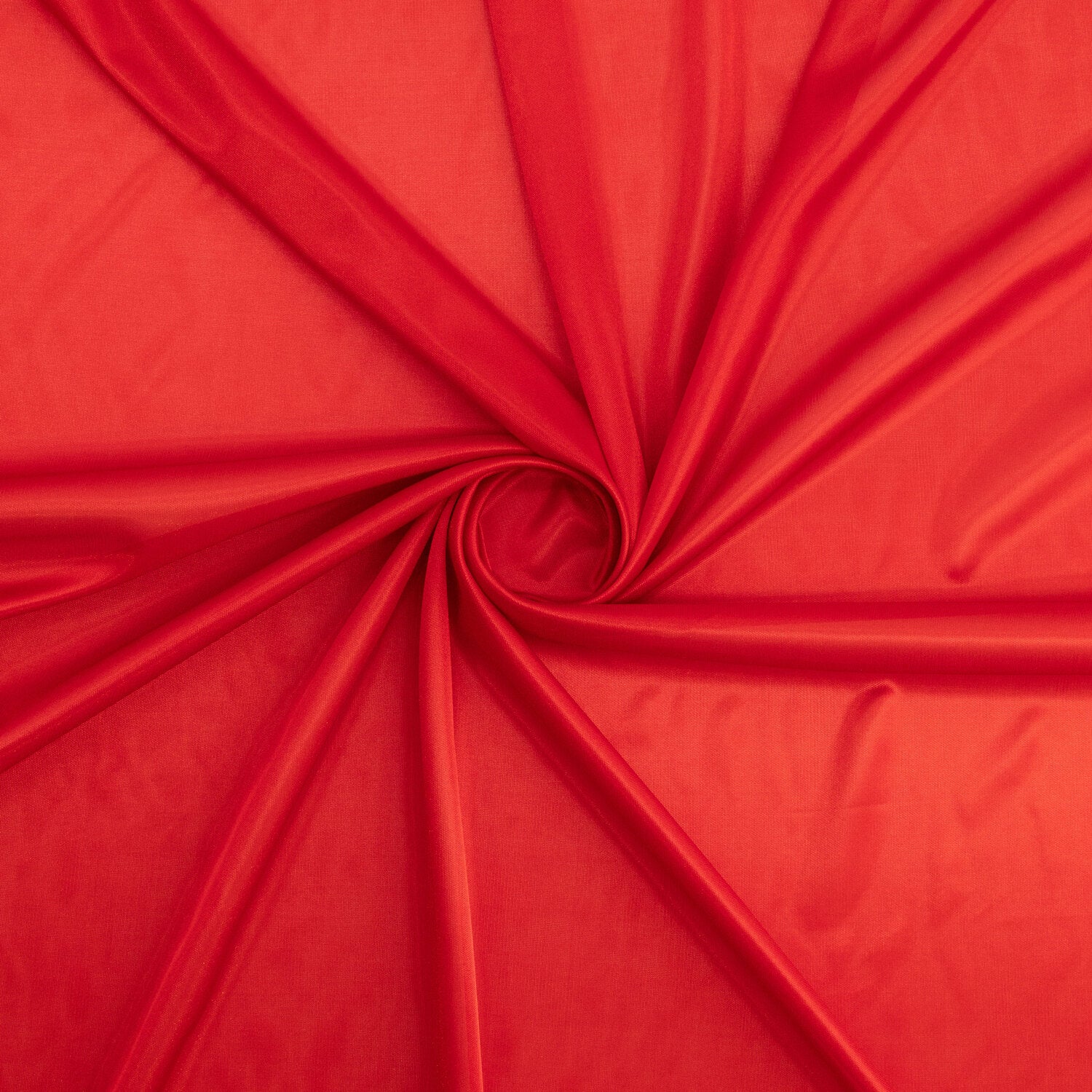
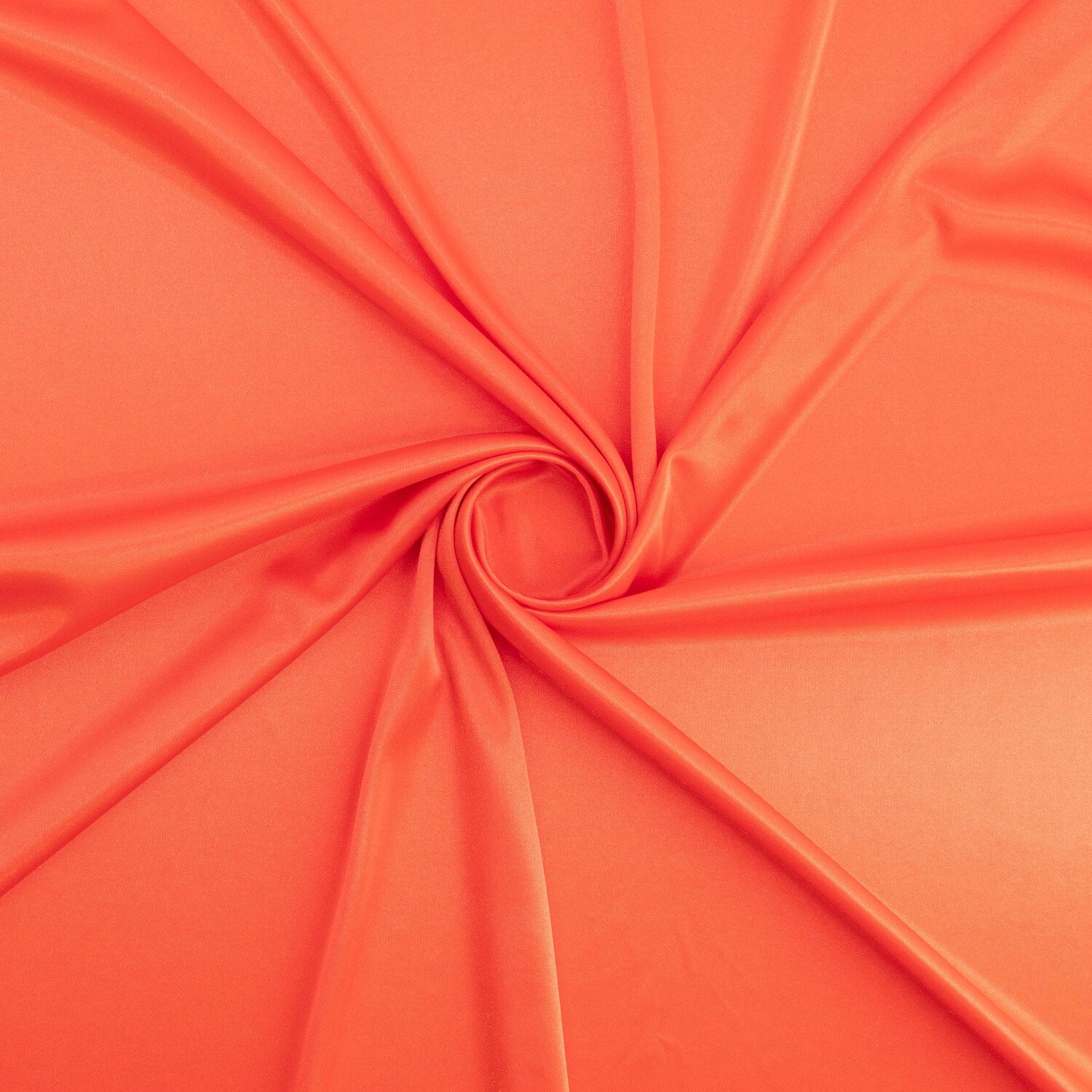
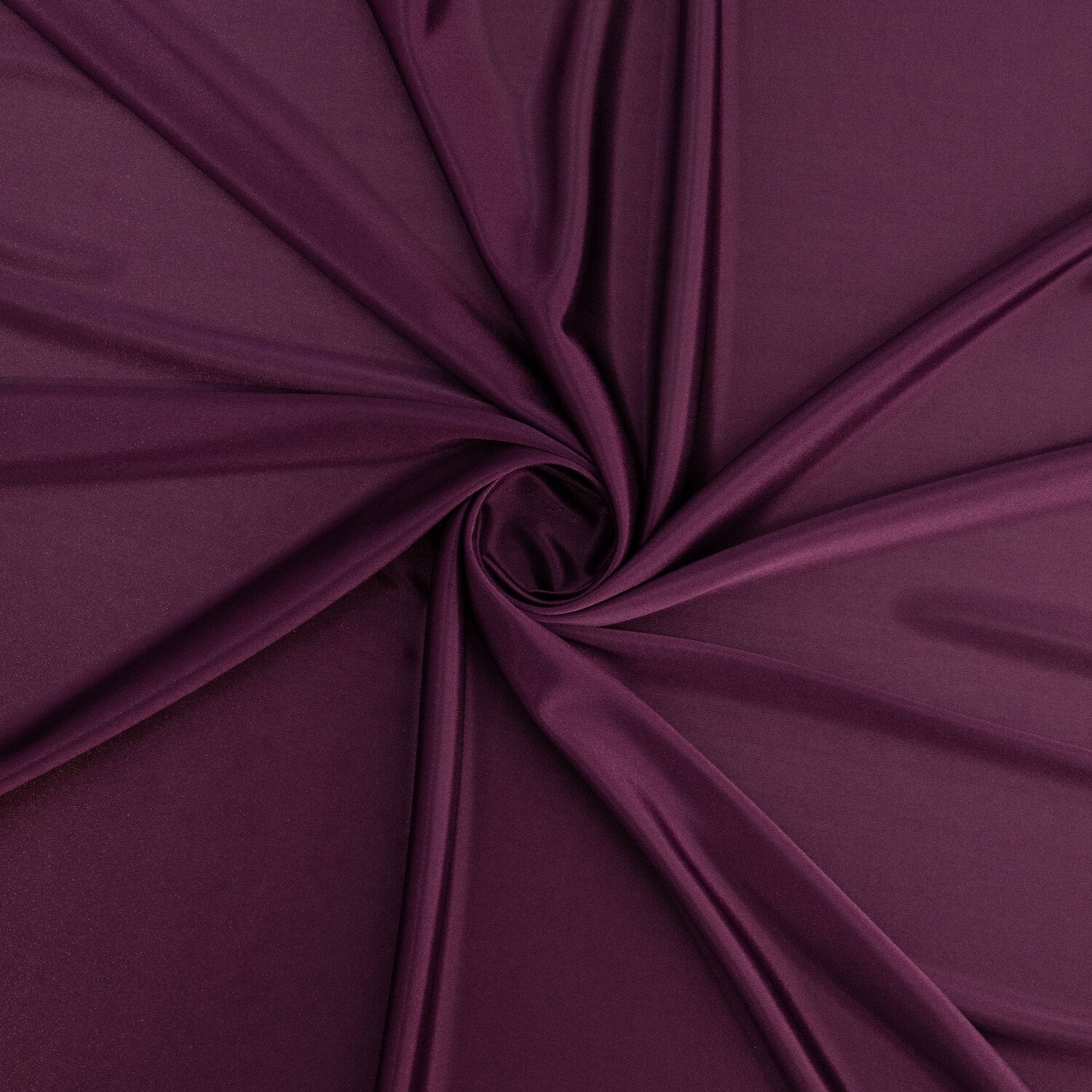
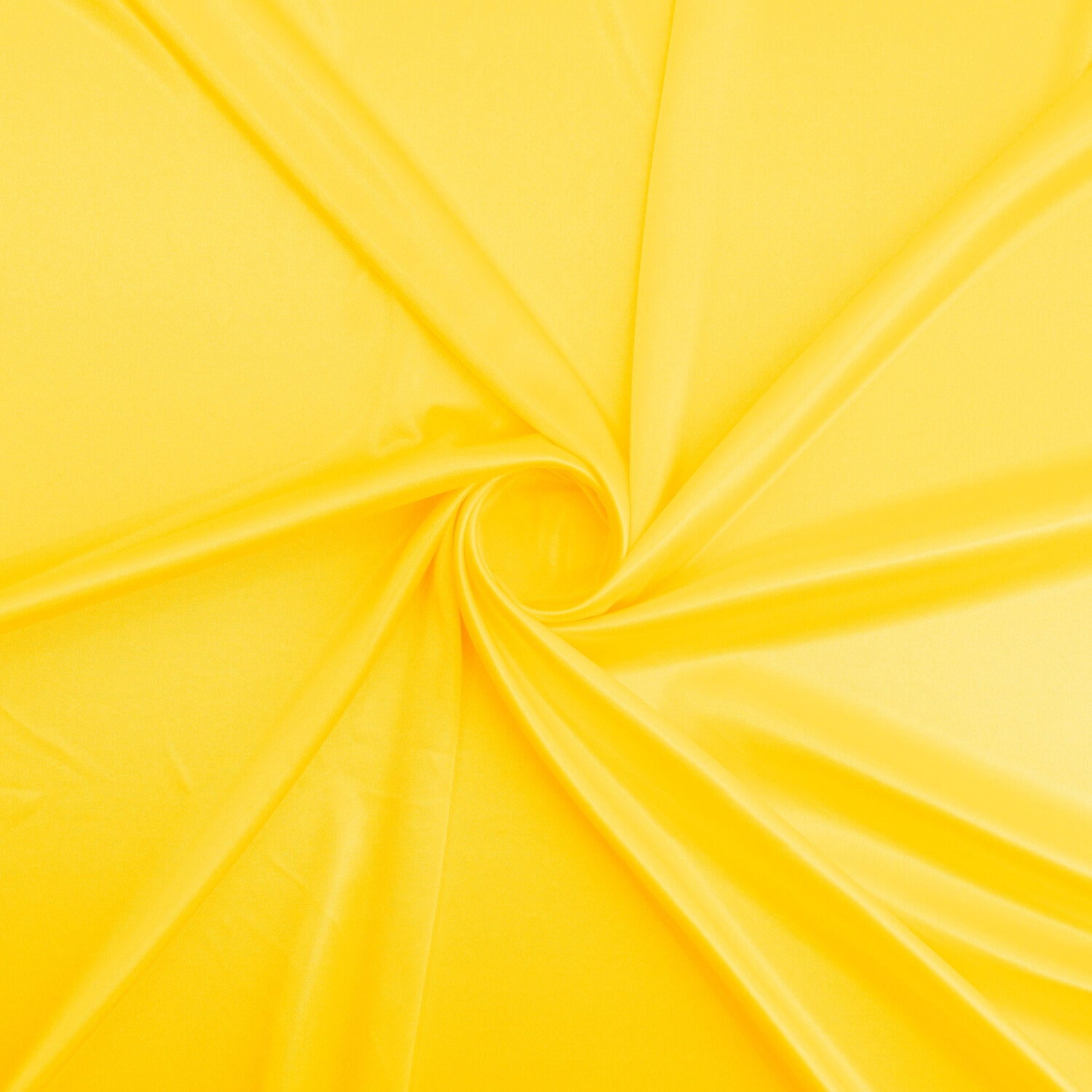

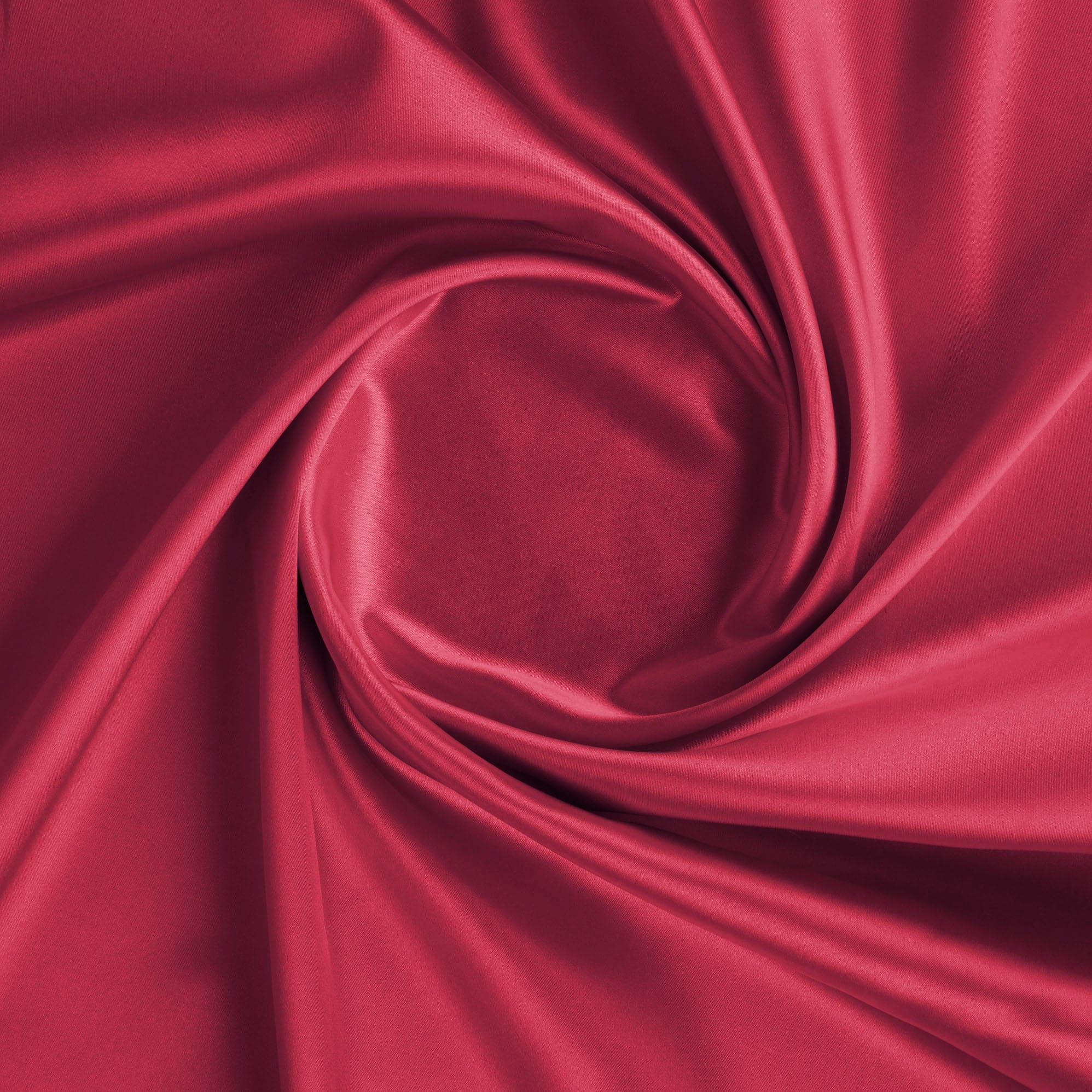
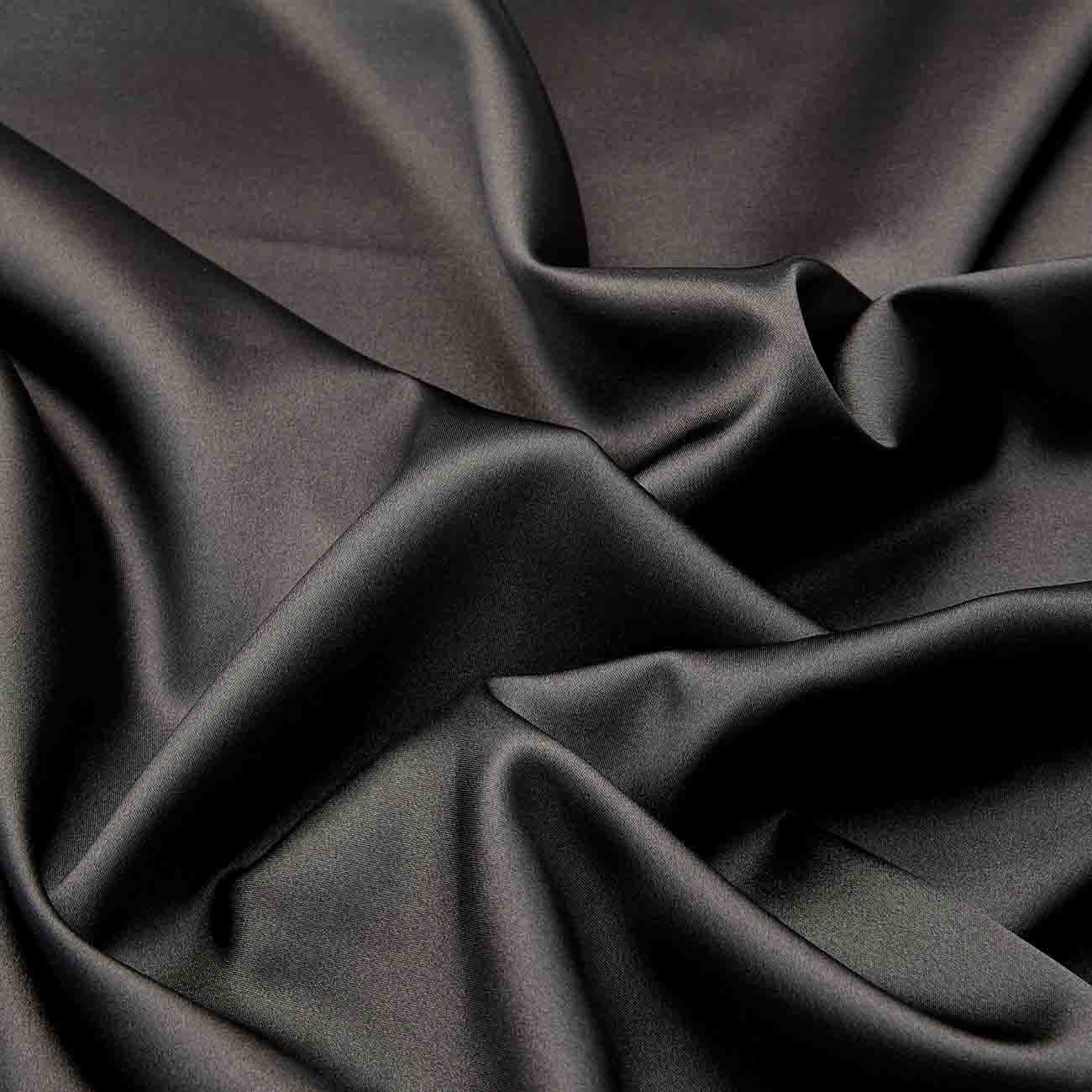
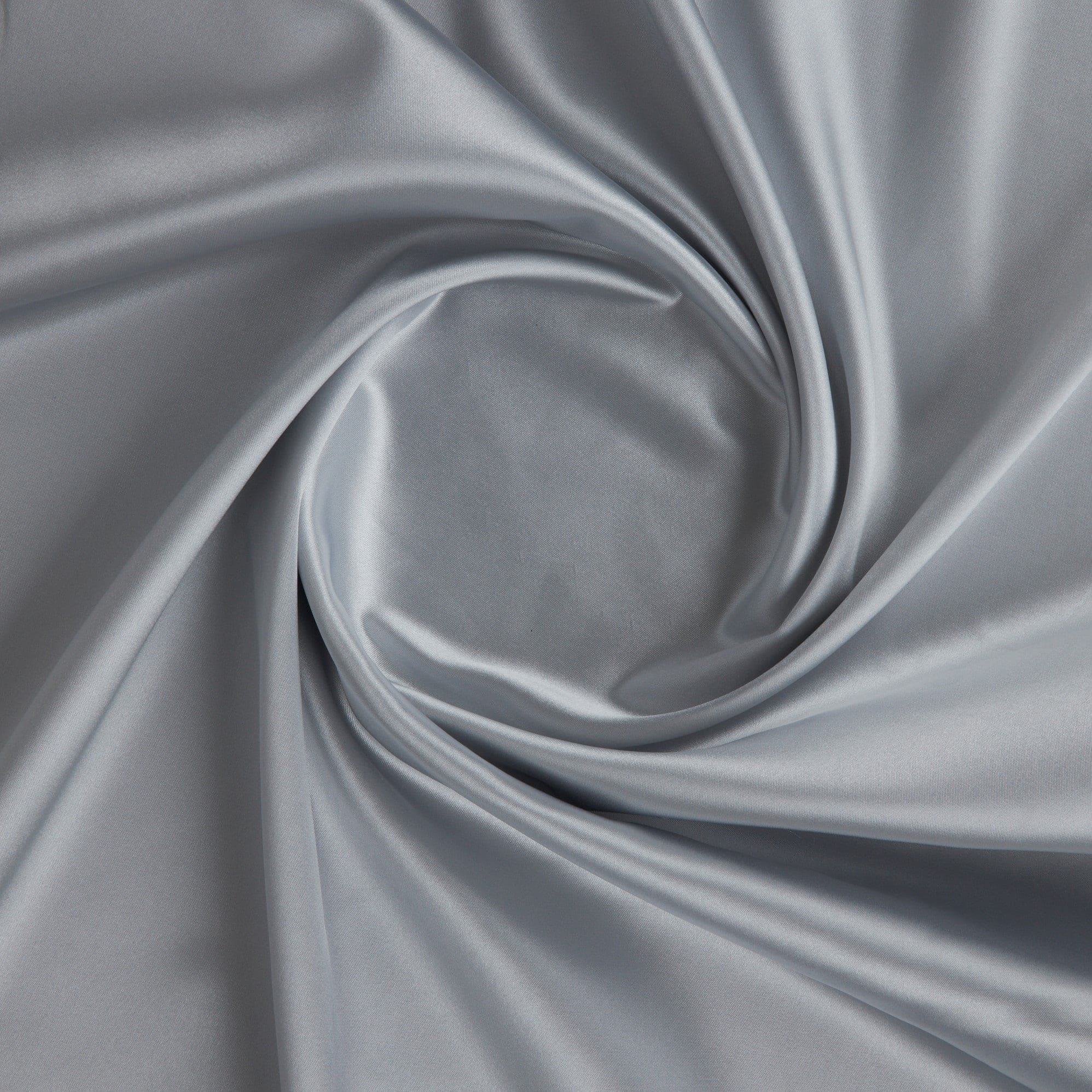
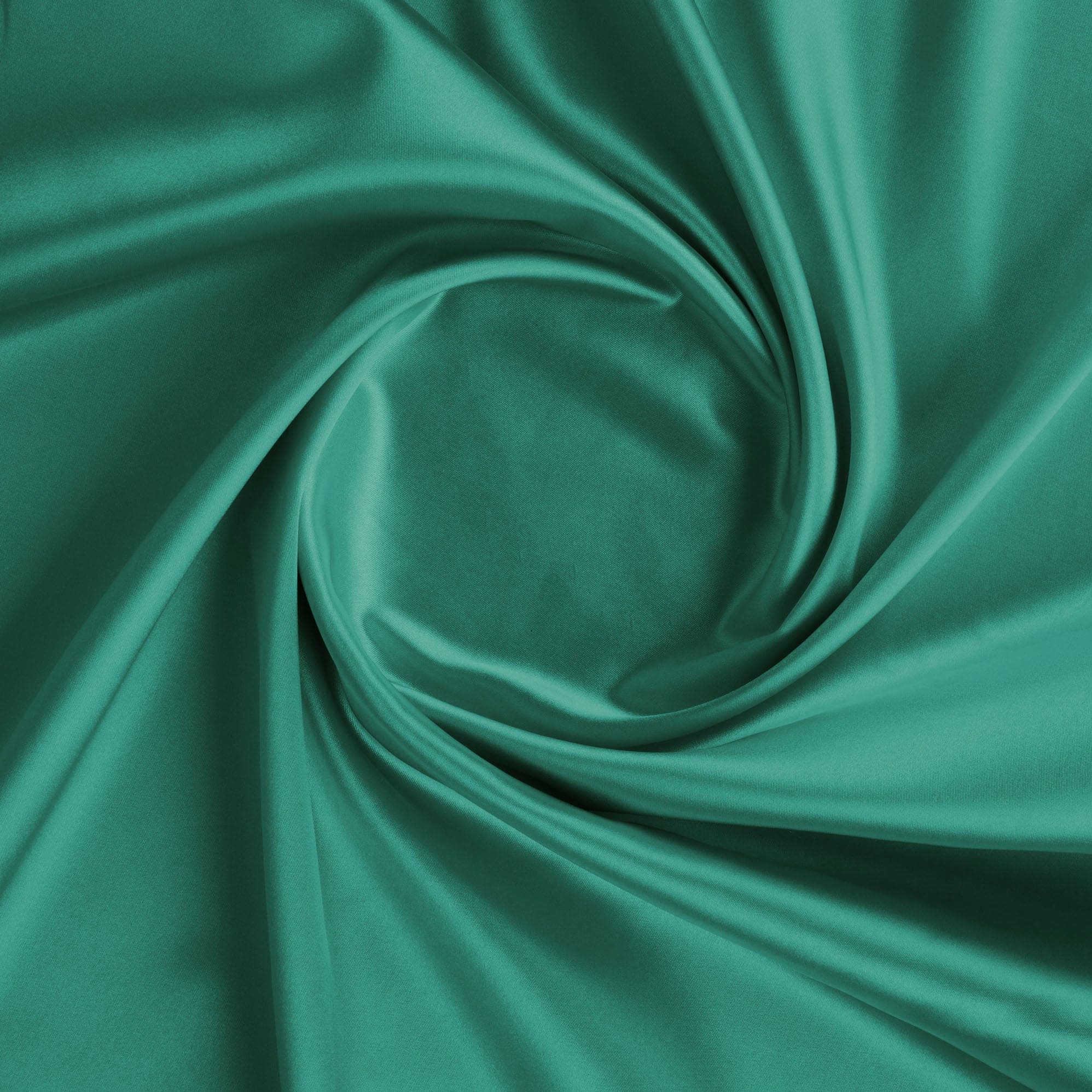
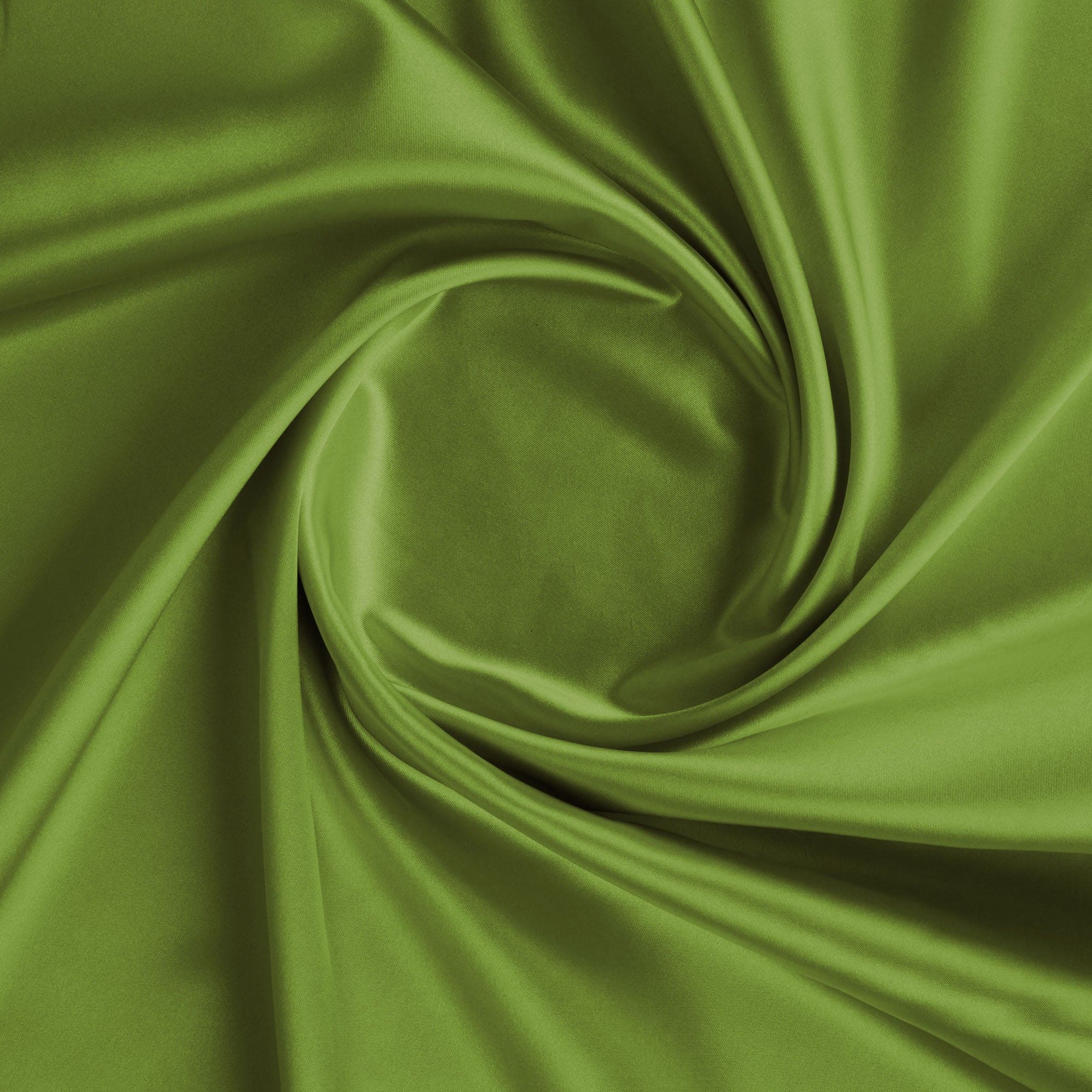
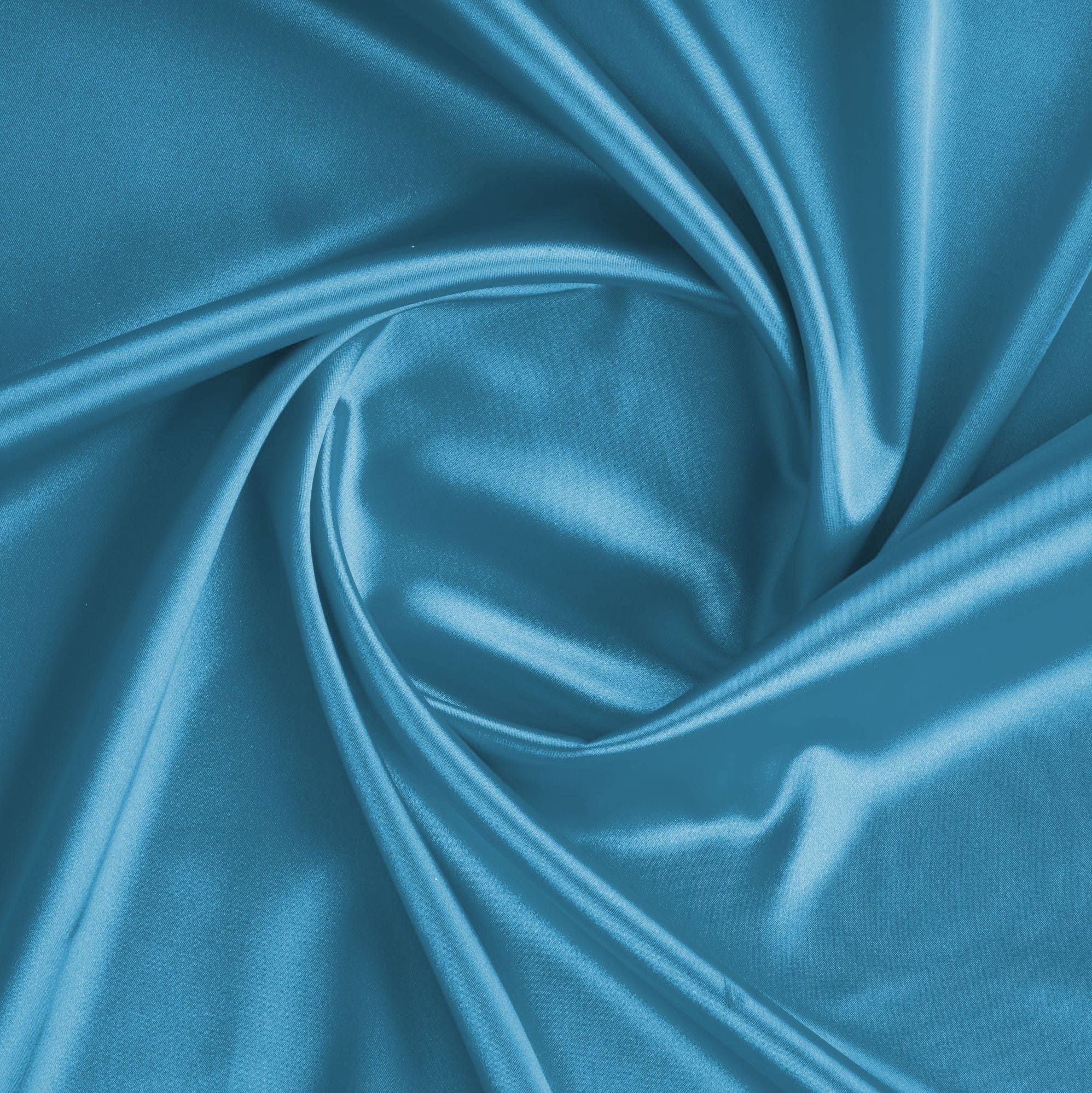
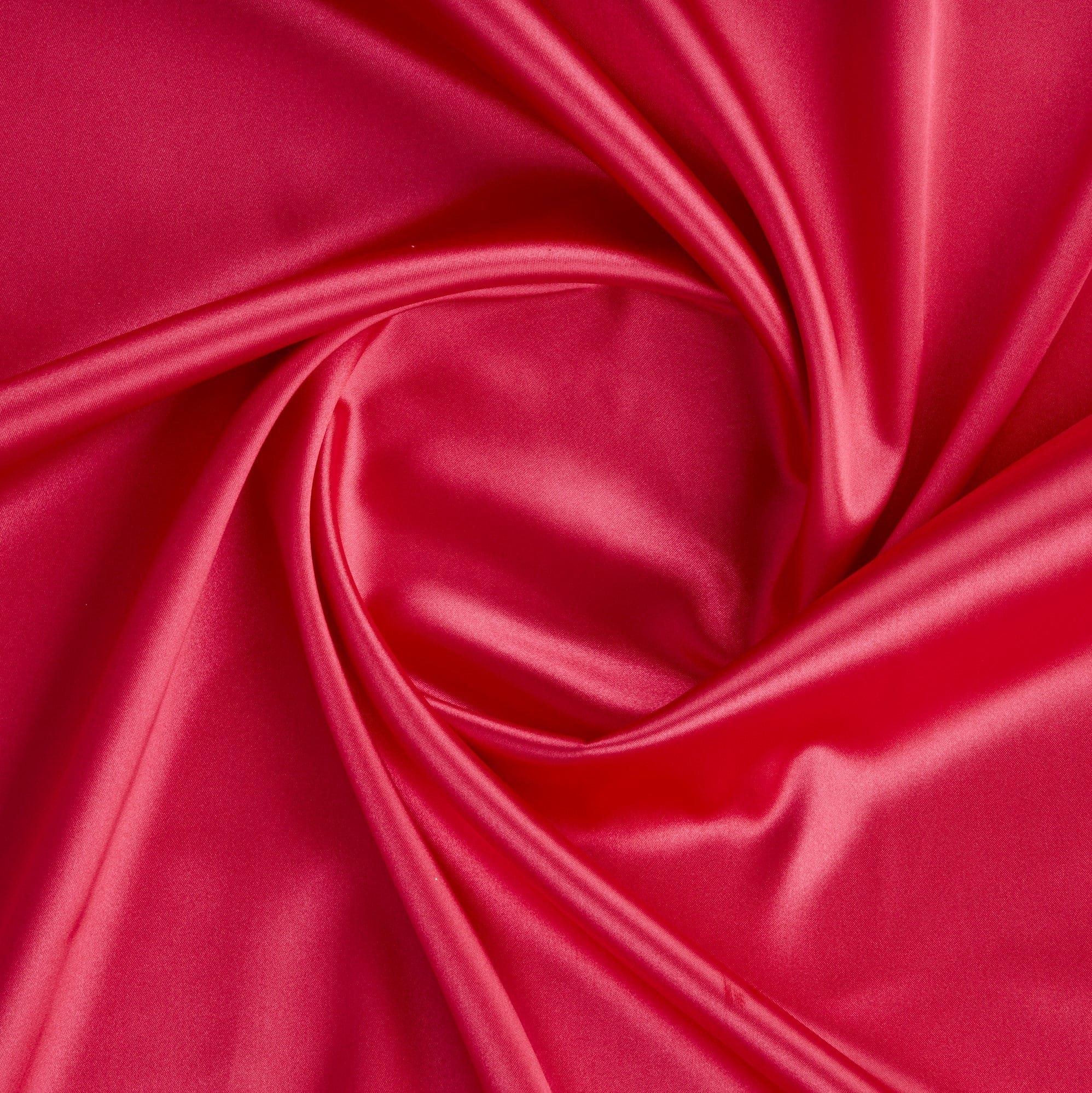
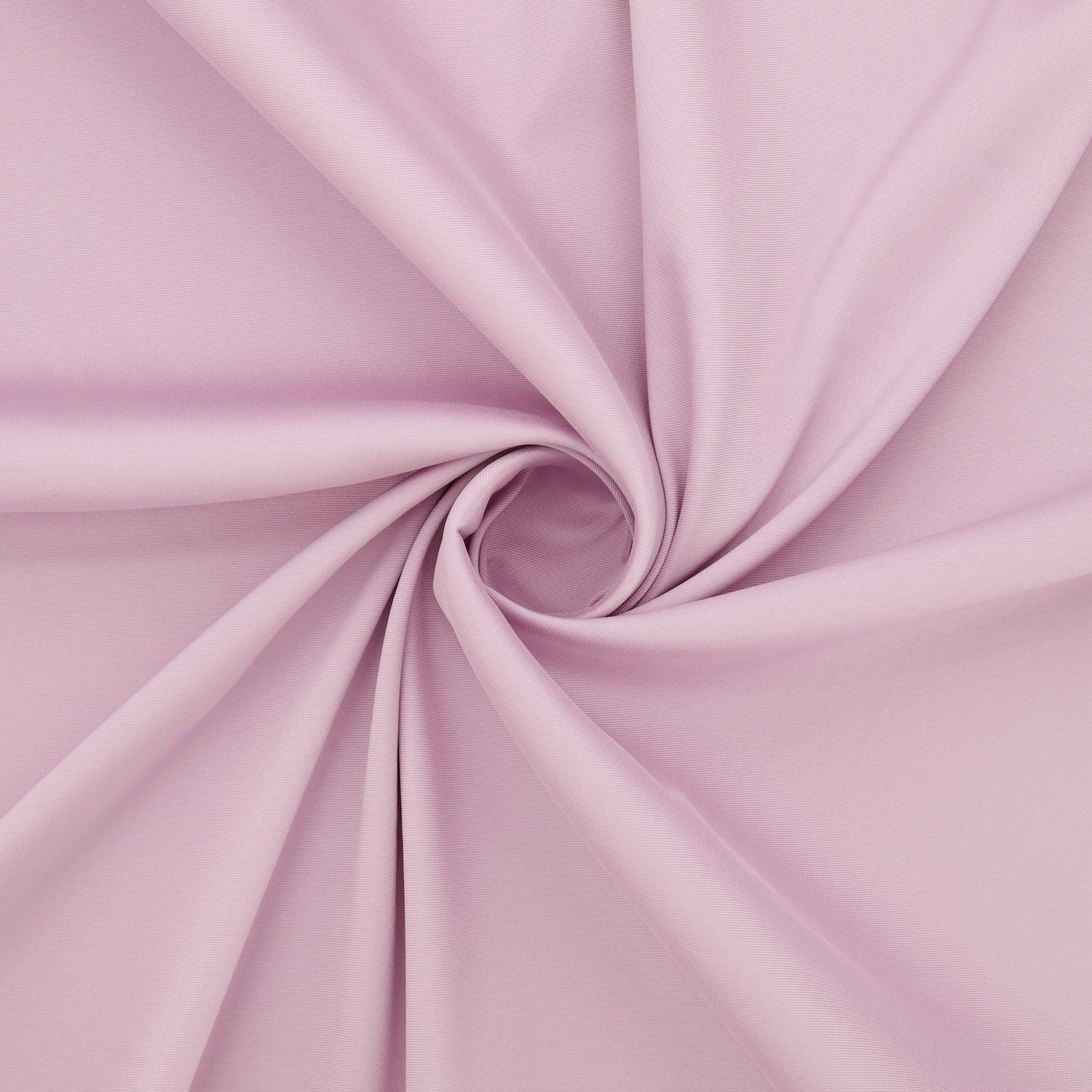
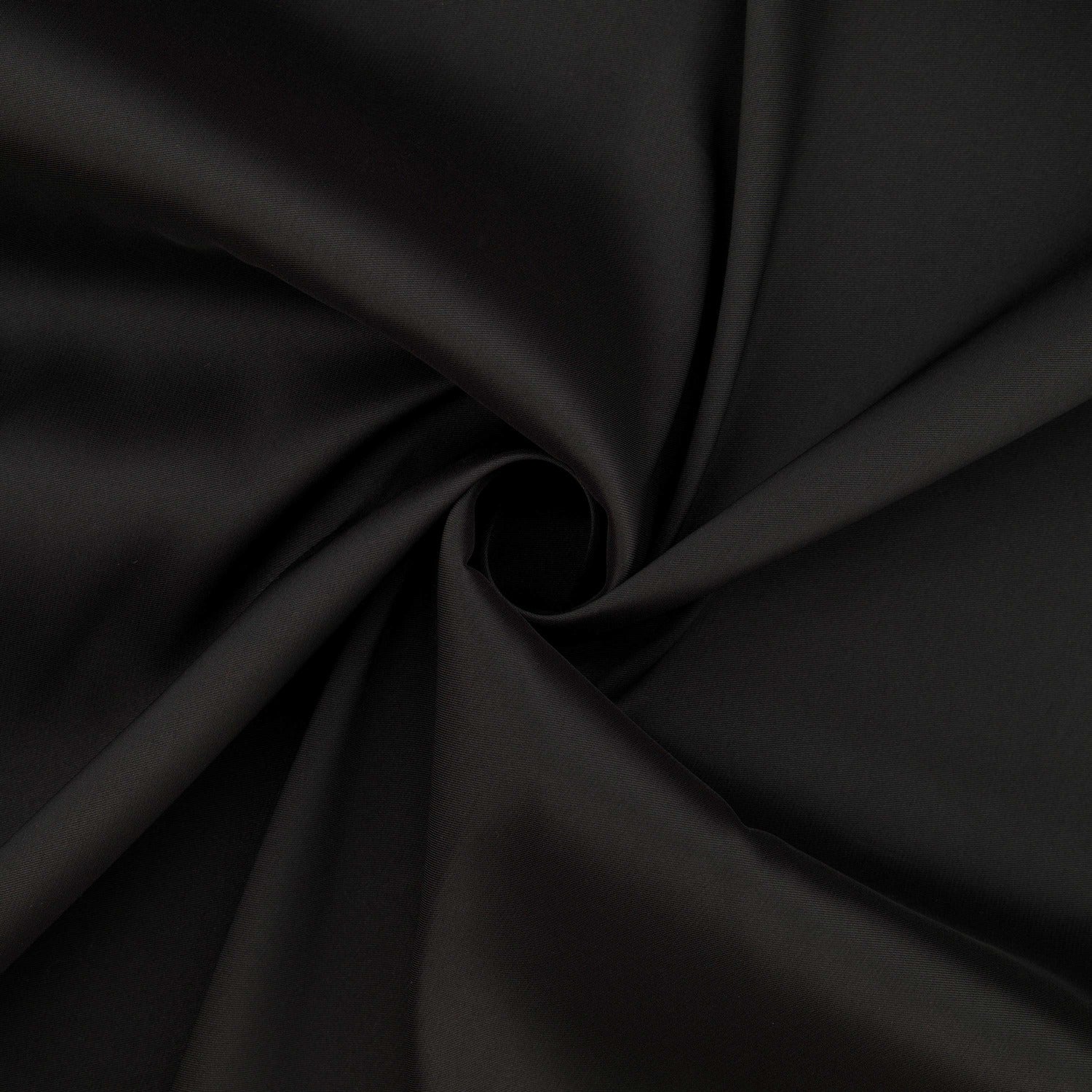
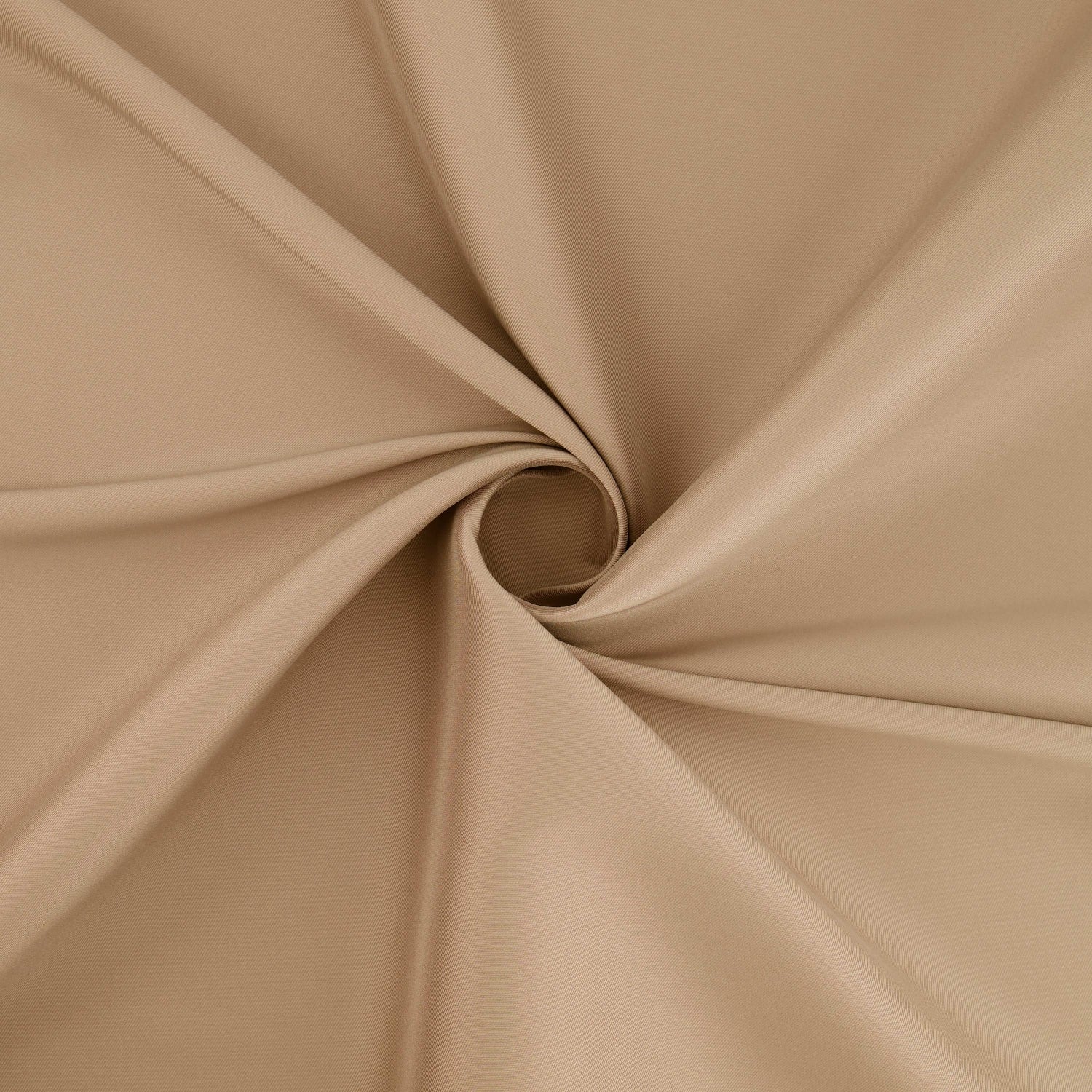
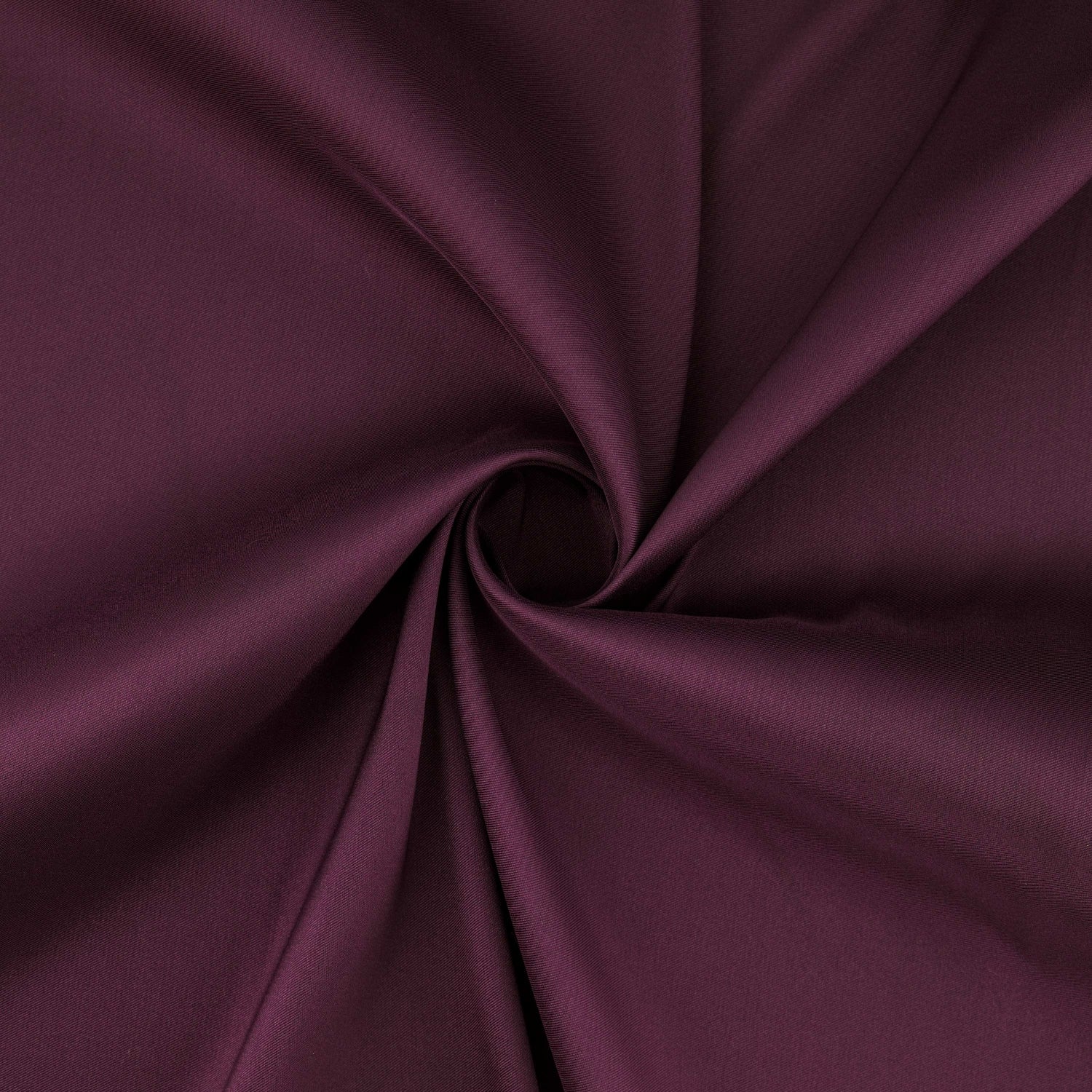
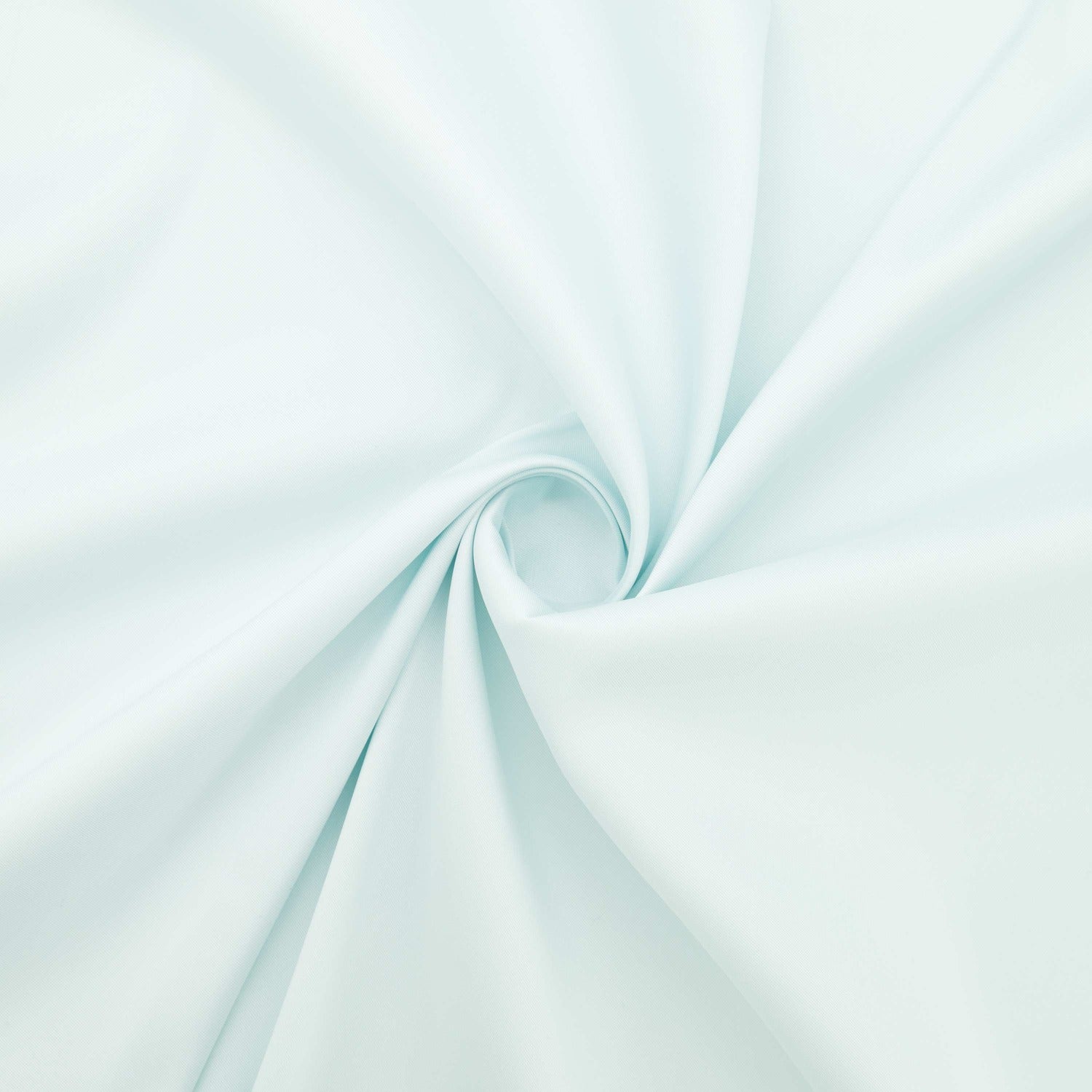
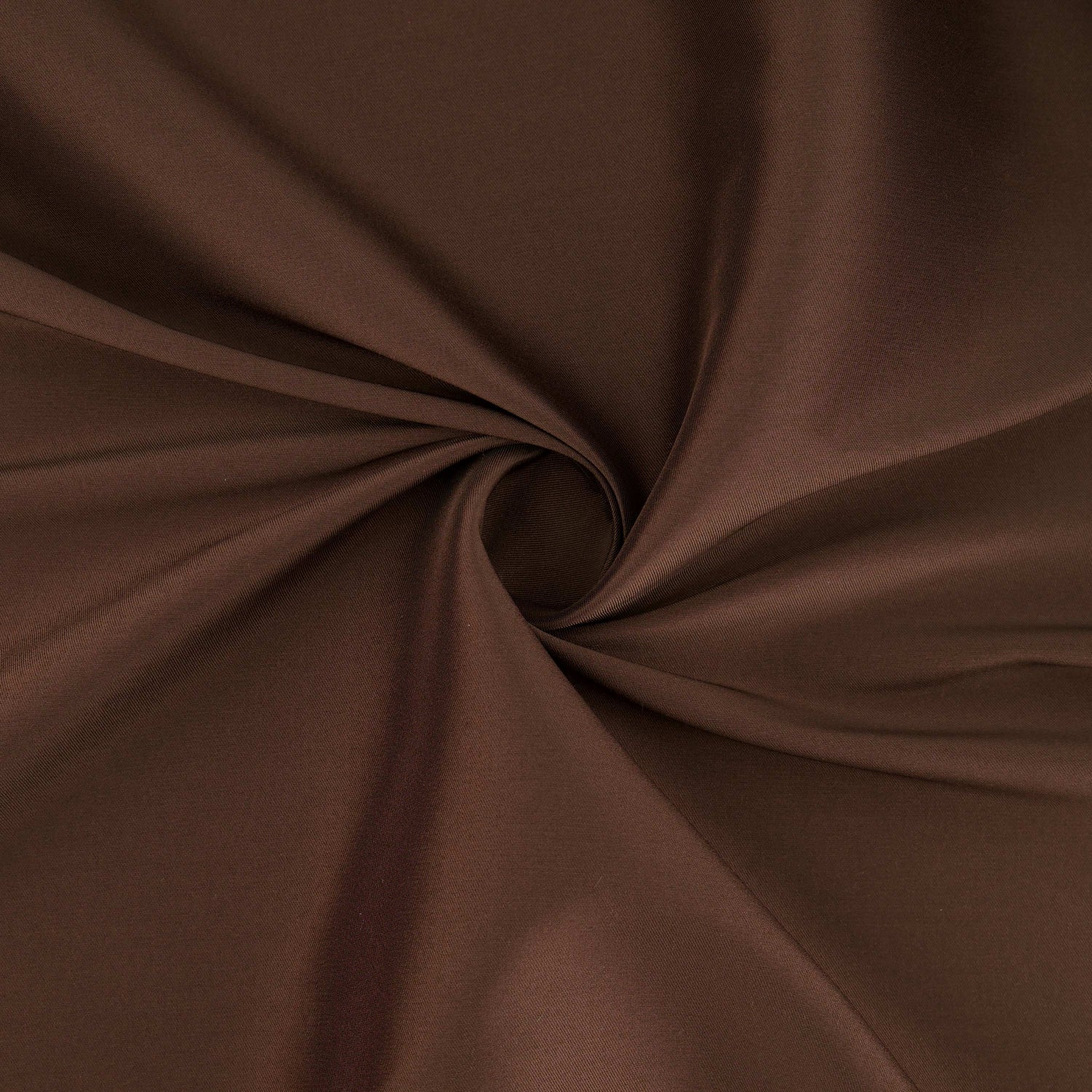
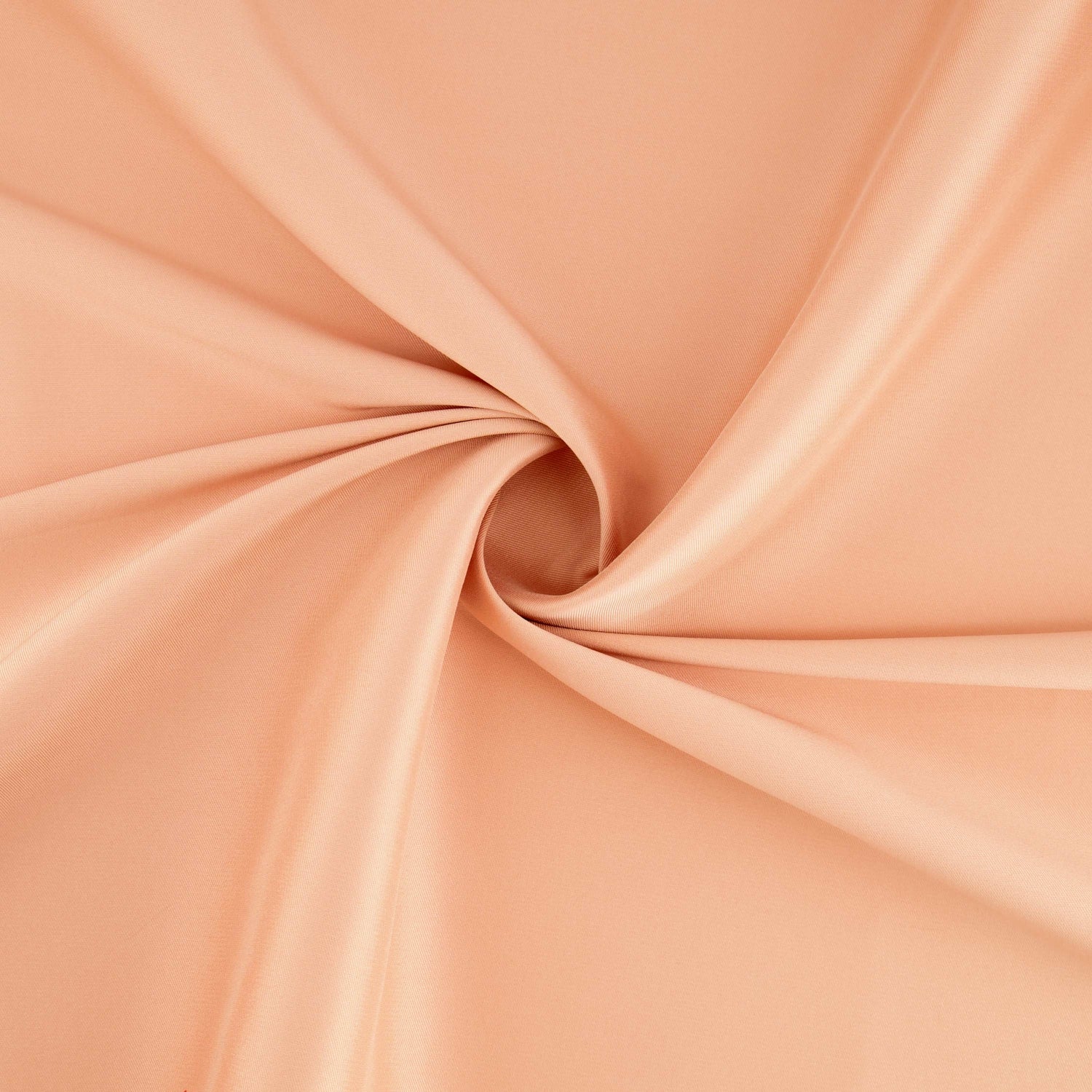
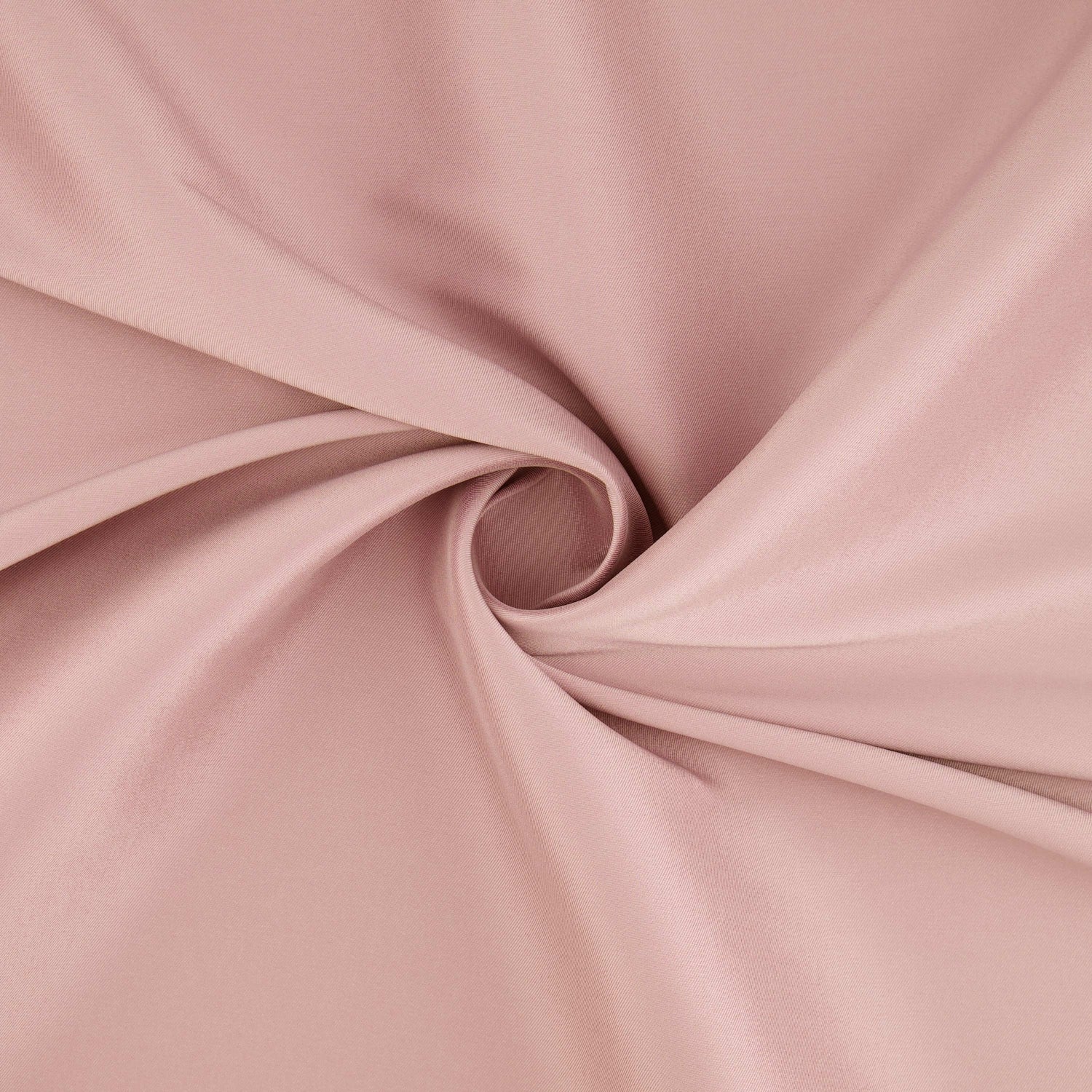
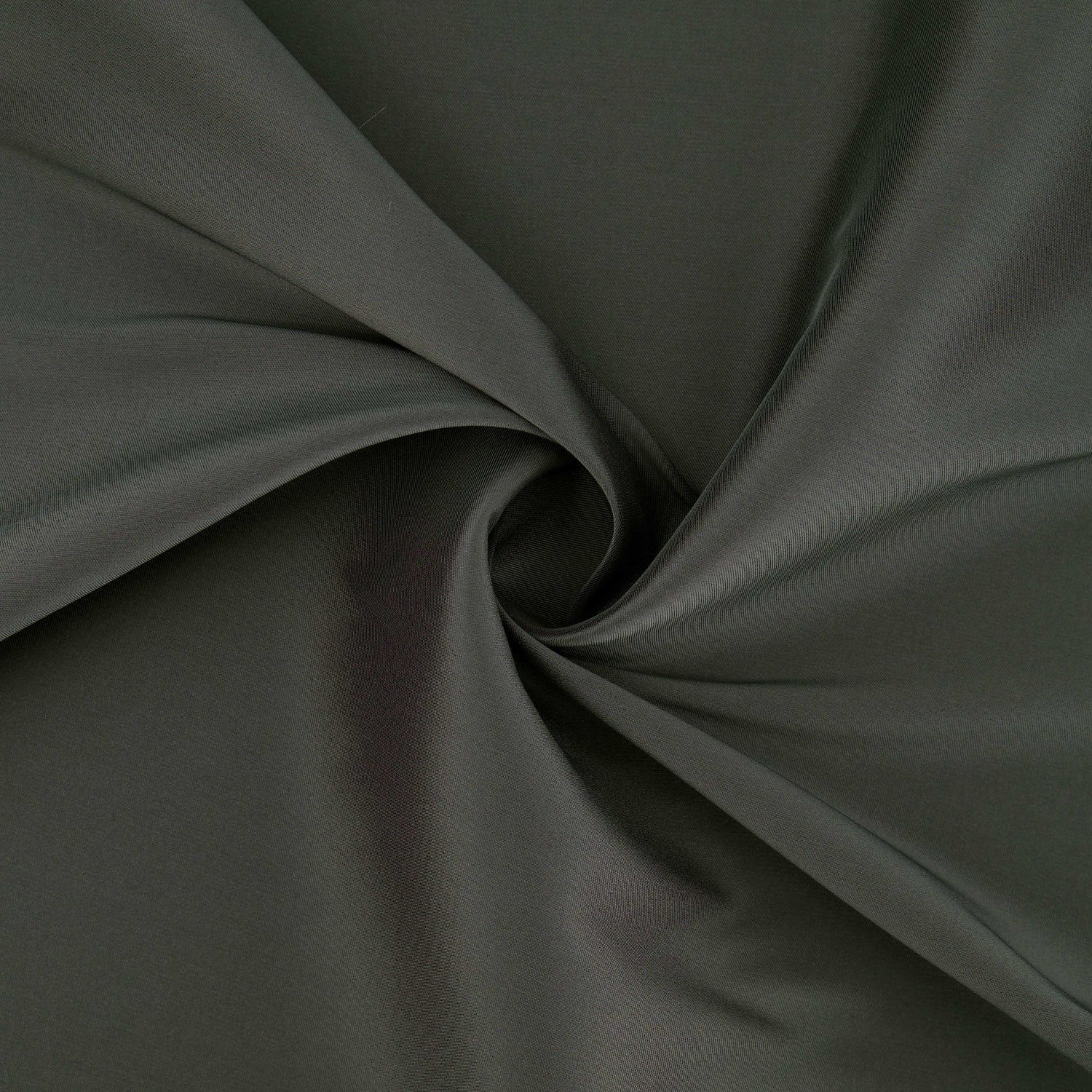
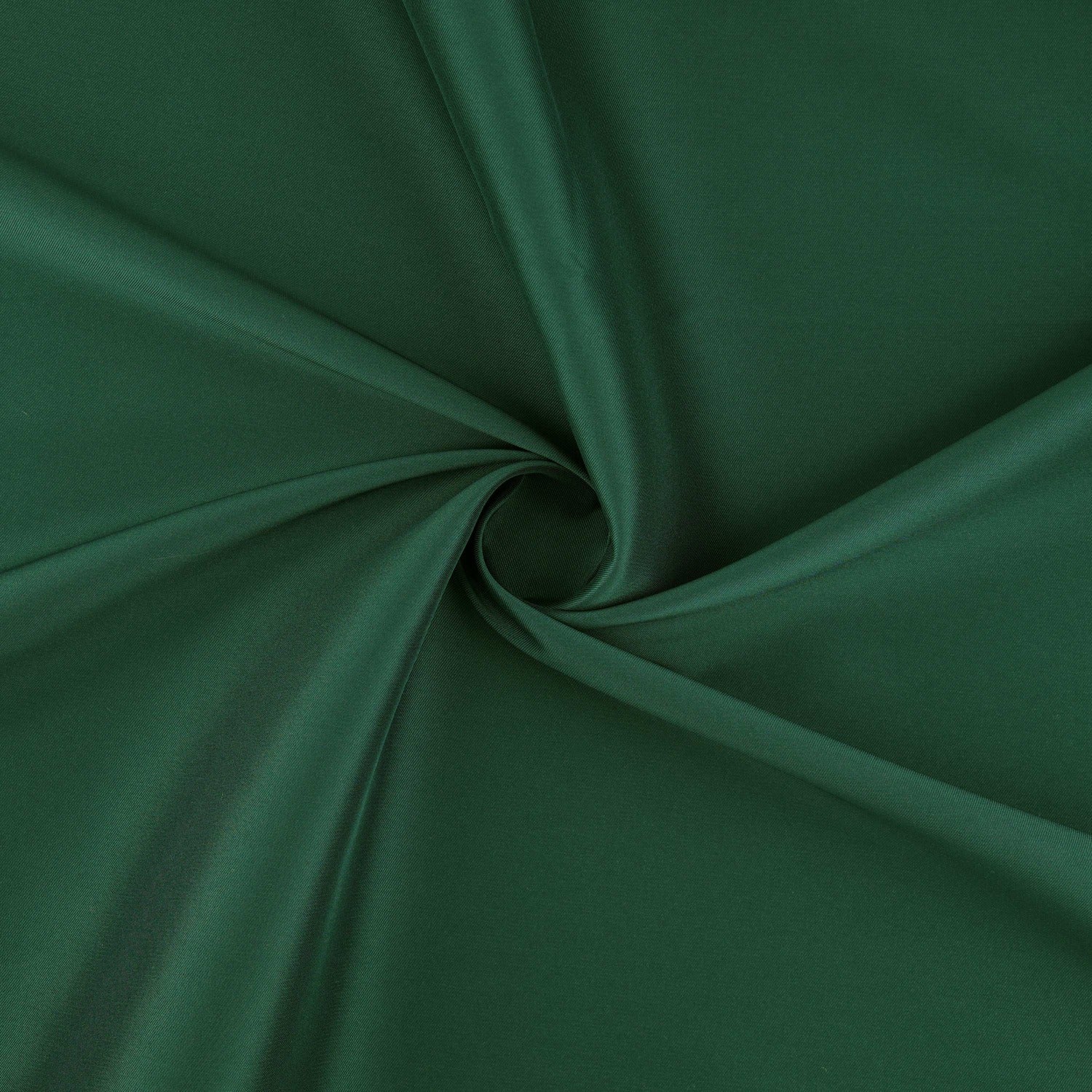
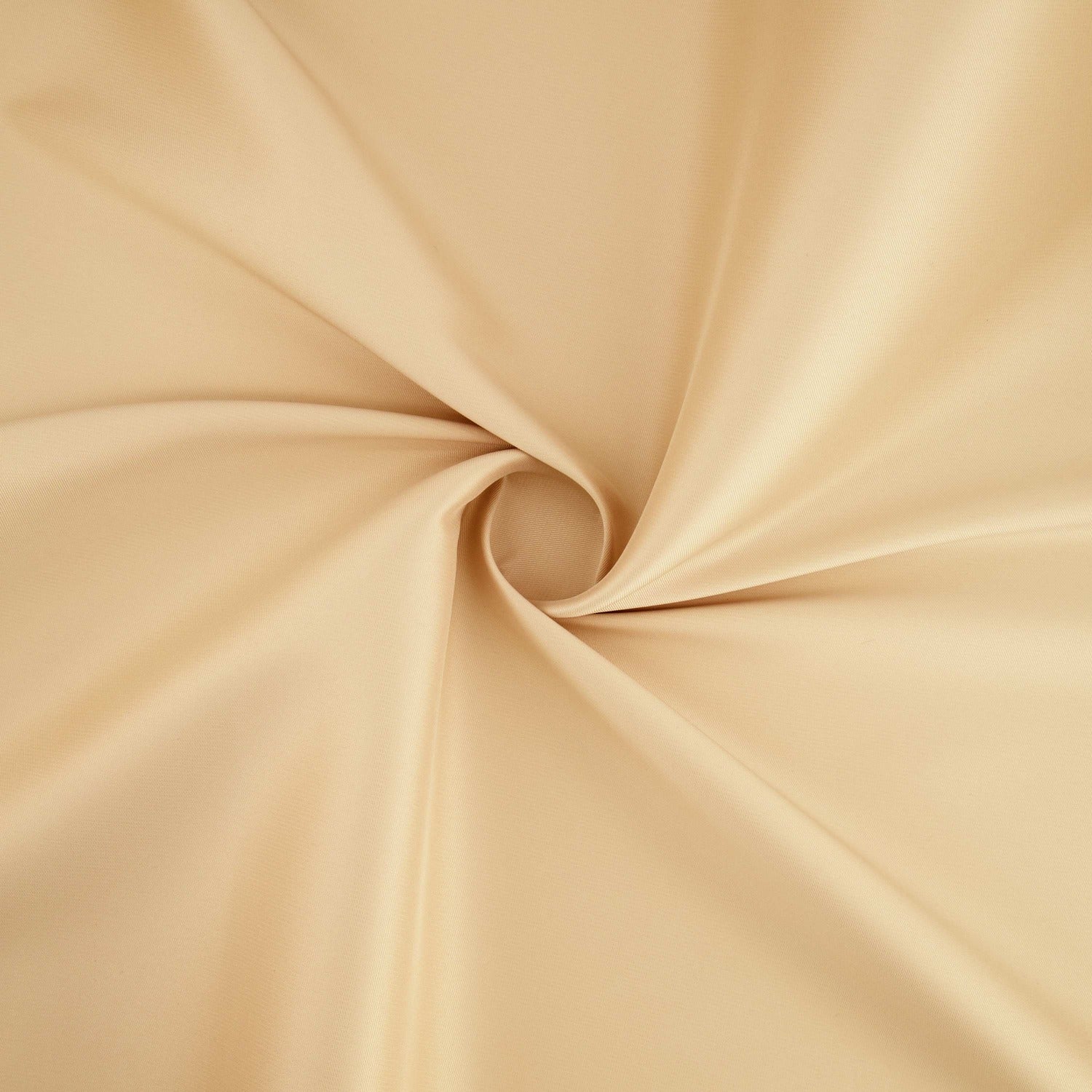
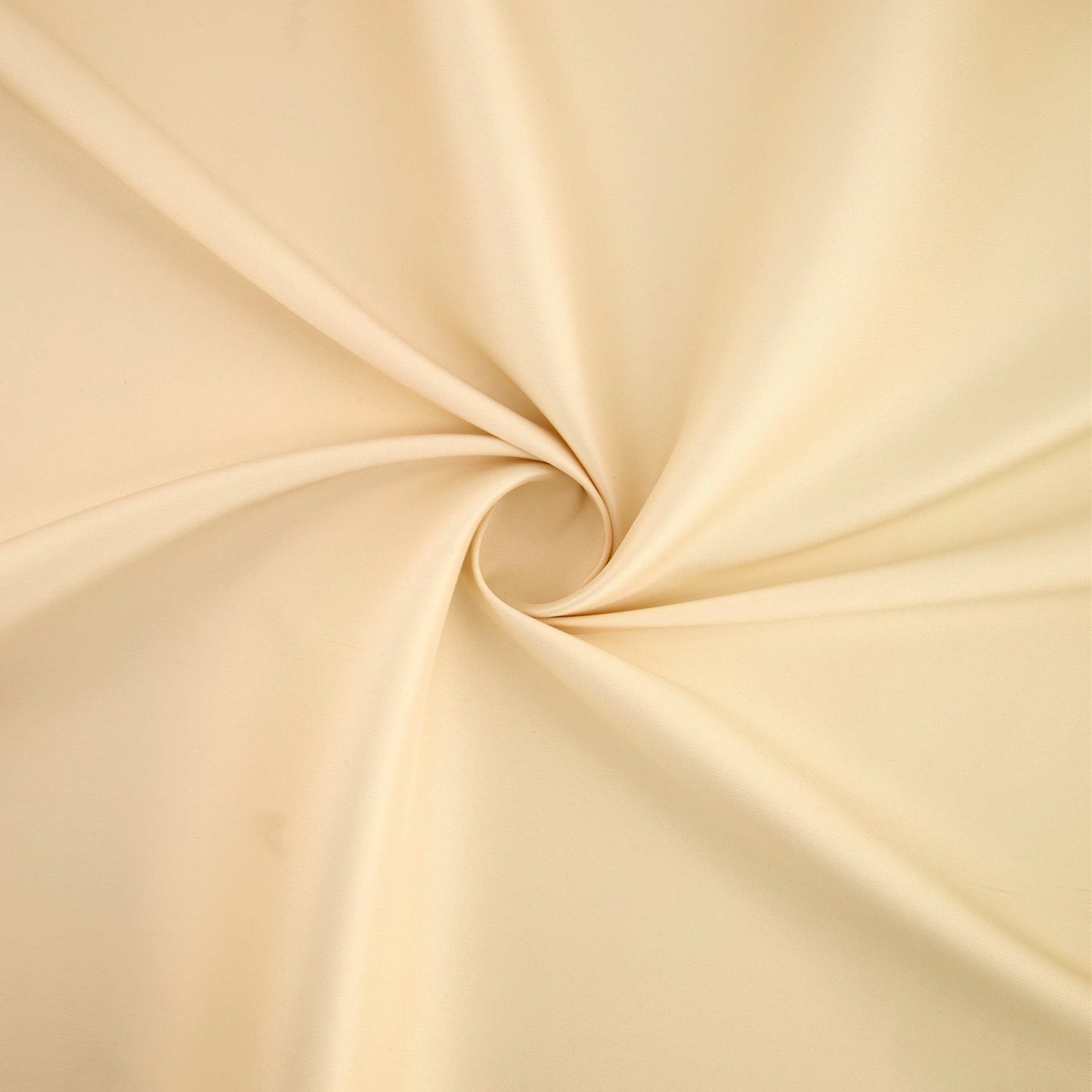
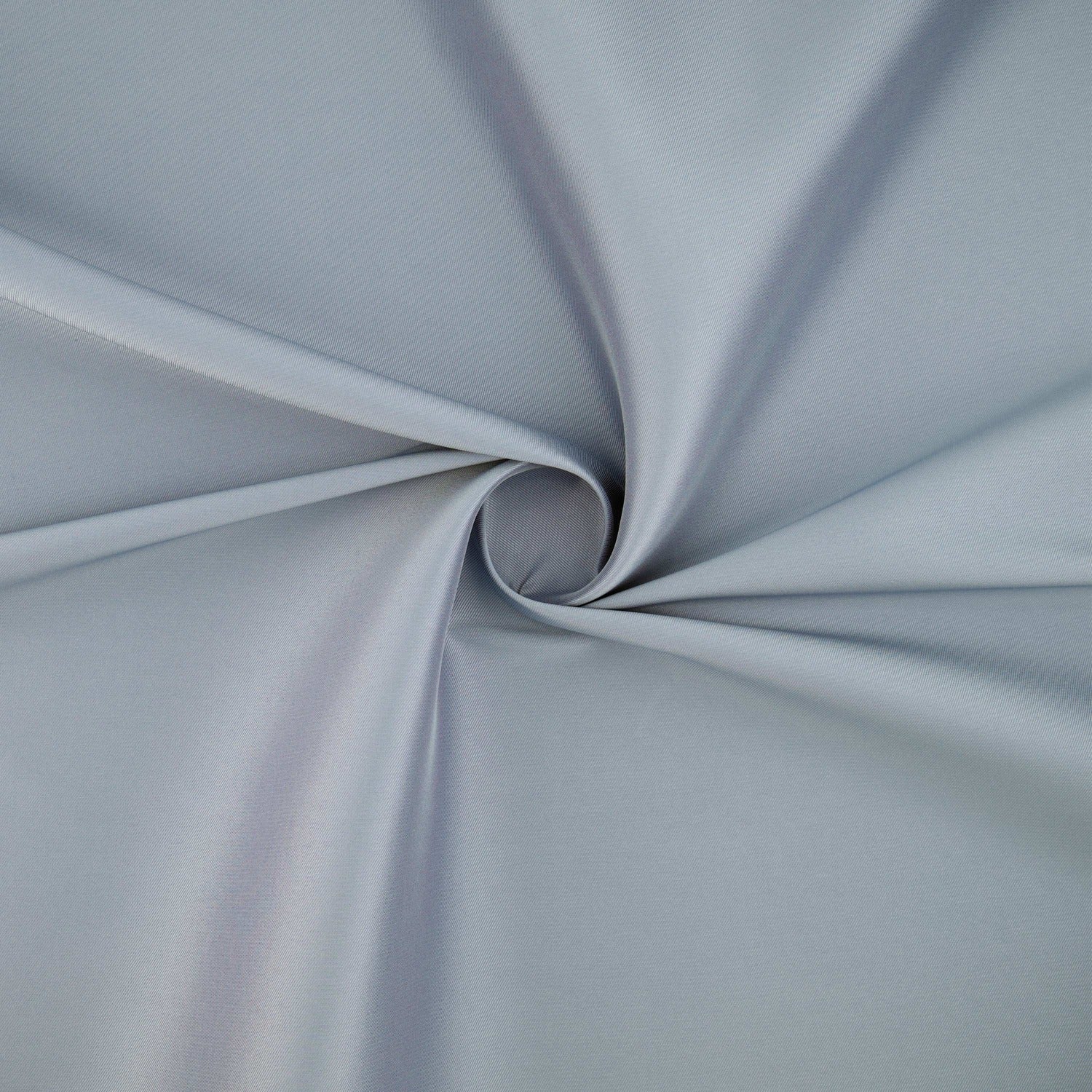
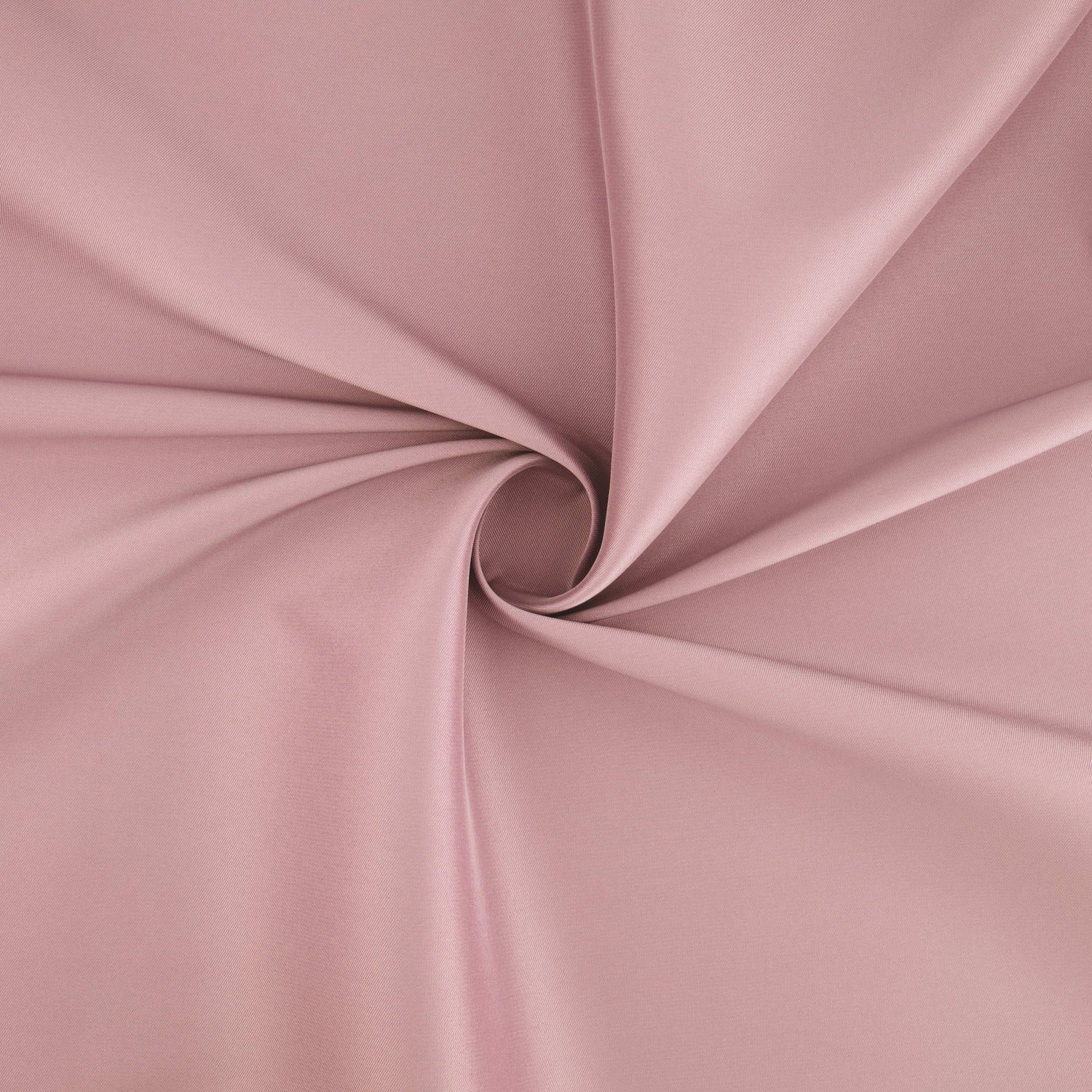
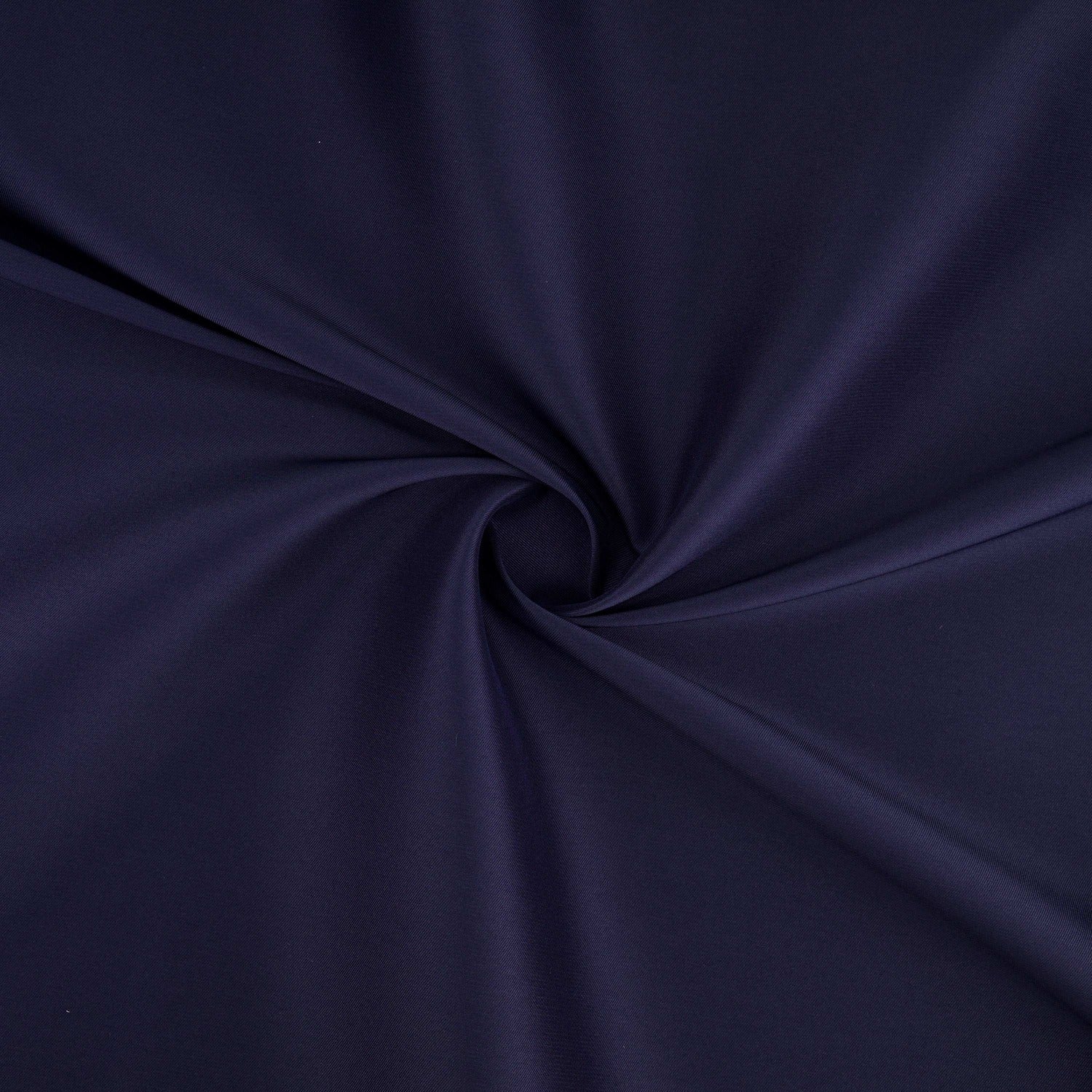
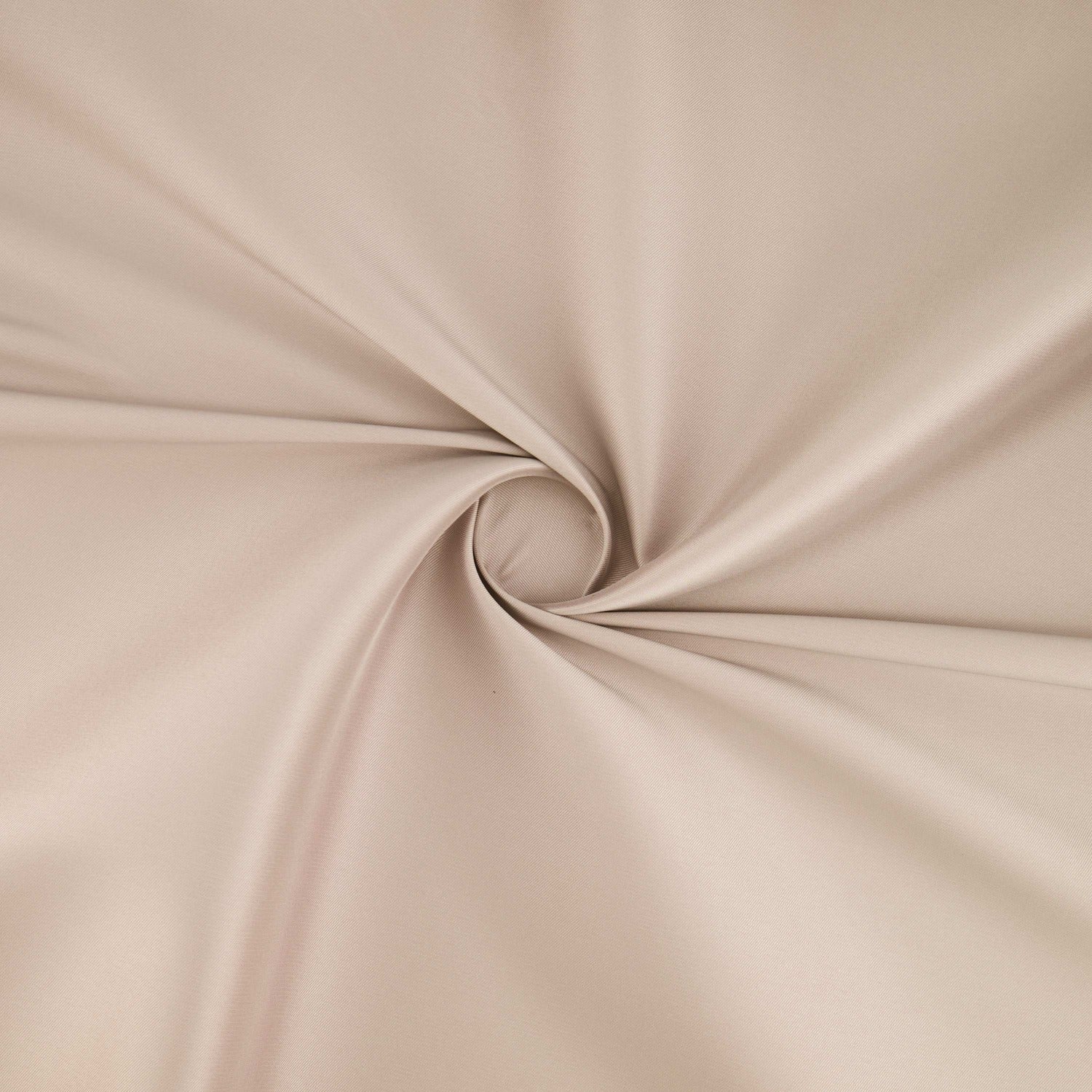
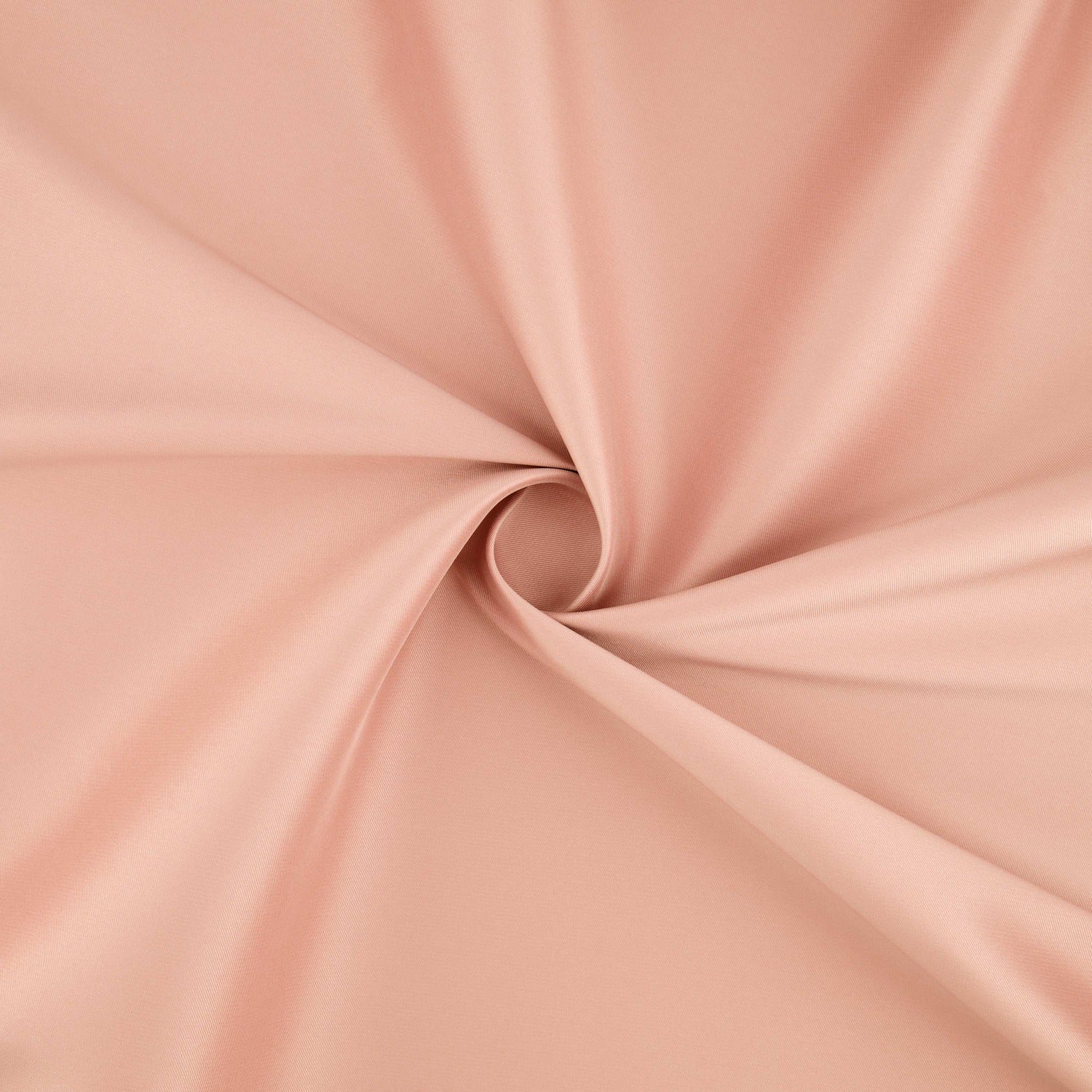
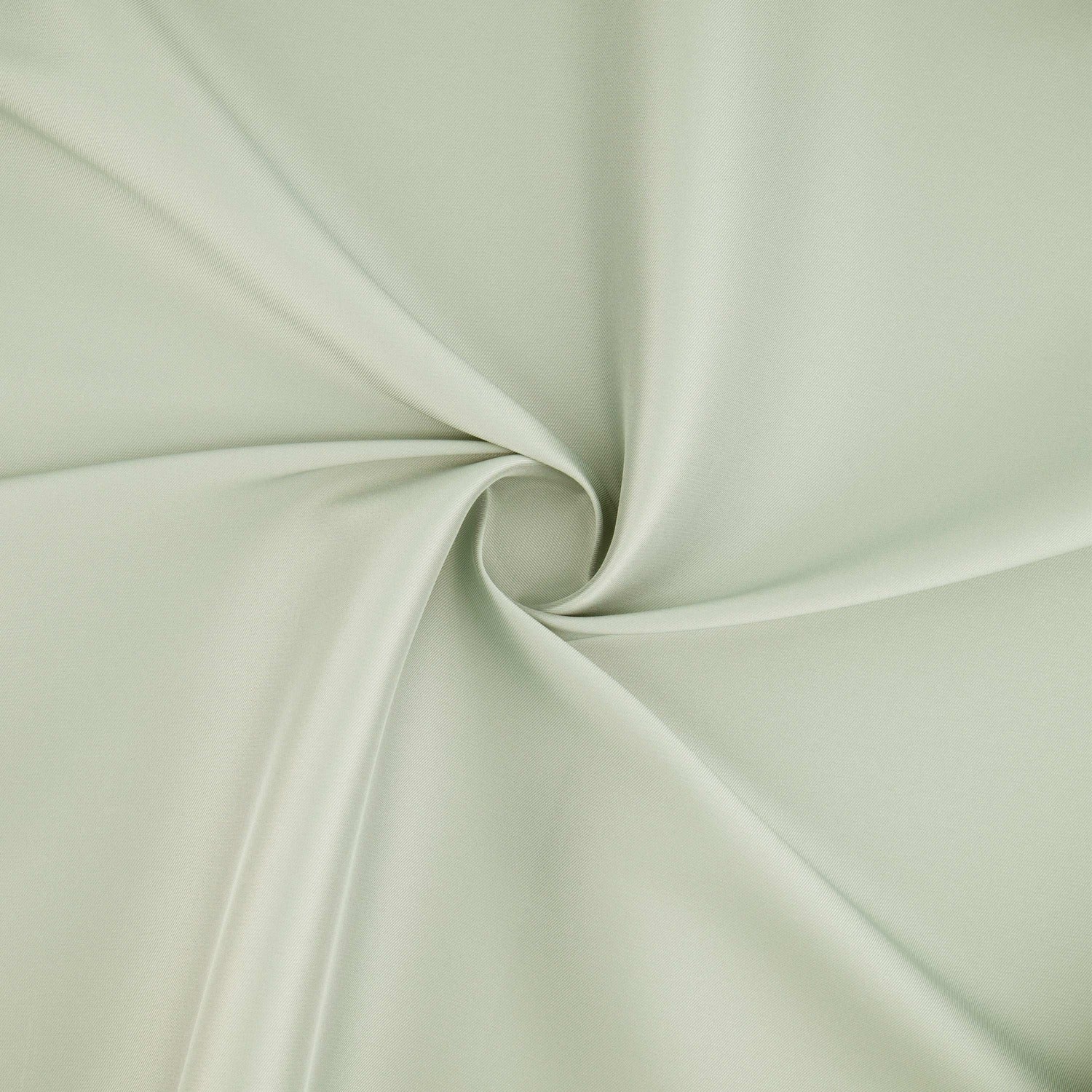
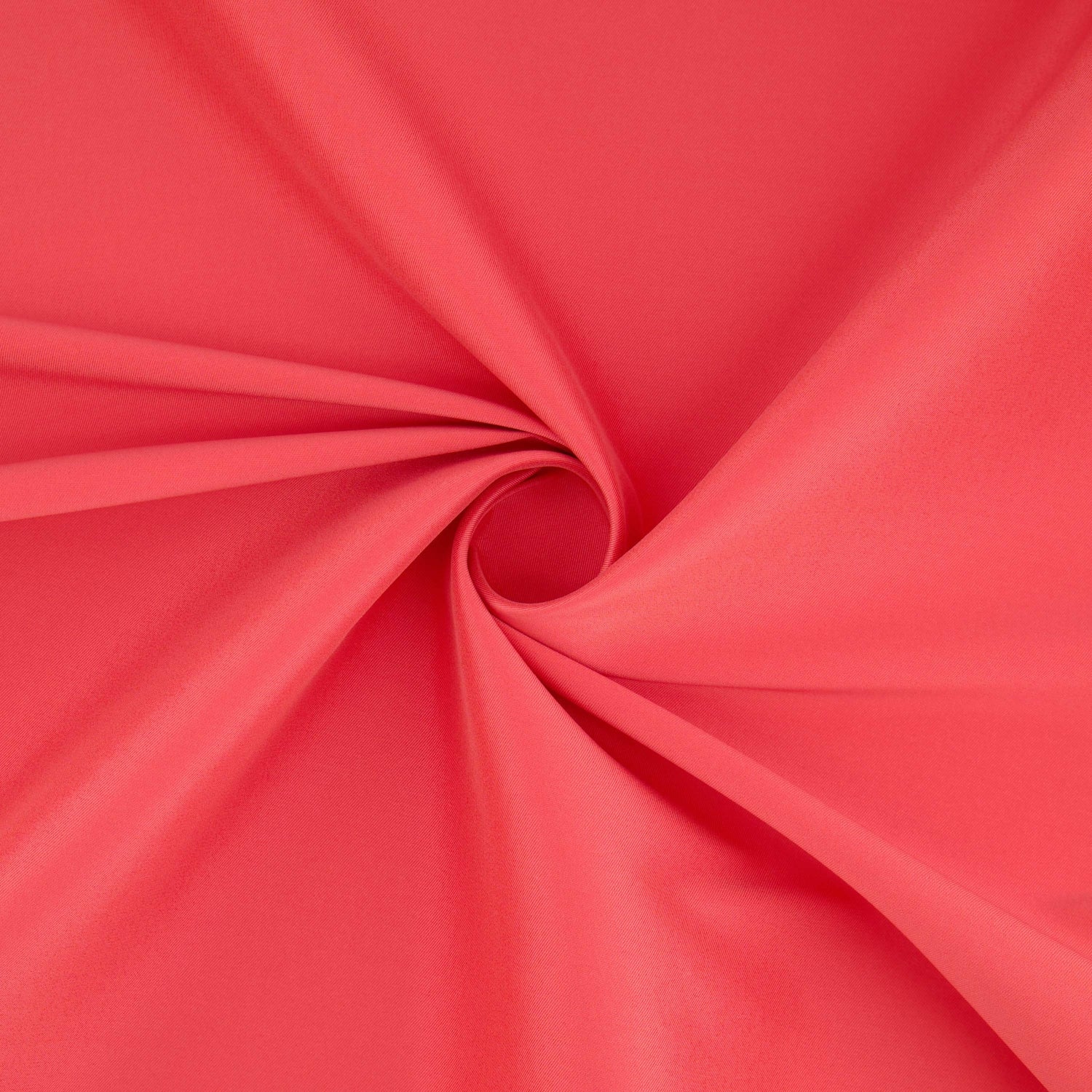
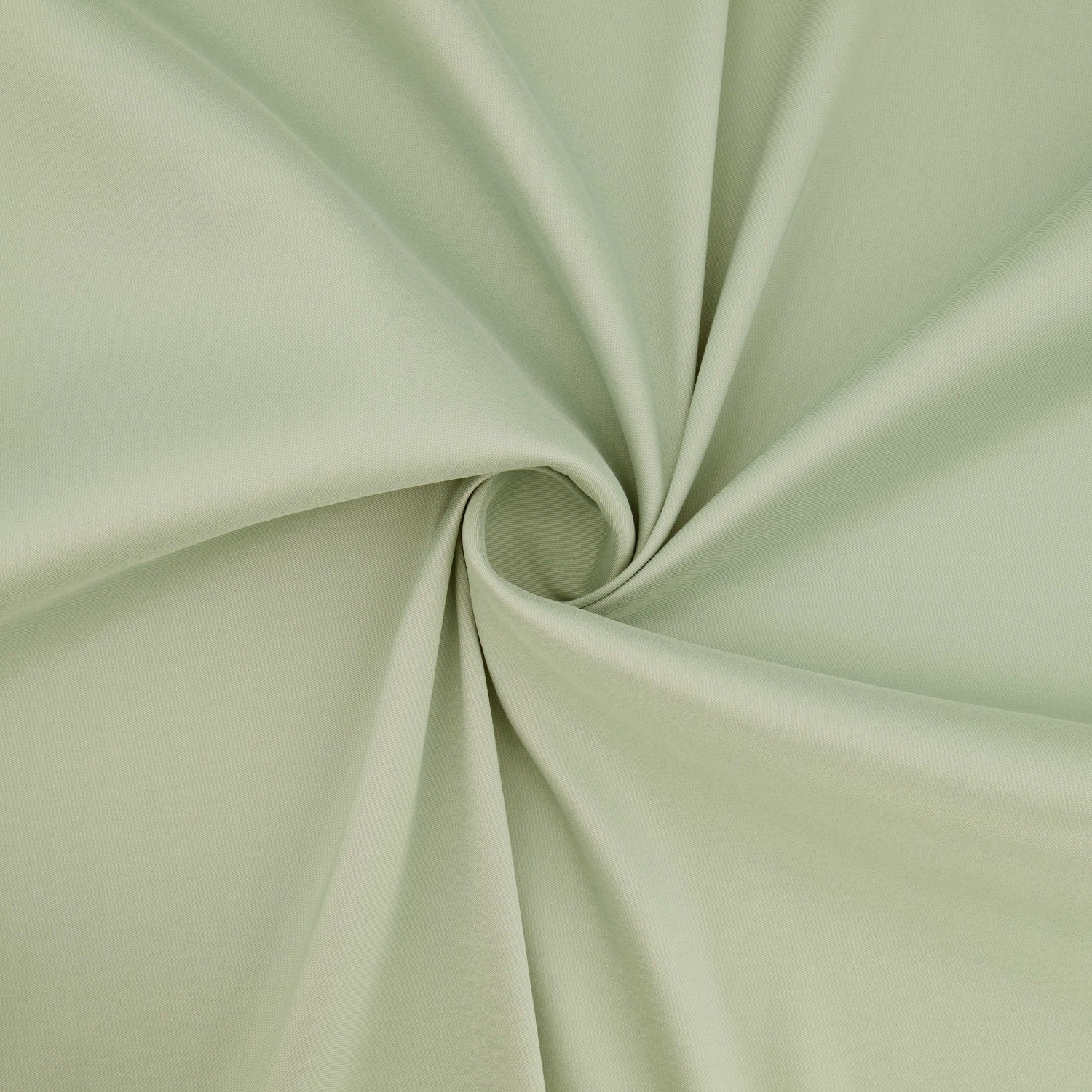
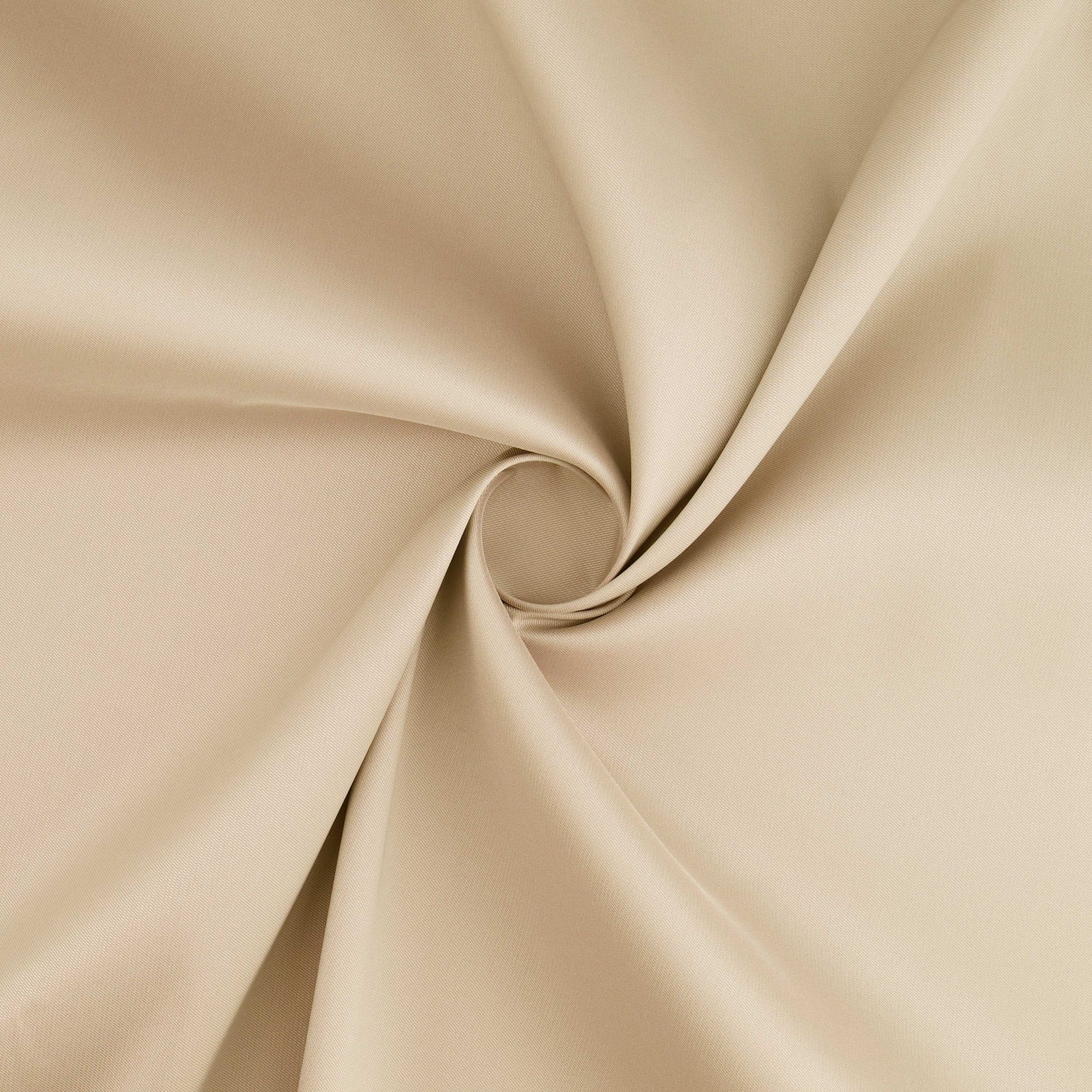
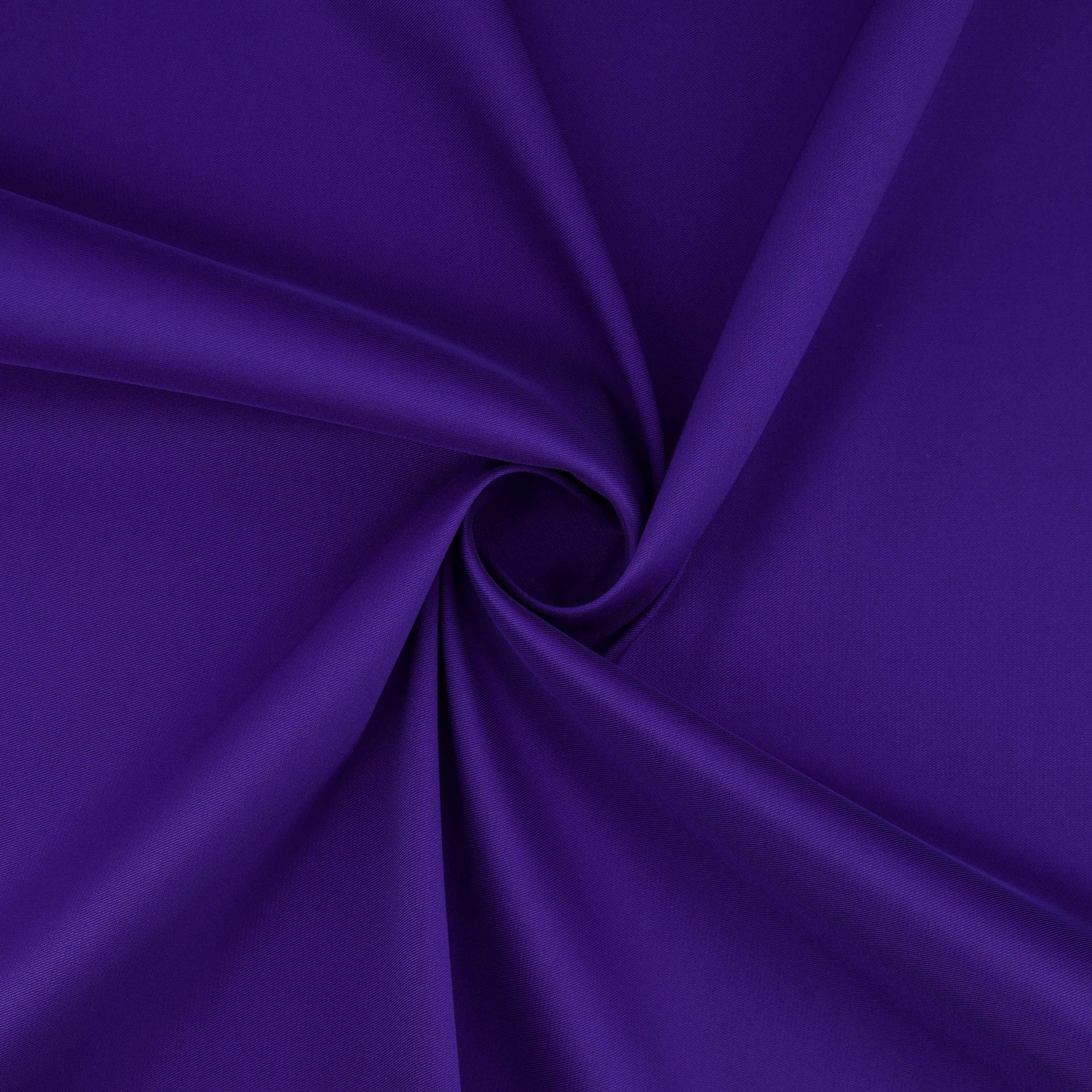
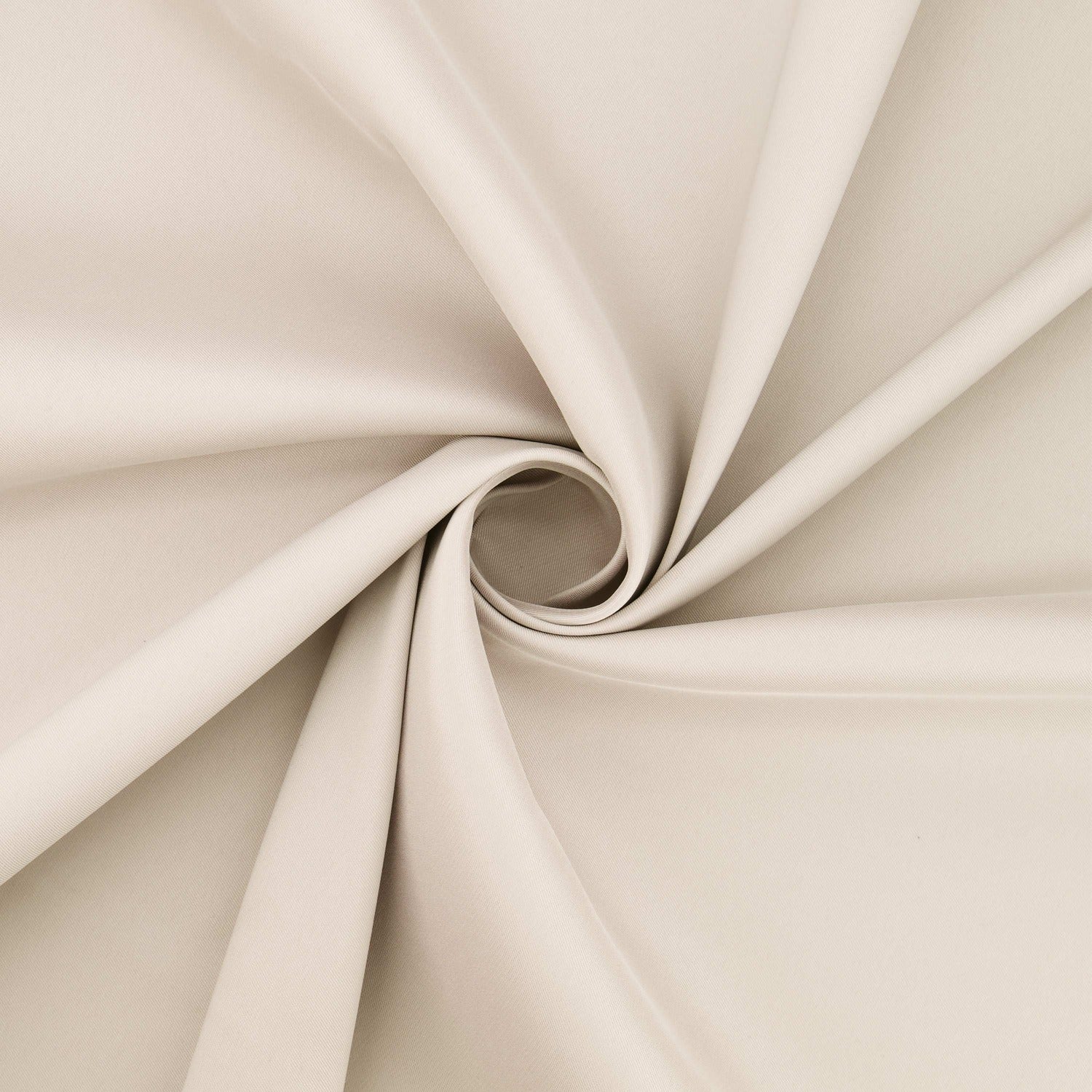
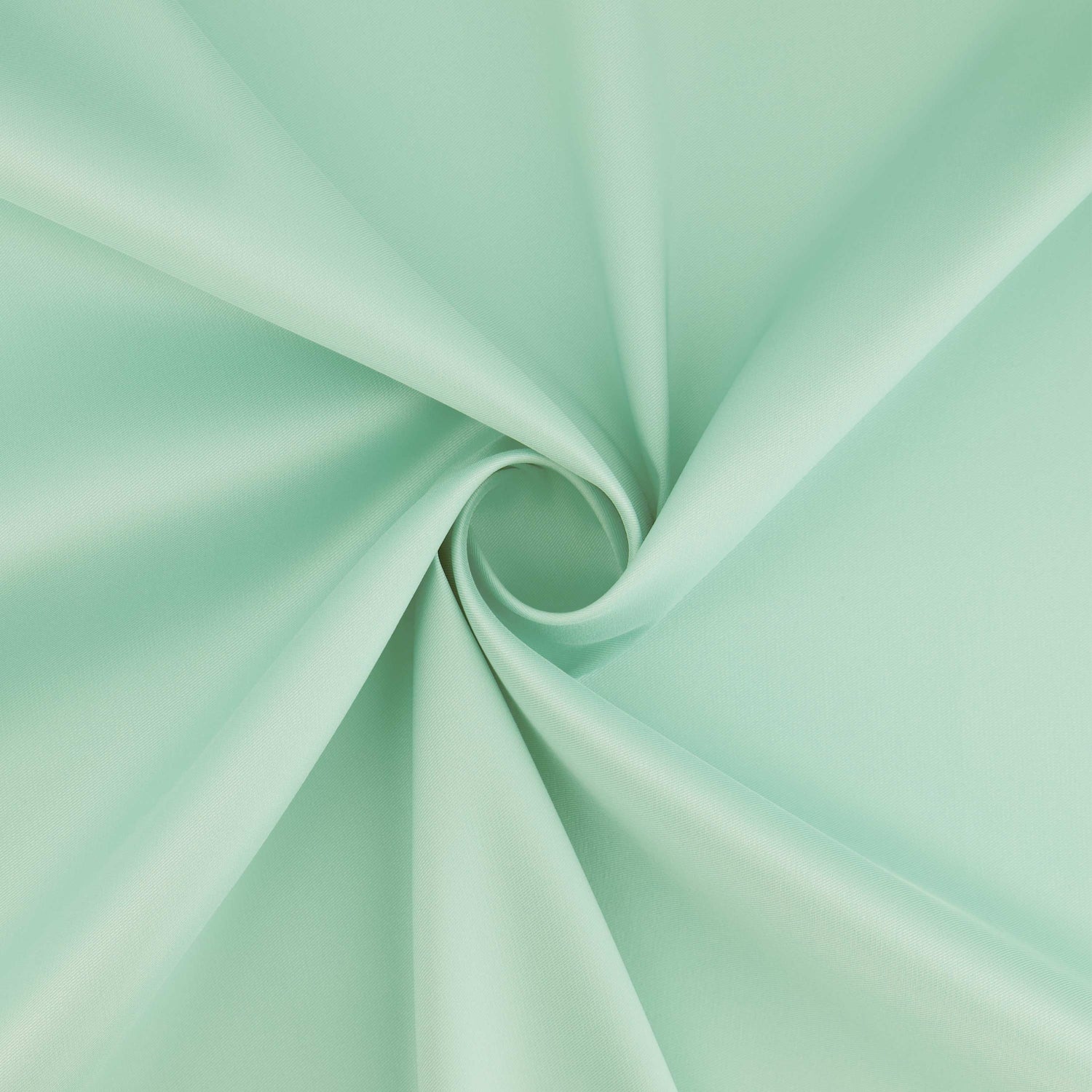
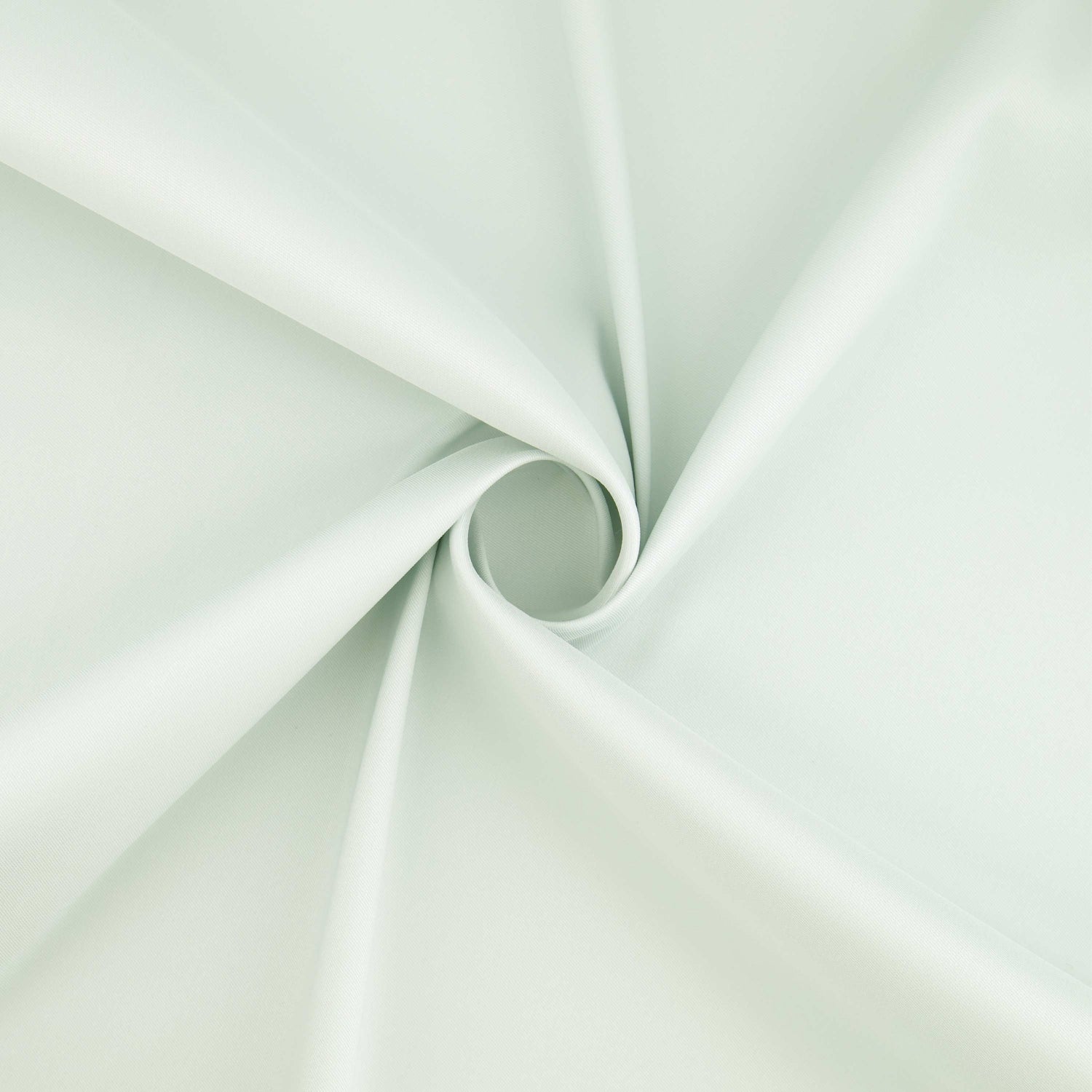
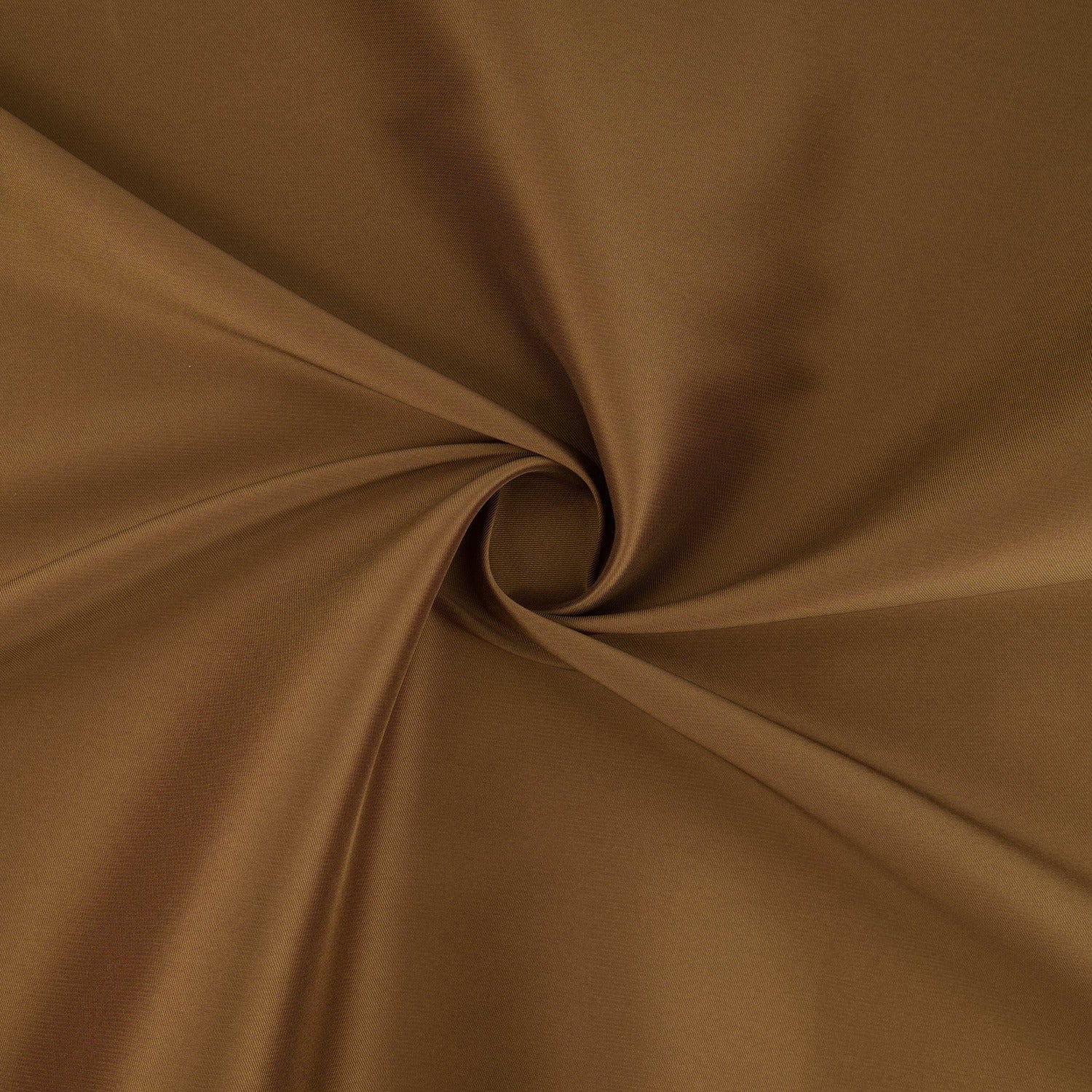
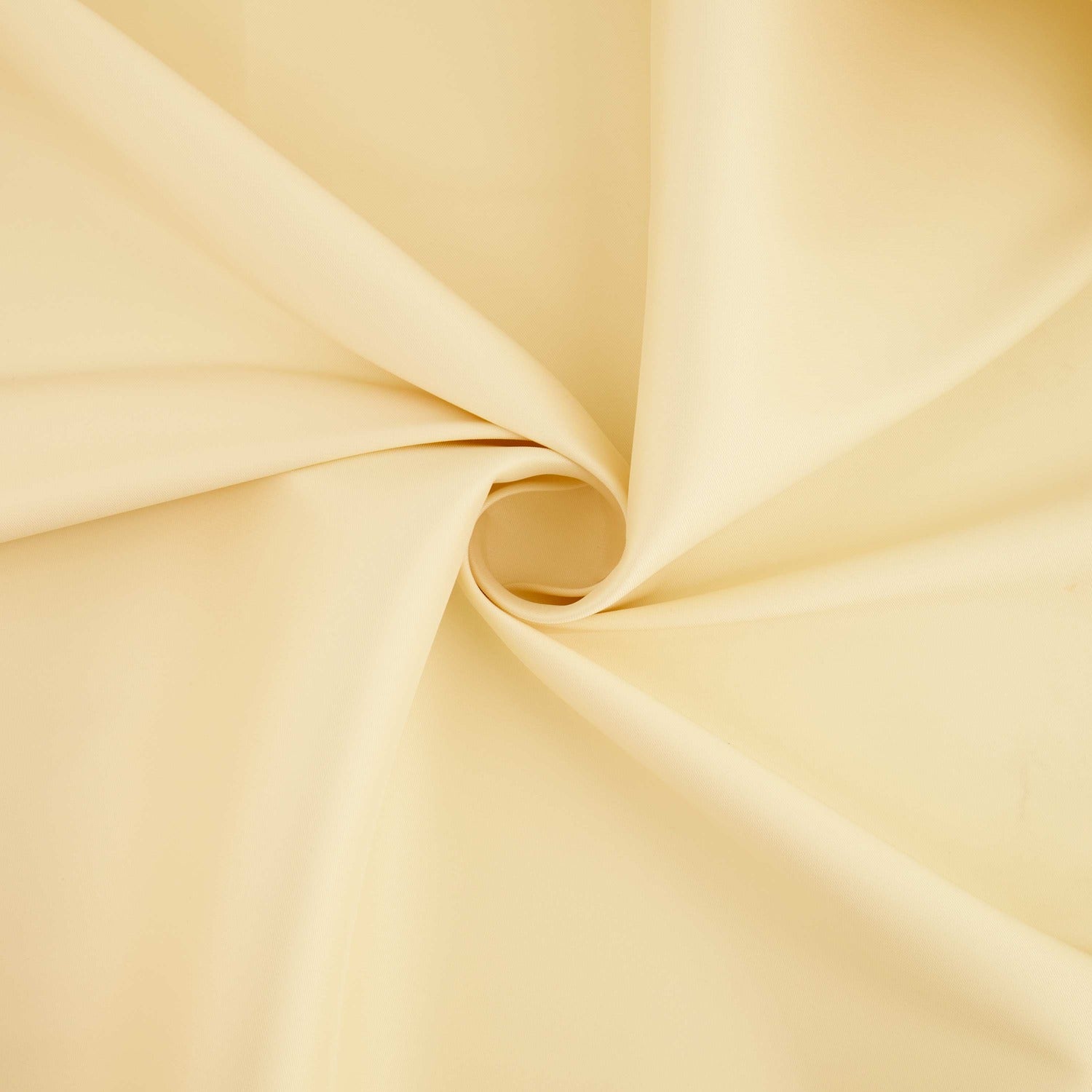
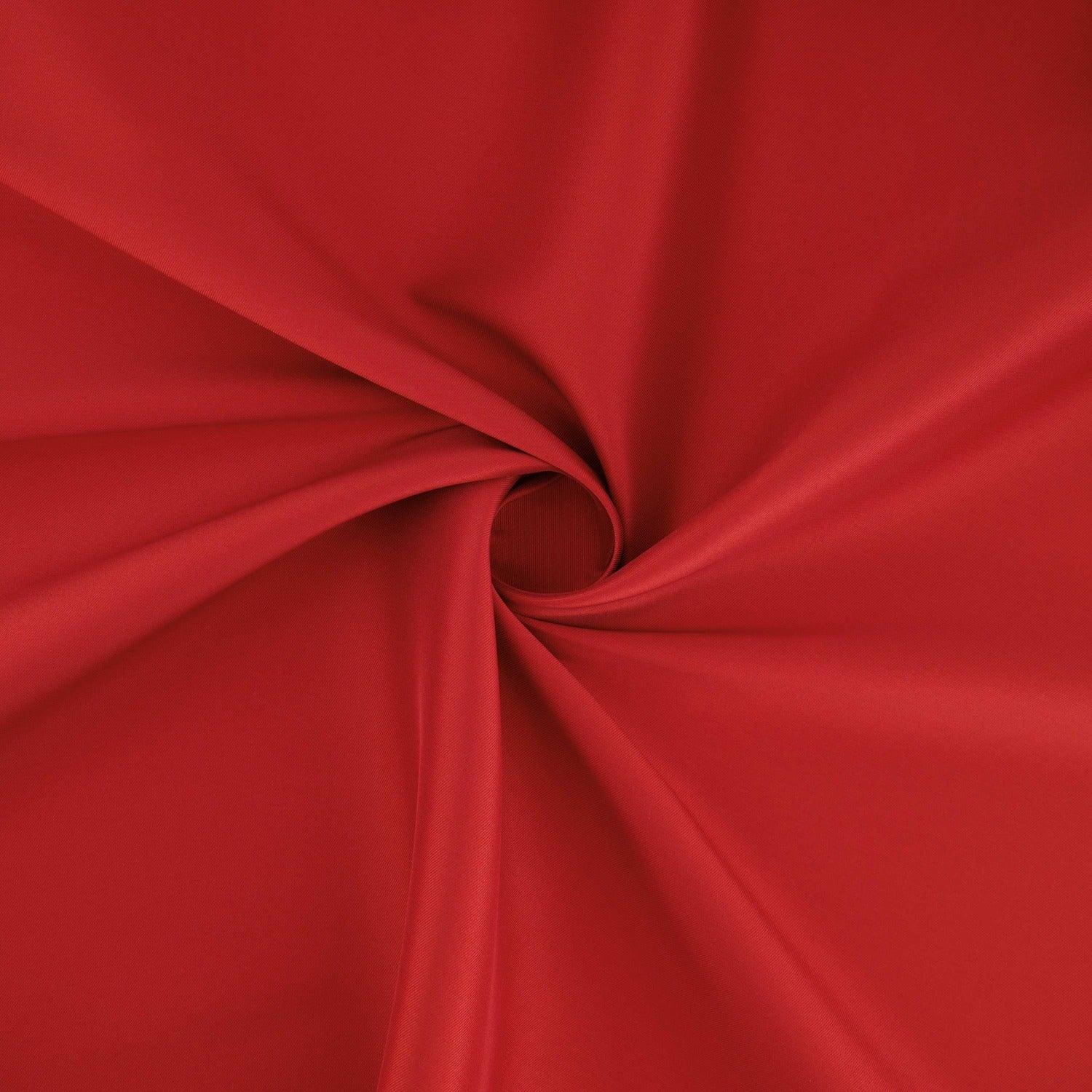
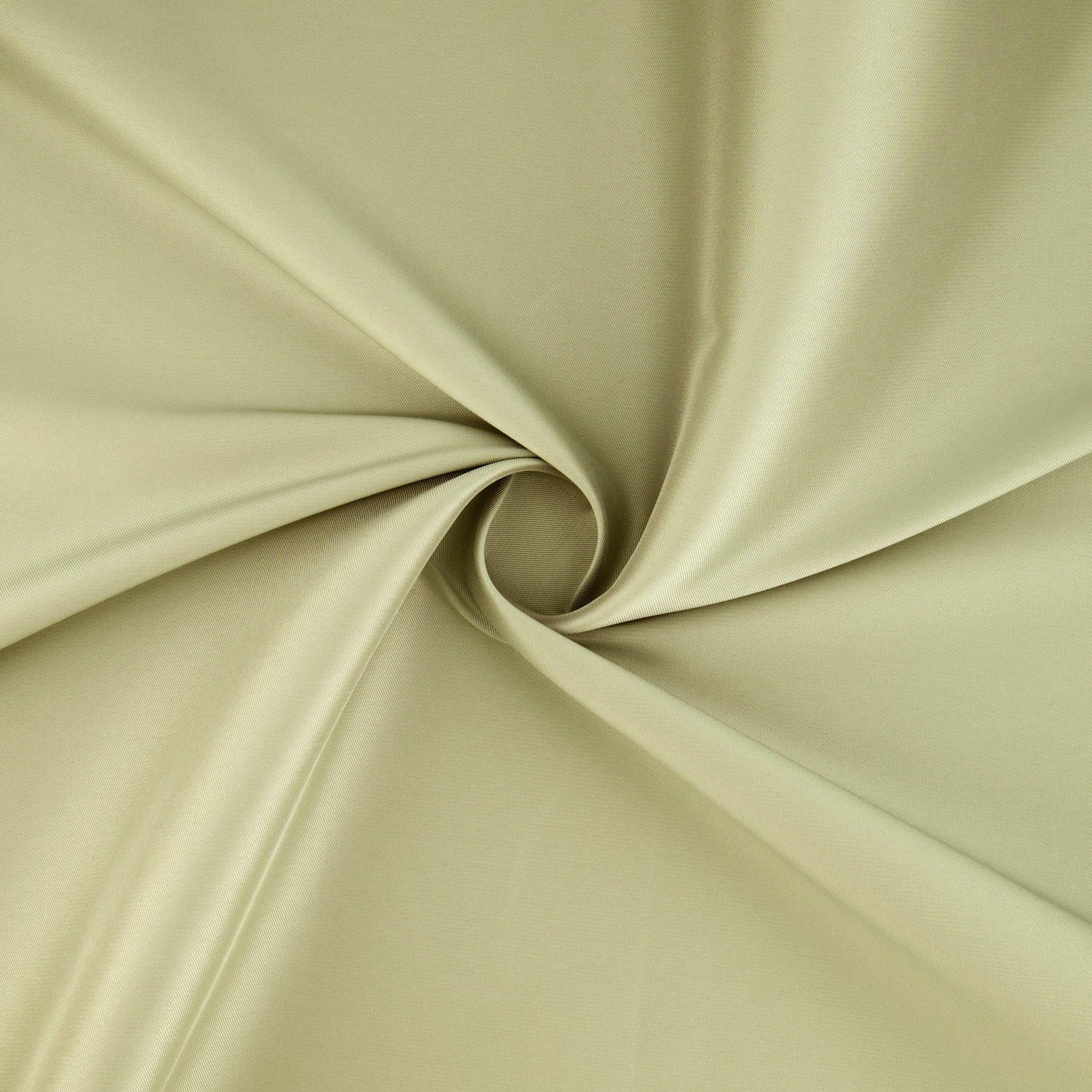
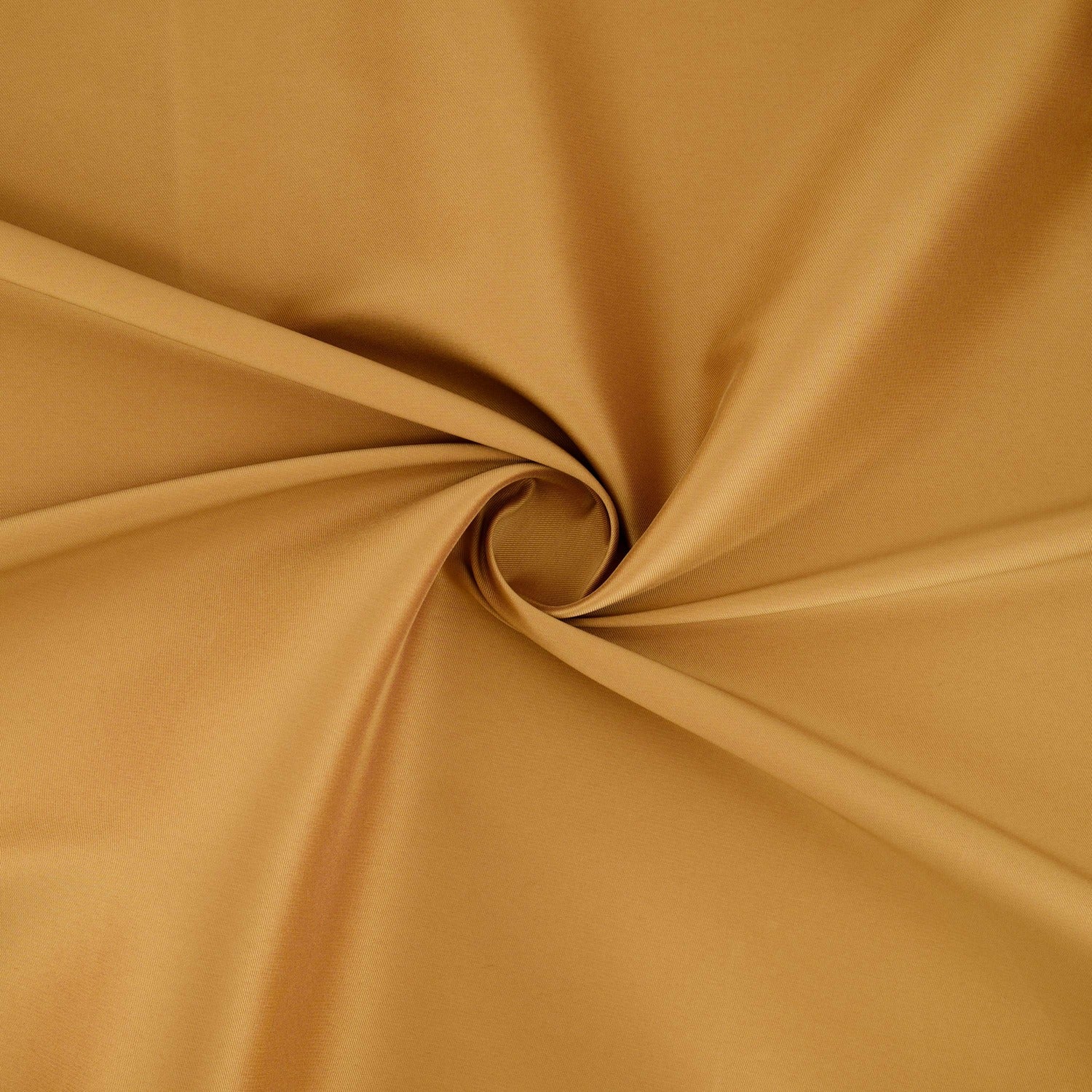
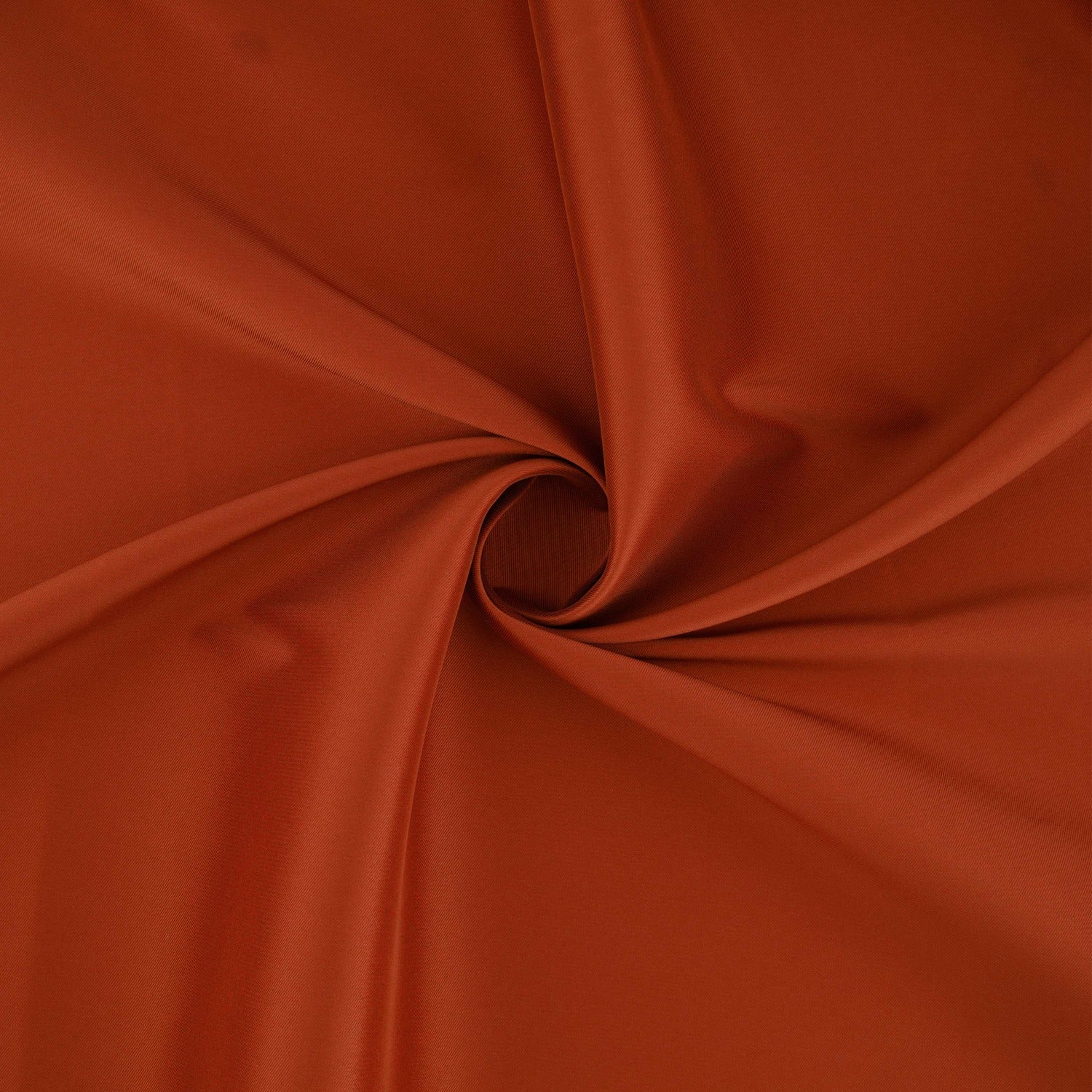
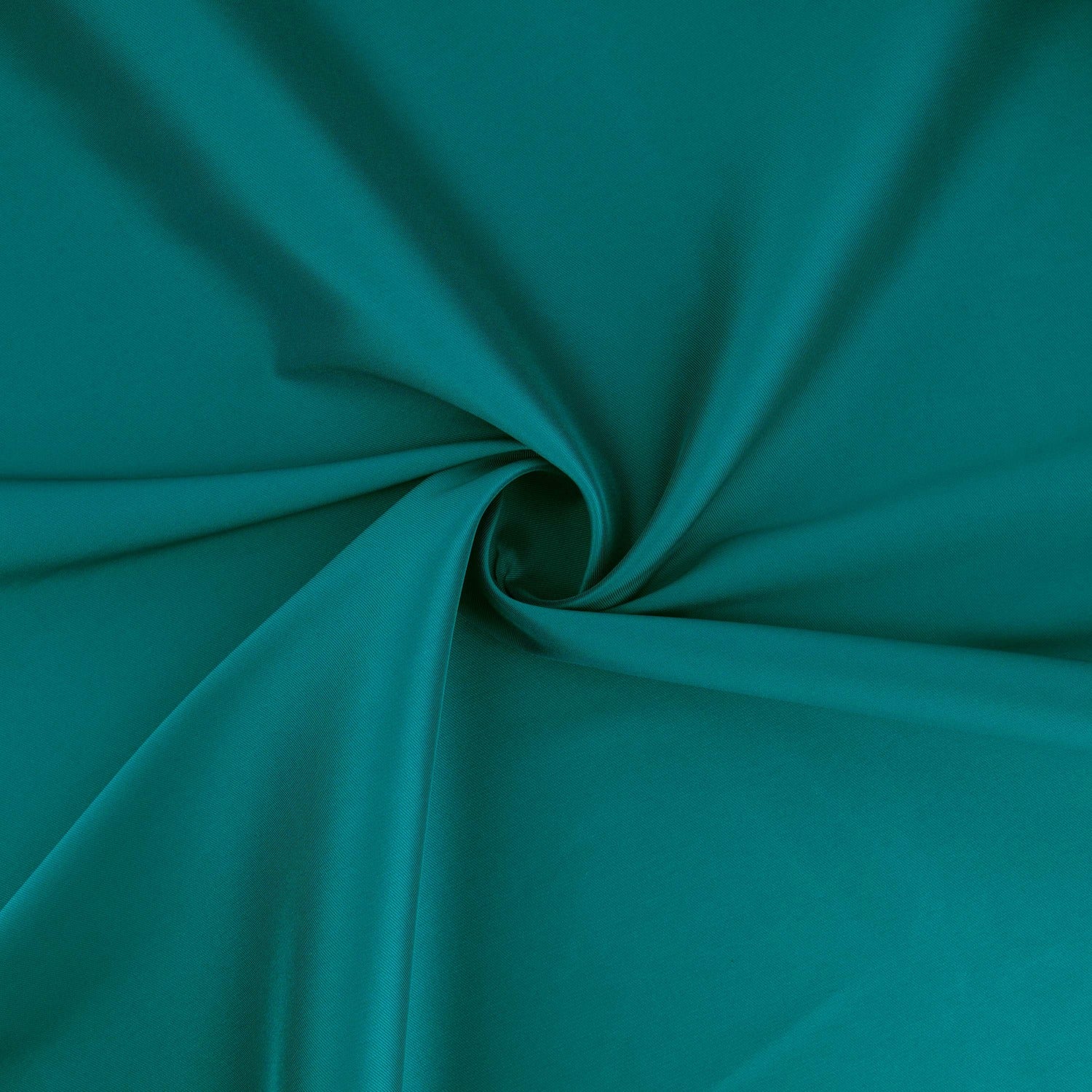
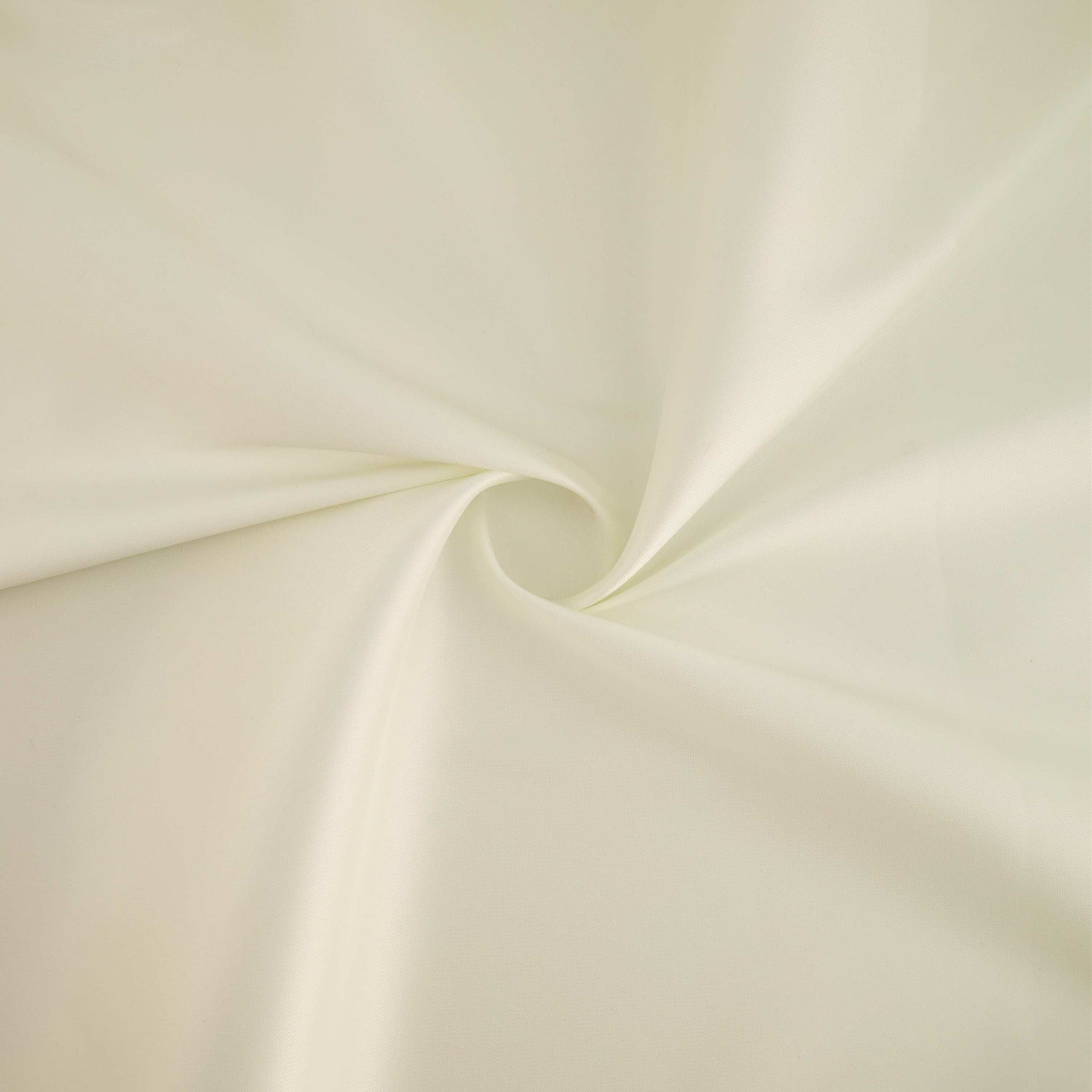
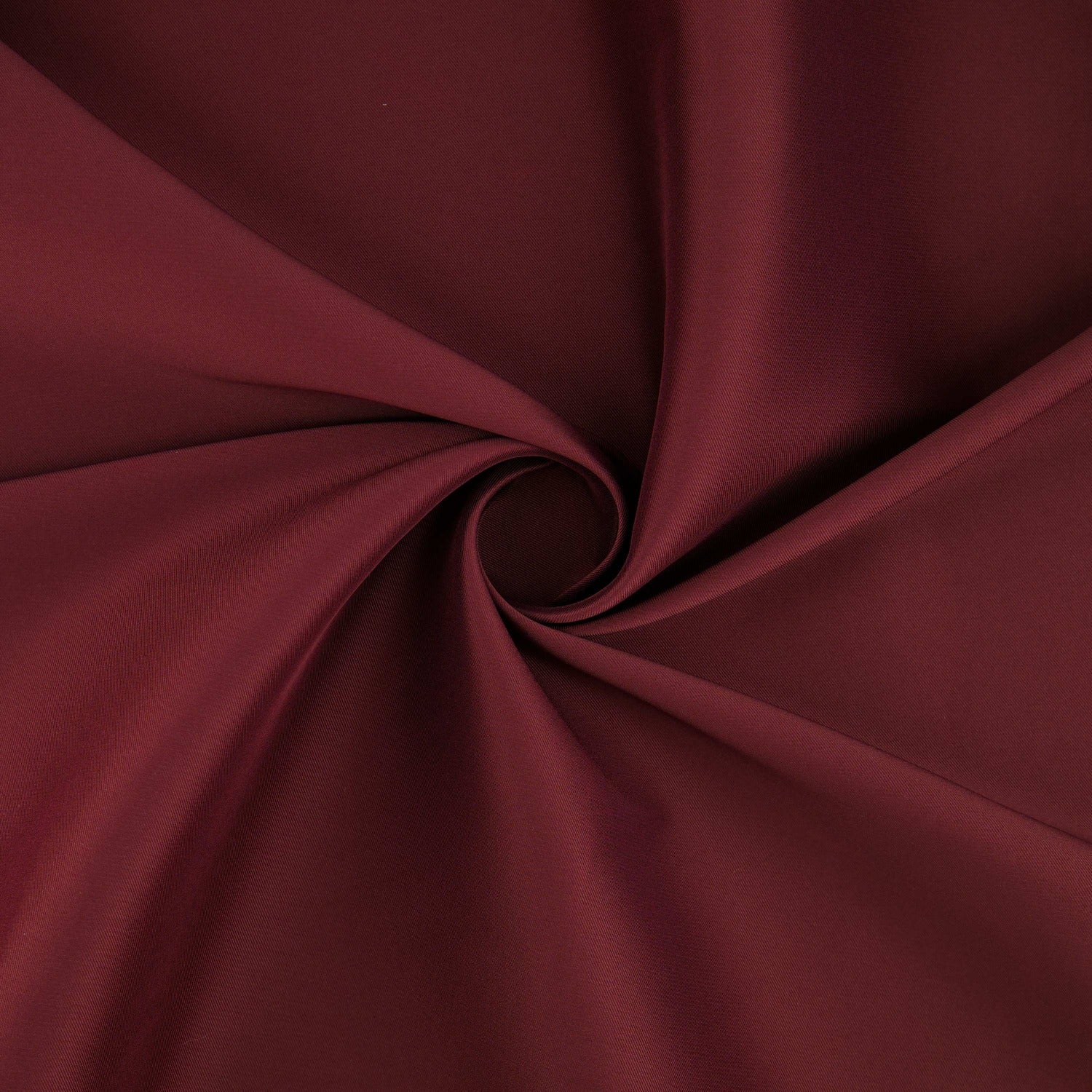
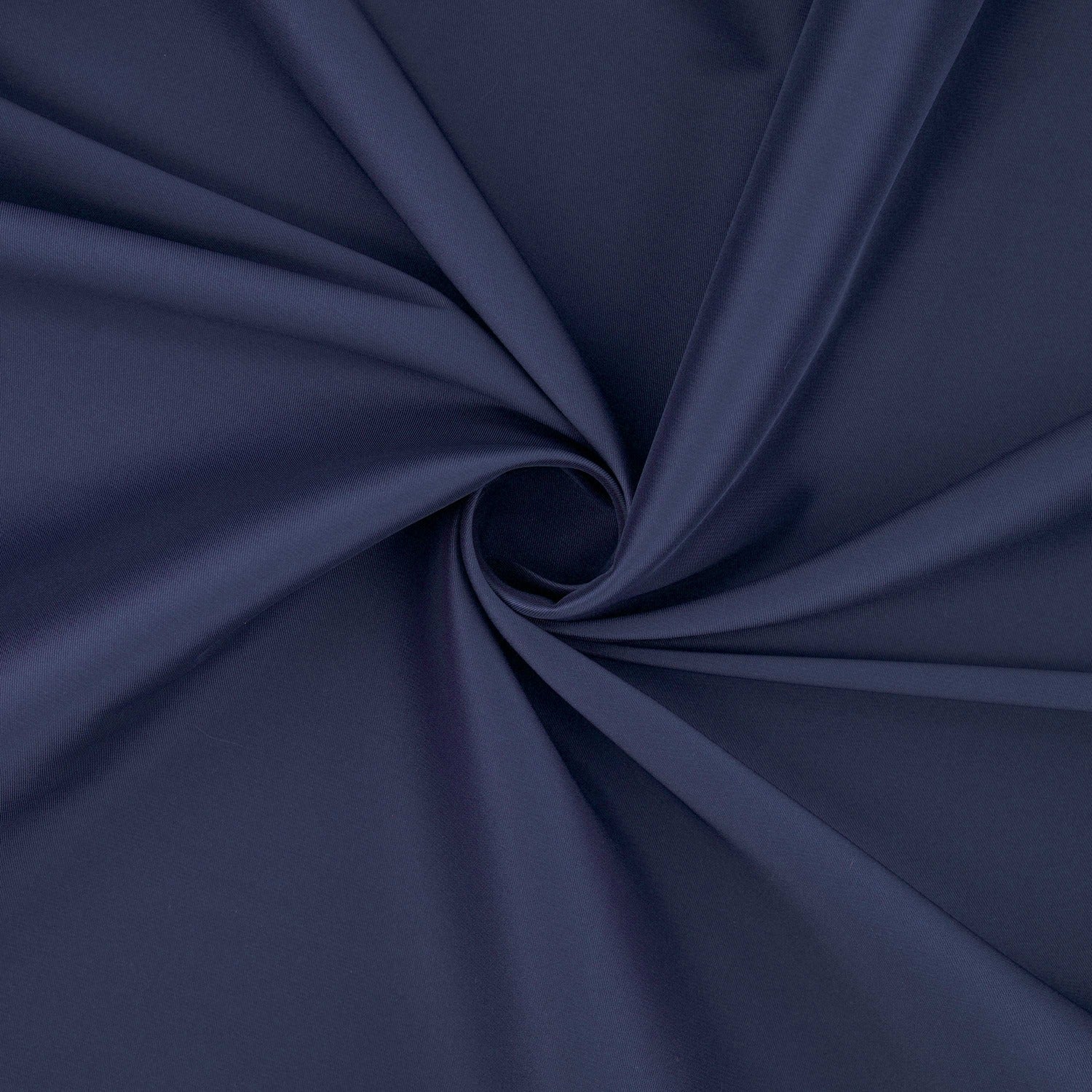
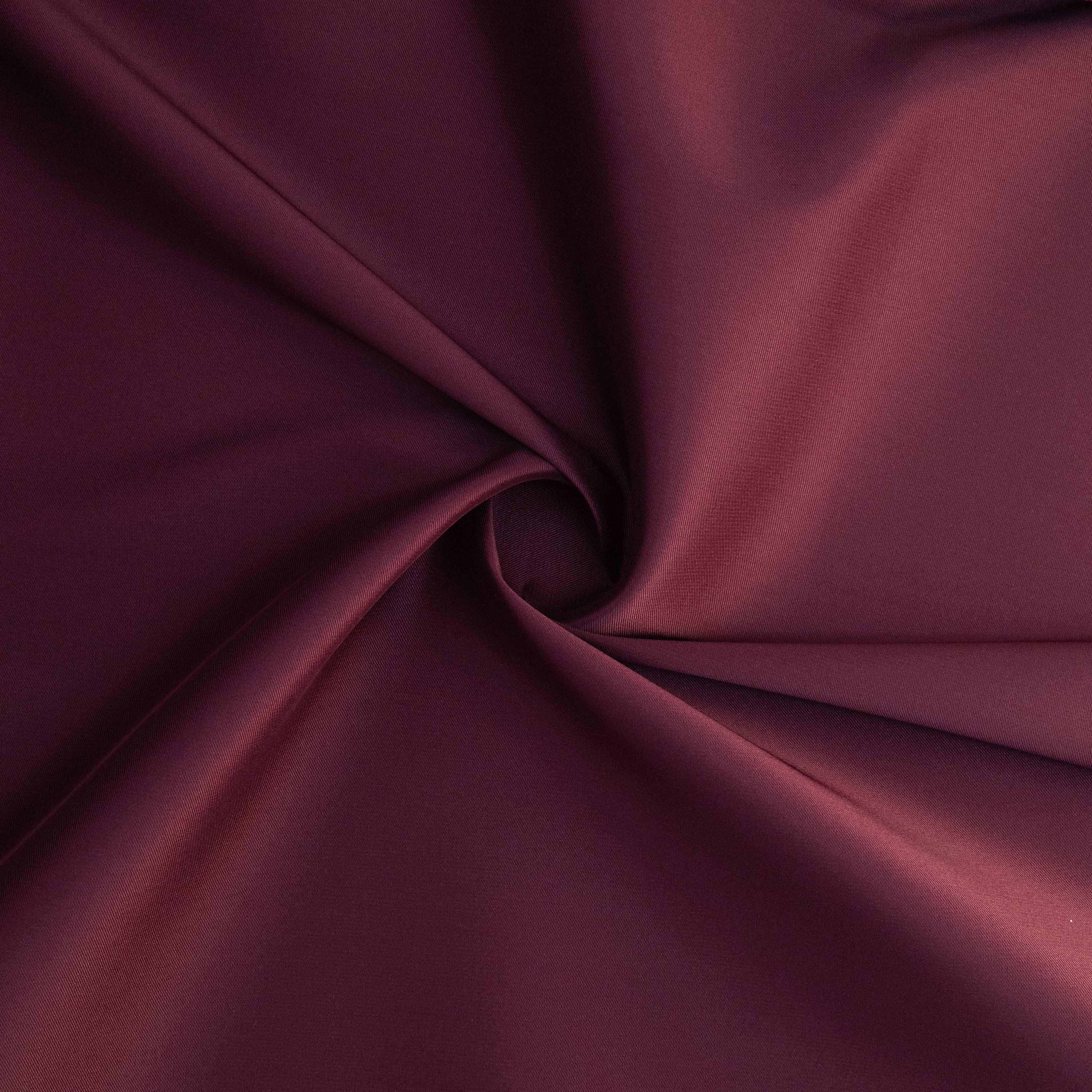
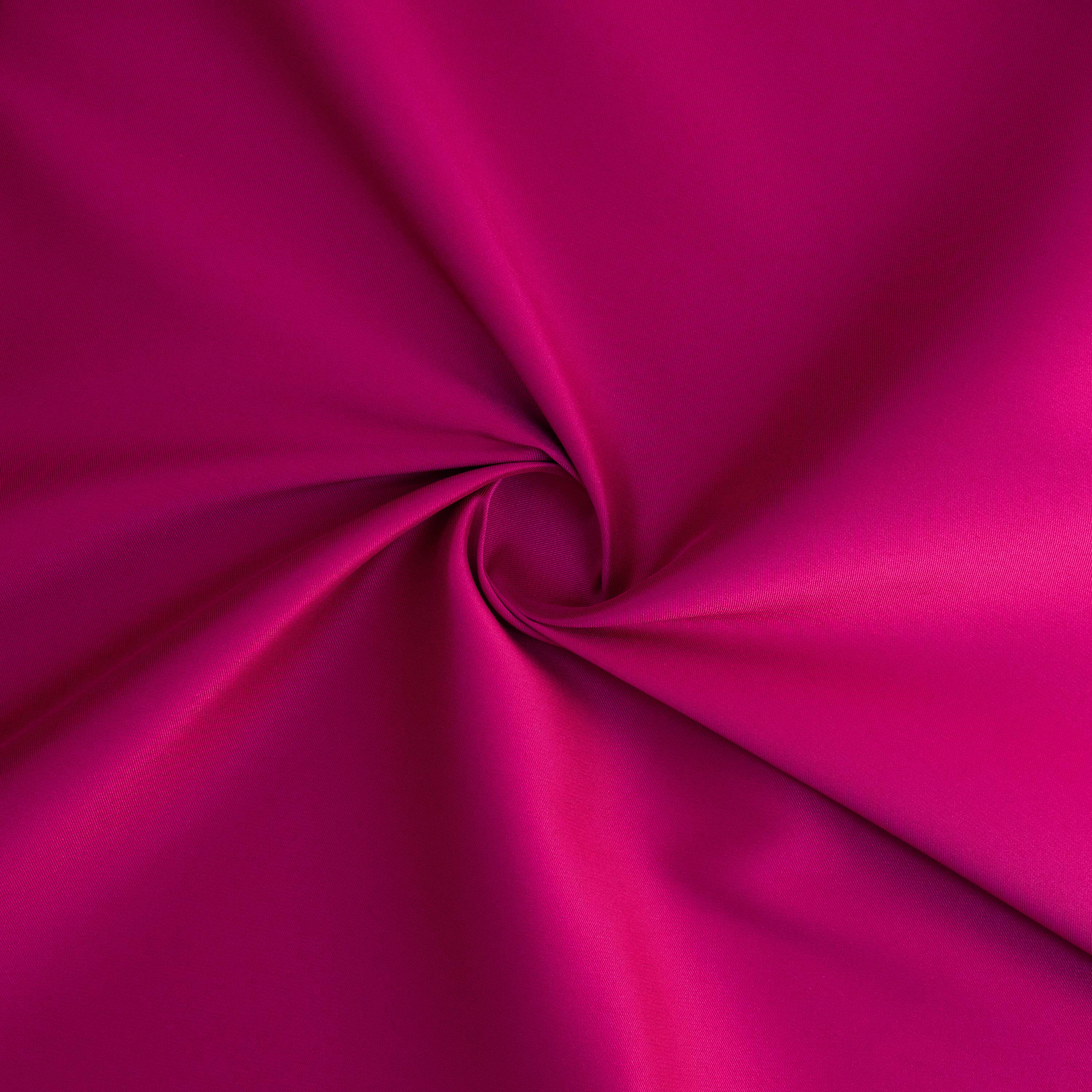
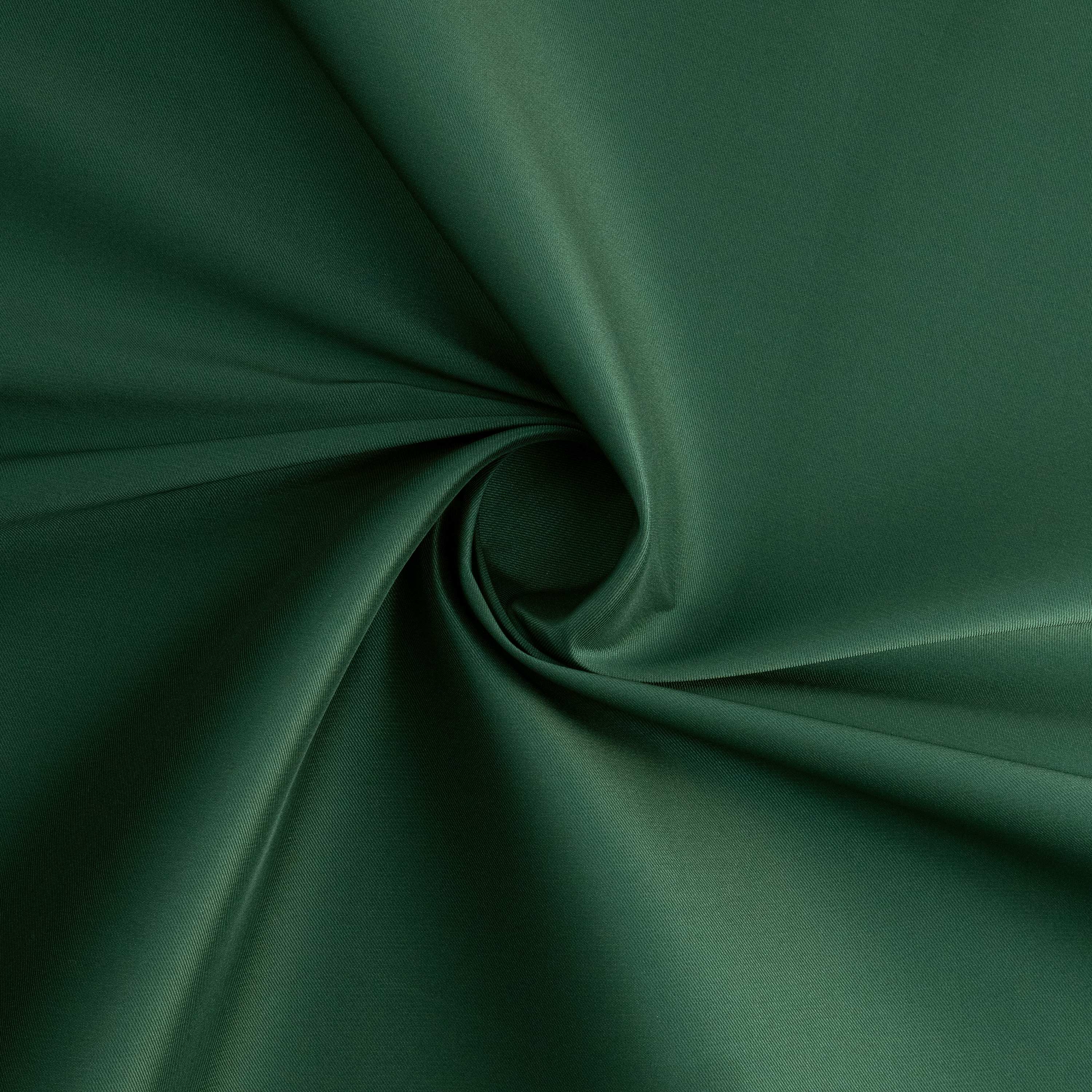
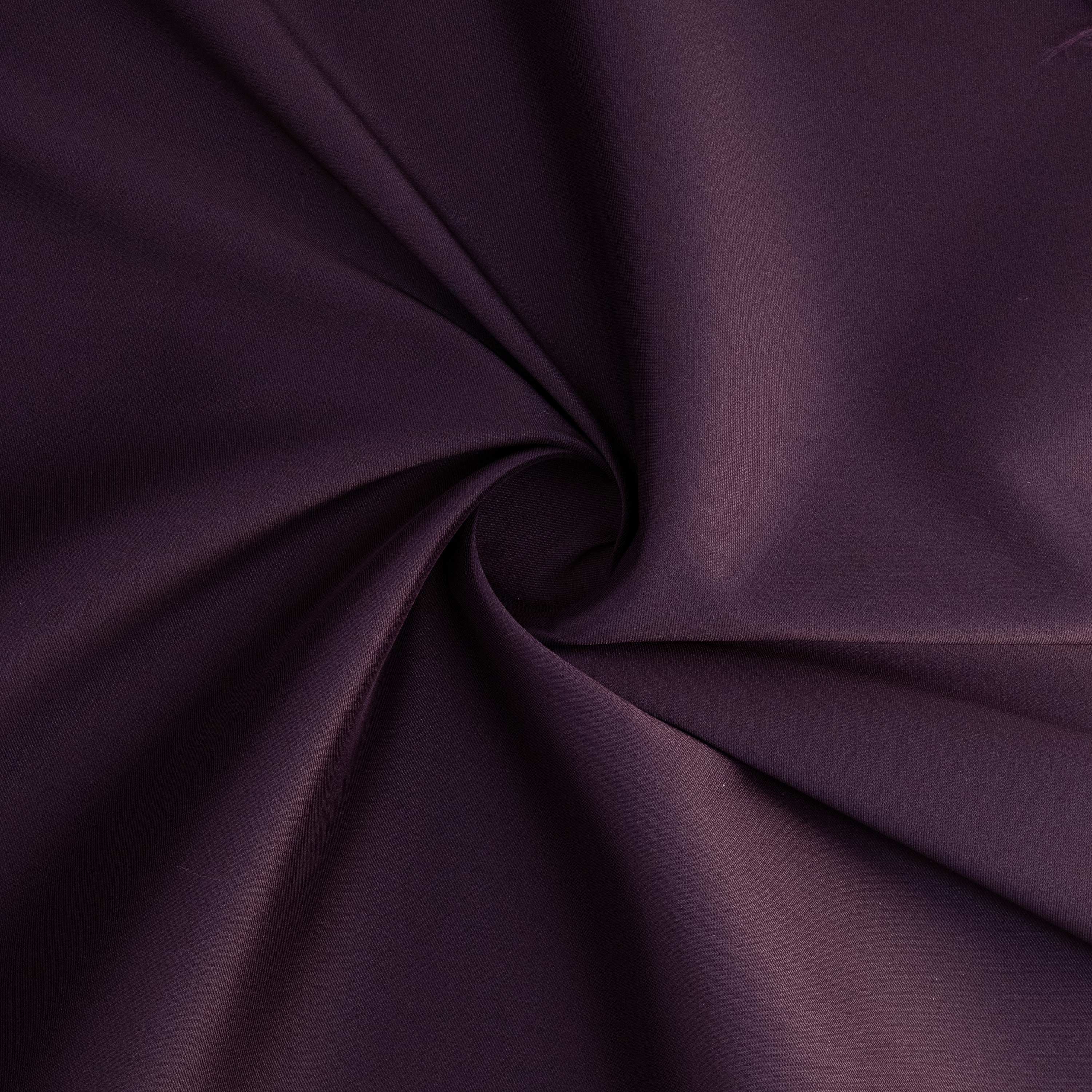
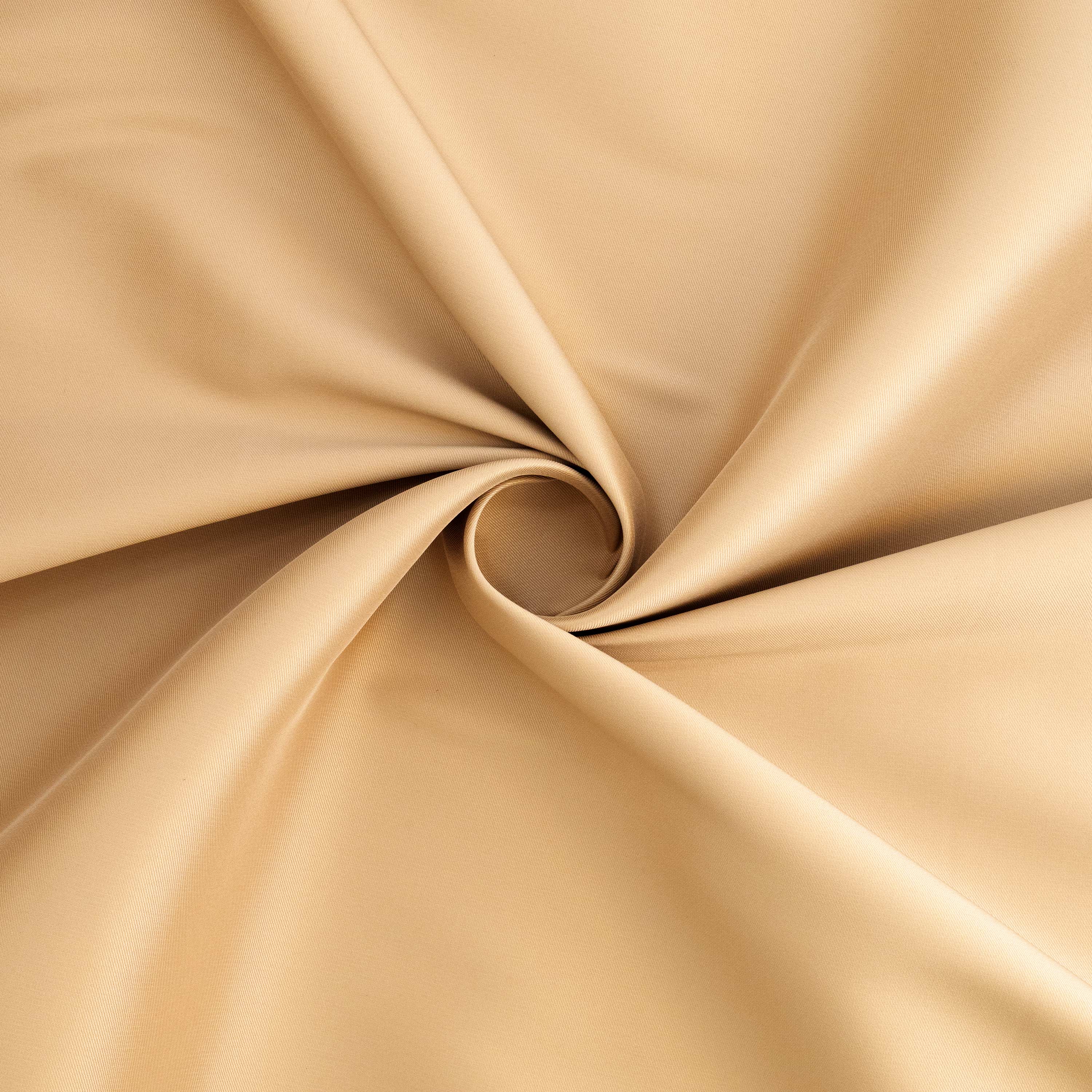
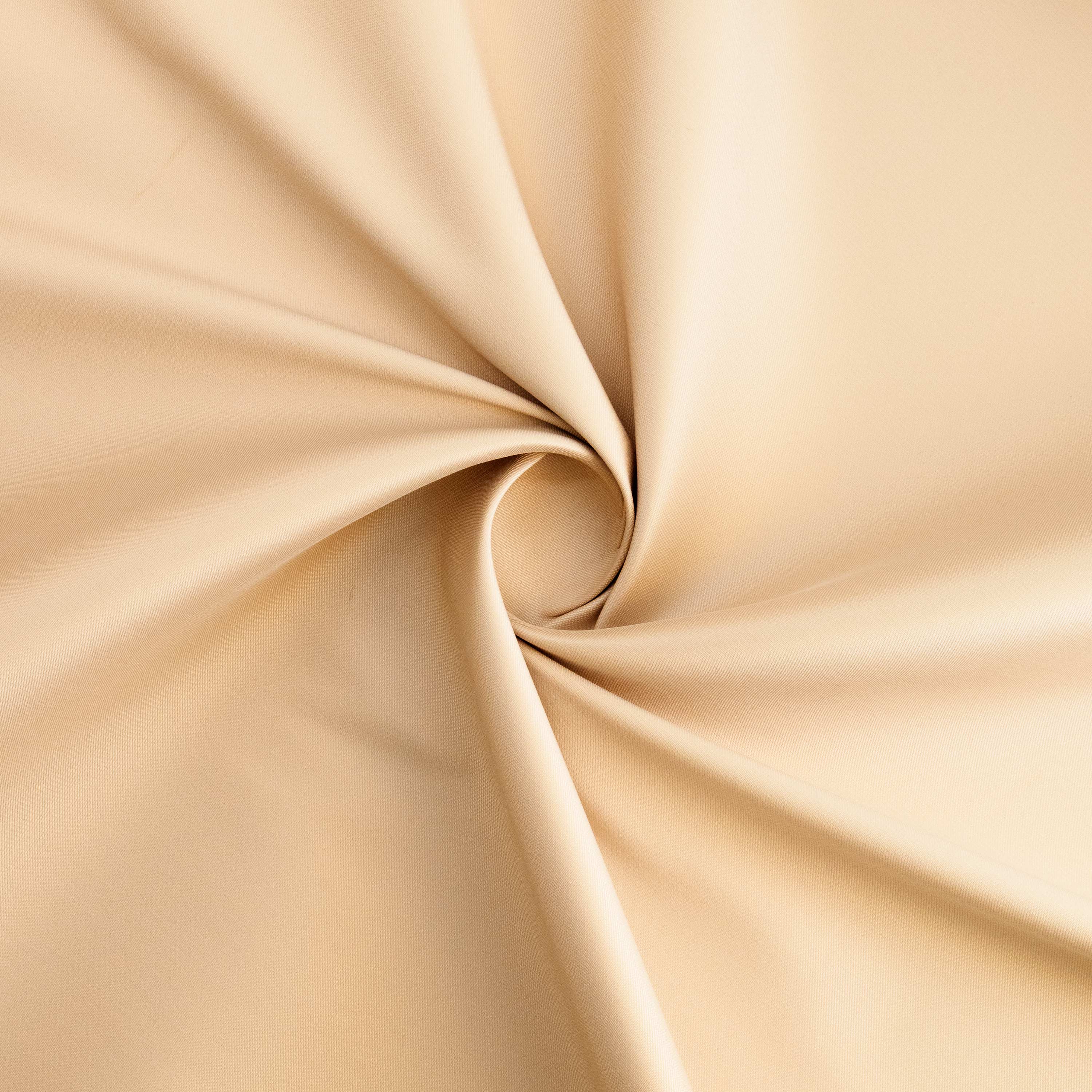
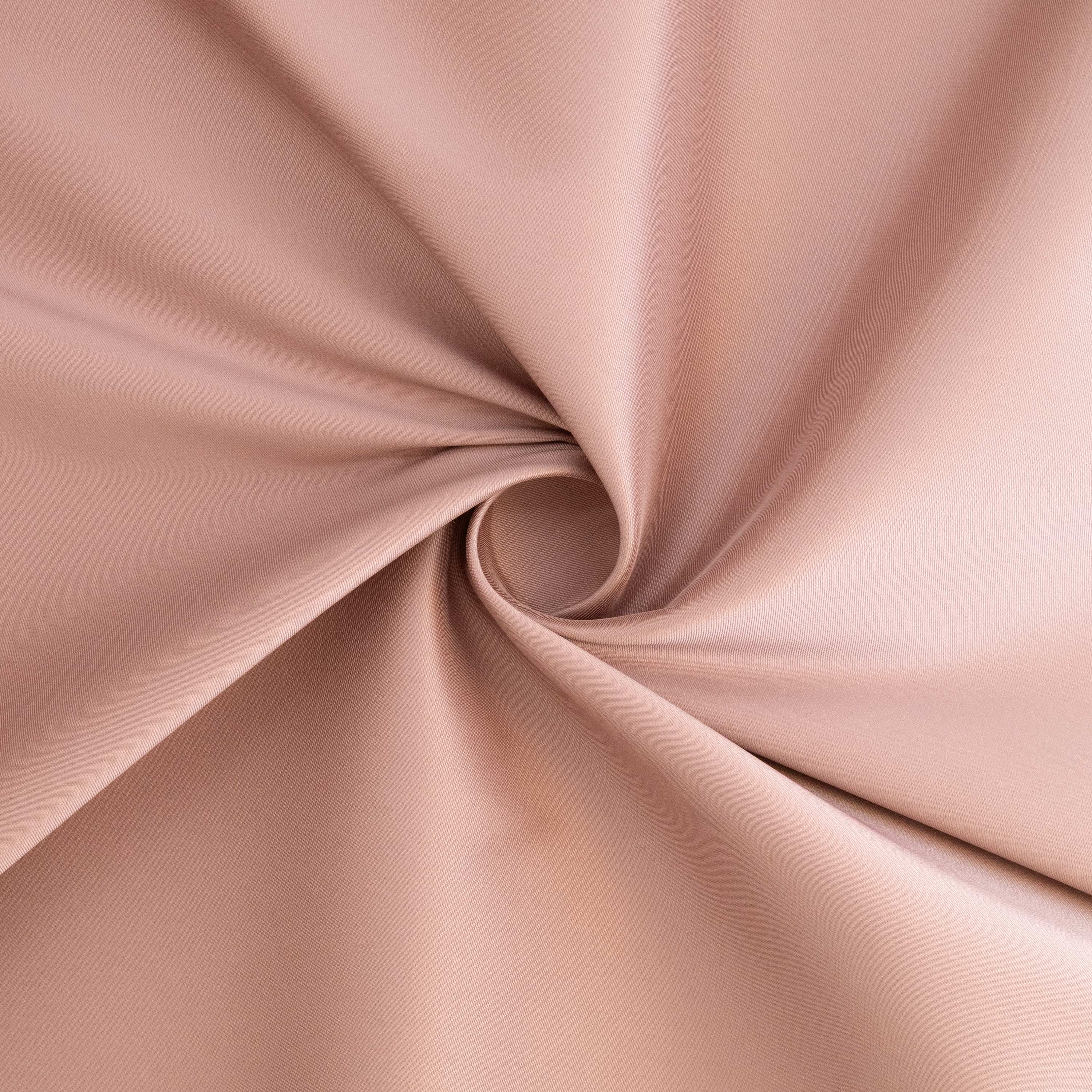
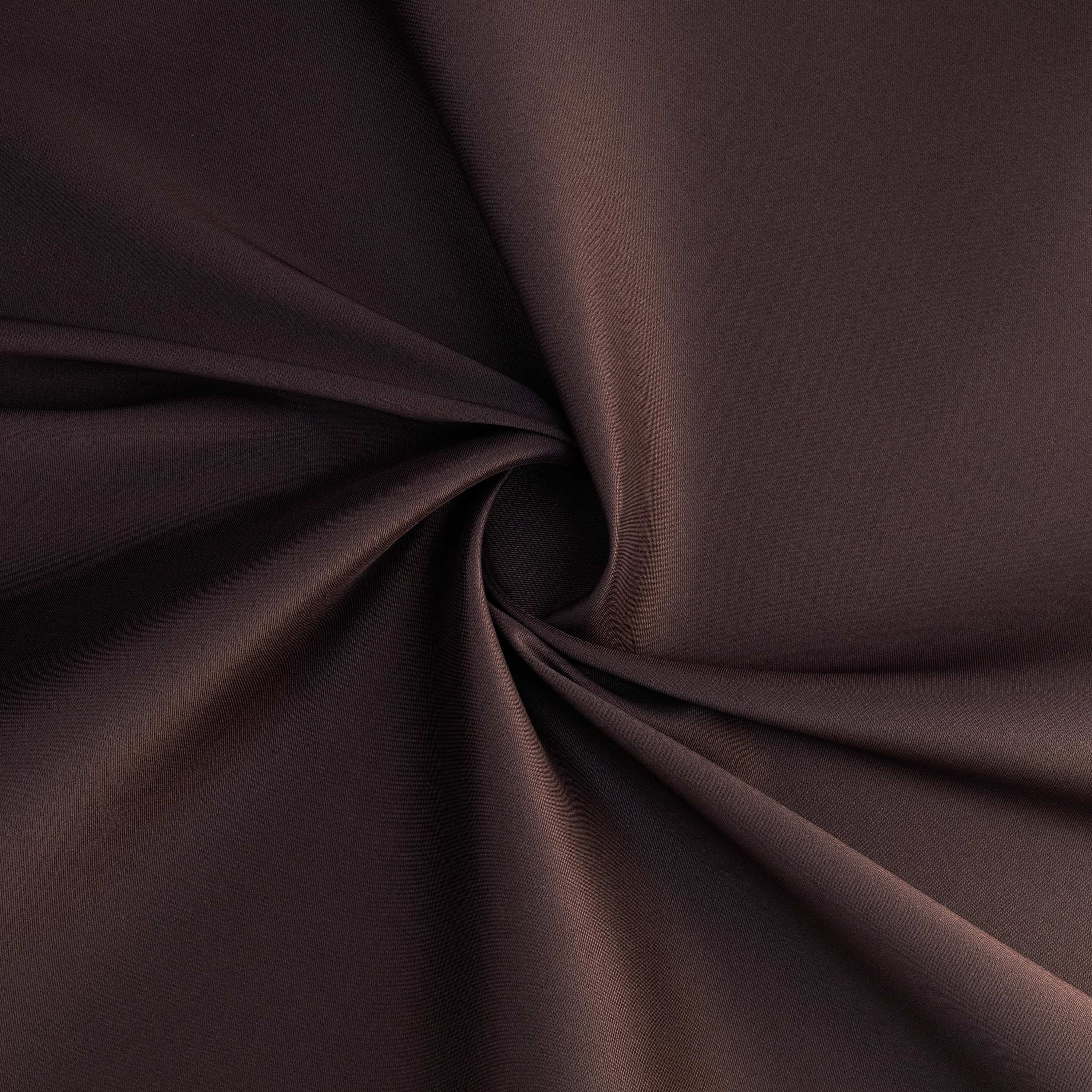
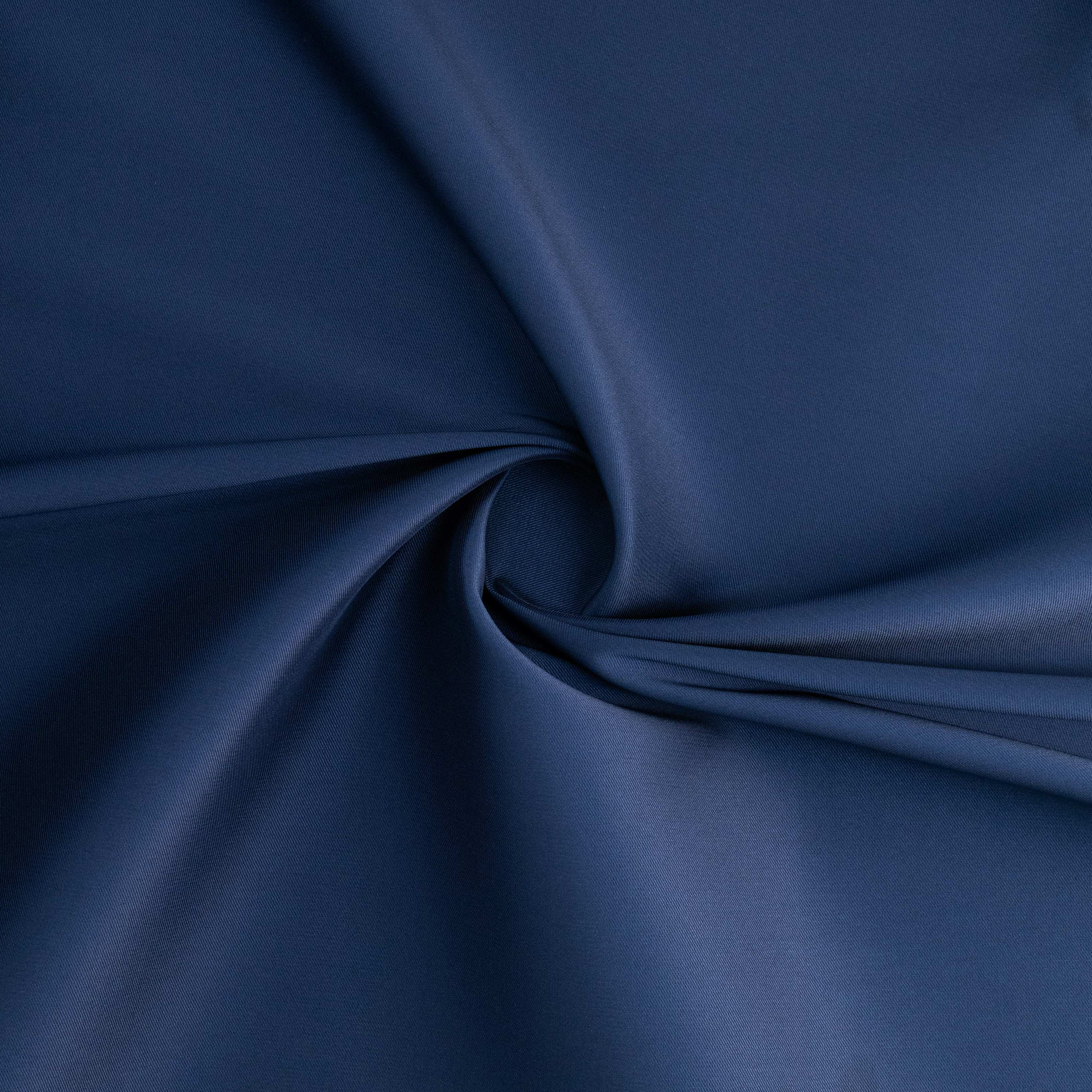
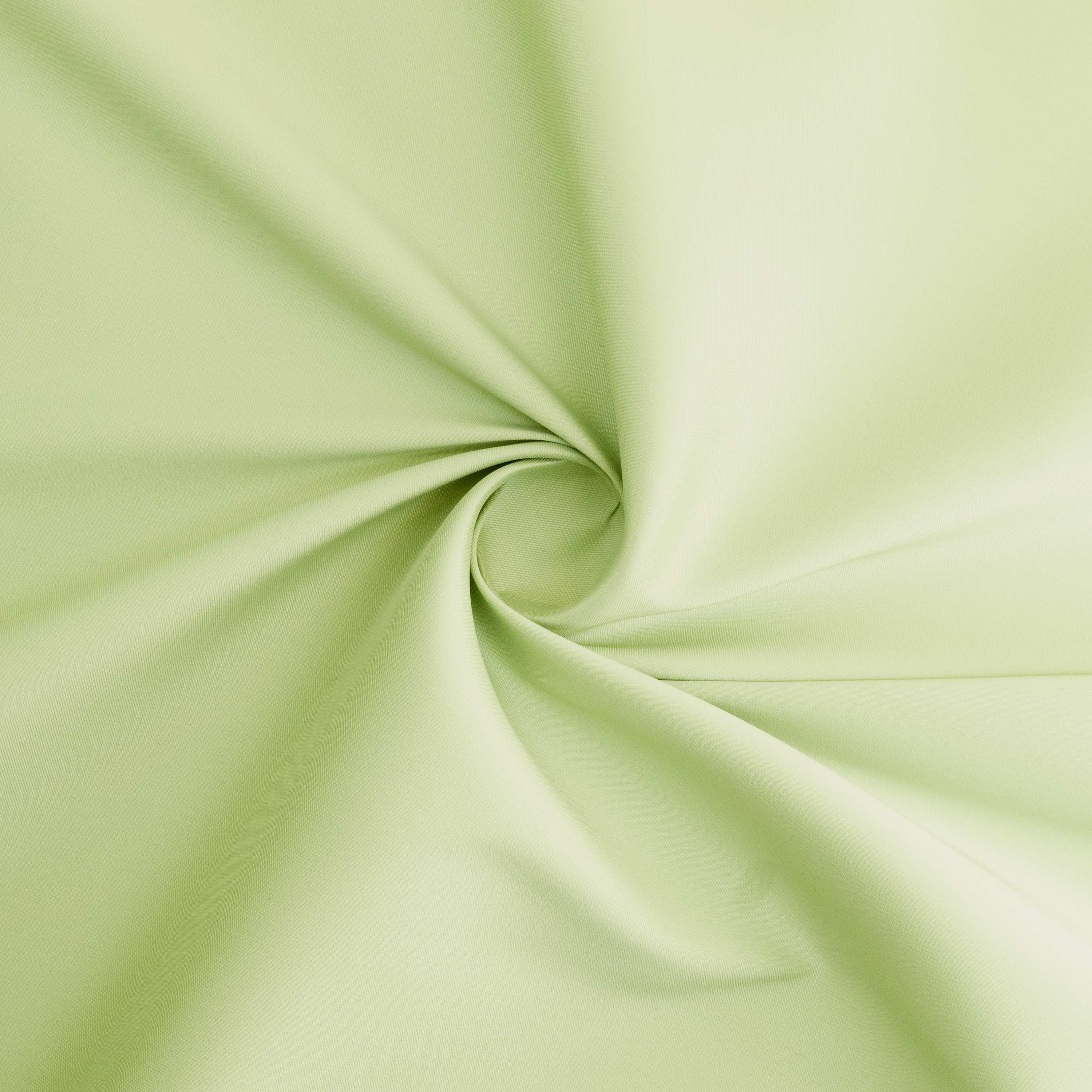
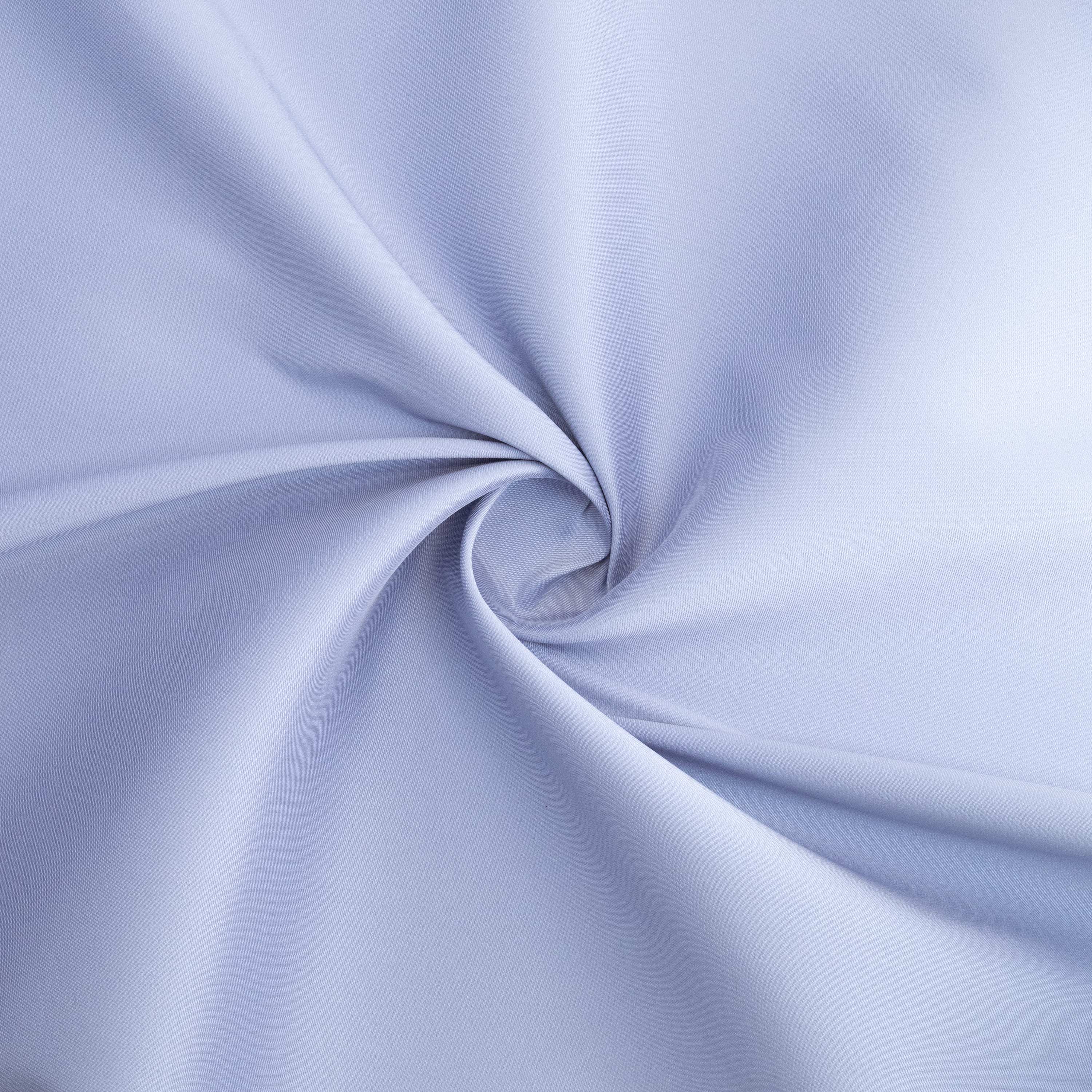
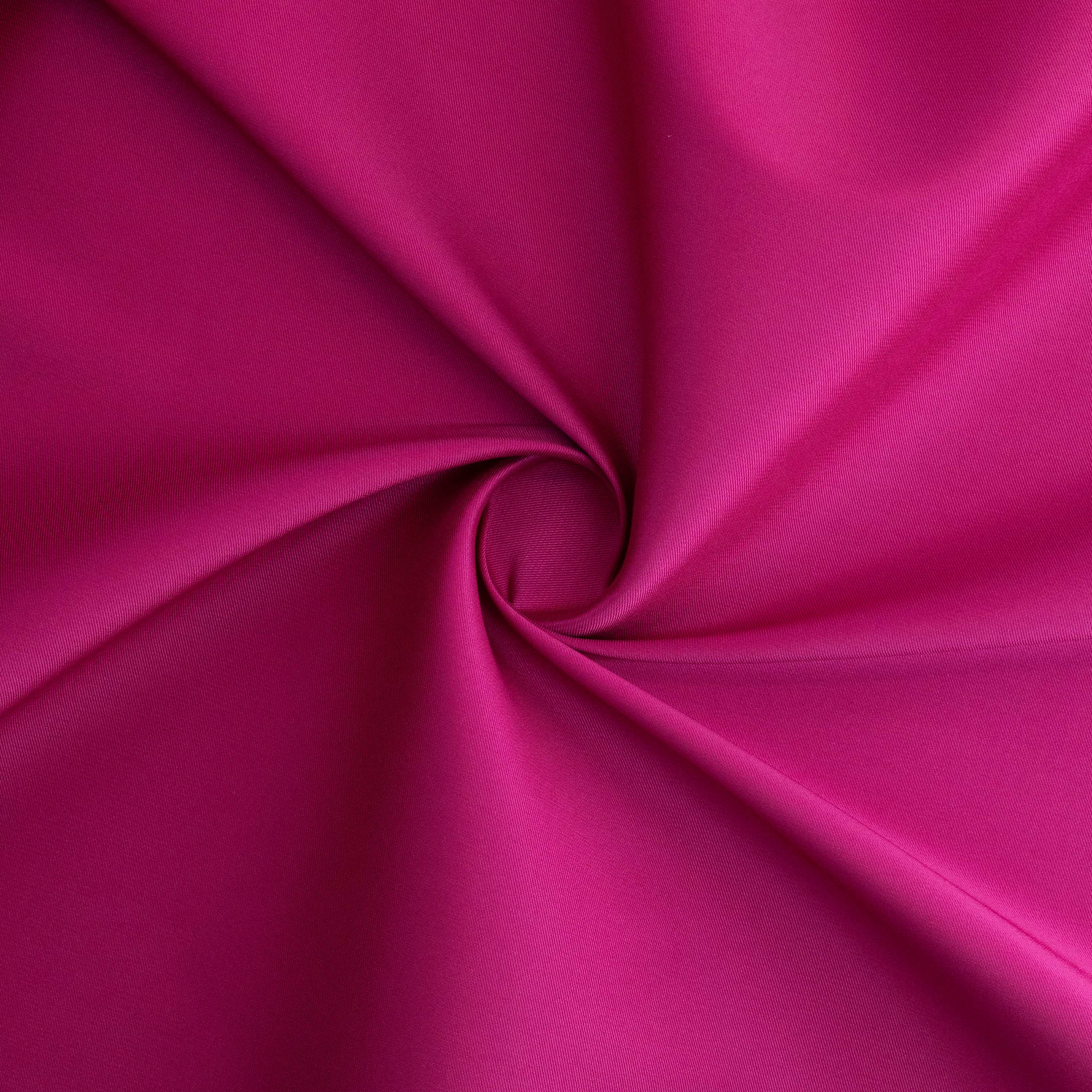
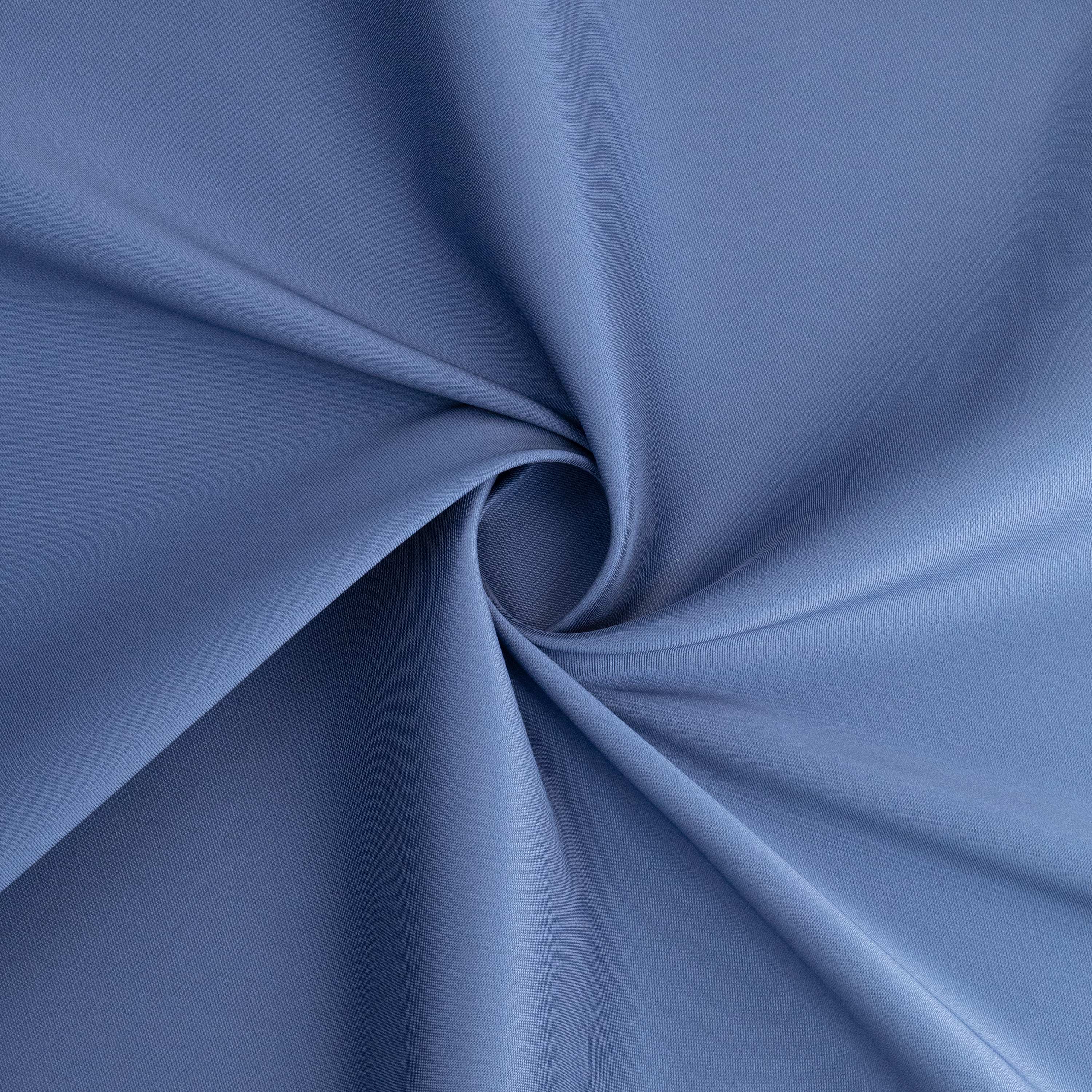
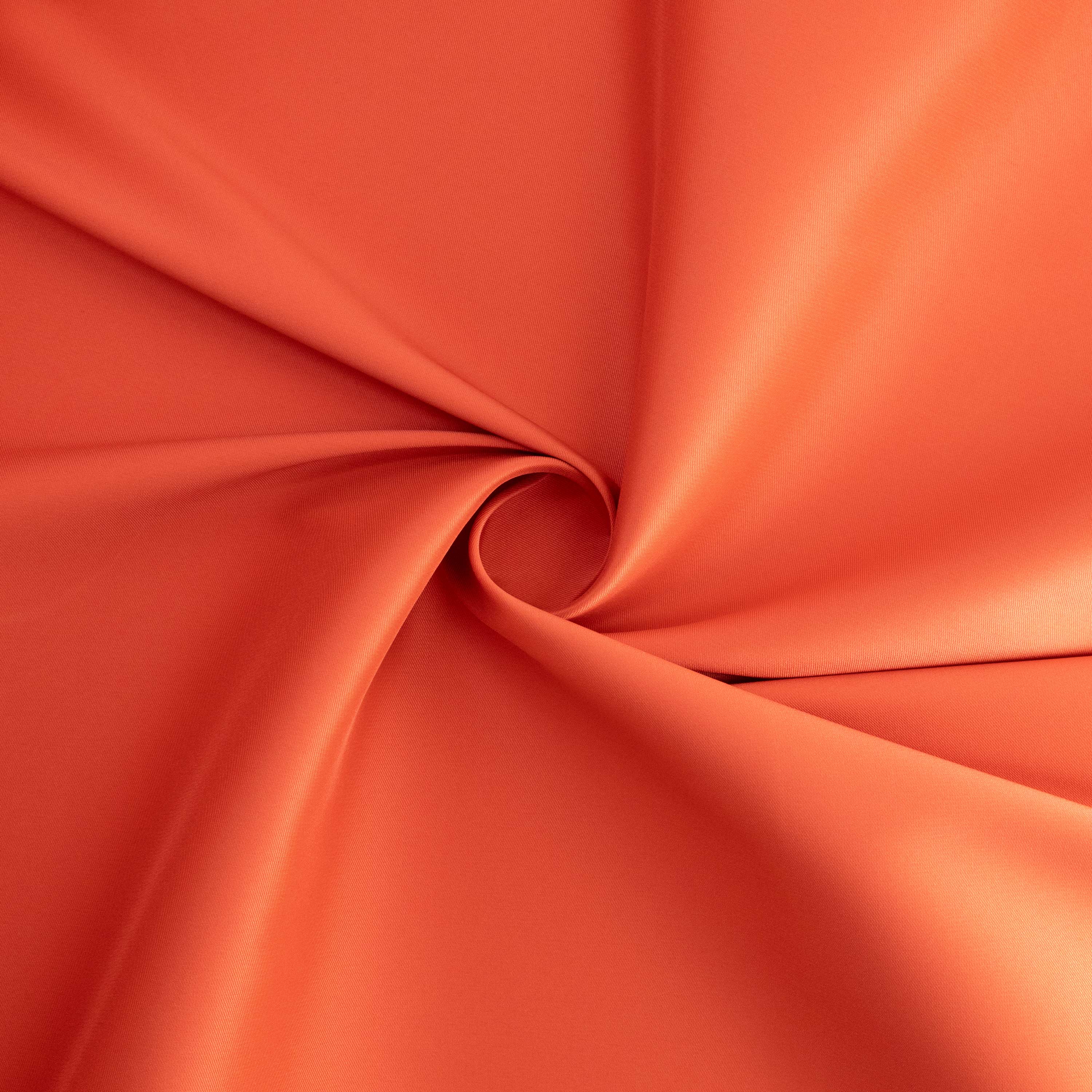
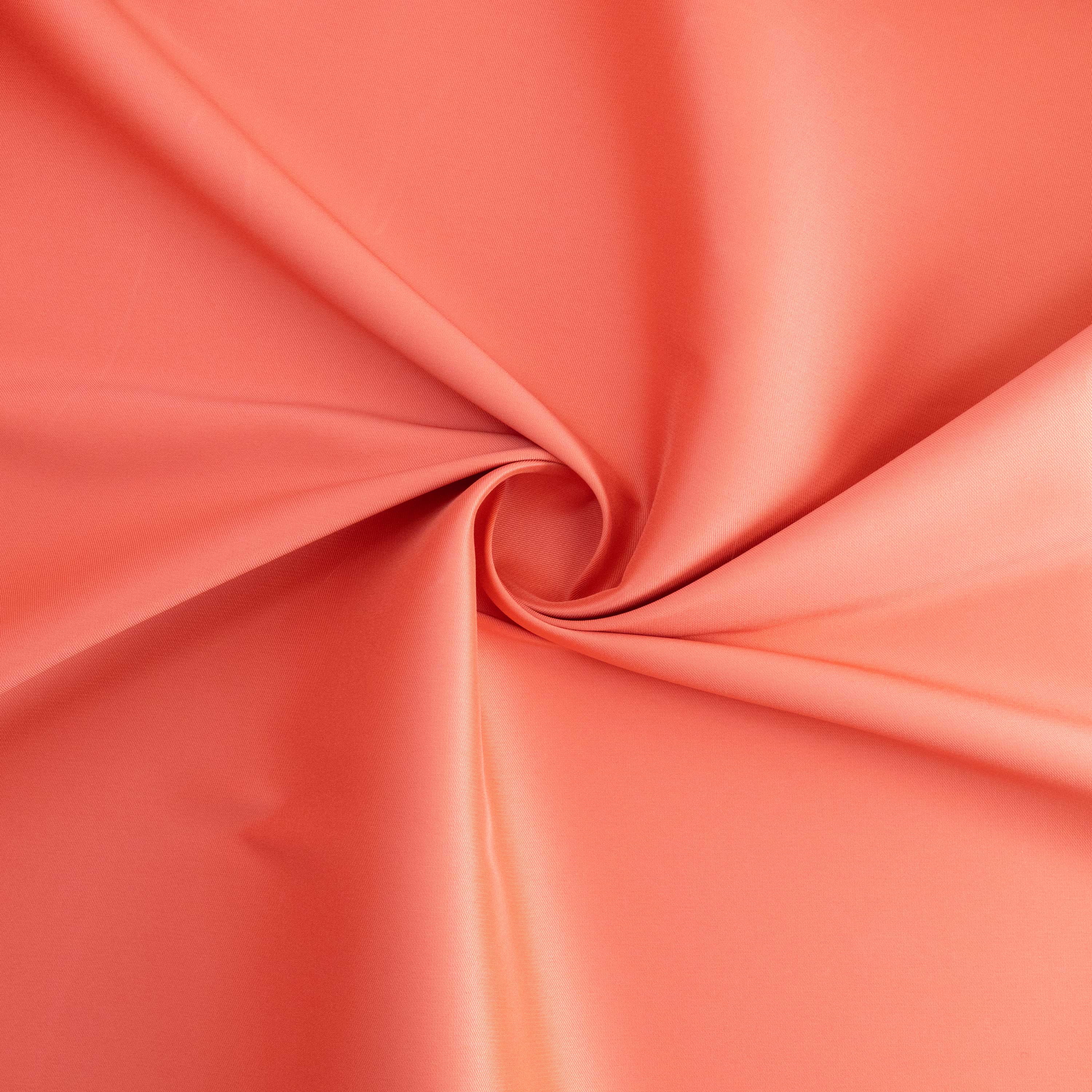
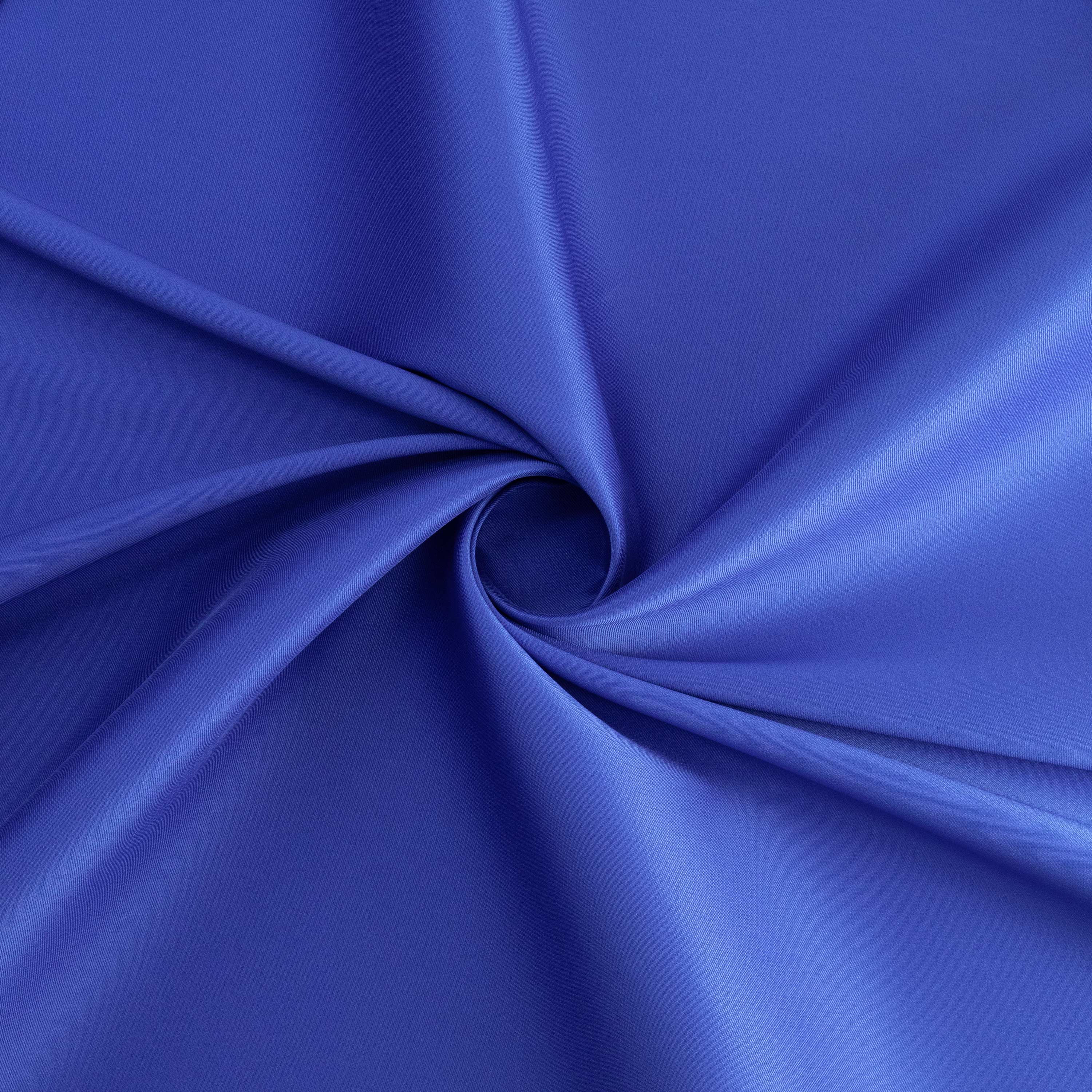
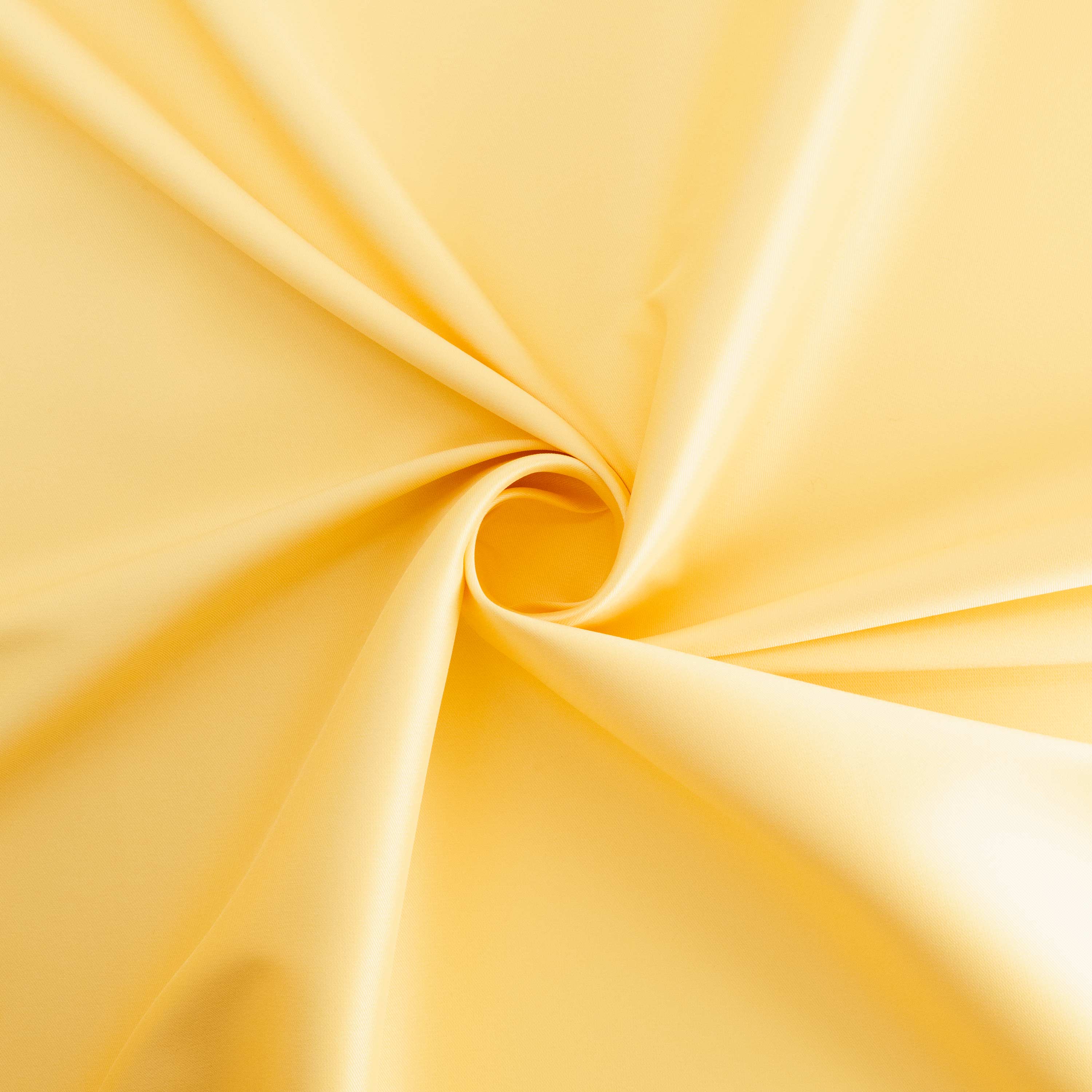
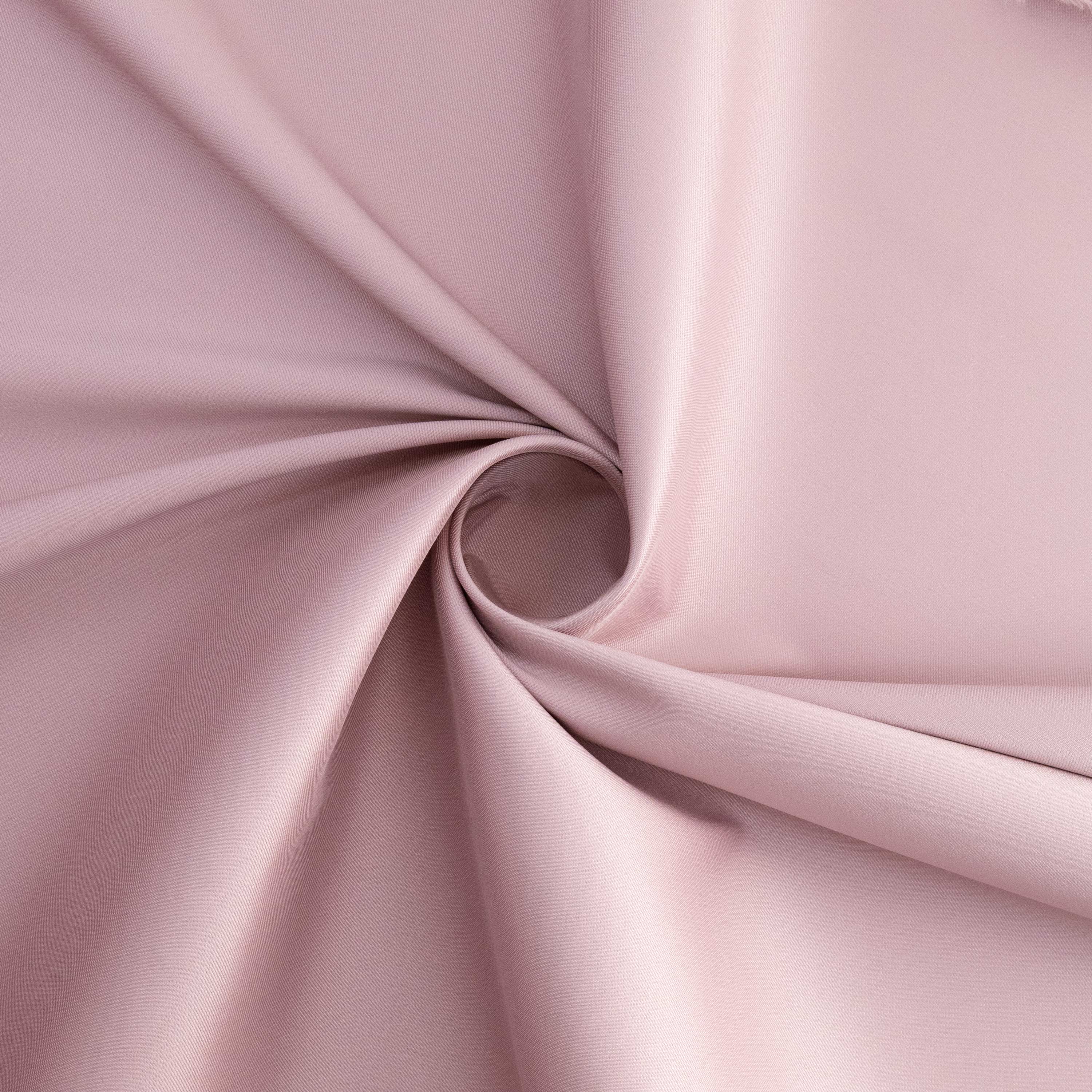
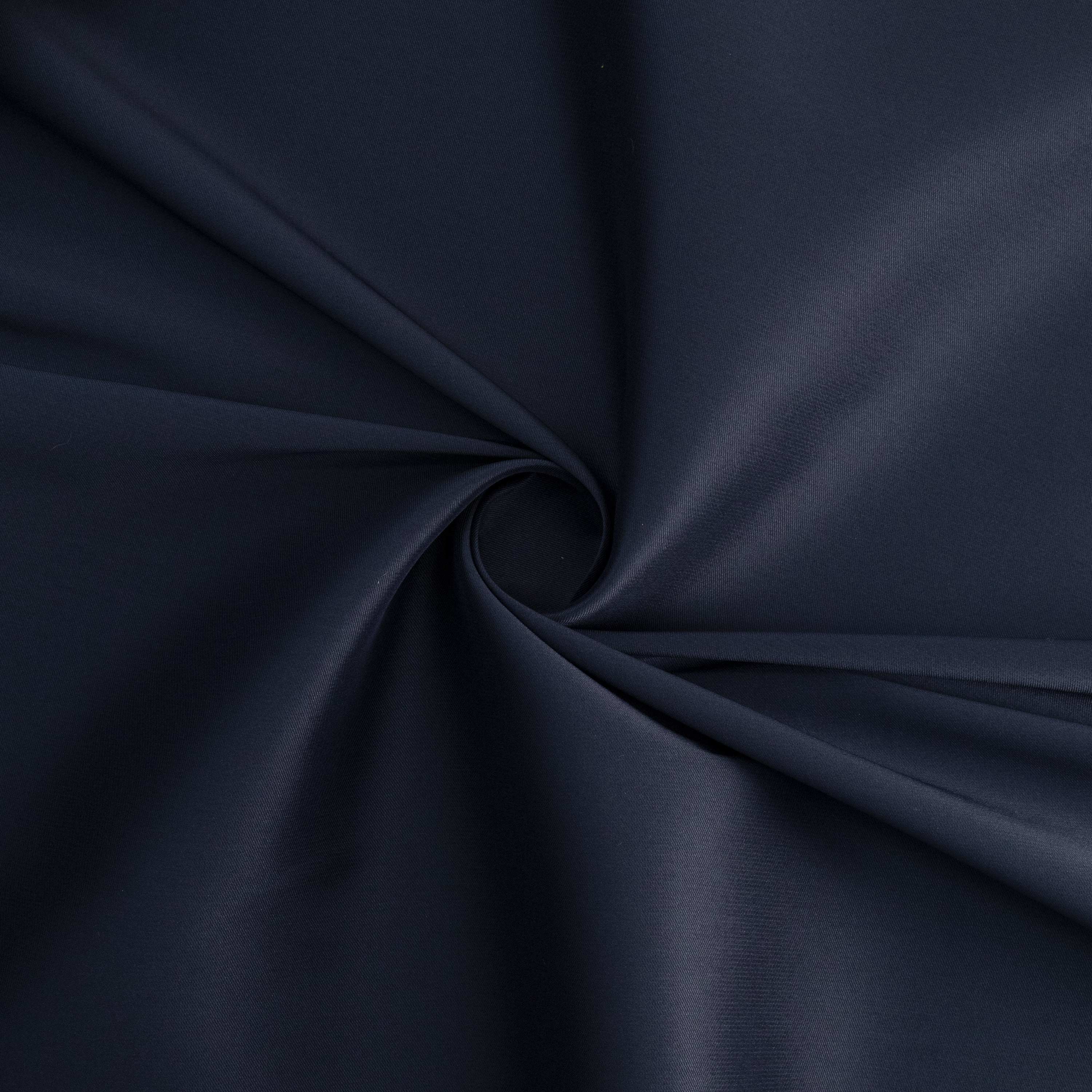
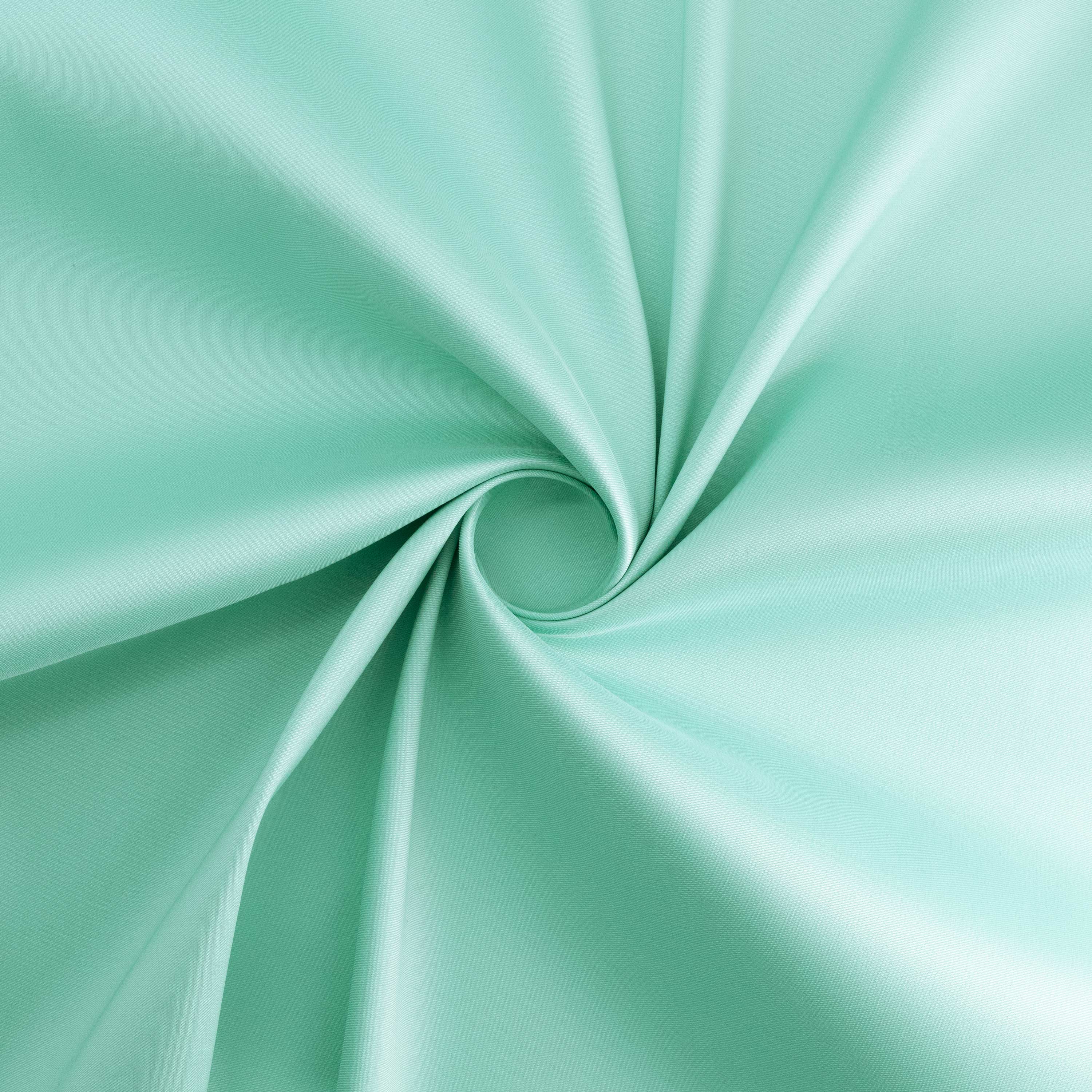
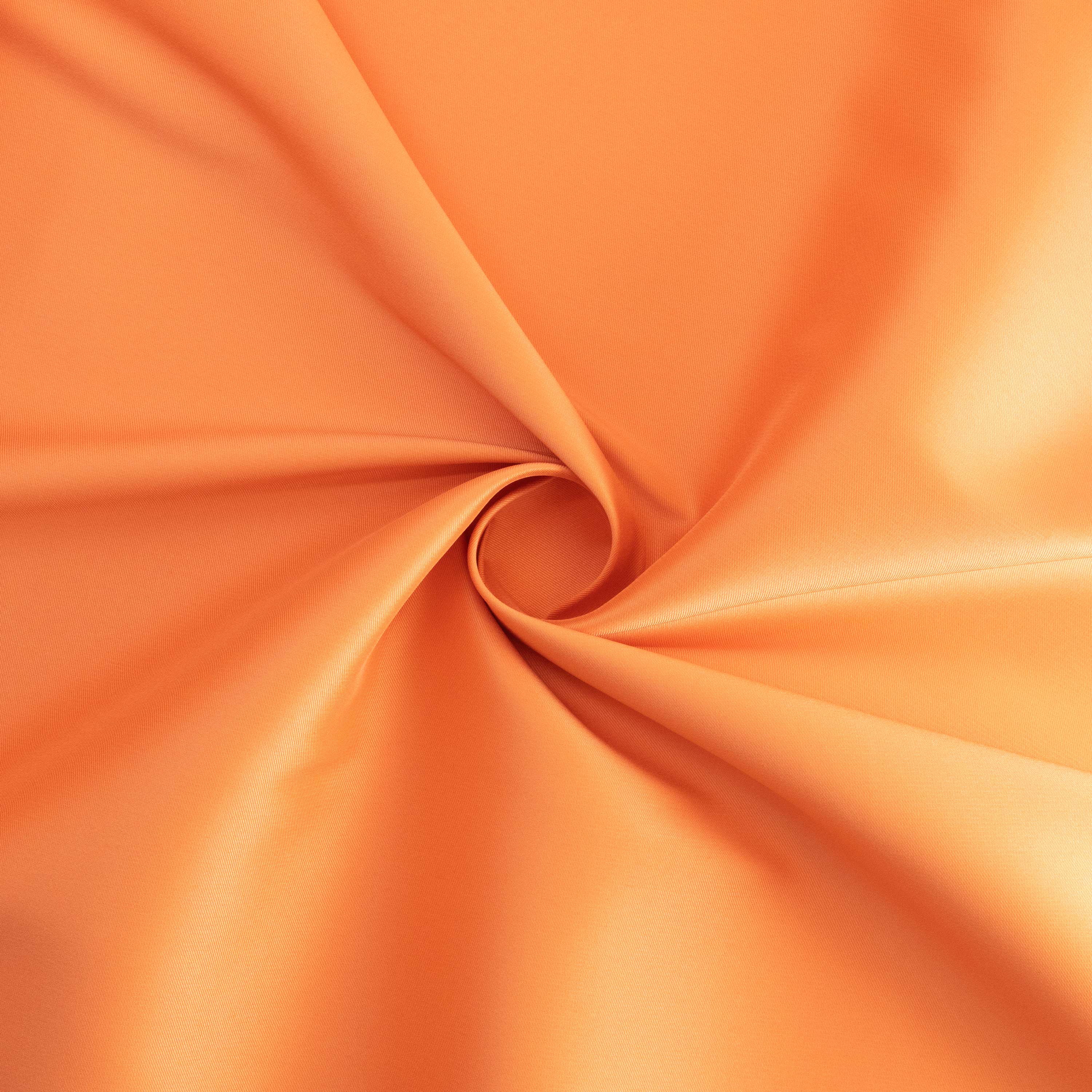
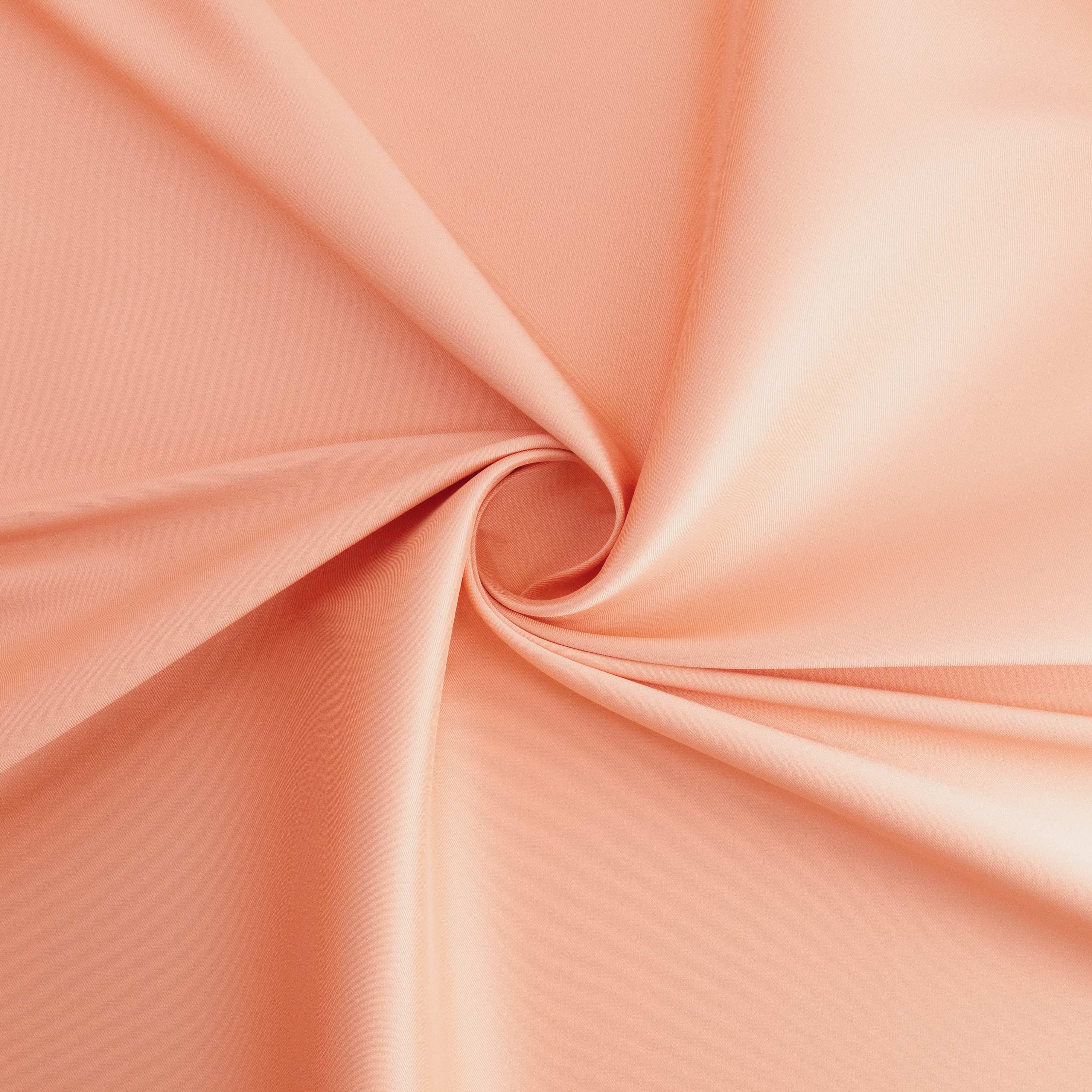
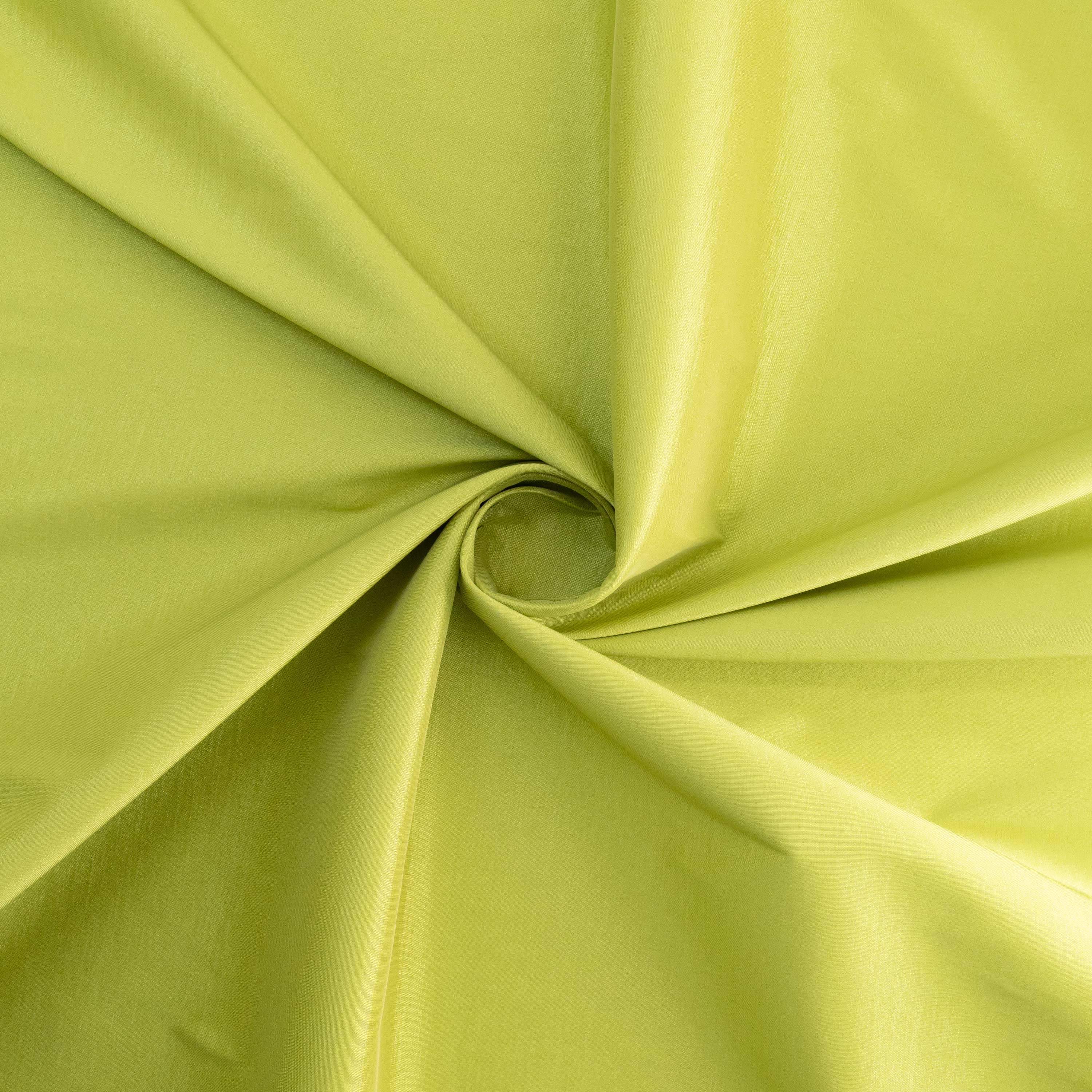
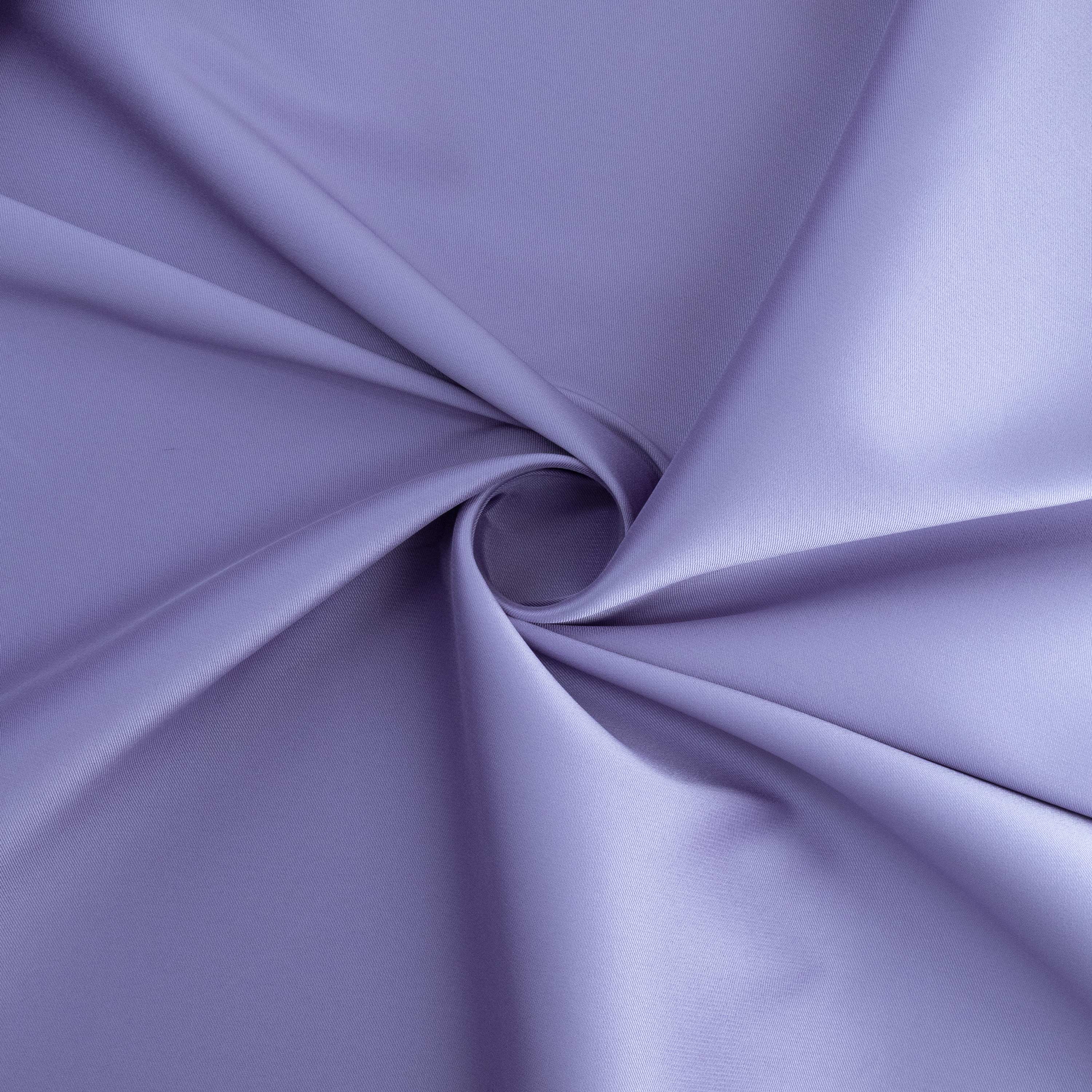

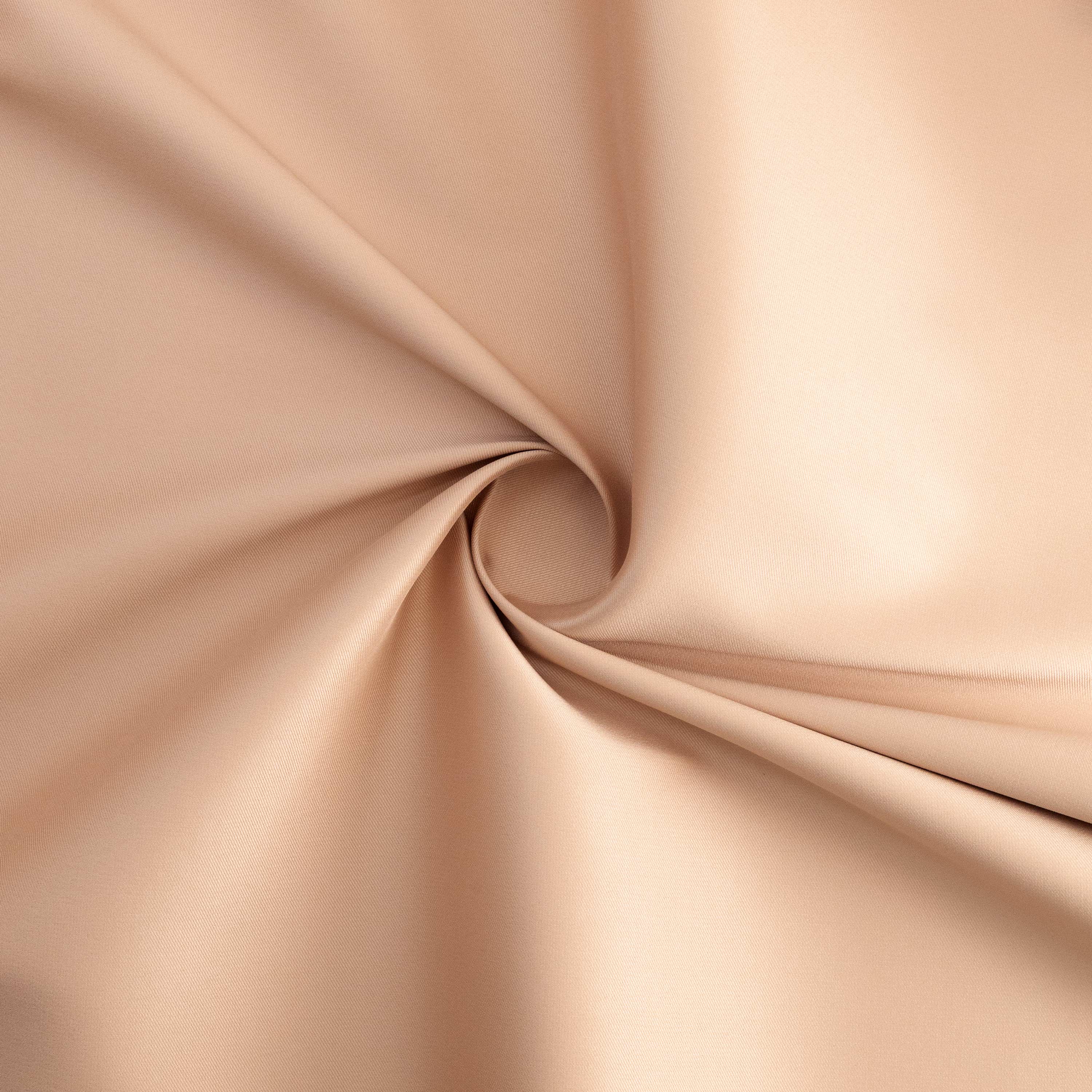
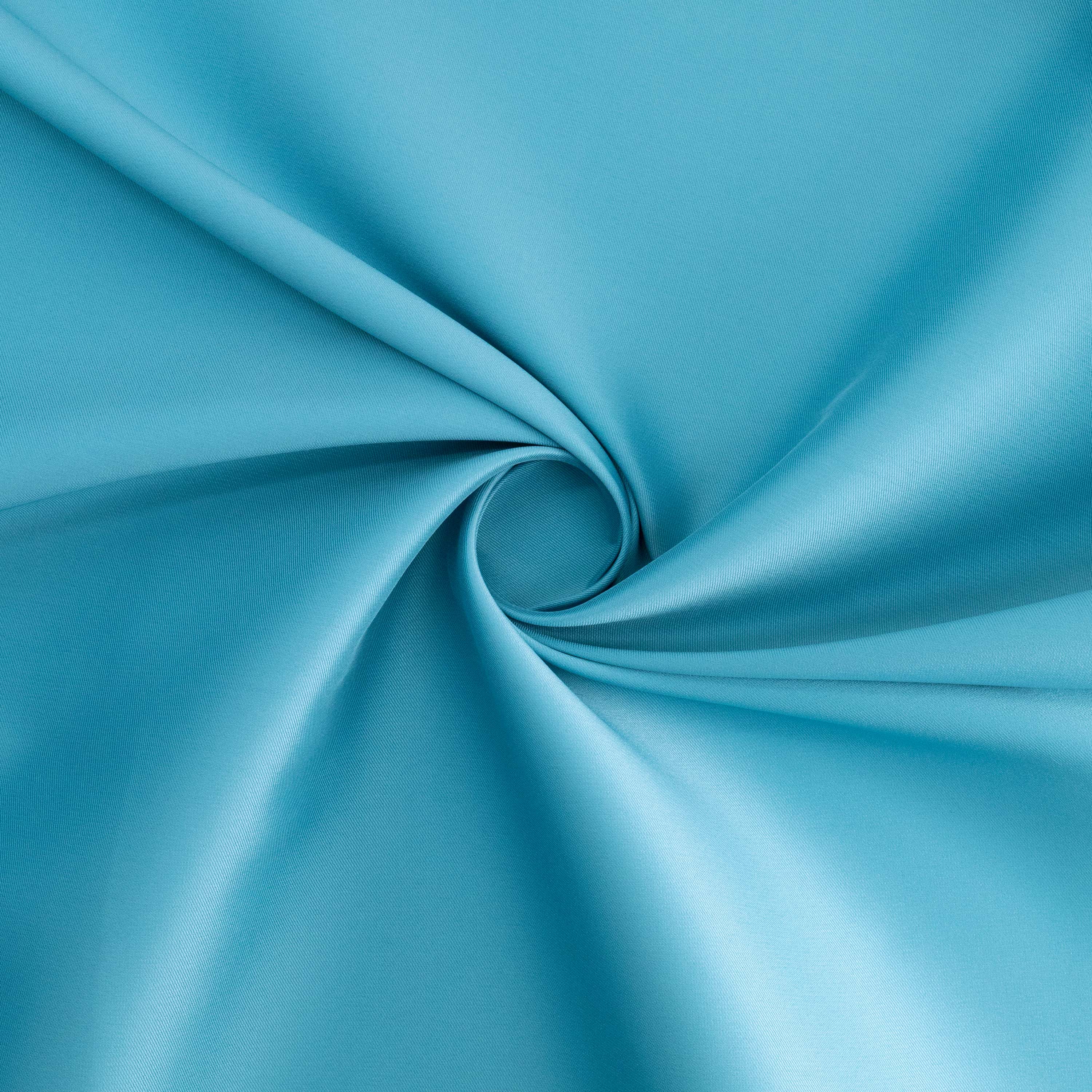
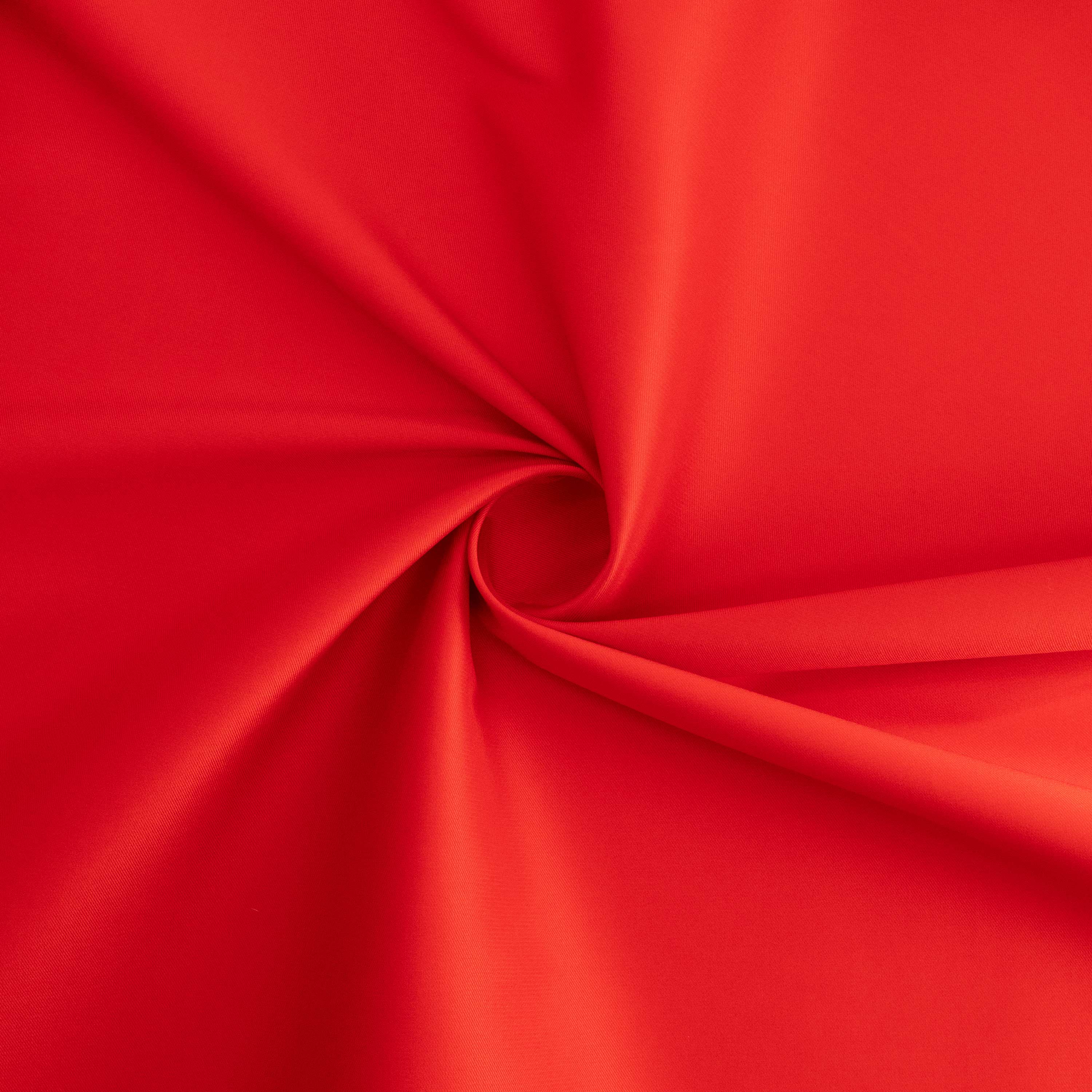

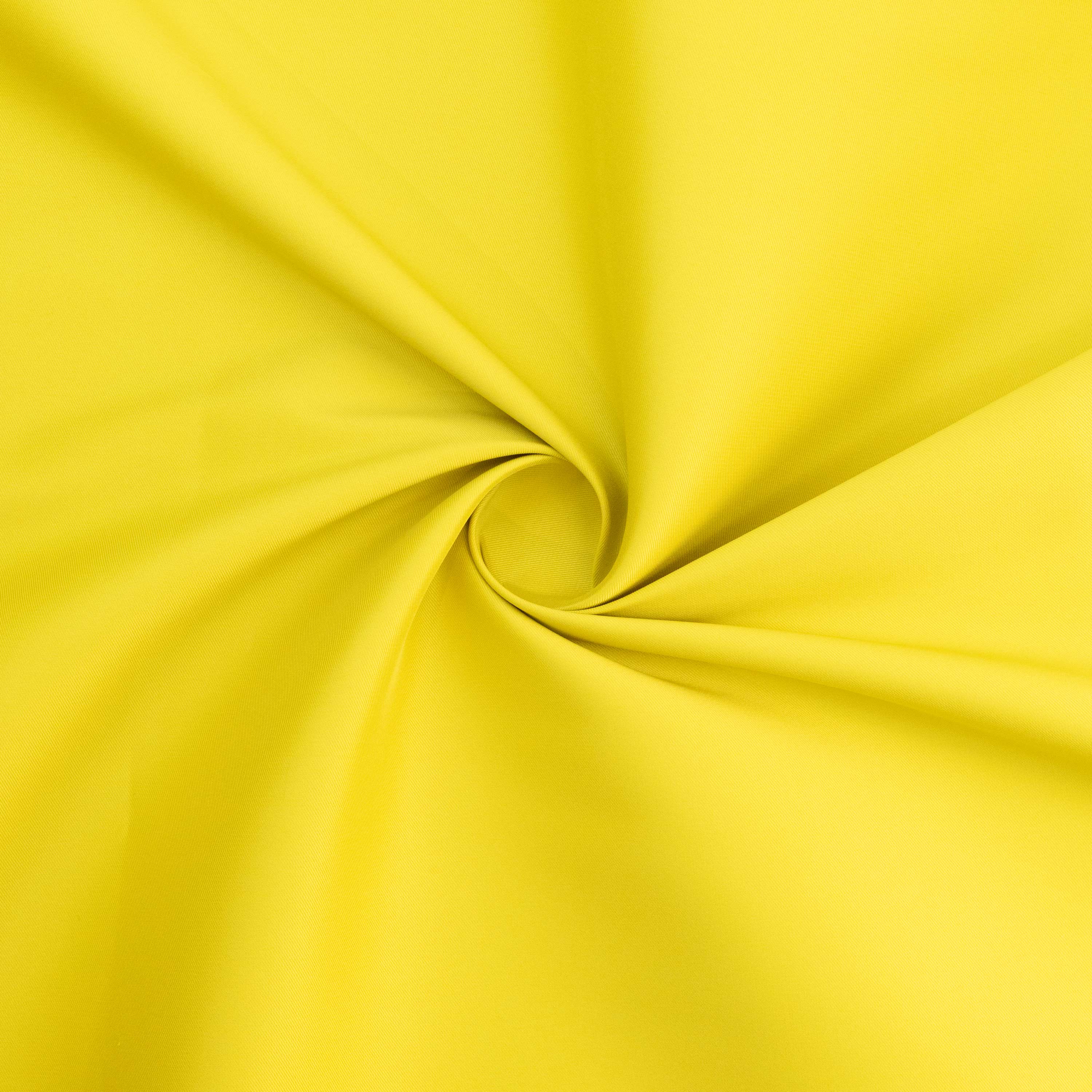



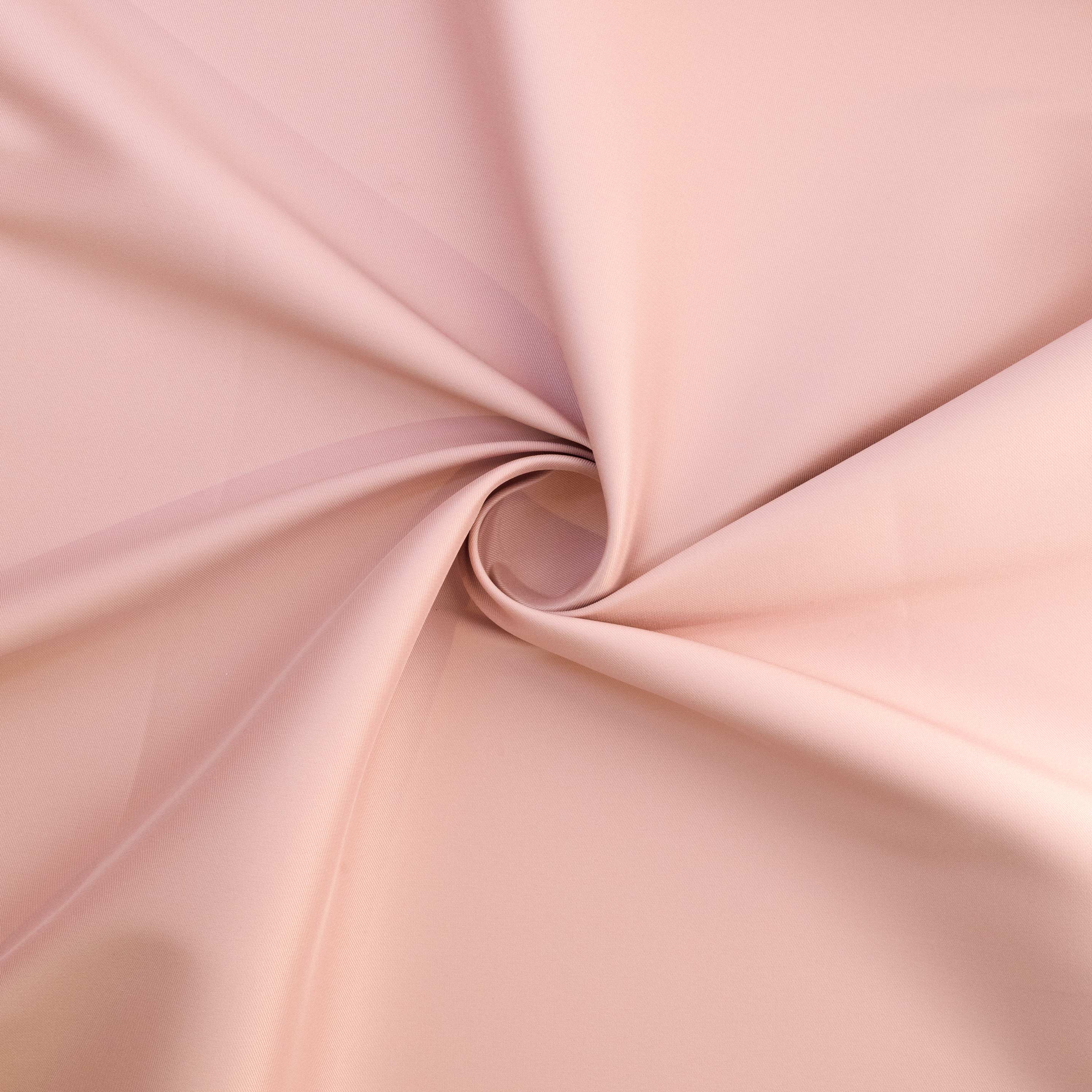
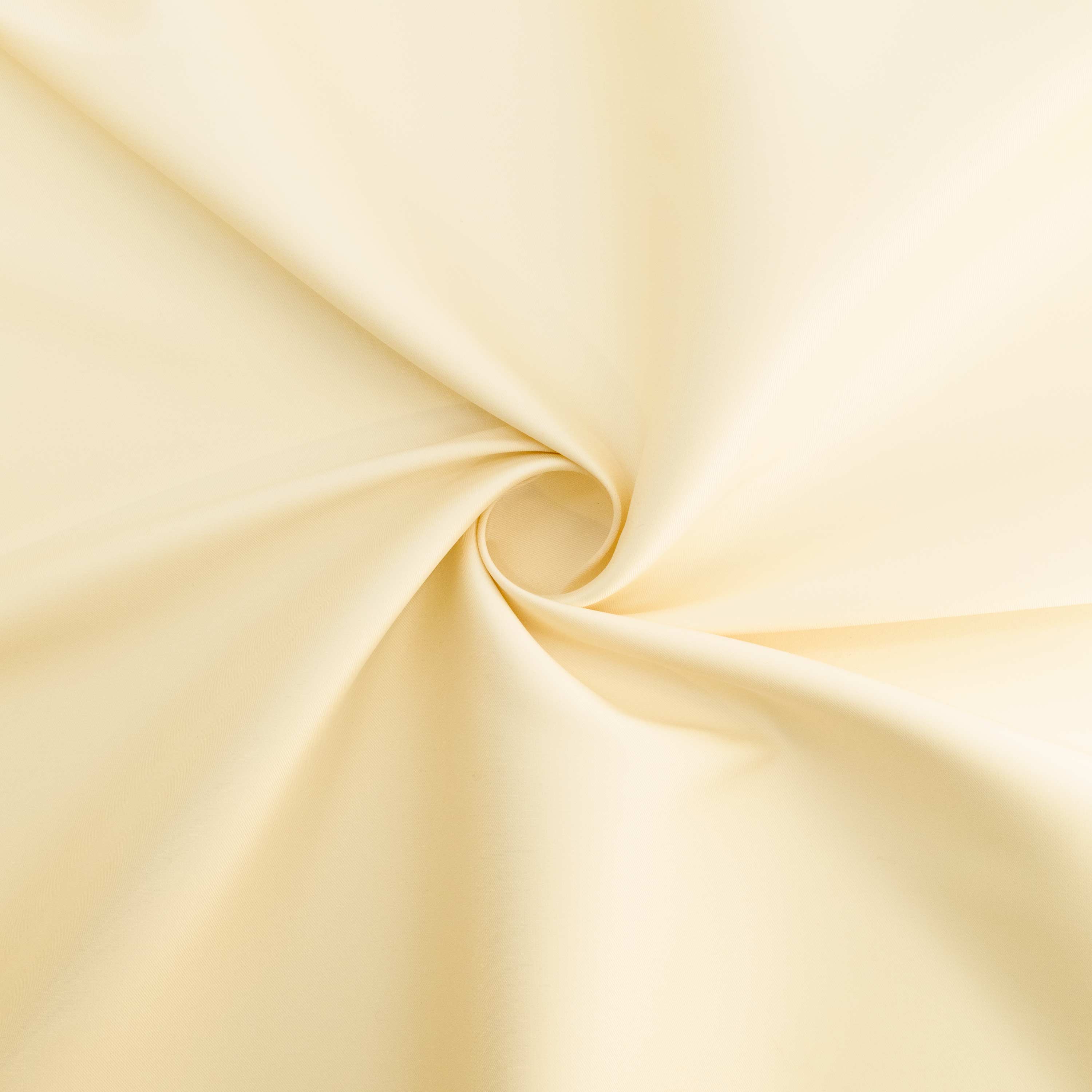
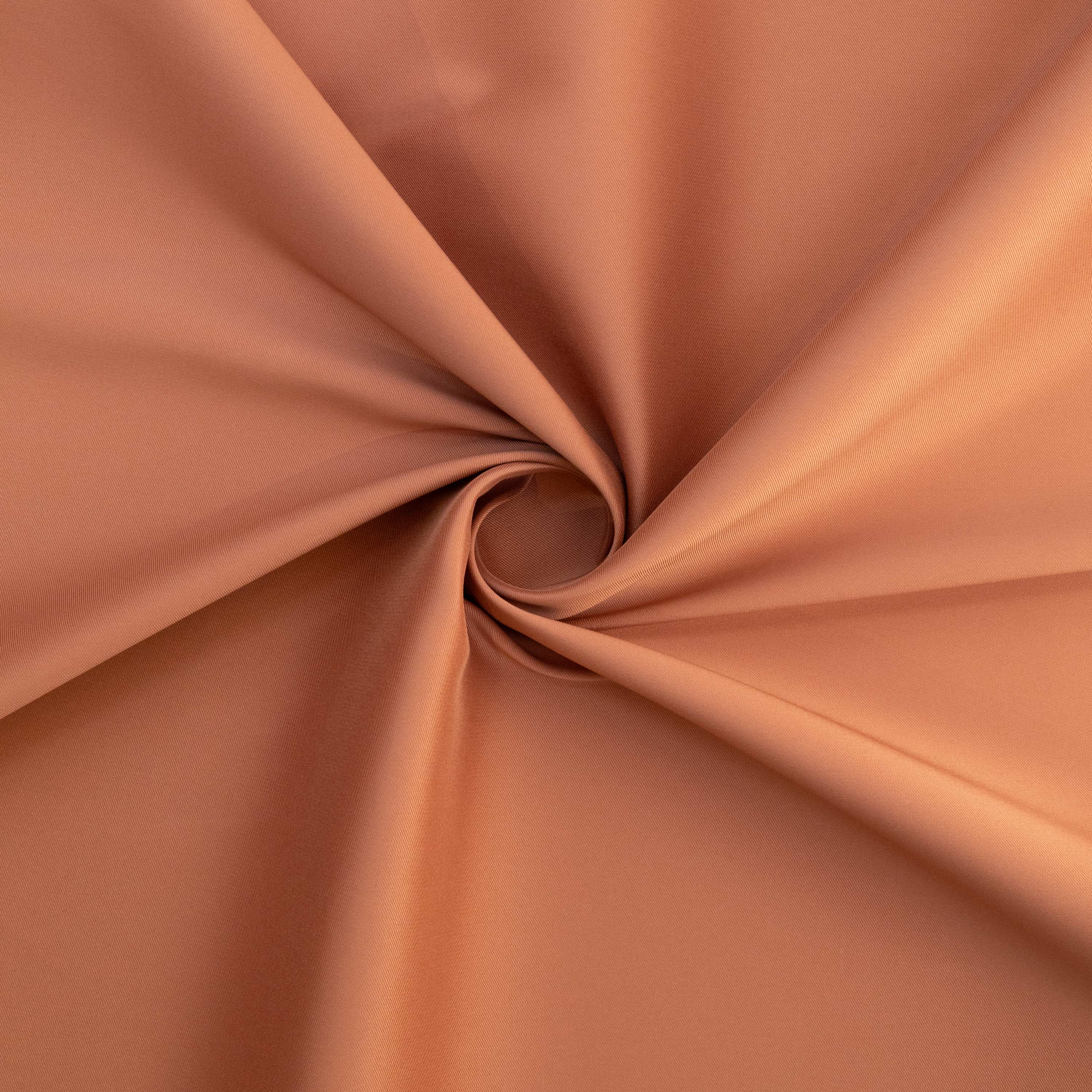
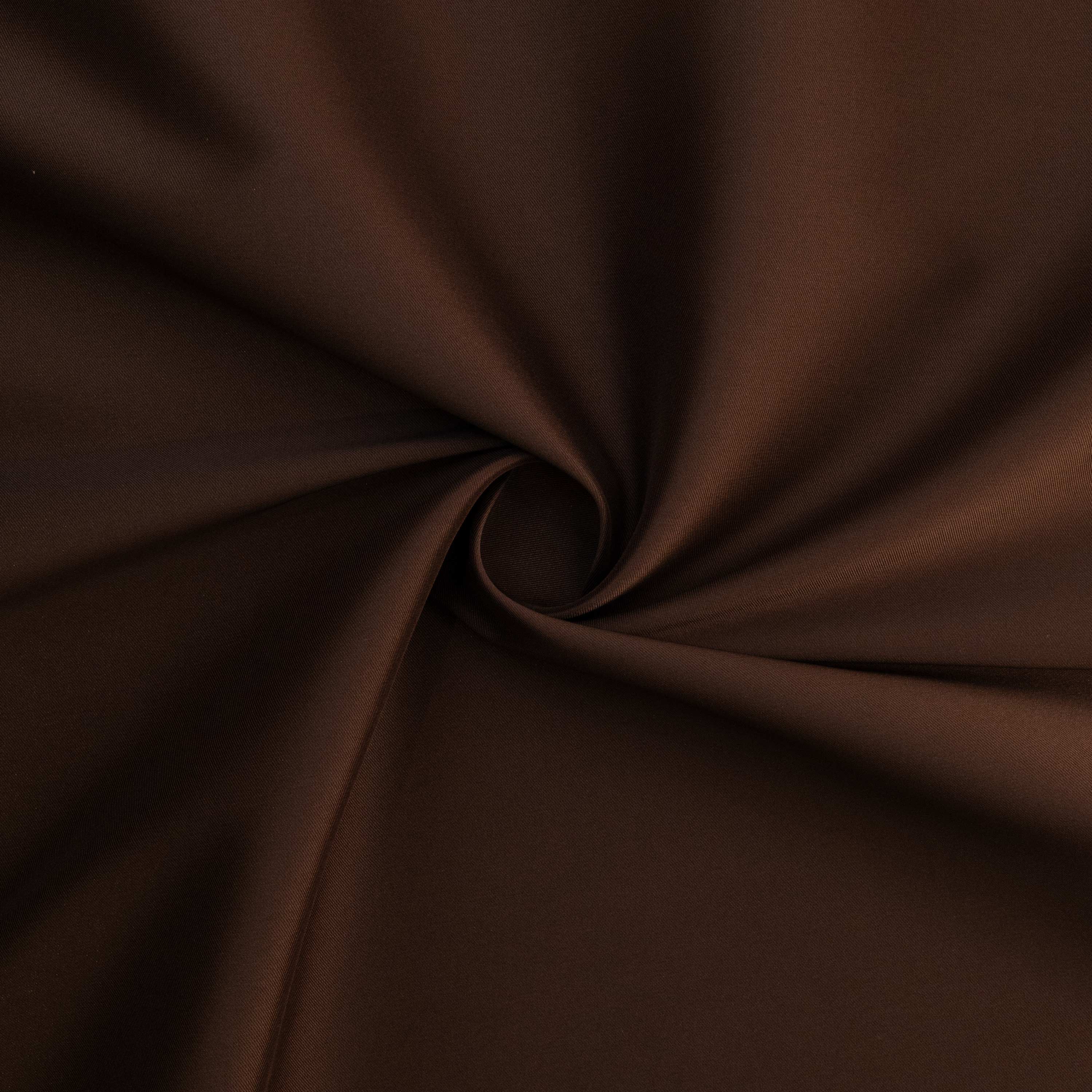
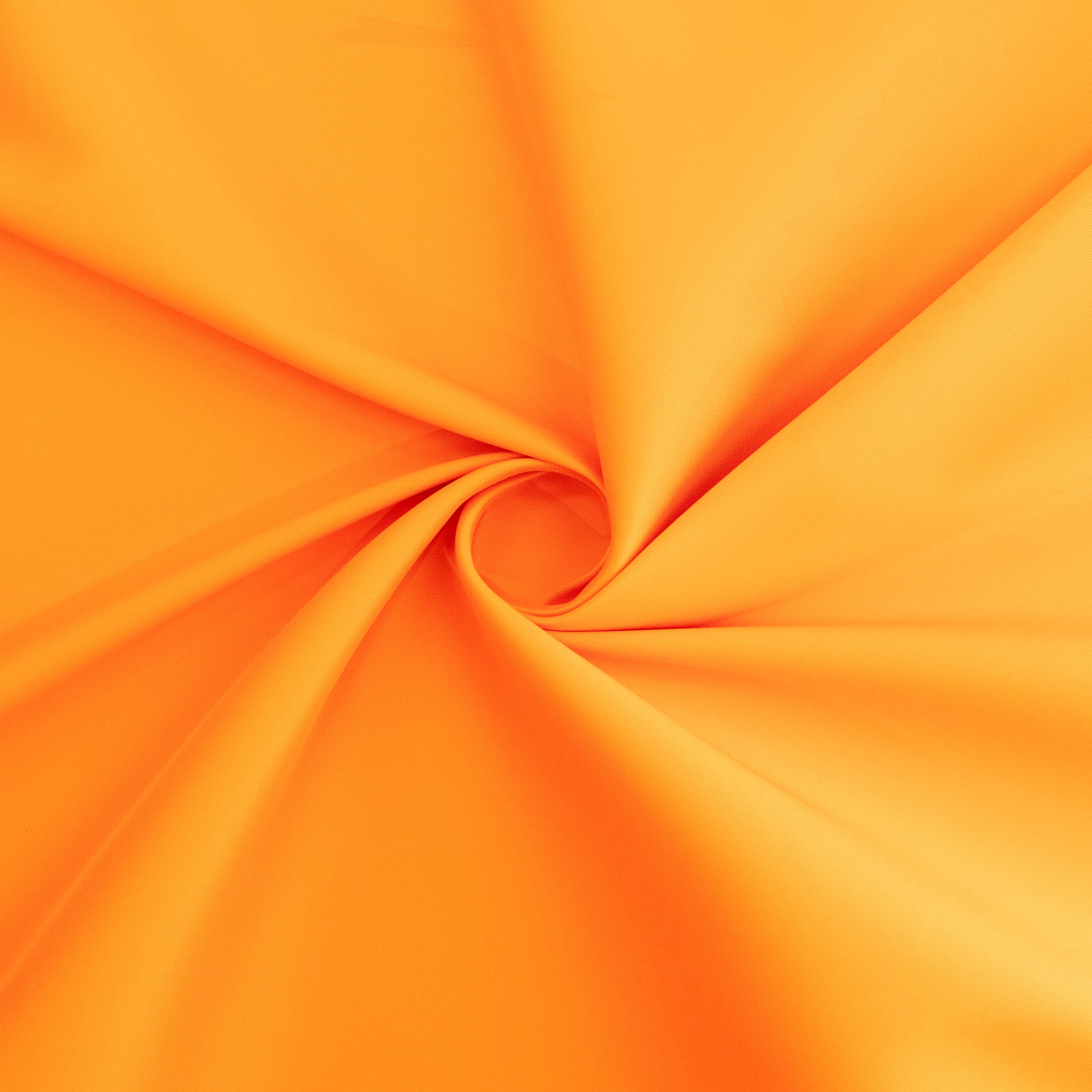
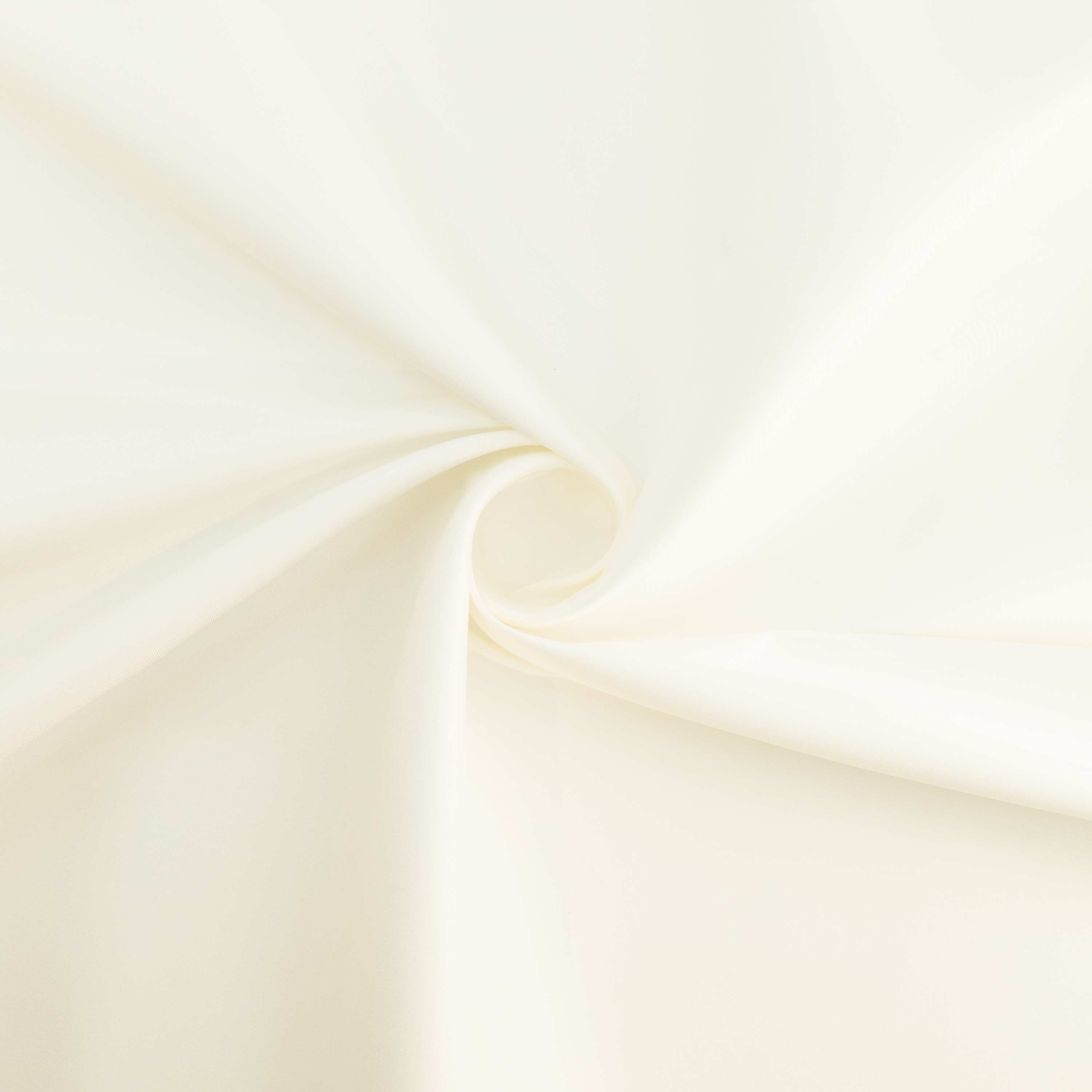
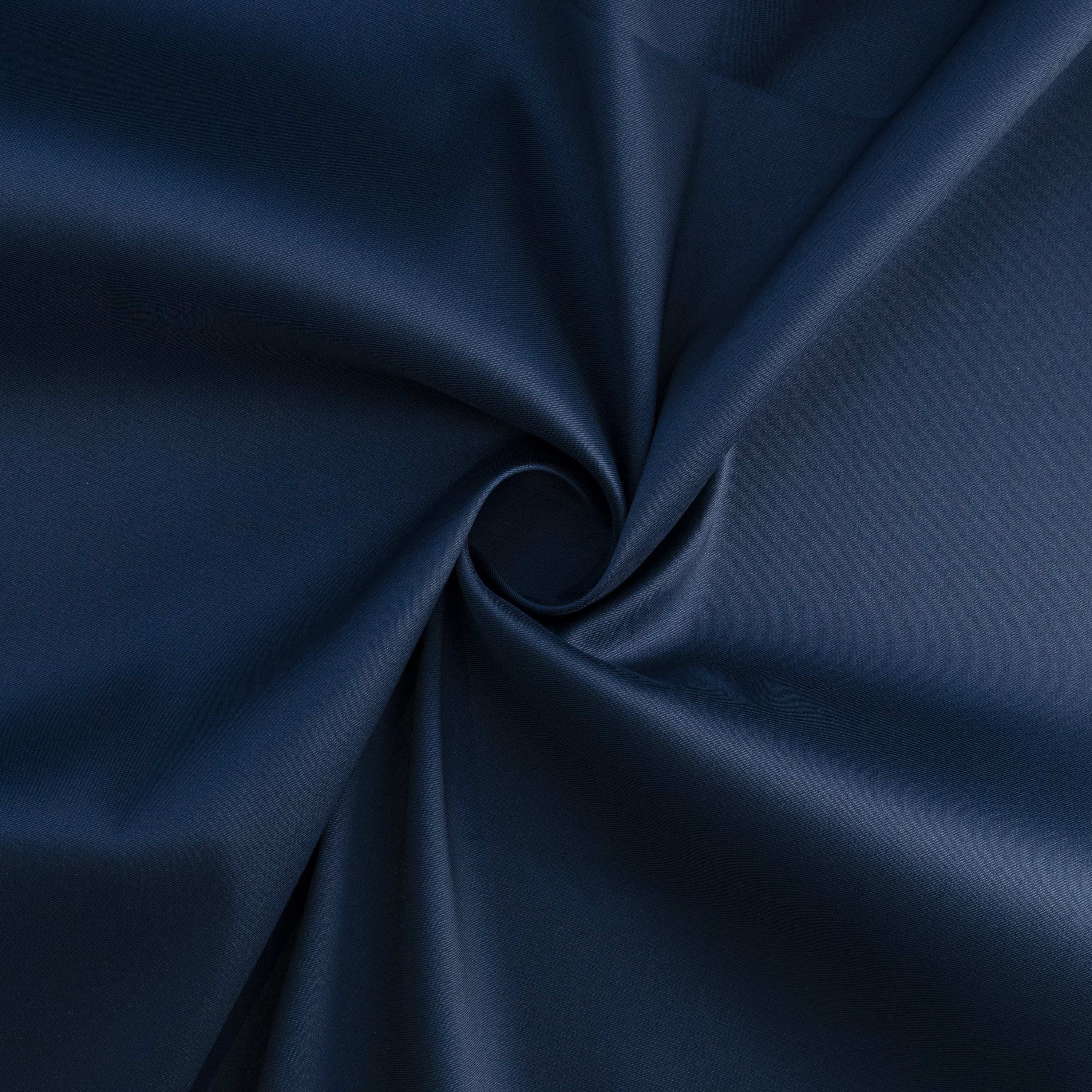
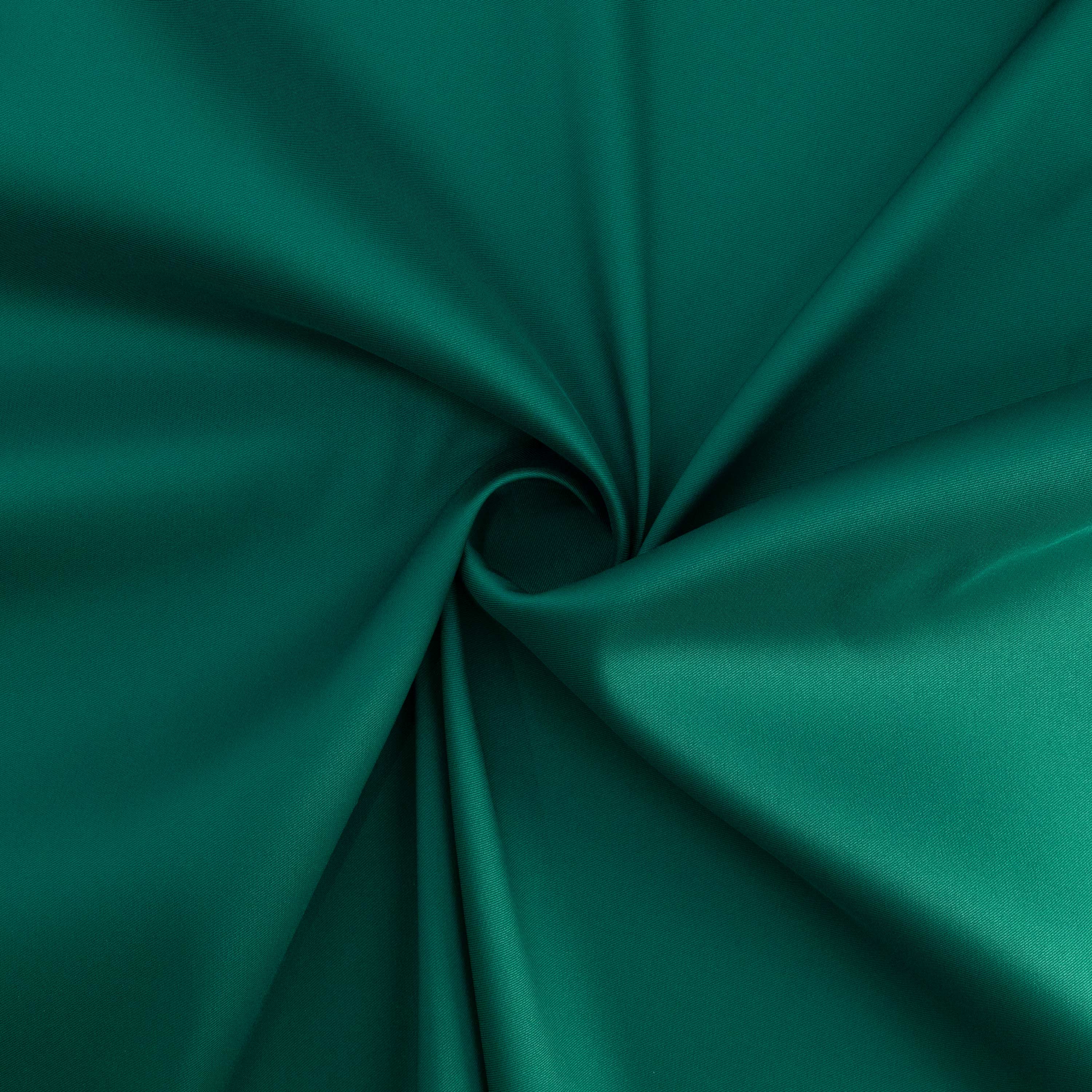
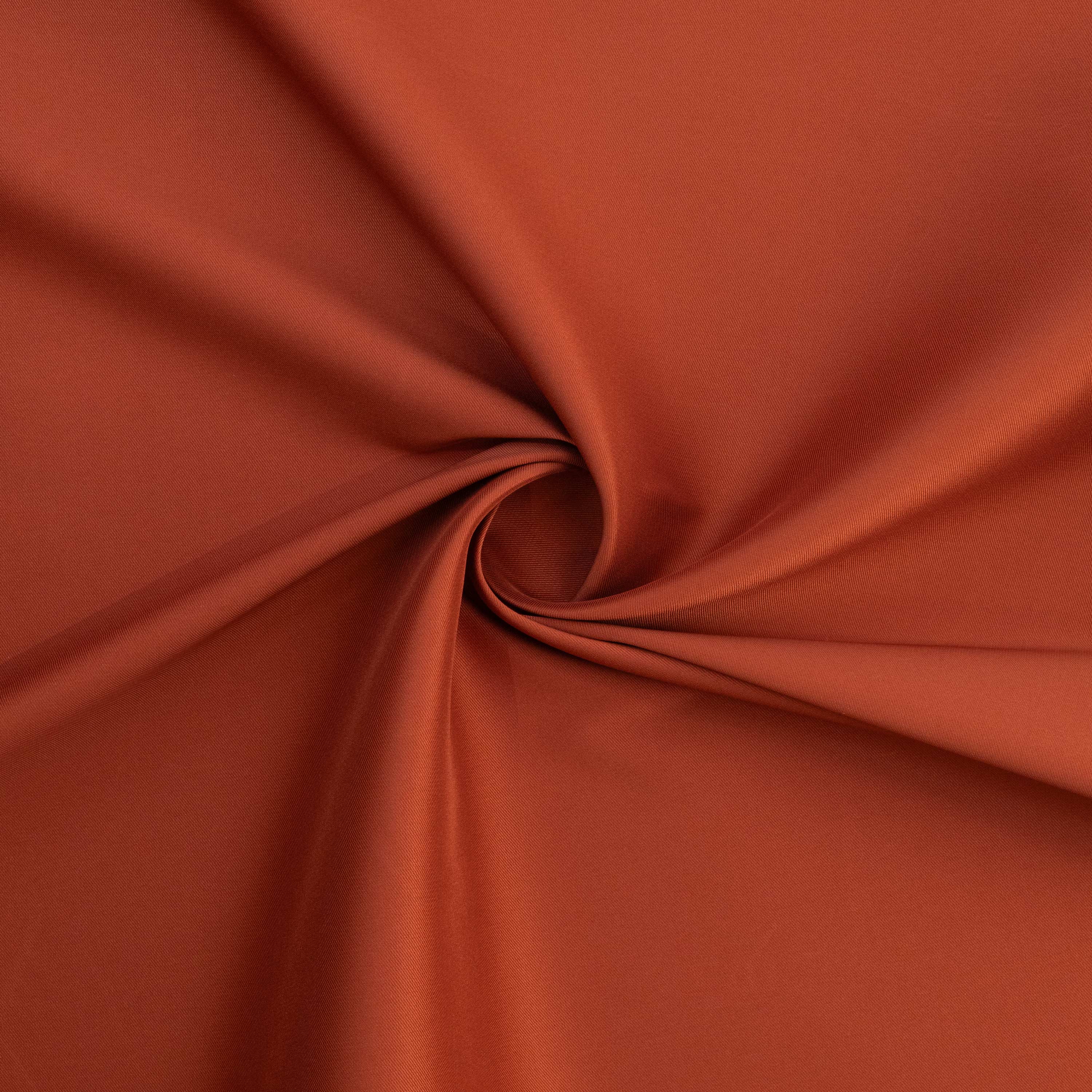
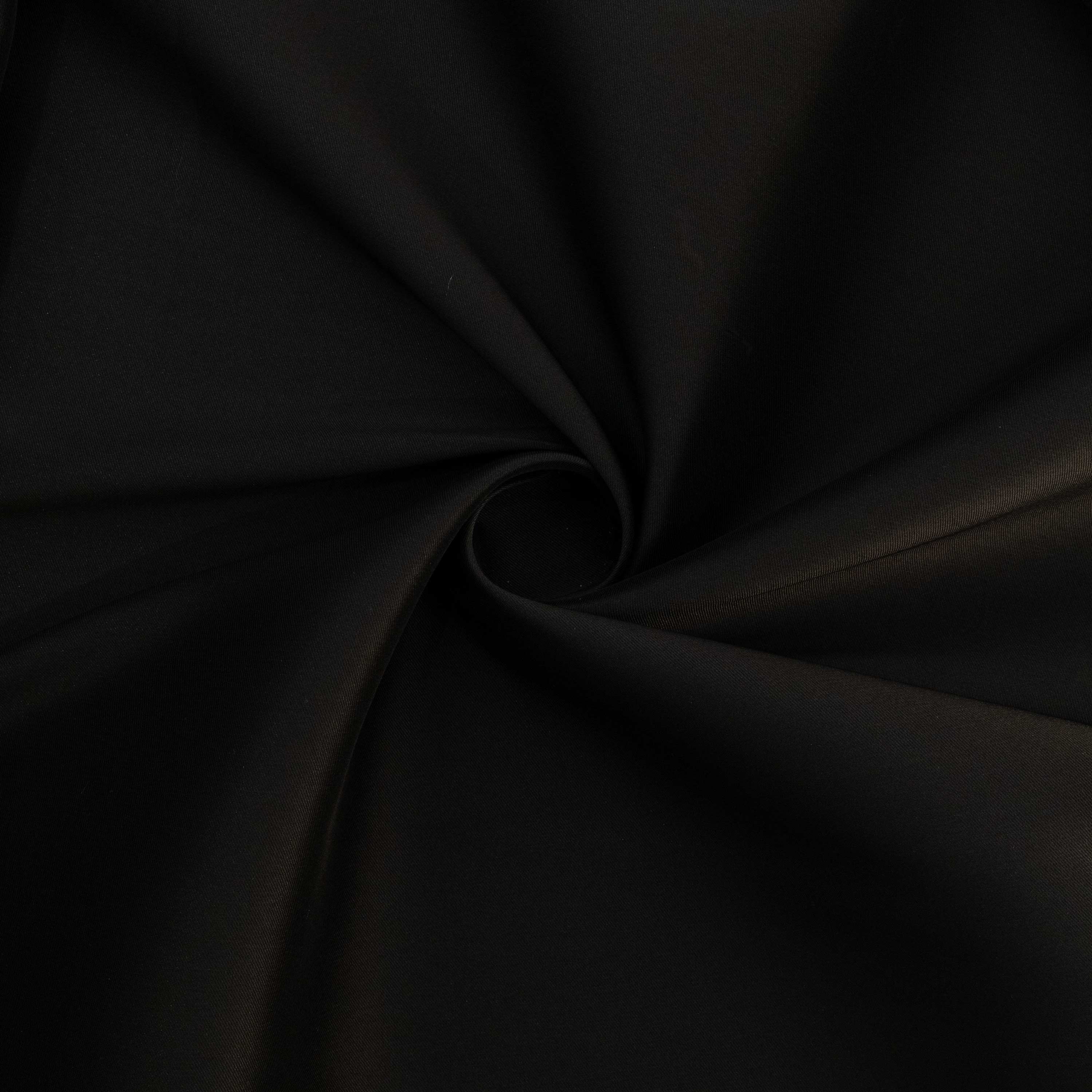
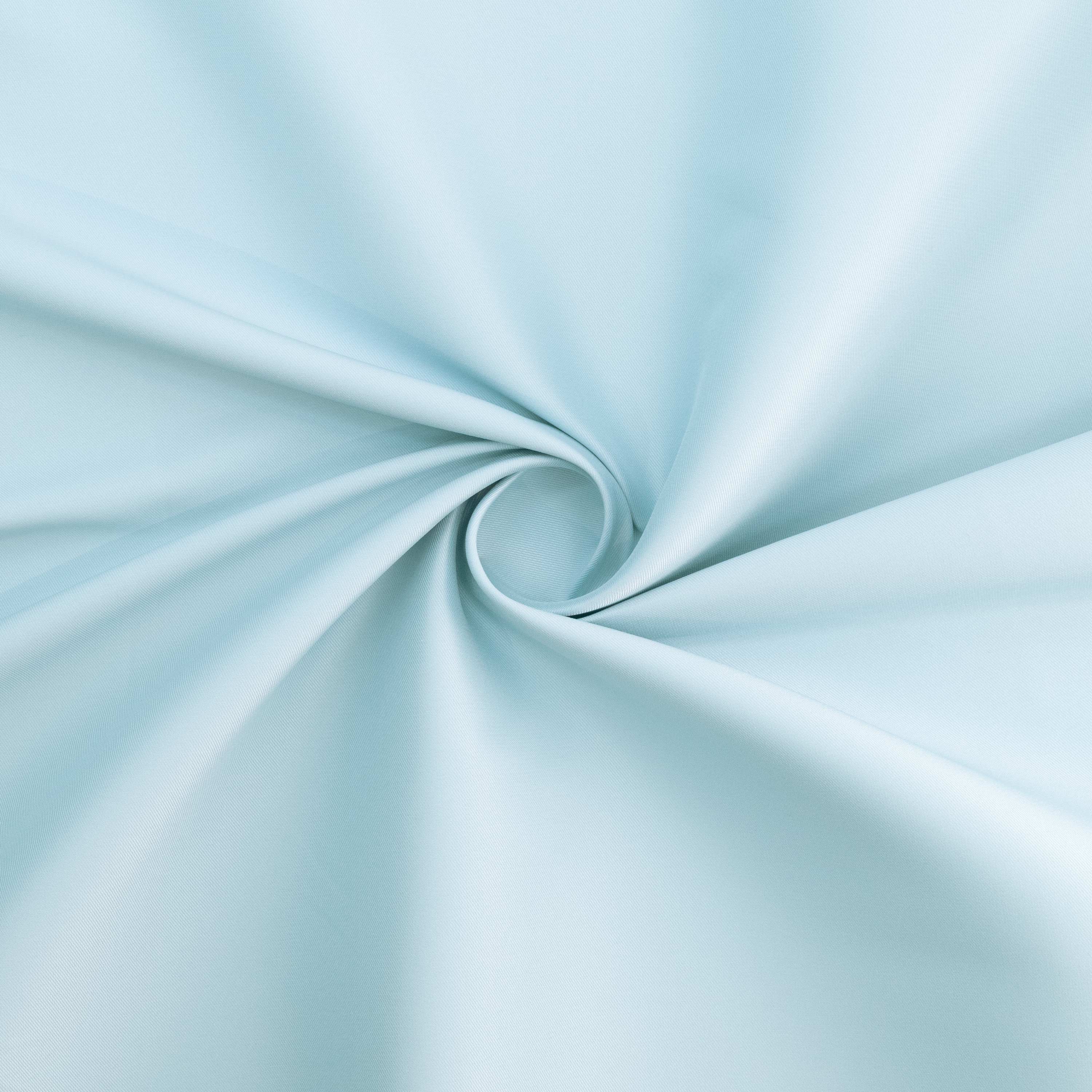
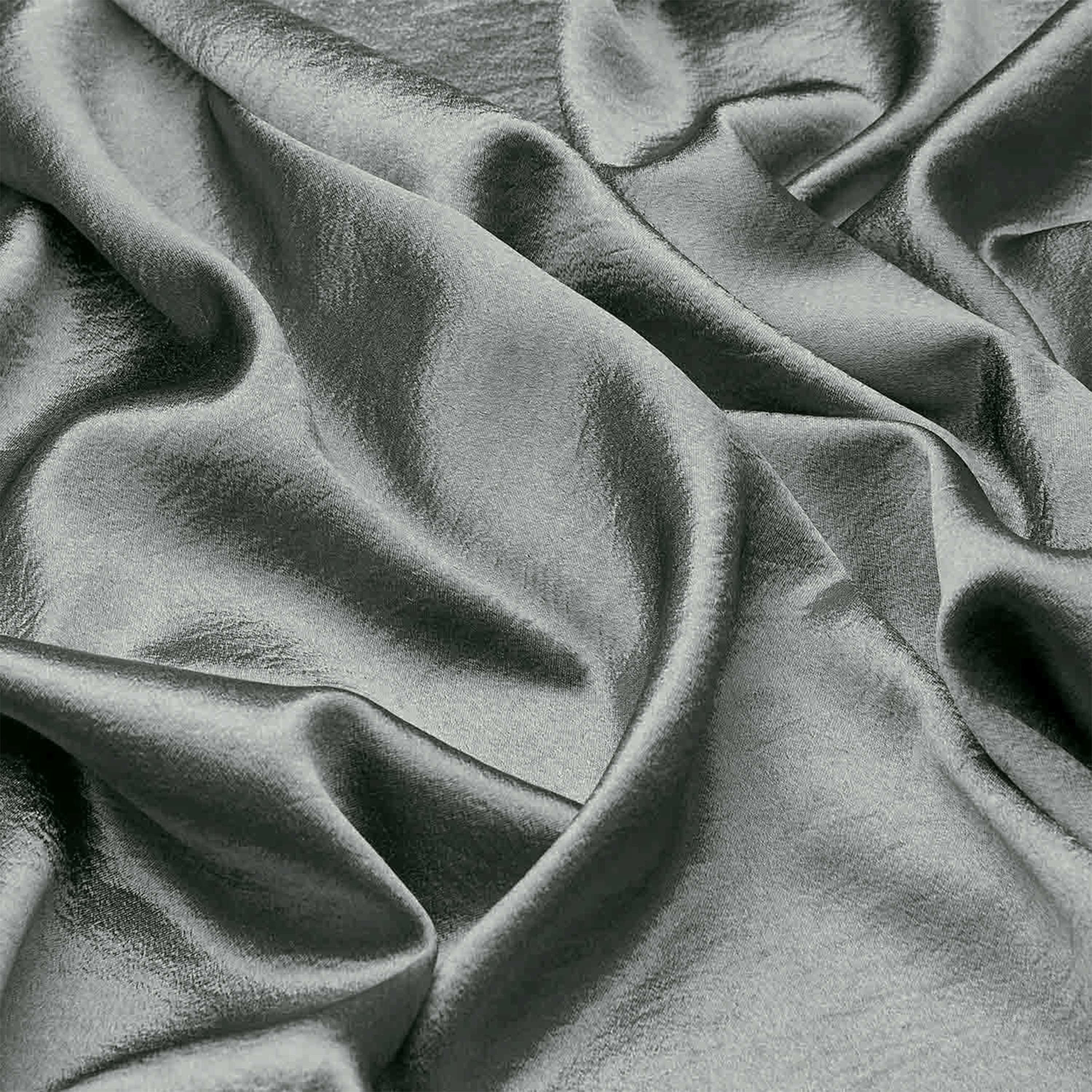
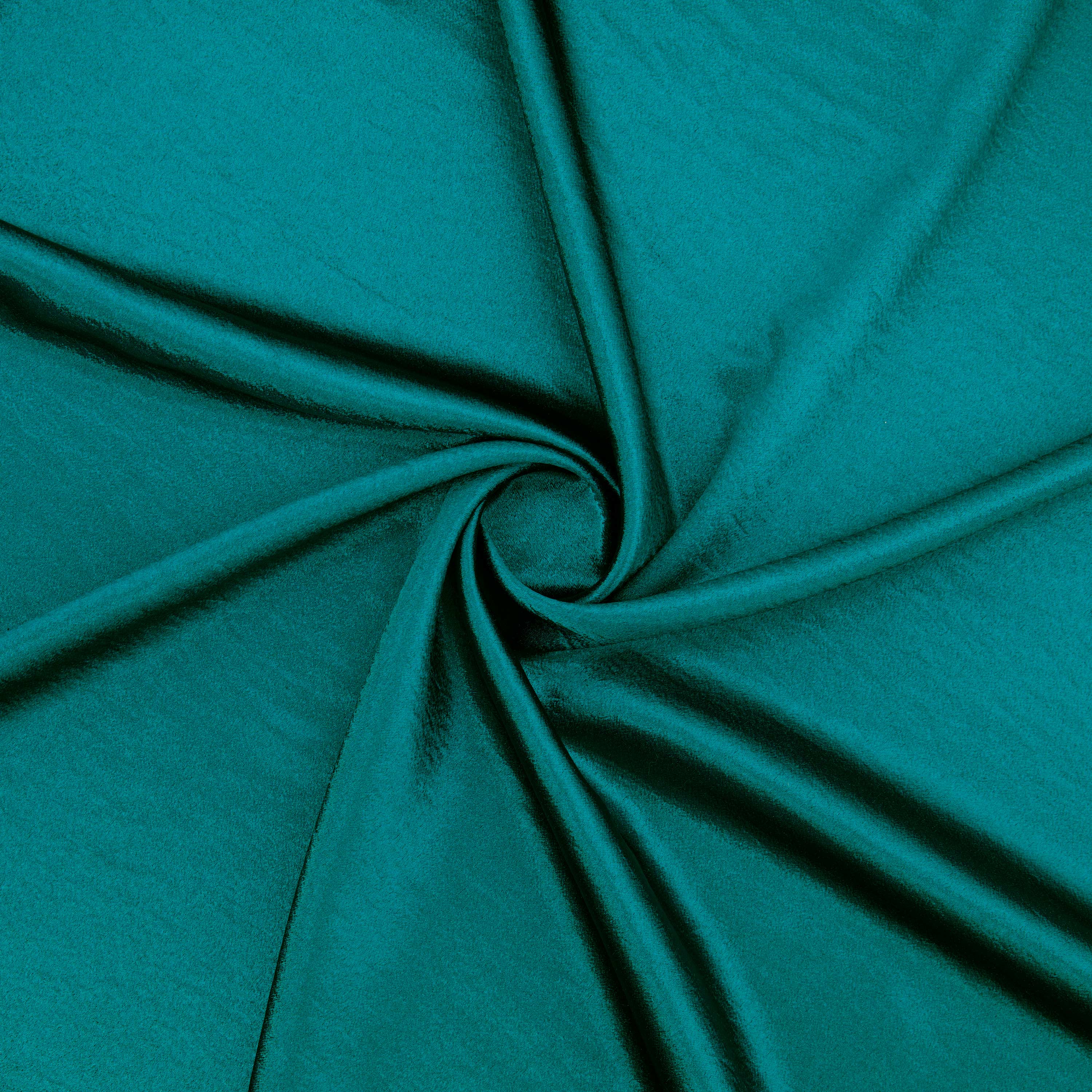
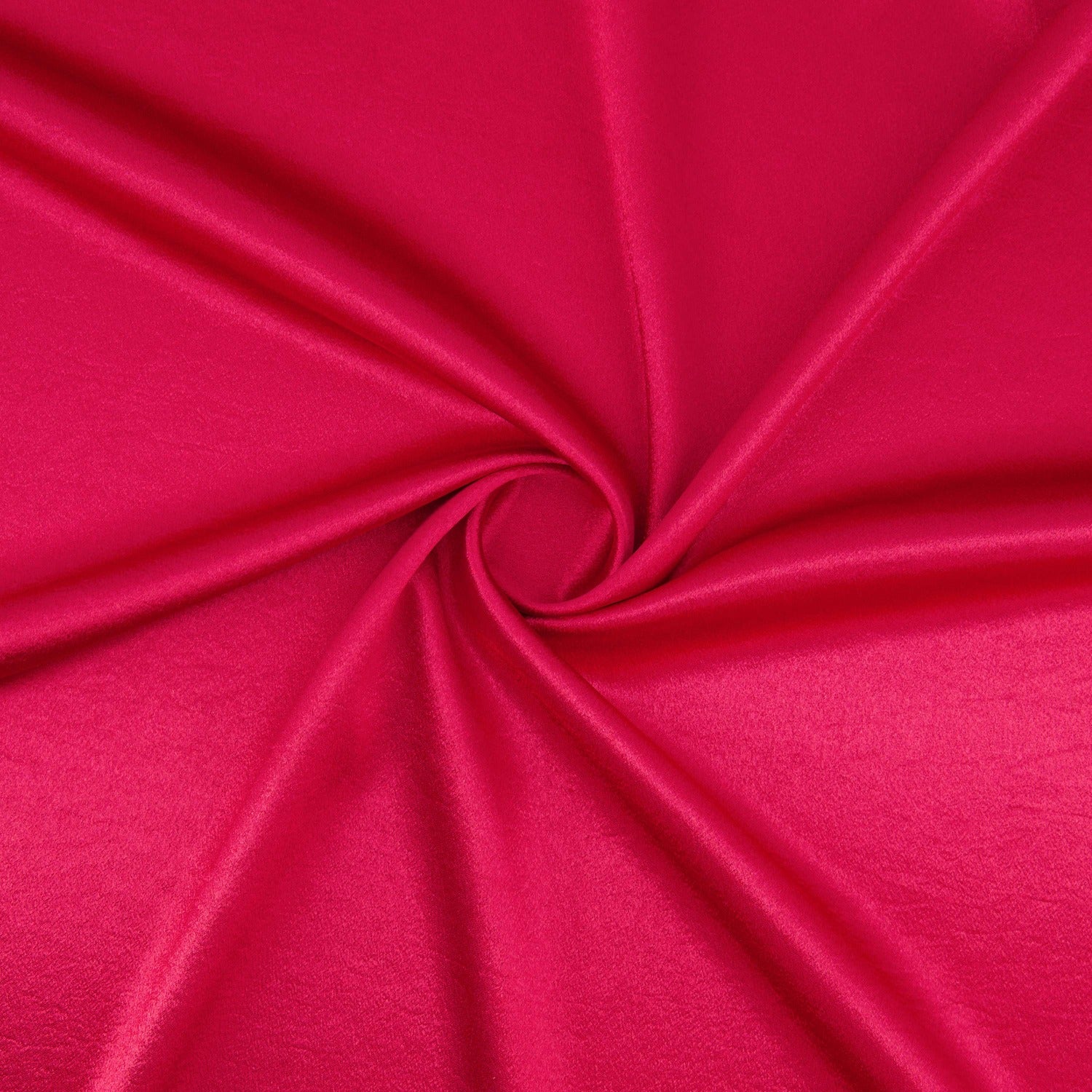
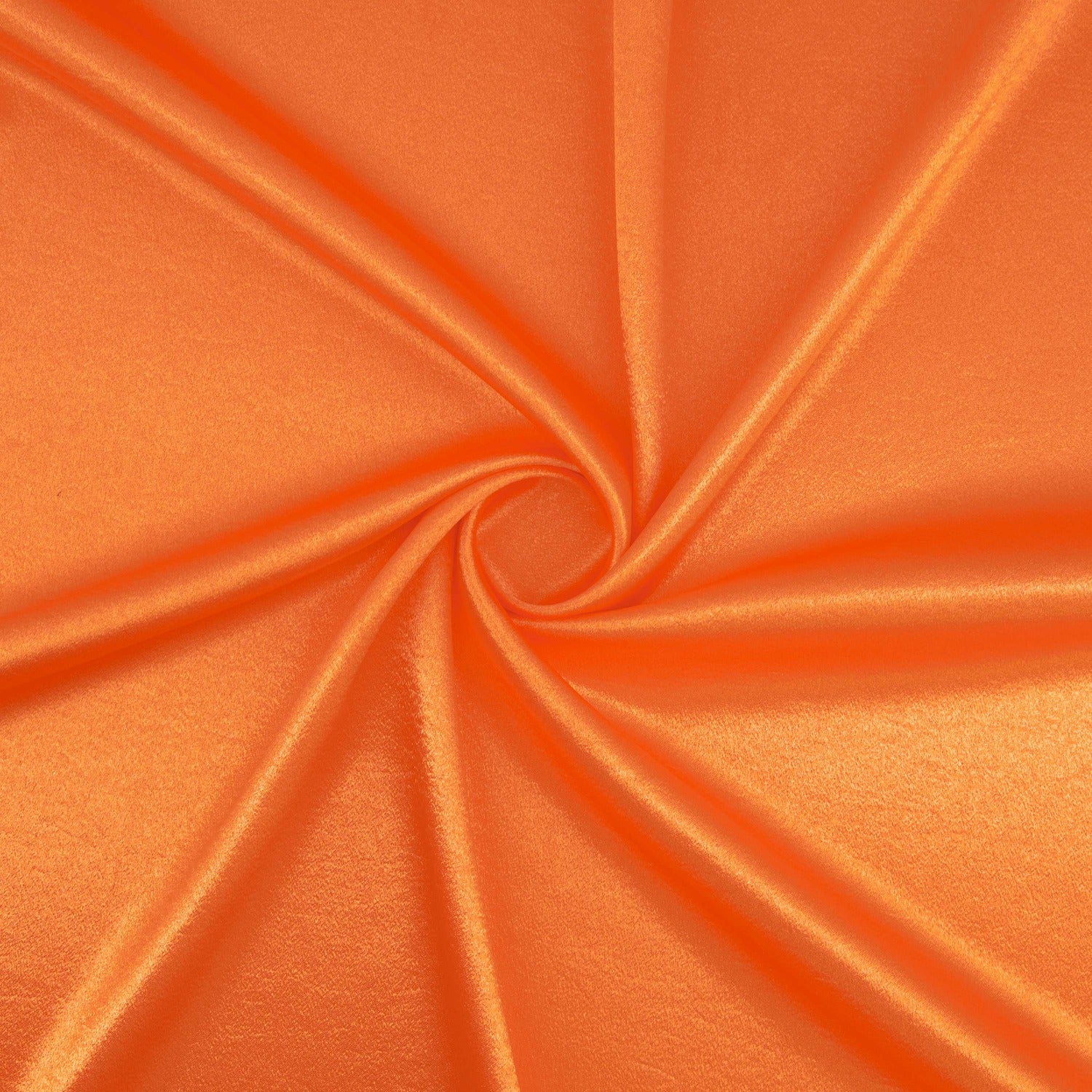
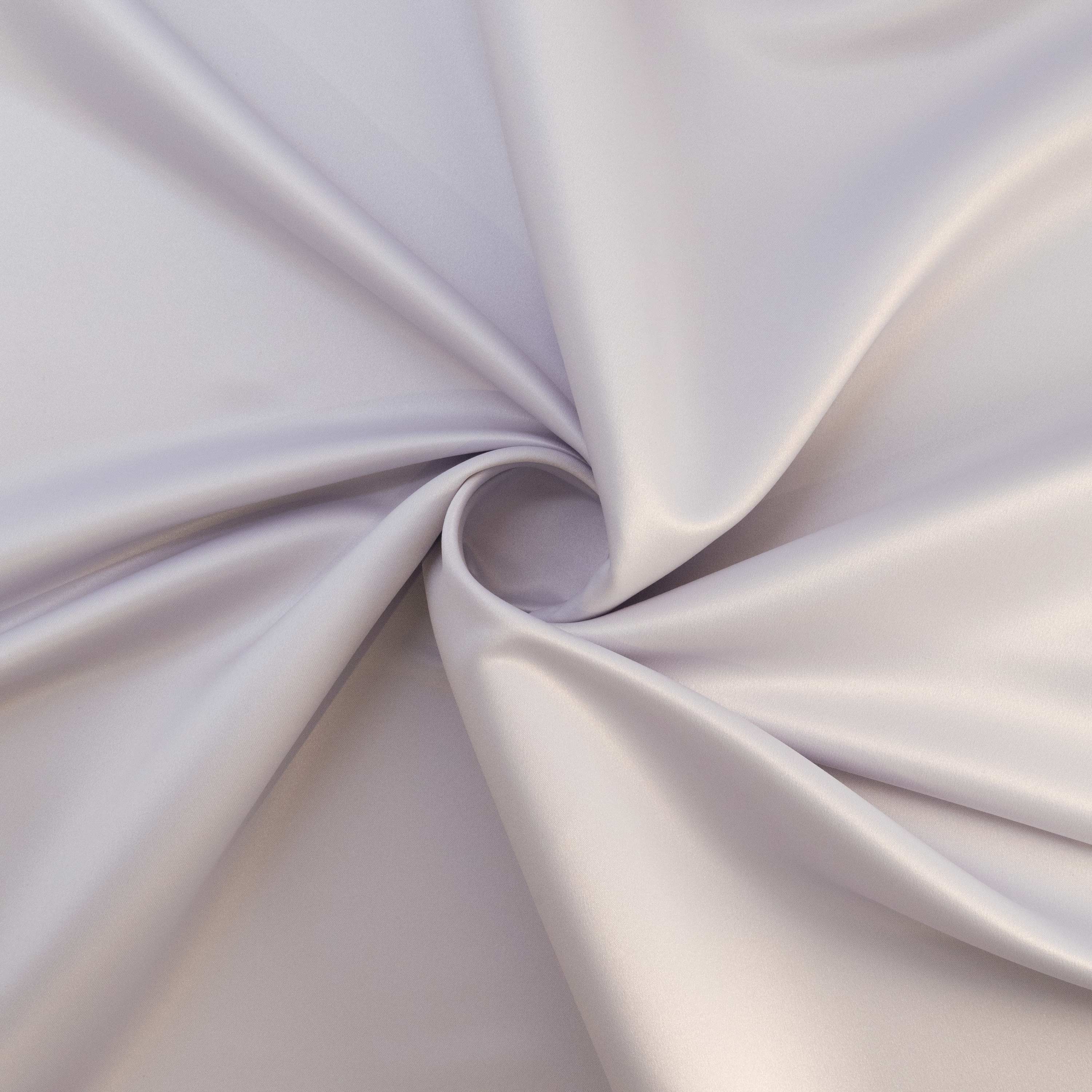


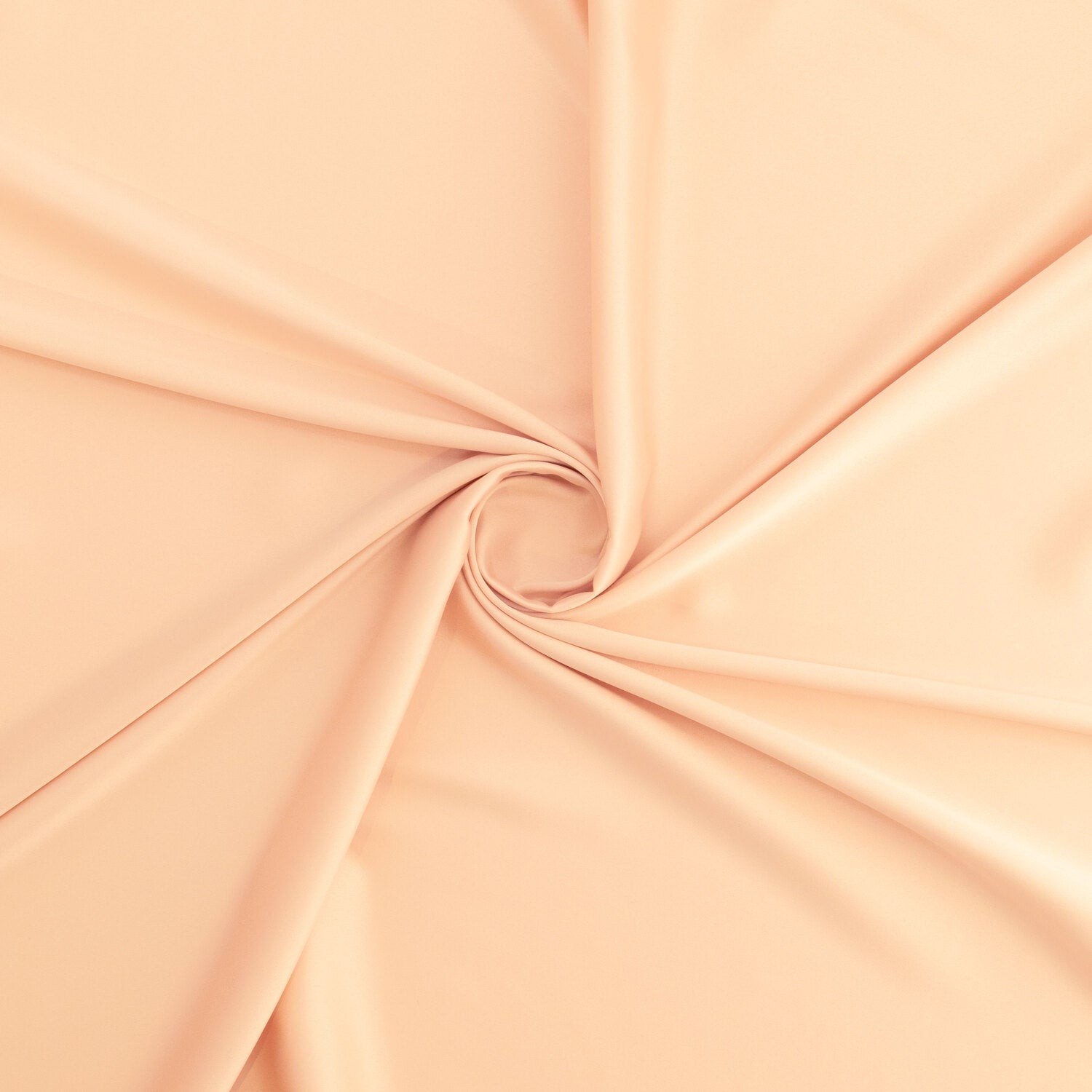
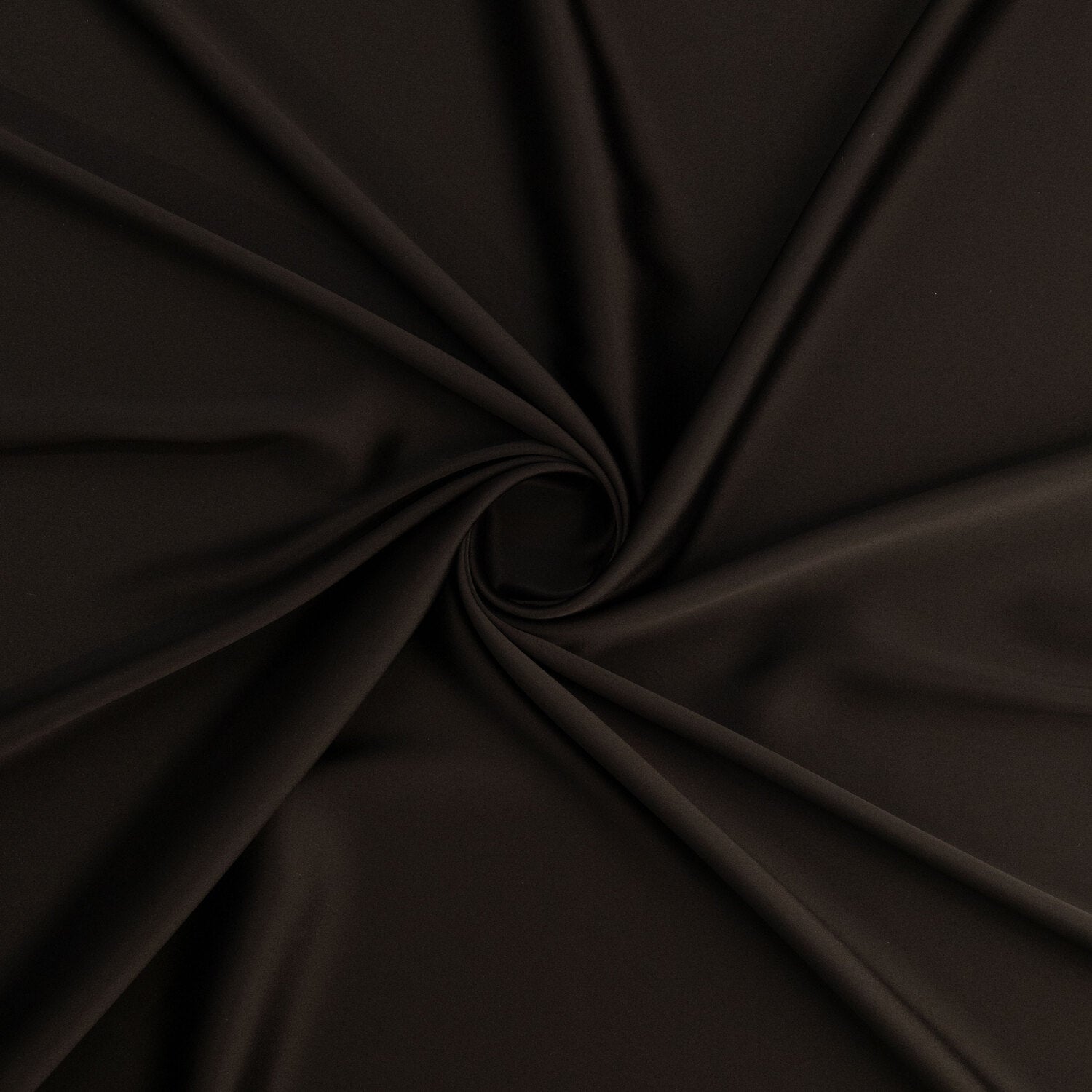
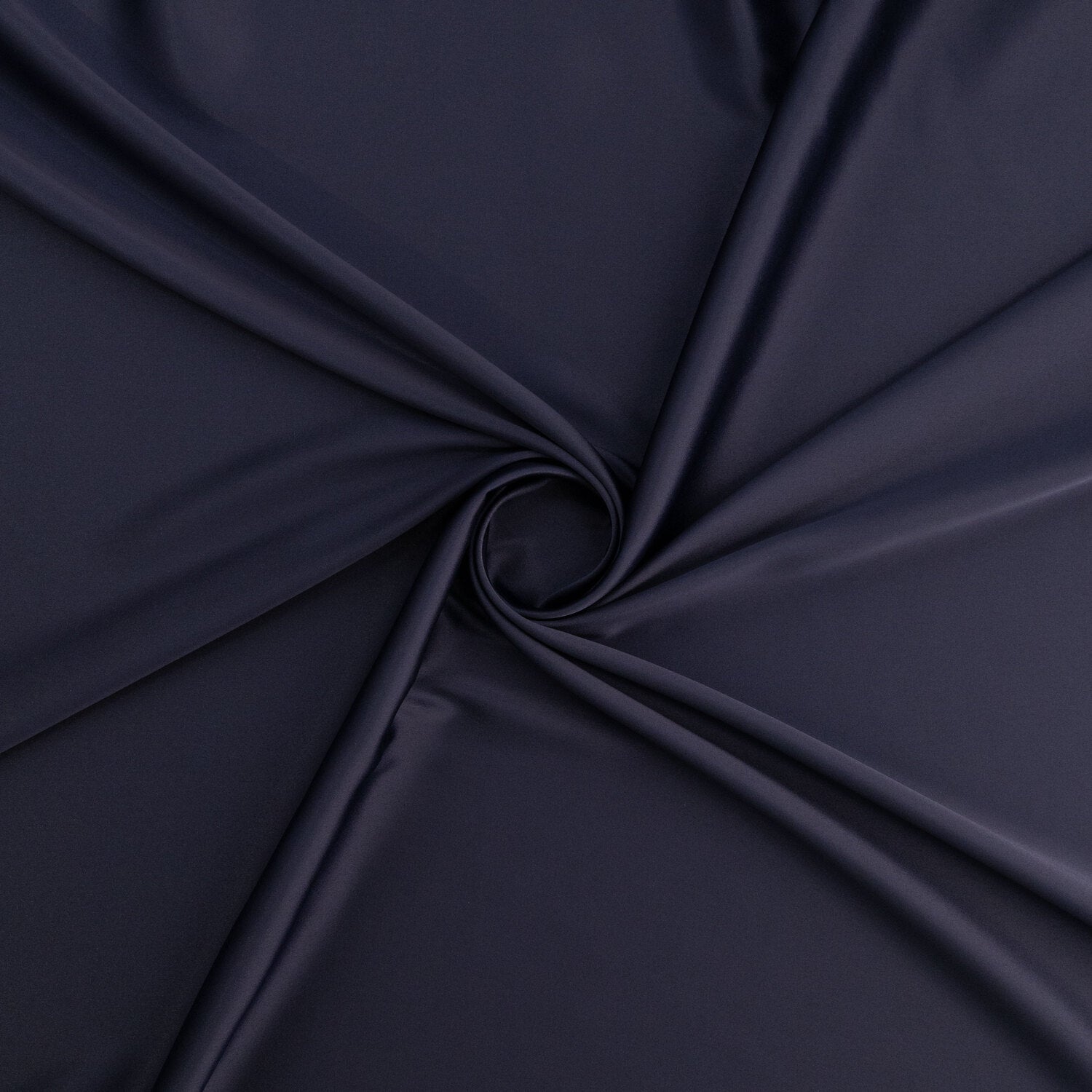
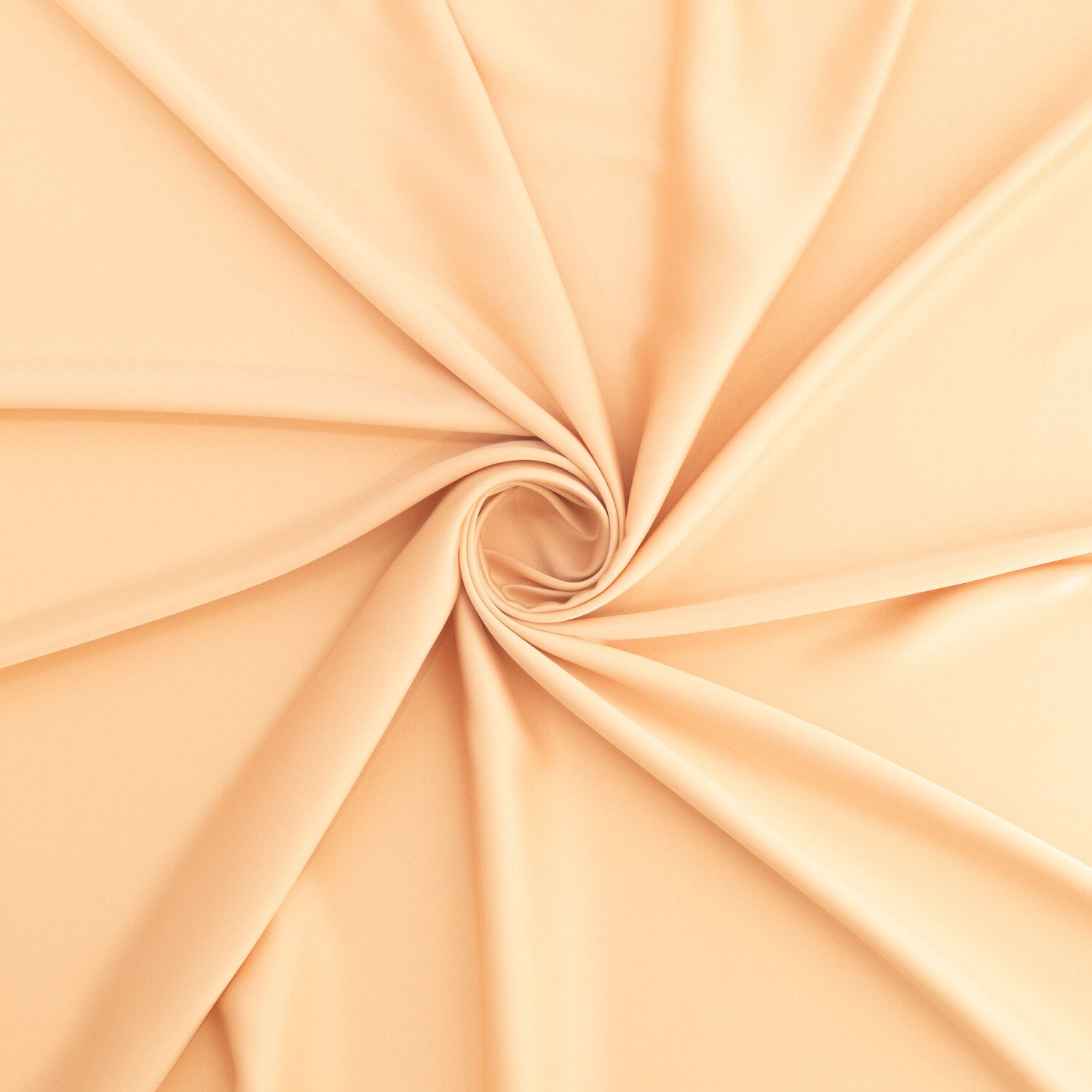
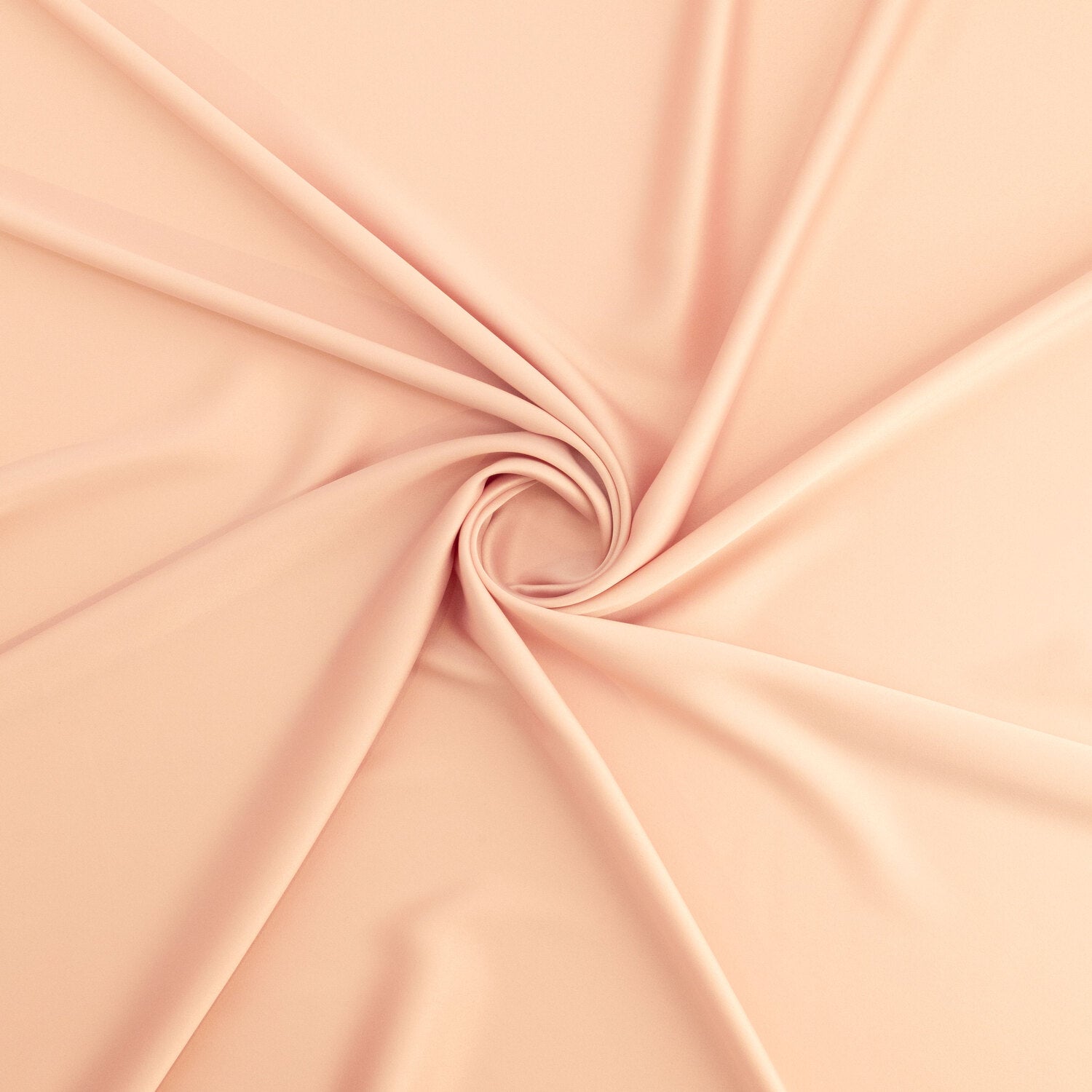
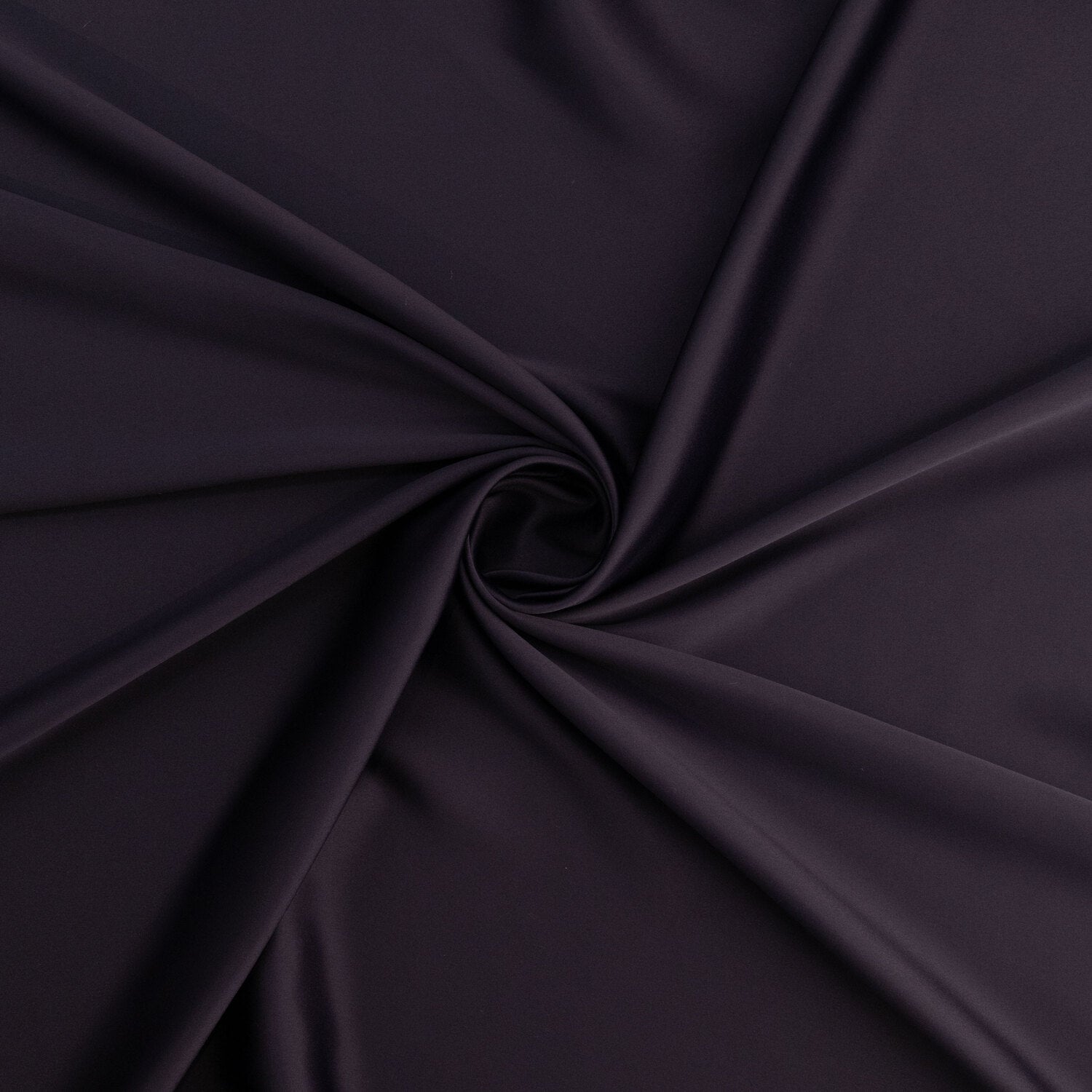
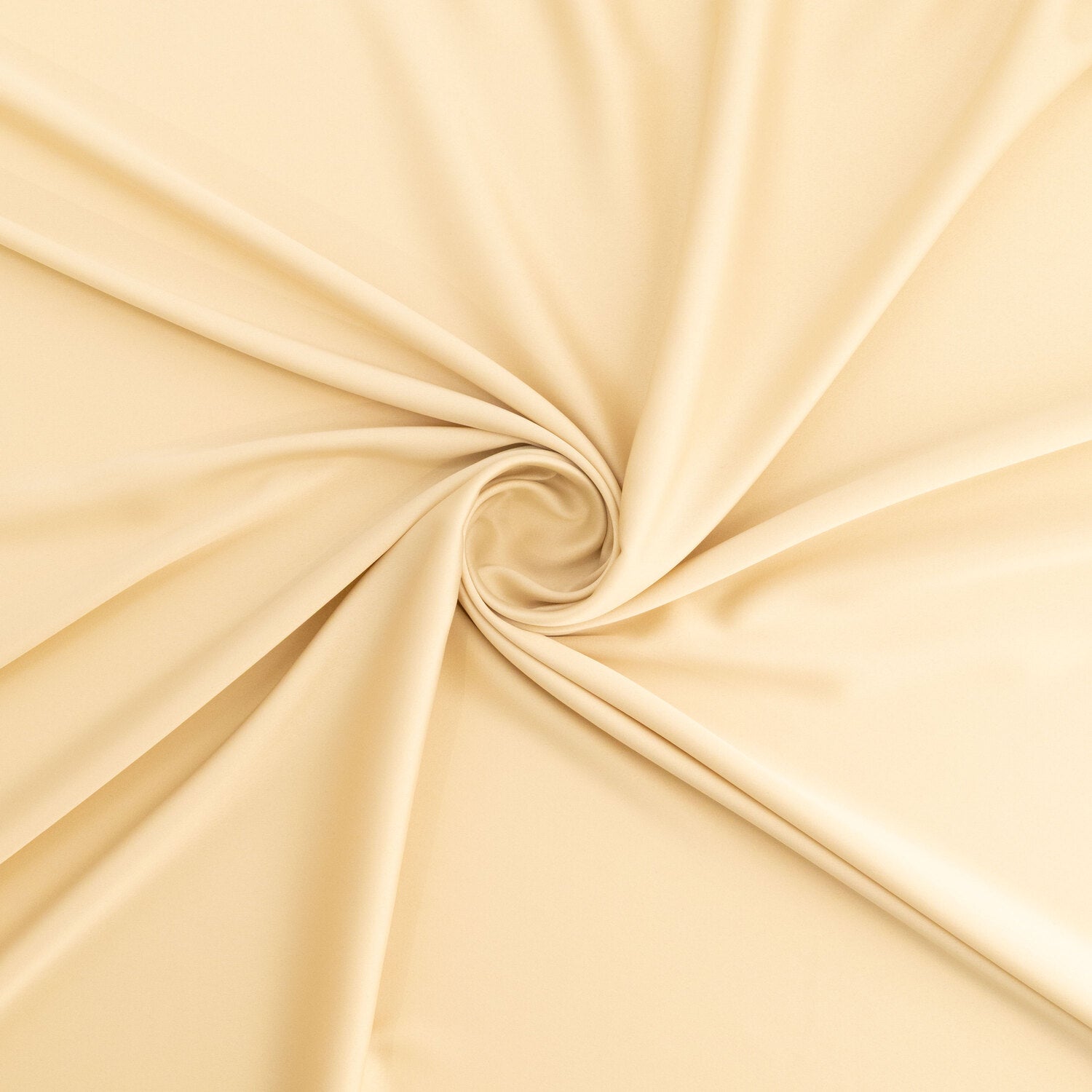
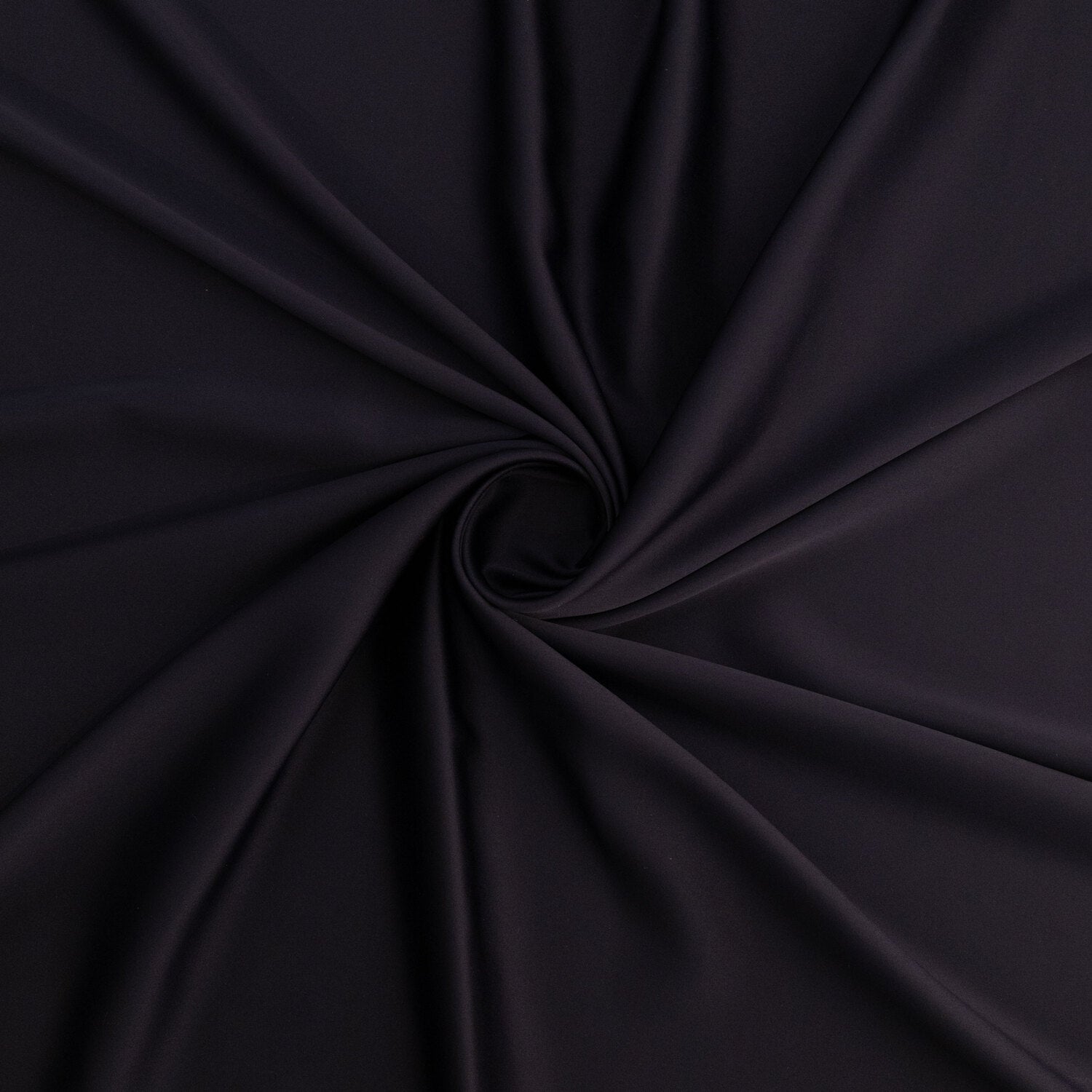
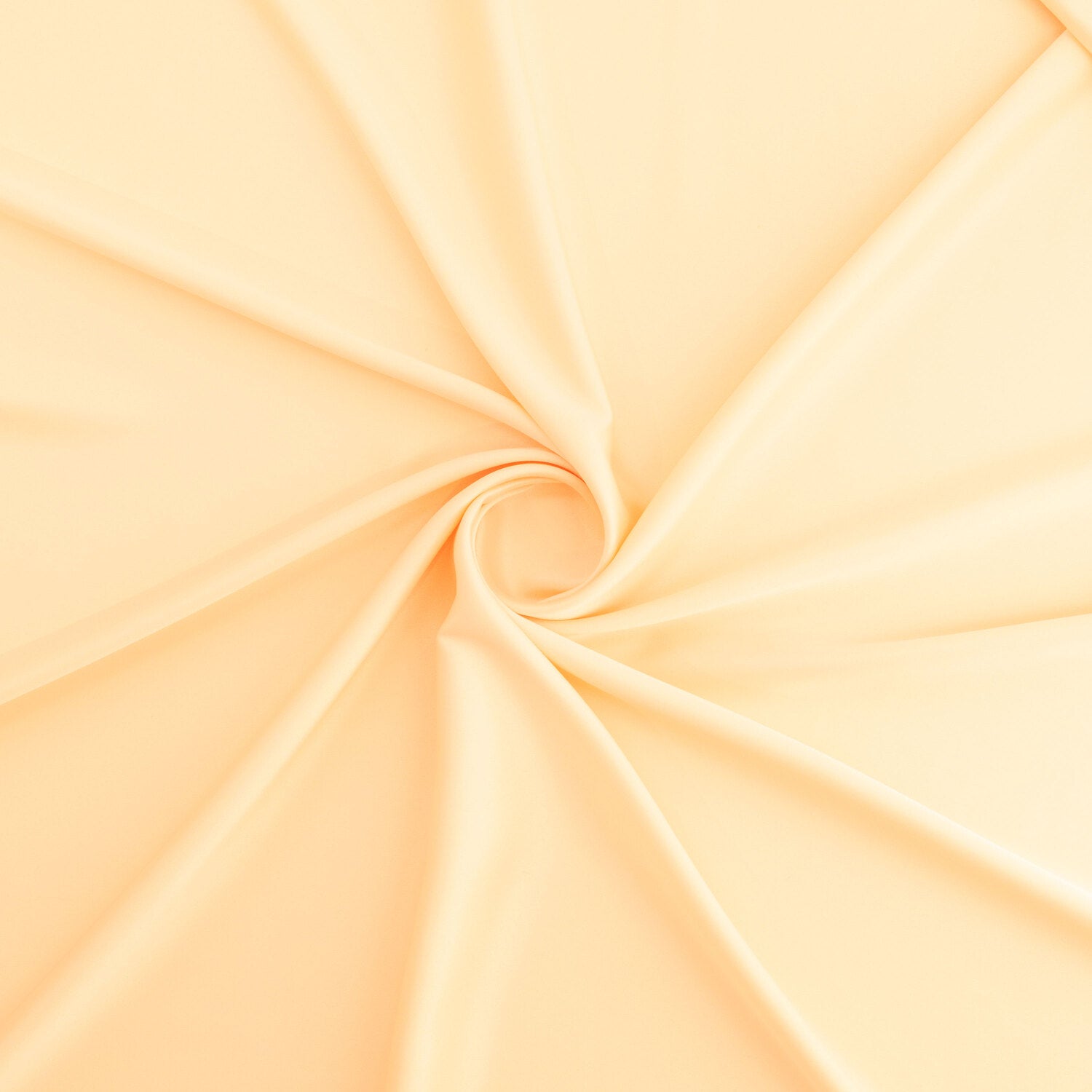
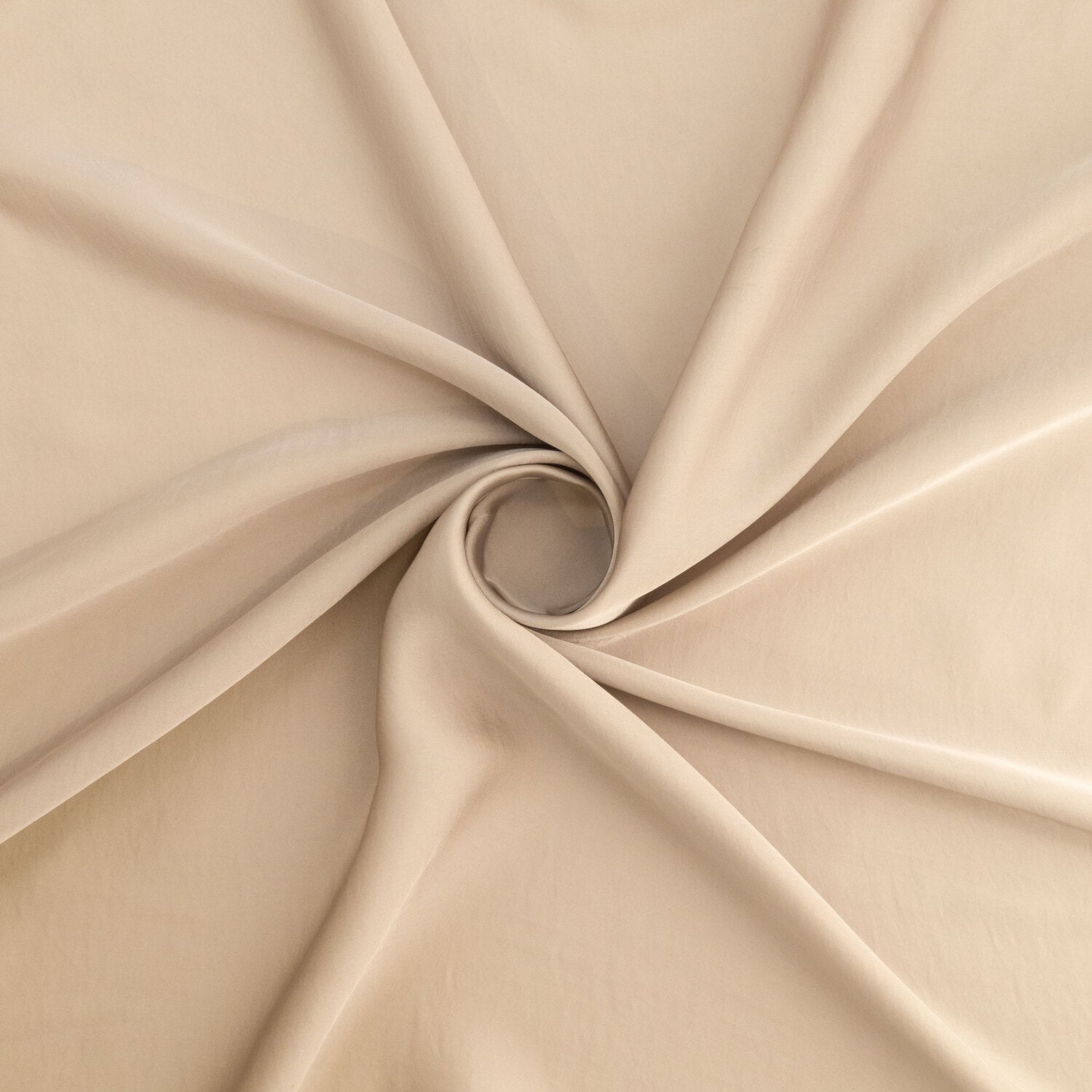
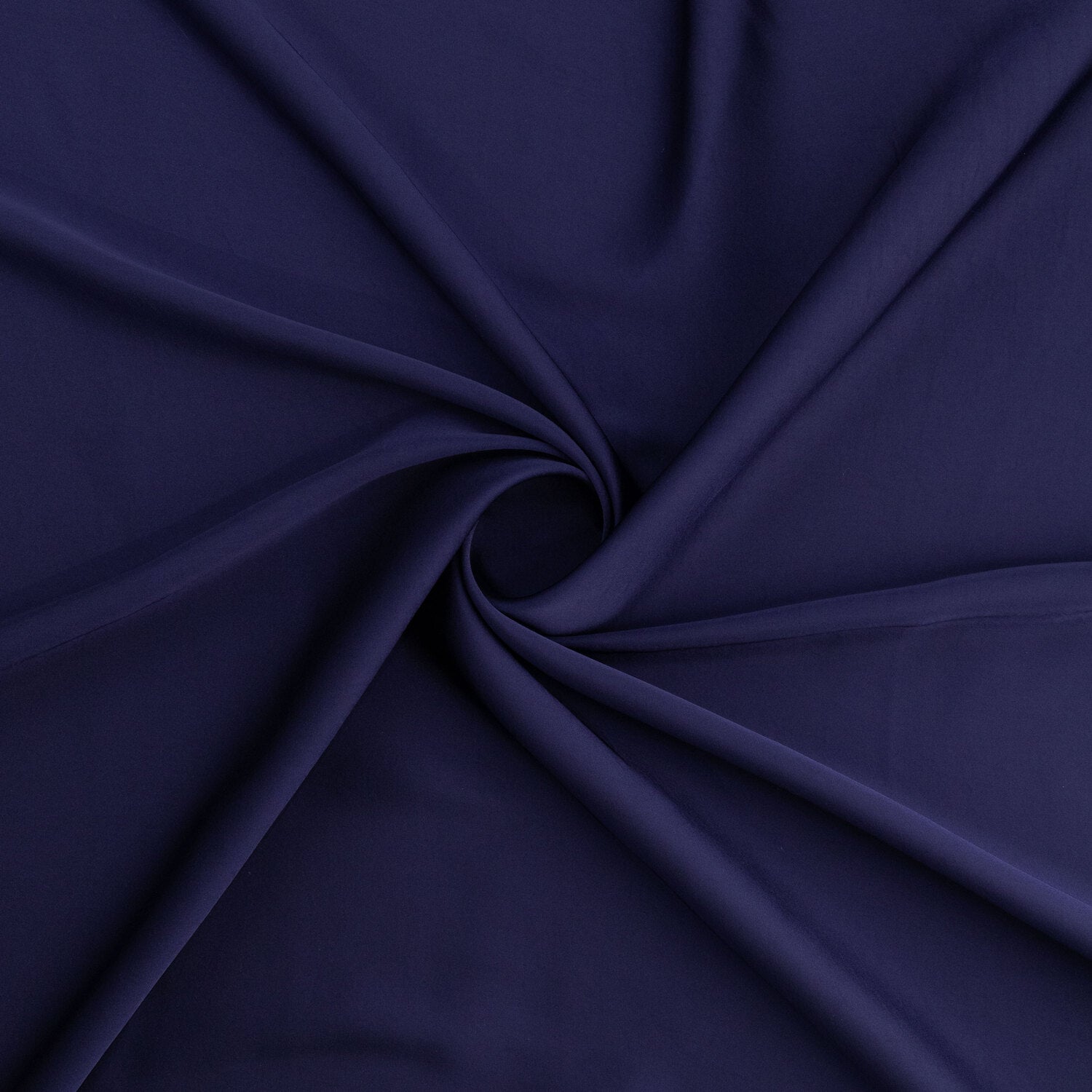
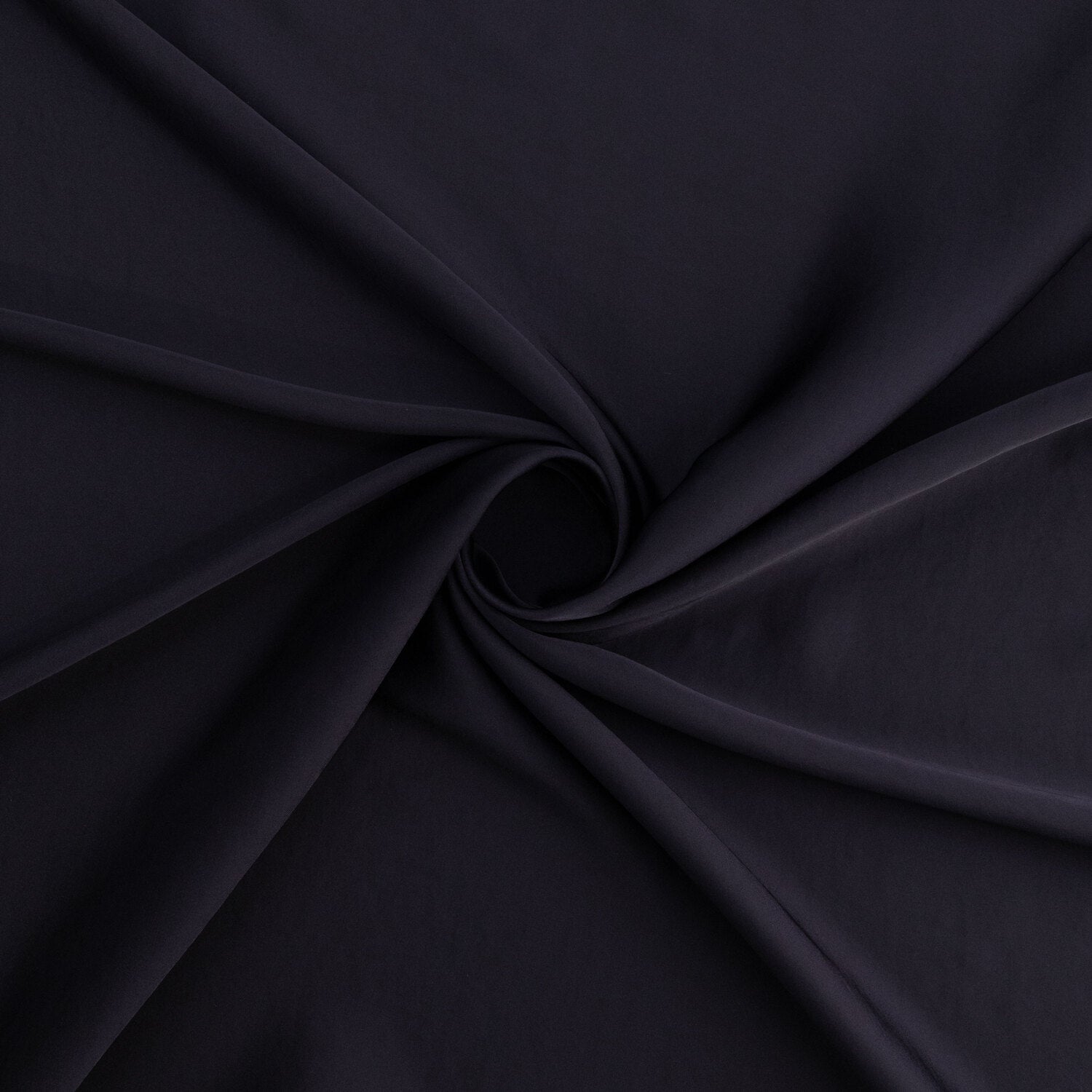
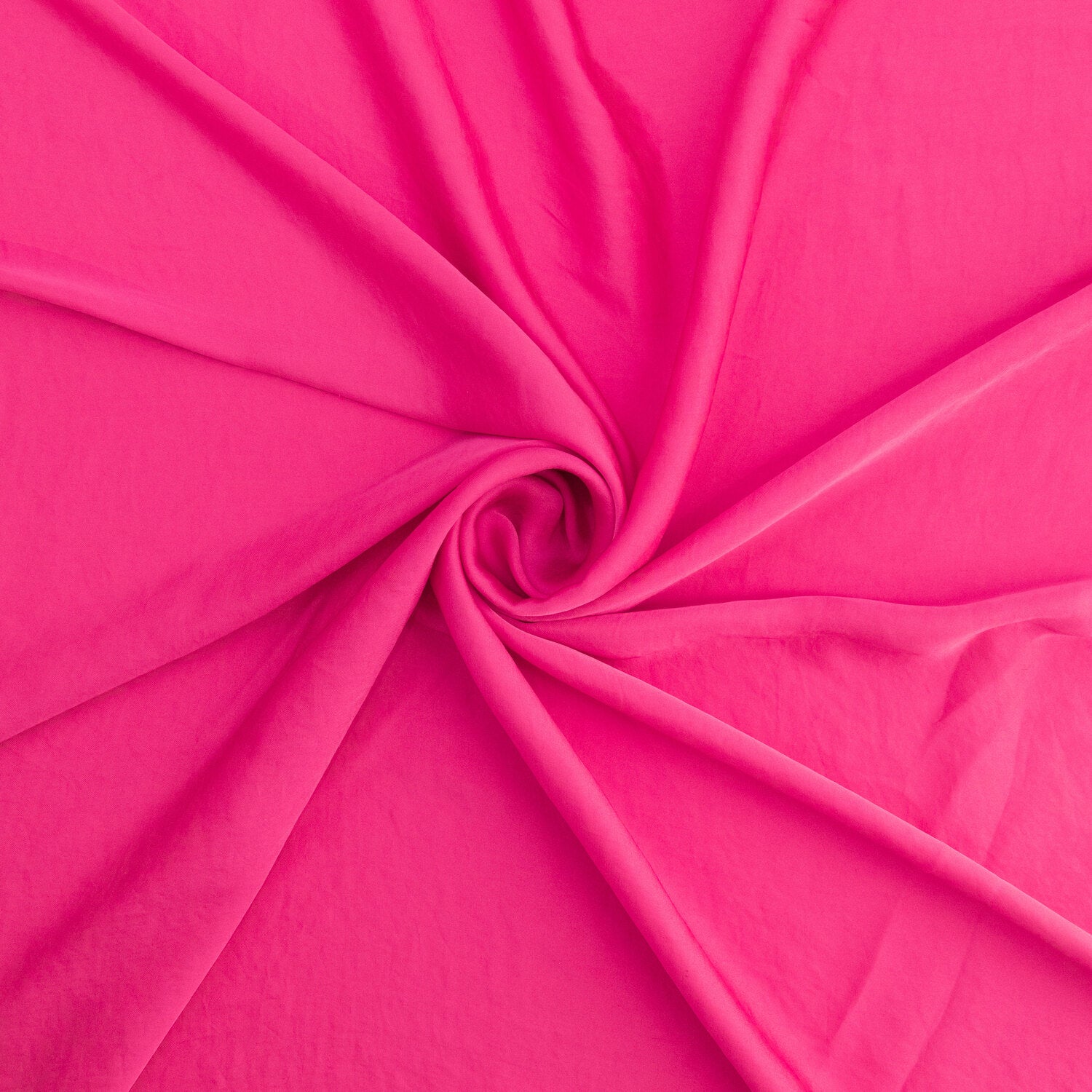
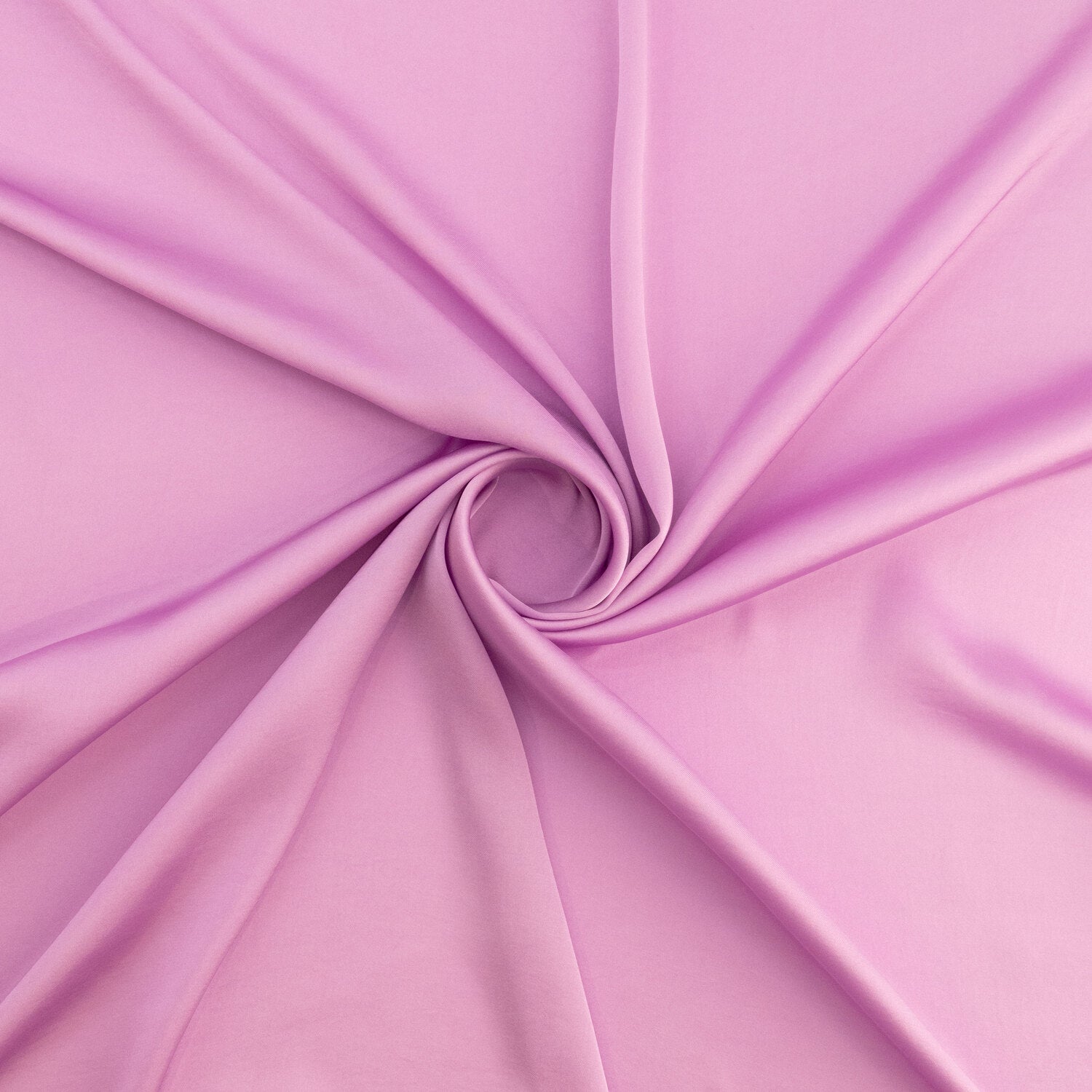
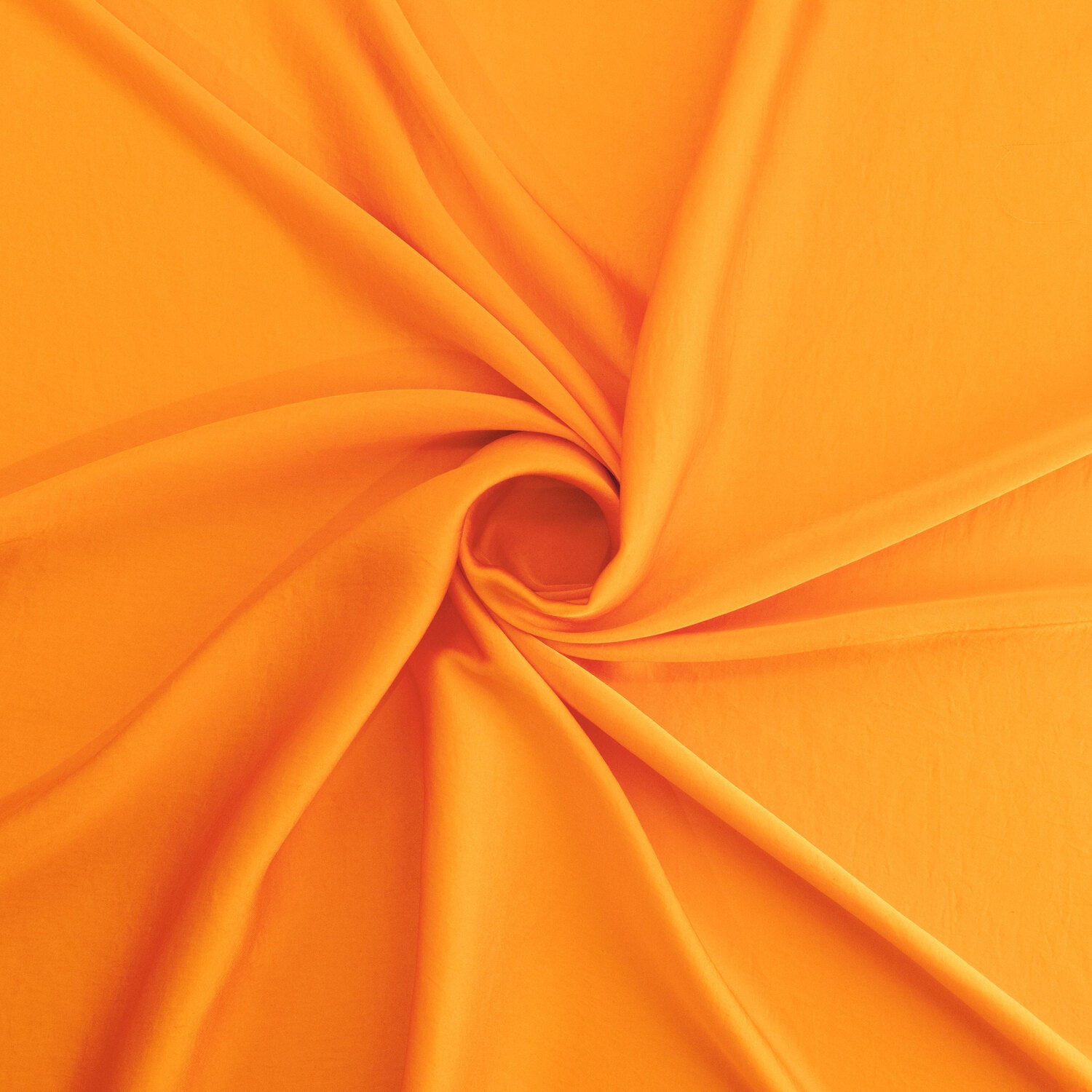
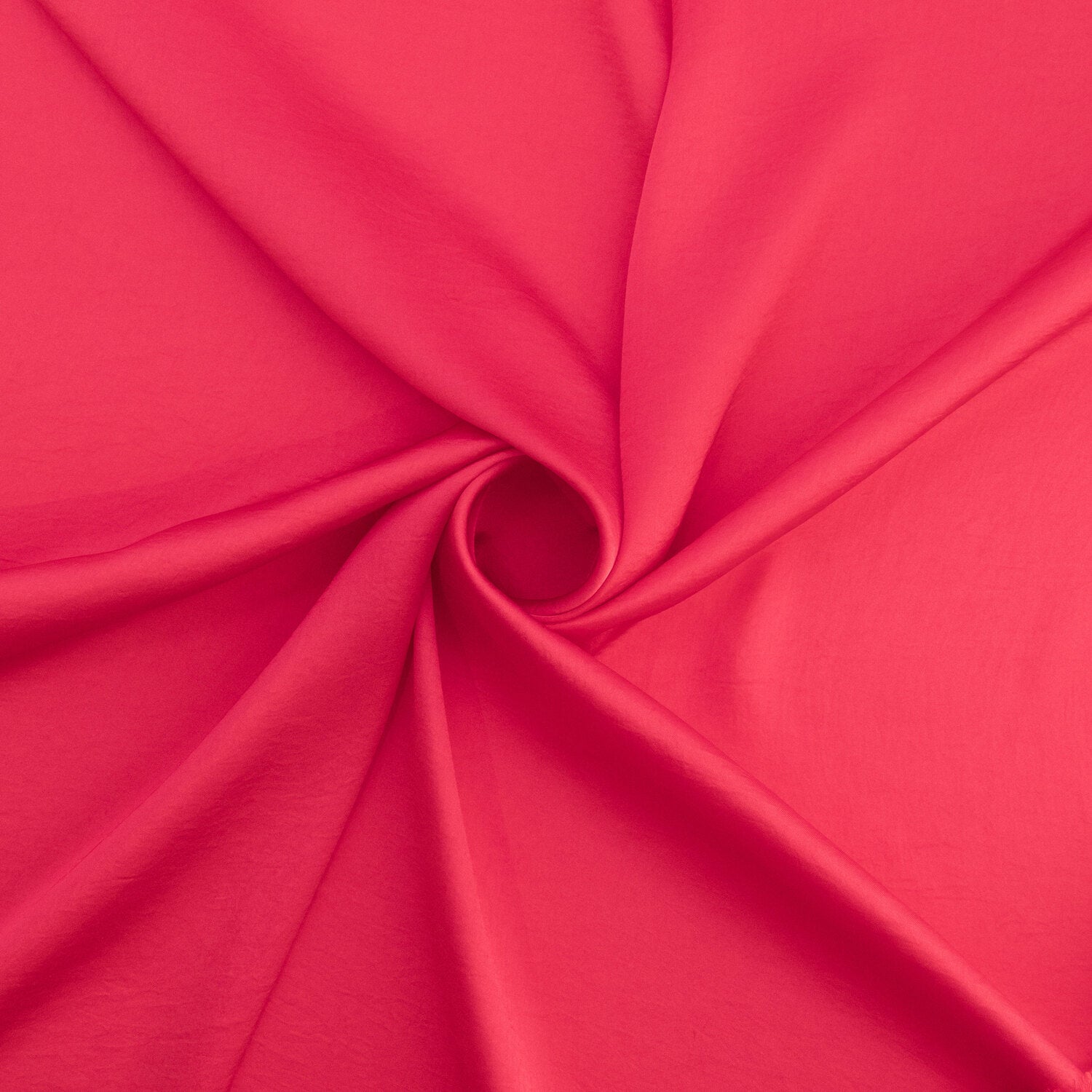
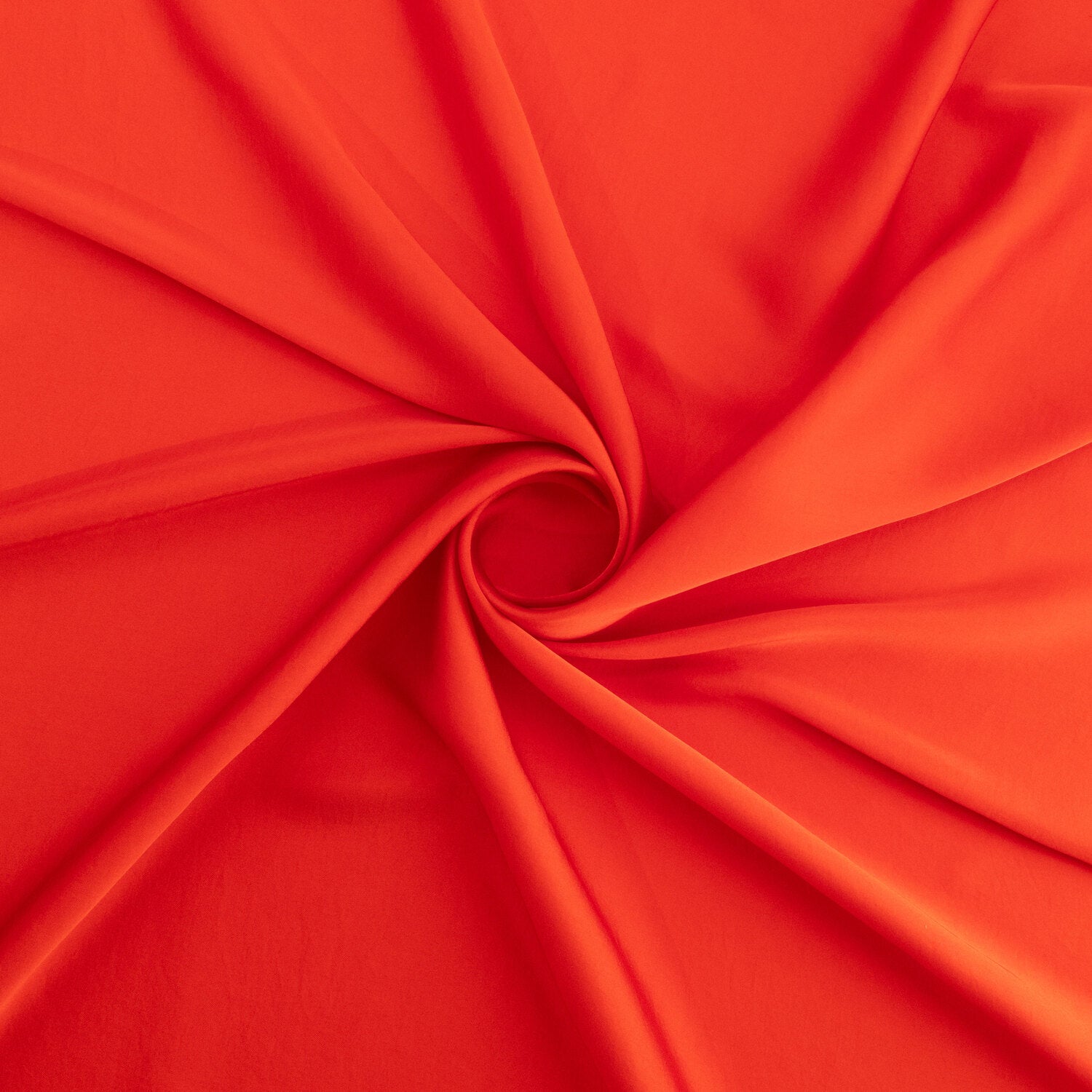

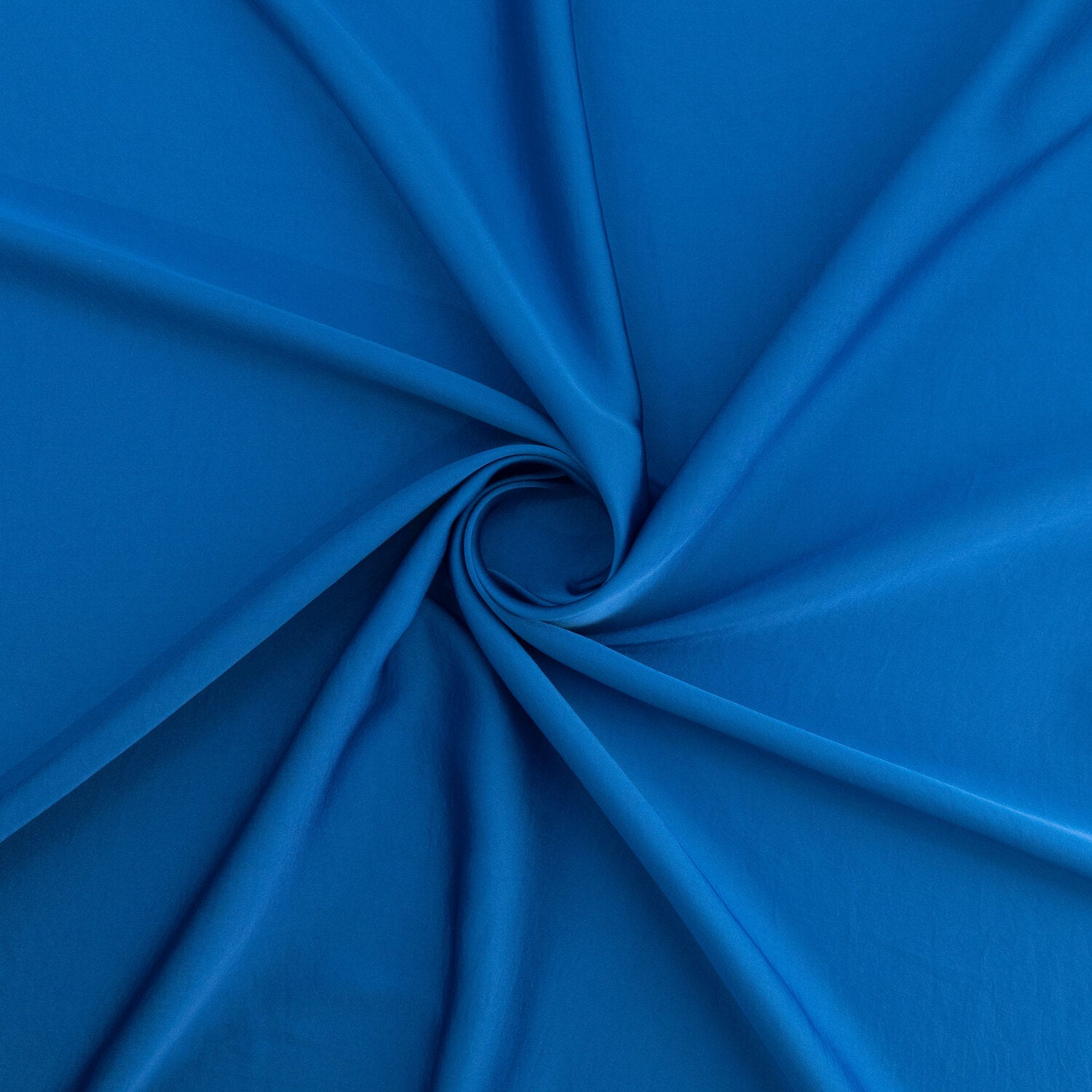
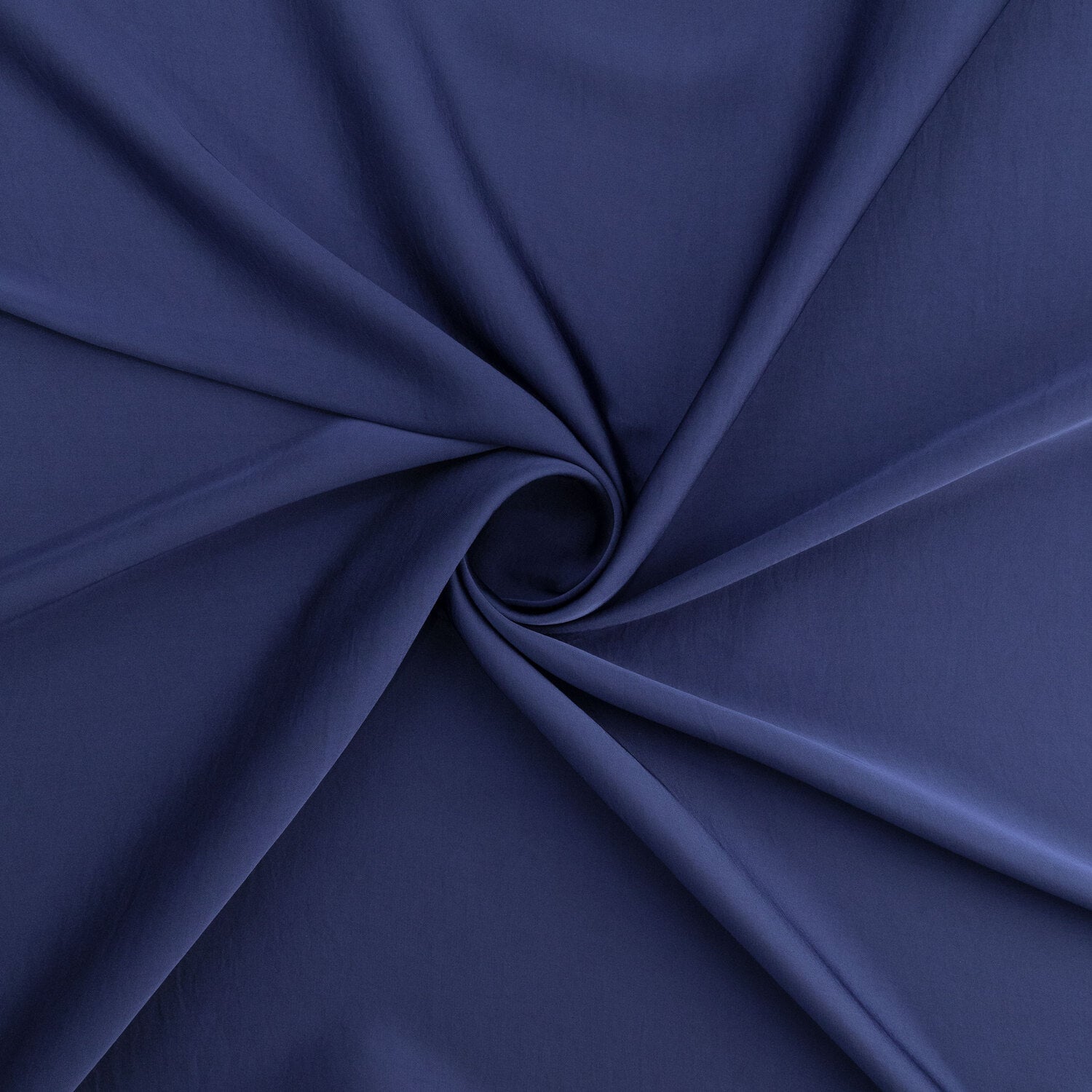
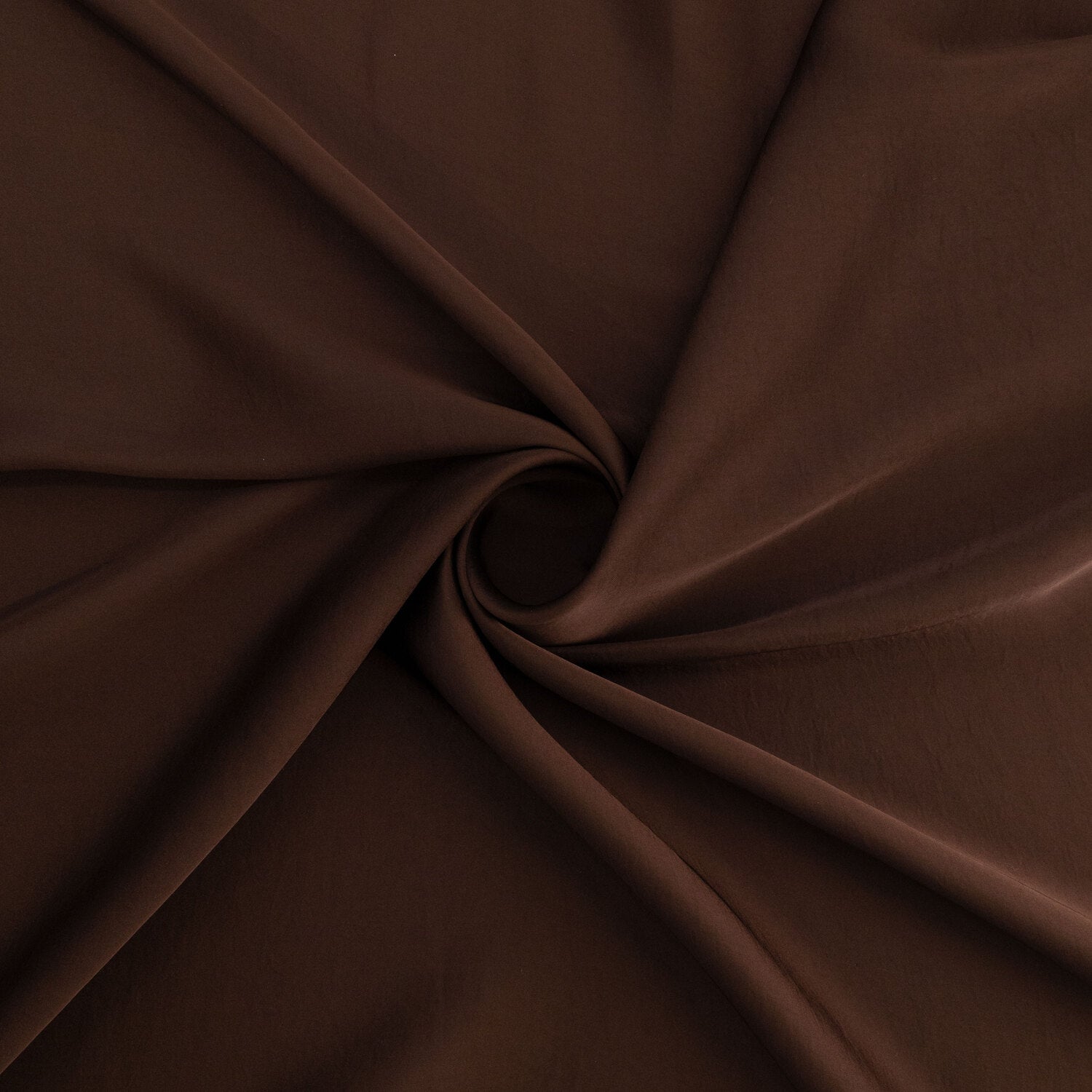
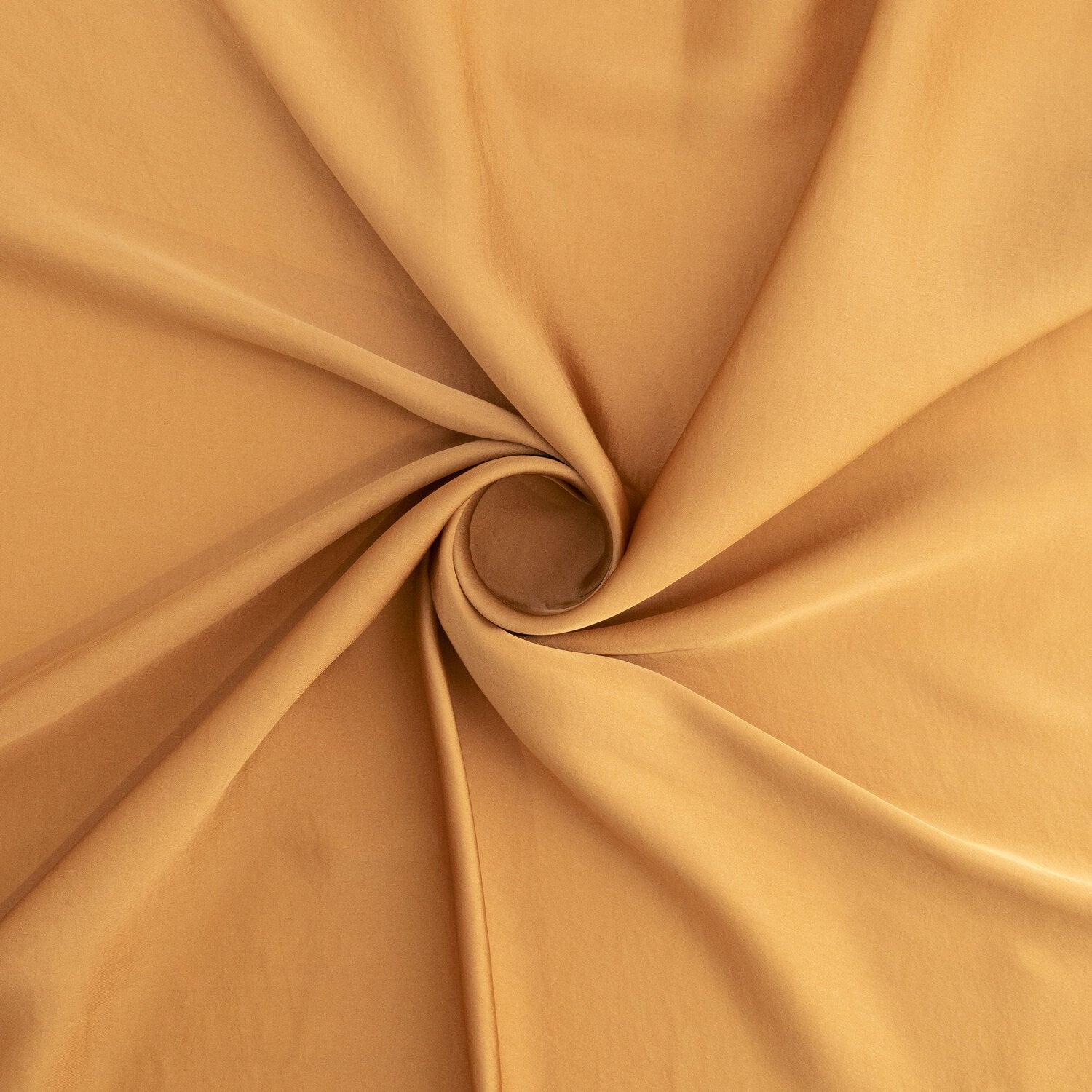
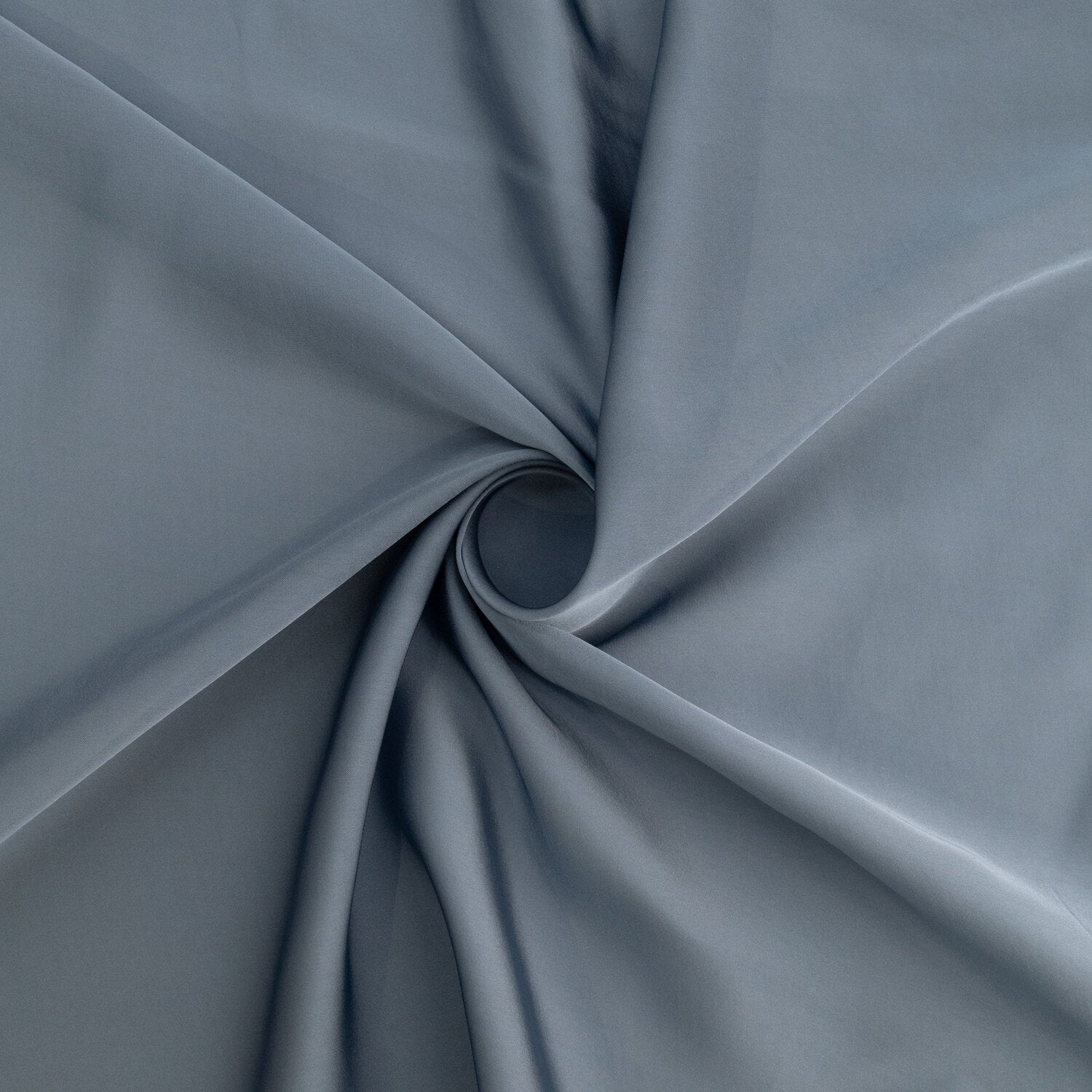
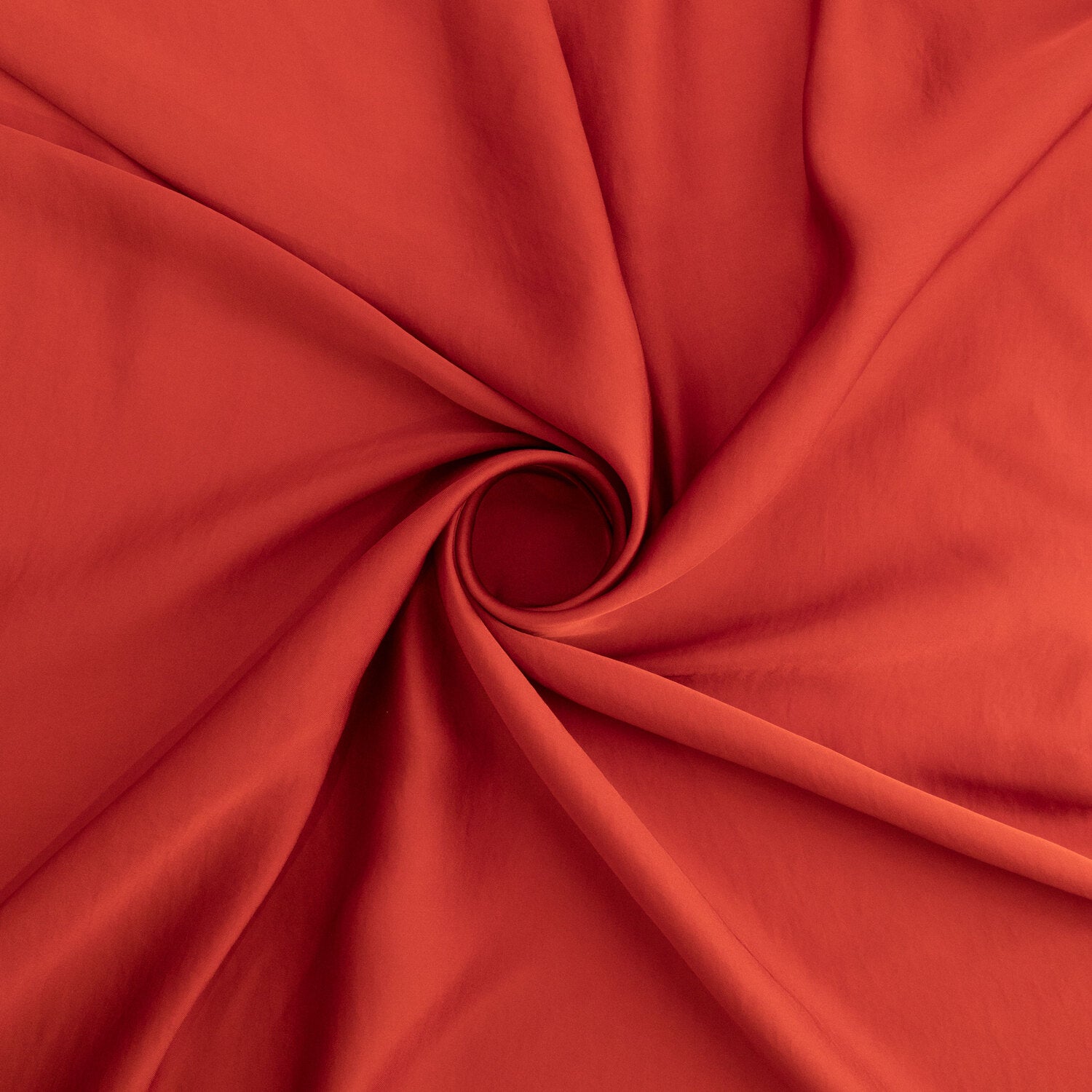
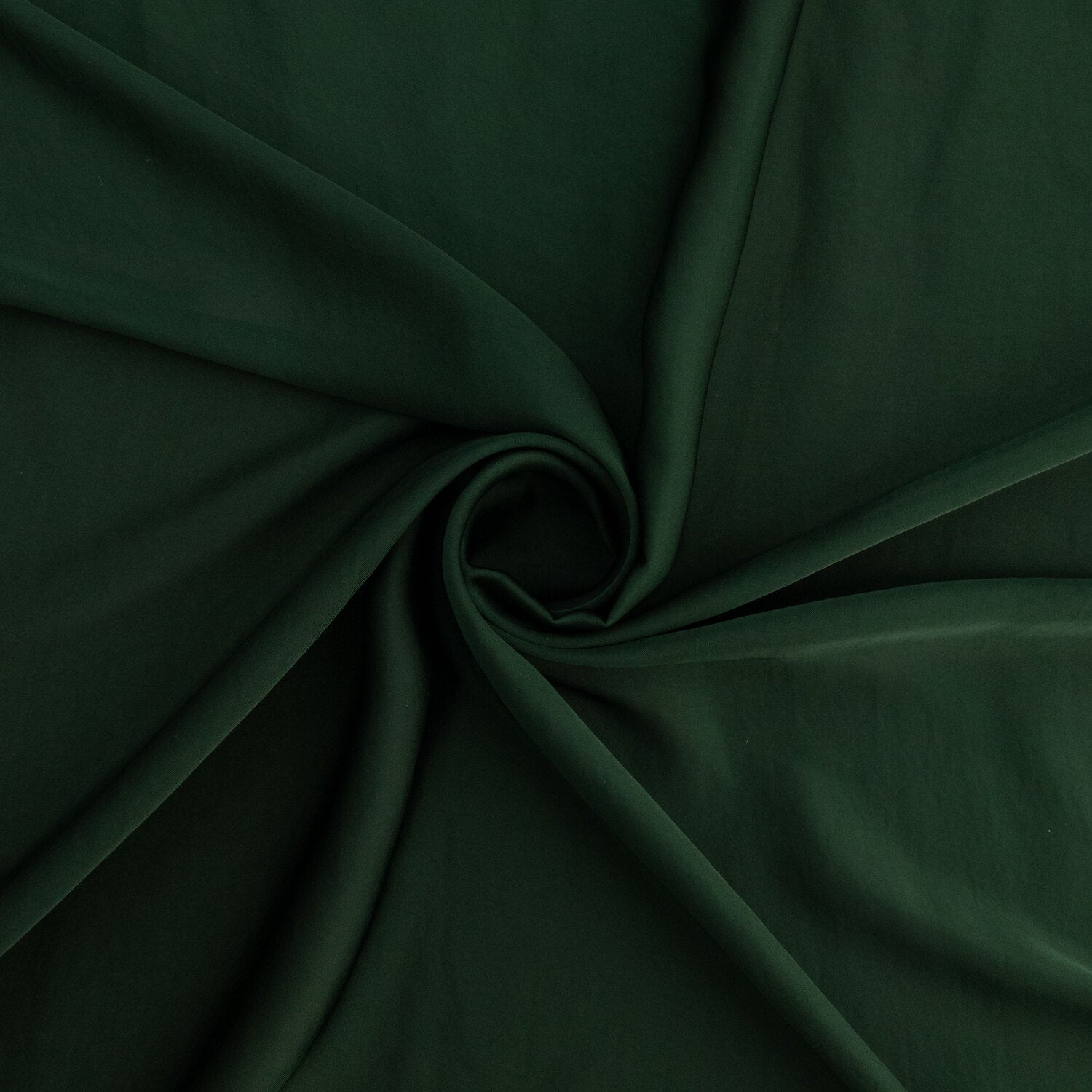
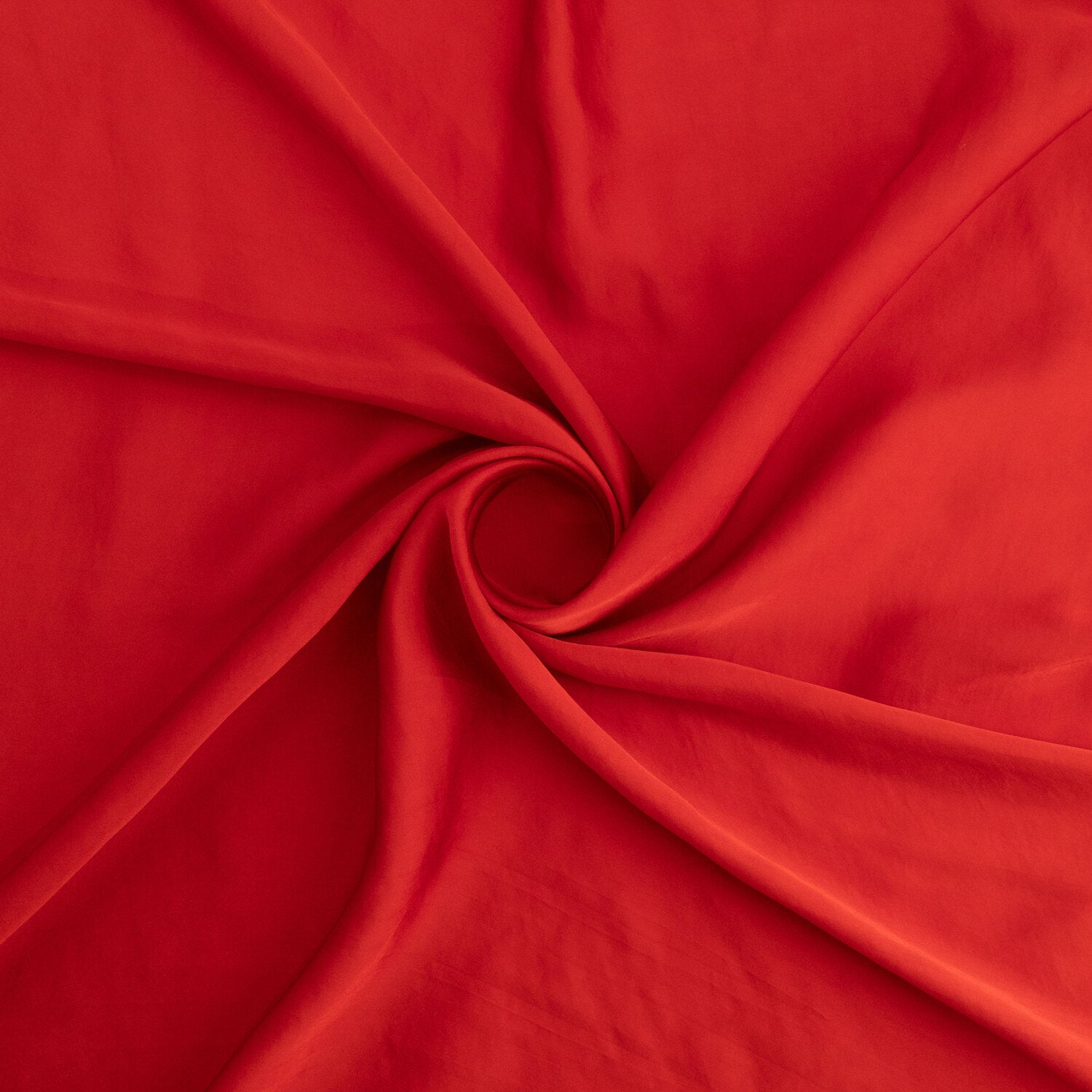
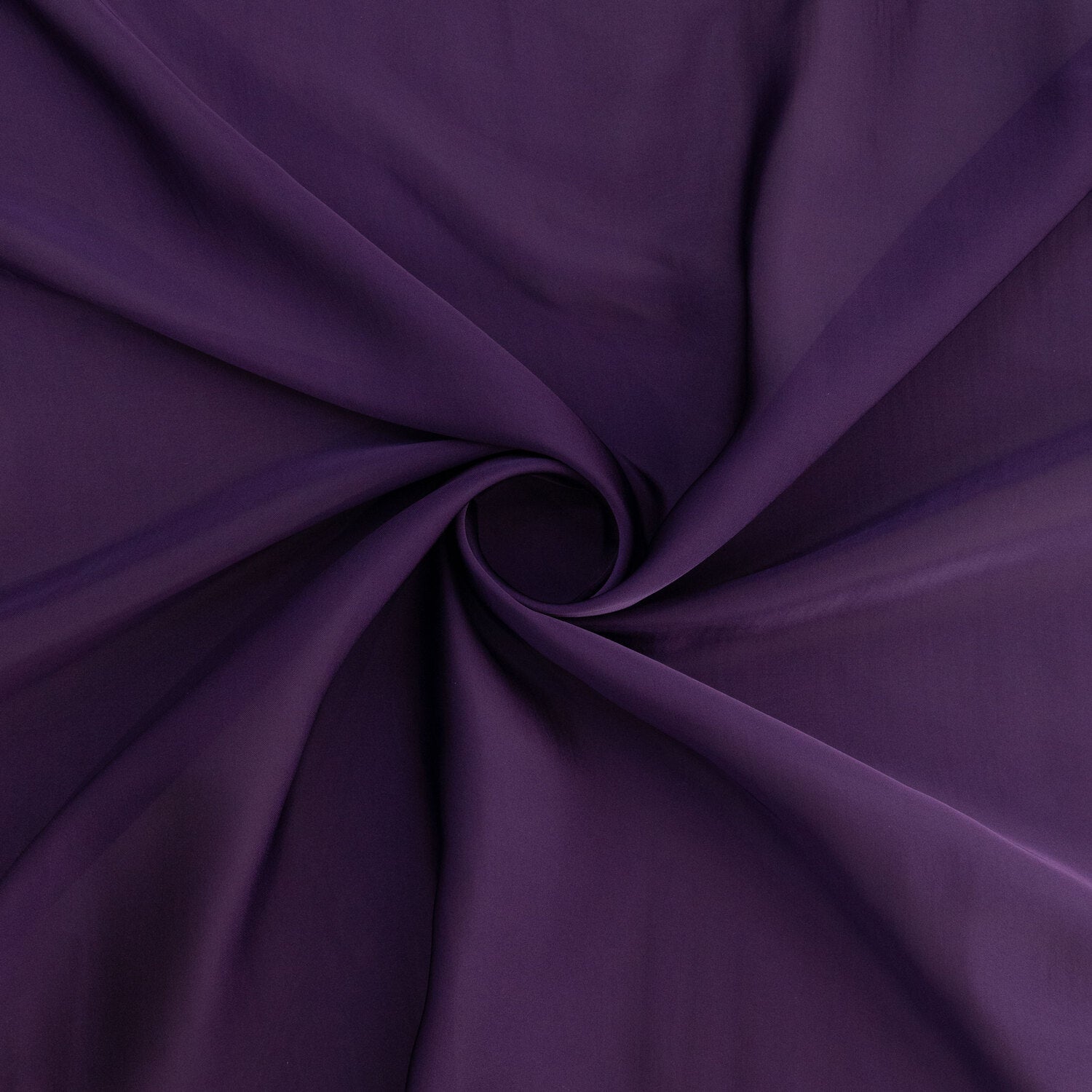
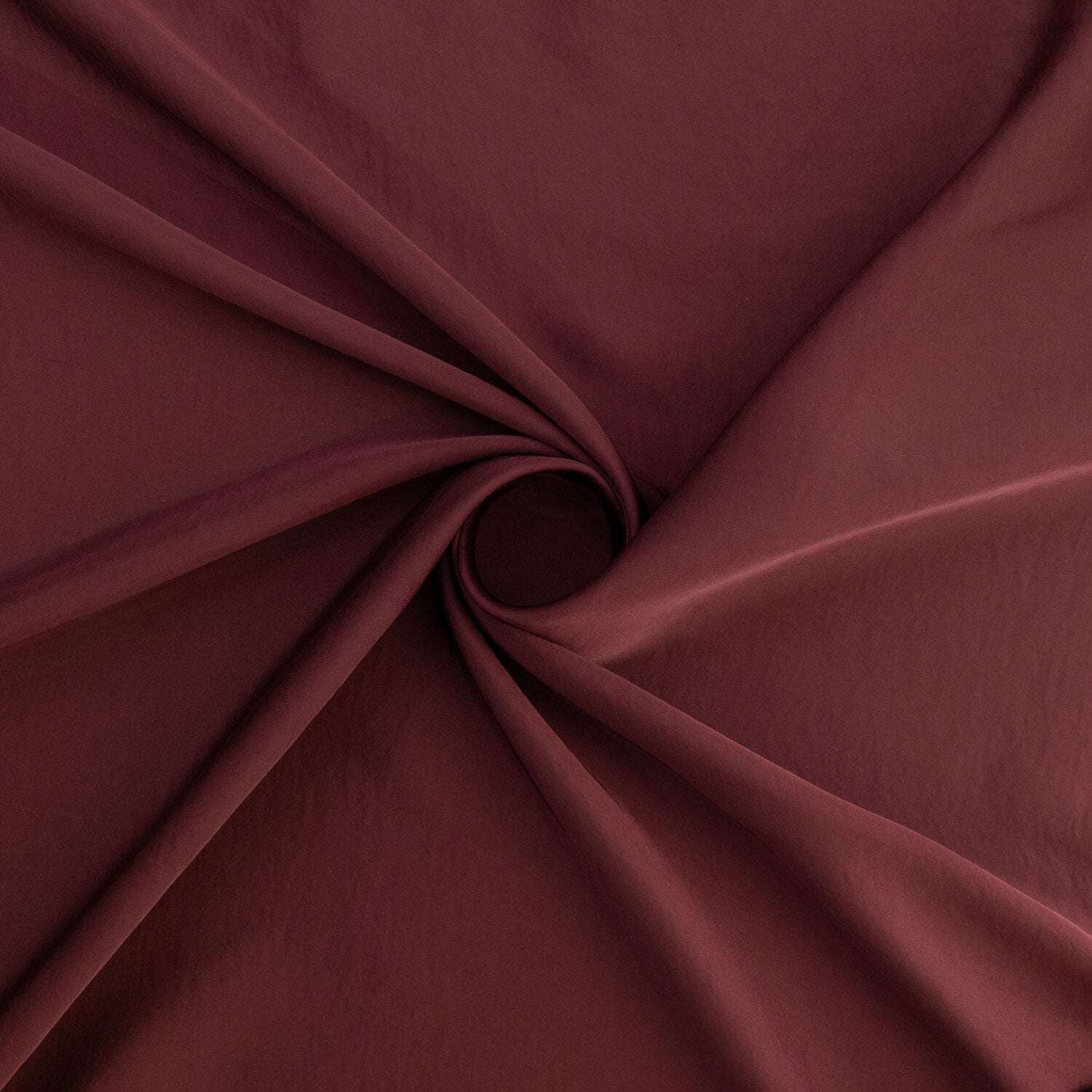
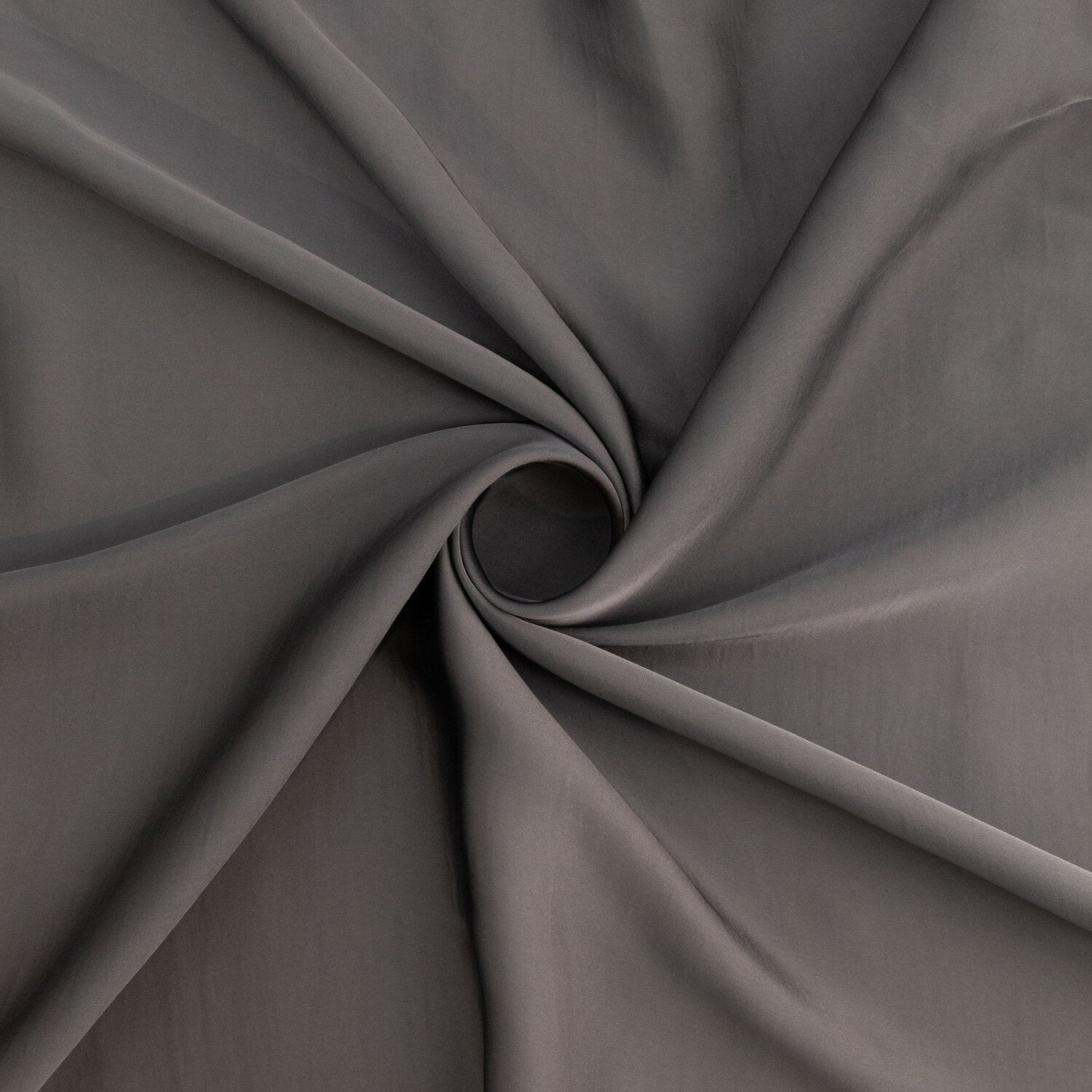
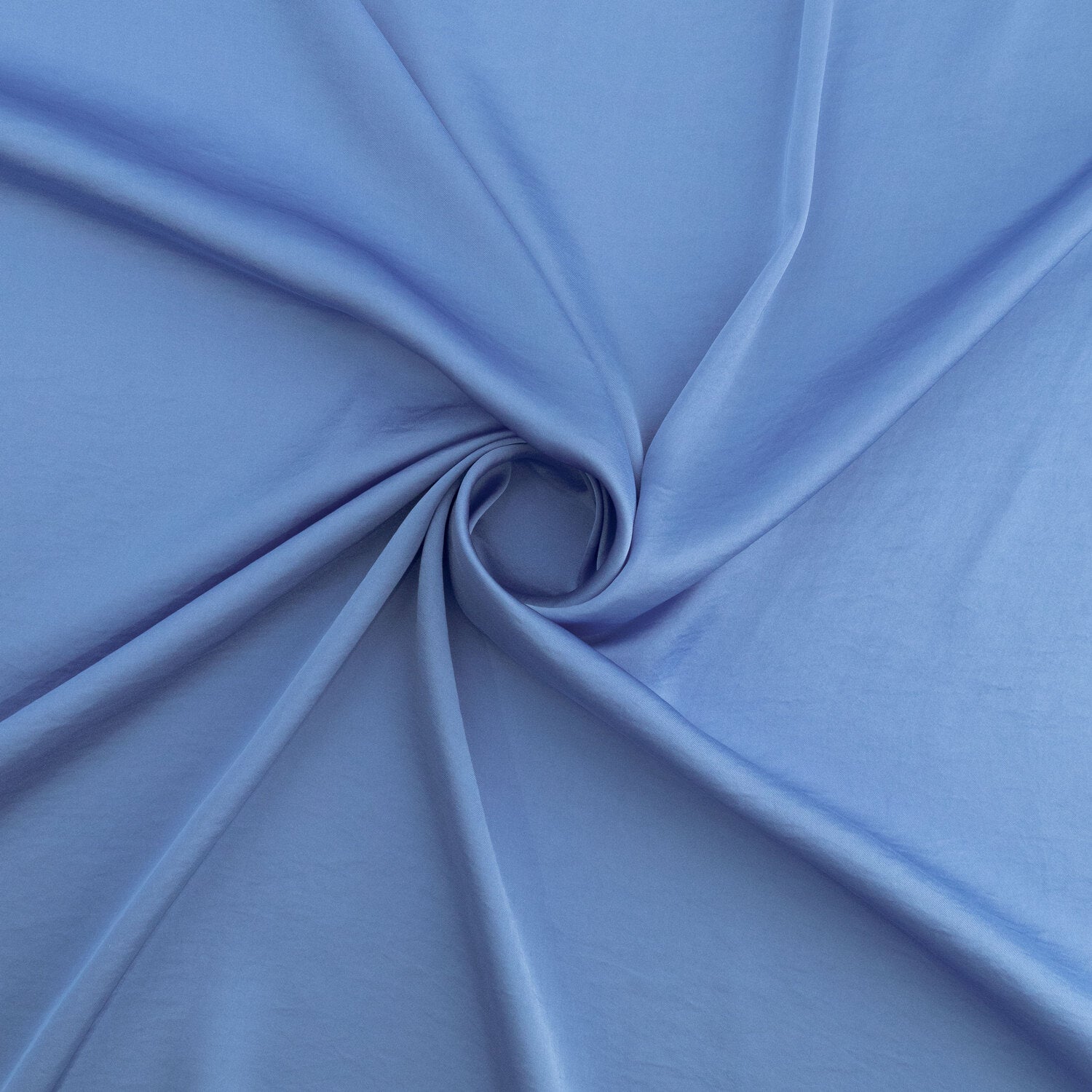
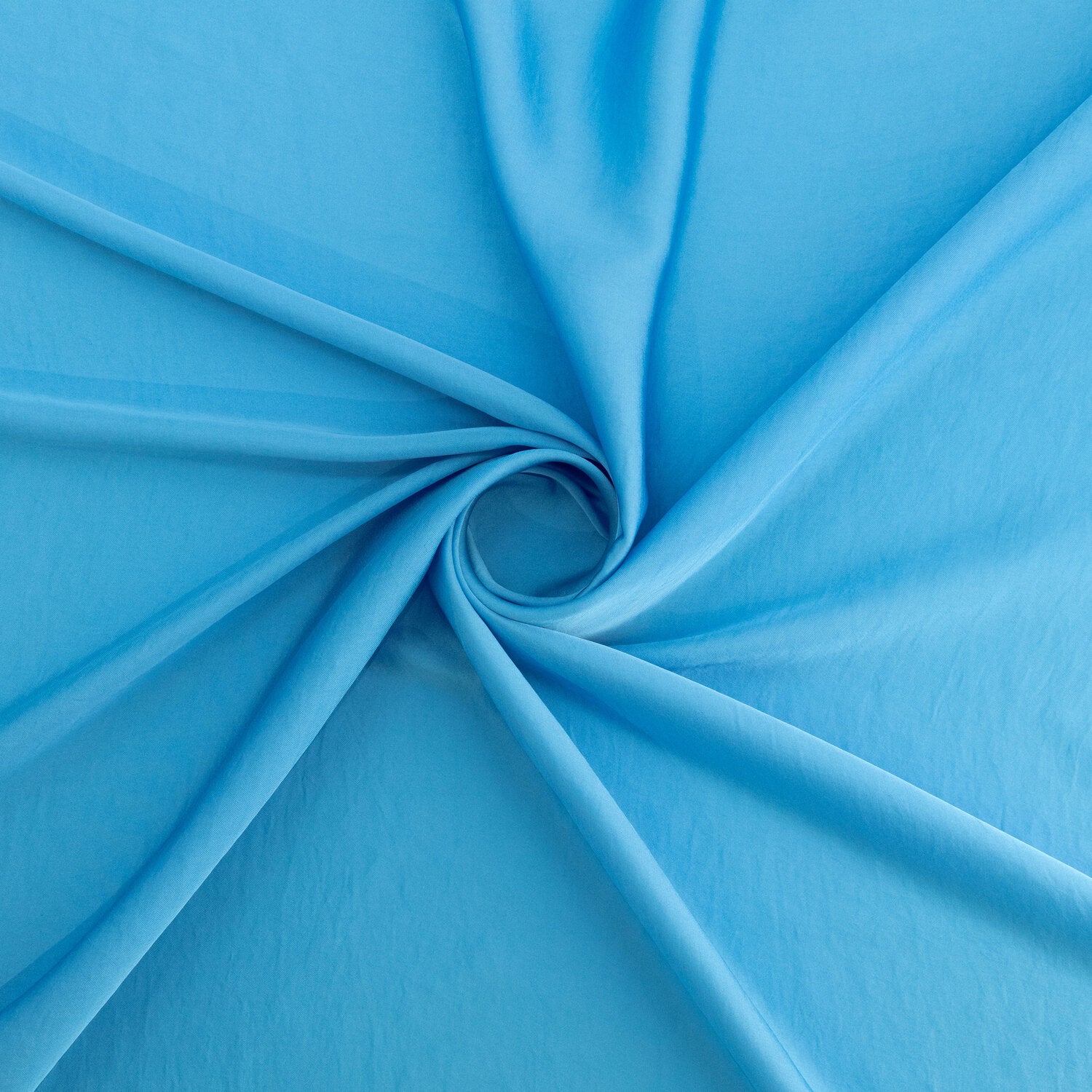
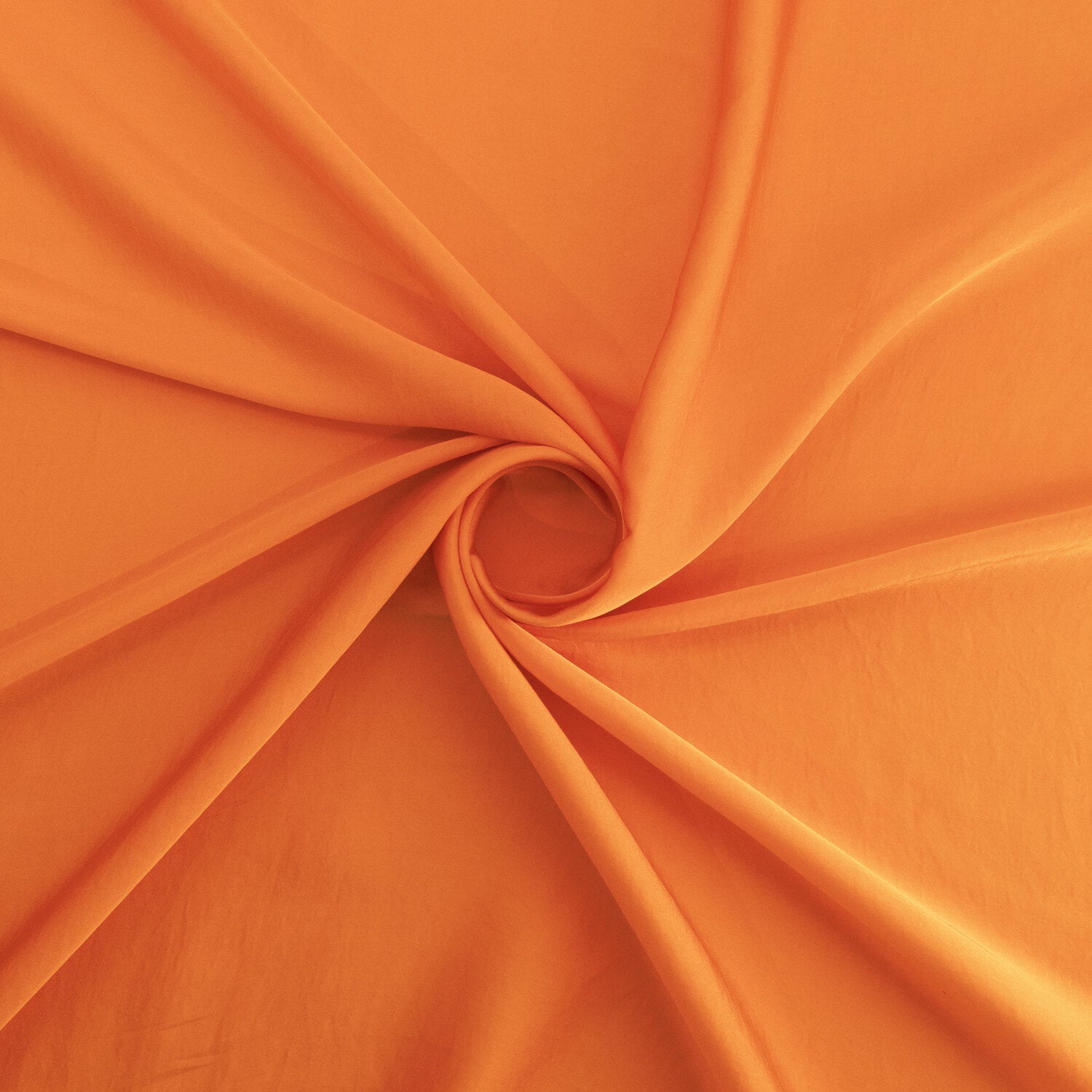
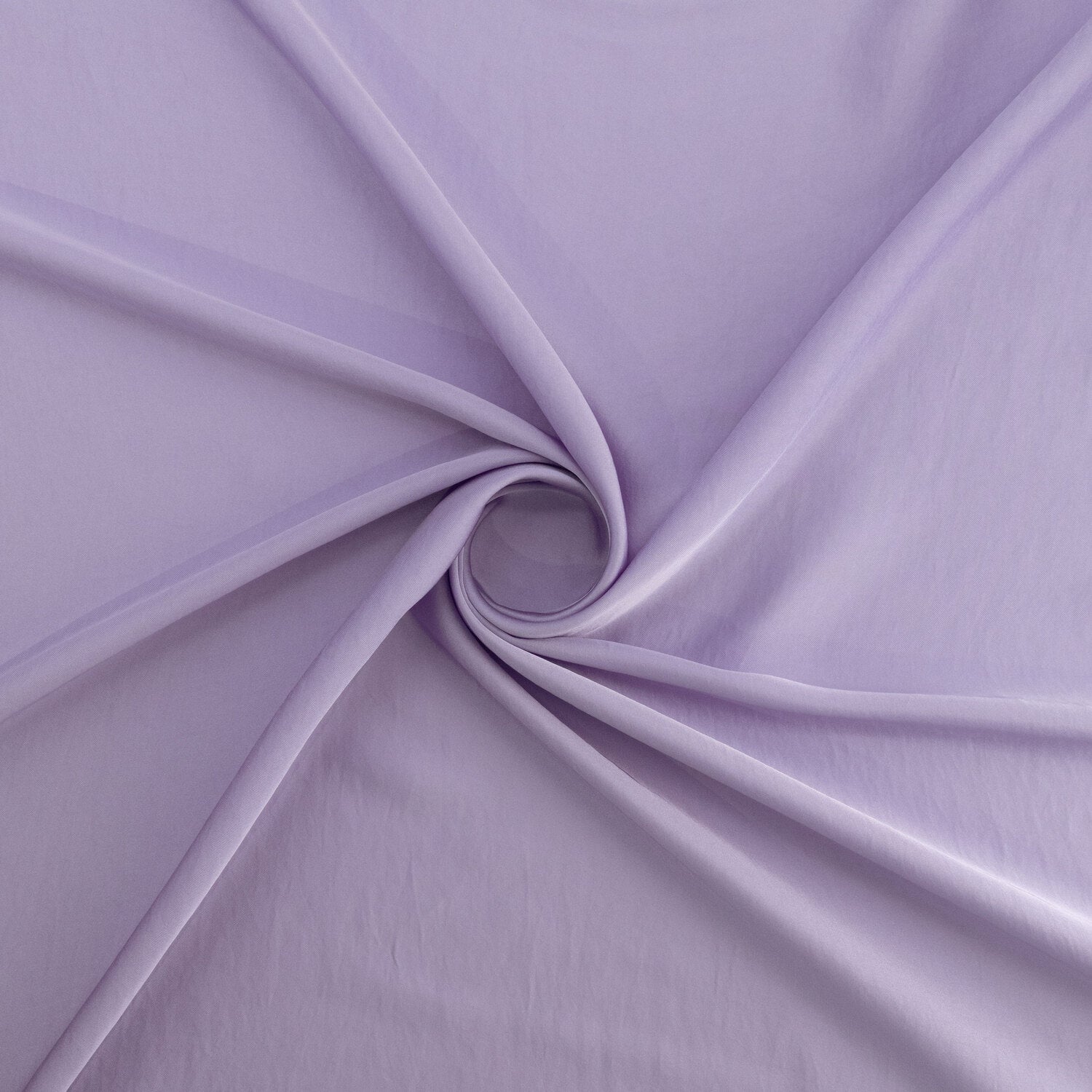
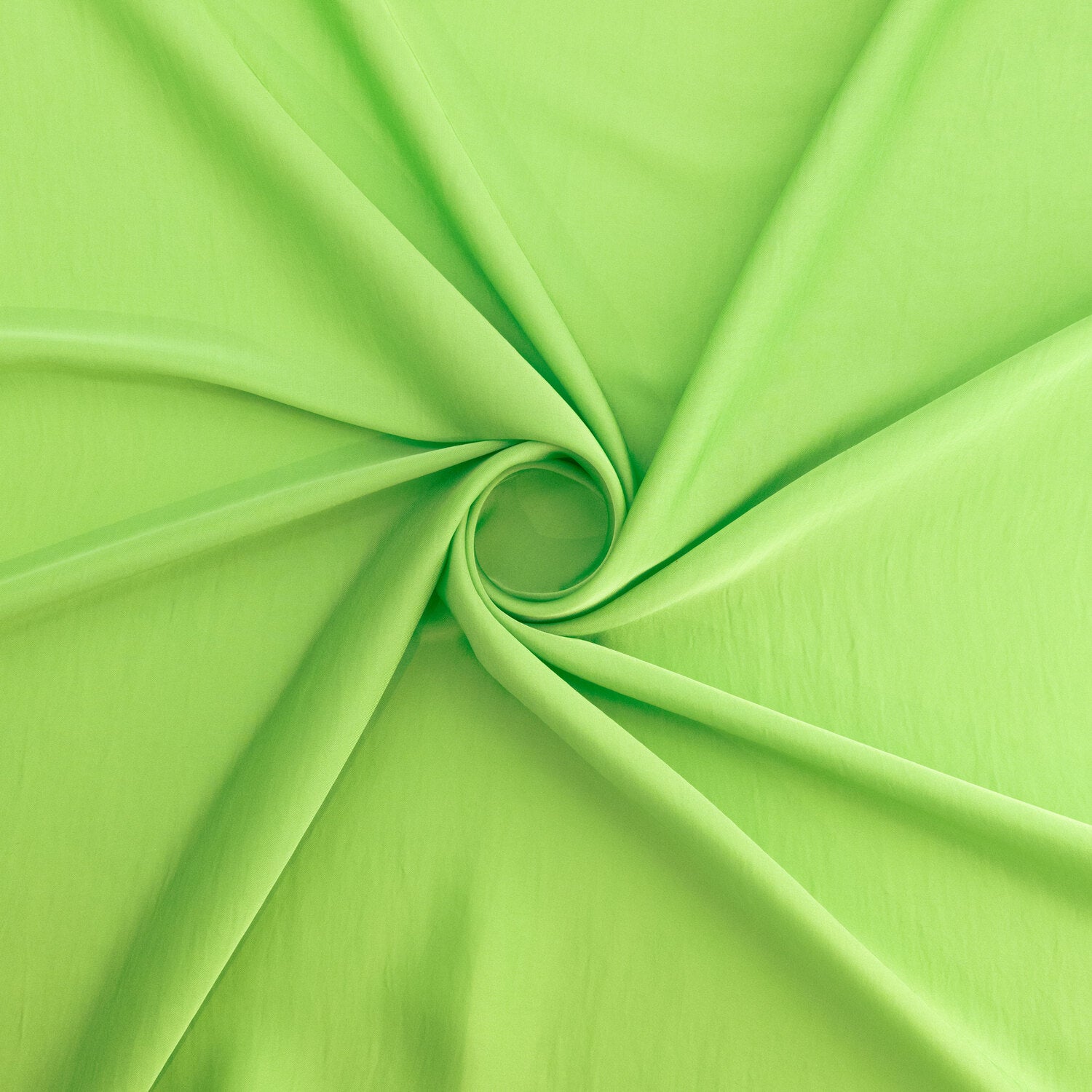
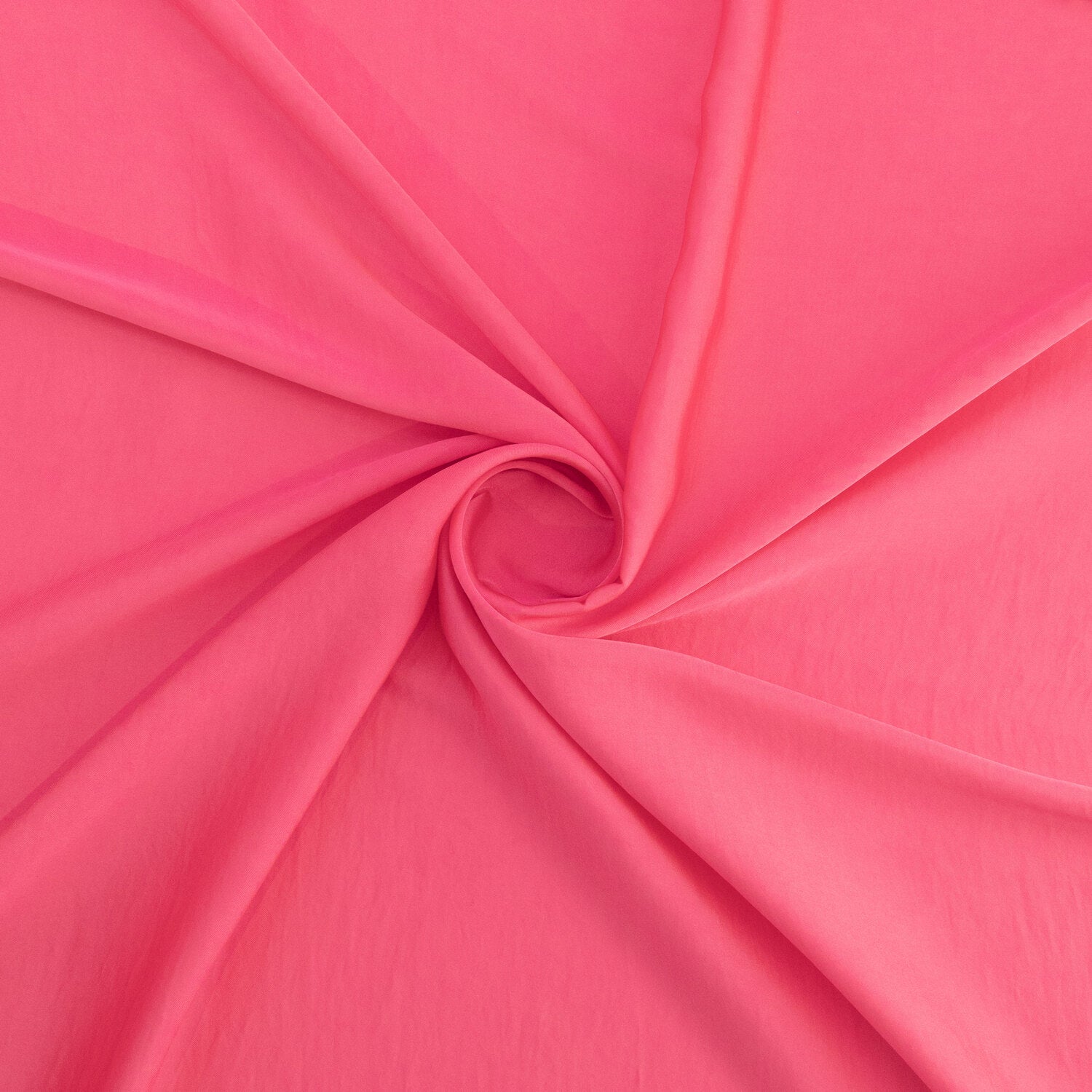
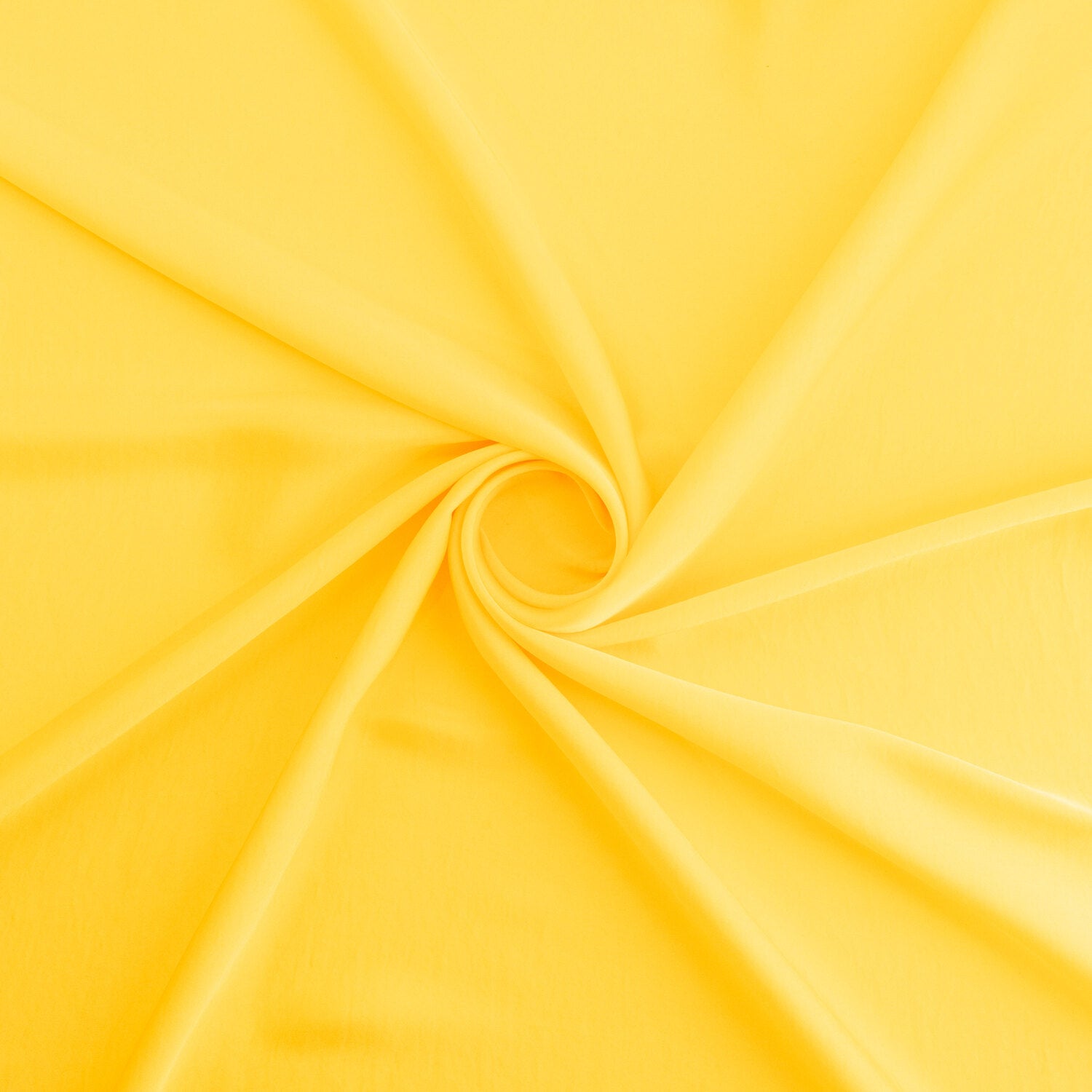
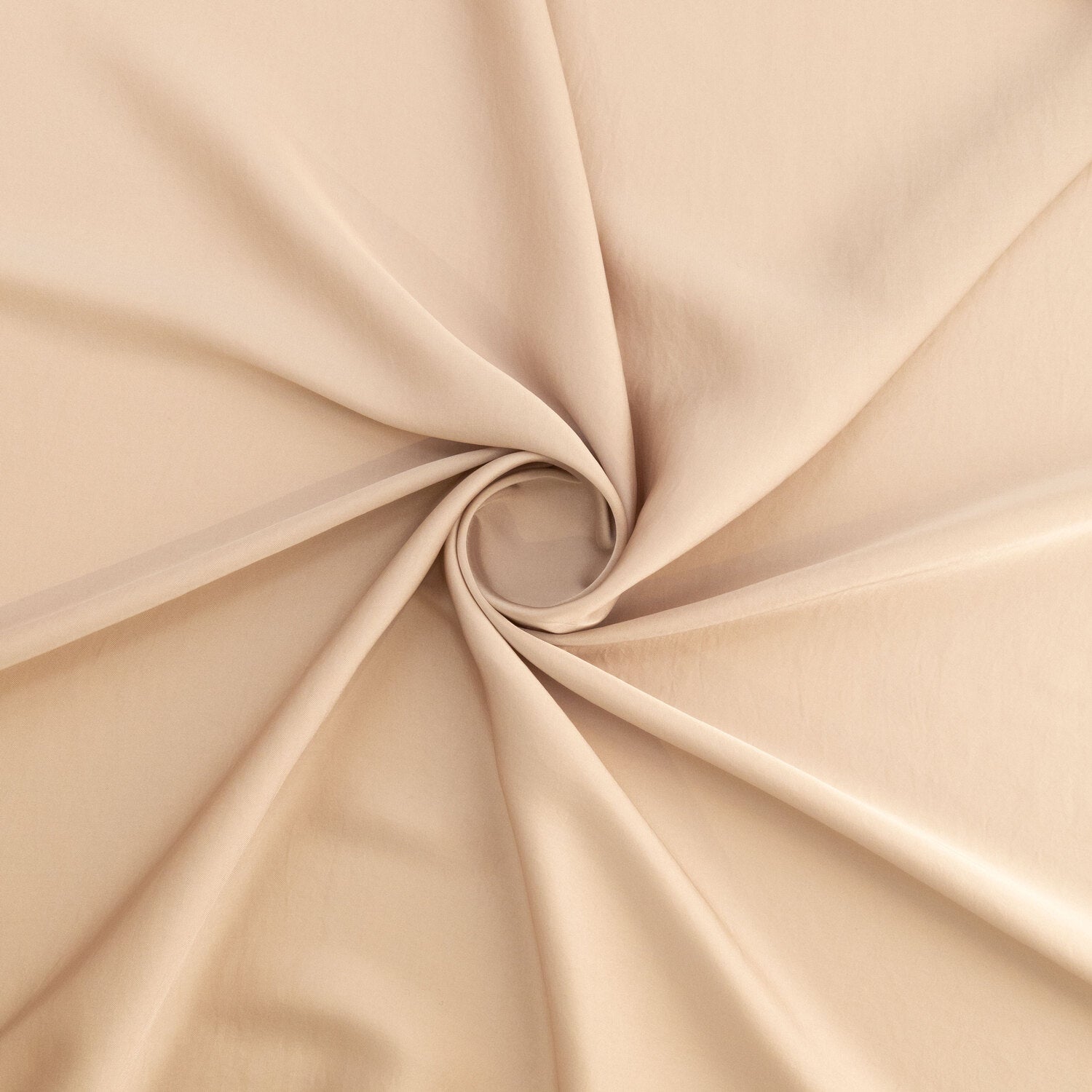
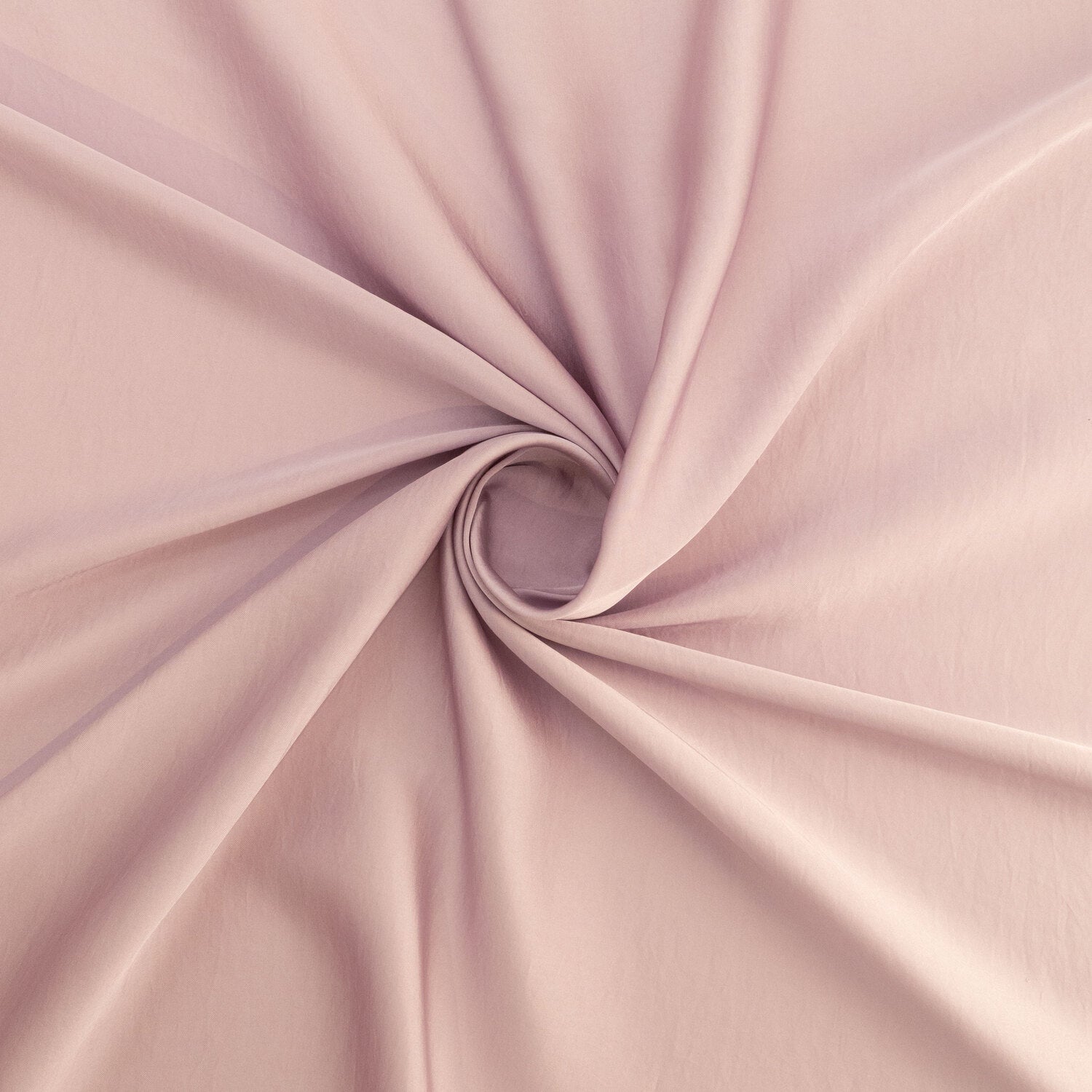
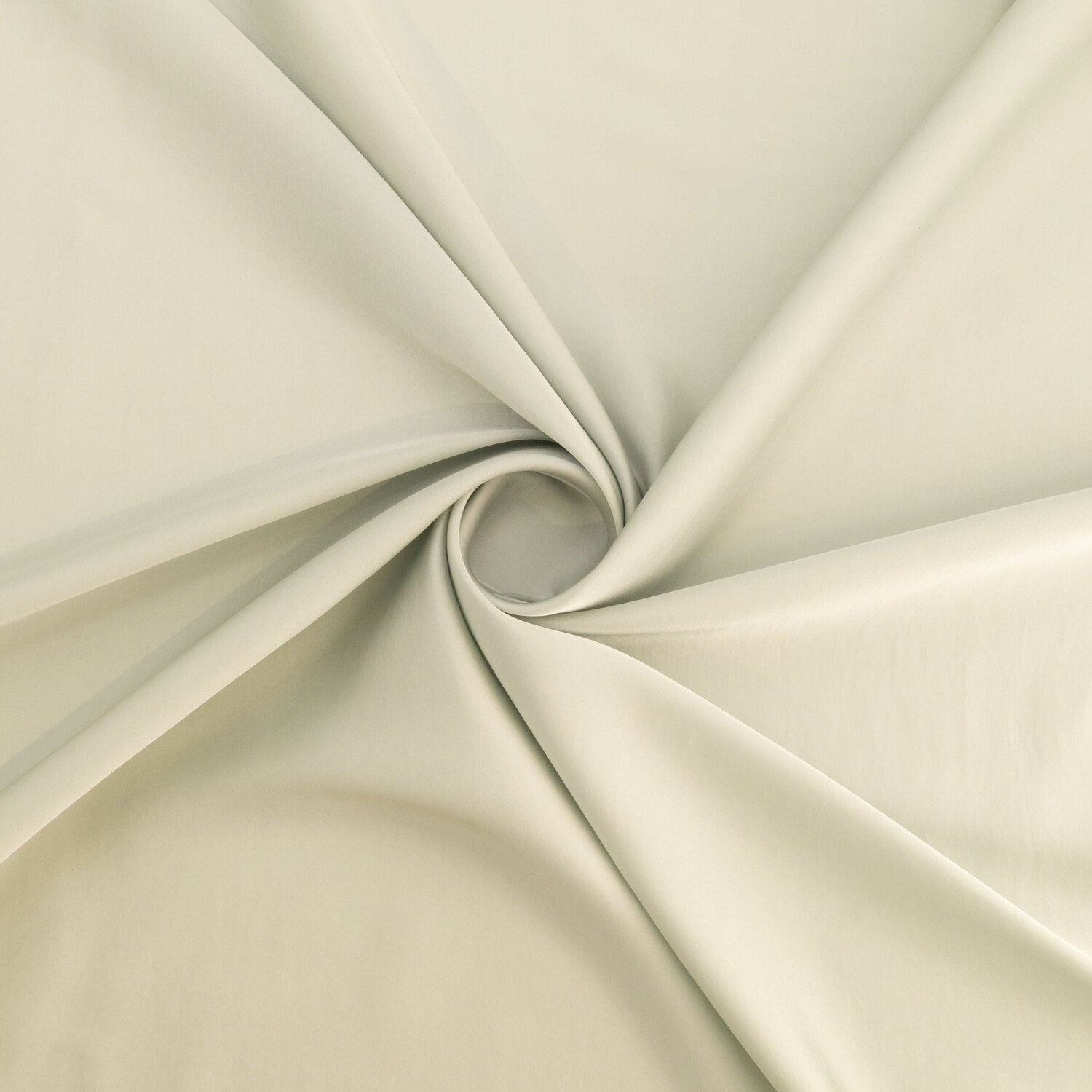
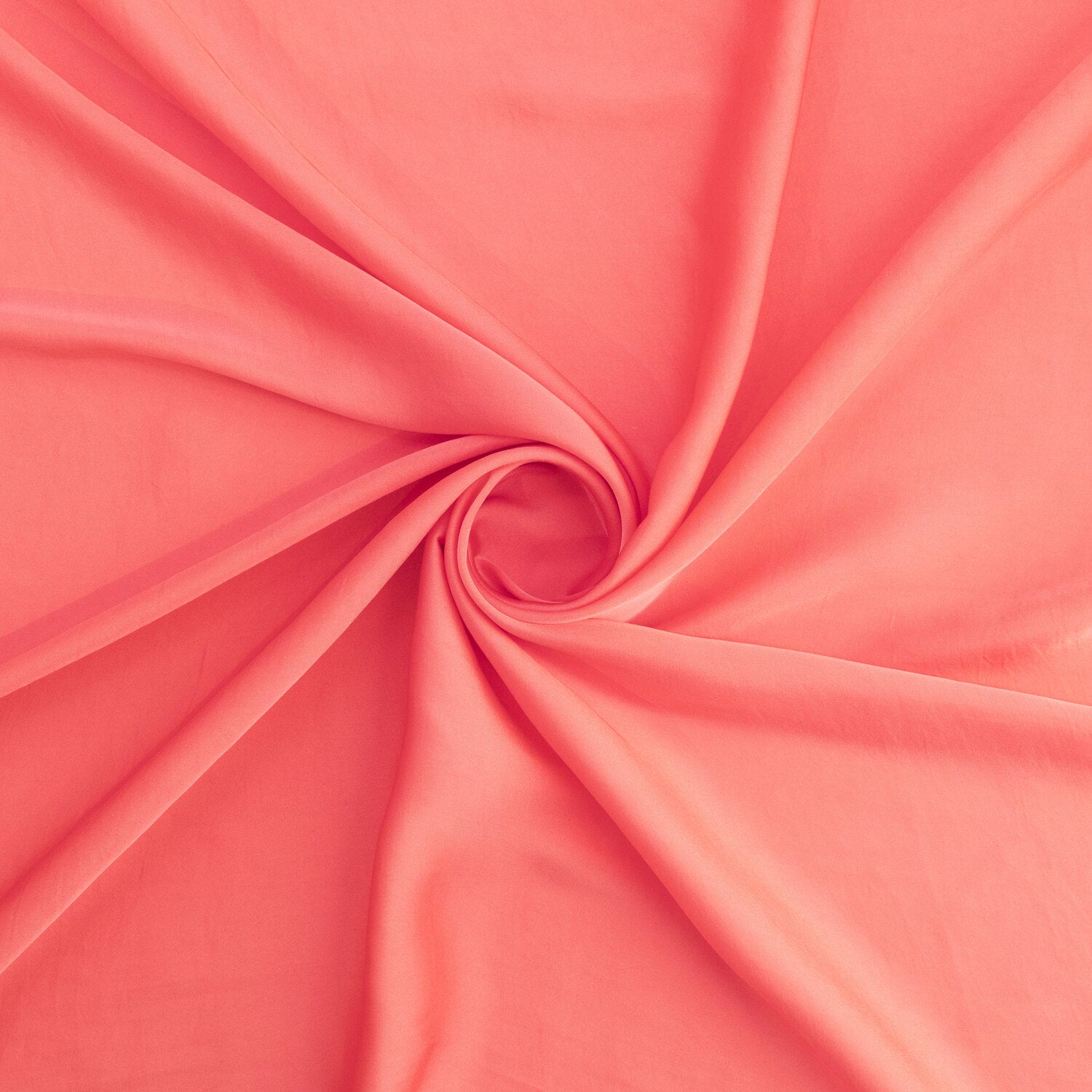
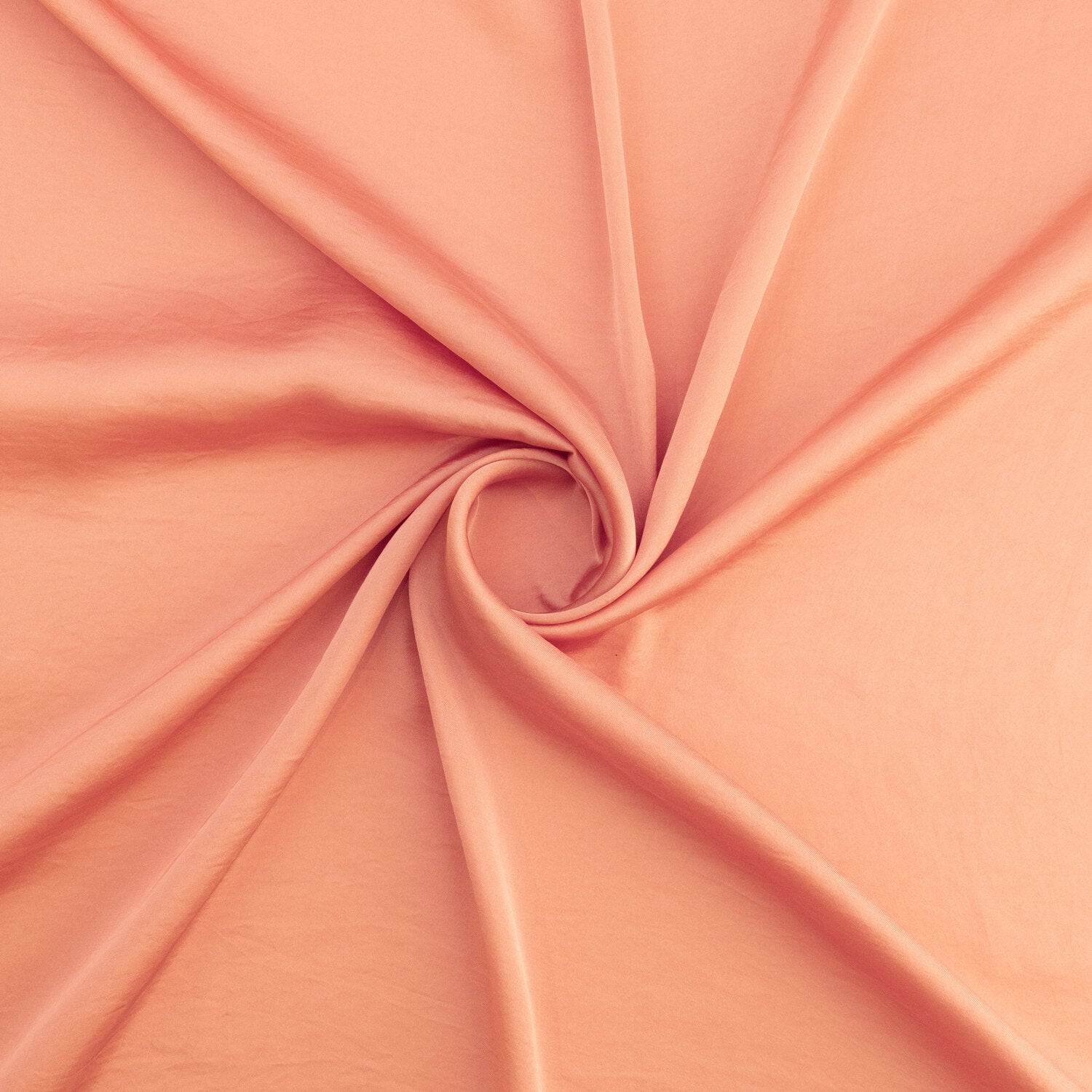
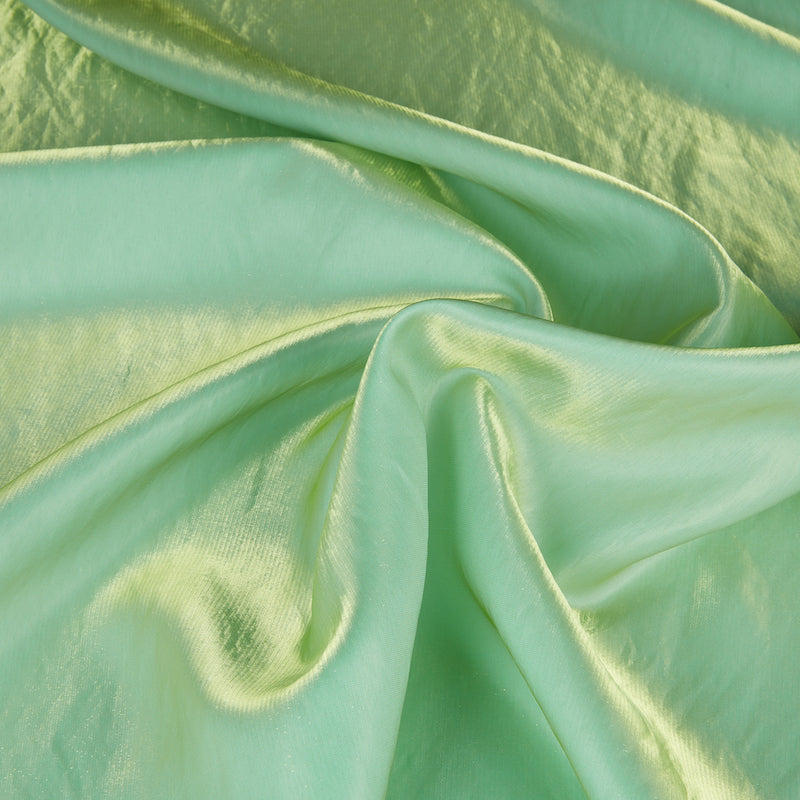
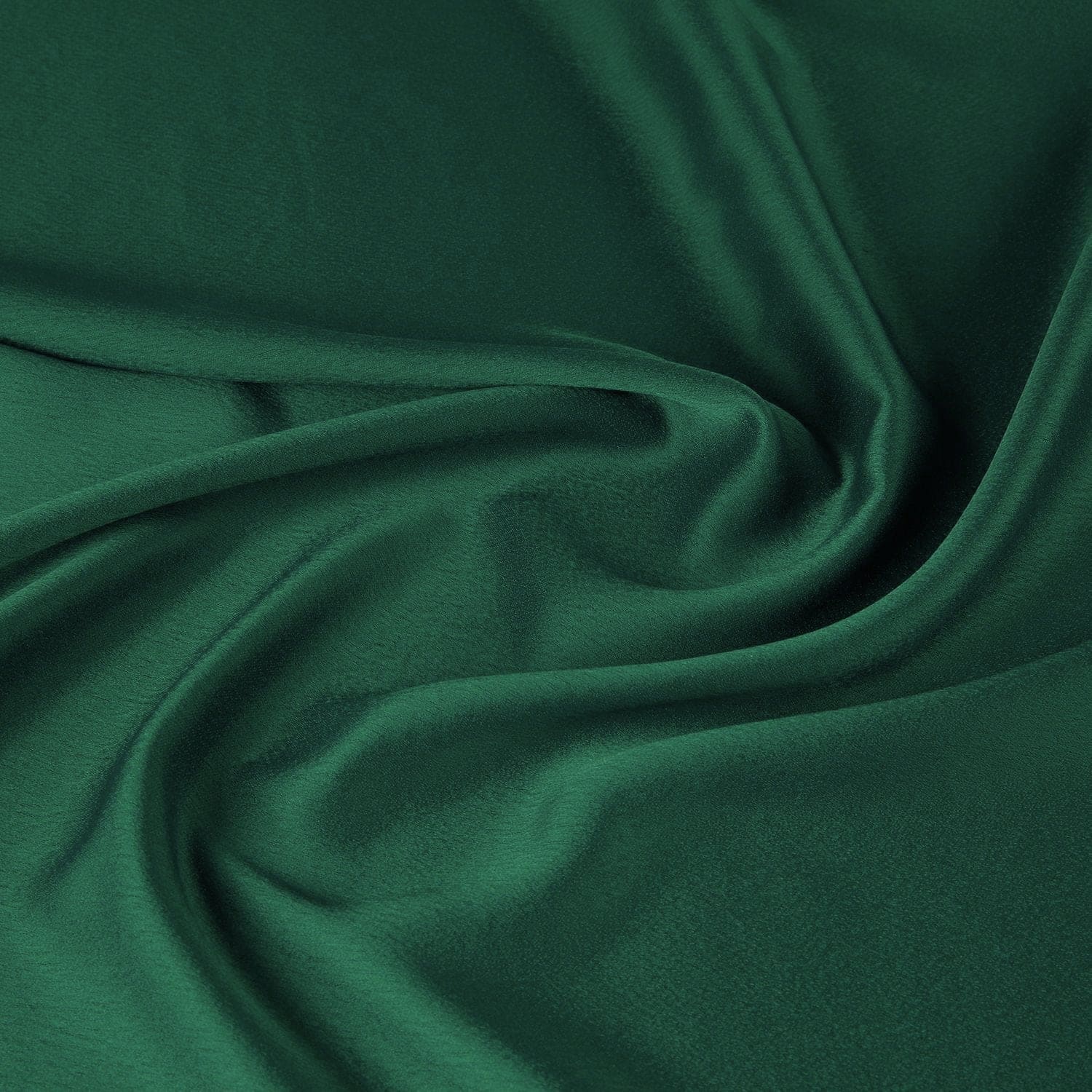
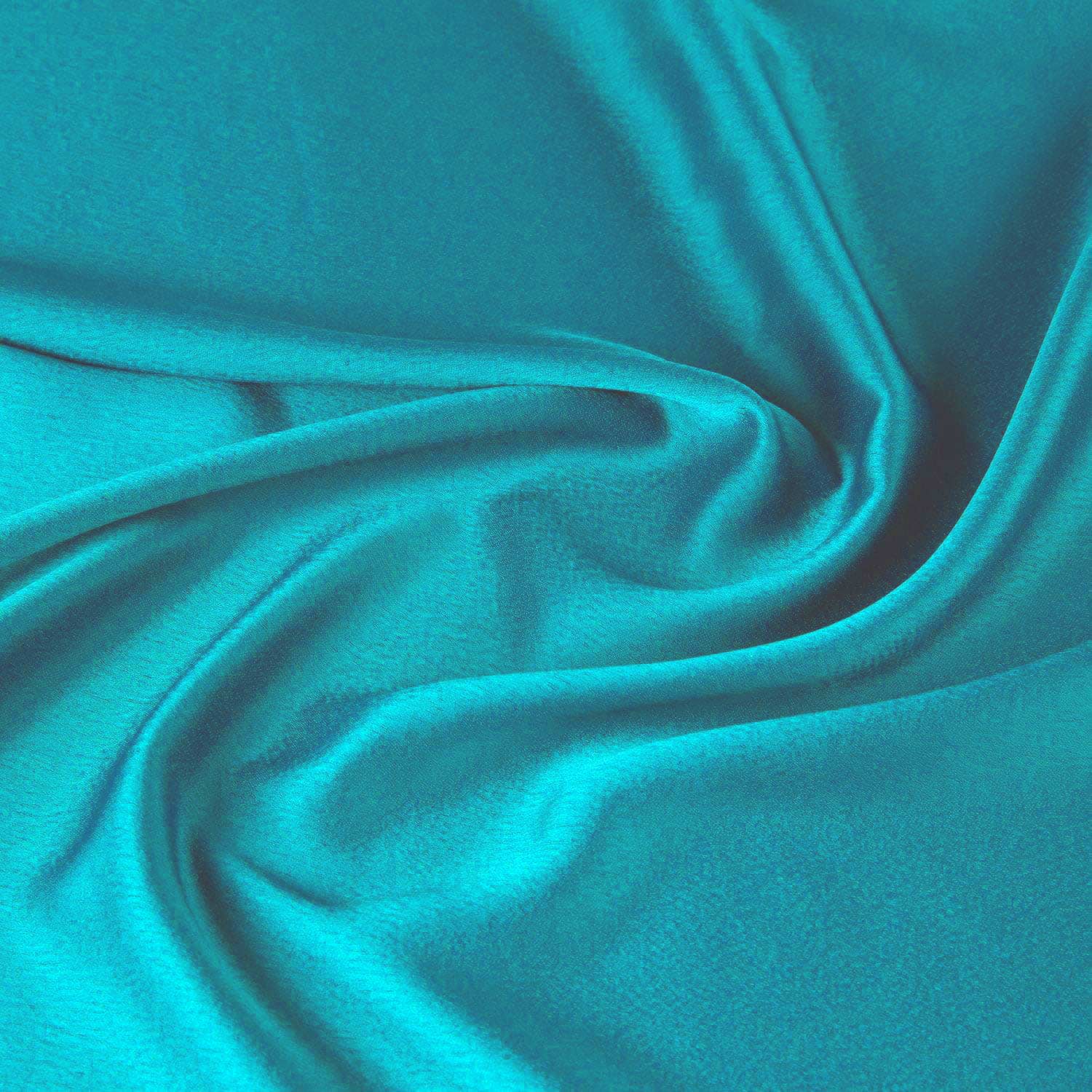
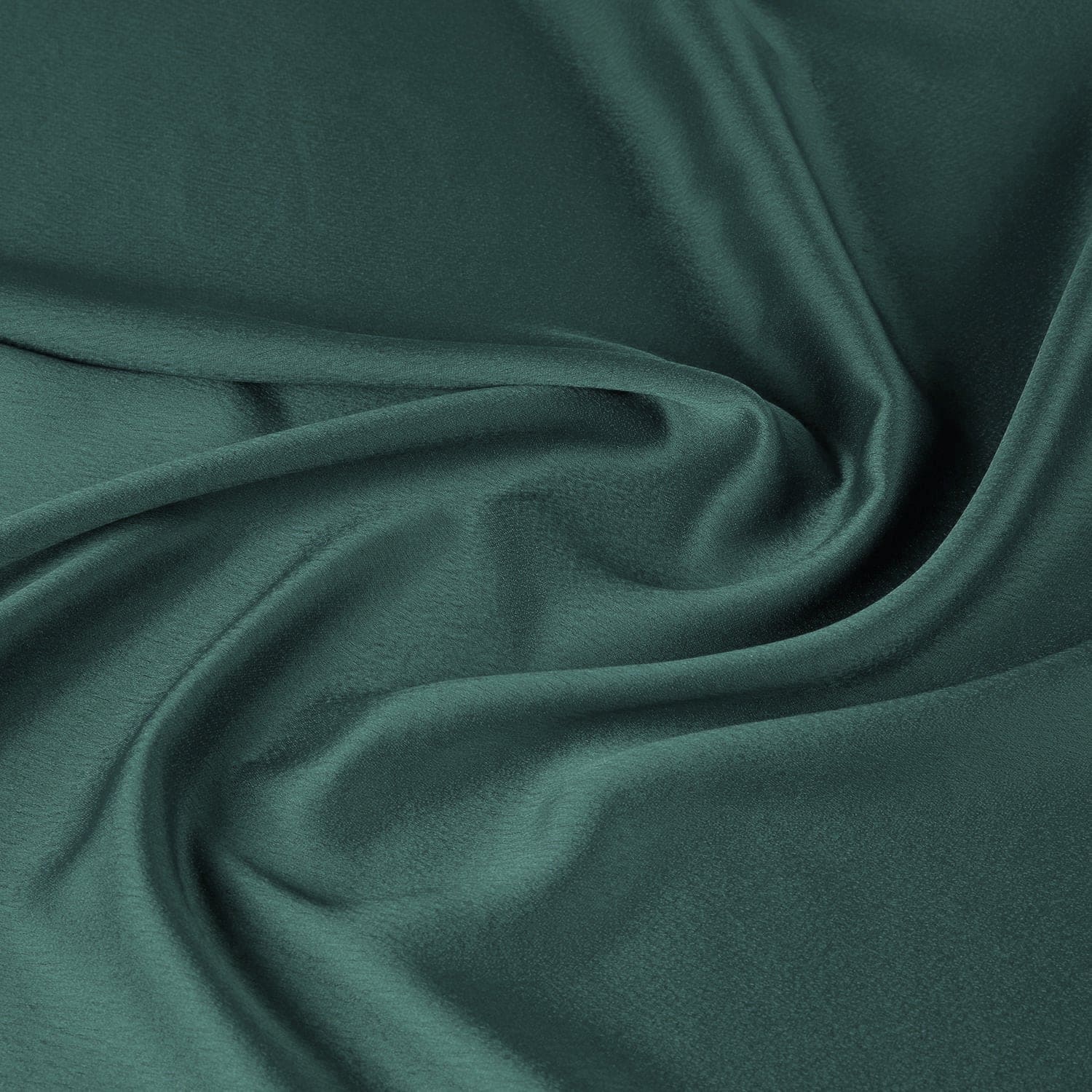
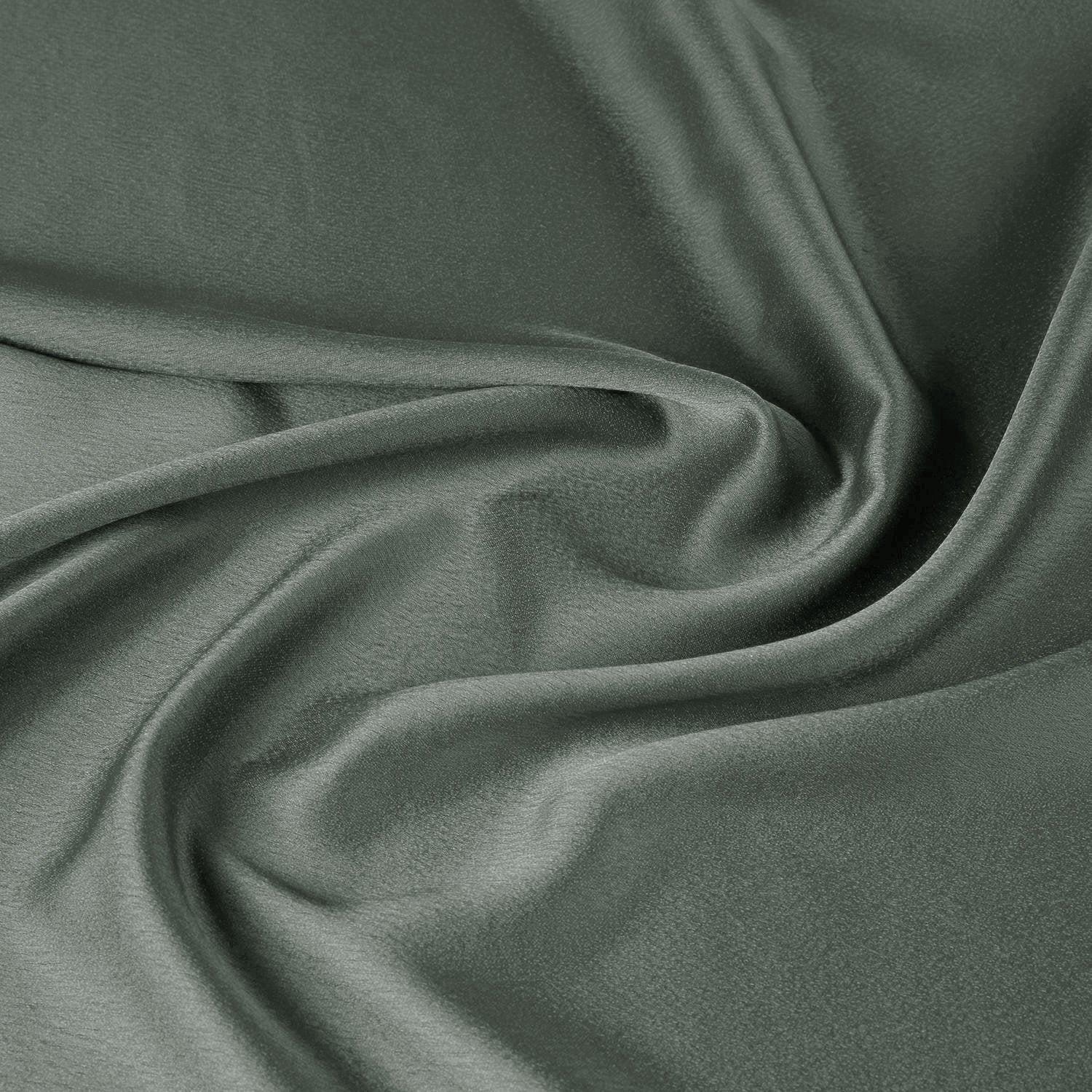
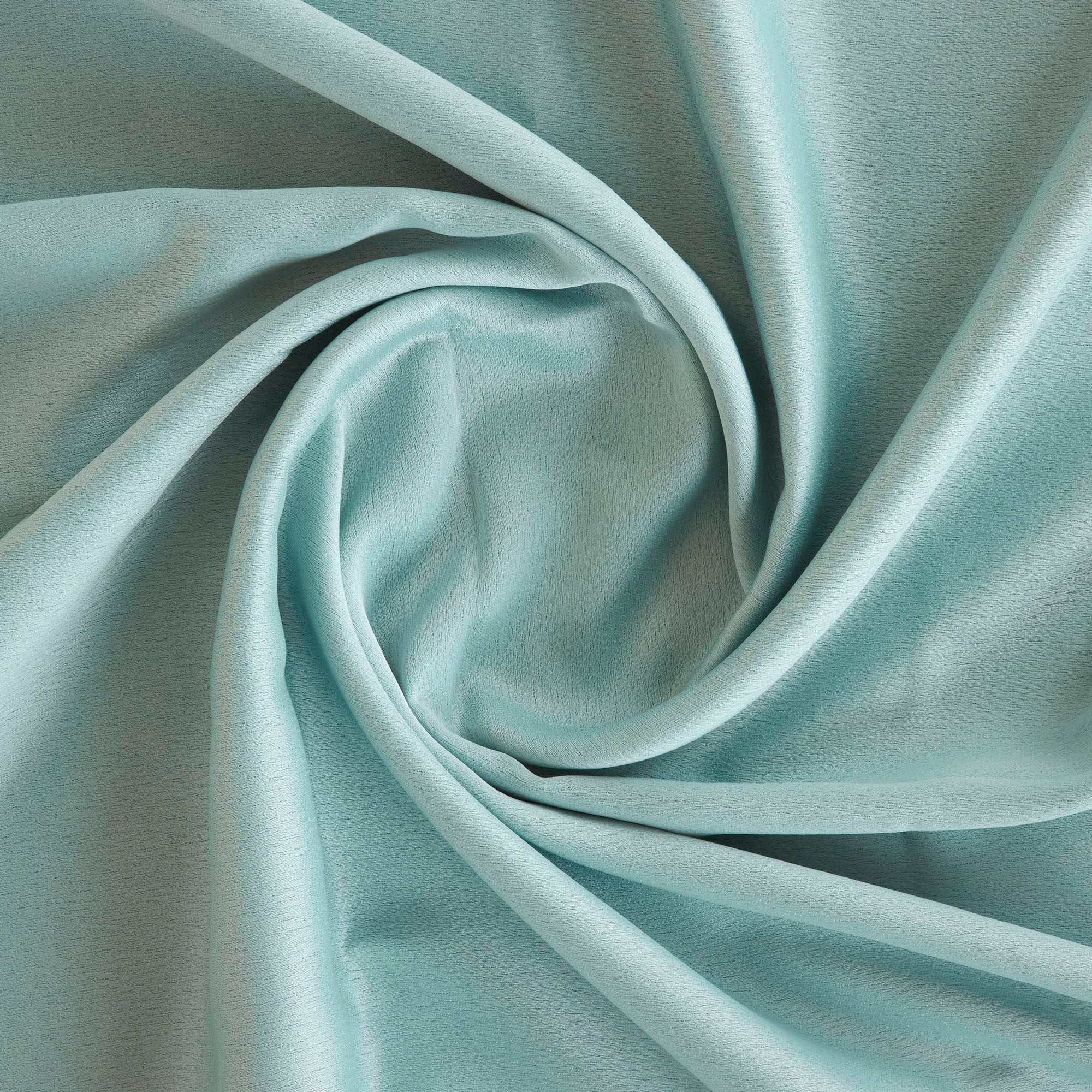
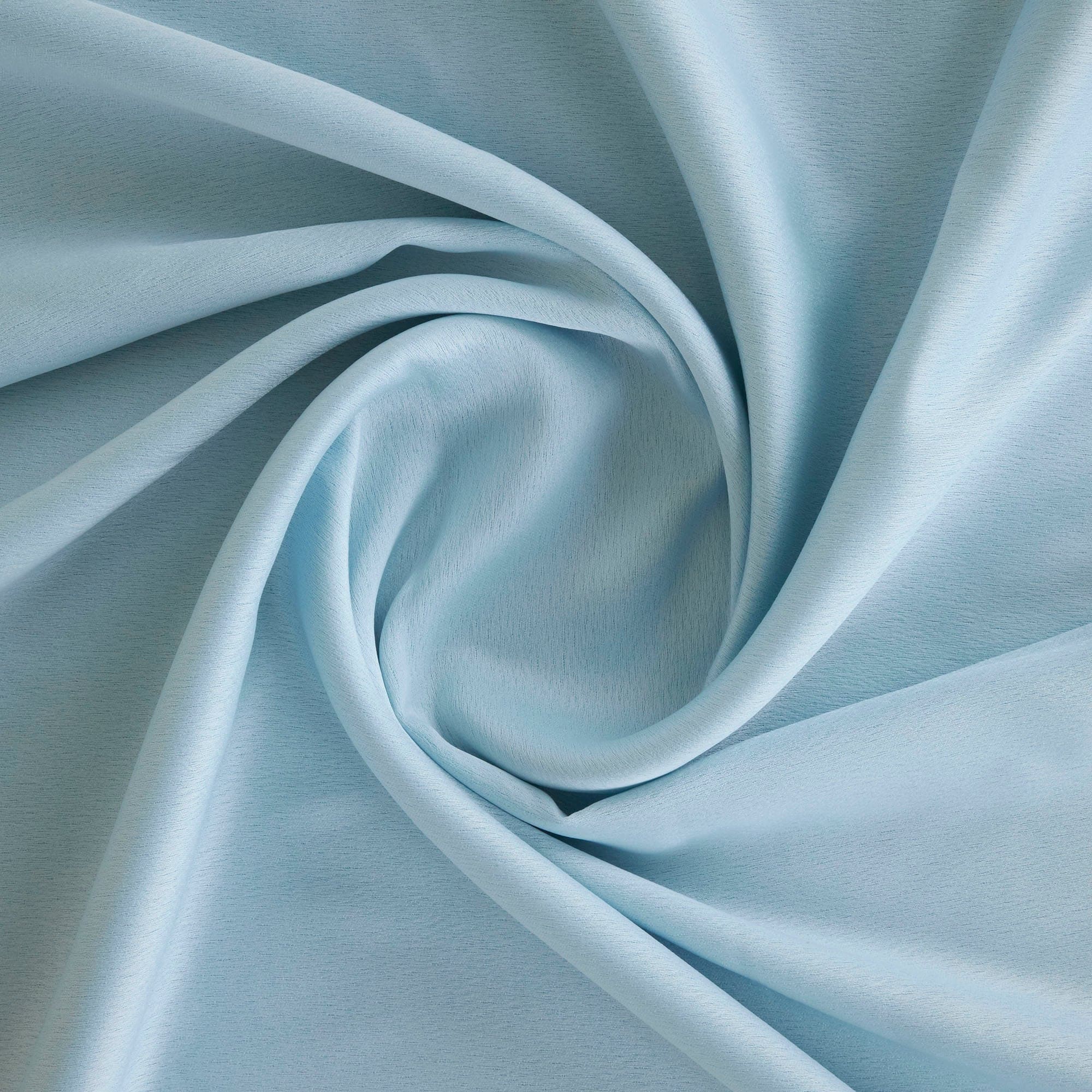
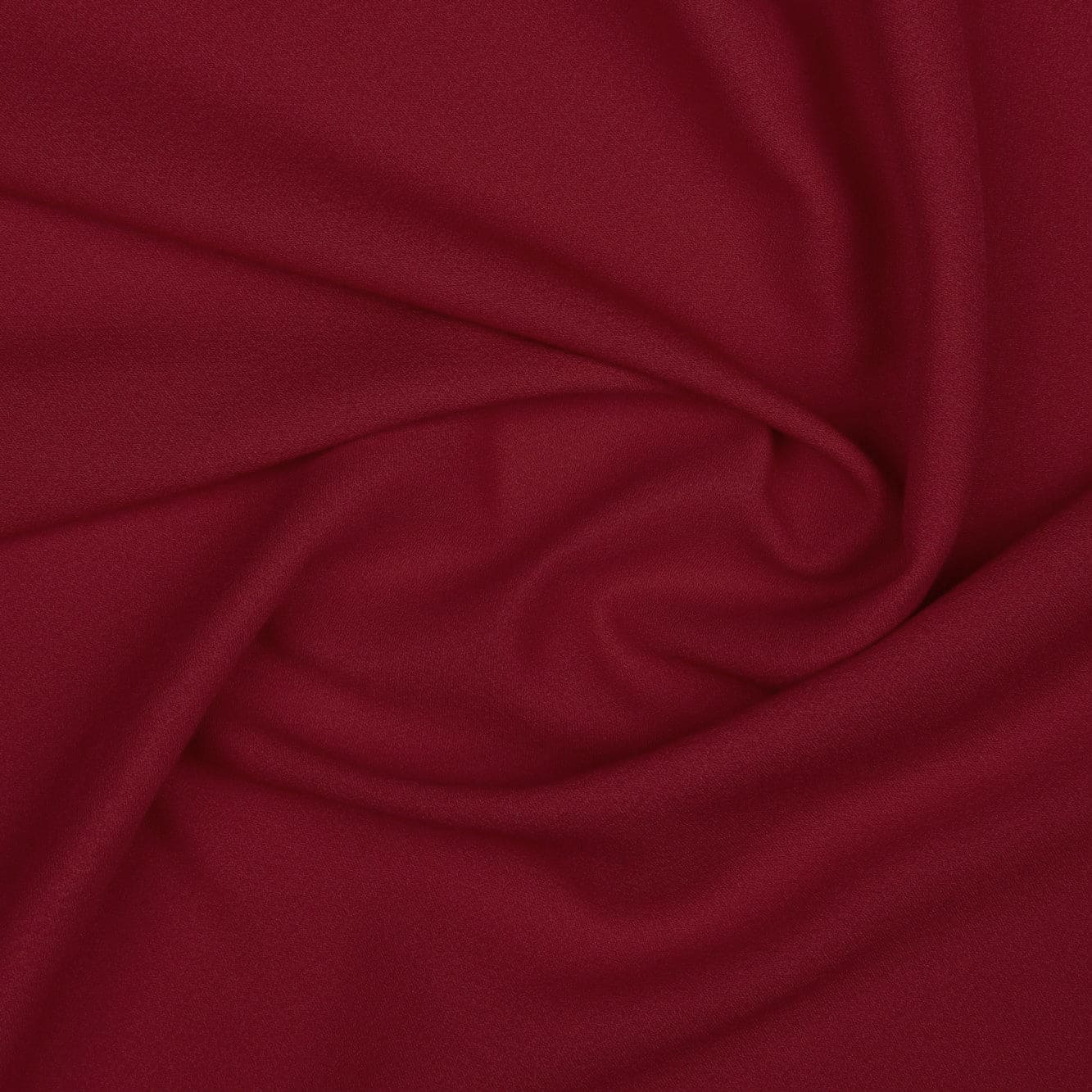
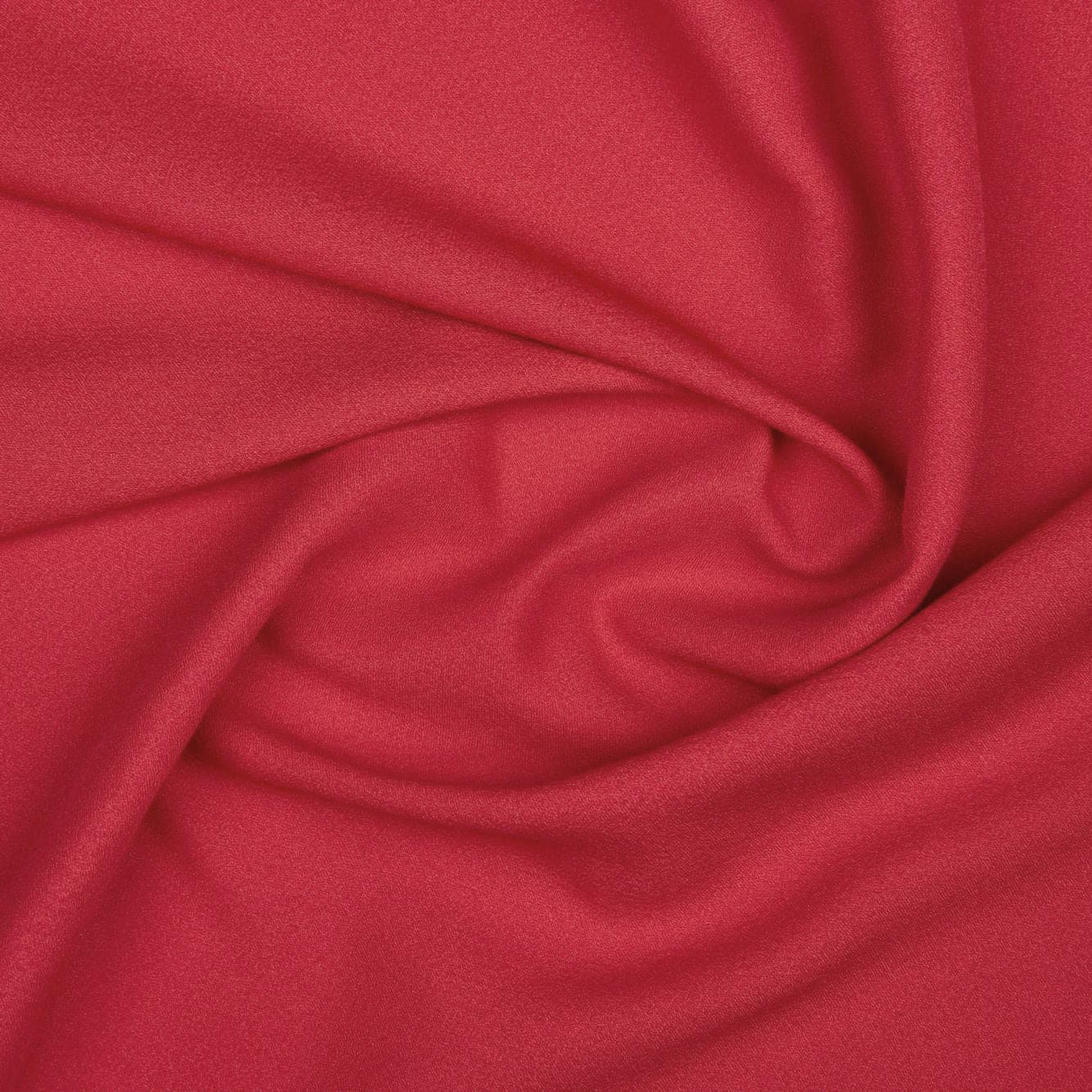
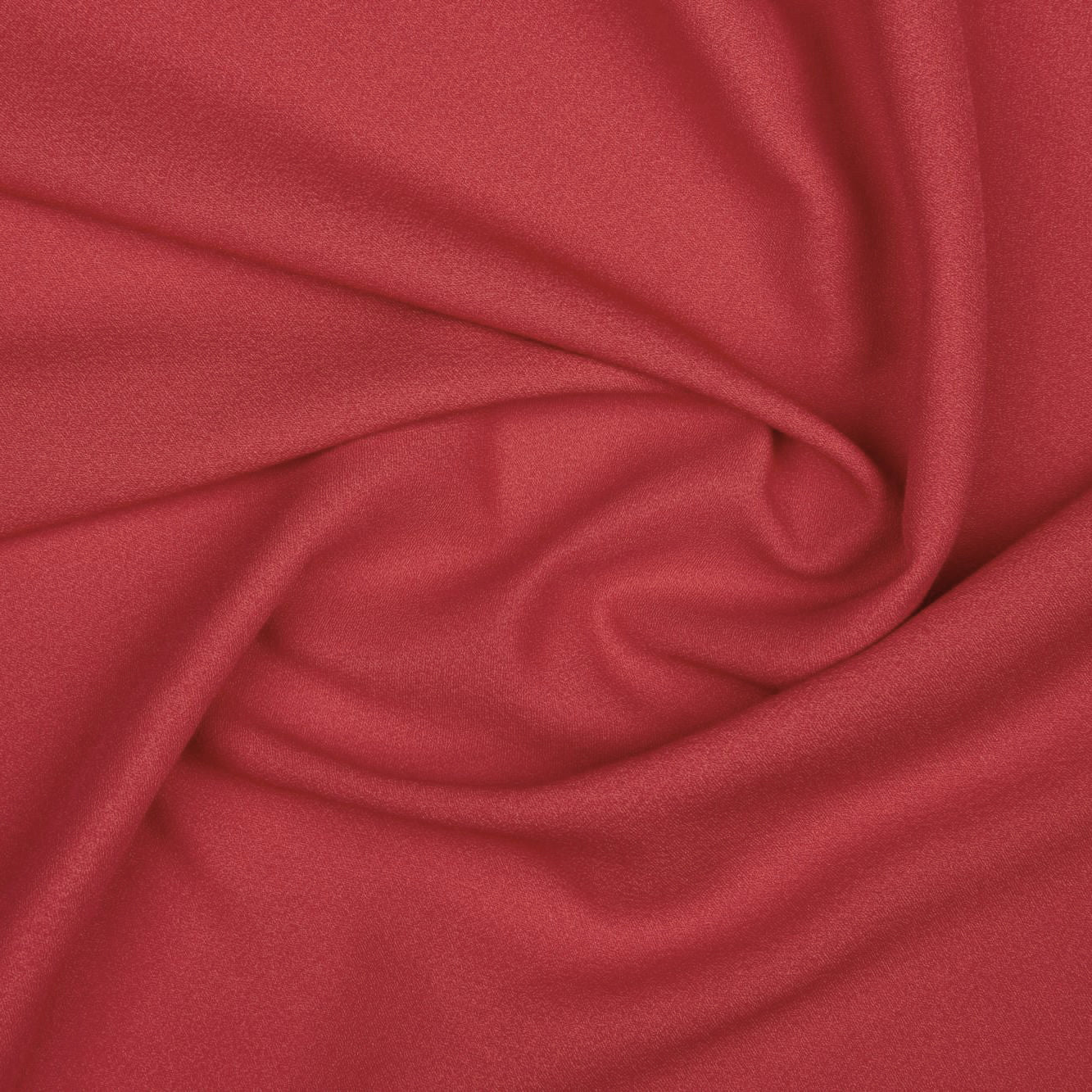
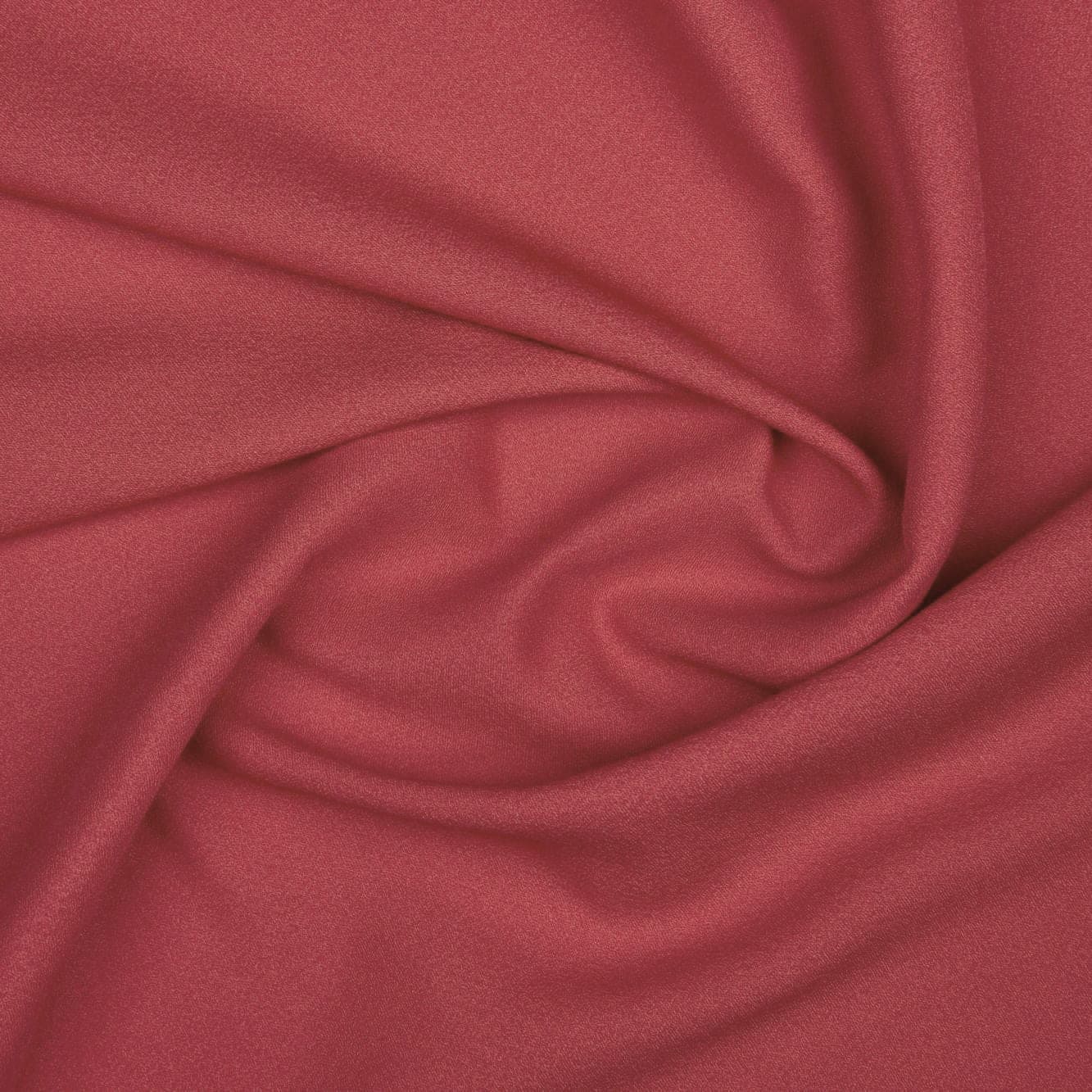
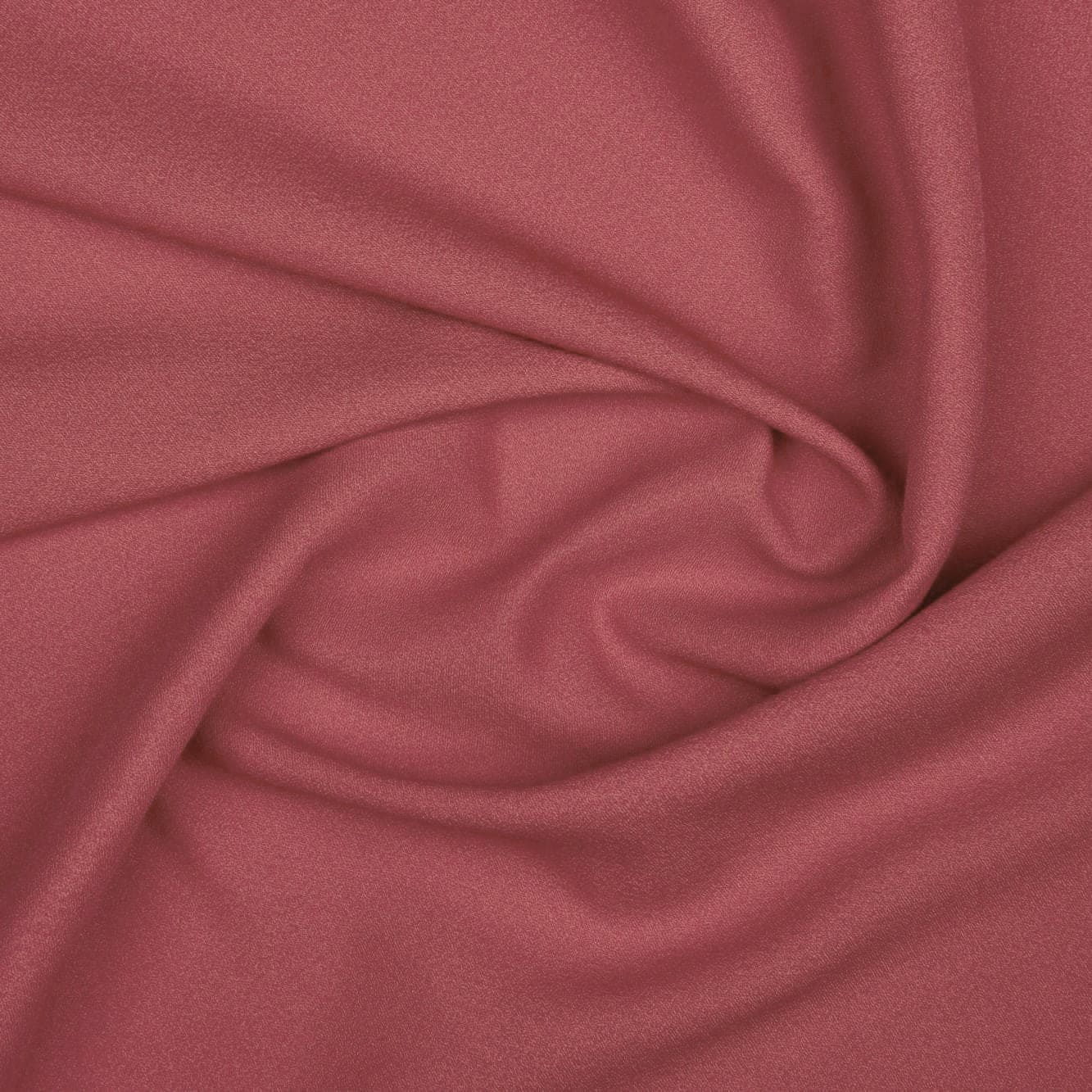
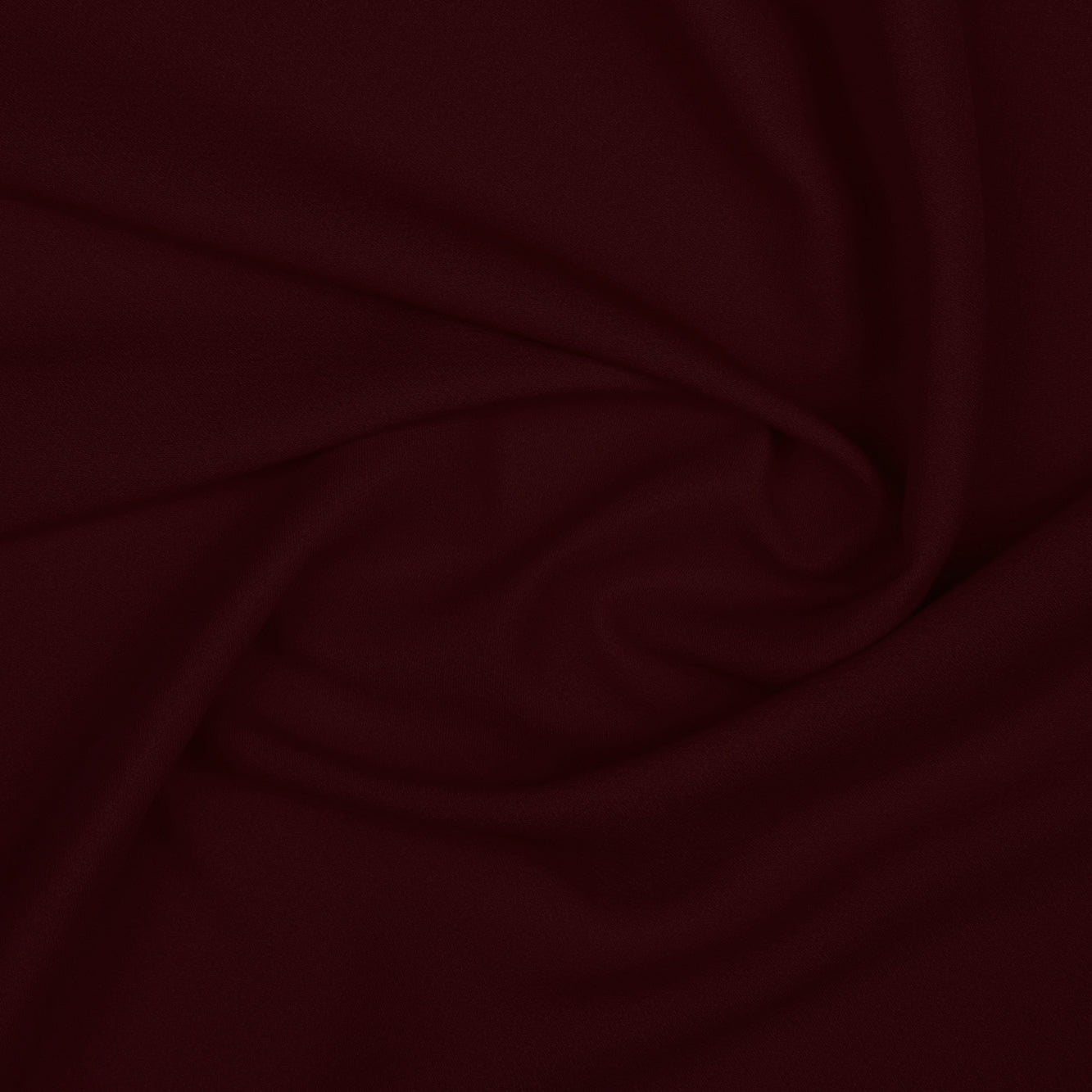
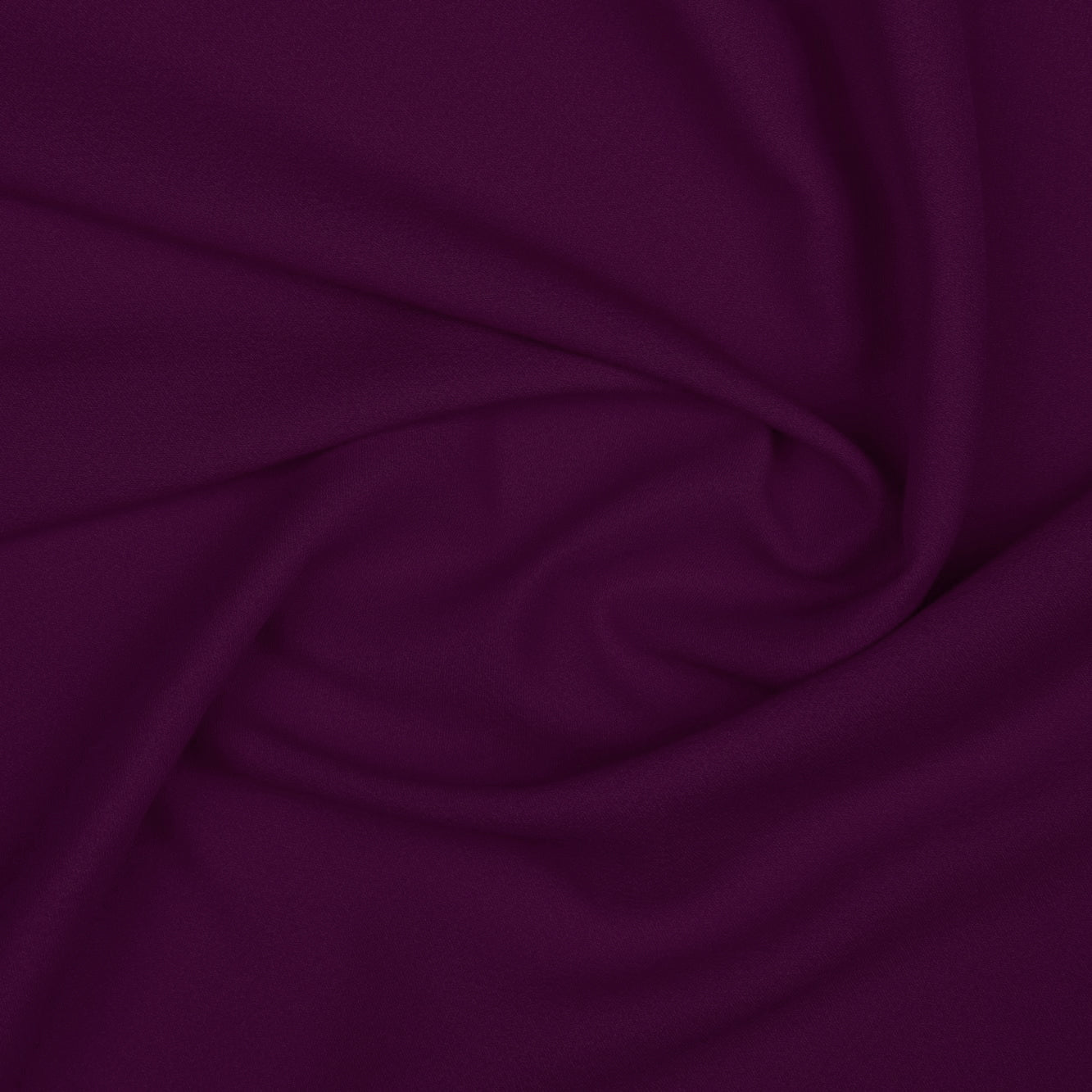
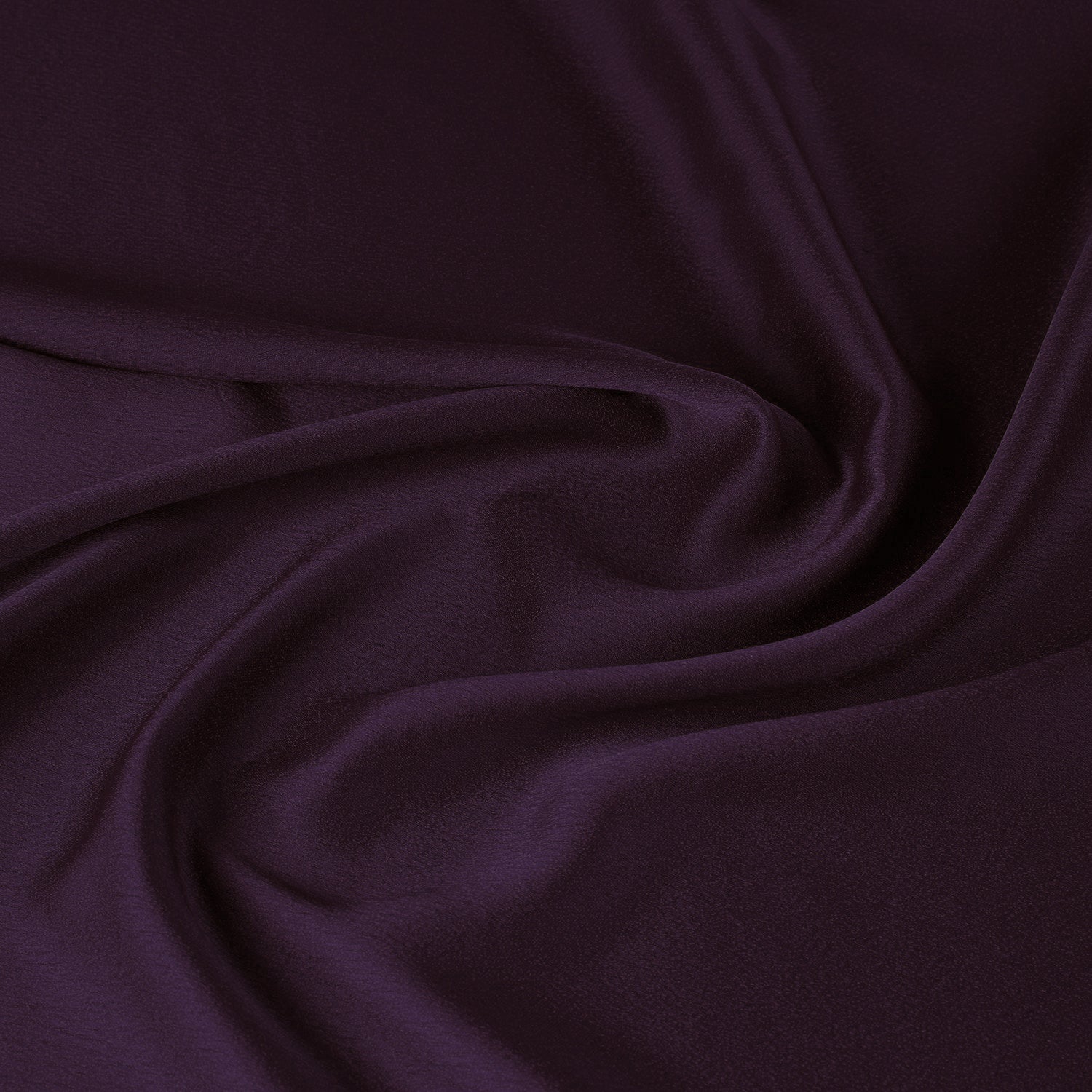
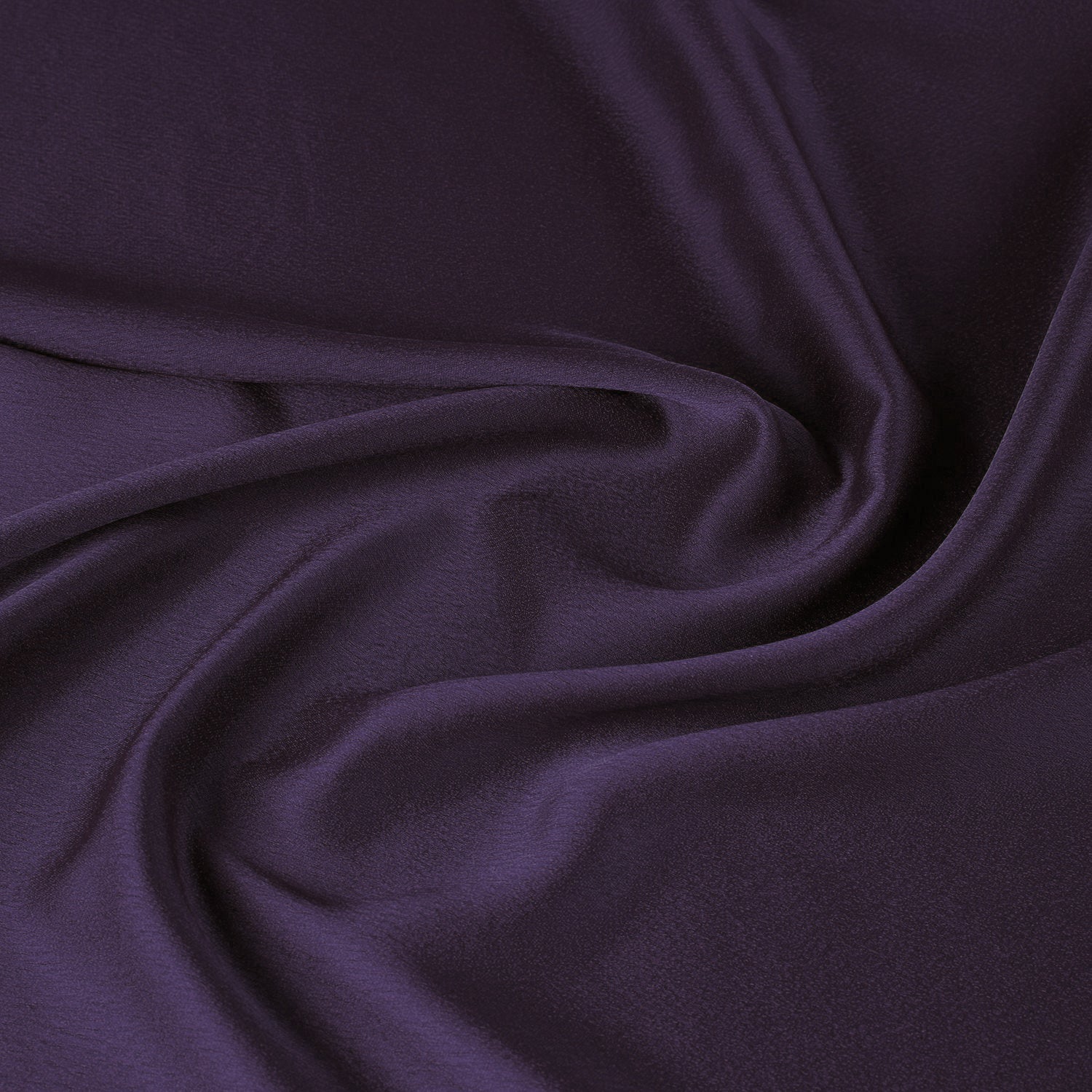
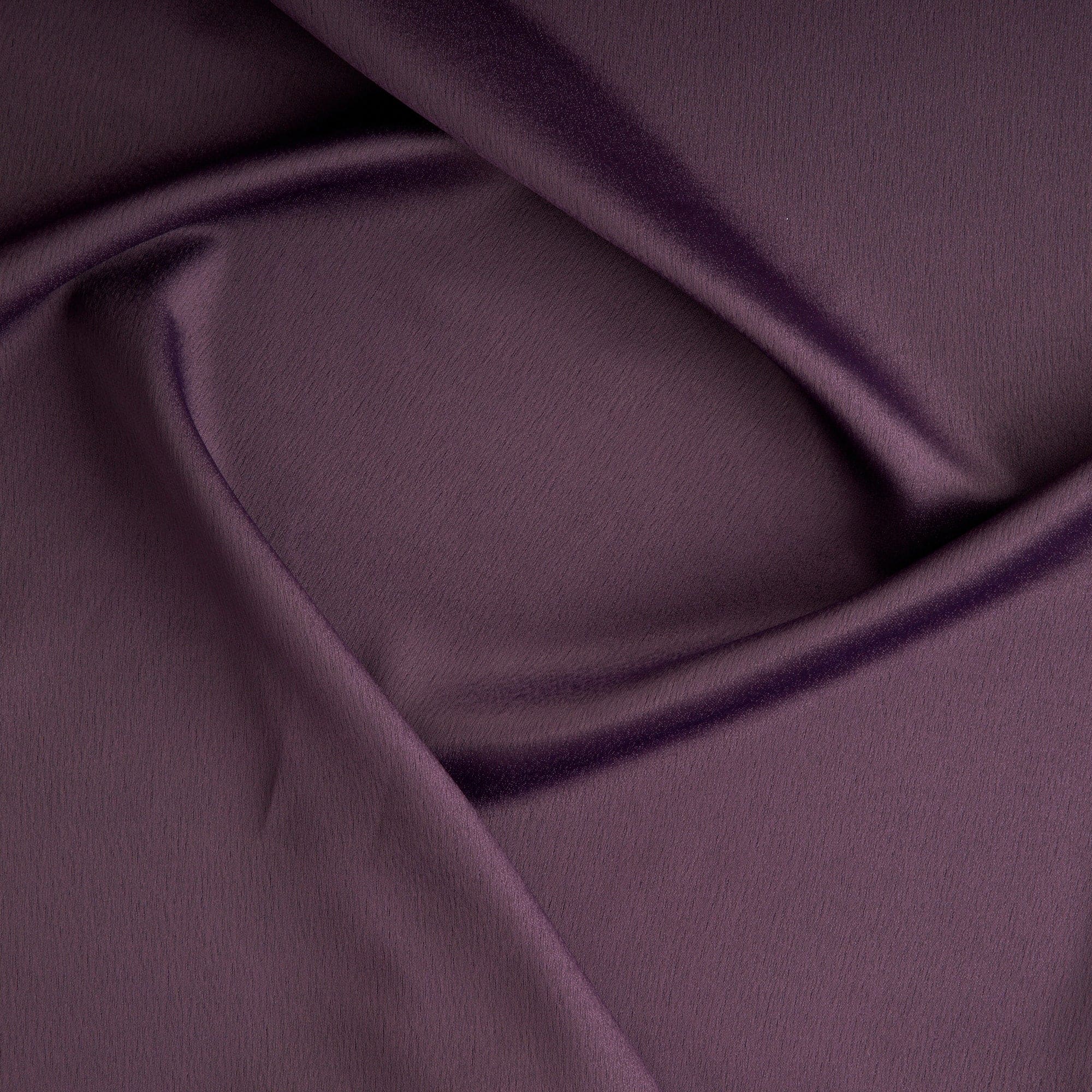
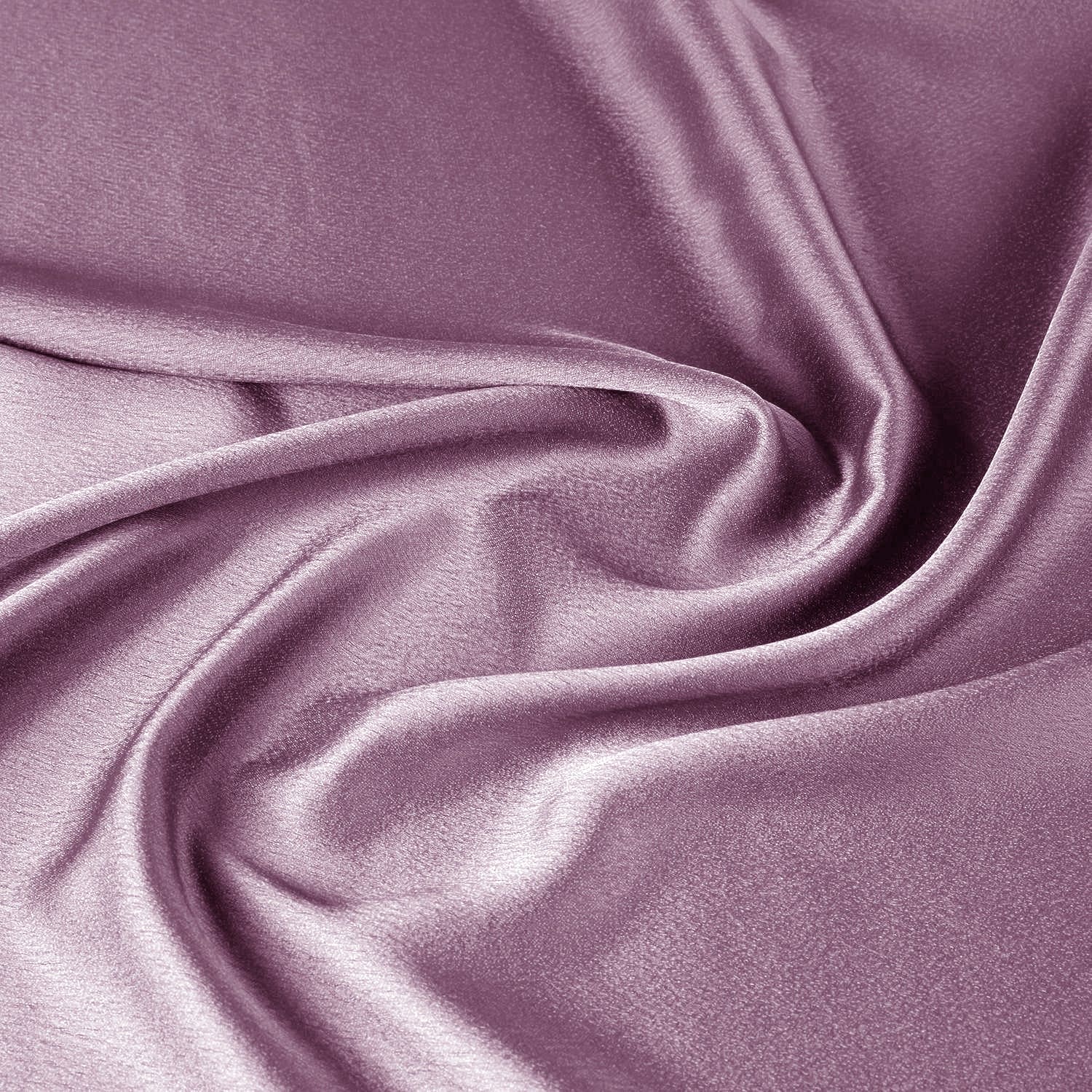
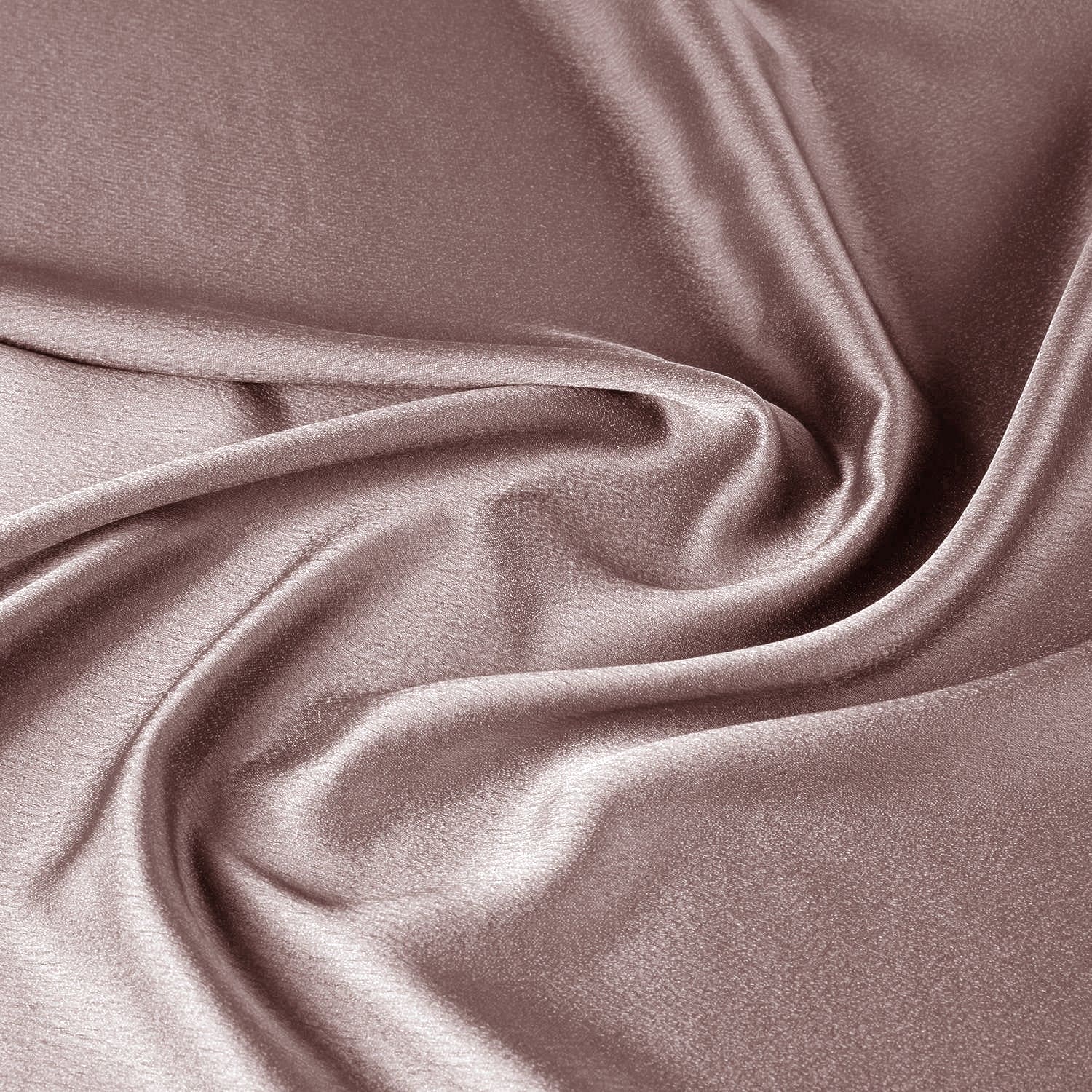
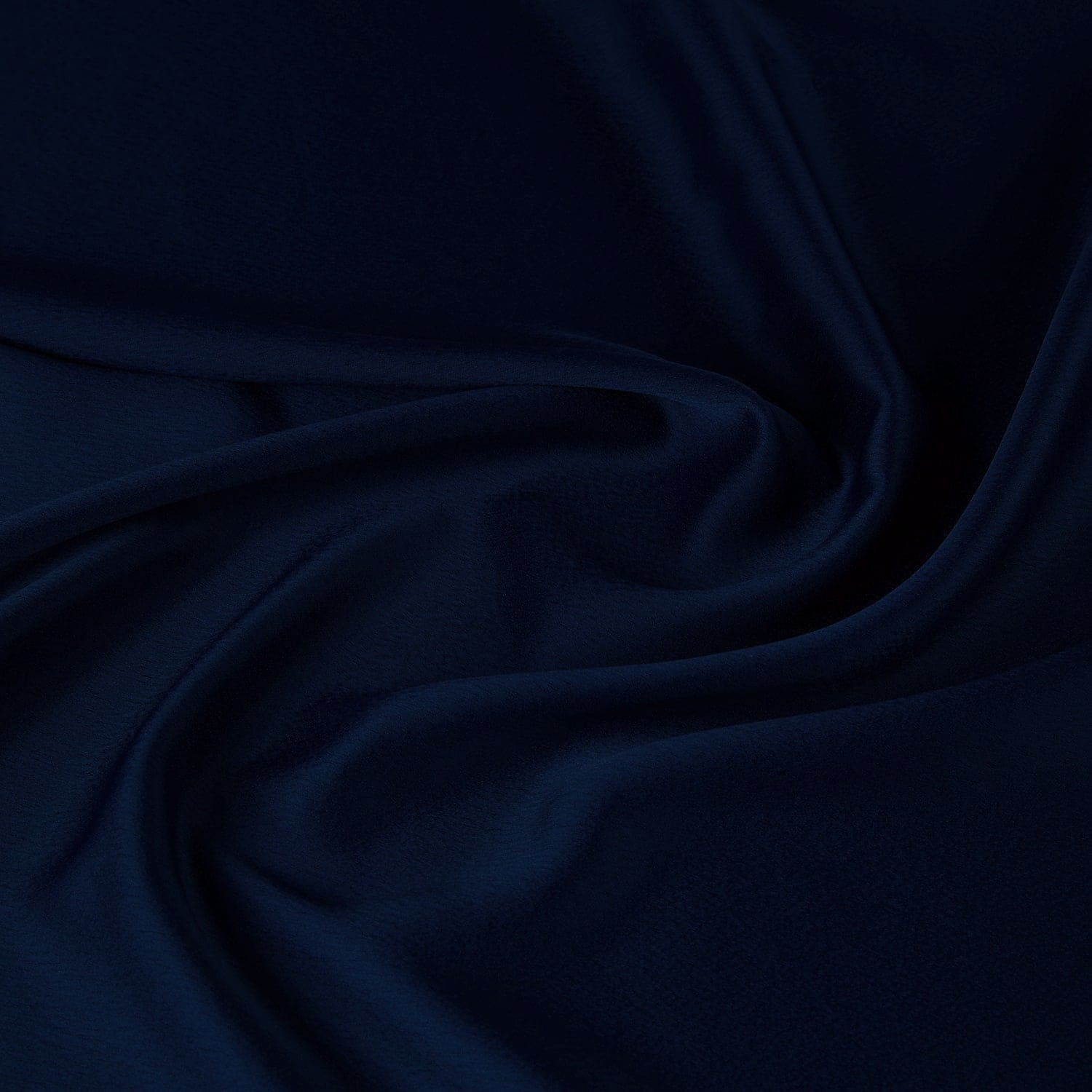
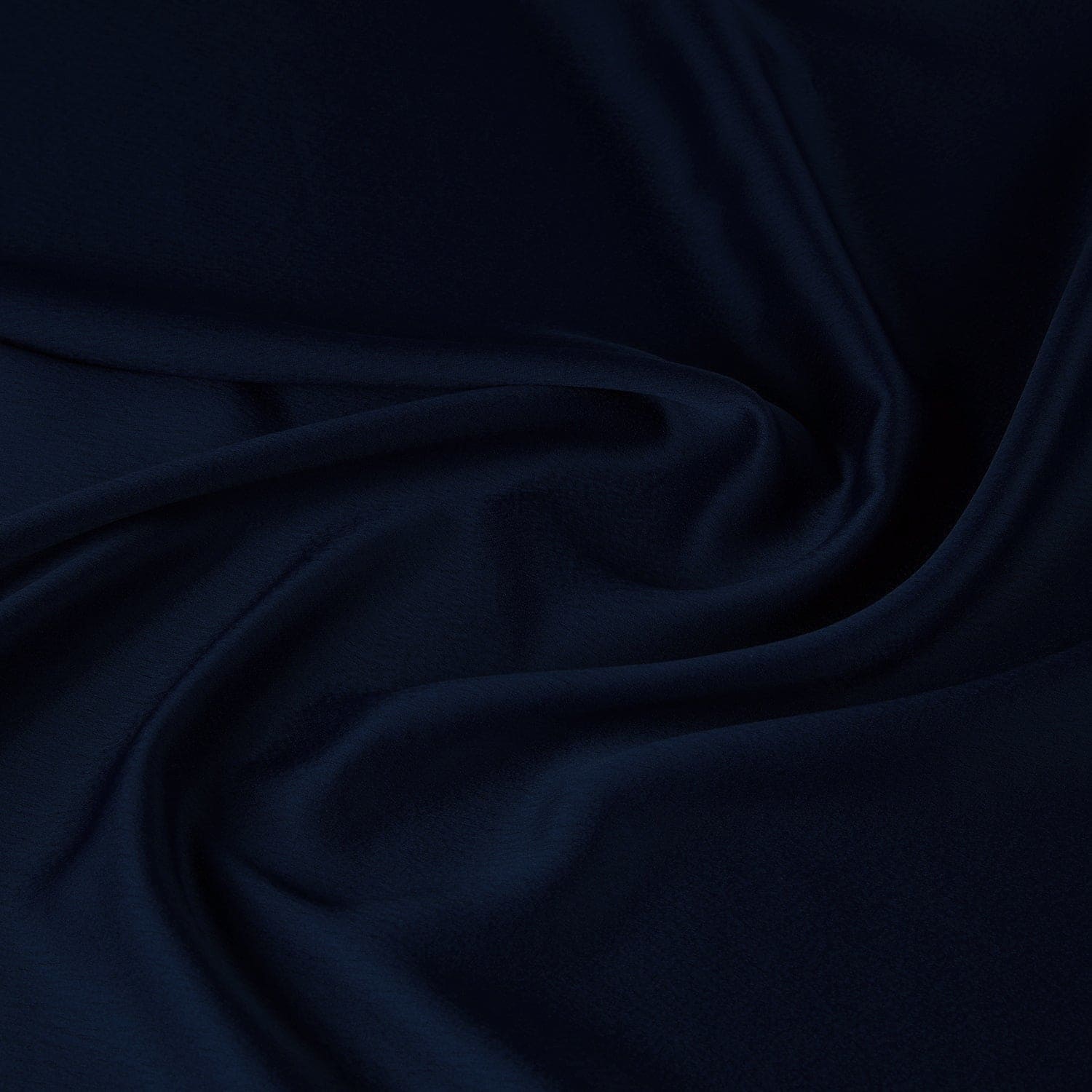
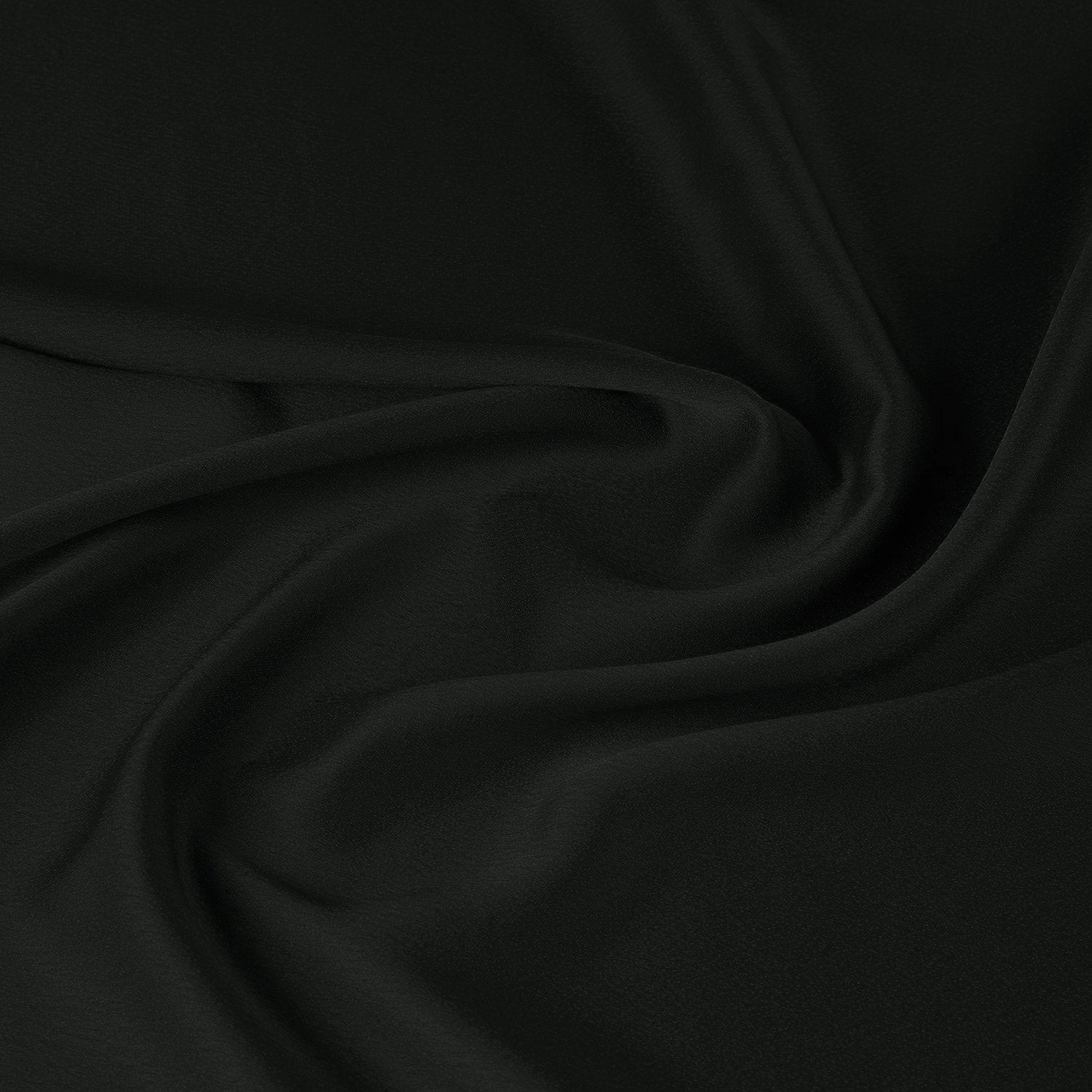
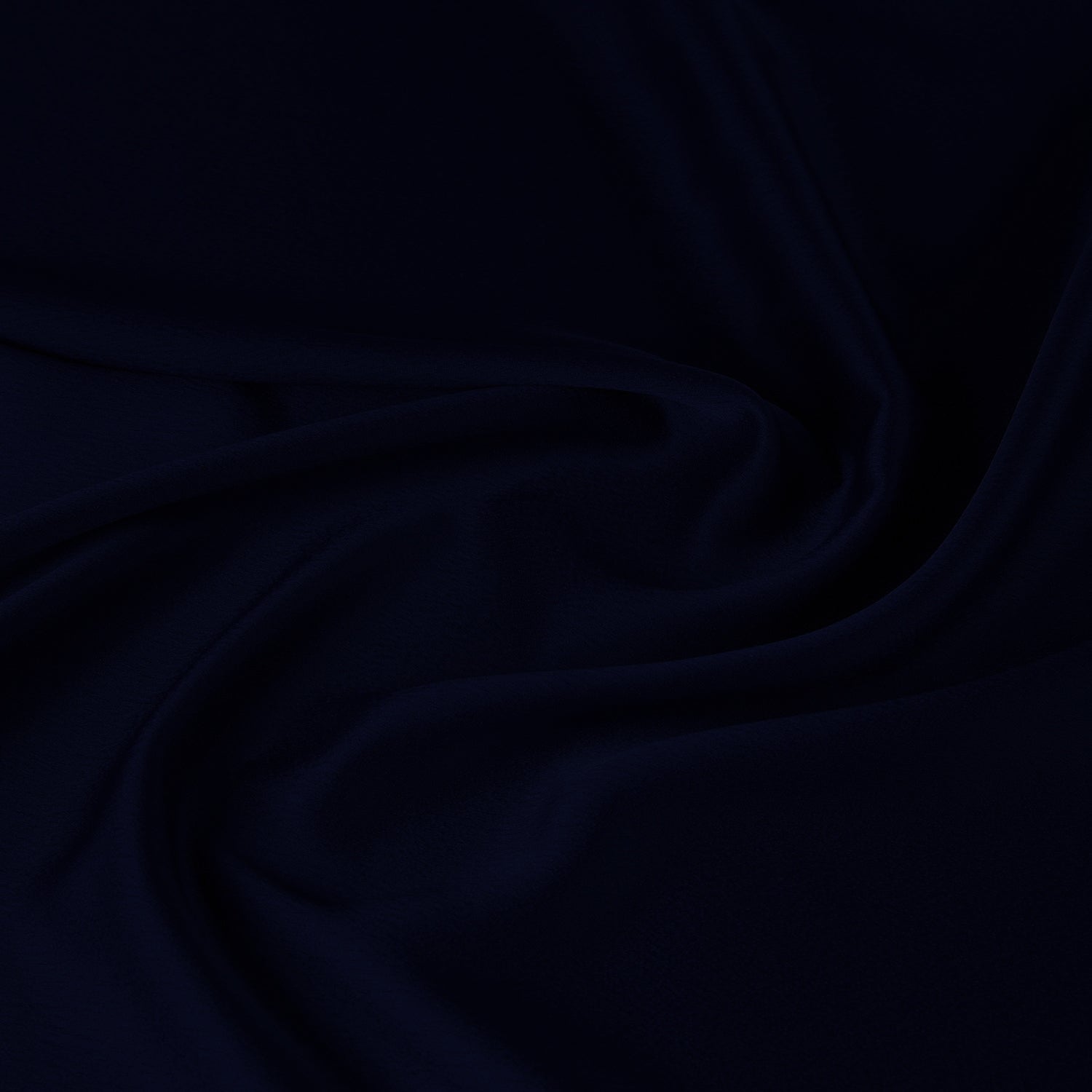
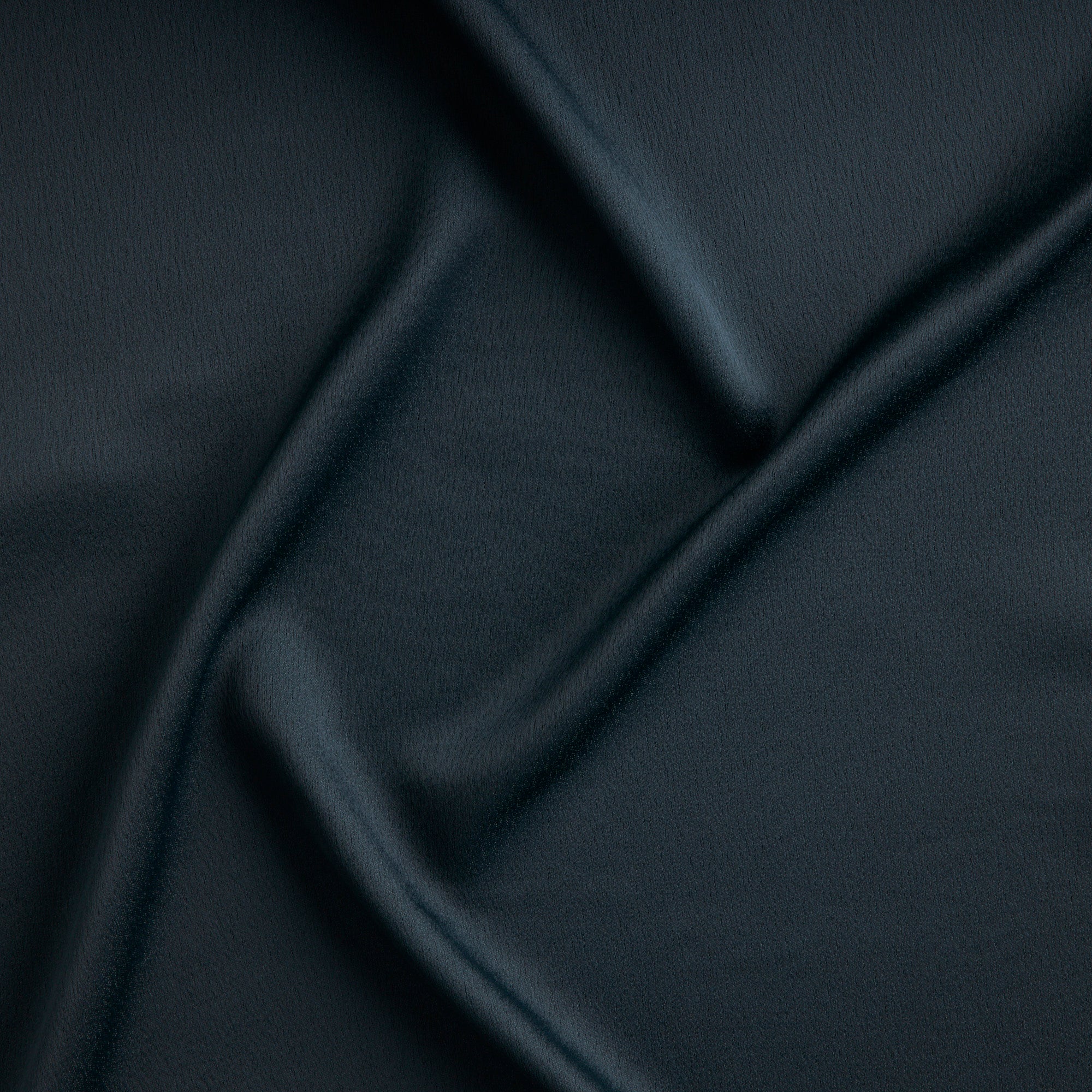
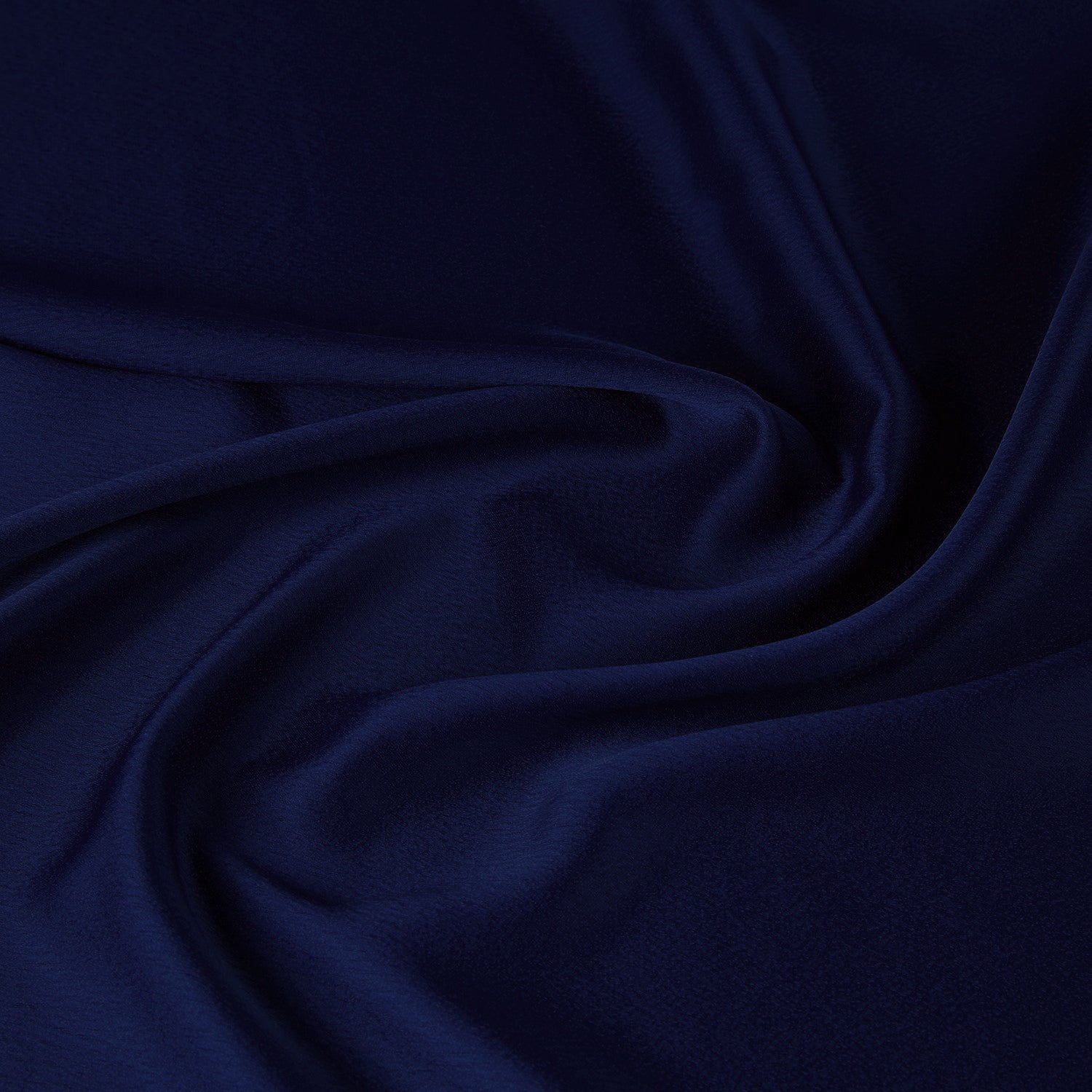
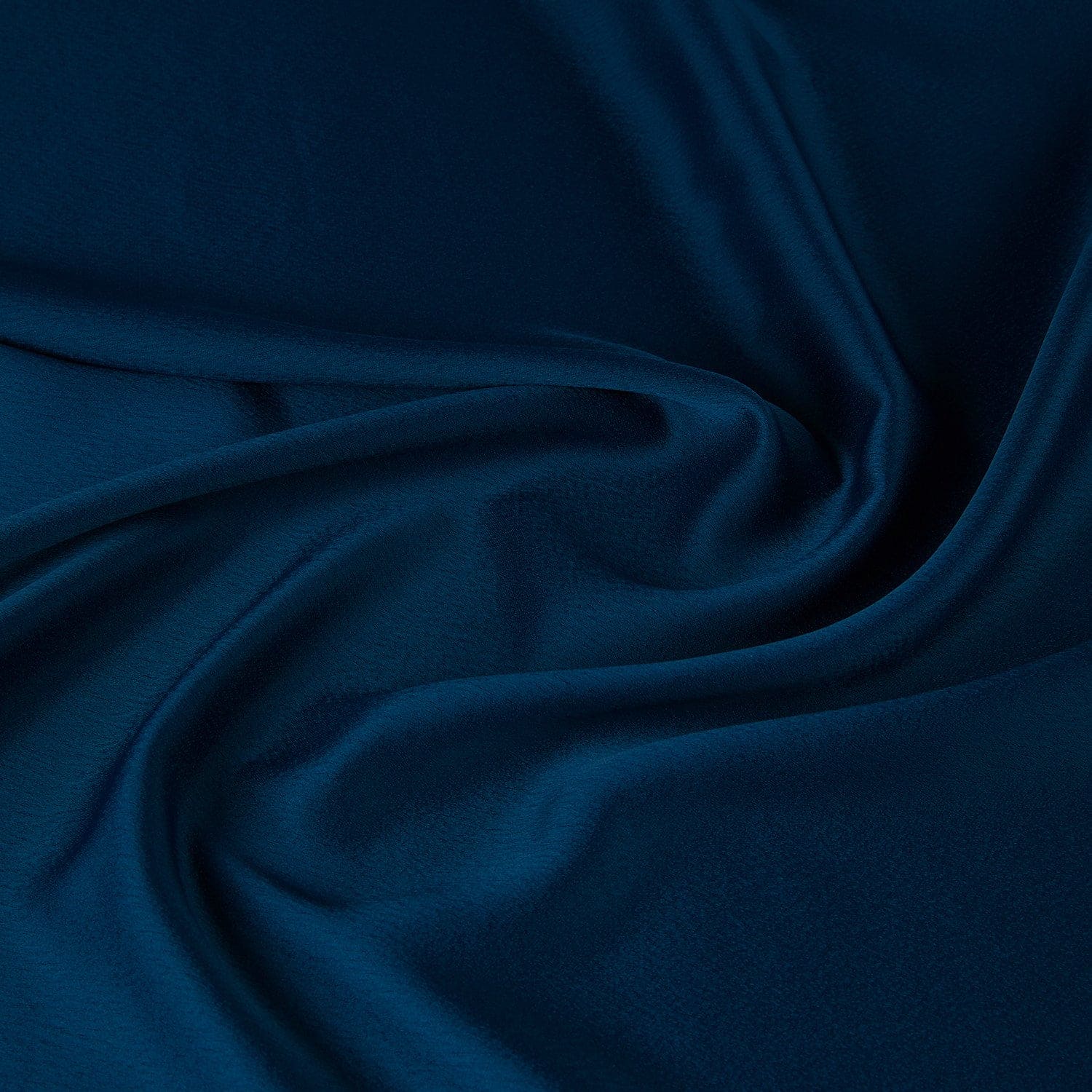
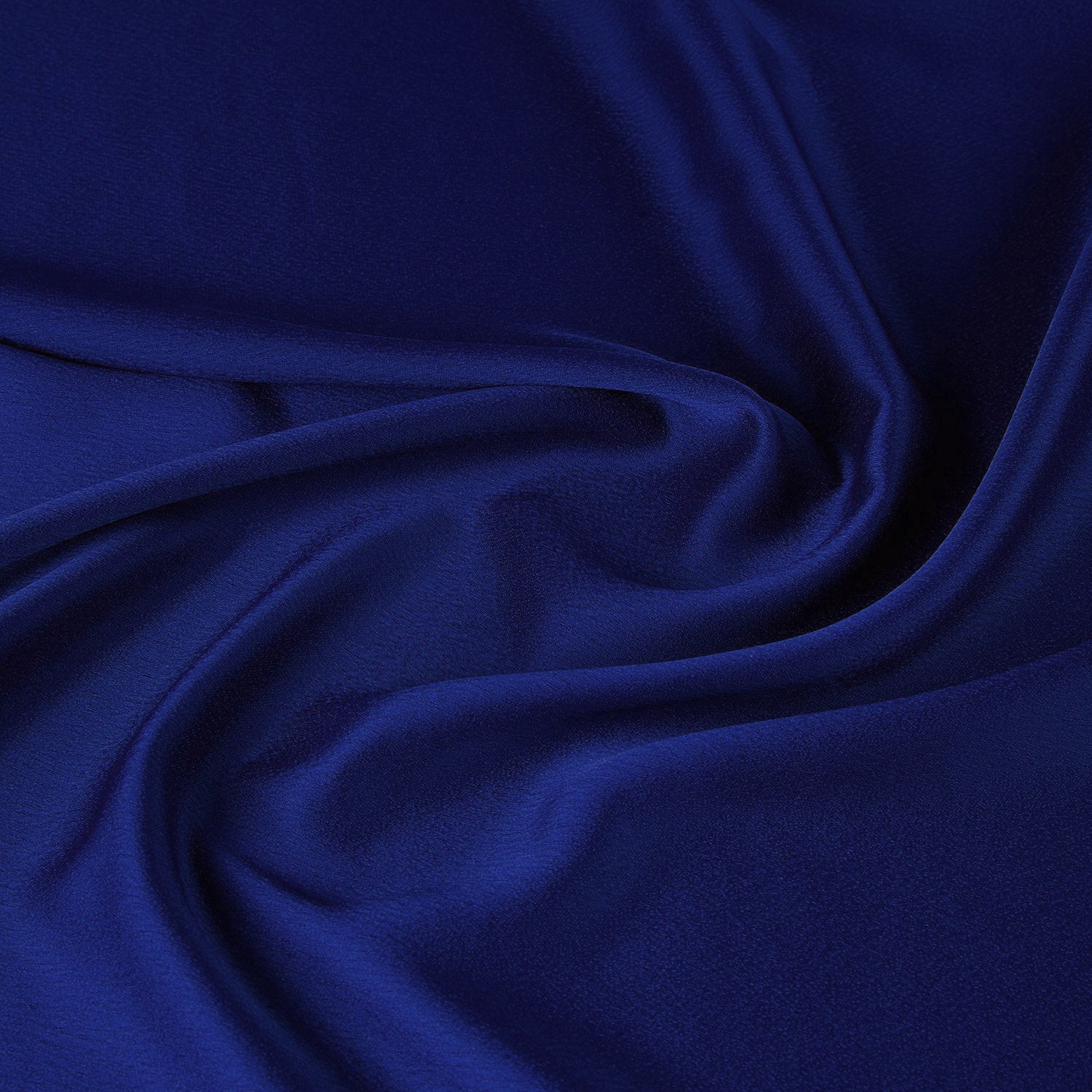
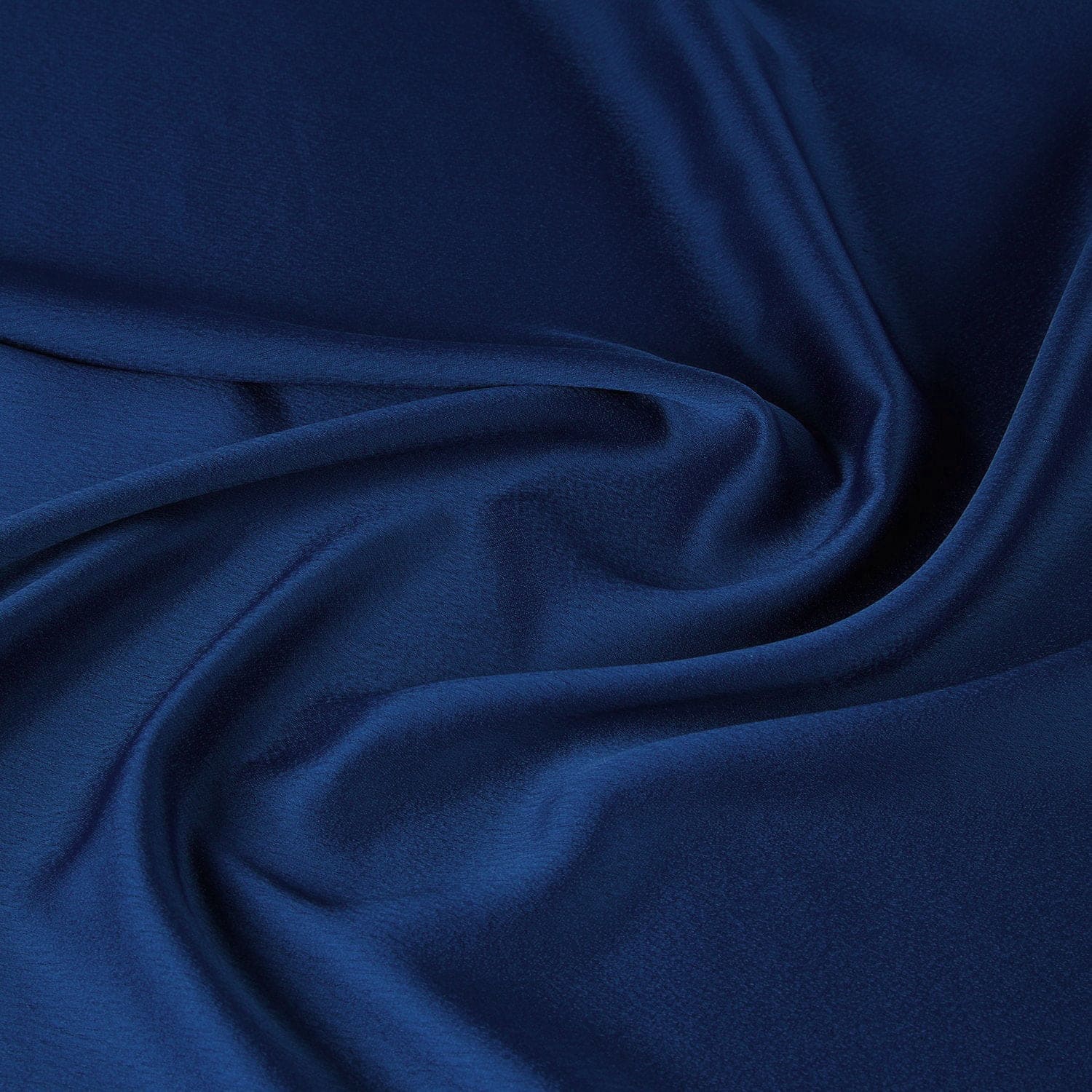
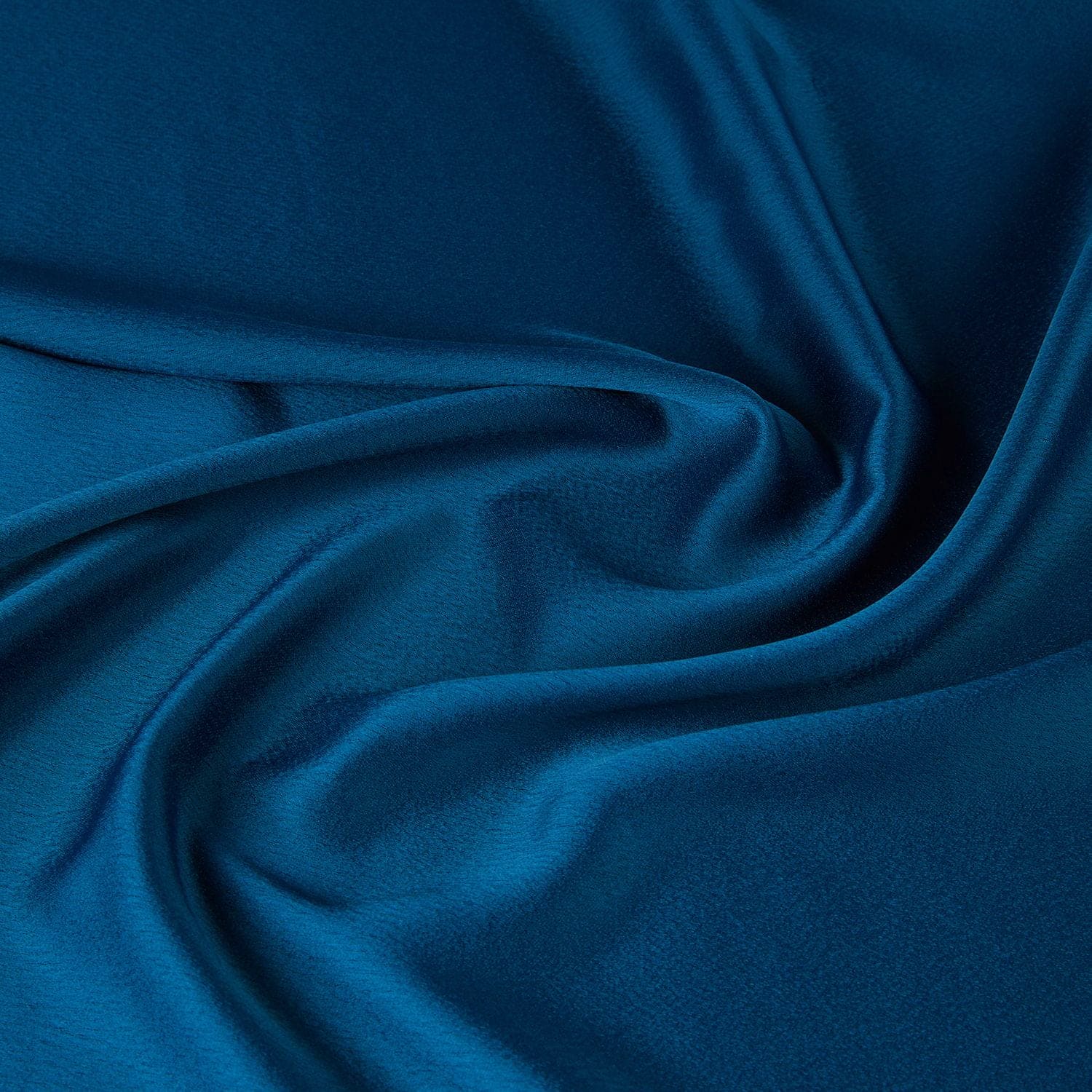
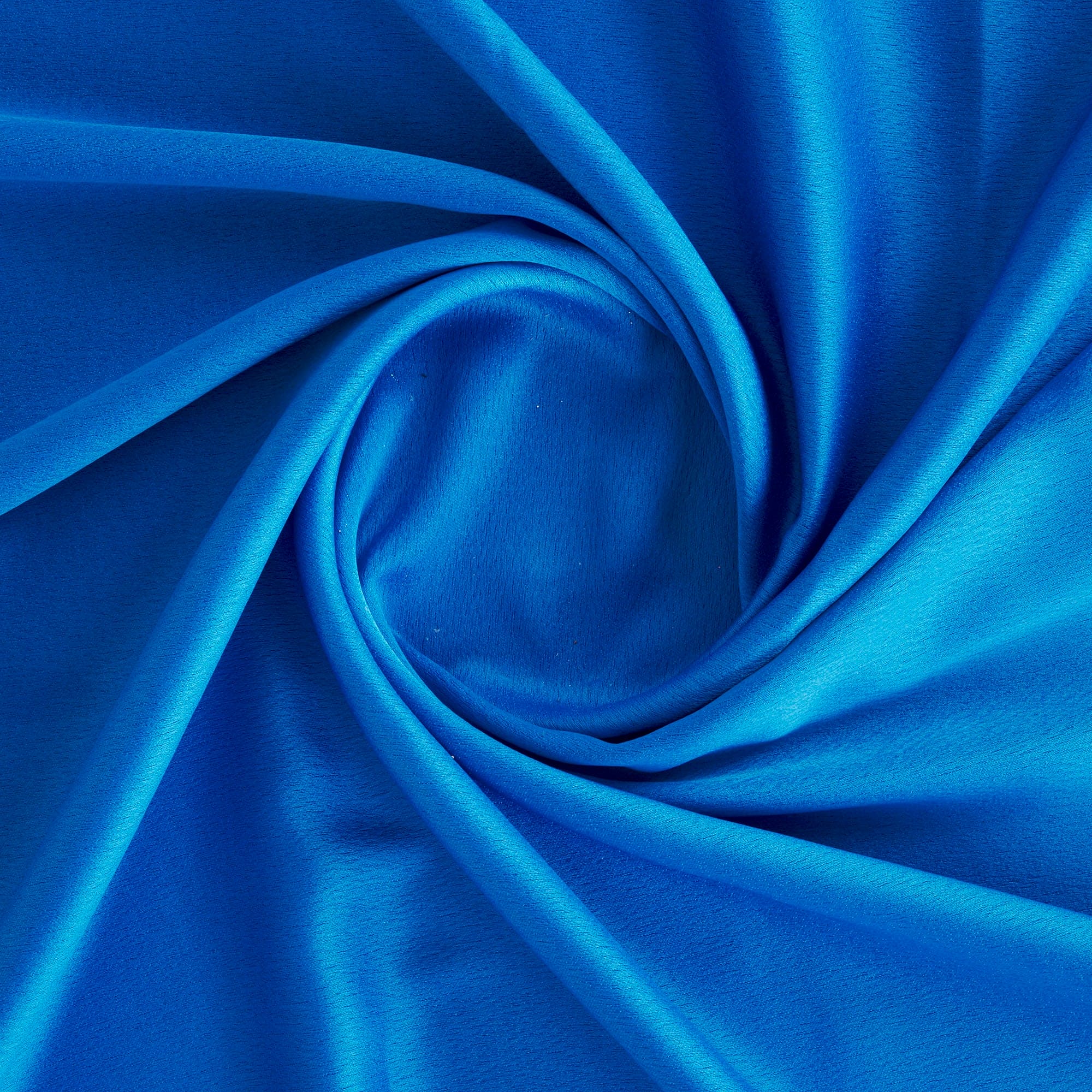
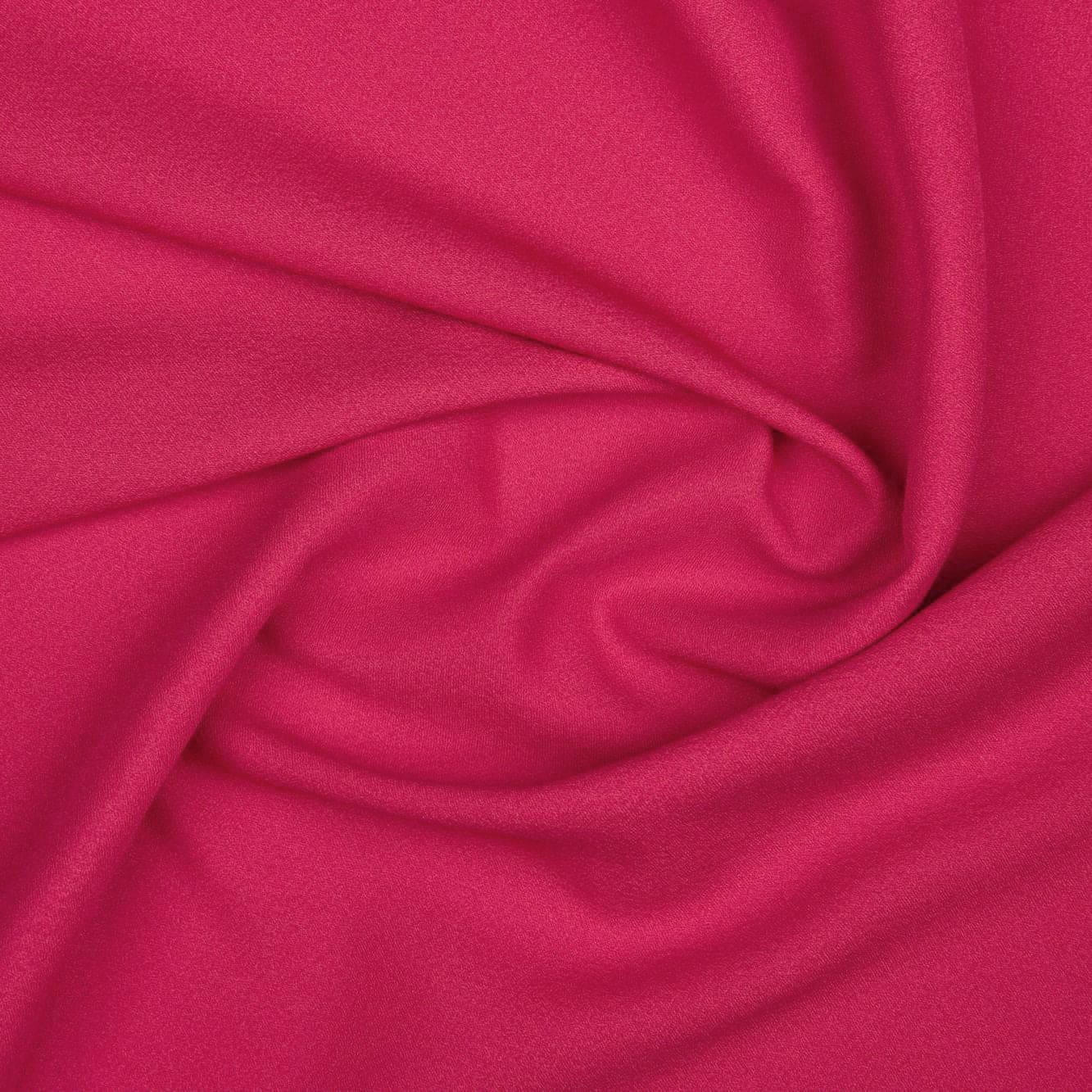
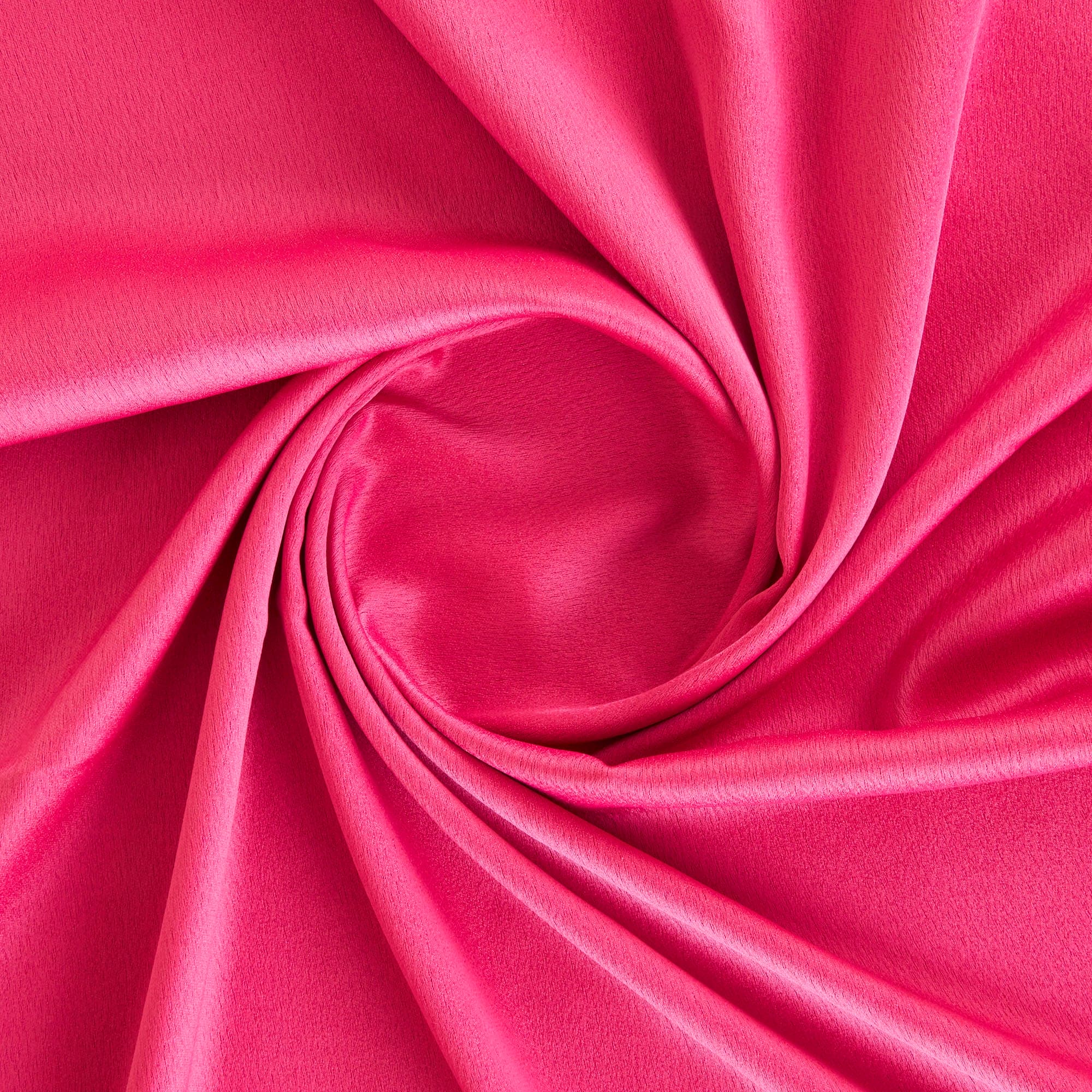
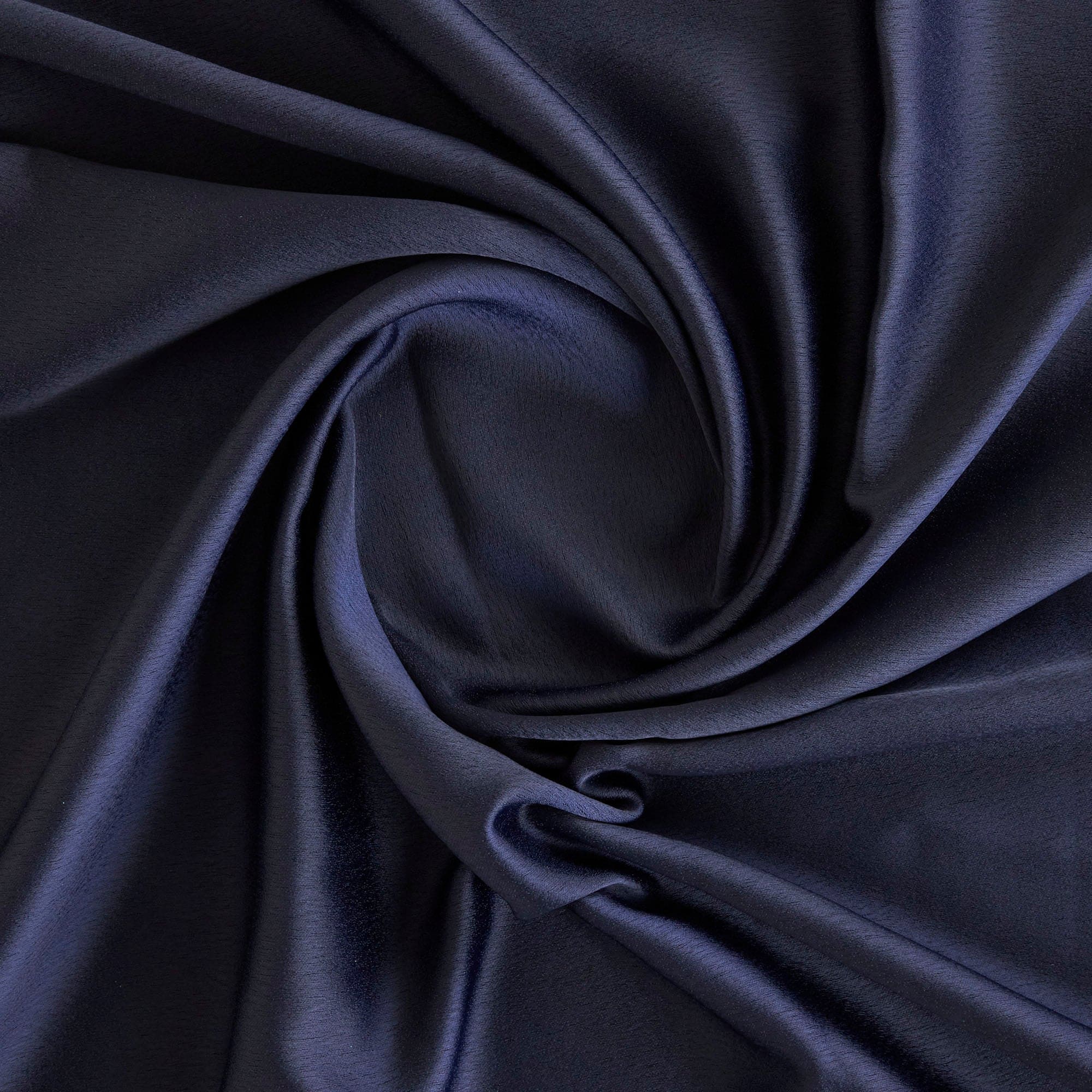
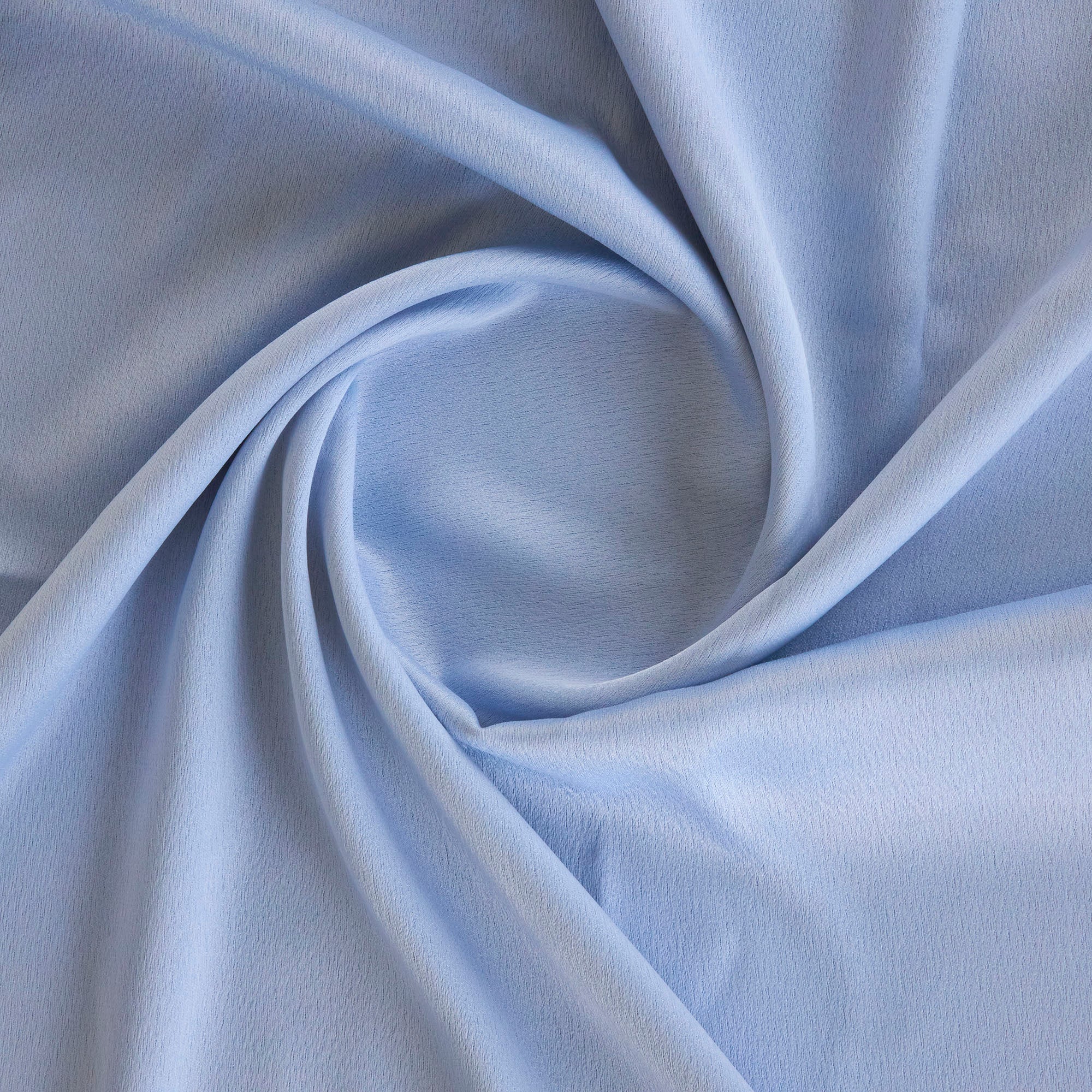
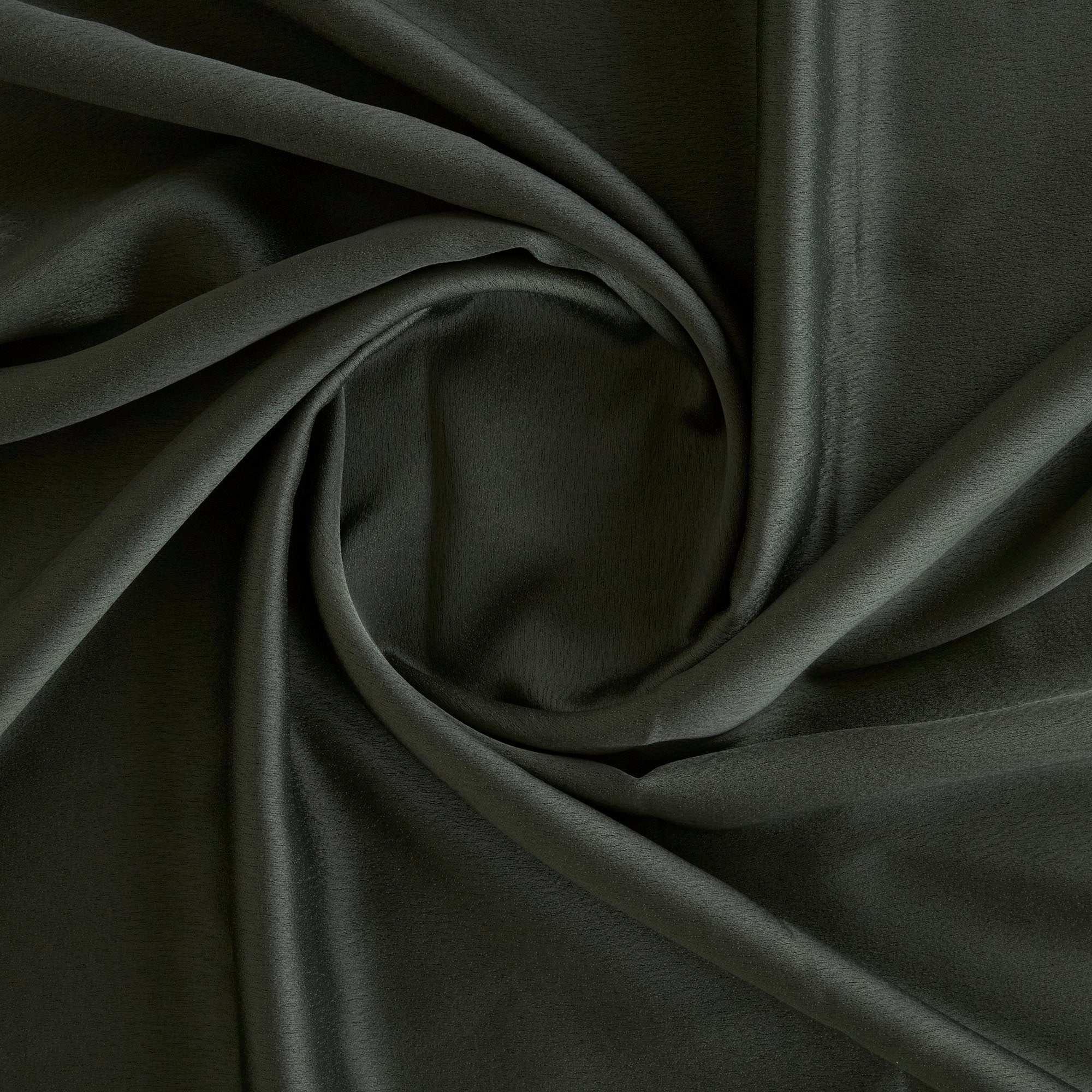
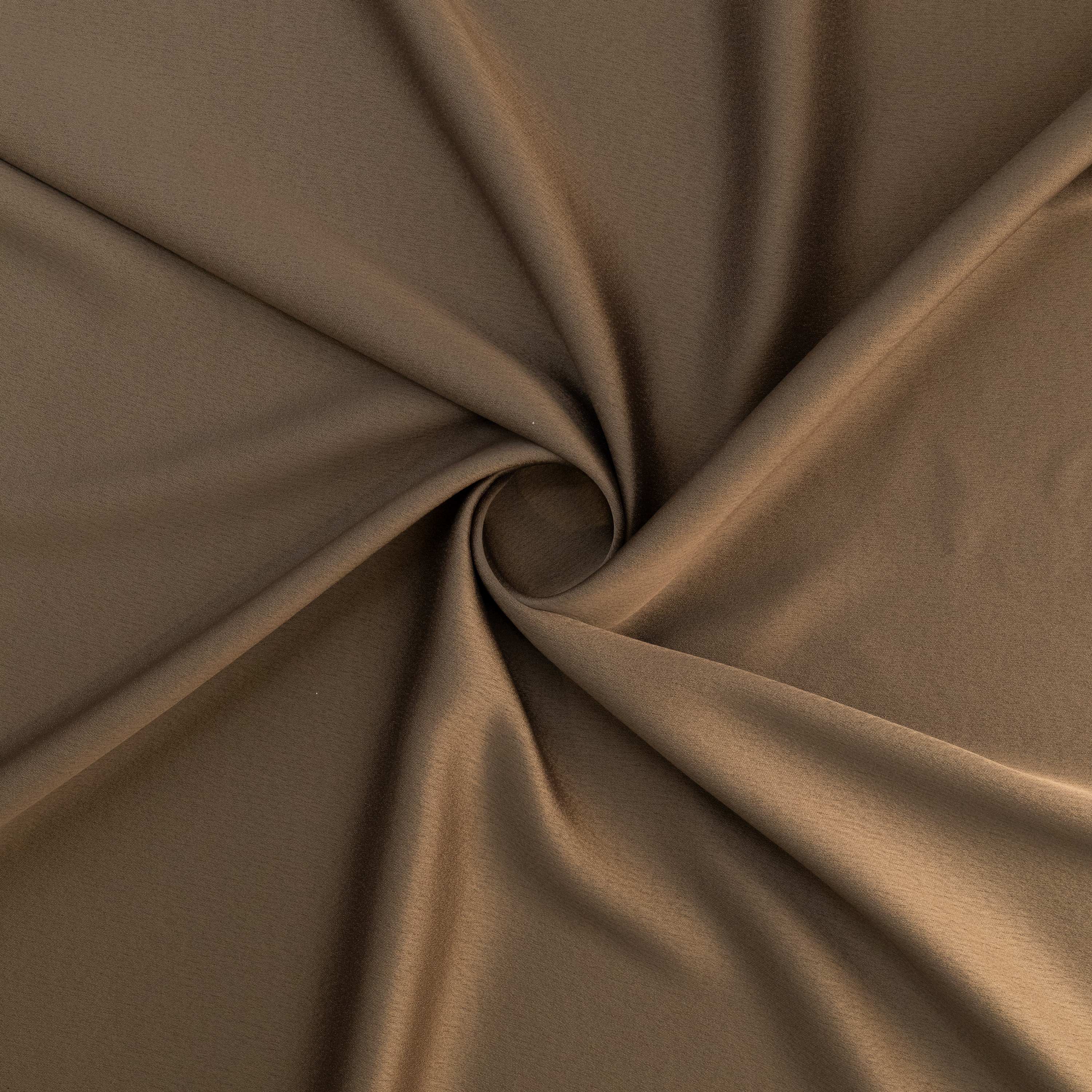
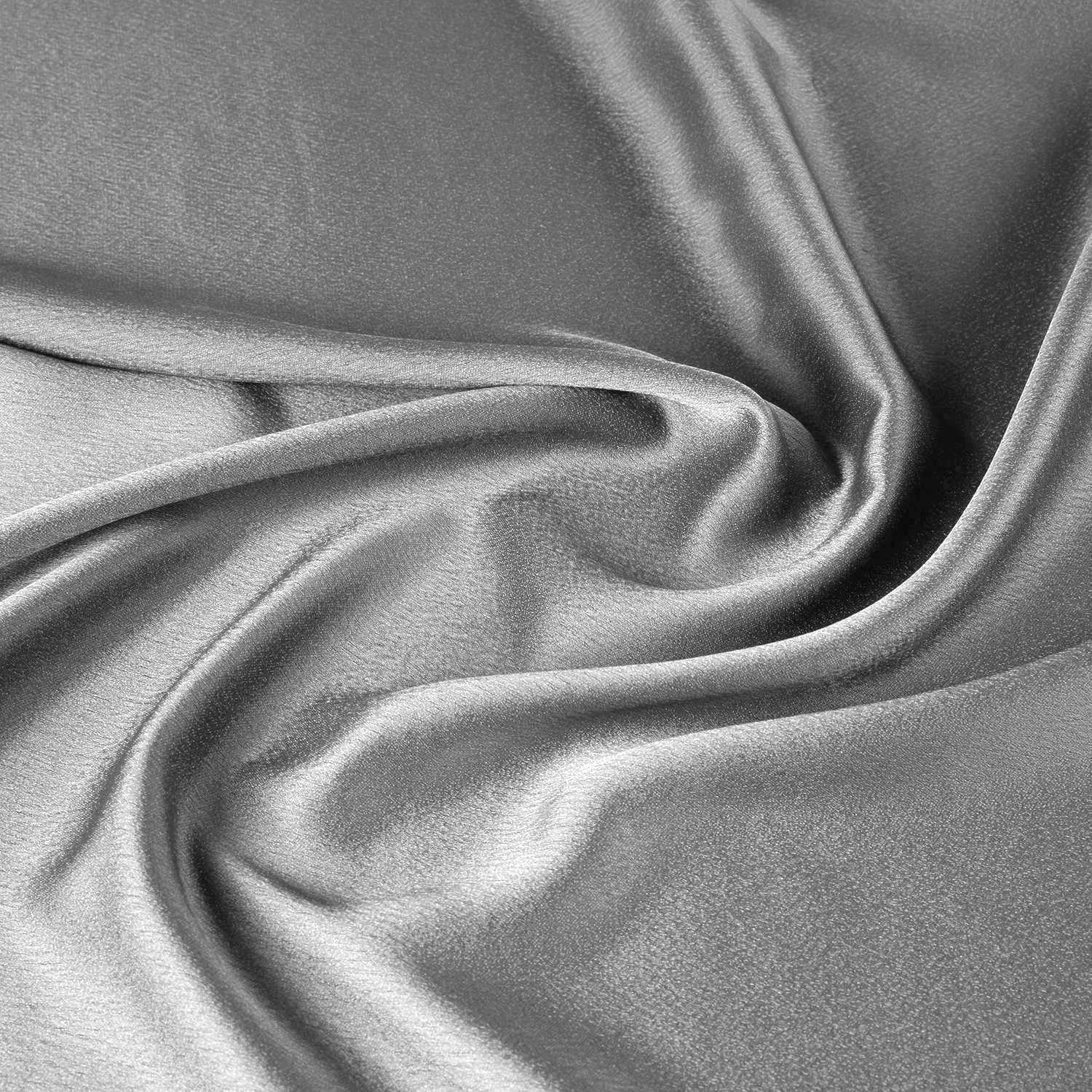
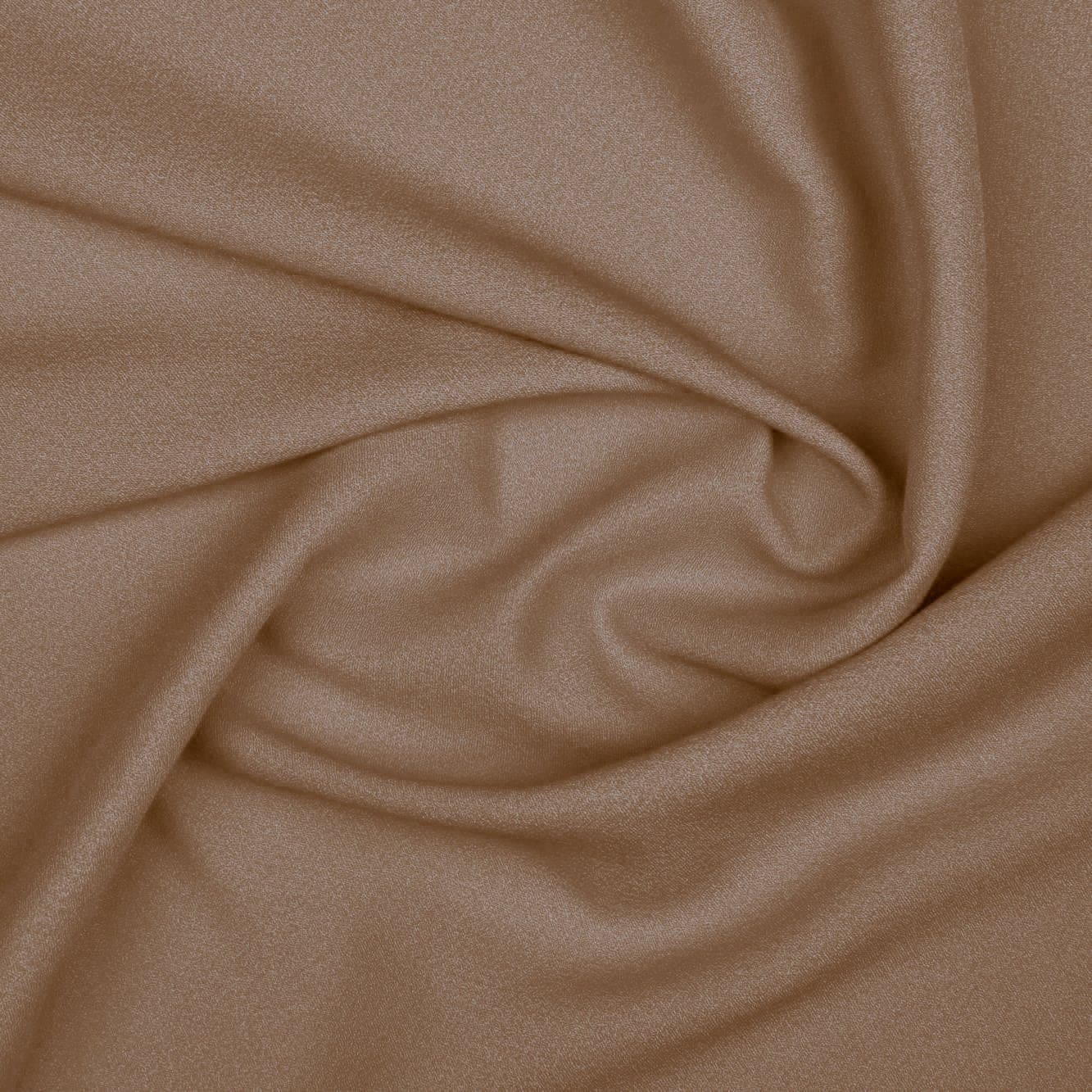
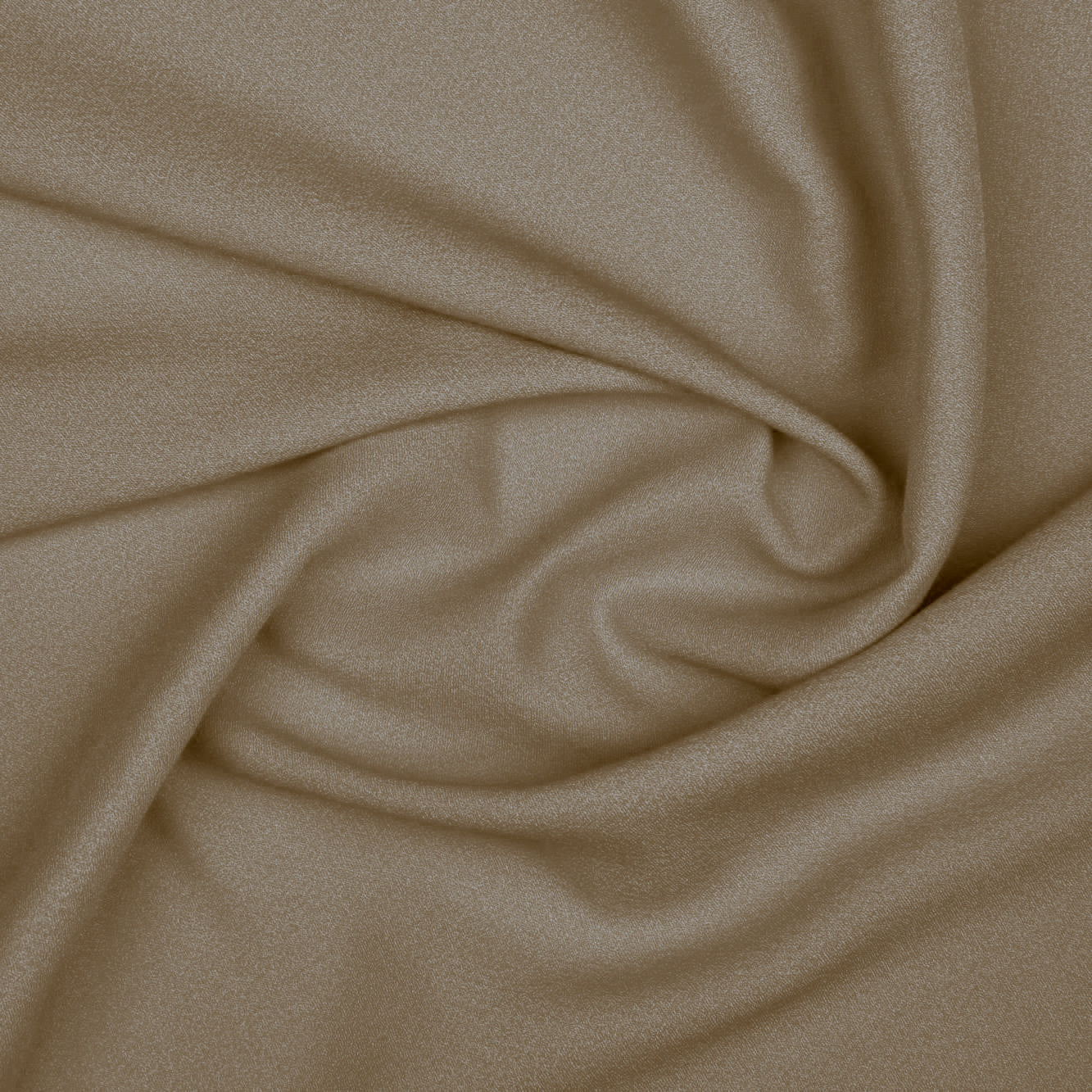
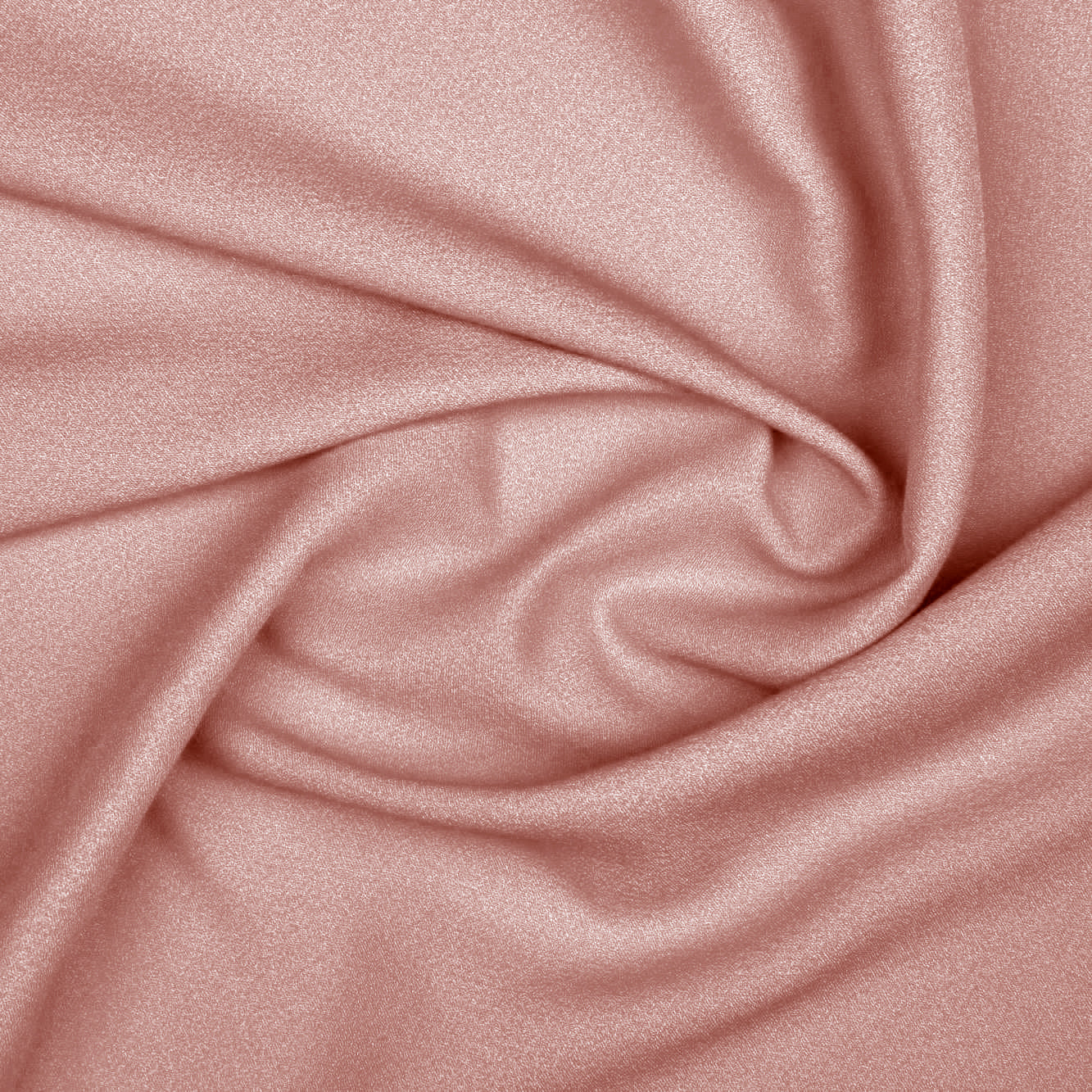
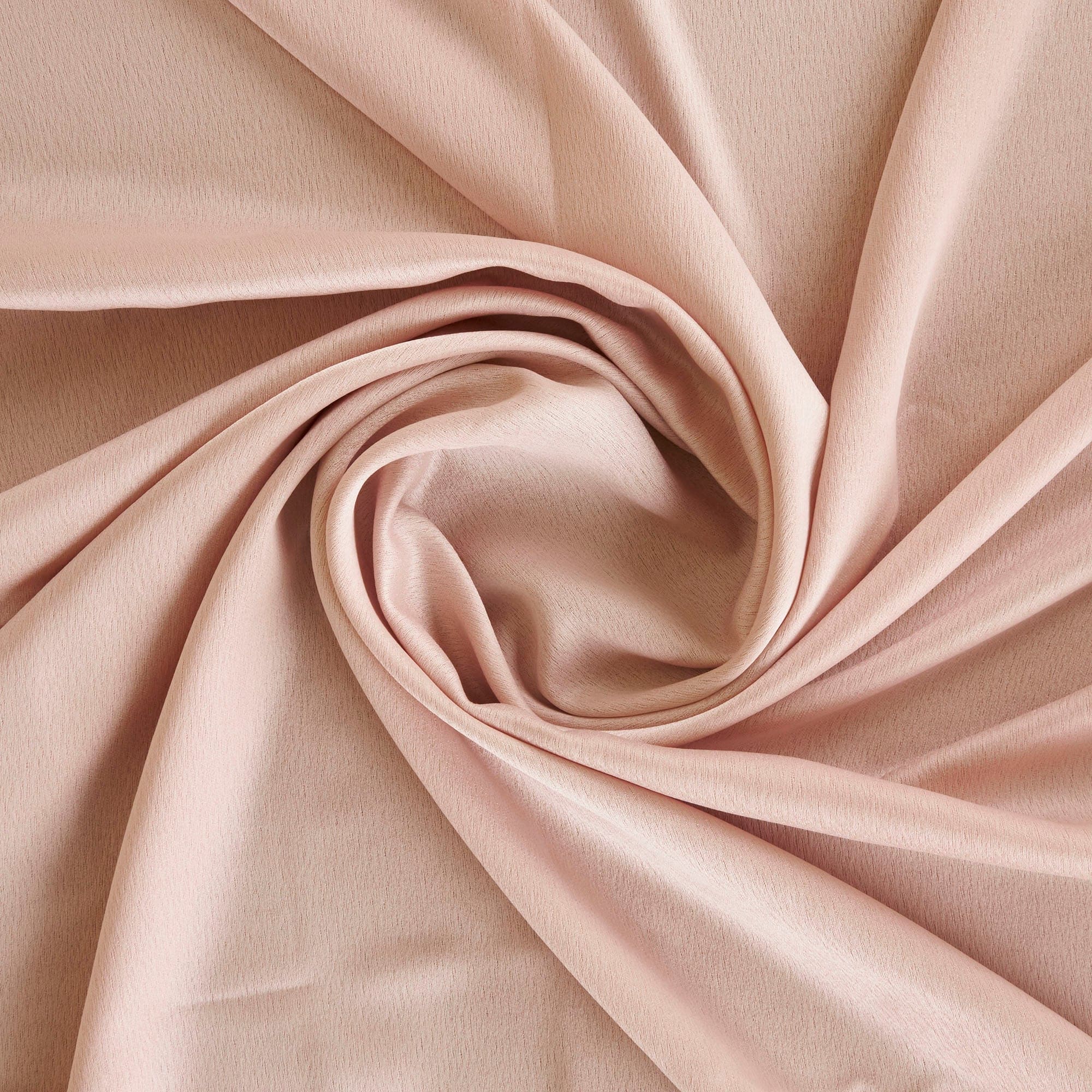
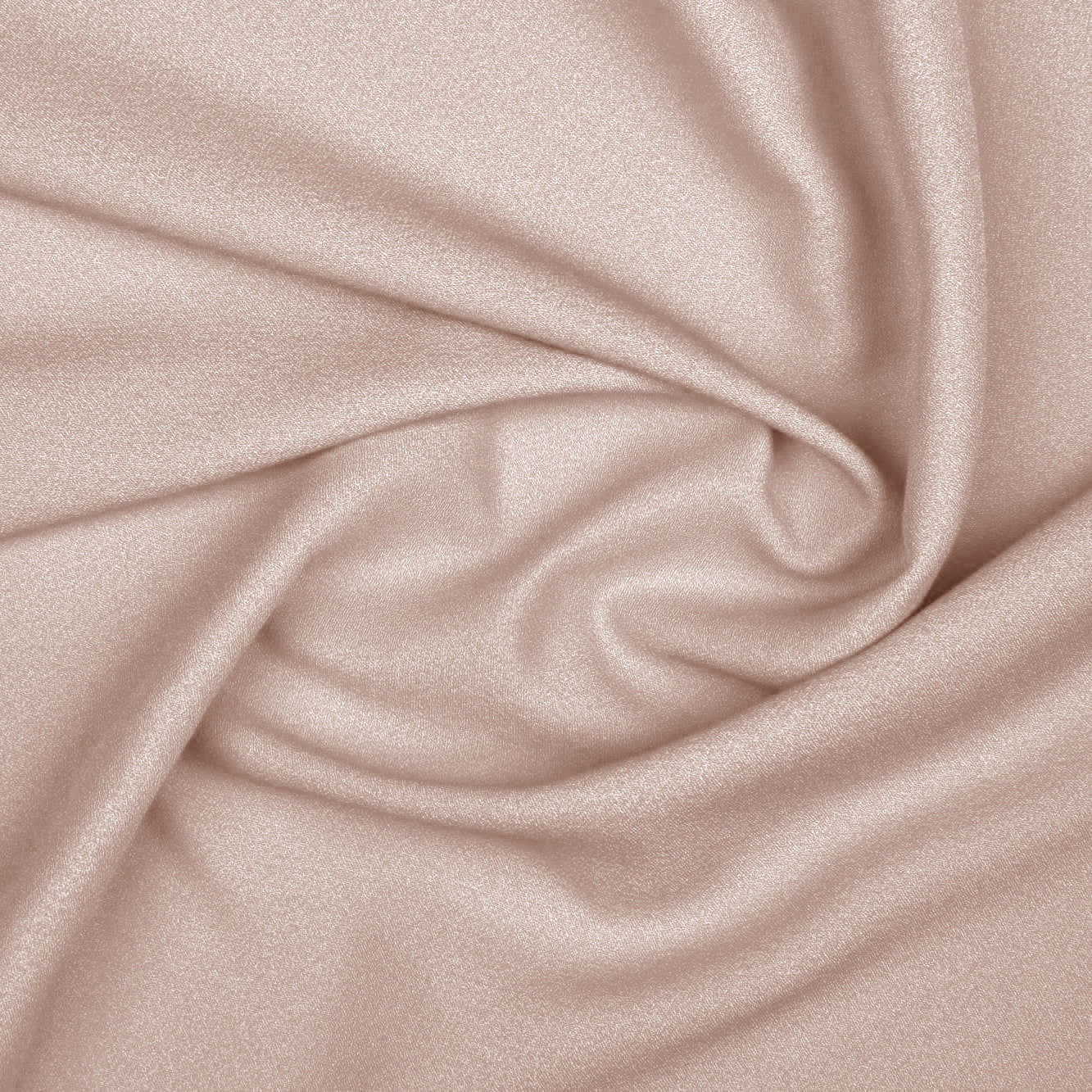
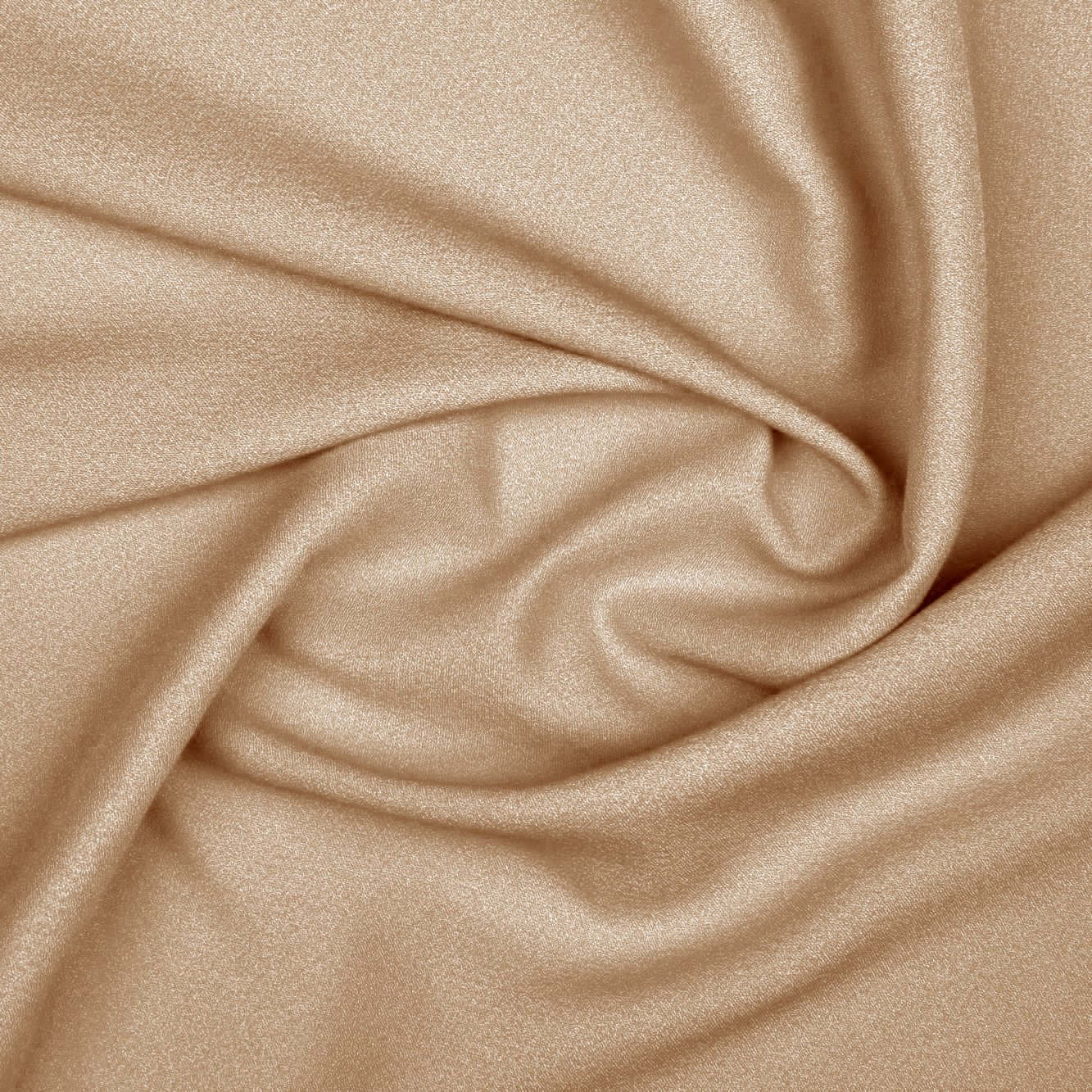
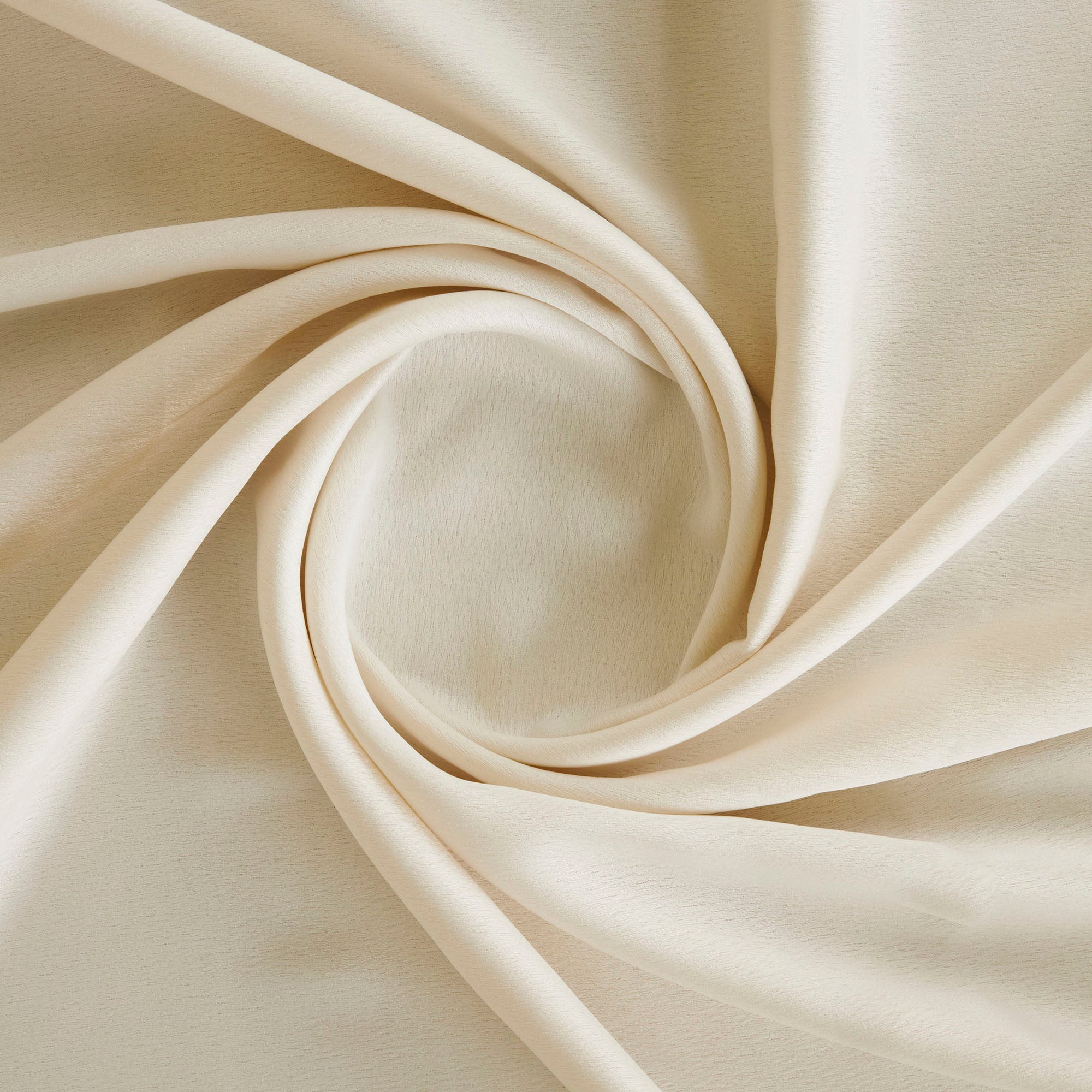
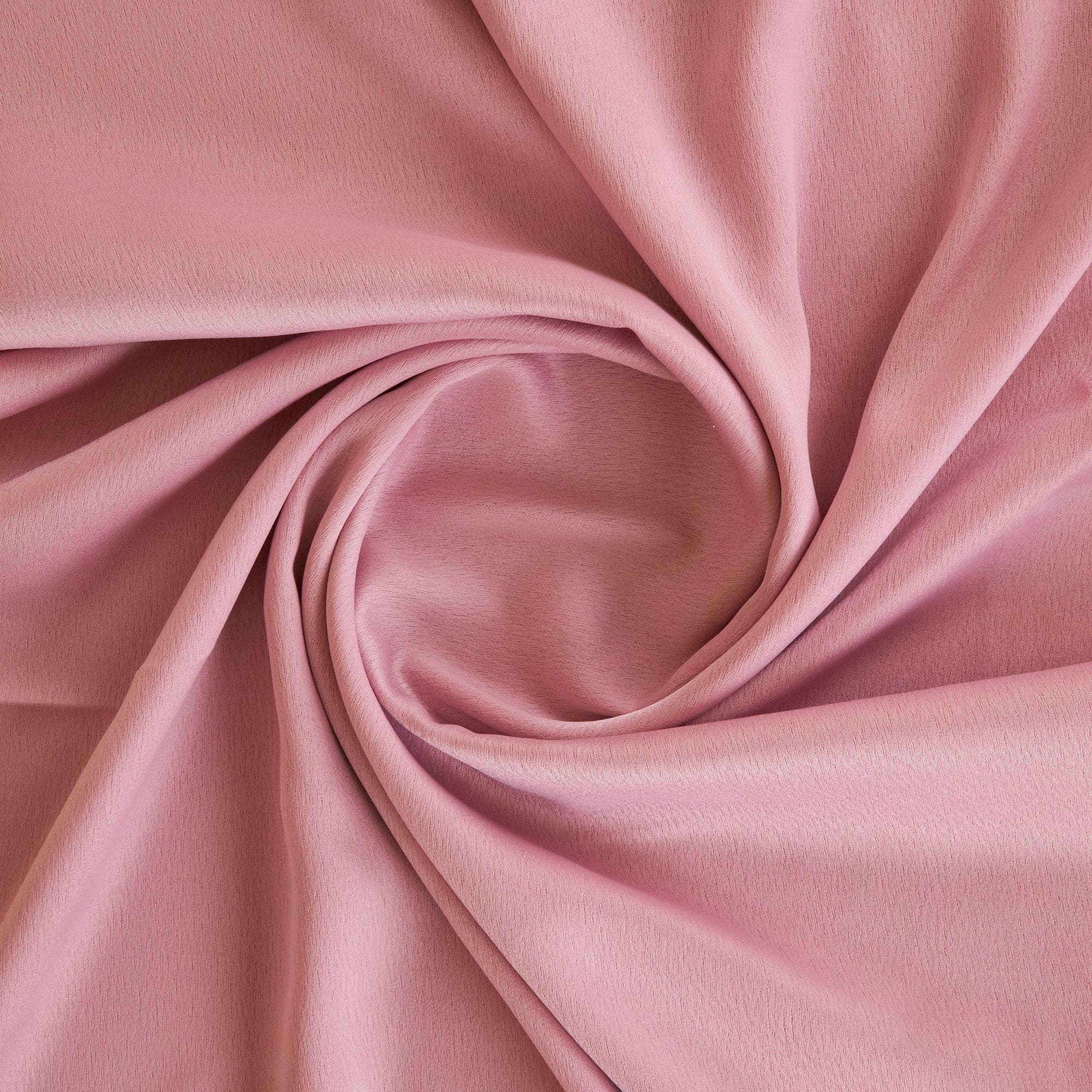
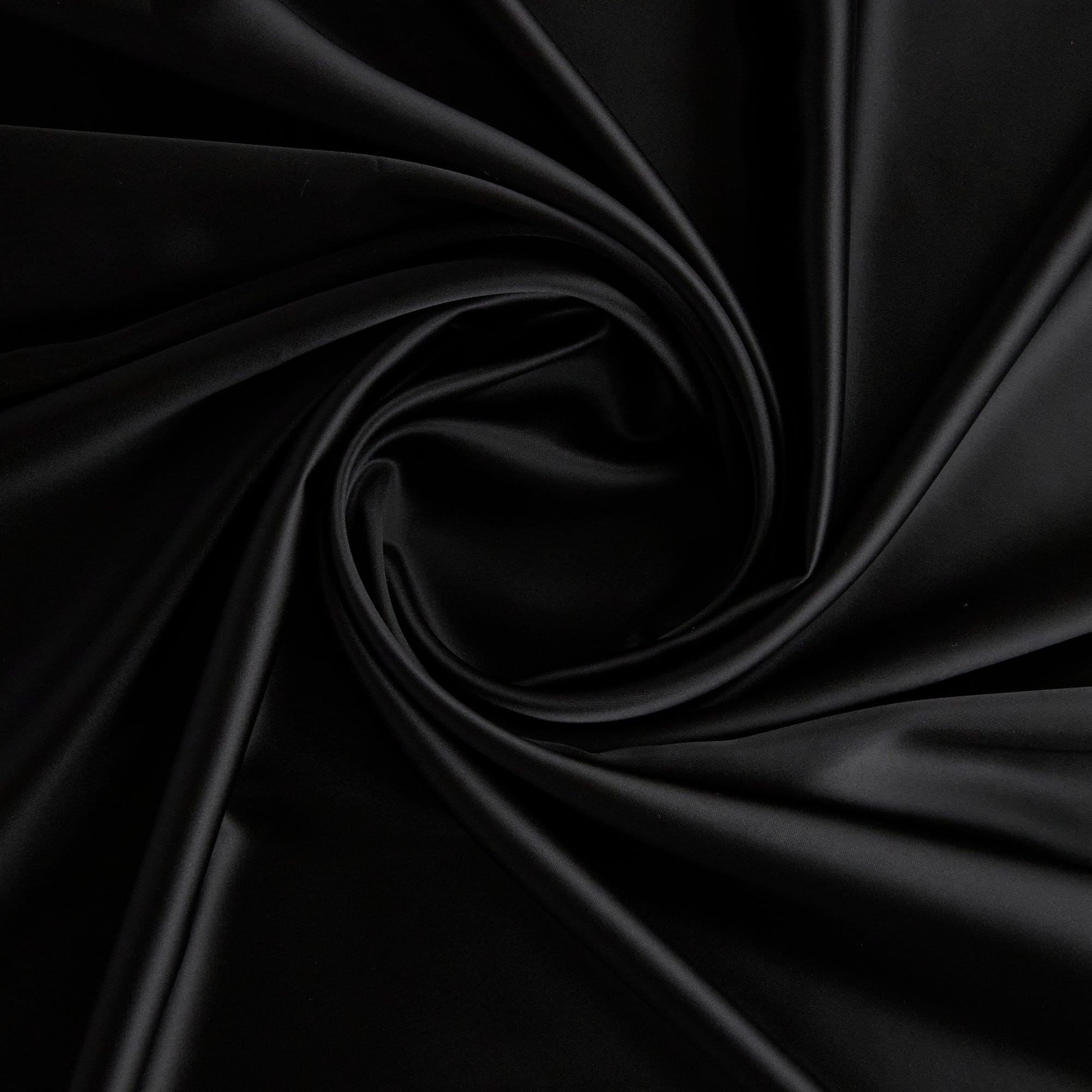
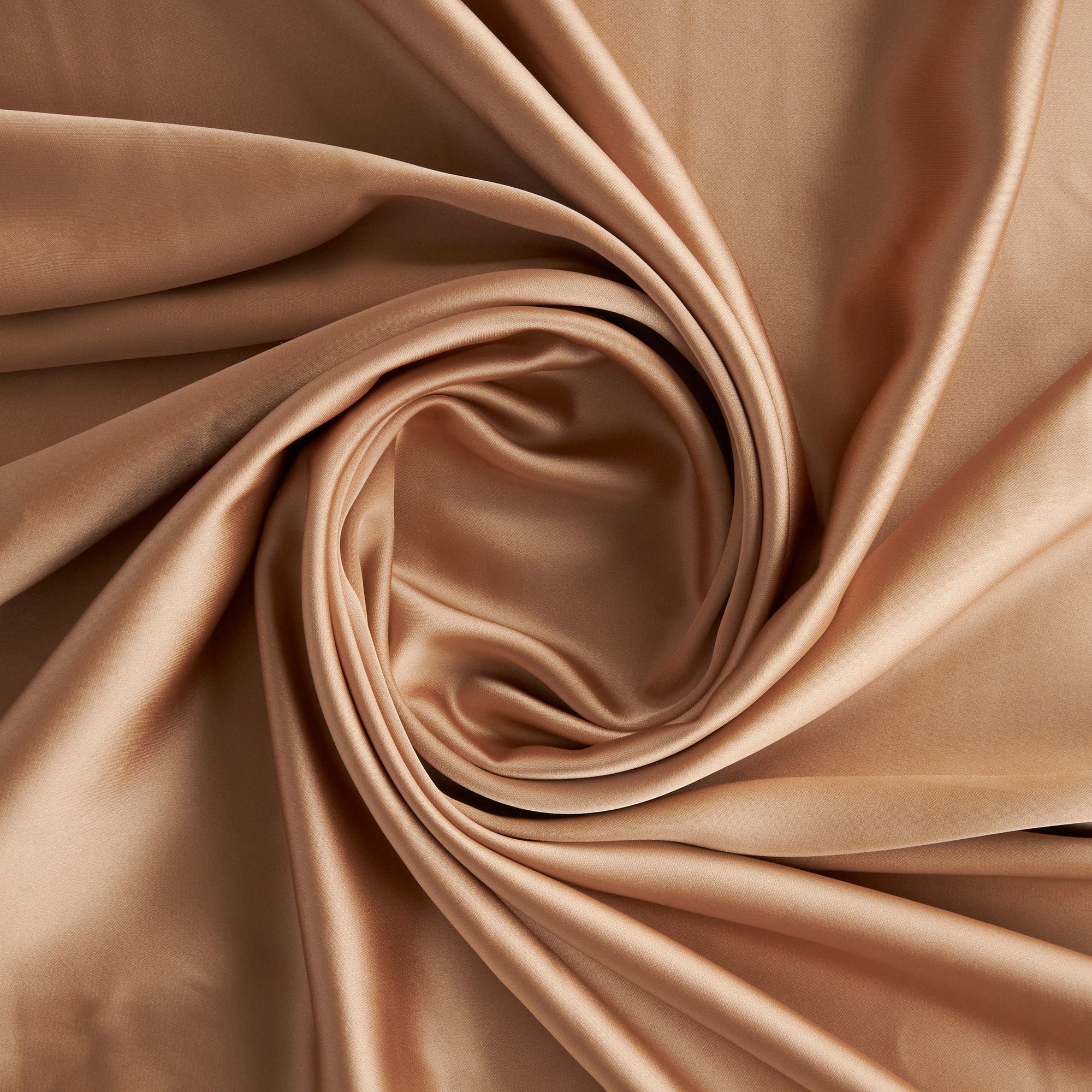
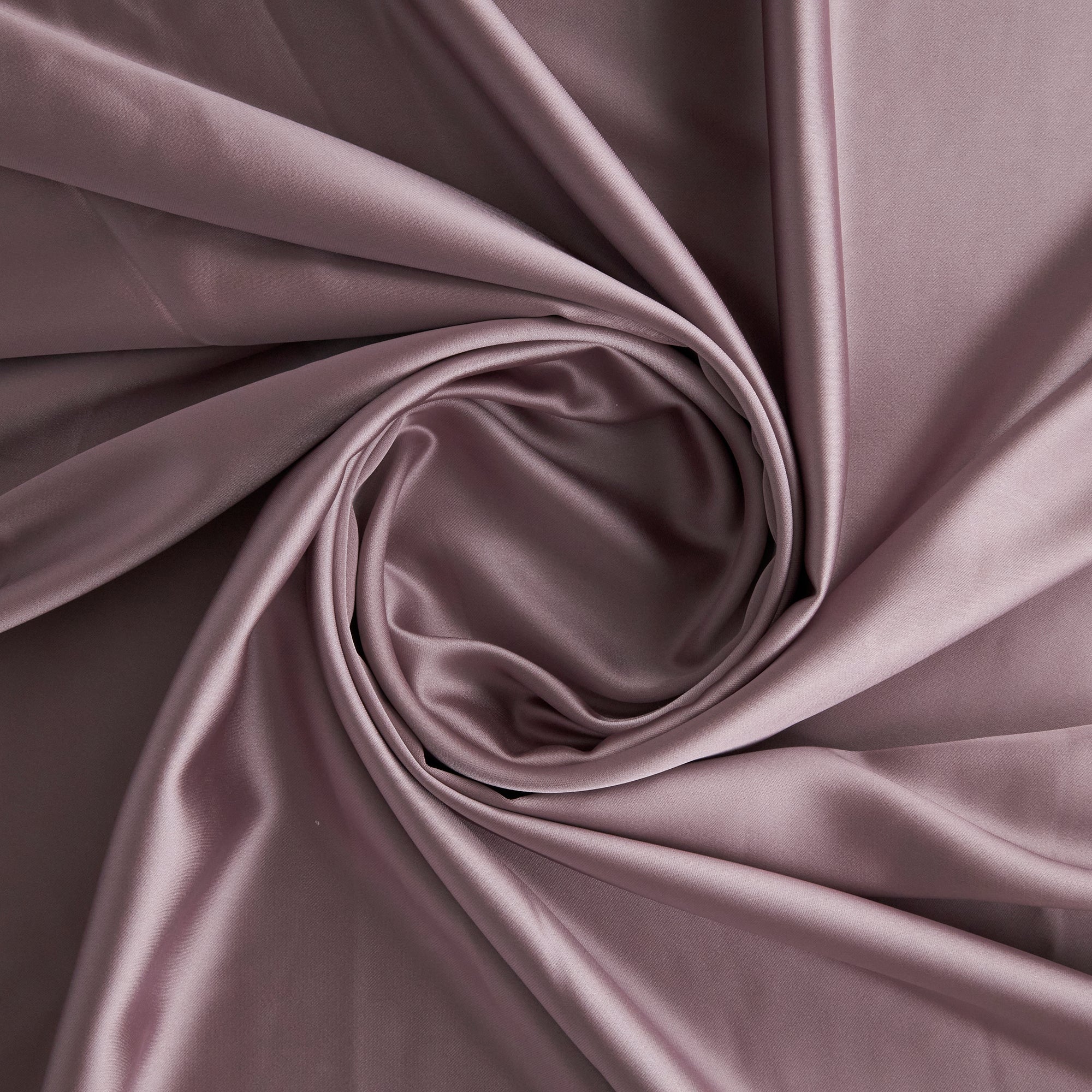
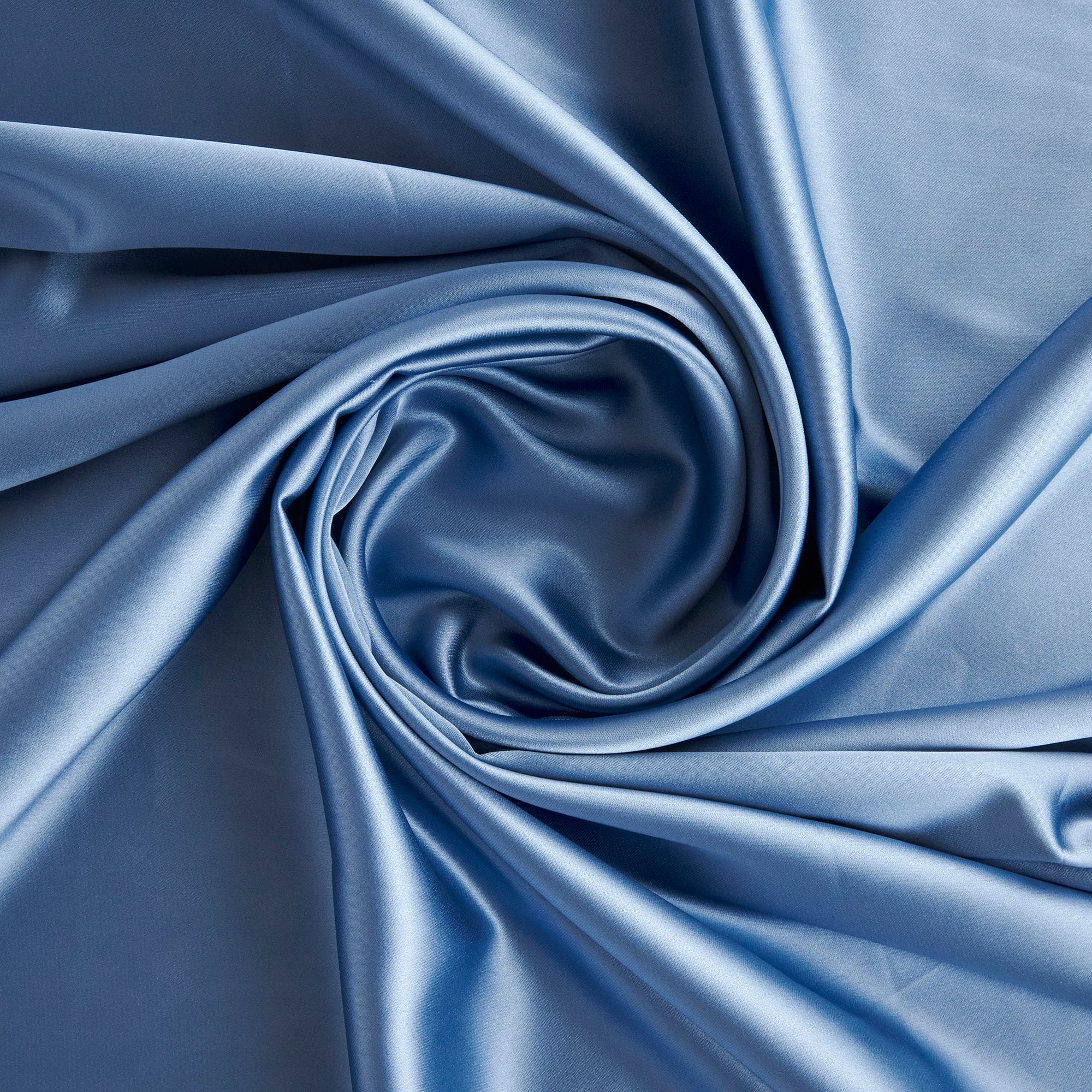
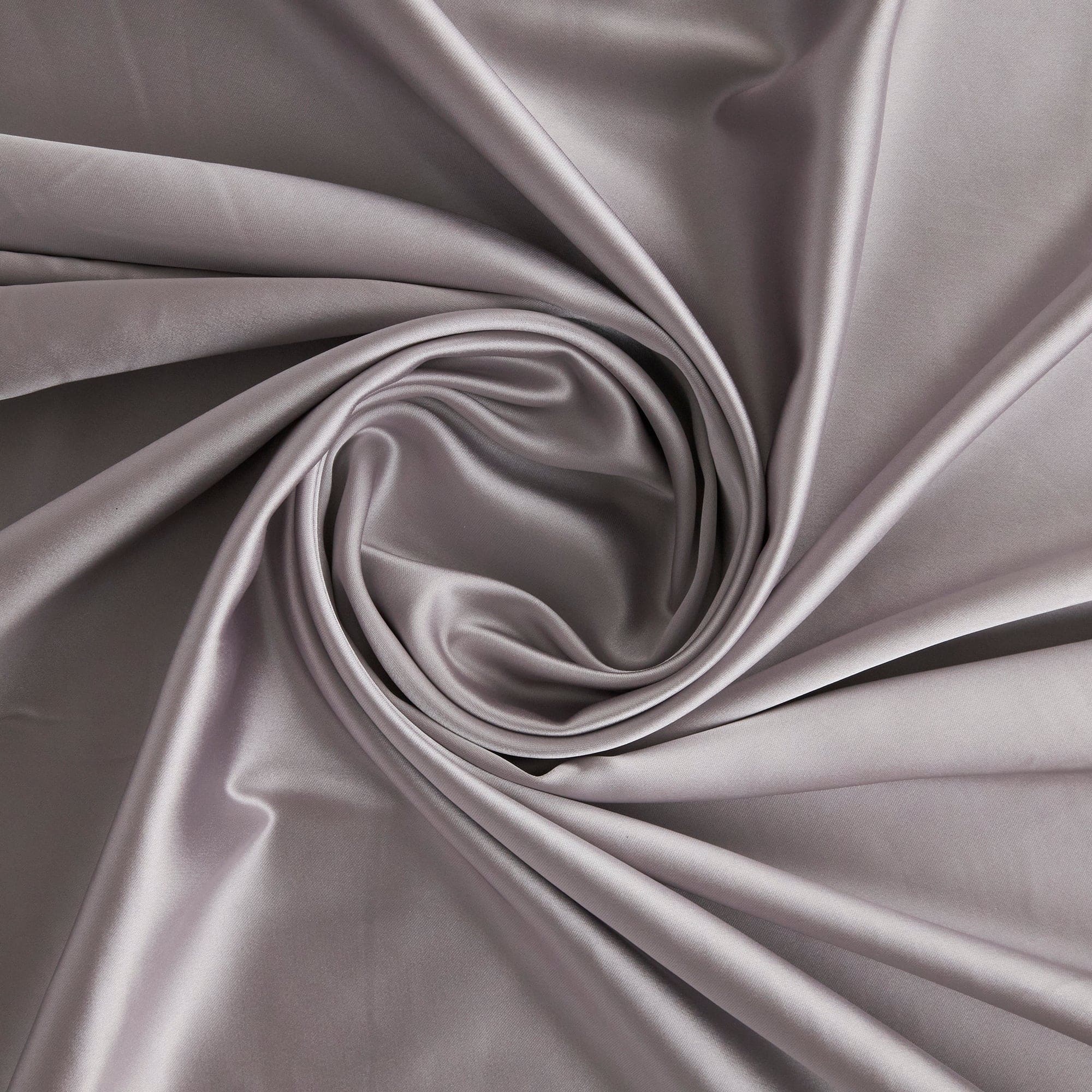
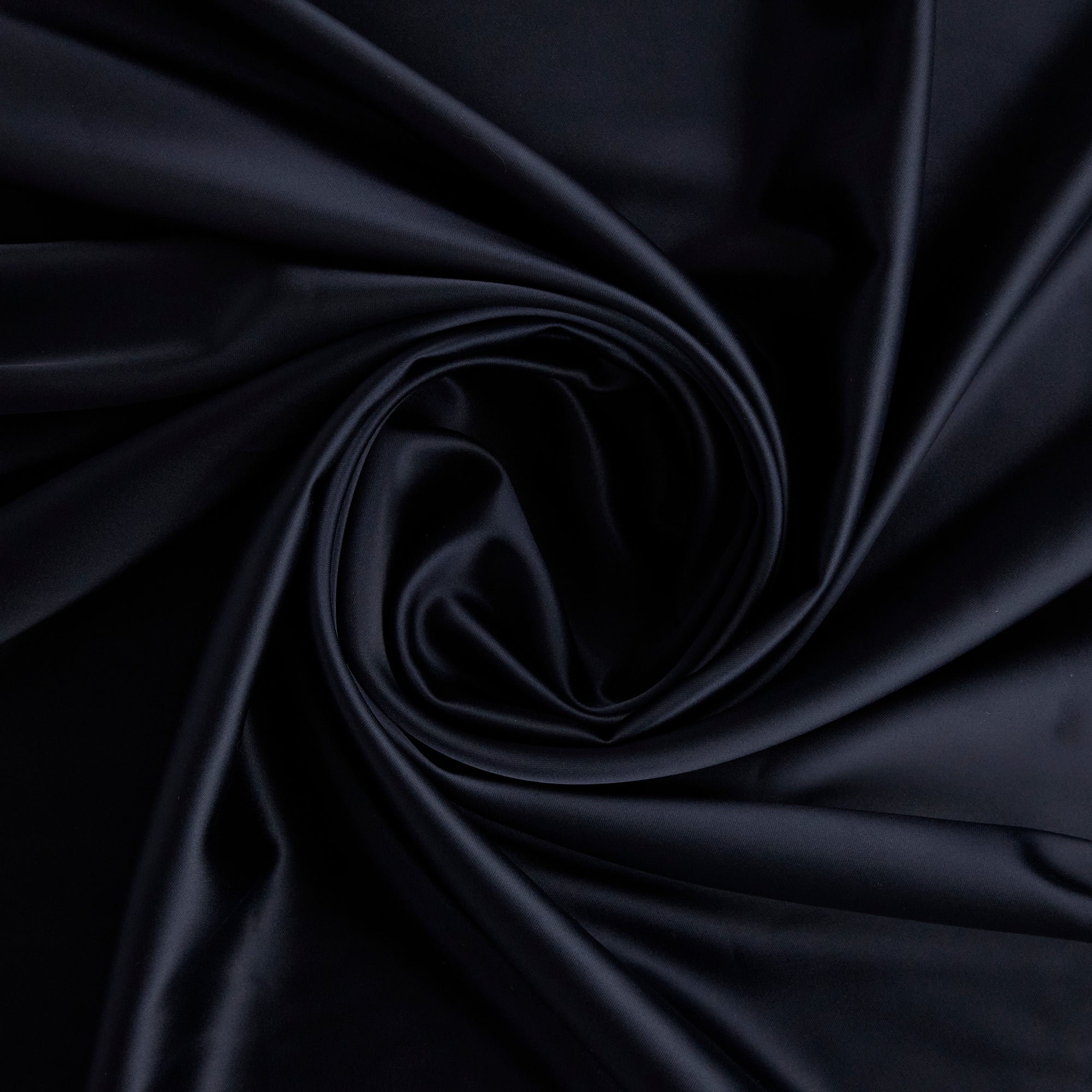
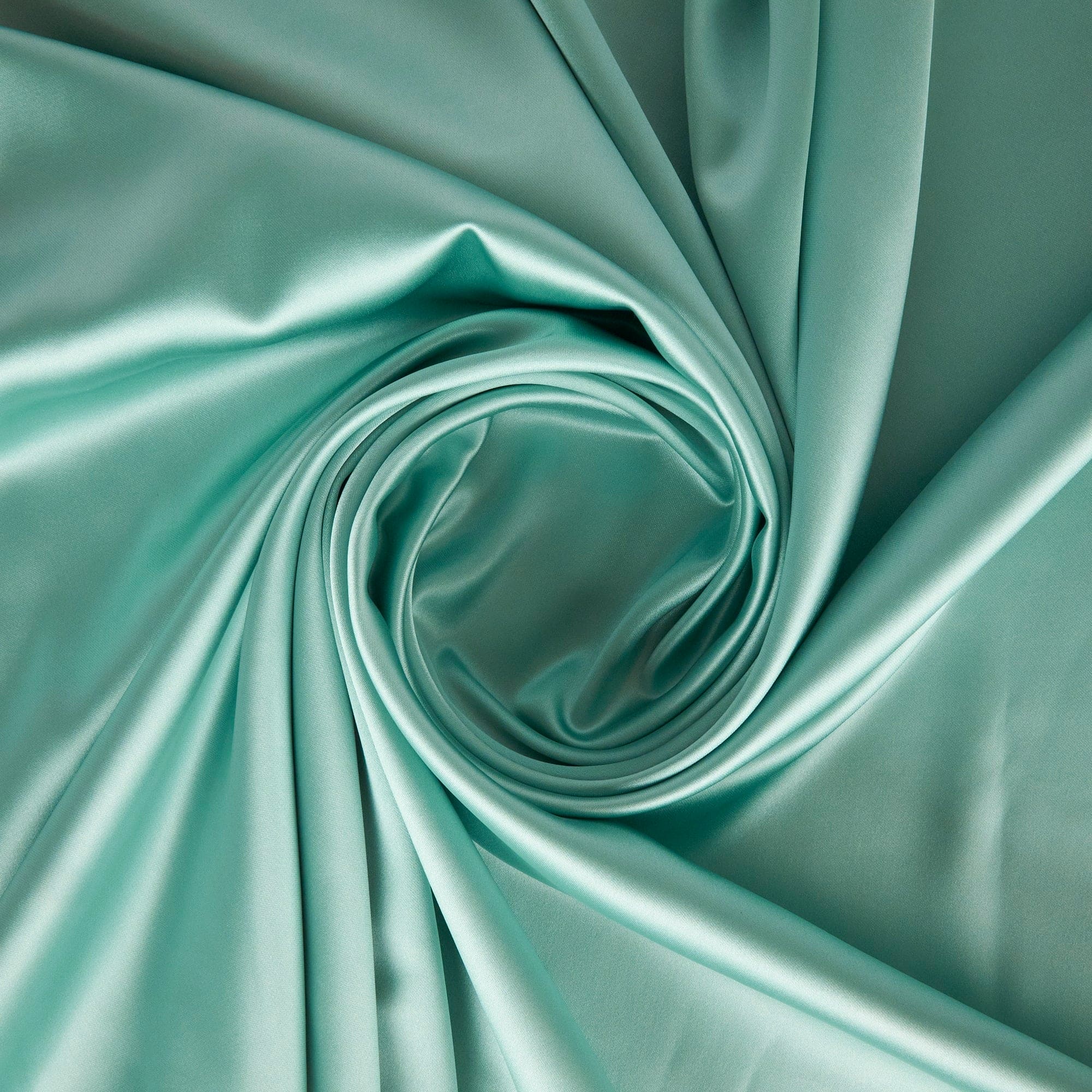
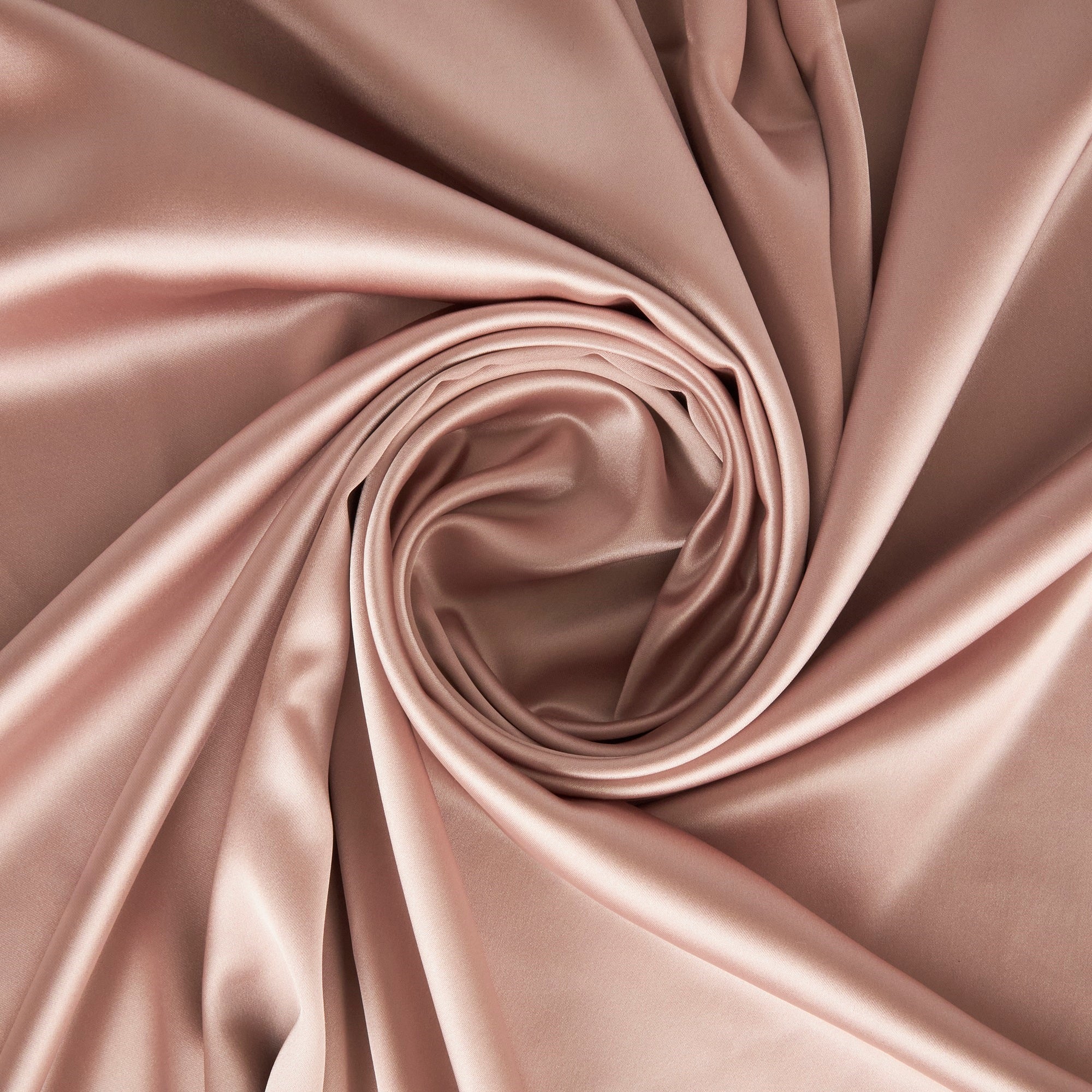
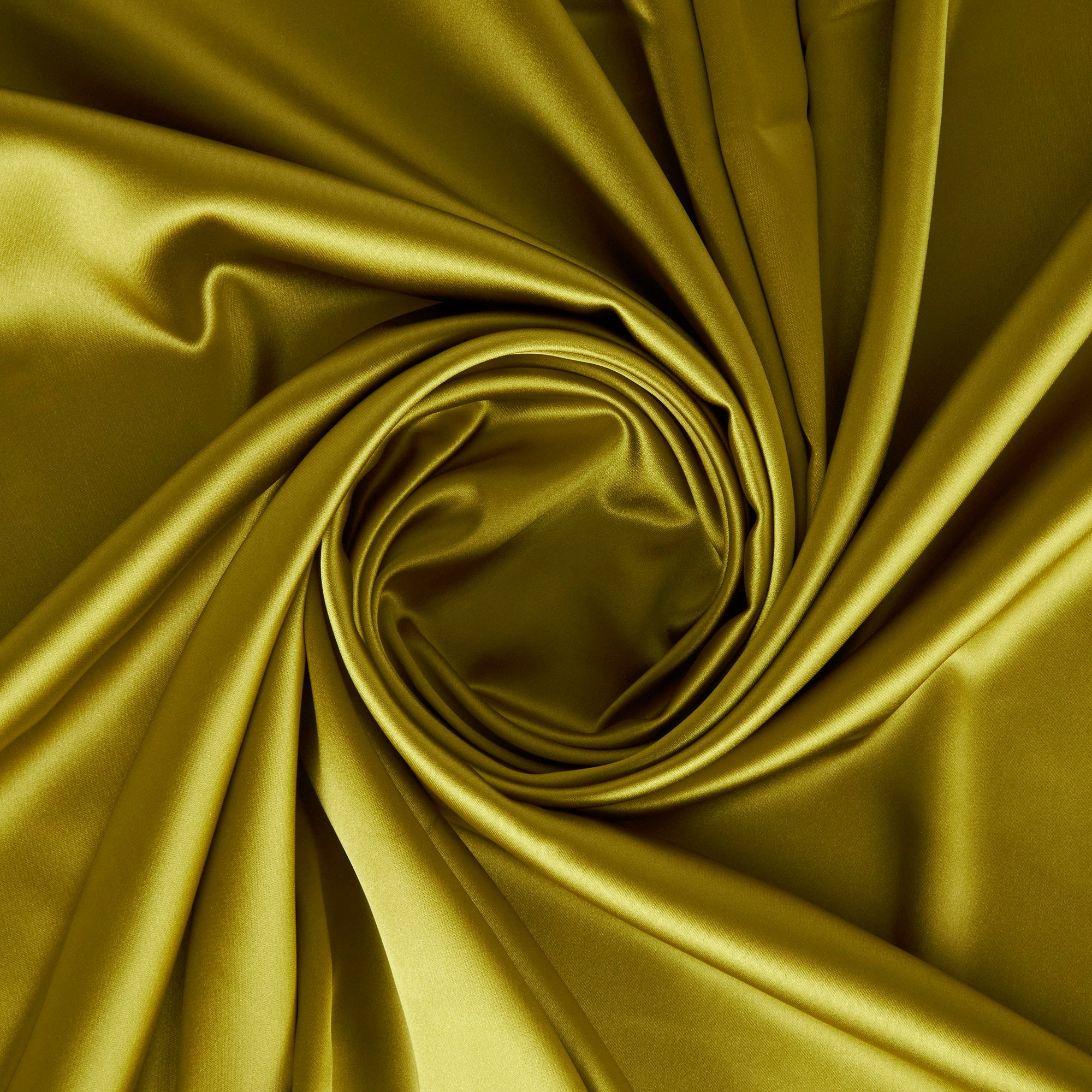
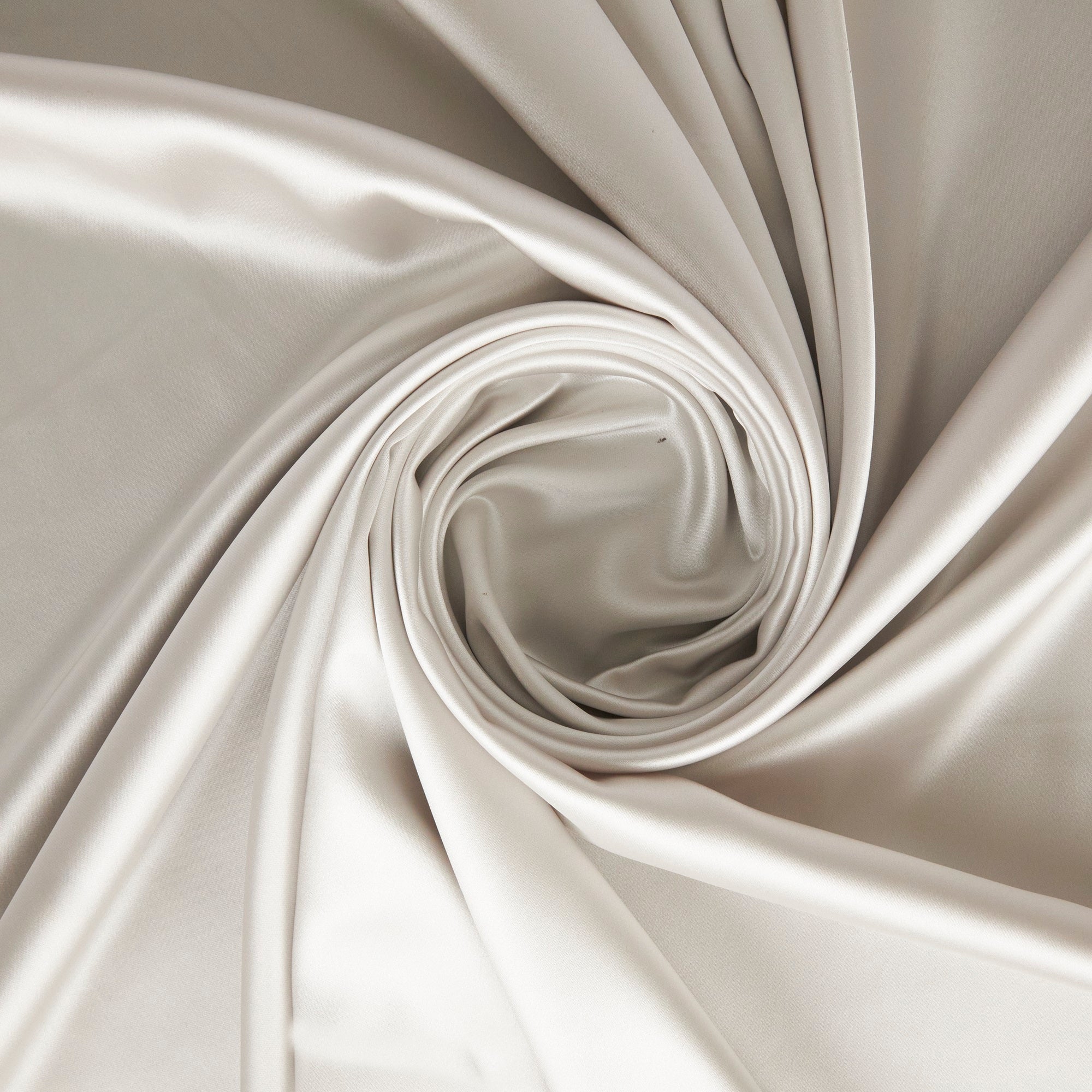
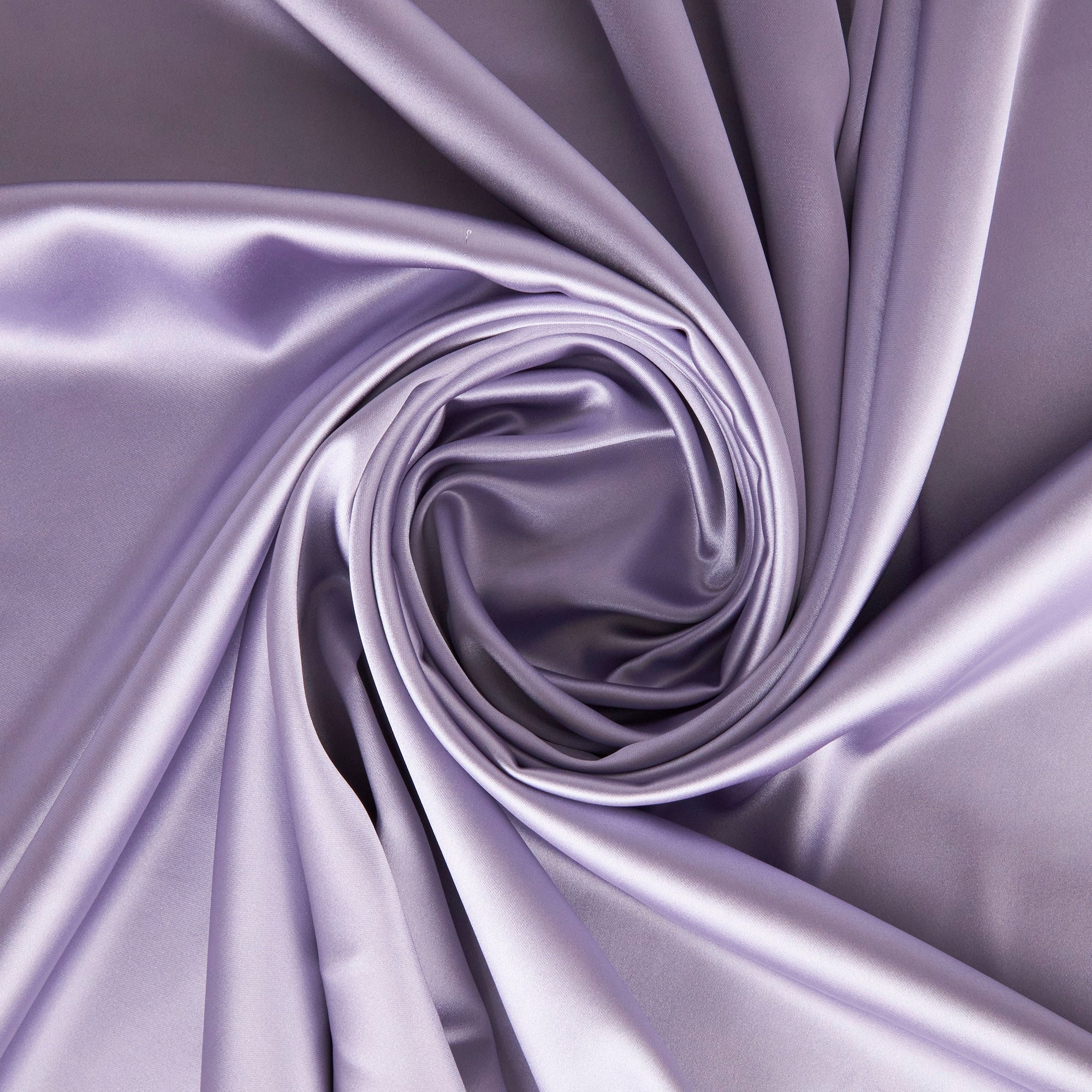
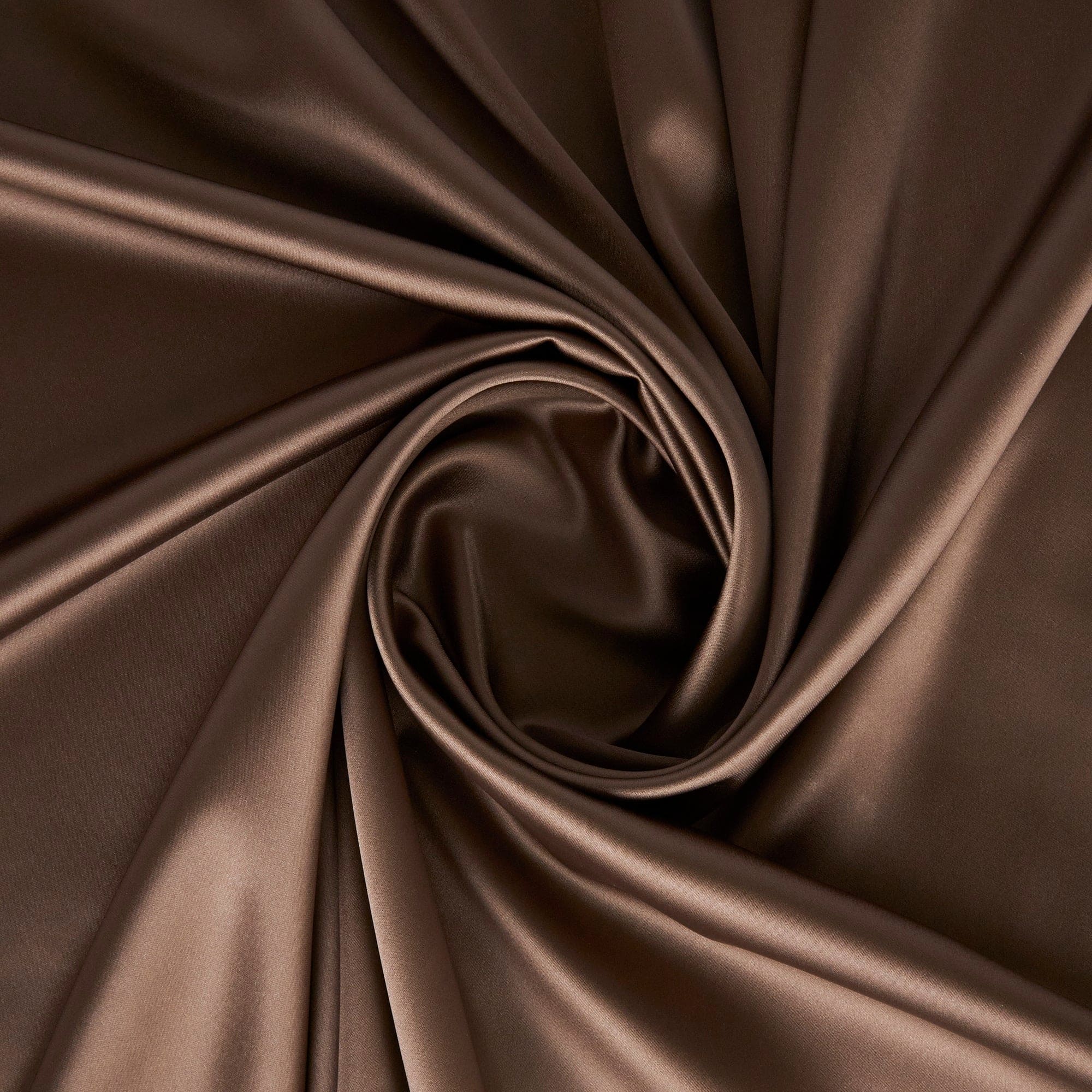
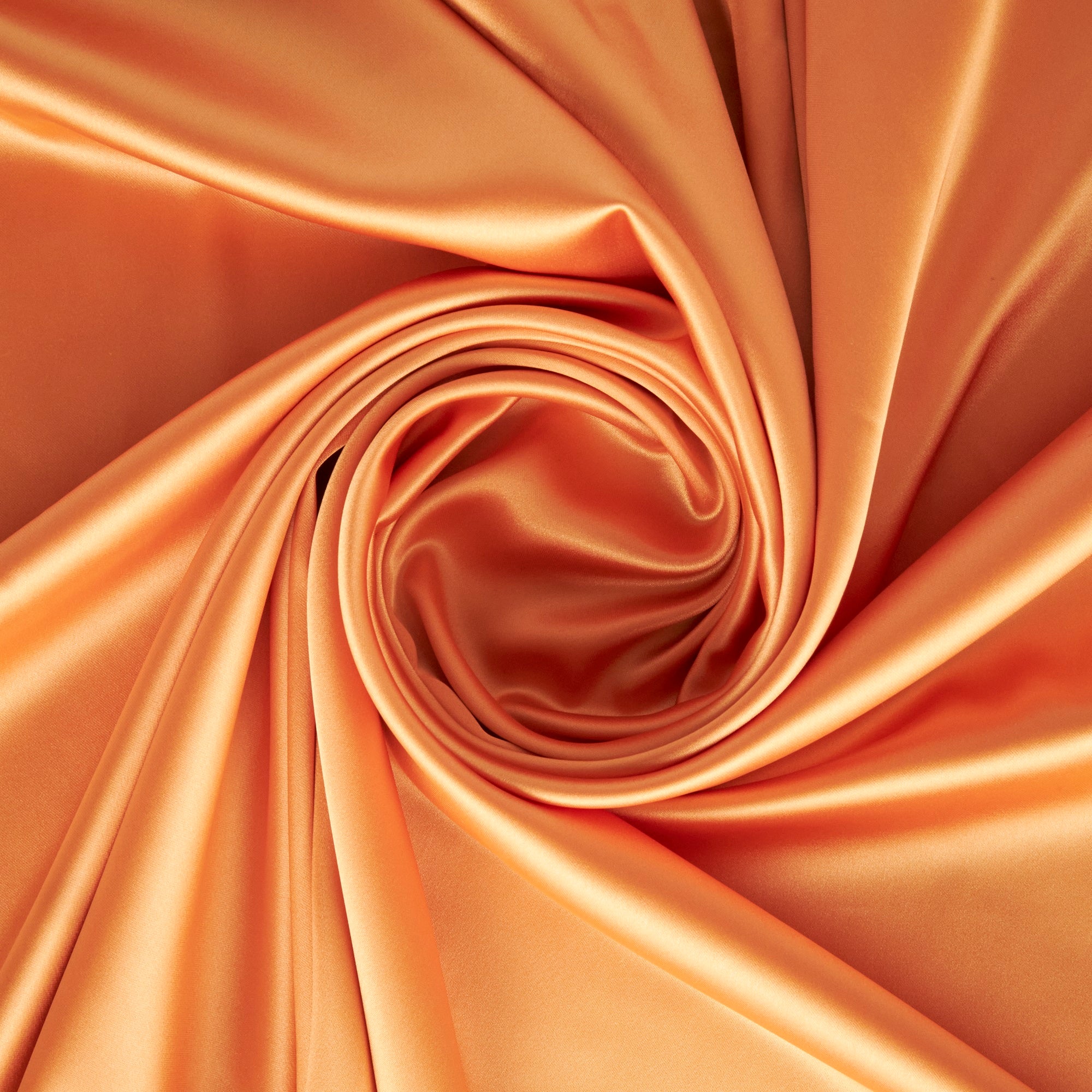
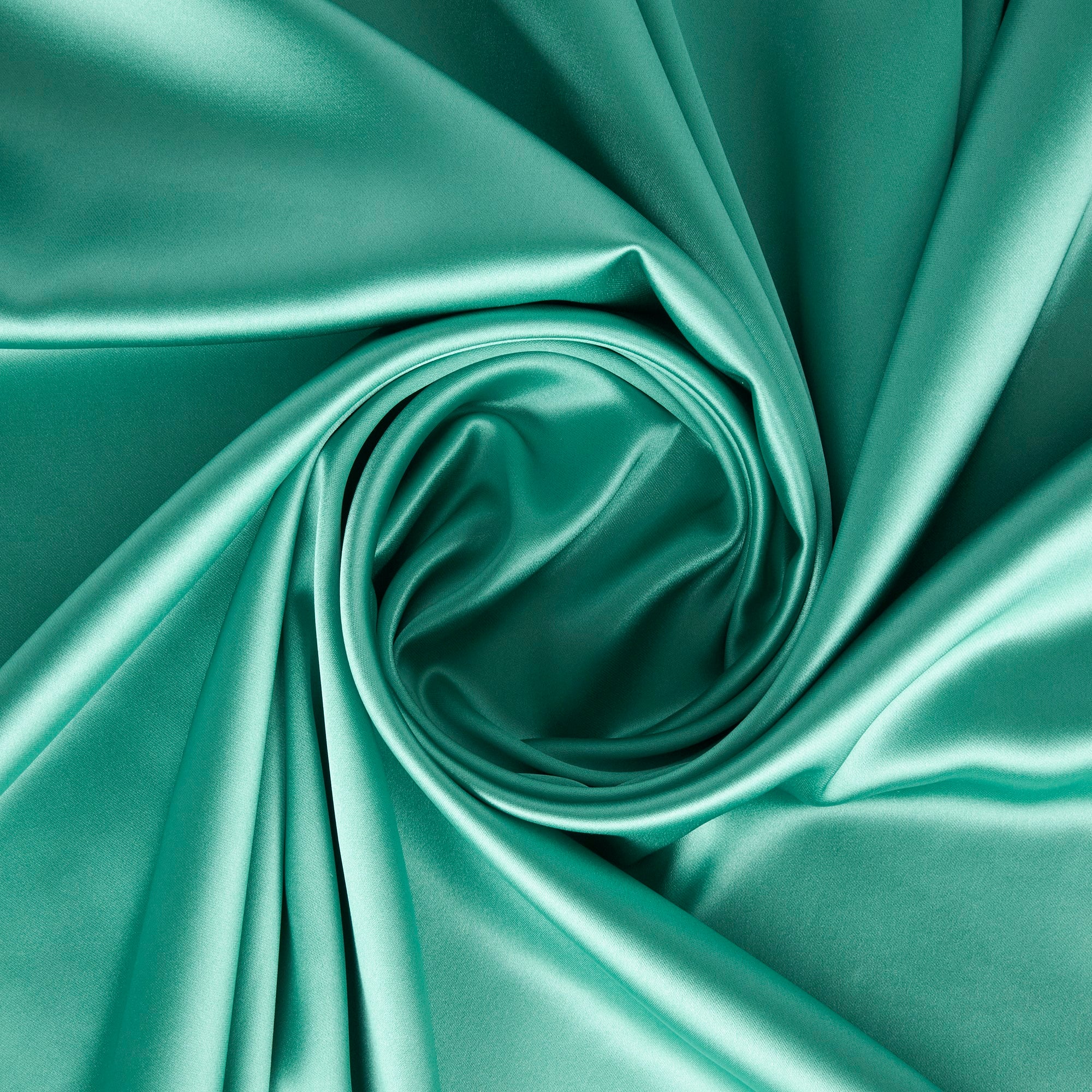
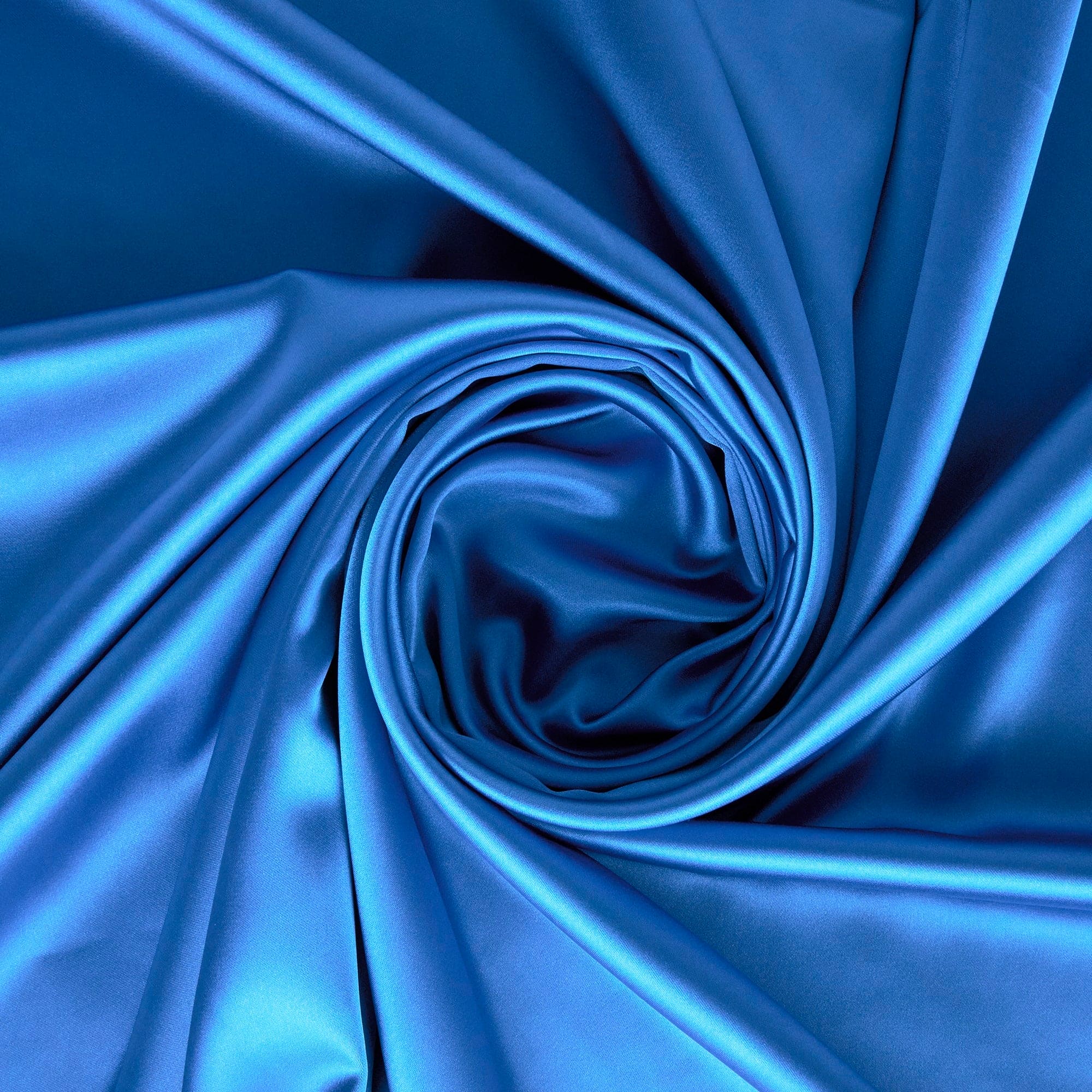
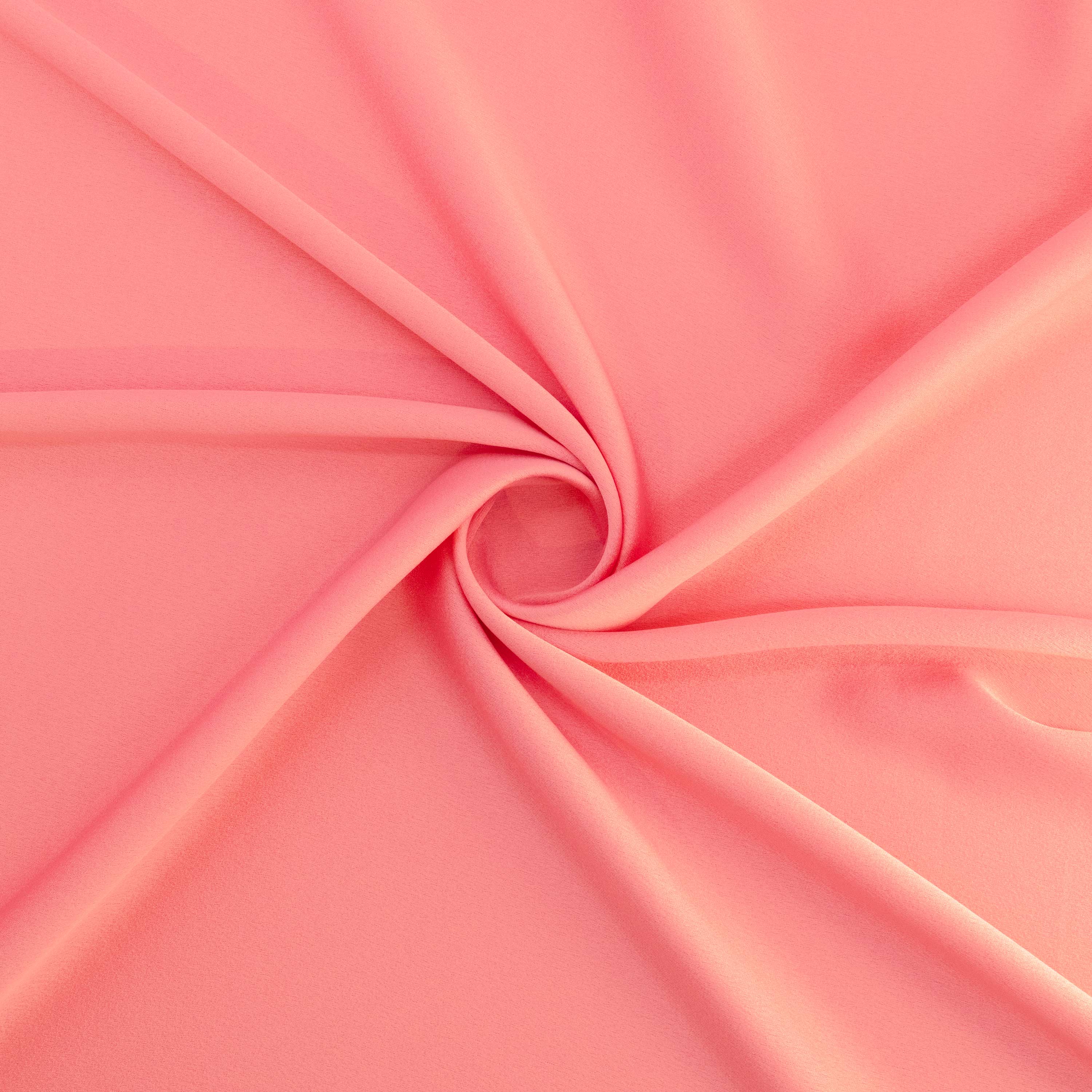
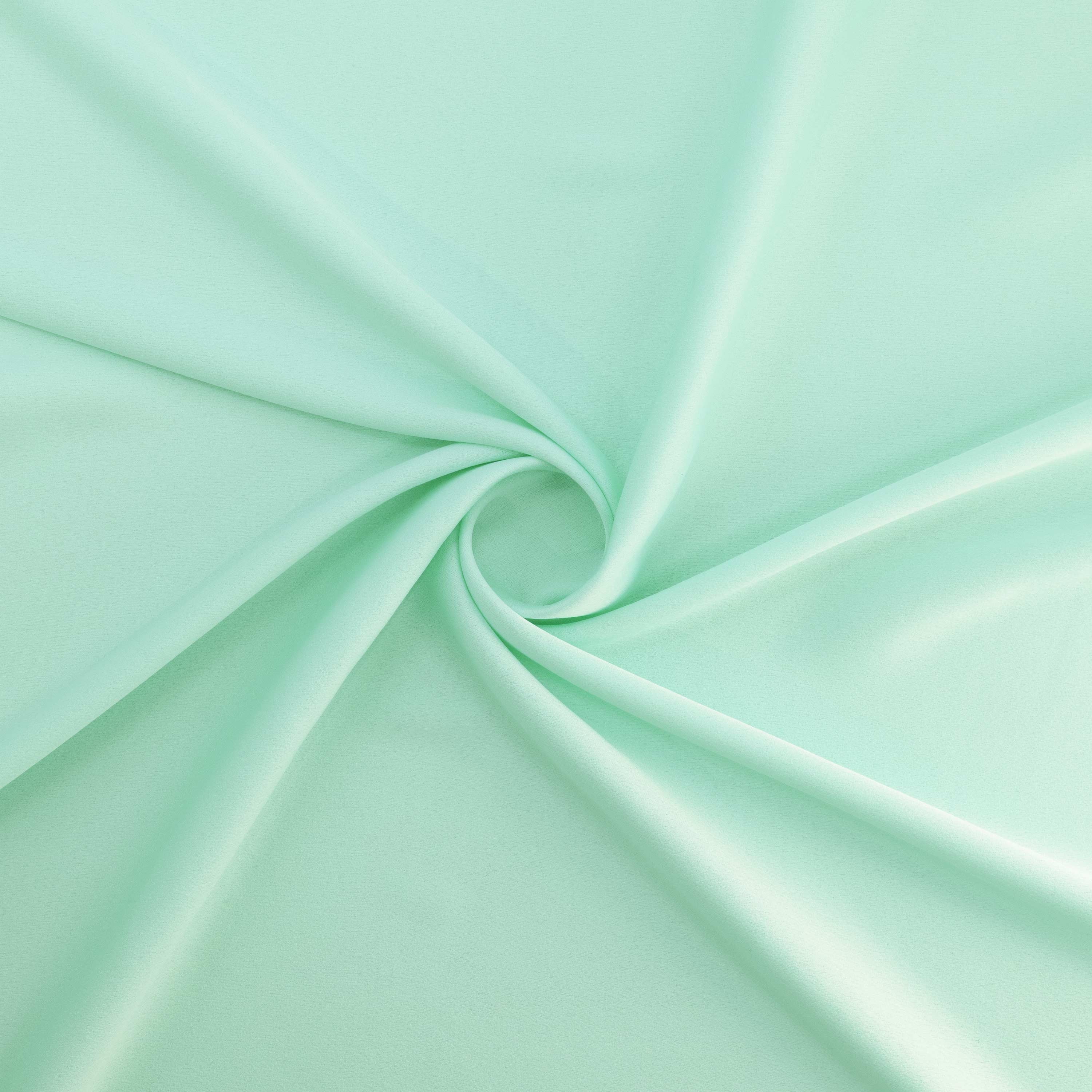
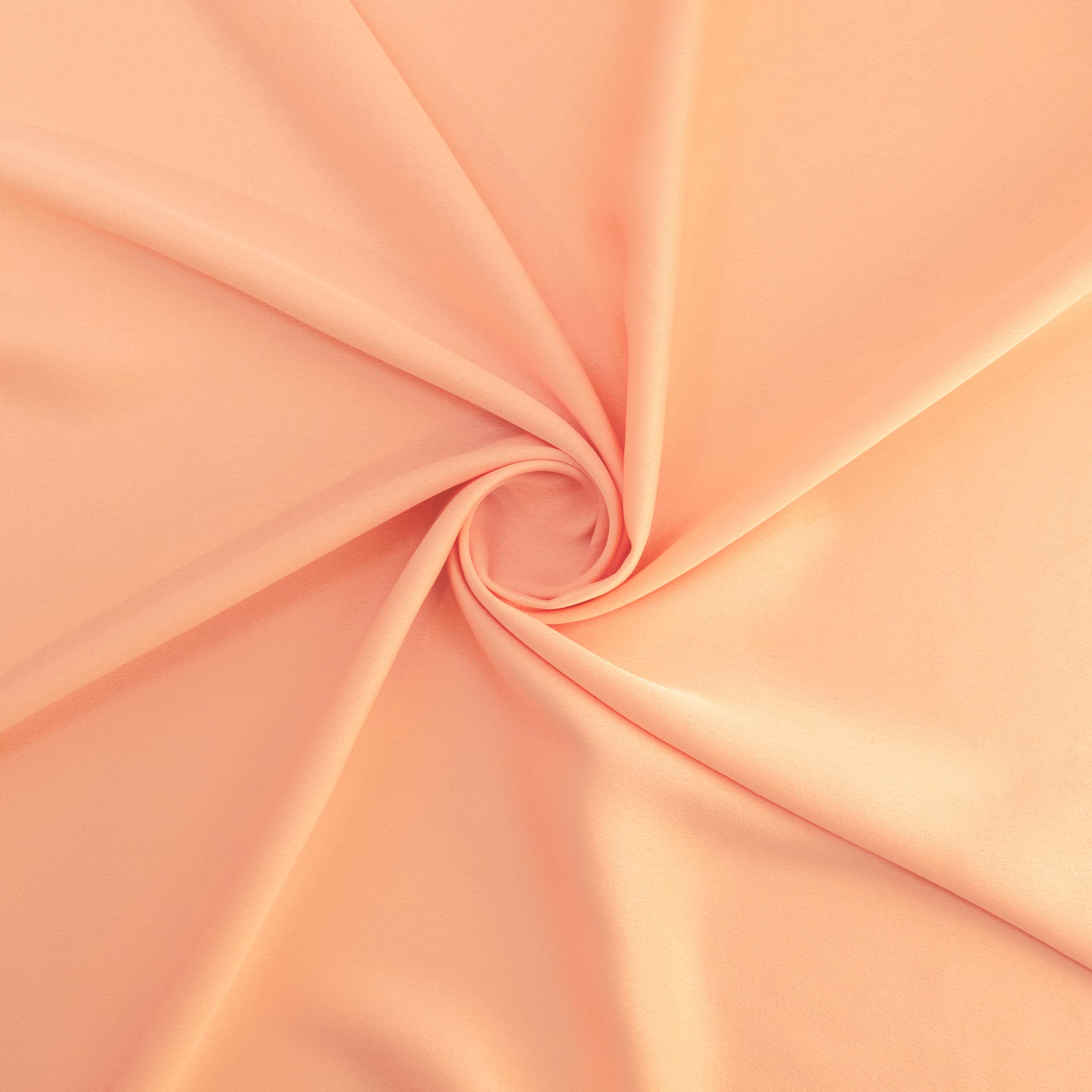
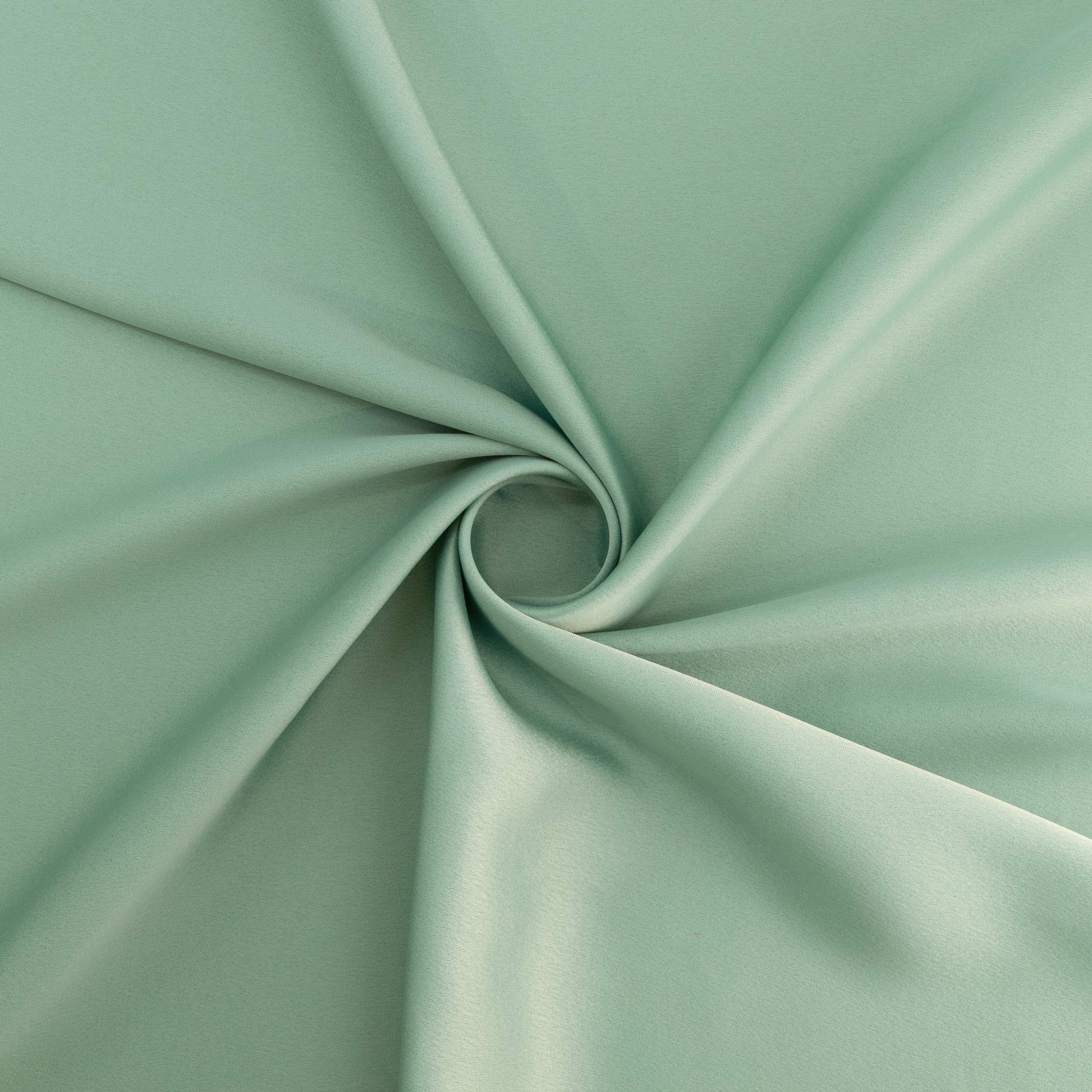
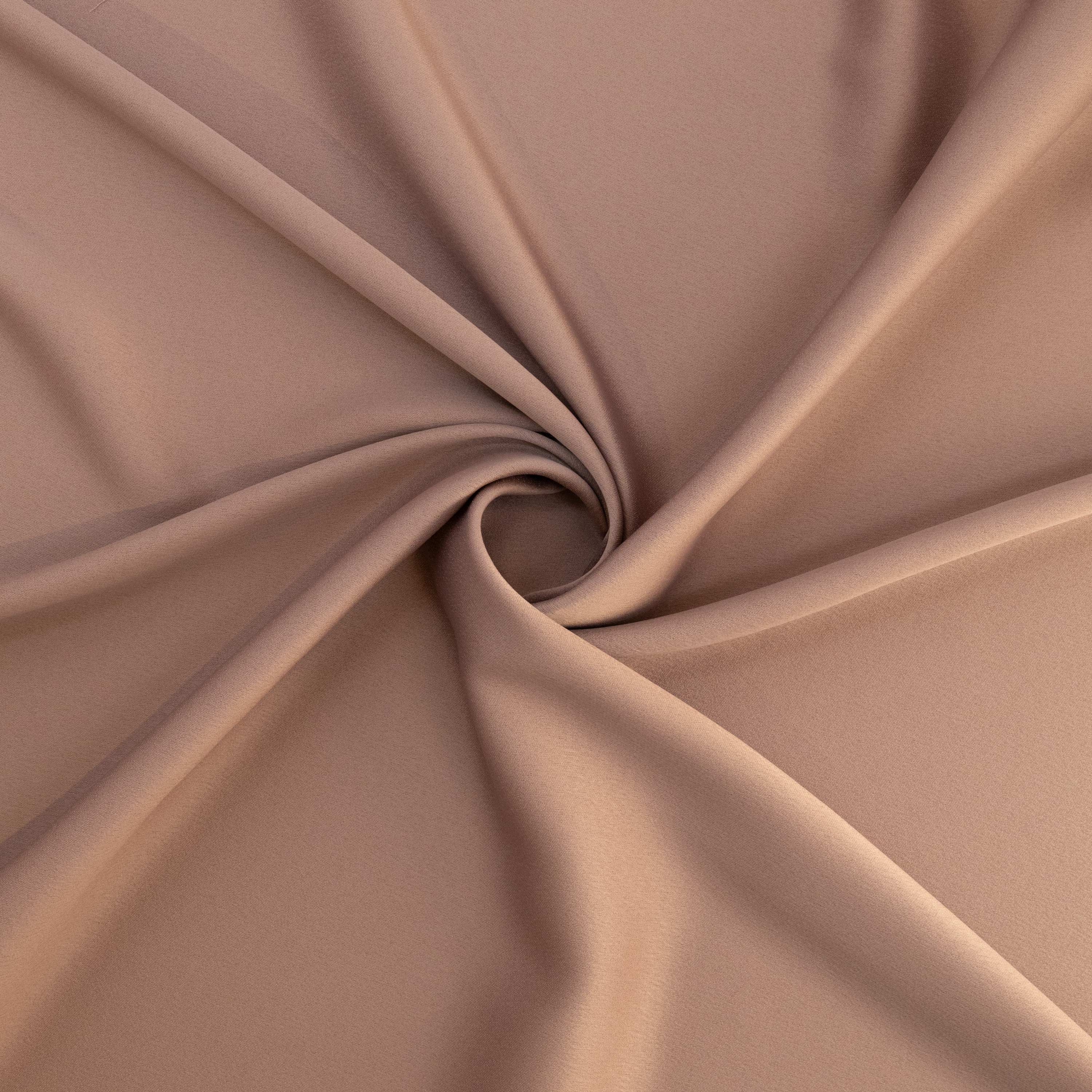
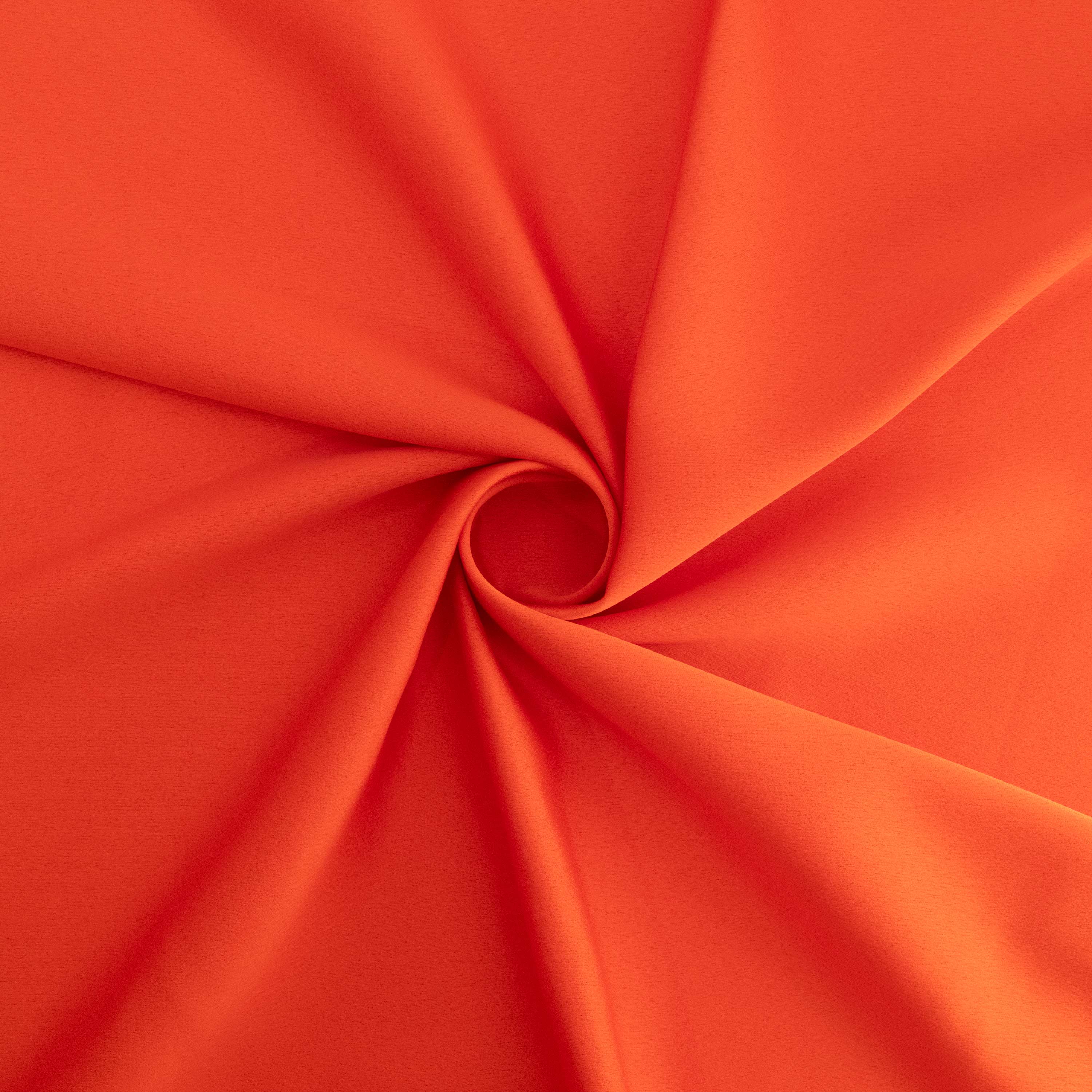
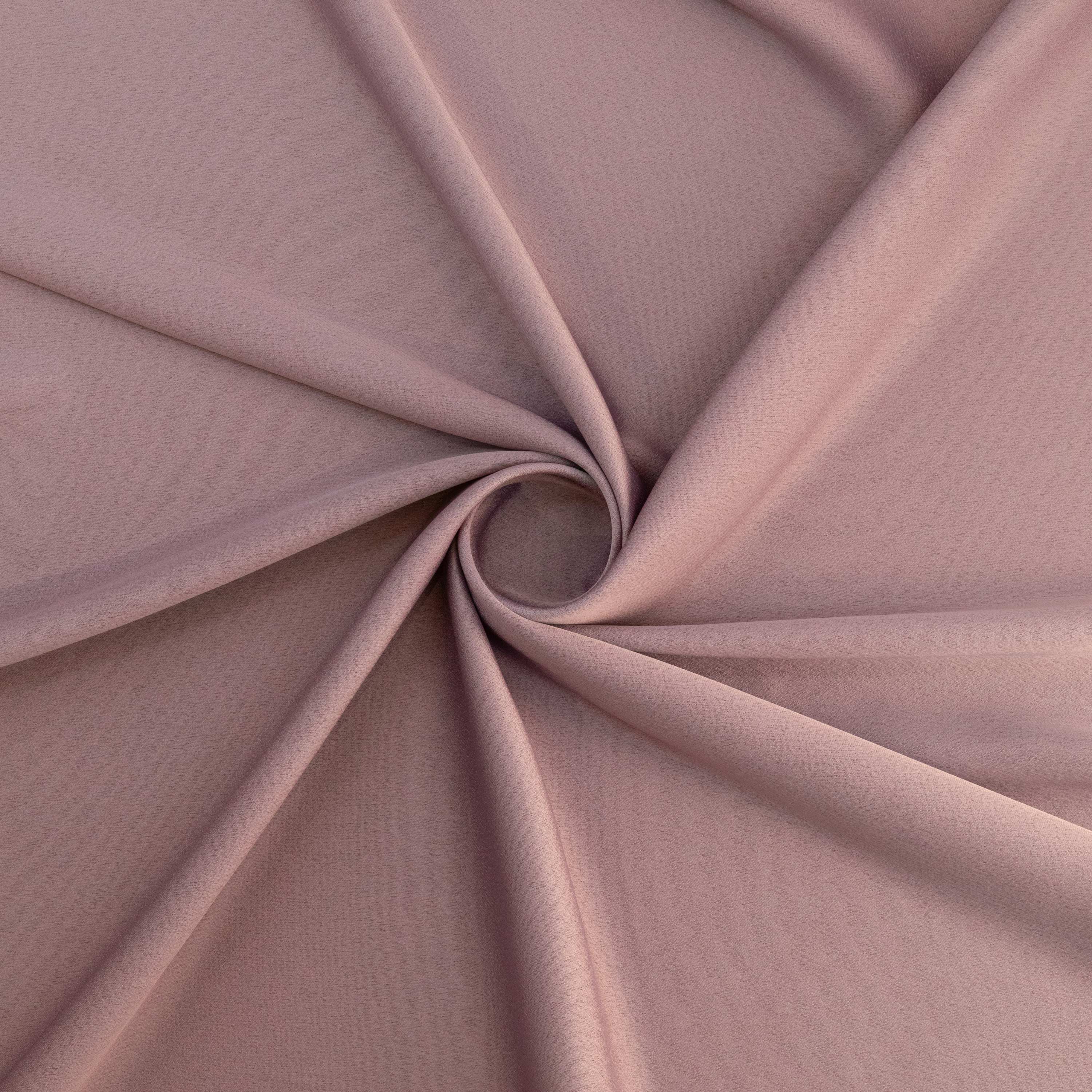
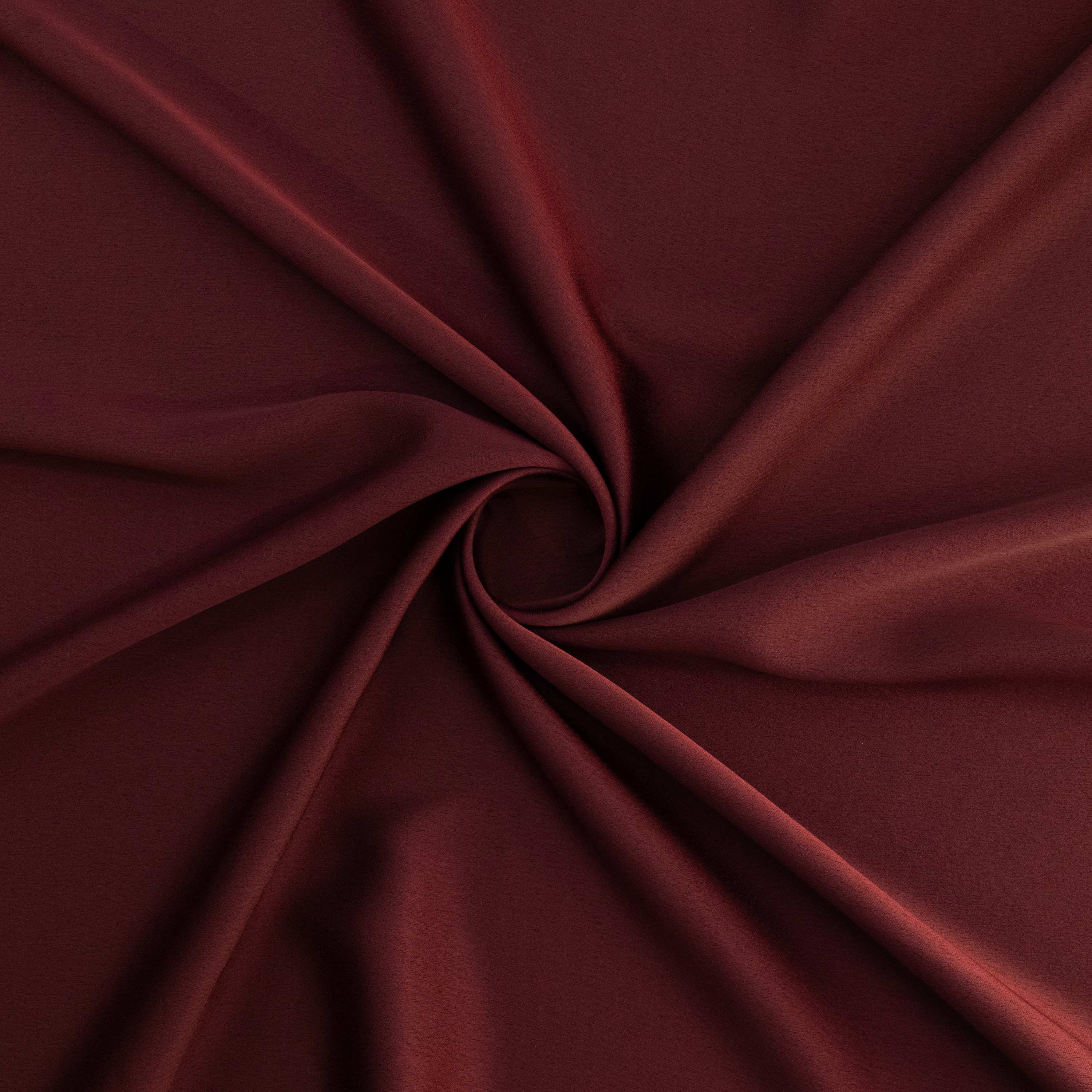
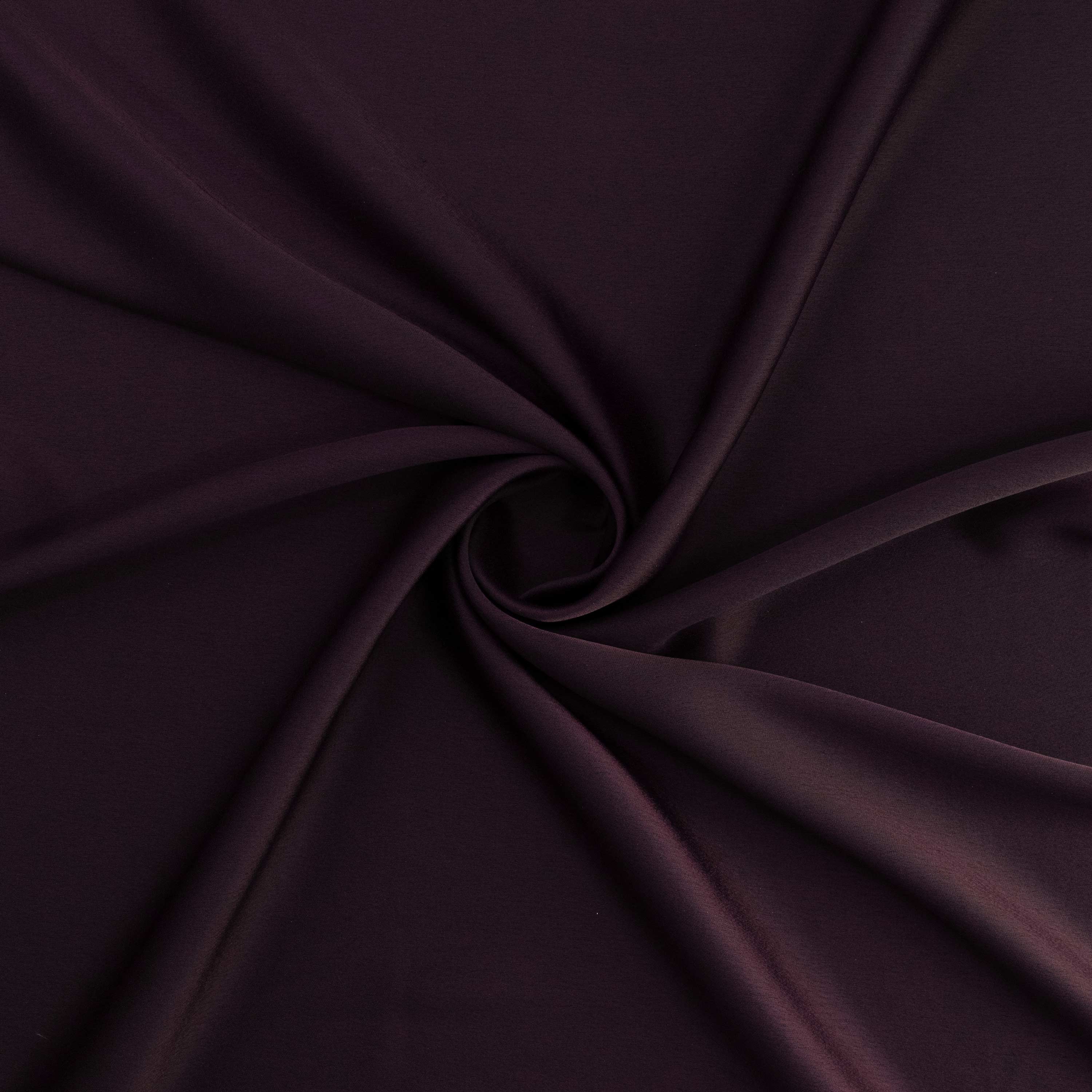
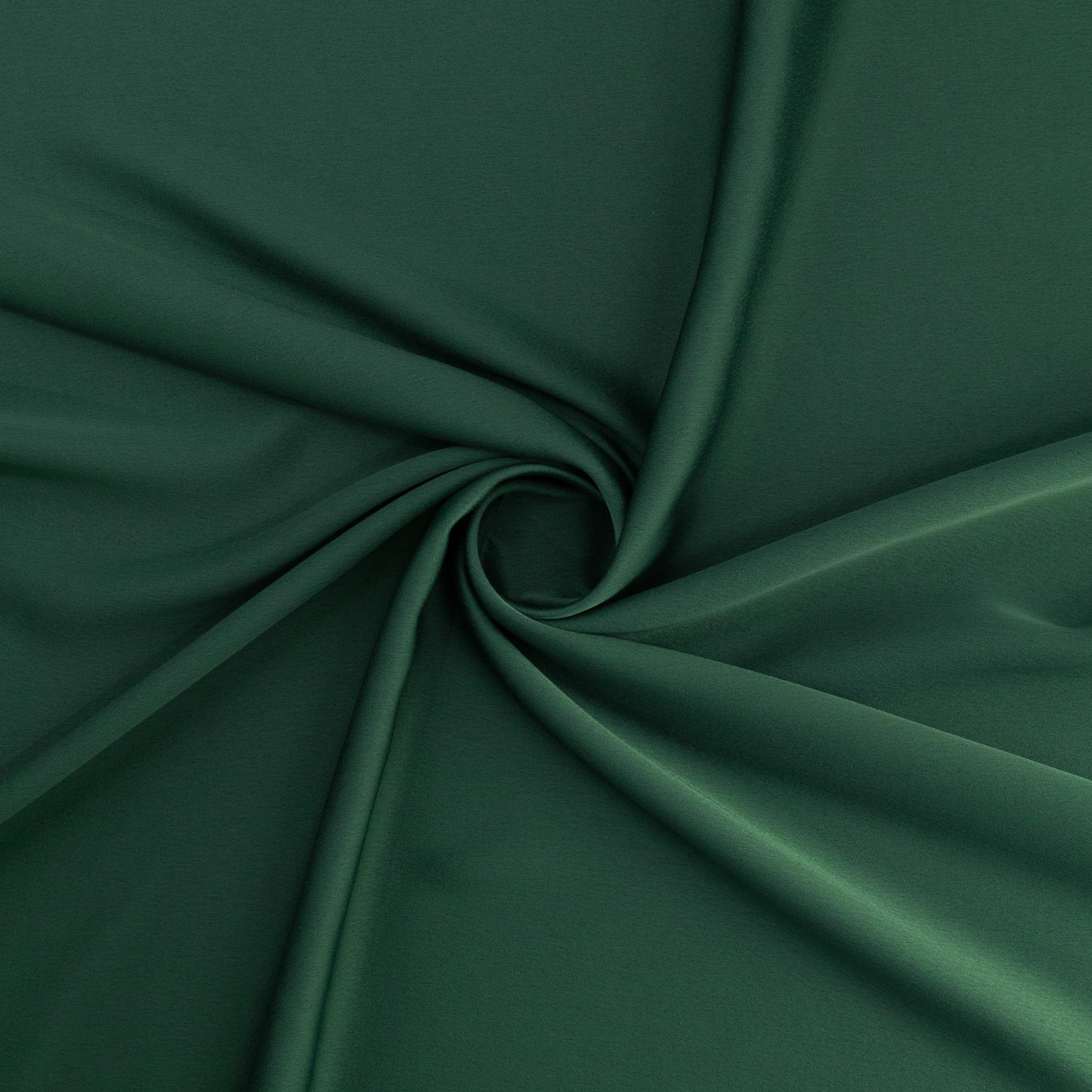
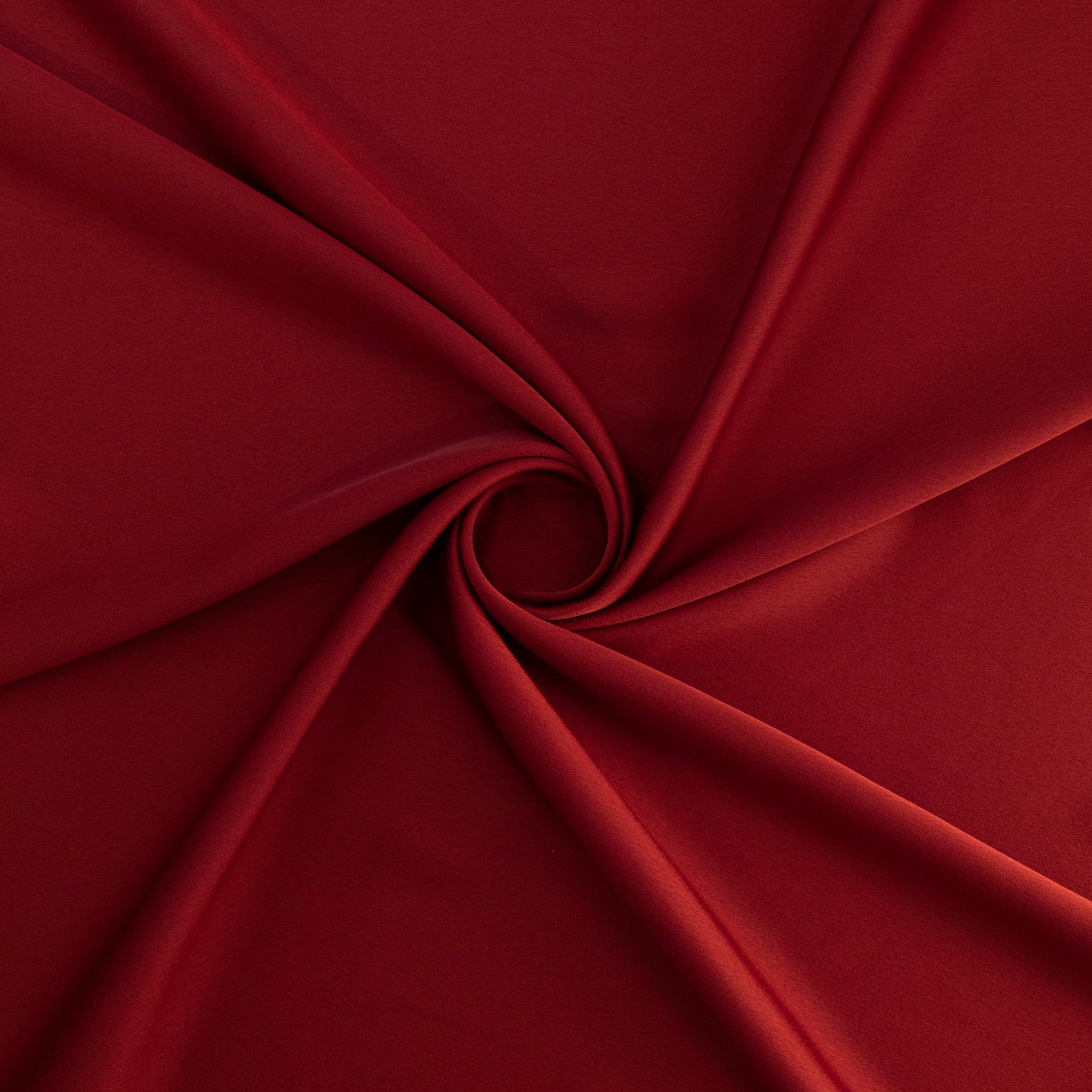
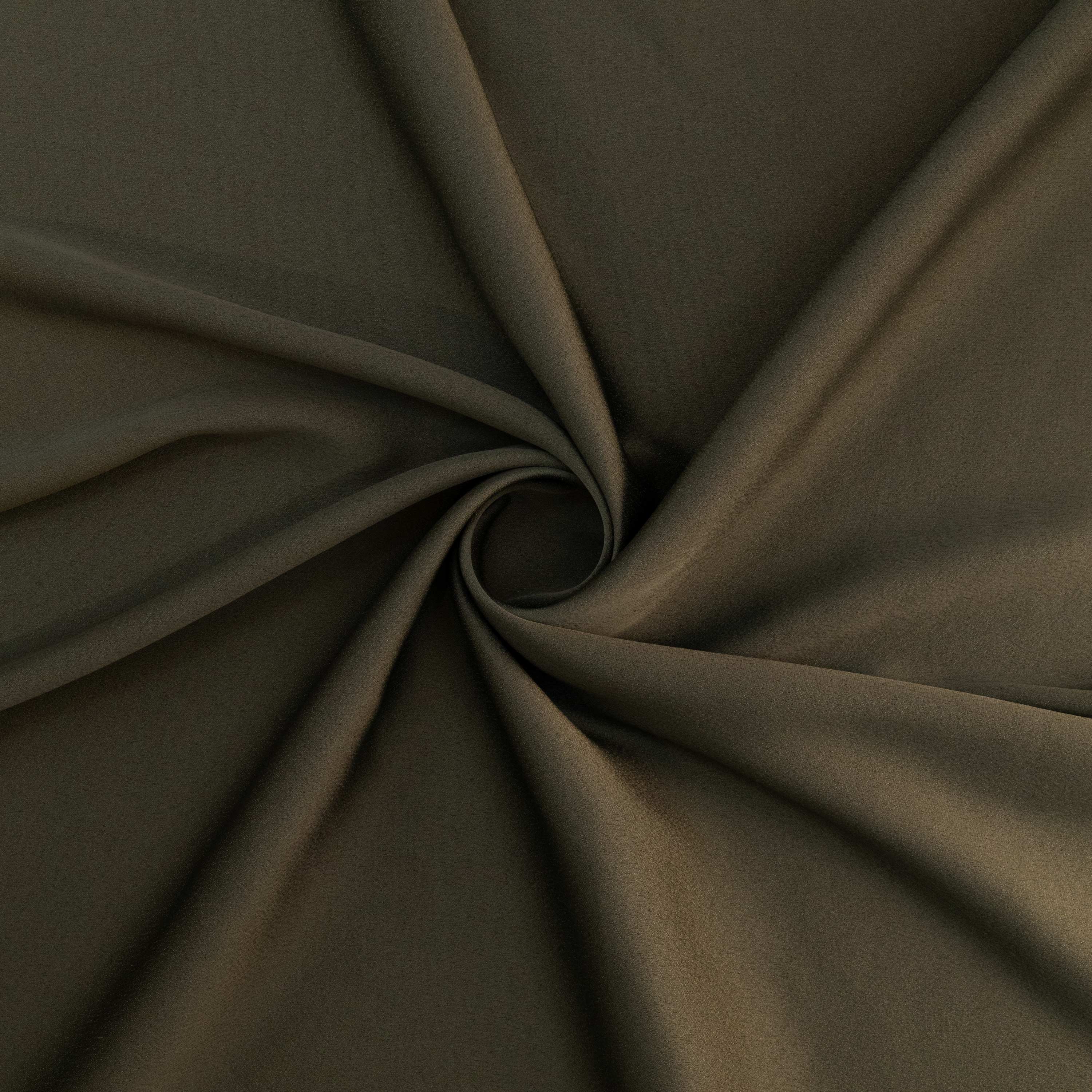
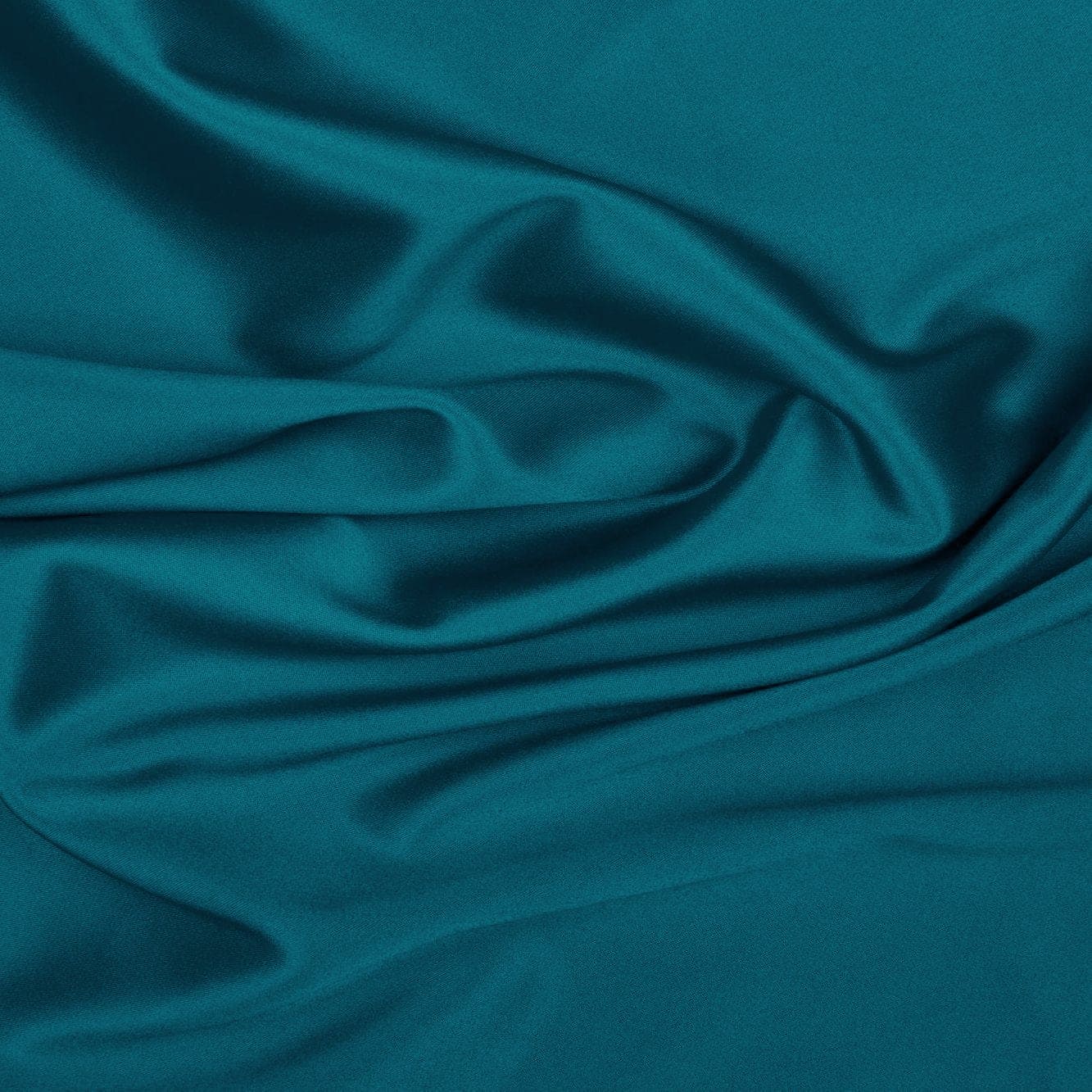
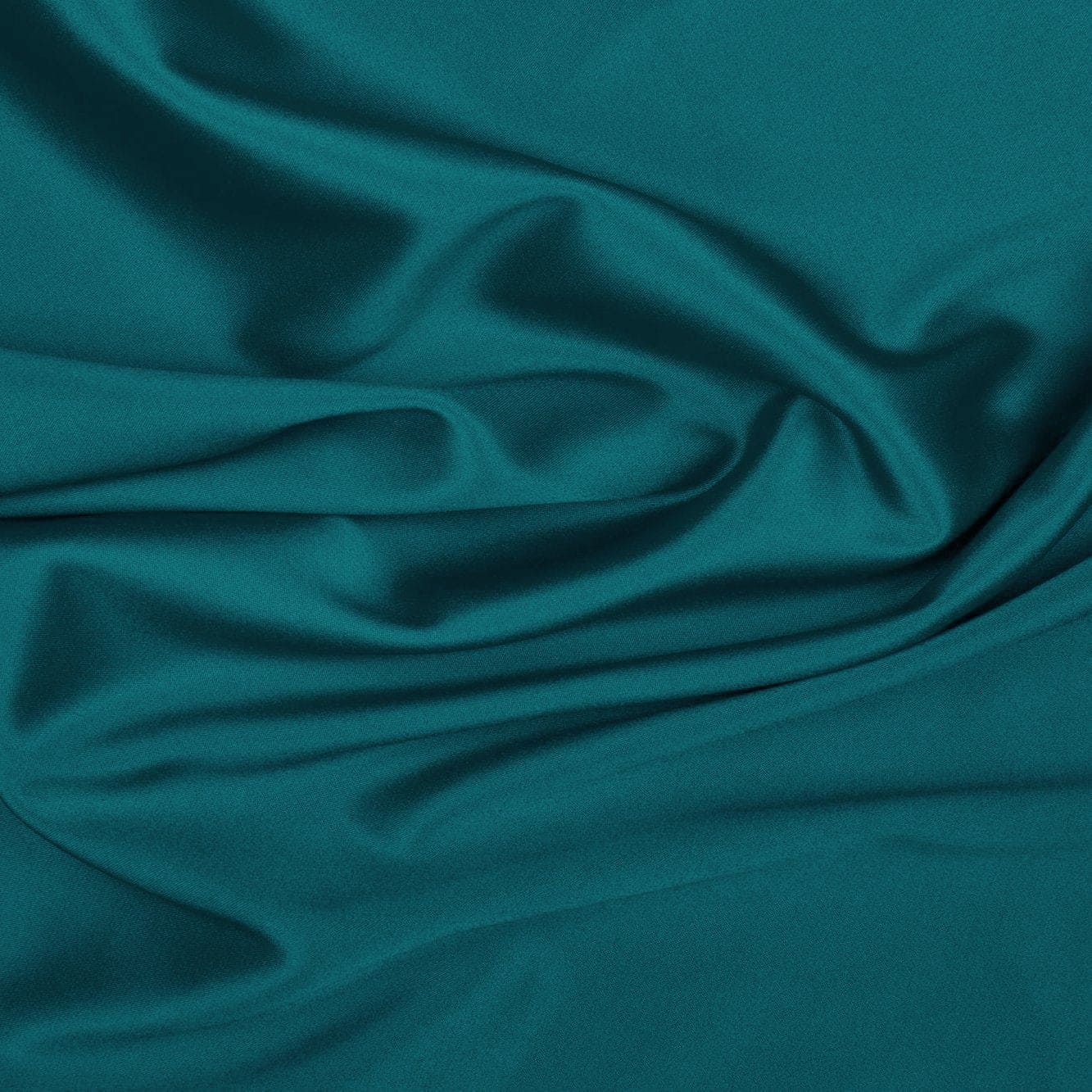
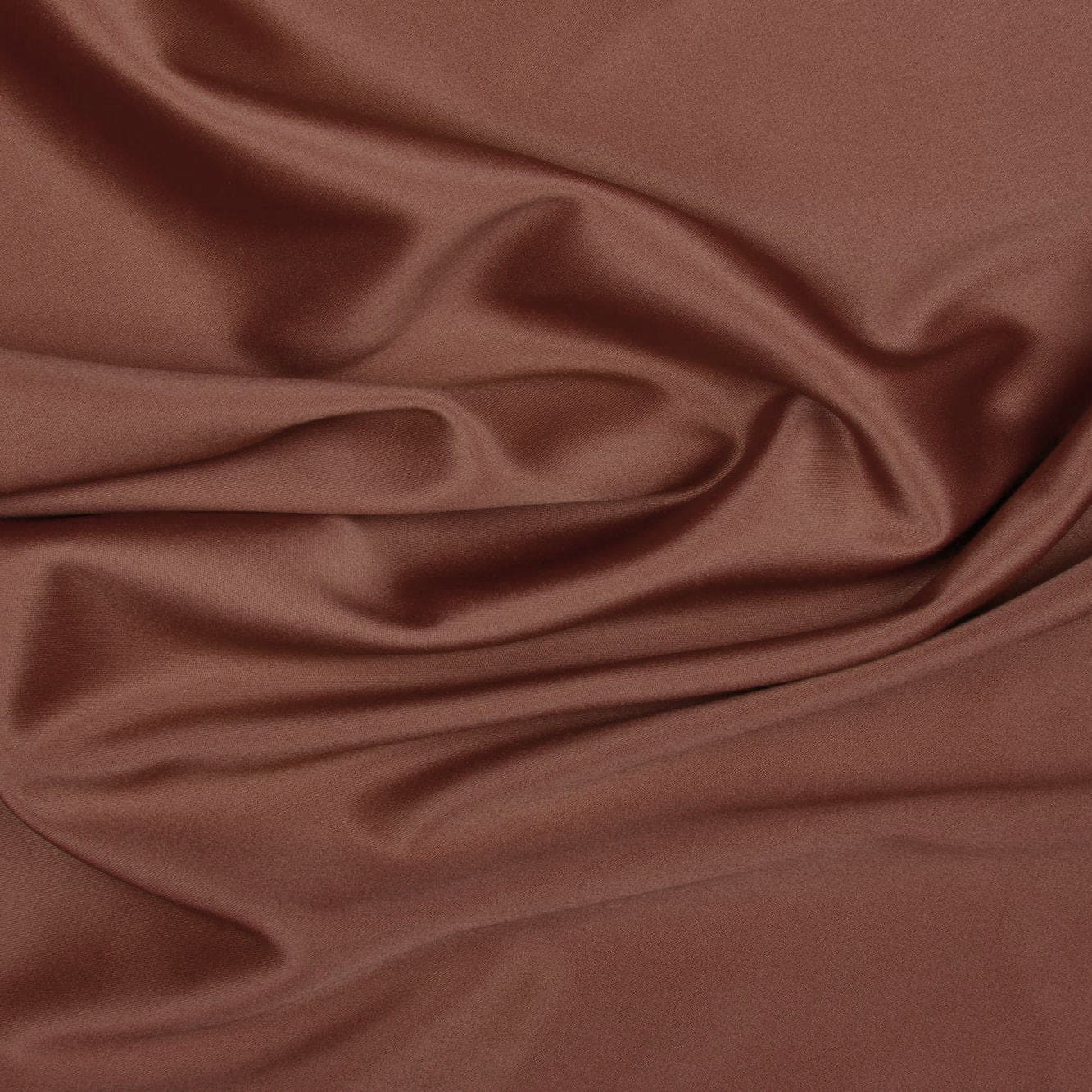
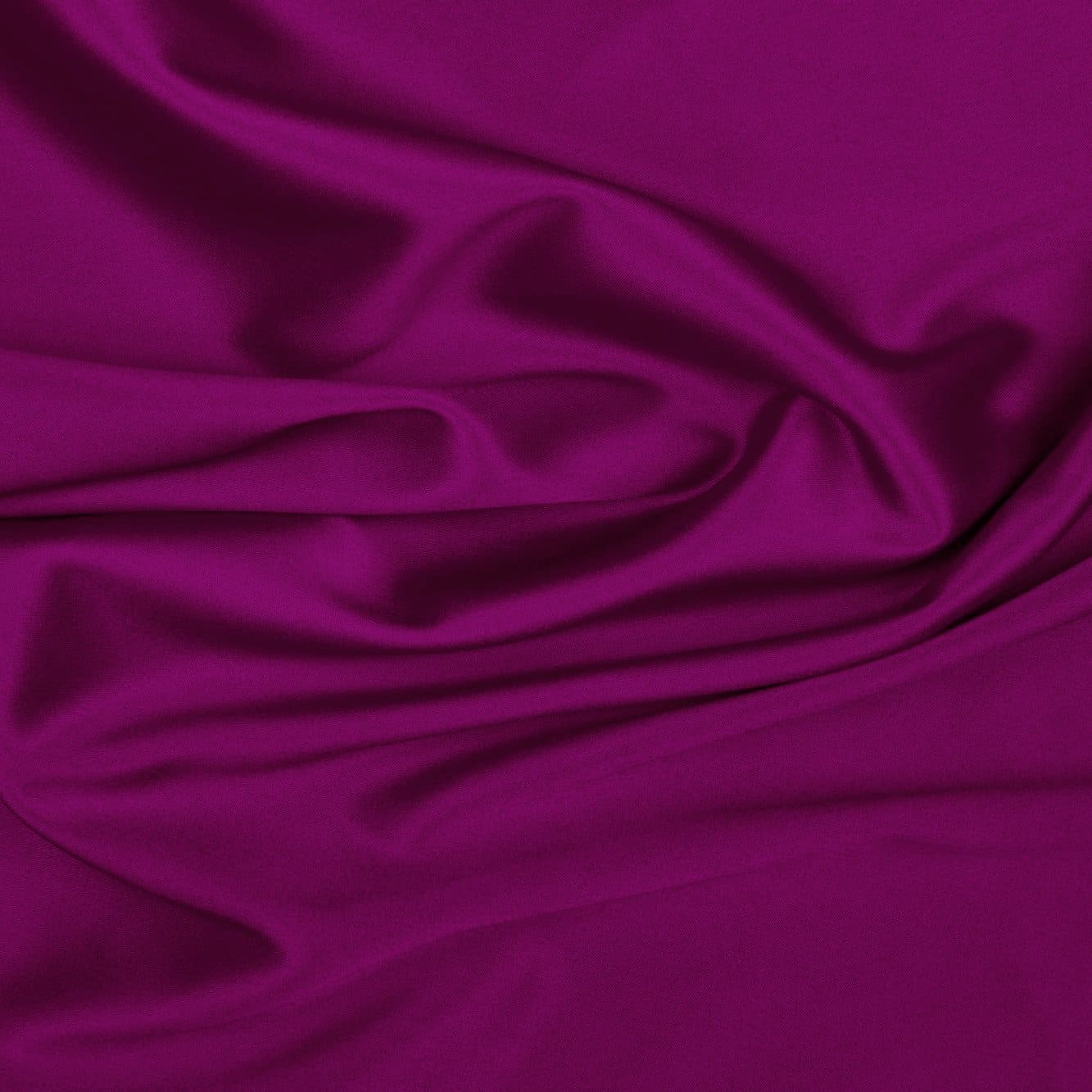
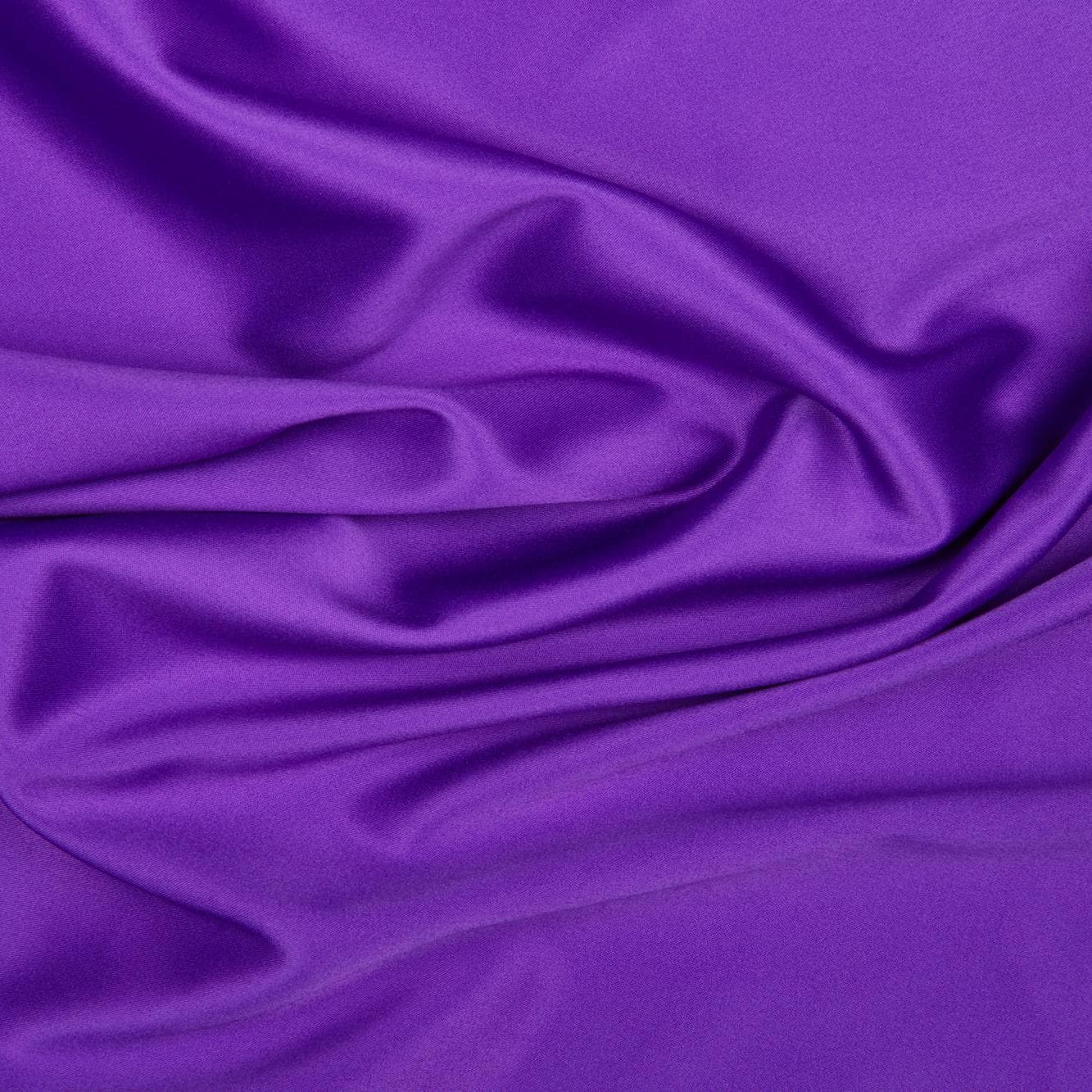
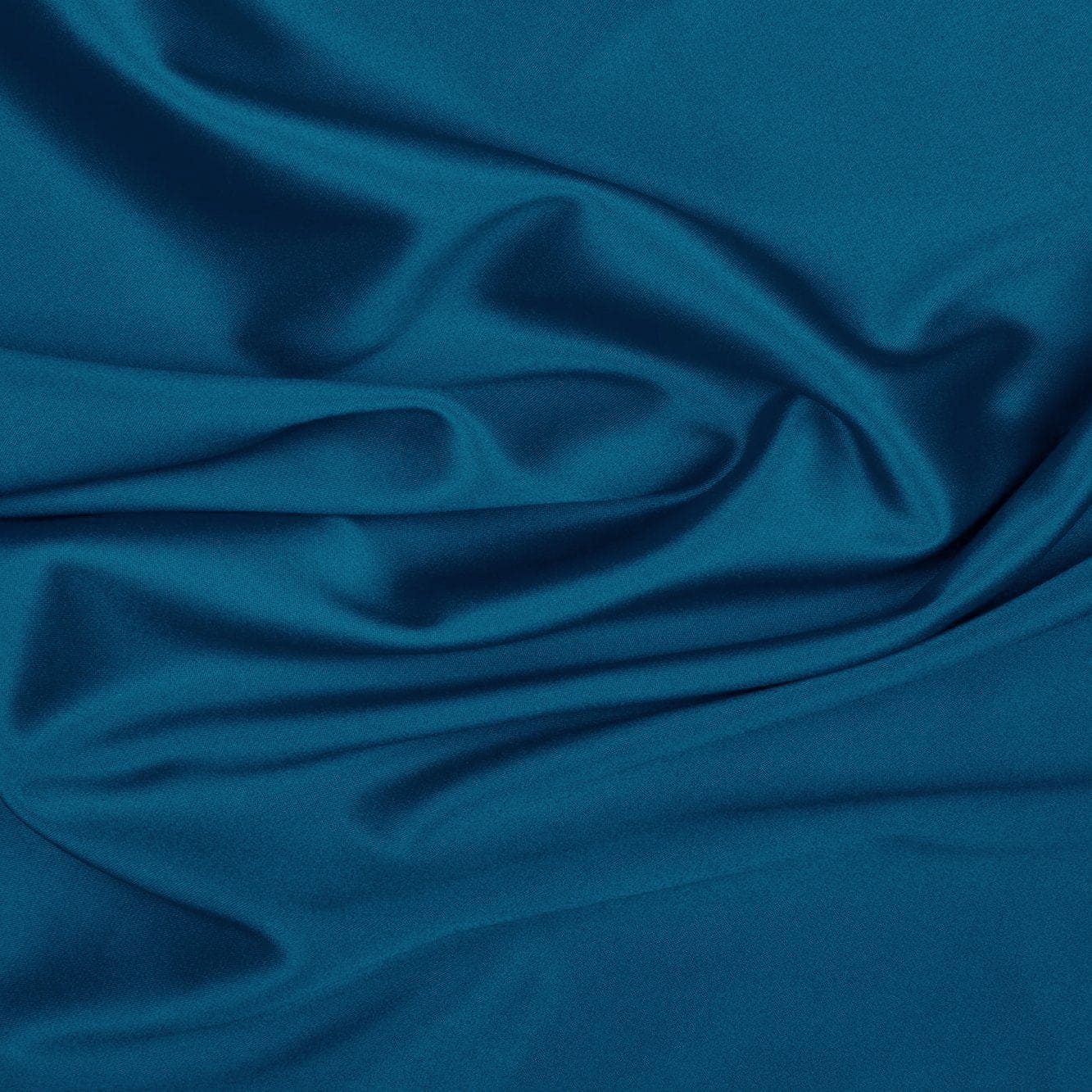
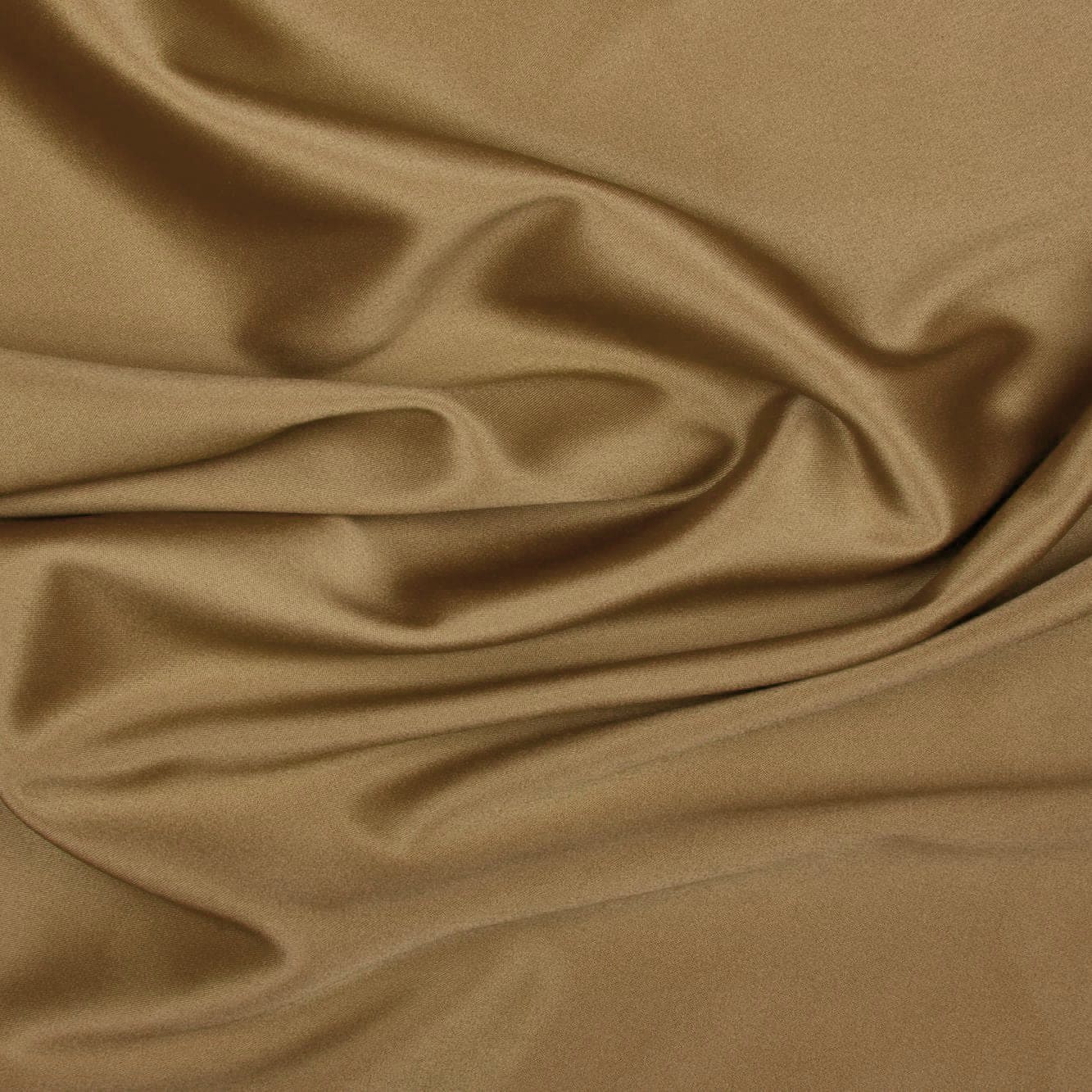
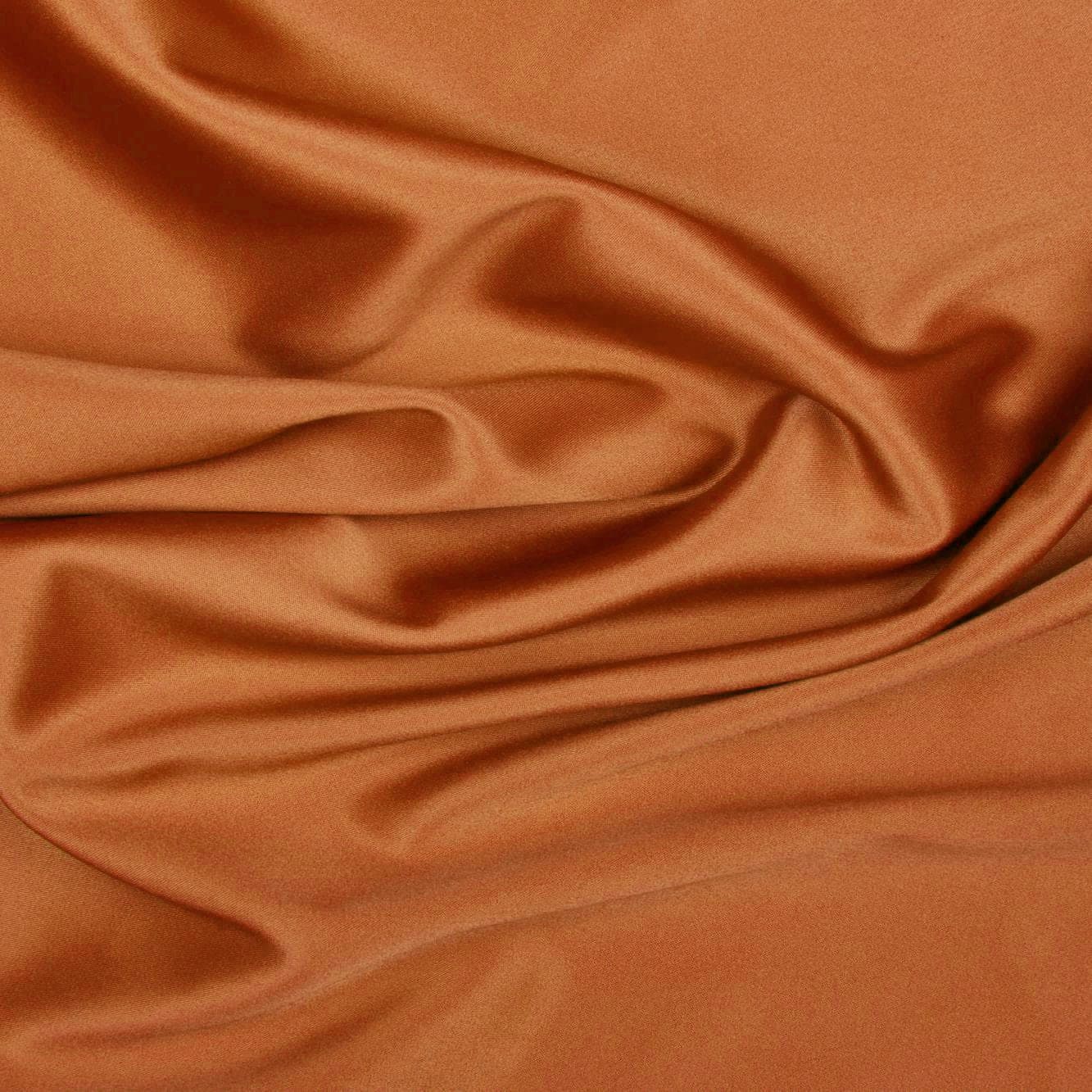
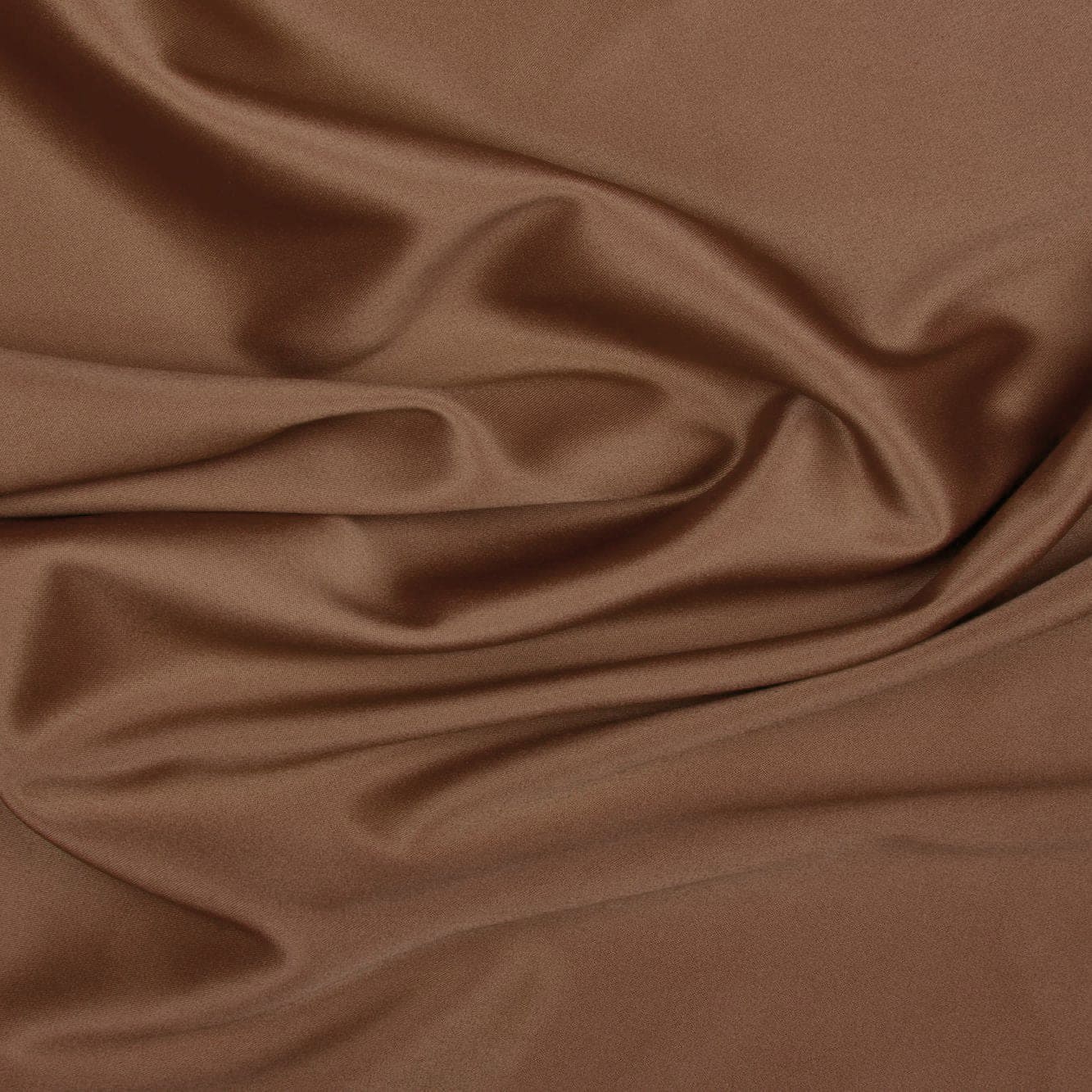
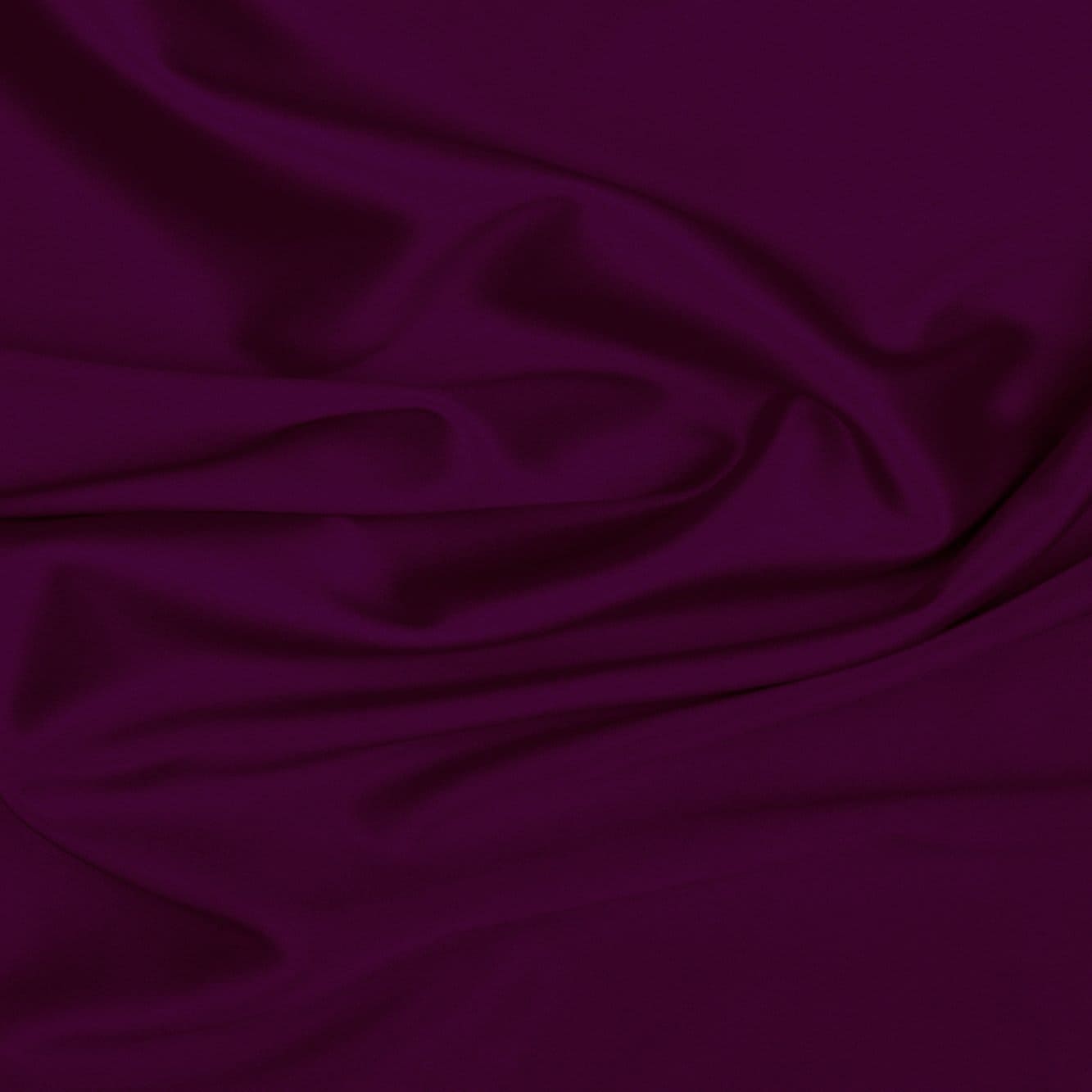
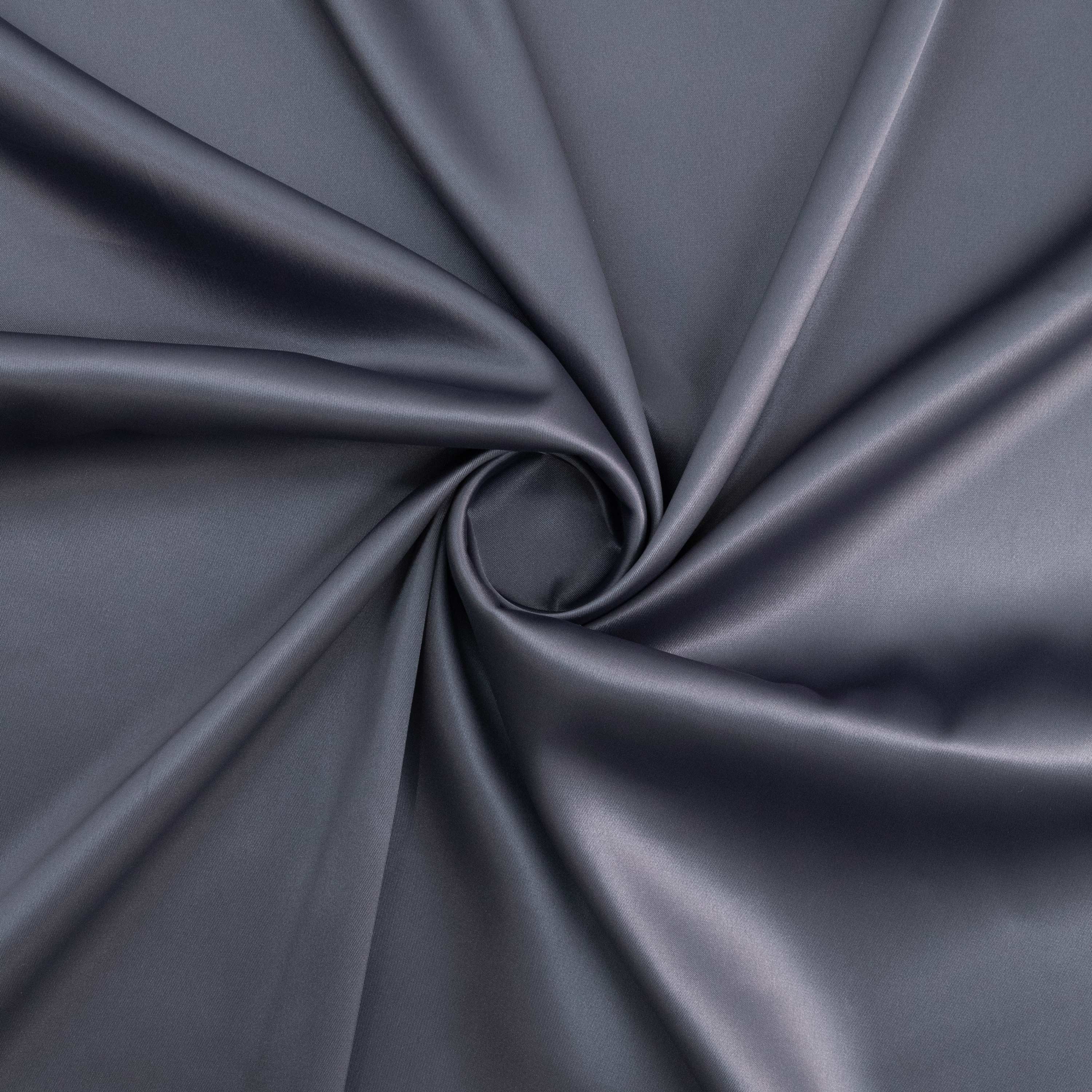
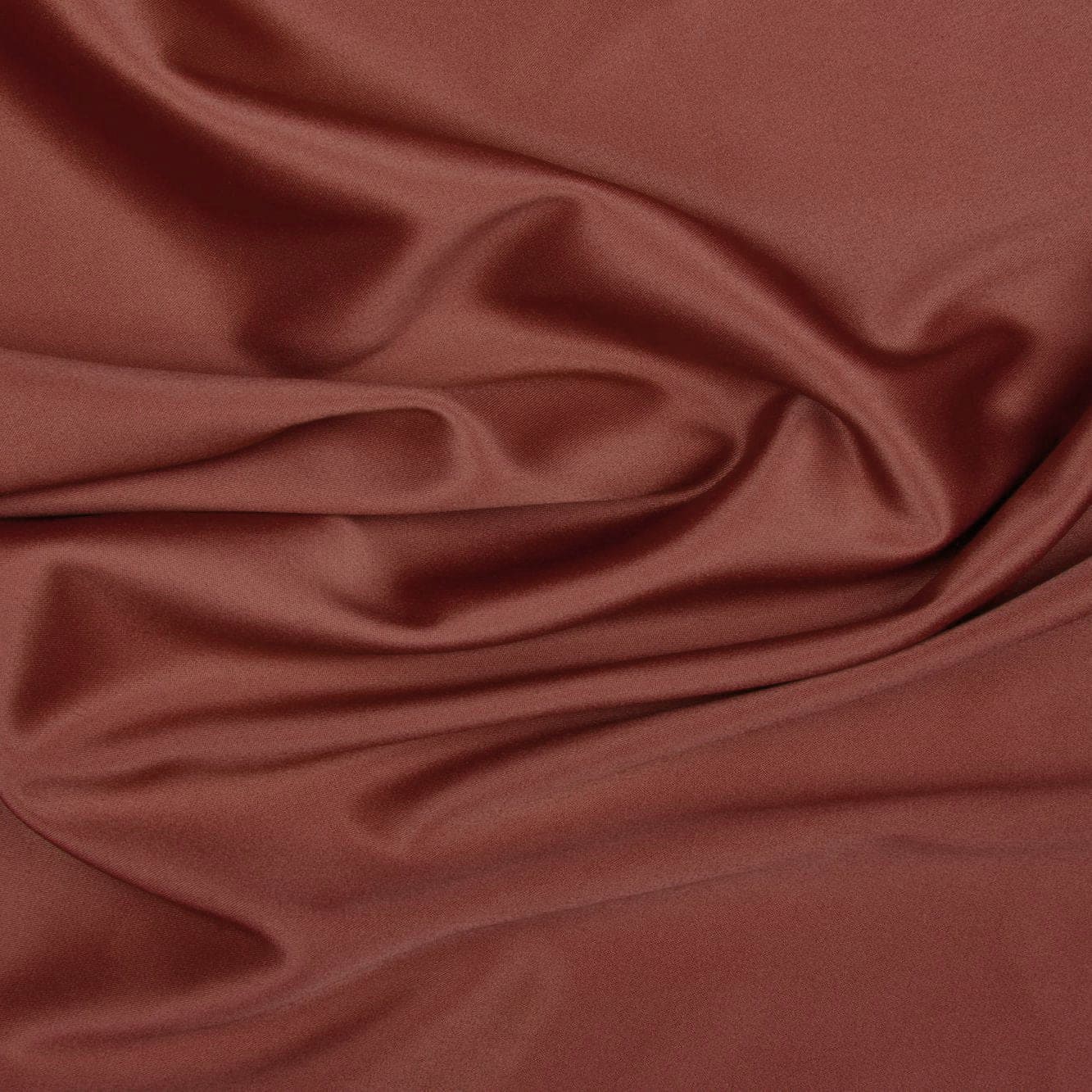
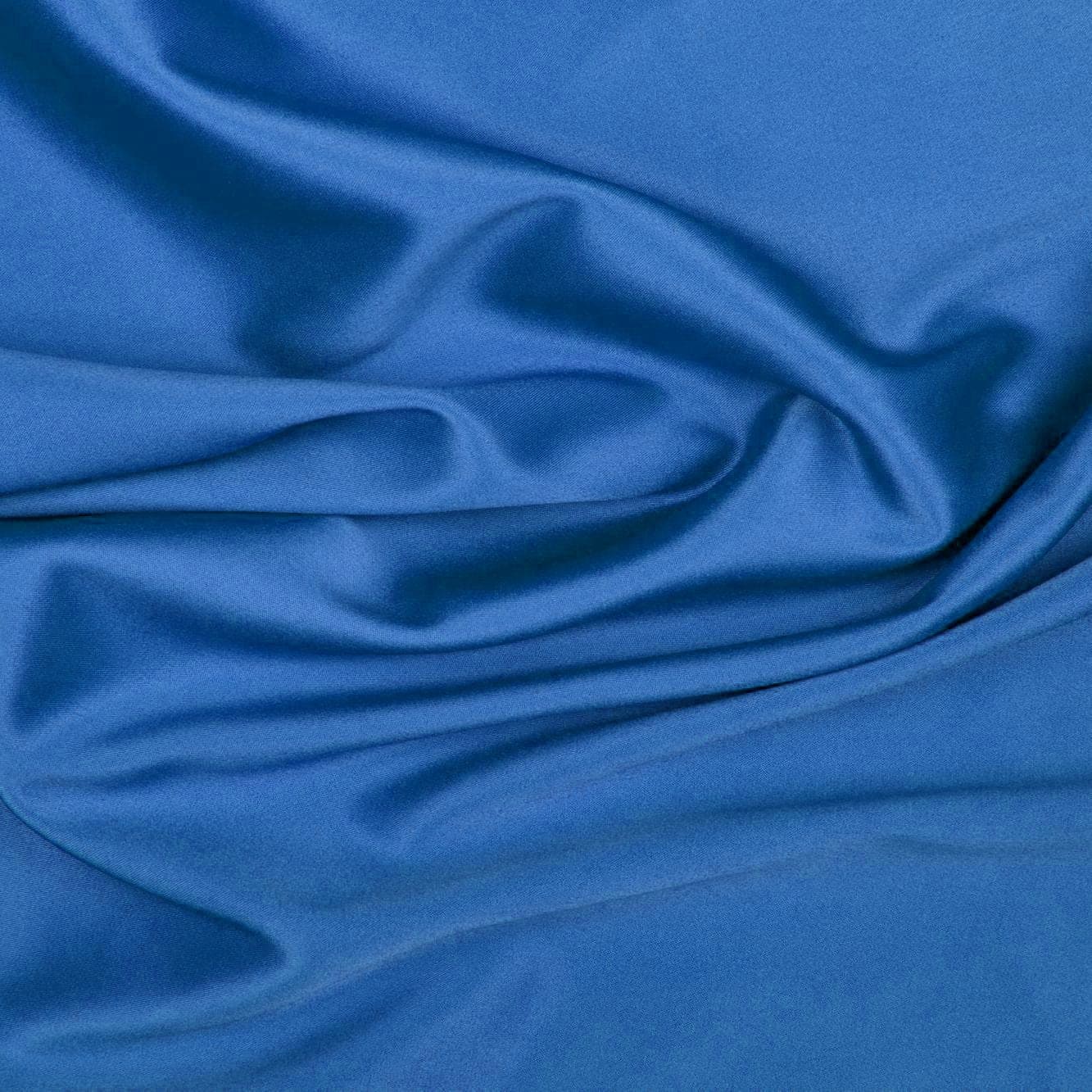
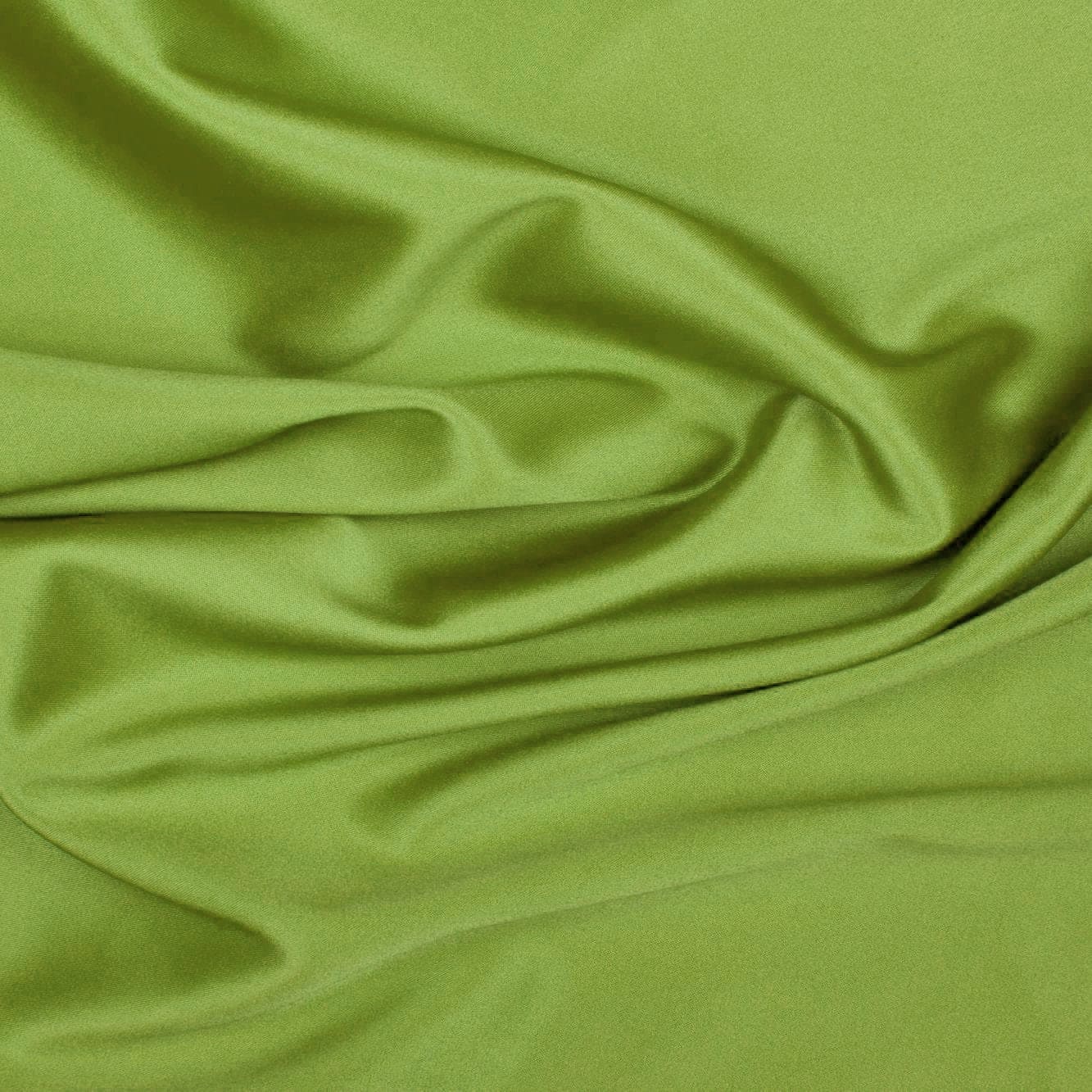
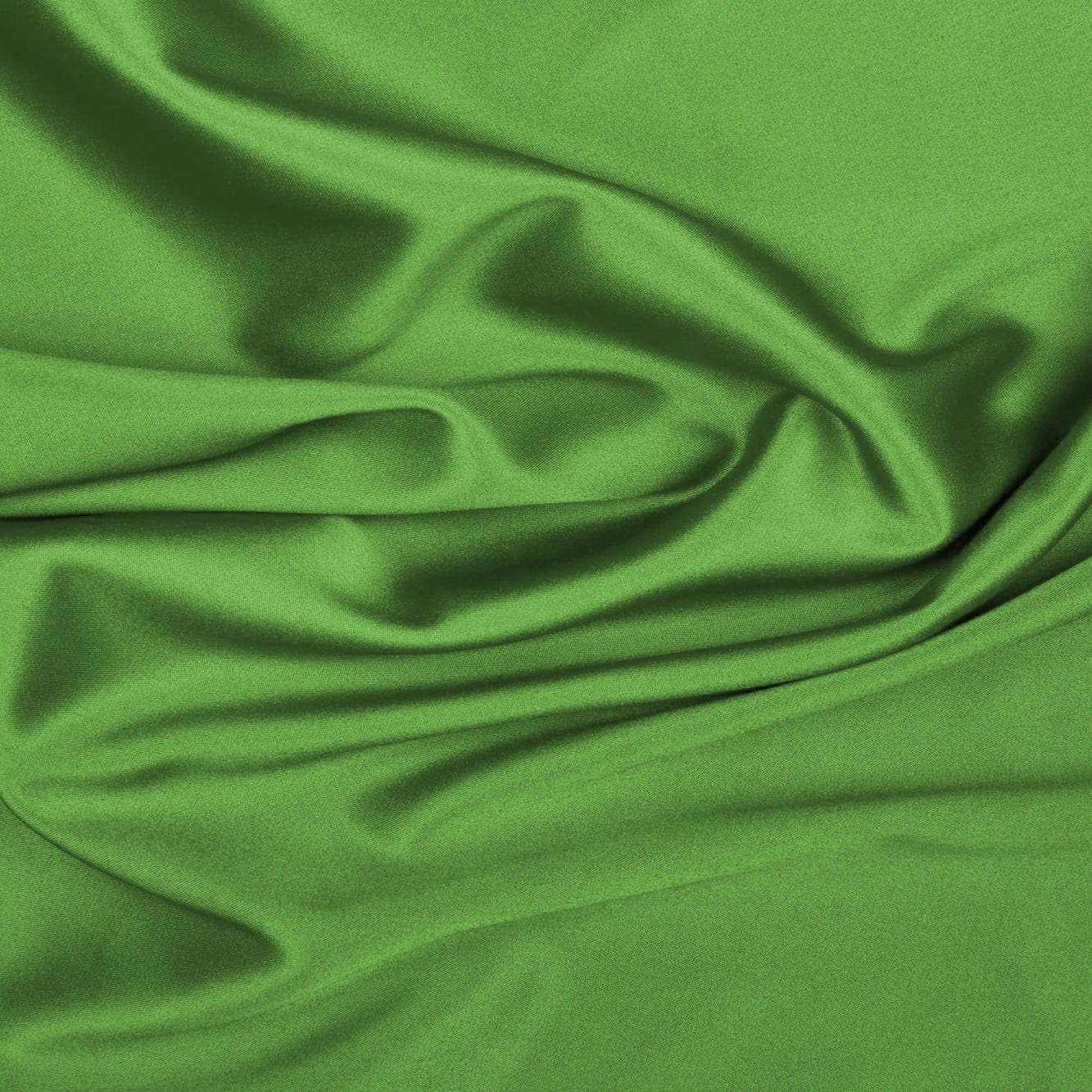
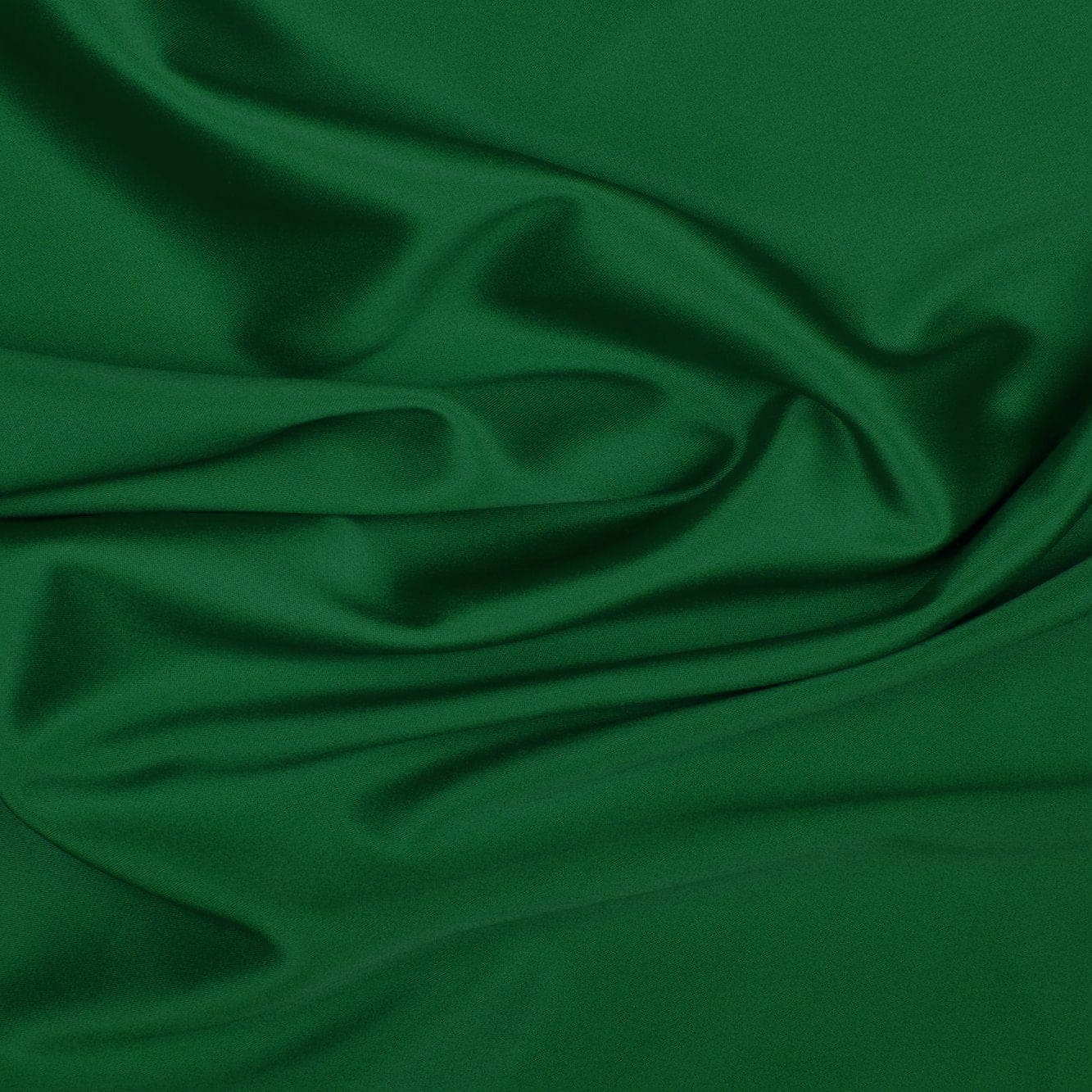
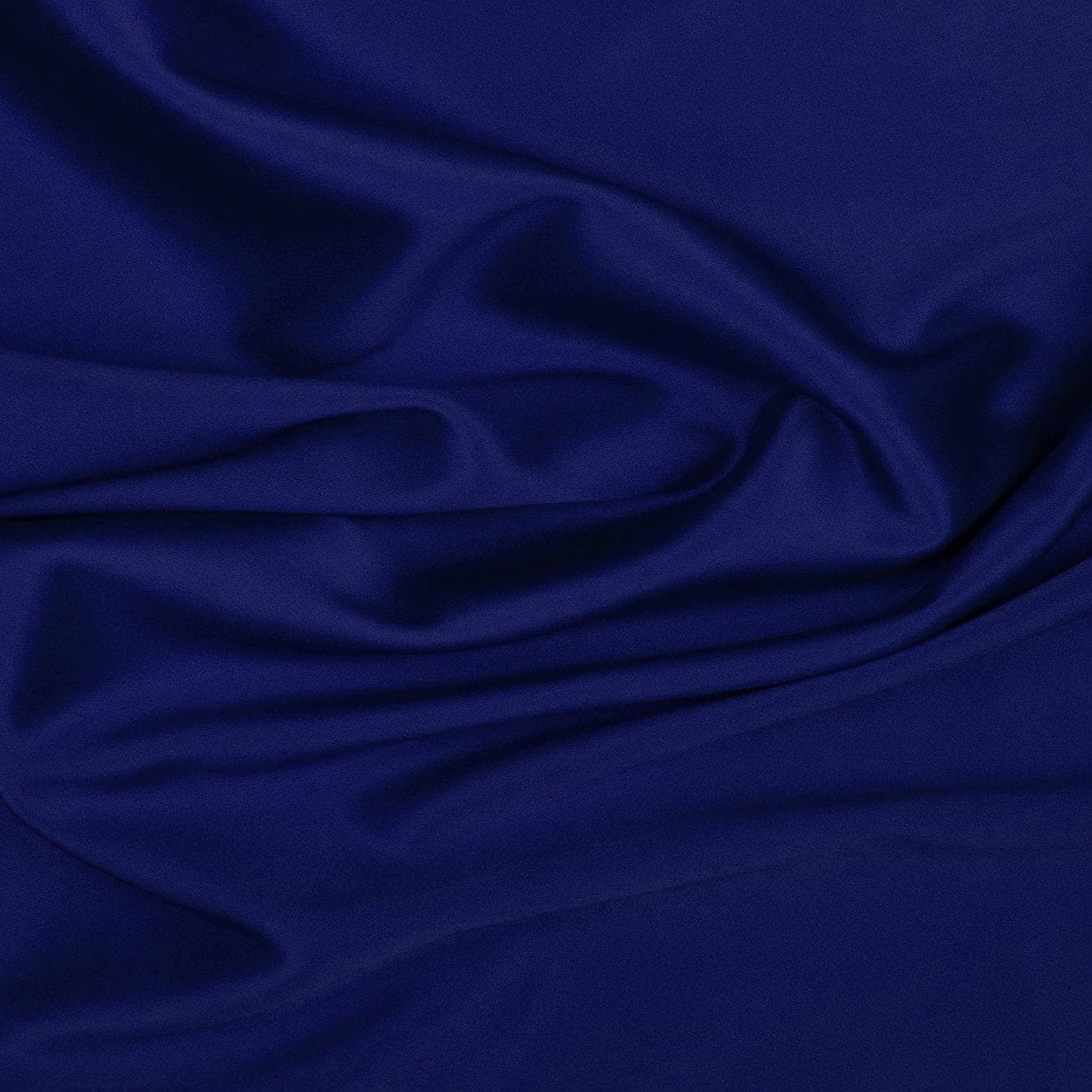
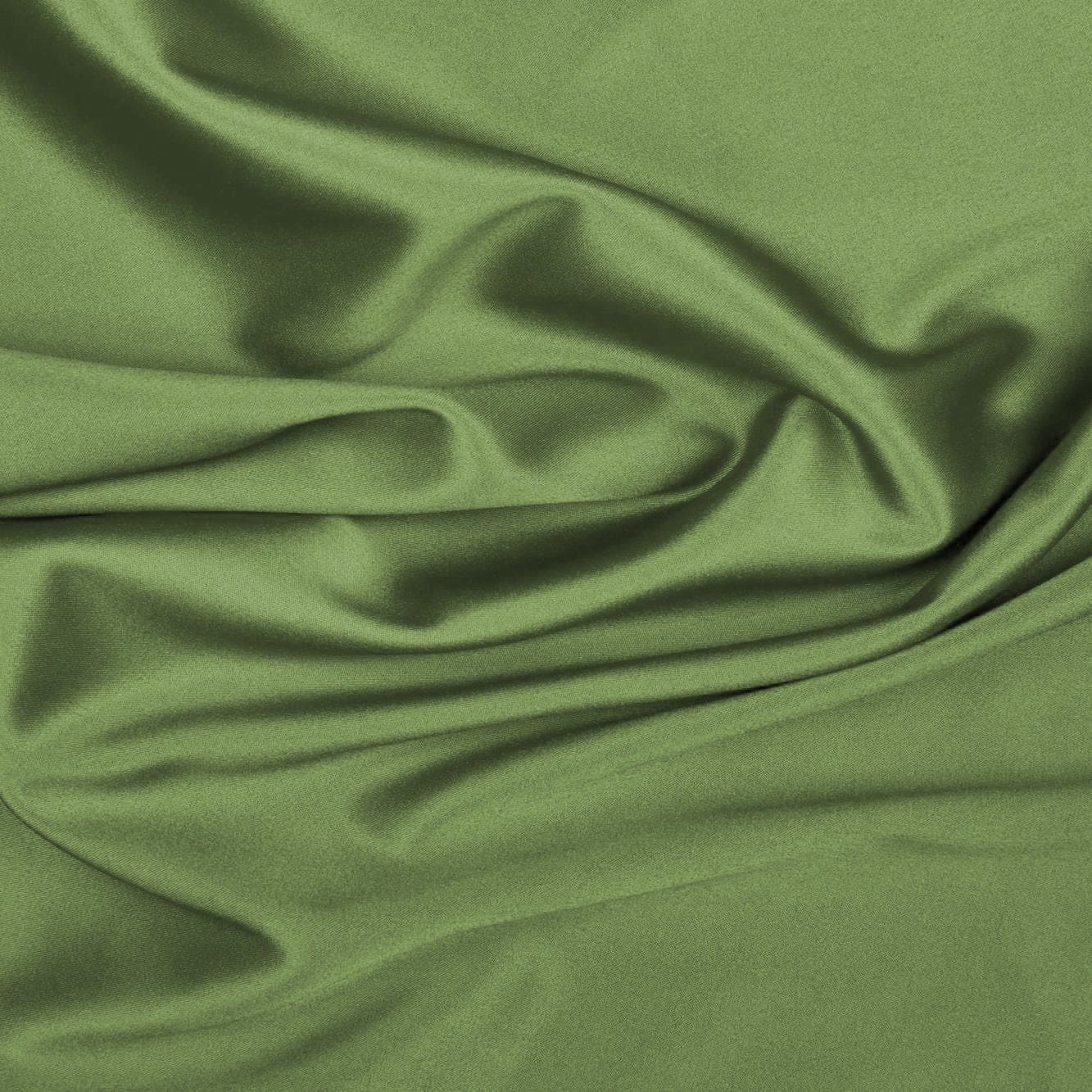
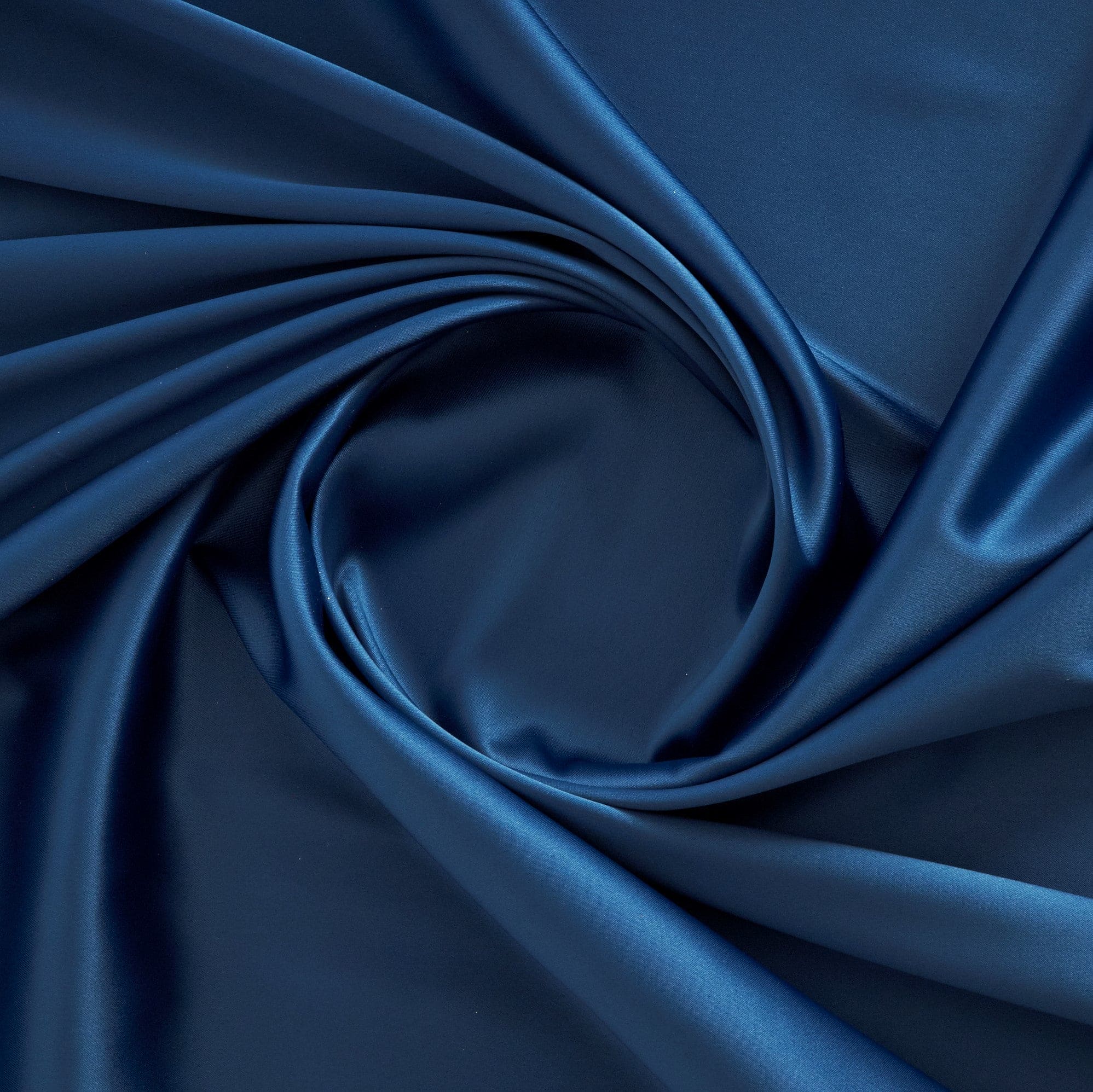
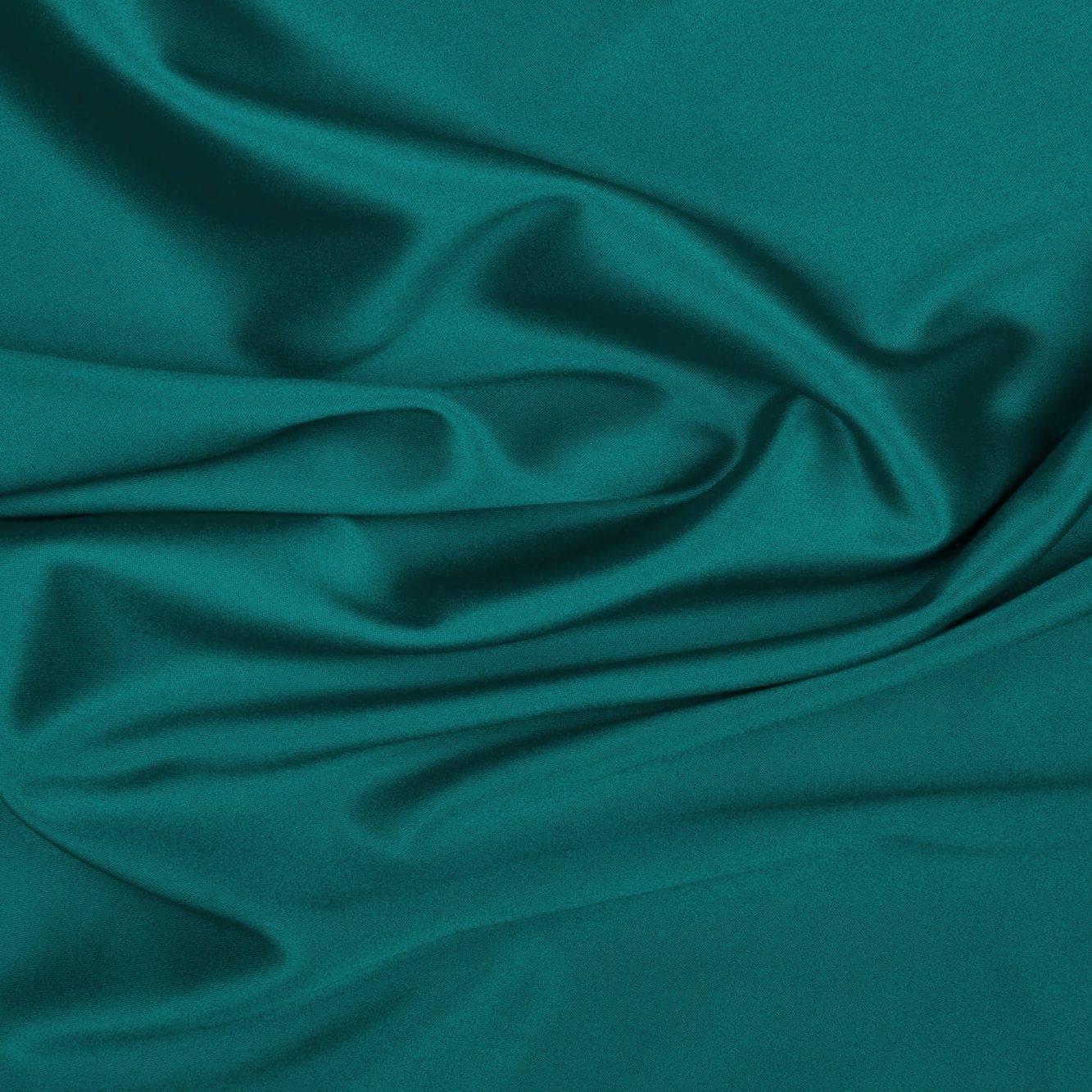
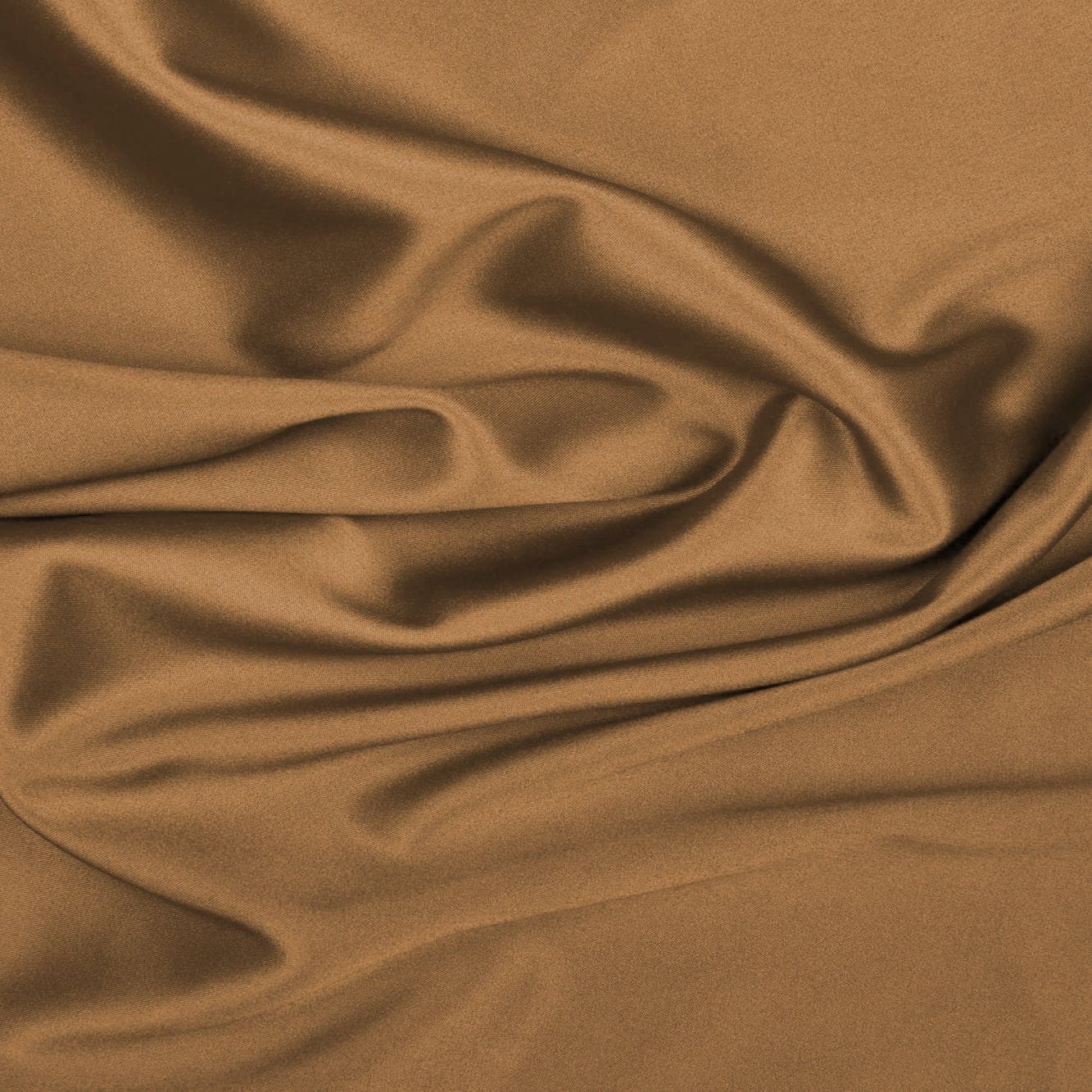
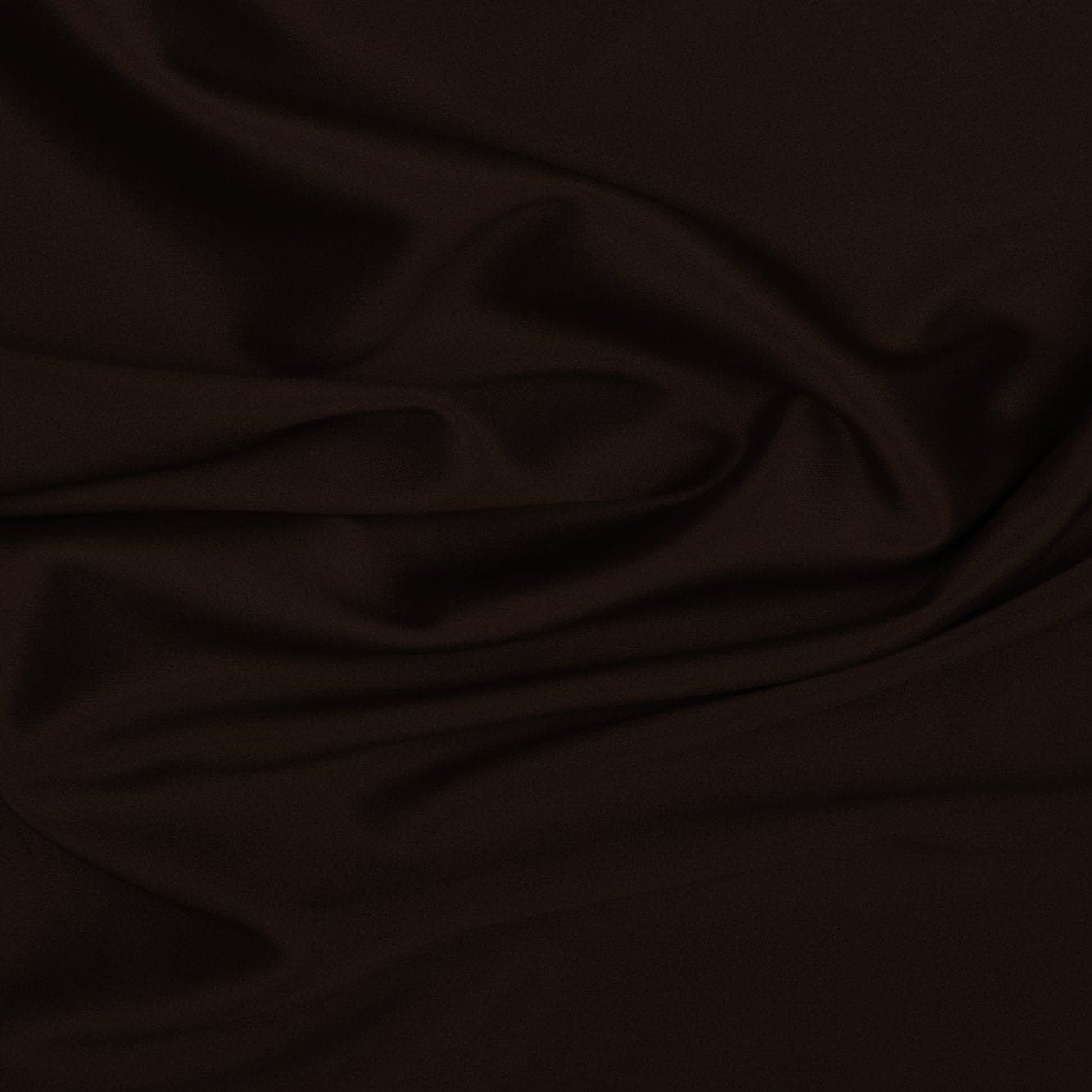
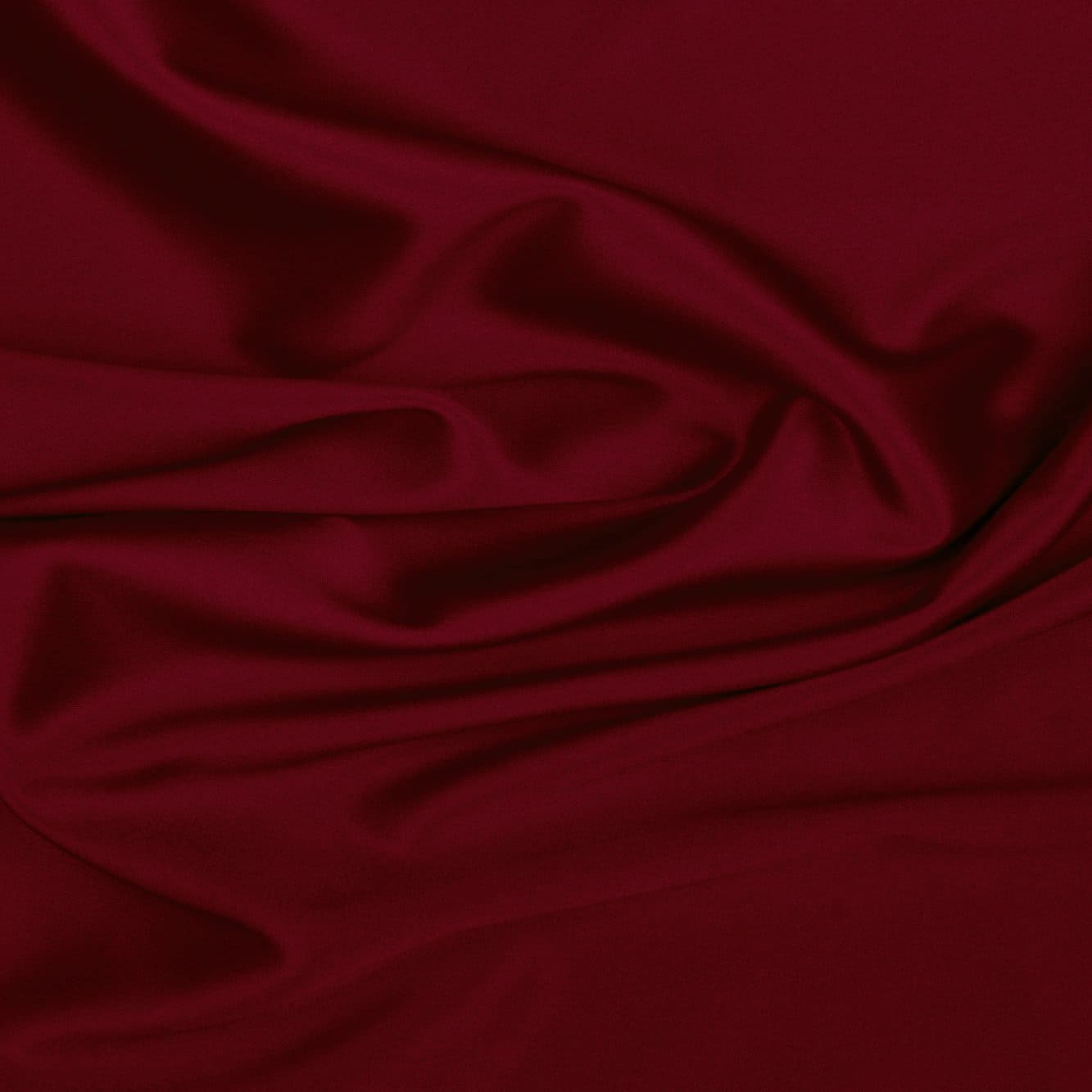
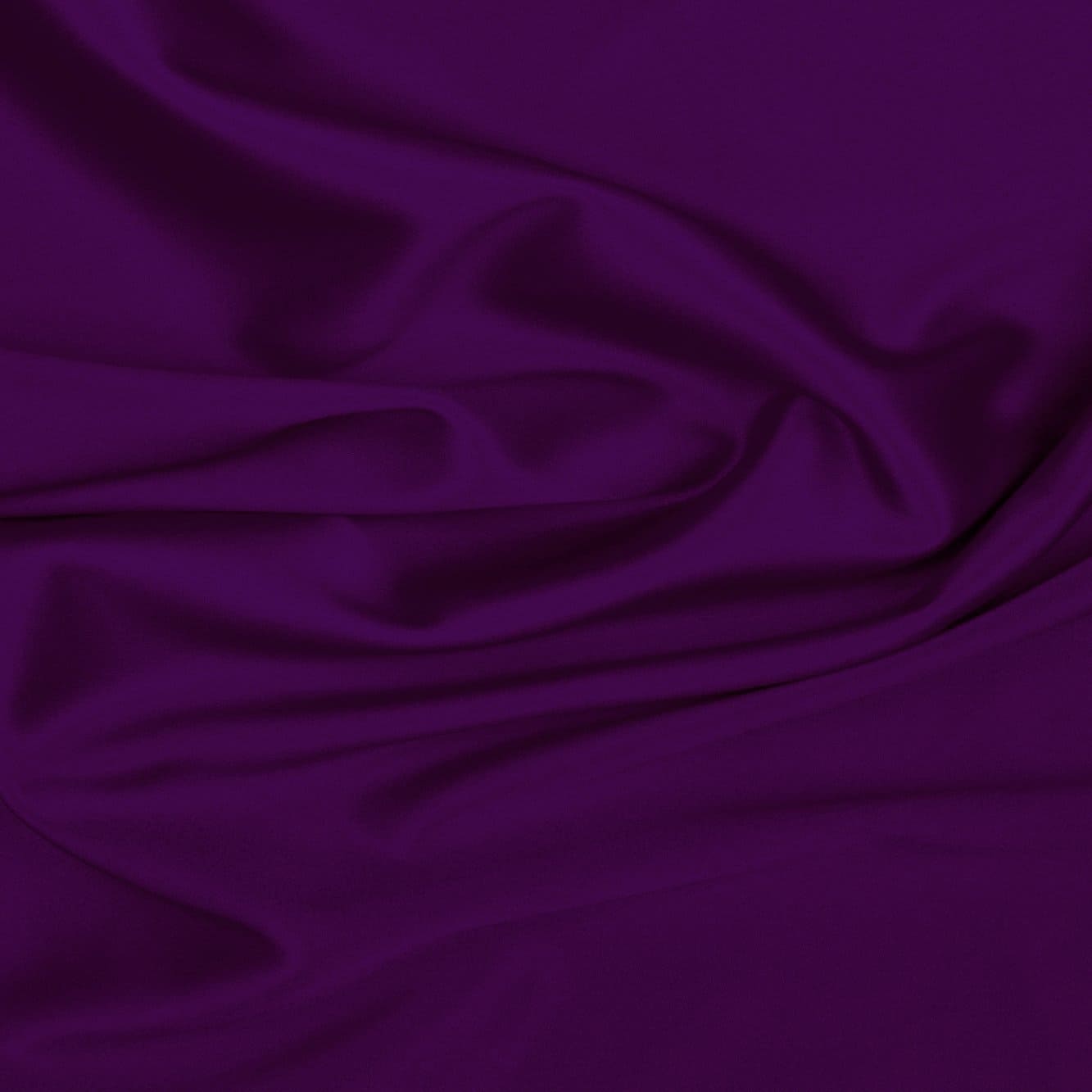
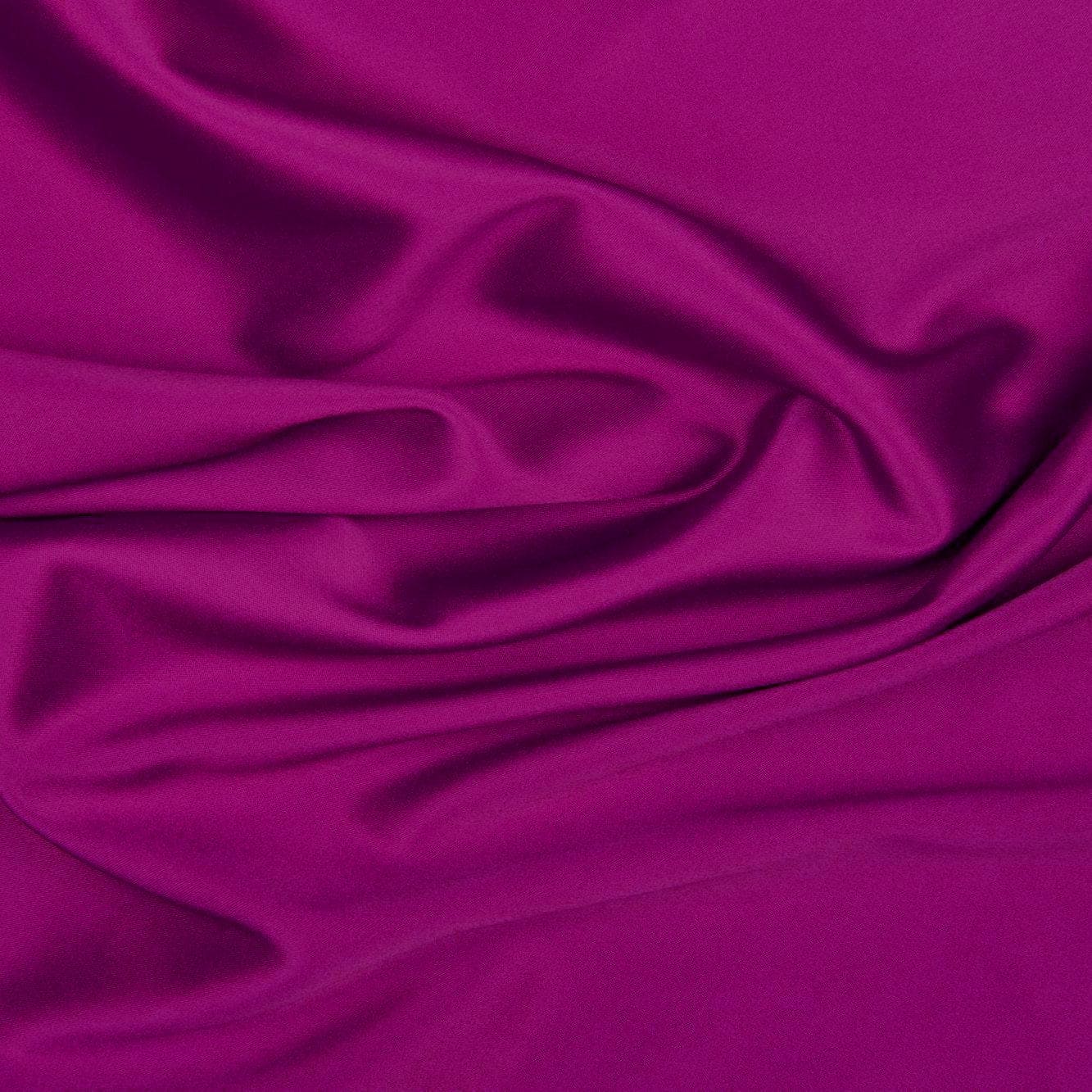
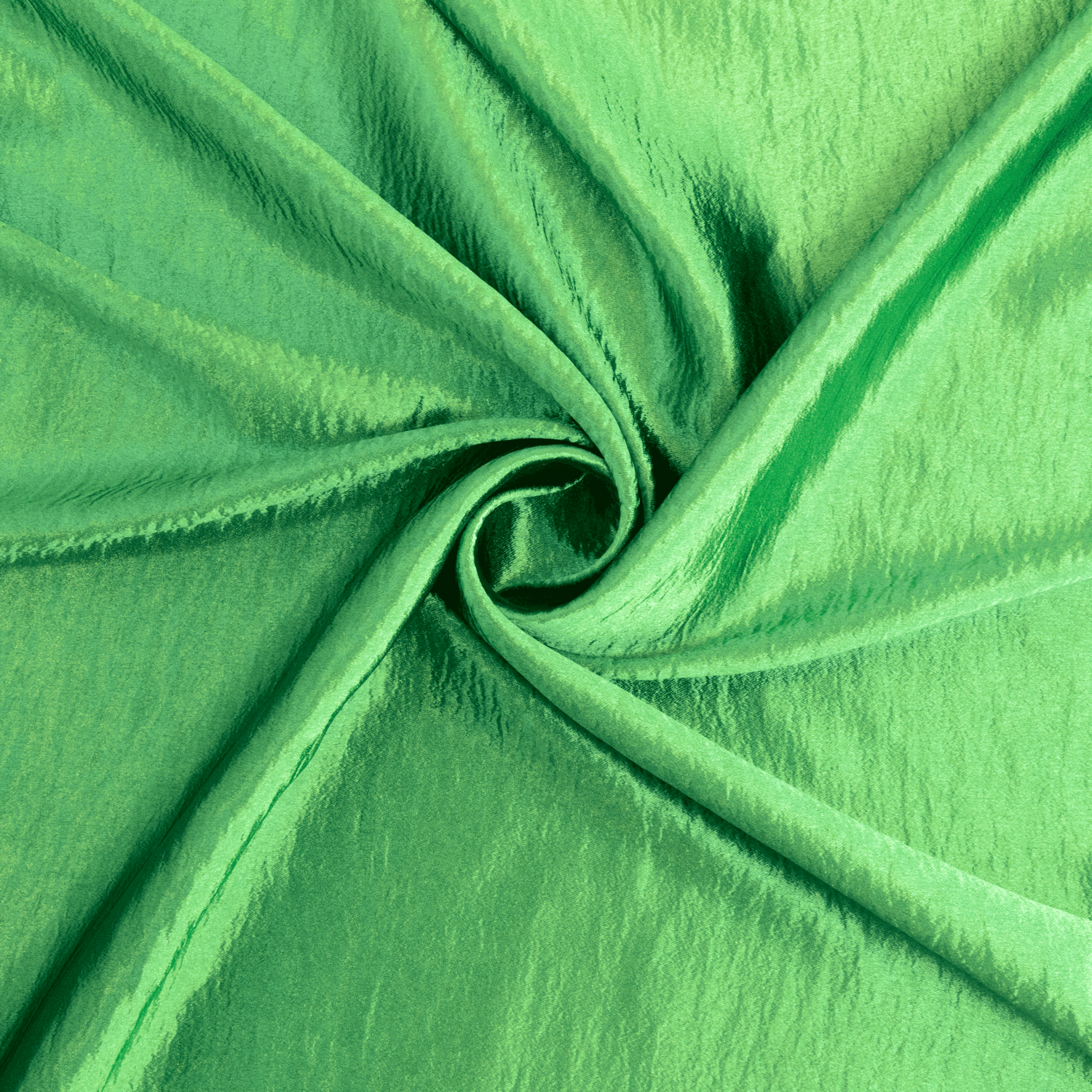
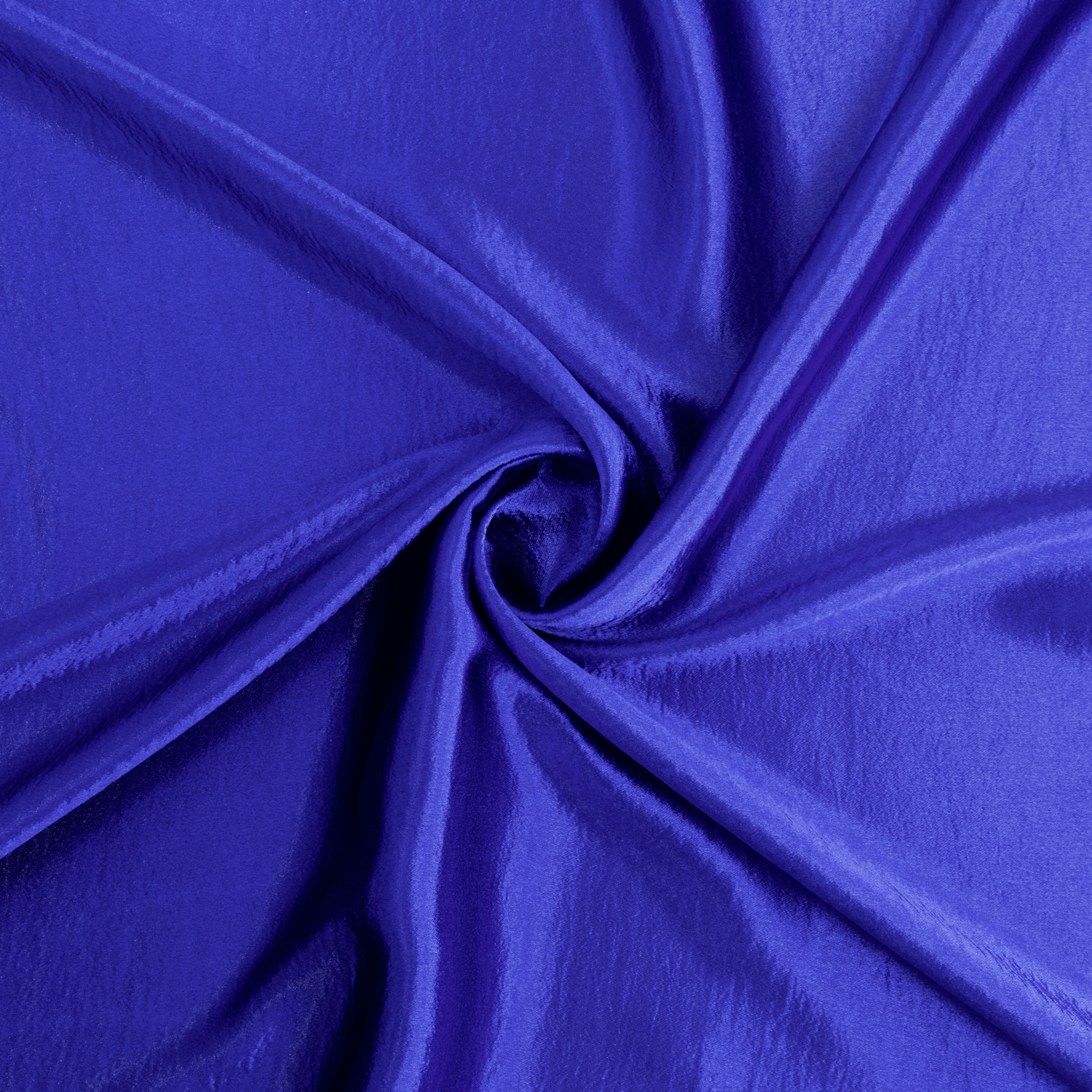
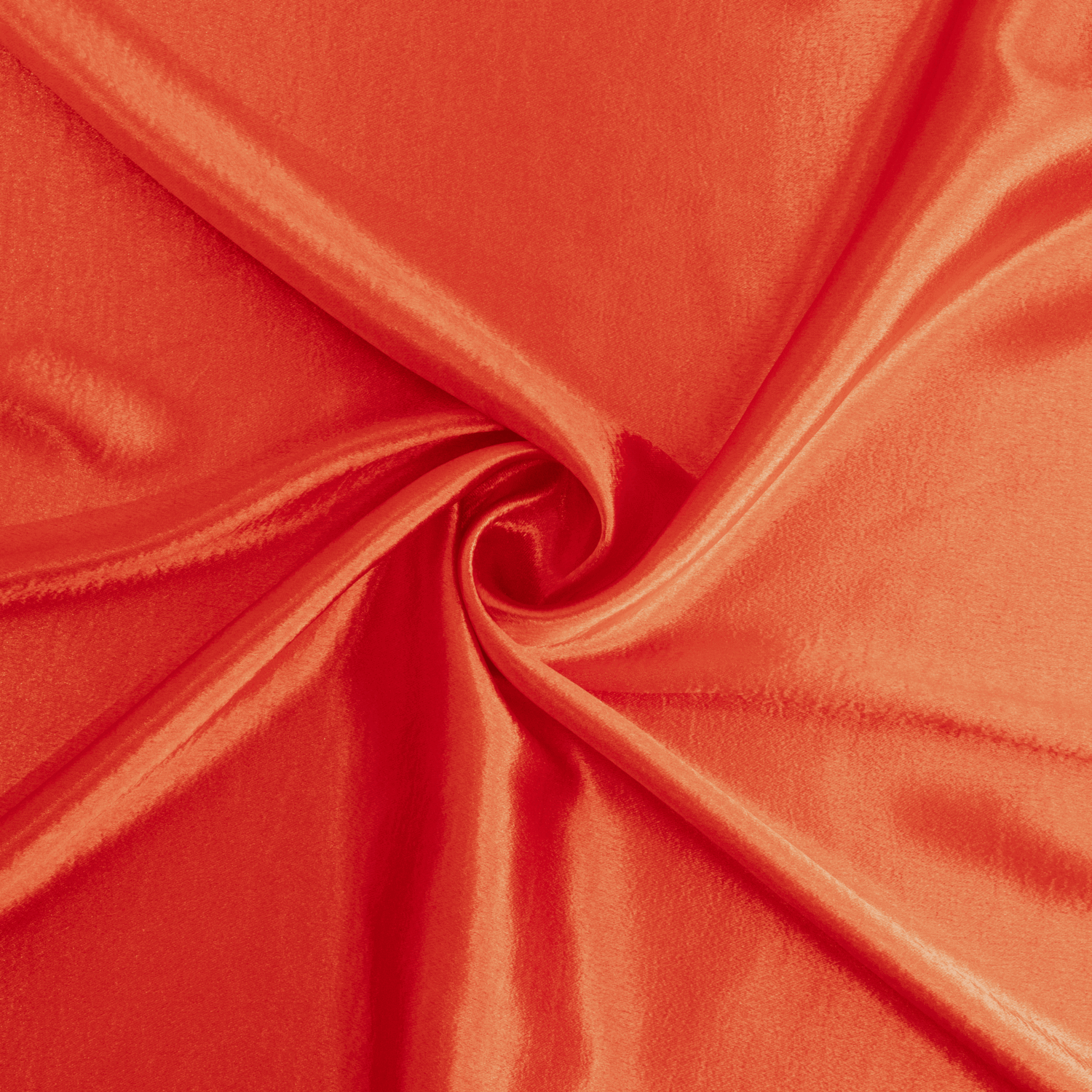
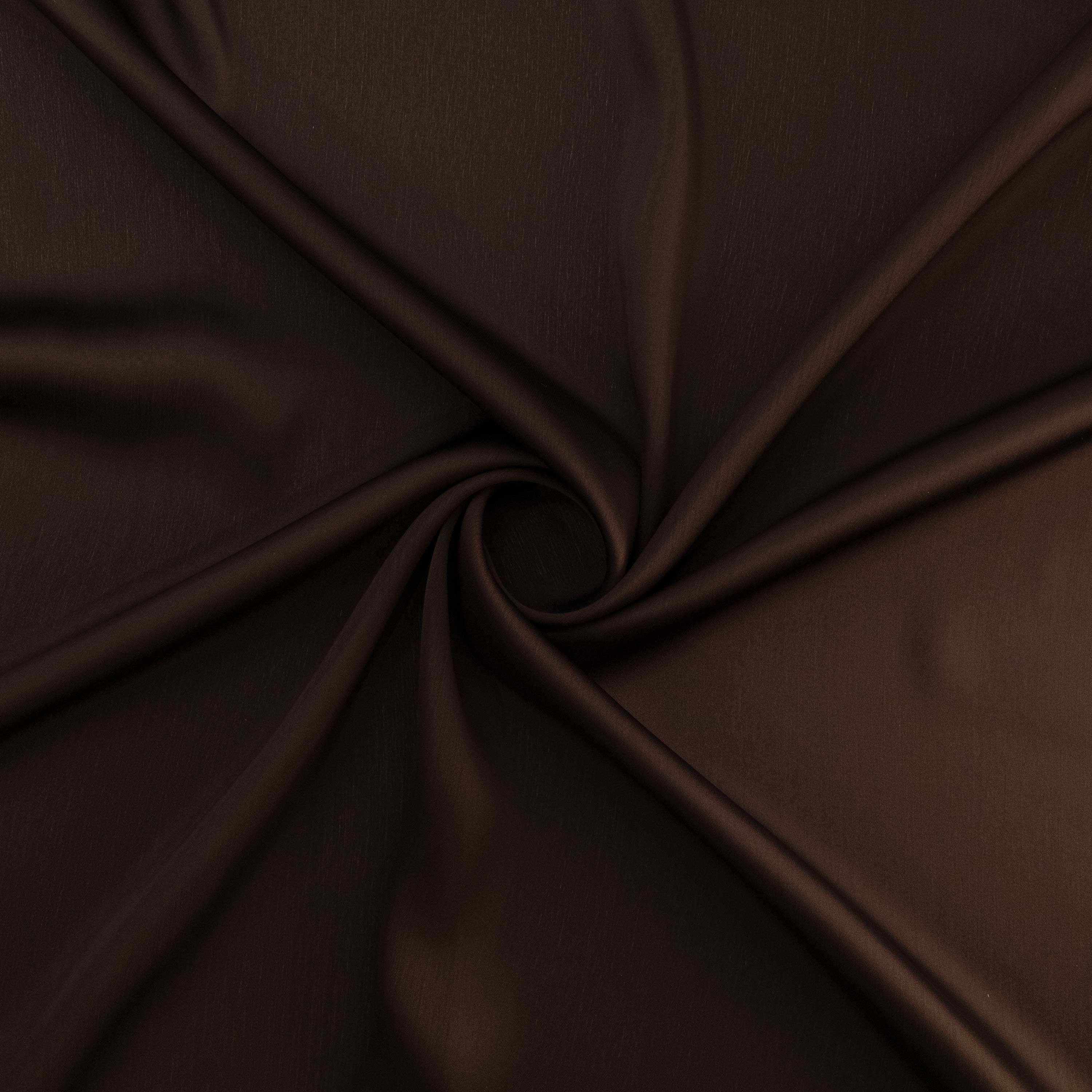
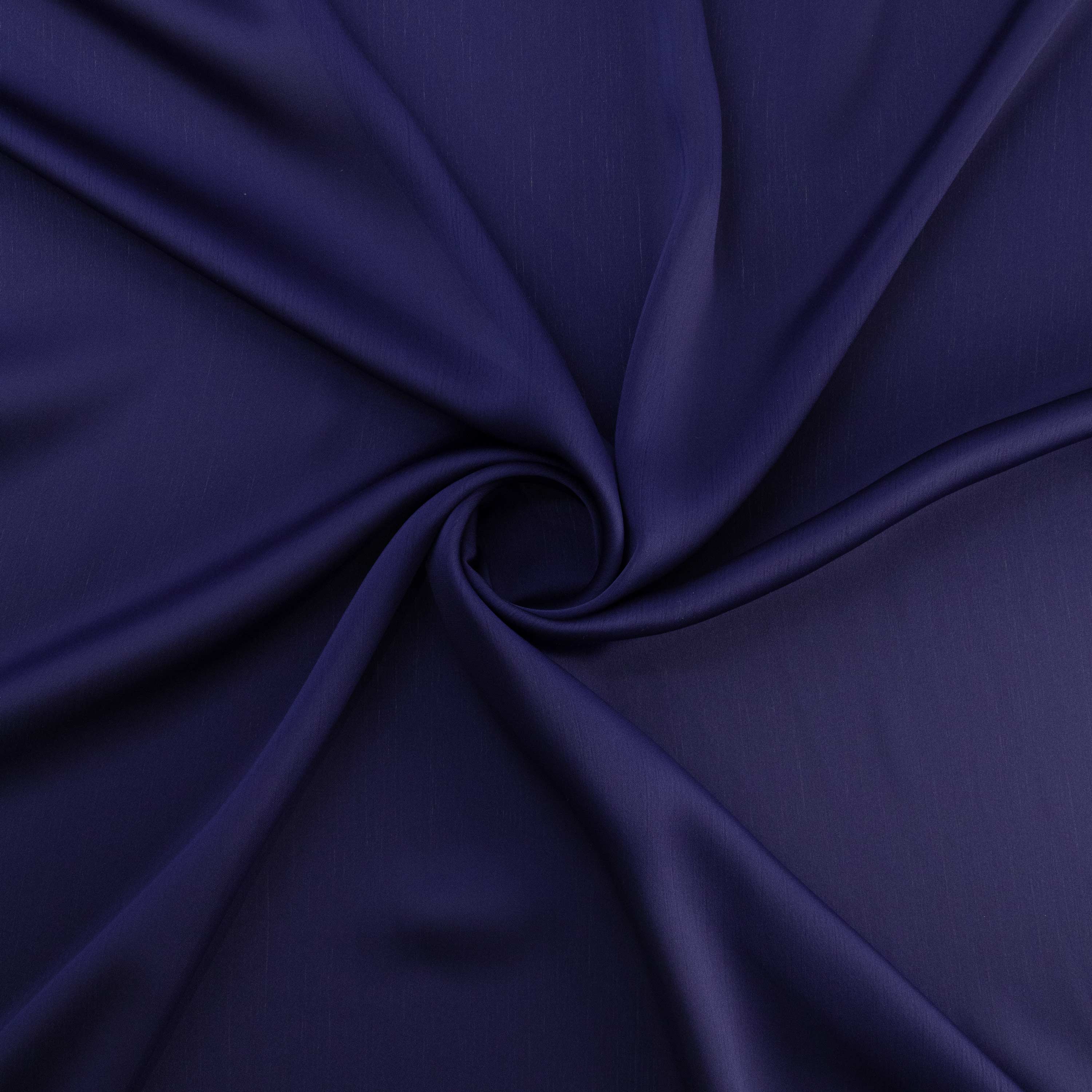
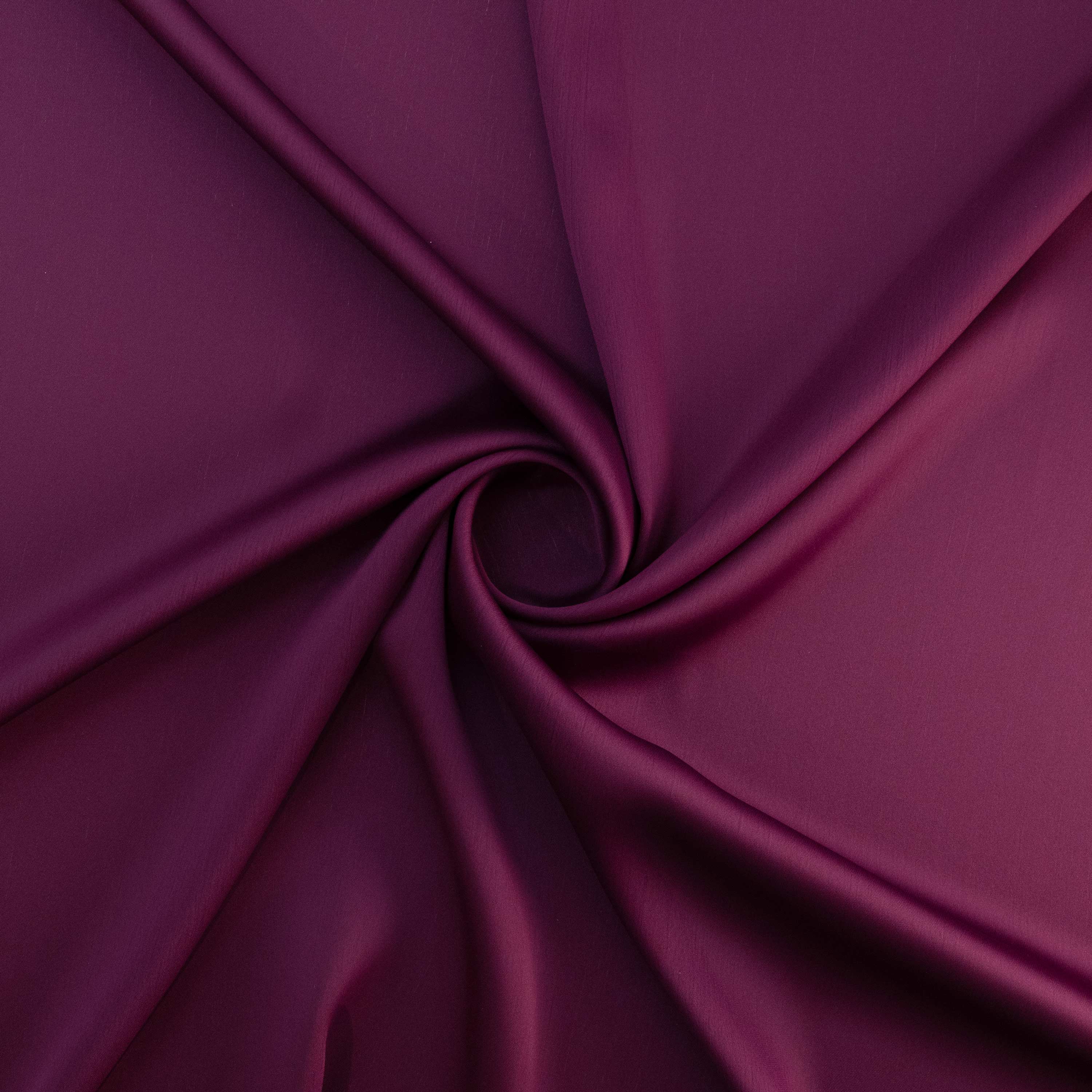
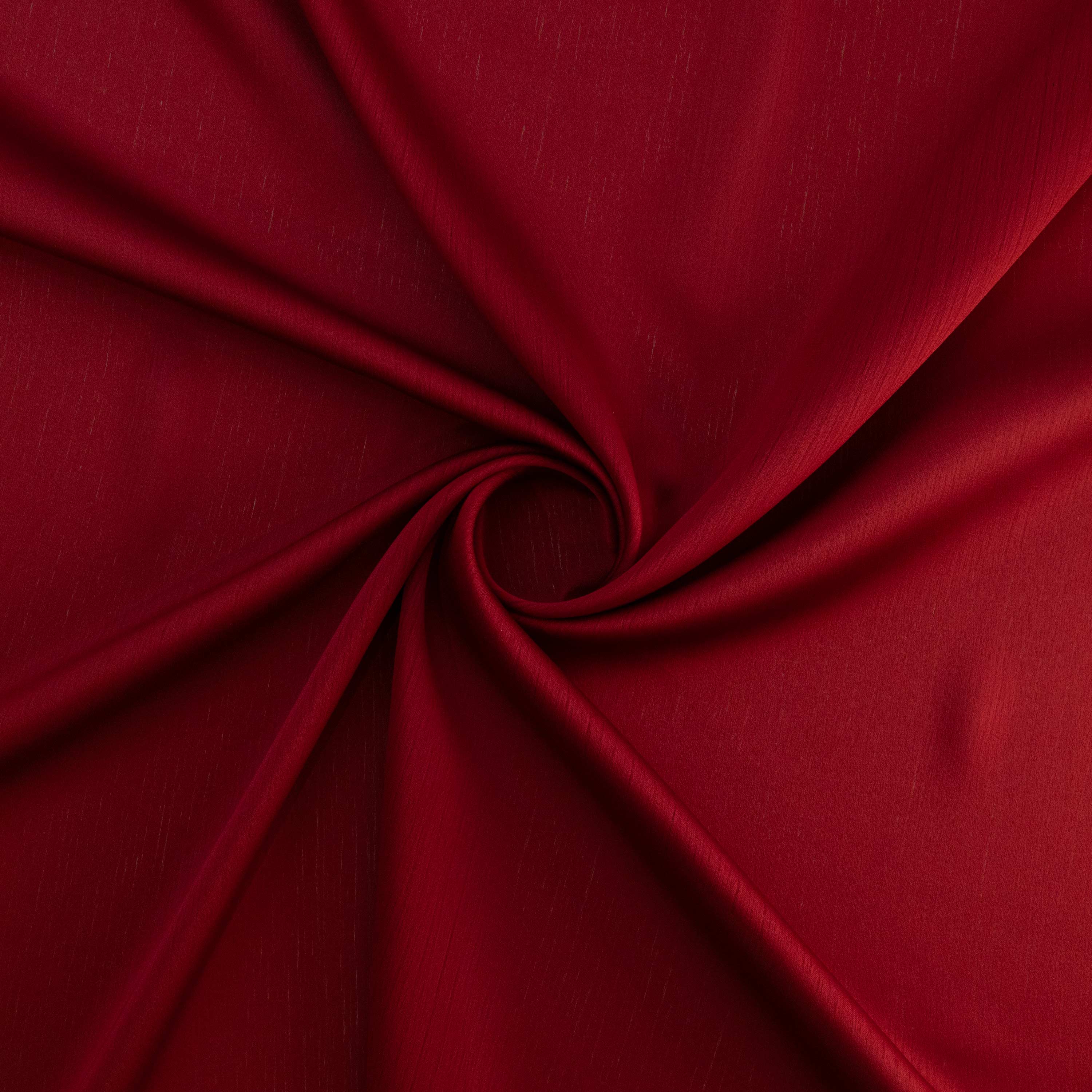
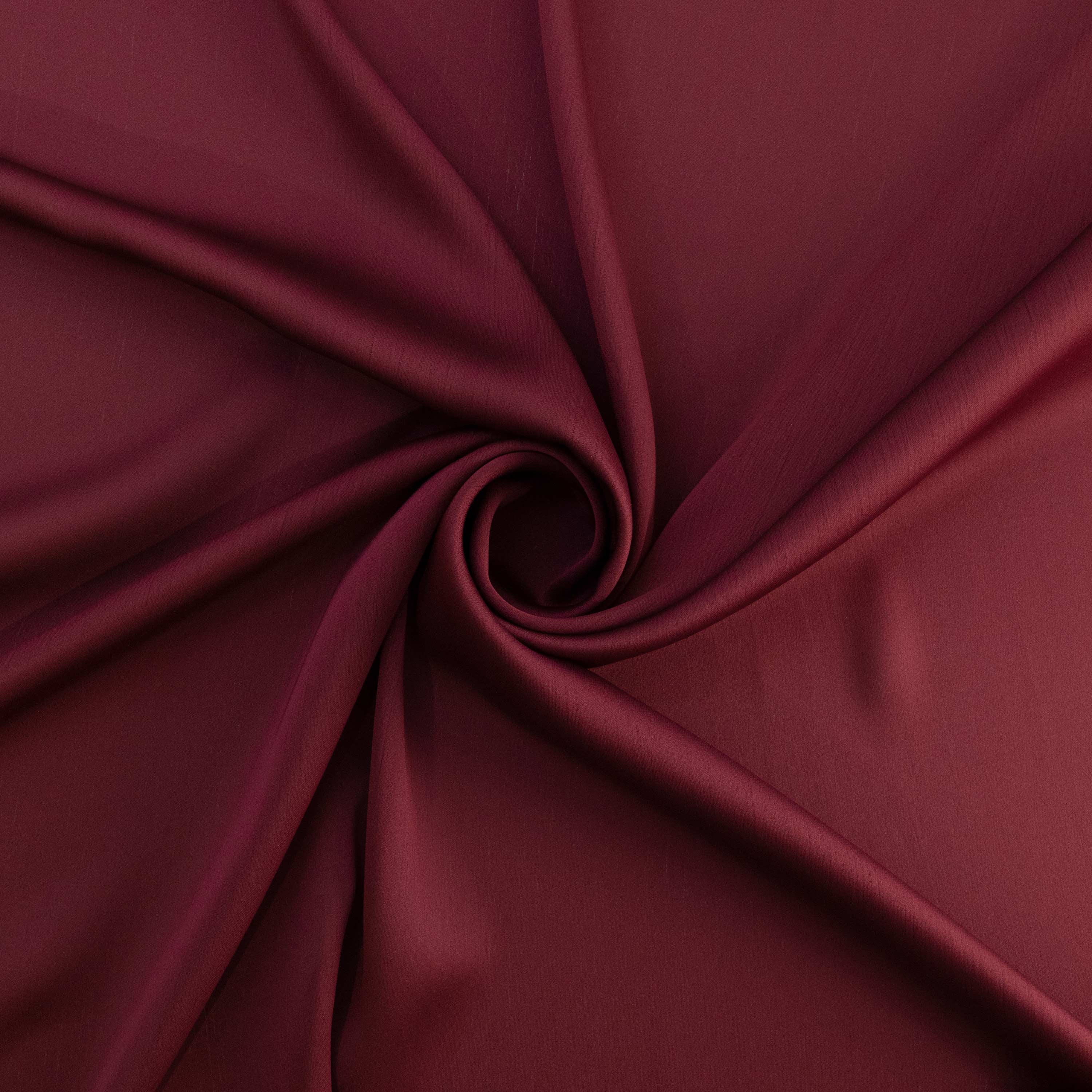
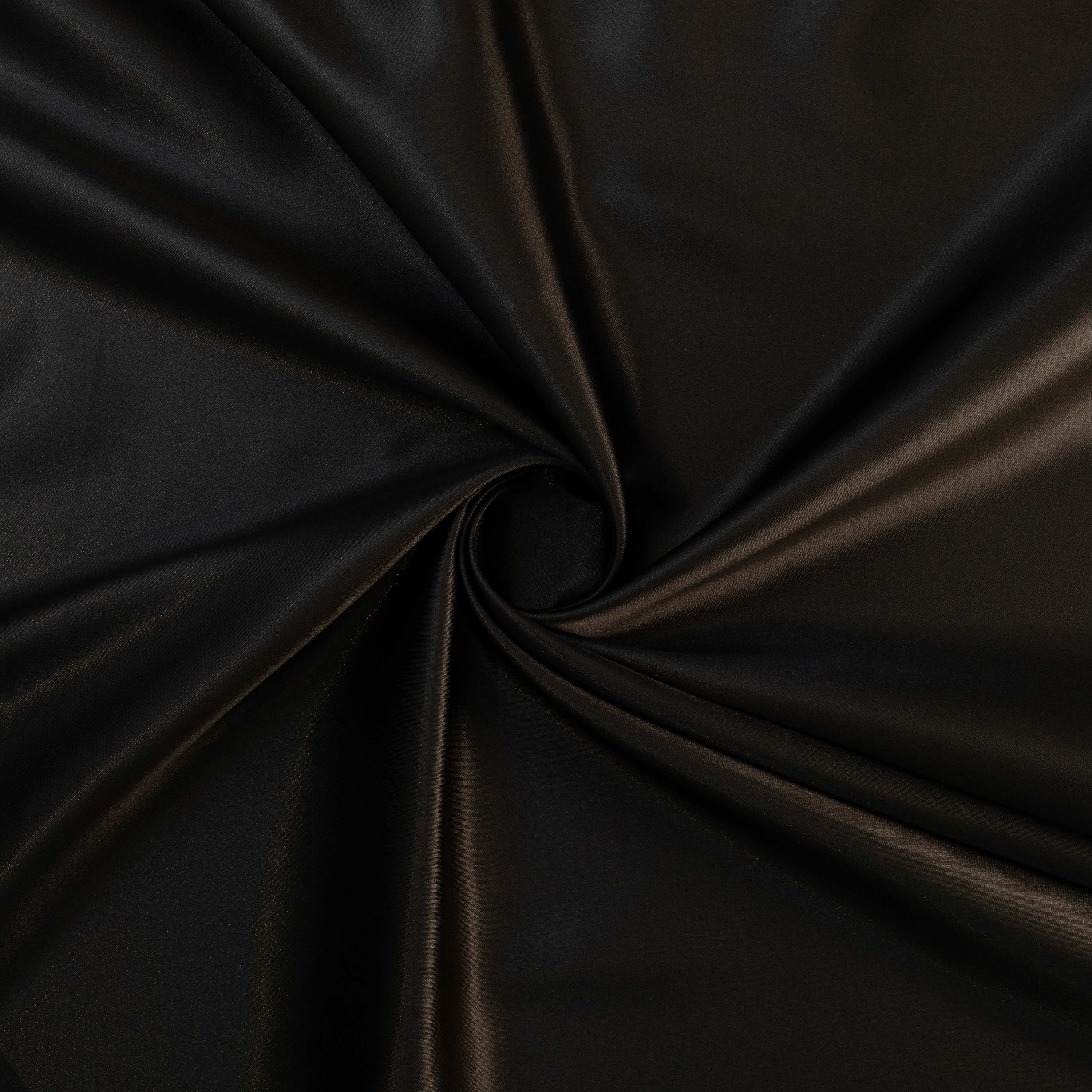
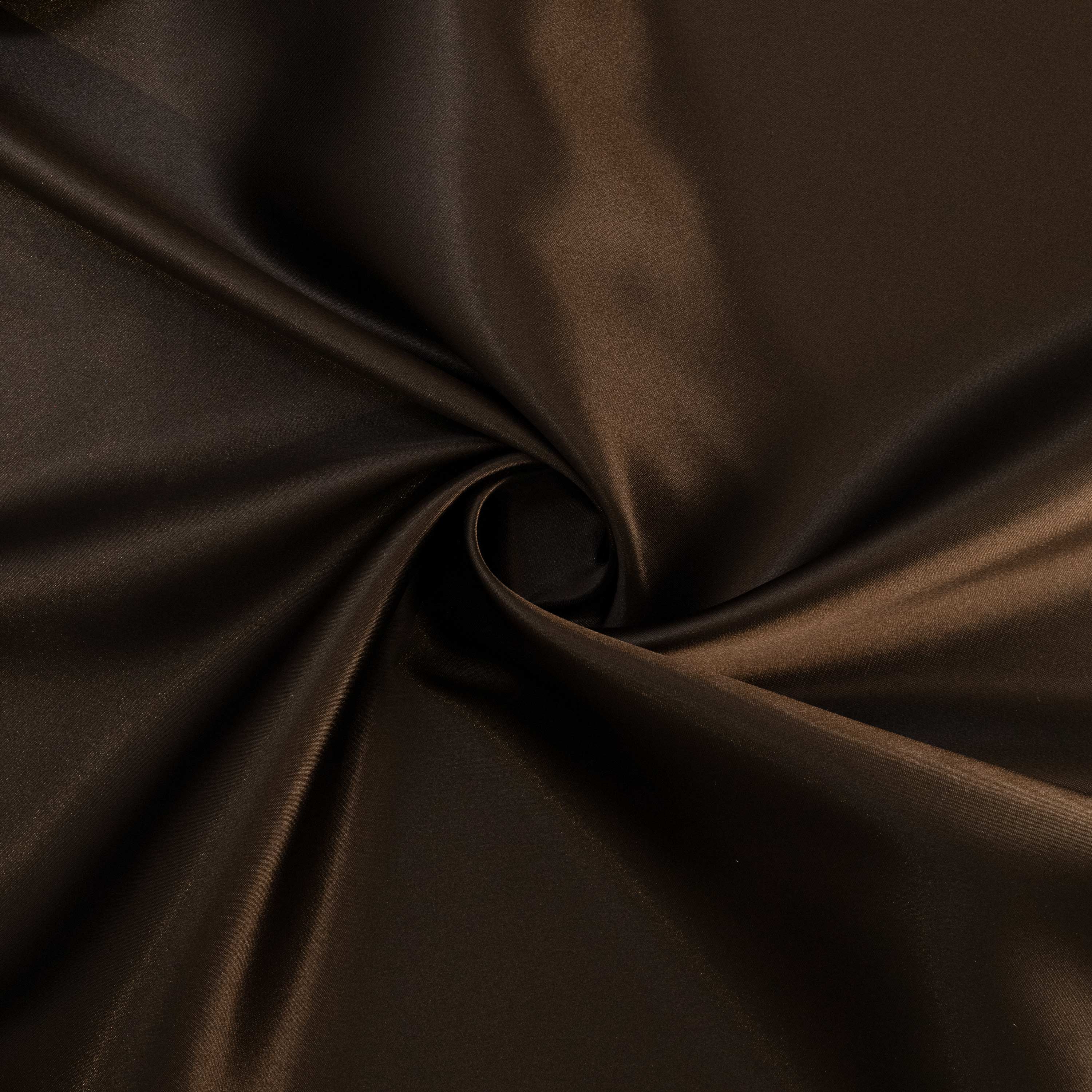
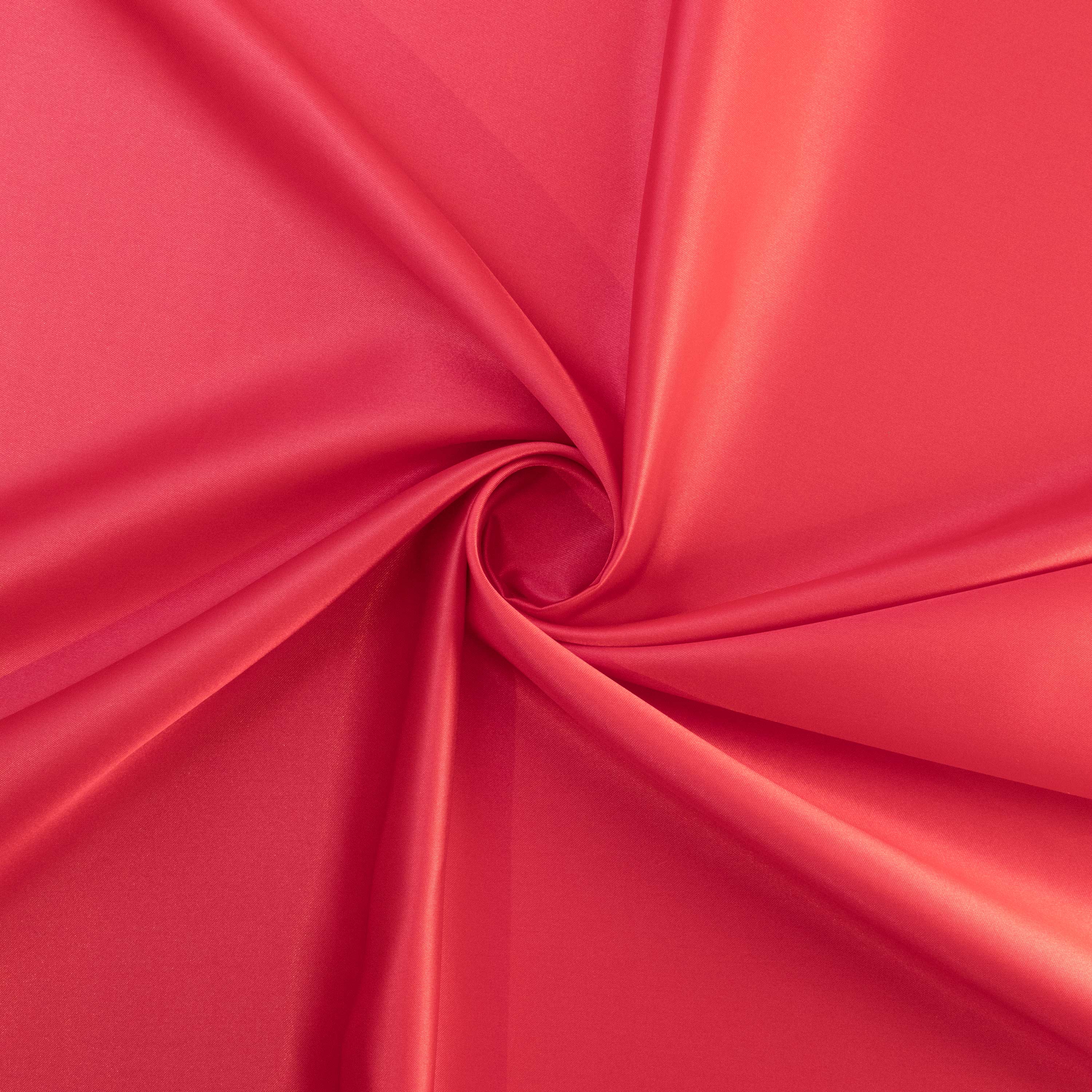
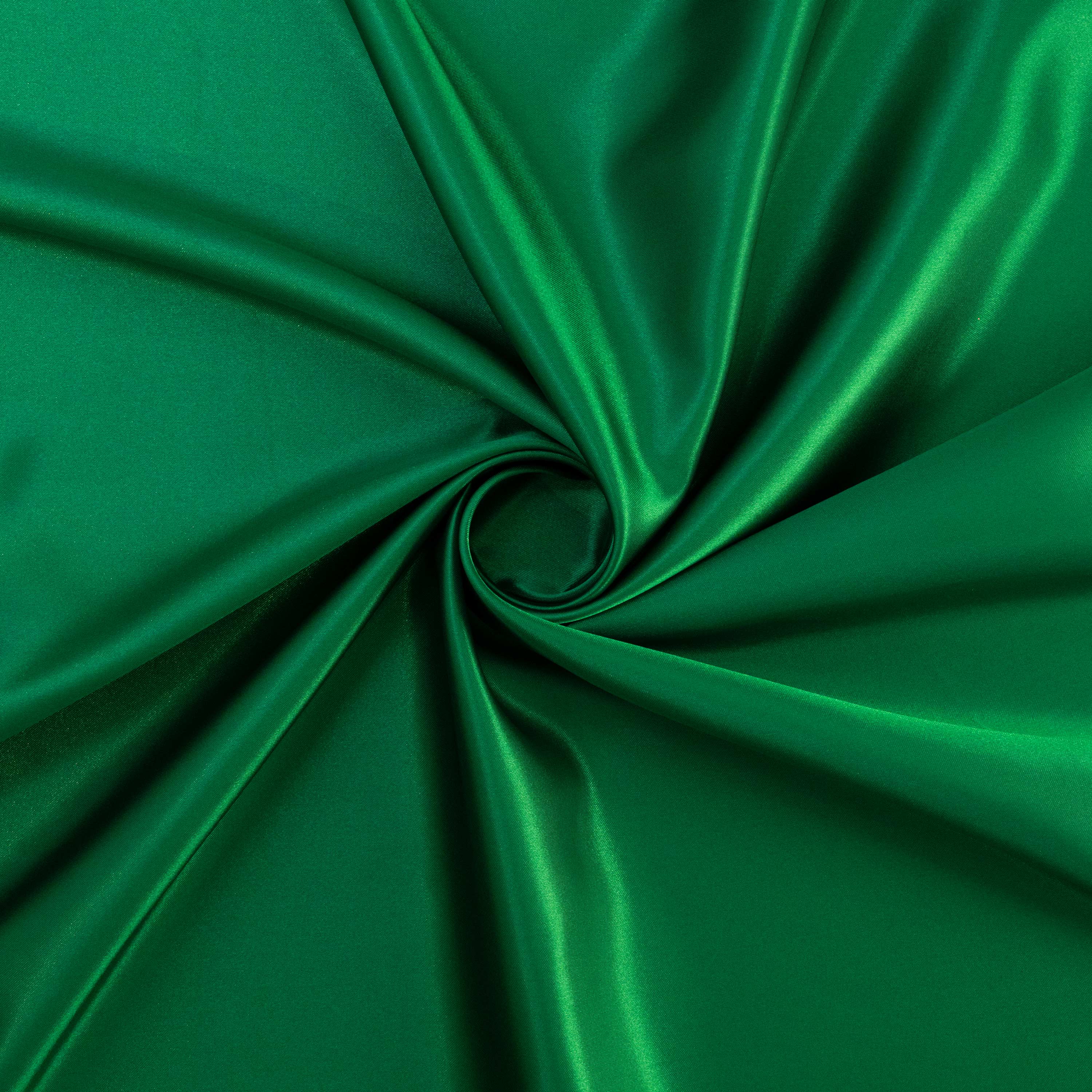
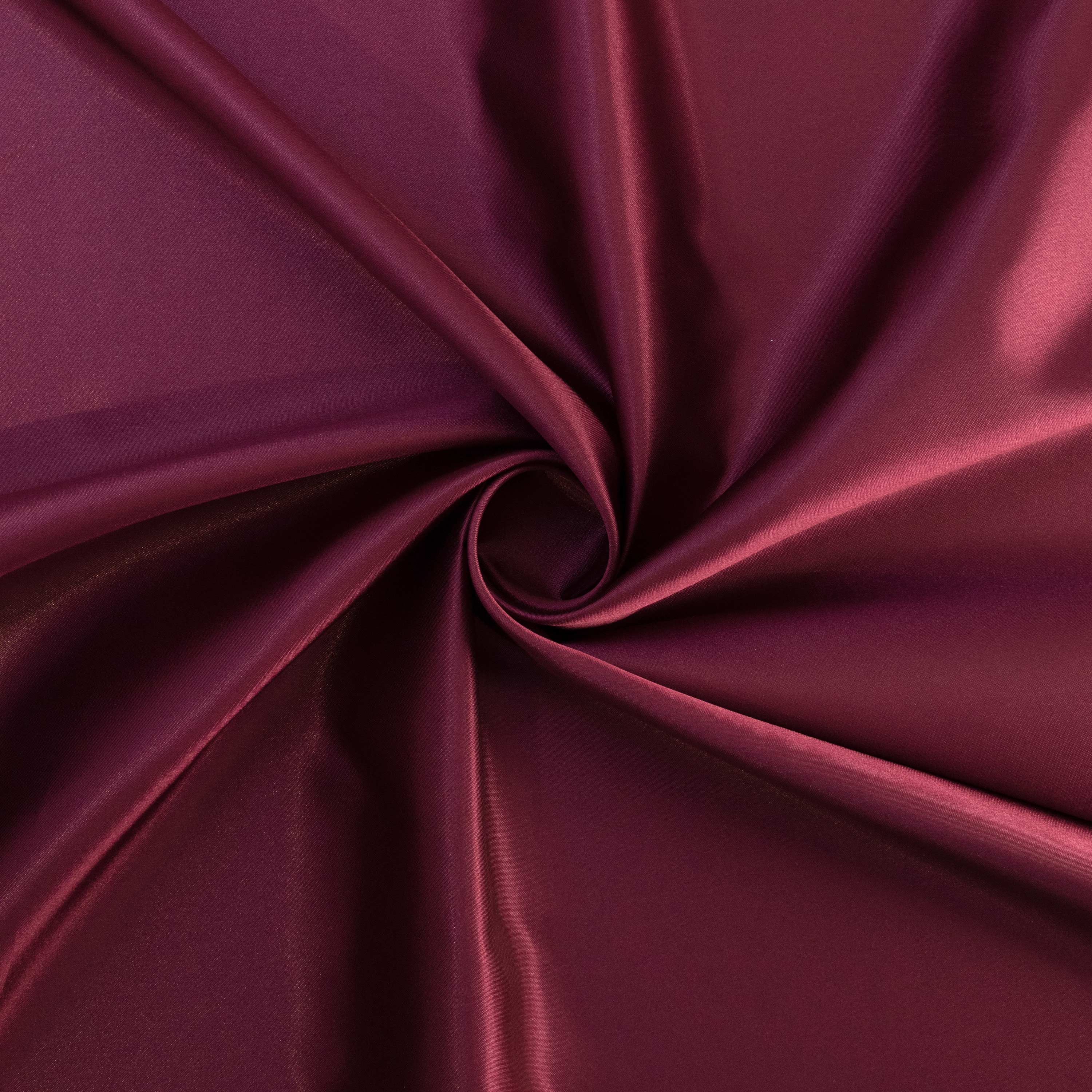
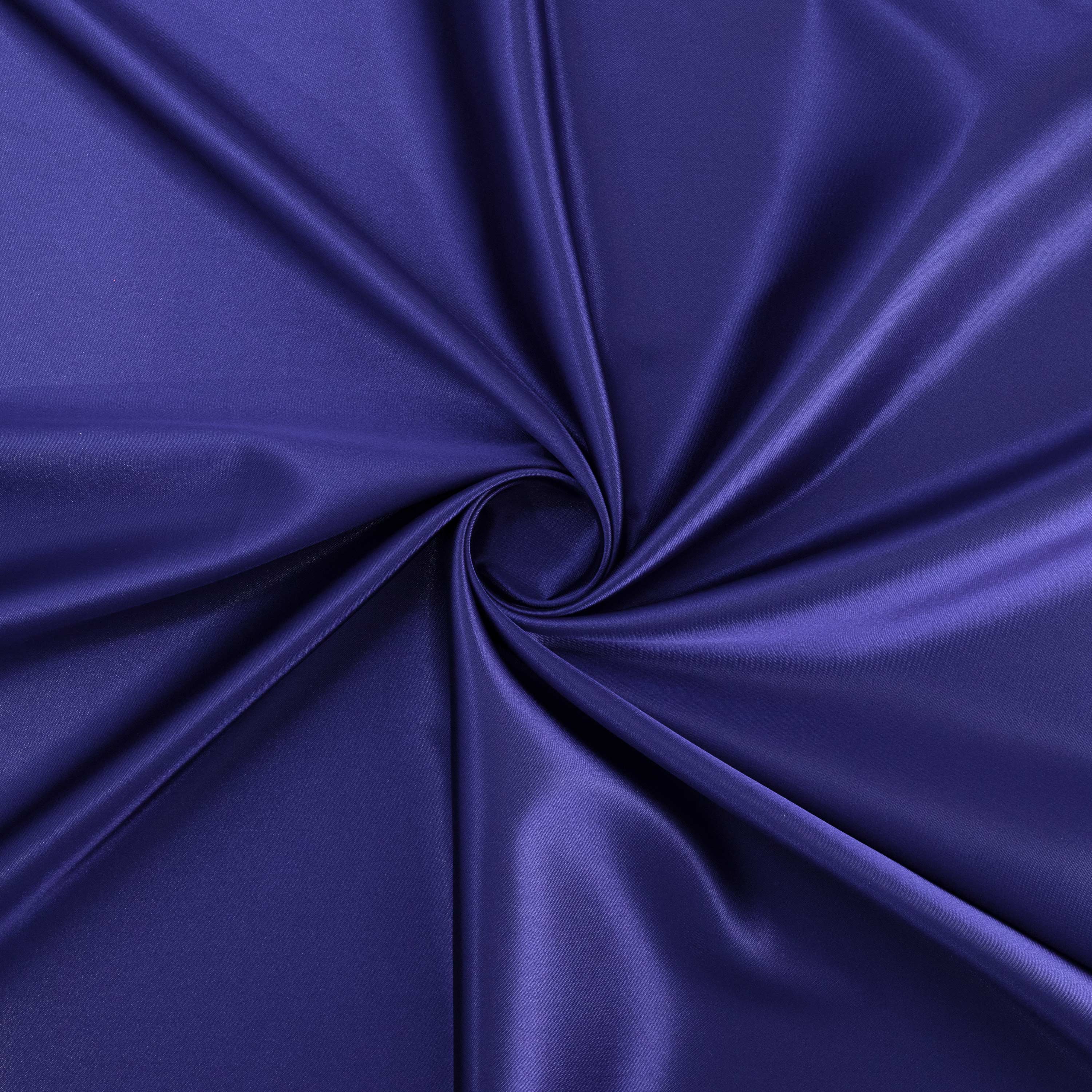
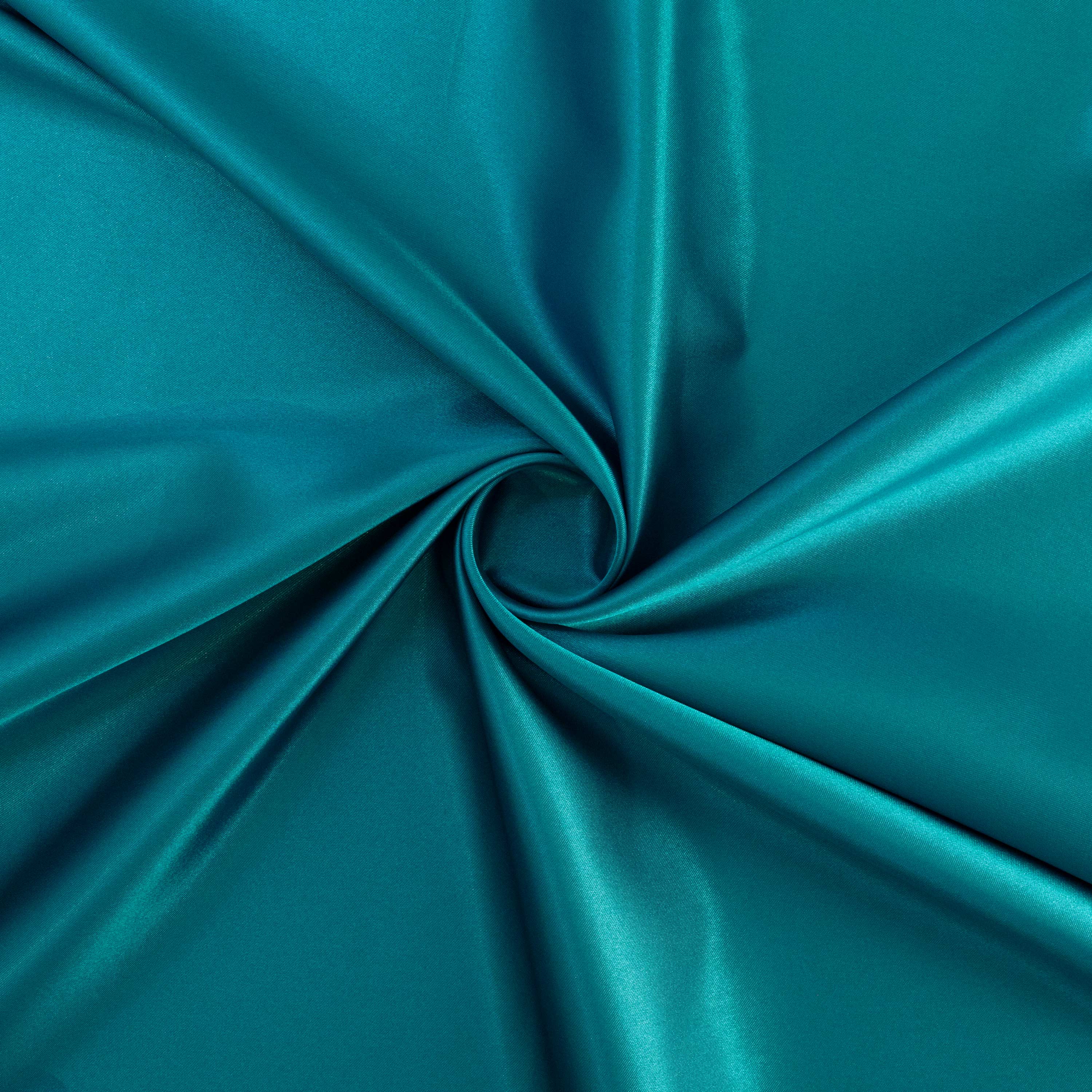
Shop Satin Fabric by the Yard for Apparel and Décor
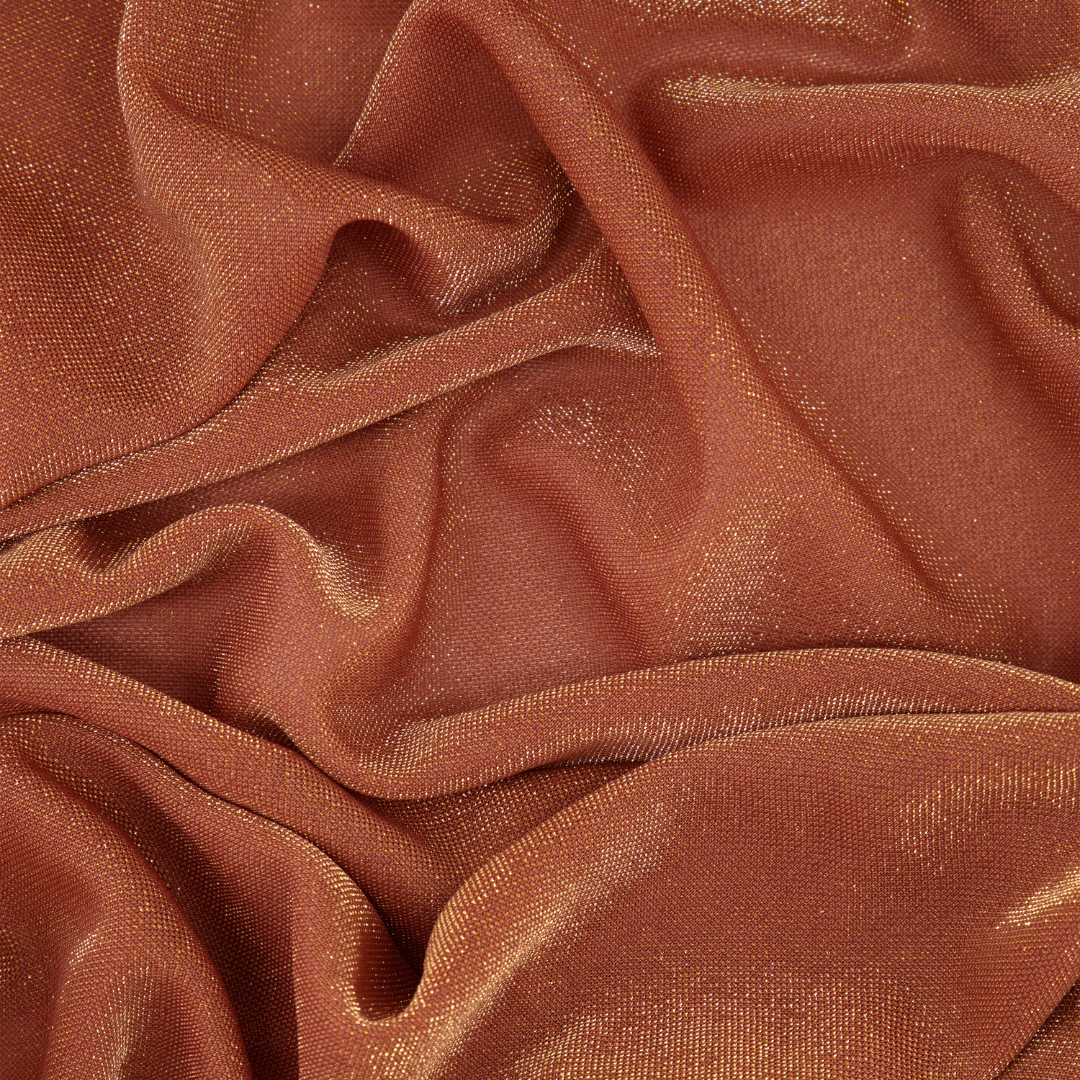
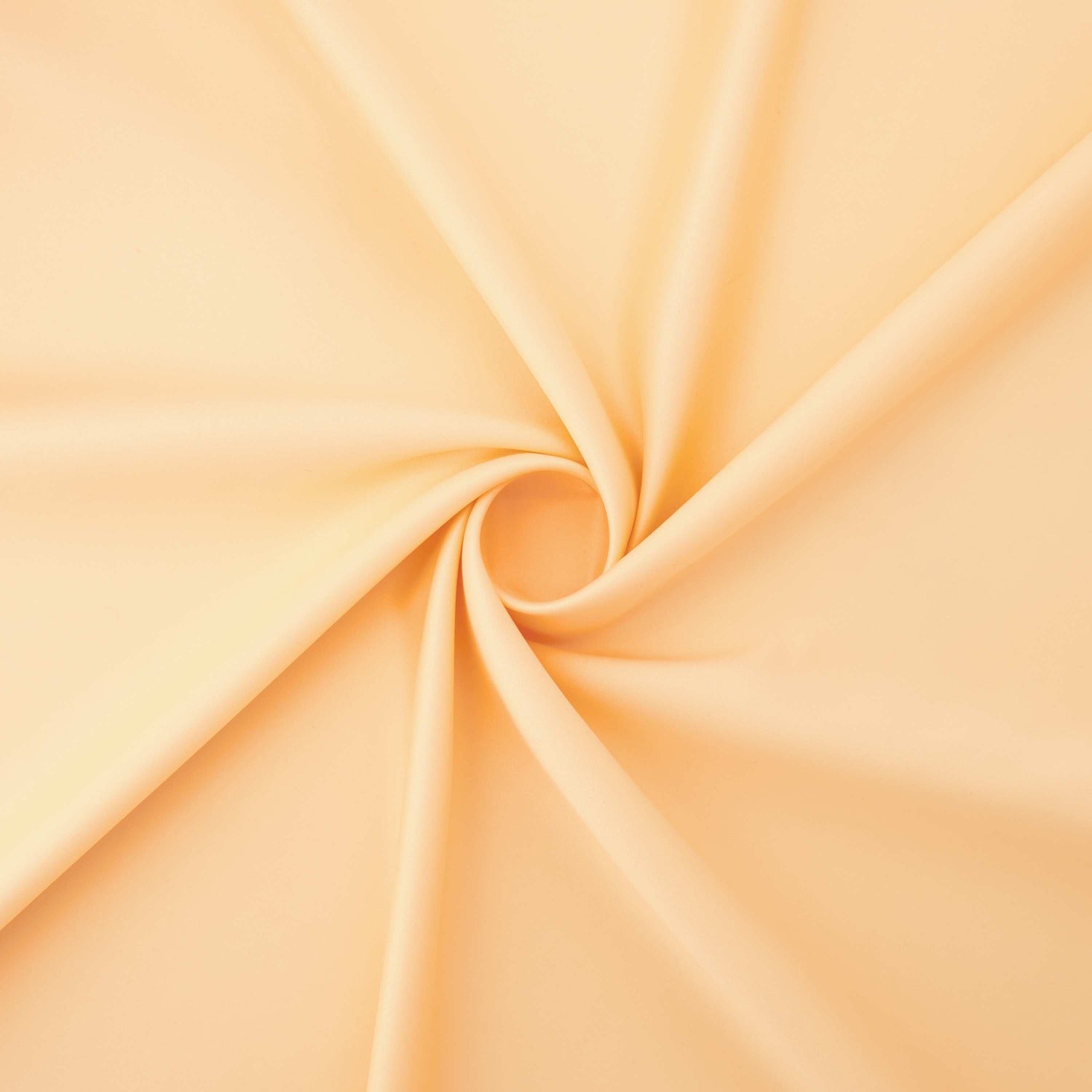
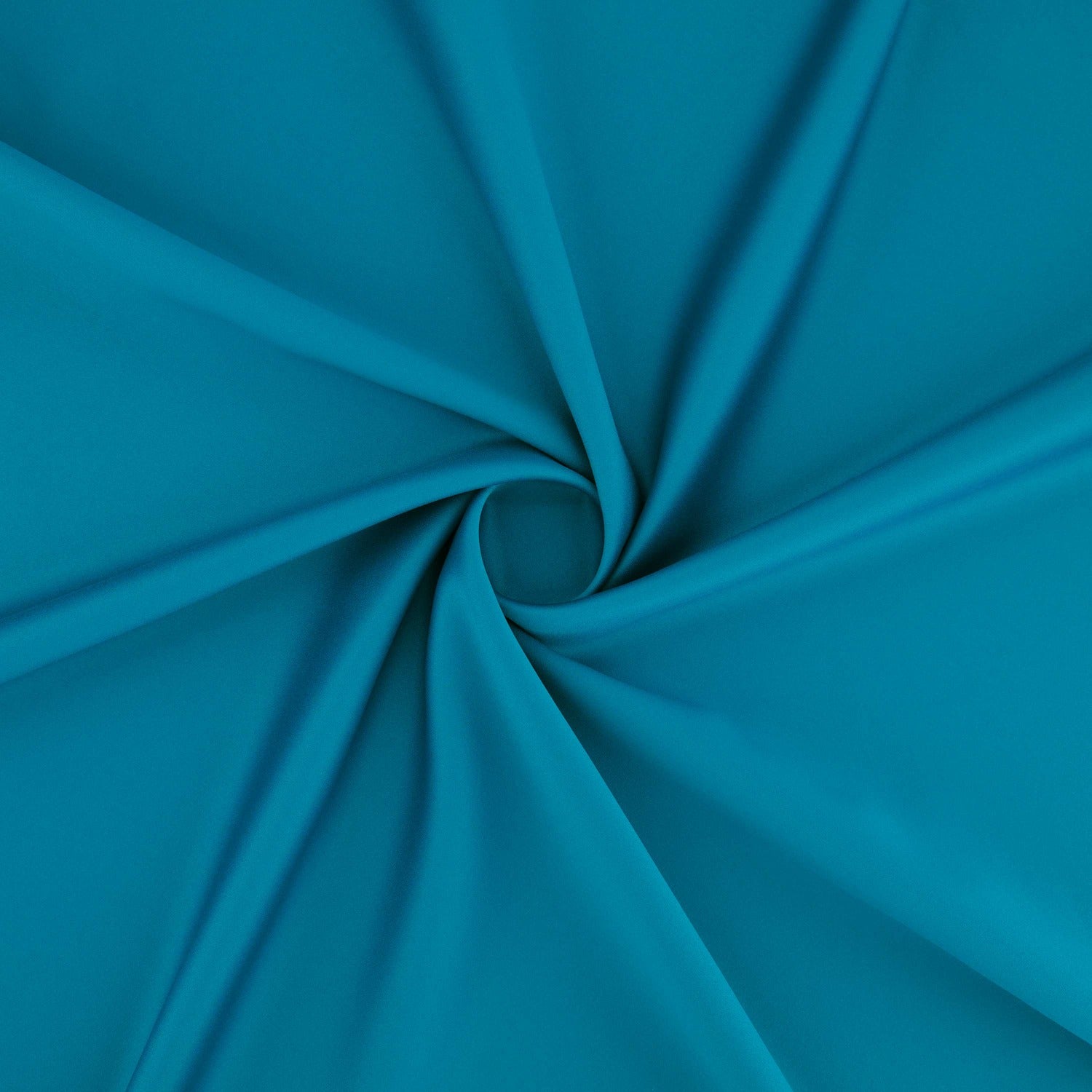
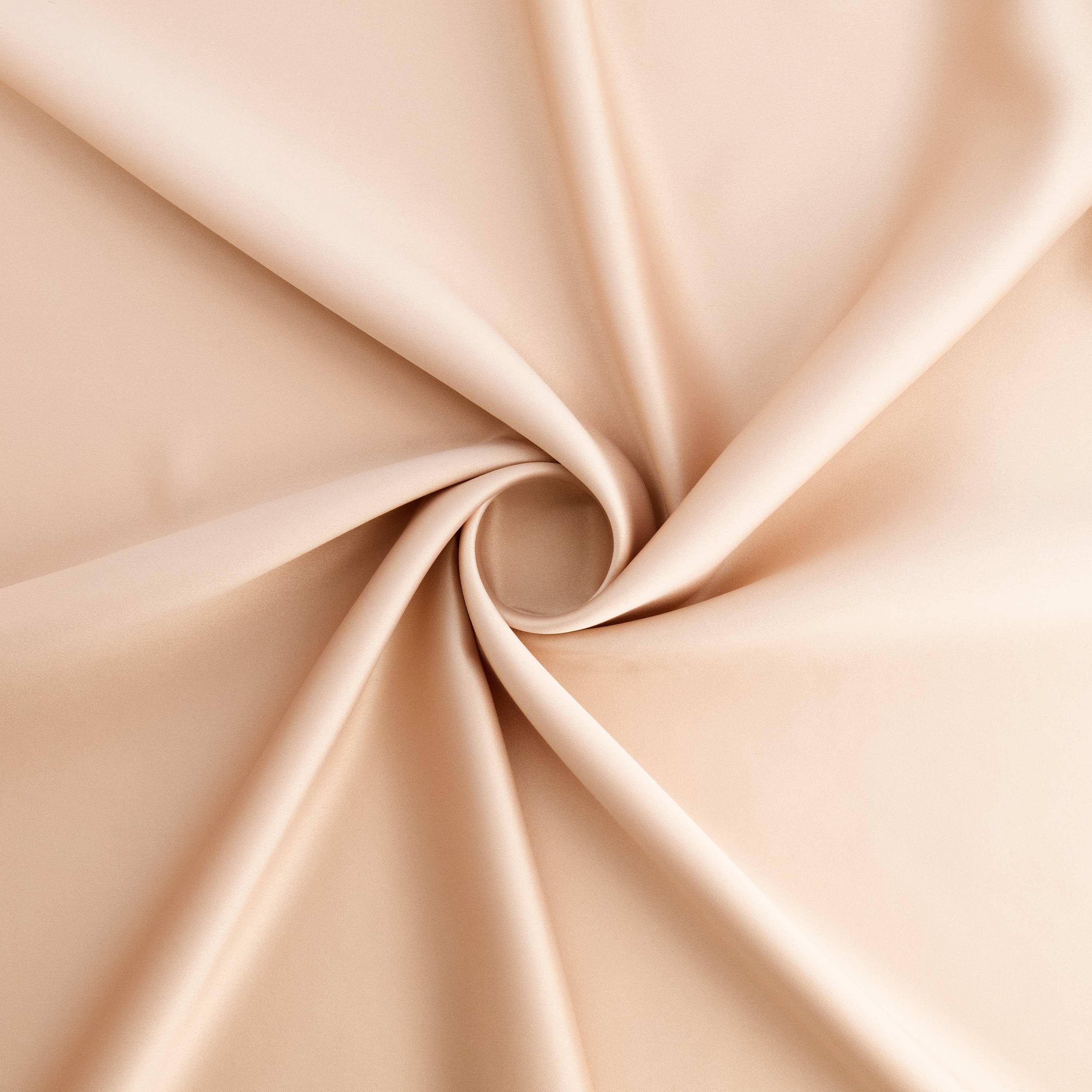
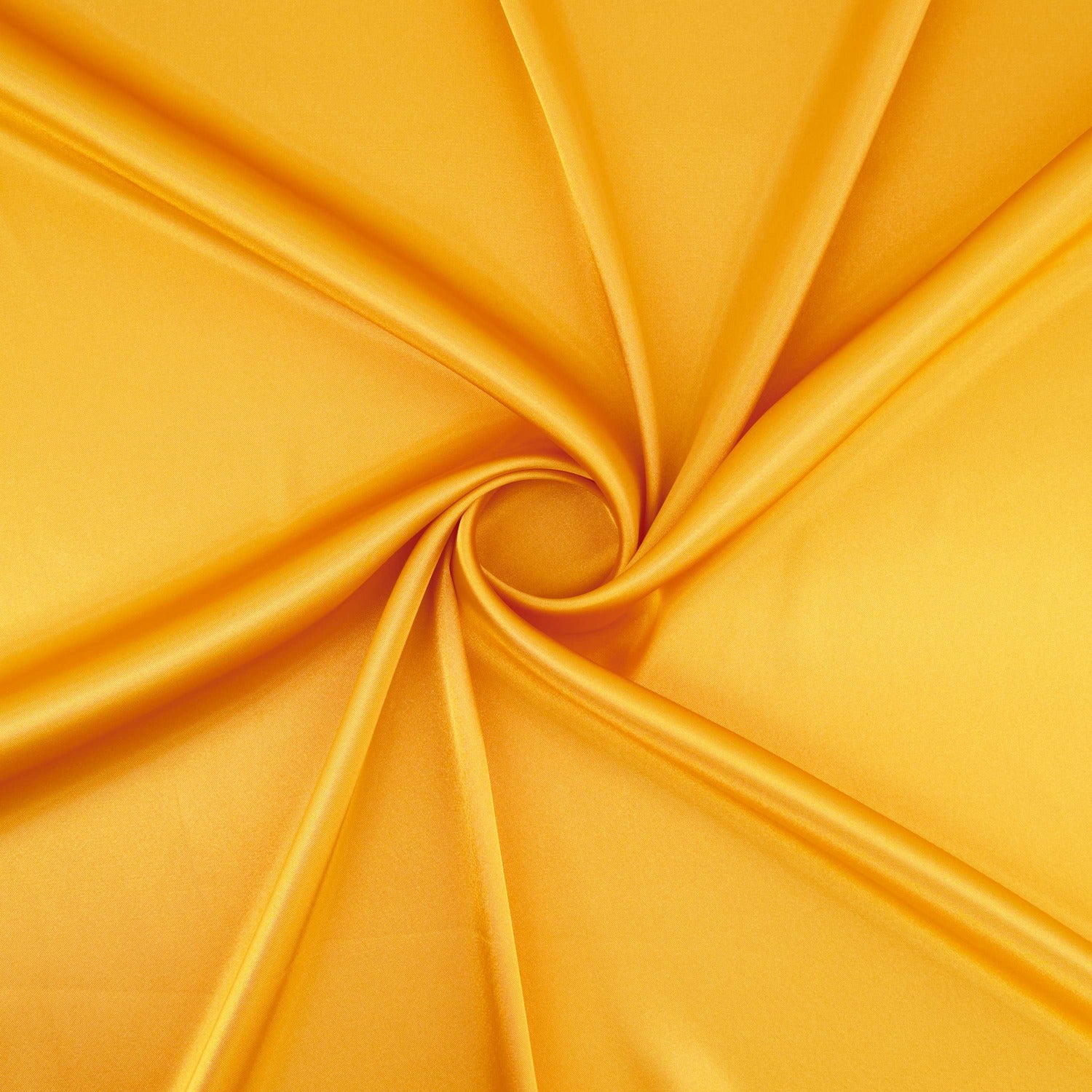
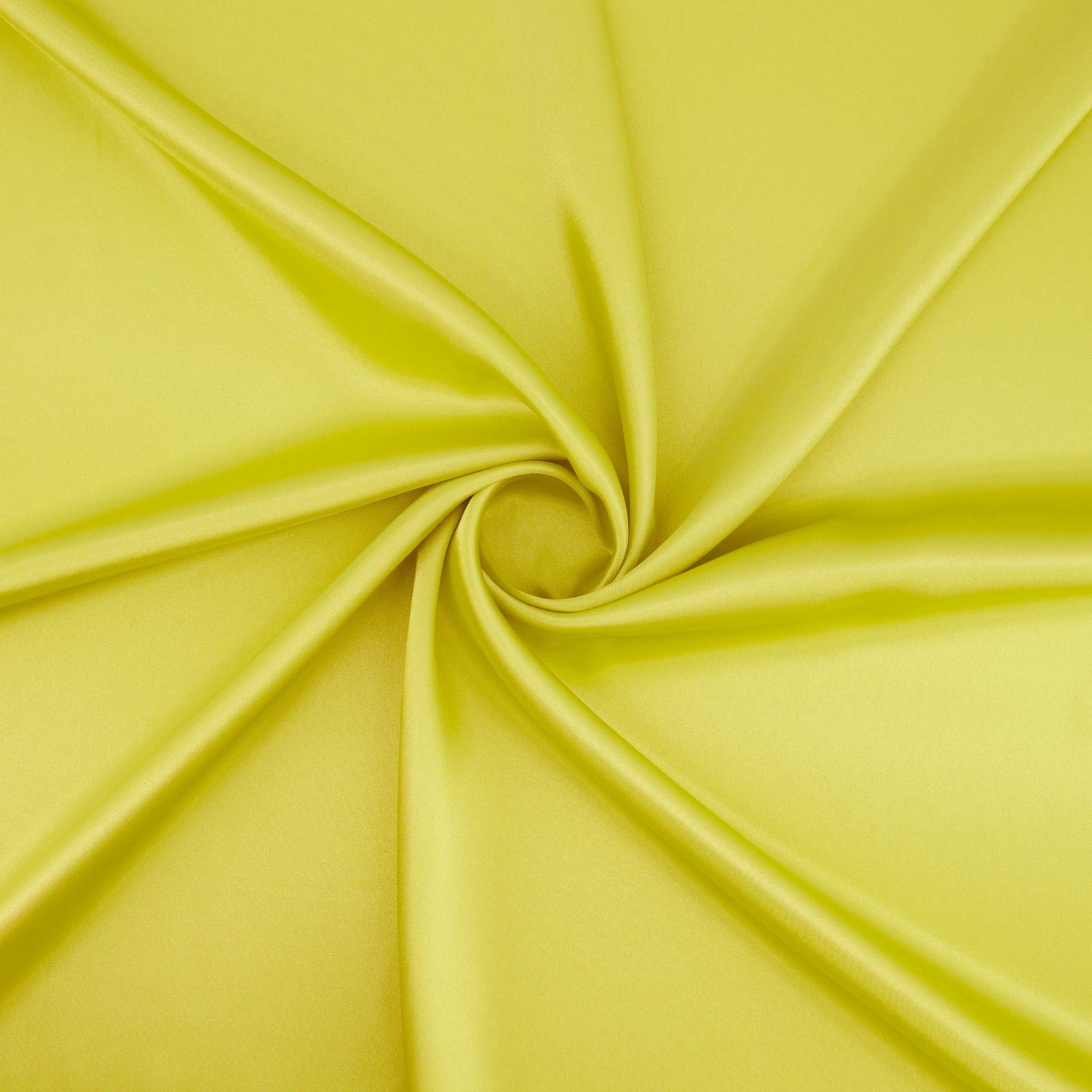
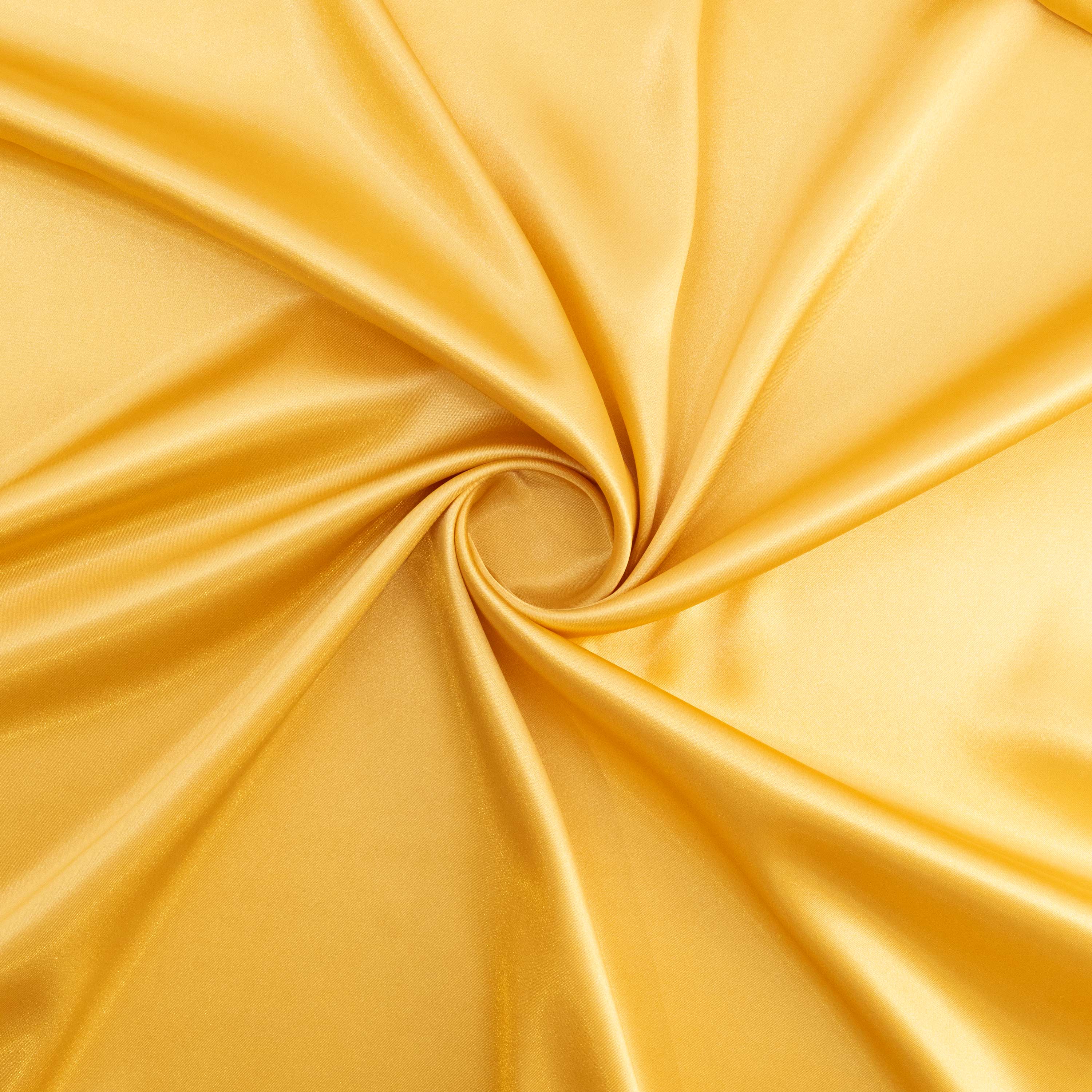
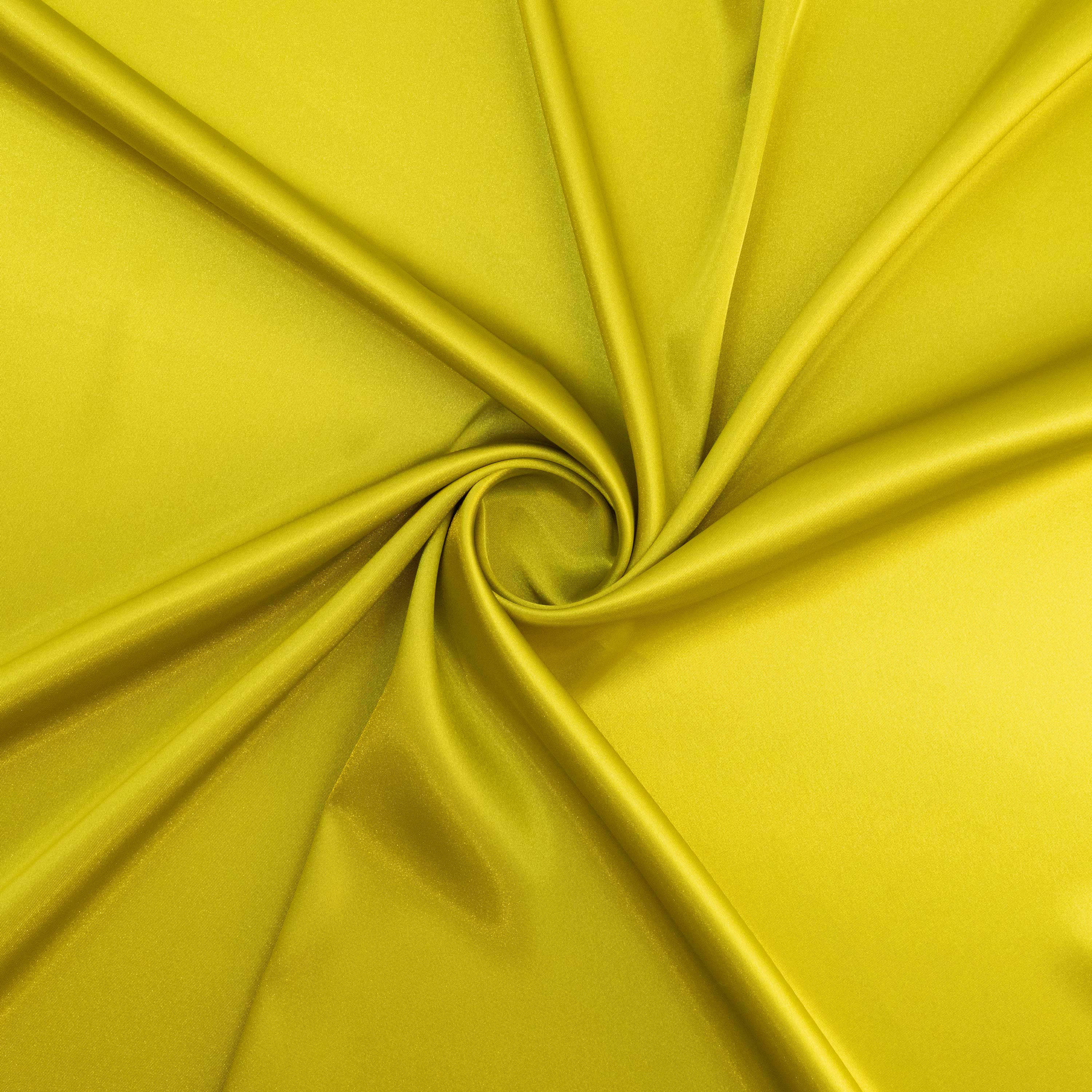
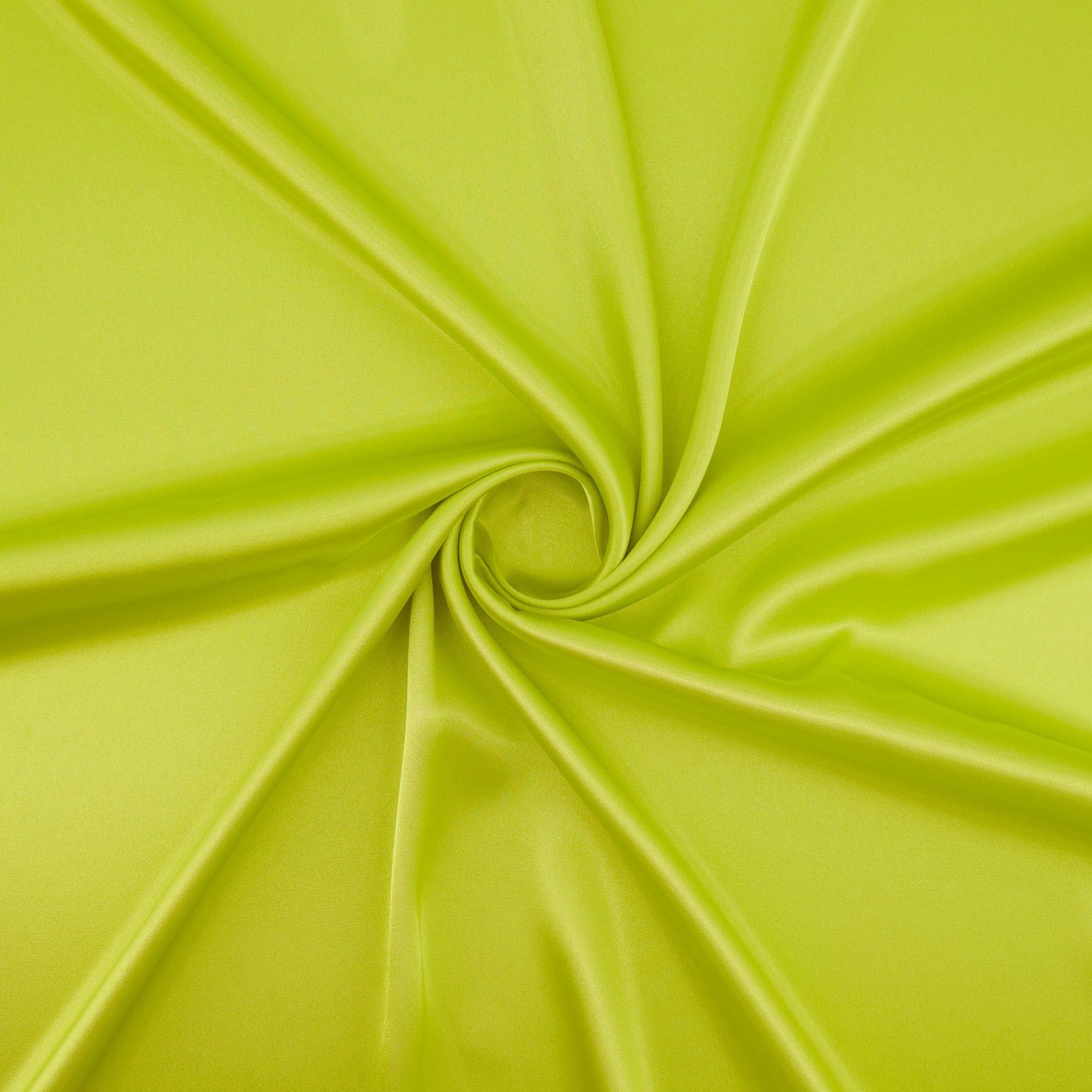
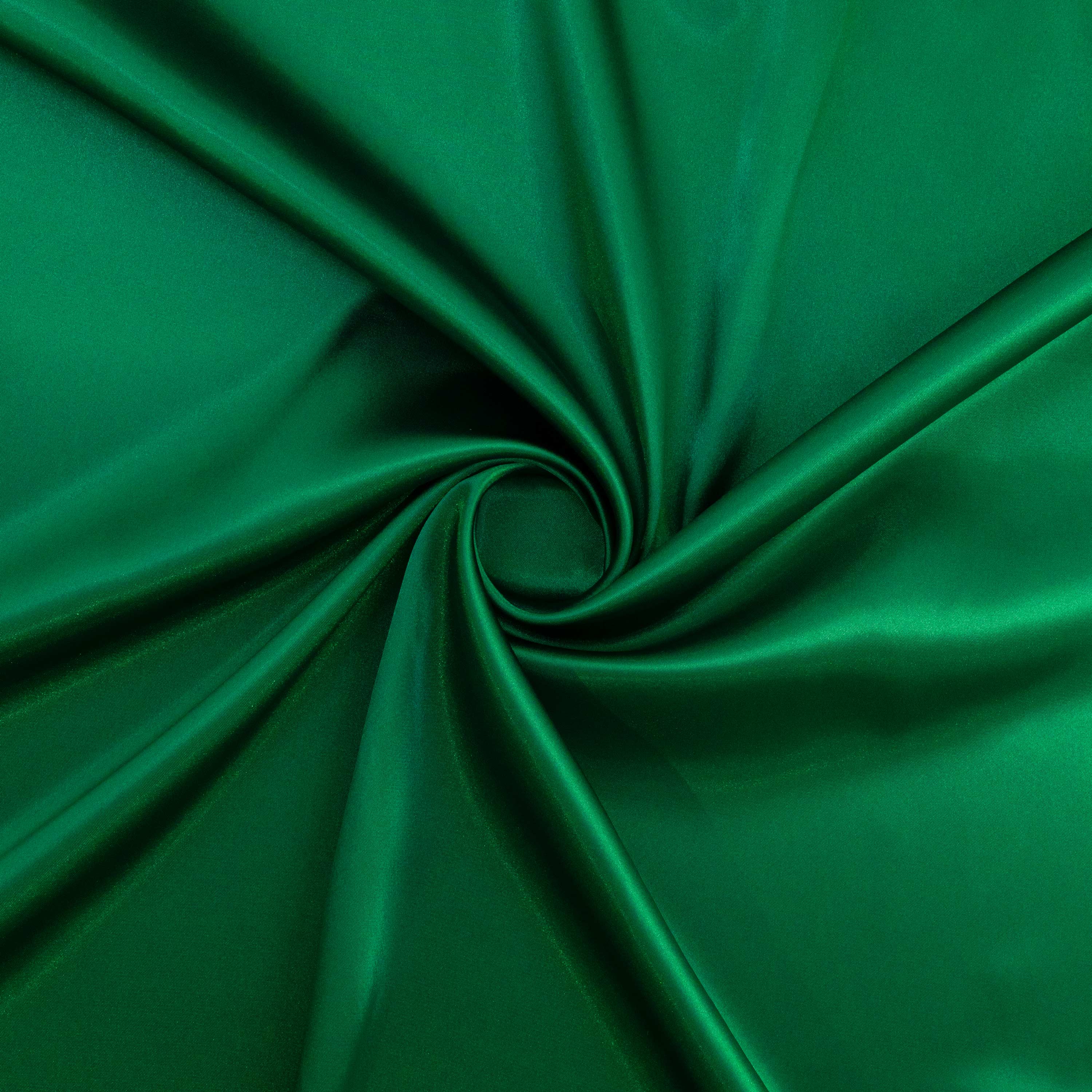
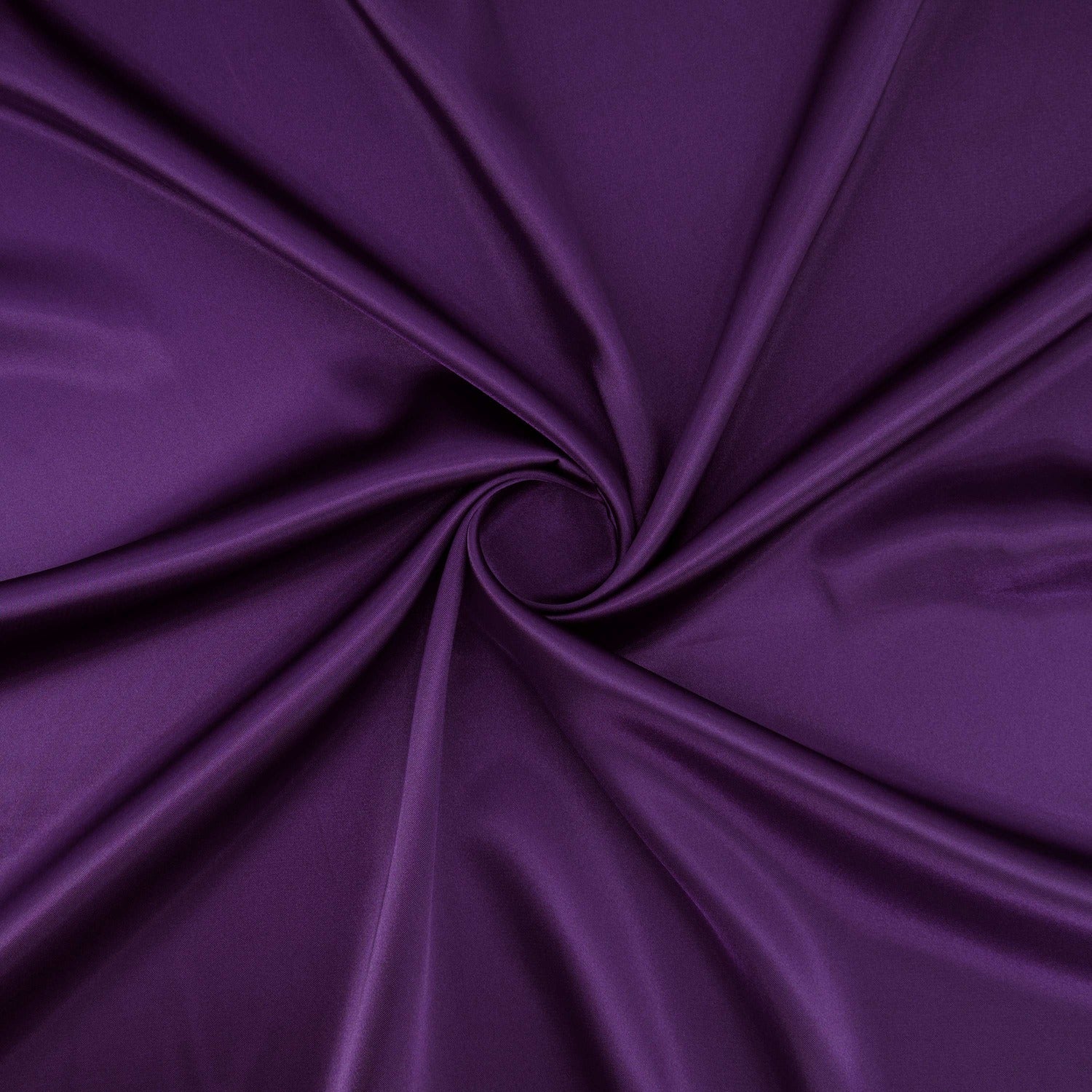
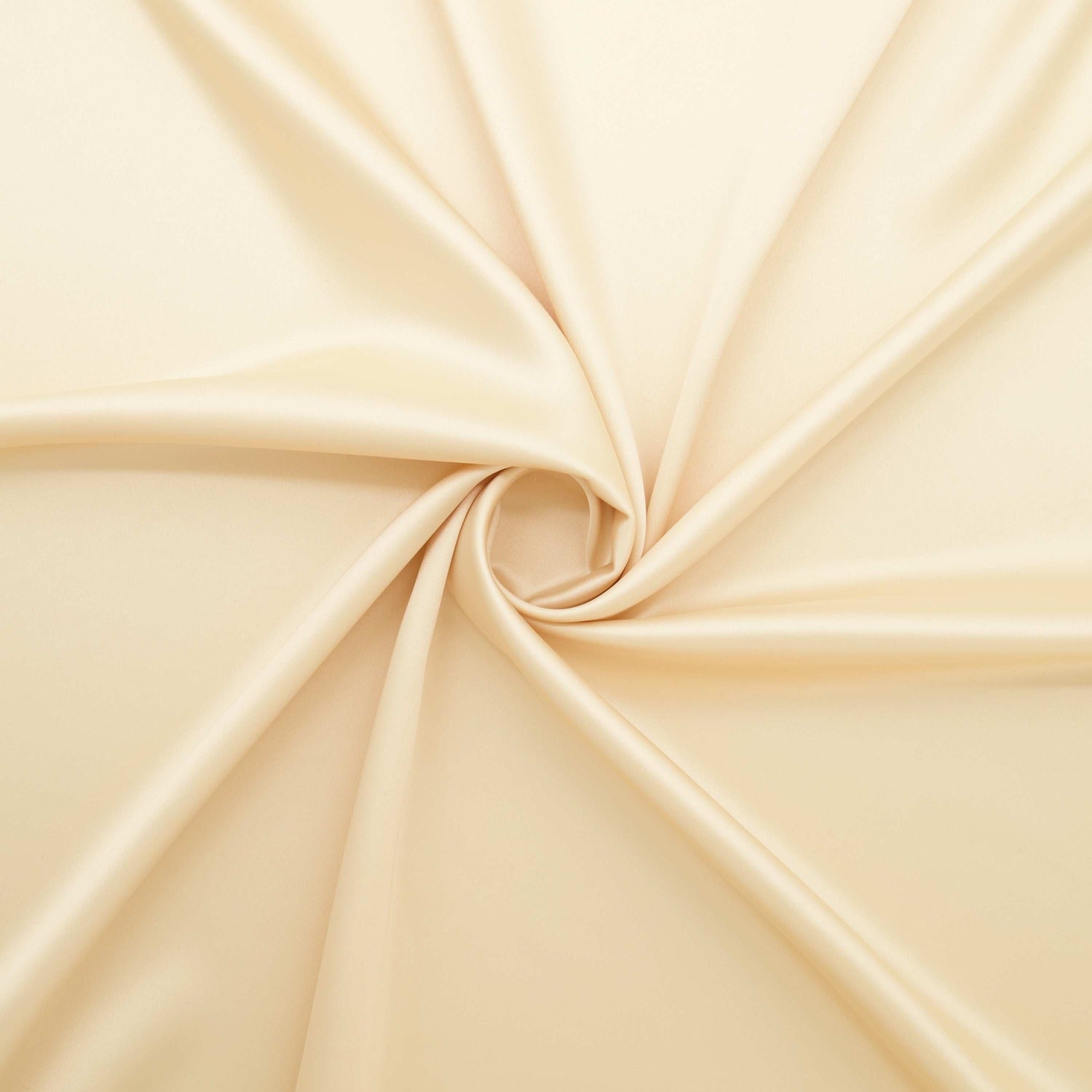
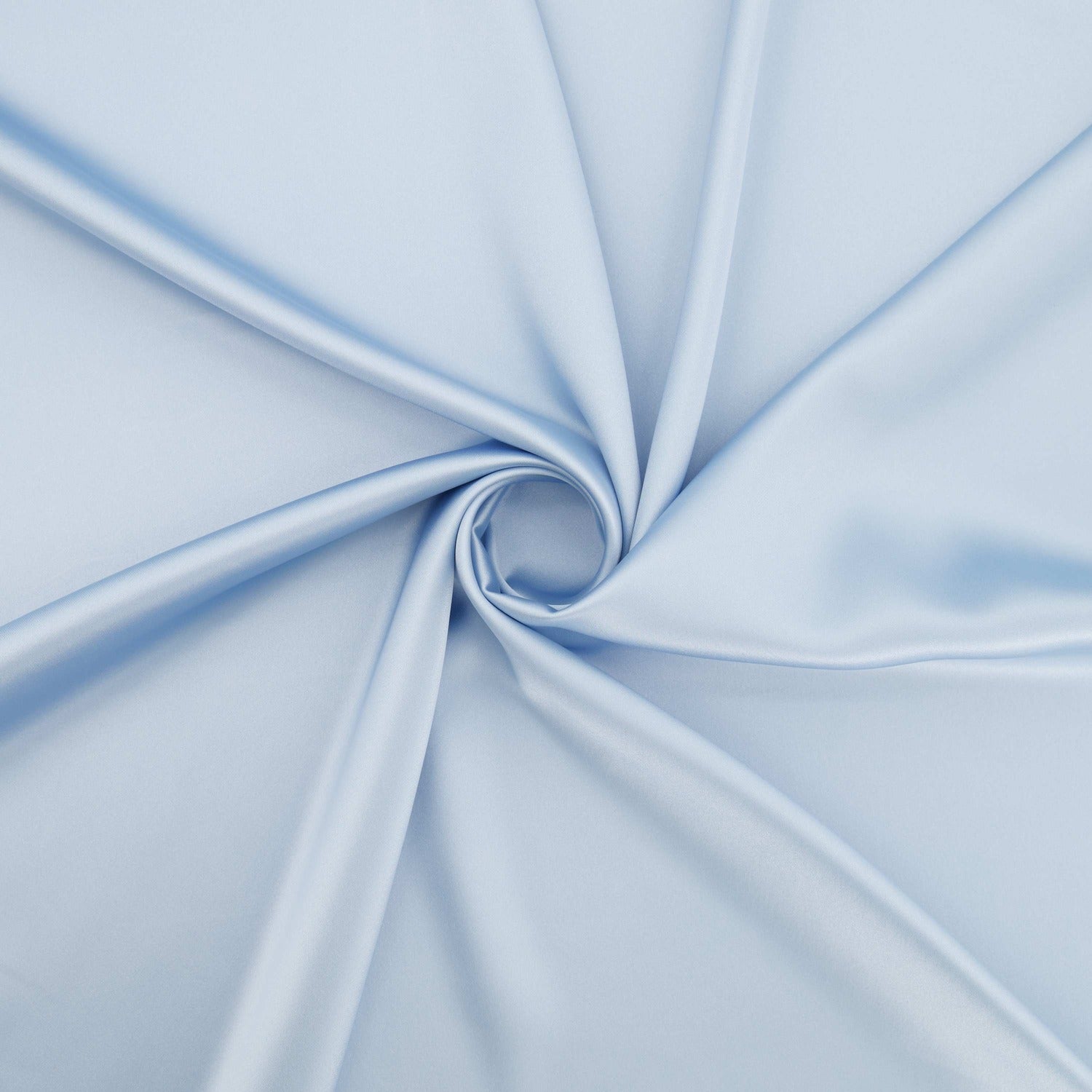
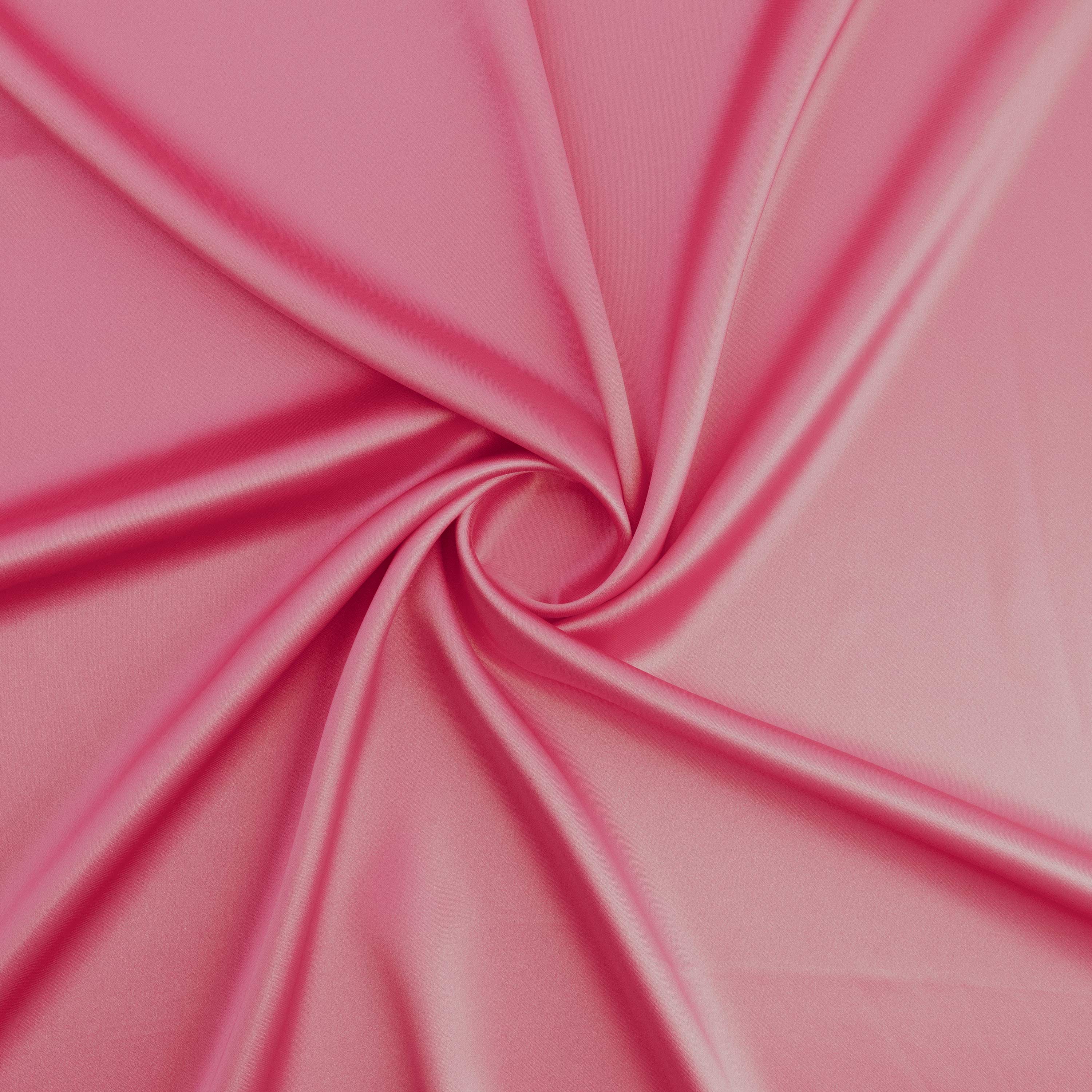
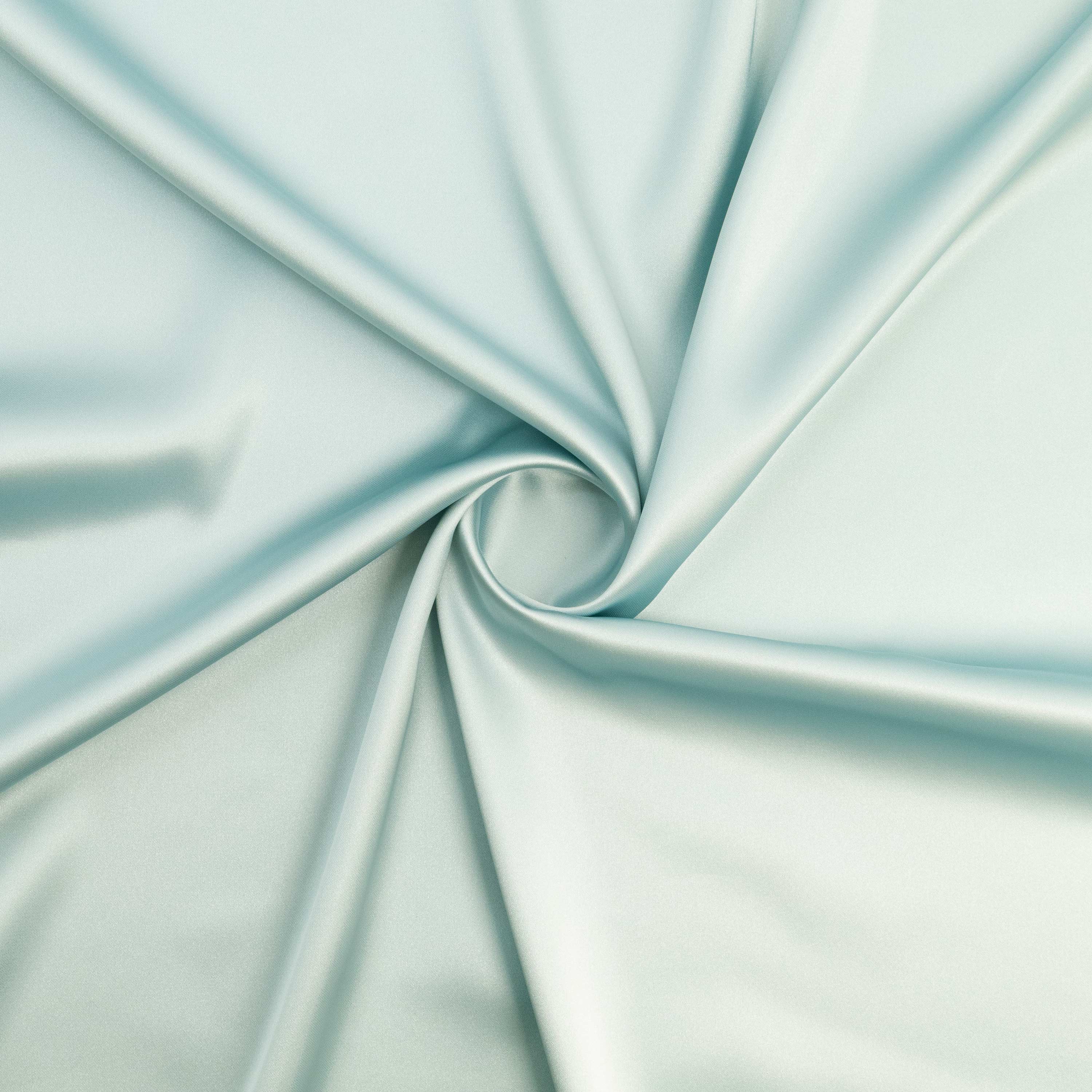
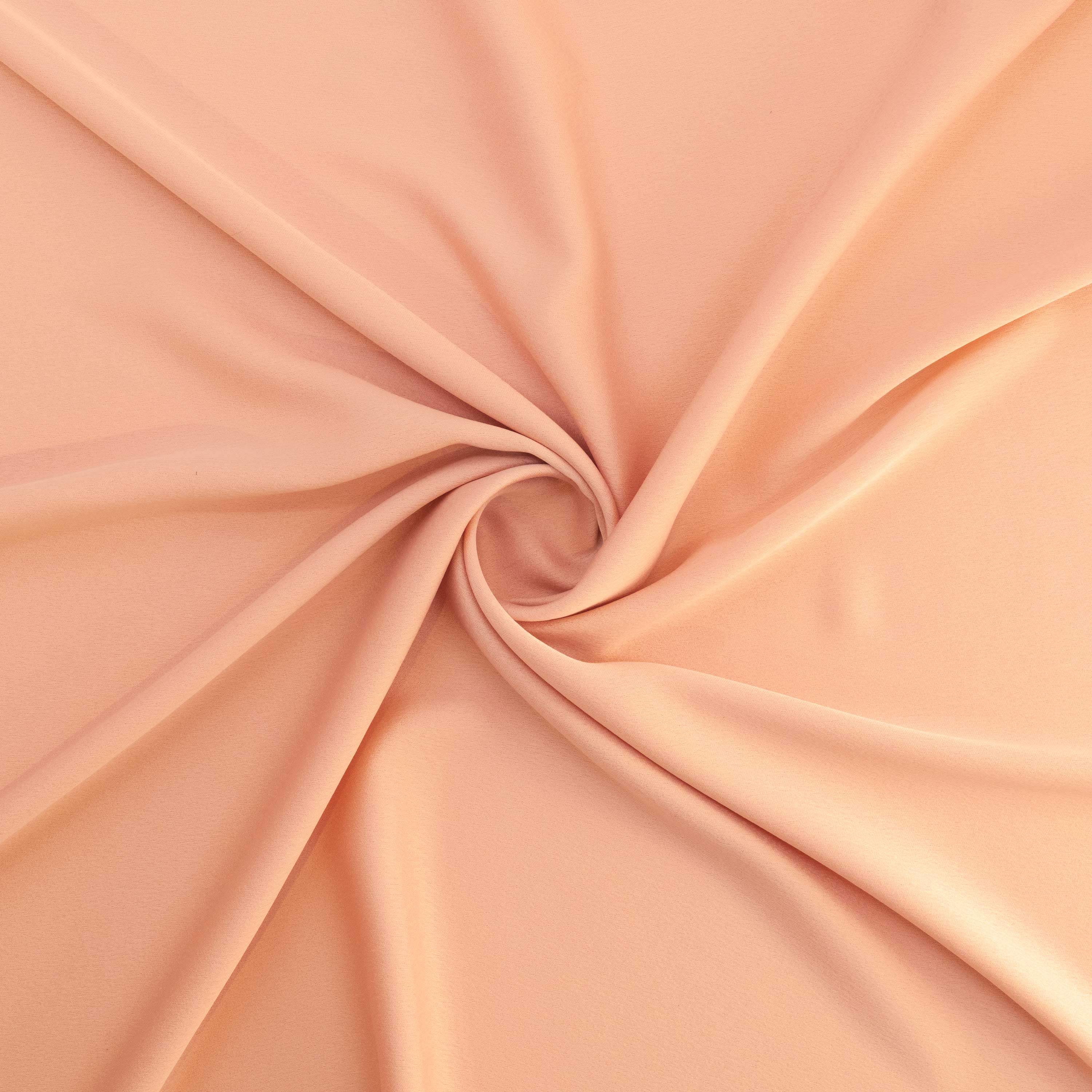
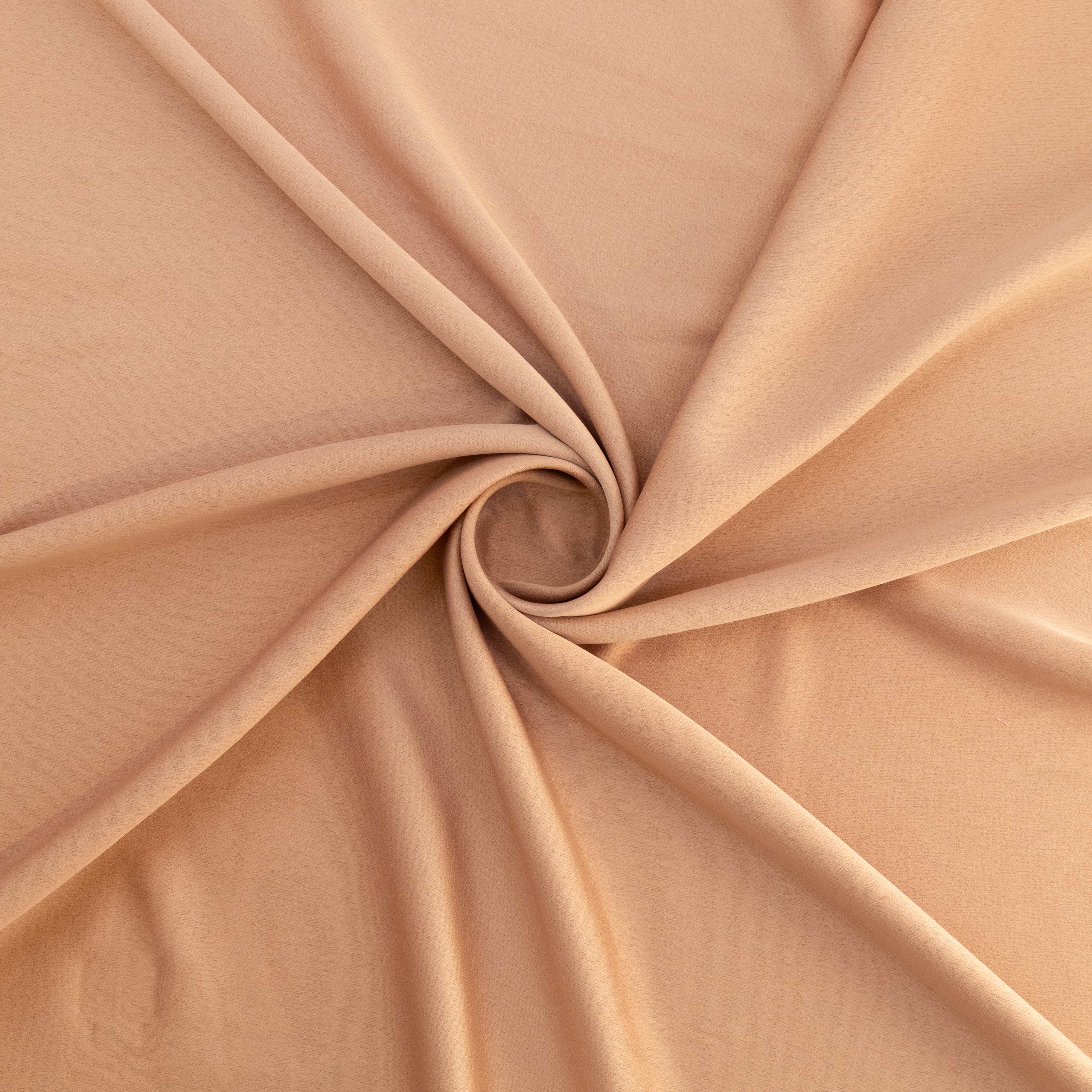
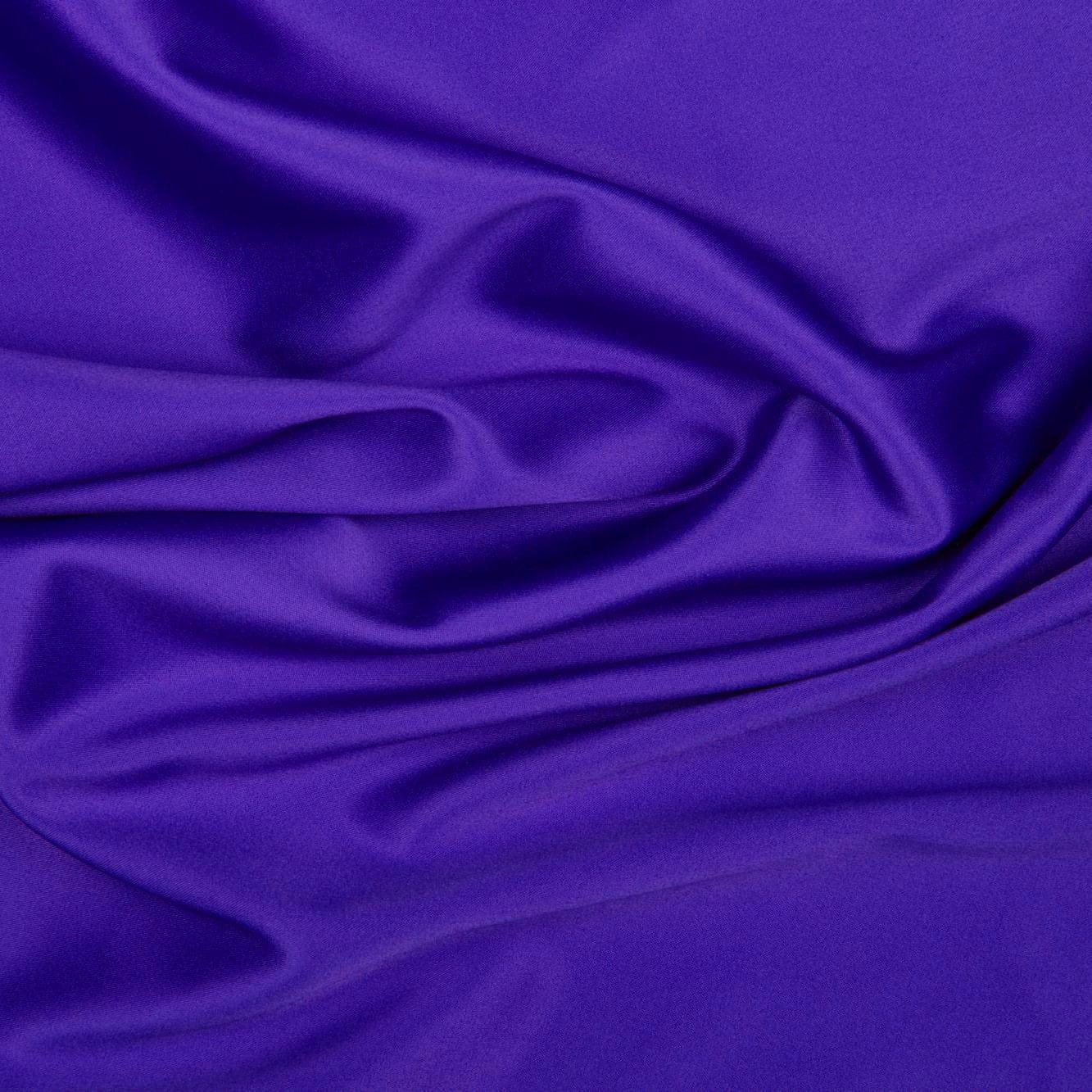
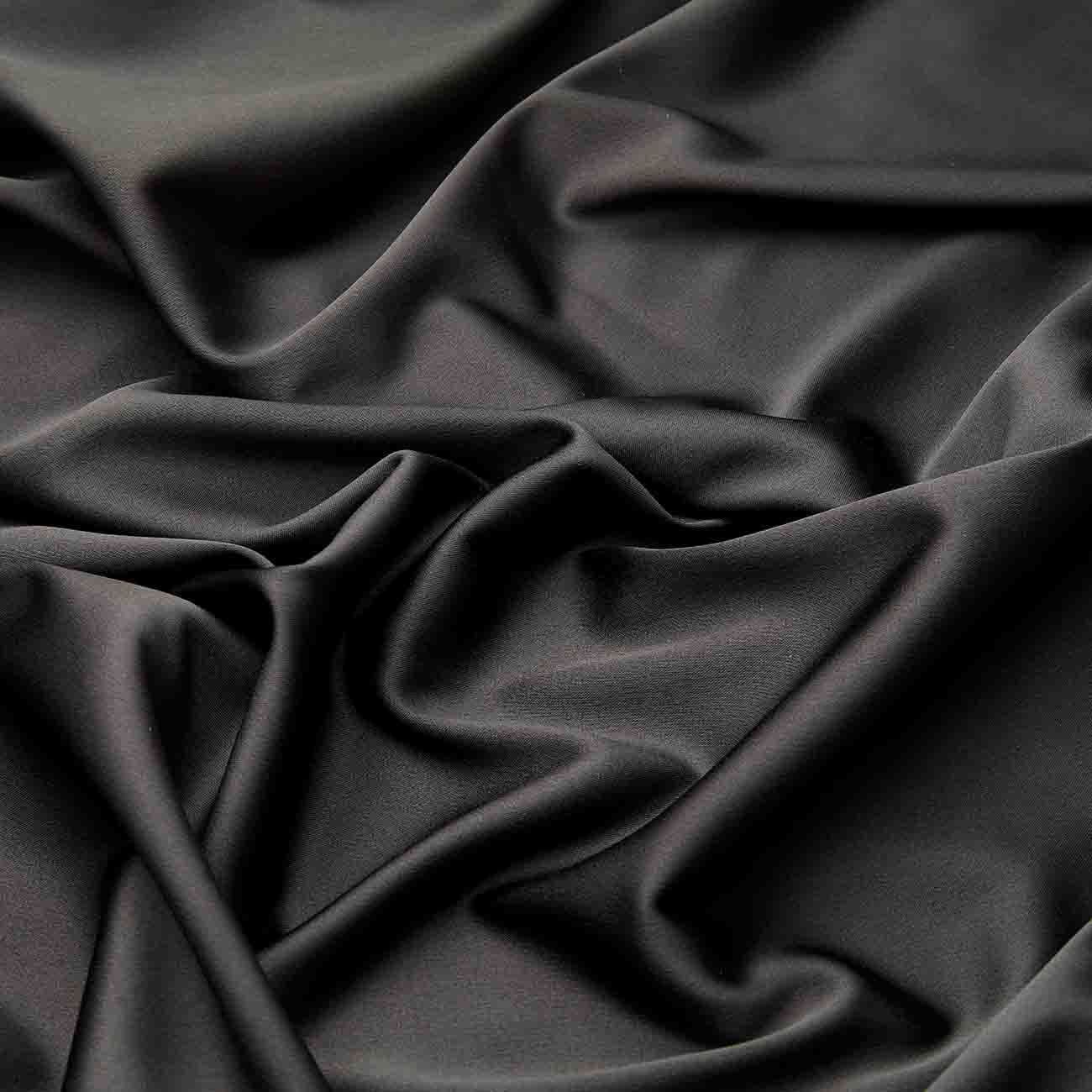
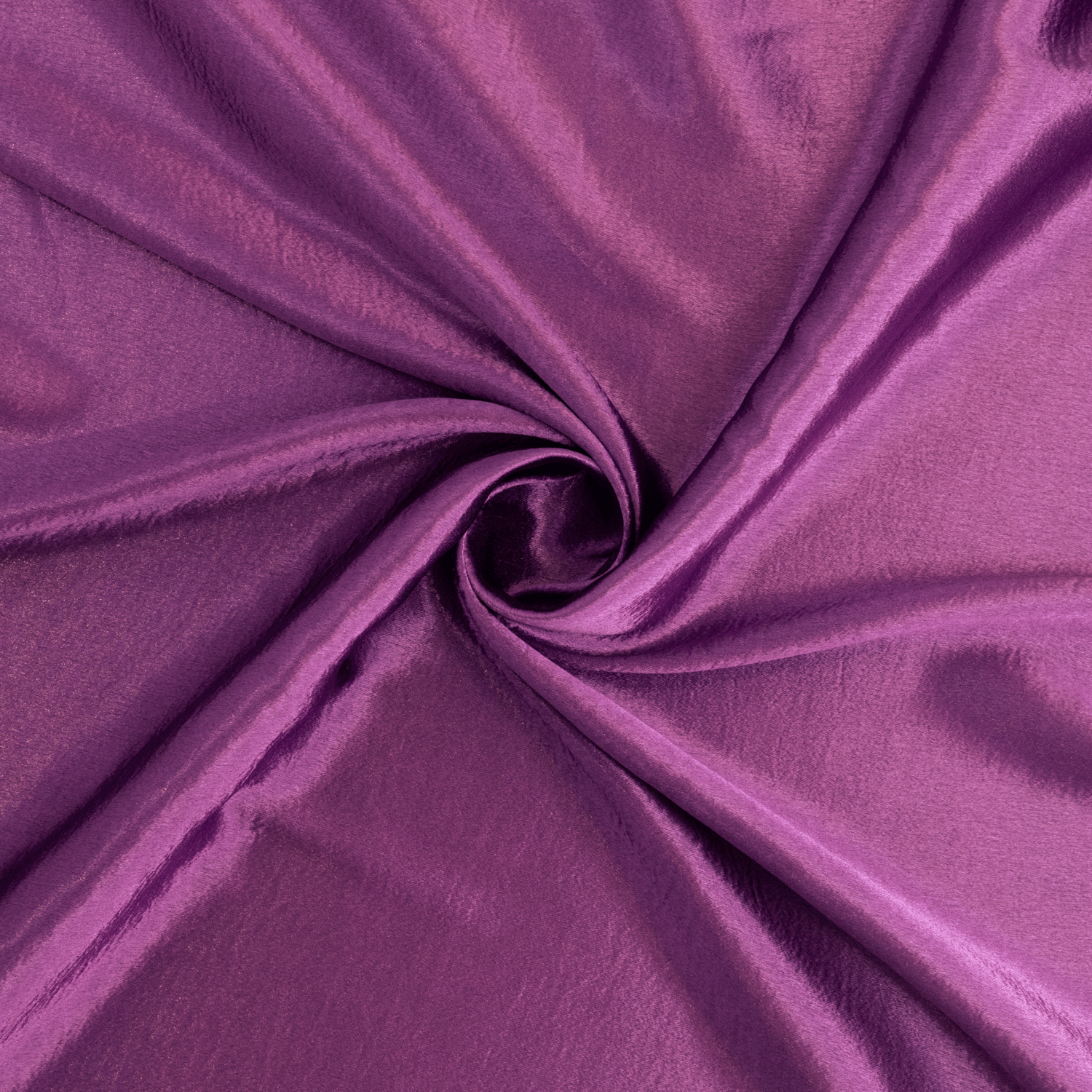
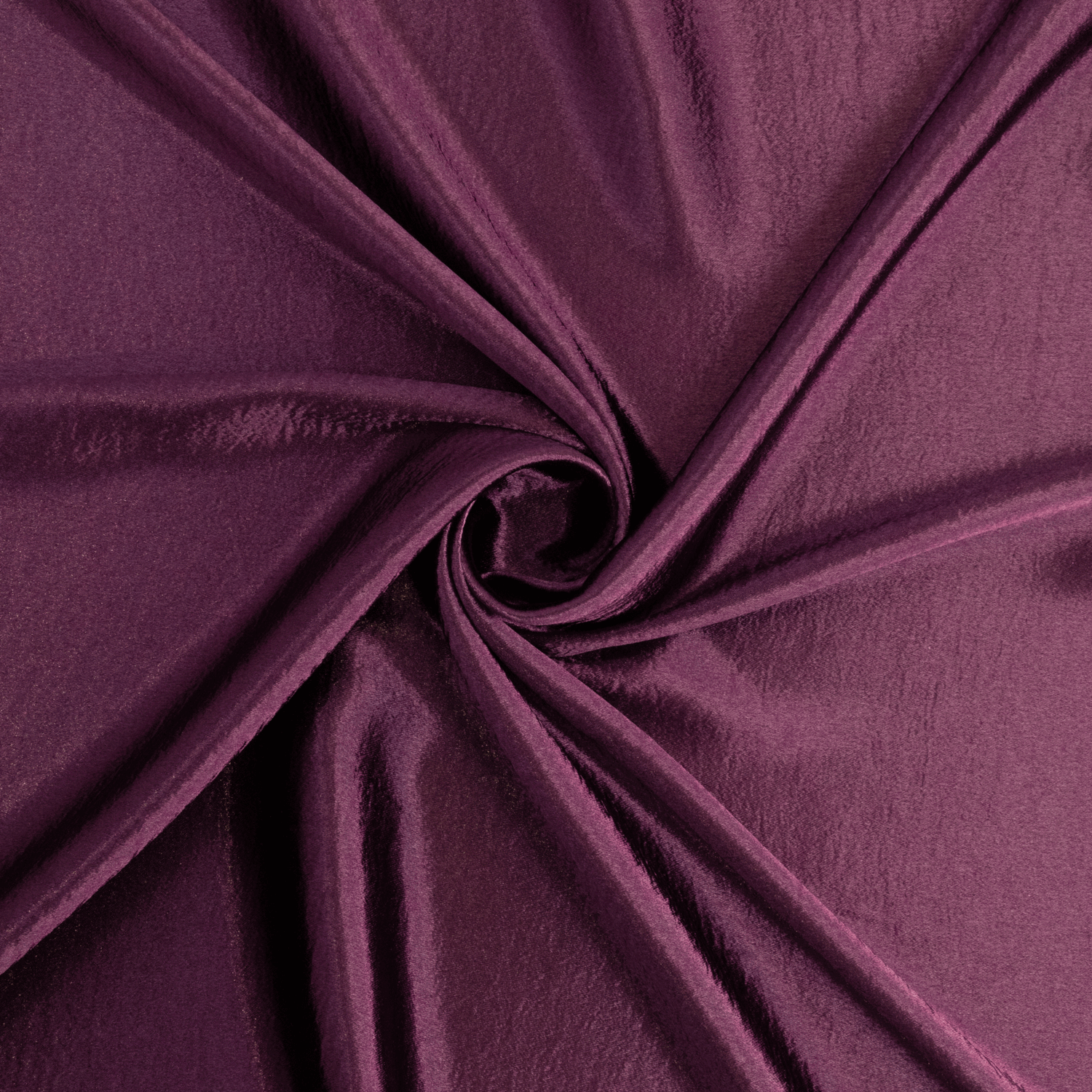
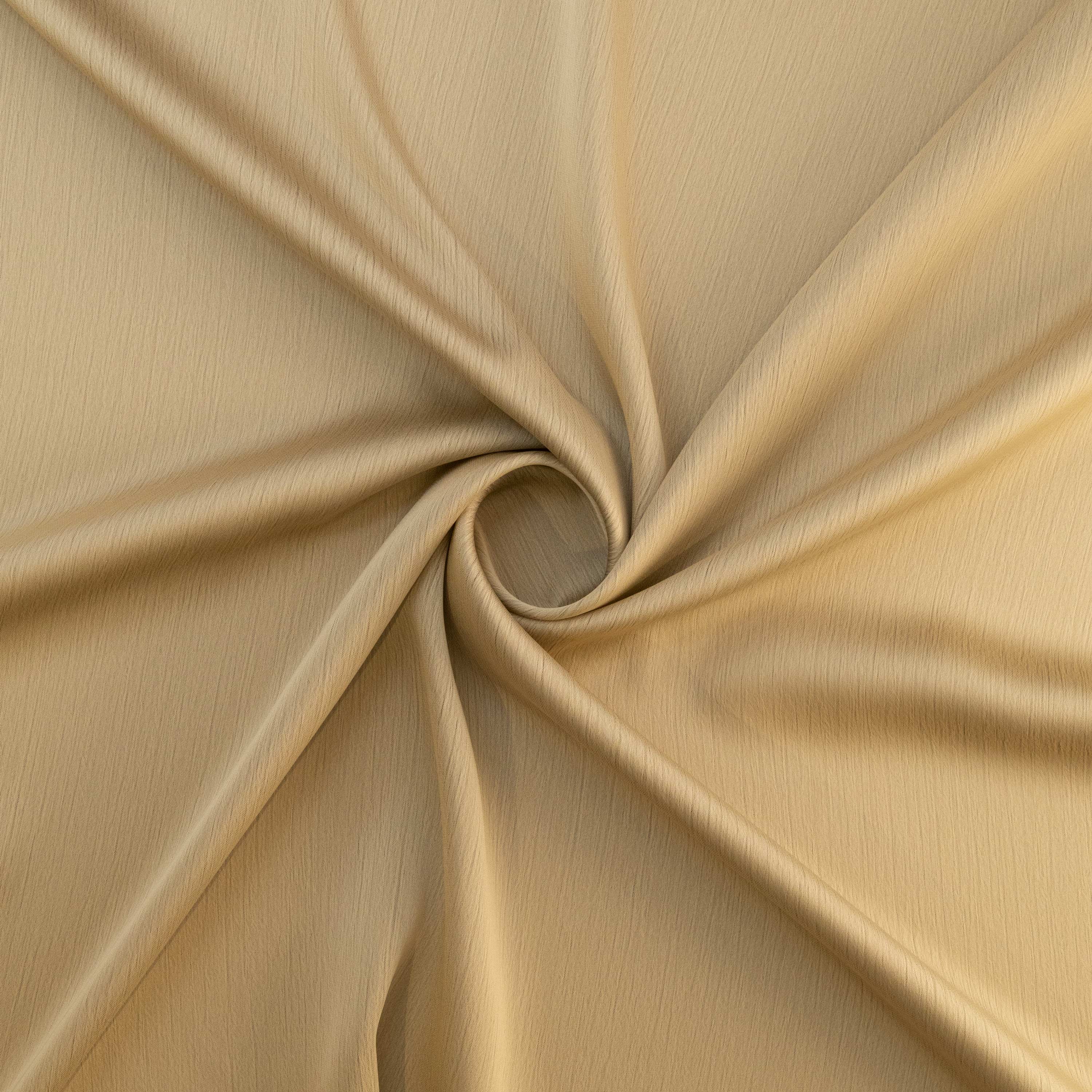
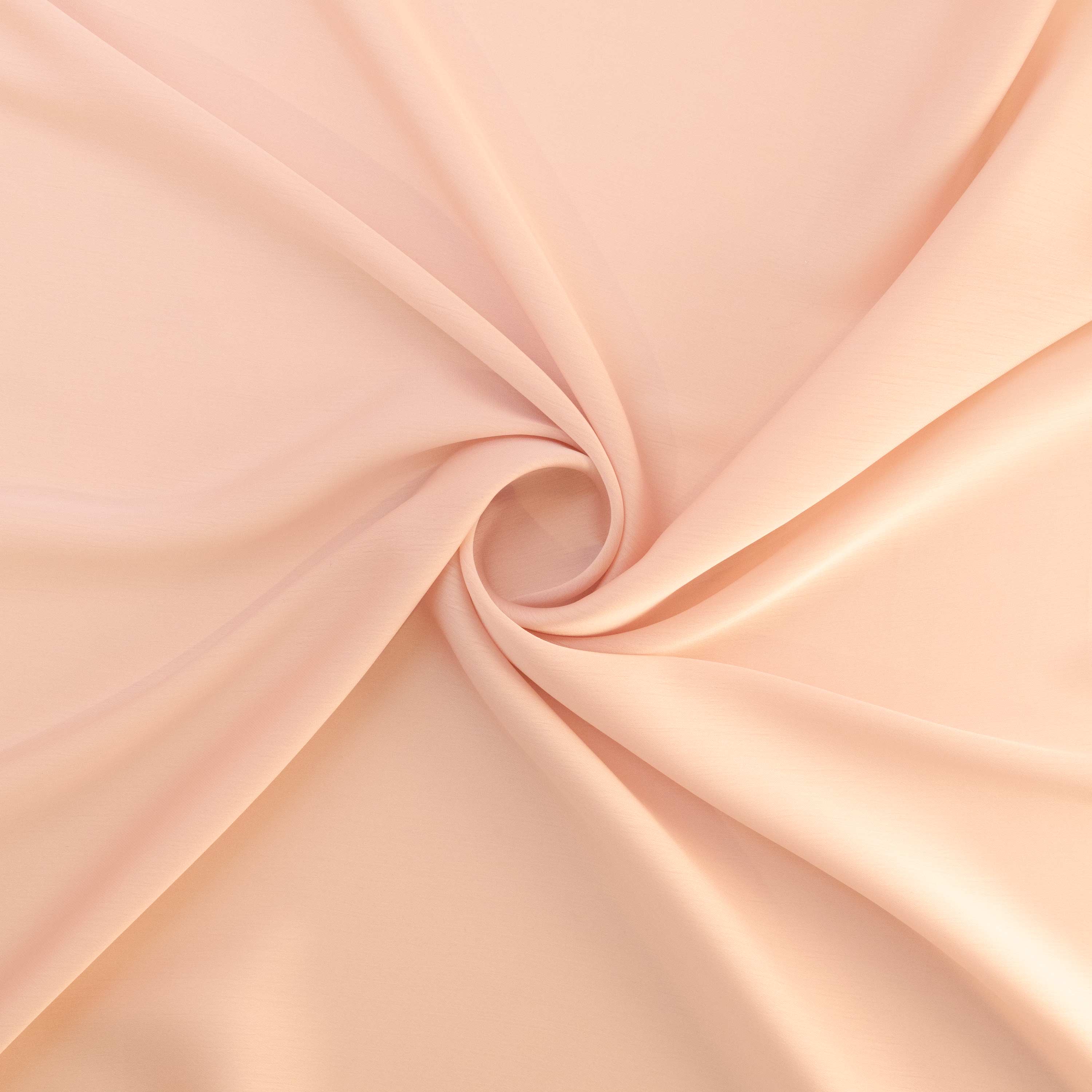
This textile stands out for its unique weave structure, which produces a lustrous face and matte back. That construction creates the signature drape and sheen designers rely on for bridal gowns, drapery, tablecloths, and decorative projects. Our satin fabric by the yard collection spans multiple fiber bases, including cotton, woven polyester, and mulberry silk, so you can select the weight and finish that align with your vision. For designs that require added flexibility and comfort, explore our stretch satin fabric options.
Common Applications
Bridal and Formalwear:
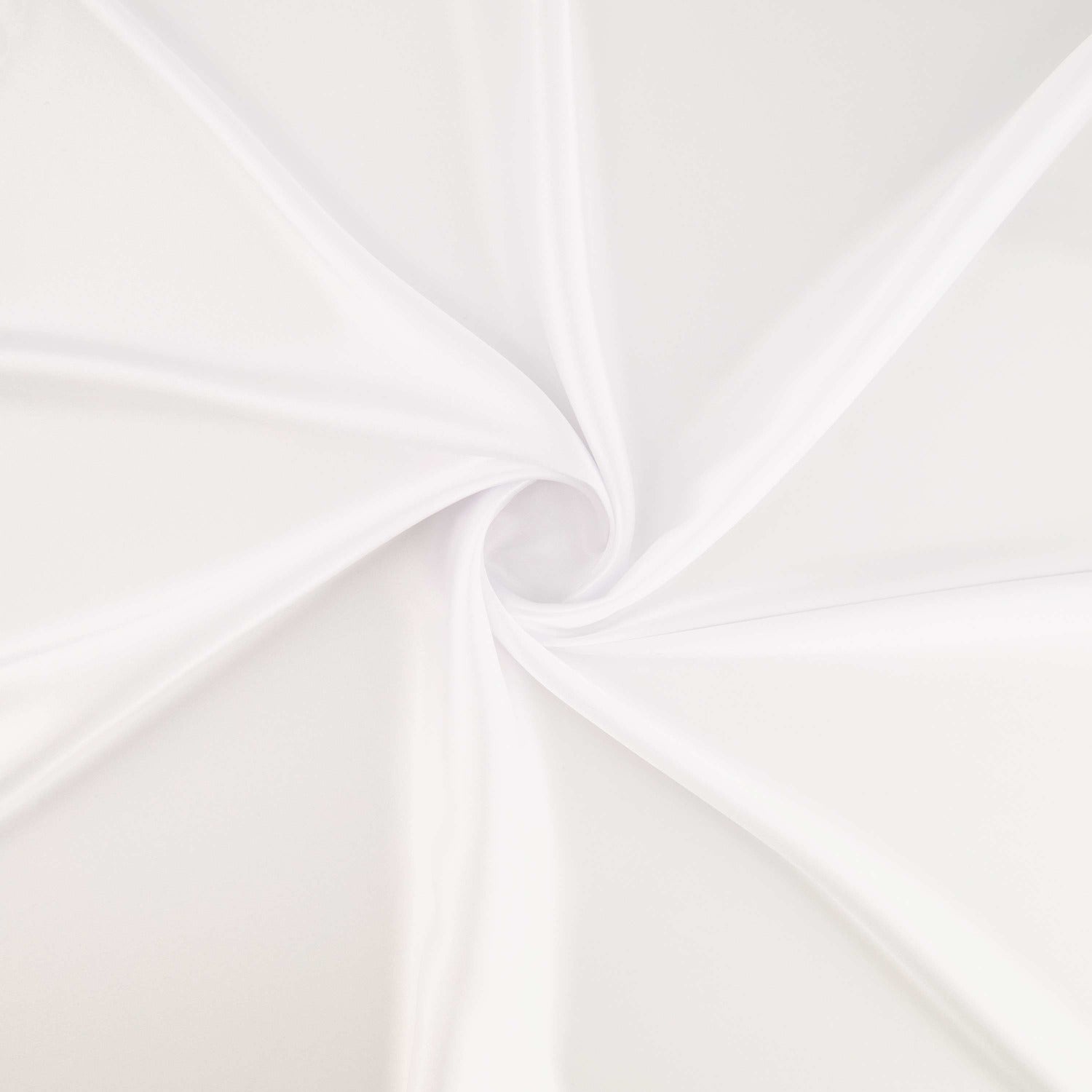
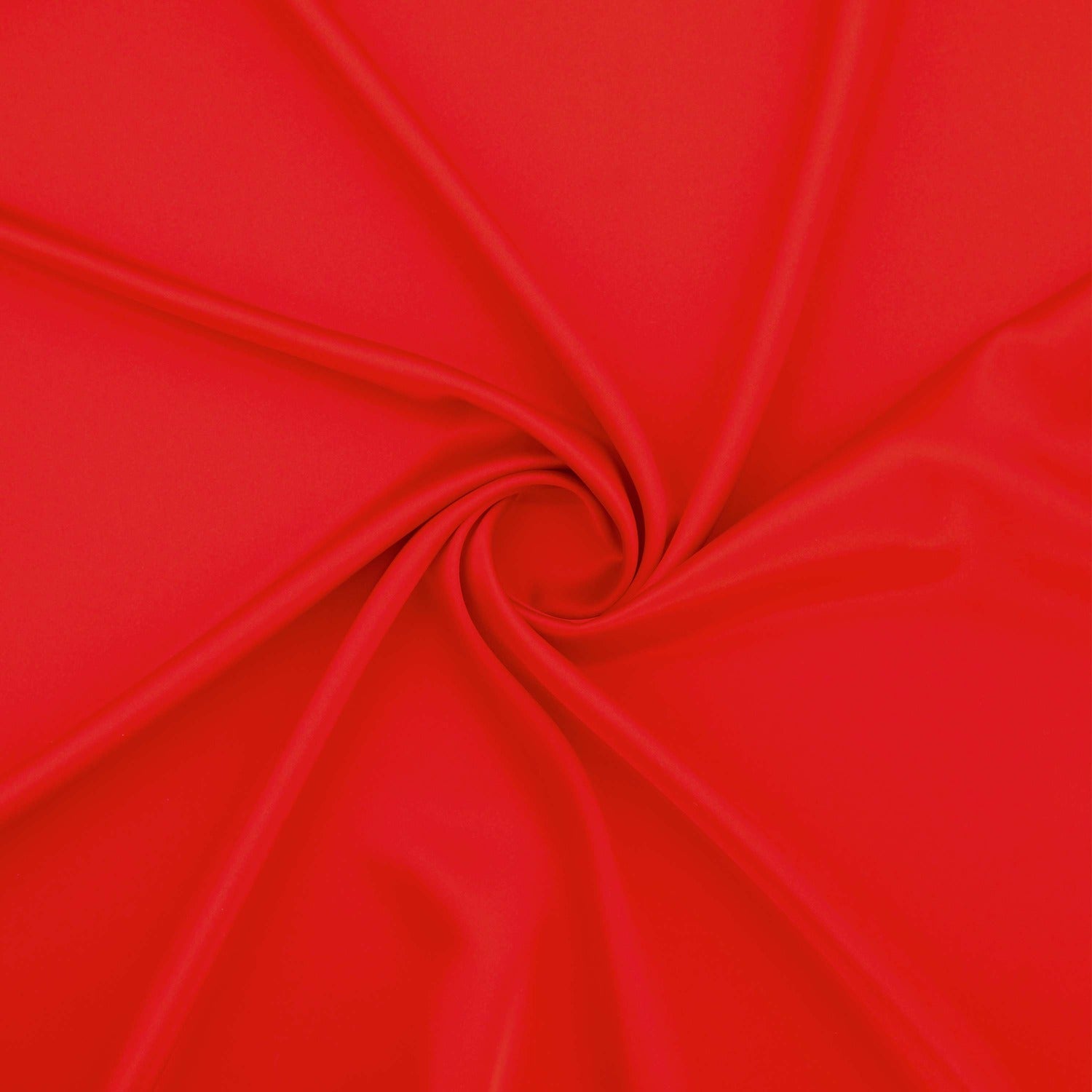
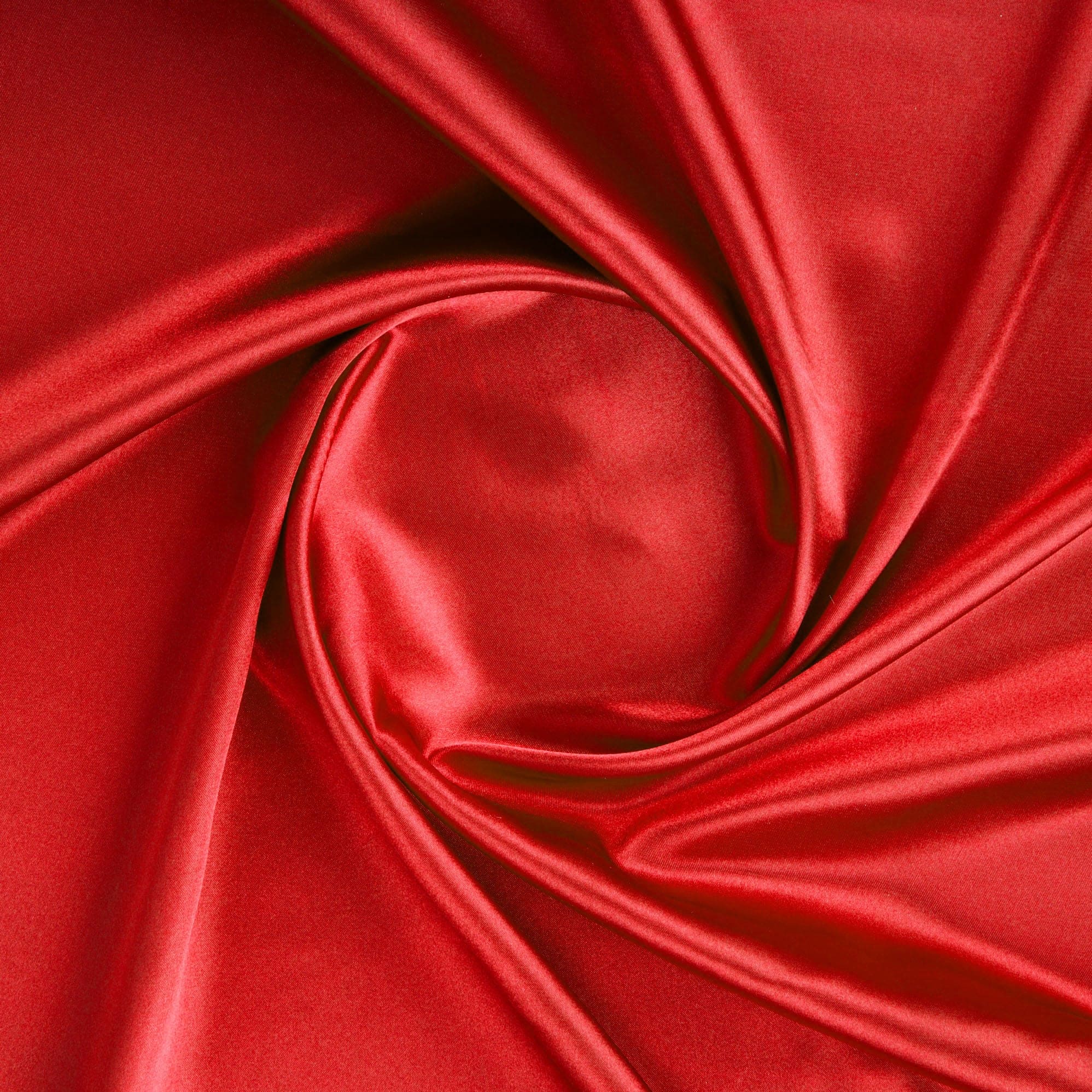
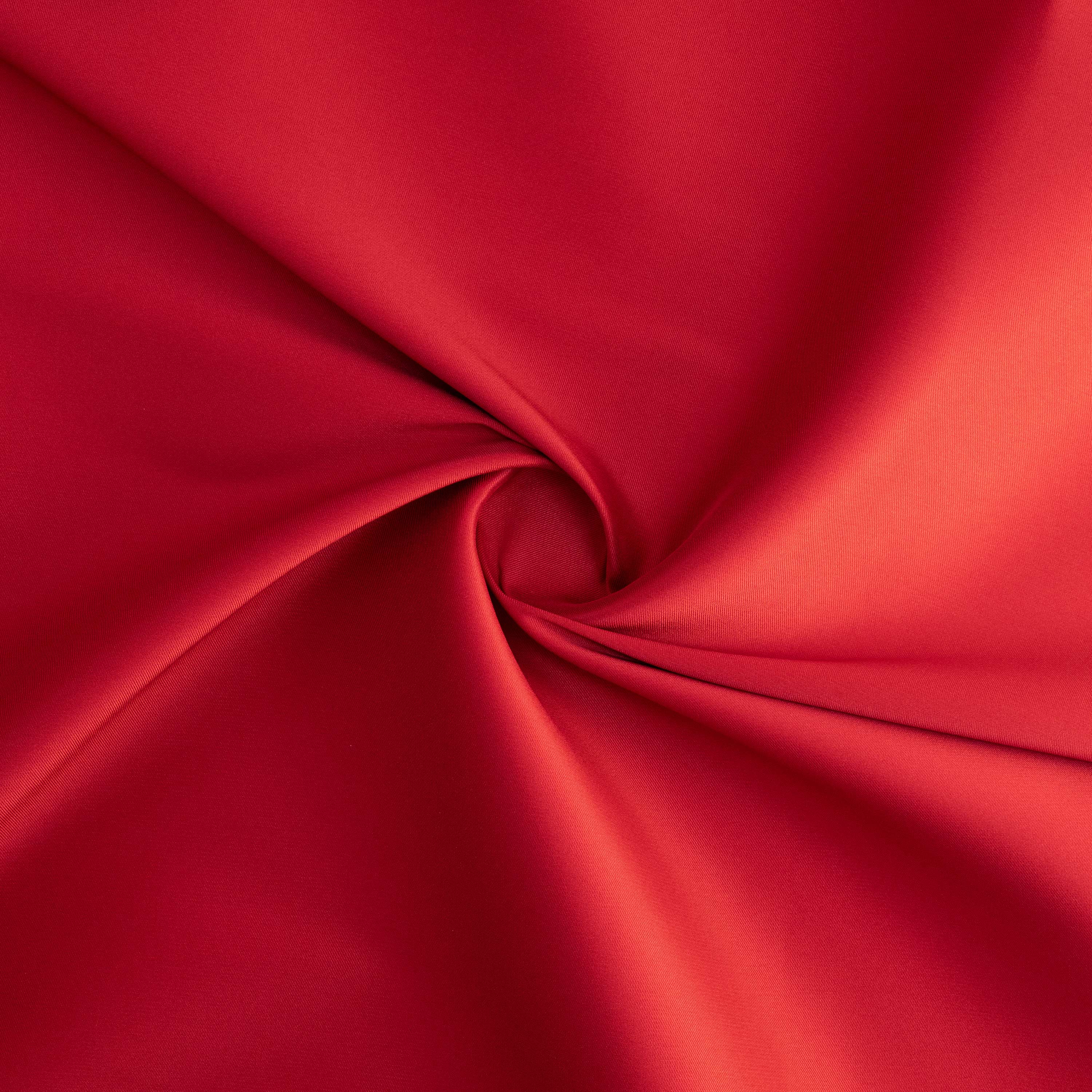
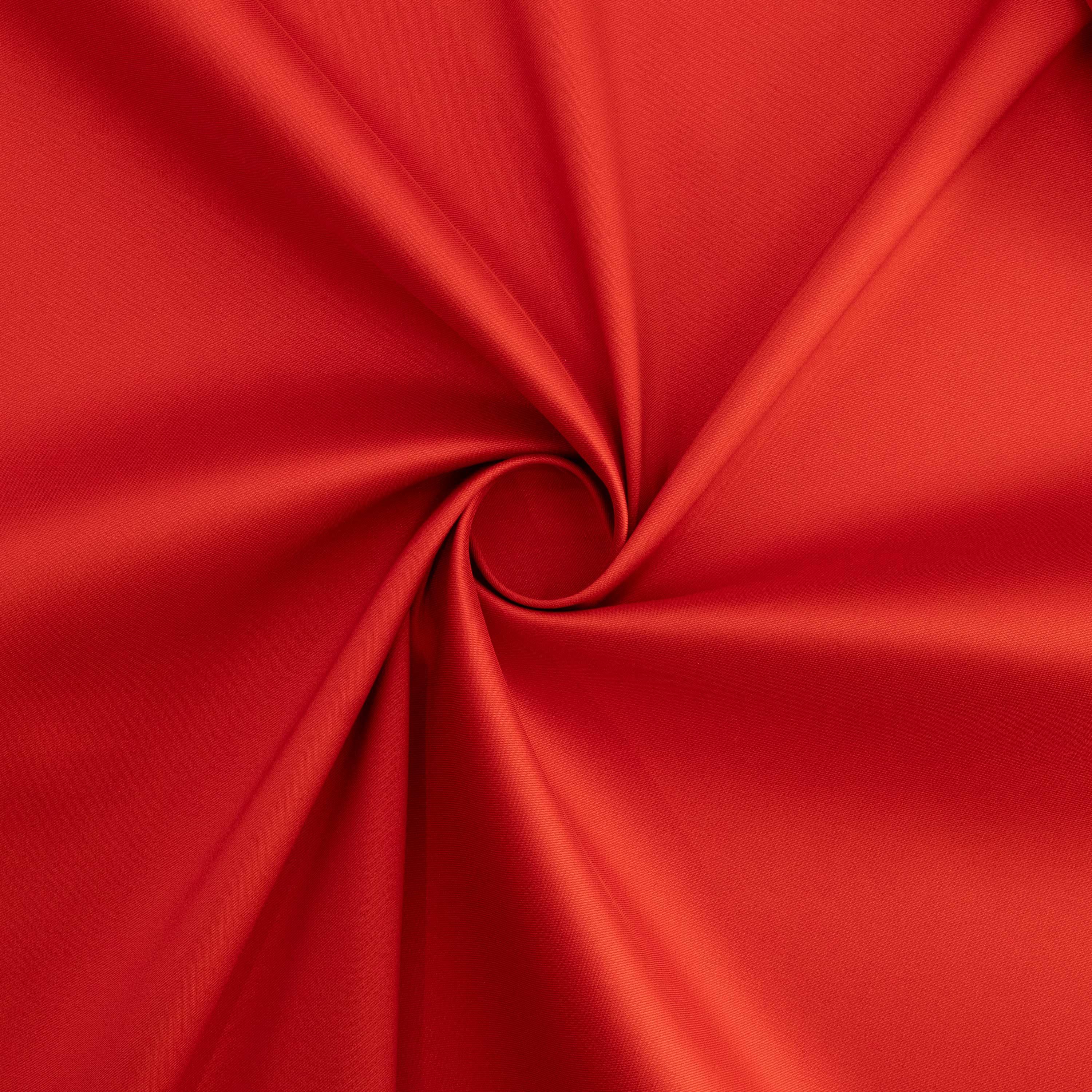
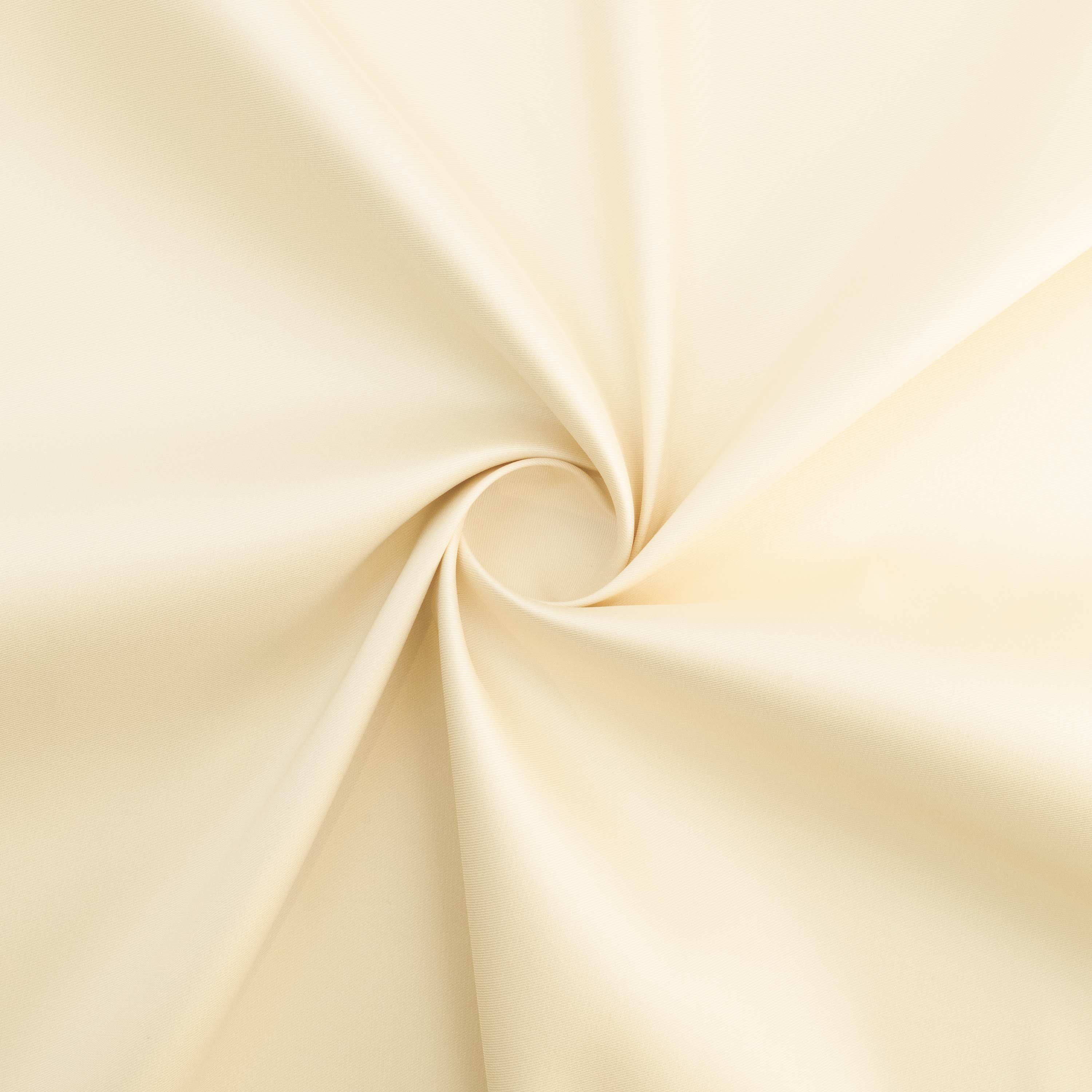
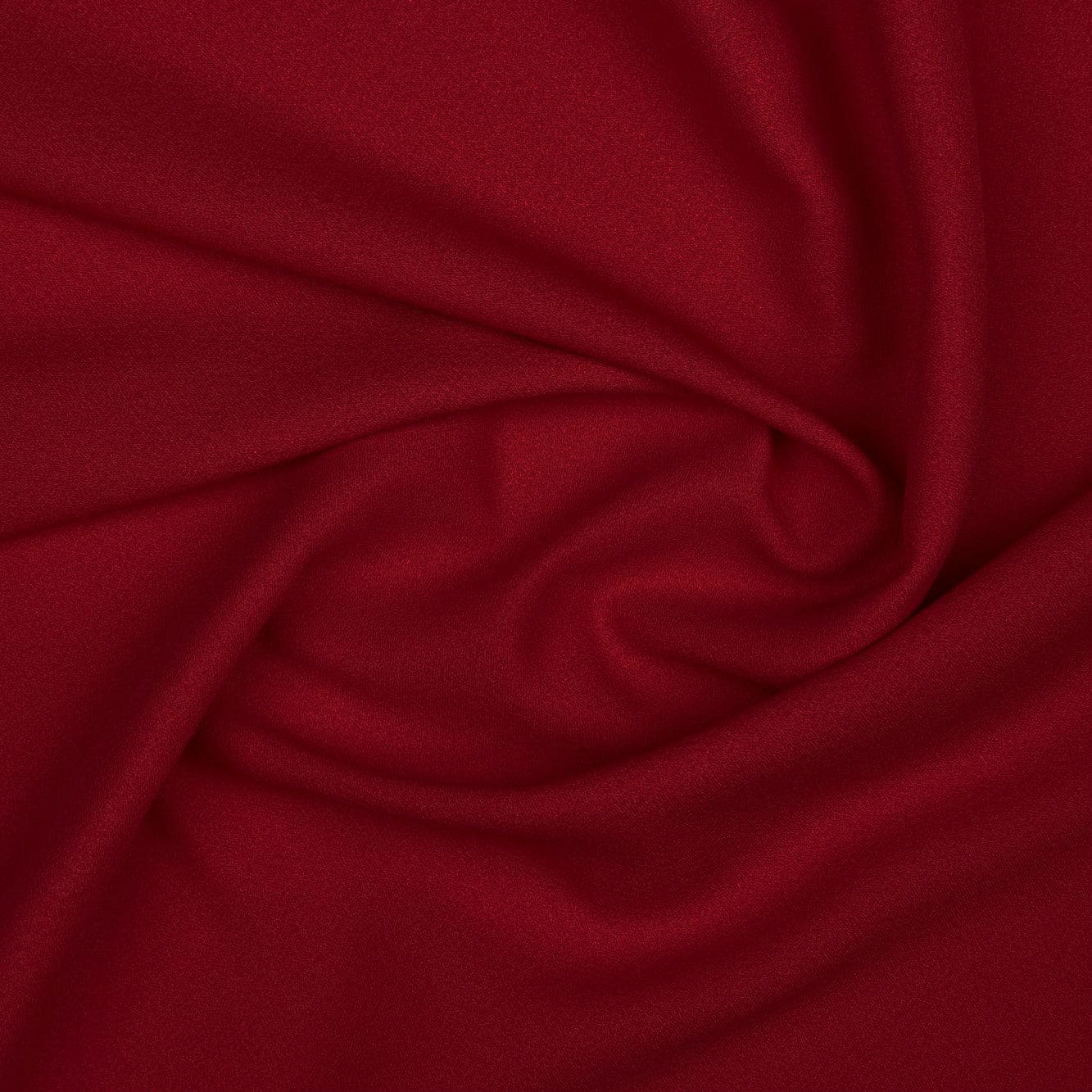
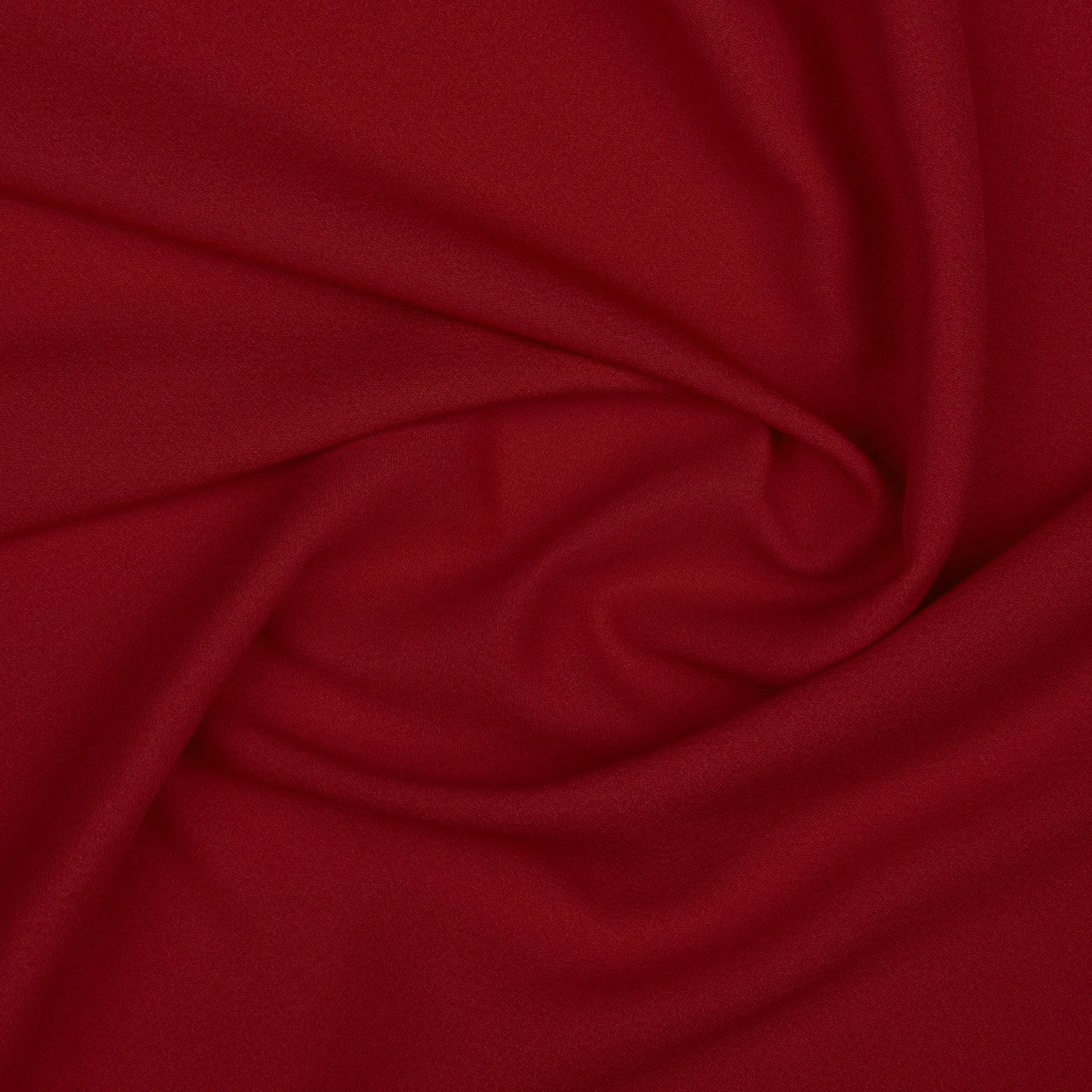
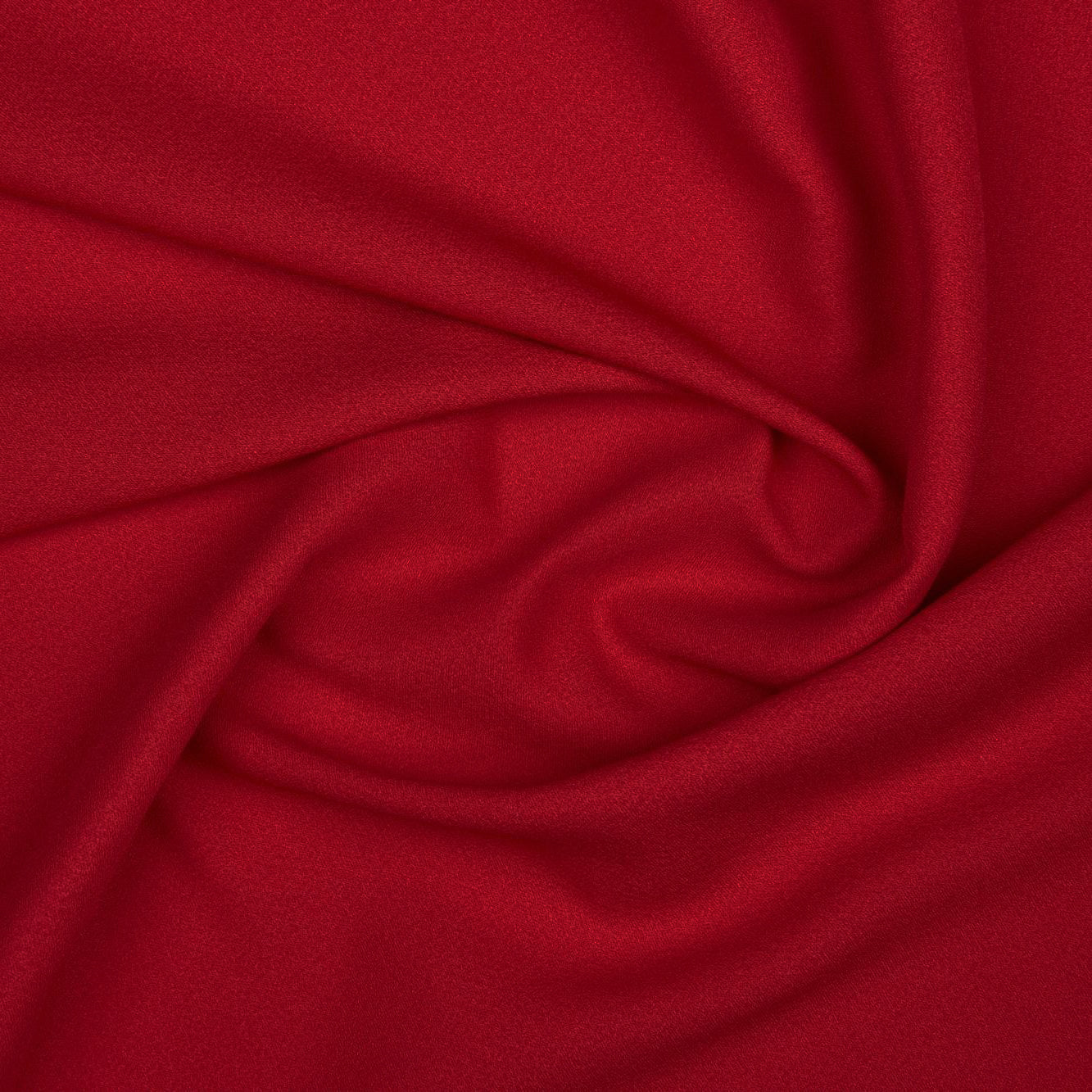
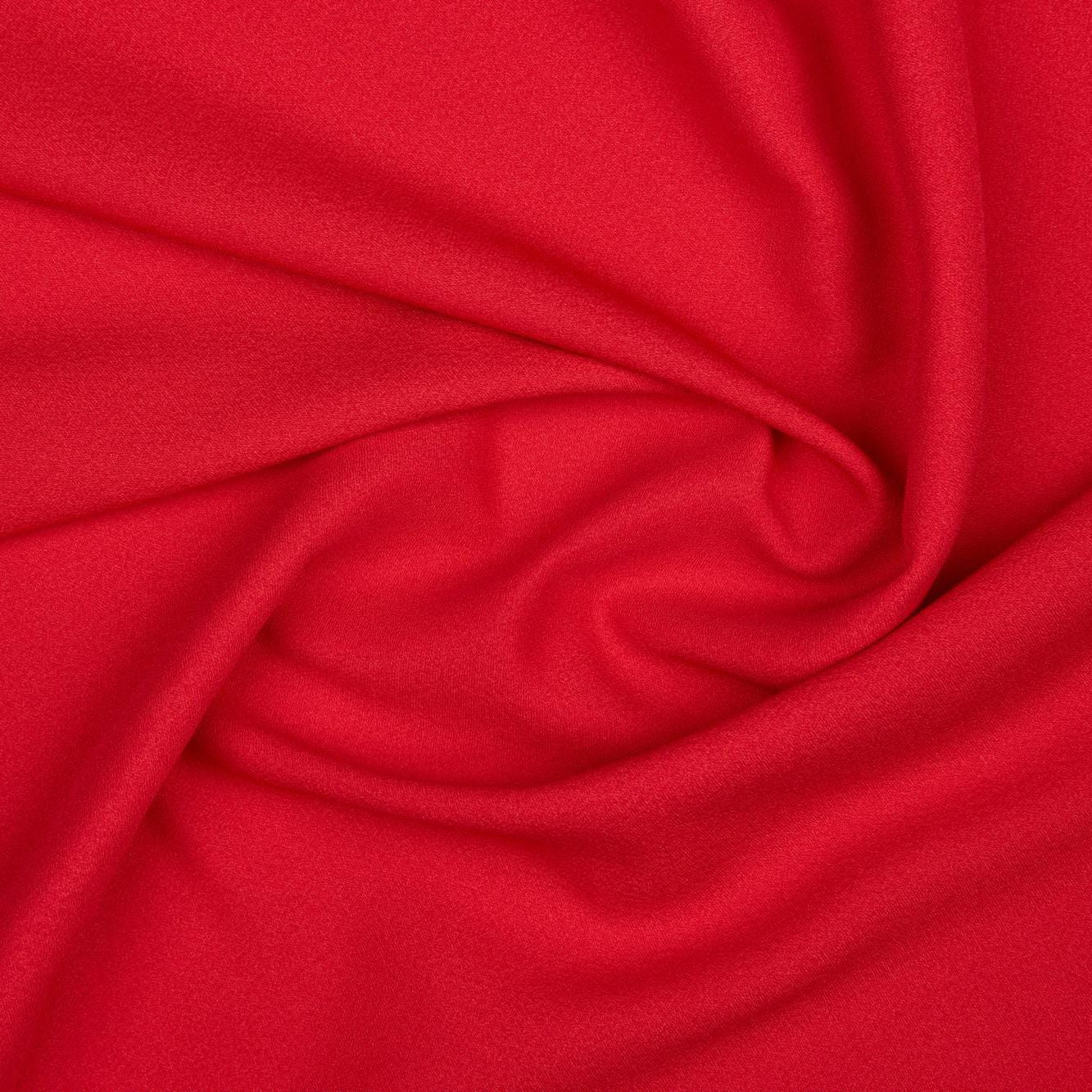
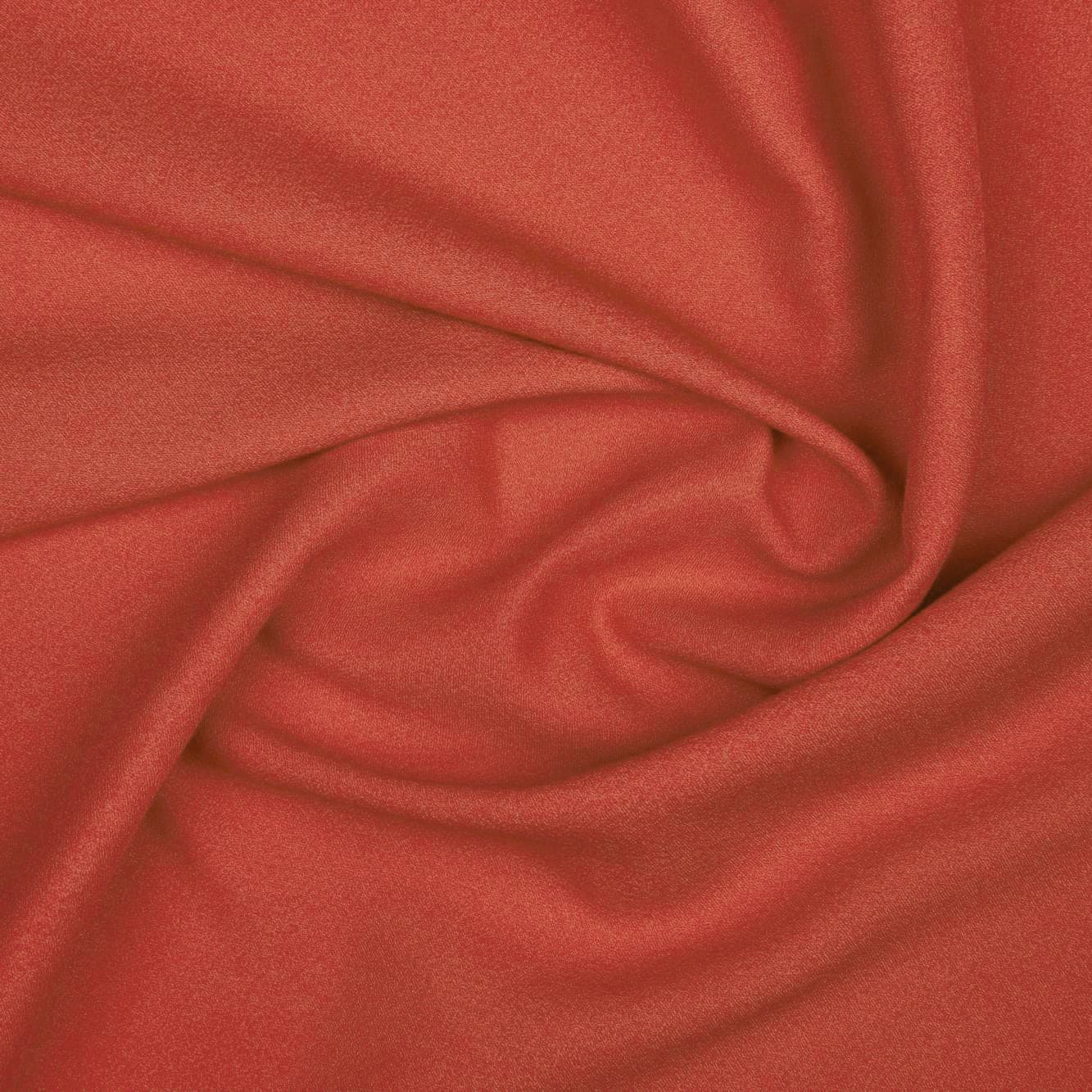
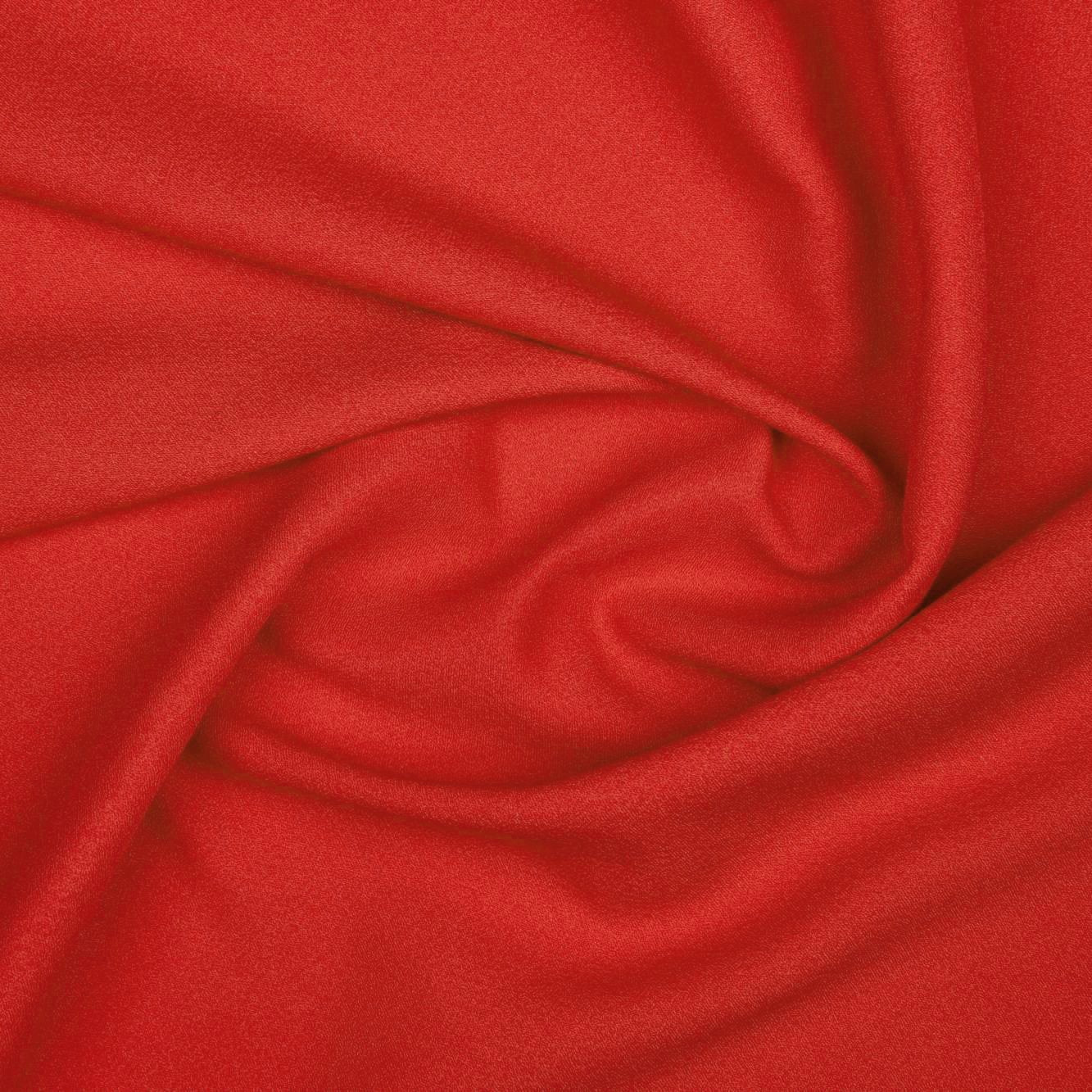
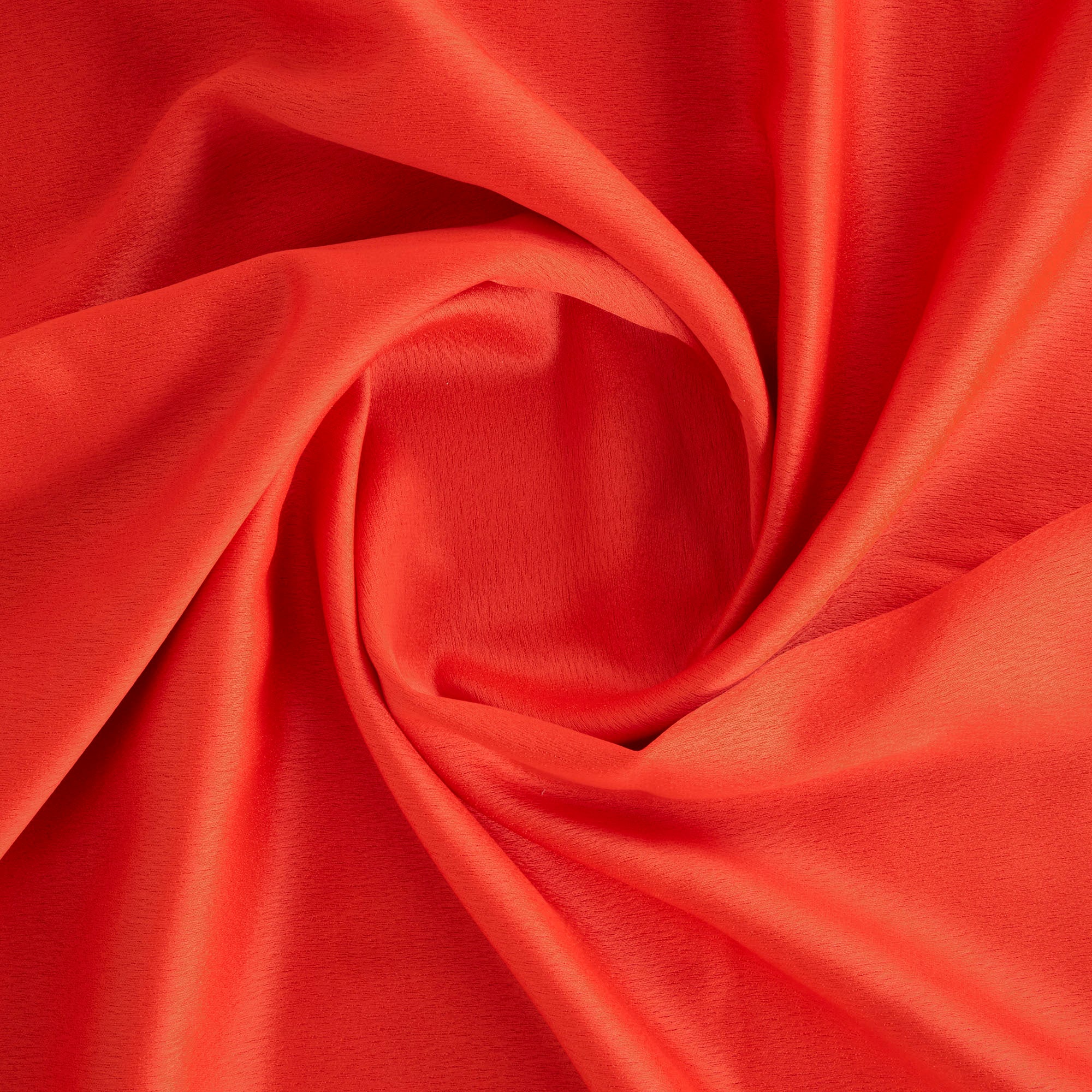
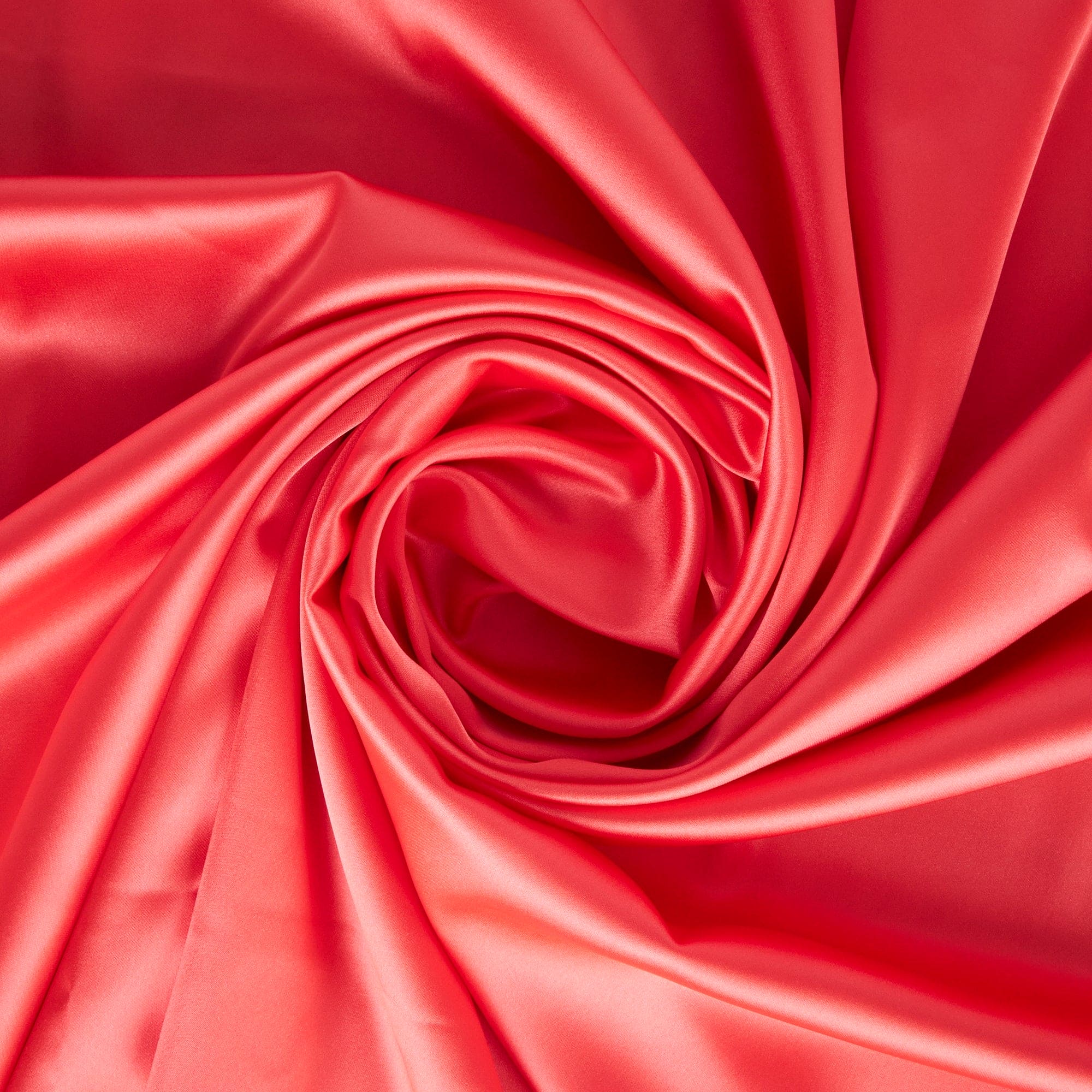
Soft satin and silk variations deliver the refined finish expected in wedding gowns, bridesmaid dresses, and evening wear. Classic palettes remain timeless, whether you’re working with white satin fabric for bridal silhouettes or rich tones like red satin fabric for statement gowns.
Costumes and Cosplay:
Lightweight constructions cut and sew cleanly for theatrical costumes, character builds, and performance wear. Durable finishes help maintain sheen under stage lighting and repeated use.
Home Décor:
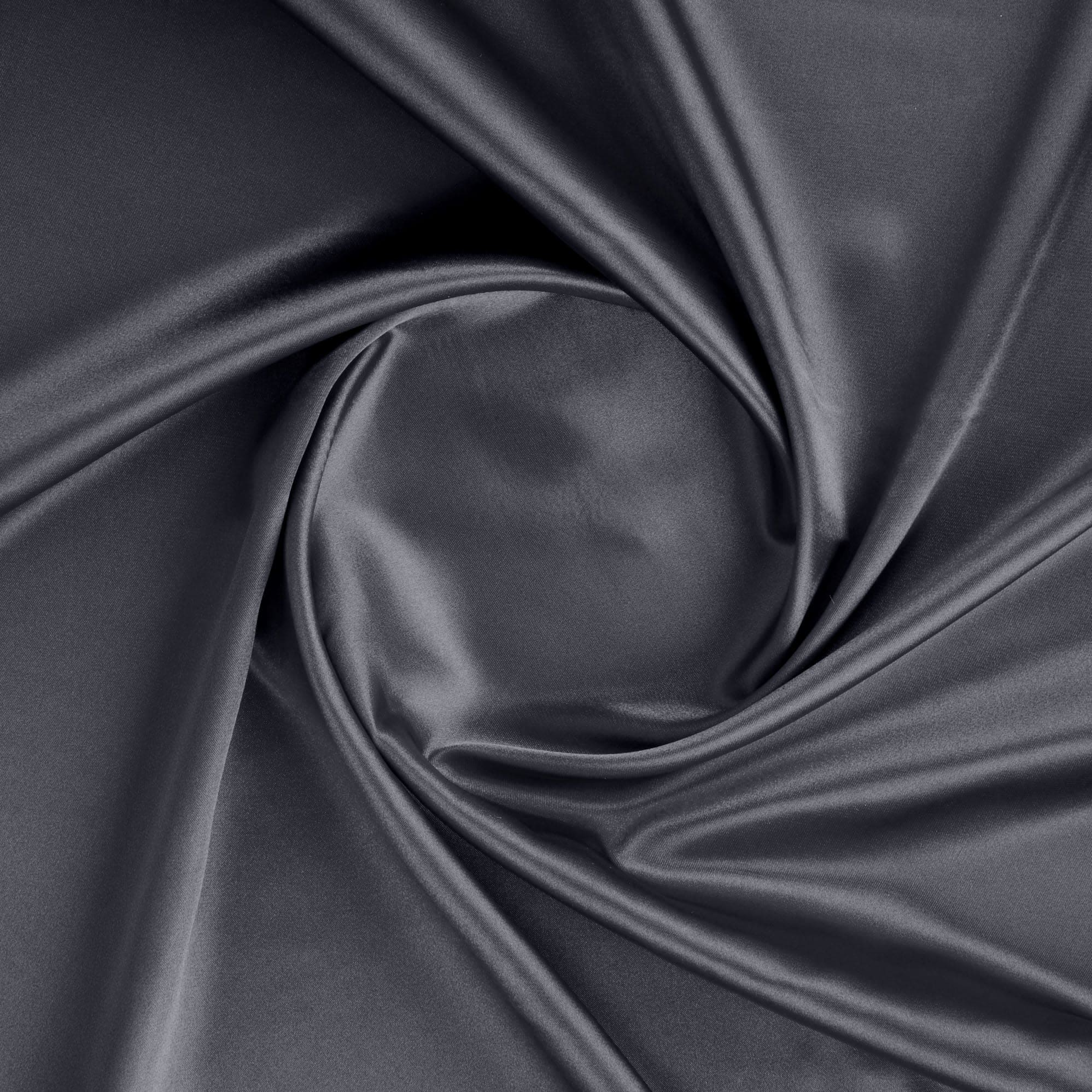
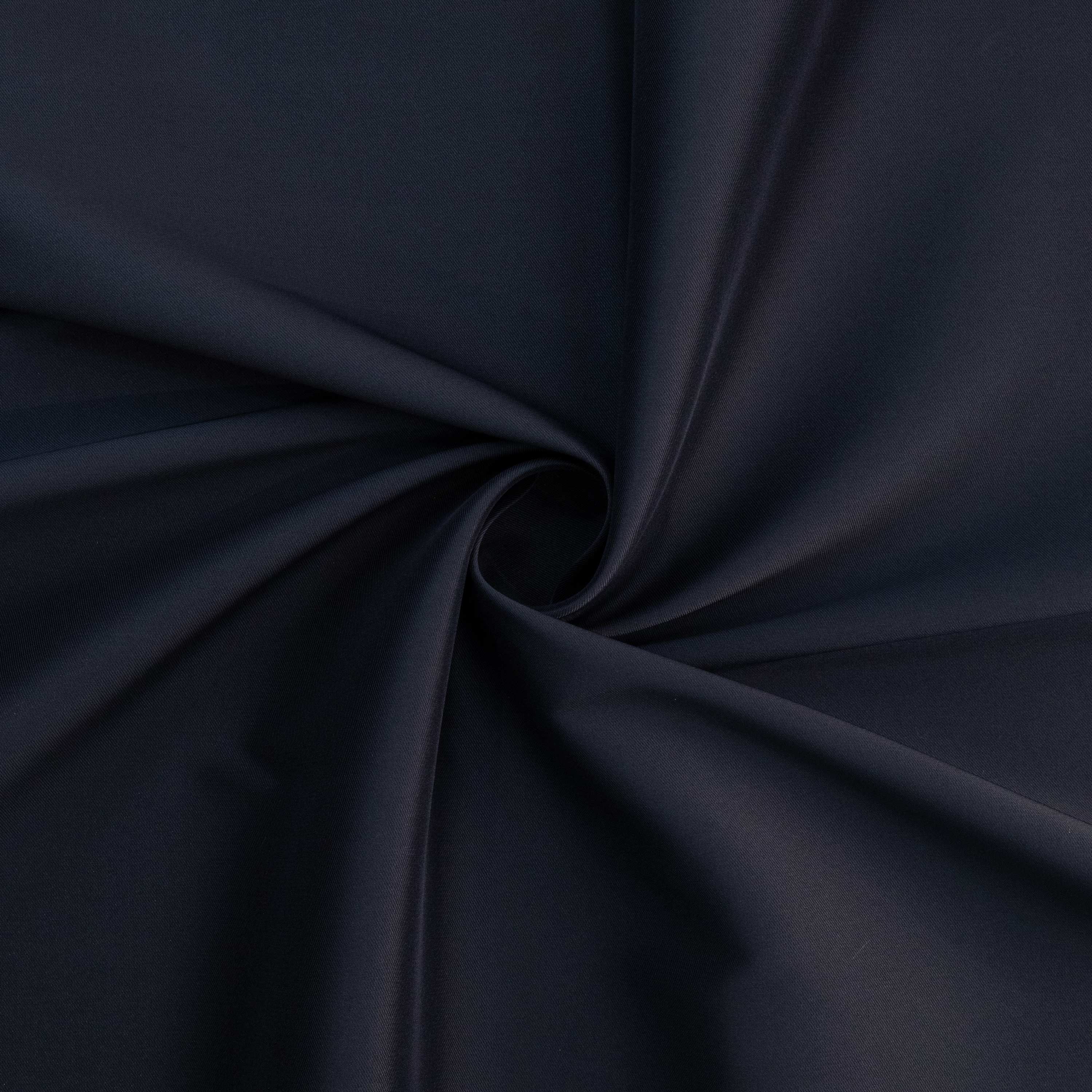
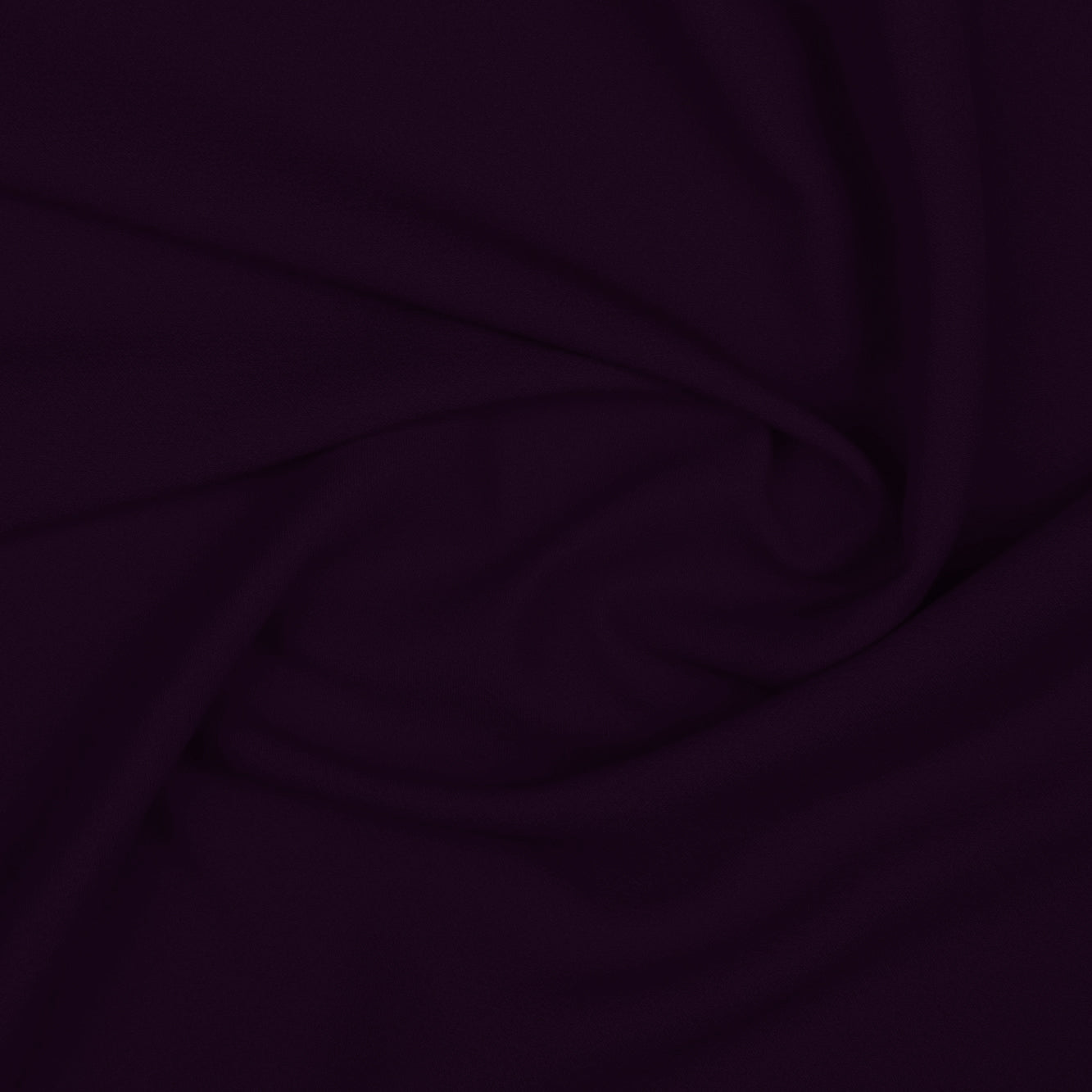
Duchess or solid options work well for curtains, cushion covers, and tablecloths that reflect light and add dimension to interiors. Deep hues such as black satin fabric bring drama and polish to modern spaces.
Lining and Accessories:
Silky charmeuse makes comfortable lining for jackets, robes, and bags, while sheer organza blends add decorative accents.
Understanding Weights and Finishes
Zelouf carries this textile in a range of weights, from delicate sheer blends to heavier duchess constructions. Charmeuse satin fabric typically falls within the 100–150 GSM range and offers the fluid drape ideal for bias-cut dresses and flowing silhouettes. Heavier options, like bridal satin fabric, clock in at 150–200 GSM, providing more body for structured gowns and tailored separates.
Key Considerations
Fiber Content:
Cotton and silk deliver natural breathability, while woven polyester provides durability and wrinkle resistance.
Continuous Yardage:
Most products are available in uninterrupted cuts, reducing seam interruptions for large projects like drapery panels or mermaid gowns.
Craft and Costume Projects:
Lighter GSM options suit costumes, accessories, and decorative craft applications where drape matters more than structure.
How to Order Your Textile
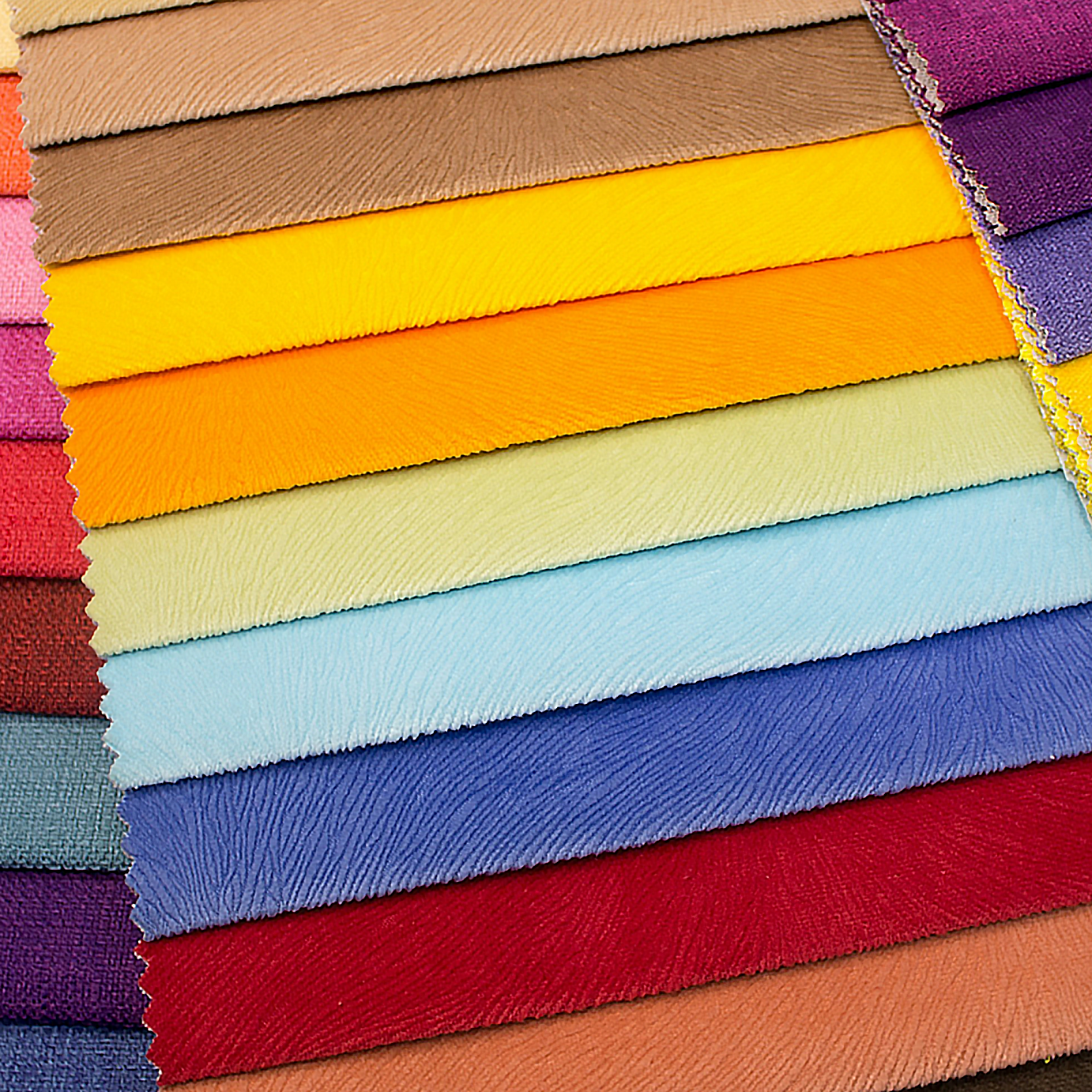
Browse by color, weight, or finish to find the material that matches your concept. Request a swatch to evaluate sheen, hand, and thread quality under your studio lighting — it’s free. Once confirmed, order the exact quantity you need, whether you’re creating a sample garment or sourcing yardage for production runs.
Pro Tip: Pair satin with complementary textiles like sheer organza for layered looks, or balance printed designs with solid accents. Wedding and formal projects benefit from coordinating thread and lining in matching tones.
Frequently Asked Questions
What’s the difference between charmeuse satin fabric and duchess satin?
Charmeuse offers a lighter, flowing drape ideal for bias-cut dresses and soft silhouettes. Duchess provides more structure and weight, making it suitable for tailored gowns and formal apparel that need body and shape retention.
Can satin fabric by the yard be used for wedding gowns and bridal projects?
Absolutely. Bridal satin fabric and silk satin deliver the refined finish and smooth drape expected in wedding dresses, bridesmaid gowns, and ceremonial wear. Ordering swatches helps confirm weight and sheen for your design.
Which fiber works best for costumes and cosplay projects?
Woven polyester satin offers durability and wrinkle resistance, making it well suited for costumes that require frequent wear and cleaning.
How do I choose the right weight for drapery and tablecloths?
Heavier constructions in the 150–200 GSM range work best for curtains and drapes that need to hang well. Lighter weights suit tablecloths and decorative covers.
What makes charmeuse satin fabric ideal for lining and accessories?
Charmeuse combines a silky hand with smooth drape, making it comfortable against the skin for jacket linings, robes, scarves, and refined accessory details without added bulk.