


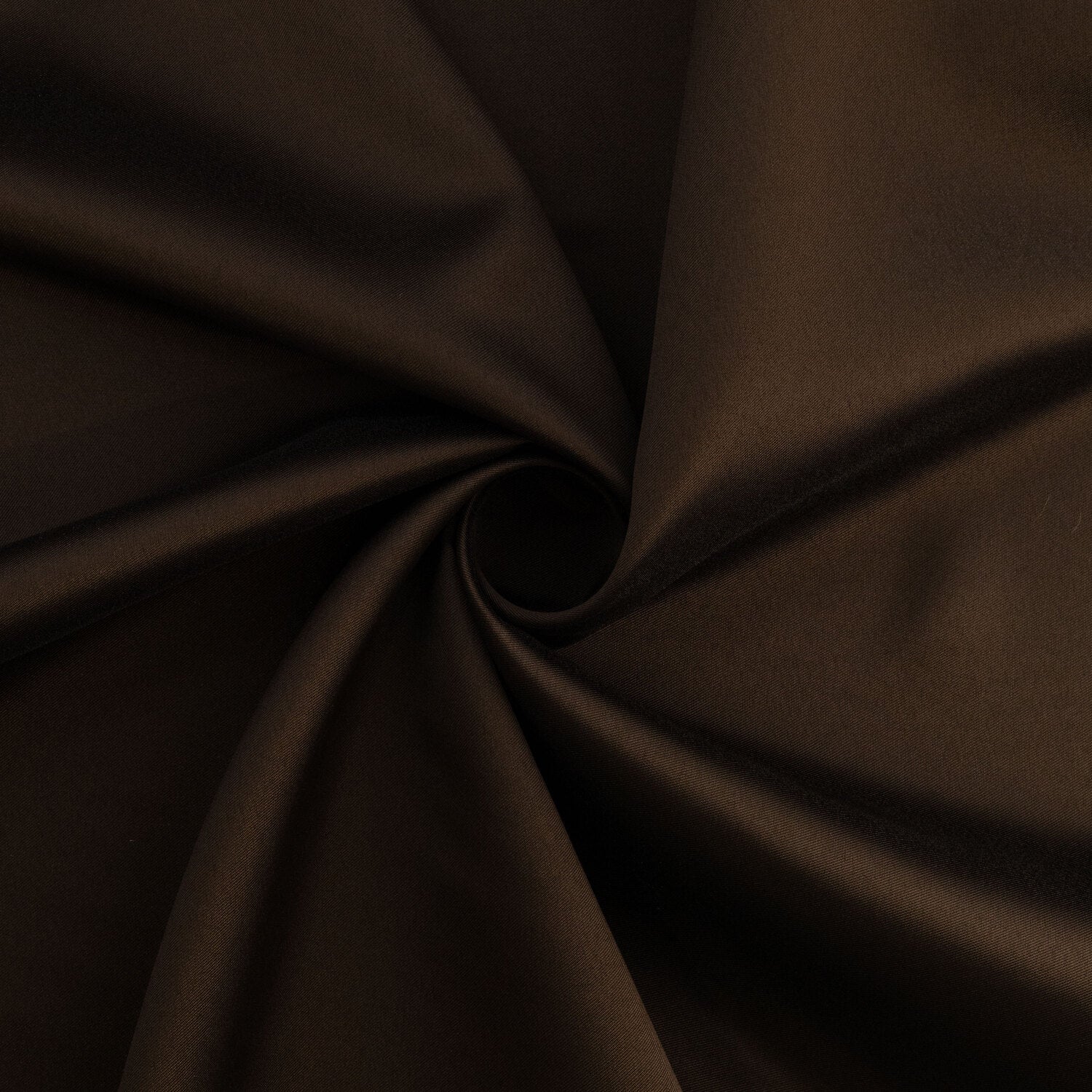
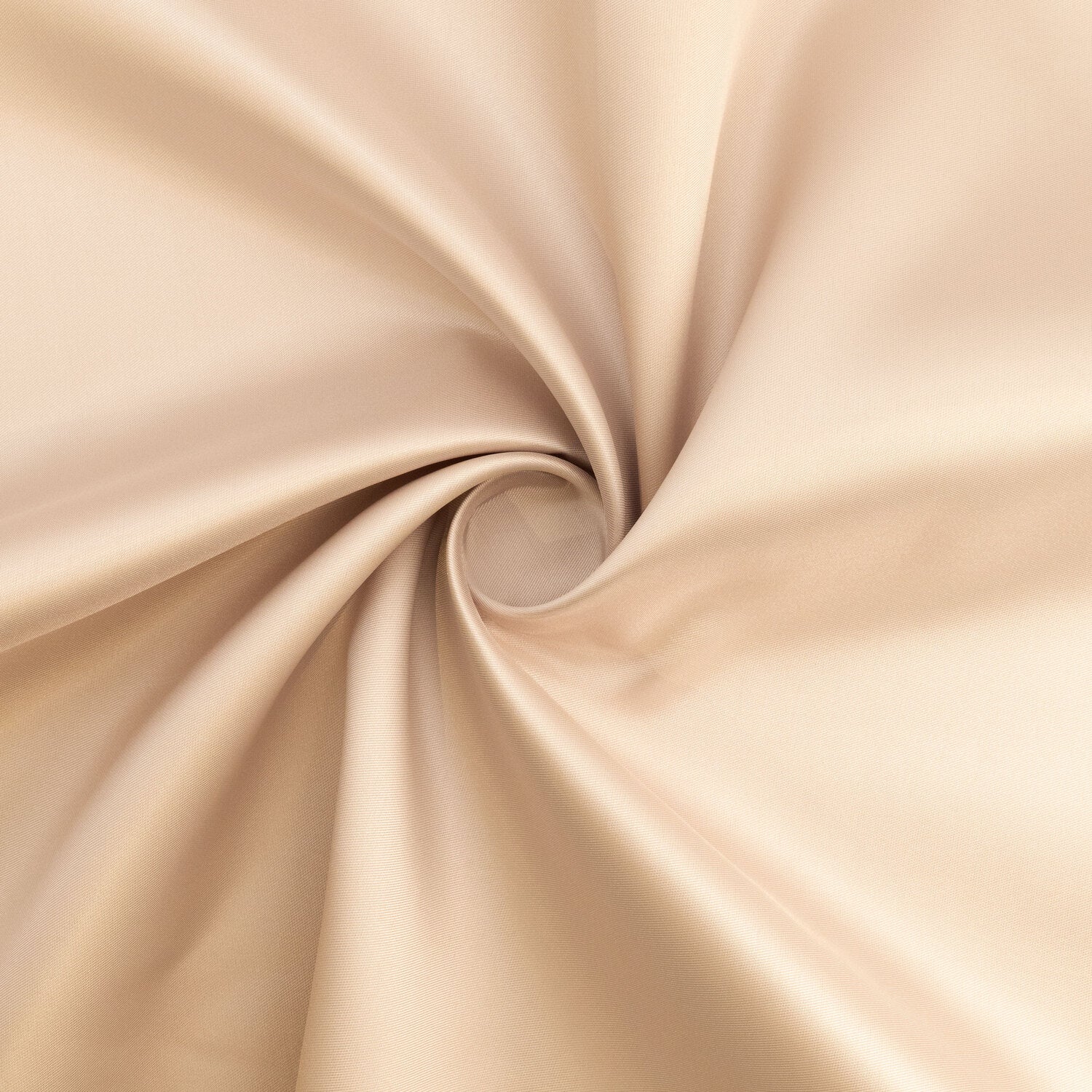
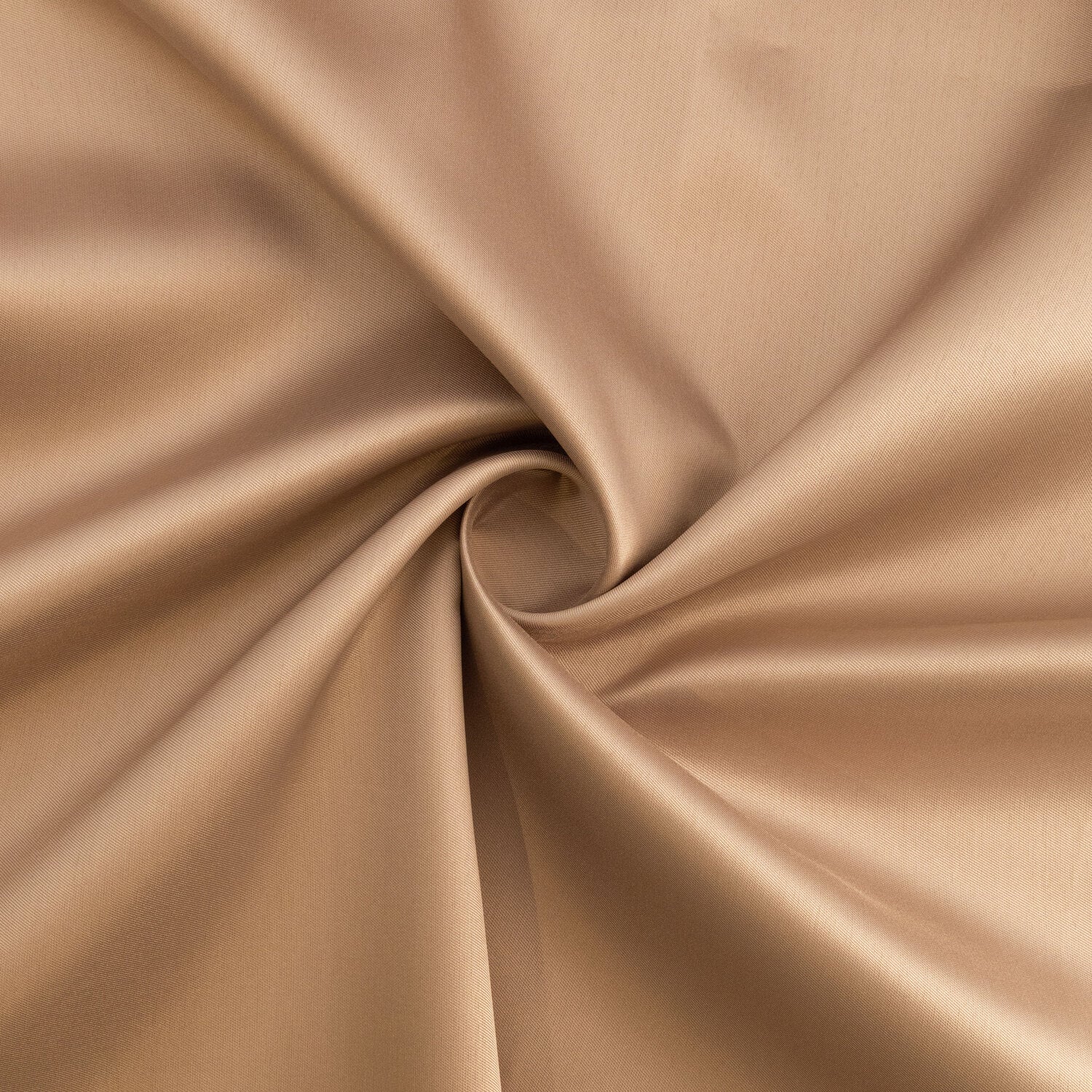

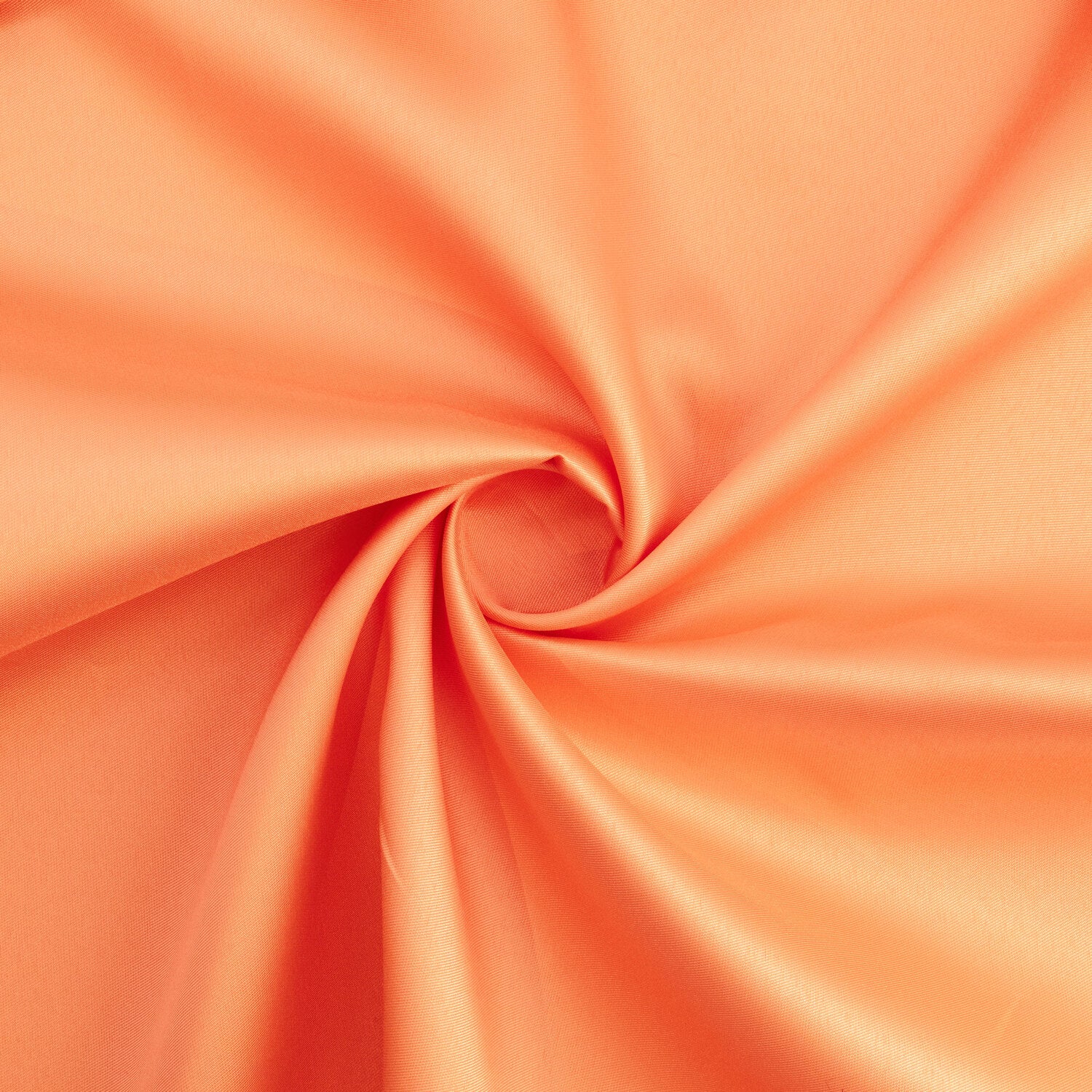







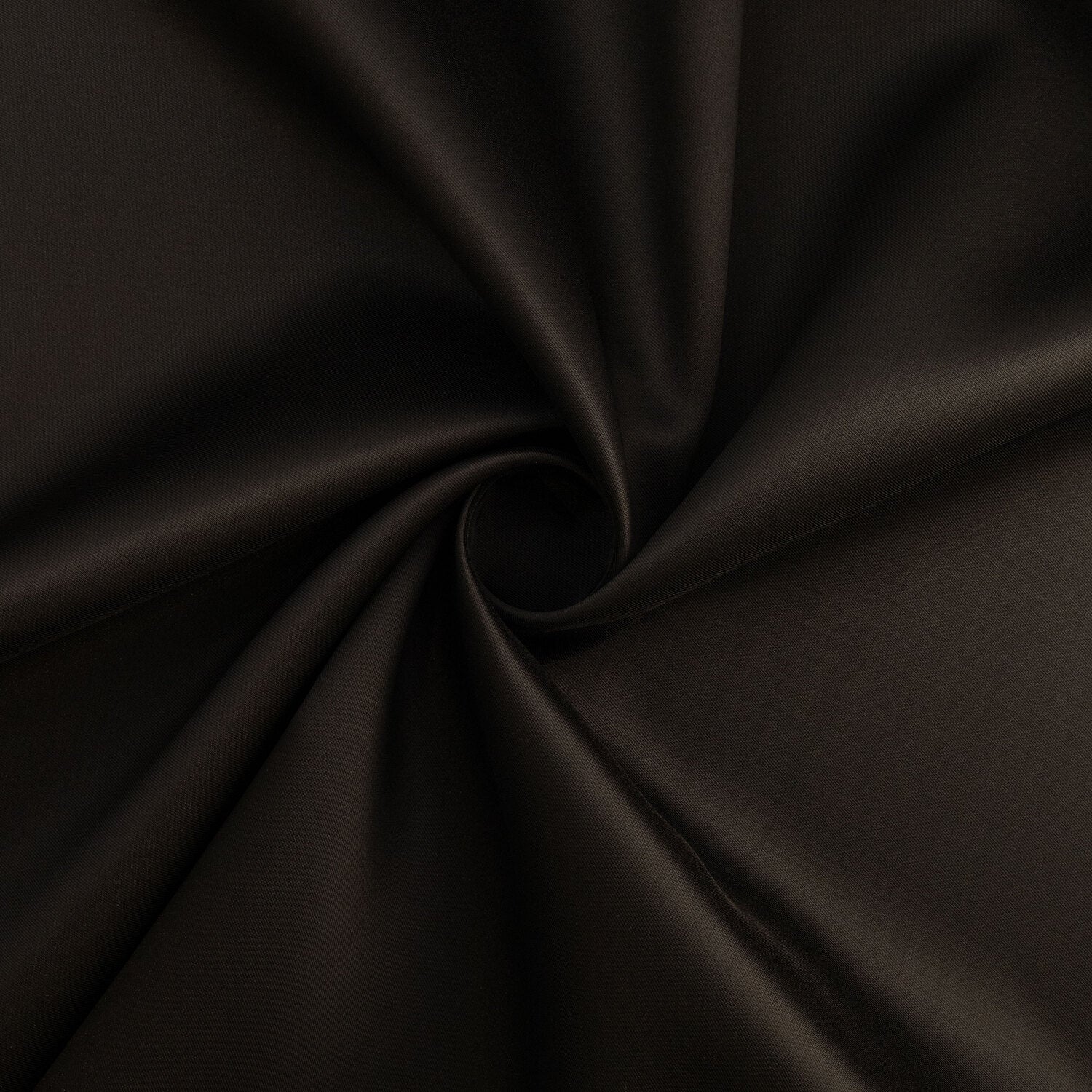
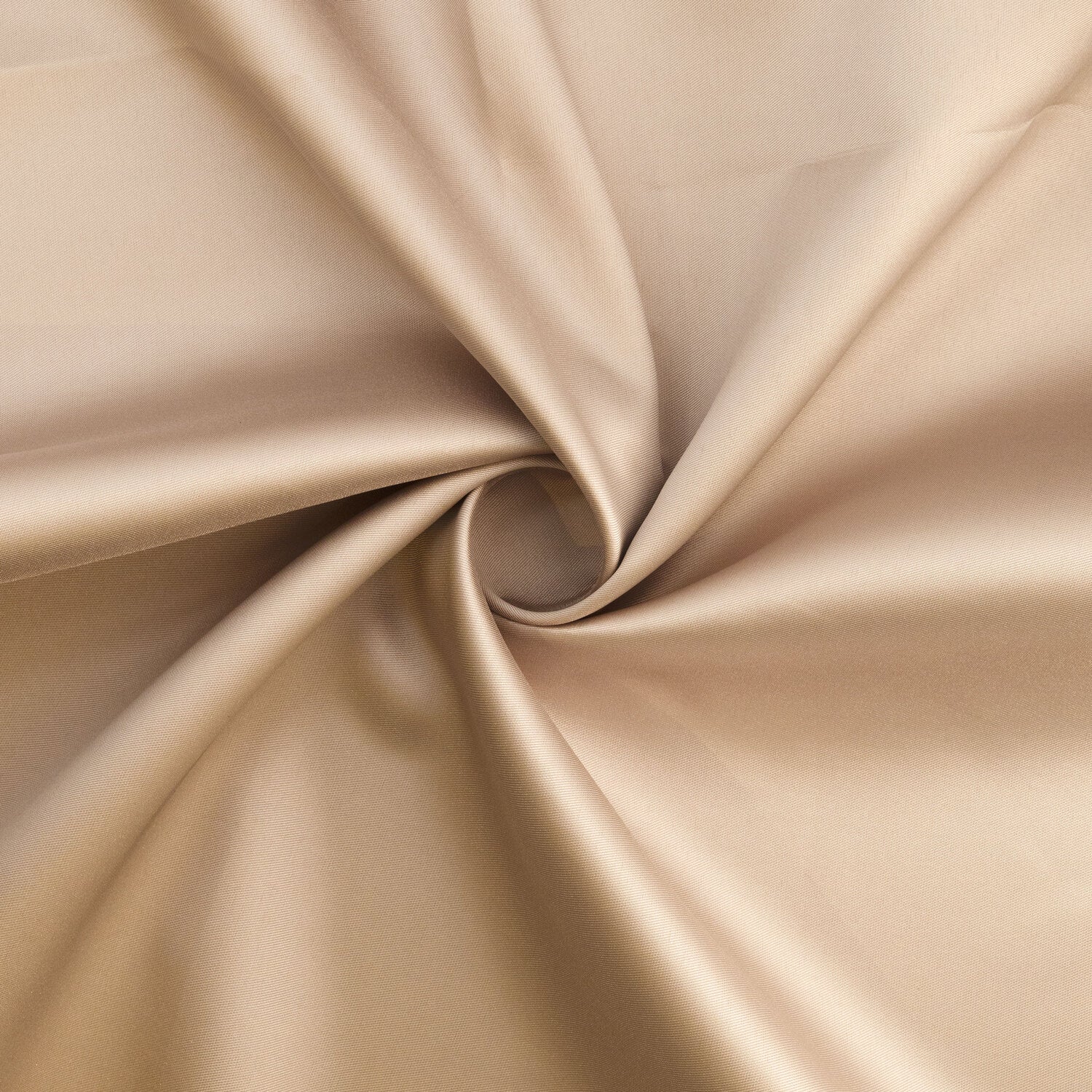
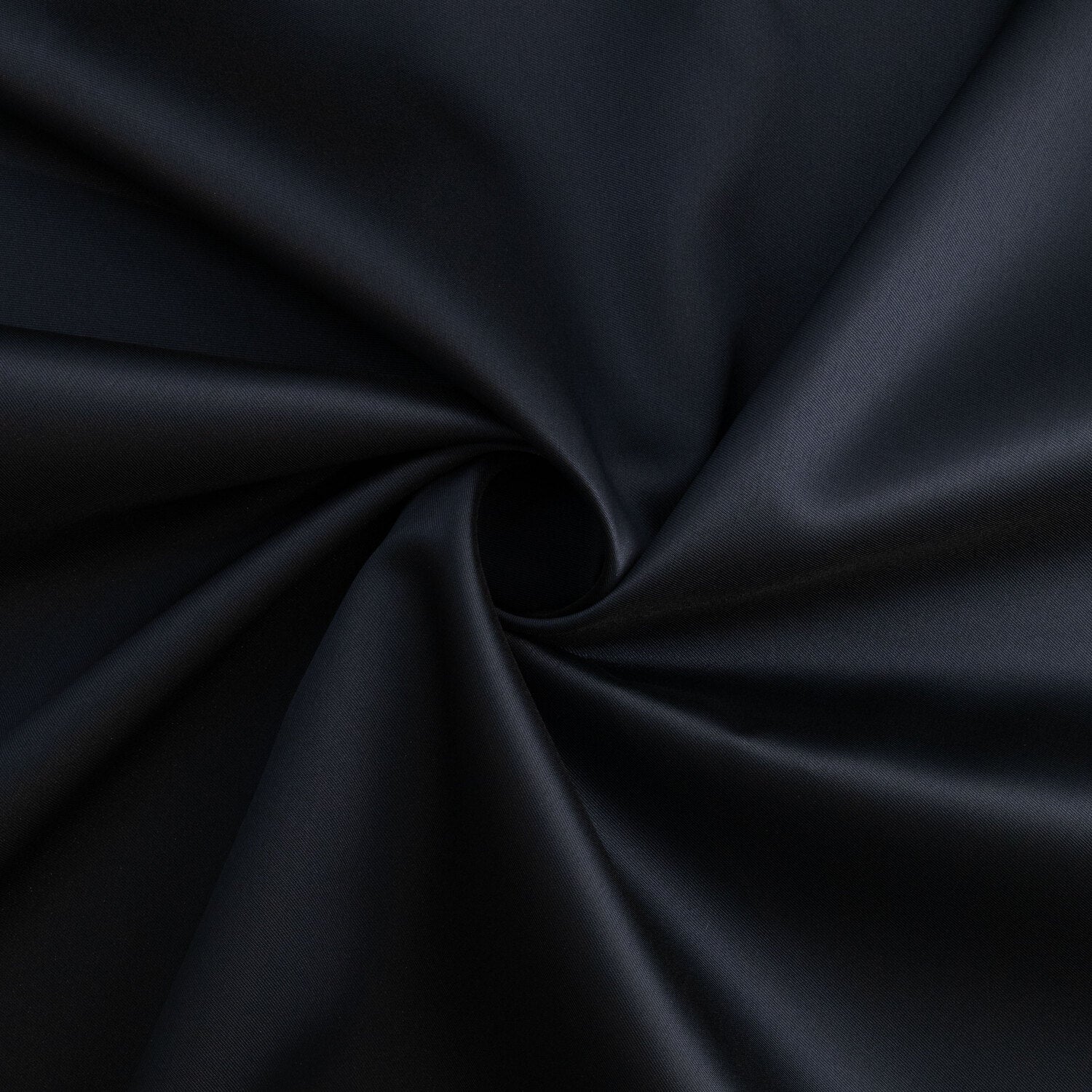

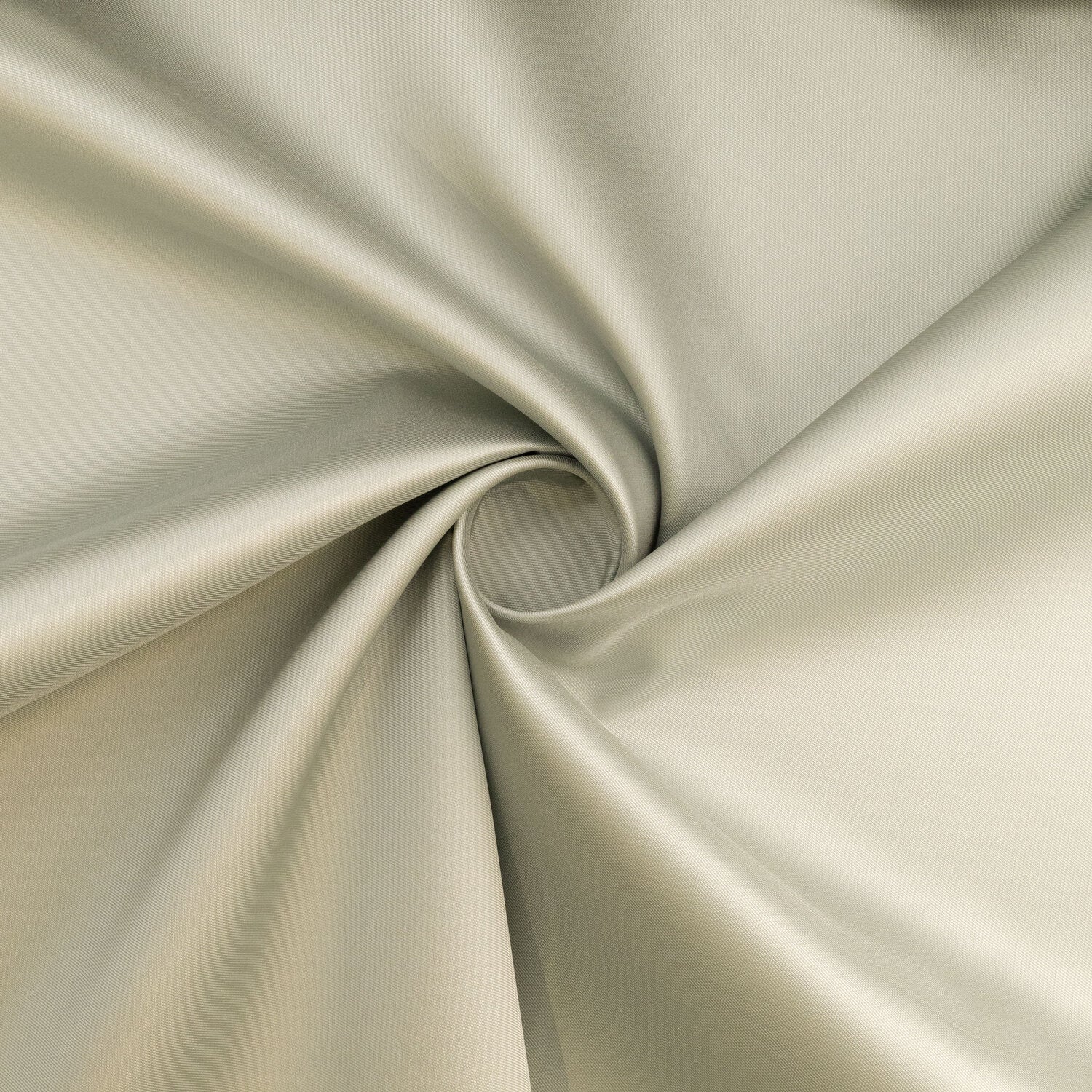
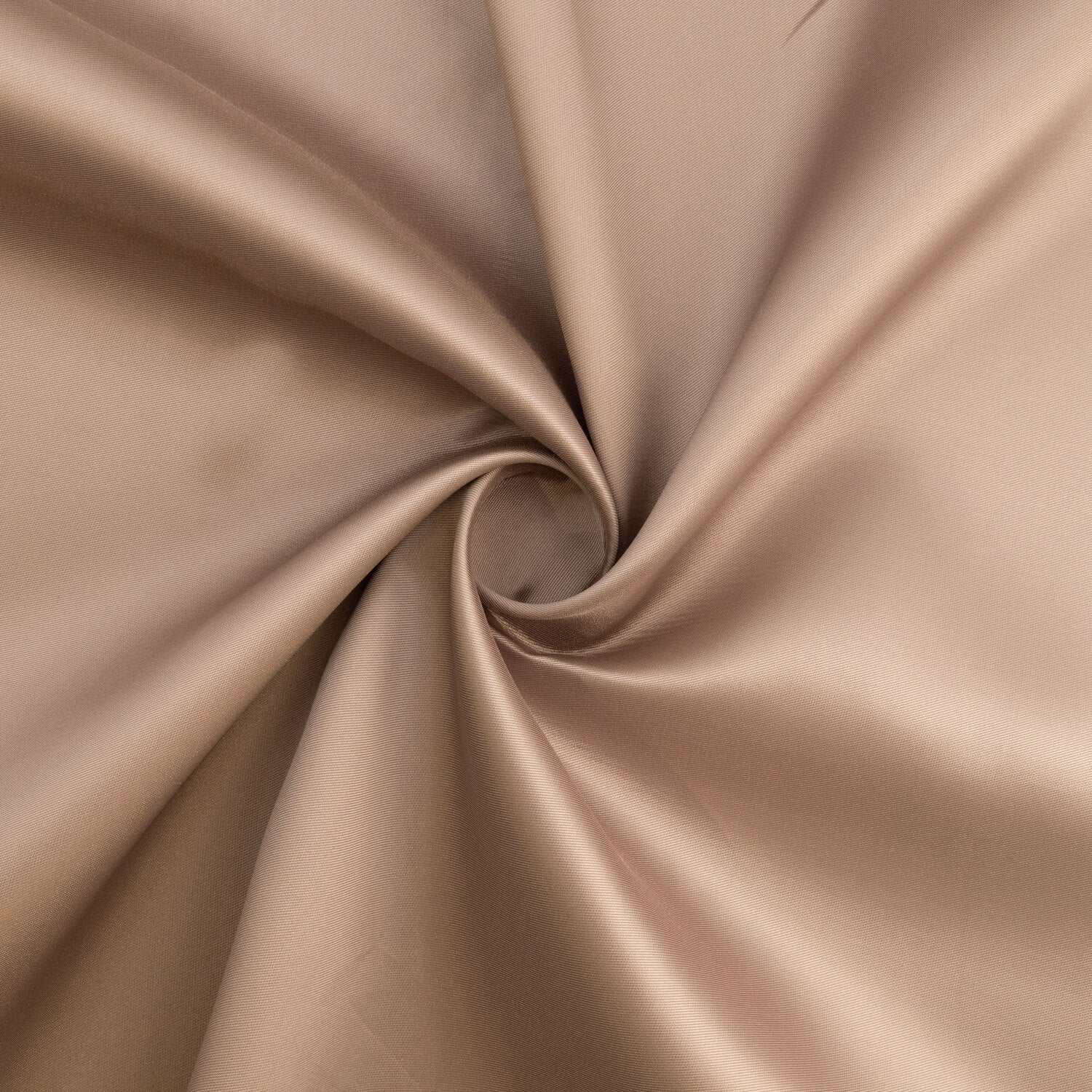
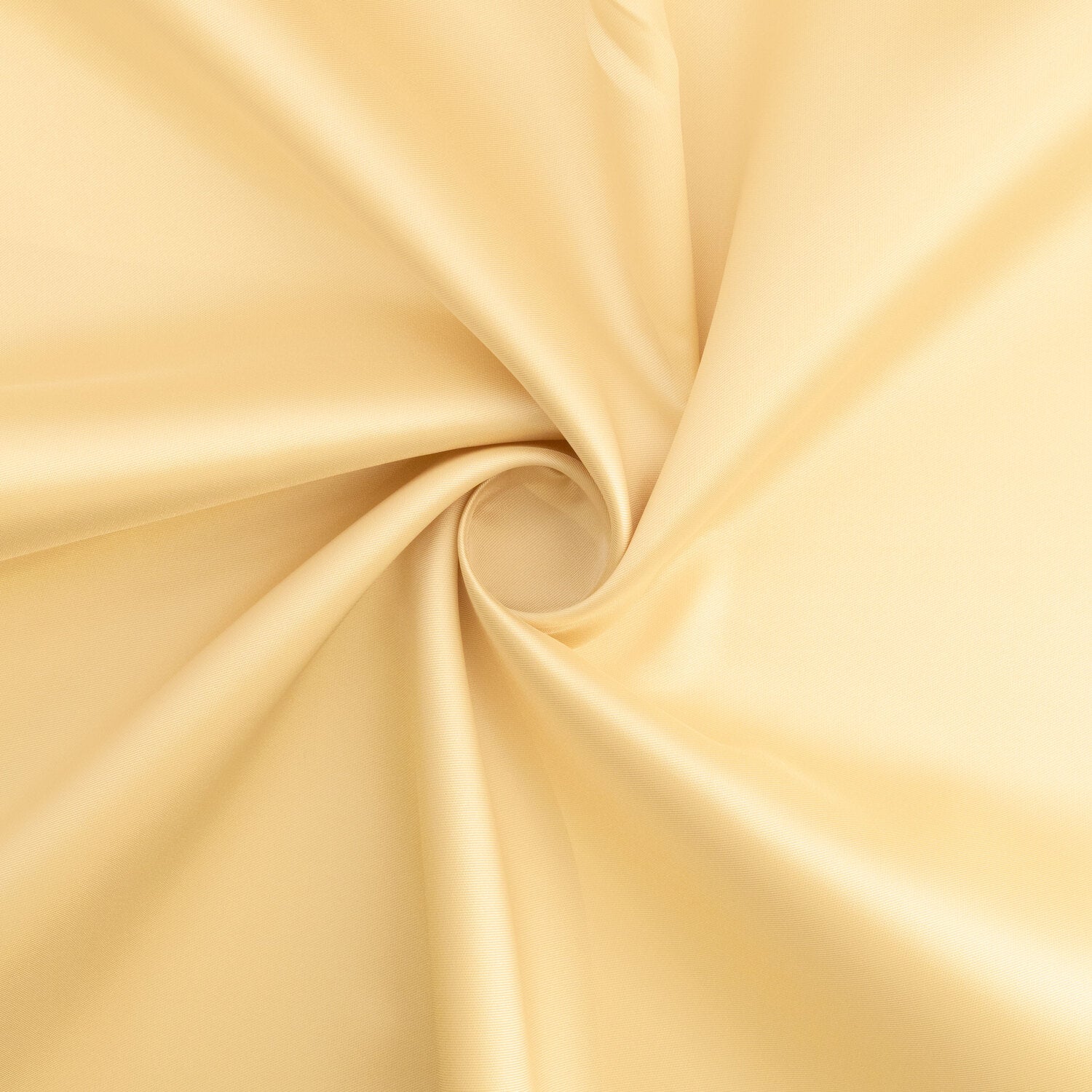
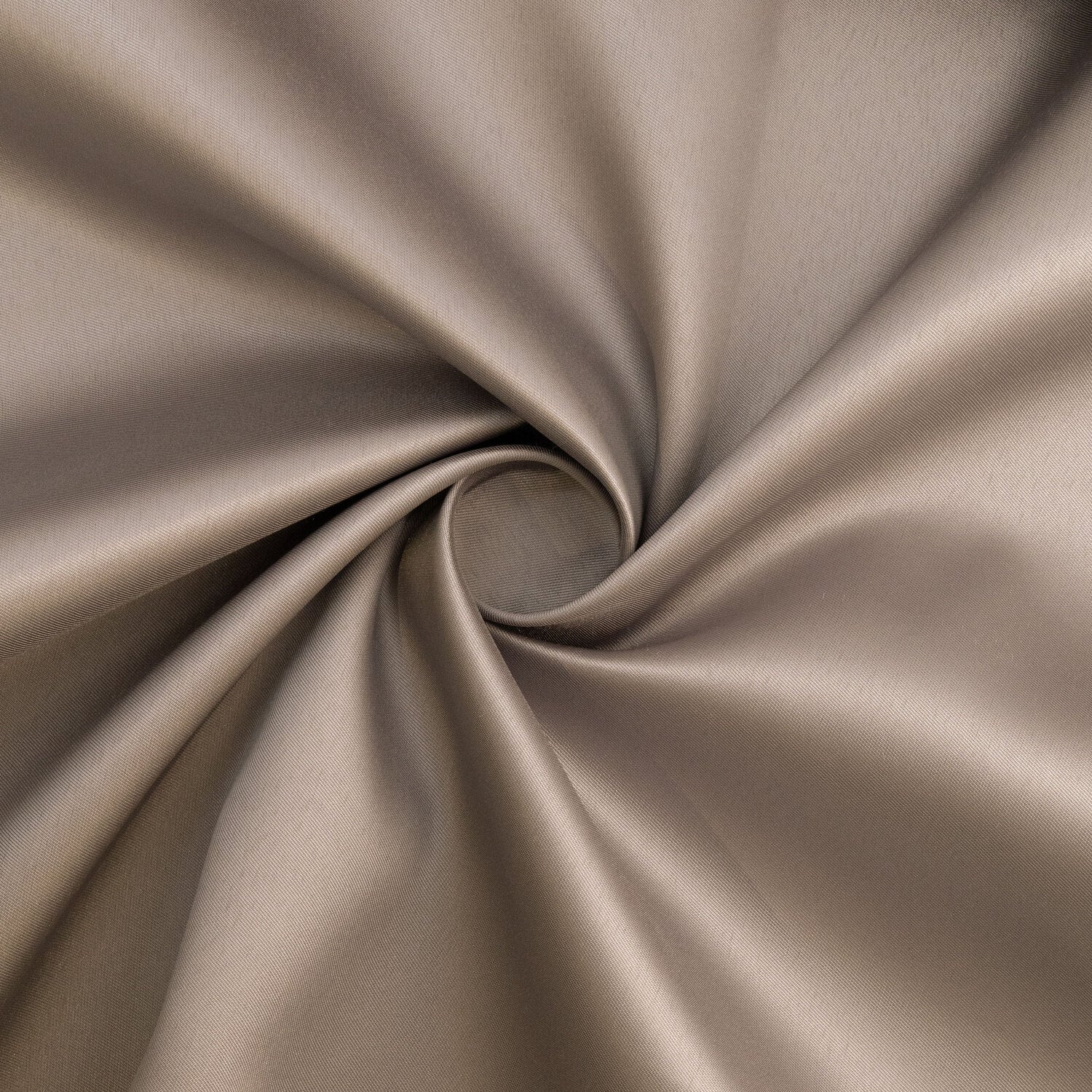
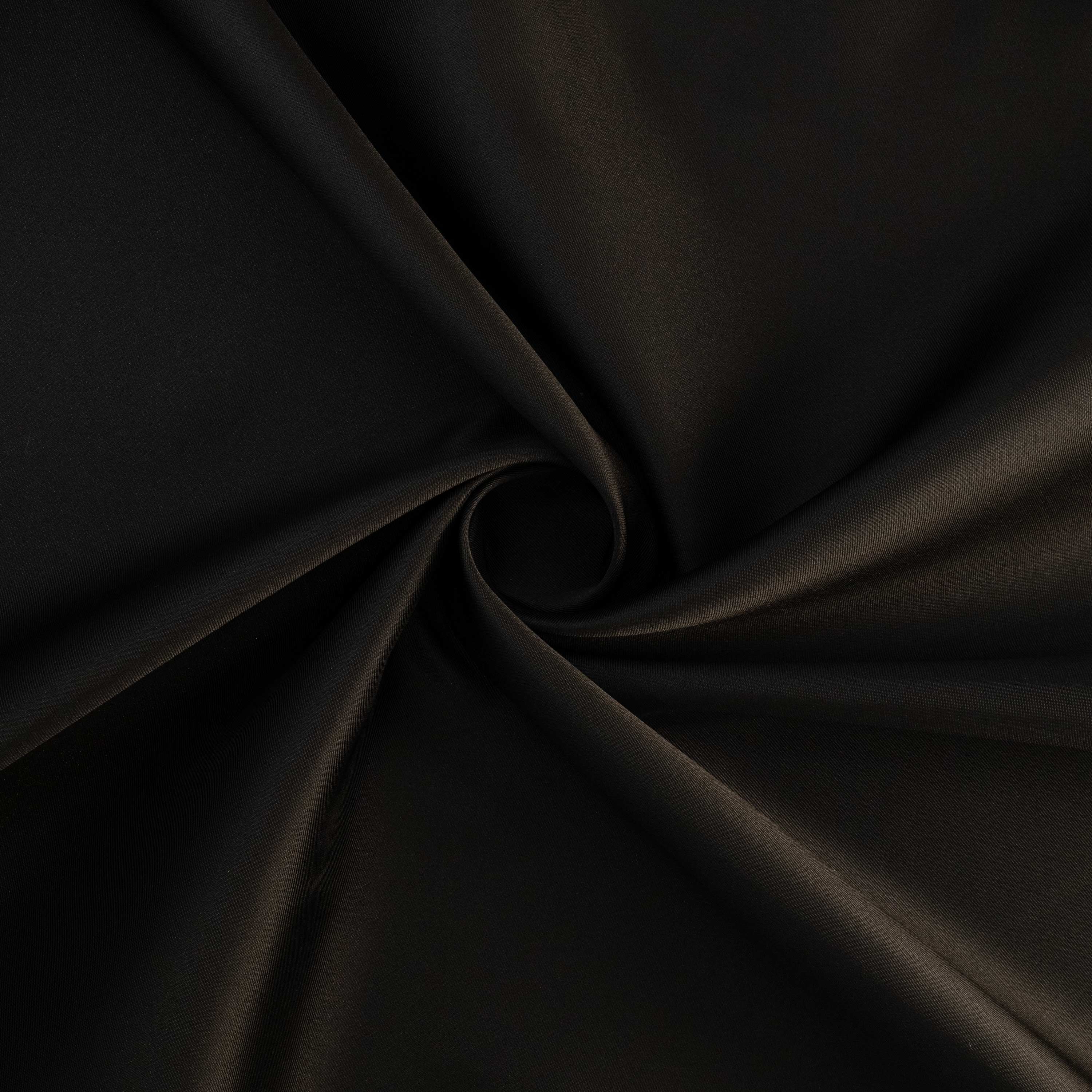

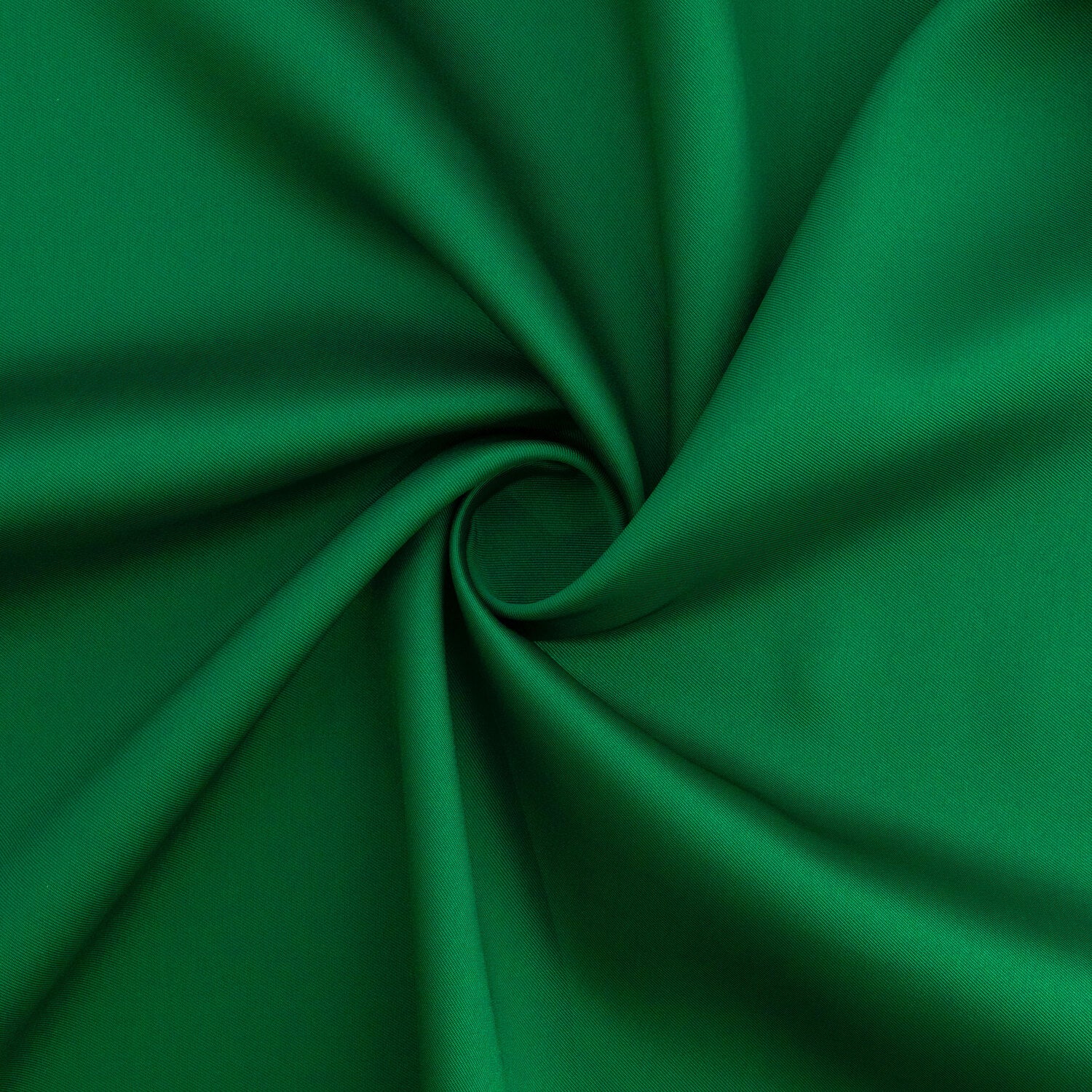
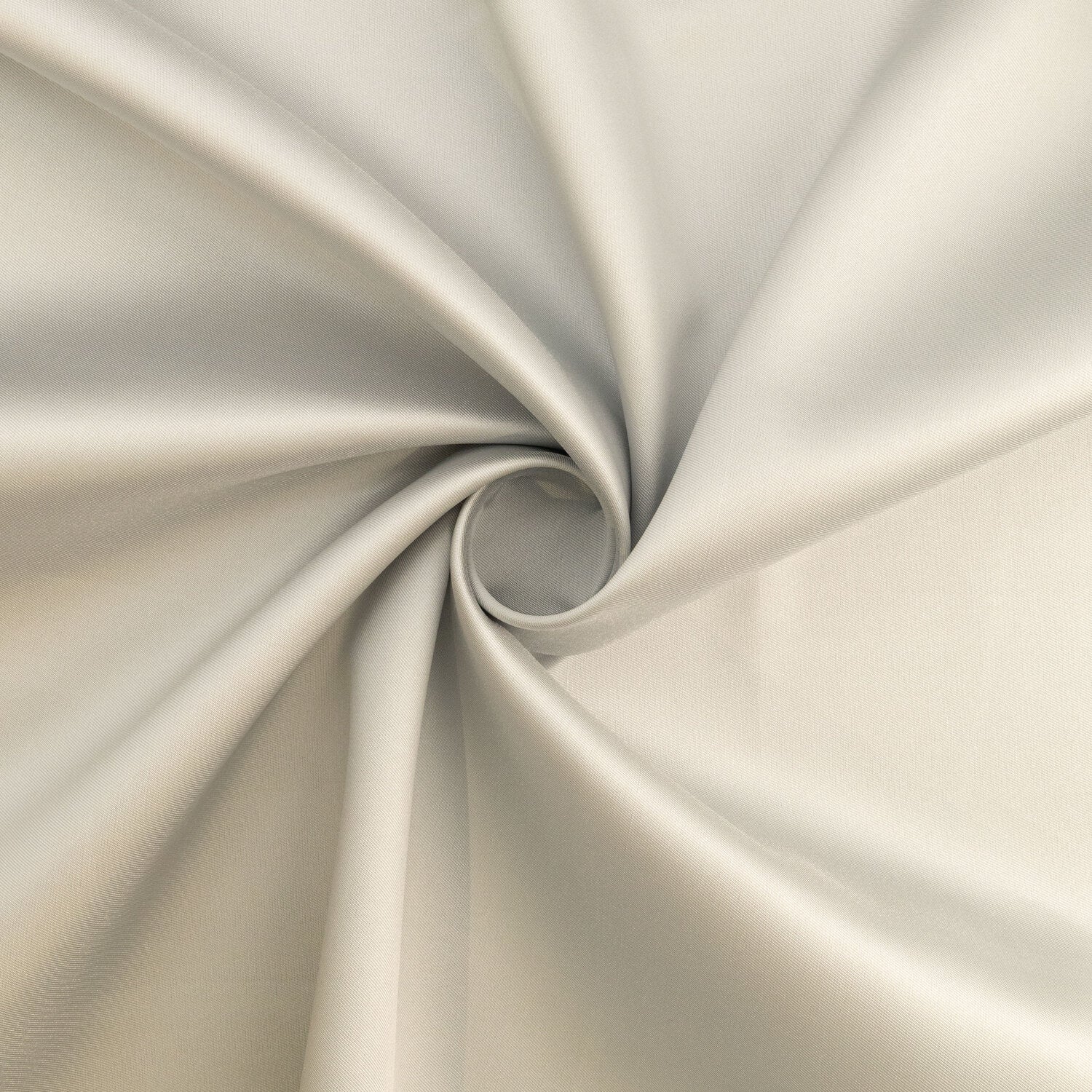
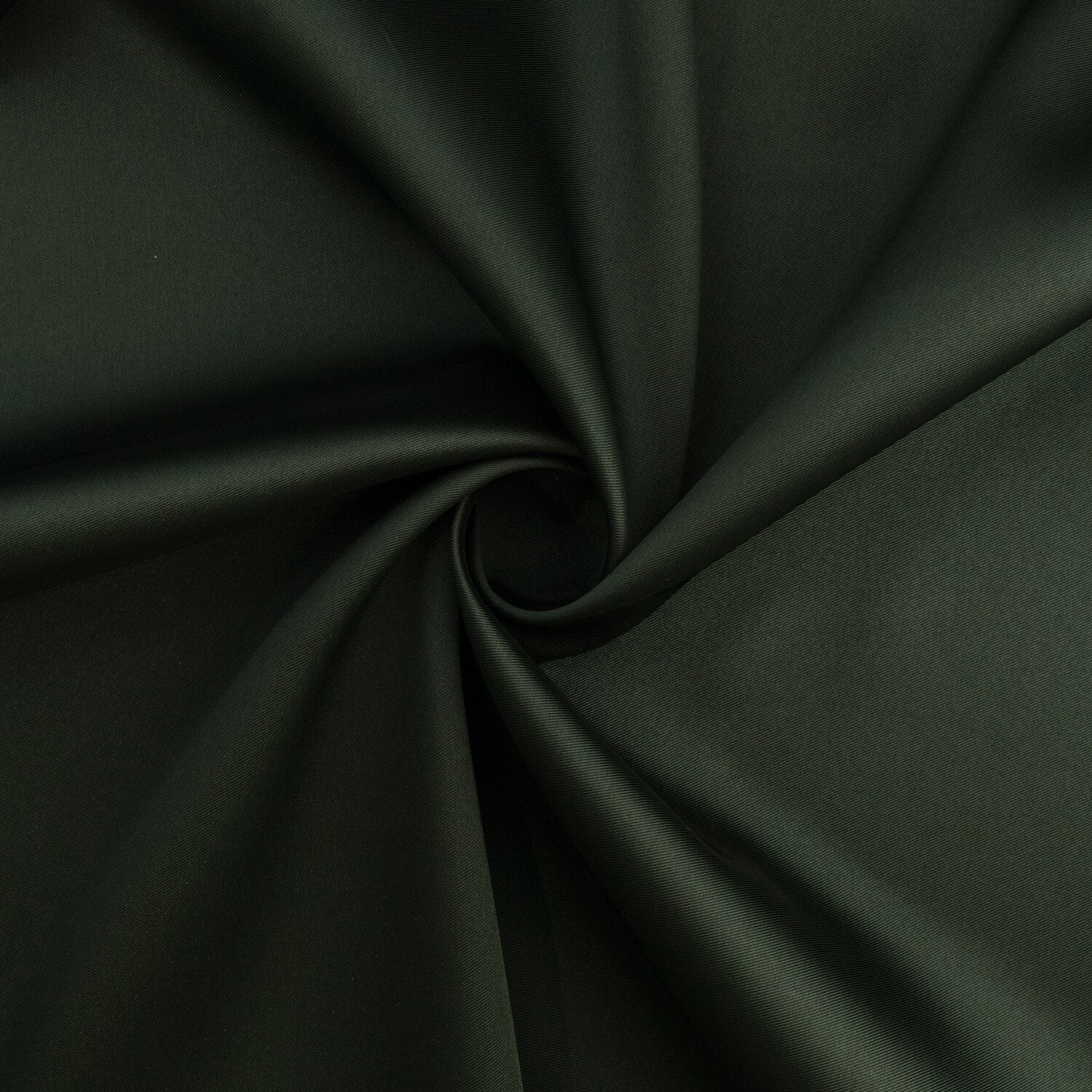
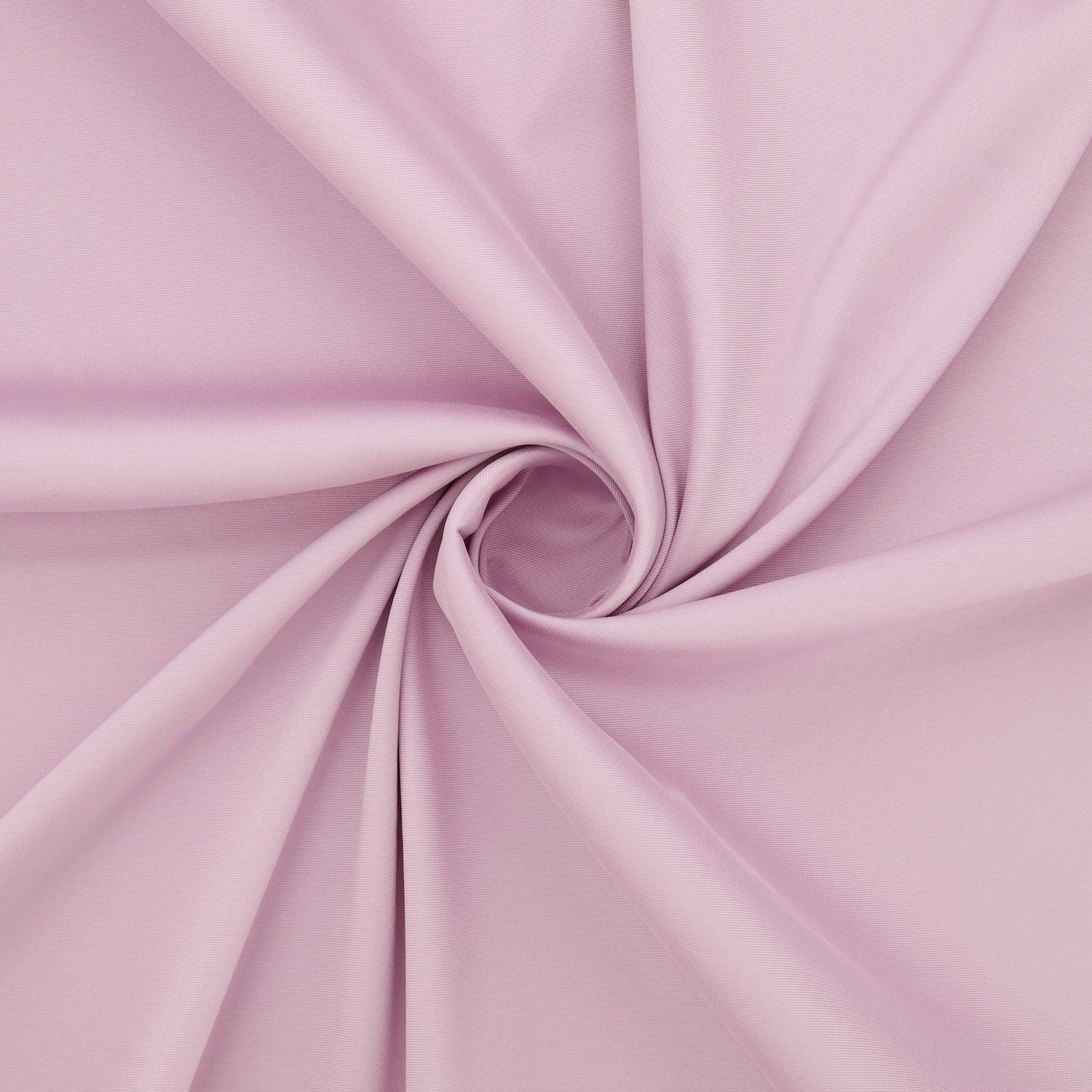
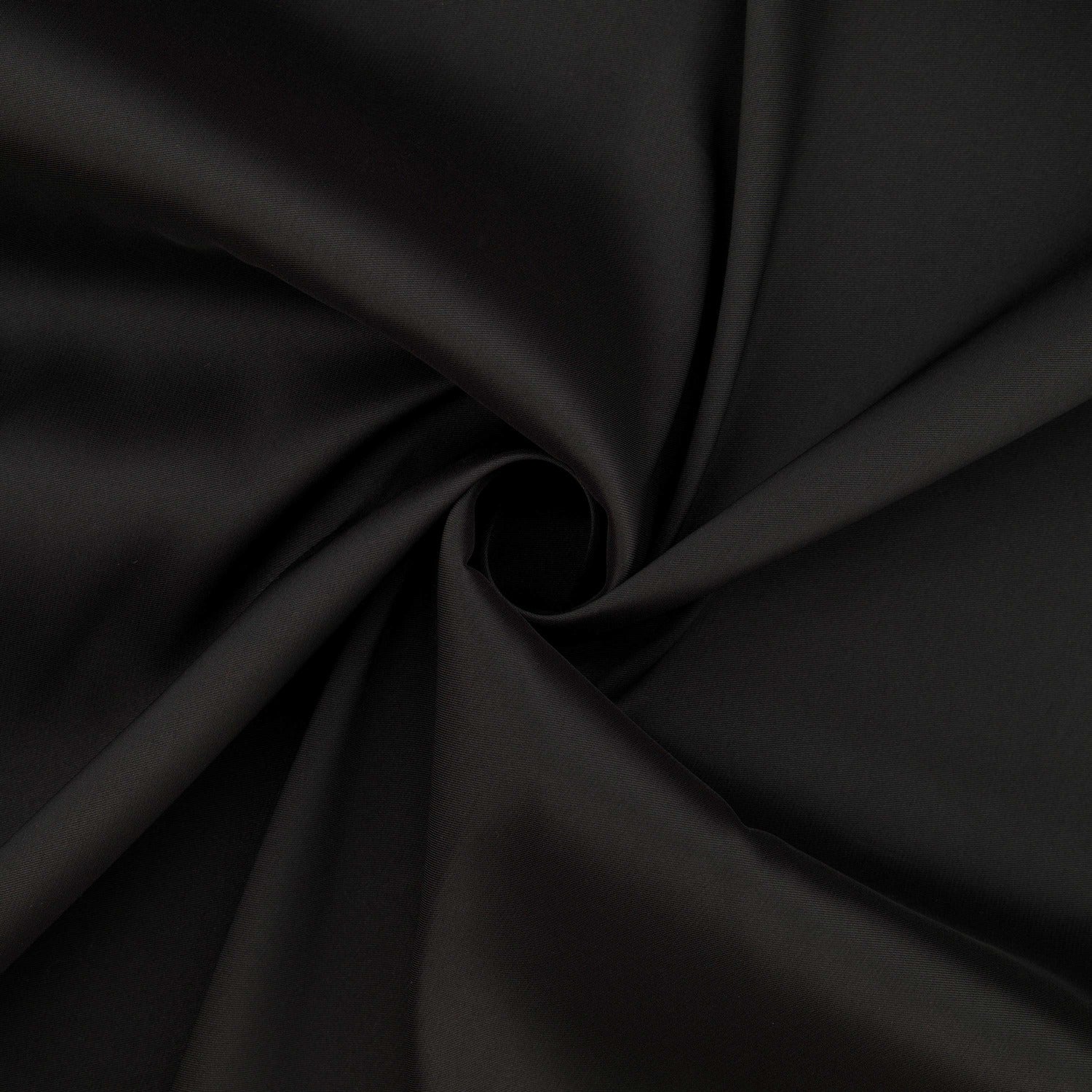
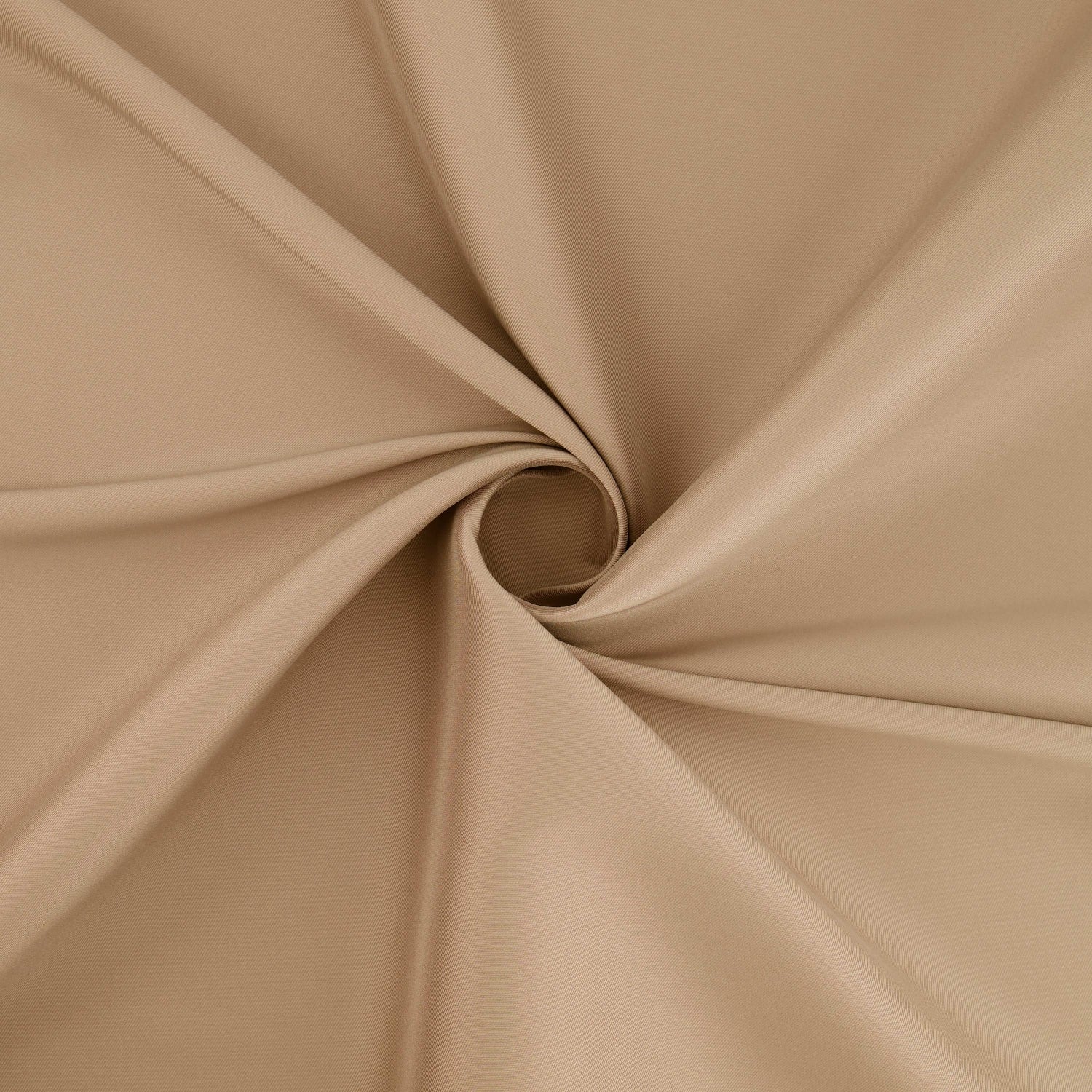
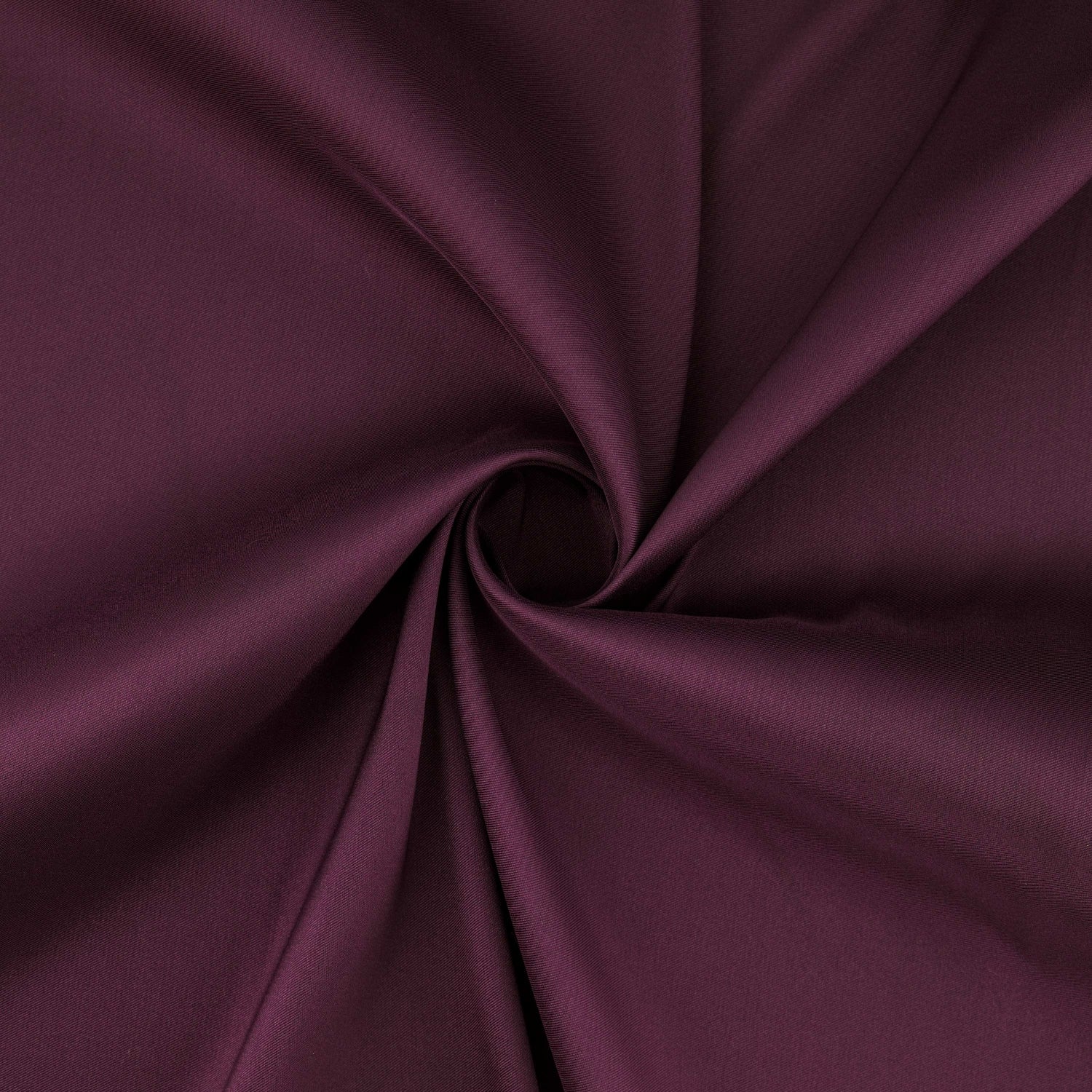
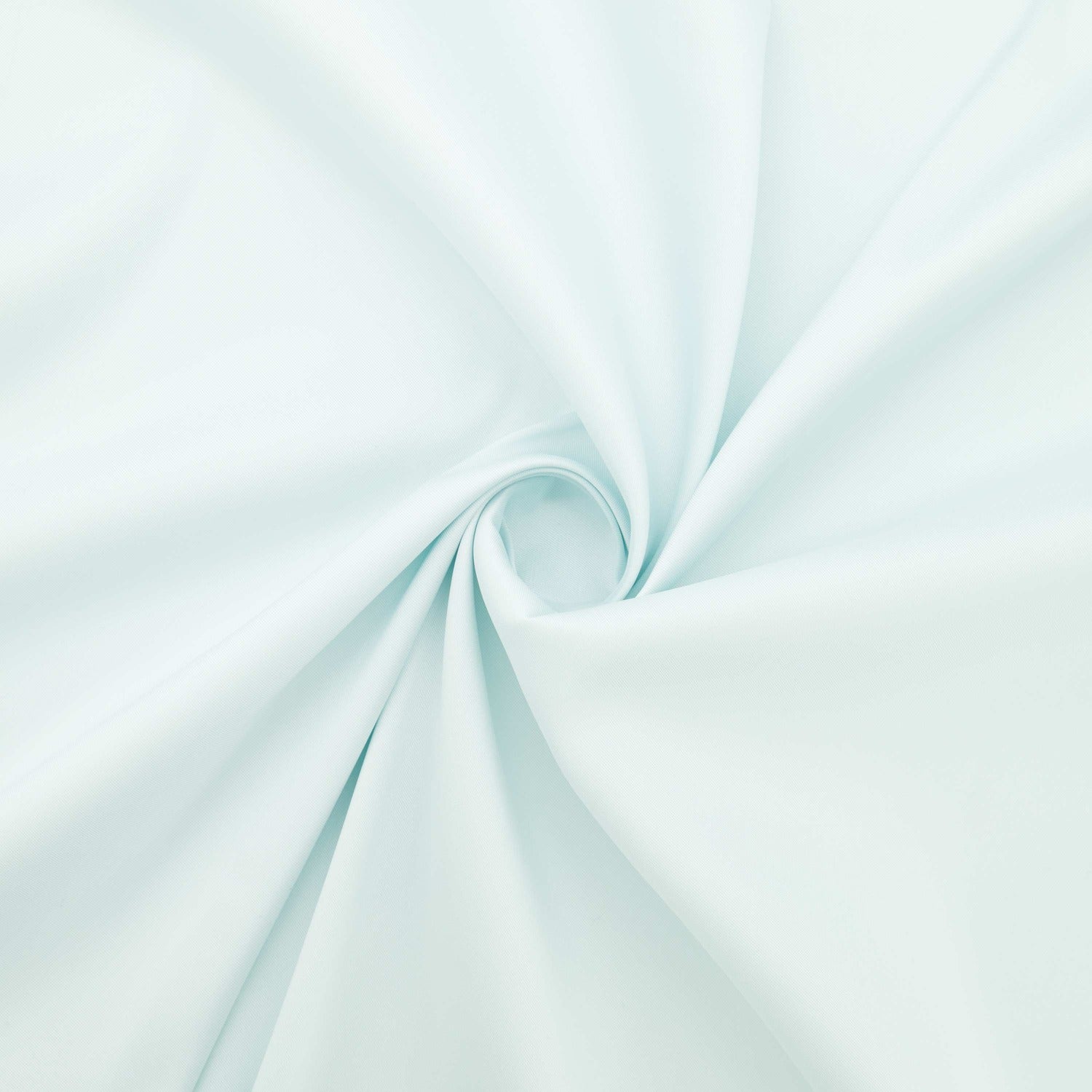

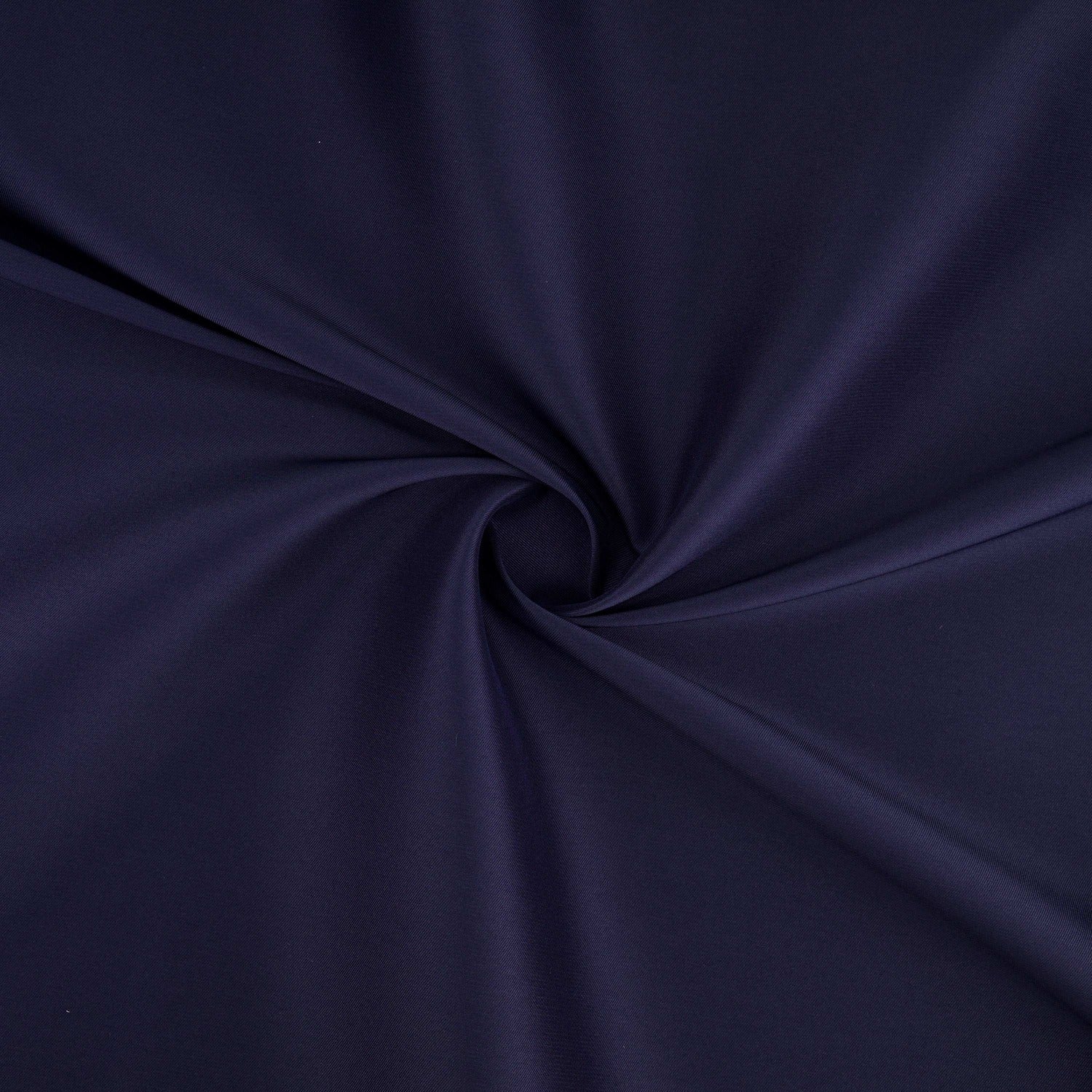
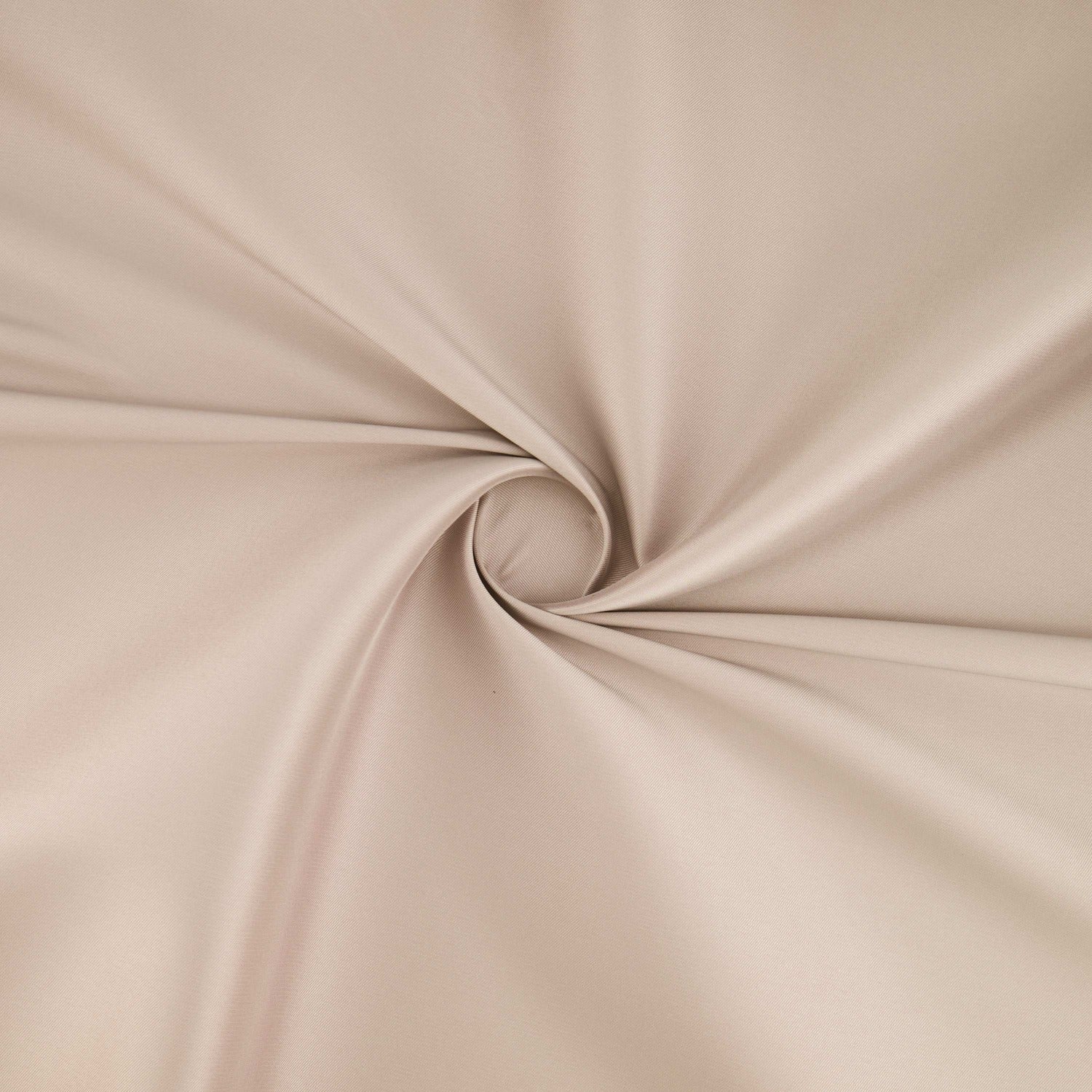
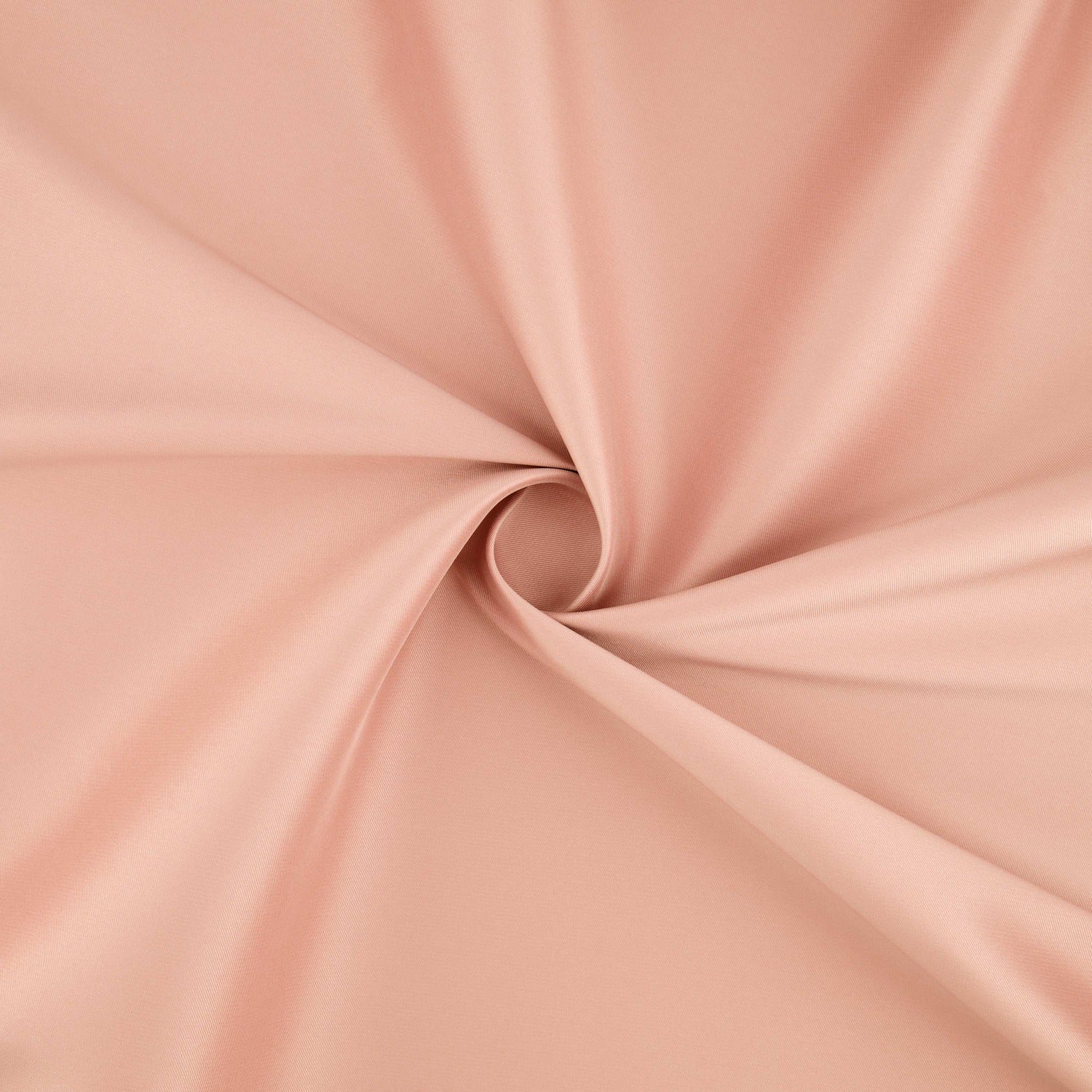
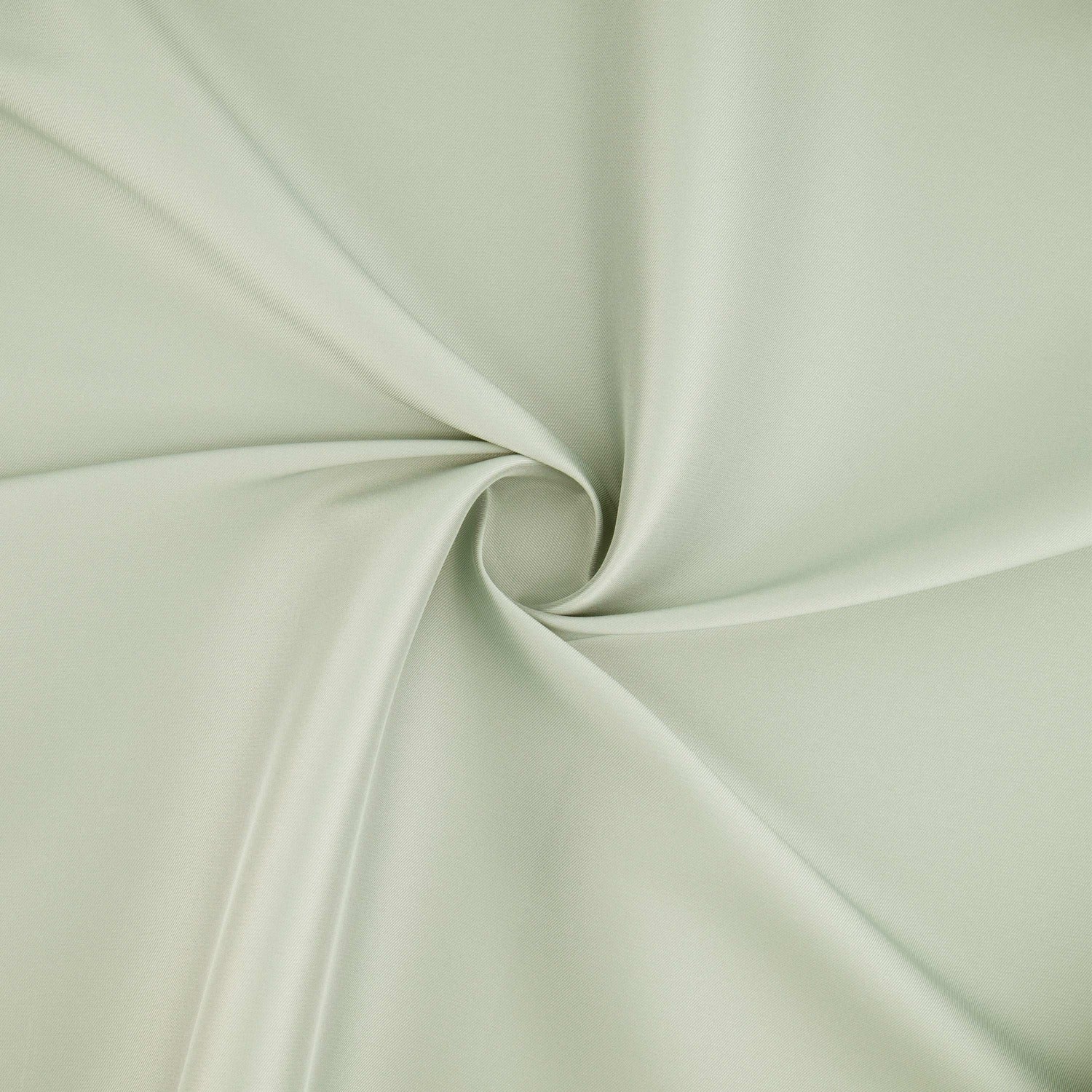
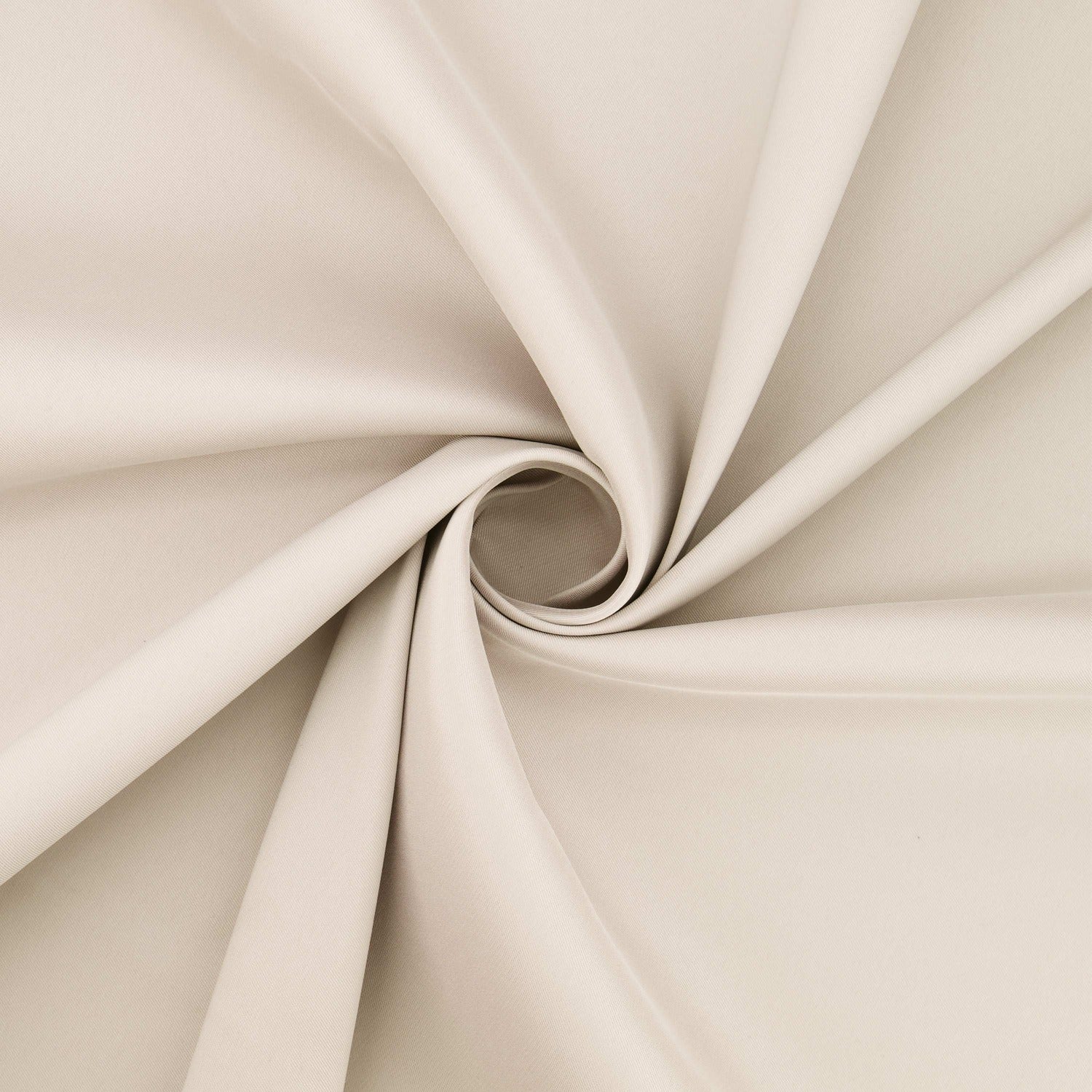
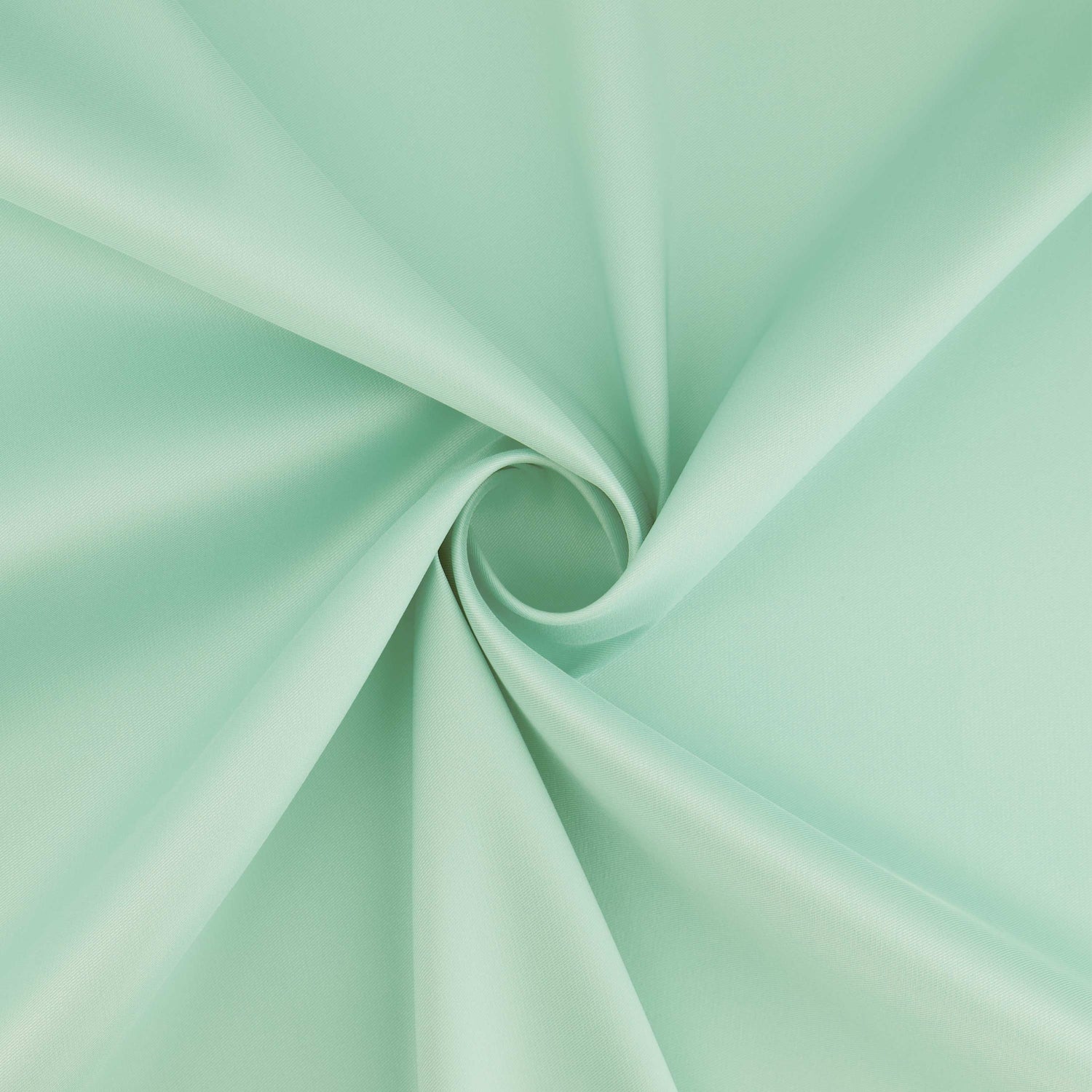
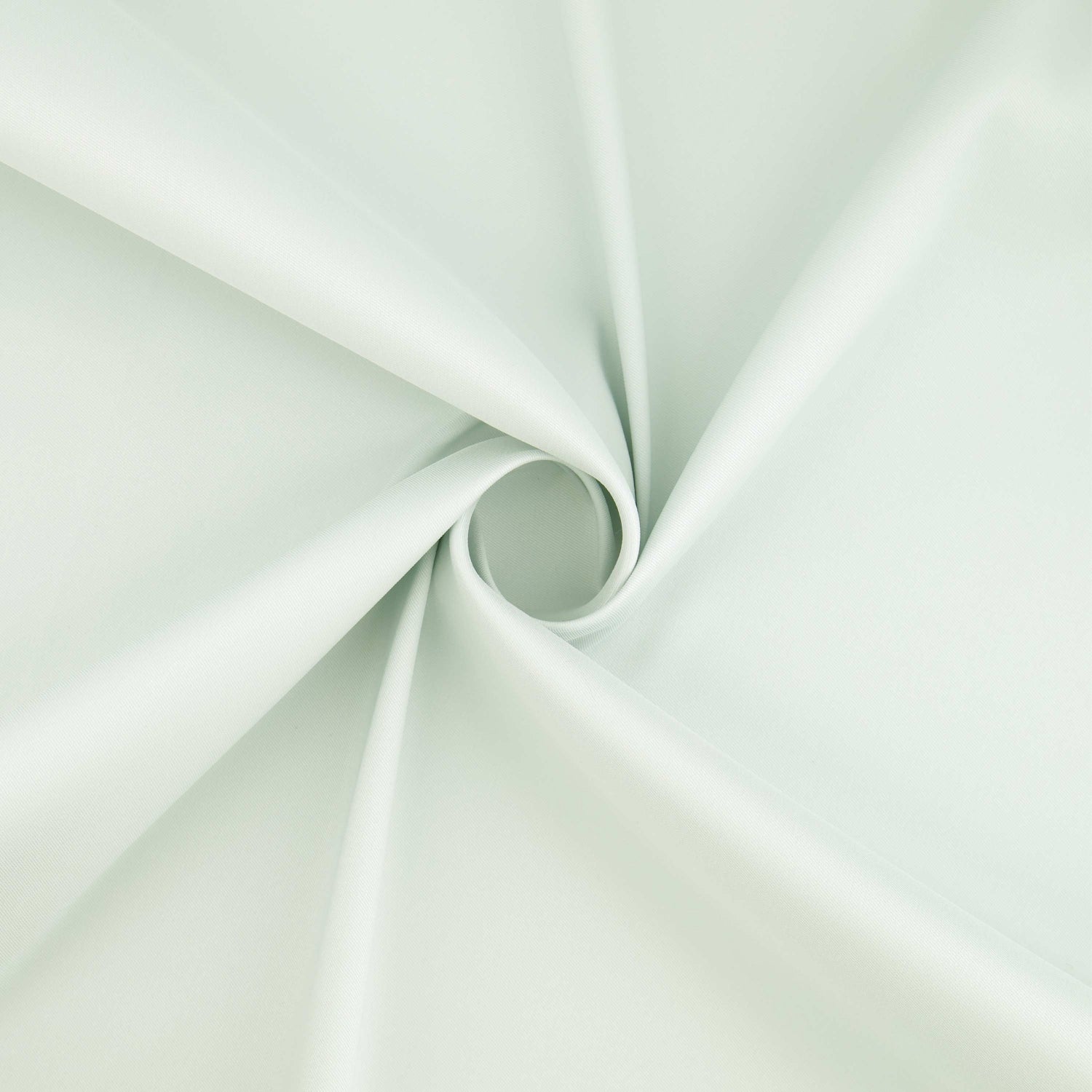
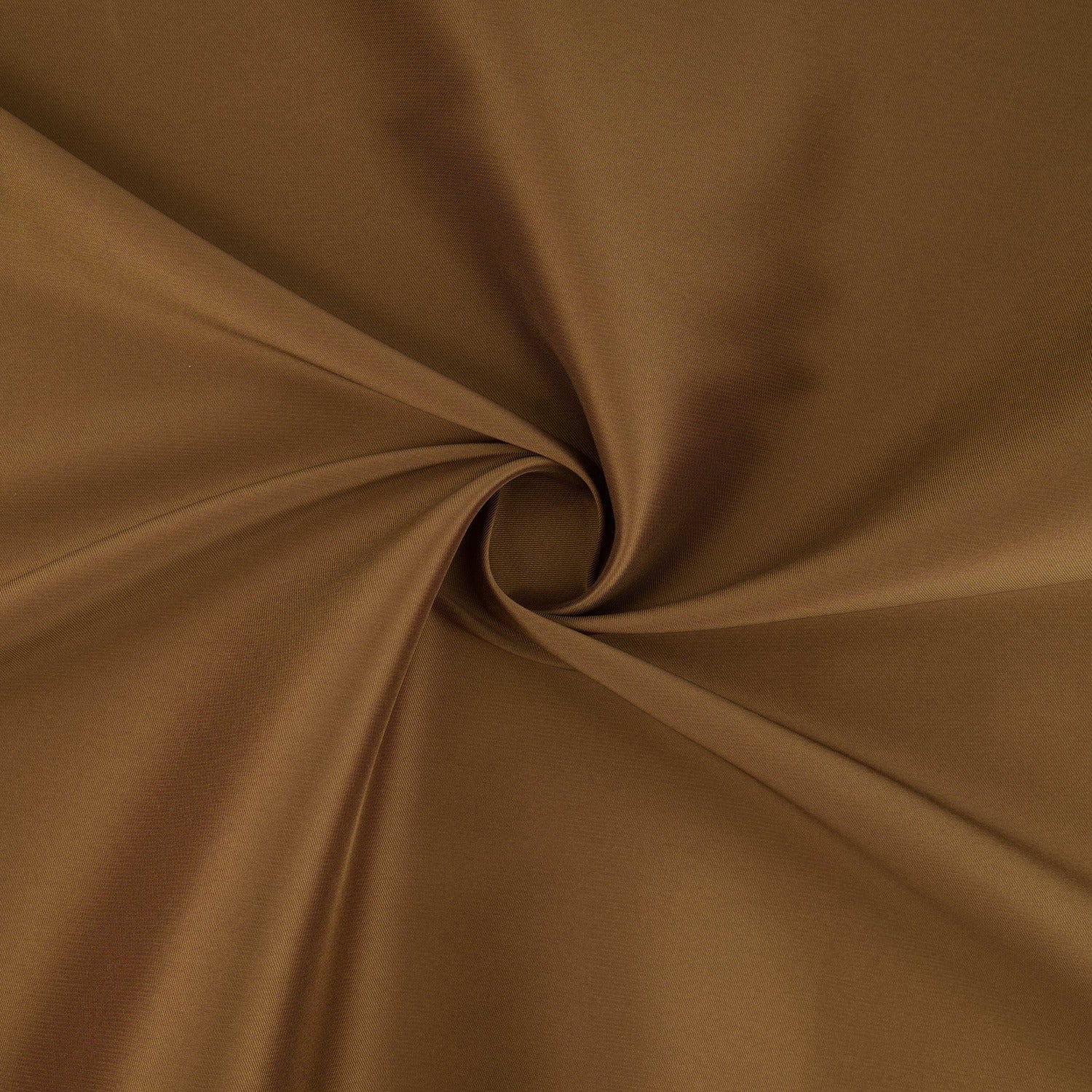
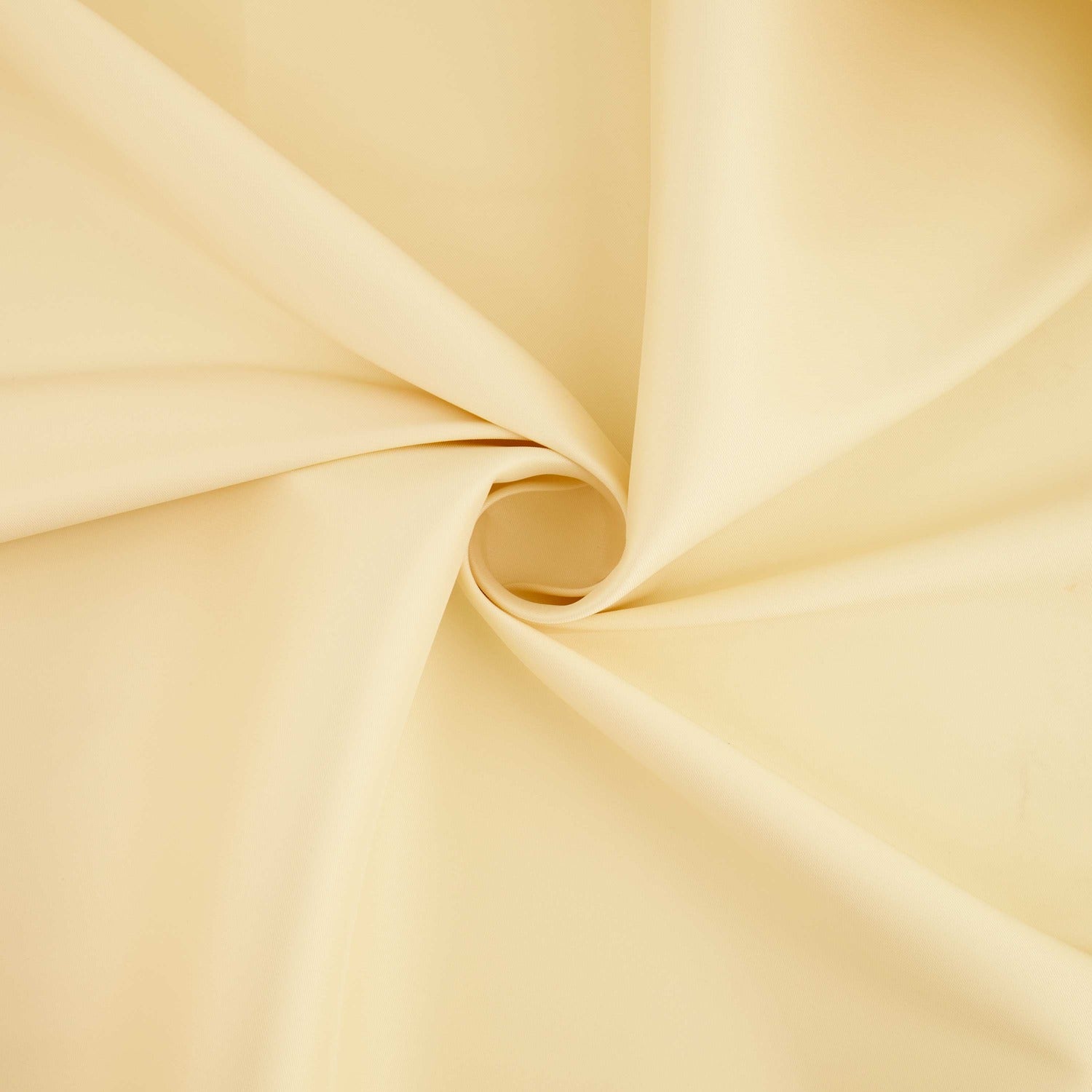
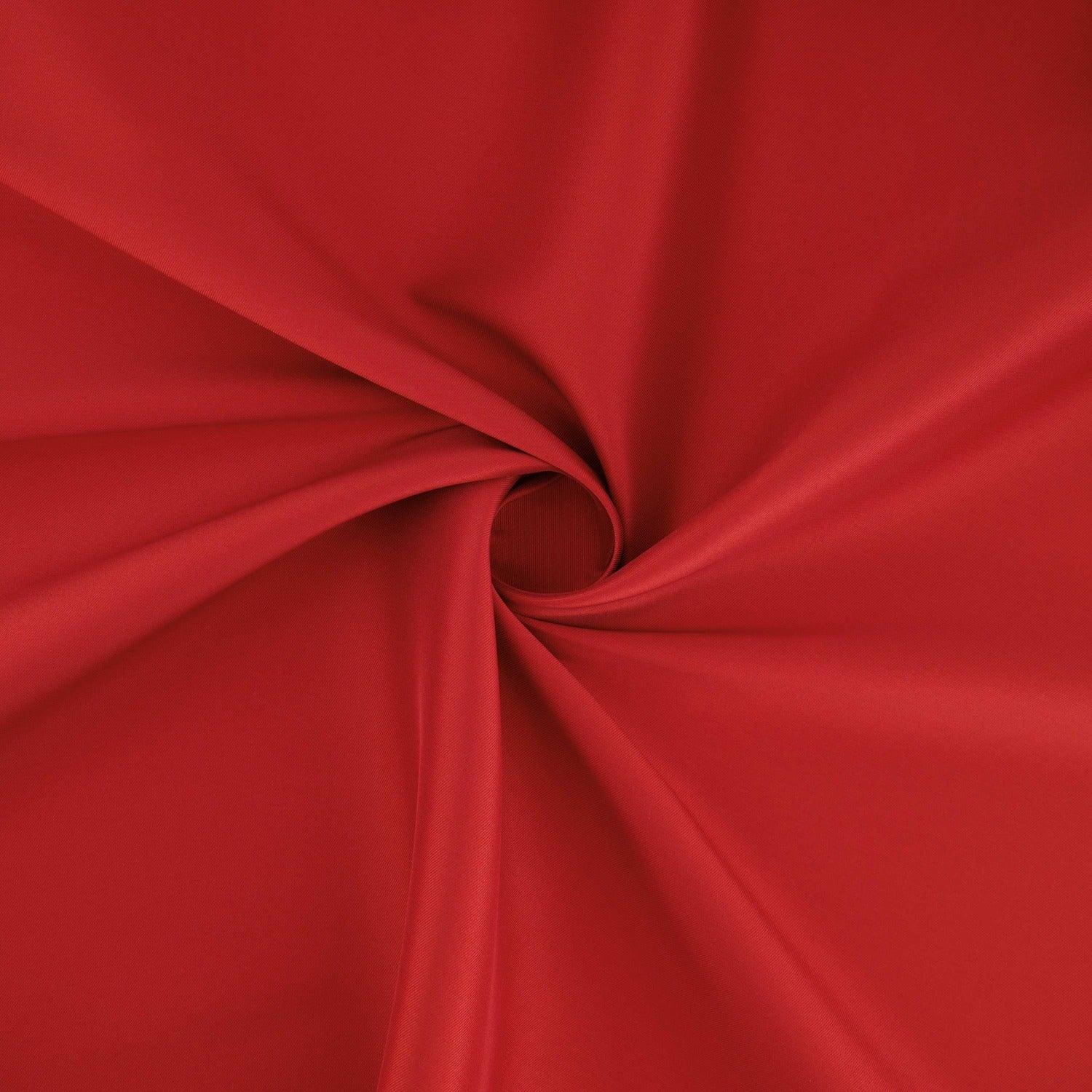
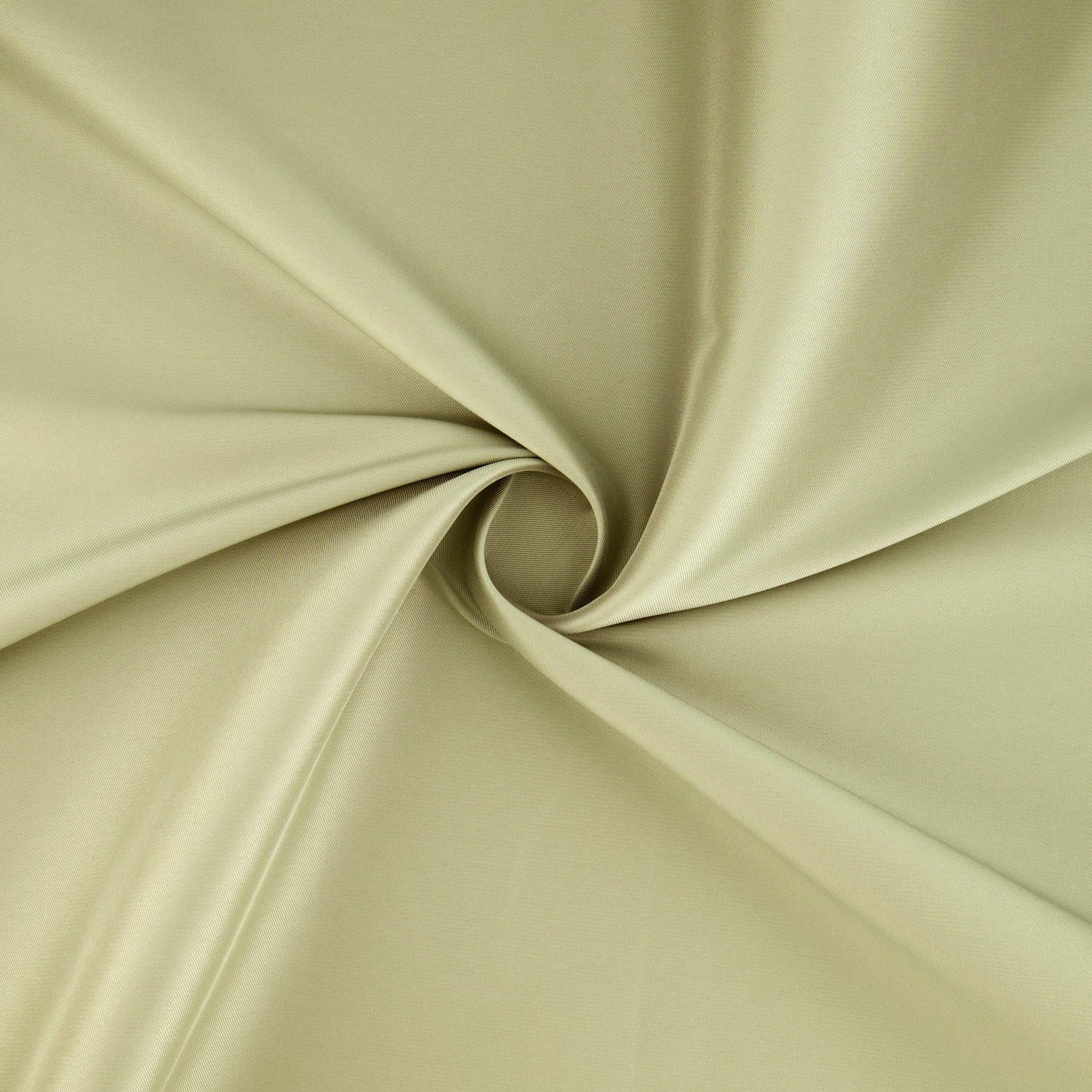
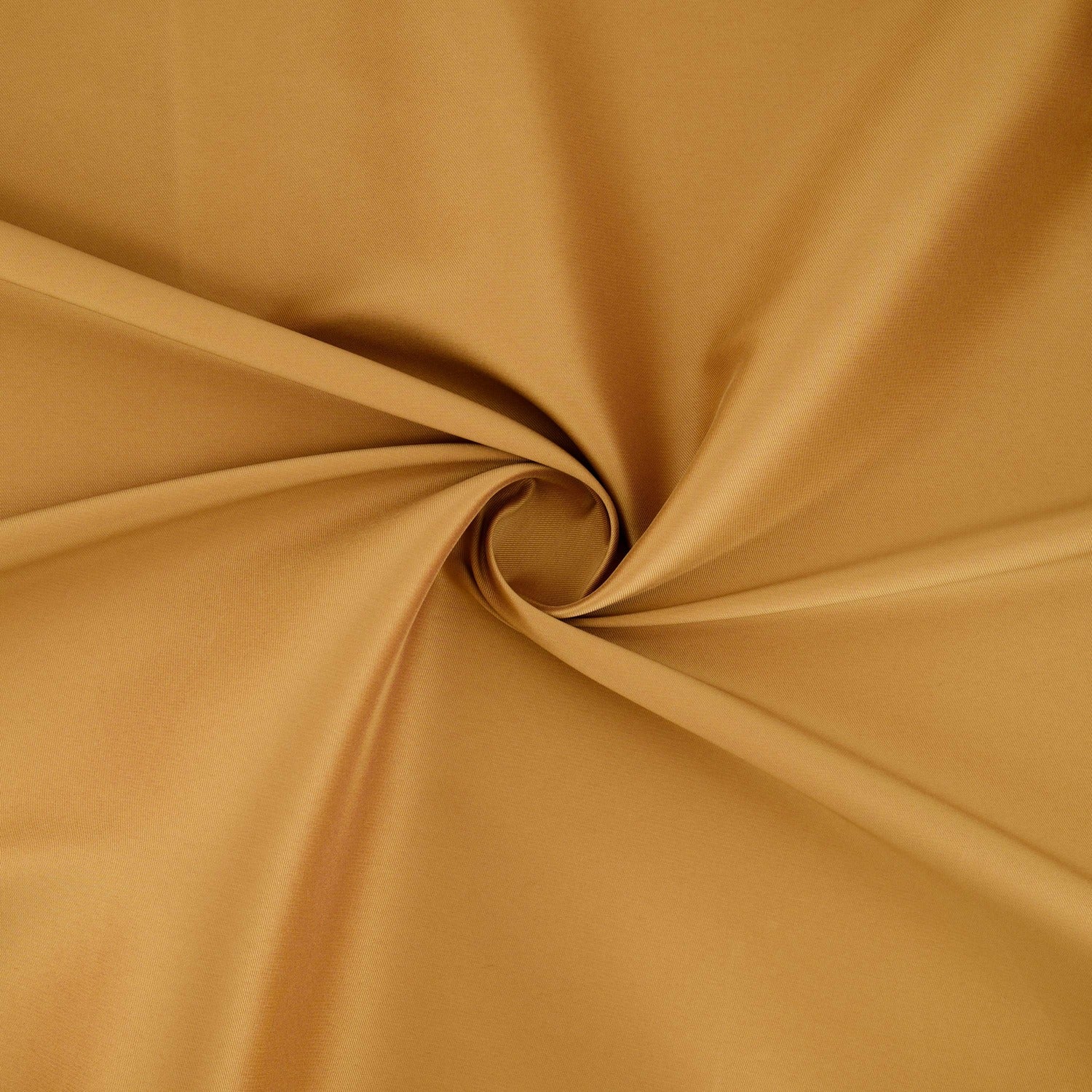

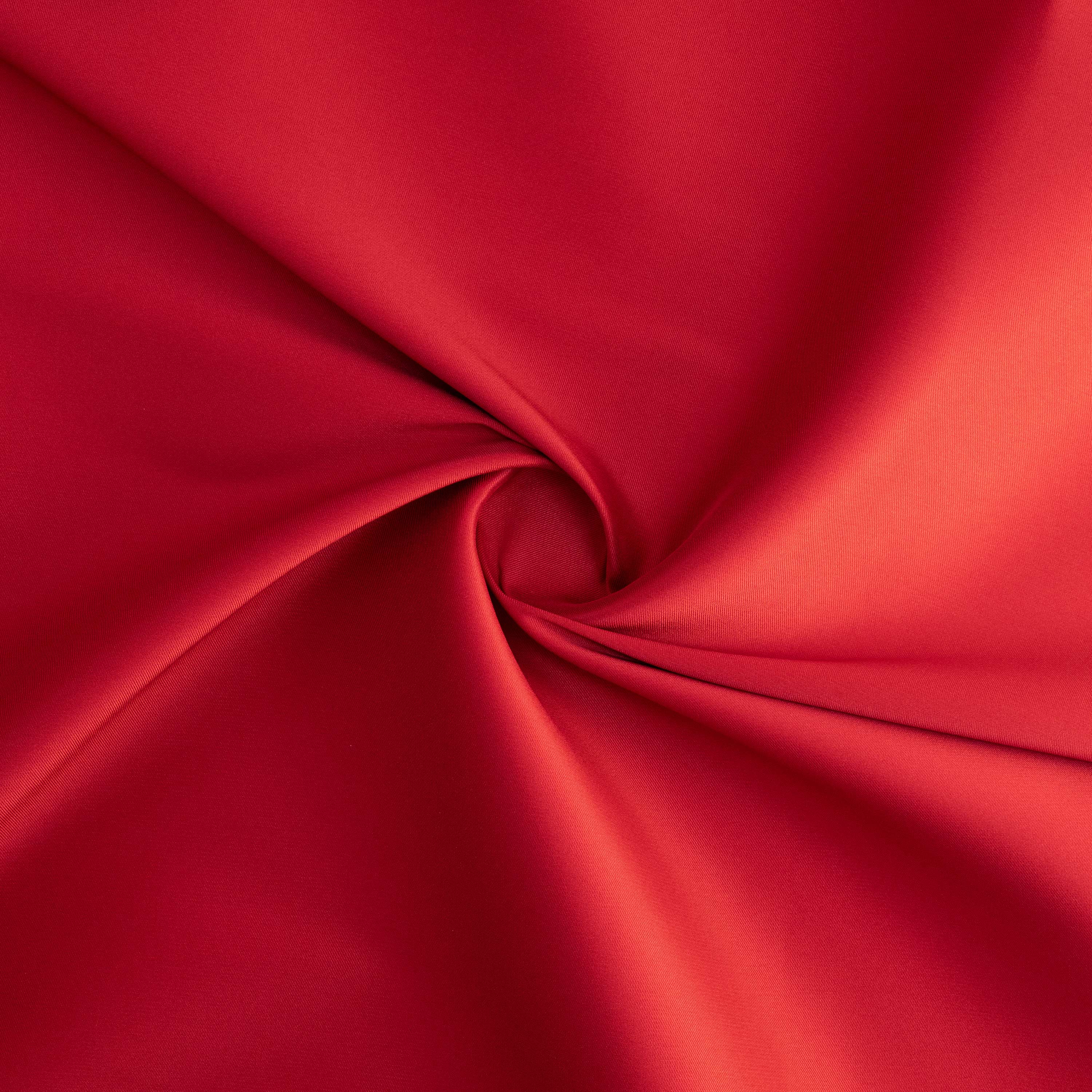
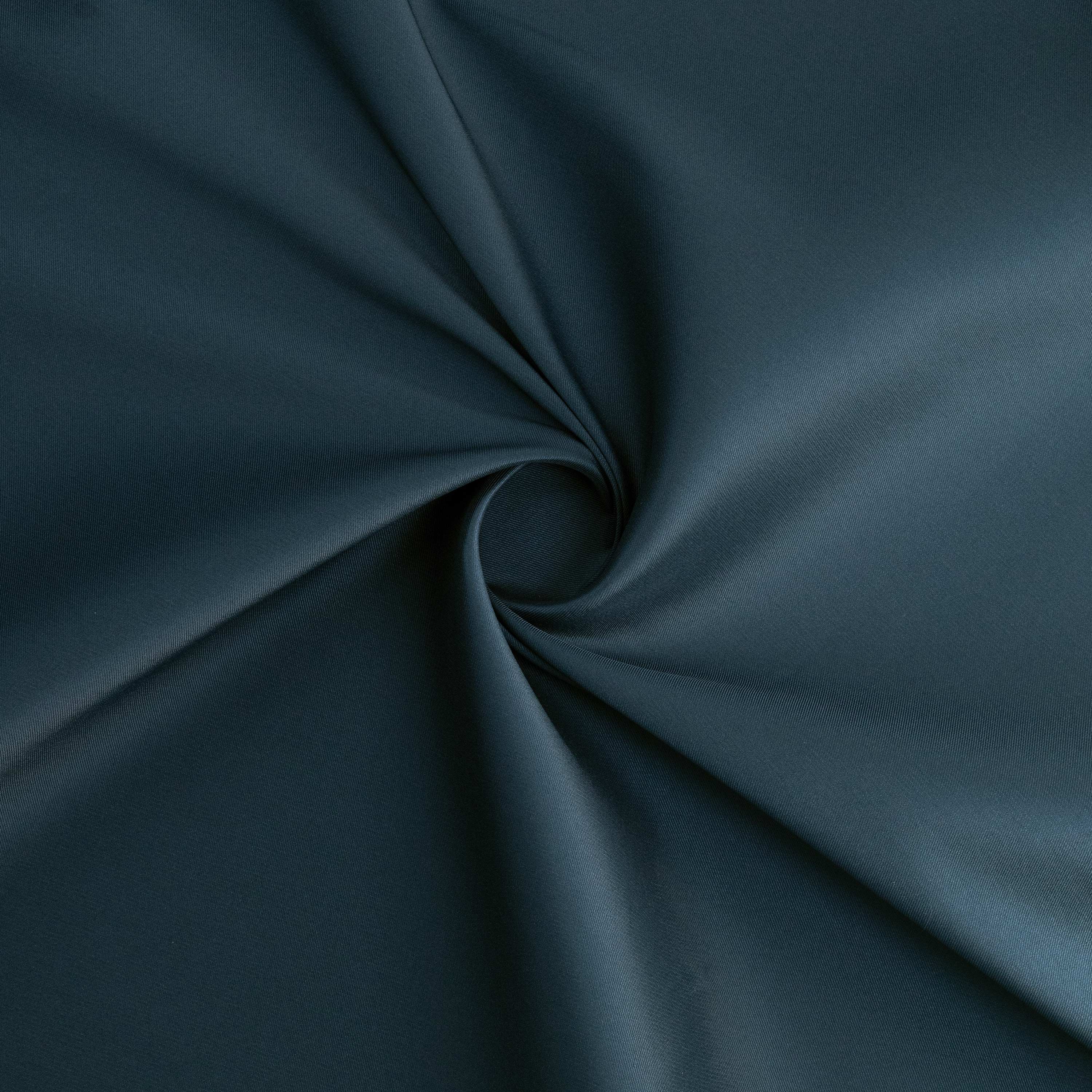
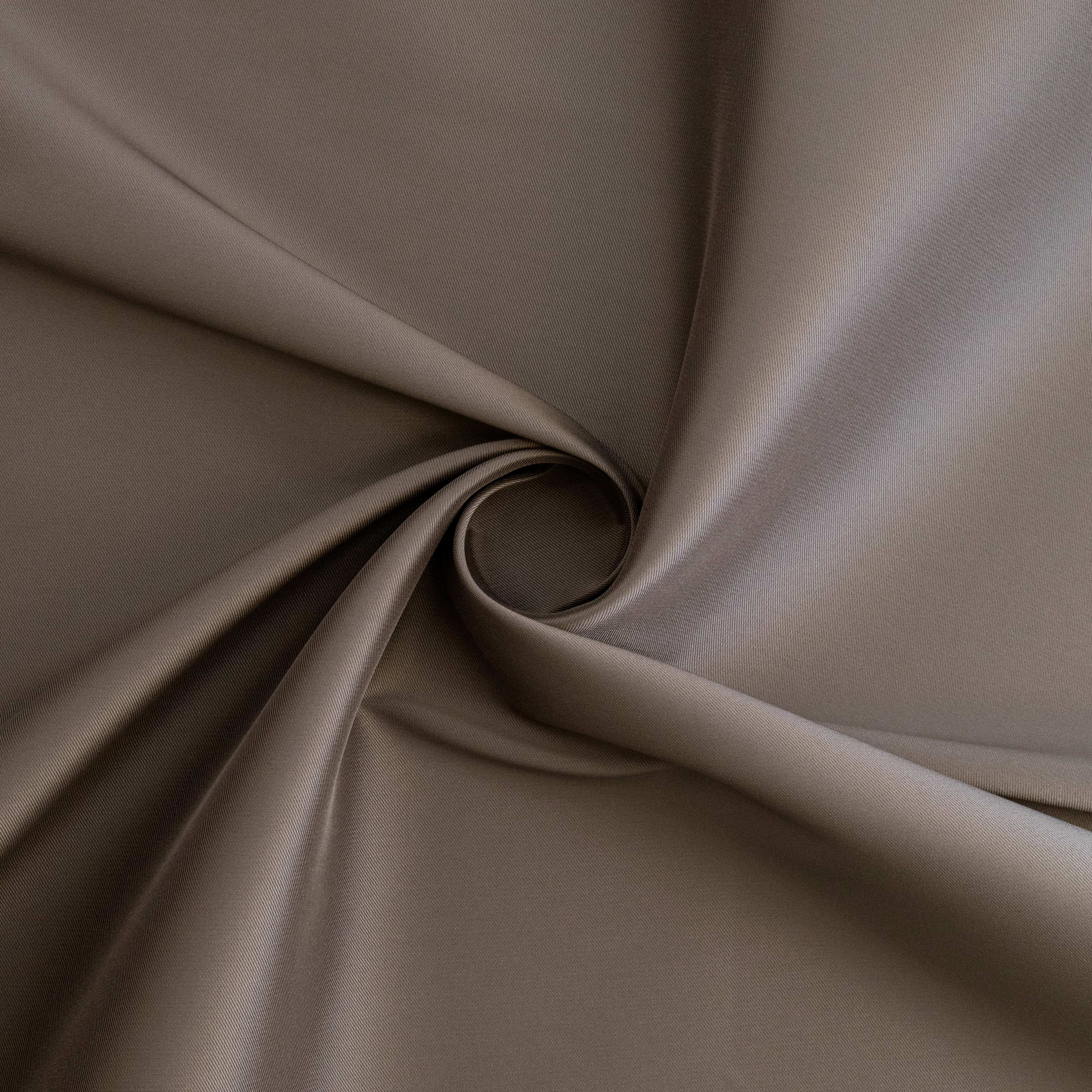
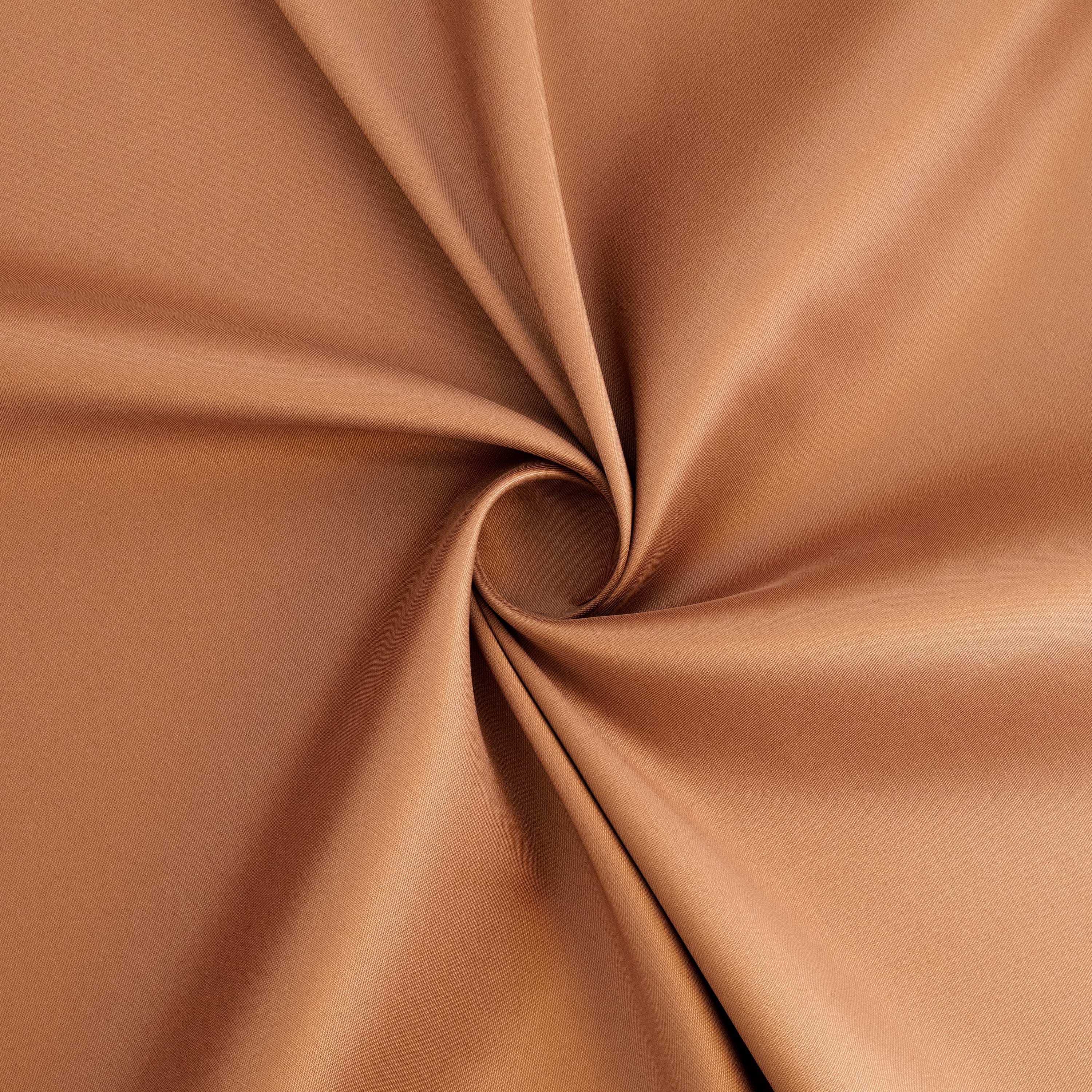










What Makes Satin Twill Unique
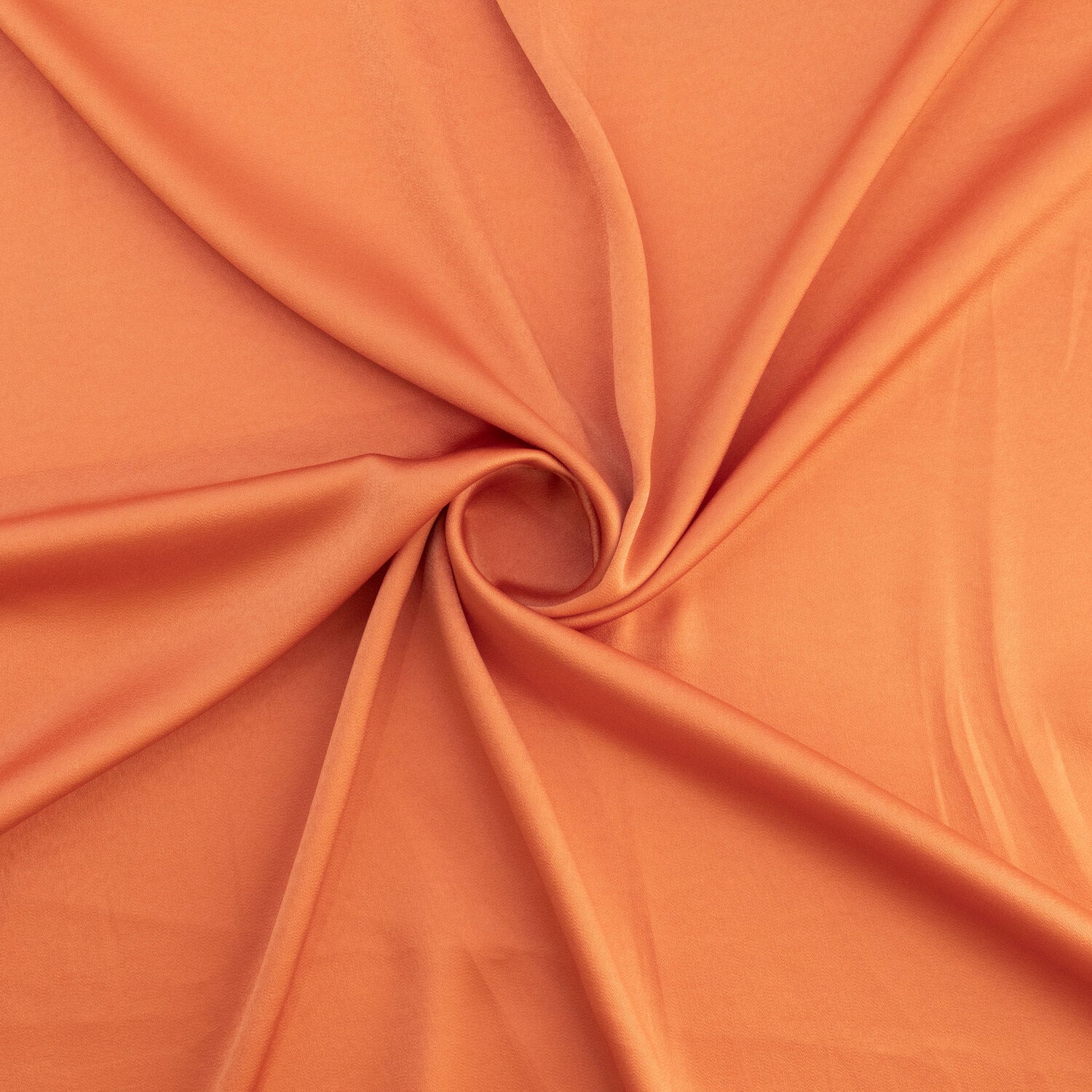
Designers often coordinate satin twill with solids from our broader satin fabric collection to build balanced palettes or mixed-fabric garments. Cool-toned accents from our silver satin fabric collection pair beautifully with satin twill’s structured finish, while saturated jewel tones from burgundy satin fabric create dramatic eveningwear combinations. For seasonal or warm-toned looks, orange satin fabric offers bold contrast and visual impact. If you’re seeking added pattern or woven texture, satin twill mixes seamlessly with the dimensional surfaces found in our satin jacquard fabric collection.
For best results, review our guide on how to wash and care for satin fabrics to maintain both the sheen and structure of satin twill over time.
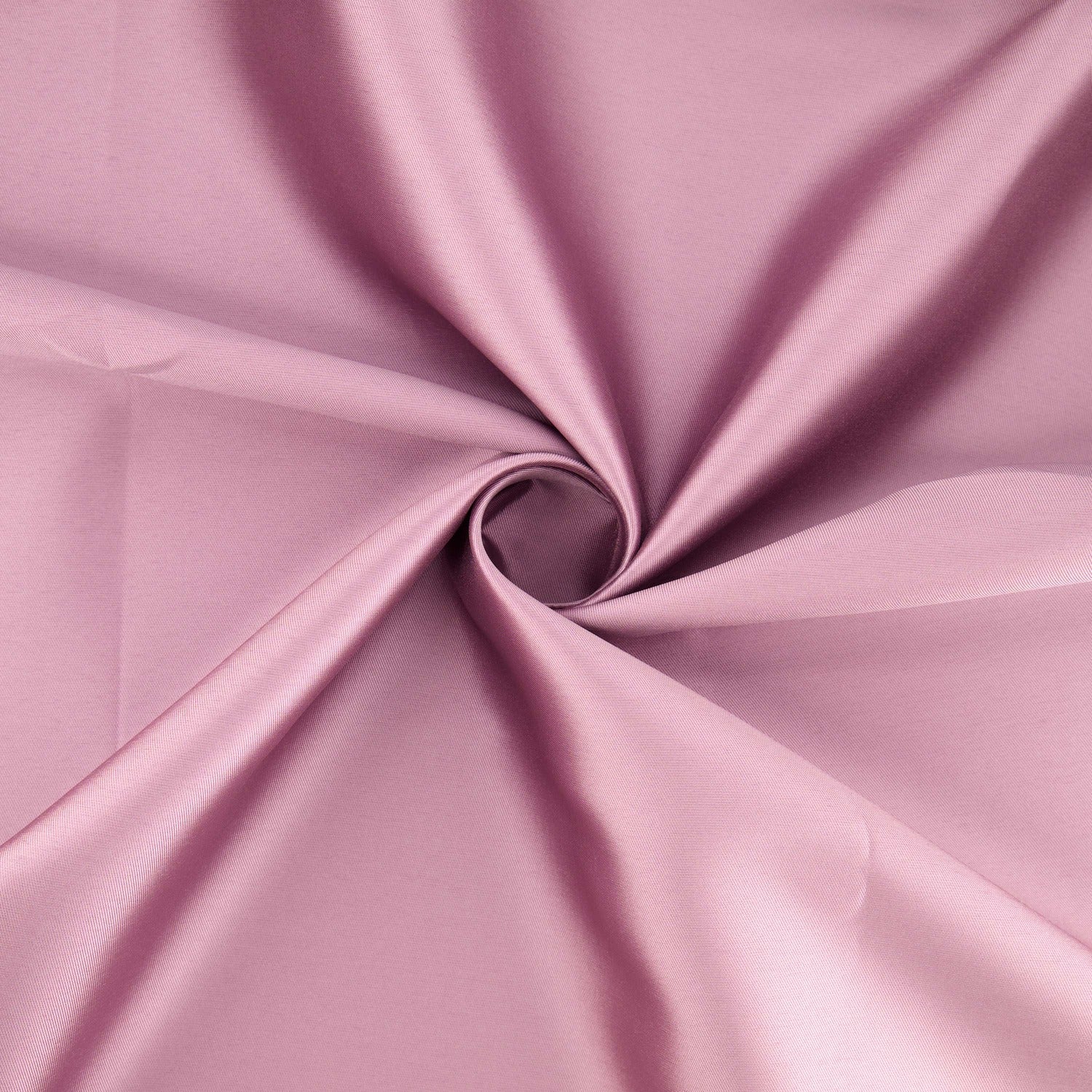
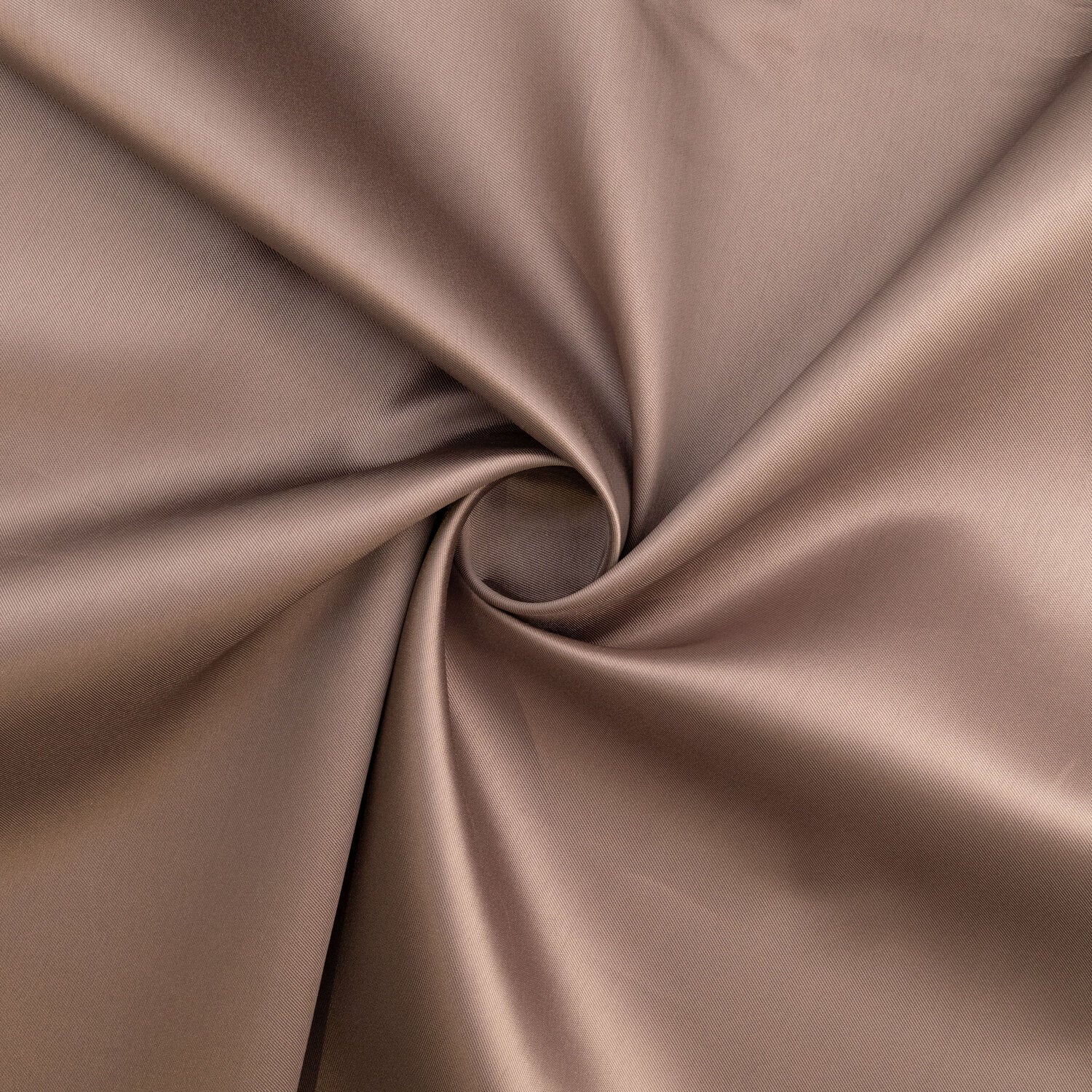
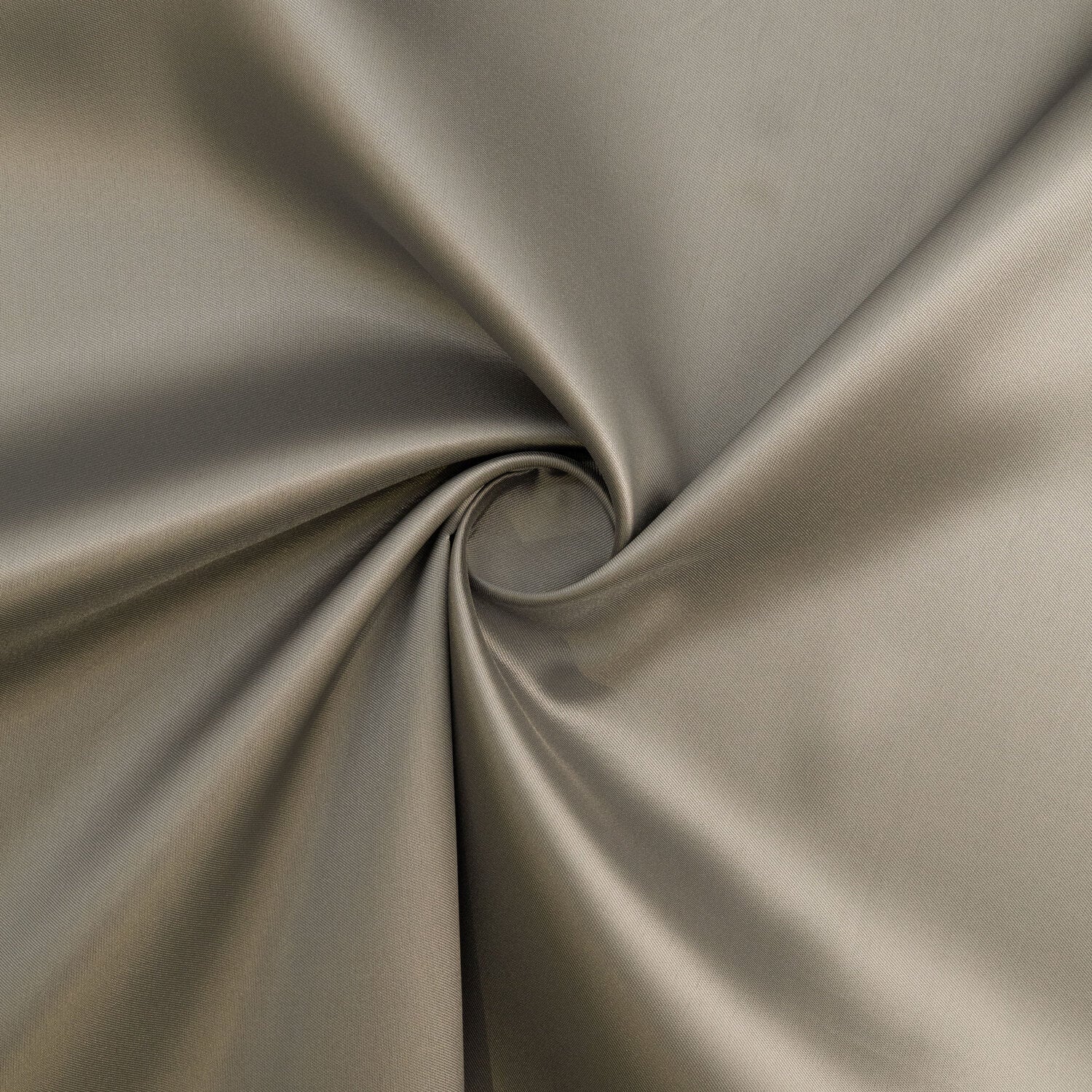
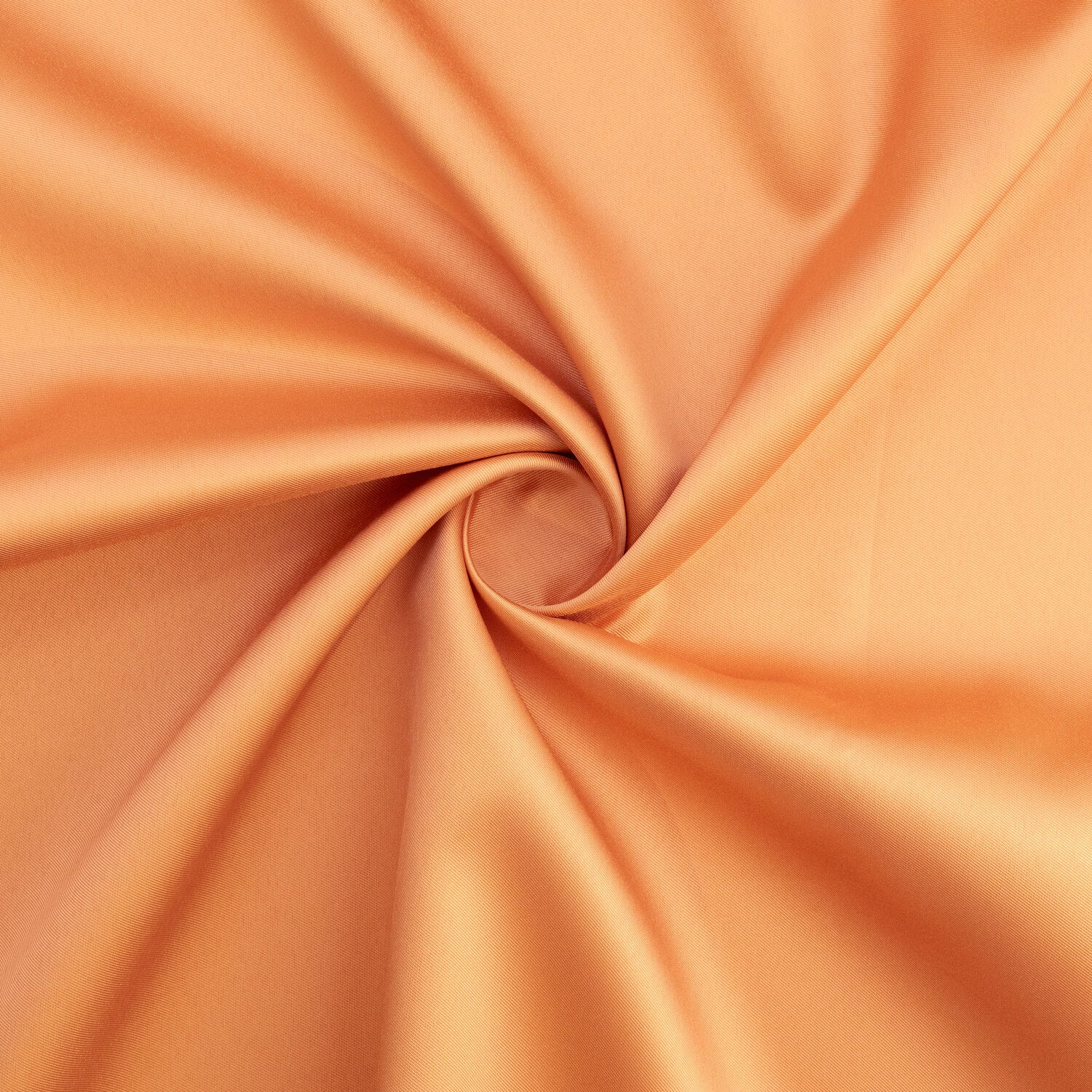
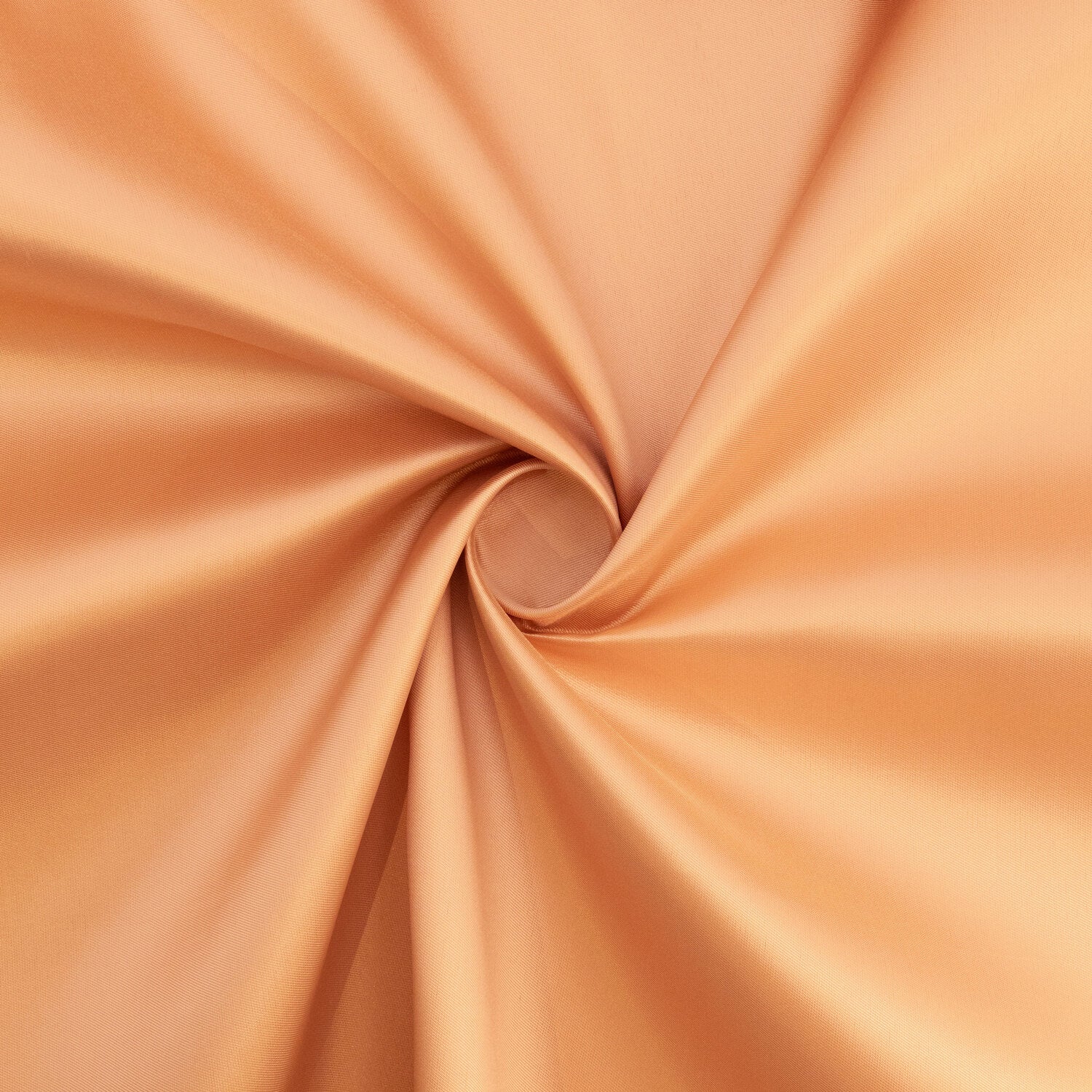
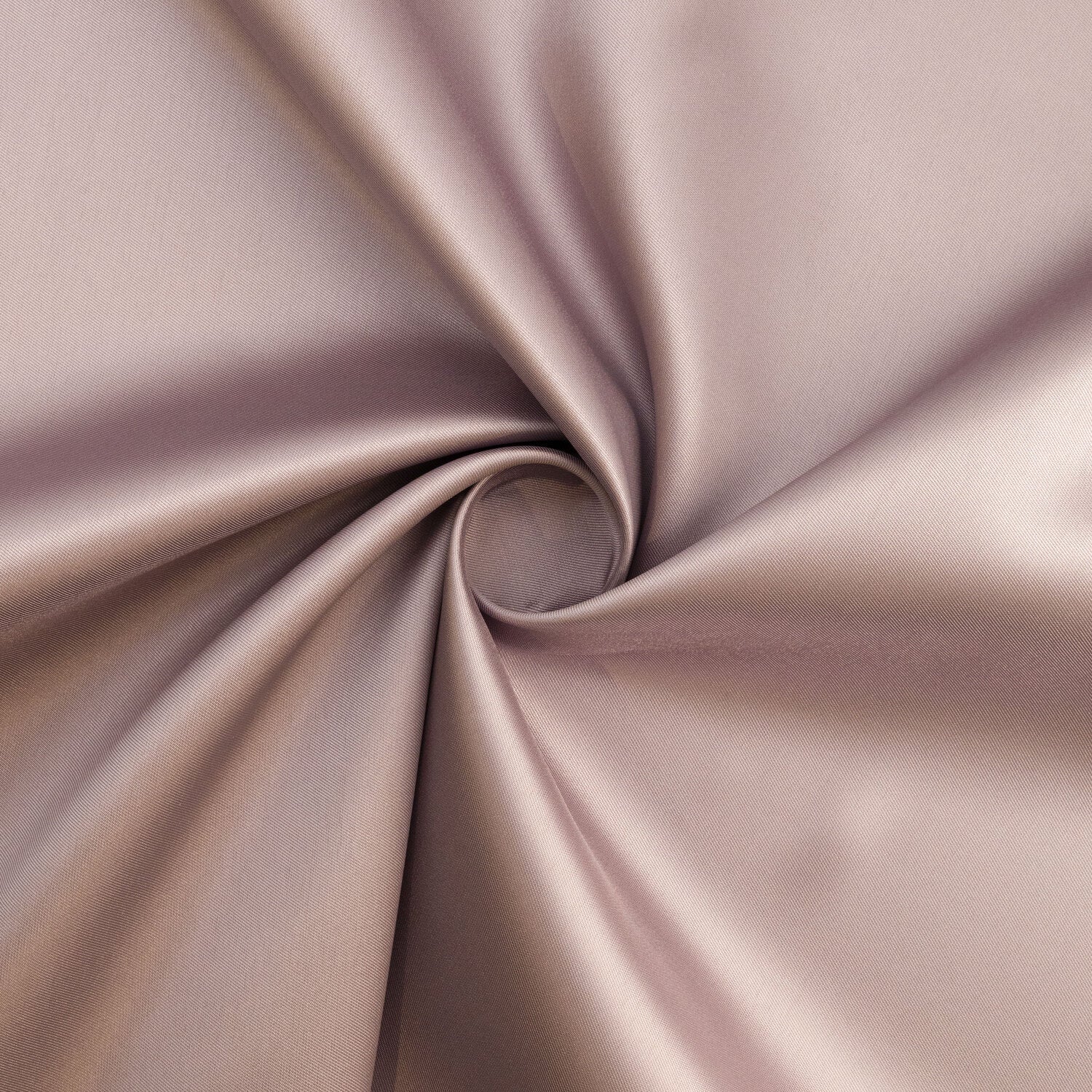
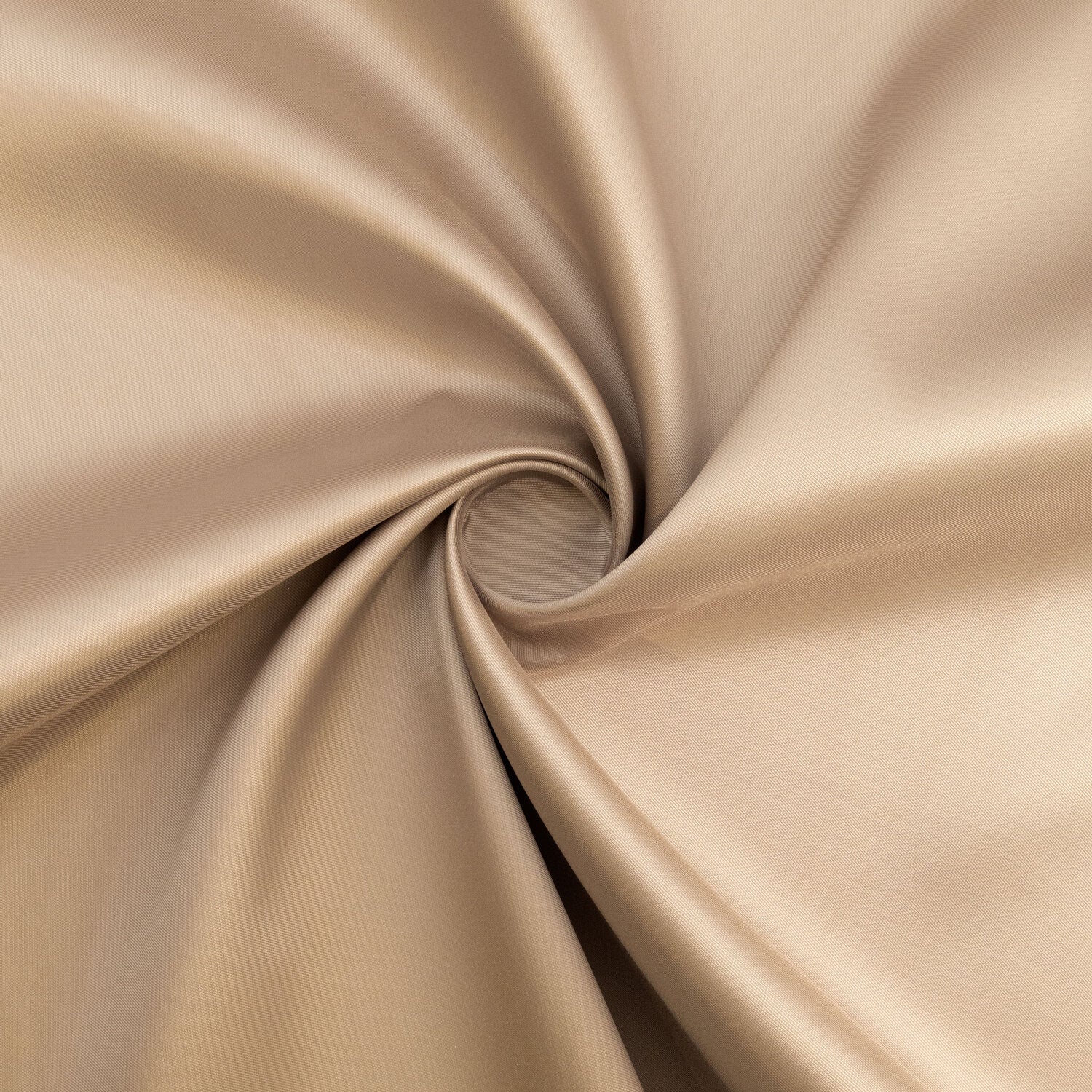
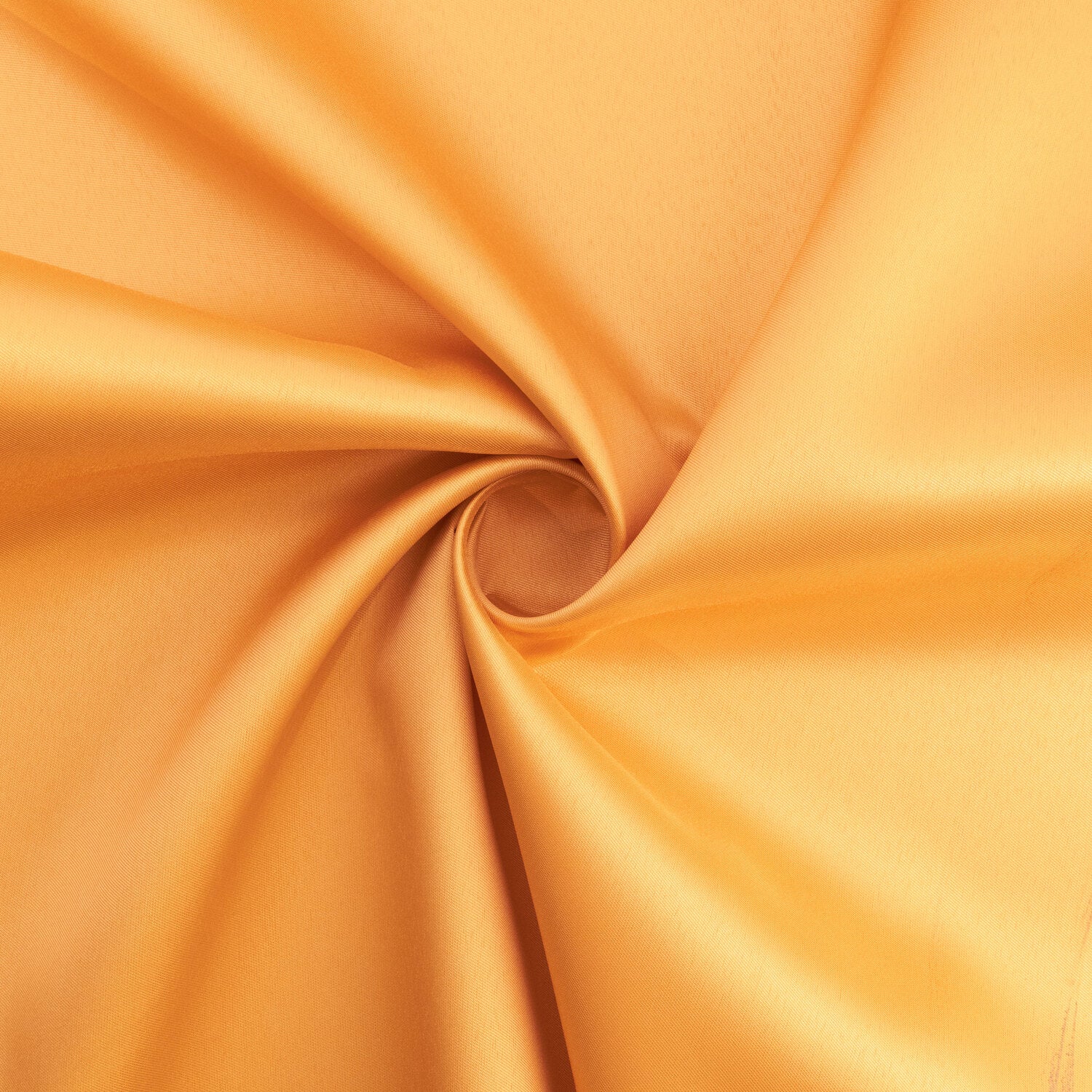
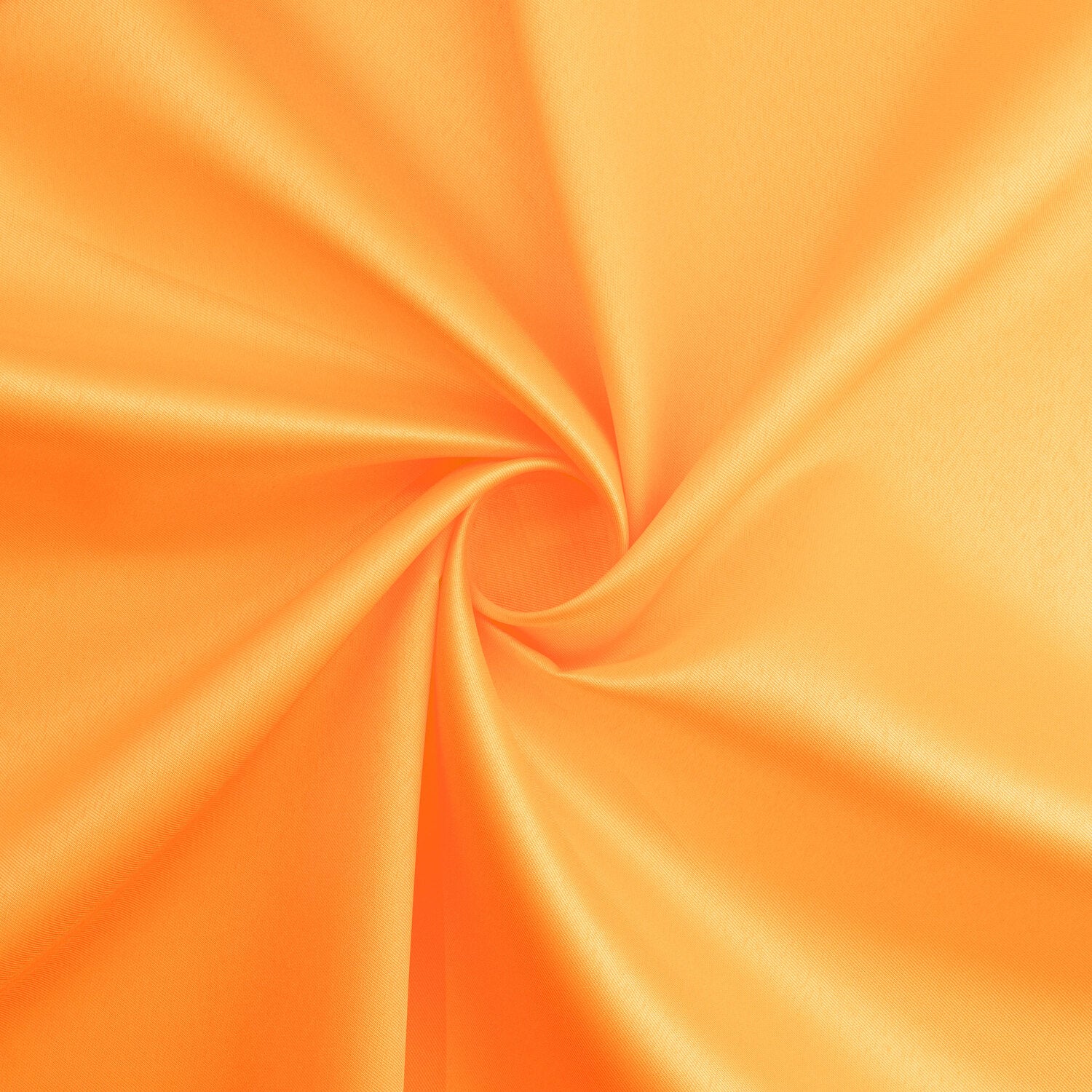
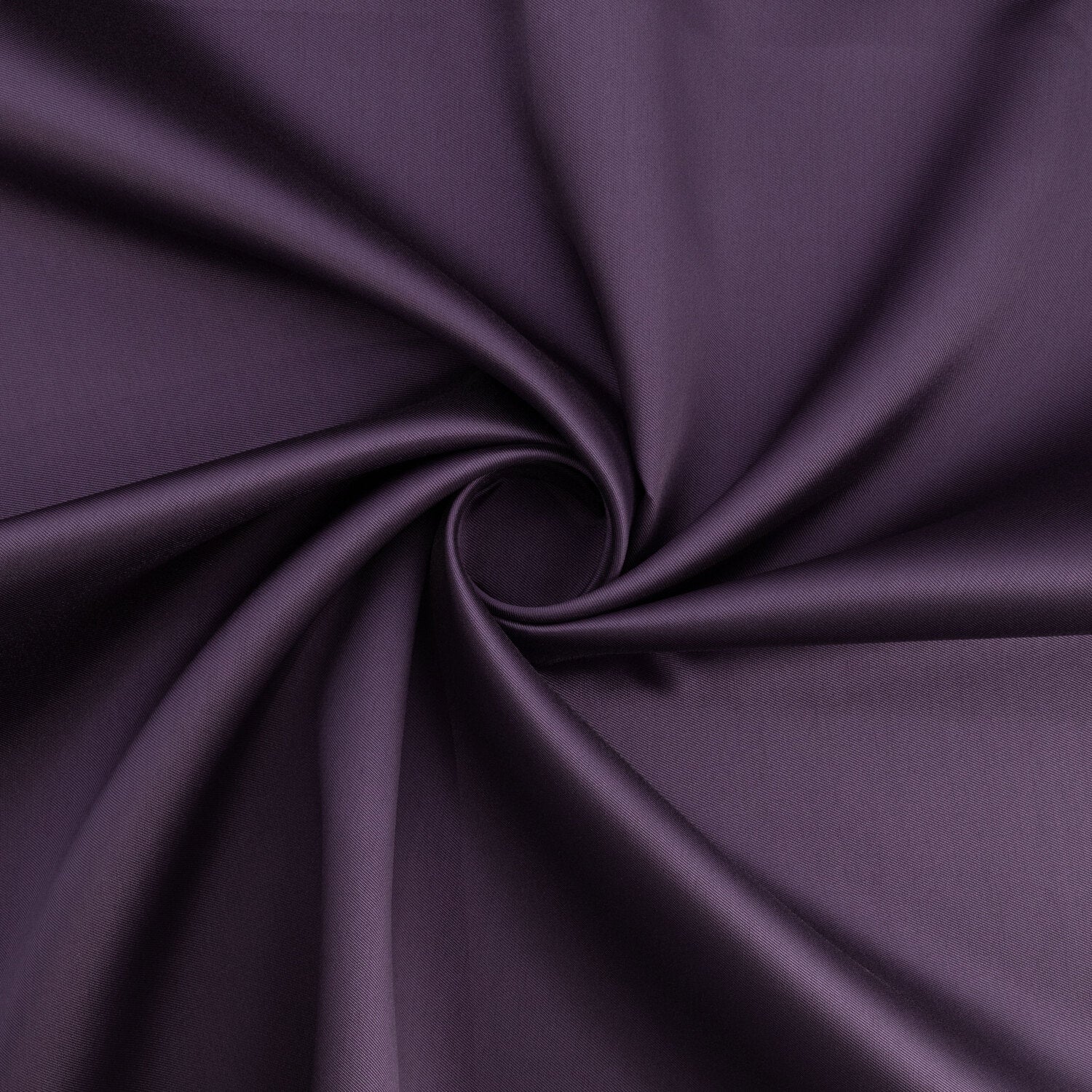
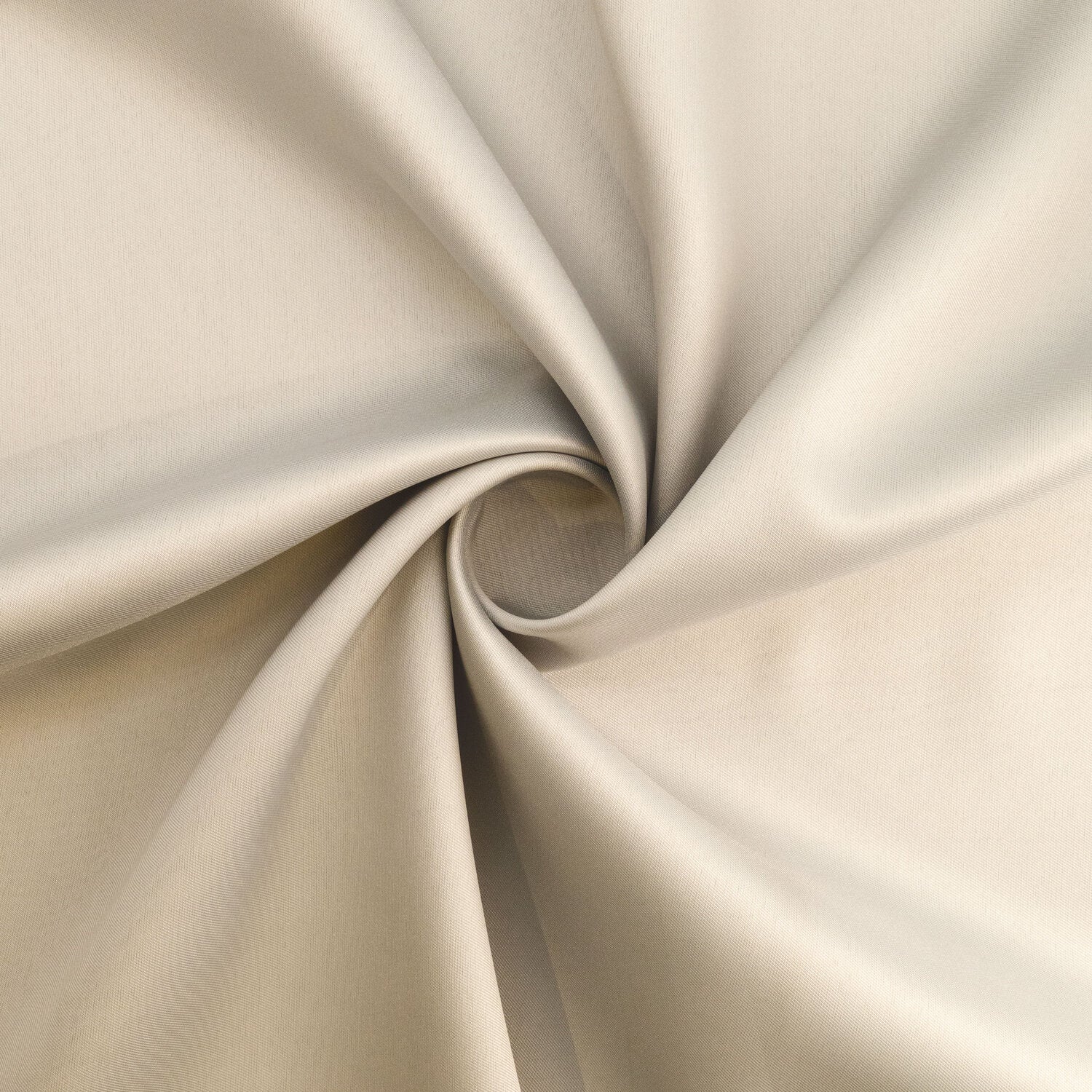
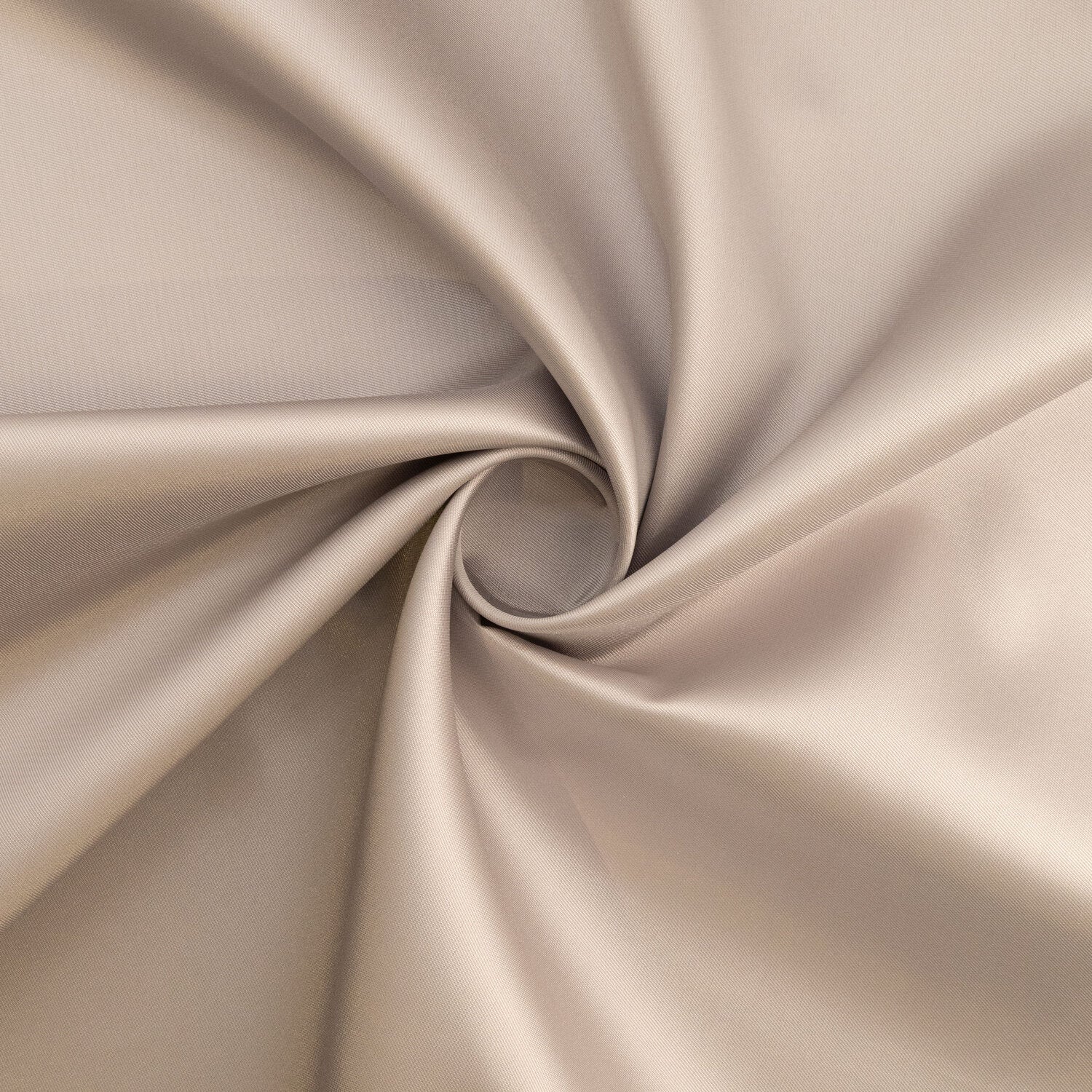
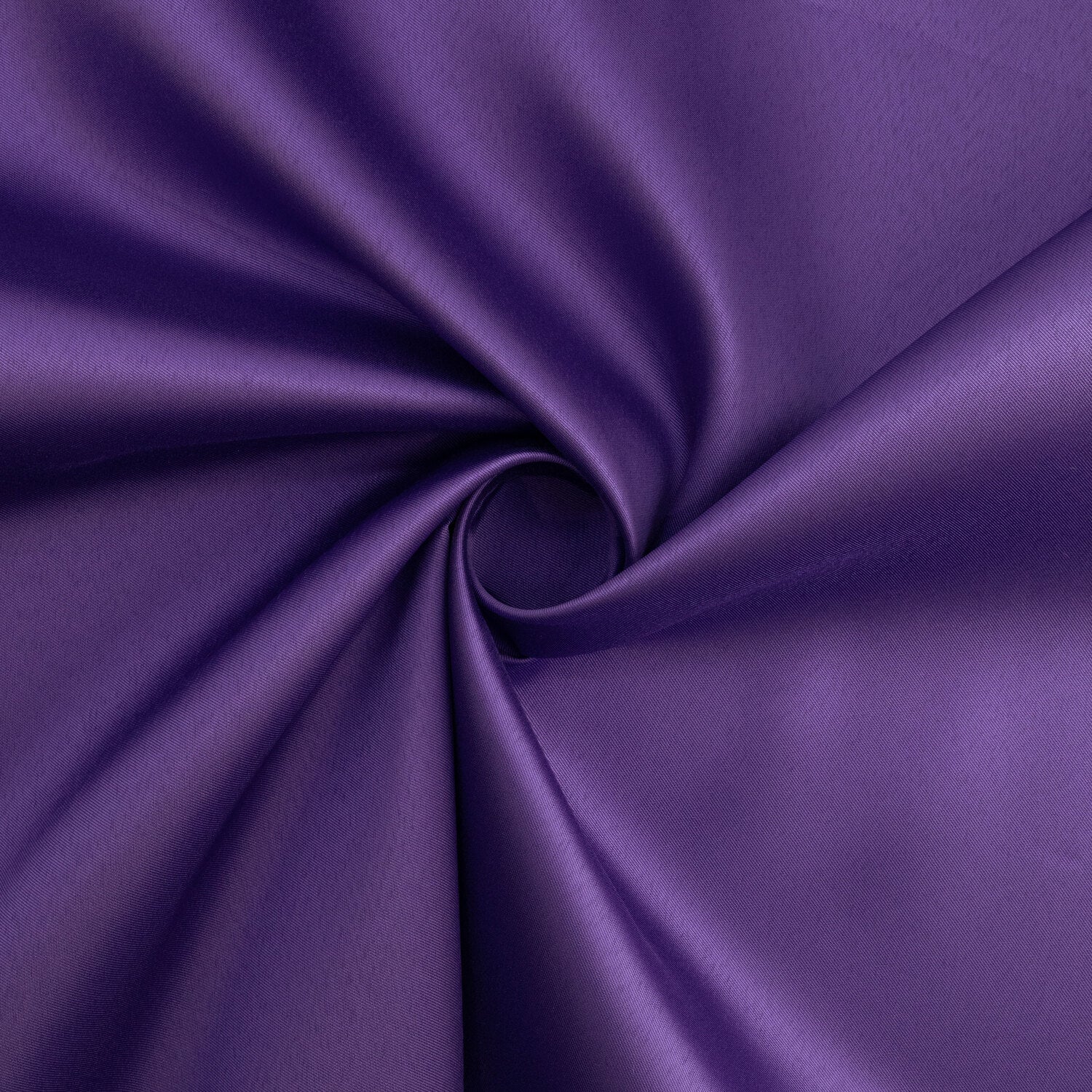
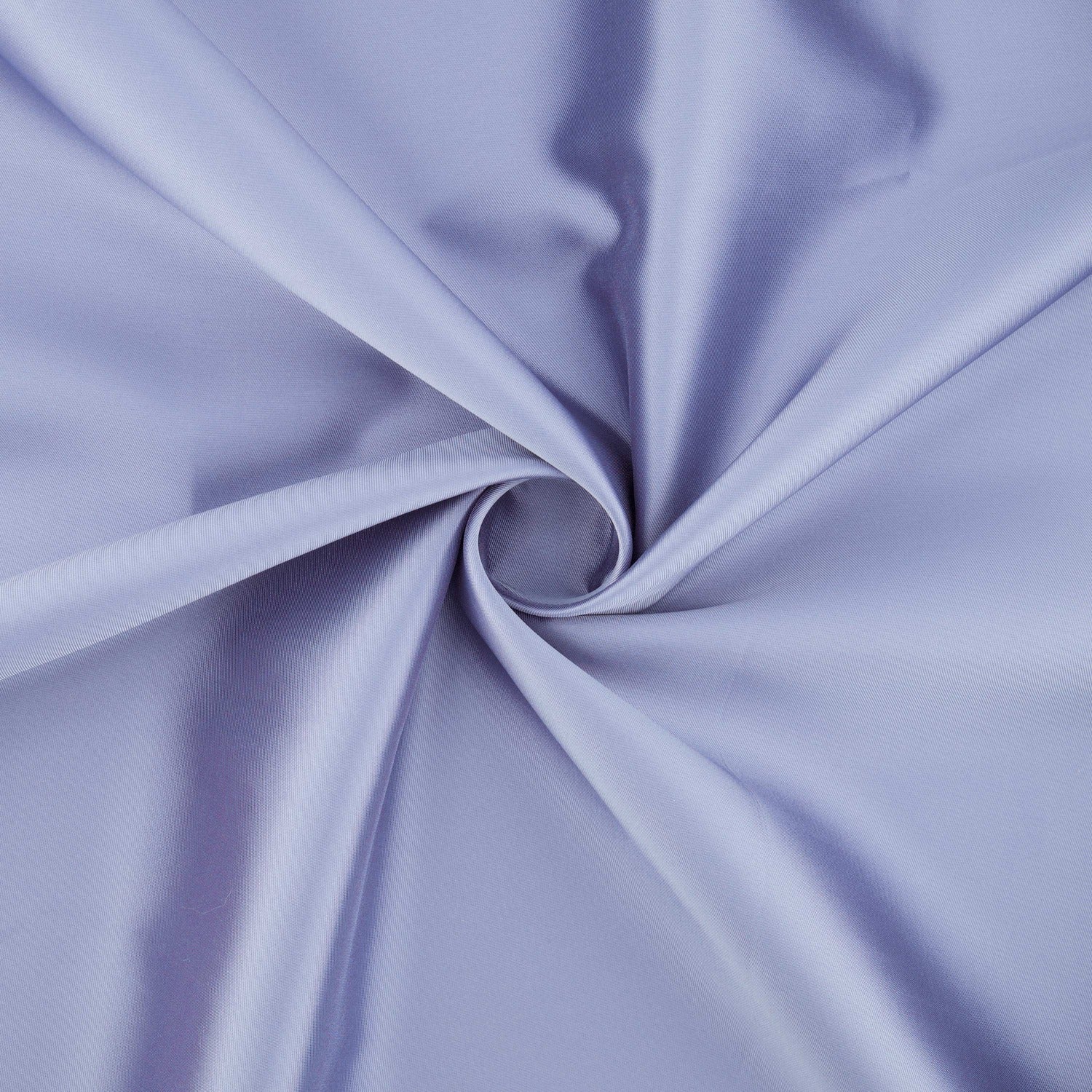
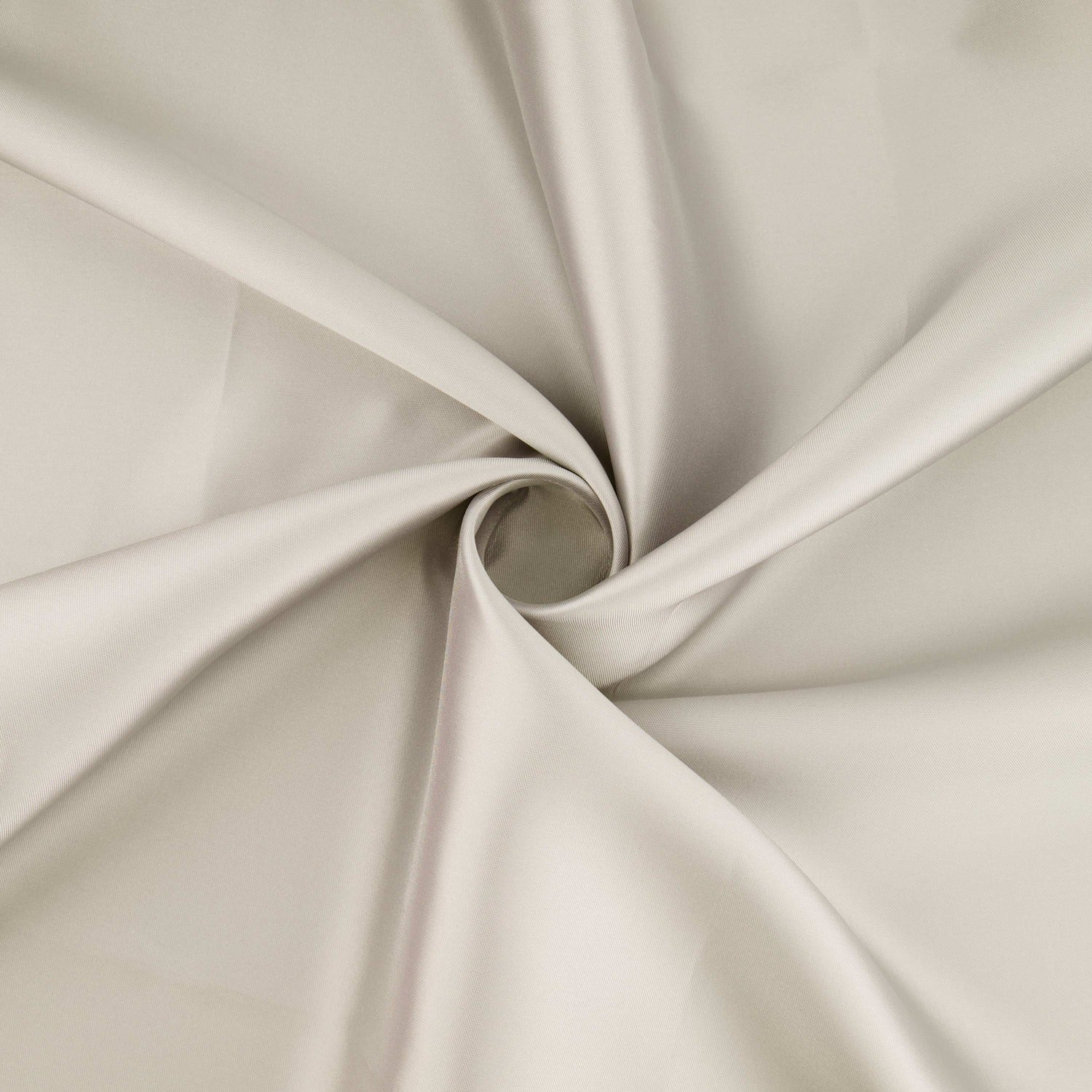
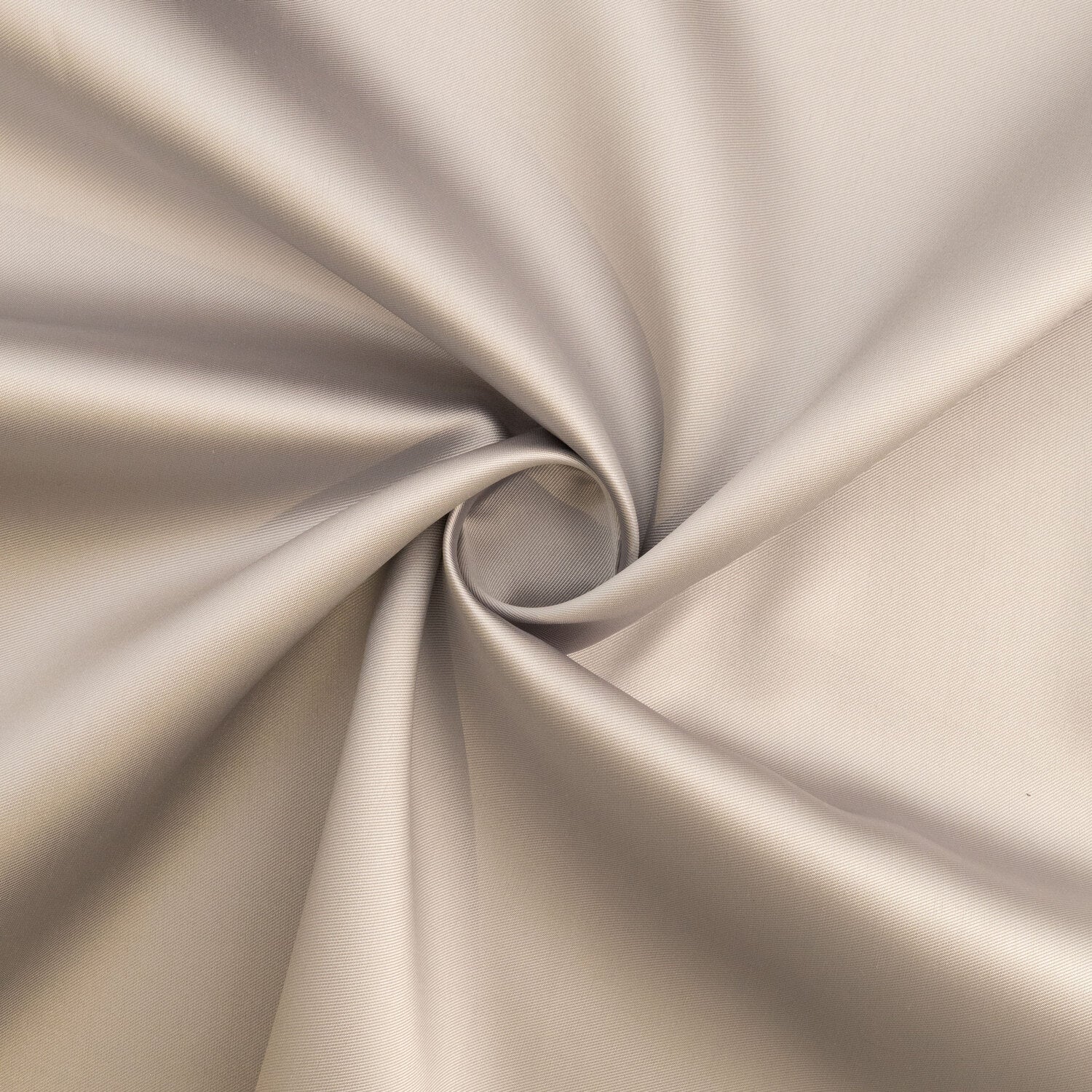
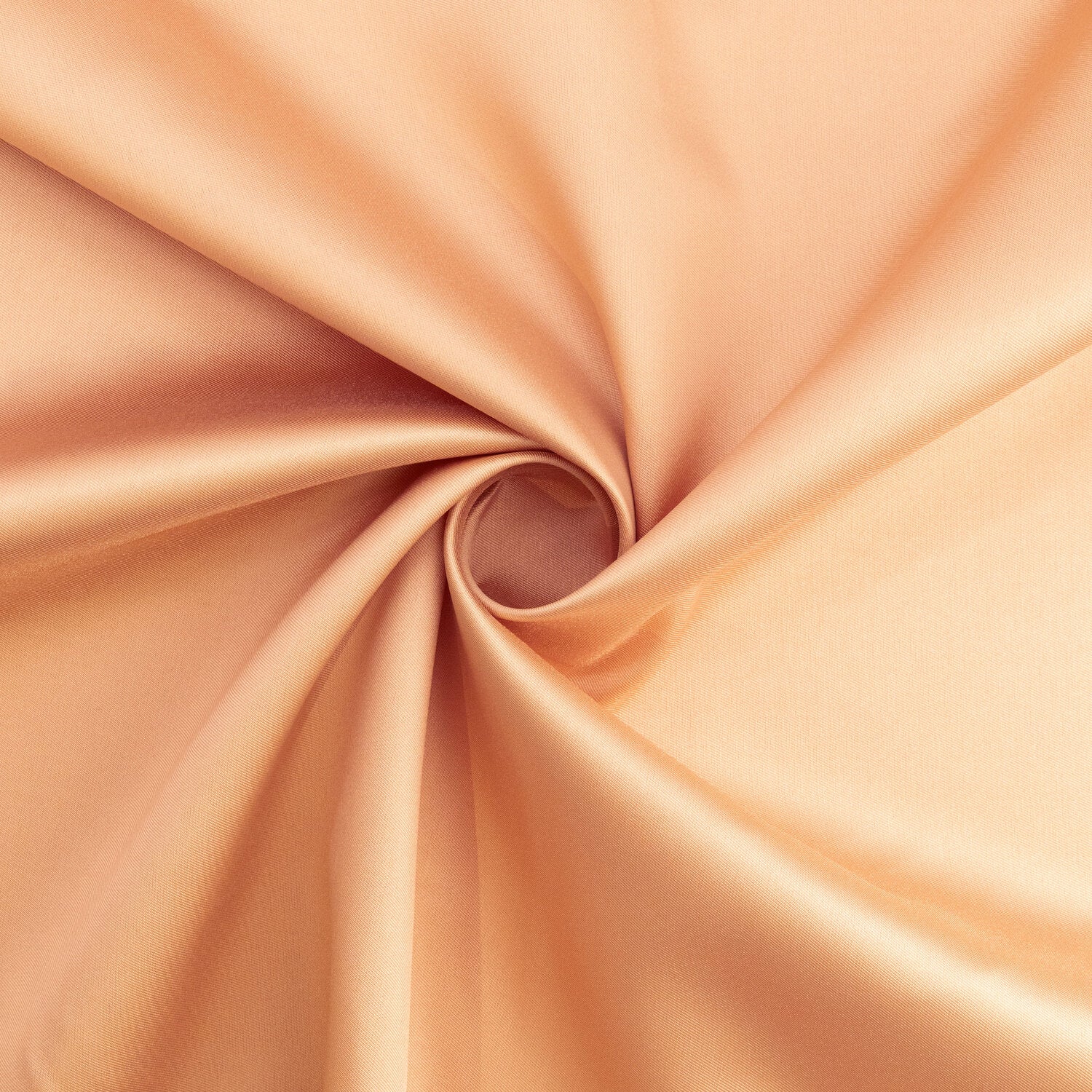
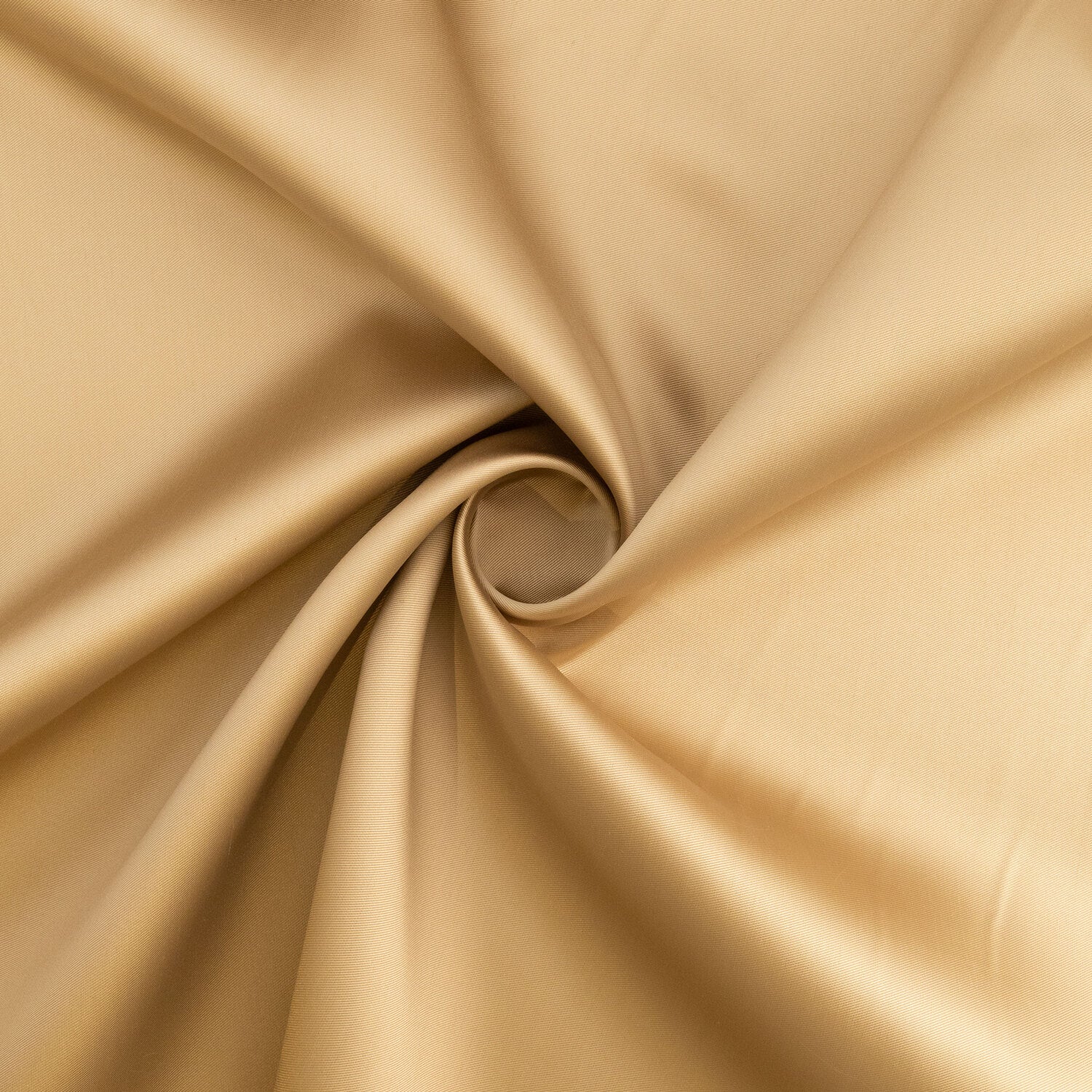
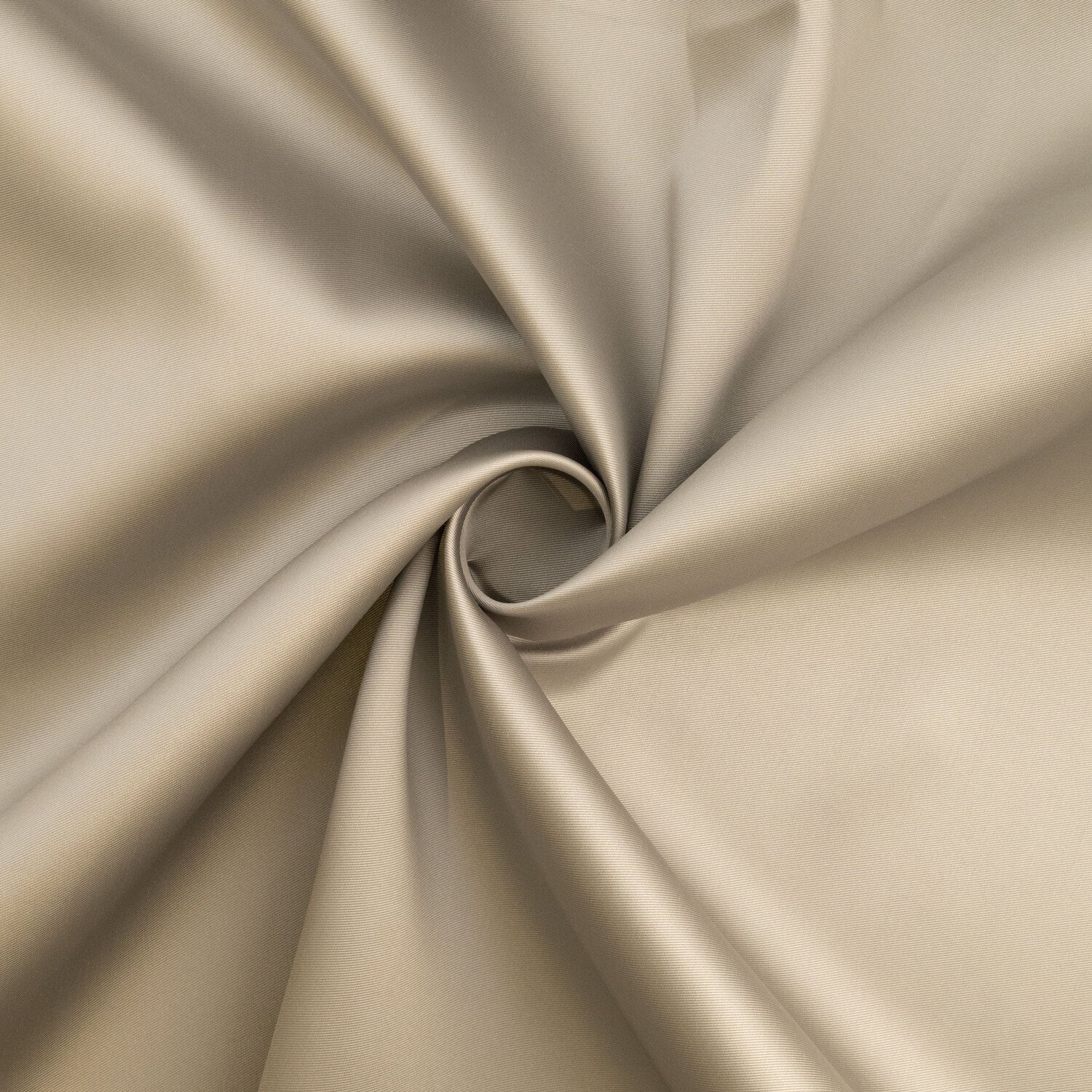
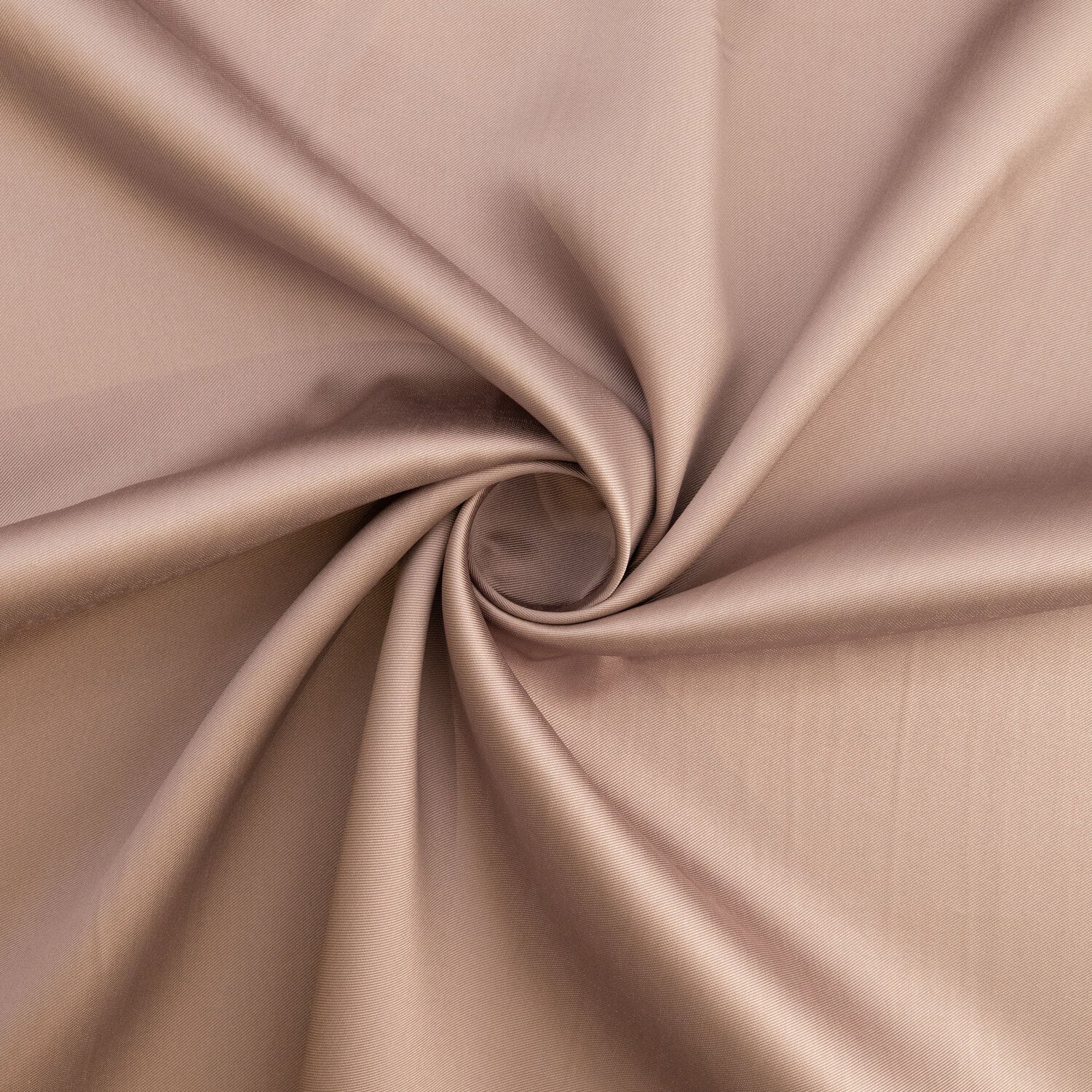
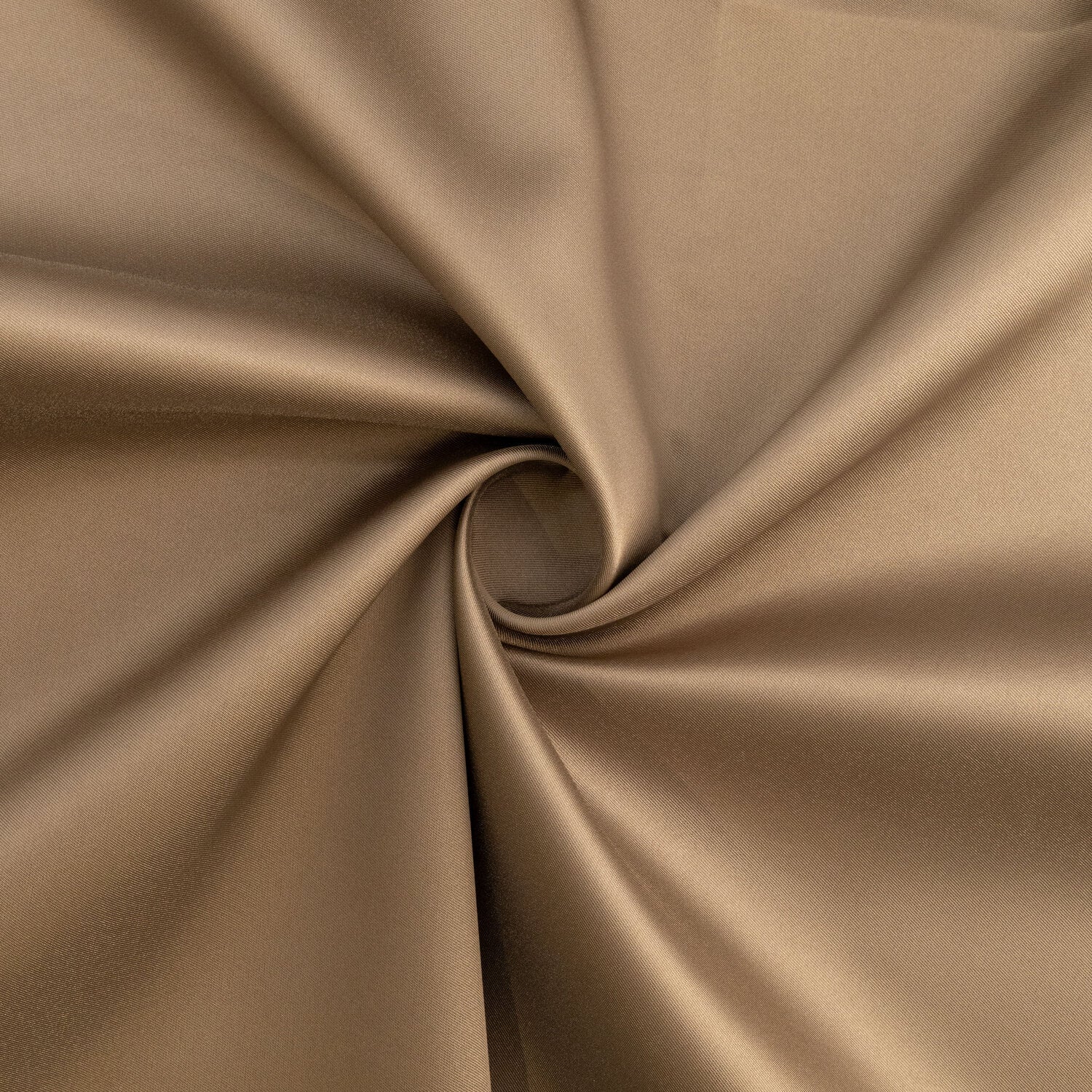
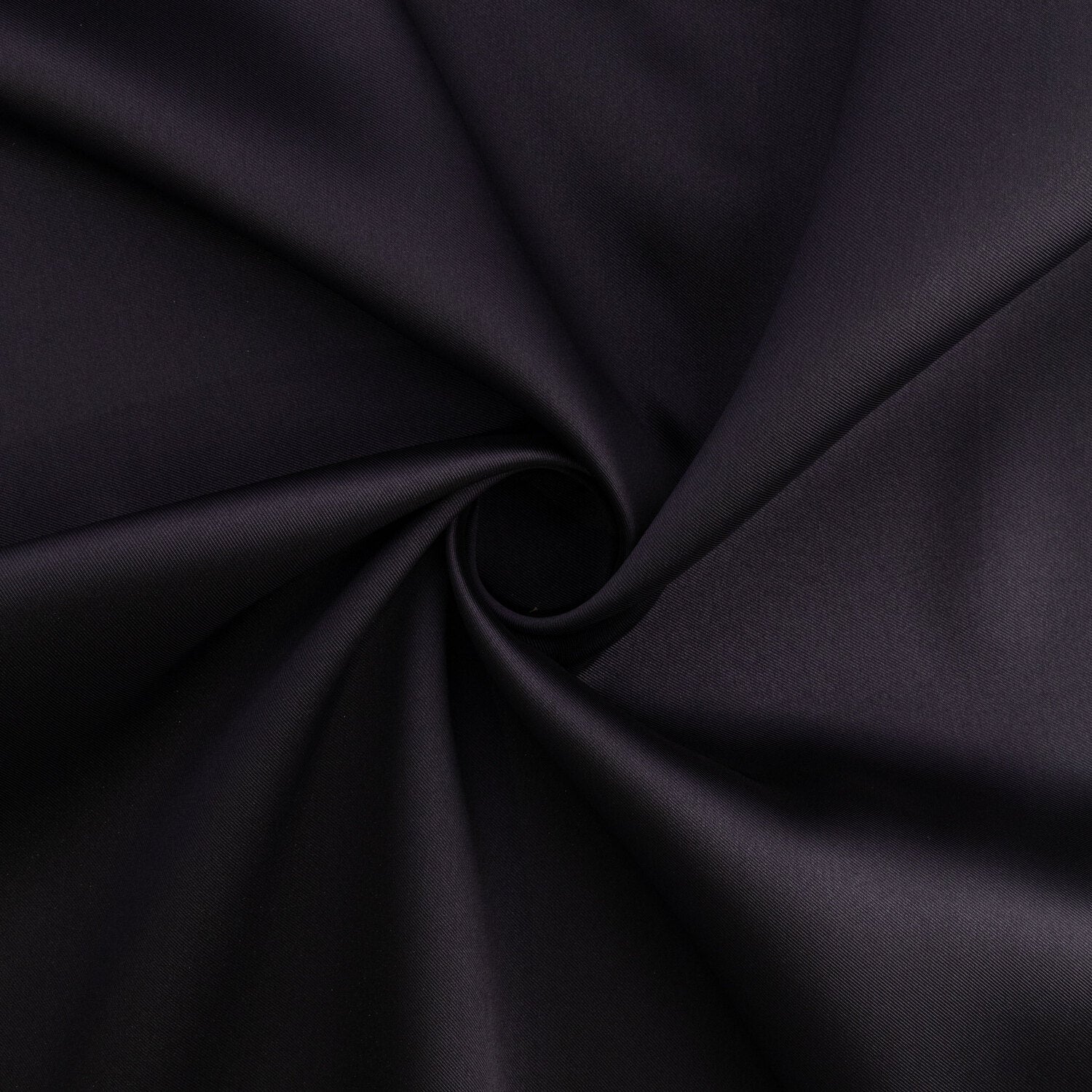
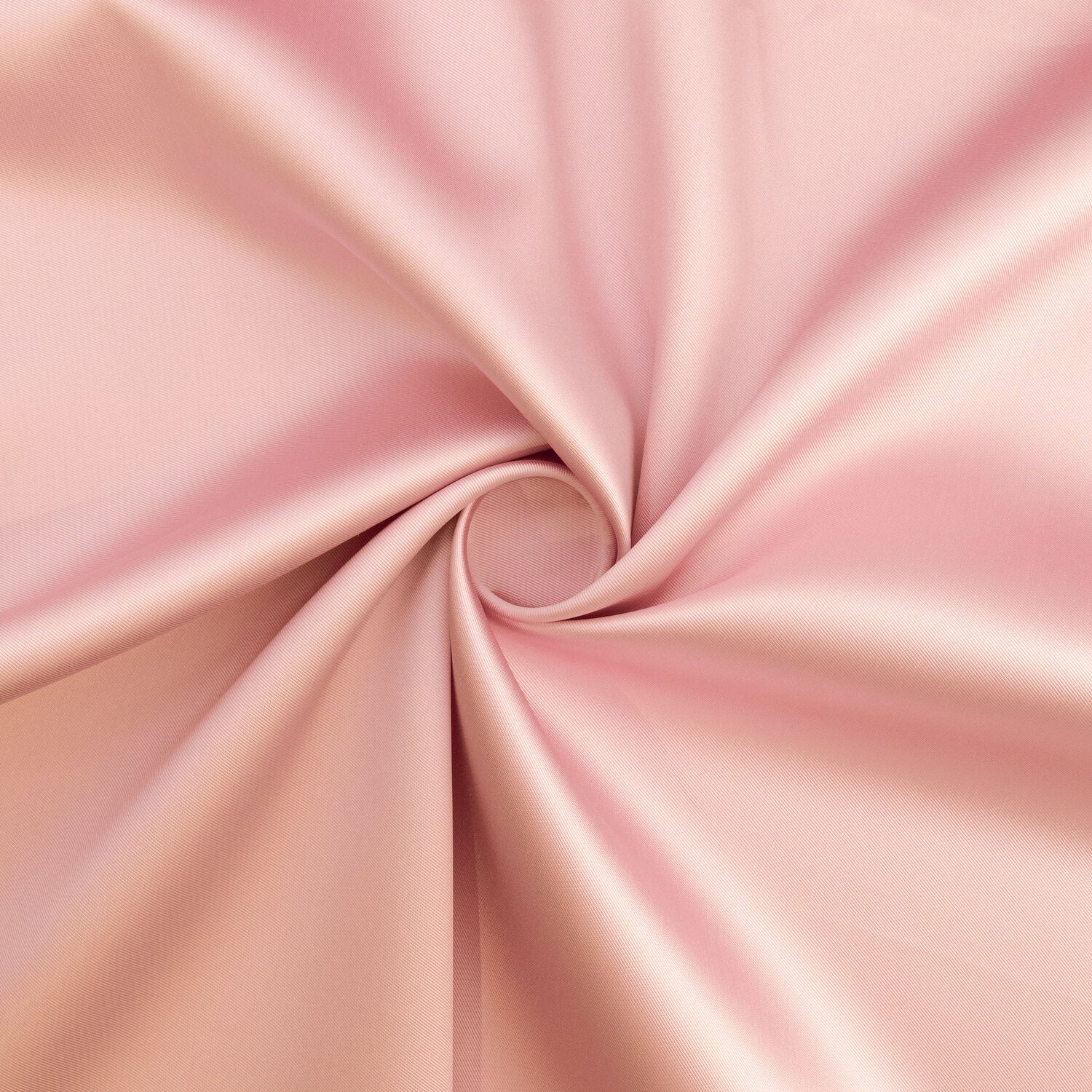
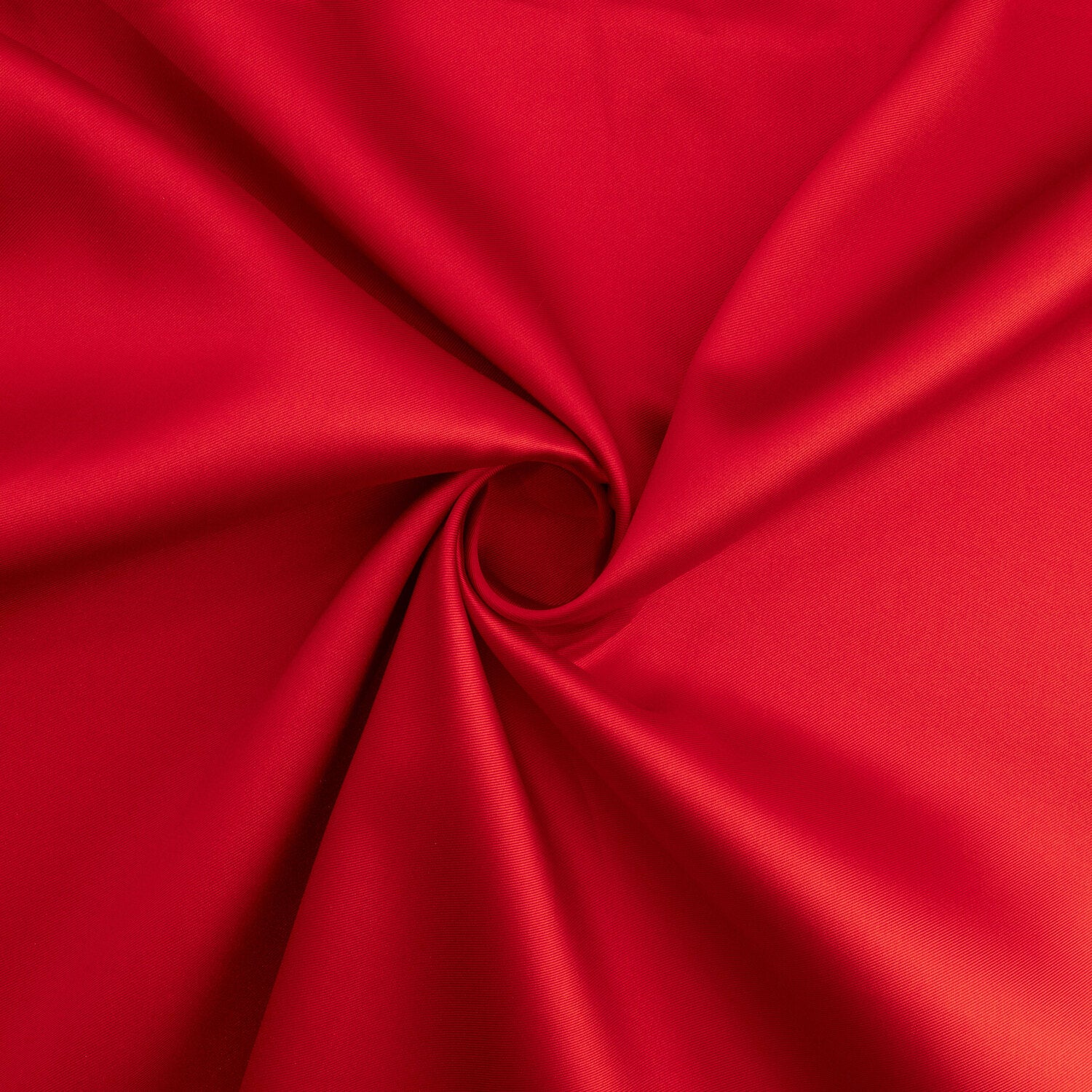
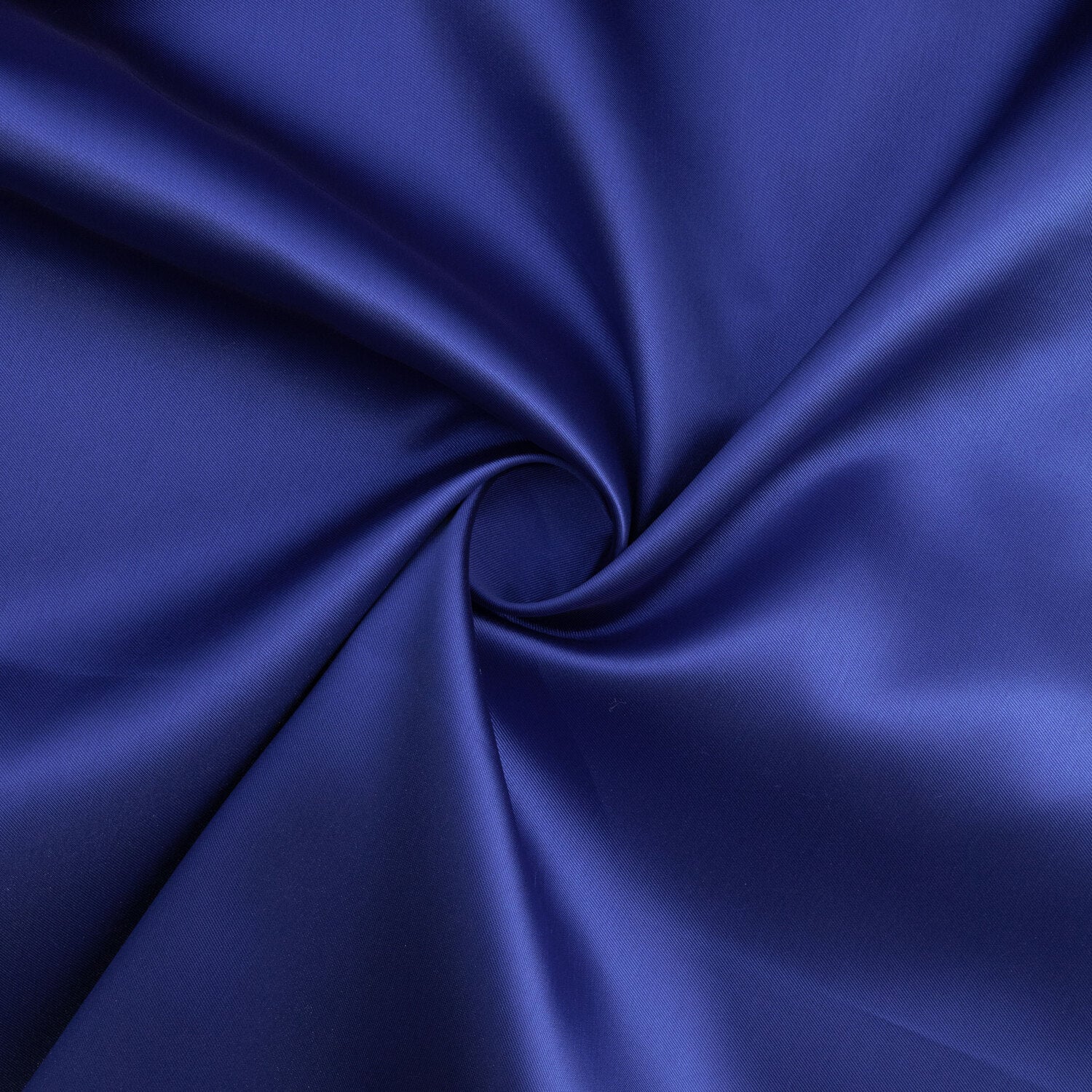
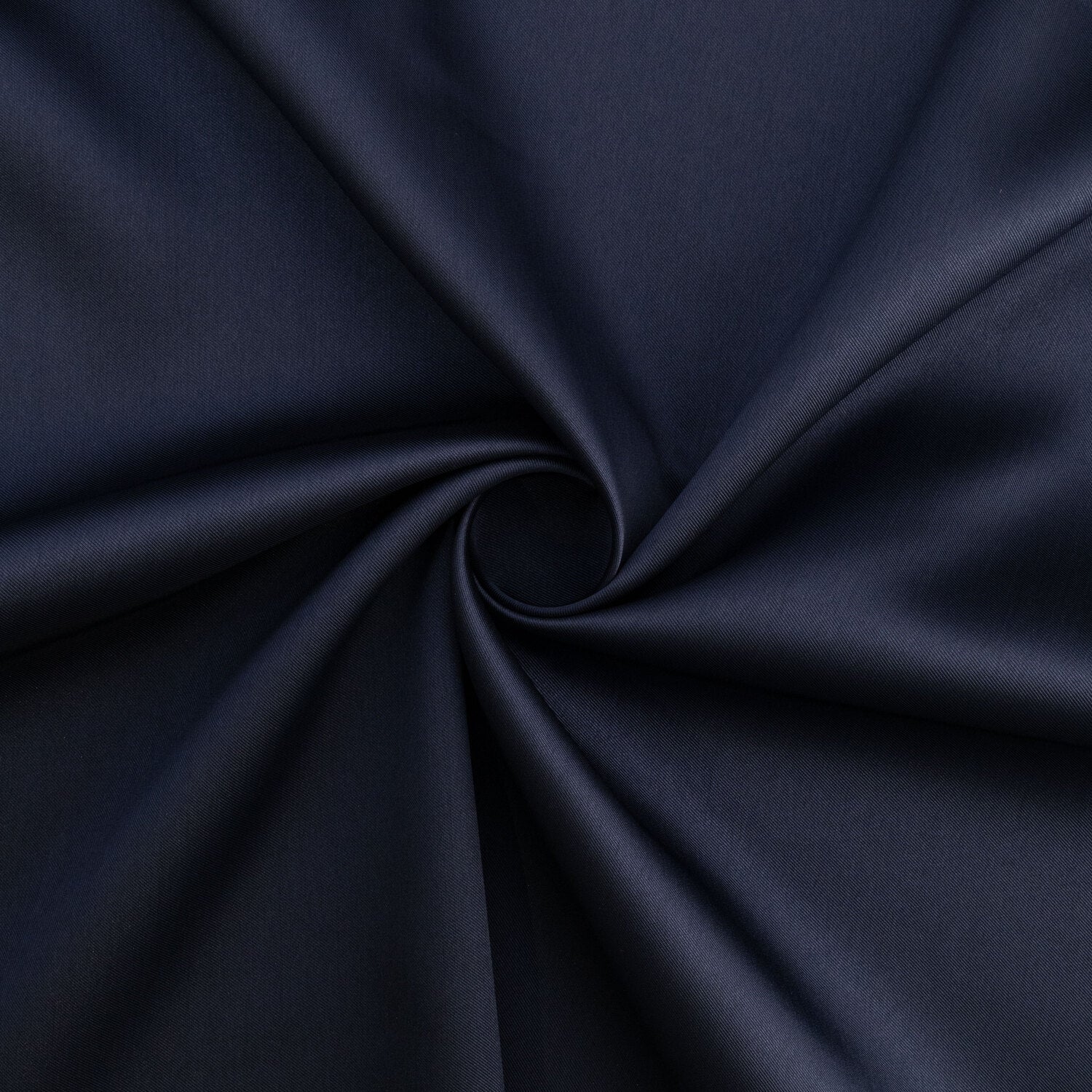
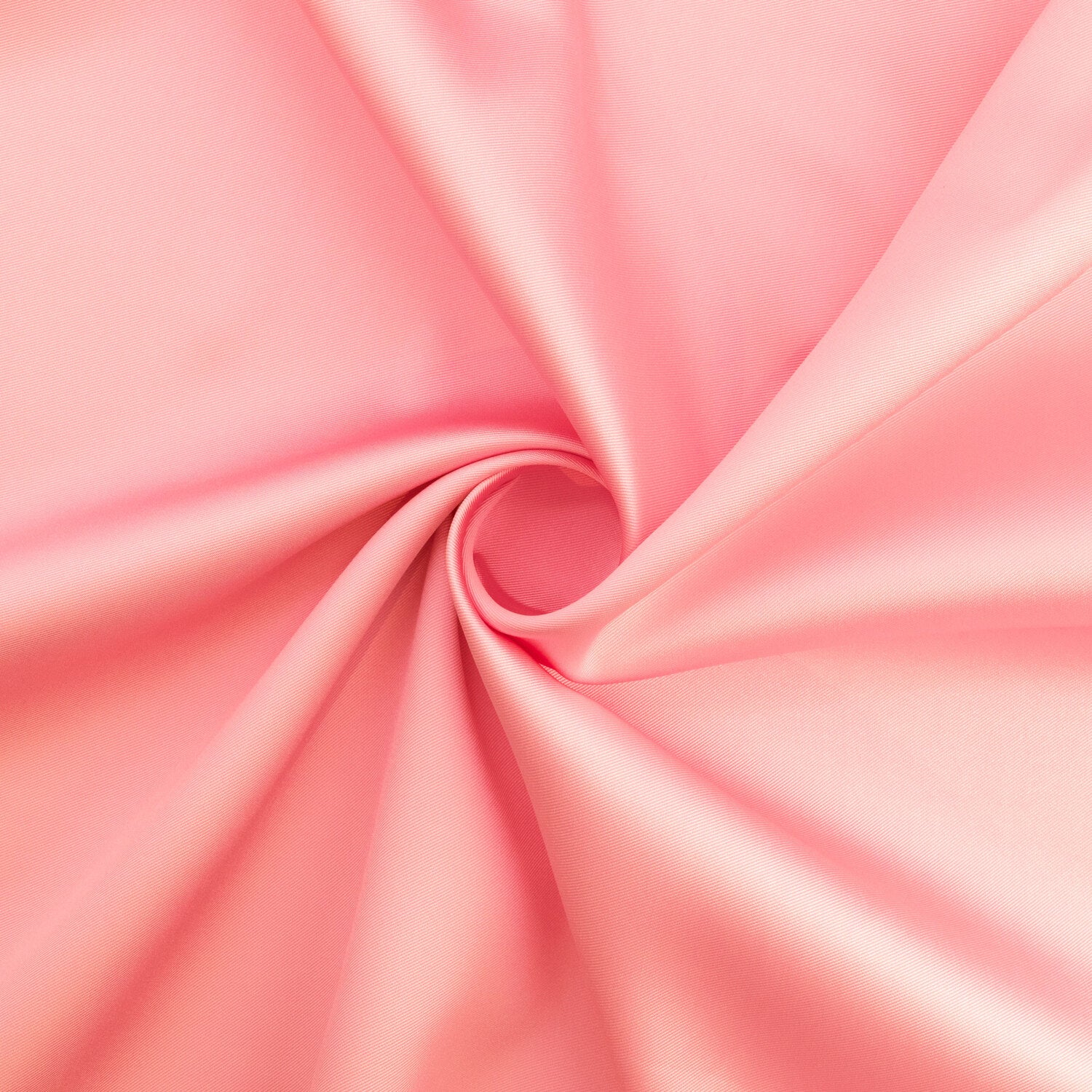
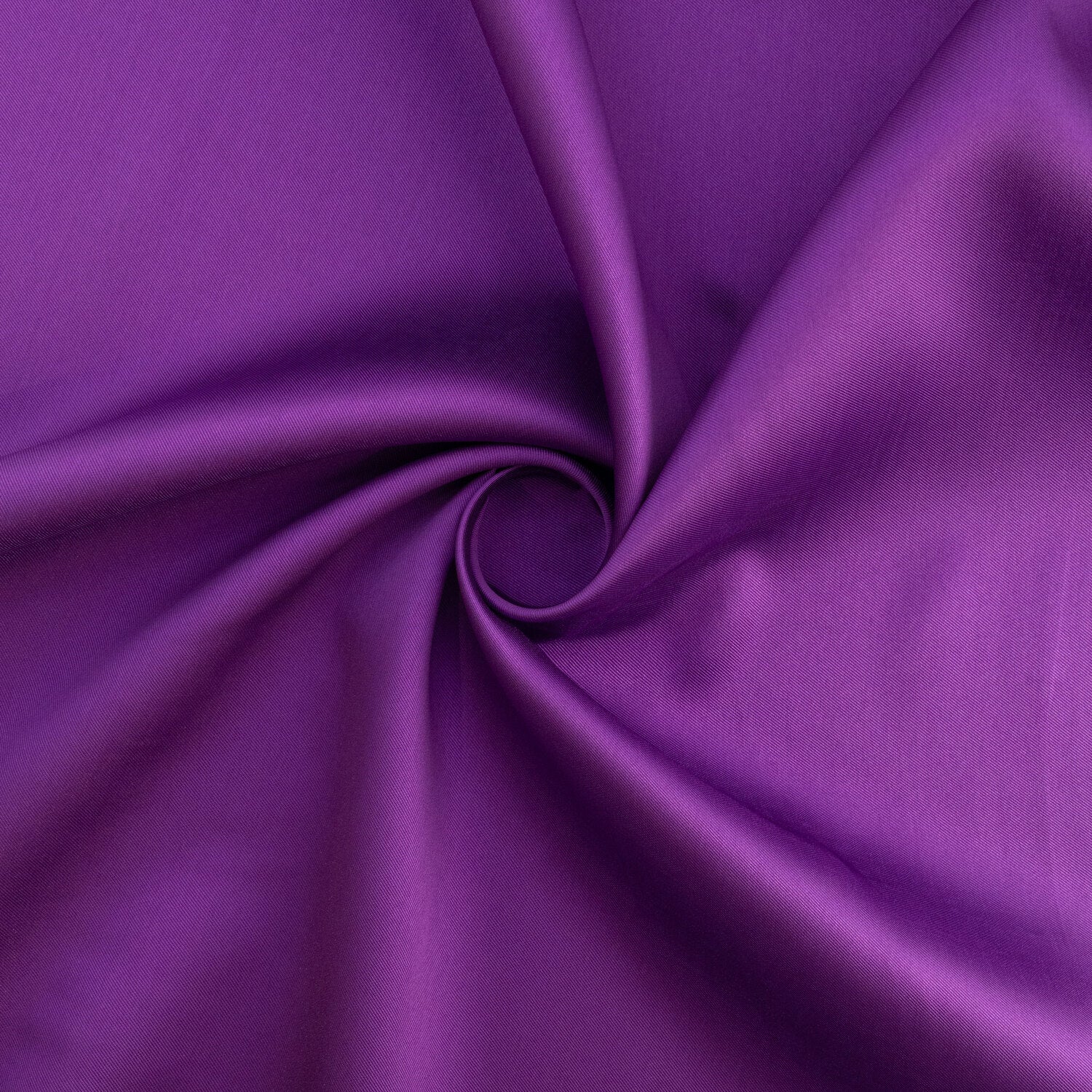
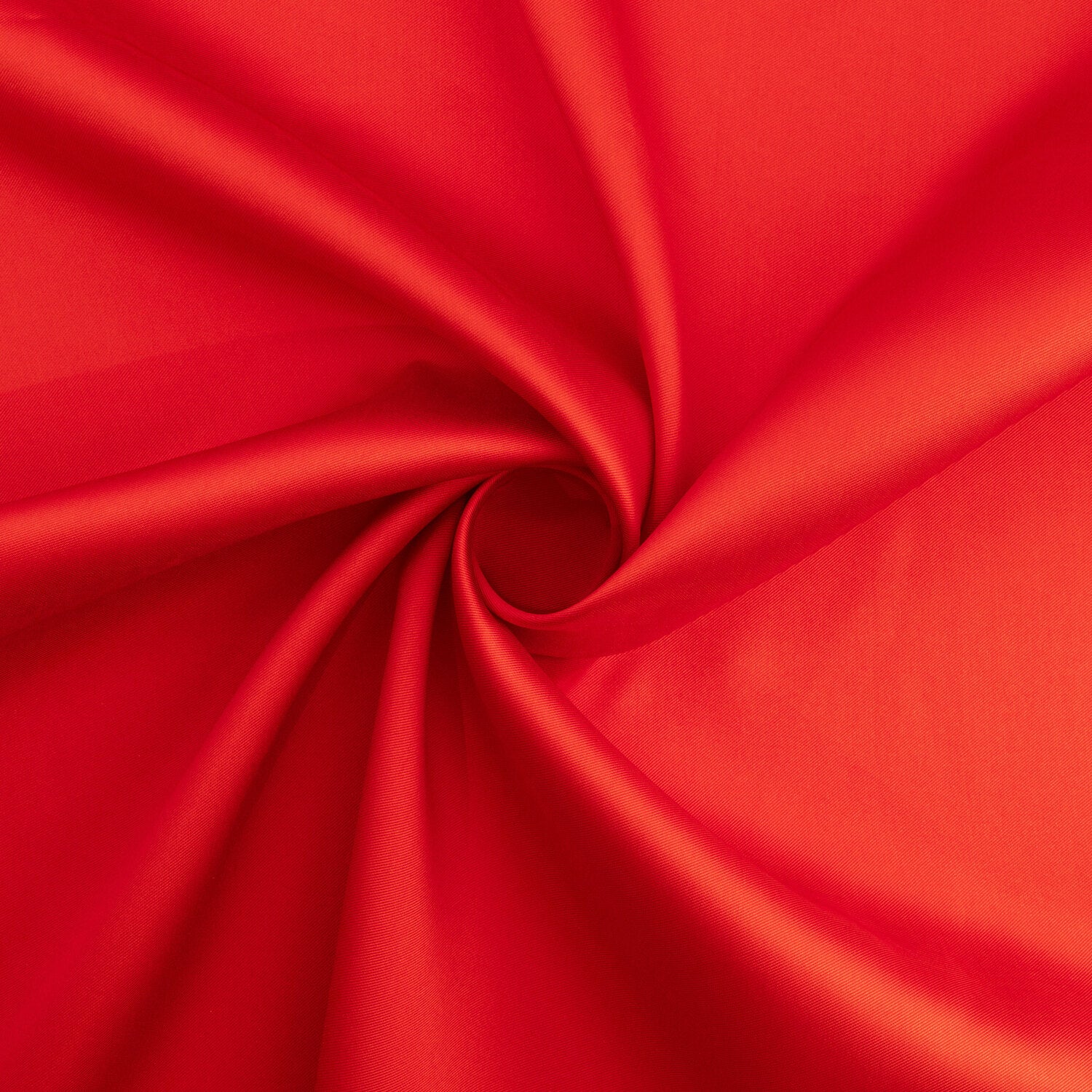
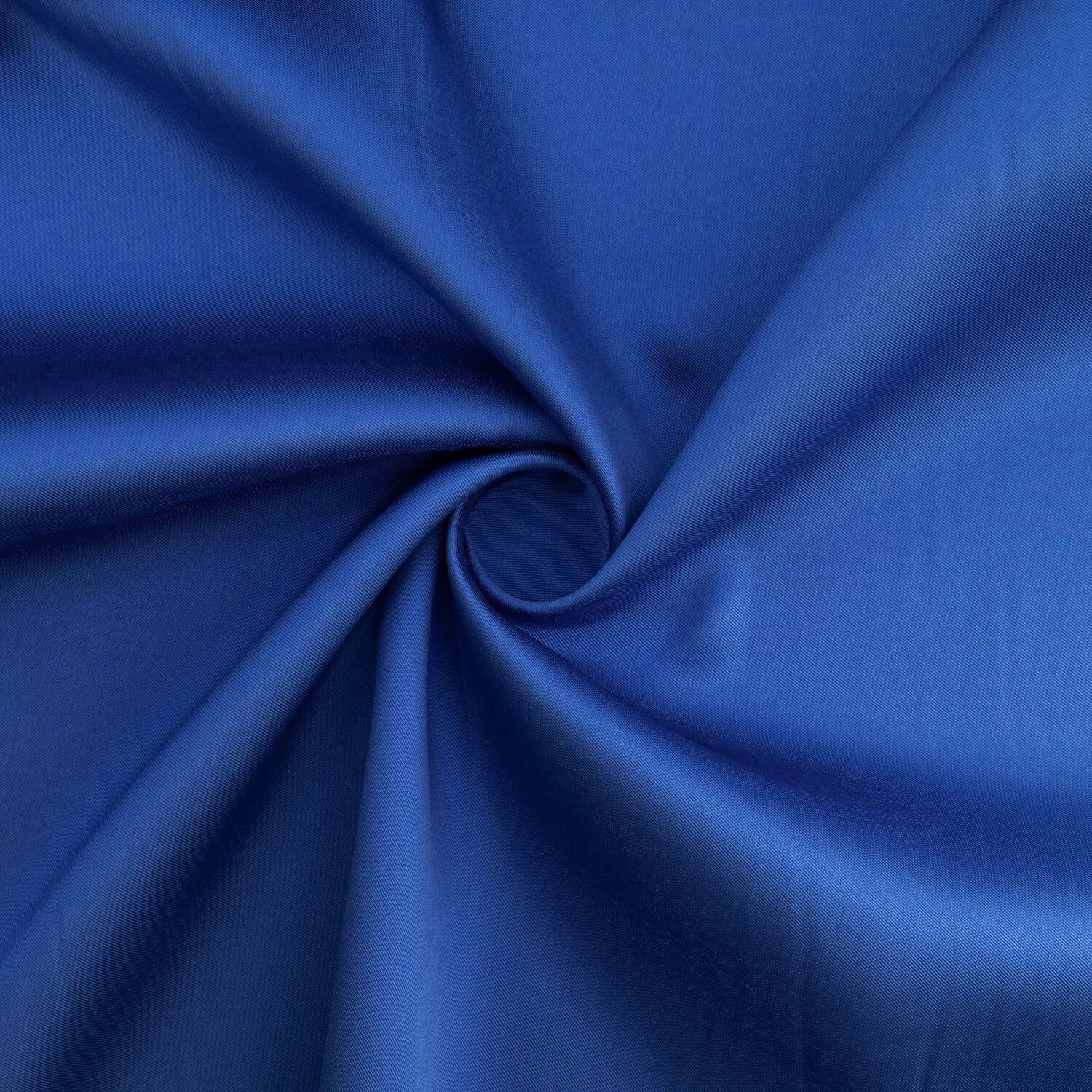
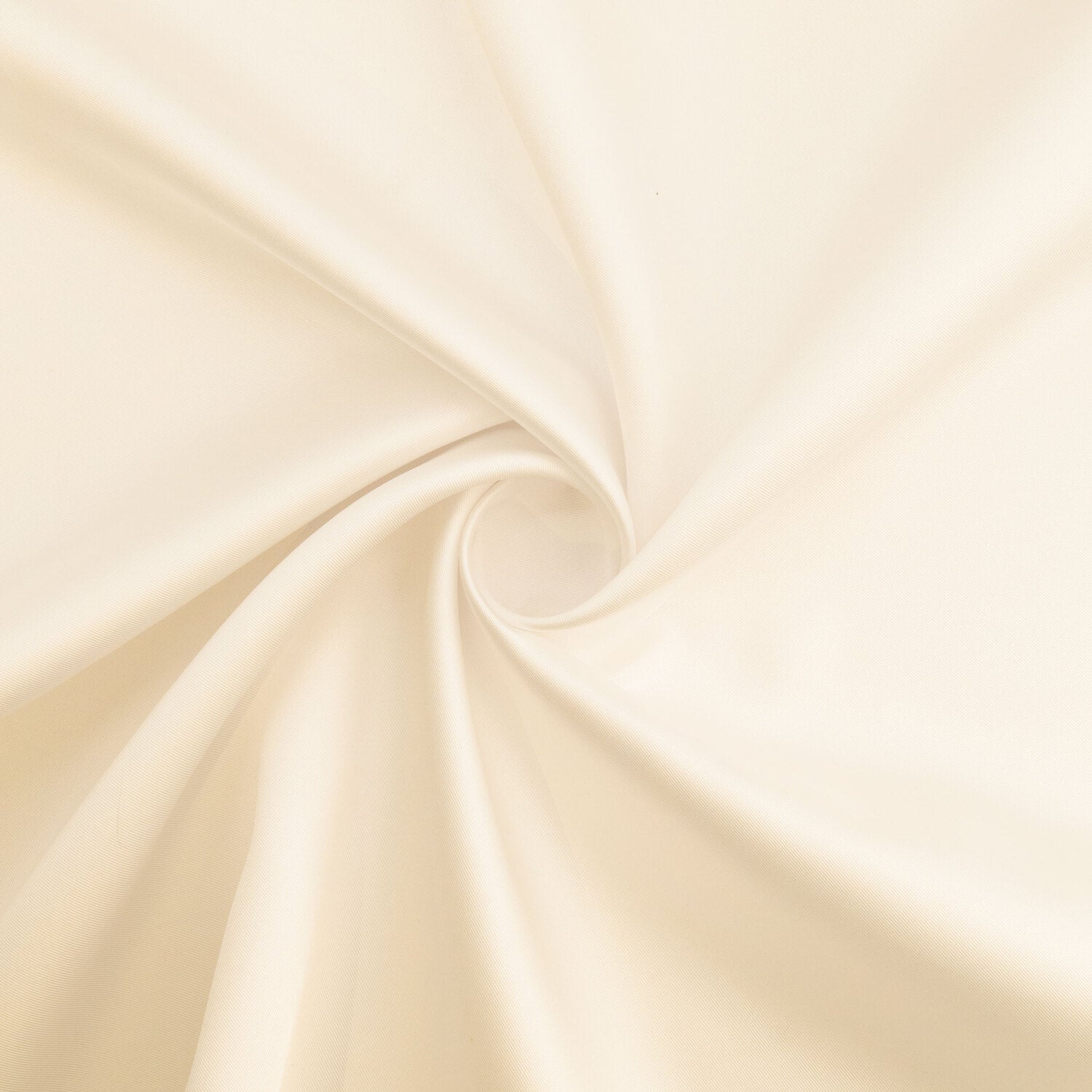
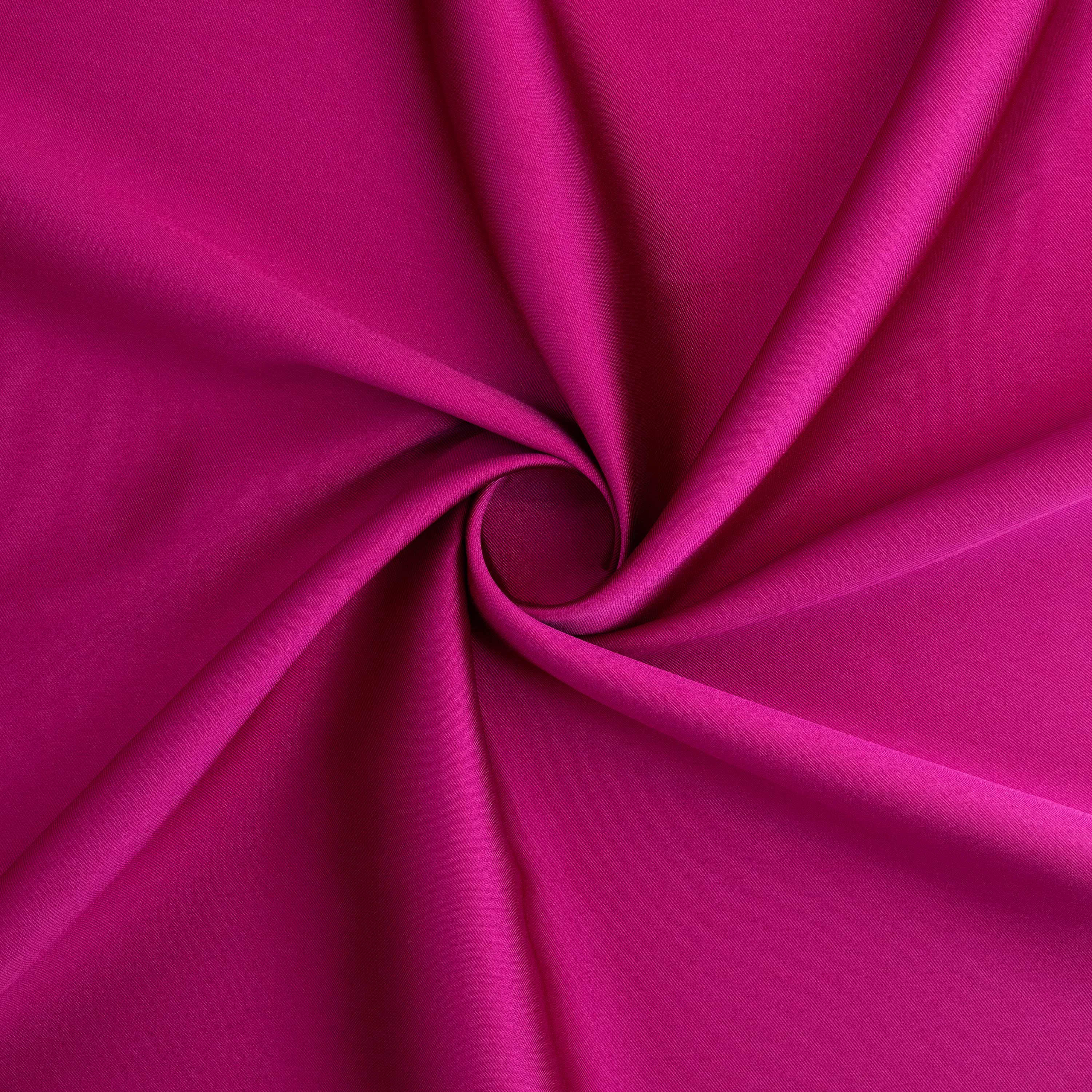
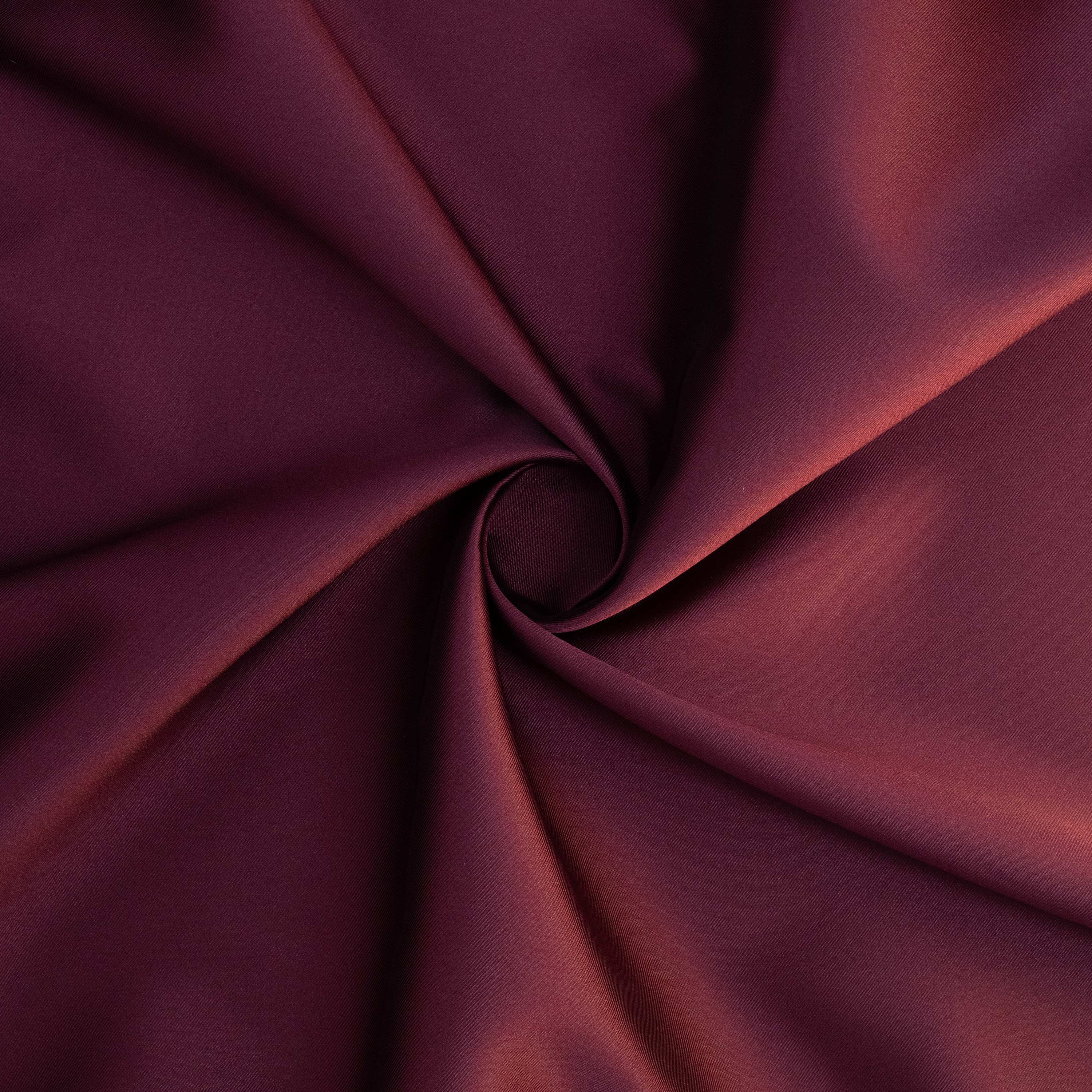
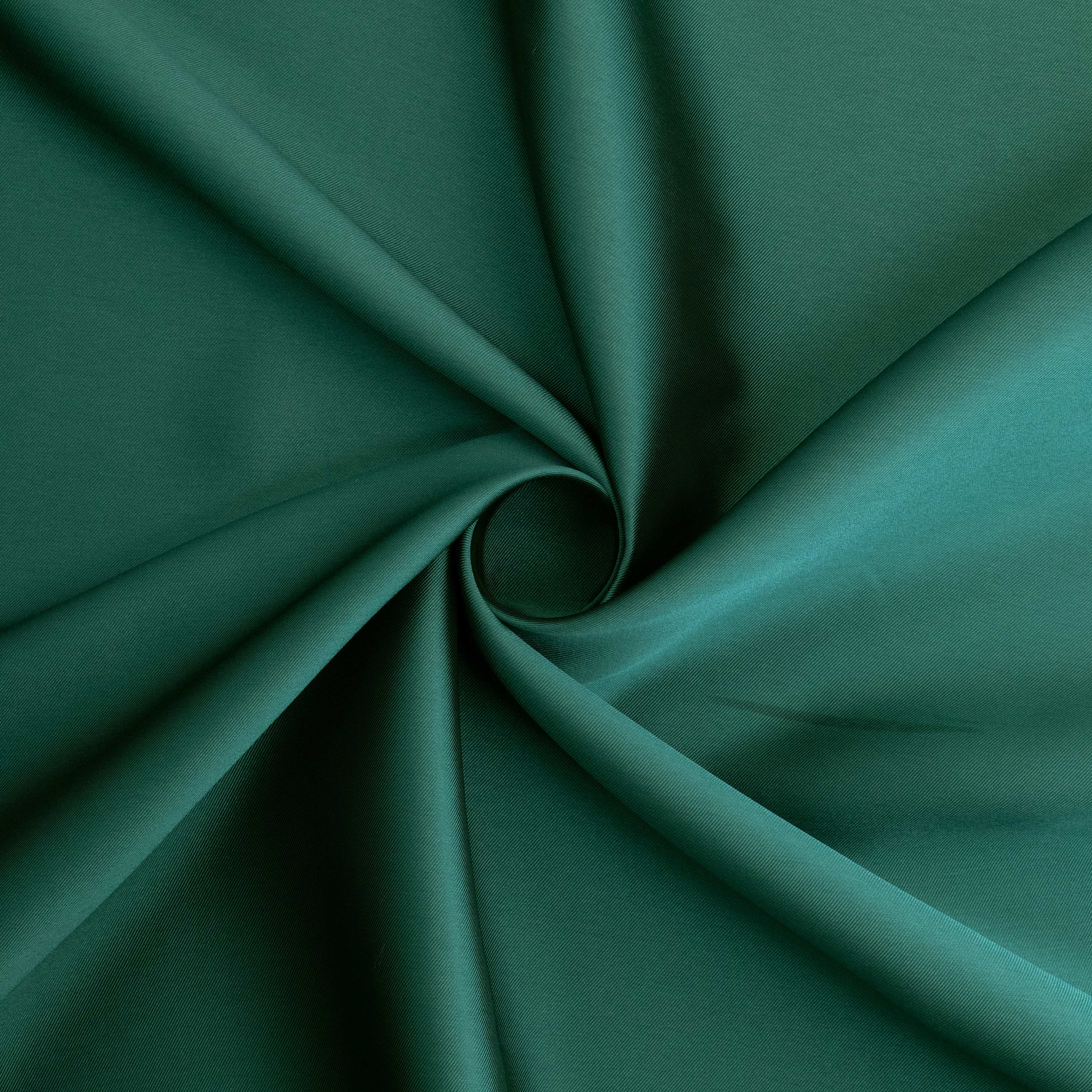
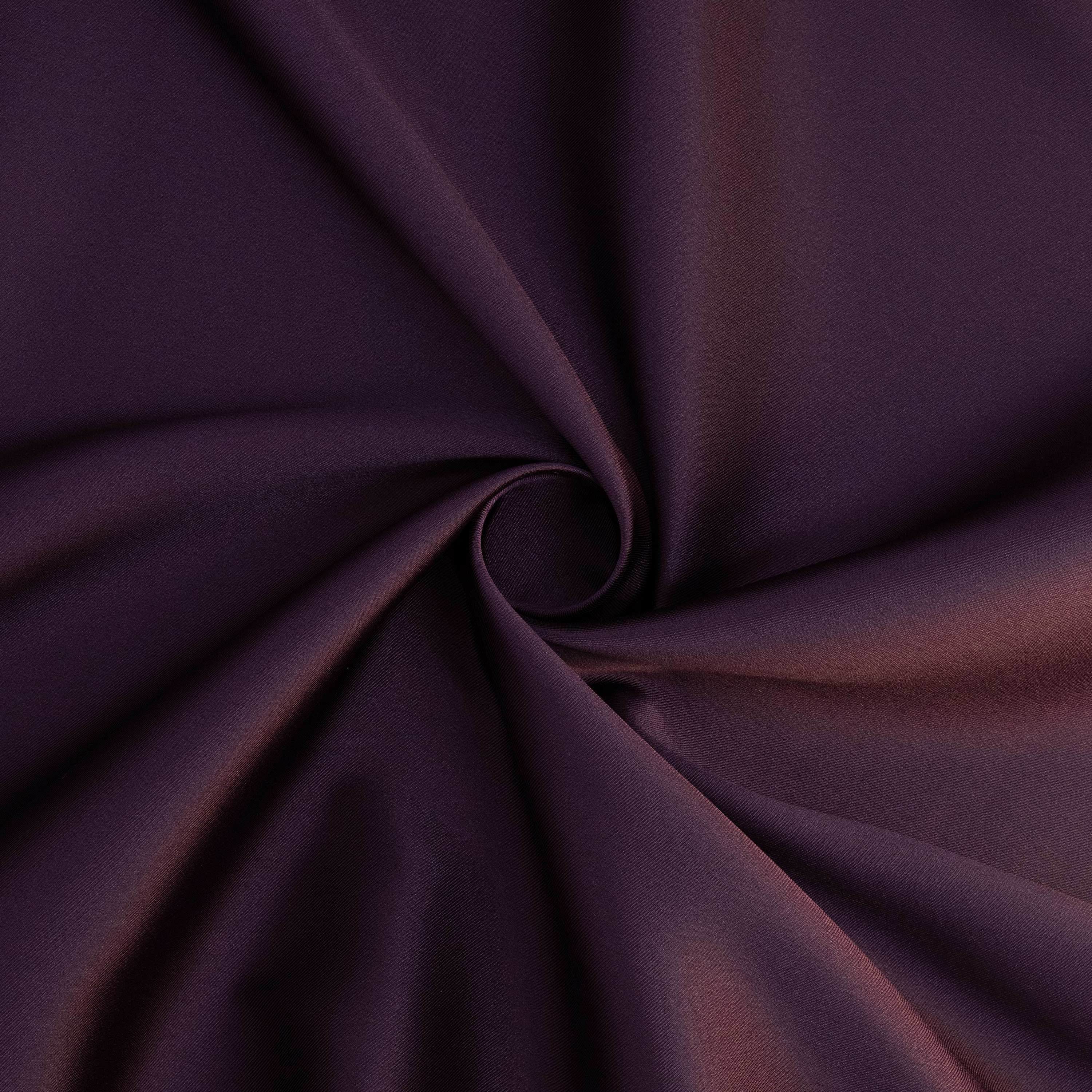
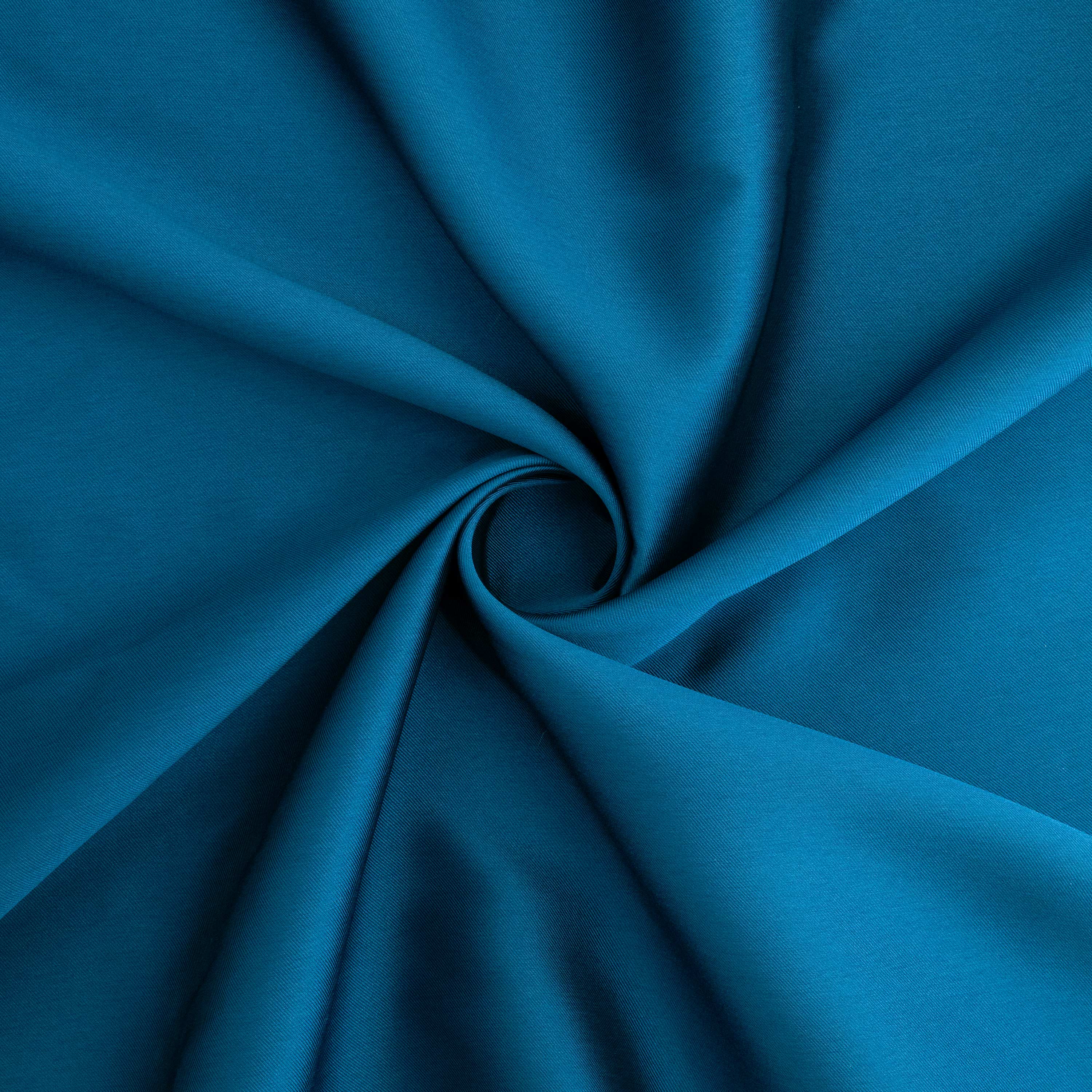
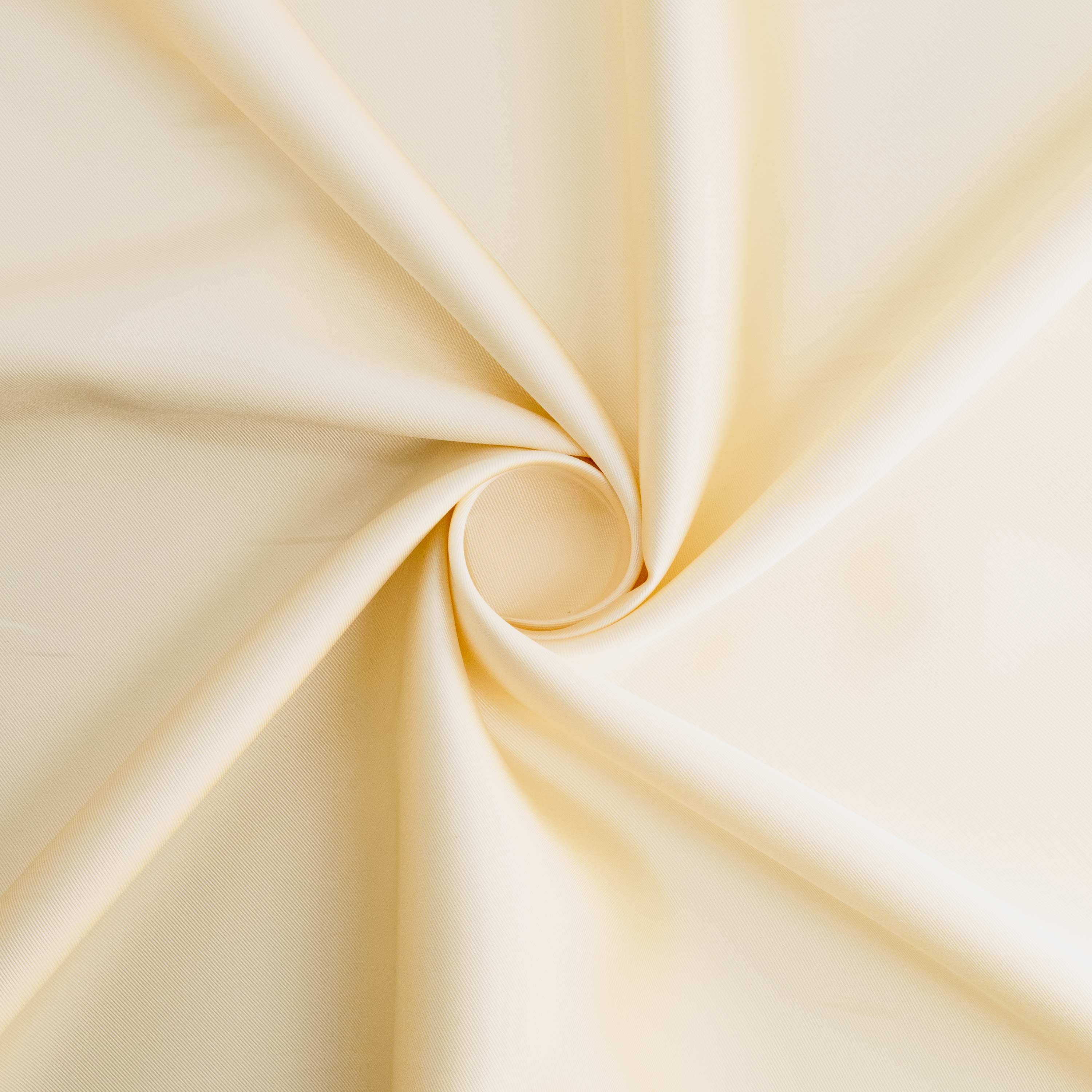
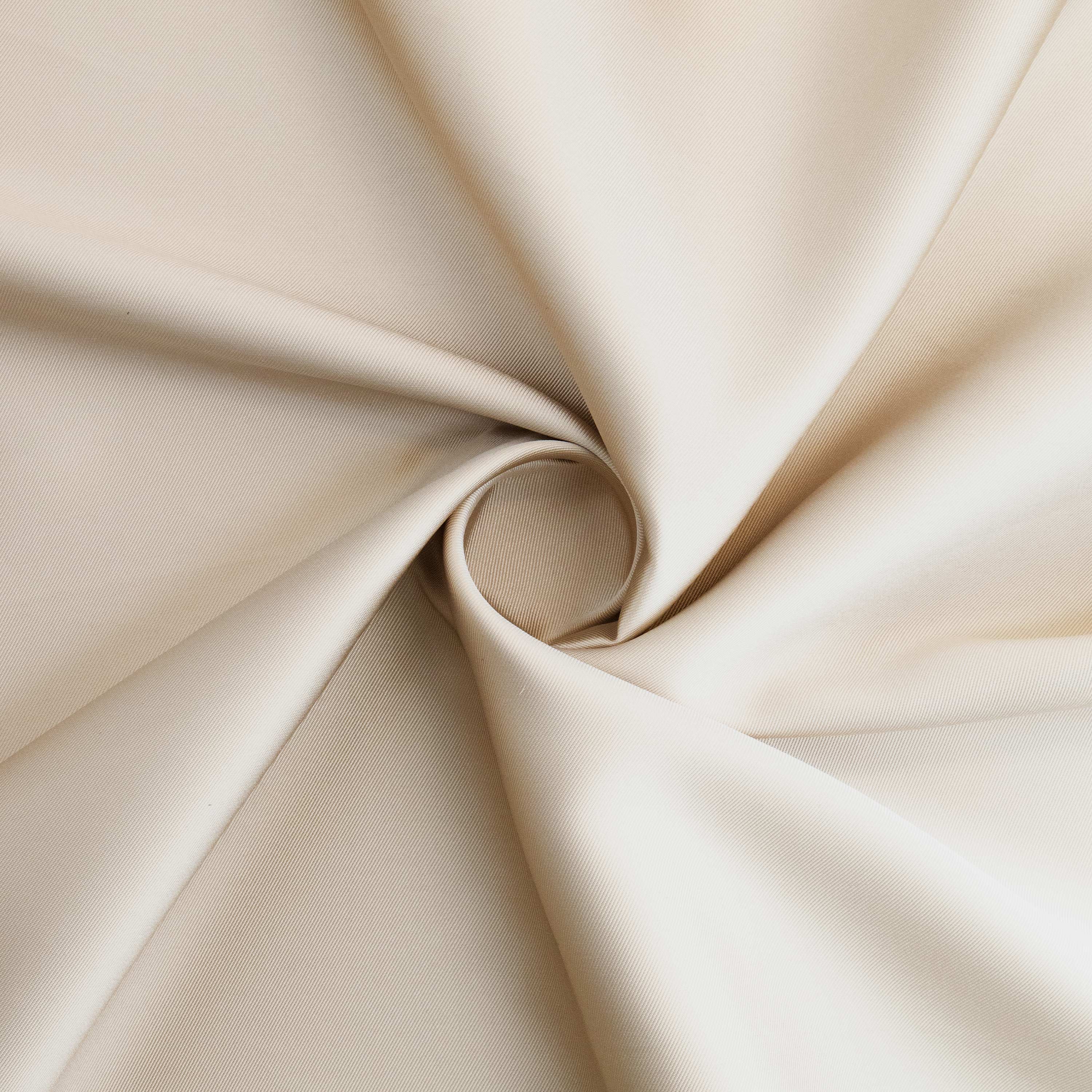
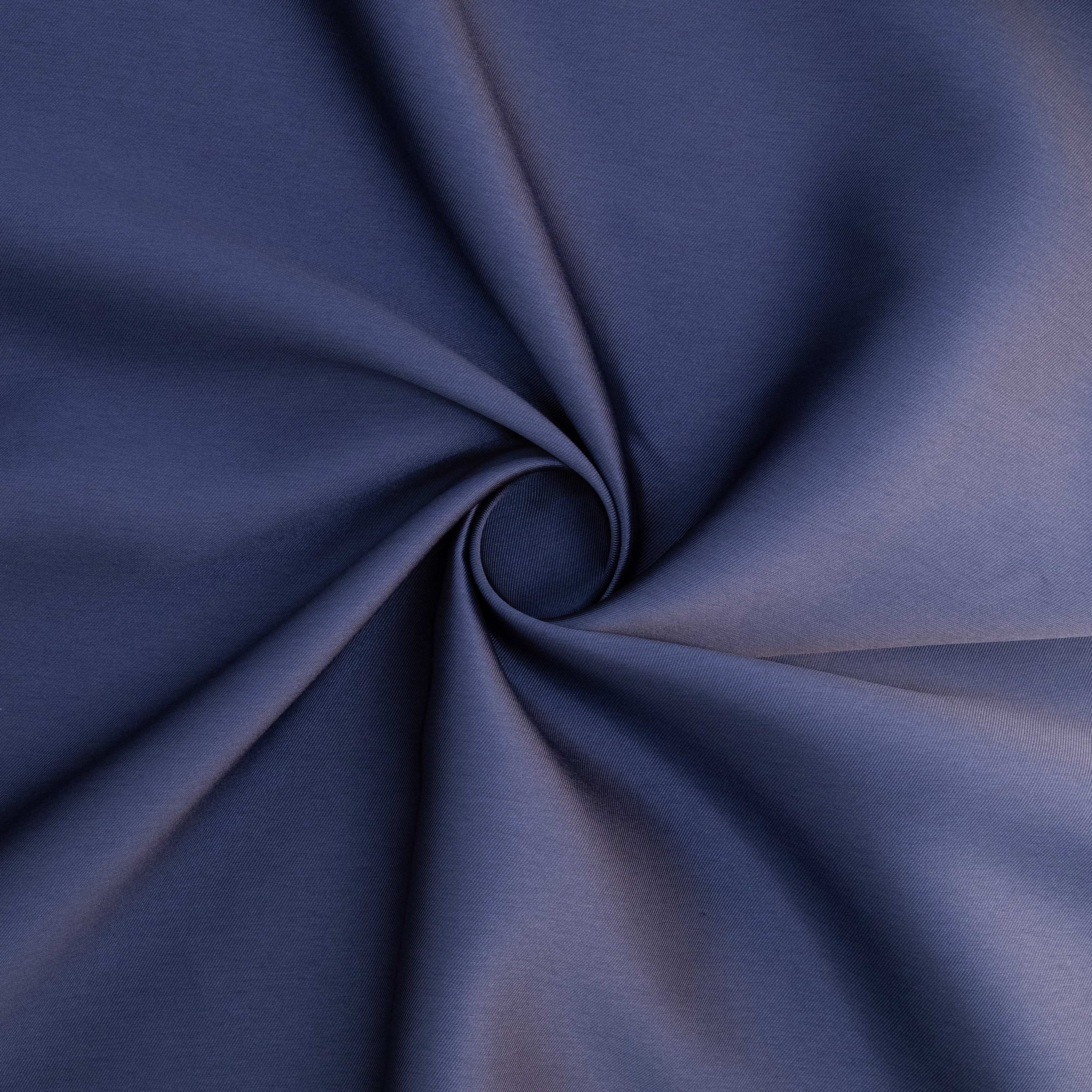
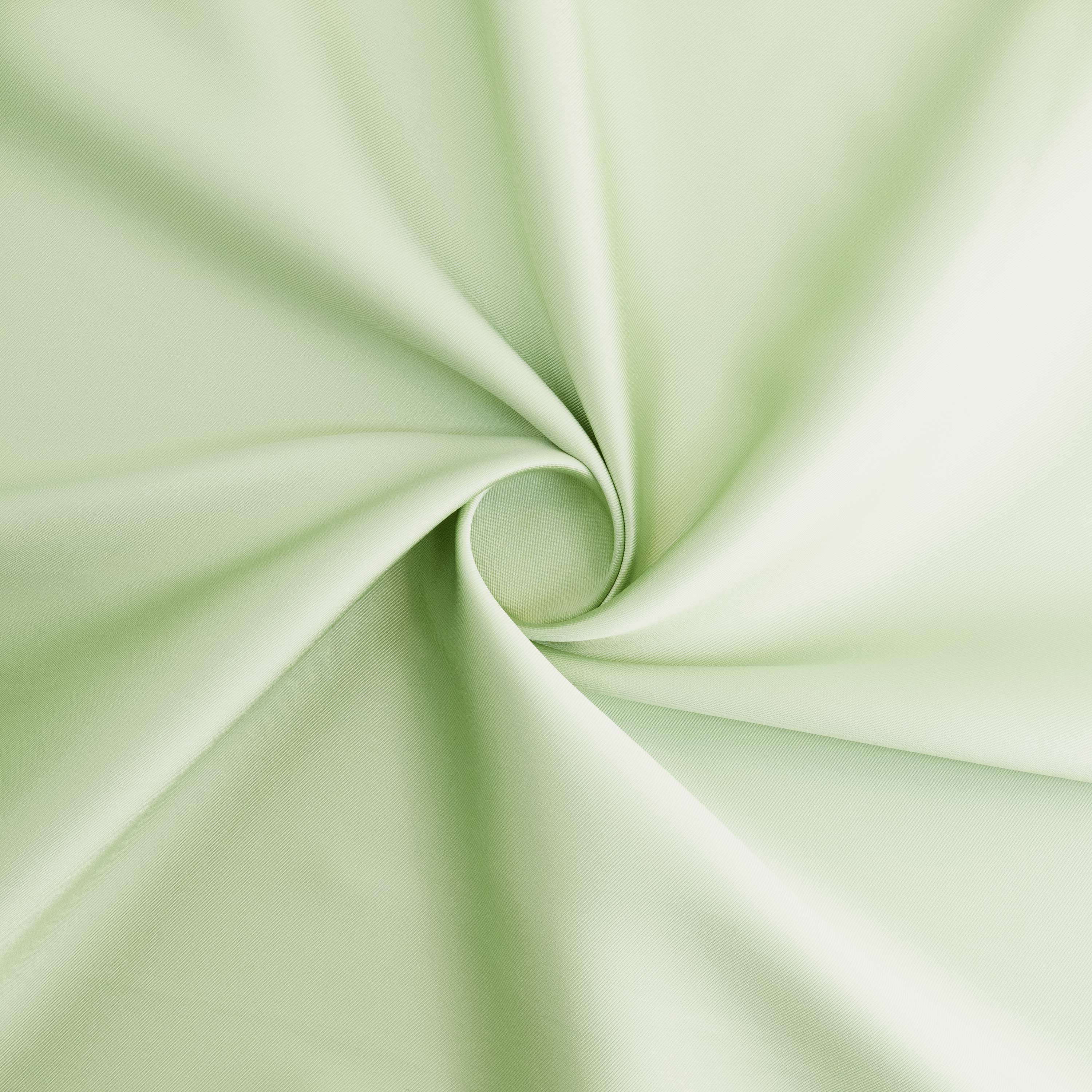
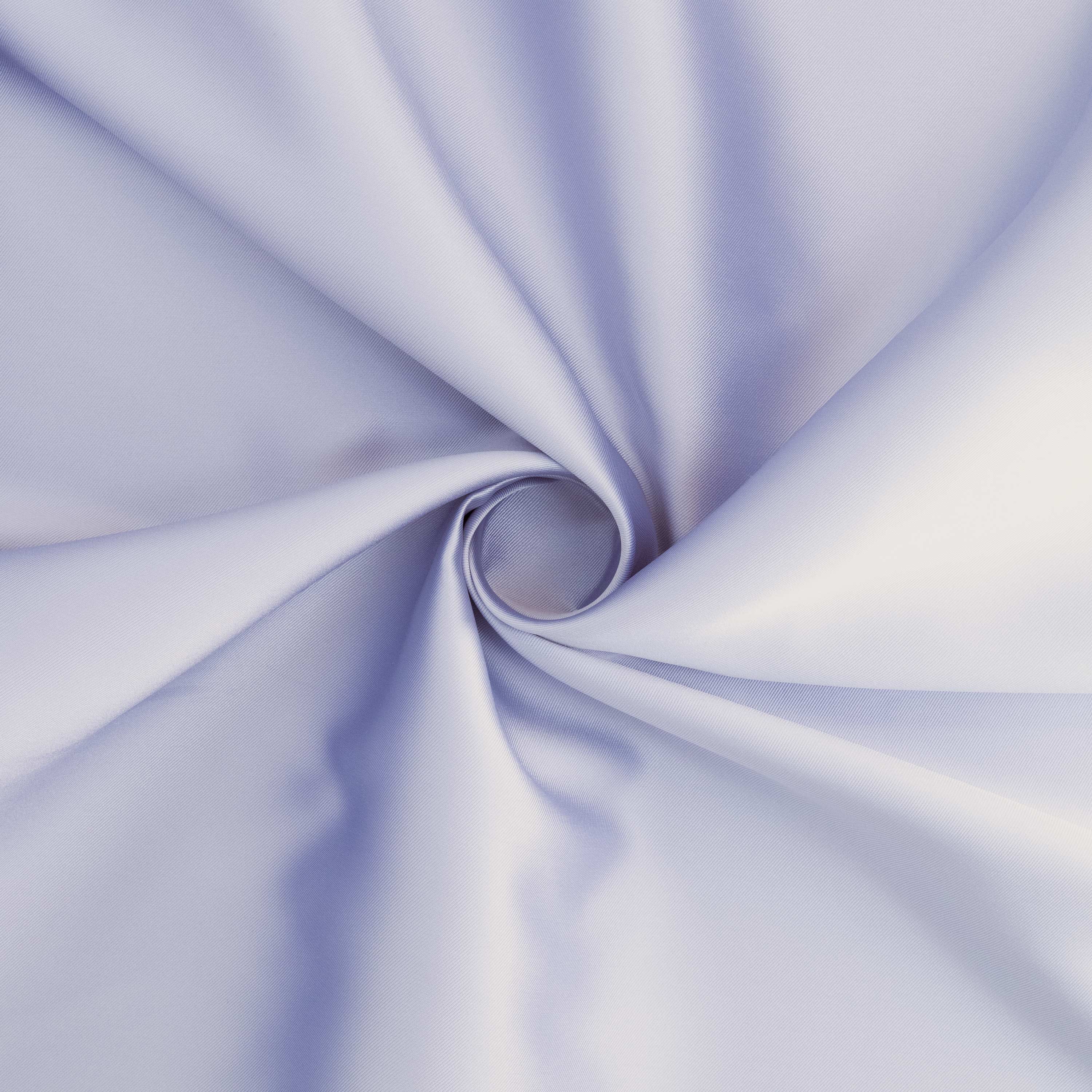
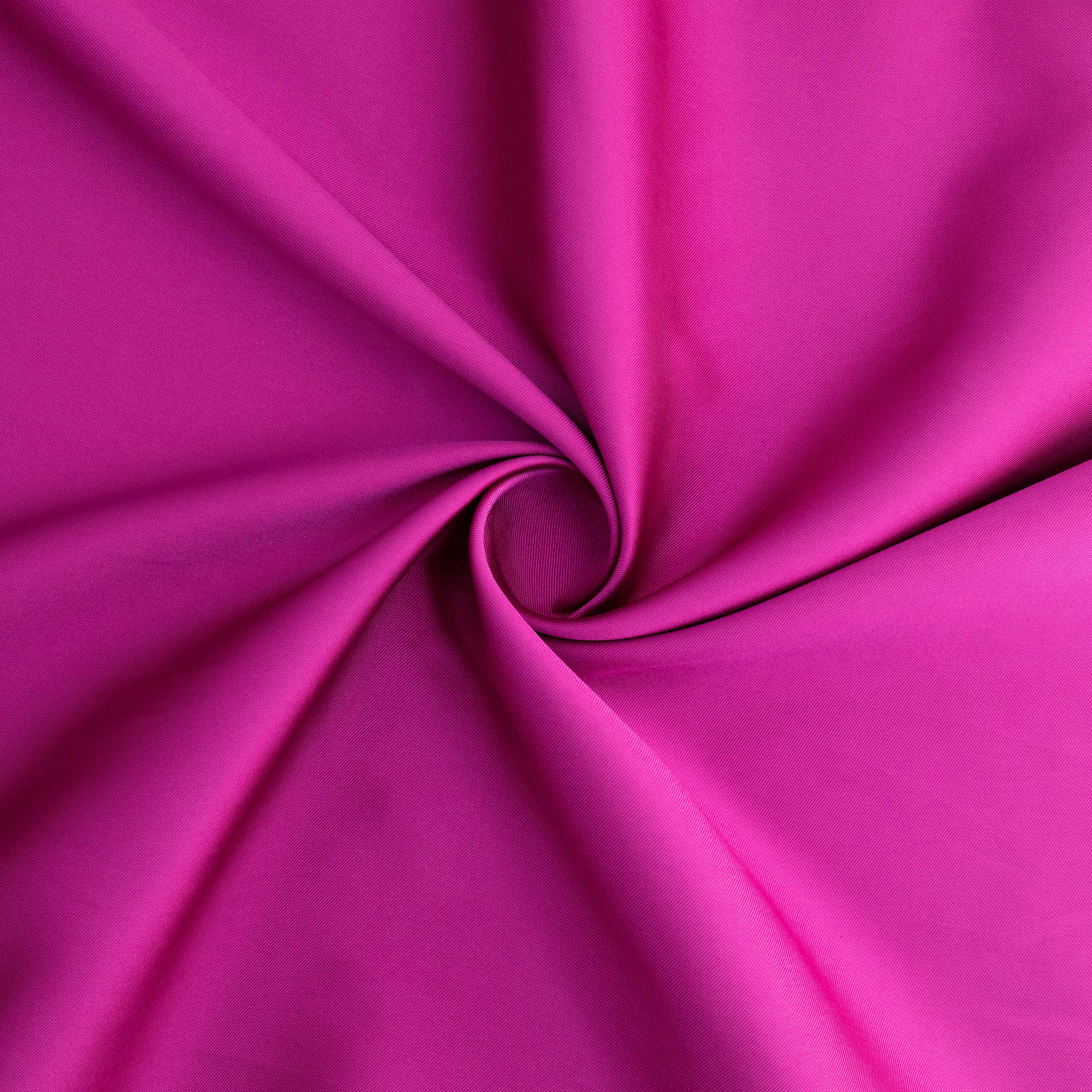
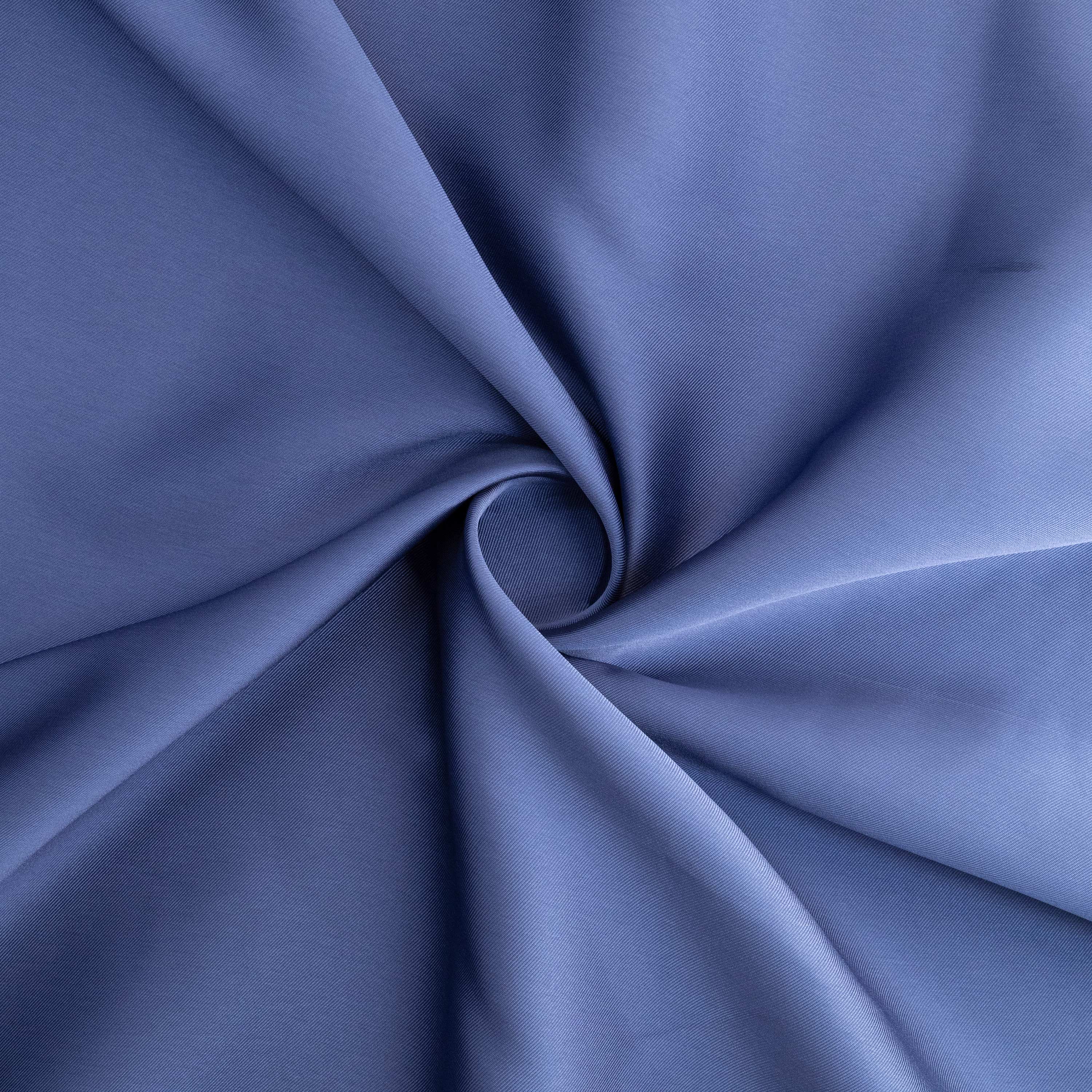
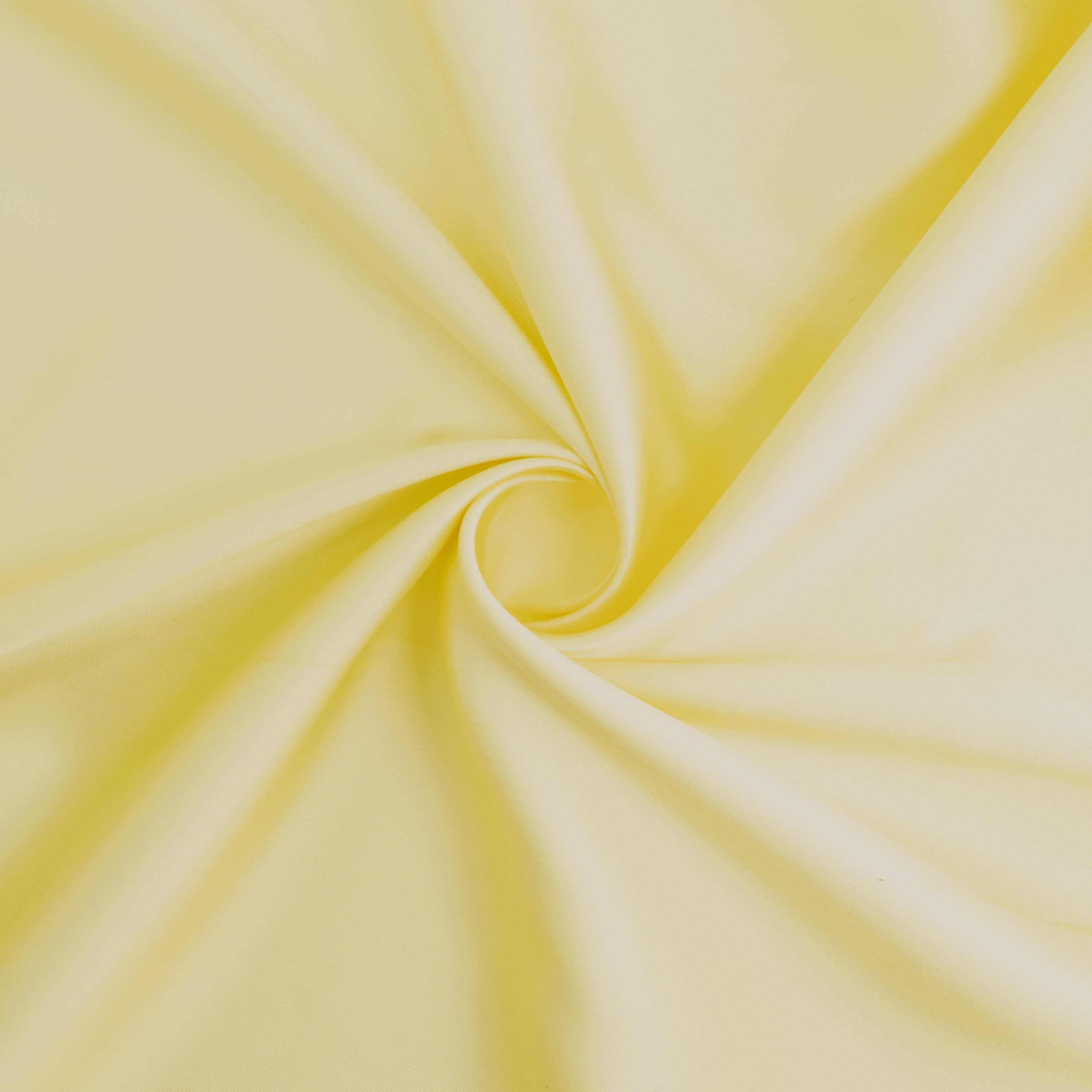
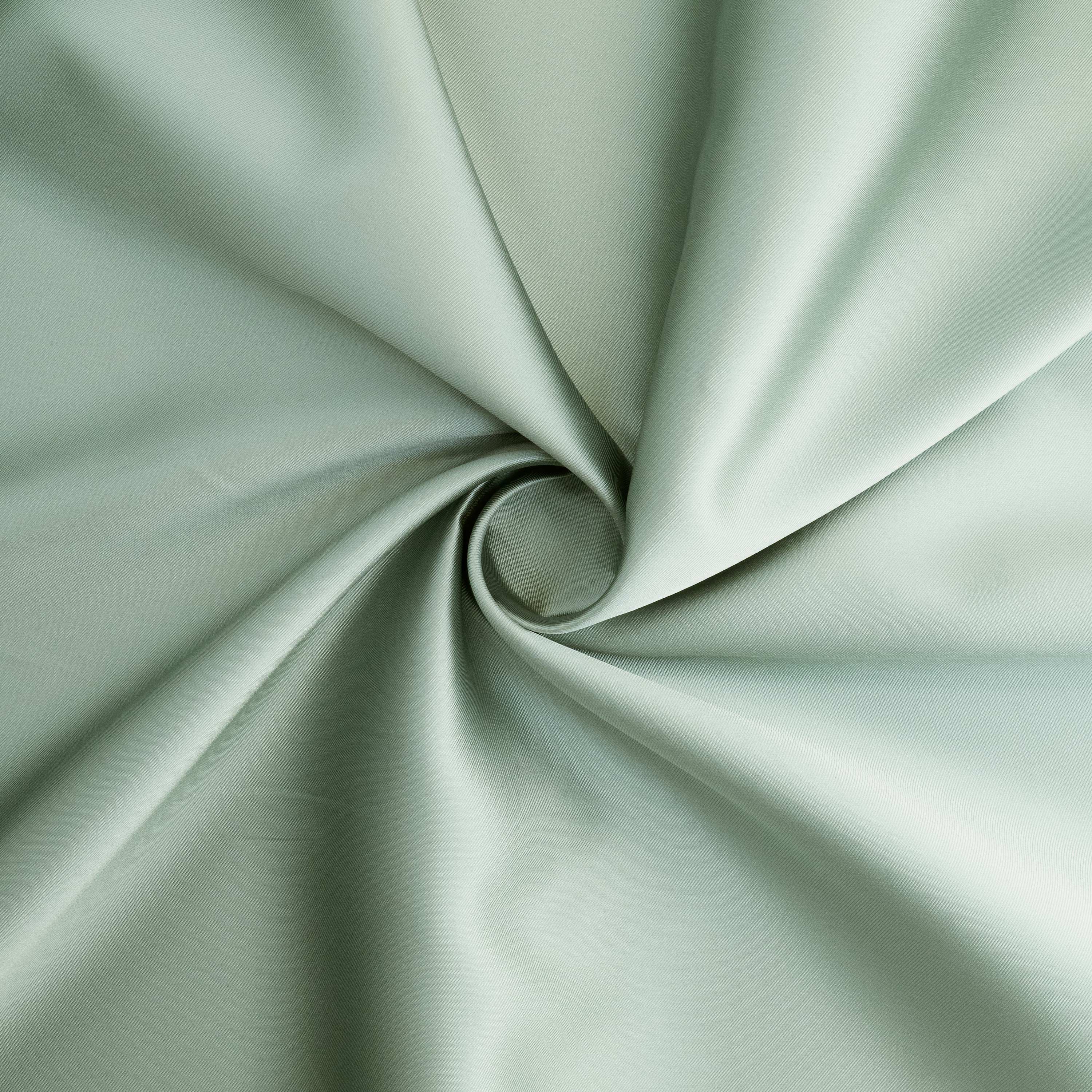
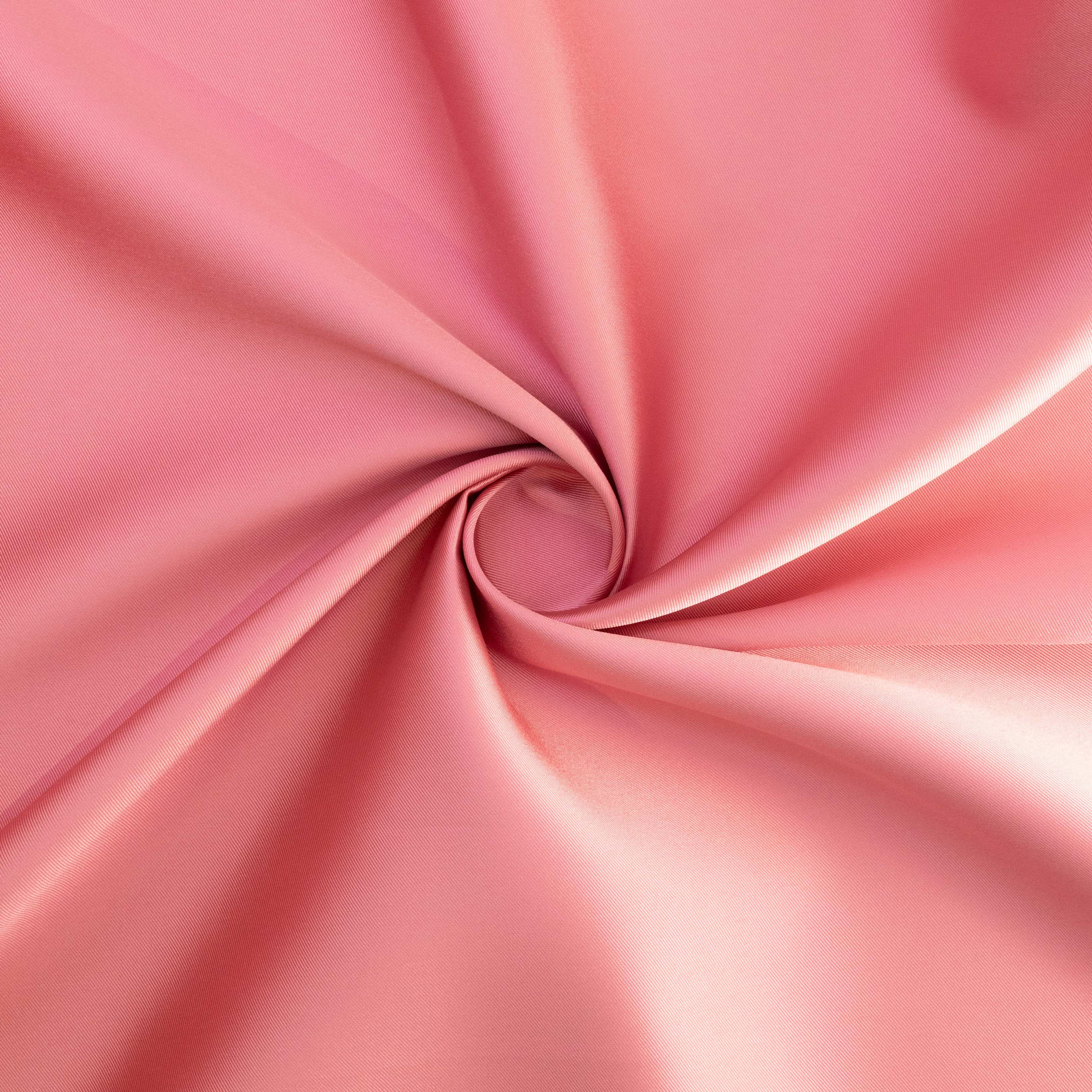
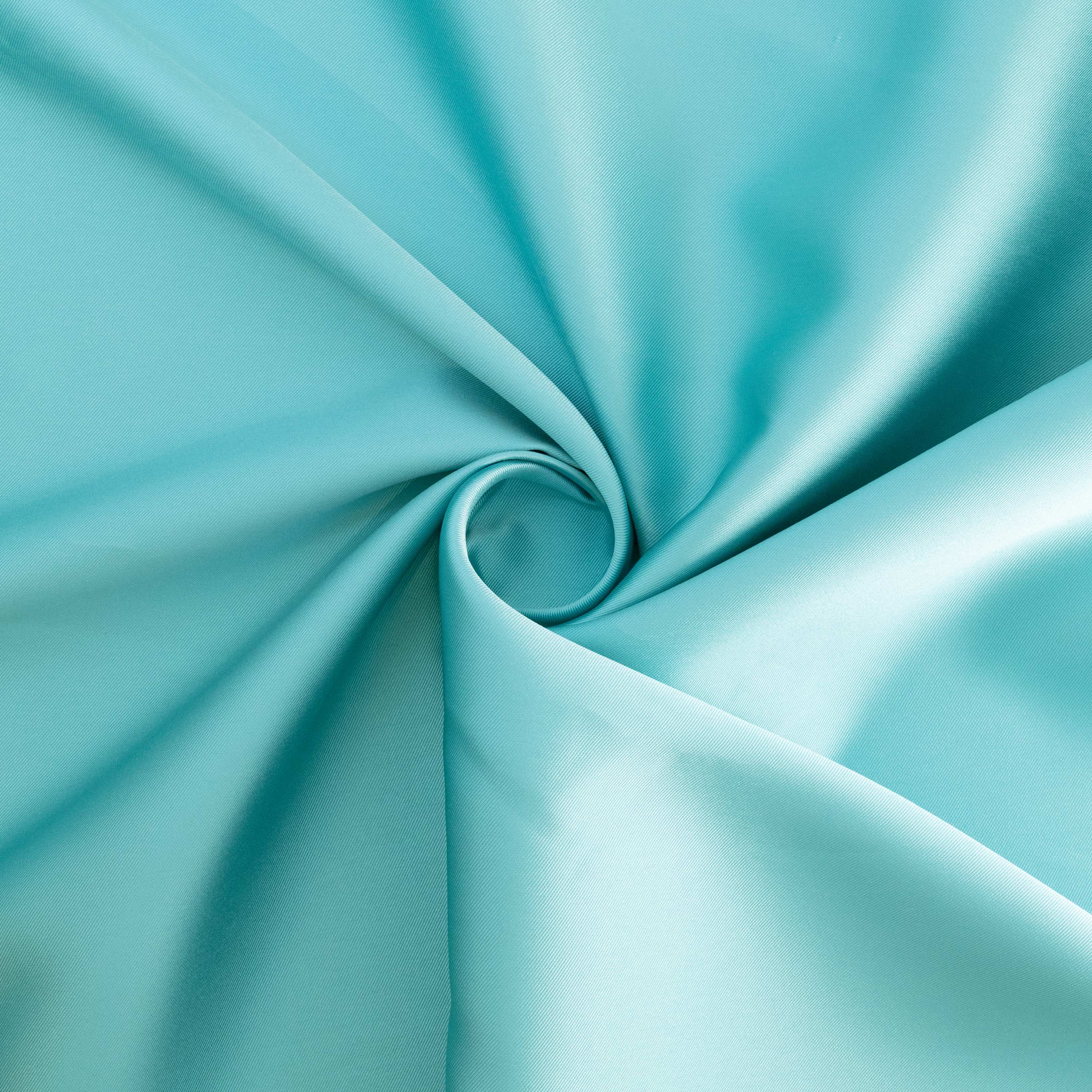
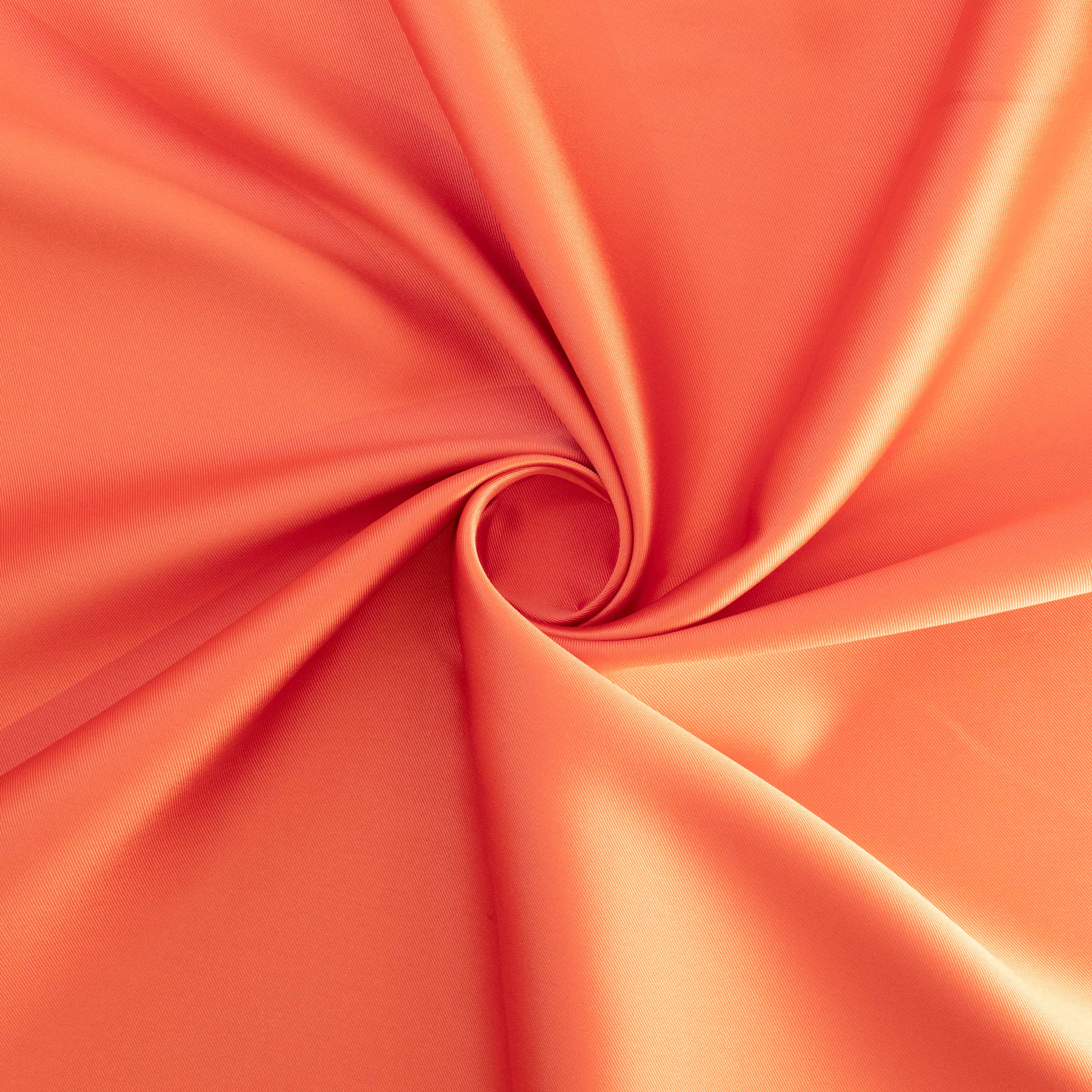
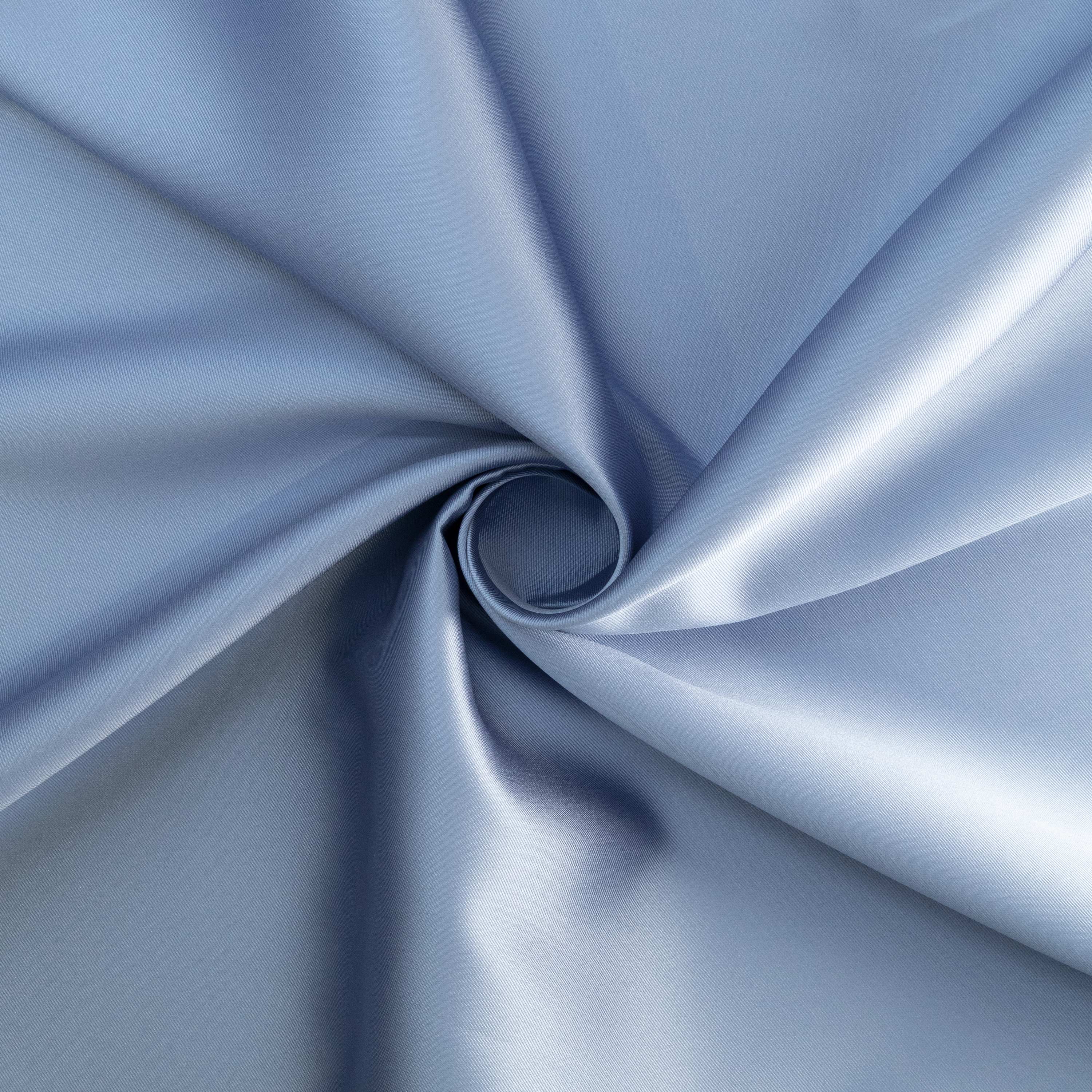
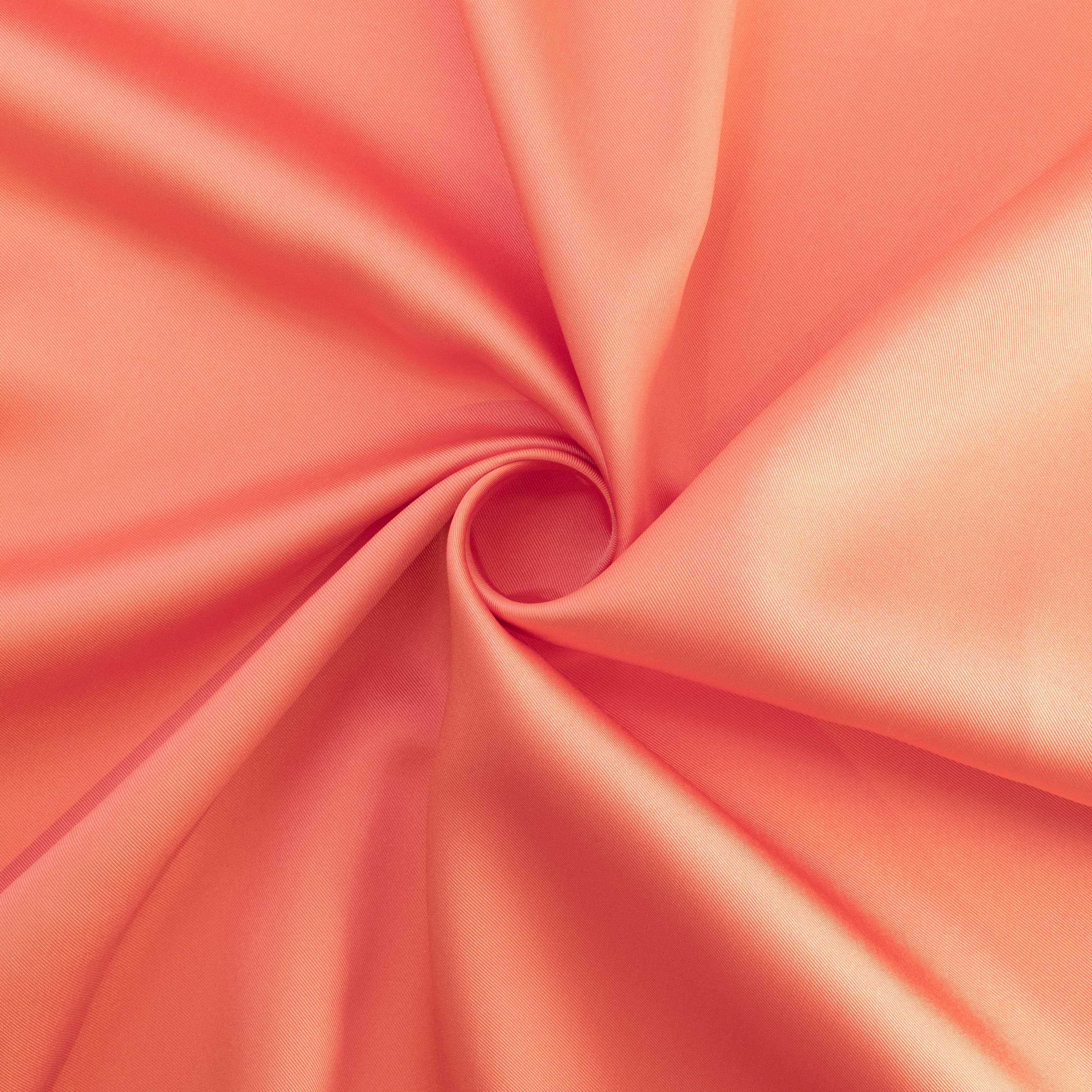
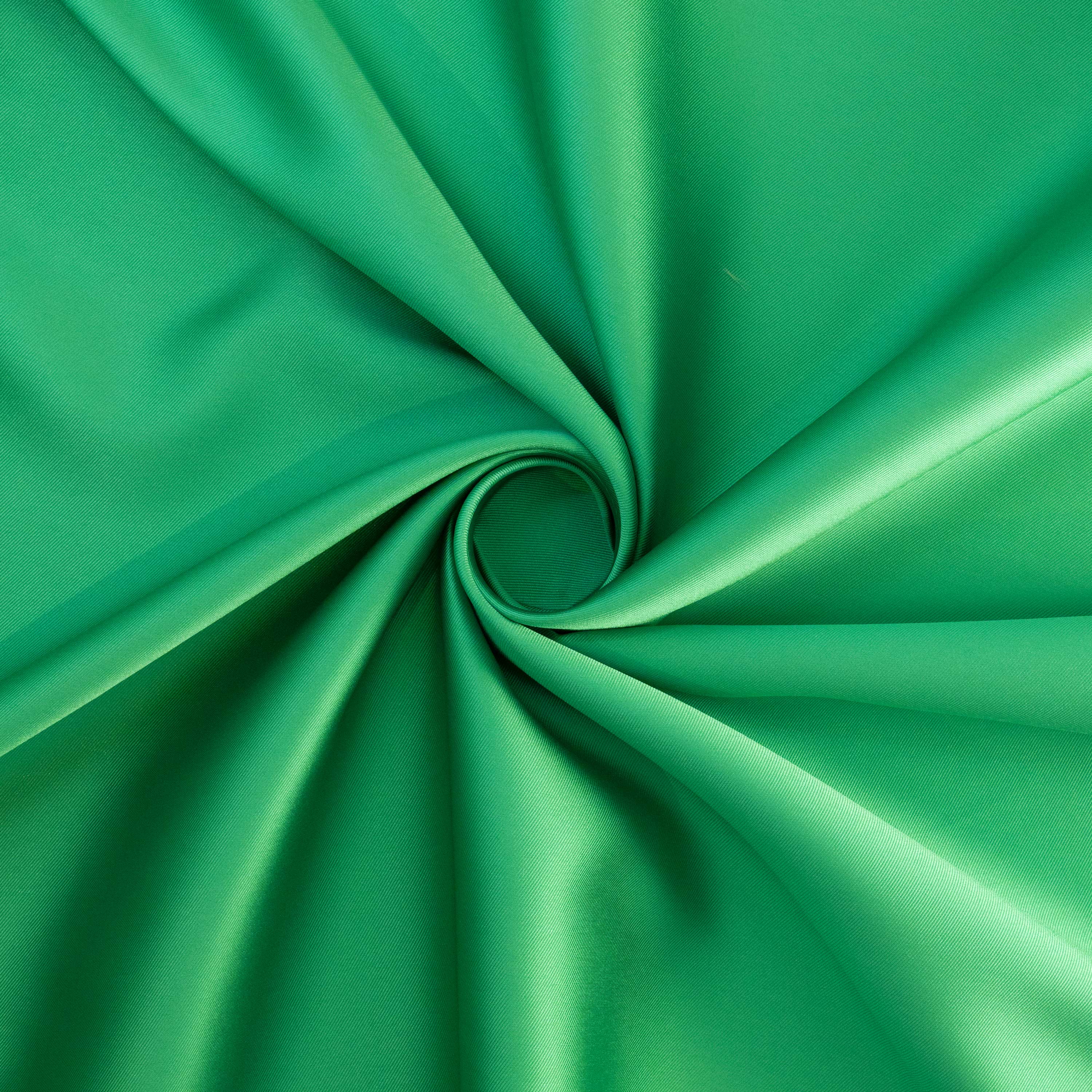
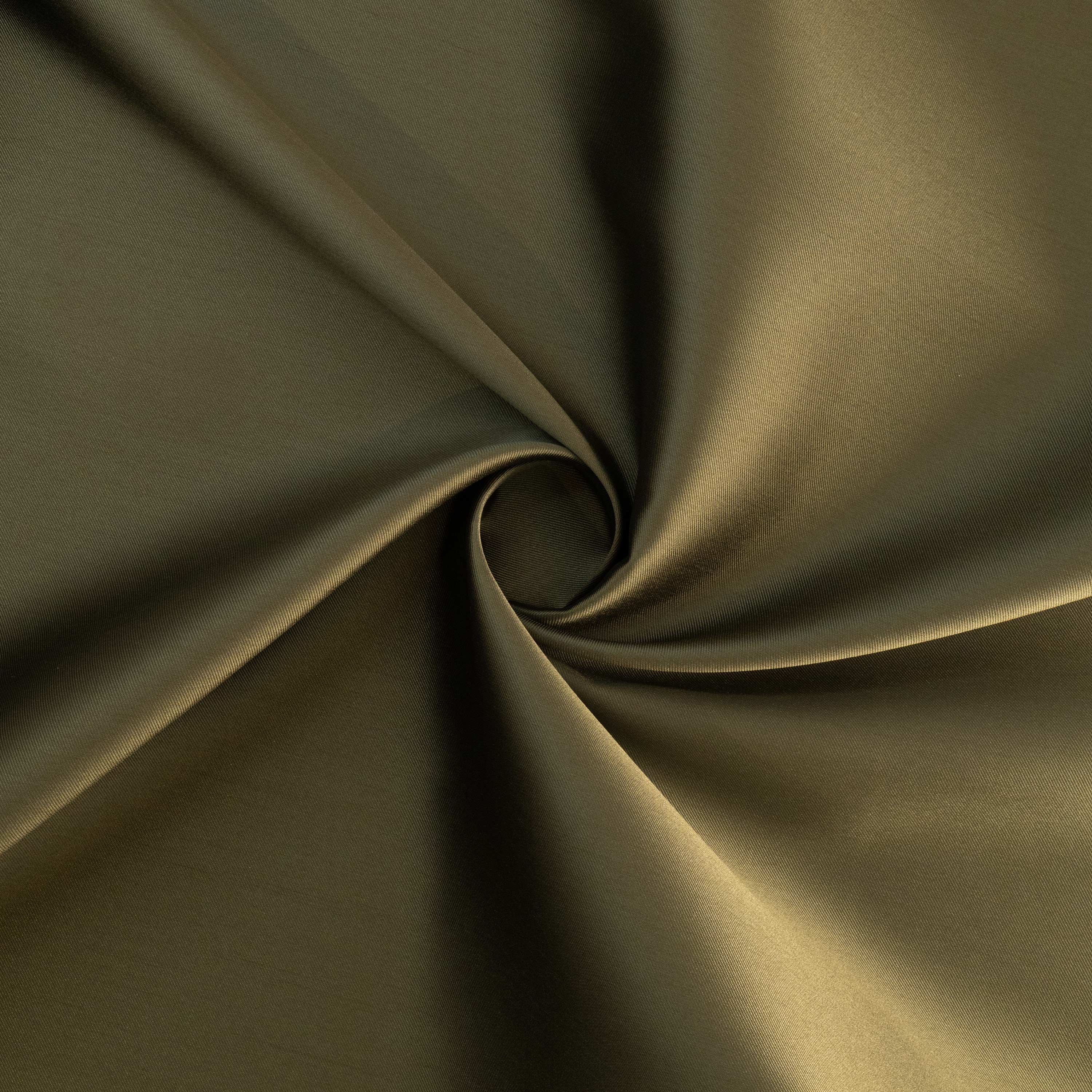
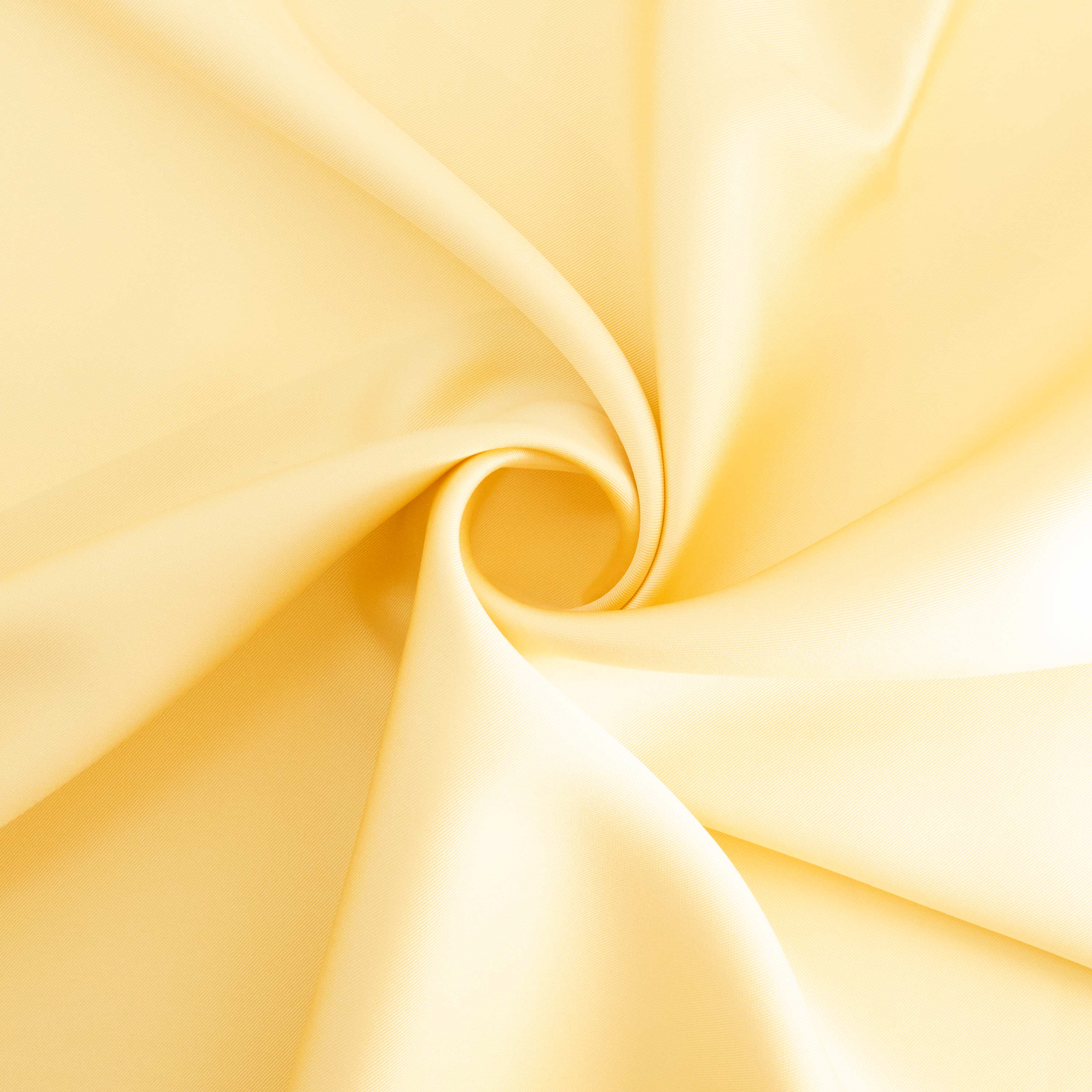
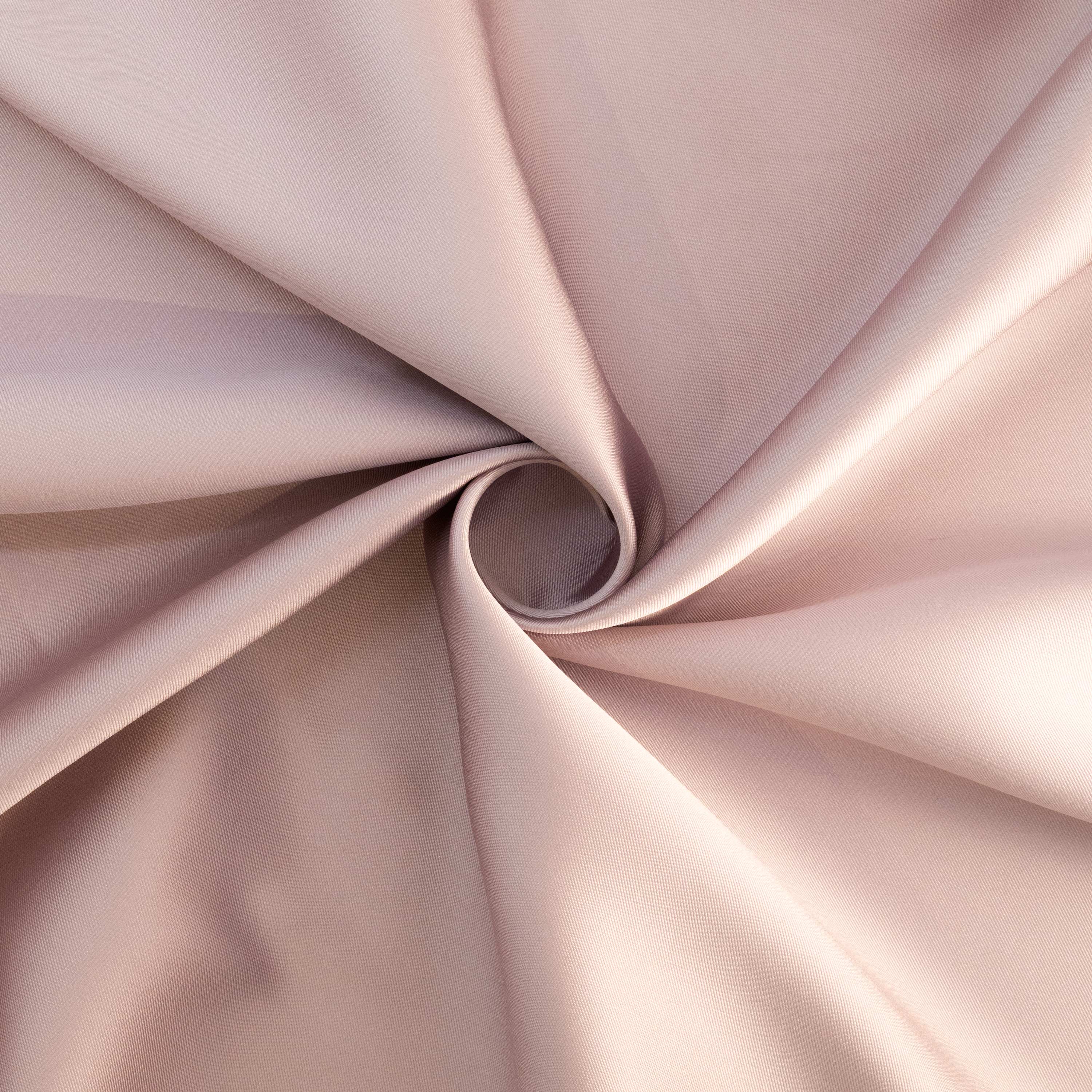
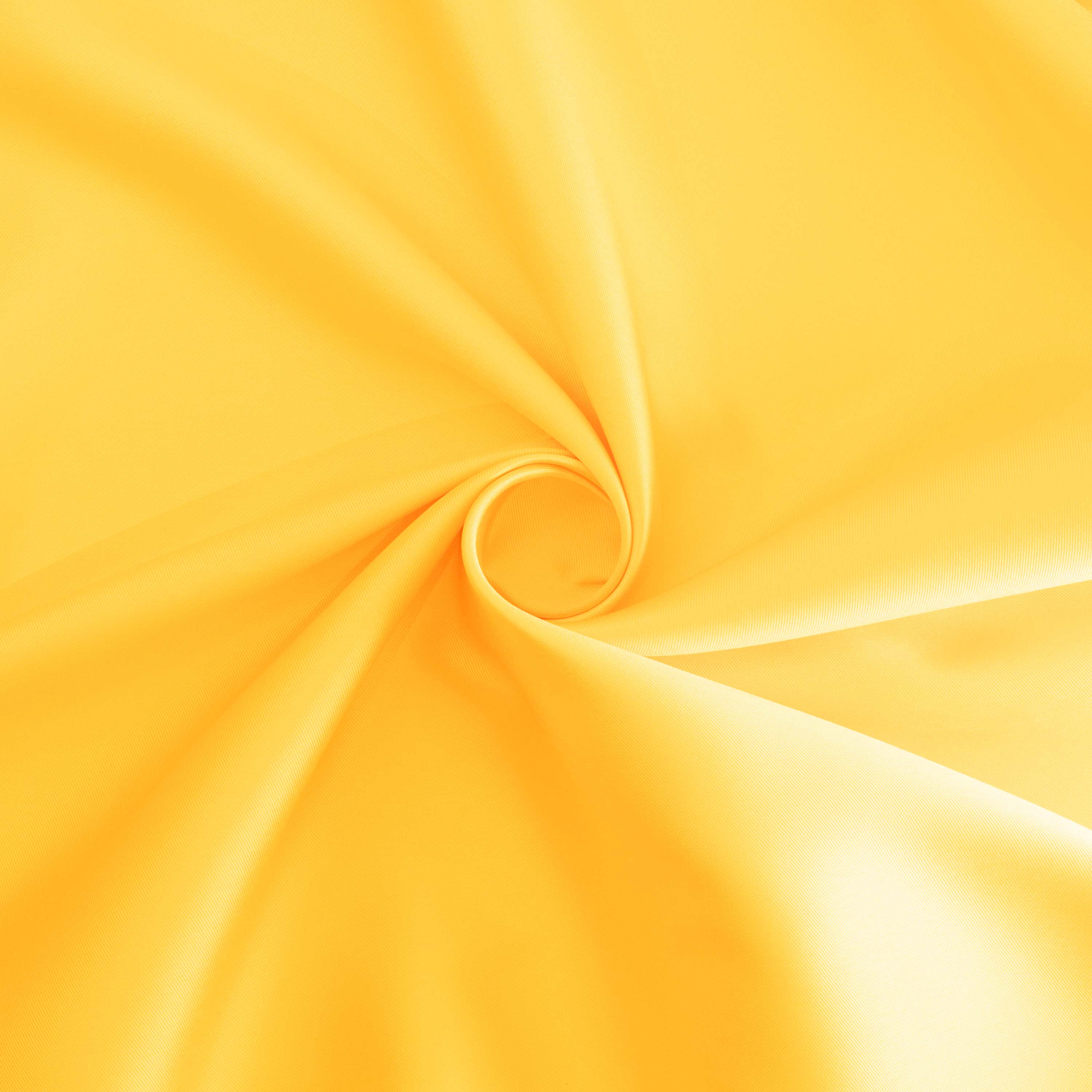
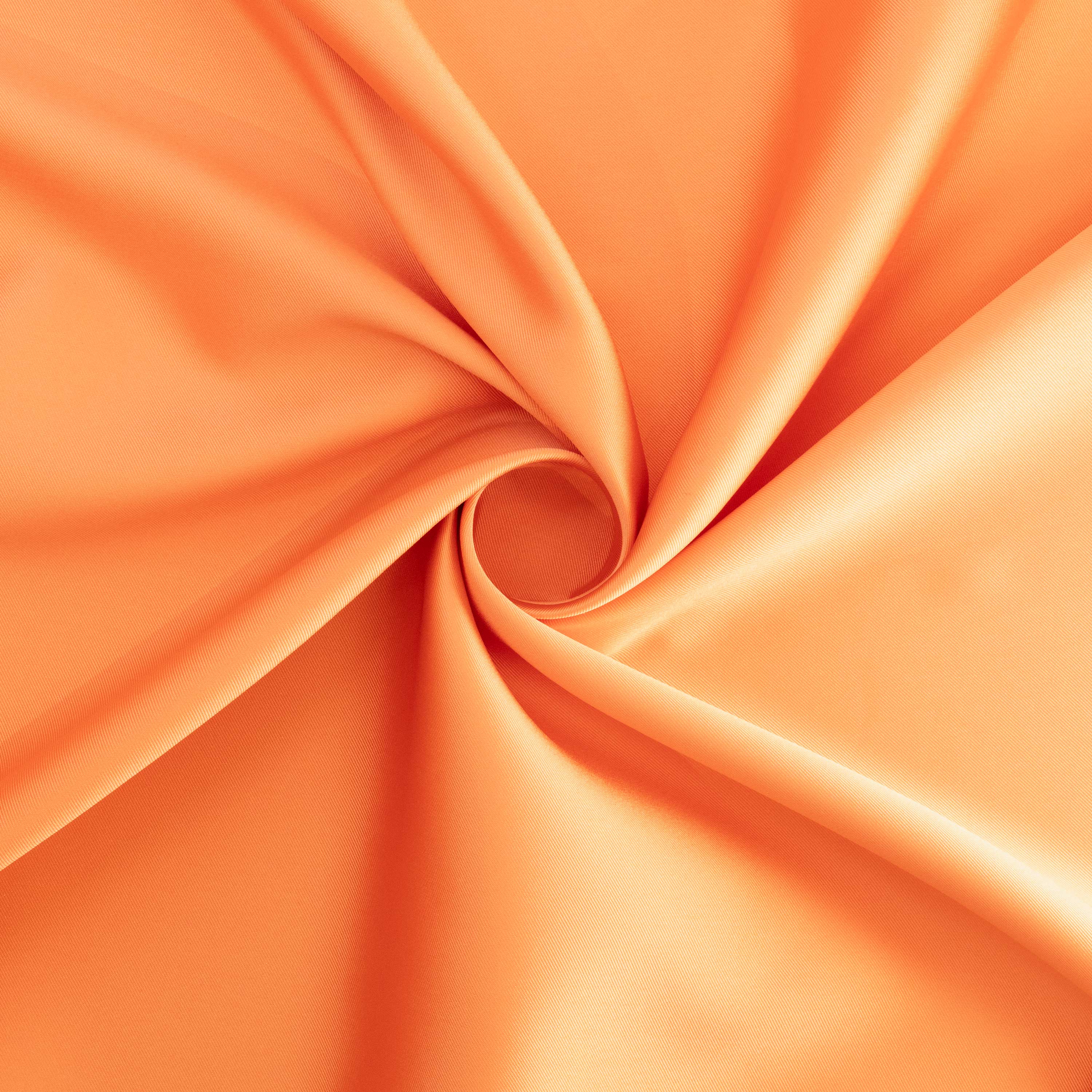
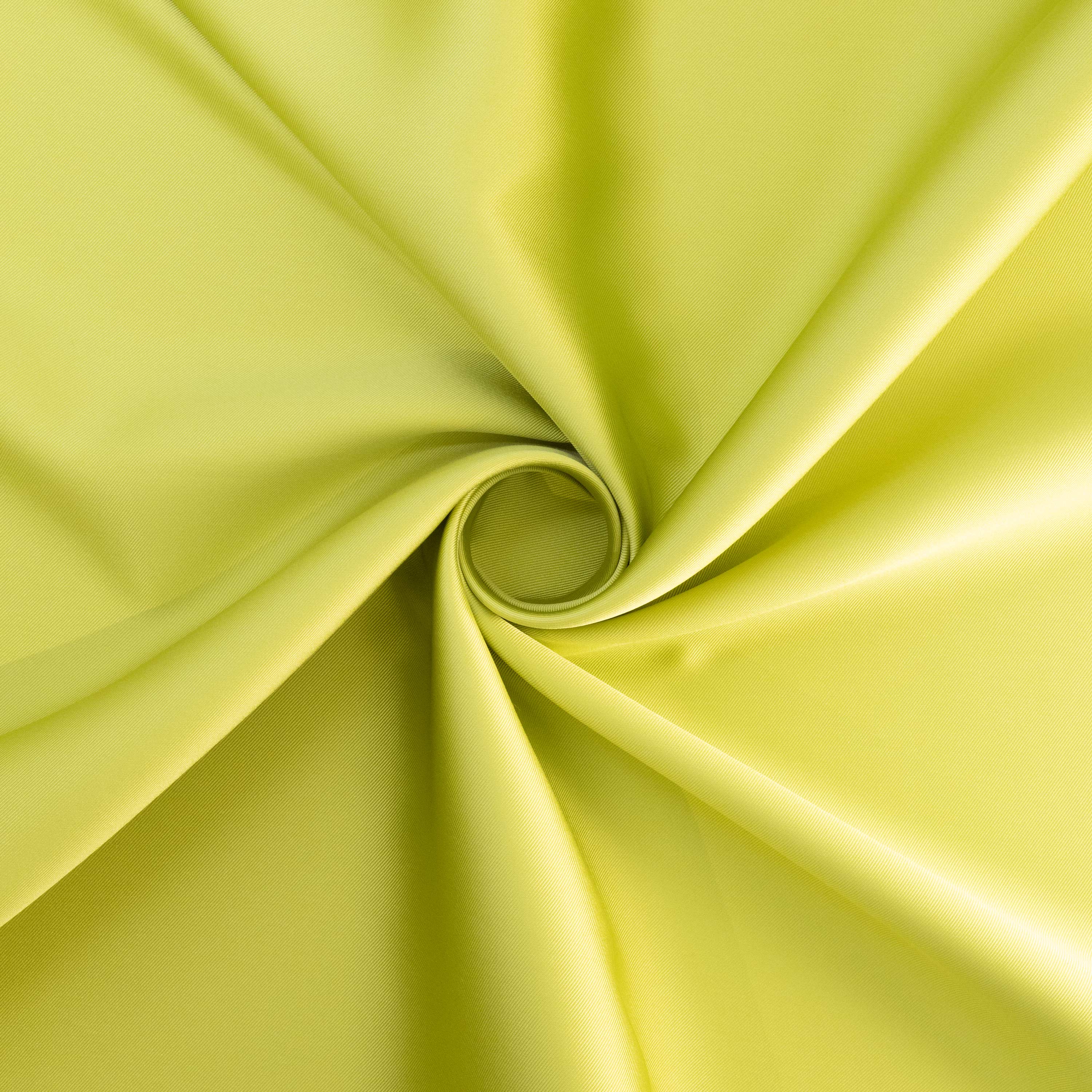
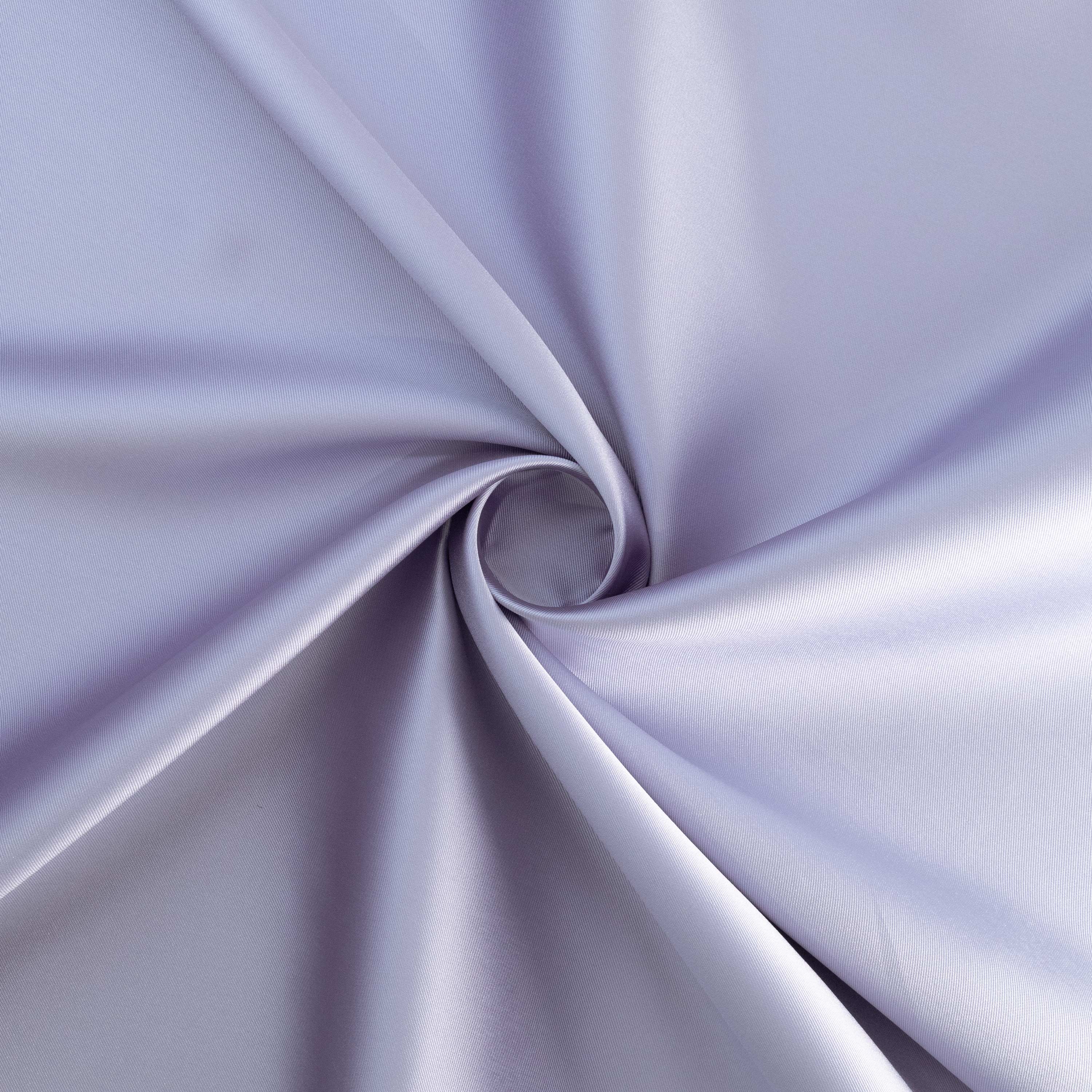
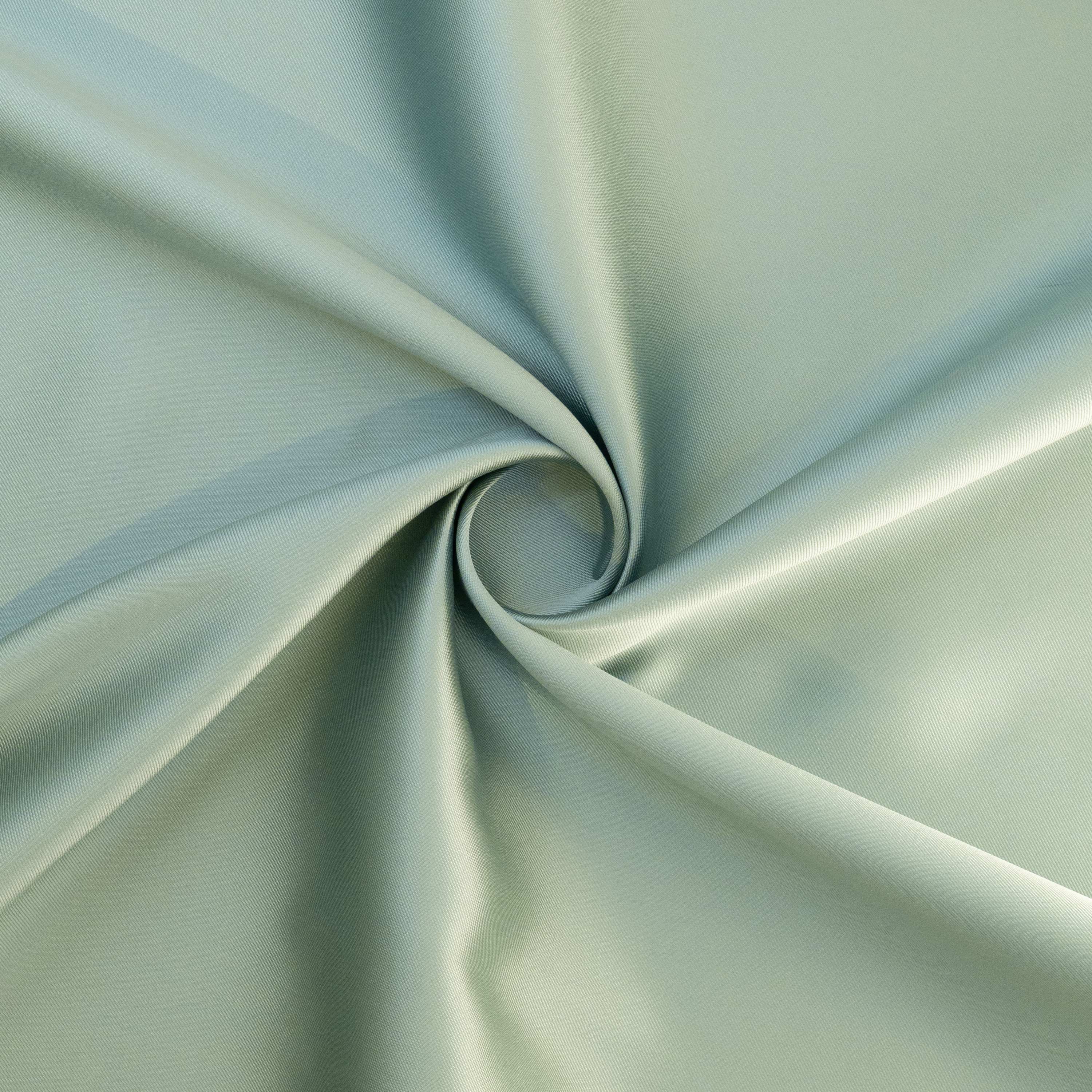
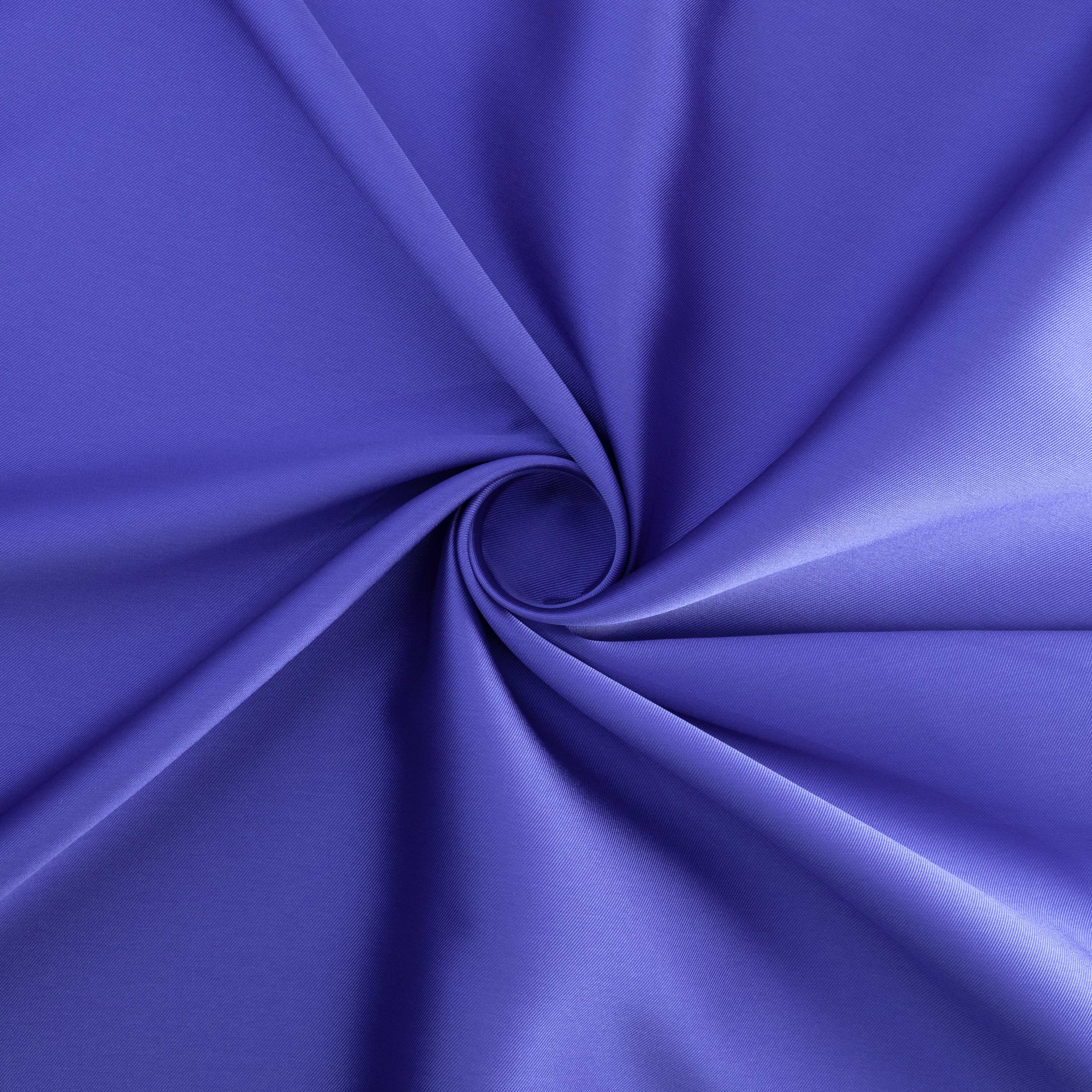
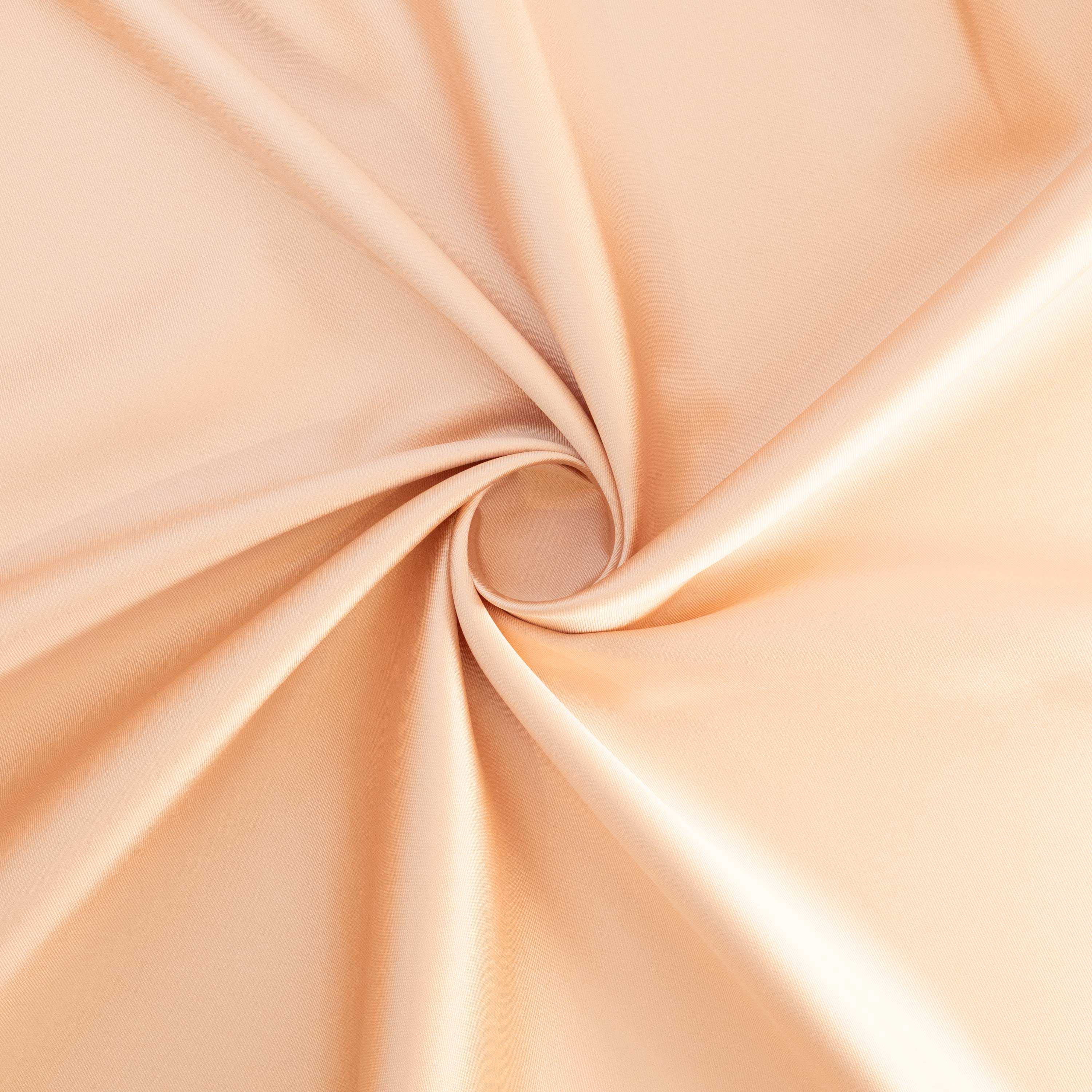
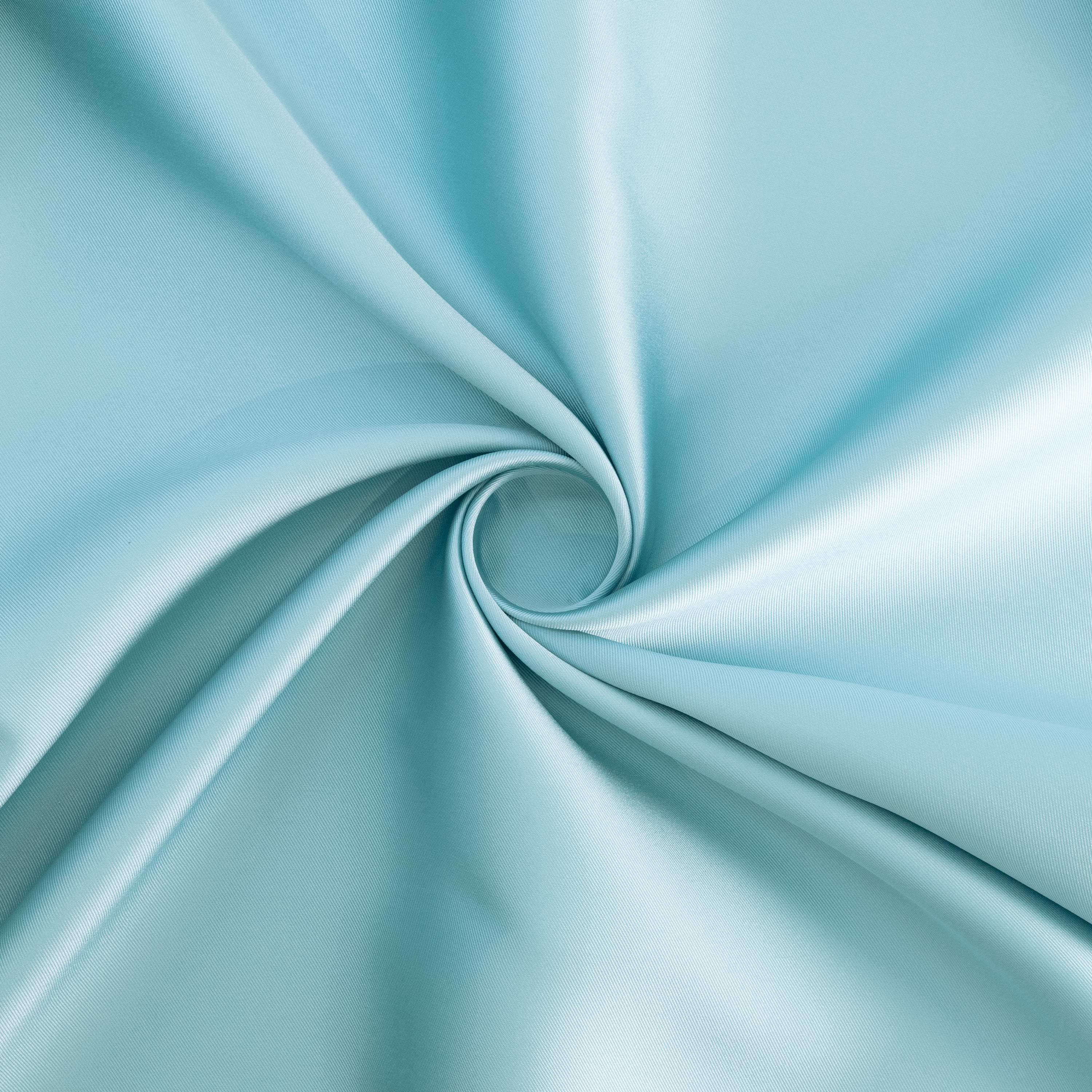
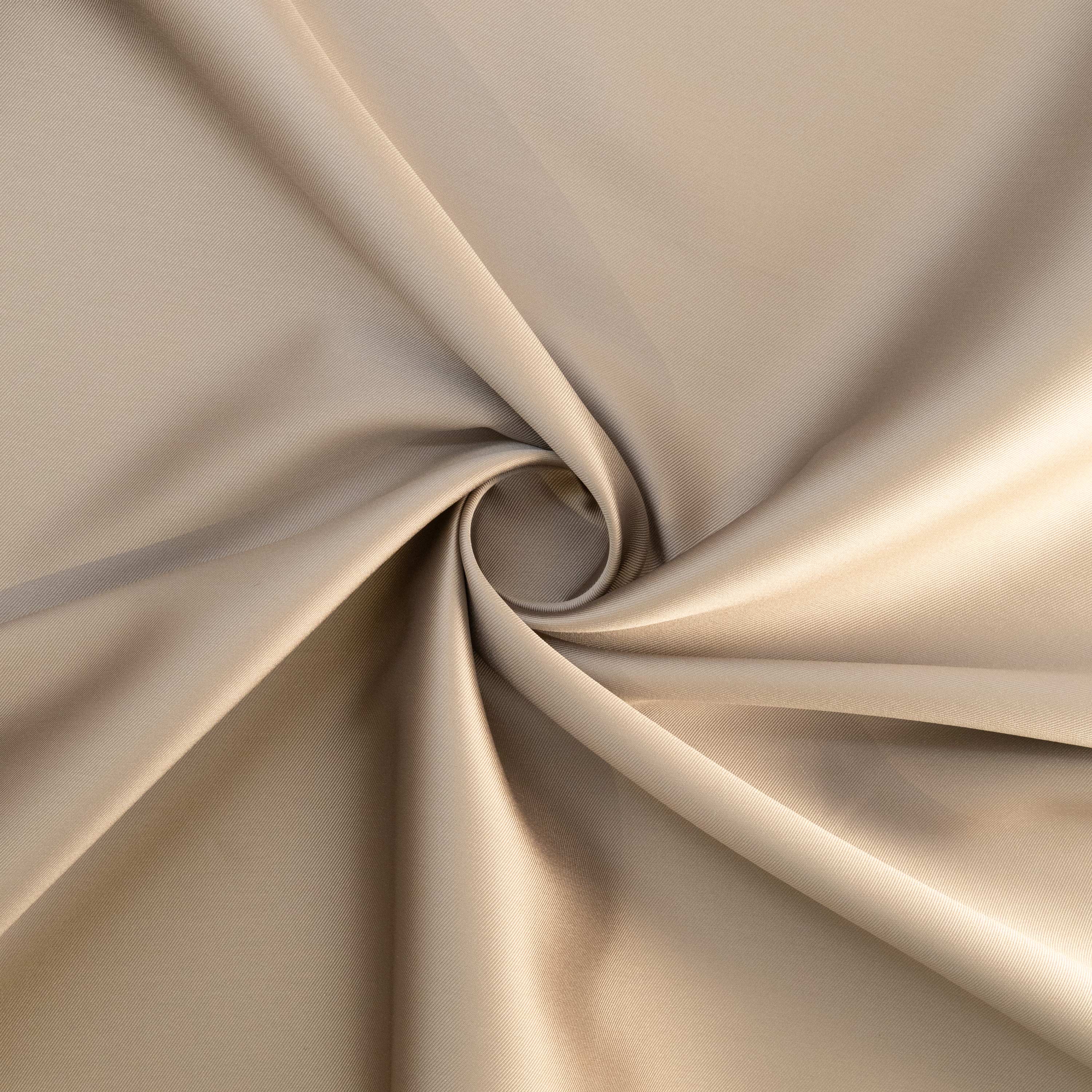
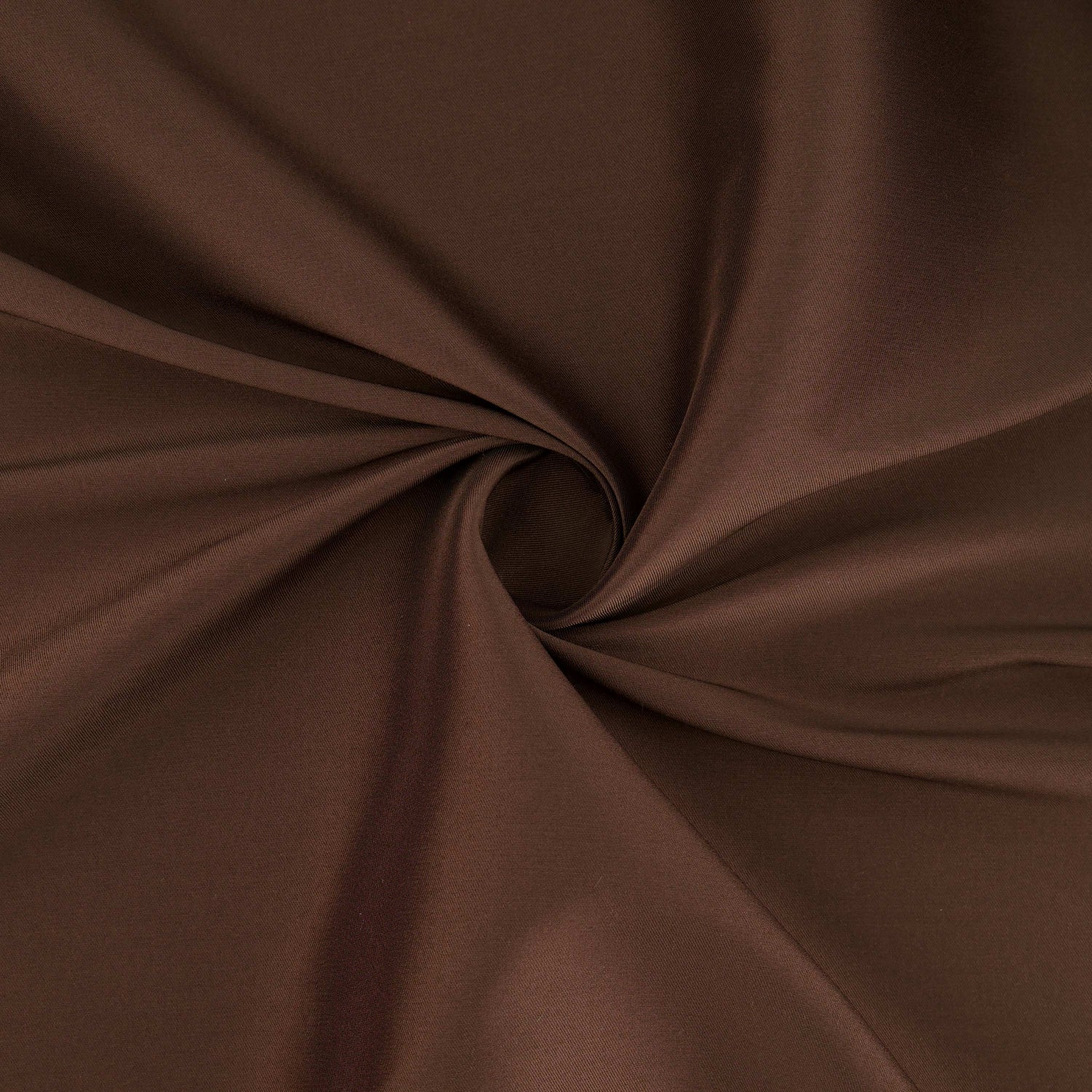
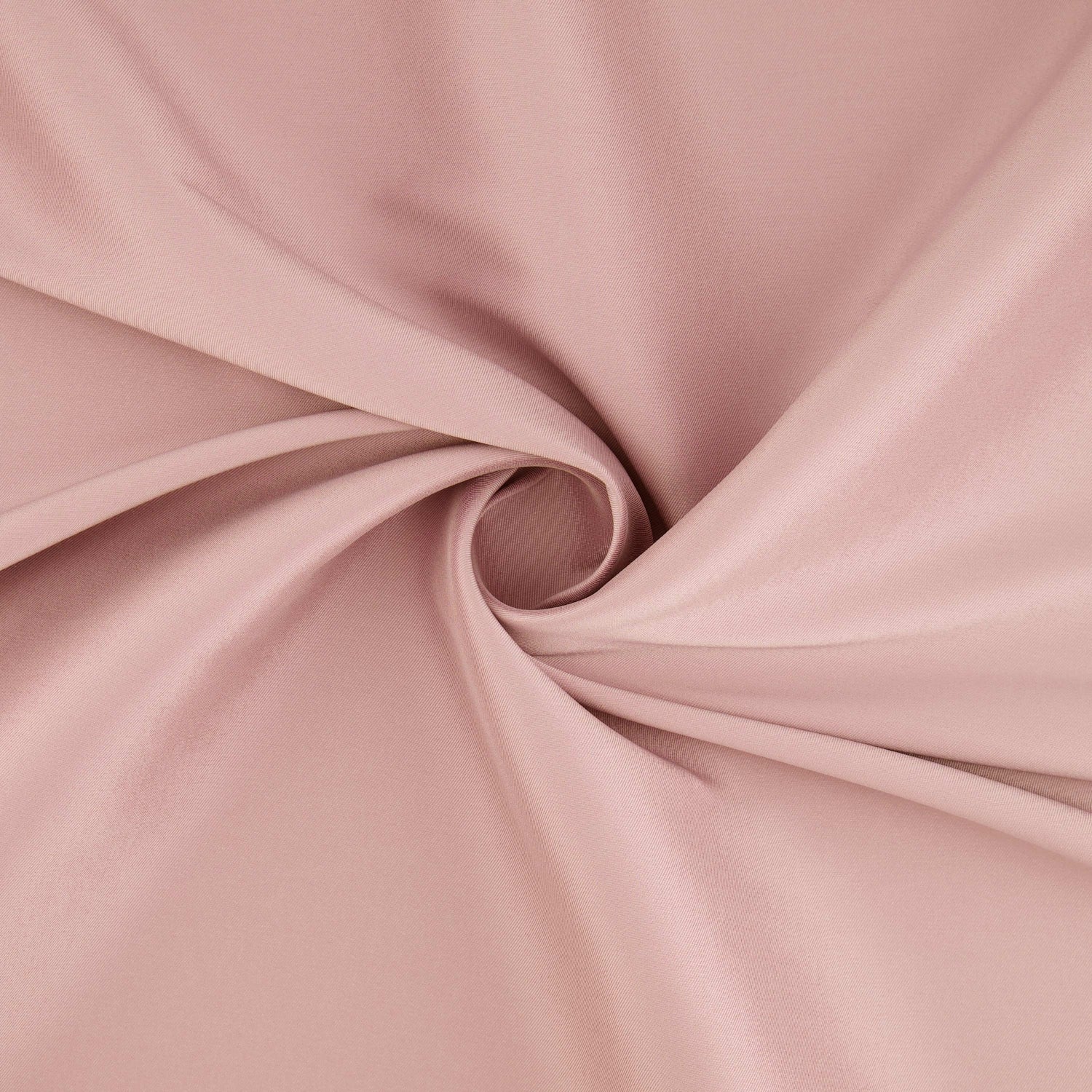
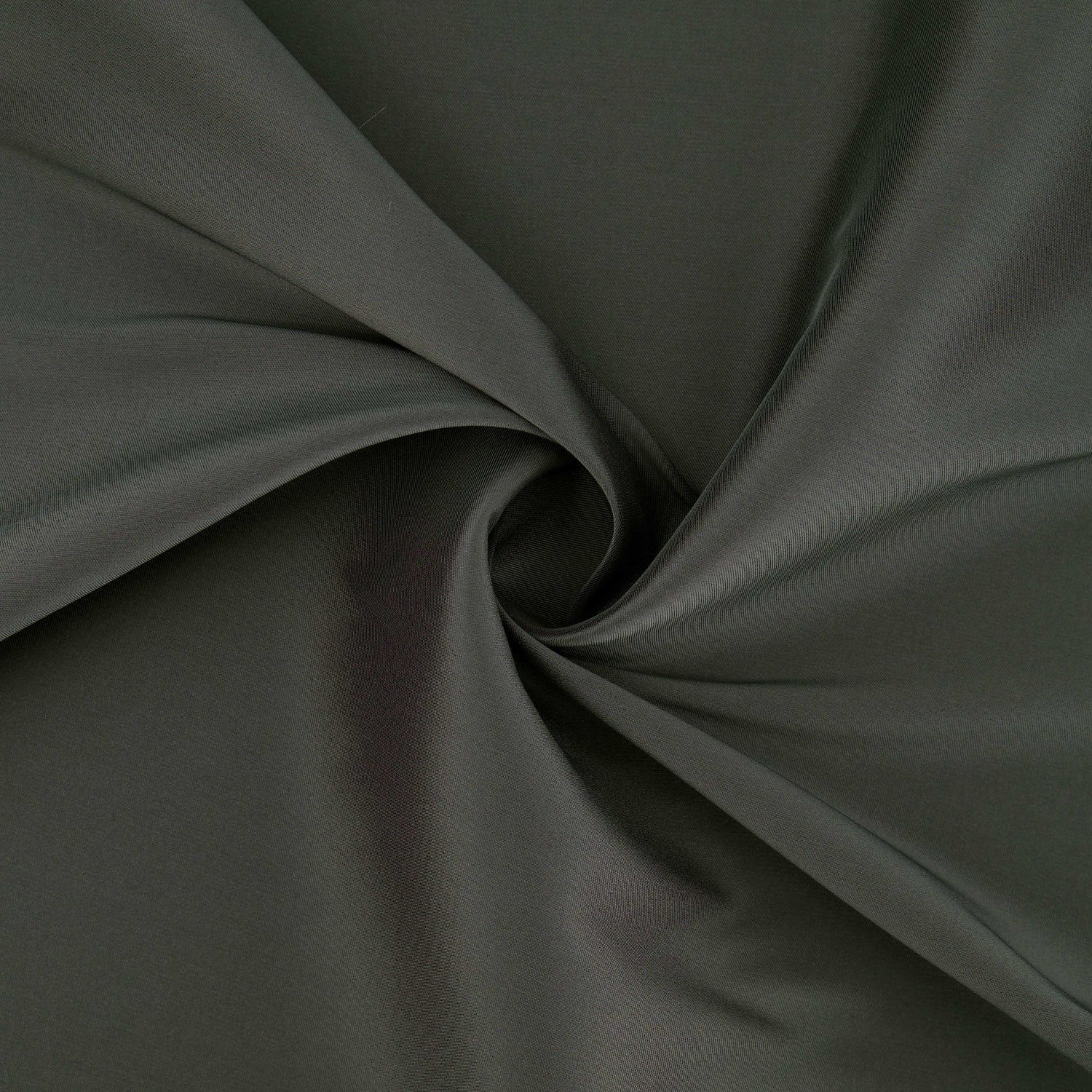
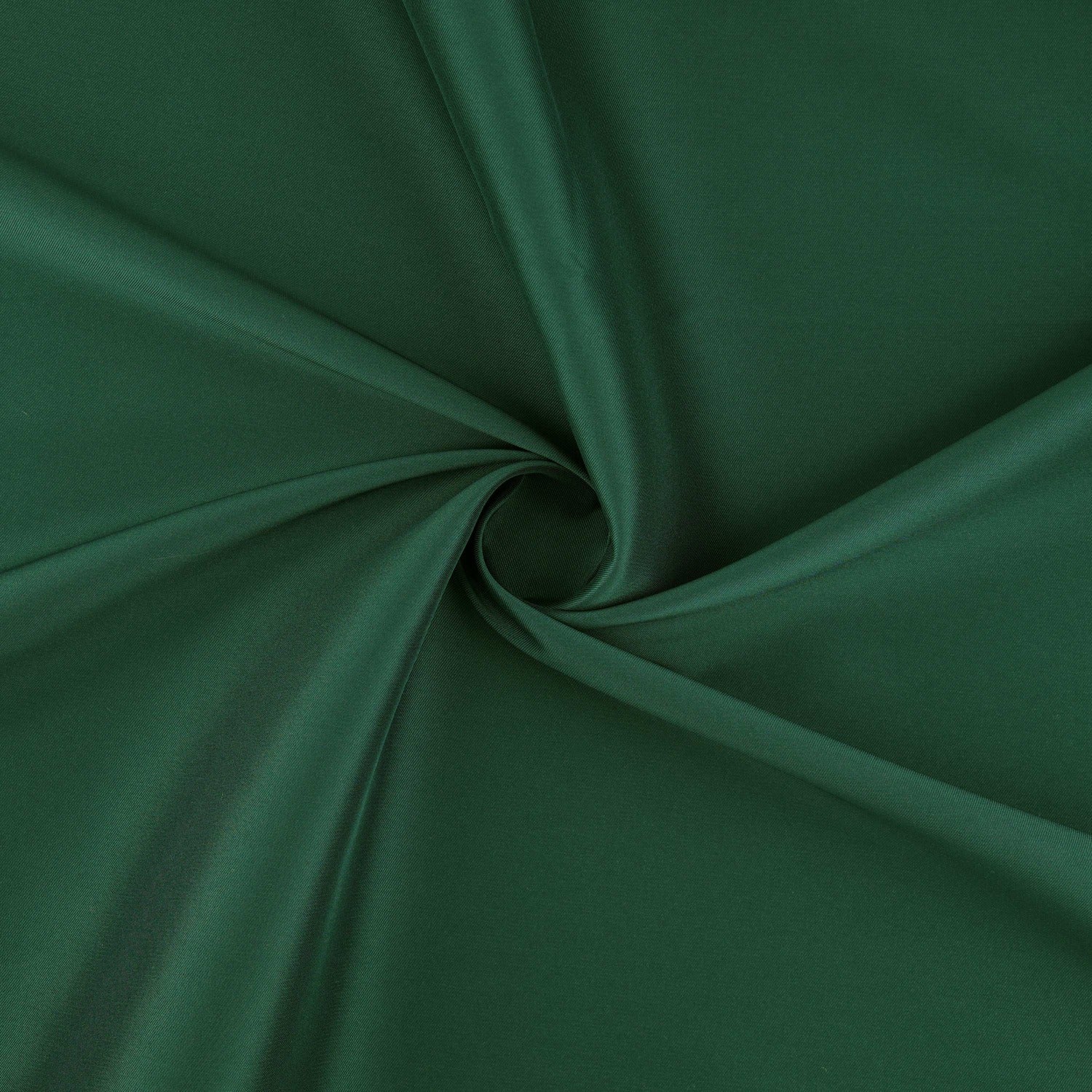
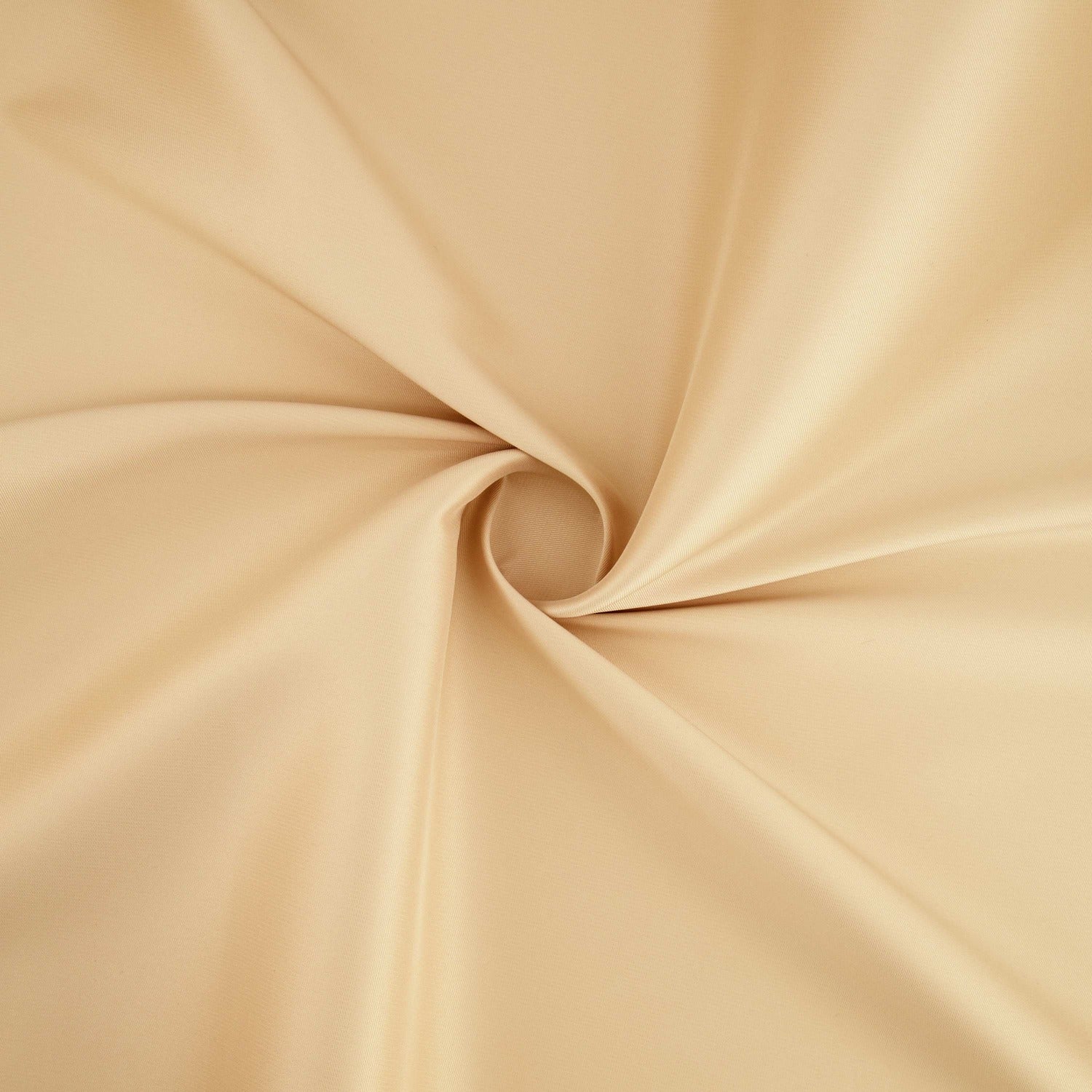
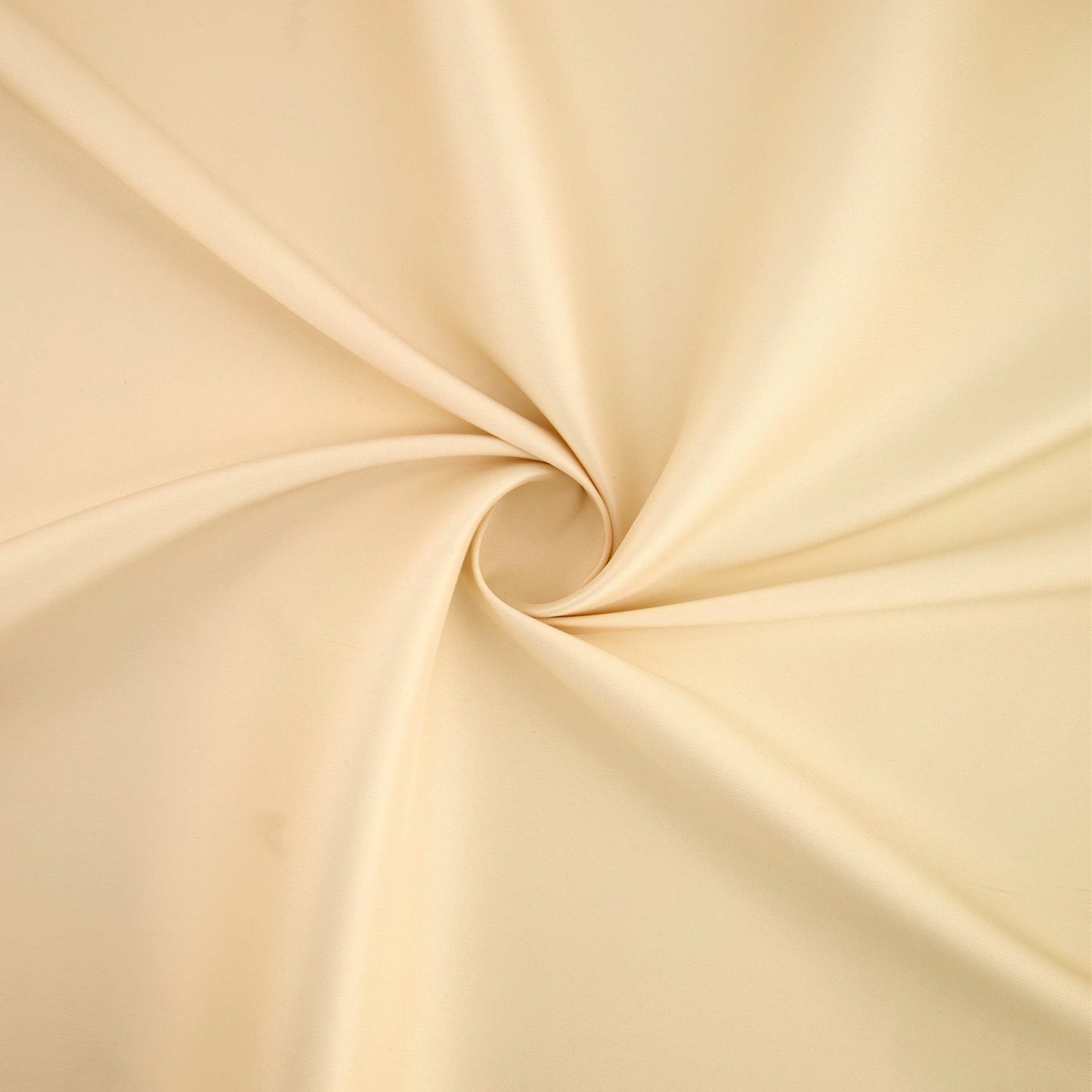
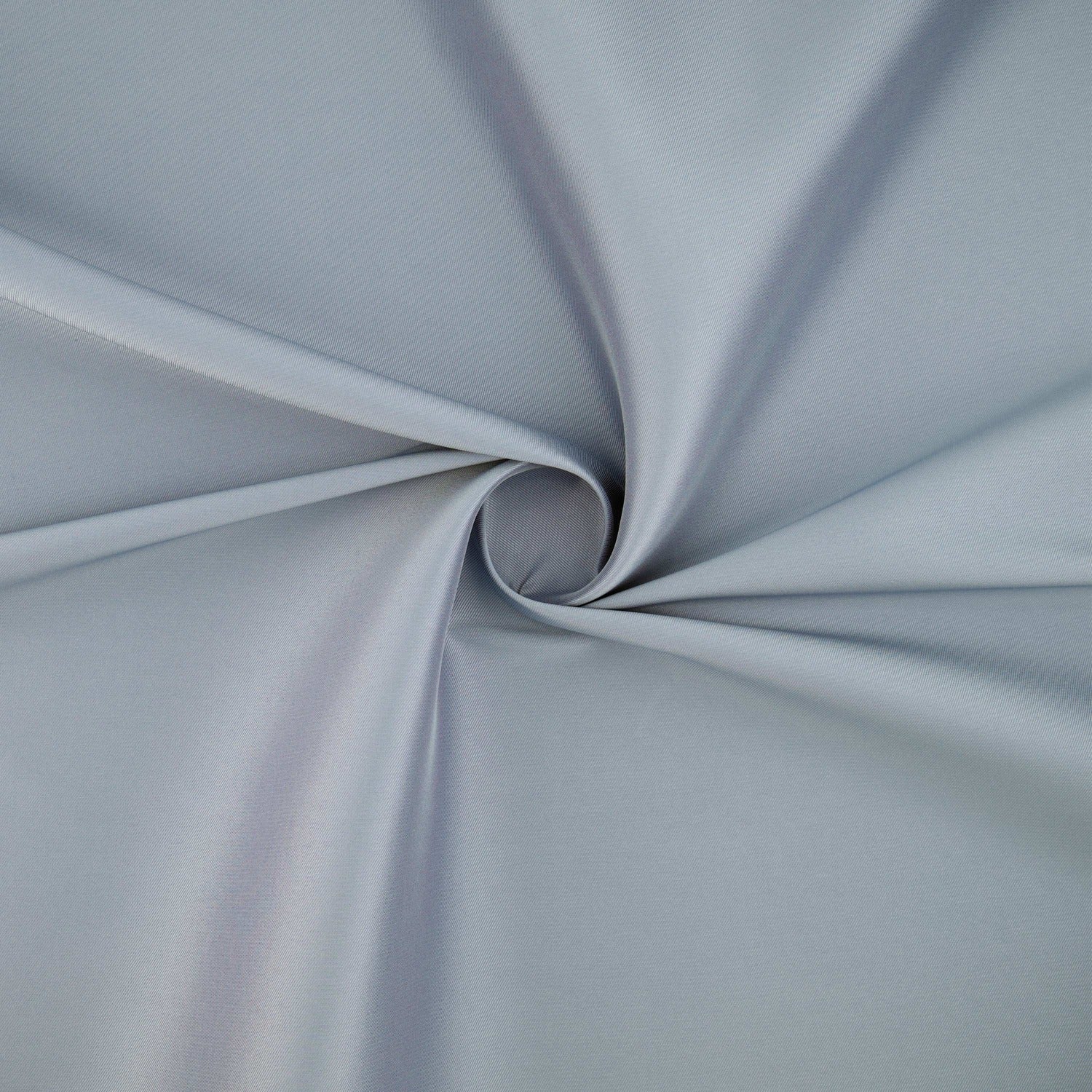
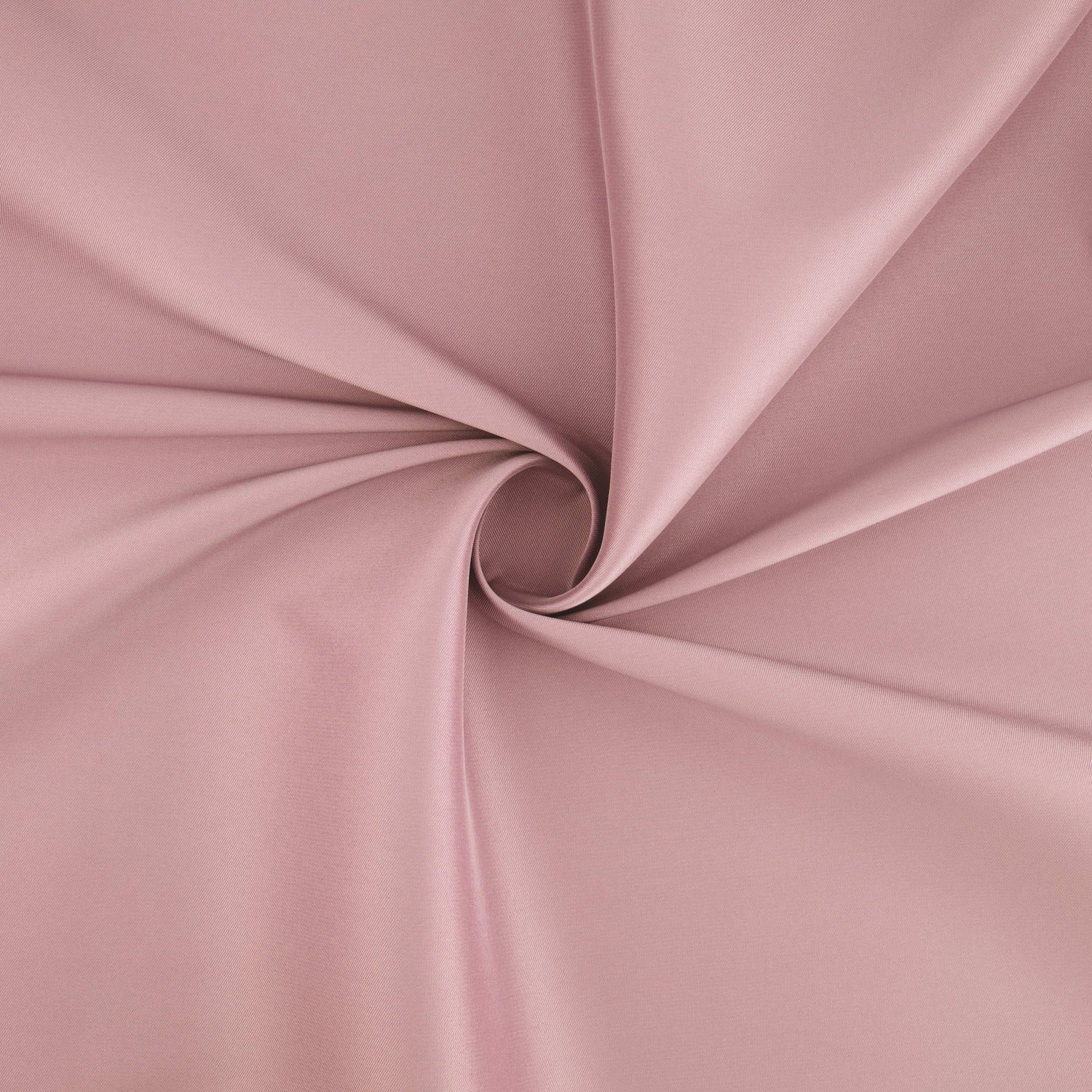
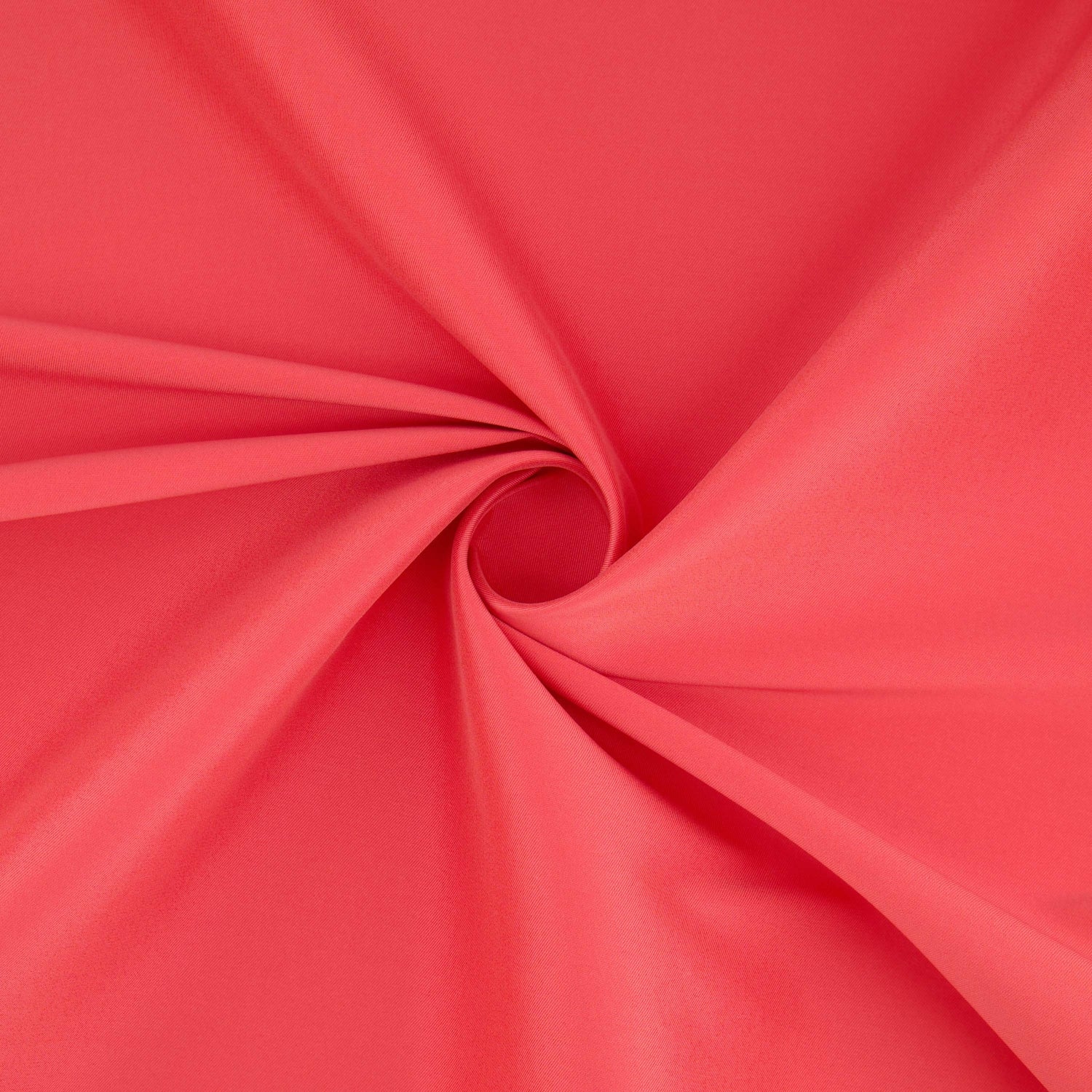
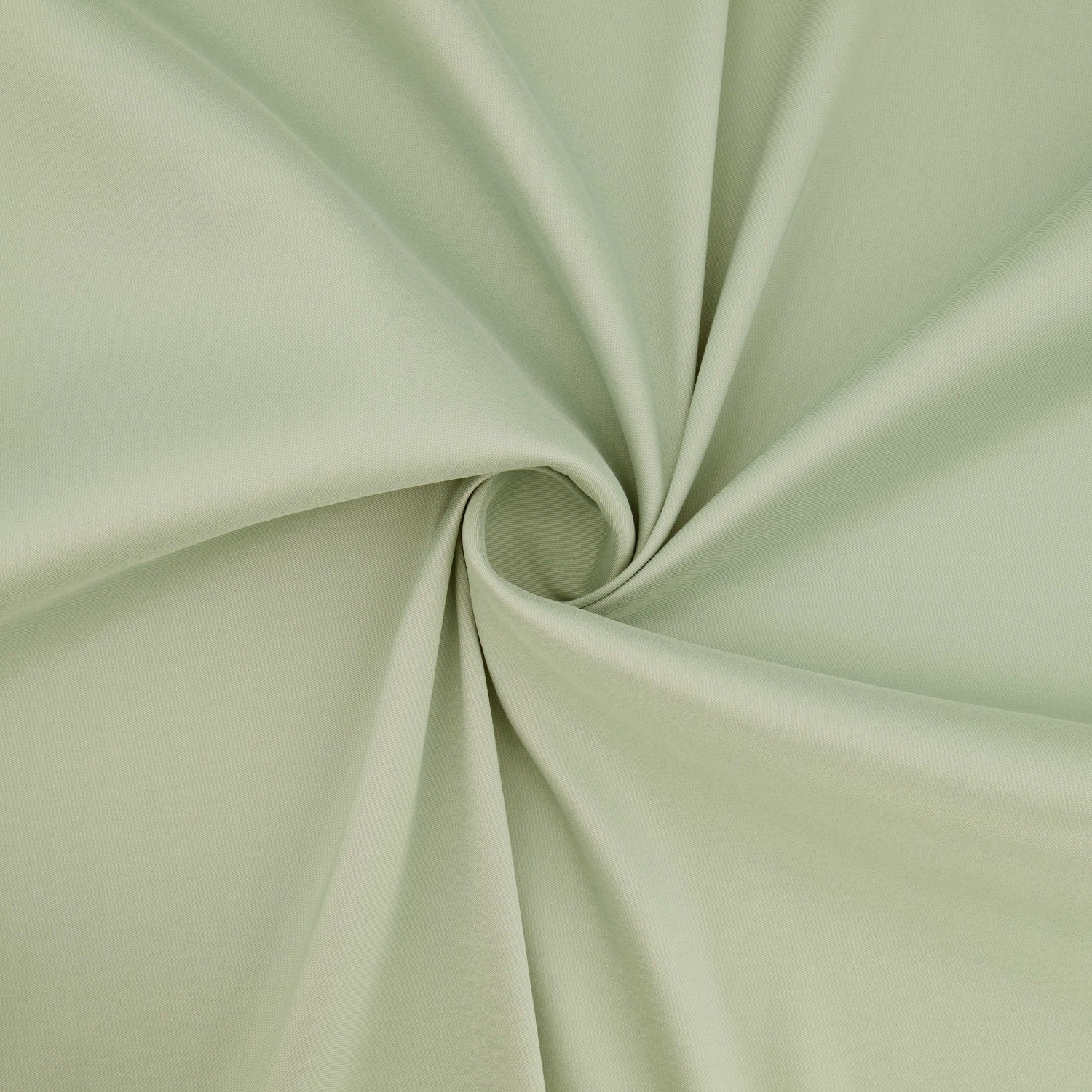
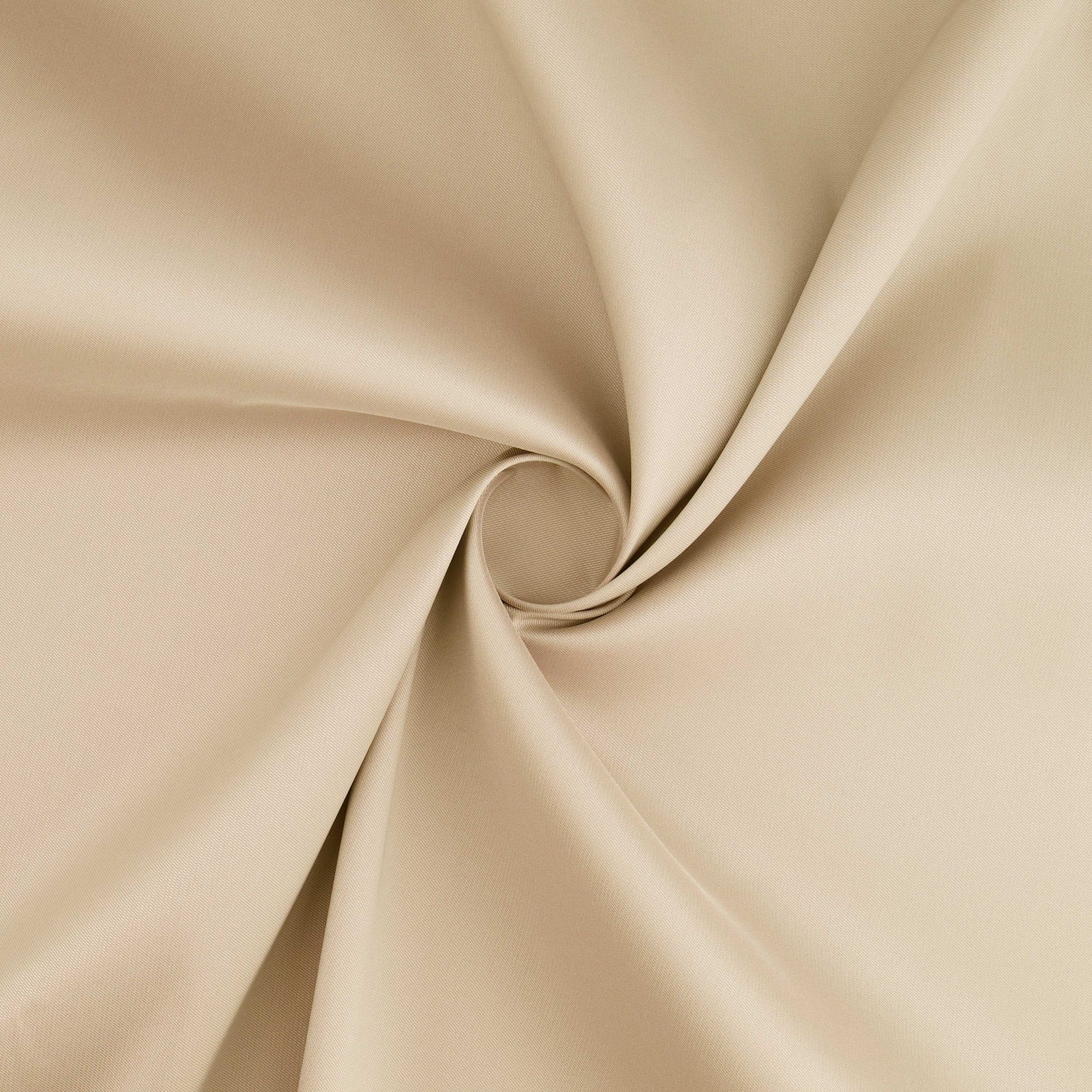
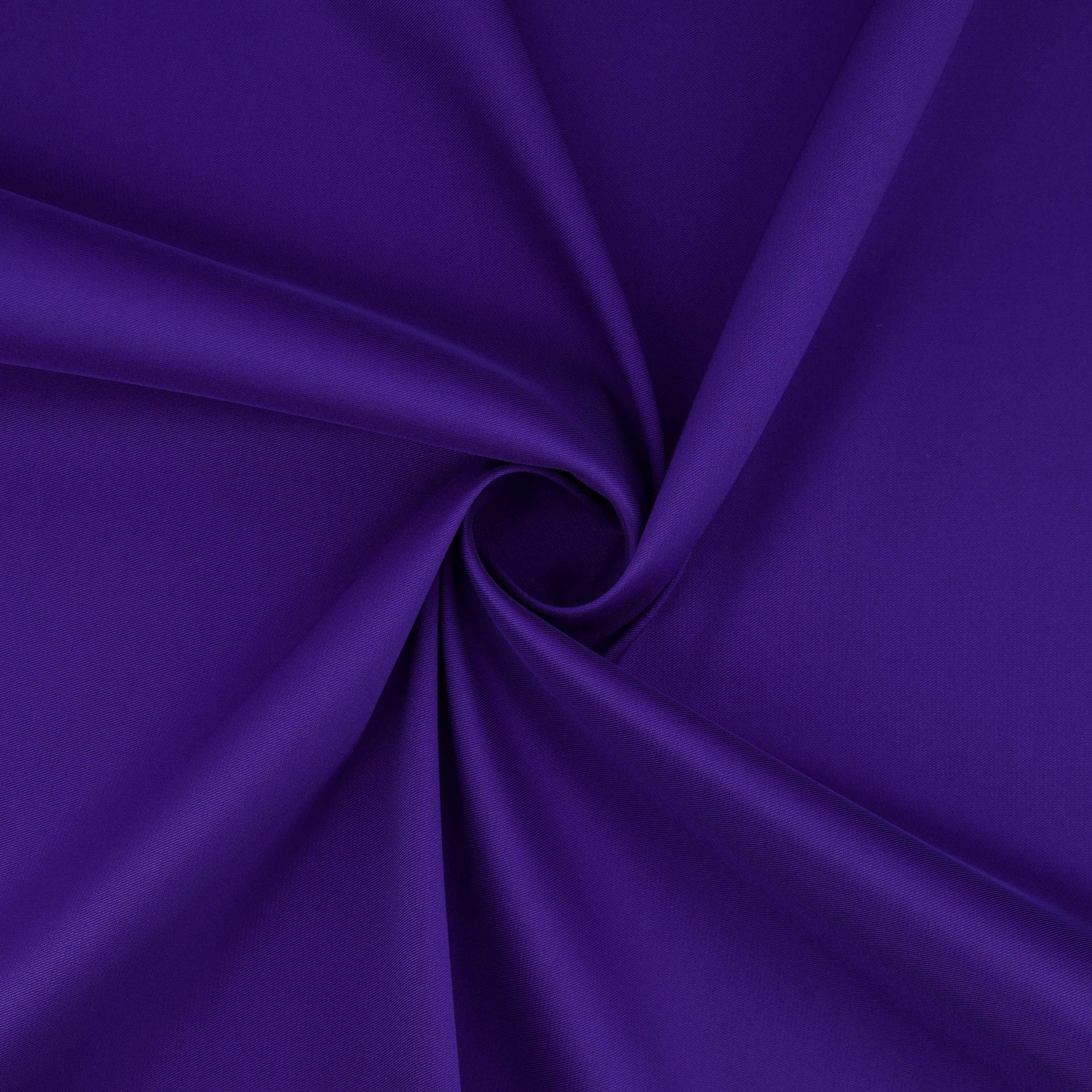
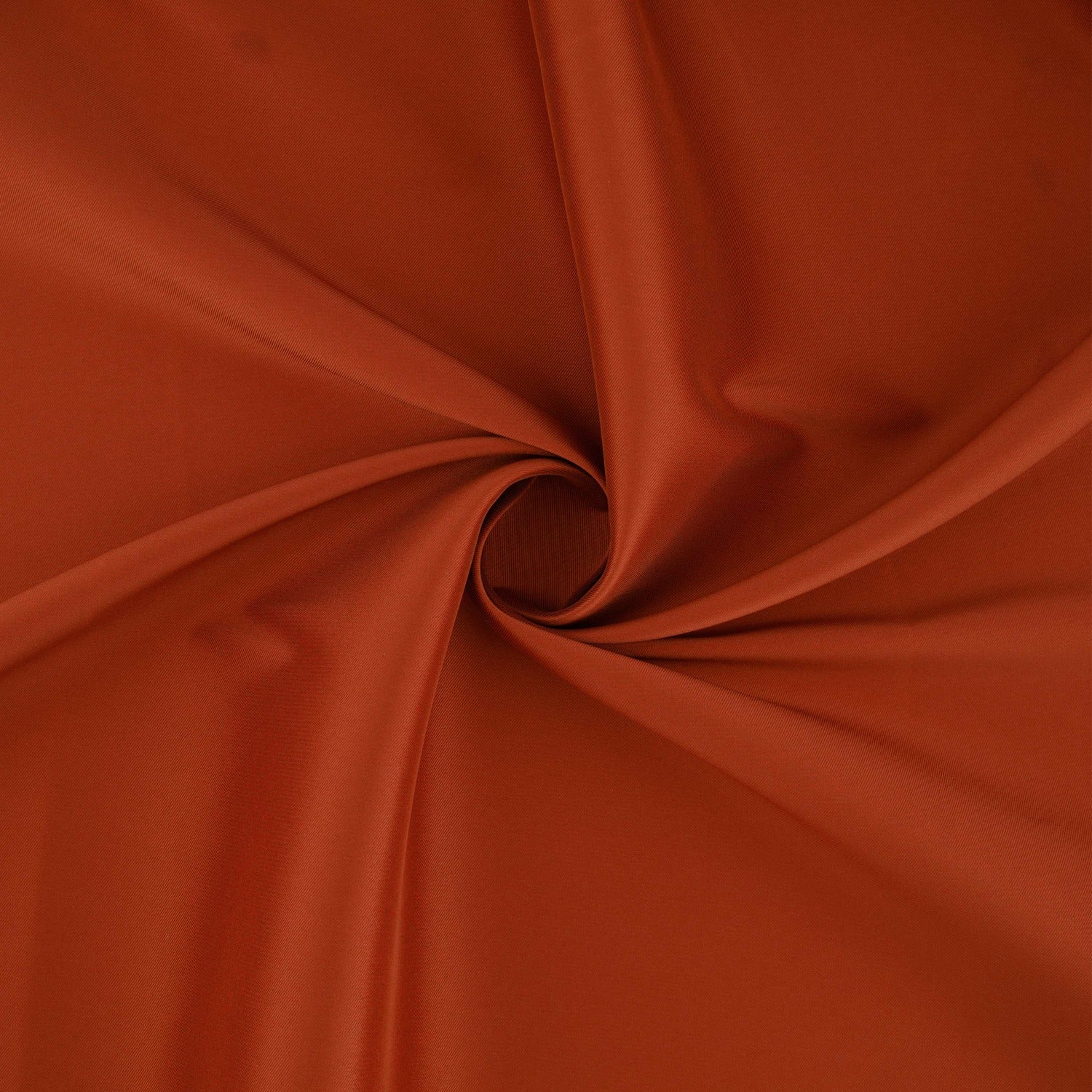
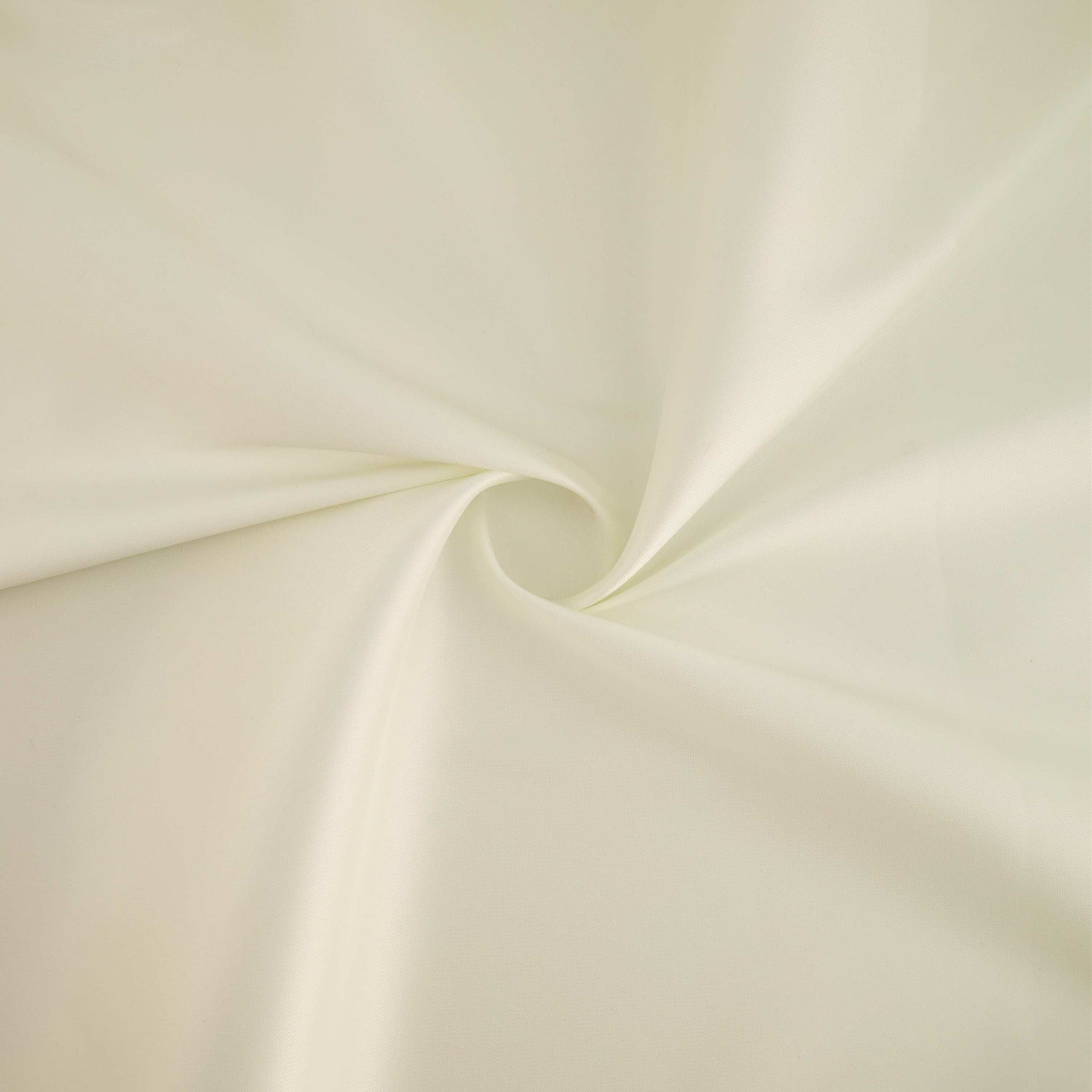
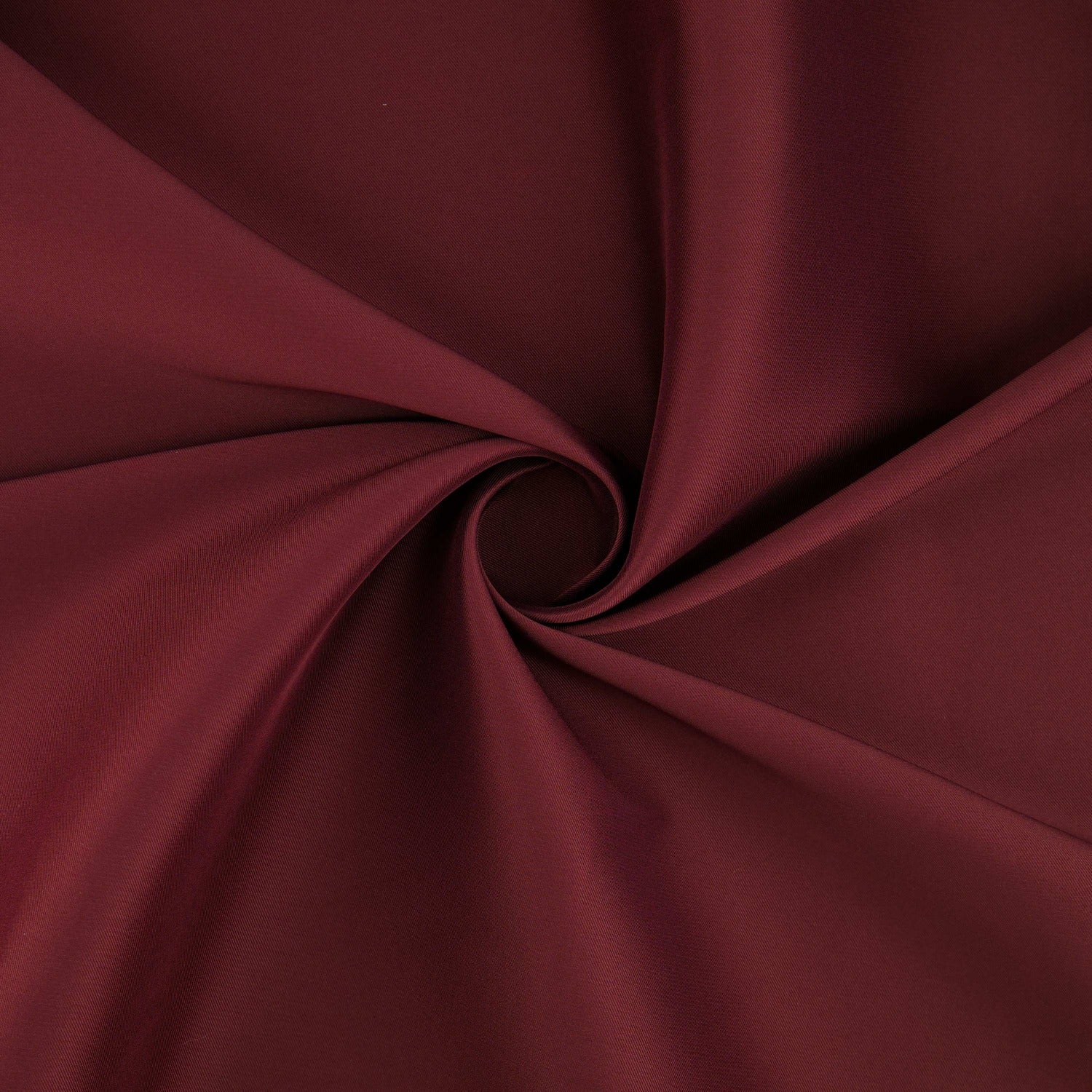
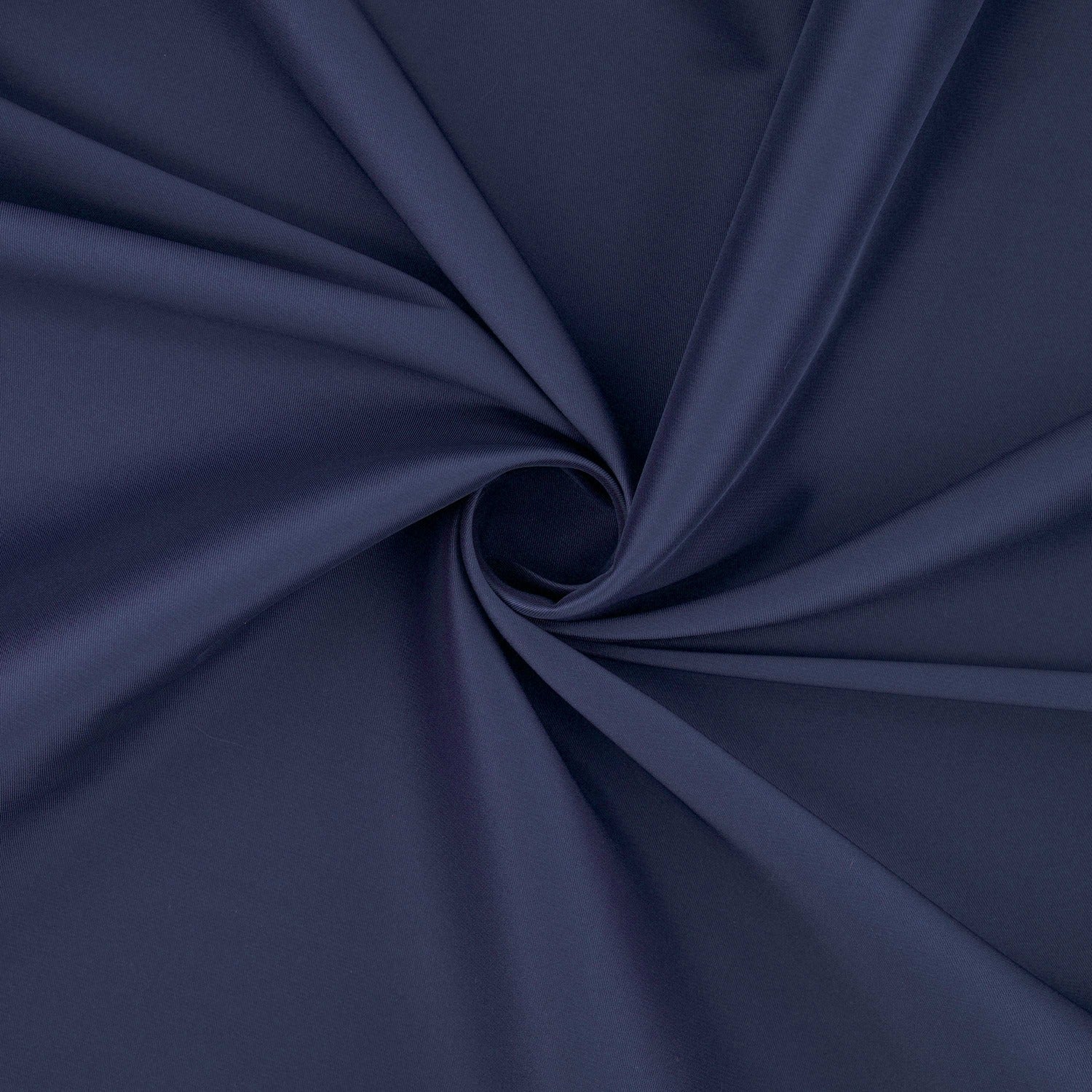
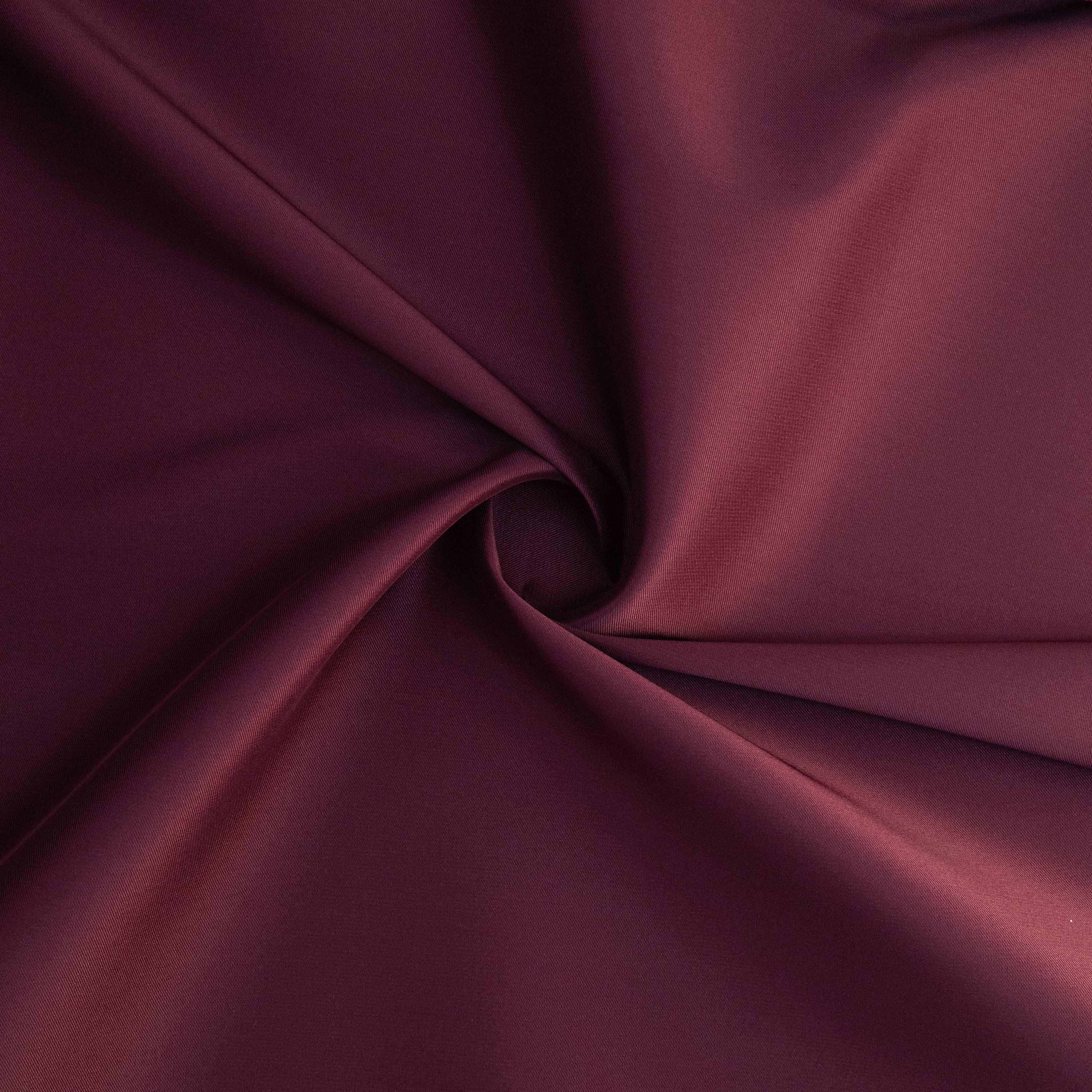
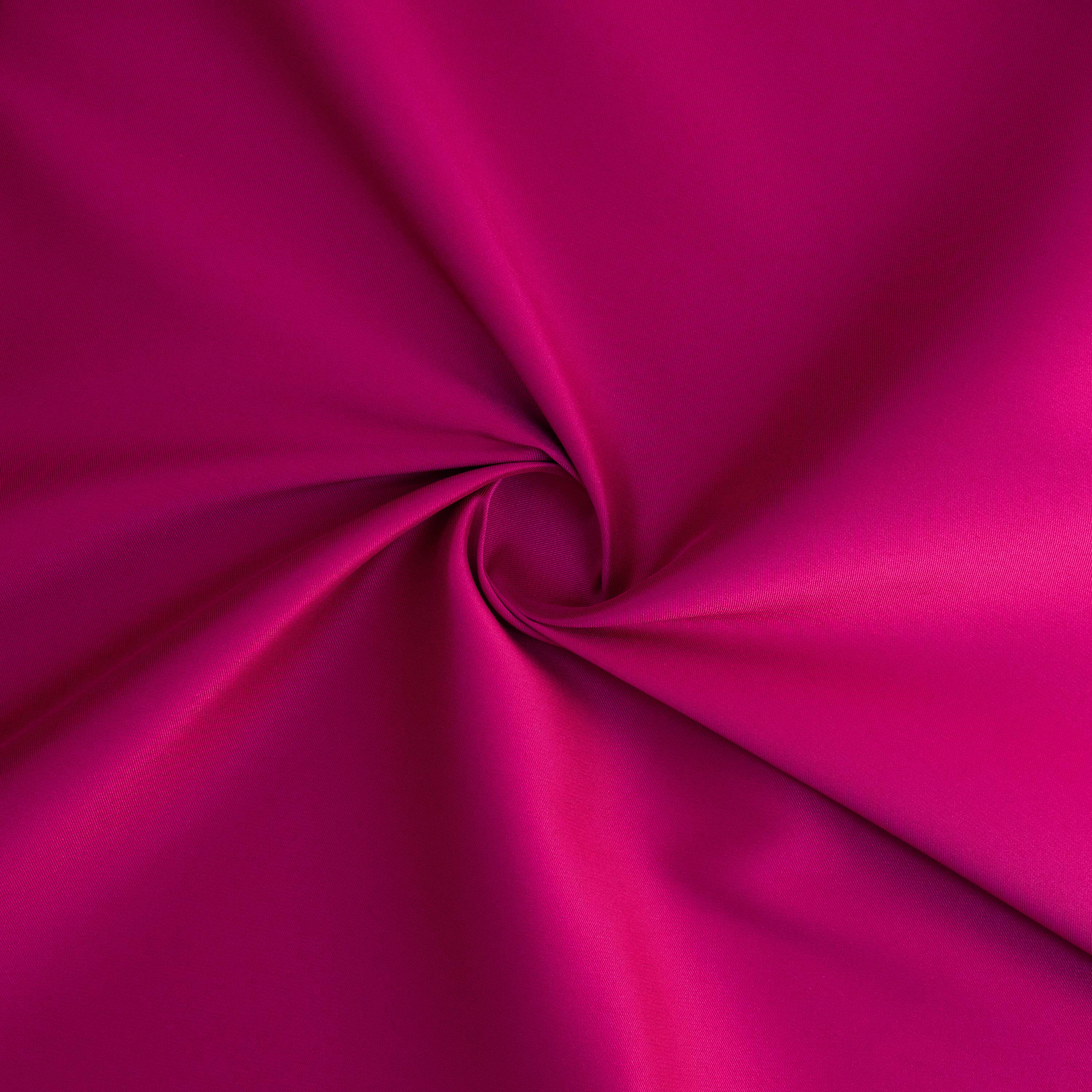
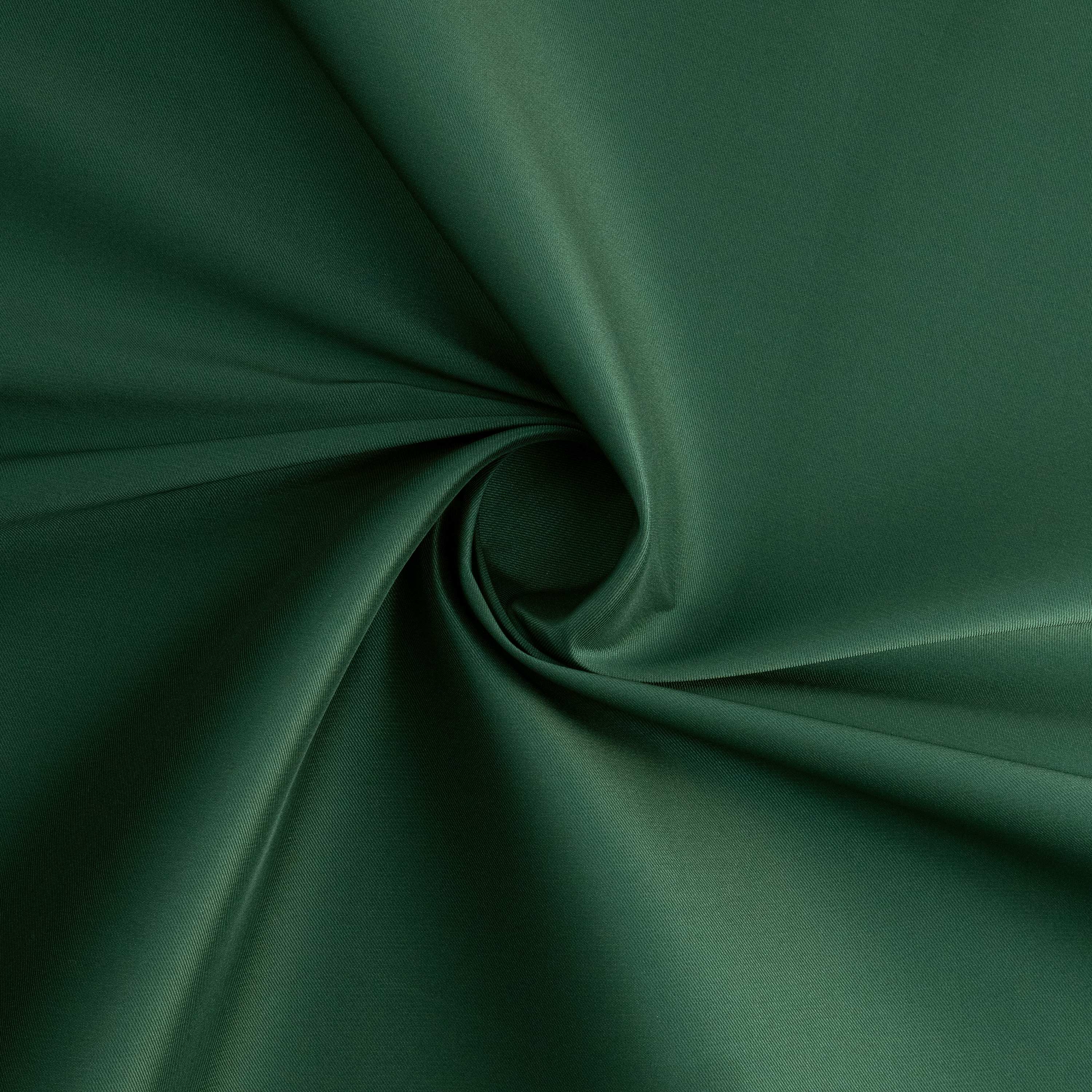
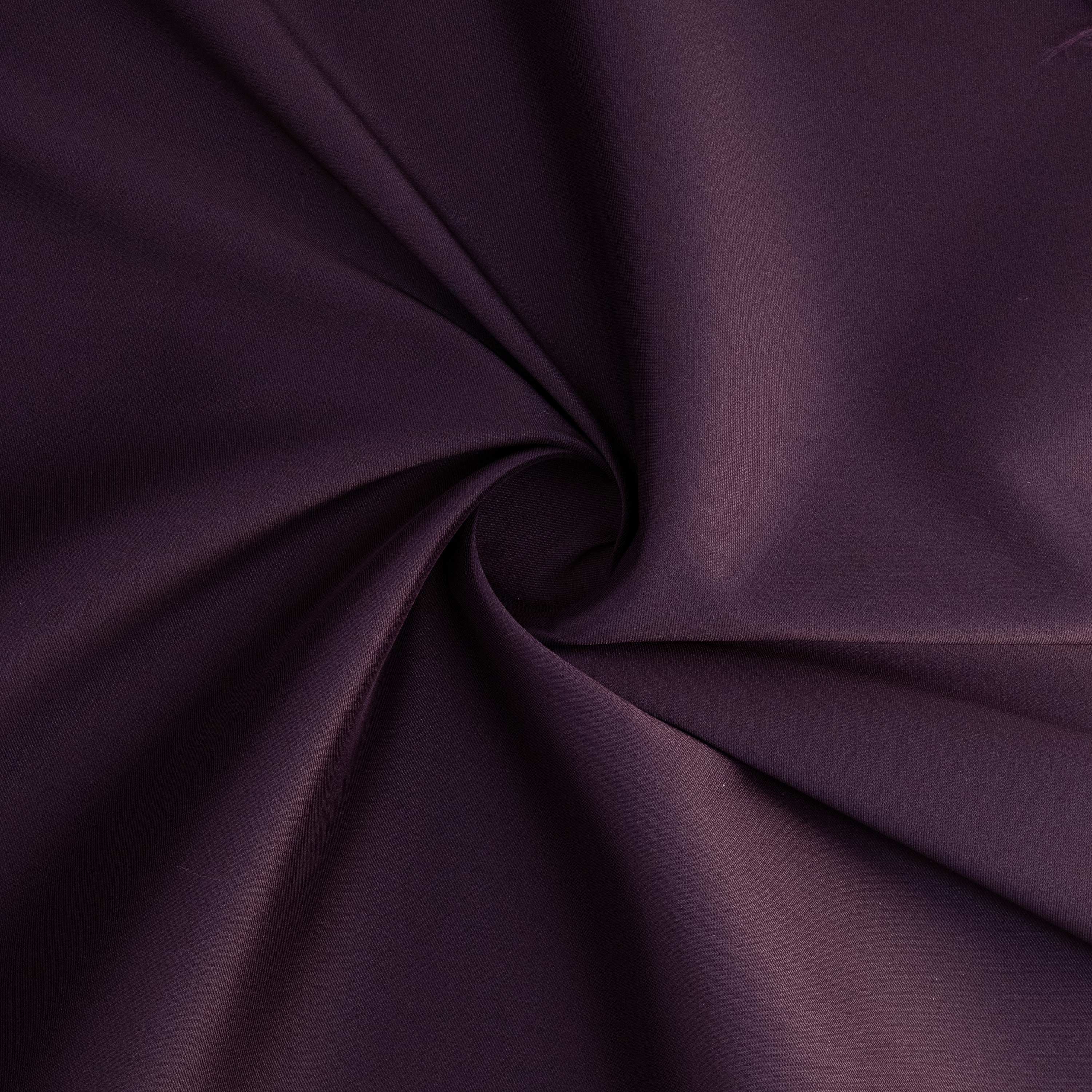
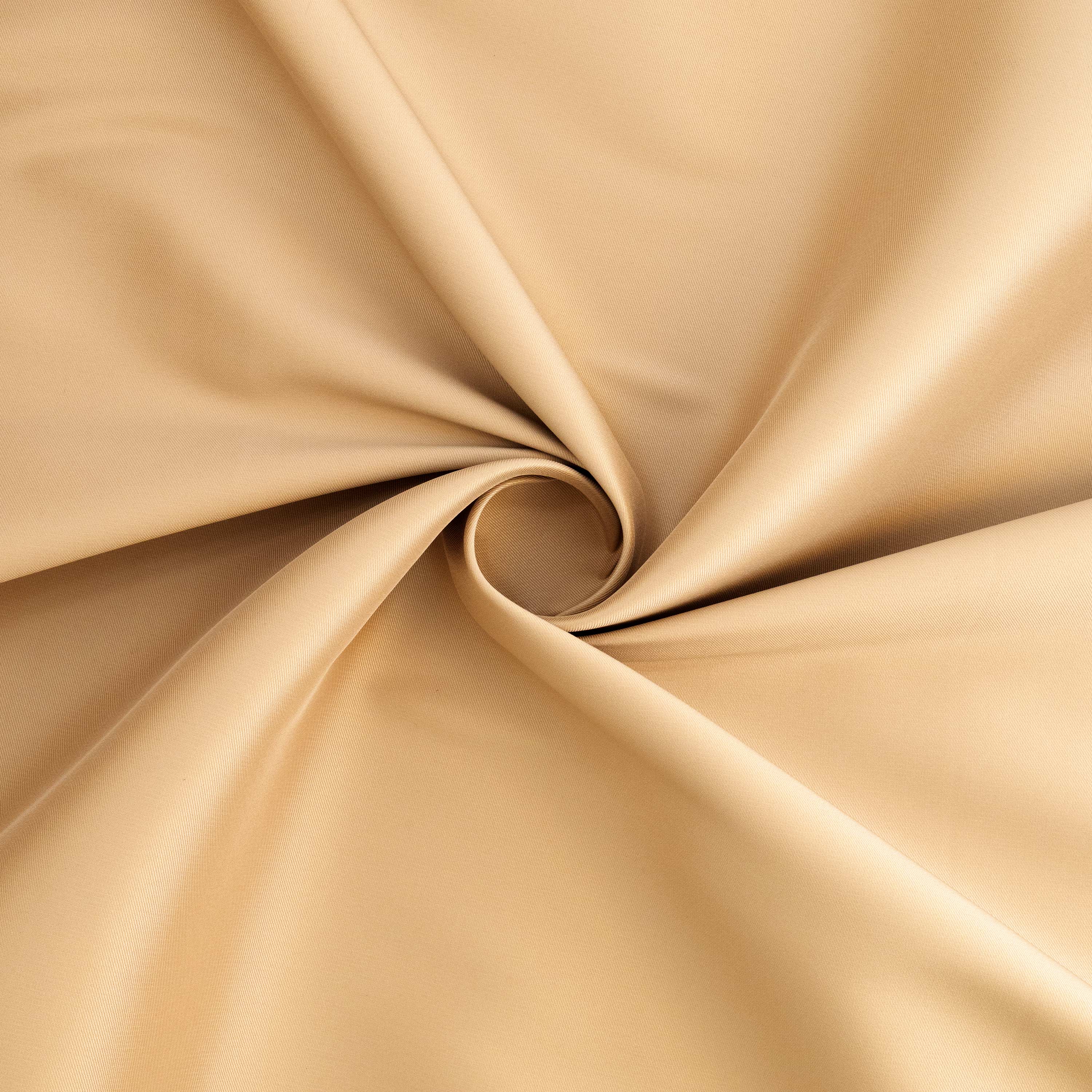
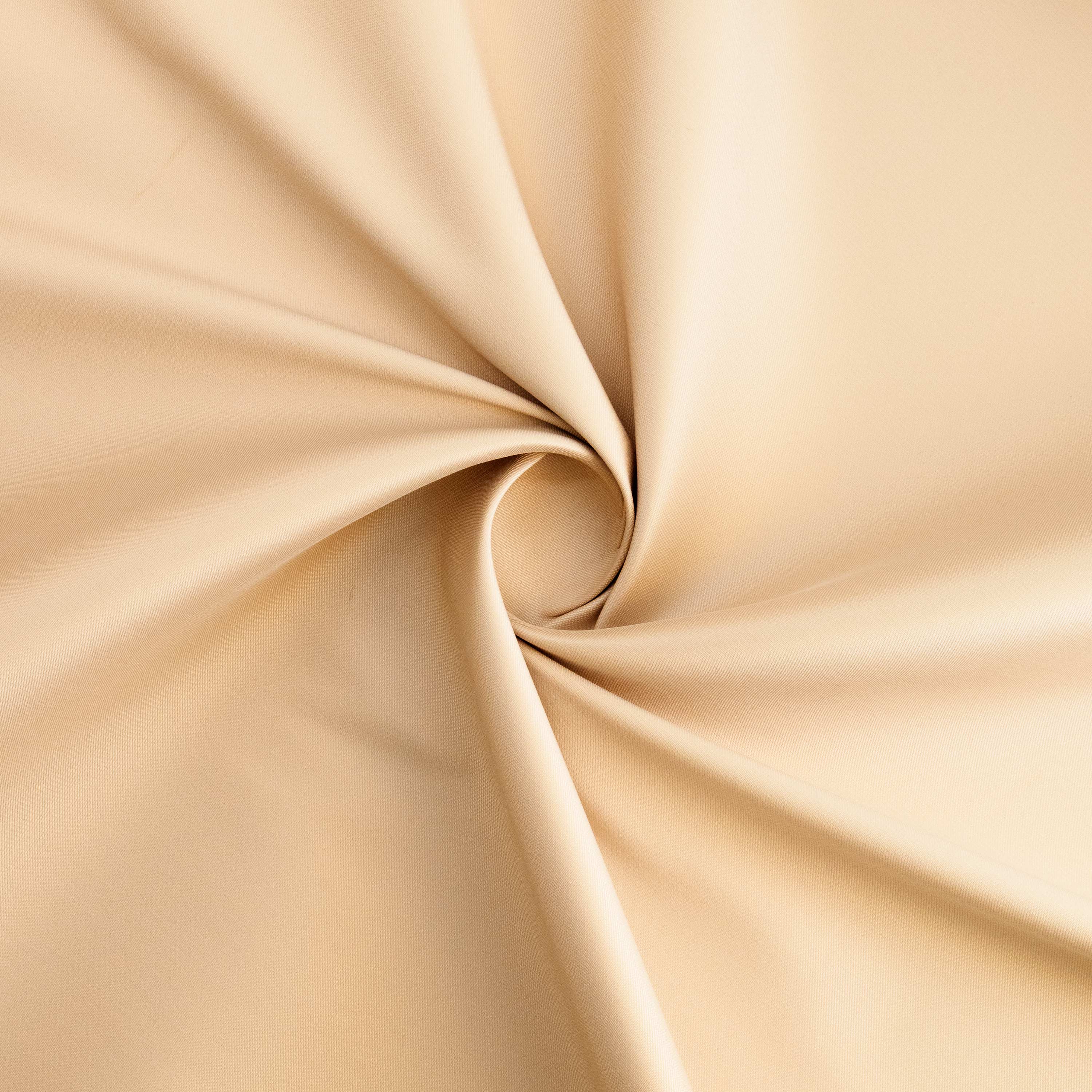
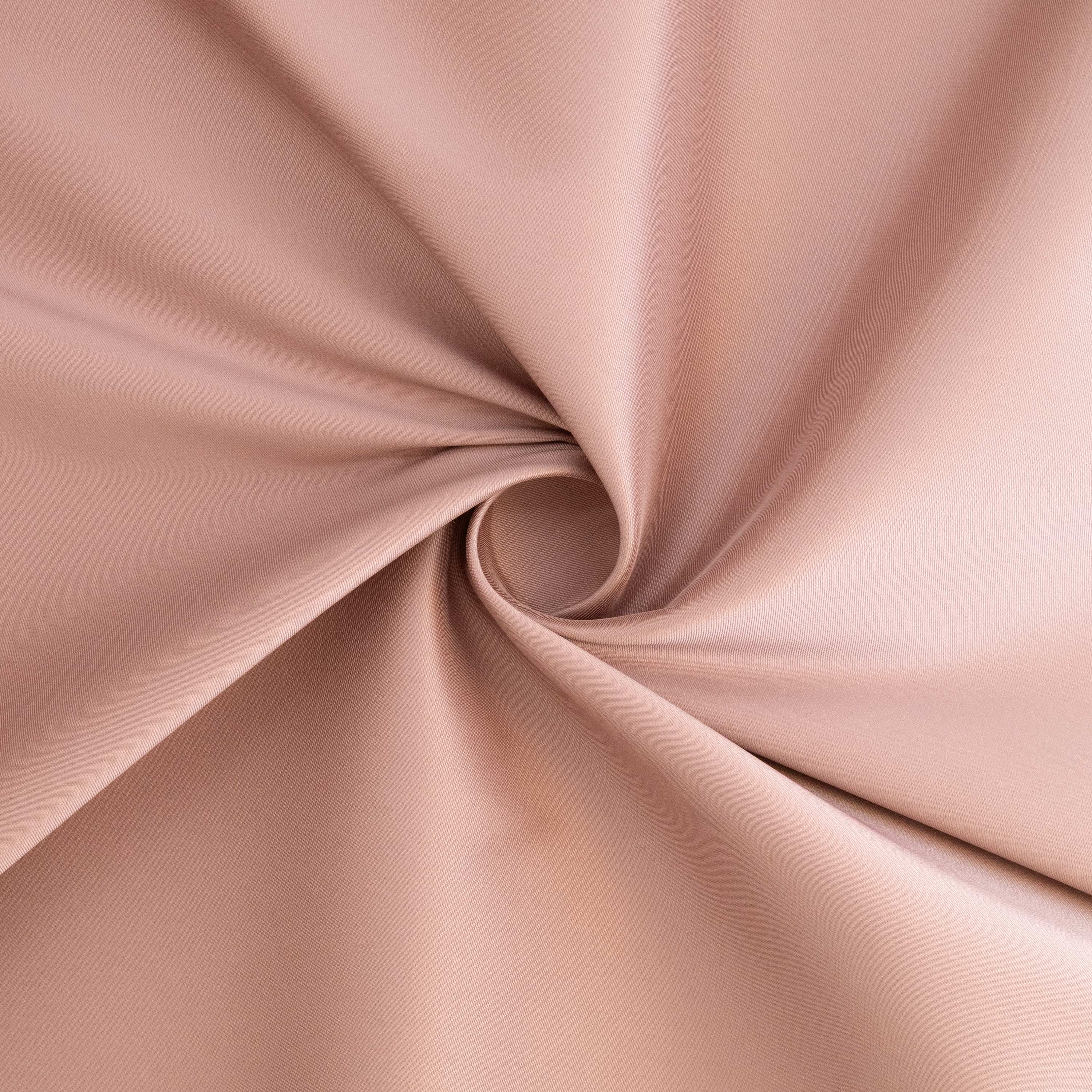
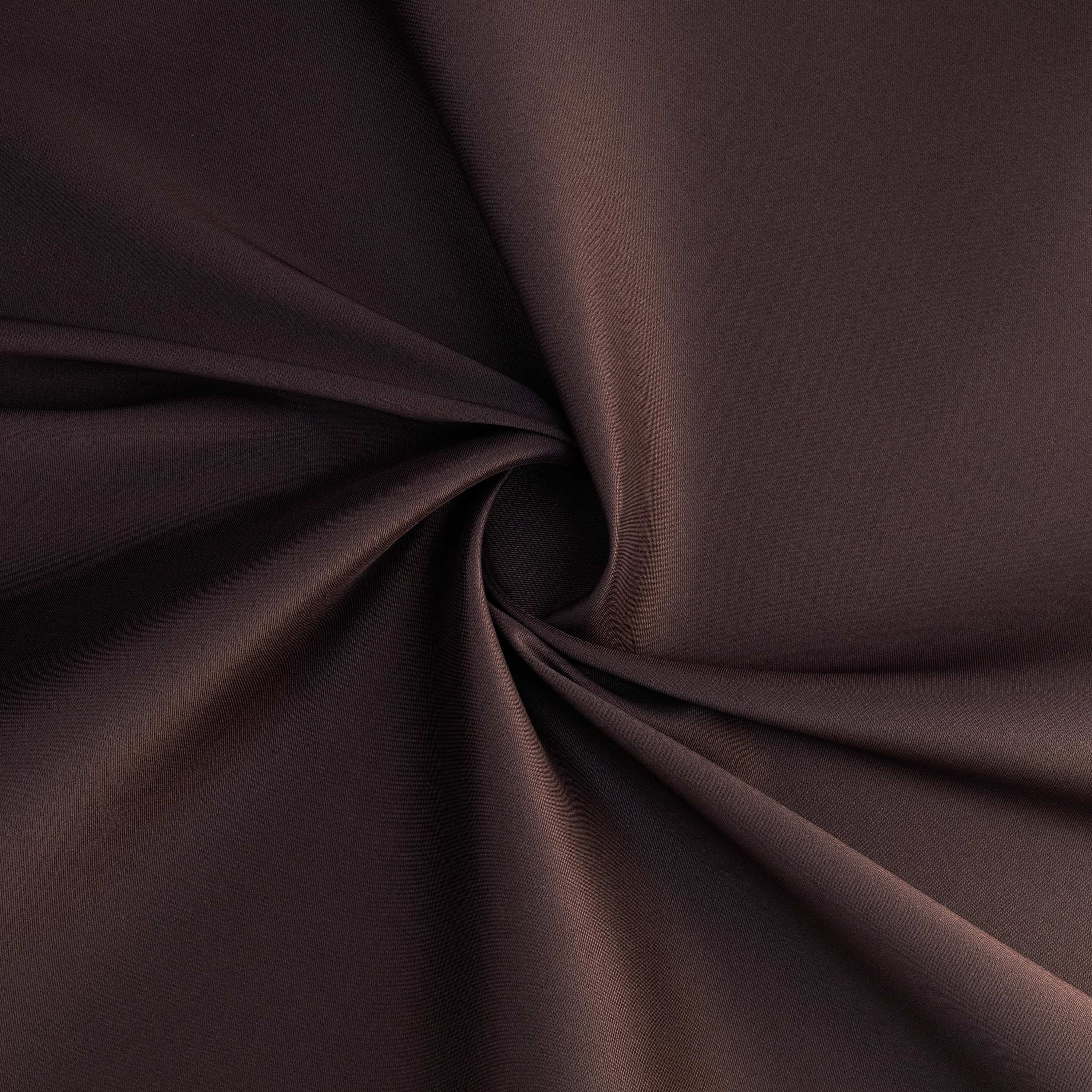
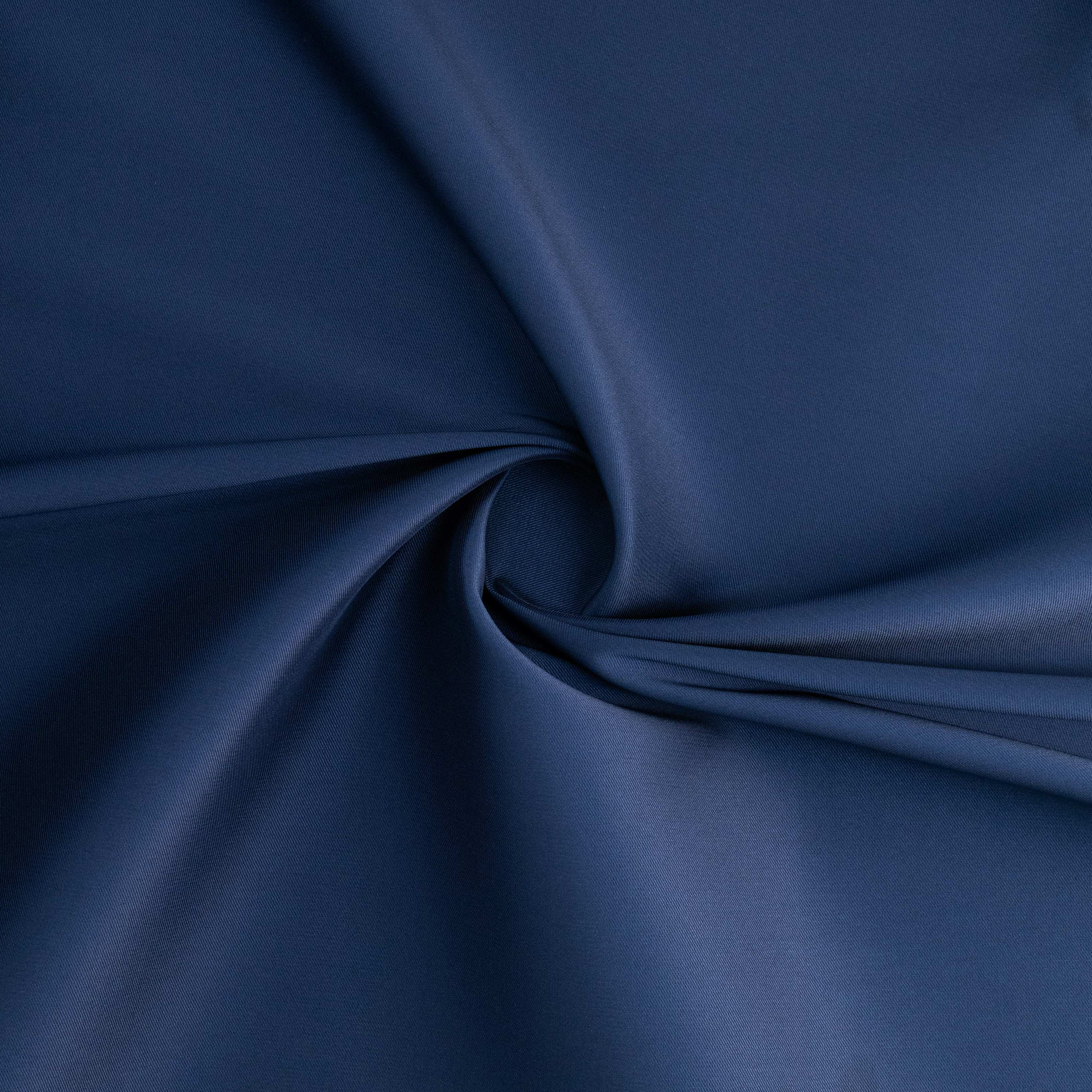
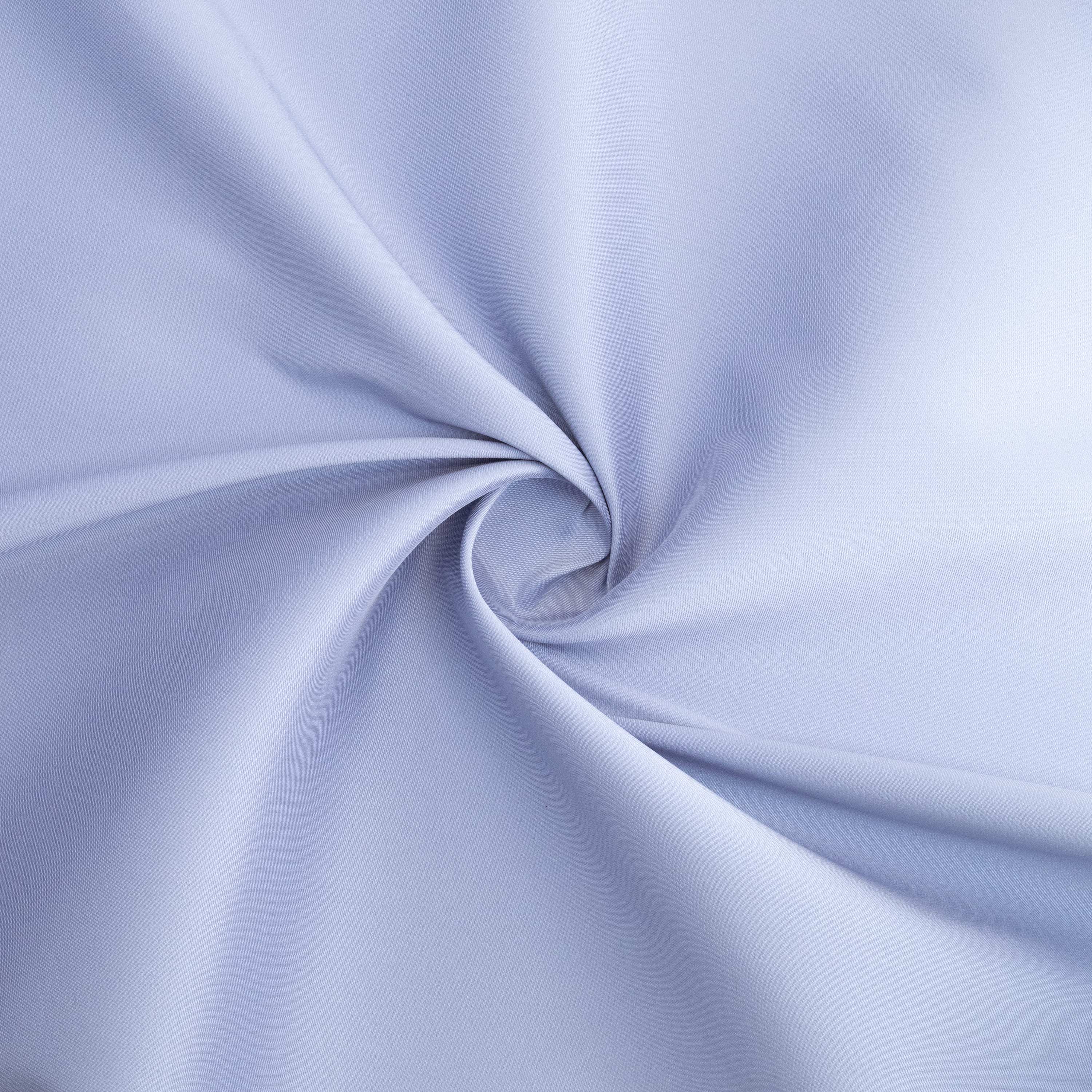
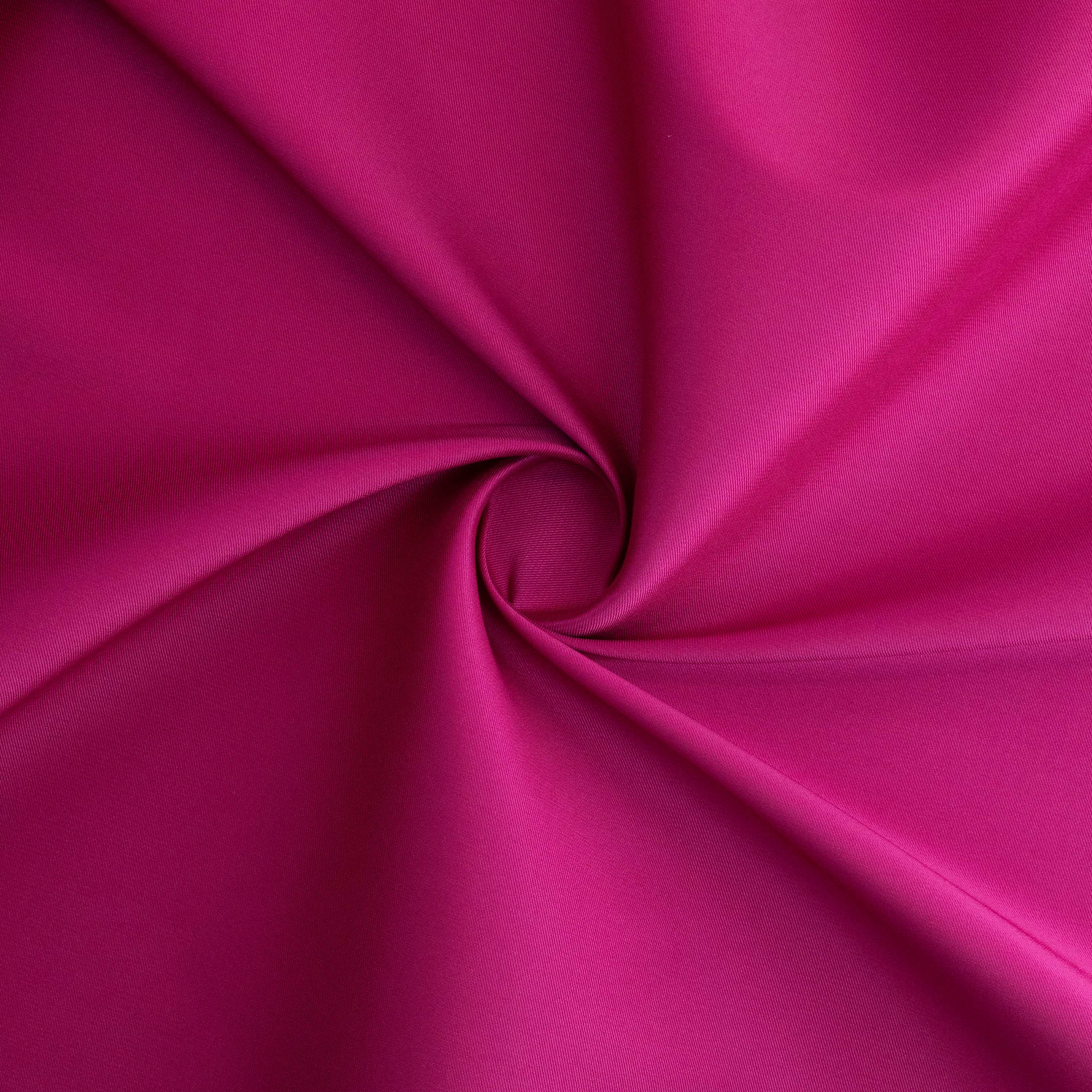
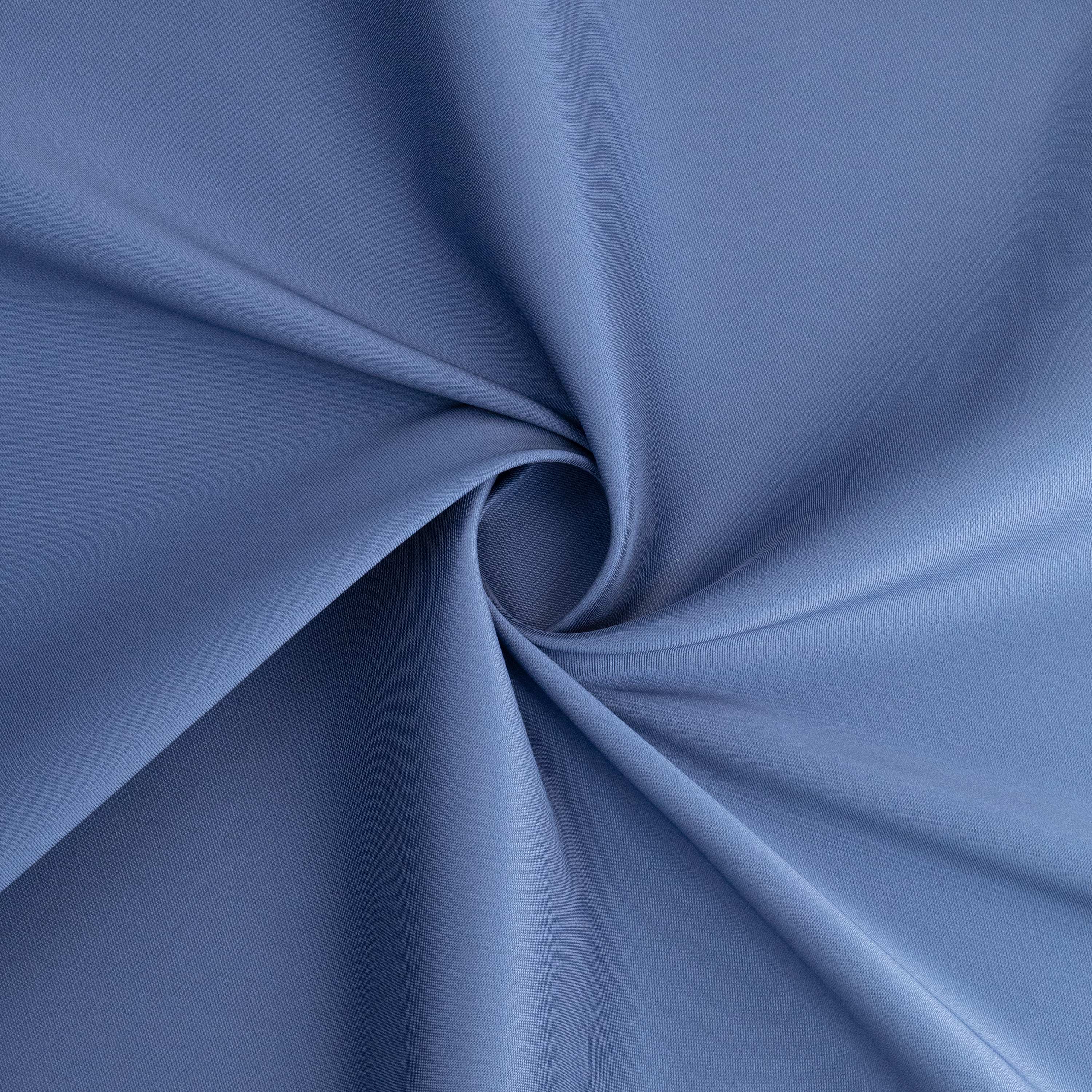
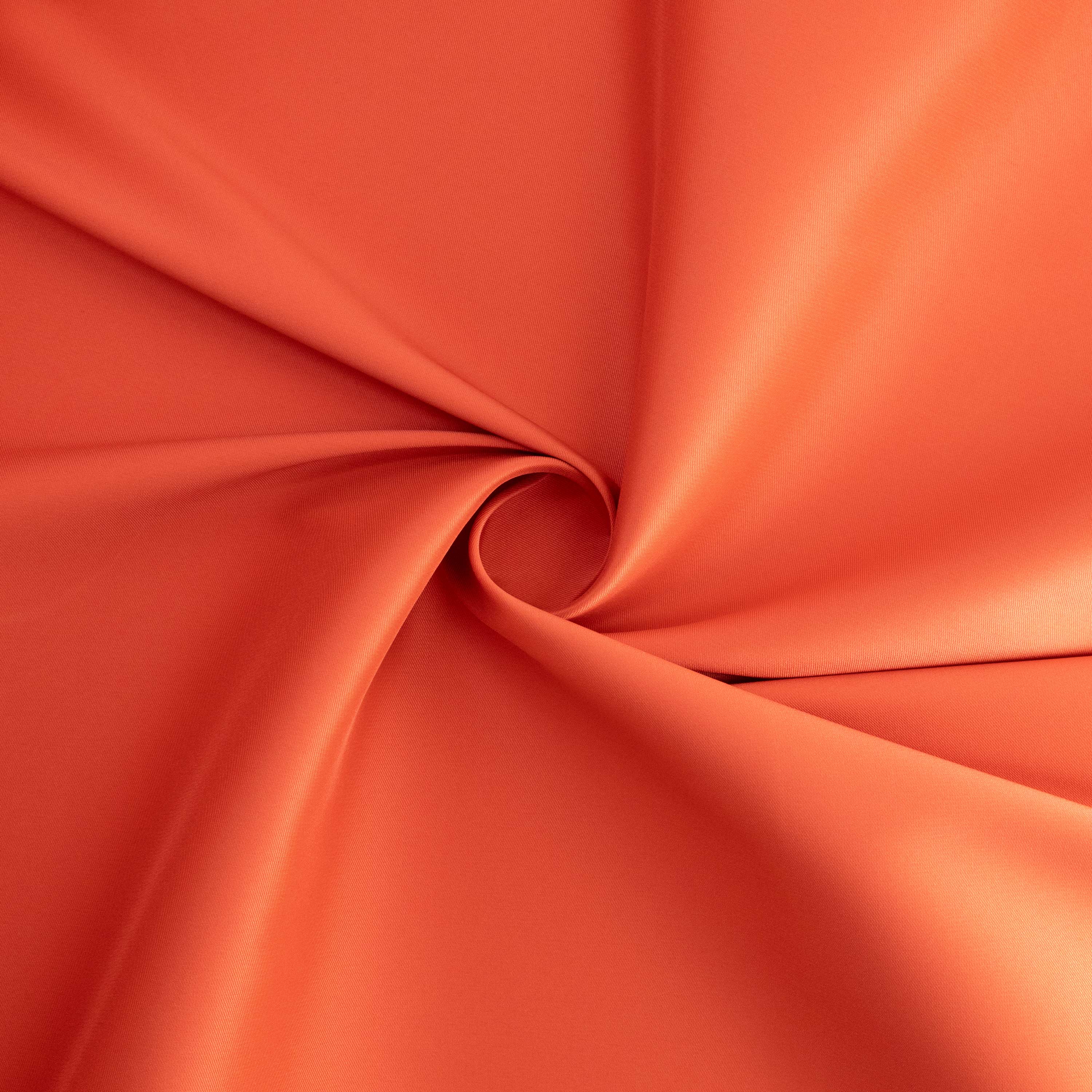
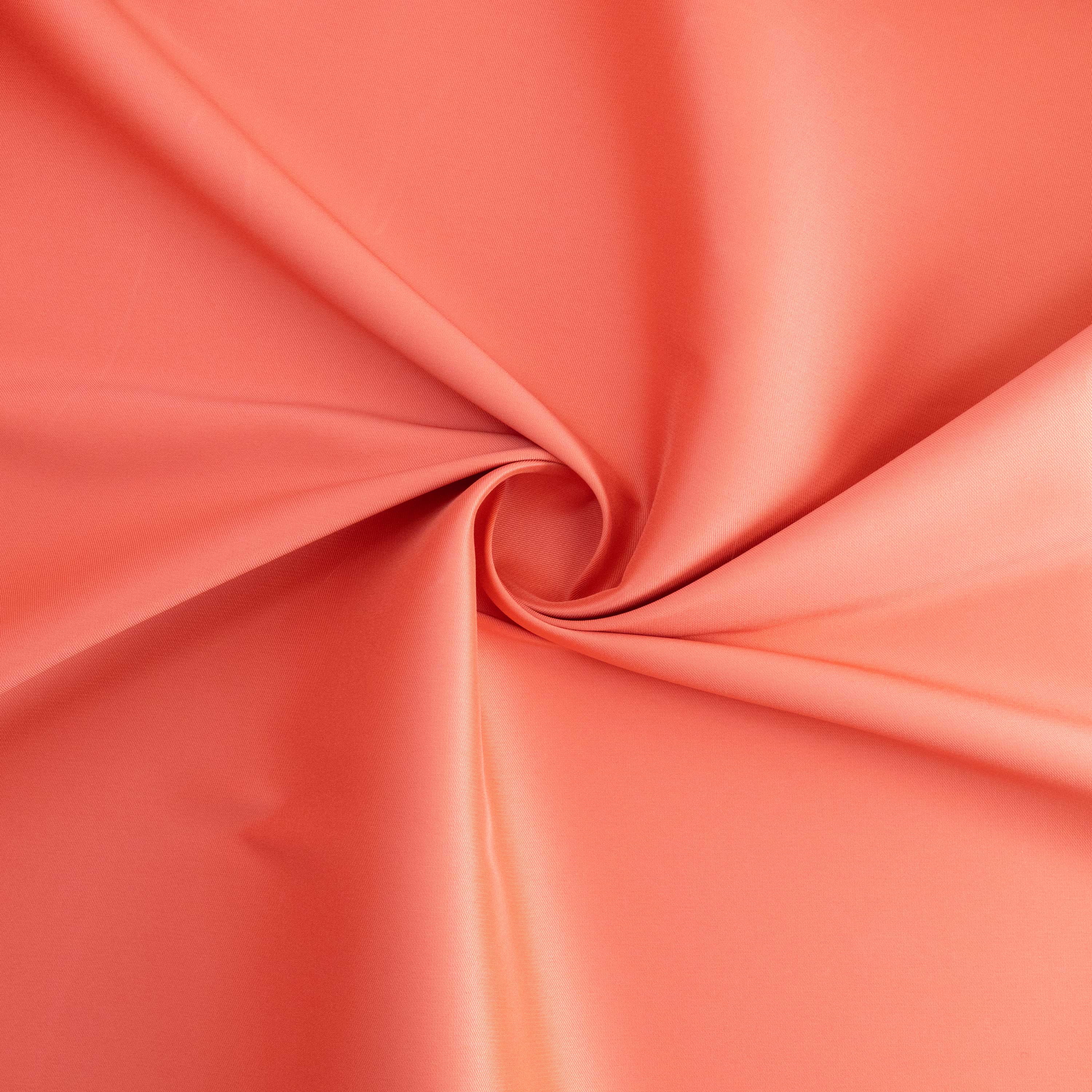
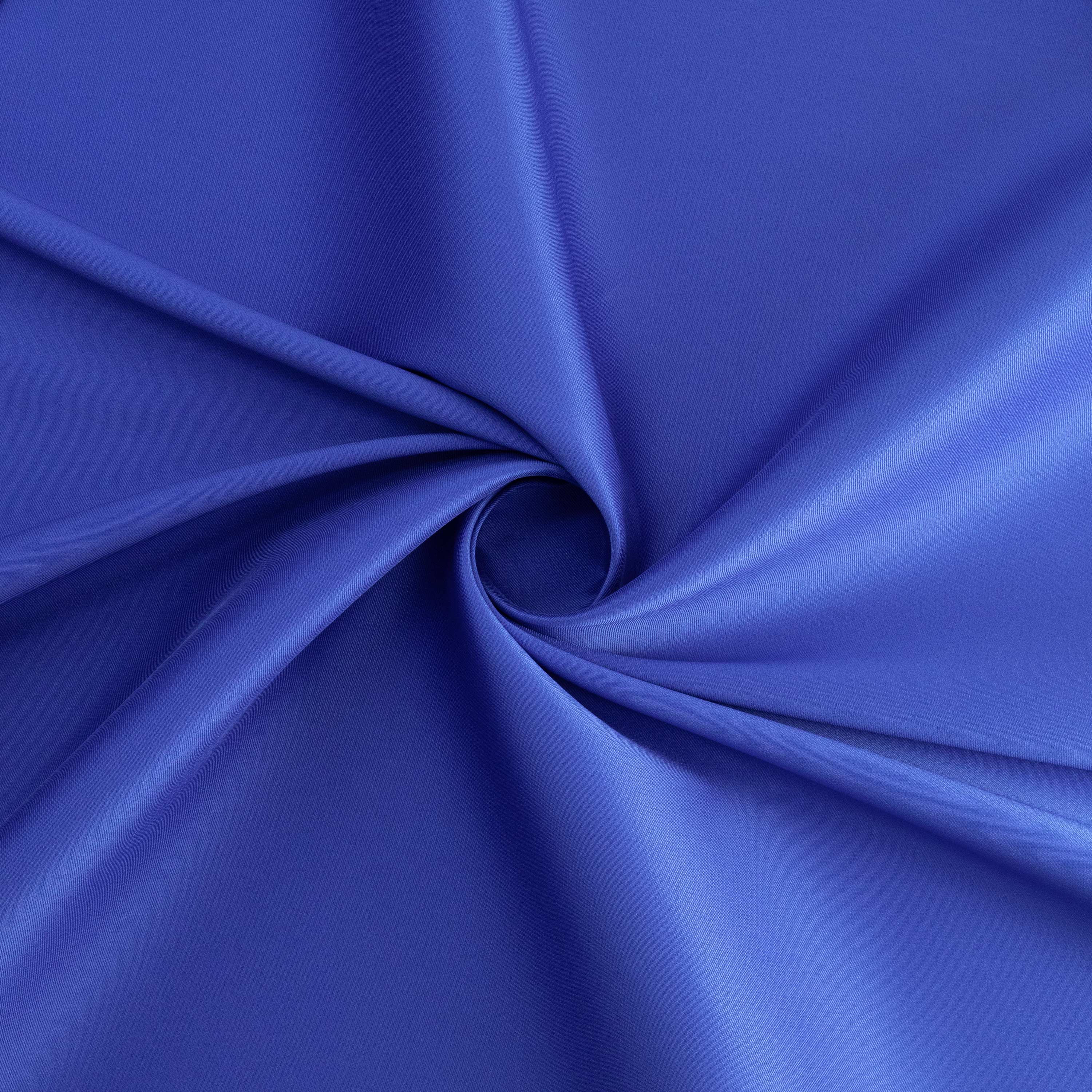
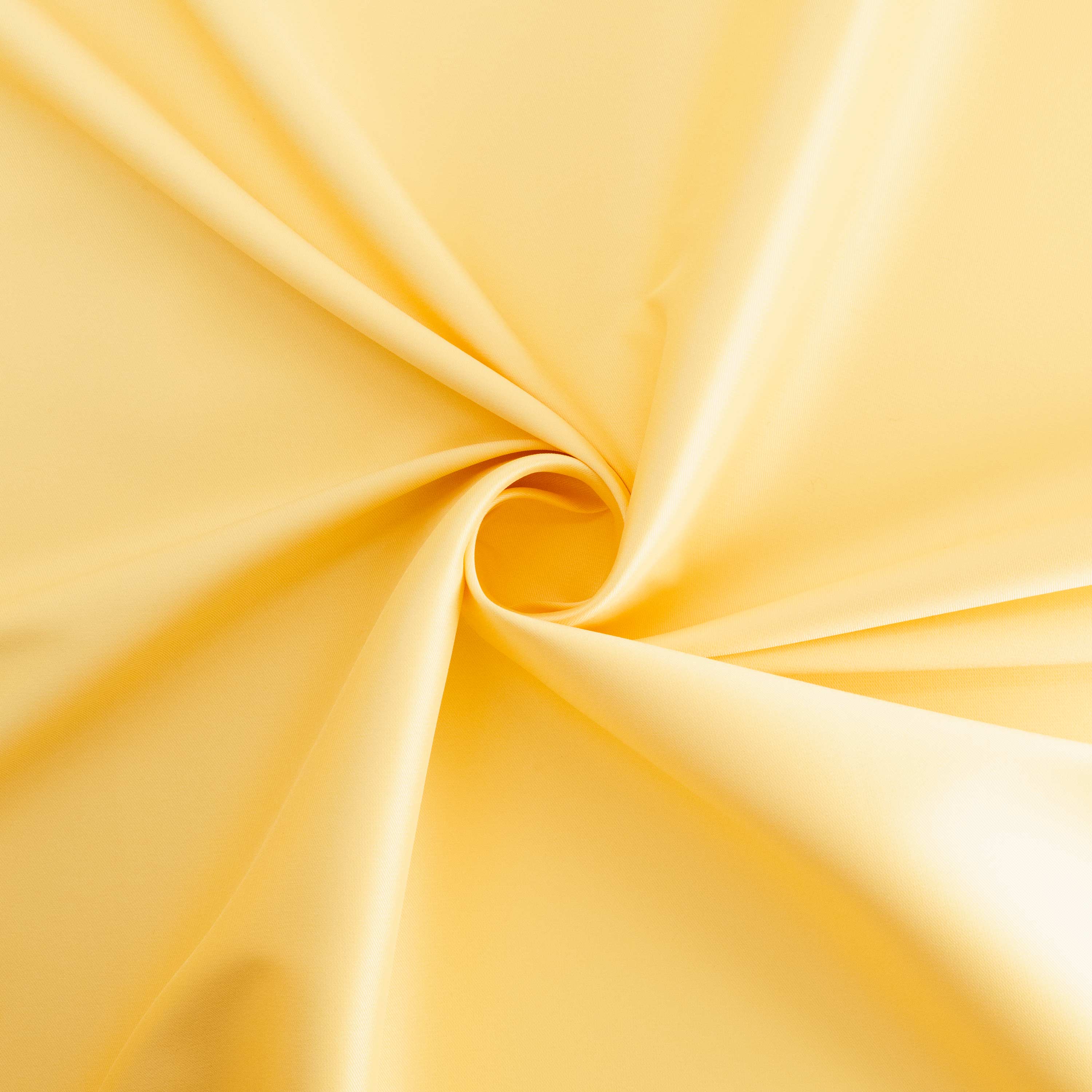
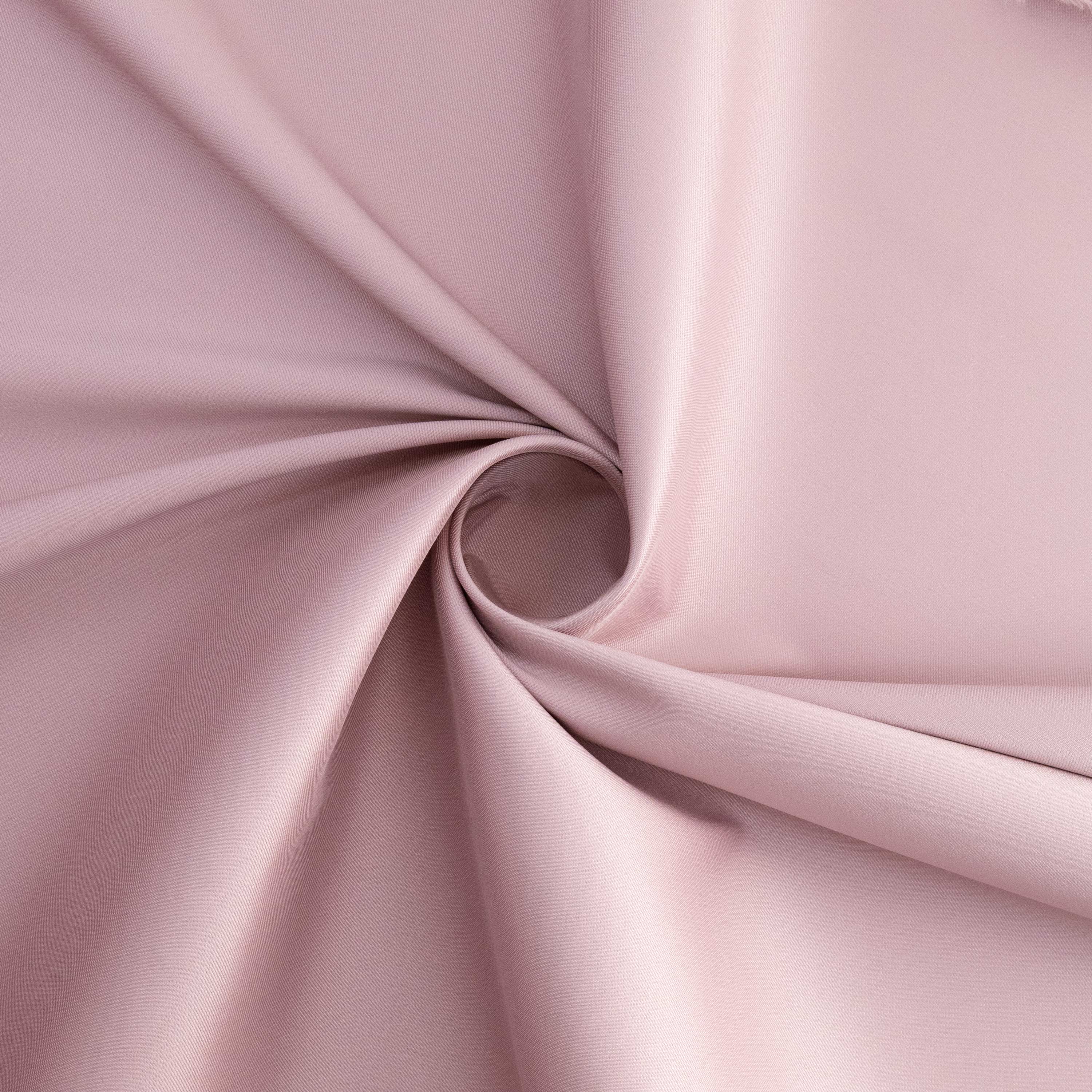
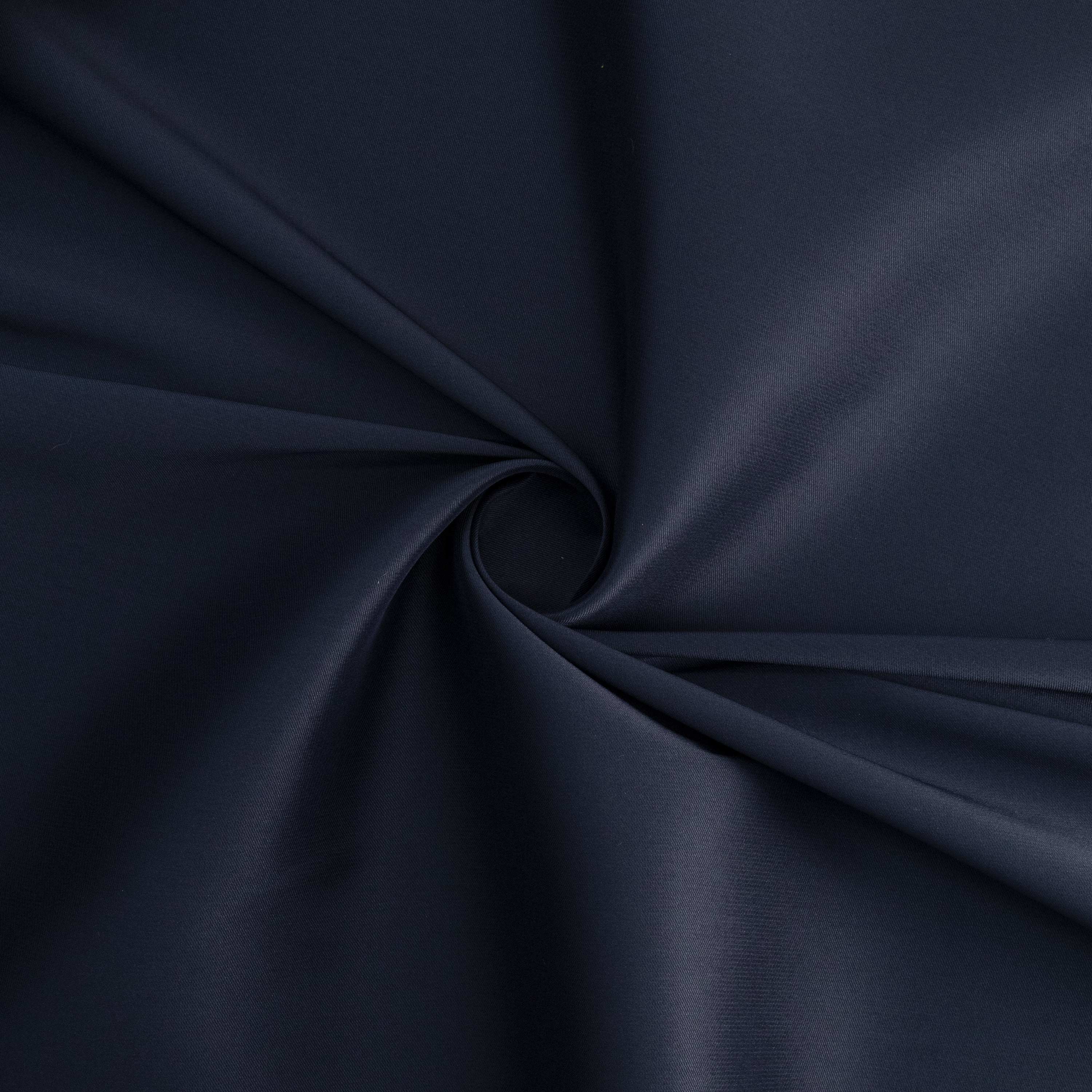
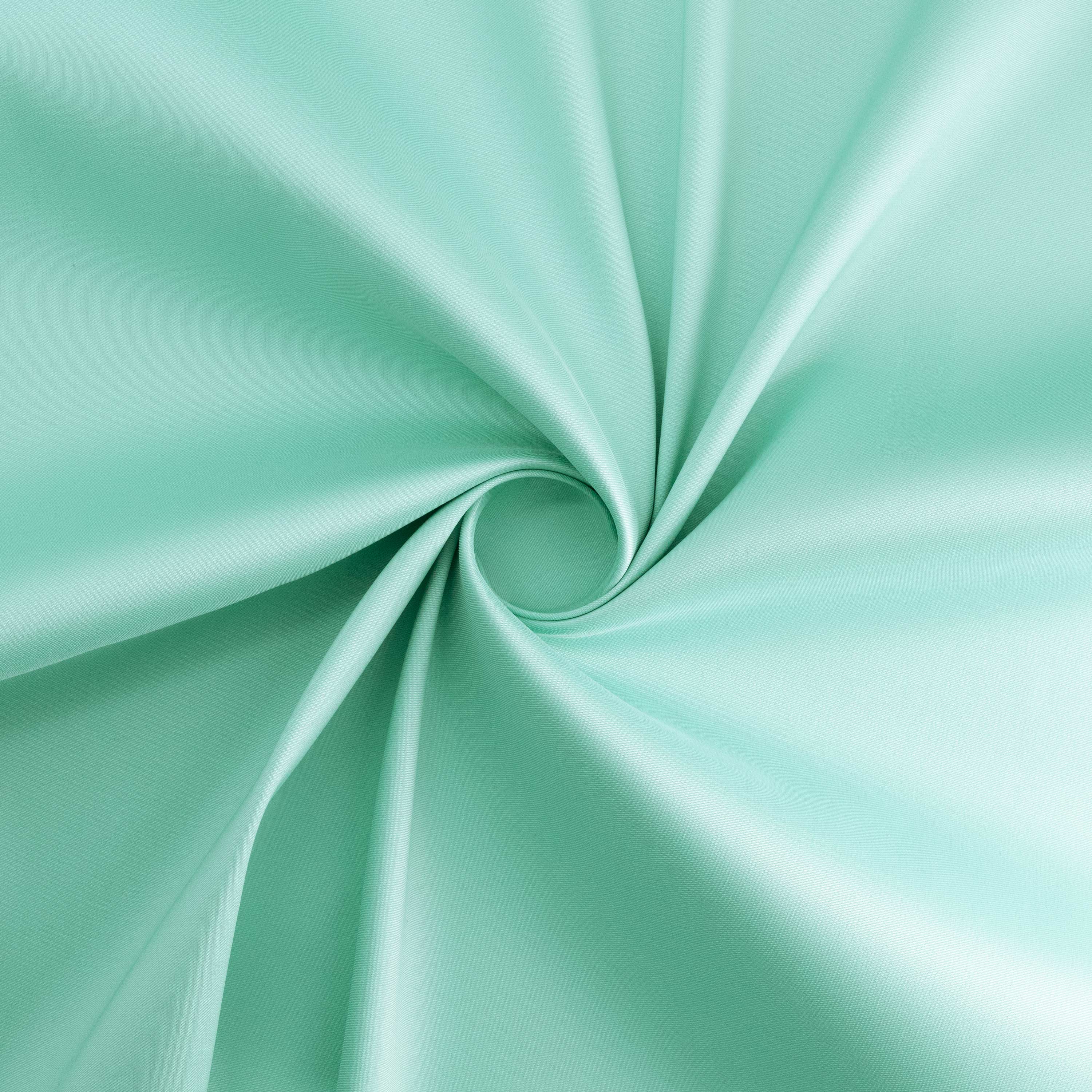
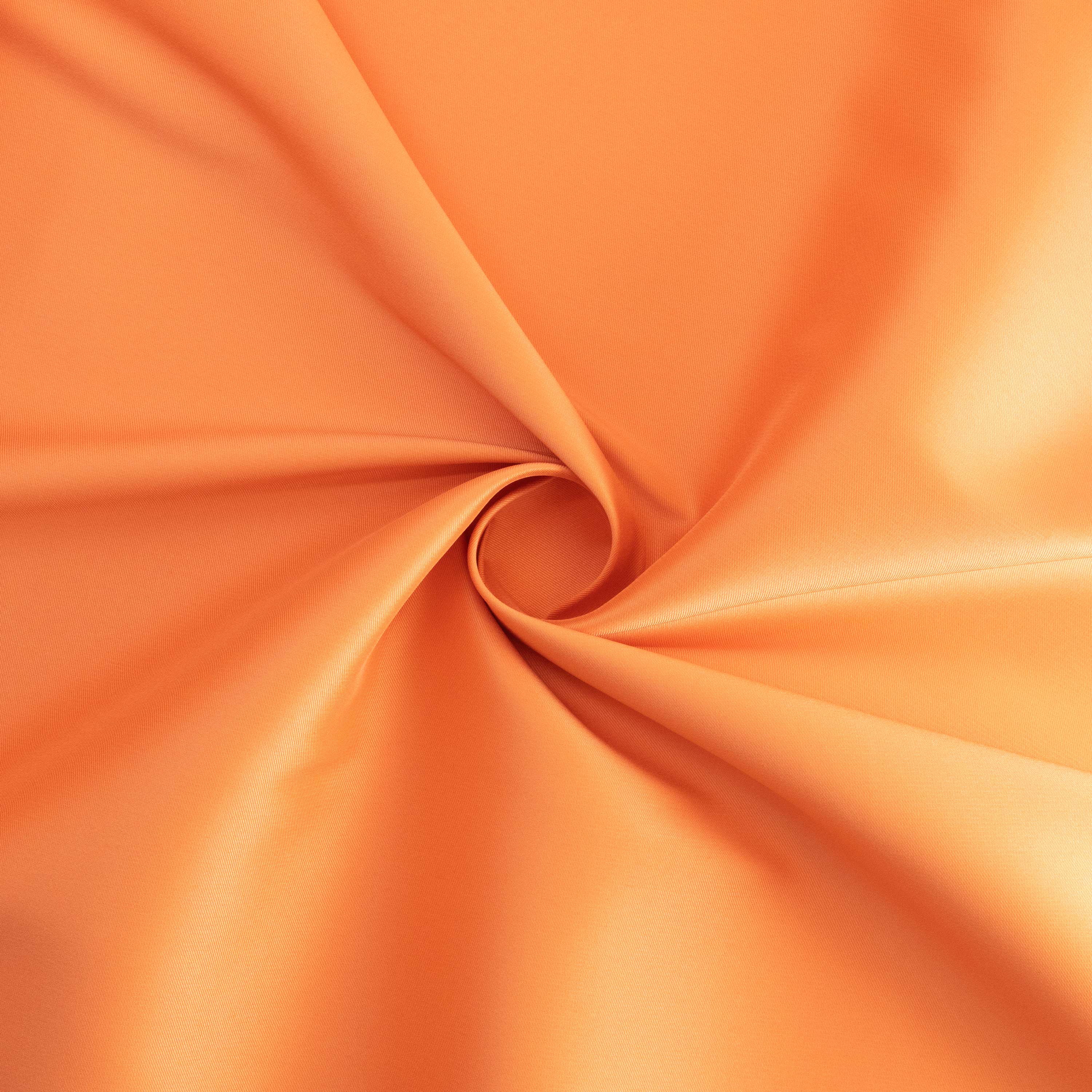
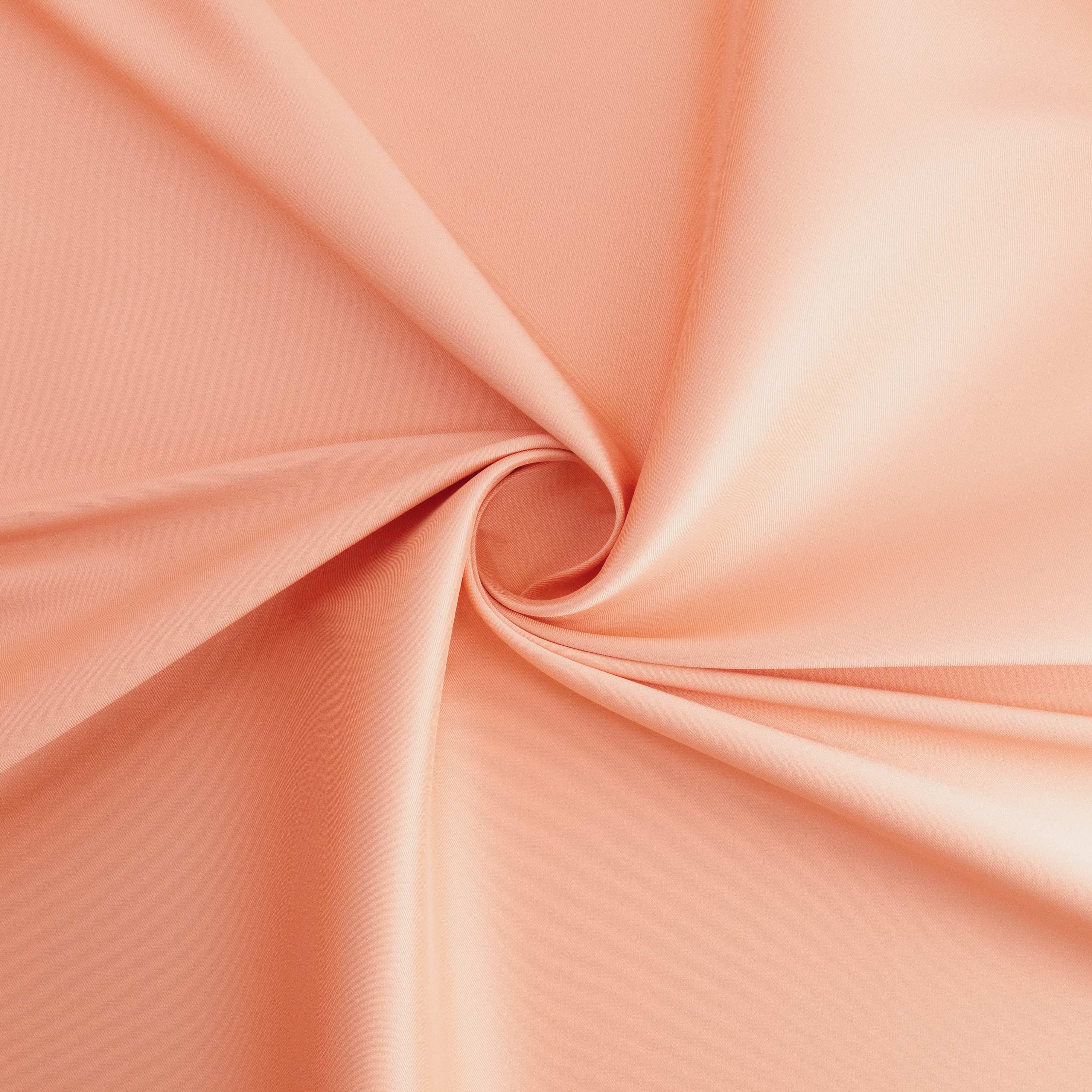
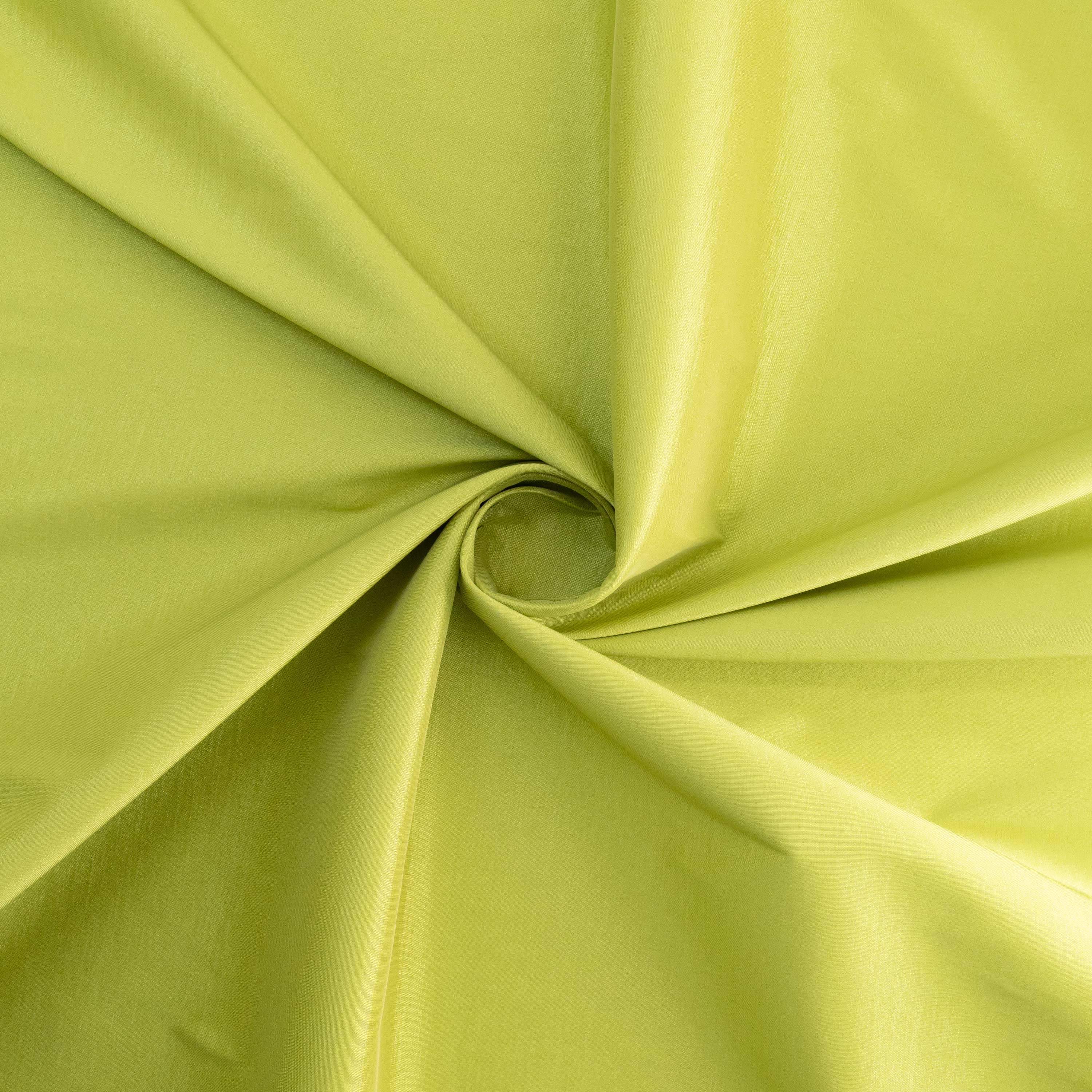
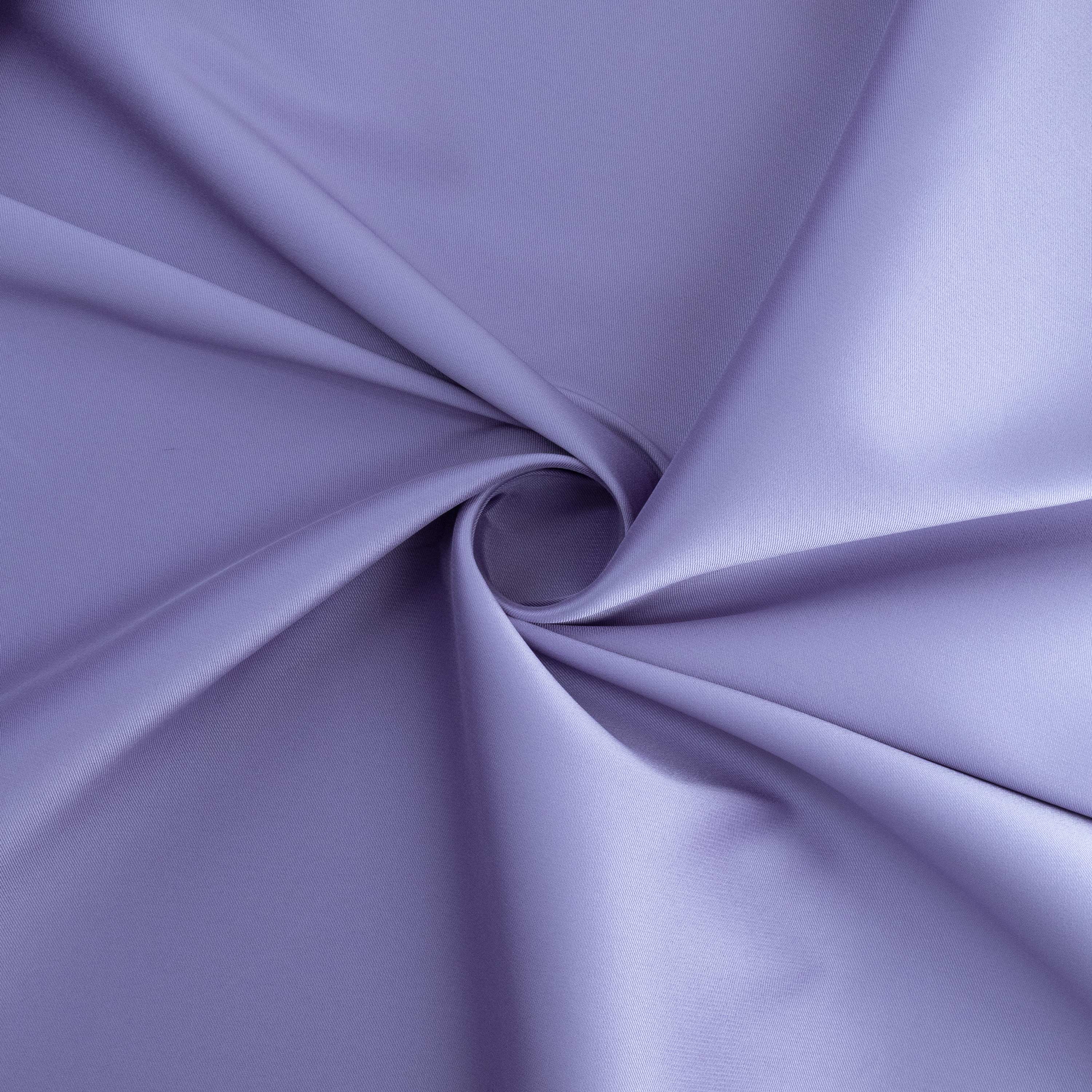
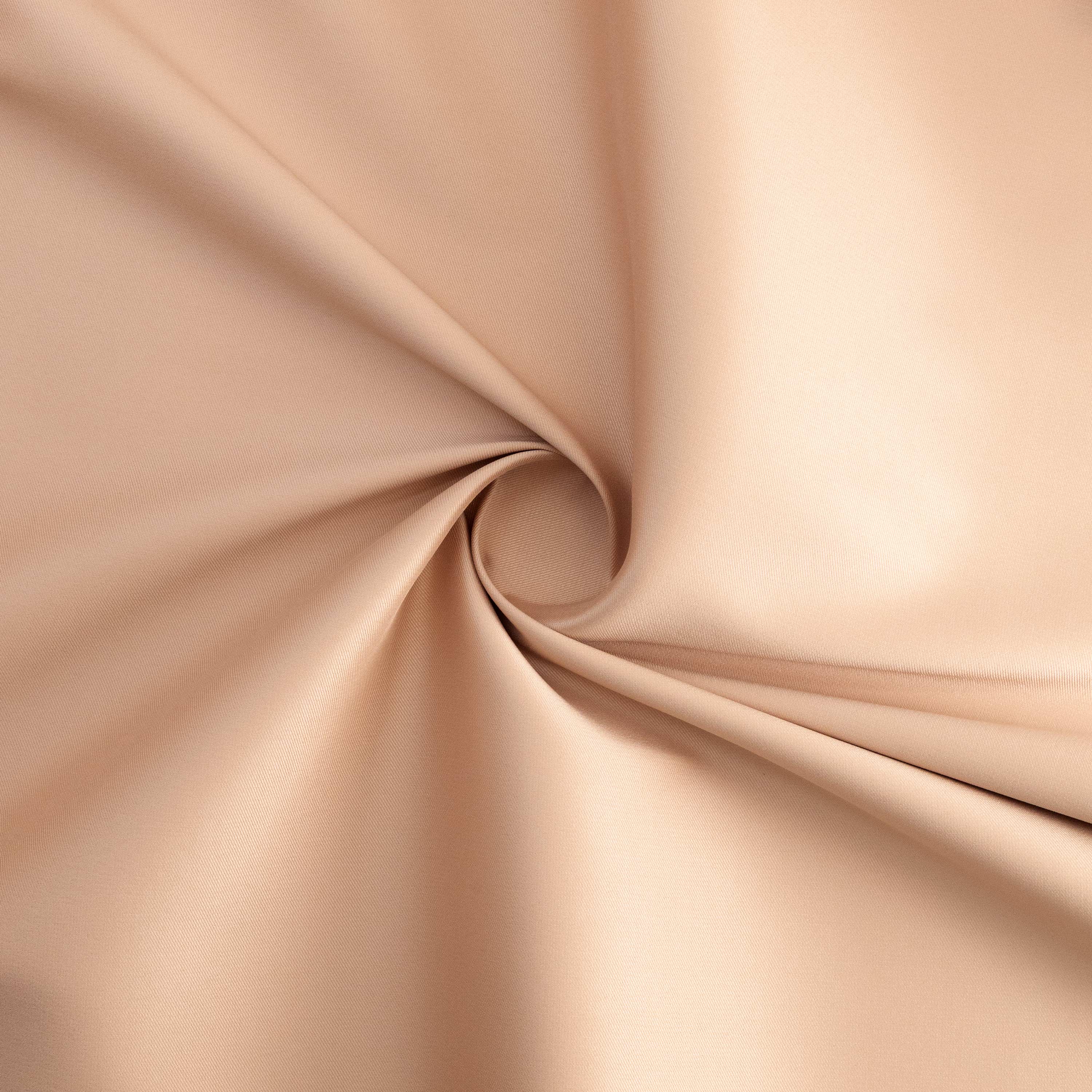
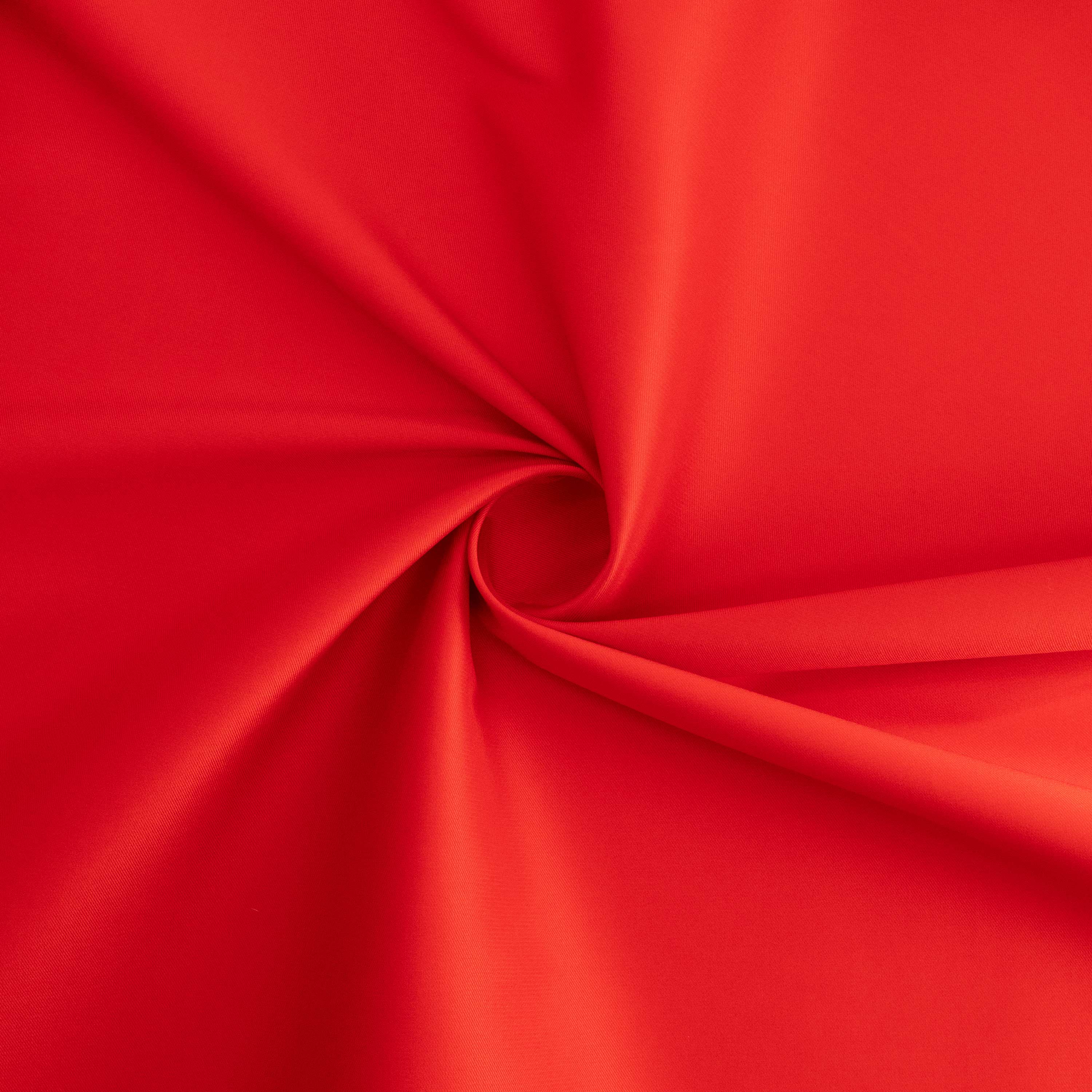
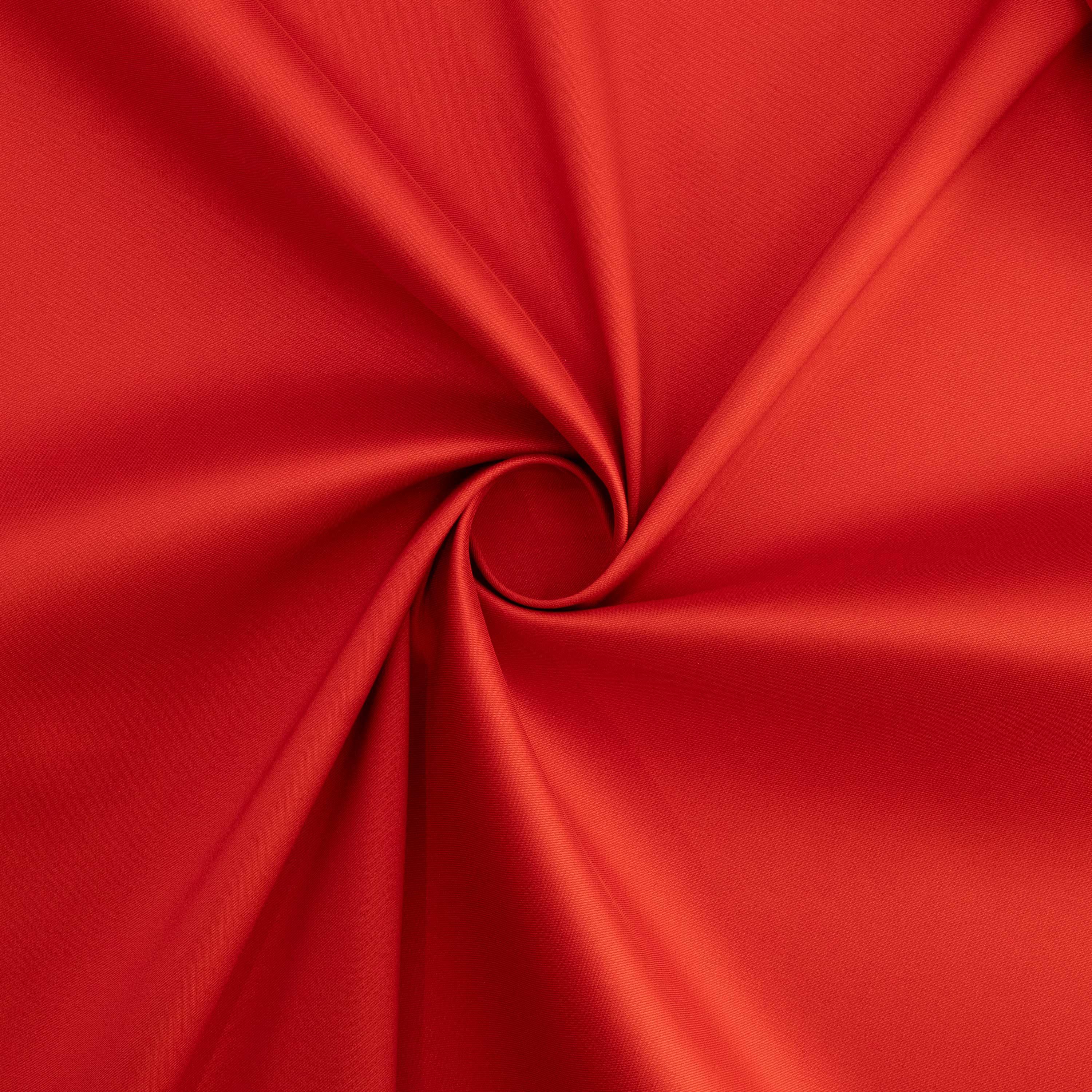
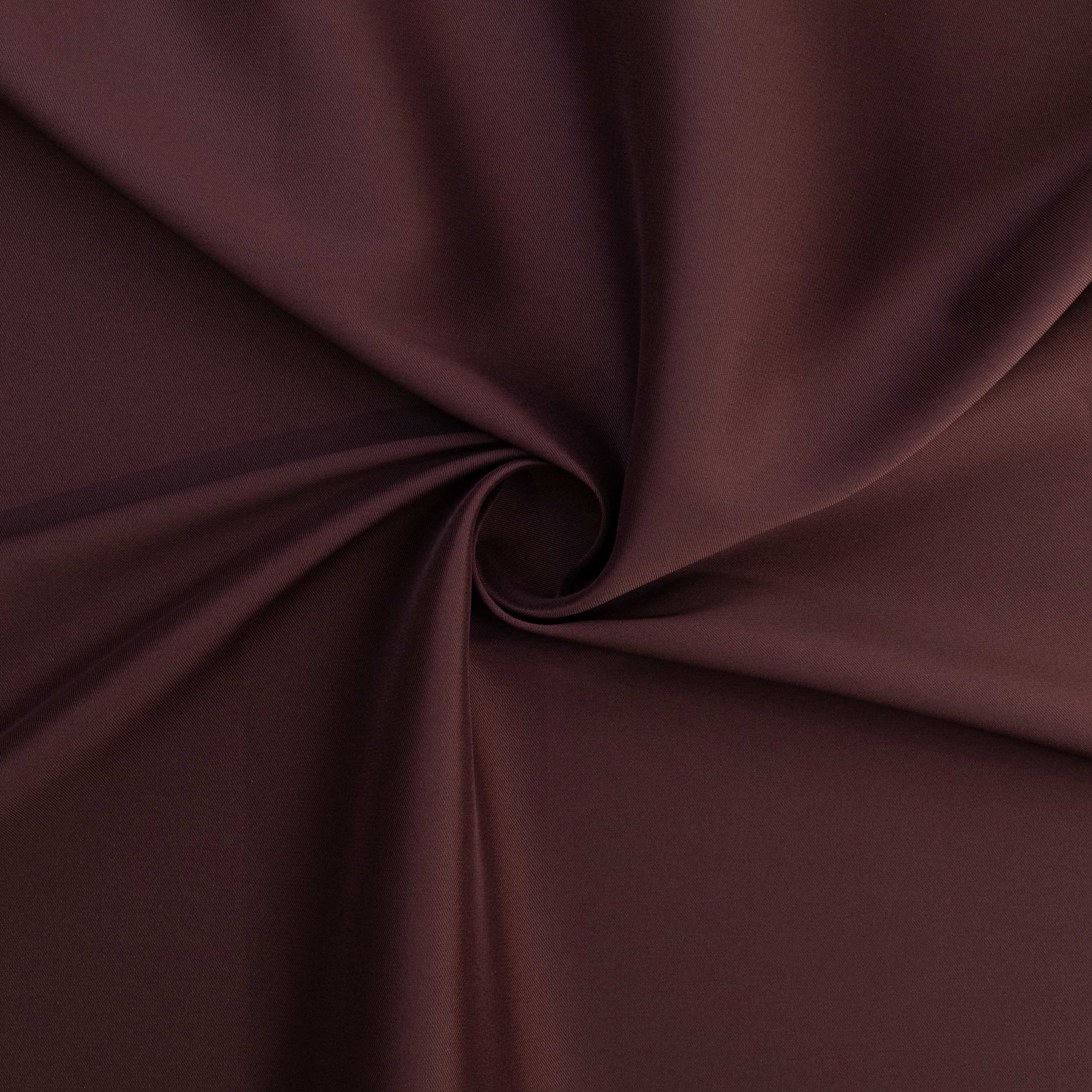
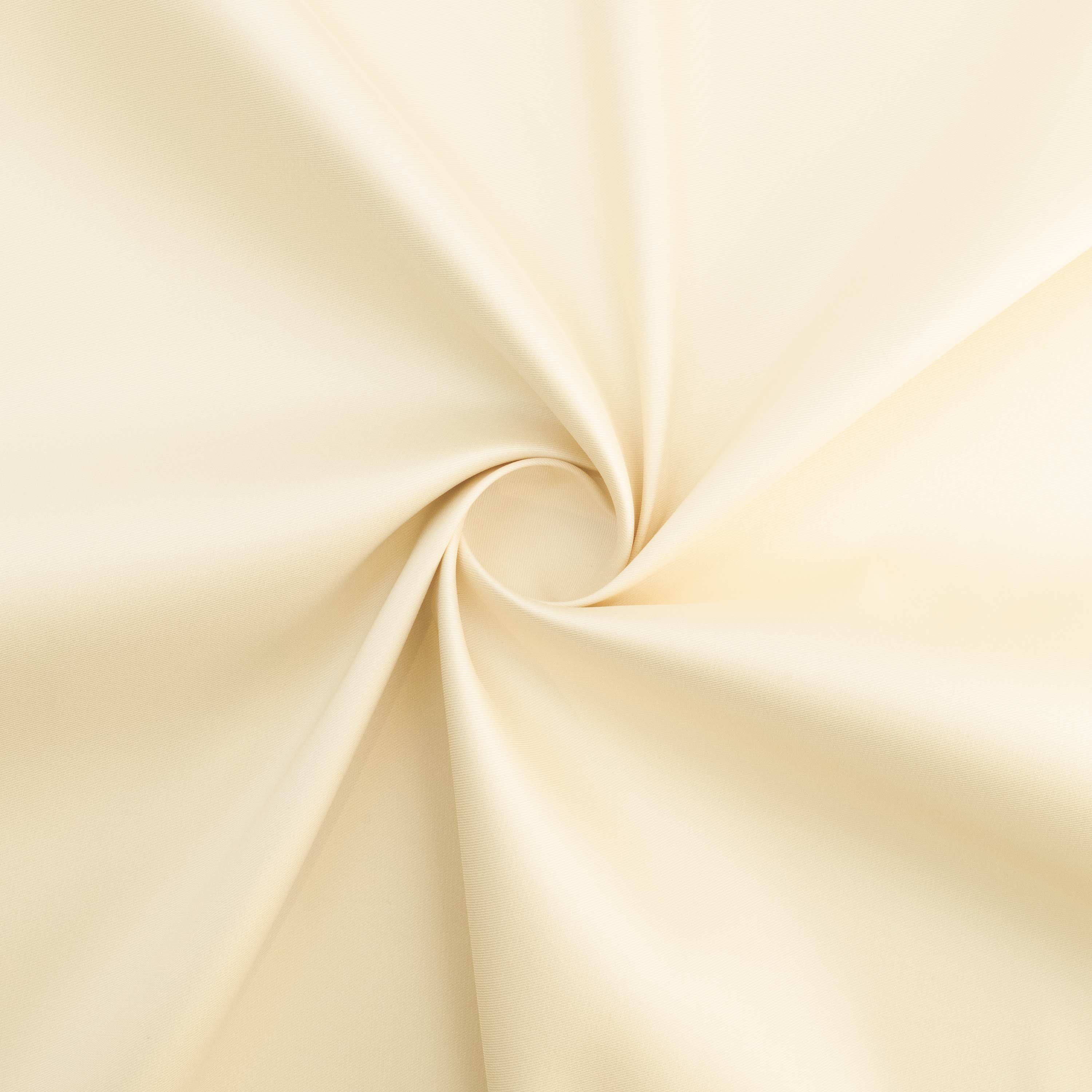
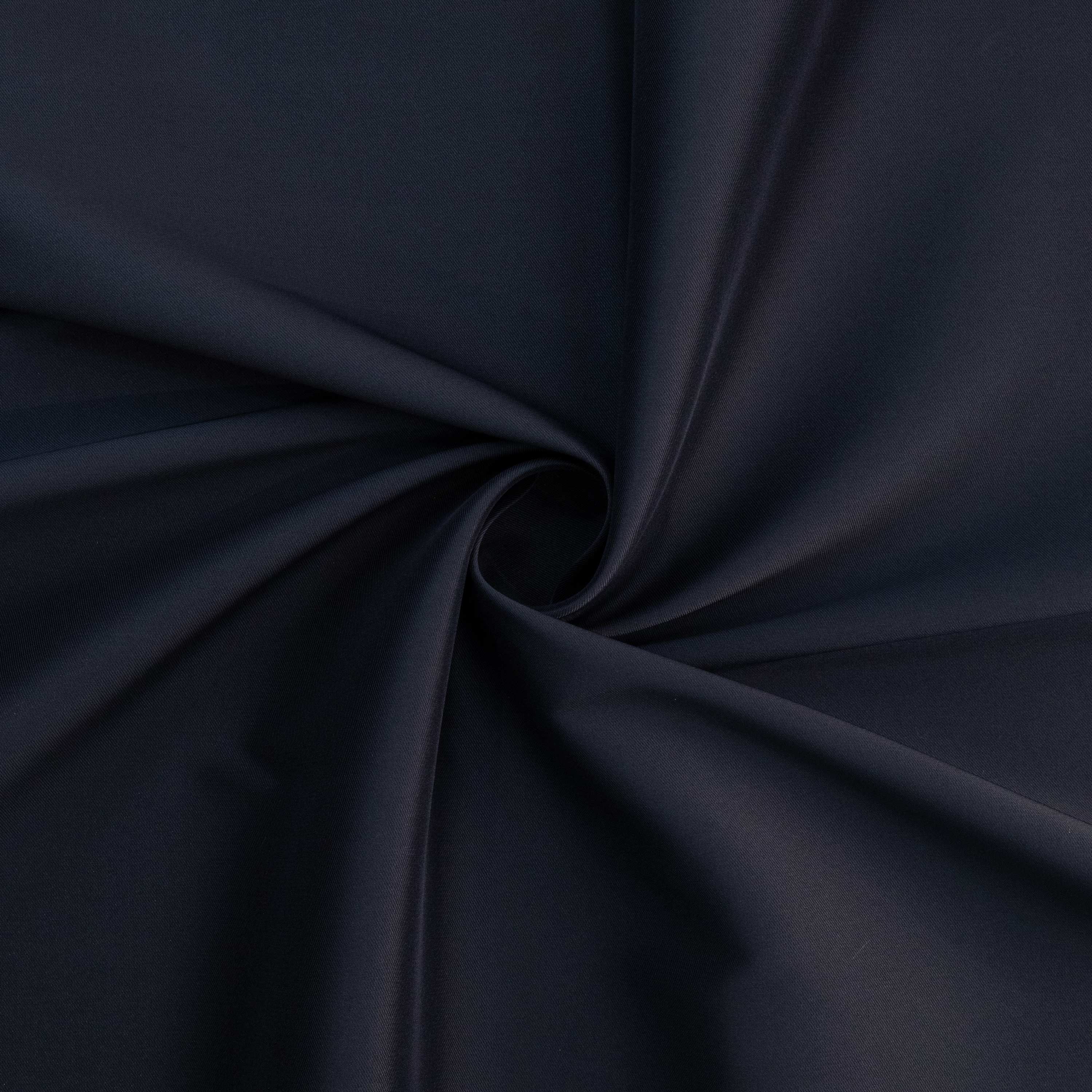
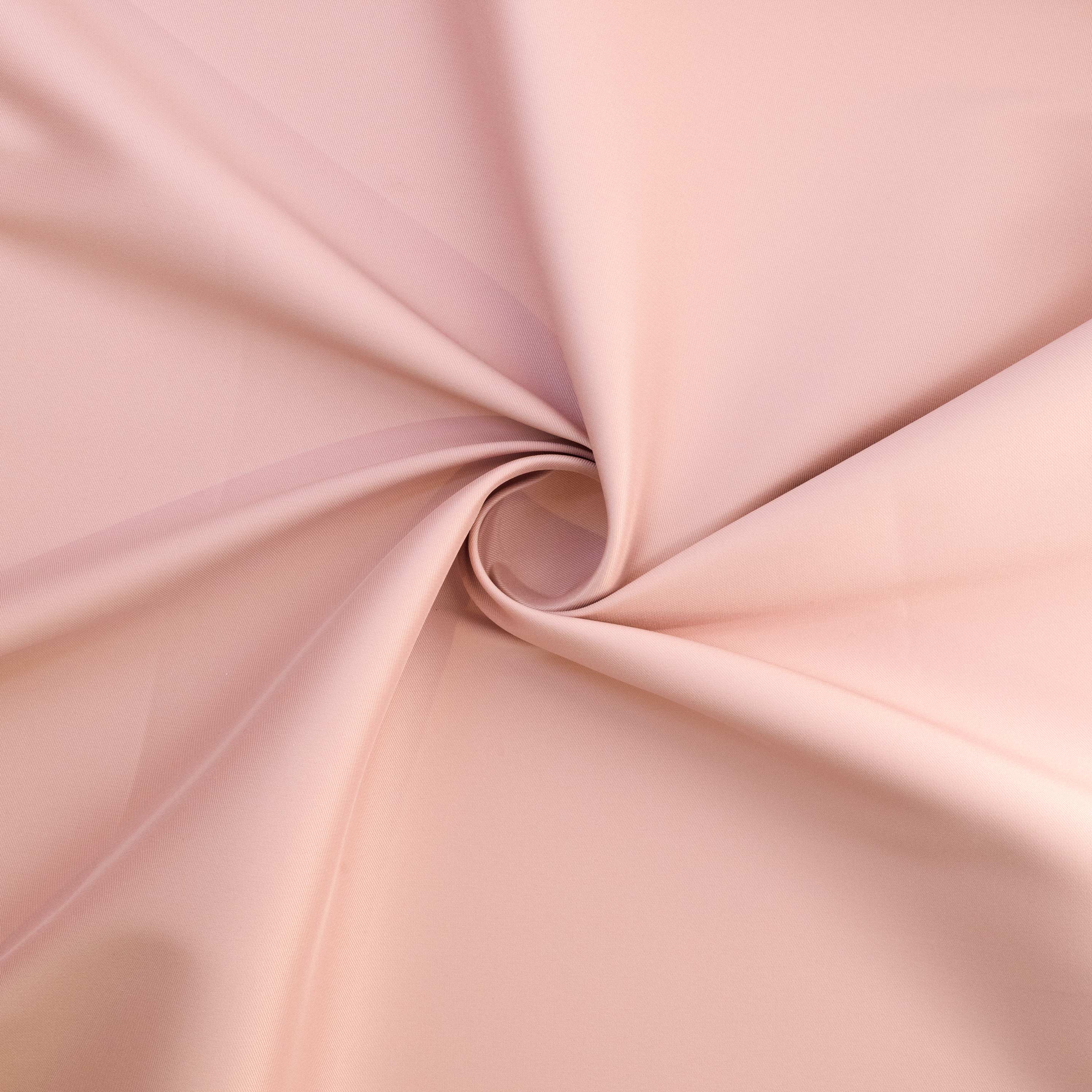
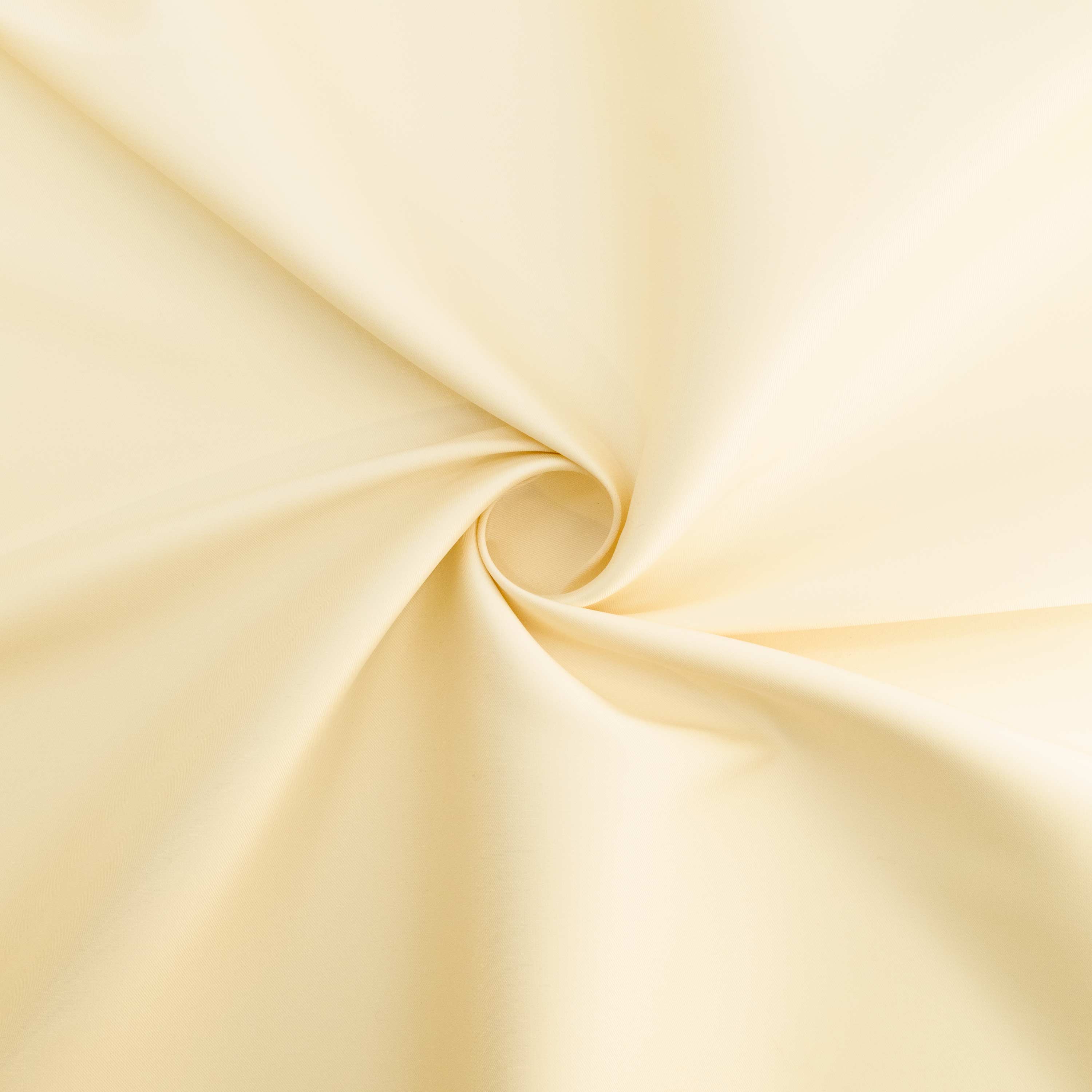
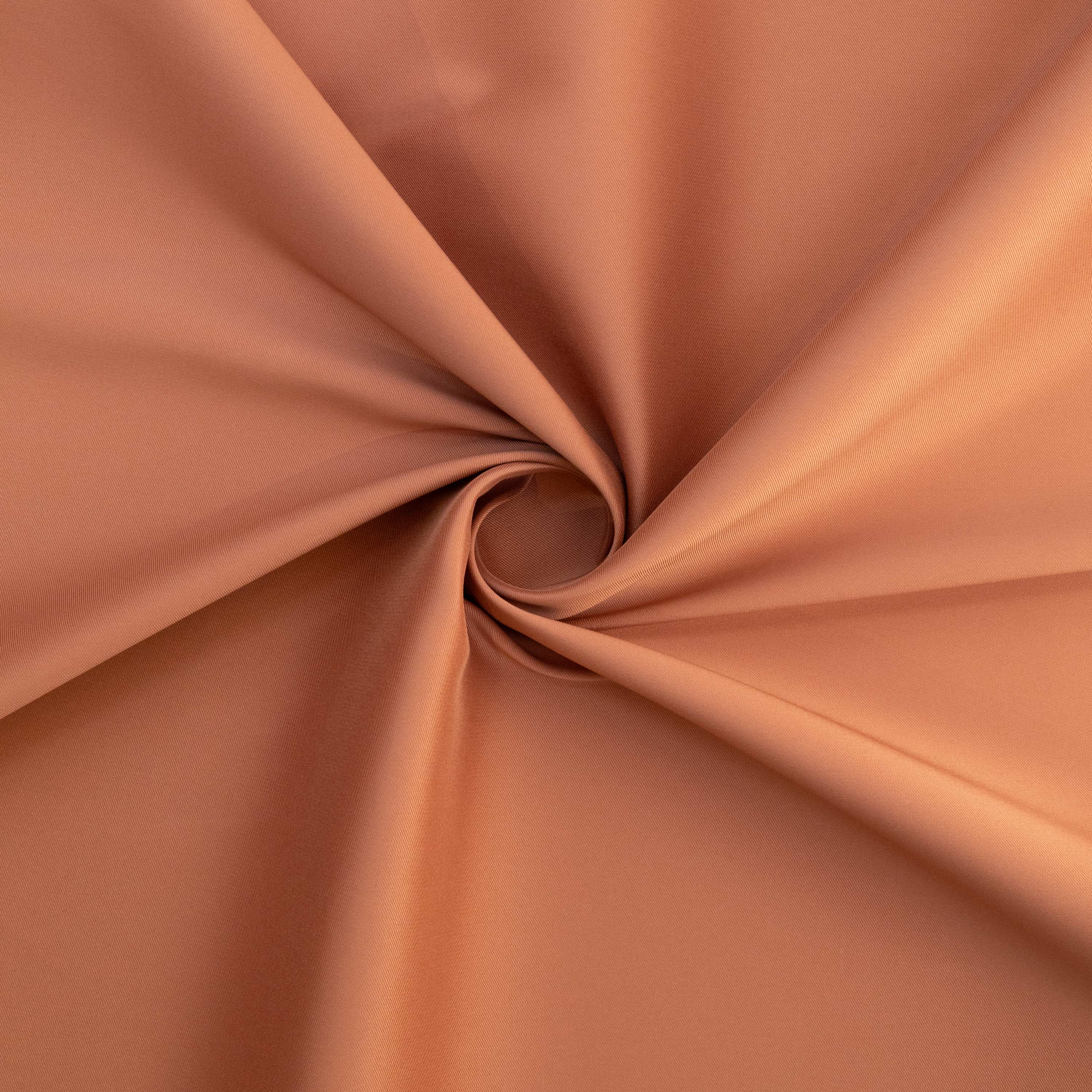
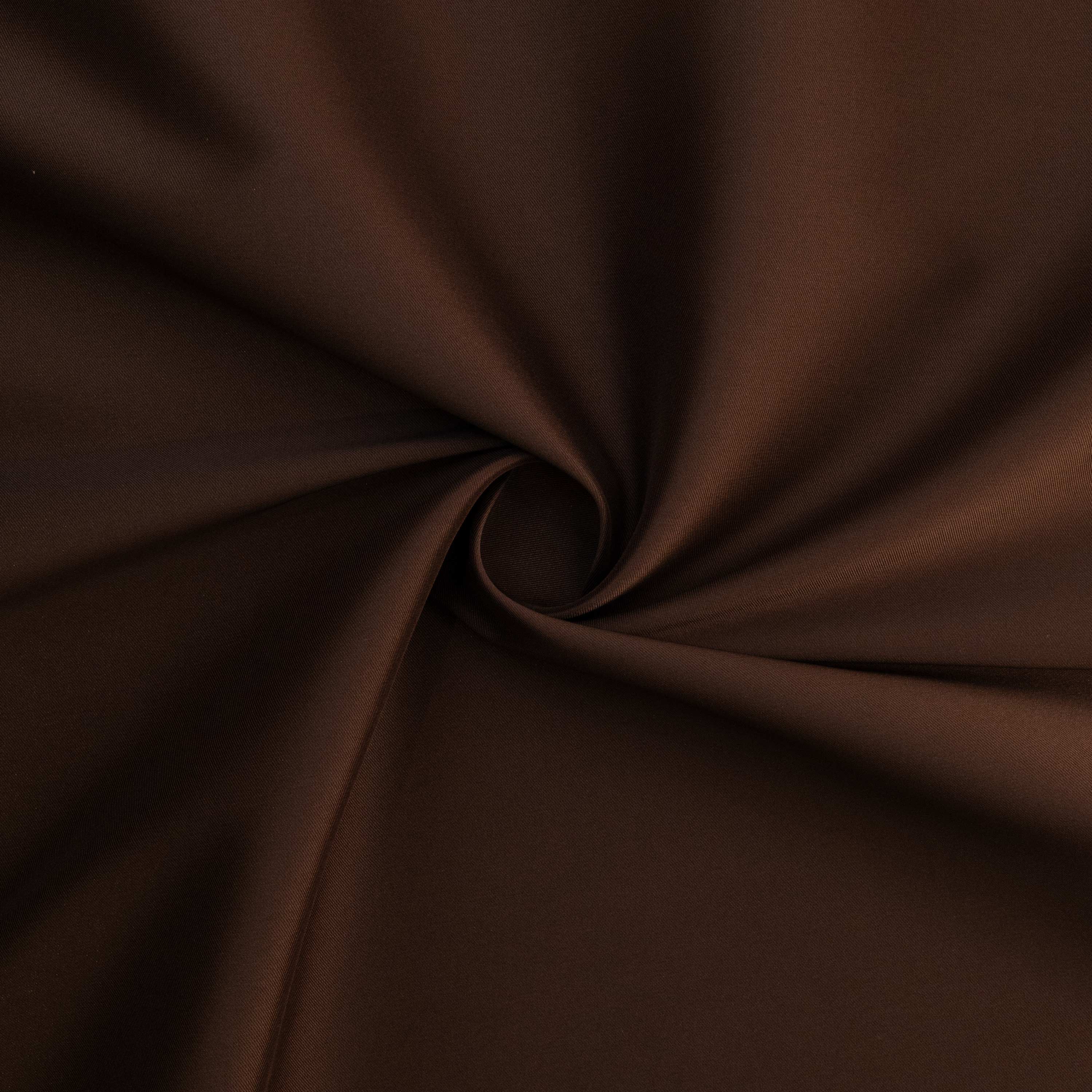
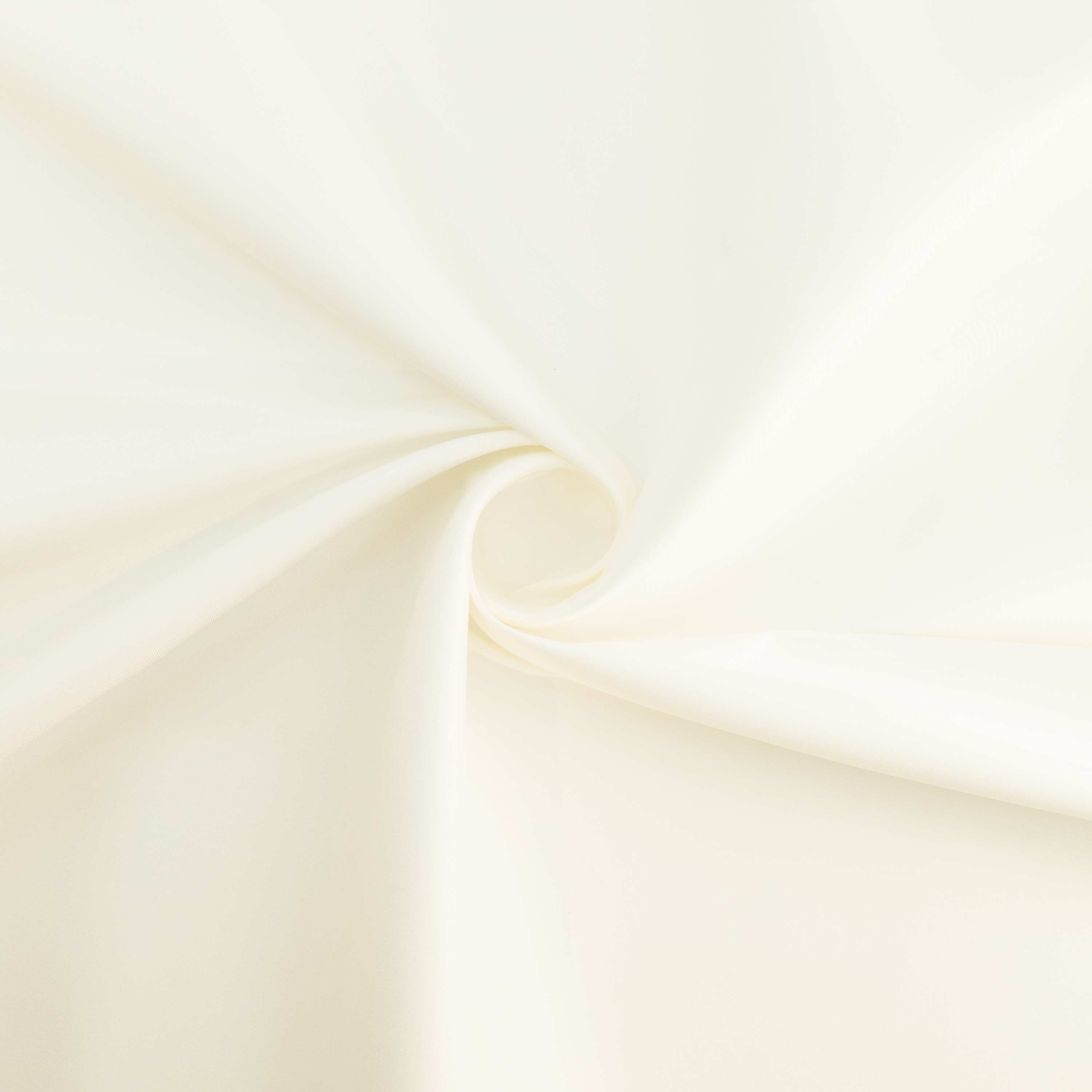
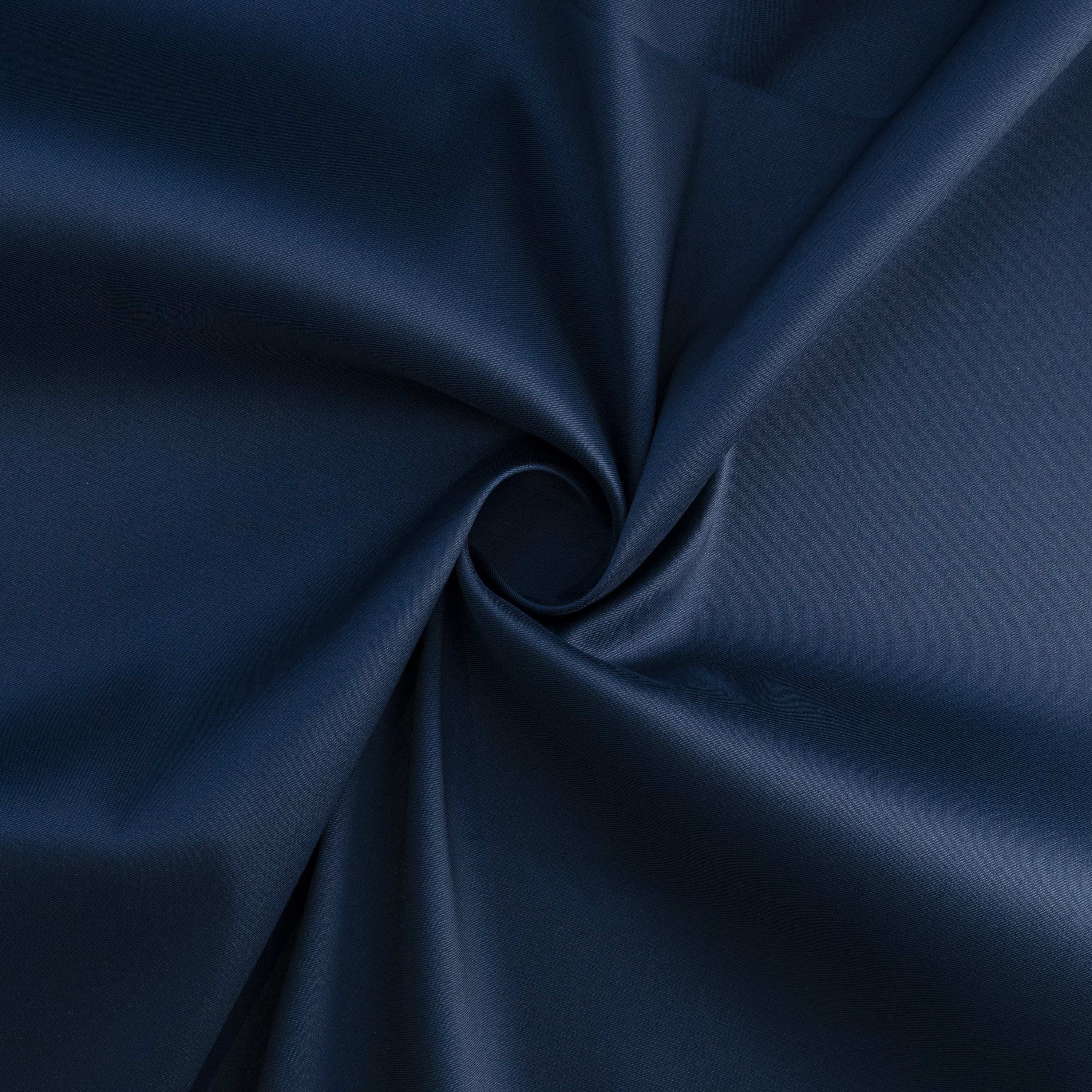
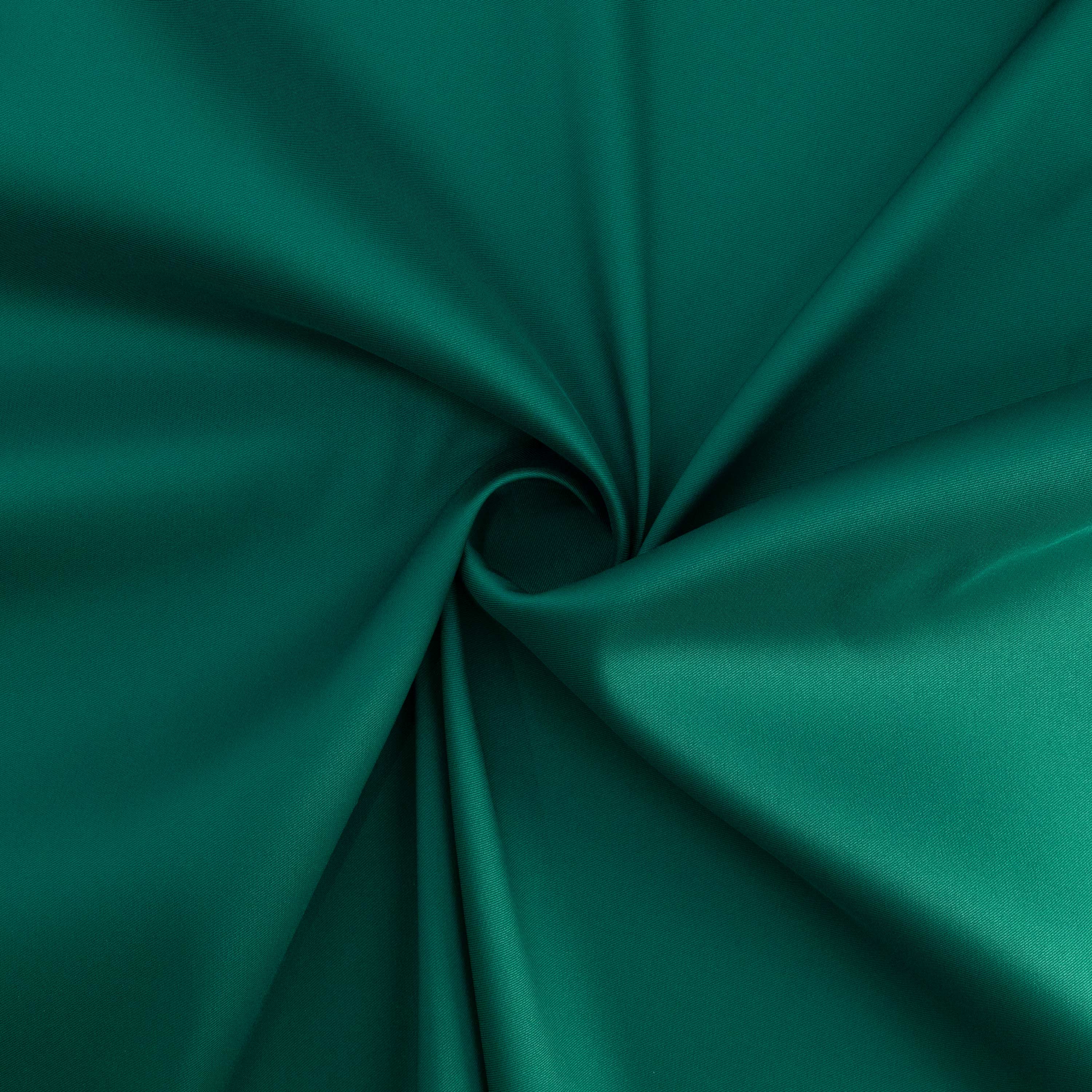
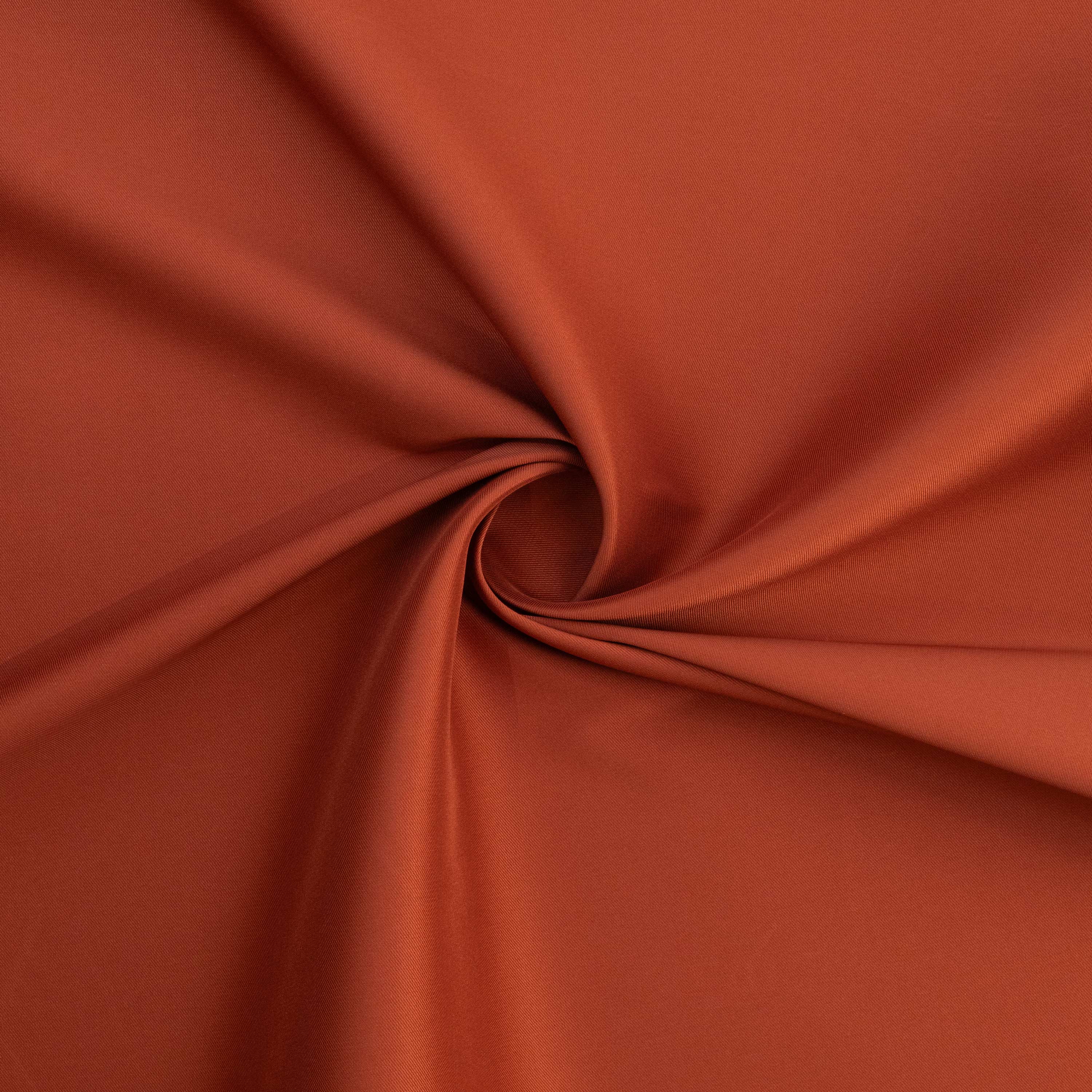
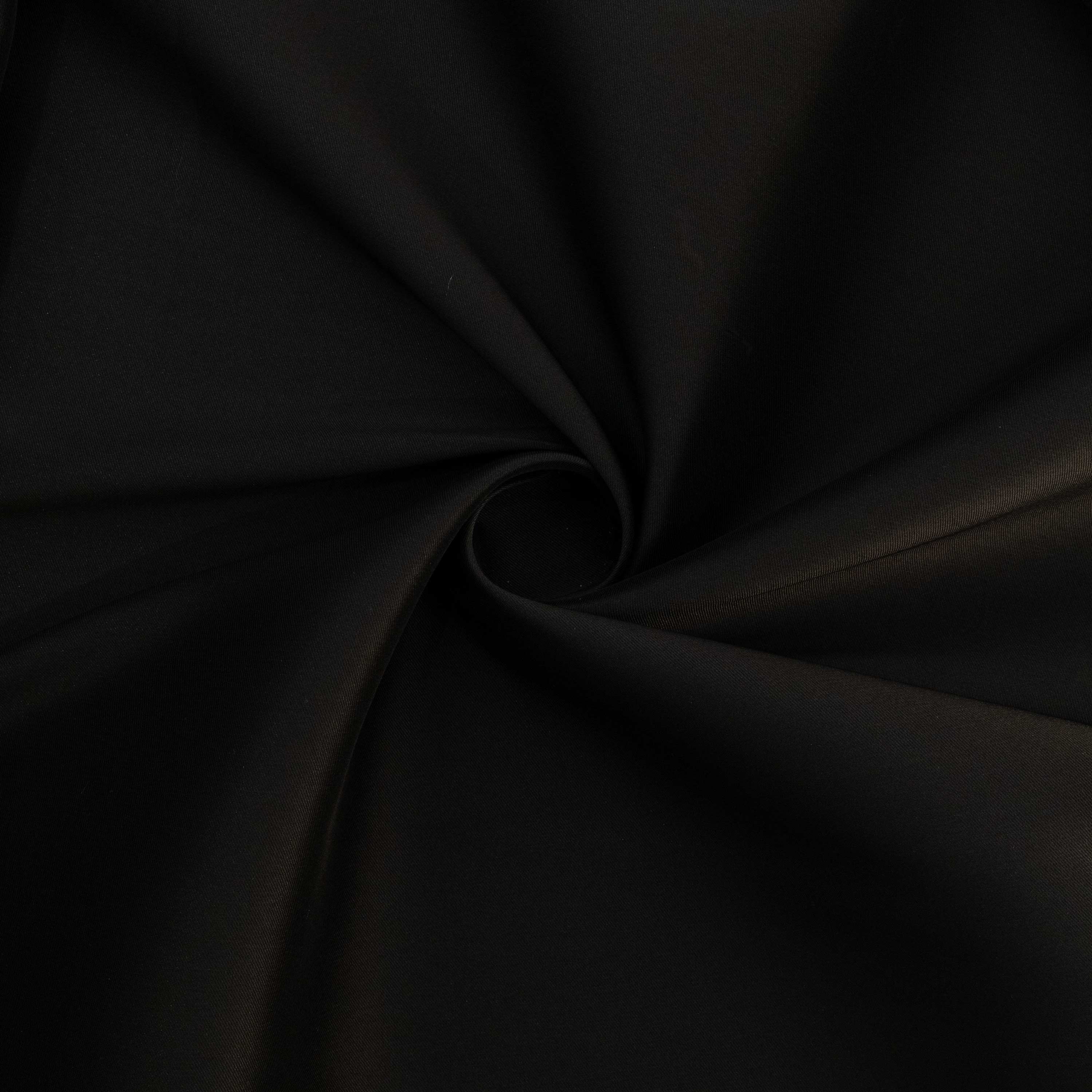
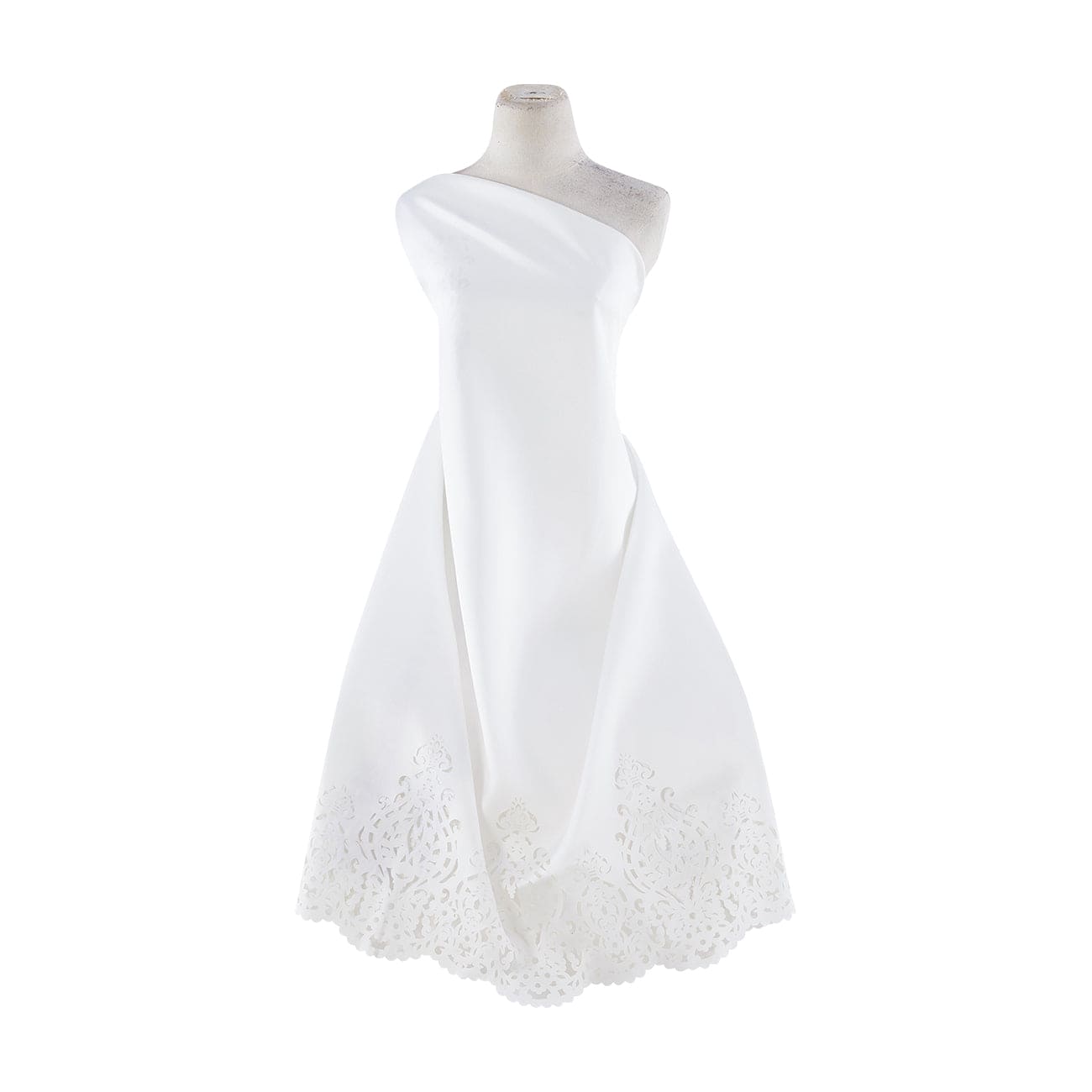
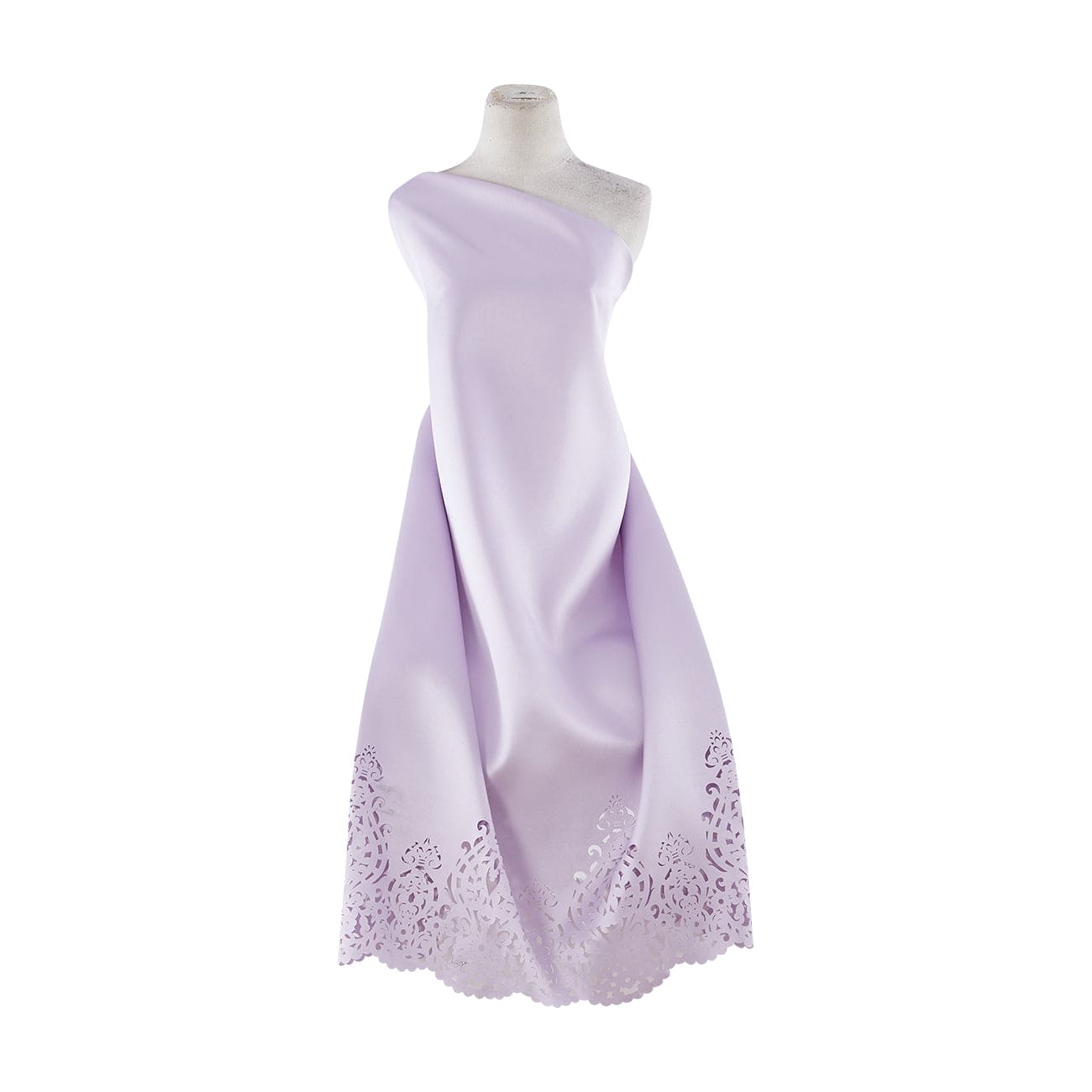
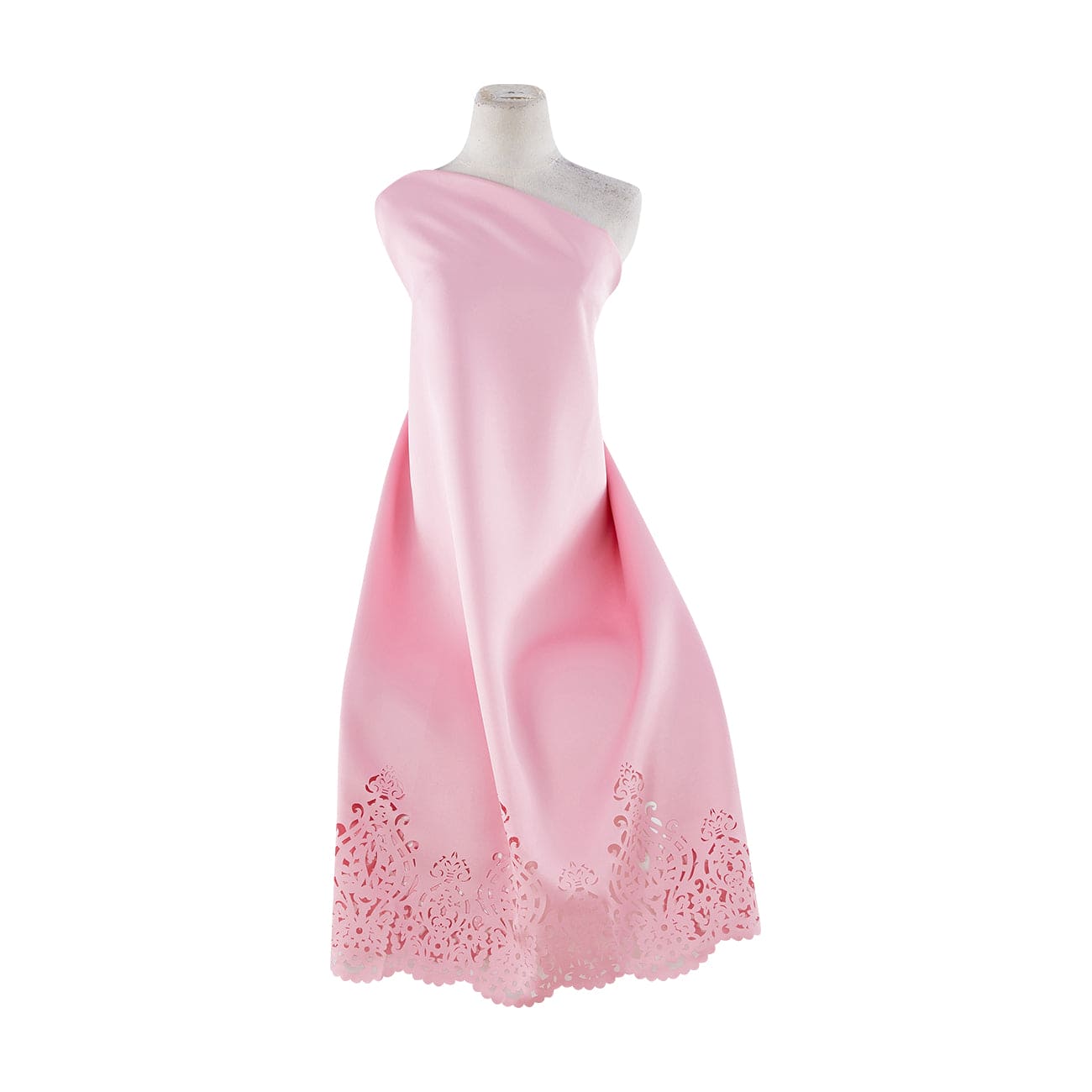
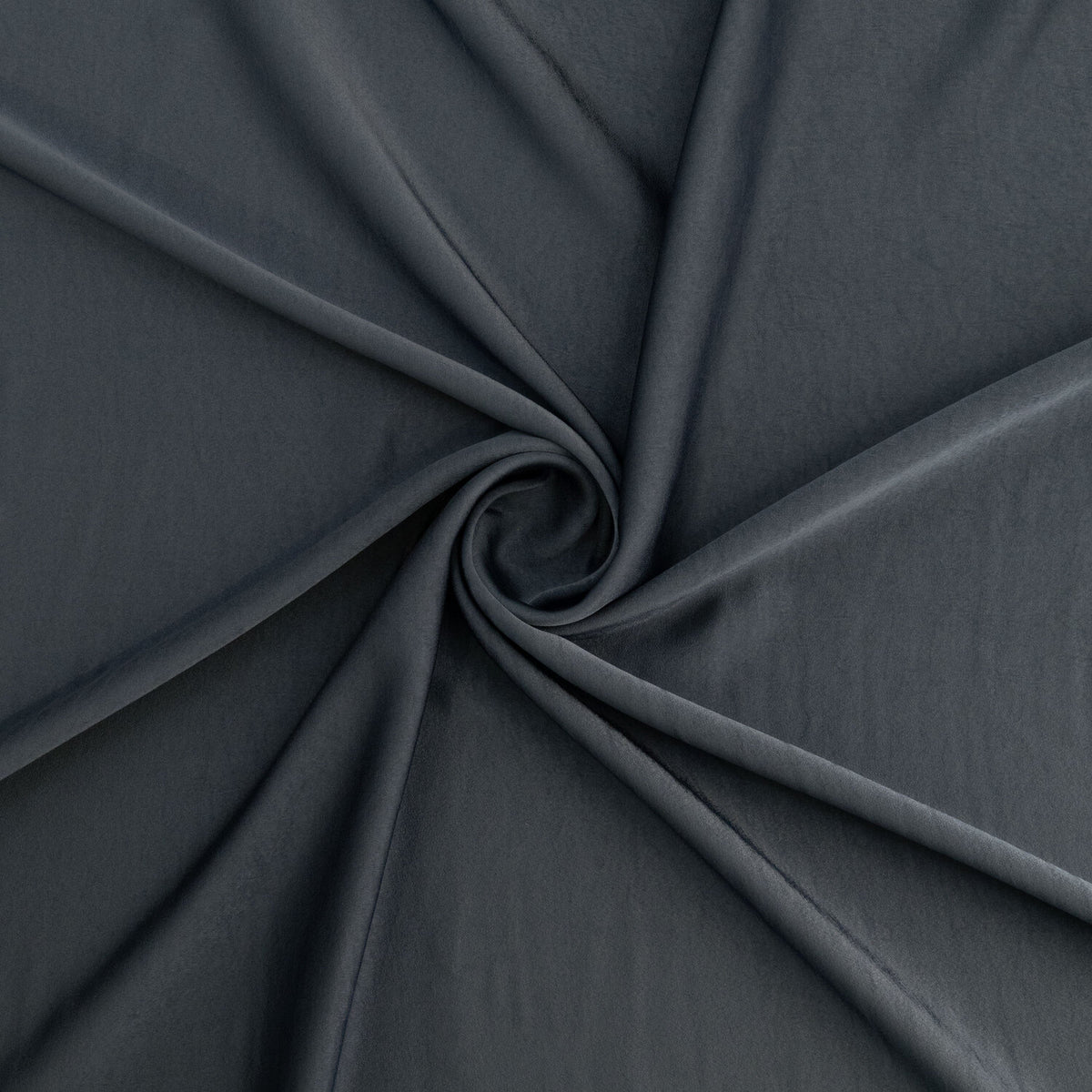
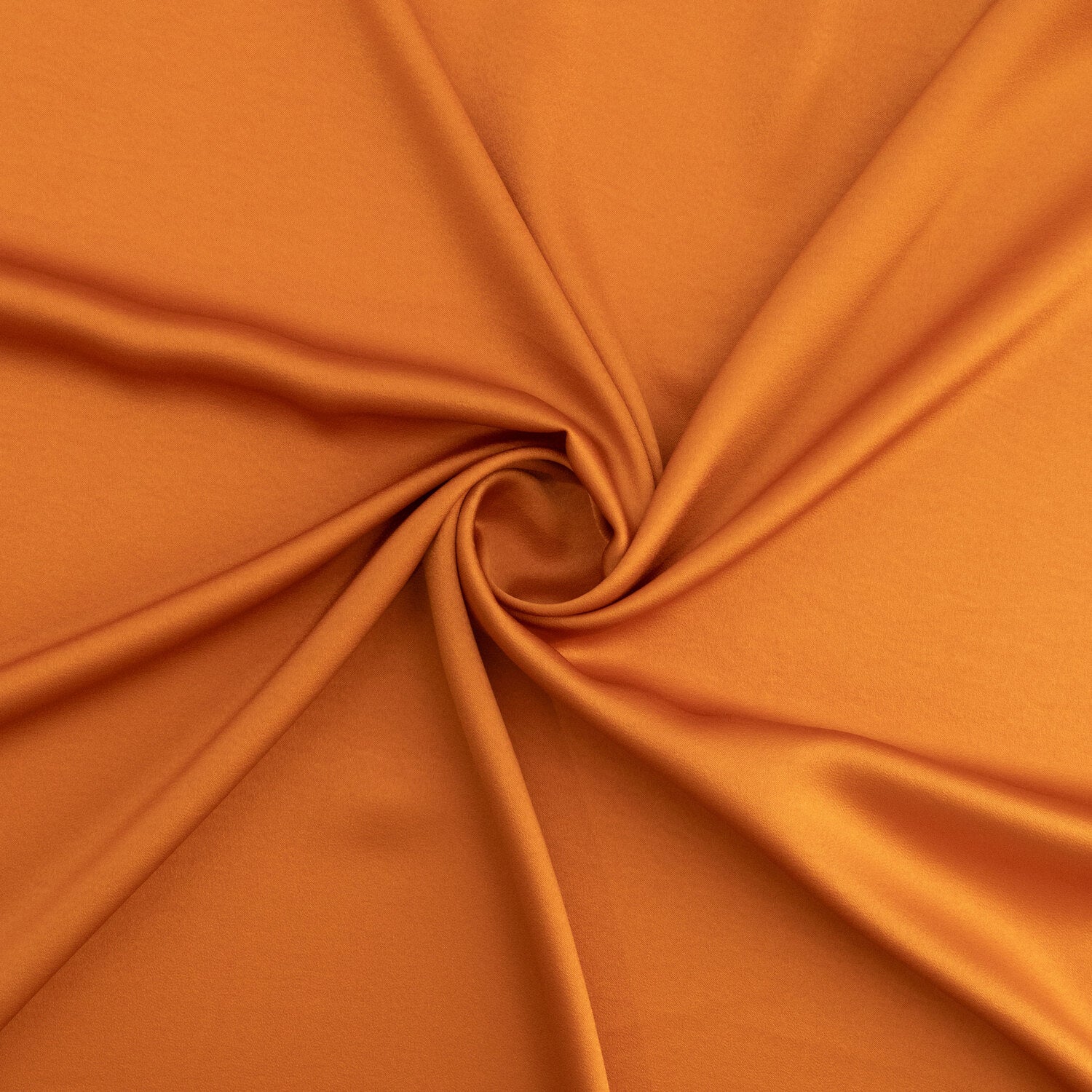
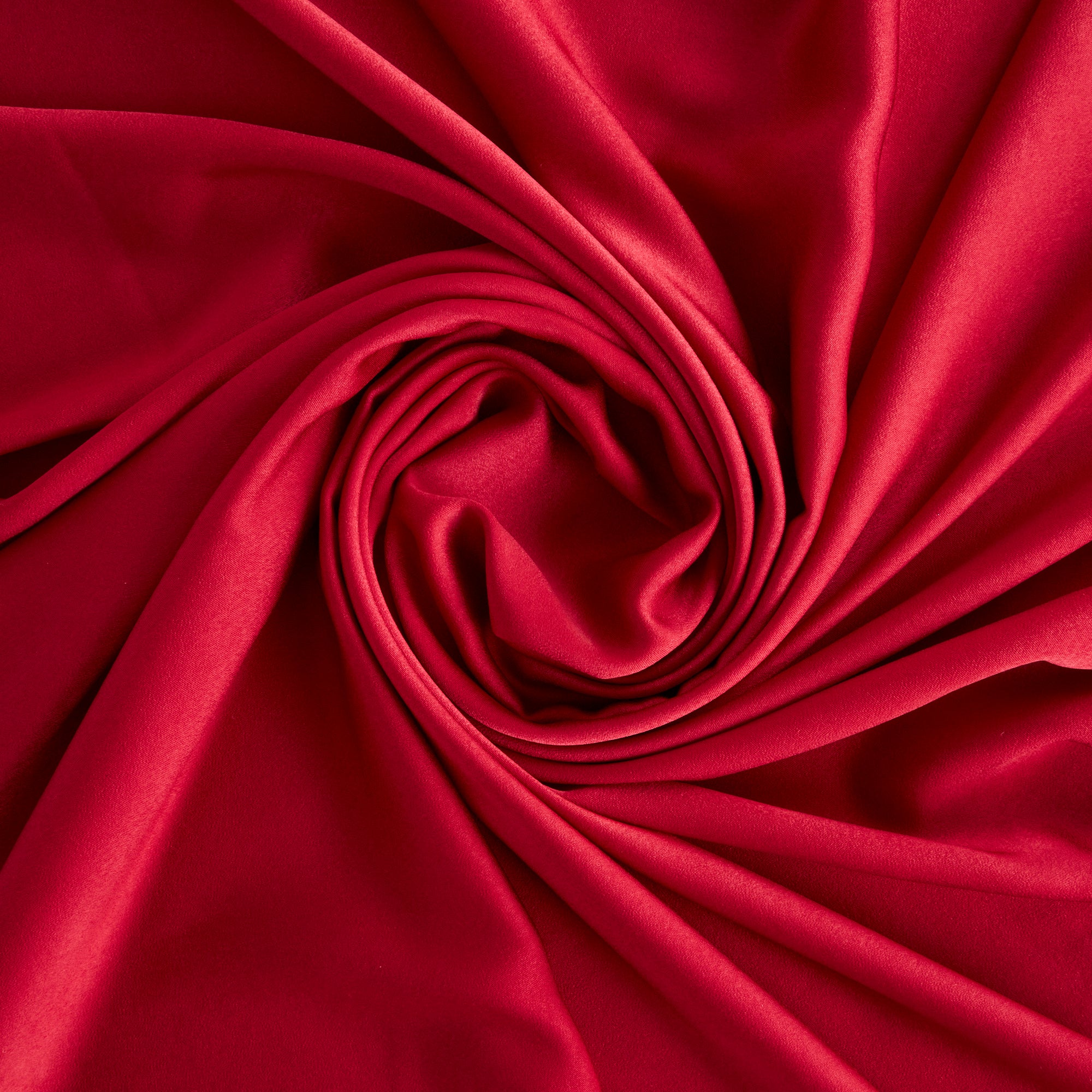
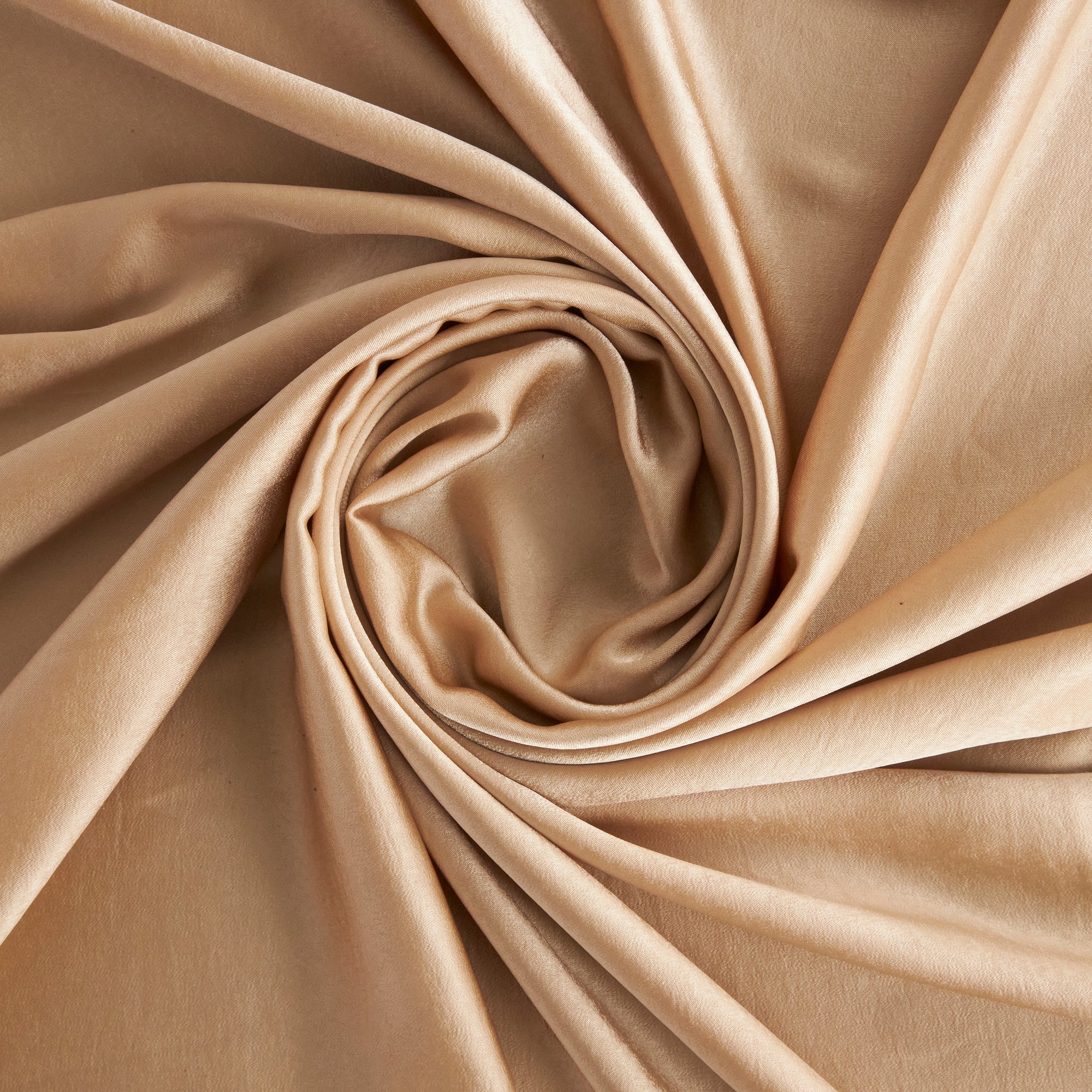
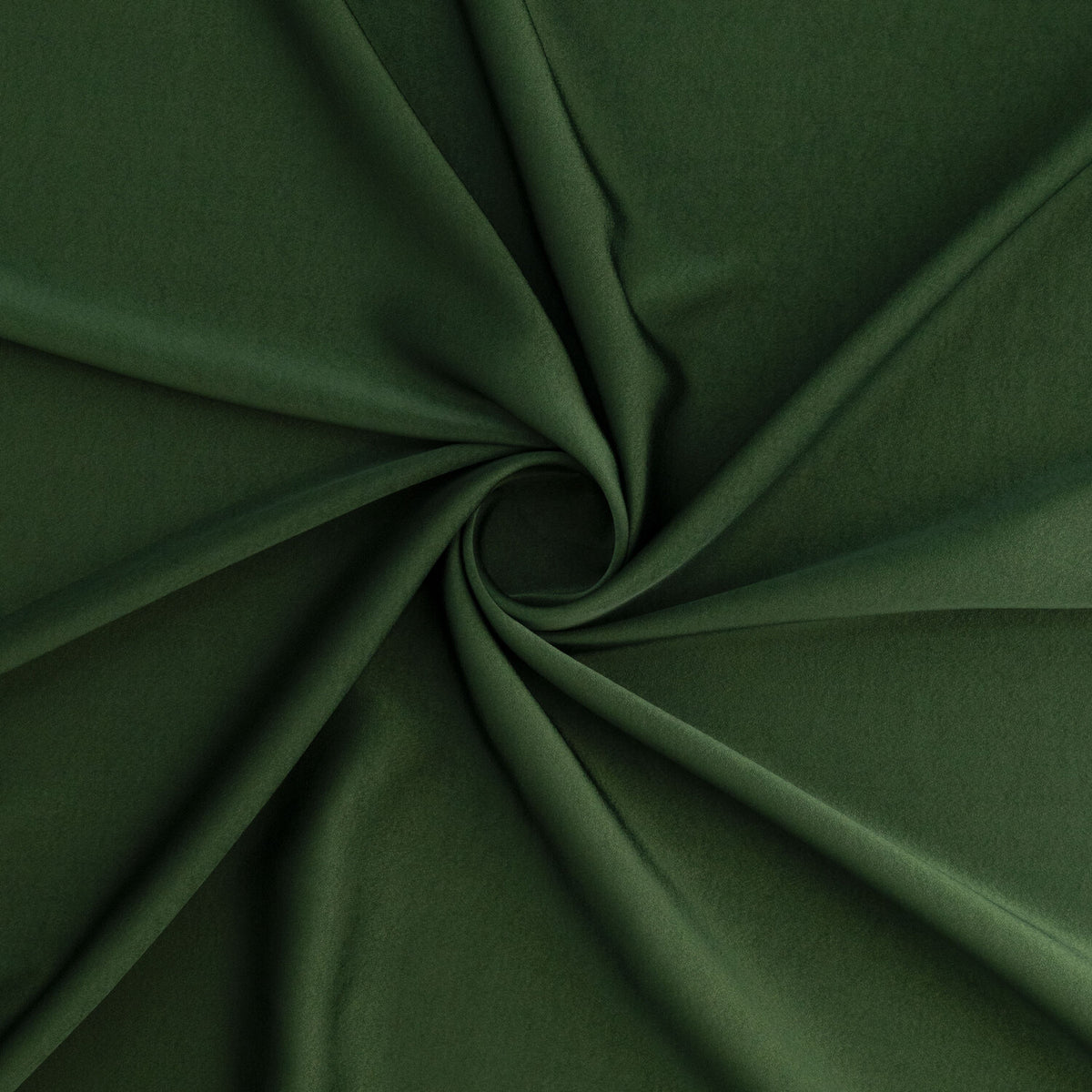
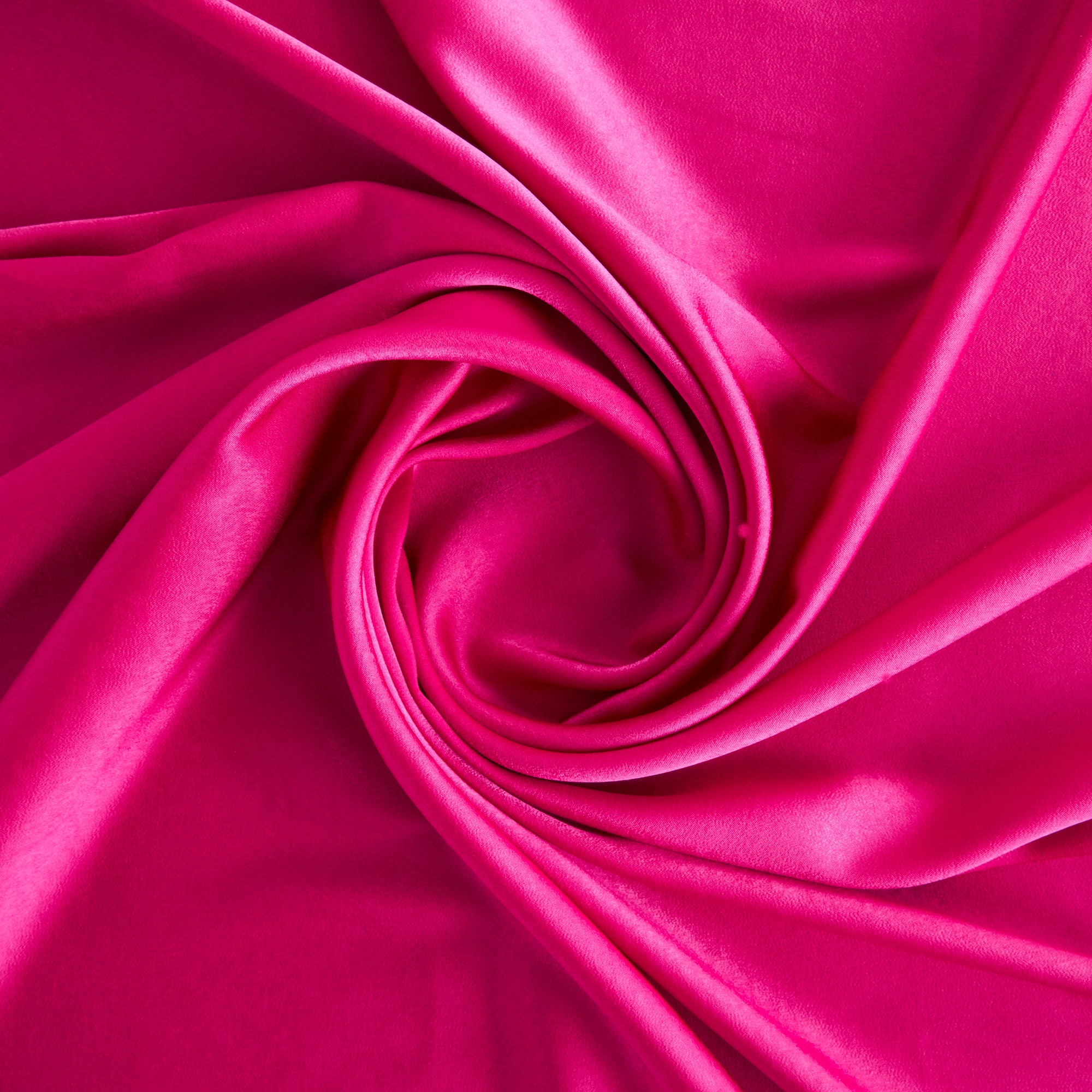
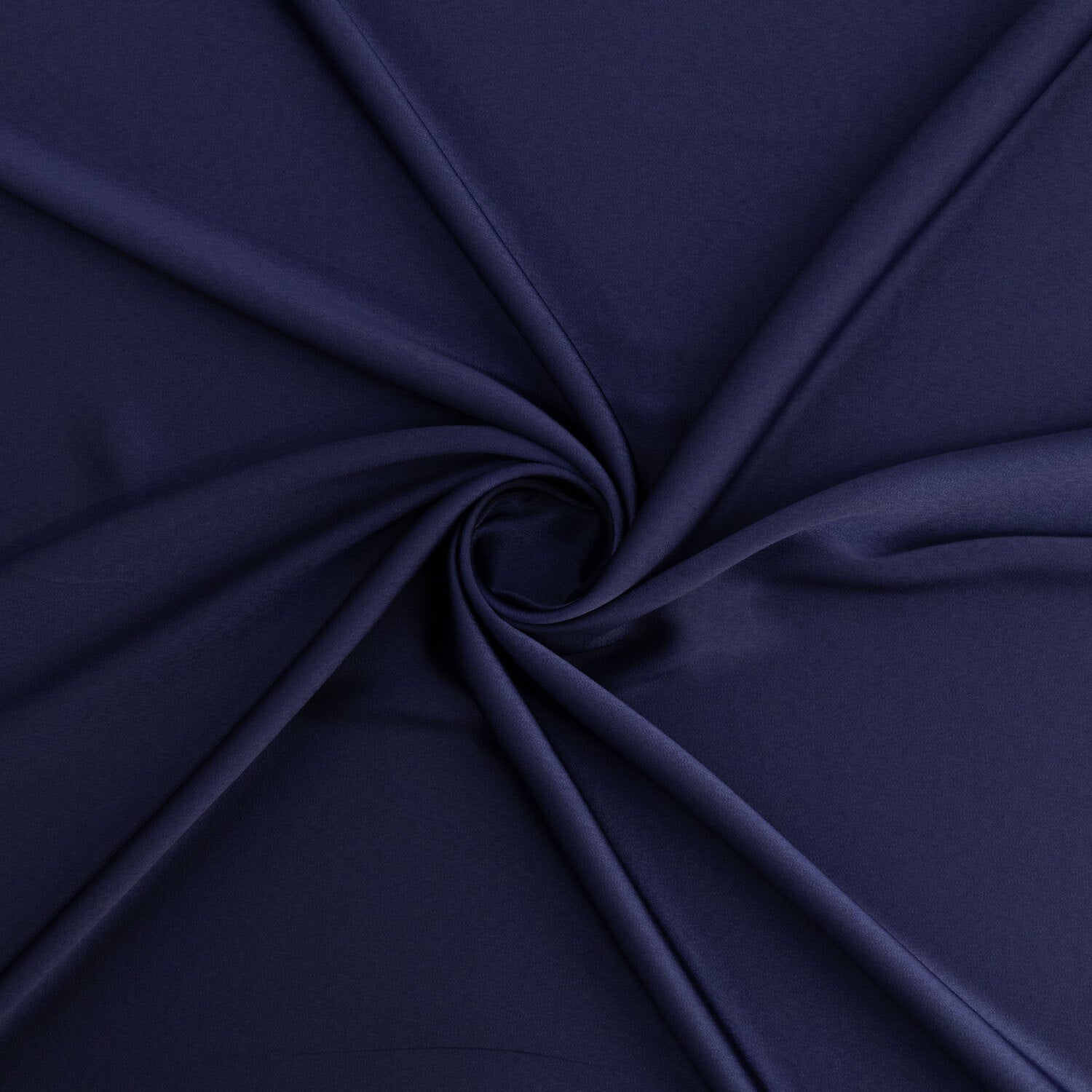
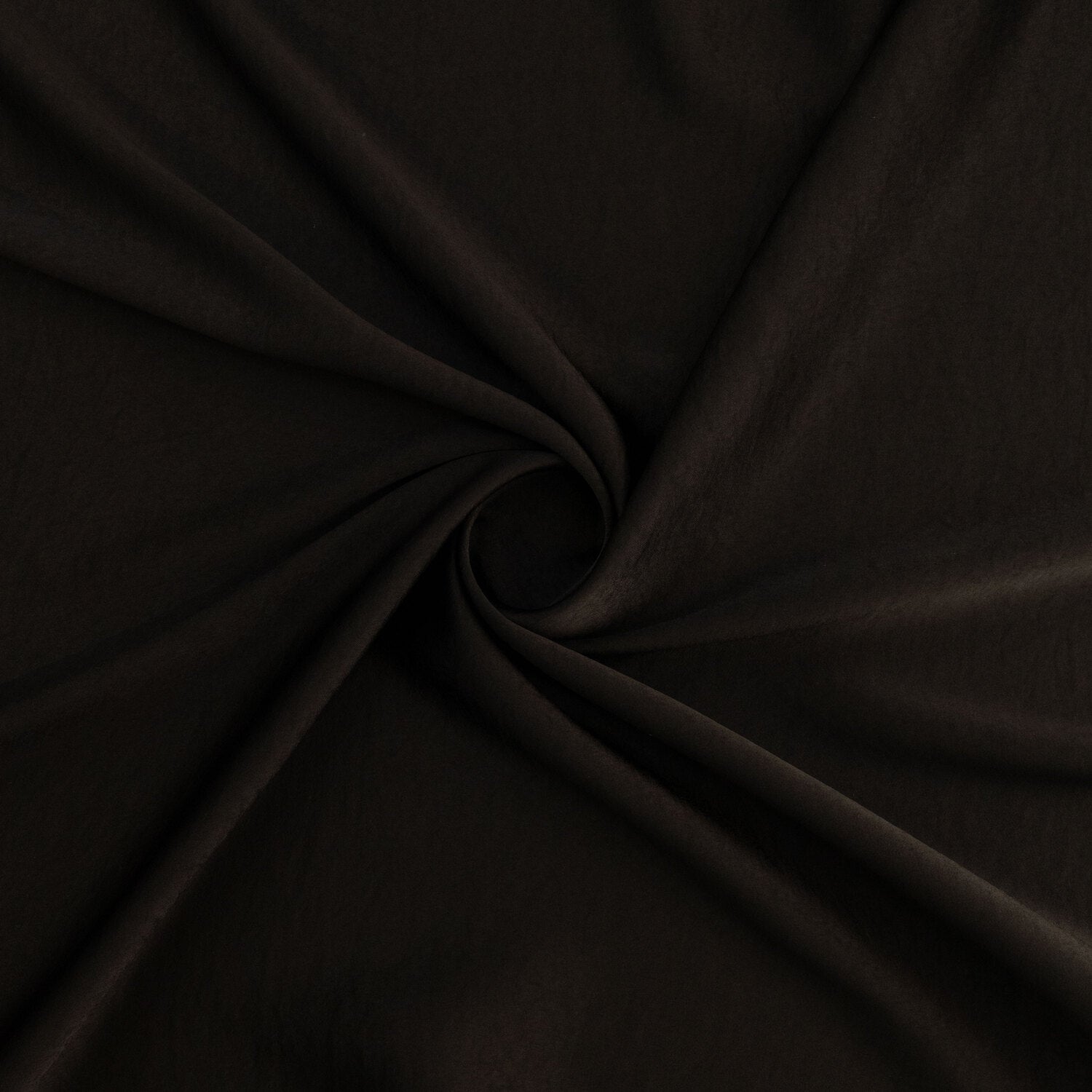
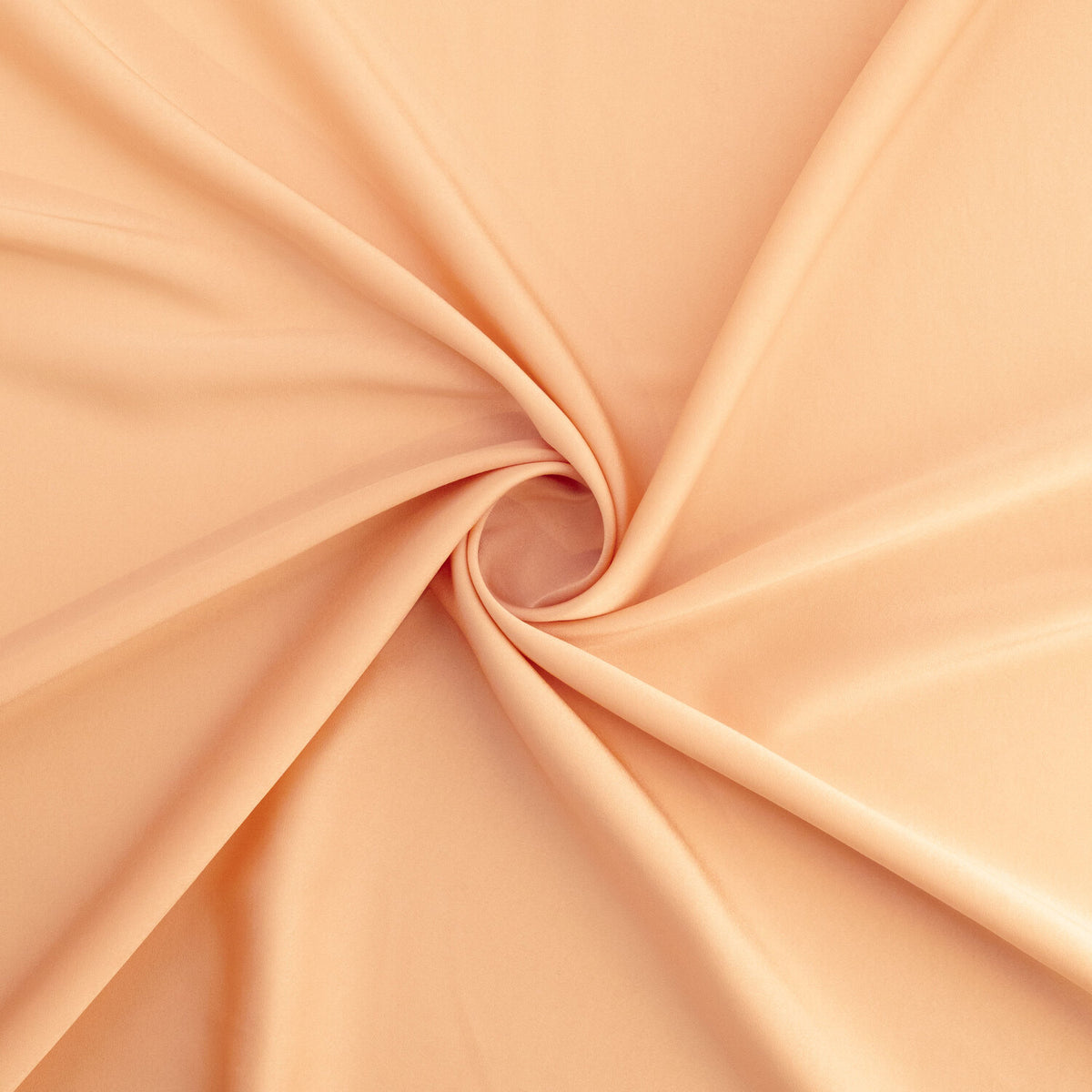
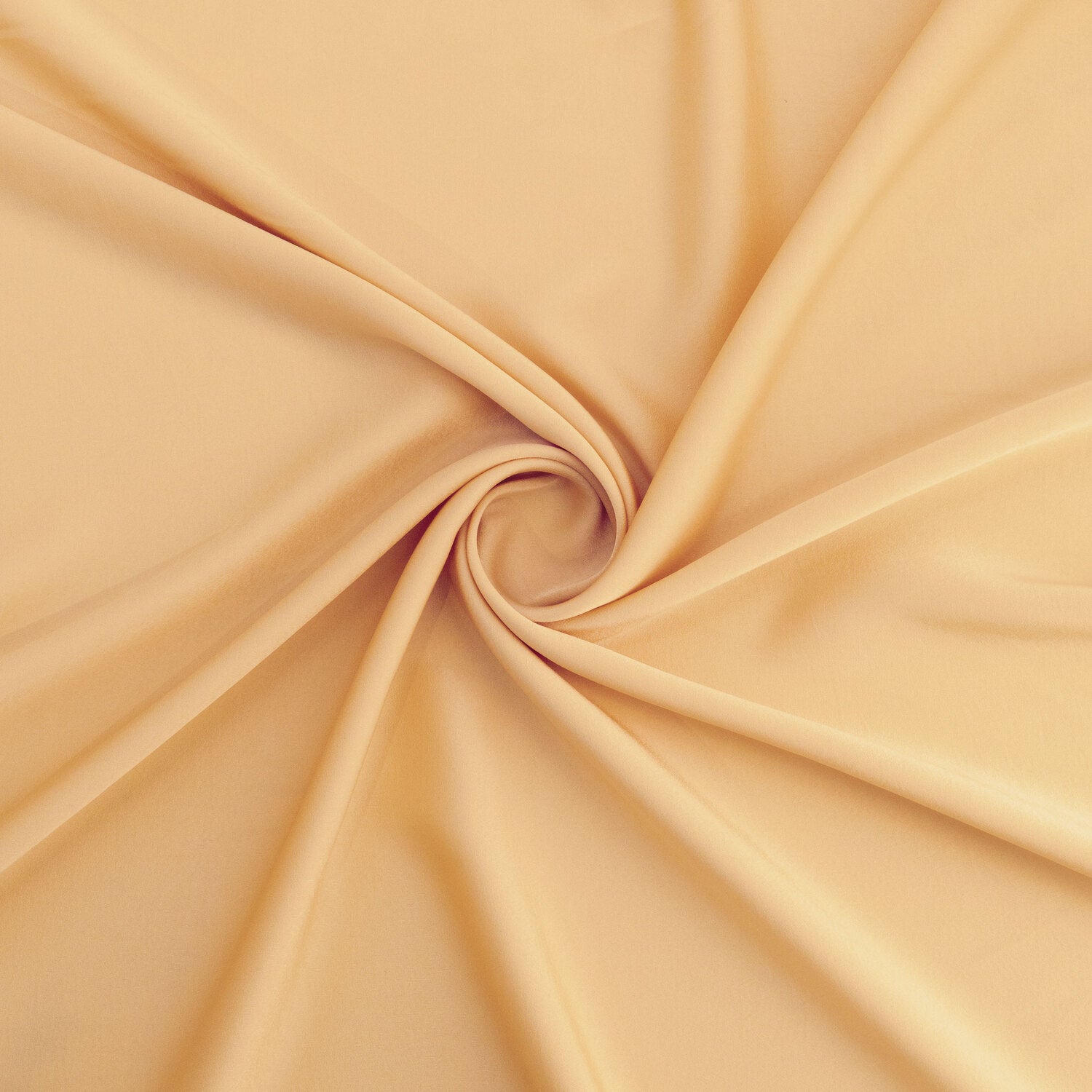
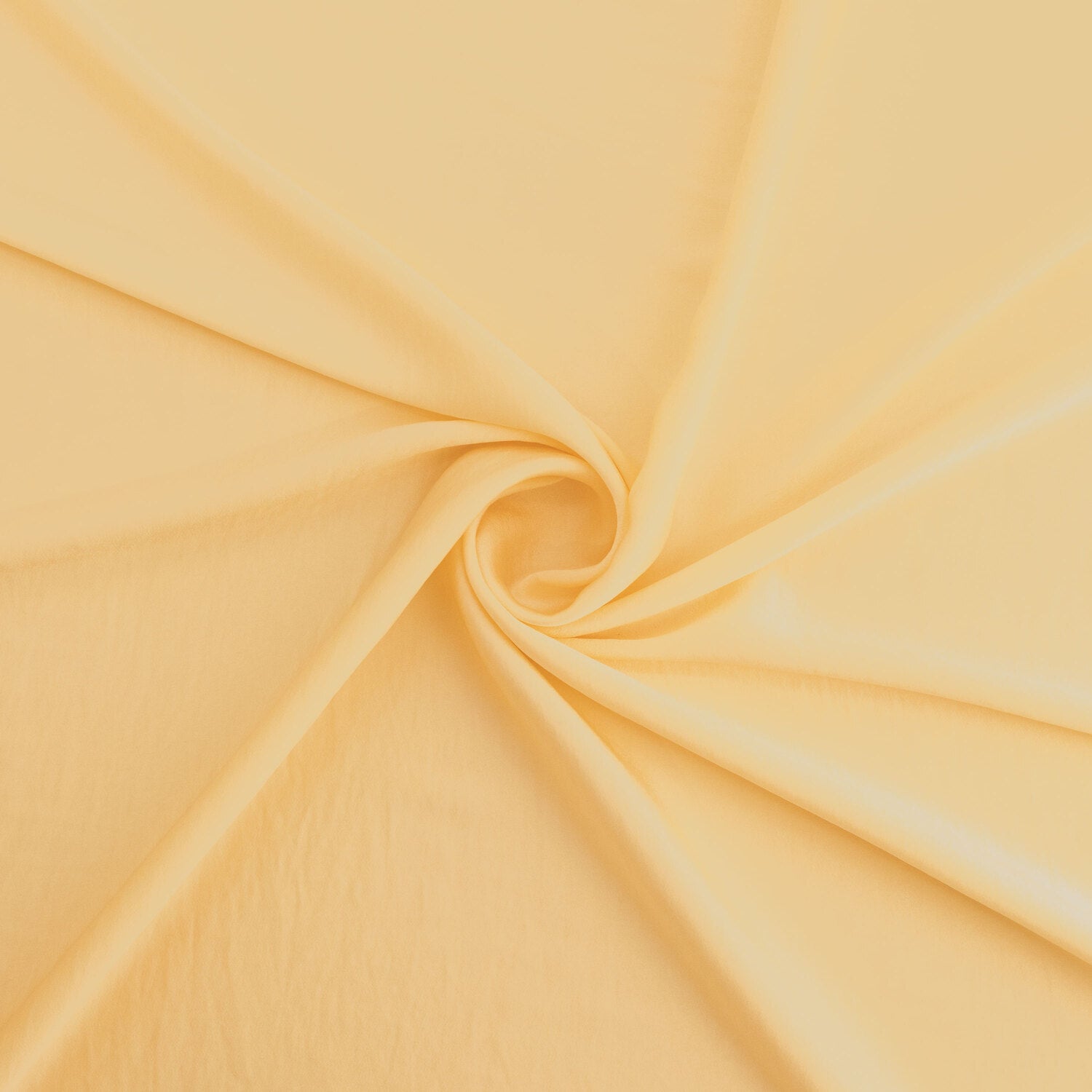
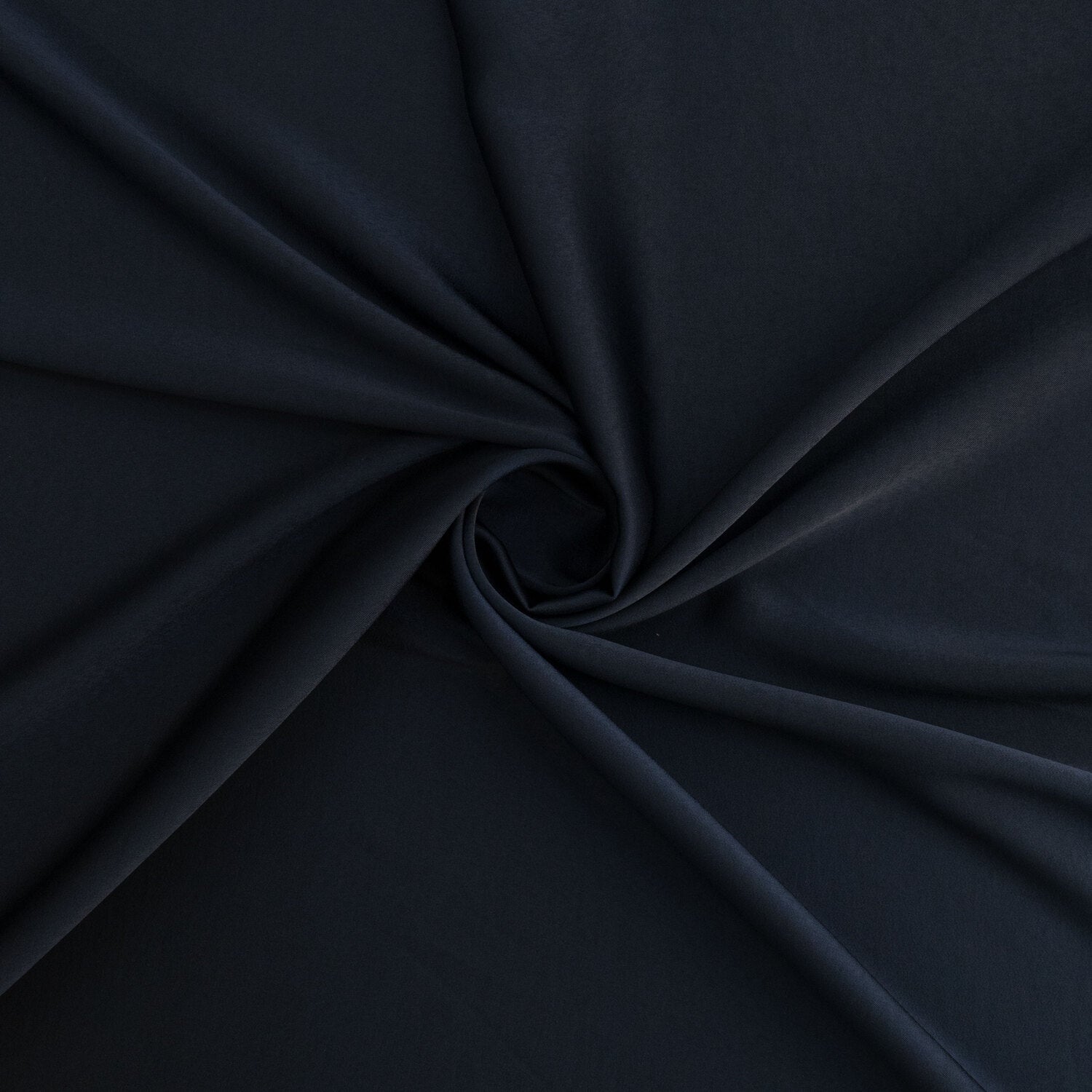
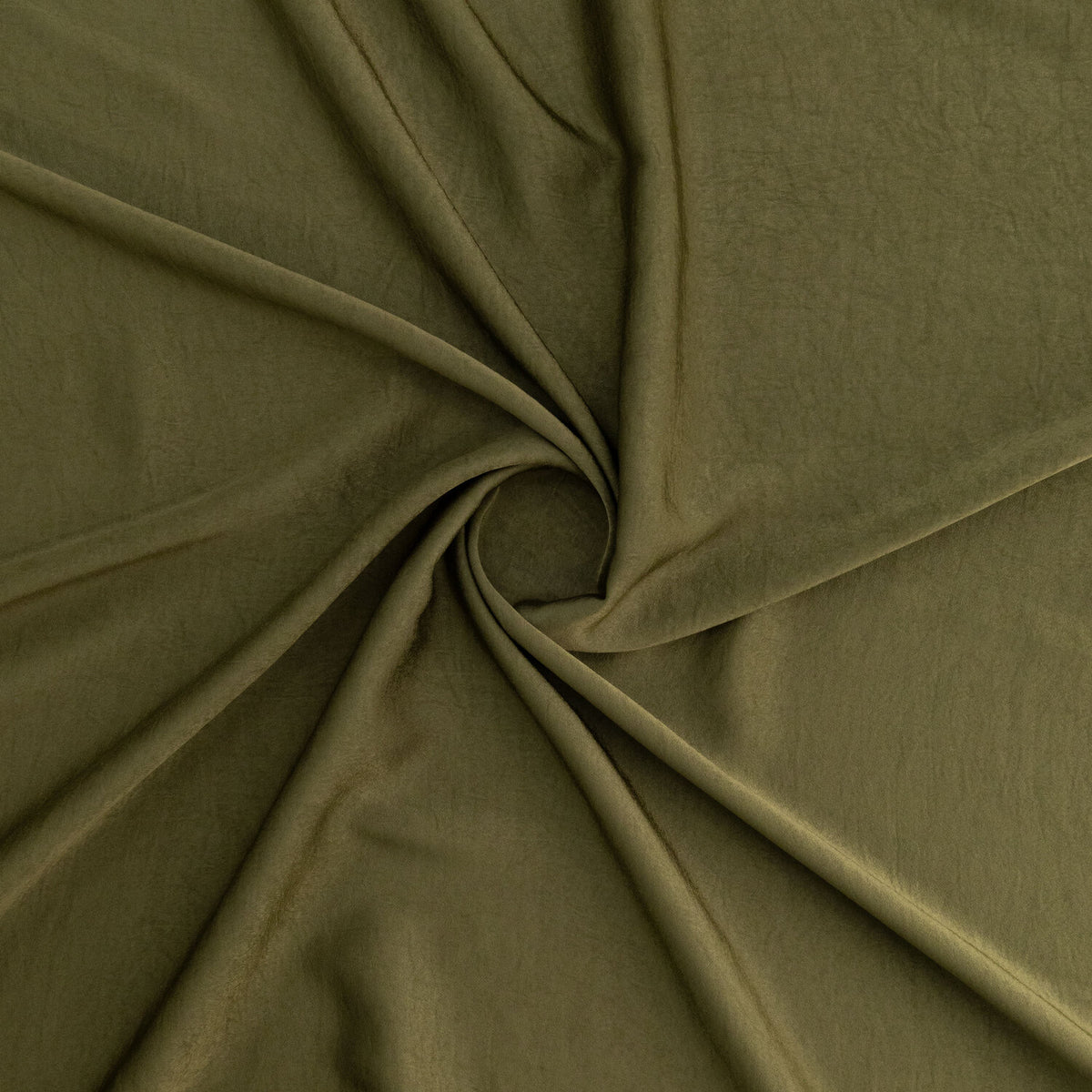
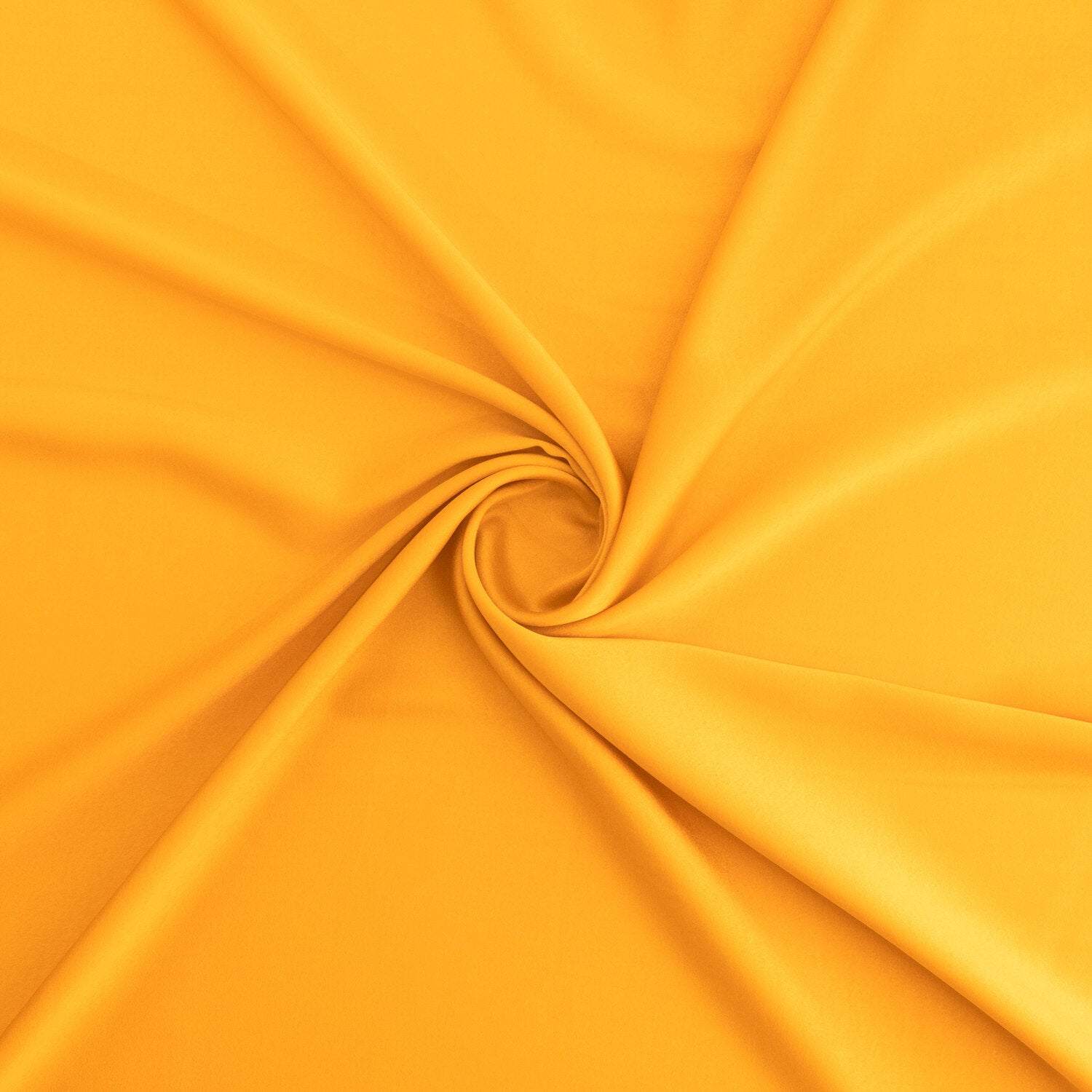
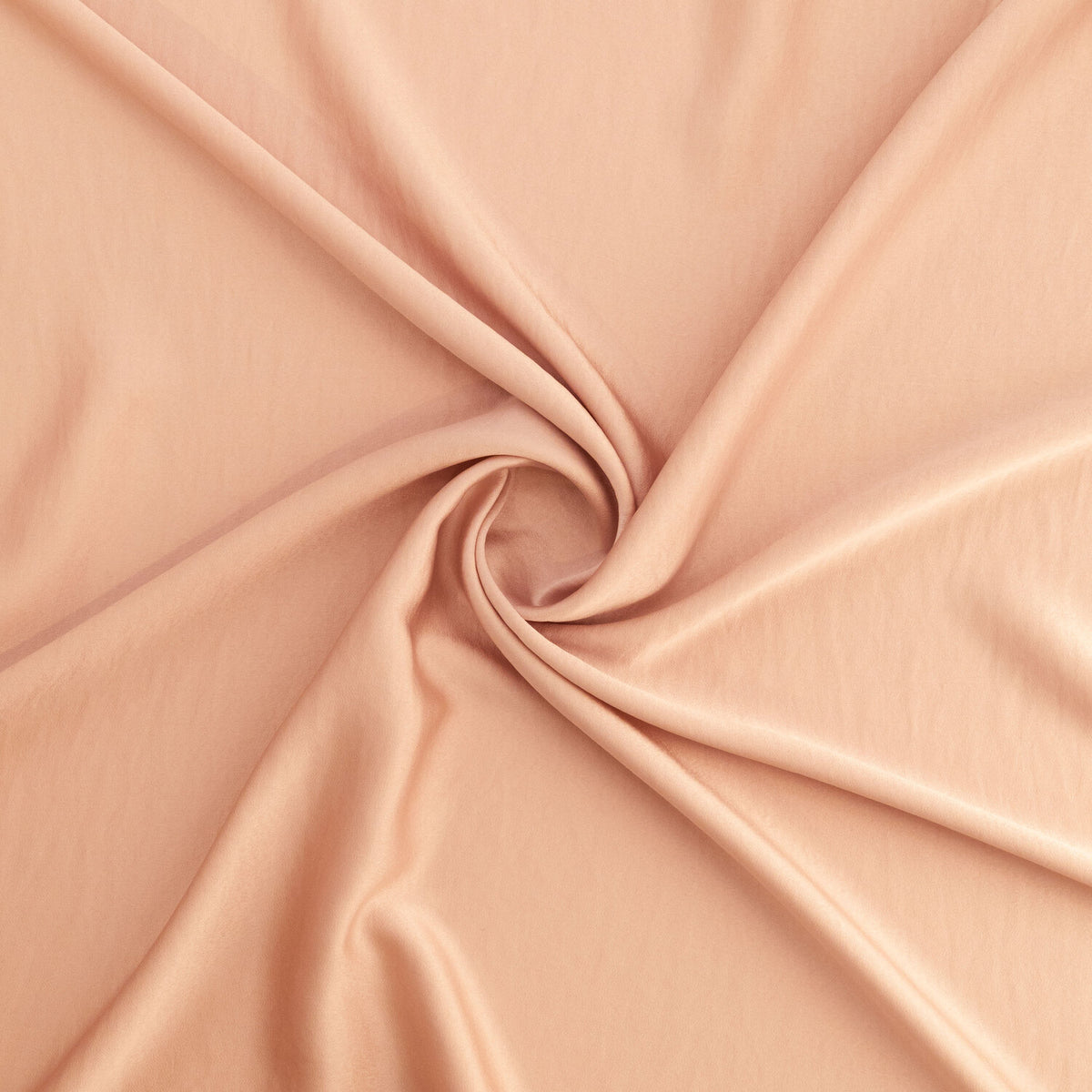
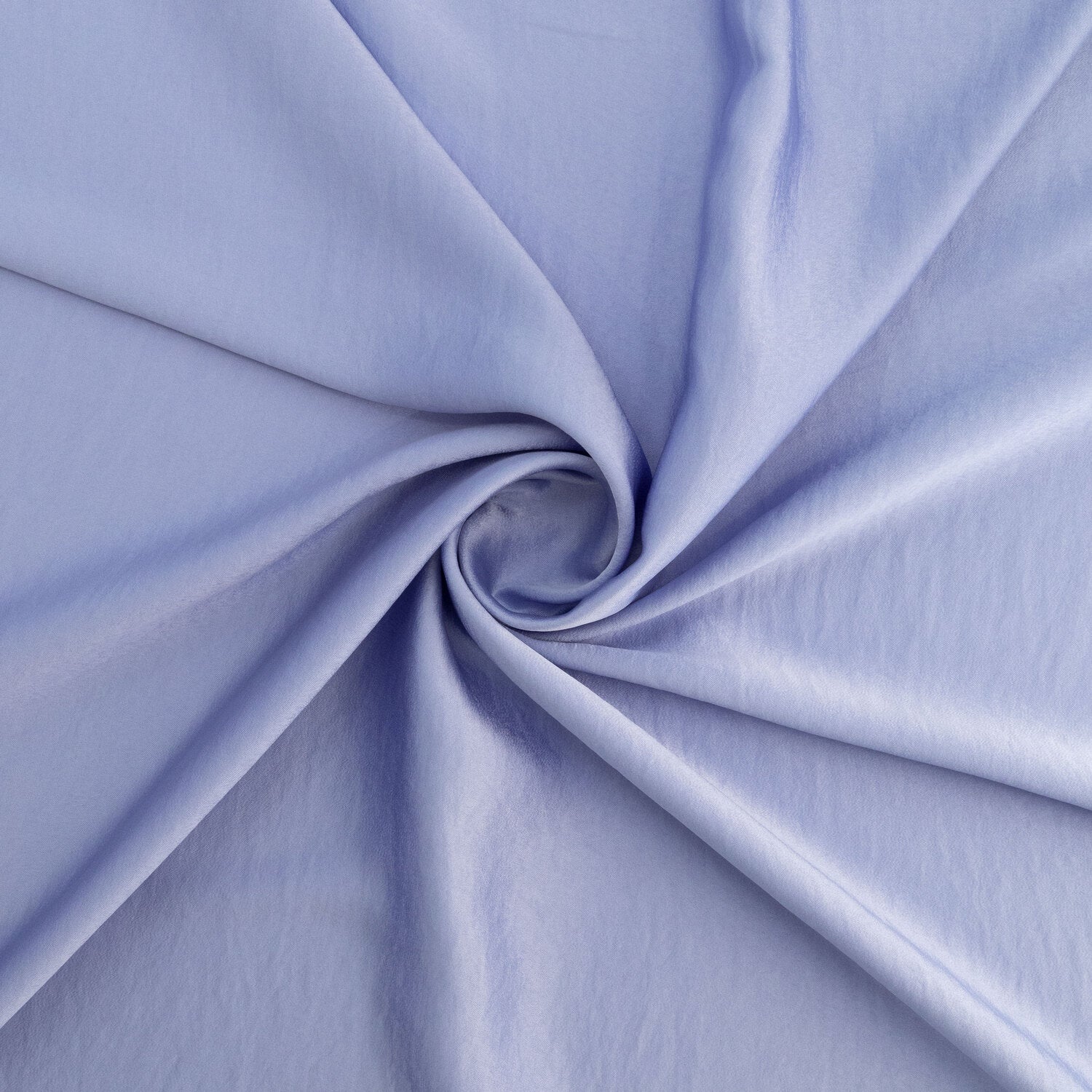
Satin twill is woven using a combination of the satin weave and the diagonal twill weave, resulting in a surface that offers luxurious shine paired with enhanced body. This gives the fabric more stability than standard satin, making it suitable for designs requiring crisp lines or tailored silhouettes.
Design Applications for Satin Twill
Evening & Special Occasion Wear
Satin twill is ideal for gowns, cocktail dresses, tailored bodices, and skirts that need structure while maintaining a luxurious finish. The twill weave allows garments to hold their shape beautifully without sacrificing drape.
Bridal & Formalwear
The sturdier hand of satin twill makes it perfect for bridal gowns, bridesmaid dresses, structured skirts, and reception outfits. It photographs well and provides clean, architectural lines.
Daywear & Tailoring
Use satin twill for trousers, blazers, structured tops, and dresses that require body. The added stability provides a sleek, polished look suitable for fashion-forward daywear and editorial styles.
Accessories
Bows, handbags, sashes, headbands, and belts benefit from the fabric’s combination of sheen and firmness, maintaining shape while delivering elegance.
Home & Event Décor
Satin twill’s durability makes it suitable for table linens, drapery, pillow covers, and event decorations requiring both beauty and structure.
Working with Satin Twill Fabric
The twill texture provides slightly more grip than traditional satin, making the fabric easier to cut and sew. Use sharp needles, smooth polyester thread, and gentle handling to maintain the glossy surface. When pressing, always use a press cloth to protect the sheen.
Satin twill is typically woven at a width of 54–60 inches, making it versatile for both apparel and décor projects that require full panels or voluminous shapes.
Selecting Your Satin Twill
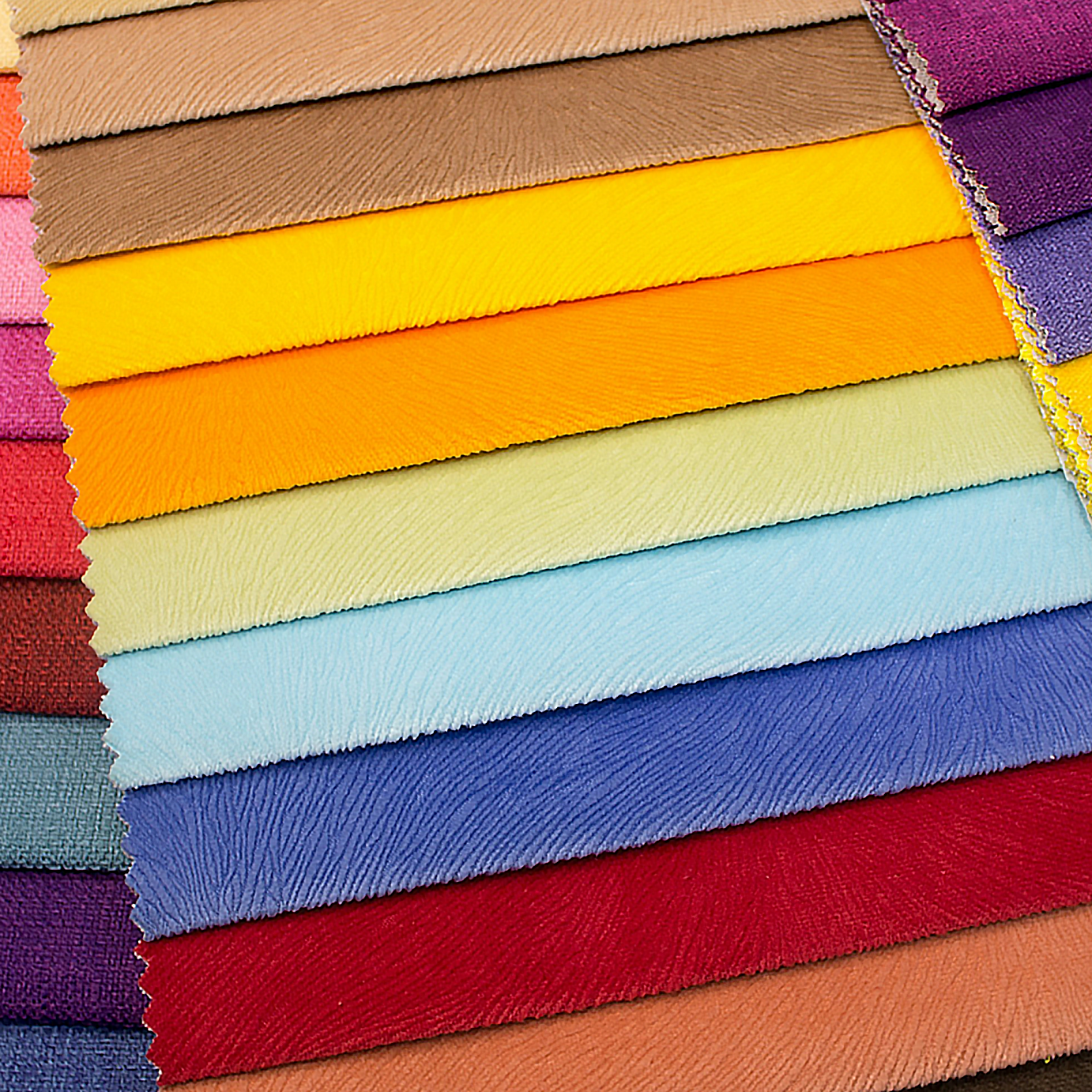
Our satin twill collection includes a range of colors suitable for formalwear, tailored garments, accessories, and décor. Ordering swatches helps you evaluate sheen, weight, and drape before purchasing full yardage. Each fabric includes care instructions to maintain structural integrity and shine.
Frequently Asked Questions
How is satin twill different from traditional satin?
Satin twill has a diagonal twill structure beneath its glossy face, giving it more stability and body than standard satin.
Is satin twill good for structured garments?
Yes. Its firmness makes it ideal for bodices, skirts, blazers, and gowns that need shape retention.
Does satin twill drape well?
While more structured than charmeuse or duchess satin, satin twill still offers a smooth, elegant drape.
Is satin twill suitable for décor applications?
Absolutely—its durability makes it ideal for drapery, pillows, tablecloths, and event décor.
How do I care for satin twill?
Follow the recommendations in our satin care guide to preserve its shine and structural quality.