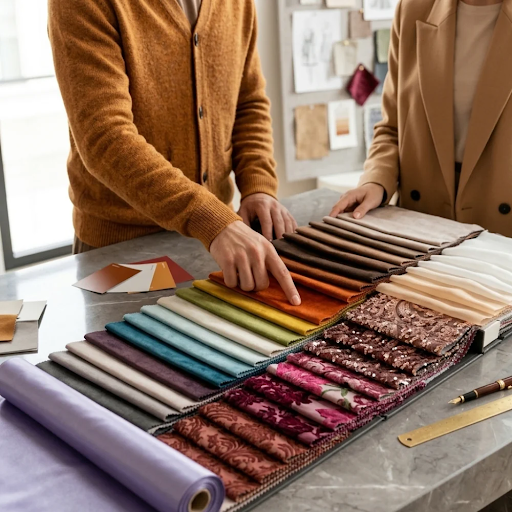
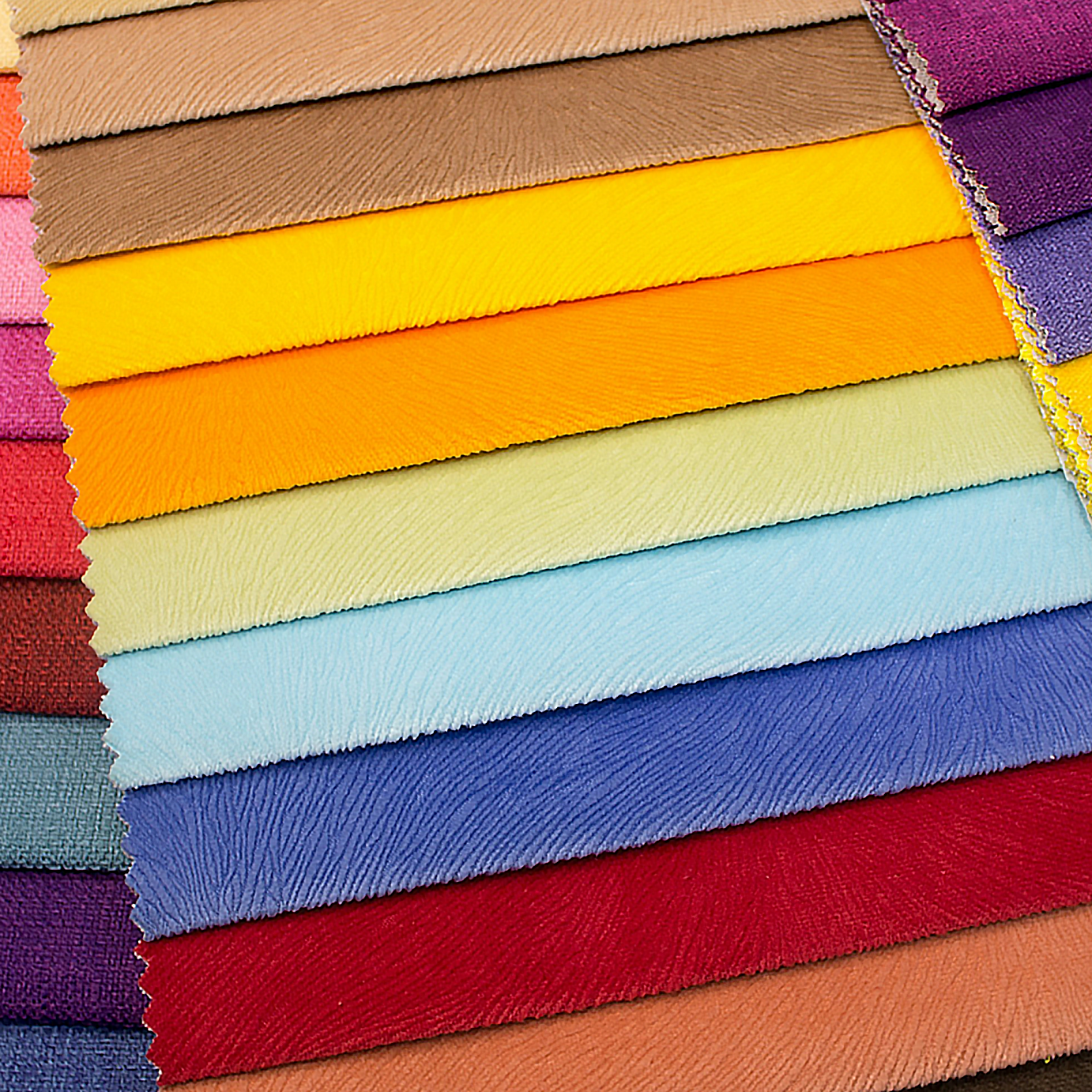

The sketch says dramatic. The inspiration photo says rich. The fabric in front of you says maybe. I see this with brocade all the time: someone imagines a holiday jacket, a corset, a formal skirt, or a table overlay with real presence, then realizes the same ornate fabric that looked perfect for the mood might also make the project feel heavier, stiffer, or more formal than intended. The question is not whether brocade is beautiful. It is whether this is the project that actually benefits from what brocade does best.
That is the decision worth making before you commit to yardage. Brocade earns its place when a design needs statement, structure, and surface detail more than softness and movement. If the goal is shape, richness, and visual texture, it can be exactly right. If the goal is float, fluidity, or ease, a softer option will usually serve the design better.
If your project calls for shape, ornament, and a more formal finish, explore Zelouf Fabrics to compare brocade and other statement-making textiles by the yard.
Explore Brocade OptionsBrocade is a woven fabric known for decorative patterns that are built into the cloth rather than printed on top of it. Those patterns often look raised or dimensional, which is part of why brocade reads as formal, substantial, and visually rich. In practical terms, brocade usually has more body than fabrics chosen for drape, and that body affects everything from silhouette to comfort to seam bulk.
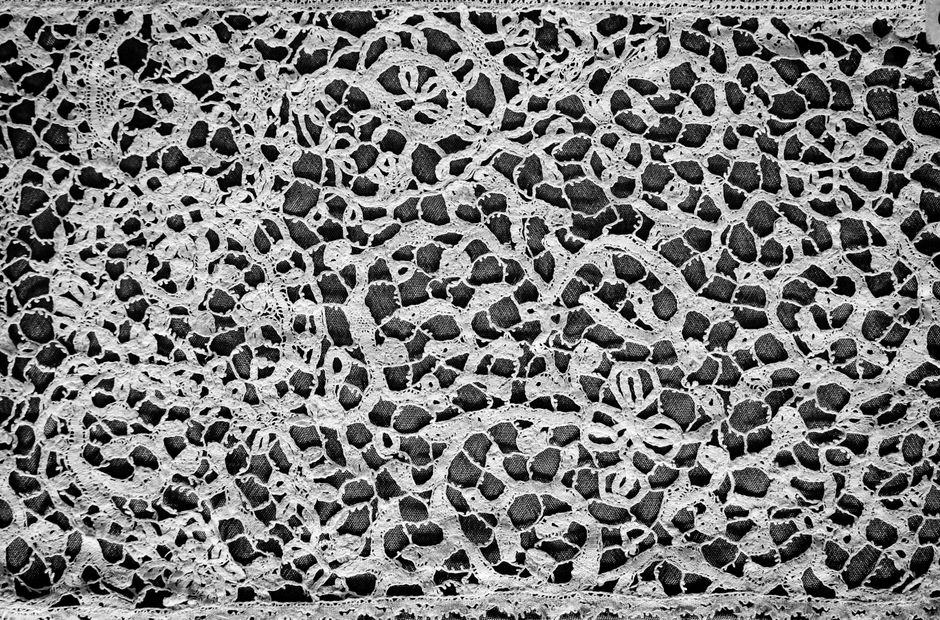
When I explain brocade to designers, manufacturers, and crafters, I do not start with prestige words. I start with behavior. Brocade tends to hold shape, show ornament clearly, and create a finished look that feels intentional without needing much extra embellishment. That makes it useful for structured jackets, corsets, fitted bodices, special-occasion skirts, theatrical vests, period-inspired costumes, decorative panels, table overlays, chair accents, and formal drapery details. It can be a standout fabric, but it is not usually the one I reach for when a project needs softness, cling-free movement, or an airy hand.
This is the simplest way I know to choose brocade well. Ask what the project needs more: statement or movement. Brocade is a statement fabric. It brings visual density, pattern, shape, and formality. It does not usually disappear into the design. It becomes part of the design language right away.
If you want a jacket that looks polished before you add trim, a corset that benefits from body, or a décor accent that reads dressed-up from across the room, brocade often makes sense. If you want sleeves that flutter, a skirt that sways softly, or draping that falls with light transparency, brocade is usually working against you. In that case, chiffon or organza may be the more useful fabric, because they solve a different problem. Brocade creates presence. Sheers create atmosphere.
That is why people sometimes misjudge it. They shop for the surface first, then discover the structure later. I always recommend flipping that order. Choose by the job the fabric has to do, then make sure the look supports it.
Where Brocade Works Best
In garments and separates
Brocade works especially well when clothing needs built-in architecture. Think cropped jackets, collarless coats, waistcoats, corsets, bustiers, fitted bodices, full skirts with shape, formal mini skirts, peplum details, and occasionwear separates. In these projects, the fabric’s body helps hold the silhouette, while the woven pattern provides surface interest that can reduce the need for heavy beading, layering, or complicated trim packages.
For bridal-adjacent and occasionwear uses, brocade can also be a smart choice for reception jackets, rehearsal-dinner separates, ceremonial coats, and structured dress panels. It gives a look of intention and richness without relying on shine alone. That matters if you want something dressy but not slippery, flimsy, or overly delicate.
In costumes and theatrical builds
Costume makers often get excellent mileage from brocade because stage and screen benefit from readable texture. A fabric that might feel slightly formal up close can look fantastic from a distance or under lighting. Brocade is especially effective for period-inspired gowns, military-style coats, fantasy costumes, royal court looks, vests, corsets, cuffs, lapels, waist panels, and decorative overskirts. It helps the costume carry authority.
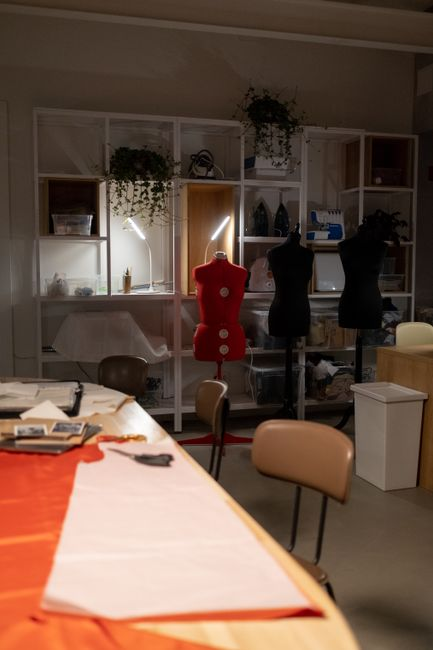
This is also where brocade earns its weight. In costume work, visual clarity matters. A raised woven pattern can communicate status, era, or drama far more quickly than a plain fabric can. For designers and advanced home sewists building one memorable piece, that can make brocade a staple specialty fabric to keep in mind.
In formal décor accents
For décor, I think of brocade less as a fluid draping fabric and more as a statement accent. It is strong for table overlays, runners, decorative toppers, chair sashes with structure, napkin accents, mantel panels, valance details, pillow covers, headboard accents, wall panels, and formal drapery trims. It can elevate holiday tables, wedding décor, stage settings, banquet styling, and photo-area installations where texture needs to read clearly.
It is not the workhorse I would choose for every soft drape in a room, but it can absolutely be the hero material for focal details. When the project calls for ornament and shape rather than flow, brocade makes sense.
Signs Your Project Is a Strong Brocade Candidate
- The design benefits from body and structure rather than fluid drape.
- You want surface detail woven into the fabric, not added later.
- The finished piece should read formal, festive, theatrical, or statement-making.
- The silhouette can support a fabric with some weight and visual density.
- You are making a jacket, corset, vest, structured skirt, costume element, or décor accent.
- You want the fabric itself to do a lot of the visual work.
How It Compares to Nearby Choices
Brocade vs. jacquard
This is the confusion point I see most often. Not every jacquard is brocade, even though brocade is part of the broader jacquard conversation. In simple terms, jacquard refers to fabric with woven-in patterning, while brocade usually suggests a more decorative, often more raised or ornate effect with a more obviously formal personality. If the fabric feels flatter, more subtle, or more versatile for everyday use, it may lean jacquard without delivering the same ceremonial presence people expect from brocade.
For buying purposes, the better question is not which label sounds more luxurious. It is what level of relief, structure, and formality the project needs. If you want clear ornament and statement texture, brocade is often the better fit. If you want woven pattern with a quieter hand or easier wearability, another jacquard may be enough.
Brocade vs. chiffon and organza
This is where the statement-versus-movement test becomes useful. Chiffon is soft, sheer, and flow-focused. Organza is sheer too, but crisper and more sculptural than chiffon. Brocade is neither soft-flowing nor transparent. It is denser, more opaque, more decorative, and usually more substantial in the hand.
If you are making flutter sleeves, soft overlays, floating scarves, airy backdrops, romantic swags, or layered skirts with movement, chiffon is often doing the right job. If you want bows that stand up better, volume with translucency, or structured sheer effects, organza may be the better choice. If you want a jacket front that looks tailored, a corset with visual authority, a skirt with presence, or a table accent that reads opulent instead of ethereal, brocade is the fabric that earns its place.
Practical Realities Before You Buy Yardage
Brocade’s strengths come with tradeoffs, and this is where smarter buying starts. Because the fabric often has body and pattern density, seams can build up quickly. Facings, collars, waistbands, pleats, and layered style lines may feel thicker than expected. A silhouette that looks clean in a sketch can become bulky if too many structural details are stacked into one area.
That does not mean brocade is difficult by default. It means the design should respect the fabric. Cleaner shapes often work best. Strategic lining can improve comfort, help the garment glide, and protect the inside finish. In apparel, brocade is often more wearable when used for a fitted jacket, skirt, vest, or bodice than for a full flowing dress that wants softness. In décor, it can be more effective as an overlay, panel, runner, or accent than as yards and yards of gathered drape.
For many projects, the smartest move is not all-or-nothing. Brocade can work beautifully as trim, contrast lapels, side panels, corset centers, yokes, cuffs, waistband details, chair accents, pillow fronts, or tabletop layers. That gives you the richness without forcing the whole project to carry the full weight and stiffness of the fabric.
Care also matters. Because exact fiber content can vary, always check the product details before washing. When appropriate for the specific fabric, a consistent care baseline is helpful: Machine Wash, Cold; Gentle Detergent, No Bleach. Tumble Dry, Low Heat. Do not wring.
At a Glance: When Brocade Works, When It Works as an Accent, and When to Skip It
| Project type | Best use of brocade |
|---|---|
| Structured jacket or vest | Yes — strong full-project choice. |
| Corset or fitted bodice | Yes — especially when visual richness and shape matter. |
| Full flowing dress | Maybe as panels or bodice sections; not ideal if movement is the goal. |
| Soft blouse or flutter sleeve | No — usually too structured. |
| Costume coat, overskirt, or stage vest | Yes — excellent for texture and presence. |
| Table overlay, runner, or formal accent | Yes — especially for decorative focal points. |
| Large soft drape installation | Maybe as a feature panel; skip if you need fluid fall. |
If I were helping a customer choose at the fabric counter, this is where I would land: buy brocade when you want the textile itself to create drama, shape, and ornament. Skip it when you mainly want ease, softness, or movement. That simple shift — choosing by outcome instead of by prestige — is what keeps a beautiful fabric from becoming the wrong fabric.
Frequently Asked Questions
Is brocade always stiff?
Not always, but it is usually more structured than drapey apparel fabrics. Some brocades feel more flexible than others, yet most still carry more body than chiffon, charmeuse, or soft crepe. The key is to expect presence, not fluidity.
Can brocade be comfortable to wear?
Yes, especially in projects that do not ask it to behave like a soft everyday fabric. Jackets, vests, corsets, structured skirts, and occasionwear separates are often better uses than loose blouses or cling-to-the-body silhouettes. Lining can make a big difference in comfort and finish.
Does brocade need lining?
Not in every project, but lining is often a very good idea for garments. It can reduce friction, improve comfort, support the silhouette, and help the inside look as polished as the outside. For décor accents, lining depends more on opacity, finish, and how the piece will hang or wear.
Is brocade too formal for home décor?
It can be if used everywhere. That is why I usually recommend it as an accent rather than a room-wide default. On runners, overlays, valances, pillows, chair details, and seasonal decorative pieces, it can look rich and intentional without overwhelming the space.
What if I love the look of brocade but want more movement?
That is often a sign to use brocade selectively. Try it in a bodice, waistband, cuff, lapel, panel, overskirt layer, or decorative trim, then pair it with a softer companion fabric where drape matters more. It is one of the easiest ways to keep the statement while improving wearability and flow.
Shop brocade, chiffon, organza, and other apparel and décor fabrics at Zelouf Fabrics to find the right balance of structure, drape, and finish for your next make.
Shop Fabrics Now