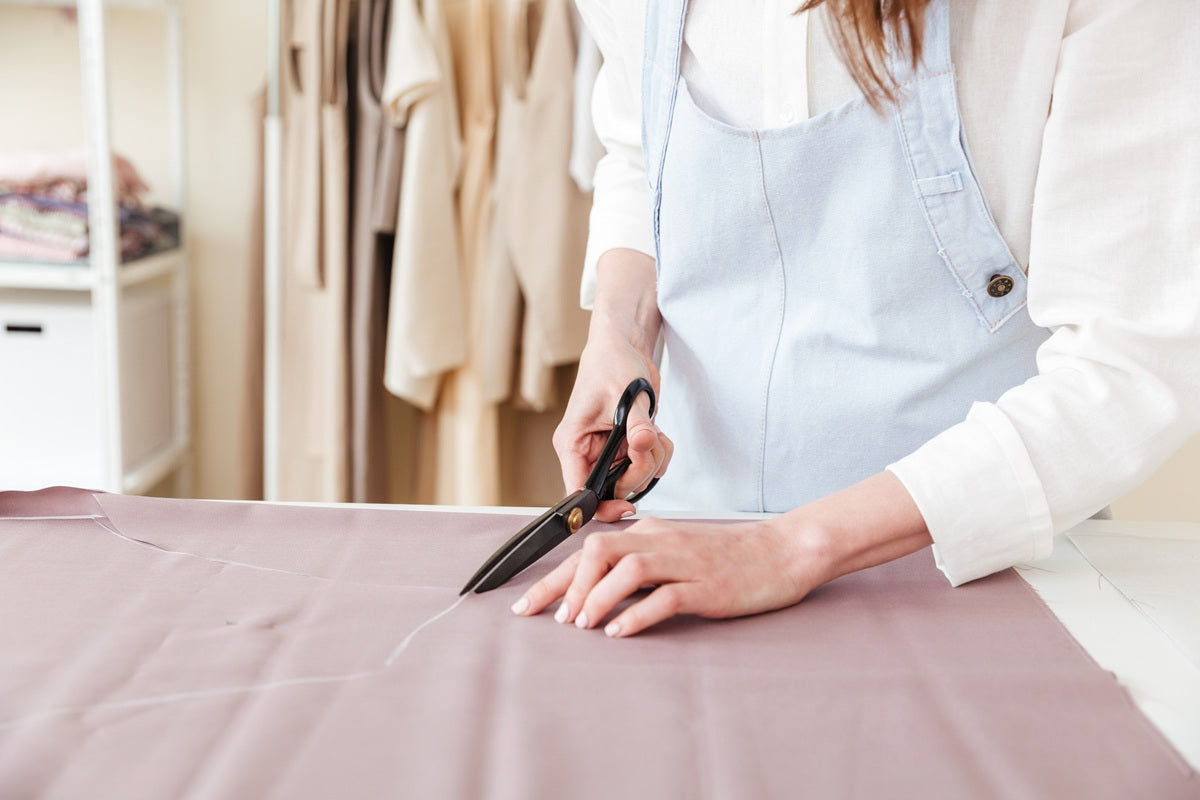
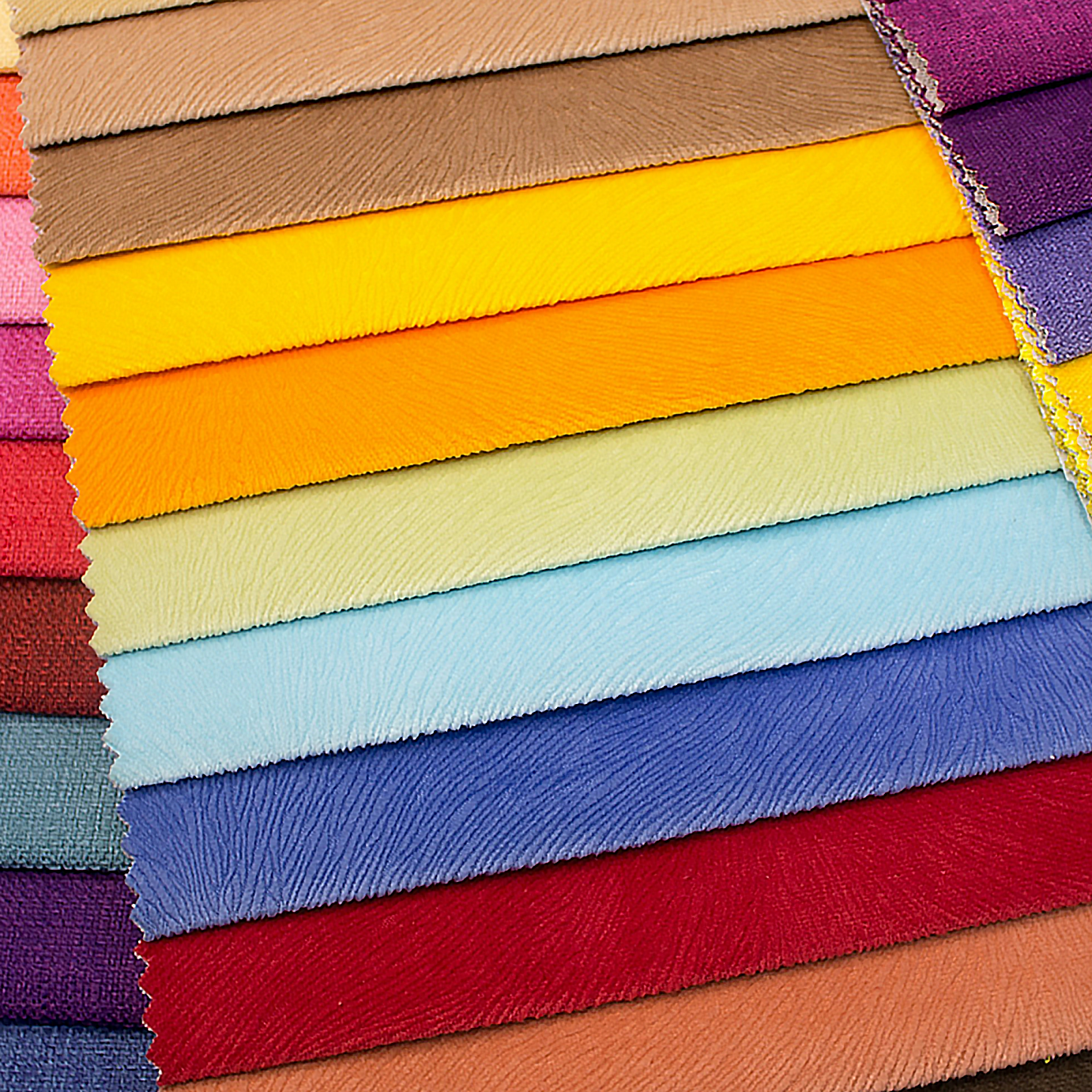

Buying fabric by the yard is the standard unit of measure across the fashion industry, from large production floors to individual home workrooms. A yard is a fixed linear measurement along the cloth’s lengthwise grain, and purchases are made in this unit regardless of the fabric’s width.
Width varies considerably by fabric type, so you need both the yardage and the width before calculating how much material a pattern requires.
Key takeaways
- Fabric is sold by linear yard, and width varies by fabric type, so both dimensions are needed to calculate usable material accurately.
- Narrower fabrics require more yards per pattern layout than wider fabrics sold at the same per-yard price.
- Structured garments call for fabrics with body and recovery, while draped silhouettes need constructions that resist gravity with minimal horizontal stretch.
- Building a buffer into any yardage calculation accounts for cutting errors, selvage flaws, and layout adjustments.
- Ordering a free swatch before committing to full yardage is the most reliable way to confirm both color and hand feel before cutting.
How a yard of fabric is measured

When an online listing describes a fabric as sold by the yard of fabric size, the quoted yardage refers to the length cut from the bolt.
The selvage edges run parallel to the lengthwise grain on both sides, and the cut runs perpendicular across the full width of the cloth. Suppliers vary on the smallest increment they will cut, so always check the product listing for the specific cut minimum before ordering.
Fabric width and yardage: what changes when width changes
Because fabric is priced per linear yard, narrower and wider fabrics sold at the same per-yard price represent different amounts of usable material.
A narrower fashion woven yields less pattern coverage per yard than a wider knit, which is why pattern yardage requirements are typically specified for a particular fabric width as noted in standard width references. When substituting a fabric of a different width, recalculate yardage accordingly before purchasing.
Woven fabrics and knit fabrics also behave differently on the cutting table. Wovens are interlaced threads with little to no stretch, while knits are looped constructions that generally offer horizontal or four-way stretch. This distinction affects not just the sewing technique but also how pattern pieces are laid out and how much yardage the project will consume.
Choosing the right fabric for your project

The most productive way to narrow fabric choices is to define three things before browsing: the garment’s structure requirements, the intended drape, and the construction method the pattern calls for. Working through those criteria in sequence eliminates most mismatches before a single yard is ordered.
Structured garments
Fabrics that hold a prescribed silhouette need body and recovery. For example, Scuba, a smooth double-knit with moderate stretch, maintains its shape through a full day of wear without requiring interfacing in most applications. Ponte, also a double-knit, offers similar structure with a slightly lighter hand and excellent recovery after stretching.
On the woven side, mikado is a tightly woven fabric with a subtle sheen and firm drape that has become a standard in bridal bodices and tailored eveningwear skirts. Suiting and twill constructions provide the stability that tailored jackets and wide-leg trousers require.
Fluid and draped garments
When the design depends on movement and flow, the selection shifts toward fabrics with low resistance to gravity. Consider these types based on how much drape the project requires:
- ITY (Interlock Twist Yarn). It’s a lightweight polyester knit with excellent drape and minimal horizontal stretch, suited to wrap dresses, bias-cut skirts, and anything that needs to fall cleanly without clinging.
- Chiffon. A sheer, plain-woven fabric with a soft, loose hand that layers well and works for overlay panels, flutter sleeves, and full skirts where transparency is part of the design.
- Charmeuse. A satin-weave knit or woven fabric with a glossy face and a matte reverse. It produces a fluid, liquid drape appropriate for bias-cut evening silhouettes.
- CDC (Crêpe de Chine). A lightweight fabric with a subtly pebbled surface that drapes with more texture than charmeuse, making it a practical choice for blouses and draped bodices.
Embellished and occasion fabrics
For formalwear, bridal, and costume projects, the embellishment type often determines the base fabric selection. Sequin mesh layers a sequin field over a stretch or non-stretch mesh base, which affects how the finished garment moves and how it must be sewn. Jacquard fabrics, woven on a Jacquard loom with patterns built directly into the structure rather than printed onto the surface, carry a visual weight that reads formally even in lighter colorways. Lace, soutache, and 3D embroidered fabrics each have a distinct base construction that determines seam allowance handling and finishing technique, so check the specific product page for fiber content and construction details before cutting.
|
Project type |
Fabric category |
Key property |
|
Structured dress or skirt |
Scuba, Ponte, Mikado |
Body and recovery |
|
Fluid wrap or bias cut |
ITY, Charmeuse, CDC |
Drape and ease |
|
Sheer overlay or layer |
Chiffon, Organza, Voile |
Transparency and weight |
|
Bridal or formalwear |
Mikado, Jacquard, Lace |
Structure or surface detail |
|
Costume or eveningwear |
Sequin Mesh, Velvet, Glitter Tulle |
Embellishment and coverage |
For color-critical projects, screen representation should be treated as a reference rather than a guarantee of accuracy. Ordering swatches before committing to full yardage remains the most reliable way to confirm both color and hand.
Calculating fabric yardage
Ordering too little fabric can stop a project, and ordering too much adds unnecessary cost. Getting the calculation right requires understanding three variables: the pattern’s stated yardage requirement, the width of the fabric you’re buying, and how much extra length repeating motifs or directional prints require.
Width conversions
Most commercial patterns list yardage for a specific fabric width, as noted in standard width references. When the fabric you purchase differs from the listed width, the total yardage requirement changes accordingly. A narrower fabric requires more yards to achieve the same usable layout area, while a wider fabric allows the same pieces to be cut from fewer yards.
When pattern width and fabric width differ, the conversion depends on the specific pattern piece shapes and grain requirements. Working through a fabric yardage calculator helps identify the smallest amount of material needed for a given project, reducing the risk of over- or under-buying.
Pattern repeats and directional layouts
Fabrics with woven or printed repeats, such as jacquard patterns, plaids, or large-scale prints, require additional yardage to allow for matching at seams. The larger the repeat, the more fabric is consumed aligning motifs across pattern pieces.

For repeat-heavy fabrics, add at least one full repeat’s worth of extra length per major seam that requires matching. Directional fabrics, including velvet, some charmeuse, and ombre constructions, require all pattern pieces to be cut in a single direction, which increases consumption in the same way a repeat does.
Building in a practical margin
Even with precise calculations, cutting errors, fabric flaws along the selvage, and minor layout adjustments can consume yardage you didn’t account for initially. Building a buffer into the calculated requirement is a reasonable practice for most garments. For bridal or eveningwear projects where the fabric is difficult to reorder in a matching dye lot, a slightly larger buffer reduces the risk of falling short at a critical construction stage.
Benefits of buying fabric by the yard
Buying fabric by the yard gives makers direct control over quantity, with practical consequences for both budget and project outcomes. Bolt minimums from traditional trade suppliers lock buyers into quantities that may far exceed what a single garment requires, creating leftover stock that ties up storage and capital. Buying by the yard means ordering exactly what the pattern calls for, adjusted for fabric width, seam allowances, and any directional print repeats that require extra length.
Cost control and reduced waste
The per-yard pricing model favors smaller orders because cost scales directly with quantity. A dressmaker working on a single evening gown can order three yards of mikado without absorbing the cost of a full bolt. For independent designers sampling colorways across multiple fabrics before committing to a production run, testing a small quantity per fabric type keeps sampling costs manageable. Zelouf Fabrics ships free on purchases over $99, with a minimum order of only $20, so a maker can place a focused, project-specific order without the threshold pressure traditional wholesale accounts impose.
Flexibility across project types
The by-the-yard structure accommodates the variable yardage demands that different garment categories create. A structured blazer in ponte di roma requires far less fabric than a full tulle skirt with multiple tiered layers, and buying by the yard lets a single purchase cover both needs without separate accounts or order categories.
- Swatch-first purchasing. Requesting a free swatch before placing a full yardage order reduces the risk of color or hand-feel mismatches, particularly for color-critical projects where screen representation may differ from the physical cloth.
- Incremental scaling. Designers moving from sample to small production run can increase yardage gradually without committing to wholesale bolt quantities.
- Multi-fabric sourcing. A single order can combine fabric types across different constructions, keeping shipping consolidated and delivery timelines predictable.
Fabric options at Zelouf Fabrics
Zelouf Fabrics operates as both a wholesale supplier and direct retail source, which means the same inventory that supplies department store production runs is available to an independent dressmaker ordering a few yards for a single commission. That structure, built over more than 35 years in the NYC garment district, translates into catalog depth that retail-only fabric stores rarely match.
Knit fabrics

The knit side of the catalog covers constructions from lightweight ITY, valued for its fluid drape and minimal horizontal stretch, through structured double-knit options like ponte and scuba. Ponte is a double-knit with firm recovery, well-suited to structured dresses and tailored pants.
Scuba is thicker and smoother, holding its silhouette without needing interfacing, making it a practical choice for fitted bodices and skirt panels. Additional knit options include DTY (Draw Textured Yarn), metallic knits with lurex yarn content, and melange knits with a heathered surface texture.
Woven fabrics
The woven collection runs from sheer voile and organza through mid-weight chiffon and jacquard to firm, structured constructions like mikado and suiting. Mikado is a firm, lightly lustrous woven used in bridal and formalwear for its ability to hold structured seams and voluminous skirts.
Jacquard fabrics are woven on a jacquard loom, meaning the pattern is built into the fabric structure rather than printed on it, giving the cloth dimensional texture and visual depth. Chiffon, organza, and voile occupy the sheer end of the woven spectrum, each with a distinct hand feel suited to eveningwear and occasion garments.
Embellished and specialty fabrics
For projects where surface decoration is part of the design, the catalog extends into sequin mesh, glitter fabrics, lace, soutache, 3D embellishments, burnout, and foiled textiles. The sequin collection covers 600+ SKUs across all-over, linear, and embroidered sequin mesh styles, and the glitter fabric collection includes 814 in-stock products across tulle, mesh, organza, chiffon, velvet, and knit bases.
Color breadth is consistent across embellished categories, with many fabric types available in an extensive range of proprietary colorways, including Marvelous Wine, Joyful Aqua, and Baroque Burgundy. For color-critical projects, ordering a swatch first is practical, since screen rendering varies by display and ambient light.
Fabric buying checklist: construction, yardage, and color
Every productive fabric purchase comes down to three decisions made before checkout: the right construction for the garment’s structure, an accurate yardage figure accounting for fabric width and pattern repeat, and a verified color match through a physical swatch. Skipping any of these steps is where projects run into avoidable problems, whether from running short on yardage or finding that a shade reads differently under workroom lighting than it did on screen.
The criteria below consolidate the practical checks covered across this article into a single reference.
- Construction type. Confirm whether the project requires a woven or knit base, then identify whether the knit needs four-way stretch and recovery or simply drape and ease.
- Fabric weight. Match GSM or oz/yd² to the silhouette. Structured bodices and tailored pants need heavier, more stable constructions than flowy skirts or bias-cut gowns.
- Width and yardage. Calculate based on the specific fabric width listed on the product page. A narrower width requires more yardage per pattern piece than a wider width, as covered in standard width references.
- Color accuracy. Screen calibration varies across monitors and viewing conditions. For color-critical projects, ordering a swatch before committing to yardage is the only reliable way to confirm the shade in context.
- Care compatibility. Check the product page for fiber-specific care guidance before purchasing, particularly for embellished or blended constructions where care requirements vary by component.
Fabric decisions compound across a project. A fabric chosen for drape that lacks adequate recovery will not hold a structured seam, and a color matched on a monitor can shift under different light in ways that affect the finished piece.
Treating each criterion as a separate verification step reduces both material waste and rework time. Order a free swatch from Zelouf Fabrics to confirm the hand and color of any fabric before placing your full yardage order.