
Two stretch fabrics can sit side by side and look close enough to swap without a second thought. Then one turns a T-shirt into something clingier than planned, another makes a fitted dress feel oddly stiff, and a supposedly easy first knit project becomes a wrestling match at the machine. We see this mistake all the time: stretch alone is not the decision. The real question is what you want the finished garment to do.
That is why jersey and ponte are worth separating by outcome, not just by label. If you want softness, movement, and that familiar easy-knit feel, jersey is often the right call. If you want more opacity, more support, cleaner lines, and a steadier sewing experience, ponte is usually the workhorse. For designers, manufacturers, and crafters alike, that difference shows up in the fit, the silhouette, and the amount of frustration between cutting and the final hem.
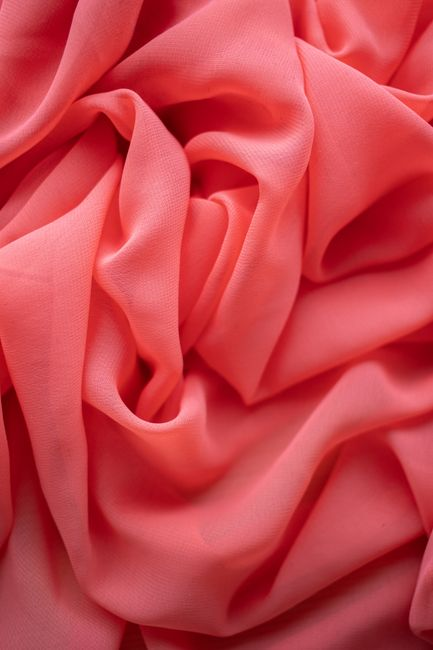
Jersey is the softer, drapier option. It tends to skim and move rather than hold shape. In the right project, that is exactly what makes it appealing. A jersey tee can feel relaxed and breathable. A jersey dress can read fluid and easy. A lounge top, a sleep set, a baby item, a soft headwrap, a casual skirt, or a draped layering piece can all benefit from that gentler hand and lighter finish.
Ponte behaves differently. It is more stable, more substantial, and usually more forgiving when you want stretch without too much cling. On the body, it often looks smoother and more controlled. Instead of collapsing into every curve, it tends to hold a cleaner line. That makes ponte a staple for fitted dresses, knit trousers, skirts, structured separates, uniforms, dancewear basics, business-casual pieces, and beginner knit garments where opacity and recovery matter.
In plain terms, jersey usually says softness and movement. Ponte usually says support and polish. Neither is automatically better. We match them to the job. When drape is the goal, ponte can feel too firm. When coverage and resilience matter, jersey can feel too light or revealing. That is the decision point most shoppers actually care about.
T-Shirts
For a classic T-shirt, jersey is often the better match because the finished result is supposed to feel easy, flexible, and lived in. It drapes naturally, layers well, and gives that familiar knit-tee comfort. If you are making everyday tees, relaxed tops, lightweight mock necks, layering shells, sleep shirts, casual kidwear, or soft lounge basics, jersey usually gives the finish people expect.
The caution is that not every jersey behaves the same way. A lighter jersey can turn clingy, show more than you want, or grow at the neckline if the project needs more support. If your T-shirt design is more body-conscious, if you want better opacity, or if you are sewing for repeated production where consistency matters, a stable knit can save trouble. Ponte can work for a more polished top, but it will not give the same soft, classic tee drape.
Fitted Dresses
This is where the difference becomes more obvious. Jersey can be beautiful in a fitted dress when you want softness and body-skimming movement. It works well for ruched styles, wrap dresses, draped silhouettes, and designs where fluidity is part of the look. If the goal is slink, ease, and motion, jersey keeps the garment from feeling overbuilt.
Ponte becomes the stronger choice when the dress needs more smoothing support. A sheath, a simple fitted work dress, a clean zip-back silhouette, a modest event dress, or a knit style with sharper seam lines often benefits from ponte’s stability. It tends to bag less, read less sheer, and feel more confidence-building for wearers who want stretch without every line telegraphed. For many shoppers, this is the point where ponte earns its reputation as the workhorse of the knit family.
Leggings
For leggings, opacity and recovery are not small details. They are the whole game. Many readers assume any stretchy knit can do the job, but this is where disappointment happens fast. A soft jersey may stretch enough, yet still lack the weight and snap-back needed for leggings that feel secure. The result can be show-through, knees that soften out, or a fit that feels more like thin lounge bottoms than true leggings.
Ponte is often the safer path when you want more coverage and structure, especially for fashion leggings or slim knit pants with a smoother outer finish. That said, ponte is not identical to performance activewear. If the design calls for a very sleek, athletic, second-skin effect, other knit families may suit that end use better. But between jersey and ponte, ponte usually wins when the reader’s real concern is, “I want stretch, but I do not want this to turn clingy or sheer.”
Easy Separates And First Knit Projects
If someone is new to sewing knits, we usually lean toward ponte first. It is simply steadier. It tends to curl less, wobble less, and behave better under the presser foot. That can make a straightforward dress, an elastic-waist skirt, a knit jacket, a simple shell, easy pull-on pants, classroom costumes, boutique separates, and small-batch uniform pieces feel much more manageable.
Jersey is still absolutely worth sewing, but it asks for a lighter touch and a bit more control. For a beginner who wants a soft draped tee, it can be a great learning fabric if expectations are realistic. For a beginner who mainly wants success, confidence, and cleaner seams on the first try, ponte is usually the more forgiving staple to keep stocked.
A Quick Way To Decide
- T-shirt: Jersey is usually better for softness and natural drape. Watch for thinness, cling, and neckline growth in lighter qualities.
- Fitted dress: Ponte is often better for smoothing support and cleaner lines. Choose jersey instead if fluid drape is the point of the design.
- Leggings: Ponte is usually the better of the two when opacity and recovery matter. Lightweight jersey is often too revealing or too soft for the job.
- Easy separates: Ponte offers a steadier, more polished result. Jersey gives a softer, more casual finish.
- First knit project: Ponte is typically easier to control at the table and machine. Jersey can be rewarding, but it is less forgiving.
What Happens At The Cutting Table And Under The Machine
How a knit behaves while sewing matters almost as much as how it wears. Jersey can curl at the cut edge, shift while being handled, and stretch out if it is pulled through the machine. Hems can wave, necklines can grow, and seams can feel less crisp unless the fabric choice, stitch choice, and handling all stay in balance. That does not make jersey a poor fabric. It just means its softness comes with more movement.
Ponte is generally more stable. It tends to lie flatter, resist edge drama a bit better, and cooperate more willingly when you are matching seams or maintaining shape across multiple units. For home sewists, that can mean less stress. For small-batch makers, it can also mean better consistency and fewer surprises from cut to cut.
Opacity is another major dividing line. If a garment needs confidence-building coverage, ponte often has the advantage. Jersey ranges widely, and some qualities are excellent, but readers shopping online should not assume softness equals coverage. Recovery matters too. A knit that stretches easily but does not spring back well can sag at knees, elbows, necklines, or hips. Ponte often performs better when that snap-back behavior is important.
Care also builds trust in a fabric decision. For many practical knit garments, we keep the guidance simple and consistent: Machine Wash, Cold; Gentle Detergent, No Bleach. Tumble Dry, Low Heat. Do not wring.
Where People Usually Go Wrong
The most common mistake is treating jersey and ponte as interchangeable because both stretch. They are not. If someone chooses jersey for a project that really needs opacity and control, they often end up blaming the pattern, the fit, or their sewing, when the deeper issue is fabric behavior. The dress may cling more than expected. The leggings may feel too bare. The beginner project may suddenly seem much harder than it should have been.
The reverse mistake happens too. If someone swaps in ponte for a design that depends on fluid drape, the silhouette changes. A softly gathered dress can become heavier. A T-shirt can lose that relaxed fall. A wrap style can feel more architectural than easy. Ponte can substitute for jersey in some projects, but it will often change the mood from soft to structured.
That is why we like to ask a more useful question than “Which fabric is better?” We ask whether the project needs movement or support, whether it should skim or hold, and whether the sewer wants a soft challenge or a steadier workhorse. Once you frame it that way, the choice gets clearer.
How To Read The Product Page When You Cannot Touch The Fabric
When buying online, a few clues matter more than the category name alone. Weight tells us whether the knit is likely to feel airy or substantial. Fiber blend hints at softness, resilience, and stretch character. Opacity notes help predict whether the finished garment will feel secure. Stretch direction matters because some projects need more horizontal give, while others need balanced movement and recovery. End use descriptions are also revealing: if a fabric is repeatedly positioned for tees, draped dresses, and layering, it likely behaves like a softer jersey; if it is described for fitted dresses, pants, uniforms, or structured knit separates, that usually points toward ponte’s steadier performance.
This is where detailed product education matters. We believe fabric pages should do more than name a textile. They should explain hand, drape, weight, ideal uses, and care clearly enough that a designer ordering yardage, a costume shop planning multiples, and a home sewist making one dress all feel equipped to choose with confidence.
Frequently Asked Questions
Can ponte replace jersey?
Sometimes, yes, but not invisibly. Ponte can stand in when you want more structure, support, and opacity. It is less successful when the design depends on fluid drape, softness, or that classic T-shirt feel.
Can jersey work for leggings?
It can in some cases, especially for softer lounge styles, but many jerseys are too light or too revealing for leggings that need real coverage and recovery. For readers deciding strictly between jersey and ponte, ponte is usually the safer option.
What should beginners choose first?
We usually suggest ponte for a first knit project. It is more stable, easier to control, and often more forgiving at the machine. Jersey is wonderful once you want that softer drape and are ready for a fabric with a little more movement.
Is jersey always clingy?
No. Jersey varies a lot by weight, fiber content, and finish. The problem is not jersey itself. The problem is choosing a lighter or drapier jersey for a project that really needs more support.
Is ponte always stiff?
No. Good ponte should still feel comfortable and wearable. It is simply more stable than jersey. Think smoother and more controlled, not hard or rigid.
If the choice still feels close, that usually means the project details matter more than the label. Start with the outcome you want on the body, then look at opacity, recovery, and how much cooperation you want at the machine. That is the most reliable way to choose the right knit — and it is exactly how we help shoppers compare practical, well-described options at Zelouf.