
Ponte is a durable, wrinkle-resistant fabric blend that holds up well through repeated wear and washing. Knitters in Italy originally developed the fabric, and it is sometimes called “Ponte di Roma,” meaning “Roman bridge,” a reference to its interlocking stitch construction. Today, this ponte knit fabric is a staple on the racks of contemporary and business casual retailers, where it is a popular choice for professional, feminine garments. It also works beautifully as athletic and leisurewear thanks to its natural stretch.
Ponte is a double-knit fabric and tends to run heavier than a typical legging fabric. That extra body makes it versatile for office attire and casualwear alike, offering a wide range of styling possibilities. Though ponte usually contains at least some synthetic fiber, it is generally more breathable than straight polyester. It is also more flexible than denim while staying just as easy to style, making it an easy addition to almost any capsule wardrobe.
Follow our guide to help you navigate purchasing, sewing and caring for this sewist-friendly fabric blend.
Shop ponte and more at Zelouf Fabrics.
What is Ponte Fabric Made Of?
Ponte earns its reputation for smooth, strong, comfortable garments through its fiber blend. Most ponte is a knit combination of synthetic and natural materials, and the exact makeup shapes how the finished fabric feels and performs.
Common Fiber Blends
Ponte typically contains nylon, spandex, rayon, or polyester, often paired with cotton or linen. The specific ratio varies by manufacturer, so quality and weight can range from heavy to light across many patterns and blends. Synthetic materials like polyester used to be associated with lower-quality garments, but the yarn blends found in most modern ponte are smooth, comfortable, and easy to wash or mend. Spandex, also known as elastane or Lycra, is generally the component responsible for ponte’s stretch and shape retention.

As with any fabric, you can find lower-quality ponte on the market. It is worth examining fabric samples and discussing the blend with the retailer before committing to a purchase. Fortunately, quality ponte knit fabric is typically accessible and affordable for most sewists, even those working with a tighter budget. At Zelouf Fabrics, we offer complimentary fabric swatches, and we’re always happy to advise shoppers in our showroom, by phone and via email.
How Do I Work with Ponte Fabric?
Ponte has a reputation as a forgiving, beginner-friendly fabric, making it a great starting point for anyone new to sewing knits.
Cutting, Pinning, and Sewing
Ponte hardly wrinkles, and while any holes made in this double knit are permanent, the fabric itself is difficult to tear and generally unfussy on a sewing machine. Many sewists think of ponte as a heavier, sturdier version of jersey.
Unlike jersey, ponte holds its shape without curling at the edges, which makes cutting and pinning noticeably easier. It is also reversible, which adds flexibility to how a pattern lays out. A ballpoint or stretch needle made for knit fabrics will help avoid skipped stitches when sewing ponte on a machine.
Tailoring with Ponte
Because of its soft texture, ponte is not always the first choice for heavily structured garments. As a general guideline, beginner sewists tend to have better results using ponte for projects with minimal tailoring. That said, tailoring isn't entirely off-limits. In the right hands, this fabric can work well for a jacket or structured pants.
What Issues Might Arise with Ponte?
Ponte is a resilient fabric overall, but a couple of common issues are worth knowing about before starting a project.
Pilling and Heat Retention
Ponte garments can sometimes pill with age, which tends to happen more often in blends with a higher percentage of polyester. Pilling is the fuzzy texture that appears when shorter fibers work their way out of the yarn, and it can also result from the fabric rubbing against itself. Ponte can also retain more heat than woven fabrics, making it less ideal for warm-weather garments unless the blend leans more toward rayon or cotton for breathability.
If pilling does appear, resist the urge to pull the pills off directly, since this can create a snag. A fabric brush is a gentler way to remove pilling without damaging the surface.
Which Ponte Fabrics Should I Use for My Project?
Ponte is a versatile material that flatters a broad range of shapes and sizes, and the right choice usually comes down to the occasion.
Ponte for Going Out, Costumes, and Dancewear
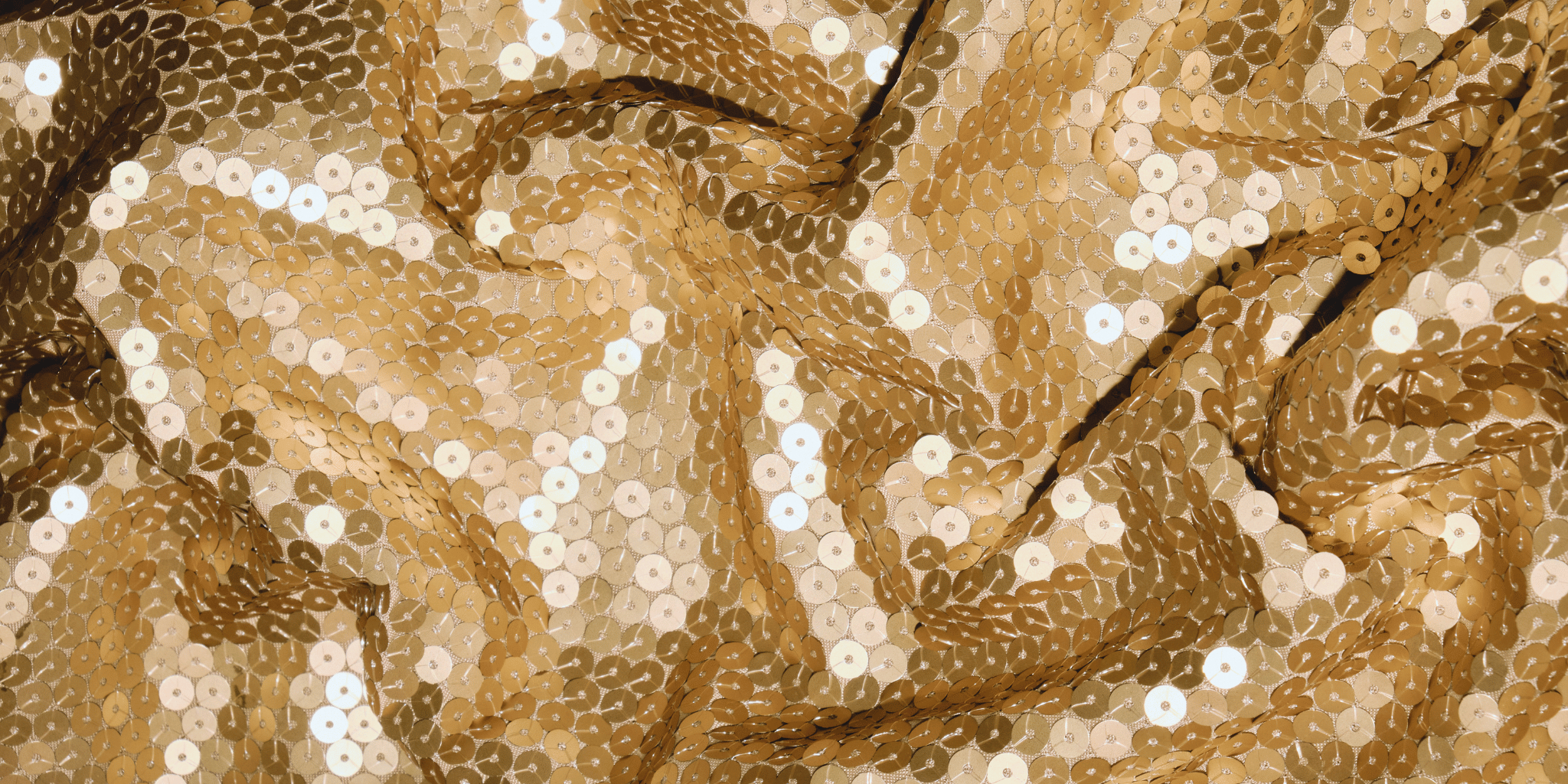
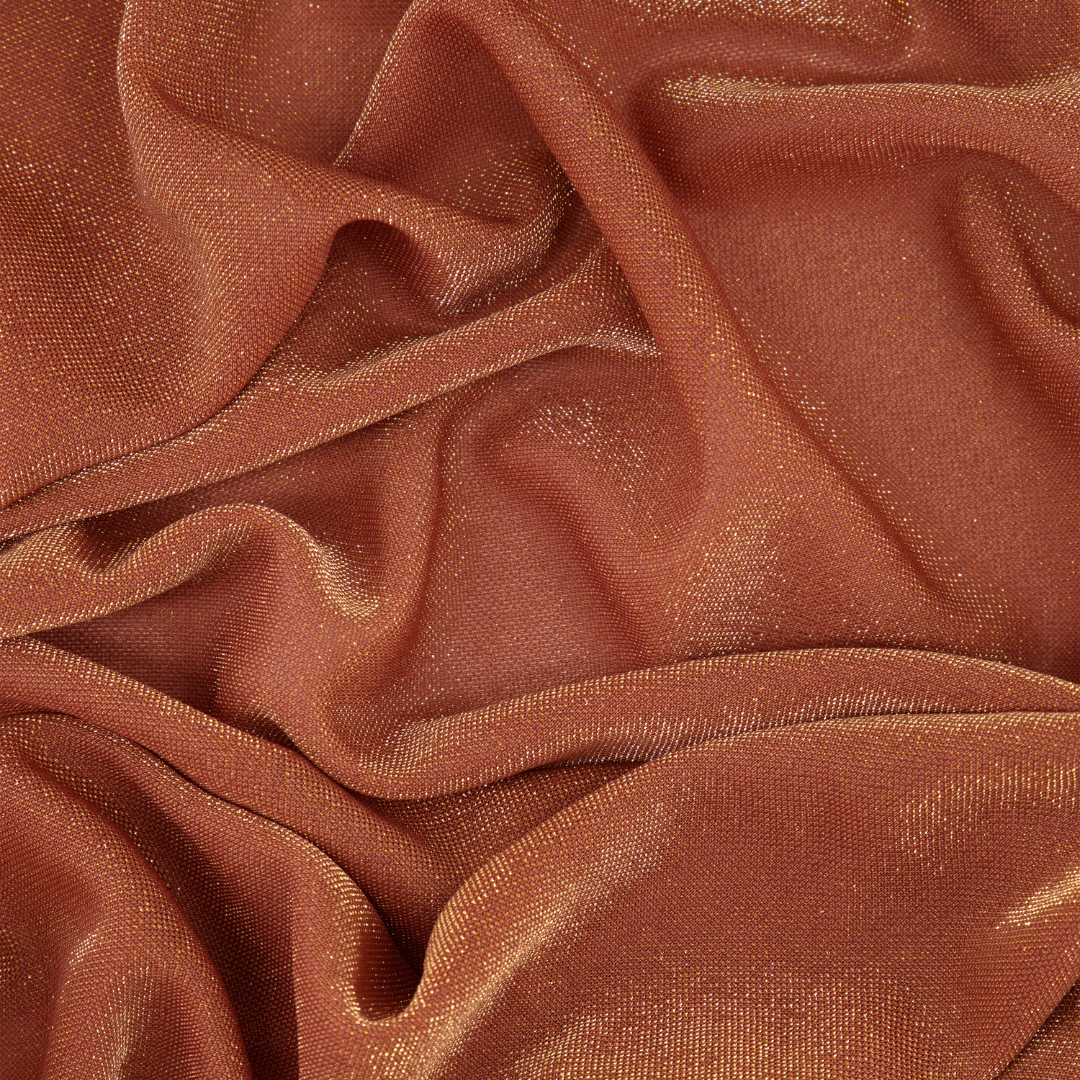
For evening looks, costumes, or dancewear, Ponte di Roma with Stardust Foggy Foil and Josie Lurex Ponte are strong options. Lurex is metallic and adds a glittering luster, while the Stardust Foil creates a sheen that catches the light beautifully. Both add texture and dimension without weighing the garment down, and both remain glamorous choices at an approachable price point. For costume-specific projects, the costume and cosplay collection is also worth browsing.
Ponte for Workwear and Athleisure
For workwear, day-to-night pieces, or athleisure, Scuba Ponte and Rayon-Nylon-Spandex Ponte are worth a look. Scuba ponte is often described as a techno fabric, meaning it brings newer functional qualities into a traditional textile, and it tends to have a slightly smoother, more structured hand than standard rayon polyester ponte knit fabric. These varieties drape well and offer strong stretch, so finished garments stay comfortable, professional-looking, and durable over time.
Ponte at a Glance
|
Property |
Typical Range |
|
Construction |
Double knit |
|
Common fibers |
Nylon, spandex, rayon, or polyester, often blended with cotton or linen |
|
Weight |
Medium to heavy, generally heavier than legging fabric |
|
Stretch |
Two-way or four-way, with good shape recovery |
|
Breathability |
Better than straight polyester, especially in rayon or cotton-rich blends |
|
Care |
Often machine washable on a gentle cycle, though some blends require dry cleaning |
|
Best for |
Structured casualwear, workwear, athleisure, and costume pieces |
Where Can I Buy Ponte Fabric?
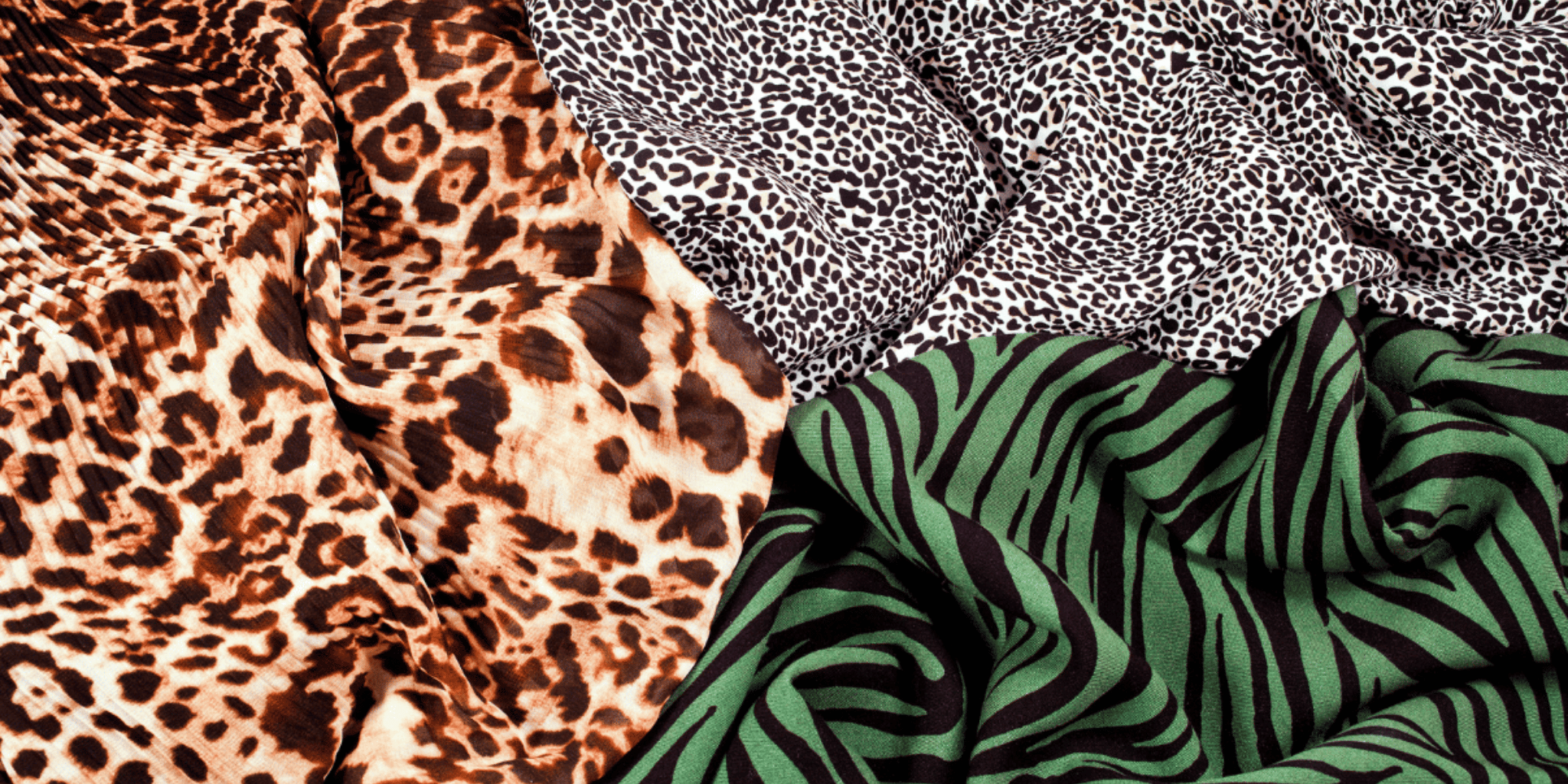
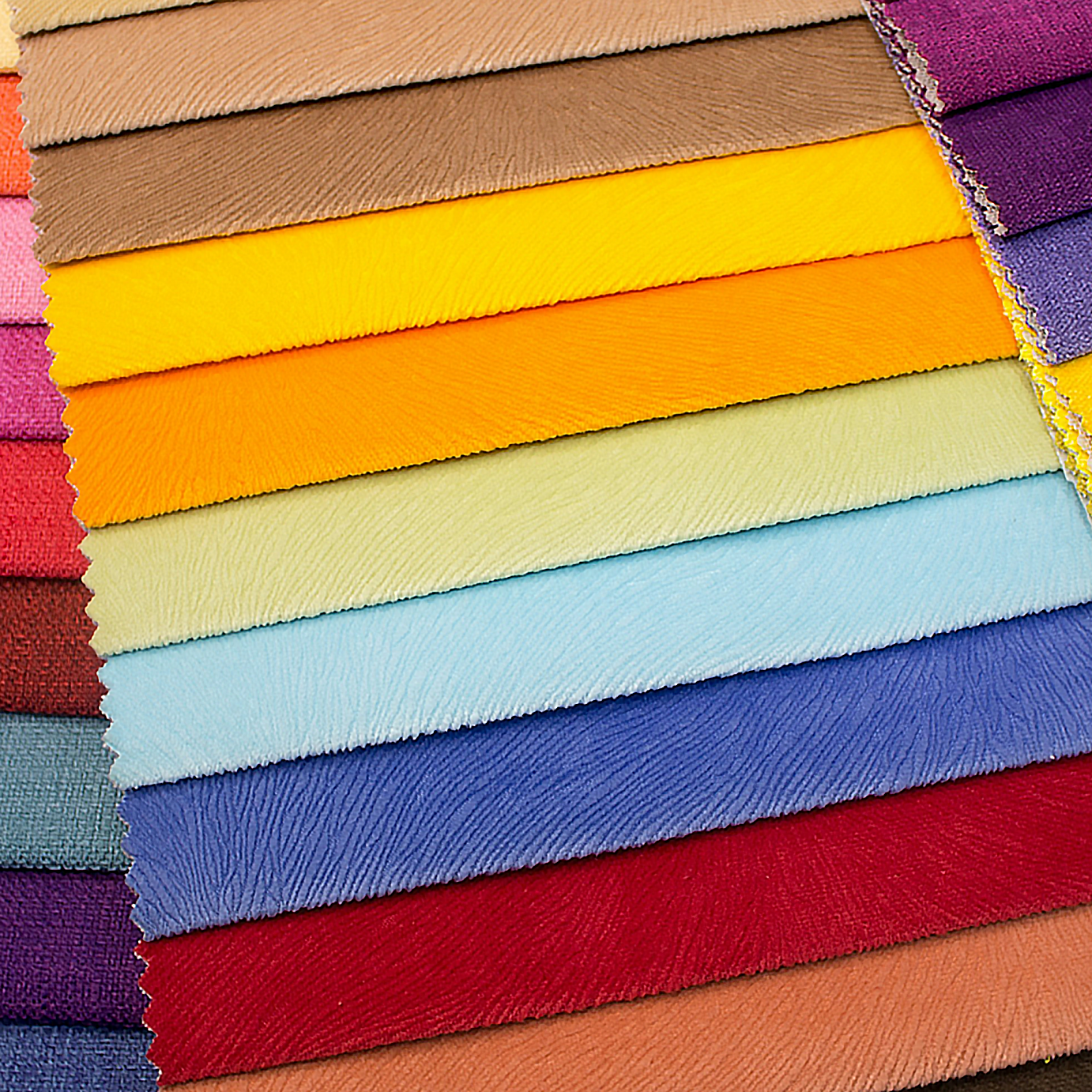
Zelouf Fabrics offers pontes in a vast array of prints and colors. The more you browse, the more informed you’ll be, and the better you’ll set yourself up for successful sewing. After all, that’s our ultimate goal.
What to Check Before You Buy
When evaluating ponte, request a swatch and check stretch recovery by stretching the fabric and letting it go. Quality ponte should return to its original shape without lasting distortion. Also check the care label, since most ponte is machine washable on a gentle cycle in cold water, though some blends call for dry cleaning instead.