

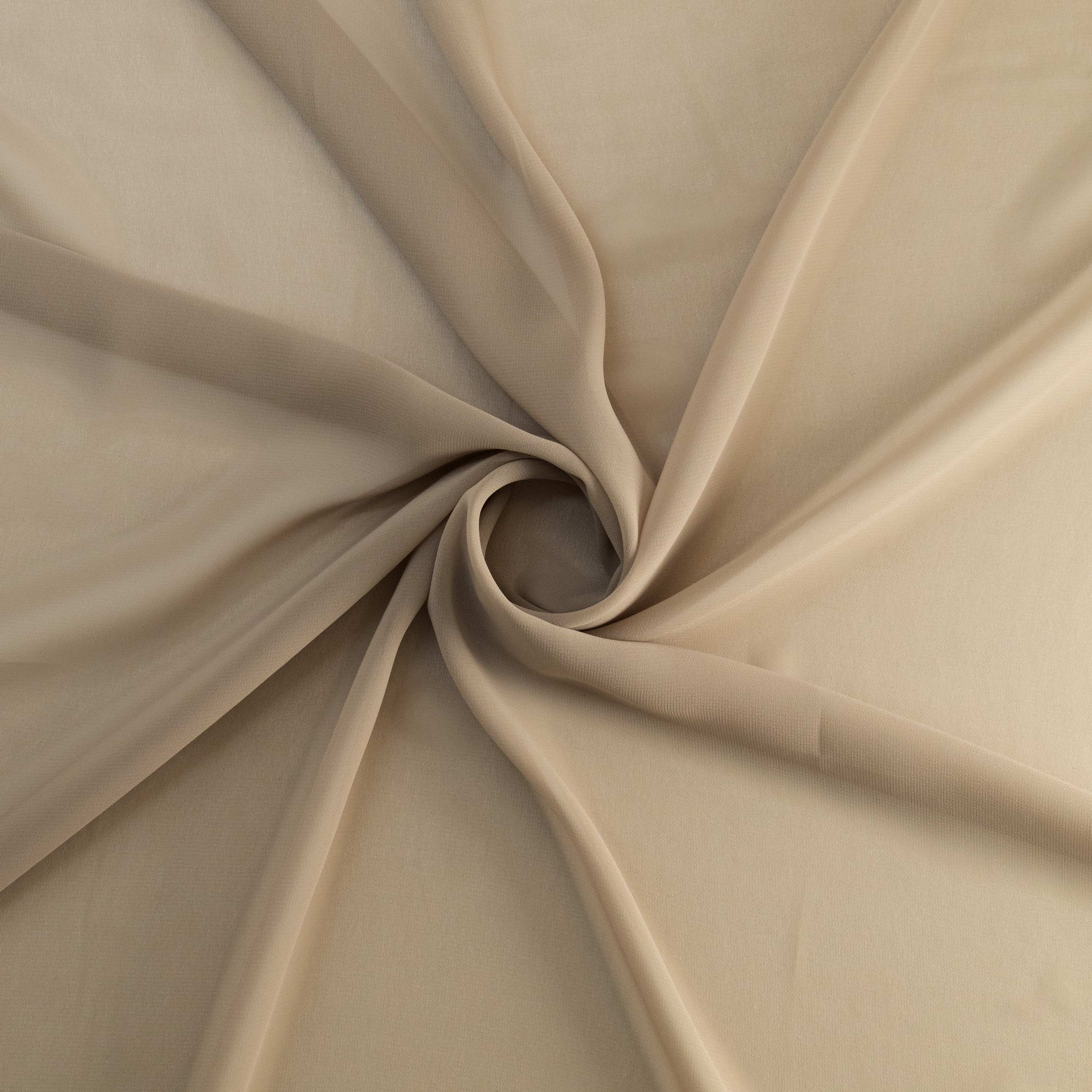
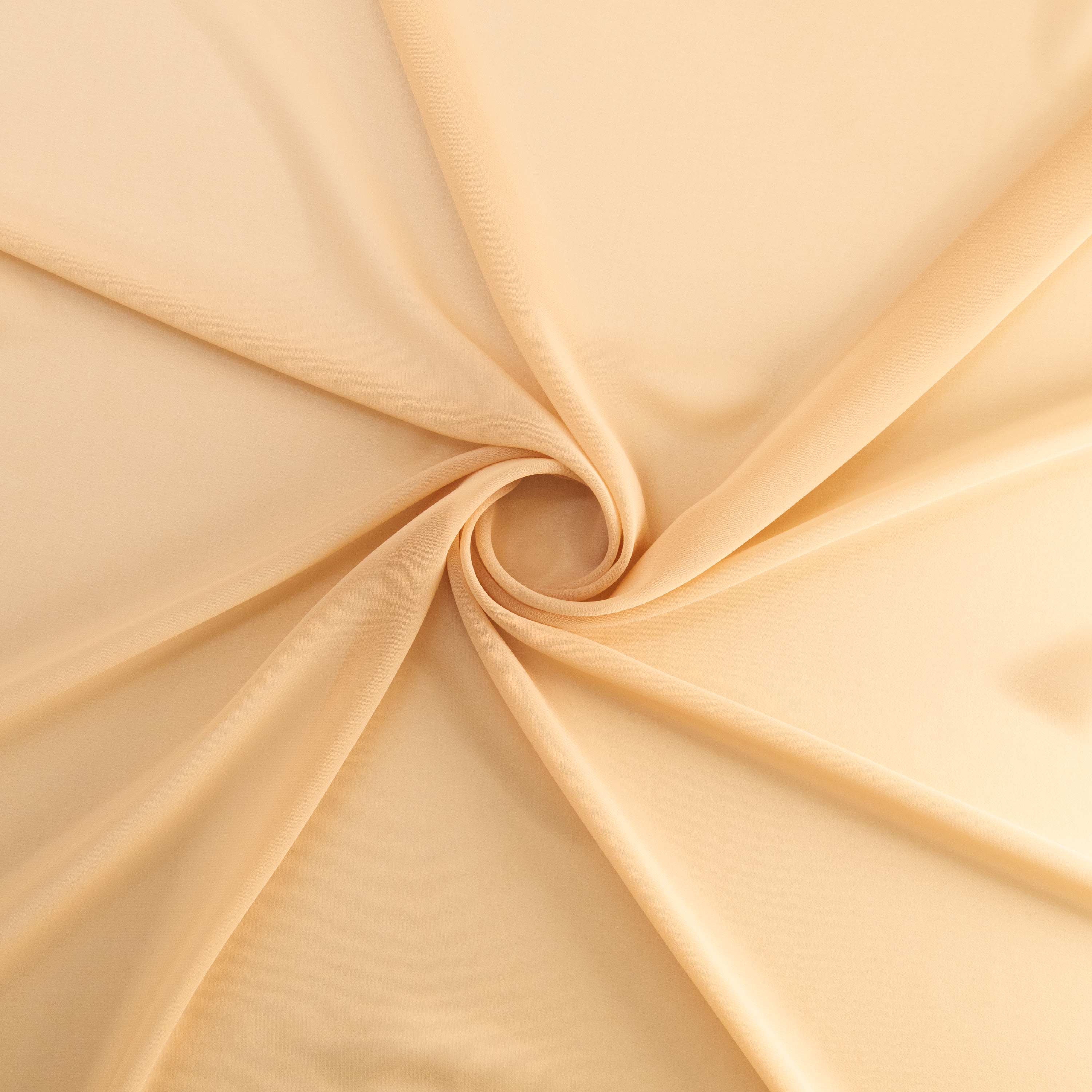
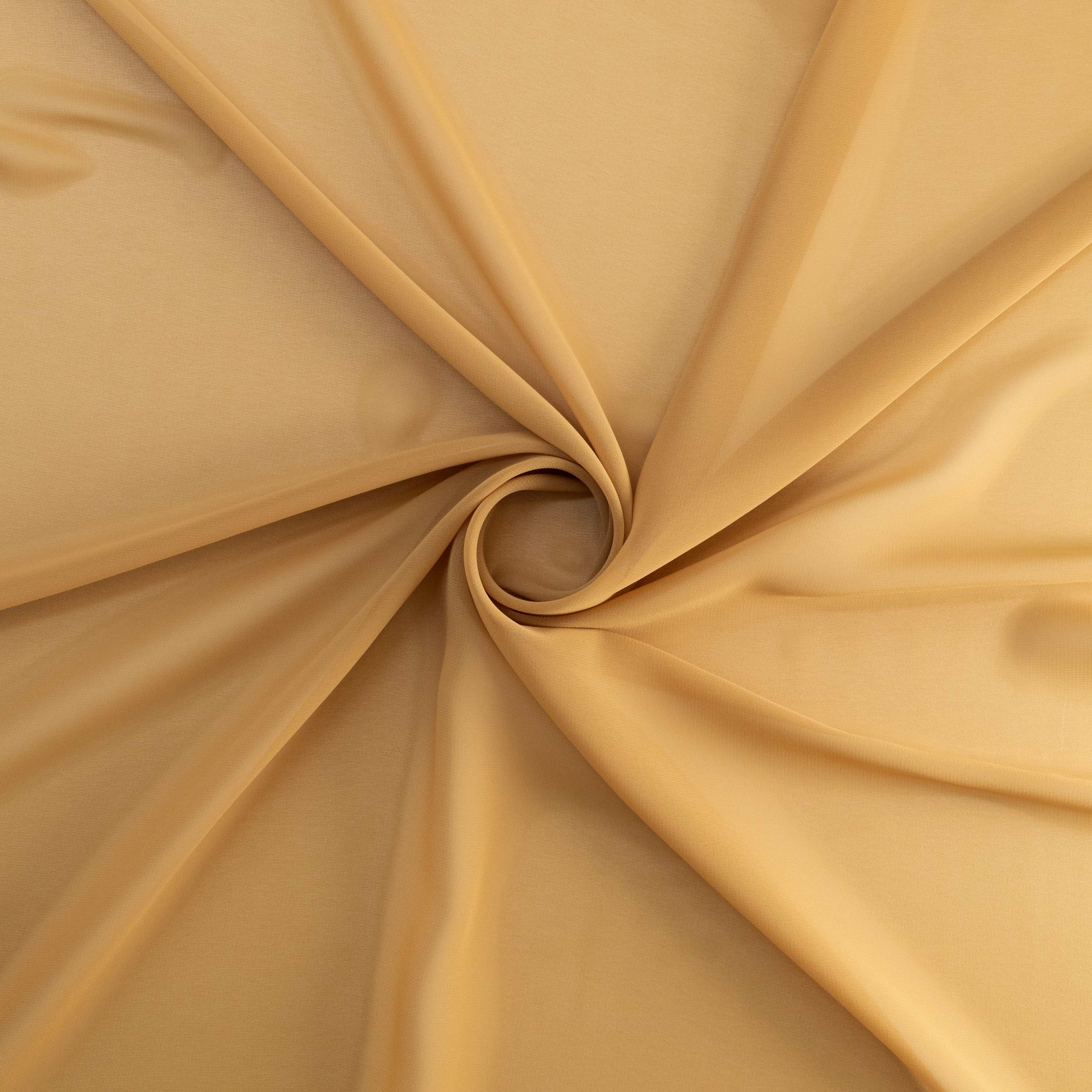
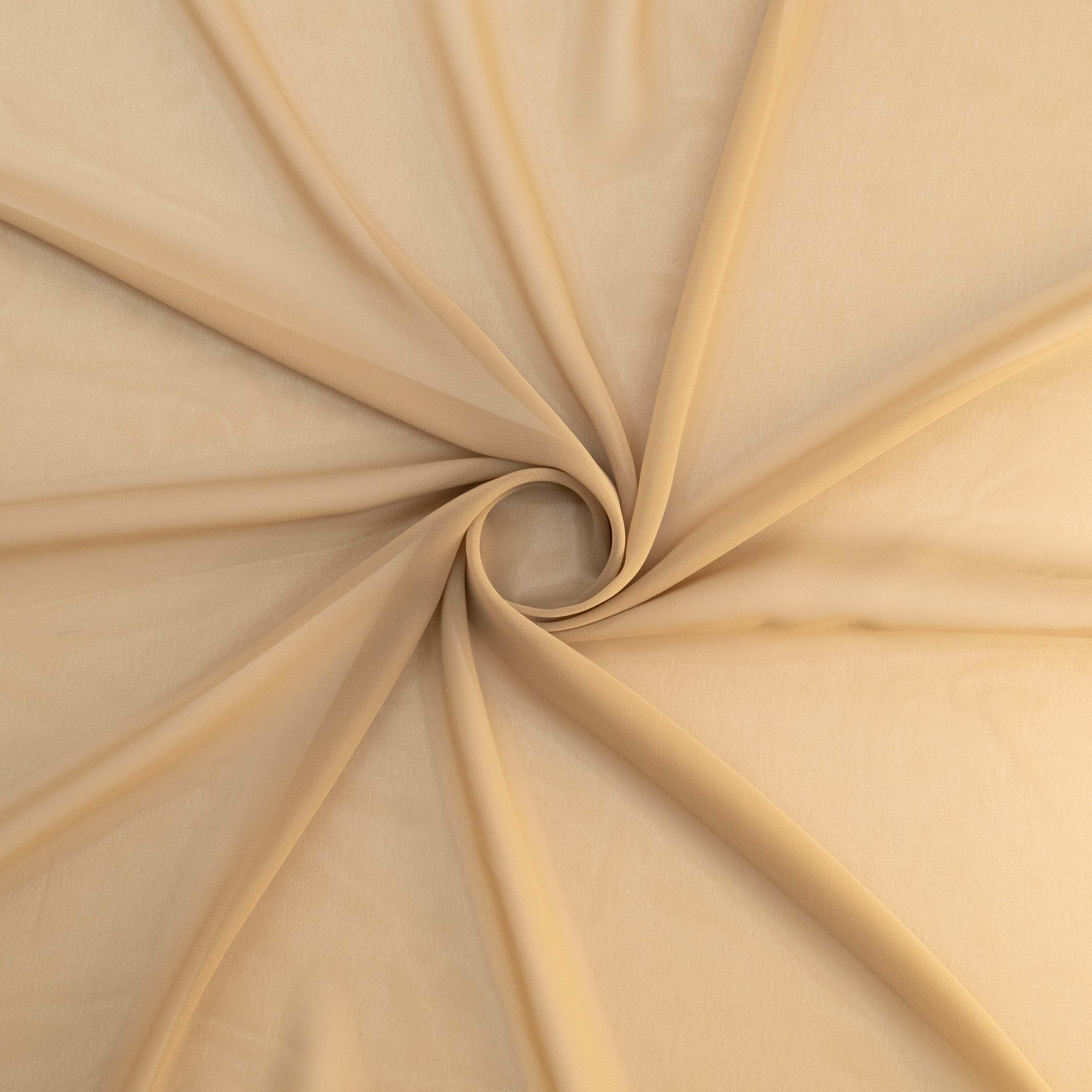

















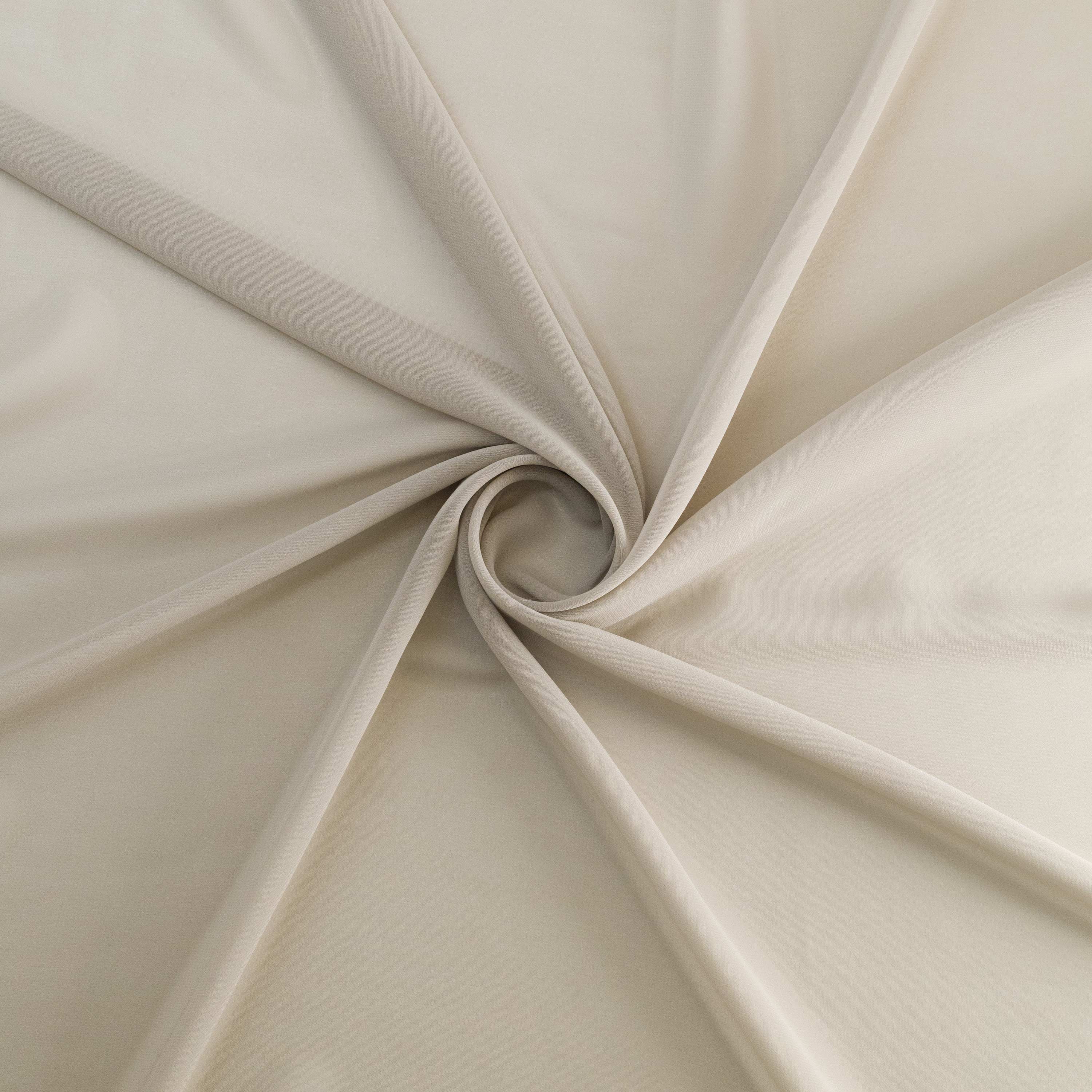





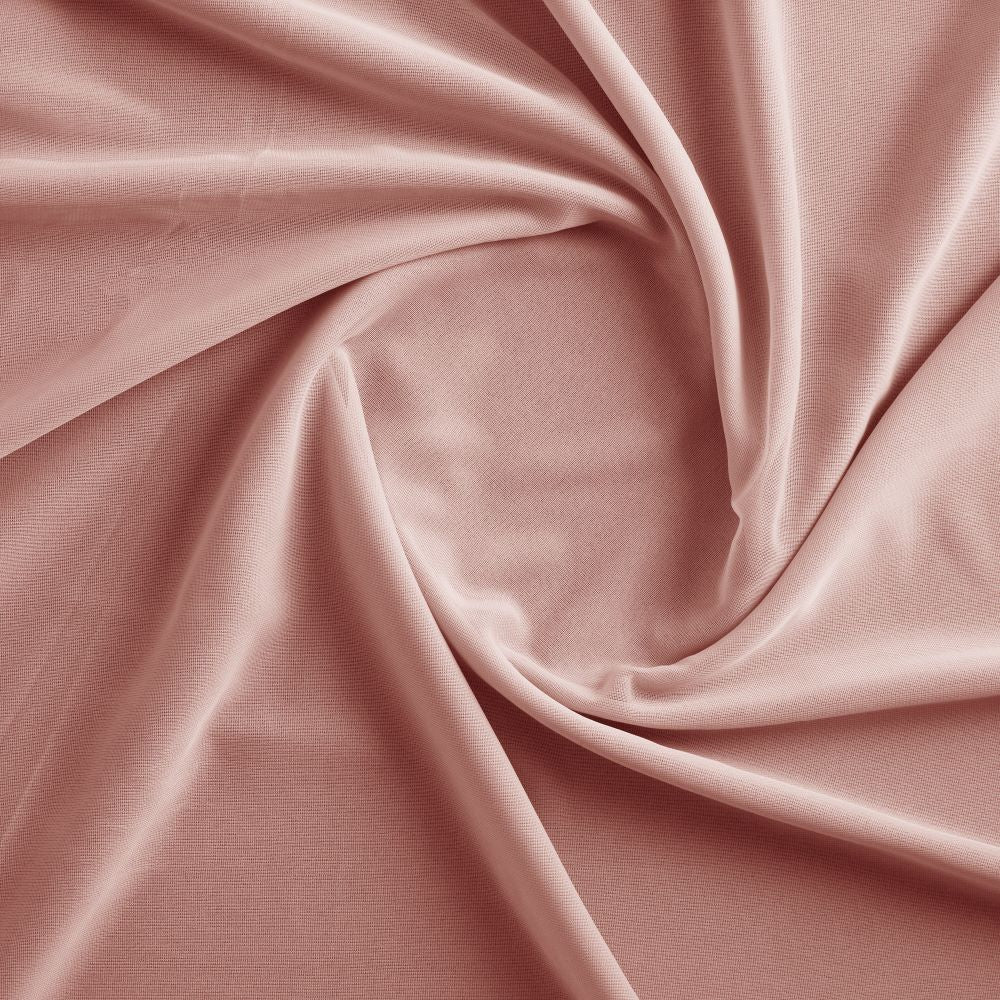
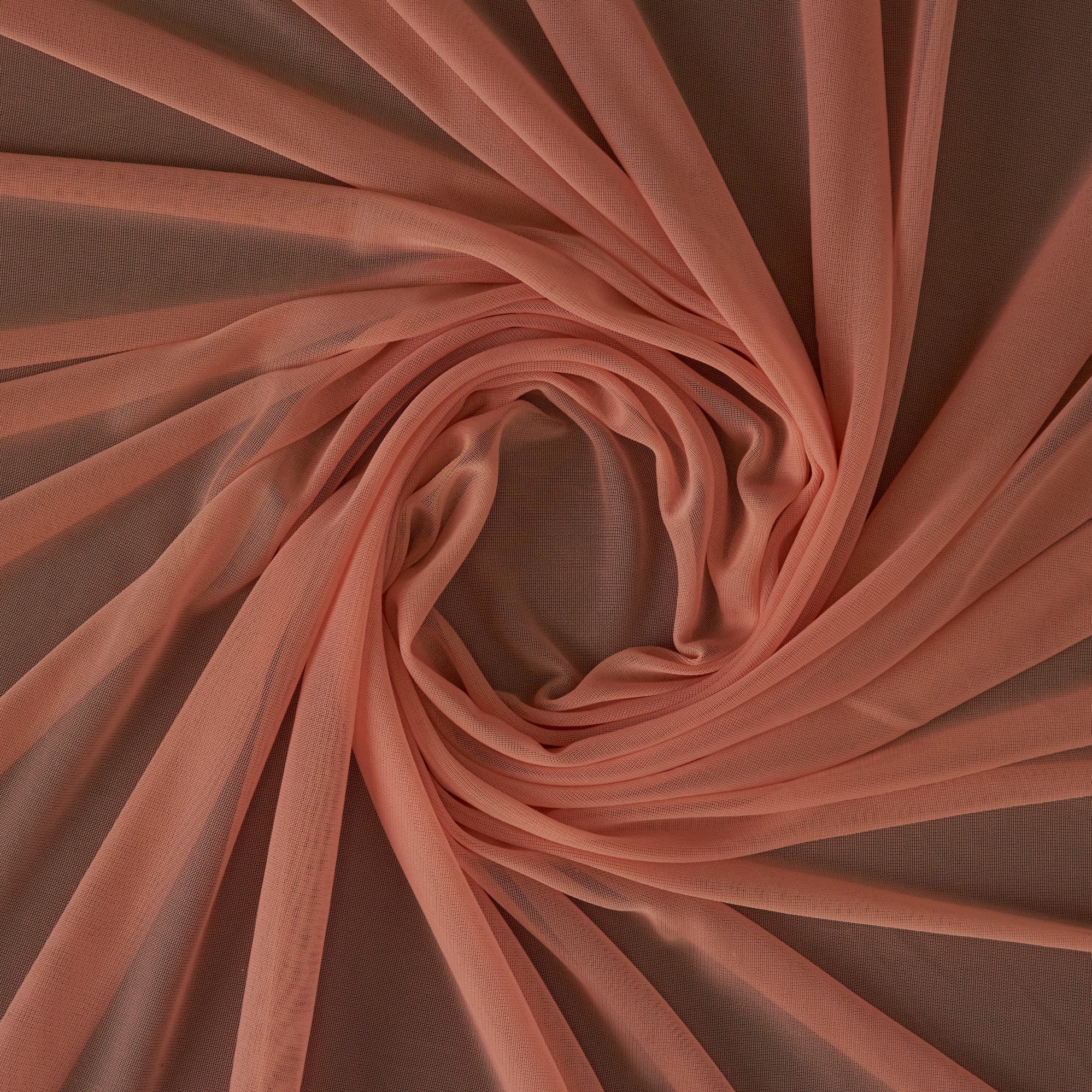
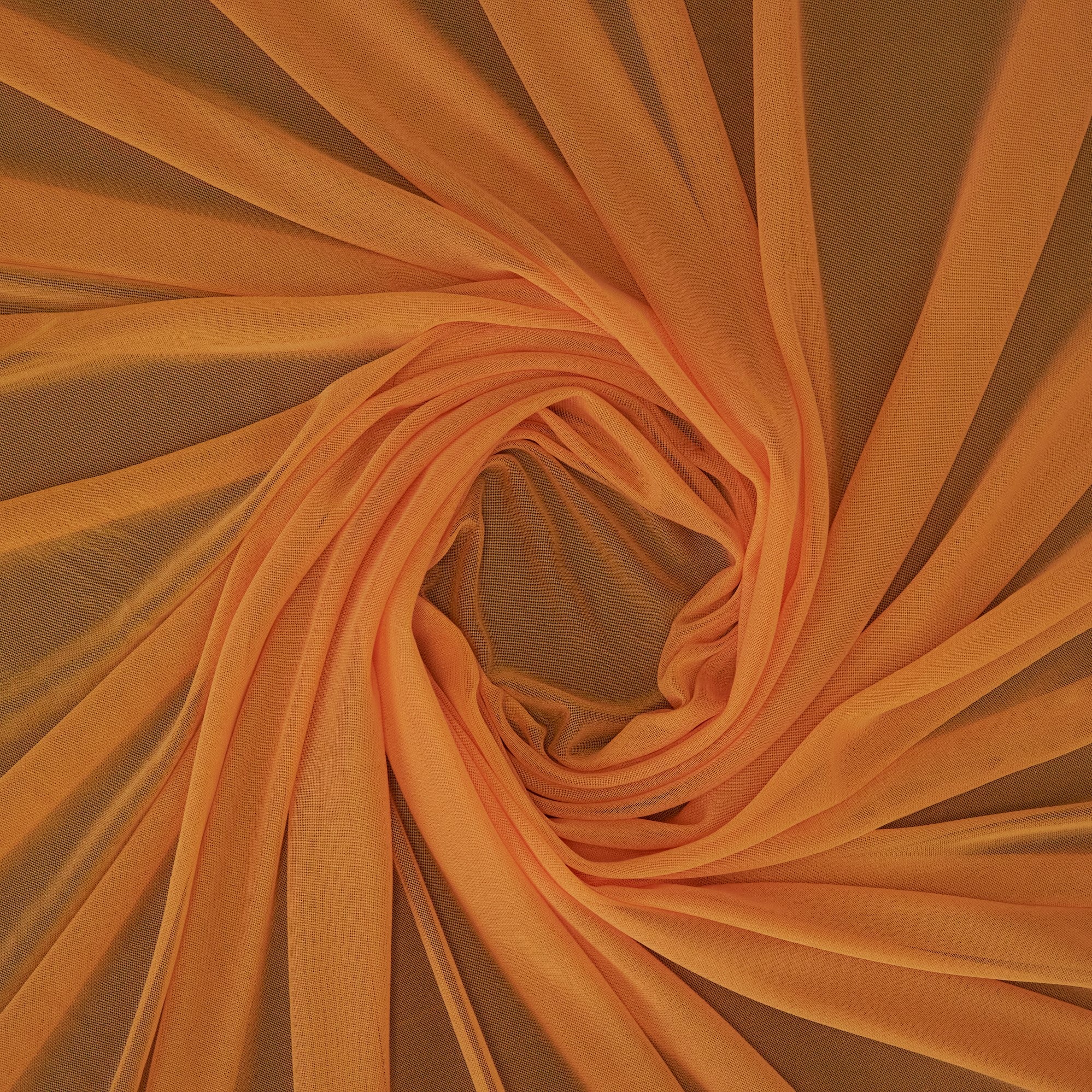
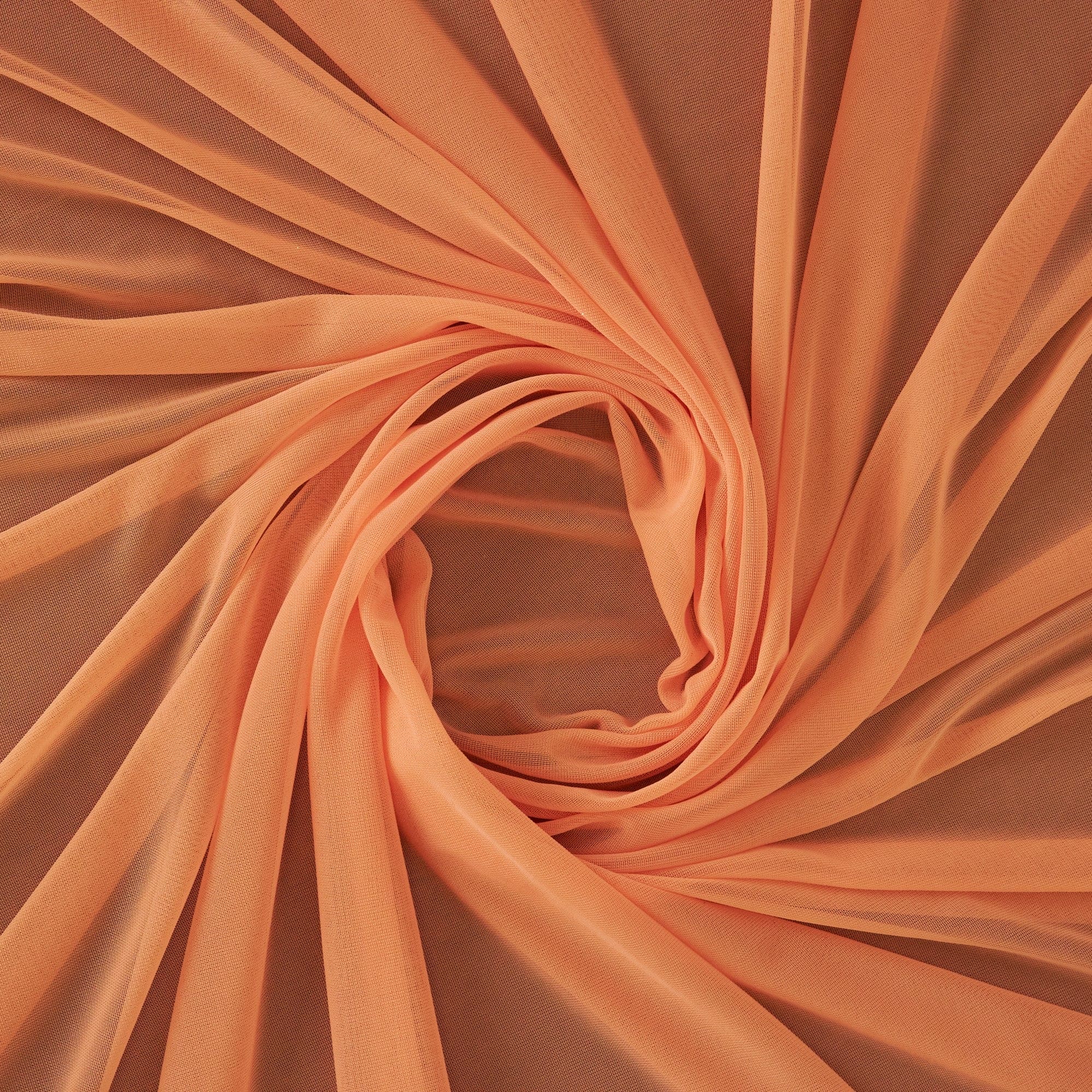







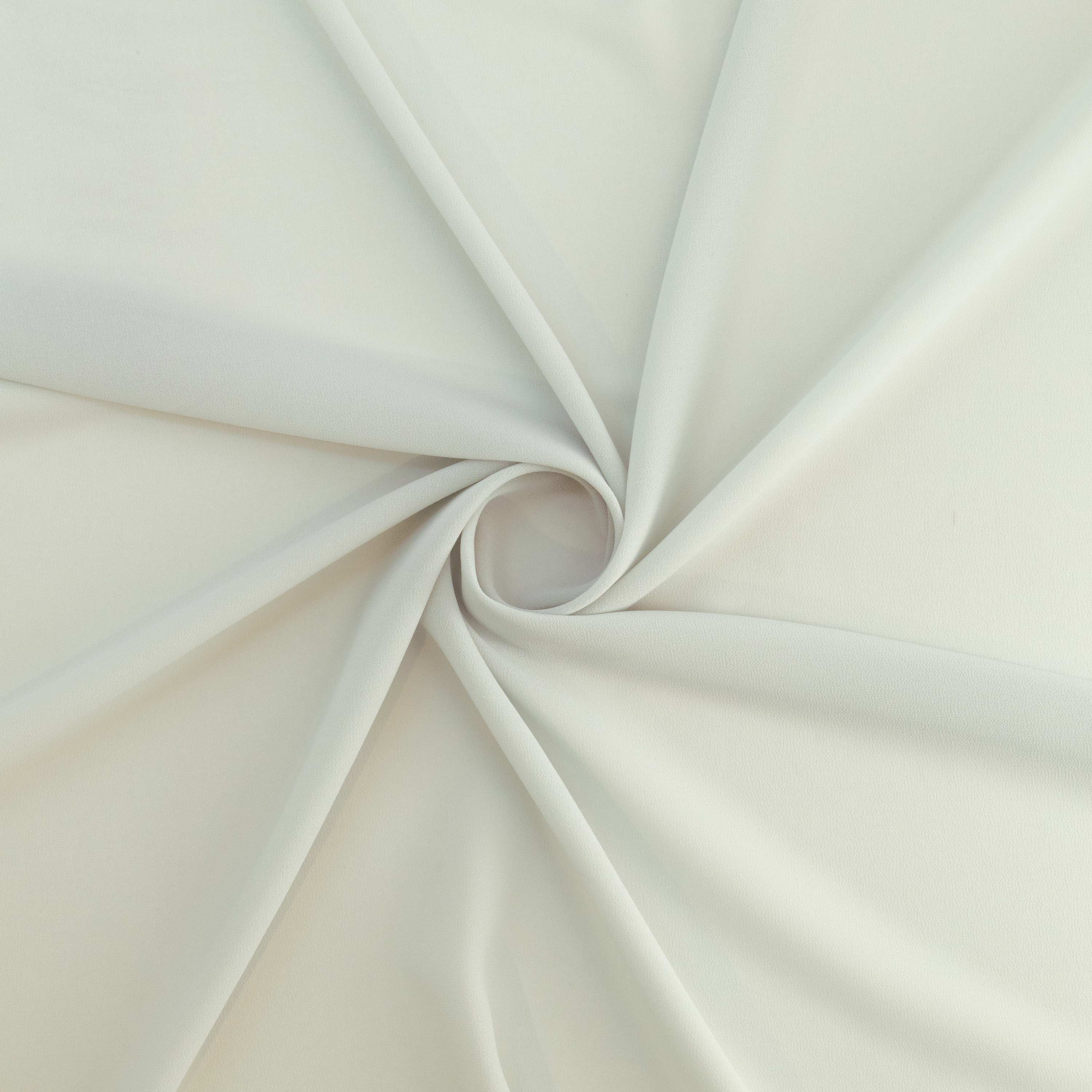














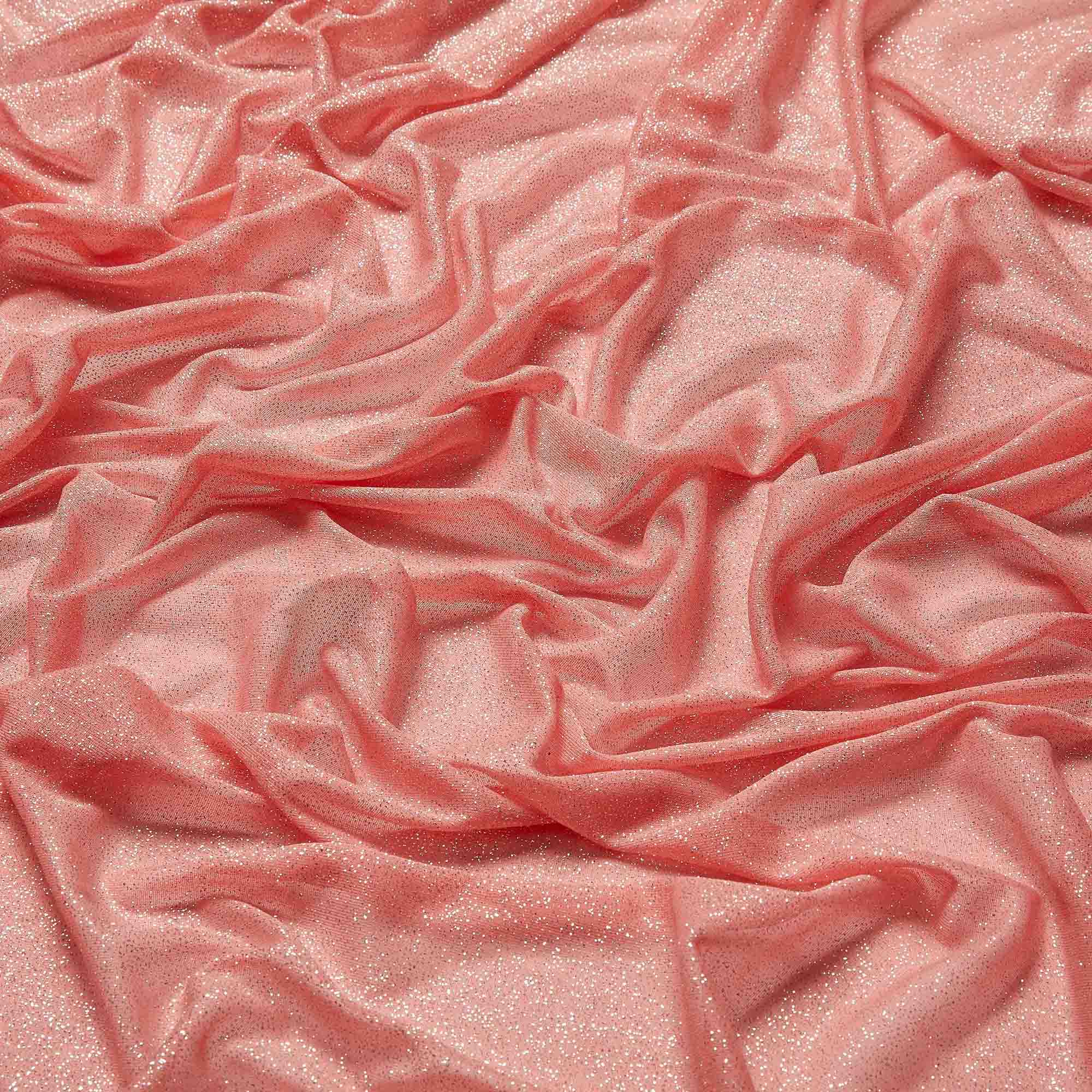
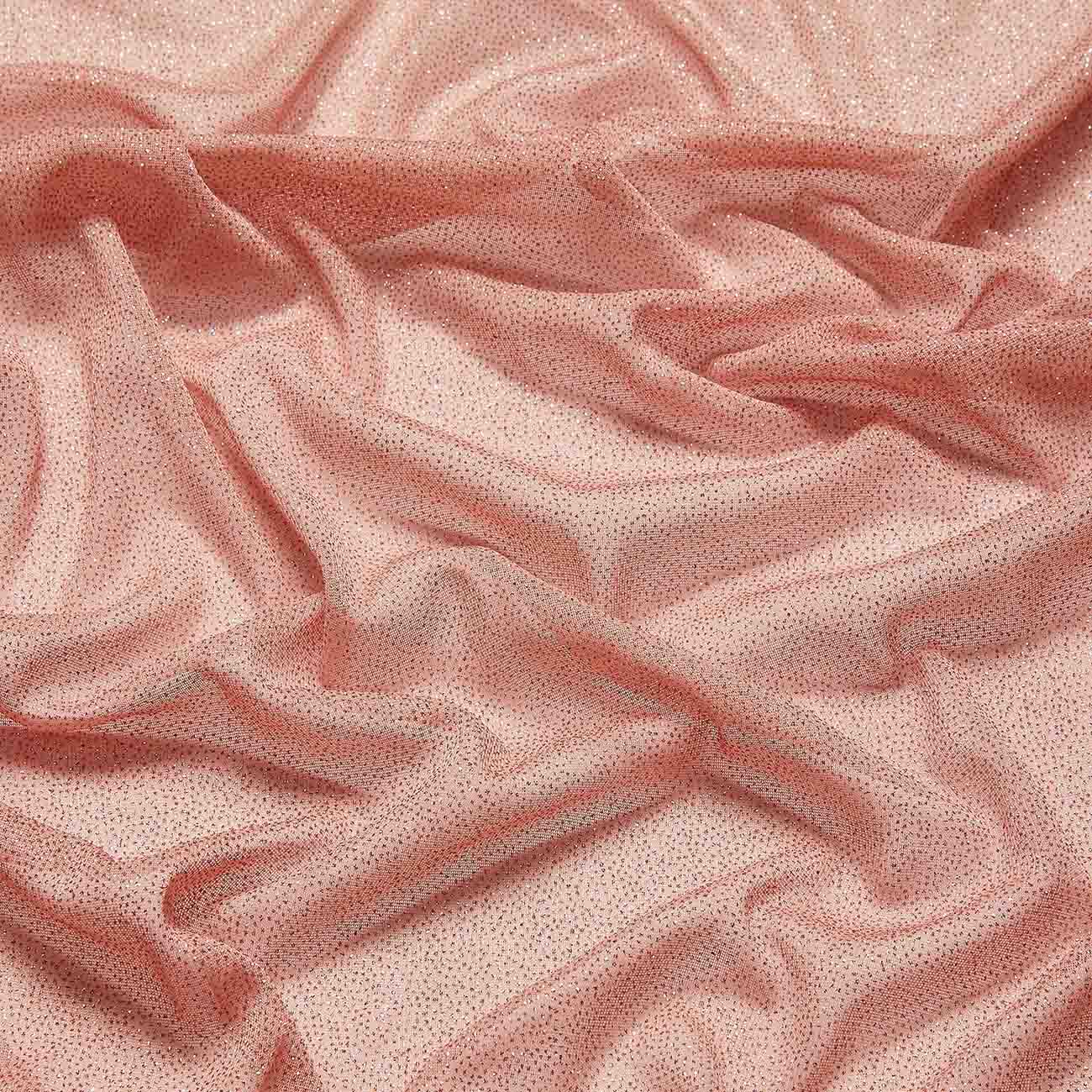
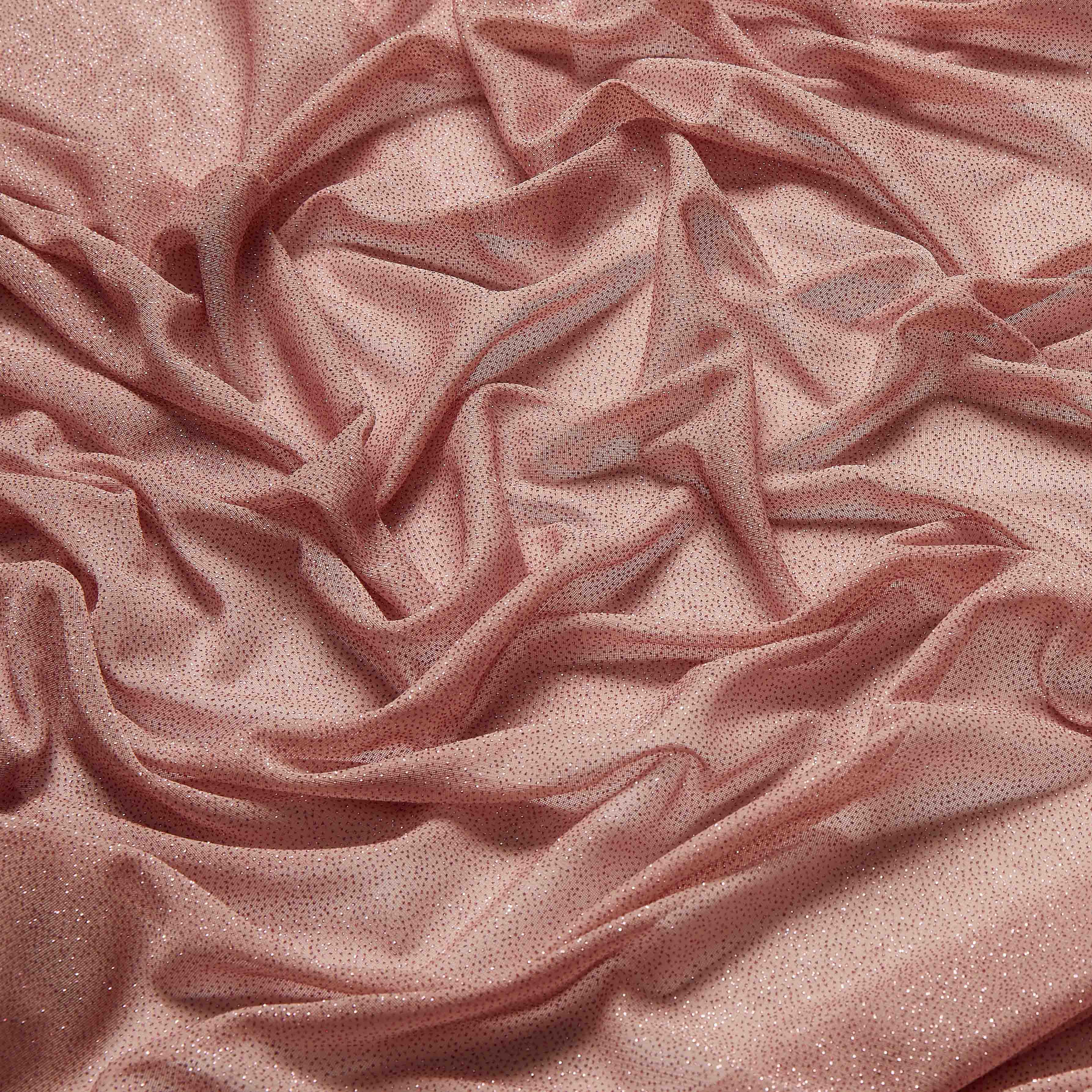
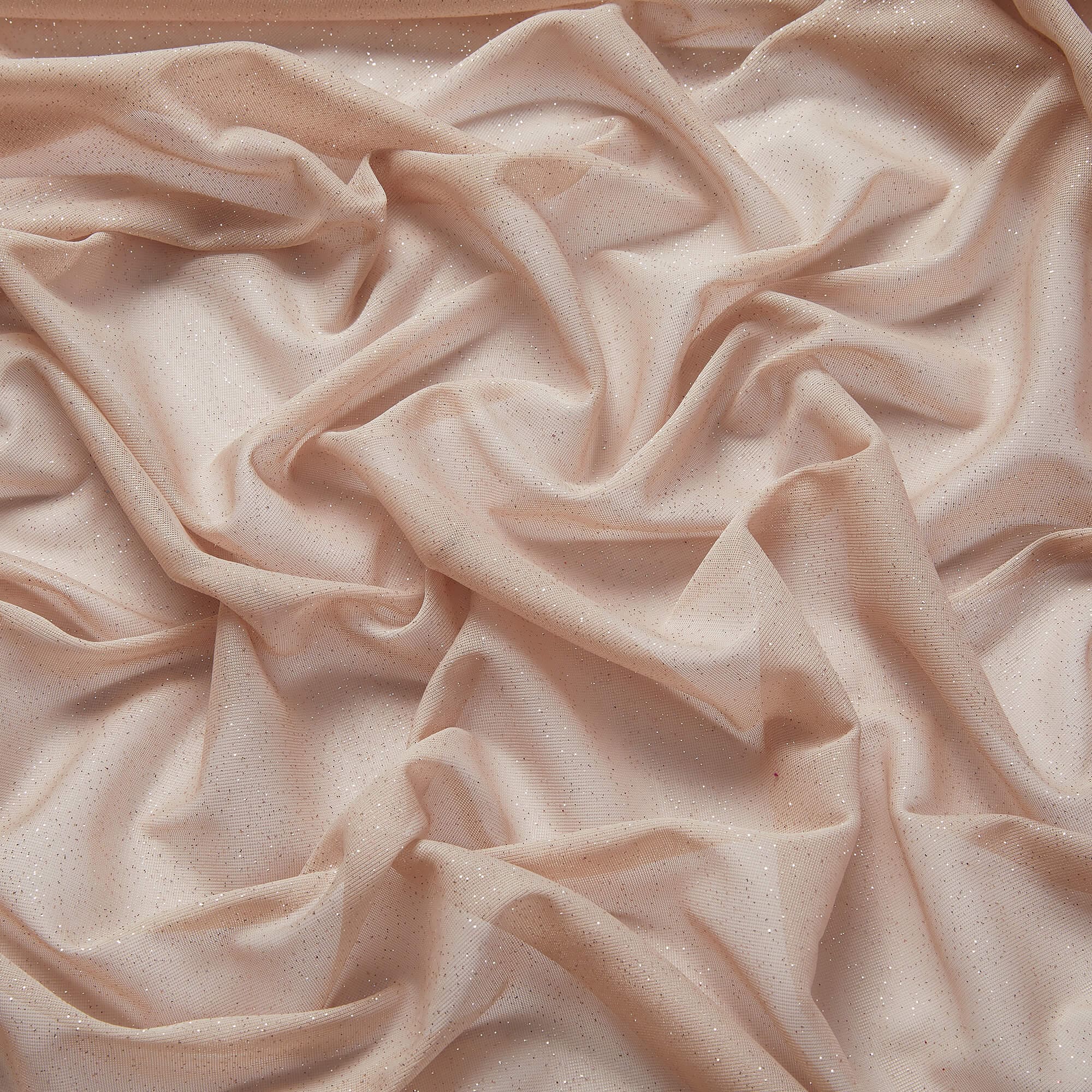
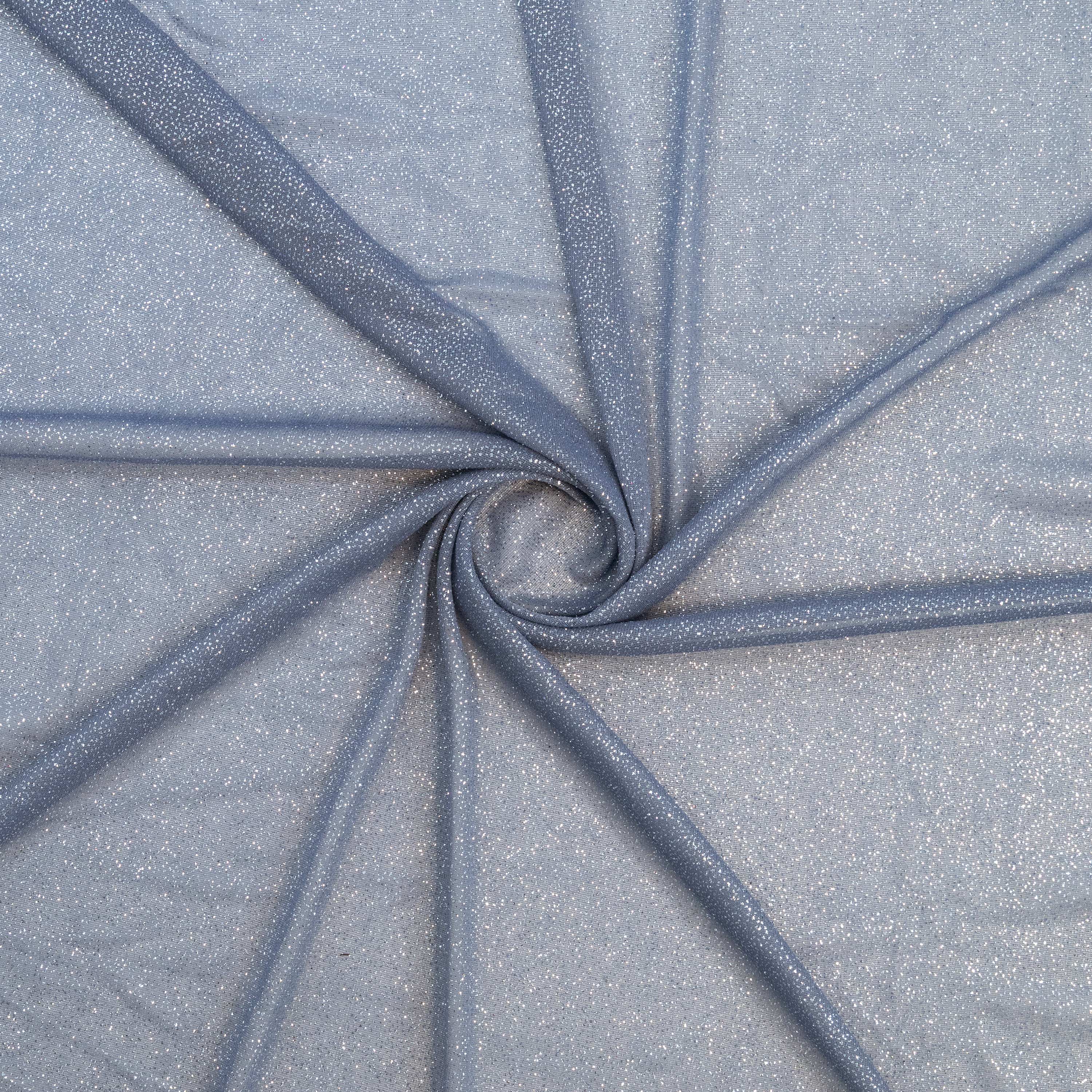
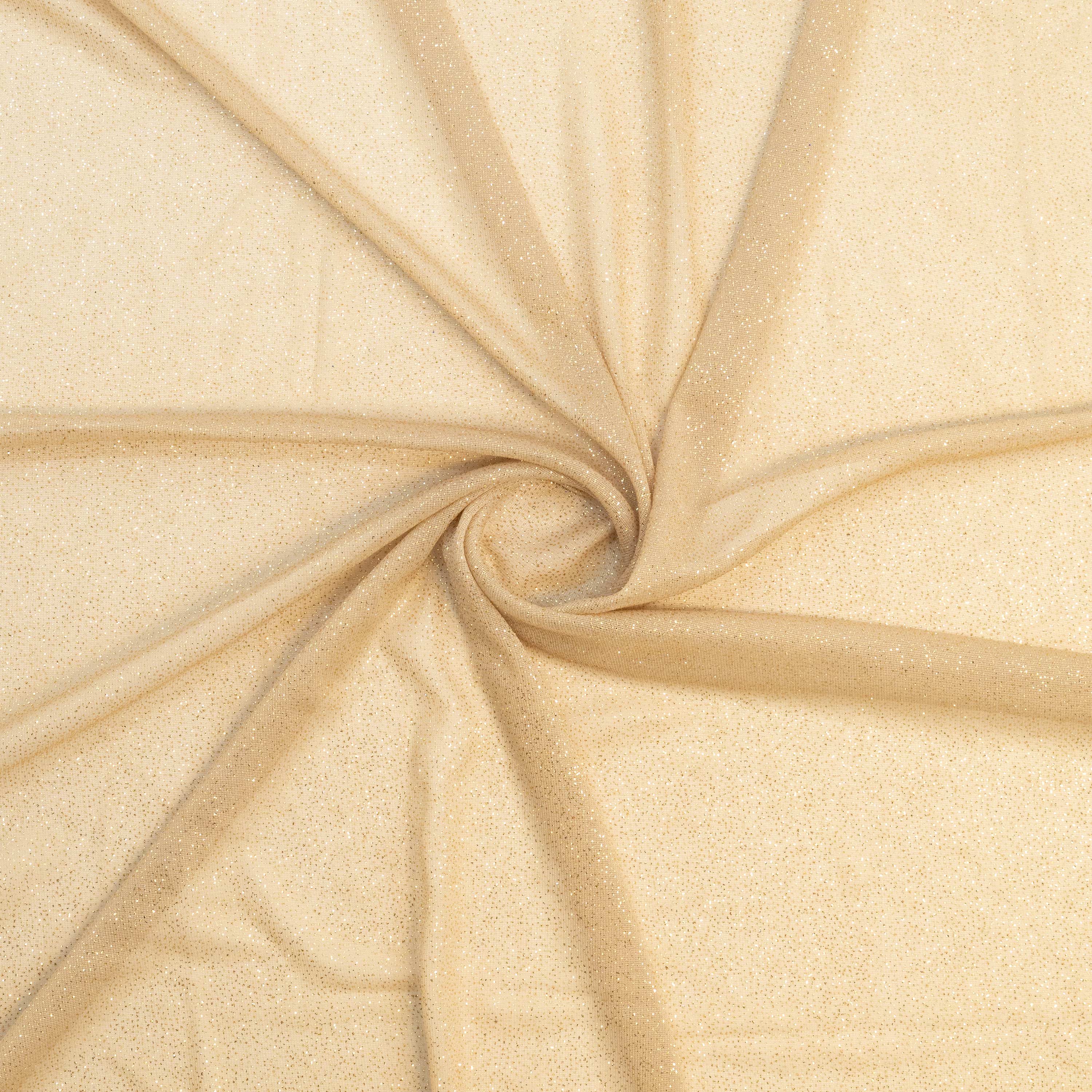
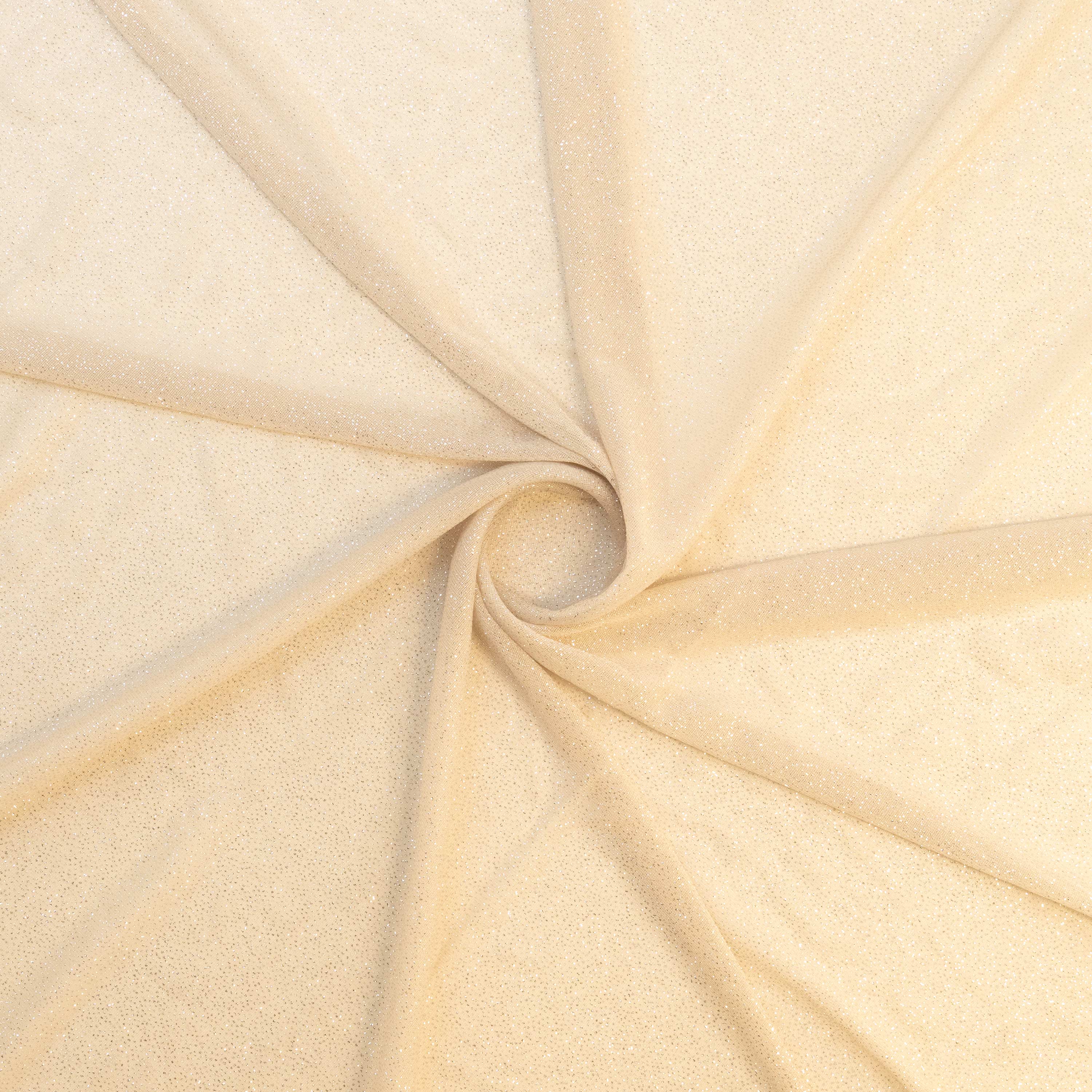
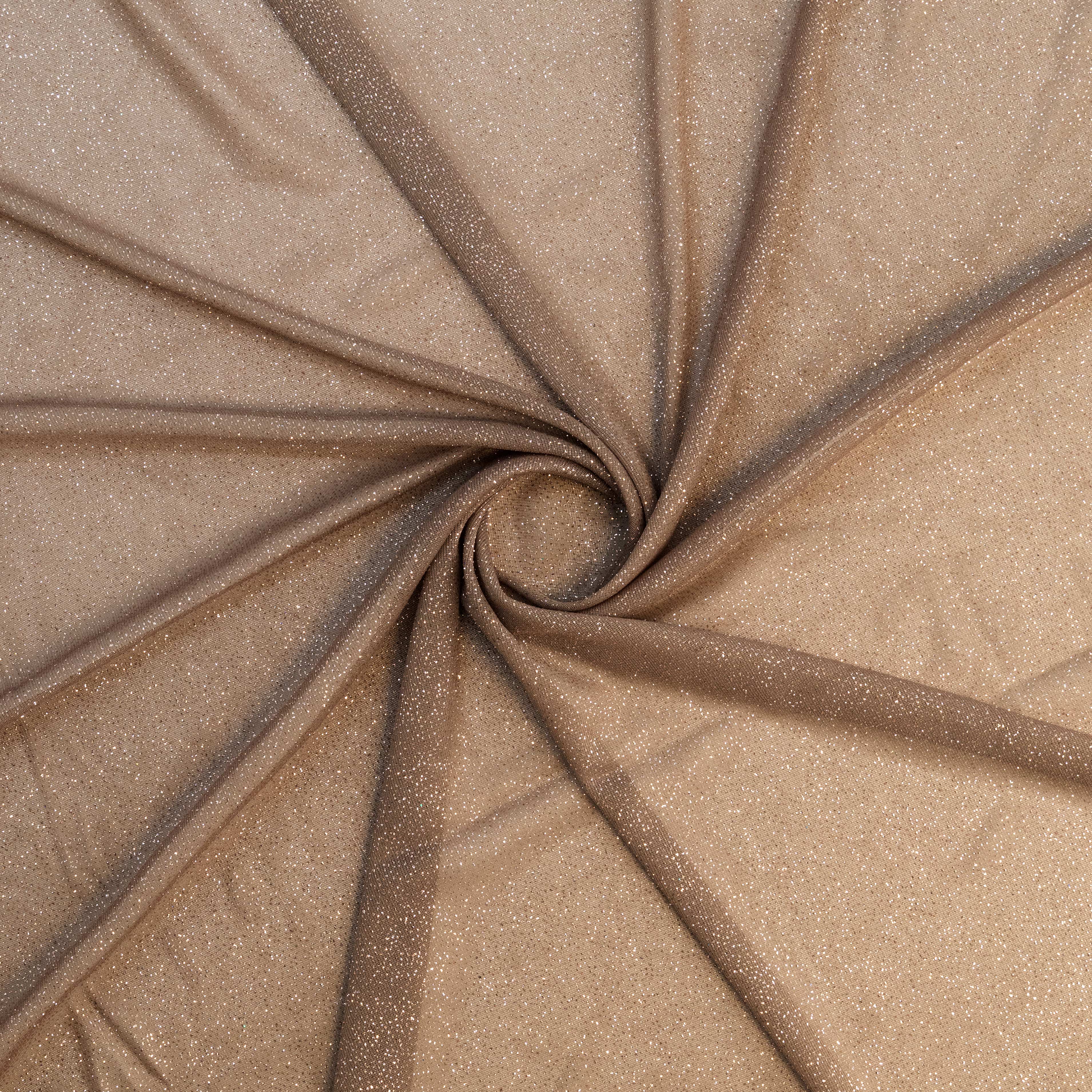
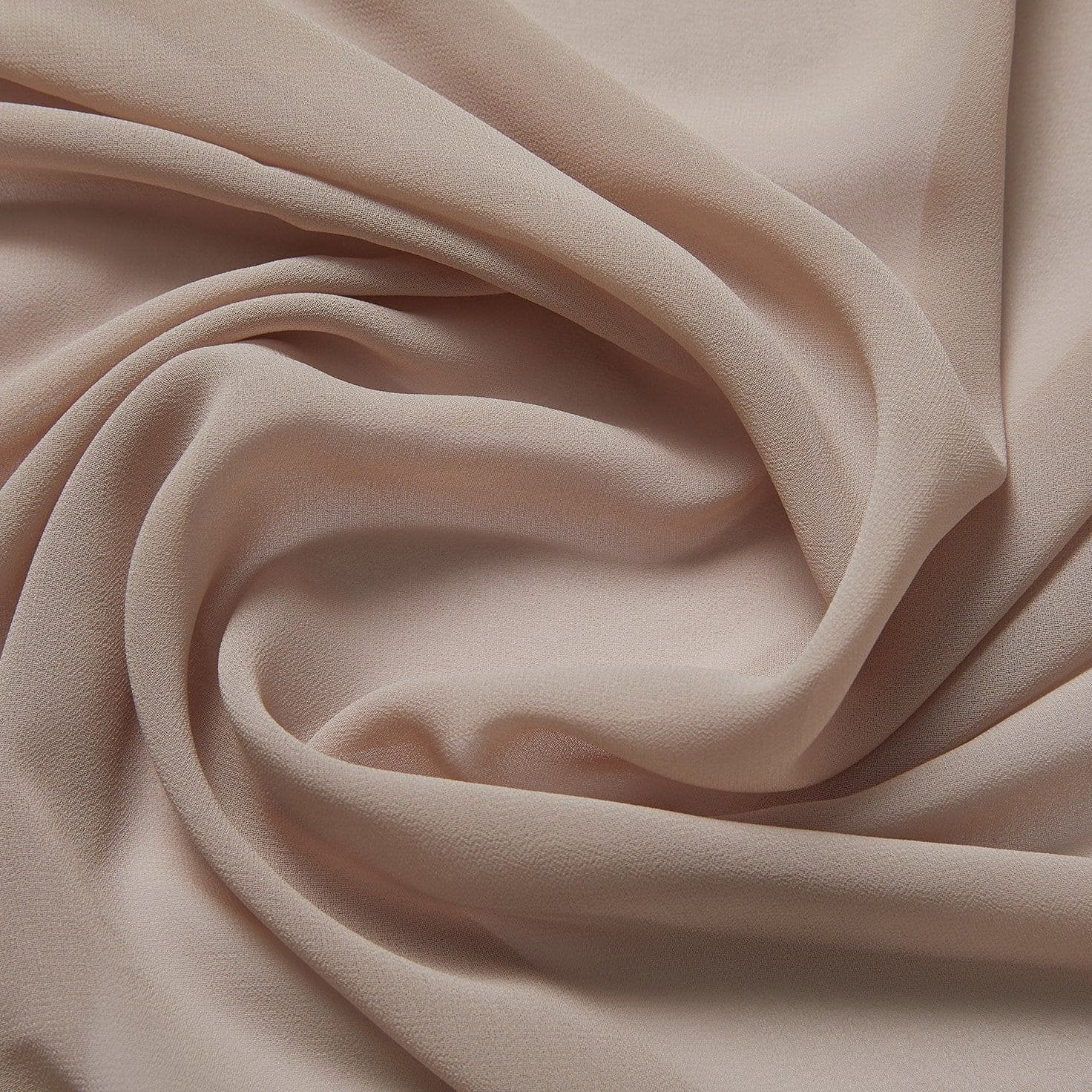
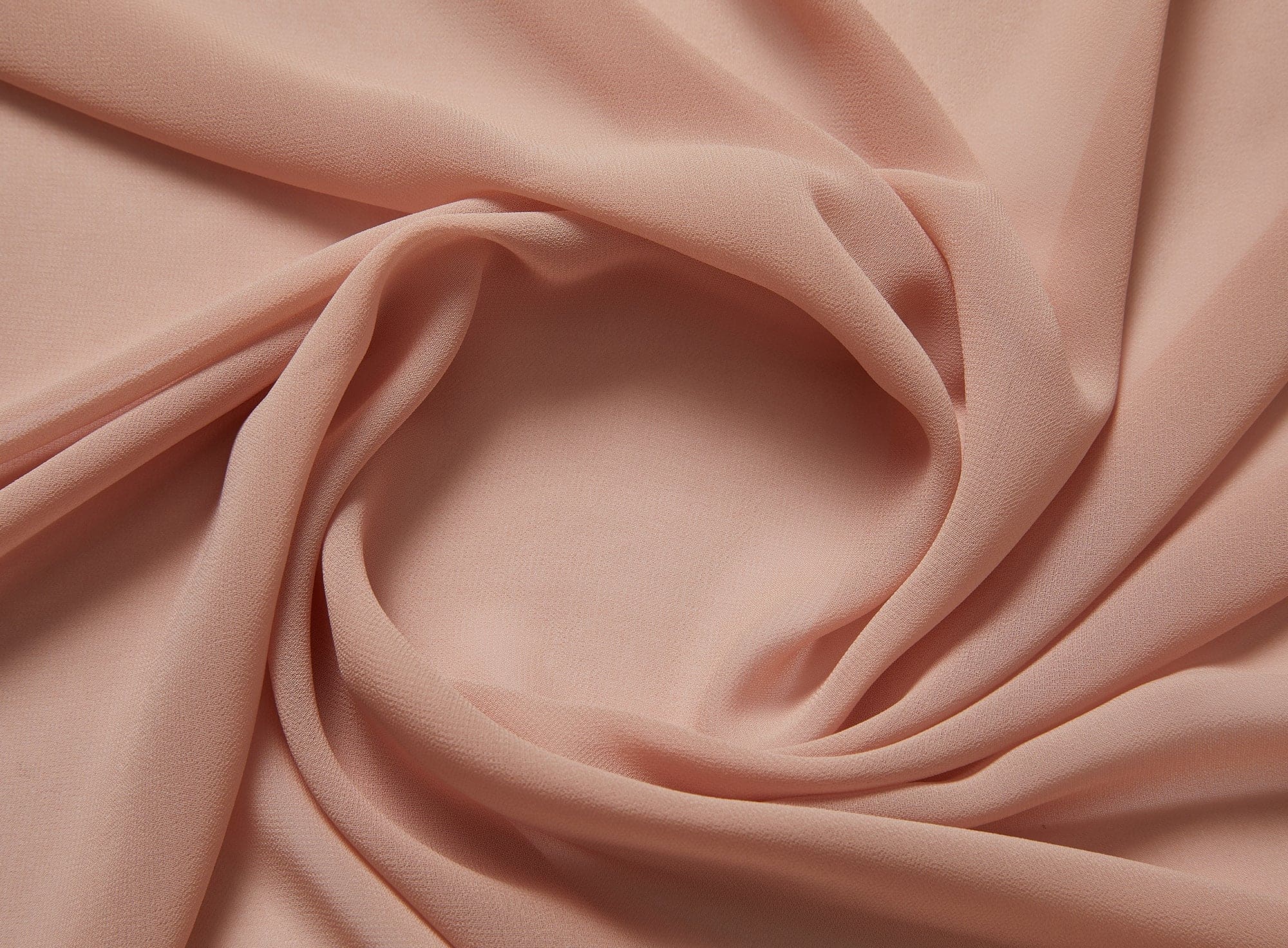
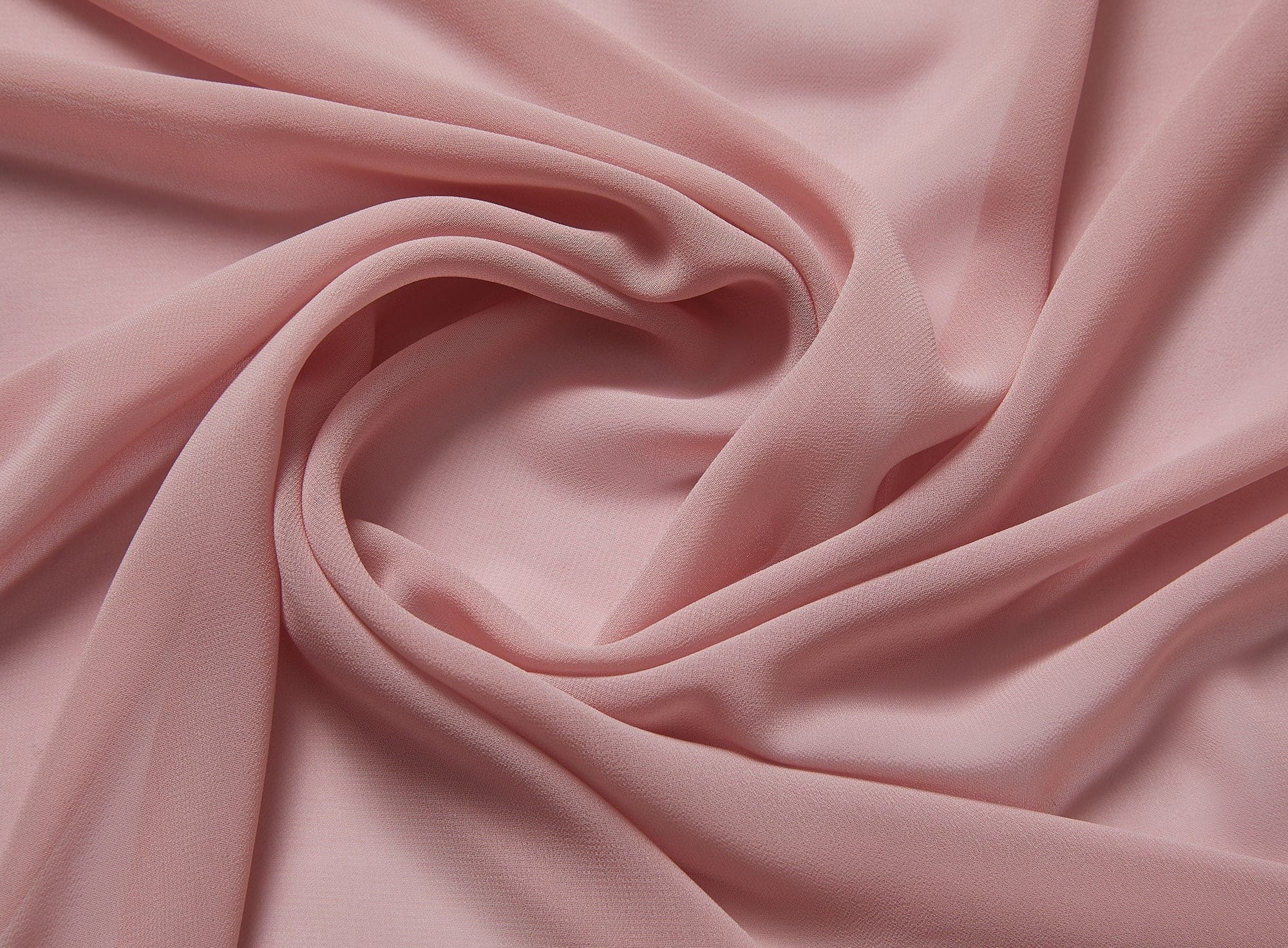


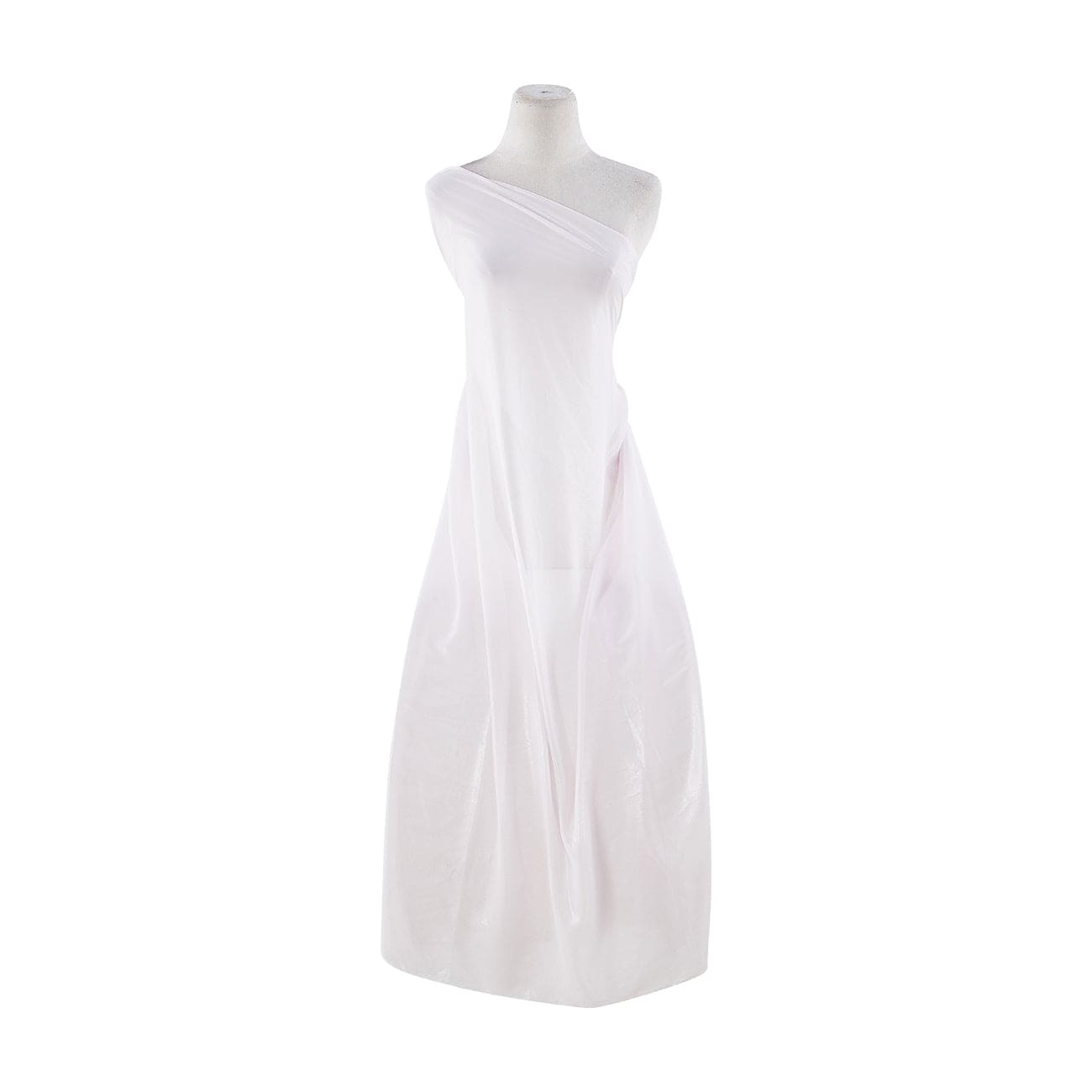
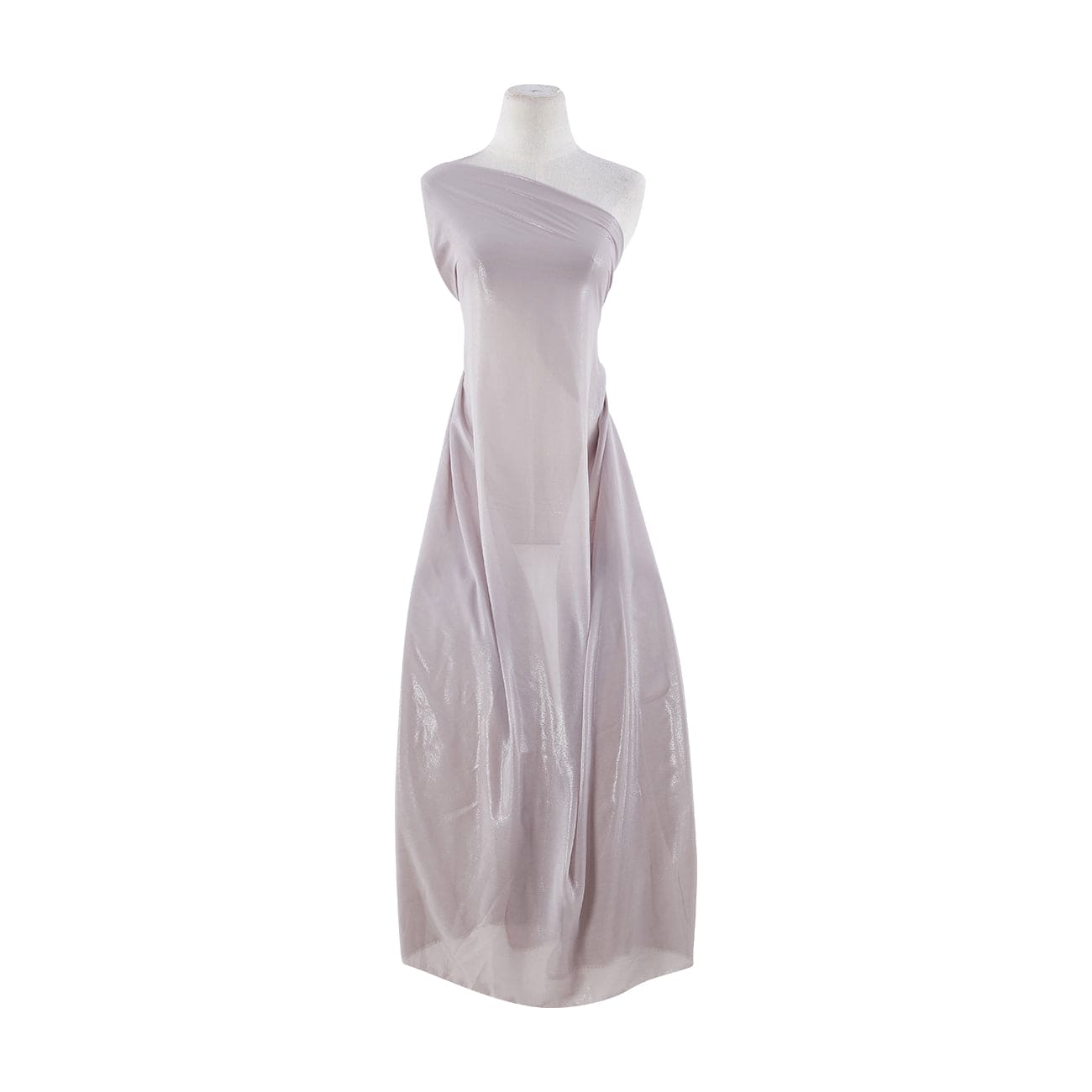
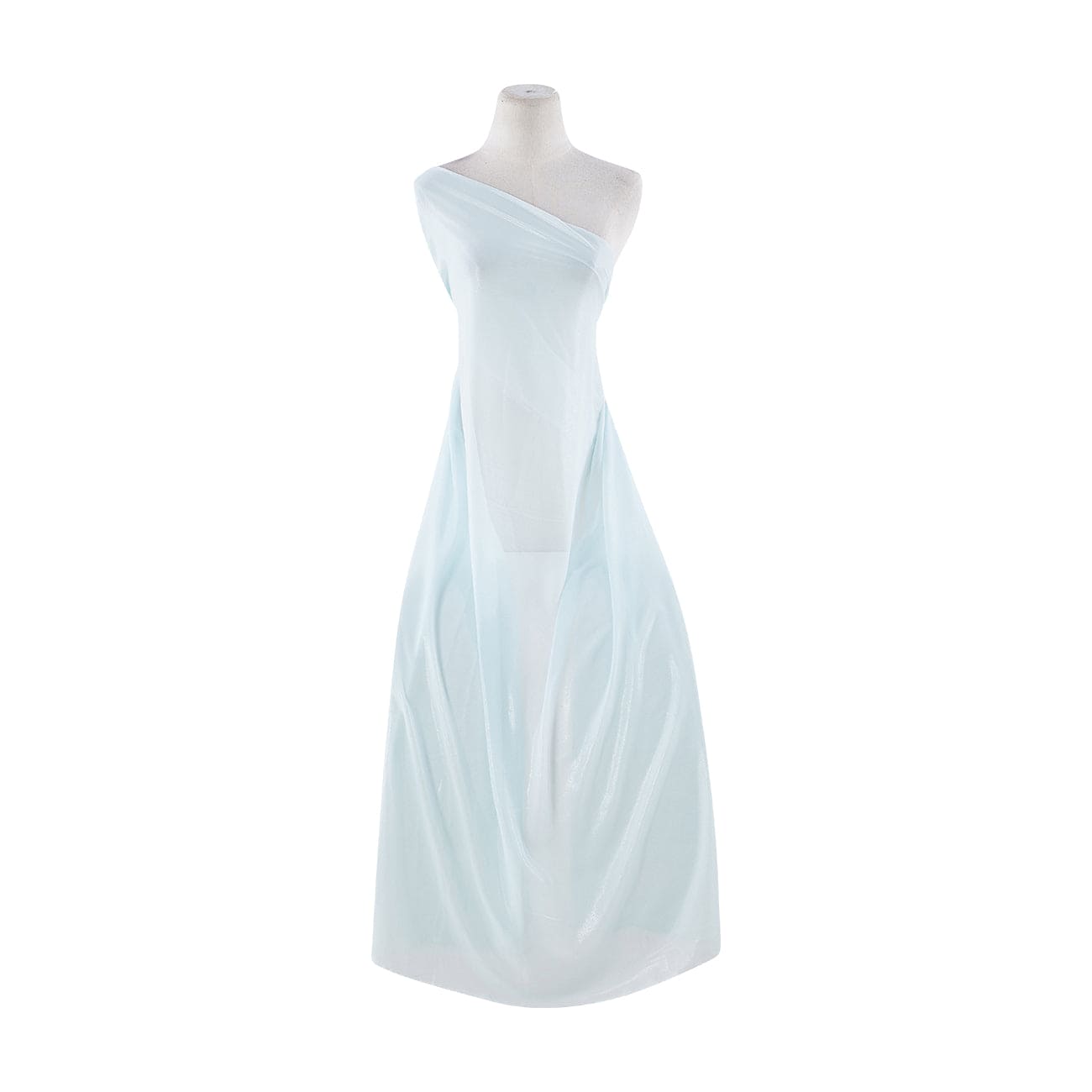
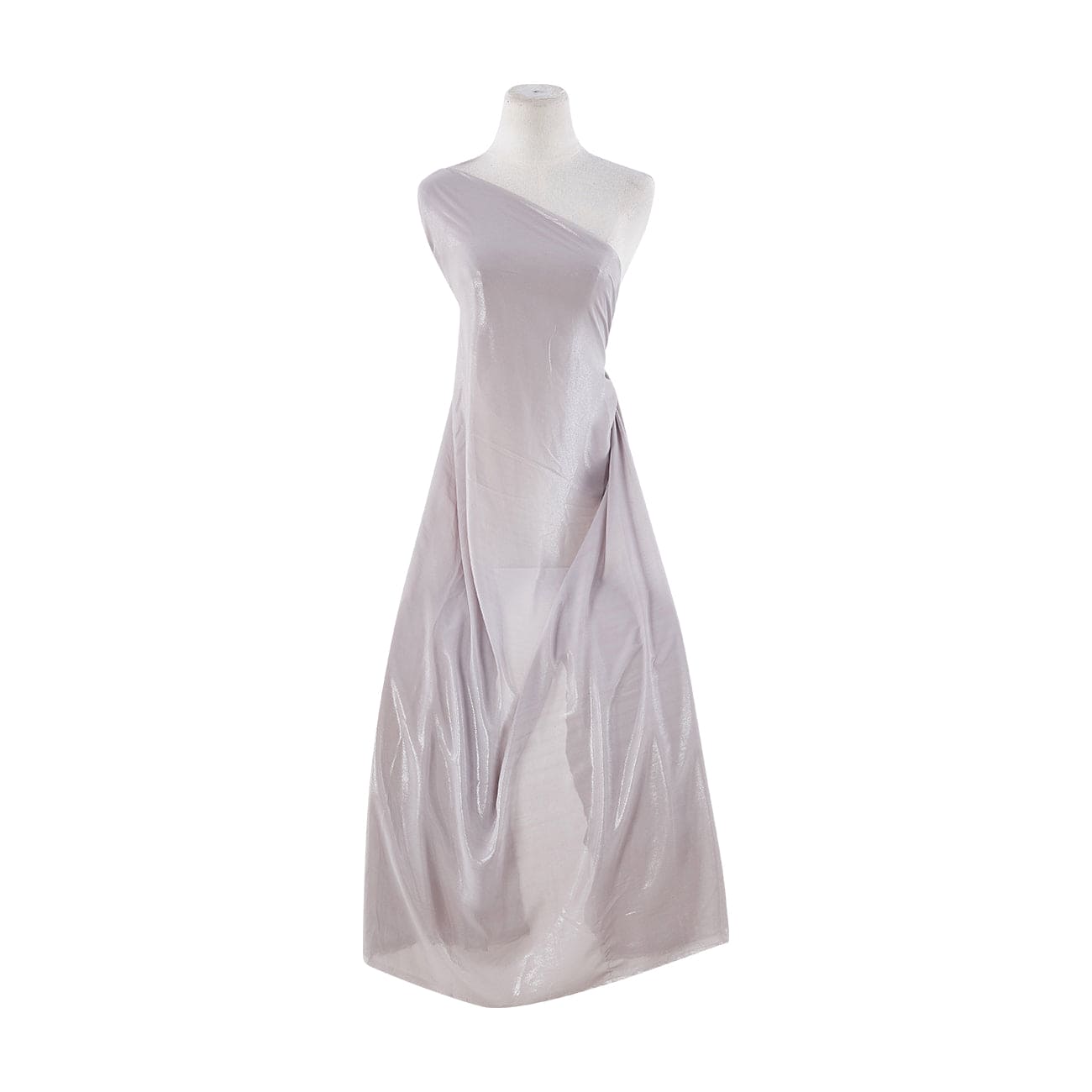




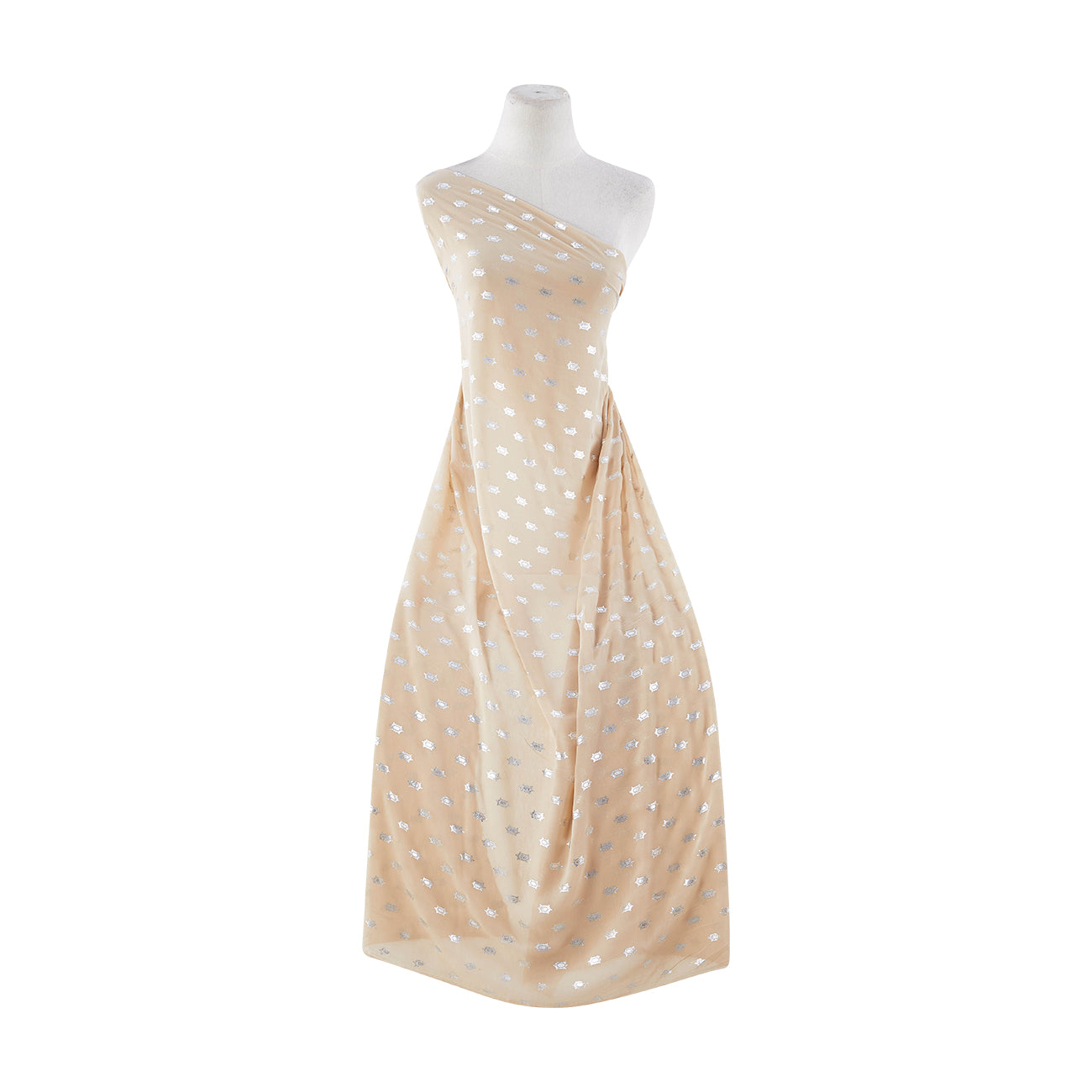
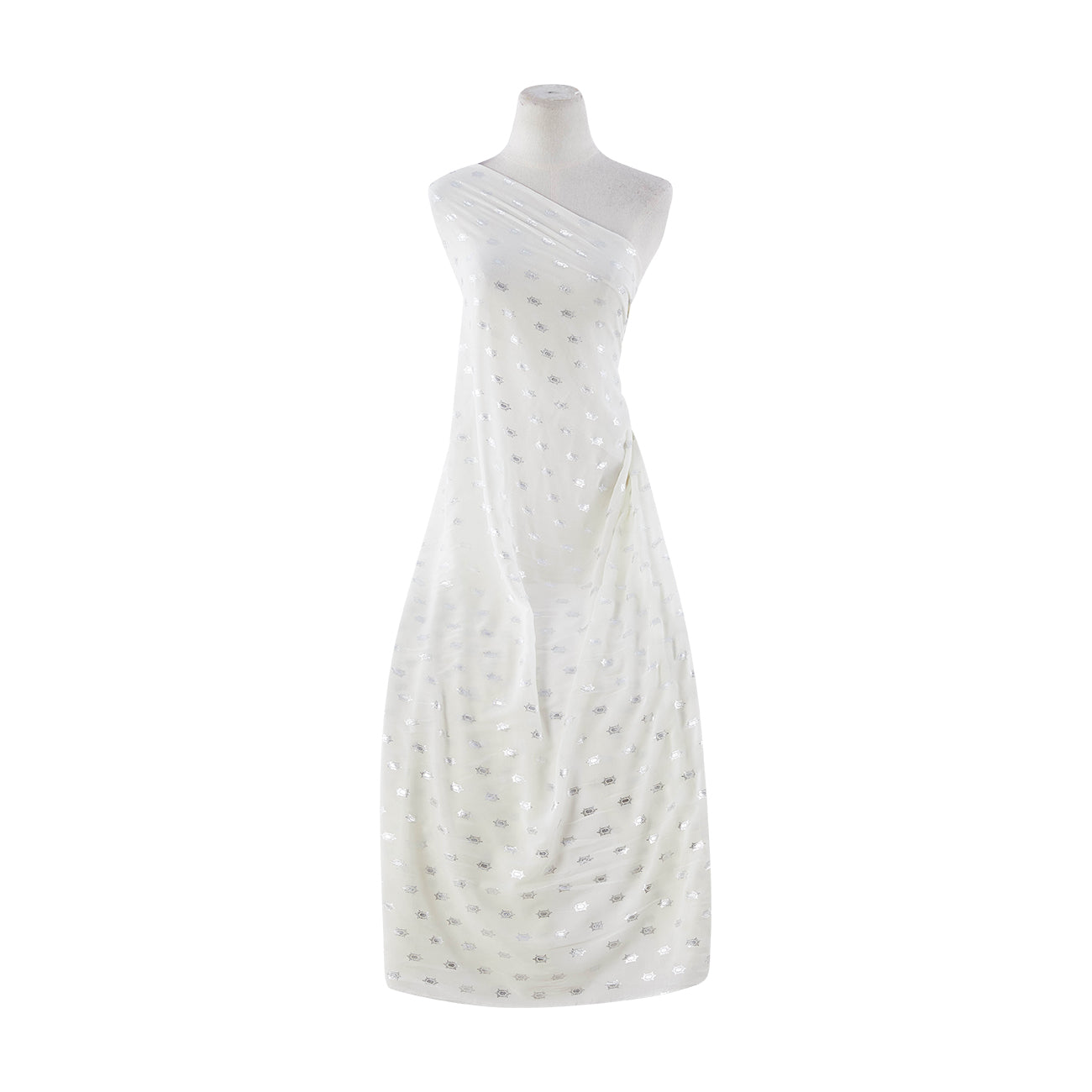
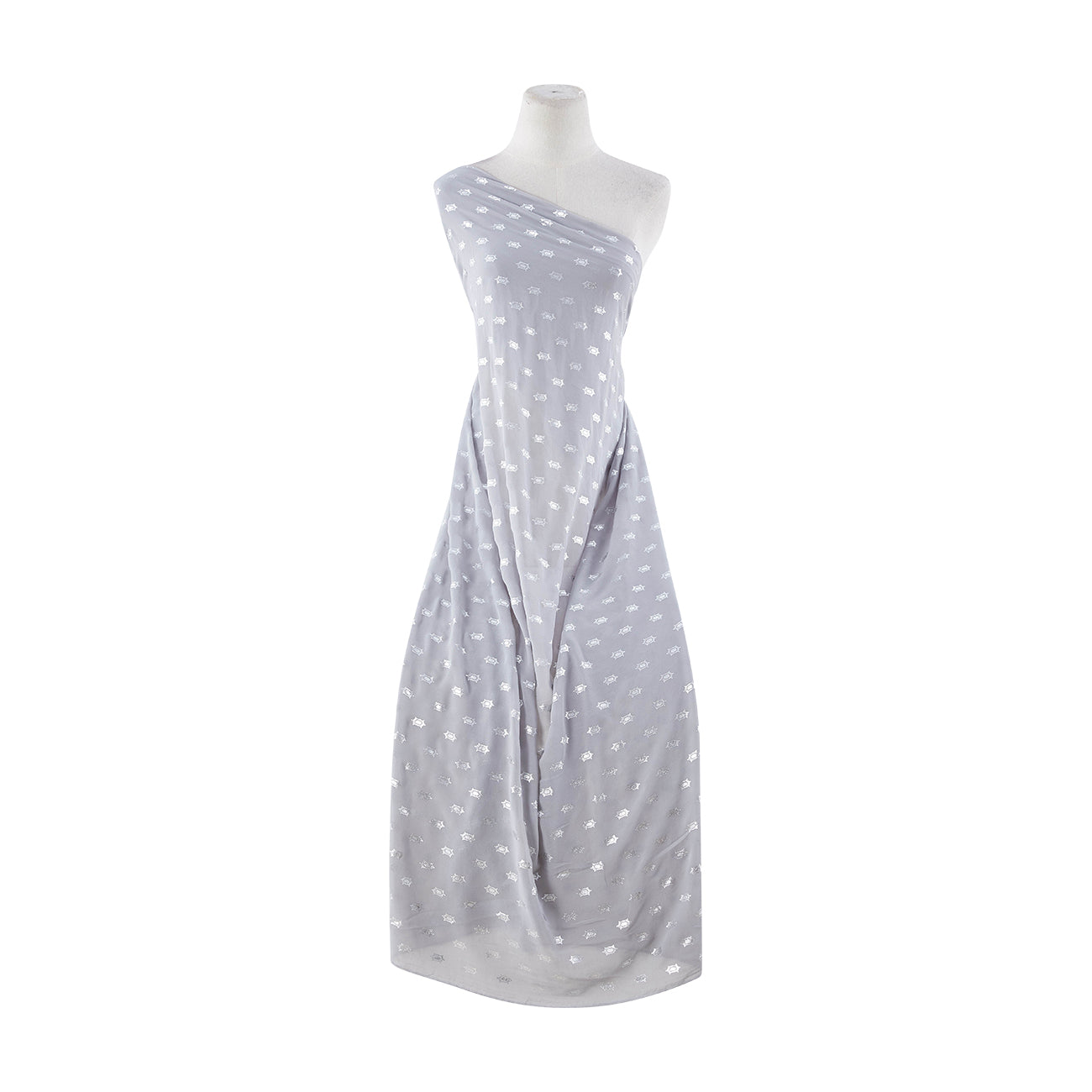
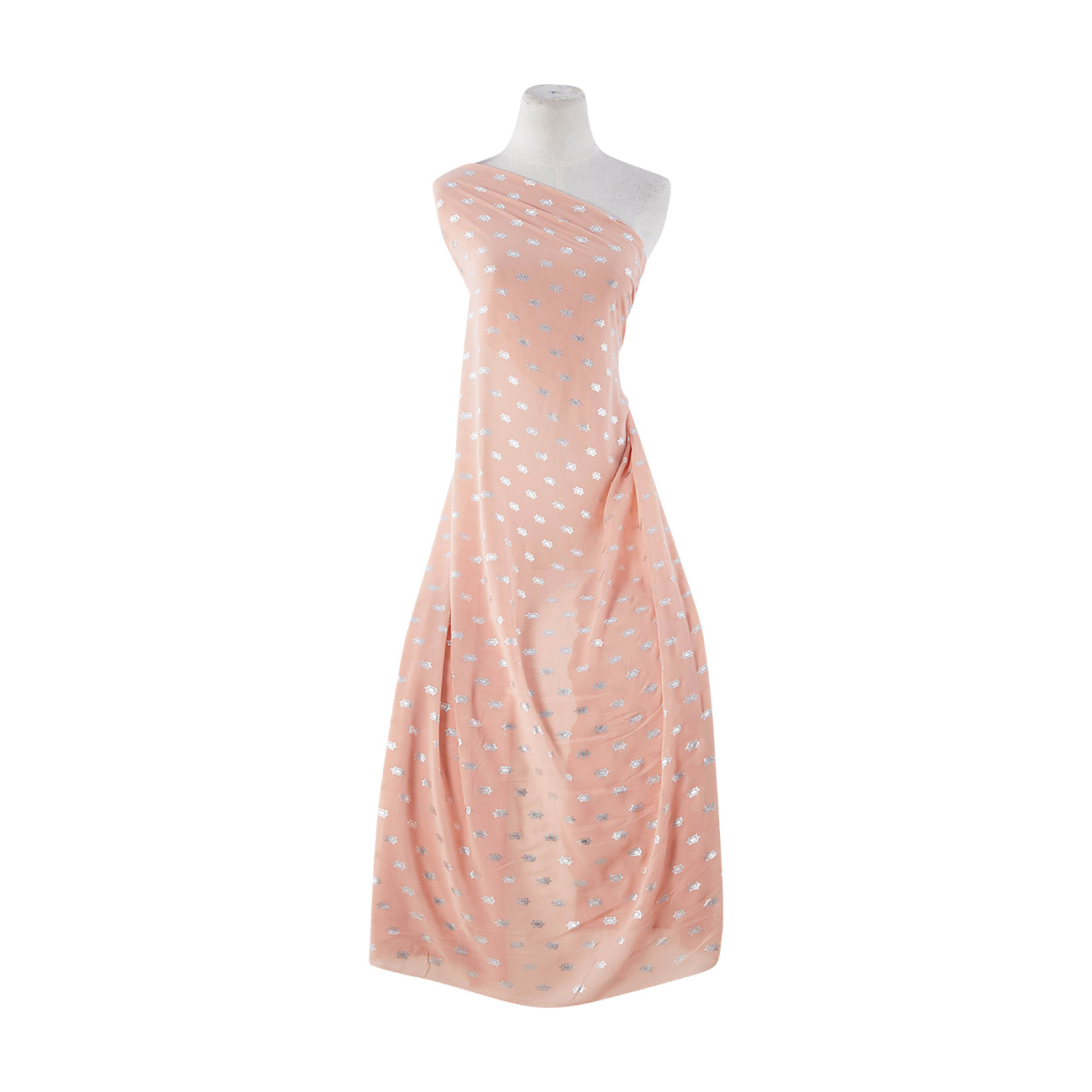
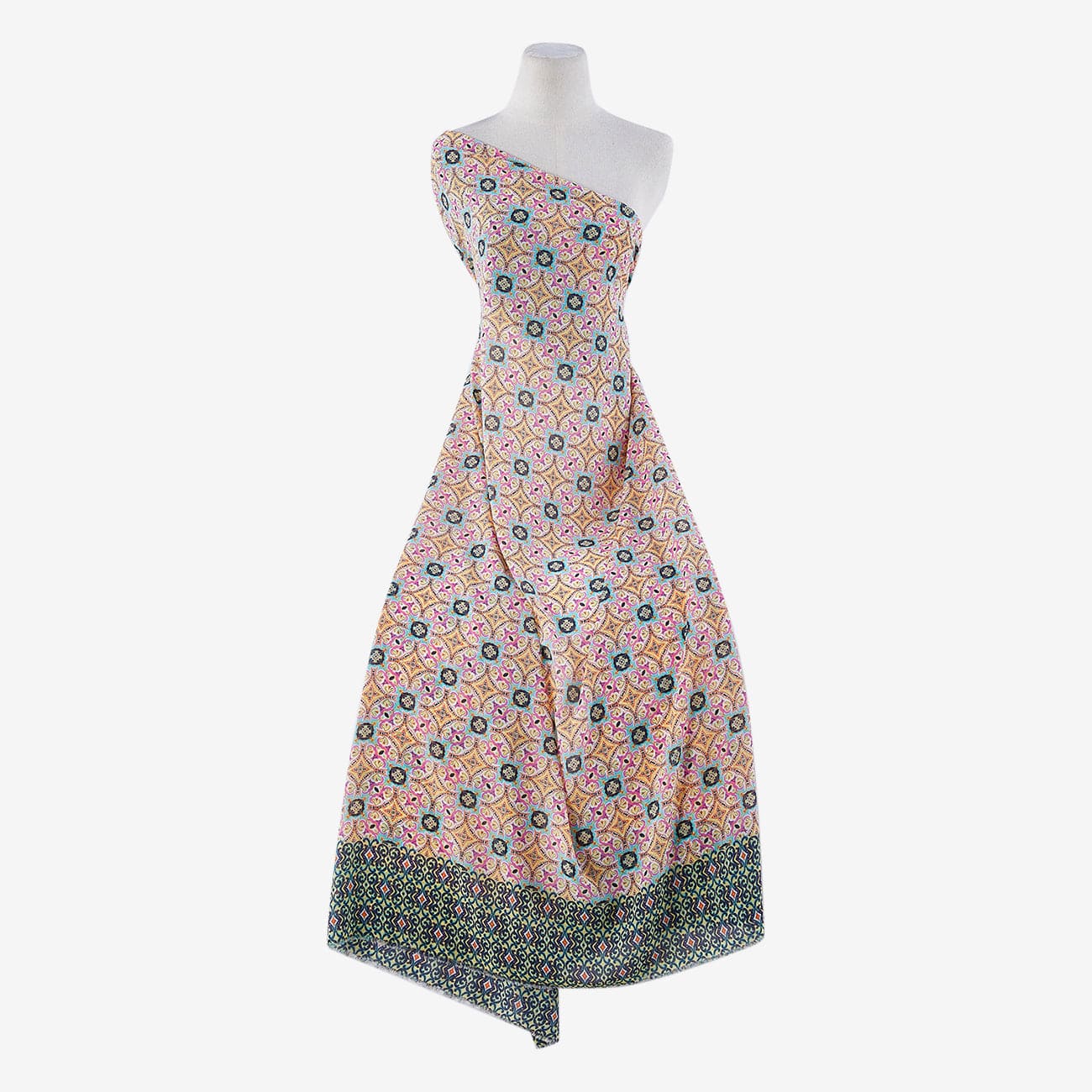
How to Use Beige Chiffon Fabric in Fashion Design
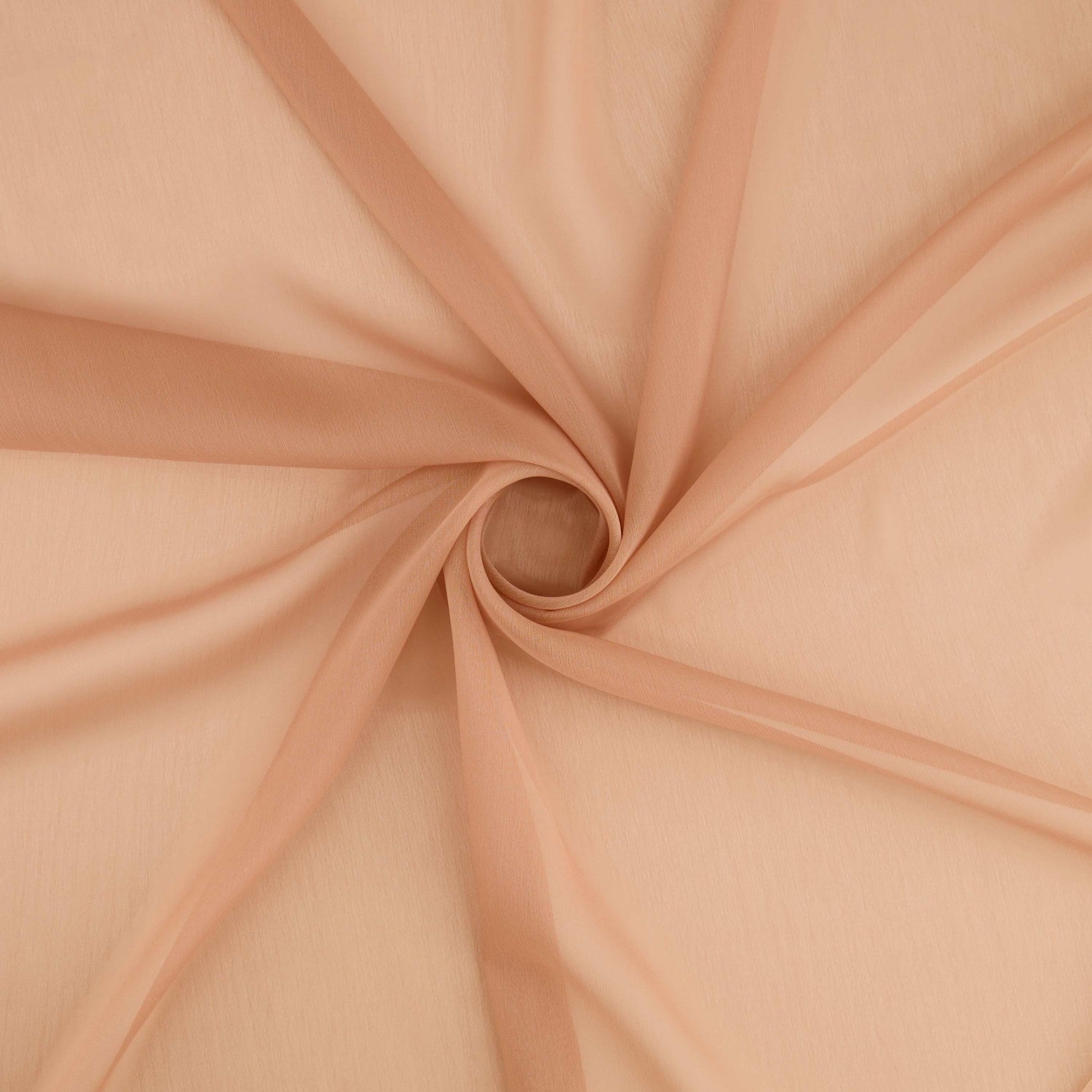
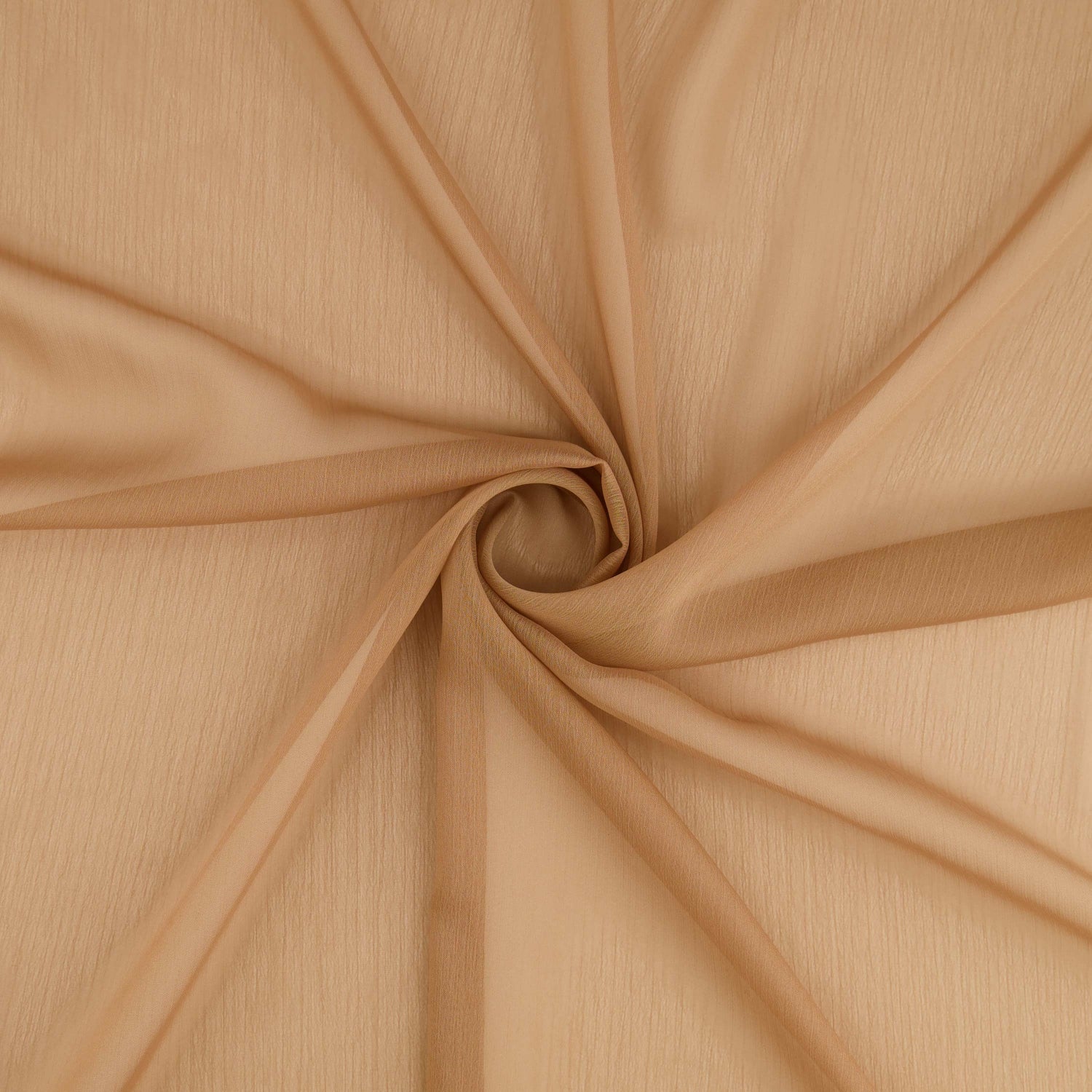
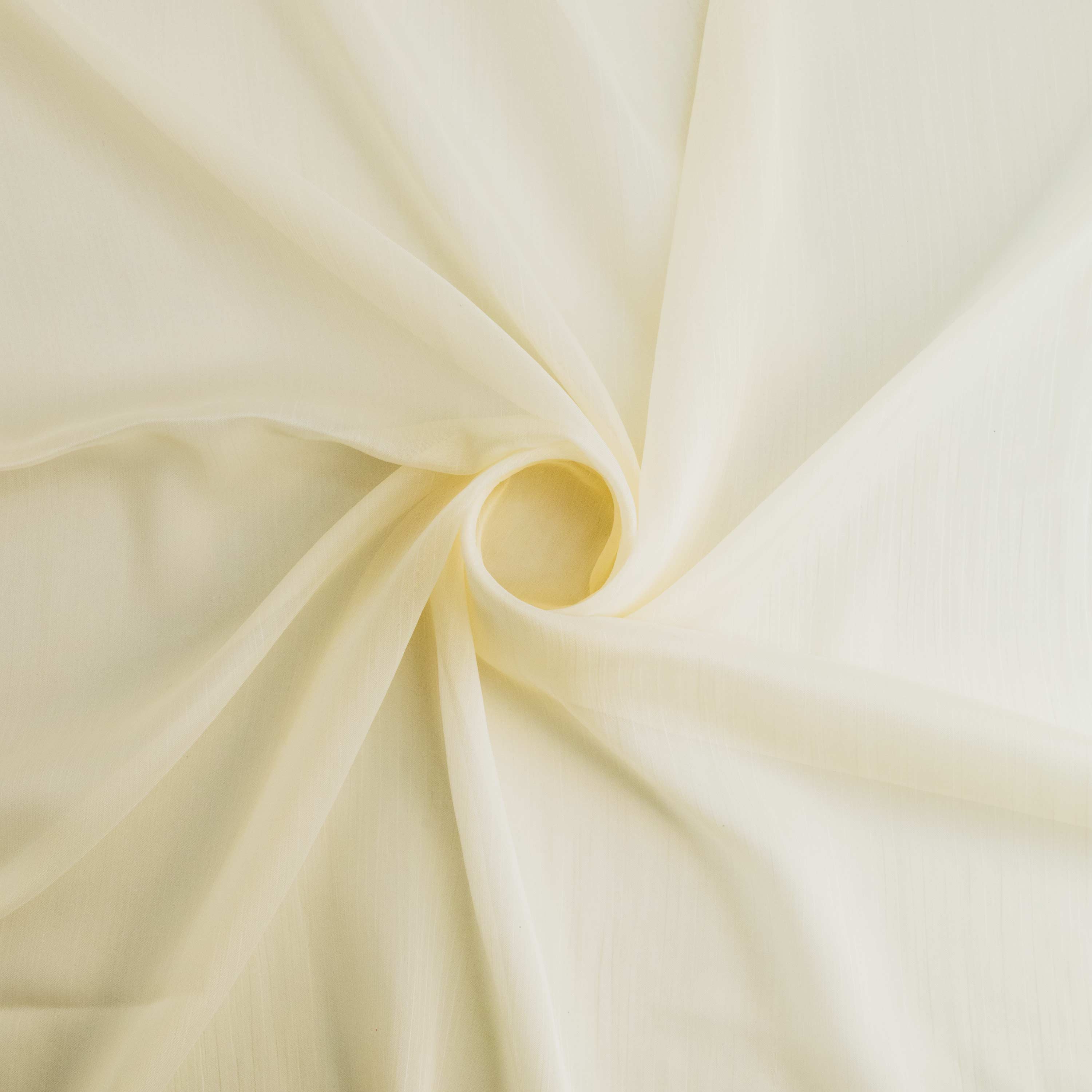
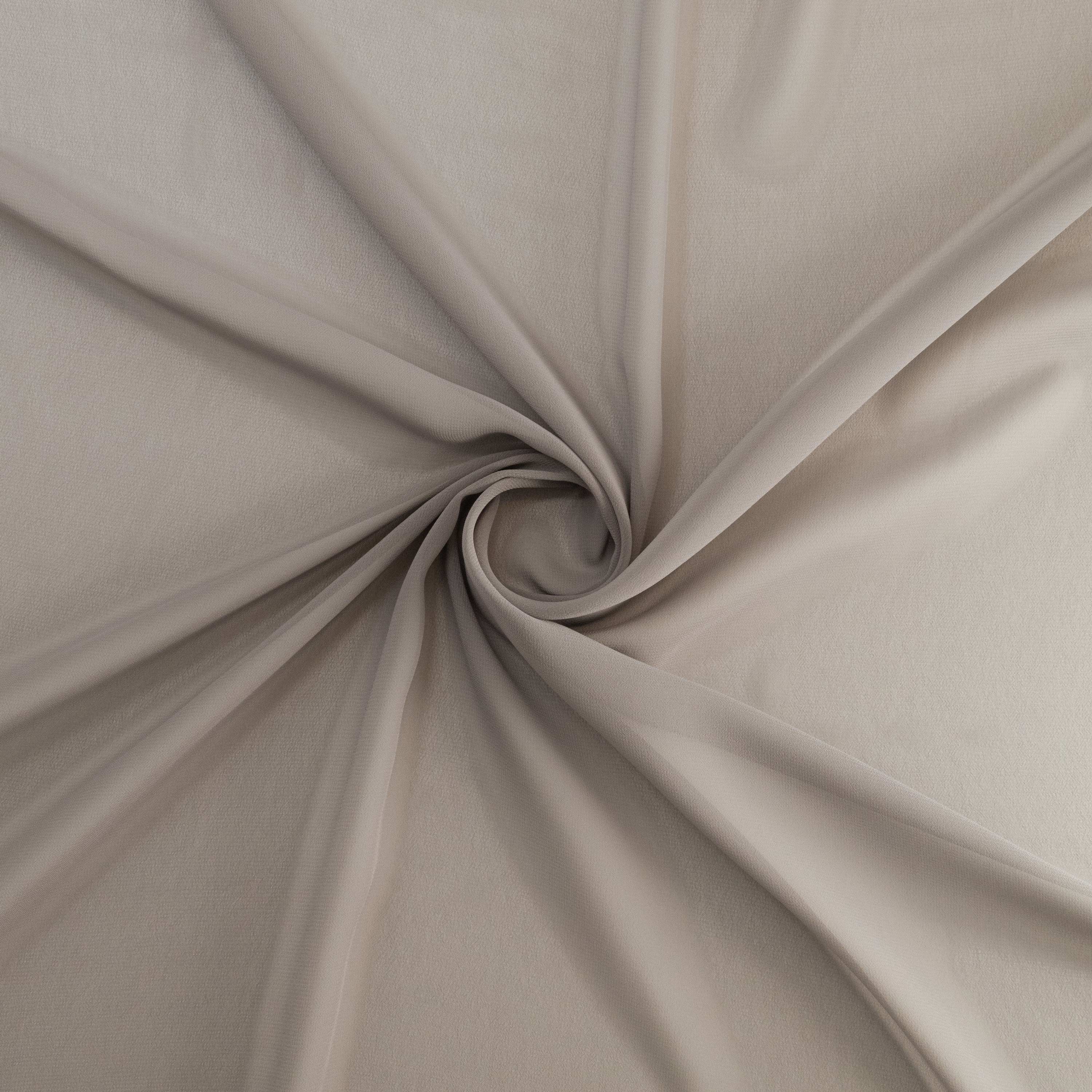
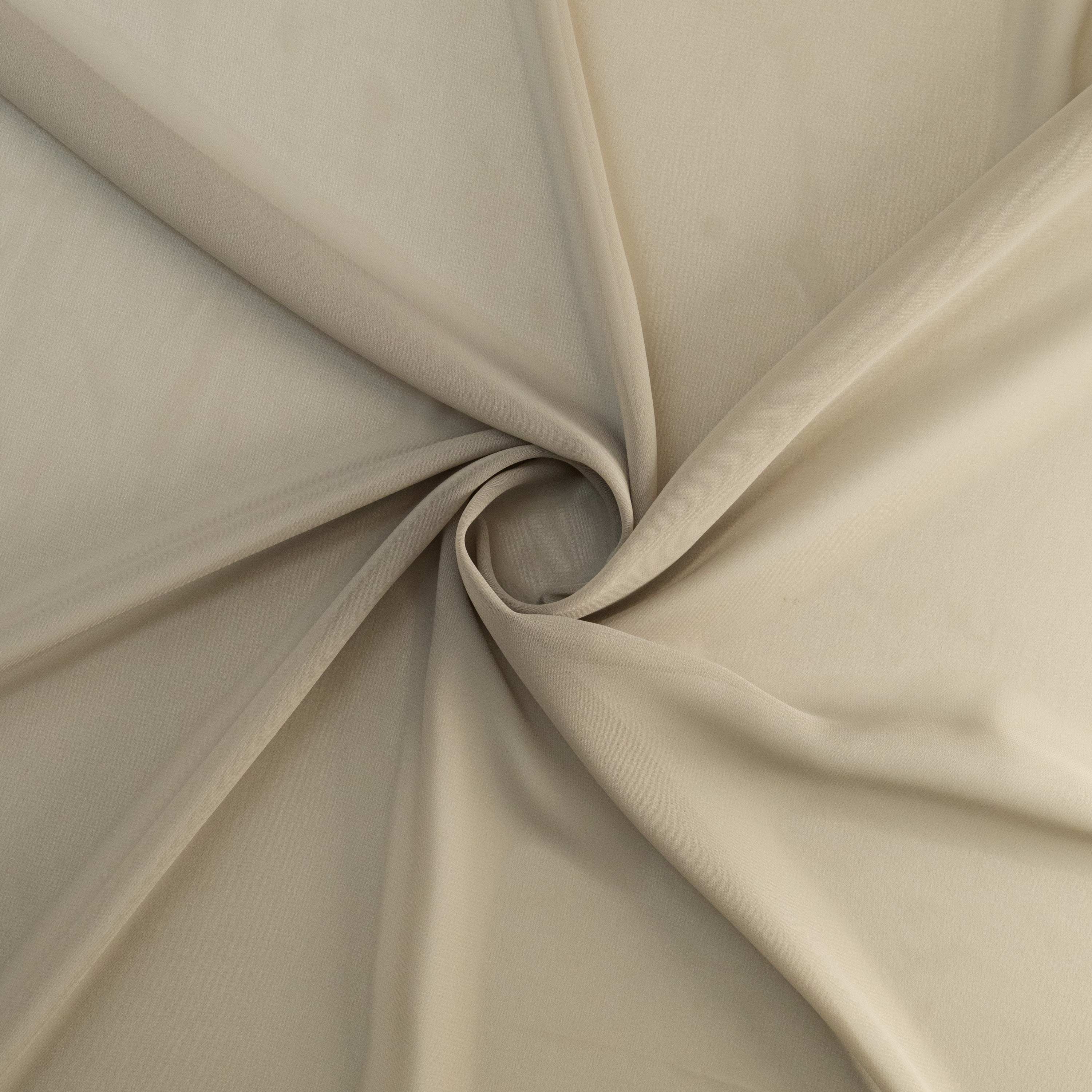
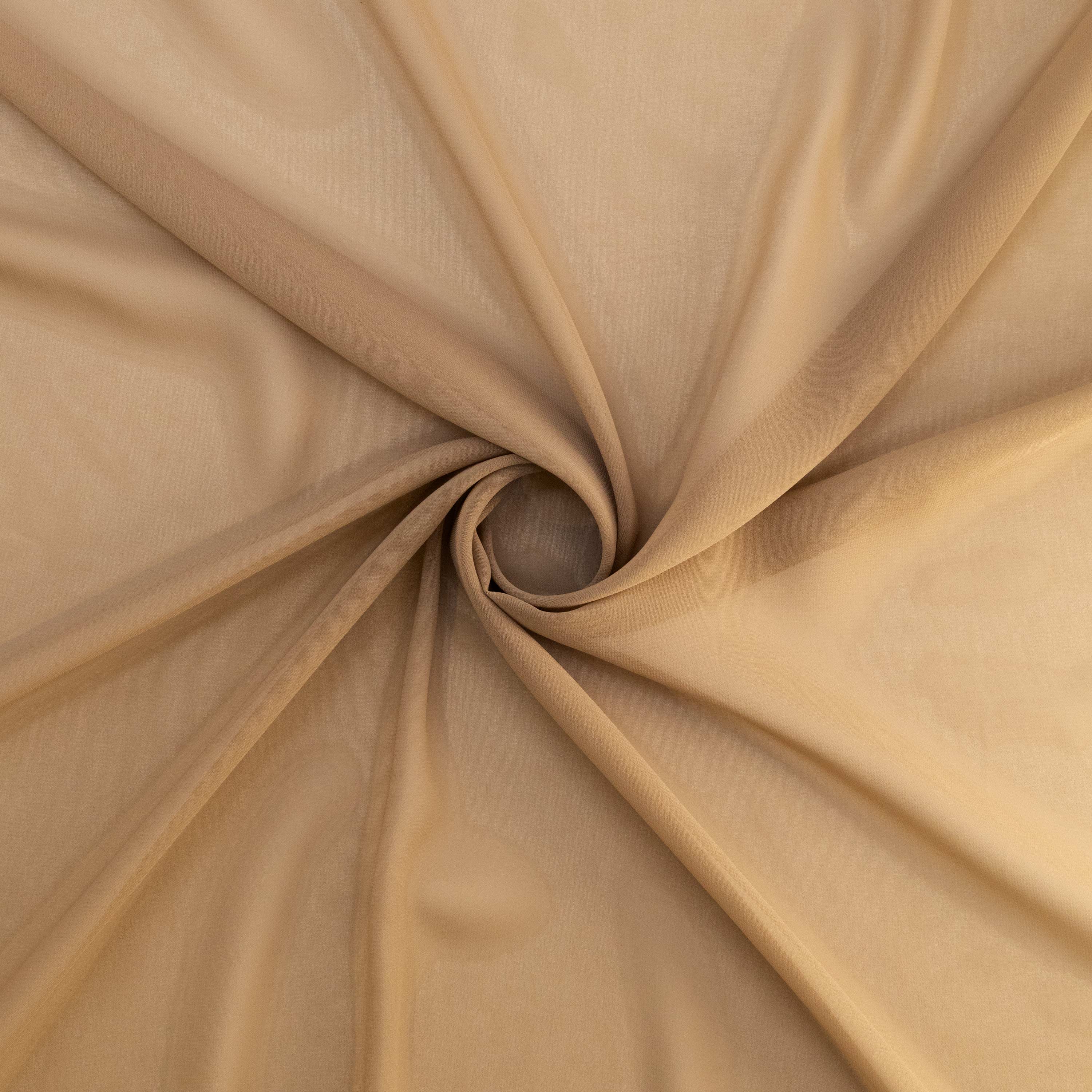
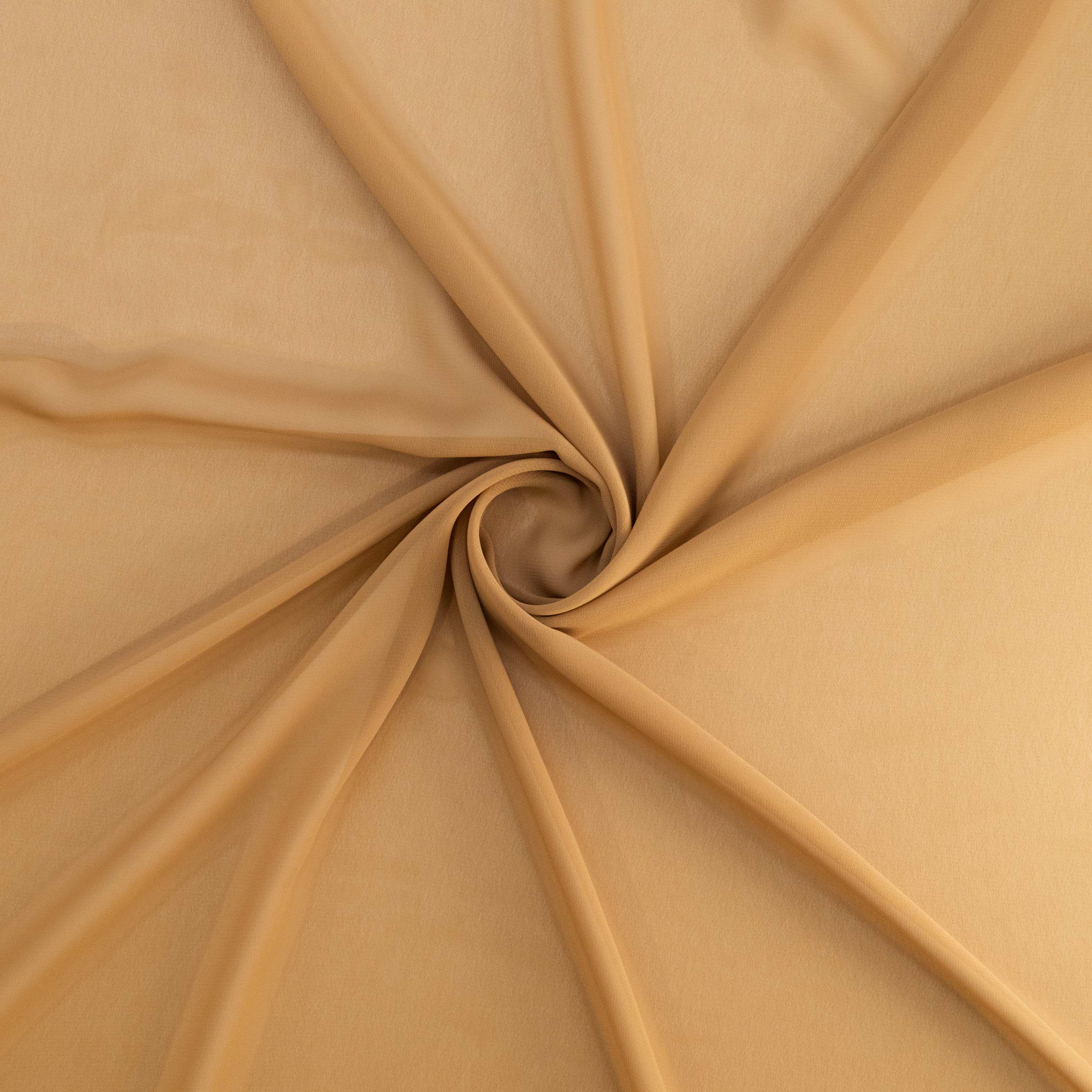
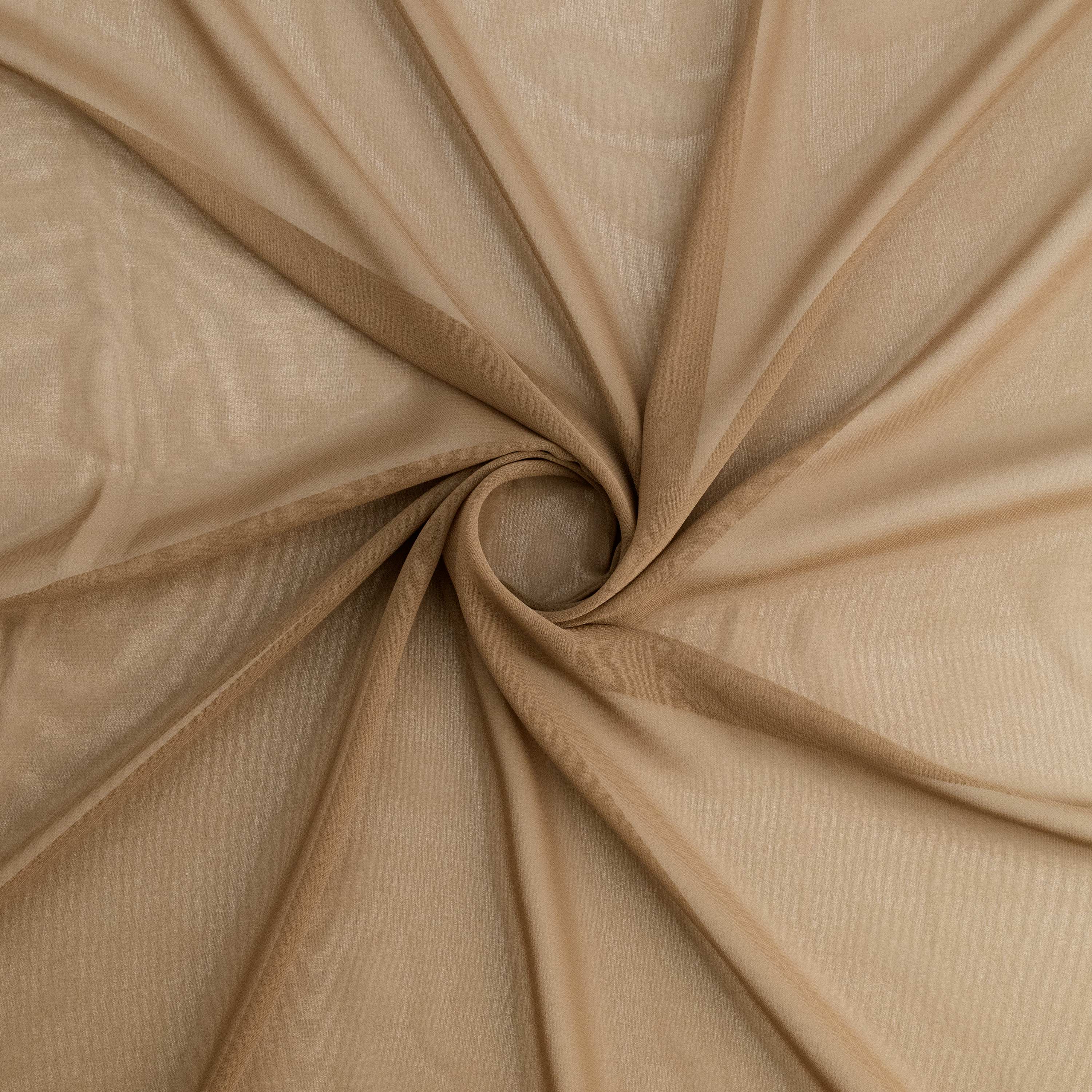
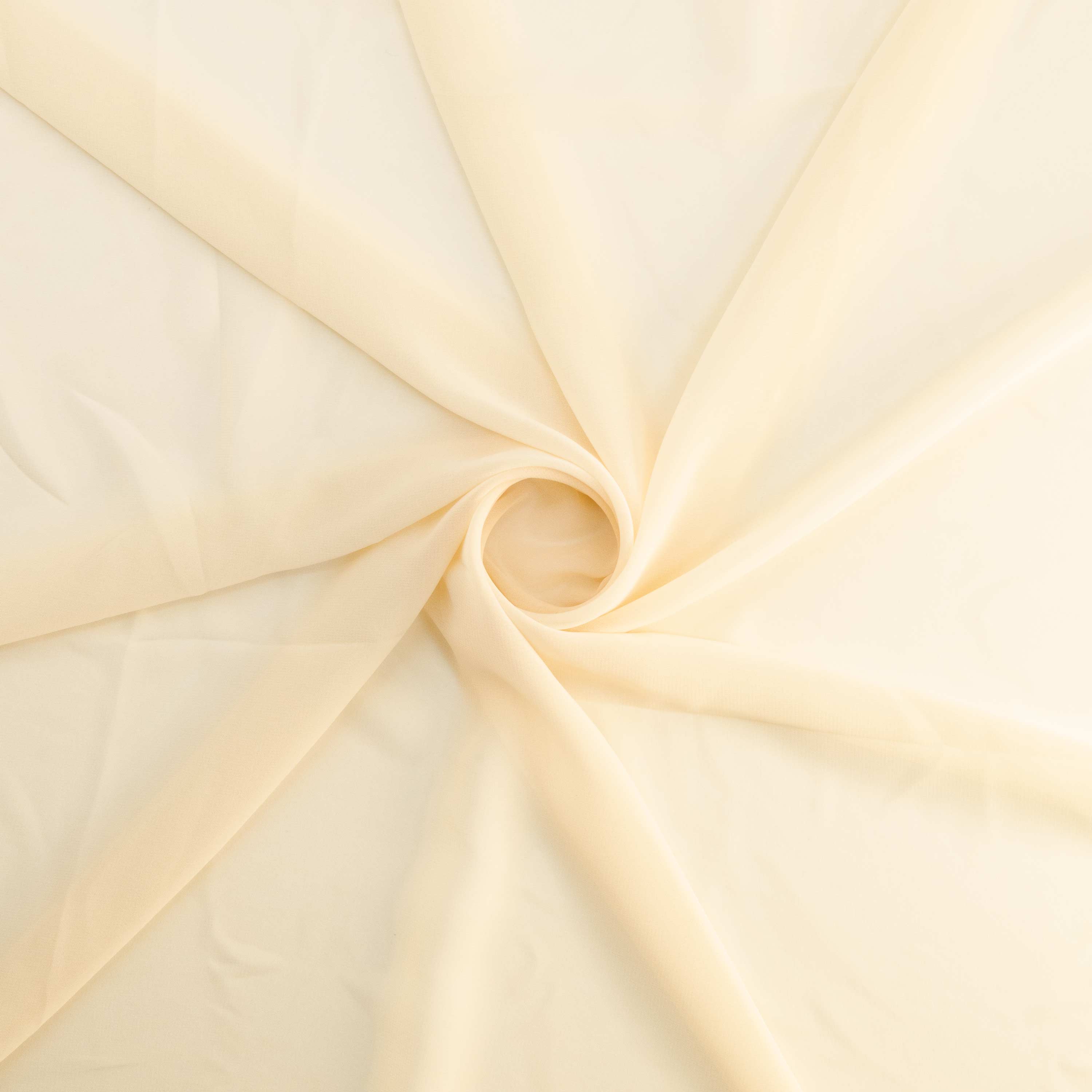
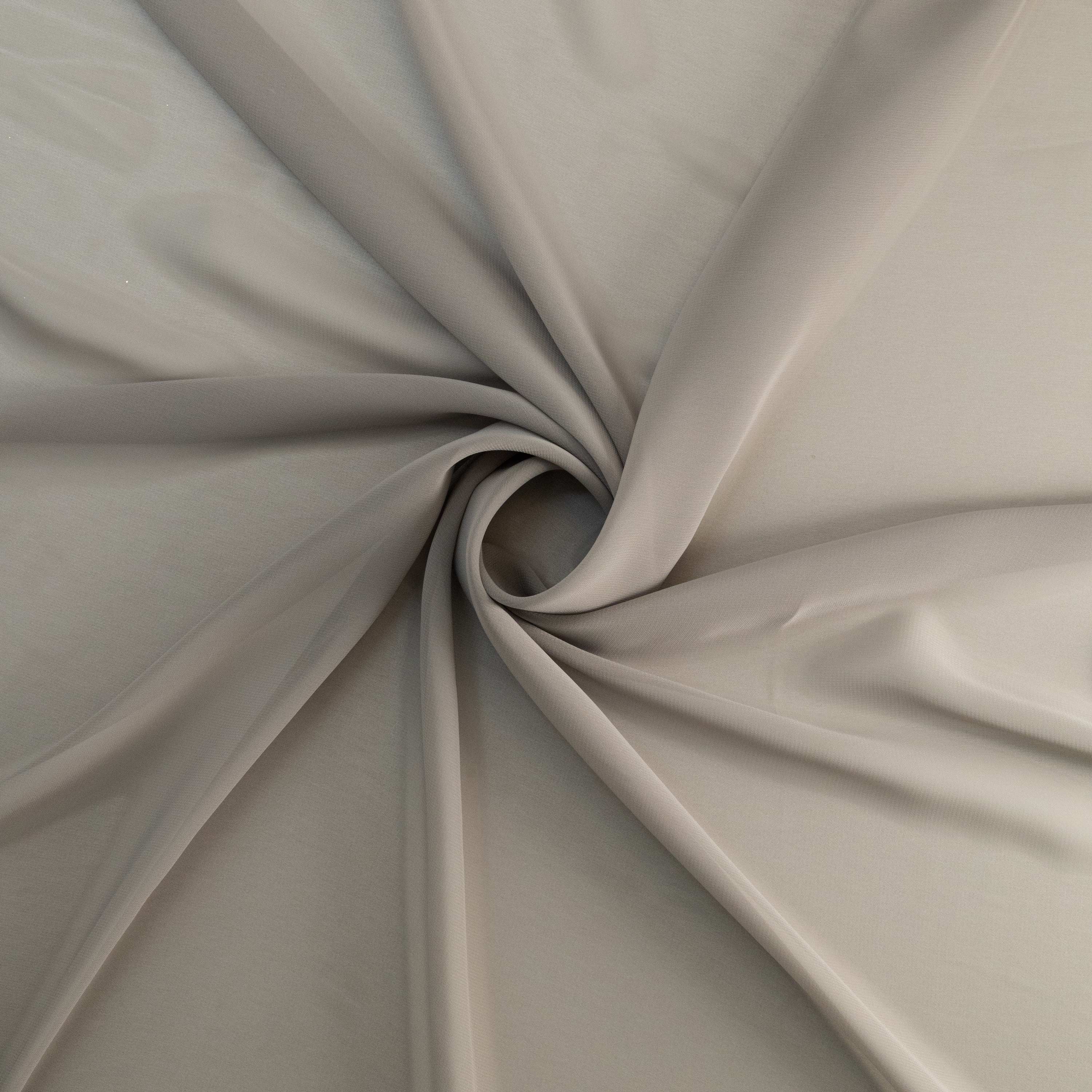
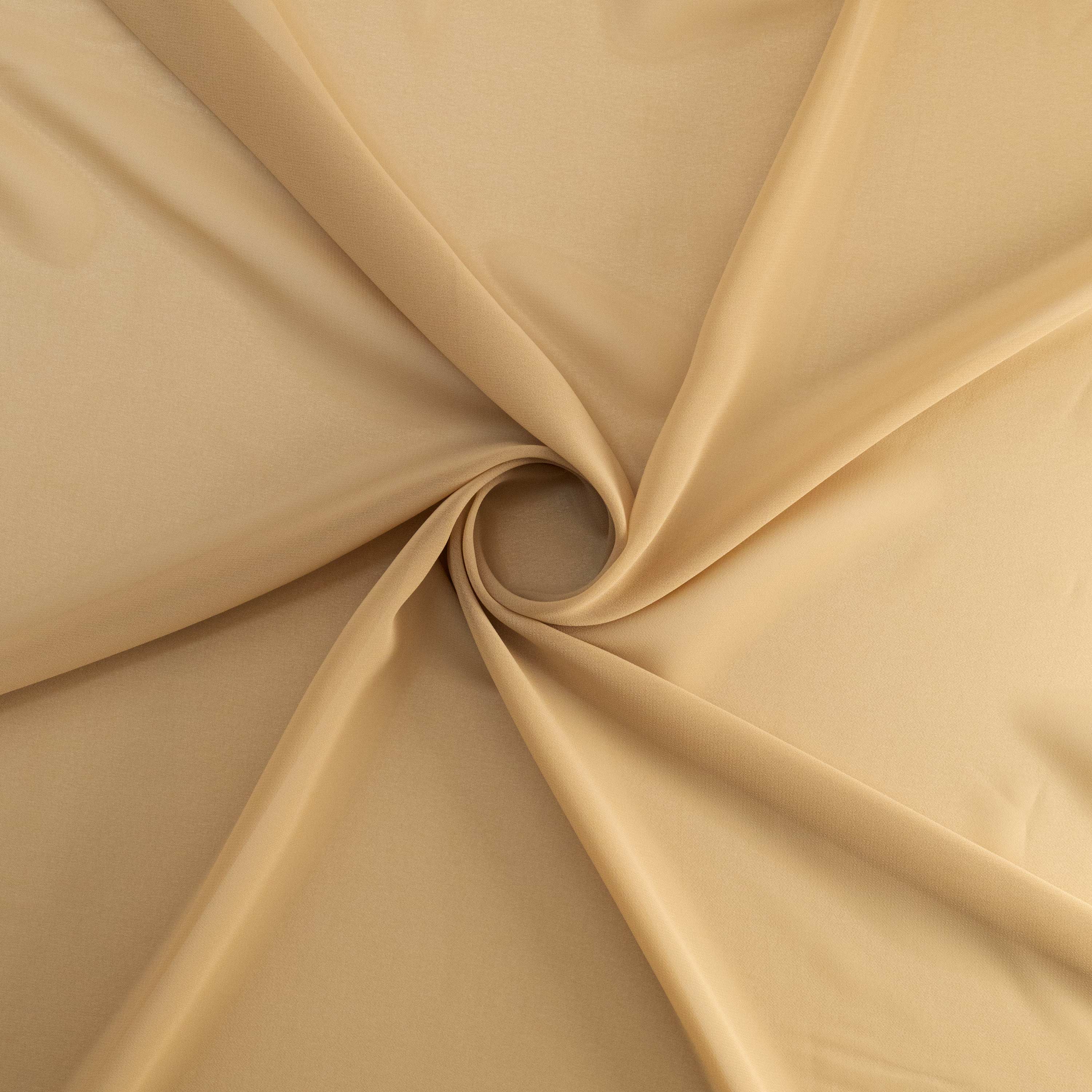
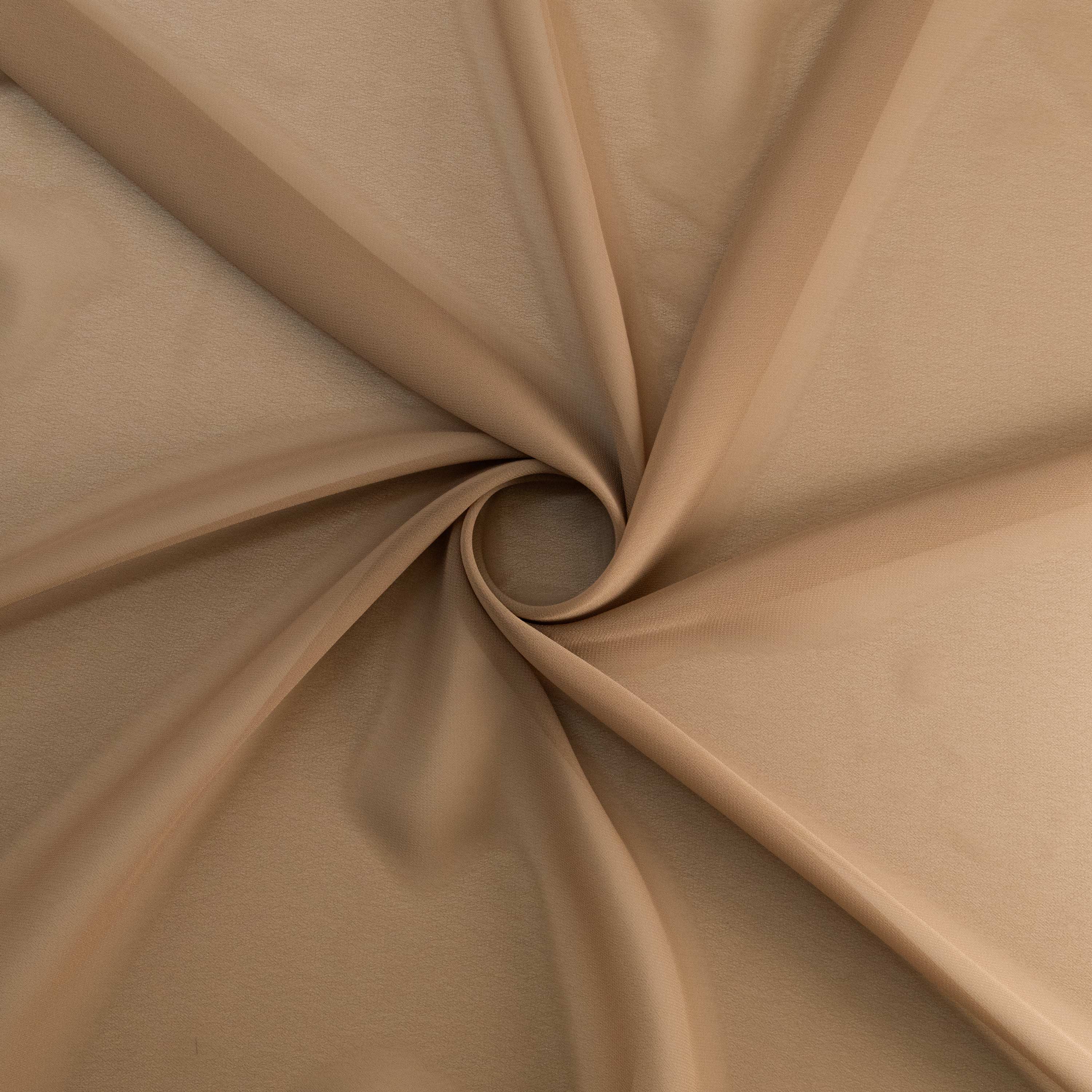
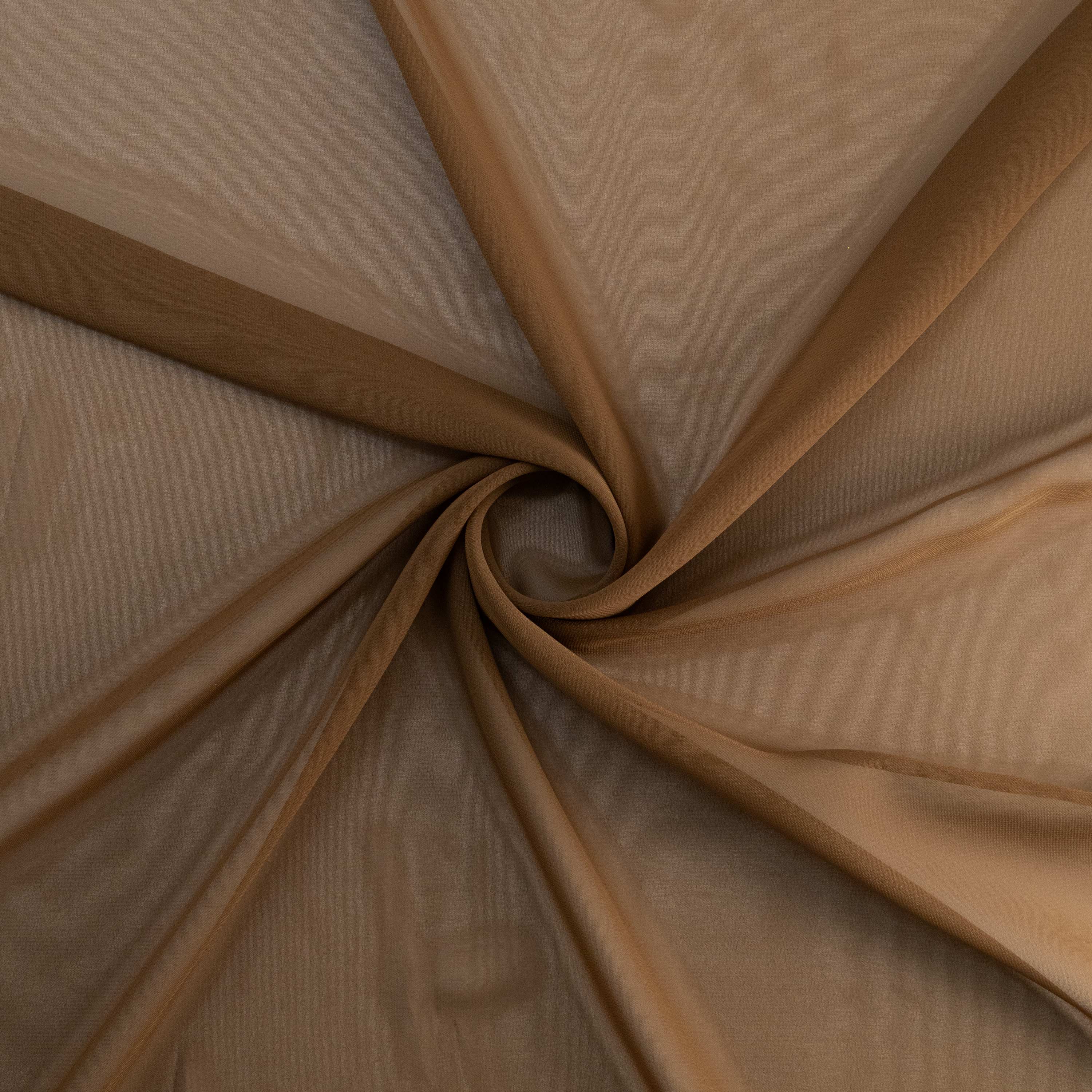
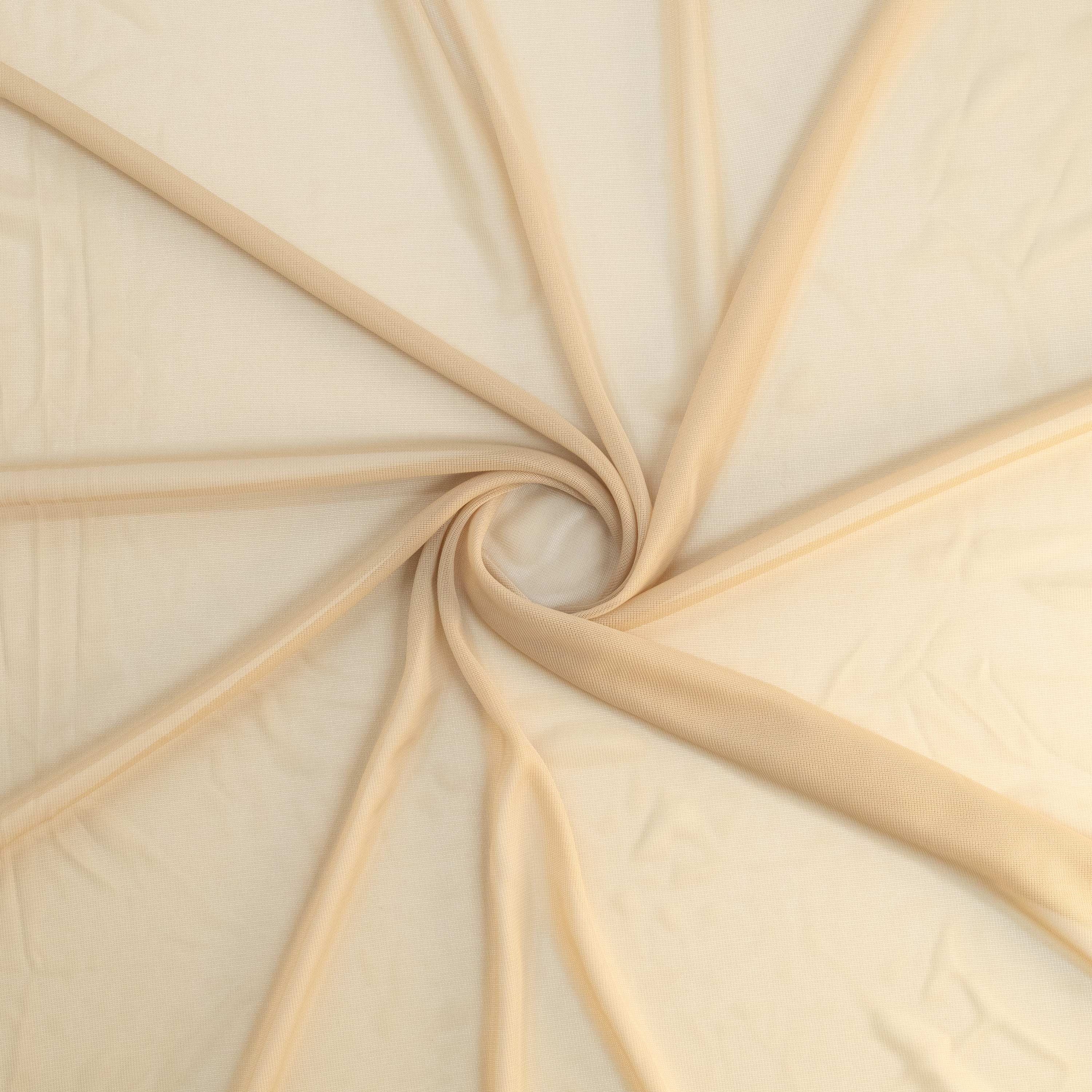
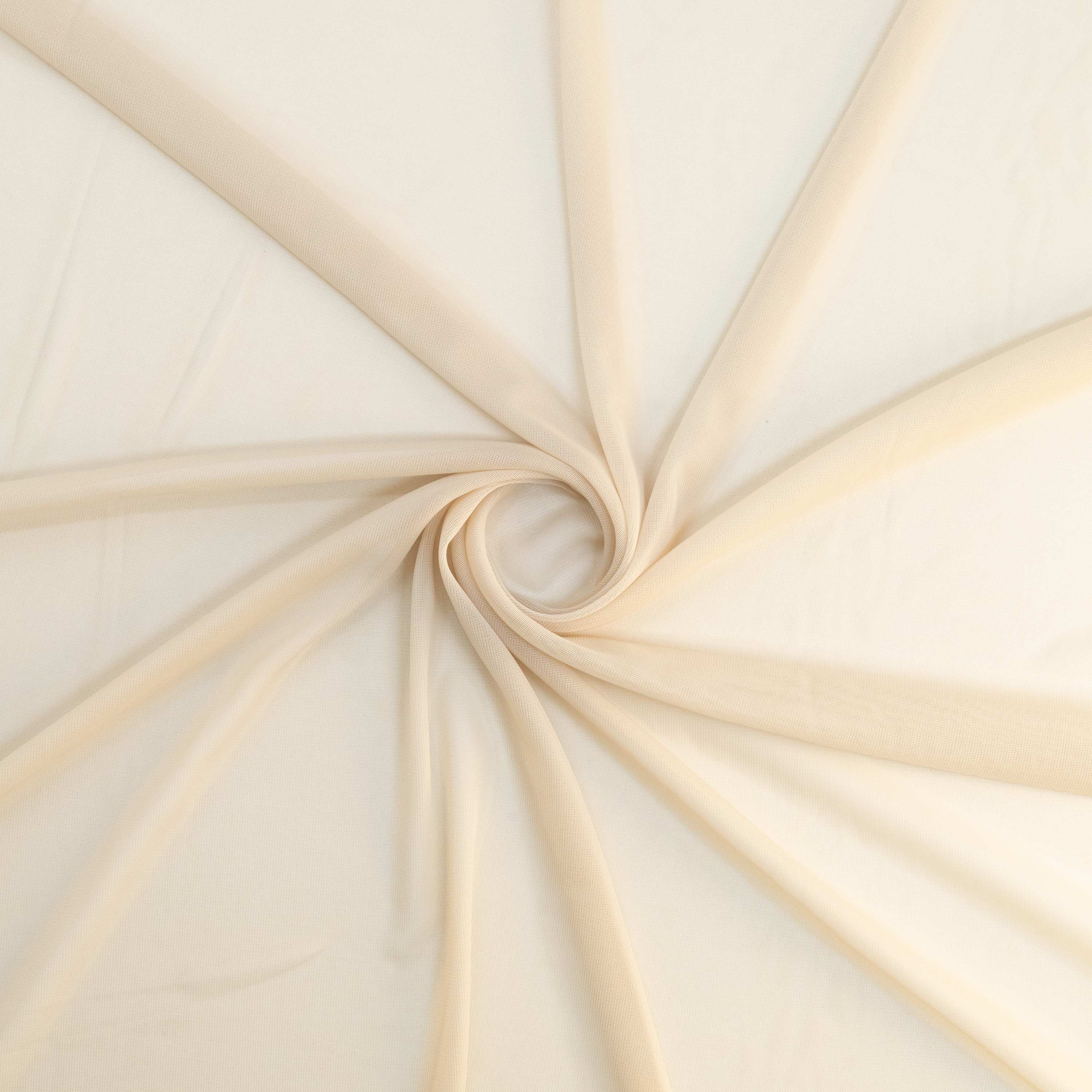
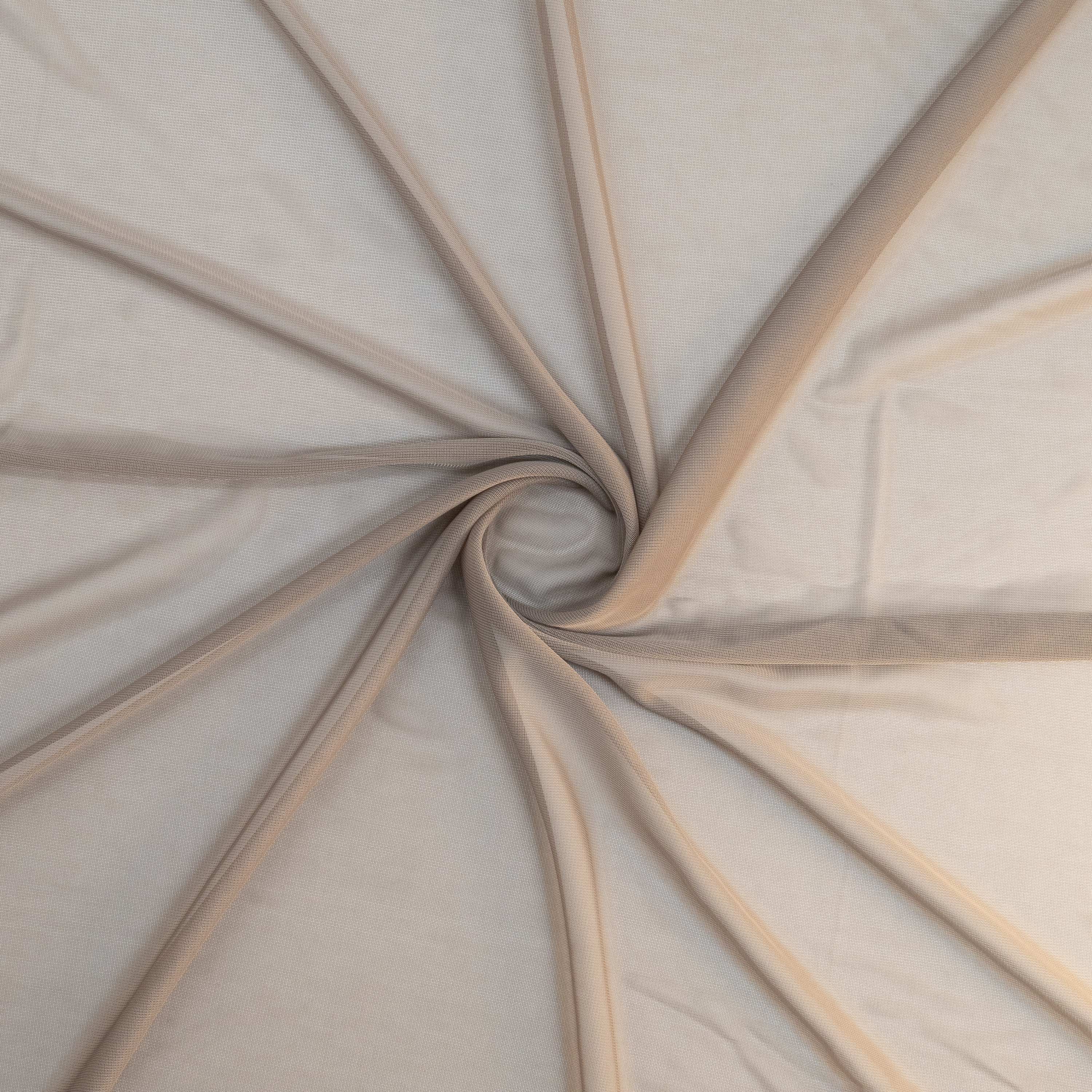
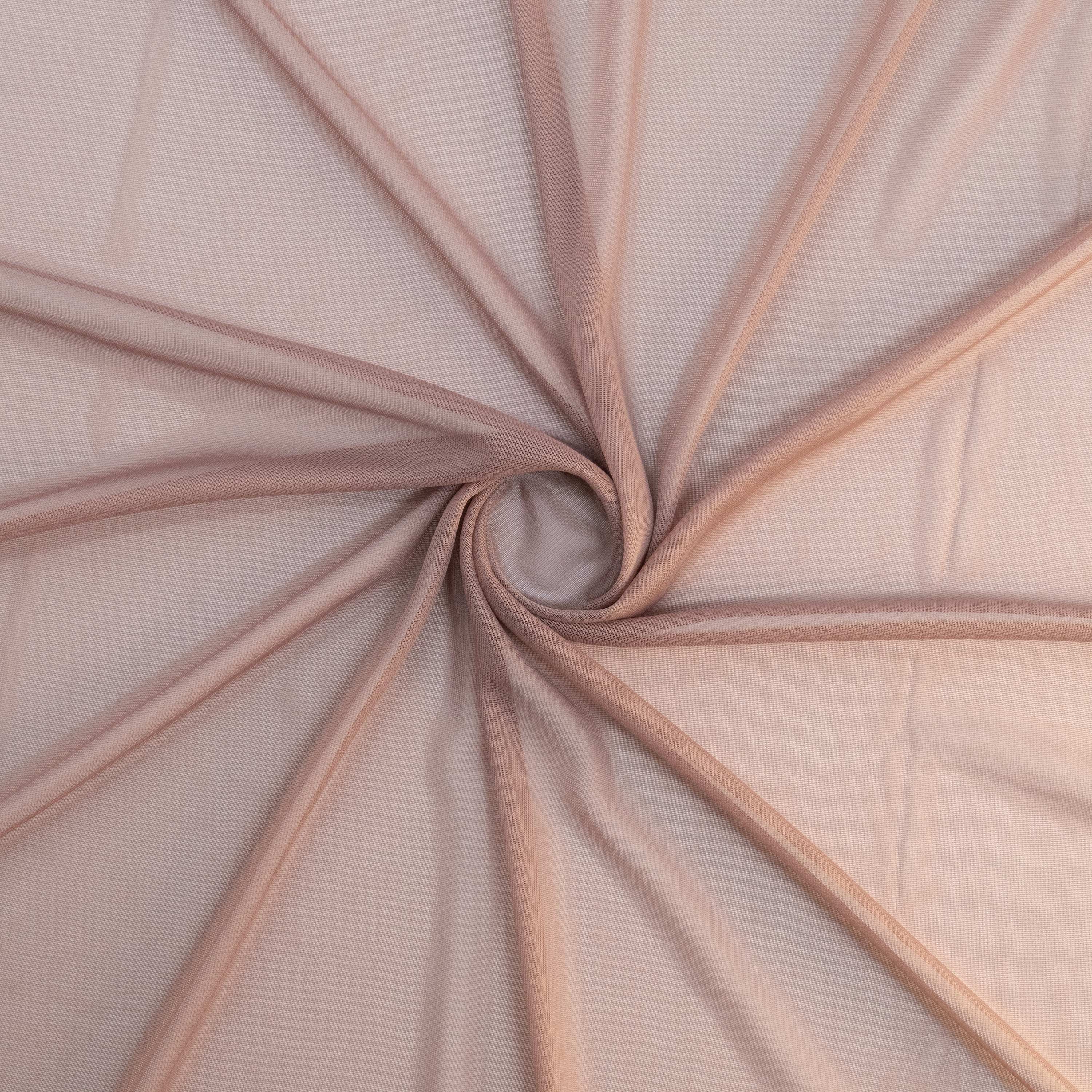
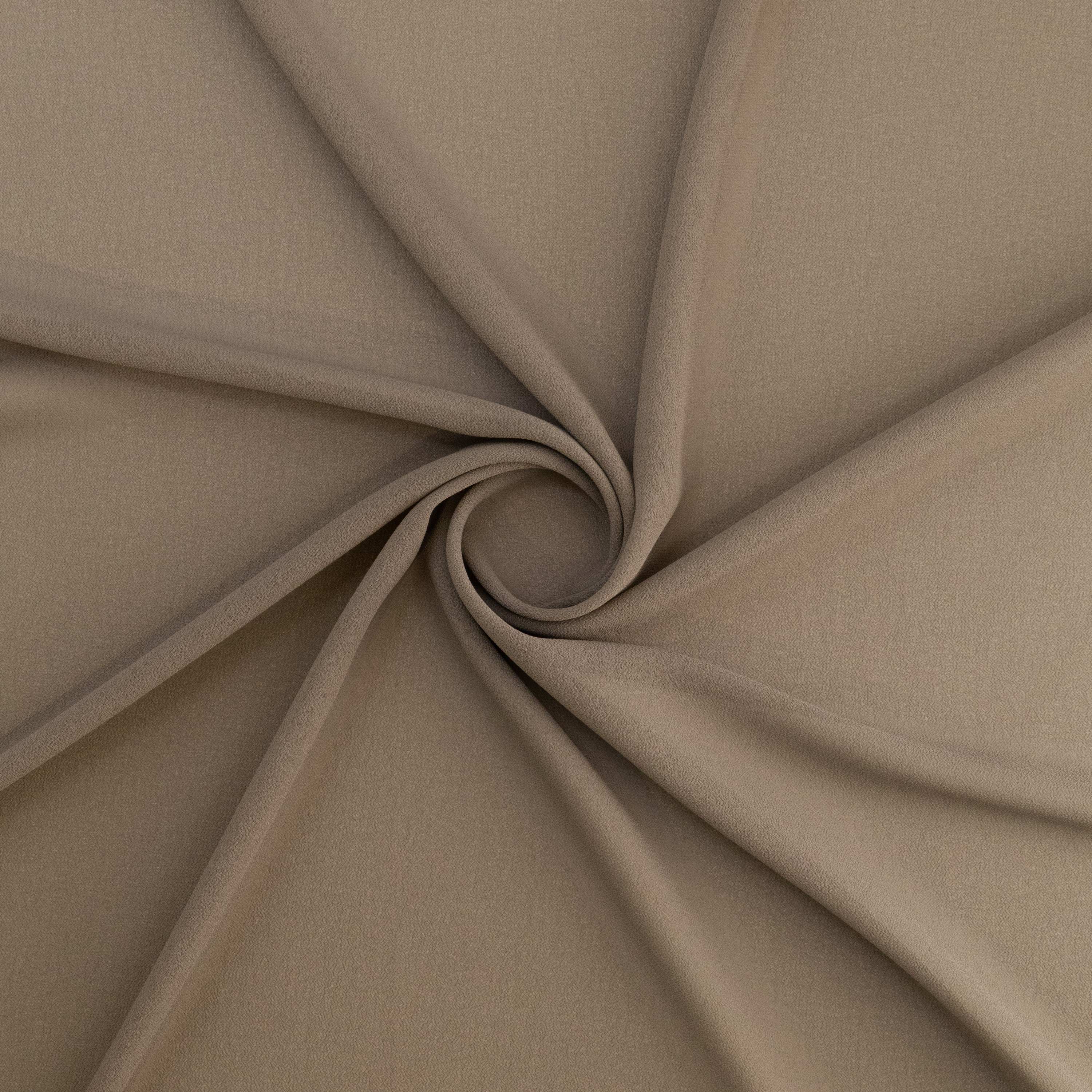
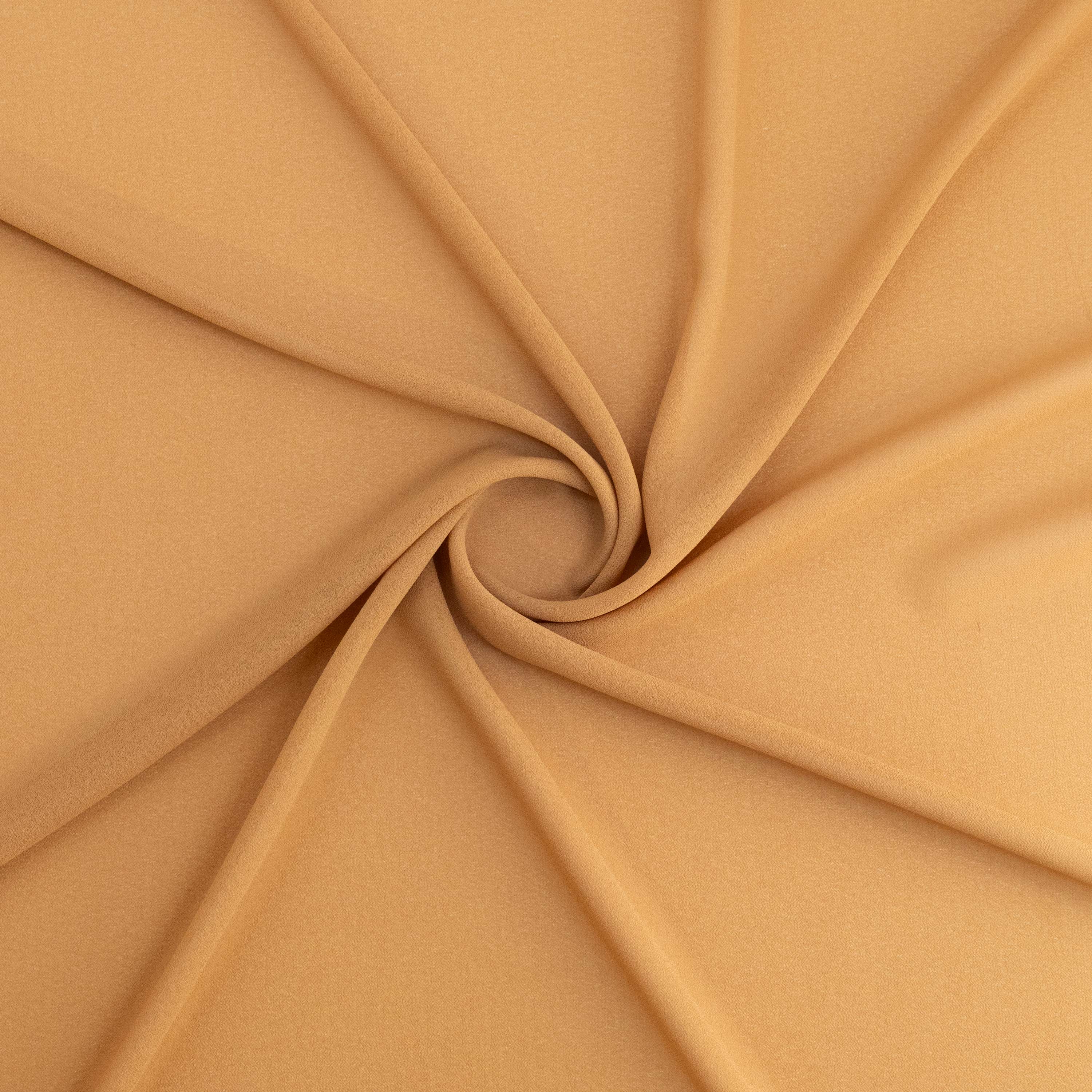
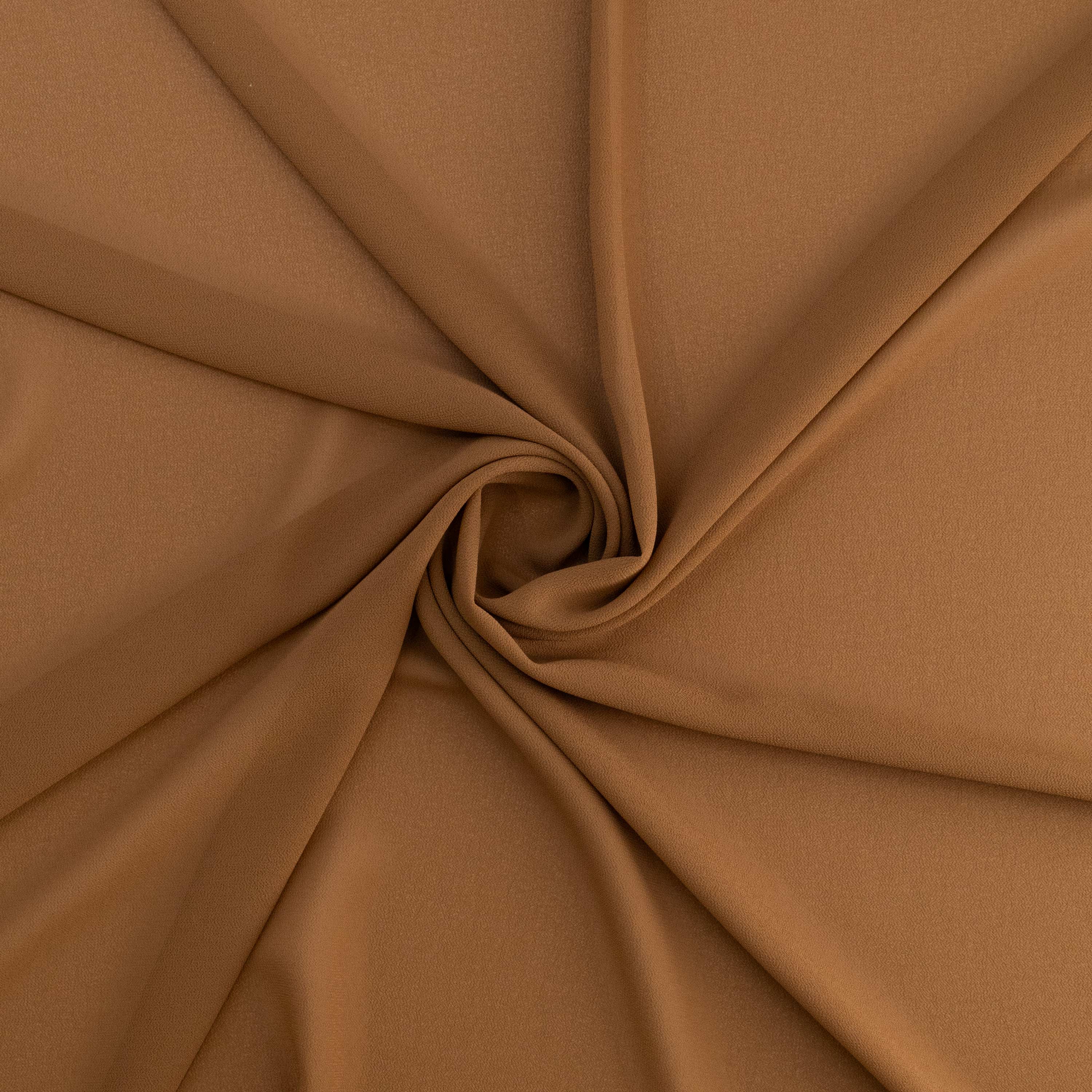
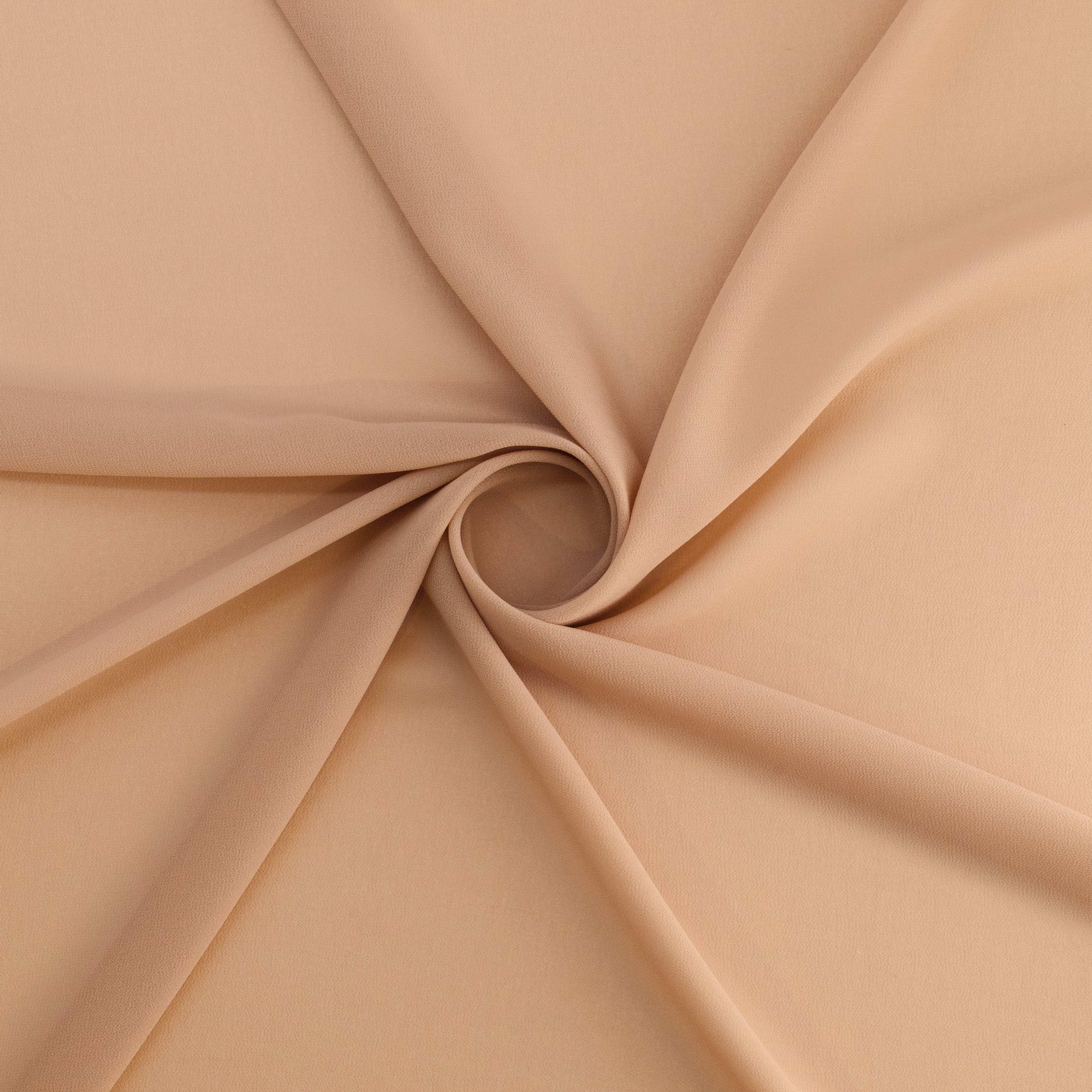
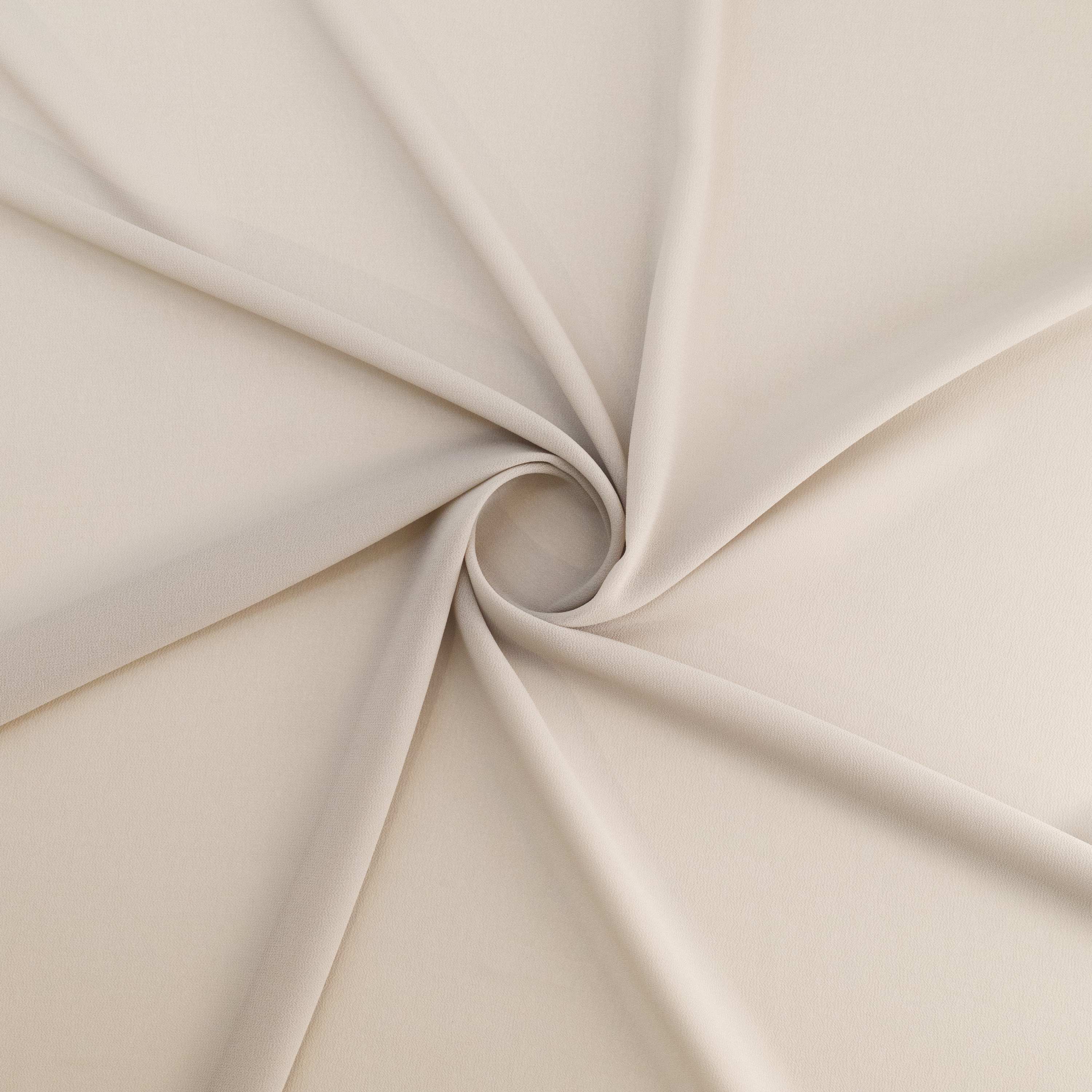
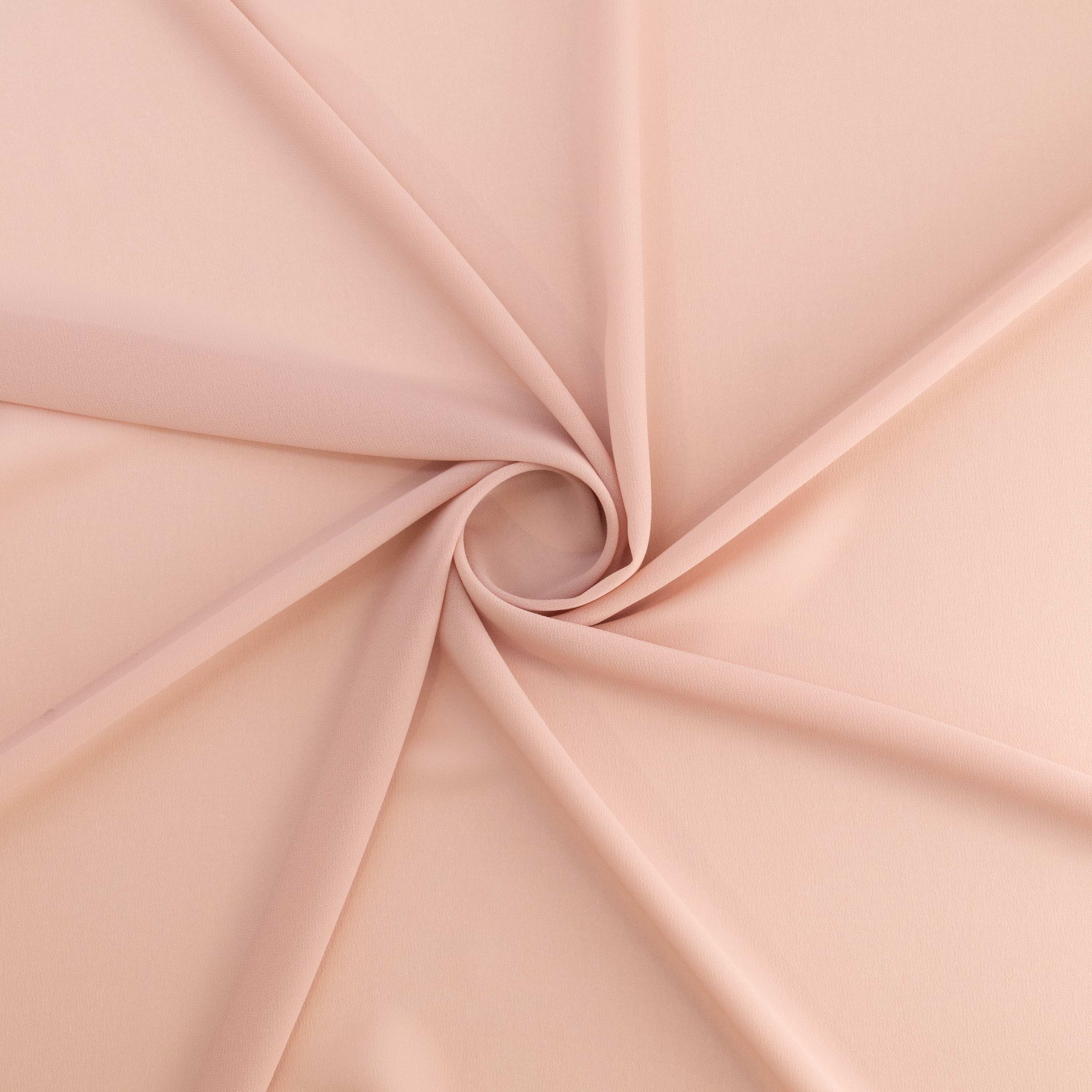
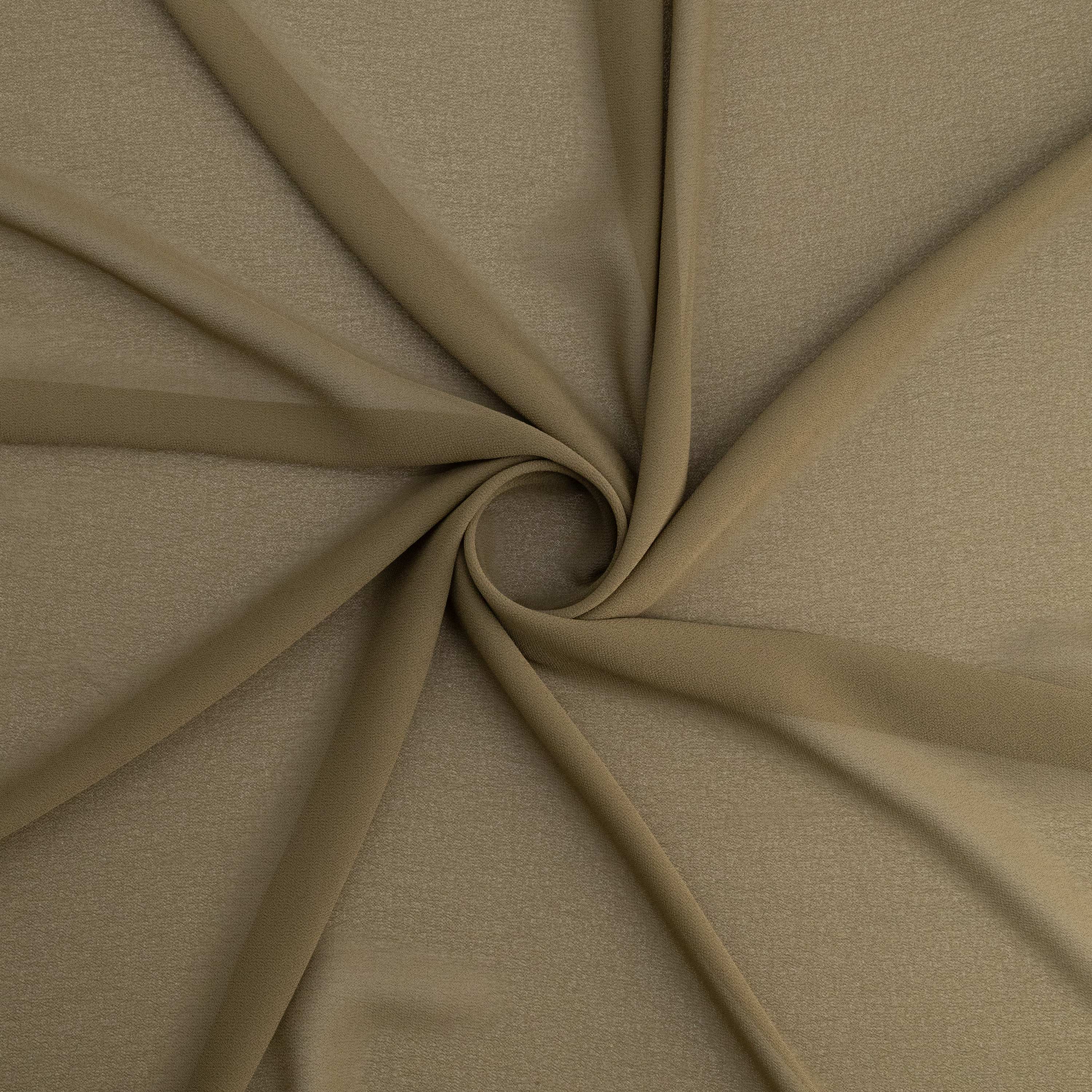
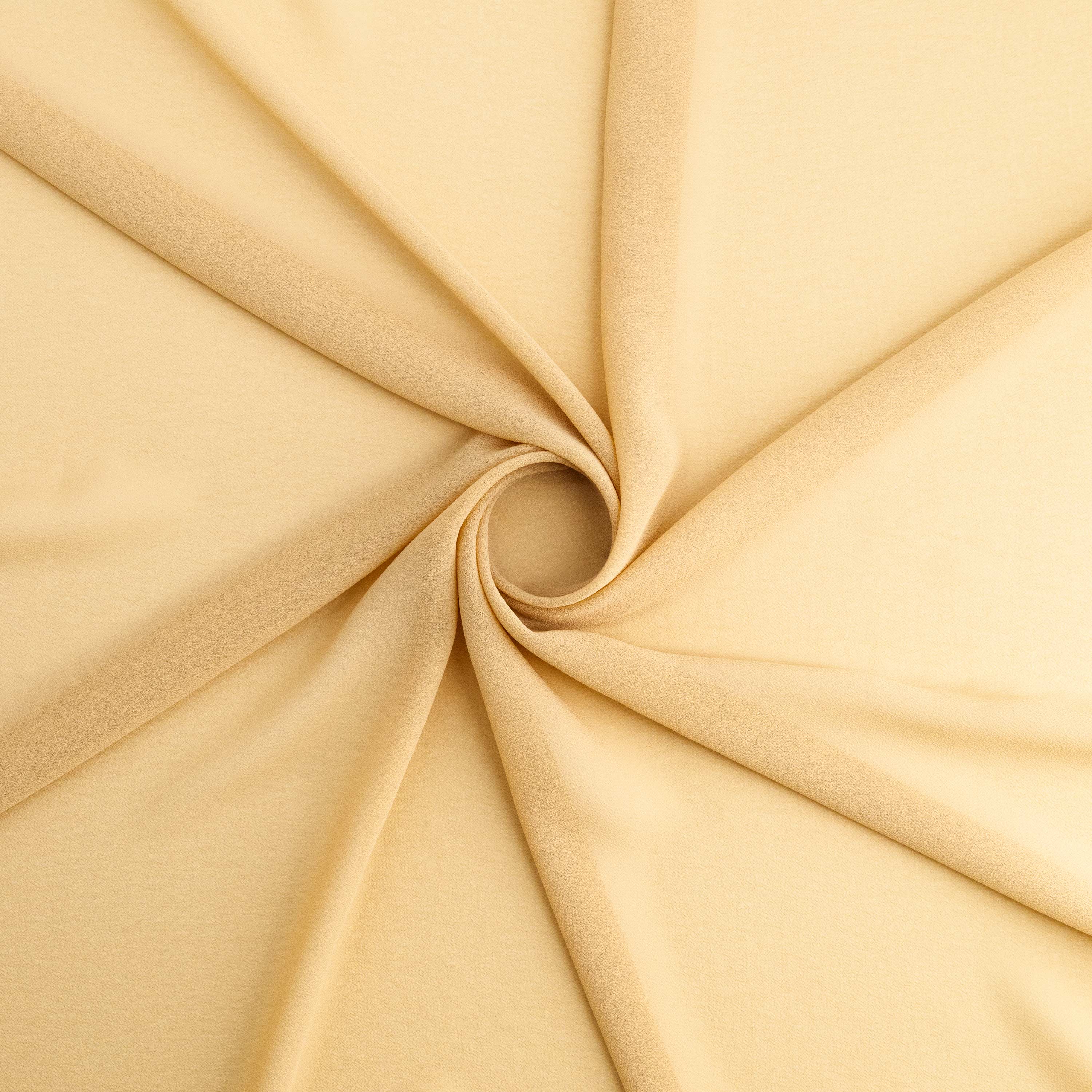
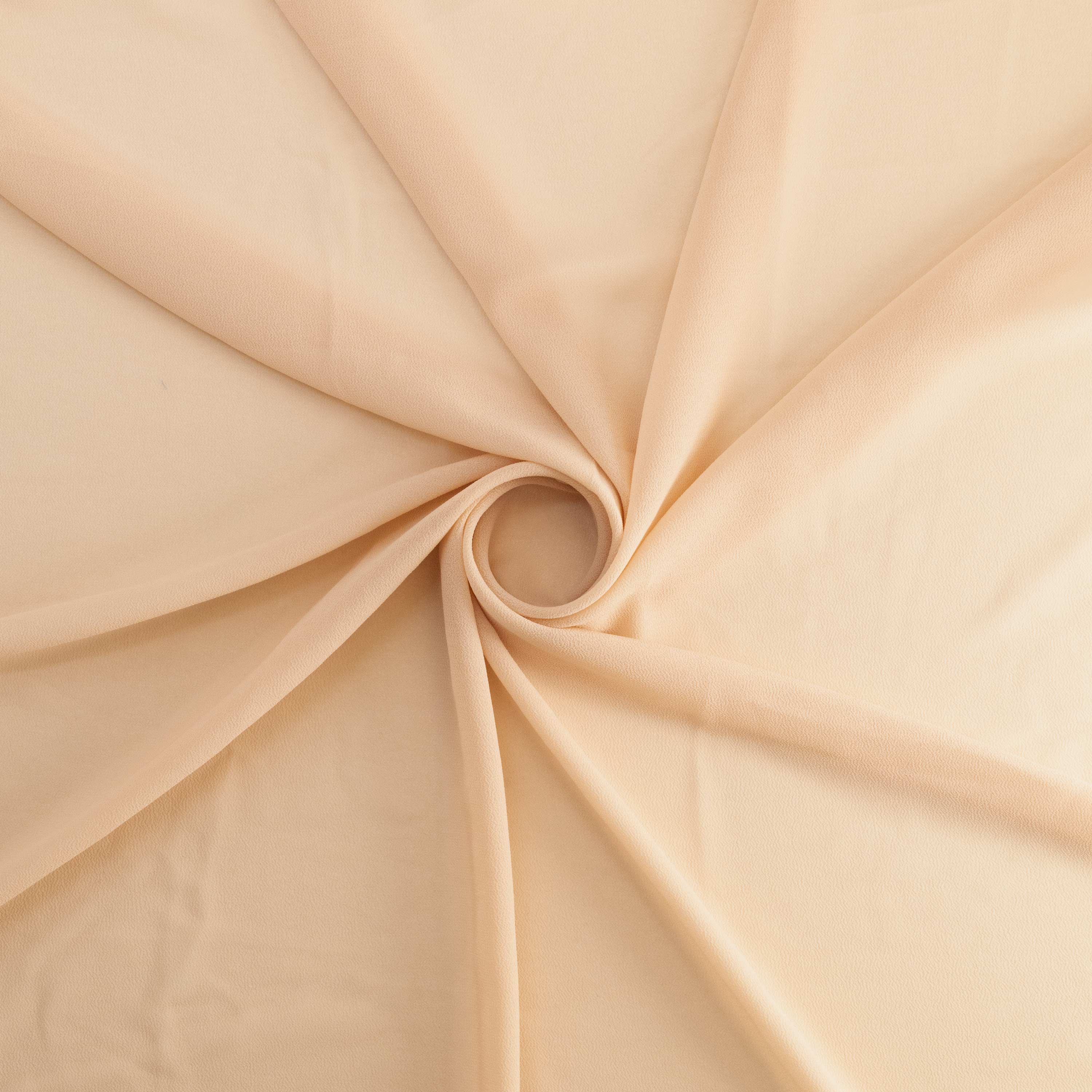
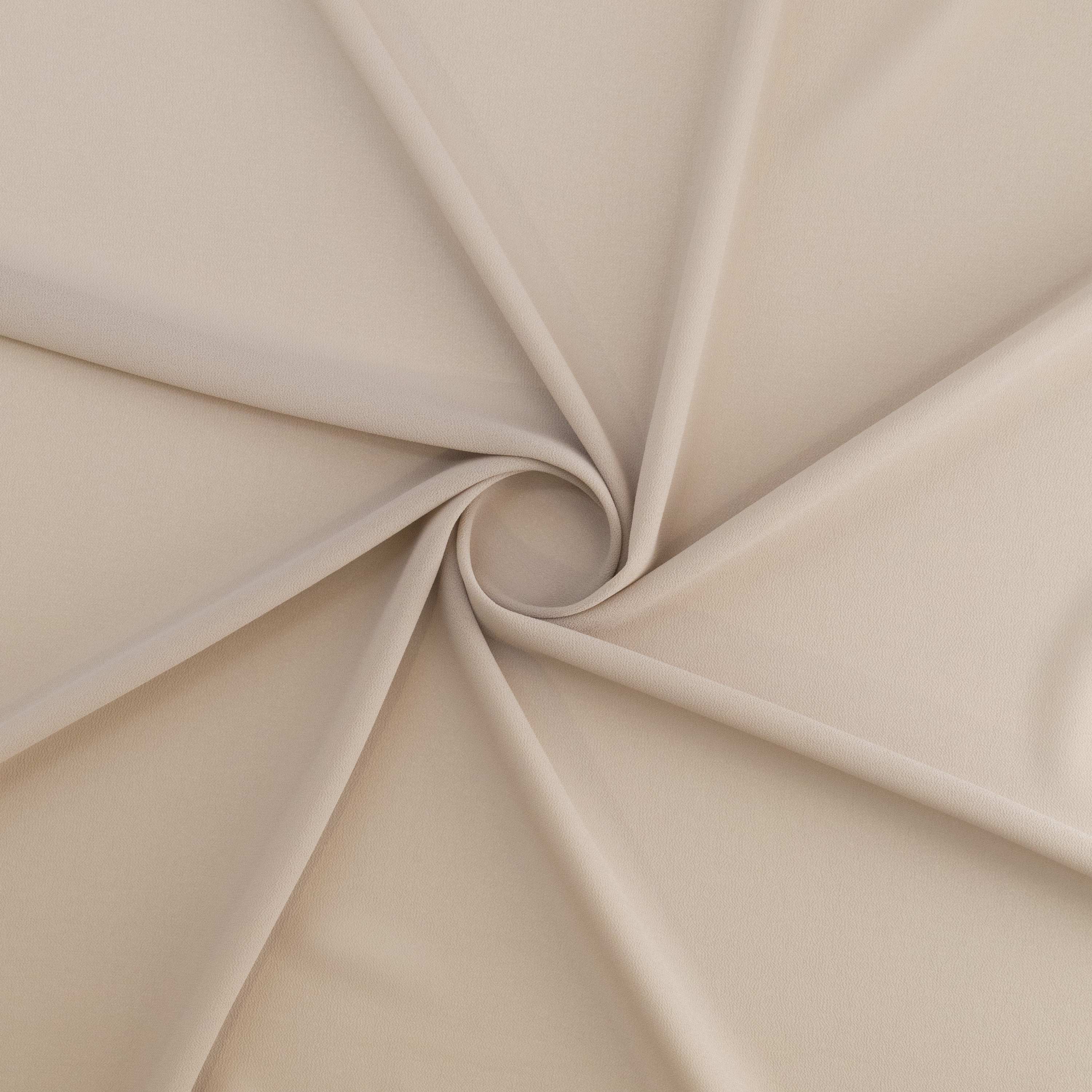
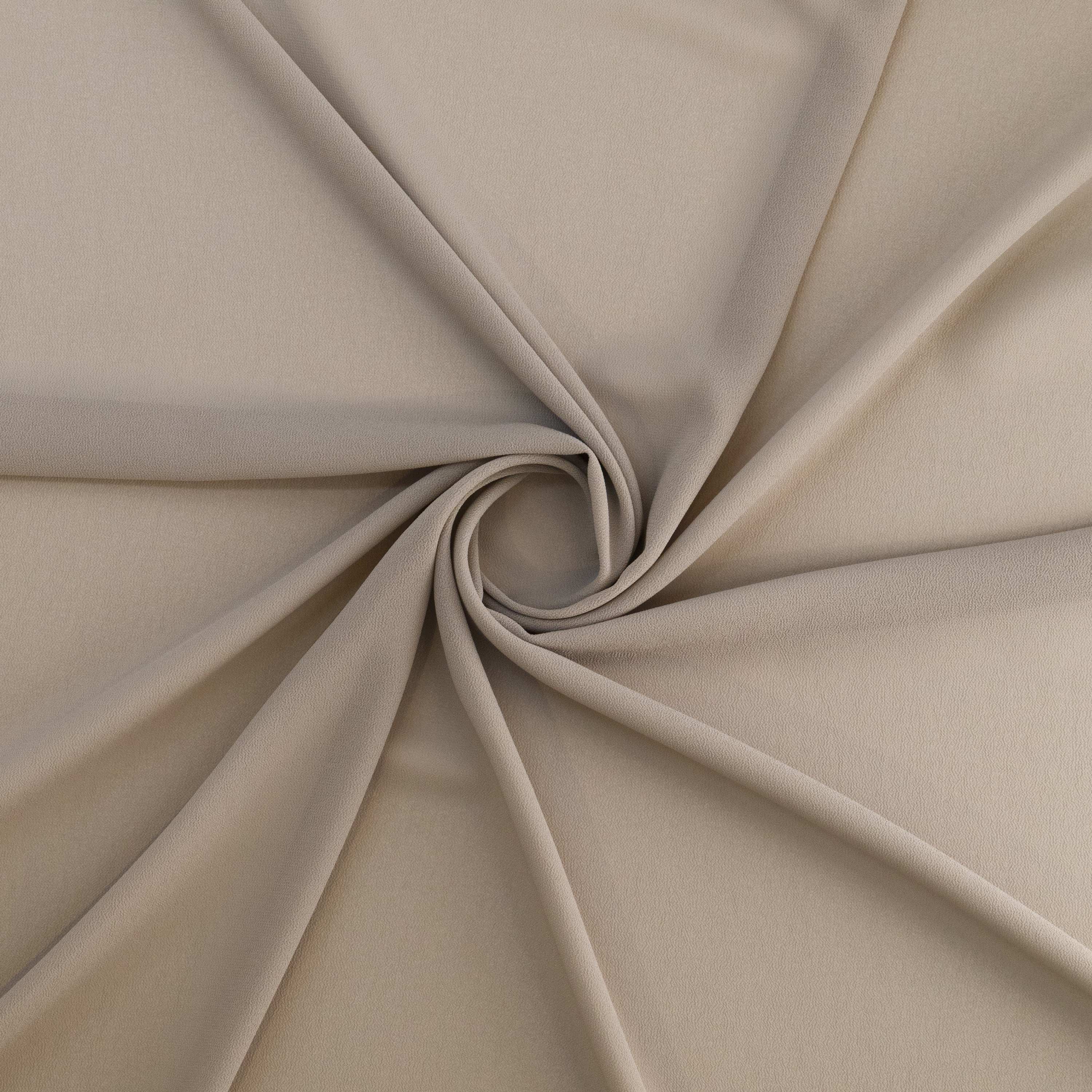
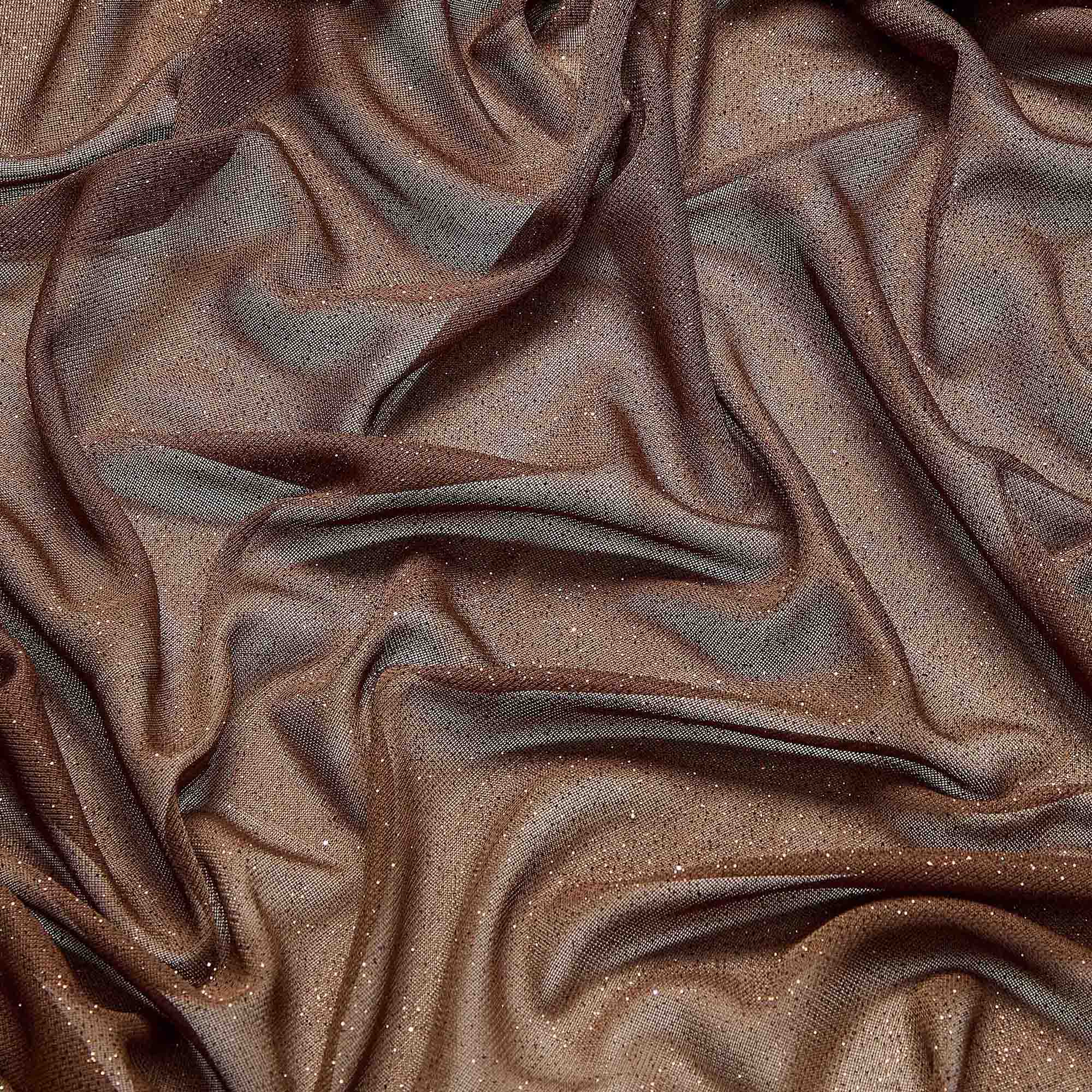
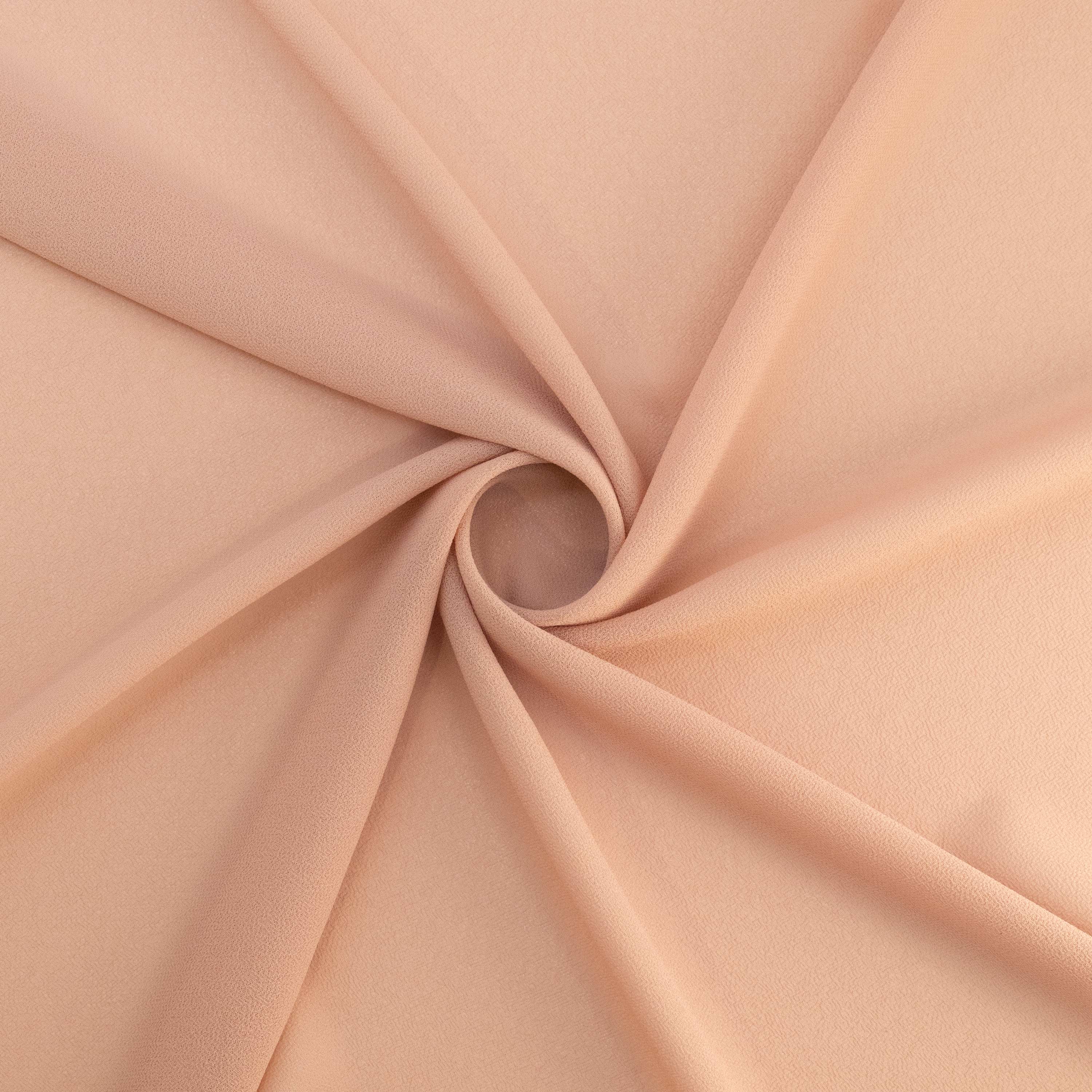
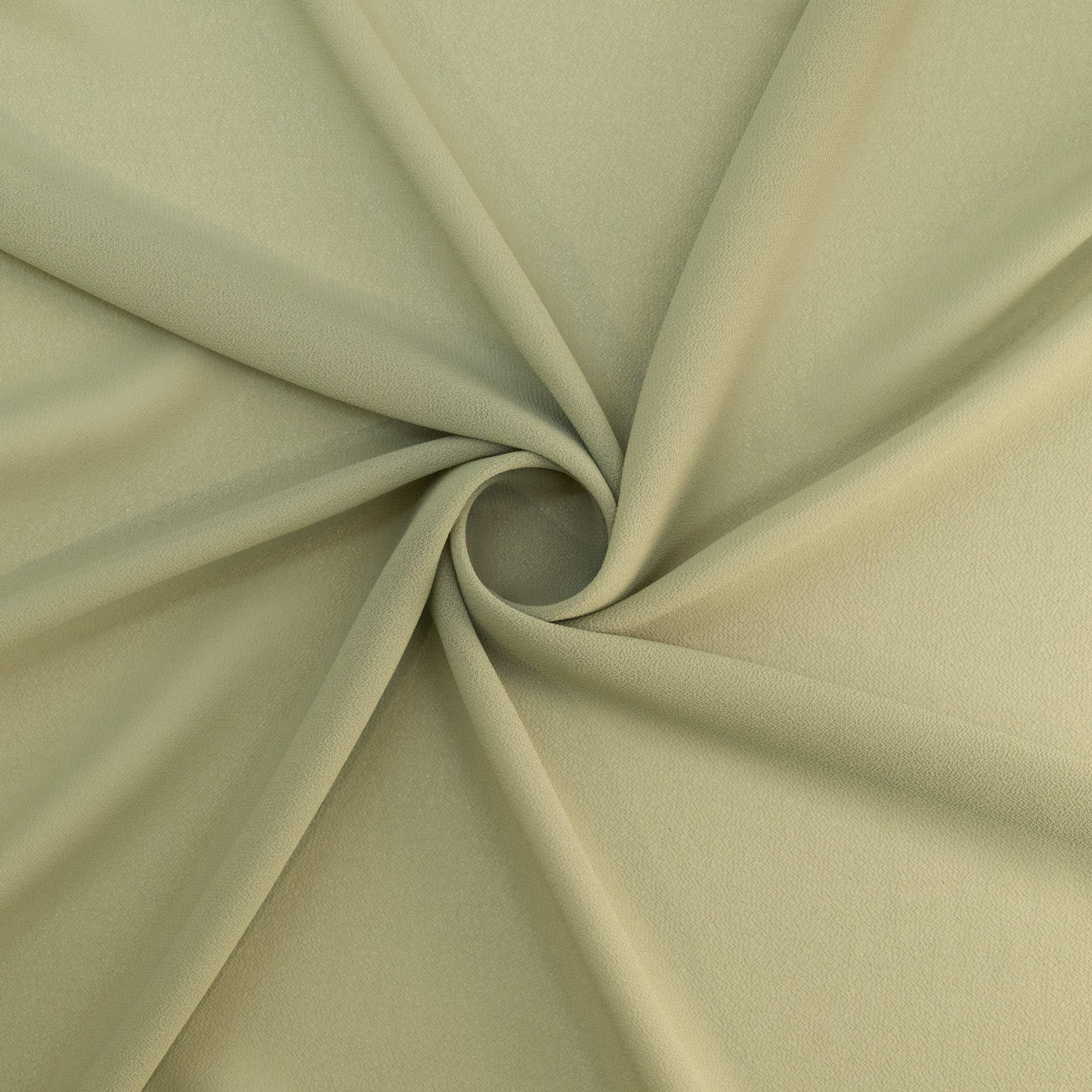
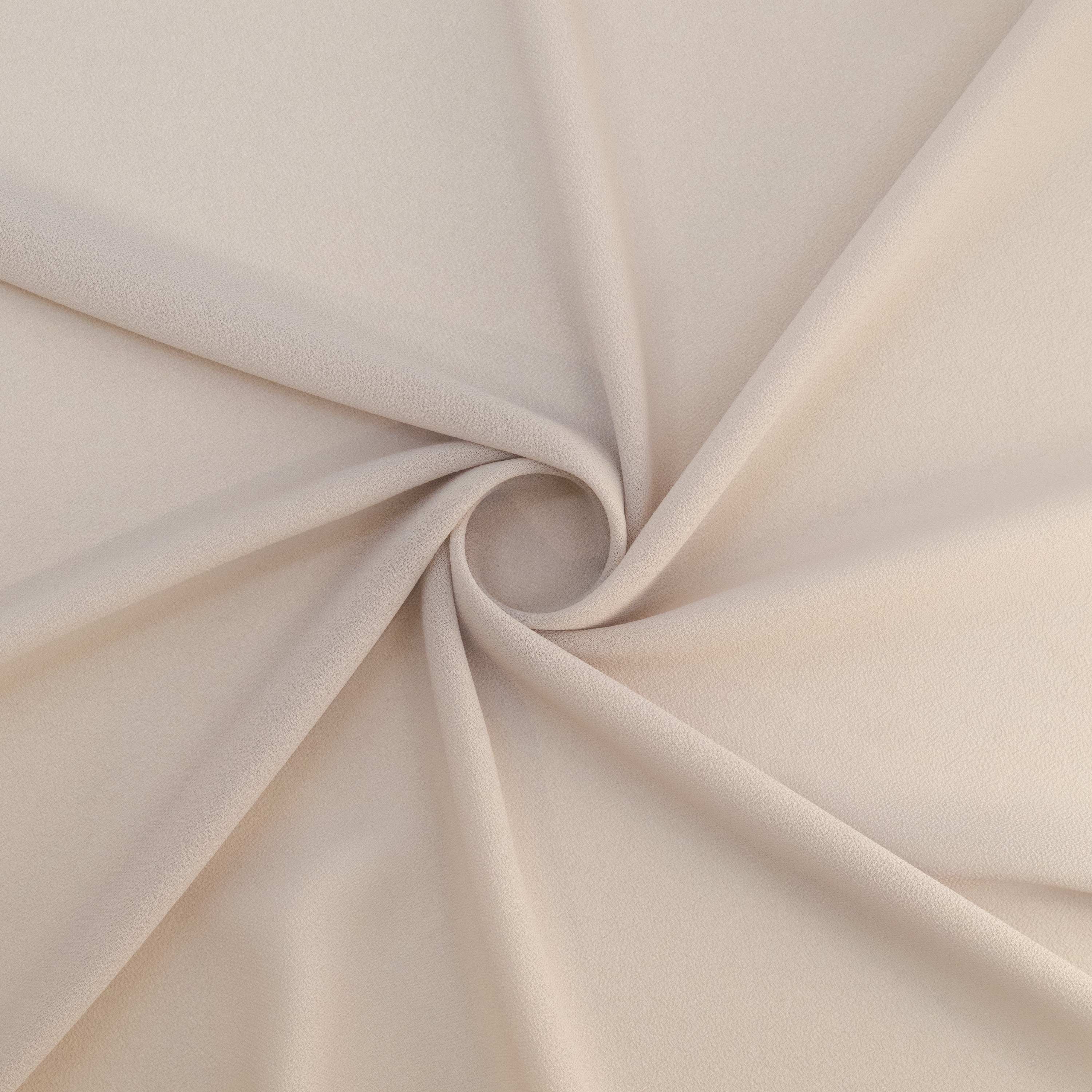
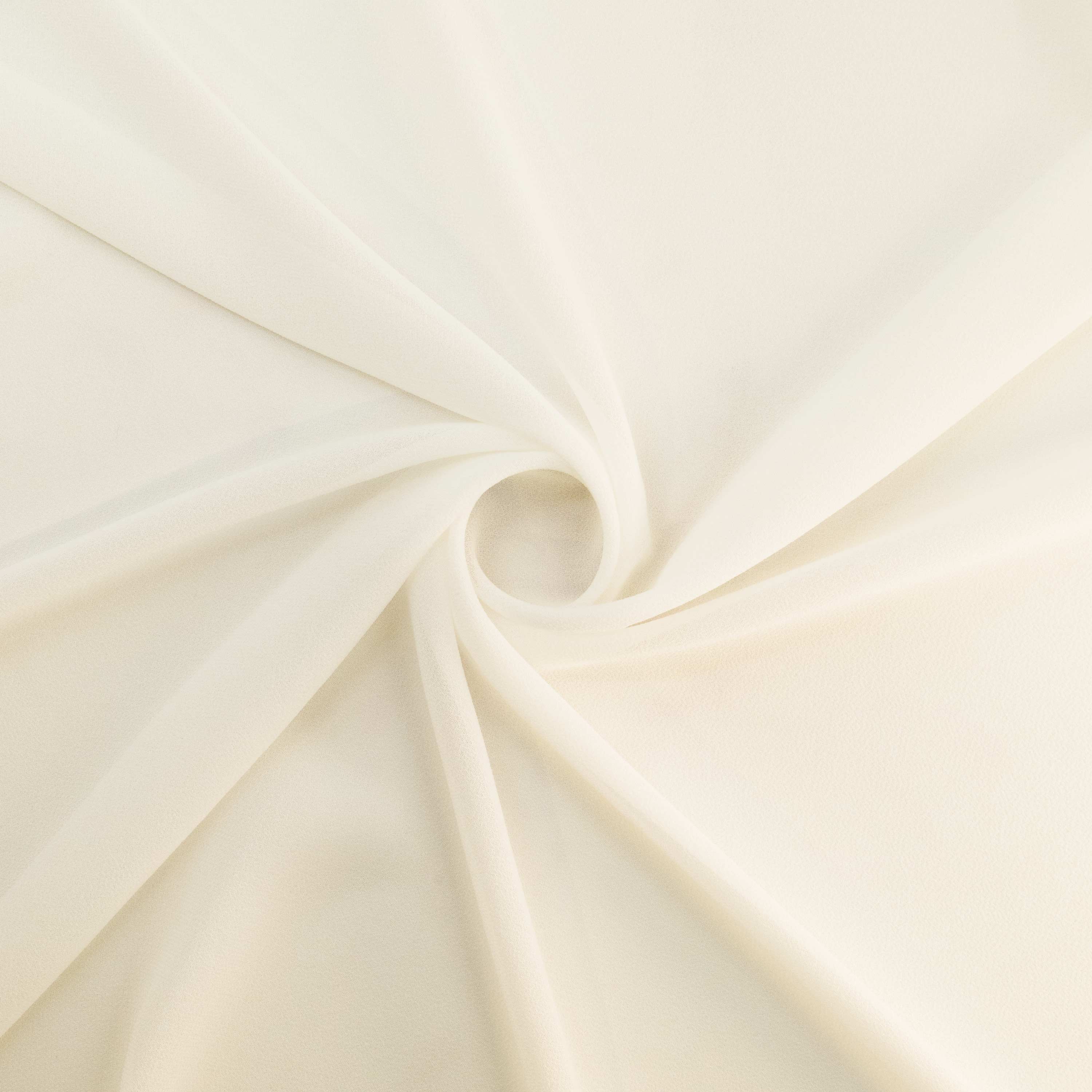
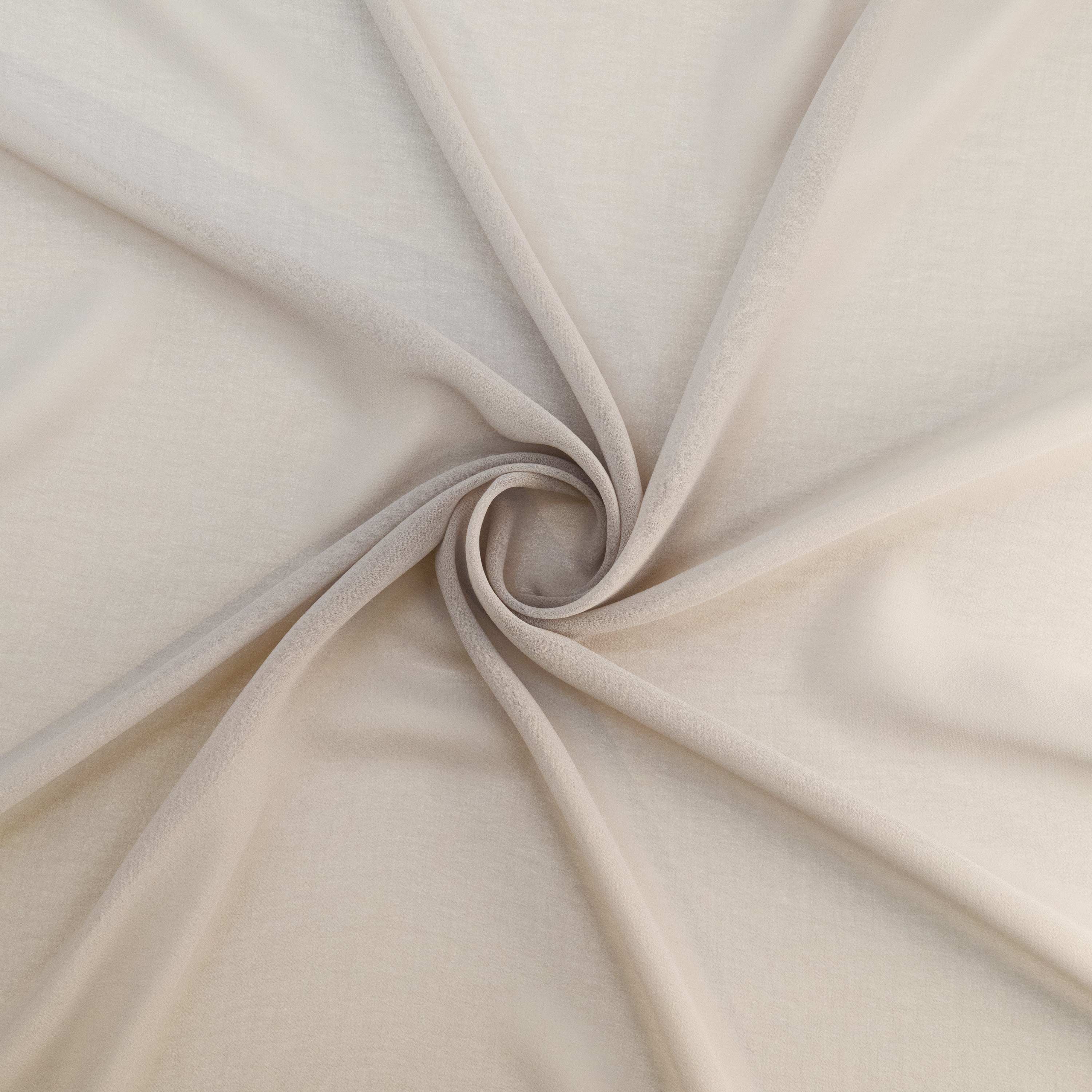
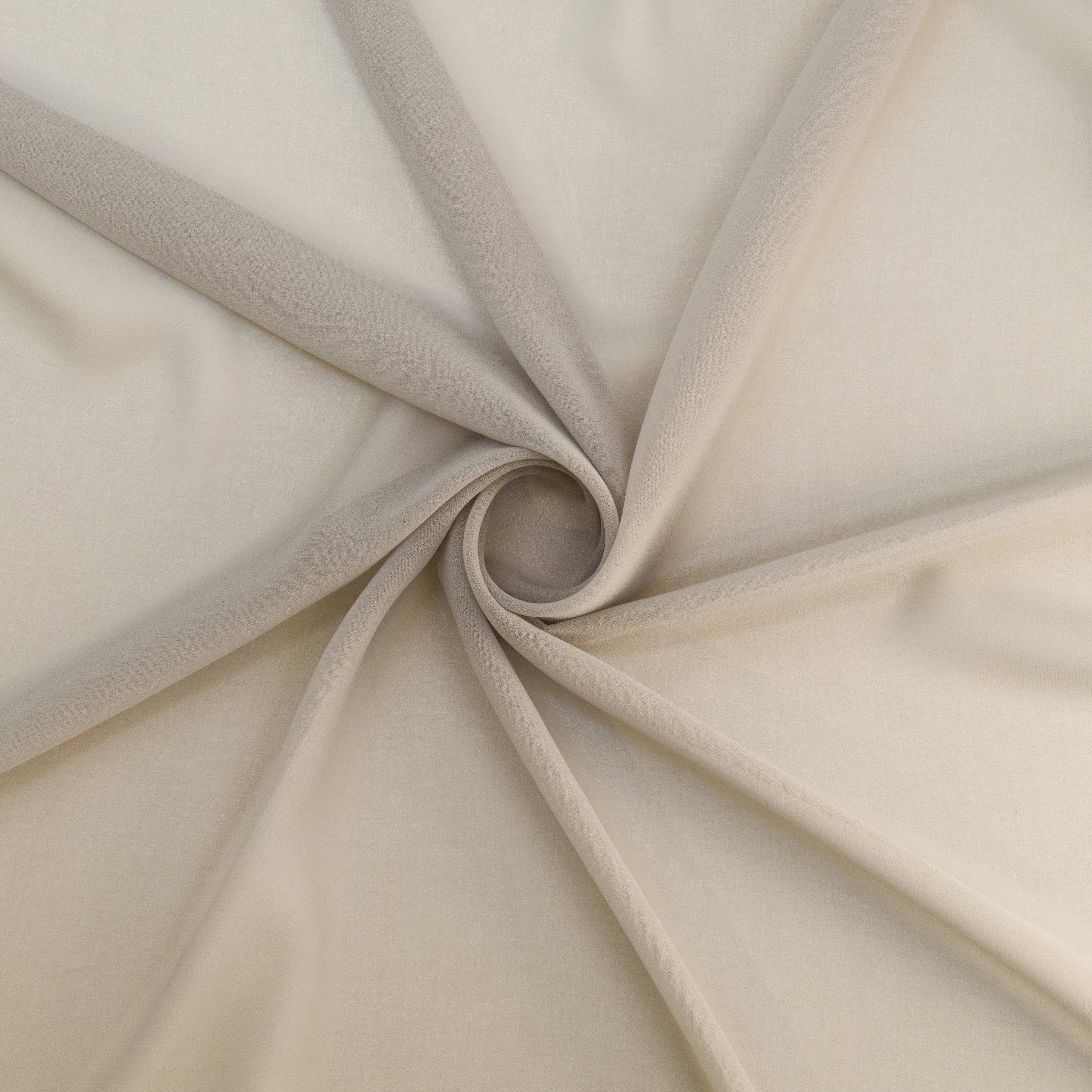
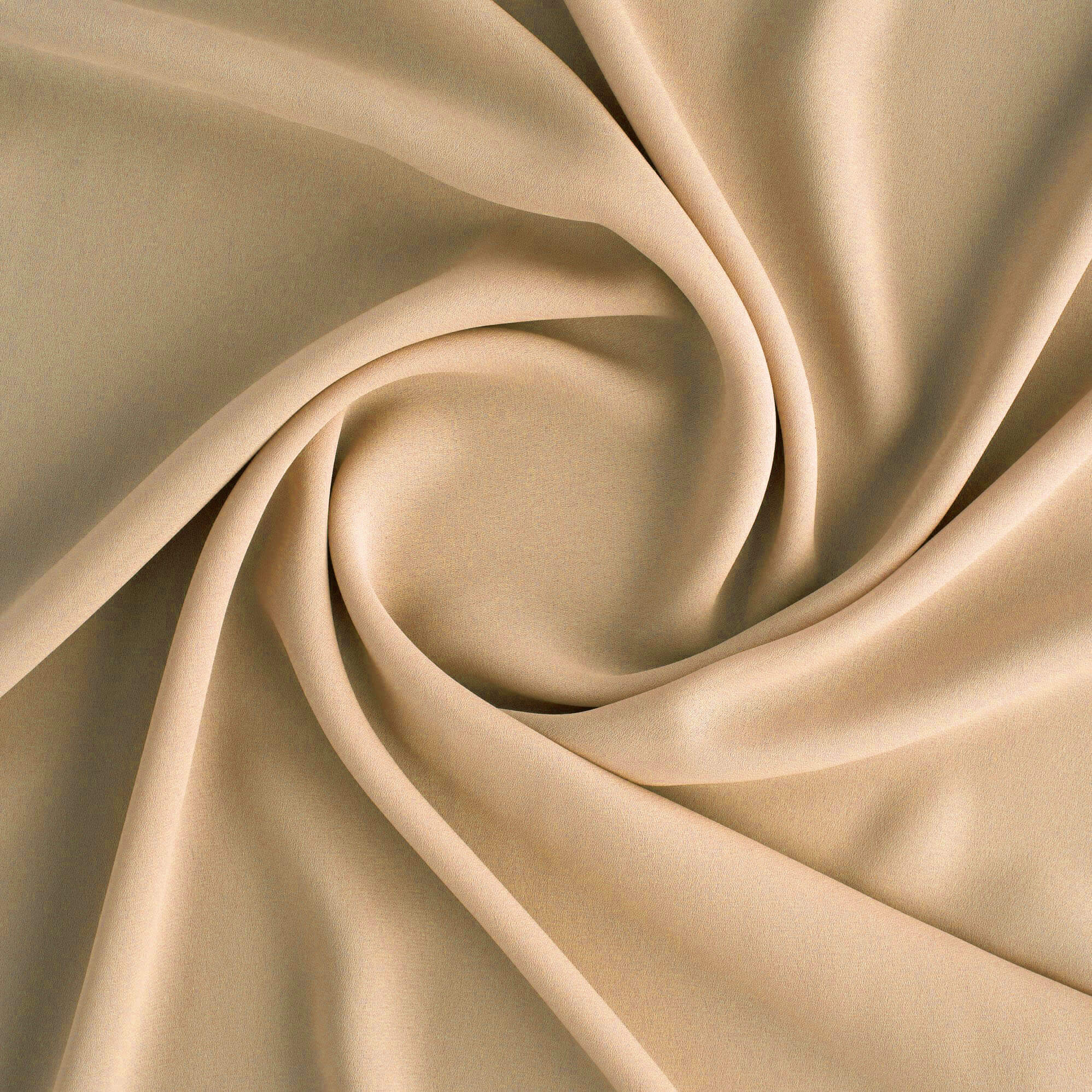
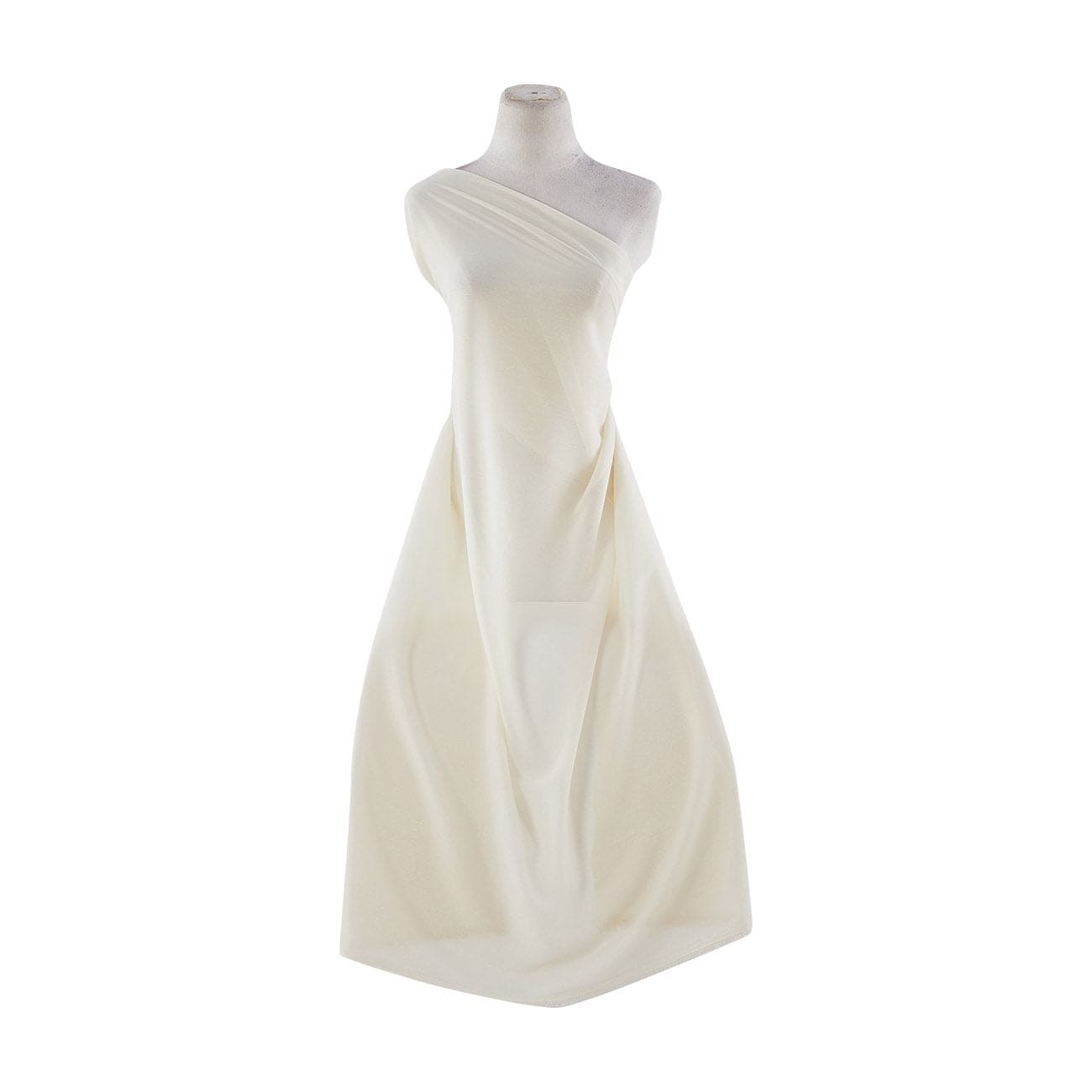
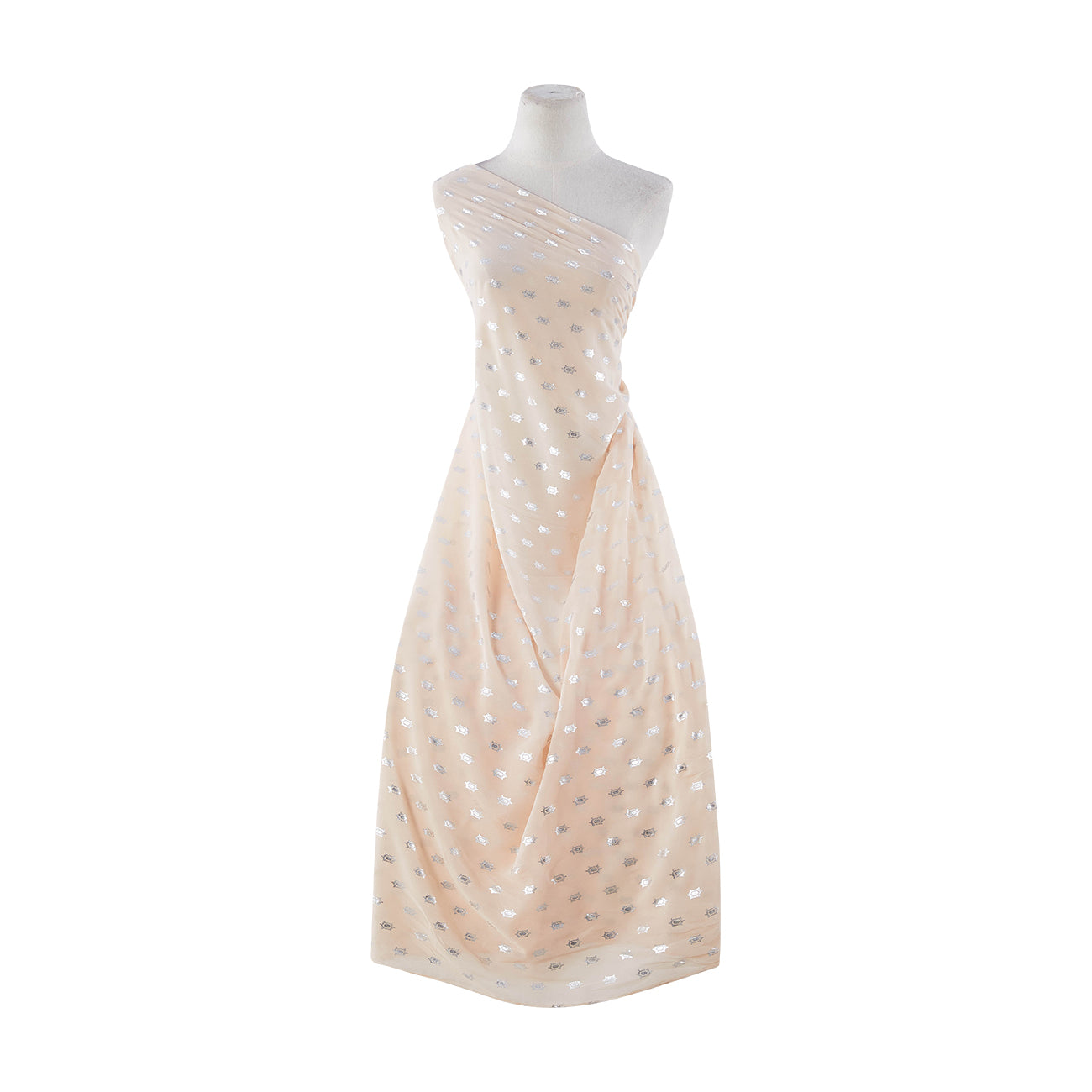
Beige chiffon's defining quality is its versatility — it functions as both a primary design color in its own right and as the most accommodating companion and underlining fabric in the chiffon family. Its warm, neutral tone works equally well as a standalone palette and as the coordinating base for bolder, more saturated companion colors.
Bridal and Occasion Wear
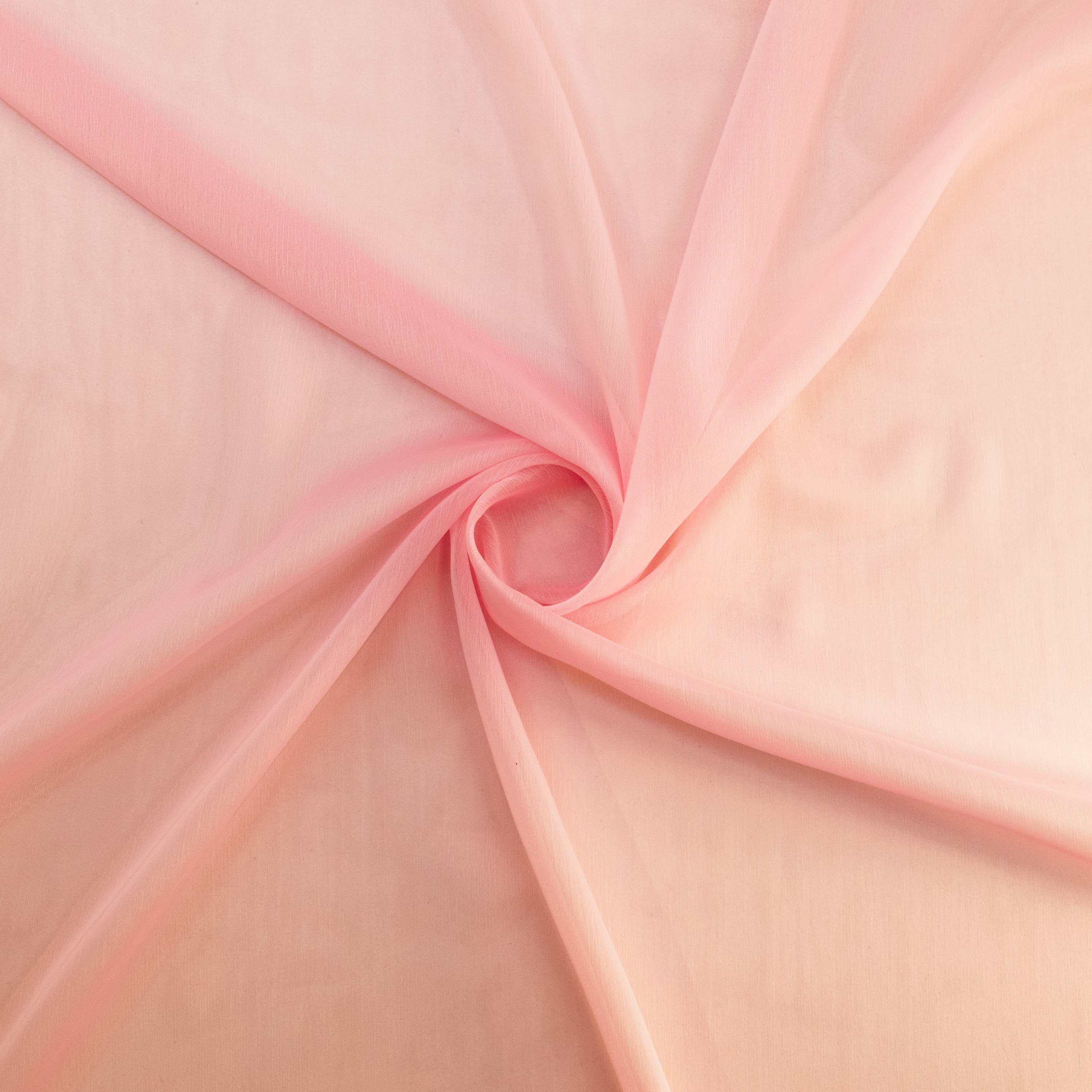
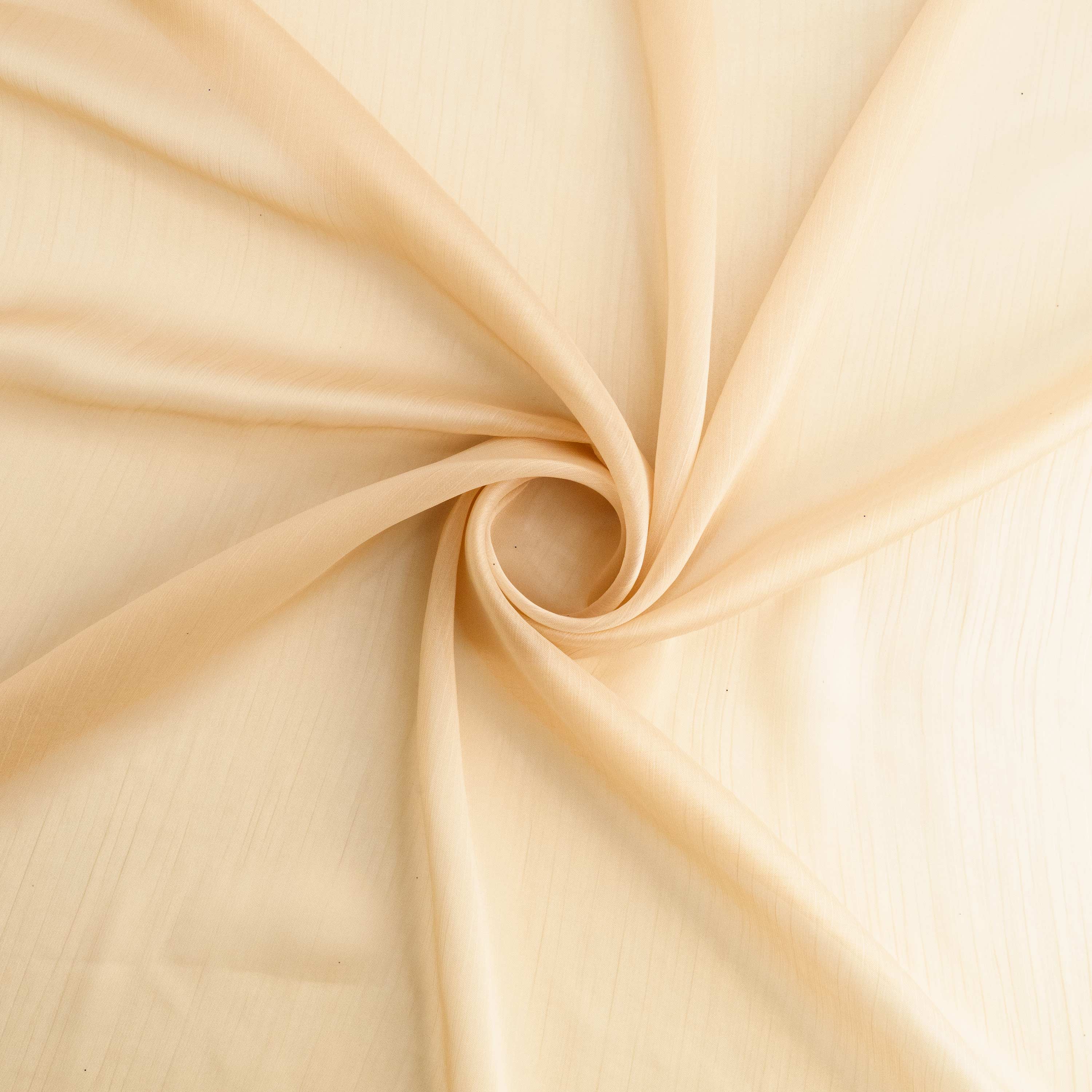
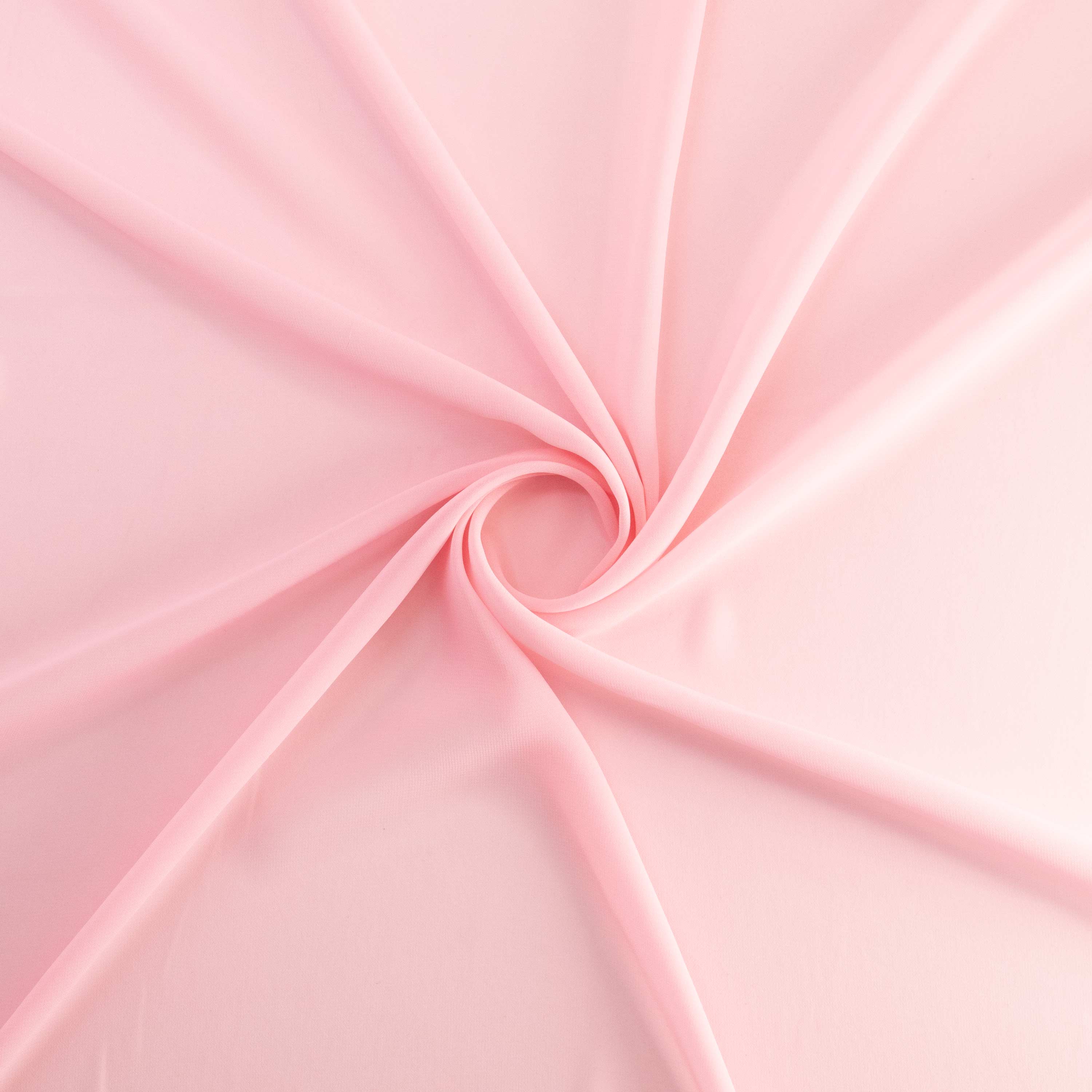
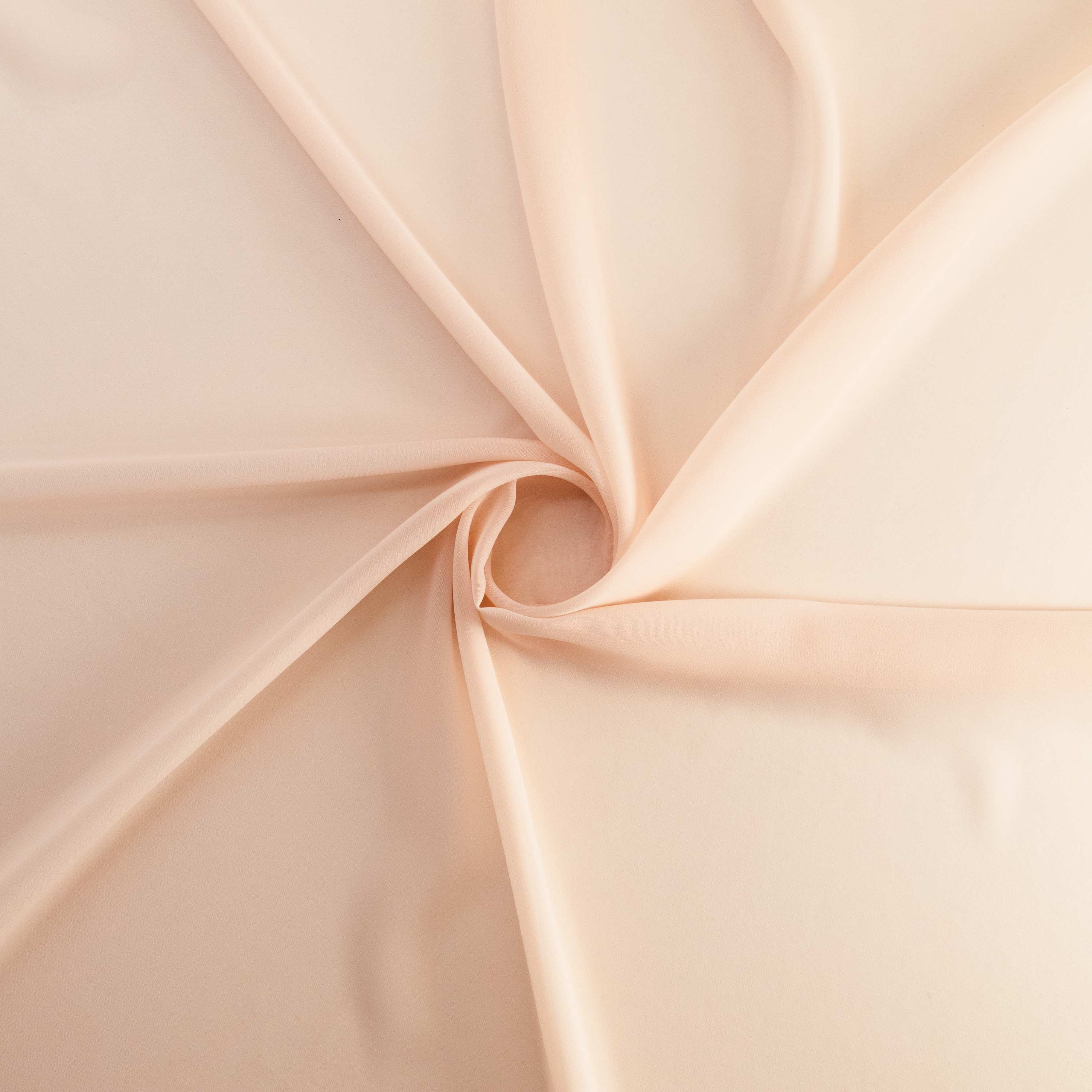
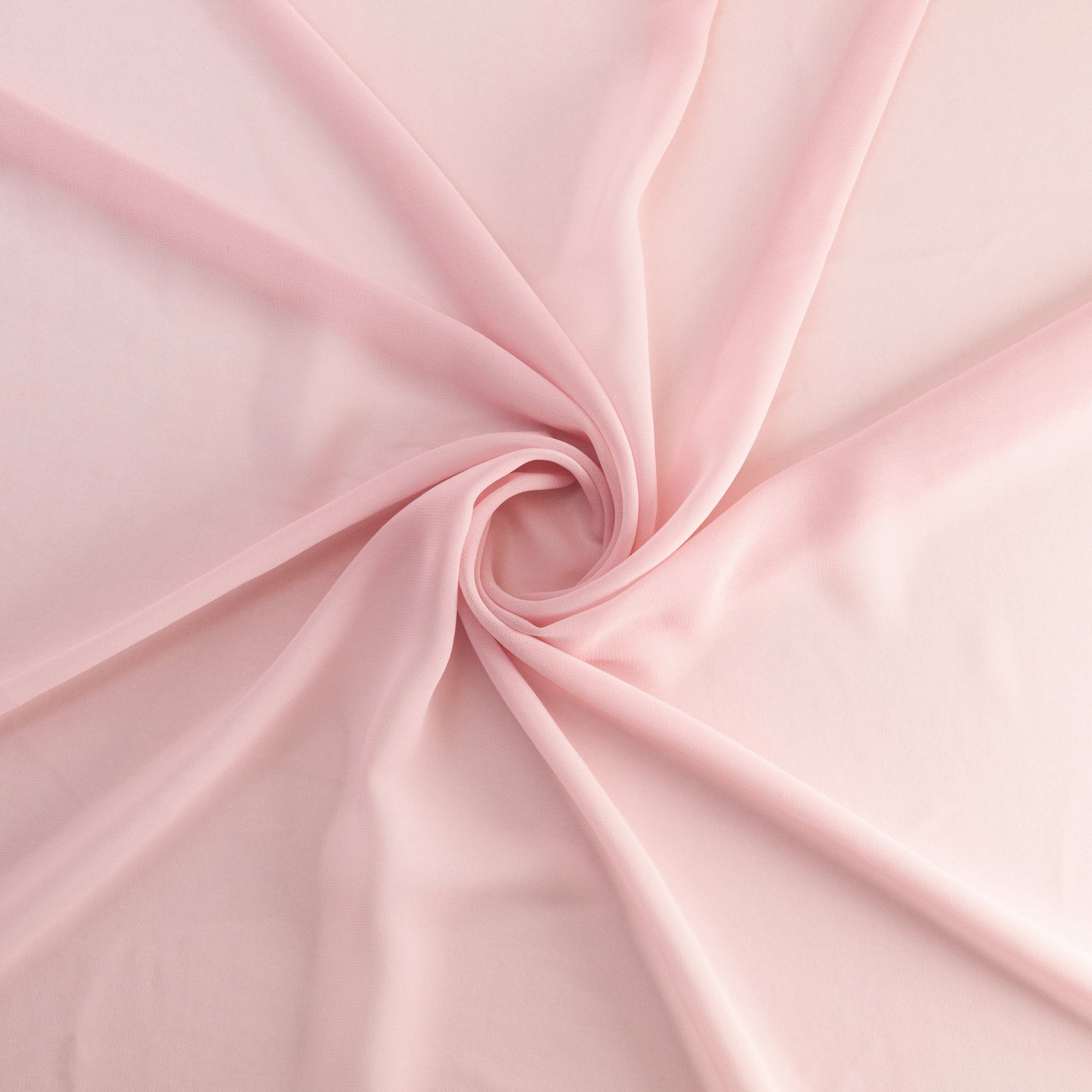
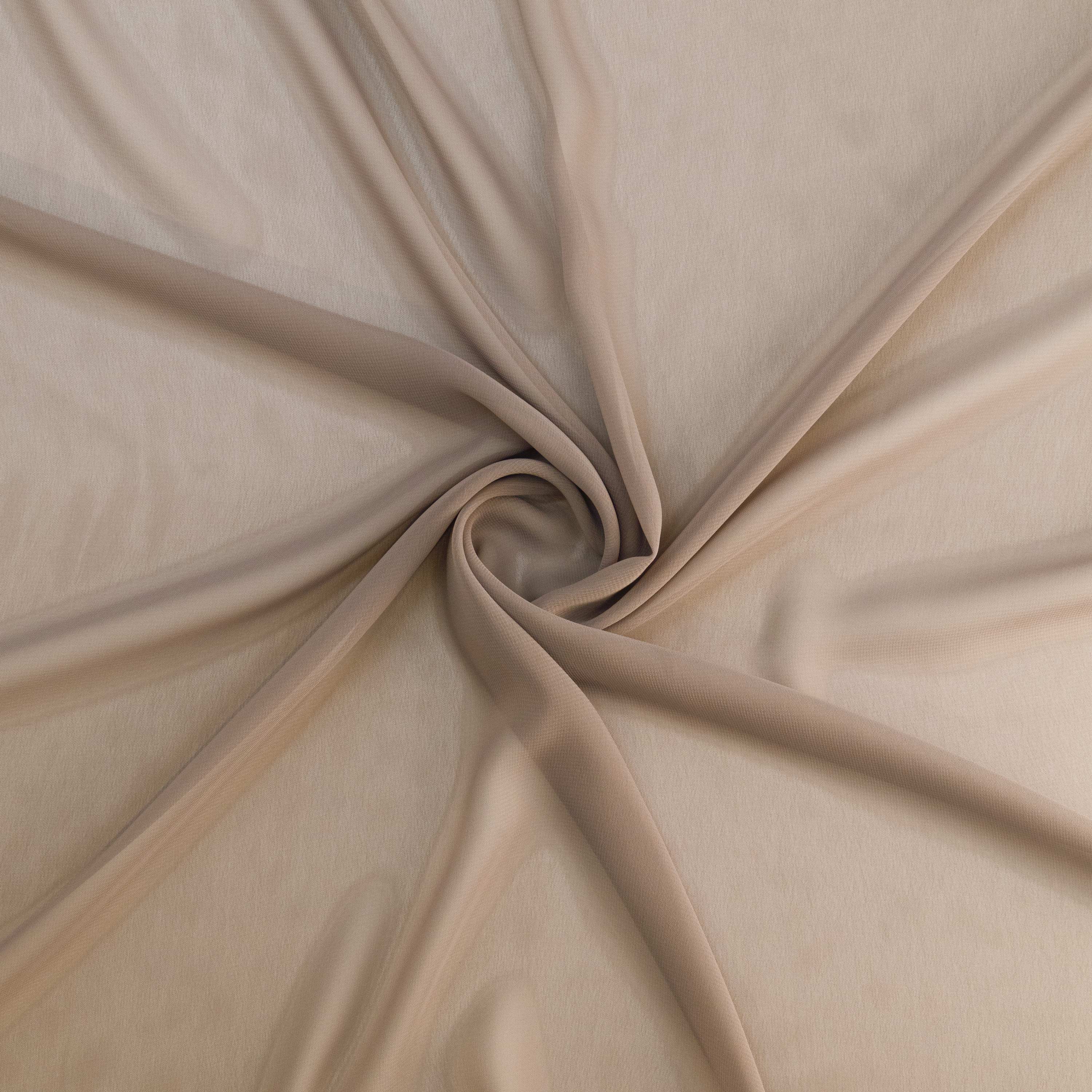
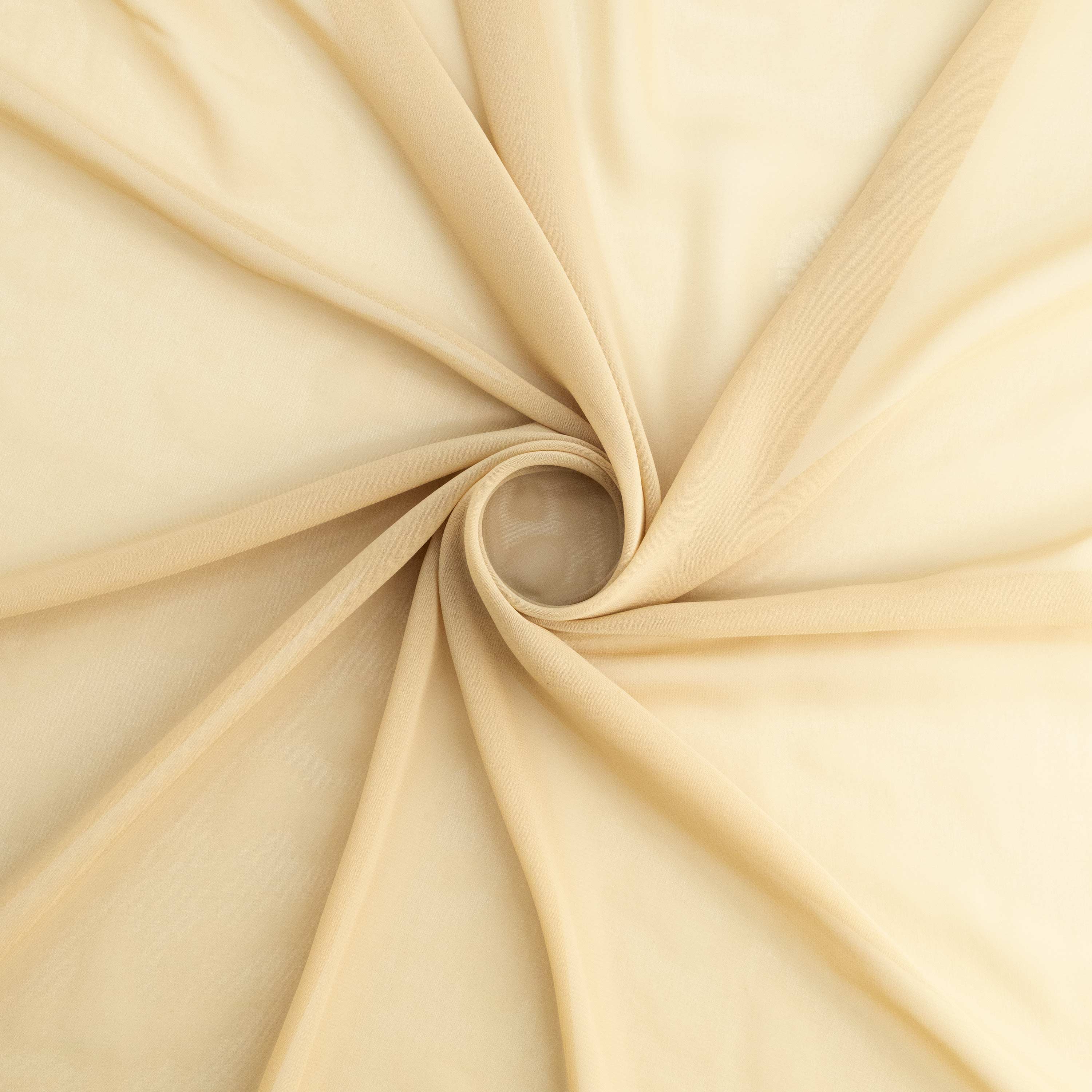
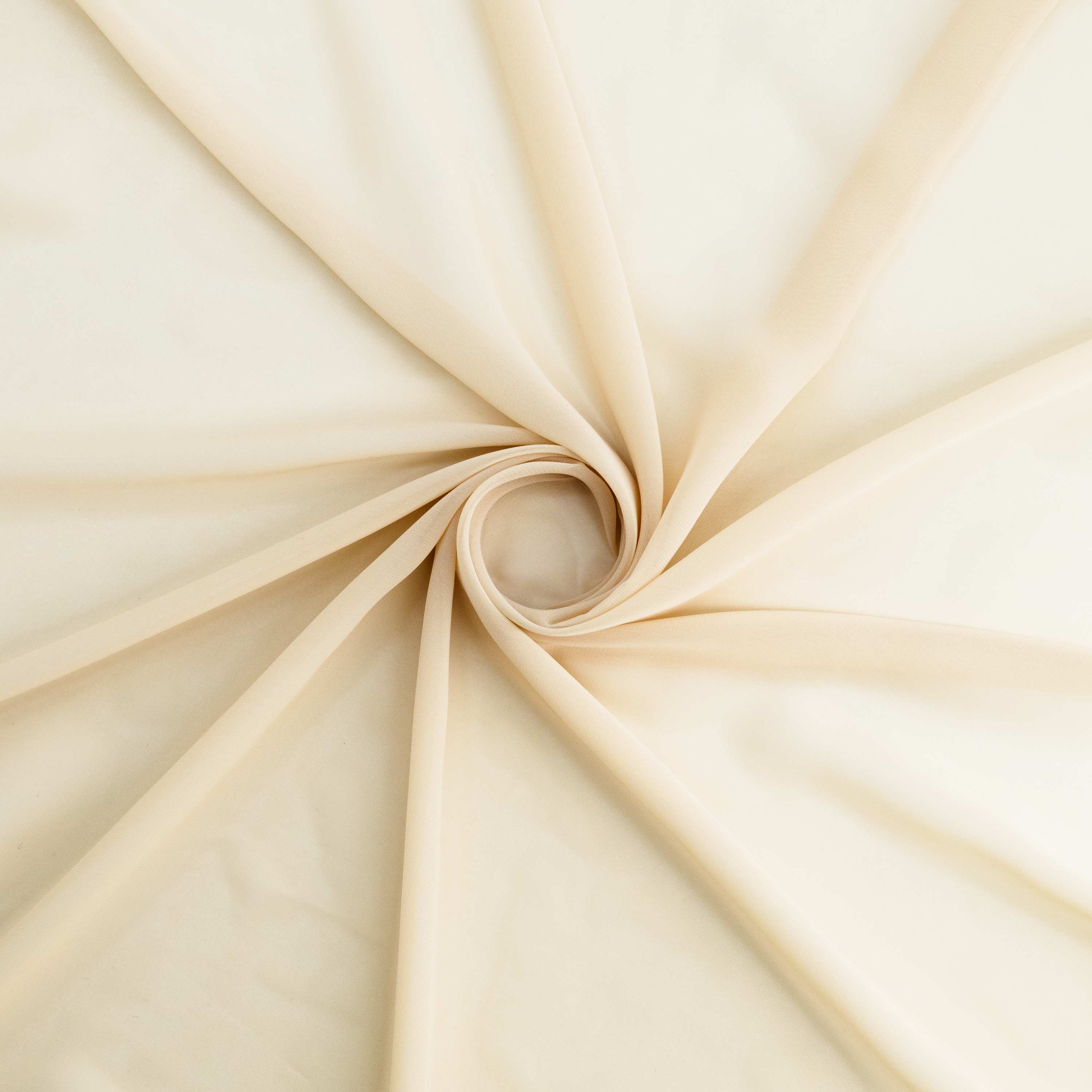
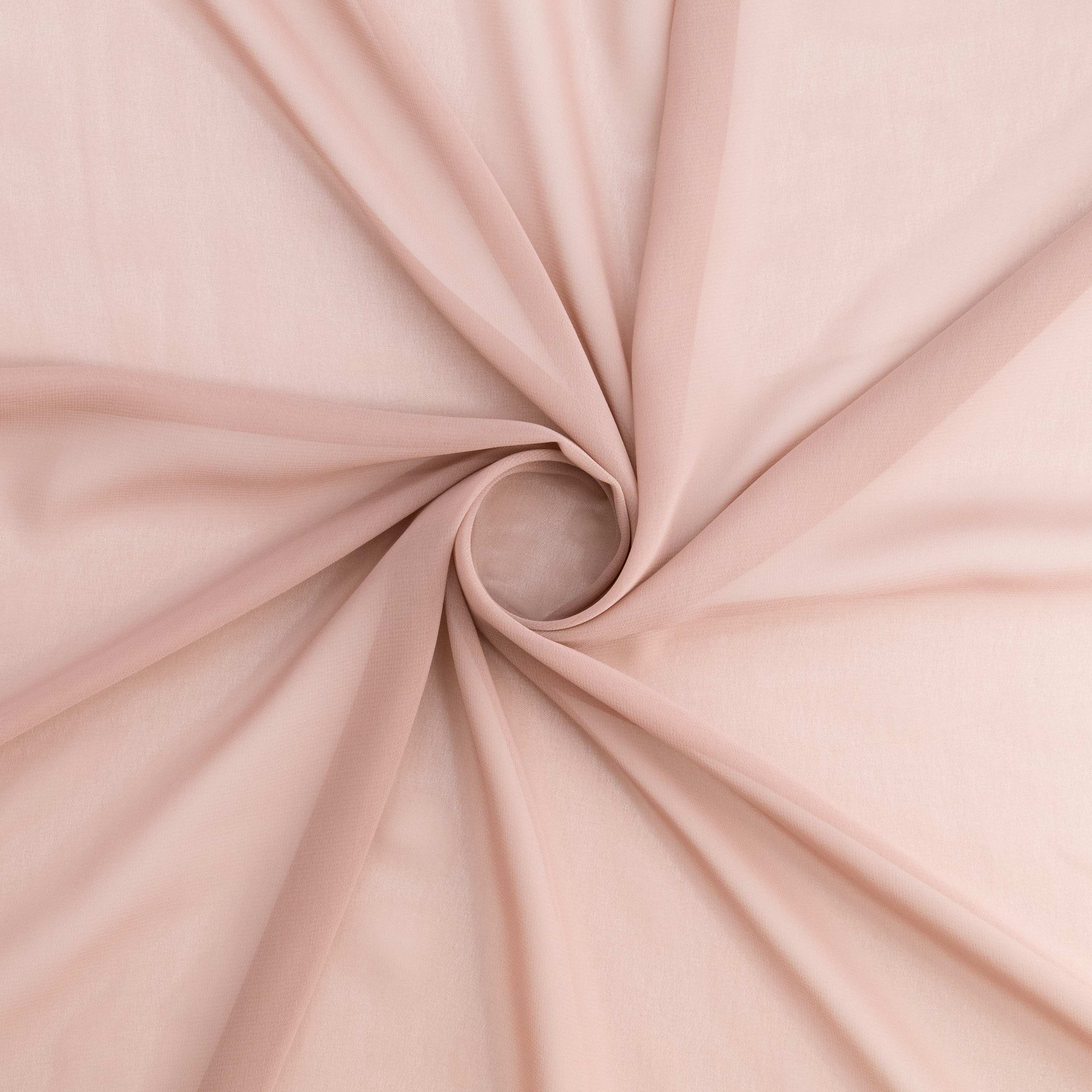
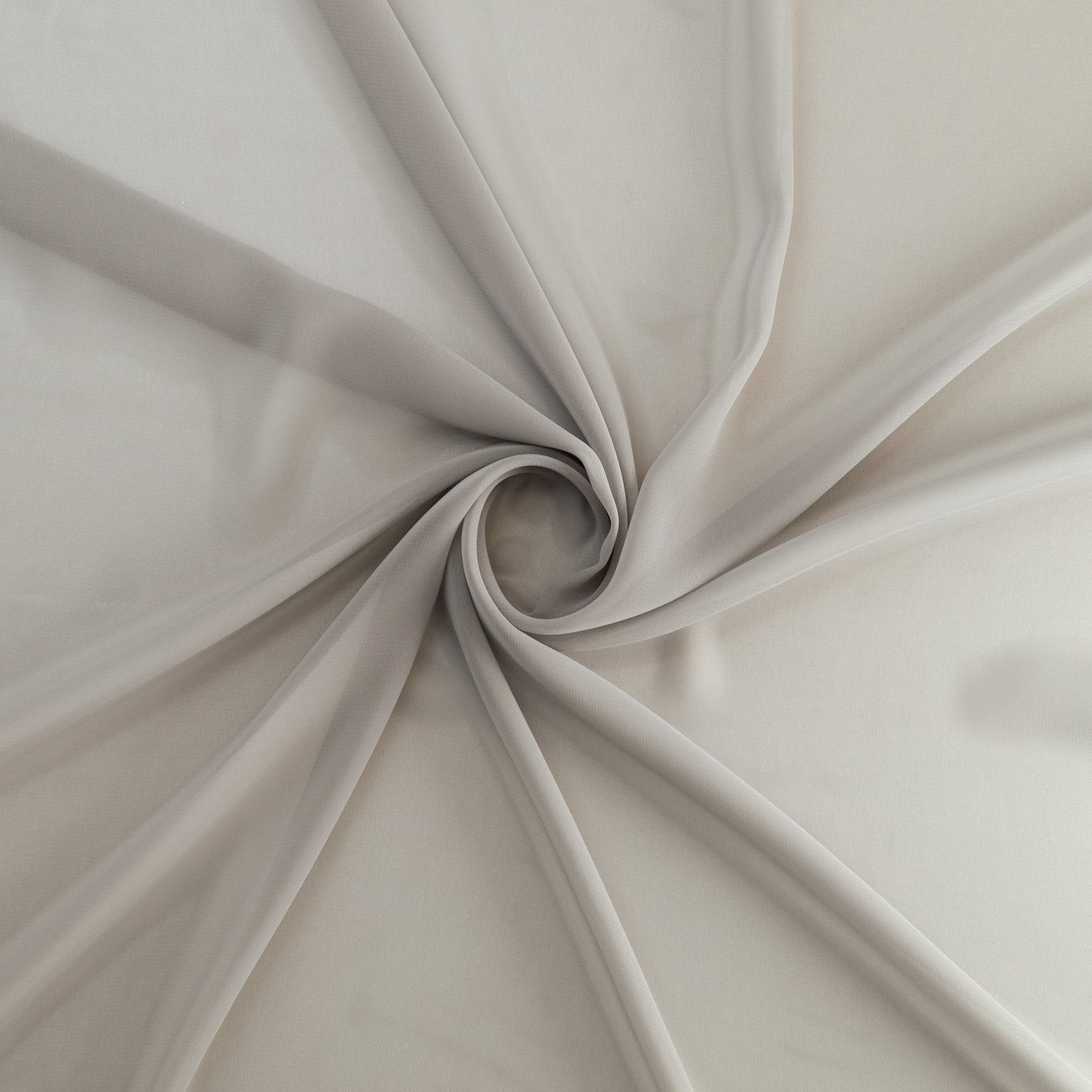
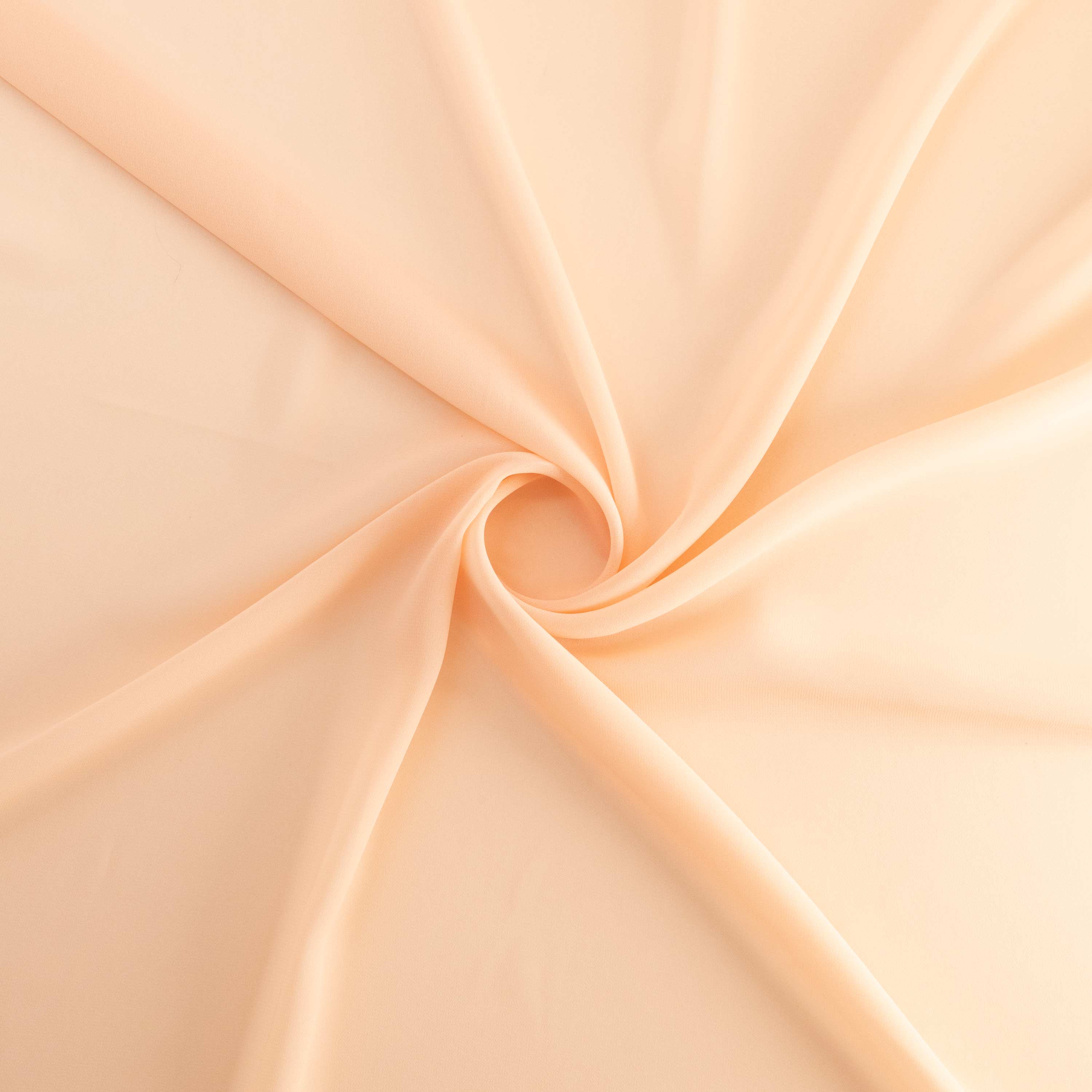
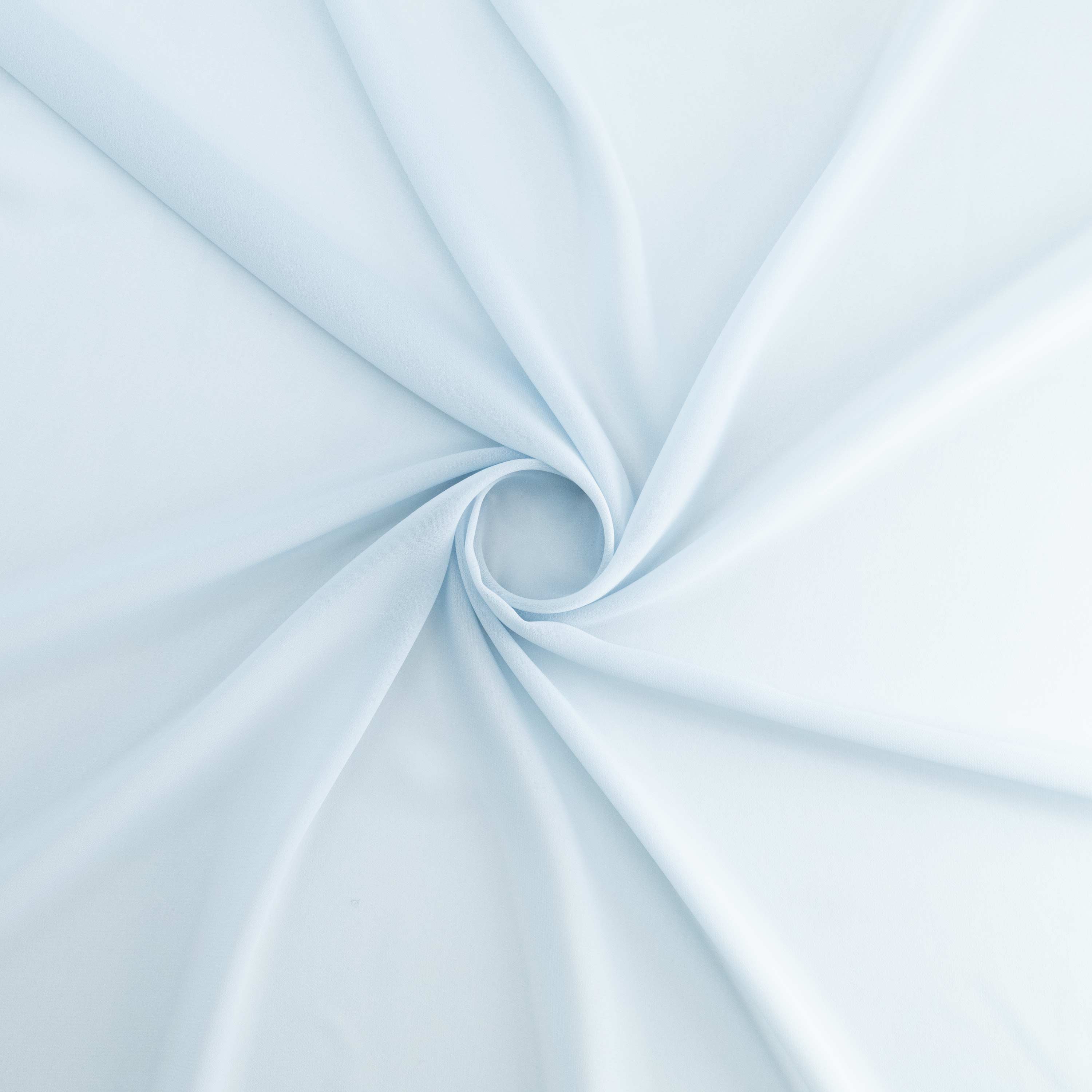
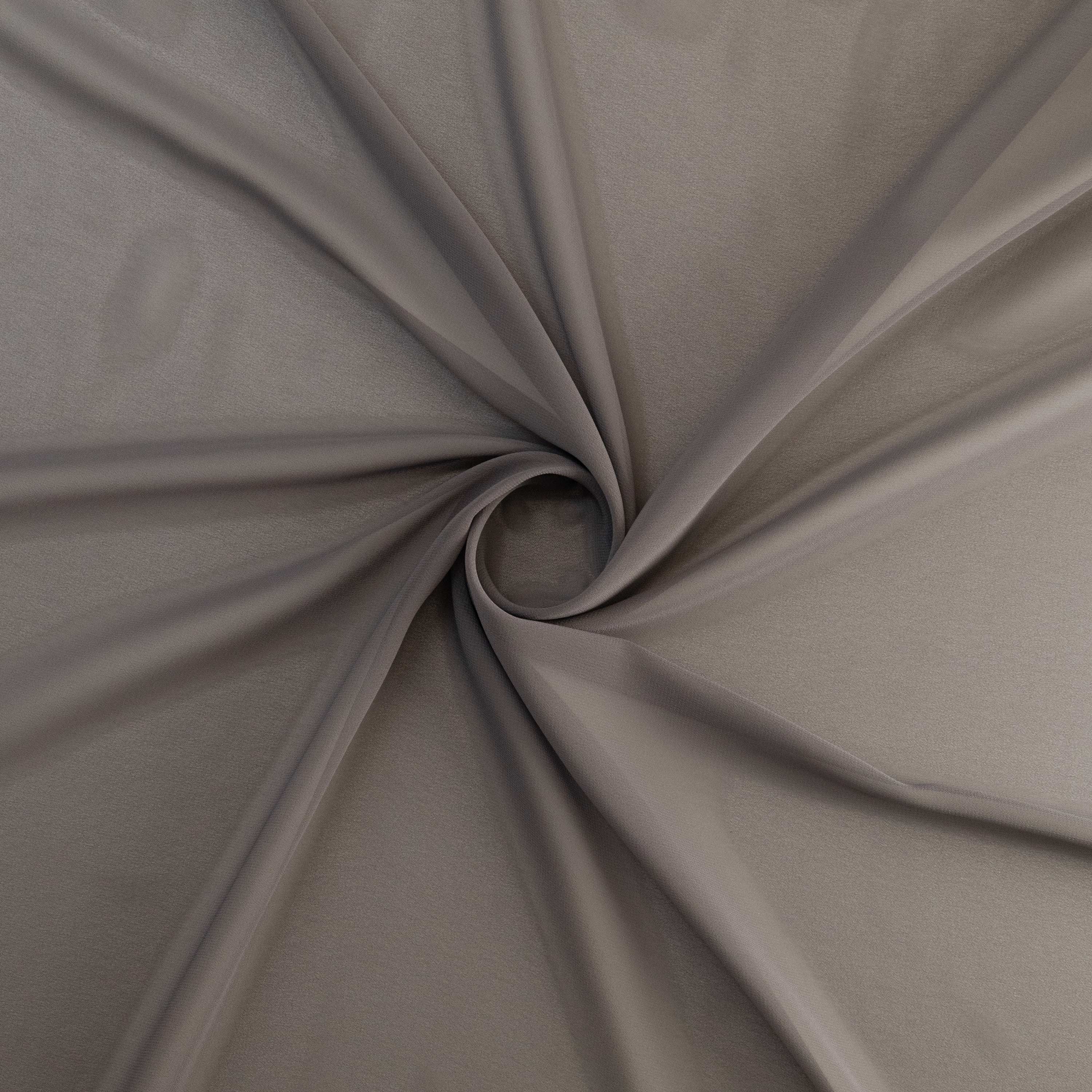
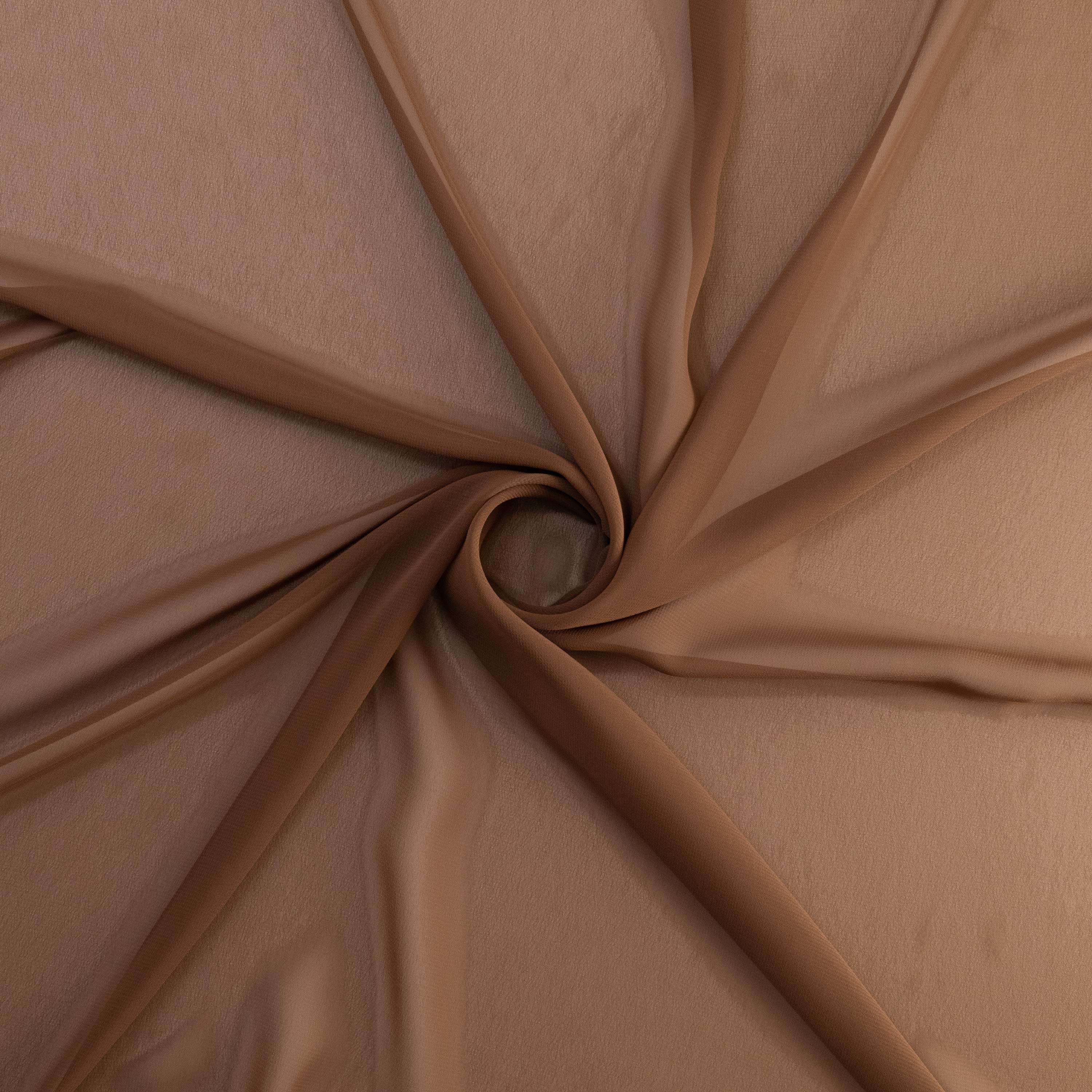
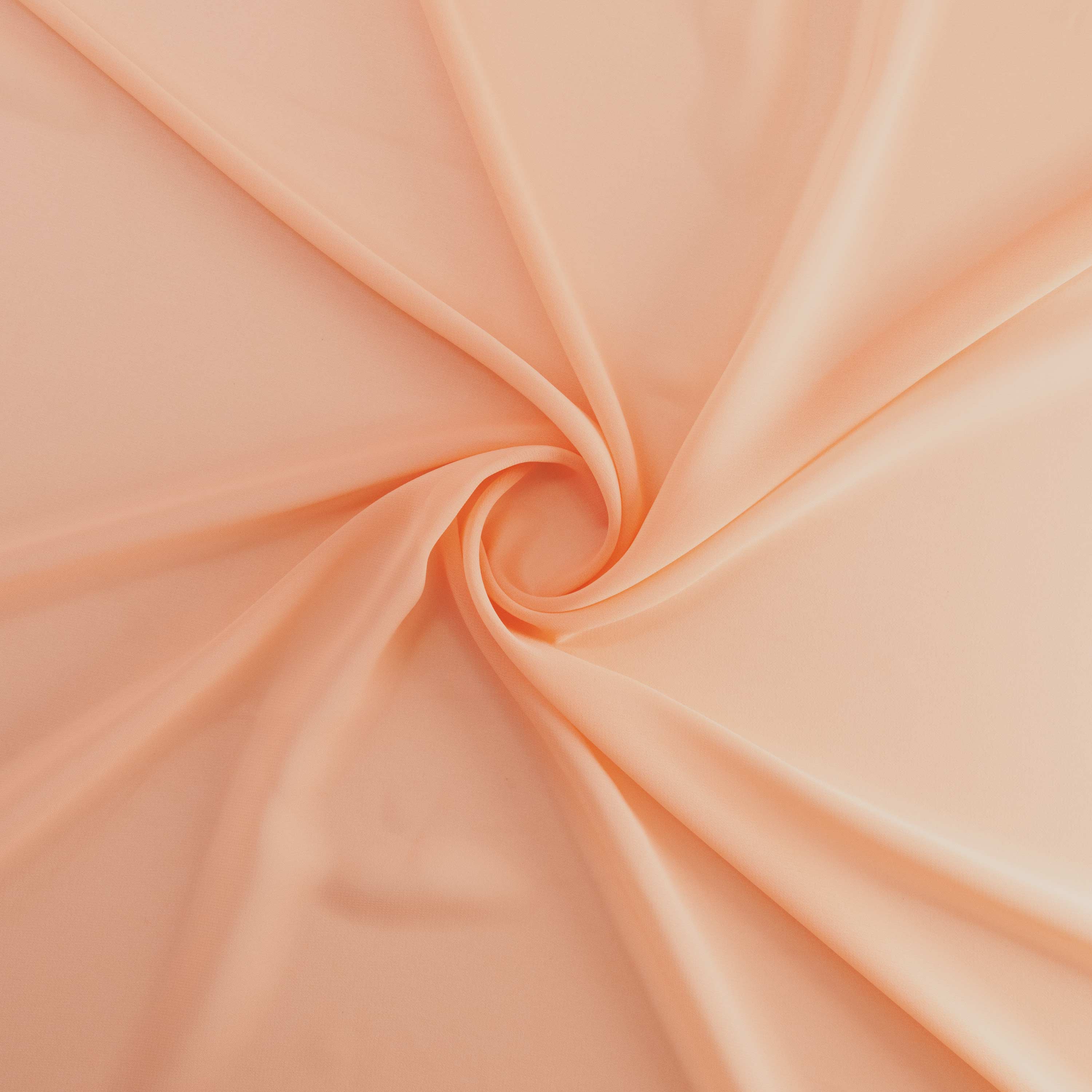
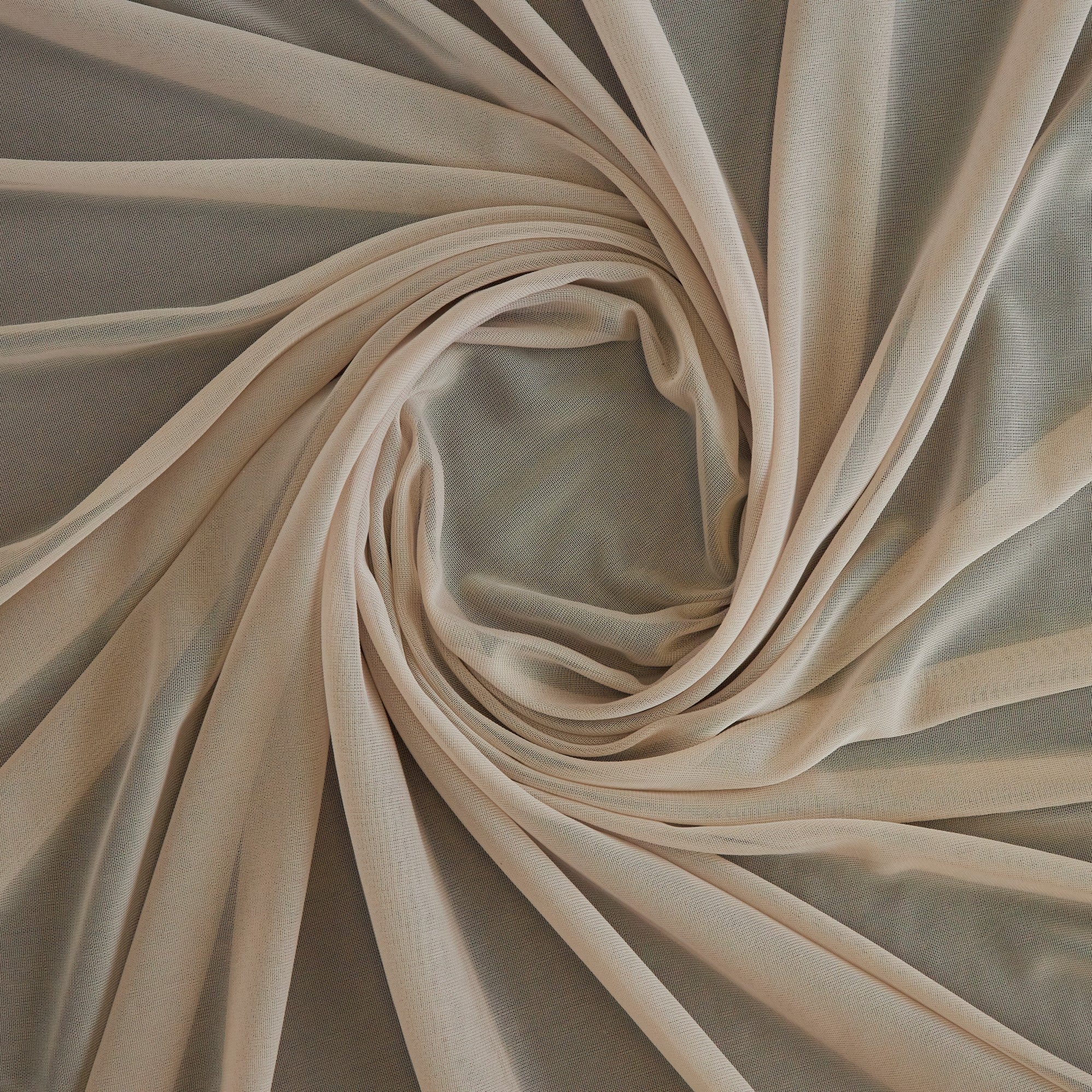
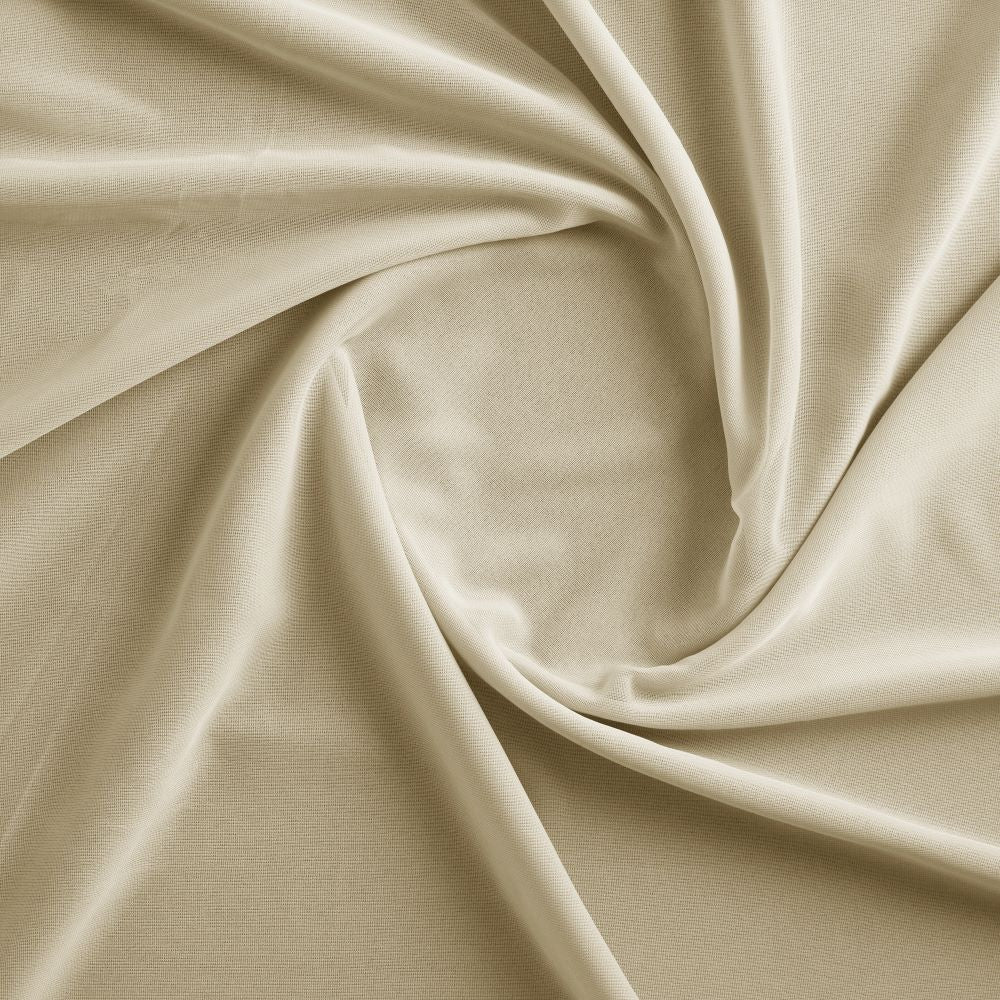
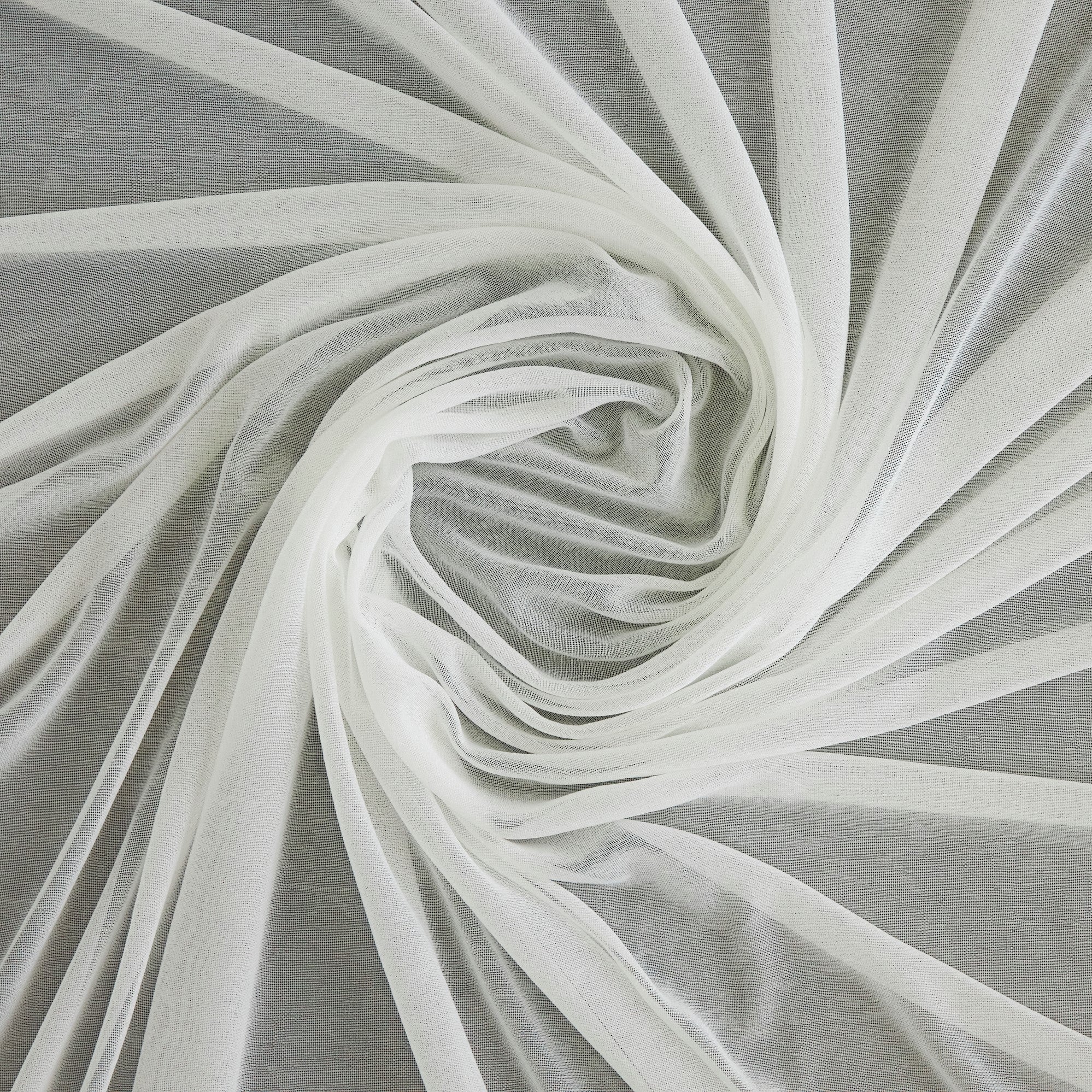
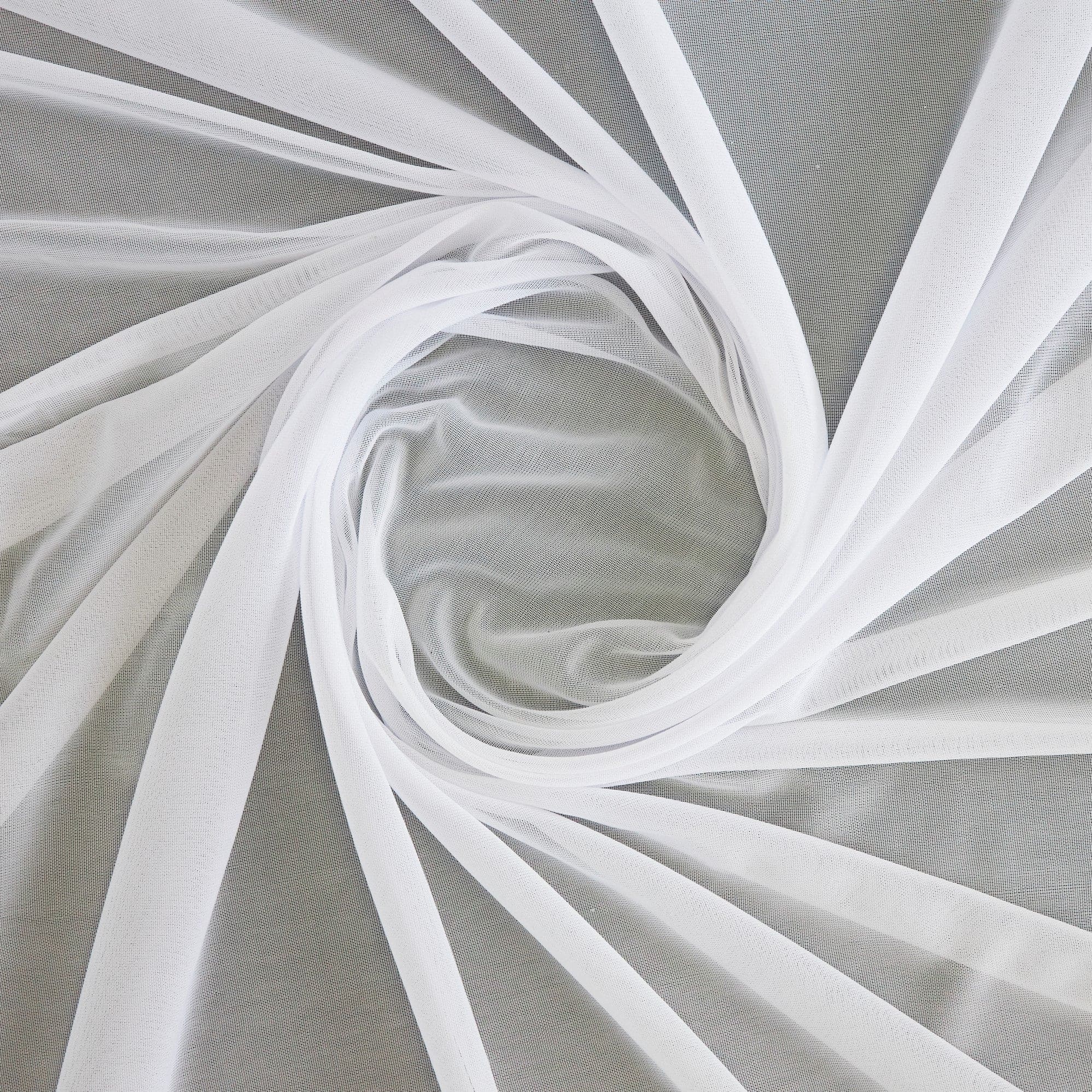
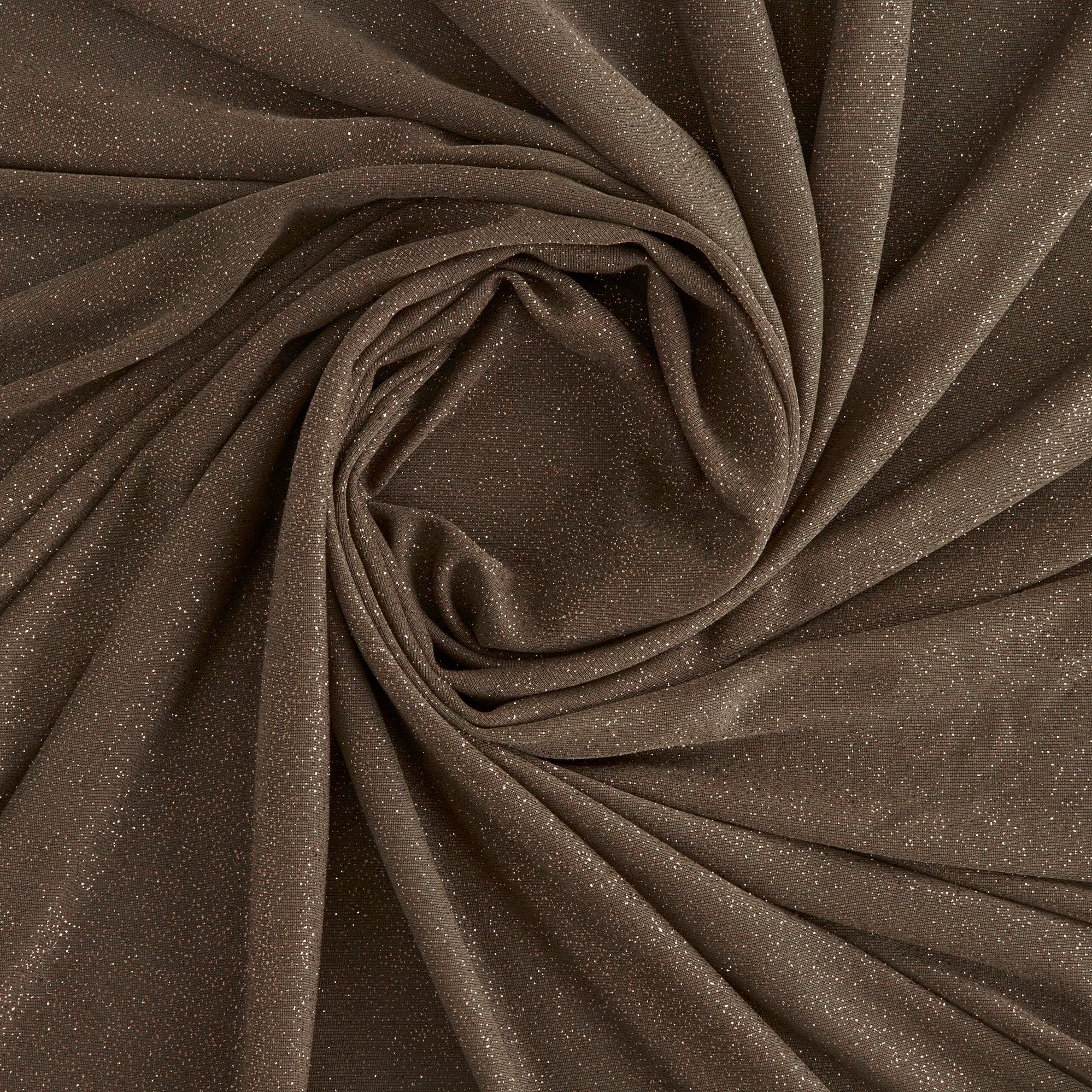
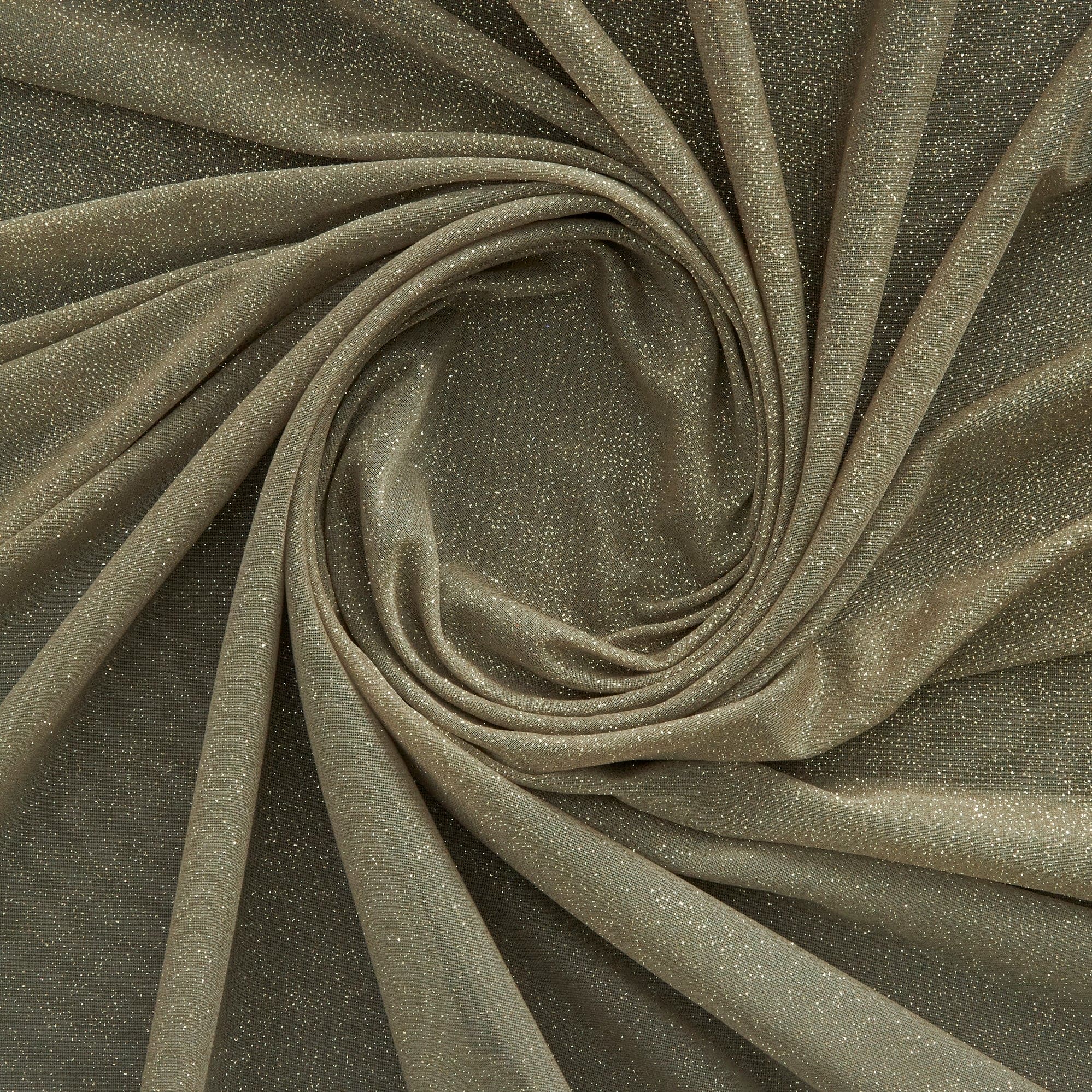
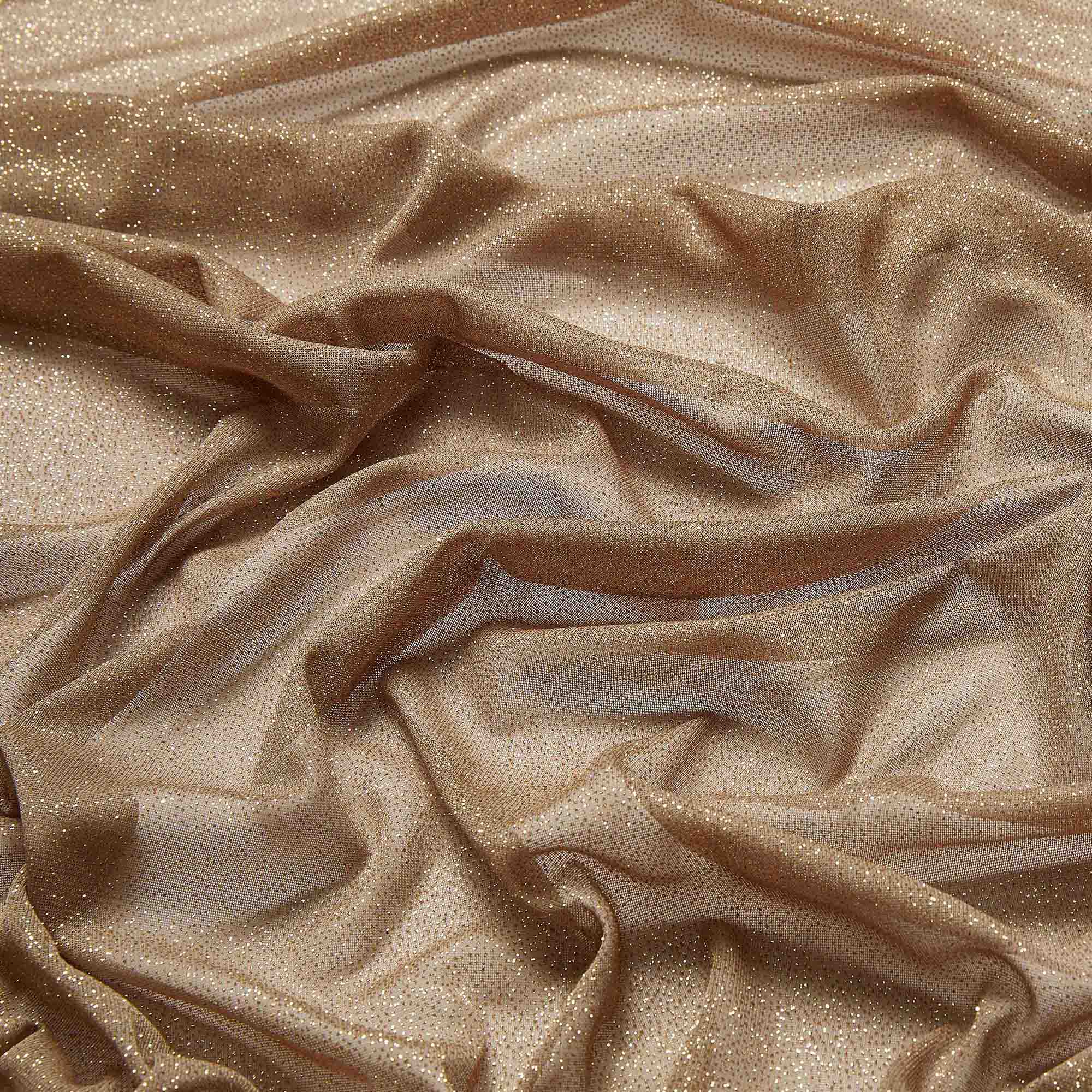
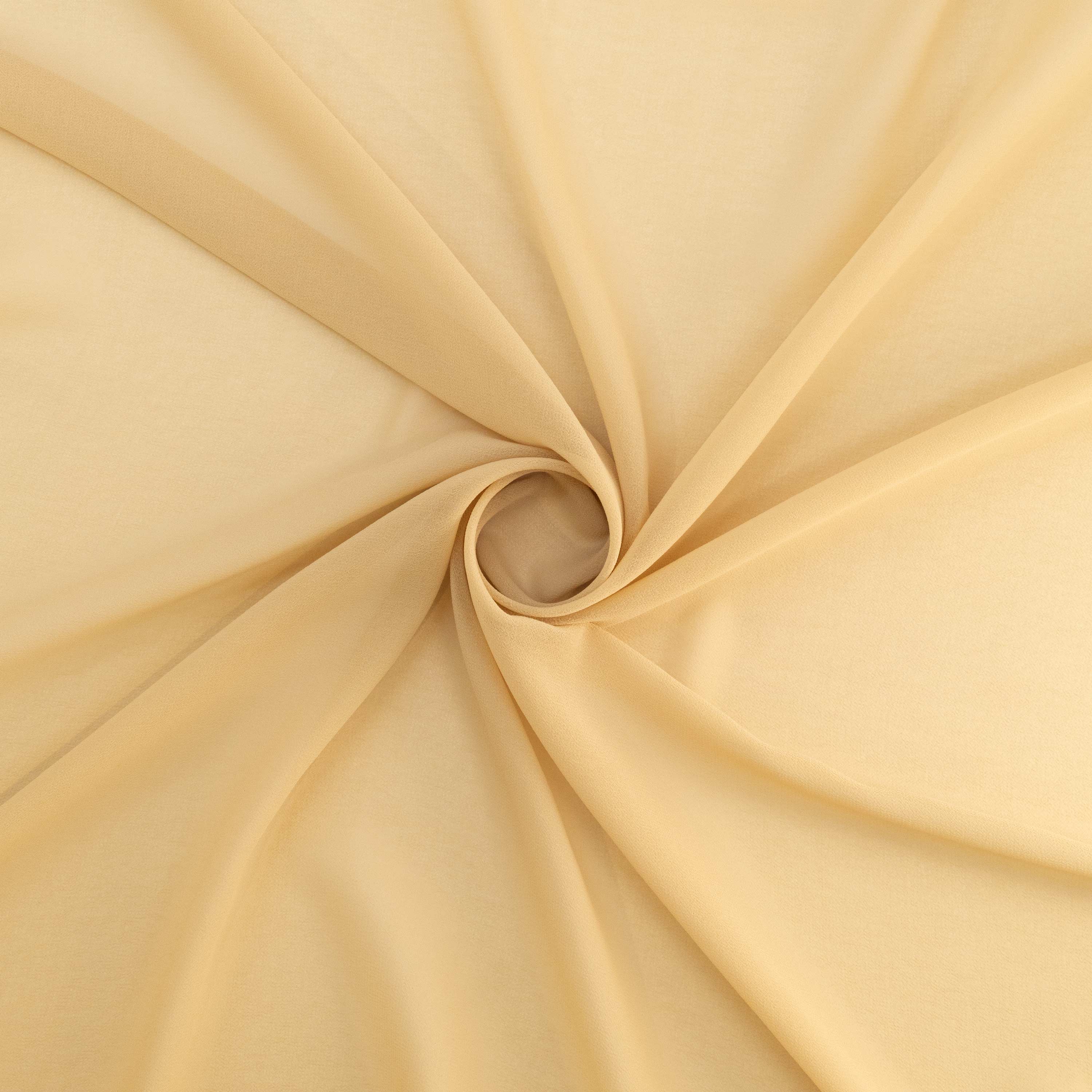
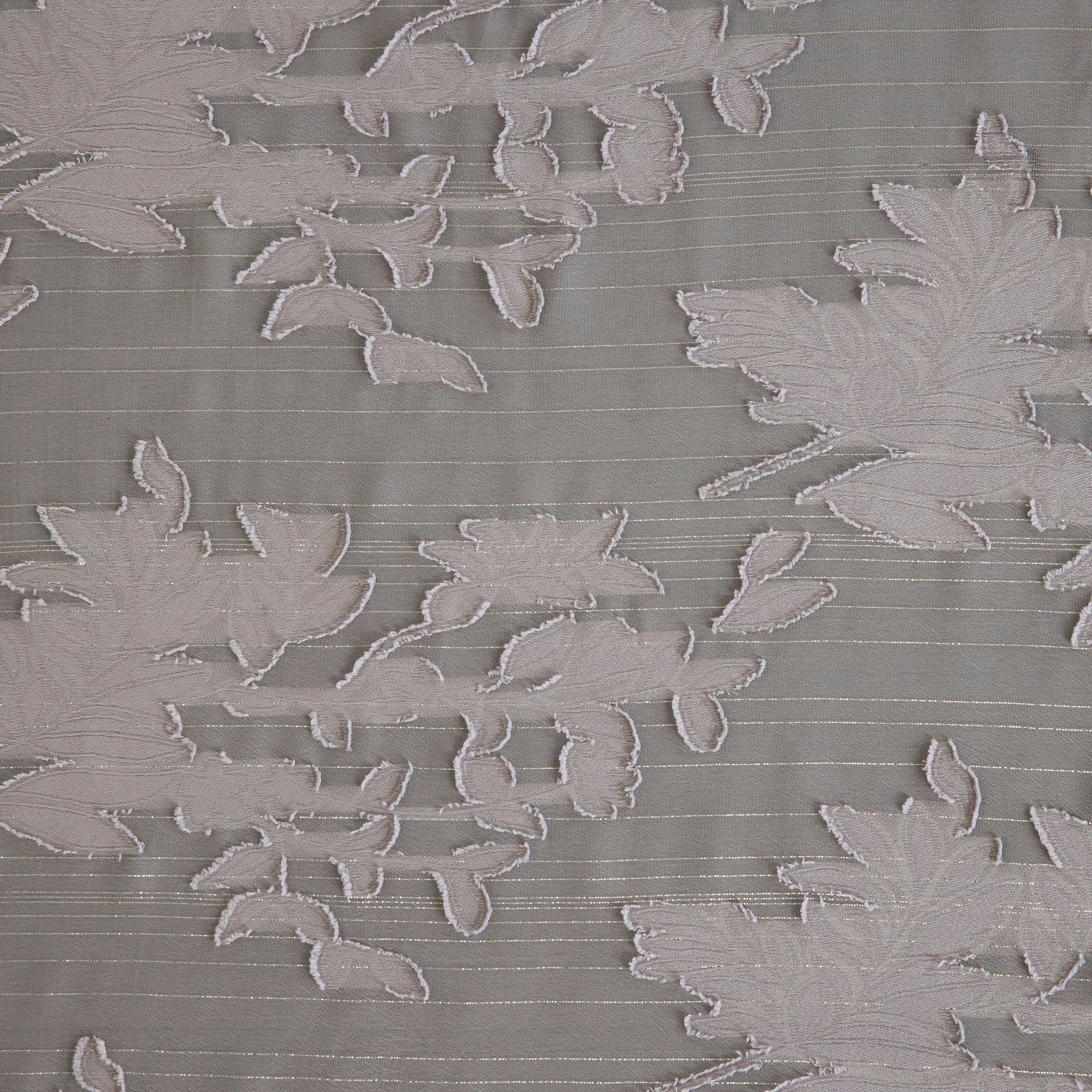
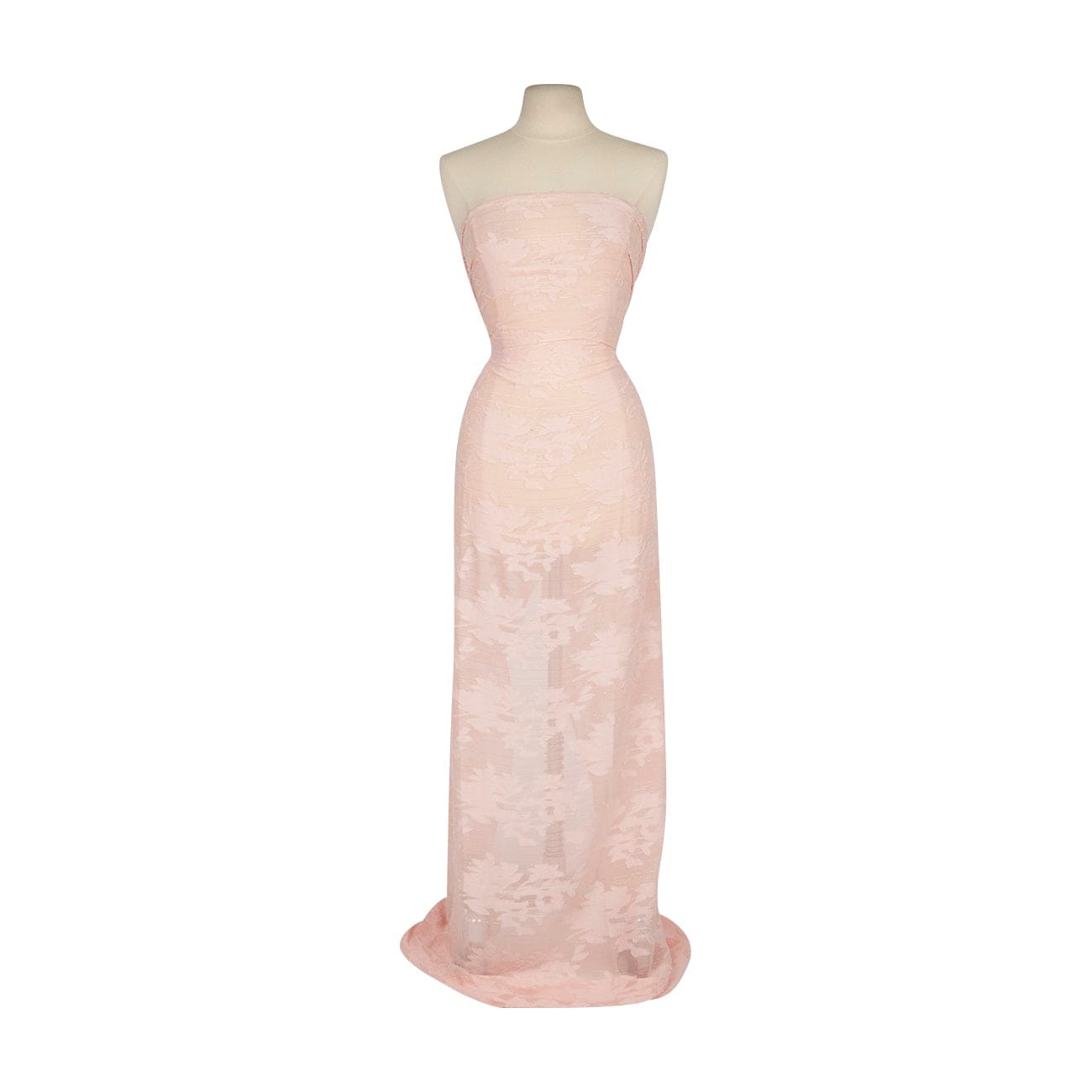
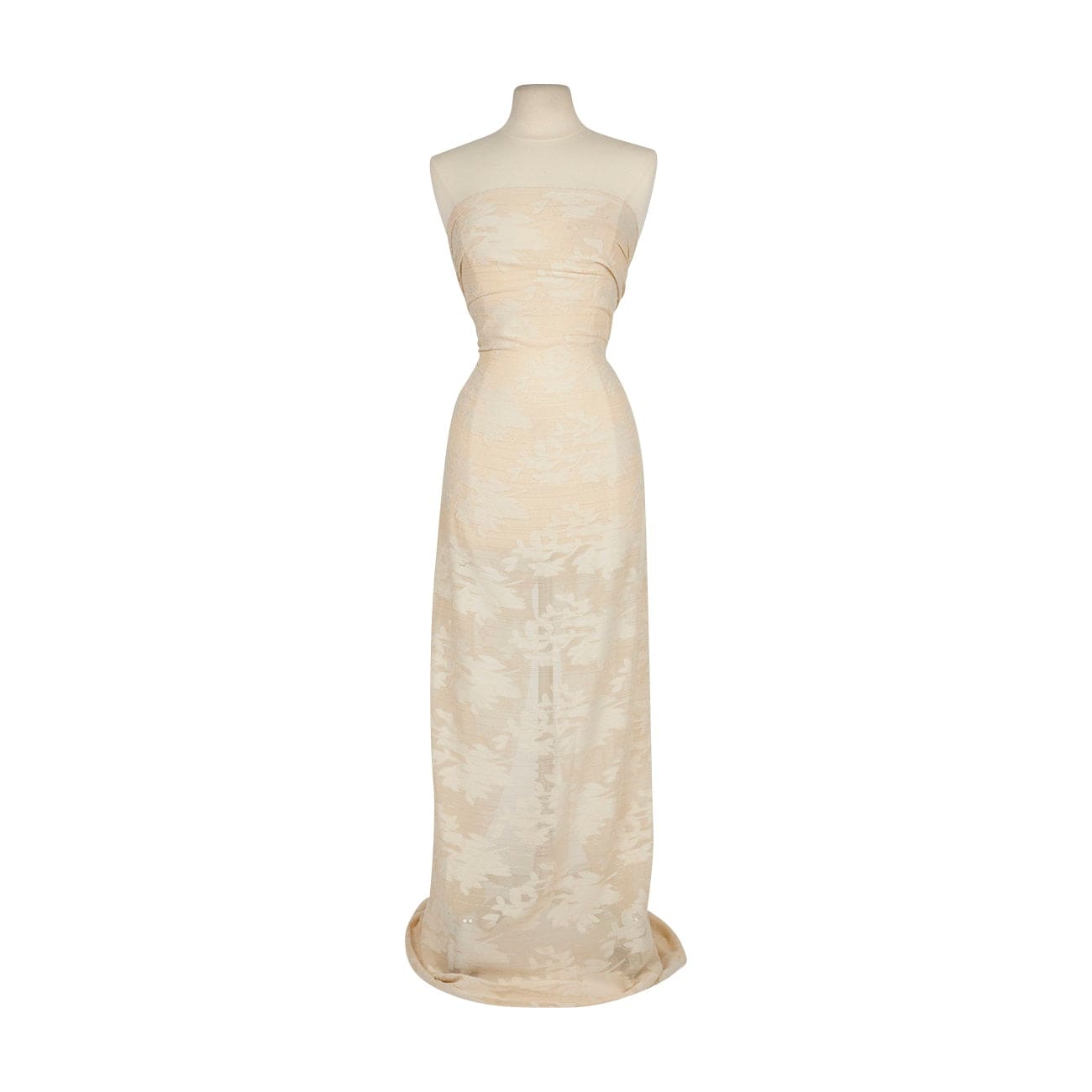
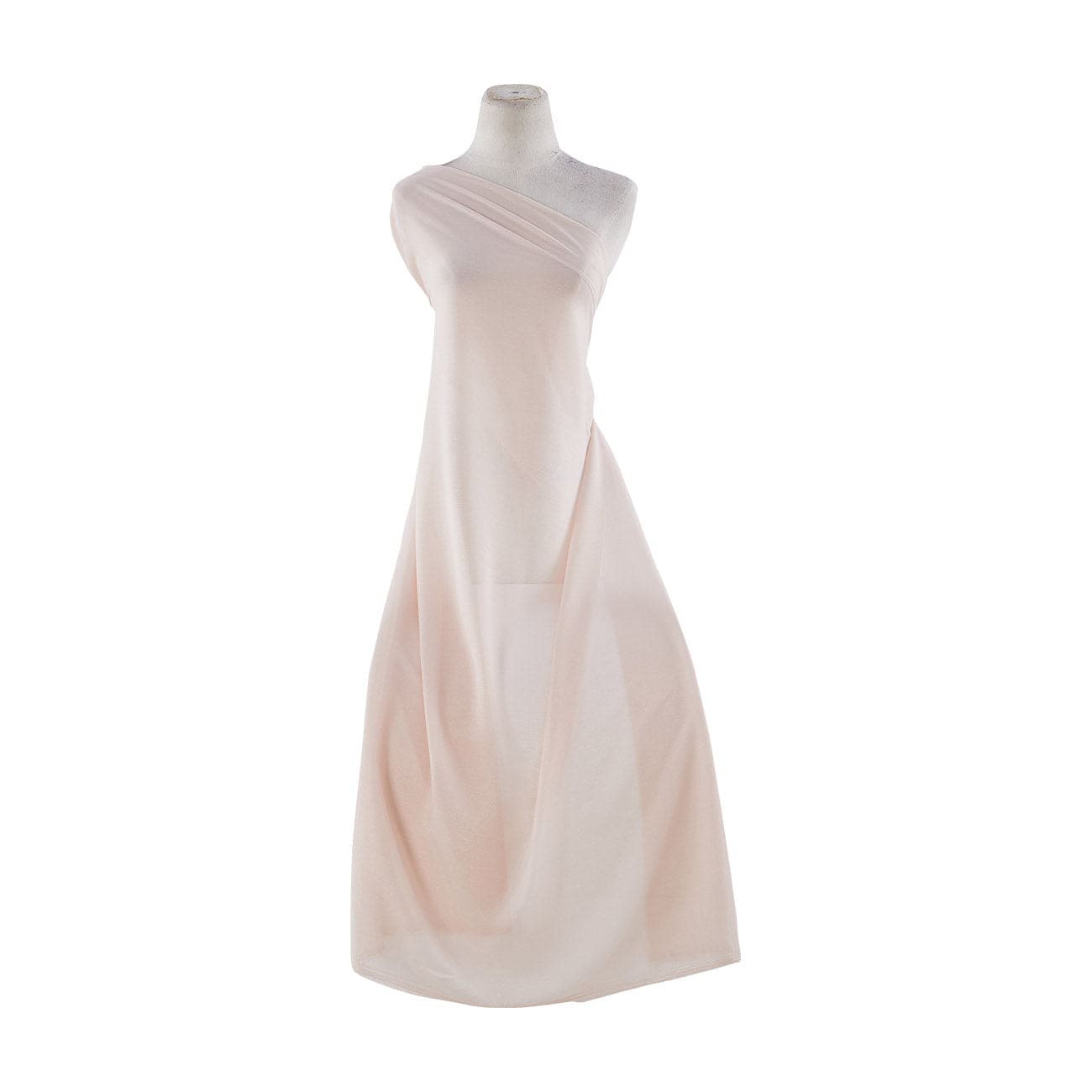
Beige and champagne chiffon occupy a natural position in bridal design as warm alternatives to white and ivory. Champagne and sand tones photograph with a warmth and richness that cool ivory cannot match, and they flatter warm and olive skin tones particularly well. For non-traditional bridal dressing, deeper beige and taupe chiffon creates a sophisticated, nature-inspired palette that suits outdoor and garden ceremonies. As a lining or underlining fabric beneath sheer bridal outer layers, beige chiffon in a skin-matching tone creates the most natural, invisible base — the neutral tone reads through the sheer outer layer without the stark contrast of a white underlining.
Resort and Warm-Weather Dressing
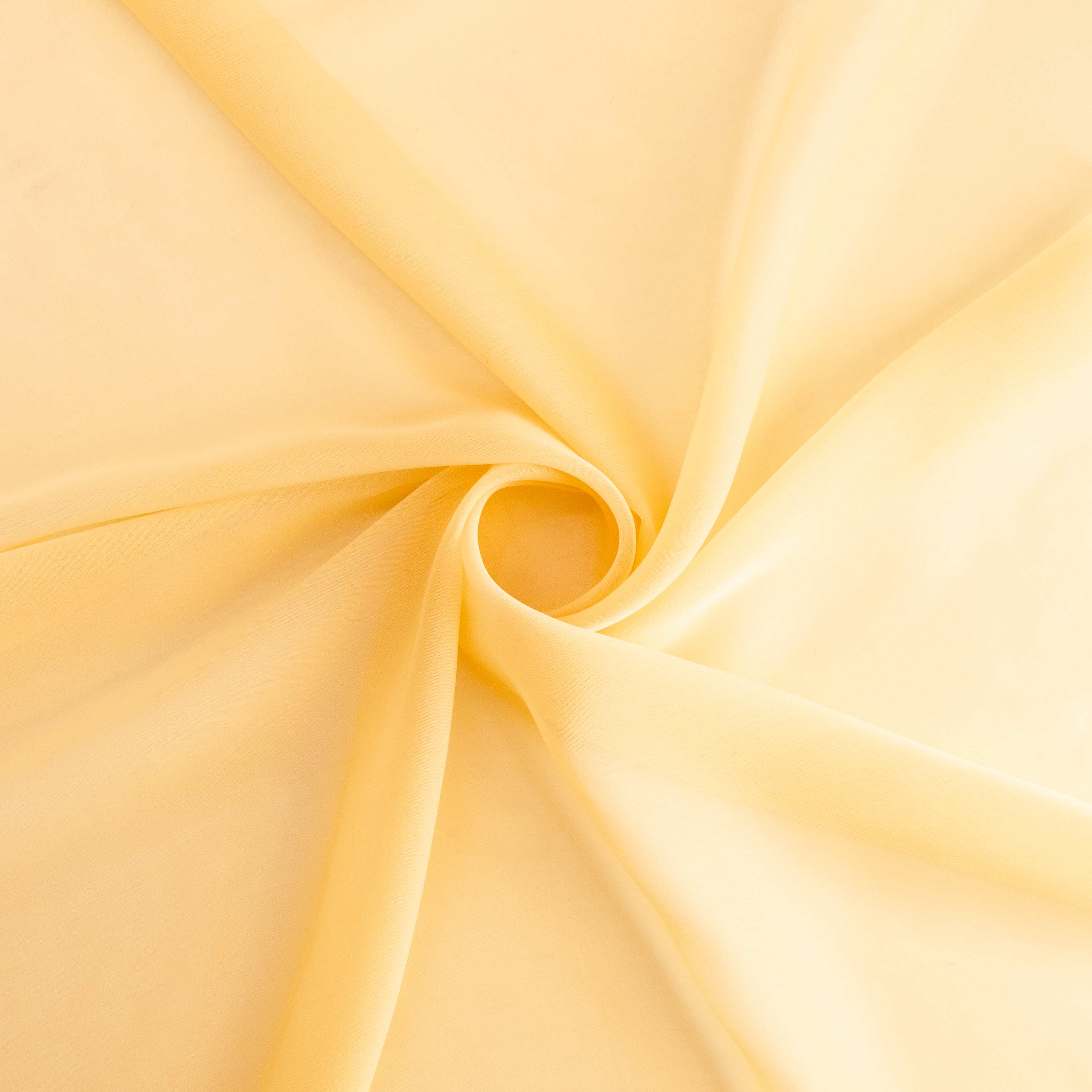
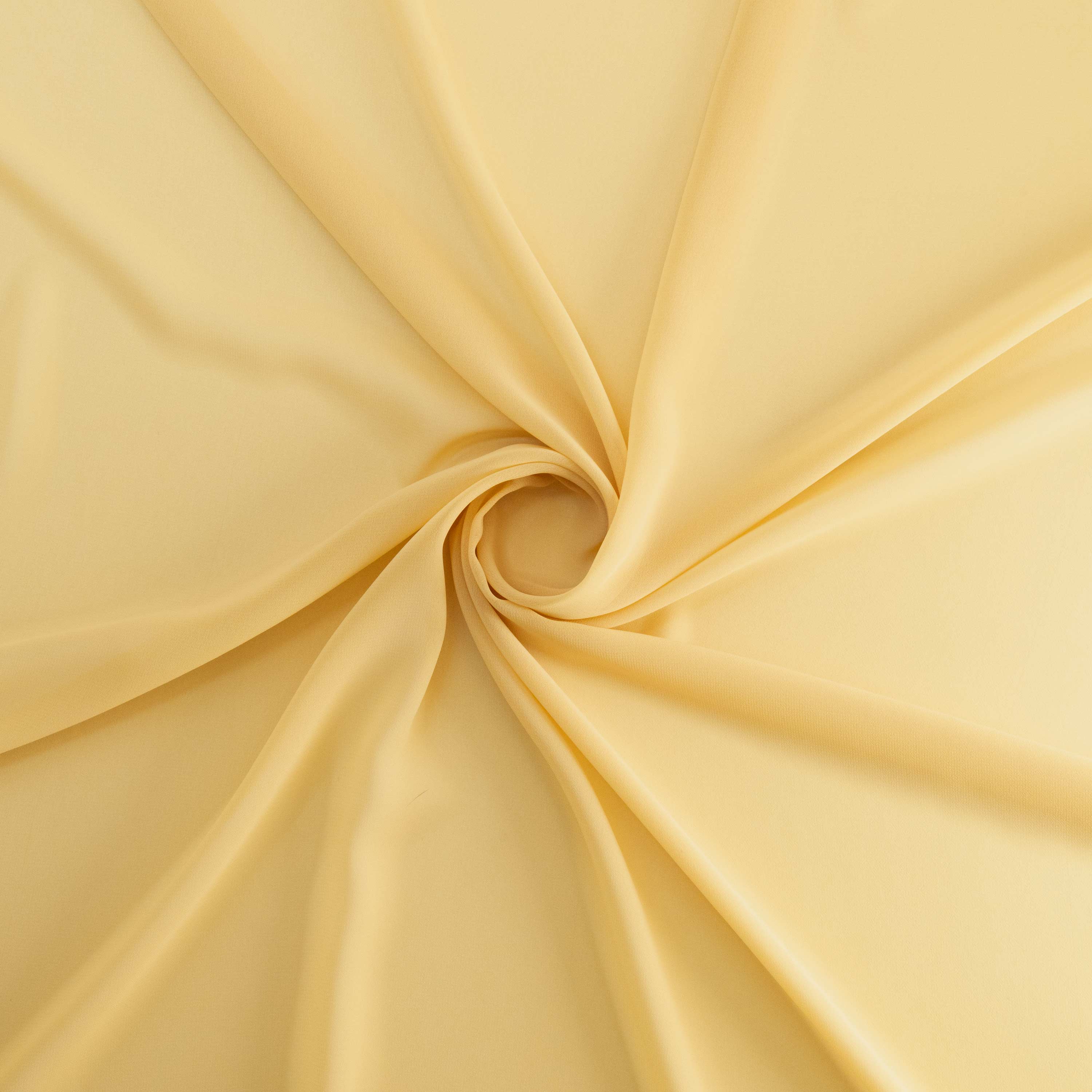
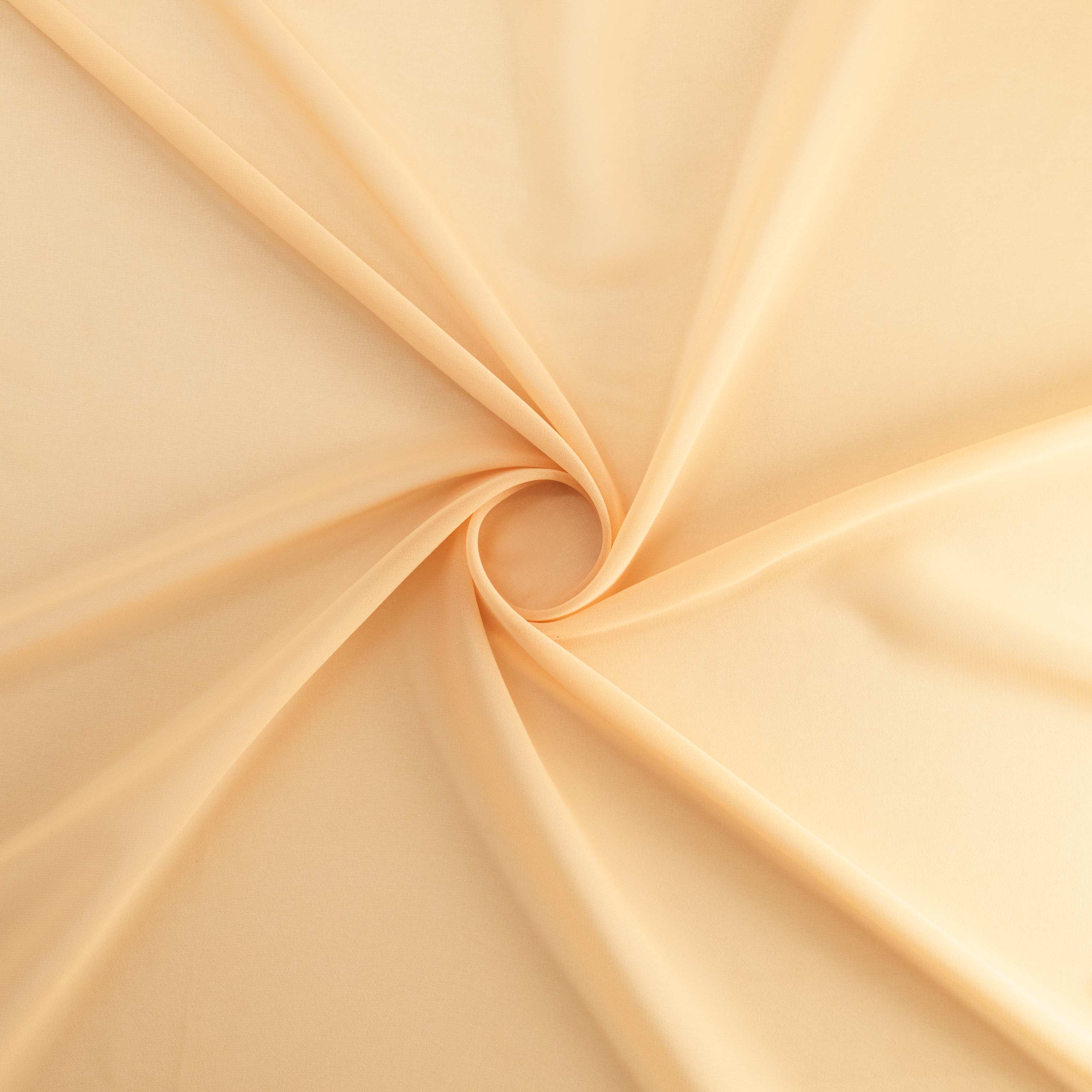
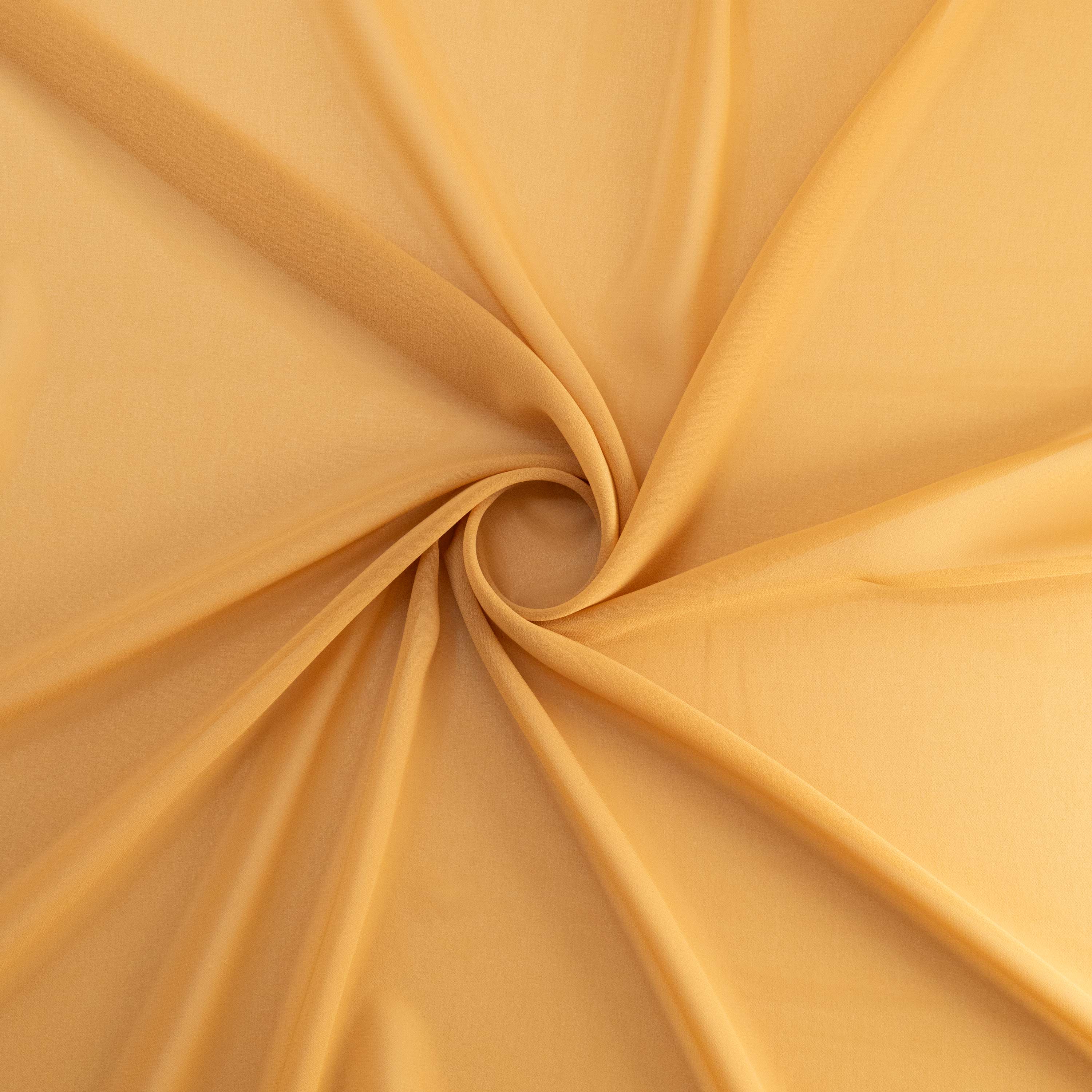
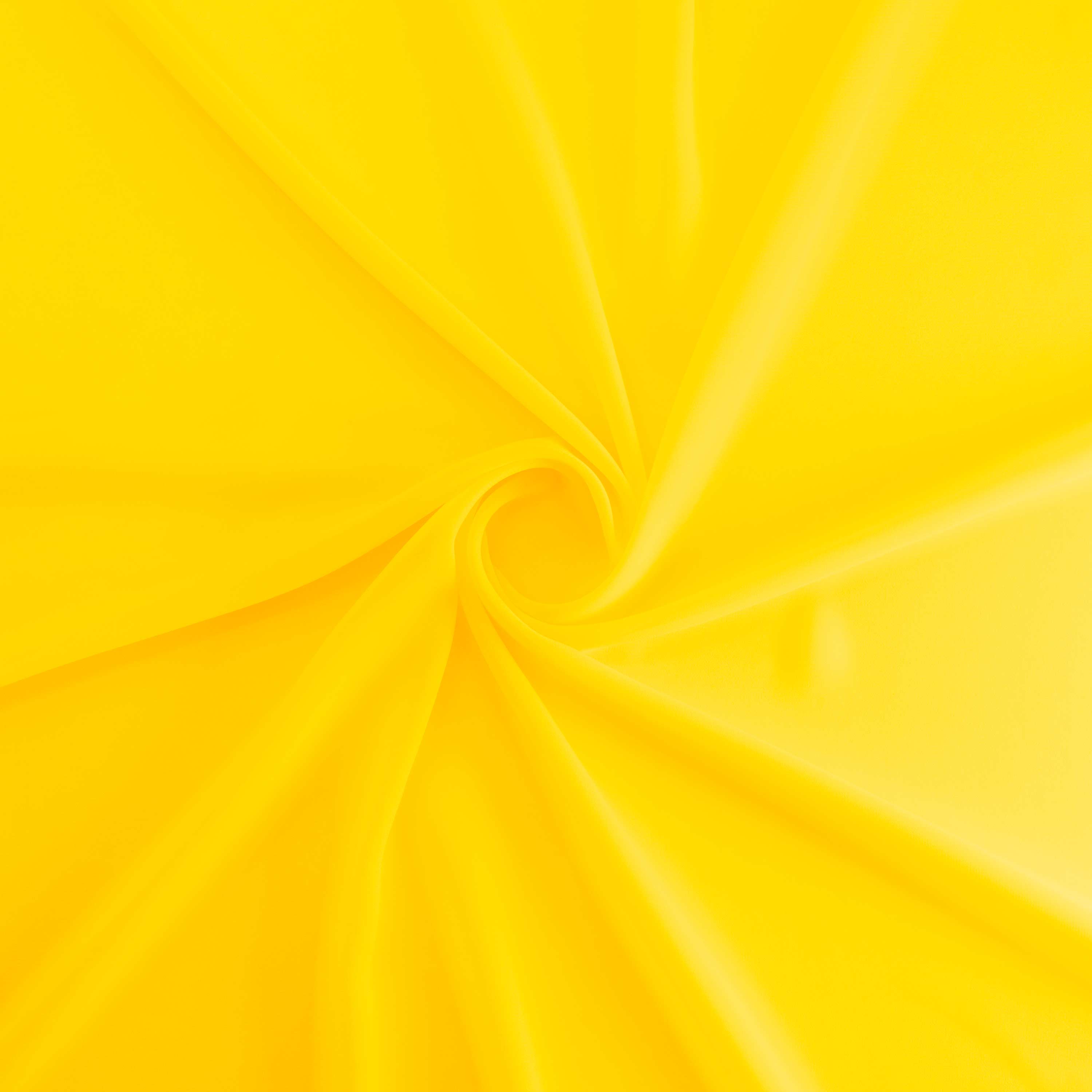
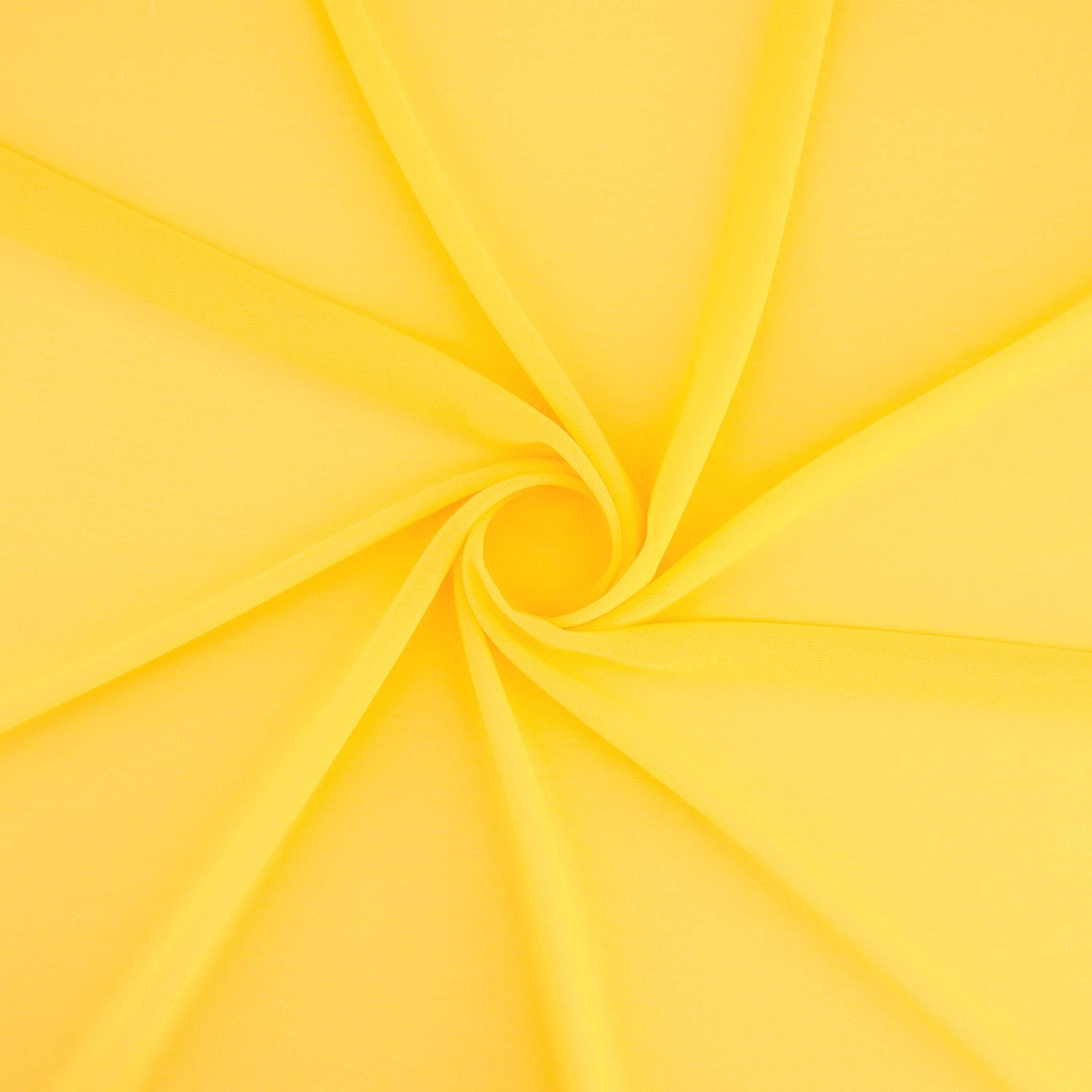
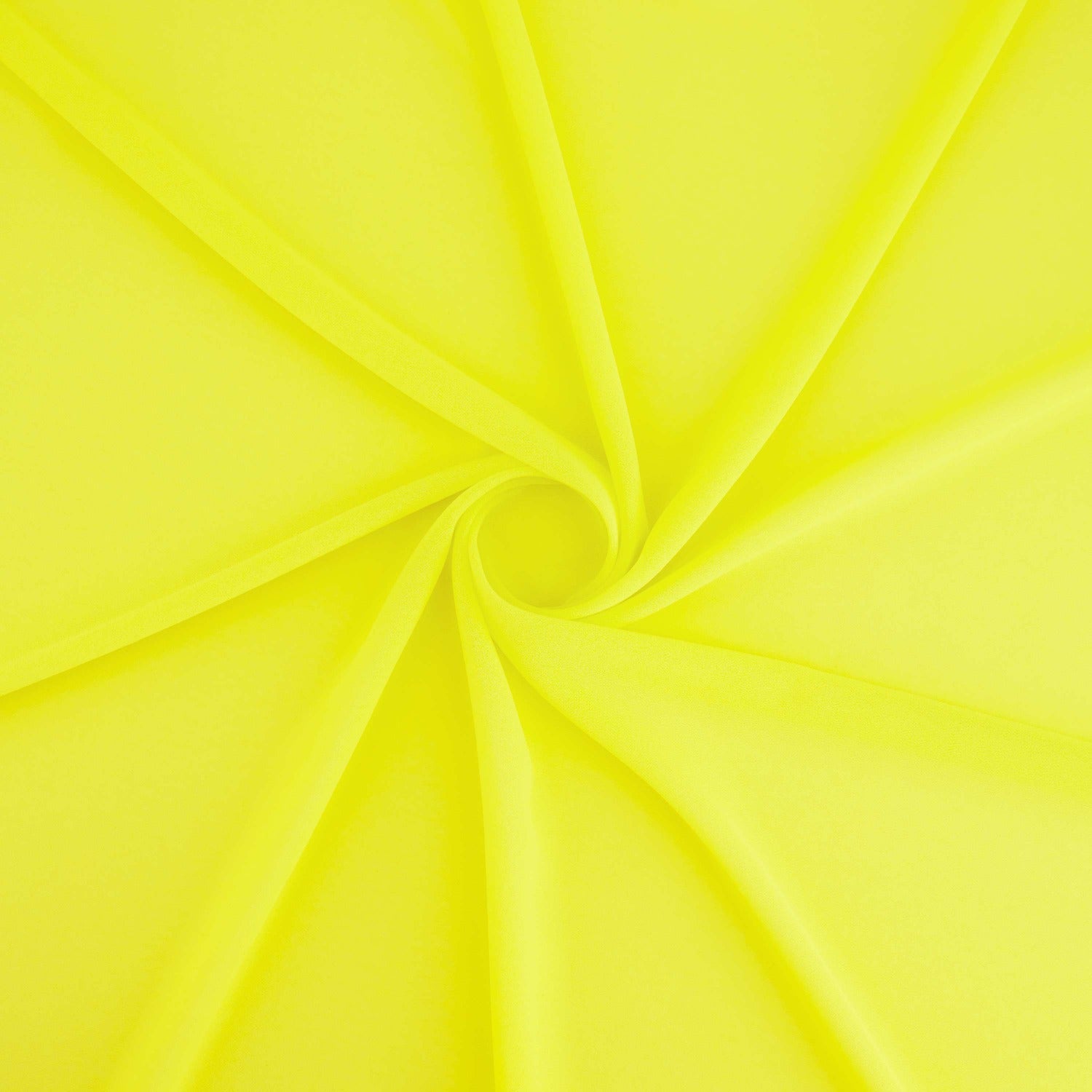
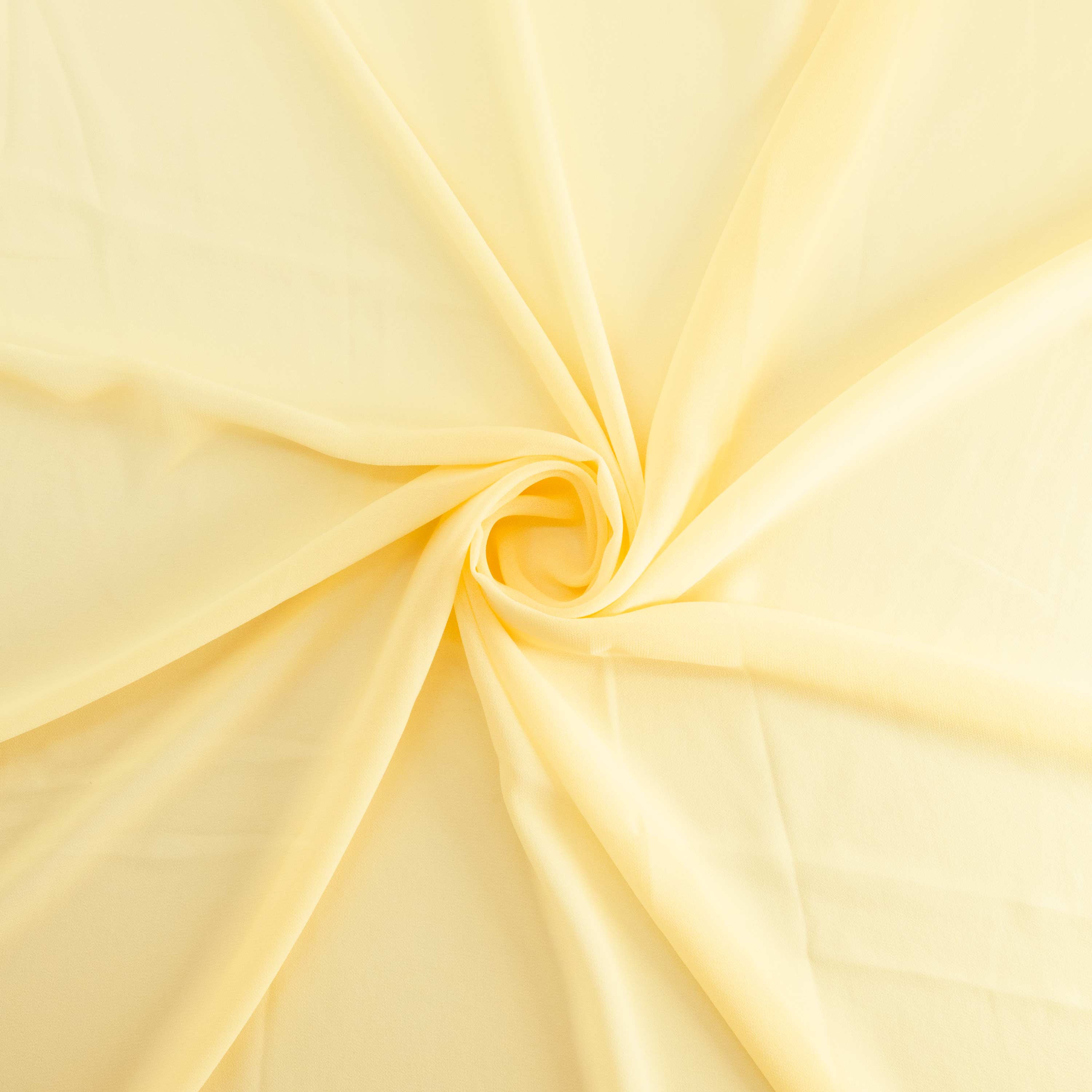
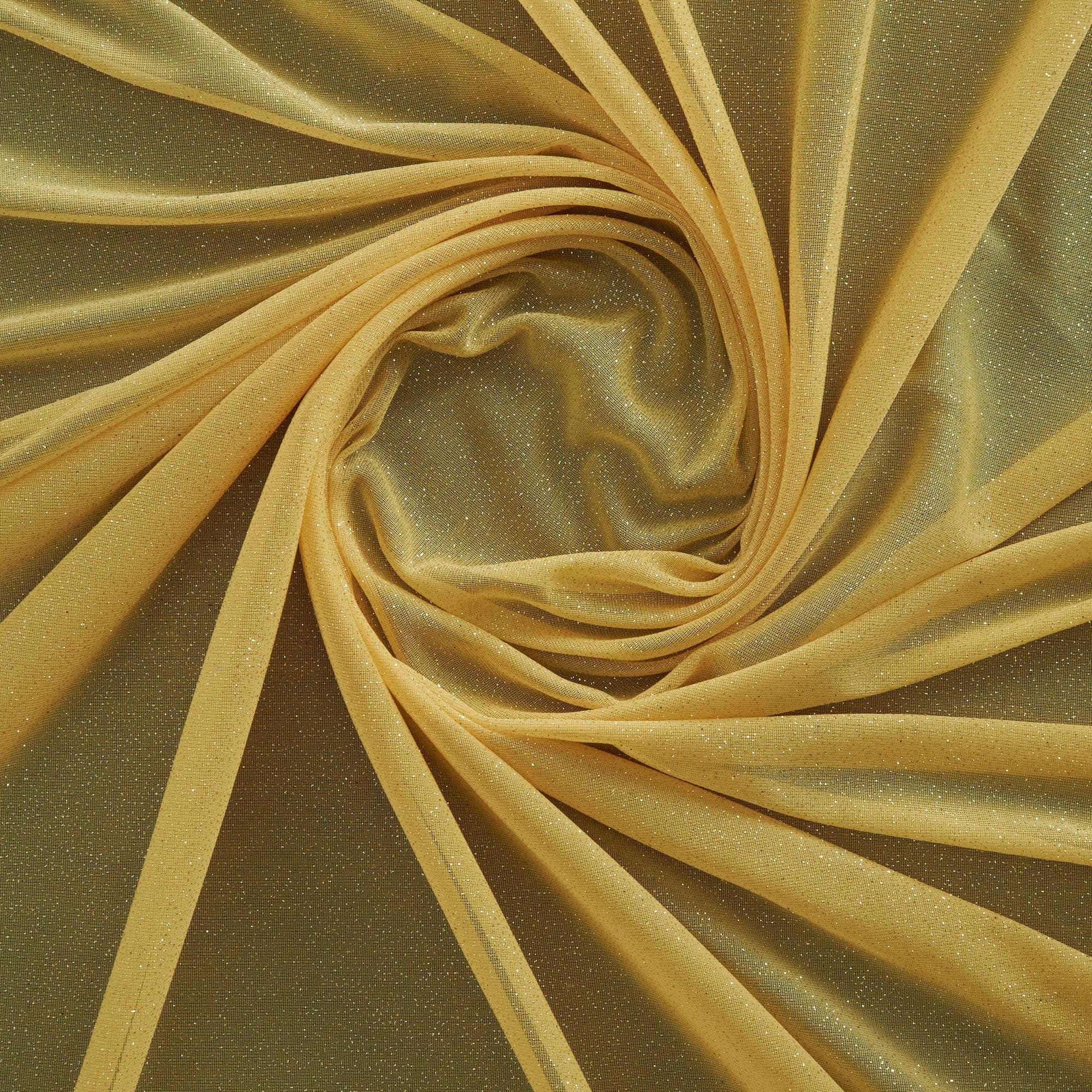
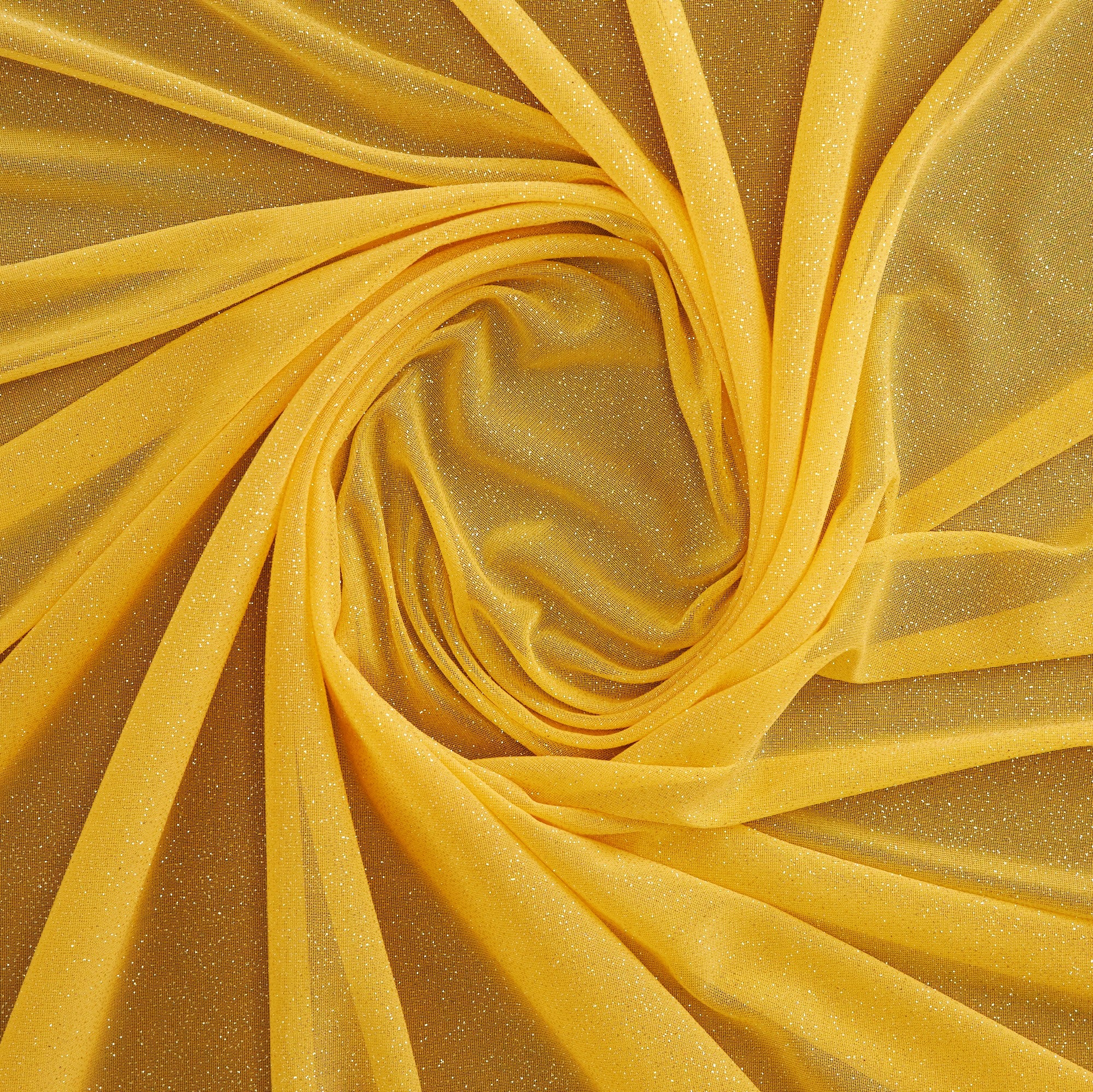
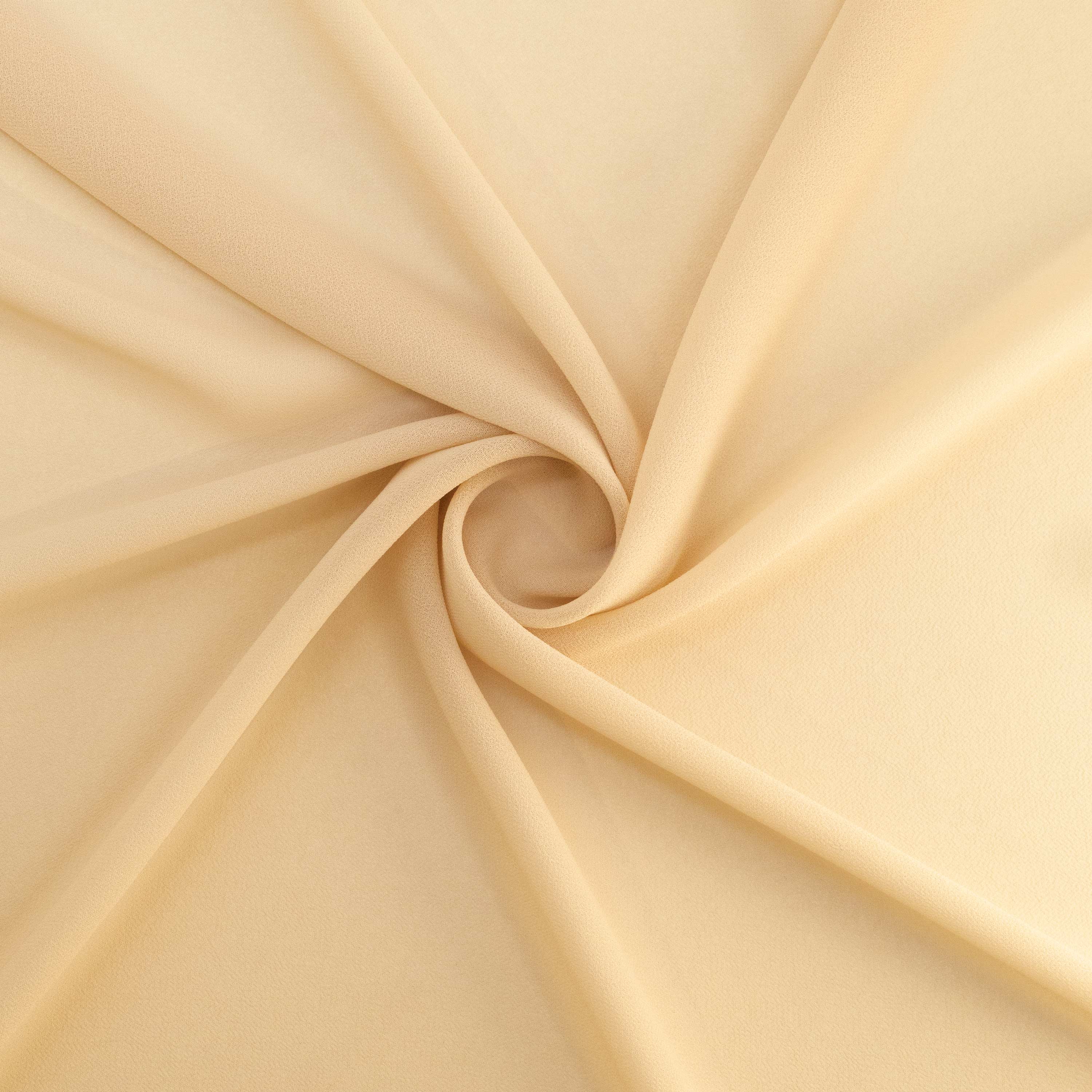
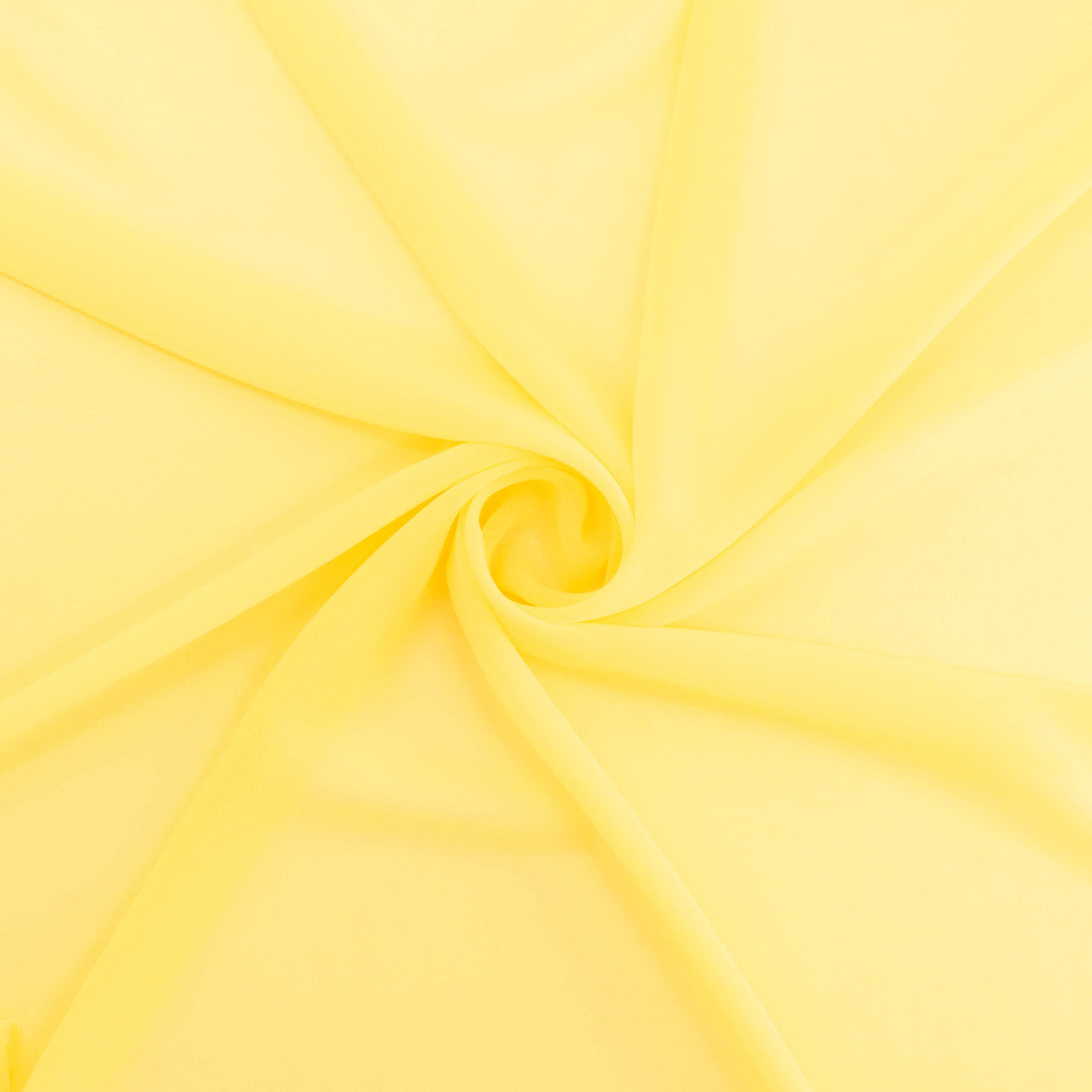
Sand, natural, and warm beige chiffon tones are resort wardrobe essentials. Their association with beaches, warm light, and natural materials makes them instinctively at home in warm-weather design contexts — kaftans, wrap dresses, wide-leg pants, and cover-ups in beige chiffon read as effortlessly sophisticated without requiring additional styling. For sun-inspired warm-weather palettes, beige chiffon coordinates naturally with yellow chiffon fabric — the warmth of beige and the brightness of yellow create a layered, light-filled combination that suits resort and outdoor occasion dressing.
Blouses and Contemporary Dressing
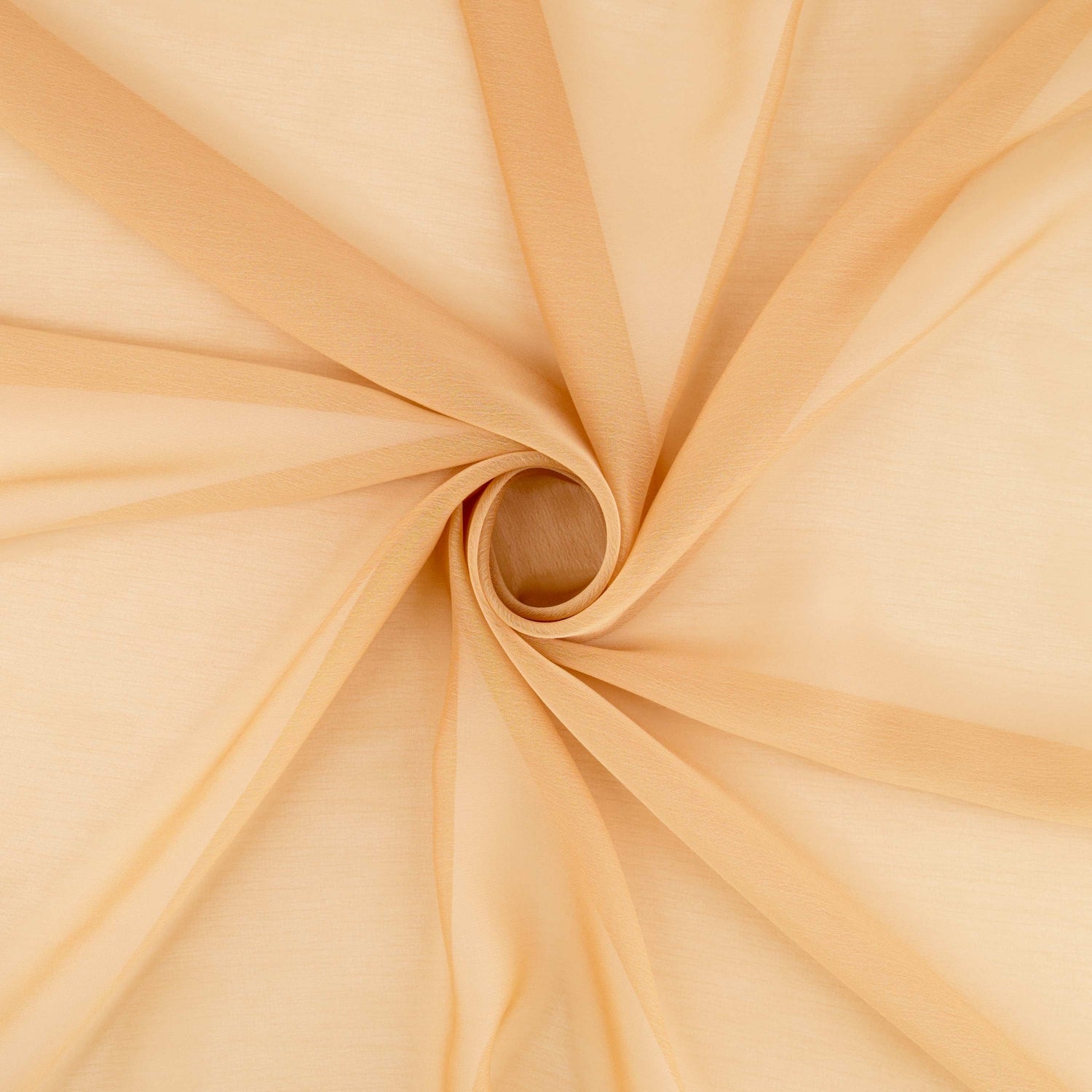
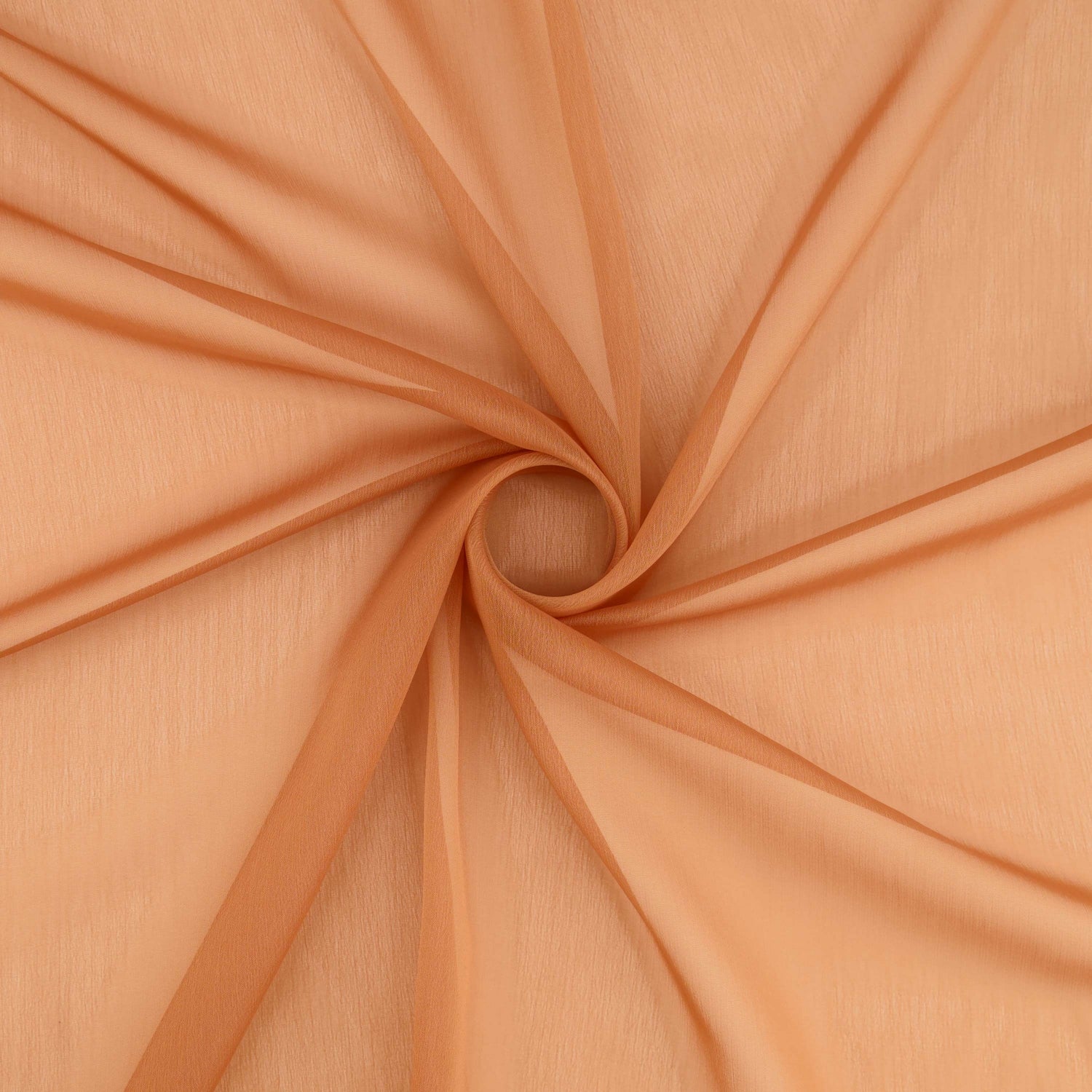
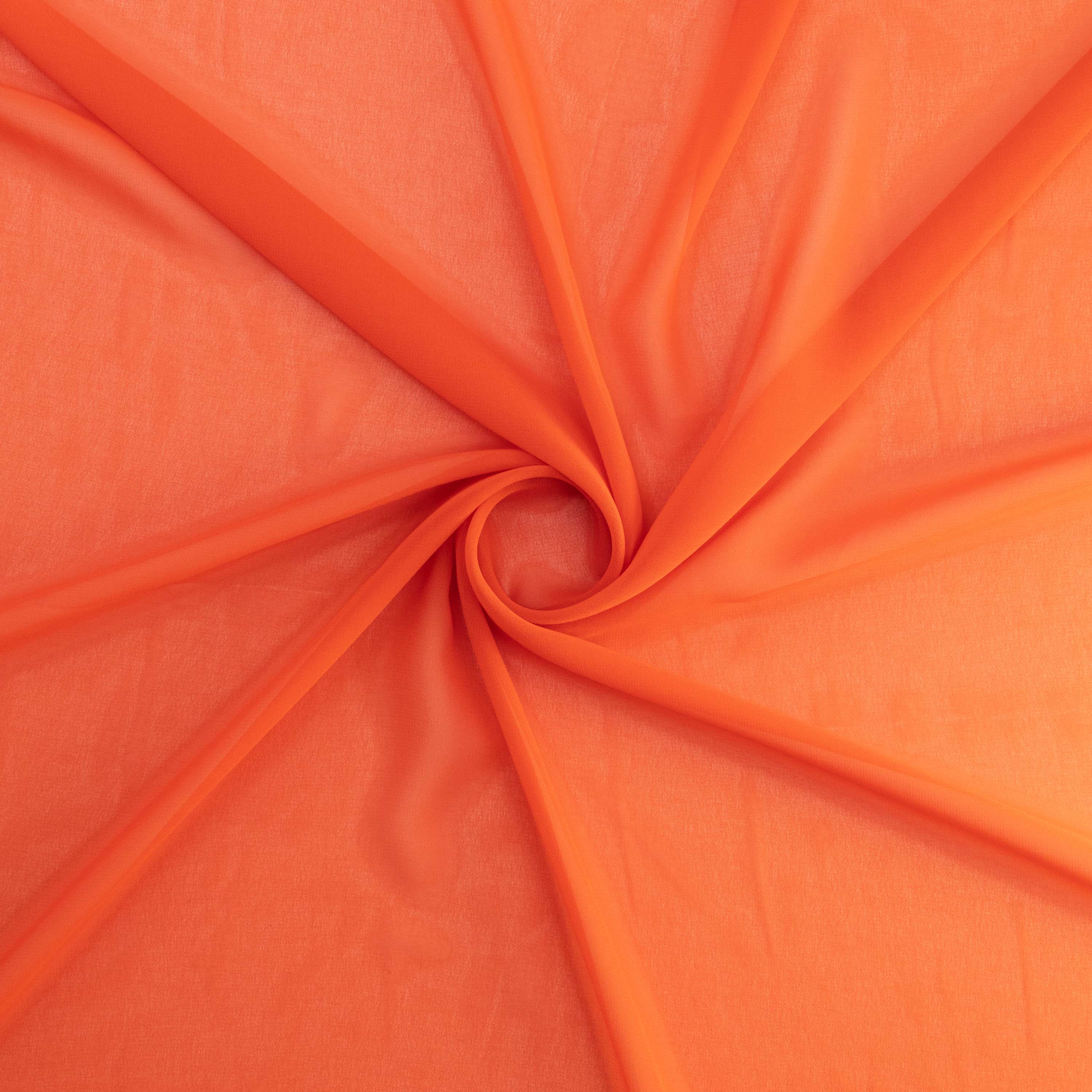
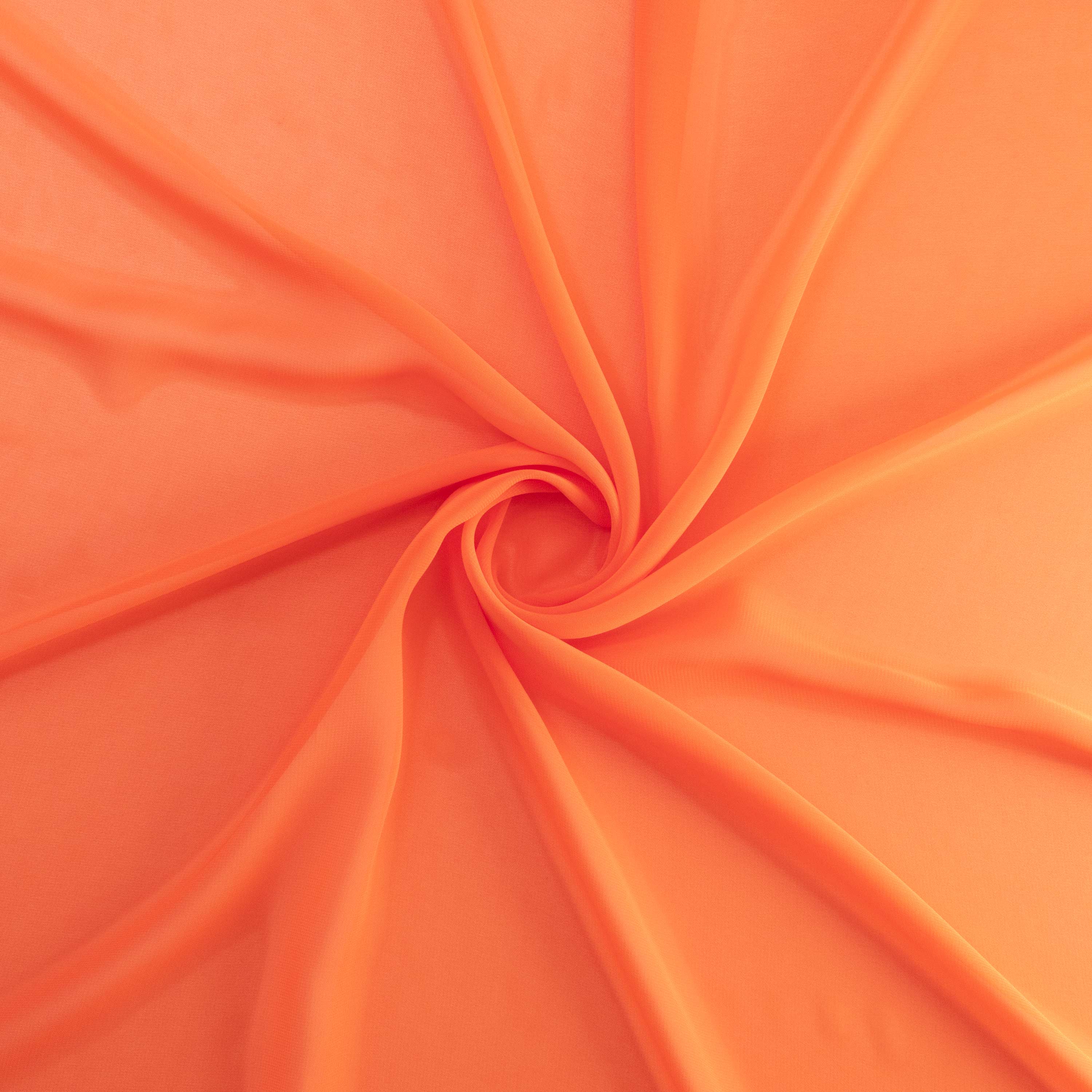
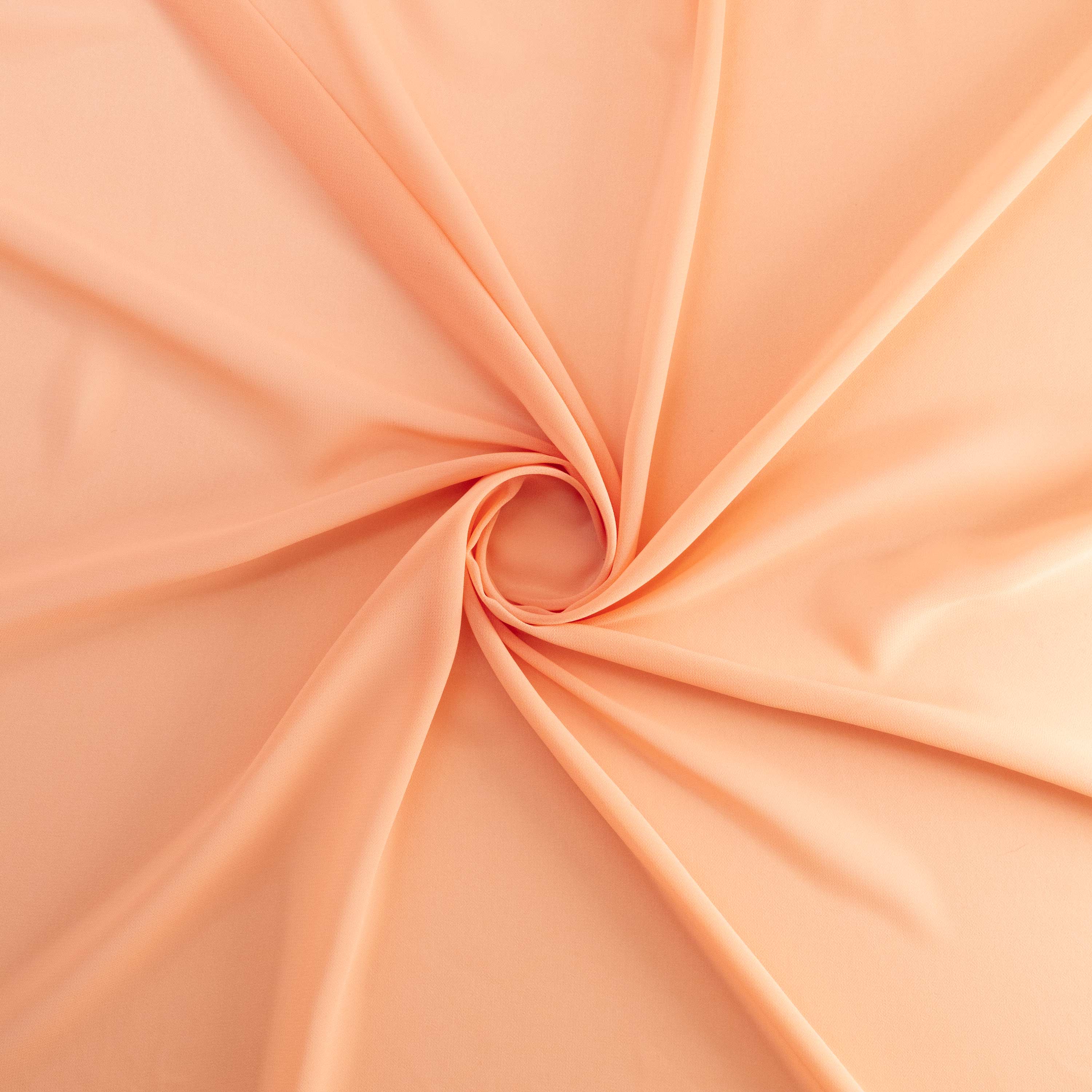
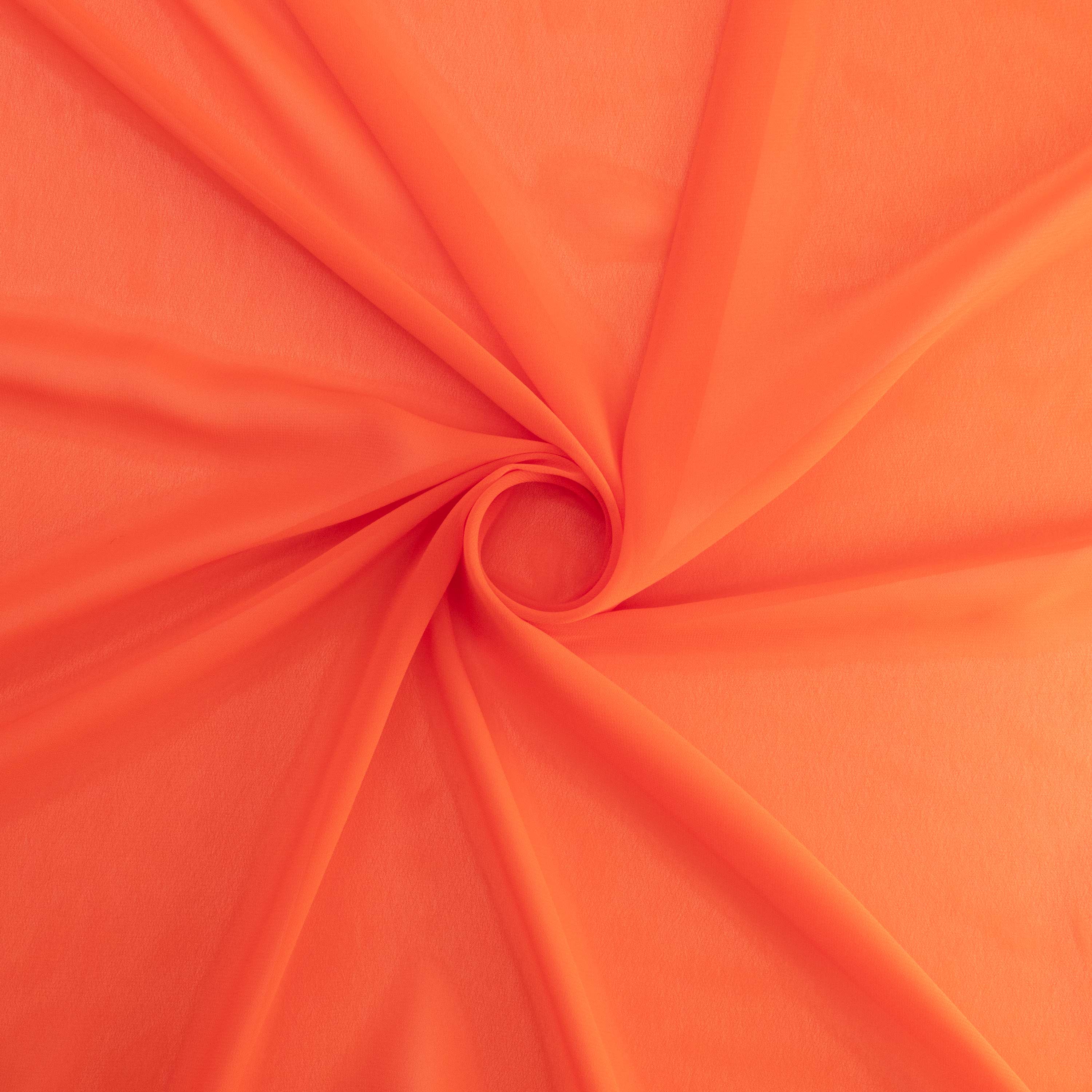
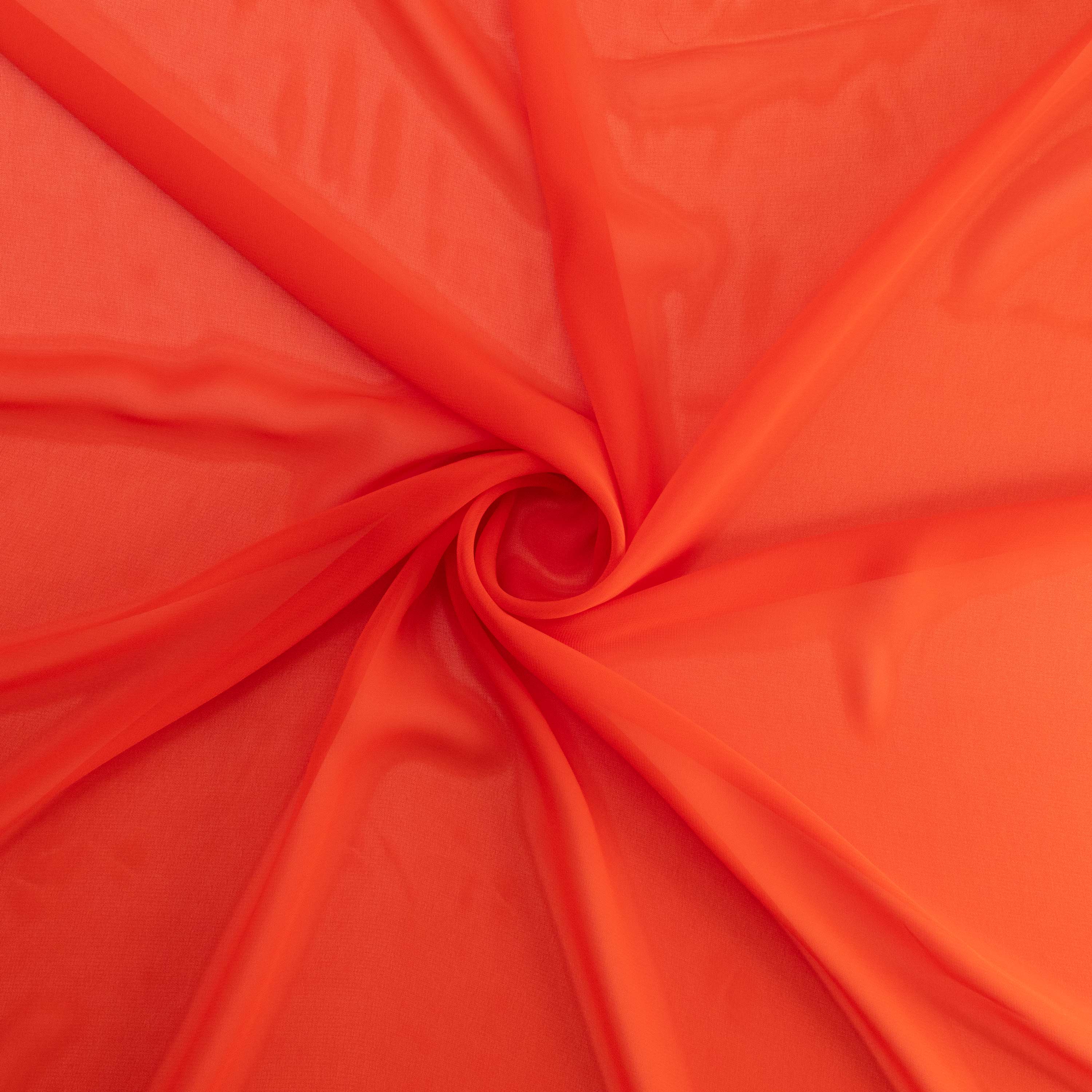
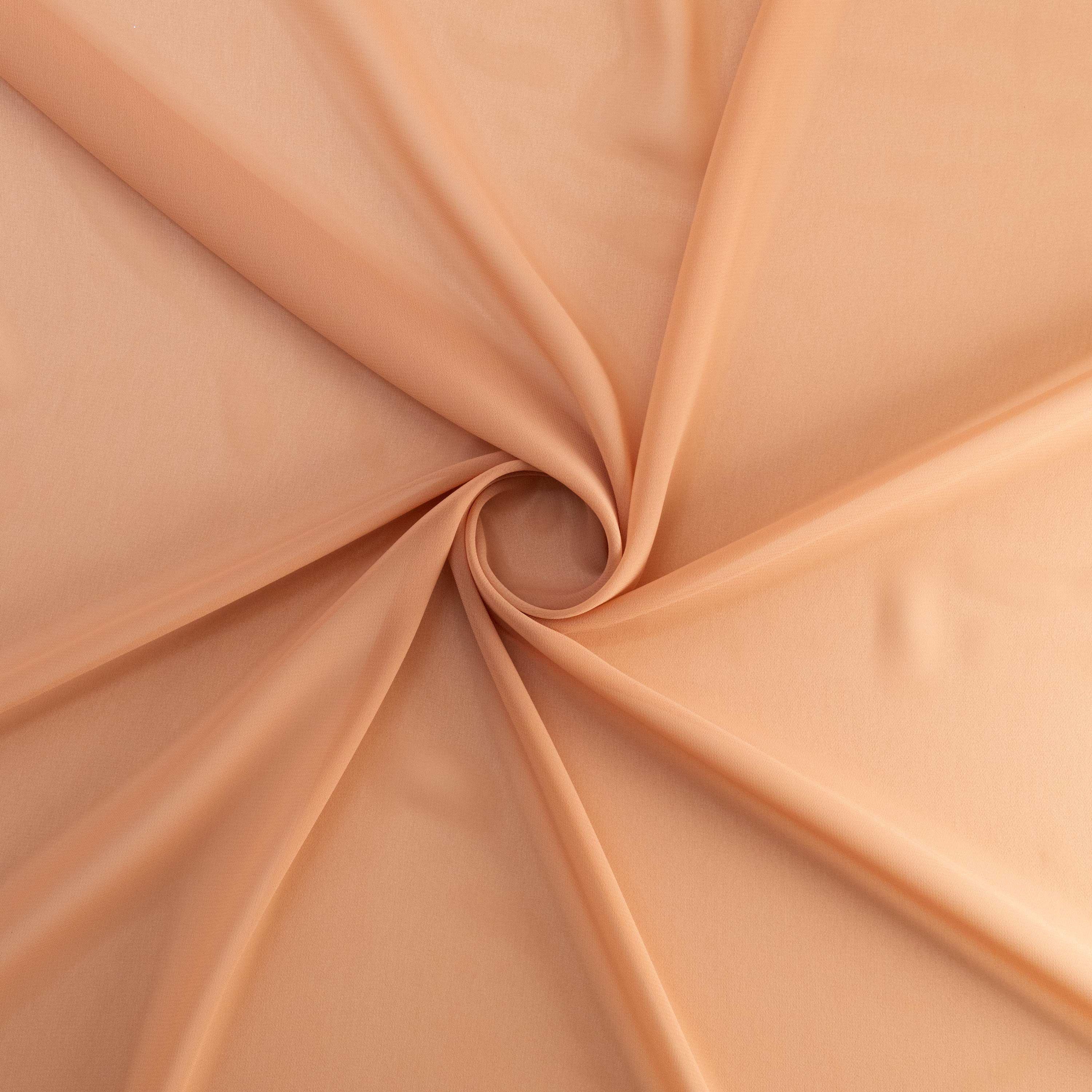
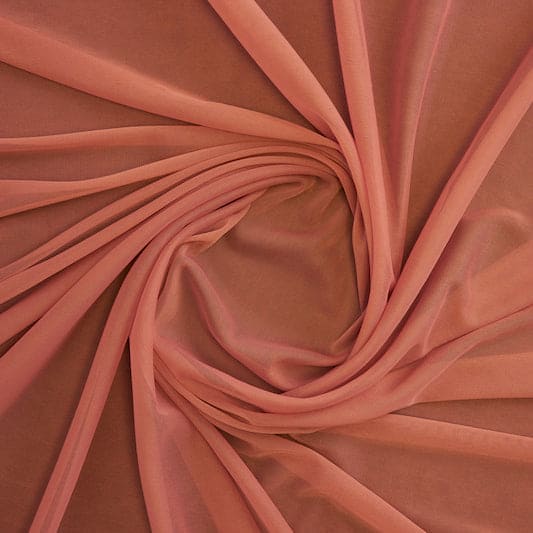
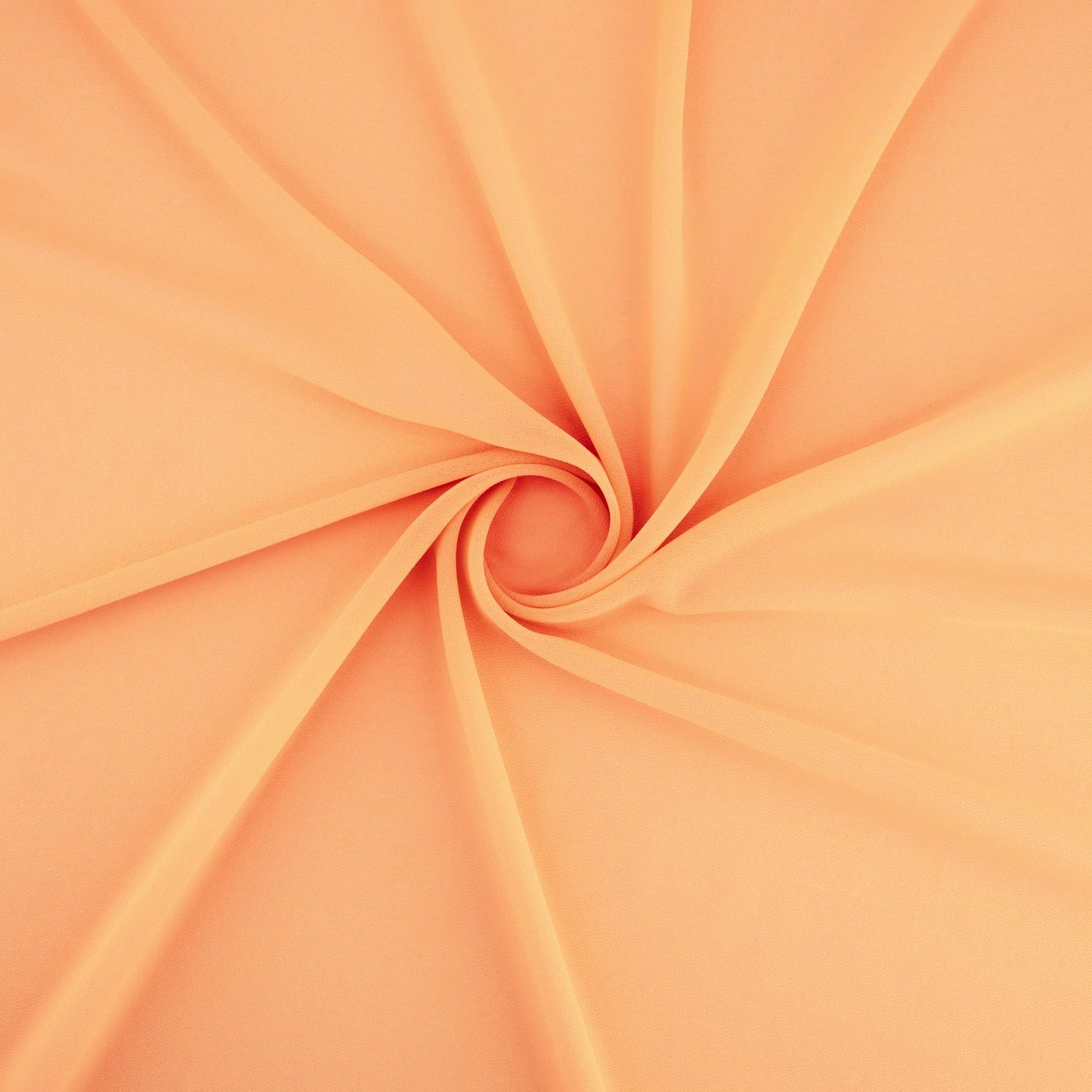
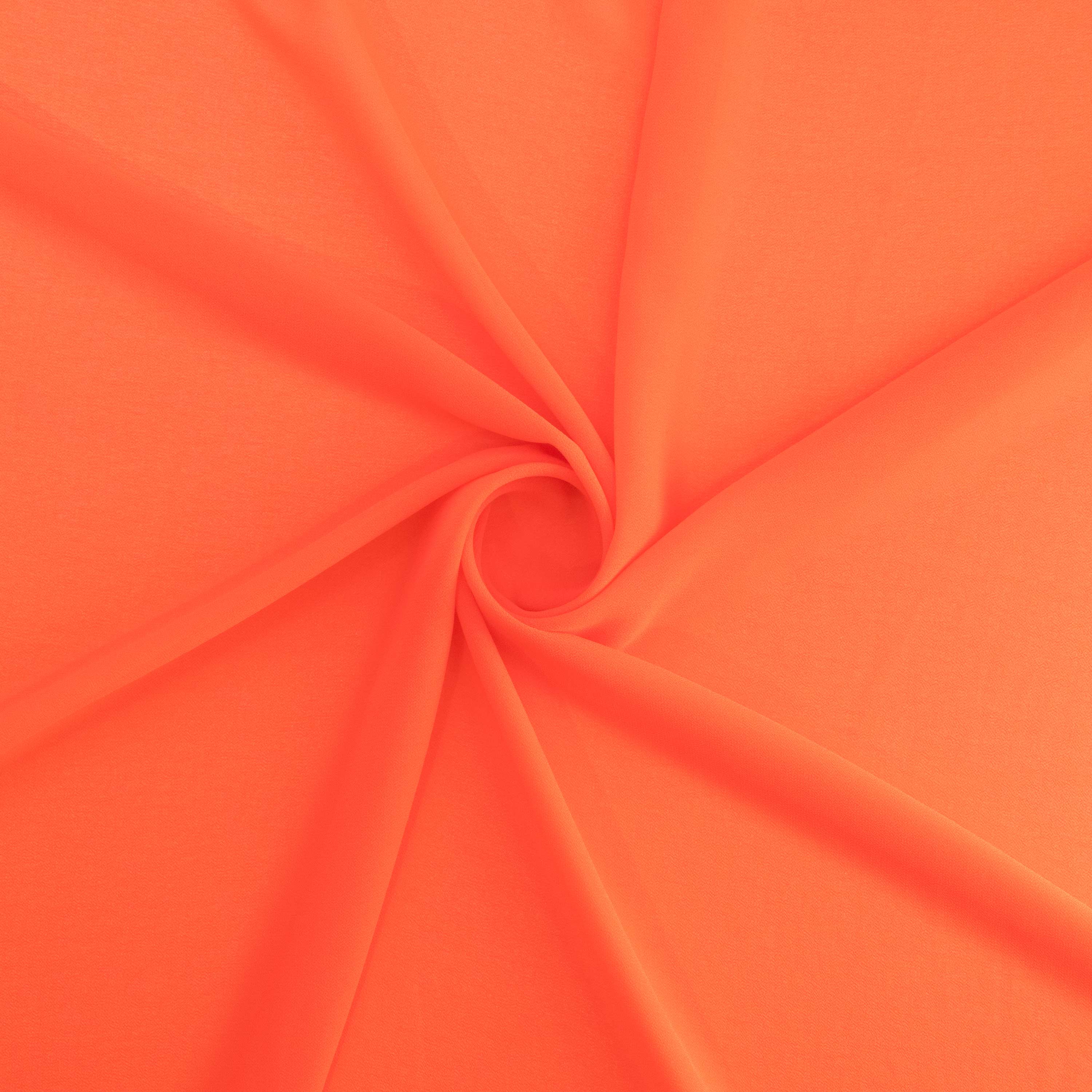
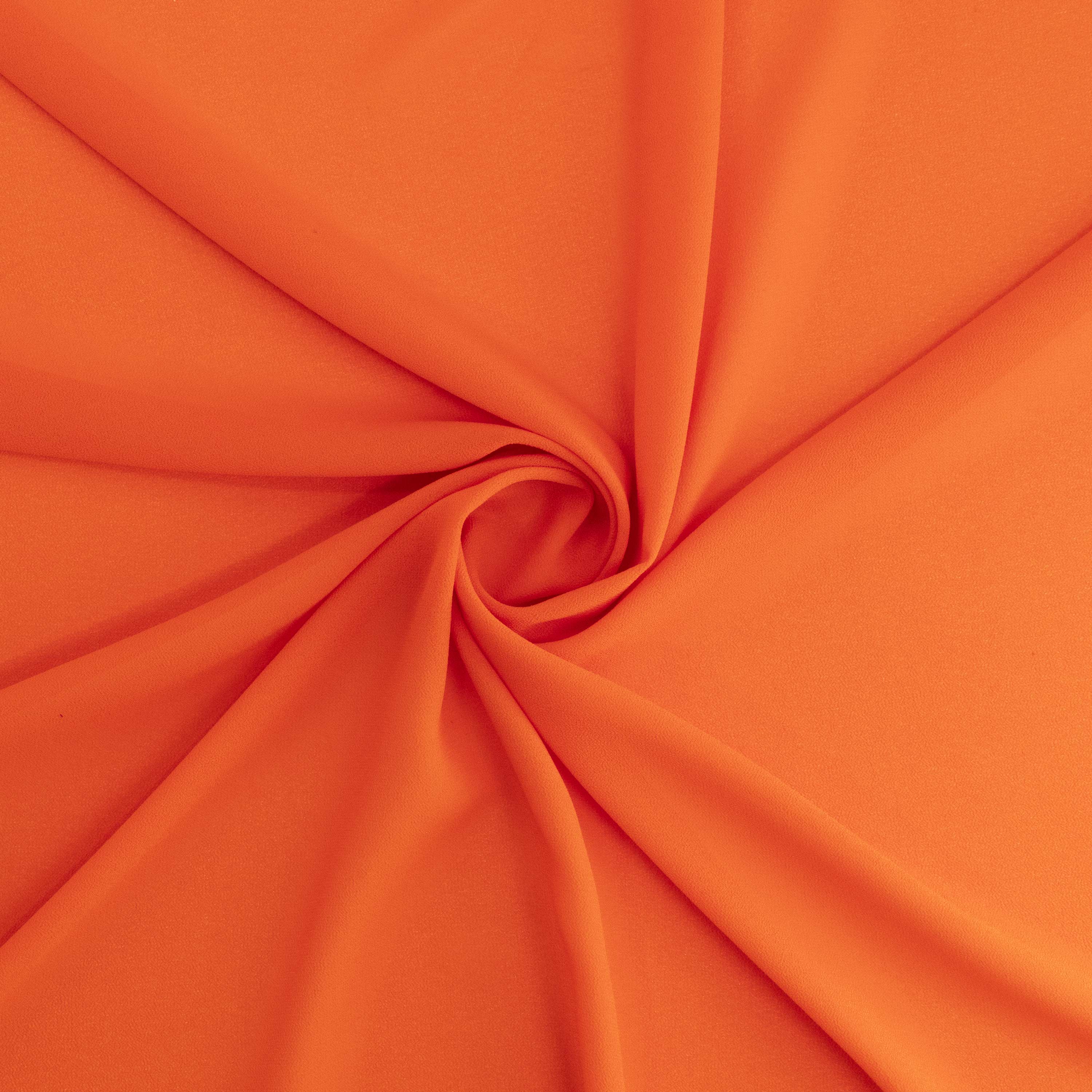
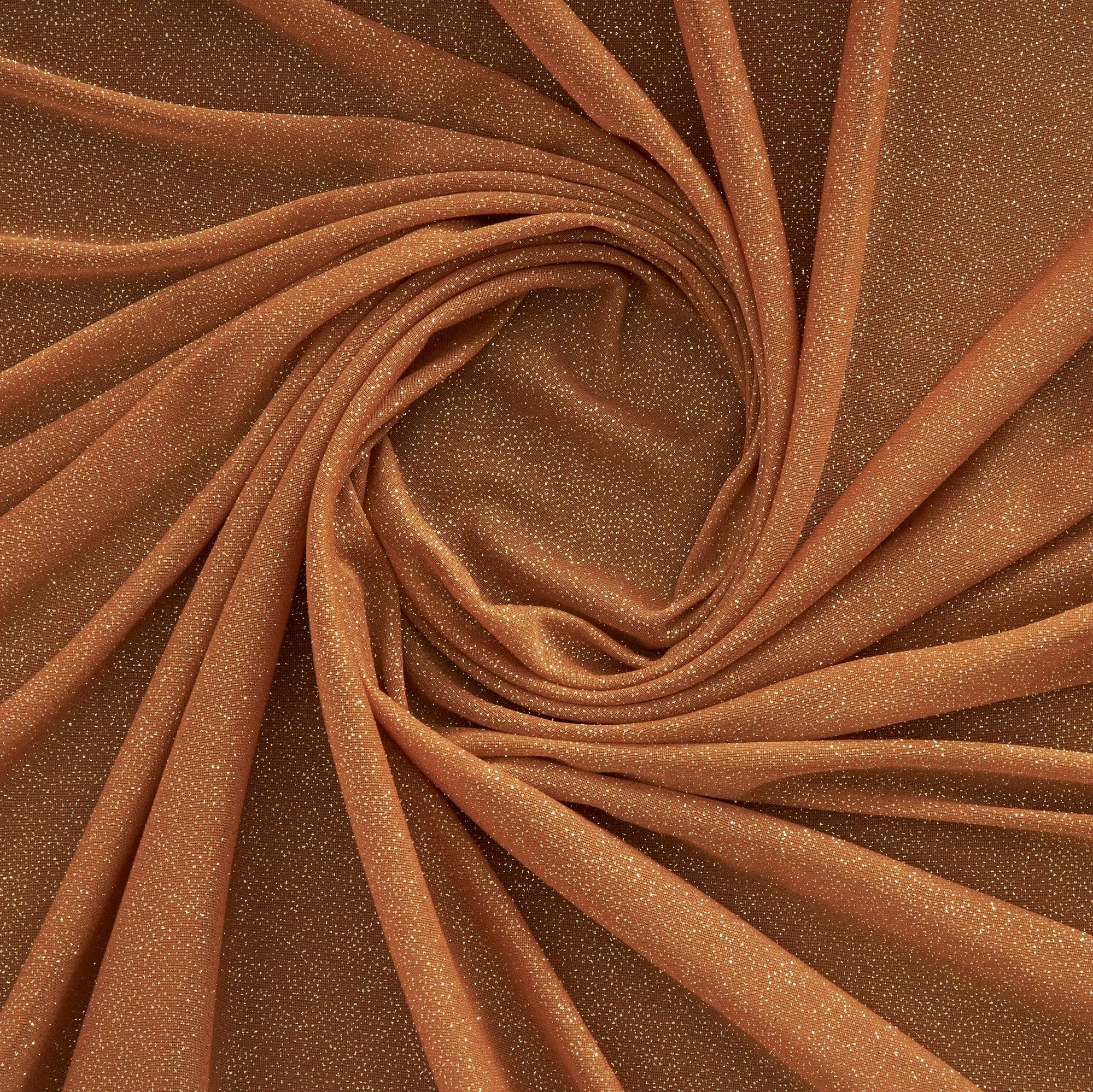
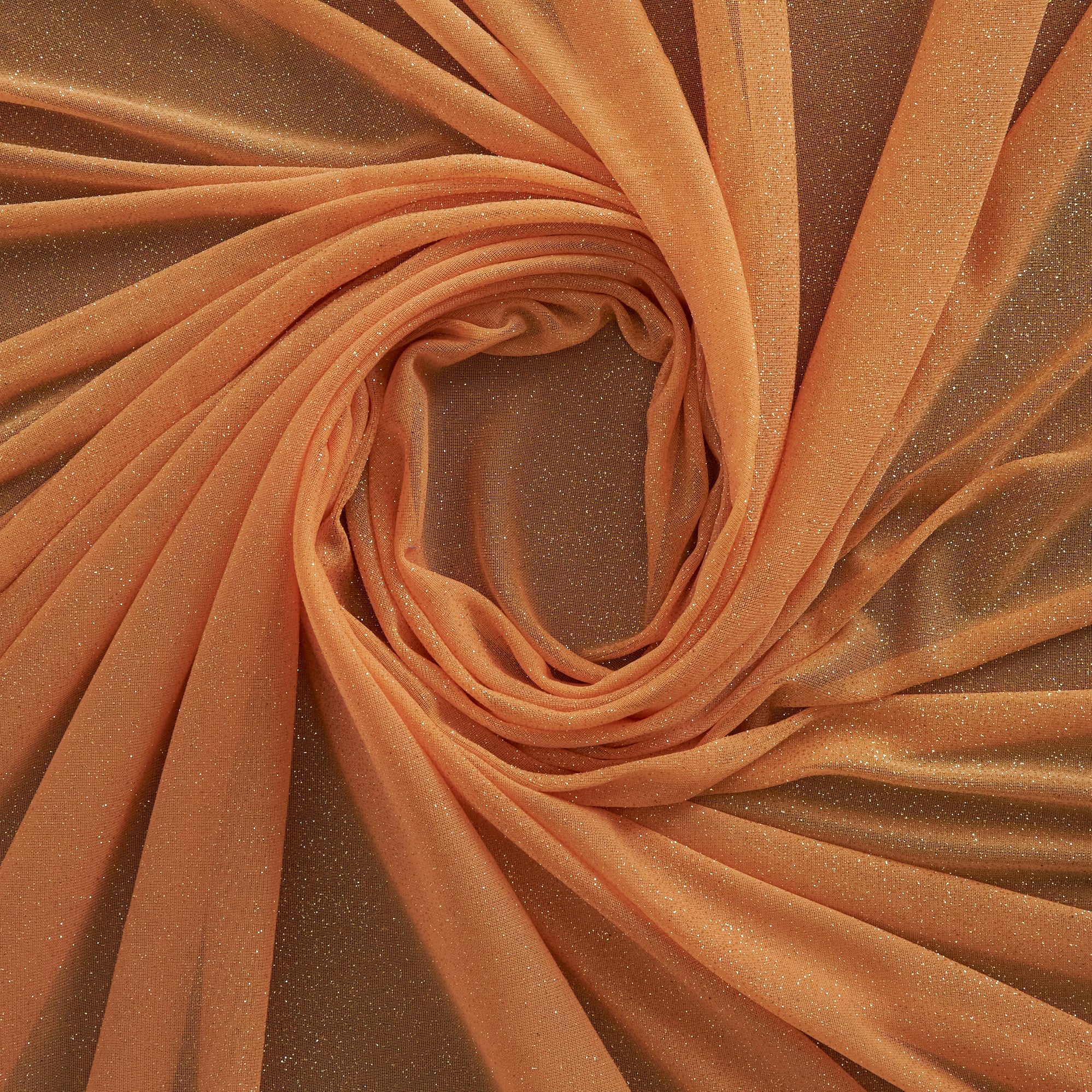
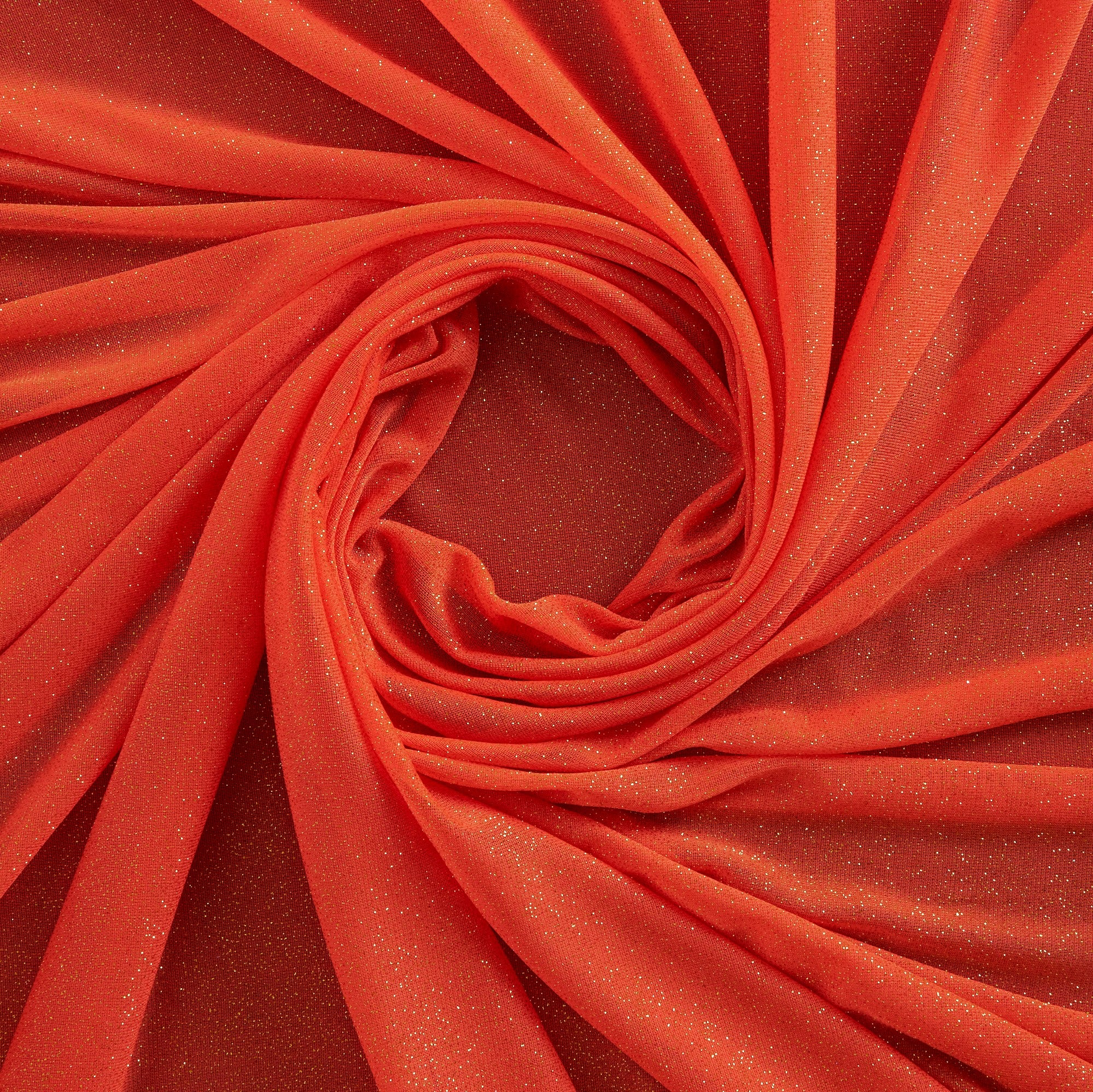
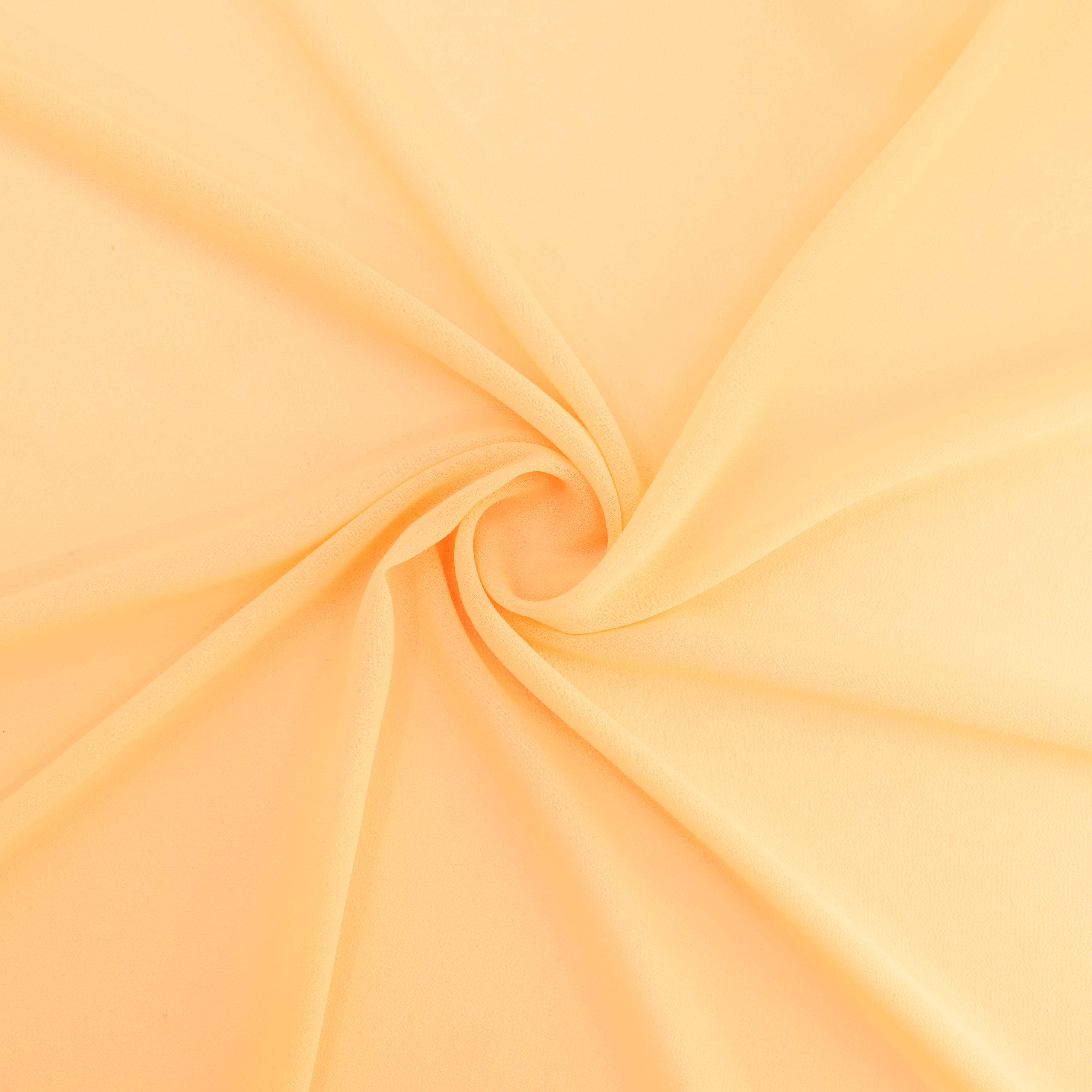
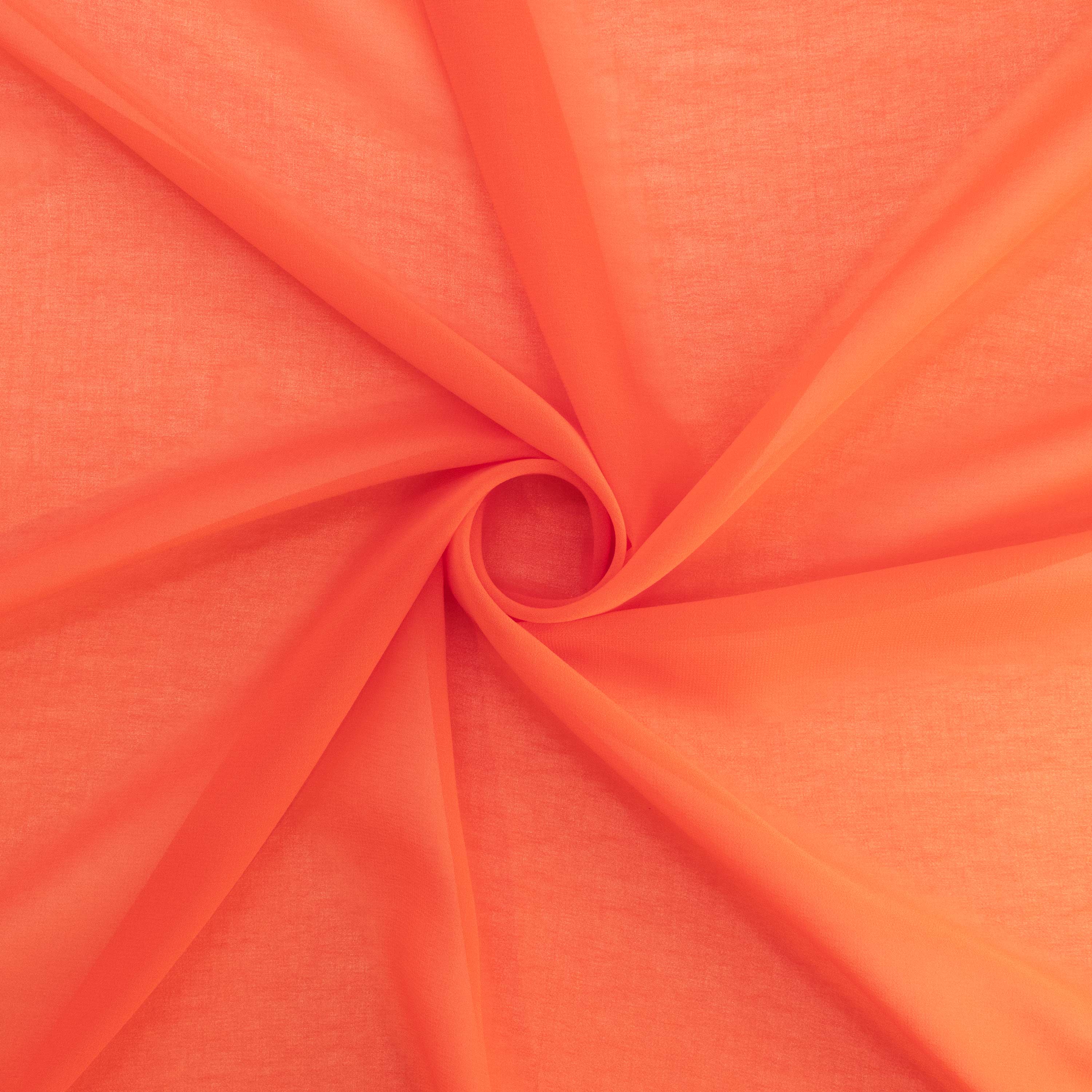
Beige chiffon blouses and tops function as true wardrobe neutrals — they work with white, black, navy, camel, and virtually every other color in a wardrobe without requiring careful coordination. A beige chiffon blouse reads as polished and intentional while remaining completely versatile, making it one of the most commercially reliable constructions in the chiffon family across contemporary, bridge, and occasion markets. For warm autumnal palettes, beige chiffon coordinates naturally with orange chiffon fabric — the neutral warmth of beige grounding the brightness of orange in a combination that reads as seasonally considered and cohesive.
Underlining and Lining Applications
Beige chiffon's most practically valuable application may be as the invisible underlining in sheer garments. A skin-tone-matching beige chiffon underlining beneath any sheer outer fabric — whether plain, printed, iridescent, or embellished — creates a foundation that reads as natural and flattering rather than stark or clinical. The neutral warmth of beige reads more naturally against most skin tones than white or ivory when seen through a sheer outer layer, making it the preferred underlining choice for fitted sheers, draped bodices, and any garment section where coverage and skin-tone flattery are simultaneously required.
Layering and Tonal Dressing
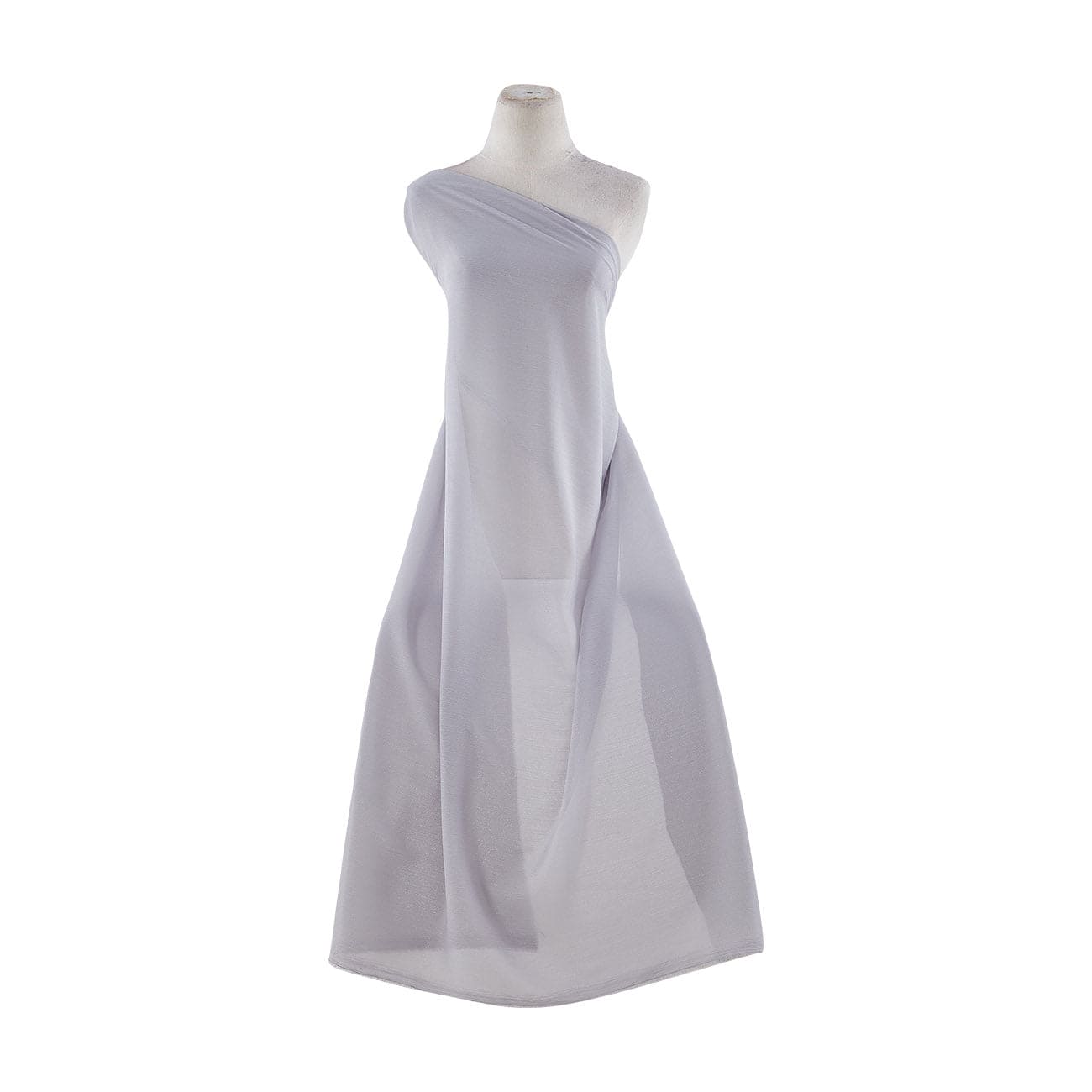
Beige chiffon's neutral warmth makes it one of the most effective layering fabrics in the chiffon family. Layered over silver chiffon fabric, warm beige creates a cool-warm tonal contrast that reads as sophisticated and considered — the cool silver ground beneath the warm beige overlay produces a complex, layered neutral that suits formal and occasion design. Tonal beige dressing — multiple shades of sand, champagne, taupe, and camel layered in a single design — creates a sophisticated, editorial neutral palette that performs strongly across contemporary and occasion markets.
Festive and Cultural Occasion Dressing
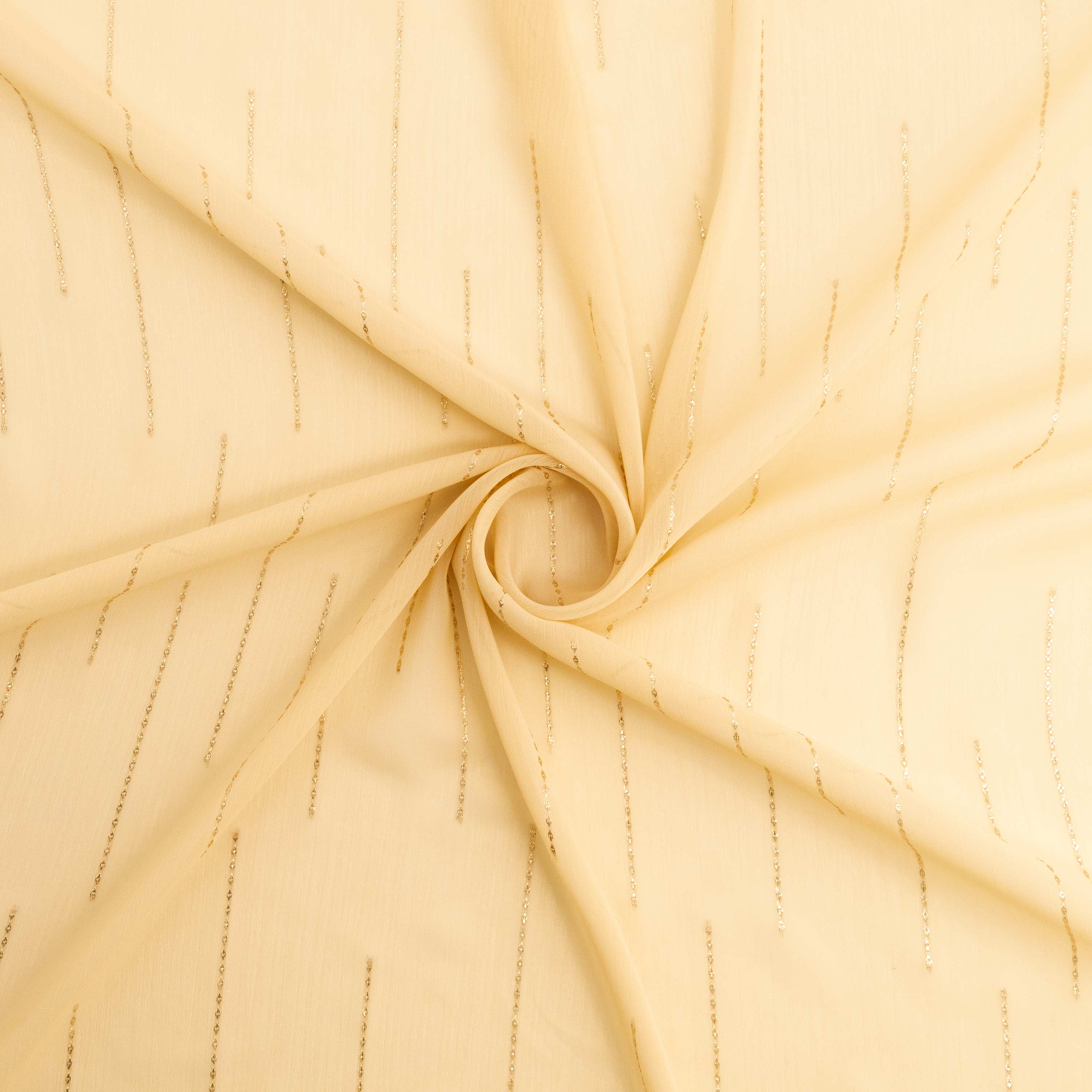
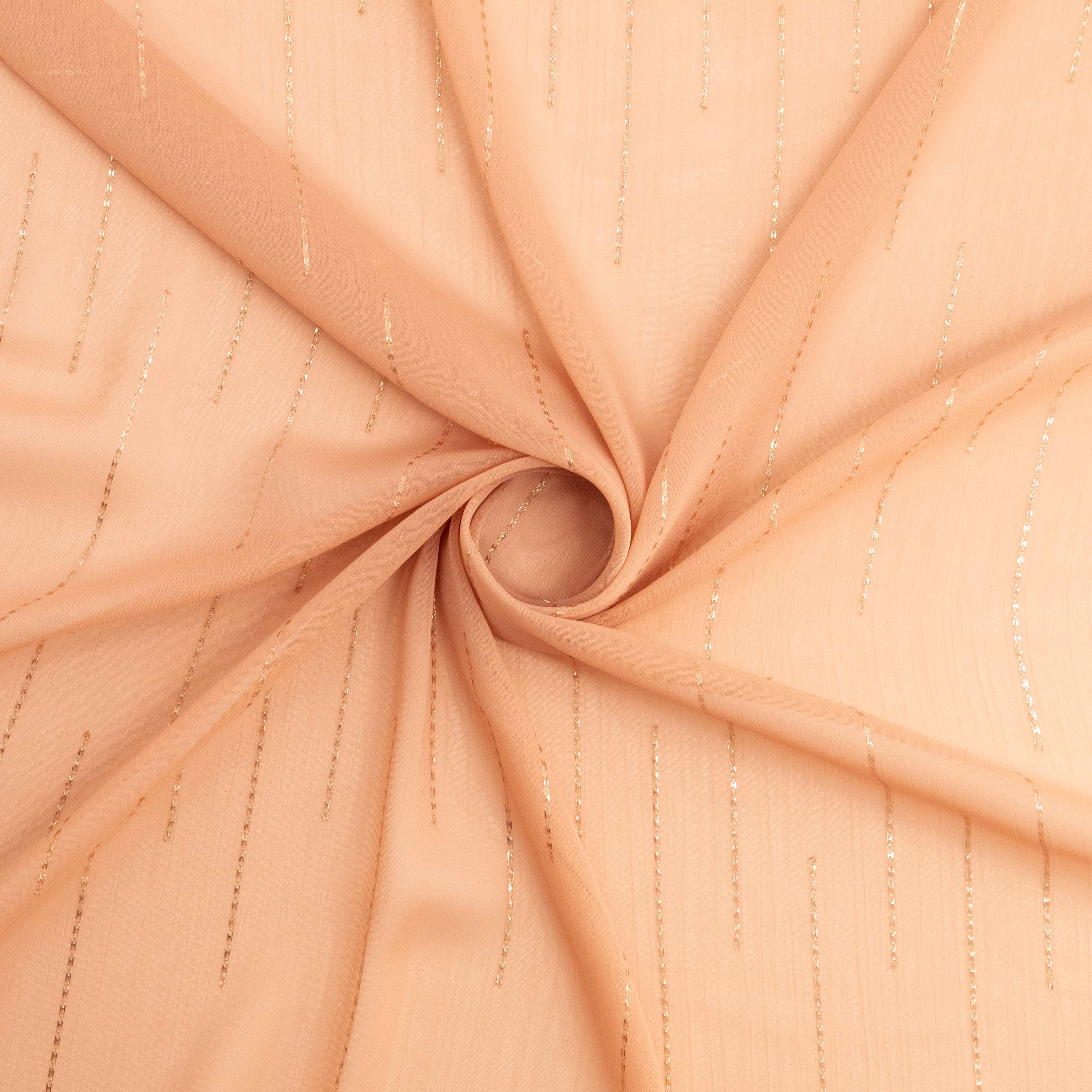
Beige and champagne chiffon occupy an important position in South Asian, Middle Eastern, and East Asian occasion dressing as the warm neutral base for heavily embellished and embroidered formal garments. A beige or champagne chiffon ground carries gold thread embroidery with exceptional warmth — the neutral base amplifies the metallic quality of the thread work rather than competing with it. For occasion dressing where a cooler, more luminous neutral is required, matte jersey chiffon fabrics in coordinating nude and natural tones provide a slightly more structured, matte alternative to plain beige chiffon that suits fitted and semi-structured occasion designs.
For the full range of chiffon styles, weights, and finishes, explore our complete chiffon fabric hub.
Why Choose Beige Chiffon
Beige chiffon earns its place as one of the most commercially reliable colors in the chiffon family because it performs functions that no other color can replicate — it flatters every skin tone, coordinates with every color, and reads as appropriate in every occasion context from casual resort dressing to formal bridal design. Its neutrality is genuinely useful rather than merely inoffensive — a well-chosen beige chiffon is as much a design decision as a bold jewel tone, carrying warmth, refinement, and skin-tone intelligence that bolder colors cannot offer.
The chiffon base amplifies beige in a way that heavier fabrics cannot. Sheer beige chiffon layered over a skin-matching base creates a fabric that reads as an extension of the wearer's own skin tone — luminous, warm, and flattering in a way that opaque beige fabric cannot approach. This quality makes beige chiffon uniquely effective in designs where the goal is to elongate, unify, and flatter the silhouette rather than to create a color statement.
For designs that require a stable, matte alternative to sheer beige chiffon in structural sections, matte jersey chiffon fabricsin nude and natural tones provides a denser, more opaque companion fabric that maintains the neutral color story while offering the body and construction reliability that complex garment sections require. For designs that introduce metallic or luminous contrast into a beige palette, silver chiffon fabric alongside warm beige creates a cool-warm tonal combination that reads as sophisticated and deliberately considered.
Fabric Types and Use Cases
|
Fabric Type |
Best Used For |
|
Champagne Hi-Multi Chiffon |
Bridal overlays, warm-toned occasion gowns, sheer underlining |
|
Sand / Natural Beige Chiffon |
Resort wear, kaftans, wrap dresses, casual occasion separates |
|
Taupe / Warm Grey-Beige Chiffon |
Contemporary separates, sophisticated occasion dressing, editorial looks |
|
Camel Chiffon |
Autumn occasion dressing, warm-toned formal separates, layered neutrals |
|
Sun-inspired resort designs, warm-weather layered occasion wear |
|
|
Autumnal occasion palettes, warm festive dressing, resort collections |
|
|
Sophisticated neutral layering, cool-warm formal combinations |
|
|
Structured occasion dresses, mixed-fabric formal designs |
|
|
Beige as Underlining |
Skin-tone-matching base for all sheer chiffon garments |
How to Choose the Right Beige Chiffon
Shade Selection and Skin Tone
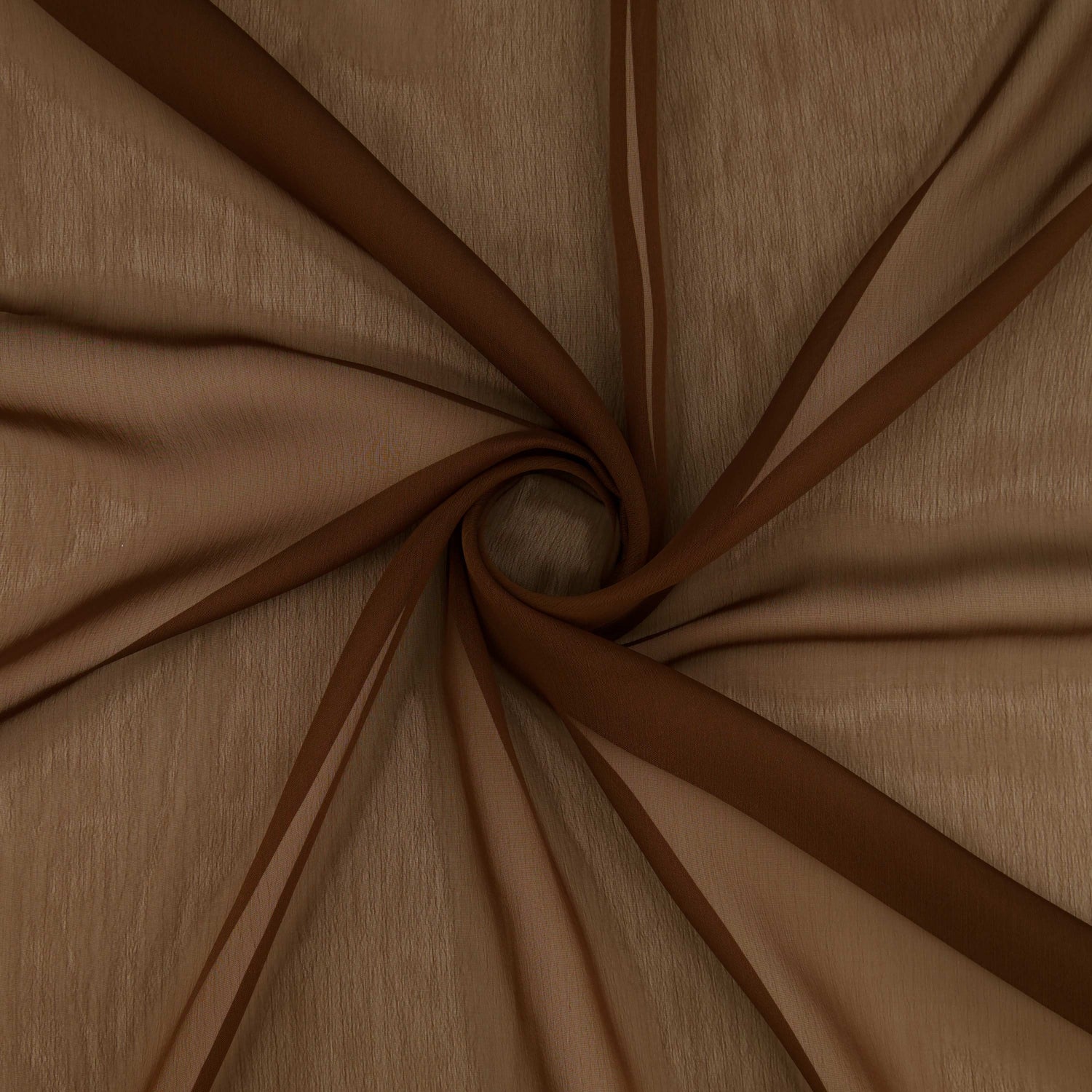
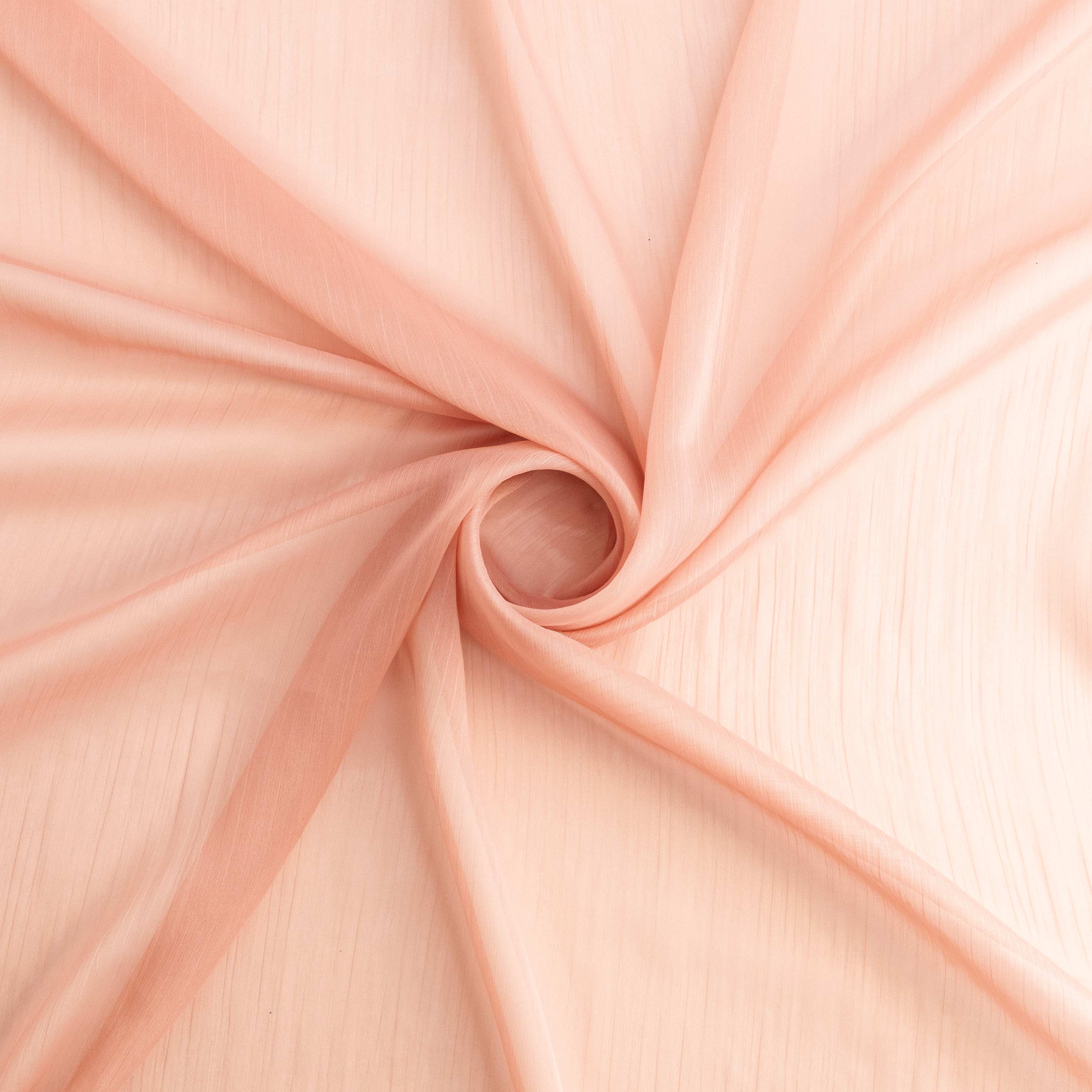
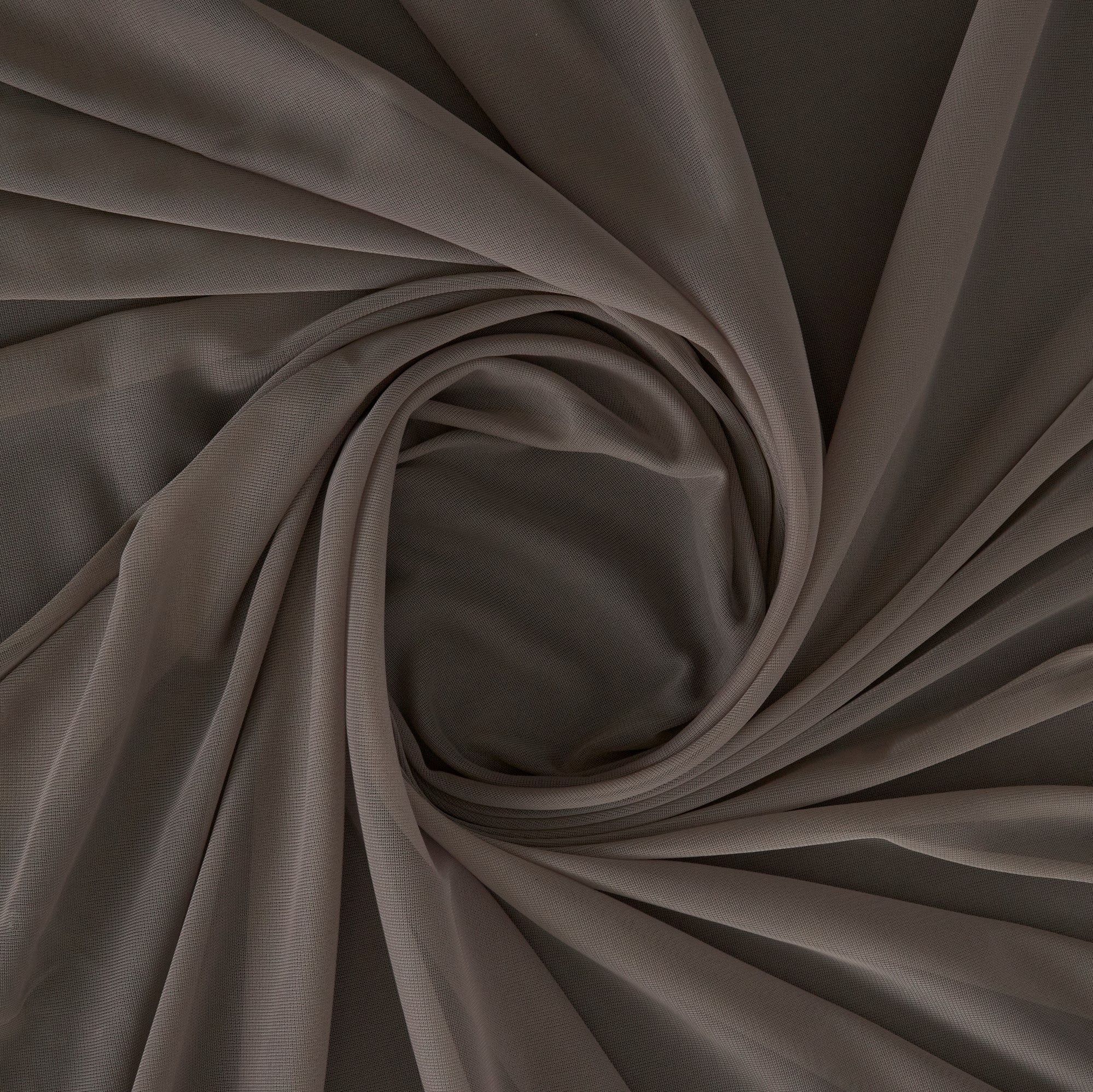
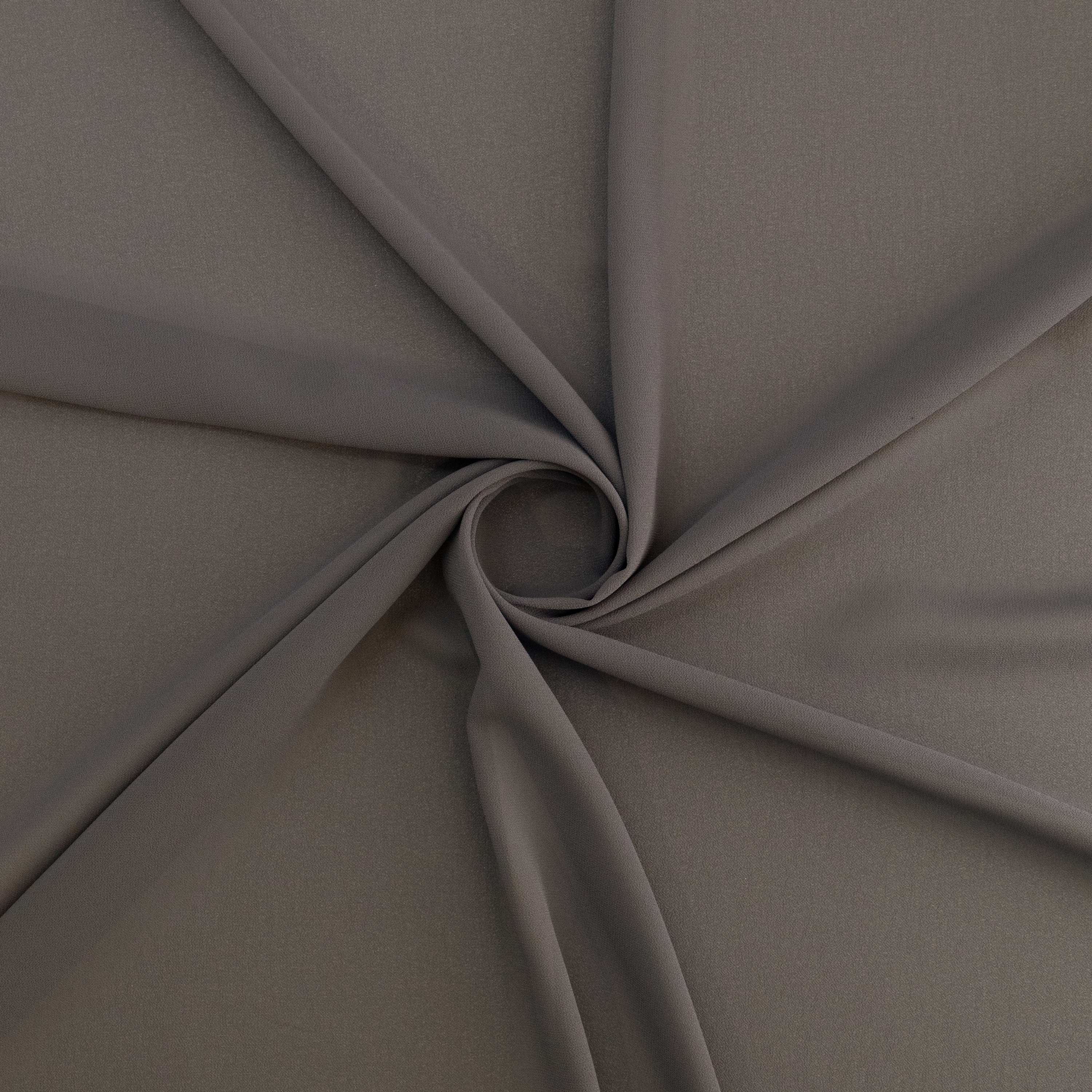
The specific shade of beige matters significantly — different beige tones read very differently against different skin tones and in different lighting conditions. Champagne and ivory-beige tones have a cooler, more refined quality that suits cool and neutral skin tones and photographs cleanly under both natural and artificial lighting. Warm sand and natural beige tones have a richer, sun-kissed warmth that suits warm and olive skin tones and reads as particularly flattering in outdoor and warm-weather lighting conditions. Taupe and grey-beige tones carry a more contemporary, sophisticated quality that suits a wide range of skin tones and works across seasons without strong seasonal association. Camel and deep beige tones suit autumn and winter occasion contexts where a richer, warmer neutral is seasonally appropriate.
Undertone Coordination
When using beige chiffon as an underlining or lining beneath a sheer outer fabric, matching the undertone of the beige to the wearer's skin tone is the most important consideration. A beige underlining that is too pink reads as flushed; one that is too yellow reads as sallow; one that is too grey reads as ashy. The goal is a beige that virtually disappears against the skin, creating the impression that the sheer outer fabric is the only layer present. Order swatches and test against skin tone under the lighting conditions expected for the final wearing environment before committing to a full cut for underlining applications.
Weight and Opacity
For overlay and bridal applications where sheerness is an intentional design element, hi-multi beige chiffon provides the most translucent, skin-tone-flattering effect. For garments that require slightly more coverage, cationic or silky beige chiffon offers a denser construction without sacrificing drape. For designs that require a matte, more opaque neutral alongside sheer beige chiffon panels, matte jersey chiffon fabrics in coordinating nude and natural tones provides the body and opacity that structural sections require while maintaining the neutral color story established by the beige chiffon.
Color Combinations
Beige chiffon's pairing possibilities are the broadest of any color in the chiffon family precisely because of its neutrality. For warm, sun-inspired combinations, pair with yellow chiffon fabric — the brightness of yellow reads as vibrant and considered above or alongside a warm beige ground. For autumnal and seasonally warm palettes, coordinate with orange chiffon fabric — beige grounds orange's intensity without dulling its warmth, creating a combination that reads as seasonally sophisticated. For cool-warm neutral contrast in formal and occasion dressing, set warm beige against silver chiffon fabric — the cool luminosity of silver alongside the warm depth of beige creates a tonal neutral combination of genuine sophistication.
Sewing and Construction Tips
Use a fine microtex needle (size 60/8 or 70/10) and reduce presser foot pressure. Cut in a single layer with sharp scissors or a rotary cutter. Finish raw edges with a French seam, rolled hem, or serger. Press from the wrong side on a low heat setting or use a steamer. For pale champagne and ivory-beige chiffon specifically, work on a clean pressing surface and handle with clean hands throughout construction — pale beige chiffon shows handling marks and minor soiling more readily than deeper-toned fabrics, and marks acquired during construction can be difficult to remove from finished garments.
Mixing Fabric Styles
Beige chiffon pairs naturally with the full range of Zelouf fabrics and functions most effectively as either the primary neutral foundation of a design or the skin-tone-matching underlining that allows bolder or more embellished outer layers to perform at their best. Combine champagne or sand beige chiffon with ivory or warm white satin for a classic bridal combination — the warm neutral chiffon reads above a satin base with a richness and flattery that cooler ivory chiffon above white satin cannot match. Layer beige chiffon over lace in coordinating ivory or champagne for occasion and bridal designs where the beige overlay warms and softens the texture of the lace beneath.
For warm, vibrant resort palettes, incorporate yellow chiffon fabric alongside beige chiffon — the neutral warmth of beige anchors the brightness of yellow without dulling it, creating a layered palette that reads as sun-saturated and seasonally considered. For autumnal occasion and festive collections, pair beige chiffon with orange chiffon fabric — the combination of sand and terracotta-adjacent tones creates a warm, nature-inspired palette that suits both formal and resort occasions in autumn and early winter contexts.
For sophisticated neutral formal dressing, set warm beige chiffon against silver chiffon fabric — the cool-warm tonal contrast between the two neutrals creates a layered, dimensional palette that reads as deliberately considered and refined without relying on color or embellishment for its impact. For structural mixed-fabric designs where sheer beige chiffon panels need to be anchored by a more stable, matte companion, matte jersey chiffon fabrics in coordinating nude and natural tones provides the construction reliability and opacity that complex garment sections require while maintaining a cohesive neutral color story throughout the design.
Order free swatches to experience the shade, hand, and drape firsthand. Every beige chiffon style is available by the yard and ready to ship, so you can design, sample, and produce without delay.
Frequently Asked Questions
What is the difference between beige, champagne, and nude chiffon?
These terms describe adjacent but distinct positions on the warm neutral spectrum. Champagne is the lightest and most ivory-adjacent — a very pale, warm off-white with golden undertones that reads as a refined alternative to white in bridal and occasion contexts. Beige proper begins where champagne ends, in progressively warmer and more saturated neutral tones through sand, natural, and camel. Nude is a skin-tone-specific descriptor — a nude chiffon for one skin tone may read as beige or champagne against another. When selecting beige or nude chiffon for underlining applications, always test the specific shade against the intended wearer's skin tone rather than relying on color names alone.
Is beige chiffon appropriate for winter occasion dressing?
Yes — deeper beige tones, particularly camel, taupe, and warm greige, are strong performers in autumn and winter occasion dressing. Their richness and depth read as seasonally appropriate without the formality of black or the boldness of jewel tones. Champagne and pale beige tones suit winter formal dressing in bridal and black-tie contexts where a warm, luminous neutral is appropriate regardless of season. The versatility of the beige family means there is a shade that reads correctly for virtually every occasion and seasonal context.
How do I choose the right beige for an underlining?
Test the specific beige shade against the wearer's skin tone under the lighting conditions expected for the final wearing environment. The ideal beige underlining virtually disappears against the skin — it should add coverage without creating a visible color band at necklines or hem edges where the underlining ends and the skin begins. As a general rule, warm skin tones suit sand and natural beige underlinings; cool skin tones suit champagne and taupe-adjacent beige; deep skin tones suit camel and deeper beige tones that read as more naturally skin-matching than pale champagne.
Can beige chiffon be used for event draping?
Yes — beige and champagne chiffon creates a warm, naturally lit atmosphere in event draping applications that white chiffon cannot replicate. Champagne and sand beige draping reads as intentionally warm and romantic rather than clinical or stark, and coordinates naturally with wood, greenery, and warm metallic décor elements. For outdoor daytime events in particular, beige chiffon draping reads as particularly beautiful in natural light — the warm neutral tone is amplified by sunlight in a way that creates a genuinely golden, luminous atmosphere.