
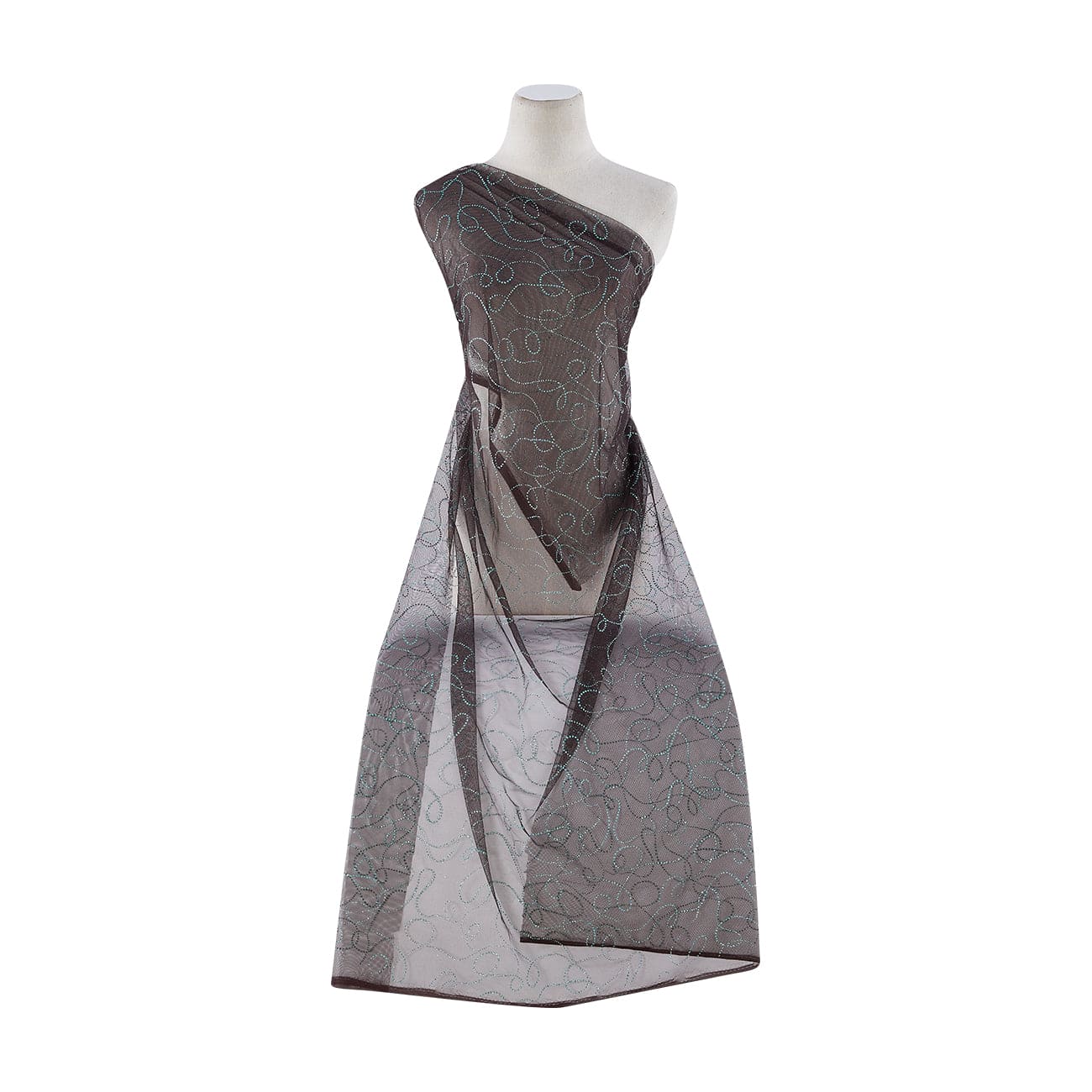
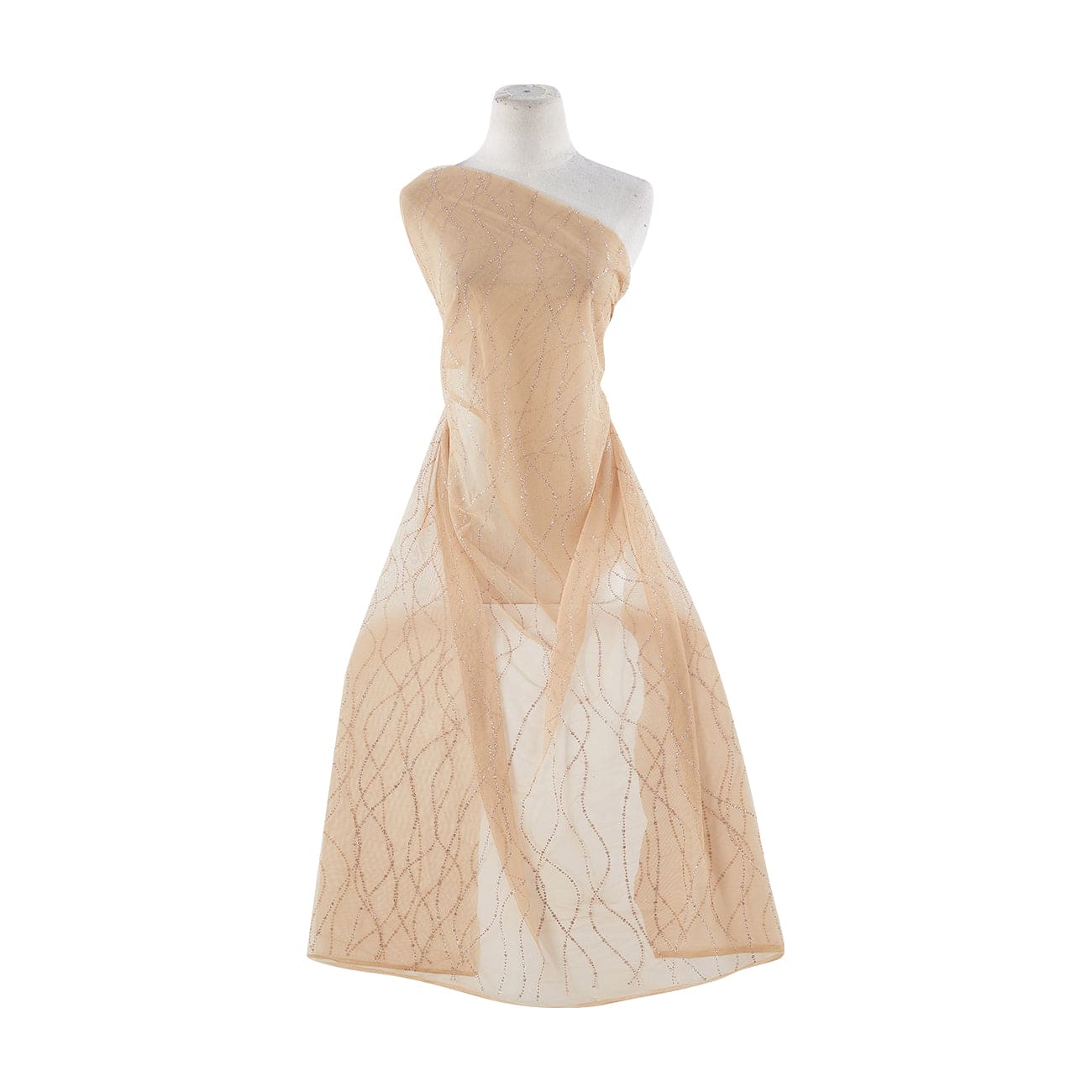
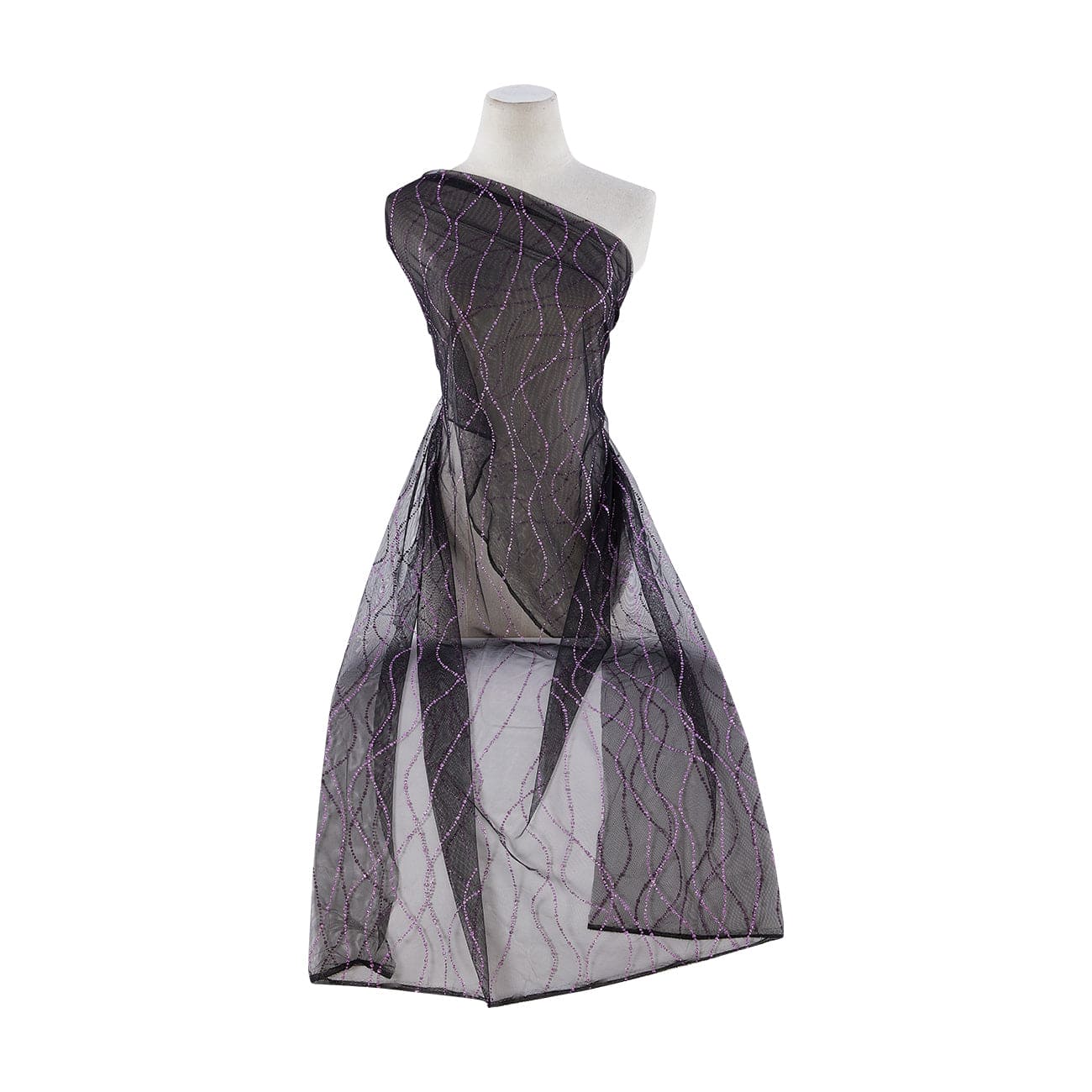
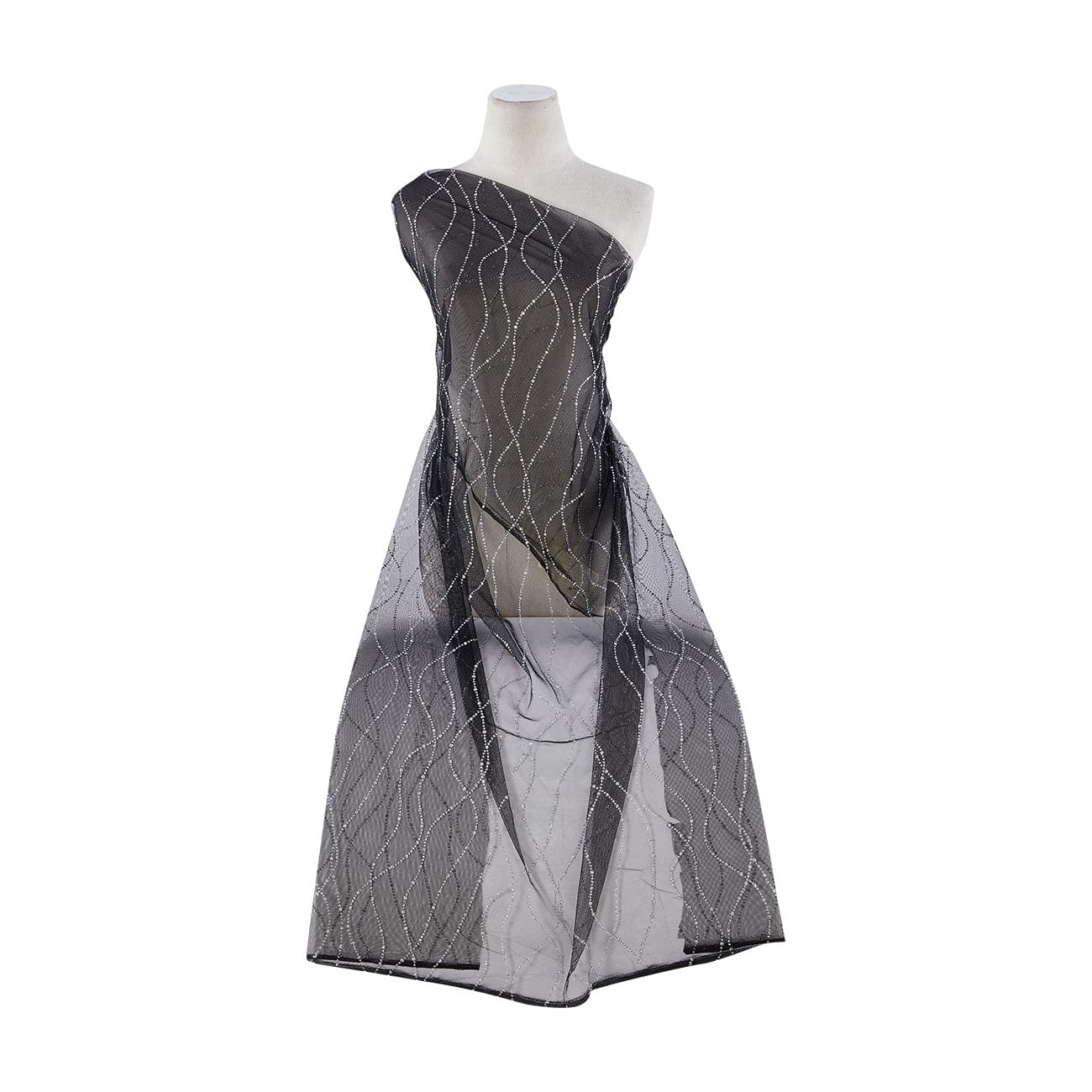
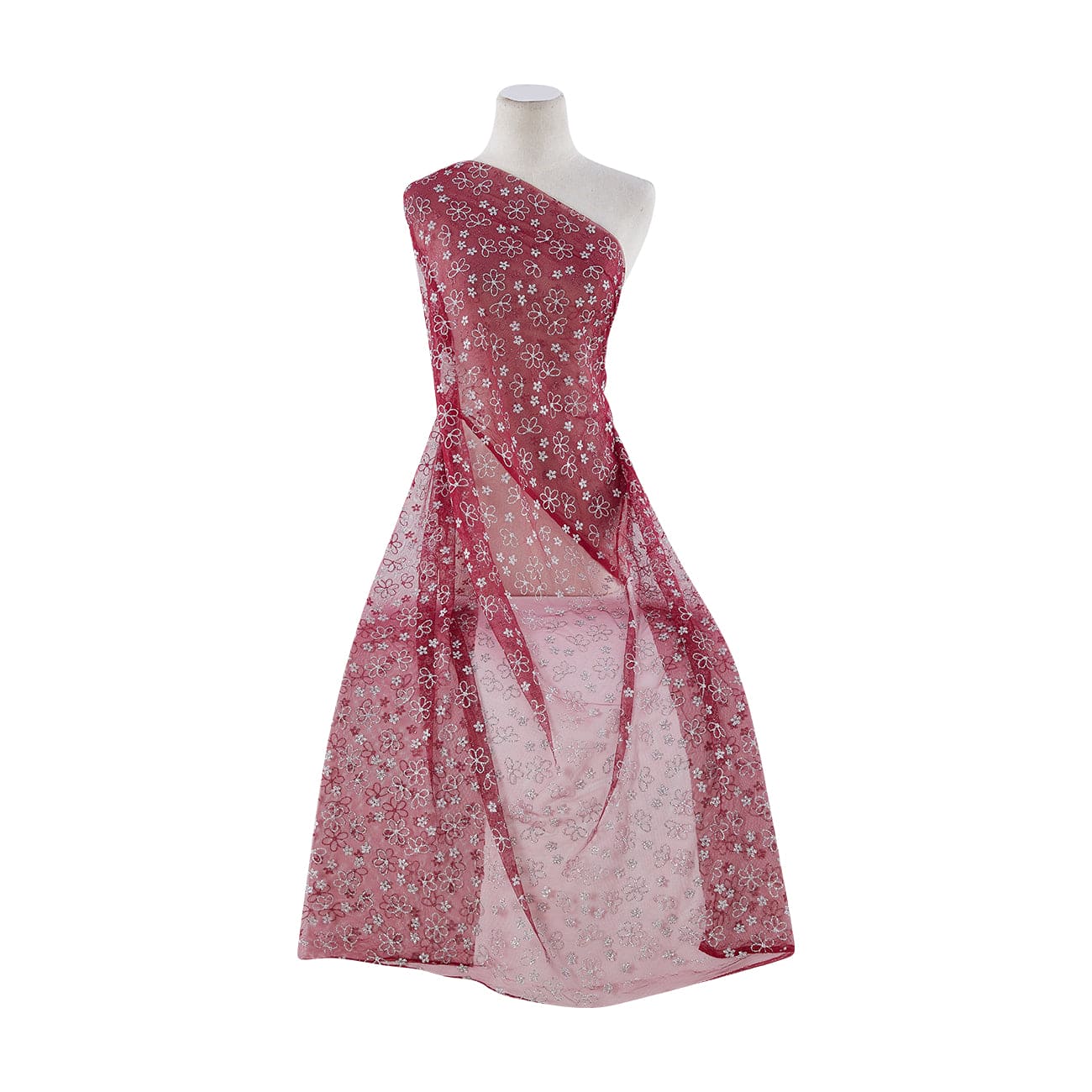
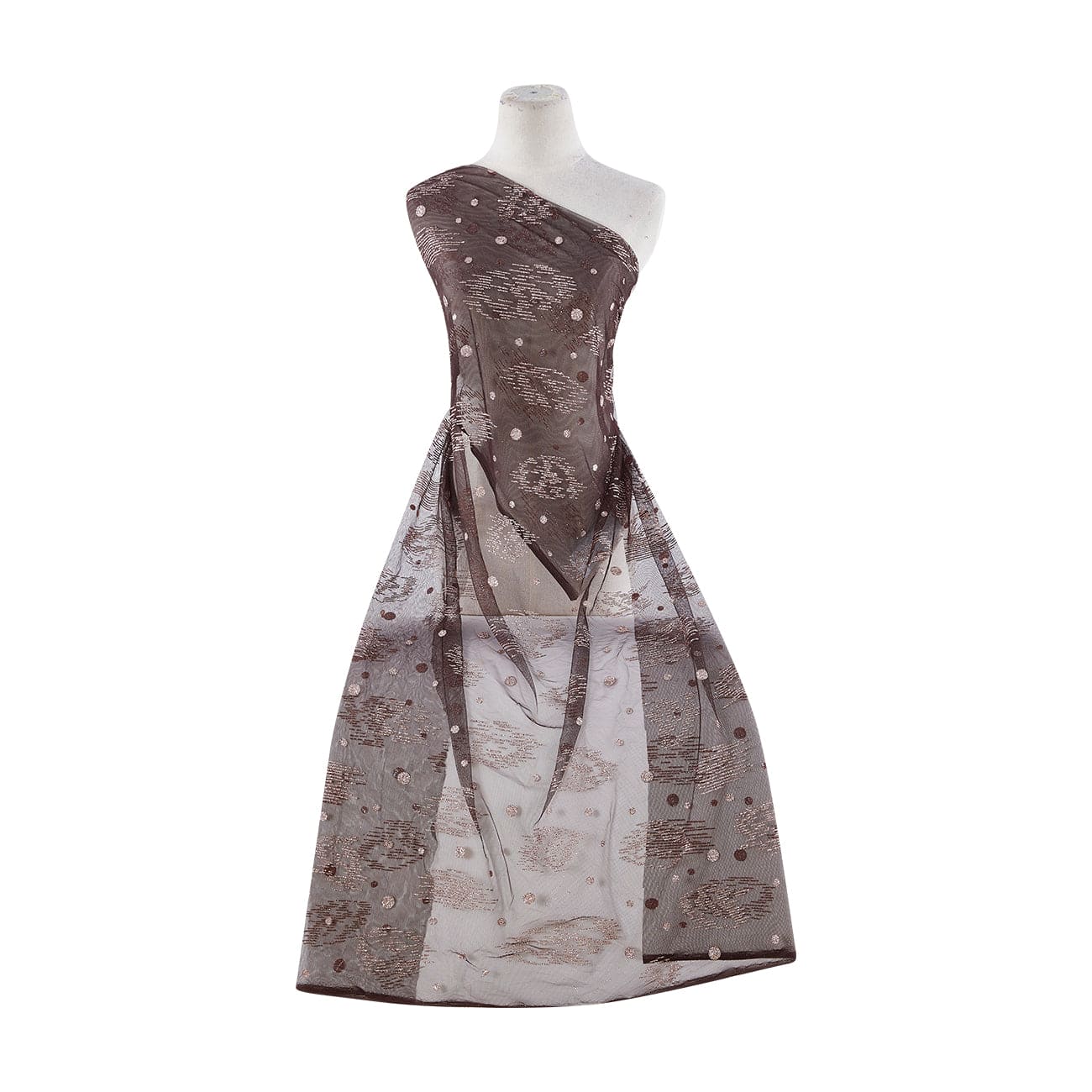
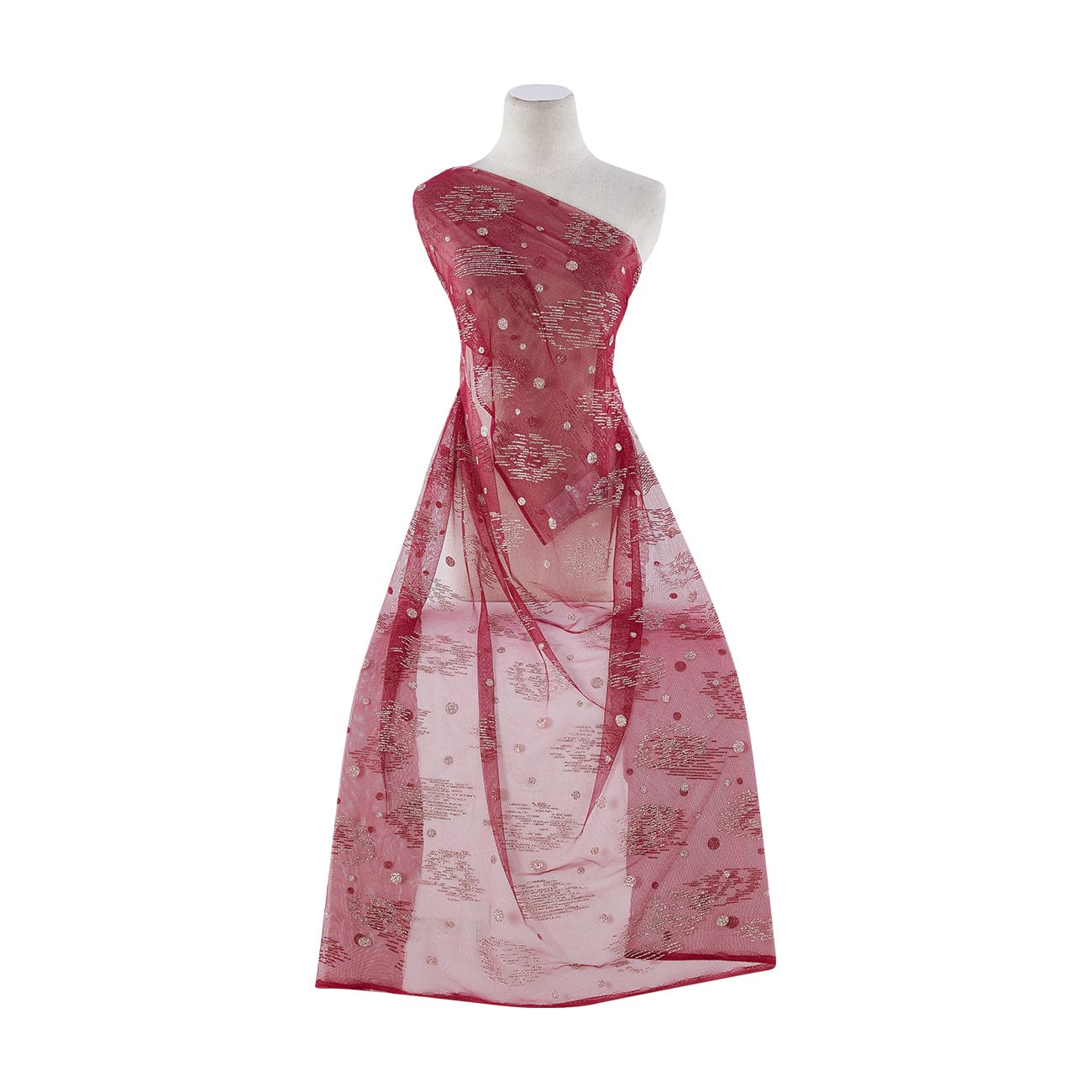
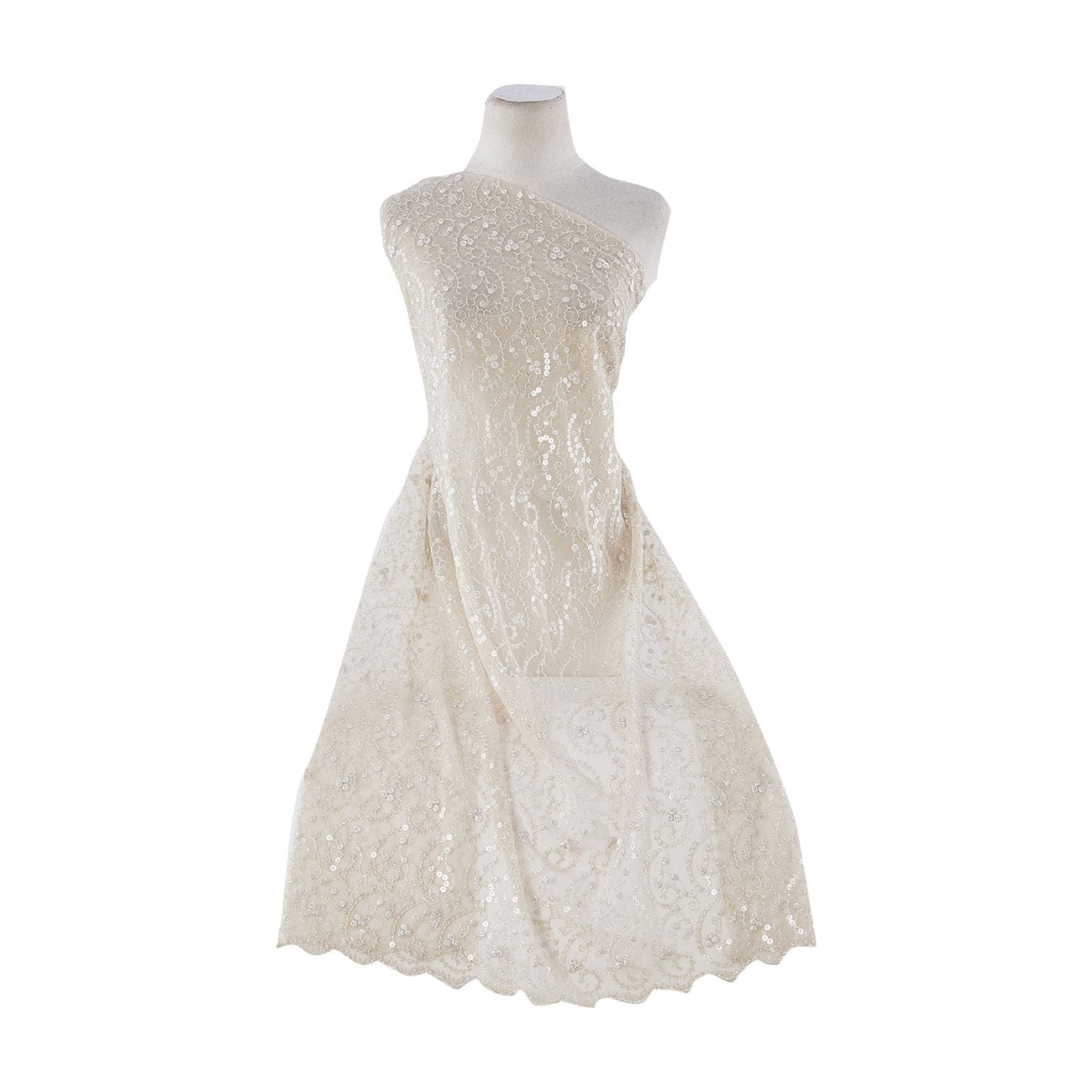
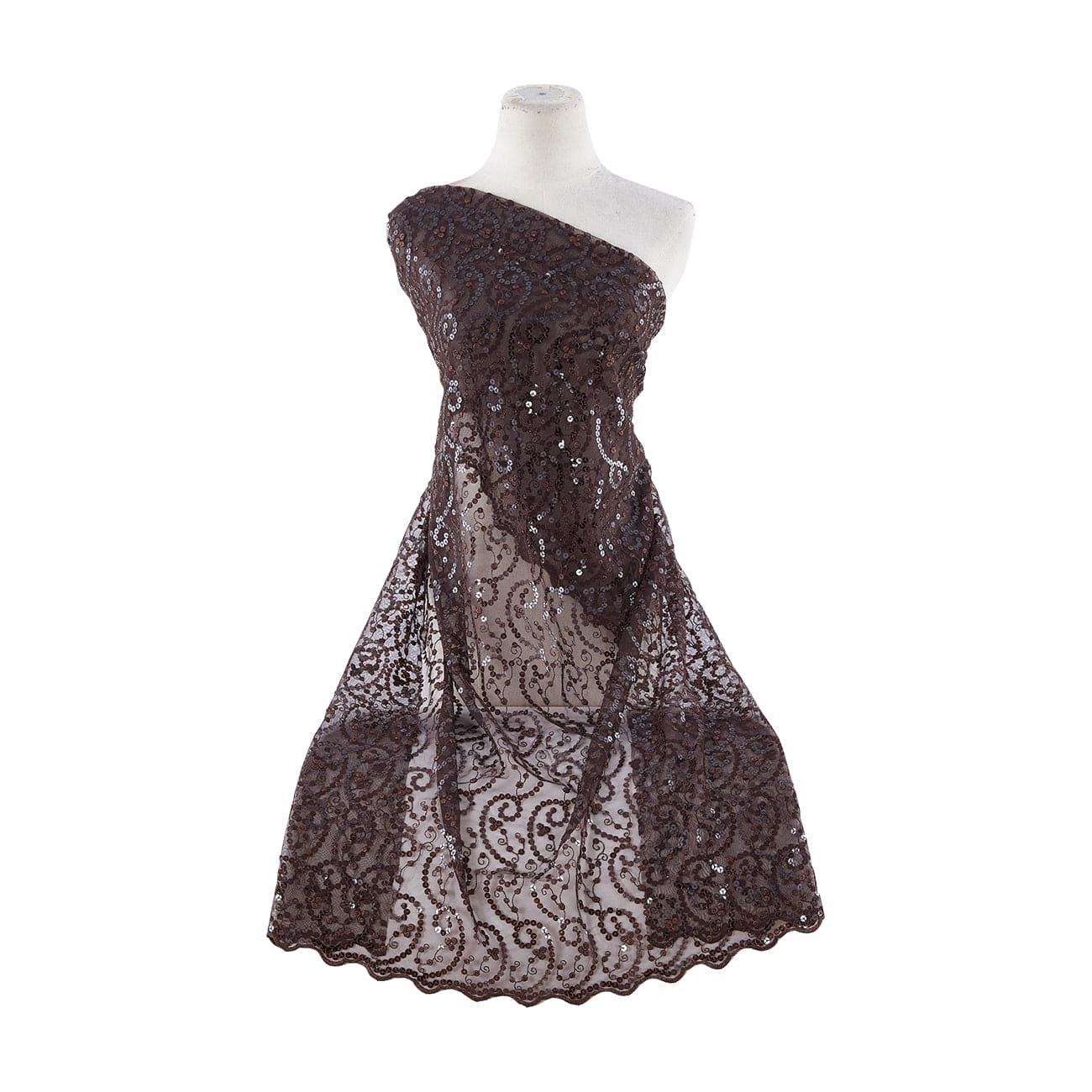
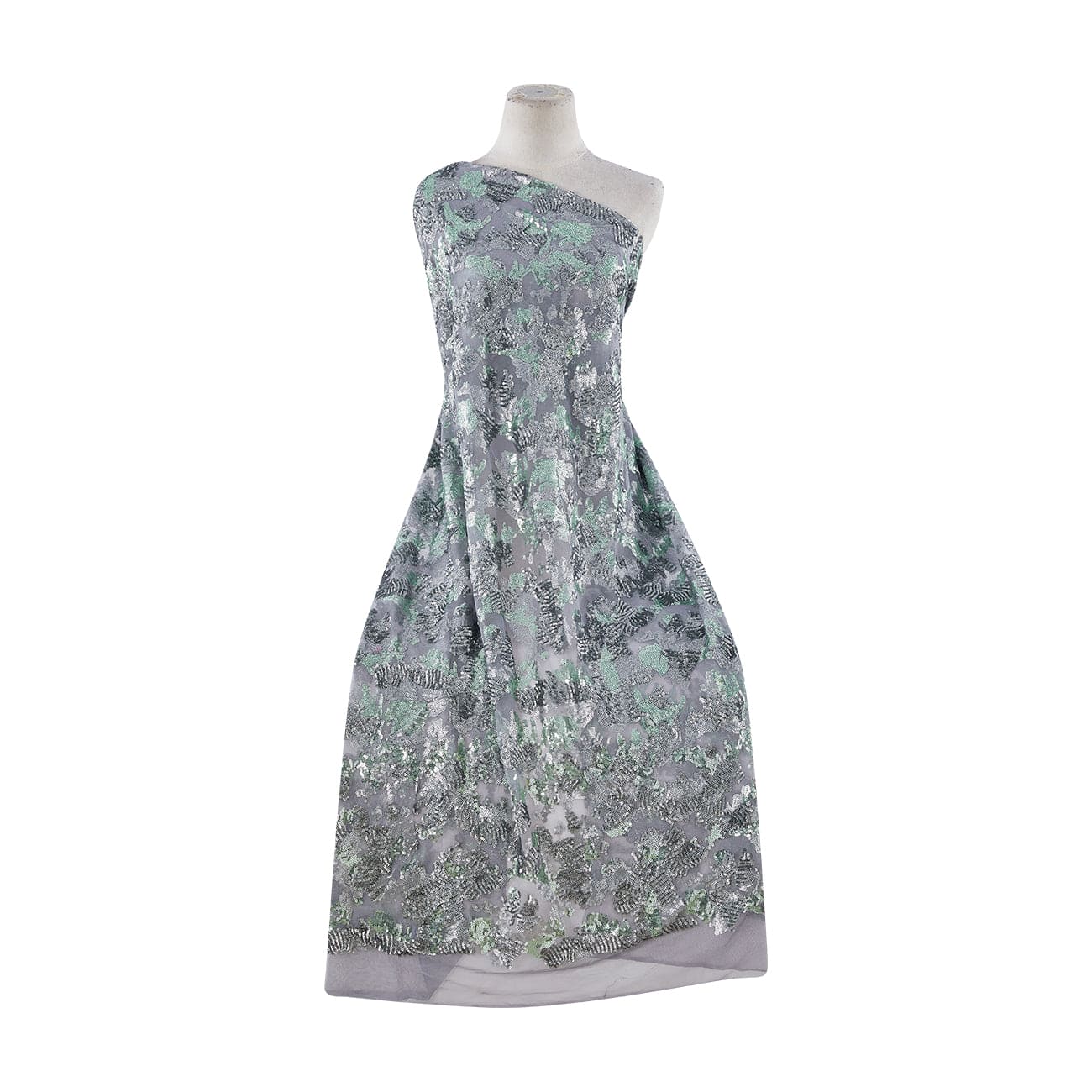
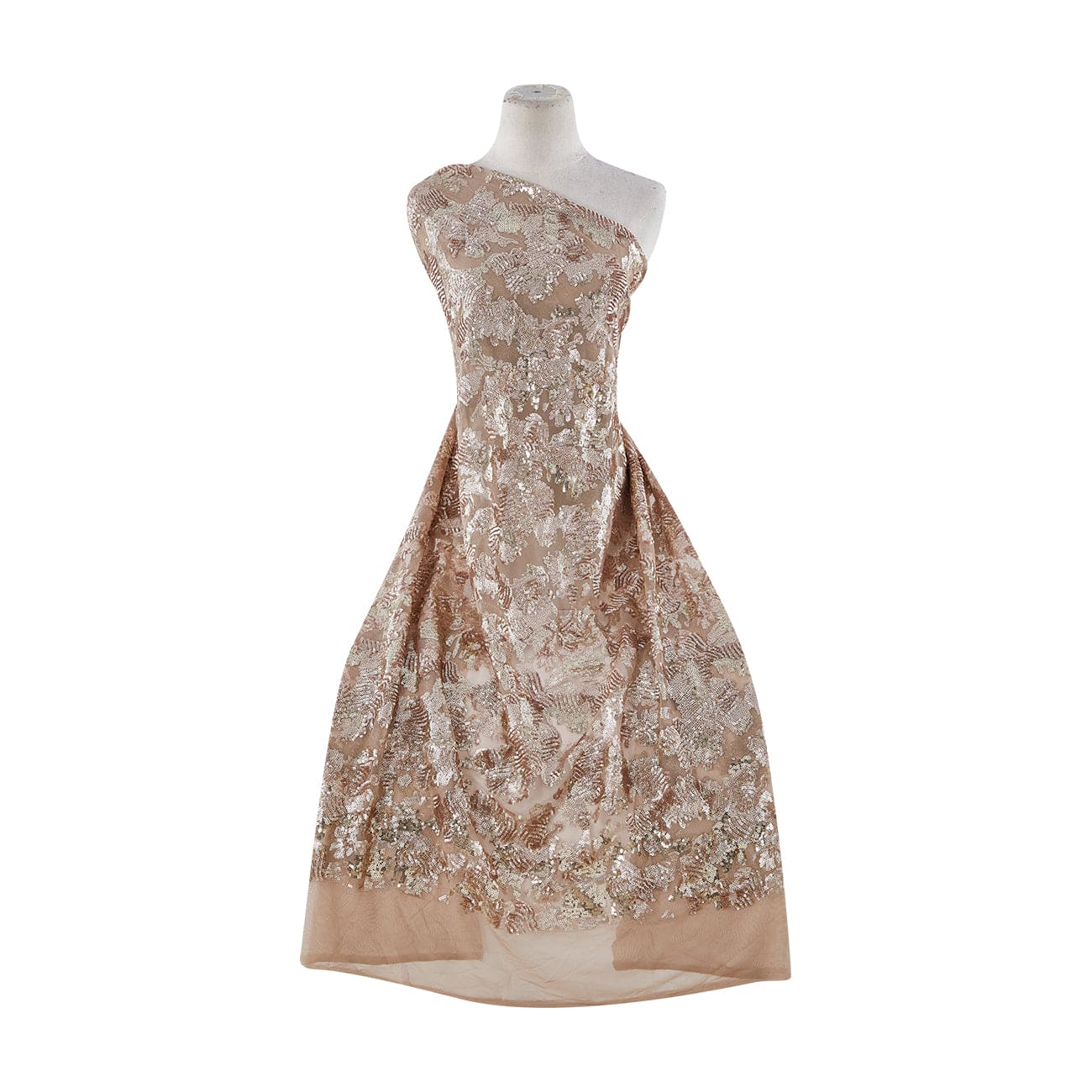
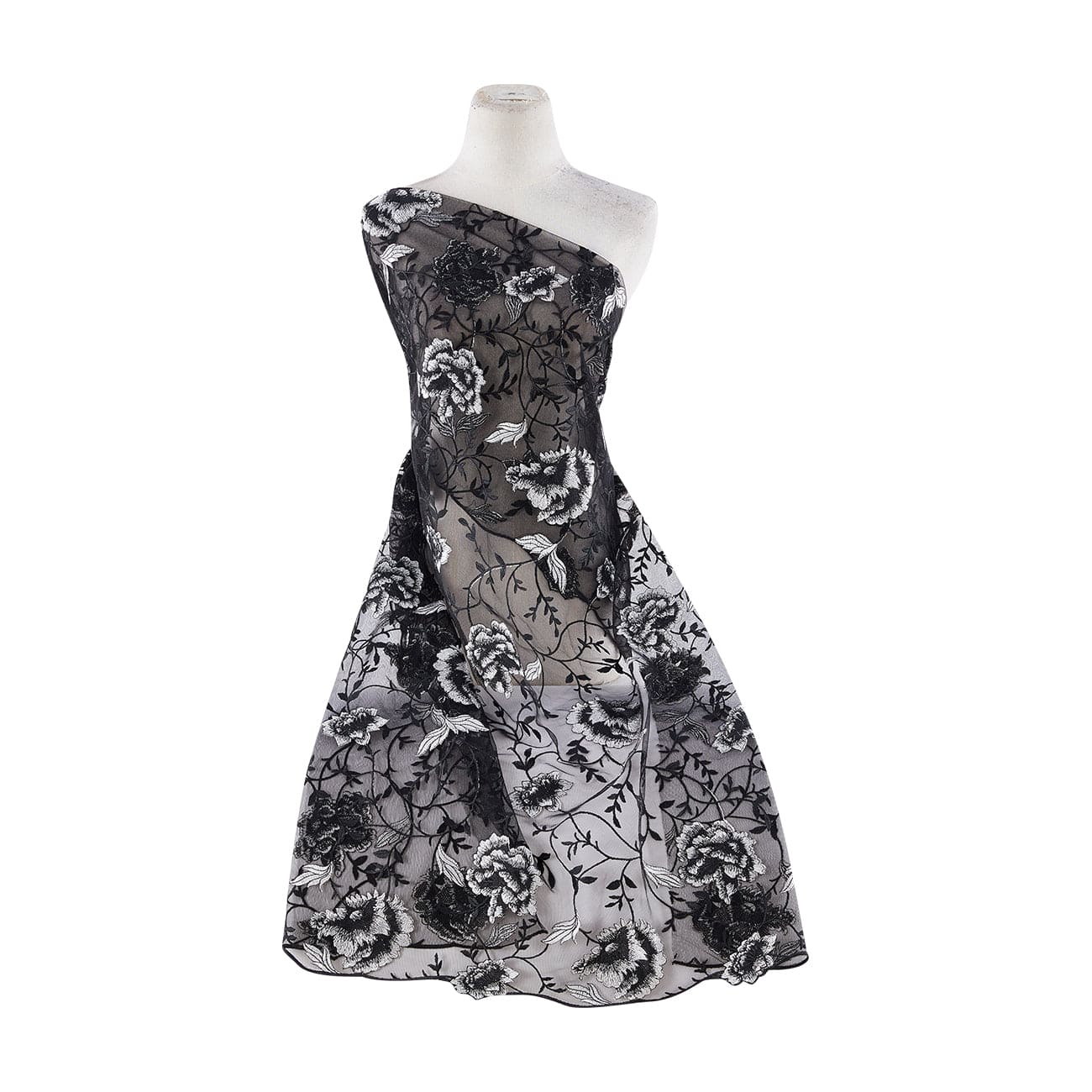

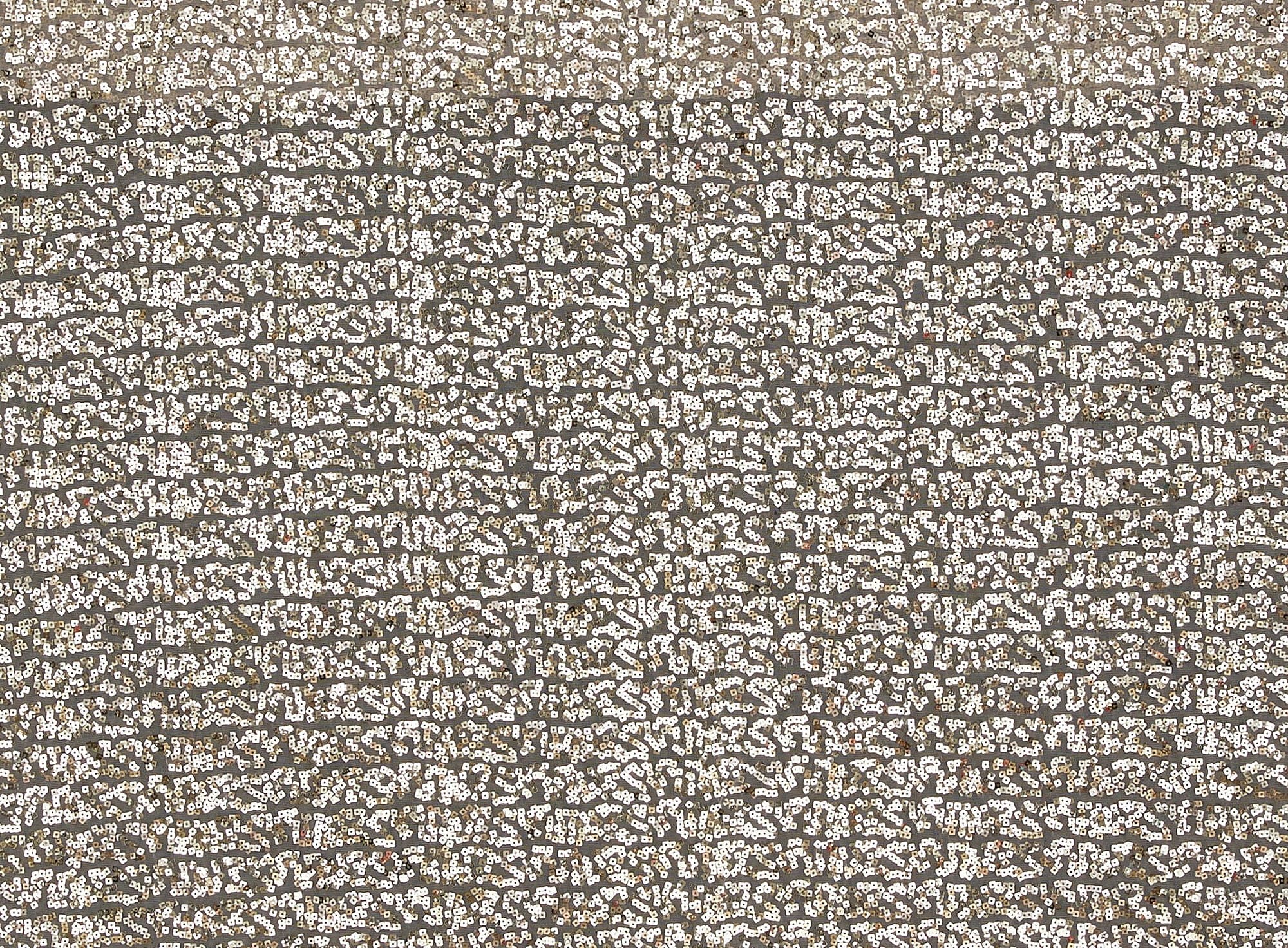
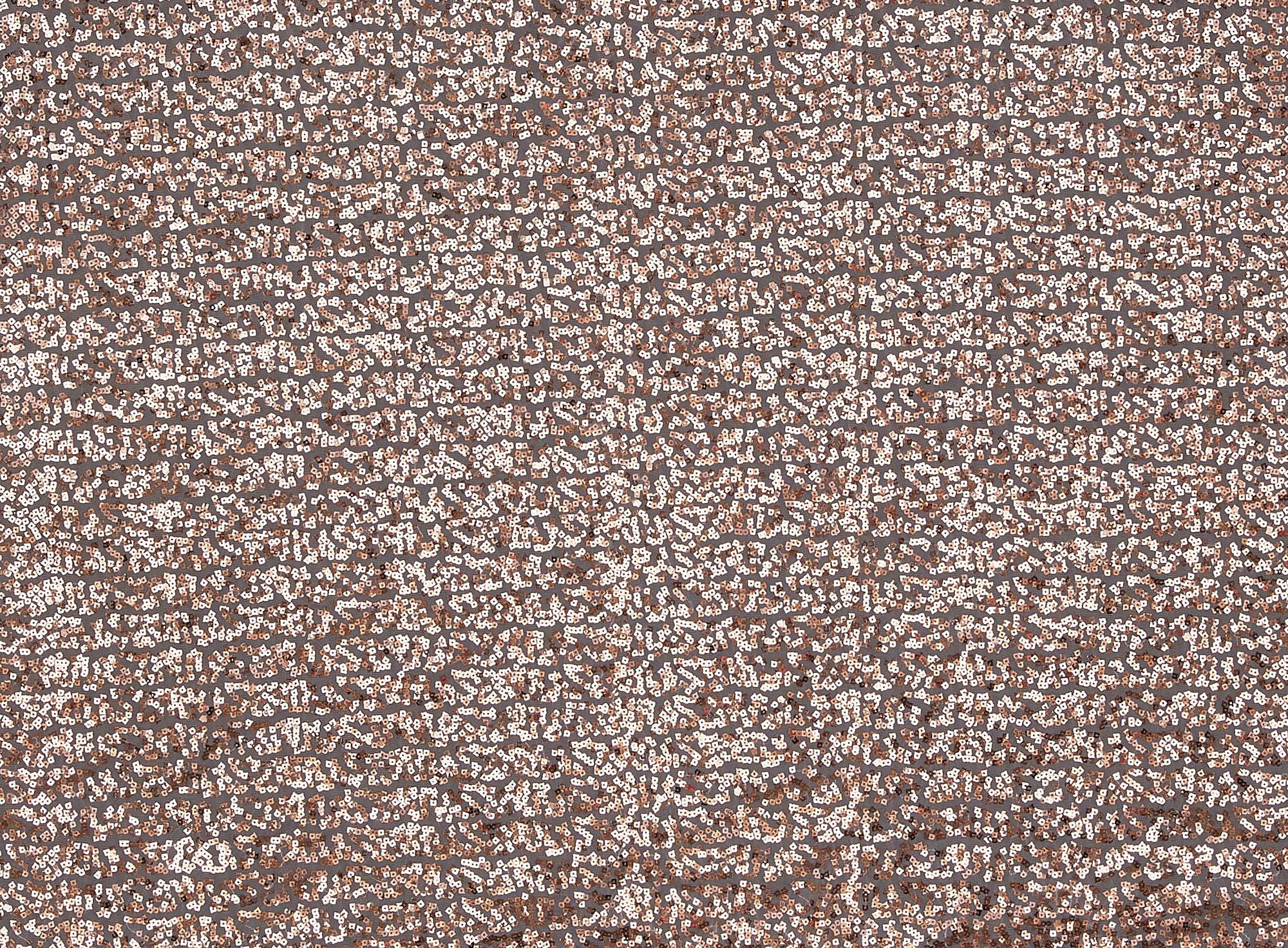
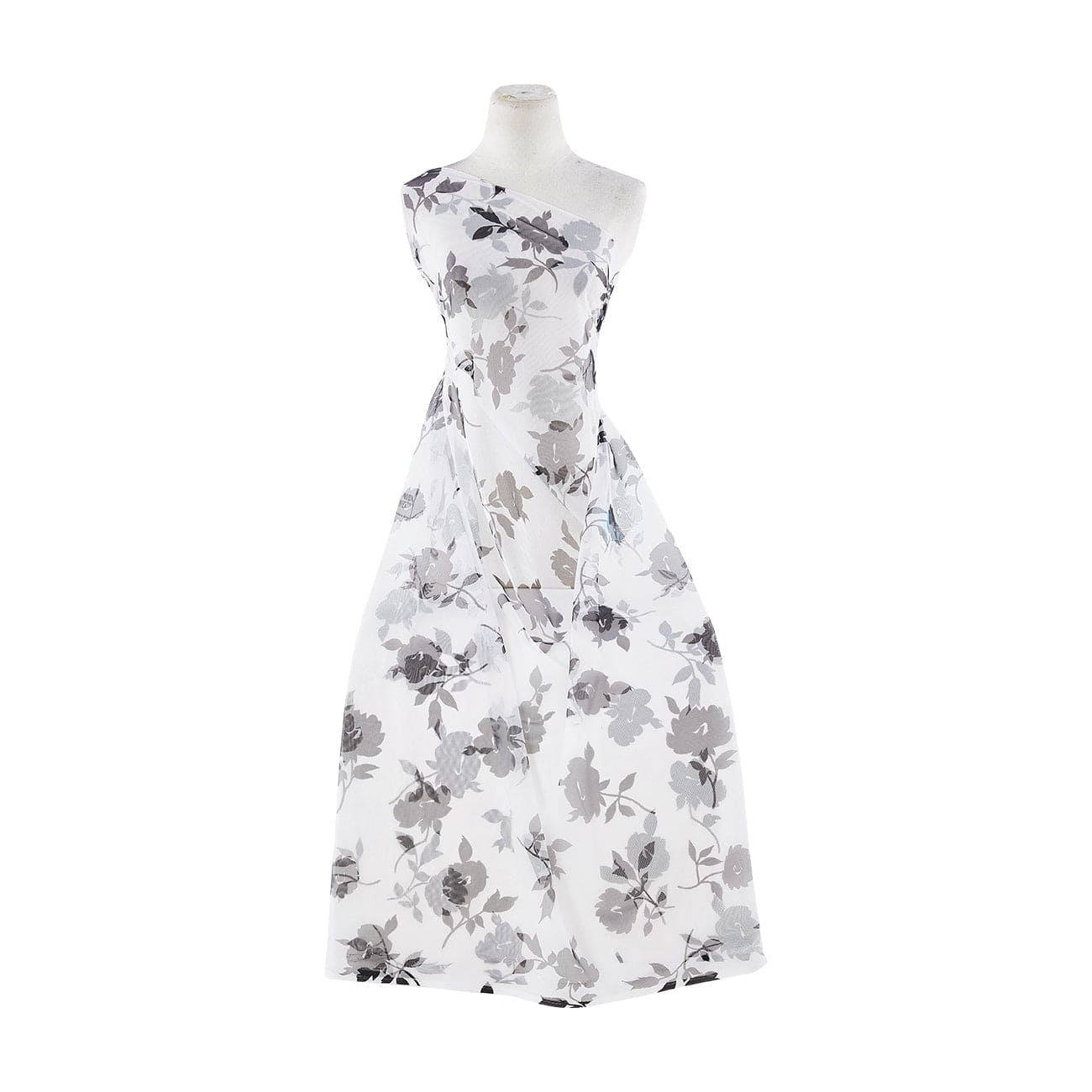
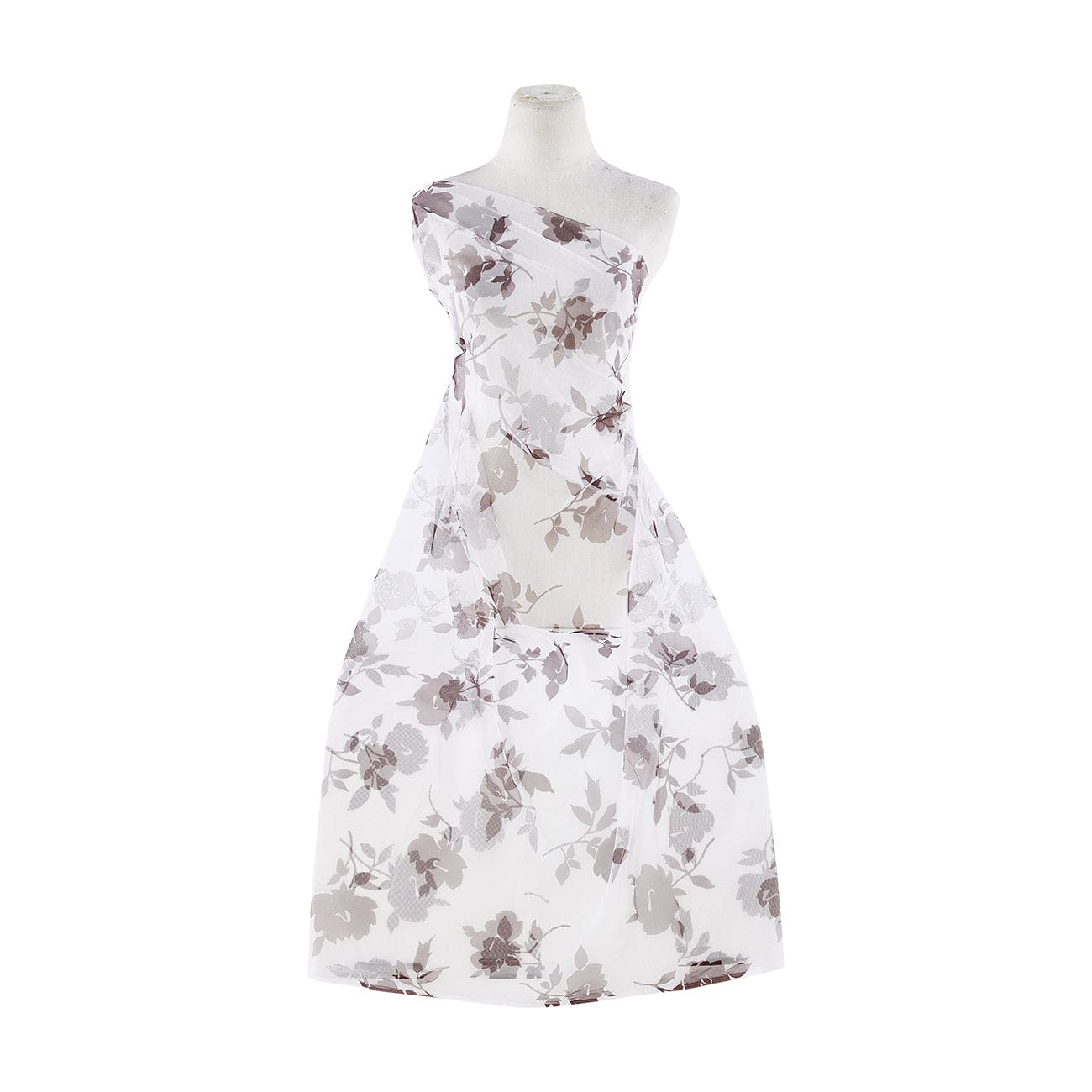
Brown Tulle Fabric: Construction, Drape, and Best Uses
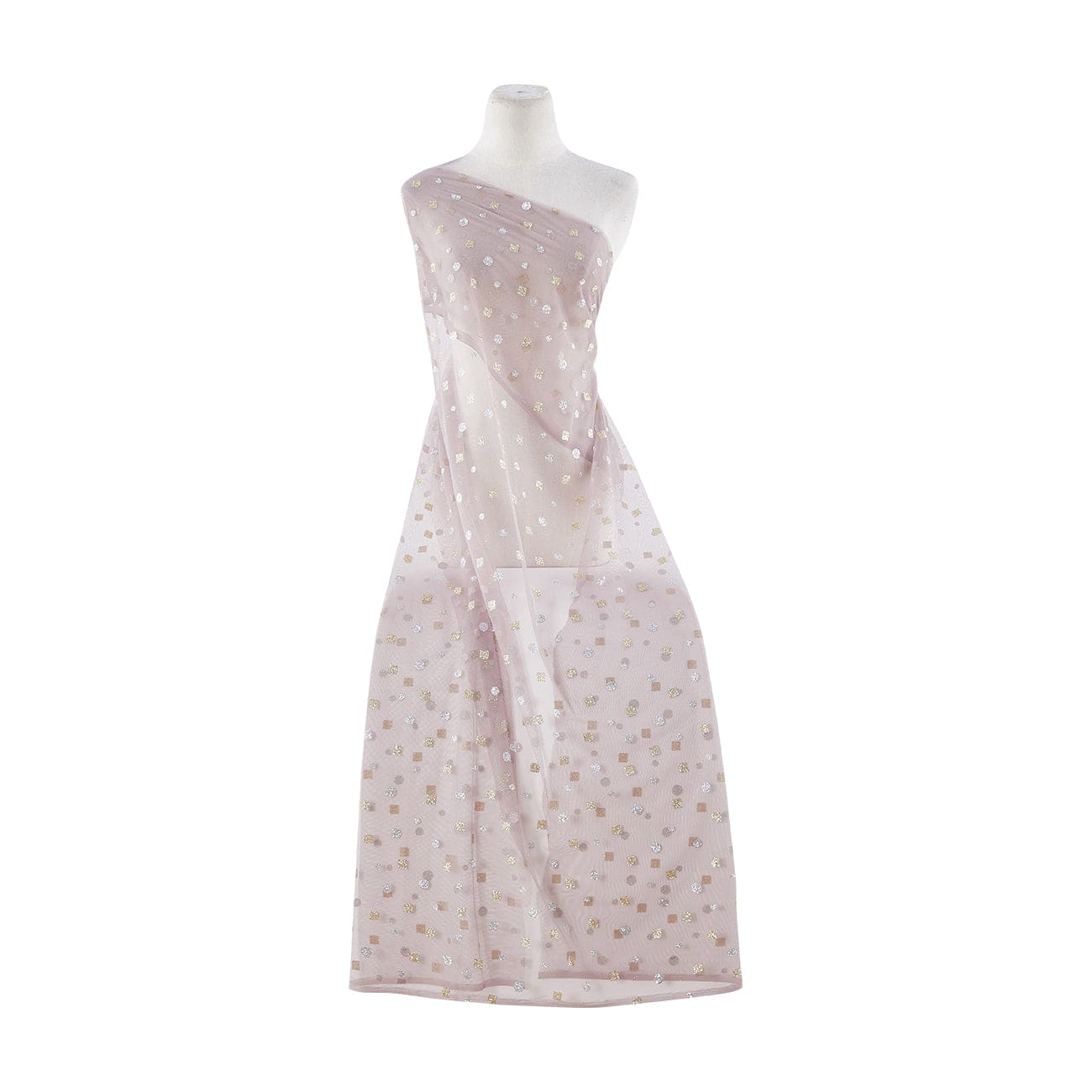
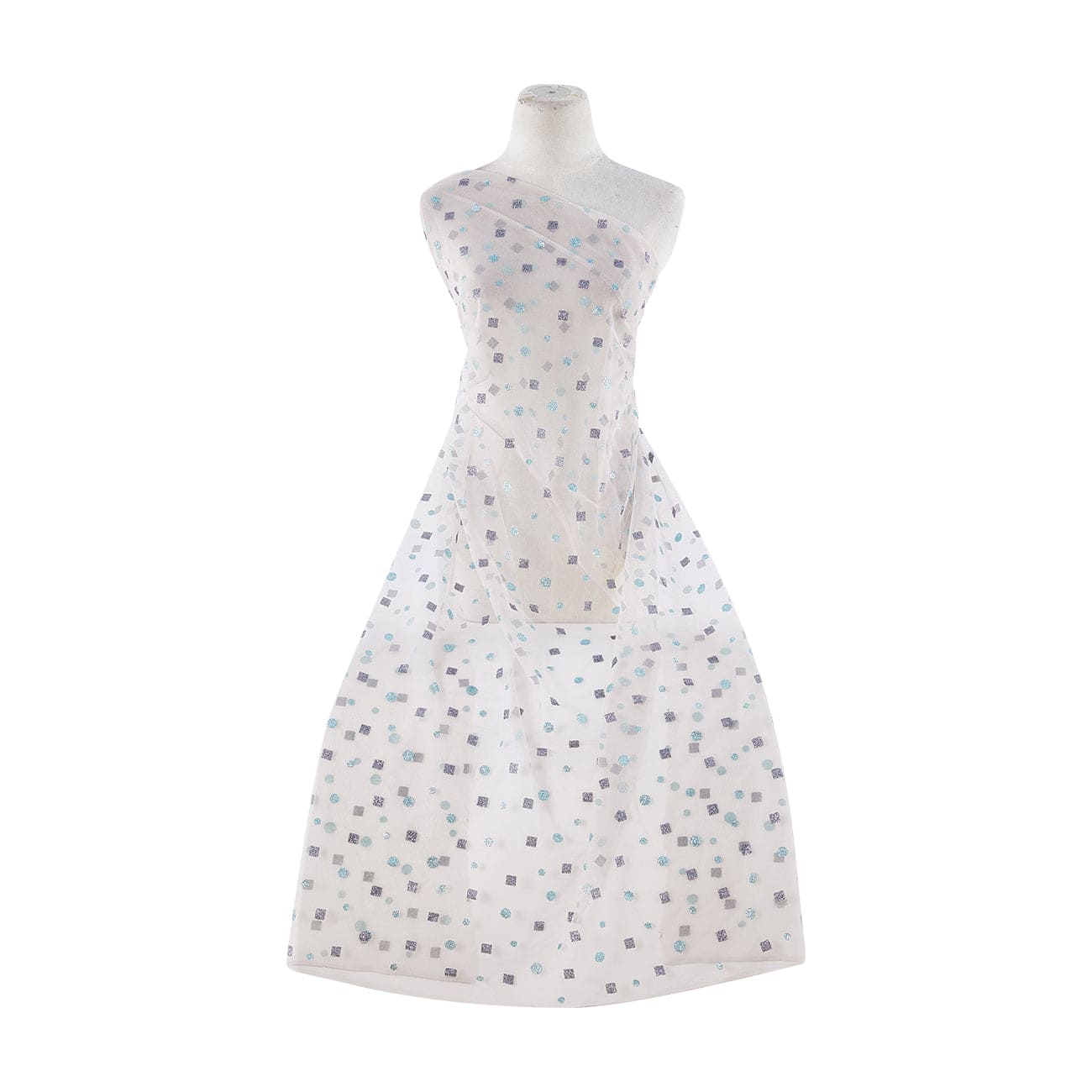
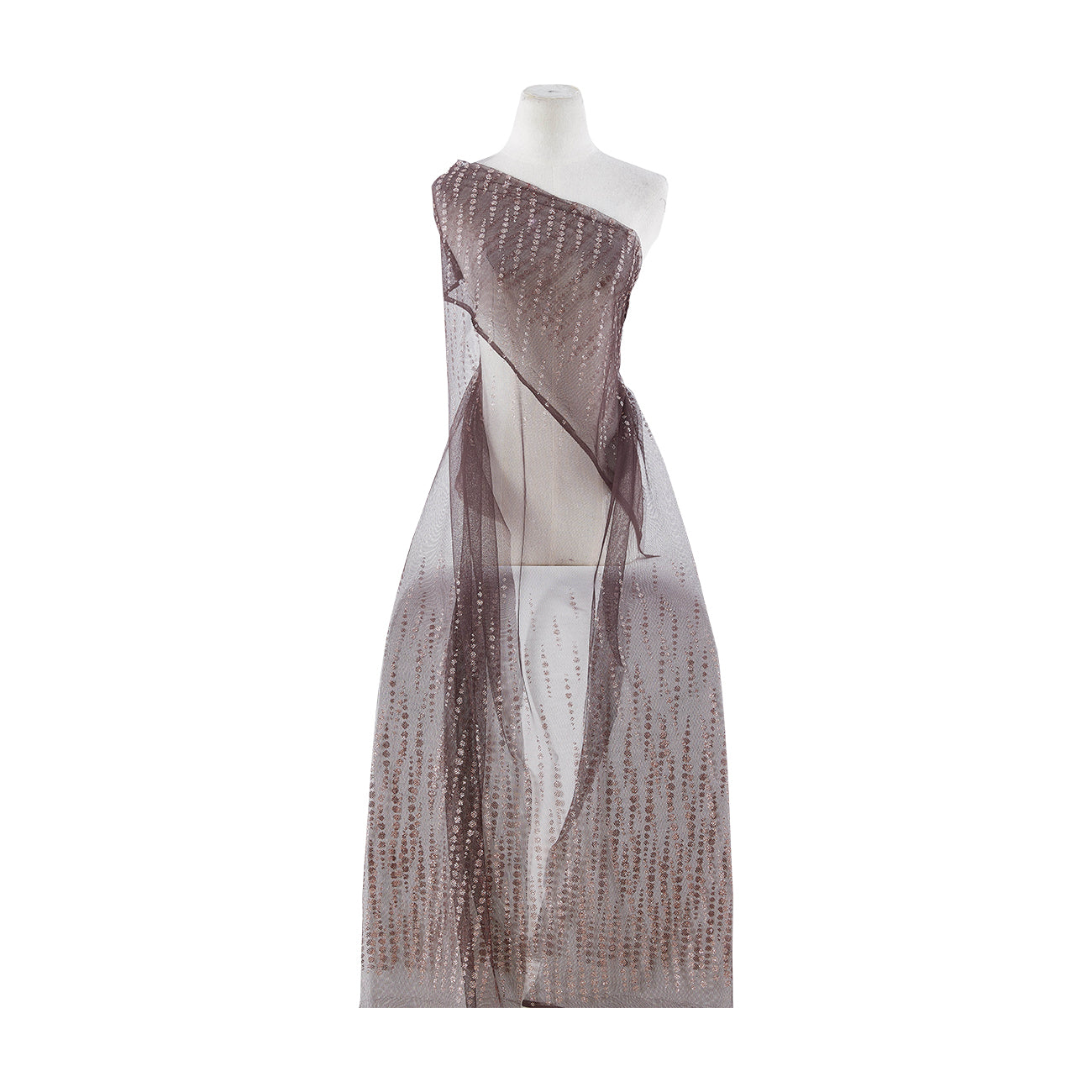
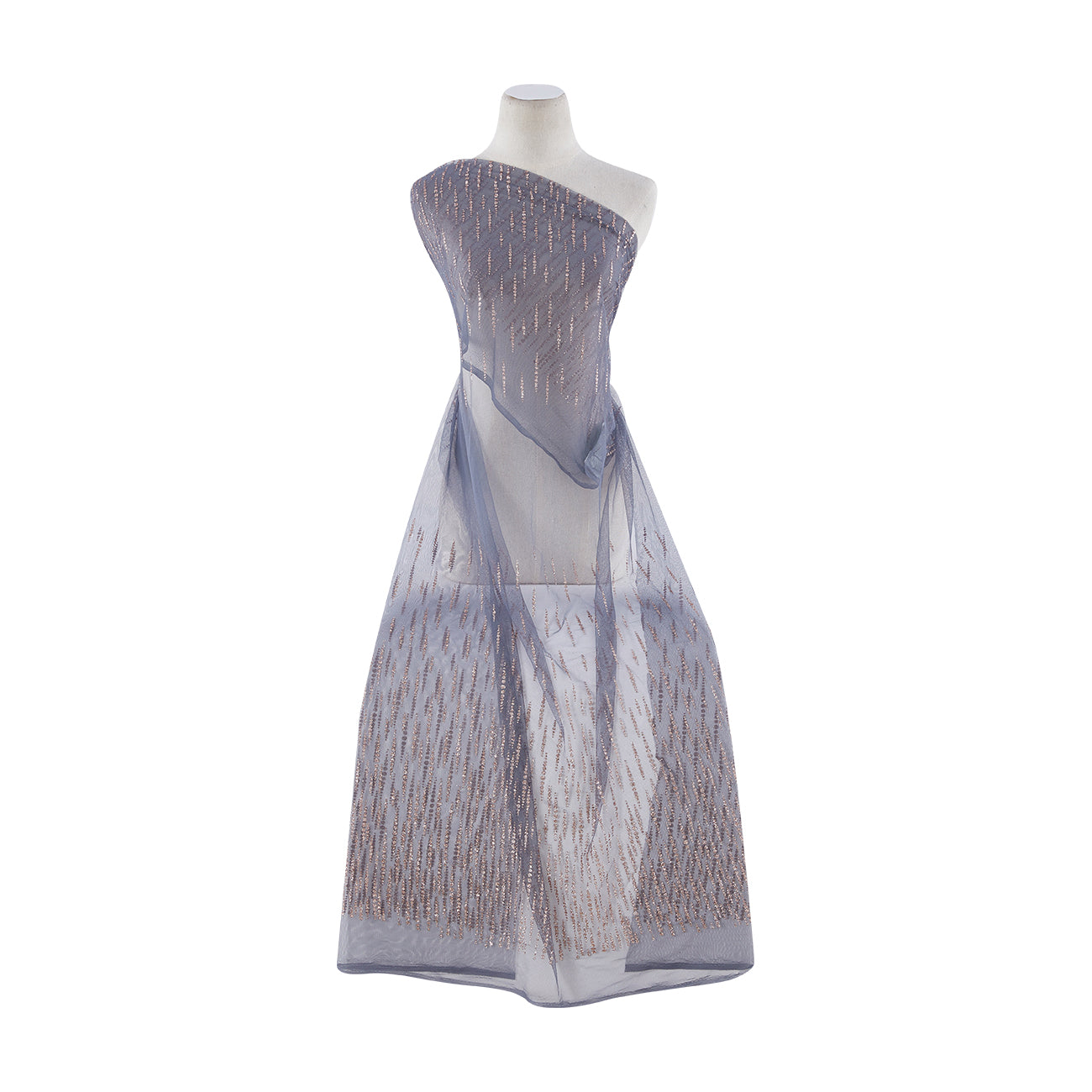
Tulle fabric is a lightweight, fine mesh textile woven from nylon, polyester, or silk. Its open-weave structure makes a skirt look full and substantial without feeling heavy on the body. This makes it a dependable base for layered silhouettes and underskirt builds.
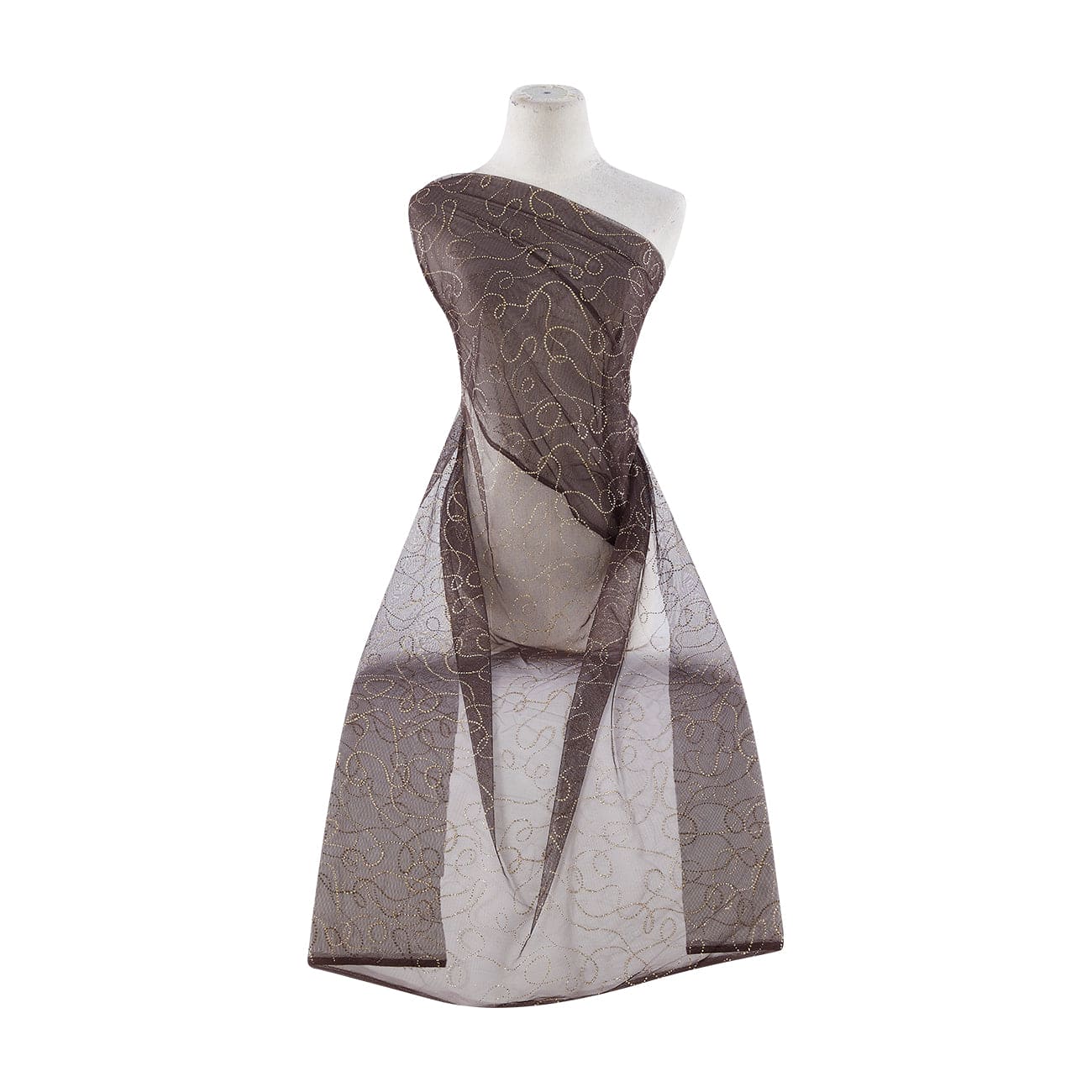
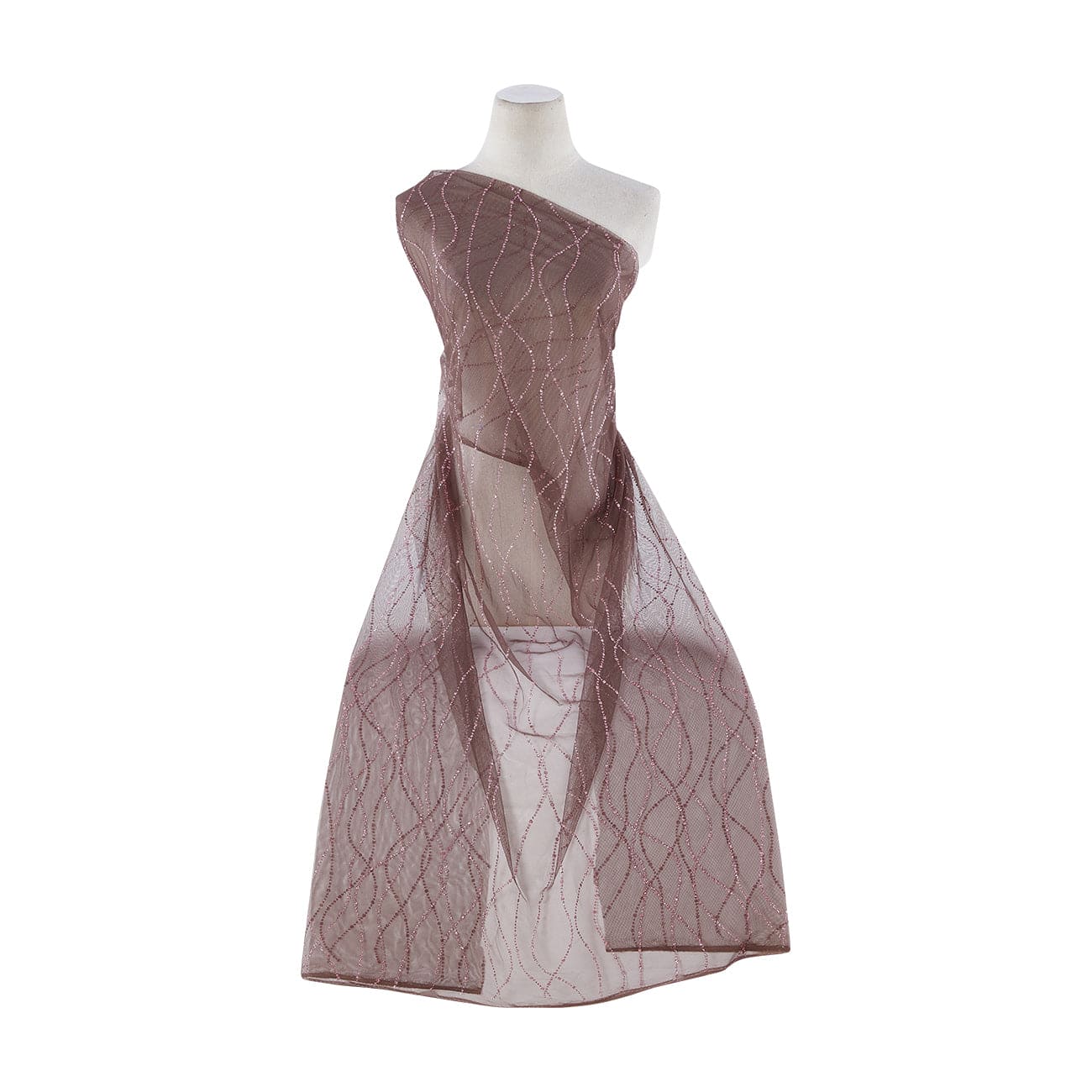
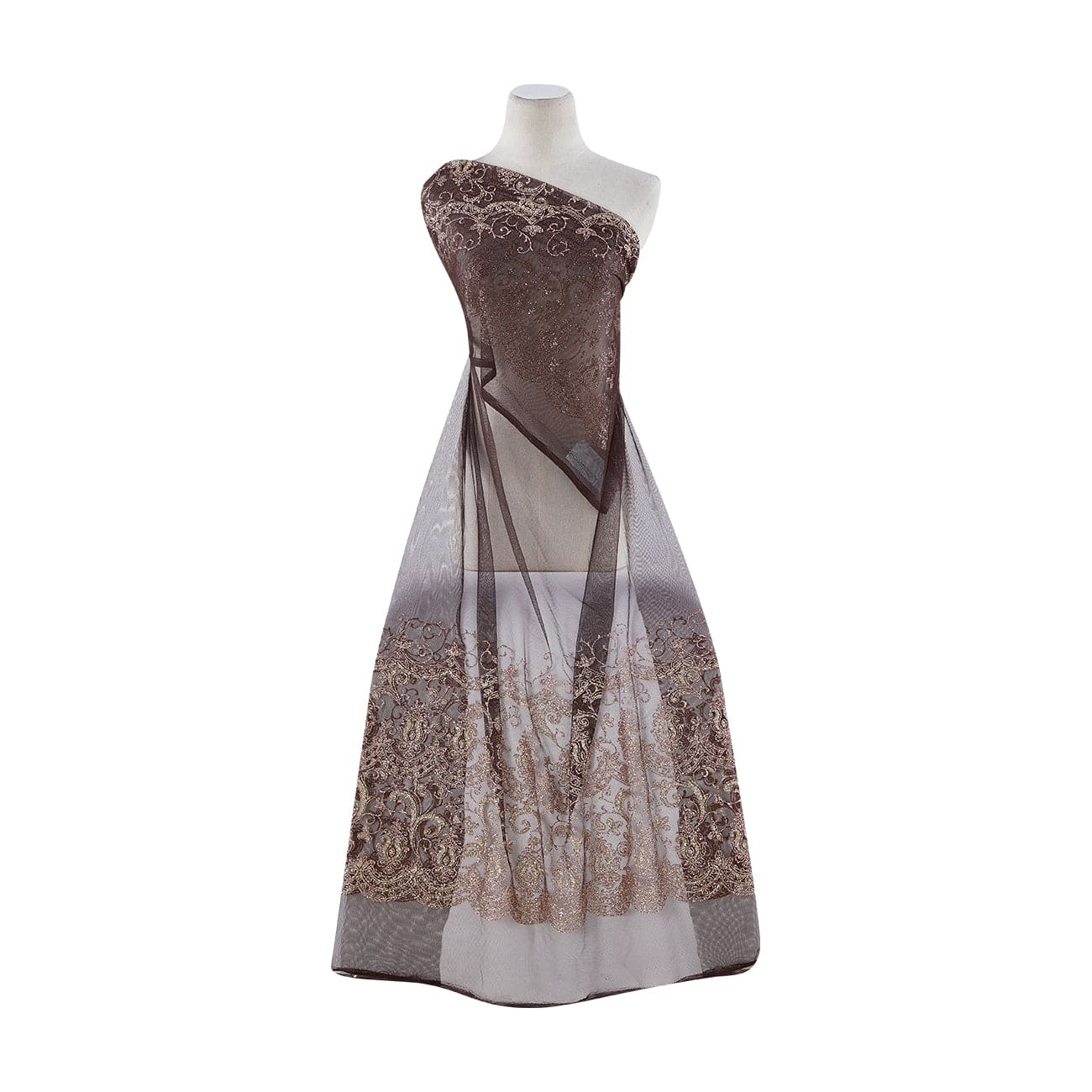
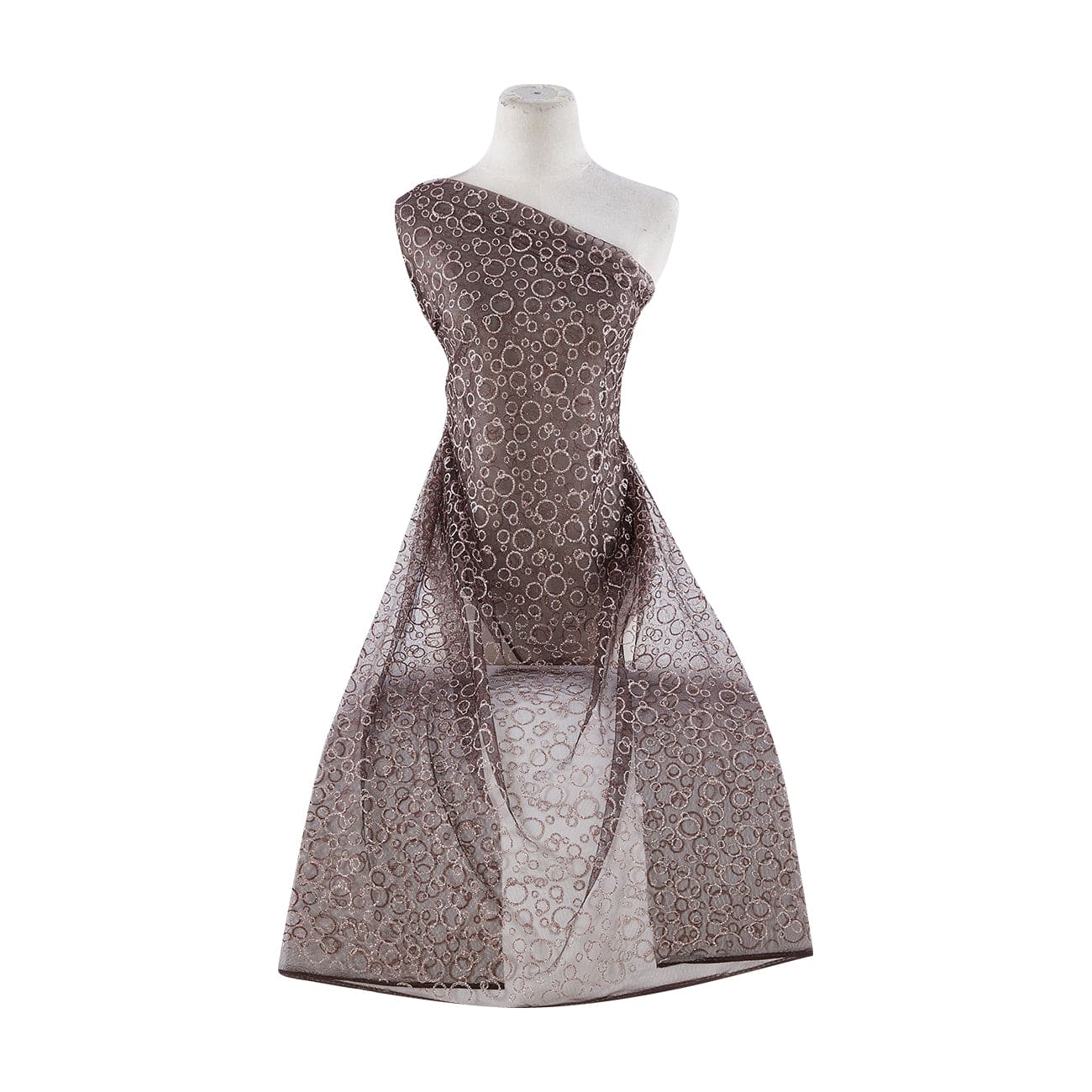
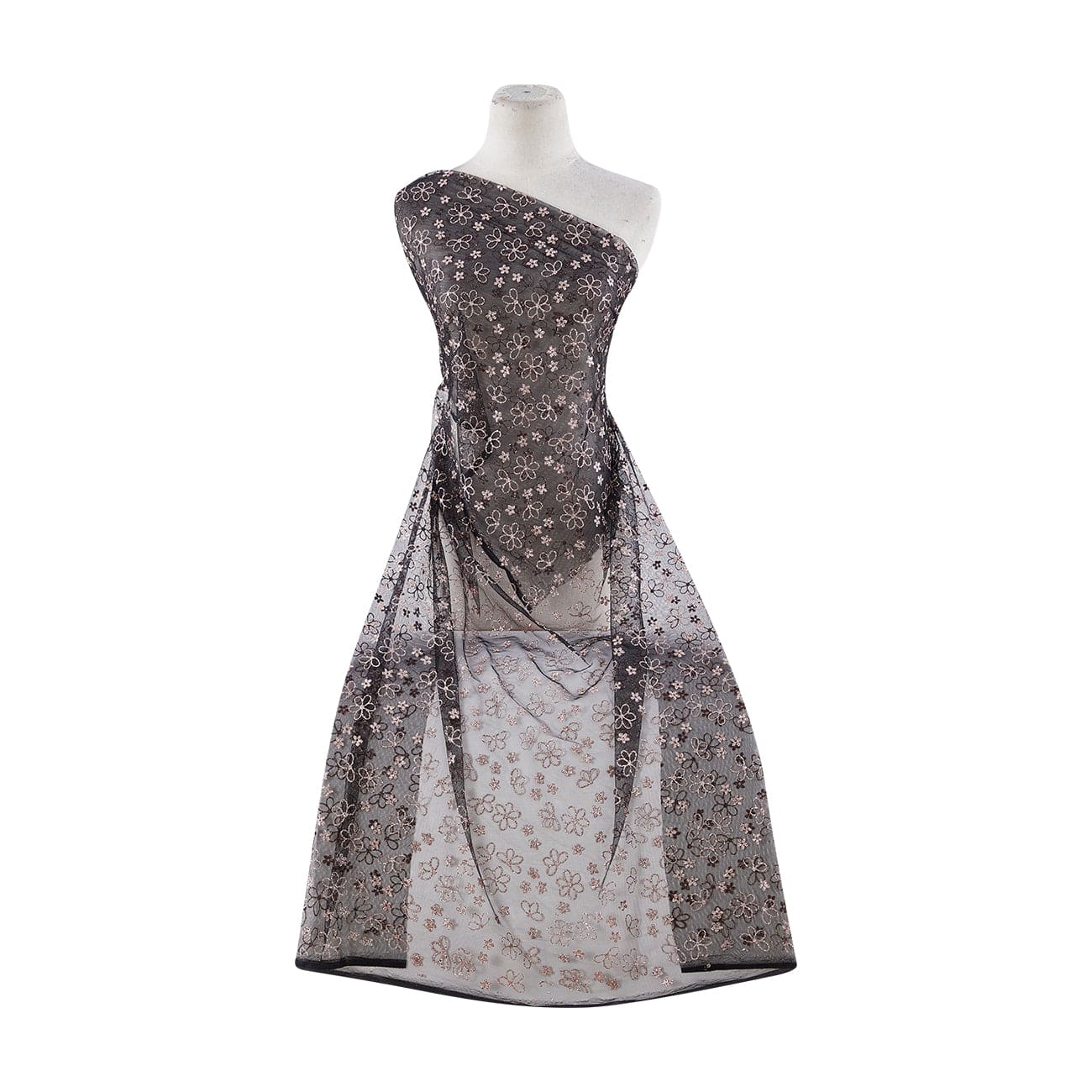
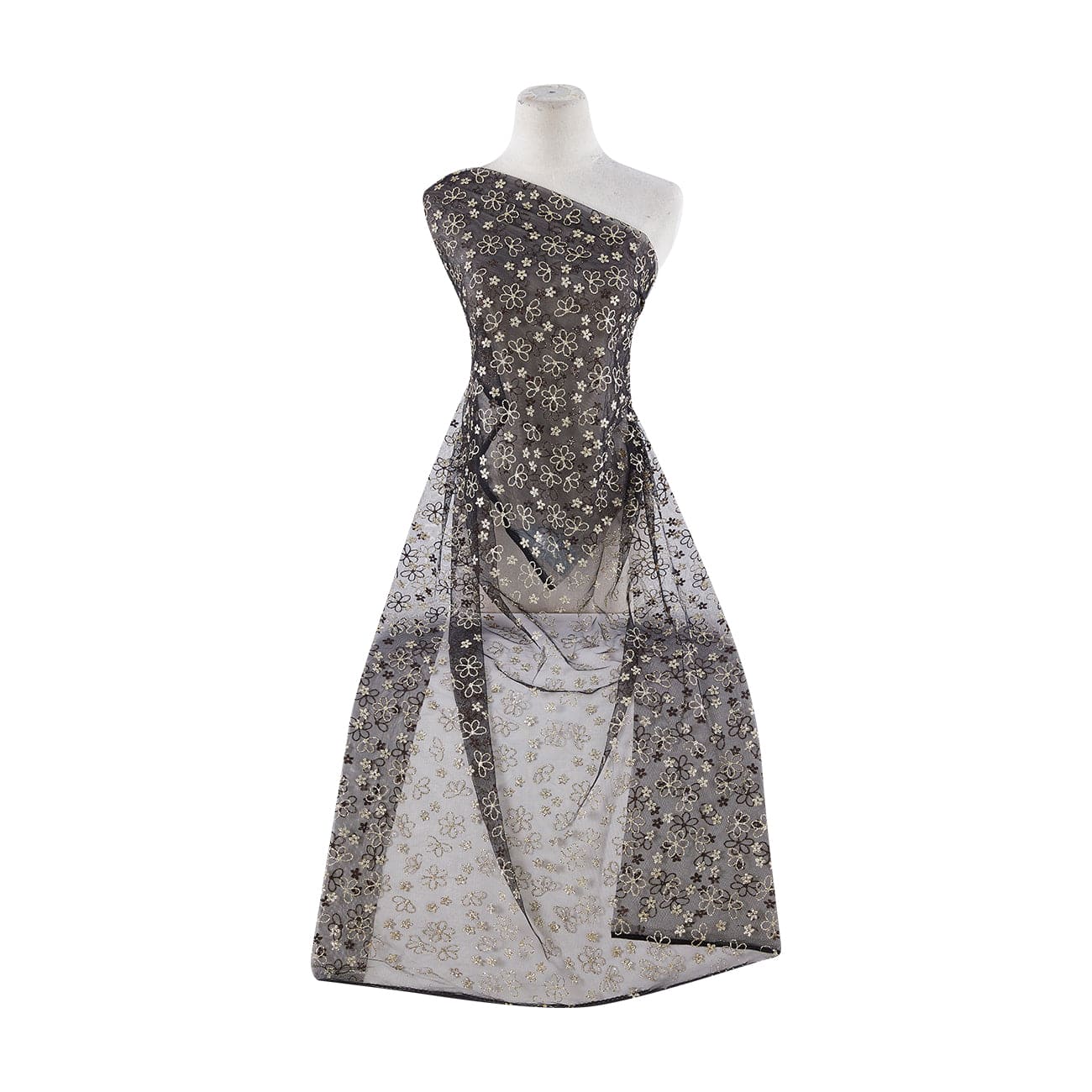
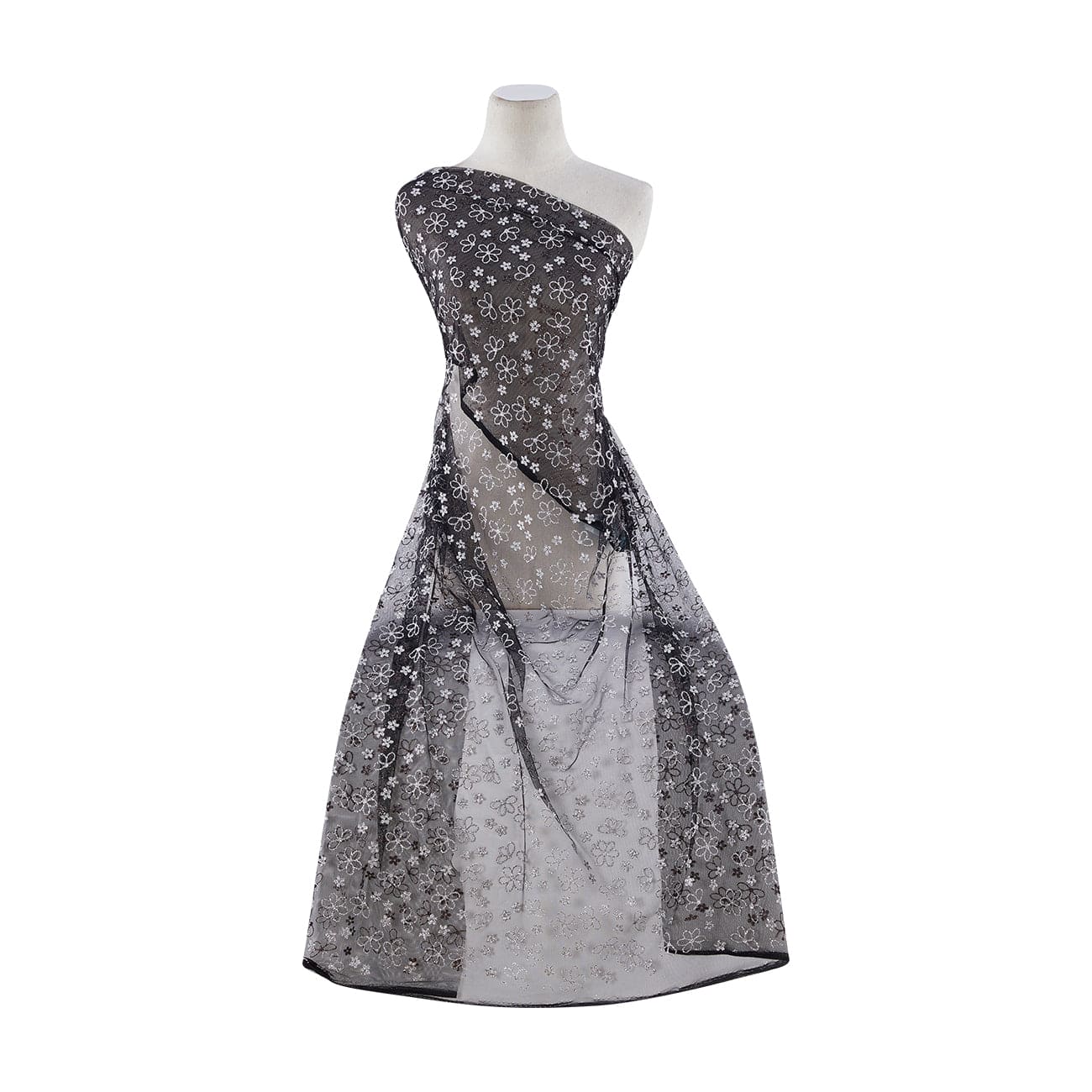
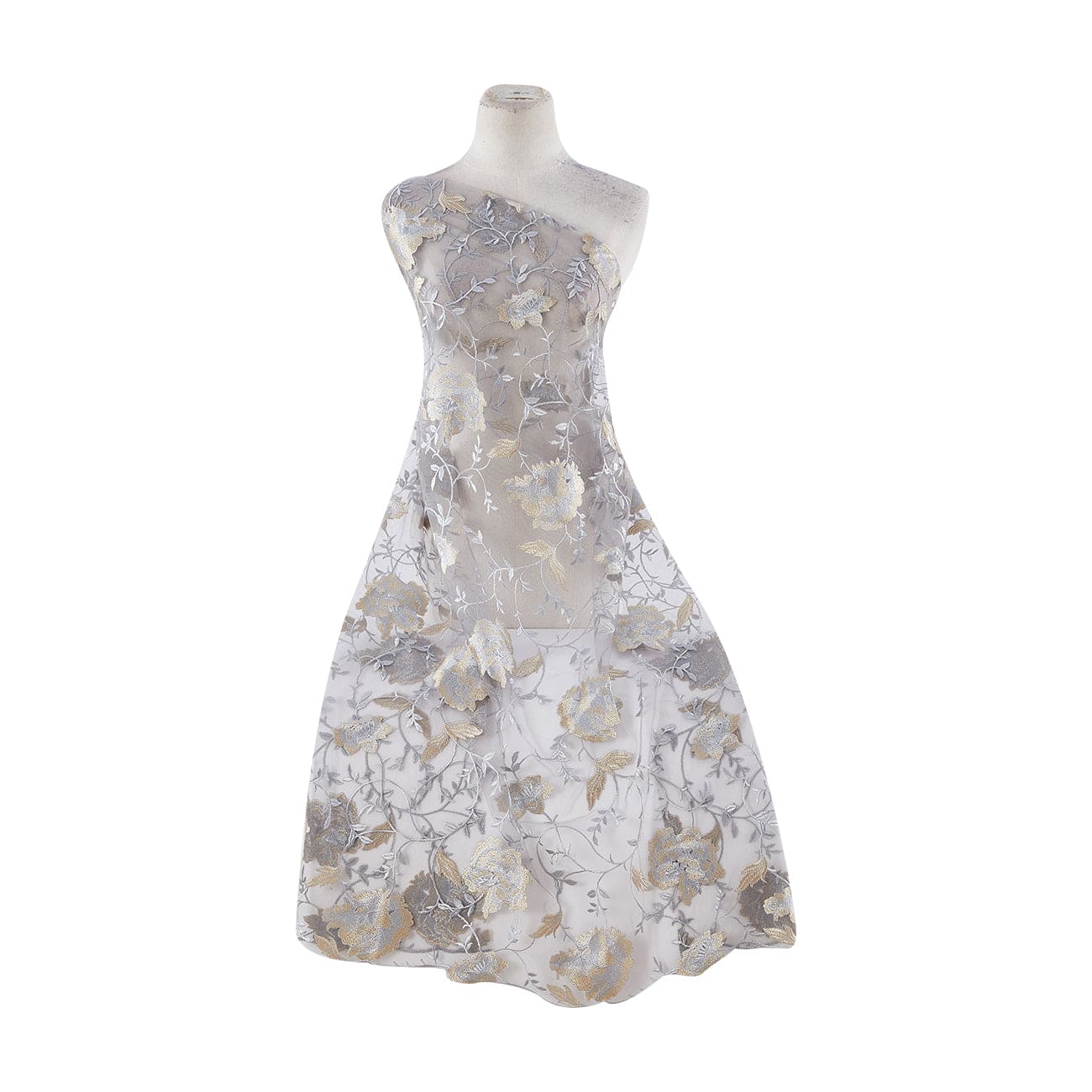
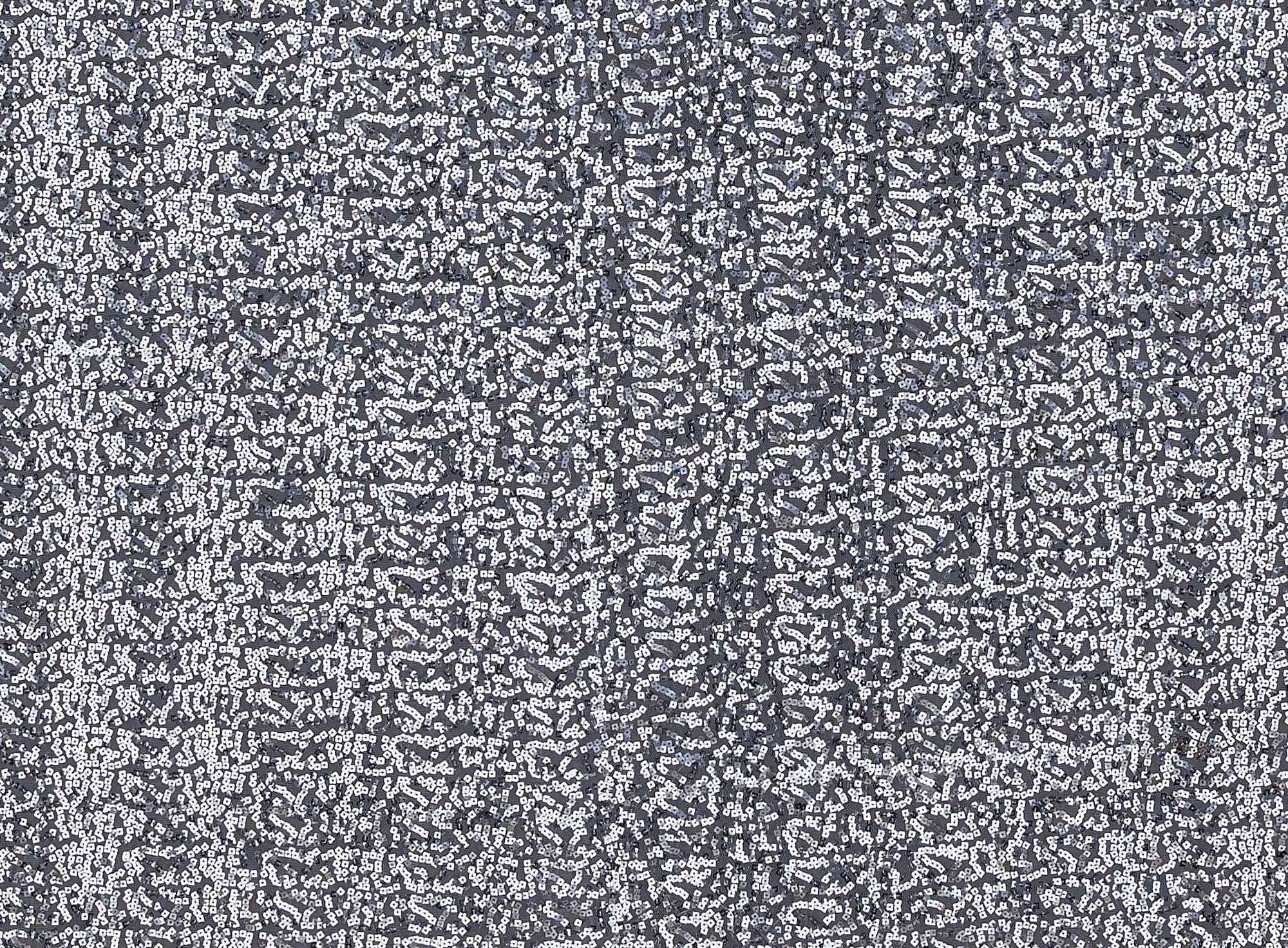
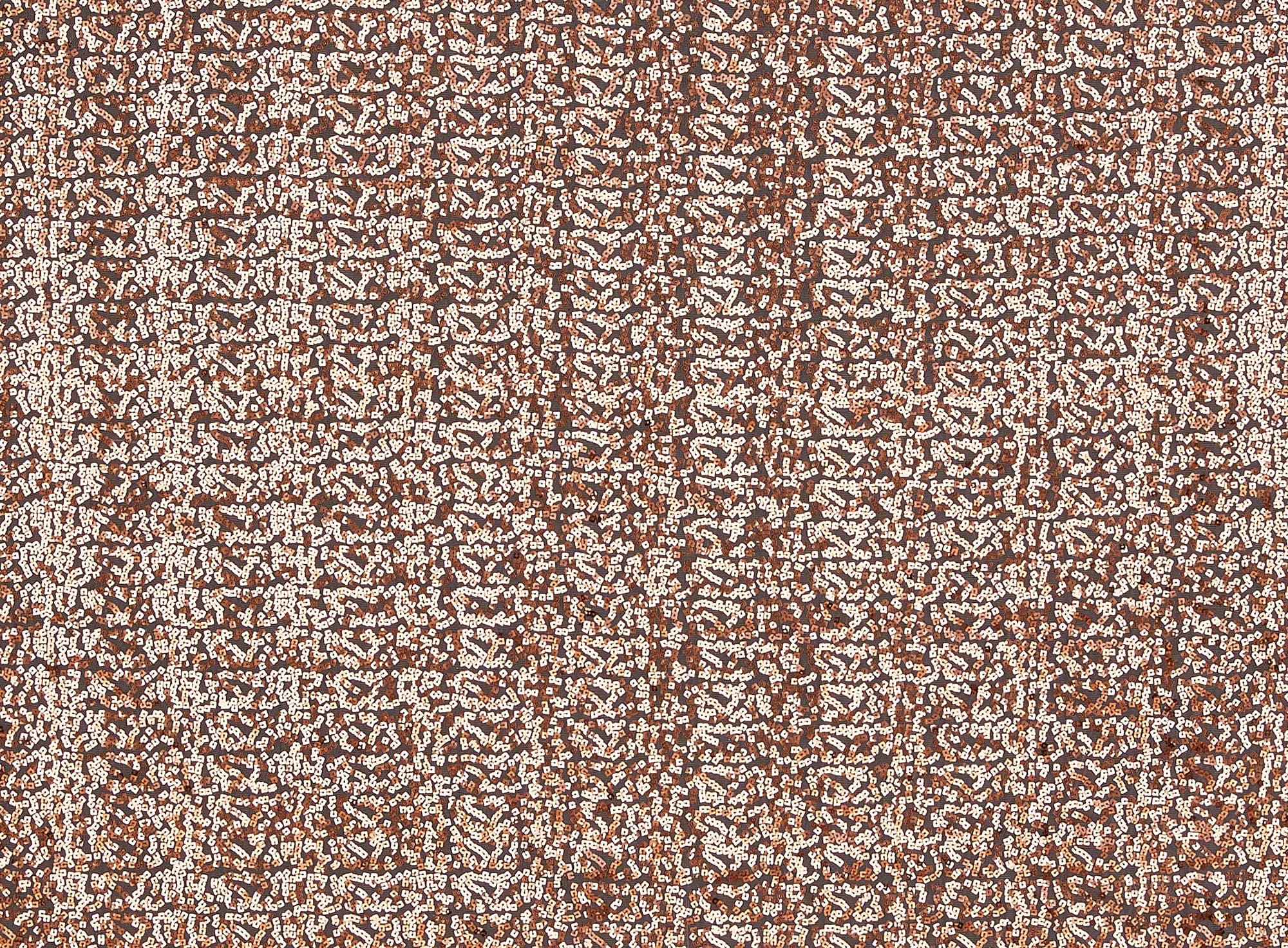
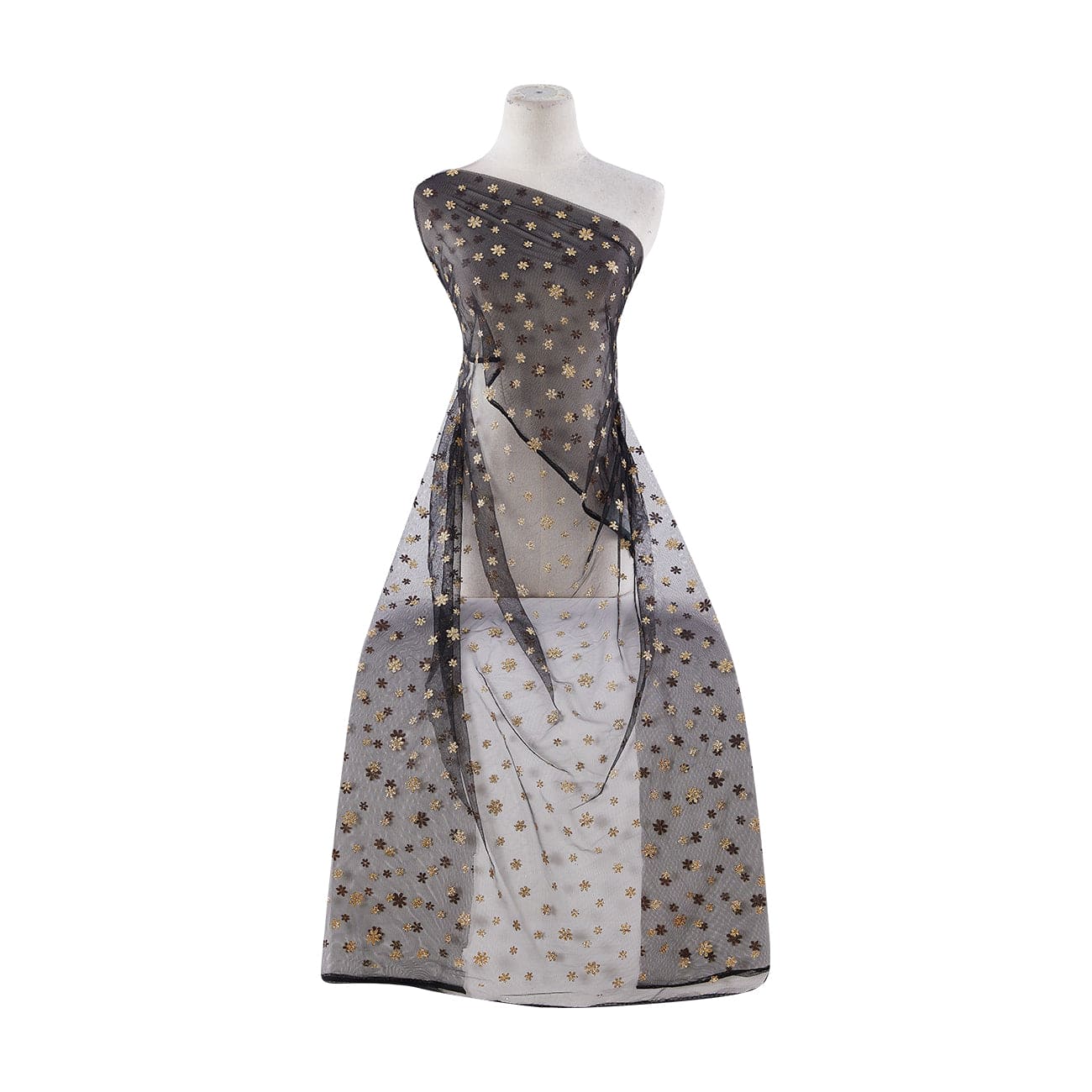
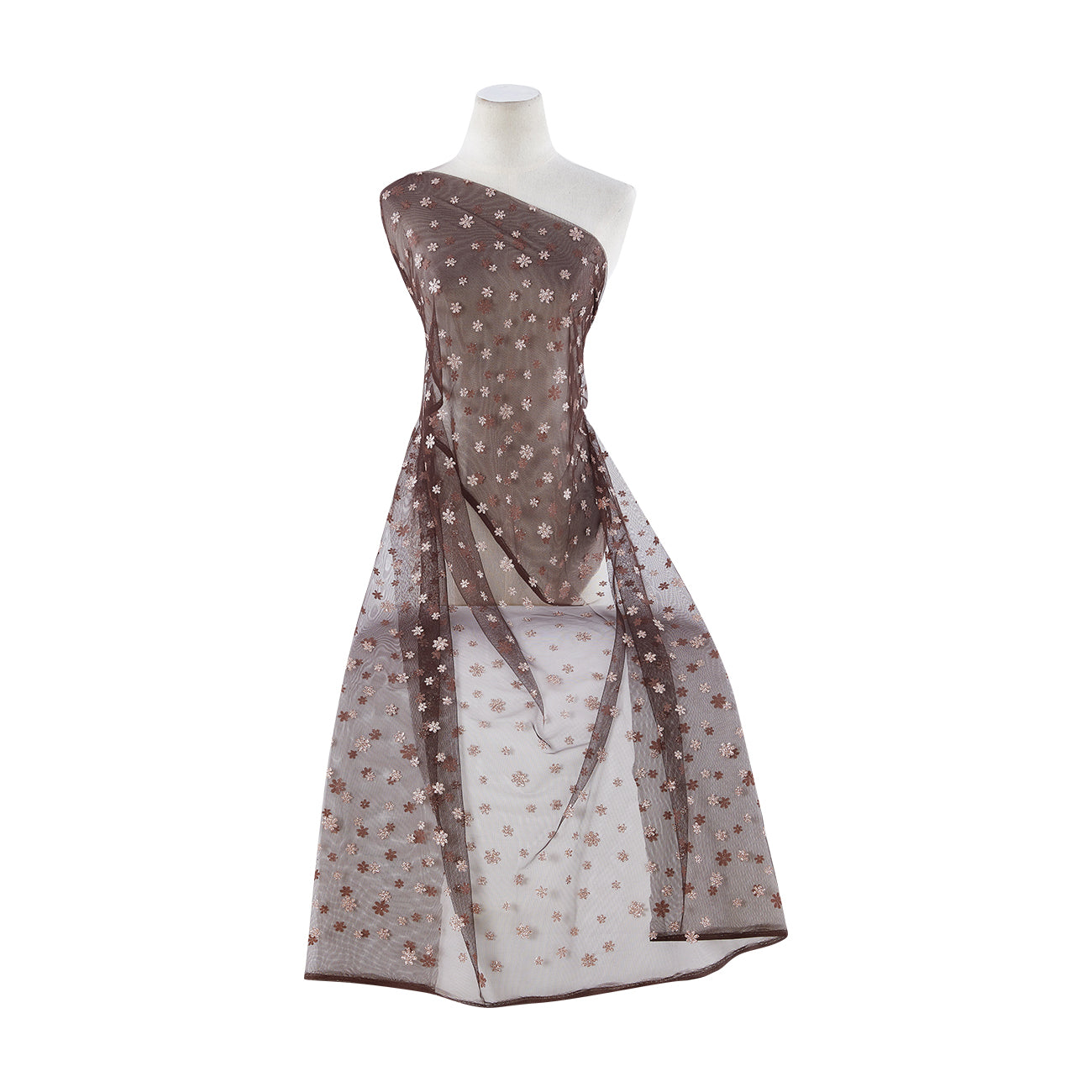
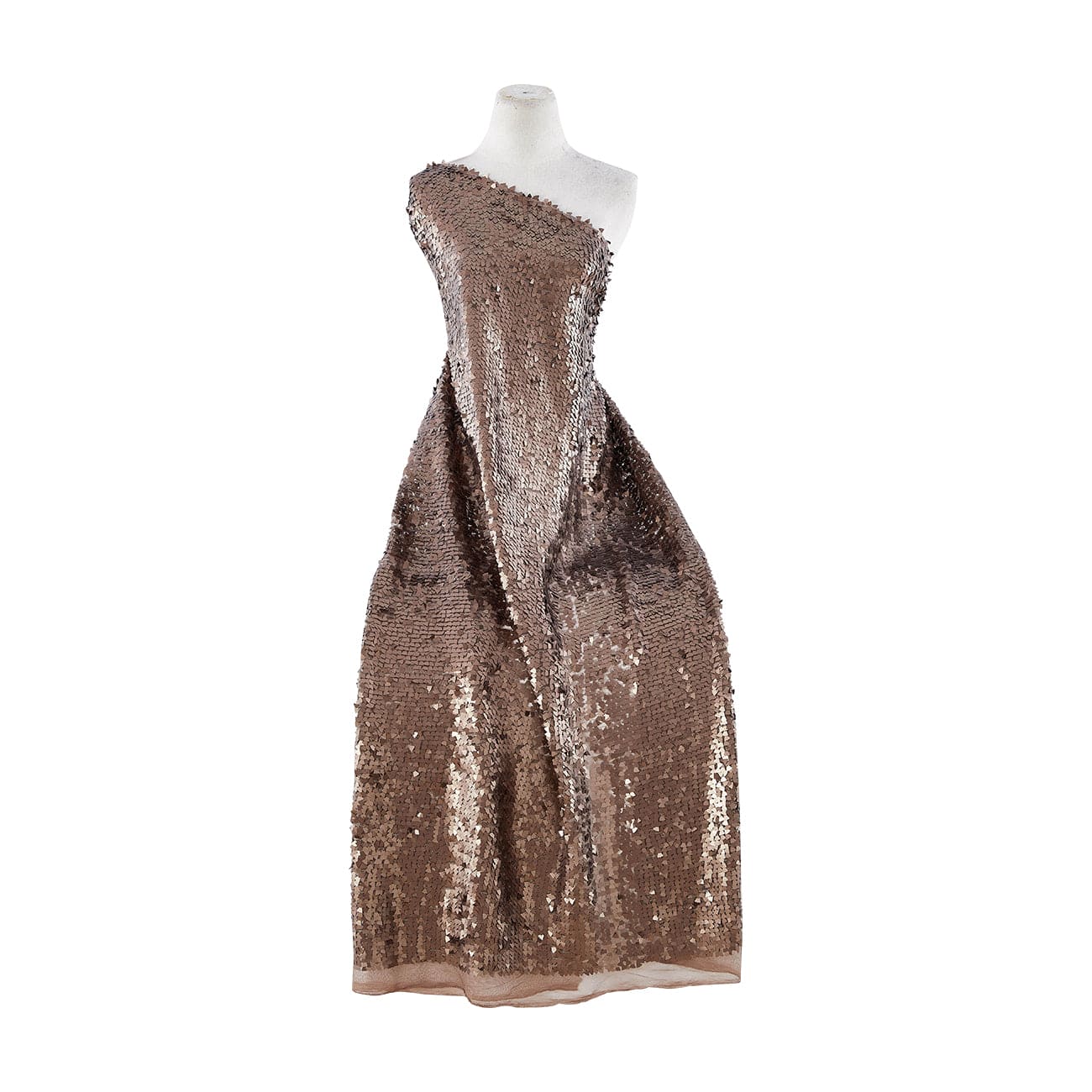
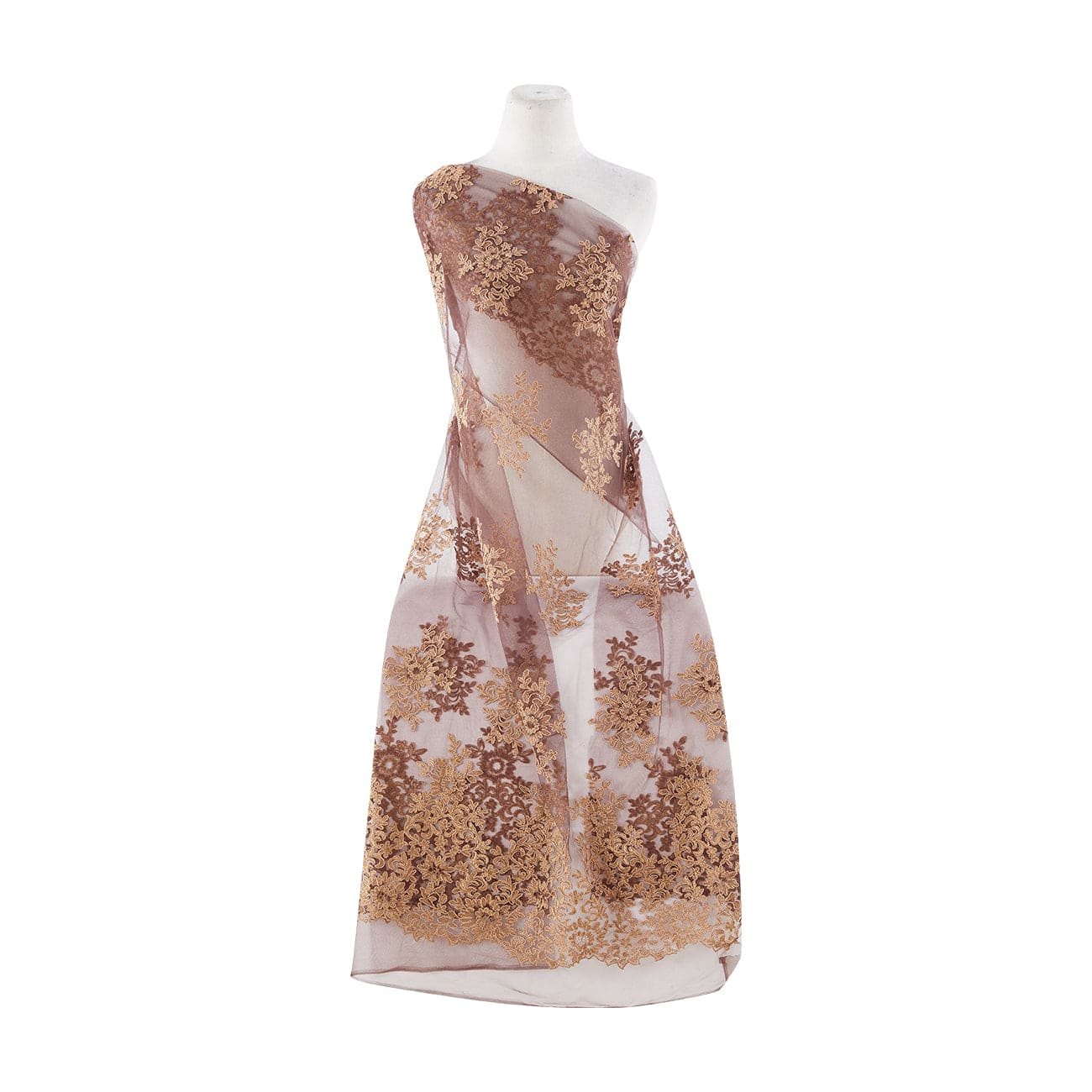
Within this category, brown tulle offers a versatile, understated alternative to traditional bridal whites and bright fashion colors. Its warm, earthy tone works well in autumn-inspired palettes and rustic bridal designs, while remaining neutral enough to sit beneath prints, embroidery, or embellished fabrics without overpowering them.
The way tulle is constructed directly affects how it behaves in the finished design. Softer grades move with a fluid hand and work best for overlays, veils, and garments where drape takes priority. Stiffer grades hold their structure and are the better choice for skirt underlayers, fascinators, and sculptural silhouettes.
Choosing the right balance of softness and structure is one of the most important decisions before ordering yardage, as it directly determines how the finished piece will hold shape, move, and layer.
Also, check out our gold tulle fabric.
Soft vs. Stiff: Choosing the Right Hand Feel
- Soft brown tulle drapes in fluid folds and suits veil work, flowing underskirts, and children's tutus where movement takes priority.
- Stiff brown tulle holds its shape and resists compression. It is the right pick for petticoats, millinery, and bodice underlayers that need to stand away from the body.
Brown tulle cuts cleanly with scissors and requires no edge finishing because its open-mesh structure does not fray. That makes it straightforward to work with, whether you are an experienced patternmaker or sewing for the first time.
Brown Tulle for Bridal, Evening, and Costume Sewing
Bridal and eveningwear are the most well-established categories for tulle work. A soft brown underskirt placed beneath a crepe or satin gown adds fullness without weighing down the overall silhouette. For theatrical costuming, firmer cuts are used to build petticoats, bodice overlays, and structured sleeves that hold their form under stage lighting.
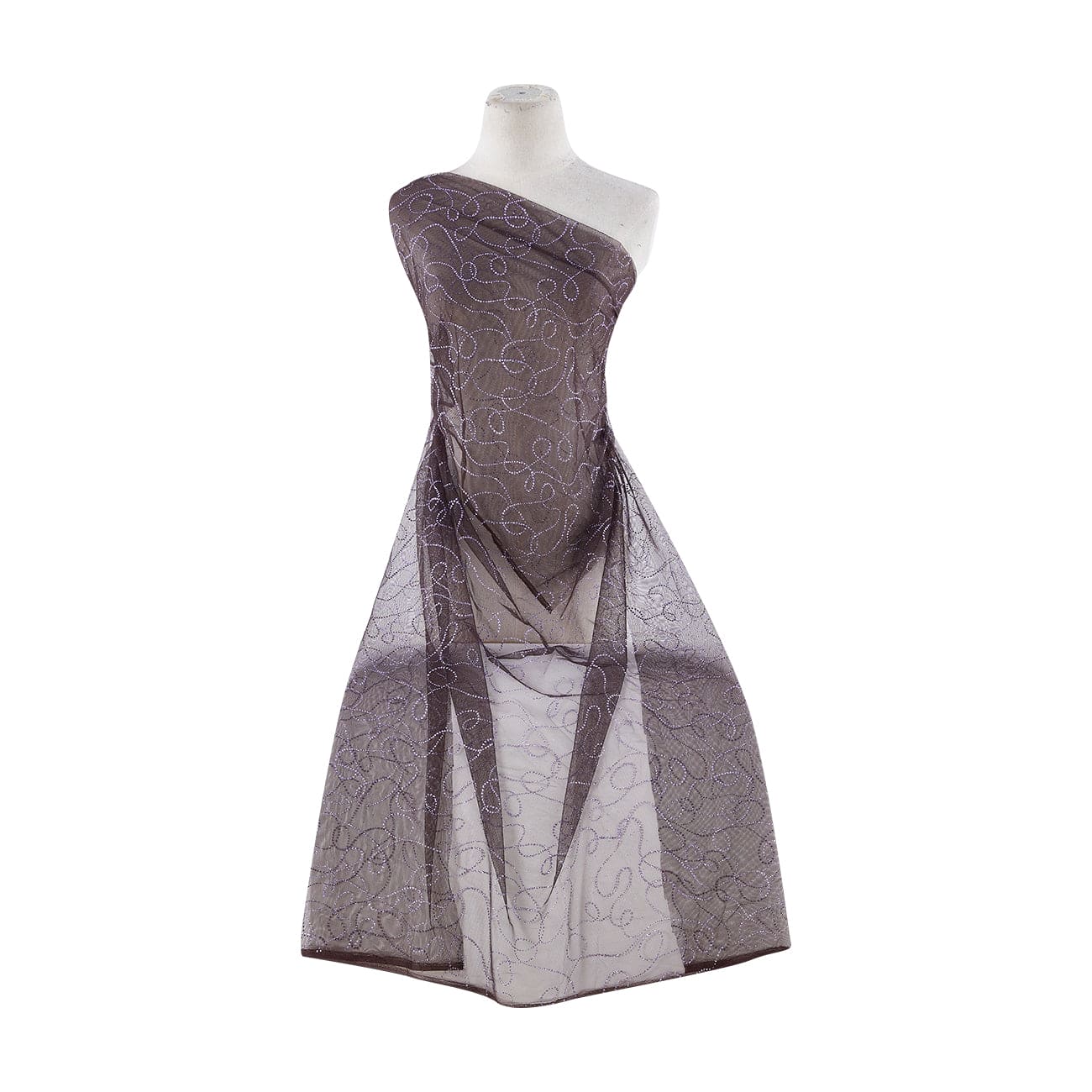
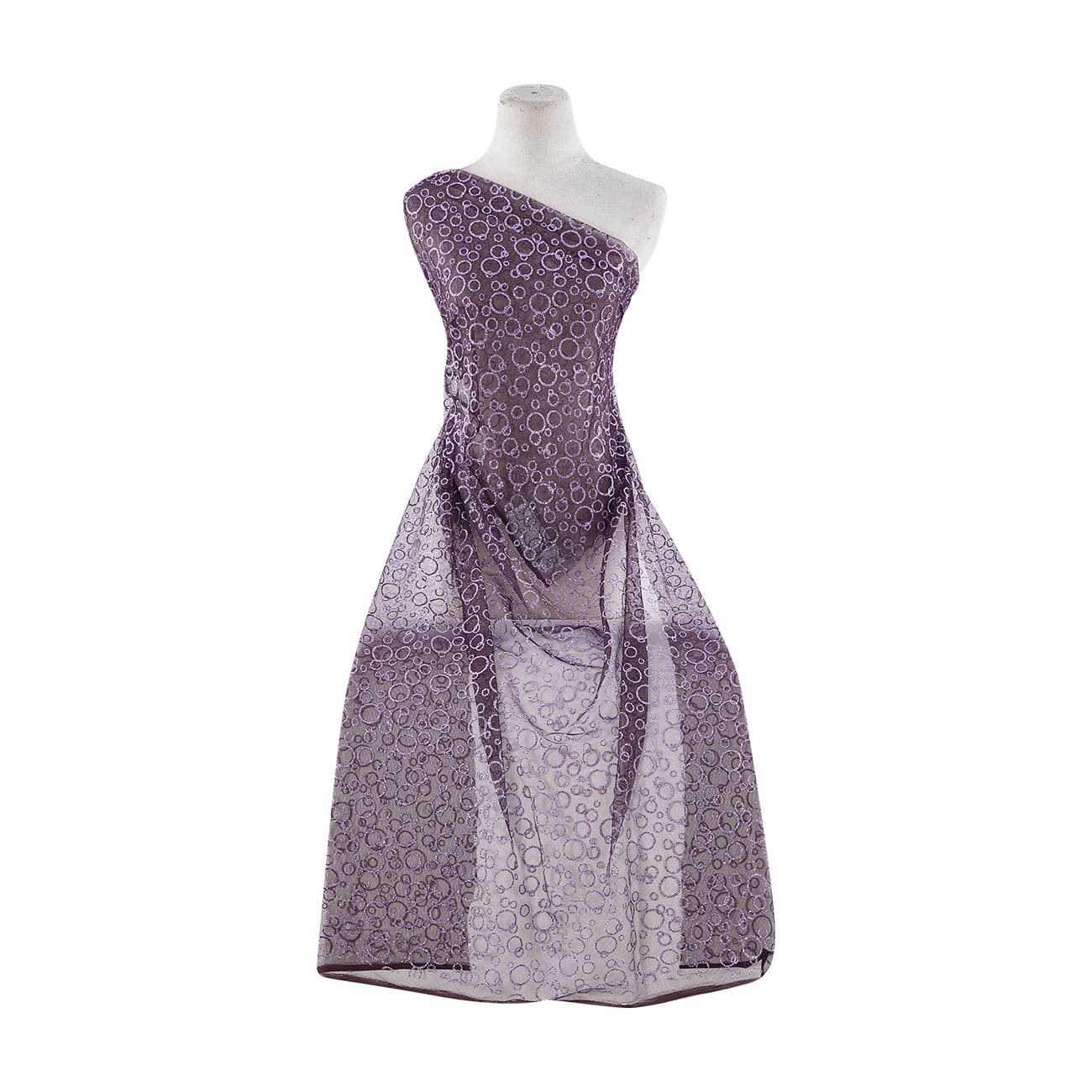
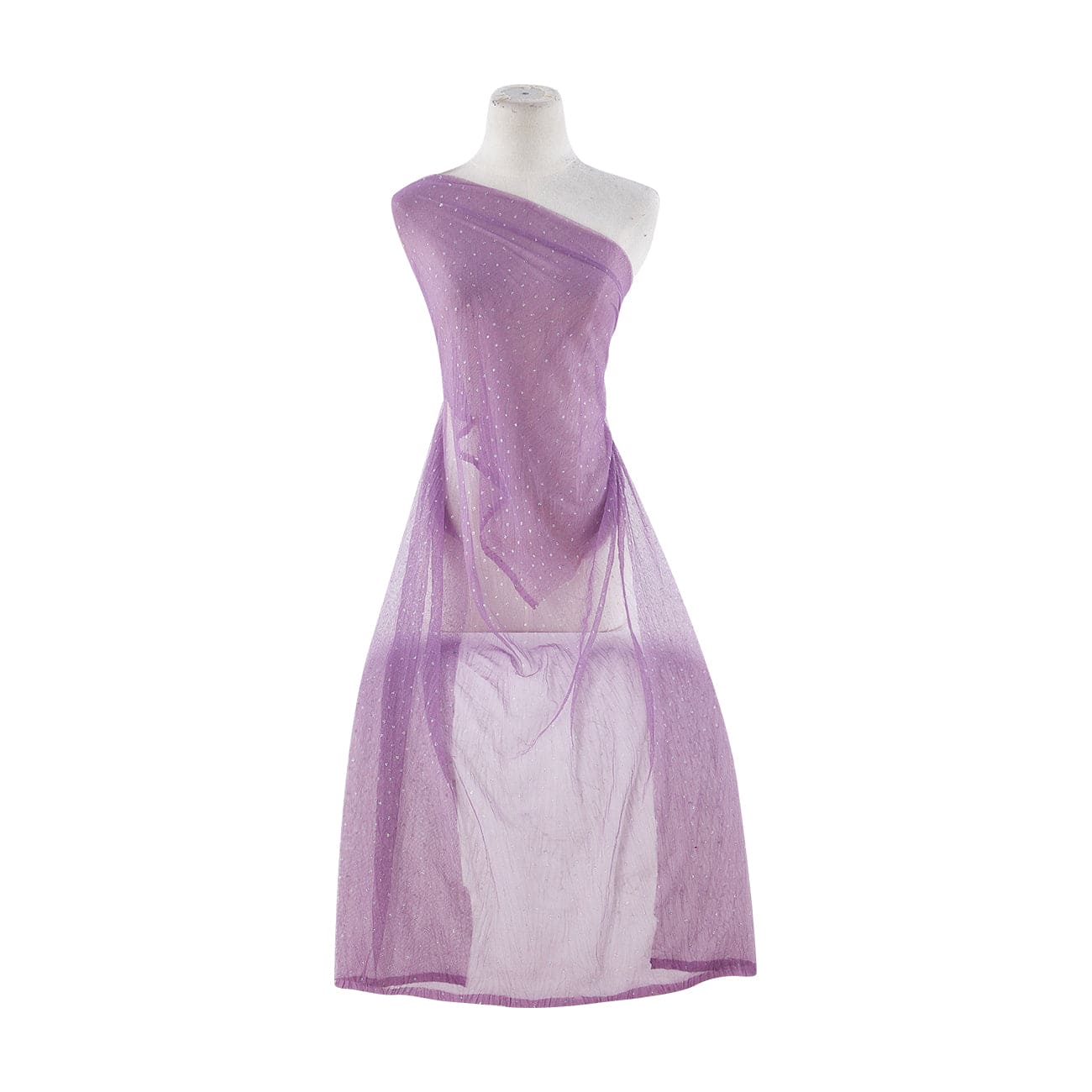
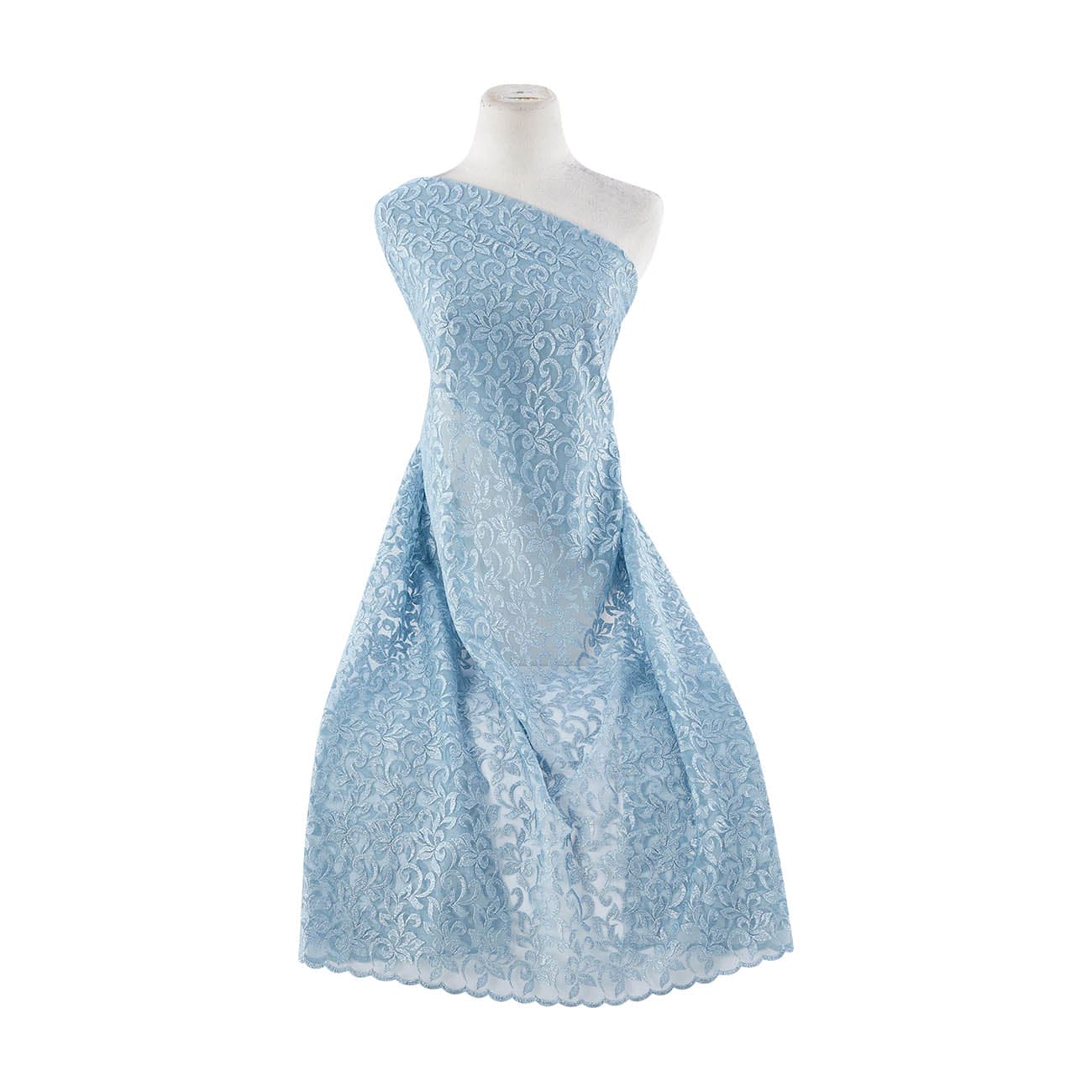
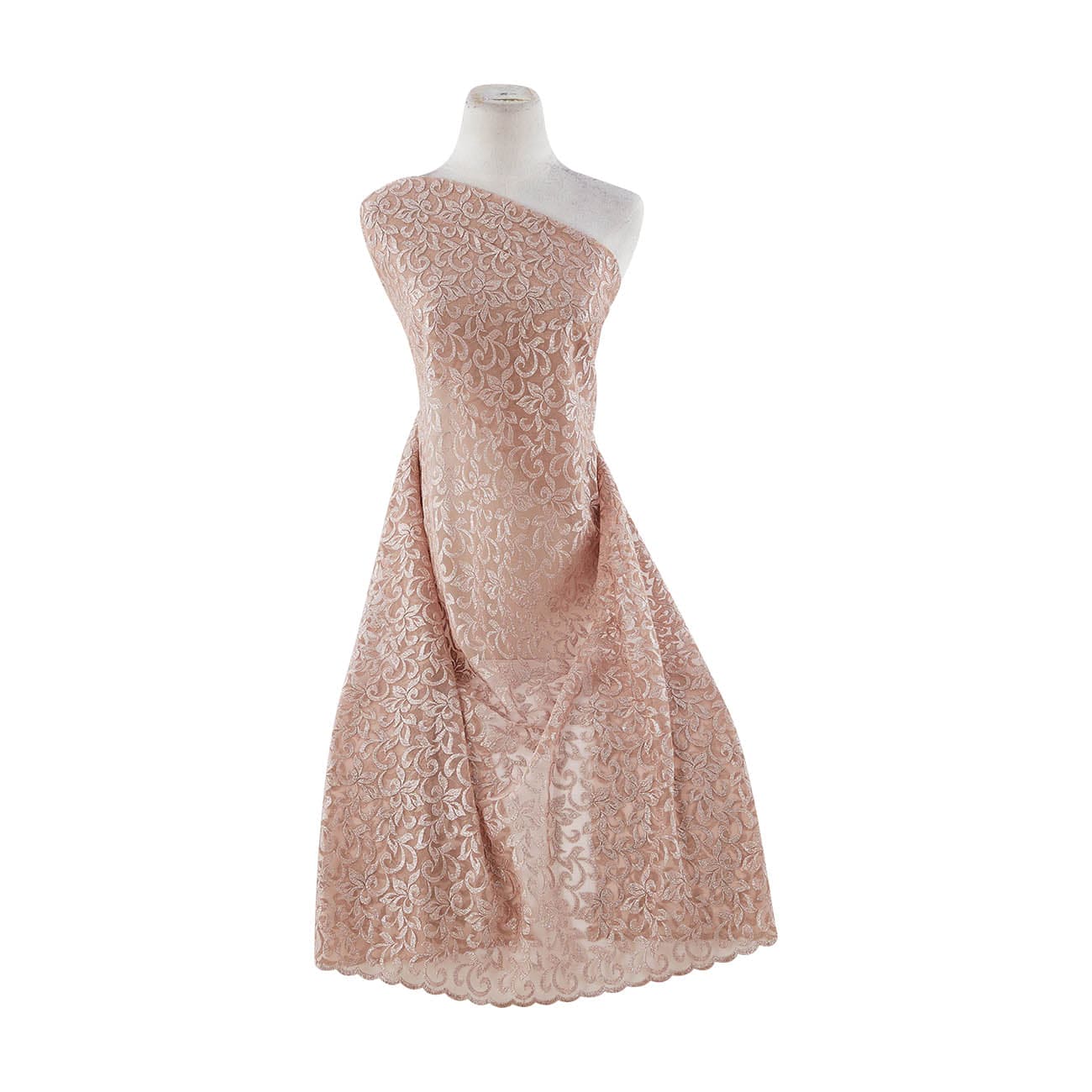
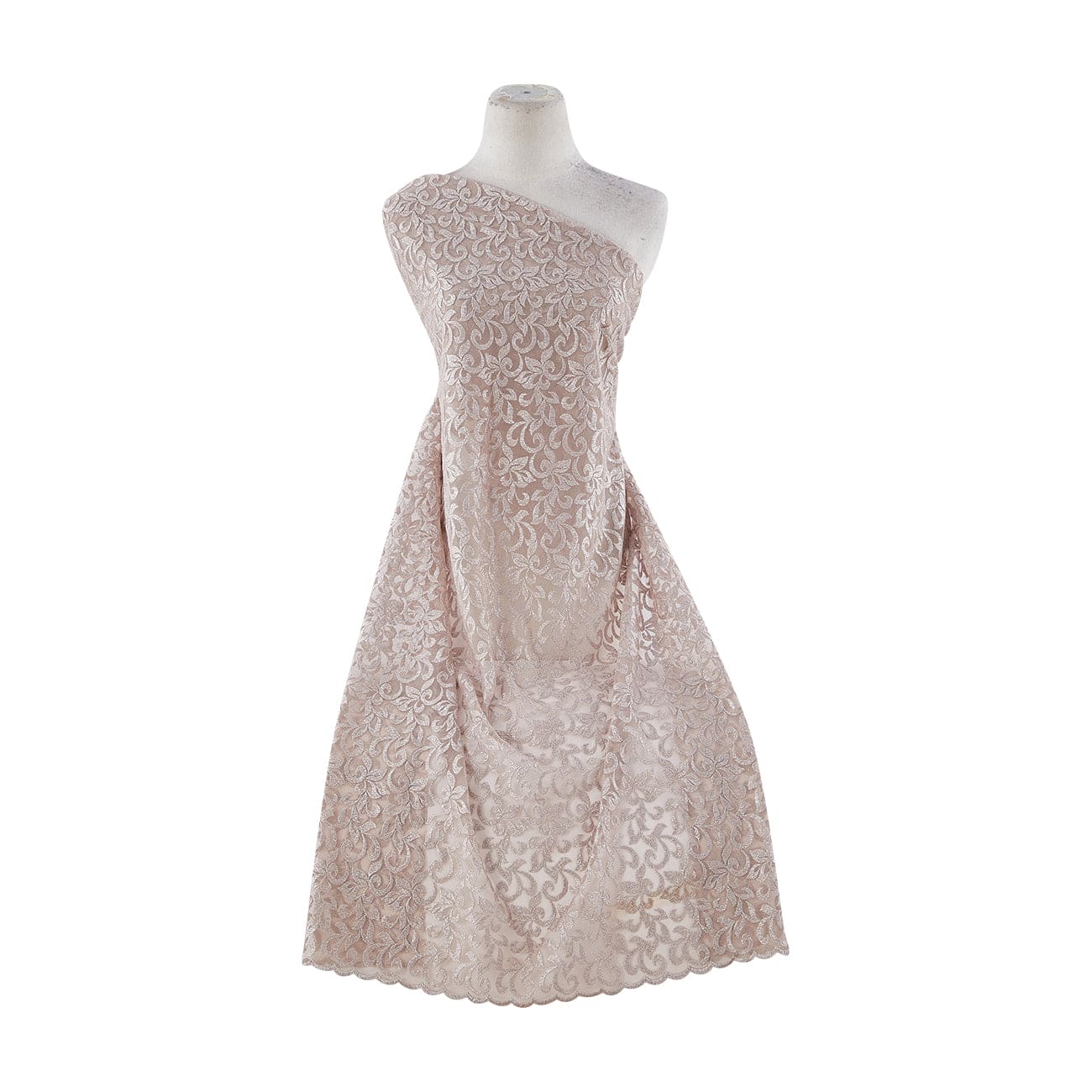
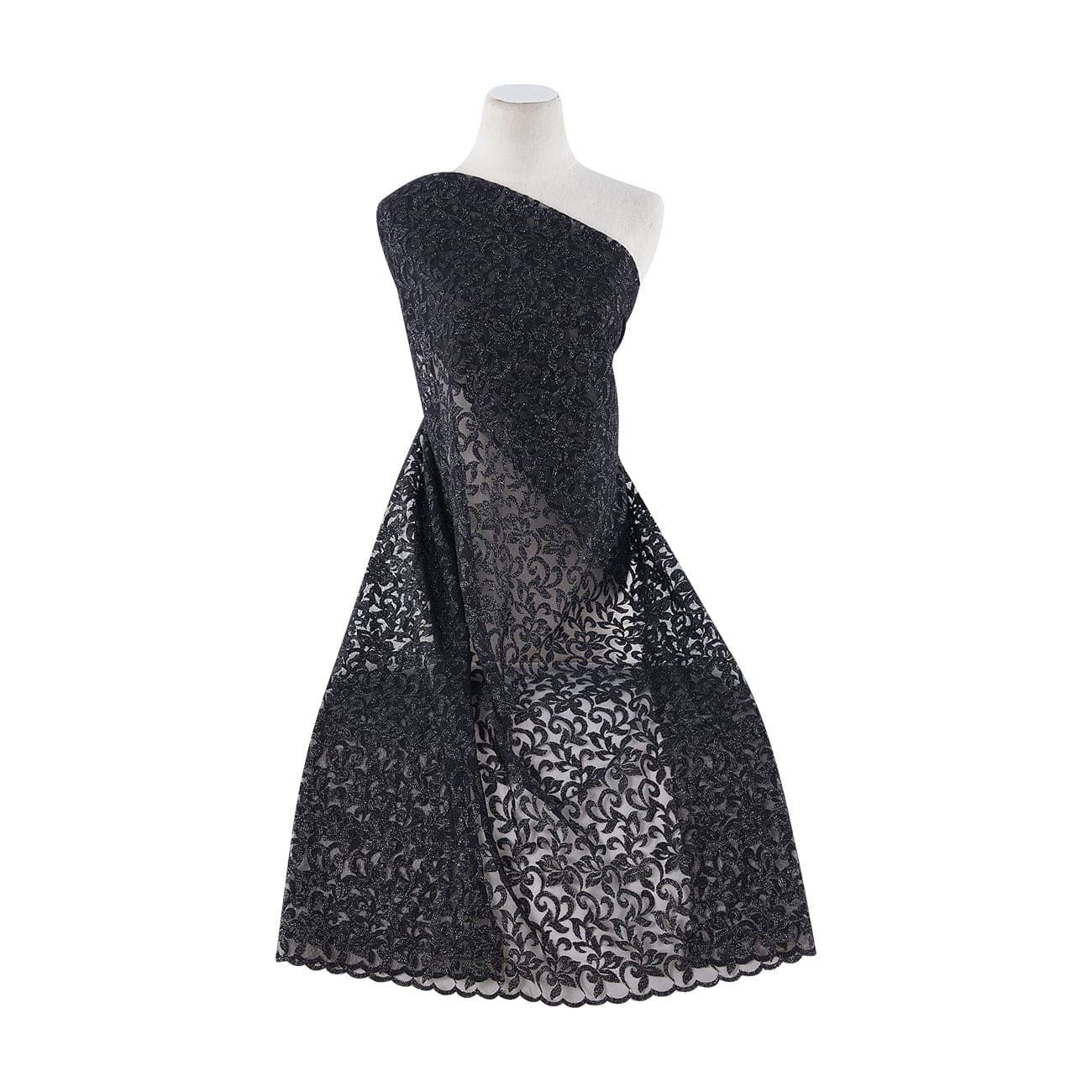
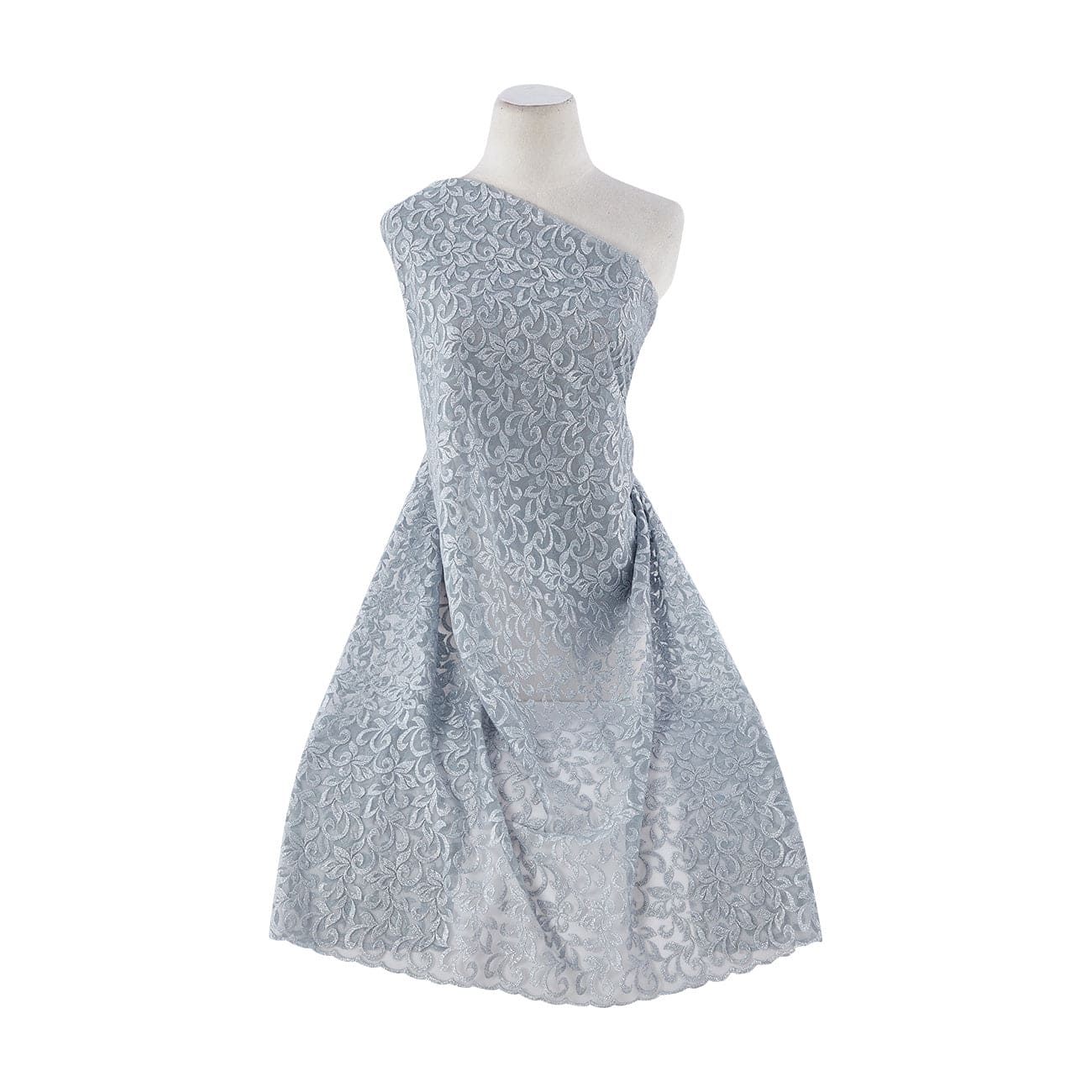
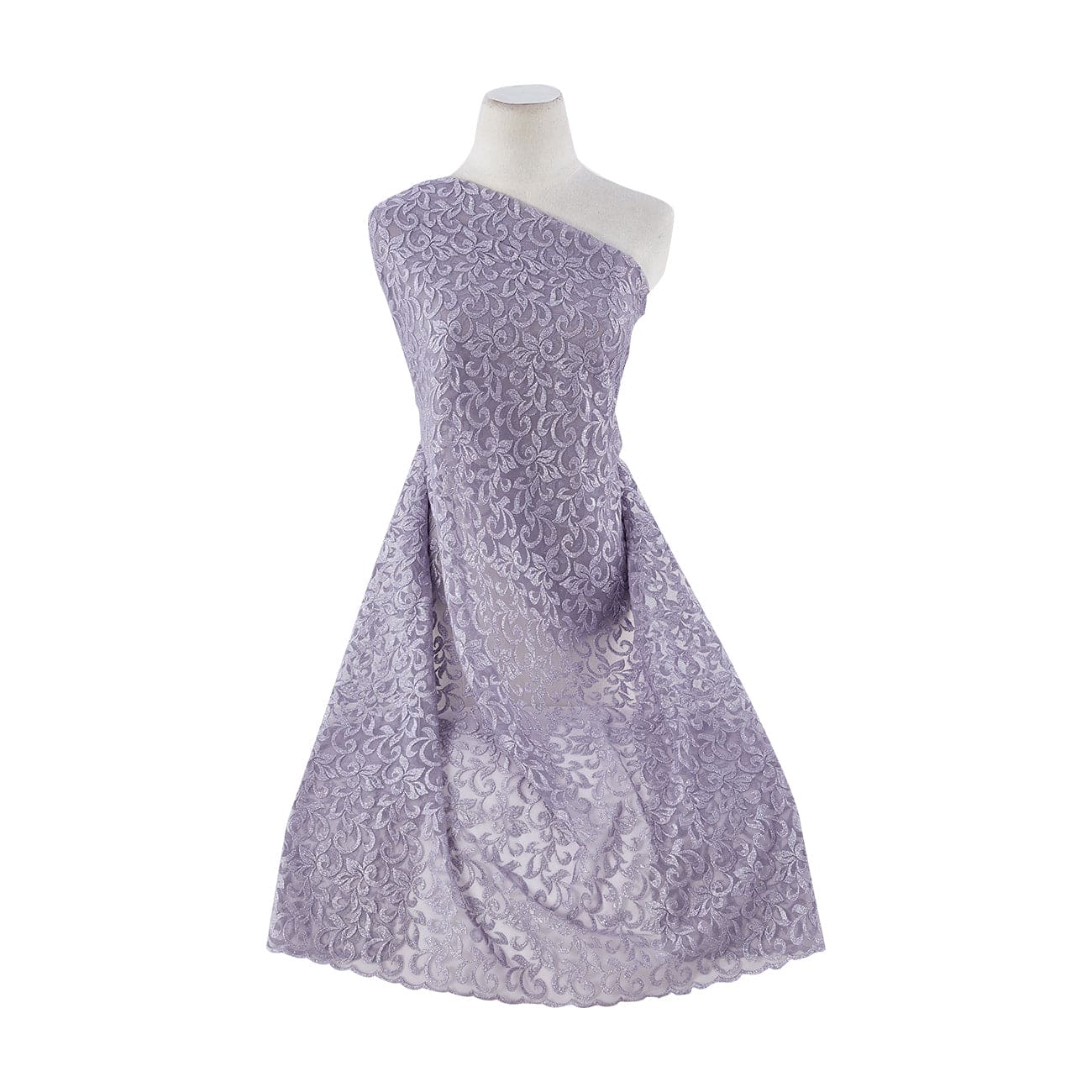
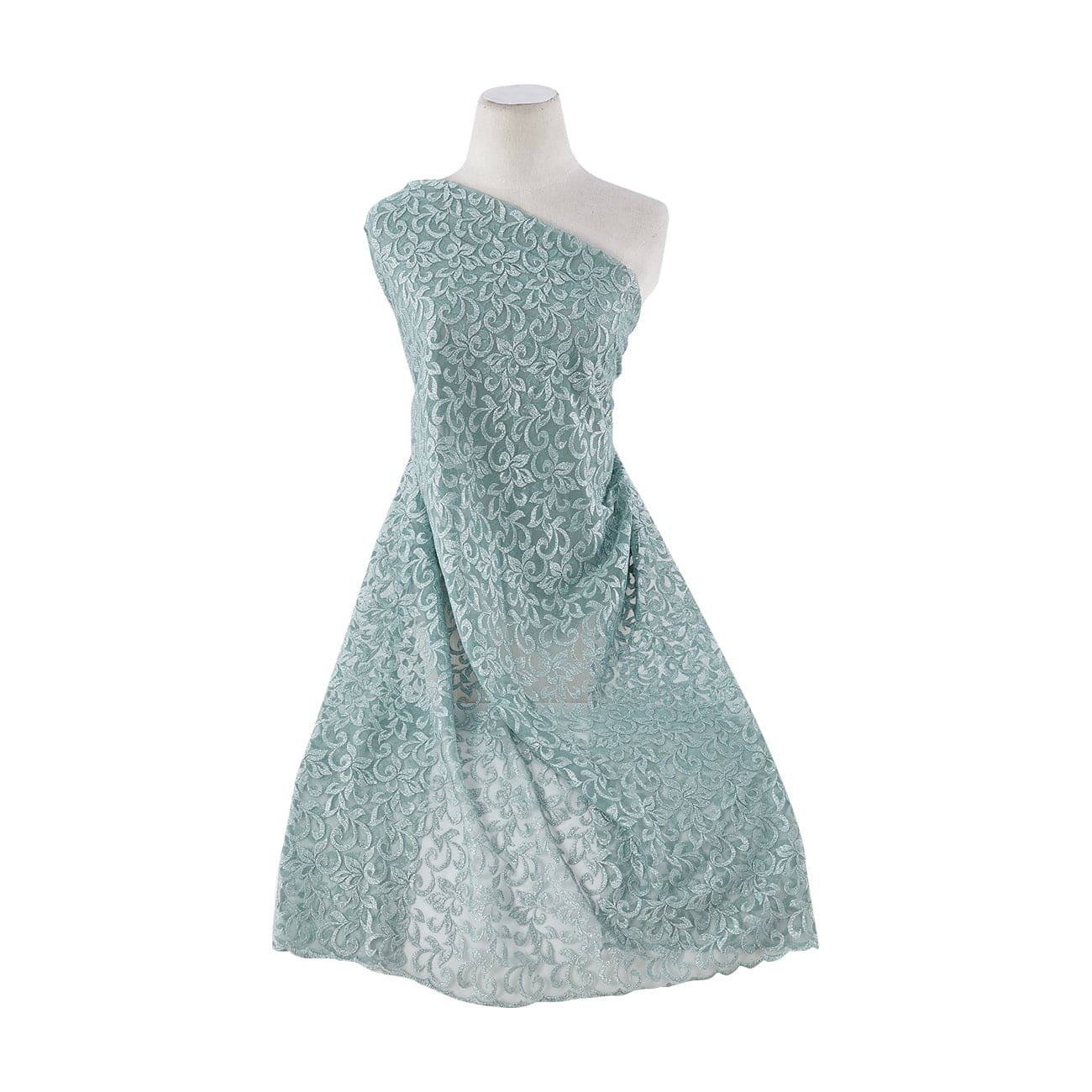
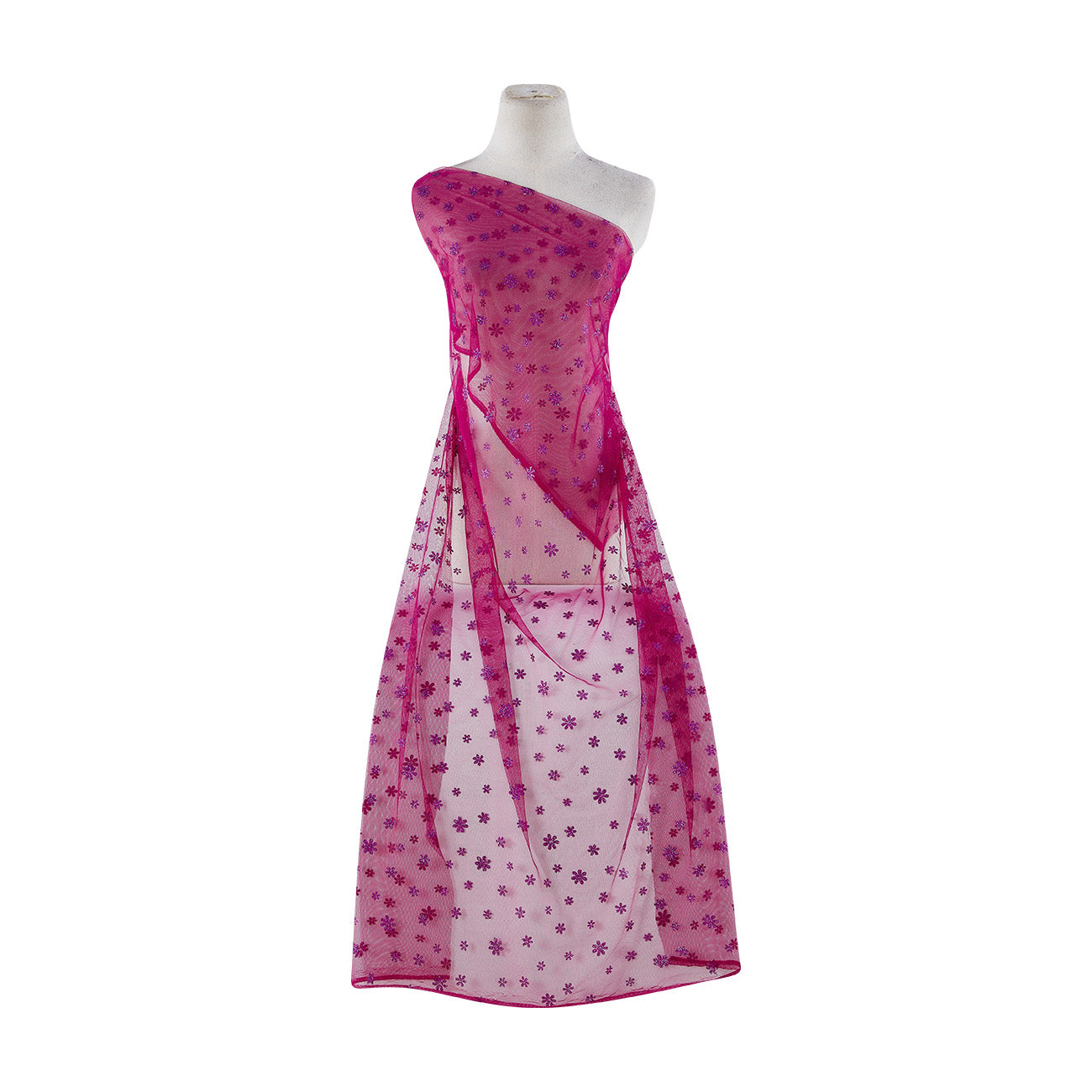
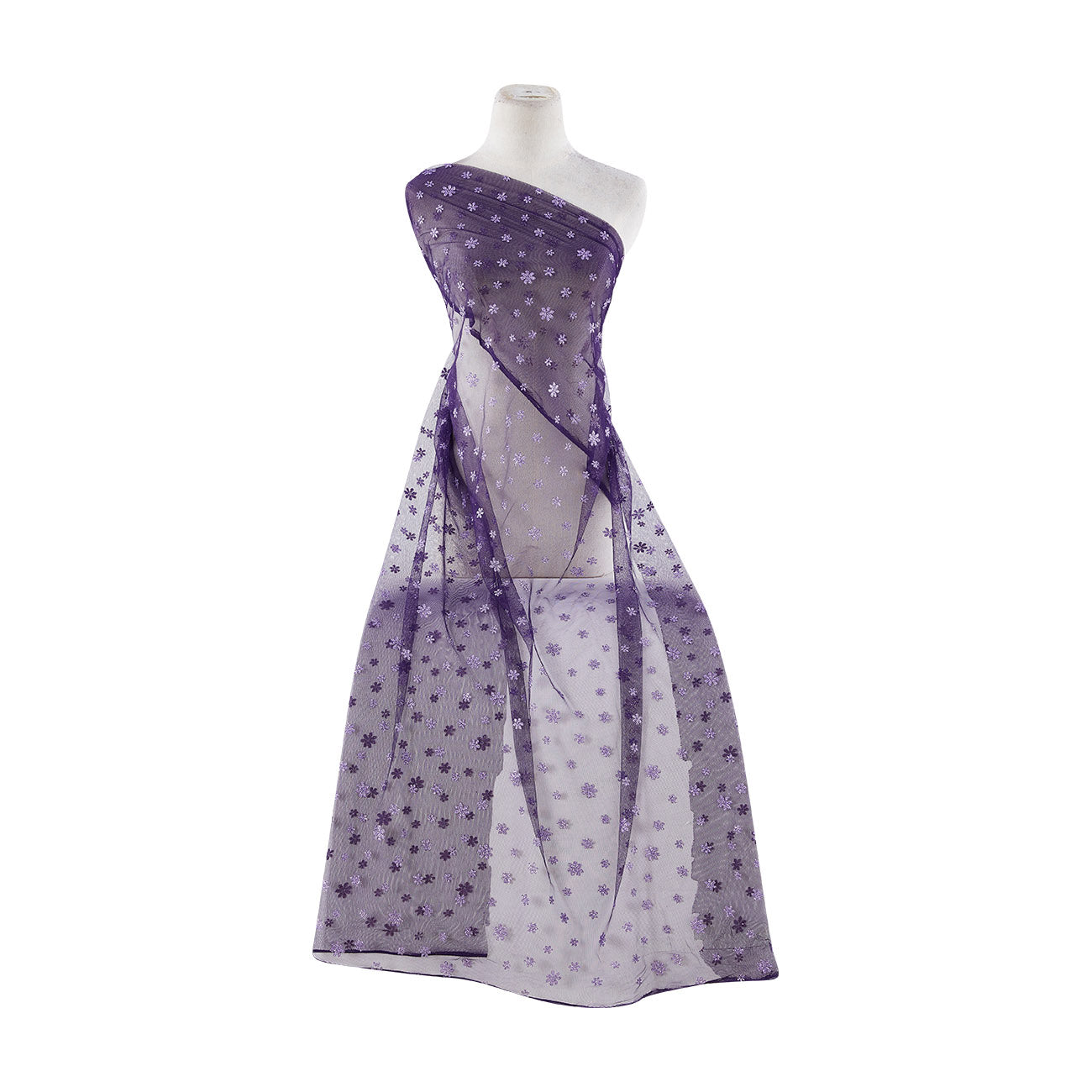
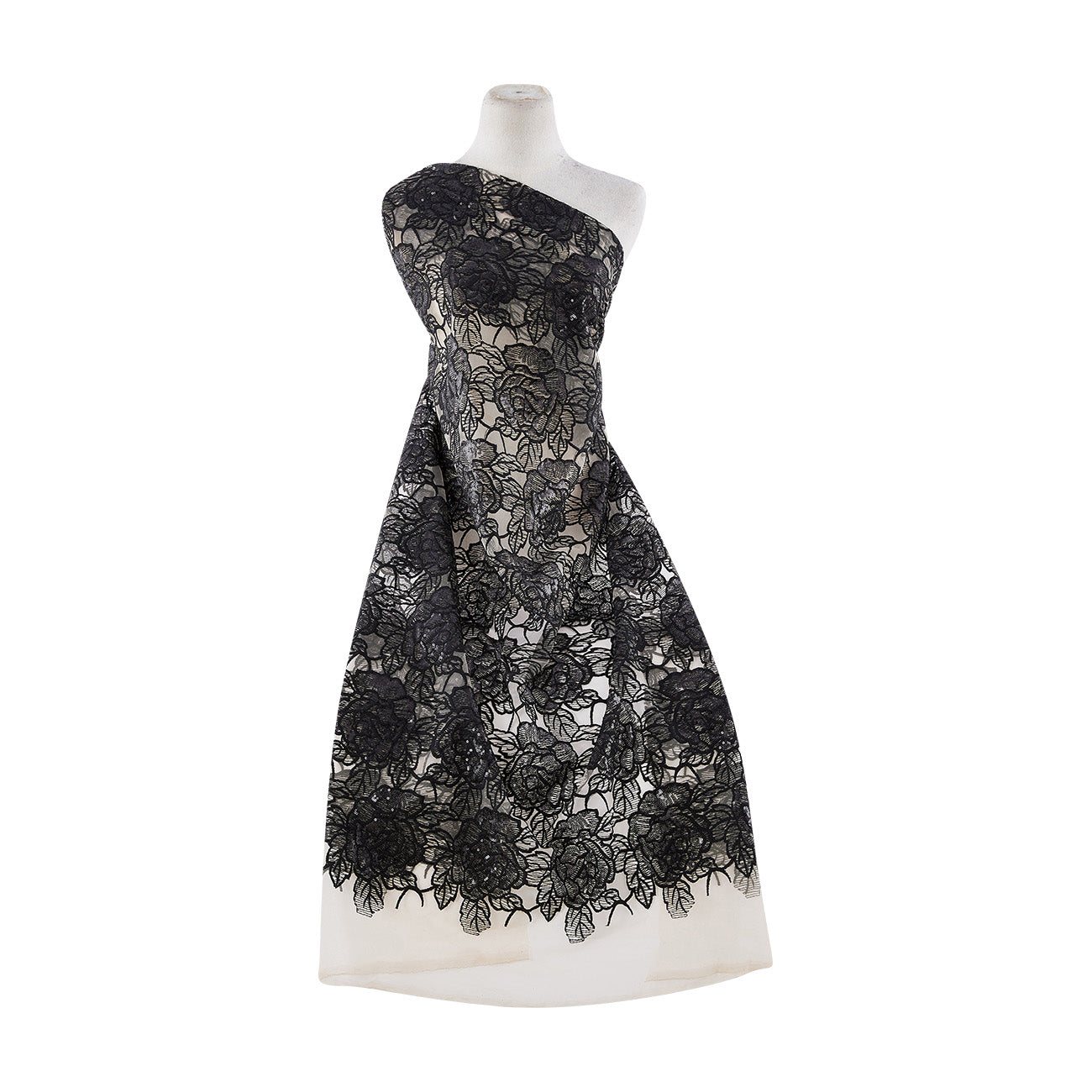
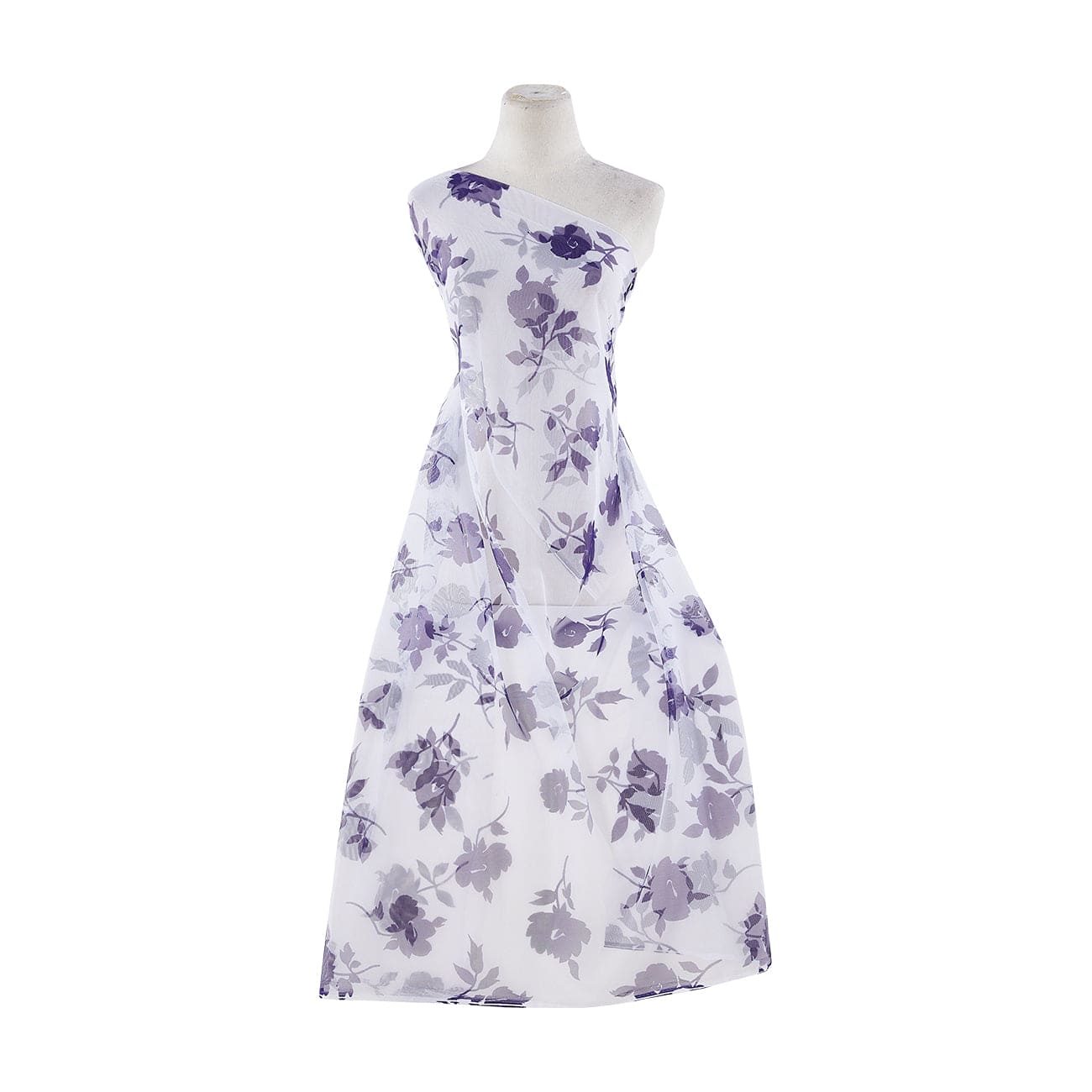
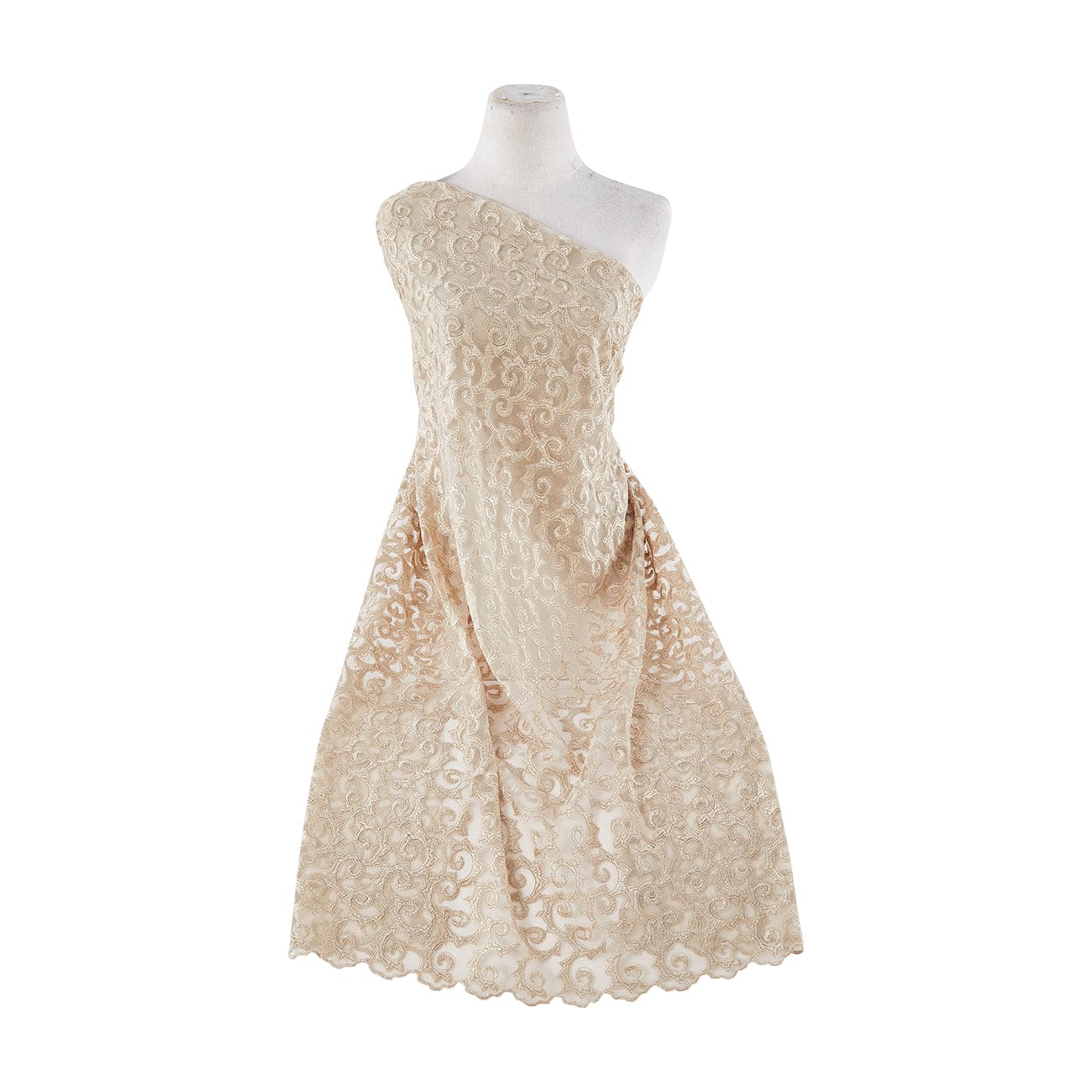
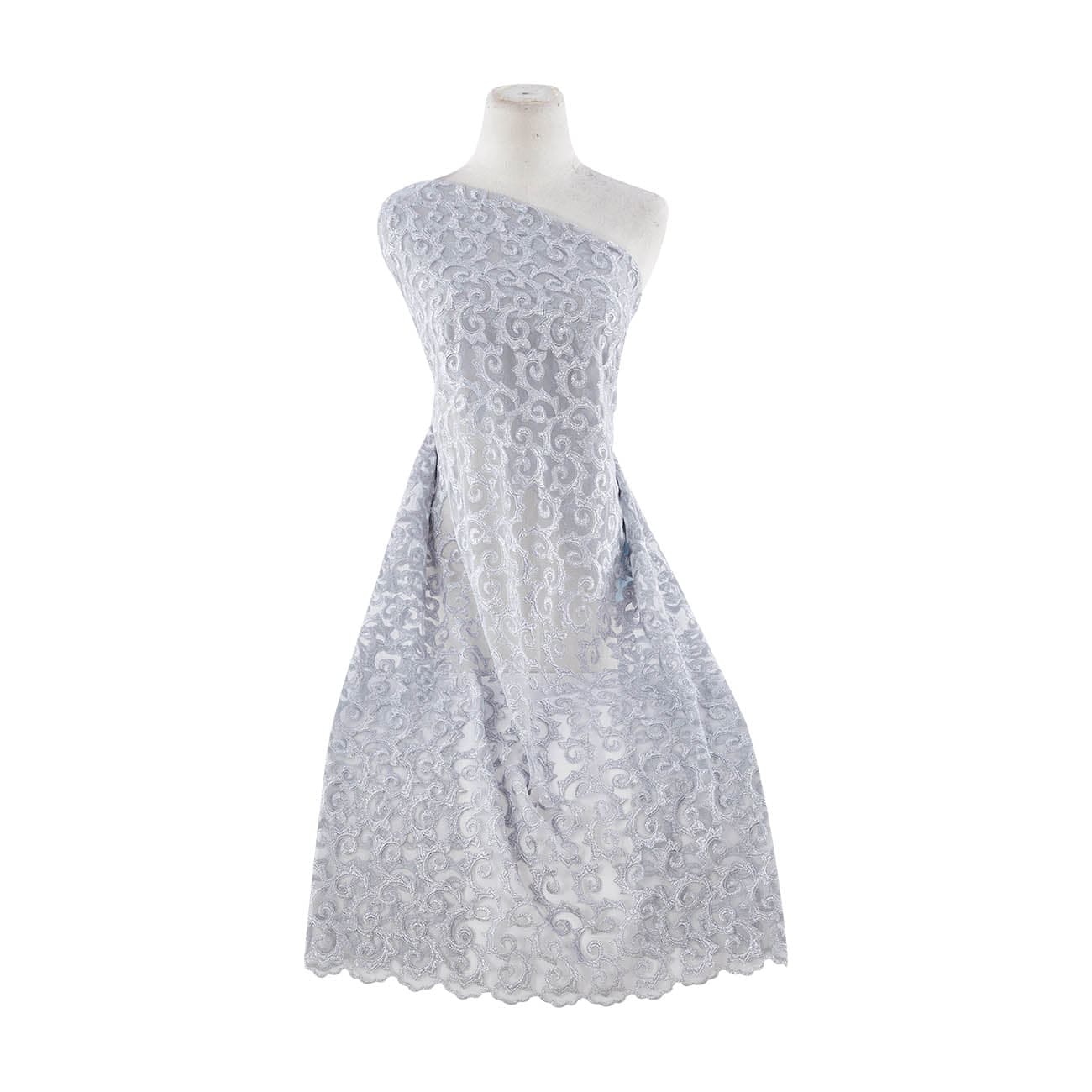
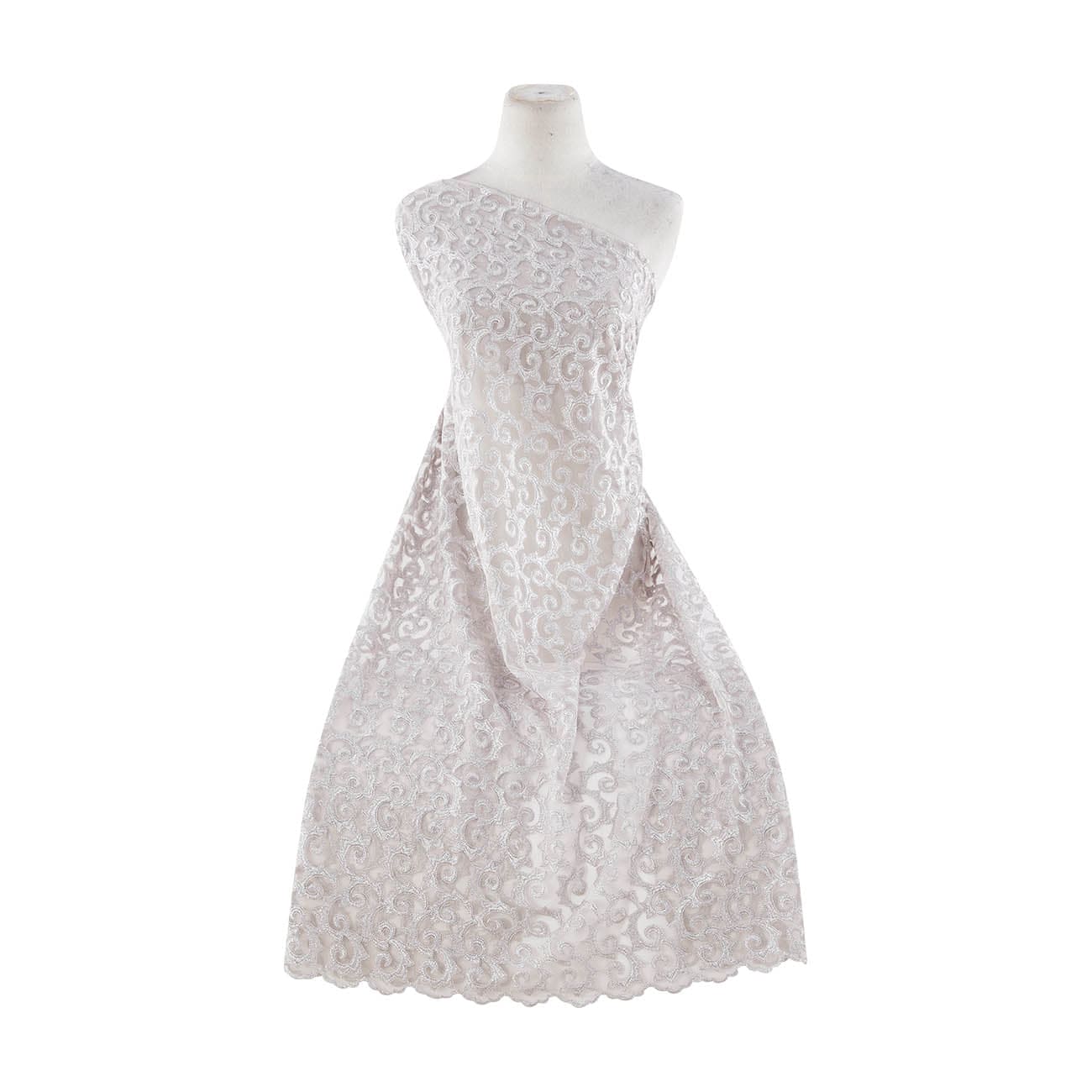
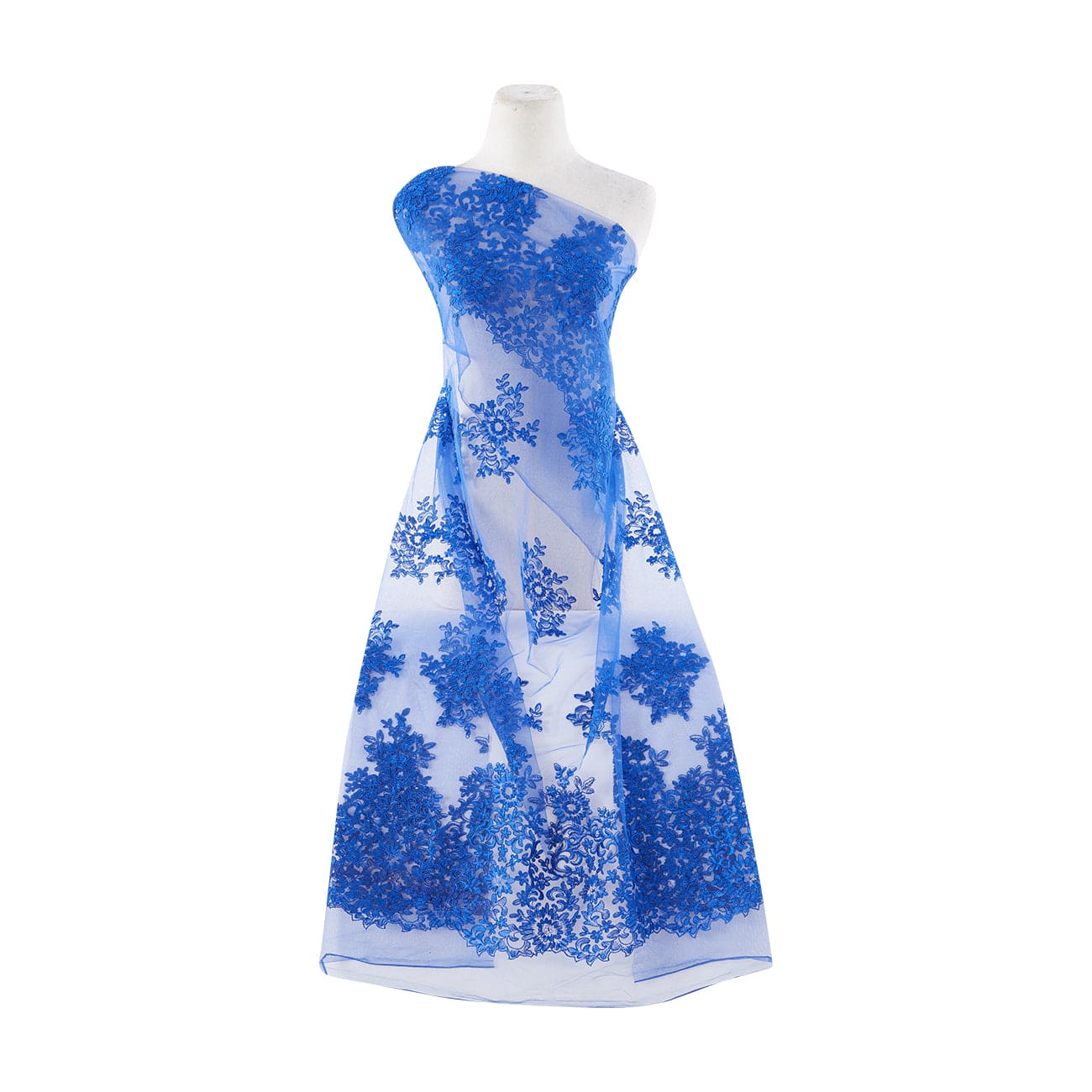
Tulle lace also pairs well with brown underlayers in bridal applications and adds surface detail to what would otherwise be a clean mesh foundation. For designers who want layered color contrast, purple tulle deepens the tonal range alongside brown for a rich, autumnal palette.
Craft, Gifting, and Event Decor
Brown tulle isn’t limited to garment sewing. It also performs well in craft, gifting, and event décor projects. Its lightweight structure and ease of handling make it a practical choice for decorative work where flexibility and visual texture matter more than structural integrity.
Common applications include:
- Floral arrangements, bouquet wrapping, and decorative finishing touches
- Gift presentation, including bows, wrapping accents, and party favor bags
- Costume and DIY builds, such as fairy wings, witch skirts, and themed dress-up pieces
- Event styling elements like table runners, chair accents, and seasonal décor installations
Its soft drape and forgiving cut make it easy to shape, gather, and layer, which is why it’s frequently used in both casual craft projects and larger event styling setups.
How to Select the Right Brown Tulle for Your Project
Start with how the fabric will be used in the finished piece. If your design relies on fluid movement, such as soft veils, sheer overlays, or tutus, a finer nylon tulle works best. It offers a lighter hand and softer drape that moves easily with the body.
If your project requires more structure, choose a stiffer polyester tulle. It holds its shape better and works well for crinolines, structured skirts, millinery forms, and any design where volume and definition need to stay in place.
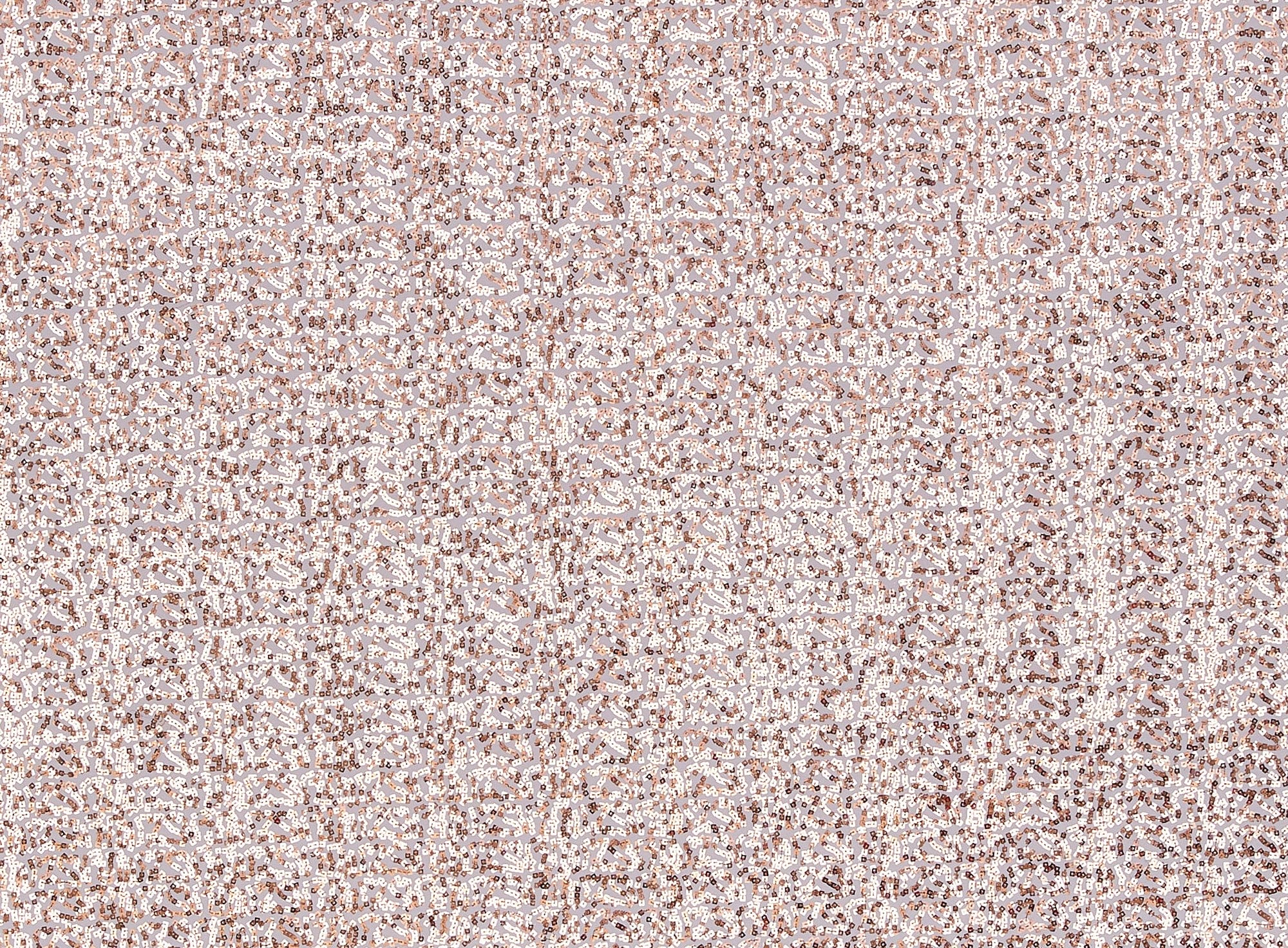
Next, consider color depth. Brown tulle comes in a spectrum ranging from warm tan tones to deeper chocolate shades. Because lighting can affect how the color reads, it’s best to request a swatch before committing to full yardage, especially for studio, bridal, or stage work where consistency matters.
Ready to Build? Shop Brown Tulle by the Yard at Zelouf Fabrics
Whether you are working on a bridal underskirt, a costume build, or an autumnal craft project, Zelouf Fabrics carries brown tulle by the yard, backed by over 35 years of wholesale fabric expertise in New York City. Request a free swatch to check hand feel and color tone before you order.
Frequently Asked Questions
What is brown tulle fabric made from?
Brown tulle is most commonly woven from nylon or polyester. Nylon offers a softer, finer hand. Polyester provides stronger colorfastness and greater resistance to repeated handling.
How much brown tulle do I need for a full skirt?
A gathered skirt typically requires four to eight yards, depending on desired fullness and length. Layered tutus and ball-gown underlayers generally call for additional yardage to achieve maximum volume.
Can brown tulle be used in bridal gowns?
Yes. Soft brown tulle works well as an underskirt or mesh layer in autumnal bridal designs, particularly when paired with champagne, ivory, or mocha fabrics for a warm, tonal finish.
What is the difference between soft and stiff tulle?
Soft tulle drapes fluidly and suits veils and sheer layers. Stiff tulle holds its shape andiss bettersuited tor petticoats, millinery, and structured garments that need to stand away from the body.
Does brown tulle fray when cut?
No. Tulle's open mesh does not fray the way woven fabrics do, making it forgiving to cut and manageable across all skill levels.