
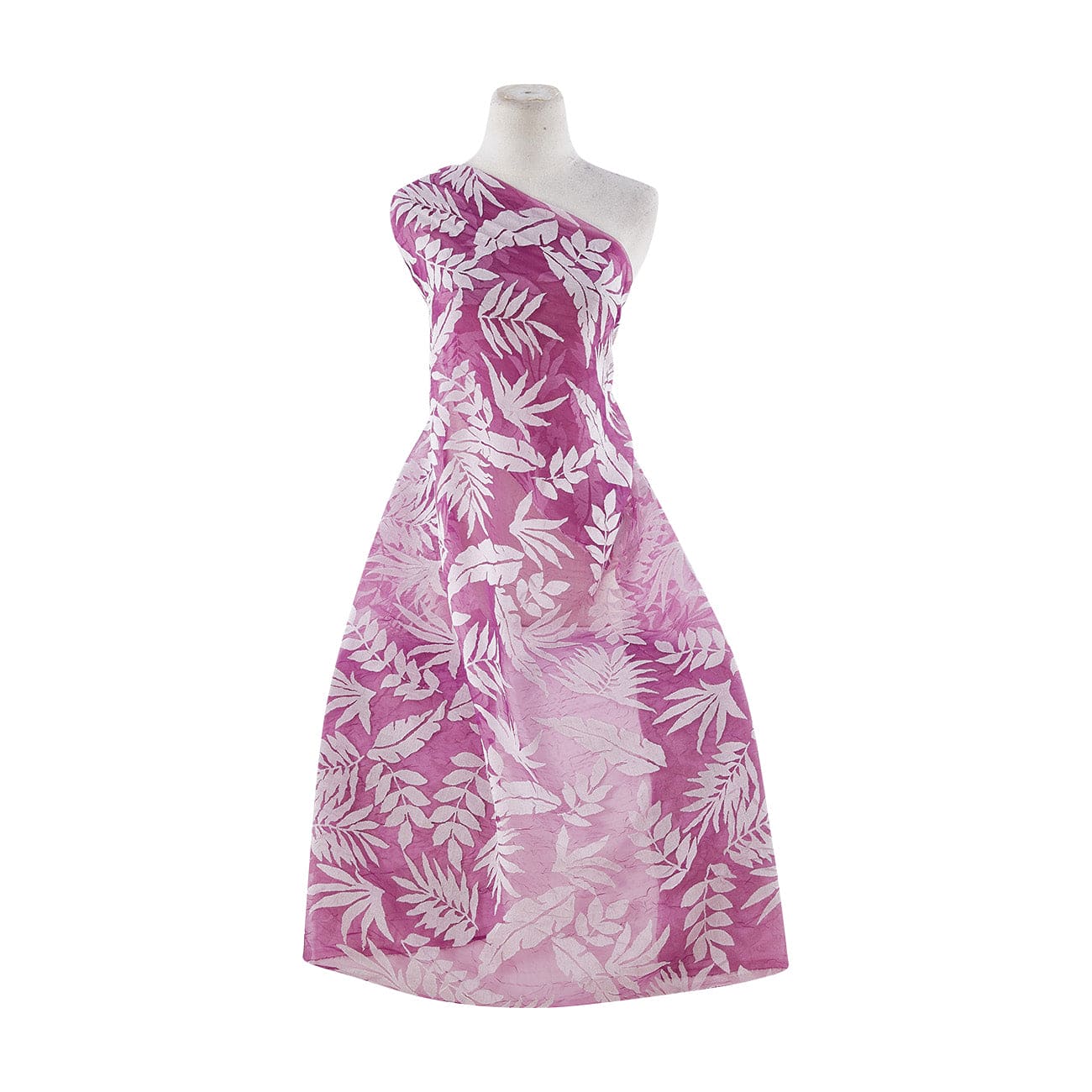
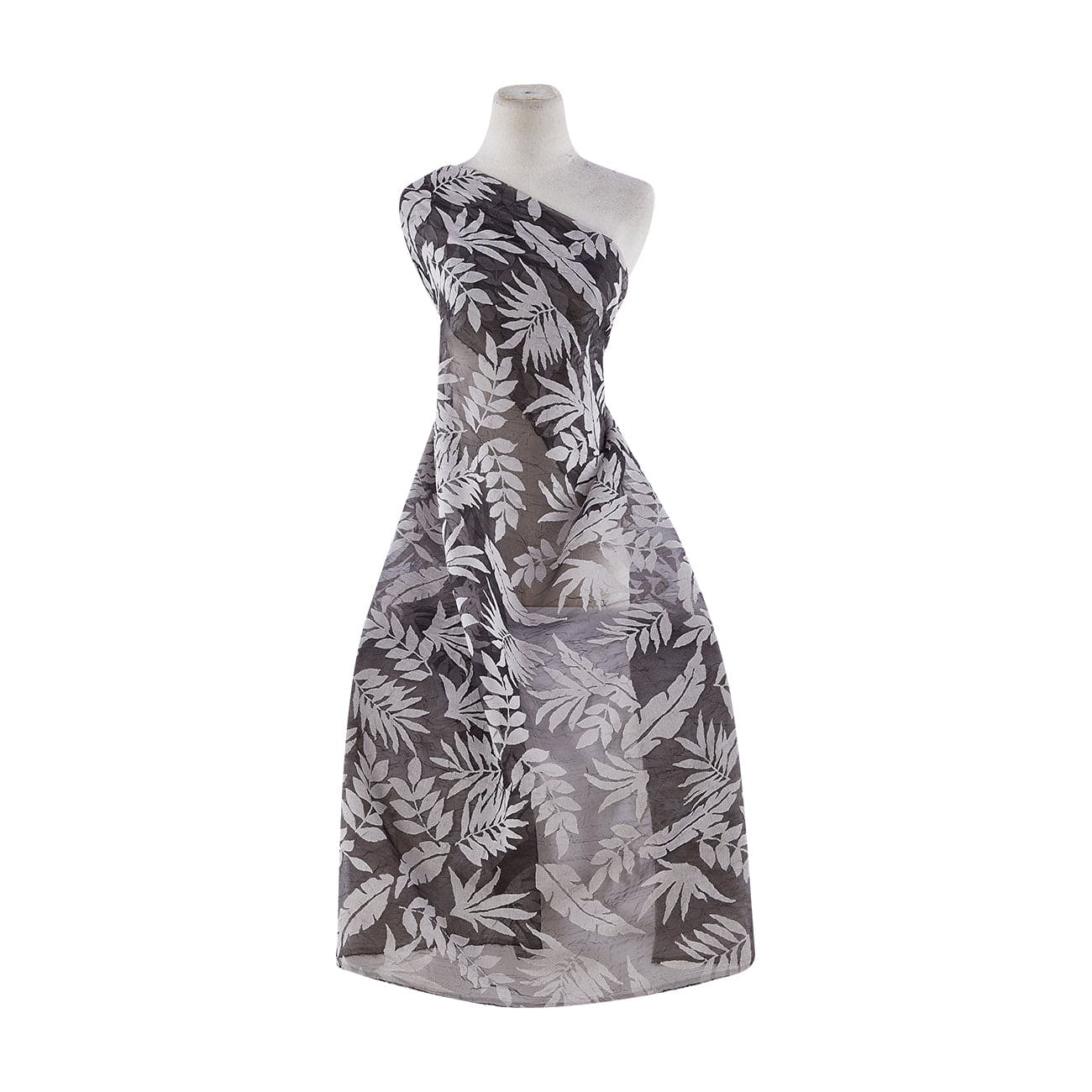
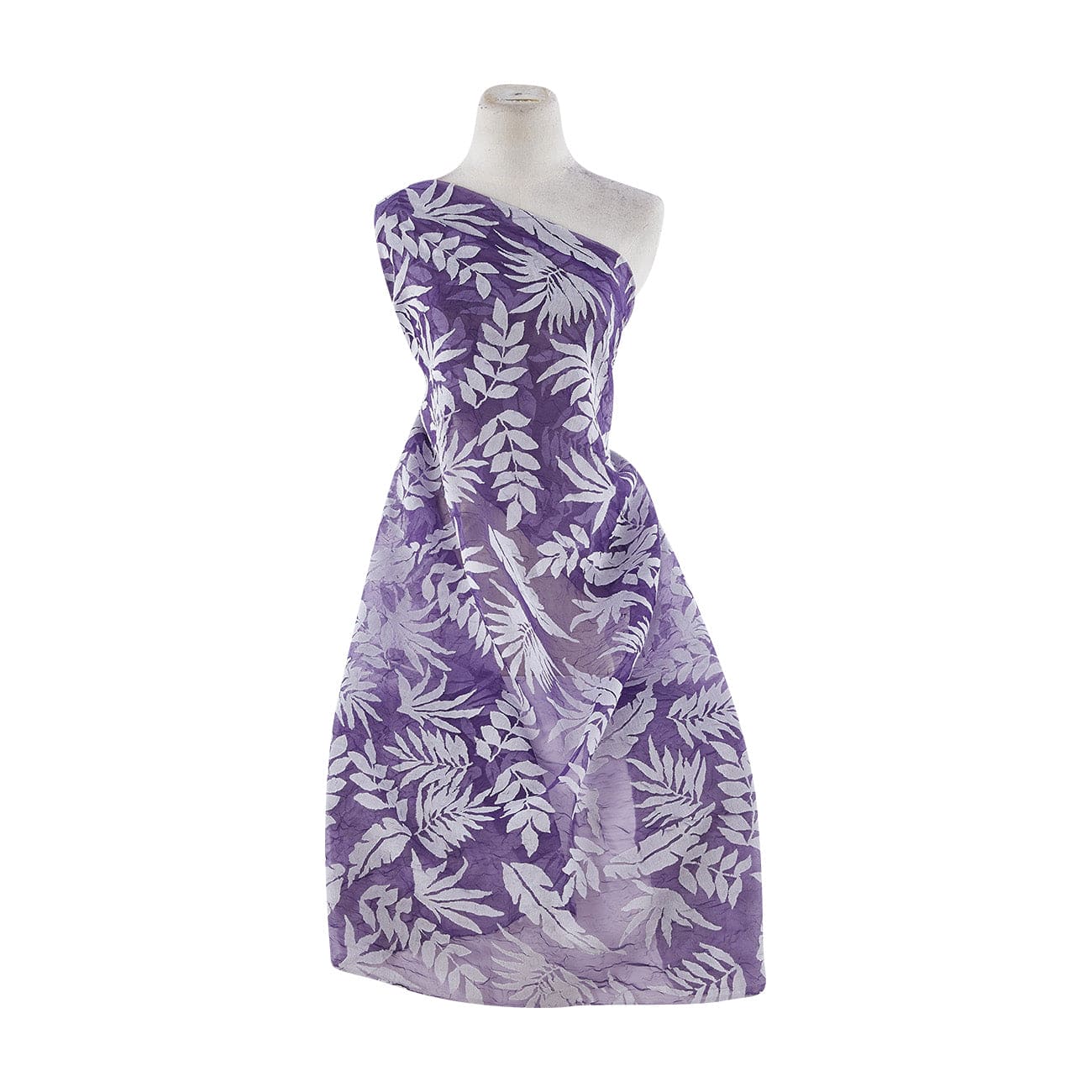
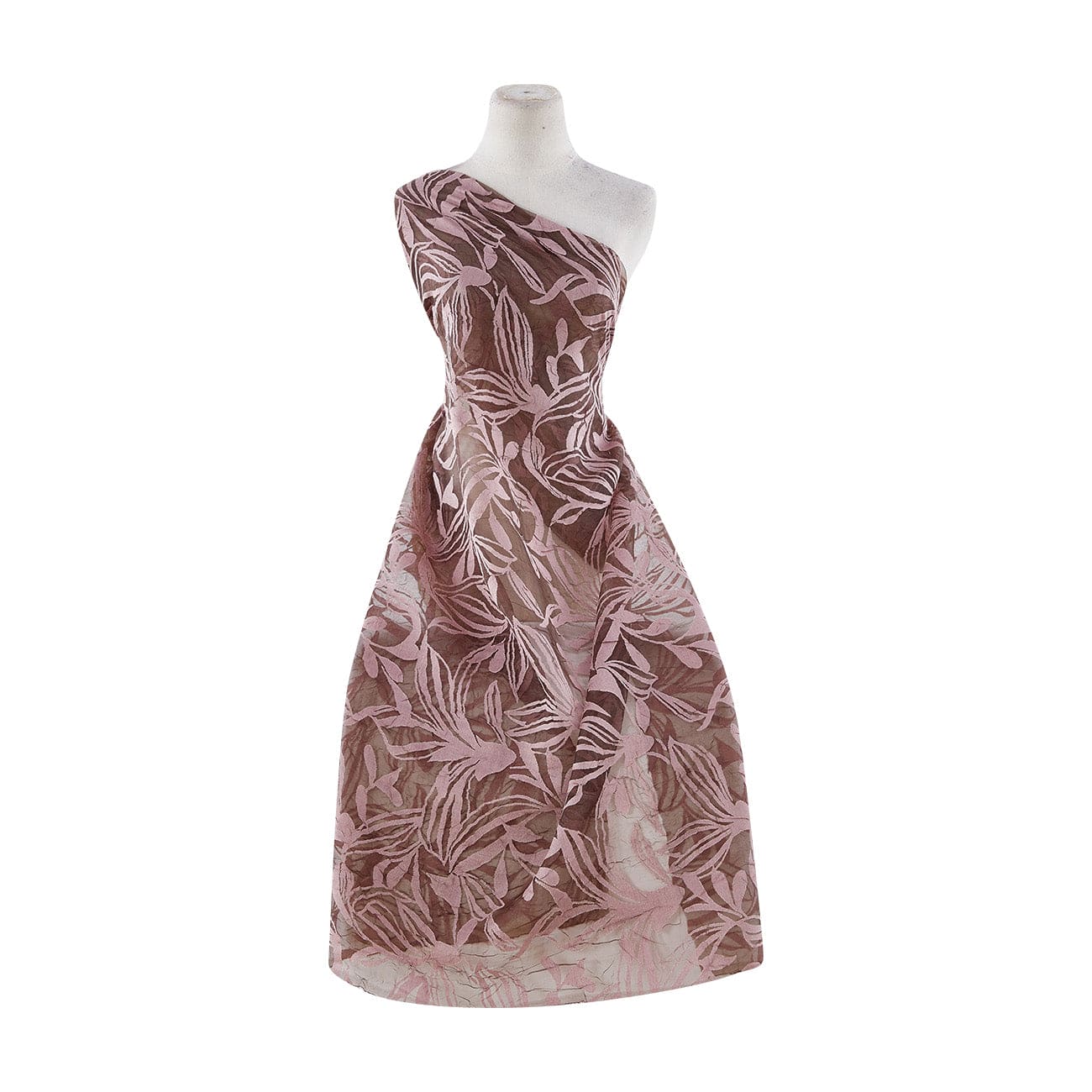
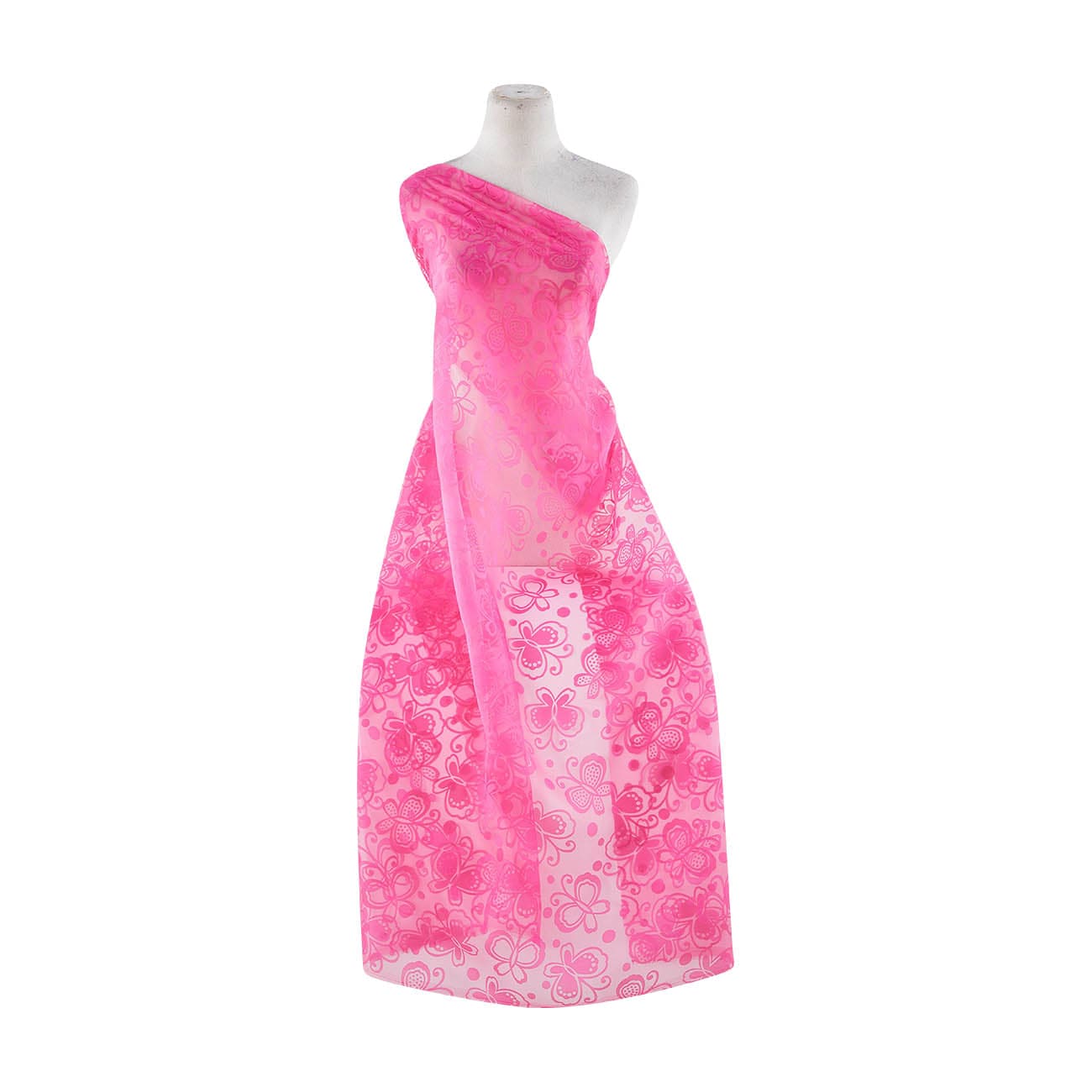
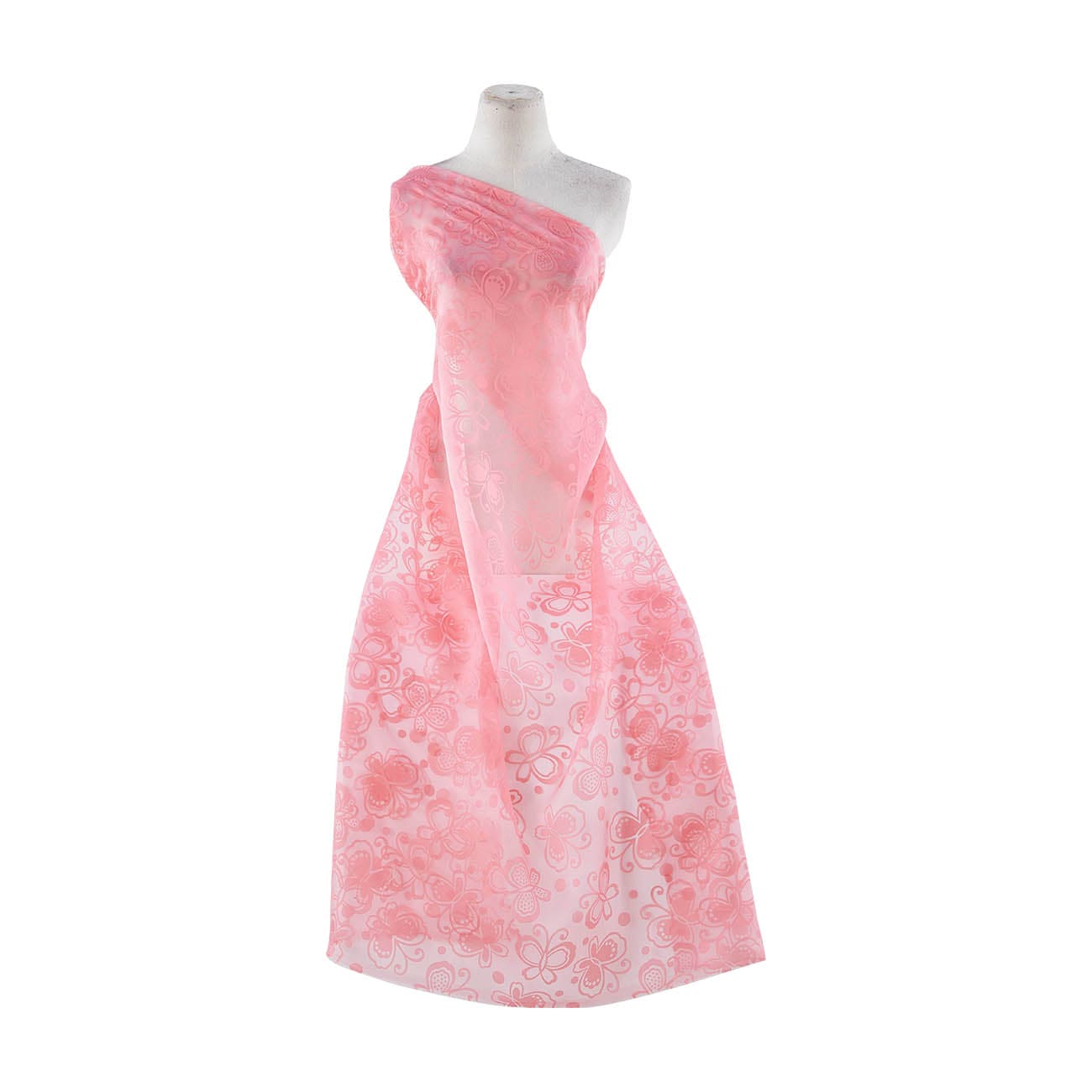
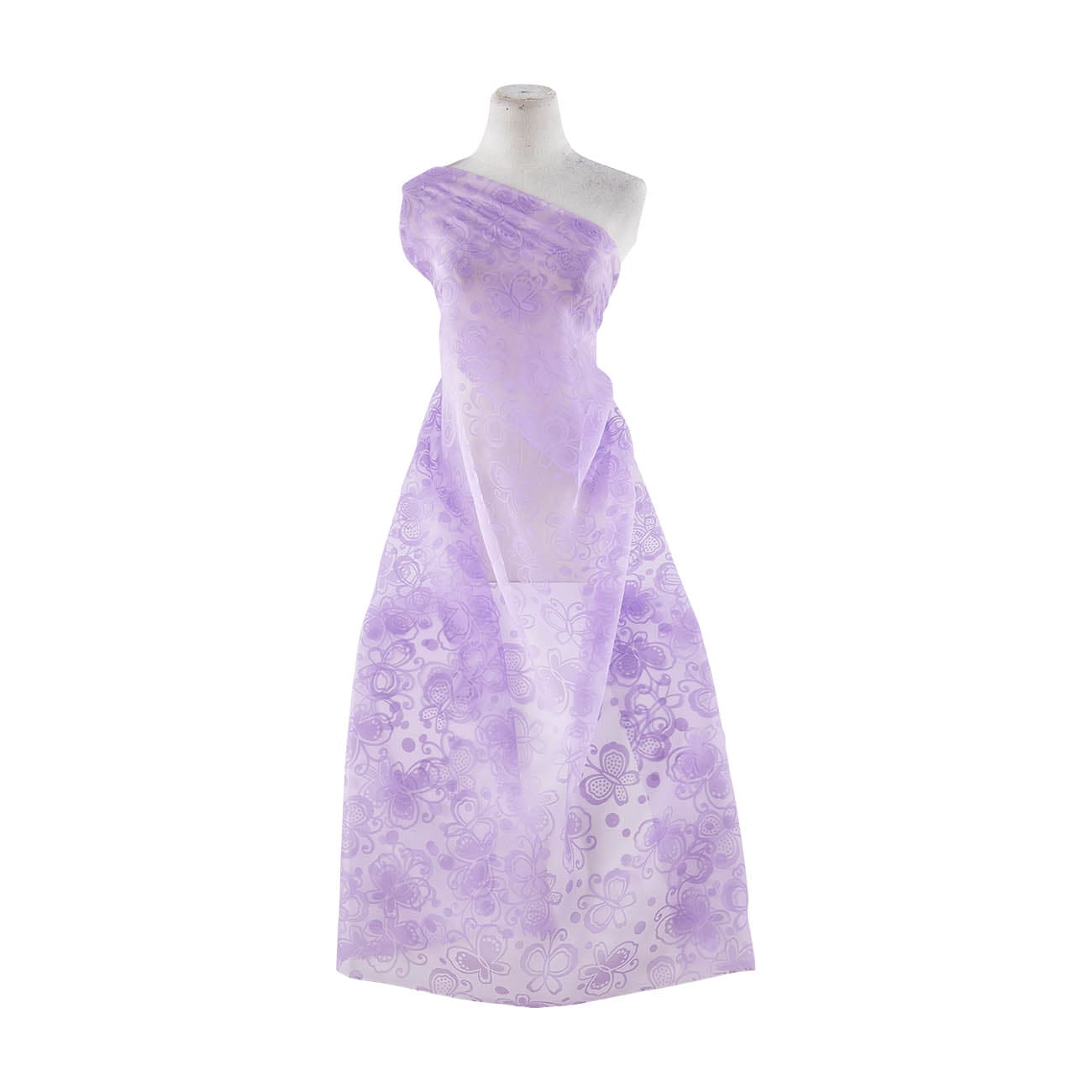
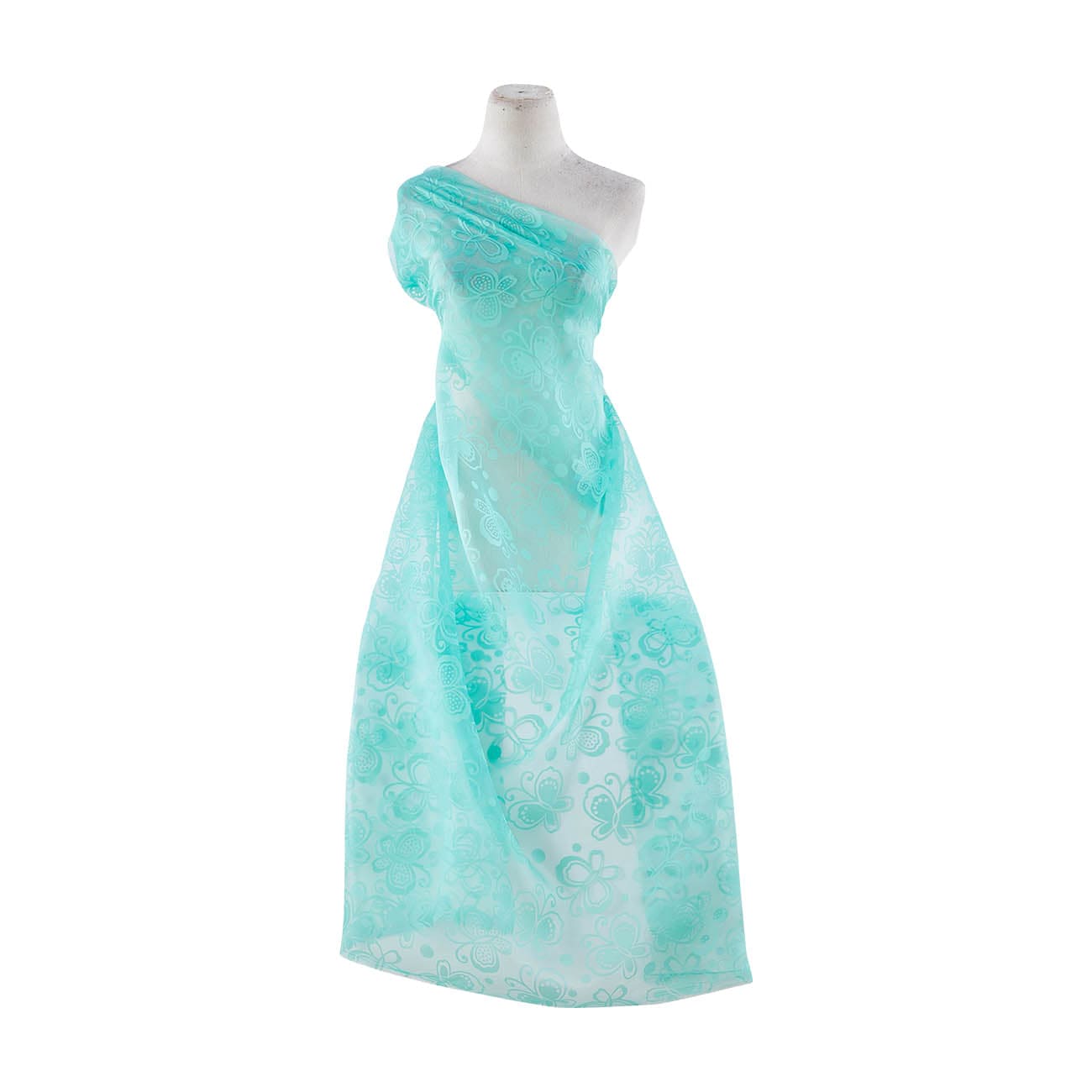
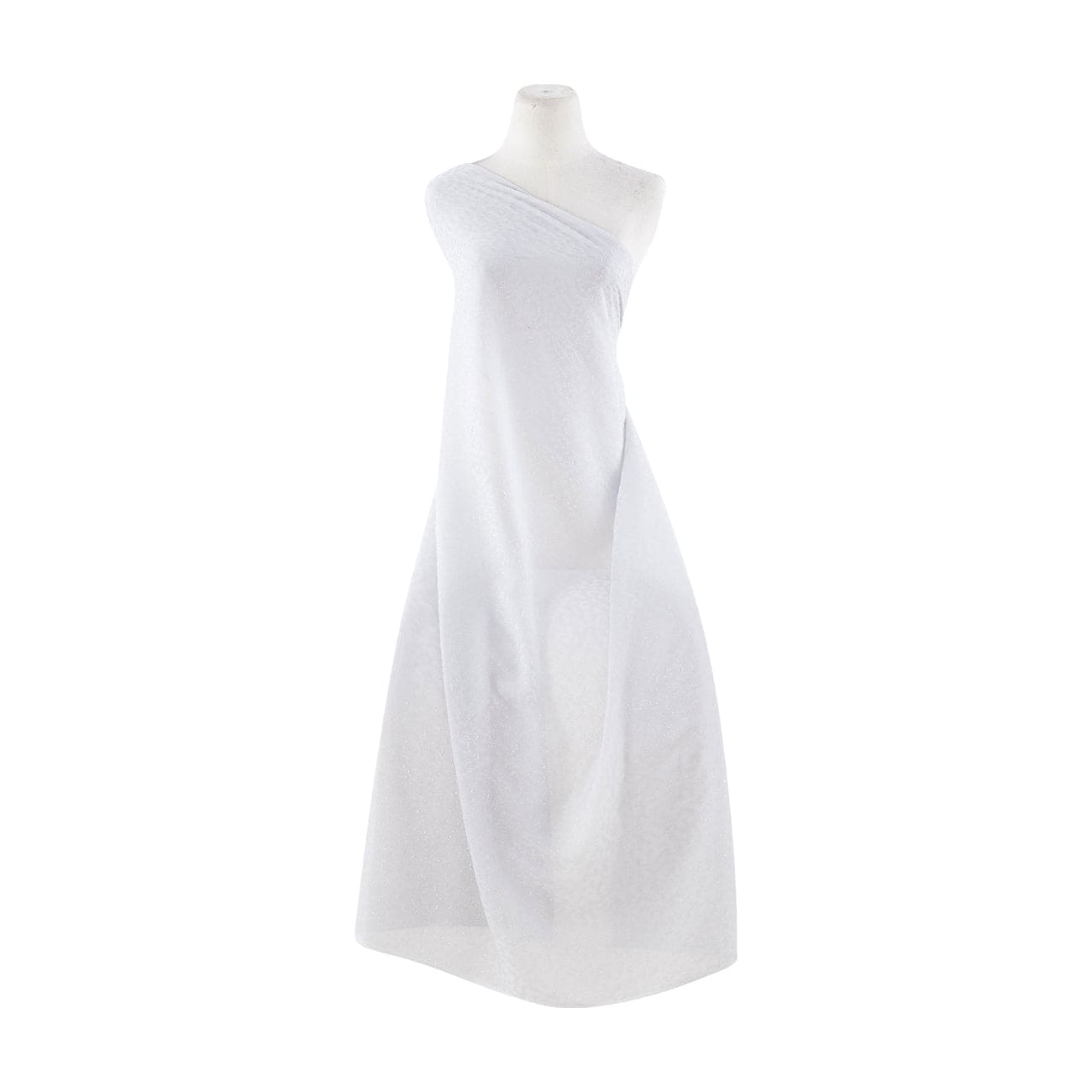
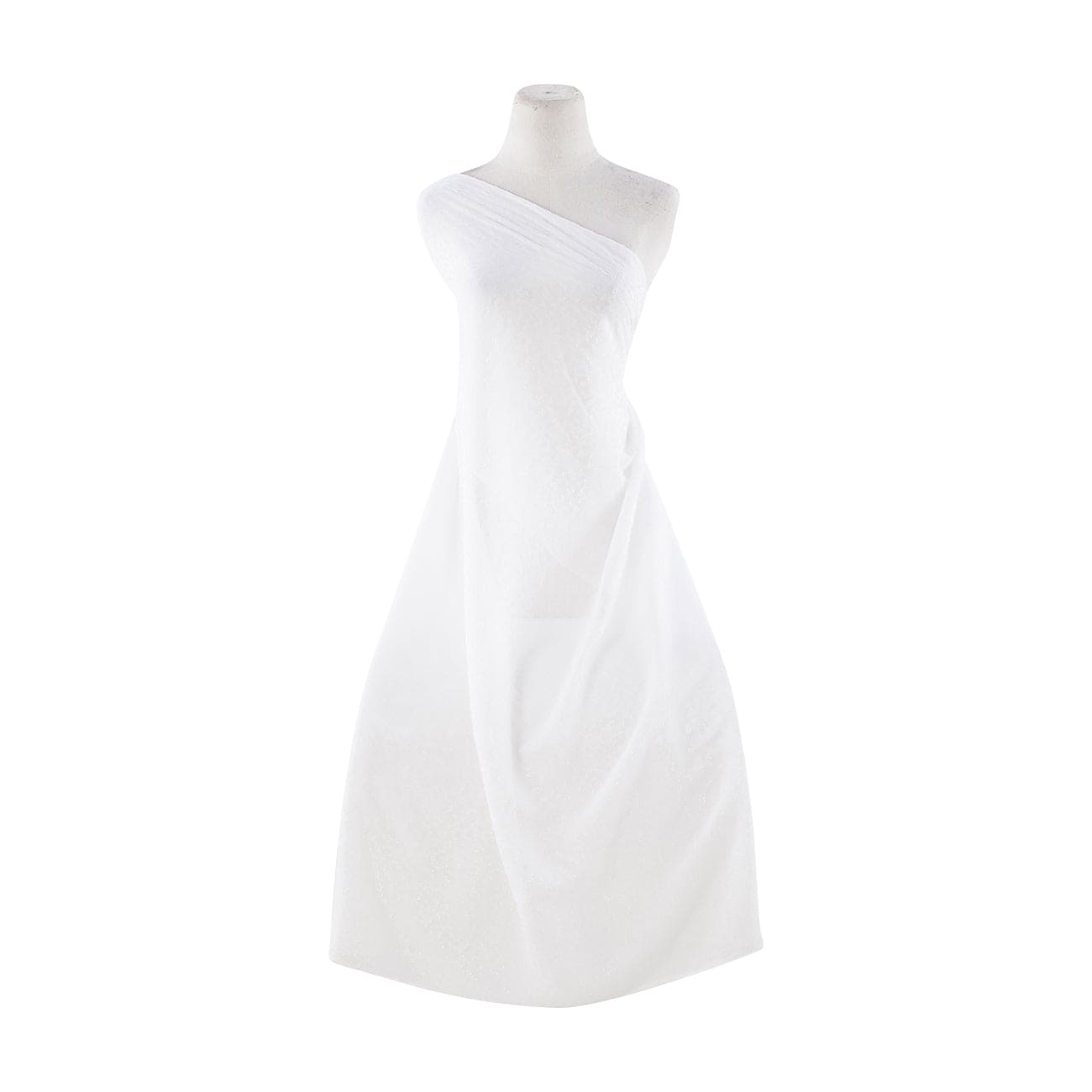
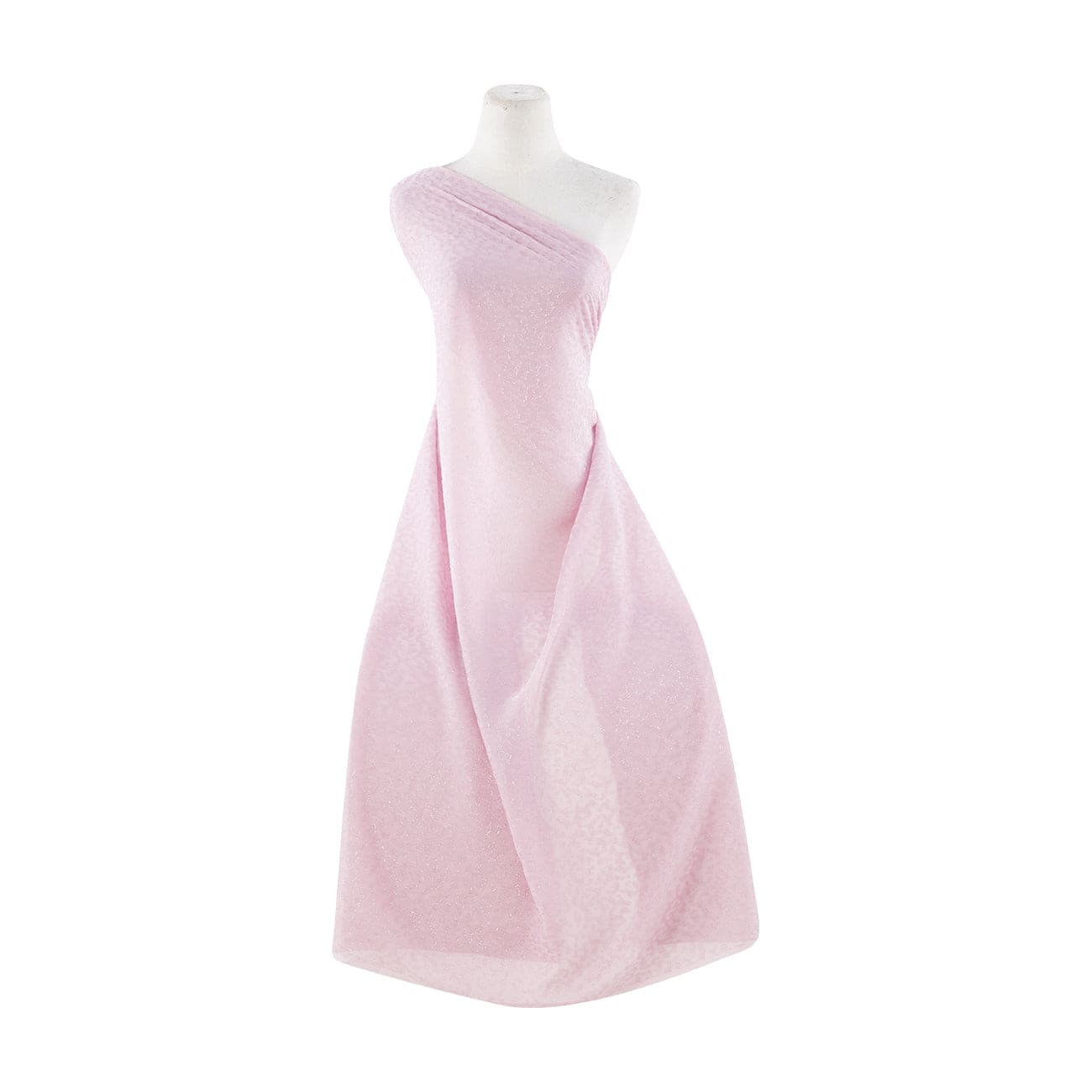
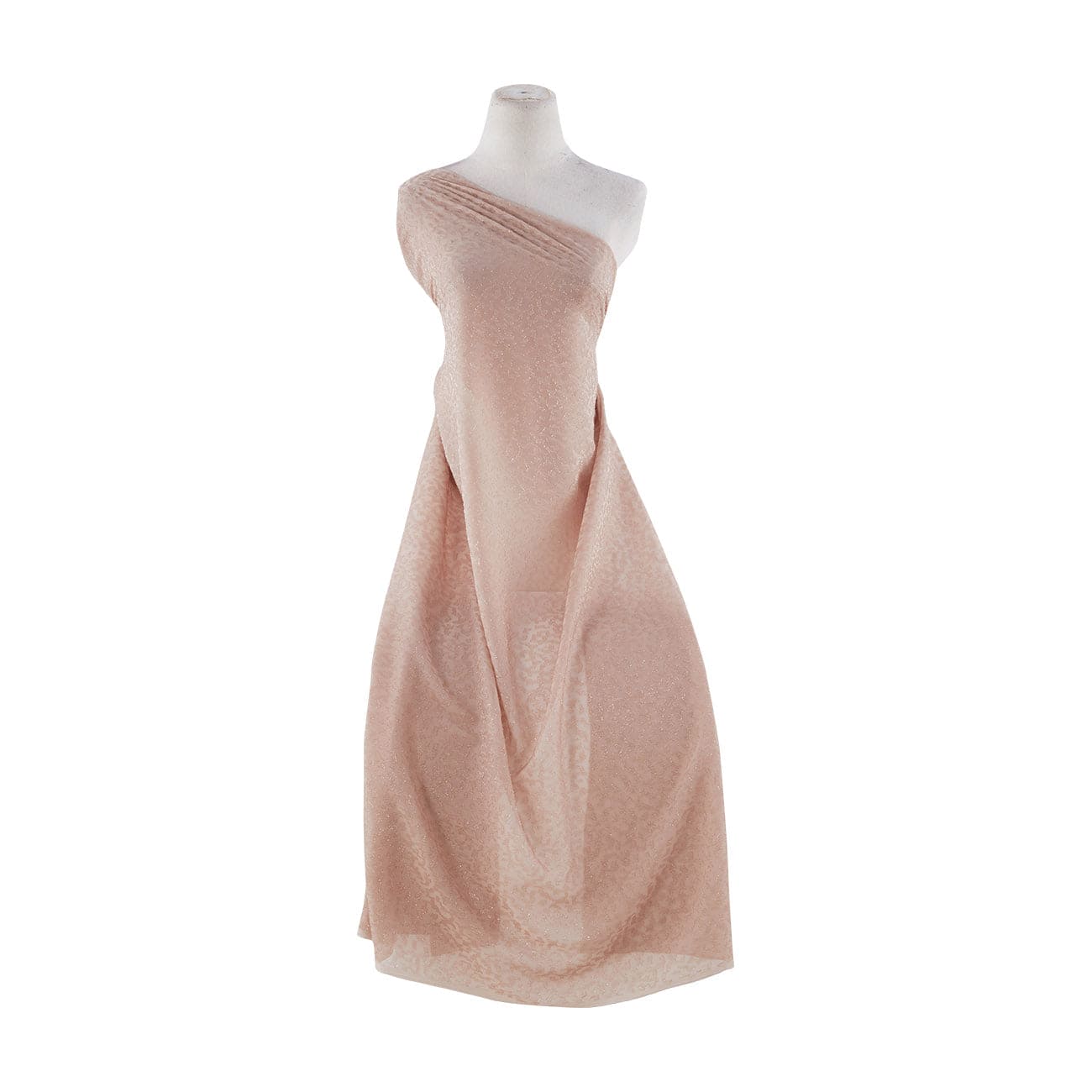


What Is Burnout Velvet and How is It Made?
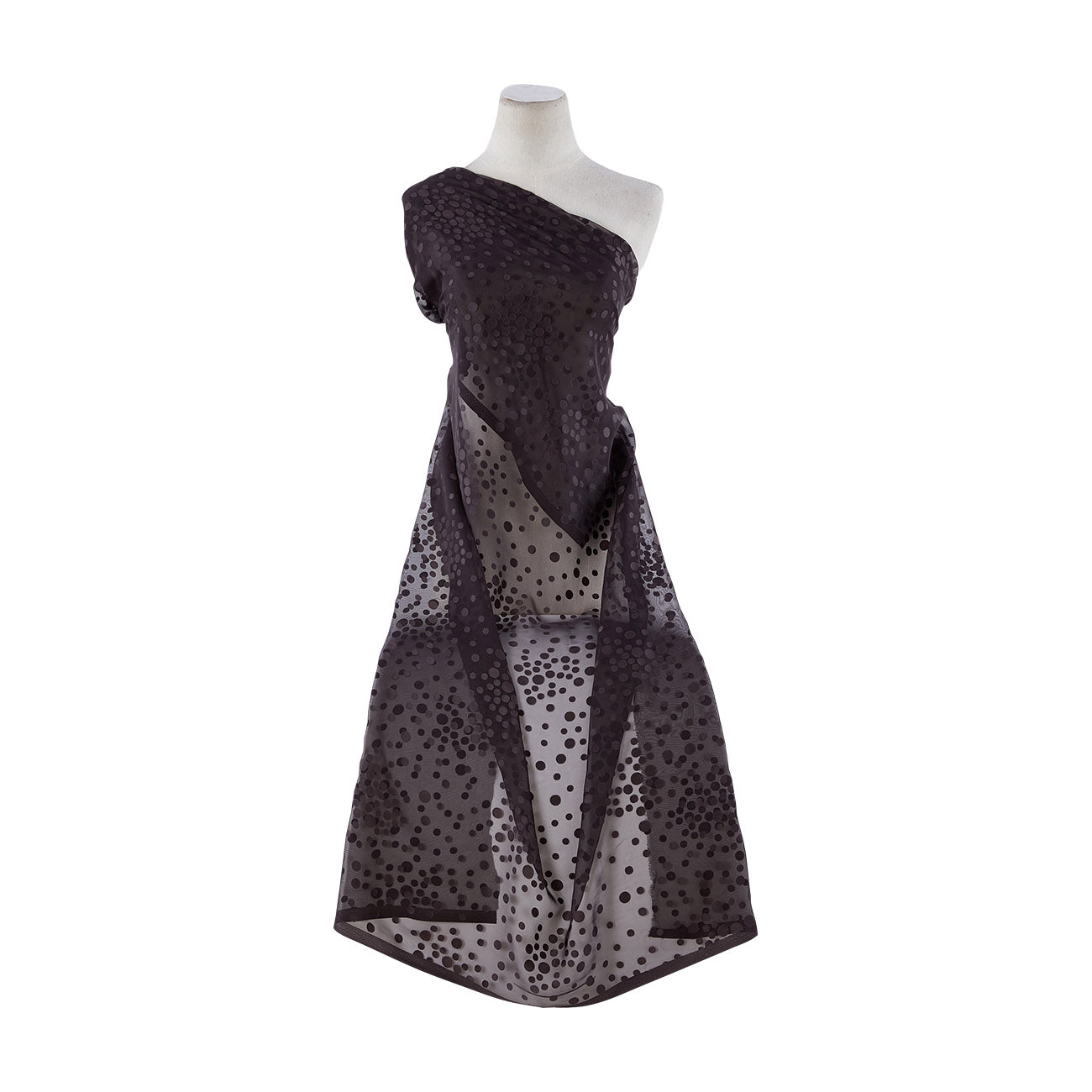
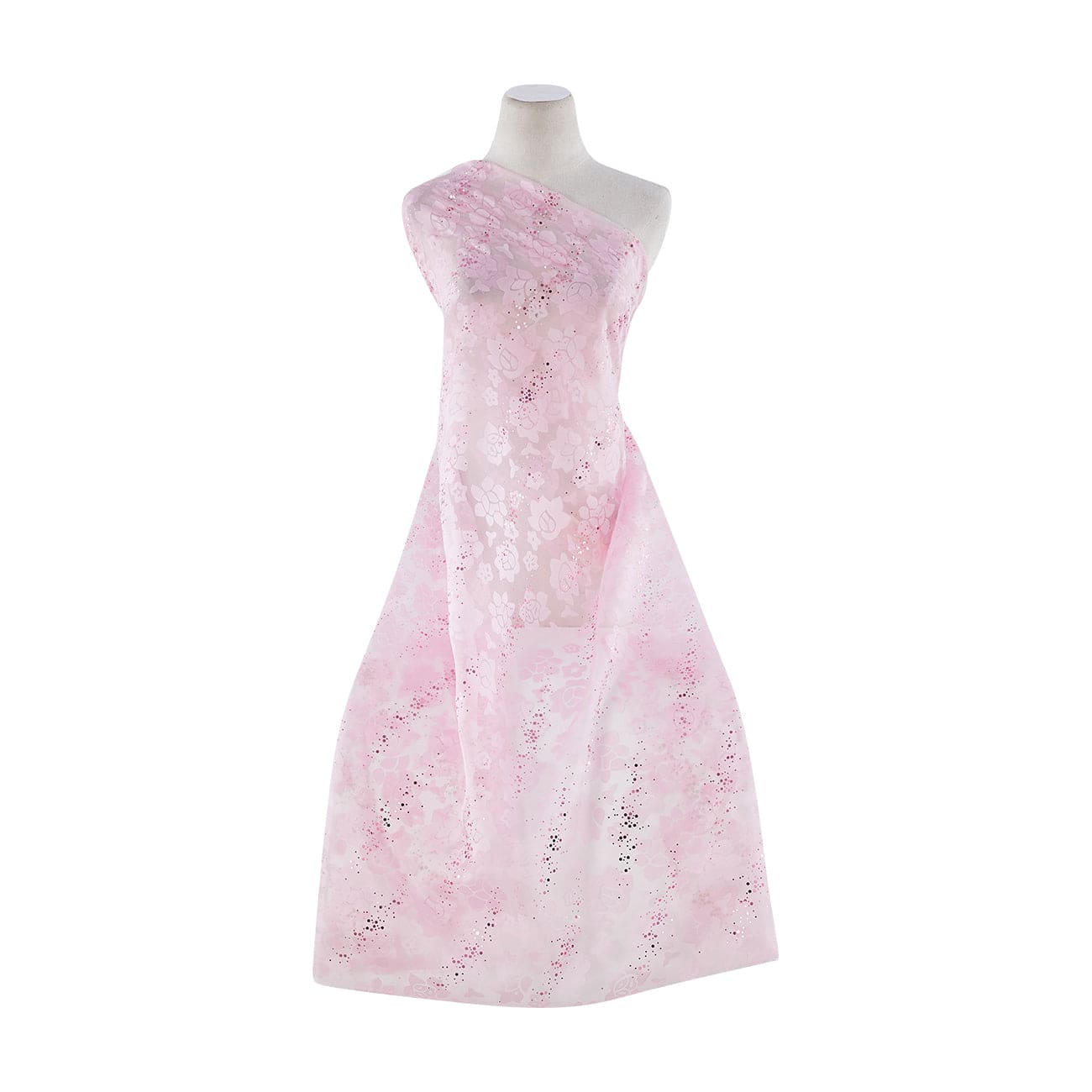
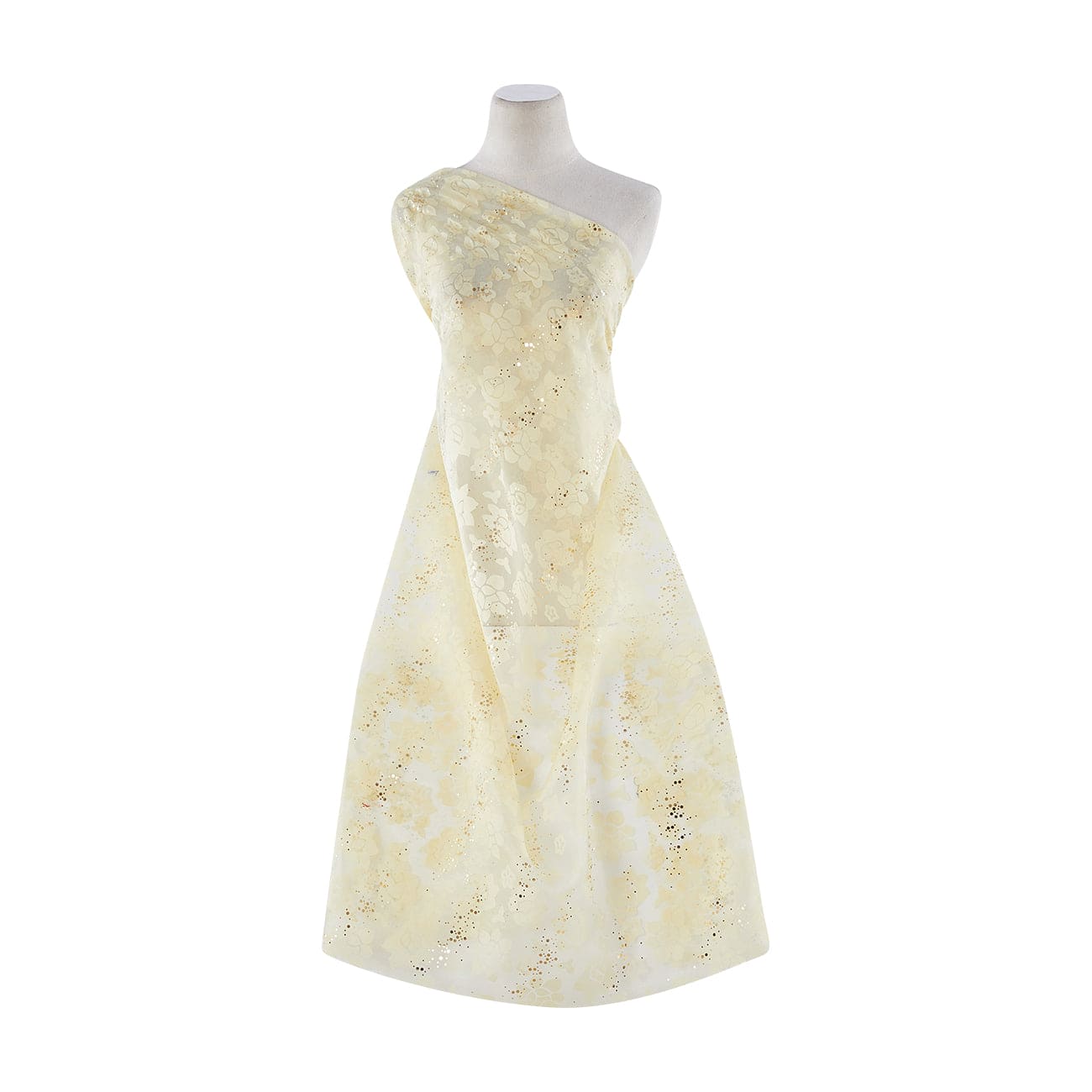
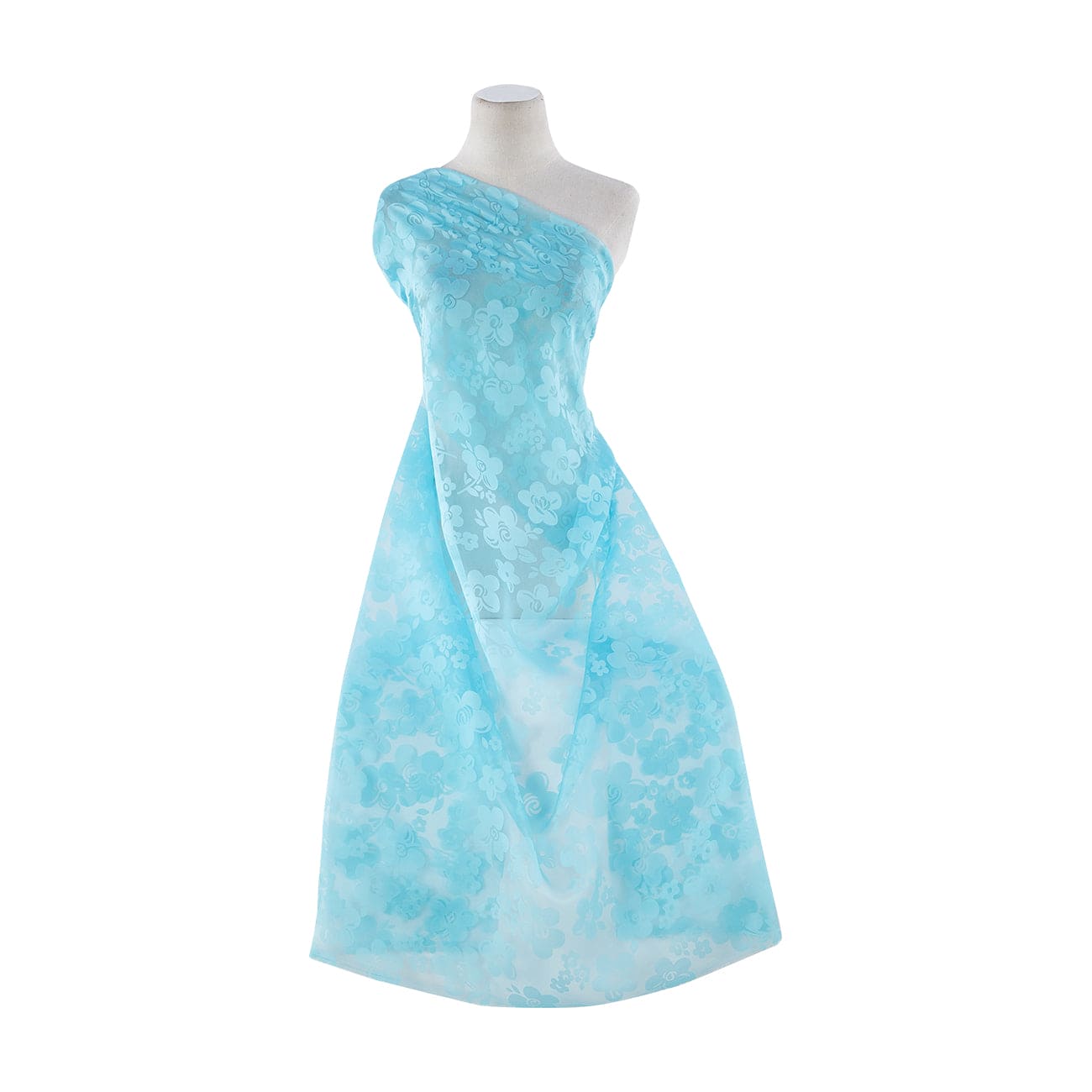
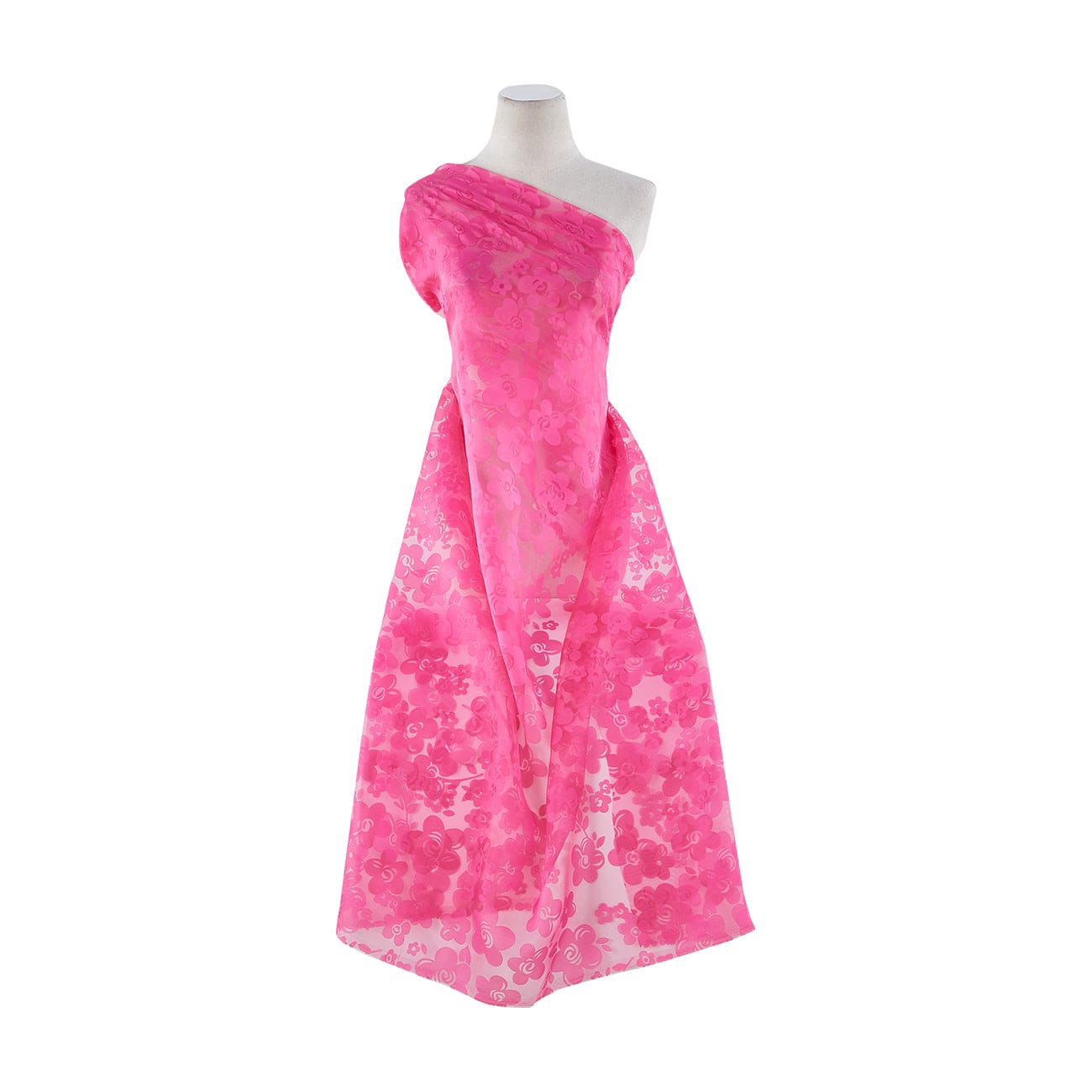
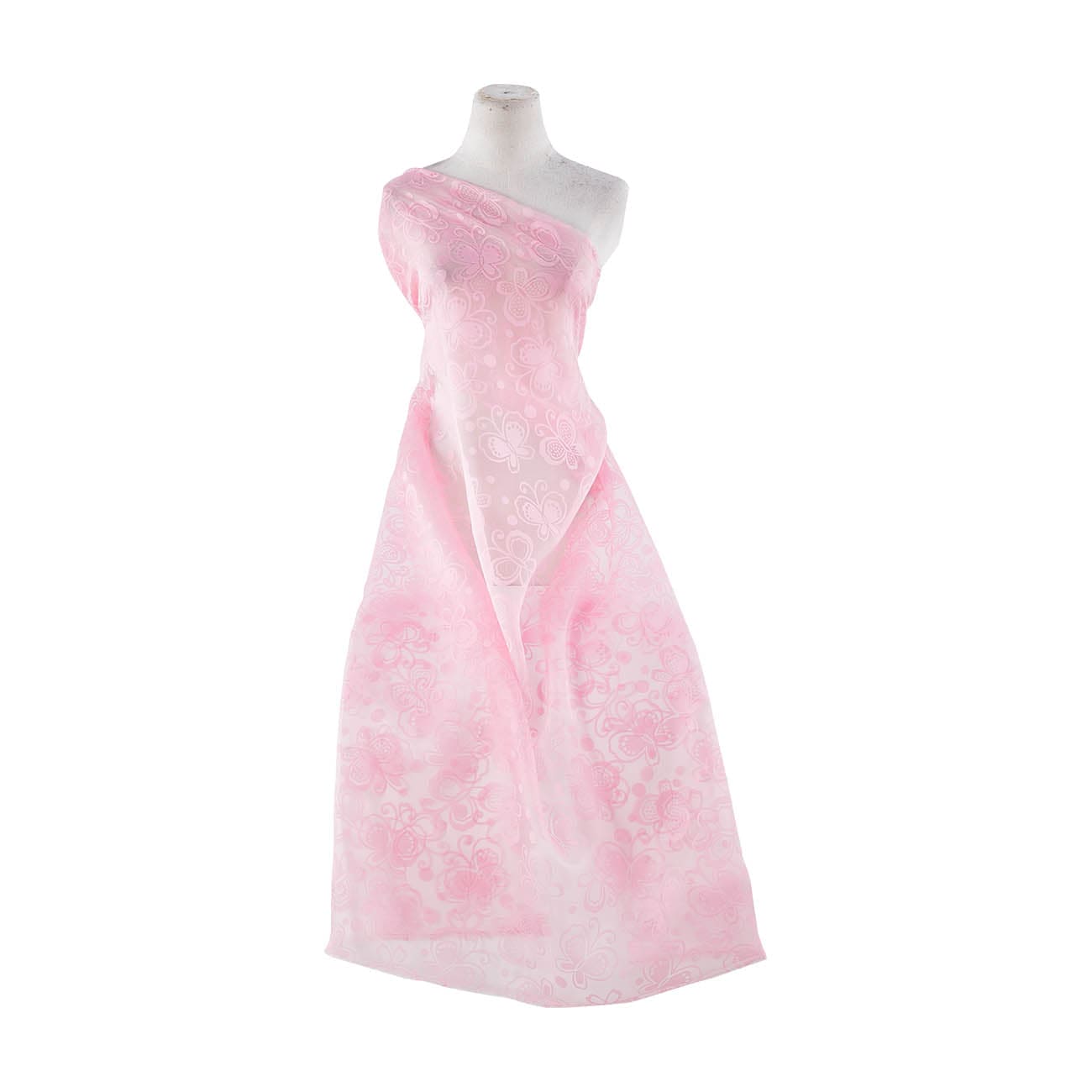
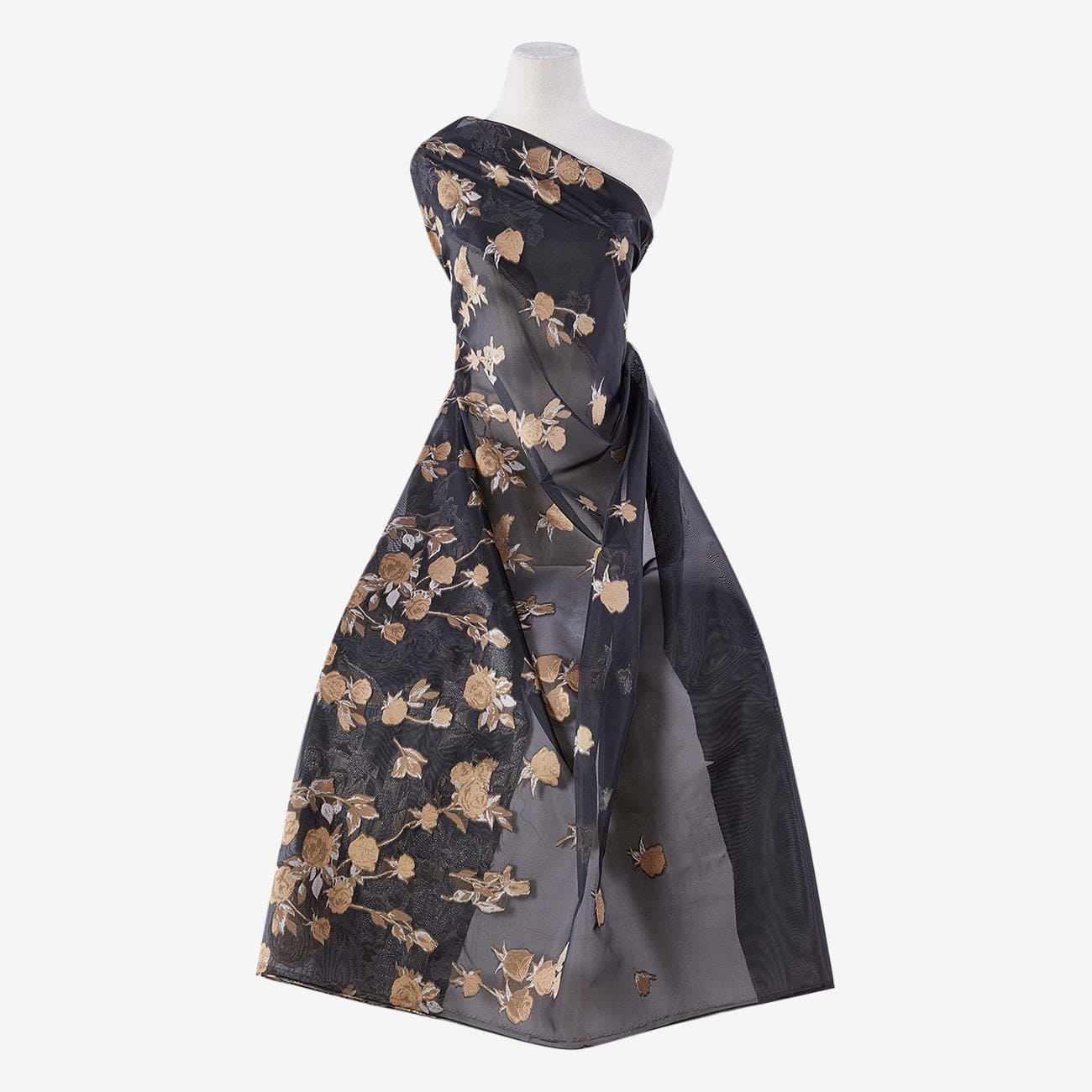
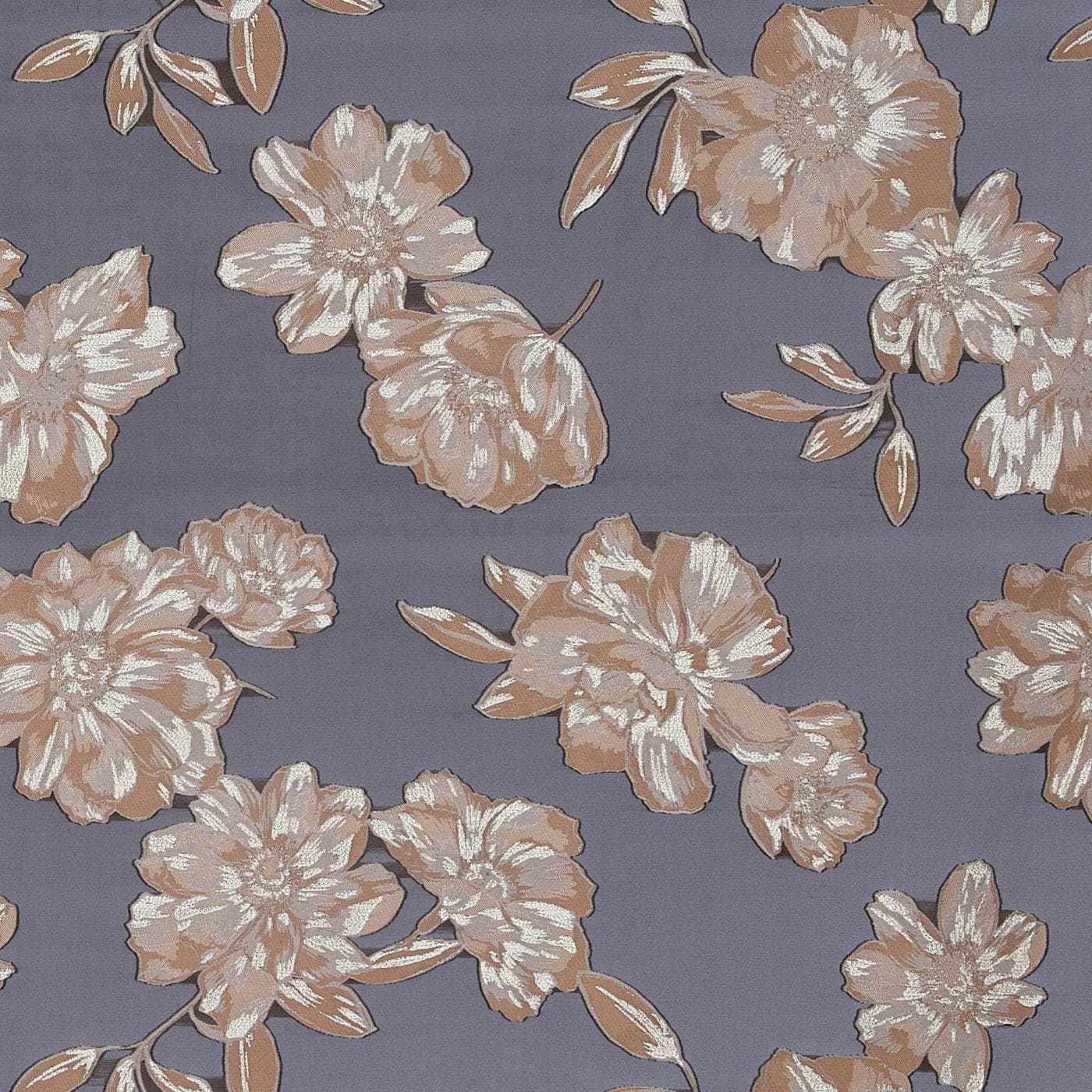
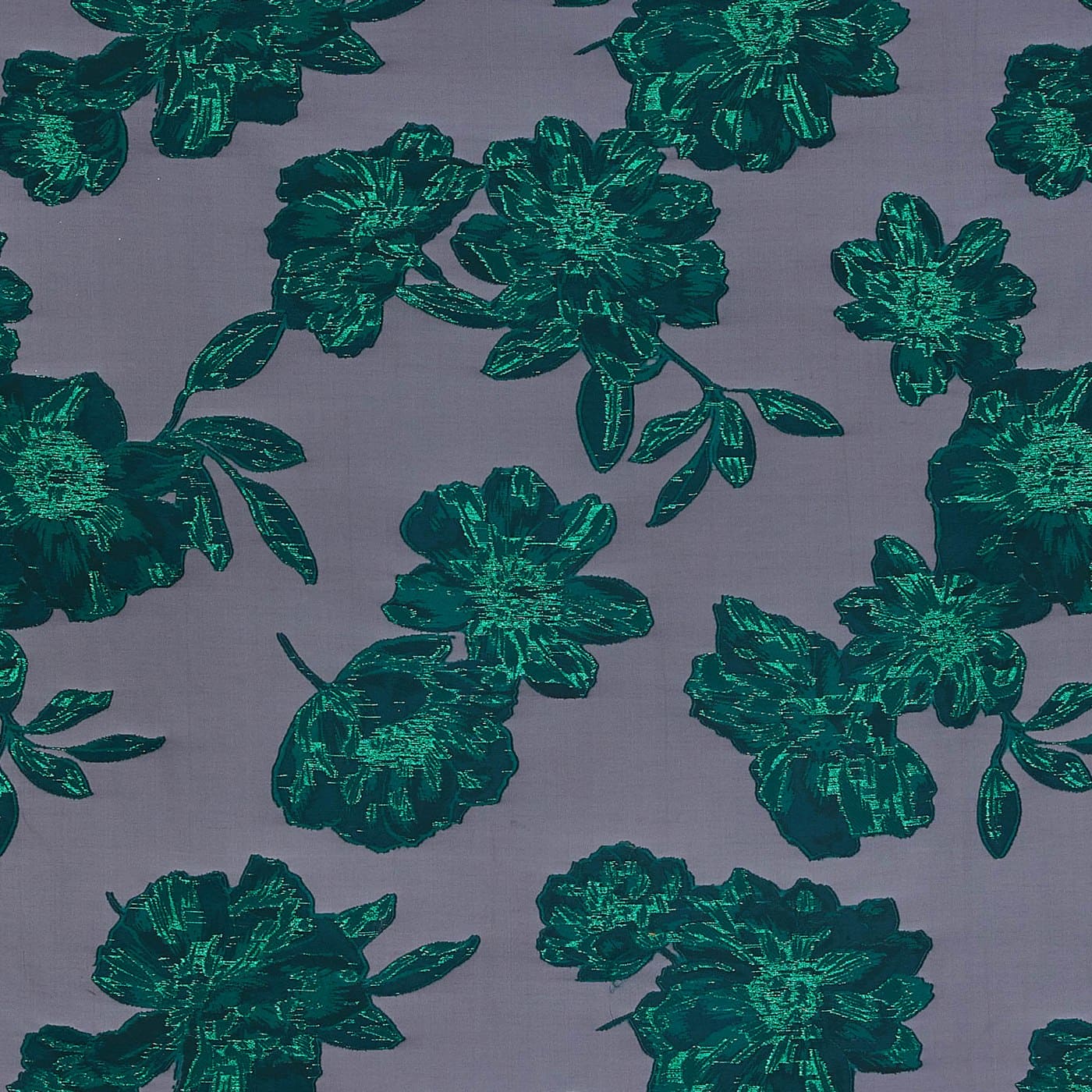
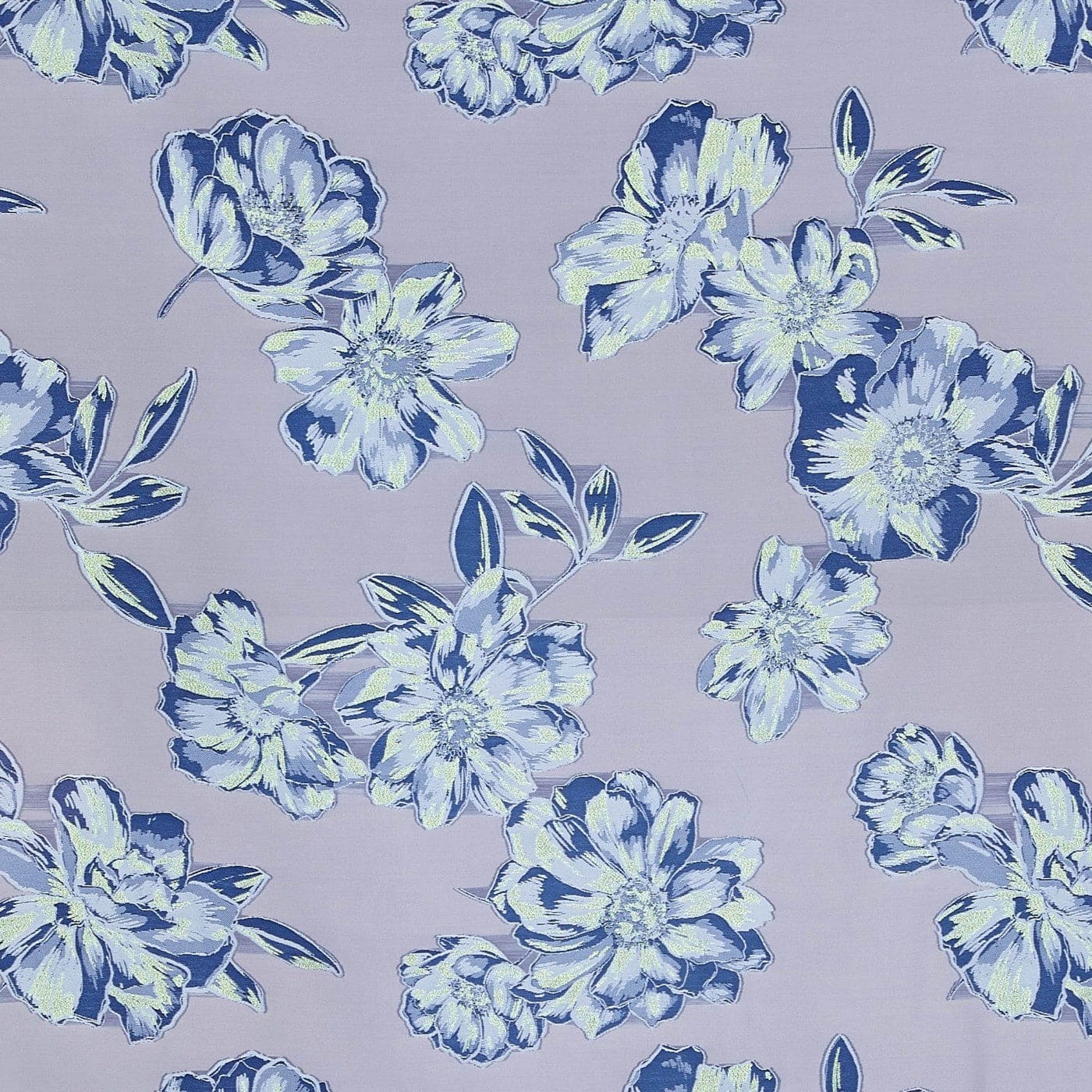
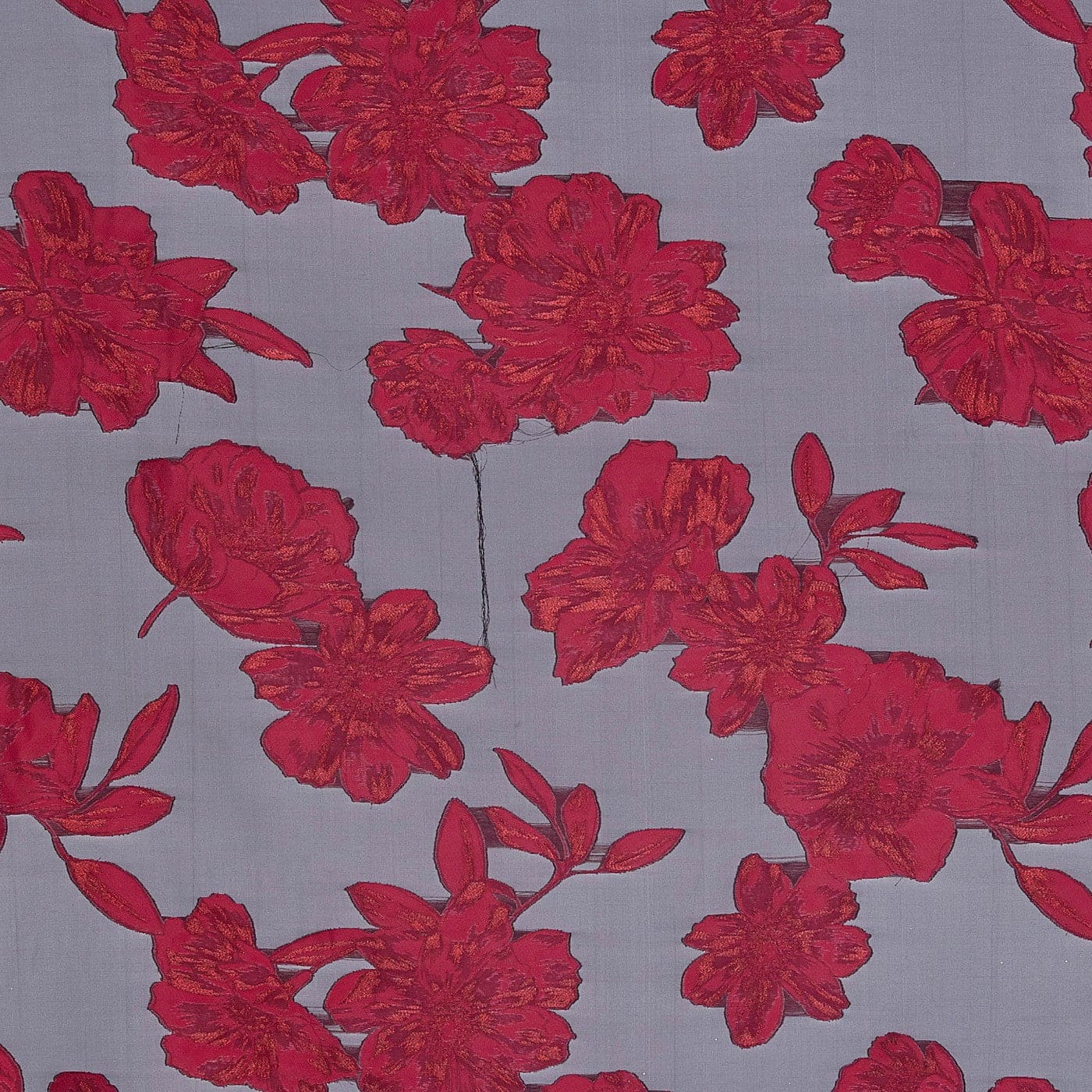
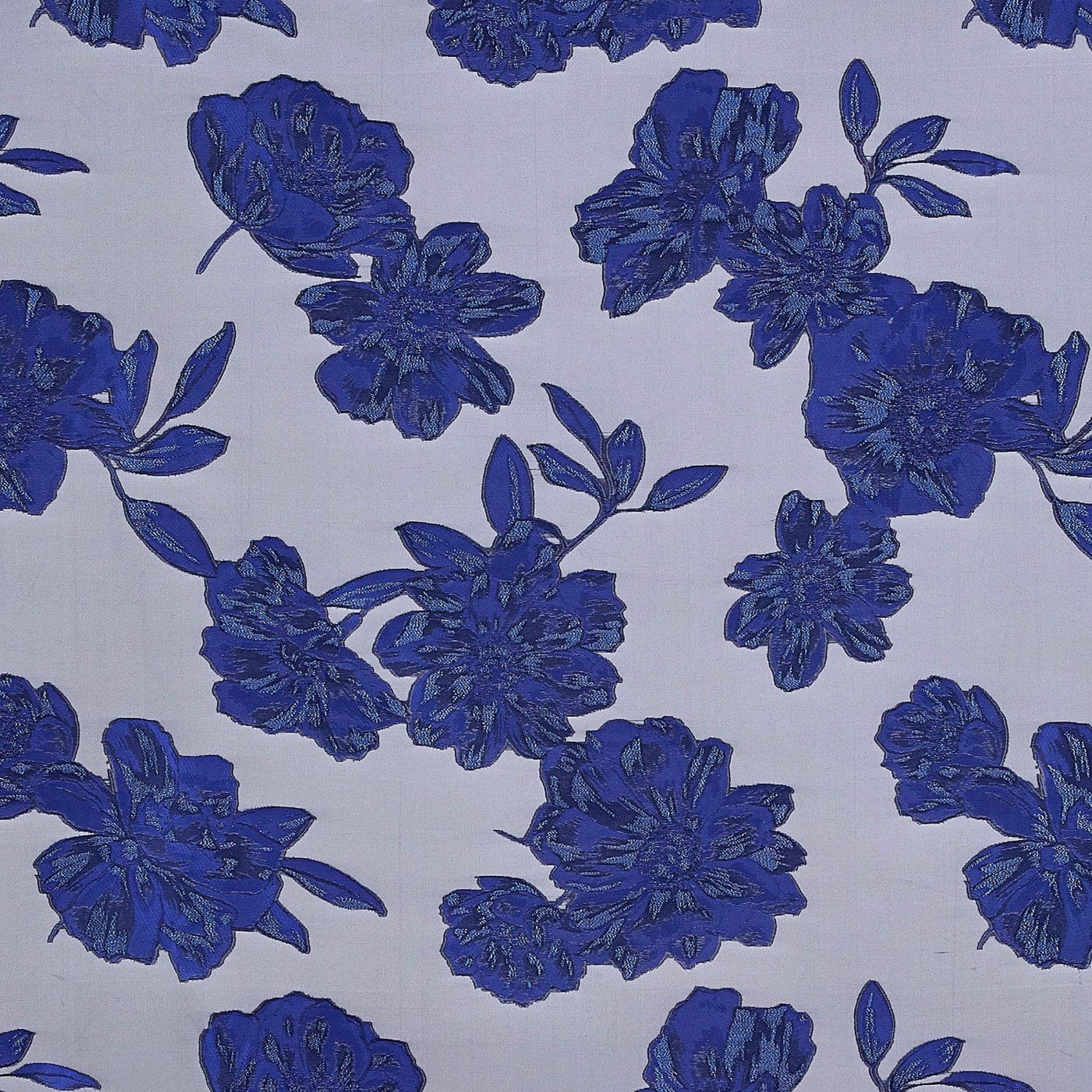
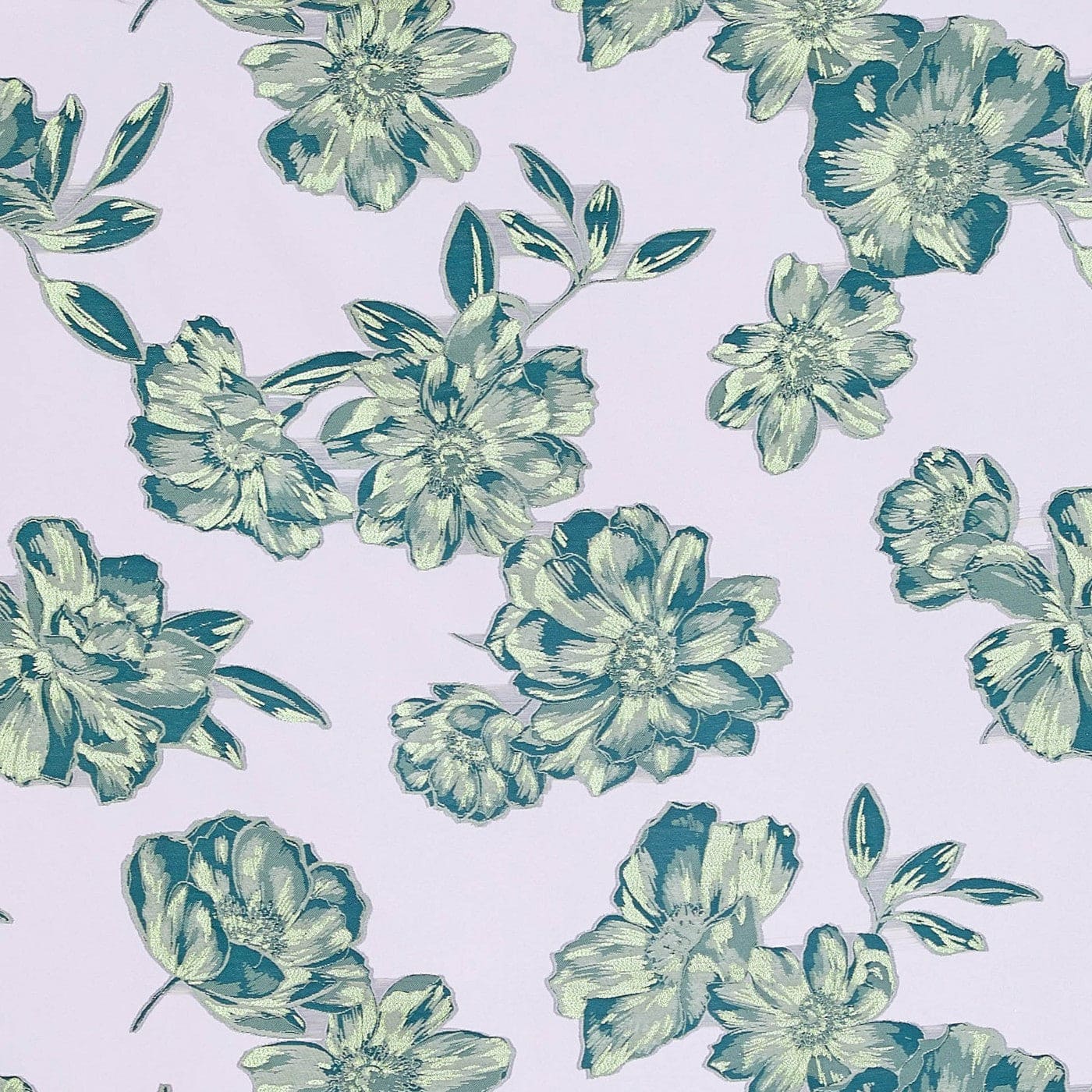
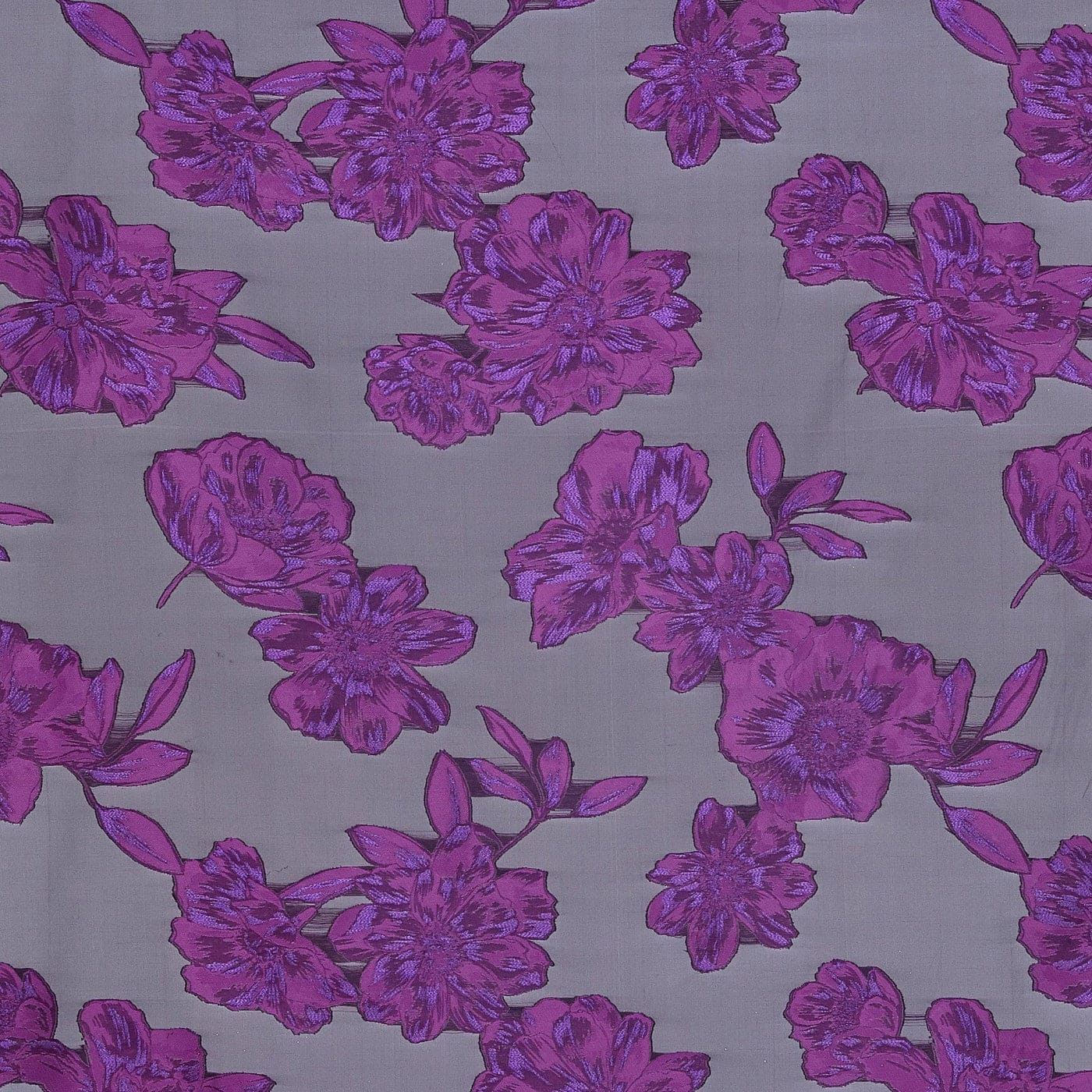
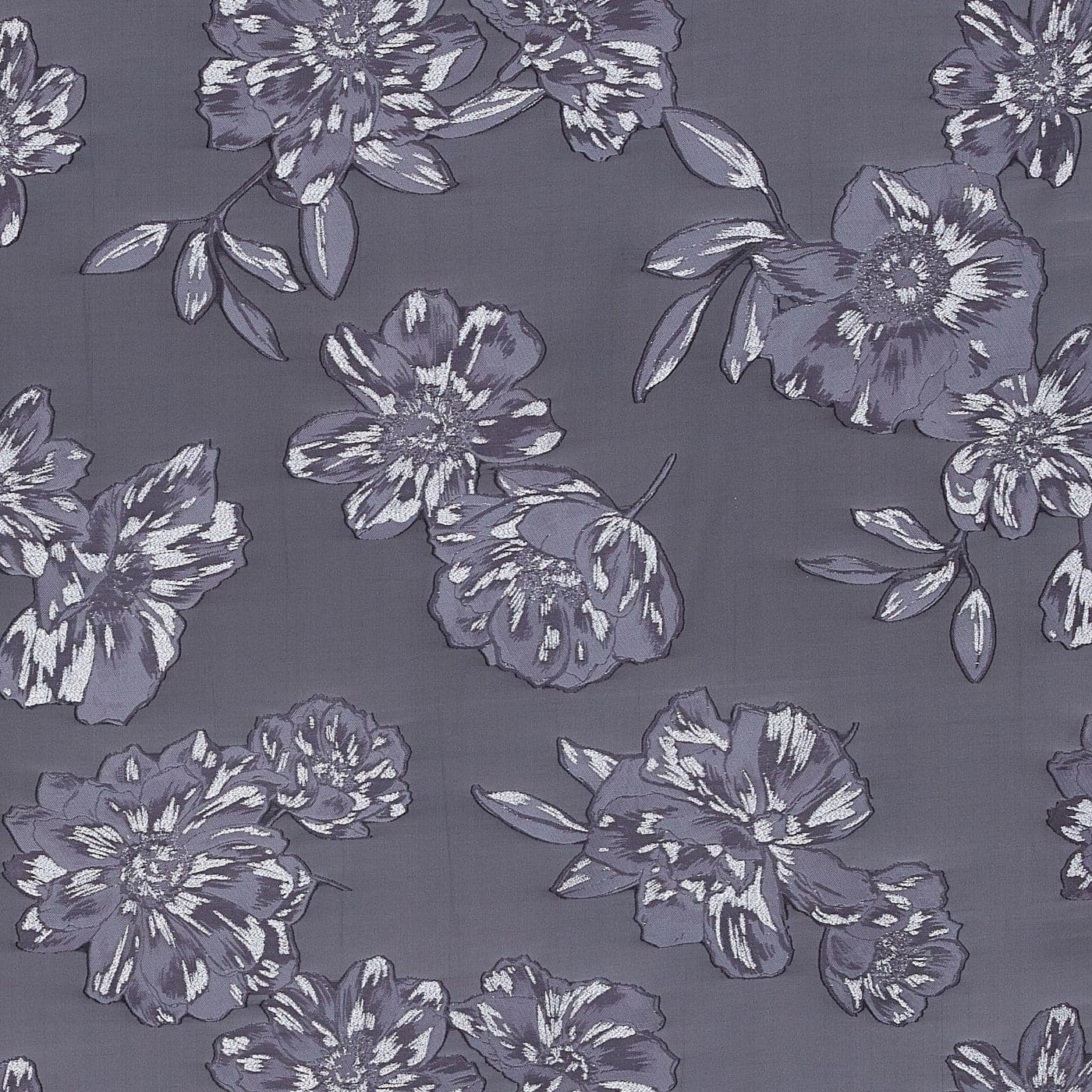
Burnout velvet, also called devoré velvet, is a fabric created by chemically dissolving select velvet pile to reveal a sheer, patterned base beneath. A chemical paste, usually sodium hydroxide or an acid-based solution, is printed onto the velvet in a pattern, dissolving the pile fibers, usually viscose or rayon, while leaving the woven or knit base fabric intact.
The Two Tone Effect That Defines Burnout Velvet
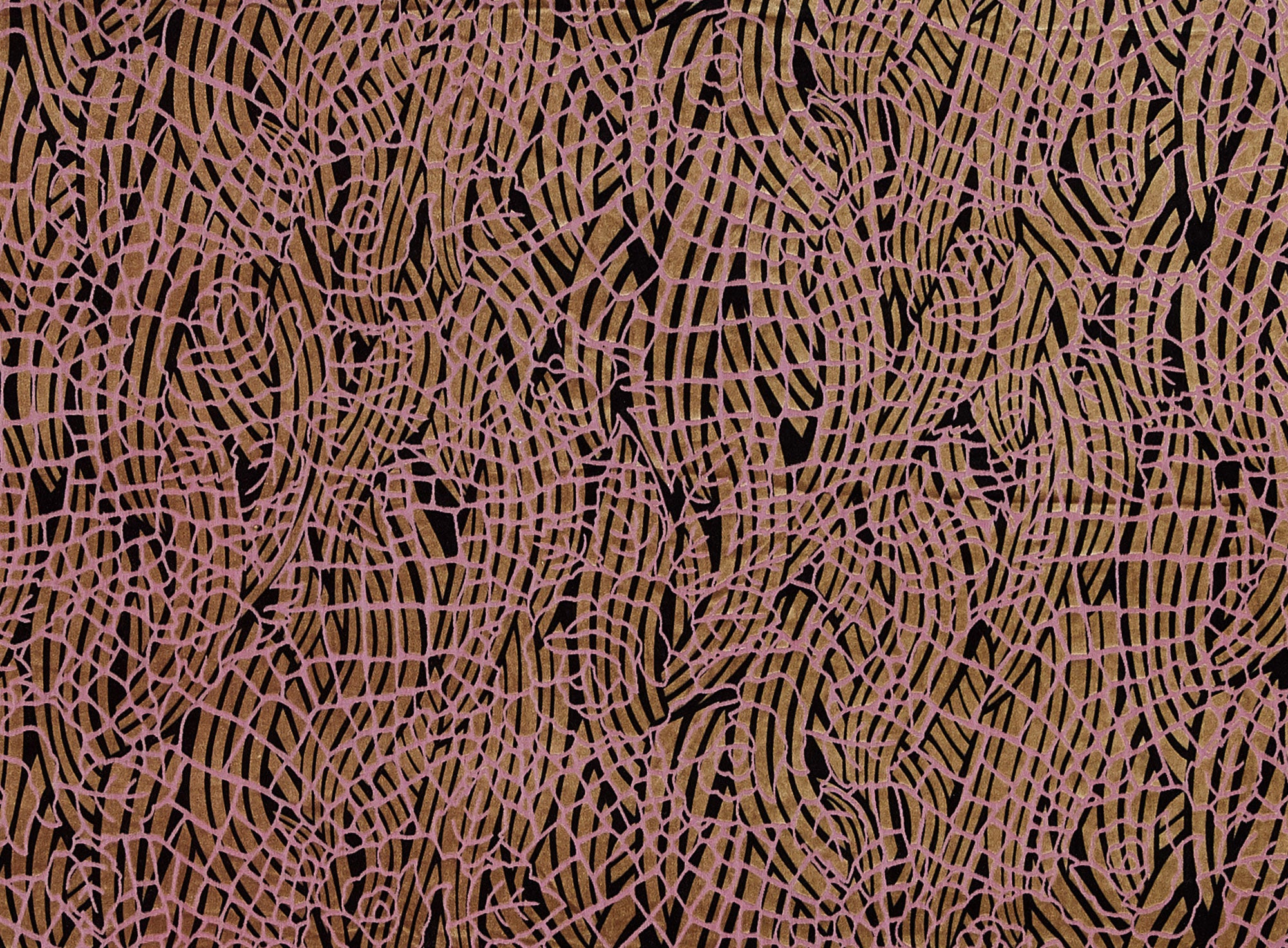
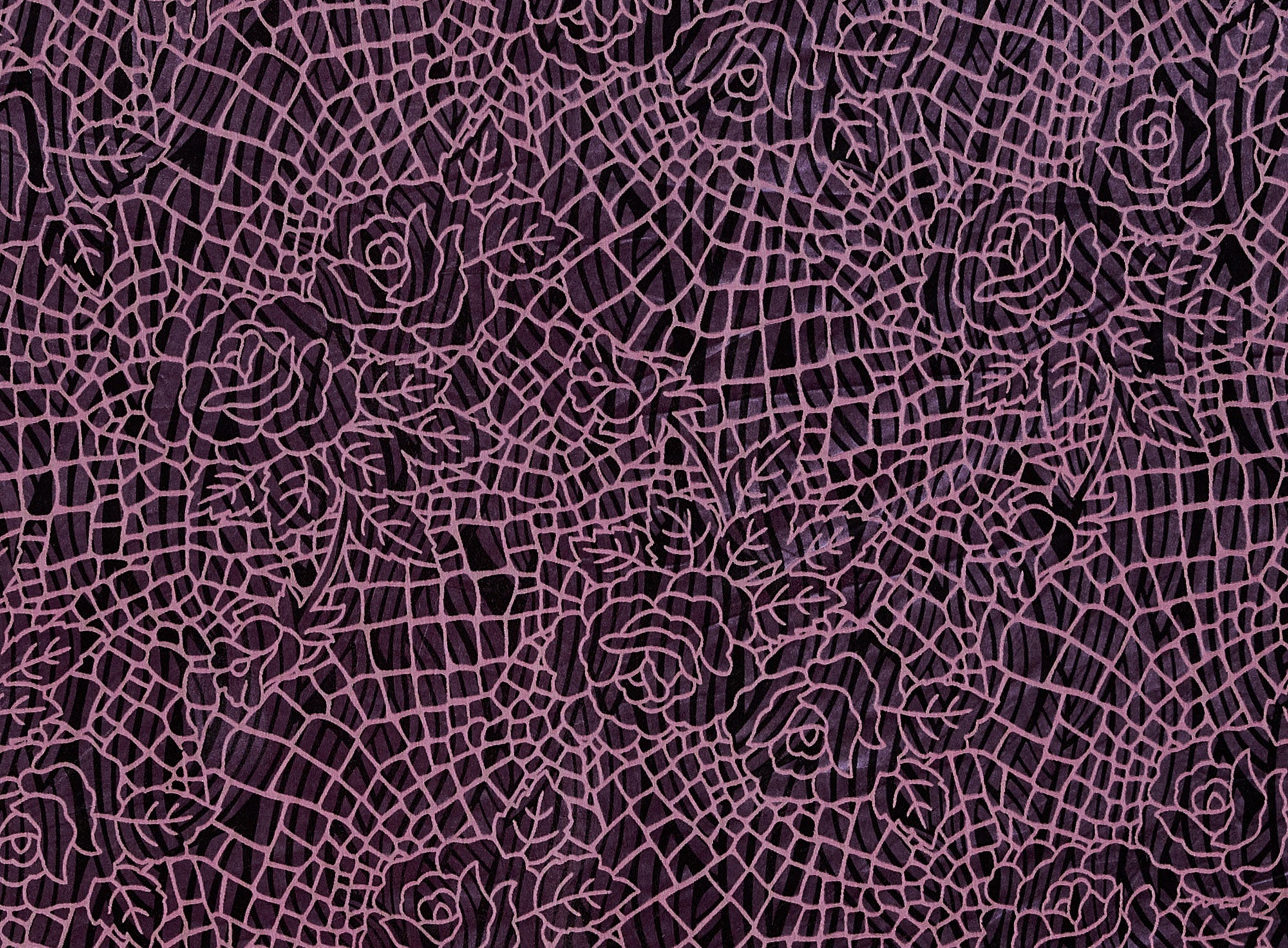
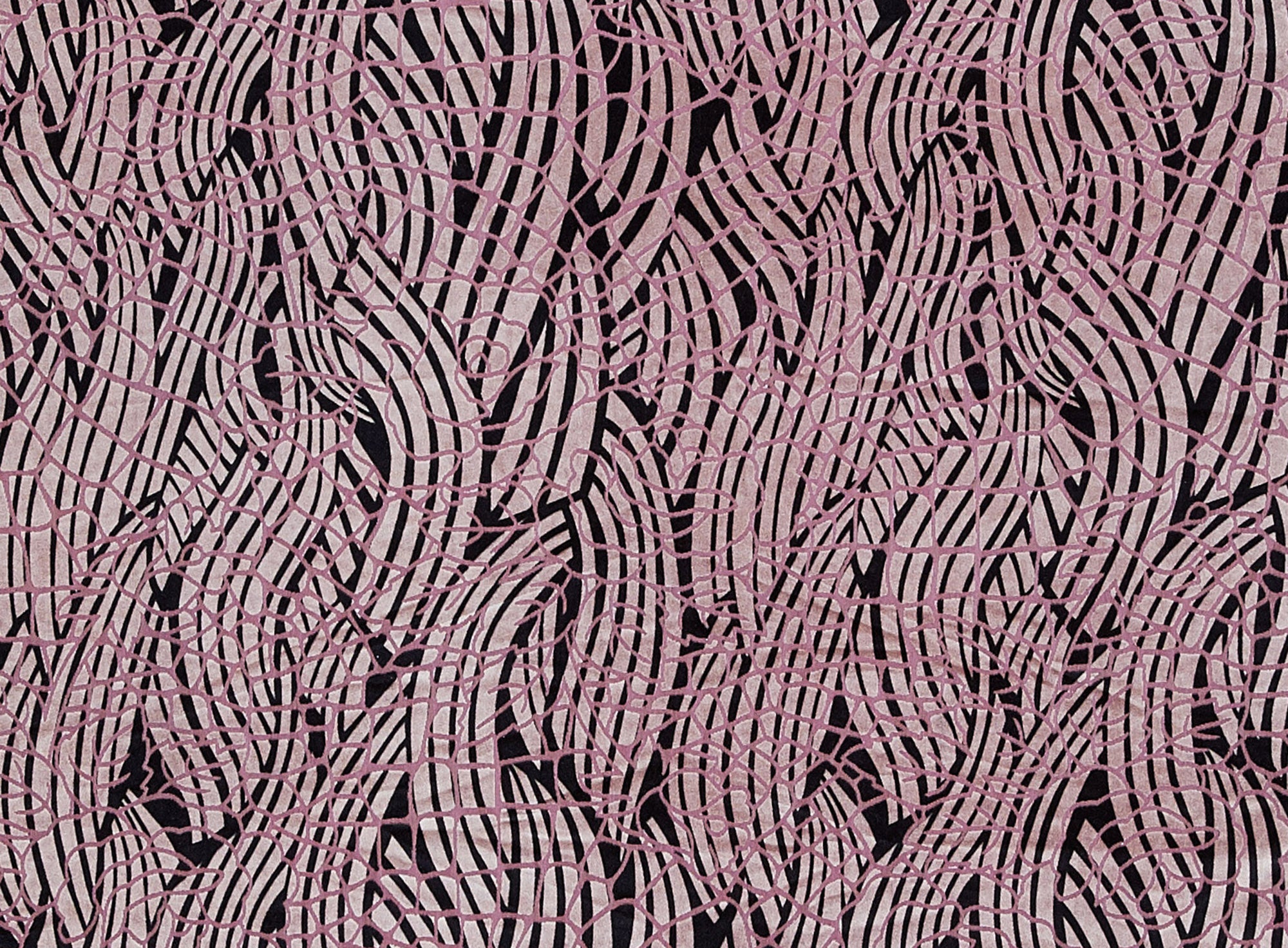
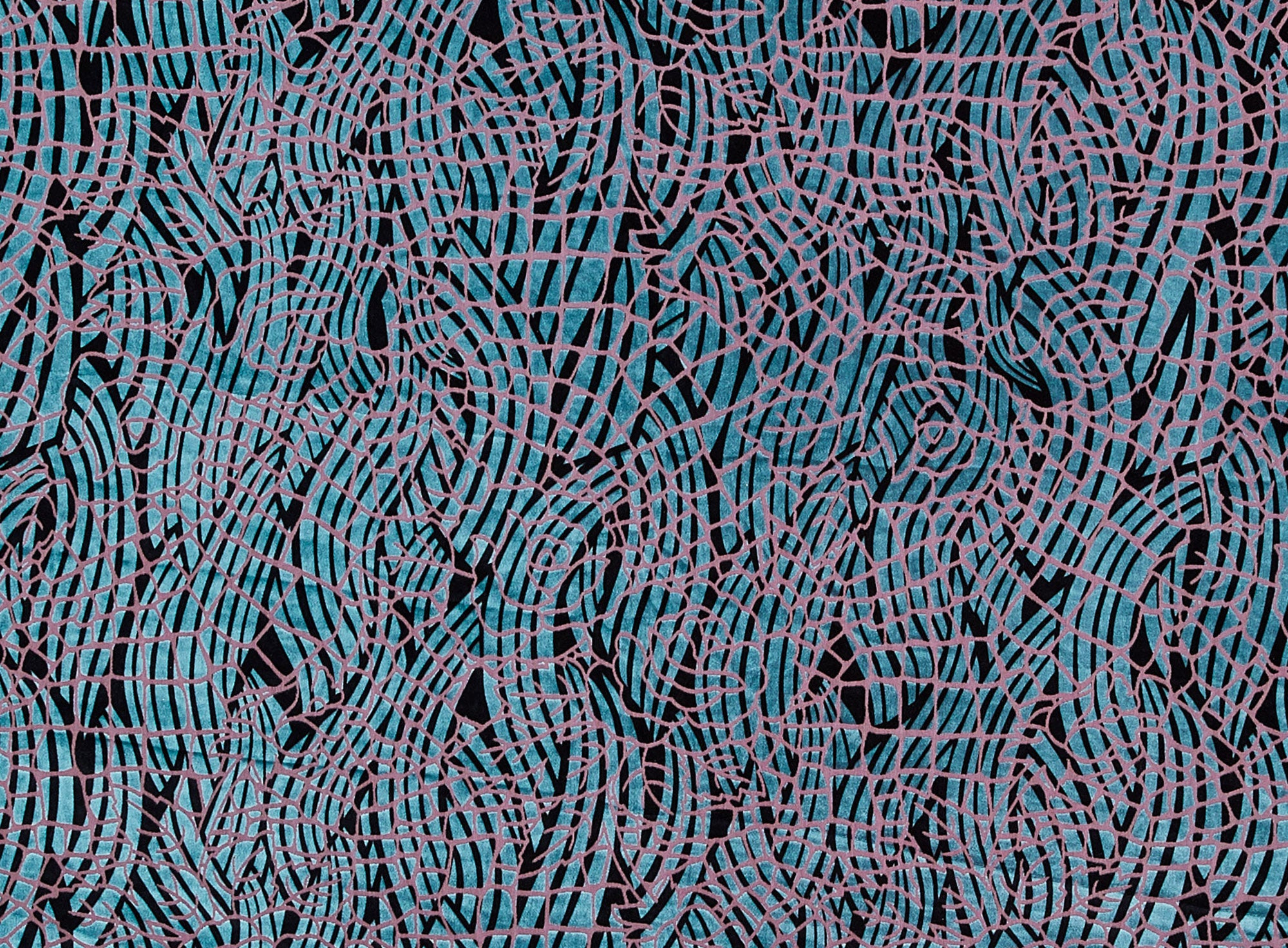
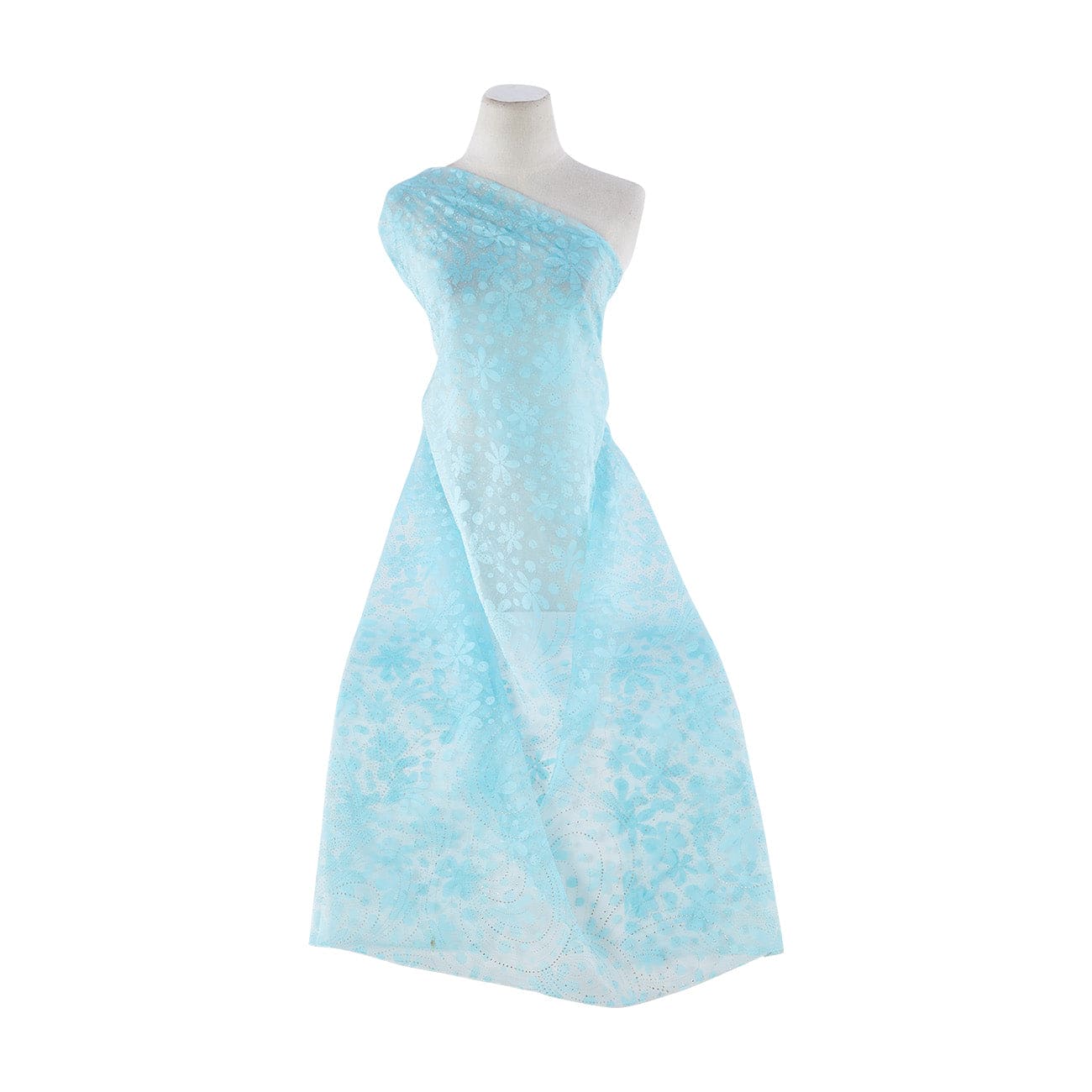
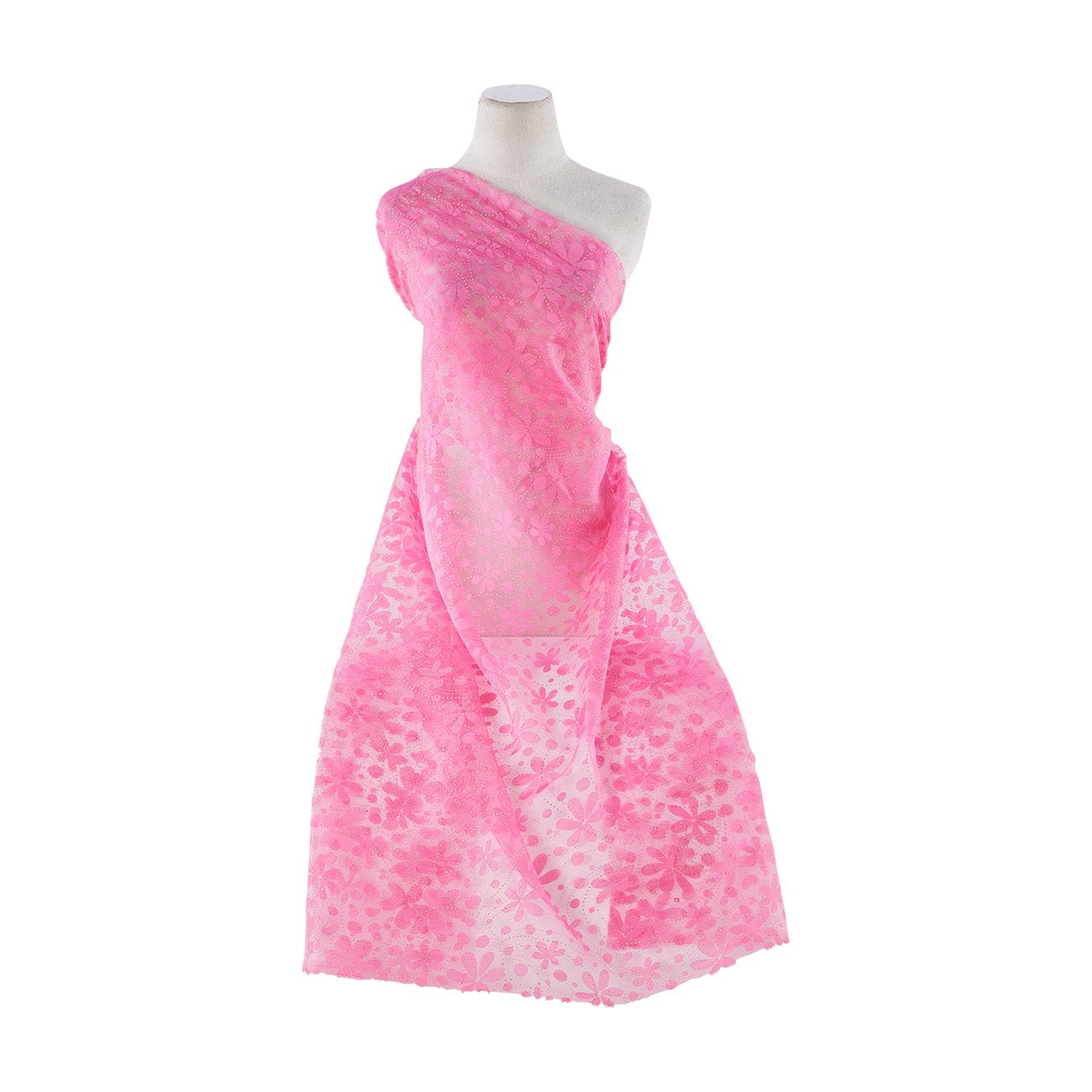
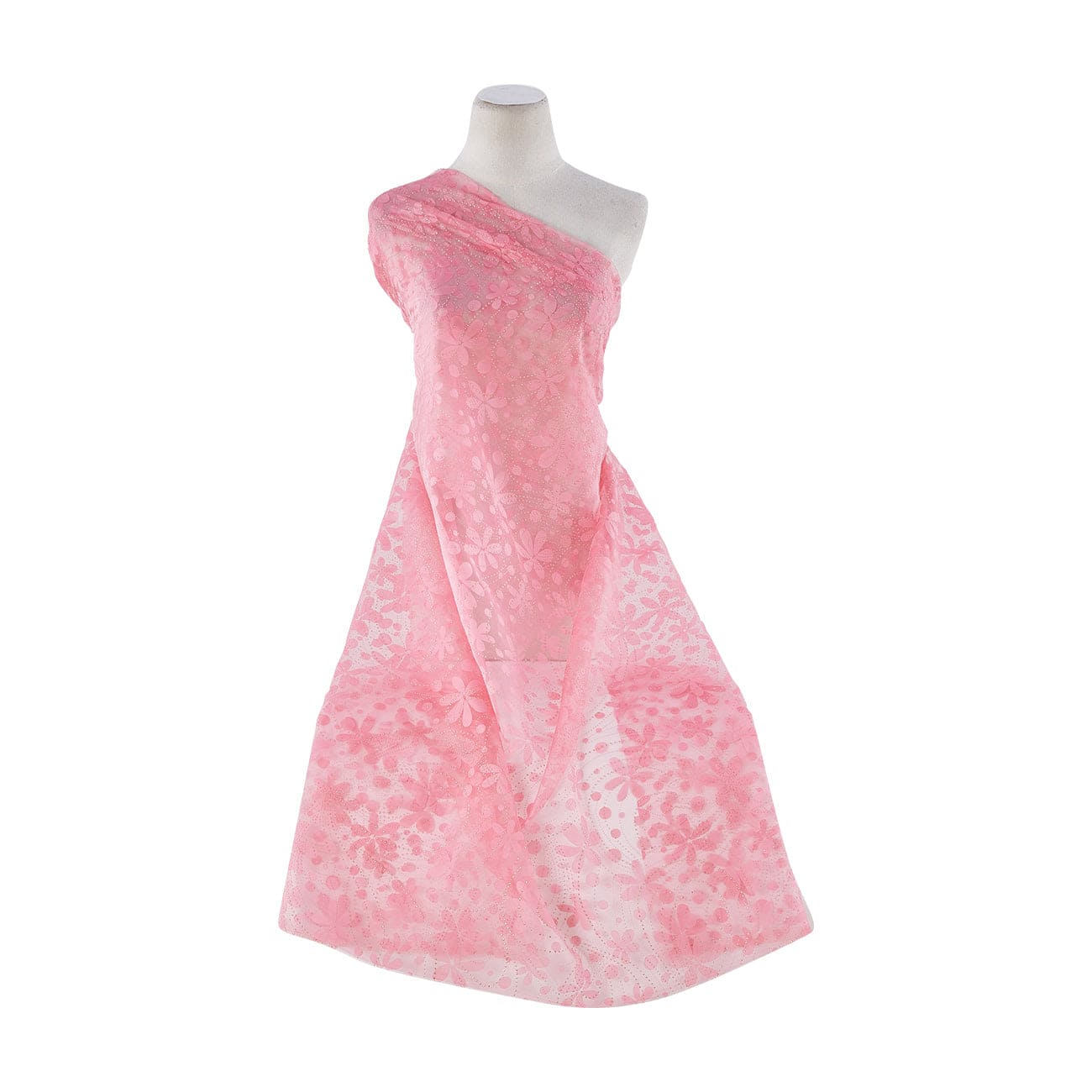
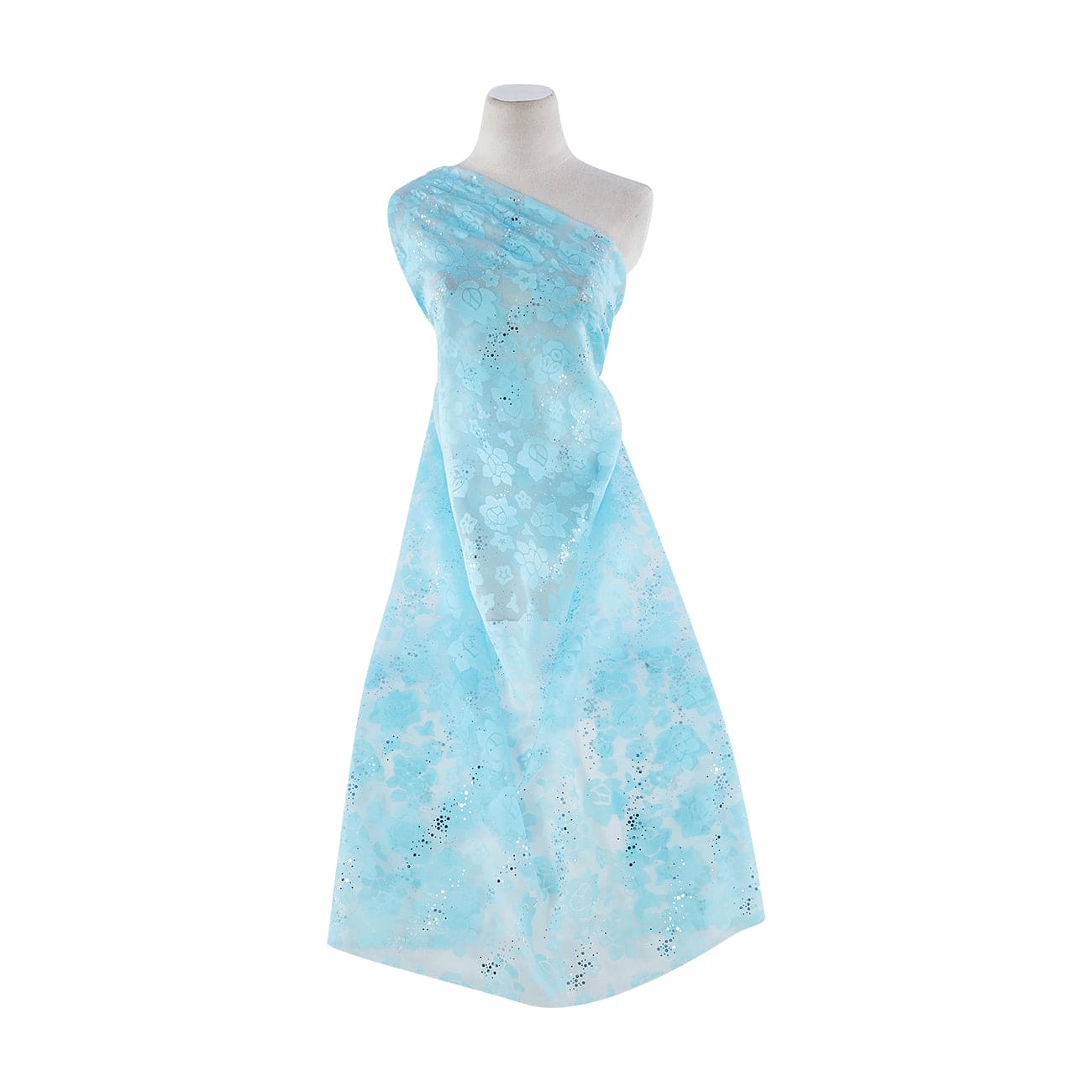
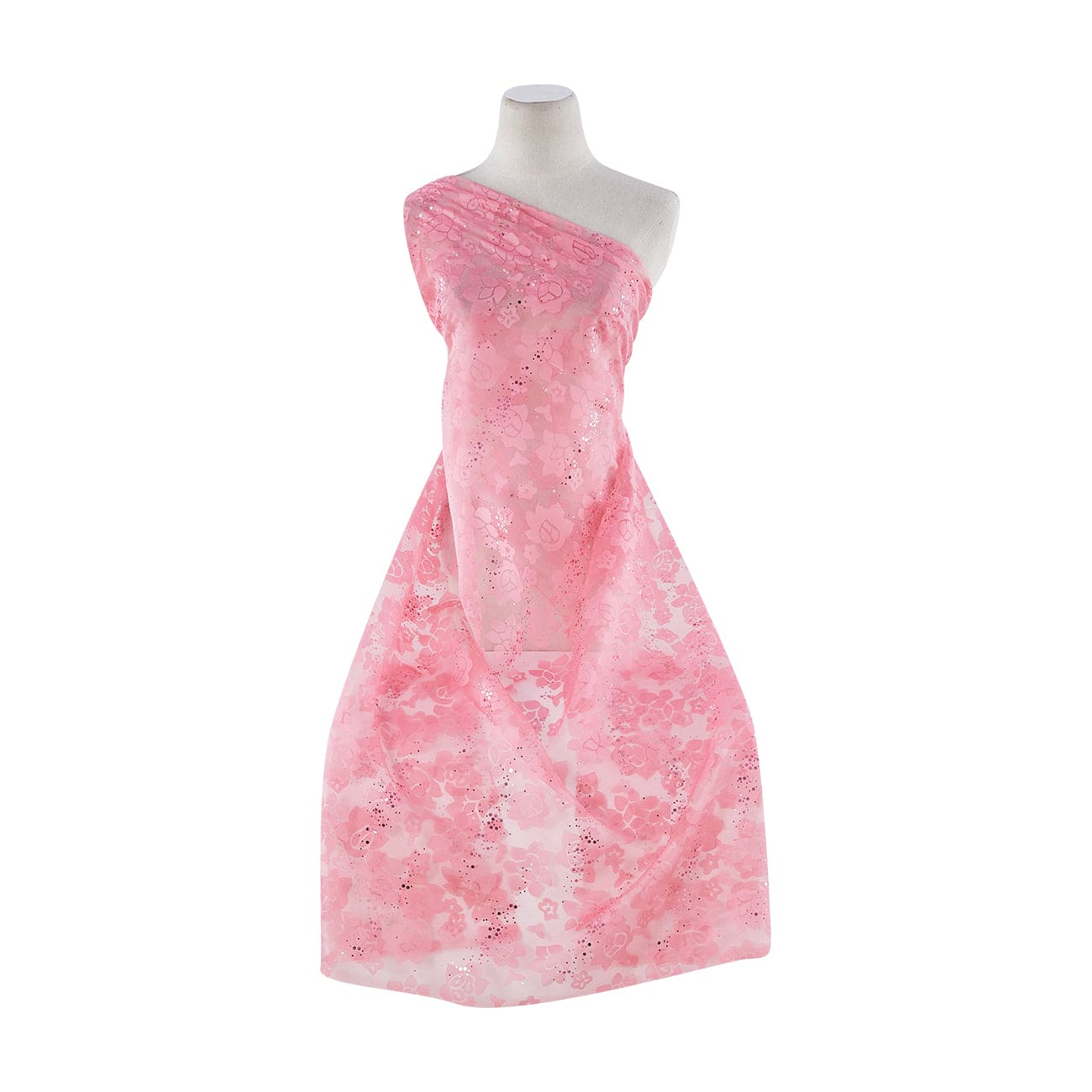
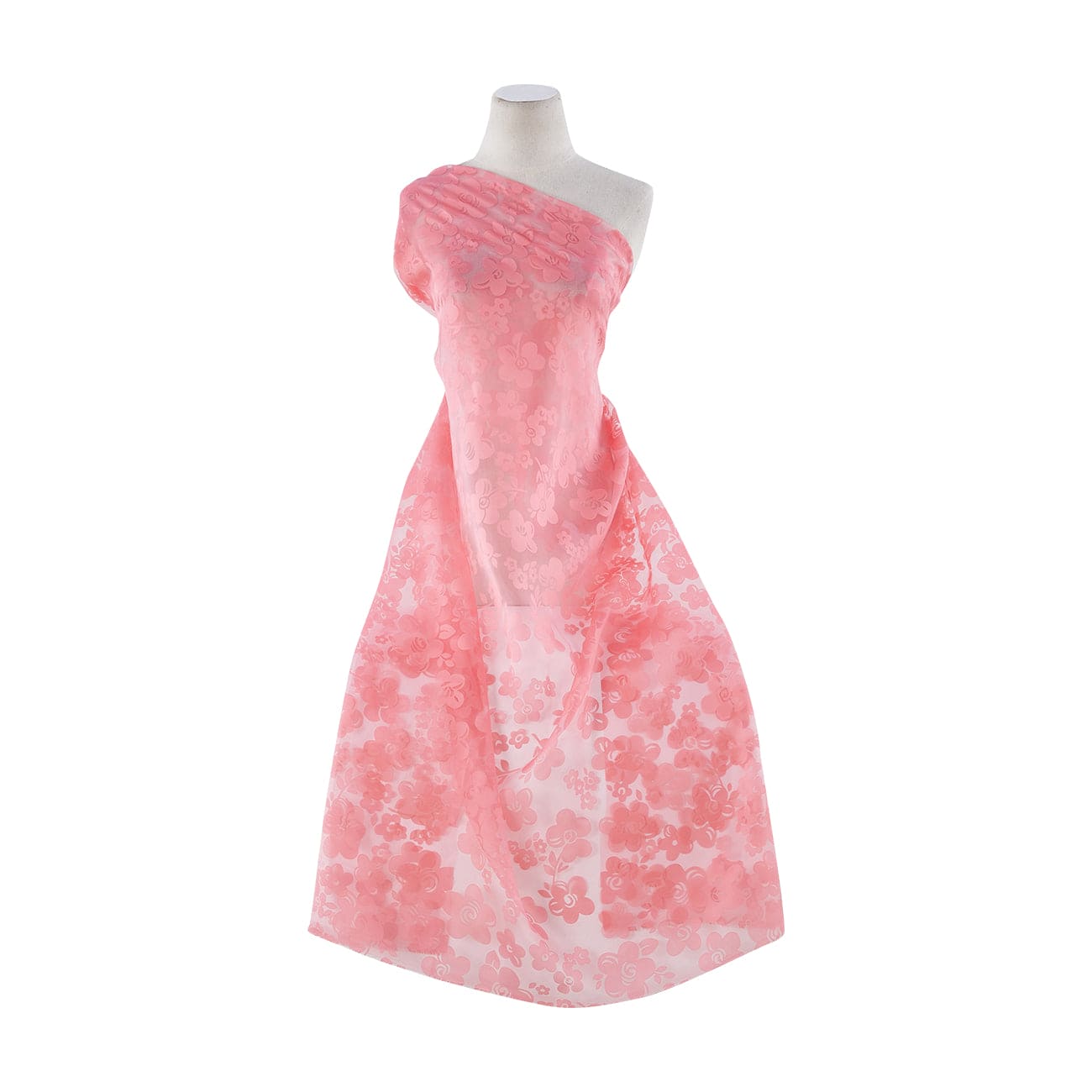
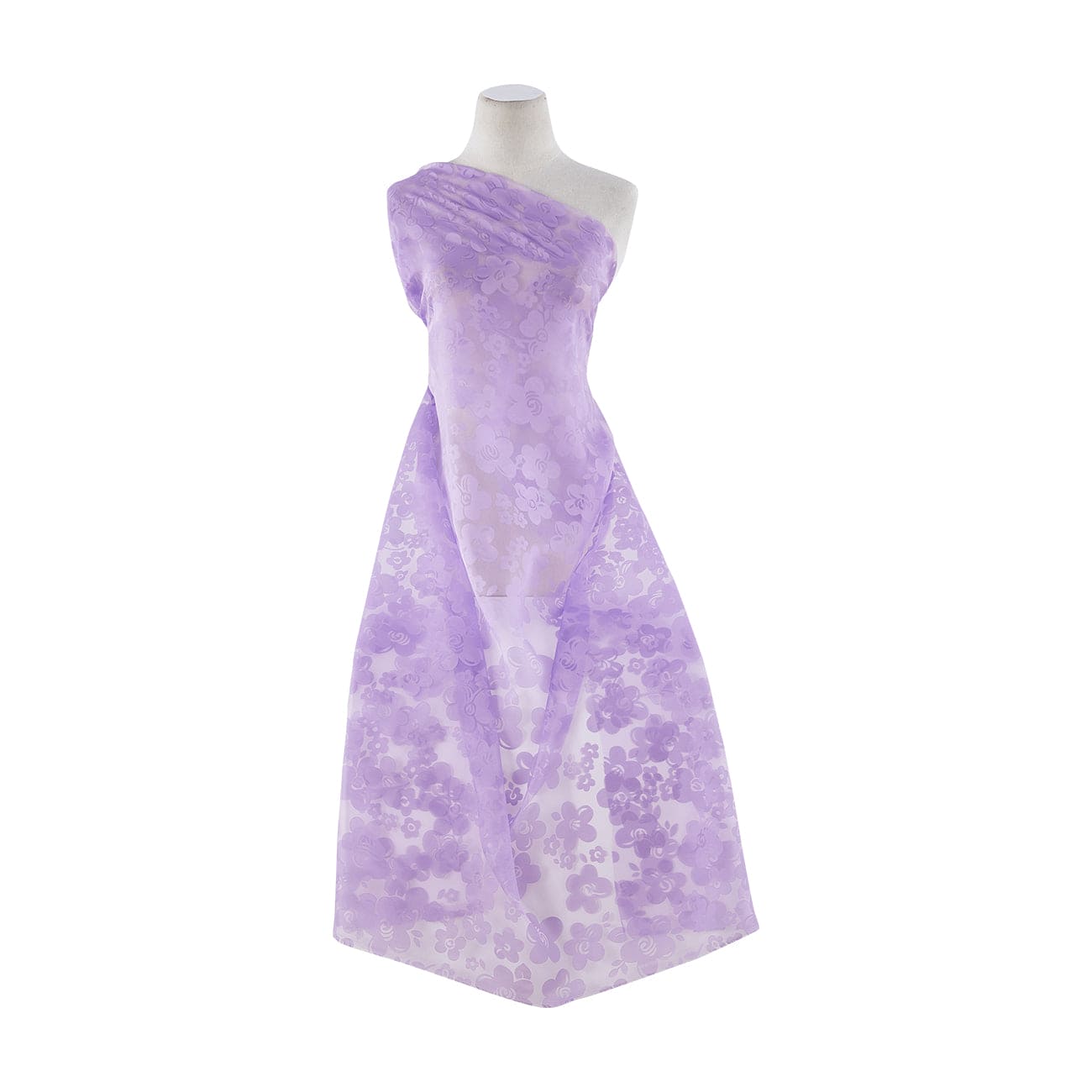
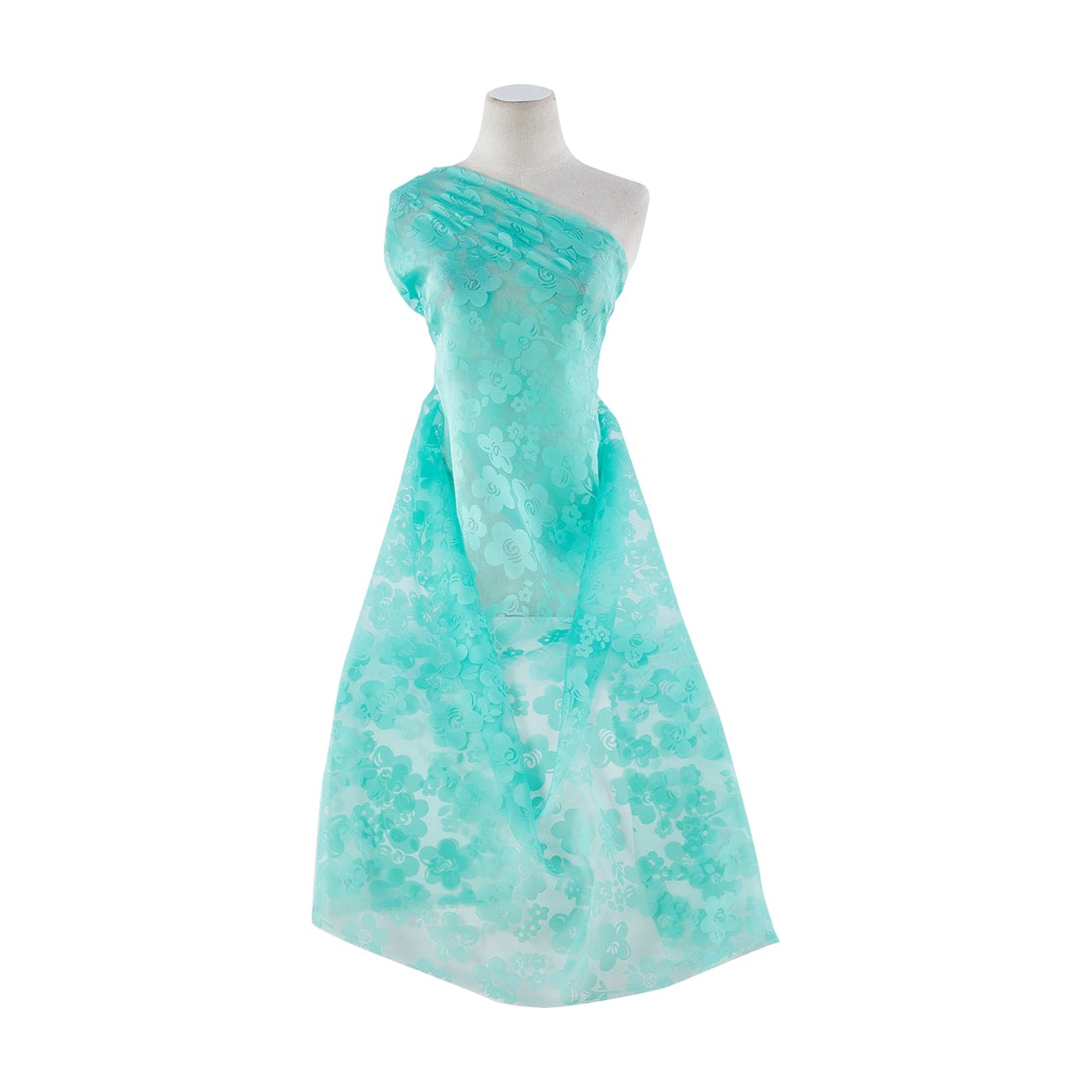
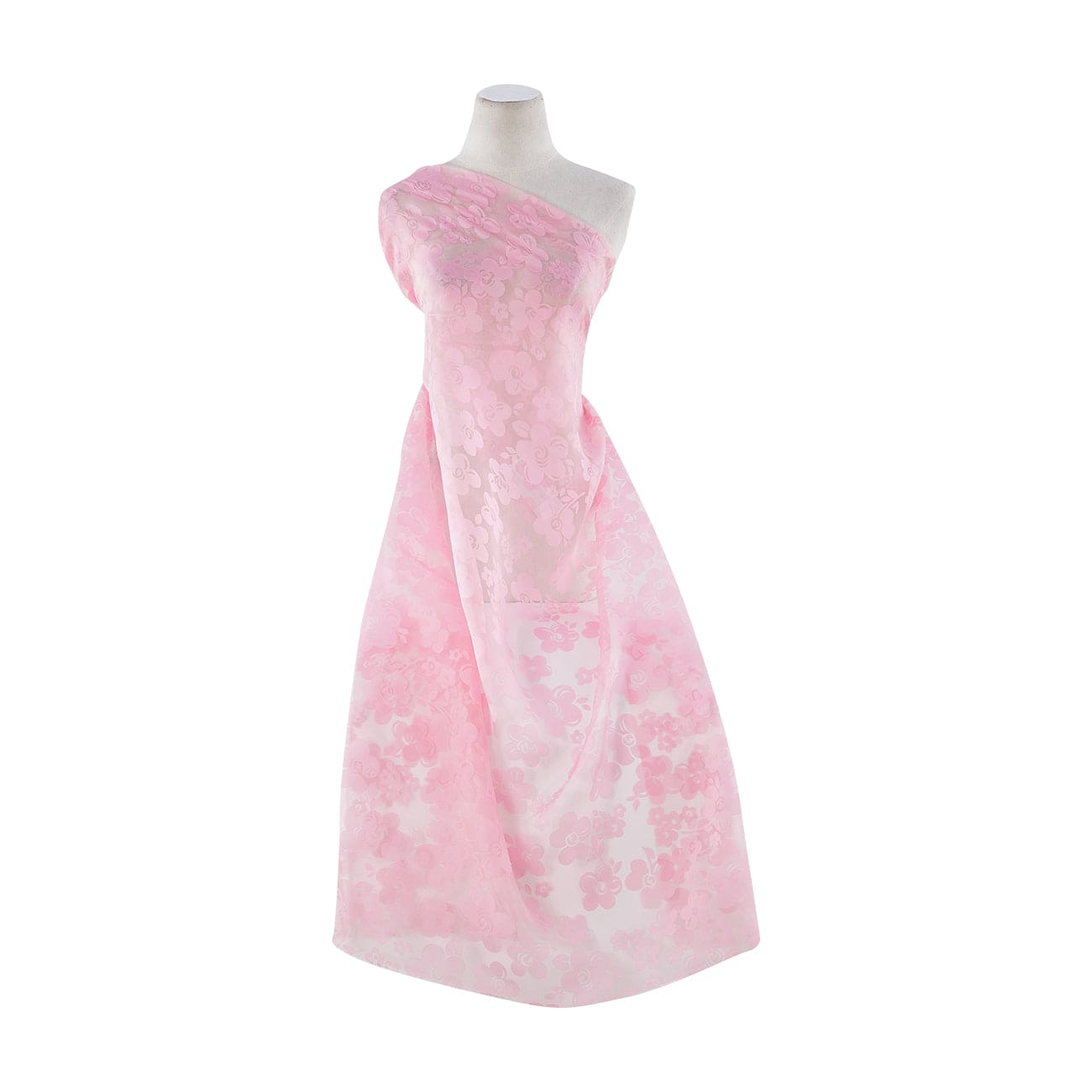
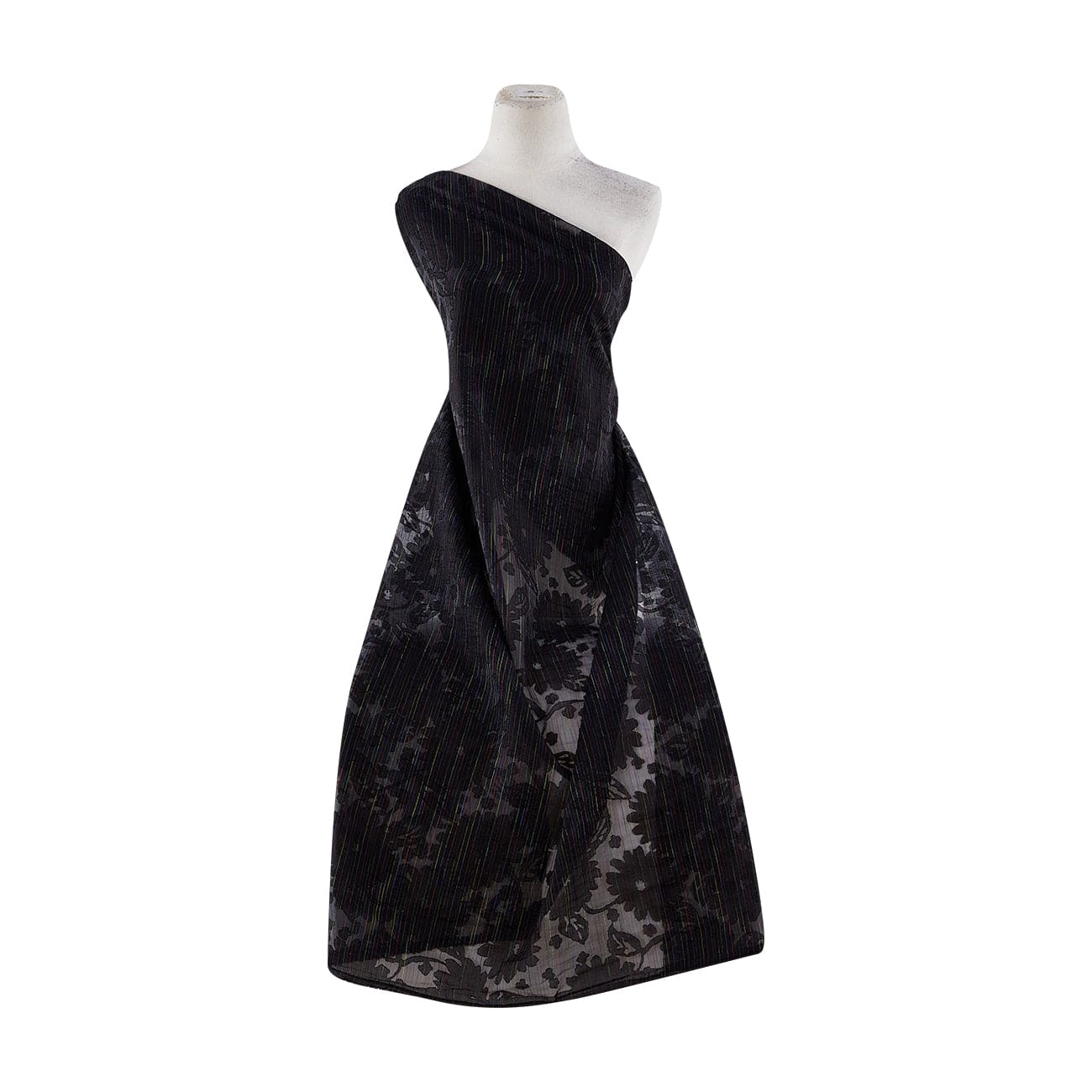
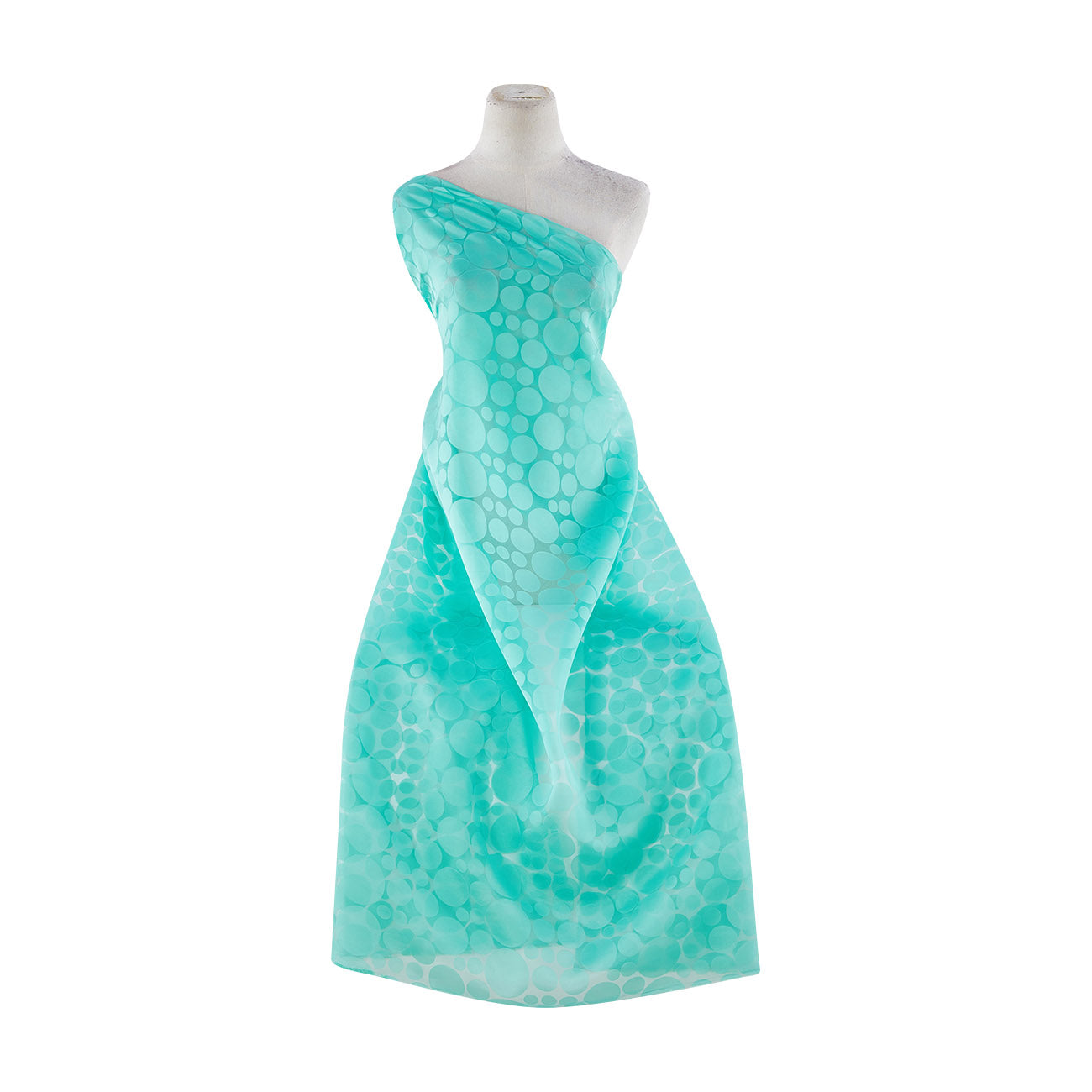
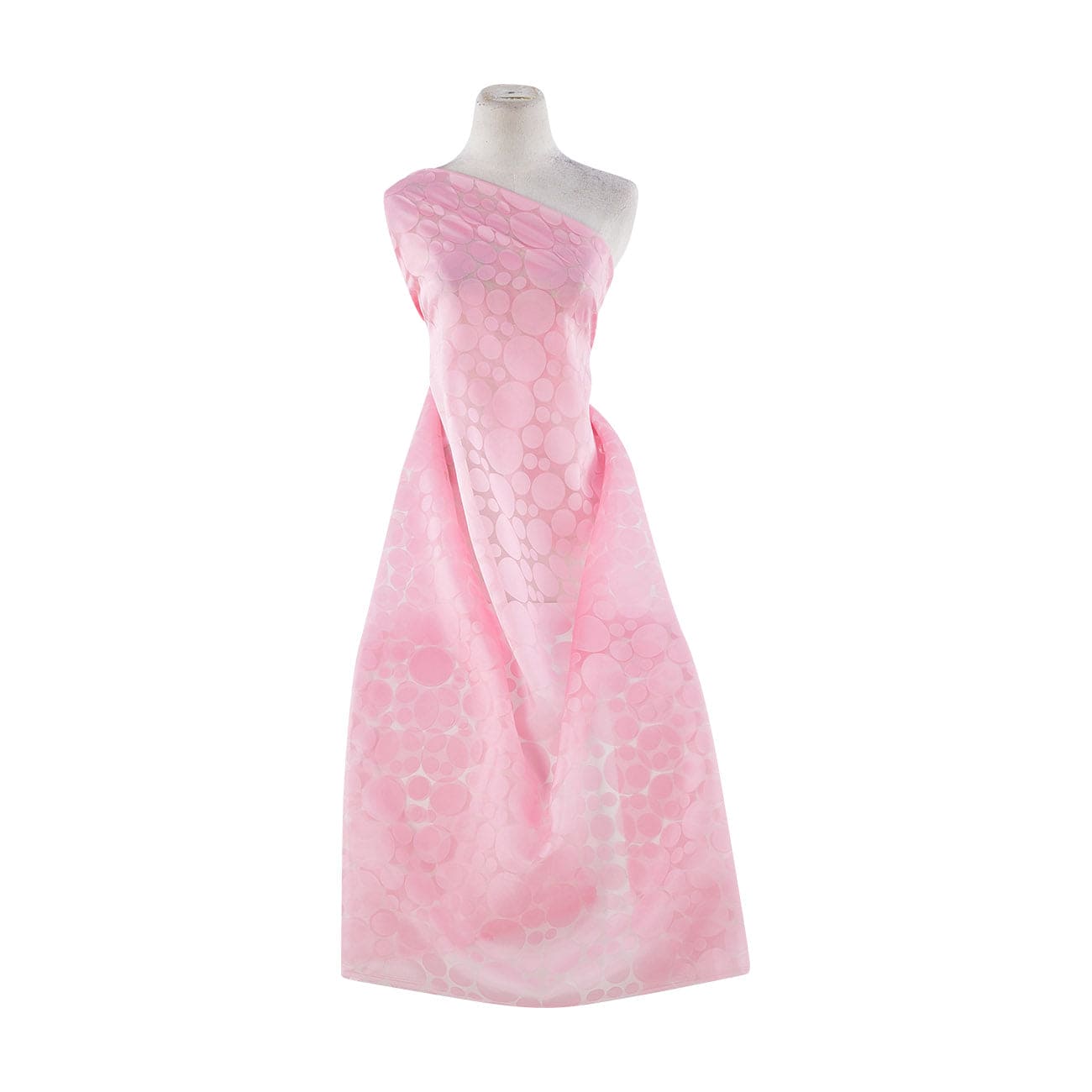
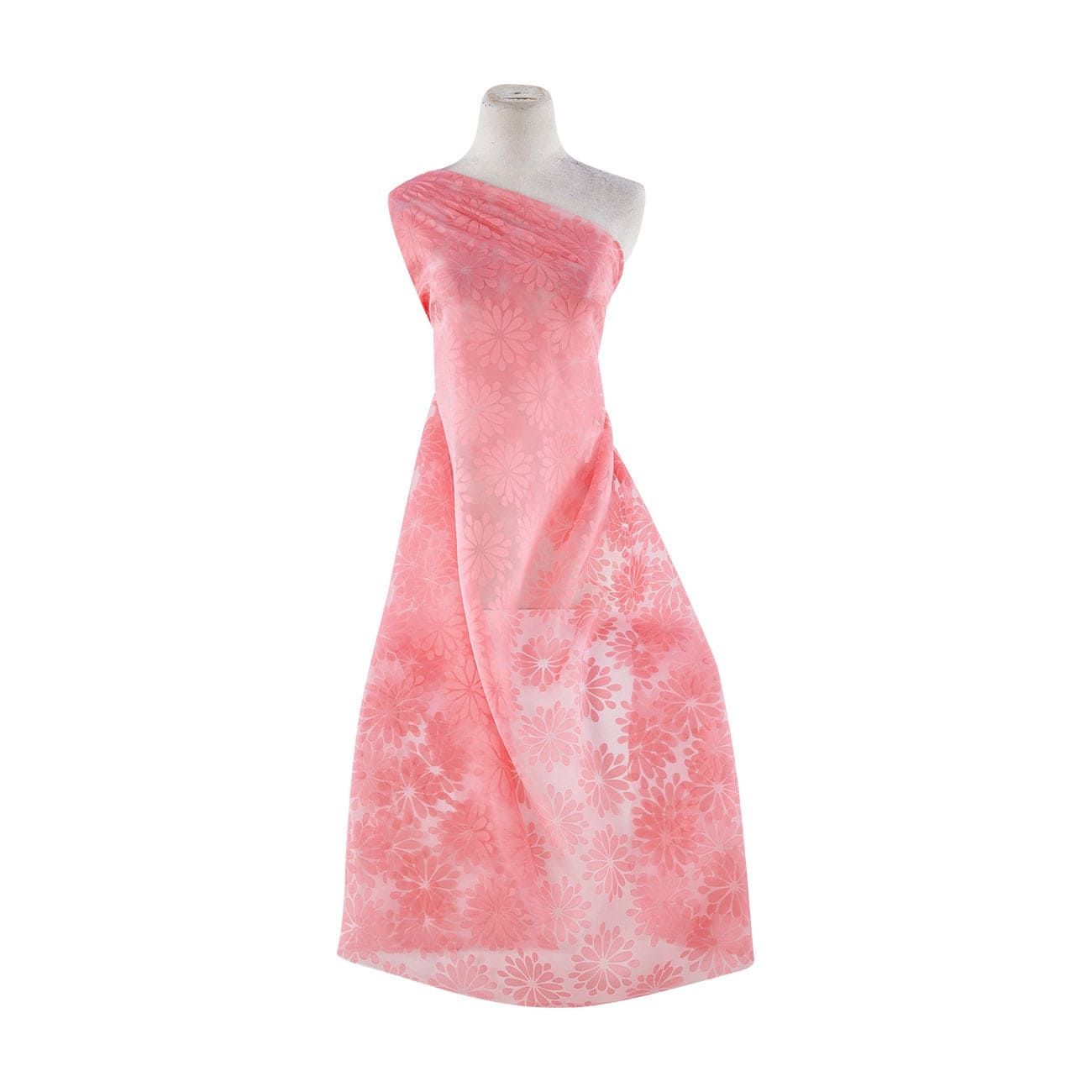
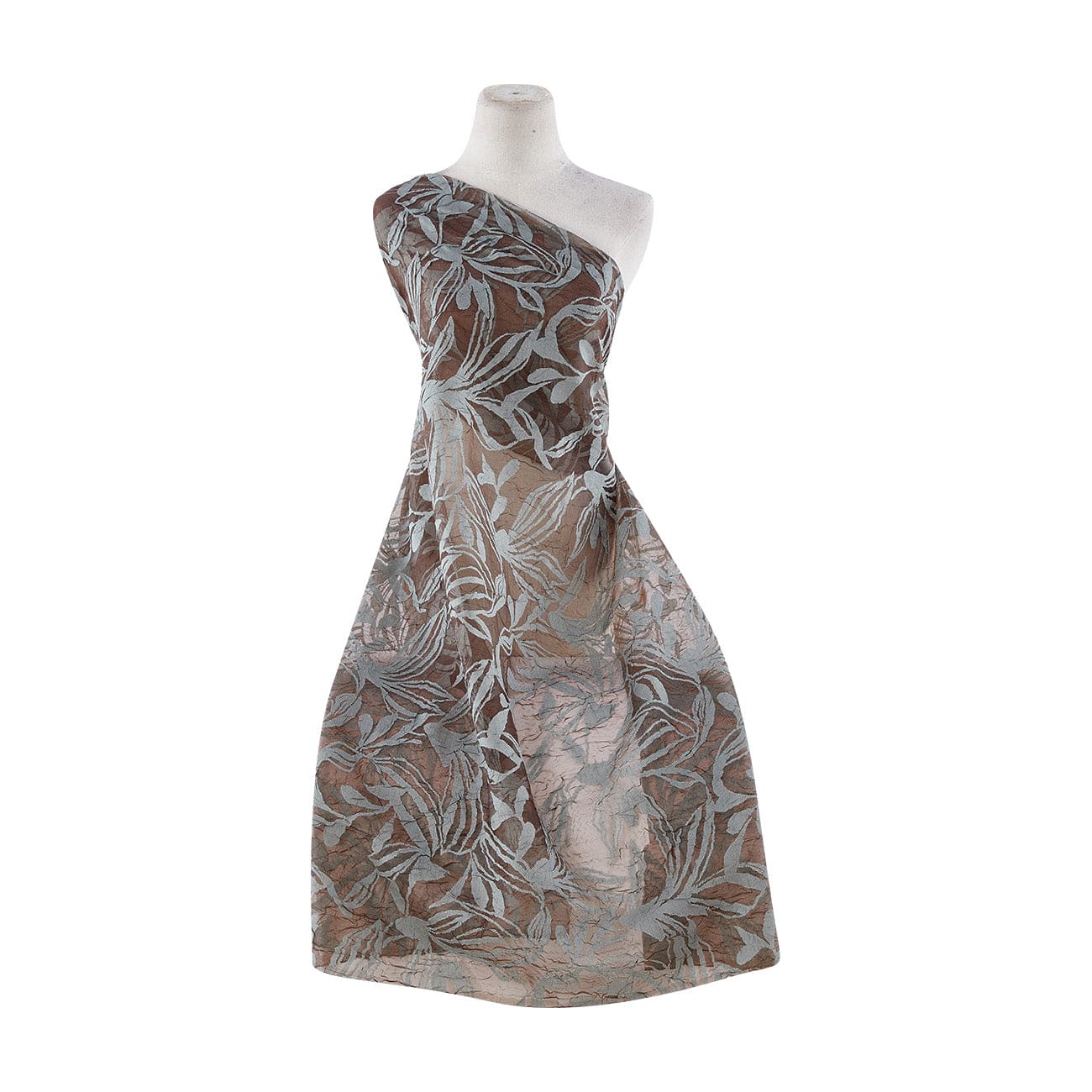
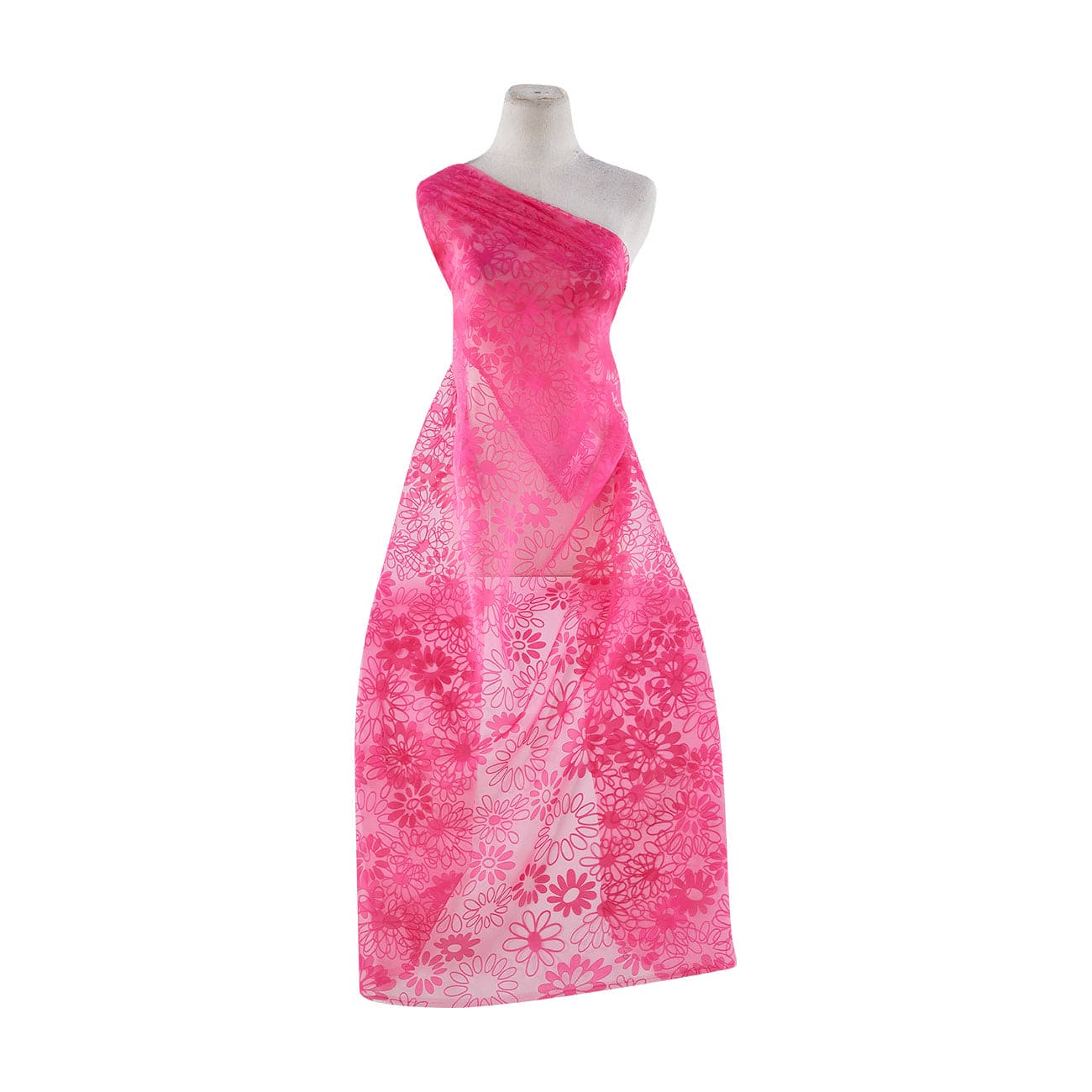
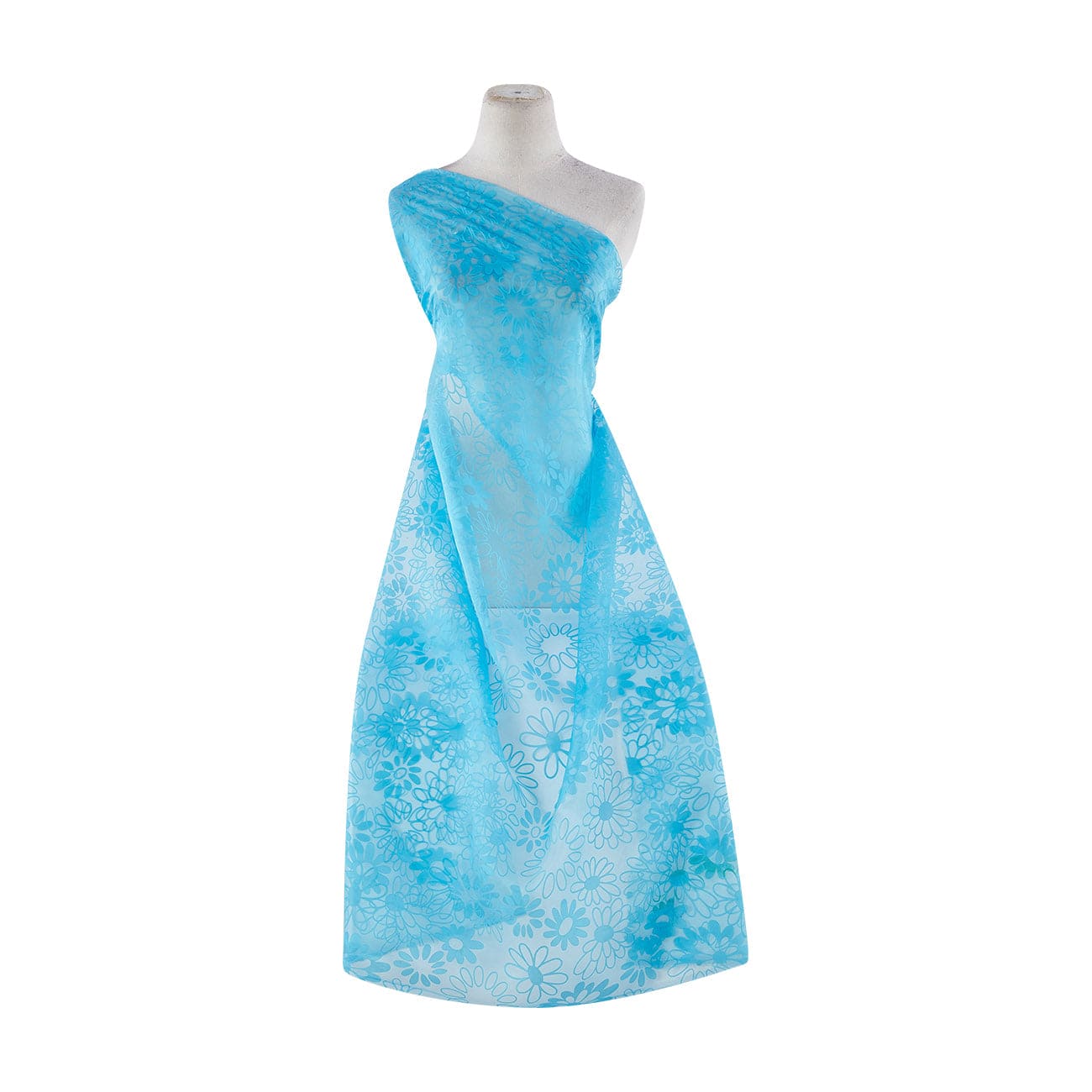
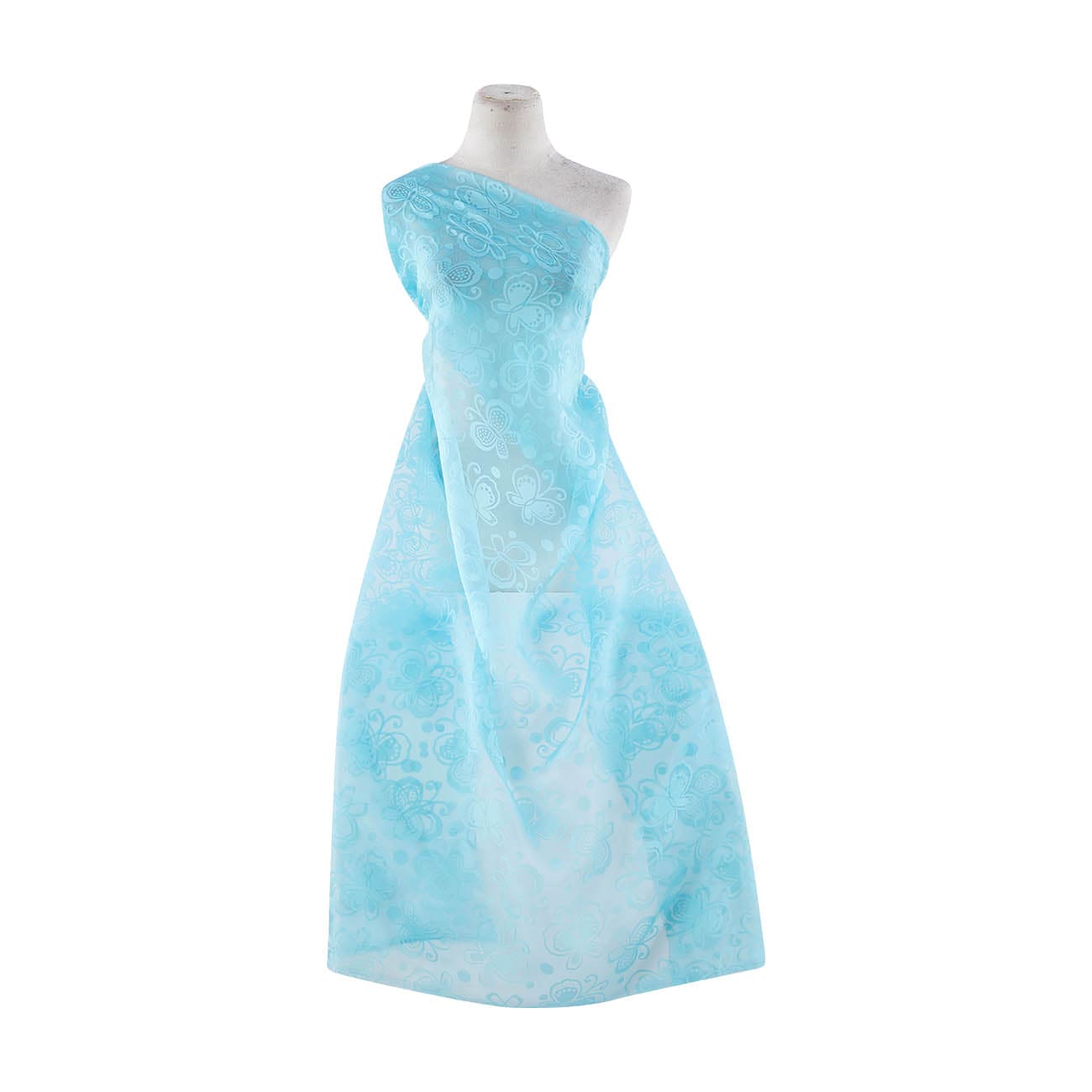
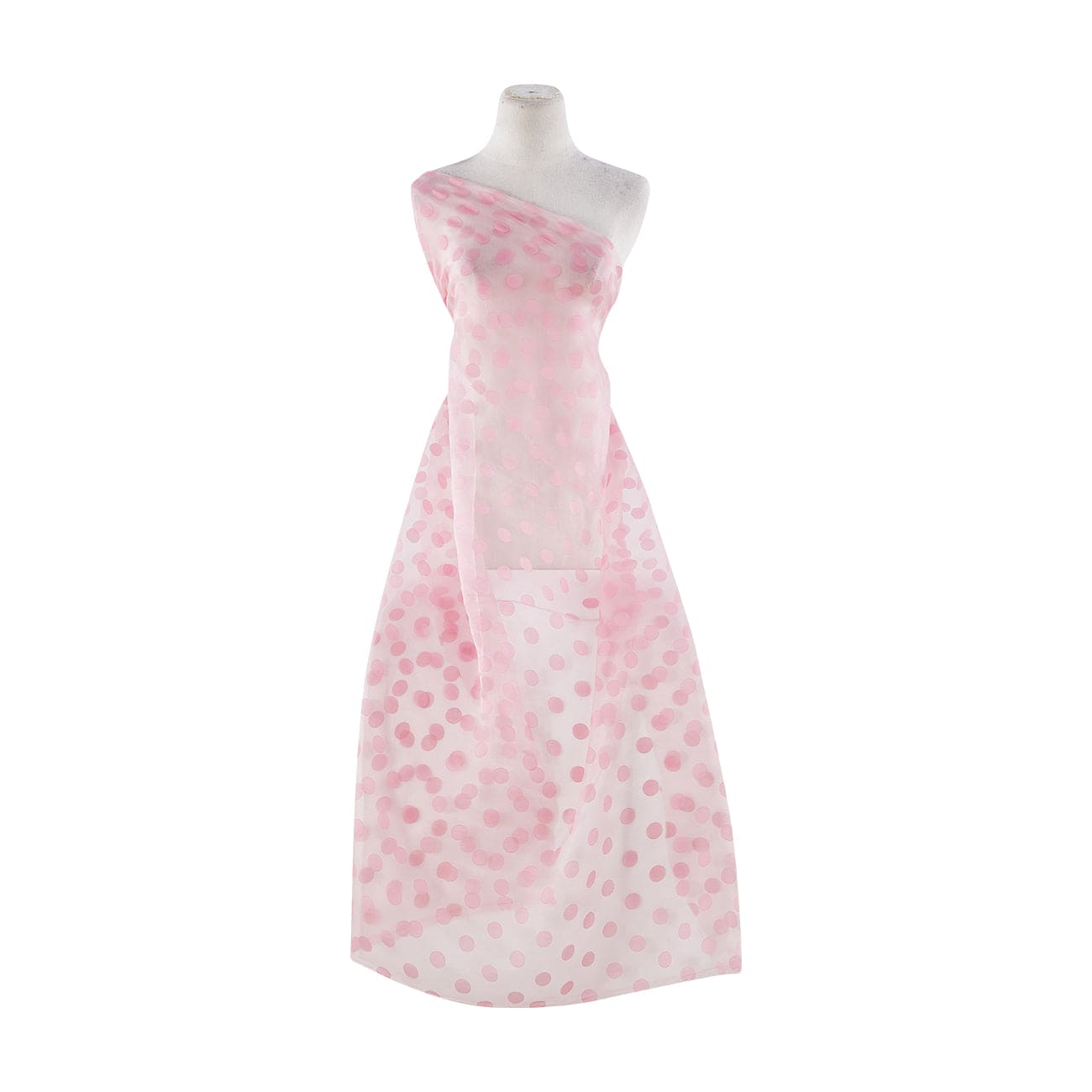
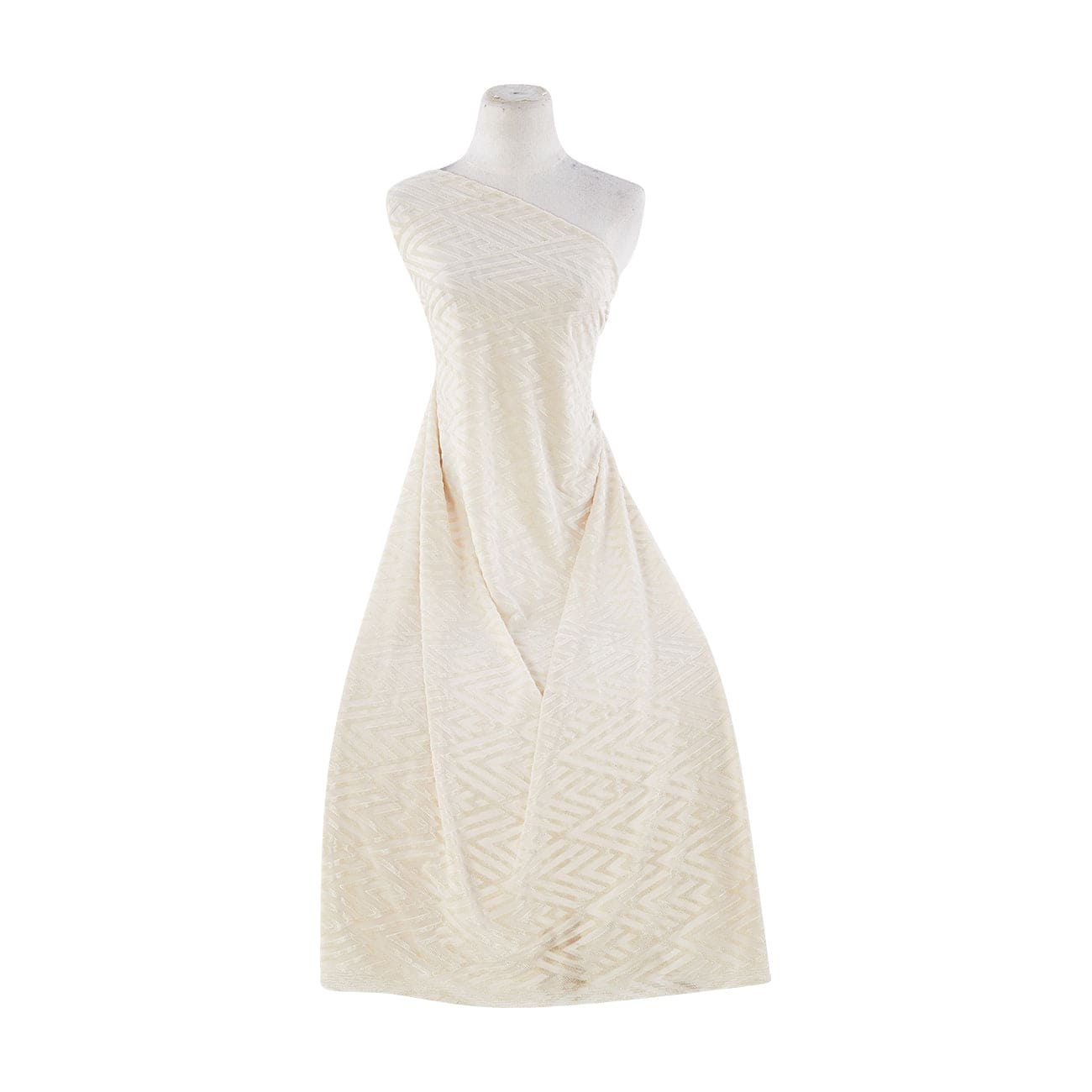
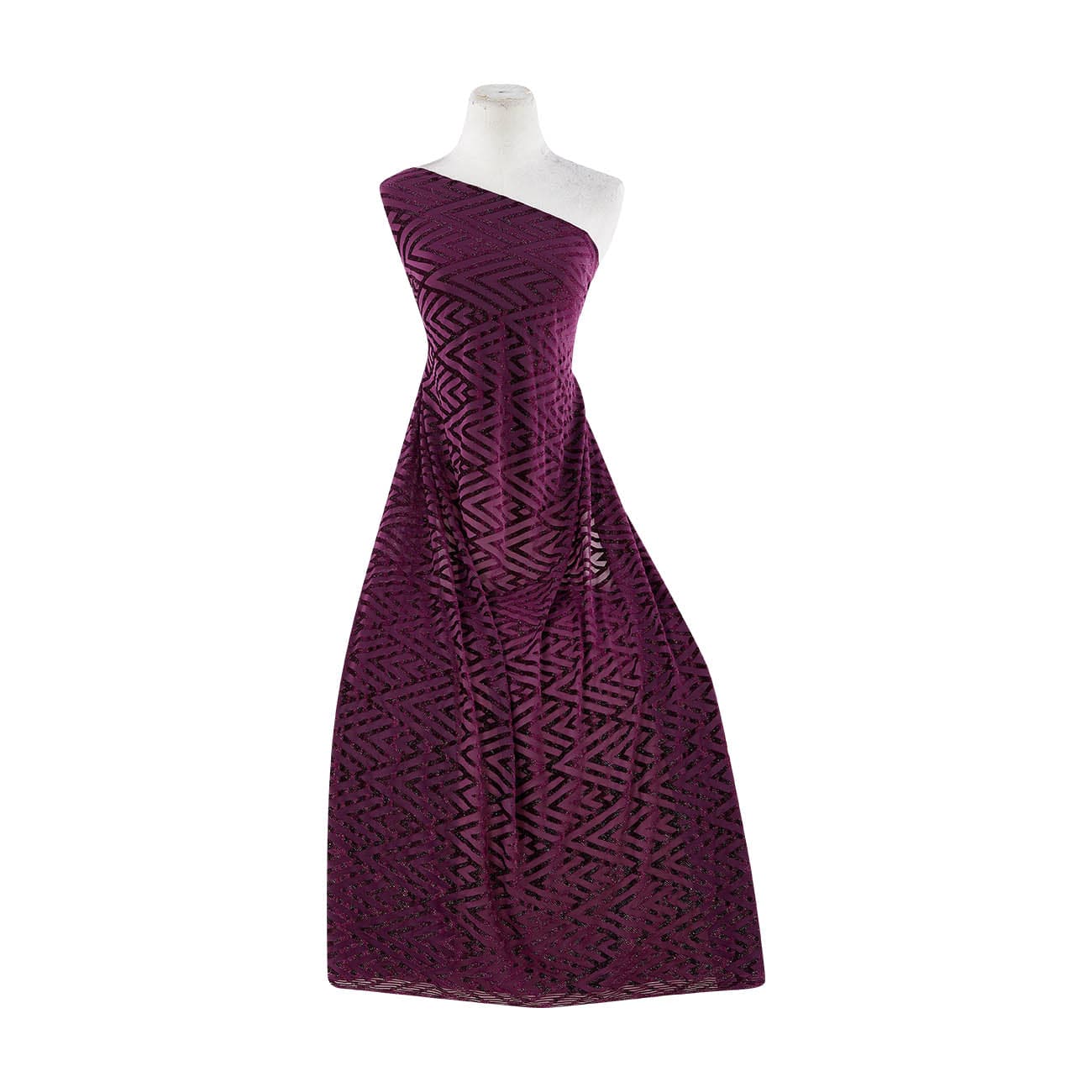
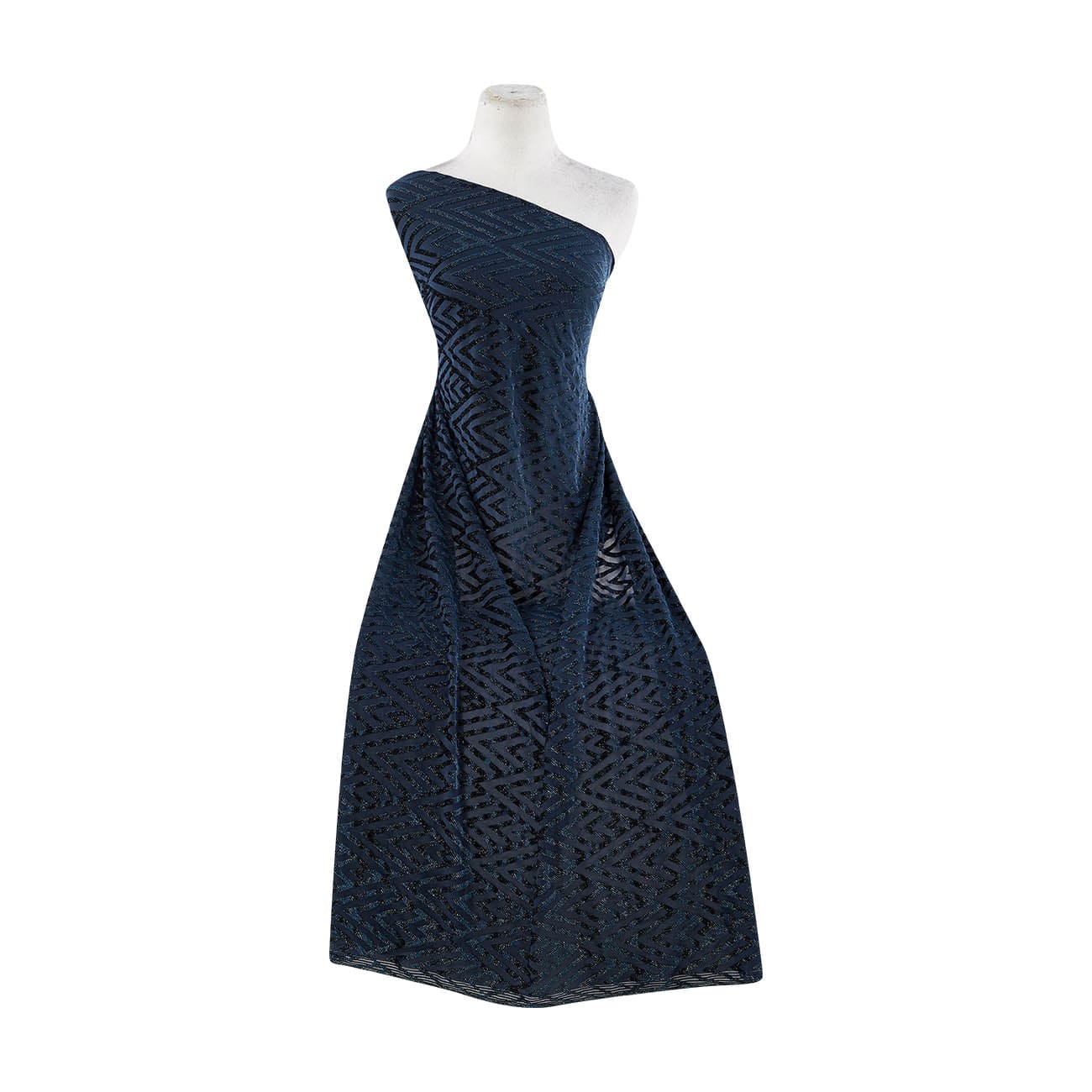
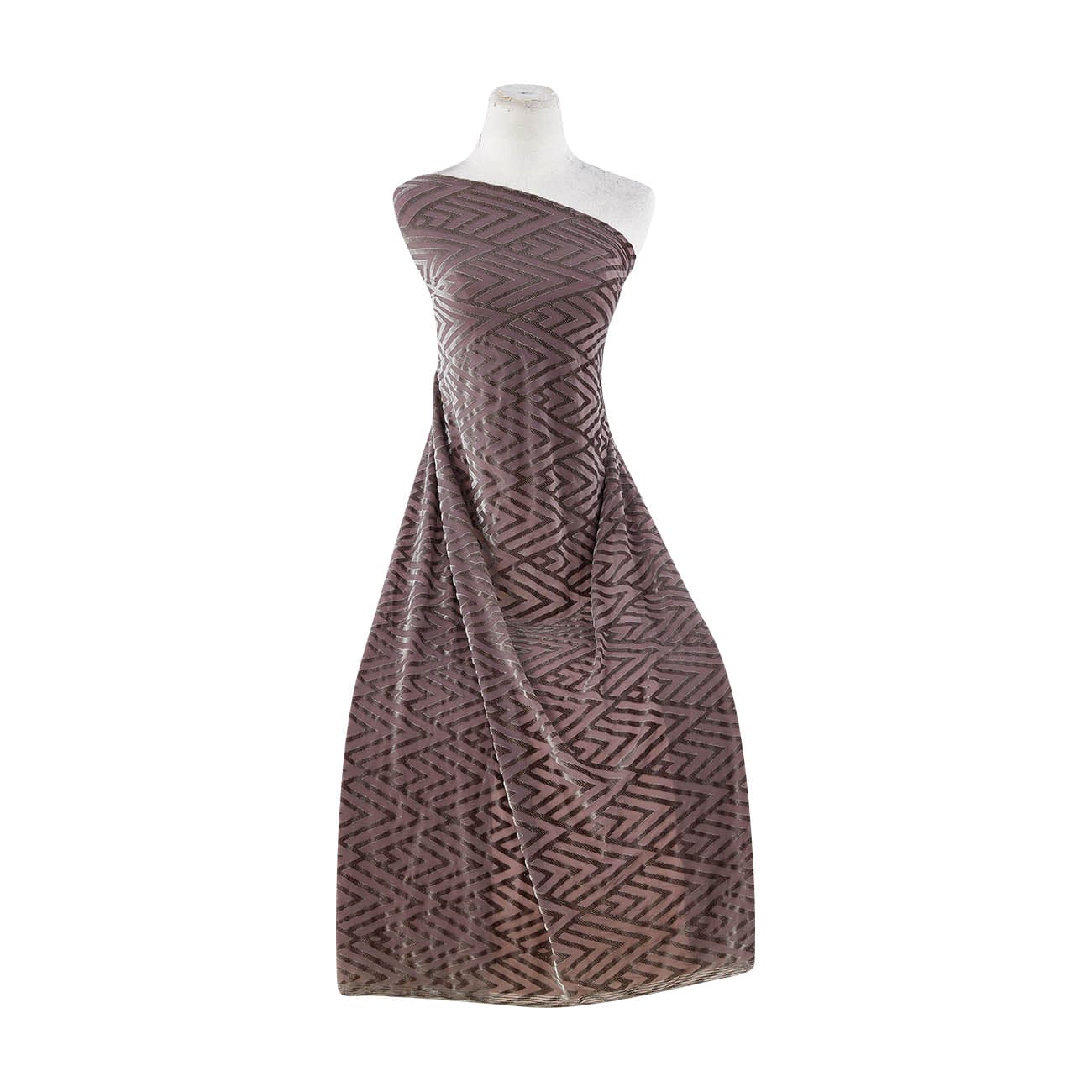
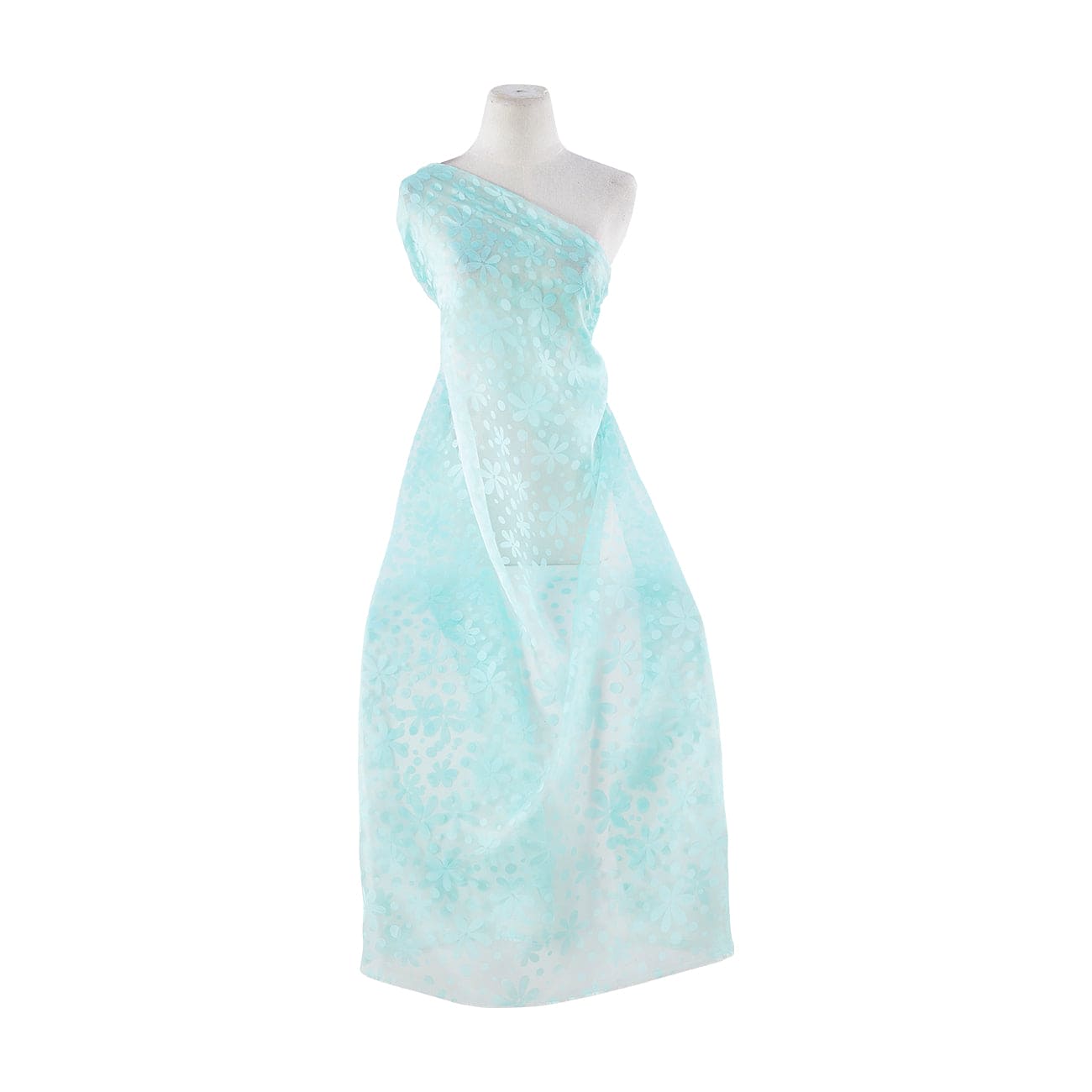
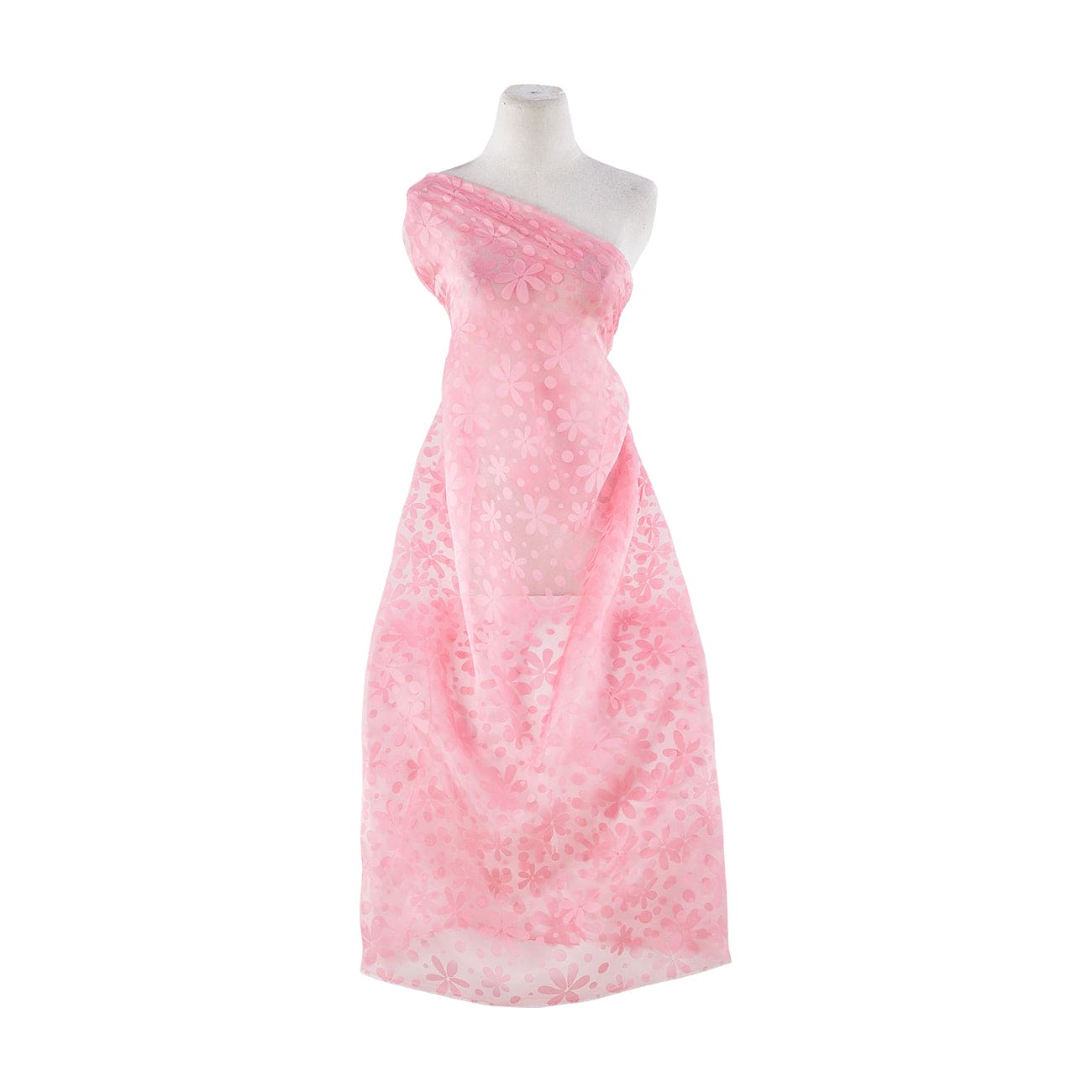
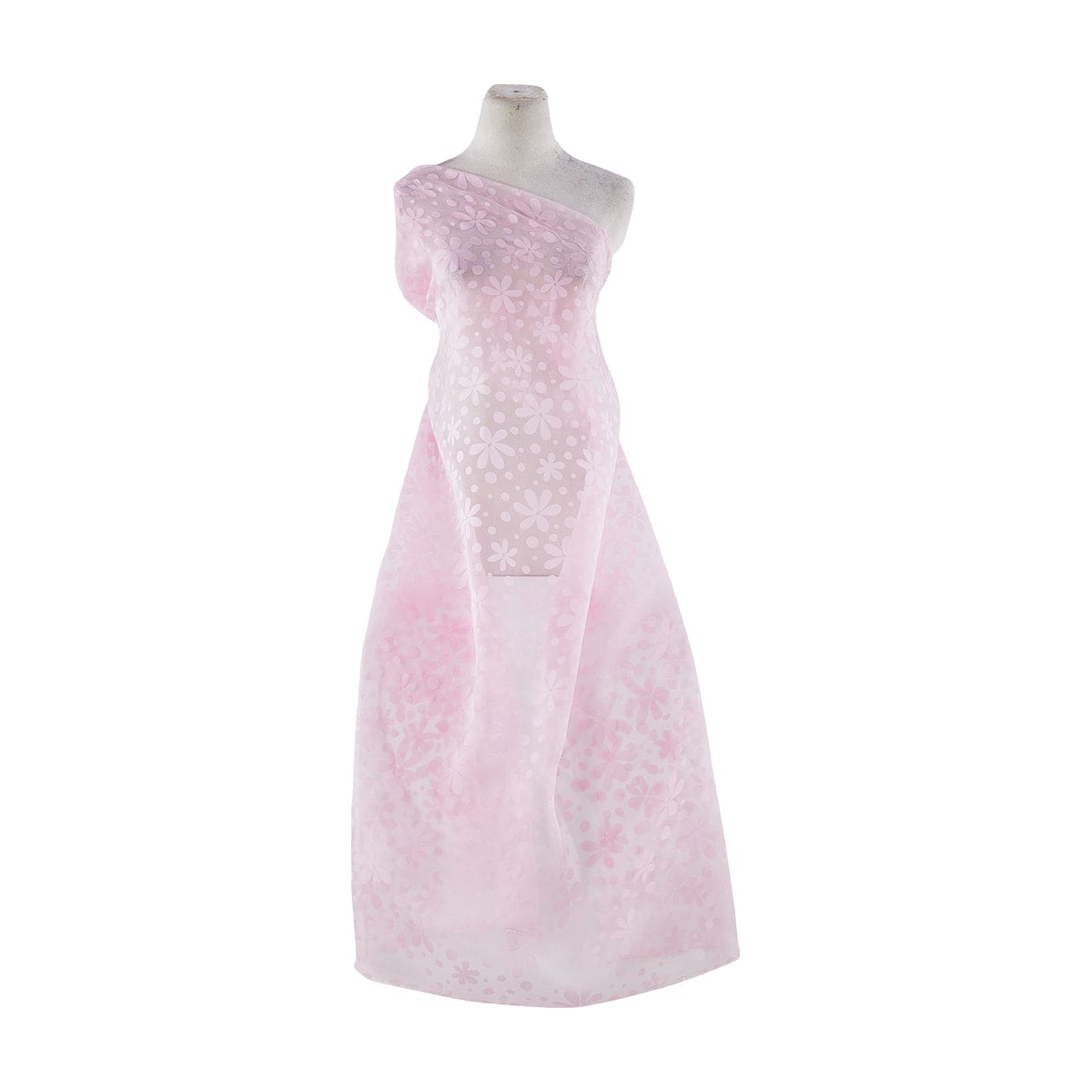
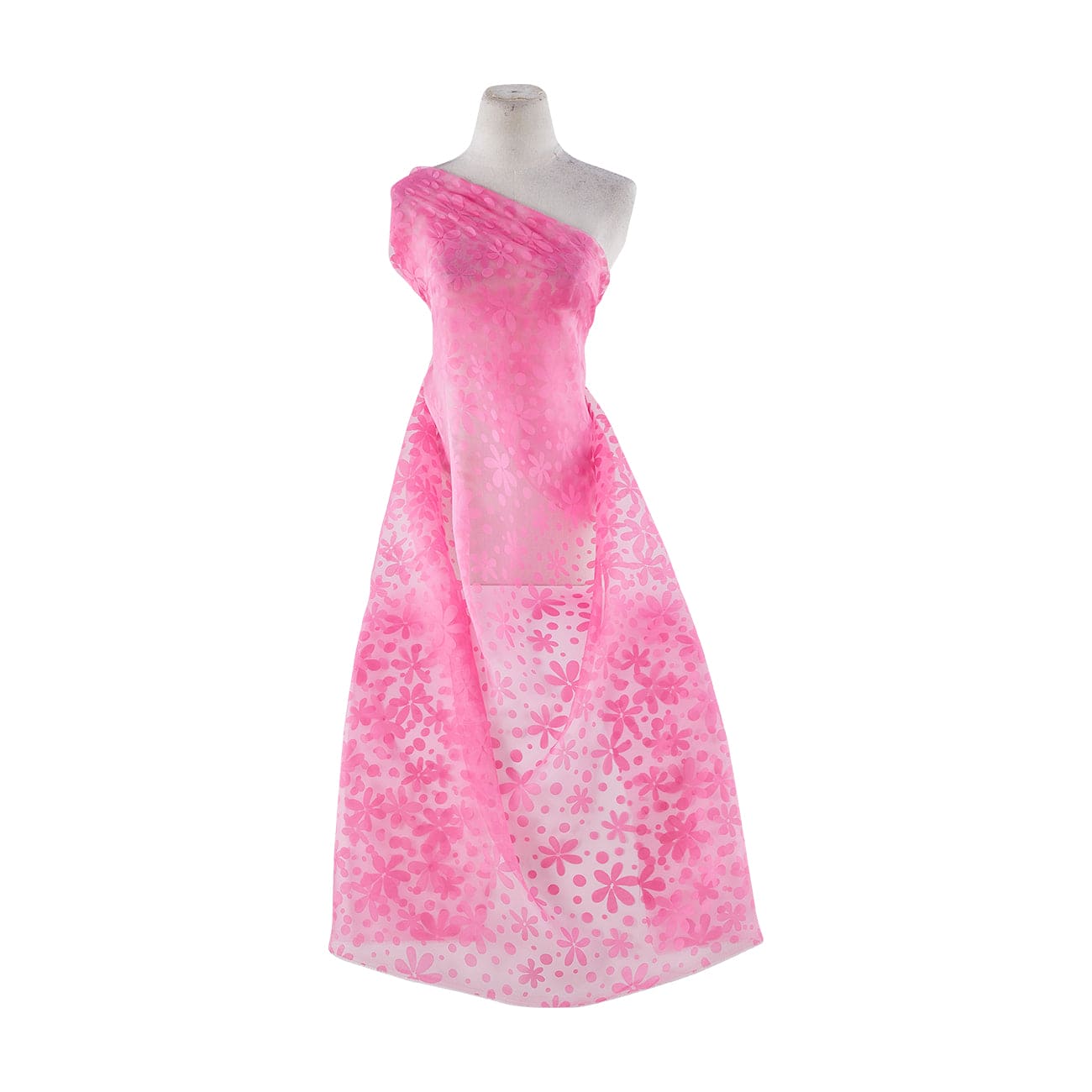
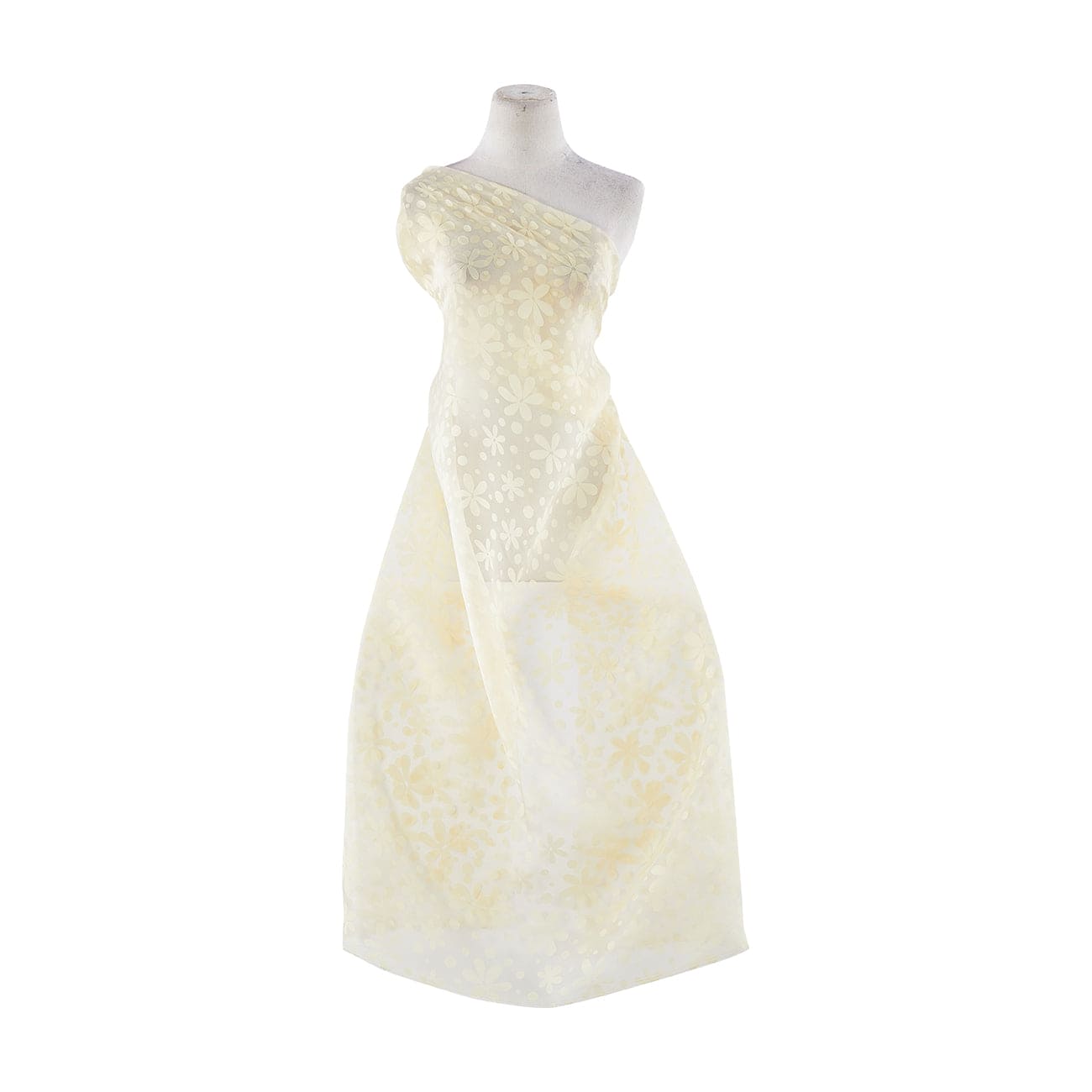
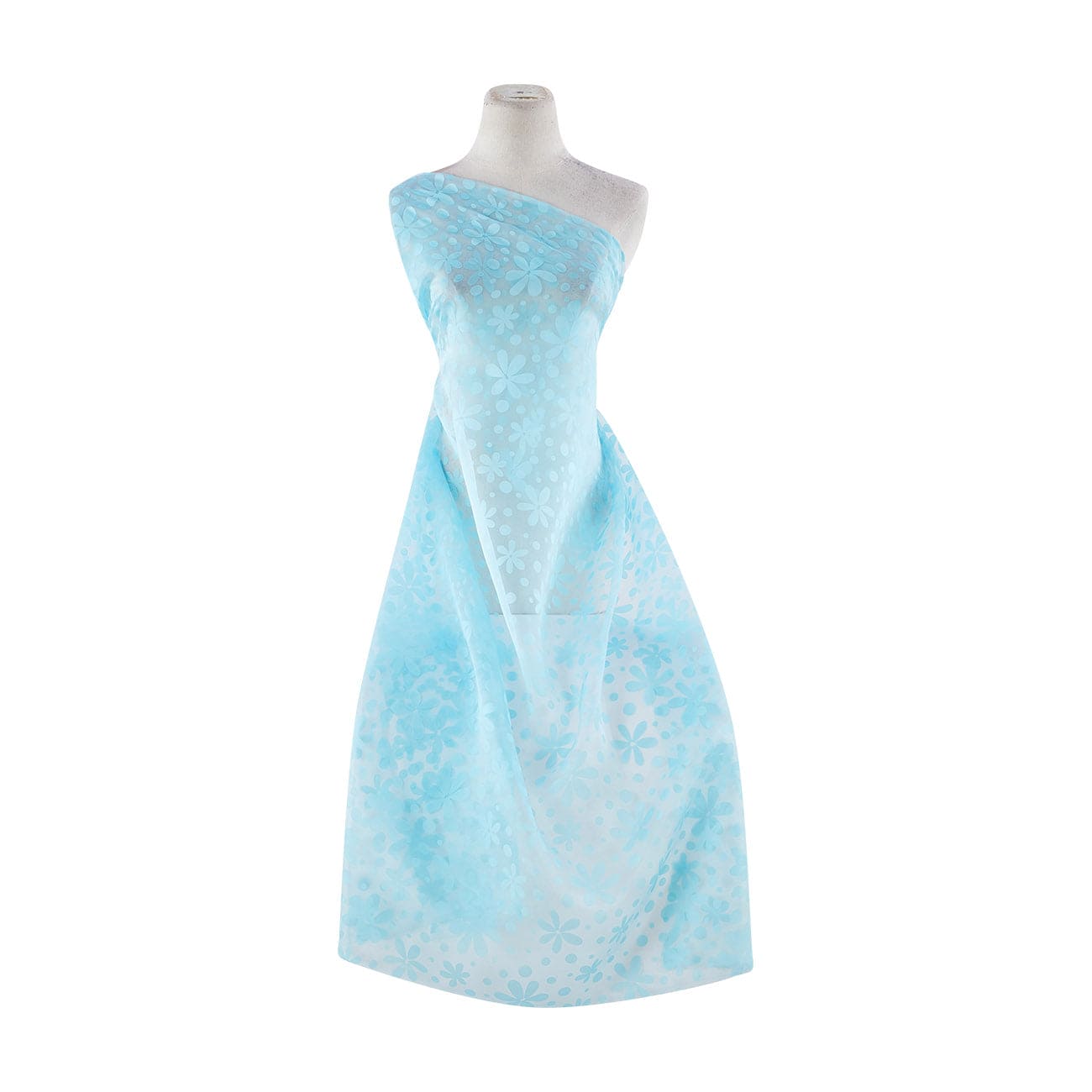
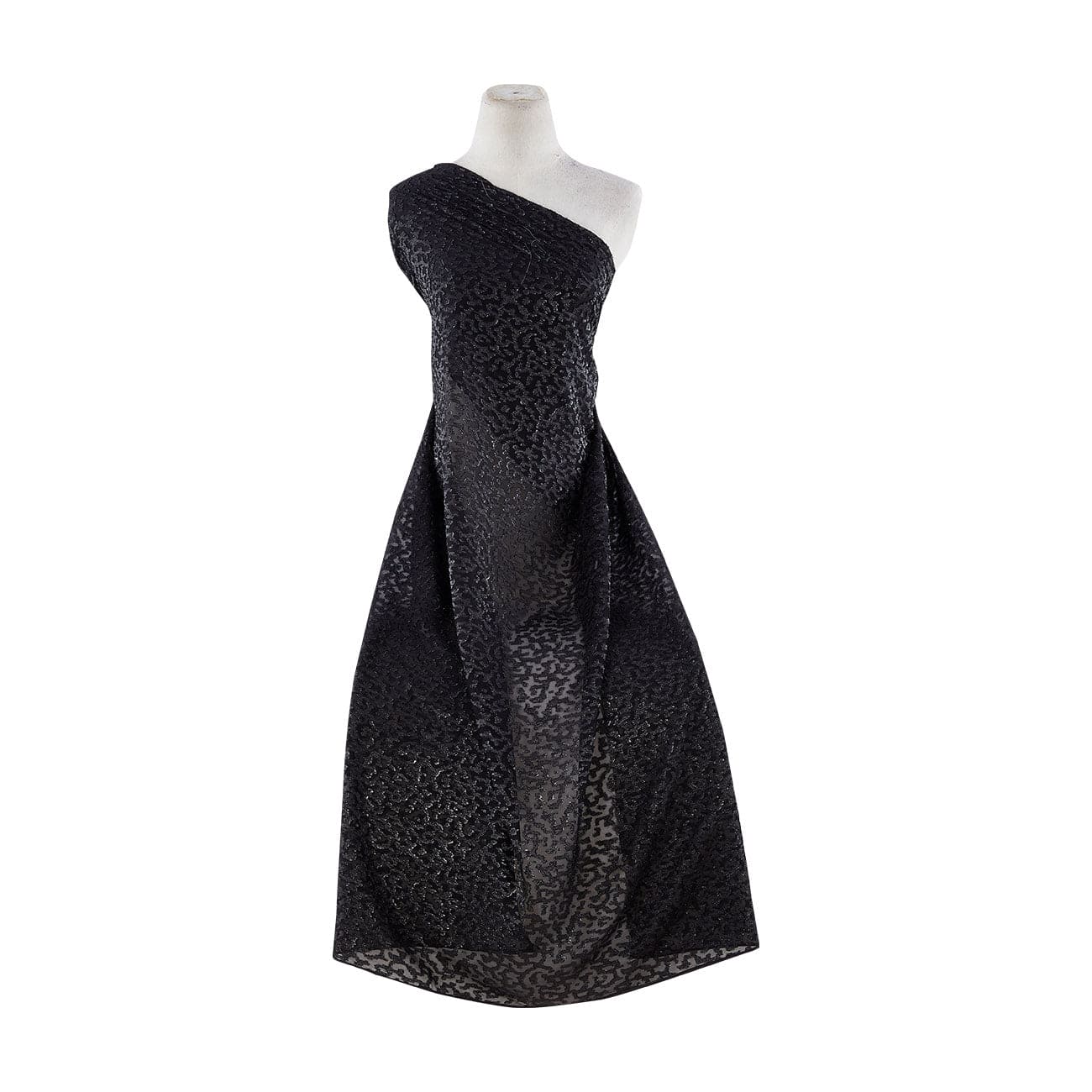
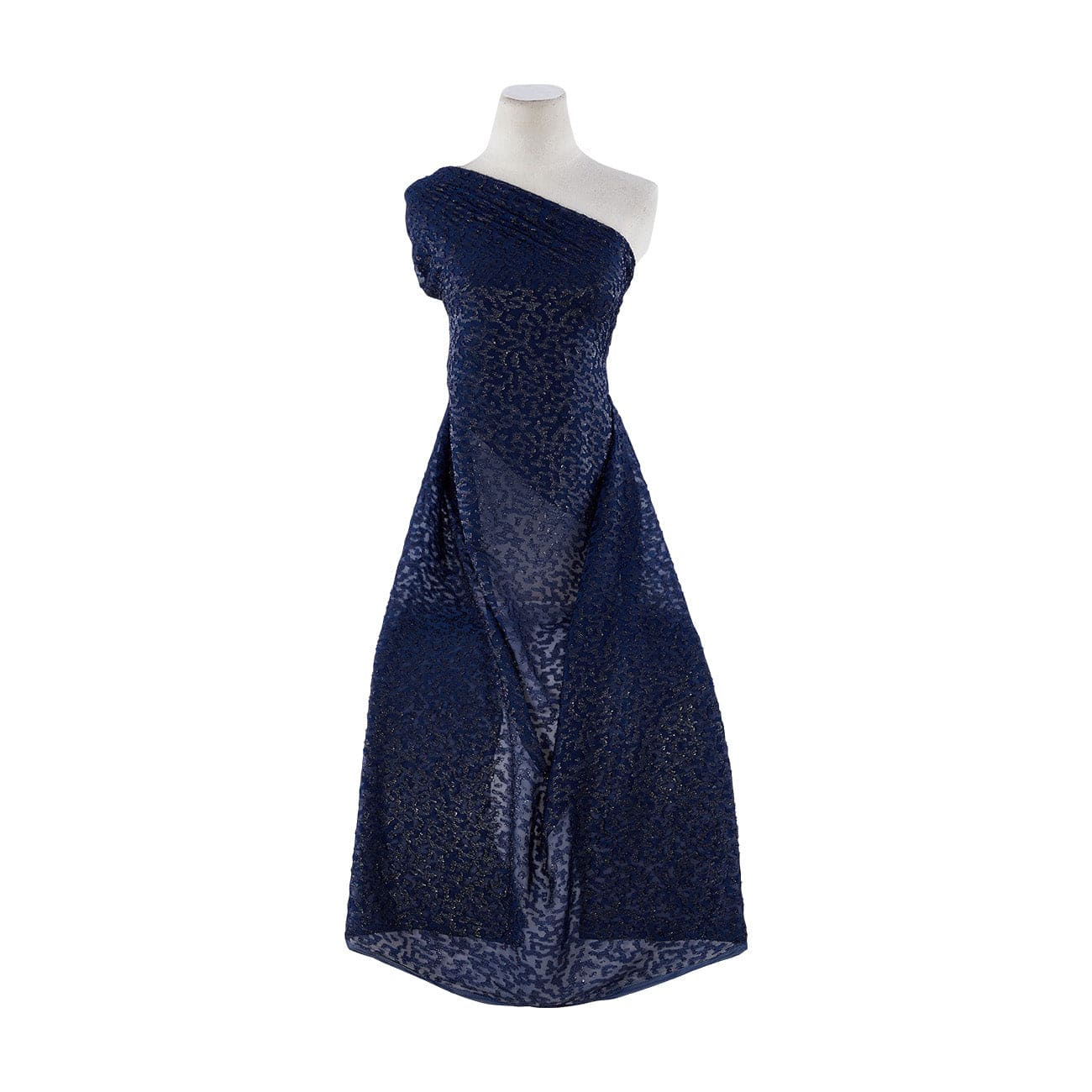
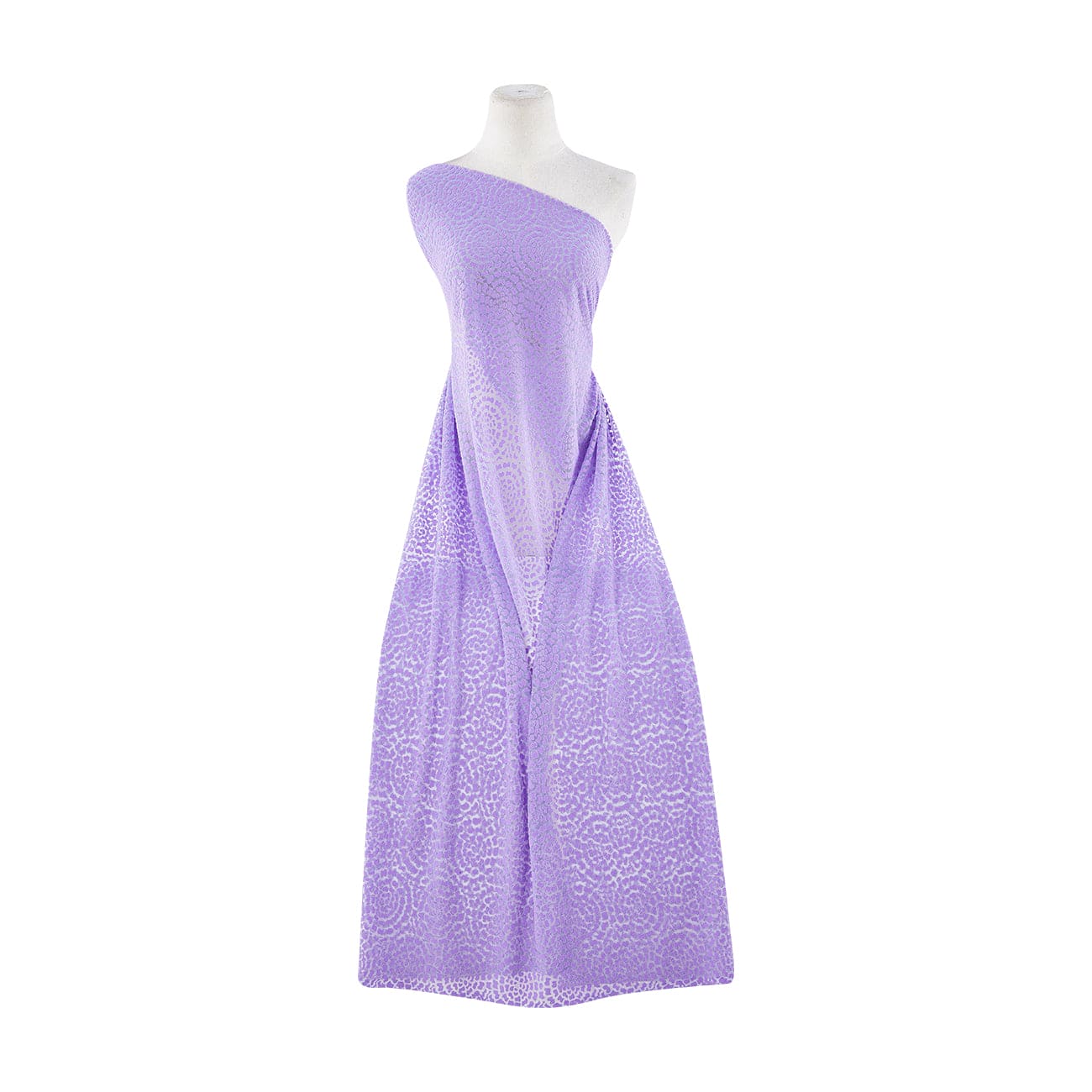
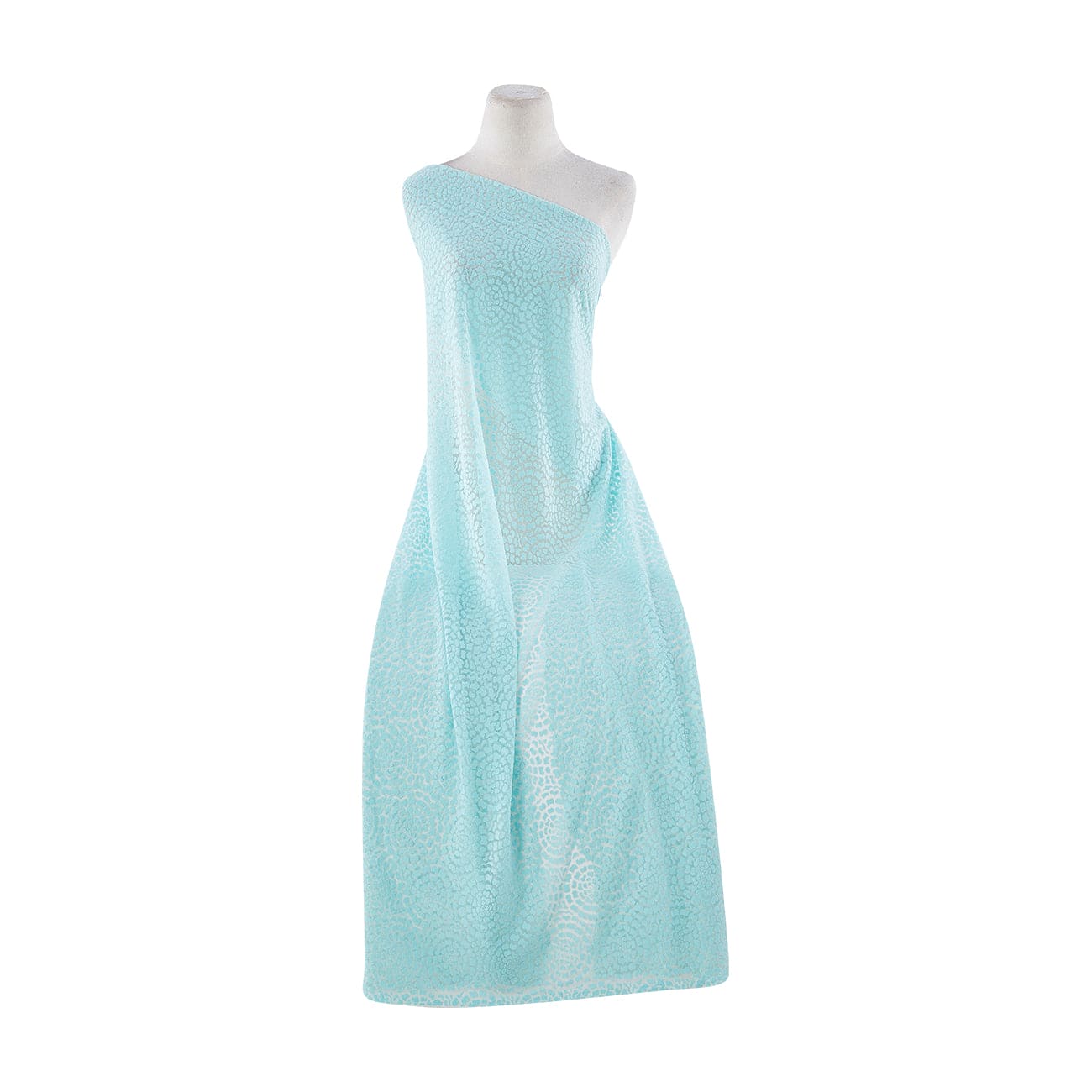
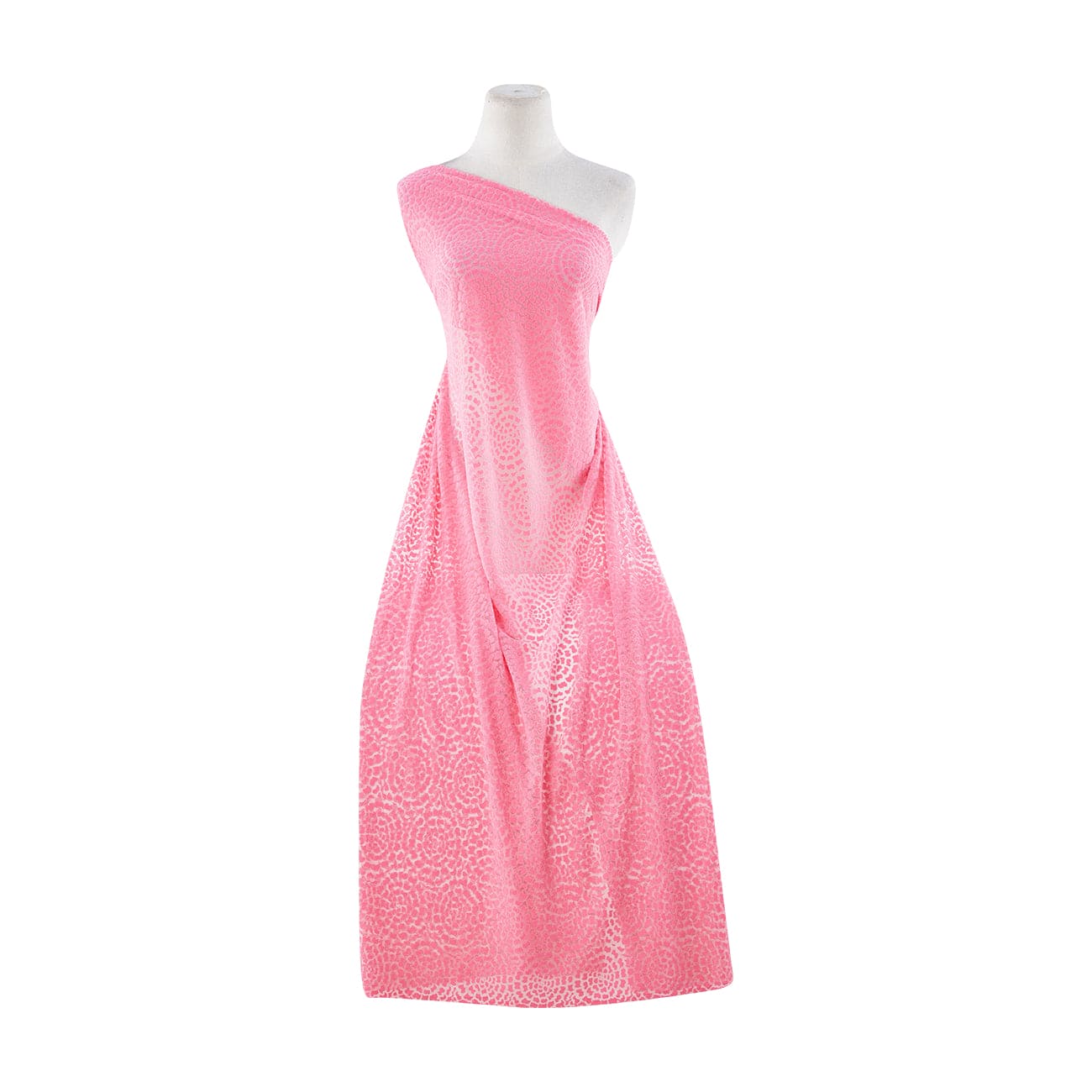
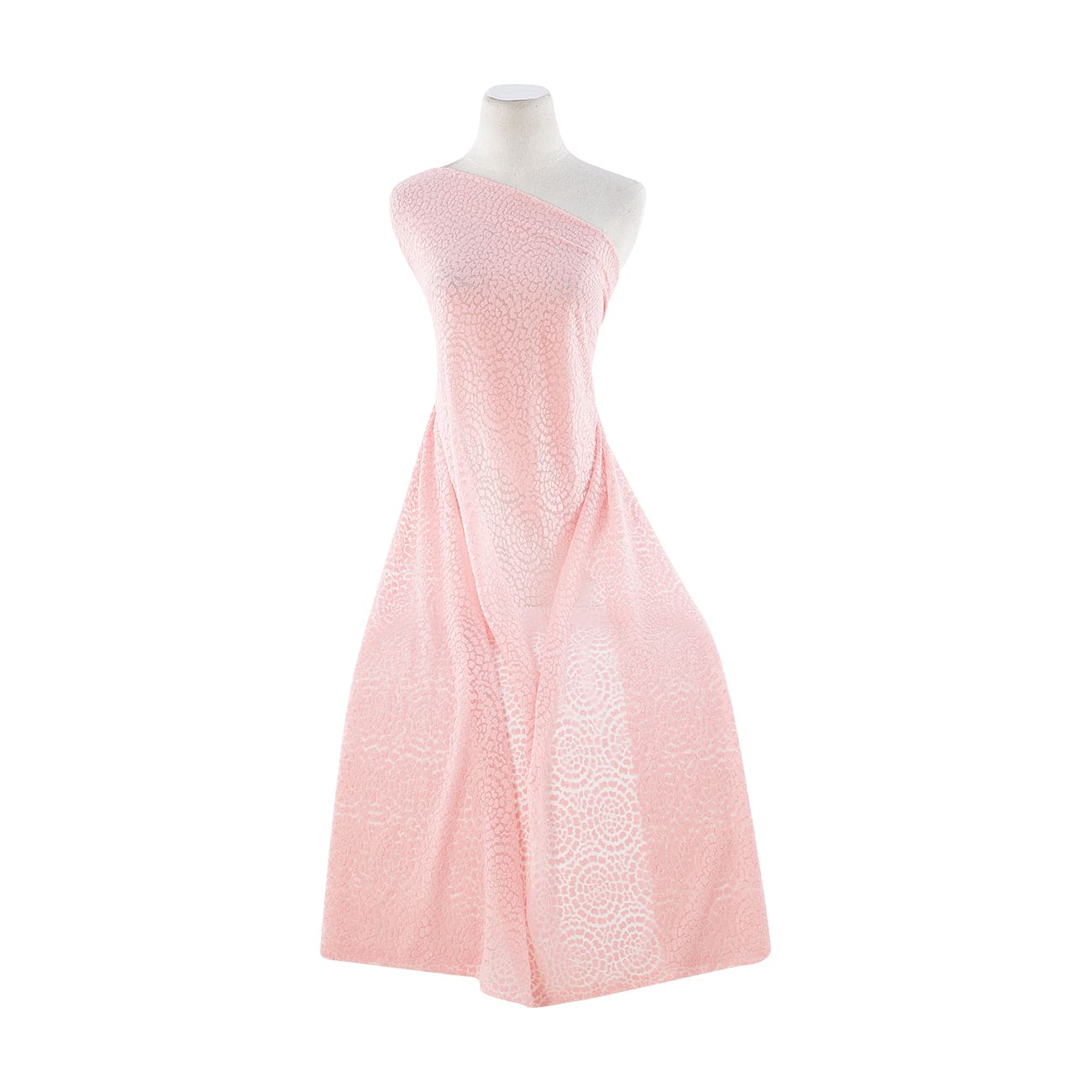
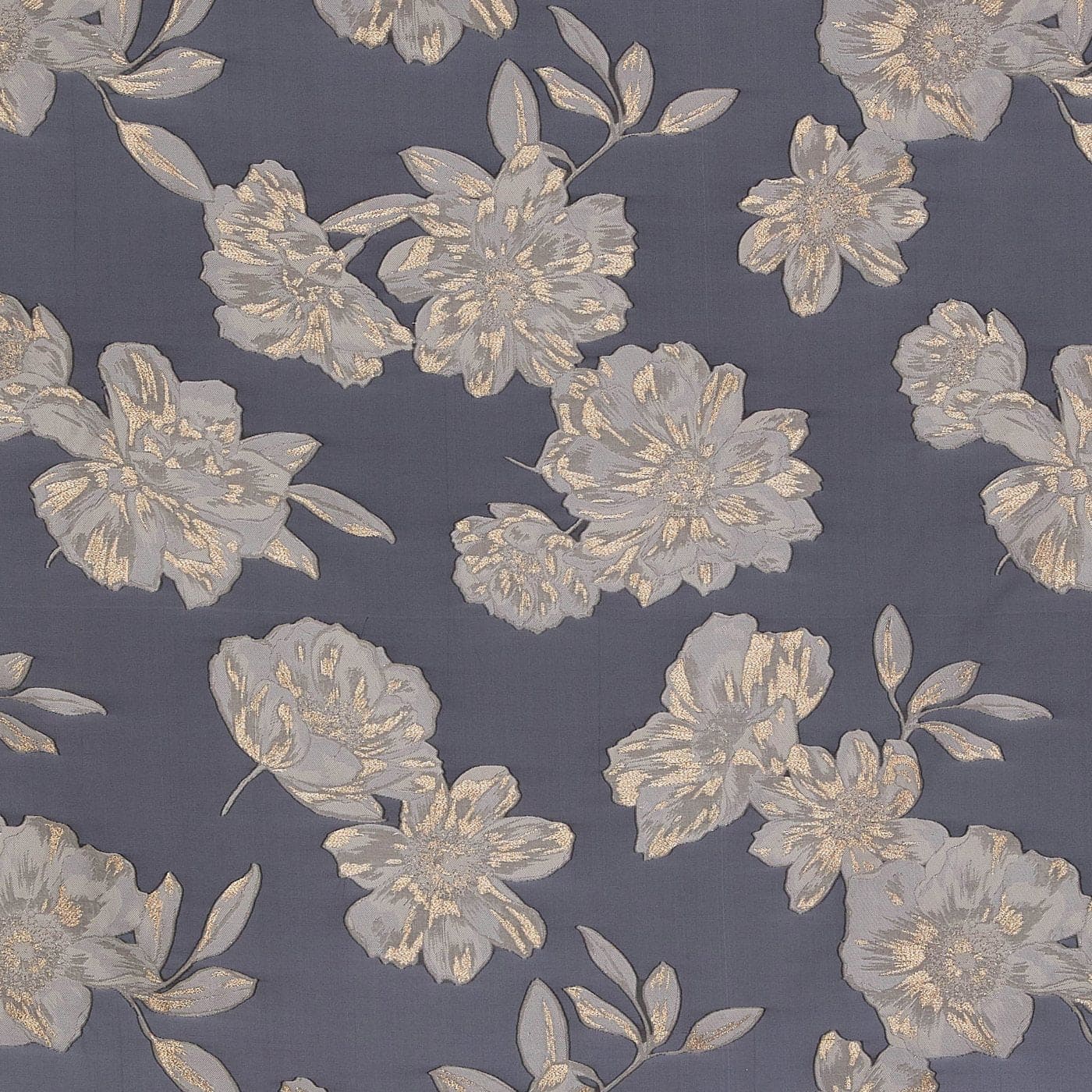
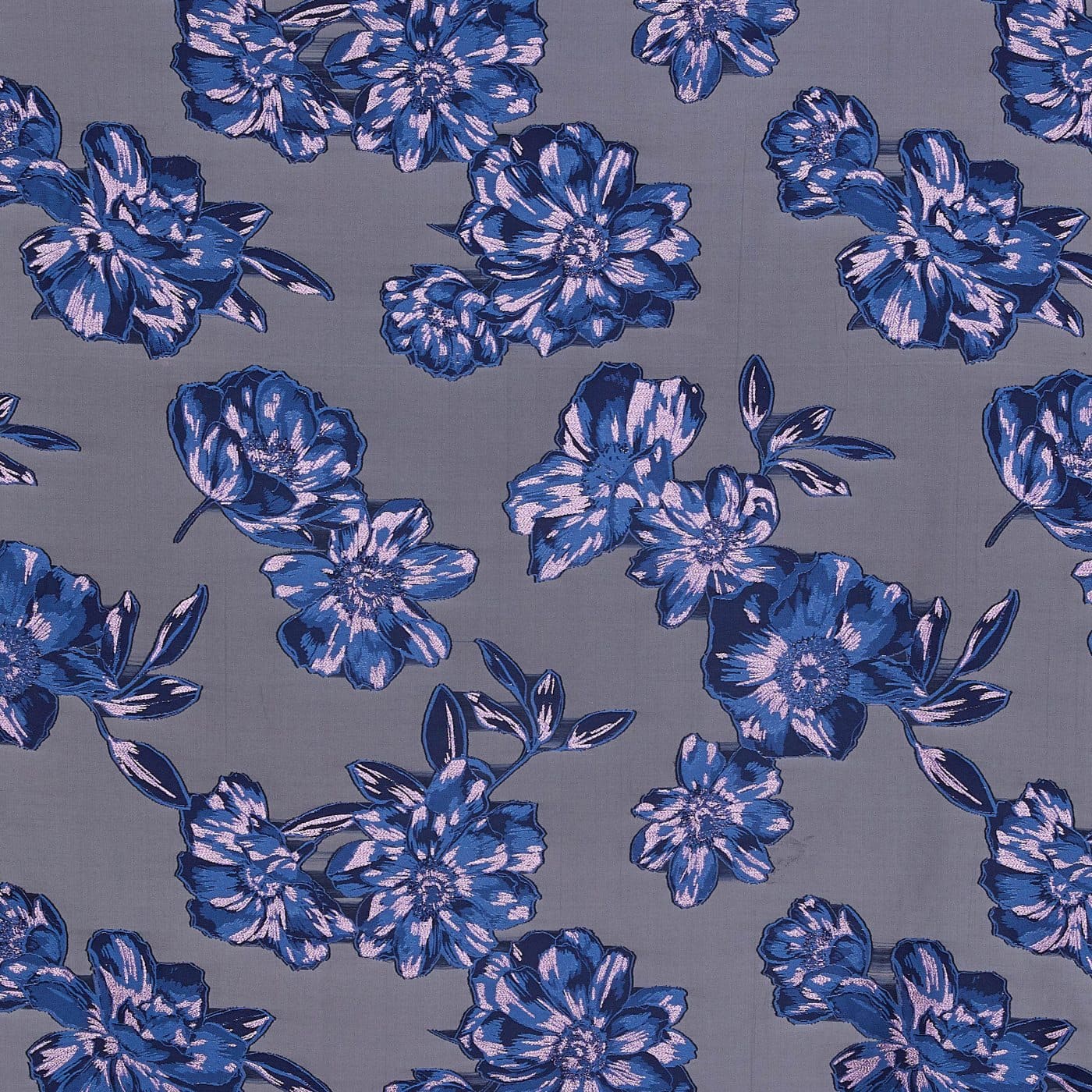
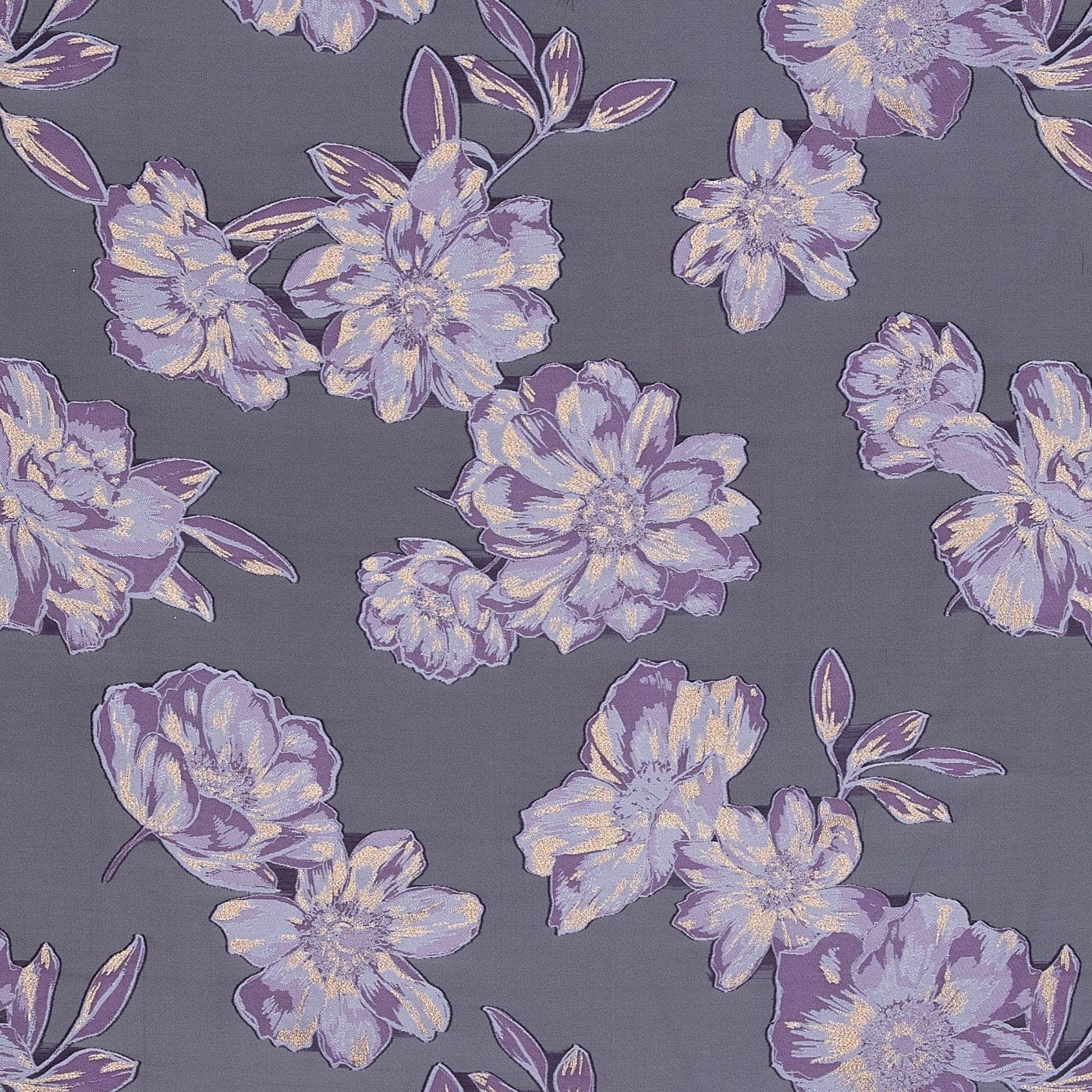
The result is a striking two-tone effect. Plush, opaque pile areas contrast against lightweight, sheer burnout sections, giving burnout velvet its signature depth and visual movement. The pile areas remain opaque and plush, while the burned-out areas become sheer and lightweight, creating a contrast that reads differently in every light.
Fiber Content and Base Construction
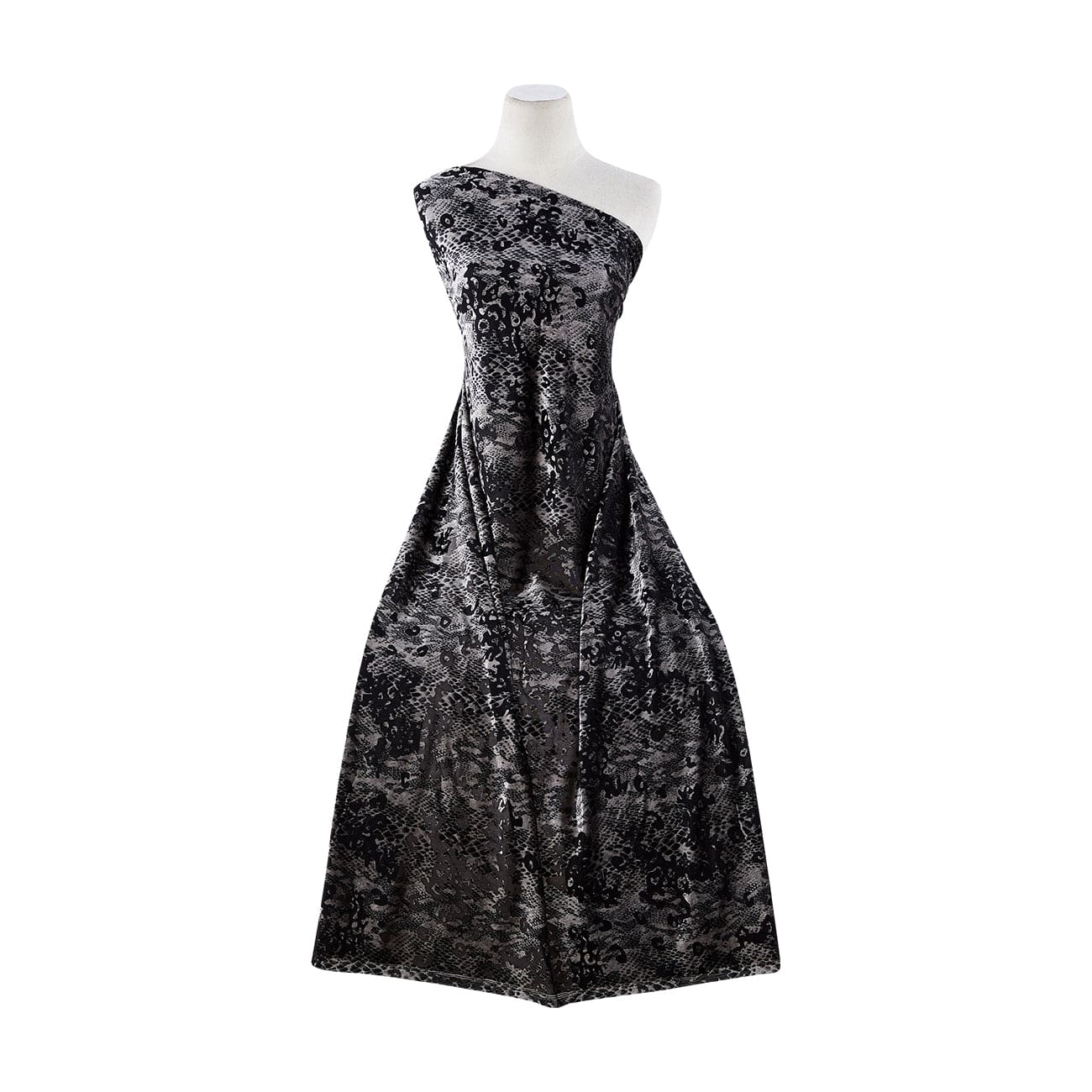
Most burnout velvet uses a polyester or silk base with a viscose or rayon pile. The pile burns away cleanly during the devoré process while the base fabric survives the chemical treatment intact. Some styles incorporate lurex threads or foil finishes into the base for added surface interest, as seen in styles like the Leona Leopard Foil Burnout Velvet and the Ariana Animal Foil Burnout Velvet.
Woven vs. Knit Burnout Velvet
Two construction types define this collection, and the right choice depends heavily on the project.
Woven Burnout Velvet
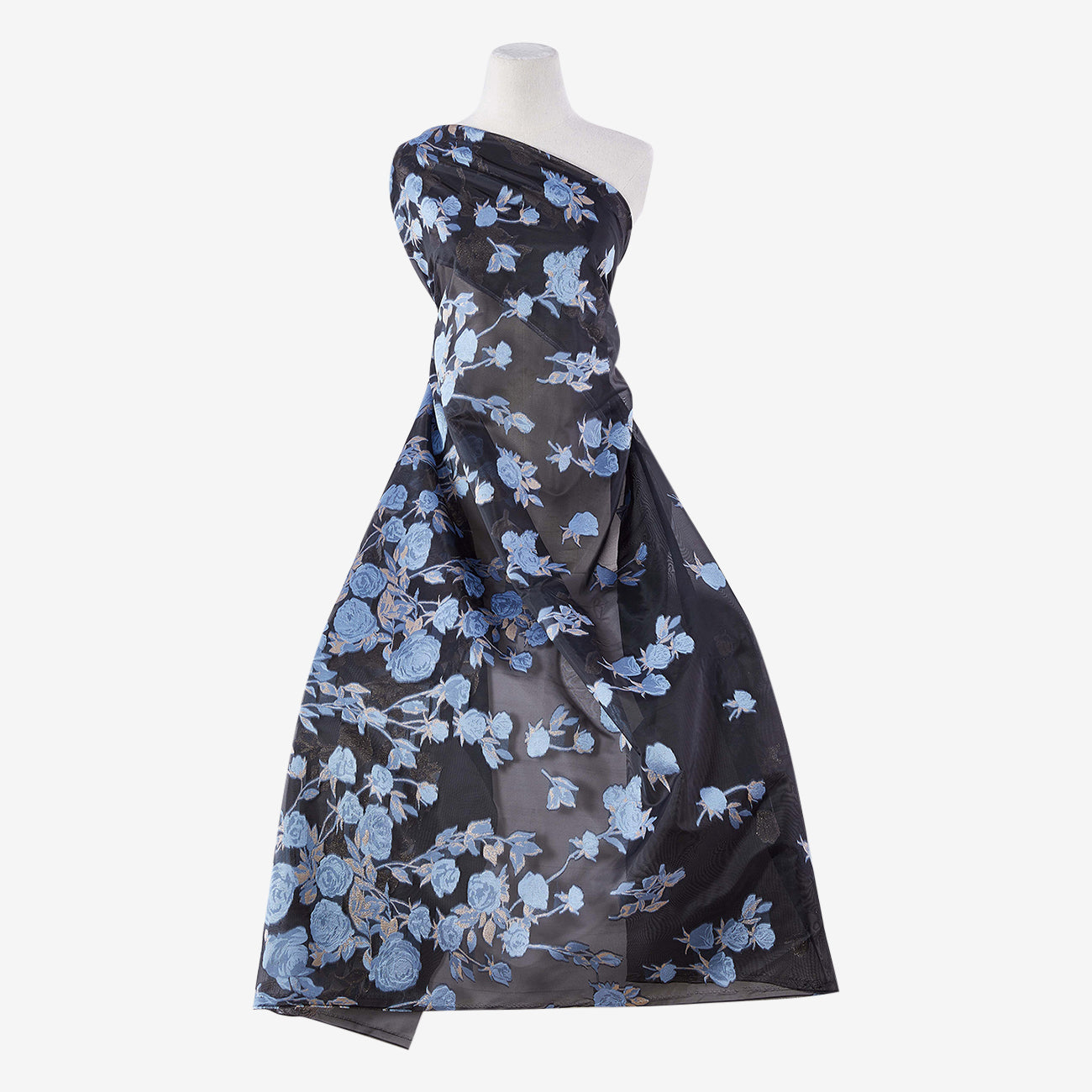
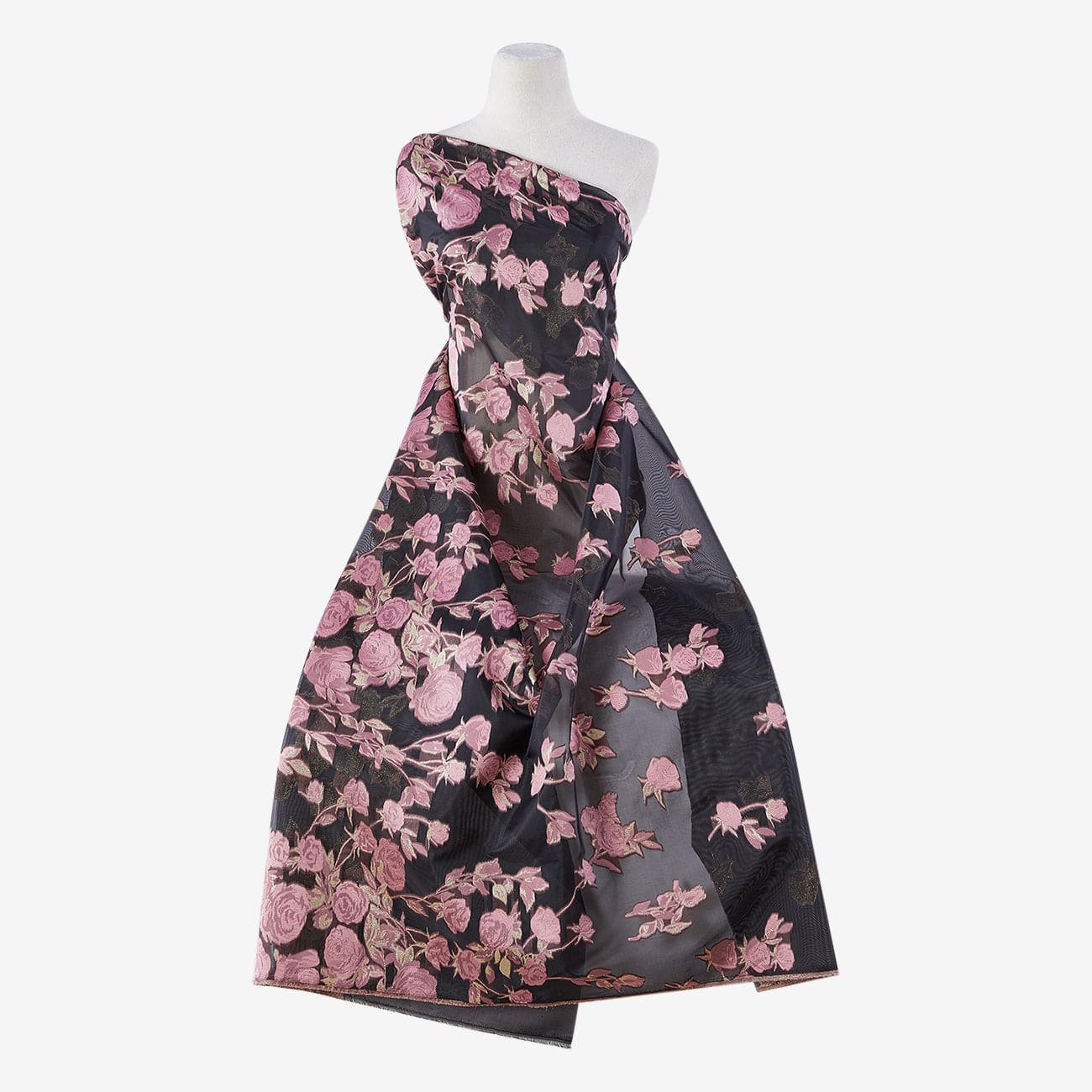
Woven burnout velvet is more structured, with better drape for formal wear and drapery panels. Styles like the Rose Burnout Velvet and Noa Paisley Burnout Velvet fall into this category, running at widths that provide strong drape for structured pieces.
Knit Burnout Velvet
Knit burnout velvet, sometimes called stretch burnout velvet, has natural give, making it better suited for fitted bodices, dancewear, and any project where ease of movement matters. Choose a knit burnout velvet with enough width to comfortably cut fitted garments without excessive piecing.
Patterns and Finishes in This Collection
Burnout velvet in this collection spans floral, paisley, leopard, and abstract patterns across a wide range of colorways. As a designer, you have plenty of room to match a specific project without settling for a generic print.
Floral and Paisley Burnout Velvet
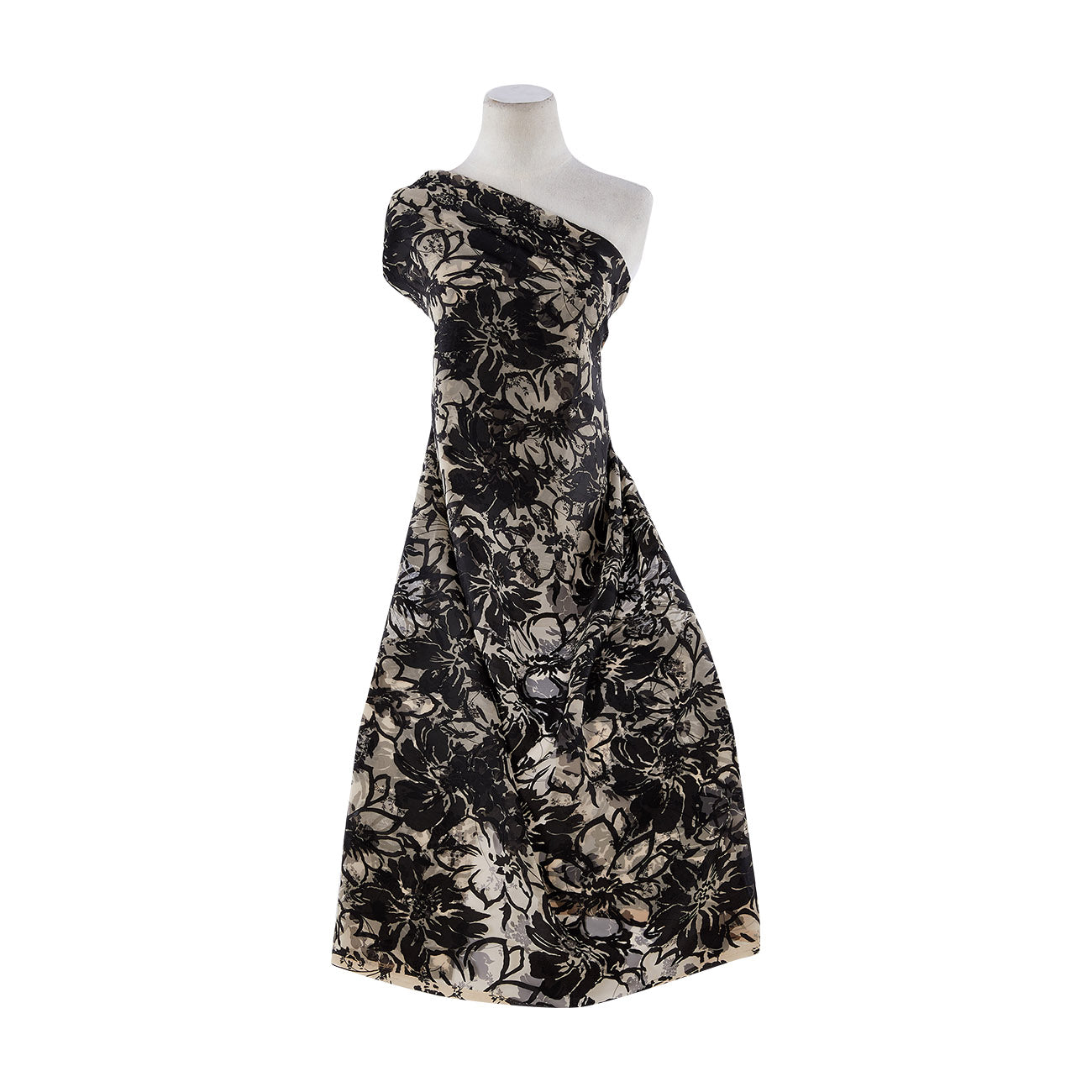
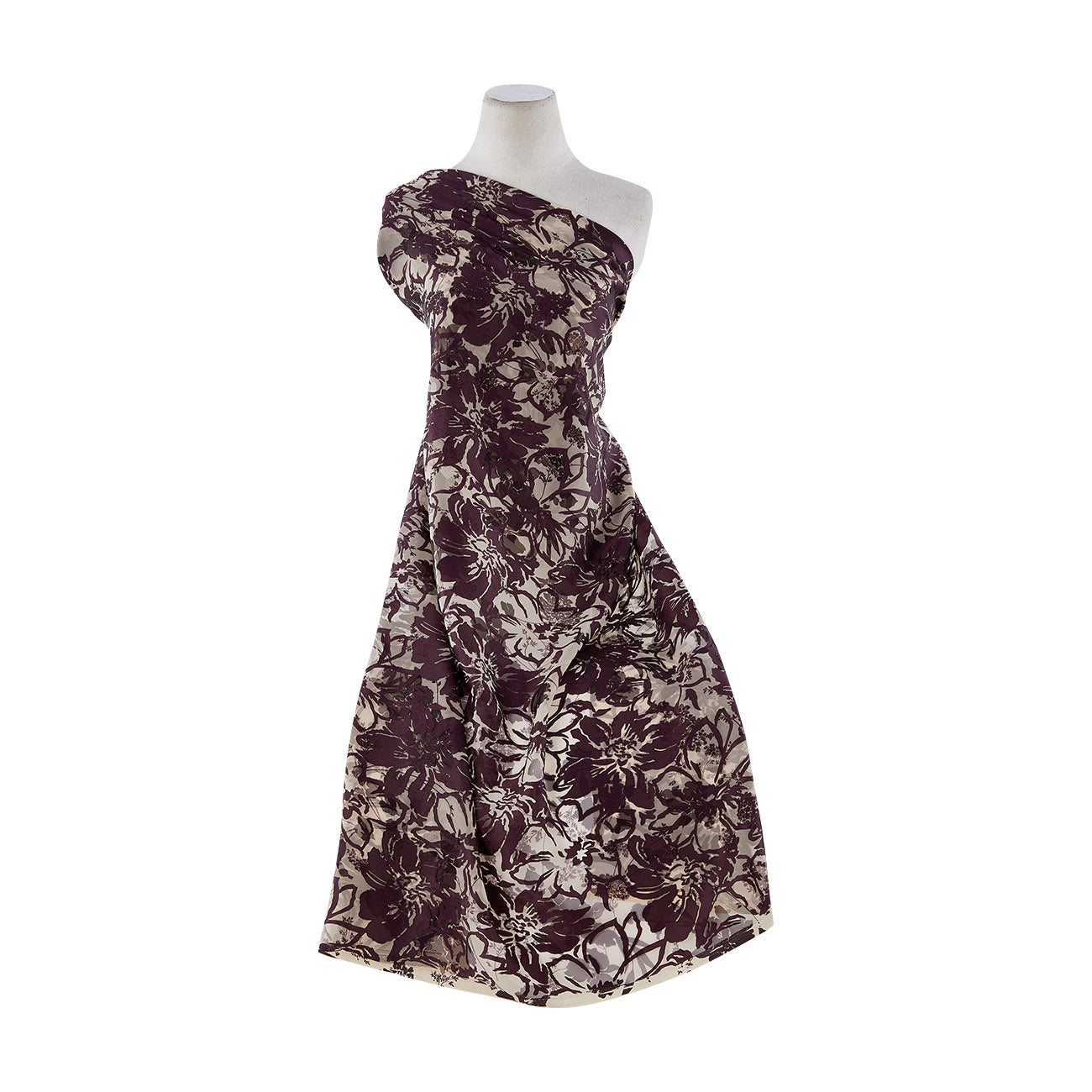
Floral motifs are some of the most common patterns in burnout velvet, seen in styles like the Heidi Floral Burnout Velvet and the Cece 2Tone Floral Burnout Velvet. Paisley styles like the Noa Paisley Burnout Velvet bring a more intricate, repeating motif that reads well at both close range and across a full garment.
Animal Print and Foil Burnout Velvet
Animal print styles, such as the Leopard Print Velvet Burnout, bring a bold, graphic quality to velvet’s natural contrast between the raised pile and sheer areas. For added shine, foil-finished options such as the Leona Leopard Foil Burnout Velvet and Ariana Animal Foil Burnout Velvet apply a metallic sheen to the surface, giving the pattern greater depth as it catches the light. Glitter-finished designs, including the Win Burnout Velvet Glitter, take the effect further with a fine layer of shimmer across the surface.
Chenille and Jacquard Burnout Styles
Beyond standard velvet burnout, this collection also includes chenille and jacquard variations, such as the Baroque Mirror Chenille Burnout, which combines the raised chenille texture with the devoré technique for an even more dimensional surface.
What to Make with Burnout Velvet
Burnout velvet’s combination of plush texture and sheer patterning makes it one of the most versatile specialty fabrics for both apparel and home décor projects.
Evening Wear and Formal Garments
Evening gowns and formal dresses are the most common use for burnout velvet, since the sheer burnout areas create a two-tone contrast against the plush pile that reads beautifully under stage or event lighting. Woven burnout velvet is the better choice here, generally requiring 3 to 5 yards depending on the silhouette.
Costumes, Tops, and Home Décor
Burnout velvet works across garments and home décor, with the ideal construction depending on the project.
-
Blouses and kimono-style tops can be made with either knit or woven varieties, typically requiring 1.5 to 2.5 yards.
-
For costumes and theatrical pieces, the choice comes down to the movement needed, with most designs using around 2 to 4 yards.
-
Woven styles are better suited to drapery panels and table runners, where the required yardage depends on the window or table dimensions plus a hem allowance.
-
For lingerie and bralettes, stretch knit velvet offers the flexibility needed for a close fit and generally requires just 0.75 to 1.5 yards.
Sewing and Care Tips for Burnout Velvet
Burnout velvet requires a few extra steps compared to standard fabric, but with the right tools, it is very manageable even for intermediate sewists.
Cutting Burnout Velvet
Always cut burnout velvet with a rotary cutter on a single layer, pile side down, following the nap direction. All pieces must run the same way, or the finished garment will show color variation across panels. Maintain a consistent seam allowance throughout the project.
Needle, Thread, and Machine Setup
Use a sharp needle, size 70/10 or 75/11 microtex, along with a fine polyester thread. A ballpoint needle can snag the pile and disrupt the burnout pattern. A walking foot helps feed the fabric evenly through the machine without shifting the layers.
Pressing Burnout Velvet
Never press directly on the pile. Use a velvet board, or lay the fabric pile to pile and press from the wrong side with a pressing cloth and low heat, since direct heat can crush the pile permanently.
Caring for Finished Garments
Most burnout velvet is dry clean recommended. If the care label permits hand washing, use cold water and lay the piece flat to dry, and never wring or tumble dry a burnout velvet garment, since both can crush the pile and distort the sheer sections.
Frequently Asked Questions
What is the difference between burnout velvet and regular velvet?
Regular velvet has consistent pile across the entire surface. Burnout velvet, also called devoré velvet, has select areas of pile chemically dissolved to create a sheer, patterned contrast against the remaining plush sections.
Is burnout velvet see-through?
The burned-out sections of burnout velvet are sheer and lightweight, while the pile sections remain opaque. Most garments made from burnout velvet use a lining underneath the sheer areas for coverage.
Can burnout velvet be machine washed?
Most burnout velvet is dry-clean recommended. If the care label allows hand washing, use cold water and lay the fabric flat to dry rather than wringing or machine drying it.
How much burnout velvet do I need for a dress?
A full evening gown or formal dress typically requires 3 to 5 yards of woven burnout velvet. In comparison, a blouse or kimono style top usually needs 1.5 to 2.5 yards, depending on the pattern and silhouette.
Does burnout velvet fray easily?
Burnout velvet can fray along raw edges, particularly in the sheer burnout sections, so finishing seams cleanly with a serger or French seam helps prevent fraying over the life of the garment.