










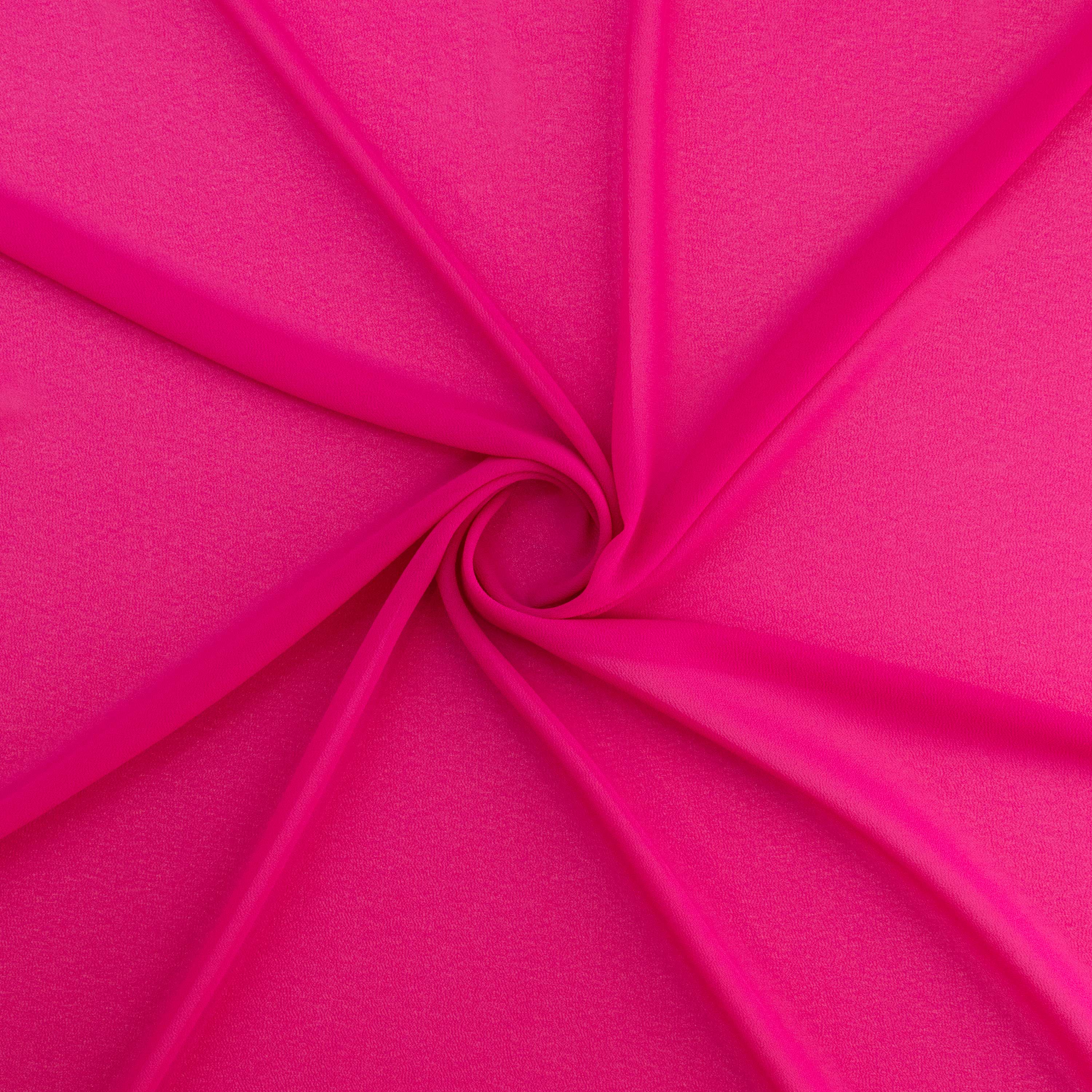


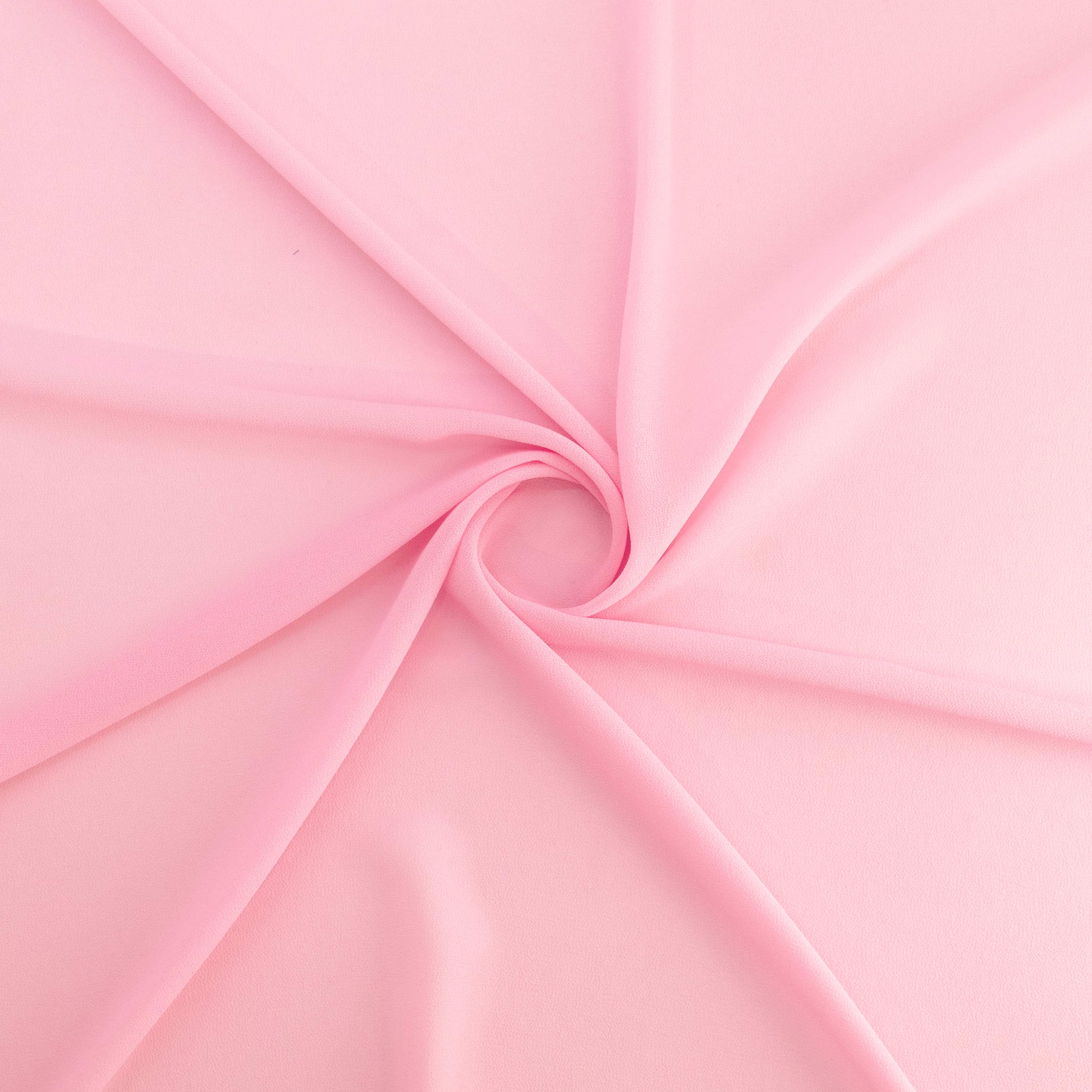

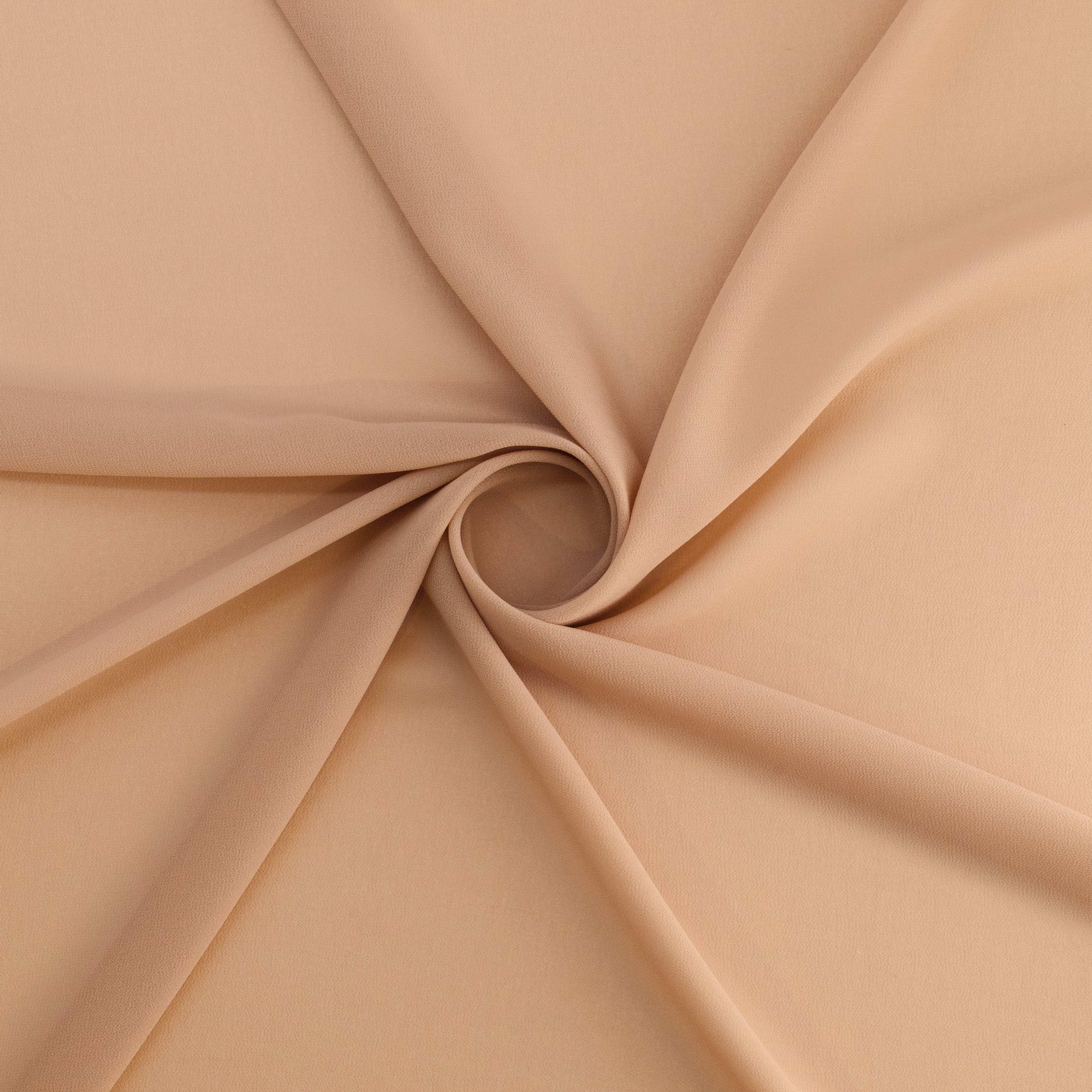
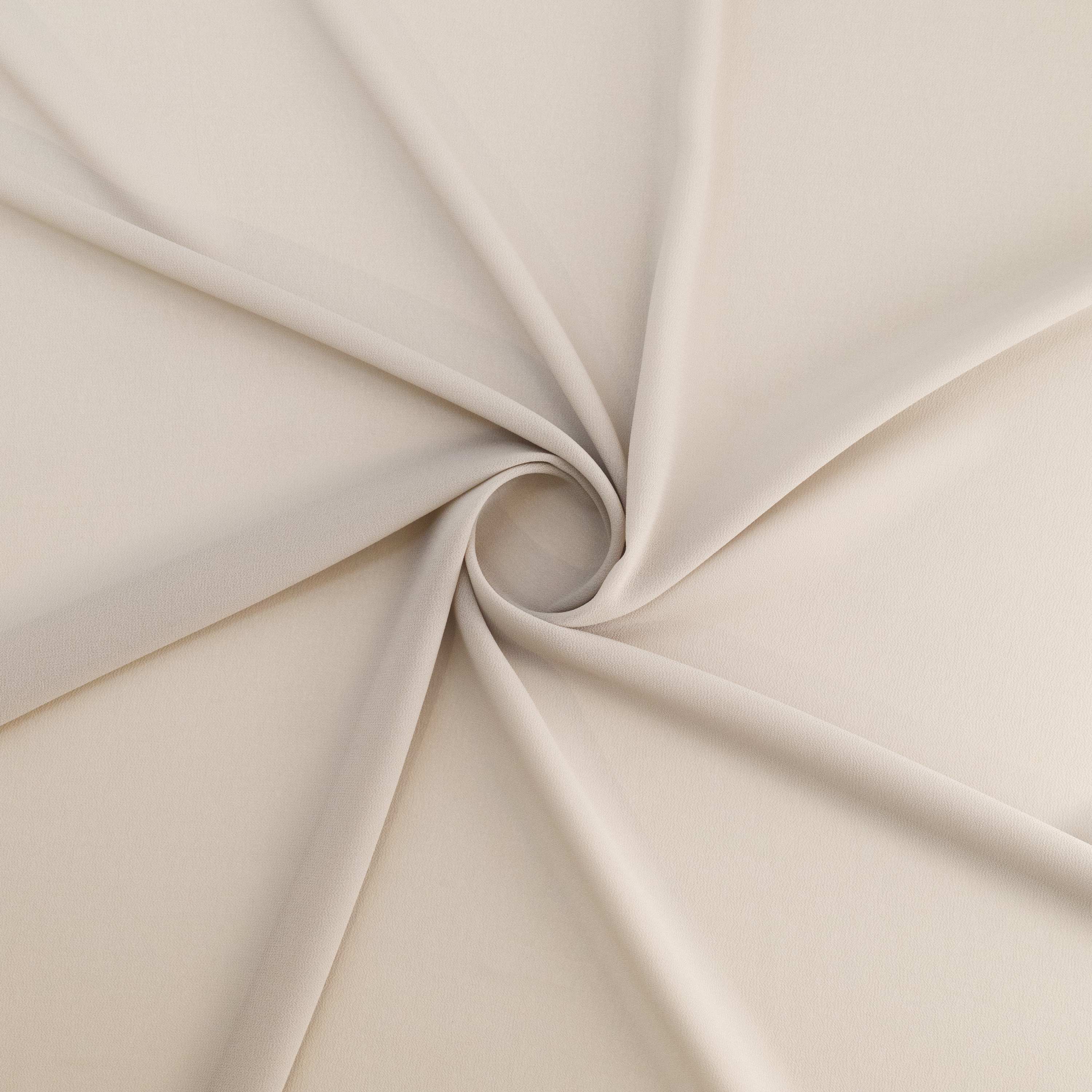












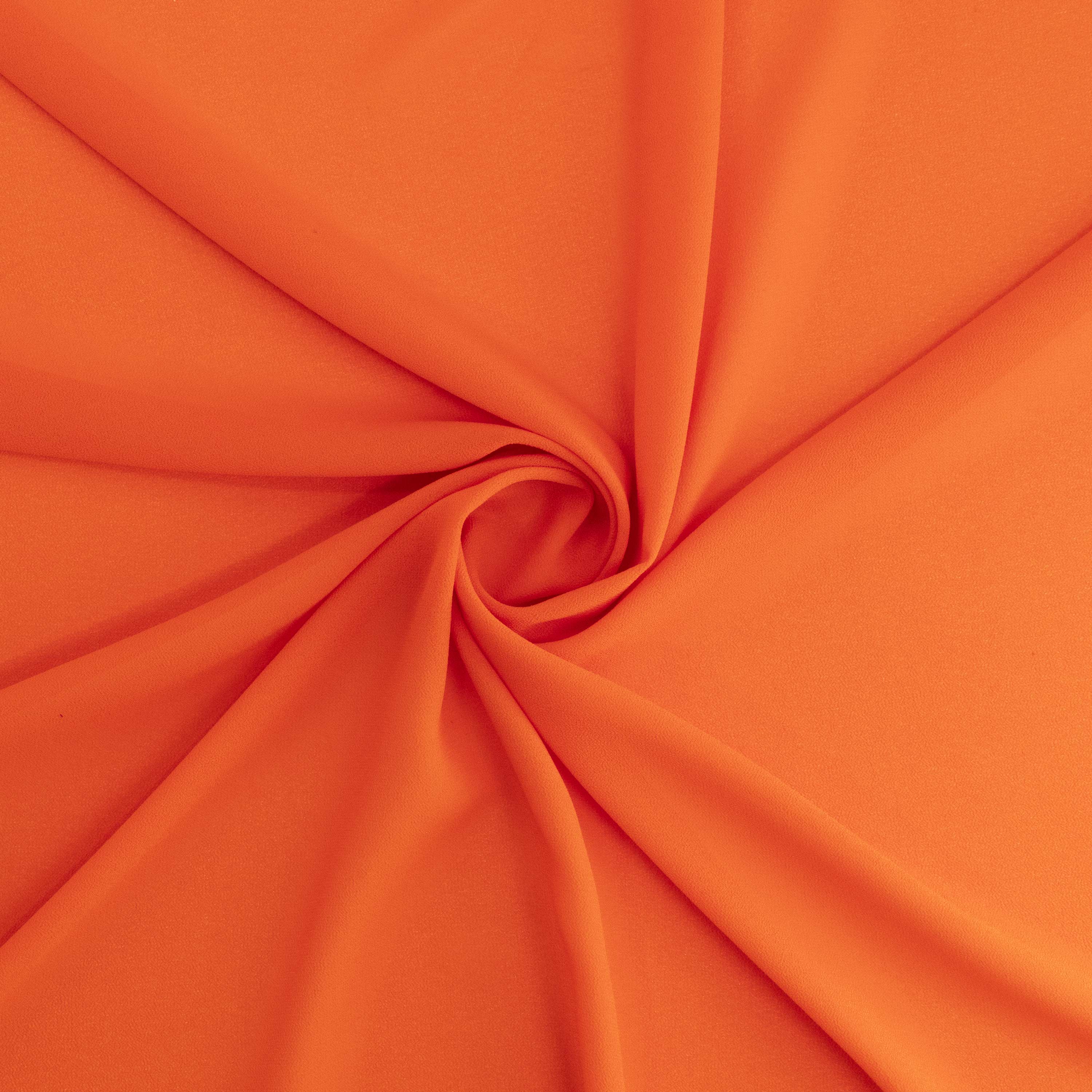
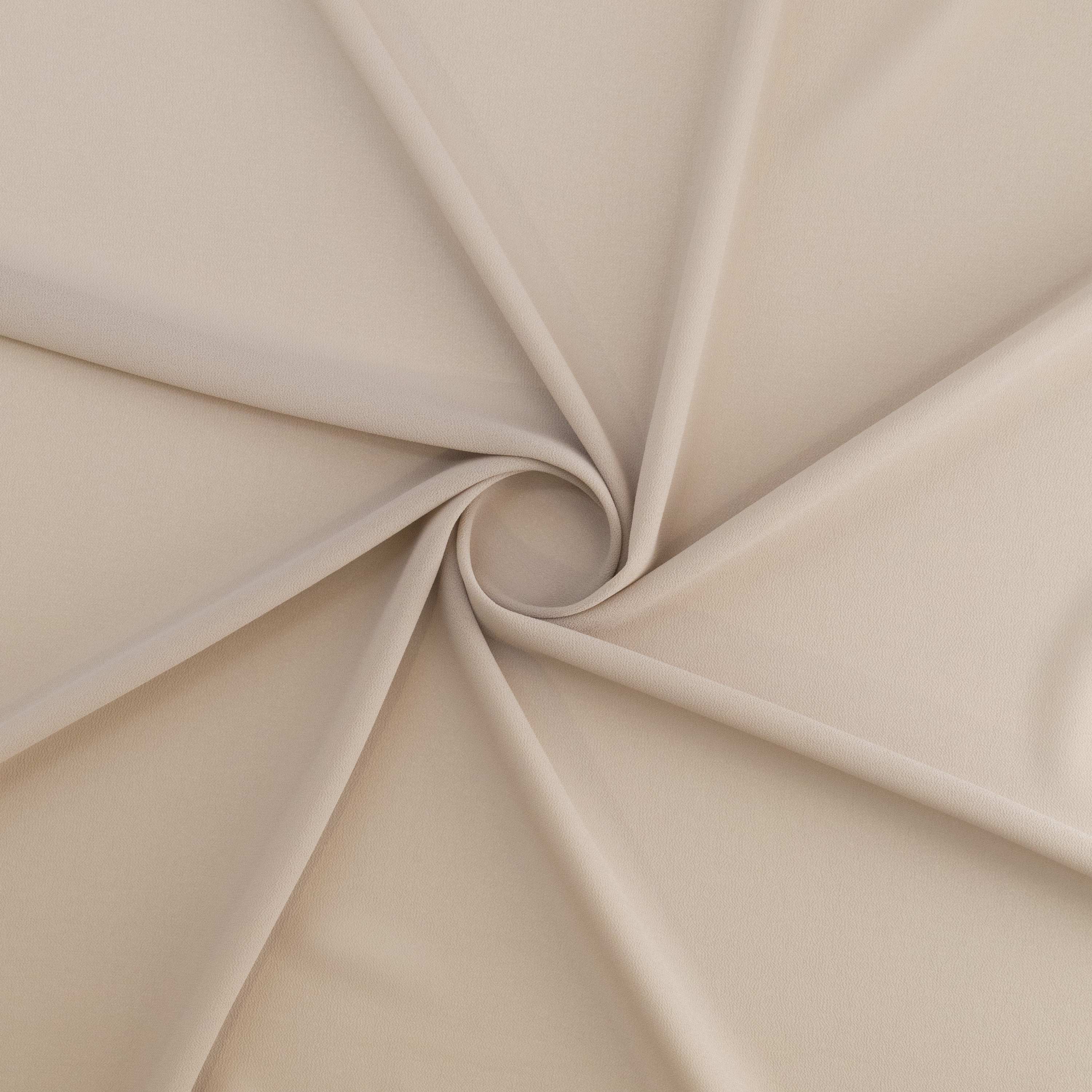
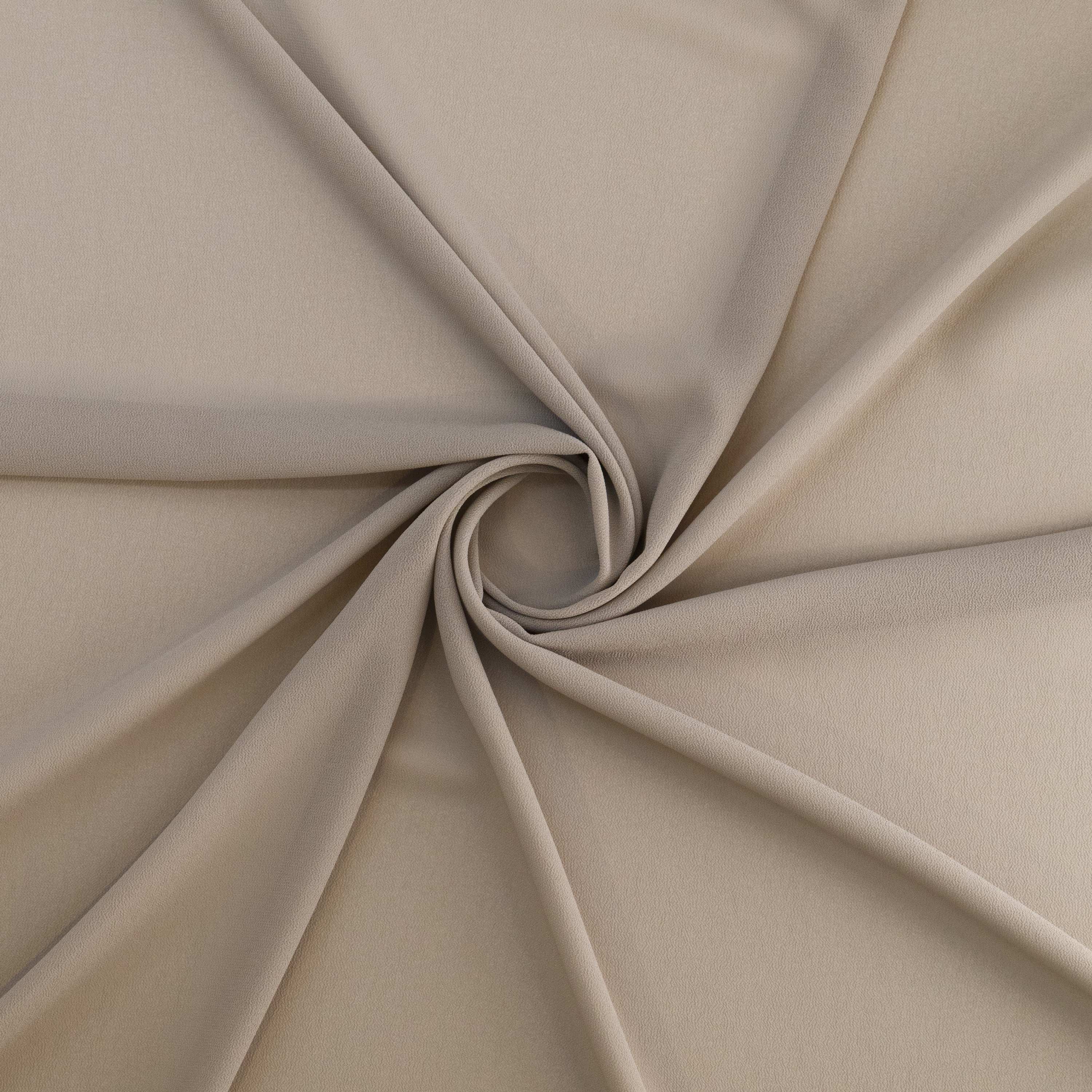
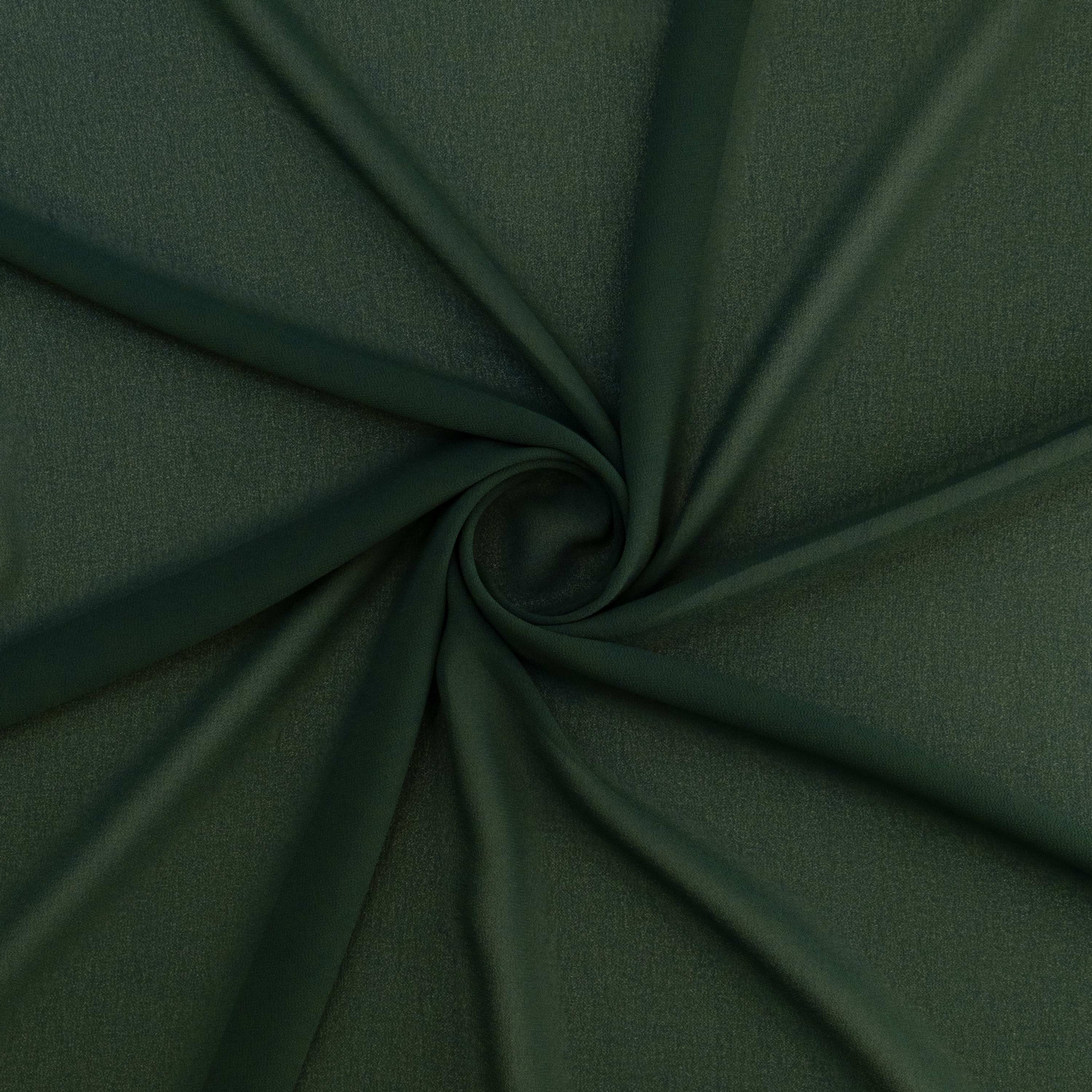

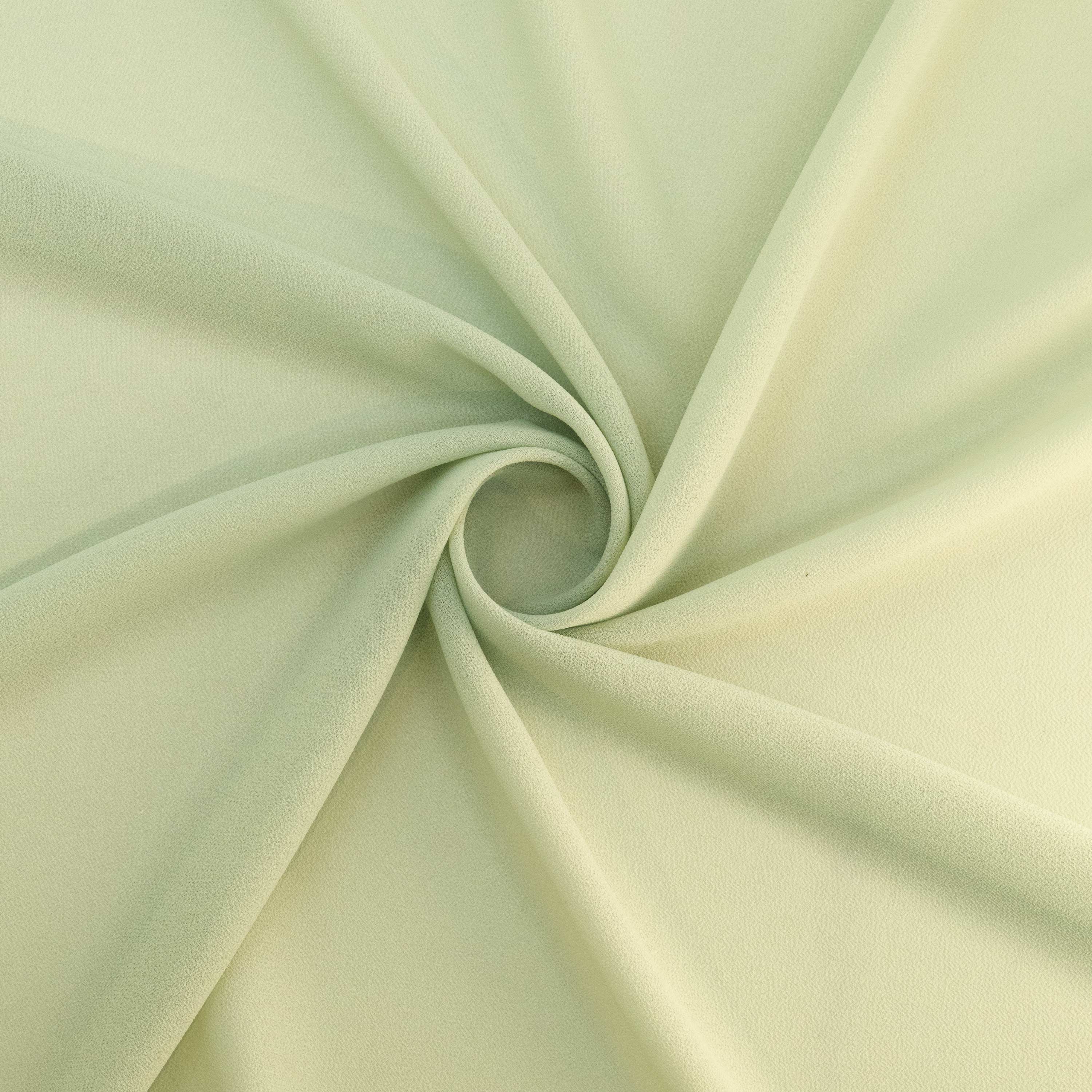
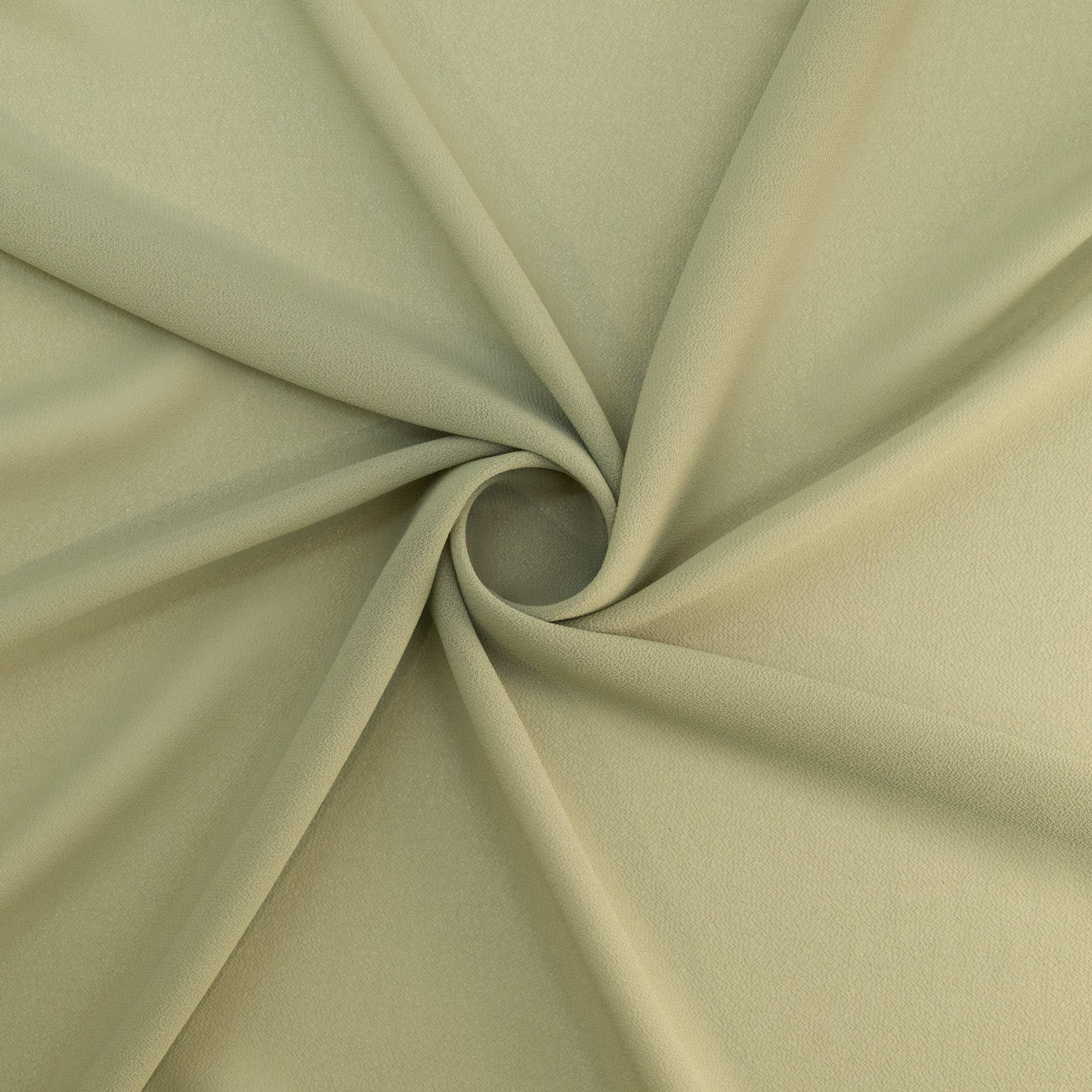
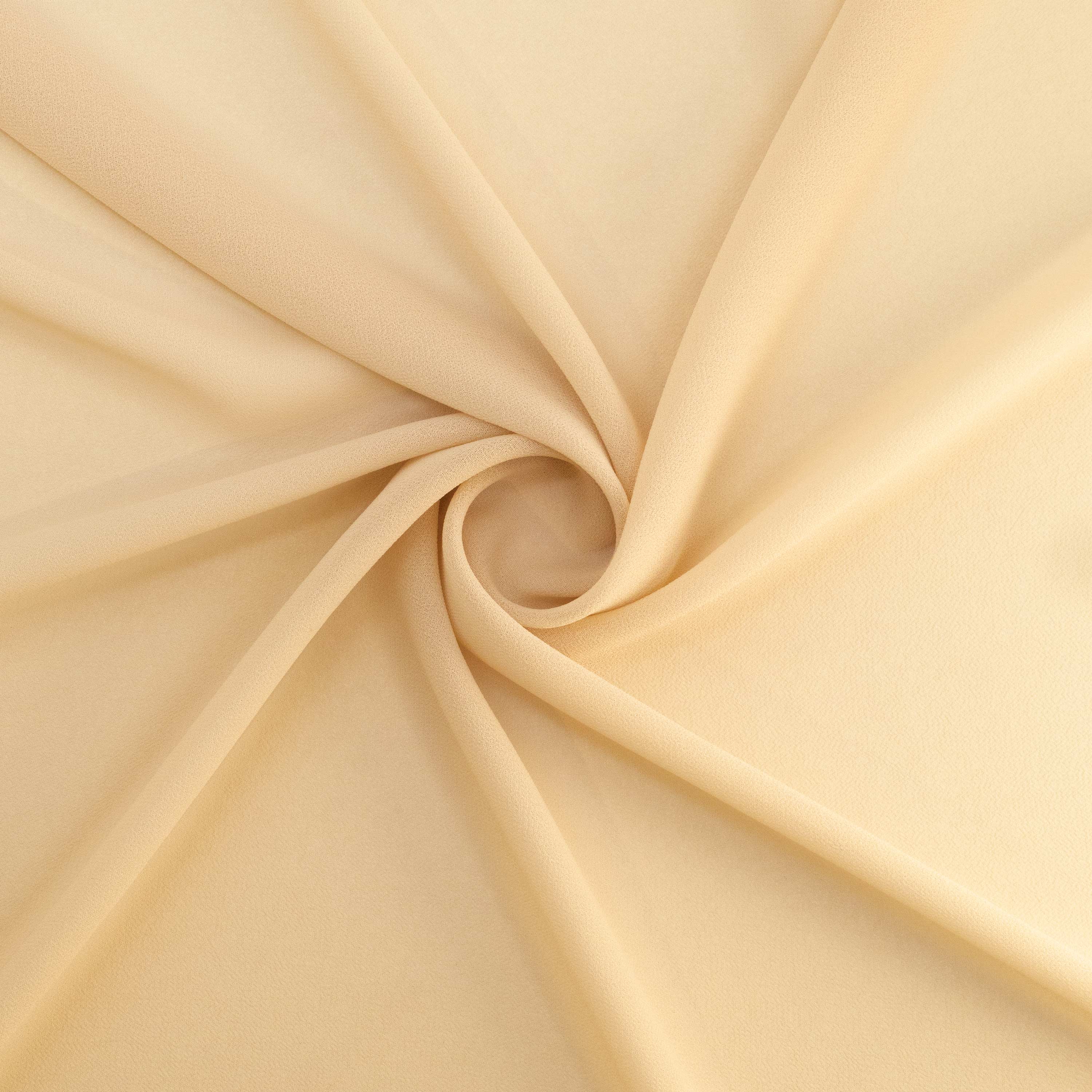
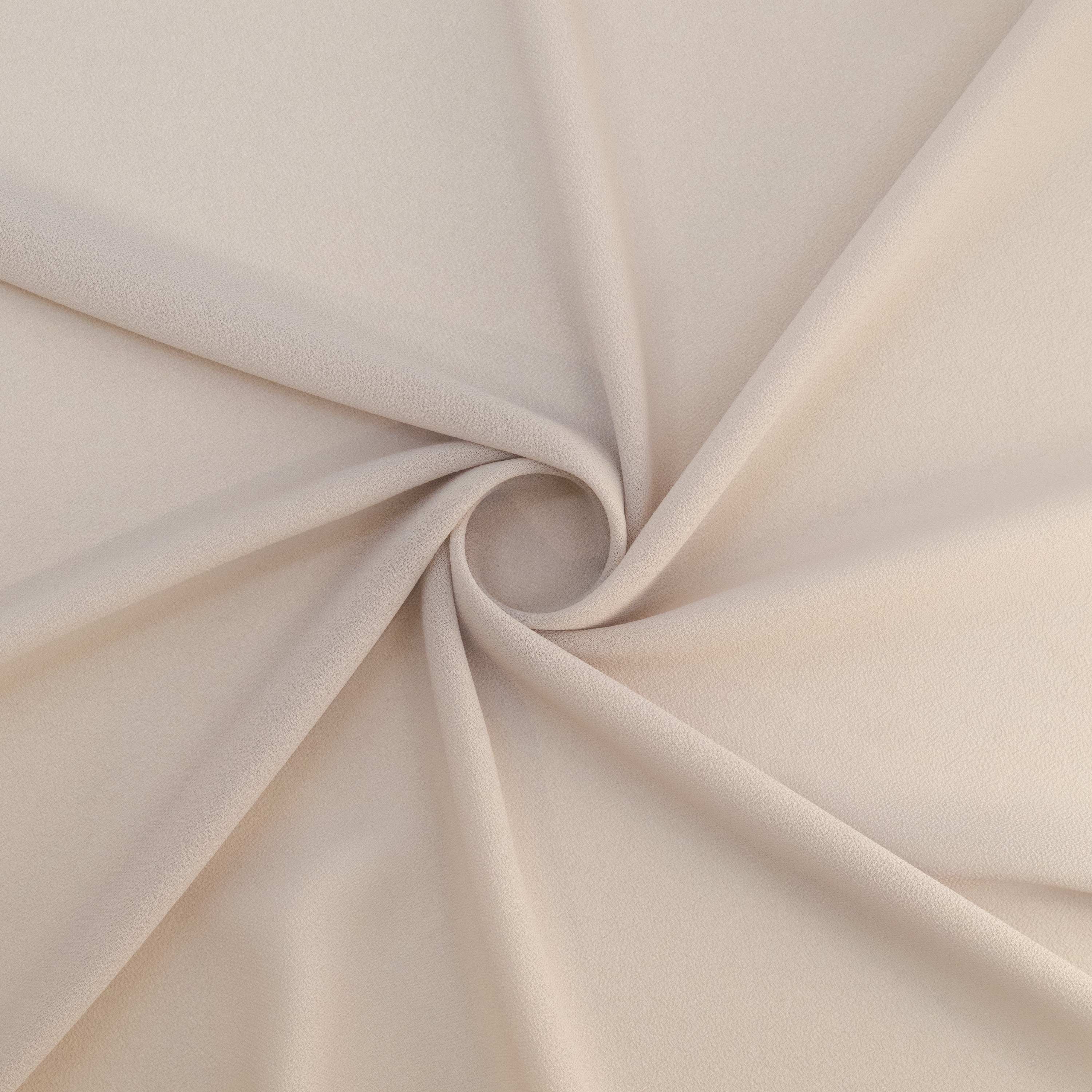
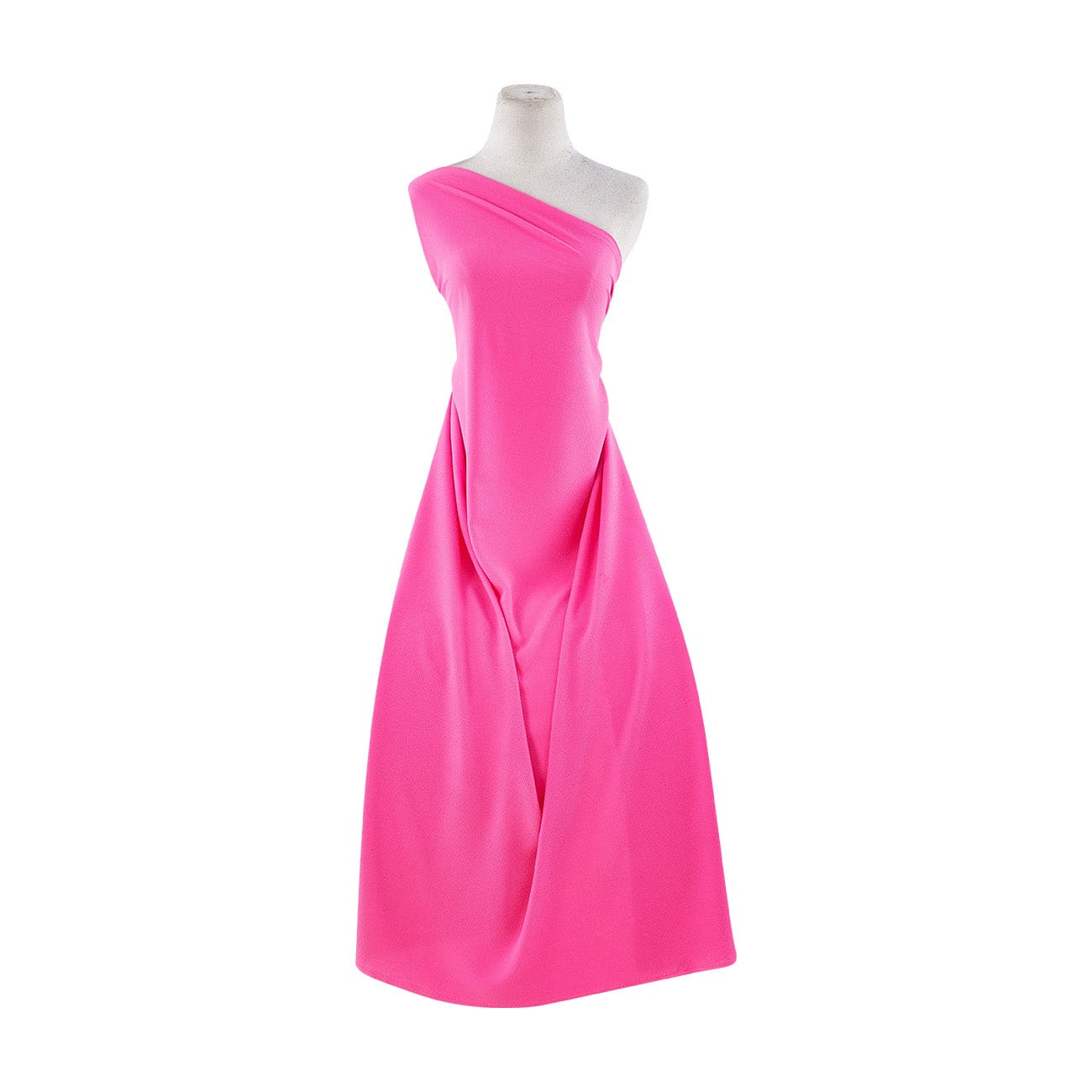
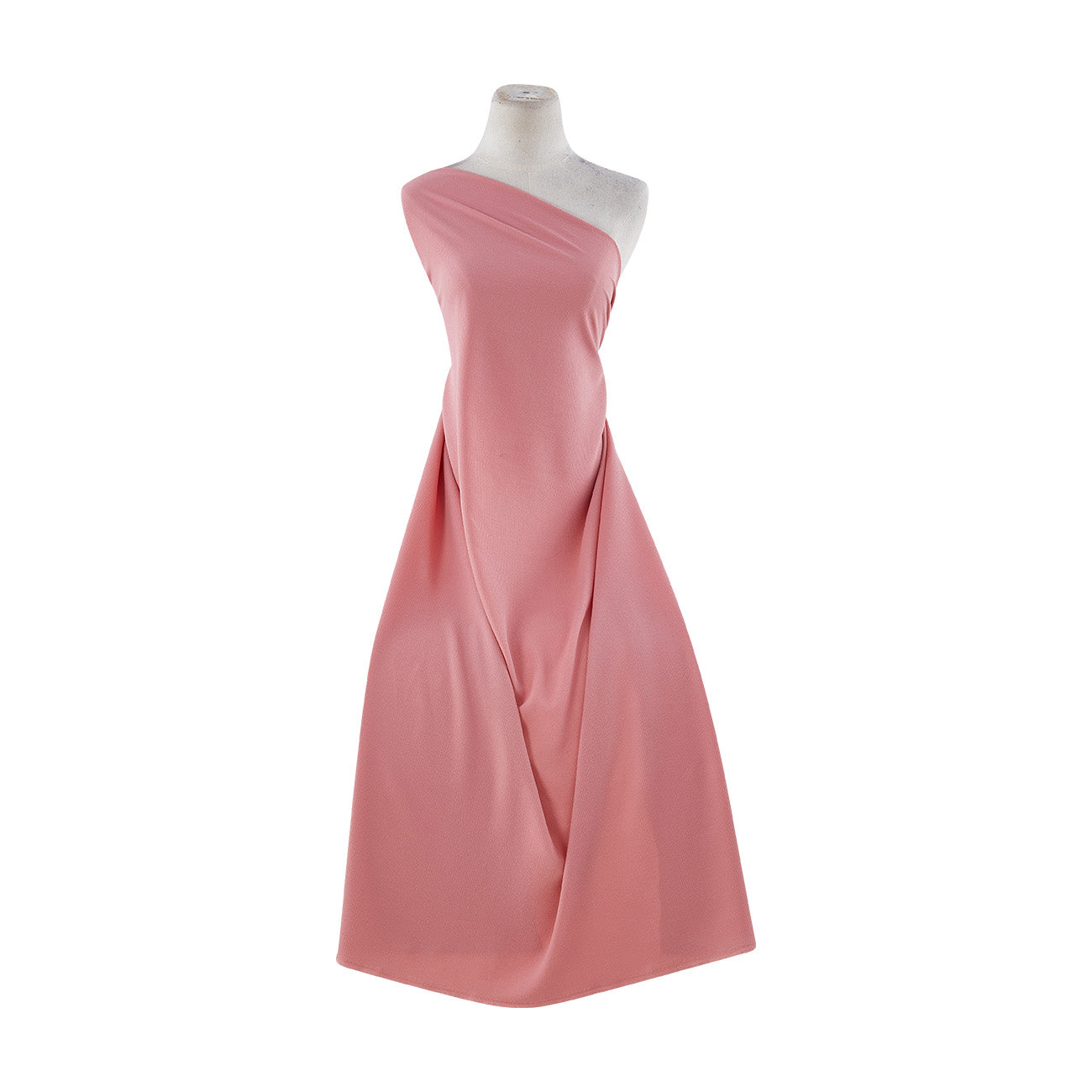
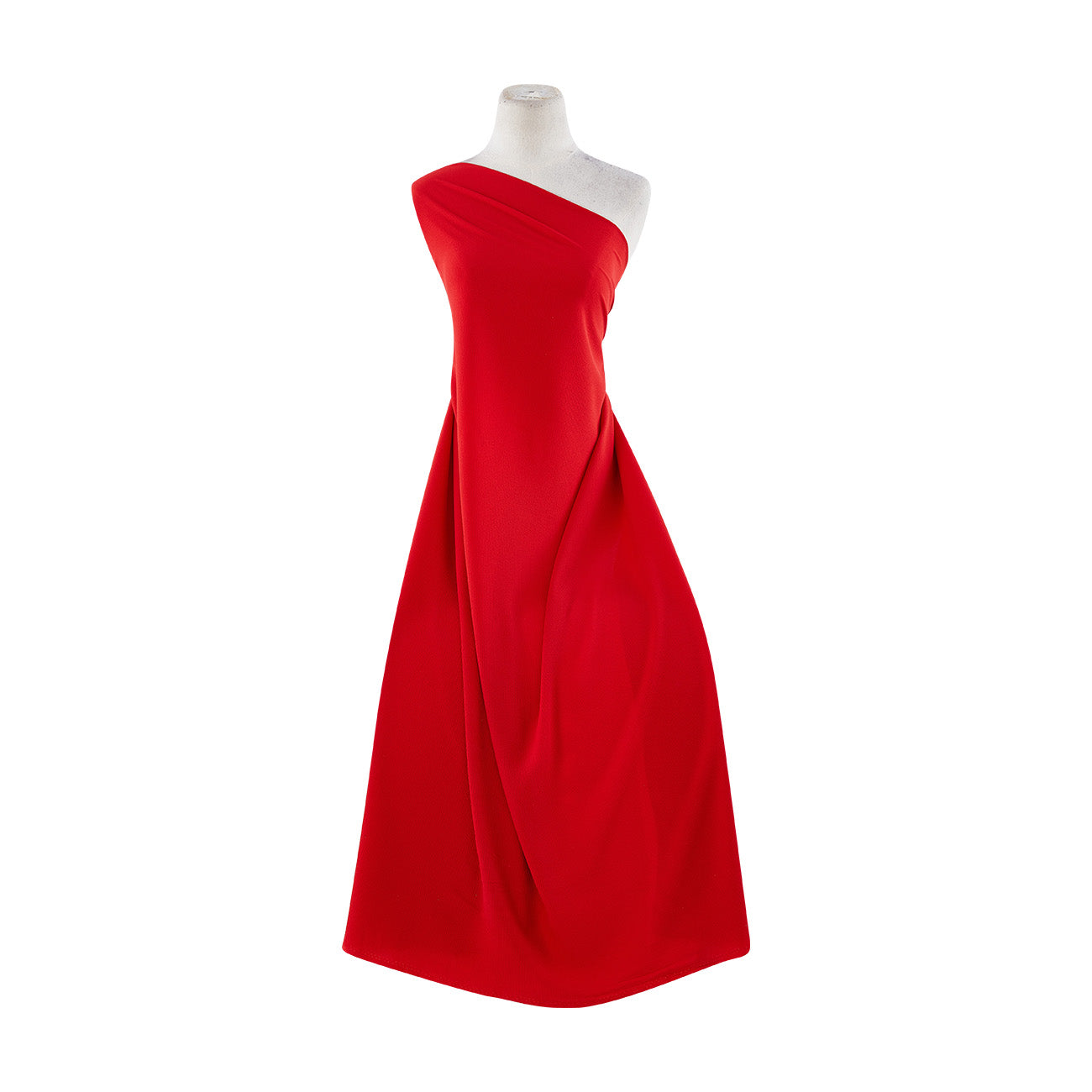
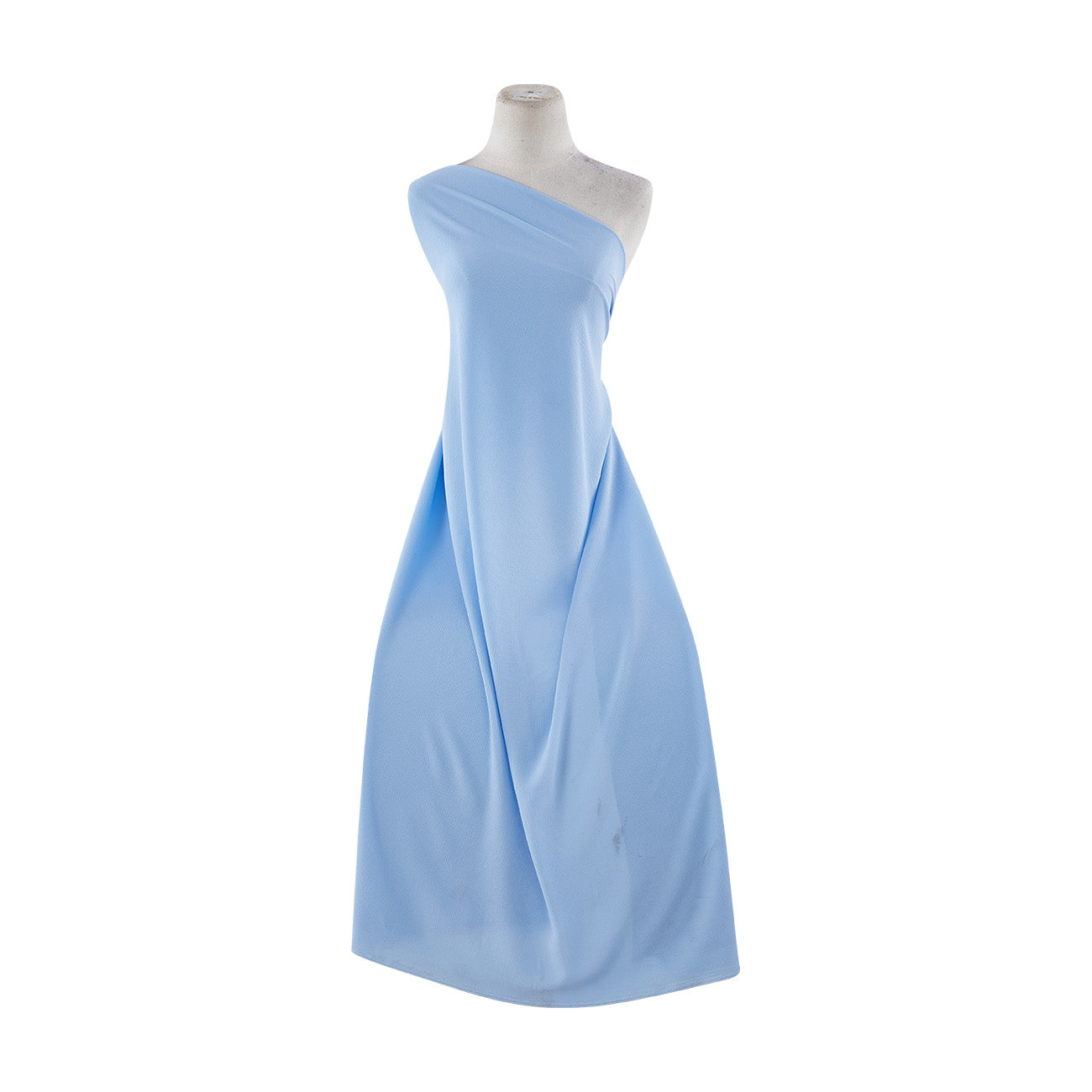
How to Use Crepe Chiffon Fabric in Fashion Design
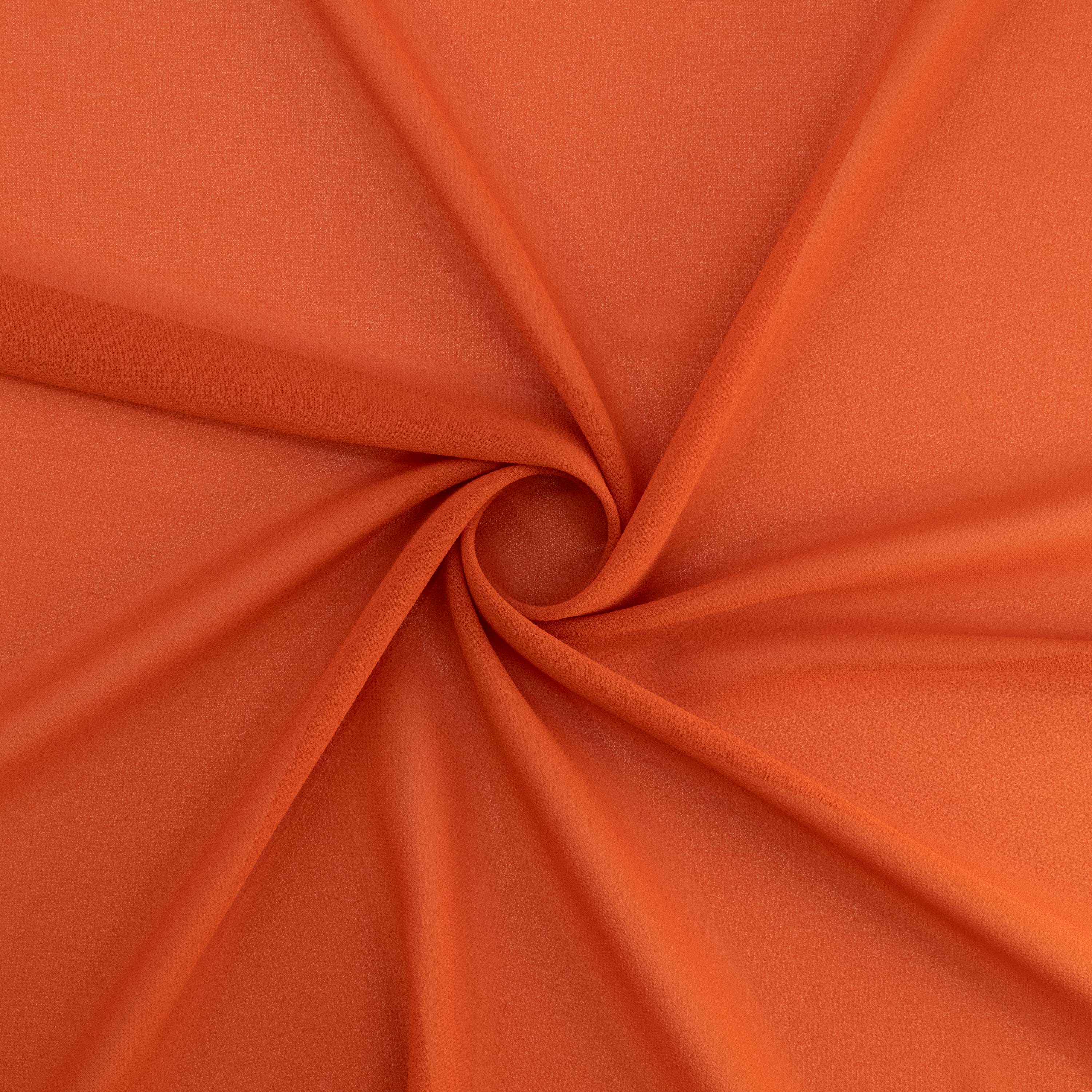
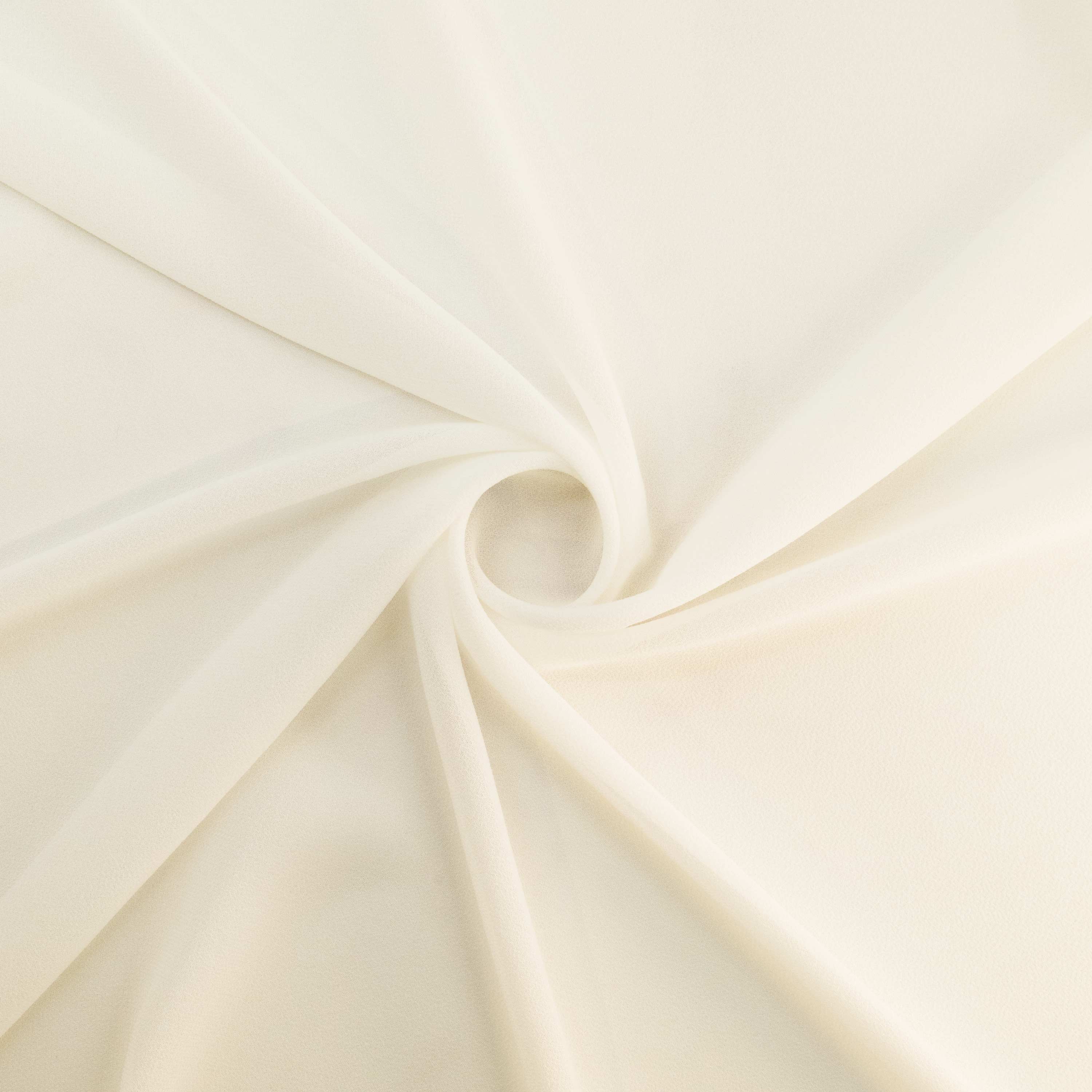
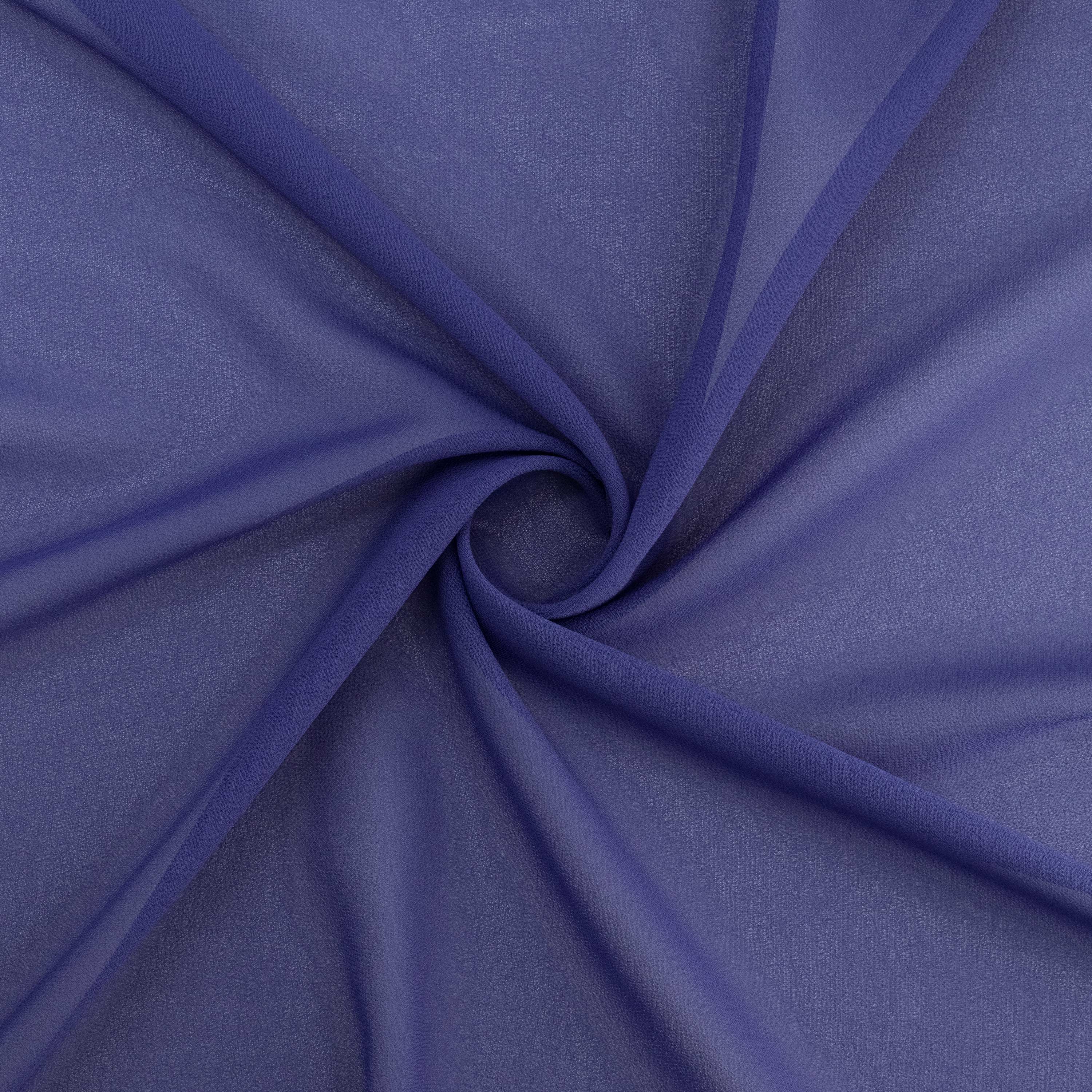
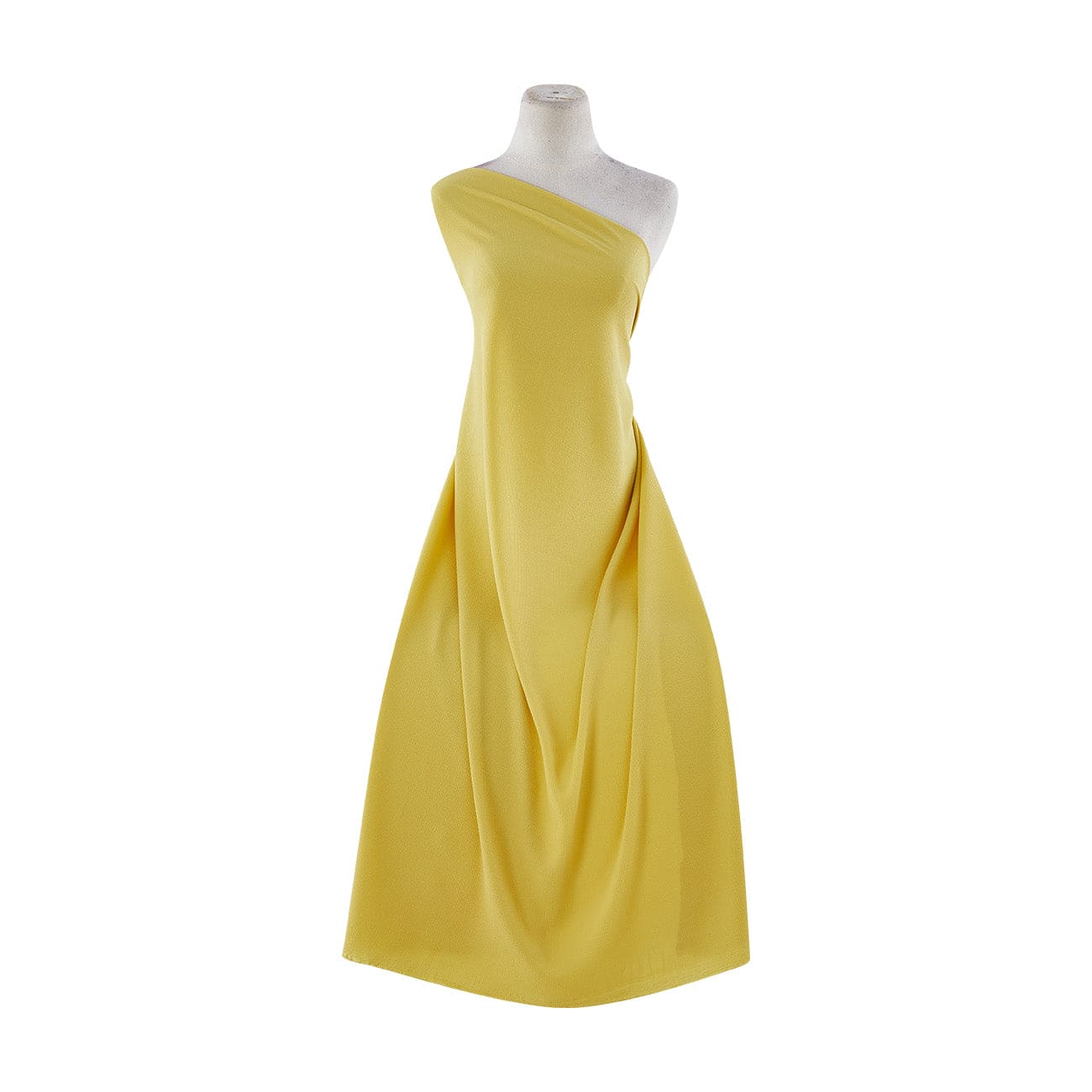
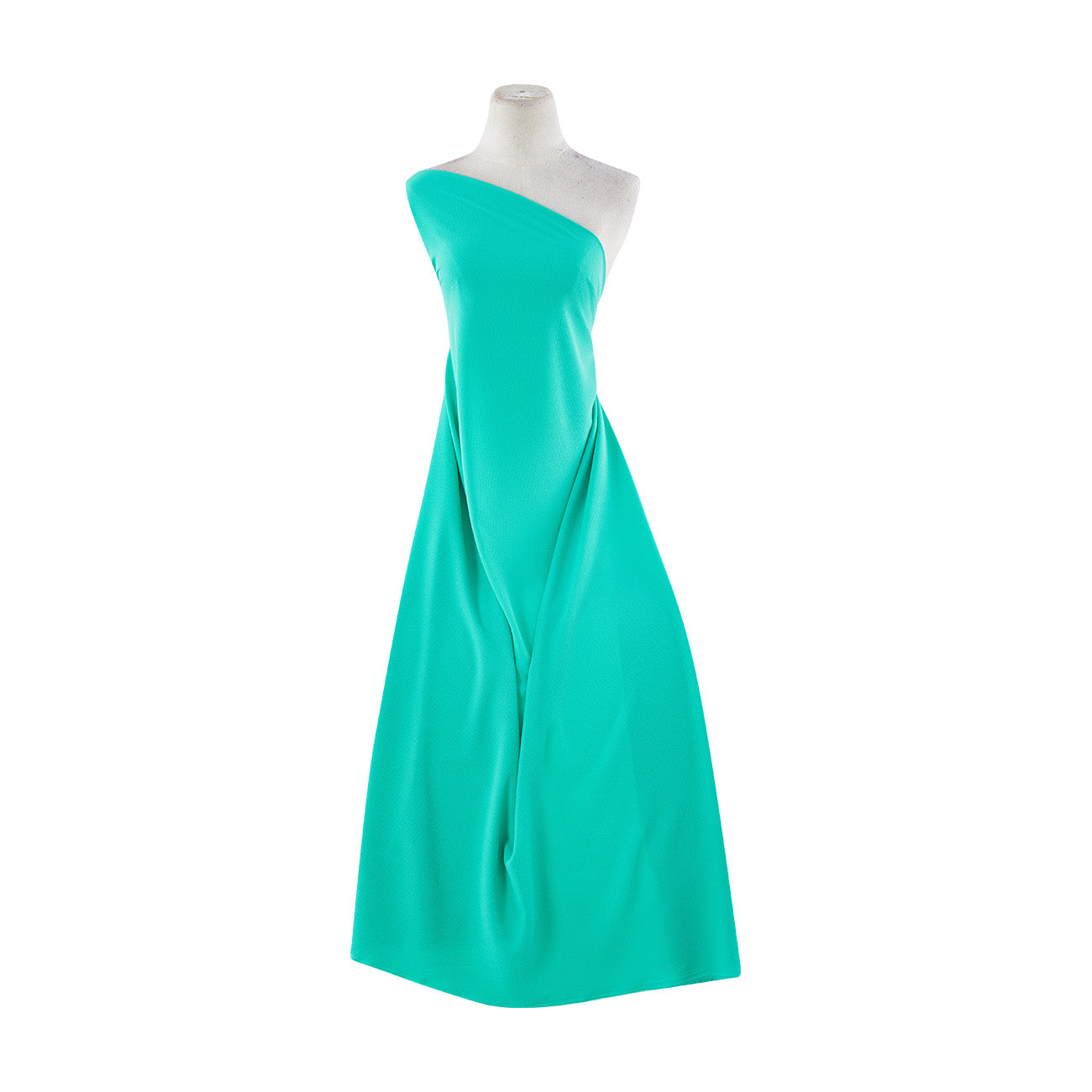
Crepe chiffon's defining advantage over plain chiffon is its additional body and surface stability — qualities that make it more forgiving in construction while retaining the sheer, fluid aesthetic that makes chiffon so enduring in occasion and eveningwear. It suits designs that need chiffon's appearance with more reliable construction behavior.
Eveningwear and Formal Gowns
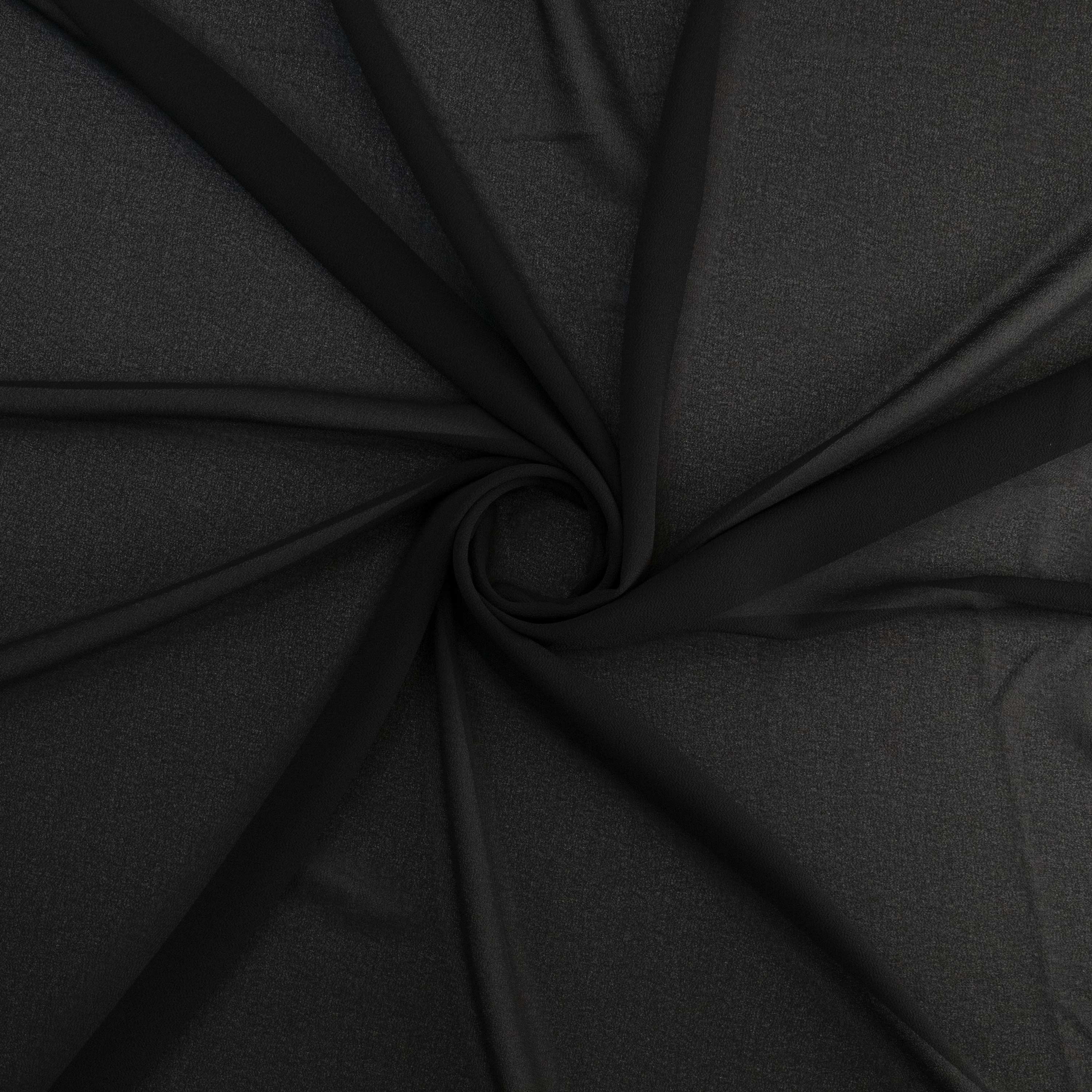
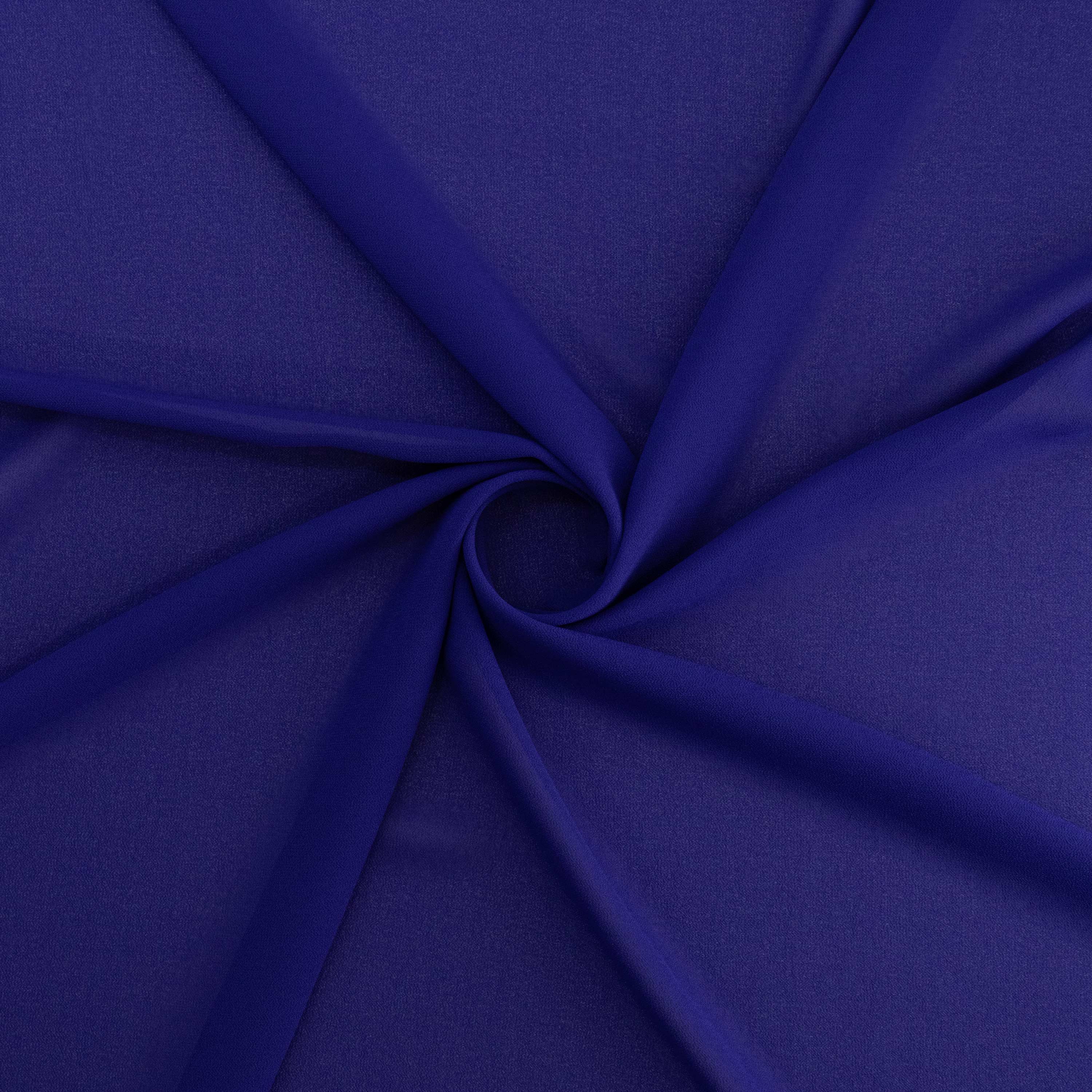
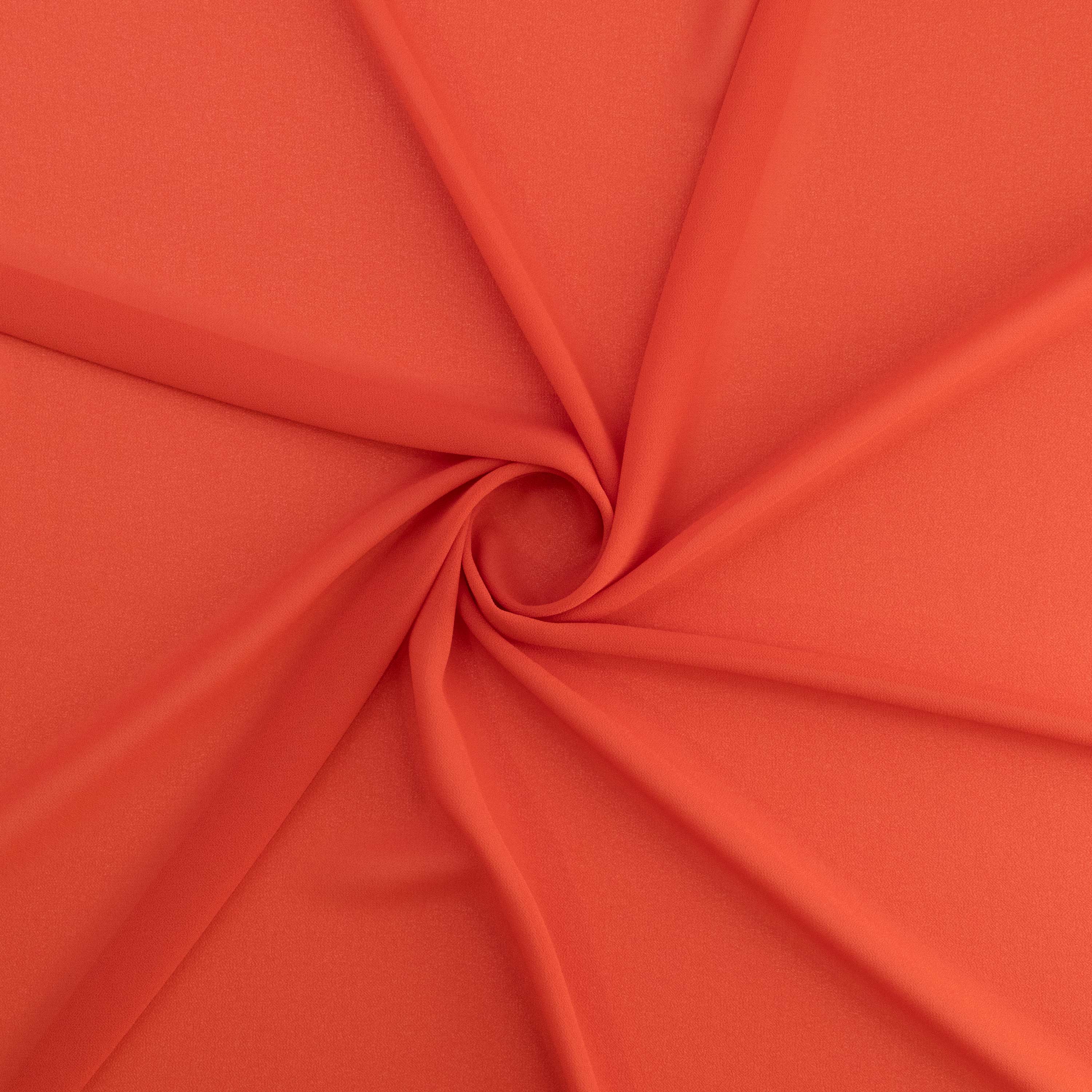
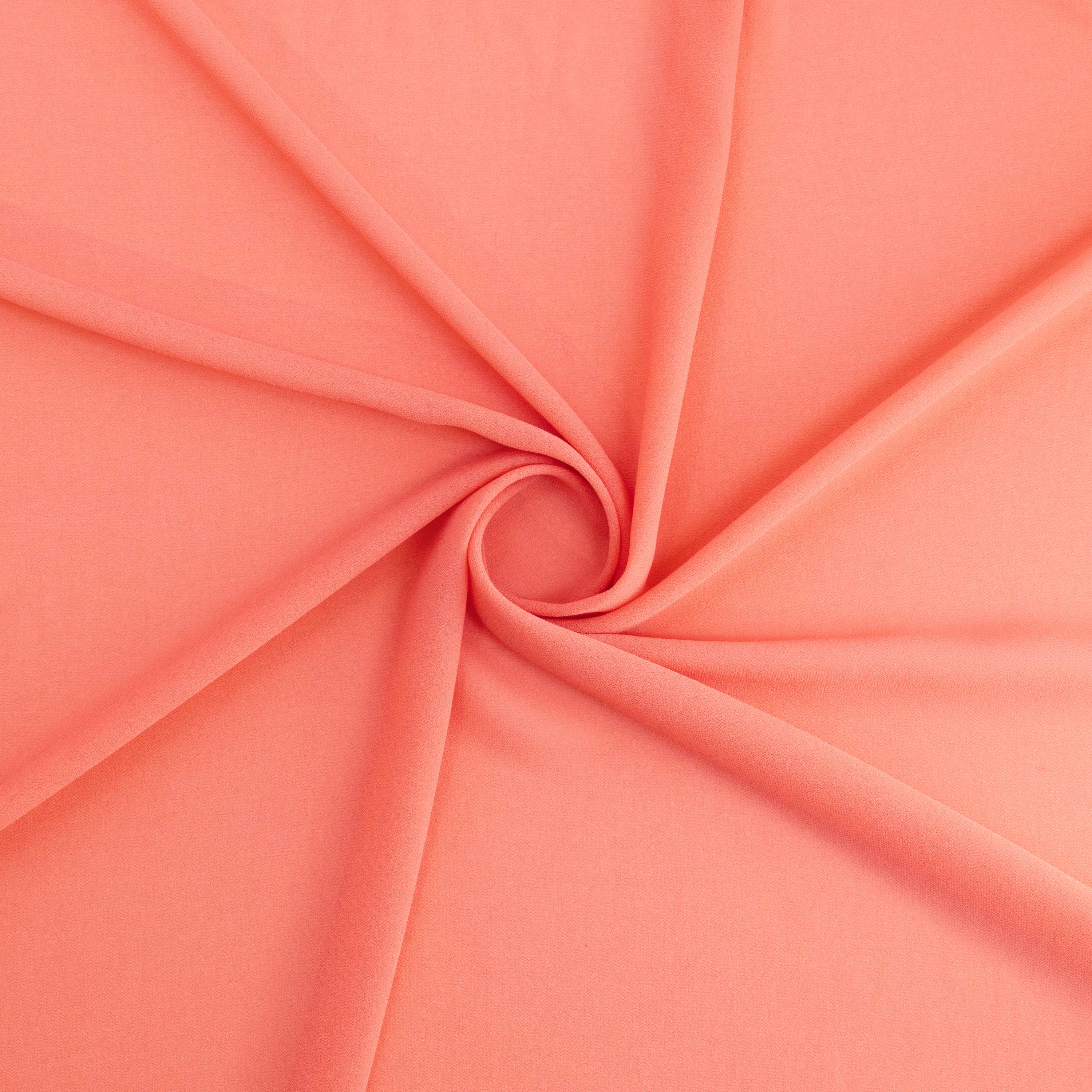
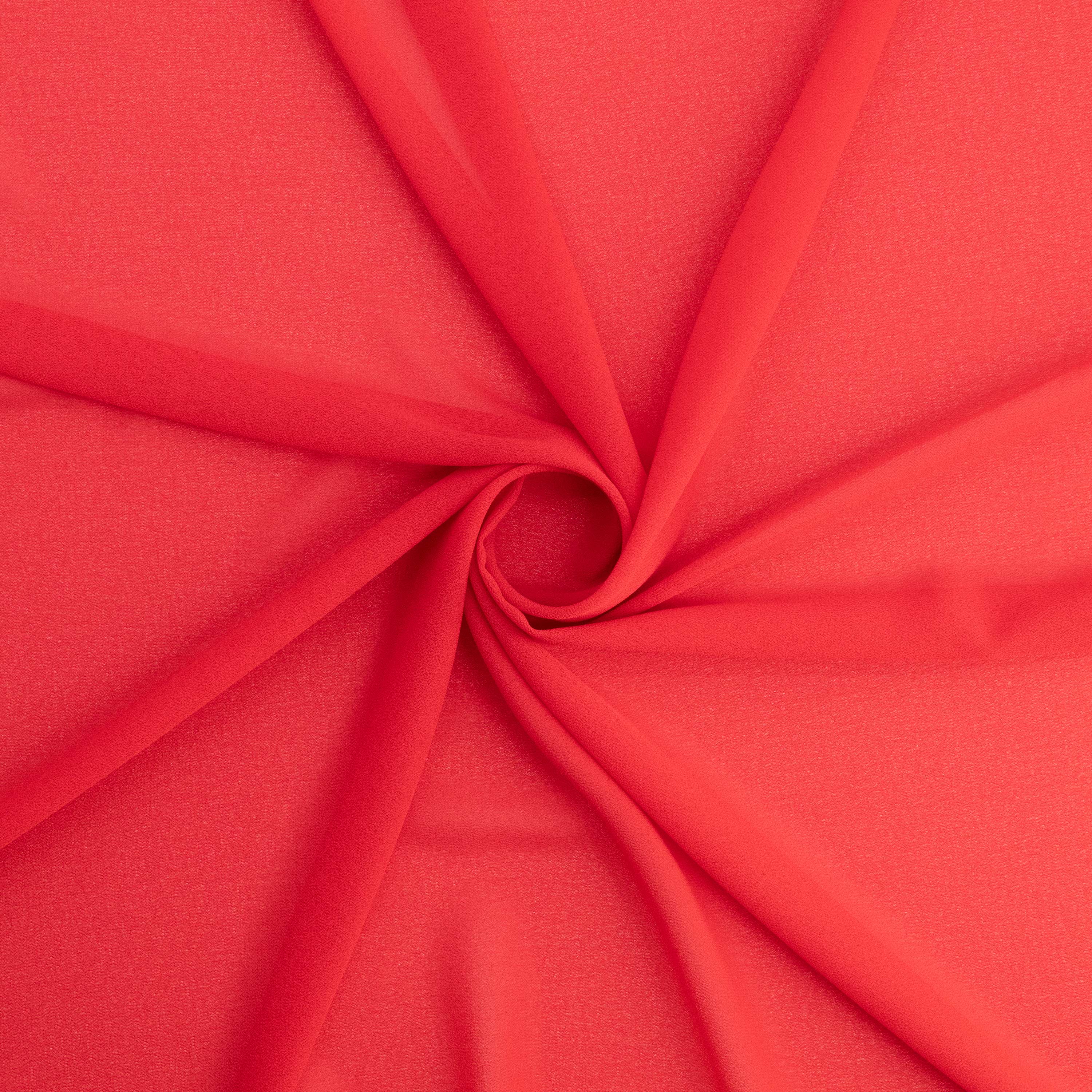
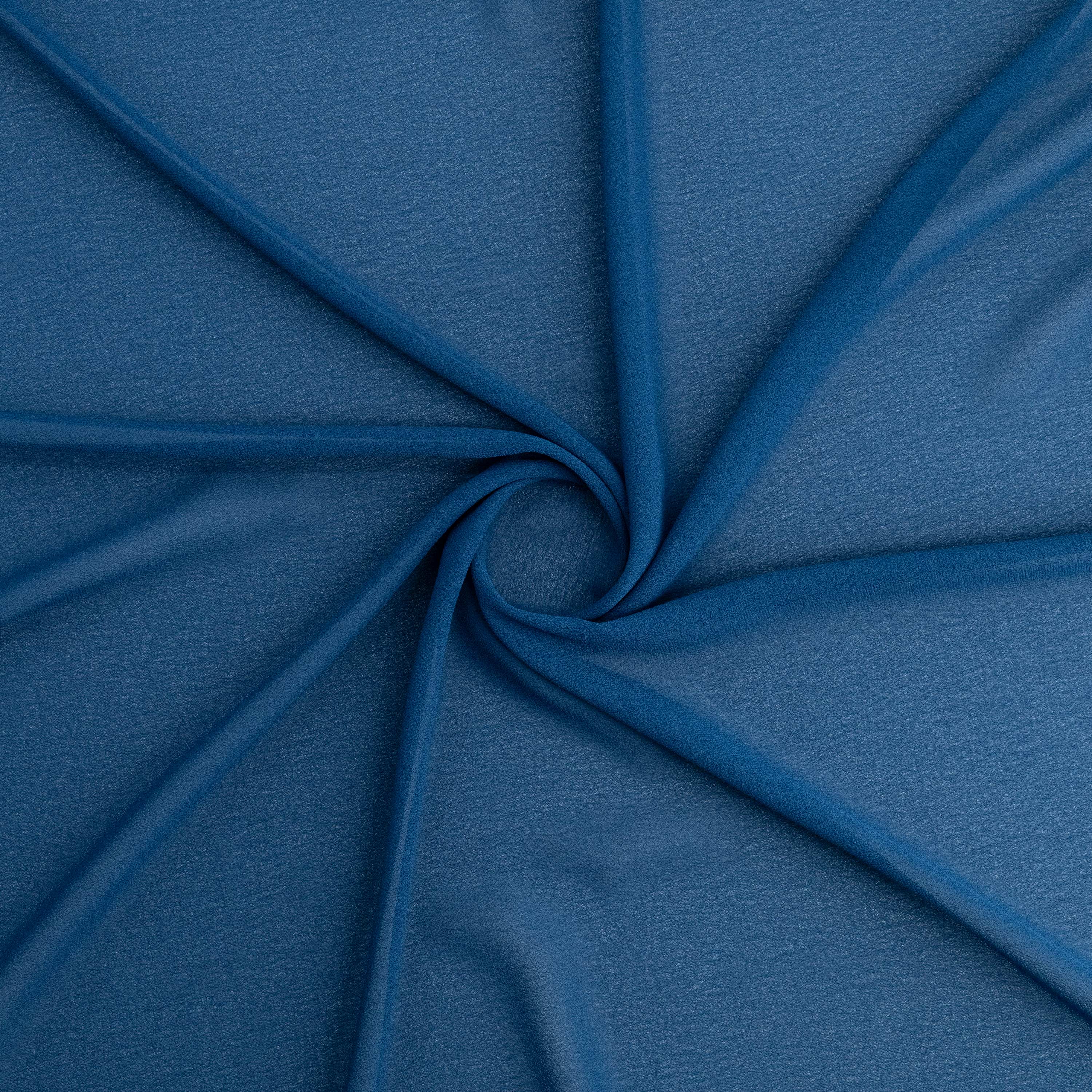
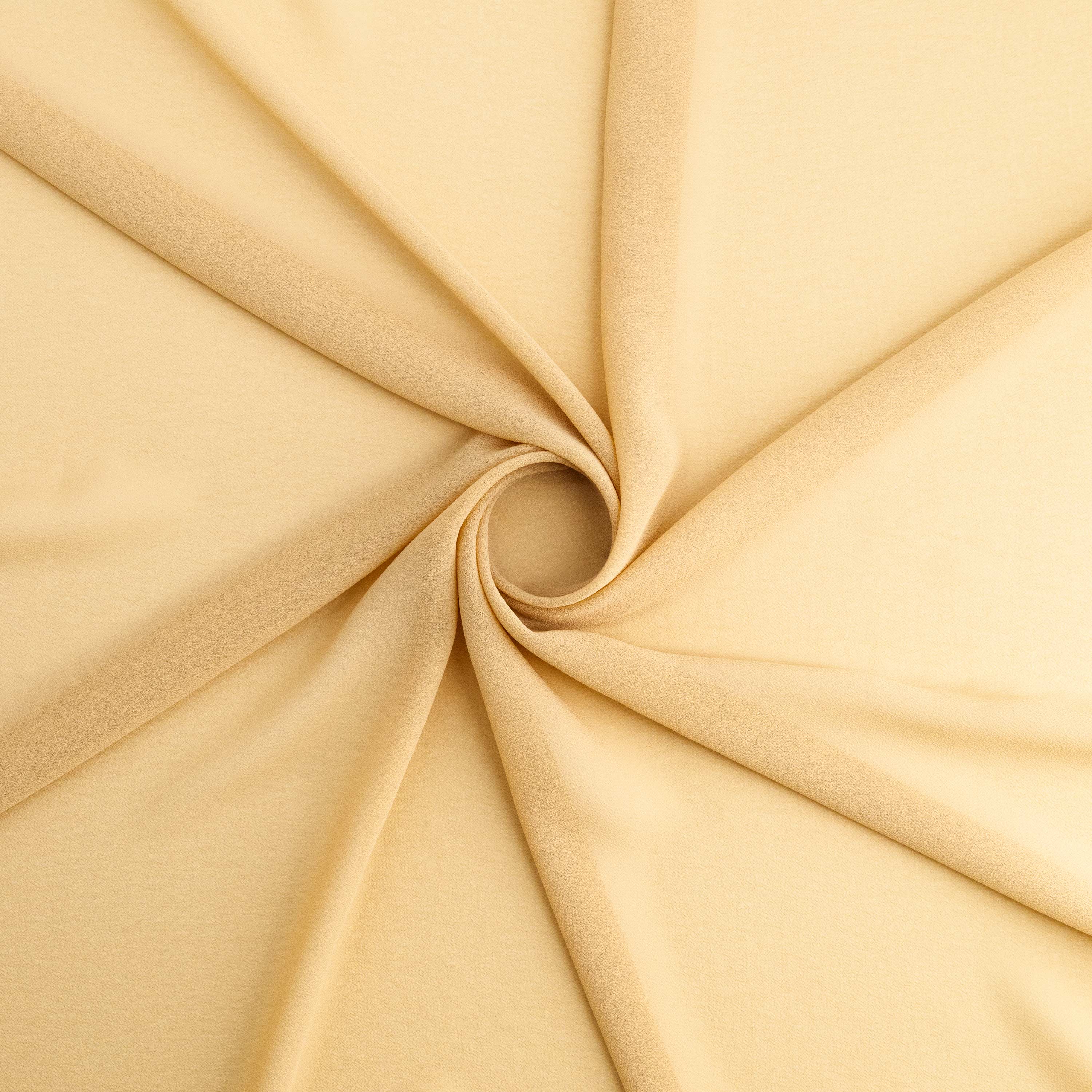
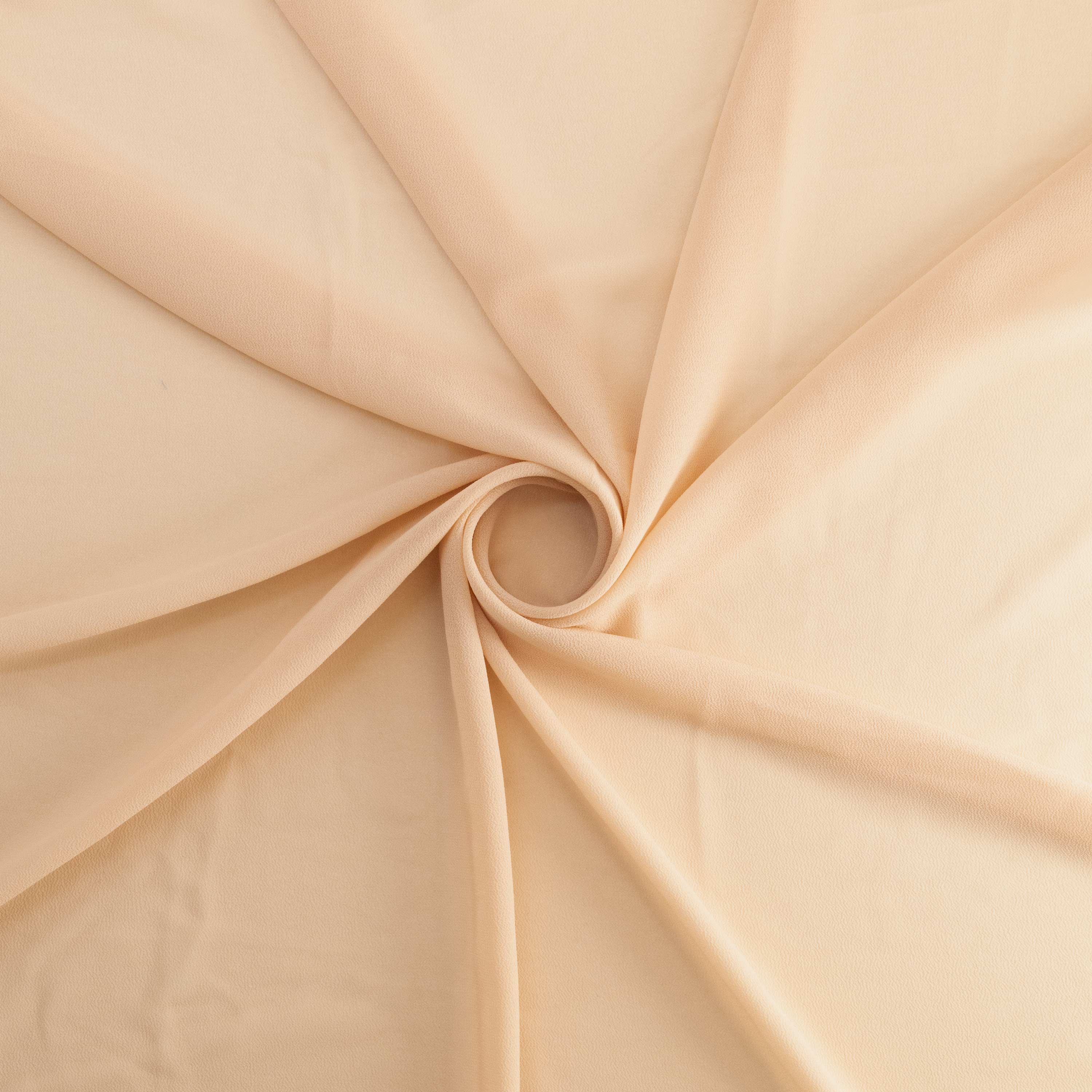
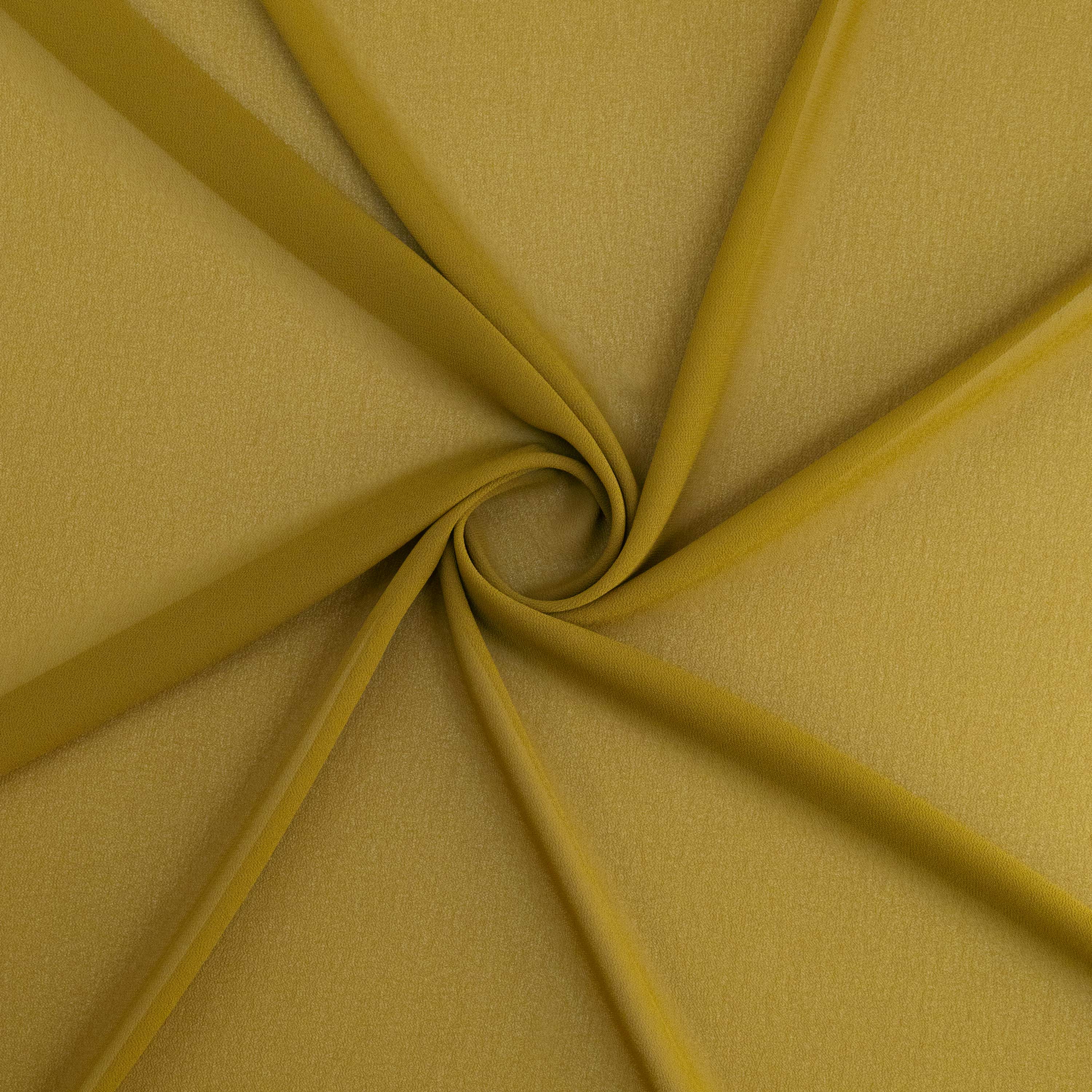
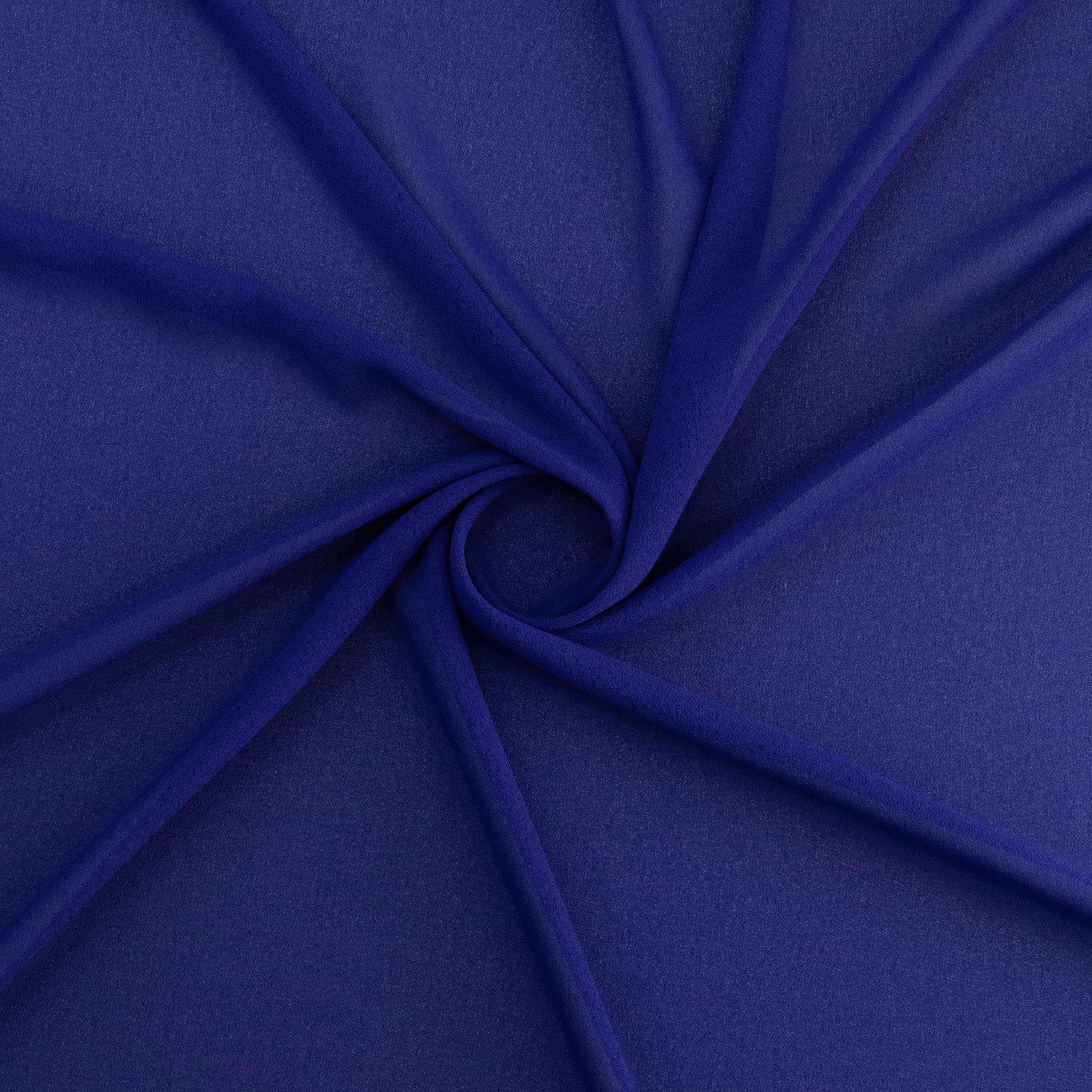
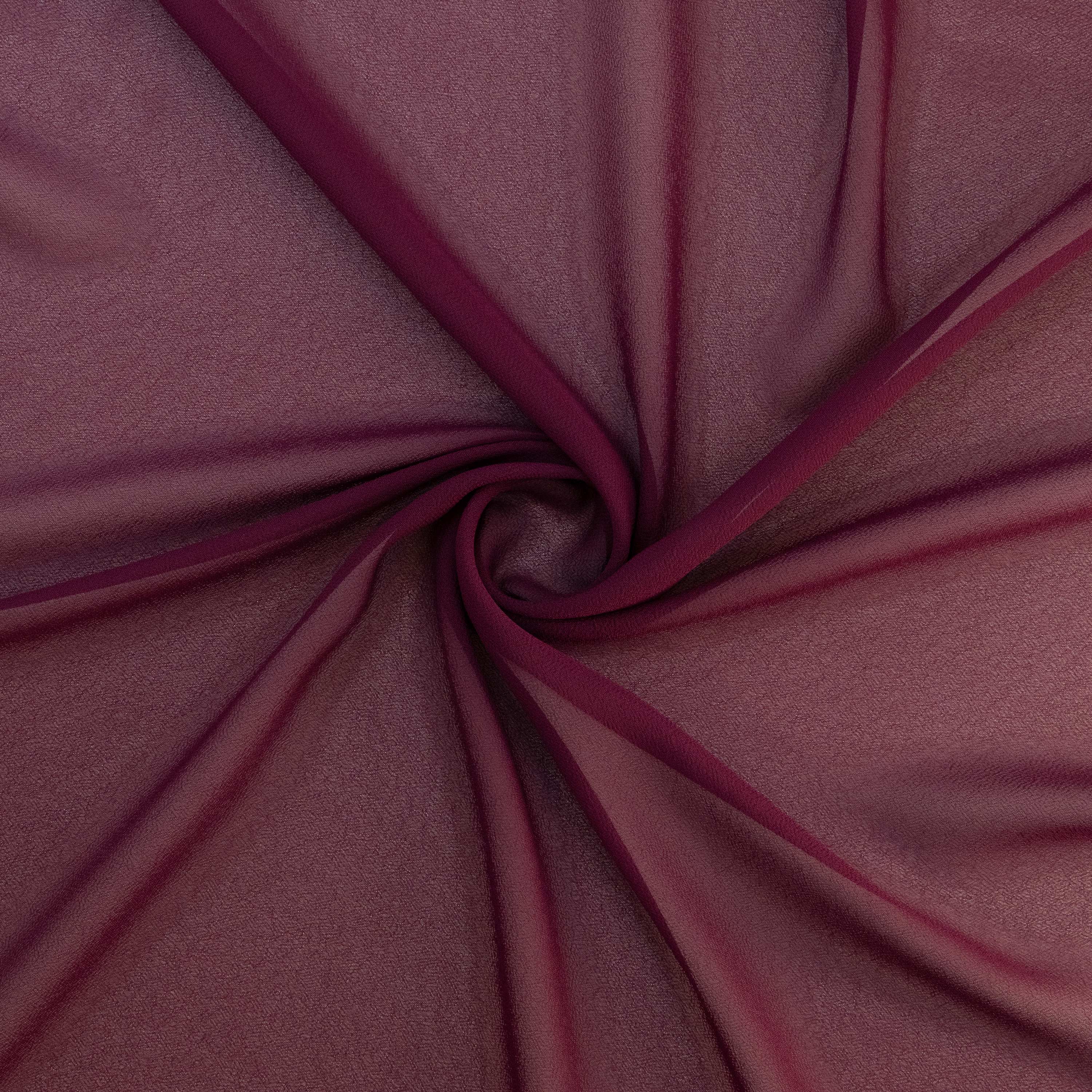
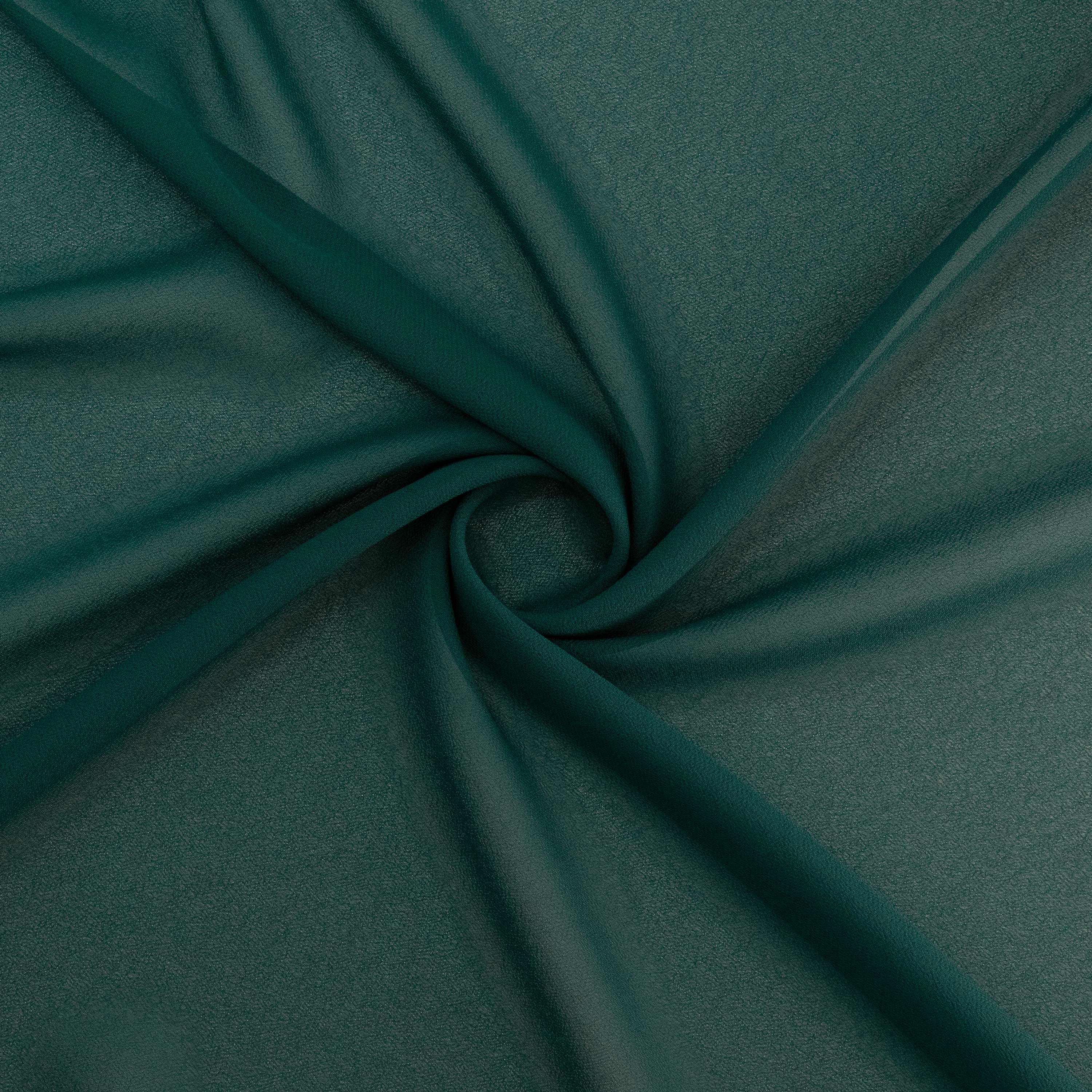
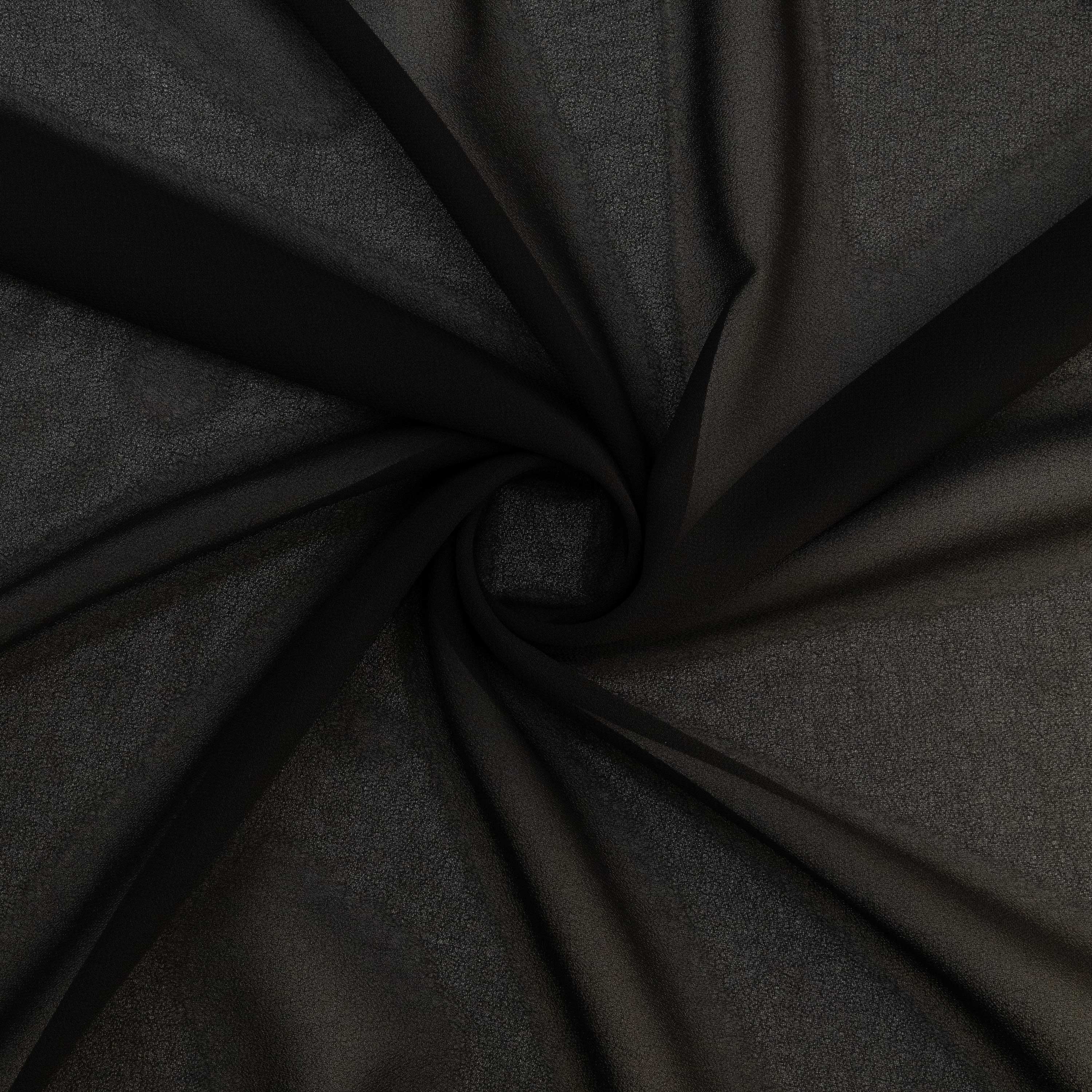
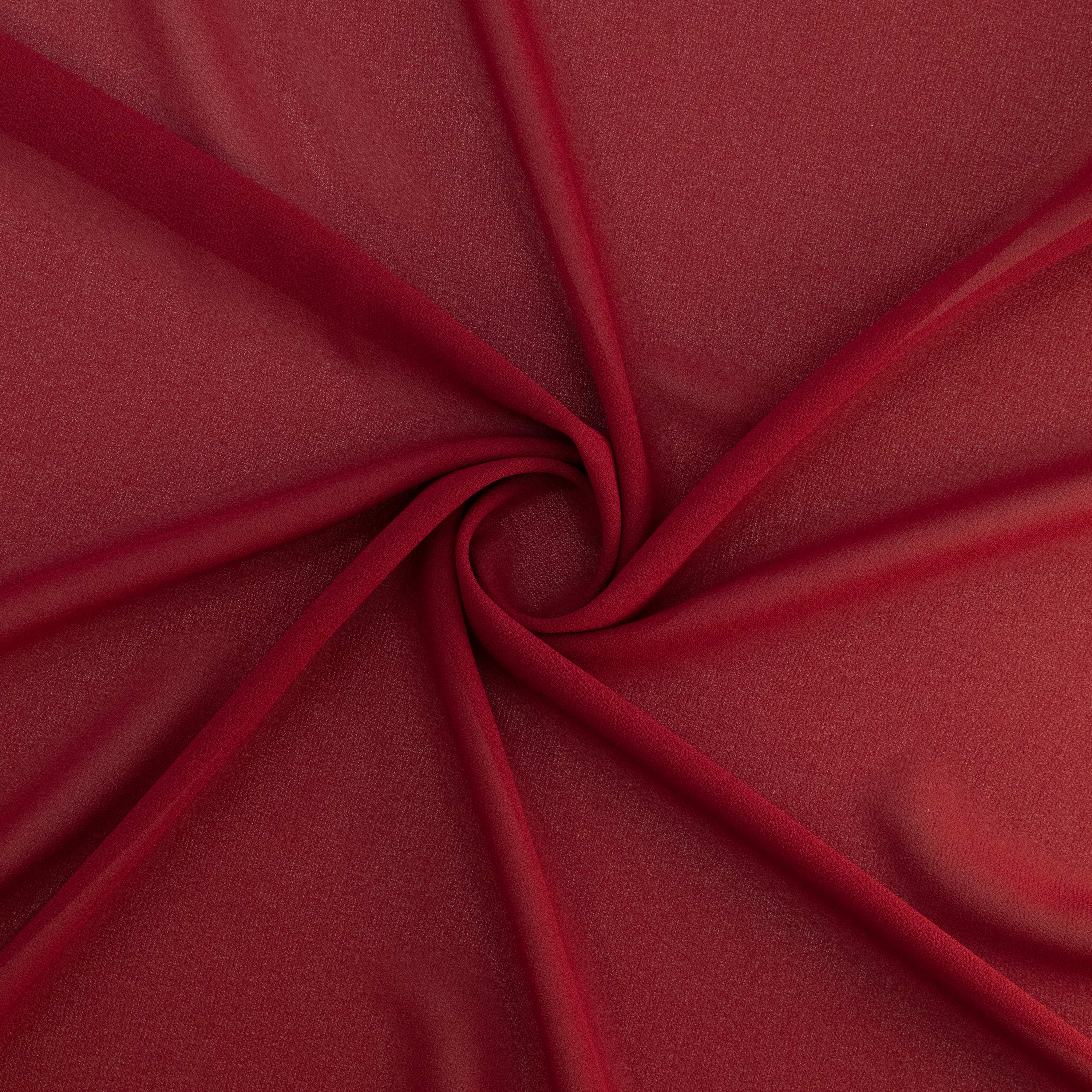
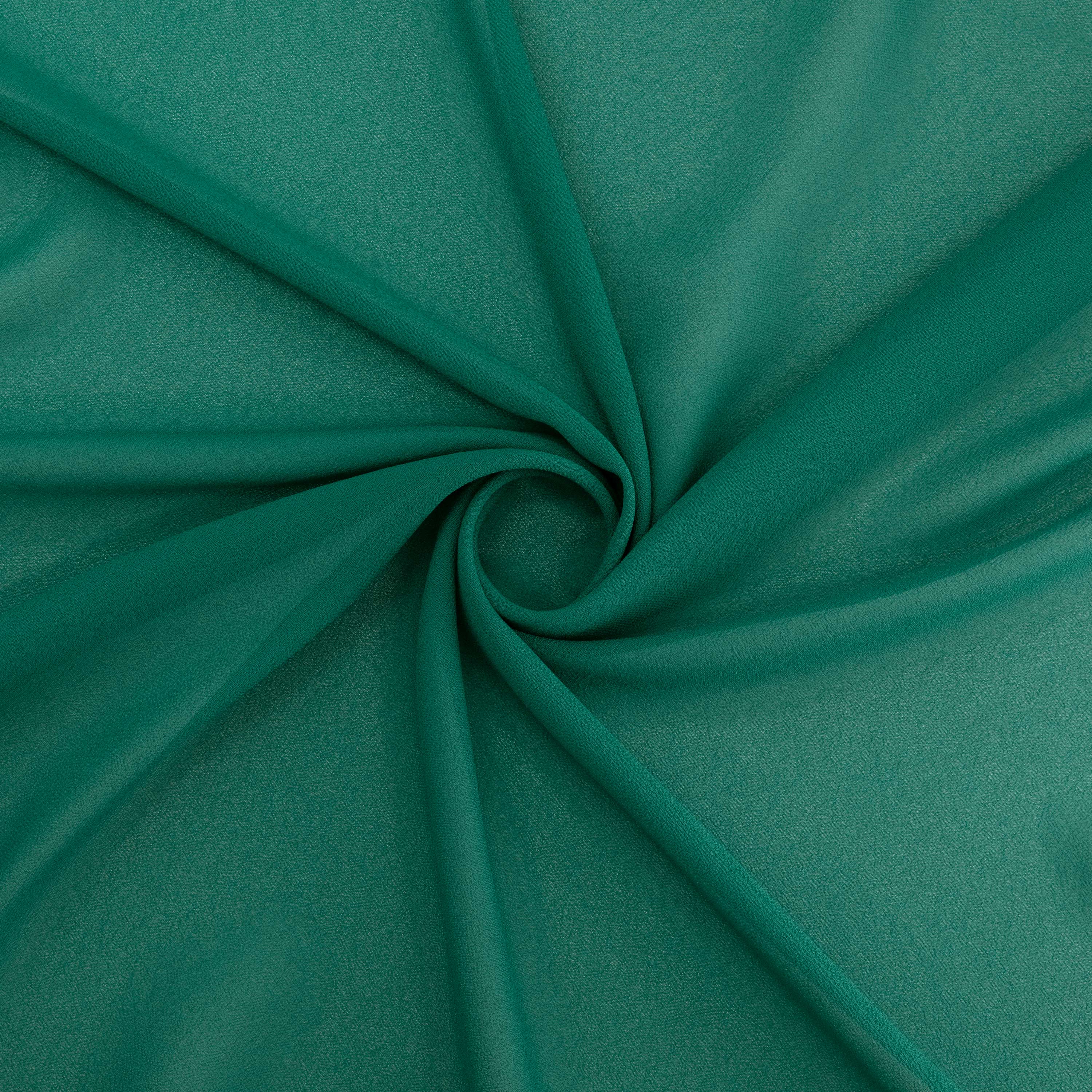
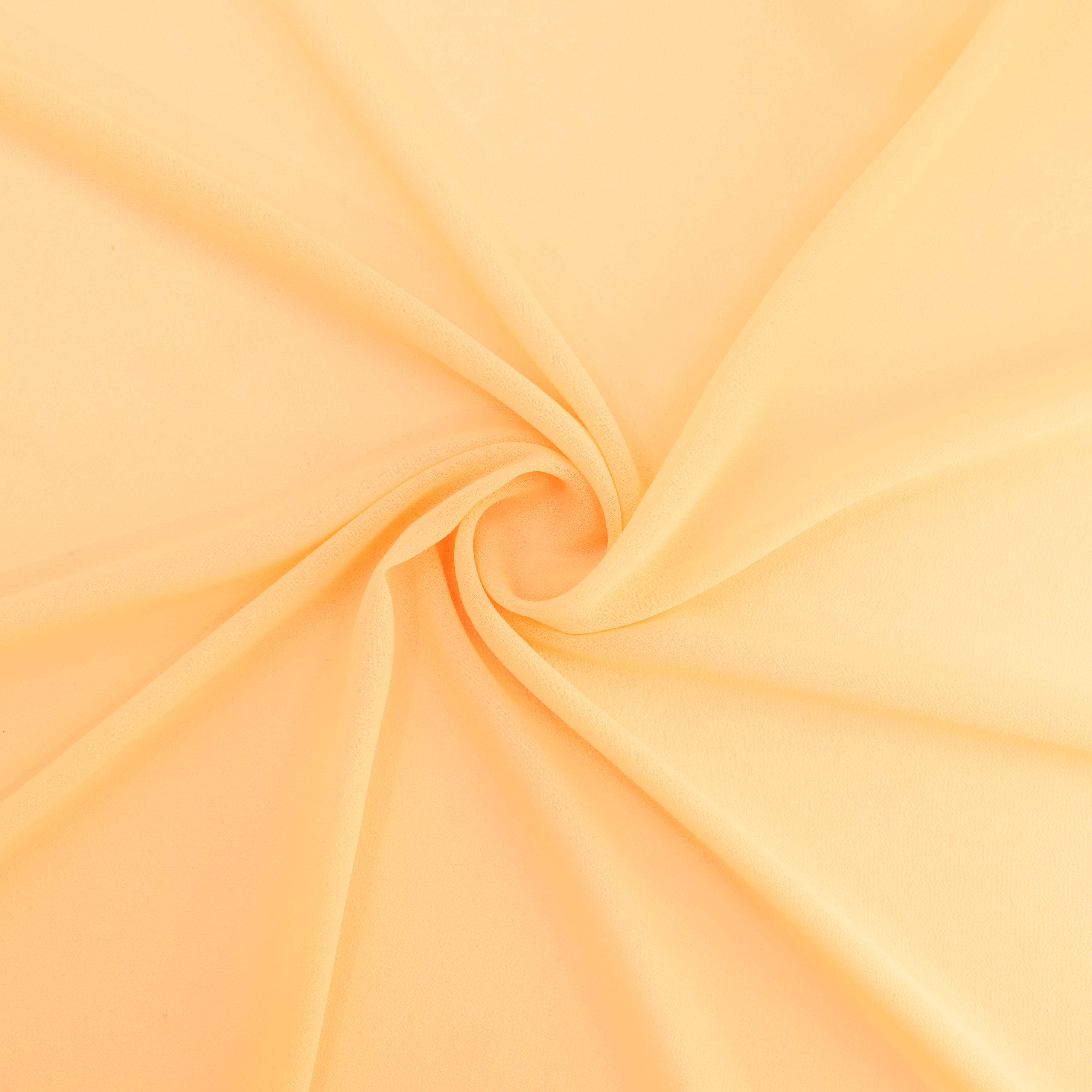
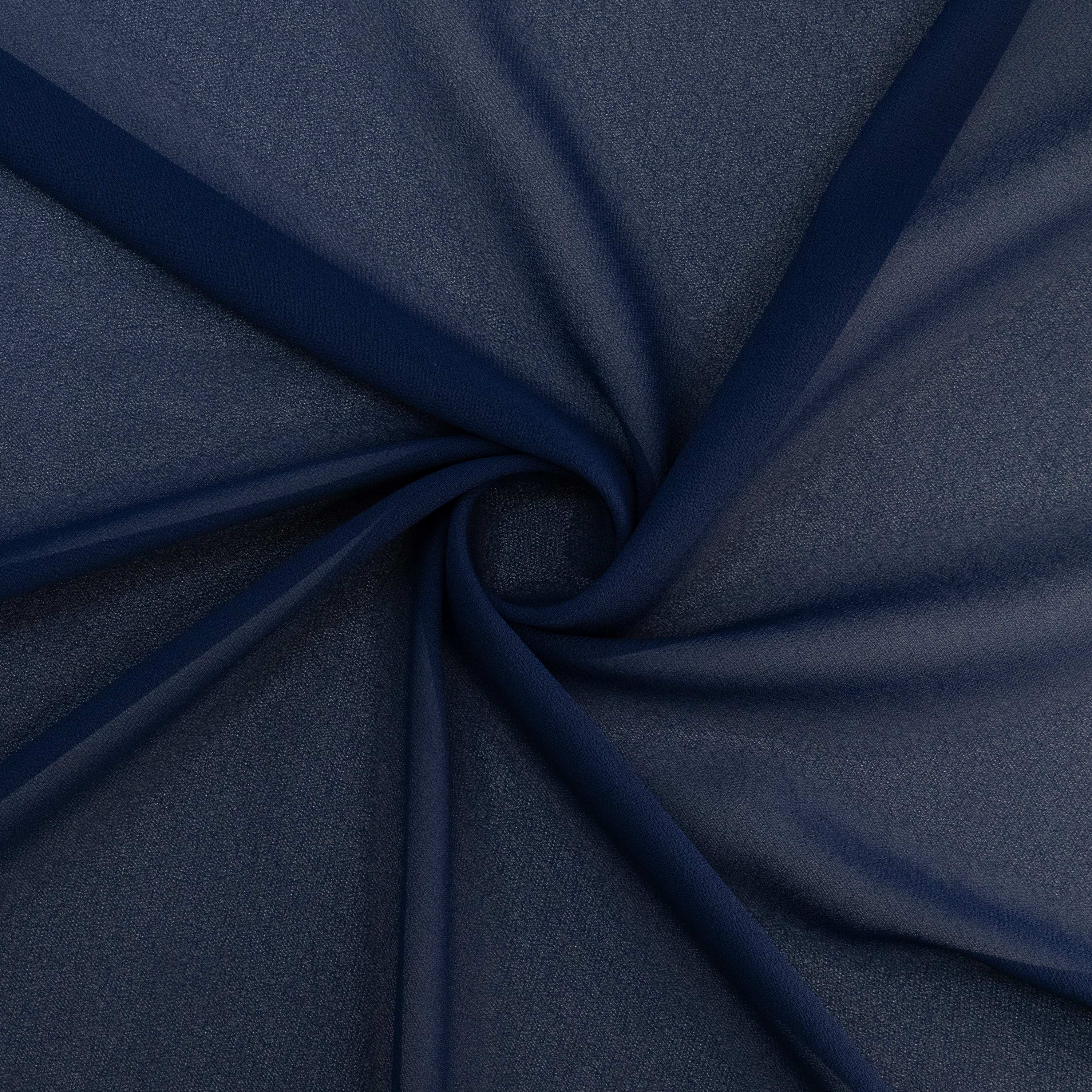
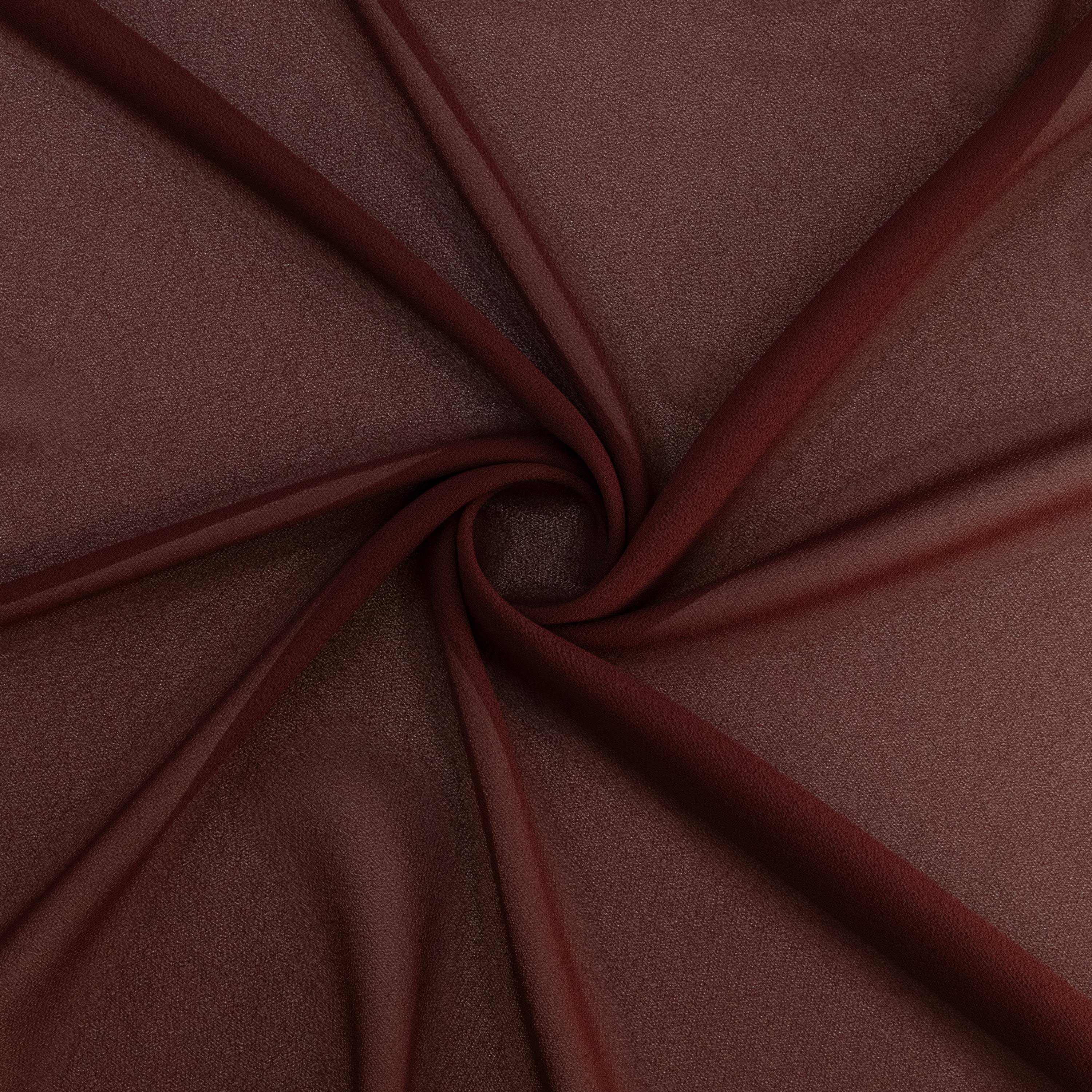
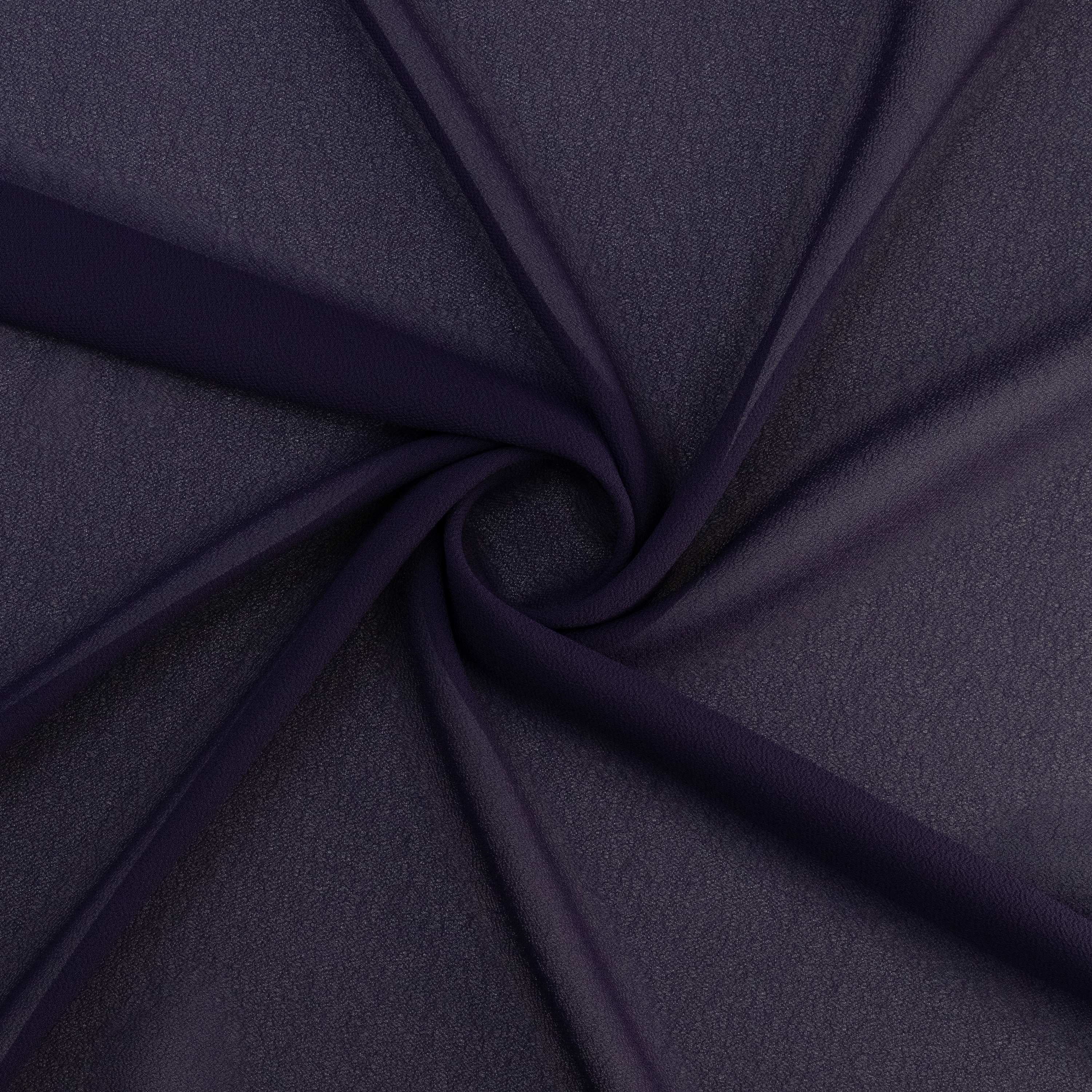
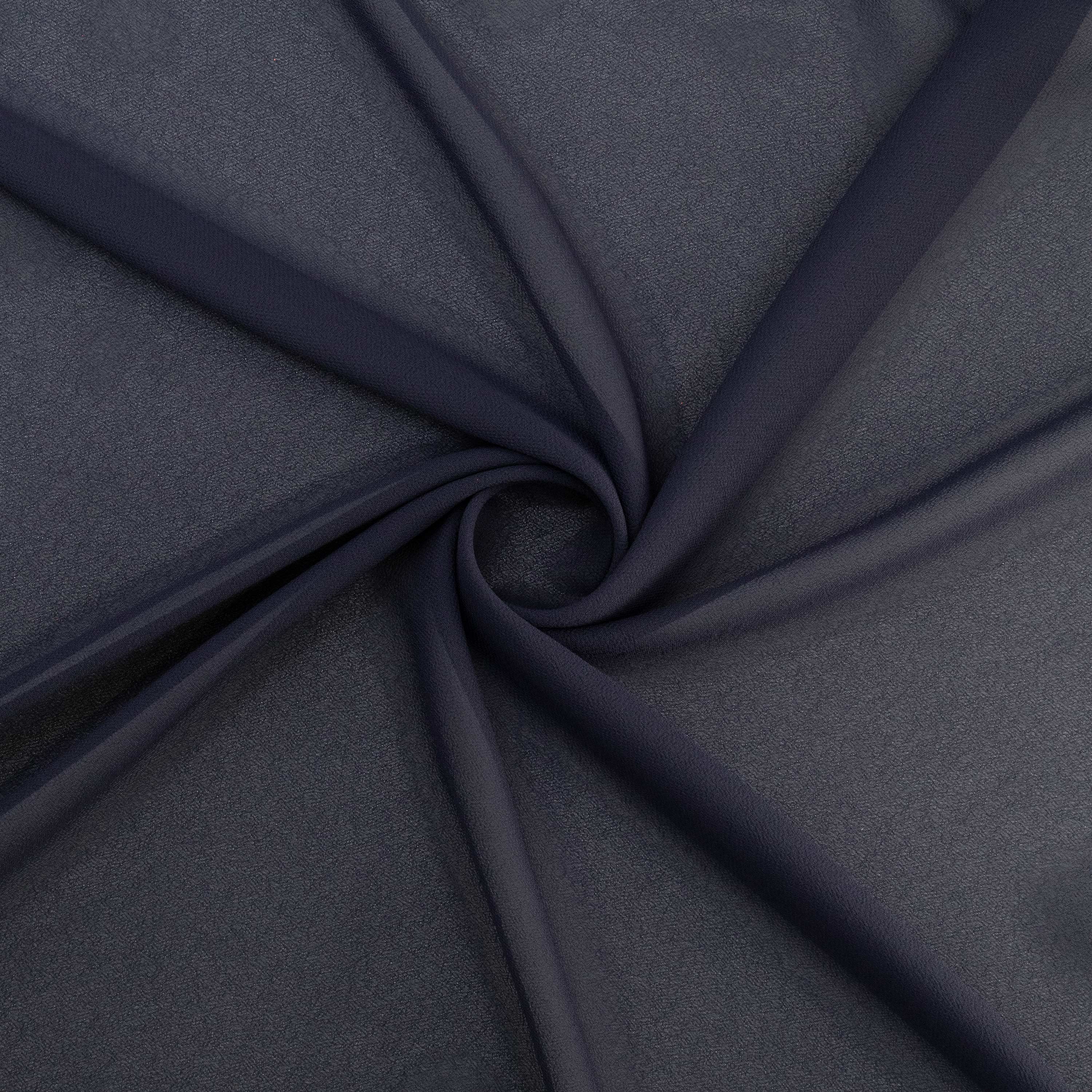
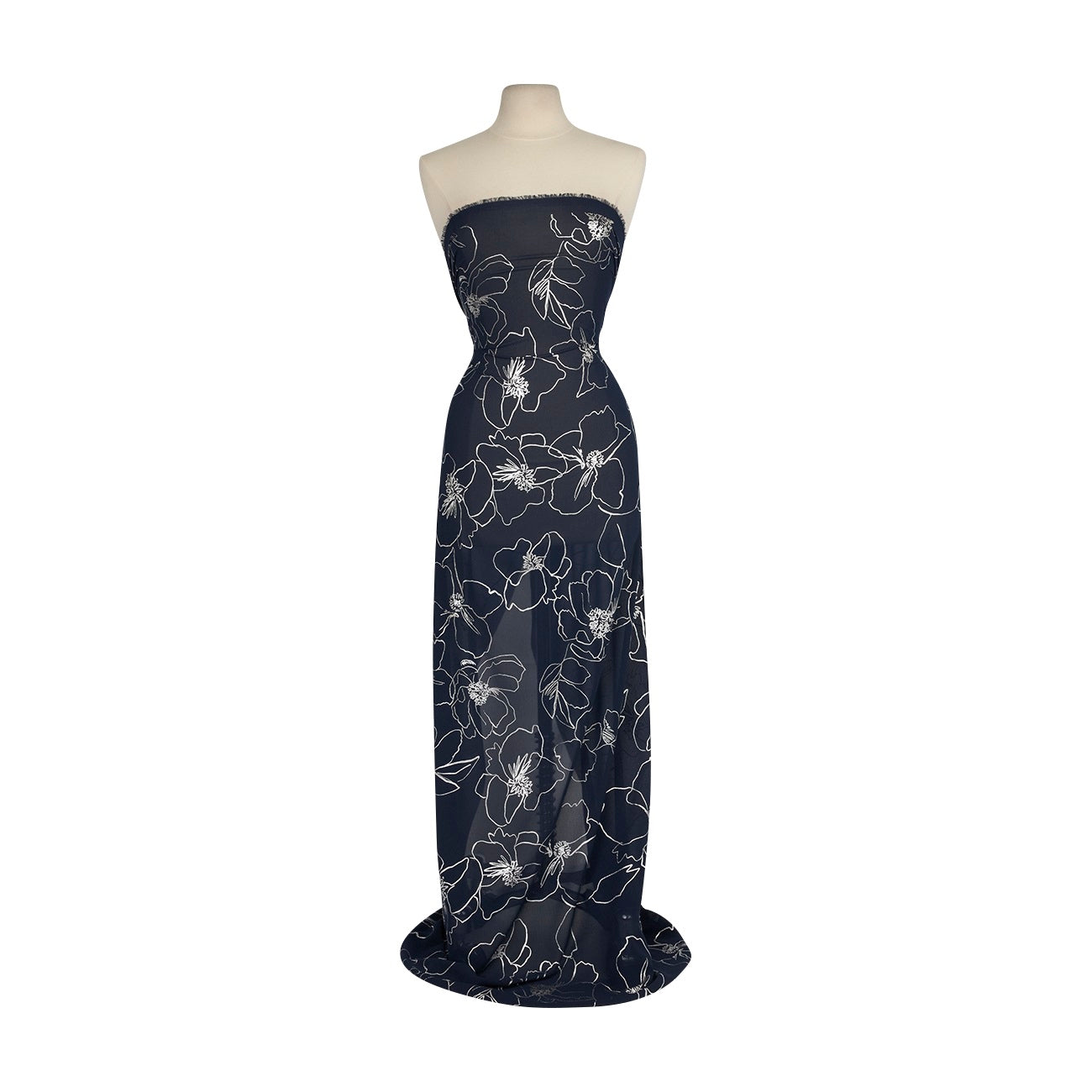
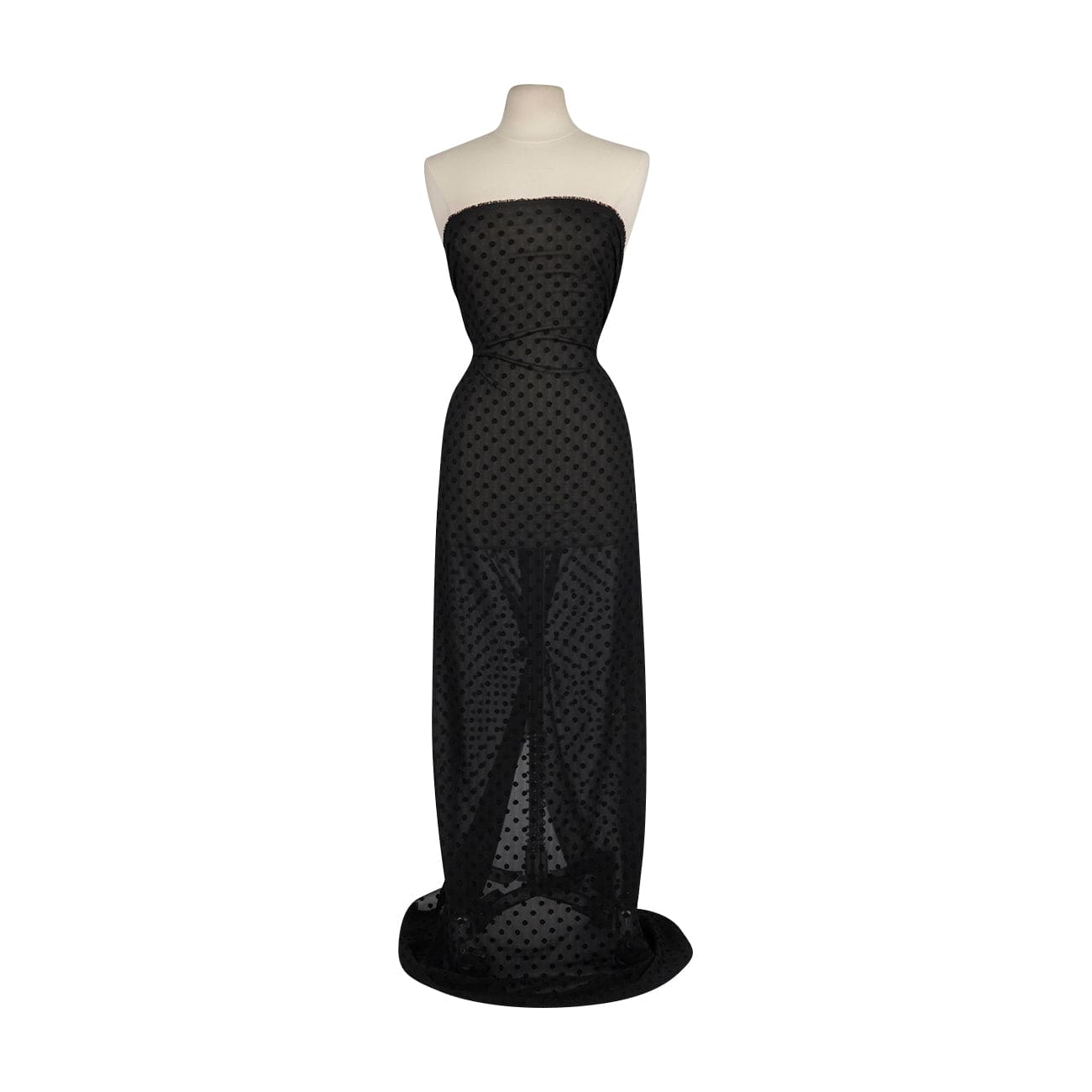
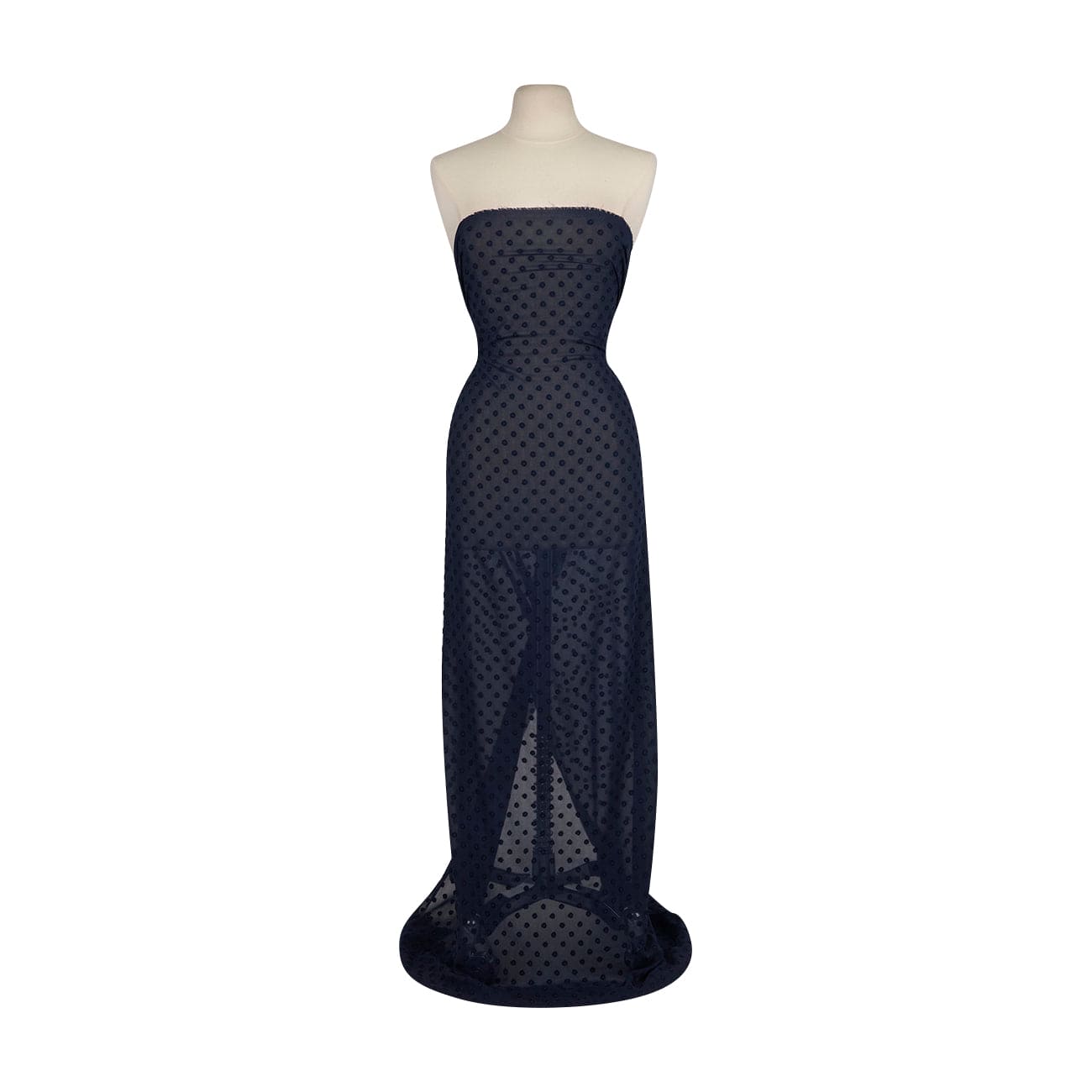
Crepe chiffon in deep, saturated colorways — midnight navy, emerald, black, burgundy — creates evening garments that hold their intended silhouette more consistently than plain chiffon alternatives. The added body of the crepe construction means that fitted bodices, defined waistlines, and structured overlay panels maintain their shape through extended wear in a way that lighter, more fluid chiffons cannot always sustain. For warm, luminous evening palettes, crepe chiffon in champagne and antique gold tones coordinates naturally with gold chiffon fabric in sheer overlay sections — the crepe provides structural grounding while the plain gold chiffon carries the luminosity and movement above it.
Blouses and Professional Dressing
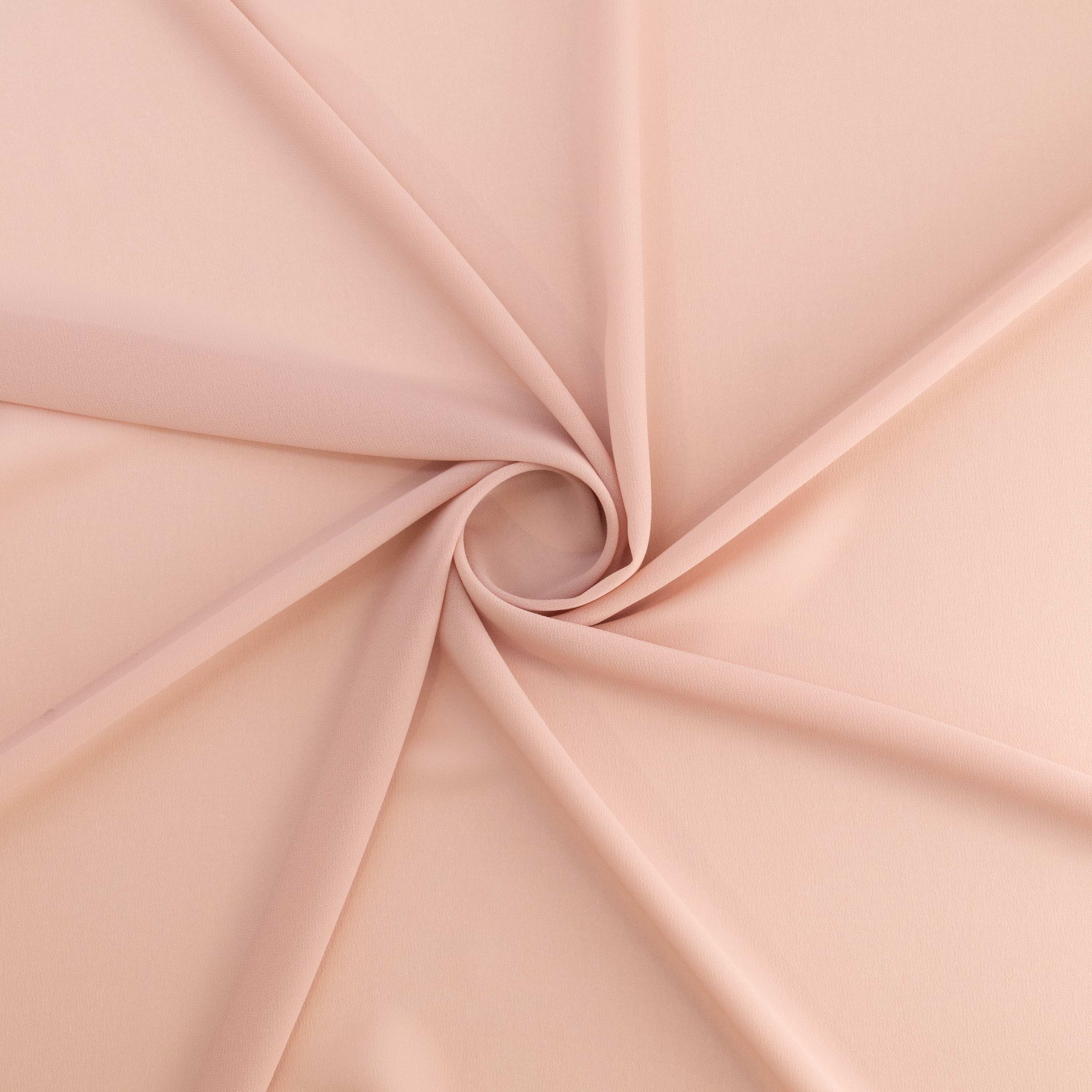
Crepe chiffon's added stability makes it the most workroom-friendly chiffon construction for blouses and professional occasion tops. Its slight surface texture prevents the slipping and shifting that makes cutting and sewing plain chiffon challenging, and its additional body means finished garments hold their shape through a full day of wear without requiring heavy underlining. A crepe chiffon blouse drapes with the same elegance as its plain chiffon counterpart but behaves significantly more predictably on the body and through repeated wearing.
Occasion and Bridesmaids Dressing
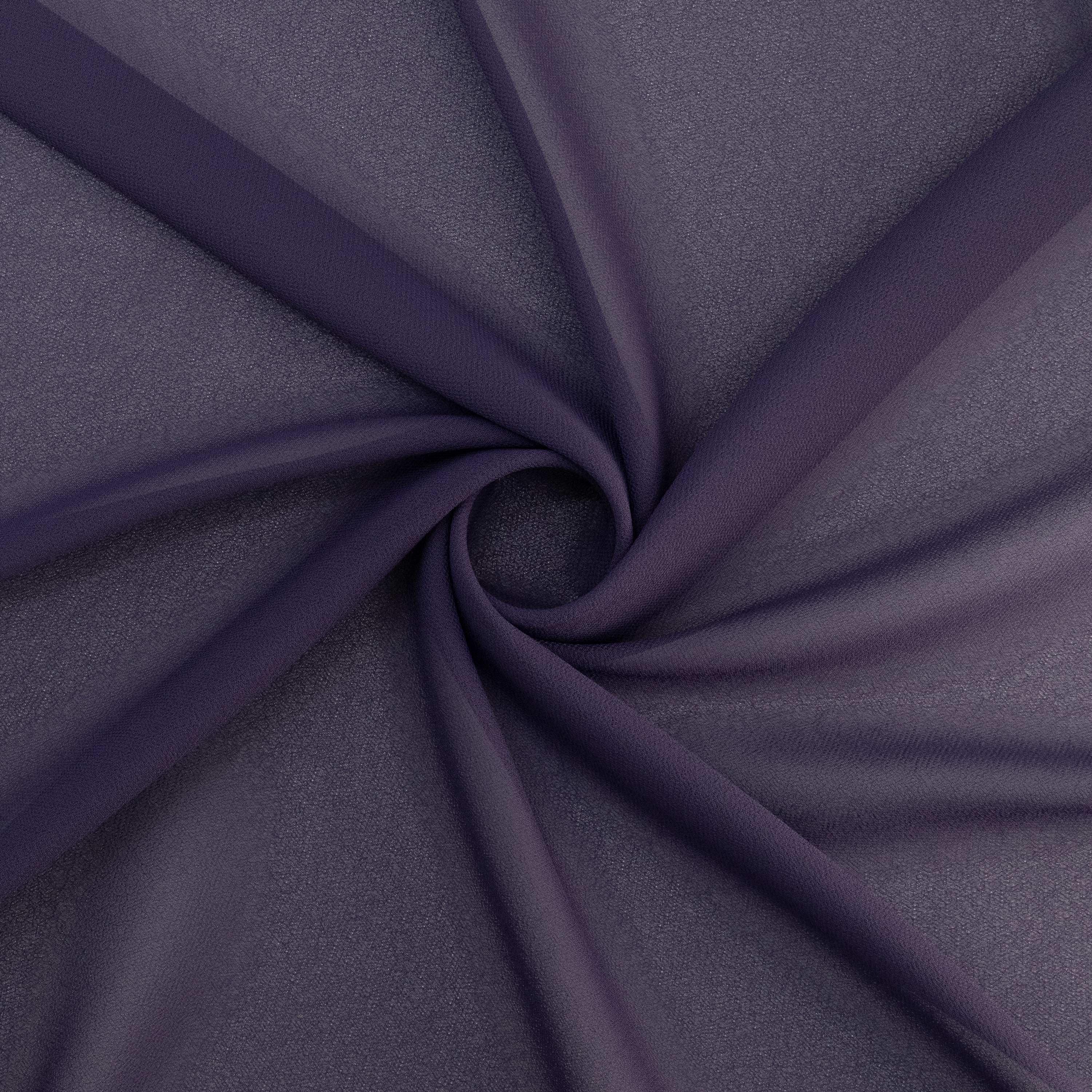
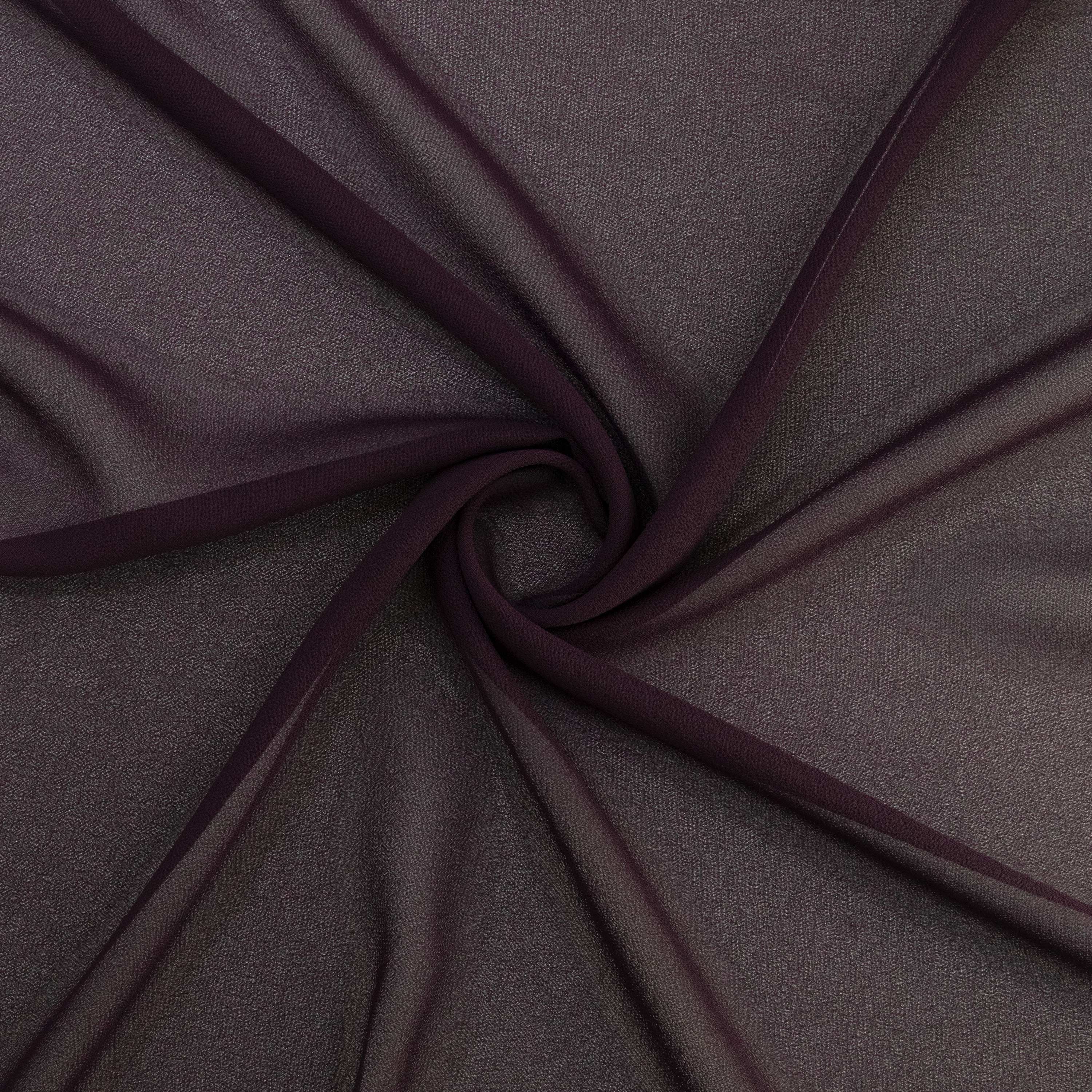
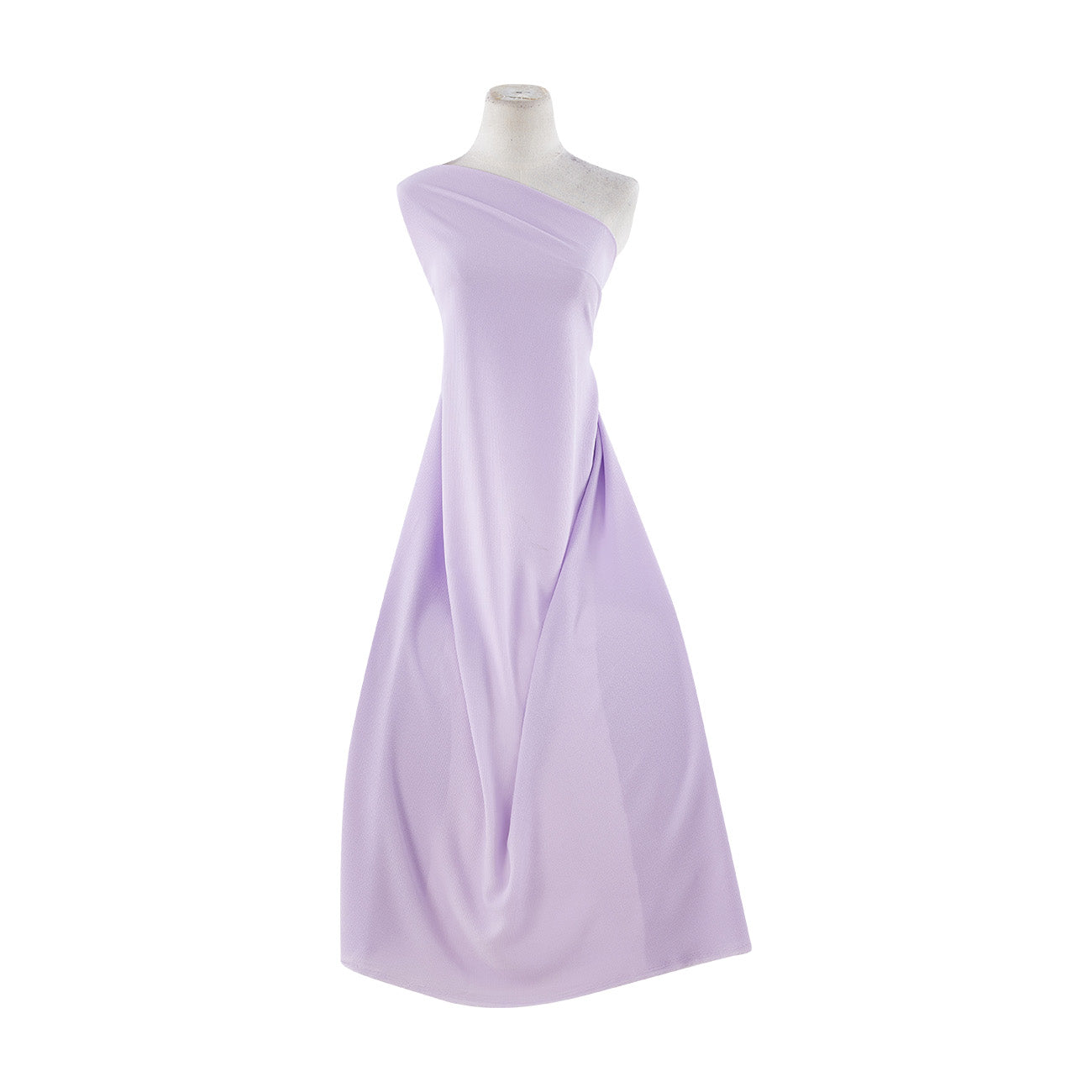
Crepe chiffon suits occasion dressing where the expectation is a refined, polished appearance rather than maximum fluid movement. Its slightly more structured drape creates cleaner lines in defined silhouettes — A-line, fit-and-flare, and paneled skirt constructions all benefit from crepe chiffon's added body, which prevents the fabric from collapsing or clinging in the way that very lightweight plain chiffon occasionally does. For regal and jewel-toned occasion palettes, crepe chiffon in deep violet and amethyst coordinates naturally with purple chiffon fabric in plain or iridescent construction — the crepe provides grounding while the plain purple chiffon carries movement and layered depth.
Mixed-Fabric Designs
Crepe chiffon's most valuable design application may be as the structural companion fabric in mixed-fabric designs where plain, iridescent, or embellished chiffon is used for the most decorative and visible sections. A gown bodice in crepe chiffon provides the construction stability needed for seaming, boning channels, and fitted sections, while an overlay skirt in plain or iridescent chiffon fabric carries the visual drama and movement. The two fabrics share enough aesthetic DNA — sheer, fluid, lightweight — that the combination reads as cohesive rather than mismatched, while the crepe's added body ensures the construction is sound.
Draped and Wrapped Styles
The additional body in crepe chiffon makes it particularly well suited to draped and wrapped constructions — styles that rely on the fabric holding a fold, a drape, or a gathered section in place rather than collapsing under its own weight. Wrap dresses, cowl-neck bodices, and draped skirt styles in crepe chiffon hold their intended shape more reliably than the same constructions in lighter plain chiffon, creating a more consistently polished result through extended wear and movement.
For the full range of chiffon styles, weights, and finishes, explore our complete chiffon fabric hub.
Why Choose Crepe Chiffon
Crepe chiffon earns its place in the workroom because it resolves the central tension in working with plain chiffon — the conflict between a fabric that looks extraordinary and one that is genuinely practical to cut, sew, and wear. Plain chiffon's lightweight, slippery construction demands specialist handling, precise equipment, and experienced technique to produce consistently professional results. Crepe chiffon's added surface texture and body reduce these demands significantly without changing the essential aesthetic character of the finished garment.
For designers working at production scale, crepe chiffon's construction advantages translate directly into efficiency — fewer handling errors, more consistent seam quality, and better shape retention in finished garments that need to perform across multiple wearings. For home sewists and smaller-scale makers, the forgiving nature of crepe chiffon's surface makes it a genuinely accessible entry point into working with sheer fabrics without the frustration that plain chiffon can introduce.
Crepe chiffon also occupies an important position as a companion fabric in designs that combine multiple chiffon types. Alongside iridescent chiffon fabric, crepe chiffon provides structural grounding for construction sections where the iridescent's light-shifting surface is not needed but the overall aesthetic needs to remain consistent with the sheer chiffon family. Alongside glitter chiffon fabric, crepe chiffon in a coordinating matte tone creates a sophisticated contrast between a stable textured surface and an explicitly embellished one — the restraint of the crepe makes the glitter sections read as more intentional and considered.
Fabric Types and Use Cases
|
Fabric Type |
Best Used For |
|
Crepe Chiffon in Neutrals |
Blouses, professional occasion tops, draped separates |
|
Crepe Chiffon in Deep Tones |
Formal gowns, structured occasion dresses, evening separates |
|
Crepe Chiffon in Champagne/Gold |
Warm occasion dressing, bridal separates, formal mixed-fabric designs |
|
Luminous occasion pieces, warm-toned formal gowns, festive dressing |
|
|
Regal occasion dressing, deep formal colorways, jewel-toned designs |
|
|
Mixed-fabric formal gowns, structured shimmer designs |
|
|
Festive occasion pieces, controlled sparkle formal designs |
|
|
Crepe Chiffon for Linings |
Underlining for plain or embellished chiffon garments |
|
Crepe Chiffon Blouse Weight |
Professional dressing, everyday occasion tops, polished separates |
How to Choose the Right Crepe Chiffon
Weight and Crepe Intensity
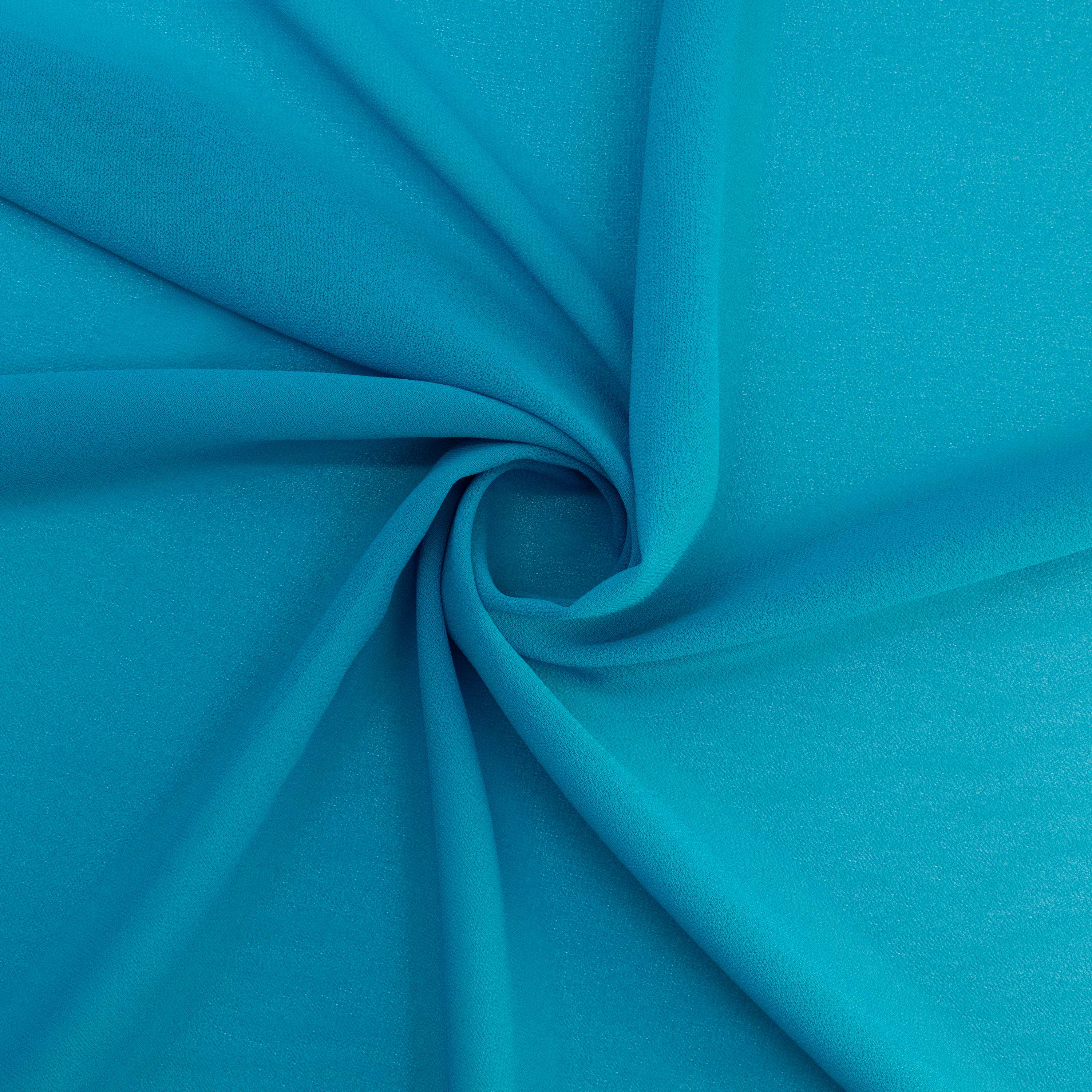
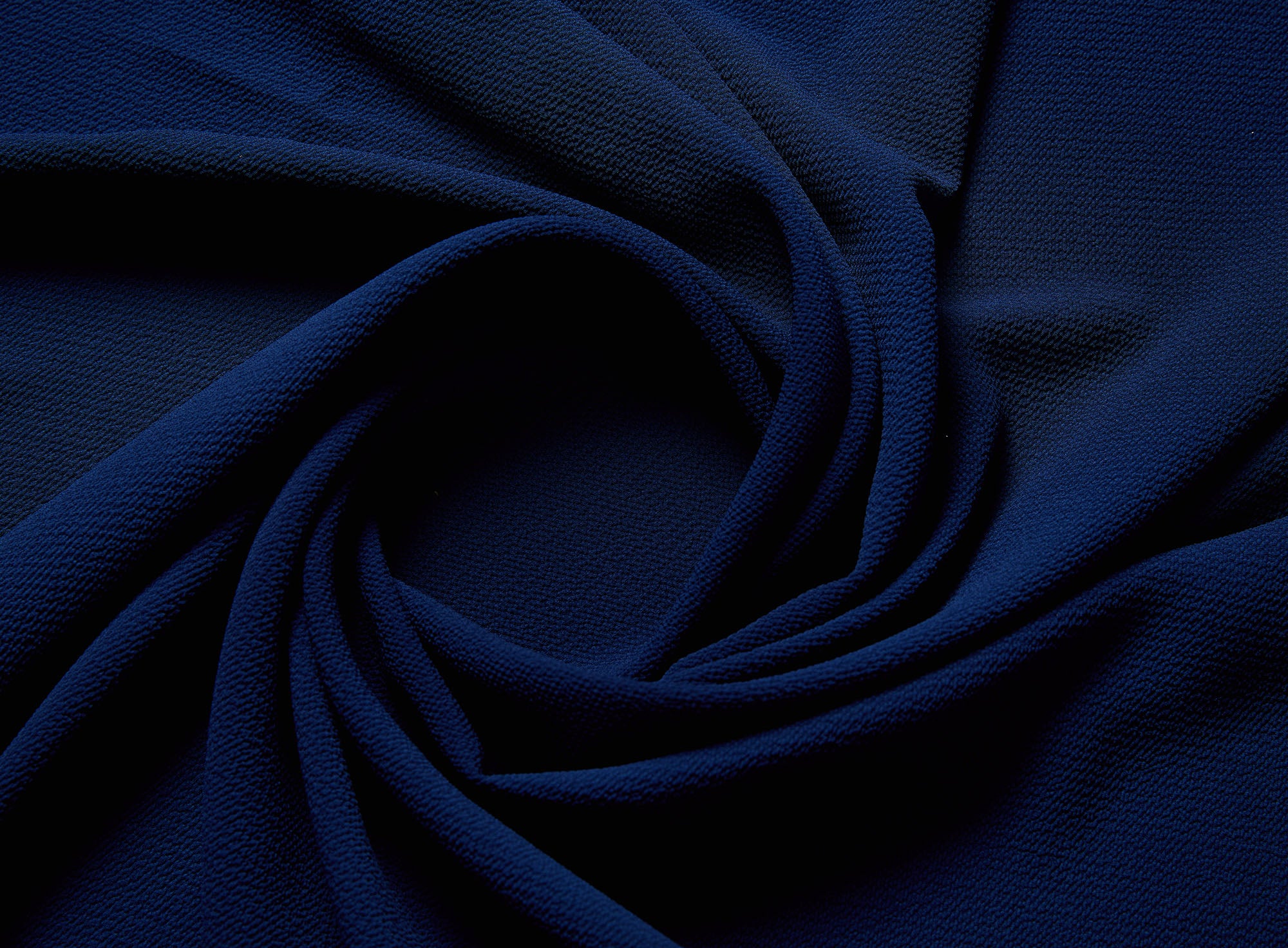
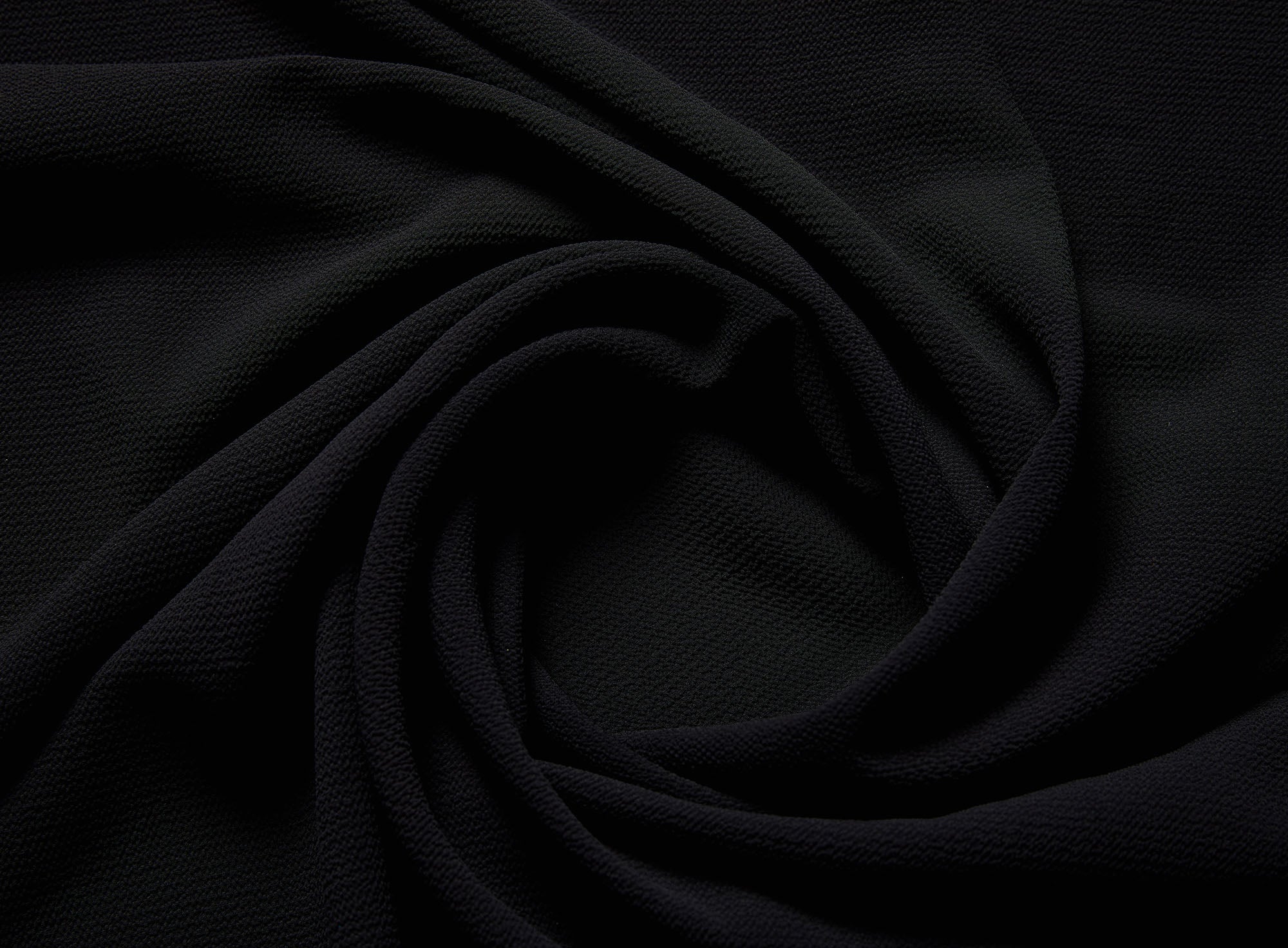
Crepe chiffon is available in a range of weights and crepe intensities — how pronounced the pebbled surface texture is and how much body the crepe twist adds to the base fabric. Lighter crepe chiffons with a subtle crepe texture behave closest to plain chiffon and suit applications where maximum fluid movement is still a priority alongside the construction benefits of the crepe. Heavier, more pronounced crepe constructions add significantly more body and suit structured applications — fitted bodices, defined silhouettes, and draped styles — where the fabric needs to hold its shape reliably through construction and wear.
Surface Character and Companion Fabrics
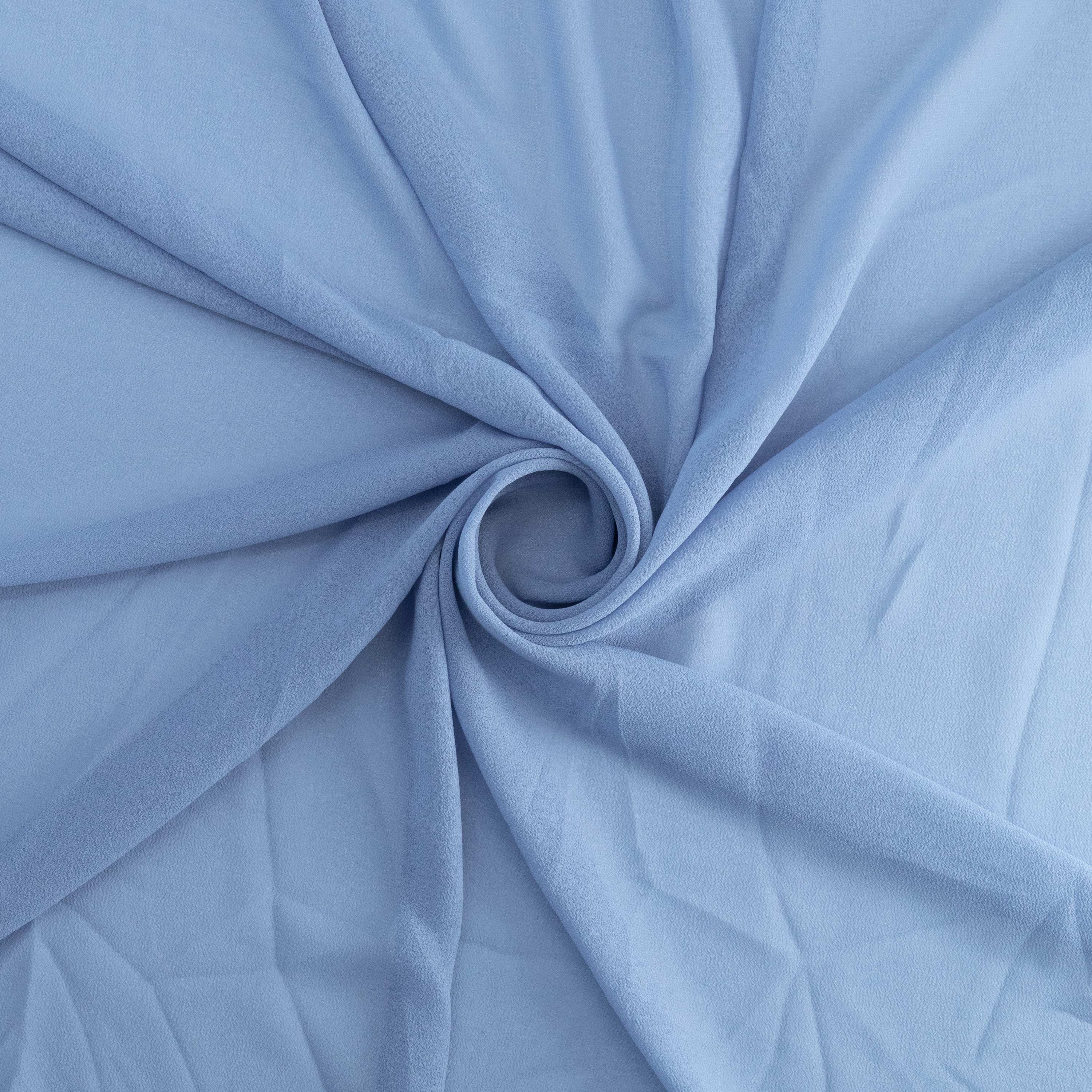
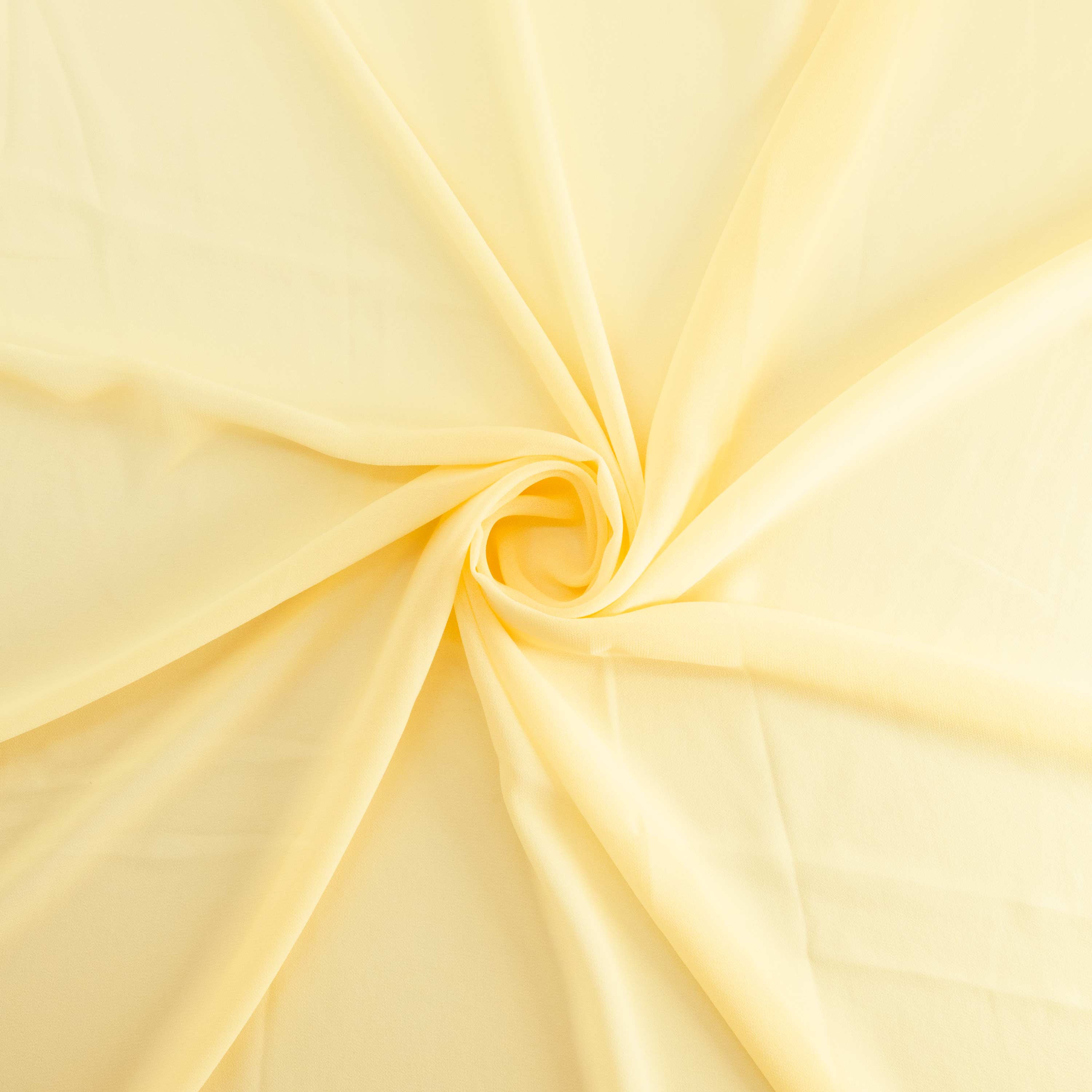
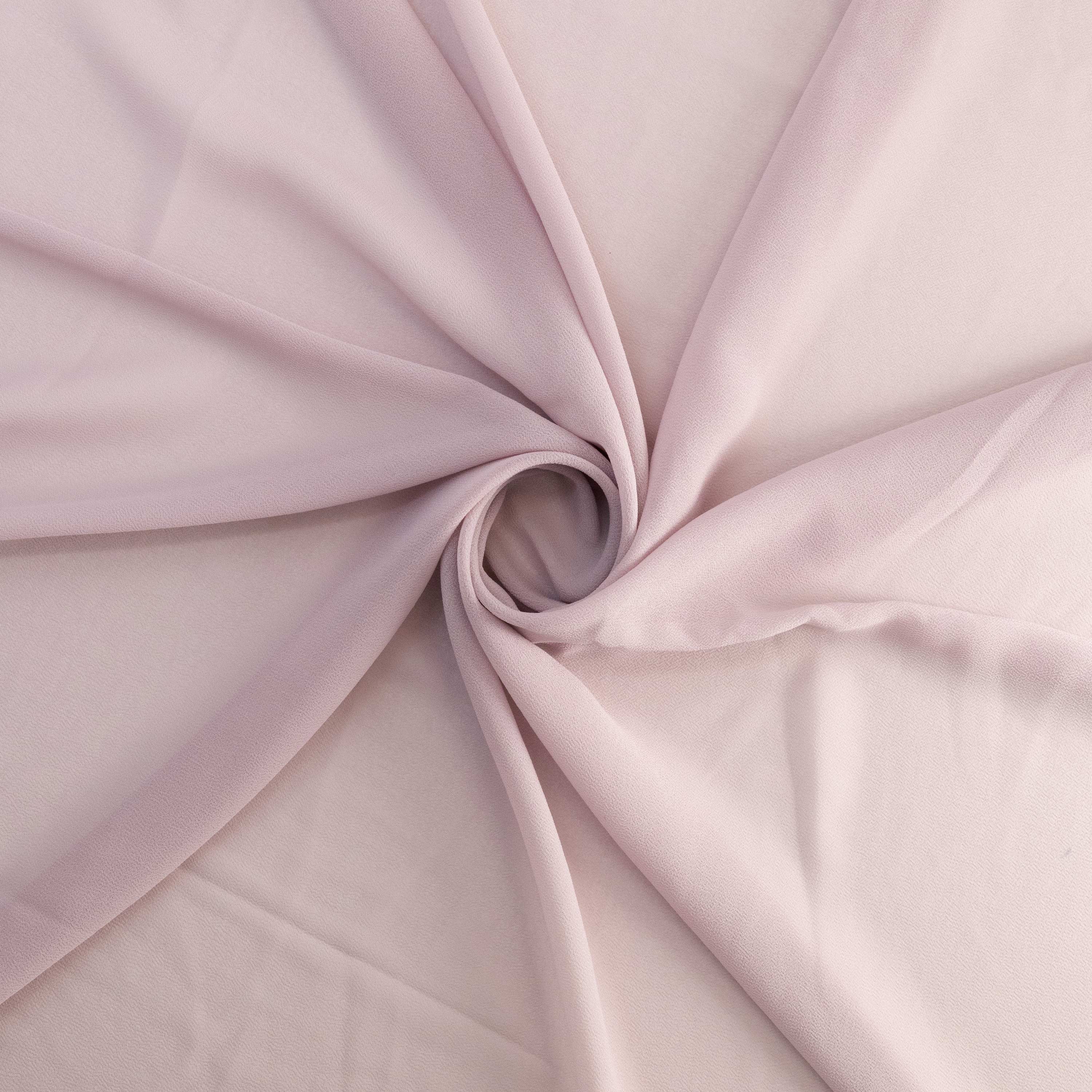
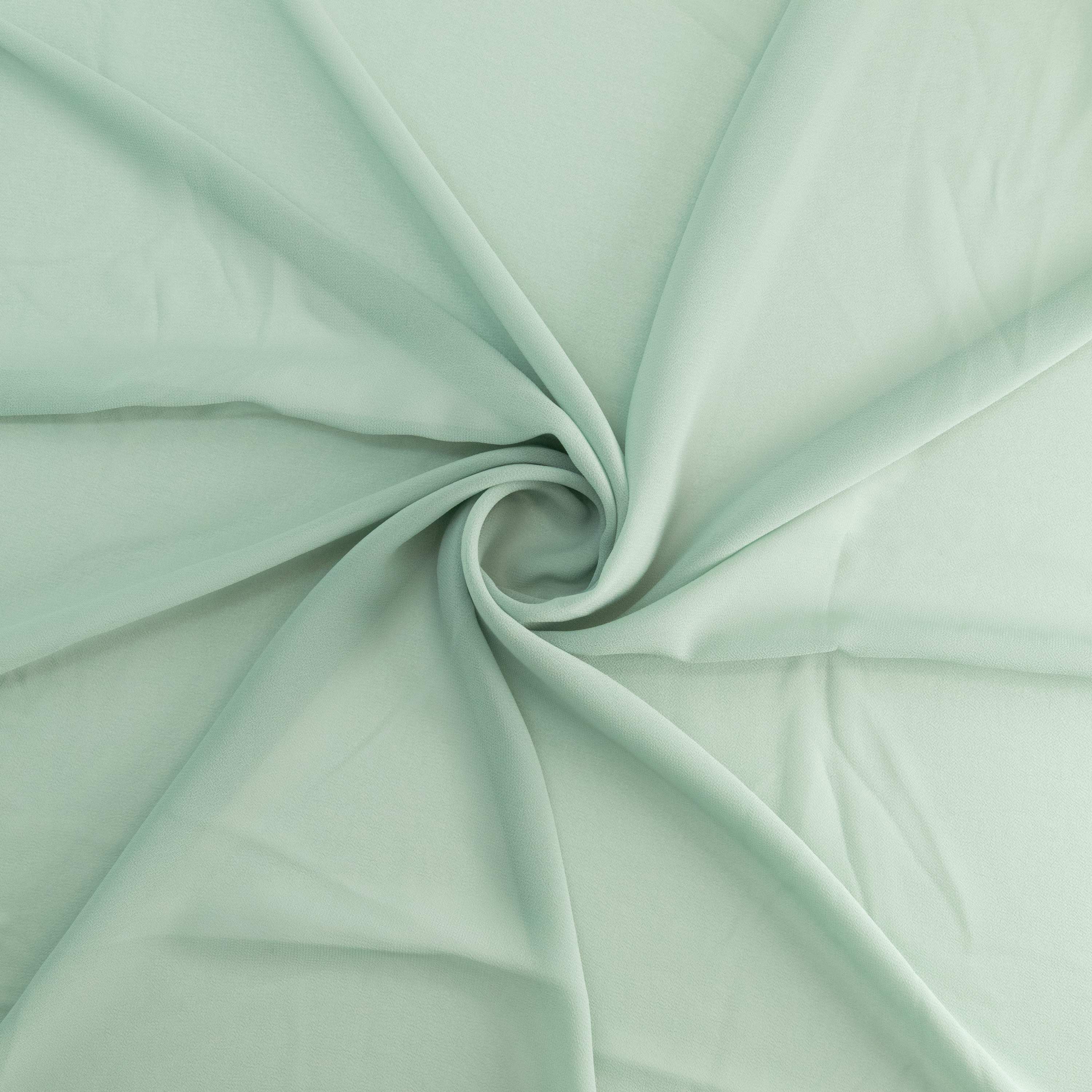
The pebbled surface of crepe chiffon reads as a natural contrast to smooth plain chiffon — a difference that is visible and tactile without being dramatically dissonant. This quality makes crepe chiffon an effective companion fabric in mixed-fabric designs where surface variety is a design tool. Set against the smooth, color-shifting surface of iridescent chiffon fabric, crepe chiffon's matte pebbled texture reads as a grounding counterpoint — the surface distinction between the two fabrics creates visual and tactile complexity that suits formal and occasion designs where multi-fabric construction is an explicit design choice. Set against glitter chiffon fabric, the matte restraint of crepe chiffon makes the glitter sections read as more deliberate and controlled — a useful combination for designs where sparkle needs to be positioned as an accent rather than an all-over treatment.
Color Selection and Tonal Coordination
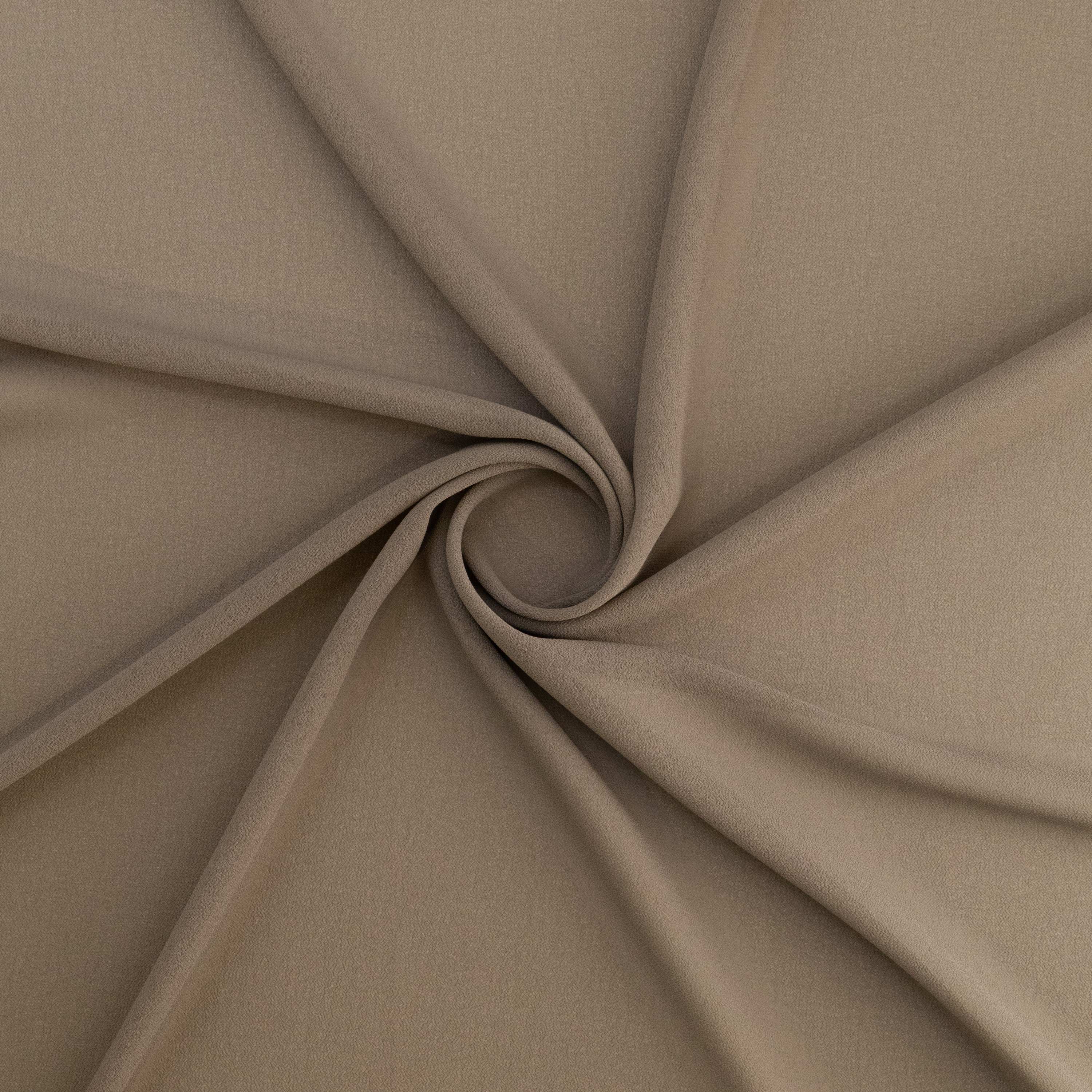
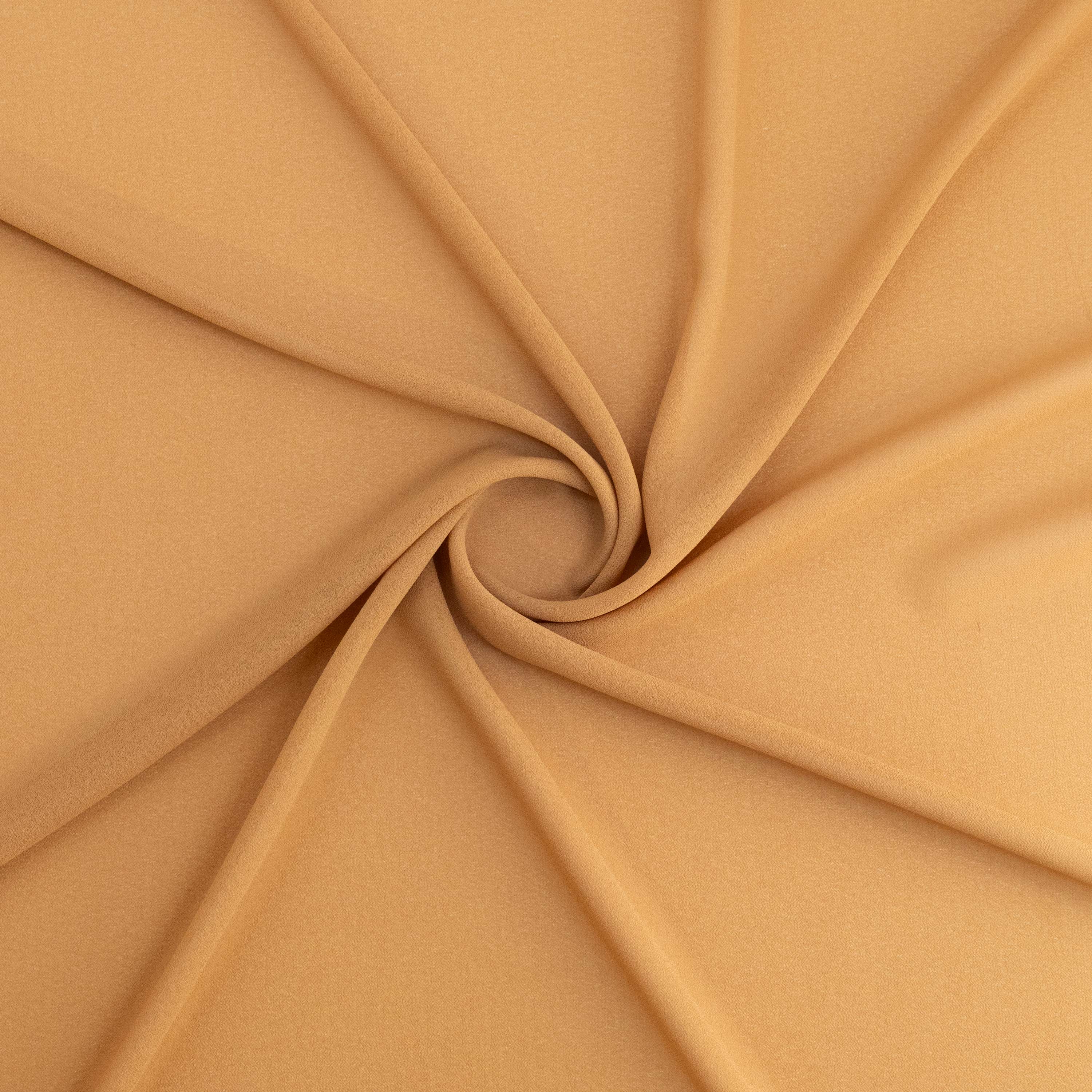
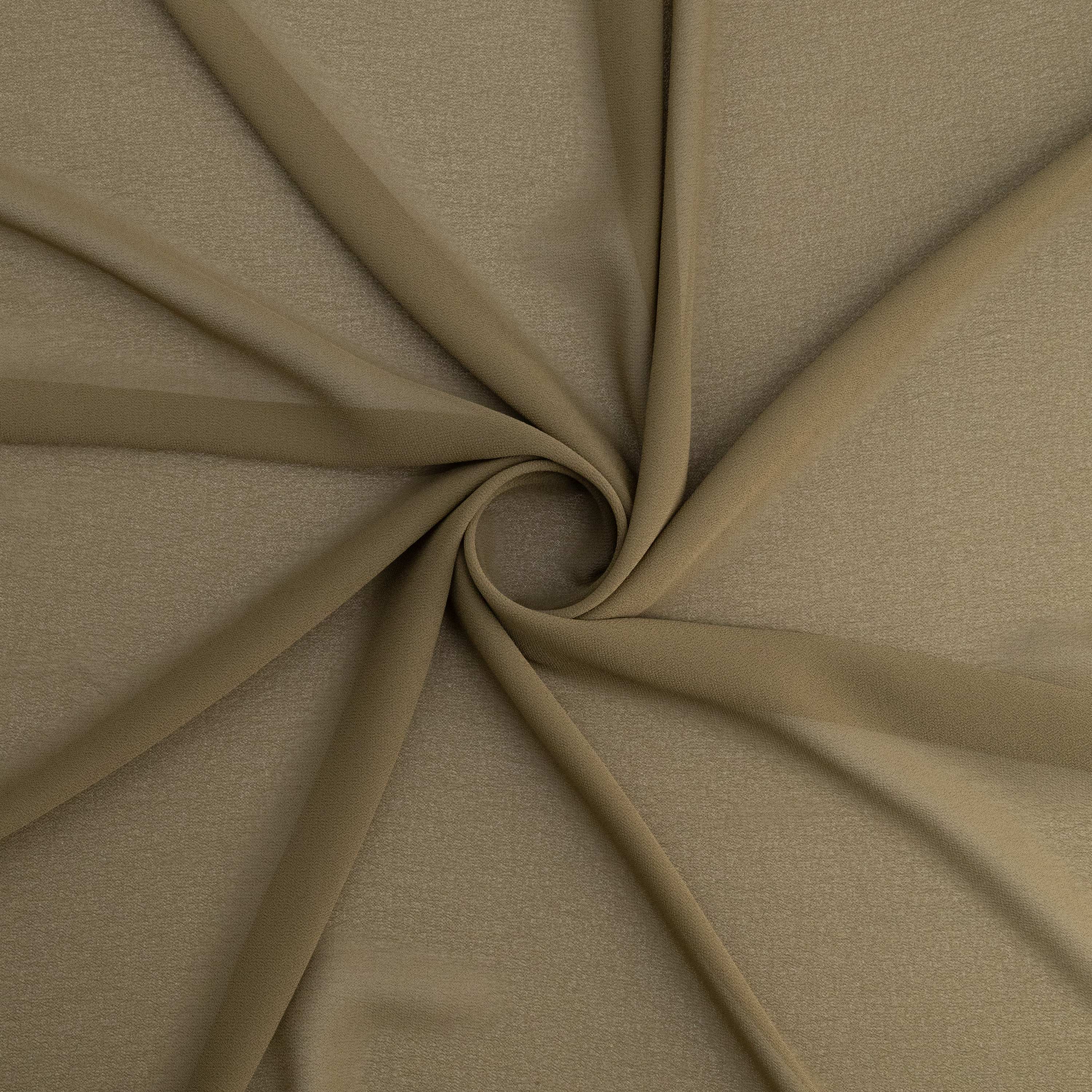
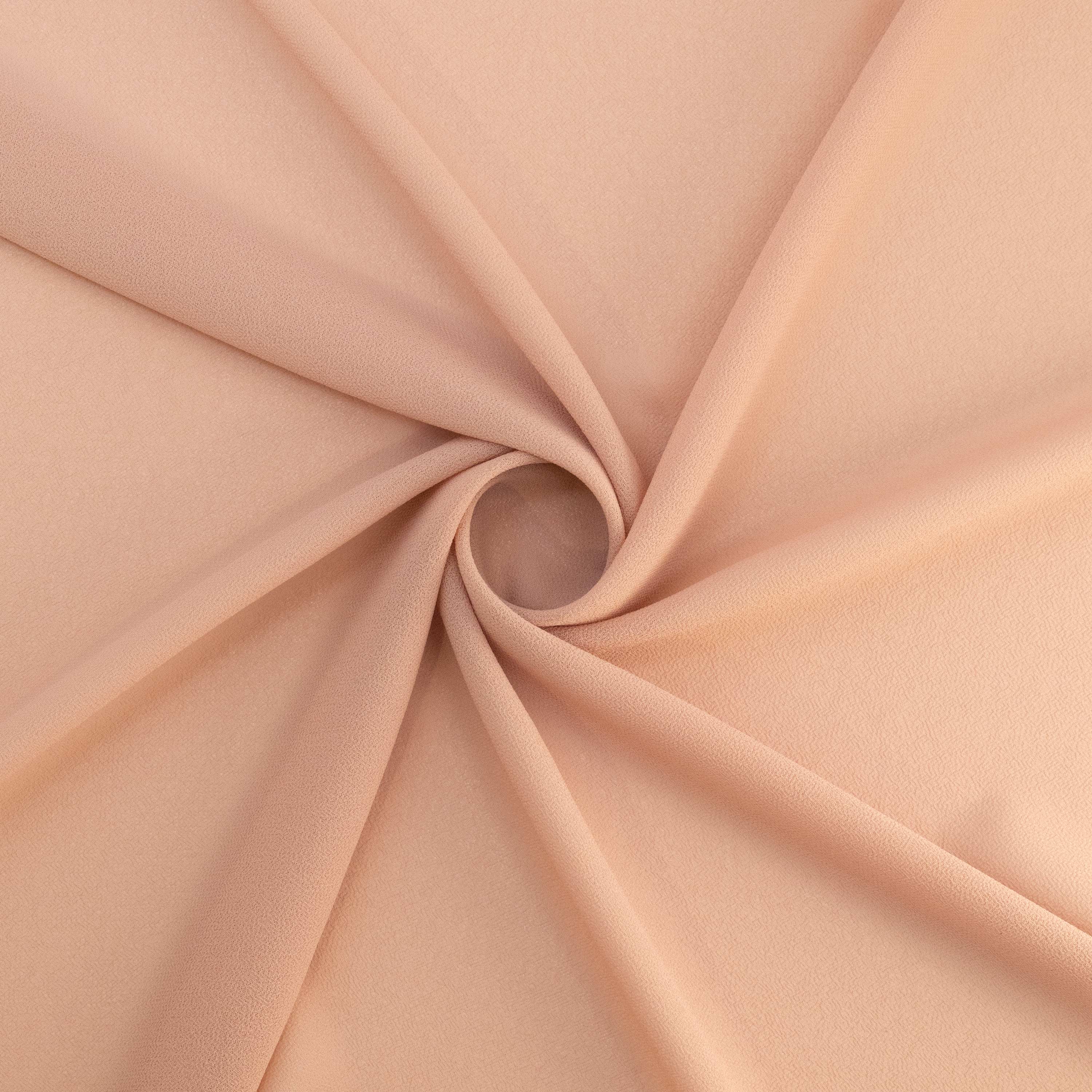
Crepe chiffon is most effective when its color coordinates closely with the other fabrics in a mixed-fabric design. For warm, luminous palettes built around gold chiffon fabric, crepe chiffon in champagne, warm ivory, or antique gold provides a tonally consistent structural base that reads as part of the same color story rather than a contrasting element. For regal and jewel-toned palettes built around purple chiffon fabric, crepe chiffon in deep violet, amethyst, or neutral grey provides a matte, textured grounding that allows the plain or iridescent purple panels to carry the visual drama.
Sewing and Construction Tips
Use a fine microtex needle (size 60/8 or 70/10) — the crepe surface is significantly more forgiving than plain chiffon under the needle, but a fine needle still produces the cleanest seam results. Presser foot pressure can be slightly higher than with plain chiffon due to the added surface grip of the crepe texture, but reducing it from standard settings is still advisable. Cut with sharp scissors or a rotary cutter in a single layer. Finish raw edges with a French seam, serger, or rolled hem. Press from the wrong side on a low to medium heat setting or use a steamer — the crepe surface is more resilient to pressing than plain chiffon but should still be pressed carefully to avoid flattening the texture.
Mixing Fabric Styles
Crepe chiffon is at its most useful in designs where it serves as the structural and tonal foundation for more decorative companion fabrics. Build a formal gown bodice in crepe chiffon and carry an overlay skirt in iridescent chiffon fabric — the crepe provides the construction reliability the fitted bodice requires, while the iridescent overlay delivers the visual drama the skirt demands. The shared aesthetic DNA of the two fabrics — both sheer, both lightweight — ensures the combination reads as intentional and cohesive rather than mismatched.
For warm, festive, and culturally resonant occasion designs, use crepe chiffon in champagne or antique gold as the structural base alongside gold chiffon fabric in plain or iridescent construction for the most visible decorative panels — the crepe grounds the construction while the gold chiffon carries the luminosity. For regal and jewel-toned formal designs, crepe chiffon in deep violet or neutral grey alongside purple chiffon fabric creates a combination where the crepe's surface texture and structural body support the construction while the plain or iridescent purple carries the color depth and visual drama.
For festive designs where sparkle is a controlled design element rather than an all-over treatment, pair crepe chiffon in a coordinating matte tone with glitter chiffon fabric accent panels — the restraint of the crepe surface makes the glitter sections read as deliberate and considered, preventing the overall design from reading as uniformly embellished. The contrast between matte pebbled crepe and explicit sparkle creates a surface hierarchy that guides the eye toward the embellished sections and gives the design a sense of structure and intention.
Order free swatches to experience the texture, hand, and drape firsthand. Every crepe chiffon style is available by the yard and ready to ship, so you can design, sample, and produce without delay.
Frequently Asked Questions
What is the difference between crepe chiffon and regular chiffon?
Regular chiffon is woven from smooth, lightly twisted yarns that create a very fluid, slippery, and highly translucent fabric with minimal surface texture. Crepe chiffon uses more tightly twisted yarns in a crepe twist construction, which creates a subtly pebbled surface texture and adds body and stability to the base fabric without significantly changing its weight or sheer quality. The practical result is a fabric that drapes with similar elegance to plain chiffon but handles more easily in cutting and construction, holds its shape more reliably in wear, and is more forgiving for less experienced sewists.
Is crepe chiffon easier to sew than plain chiffon?
Yes — crepe chiffon's surface texture provides enough grip to prevent the excessive slipping and shifting that makes plain chiffon challenging to handle in cutting and sewing. It feeds through the sewing machine more evenly, seams lie flatter without puckering as readily, and the fabric is less prone to the distortion that plain chiffon can experience when handled repeatedly during construction. It still benefits from a fine needle, reduced presser foot pressure, and careful finishing at raw edges, but the construction process is meaningfully more manageable than with plain chiffon alternatives.
Can crepe chiffon be used as a lining fabric?
Yes — crepe chiffon works well as a lining or underlining for plain, iridescent, or embellished chiffon garments where a matching sheer underlayer is preferred over an opaque lining. Its slight body prevents it from clinging to the outer layer and its surface texture creates just enough separation between the two layers to allow both to drape independently. For garments where the lining will be visible through the sheer outer layer — which is nearly always the case with any sheer chiffon — choose a crepe chiffon lining color that coordinates with and complements the outer fabric's colorway.
How does crepe chiffon behave differently from georgette?
Crepe chiffon and georgette occupy adjacent positions on the chiffon family spectrum but are distinct fabrics. Georgette is typically heavier, with a more pronounced crepe texture and significantly more body — it behaves almost as a semi-opaque fabric in many constructions. Crepe chiffon is lighter and sheerer than georgette, retaining more of plain chiffon's translucent, fluid quality while adding the construction benefits of a crepe twist. Choose crepe chiffon when you need chiffon's aesthetic with improved construction behavior; choose georgette when you need a more structured, less sheer fabric with defined drape and body.