
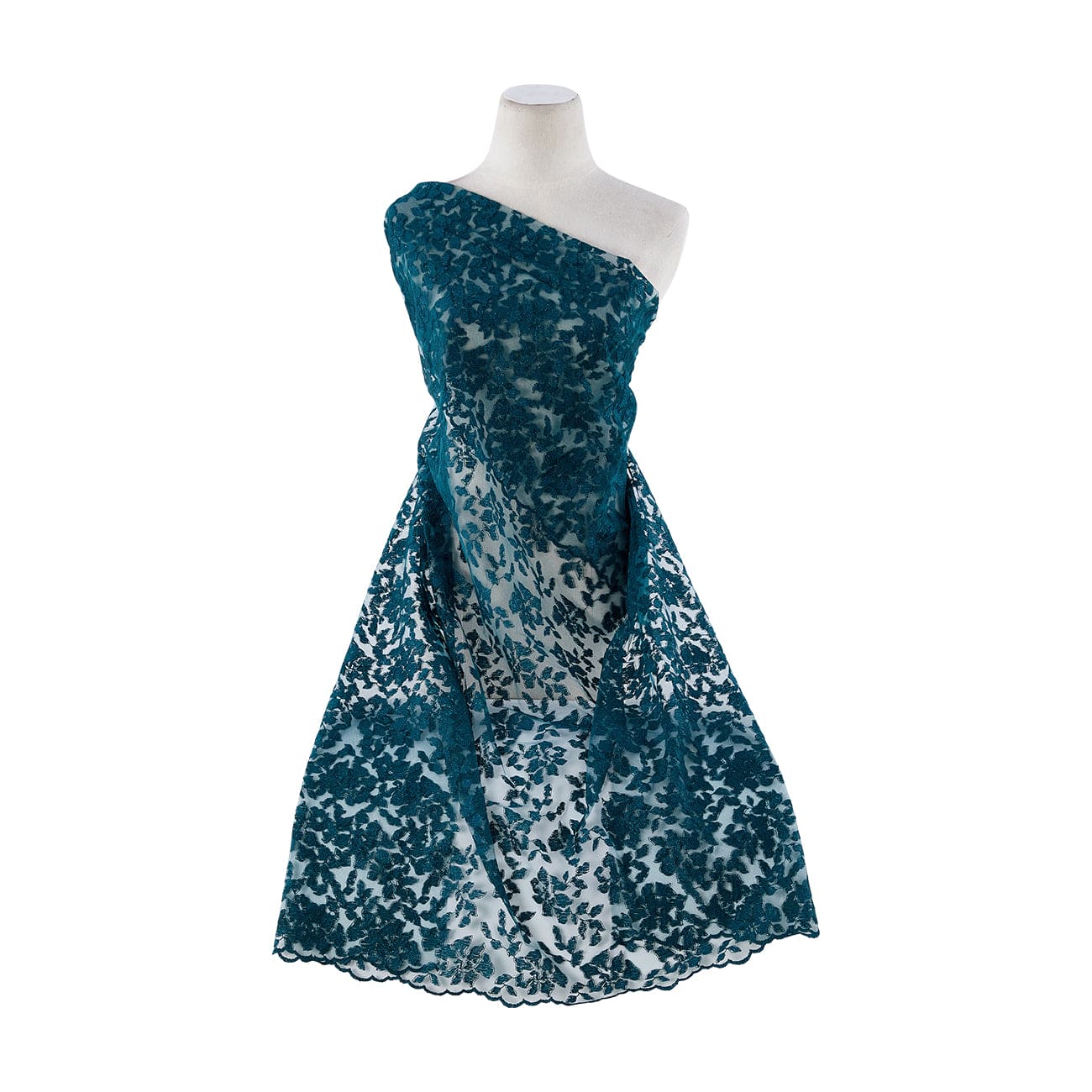
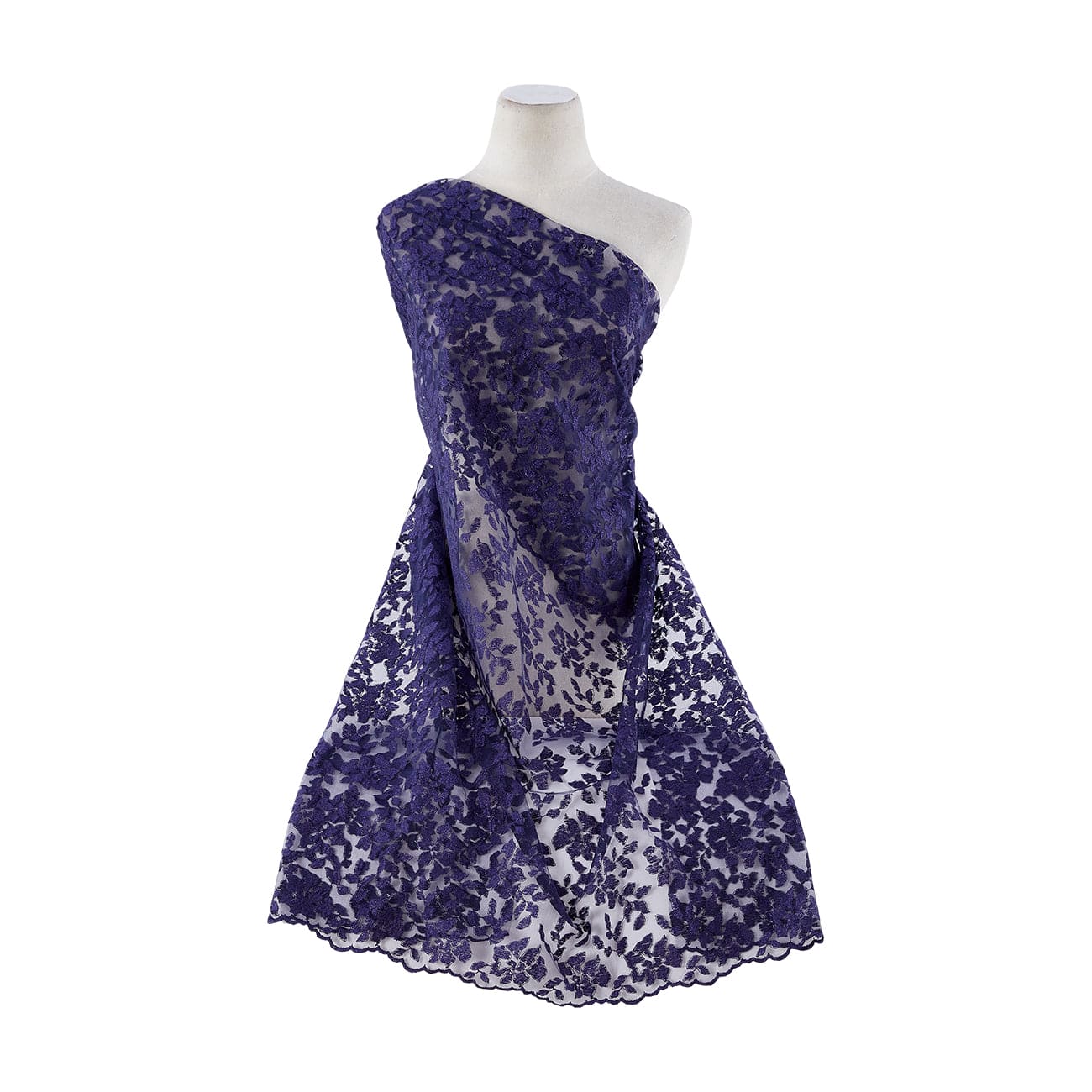
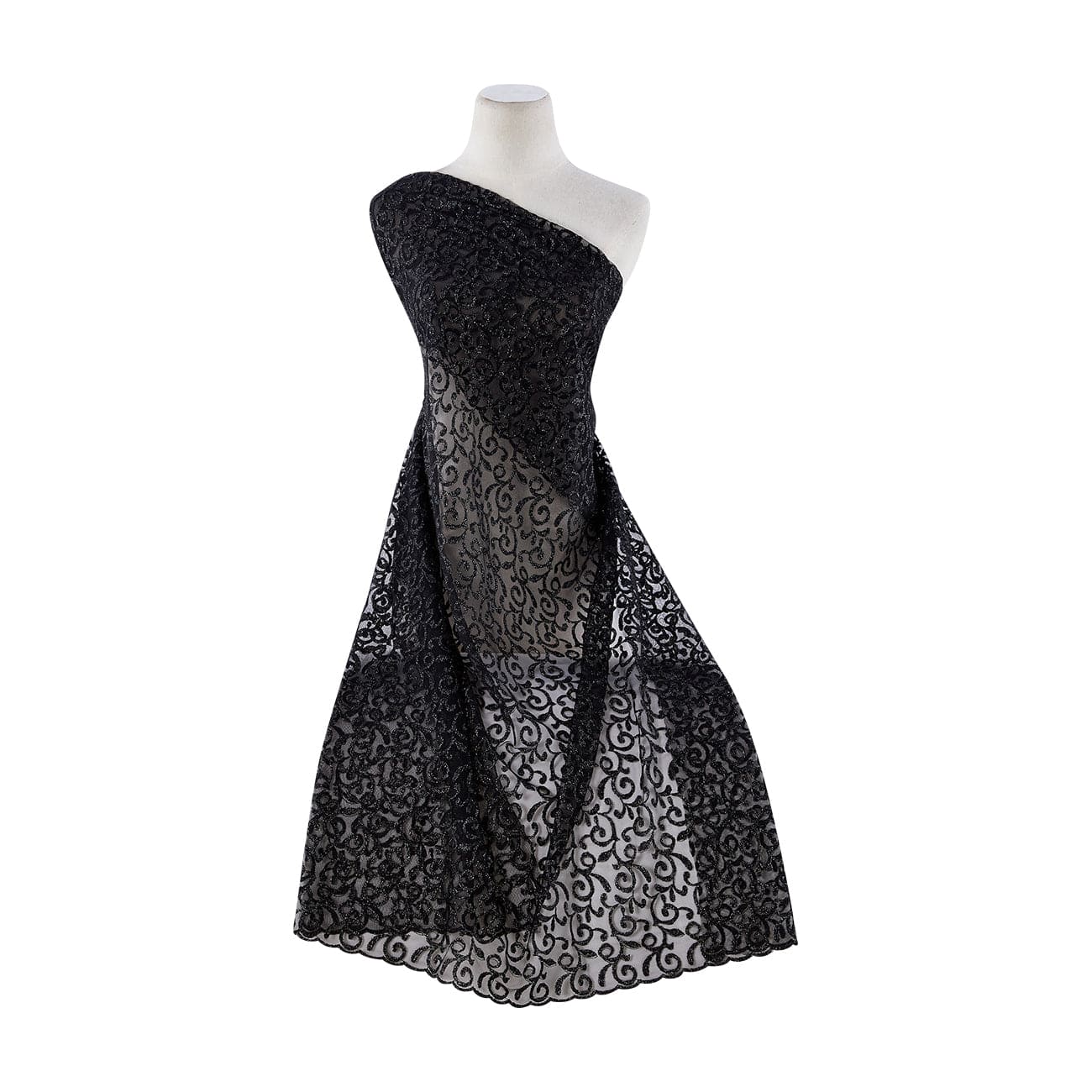
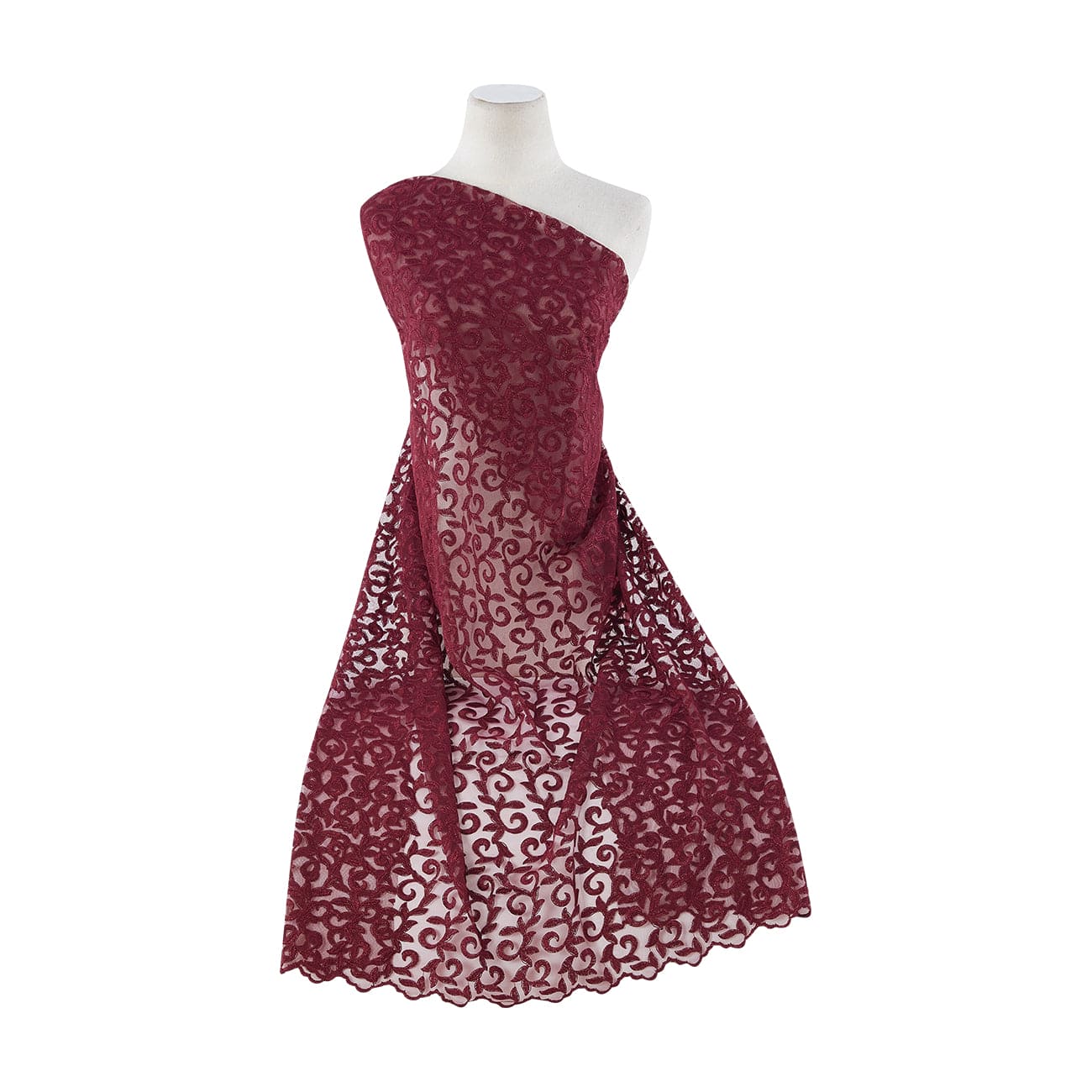
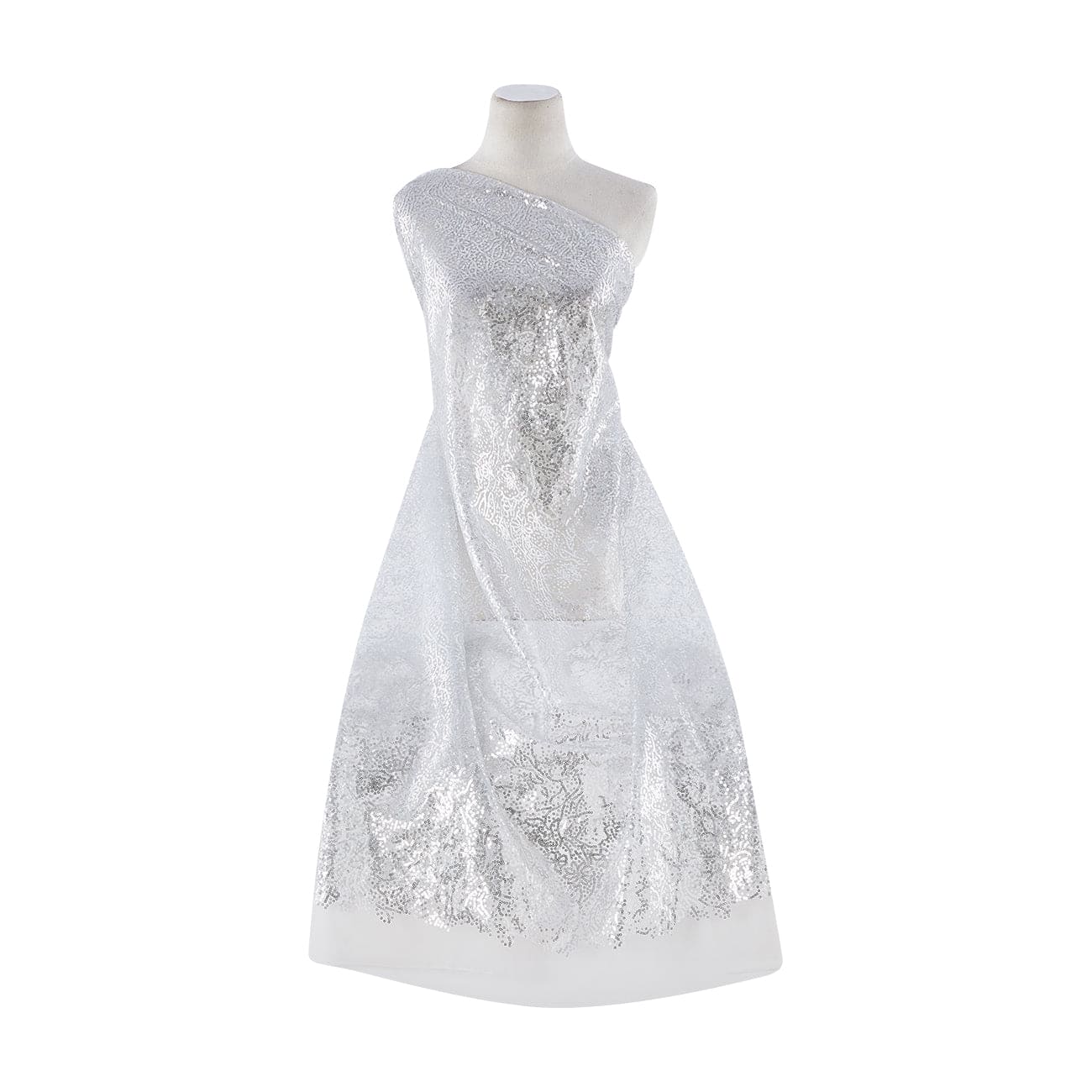
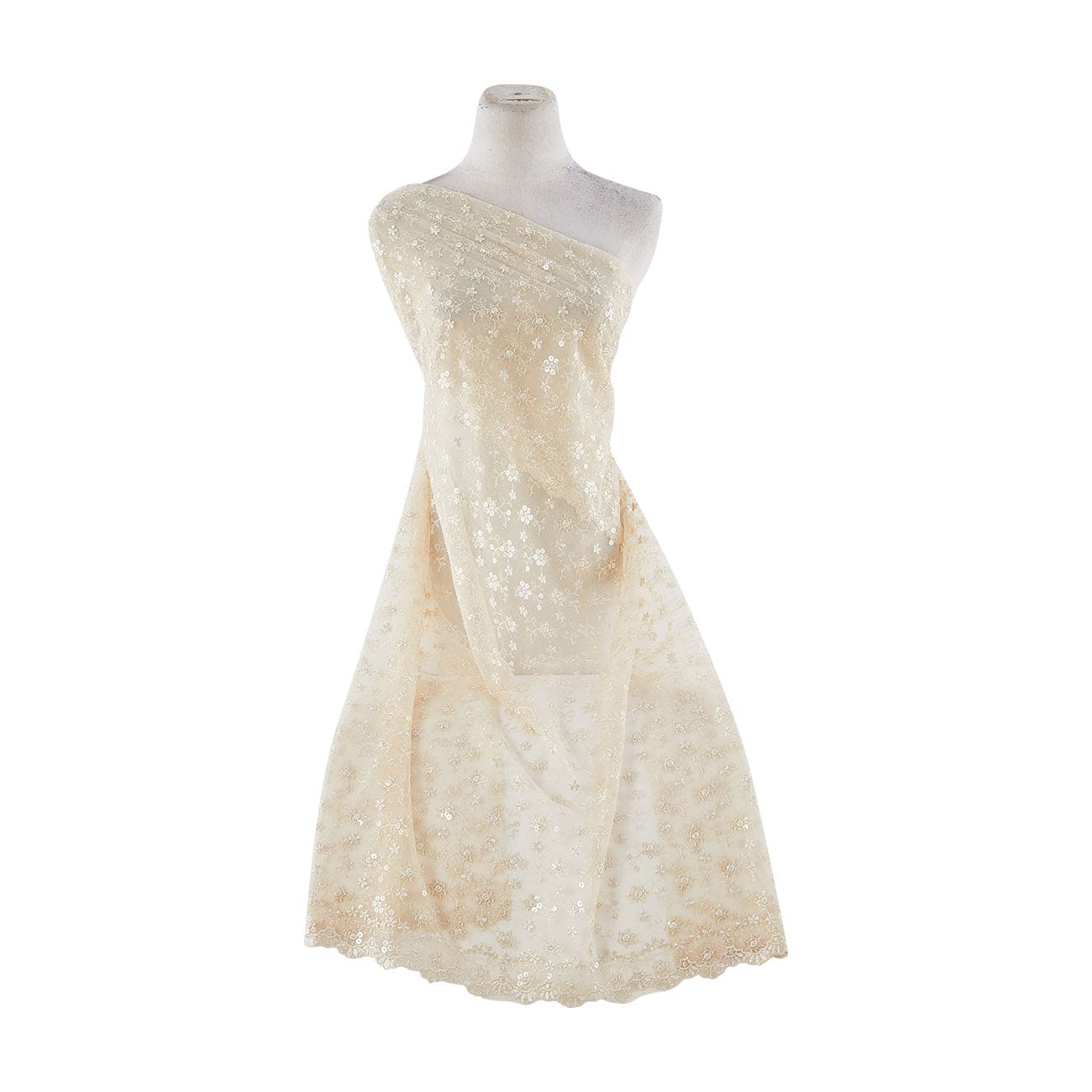
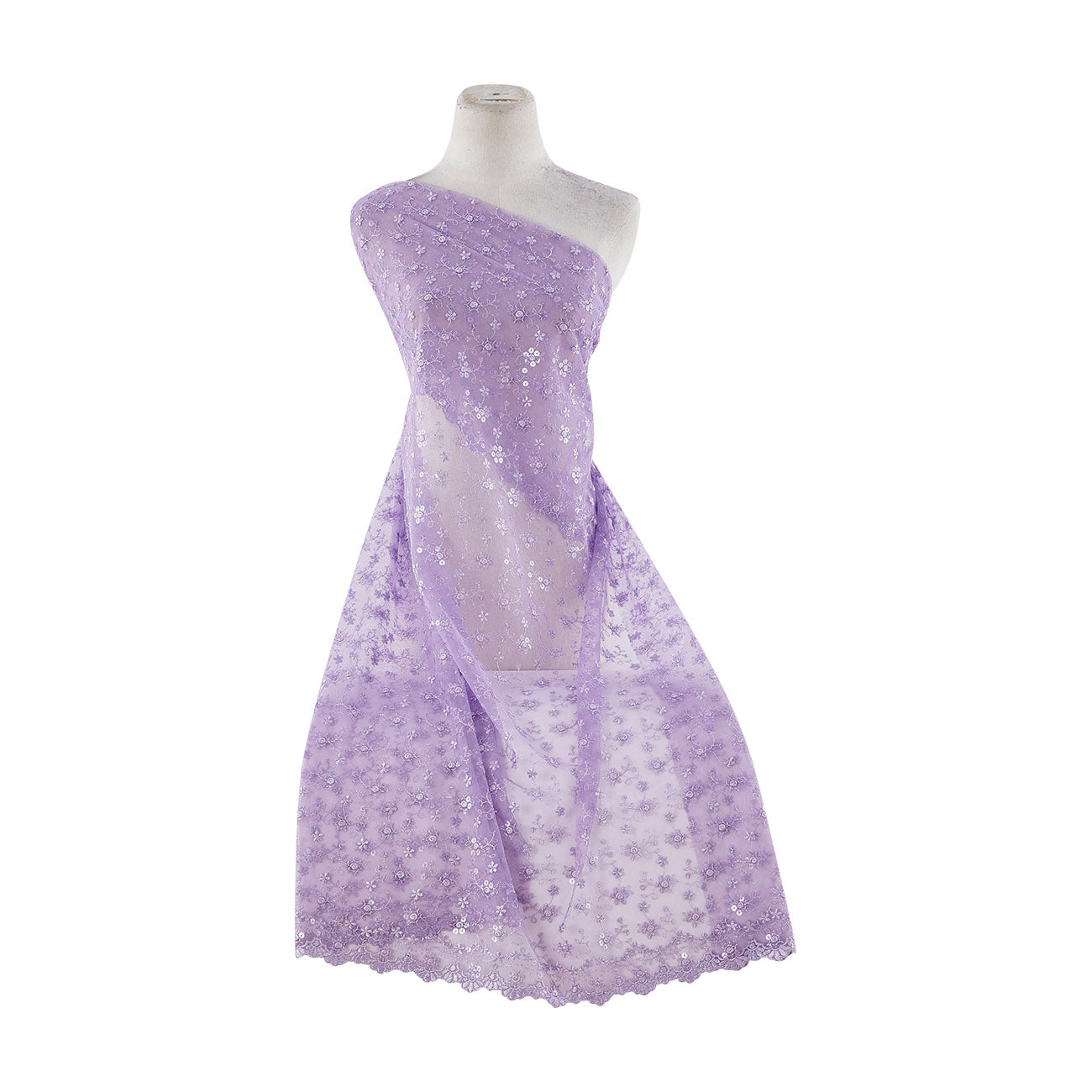
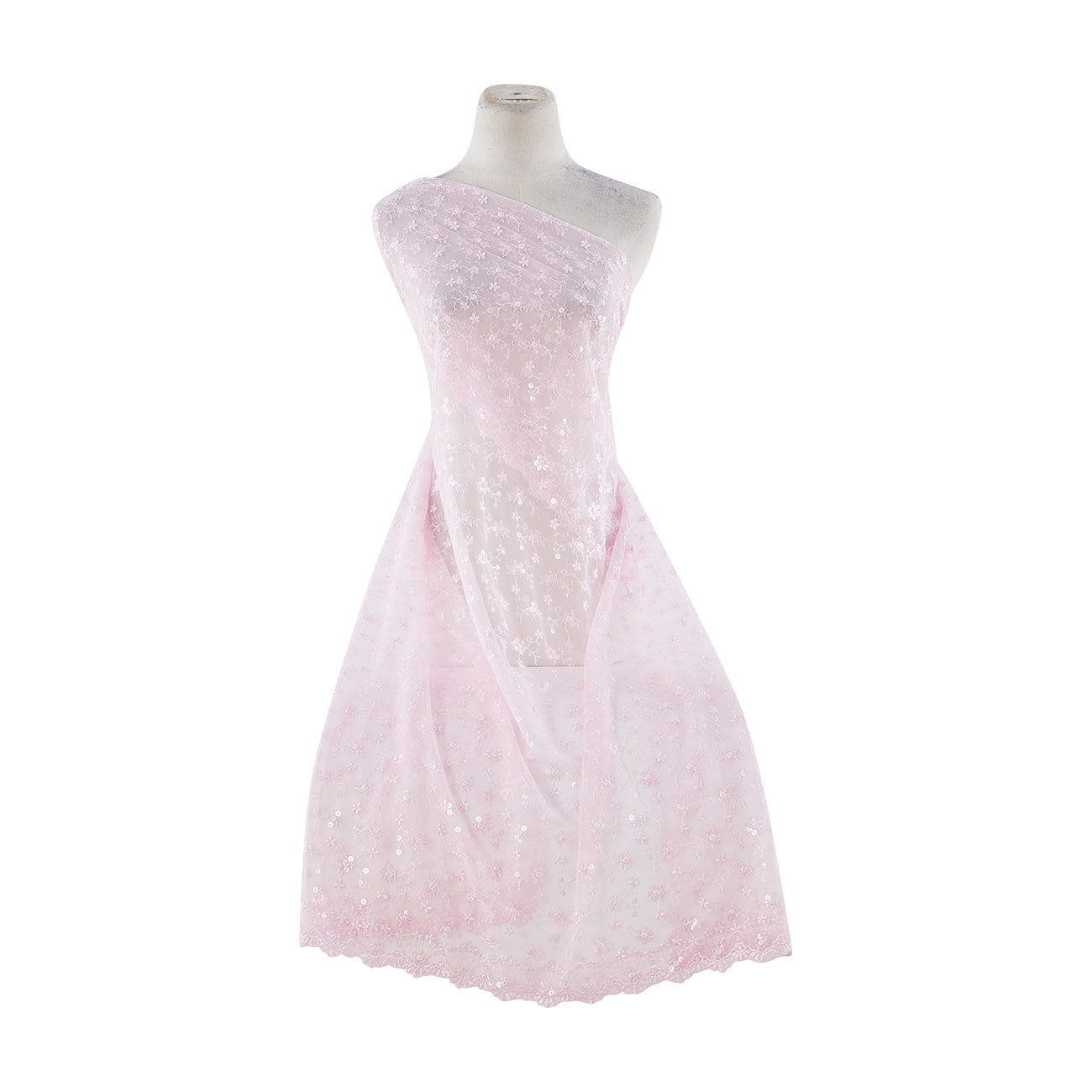
What Is Tulle?
Tulle has been a cornerstone of fine dressmaking for centuries, valued for its combination of structure and transparency. Understanding what sets it apart from other sheer fabrics helps explain why it remains such a popular base for embroidered and embellished designs.
A Fabric Built on Lightness and Structure
Tulle is a lightweight, fine-net fabric most commonly made from nylon or polyester. It is woven or knitted into a very open hexagonal mesh structure, which gives it its characteristic transparency and volume without adding significant weight. The name comes from Tulle, a city in southern France where the fabric was originally produced in the early nineteenth century, and it has been a staple of fine dressmaking and costume work ever since.
How Embroidery Changes the Fabric
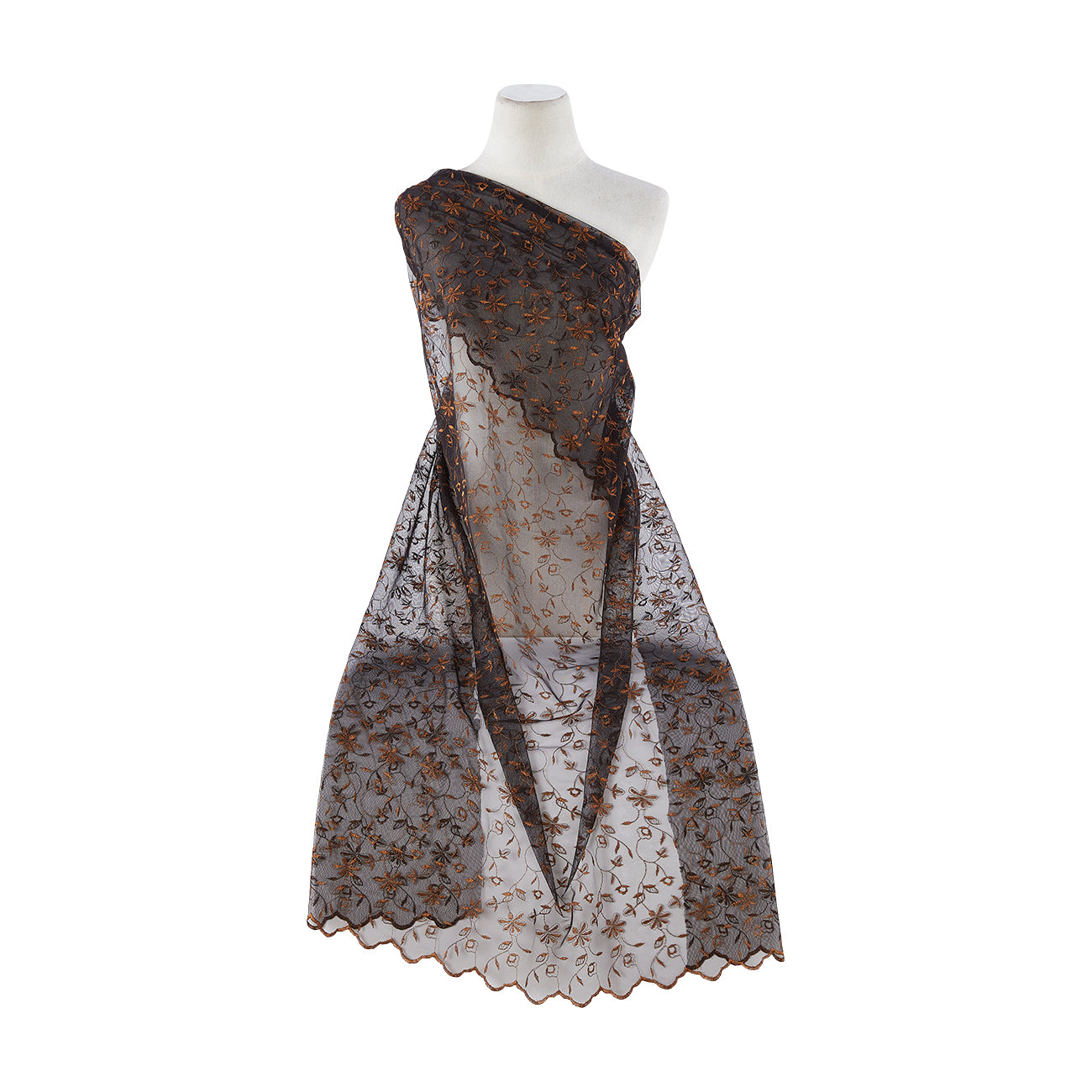
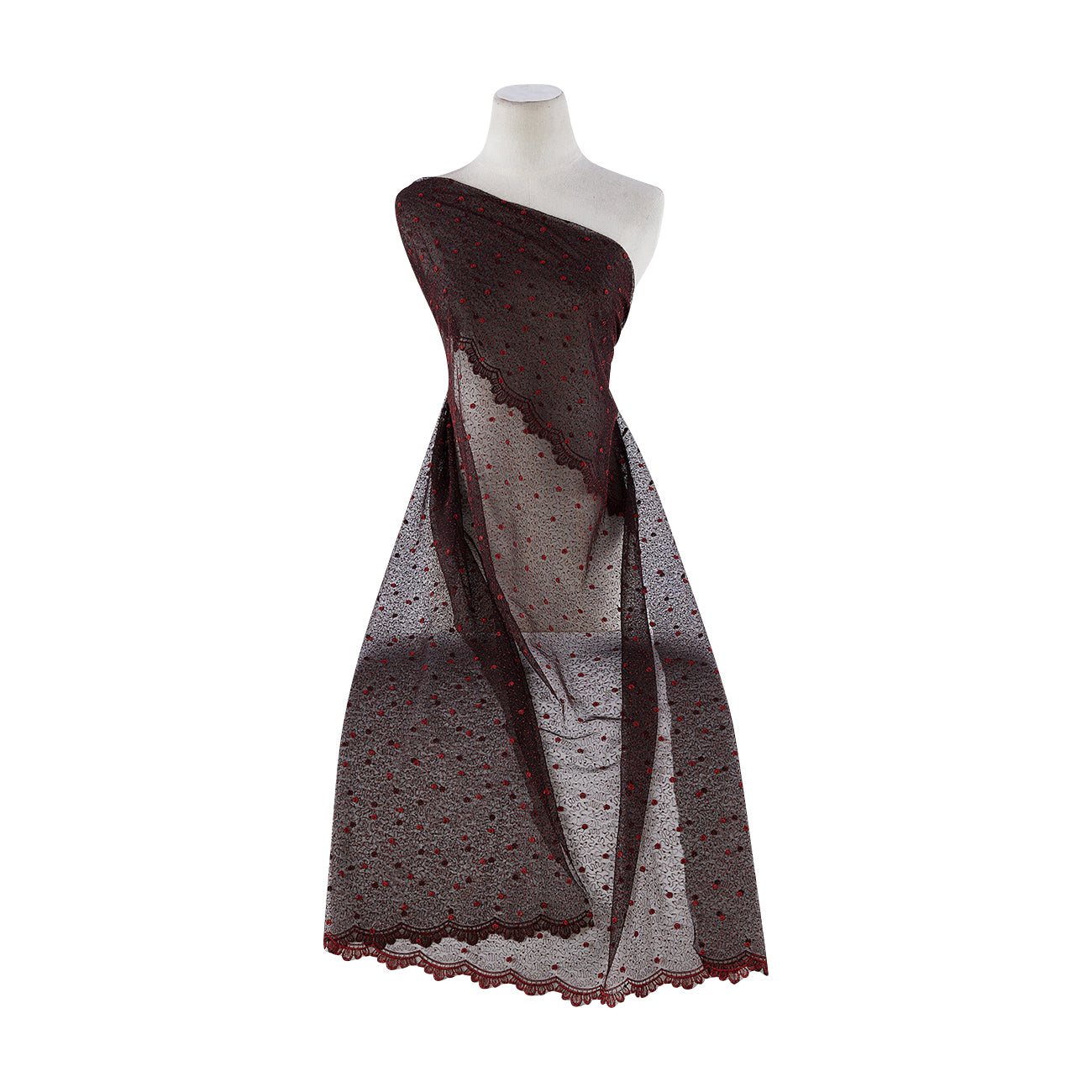
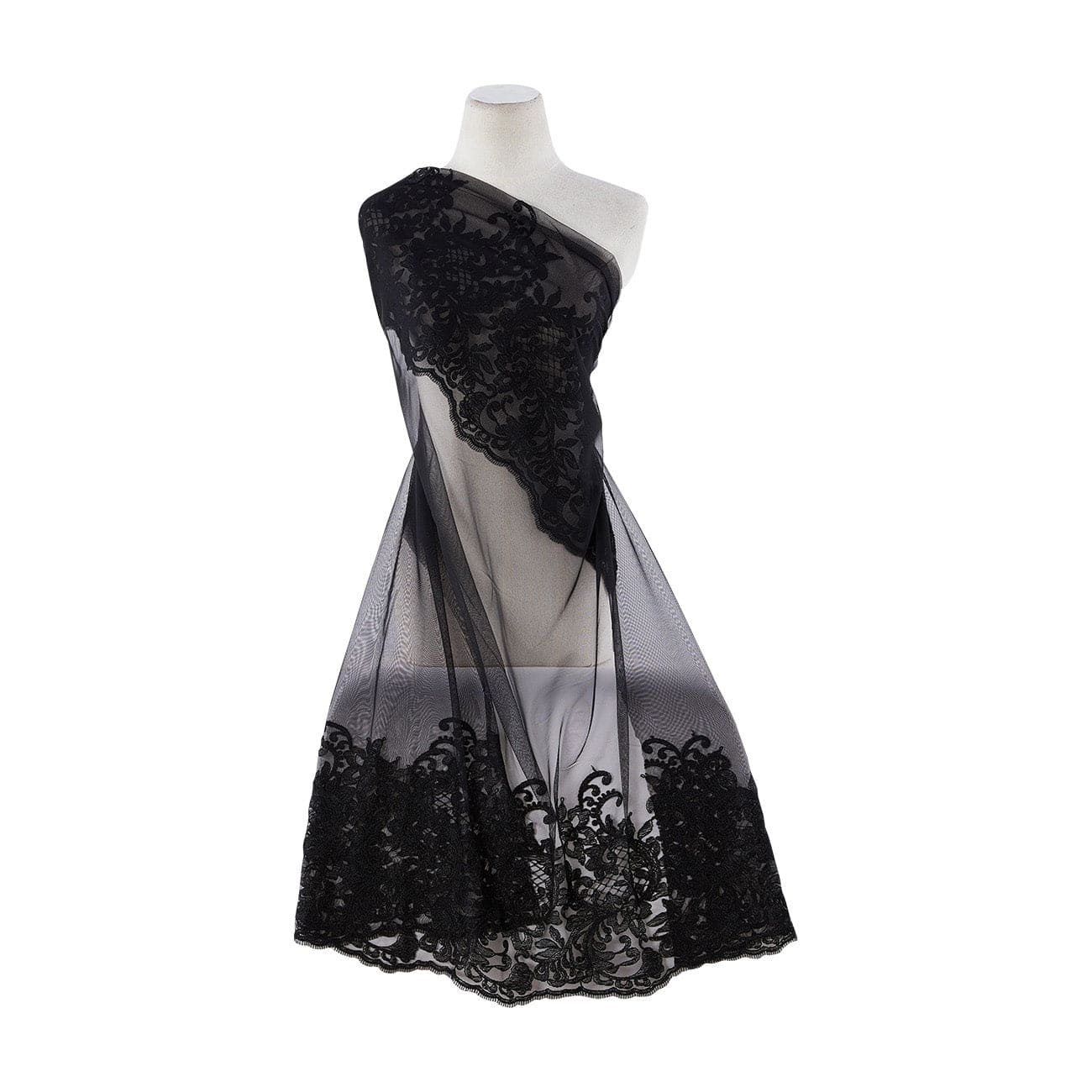
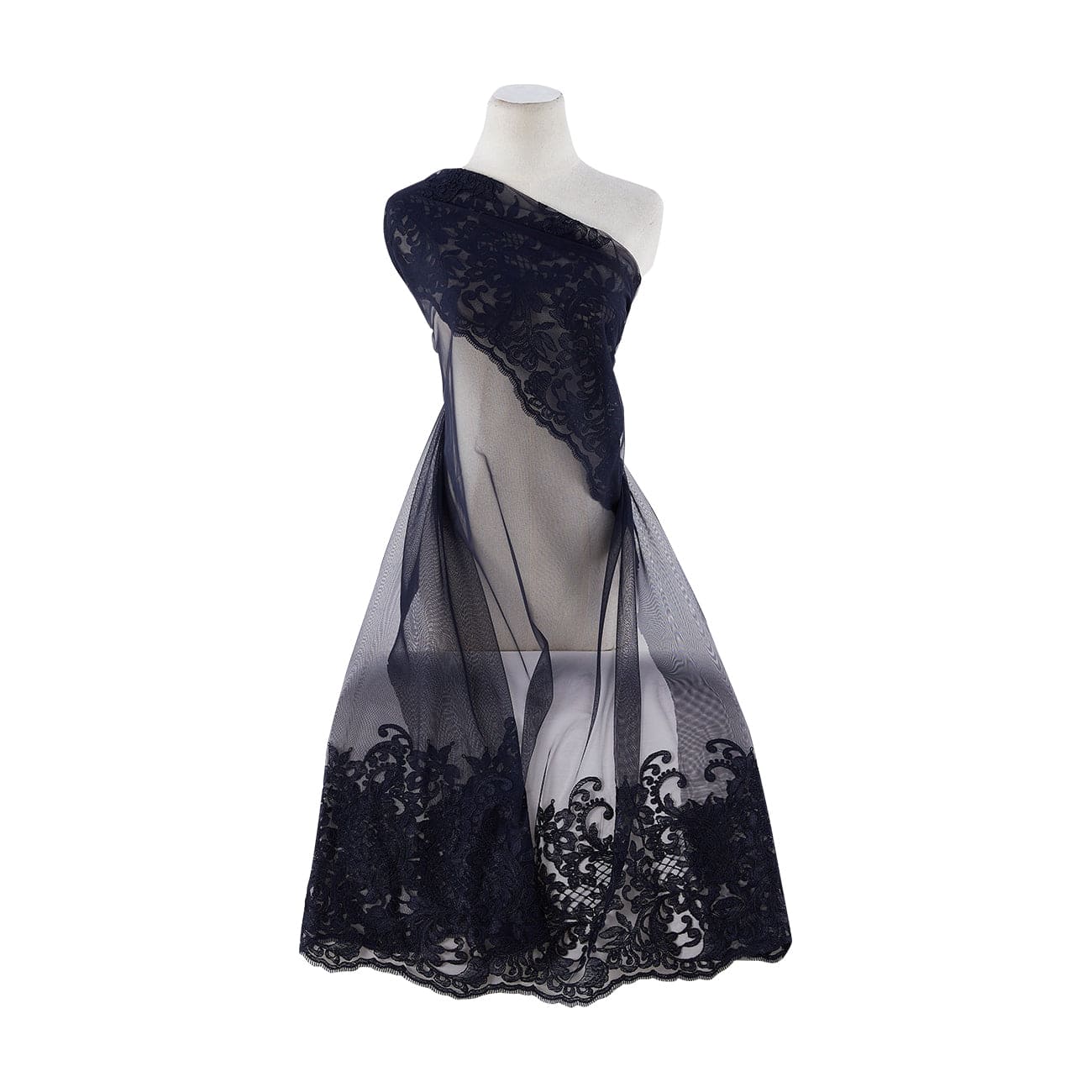
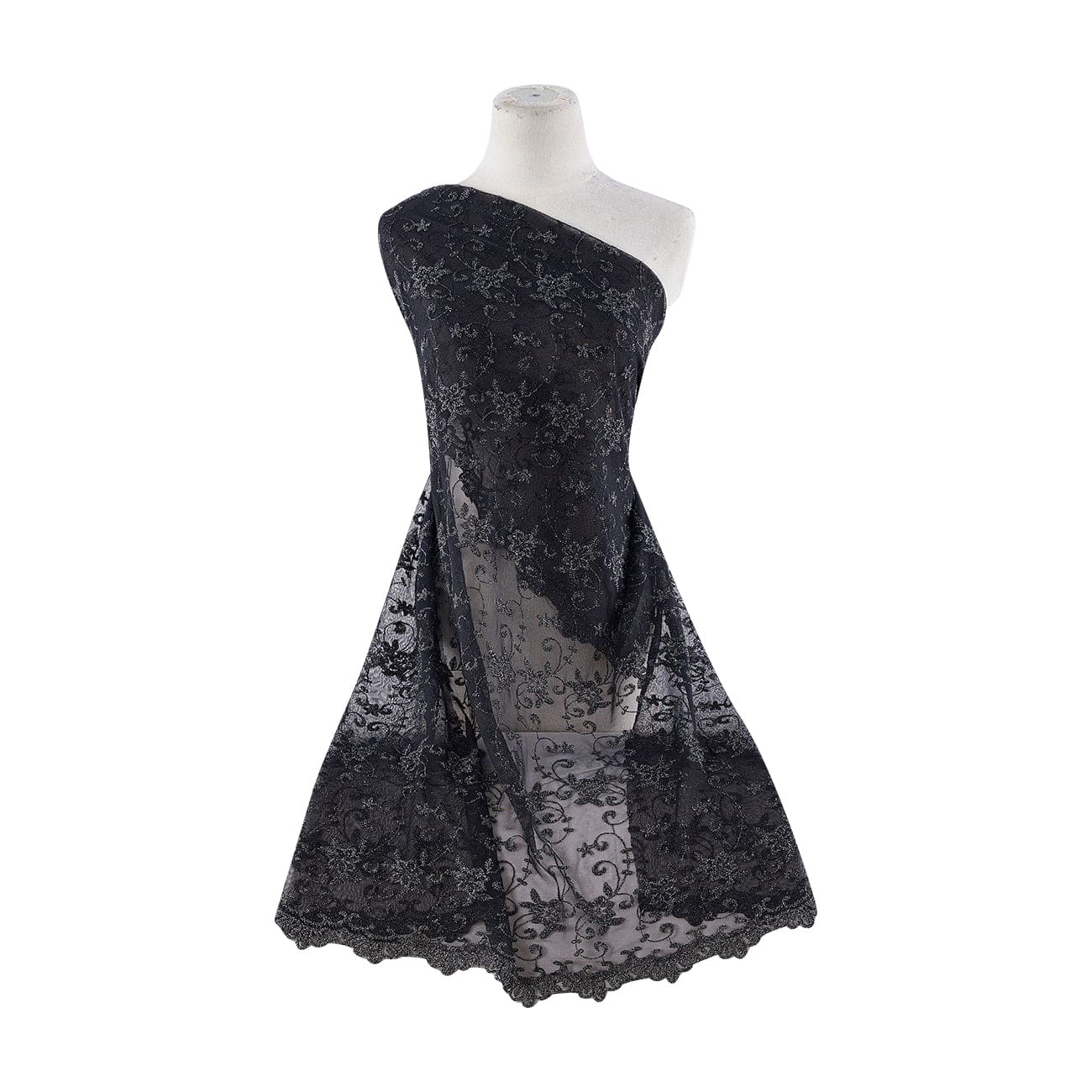
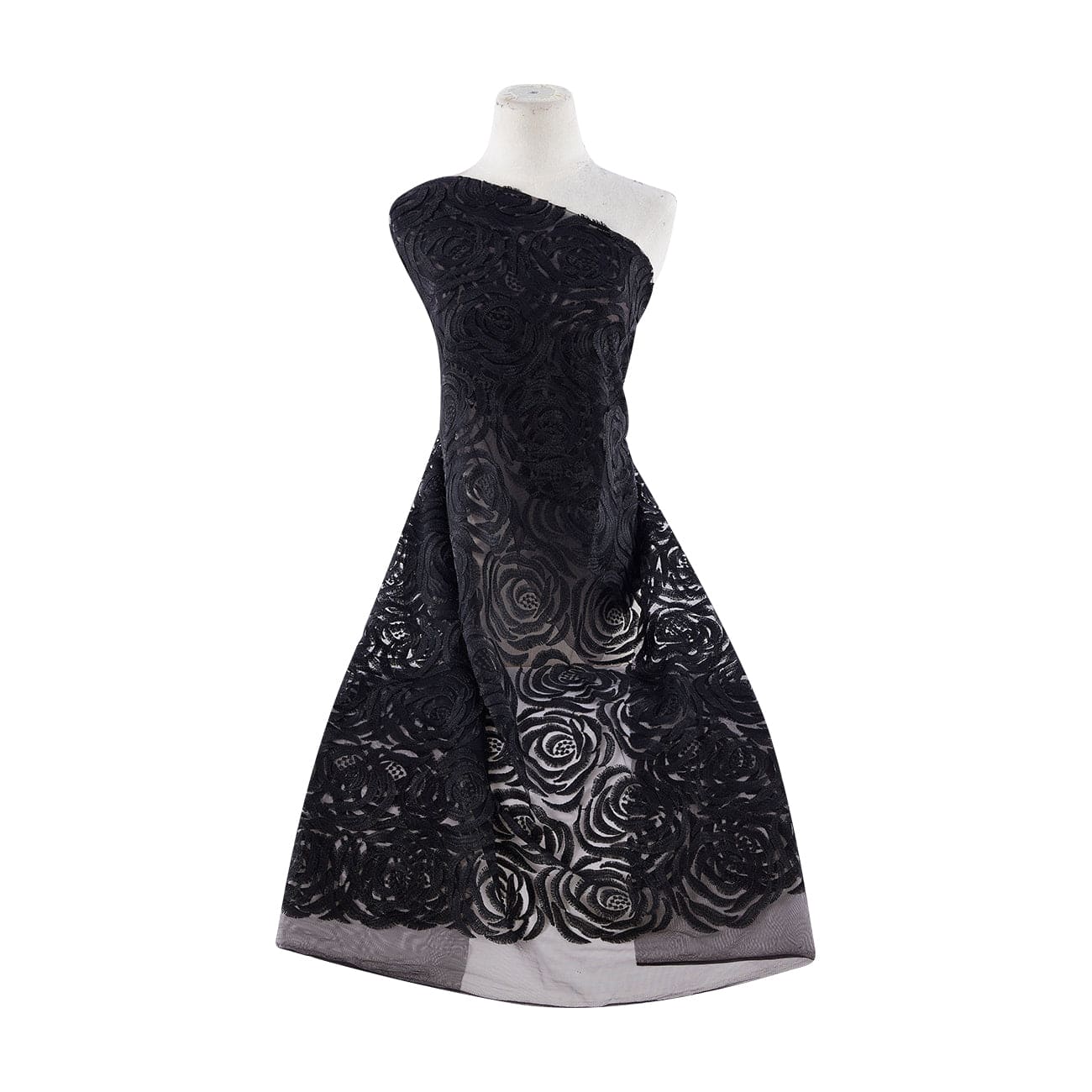
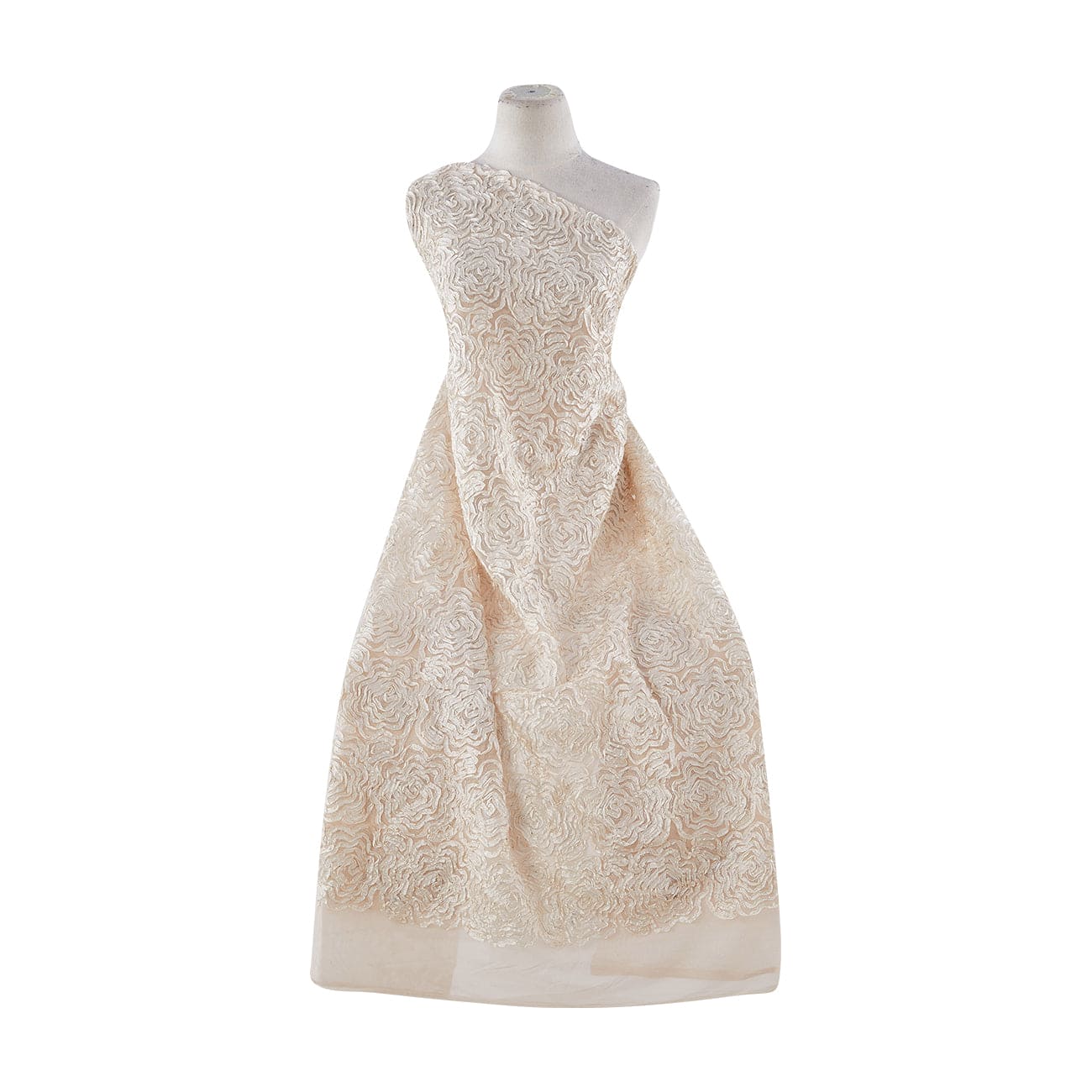
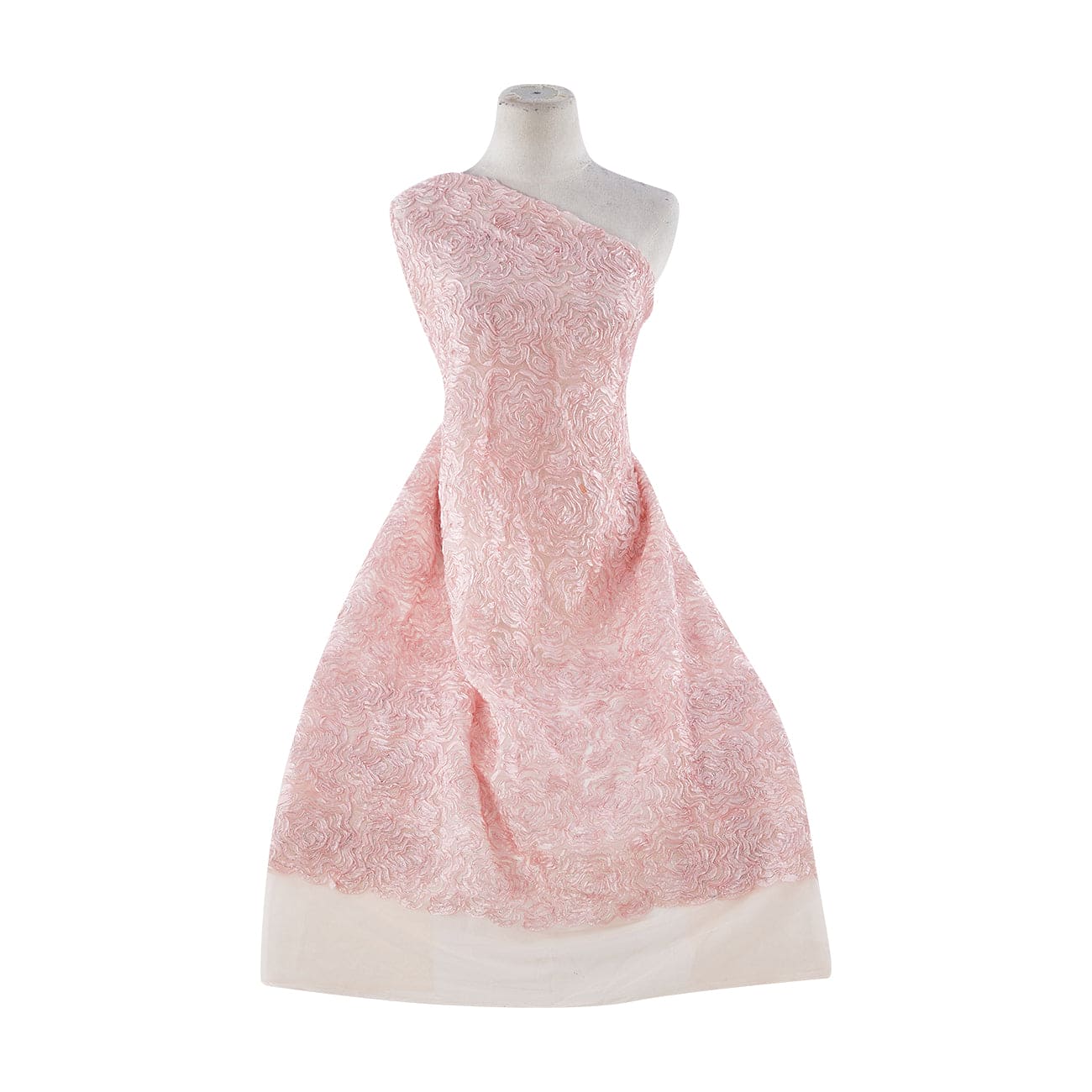
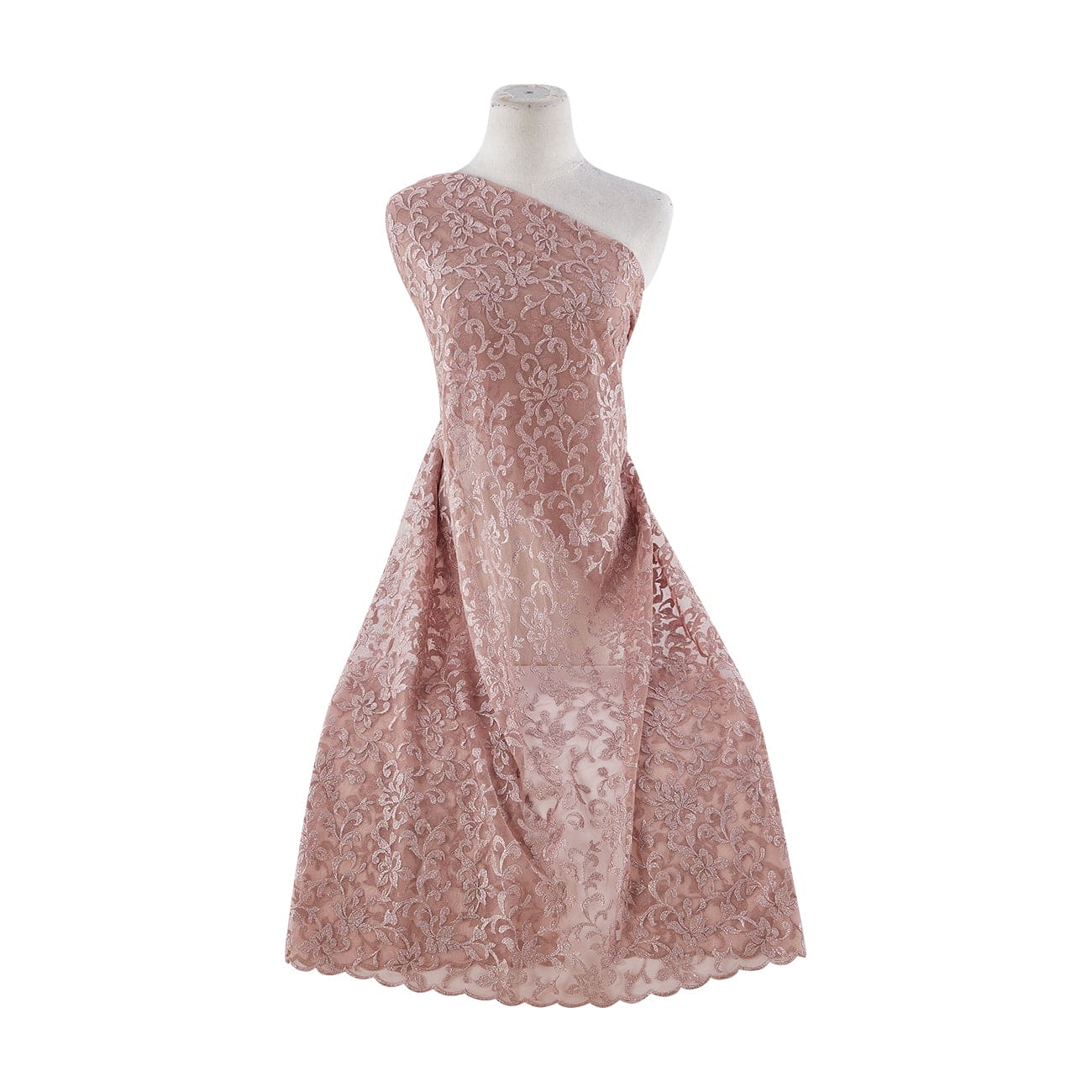
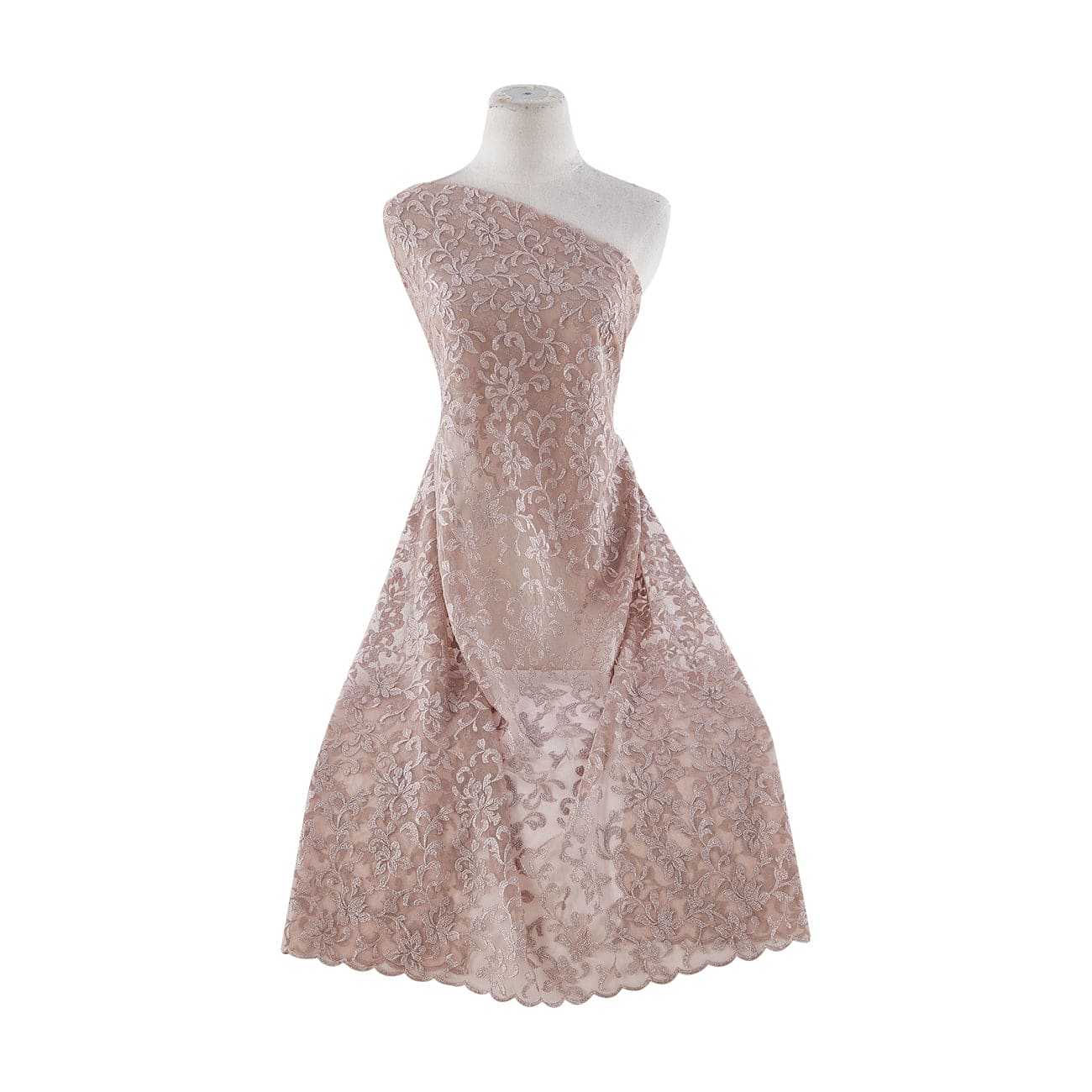
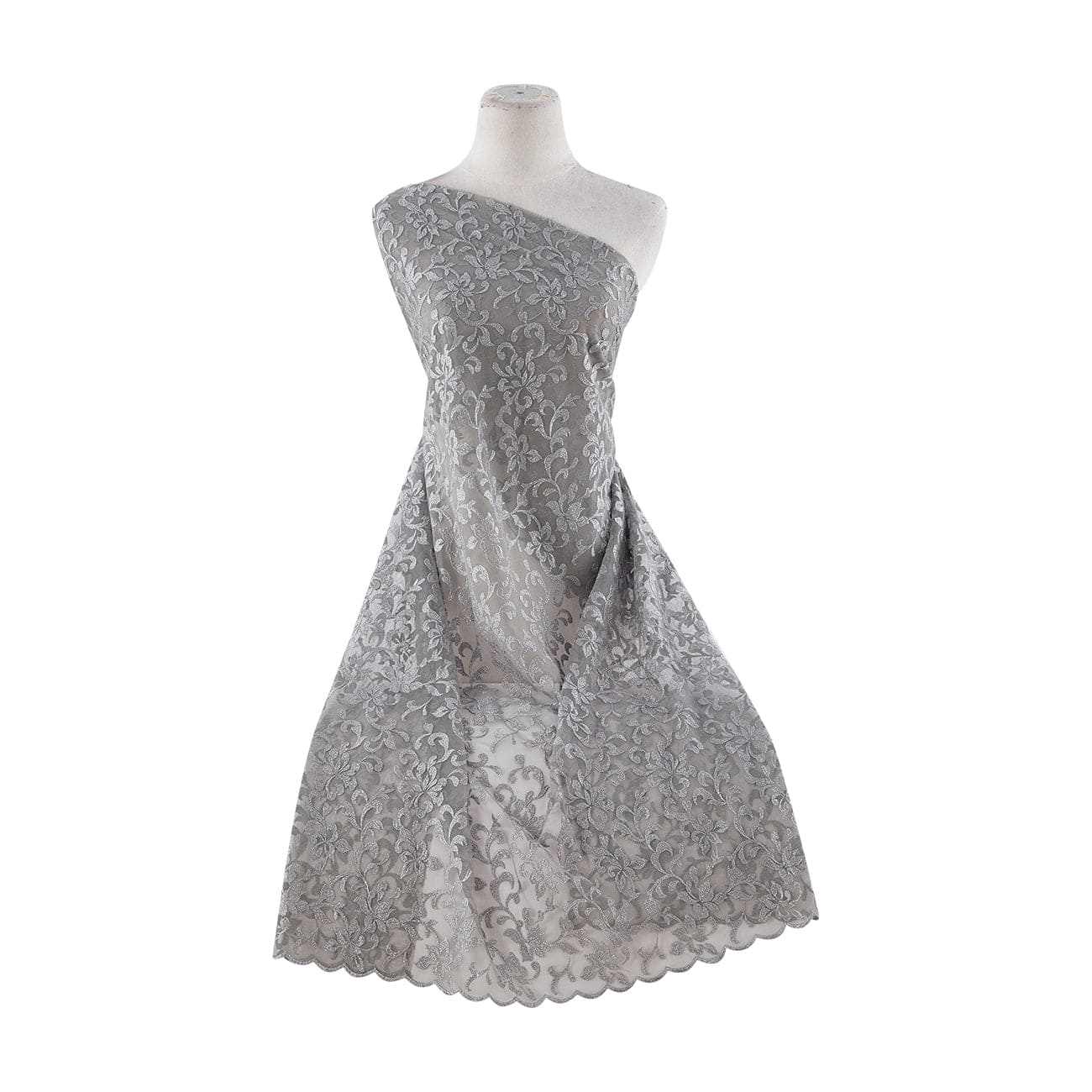
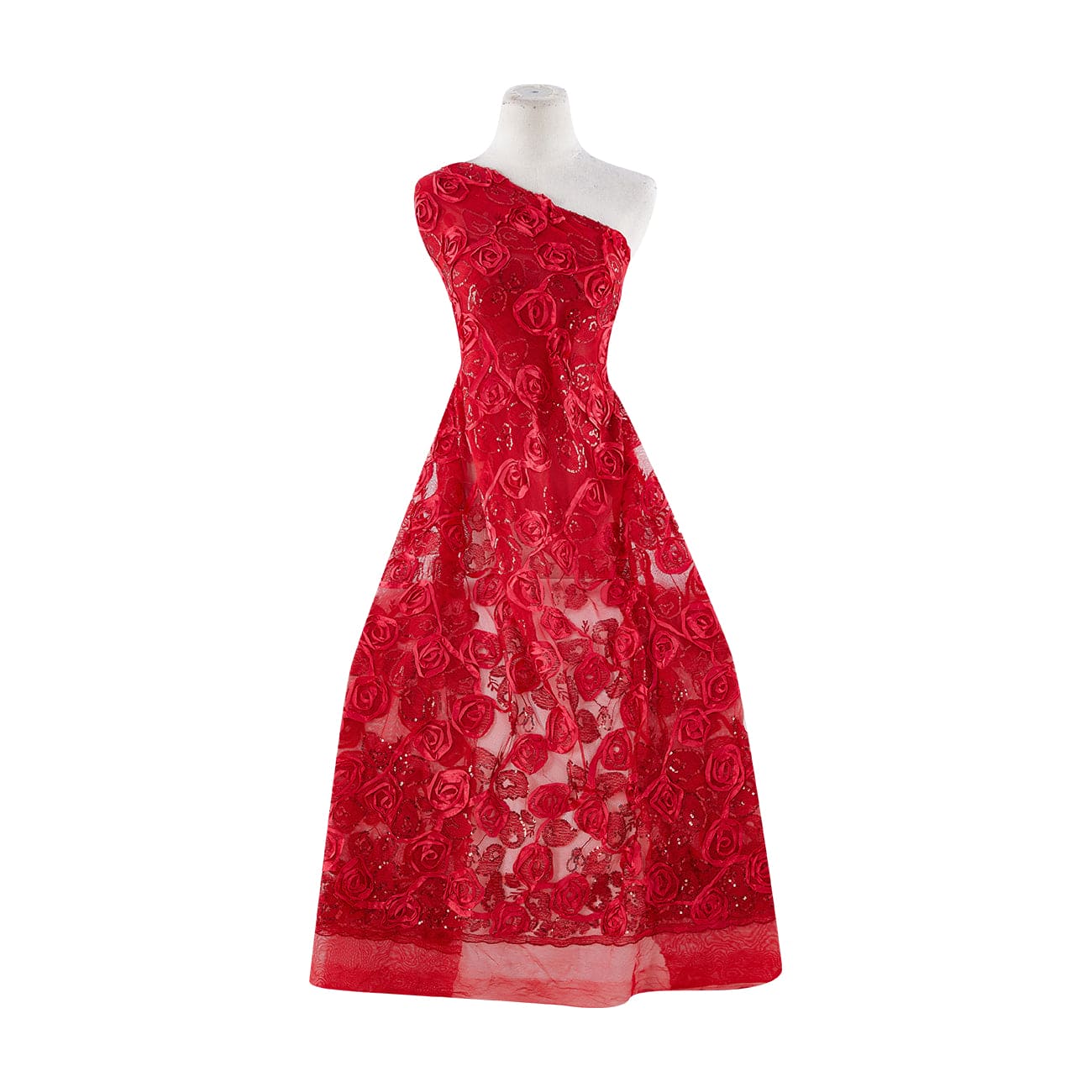
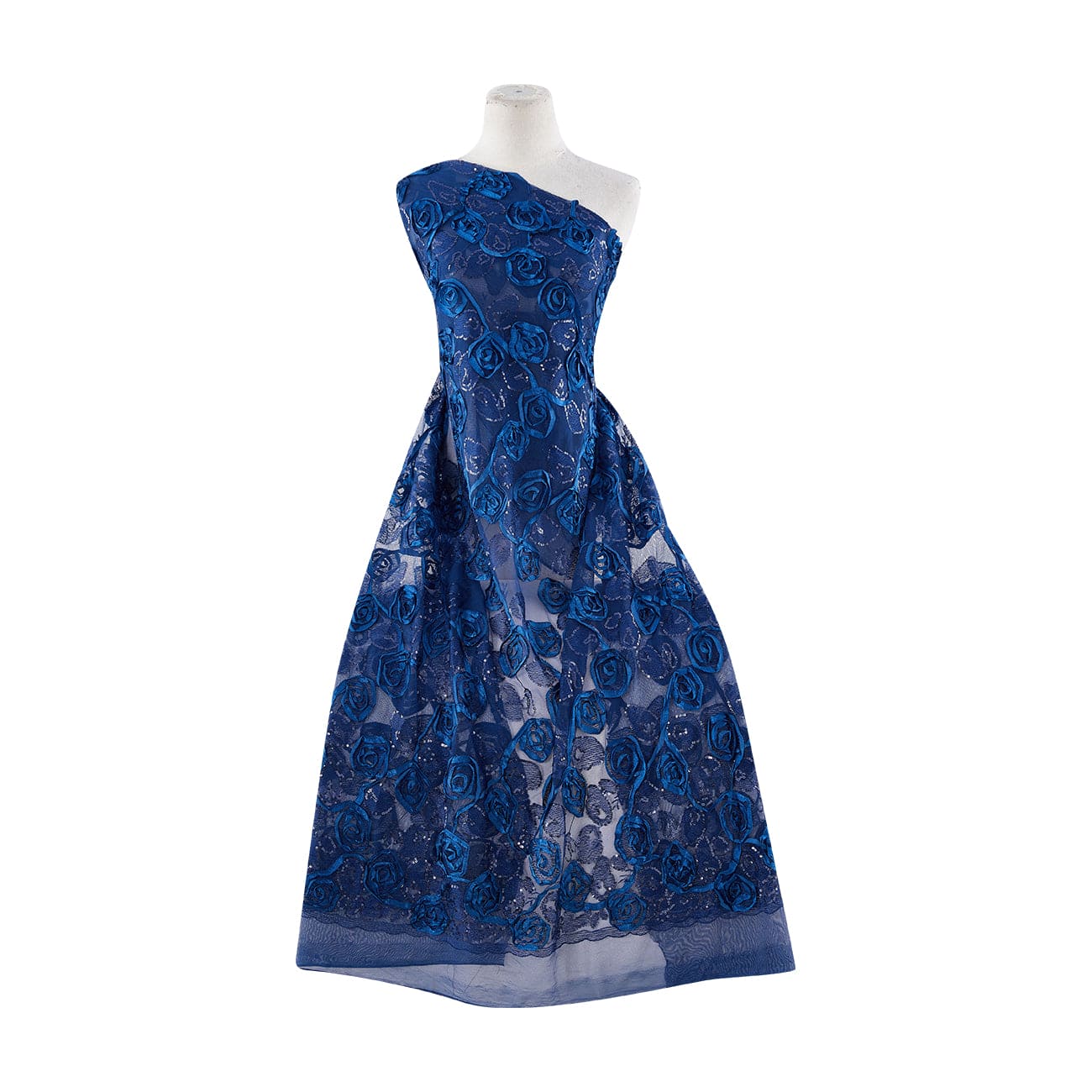
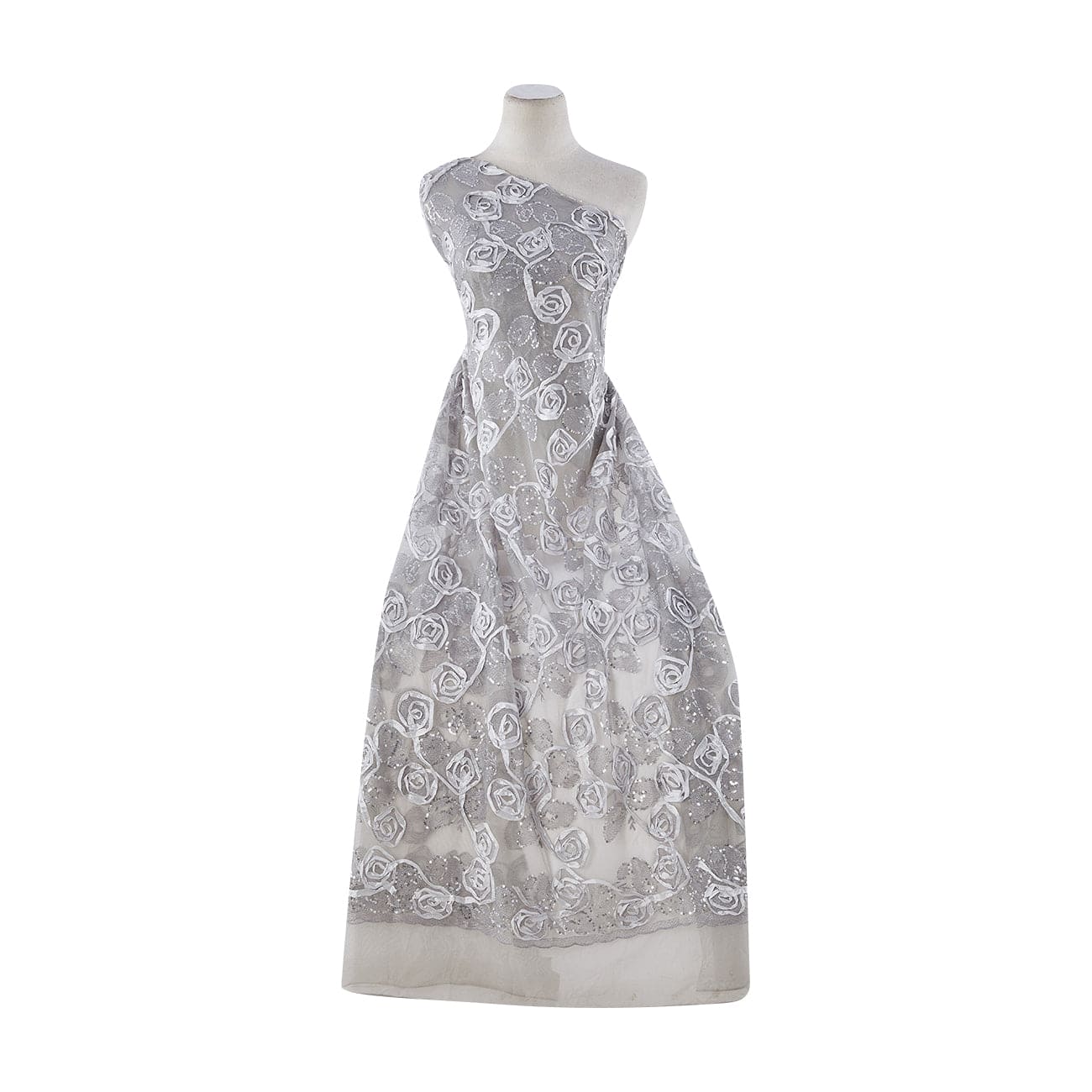
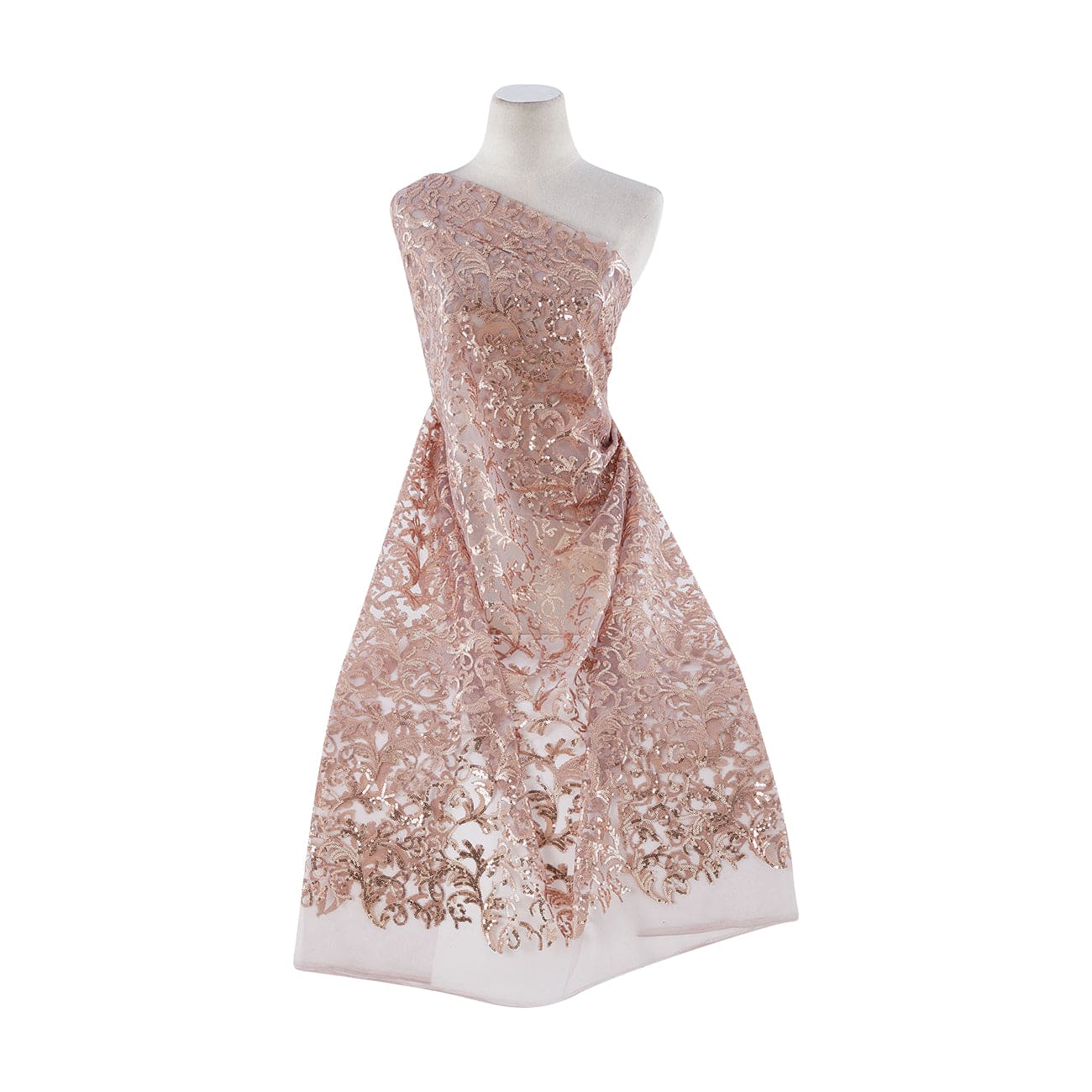
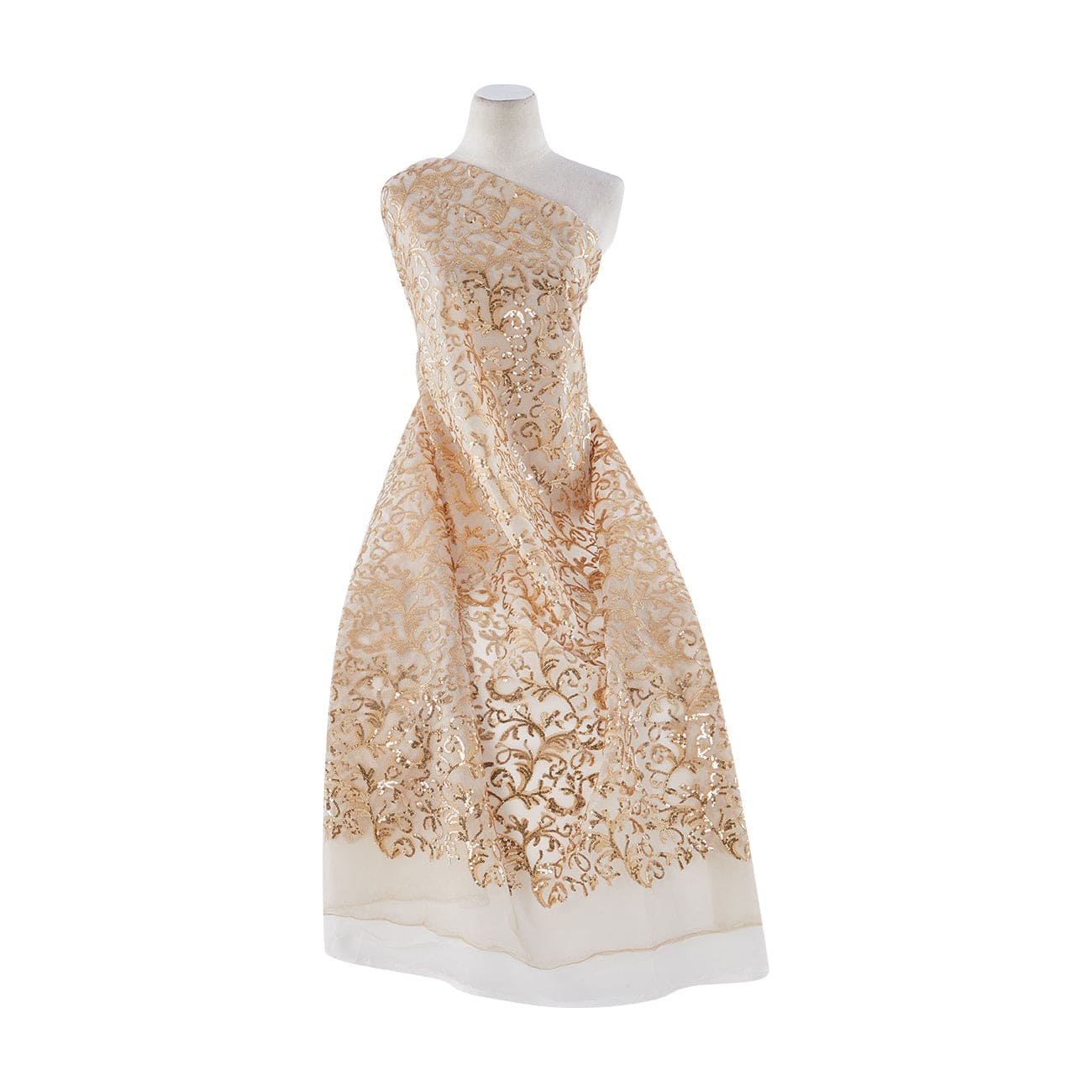
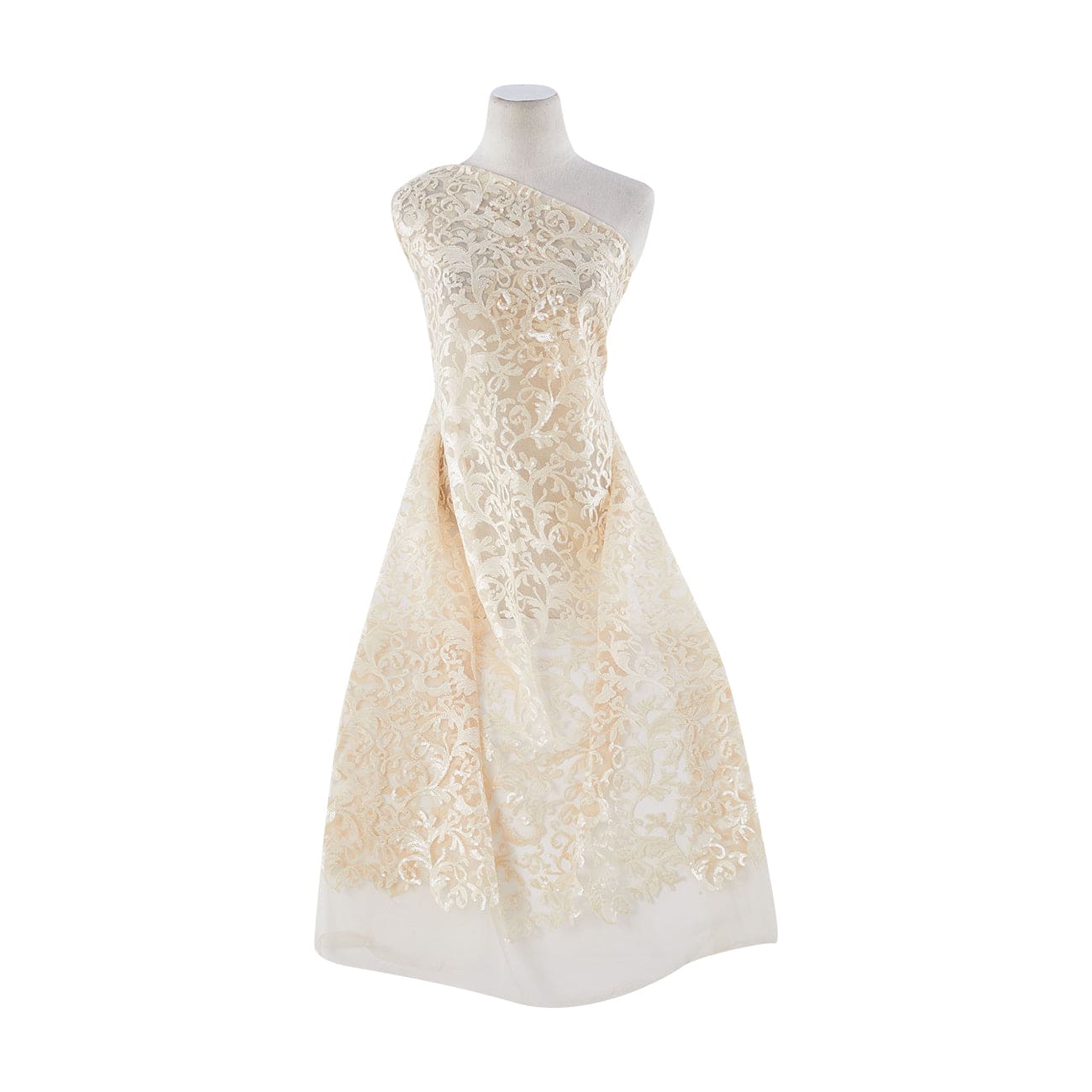
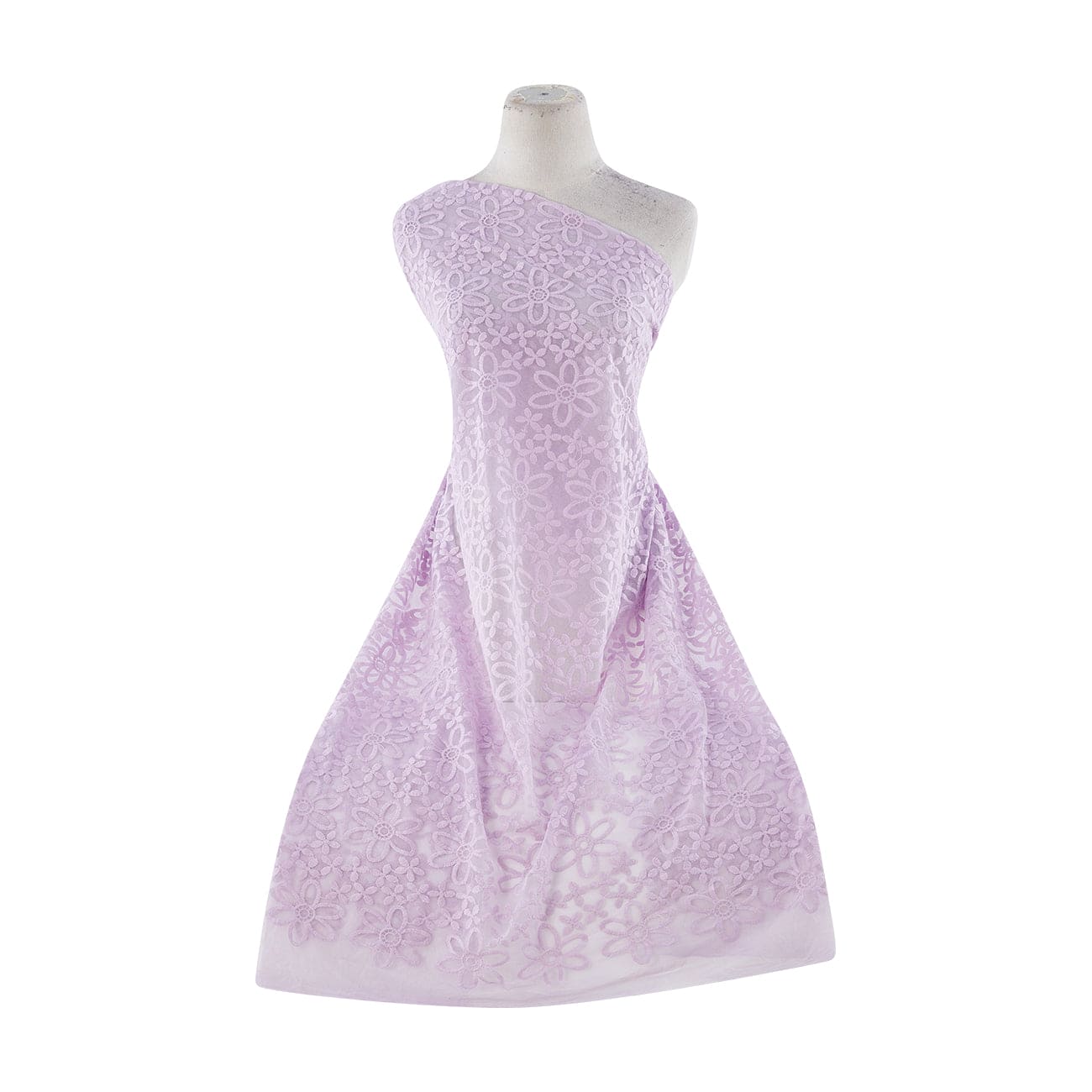
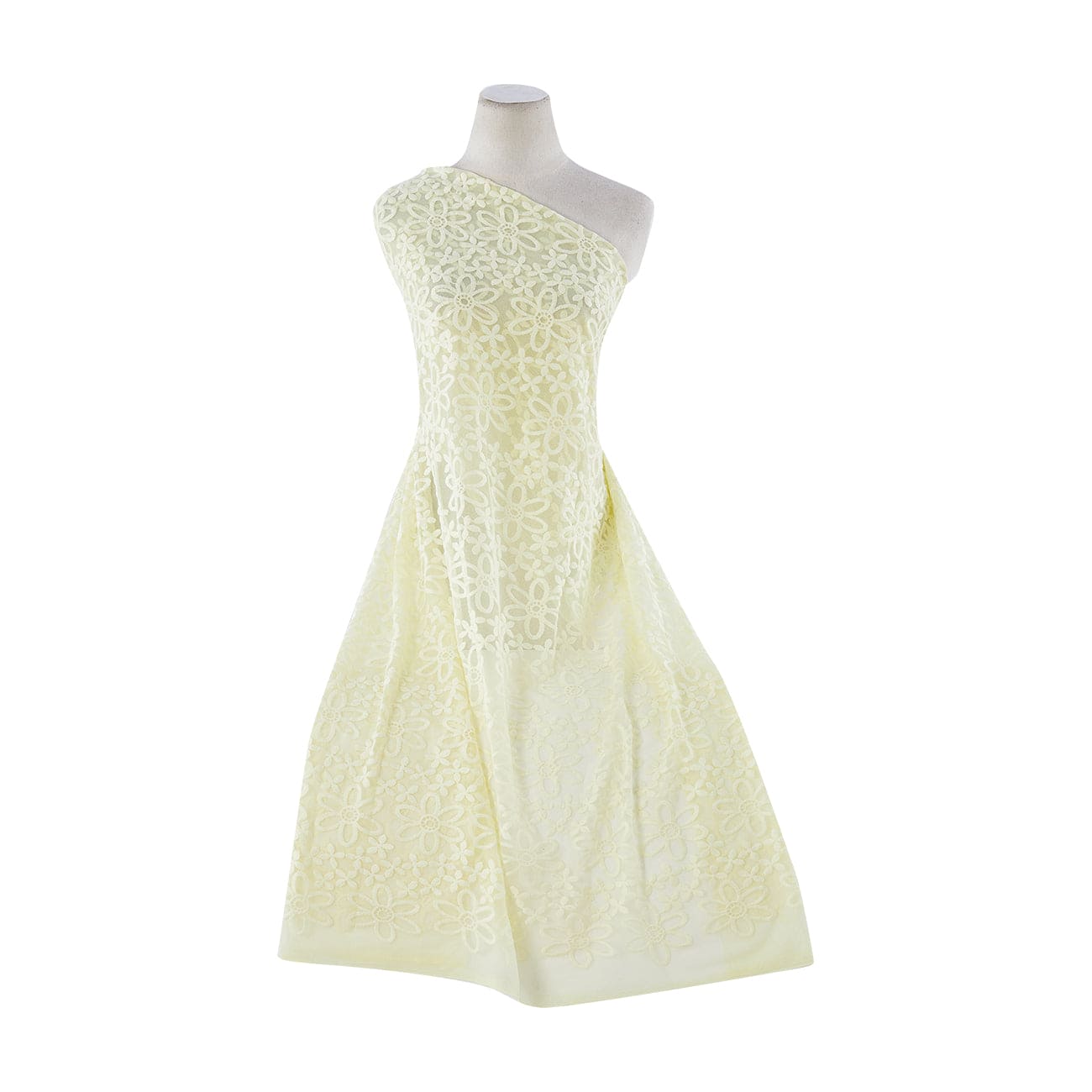
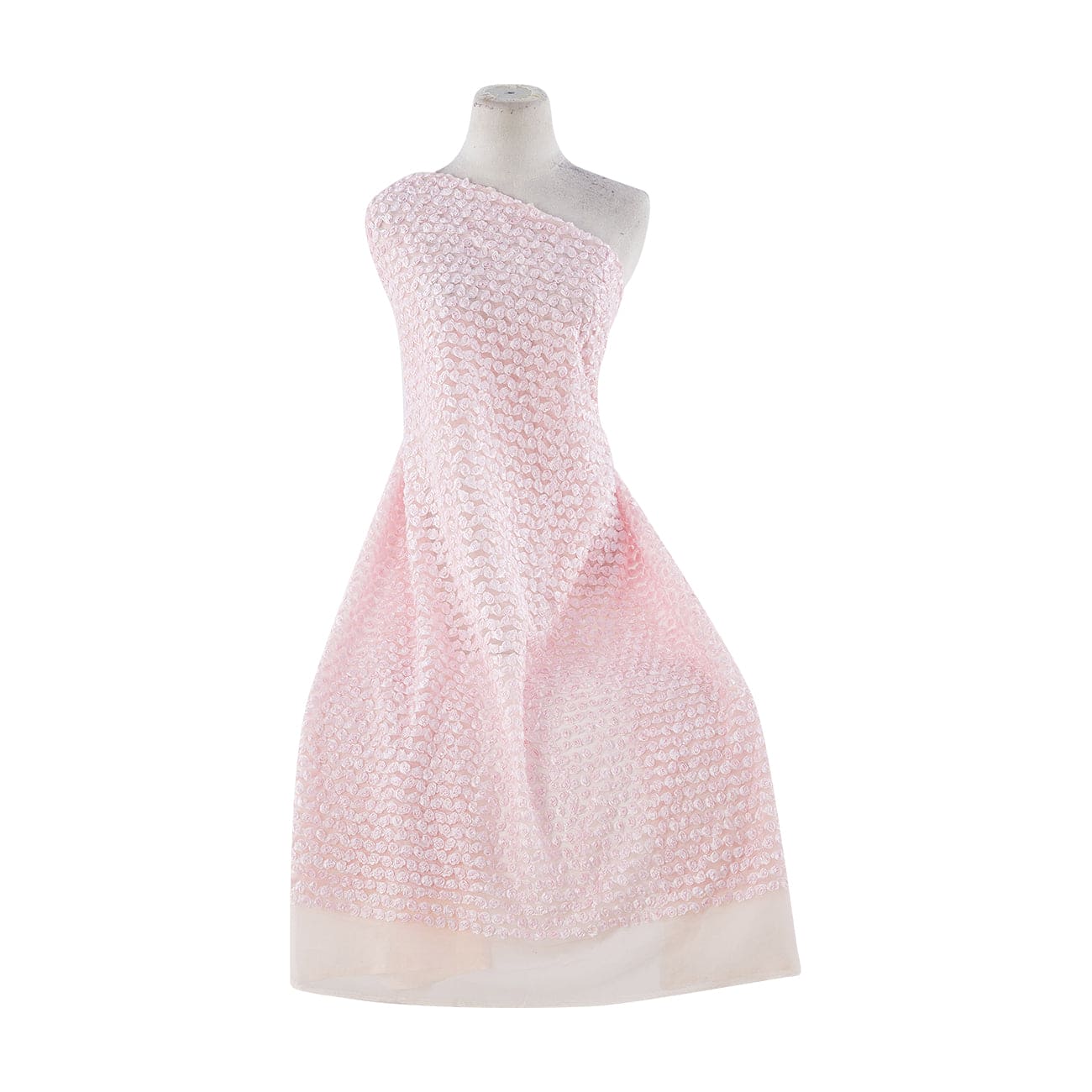
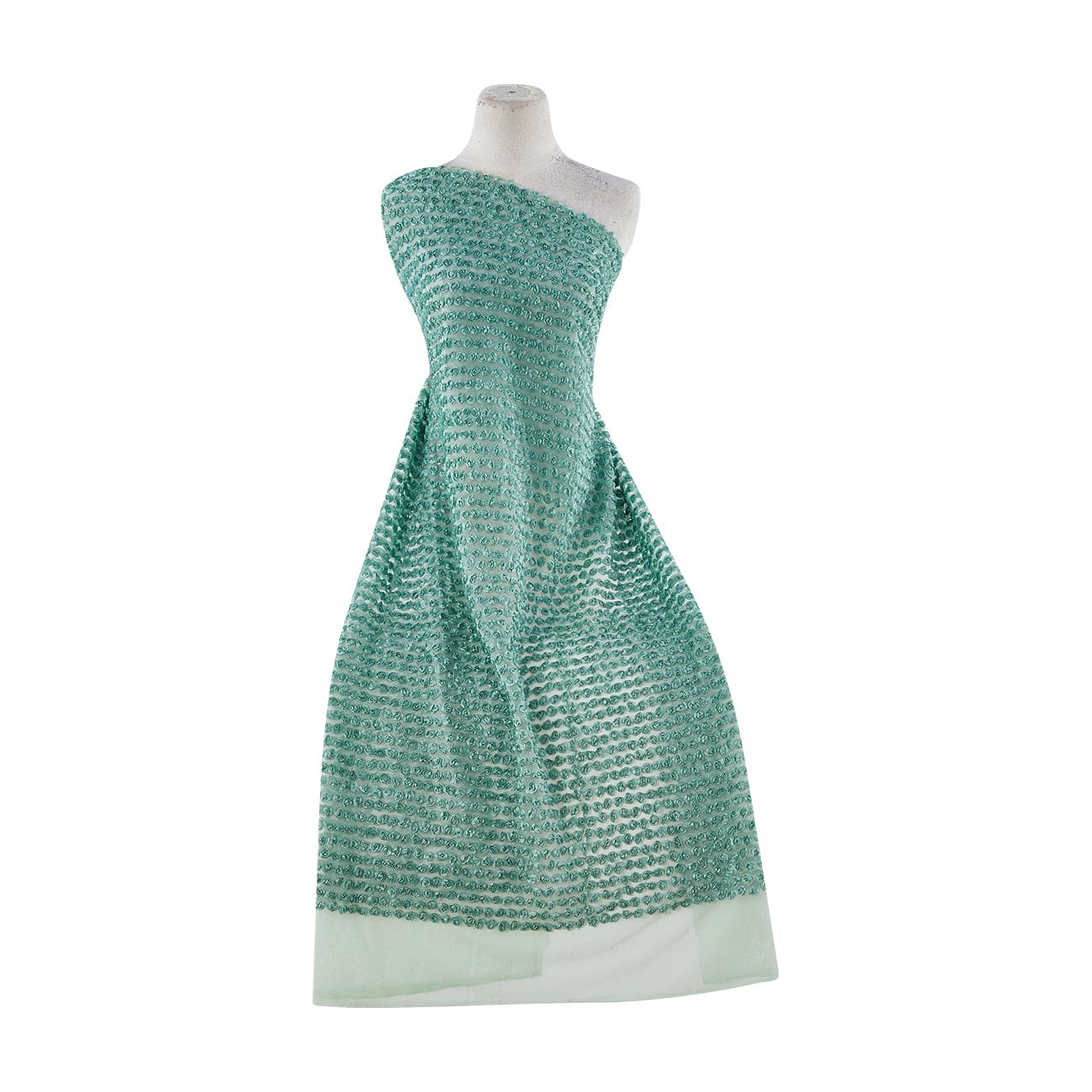
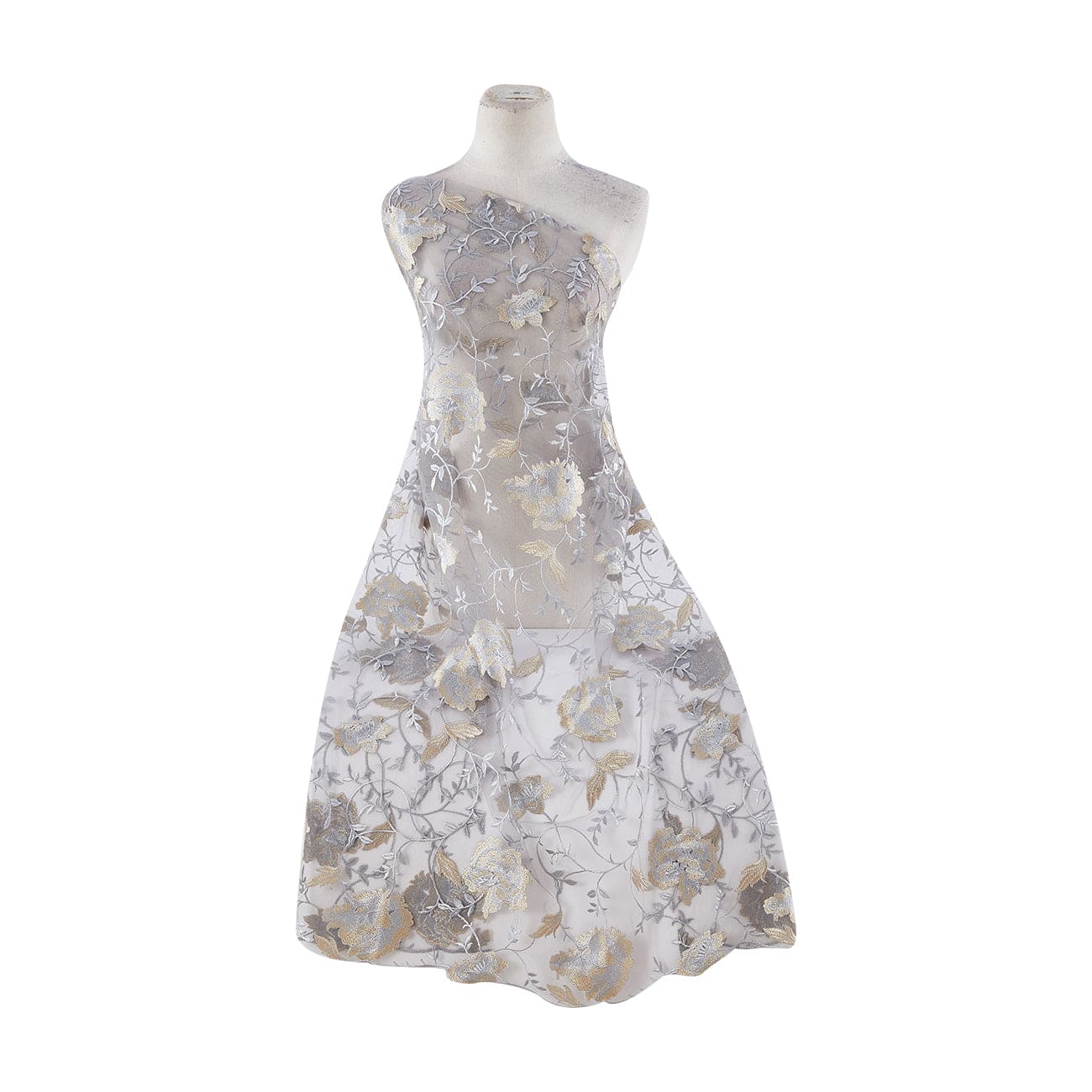
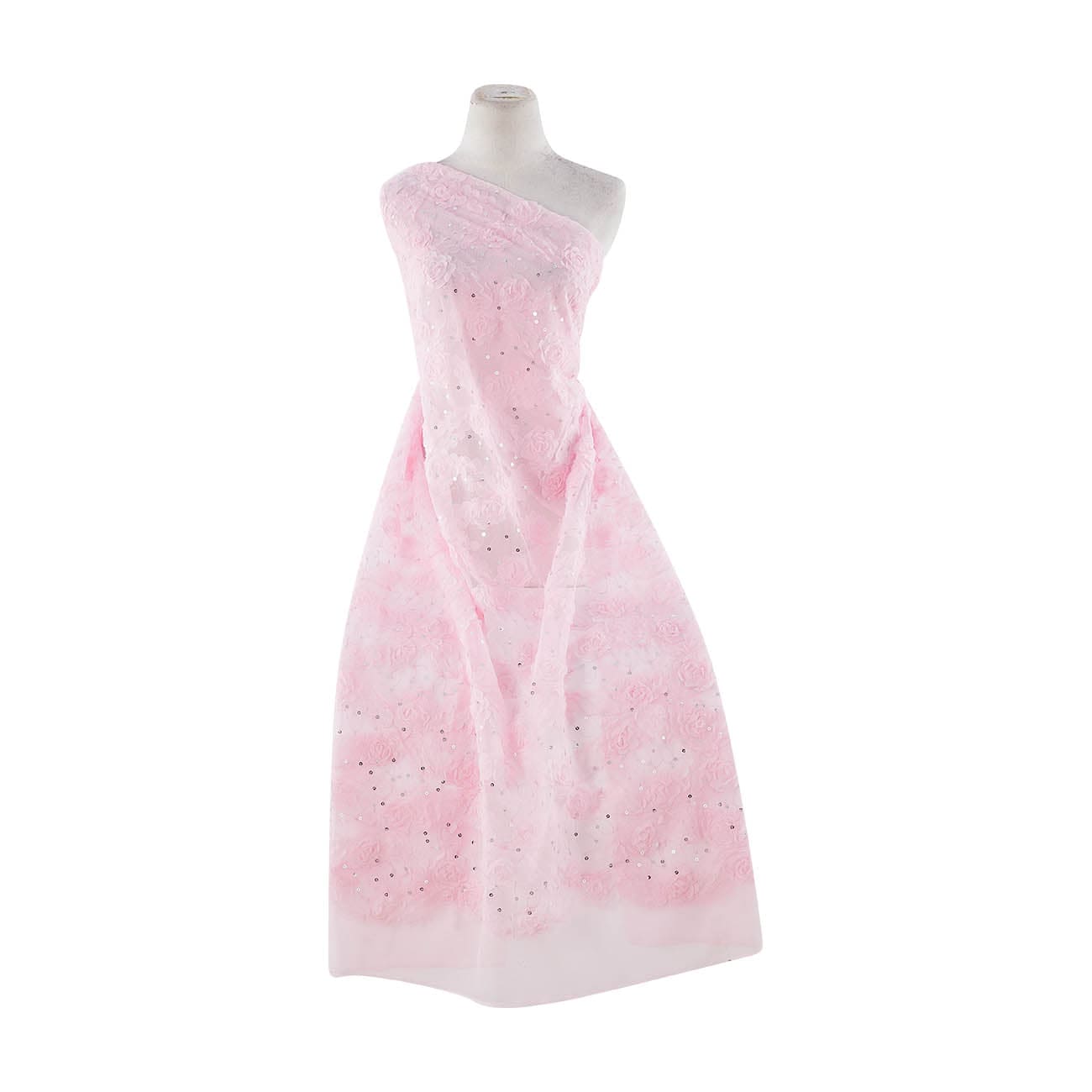
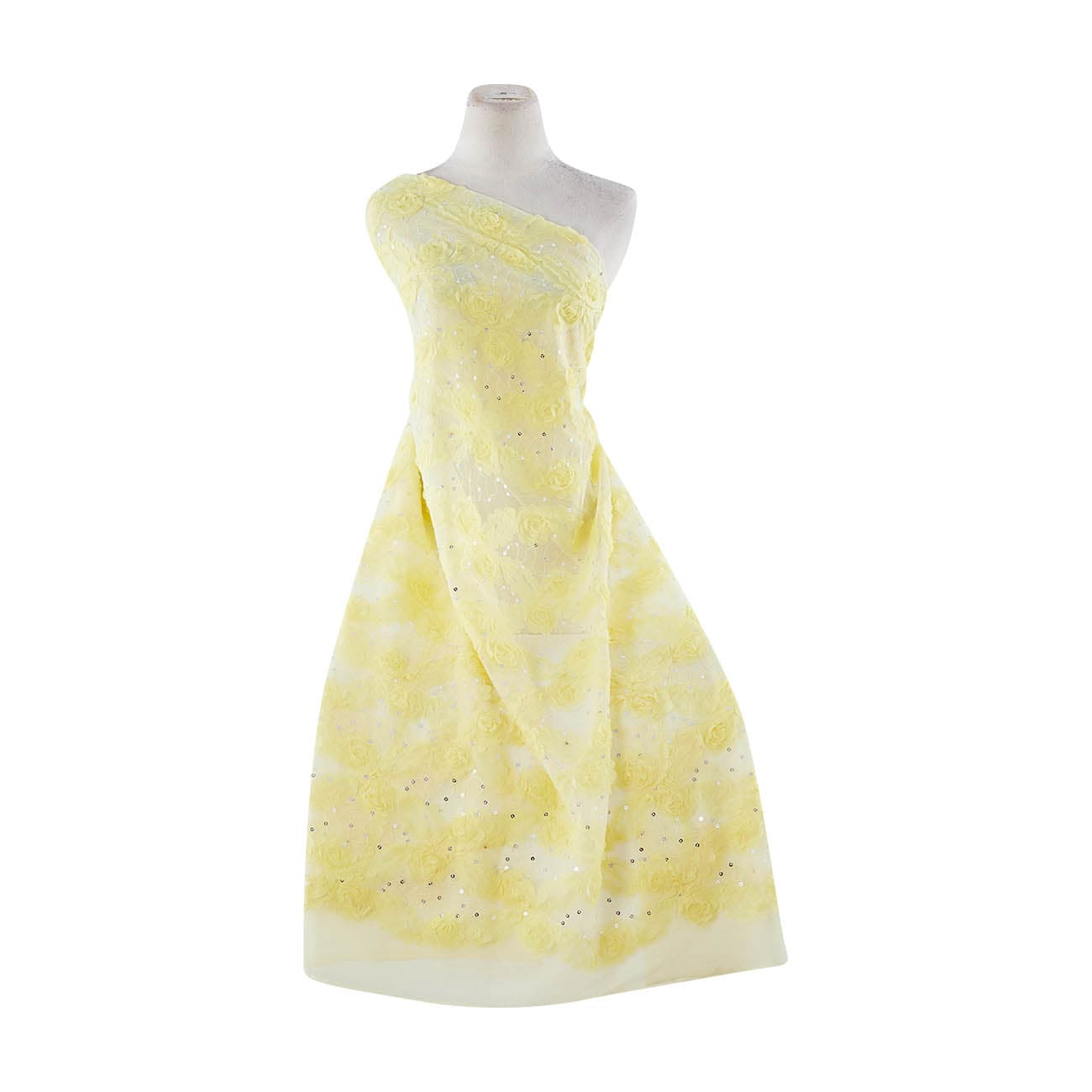
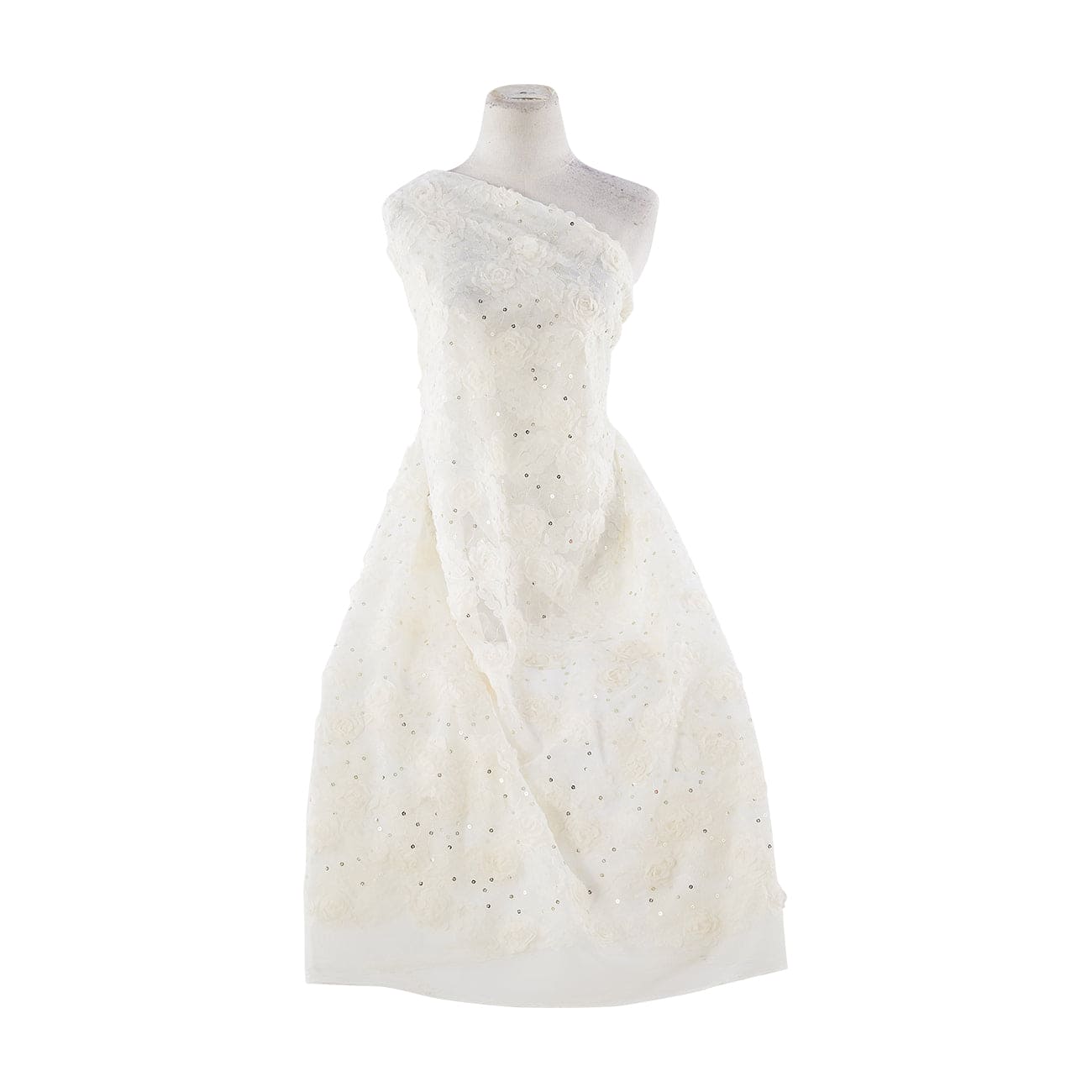
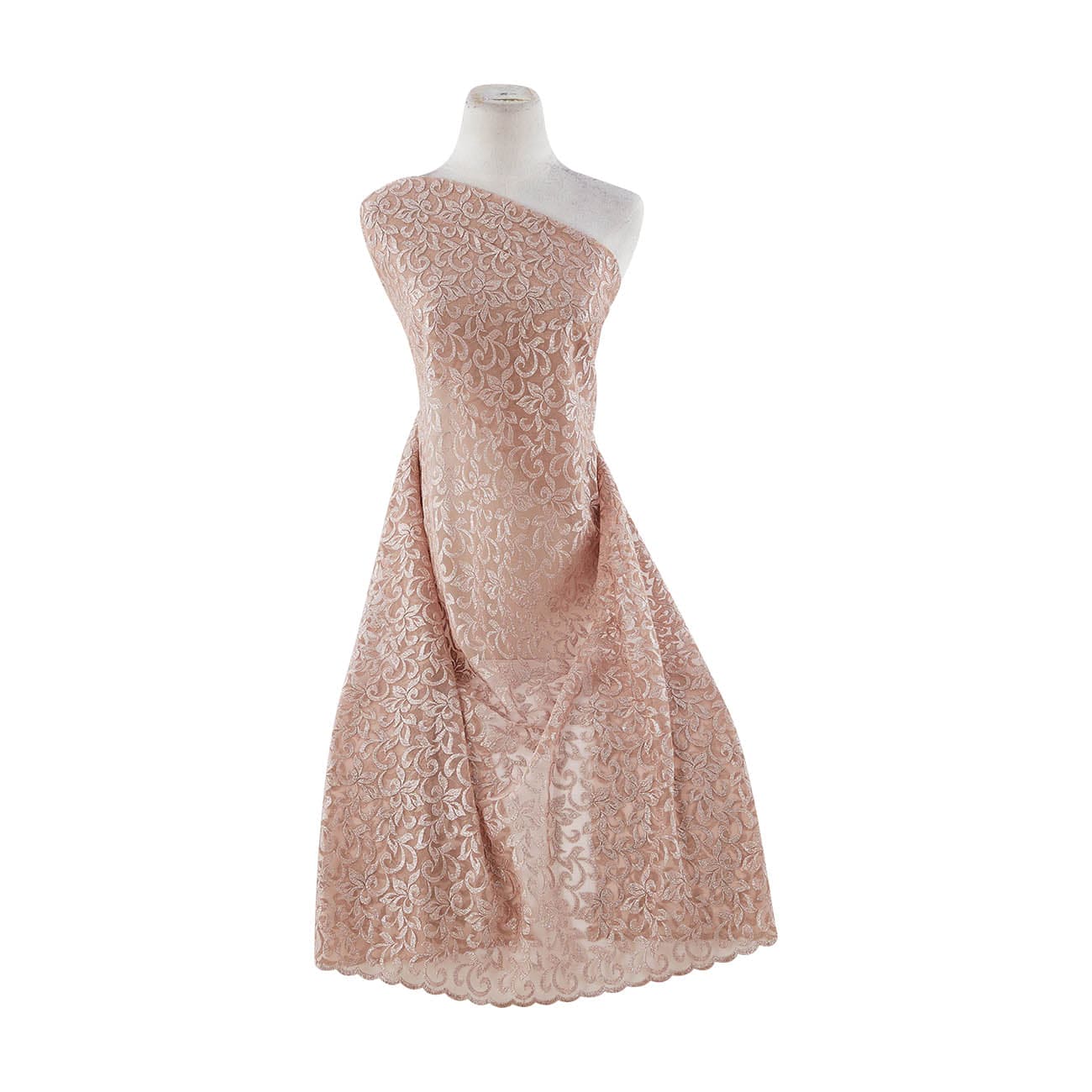
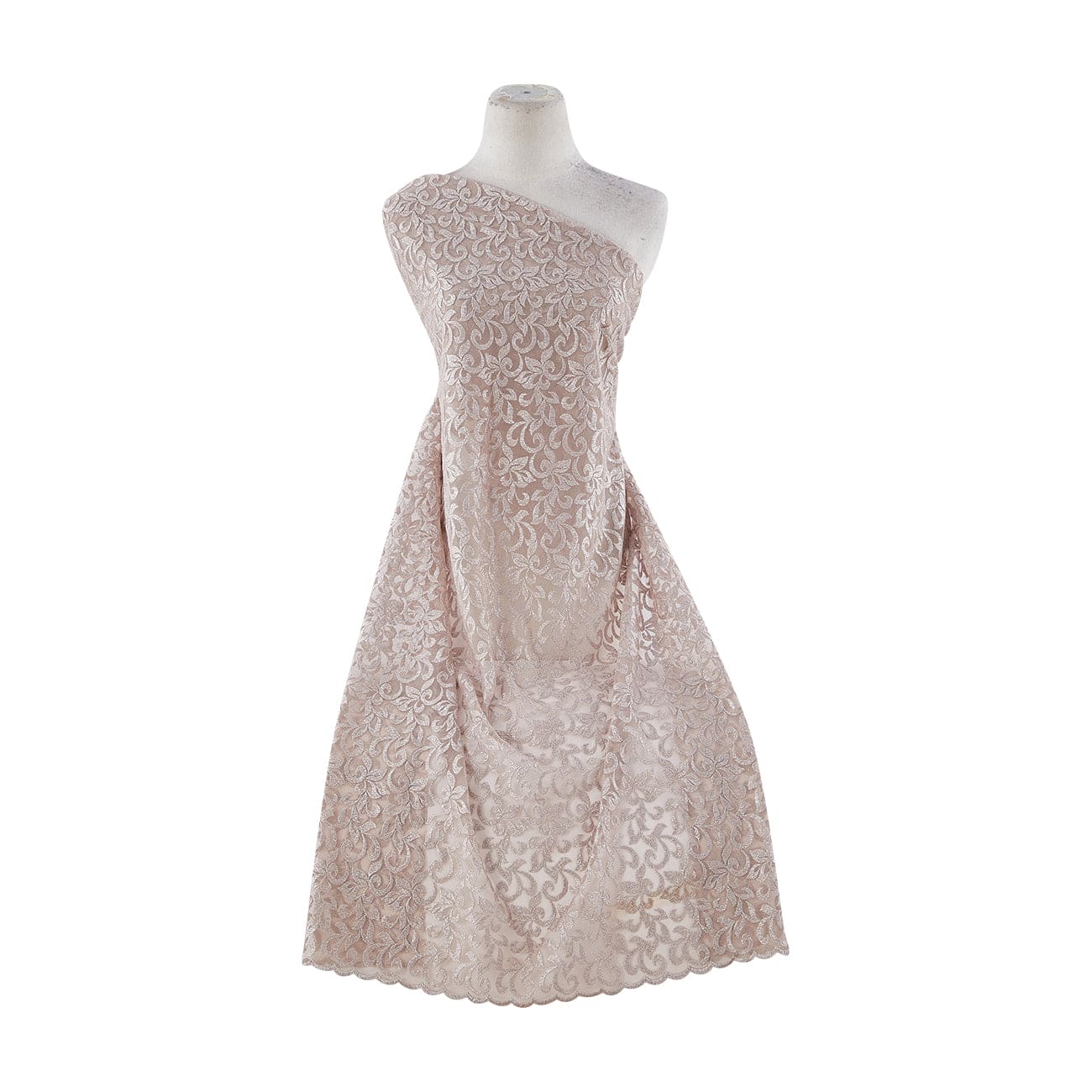
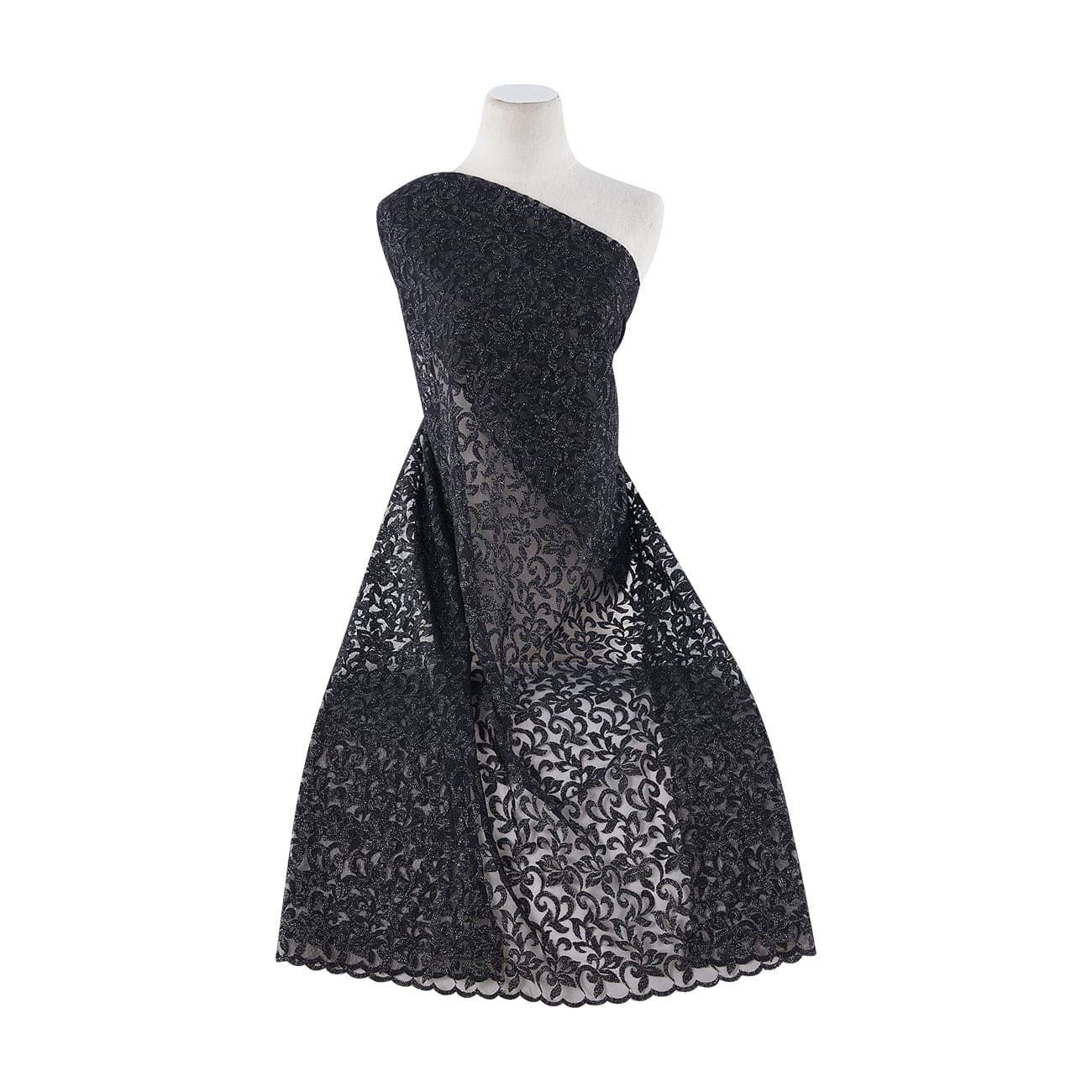
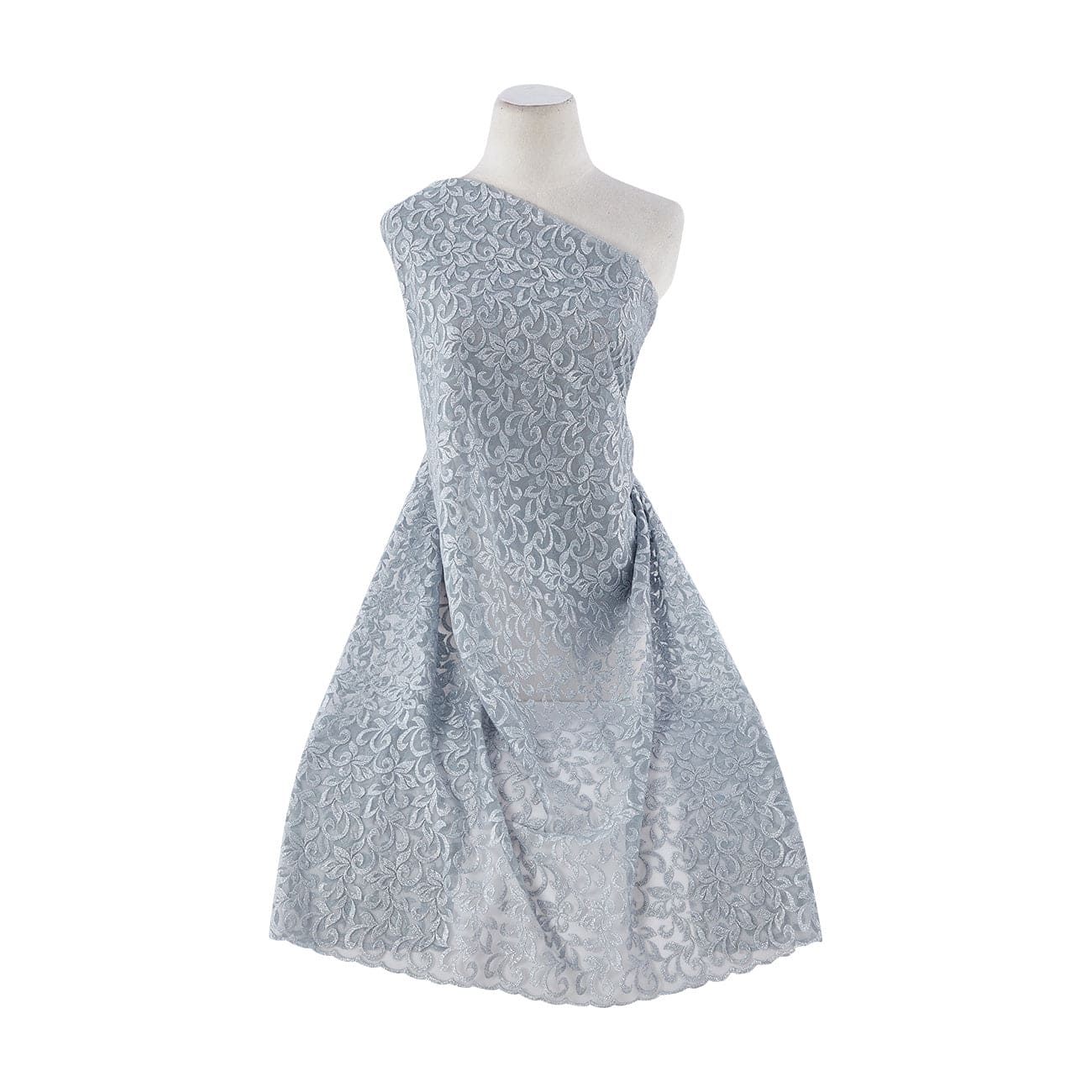
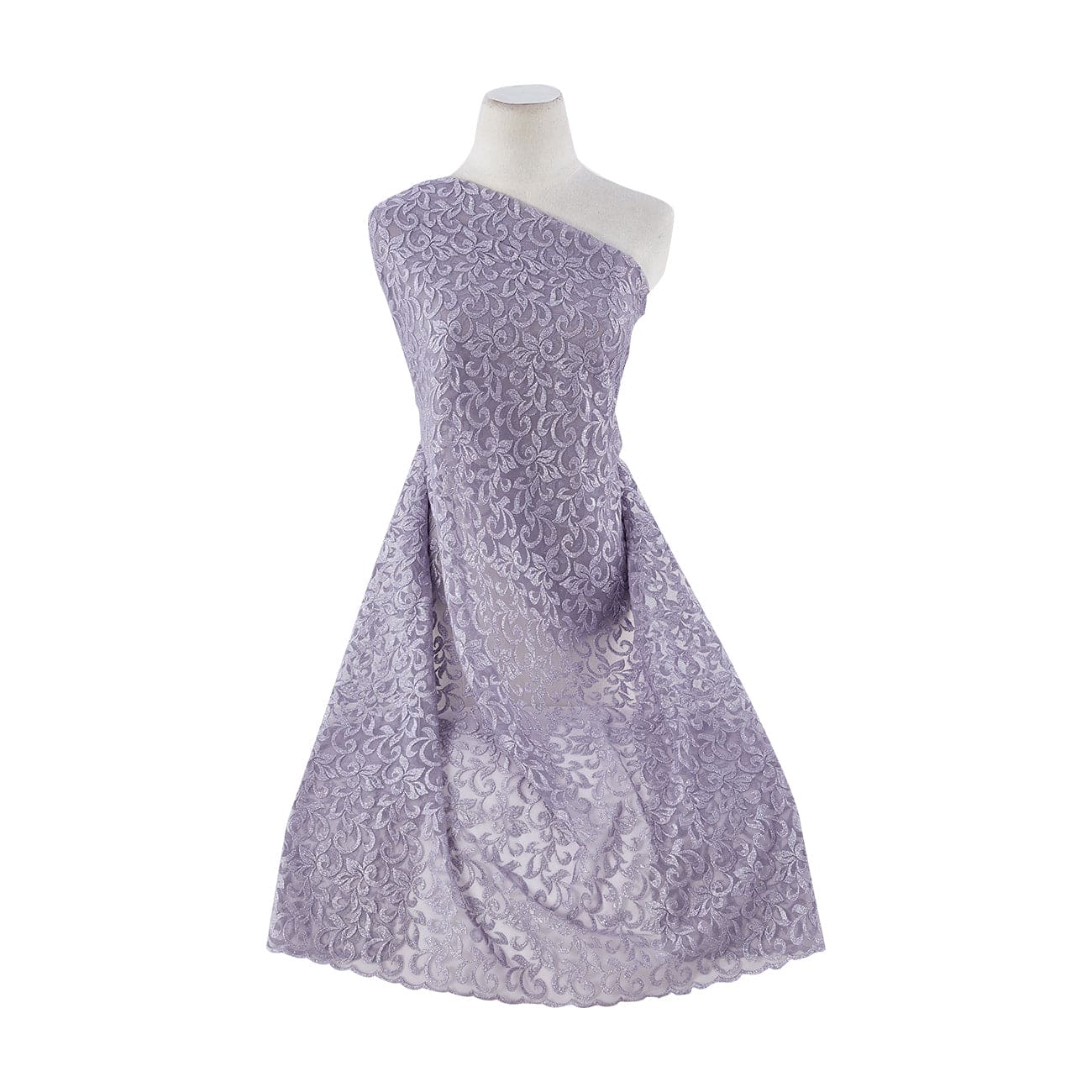
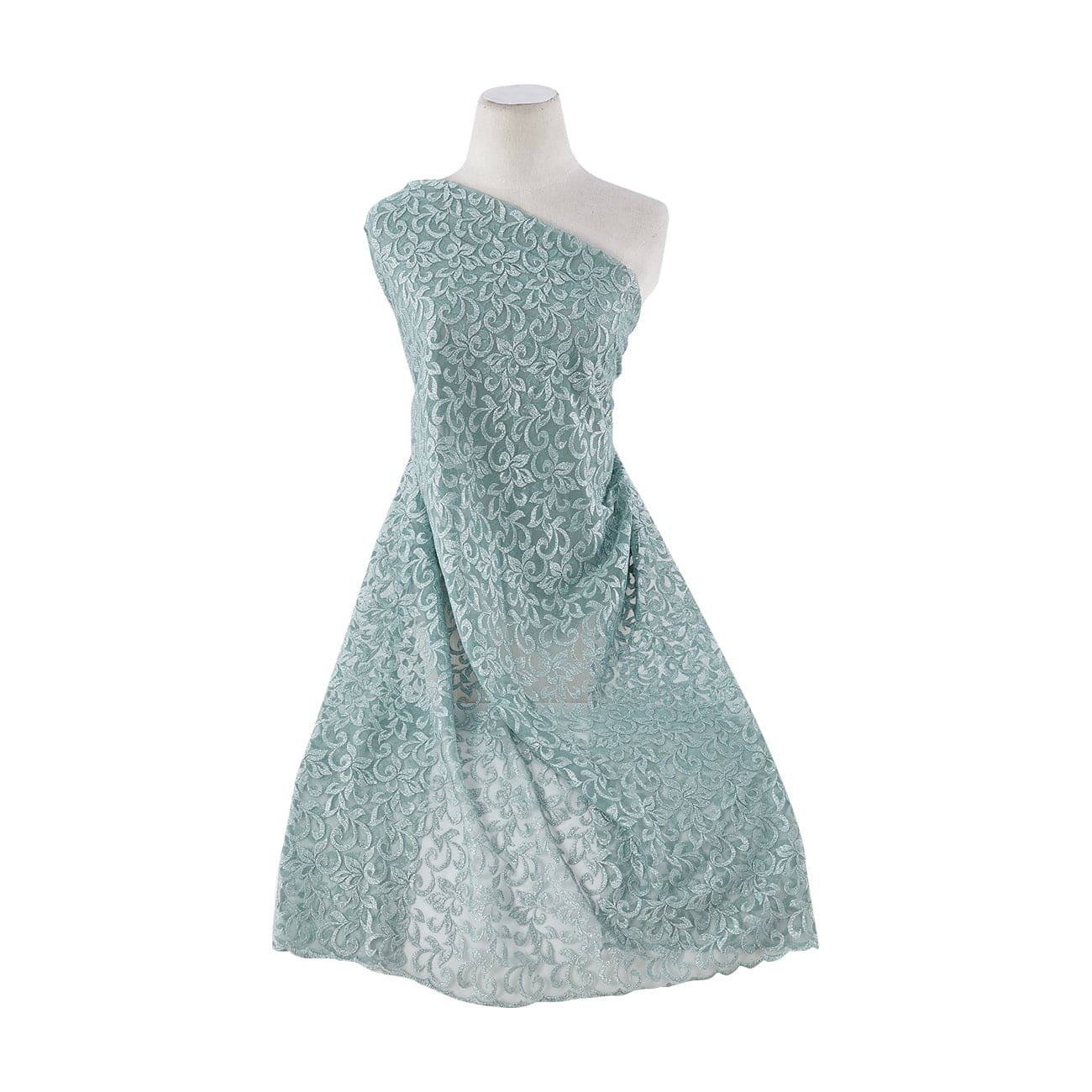
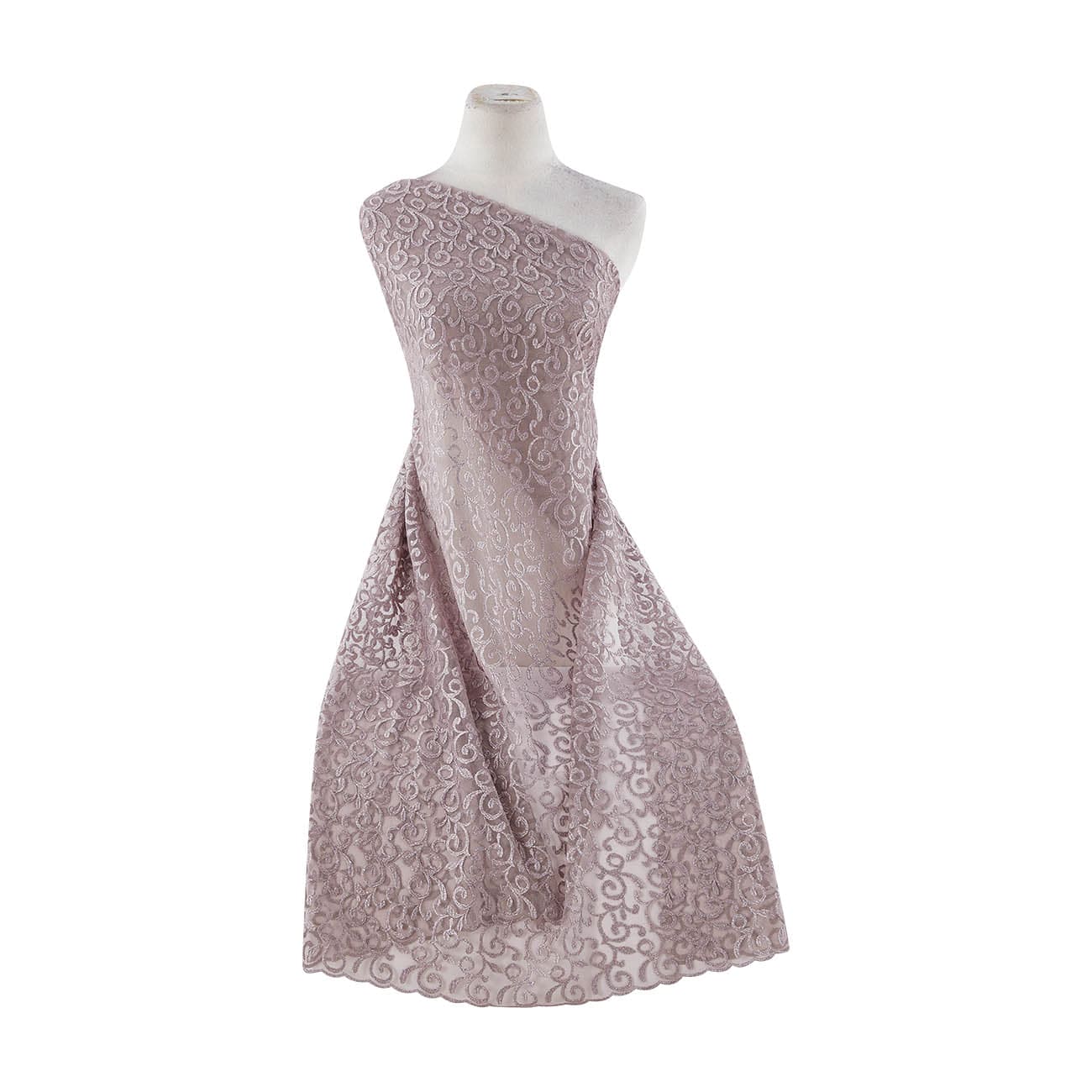
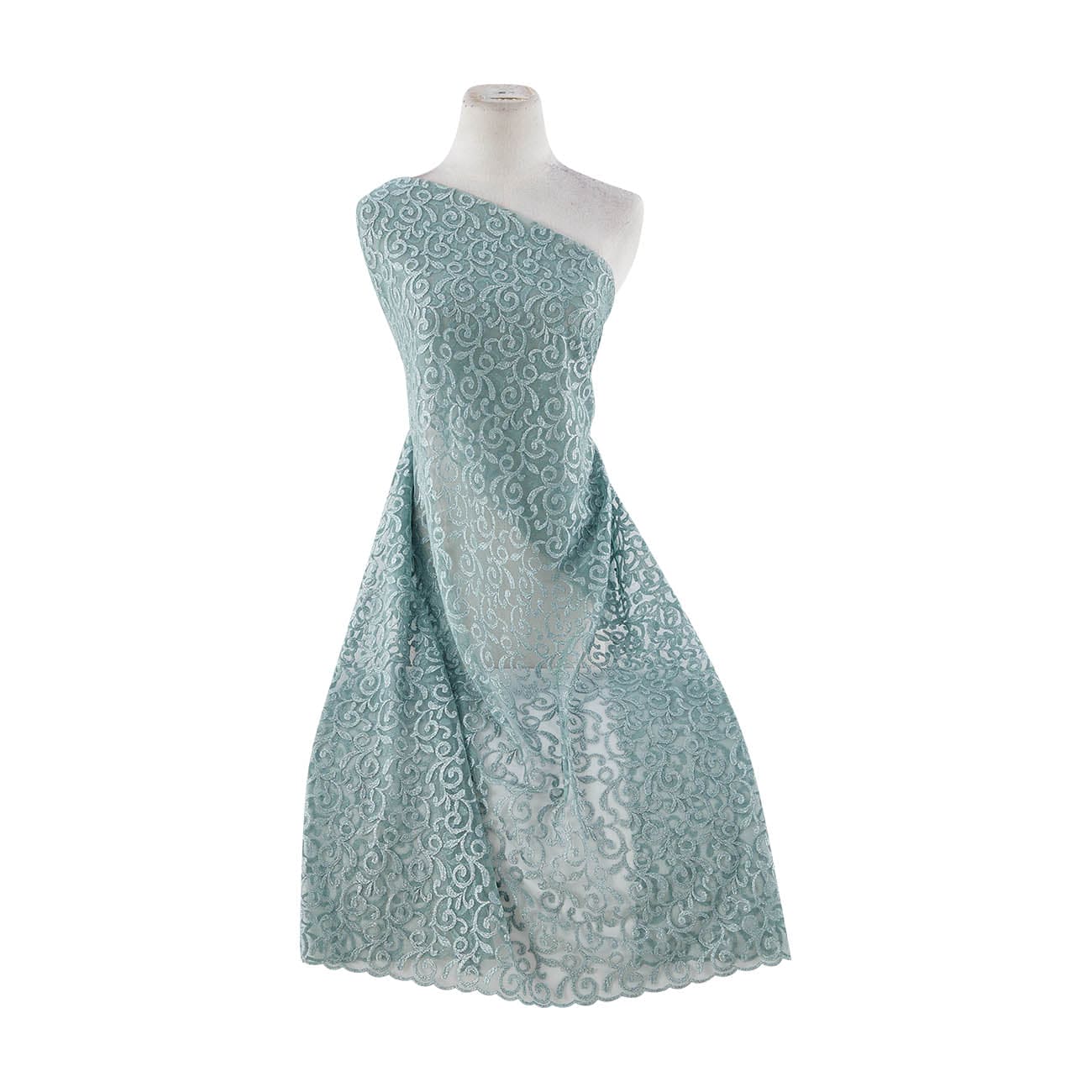
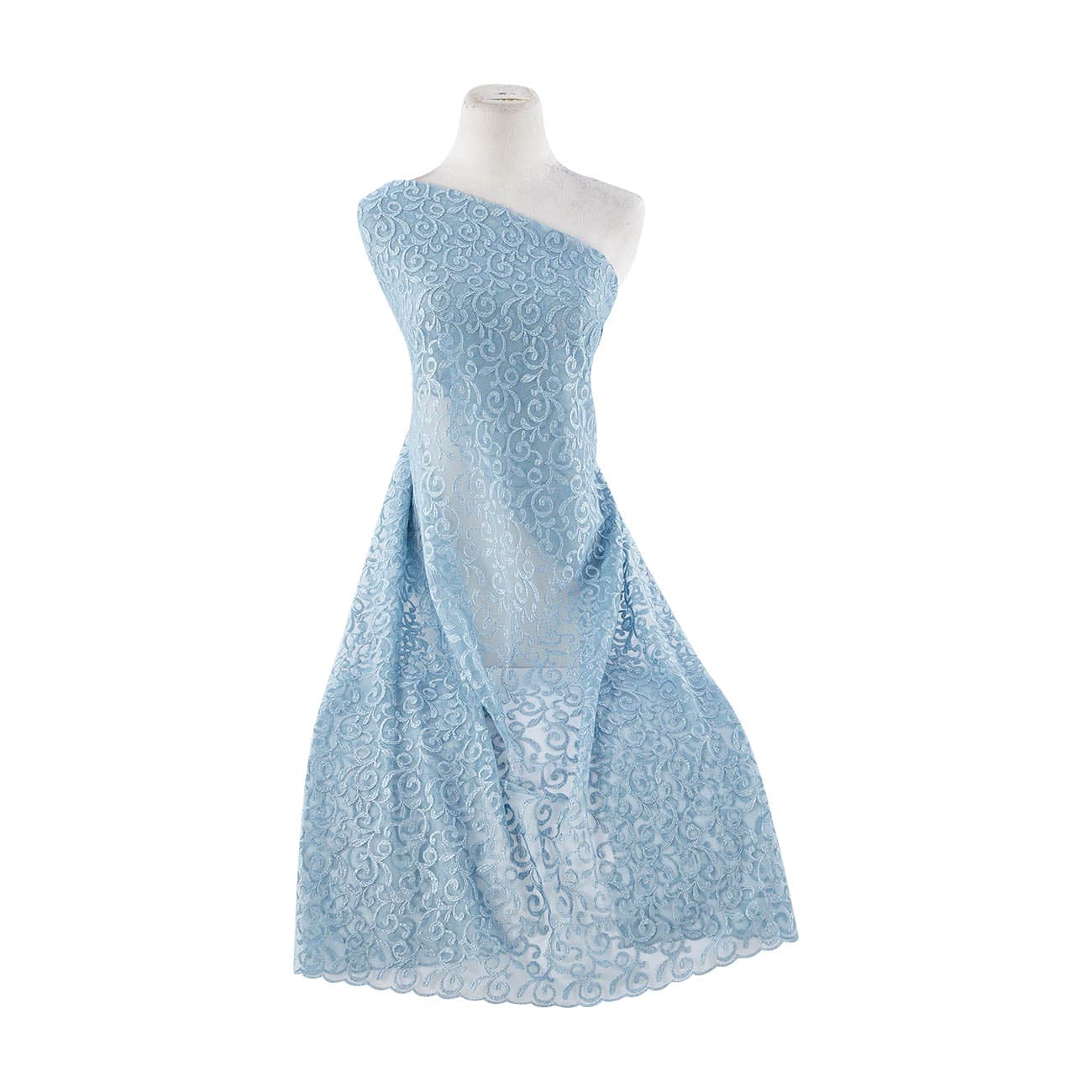
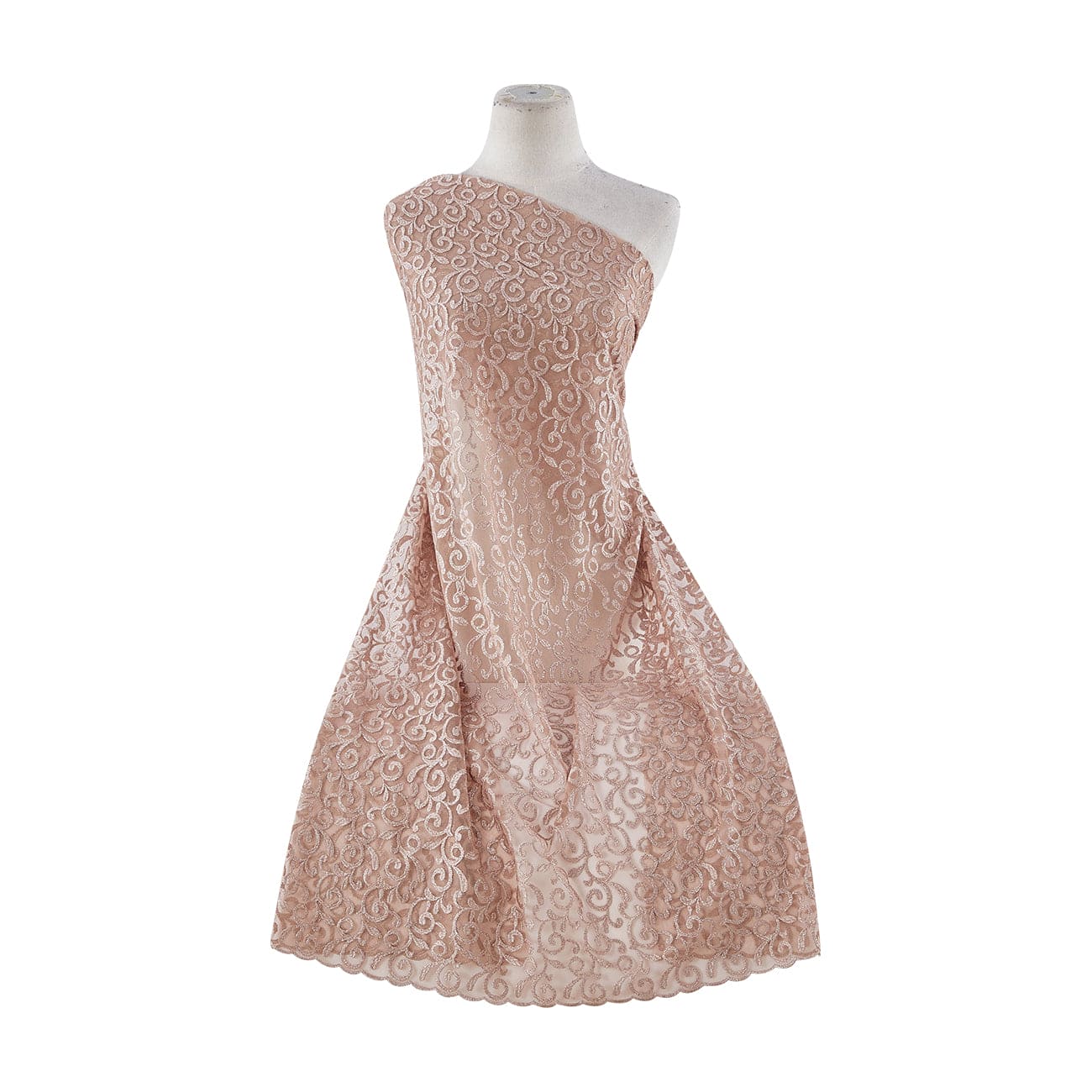
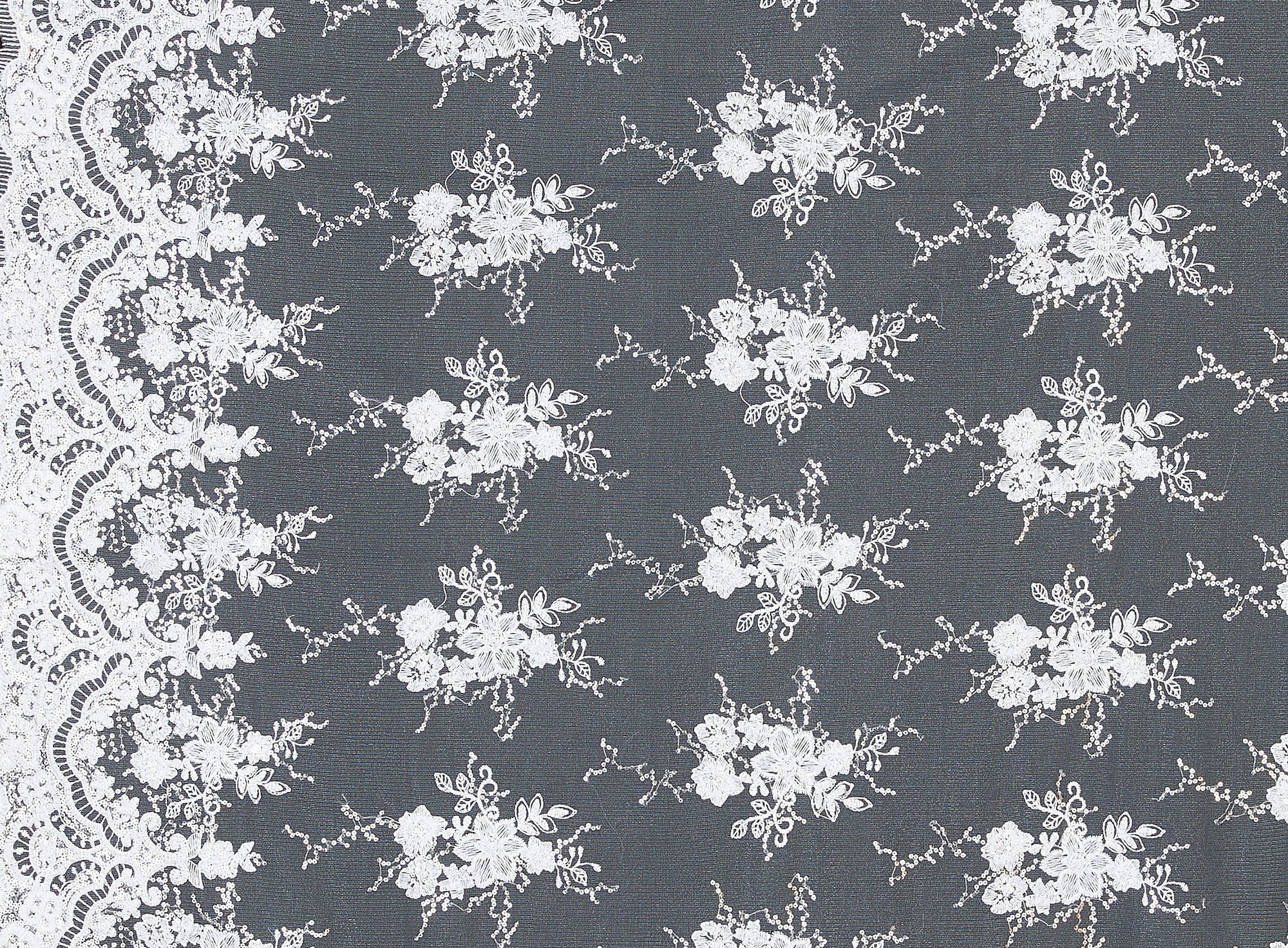
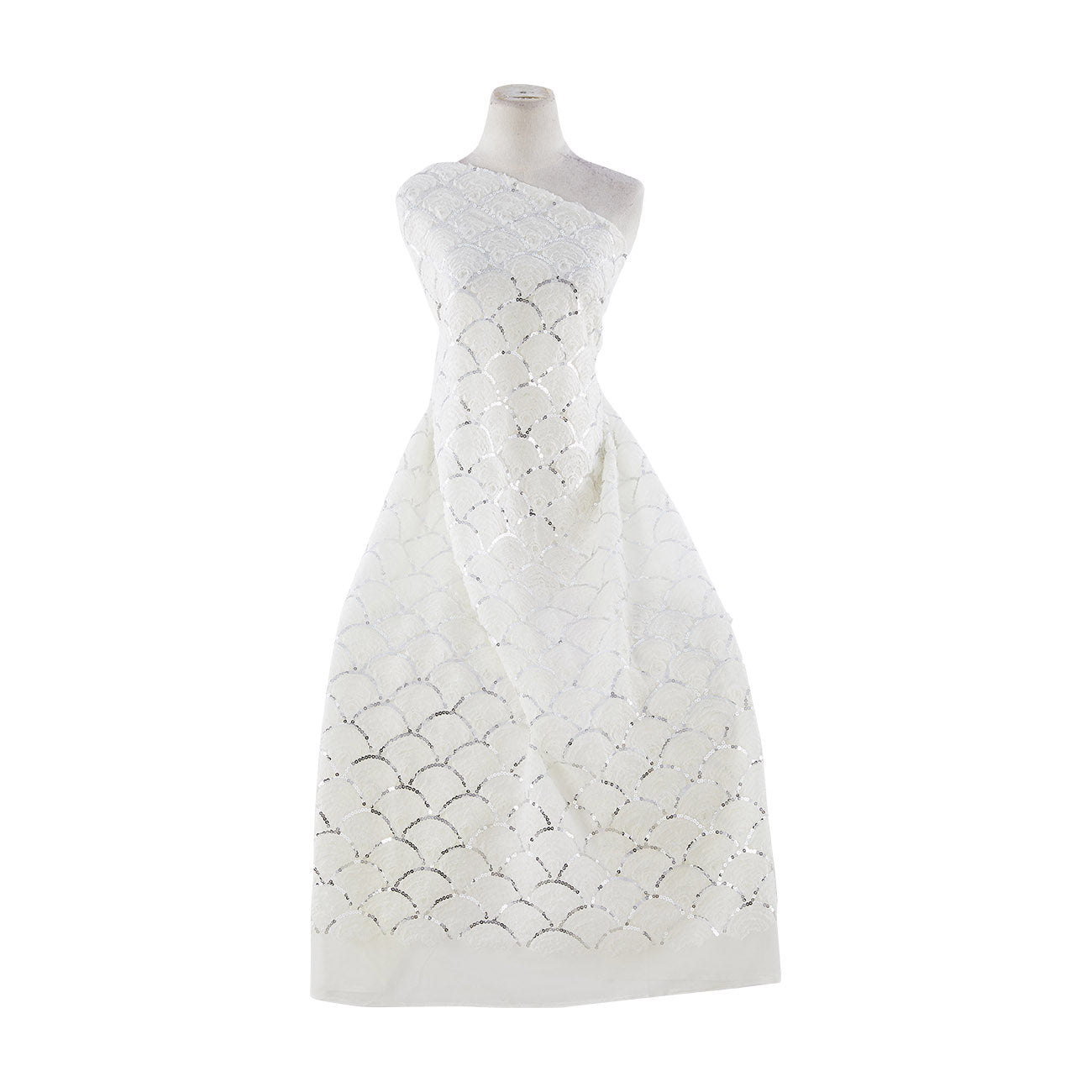
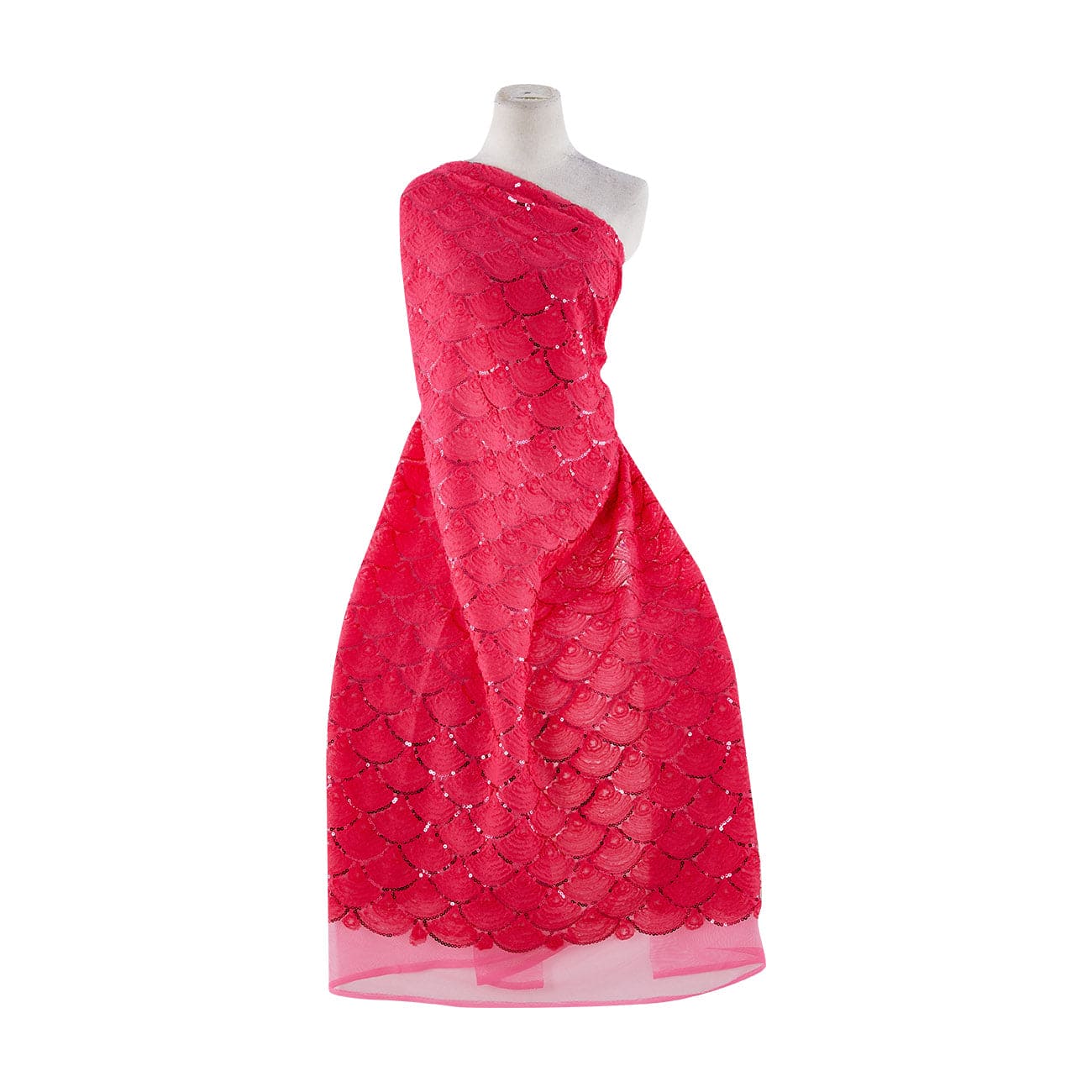
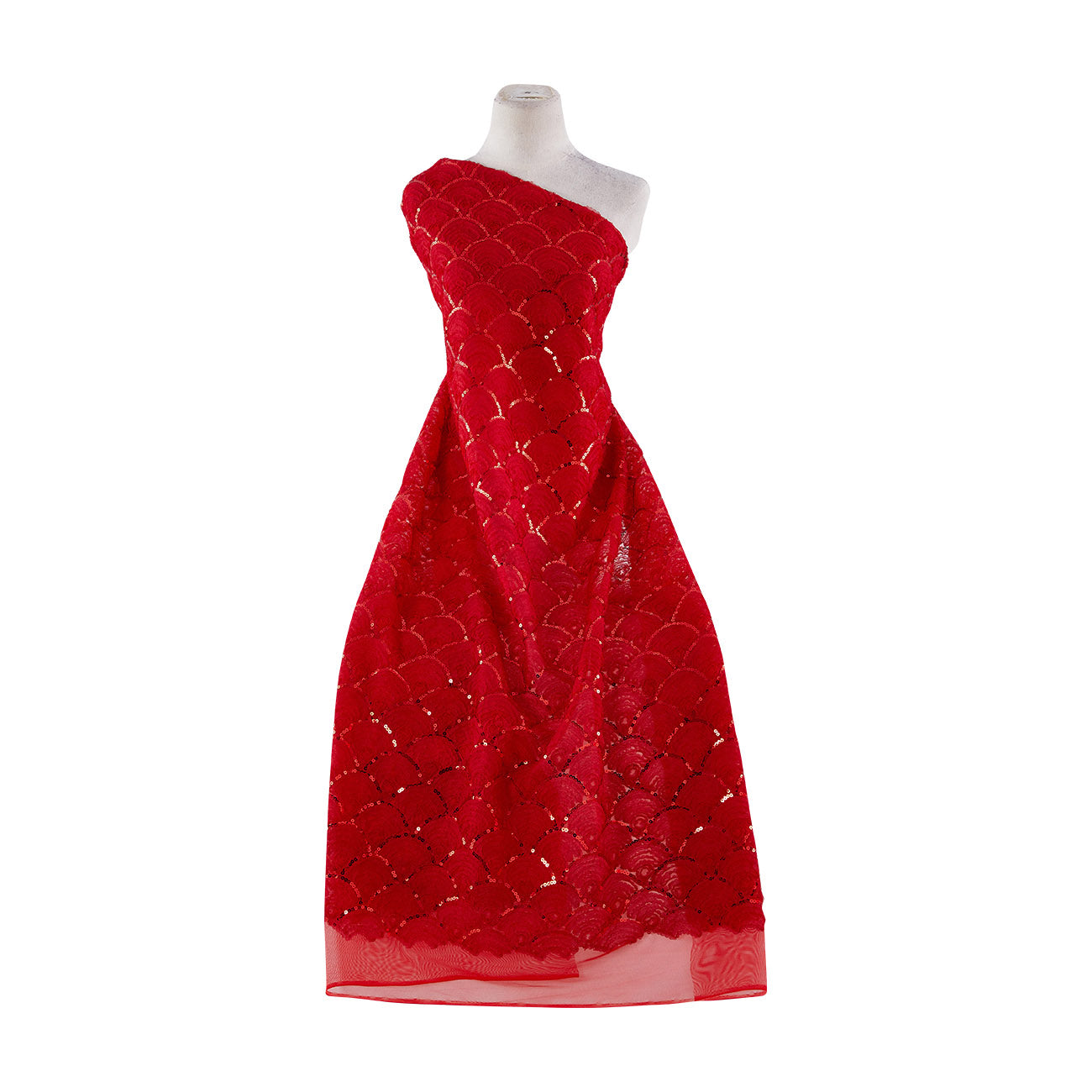
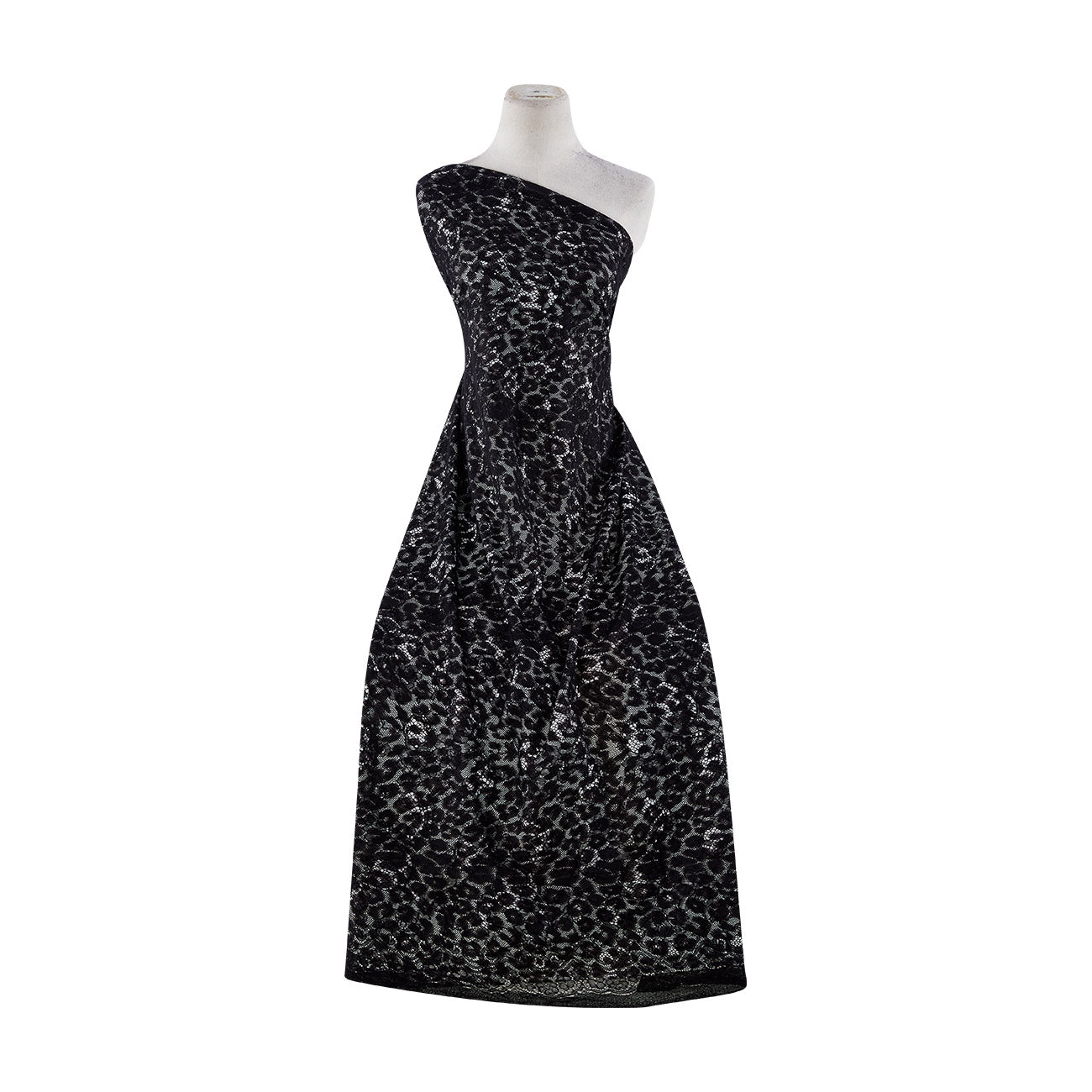
Plain tulle is often used as a structural underlayer in skirts and gowns, adding body and shape without bulk. When embroidery is added to that base, the fabric takes on an entirely different character. The open net background allows embroidered motifs, whether floral, geometric, butterfly, or abstract, to appear almost suspended in the fabric, creating a three-dimensional quality that woven and printed fabrics cannot replicate. That visual depth is a large part of what makes embroidered tulle such a sought-after material for formalwear and occasion dressing.
Zelouf carries a broad selection of tulle fabrics by the yard, including plain tulle in a full range of colors as well as embellished versions like the embroidered styles in this collection. If you are new to working with tulle or want to compare base options before choosing an embroidered version, the tulle collection is a useful starting point.
Why Embroidered Tulle Is a Popular Choice
Embroidered tulle consistently outperforms plain alternatives when a design calls for visual impact without added weight. Several qualities work together to make it the go-to choice for occasion and formalwear.
Light, Textured, and Built to Move
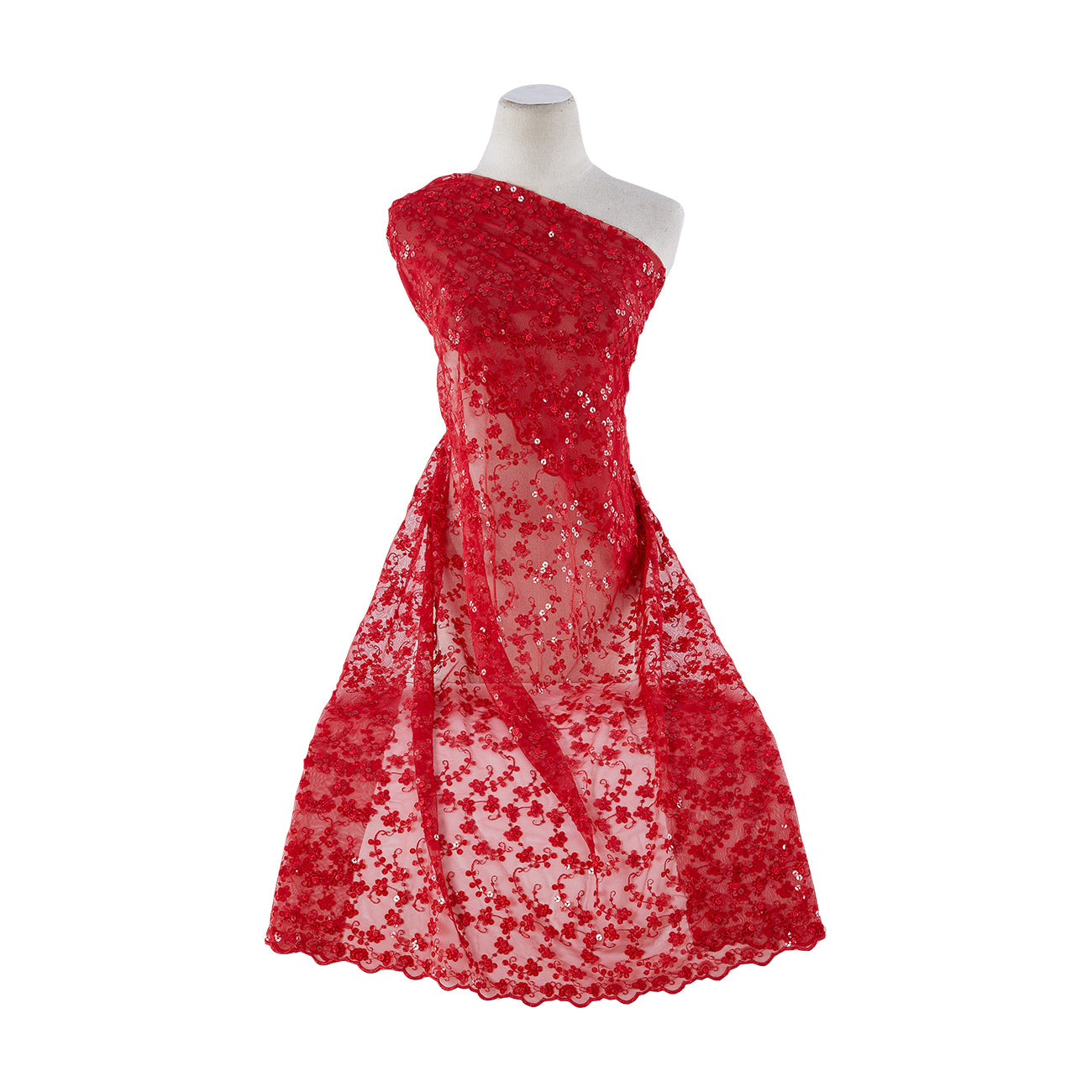
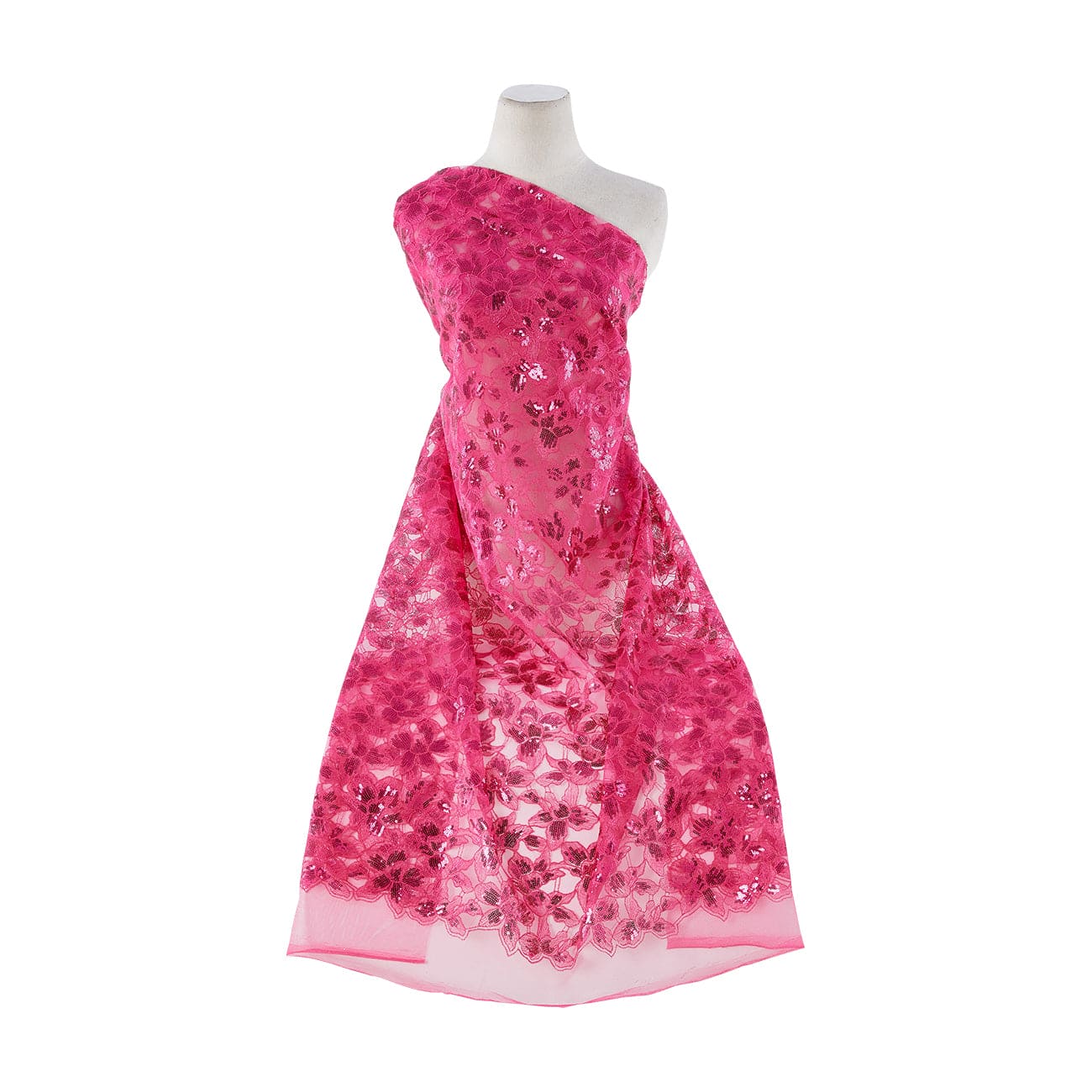
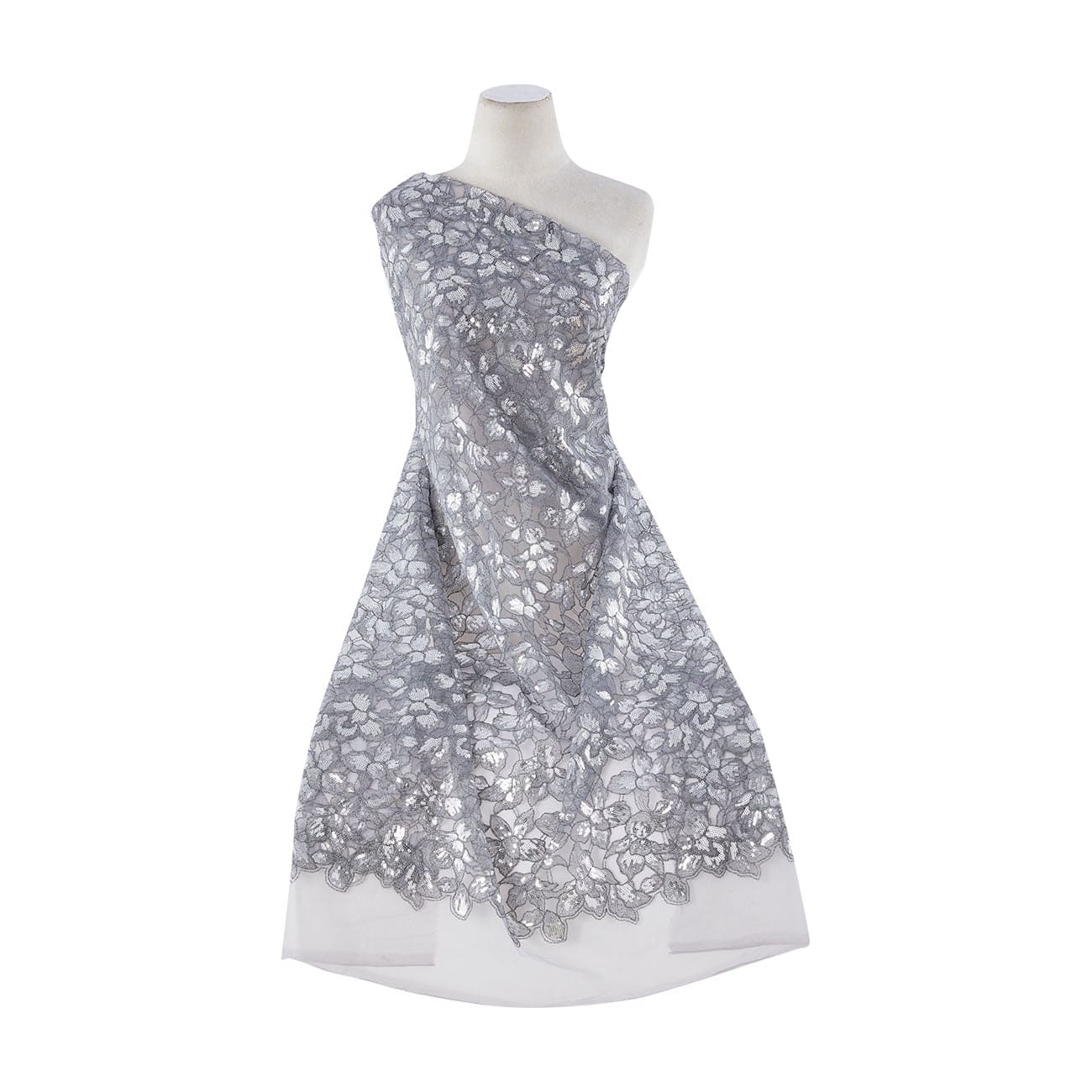
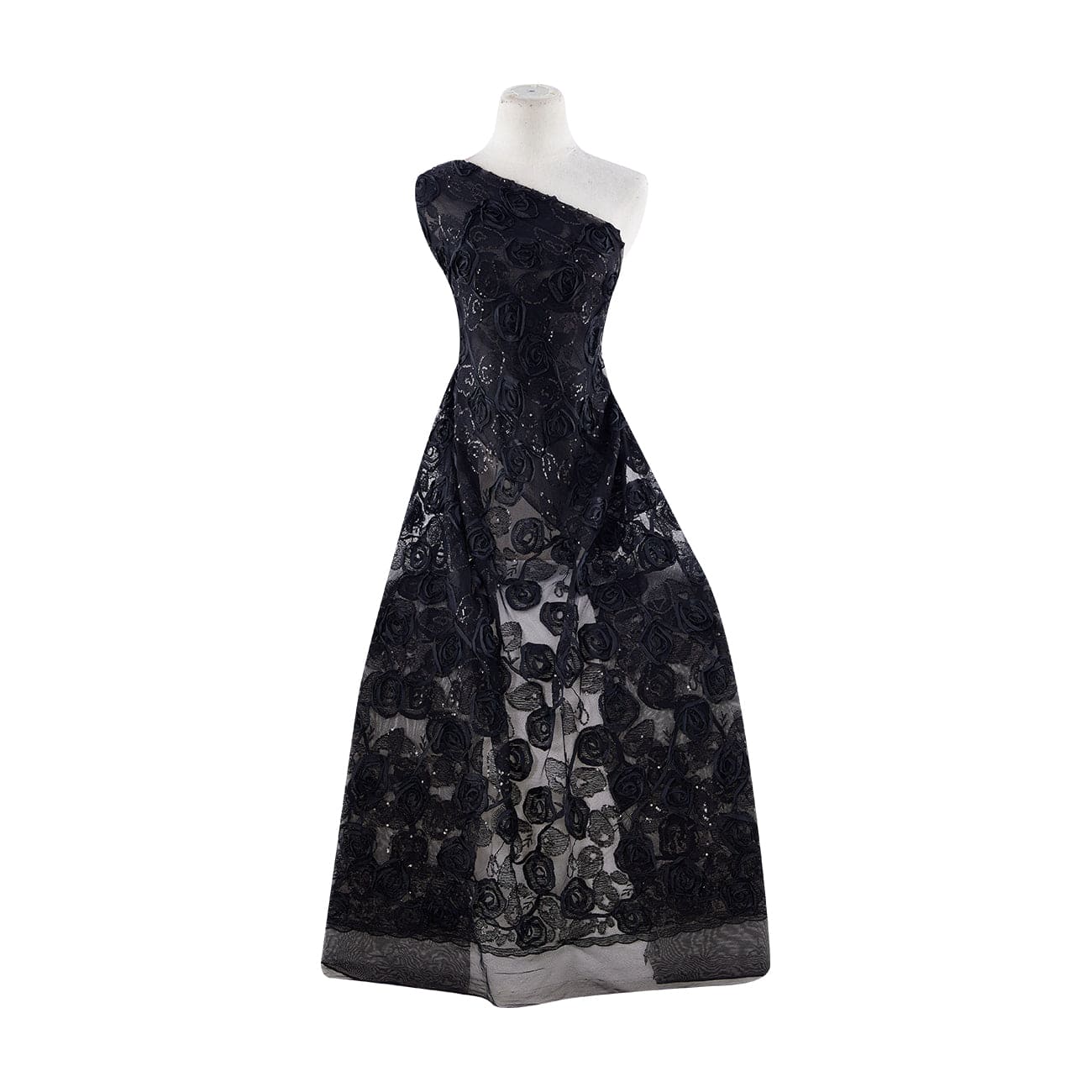
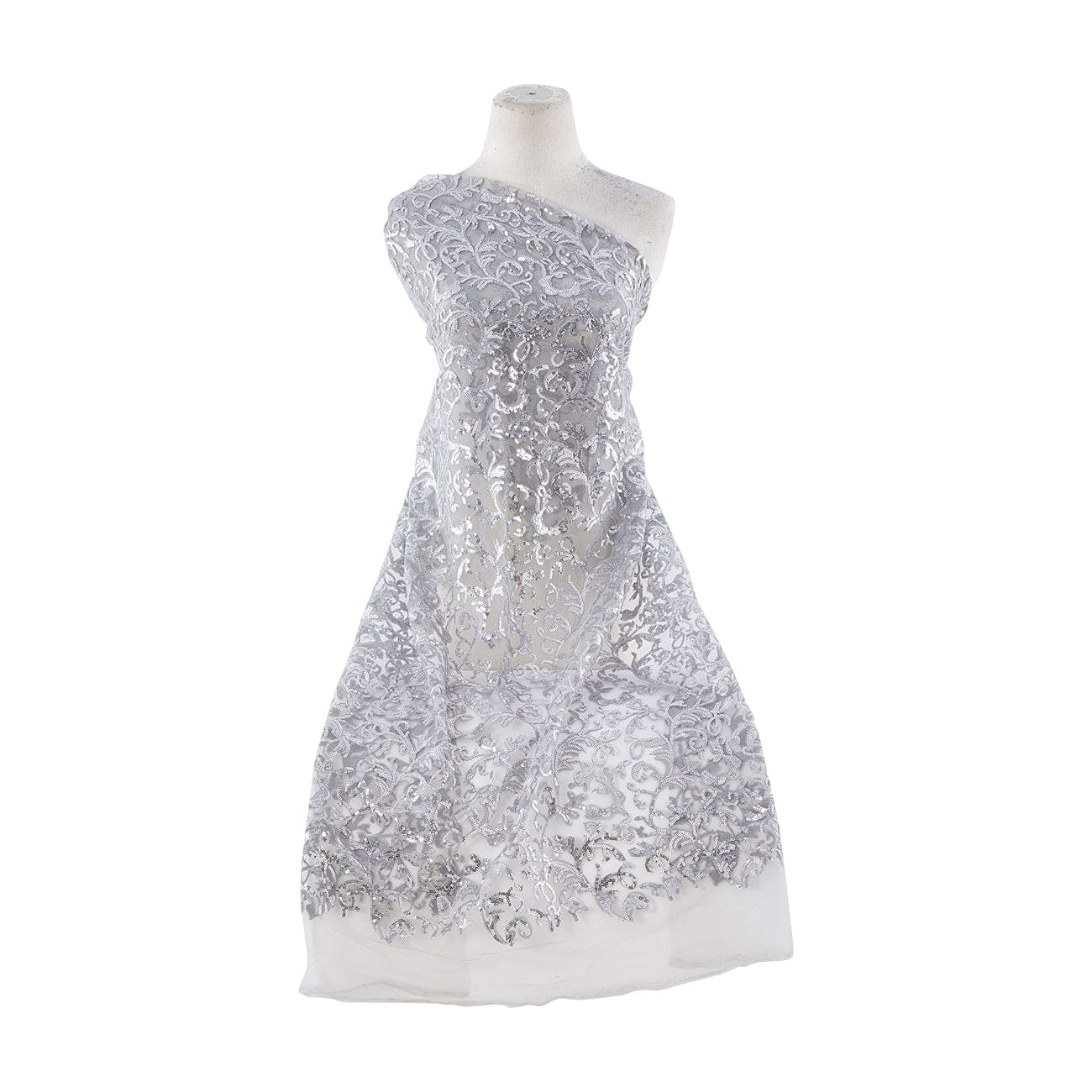
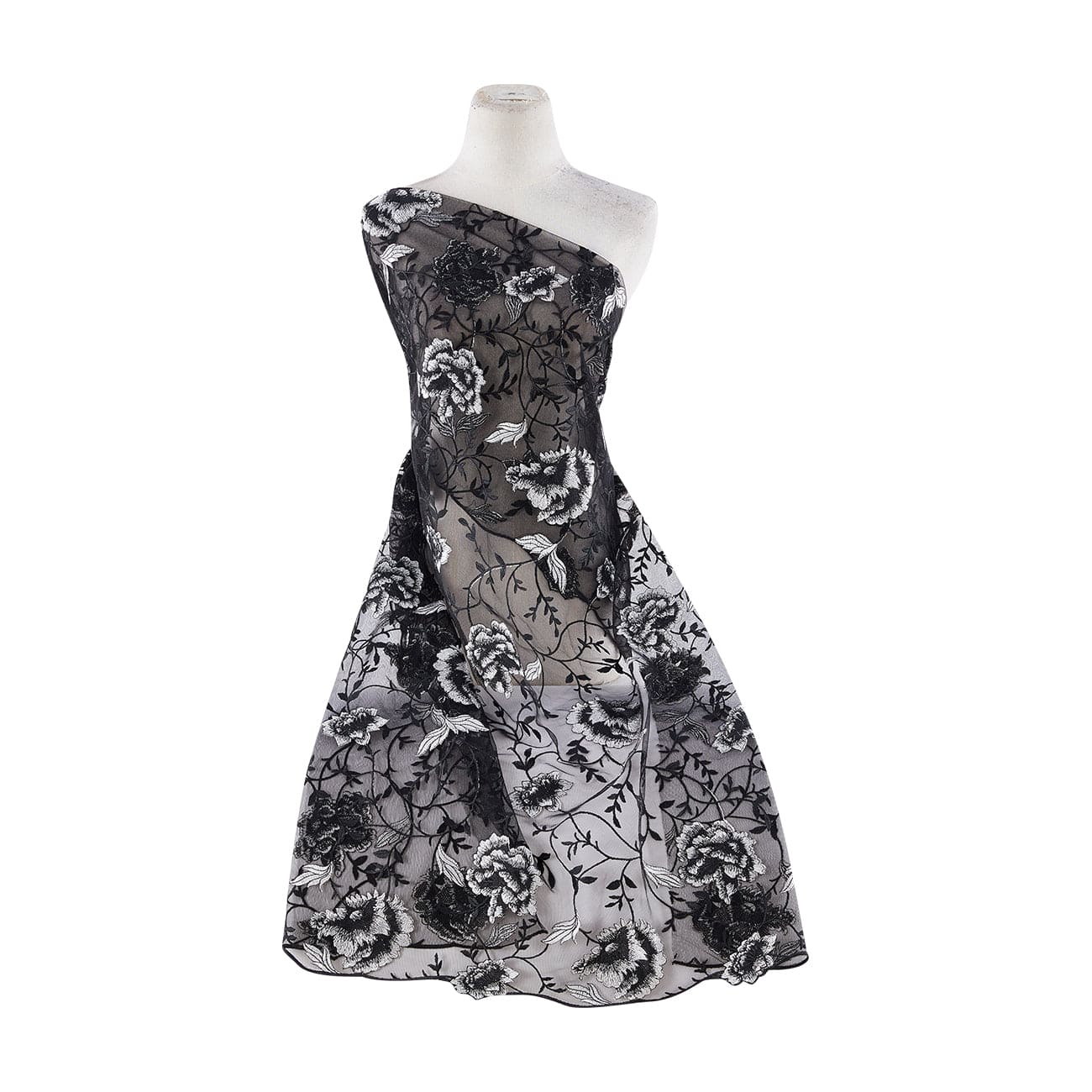
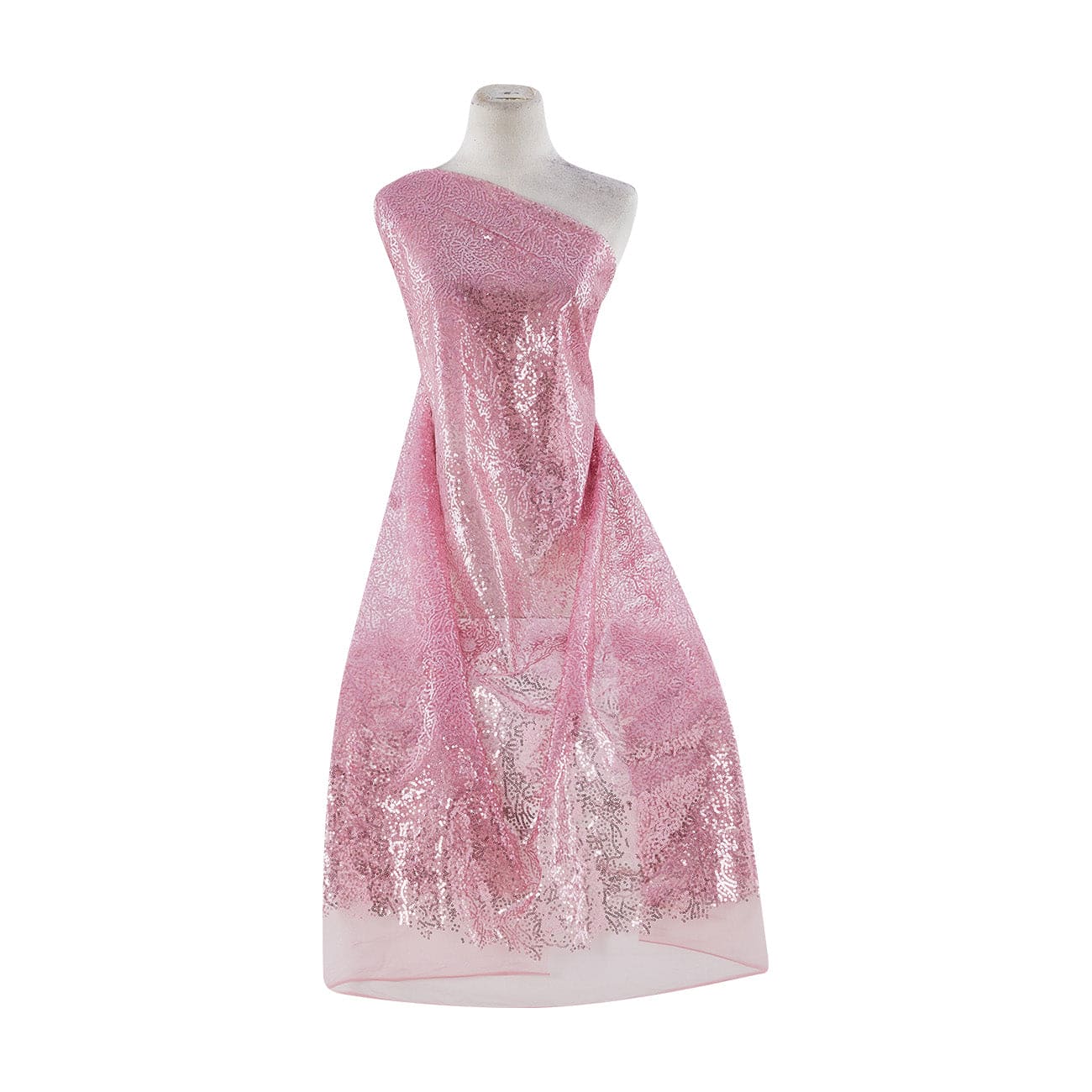
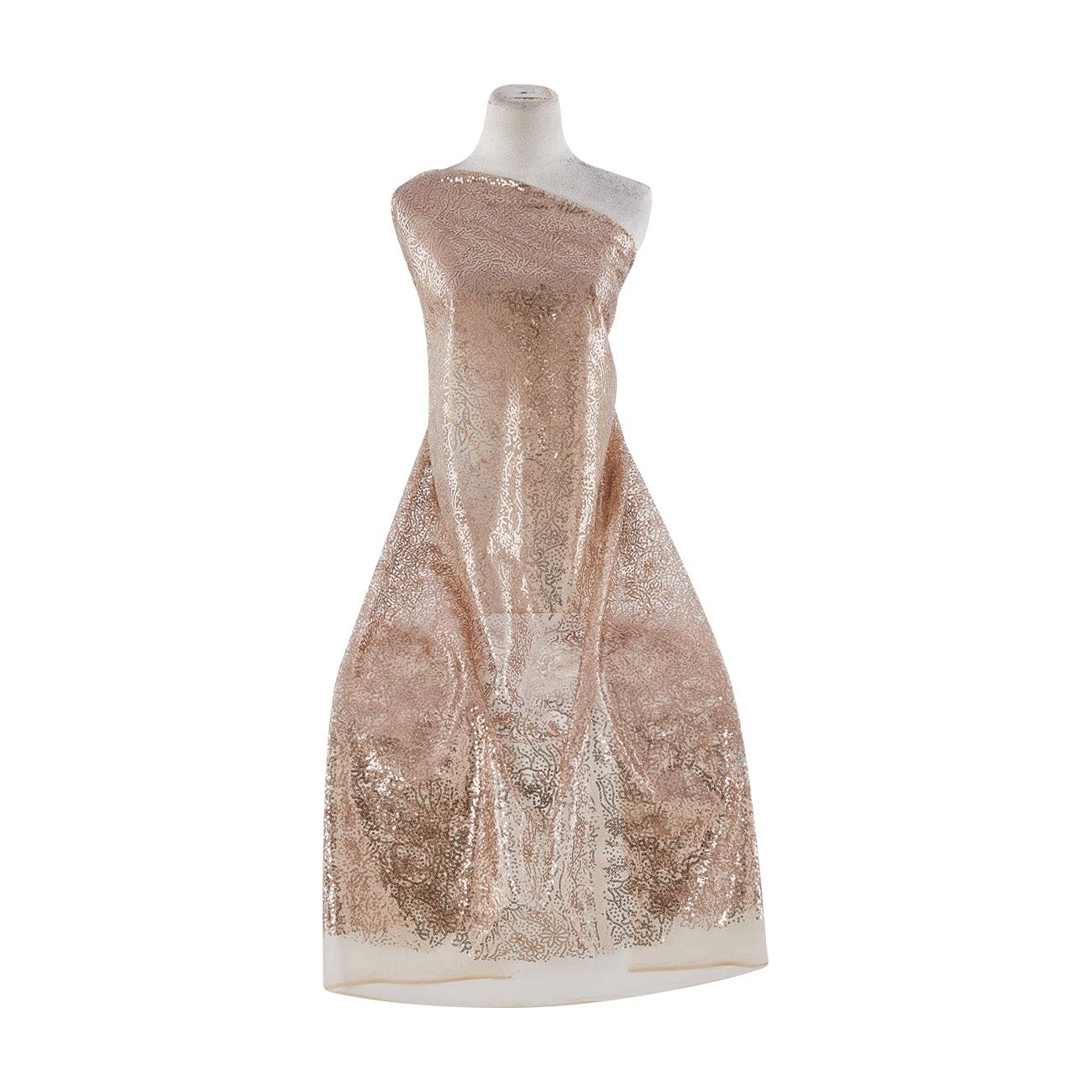
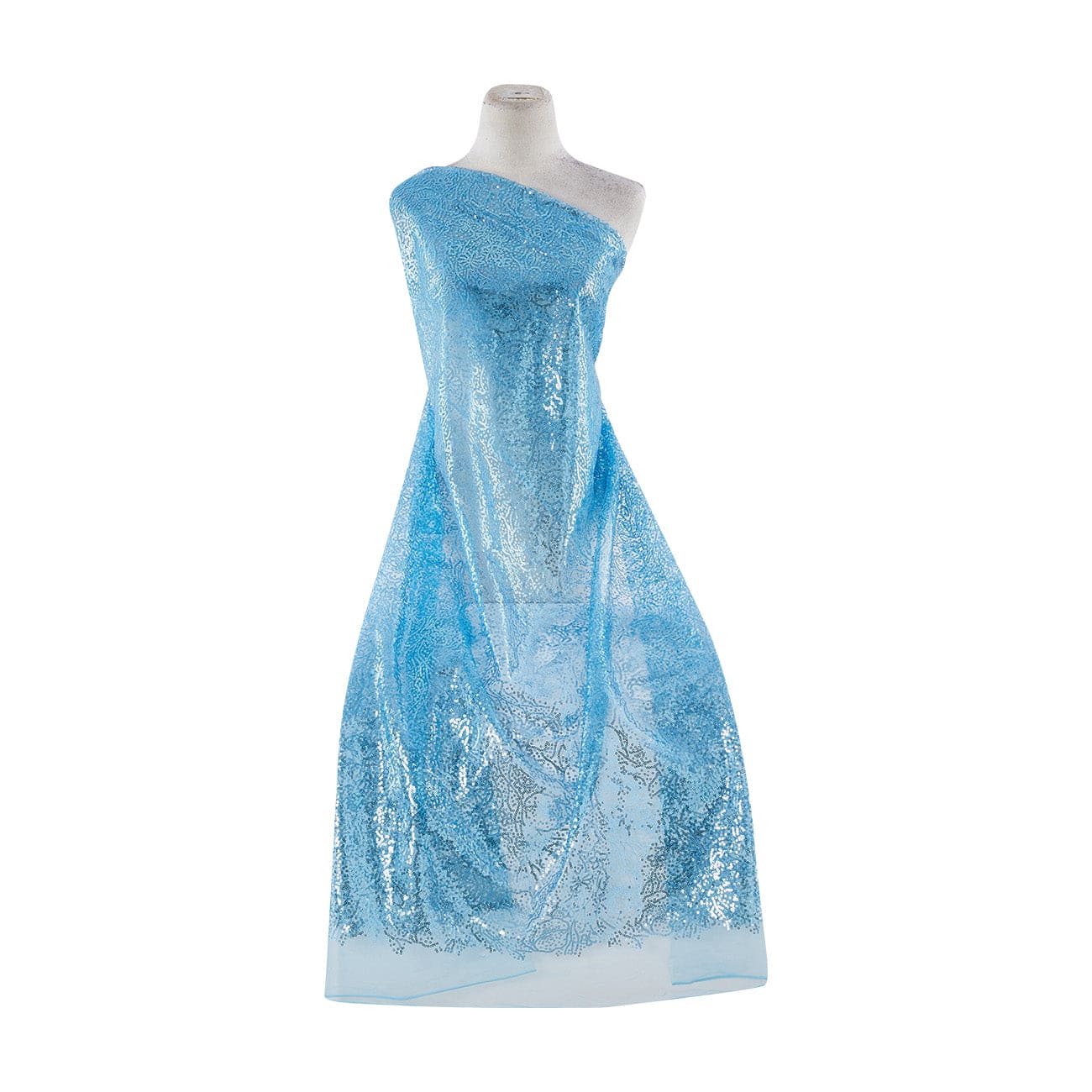
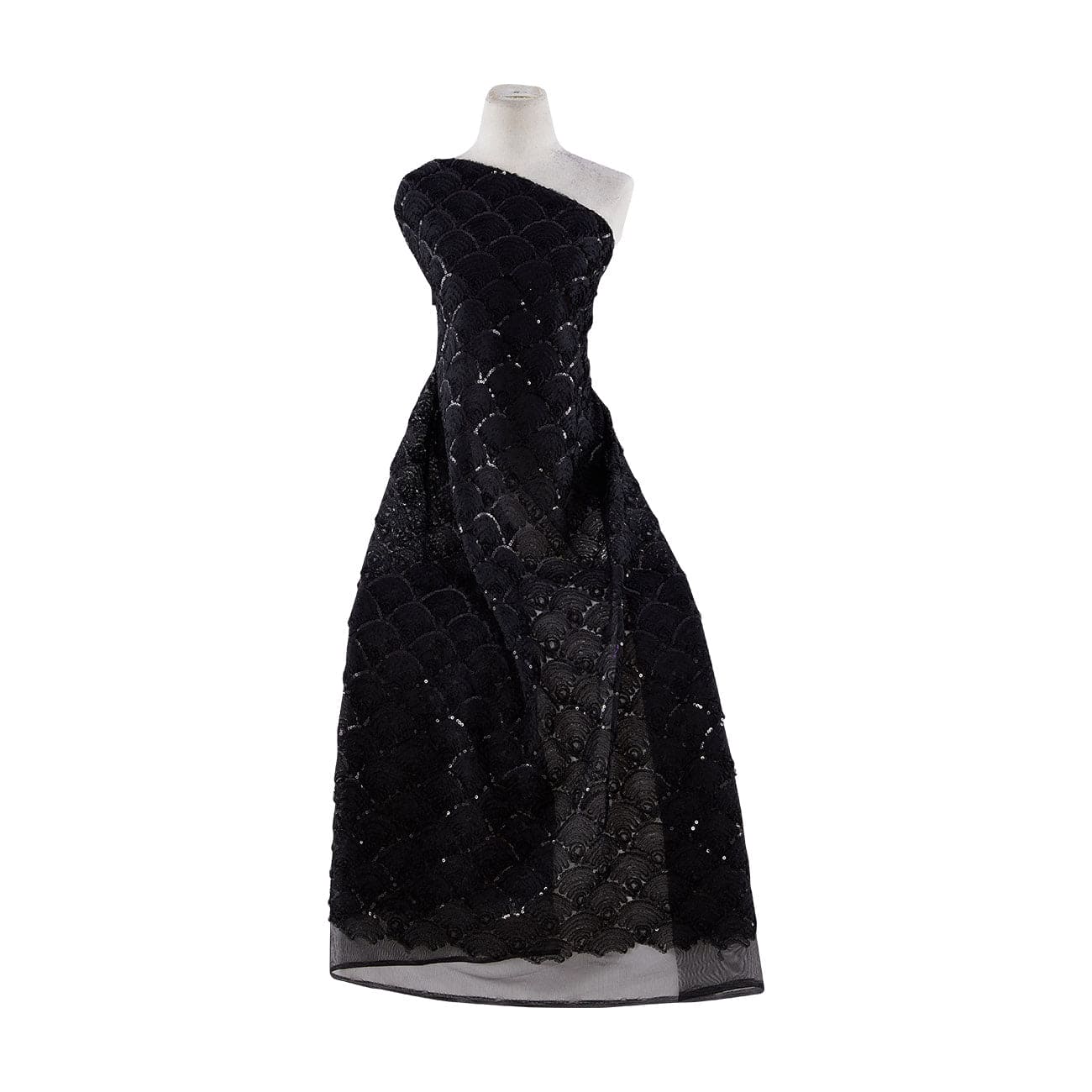
The appeal of embroidered tulle comes down to a combination of factors that few other fabrics can offer at once: lightness, texture, shine, and movement. Because the base fabric is so sheer and fine, embroidered tulle catches and reflects light differently depending on how it sits and moves. Sequin and metallic embroidery in particular creates a shifting effect as the wearer moves, making it especially suited to evening and formalwear where low light and movement are part of the environment. Floral and botanical embroideries, on the other hand, bring a softness and romance to the fabric that works equally well in daytime occasion dressing.
Versatility Through Layering
Embroidered tulle also layers beautifully. It can be placed over a solid lining fabric that contrasts with or complements the embroidery thread, which effectively changes the look of the finished piece. A white-embroidered tulle over a blush satin lining reads very differently from the same fabric over ivory or deep navy. This versatility makes it a practical choice for designers and home sewists who want flexibility from a single material.
For those working on garments that need a polished, event-ready finish, it is worth browsing the Gala collection alongside this range. The Gala category brings together fabrics selected specifically for formalwear and special occasion use, including a range of embellished and decorative options that pair well with embroidered tulle in multi-fabric constructions.
How and Where Embroidered Tulle Is Worn
Embroidered tulle is a genuinely versatile fabric that moves comfortably between formal and creative applications. The way it is used depends largely on the garment type and the occasion it is being made for.
Formalwear and Bridal Applications
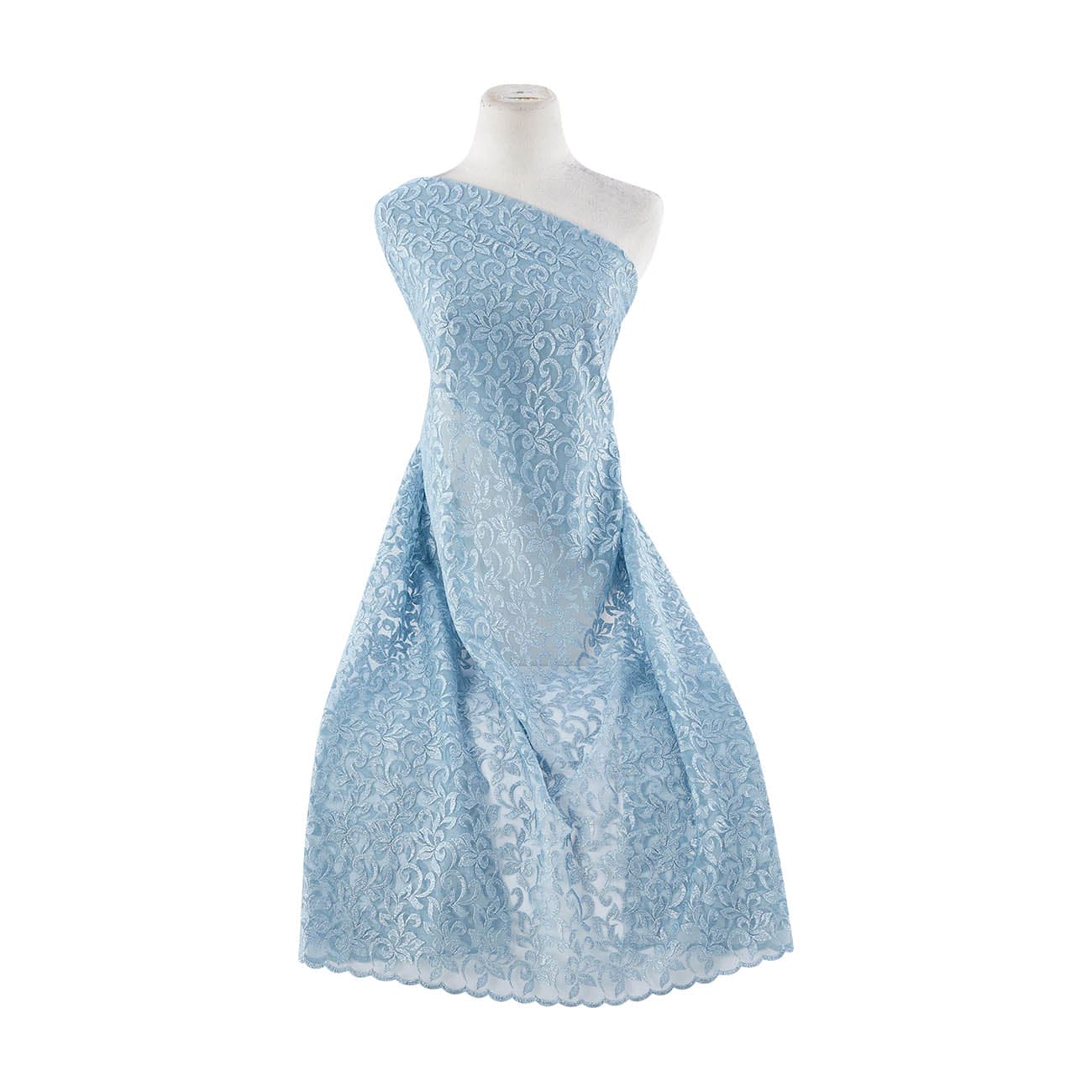
Embroidered tulle is most closely associated with bridal and formalwear, and for good reason. The fabric has the presence and refinement expected of a gown or formal skirt while remaining light enough to move naturally. Full ballgown skirts, A-line overlays, fitted bodices, and structured sleeves are all common applications. The scallop-cut edge options in this collection are particularly suited to hems and necklines where a clean finished edge is needed without additional binding or hemming work.
Beyond the Ballroom
That said, embroidered tulle is not limited to formal occasions. It works well in midi and maxi skirts worn over a simple slip, in blouses and tops where a sheer panel adds detail without weight, and in layered evening separates that can be dressed up or down depending on the occasion. It is used regularly in theatrical costume work and dance costuming for its ability to photograph well and hold its shape on stage and under lighting.
For sewists who also work with softer, flowing fabrics alongside tulle, the chiffon collection at Zelouf is worth exploring. Chiffon makes an excellent lining fabric beneath embroidered tulle overlays, and the two fabrics share a similar light, draped quality that translates well in layered garments.
Who Works with Embroidered Tulle
Embroidered tulle attracts a broad range of buyers, from professional designers to first-time sewists working on a single special project. The fabric's combination of accessibility and visual impact makes it useful across many different contexts.
Designers, Dressmakers, and Home Sewists
Embroidered tulle is used across a wide spectrum of makers. Fashion designers working on bridal, evening, and occasion collections rely on it for statement pieces where surface detail is a central part of the design. Dressmakers and alterations specialists use it to construct or restore formal garments. Home sewists and independent makers work with it for everything from prom dresses to holiday skirts to soft furnishing accents.
Costume, Performance, and Events
Theatrical costume designers are frequent buyers because embroidered tulle photographs well and holds detail under stage lighting. Dance studios and performance schools order it in quantity for recital and competition costumes where visual impact from a distance is important. Event and decor professionals use it in drapery, table overlays, and backdrop applications where texture and shimmer are required.
If embroidered tulle is part of a larger project that also calls for structured base fabrics, the woven fabrics collection at Zelouf is a practical place to look. Wovens offer the stability and body that tulle overlays often need beneath them, and combining the two can produce a finished garment with both structure and surface elegance.
Care and Construction Notes
Working with embroidered tulle is straightforward once you understand how the fabric behaves. A few simple practices during cutting, sewing, and finishing will protect the embroidery and give the finished piece a clean, professional result.
Cutting and Sewing Tips
Embroidered tulle, particularly styles that include sequin work or metallic thread, should be handled with care during construction and laundering. Hand washing in cool water or dry cleaning is typically recommended for finished garments, as machine washing can stress embroidery threads and dislodge sequin elements. When cutting, sharp scissors and a clean cutting surface help maintain the integrity of the mesh base. A rotary cutter and mat can also work well for straight cuts.
Lining and Finishing
When sewing embroidered tulle, a fine needle and a reduced presser foot pressure help prevent the mesh from snagging or pulling. A lining layer, whether a structured woven or a soft knit fabric, will protect the skin from the mesh texture and give the finished garment a professional interior finish. Knit linings are a particularly good choice where some stretch and comfort are priorities.
Shop Embroidered Tulle at Zelouf Fabrics
Zelouf Fabrics is a third-generation wholesale fabric supplier trusted by designers, dressmakers, and makers worldwide. Browse the full range of fabrics available by the yard and find everything you need for your next project in one place.
Frequently Asked Questions
What is embroidered tulle fabric?
Embroidered tulle is a fine mesh base fabric onto which decorative stitching, floral motifs, sequins, or metallic threadwork has been applied. The open net structure of the tulle allows embroidered designs to appear dimensional and detailed, making it a popular choice for formalwear, bridal garments, and occasion dressing.
How many yards of embroidered tulle do I need for a dress?
The amount depends on the garment style. A simple overlay skirt typically requires 3 to 5 yards, while a full ballgown skirt with volume can require 8 yards or more. For a bodice or top, 1 to 2 yards is usually sufficient. We recommend calculating based on your pattern requirements before ordering.
Does embroidered tulle need to be lined?
In most cases, yes. Tulle mesh can feel rough against the skin, and lining the fabric creates a more comfortable and polished result. A lightweight chiffon or knit lining works well beneath embroidered tulle overlays for garments intended to be worn directly against the body.
Can embroidered tulle be cut without fraying?
One of the practical advantages of tulle is that it does not fray when cut, which makes it easier to work with than many woven fabrics. Scallop-cut styles in this collection feature pre-finished edges that are ready to use as hems or borders without additional finishing work.
What is the difference between embroidered tulle and lace?
Both fabrics are sheer and decorative, but they are constructed differently. Lace is made by looping, twisting, or knitting threads into a pattern that forms the fabric itself. Embroidered tulle uses a separate mesh base with decorative stitching added on top. Embroidered tulle tends to be lighter and more volumetric, while lace typically has more inherent structure and density.