


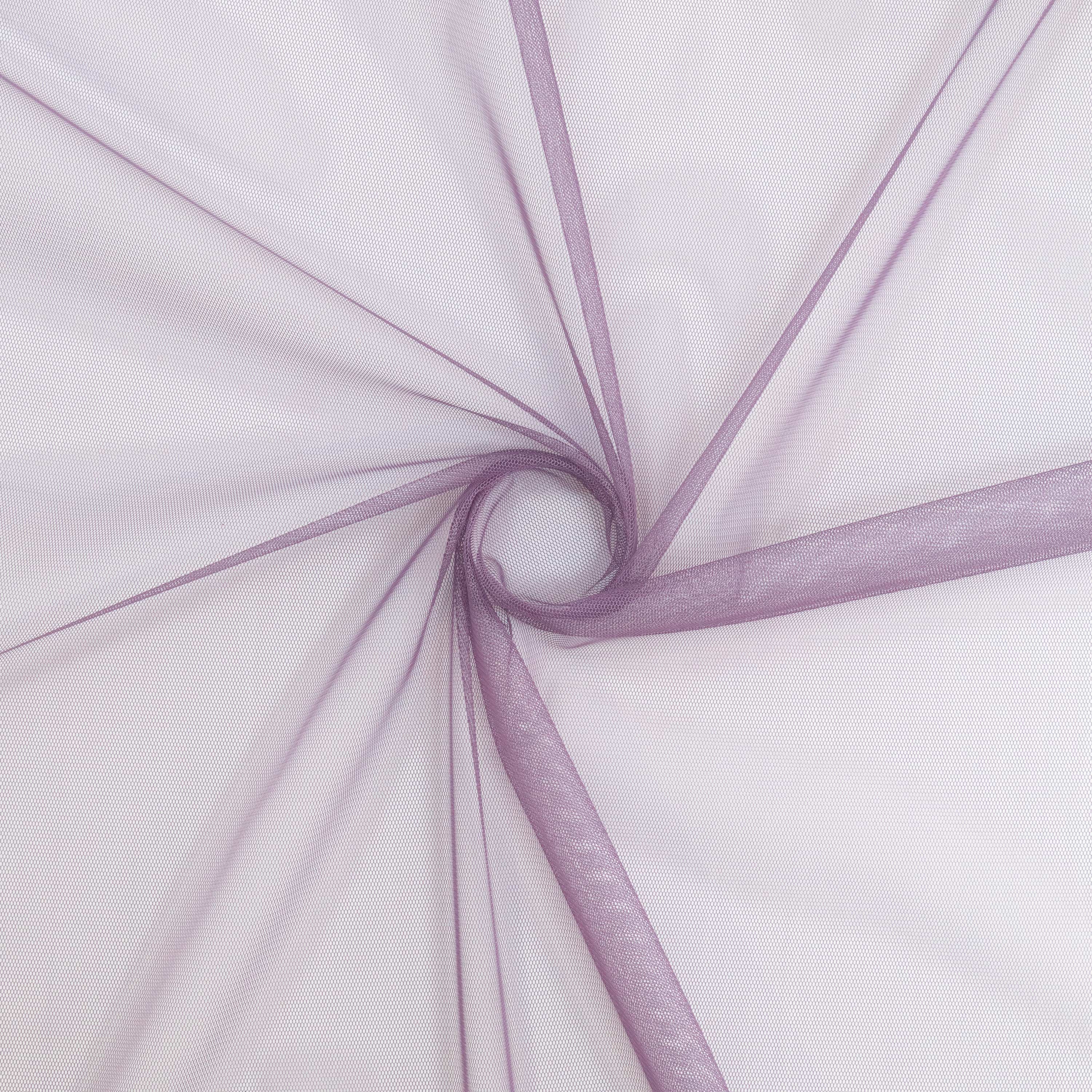

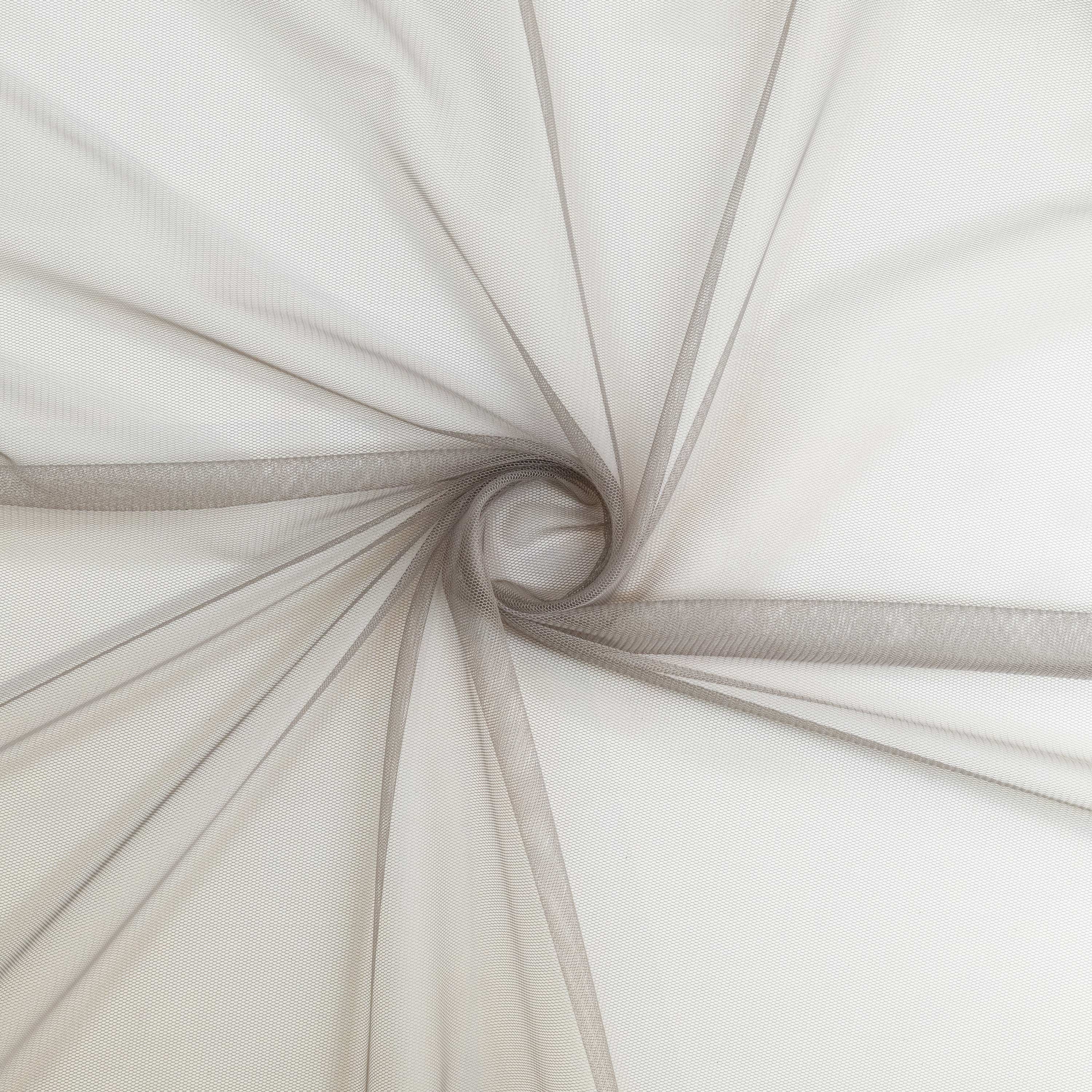


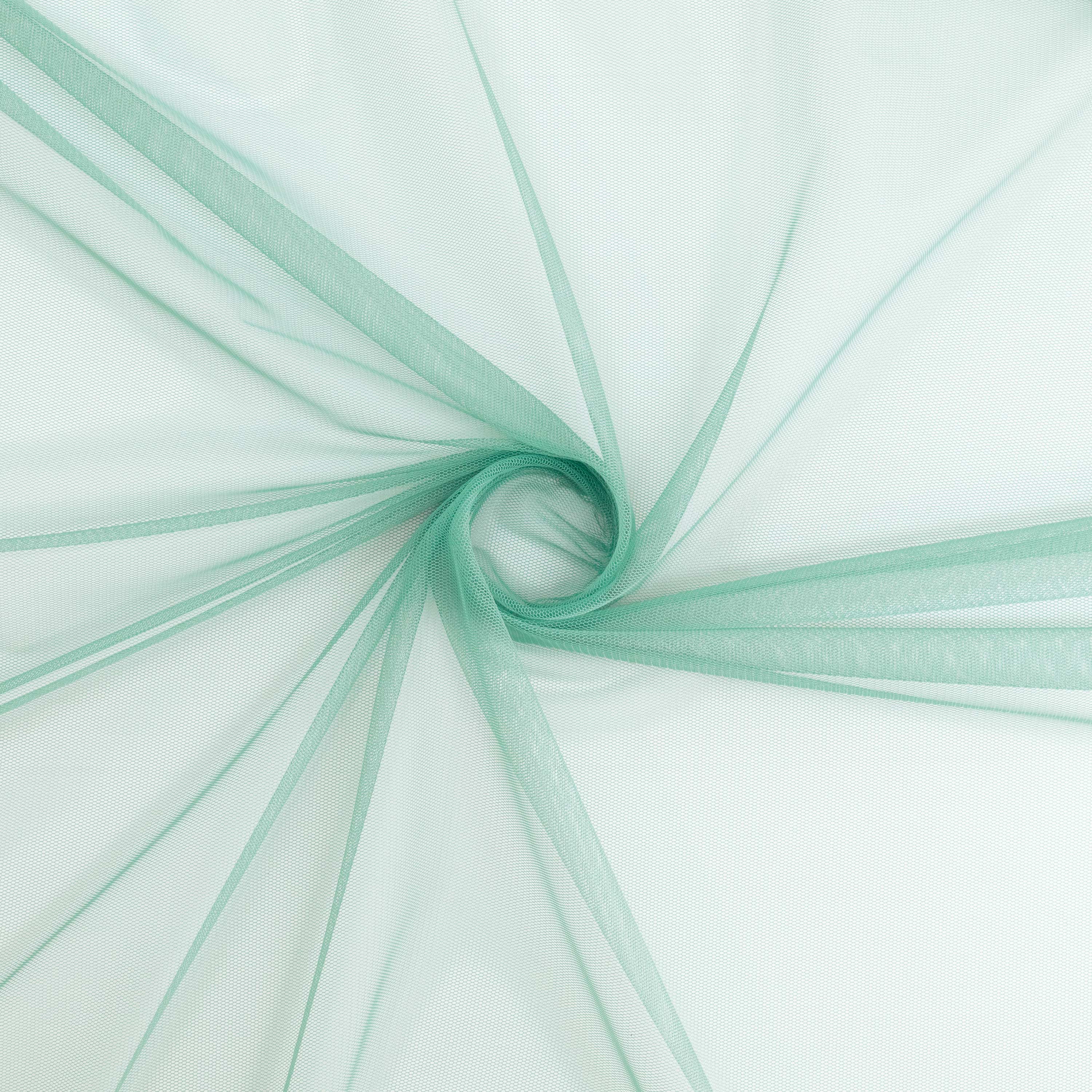


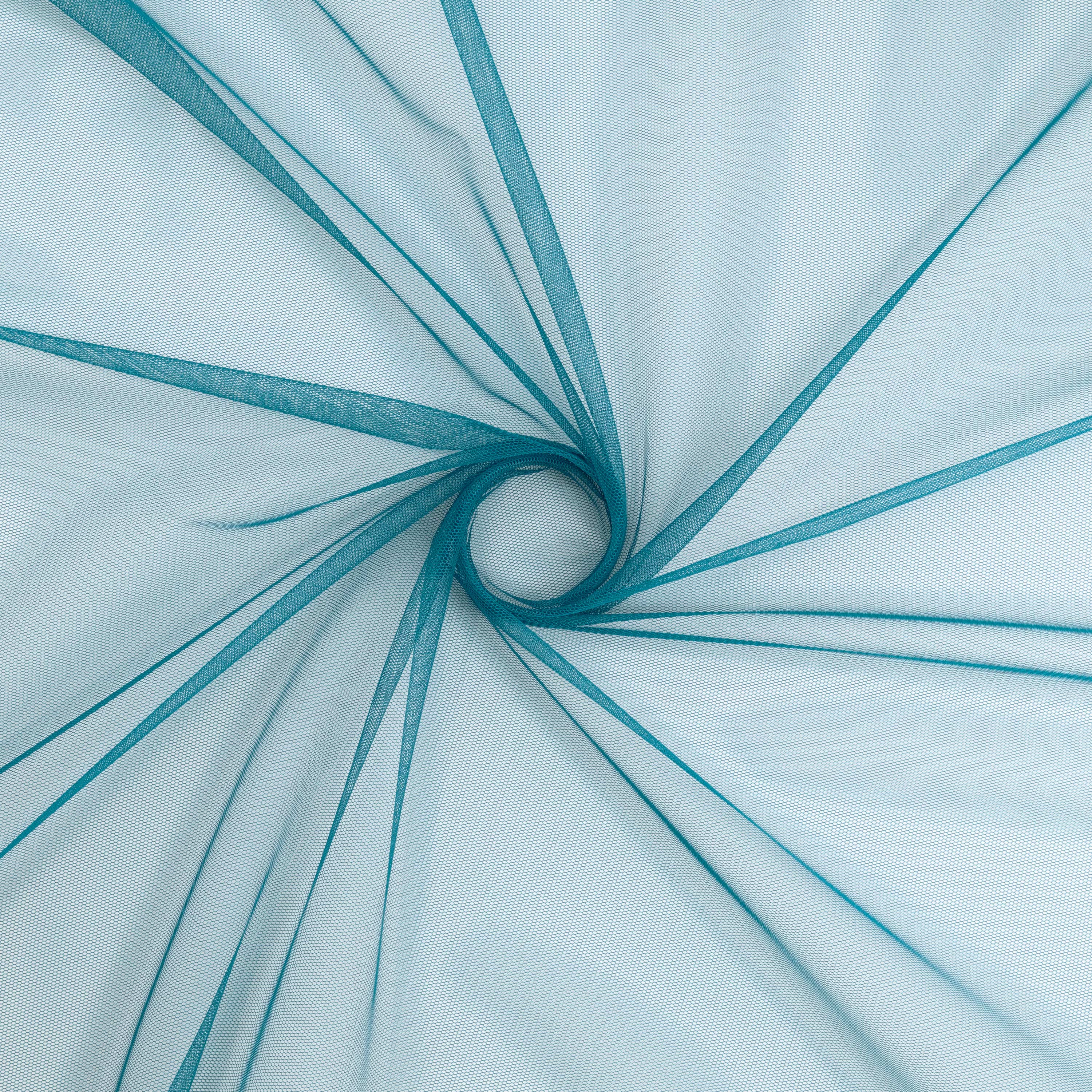


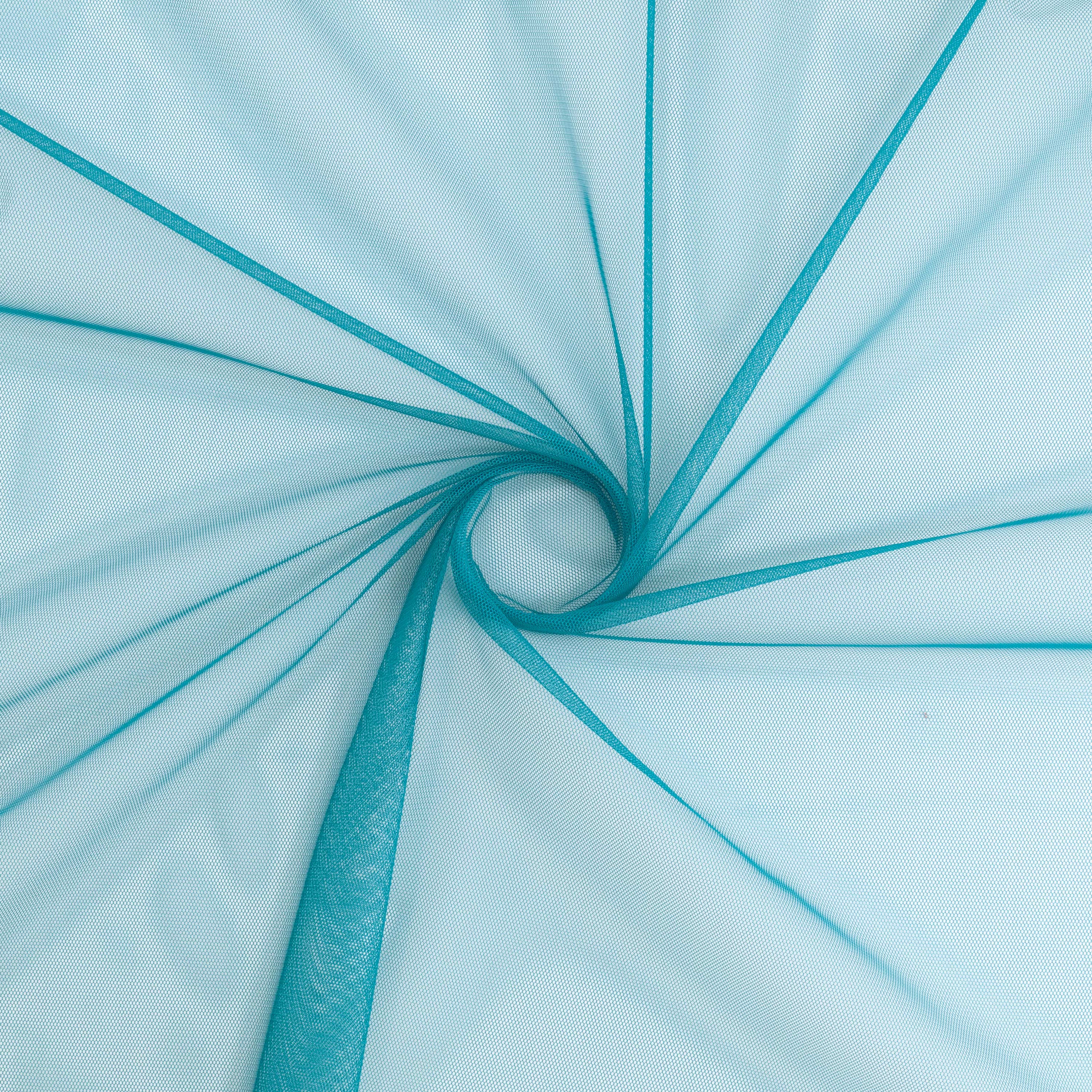
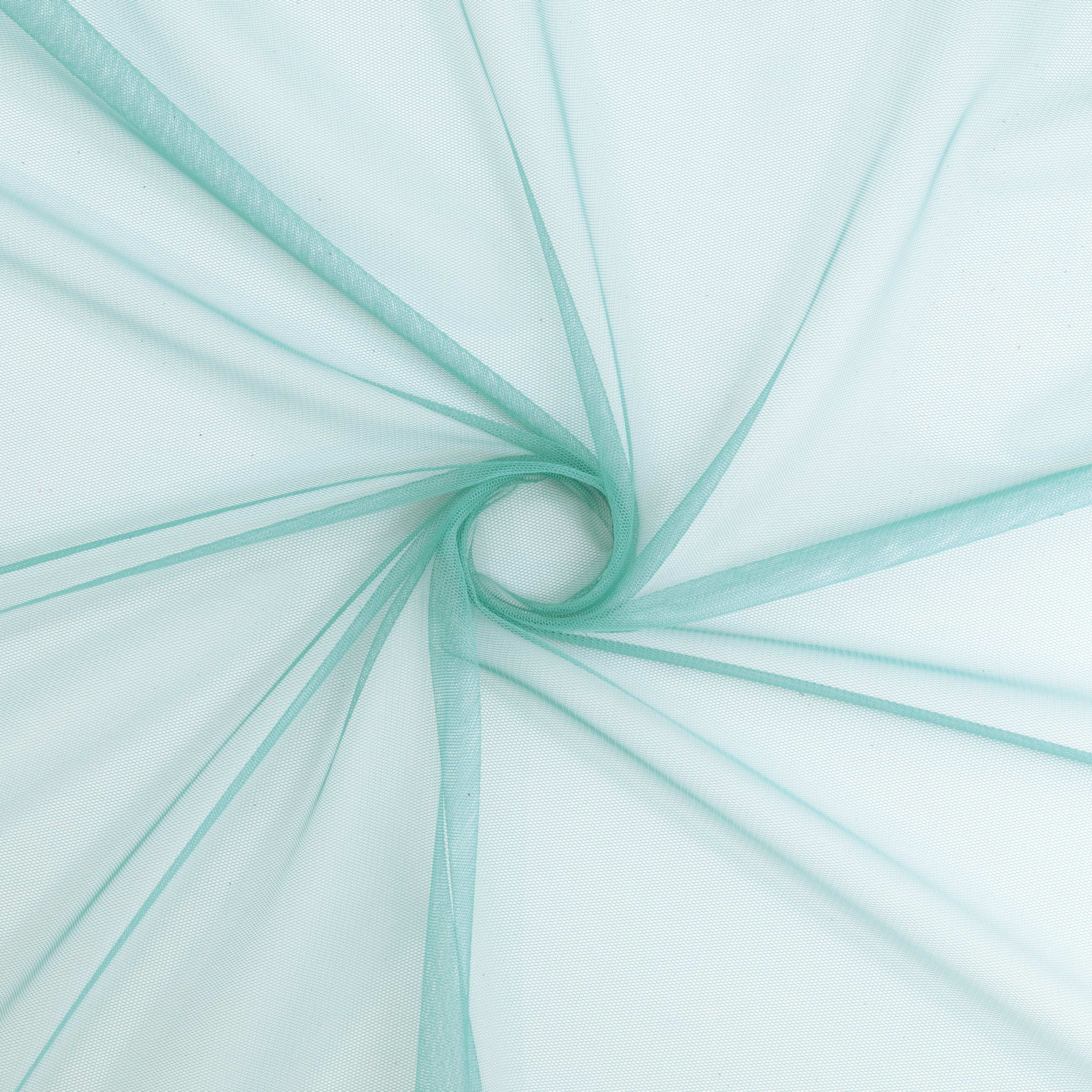
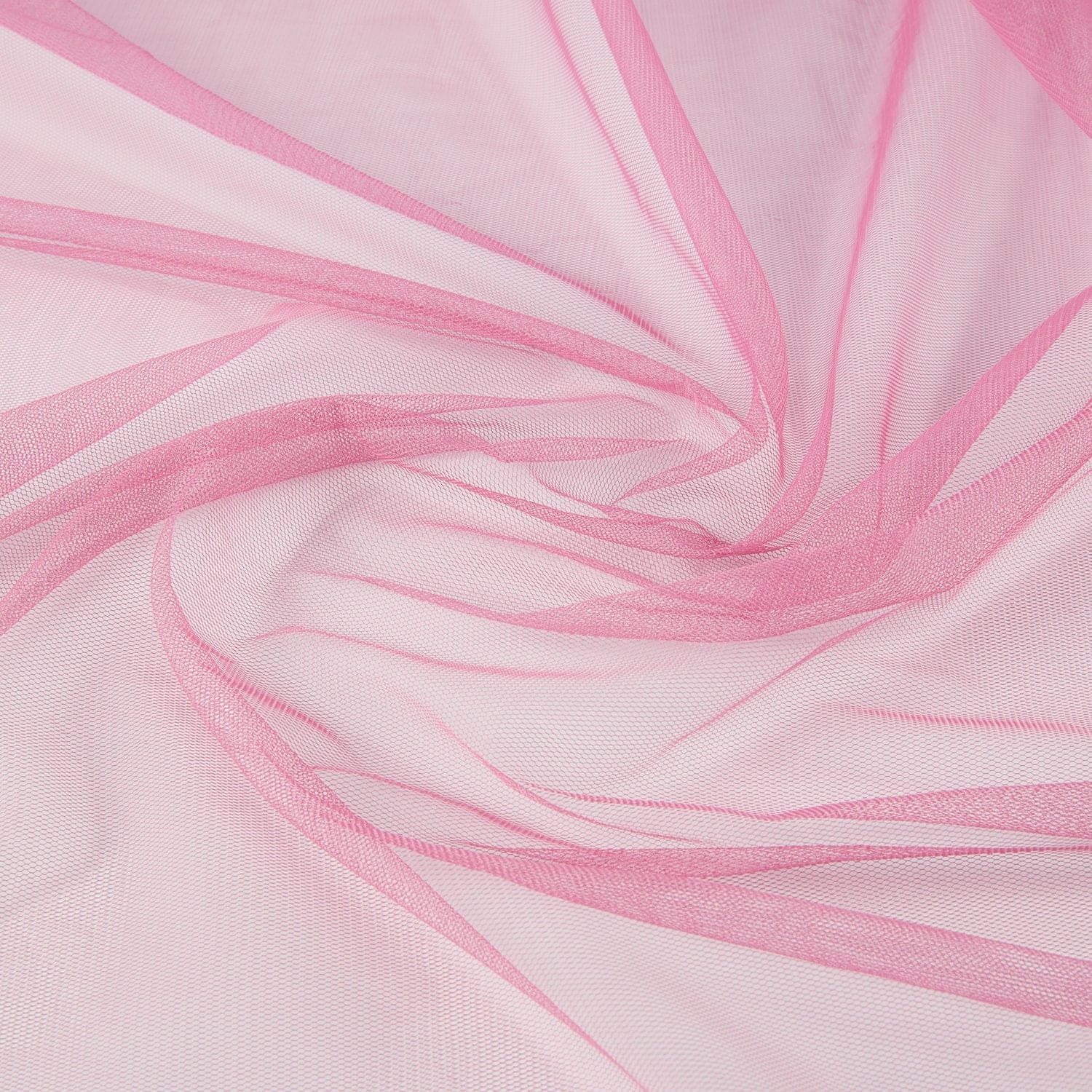
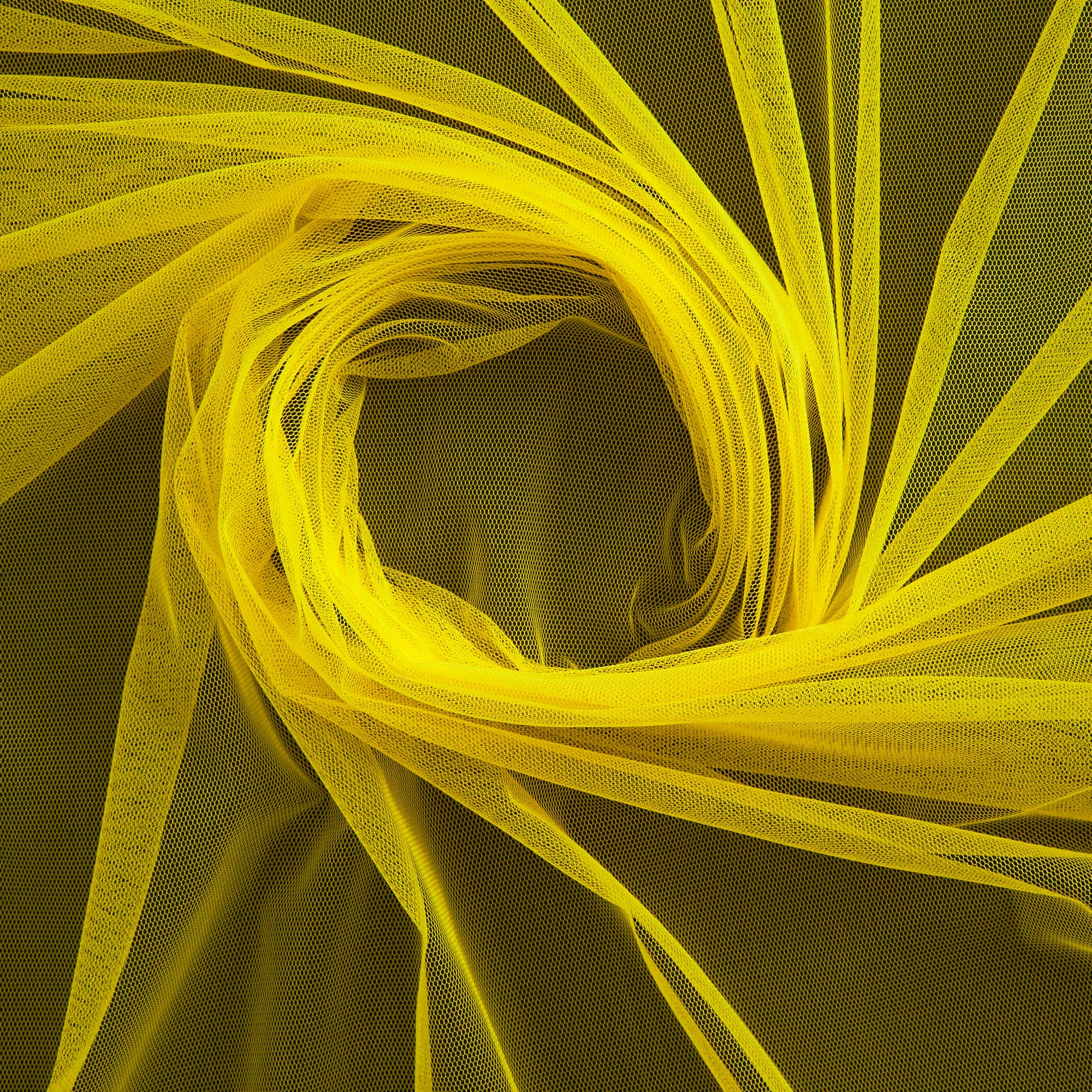
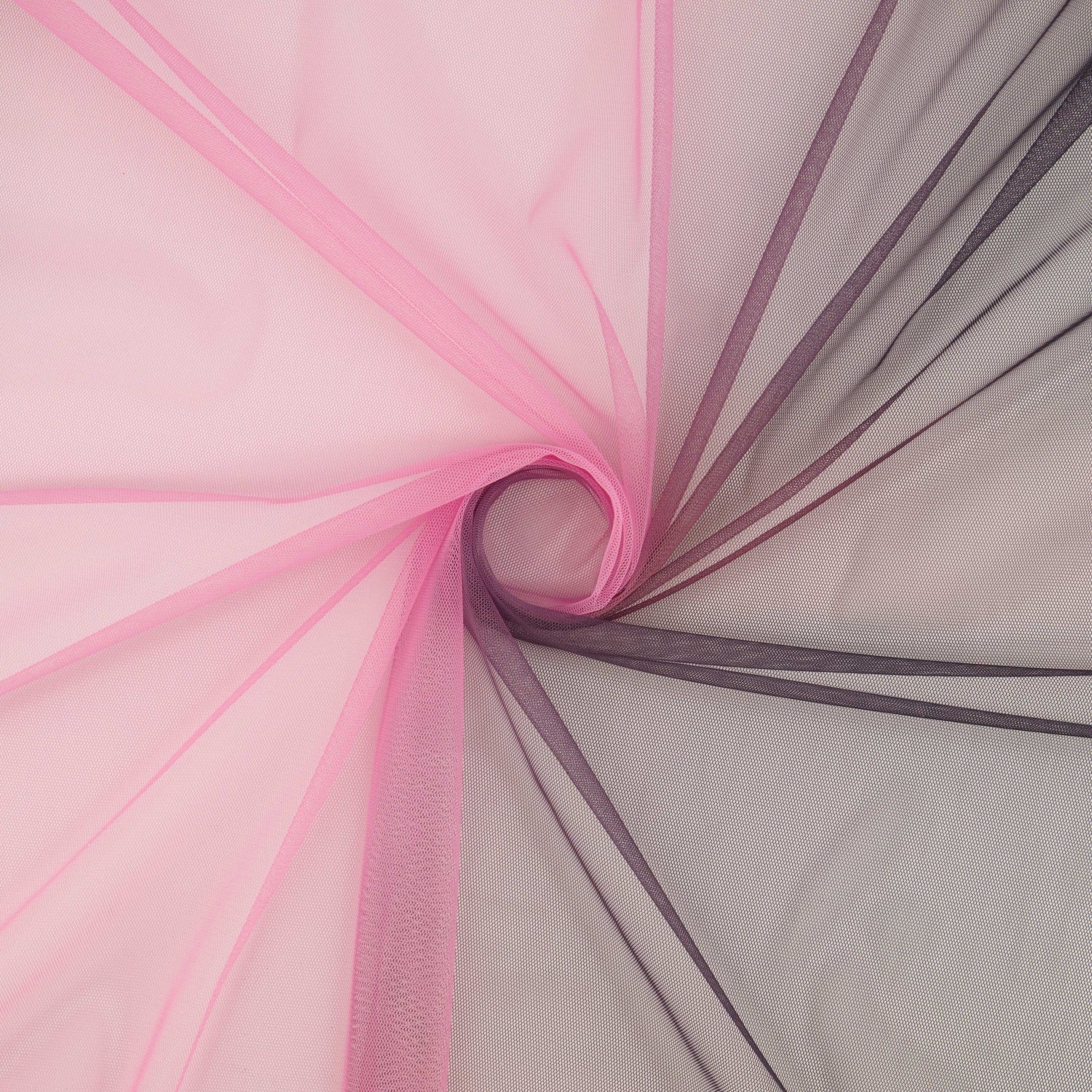
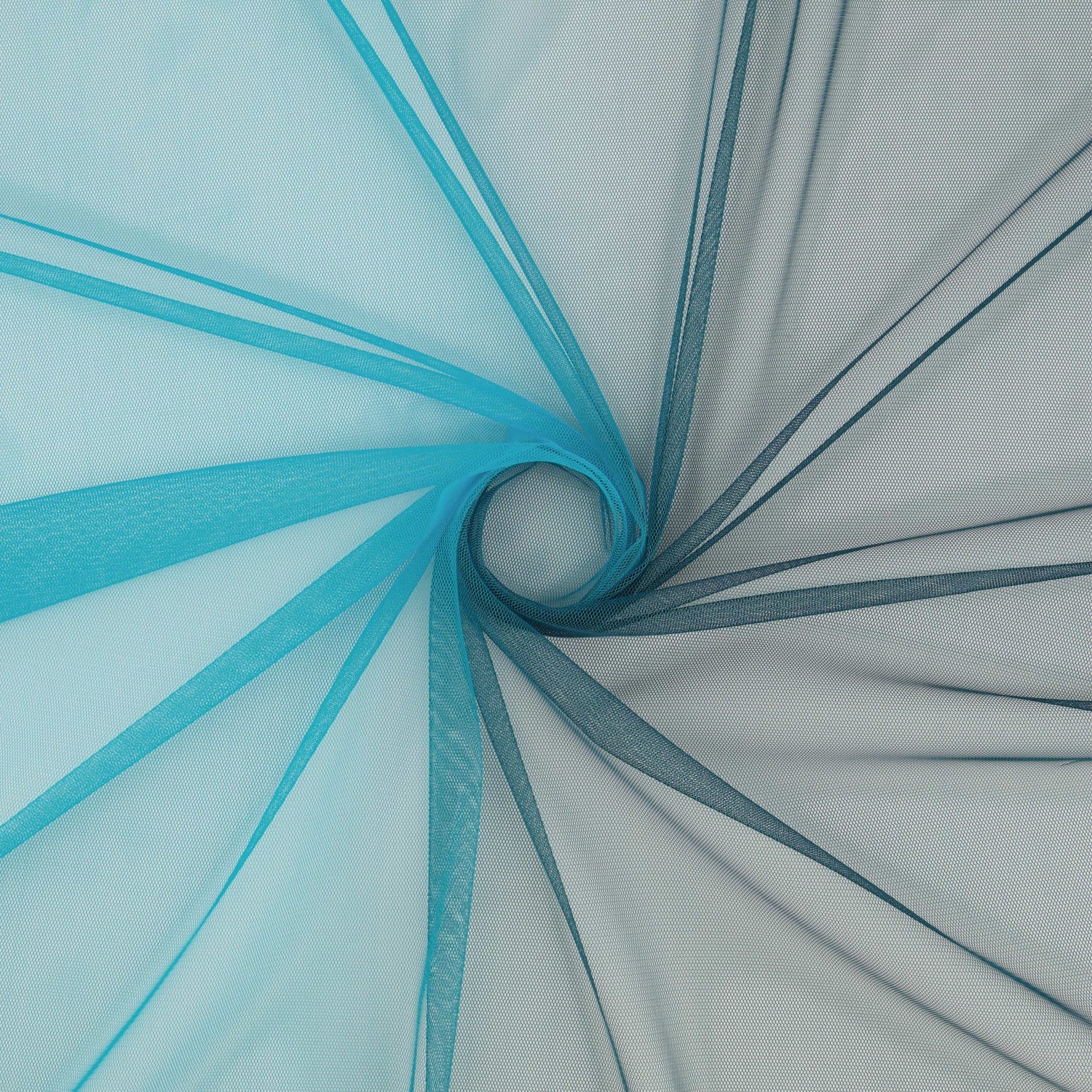
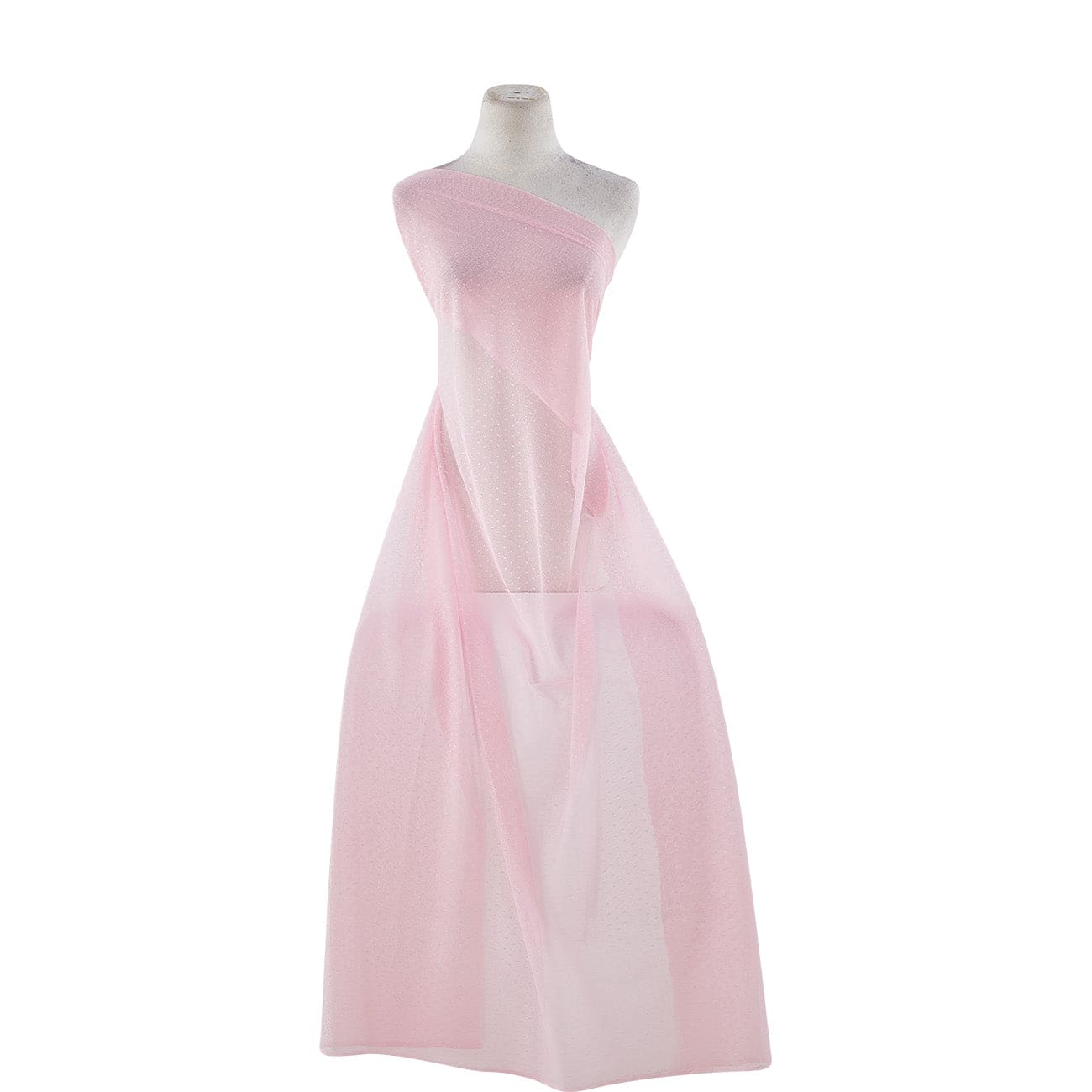
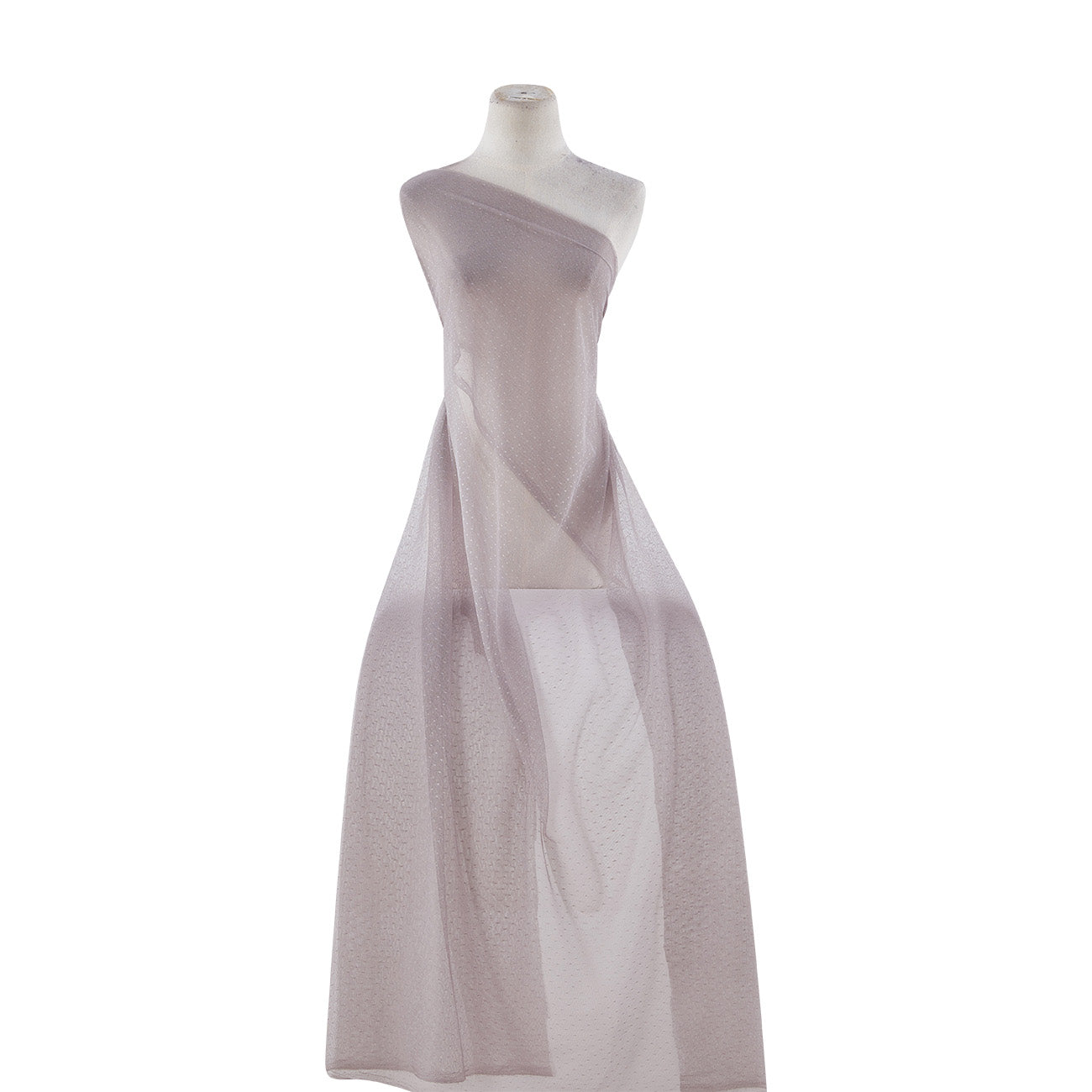
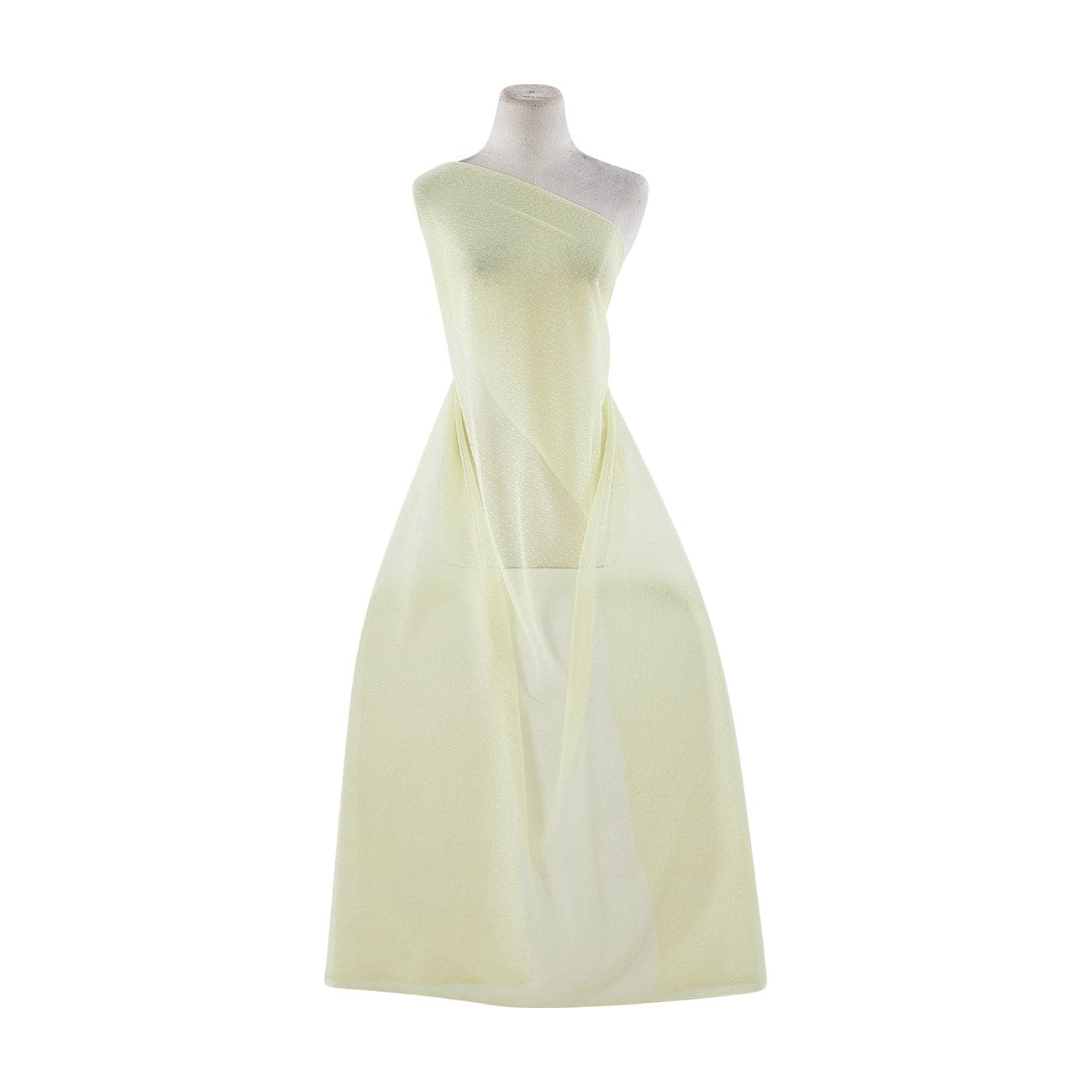
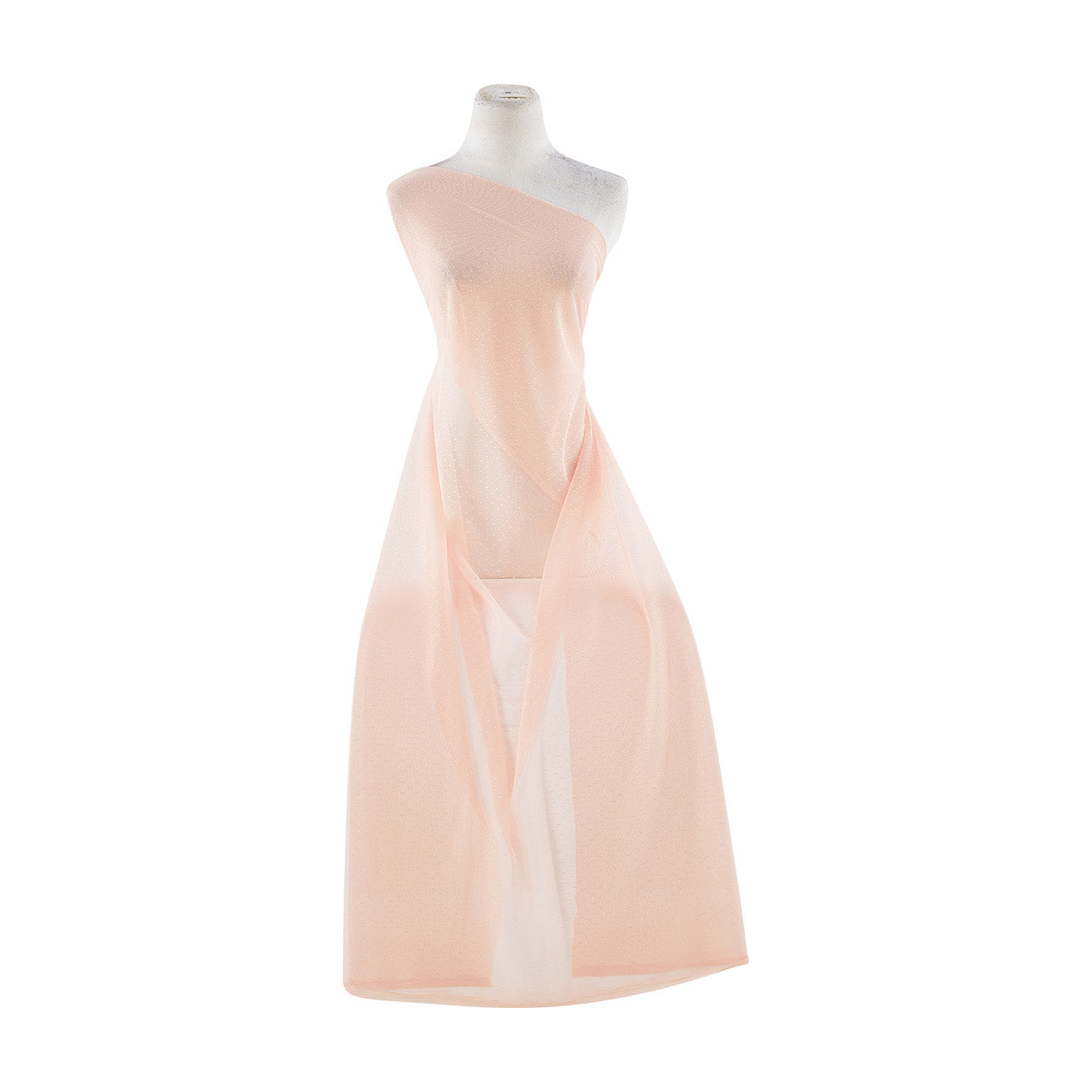
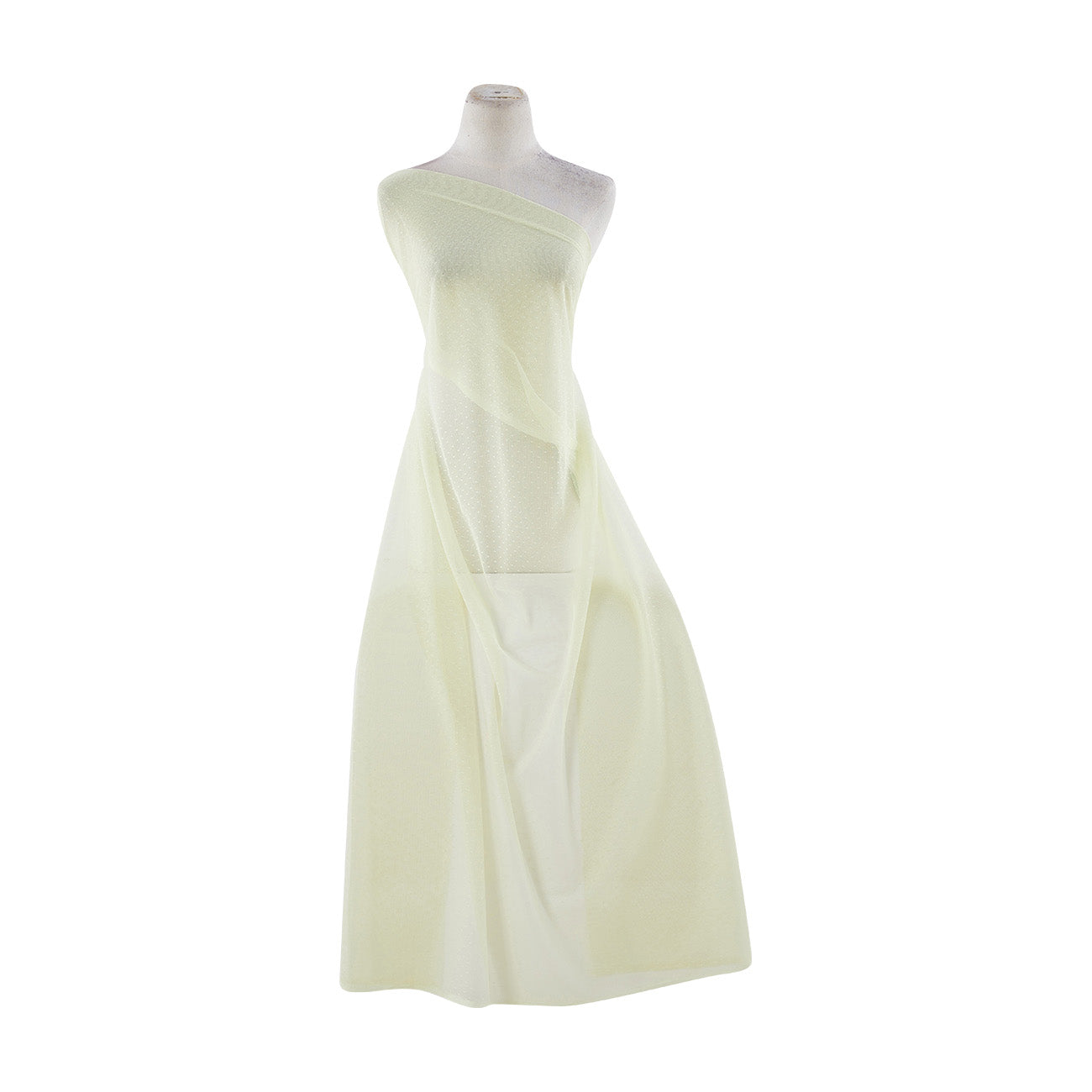
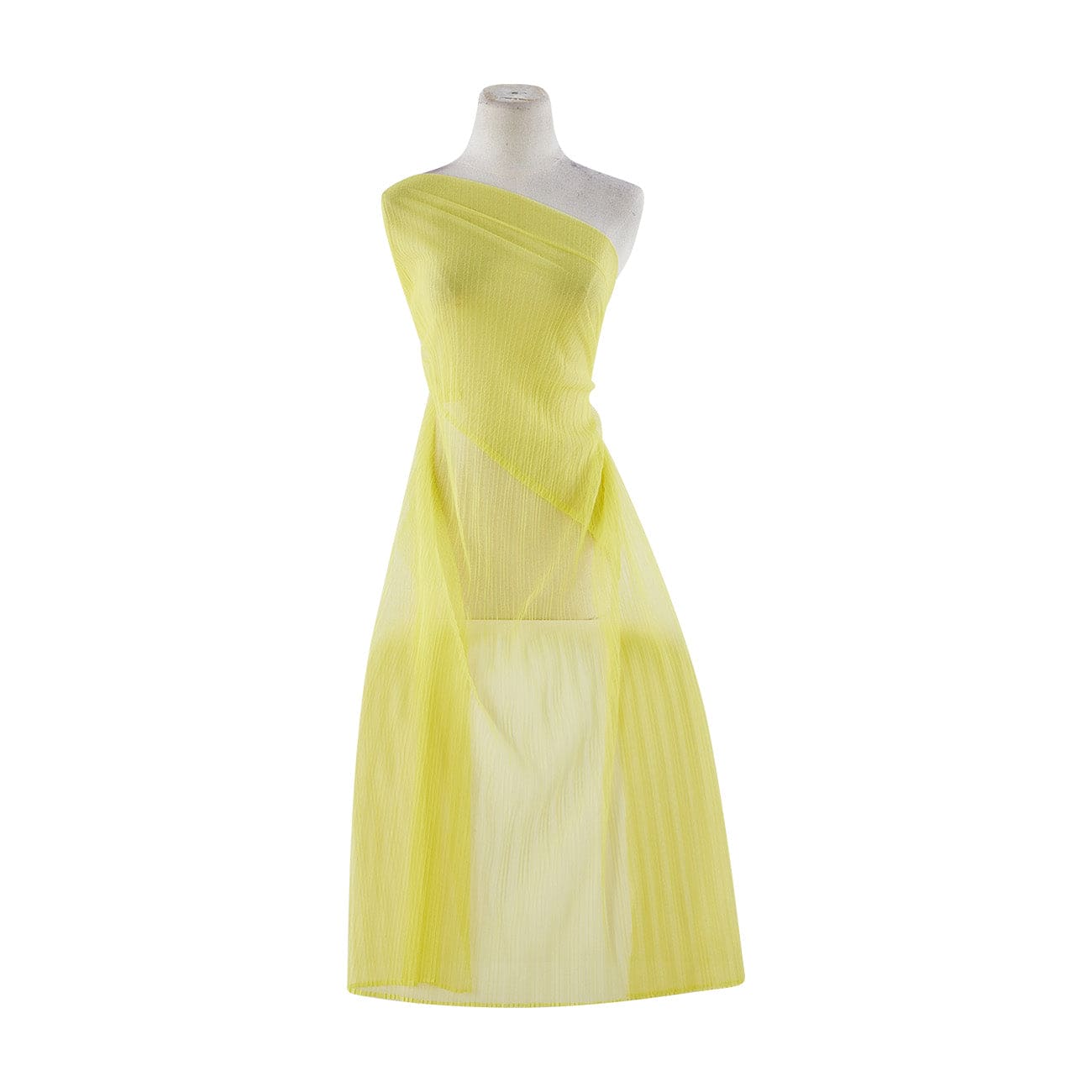
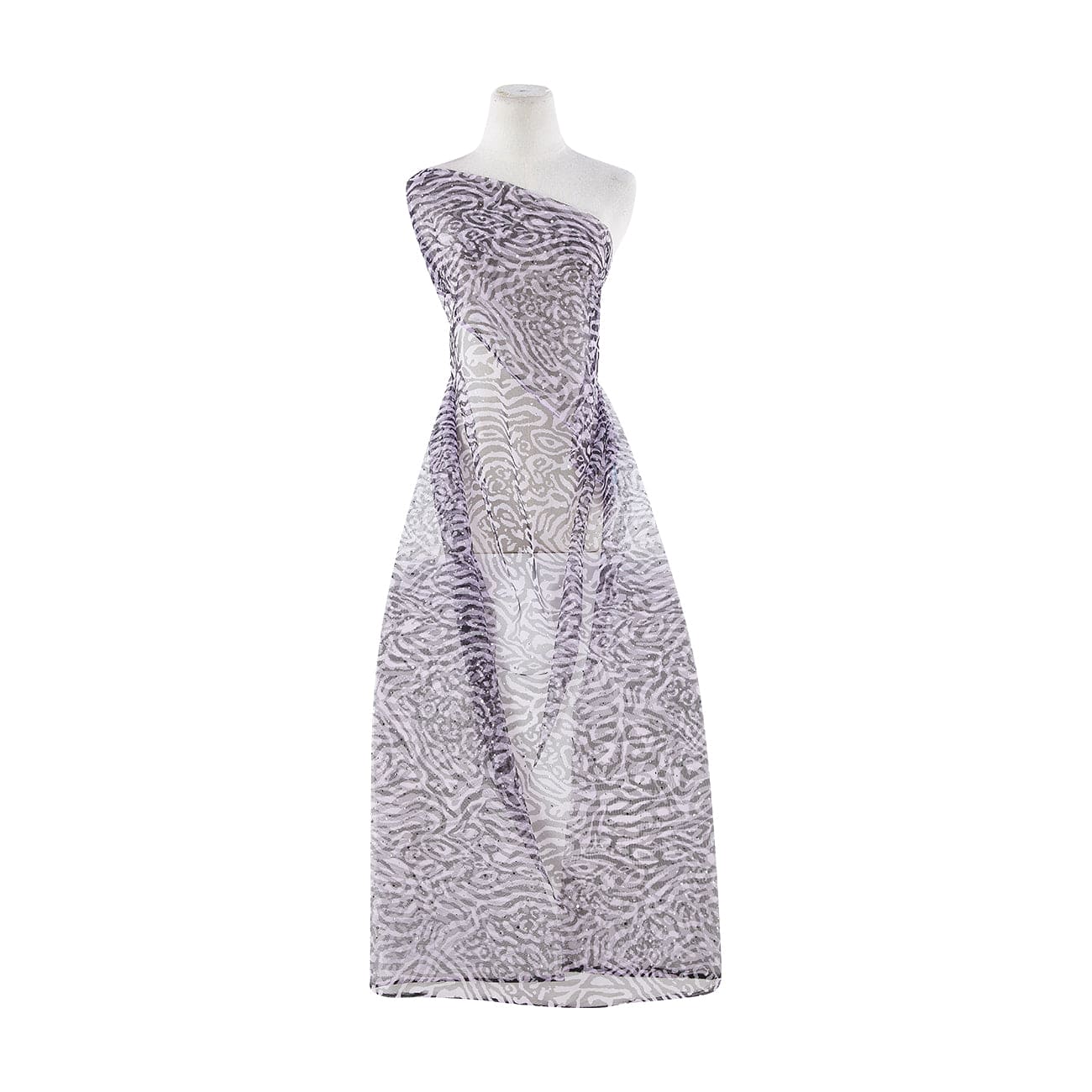
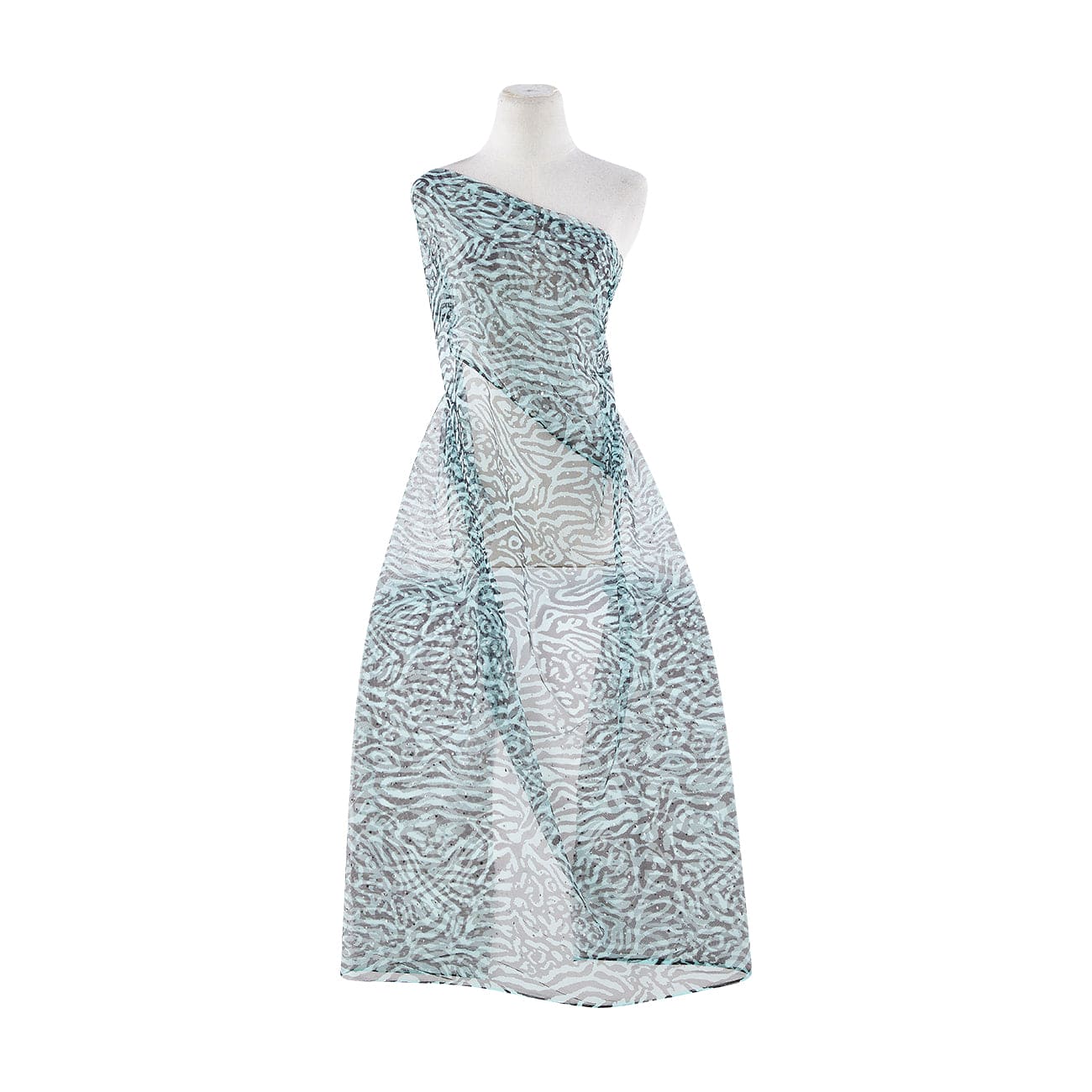
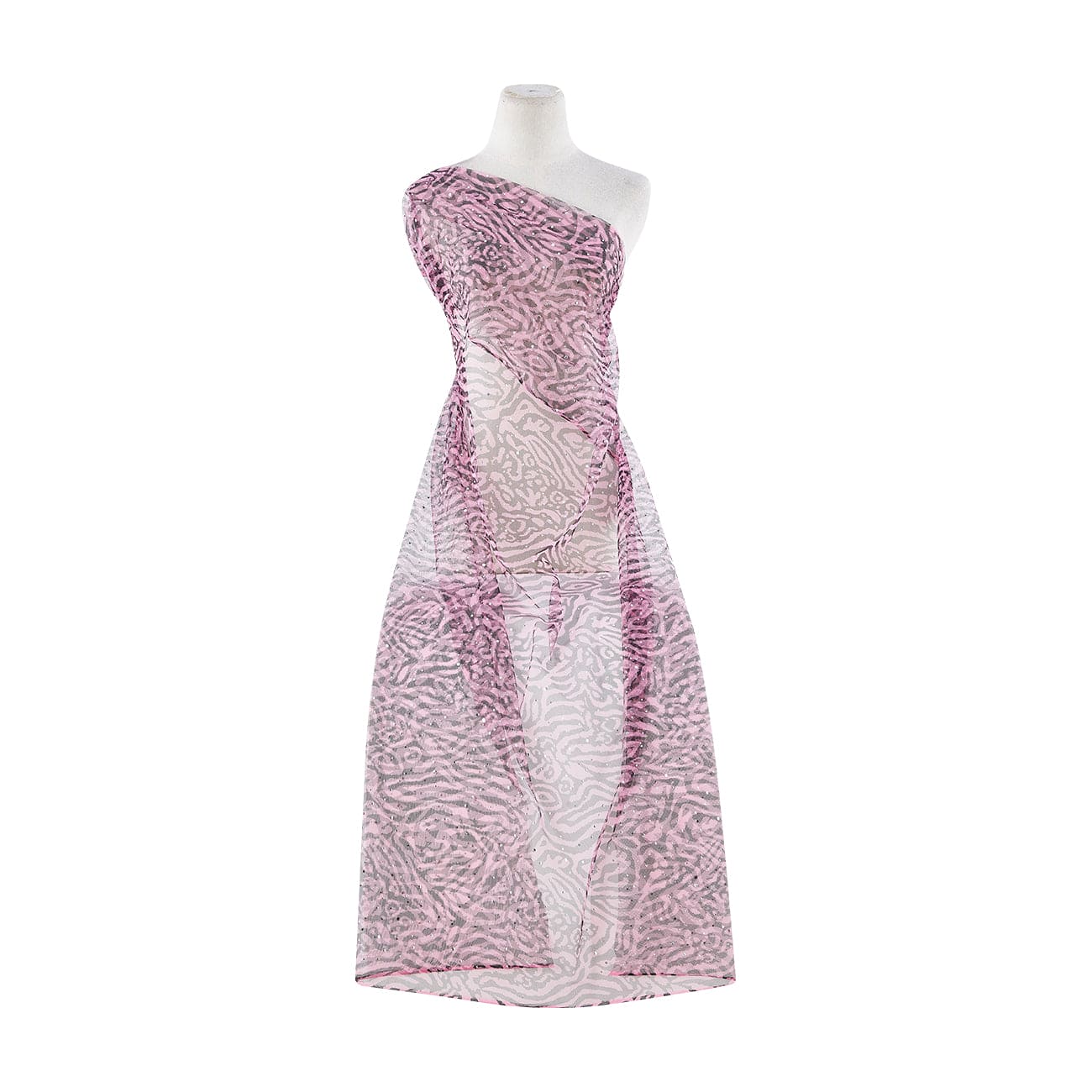
What Is Tulle Fabric?
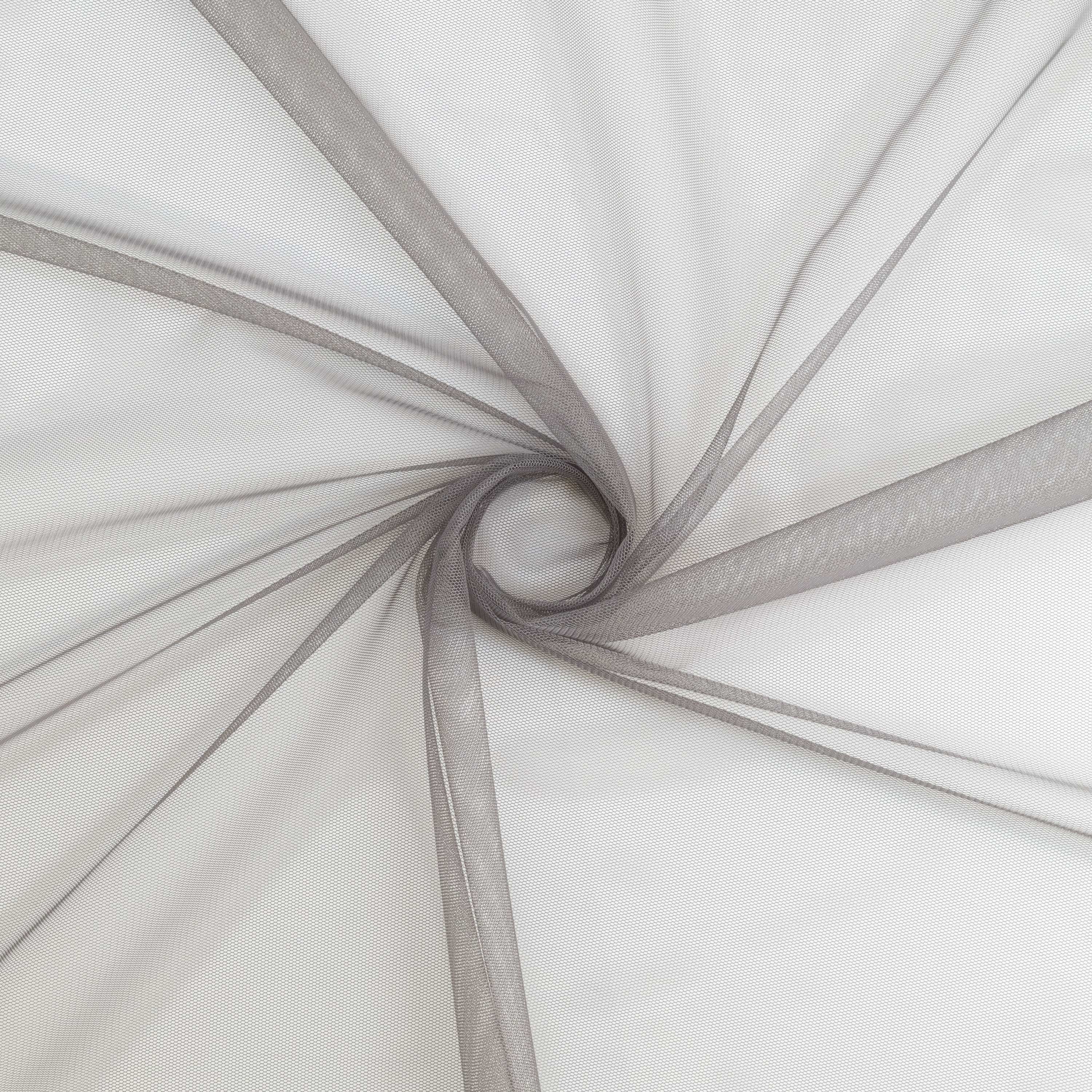
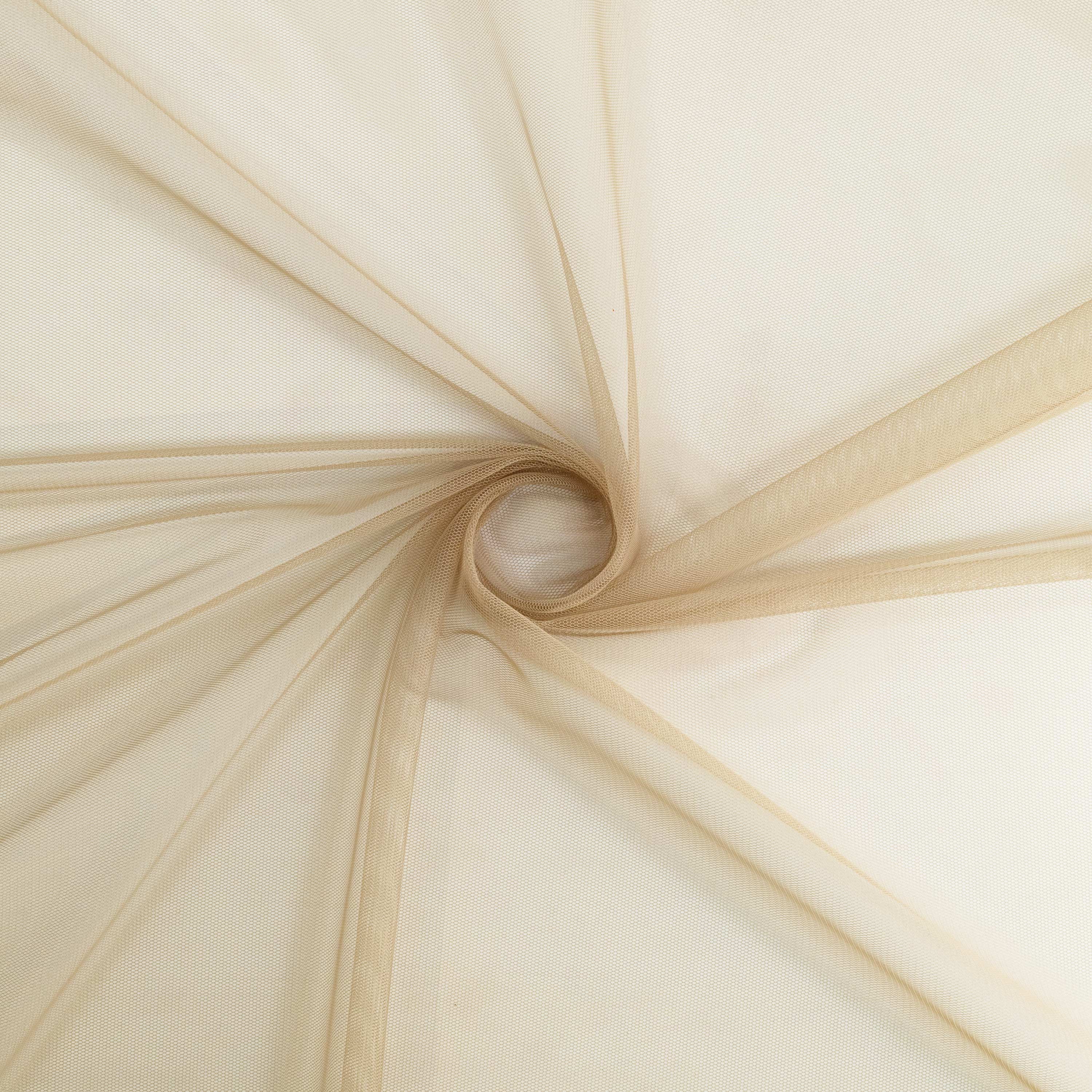
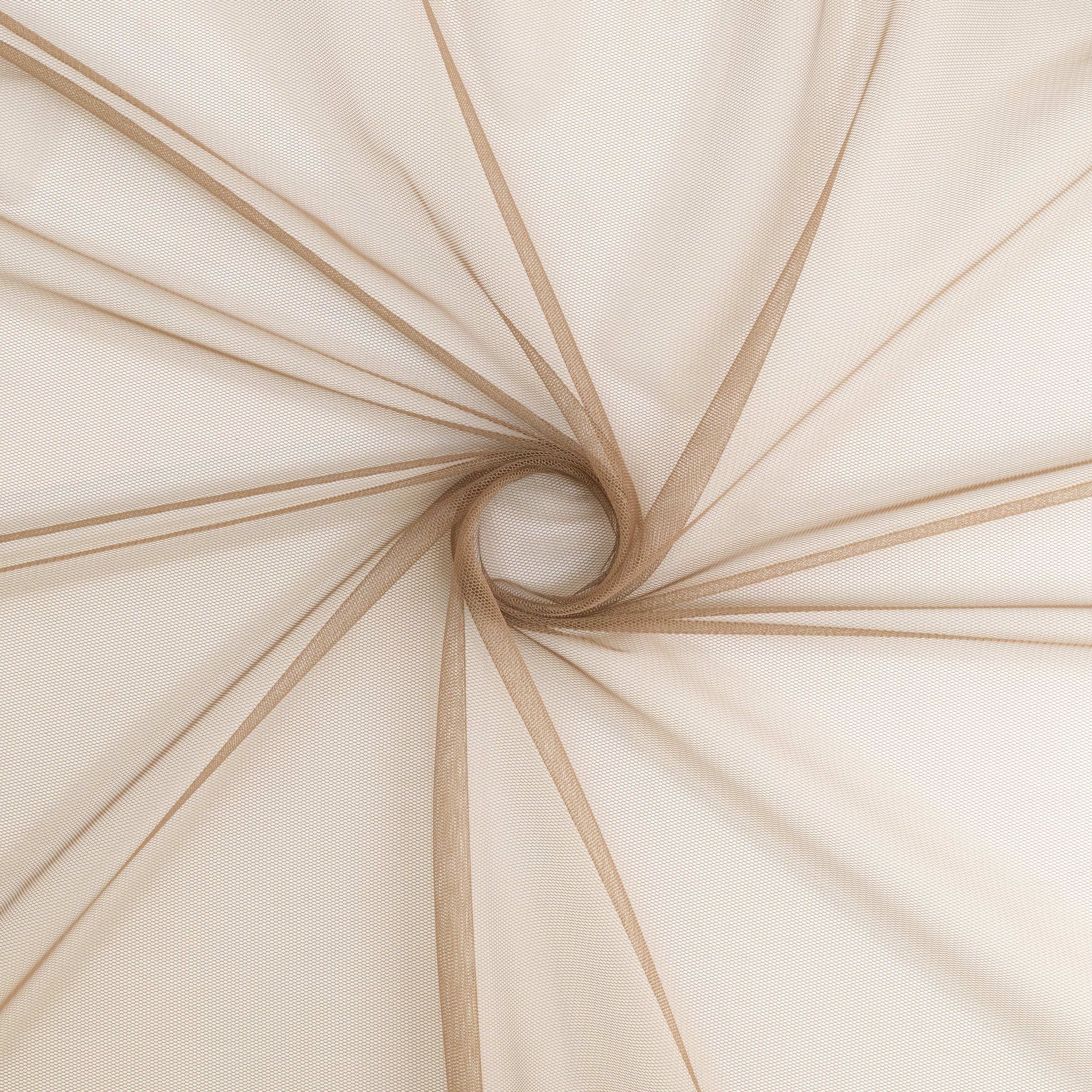
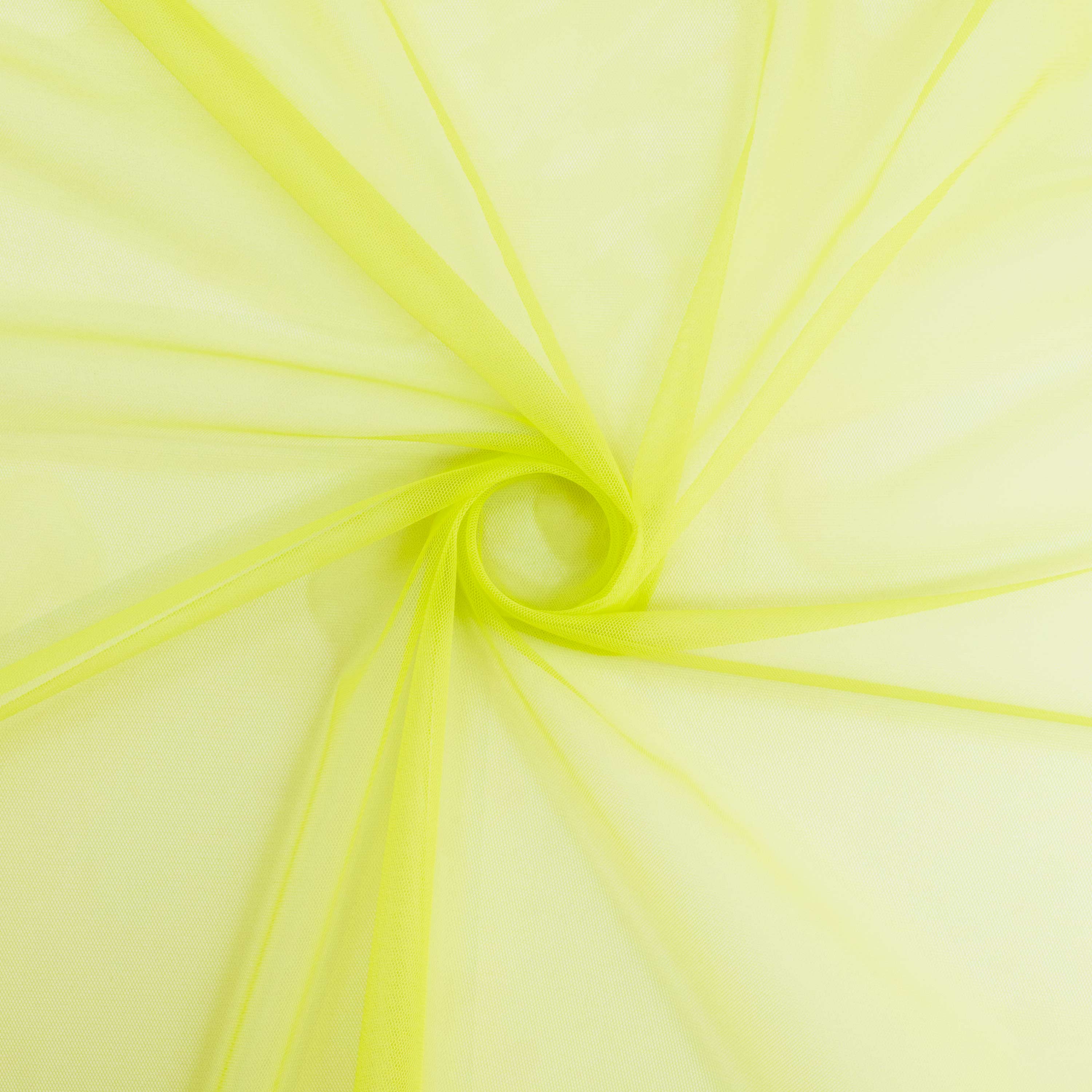
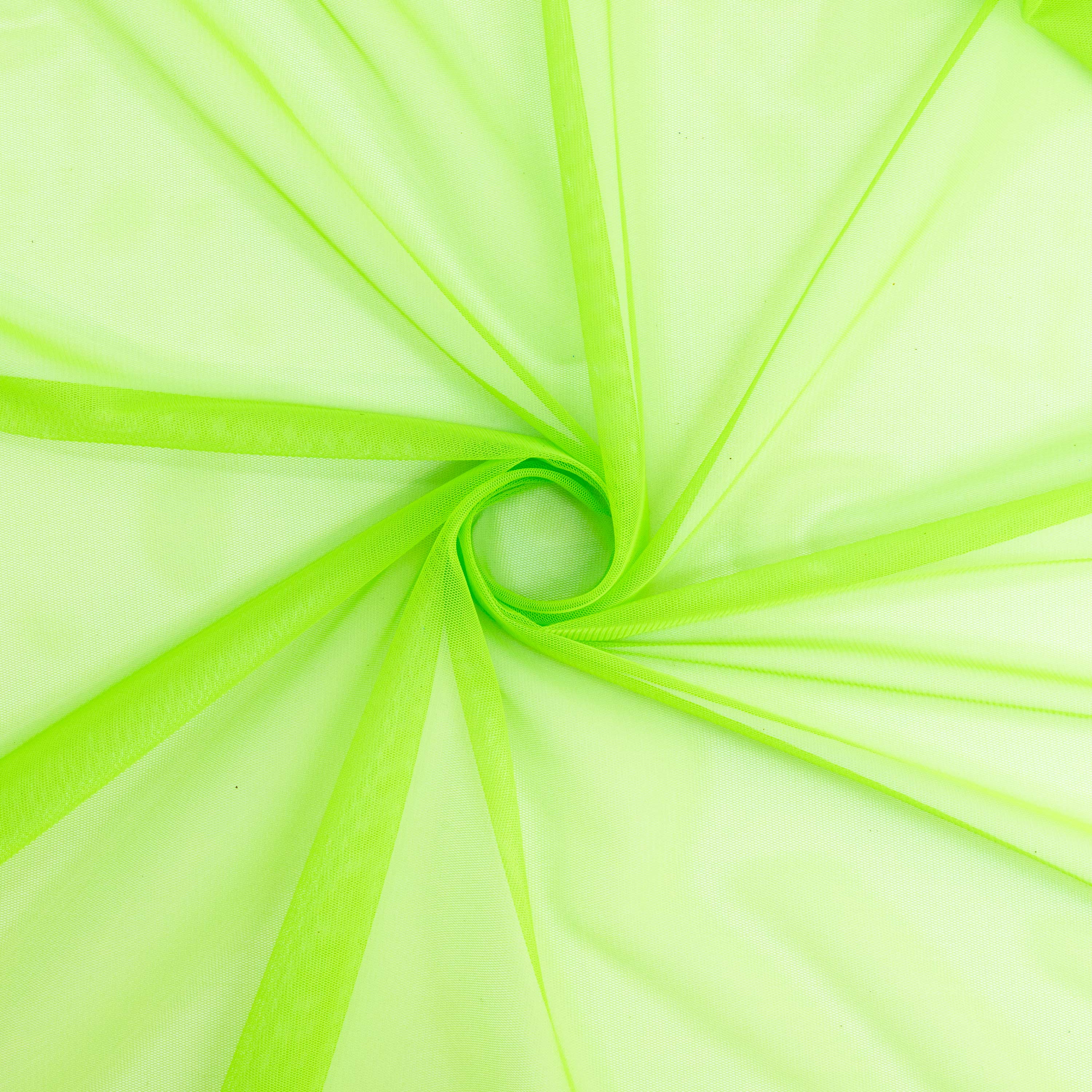
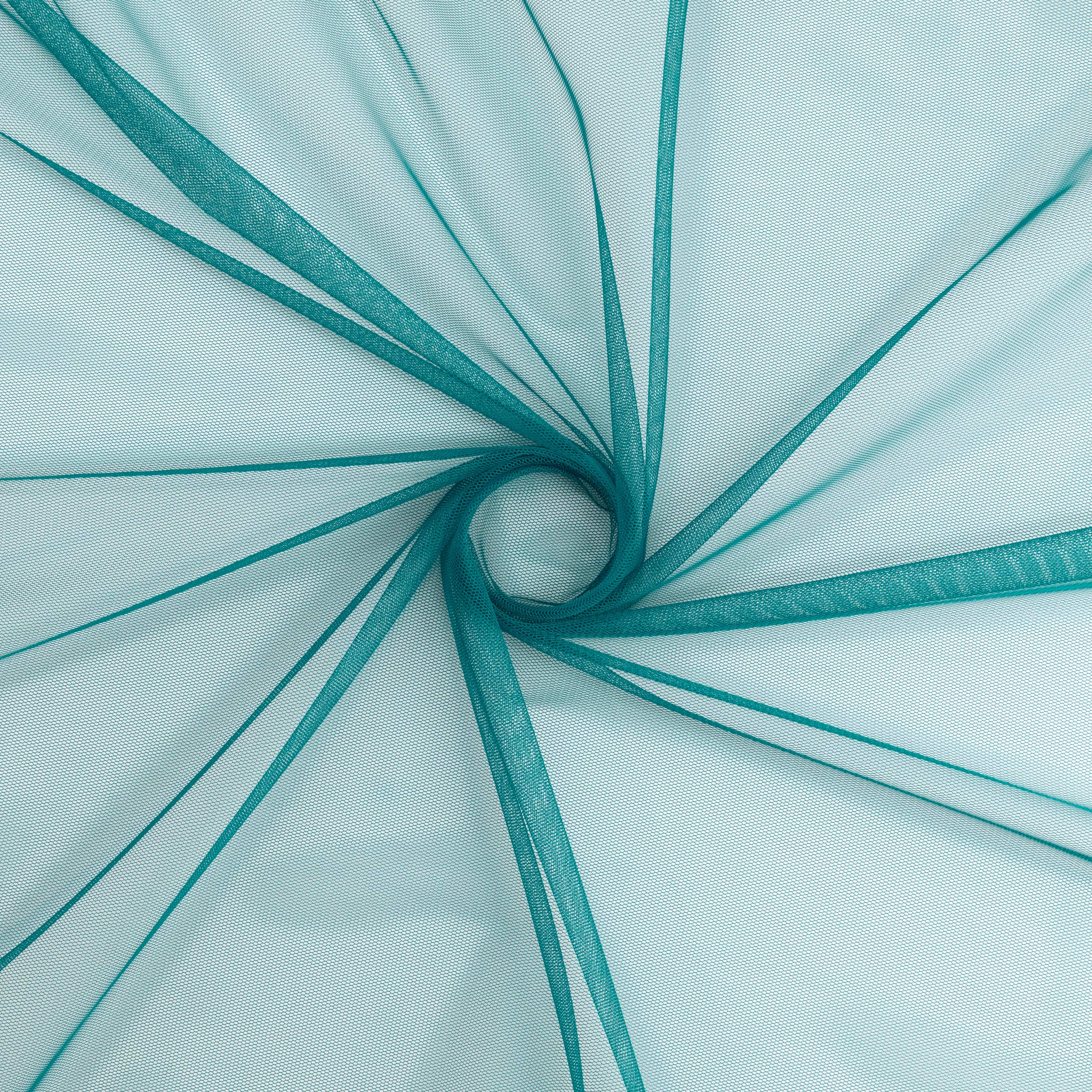
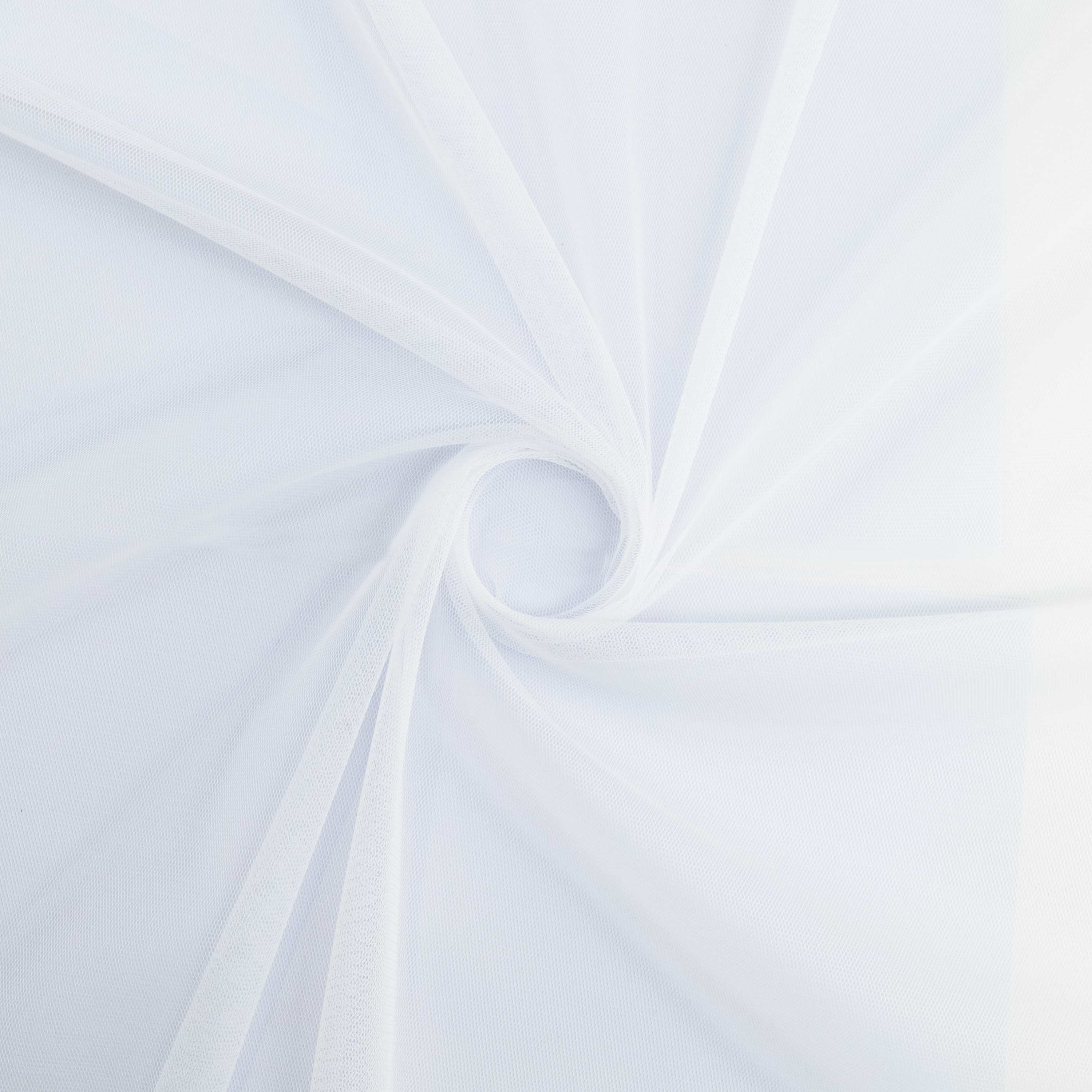
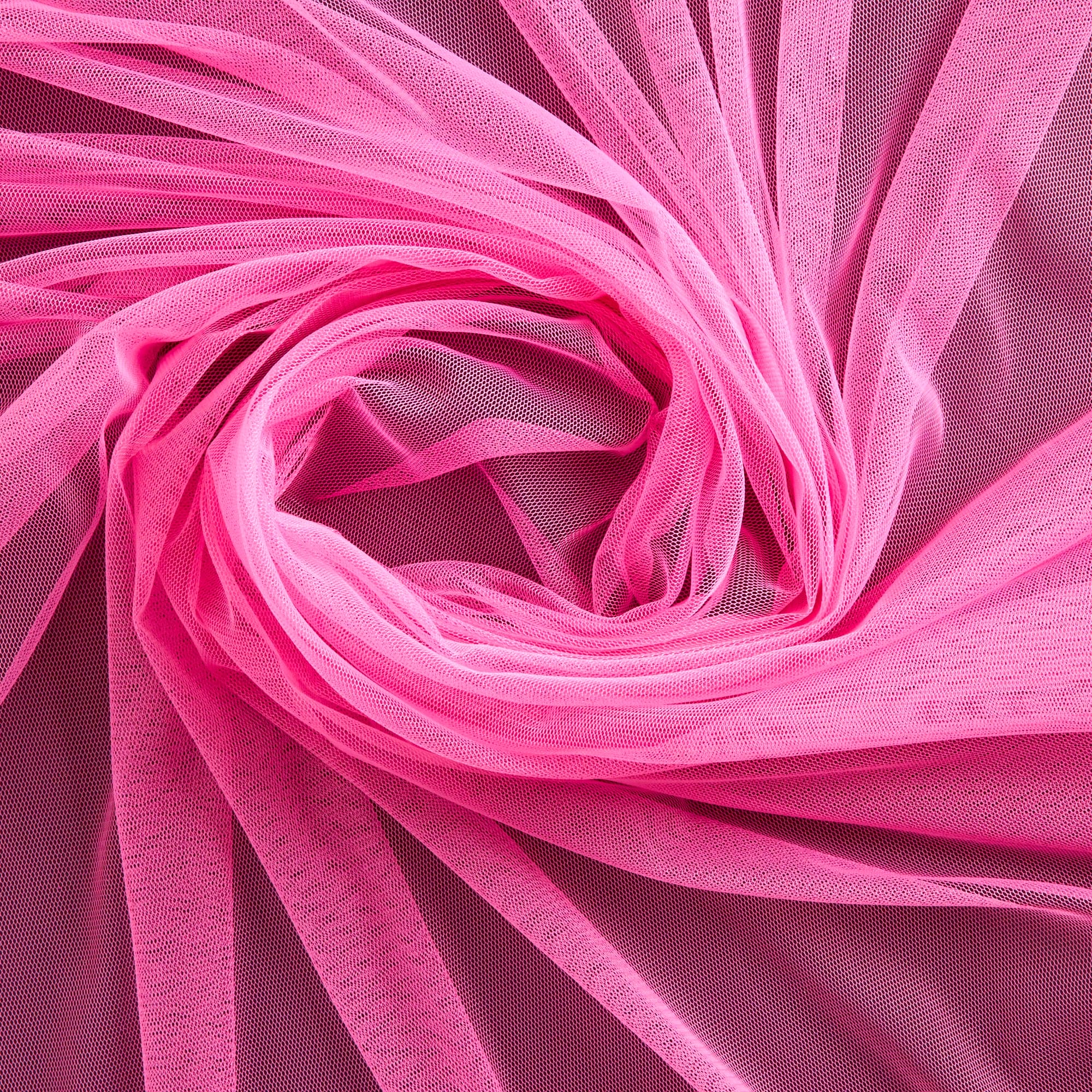
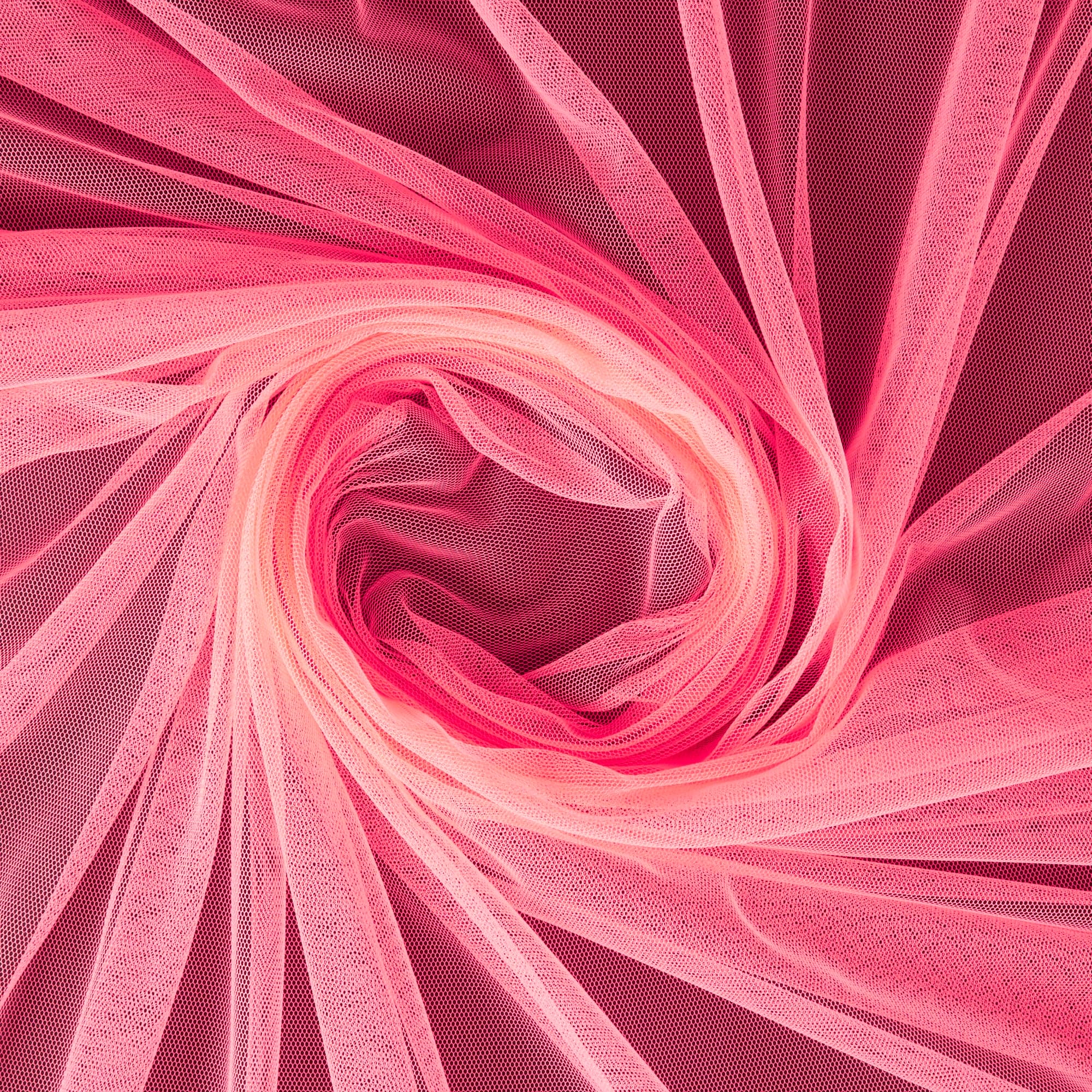
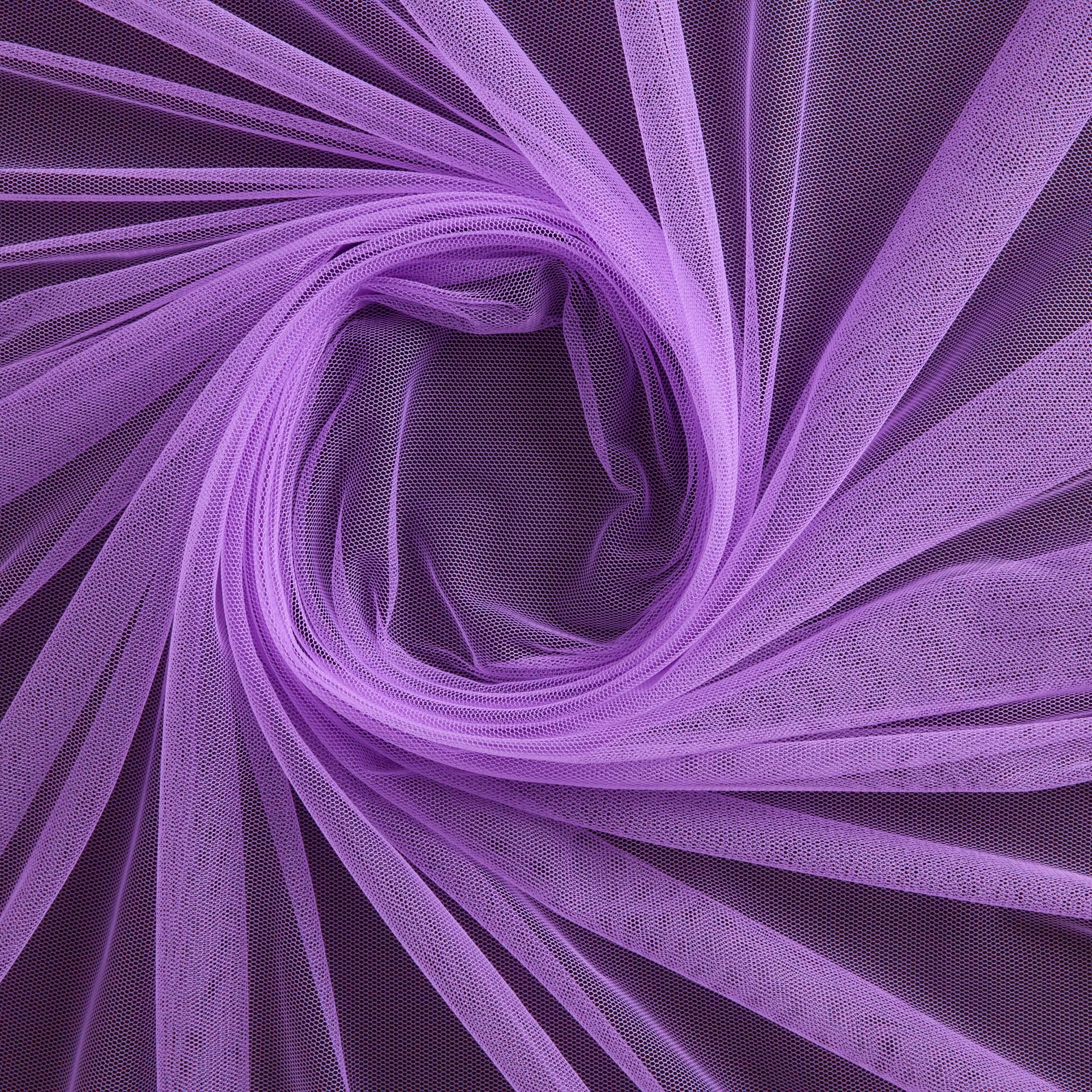
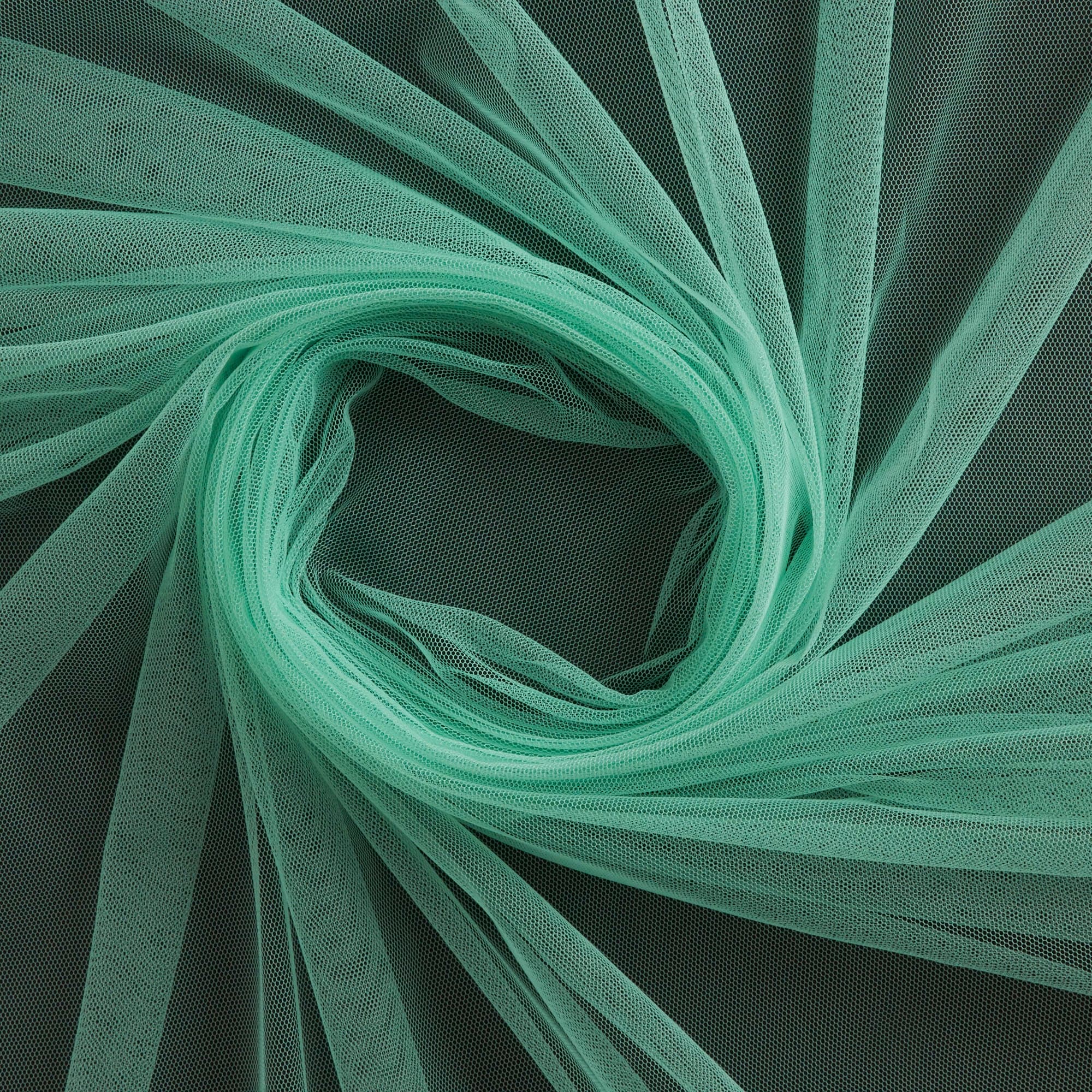
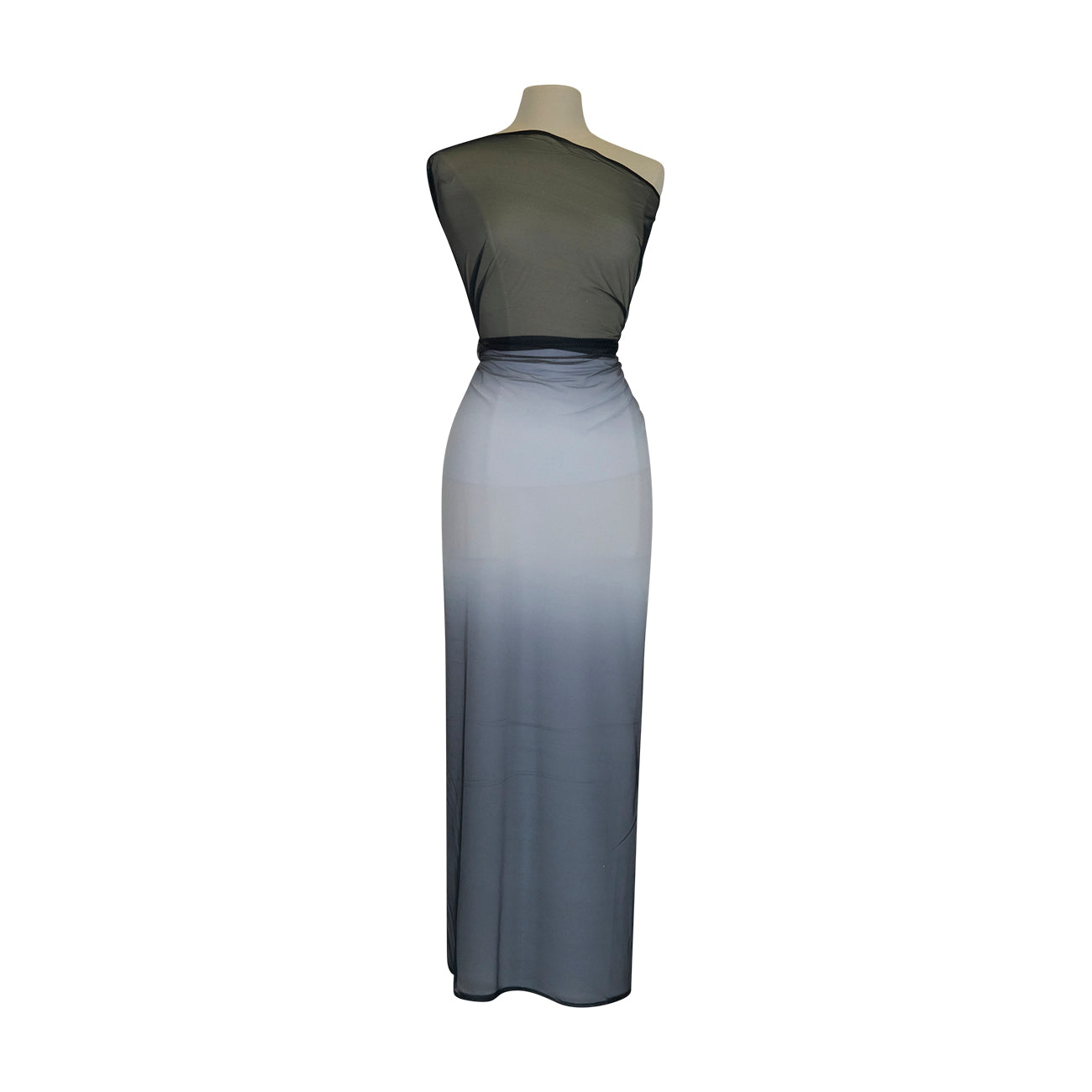
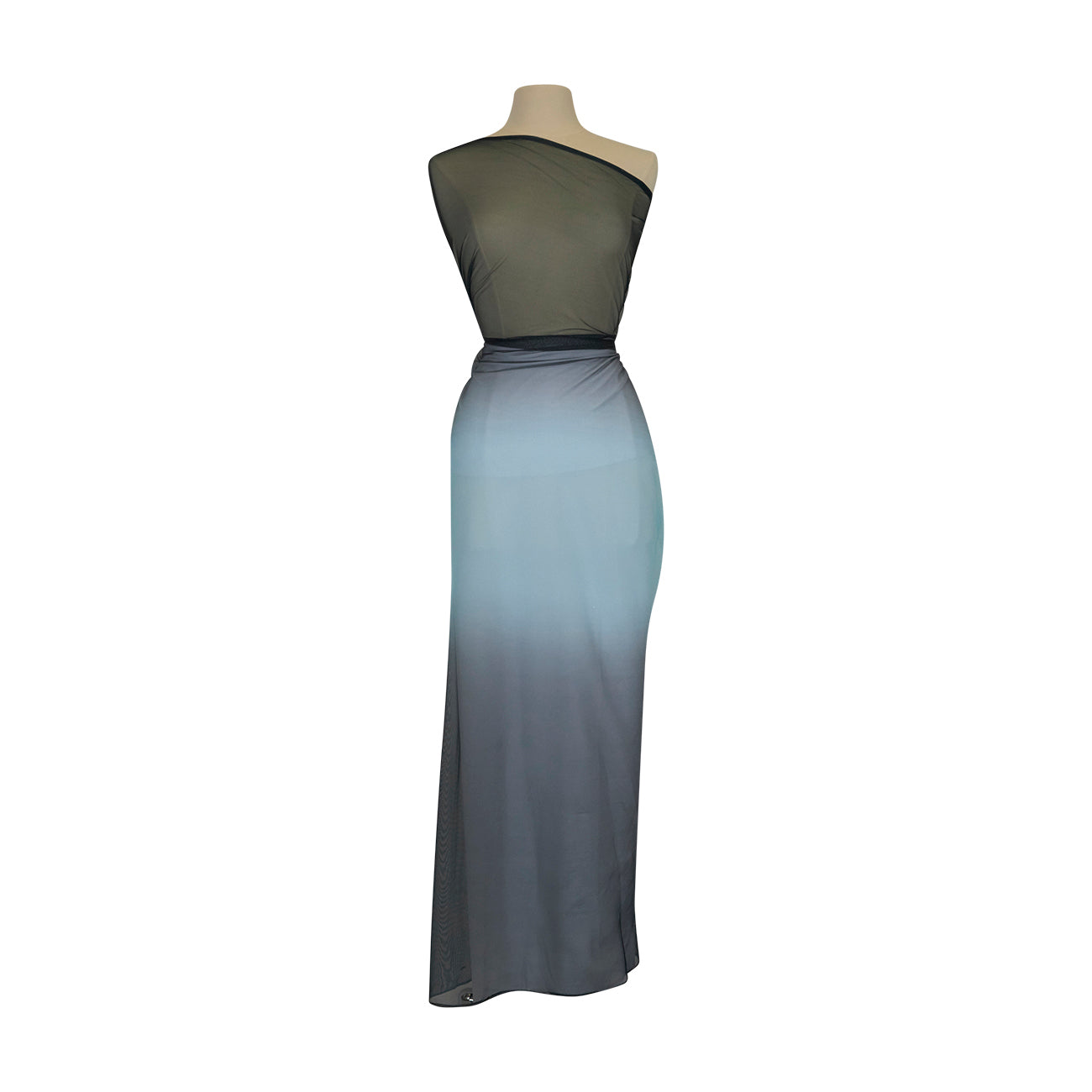
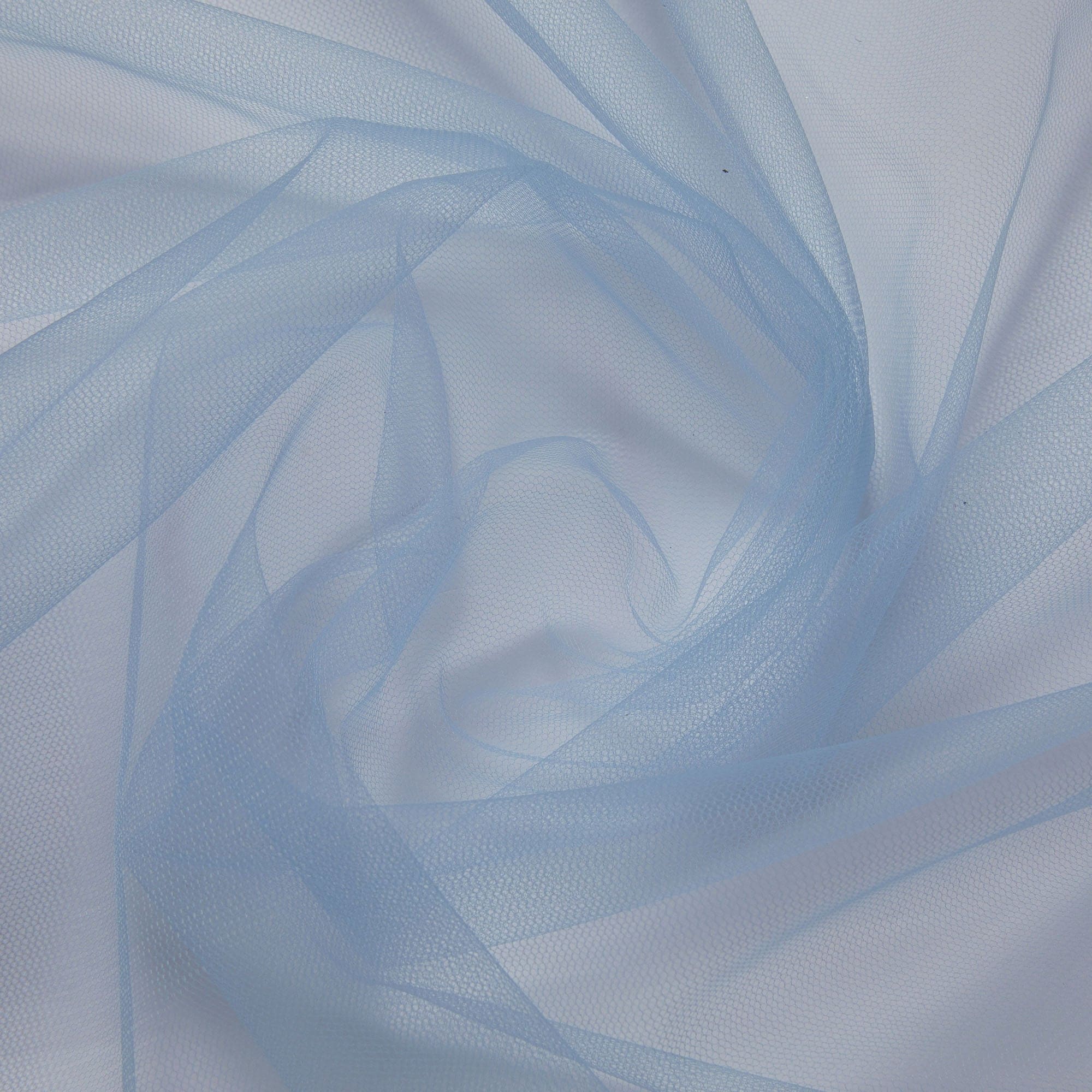
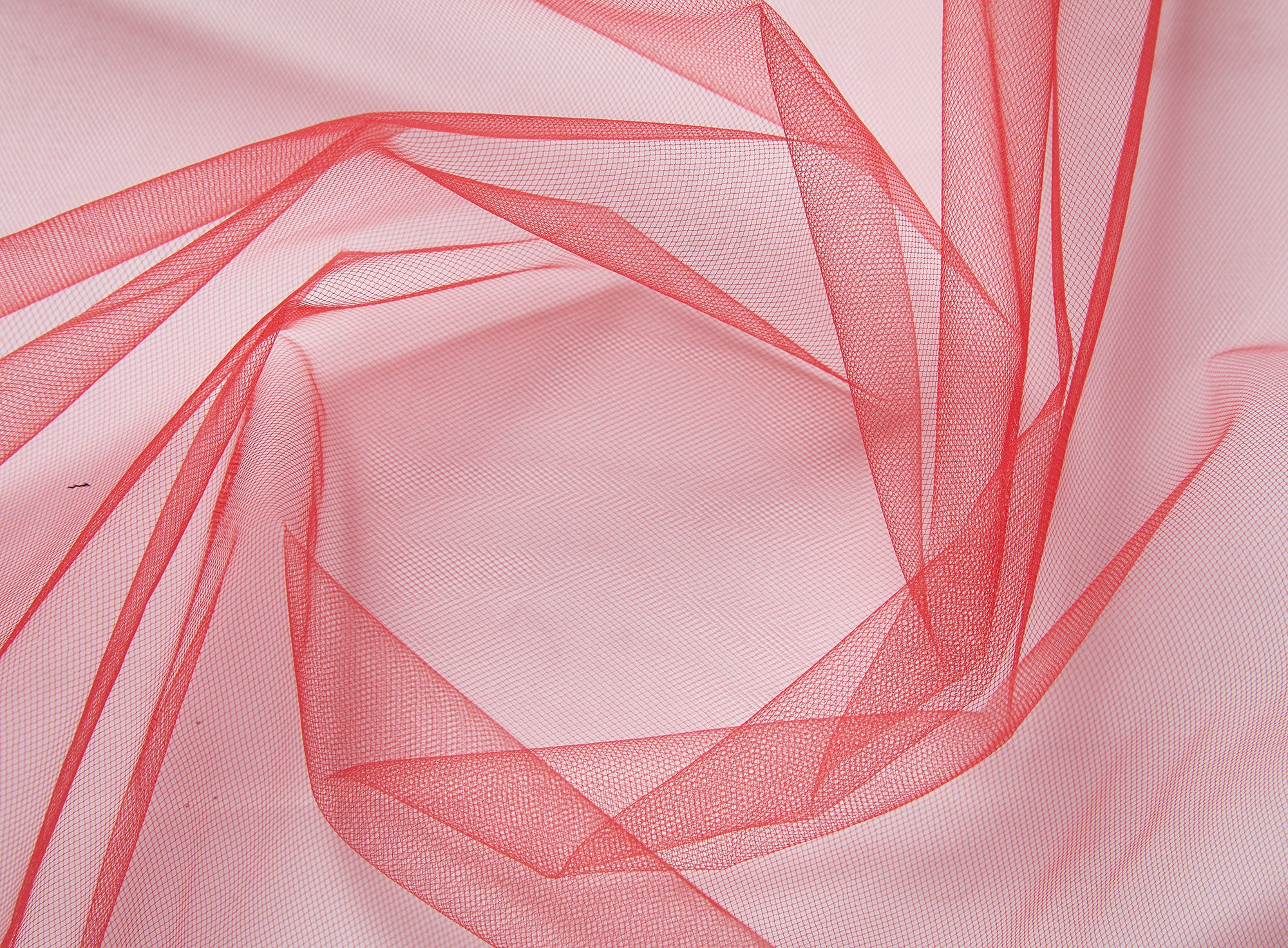
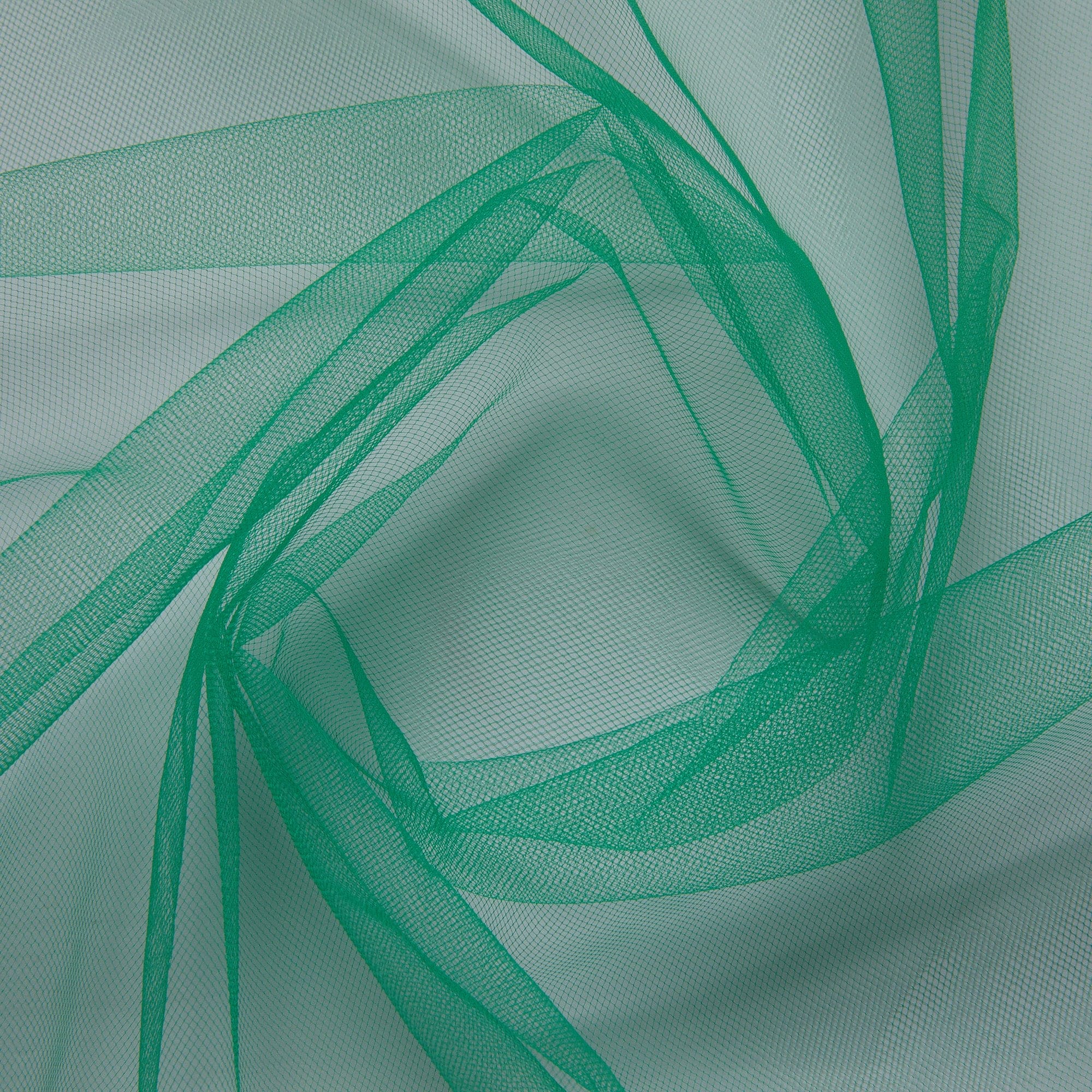
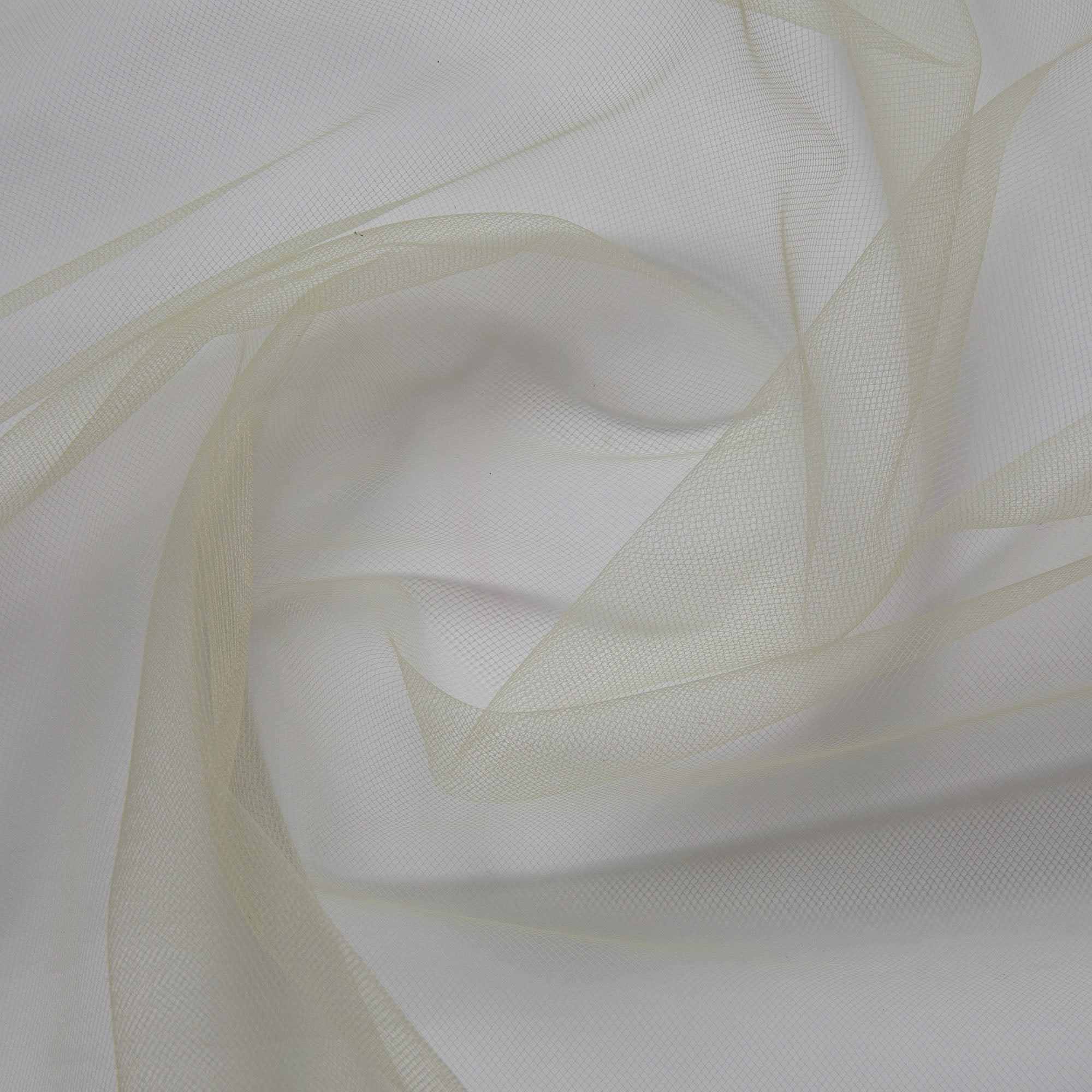
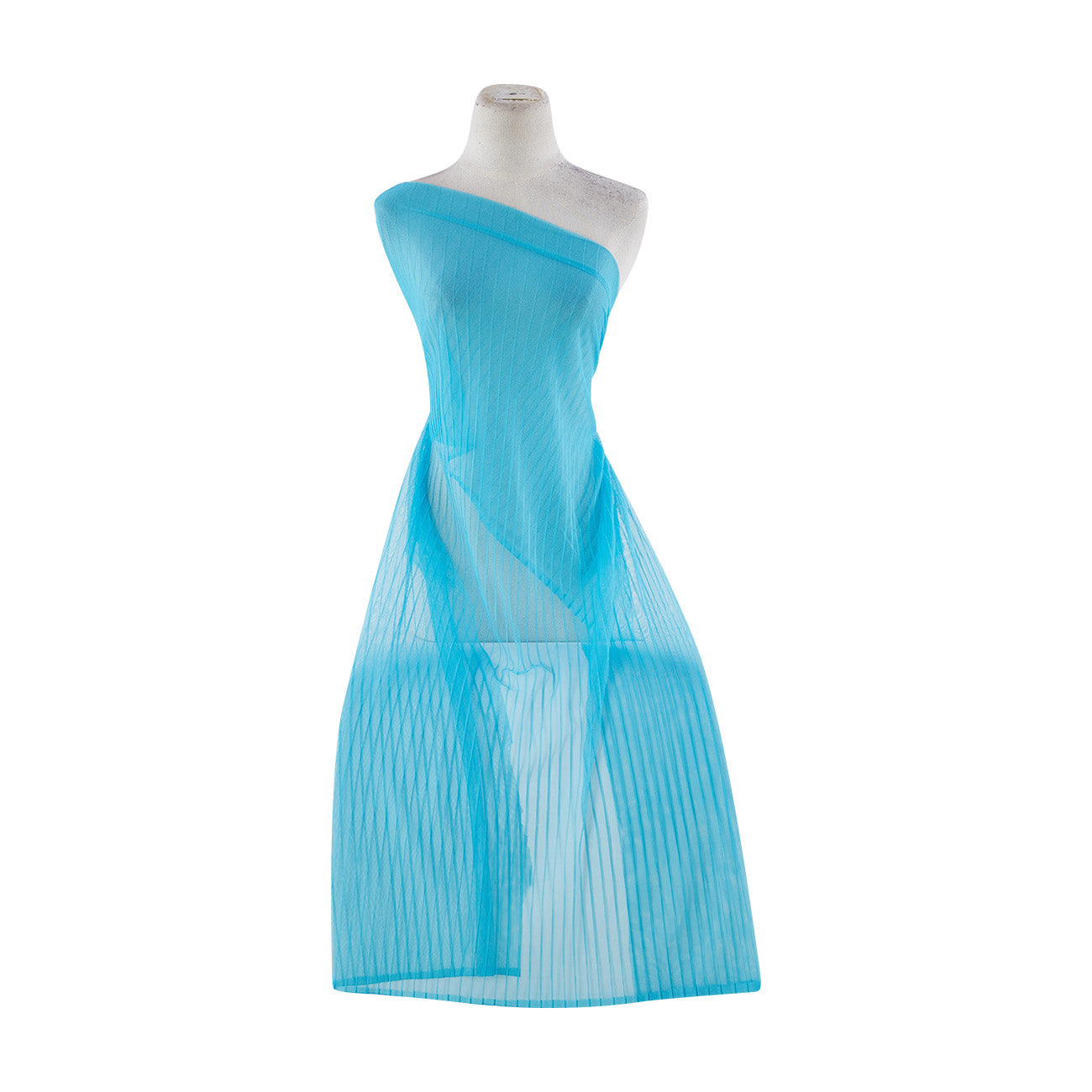
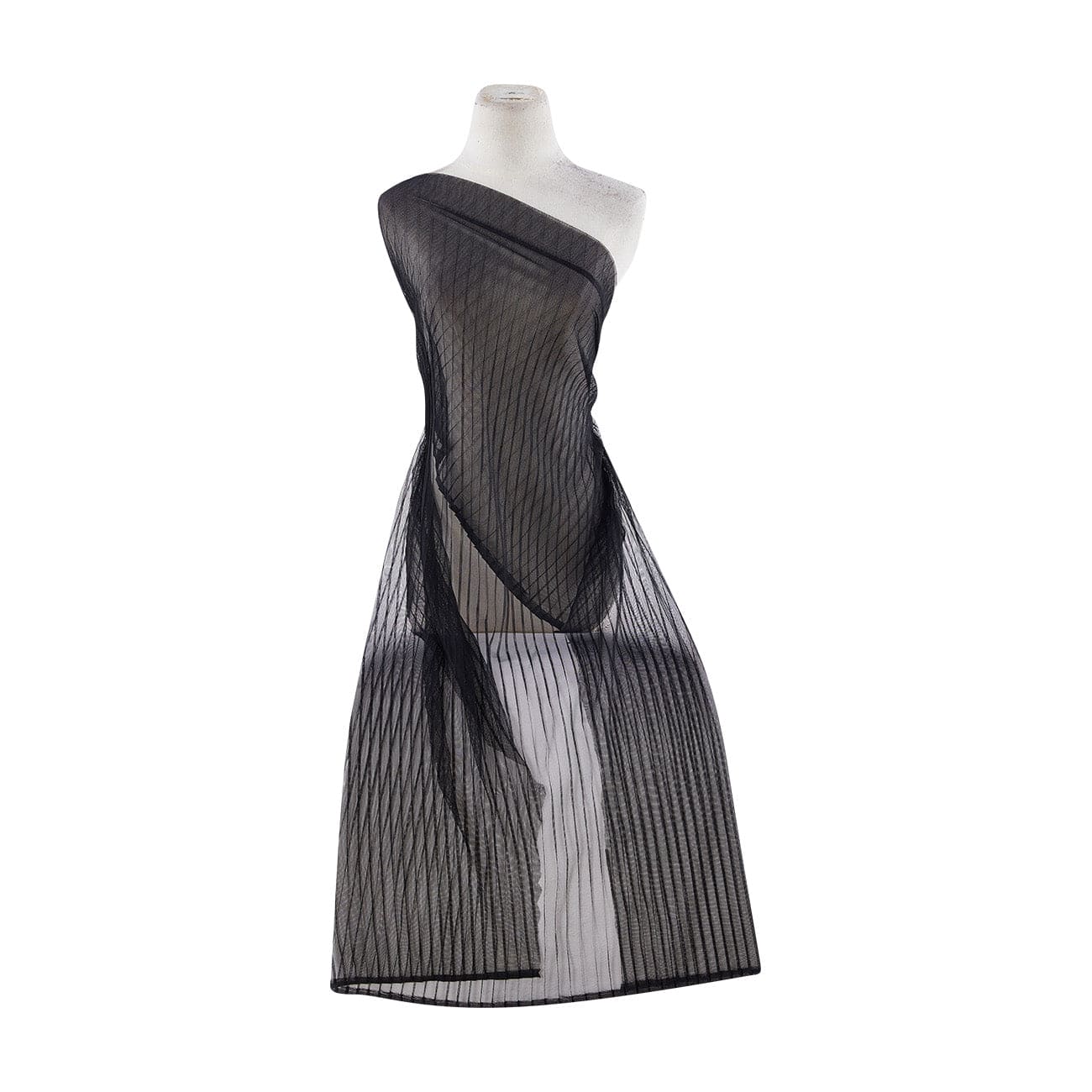
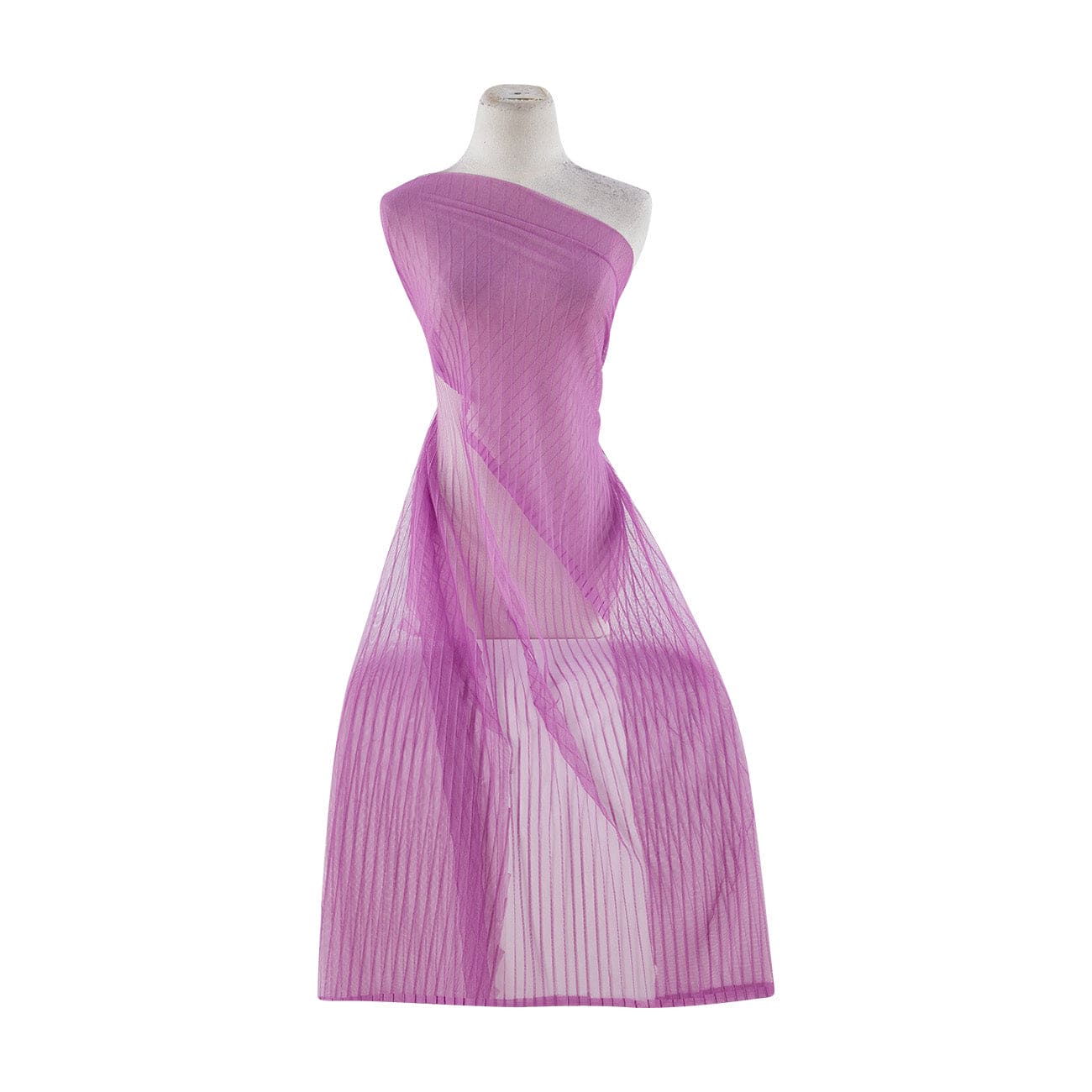
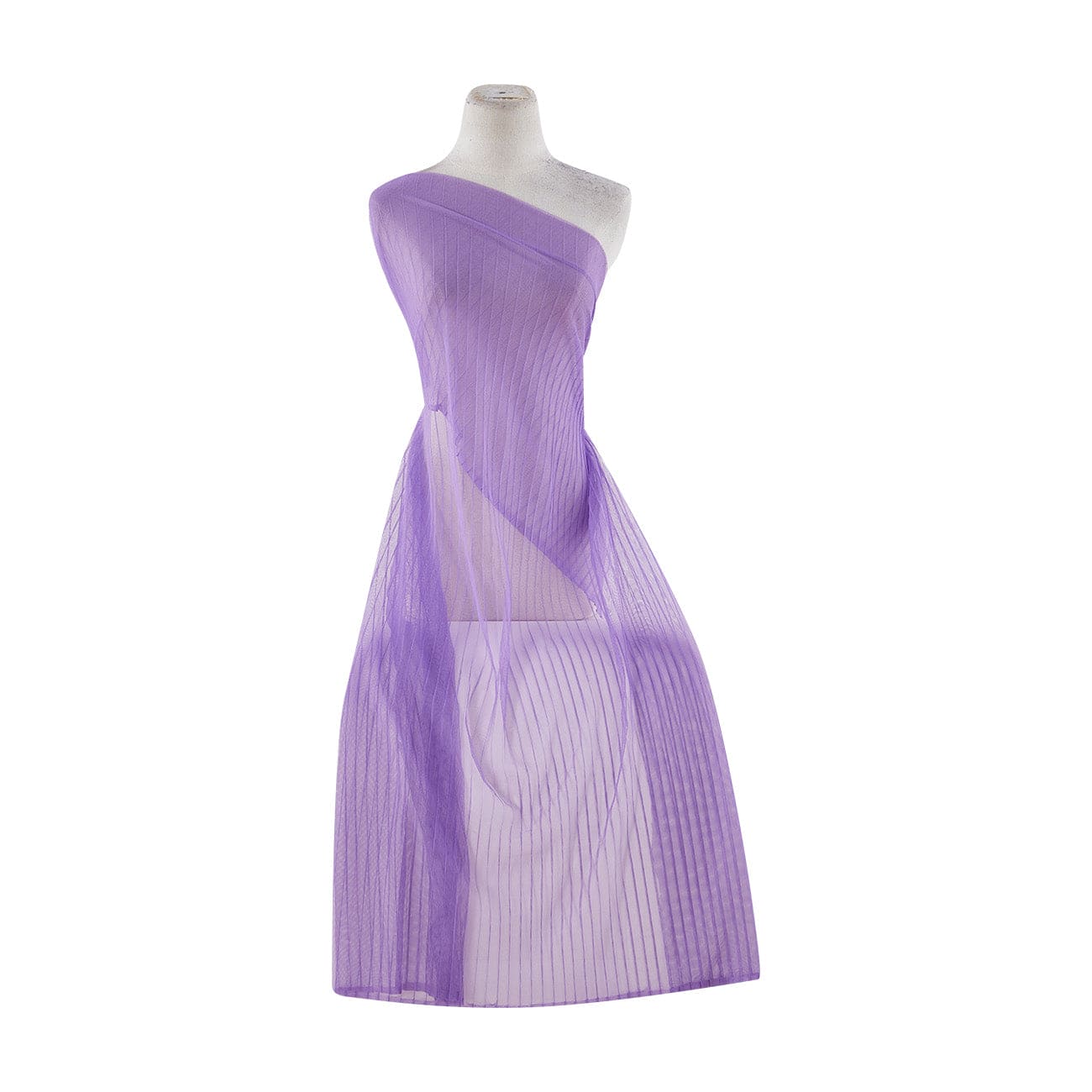
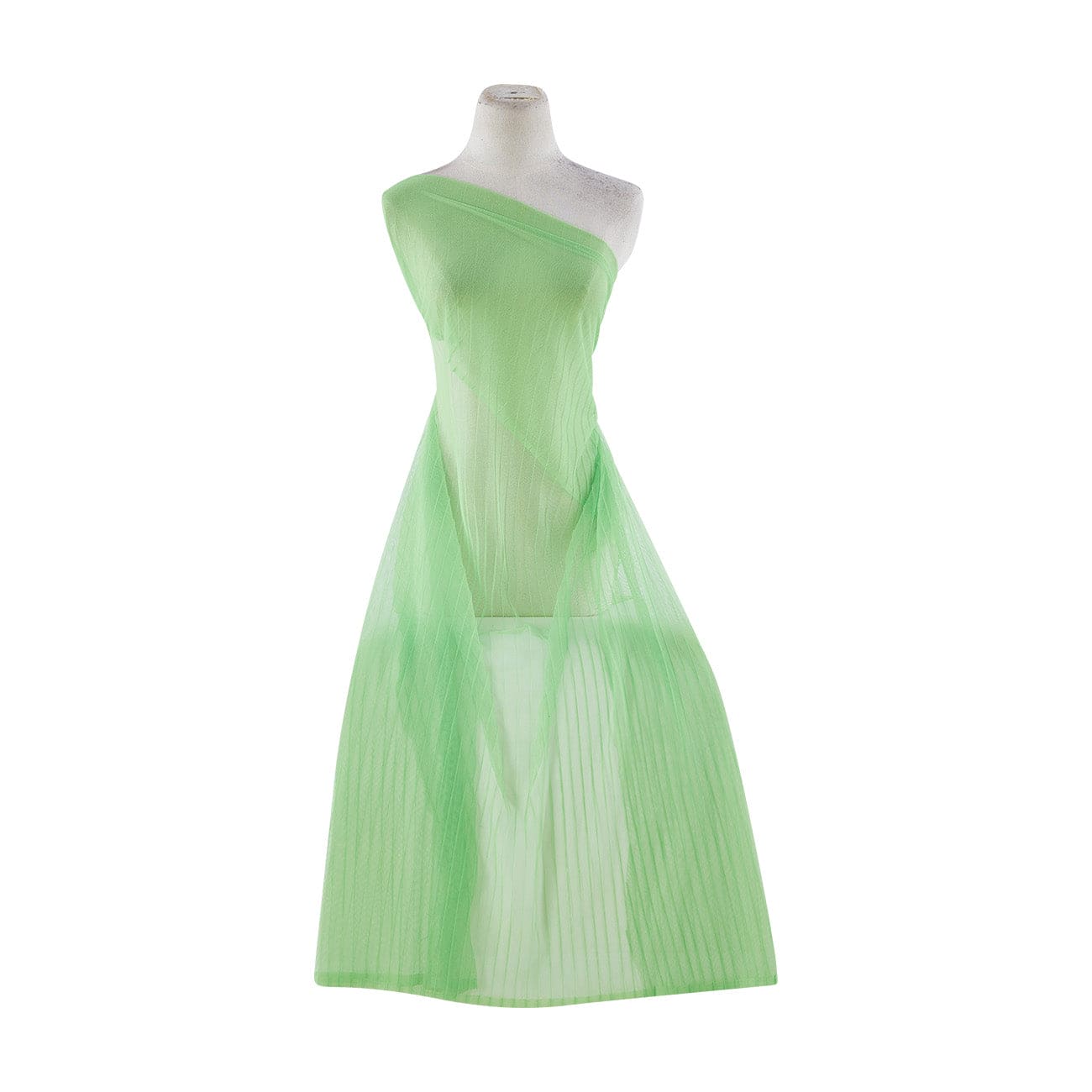
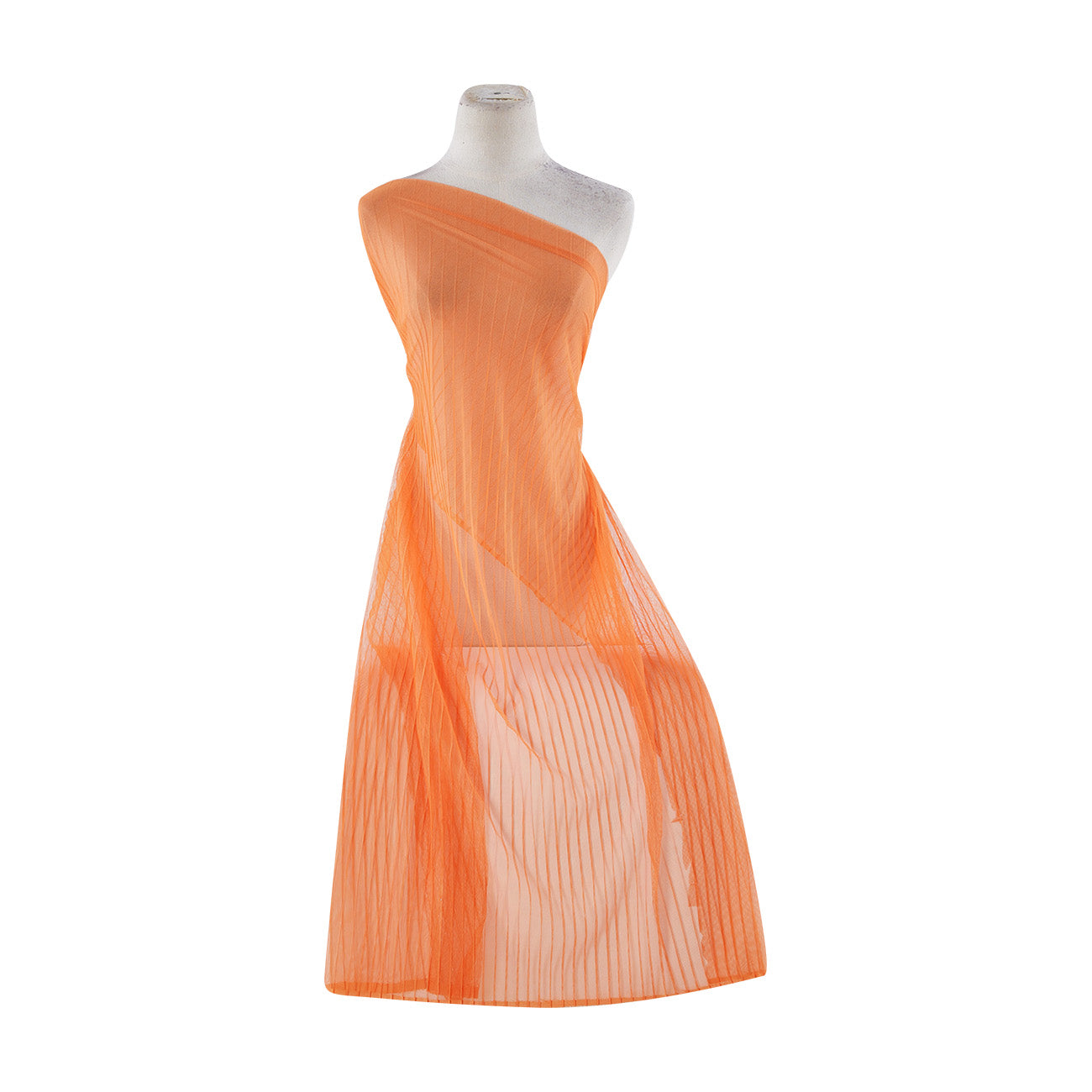
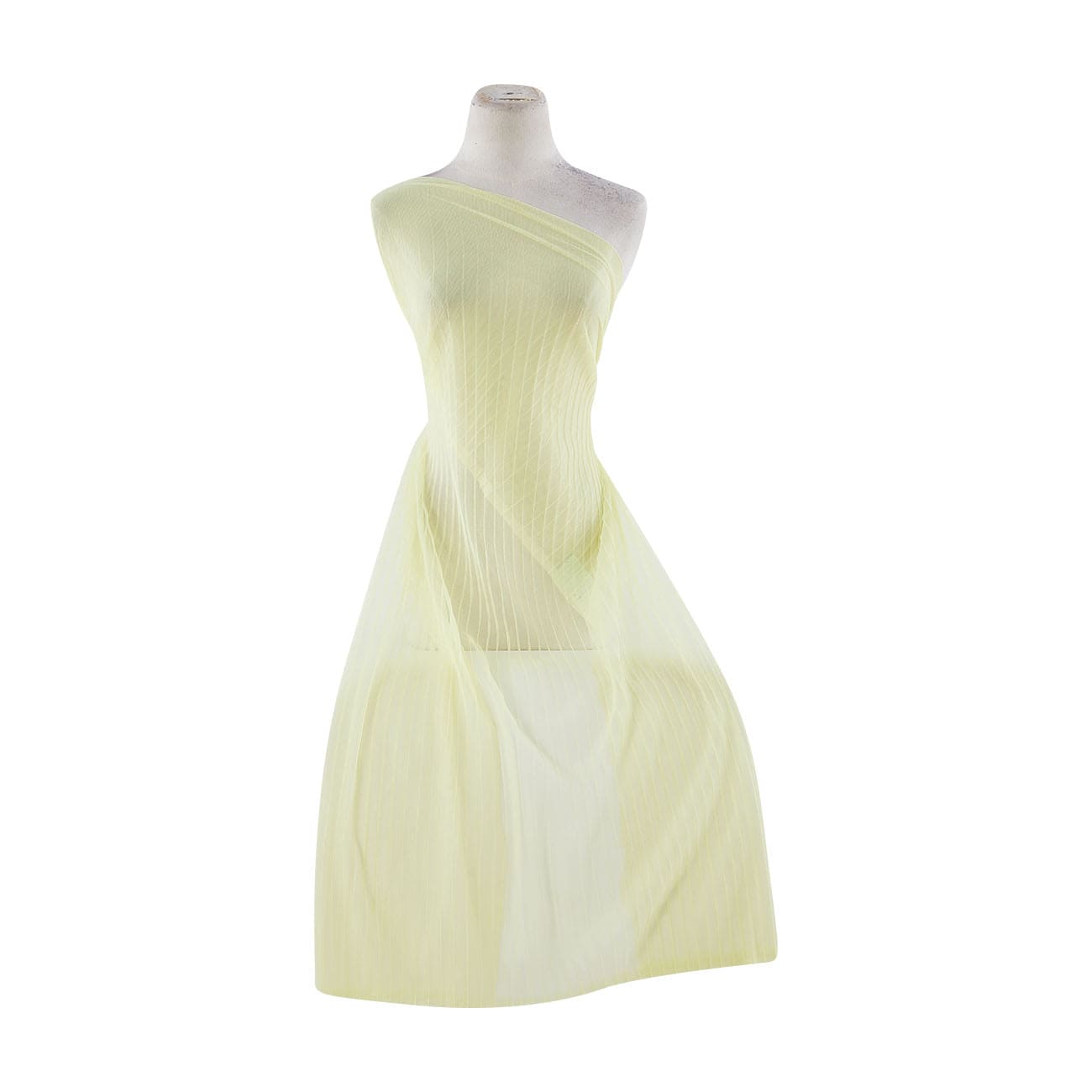
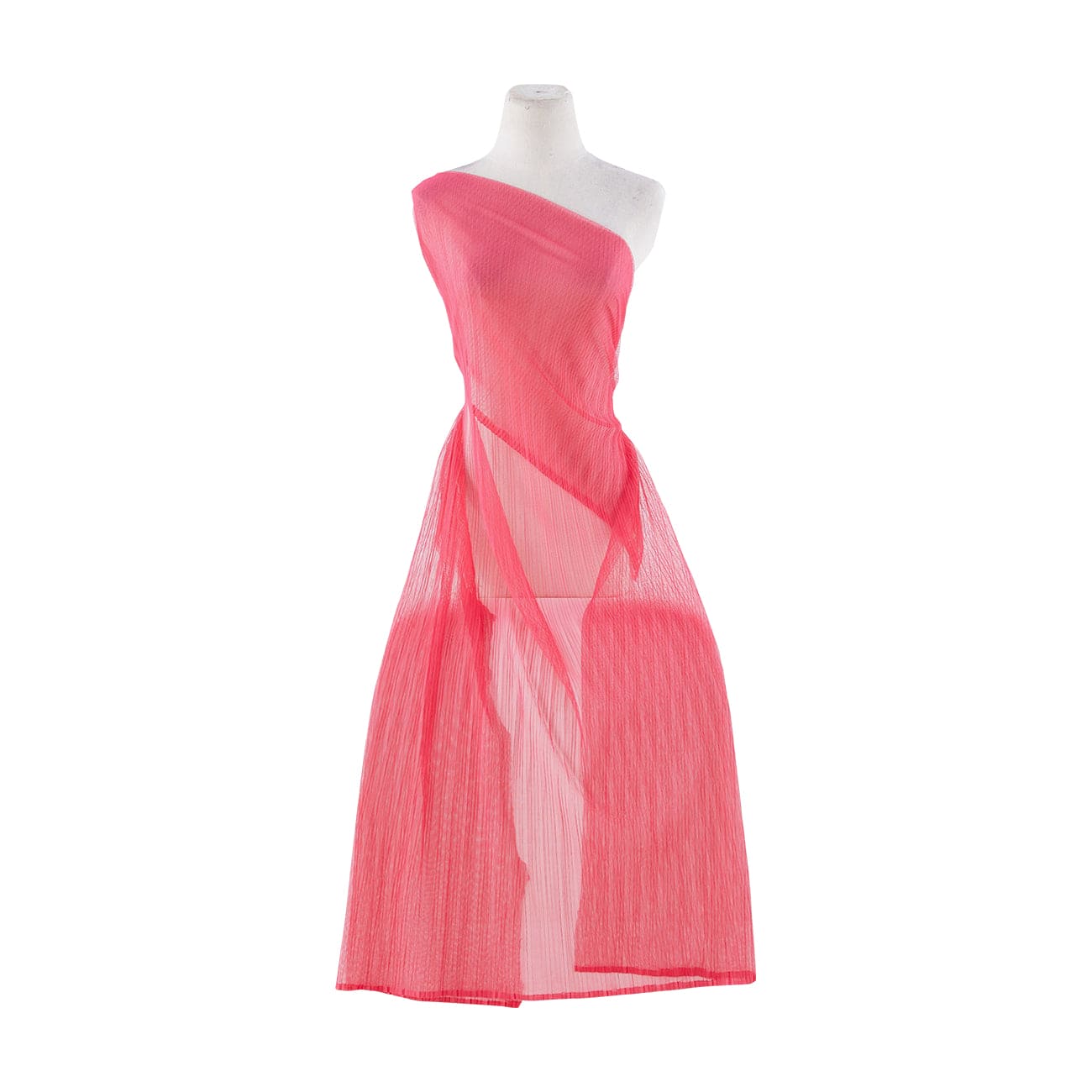
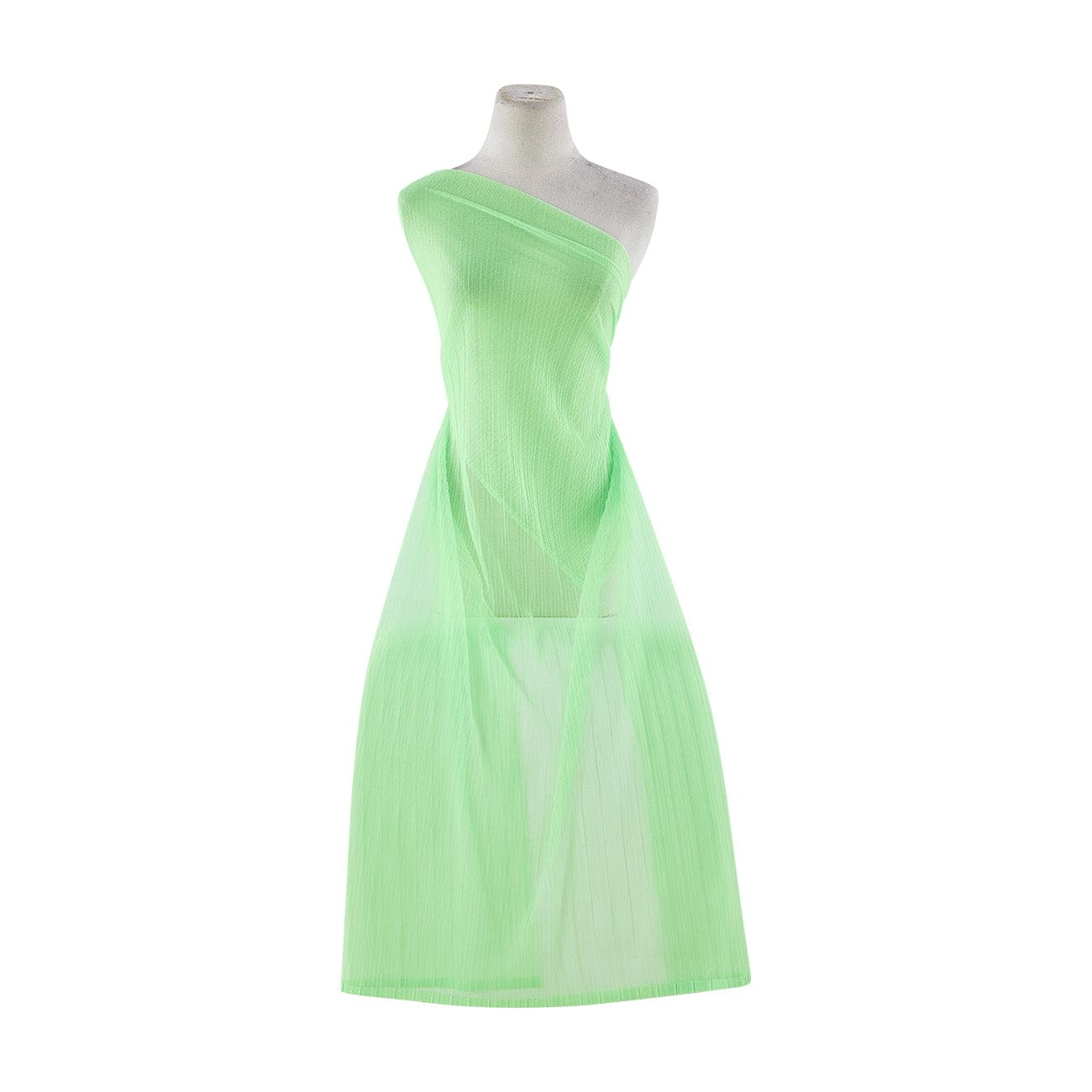
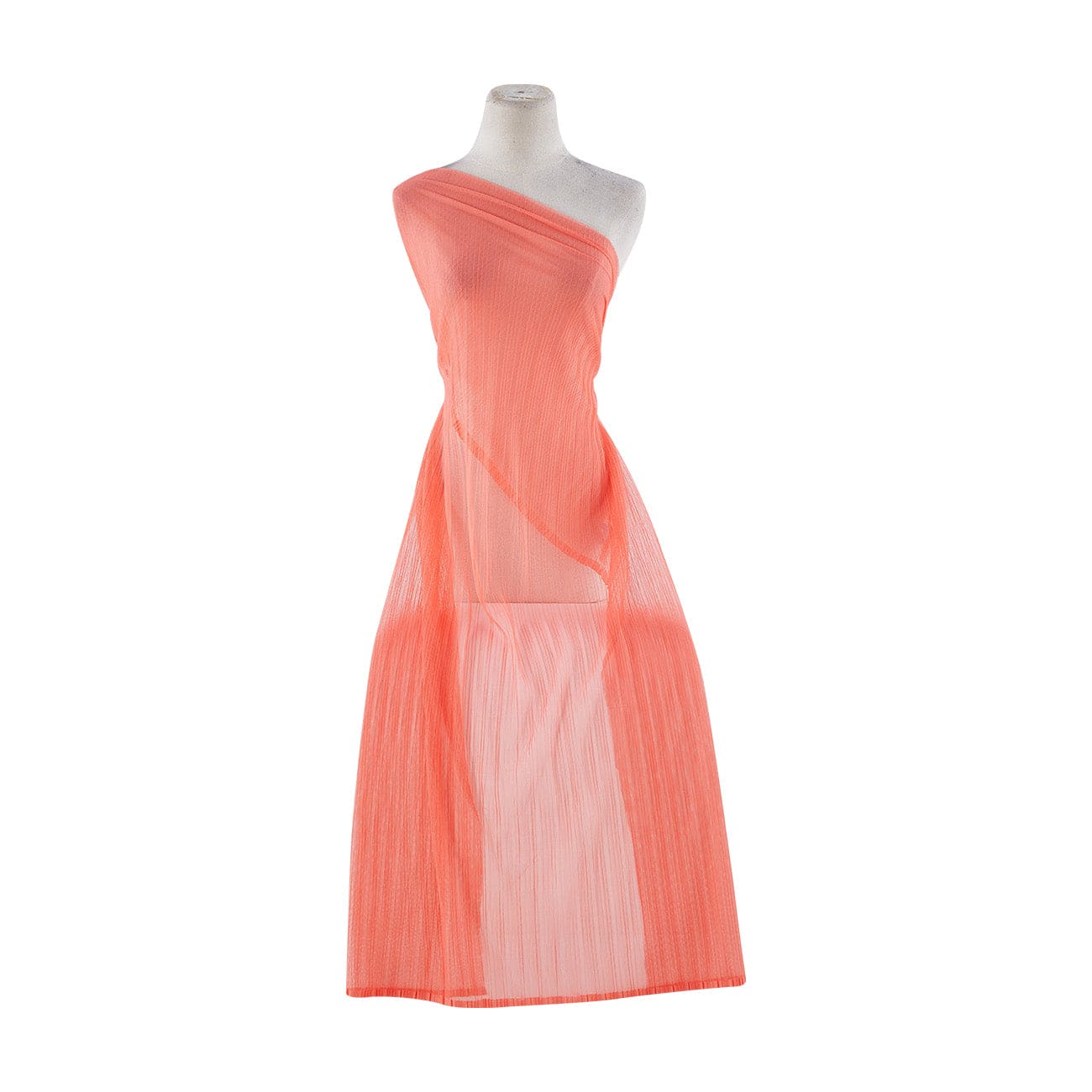
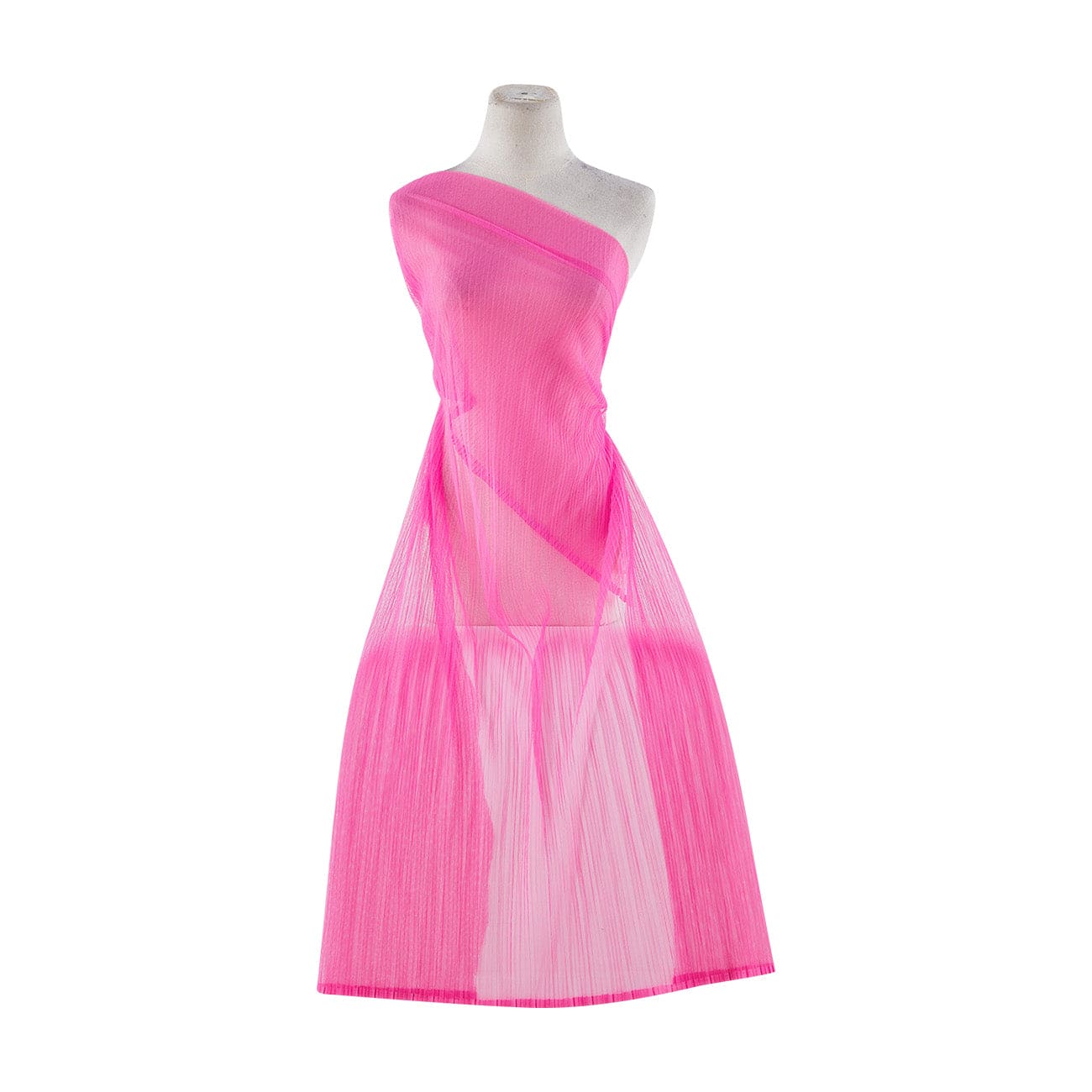
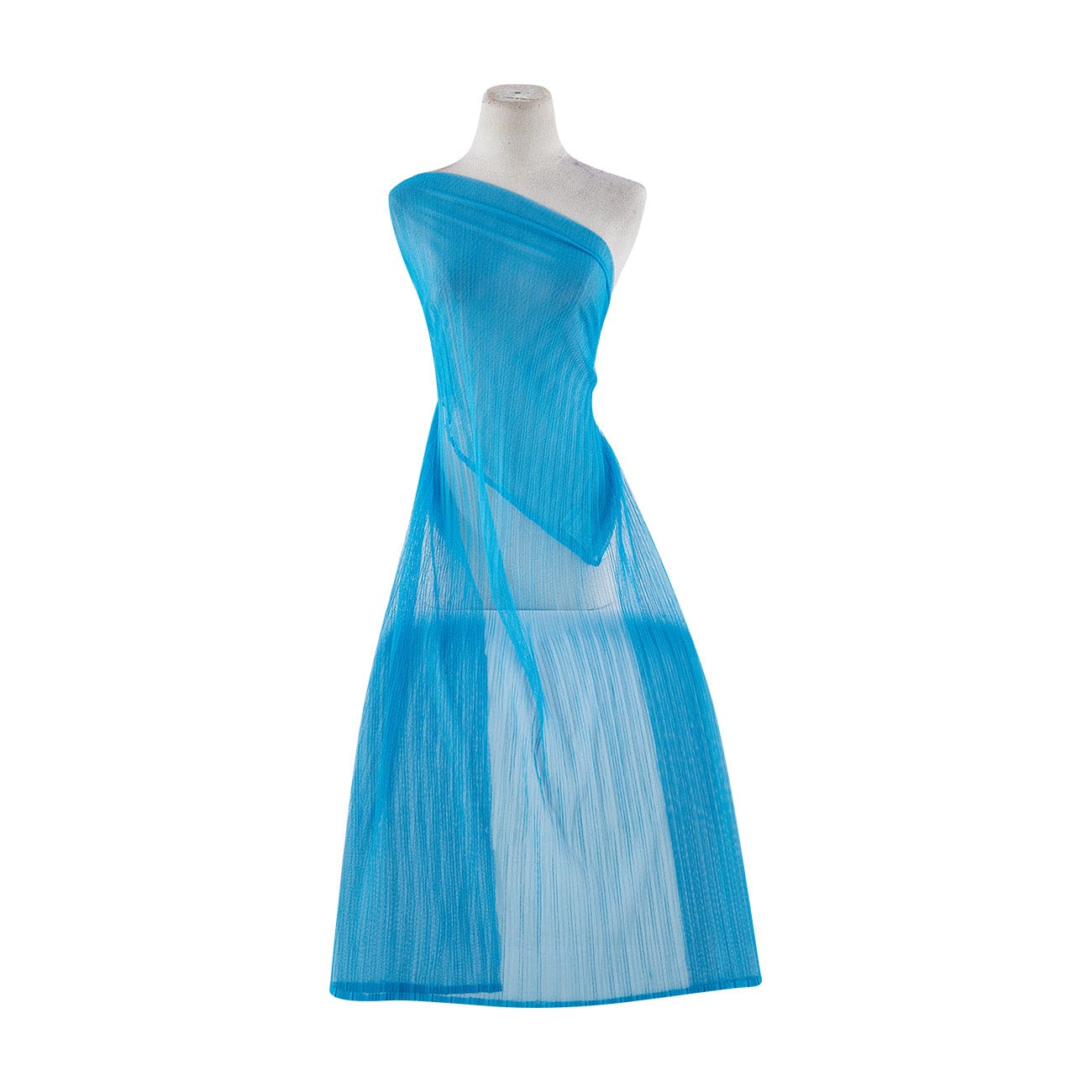
Tulle is a fine, lightweight net fabric woven from nylon, polyester, or silk. Its open mesh construction gives it a characteristic airy quality, allowing it to hold shape and volume without adding significant weight. This combination of structure and delicacy makes it one of the most versatile fabrics in fashion and event design, equally at home in a full ballgown skirt and a delicate overlay.
How Tulle Is Made
Traditional tulle was produced on bobbin lace machines, but most modern tulle is made on warp knitting machines using fine synthetic yarns. The result is a stable, consistent mesh that resists fraying along cut edges, which makes it easier to work with than many other sheers. Polyester tulle, like the options in this collection, is durable, holds dye well, and maintains its shape wash after wash.
The Properties That Make Tulle So Useful
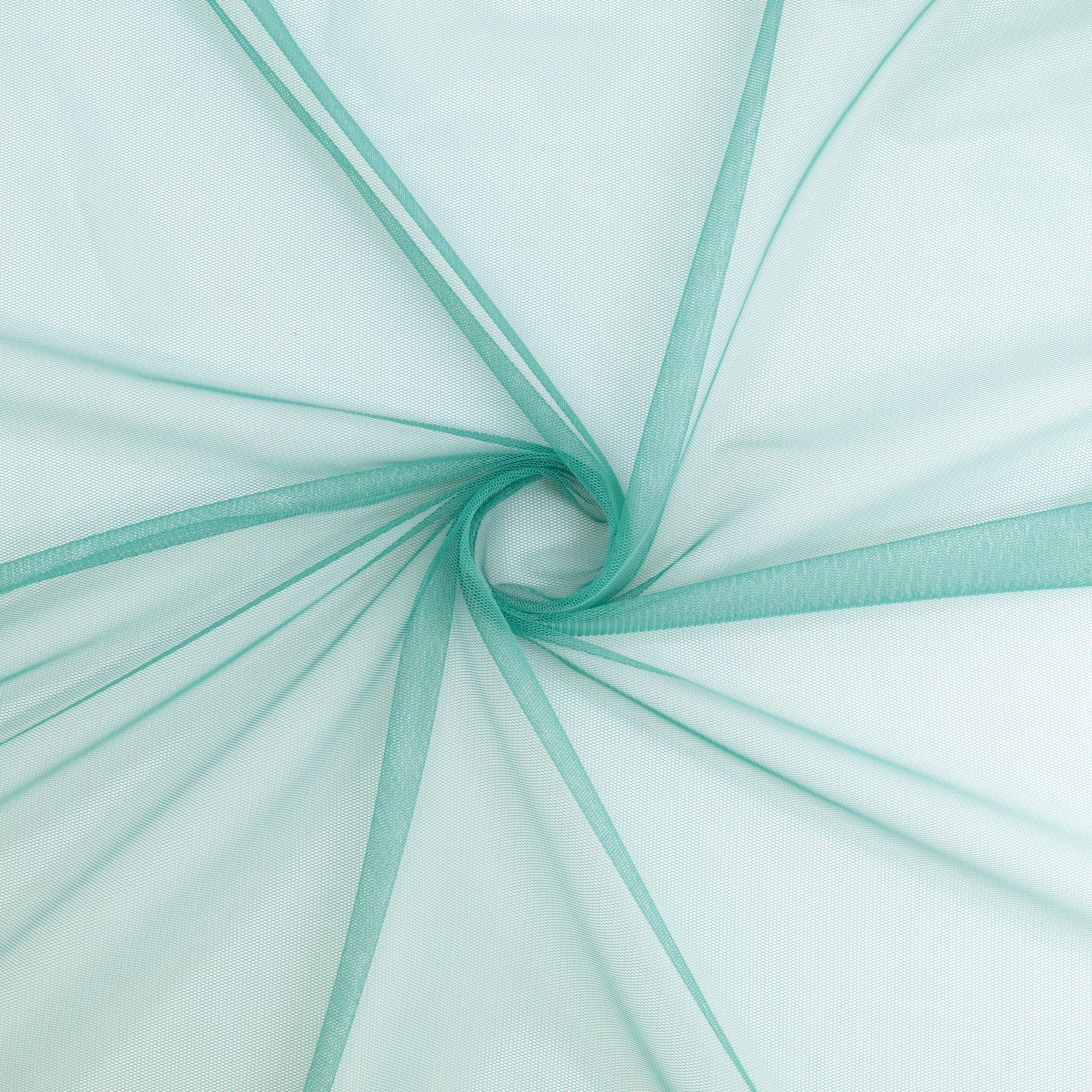
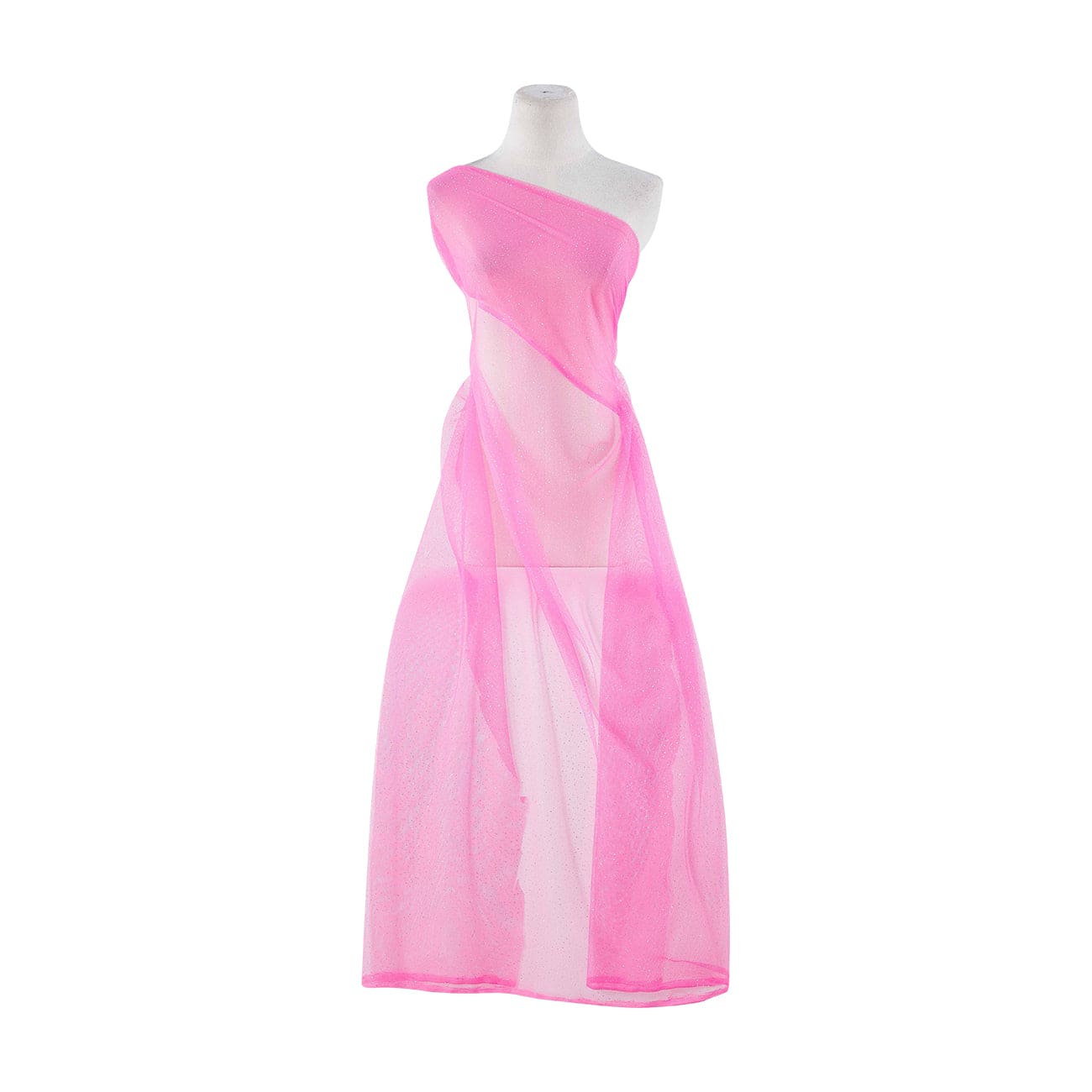
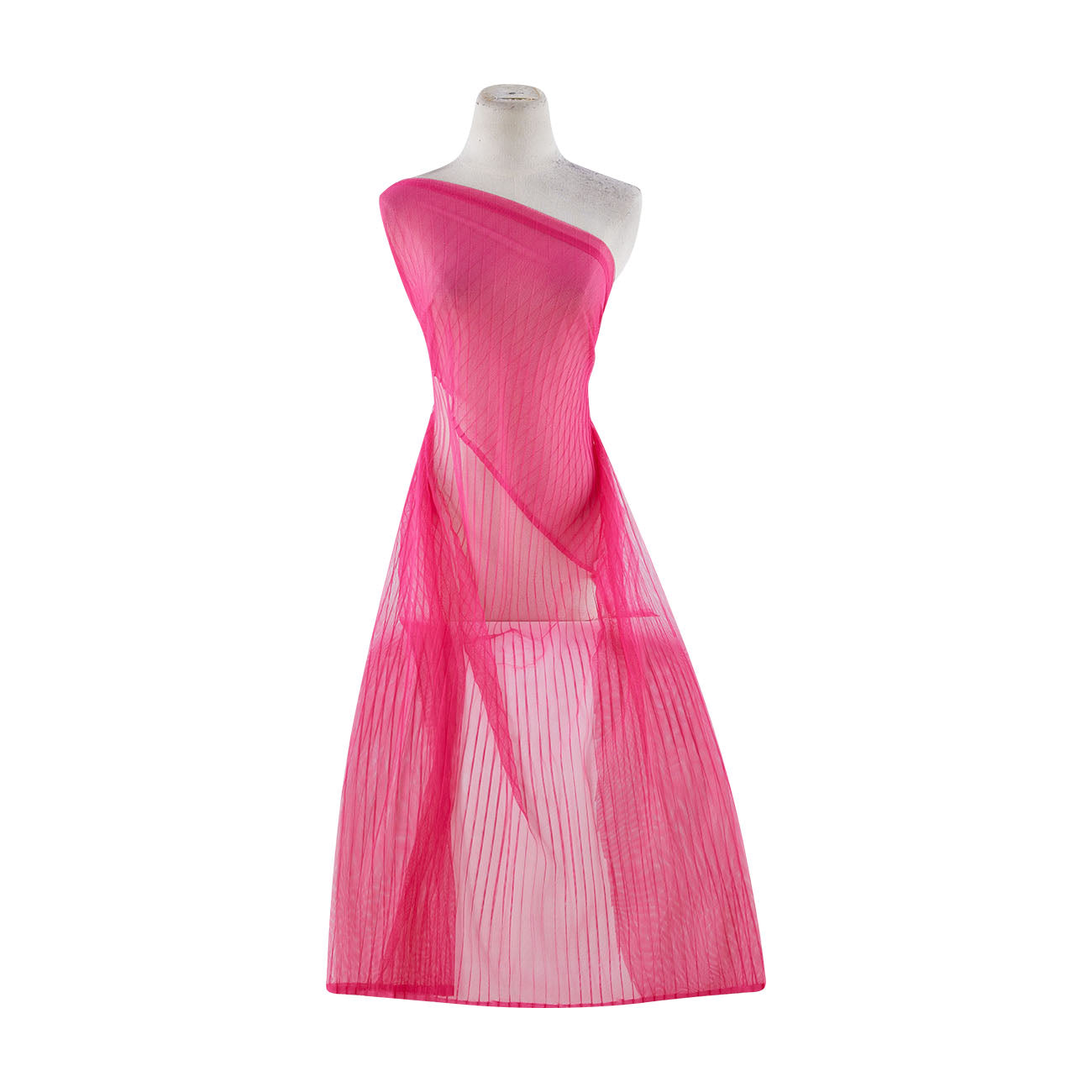
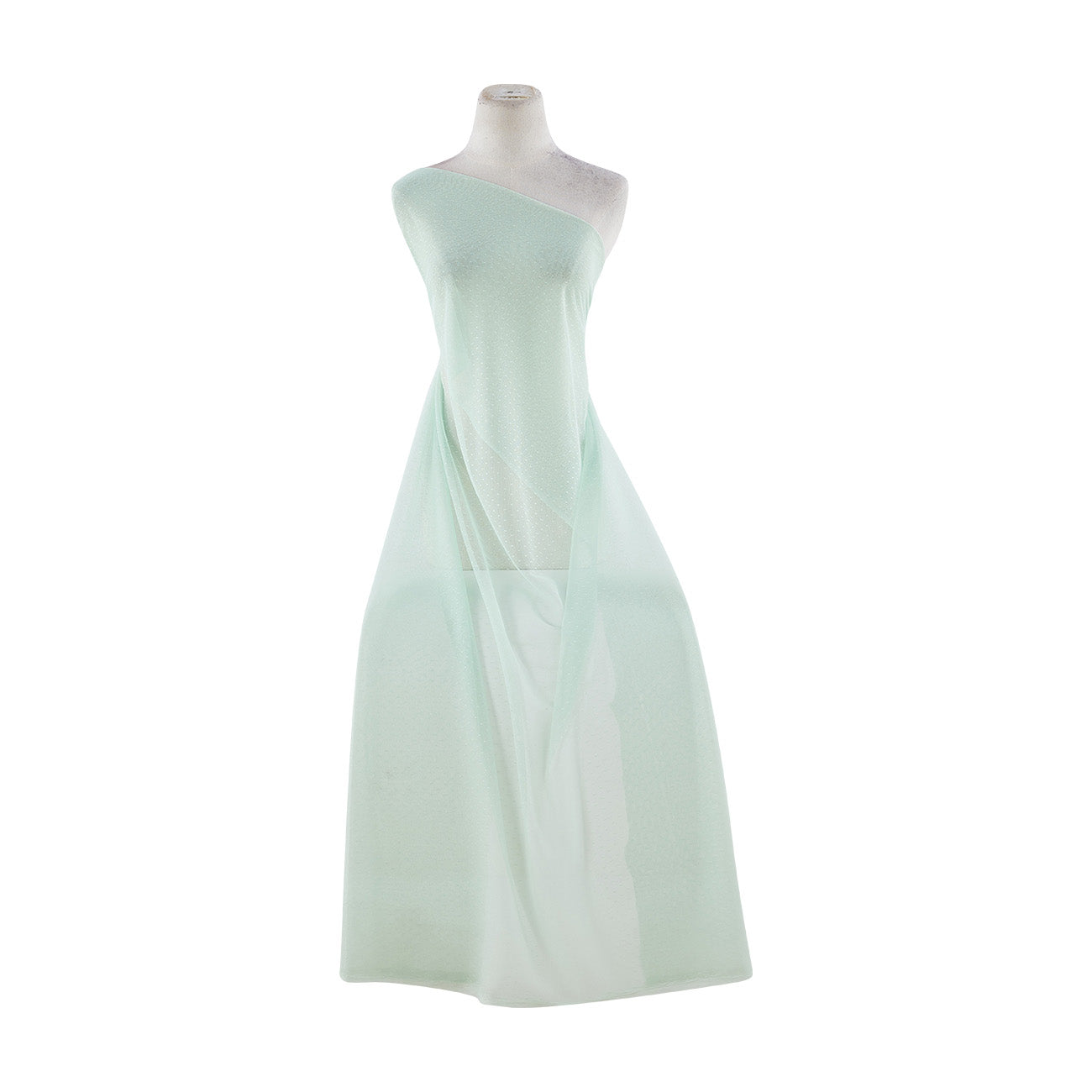
The open weave gives tulle its distinctive float and volume without bulk. Layers can be stacked to build density and opacity, or kept to a single layer for a sheer, ethereal effect. It is also forgiving to work with: because the mesh has a natural give, it drapes smoothly over the body and sits cleanly without pulling. For designers working with green specifically, the semi-transparency of tulle means the color reads differently depending on what is worn or layered underneath, which opens up a wide range of tonal possibilities.
Designers looking for fabrics that complement tulle in layered construction often turn to chiffon, another lightweight sheer that pairs well as an underlayer or overlay, particularly in eveningwear and bridal work.
Why Embroidered Tulle Is Worth Choosing
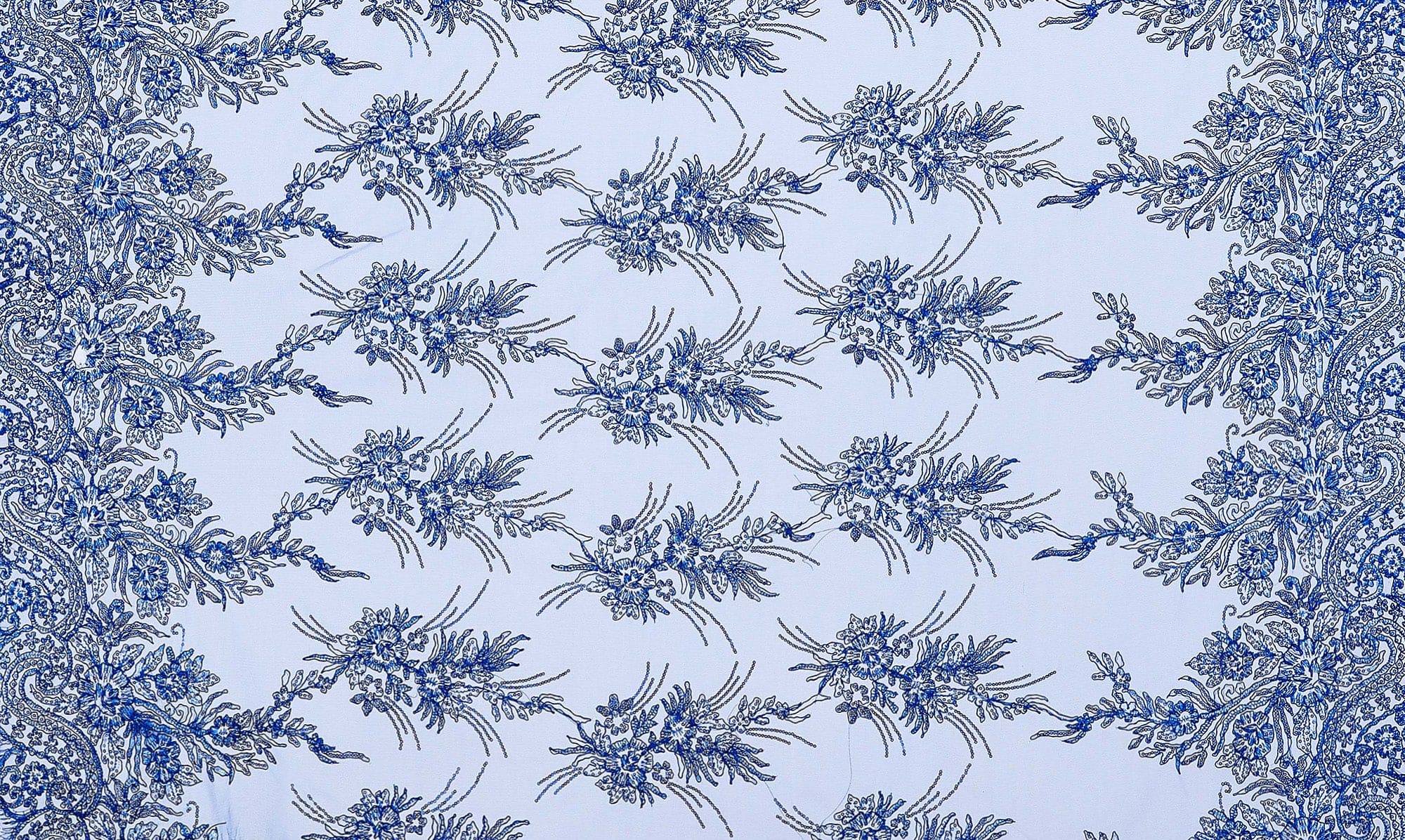
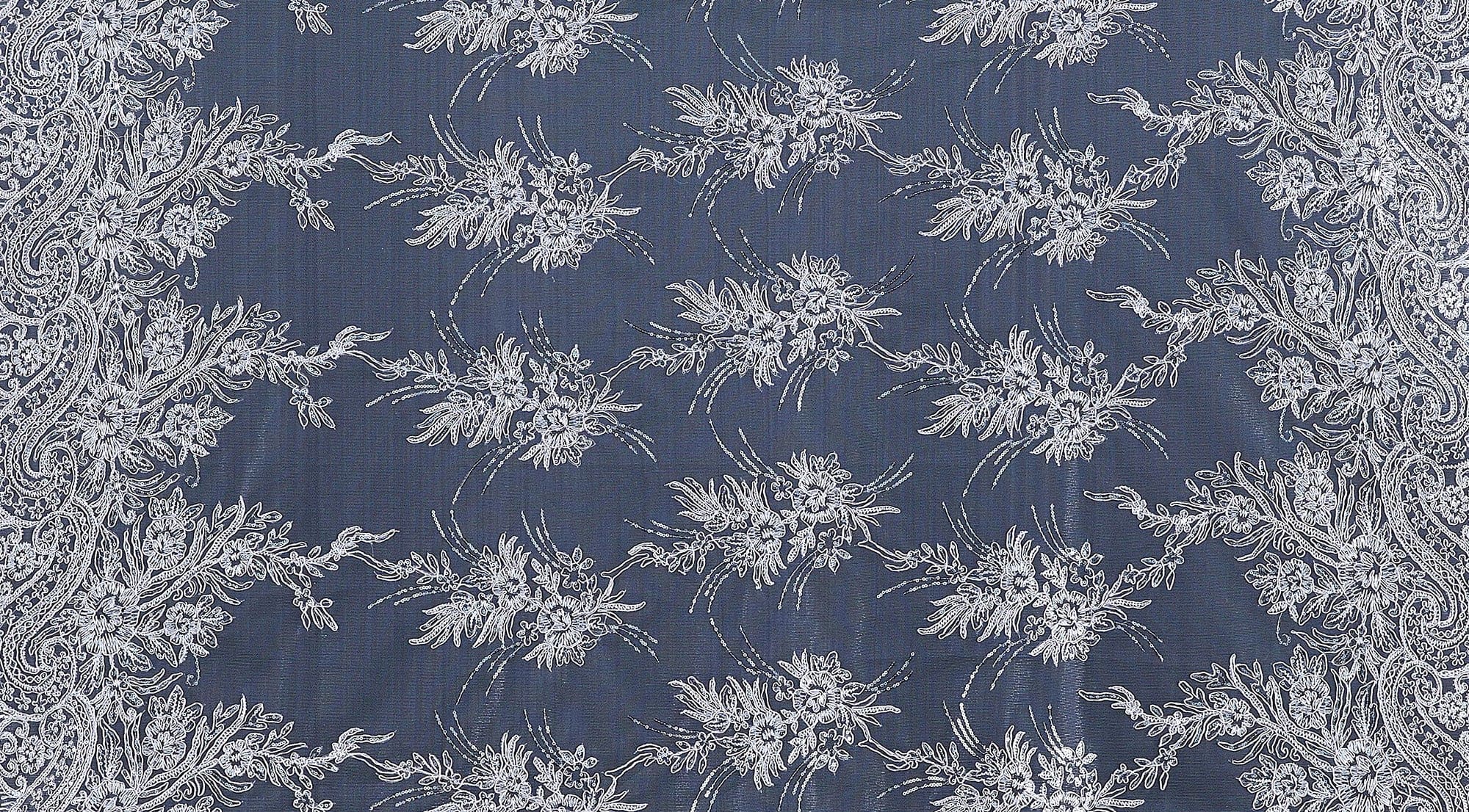
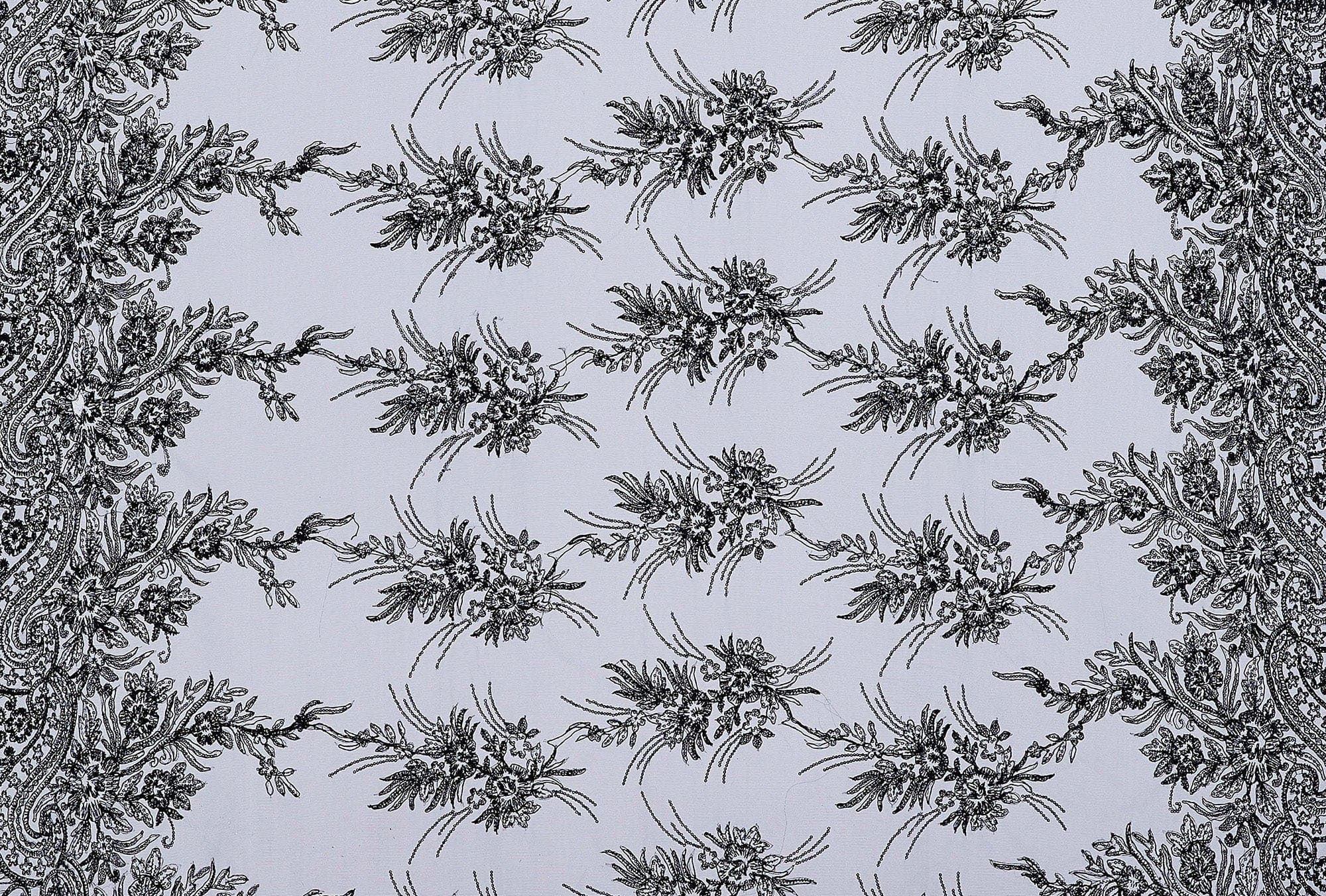
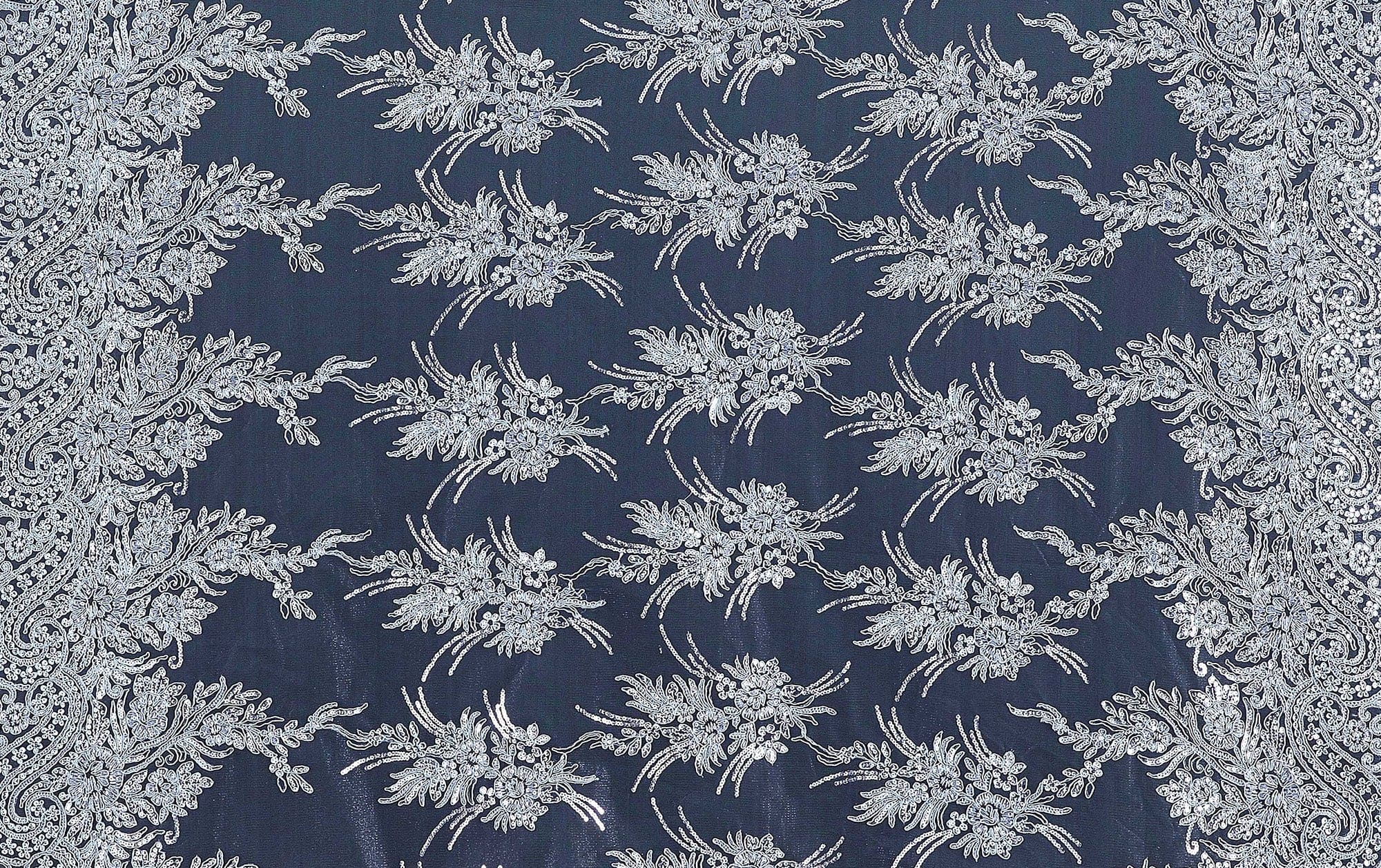
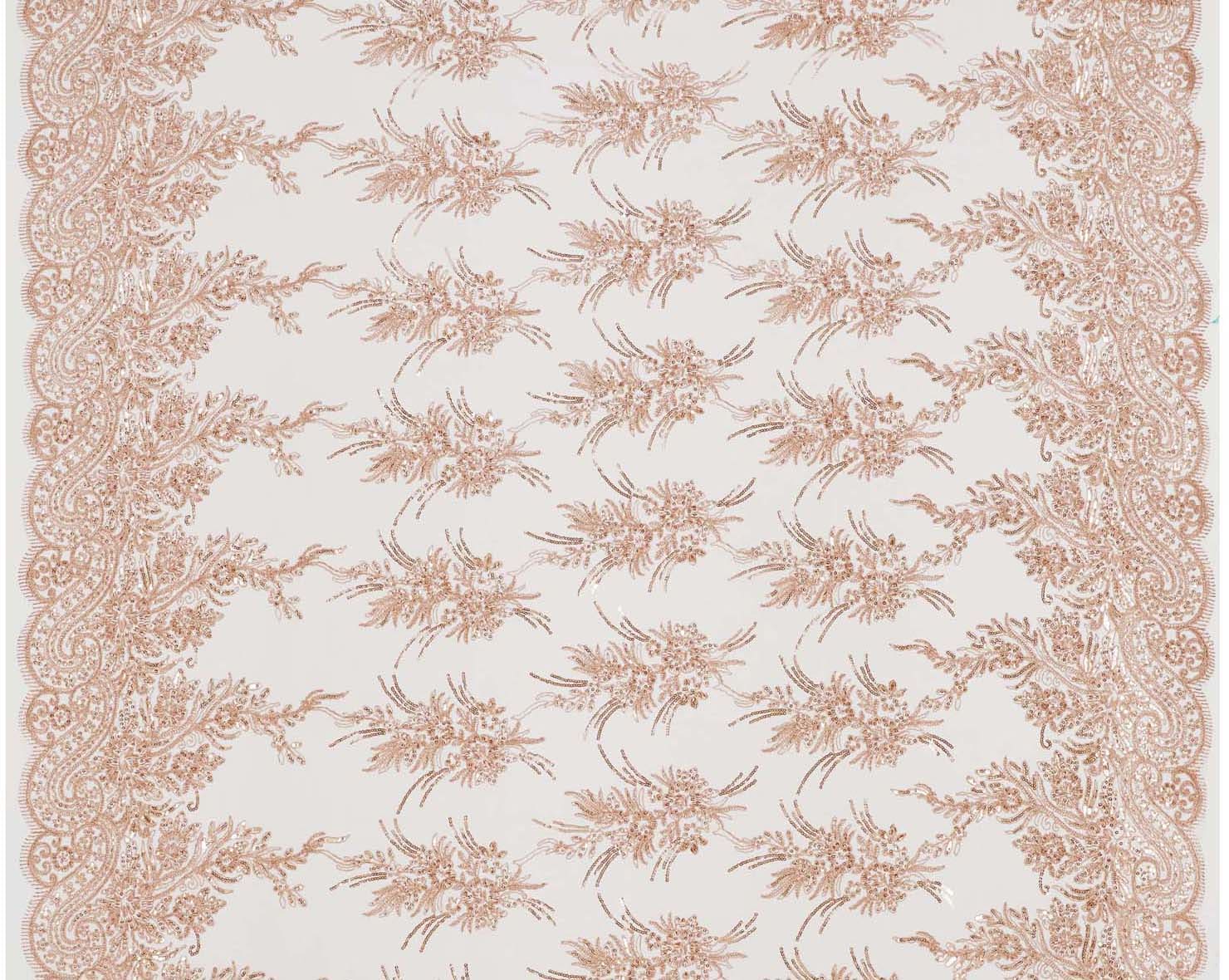
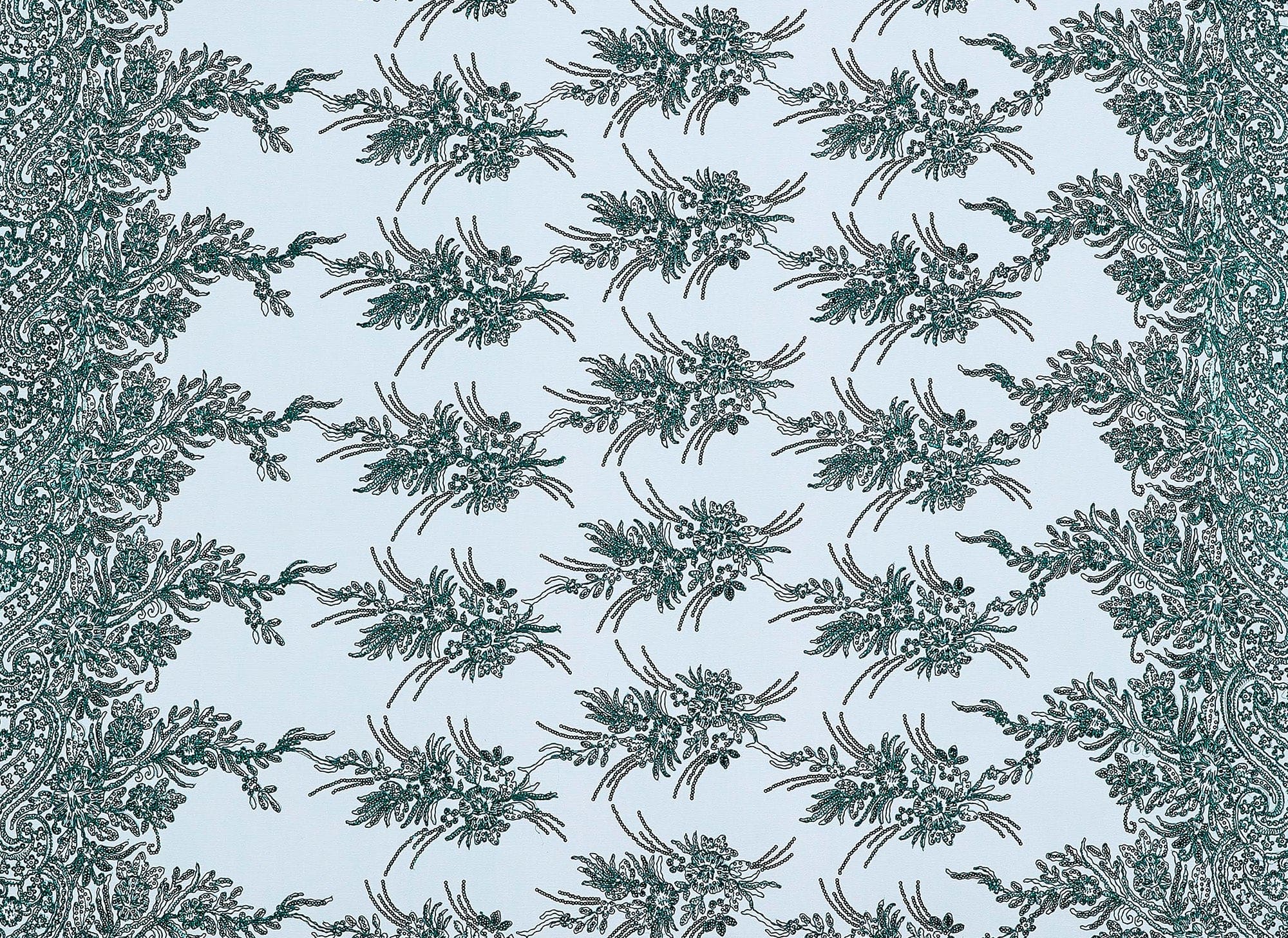
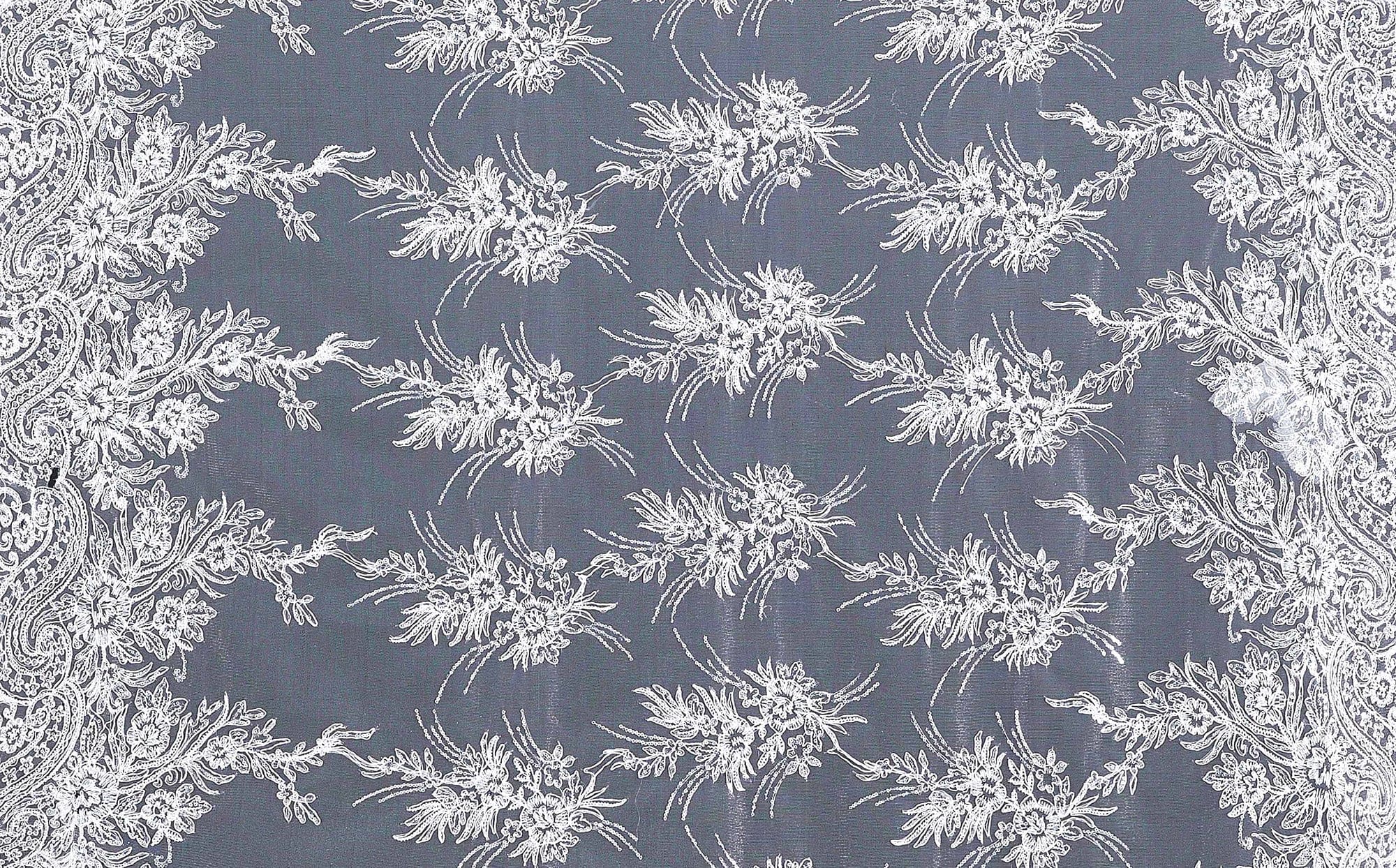
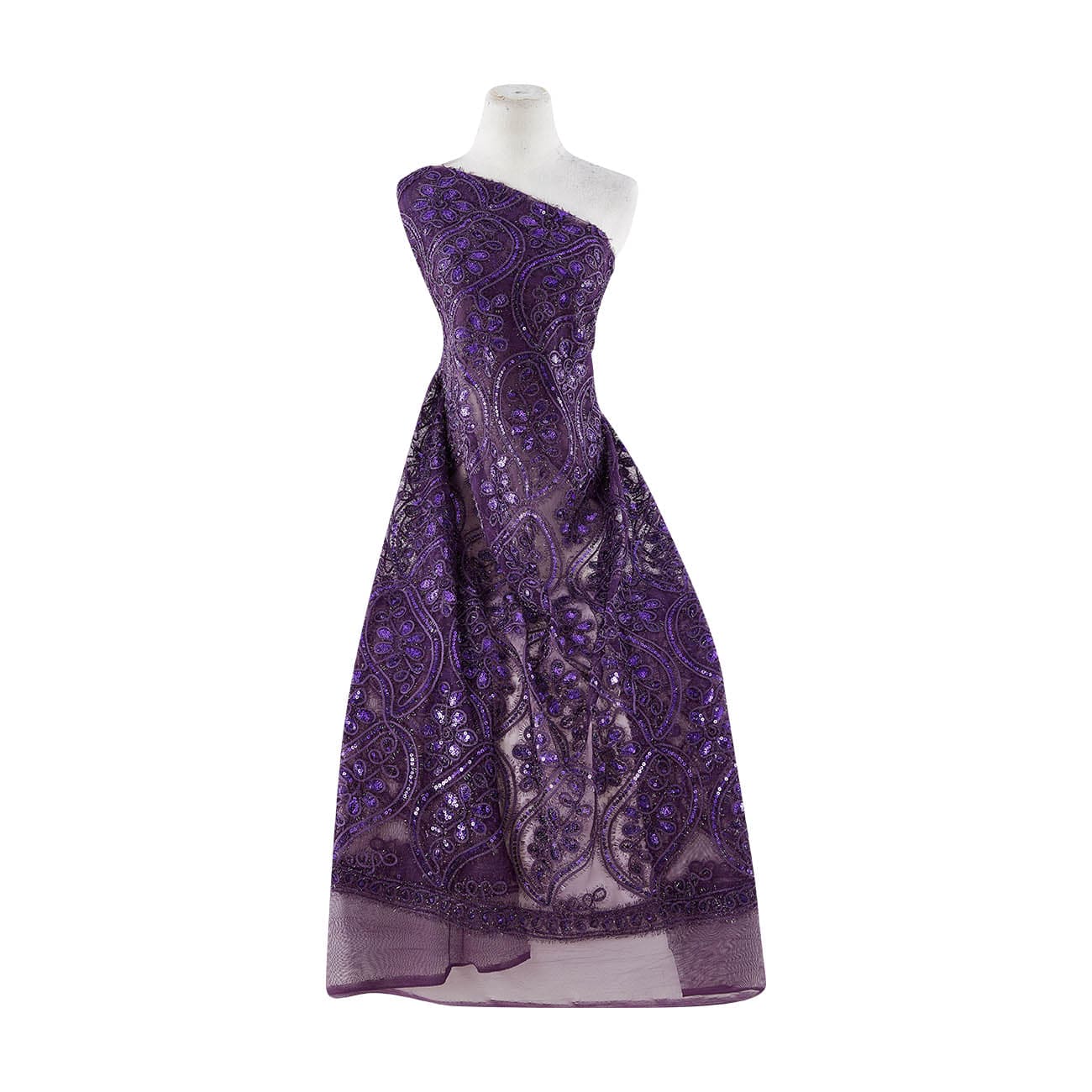
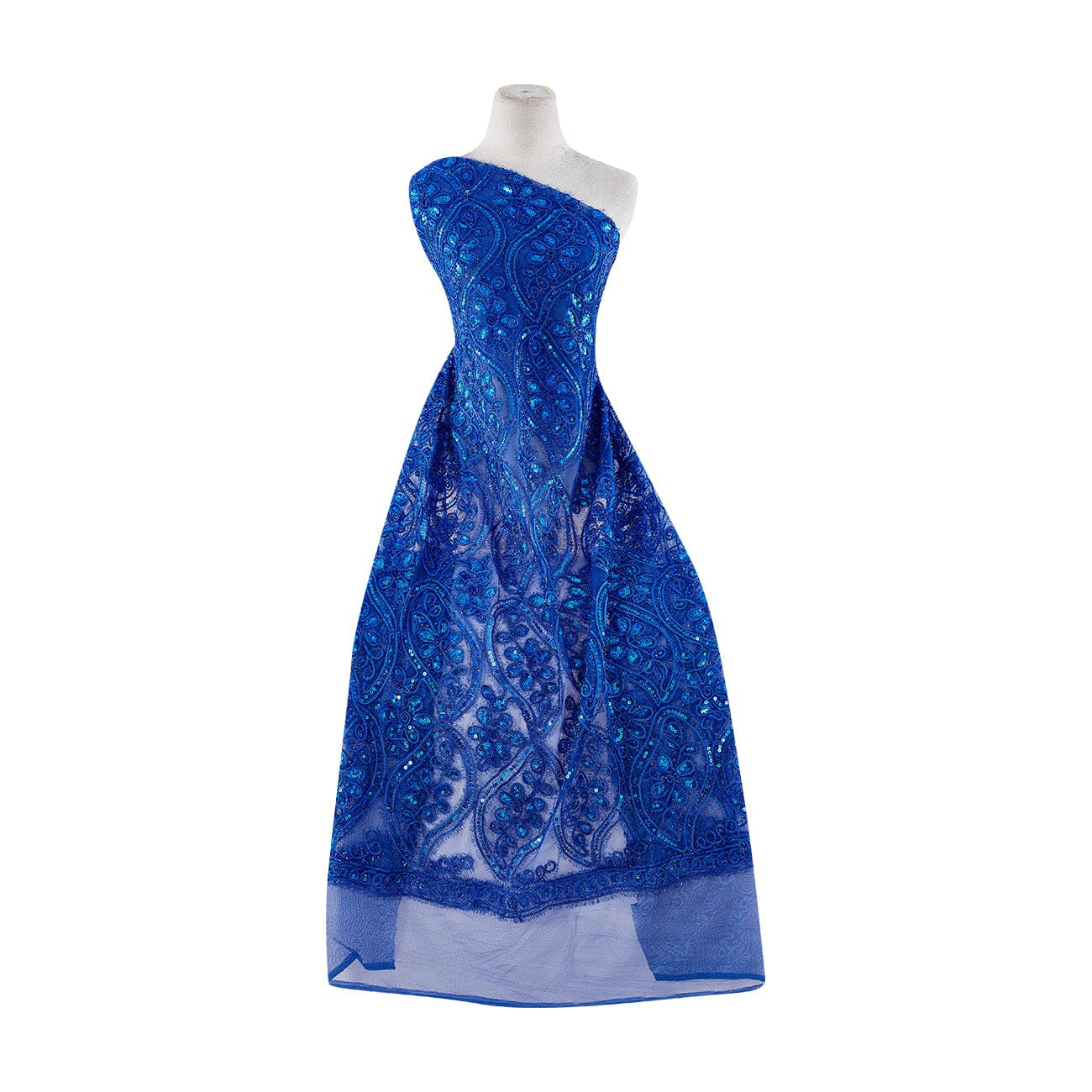
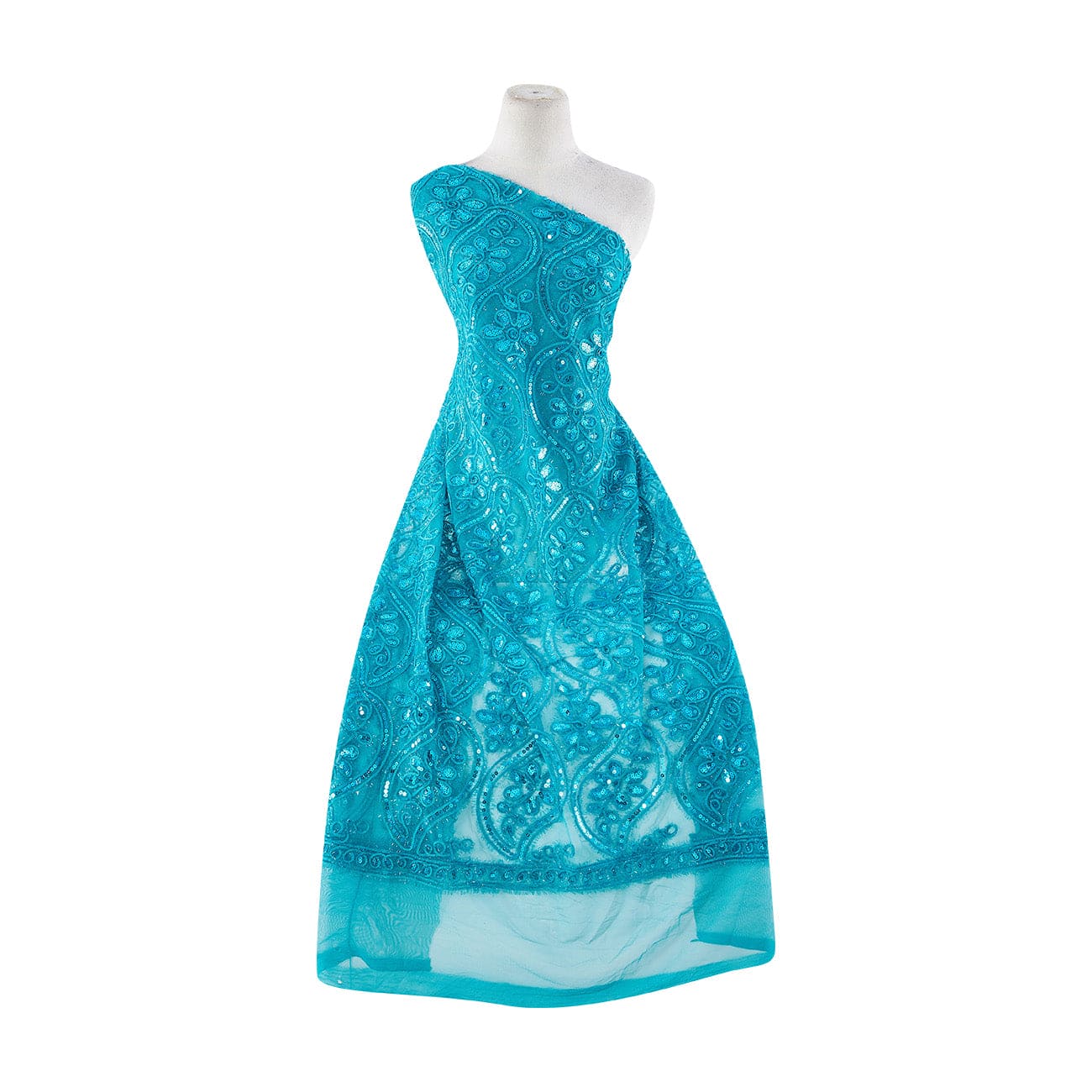
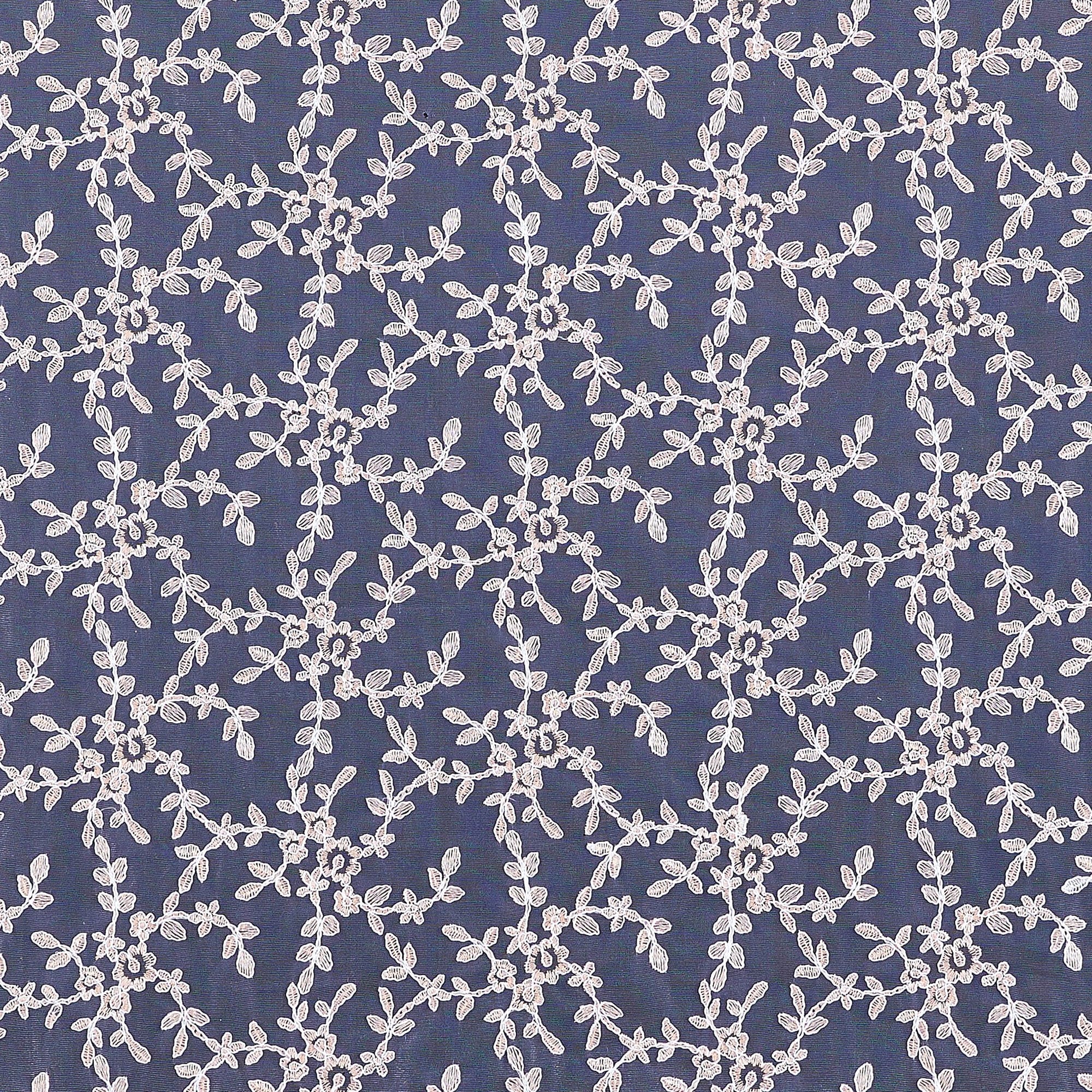
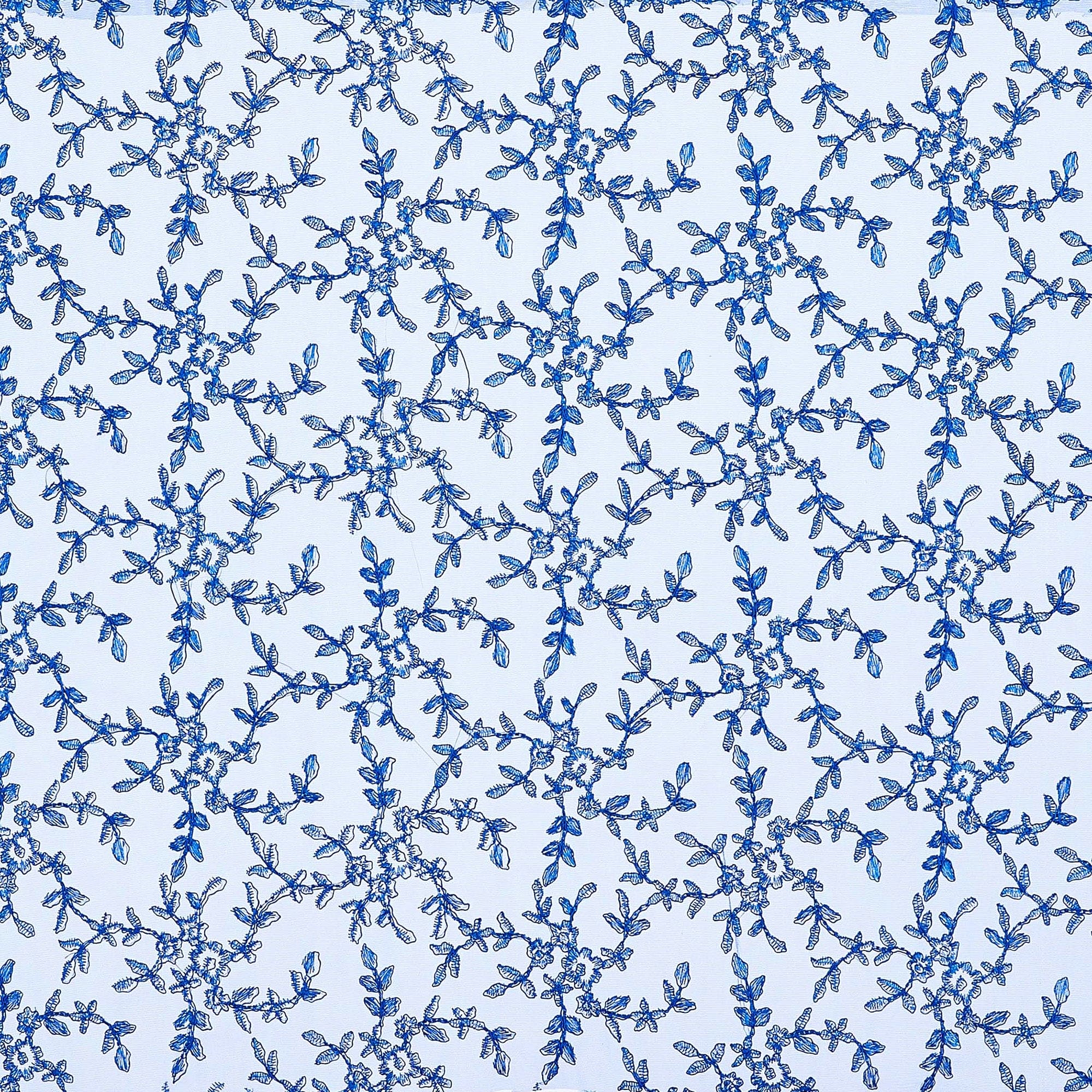
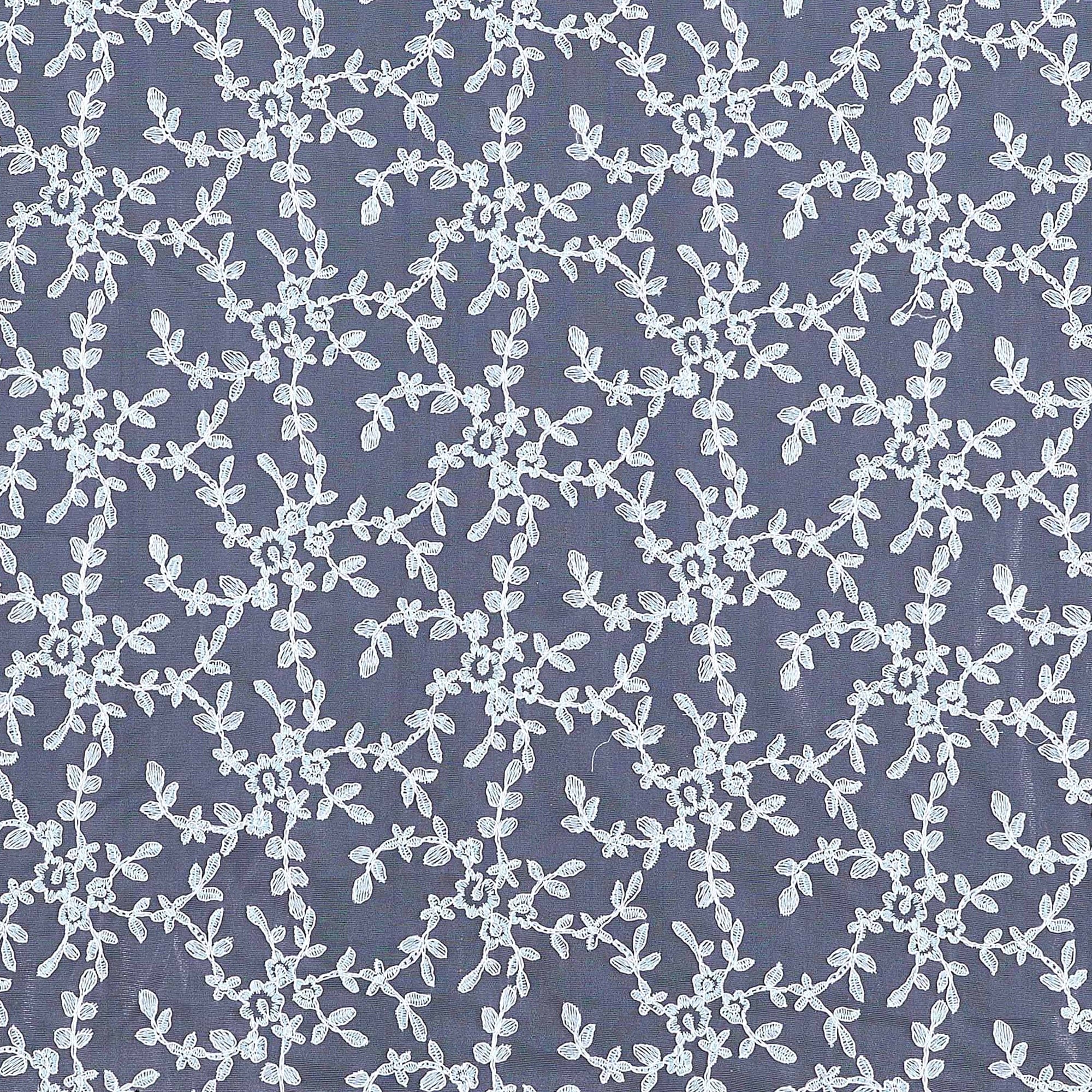
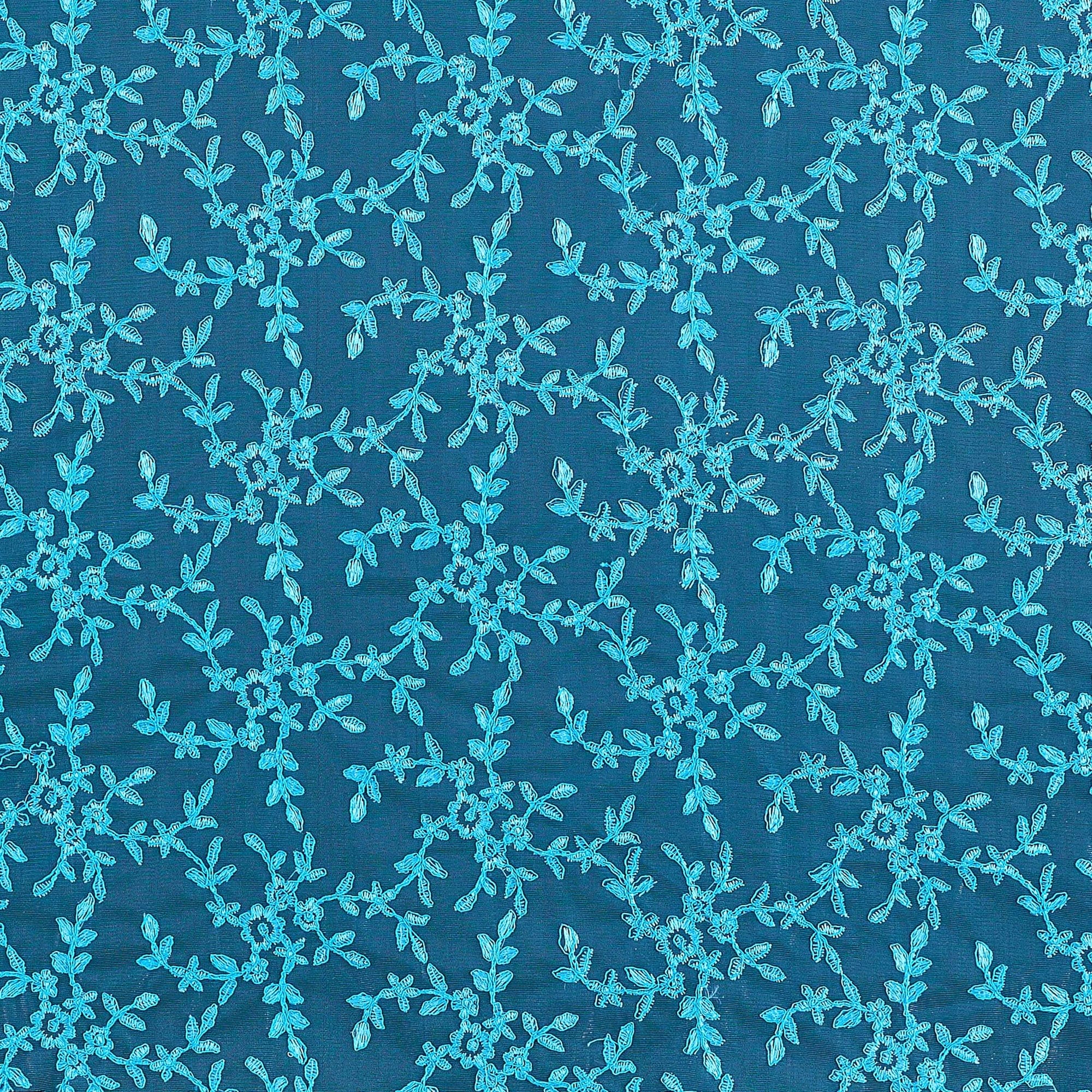
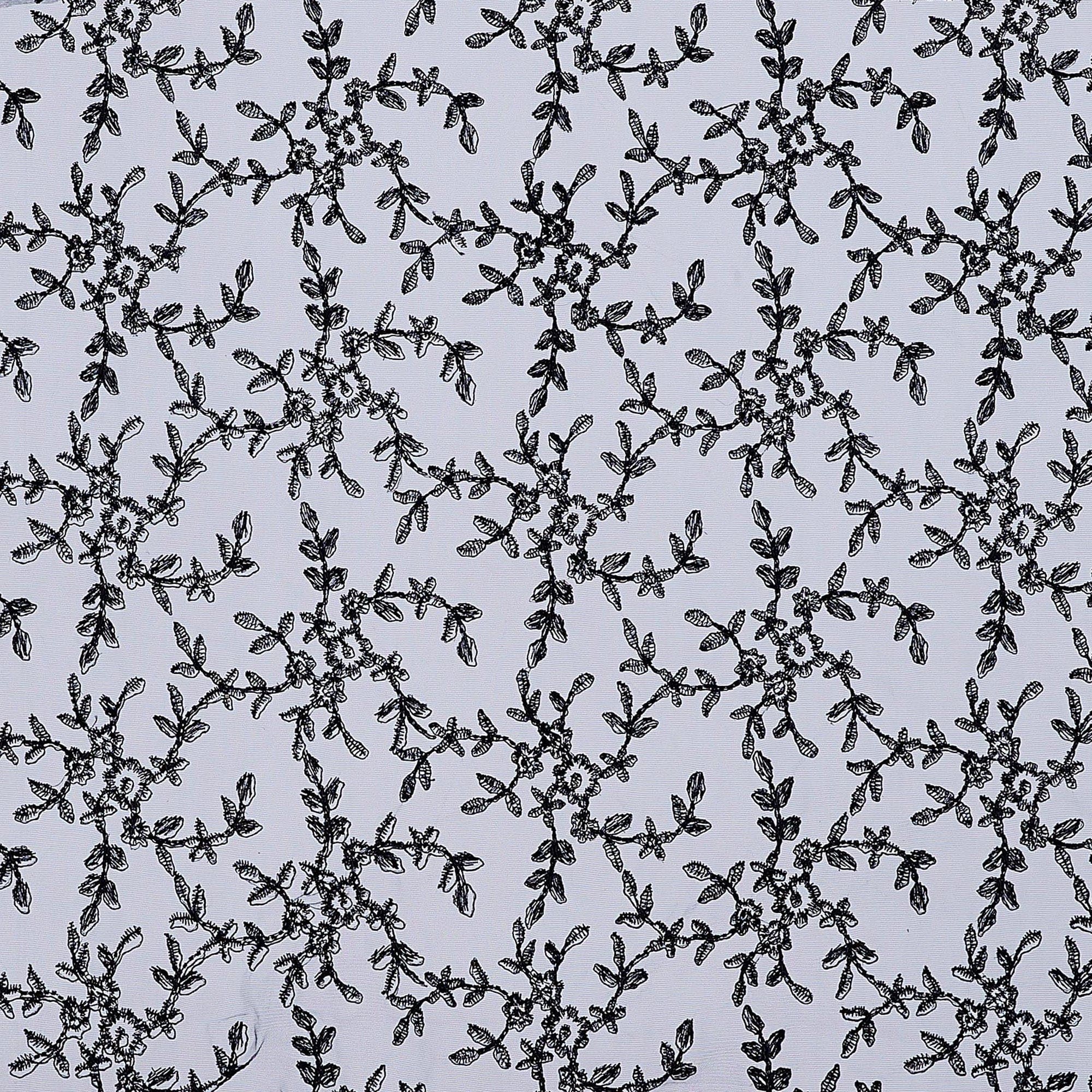
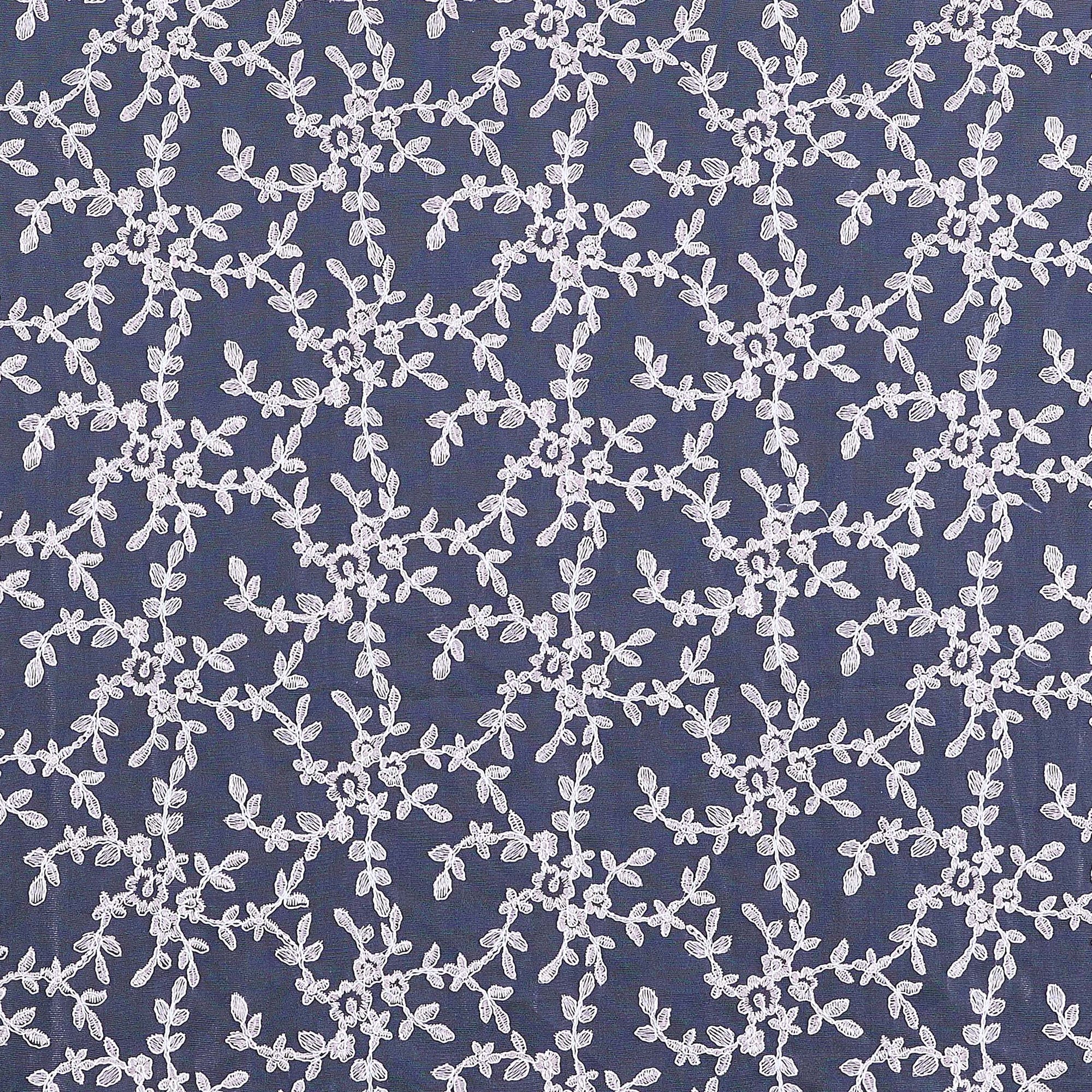
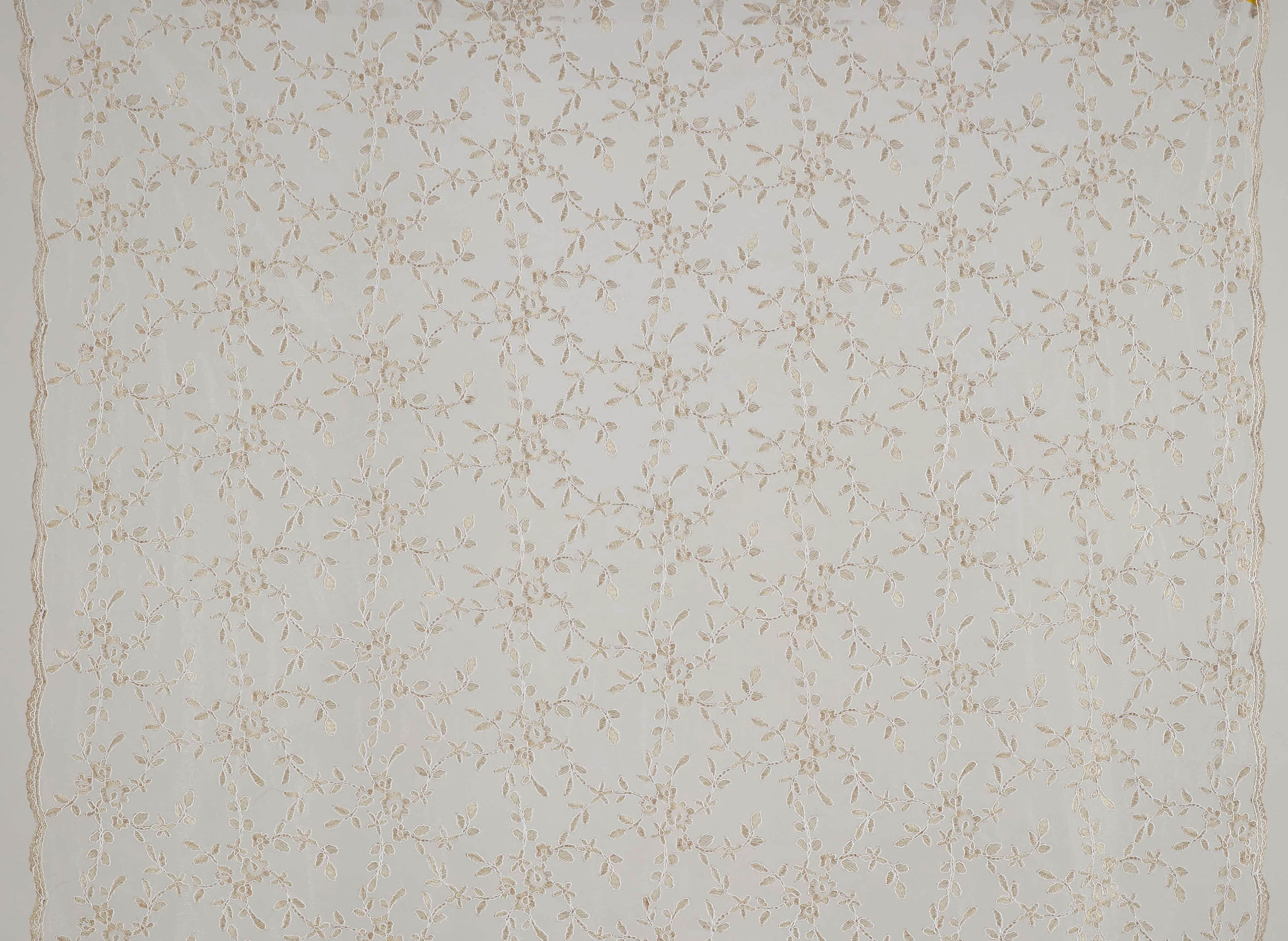
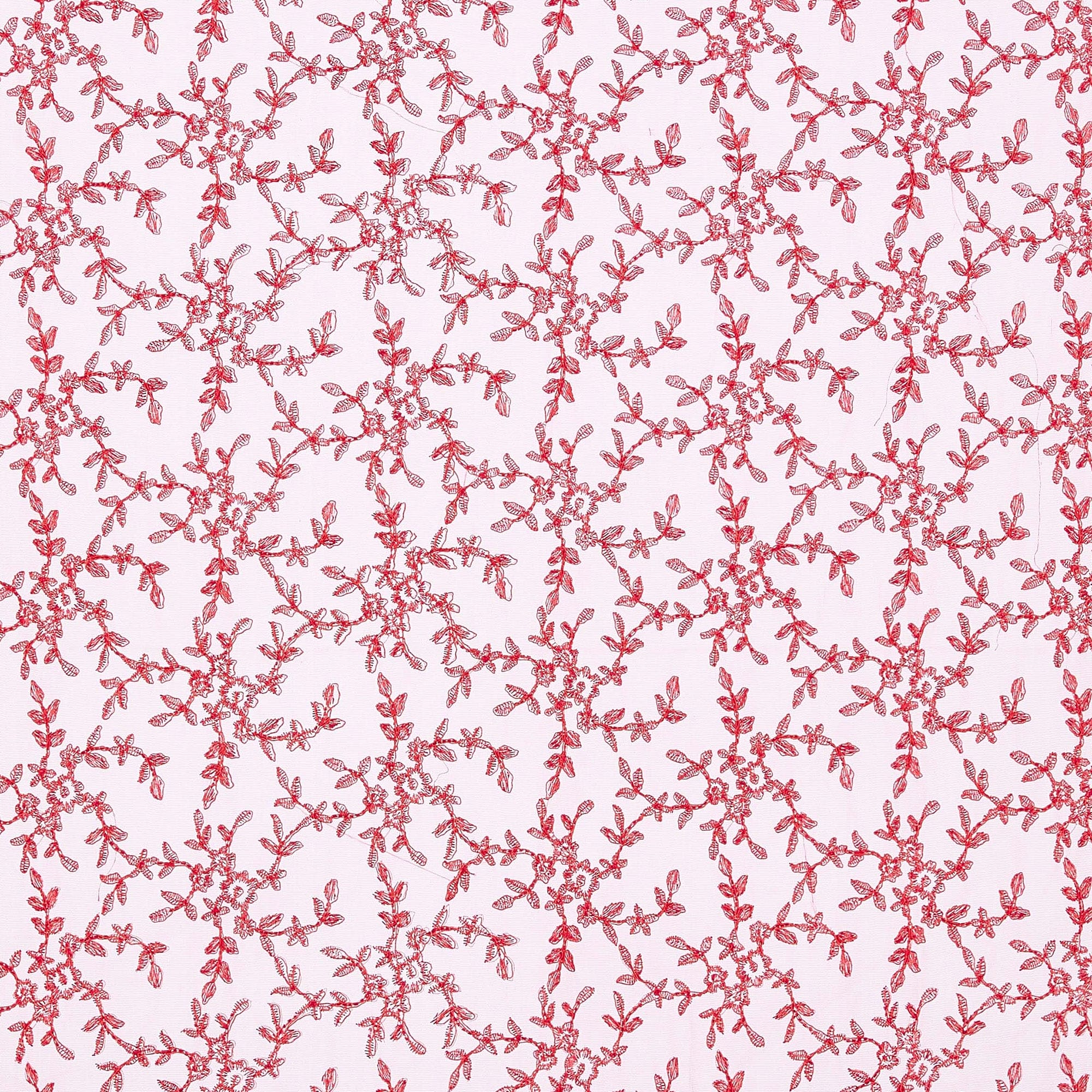
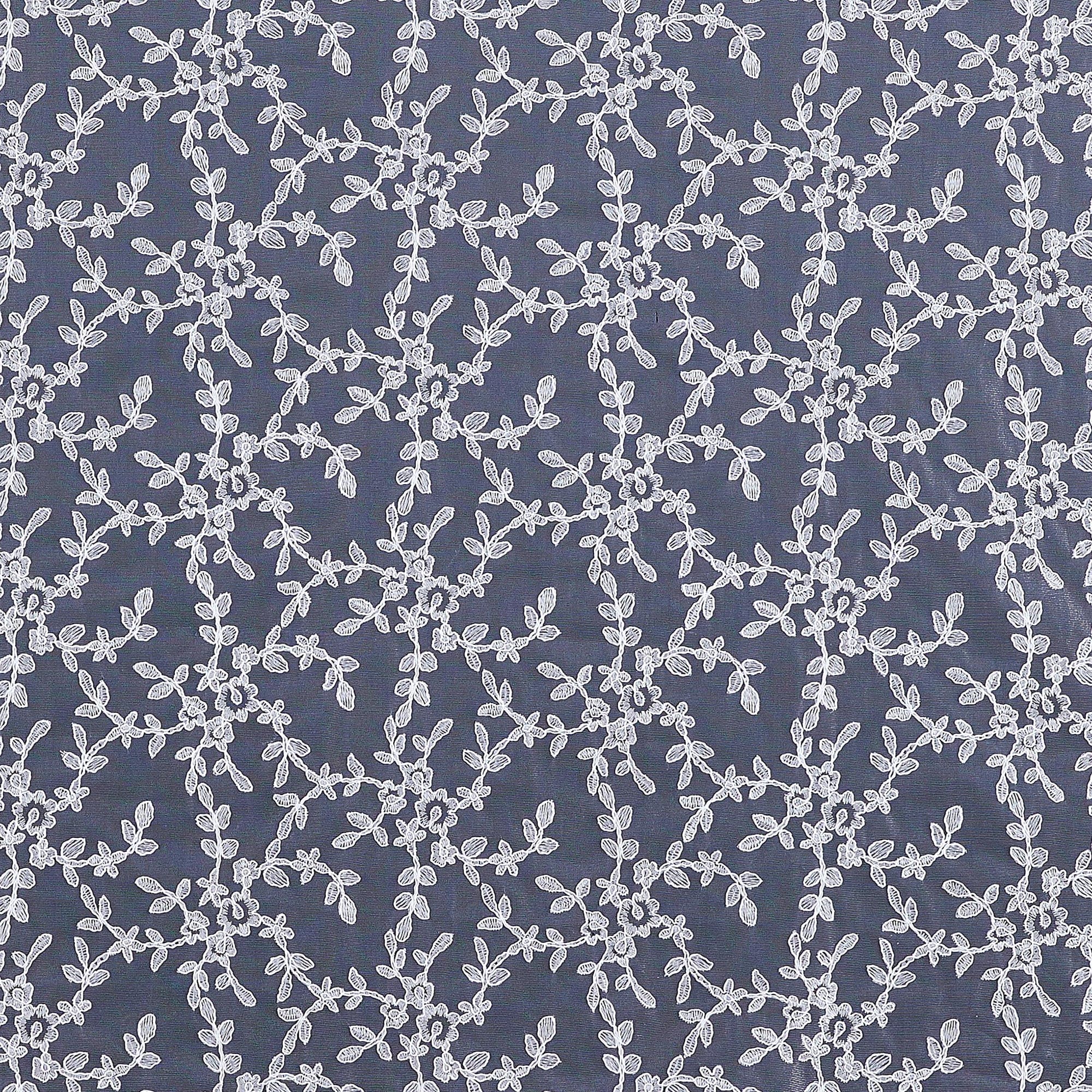
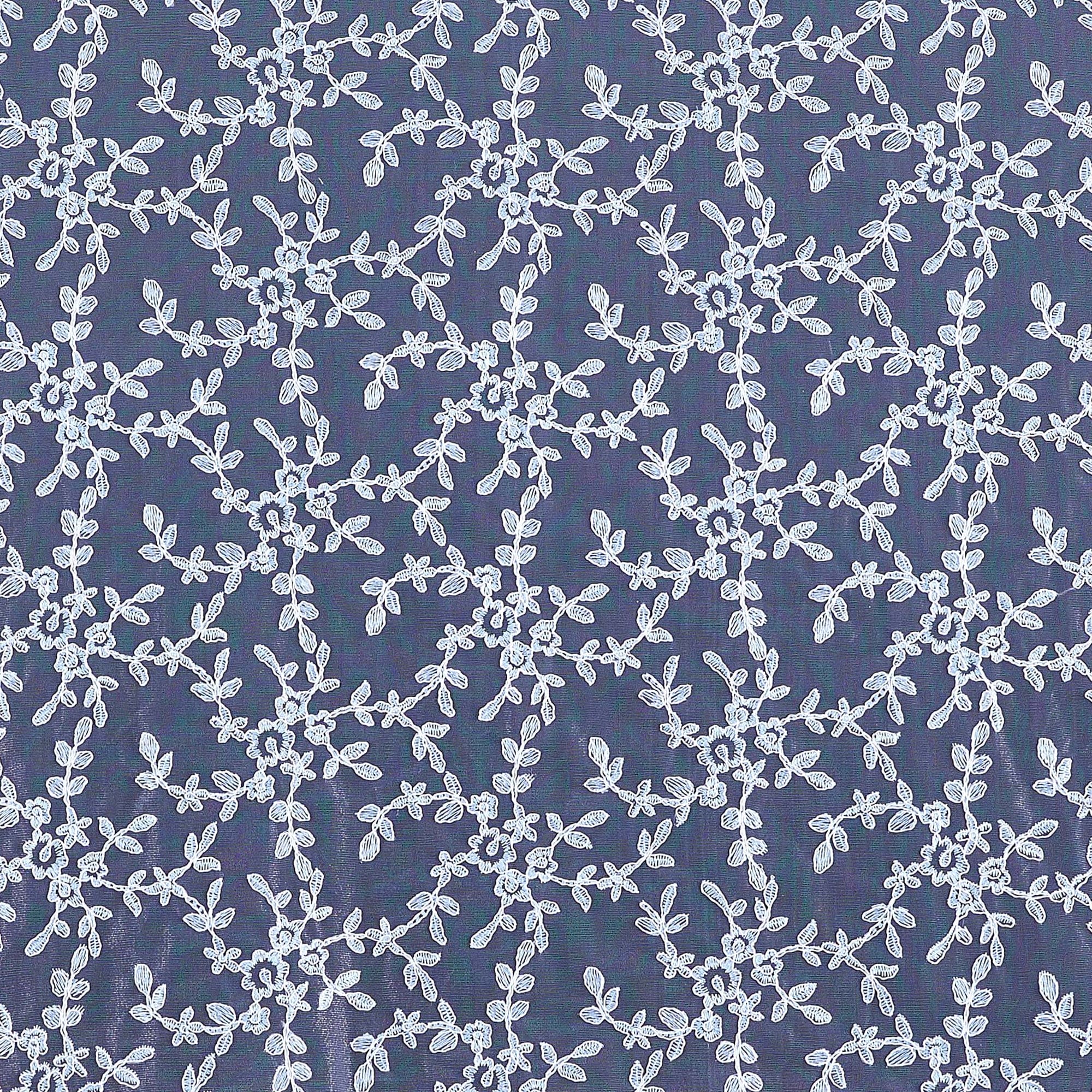
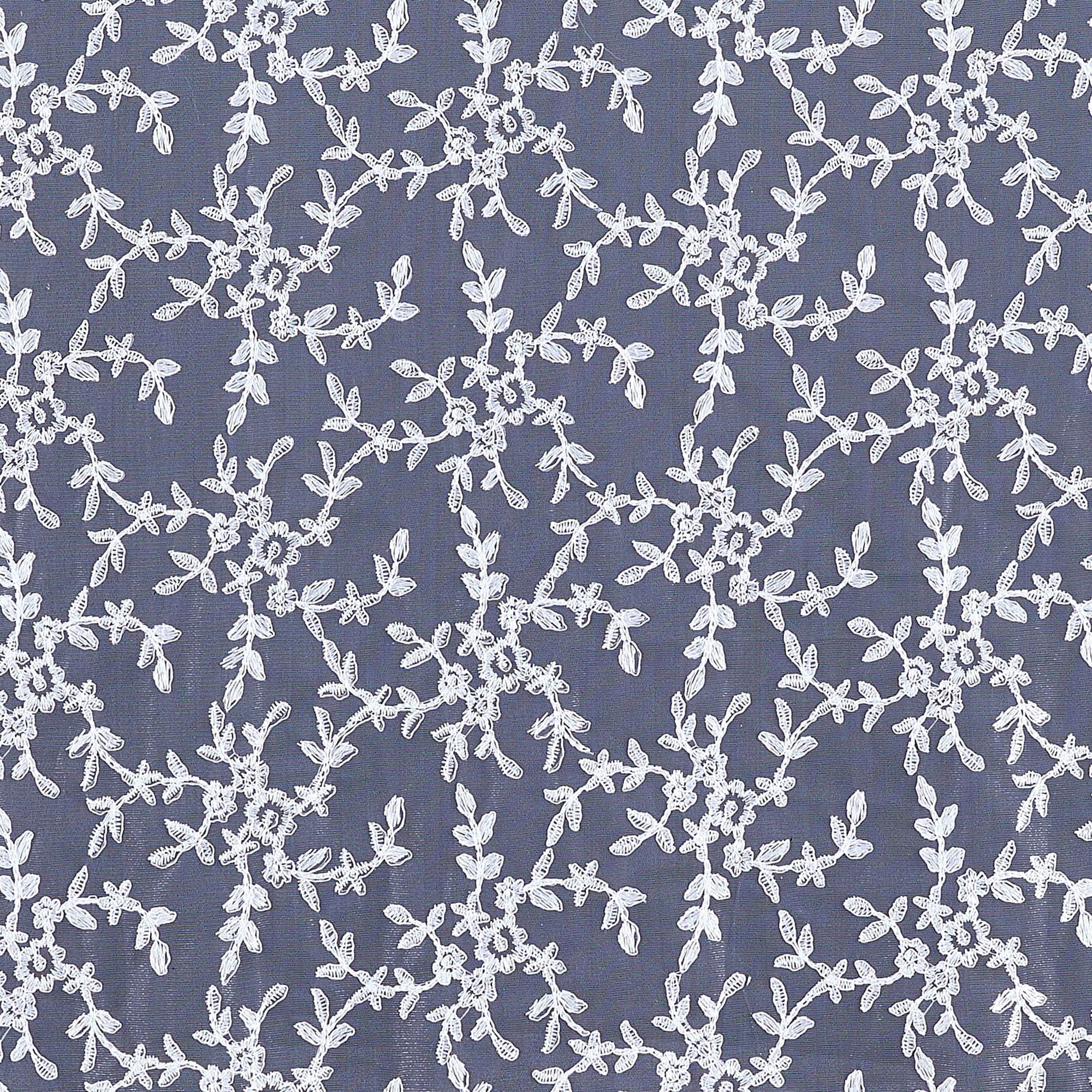
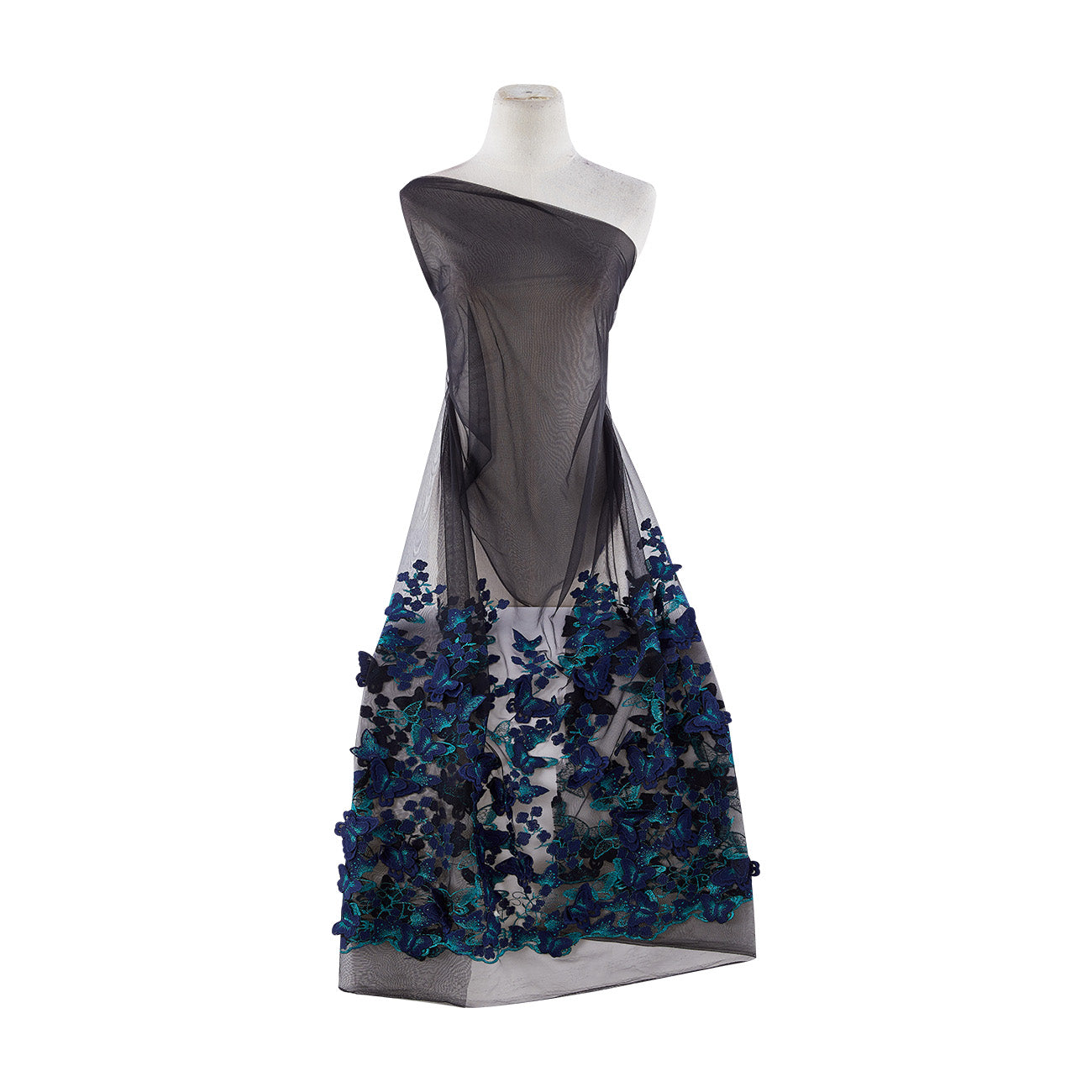
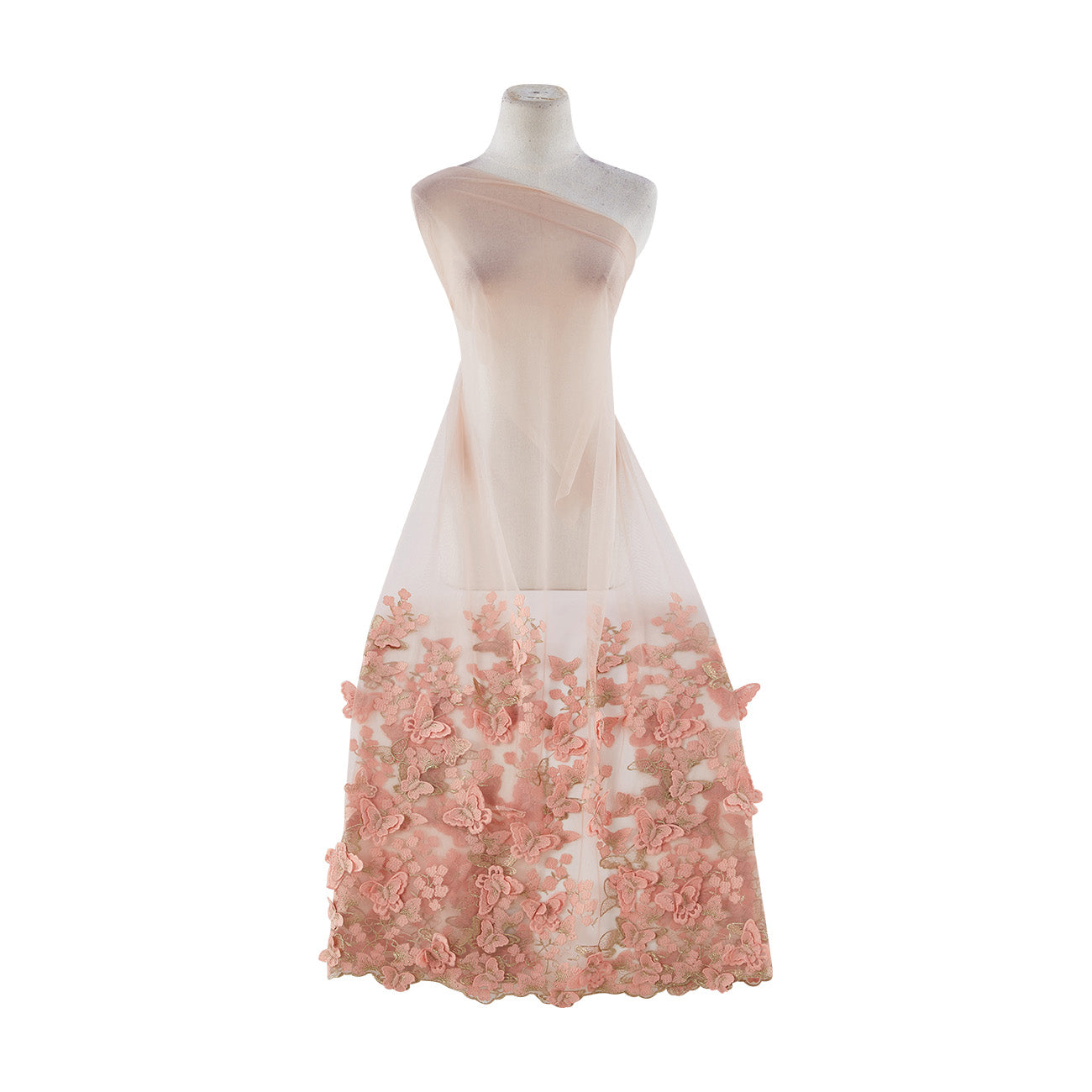
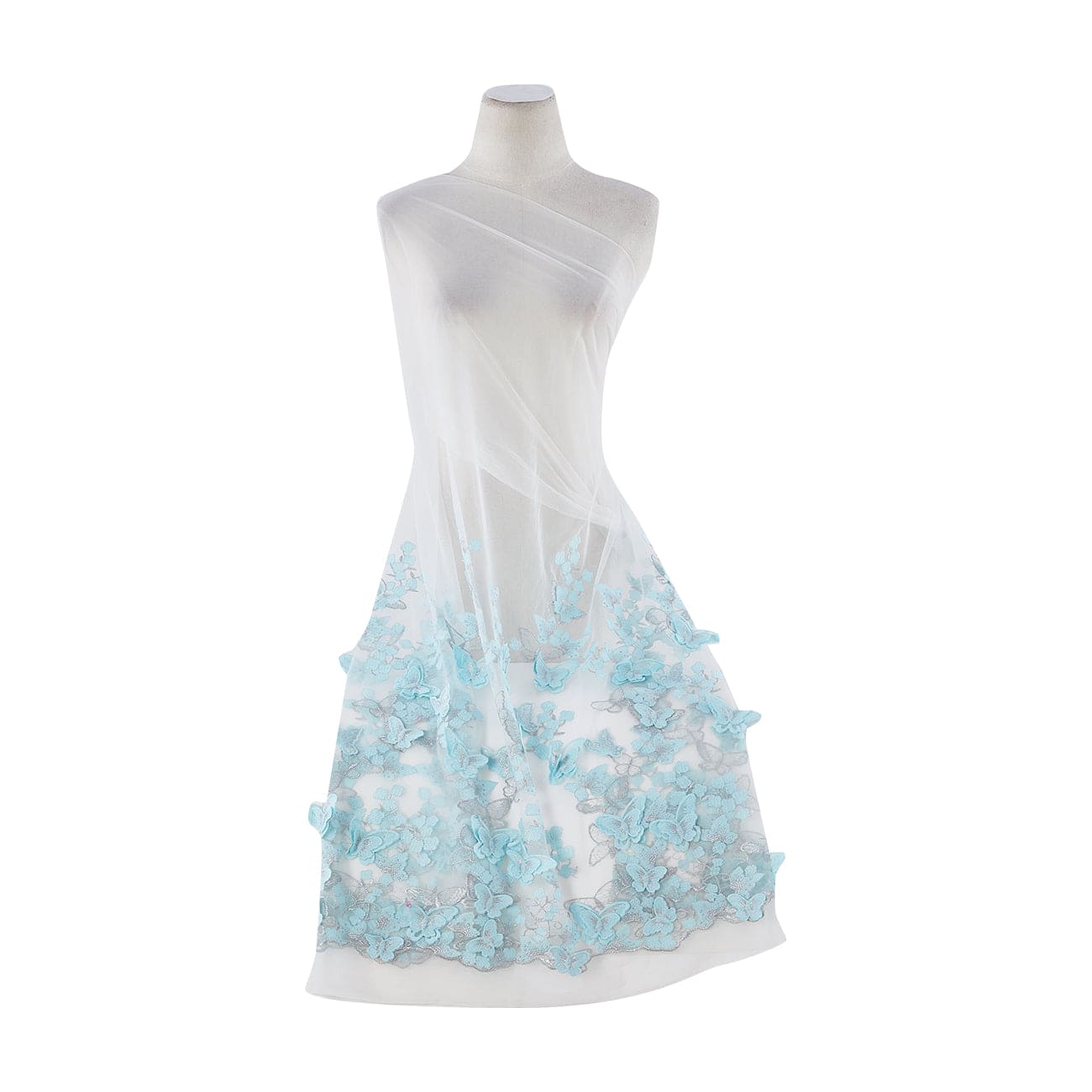
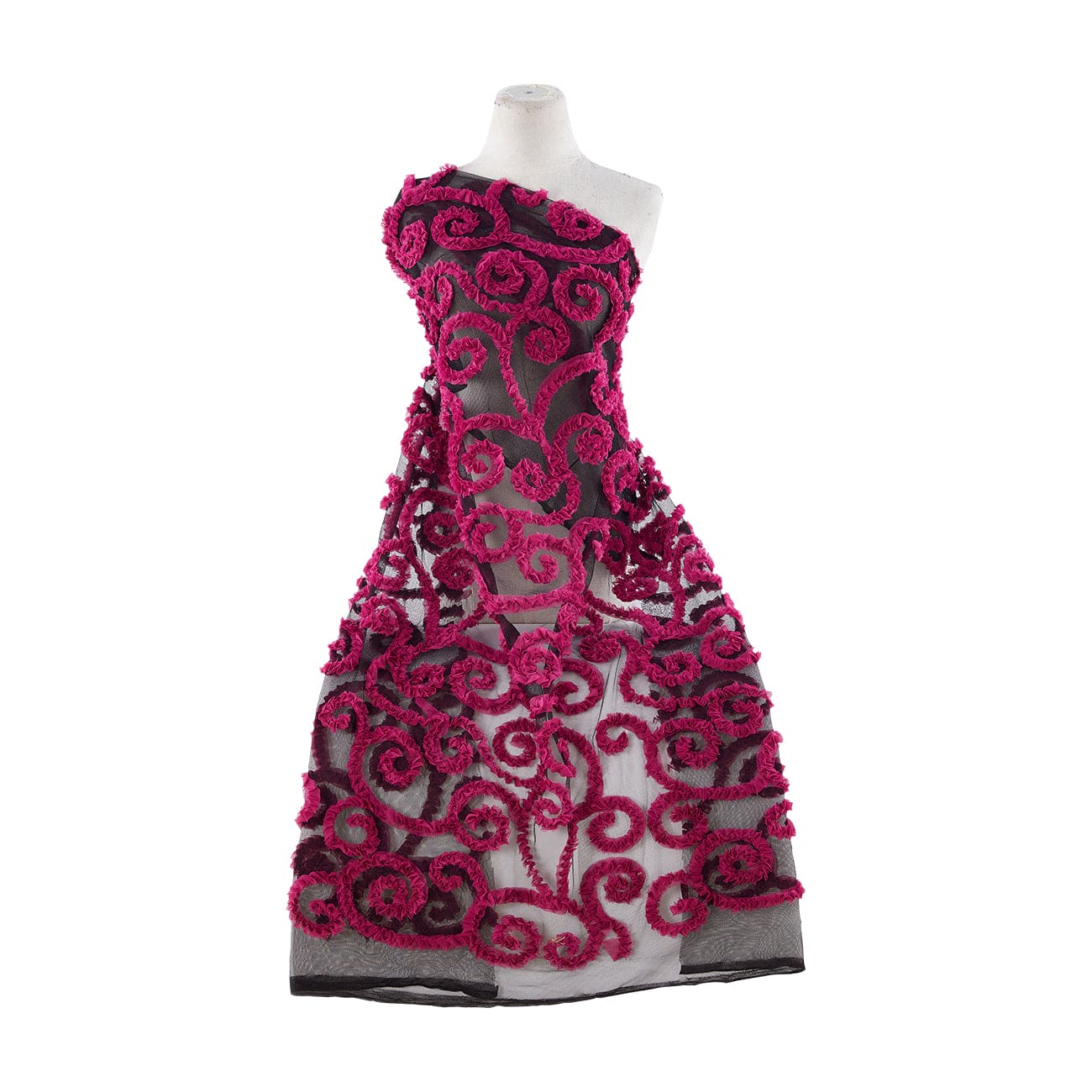
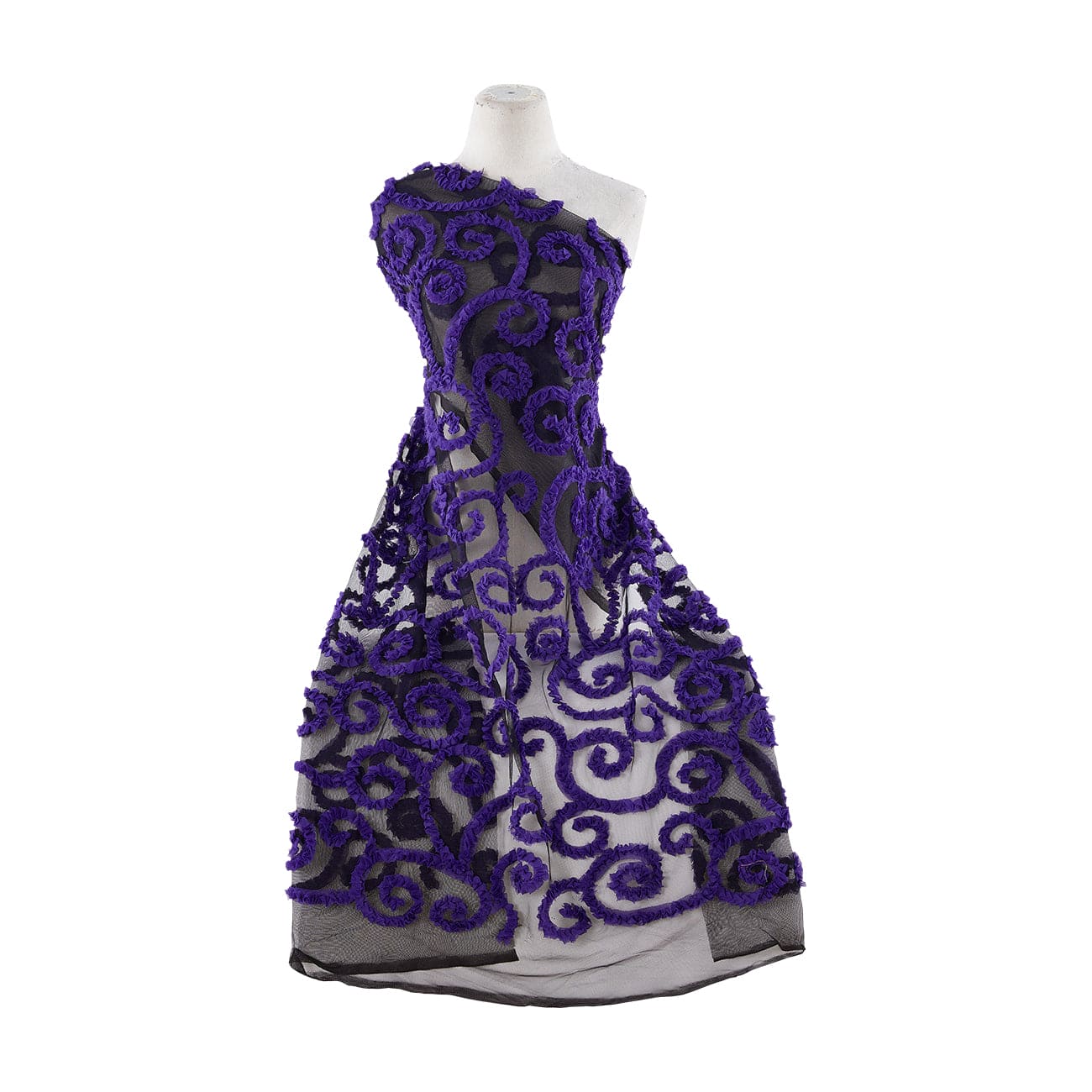
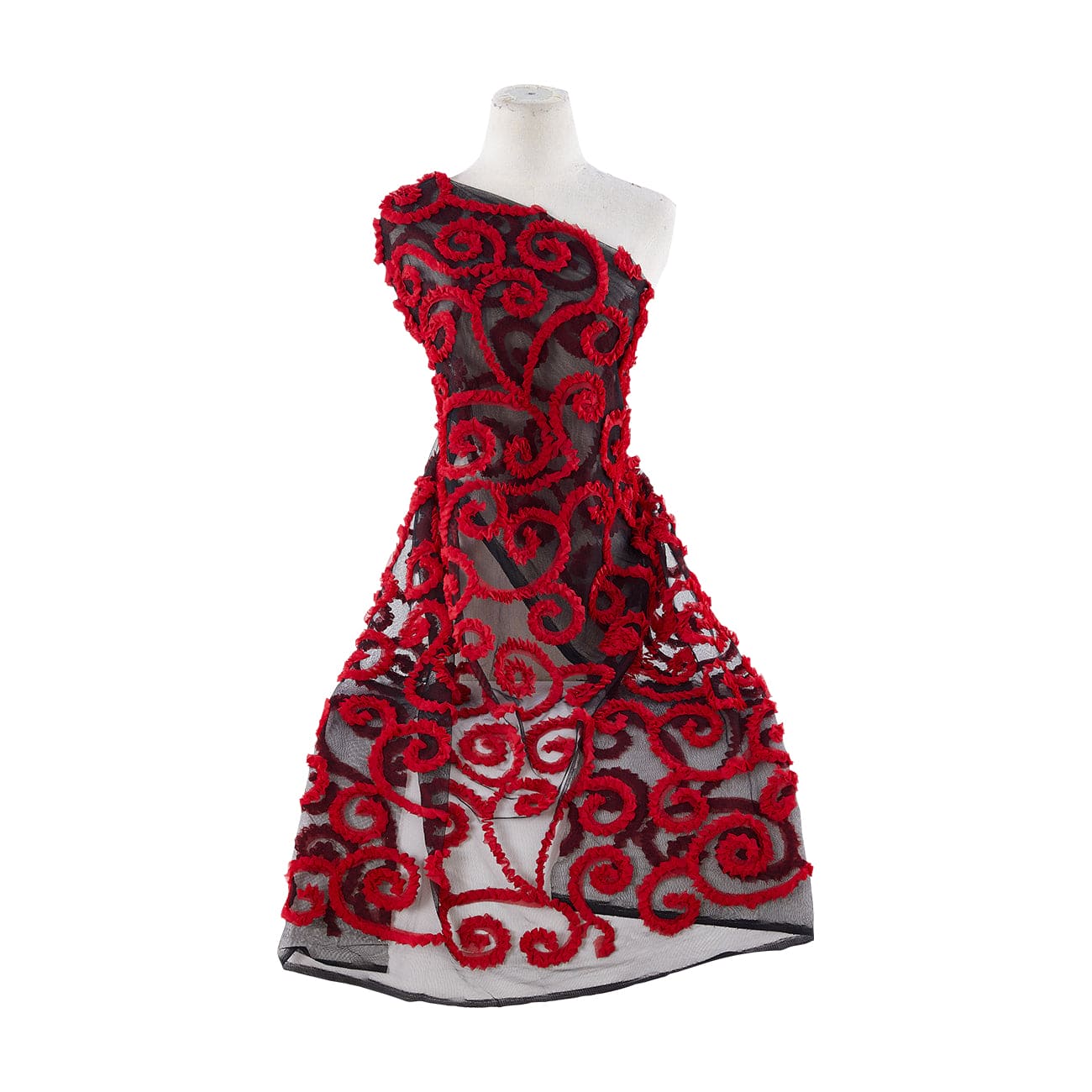
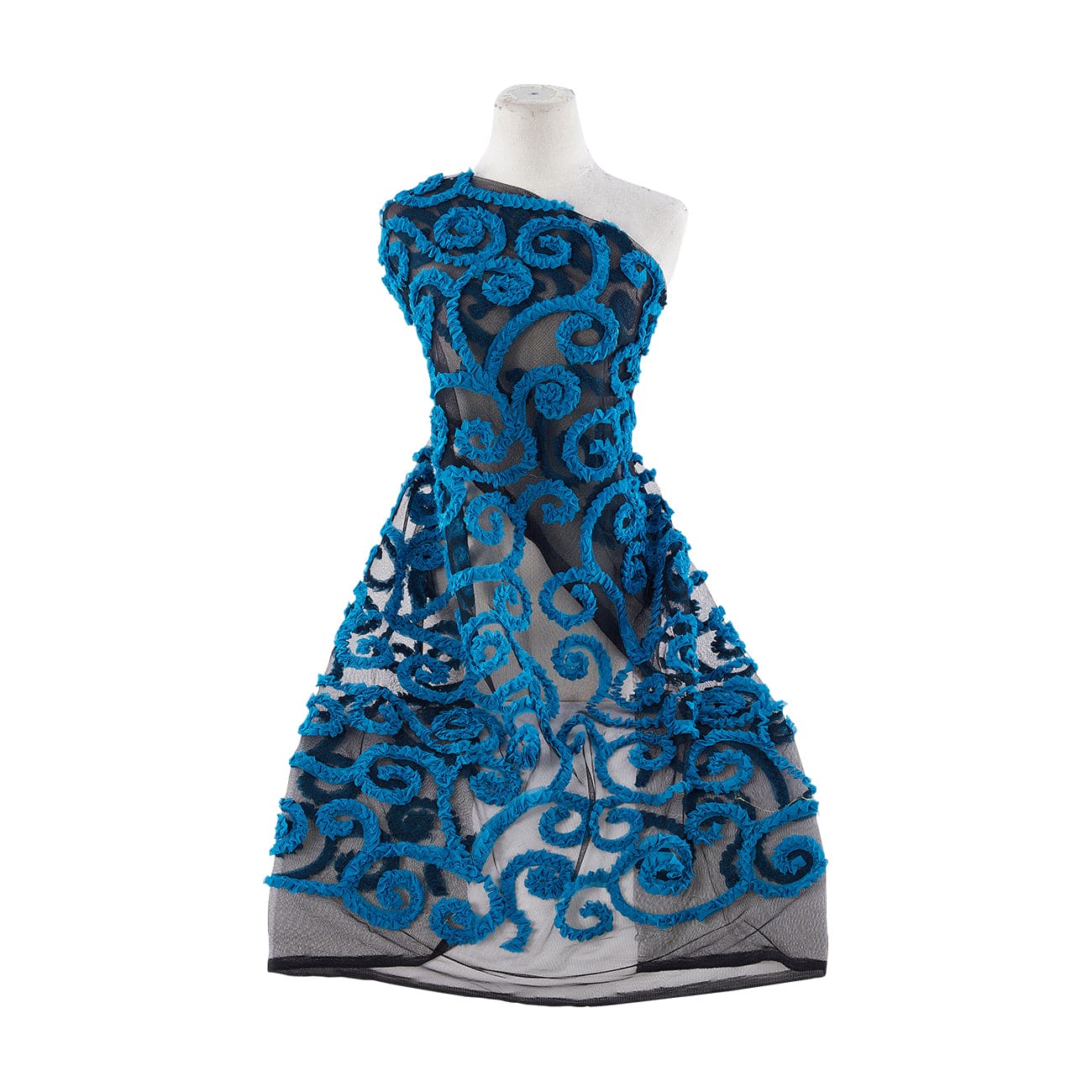
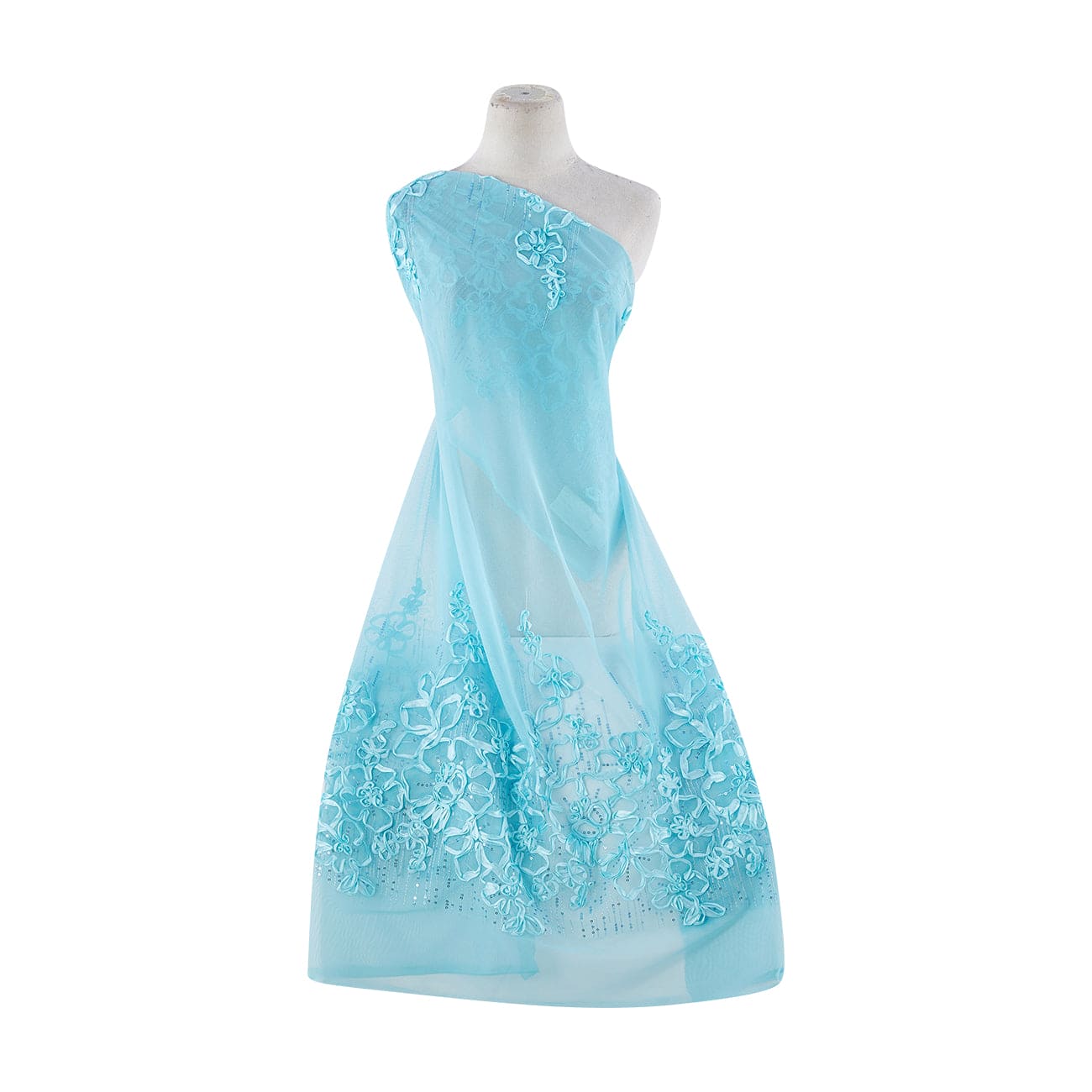
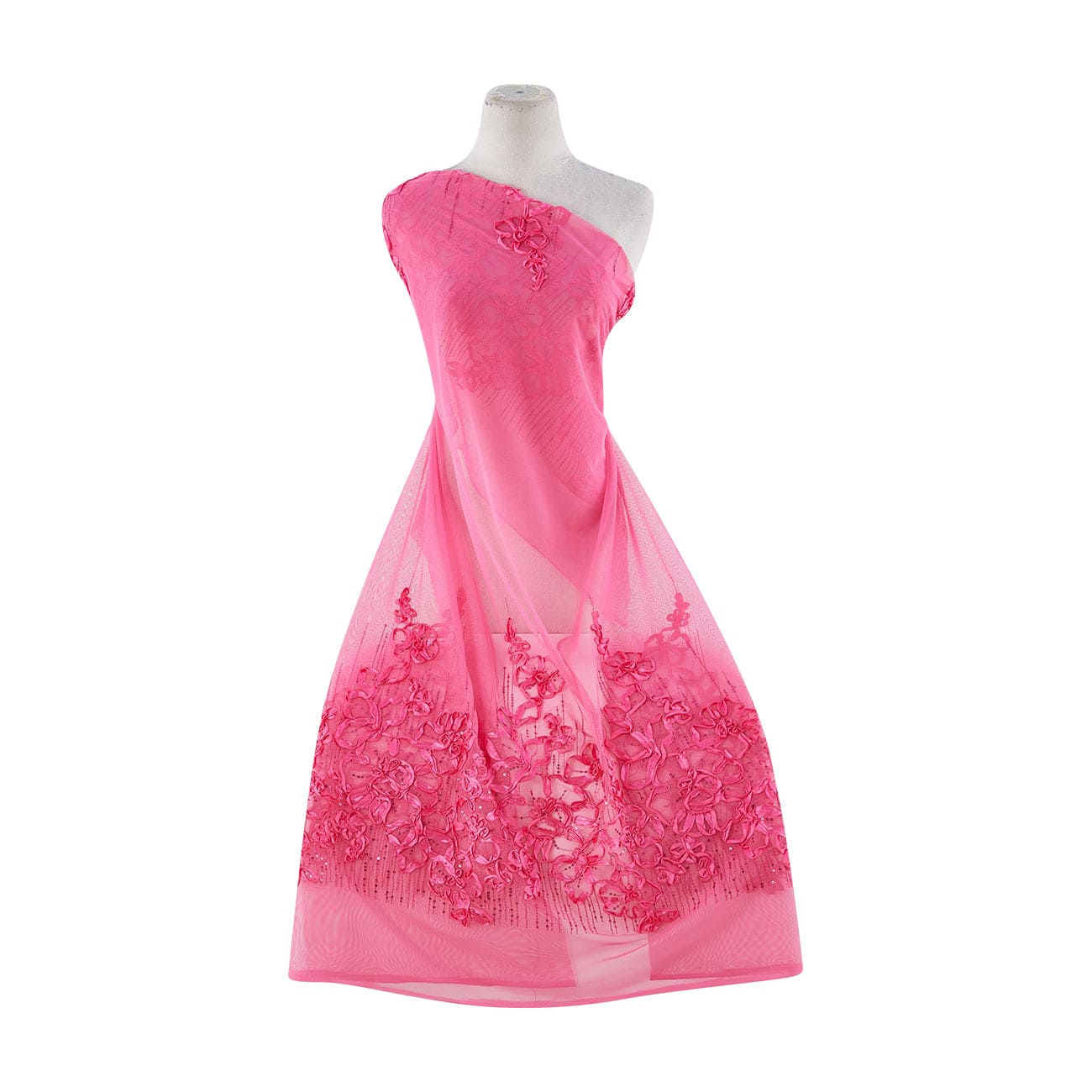
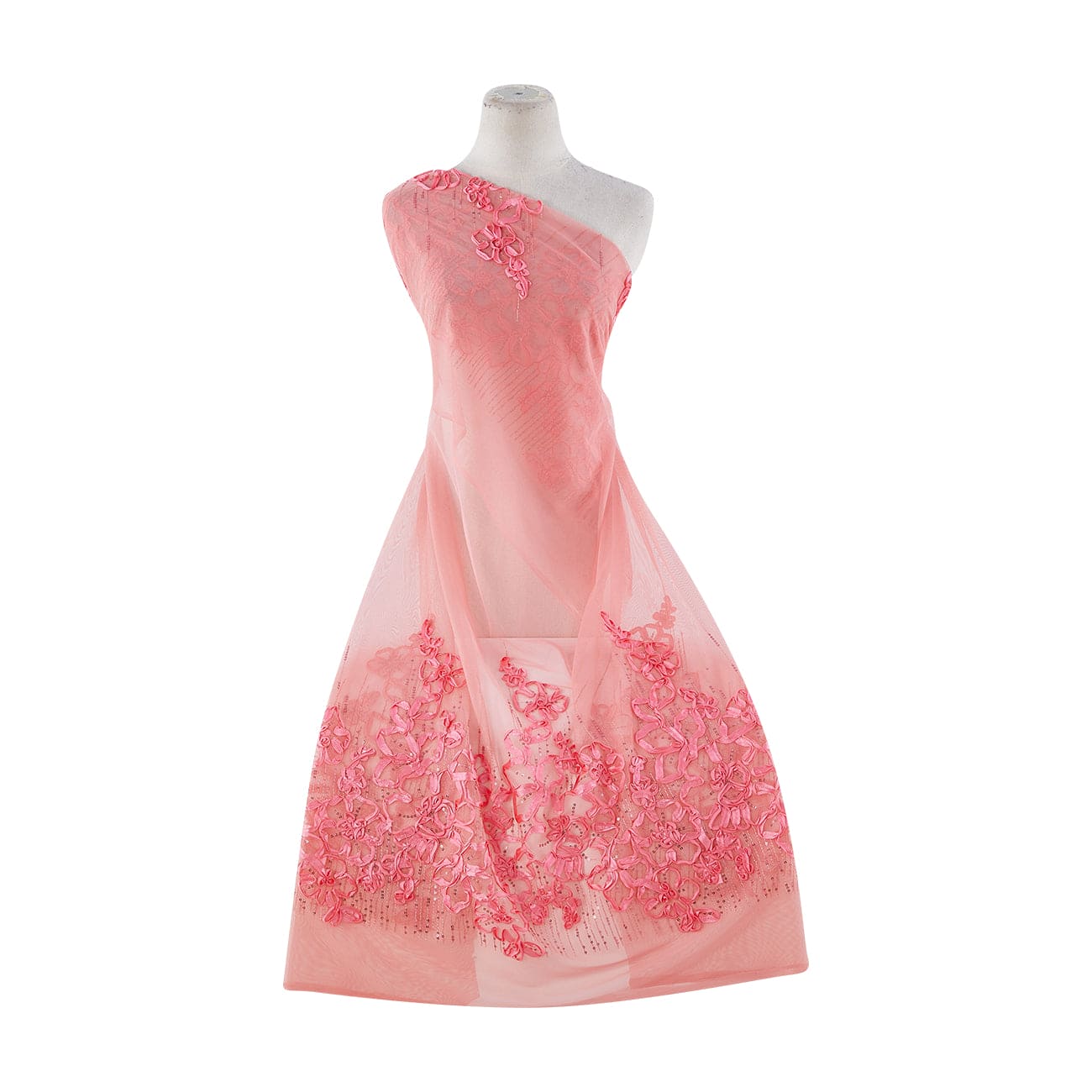
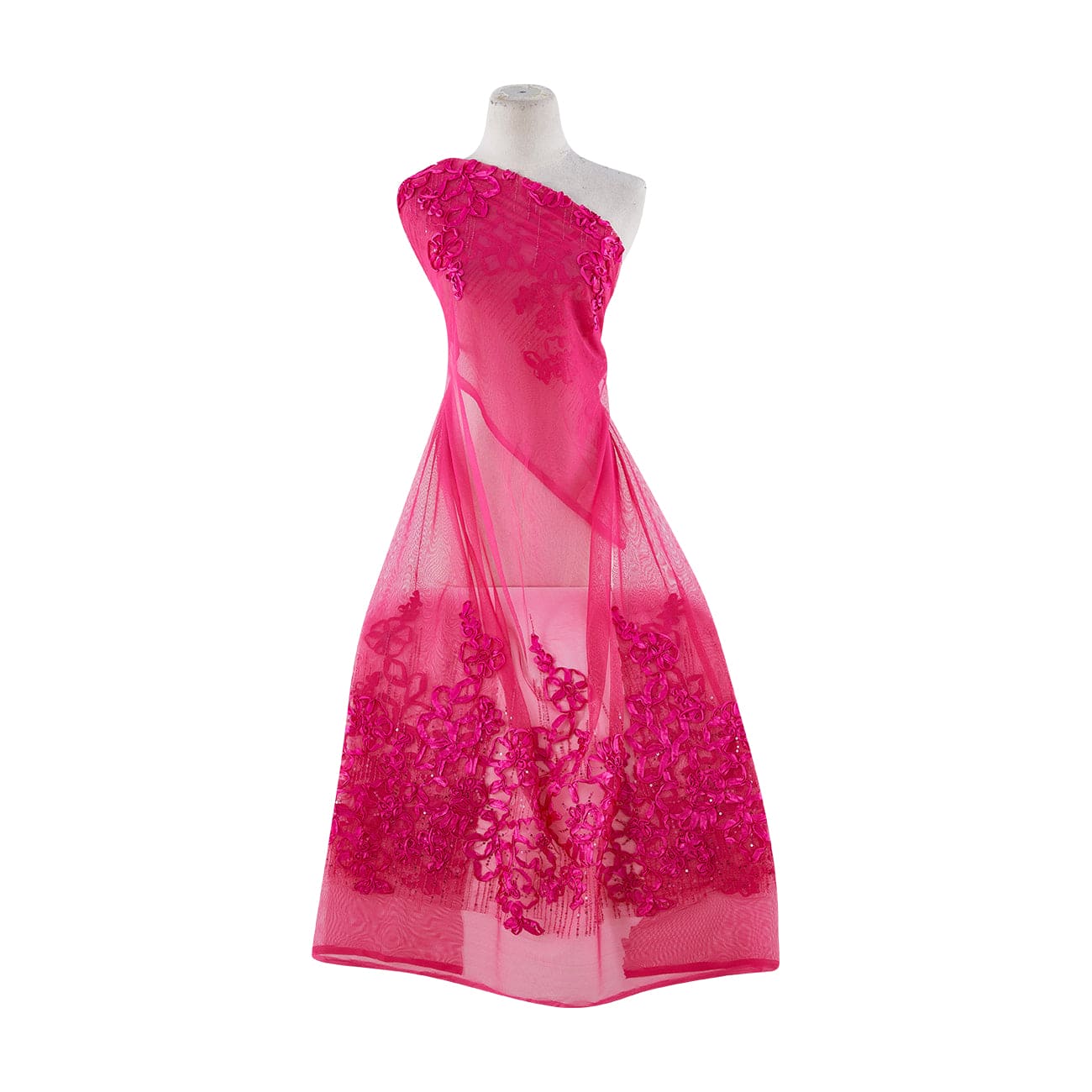
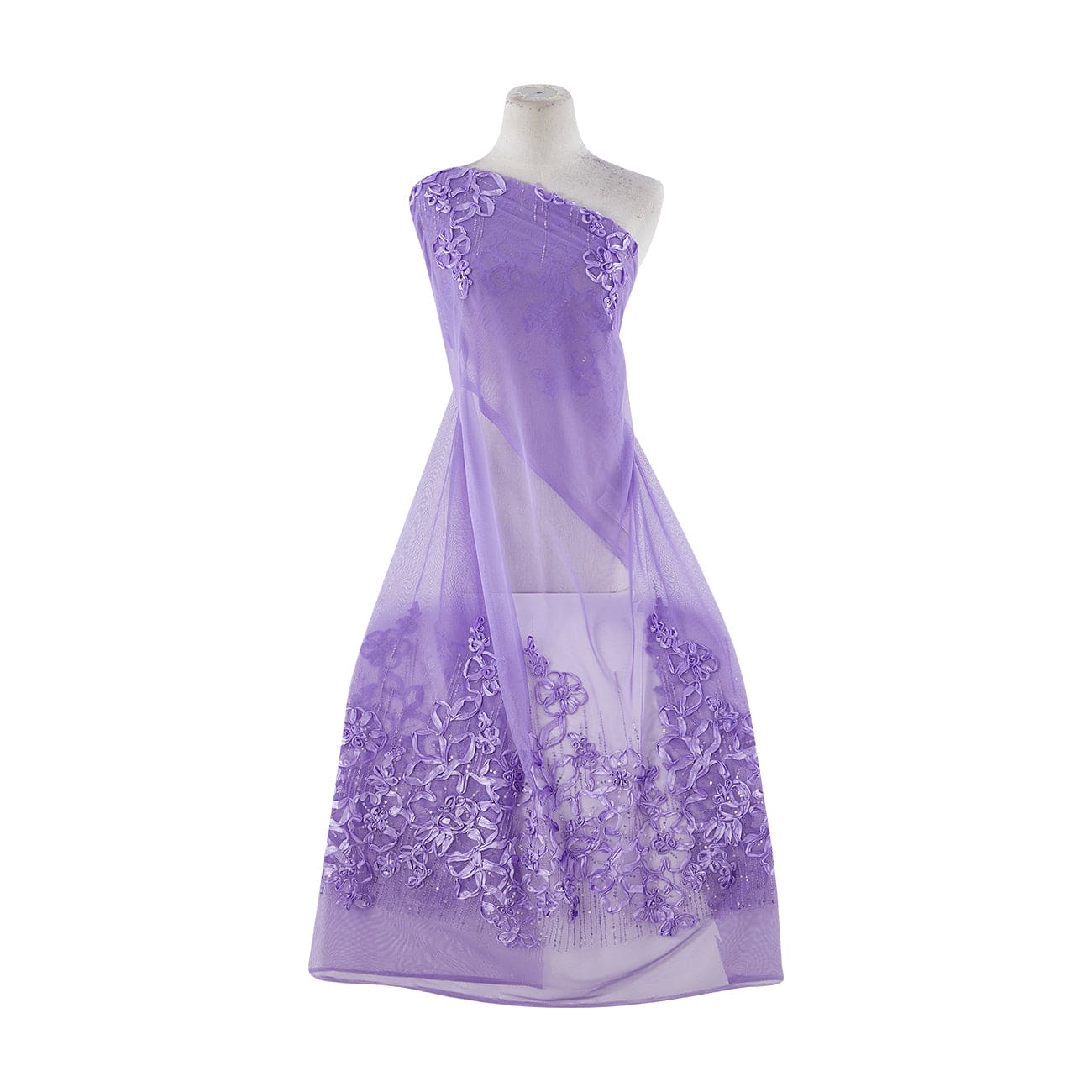
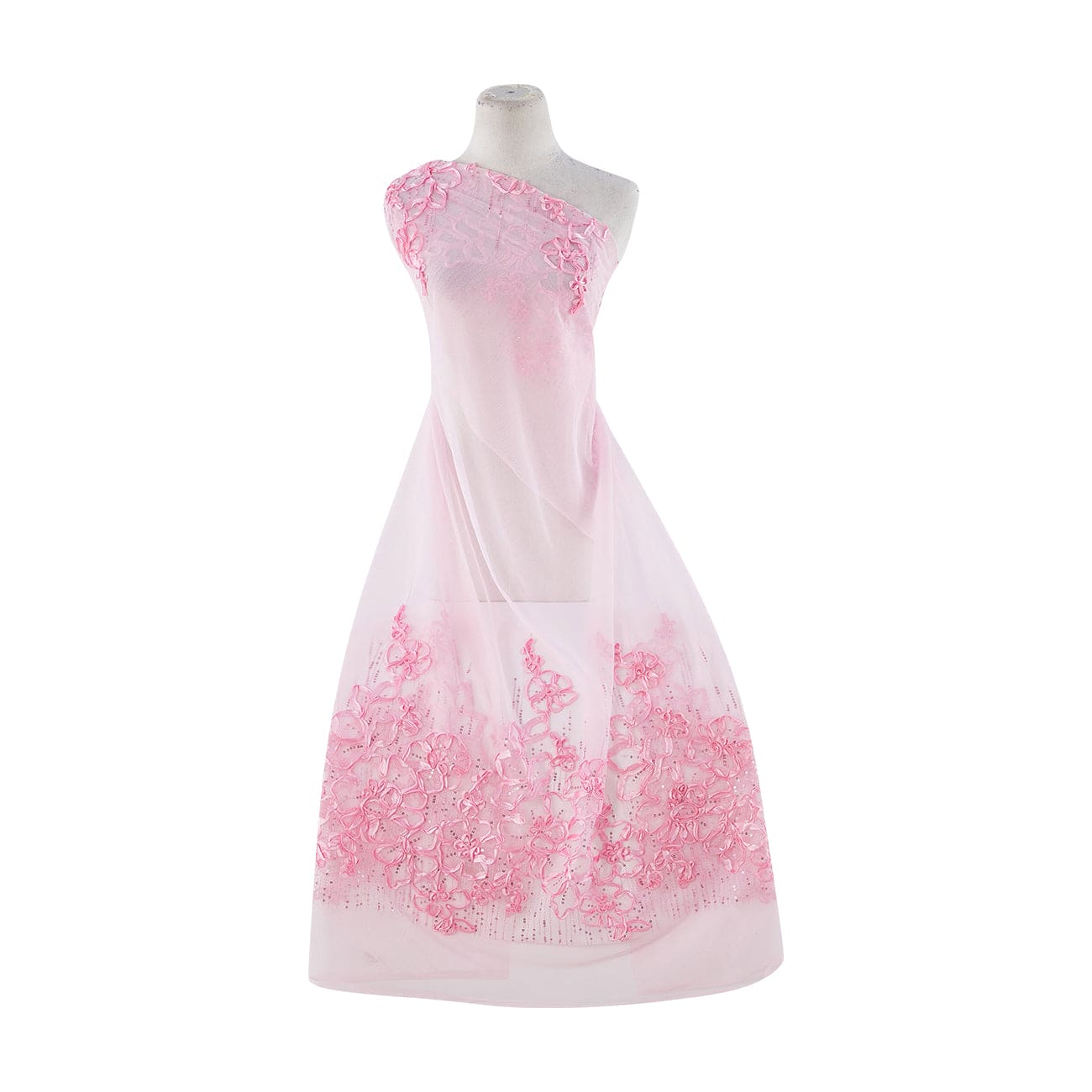
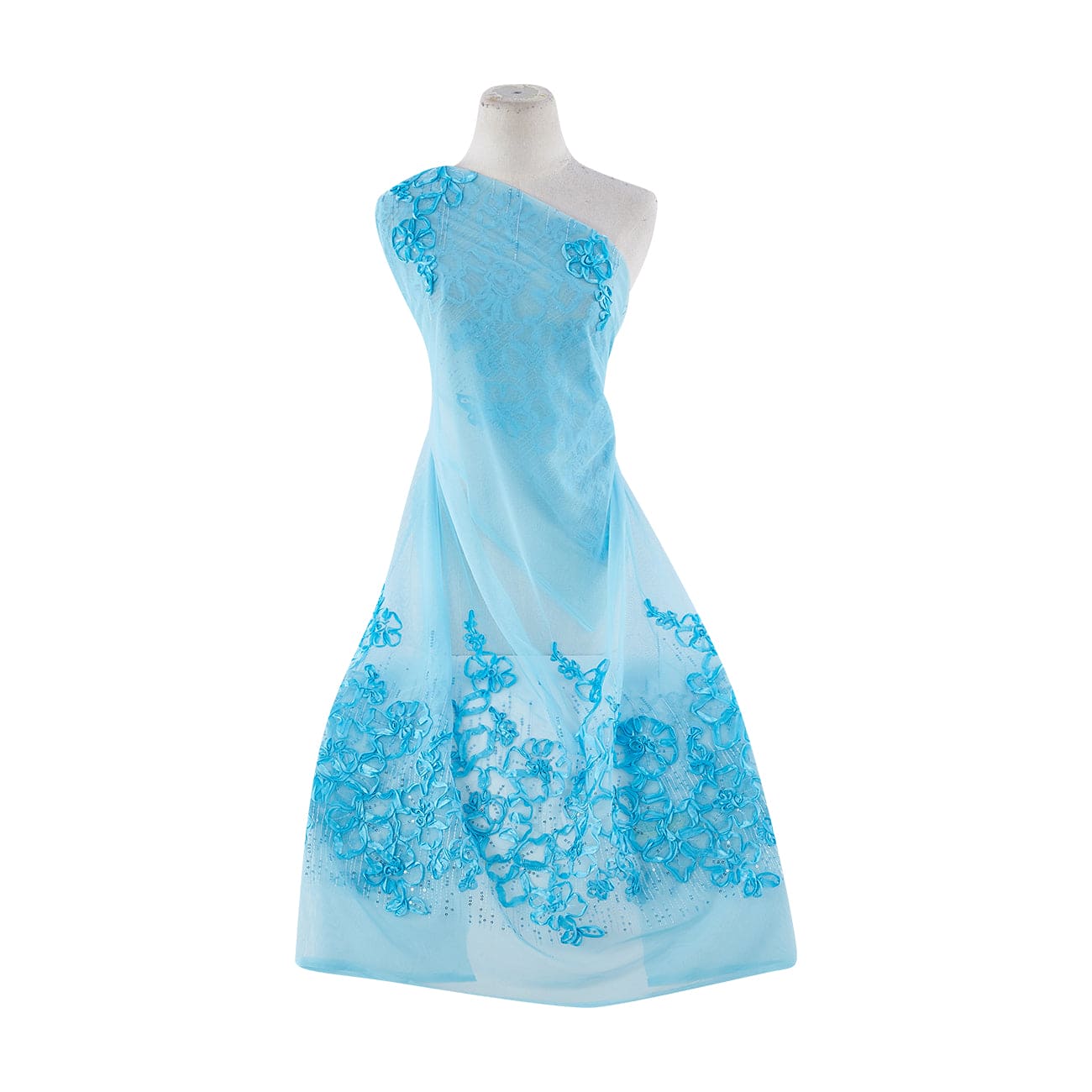
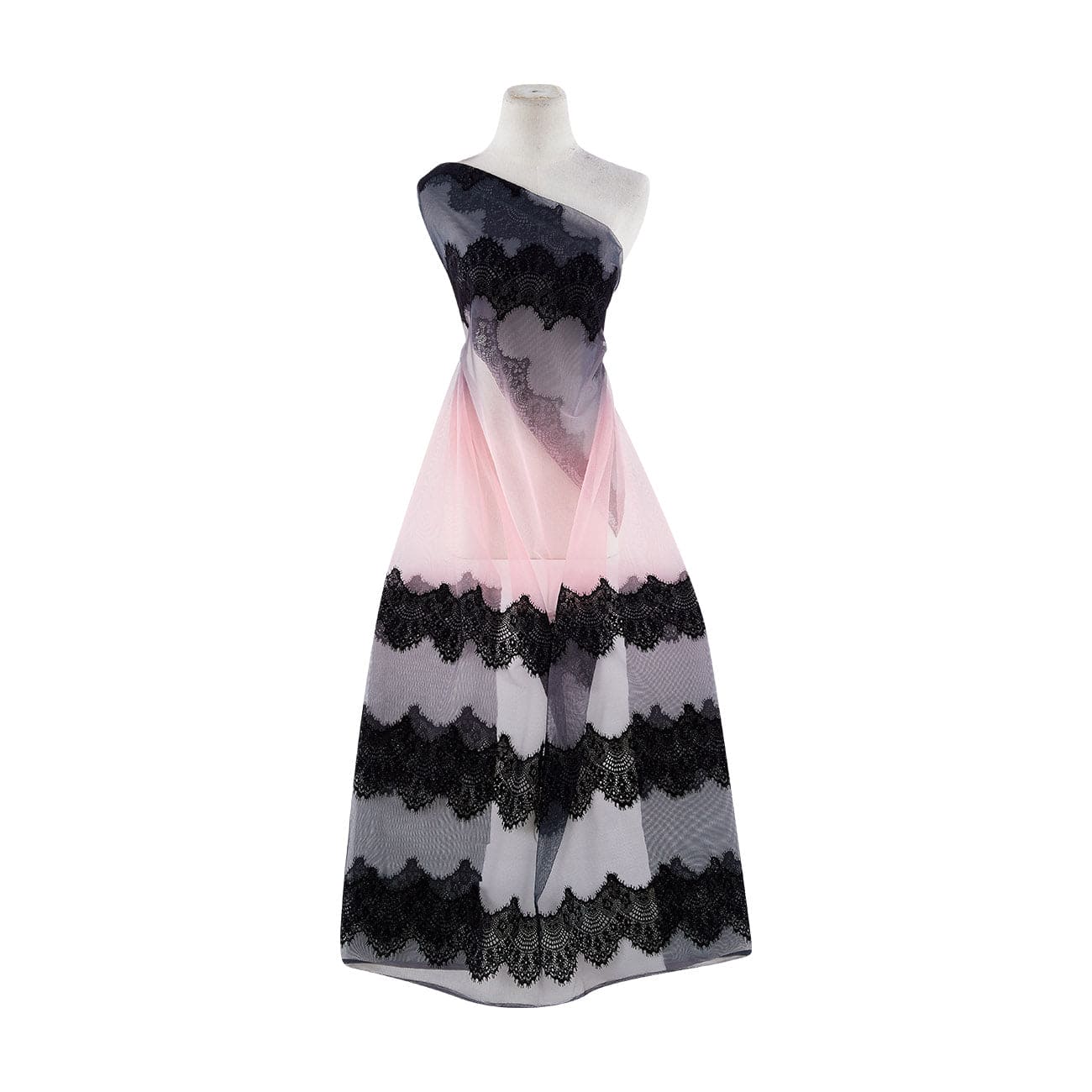
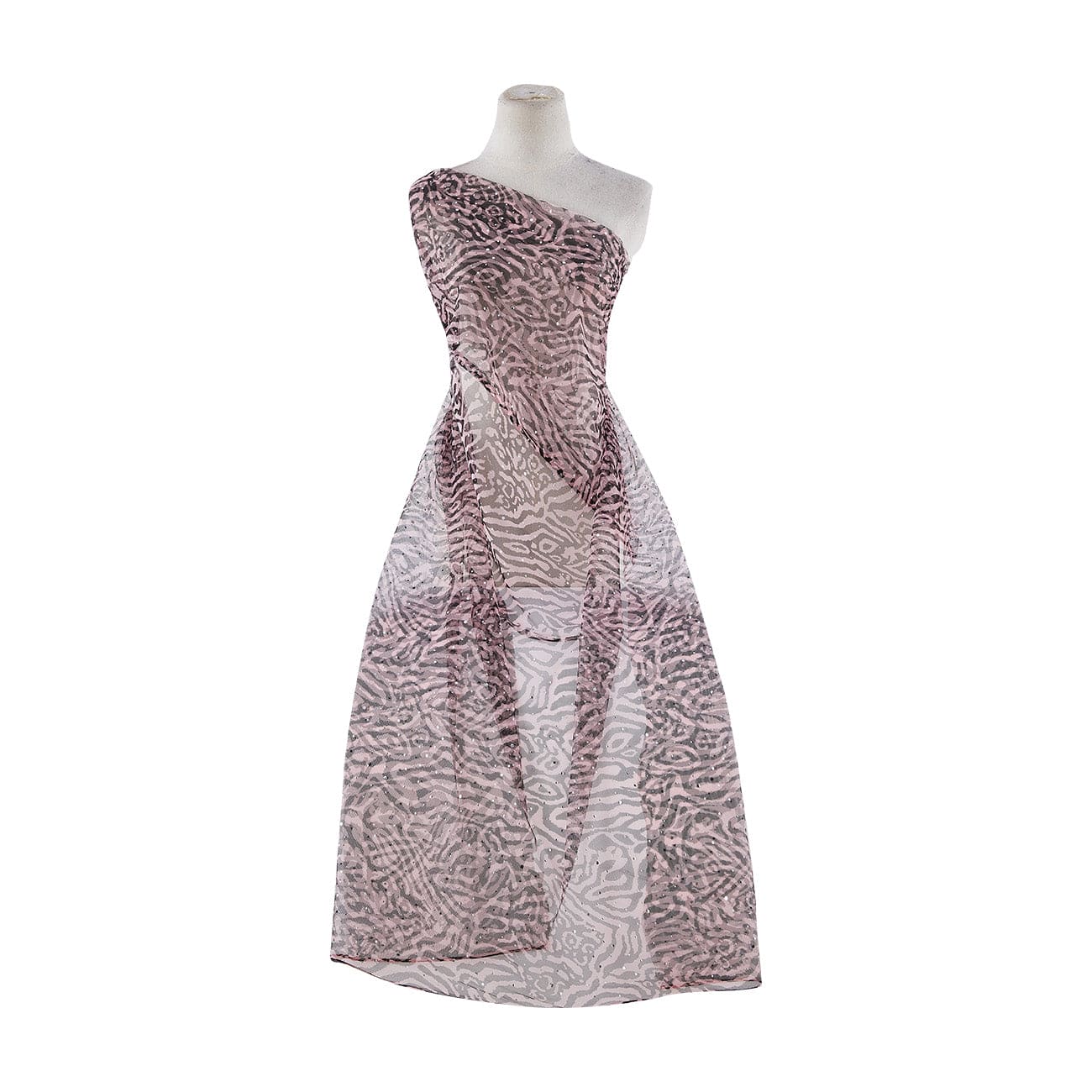
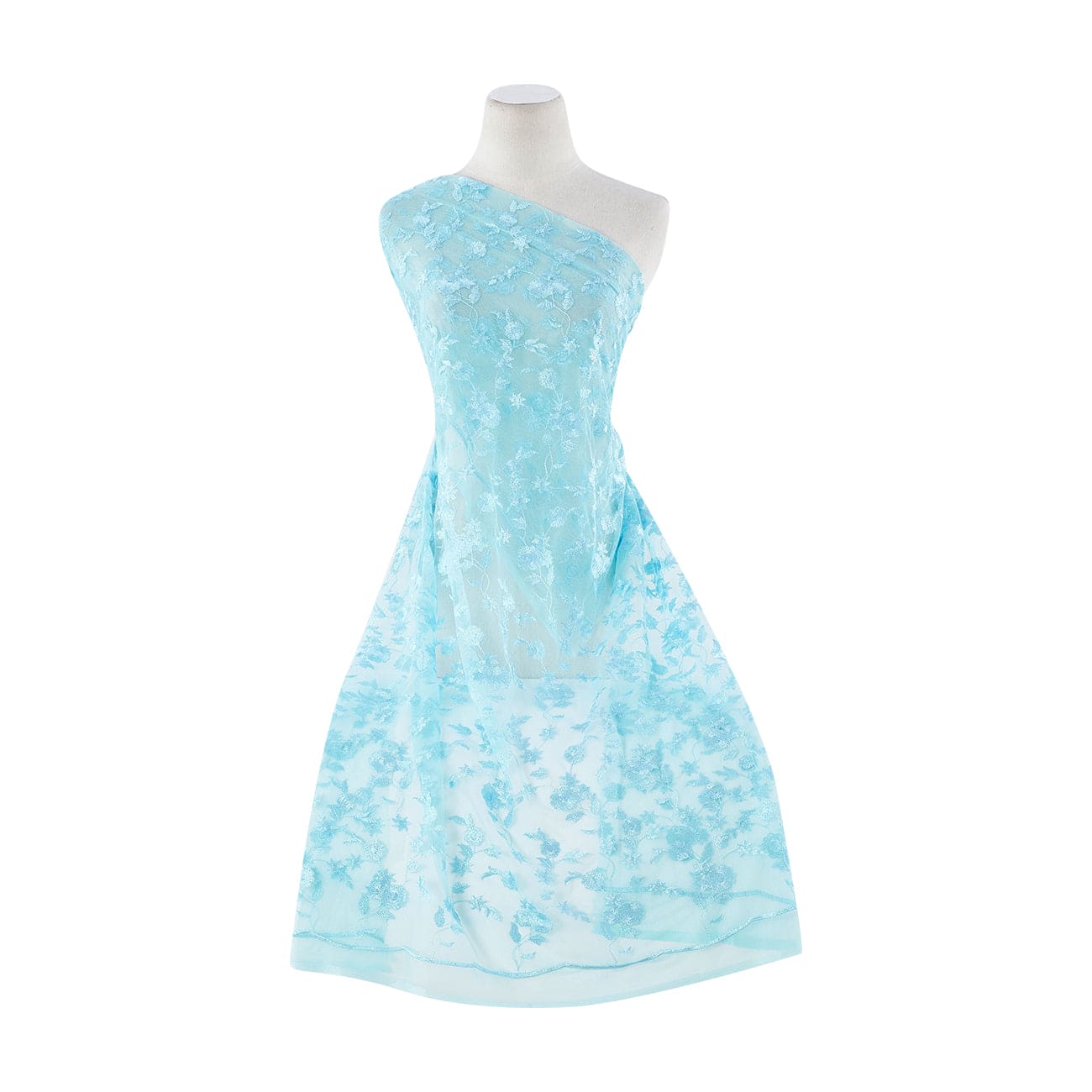
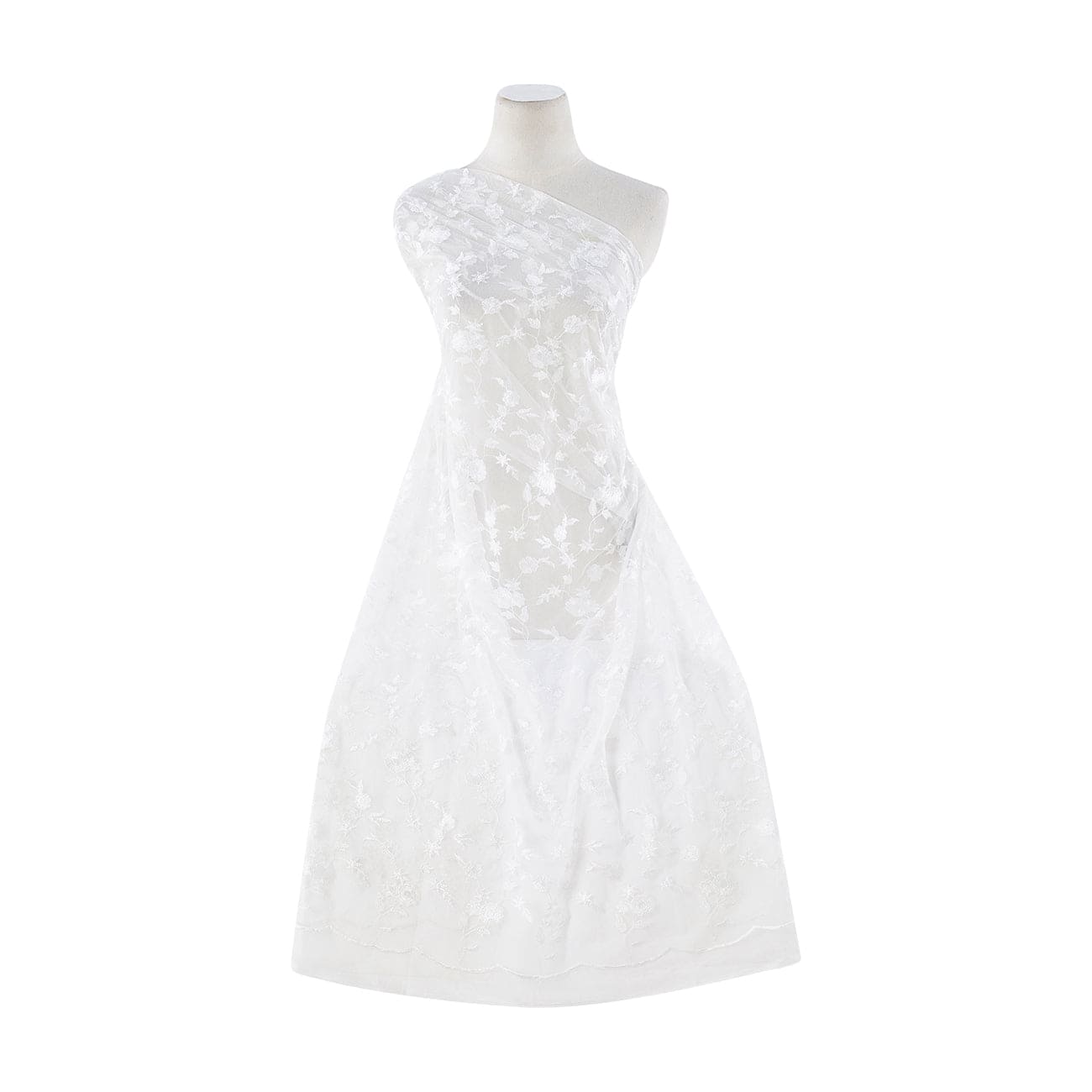
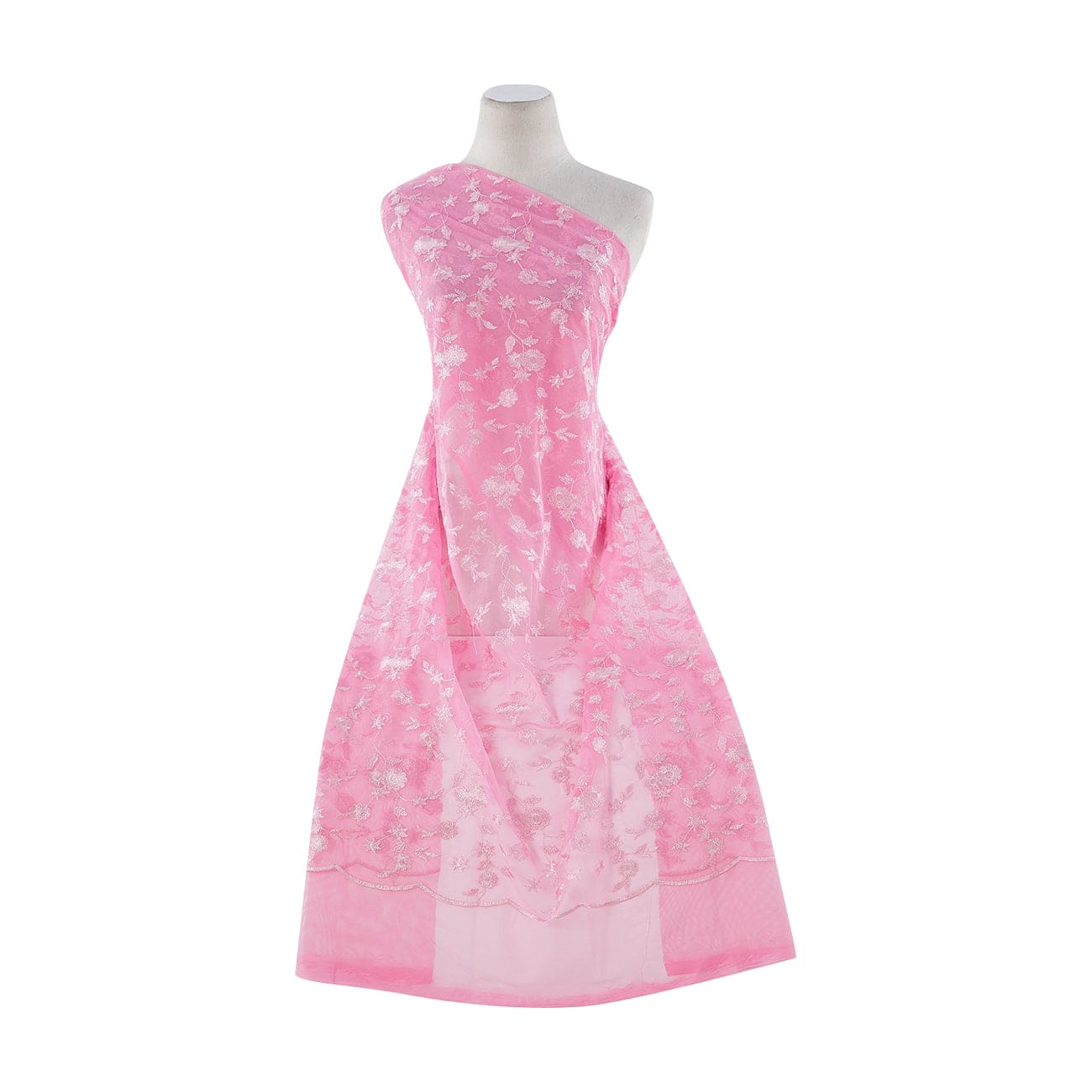
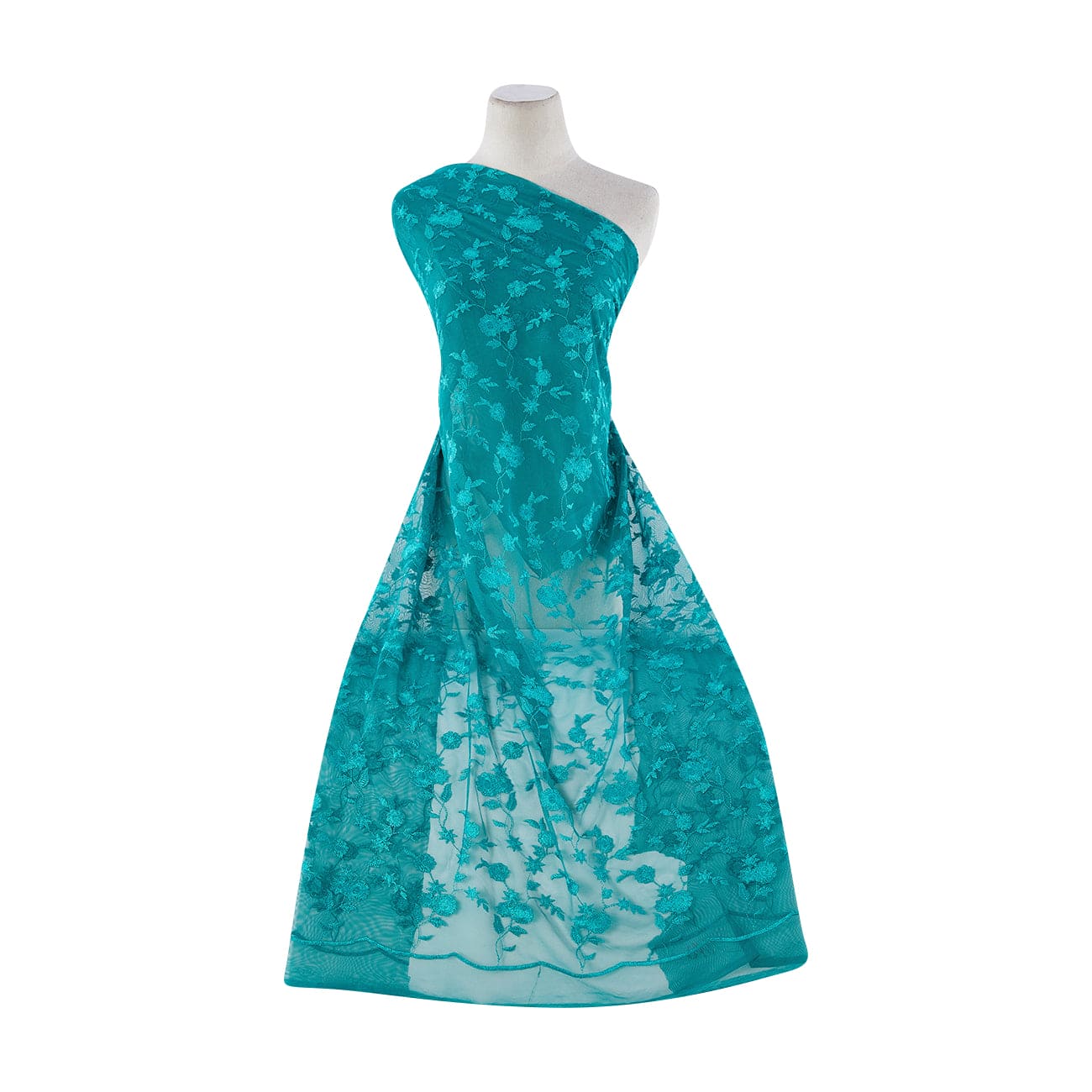
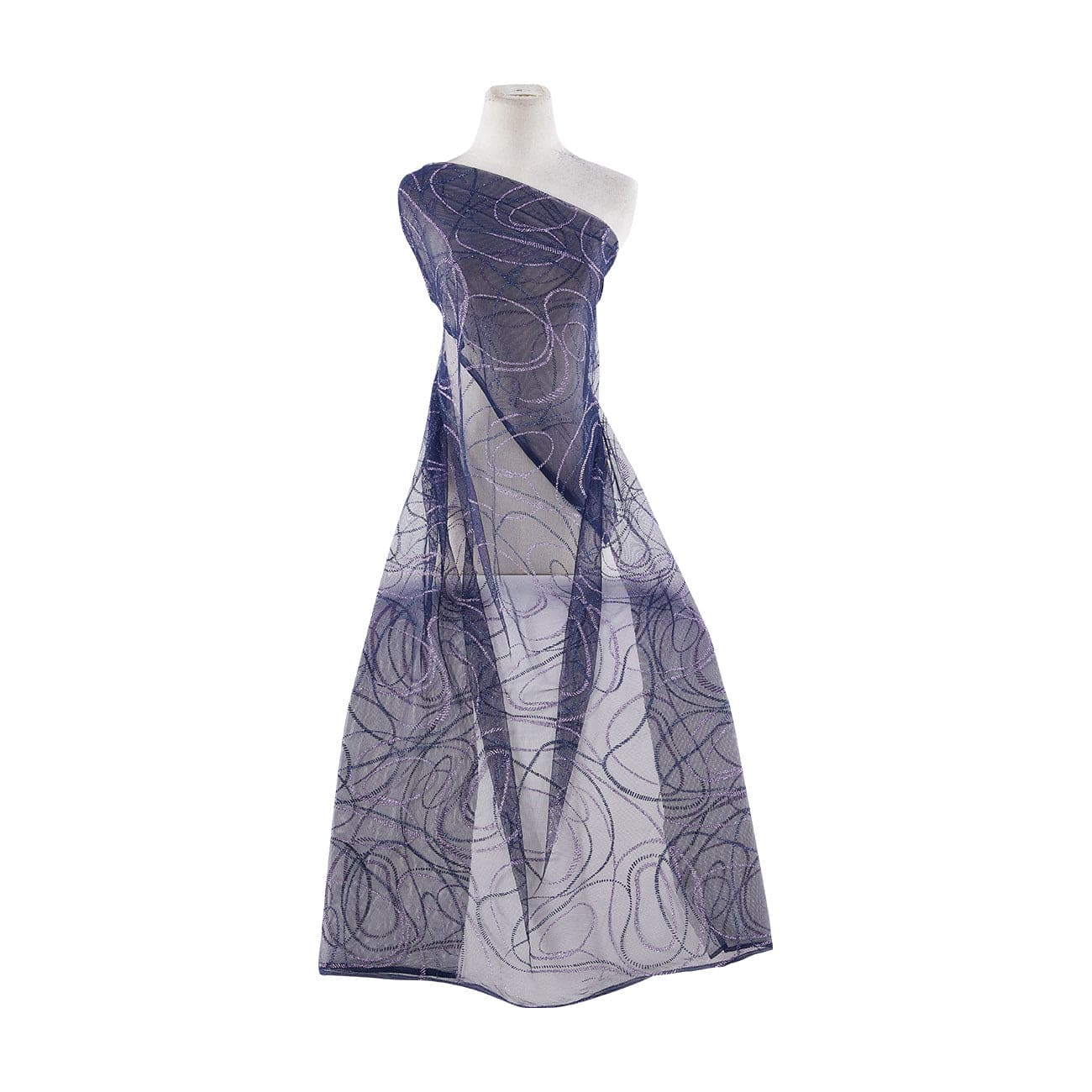
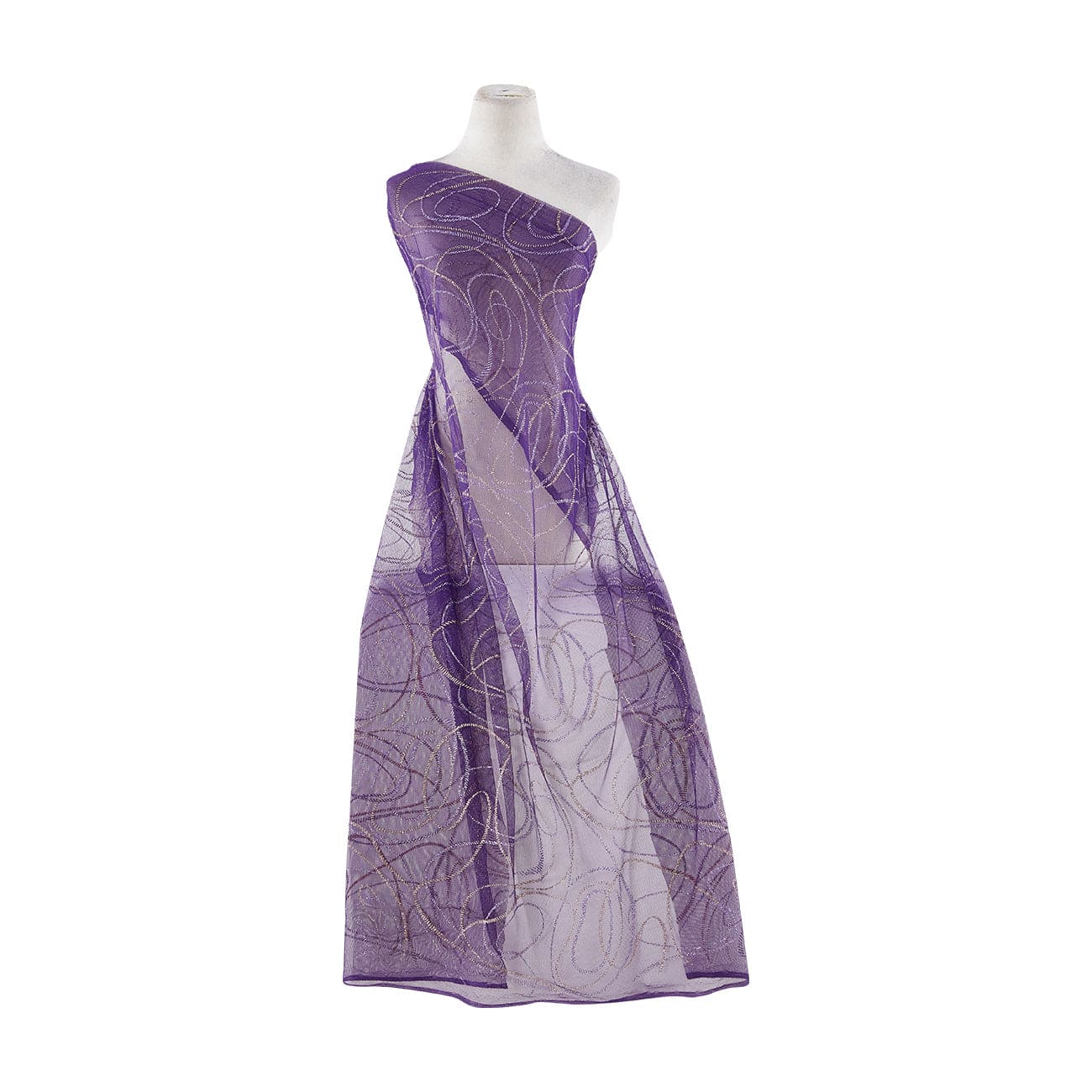
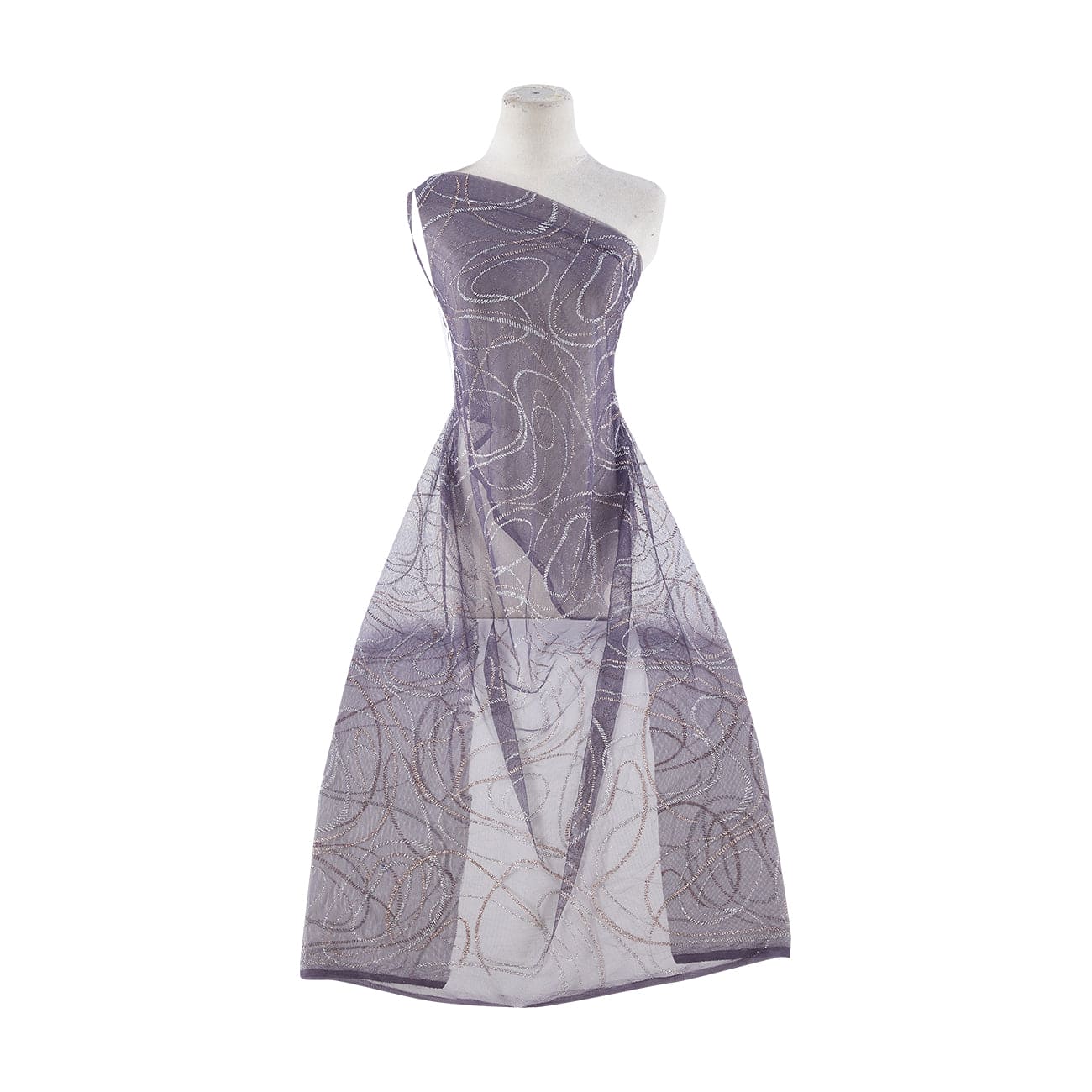
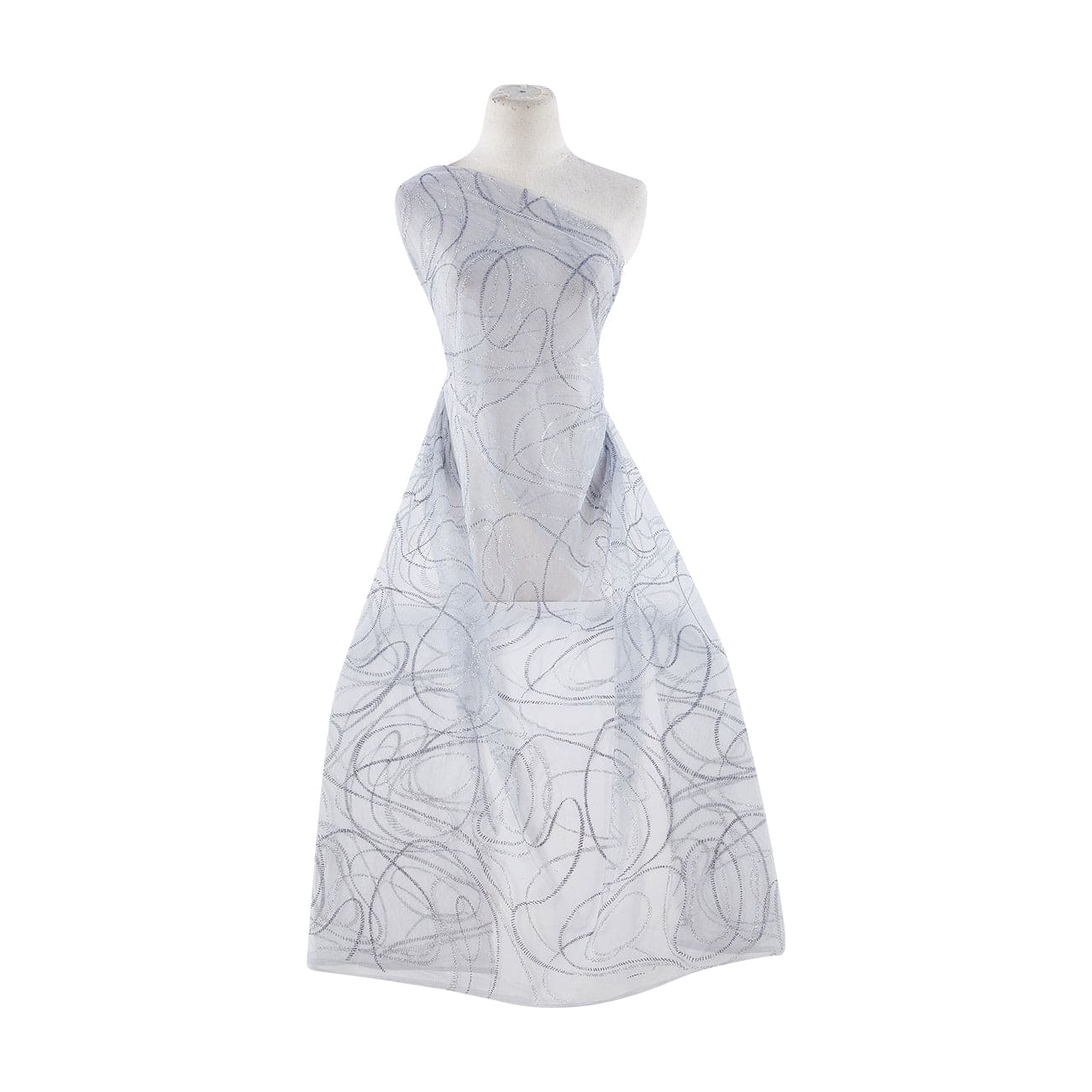
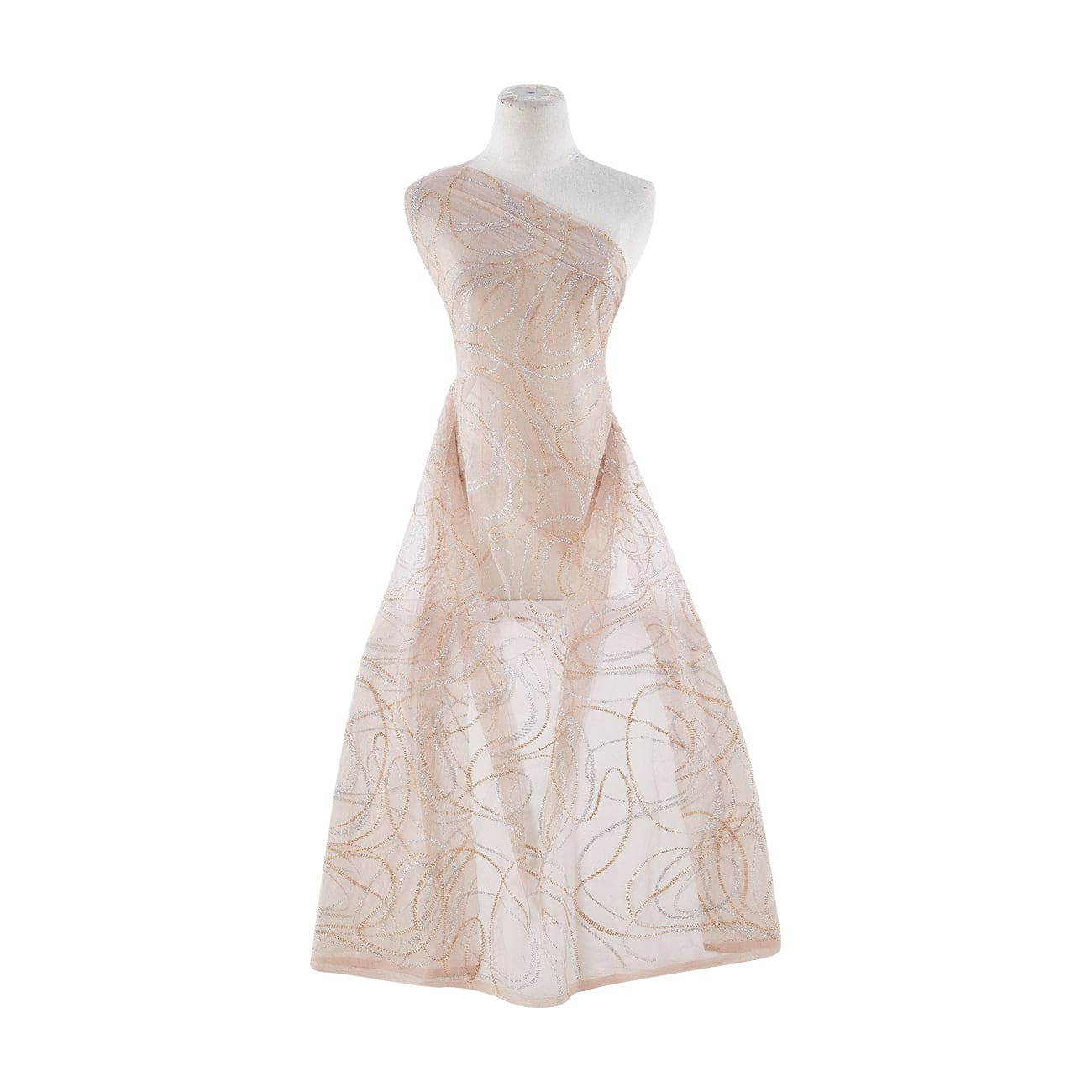
Plain tulle is already a refined fabric, but embroidered tulle takes it a step further. Embroidery worked onto a tulle base adds dimension, texture, and visual interest without compromising the lightness of the base fabric. Because the mesh is sheer, the thread appears almost suspended in air, which gives embroidered tulle a quality that is difficult to replicate on an opaque ground.
The Visual Appeal of Embroidery on Tulle
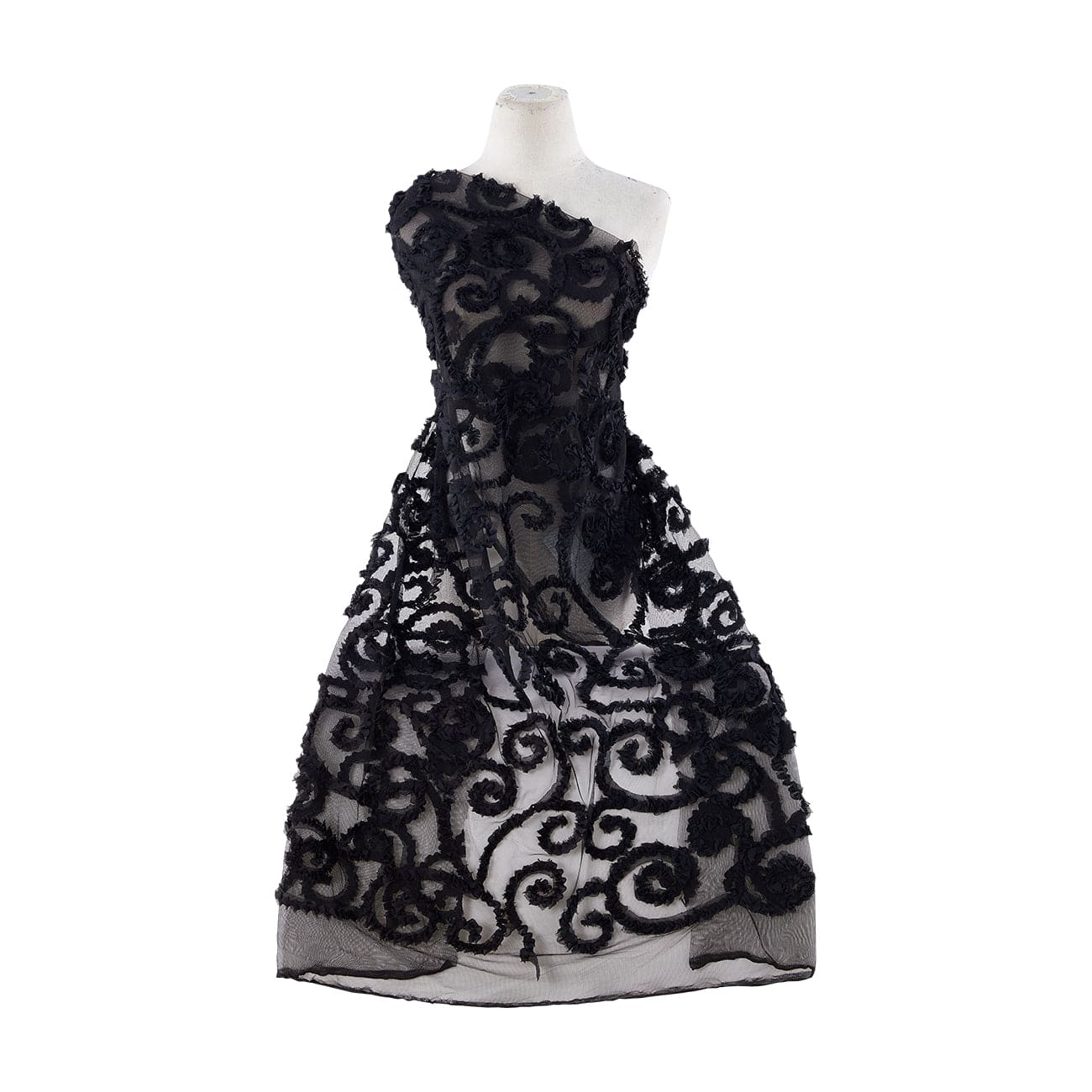
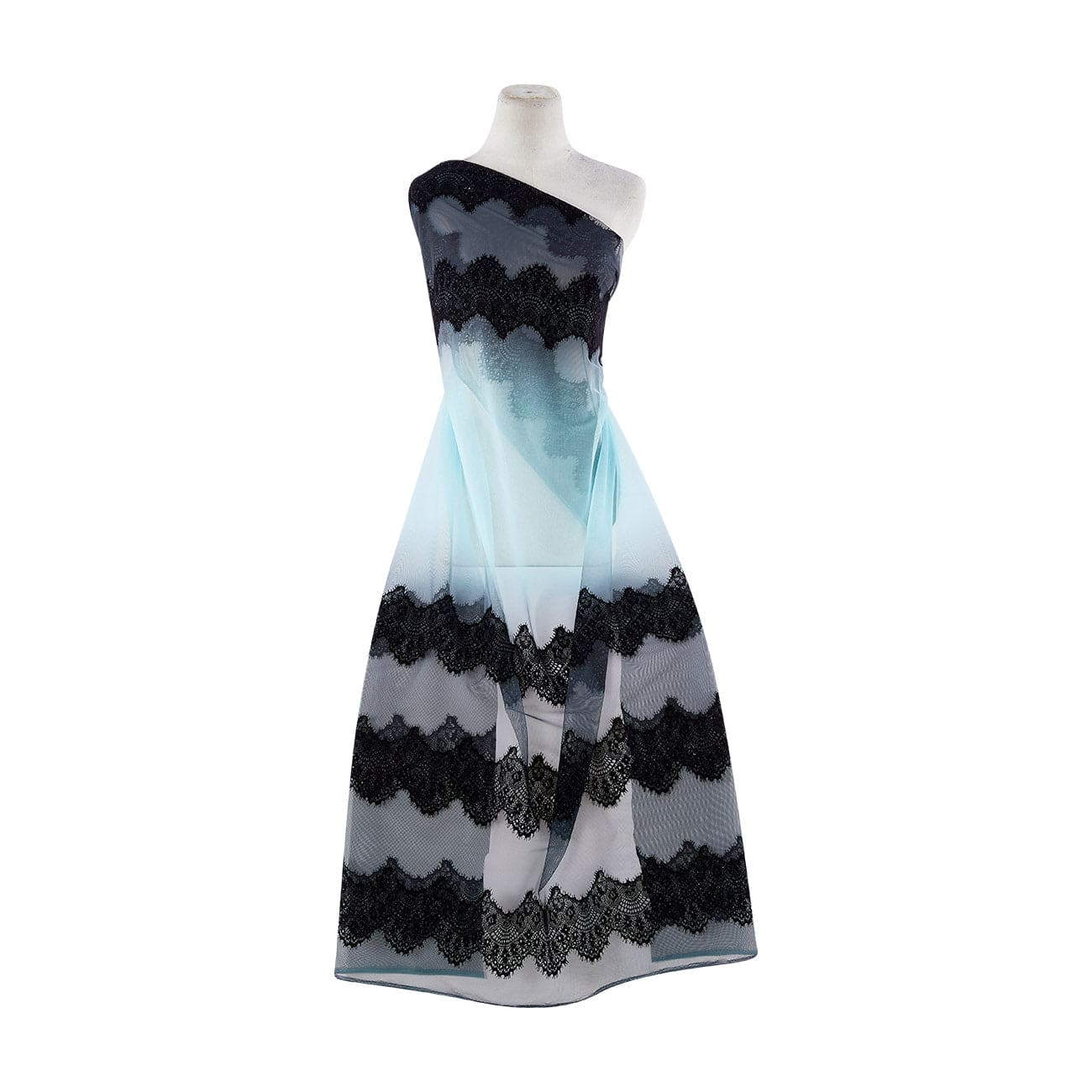
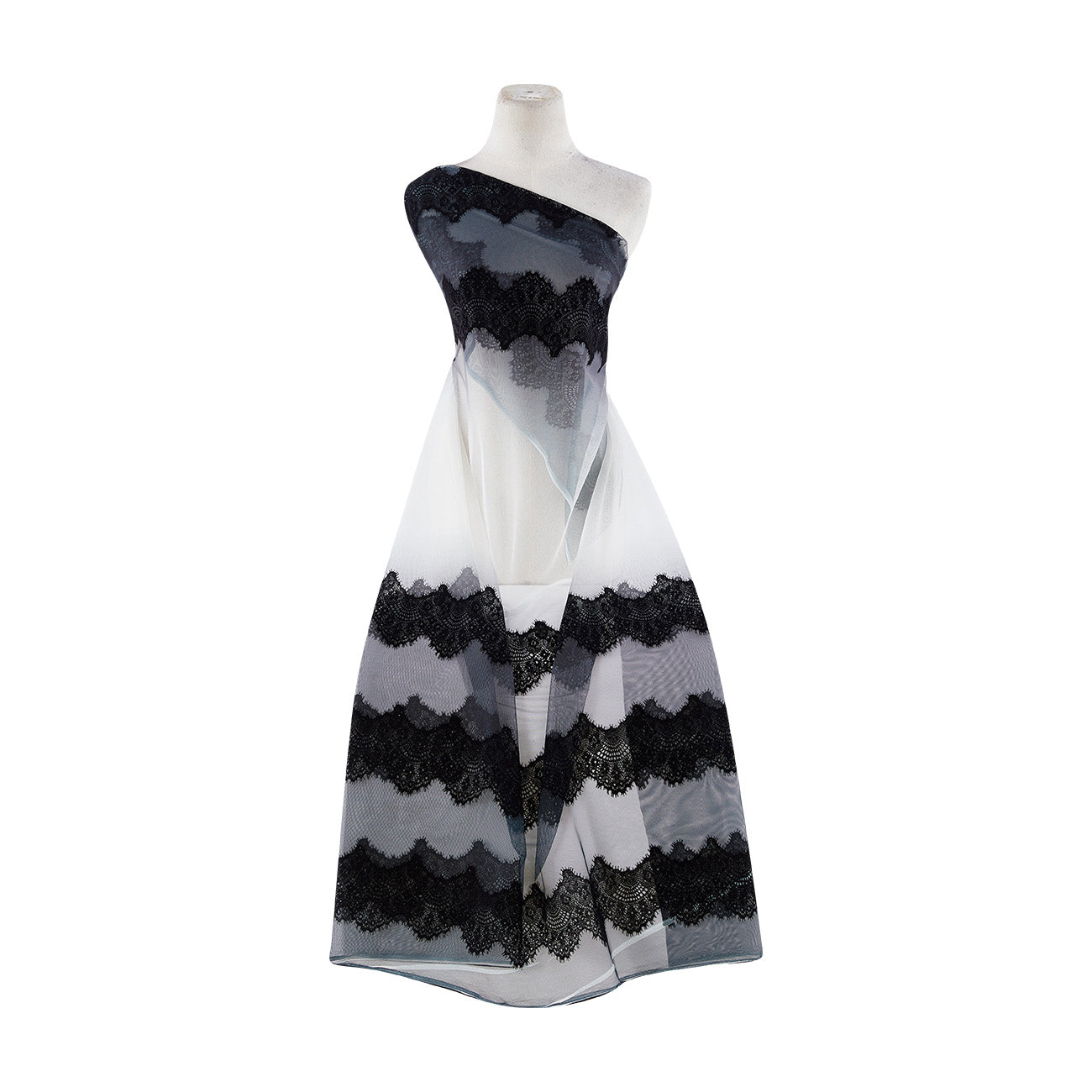
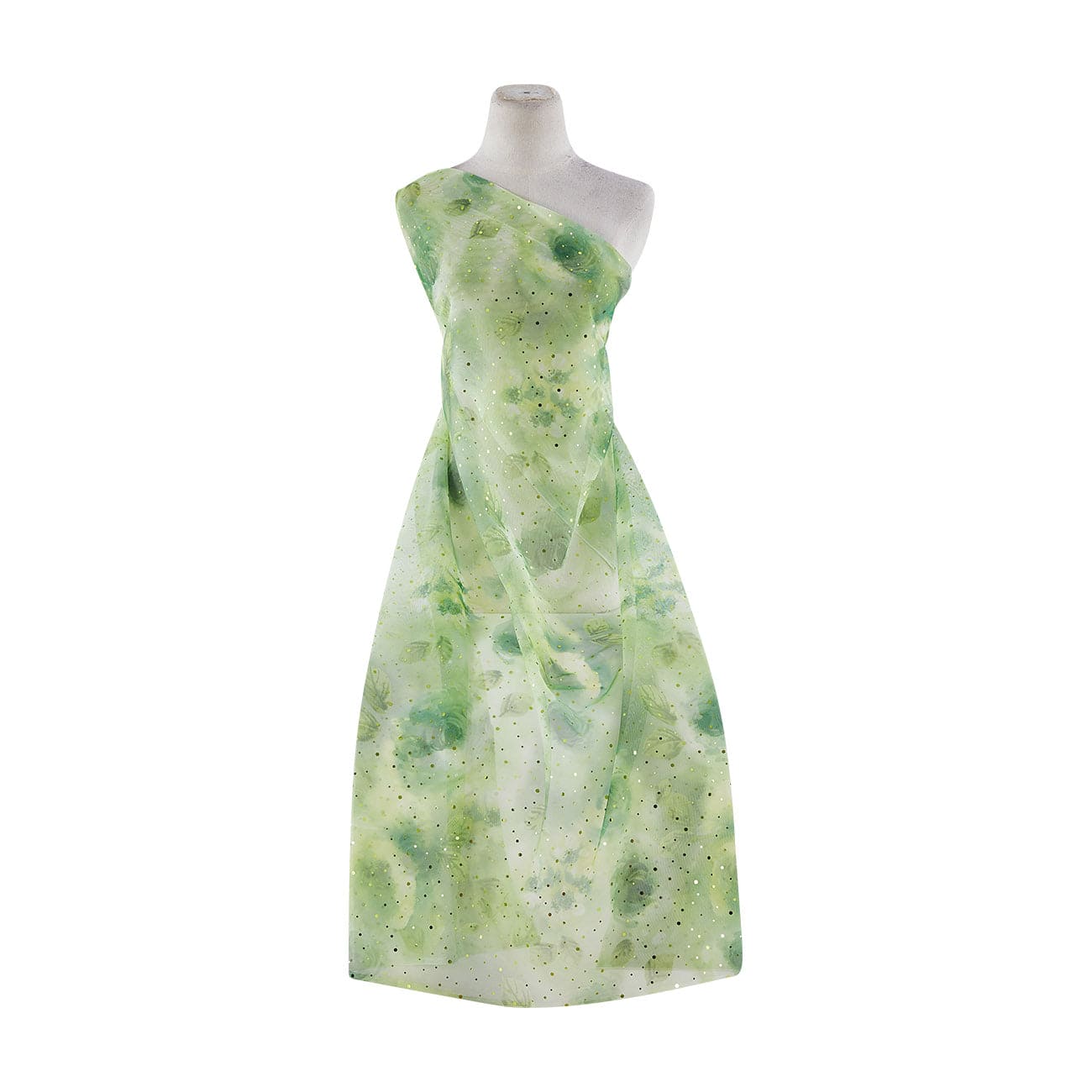
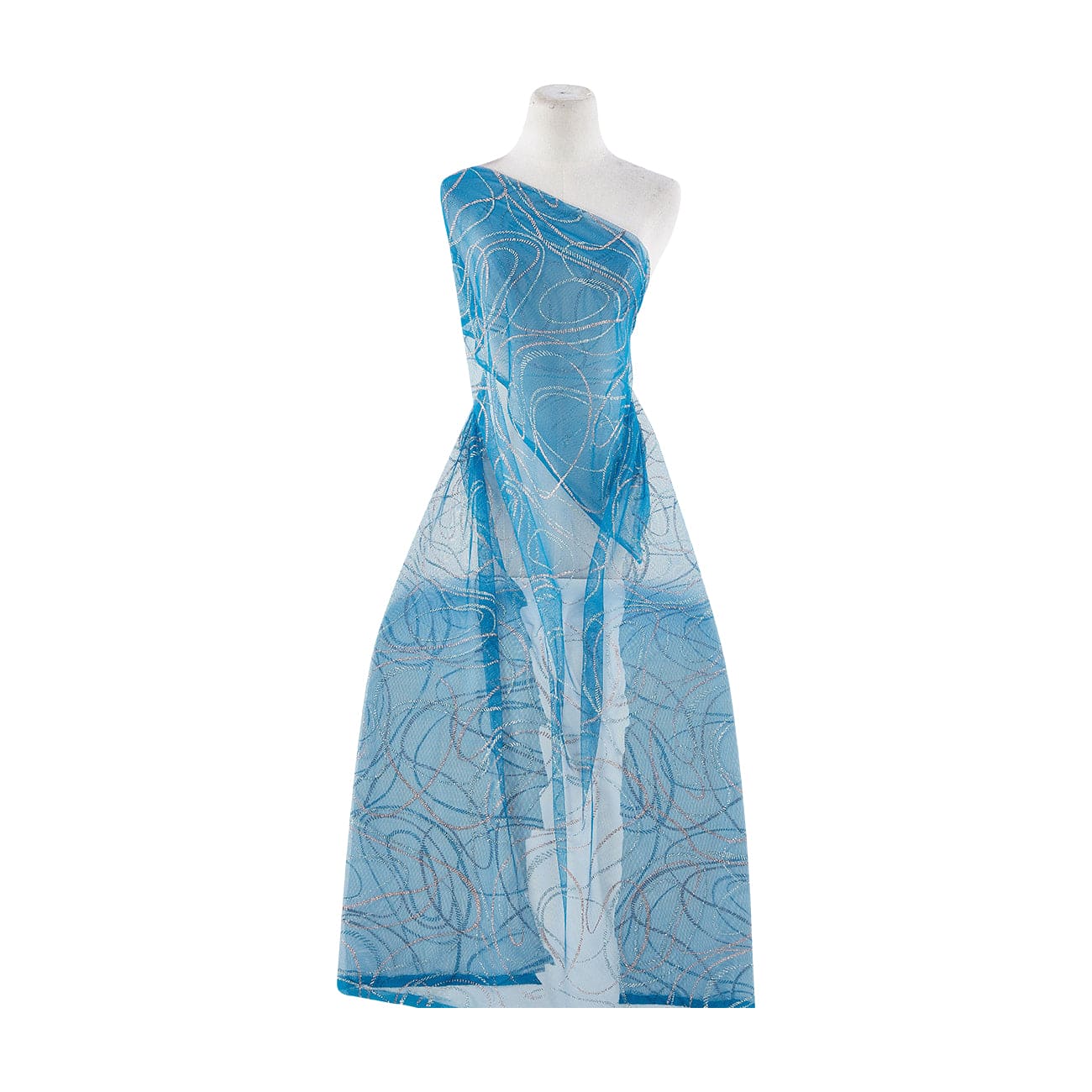
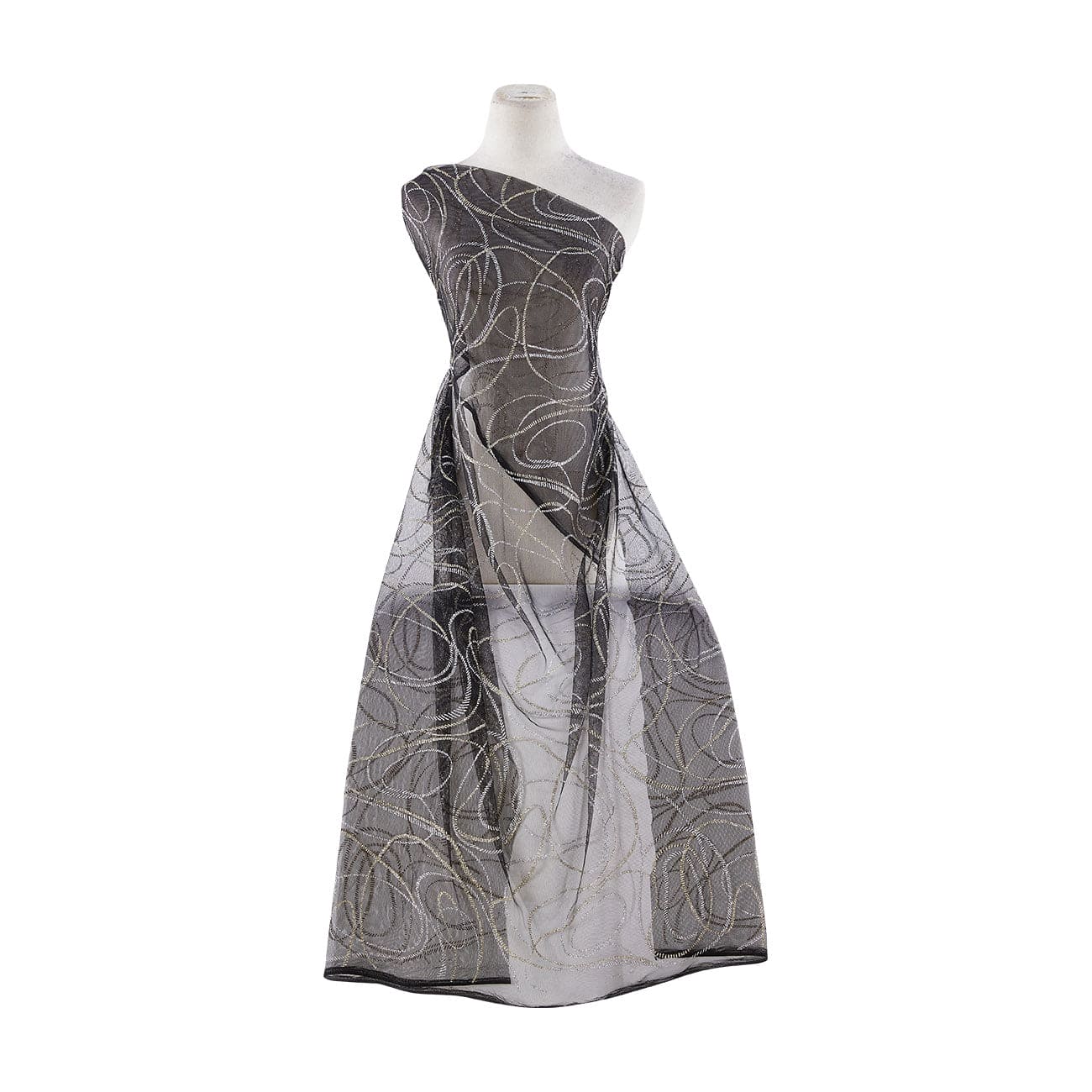
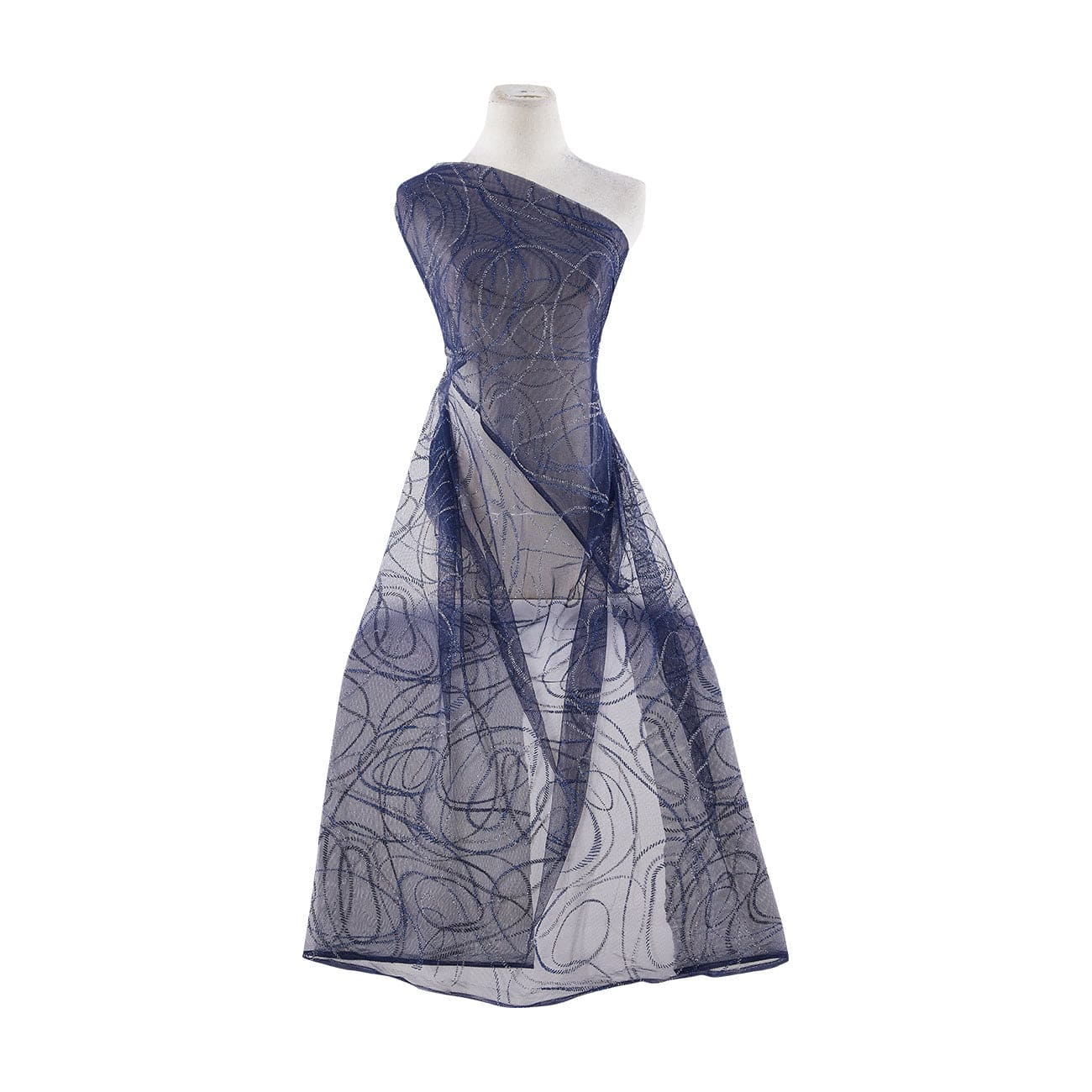
The most common embroidered tulle designs include floral motifs, scrollwork, and repeat patterns worked in contrasting or tonal thread. When the base fabric is green, embroidery in gold, cream, white, or deeper greens creates a layered visual effect that reads as polished and intentional. Embroidery can be positioned at hems, borders, or scattered across the full width of the fabric, giving designers flexibility depending on how the yardage will be cut.
Glitter and Flock as Embellishment Options
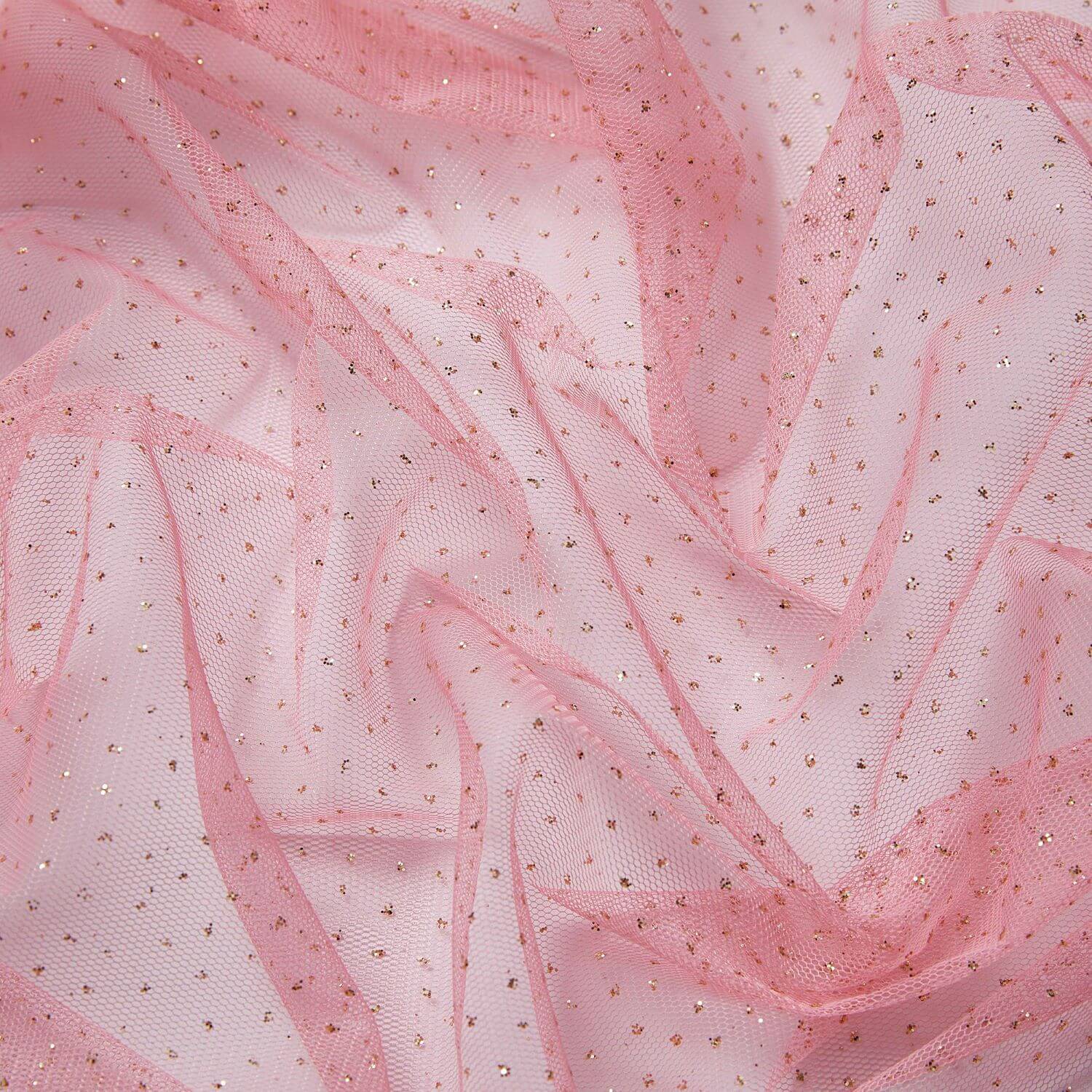
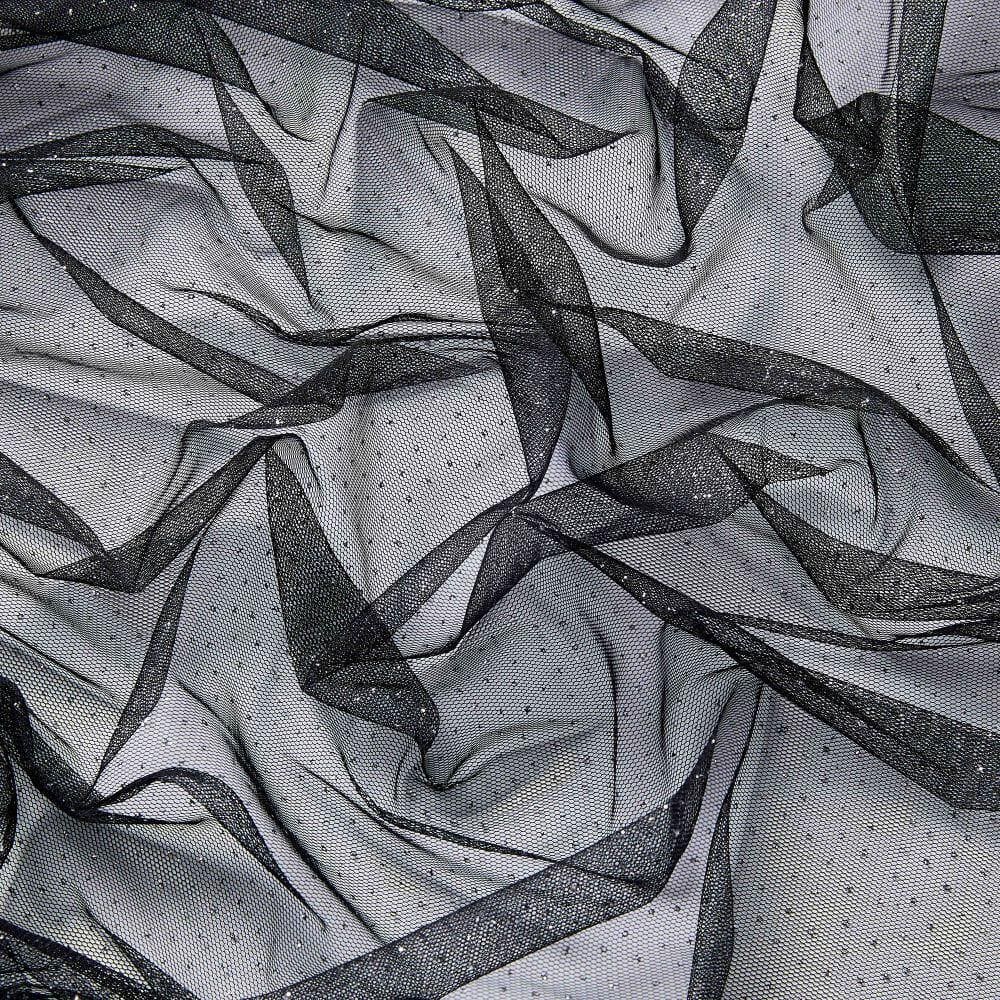
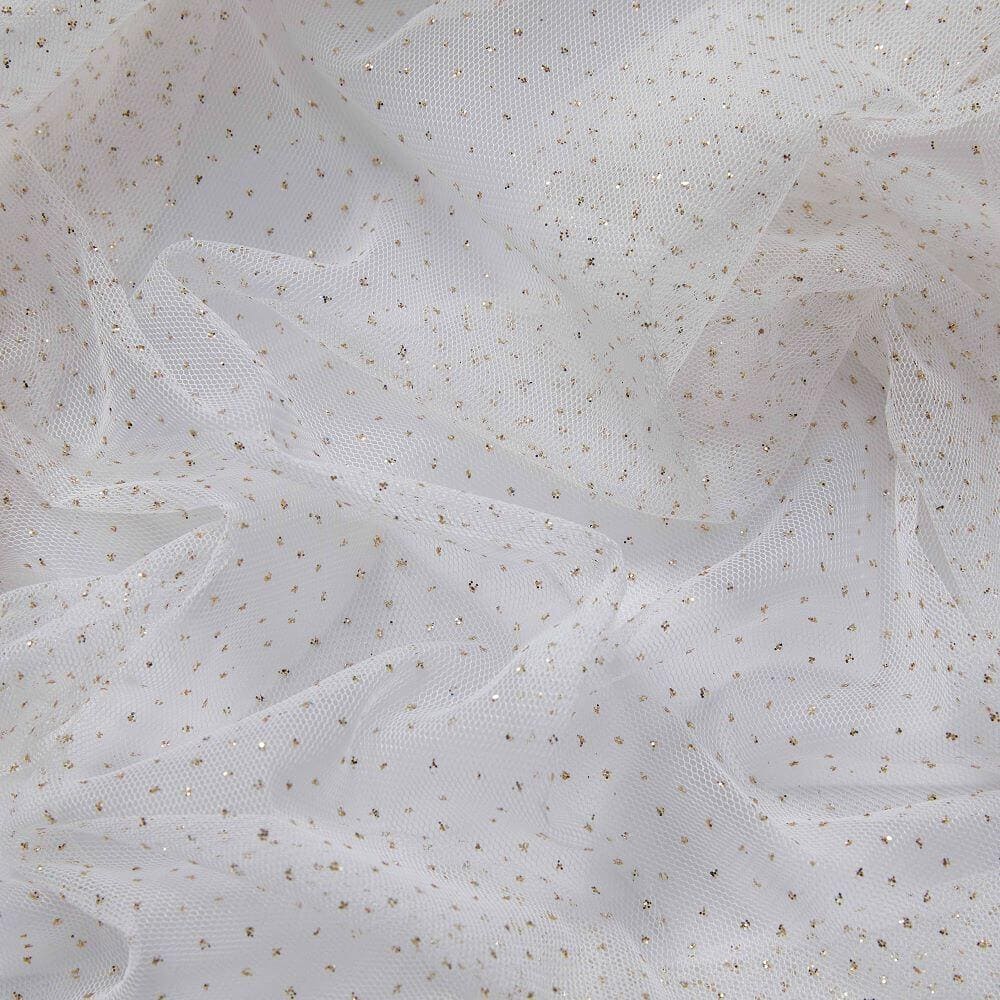
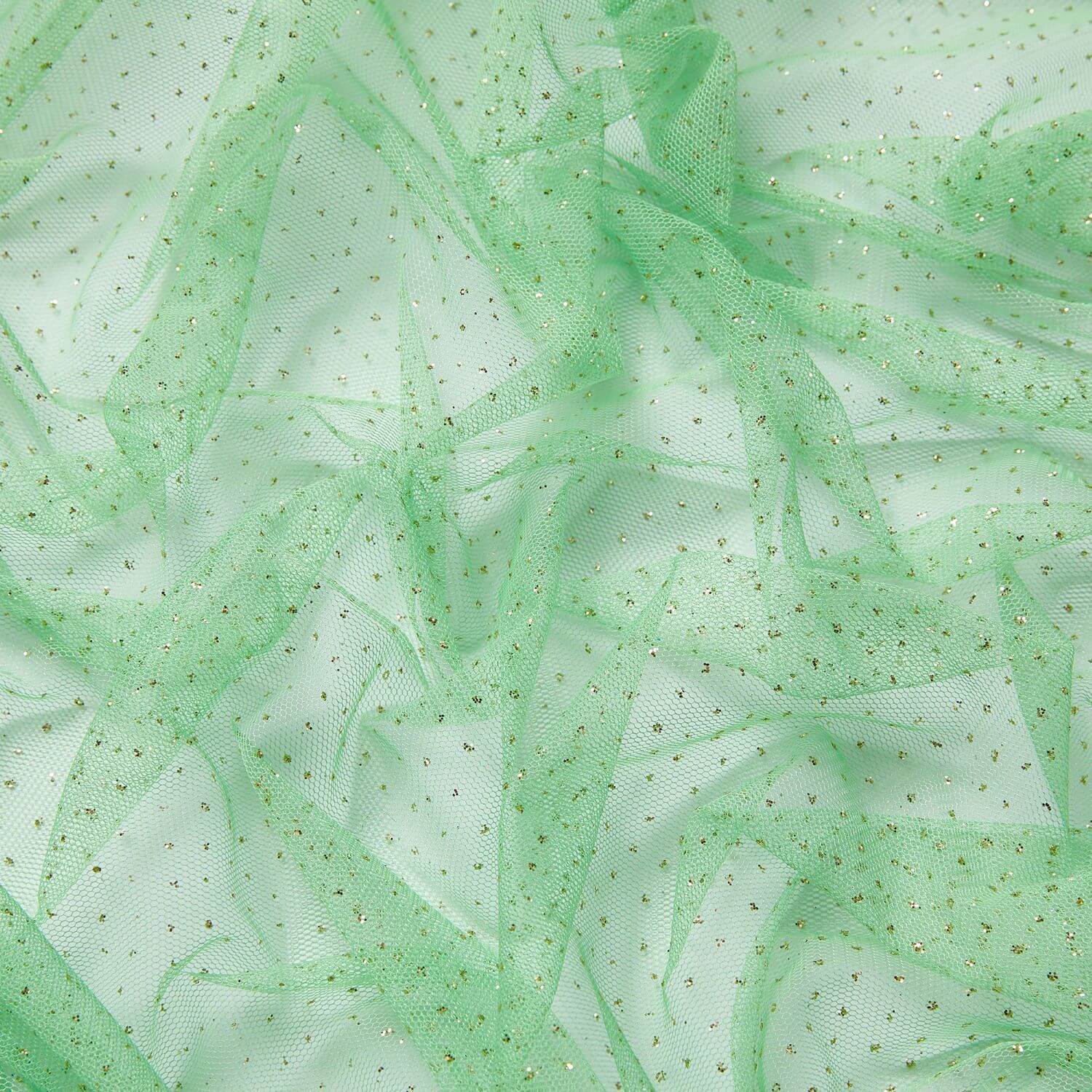
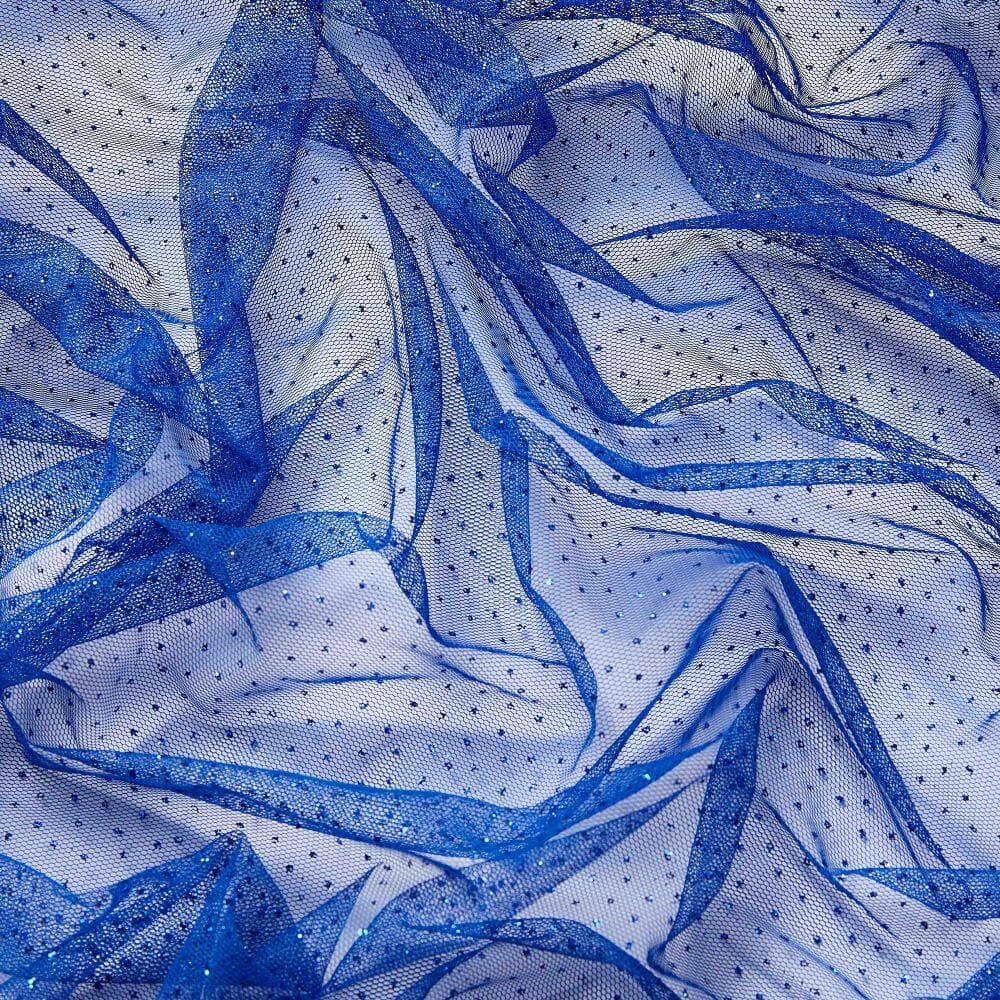
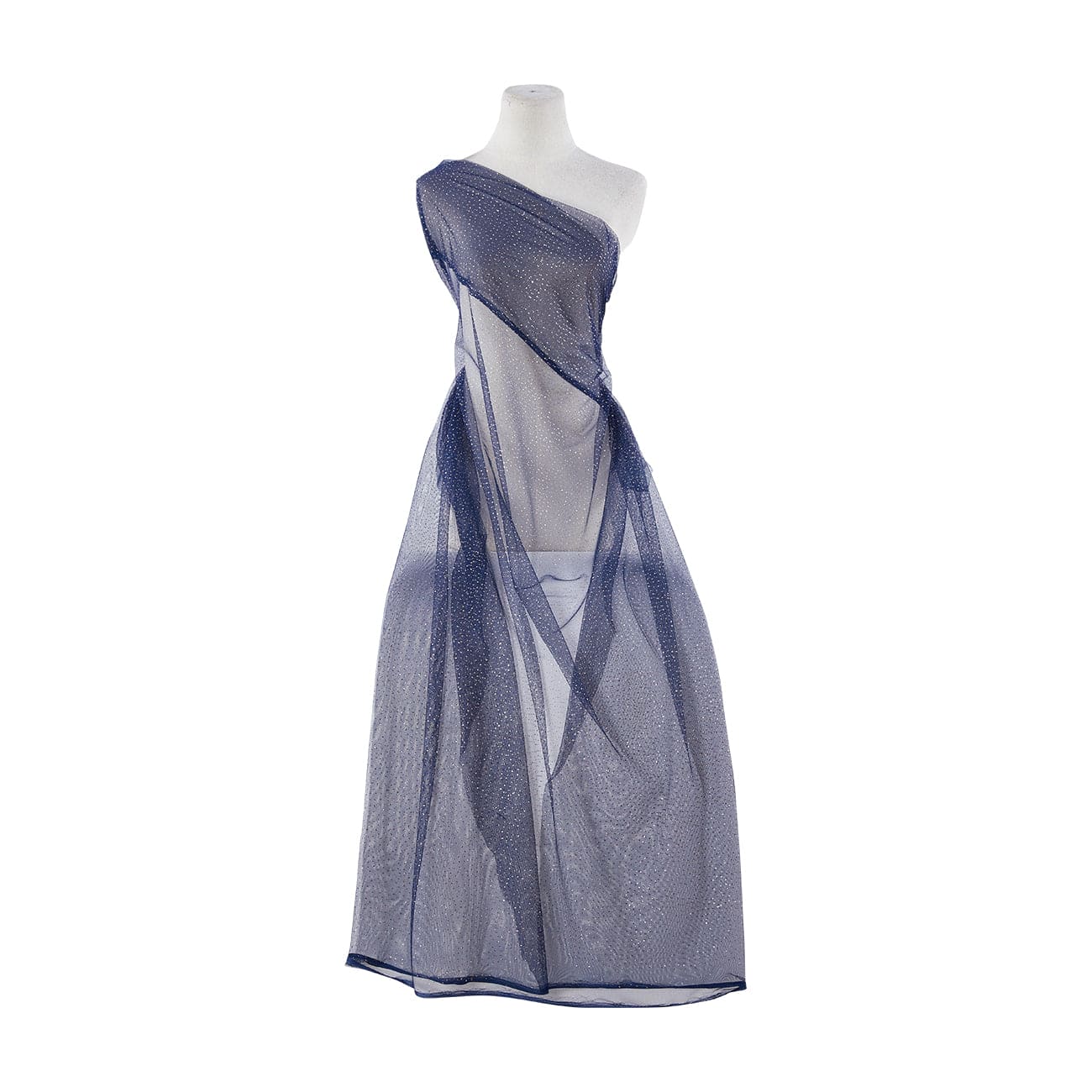
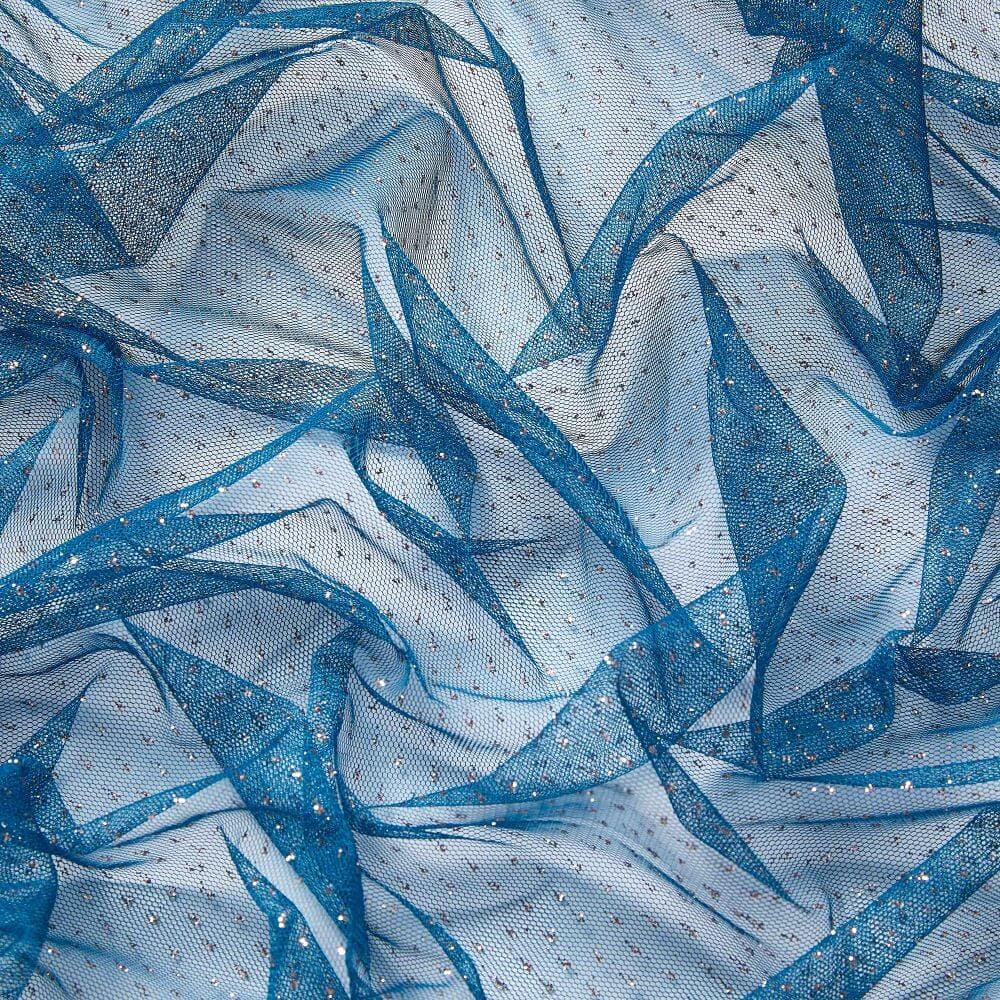
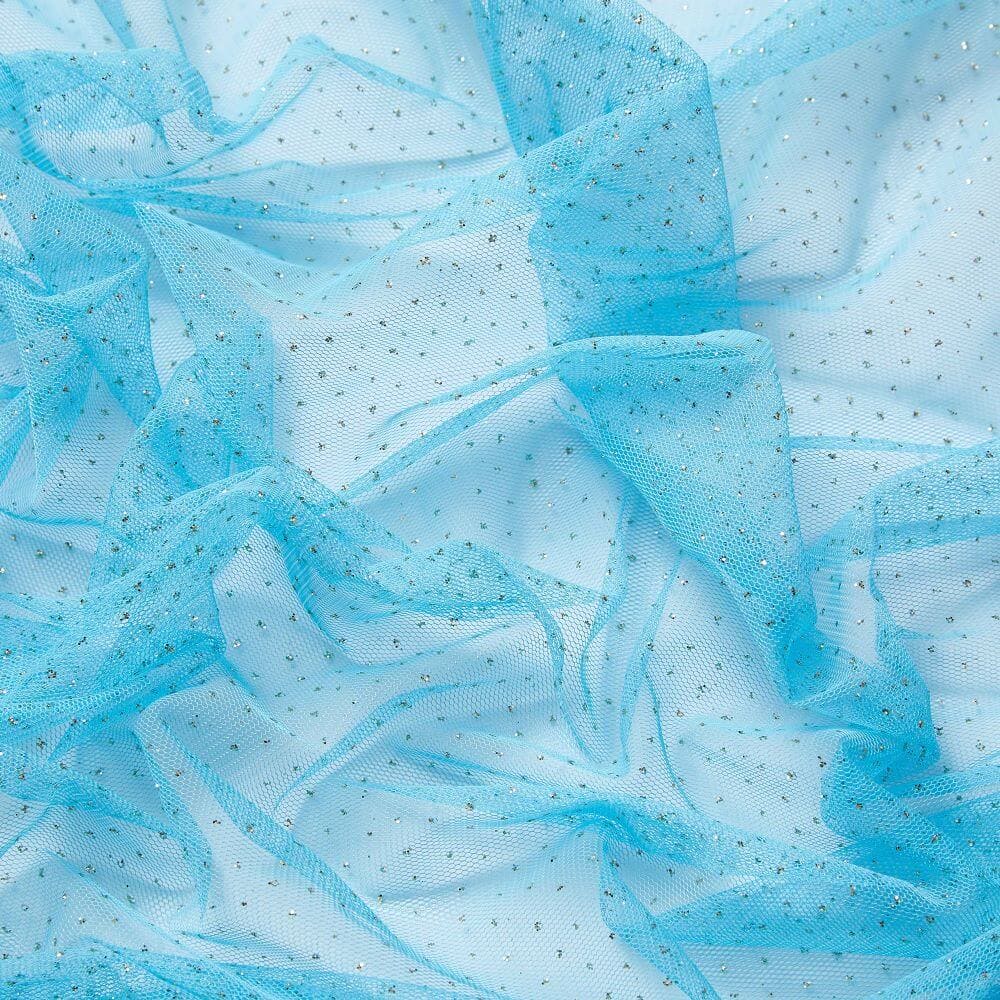
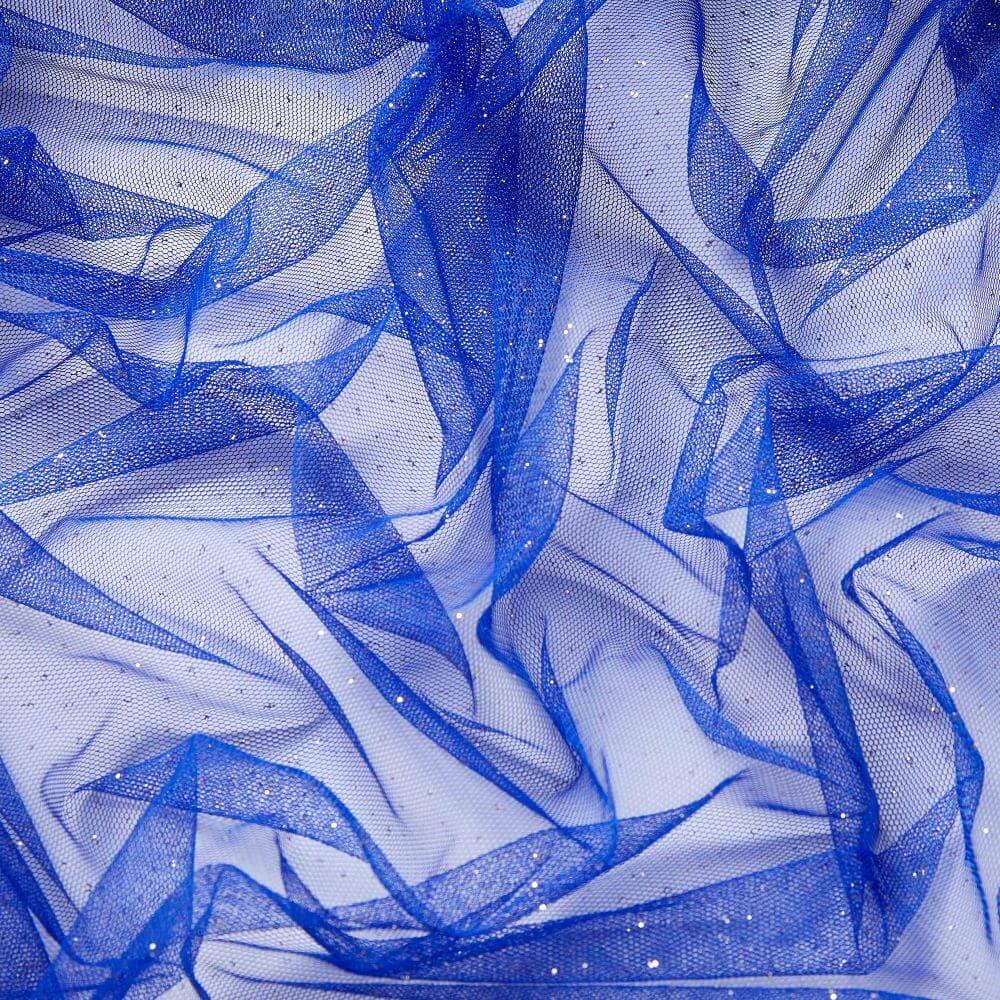
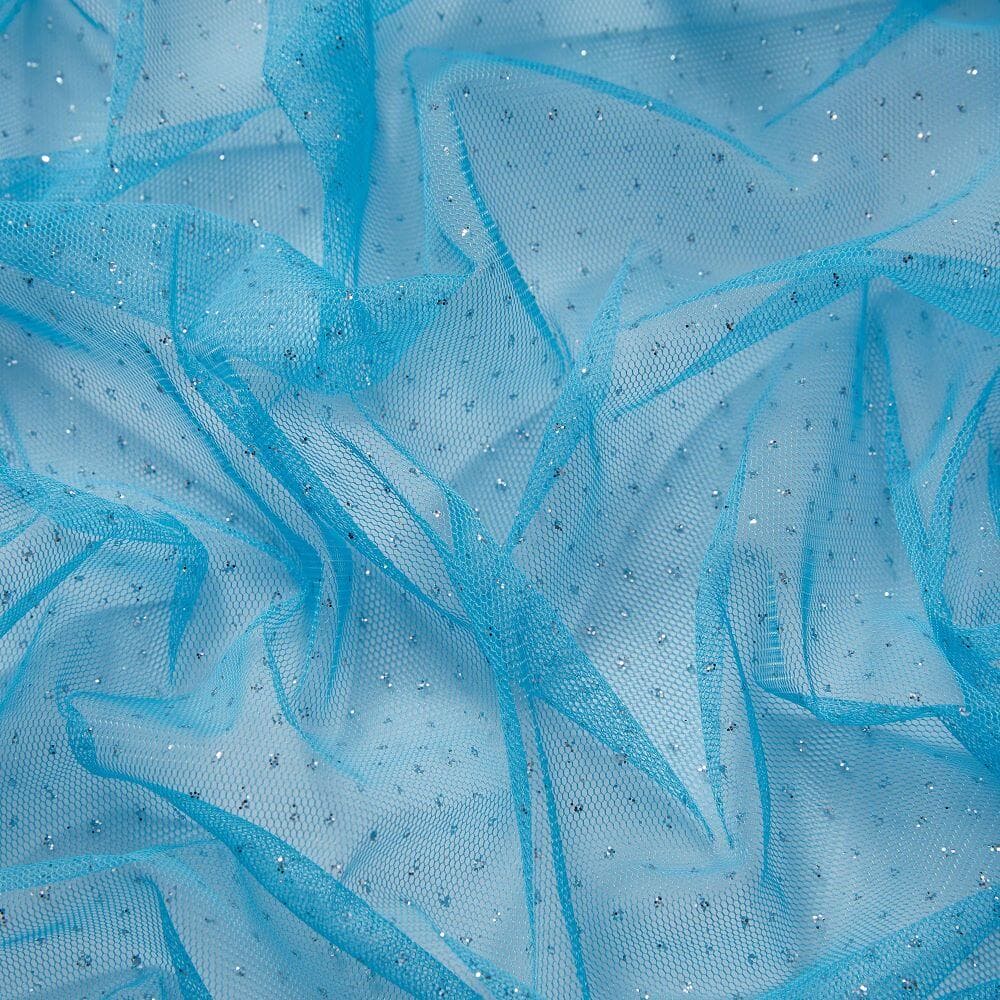
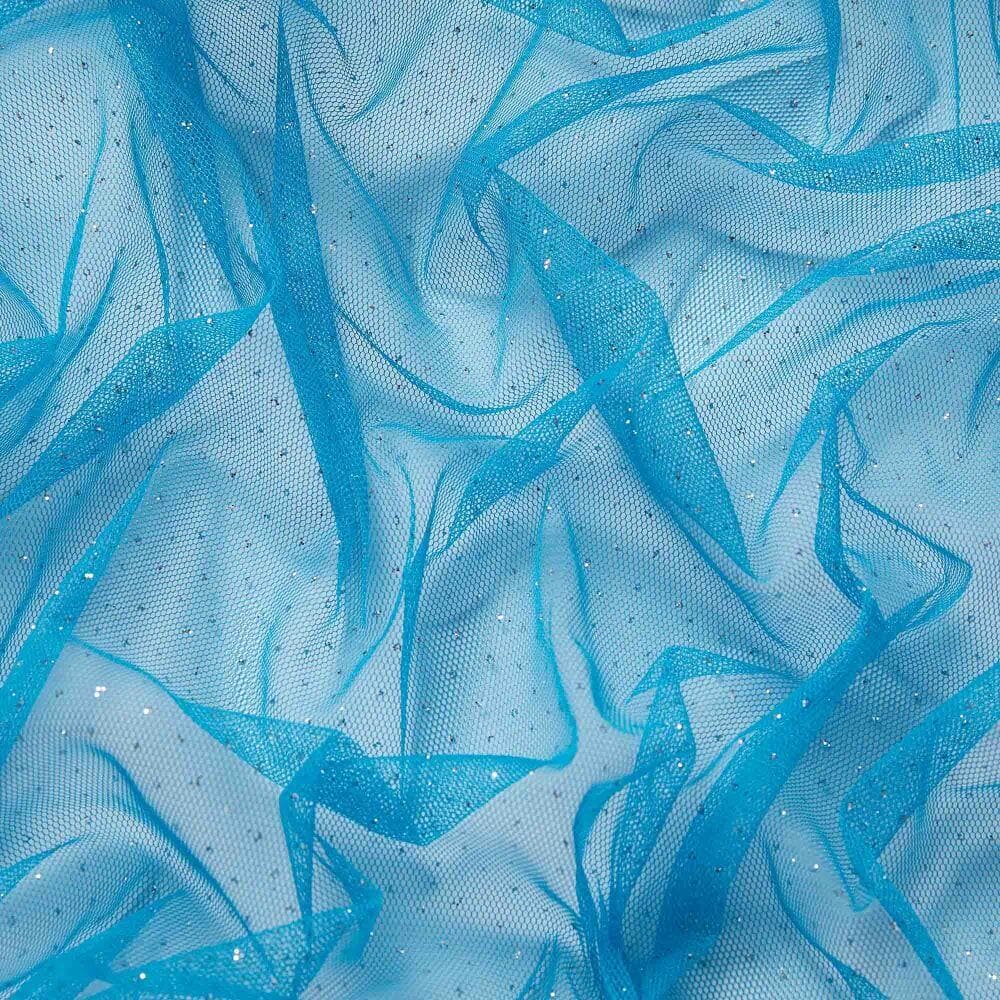
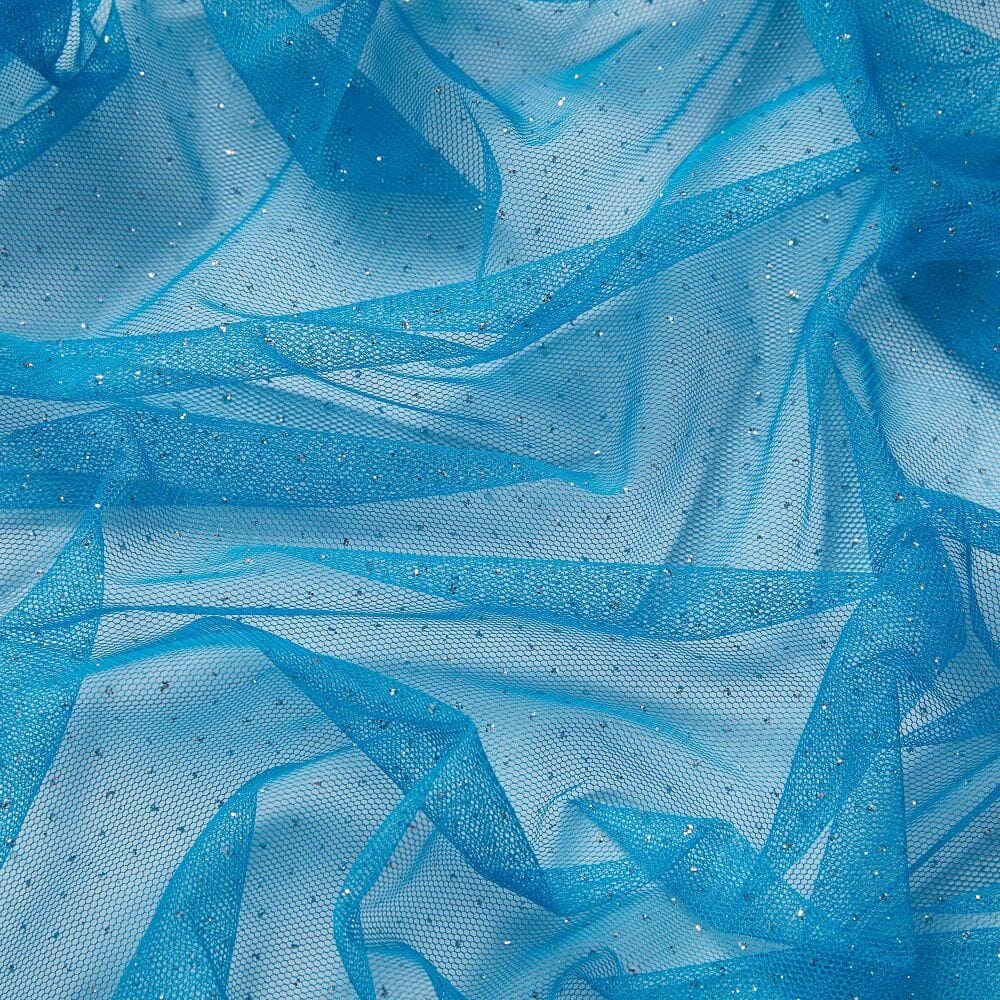
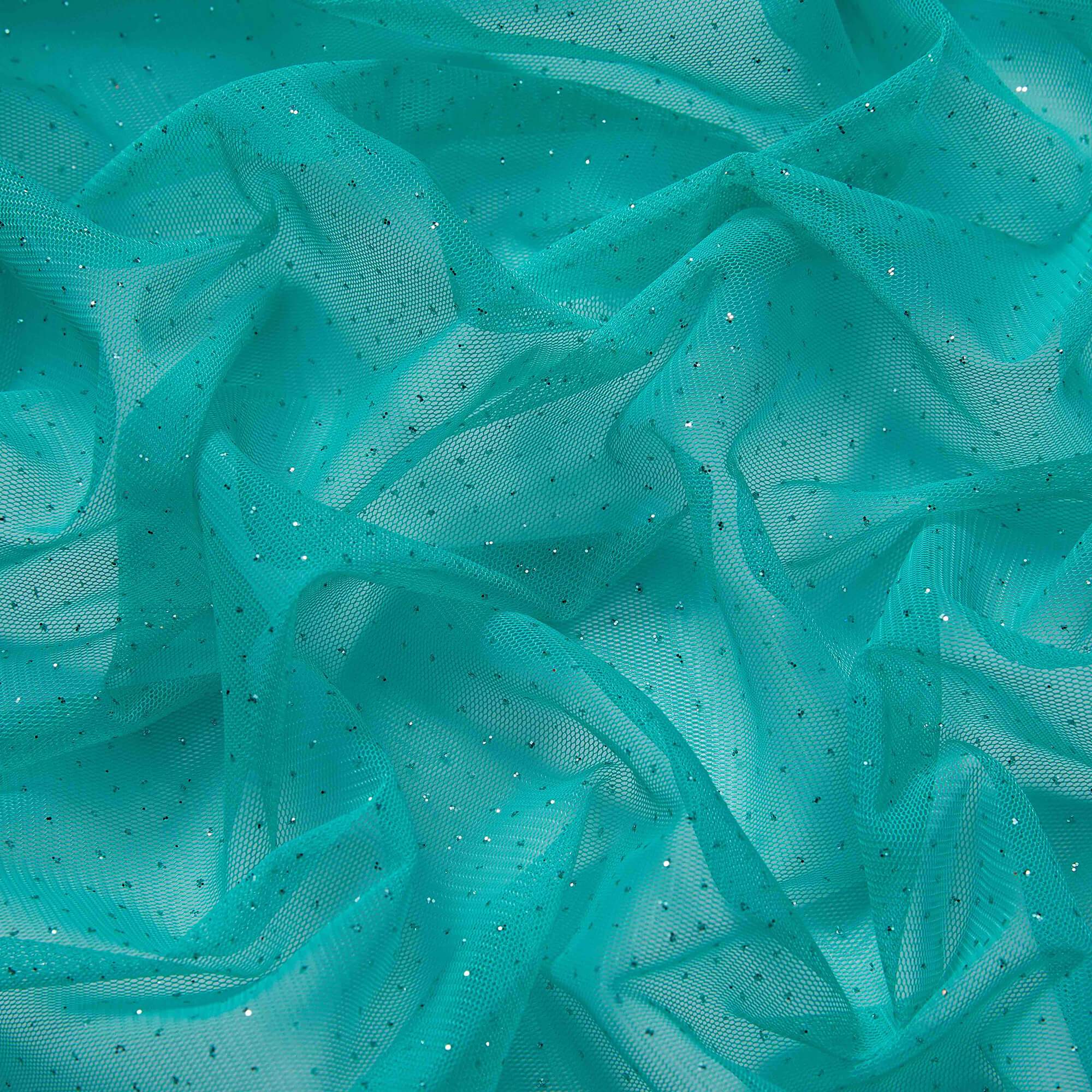
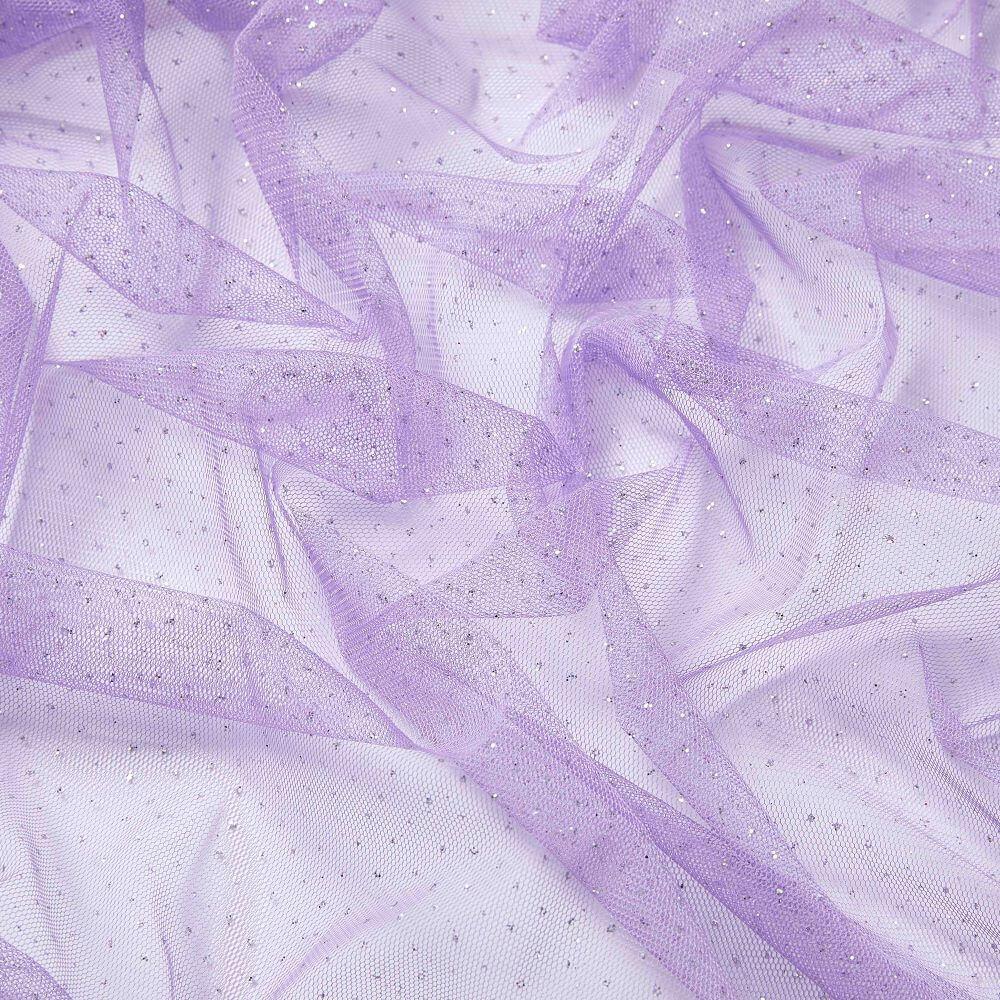
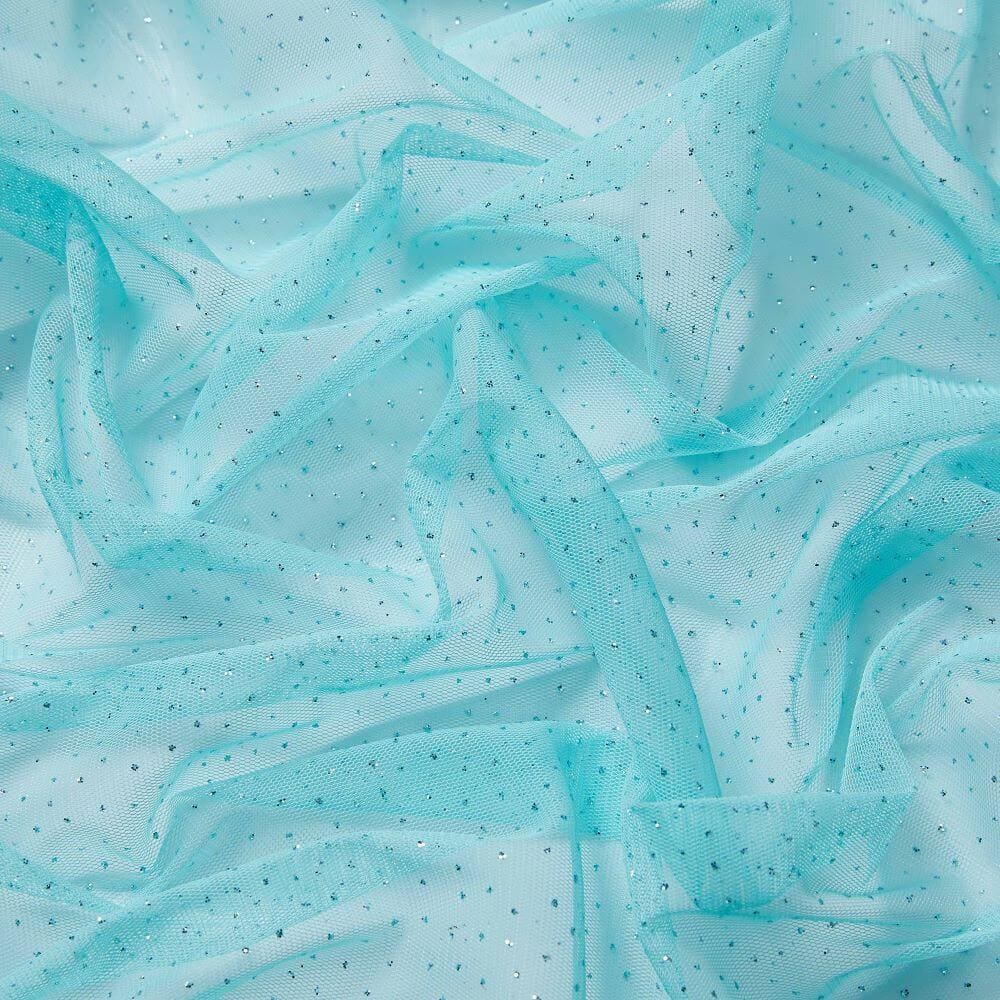
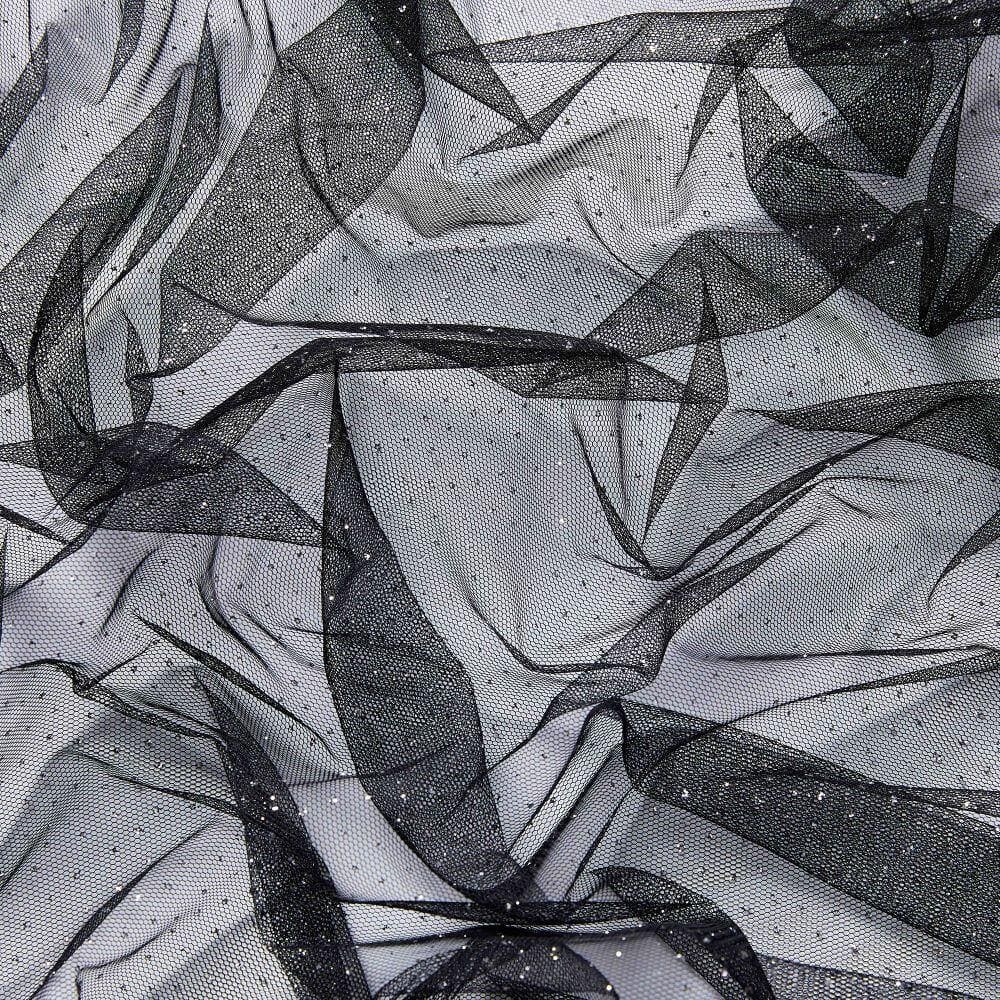
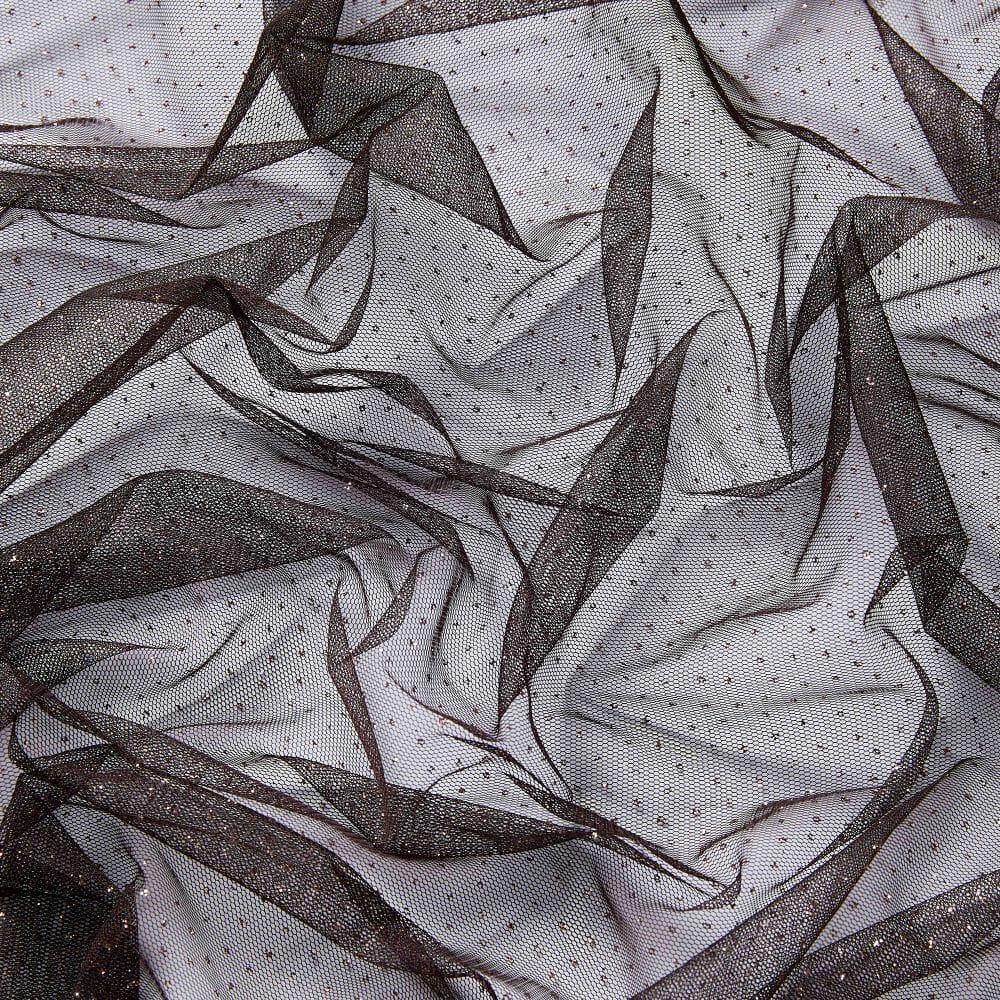
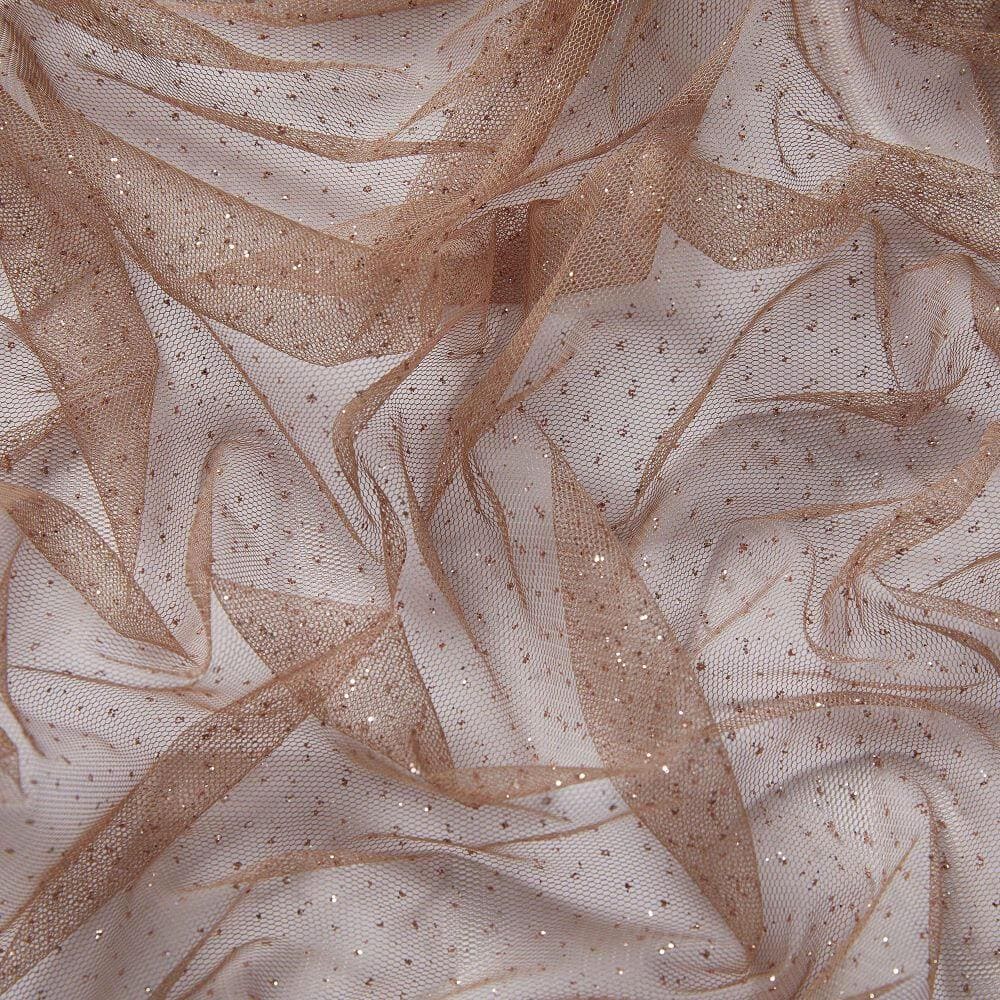
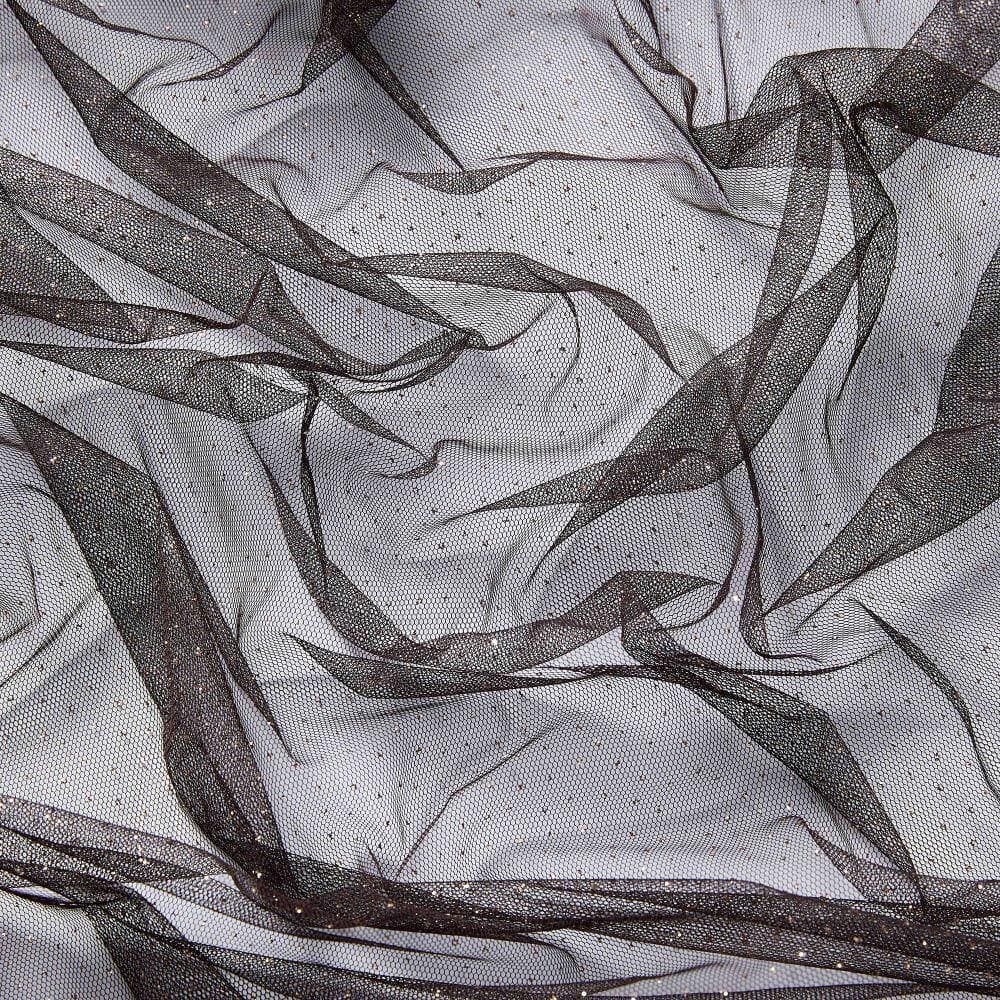
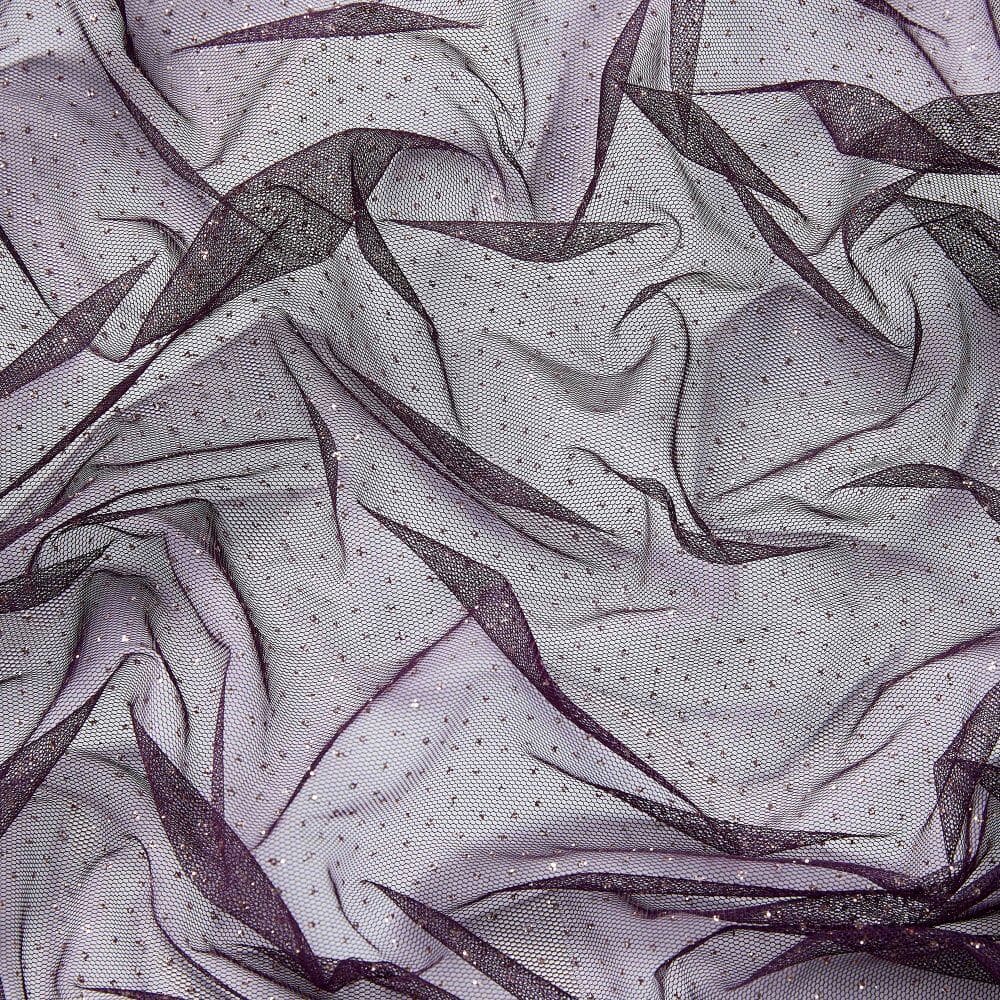
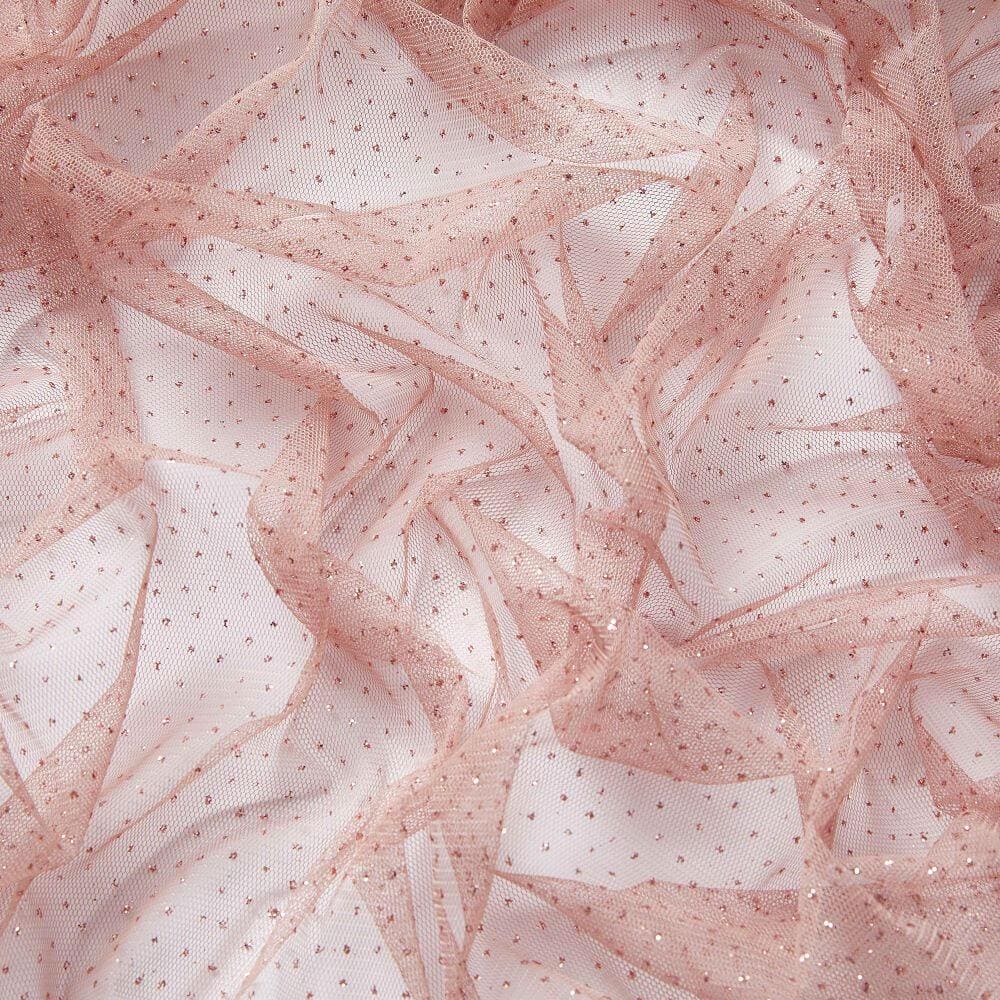
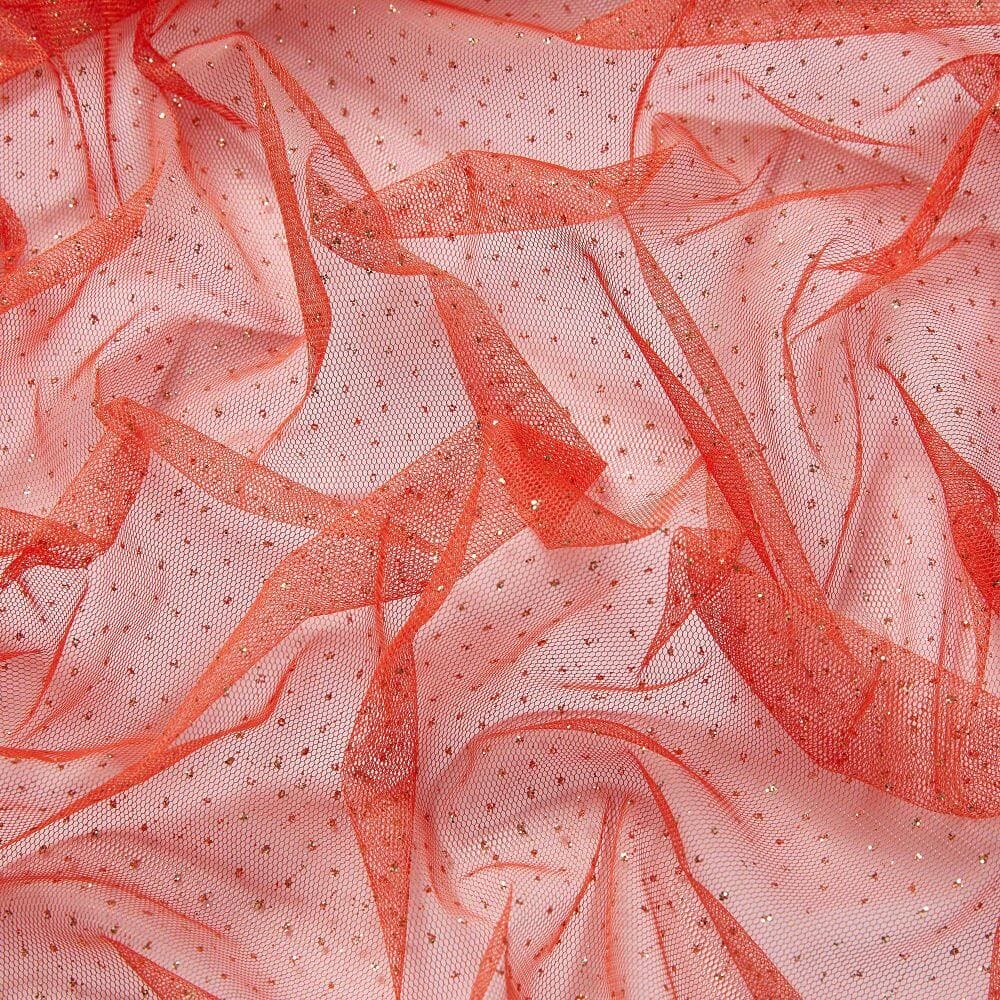
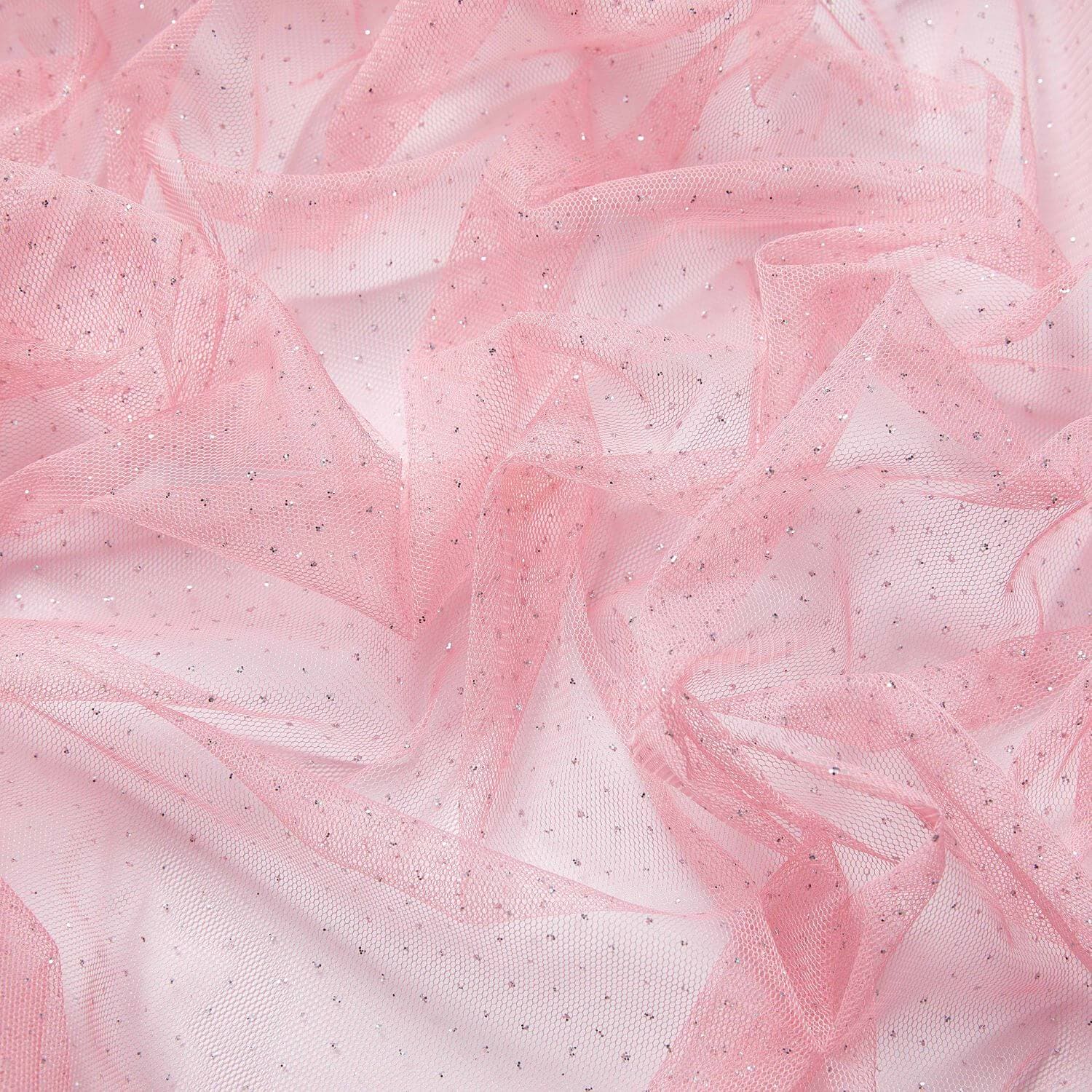
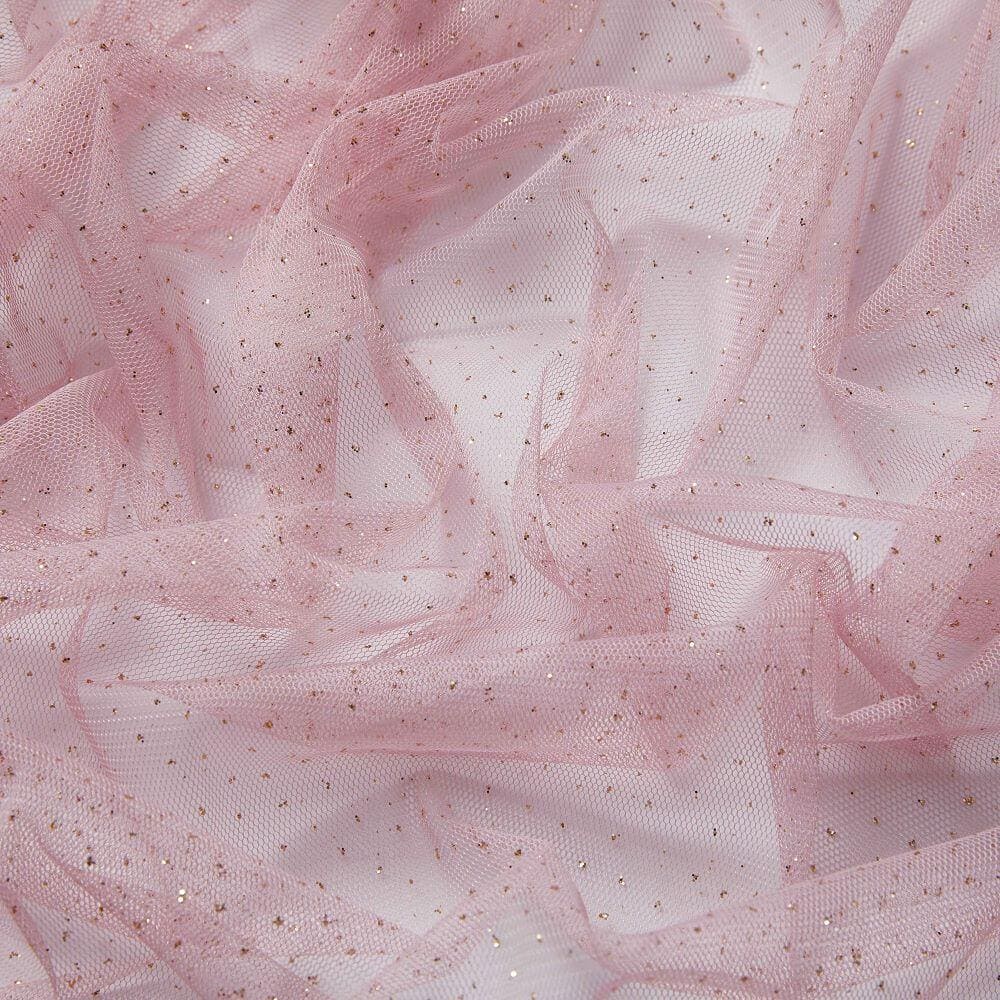
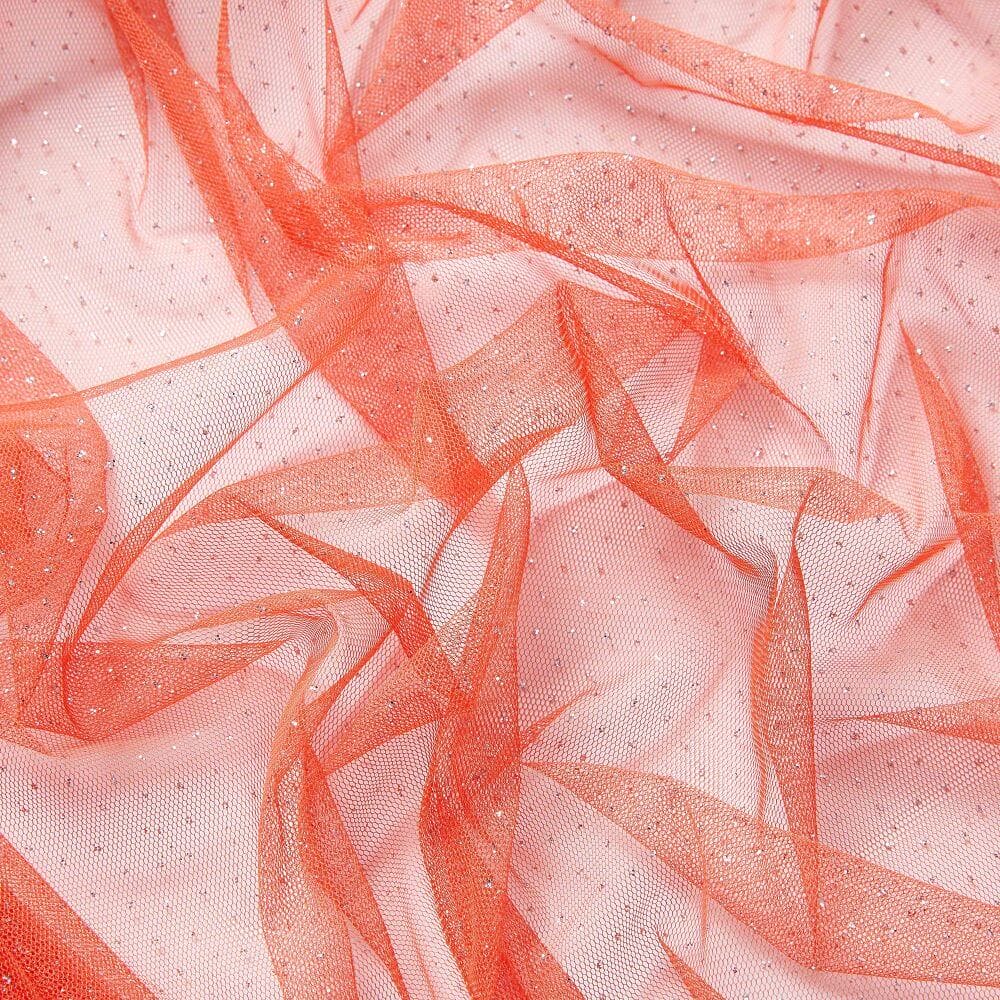
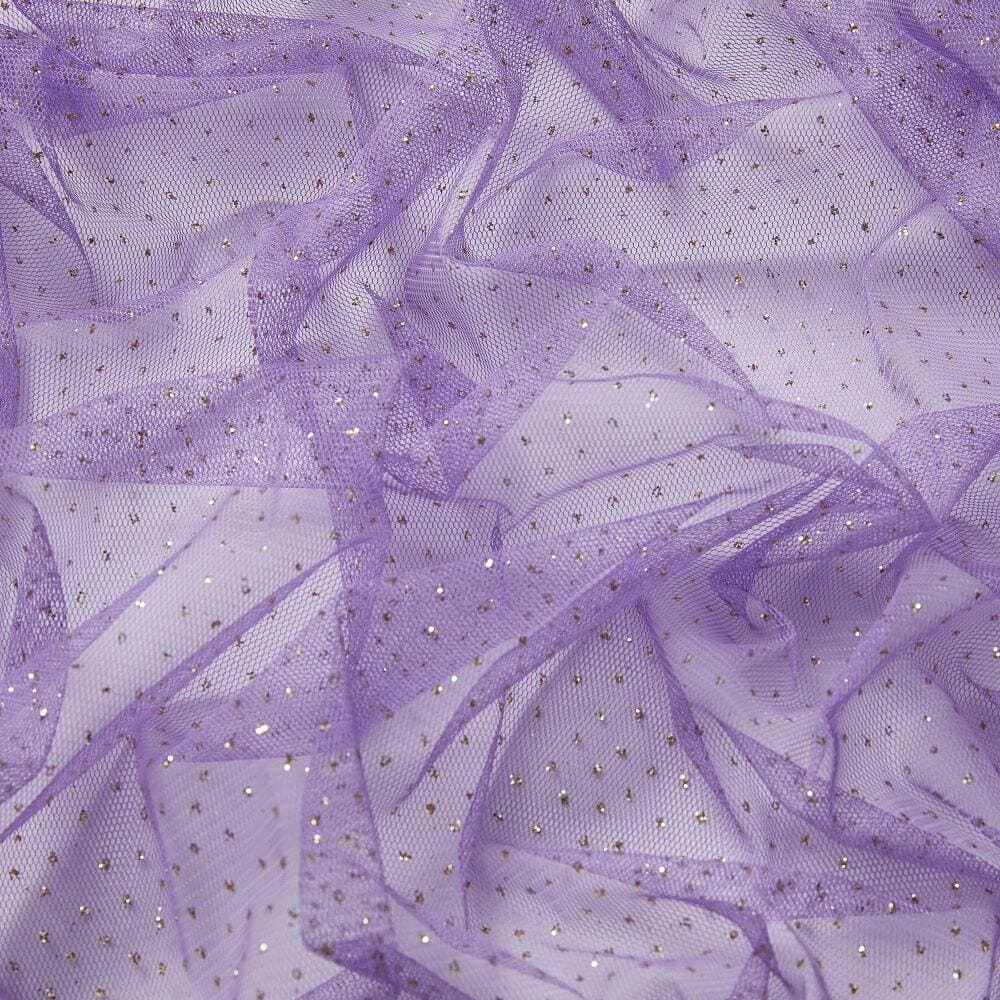
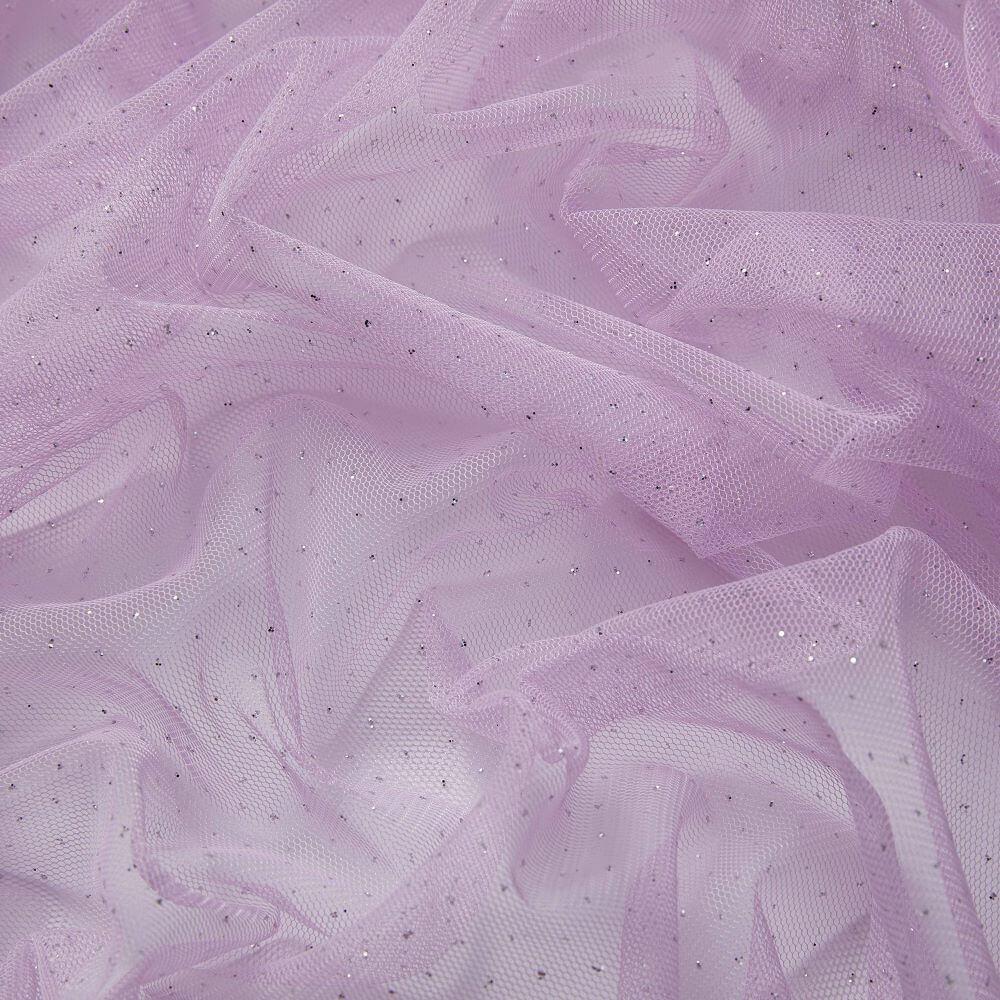
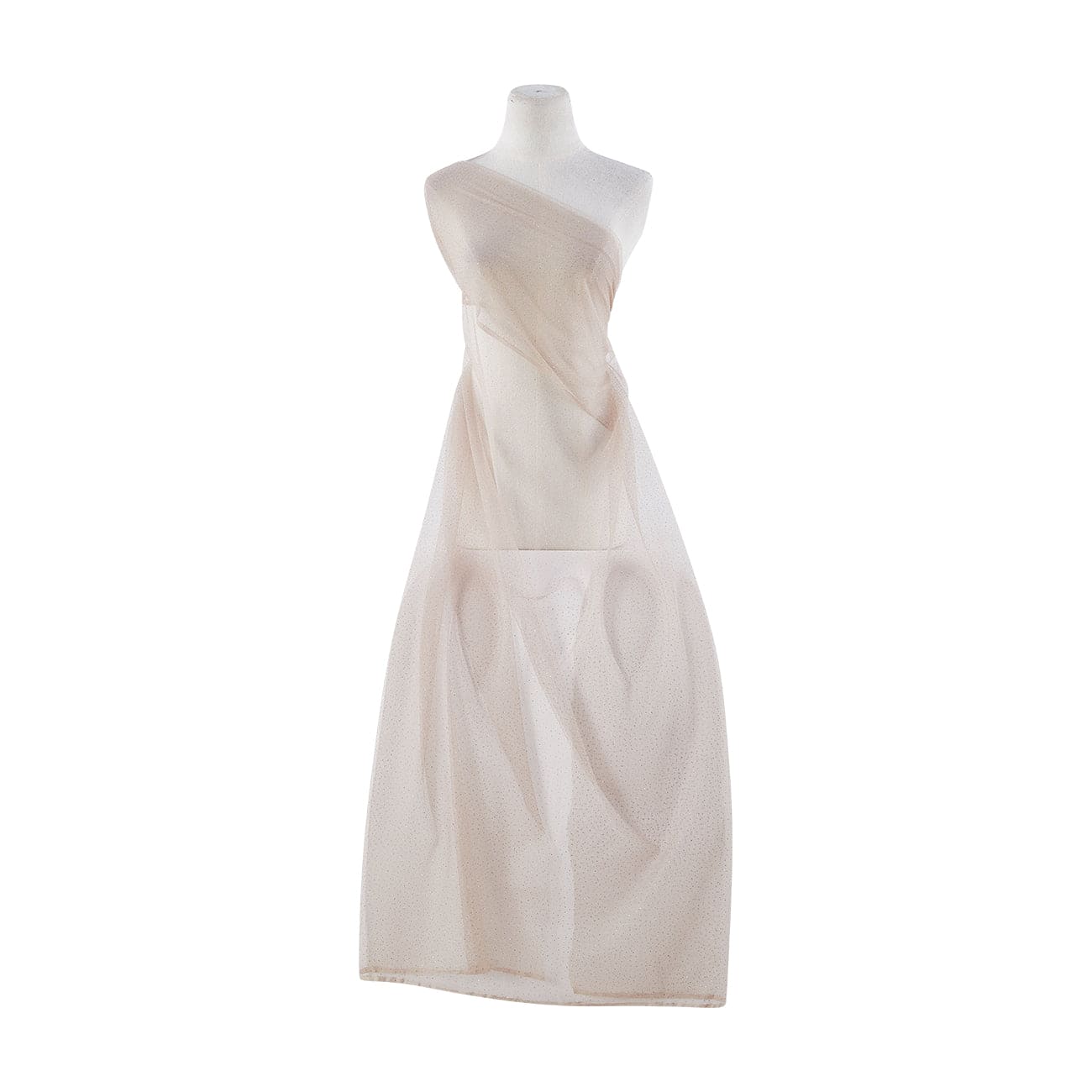
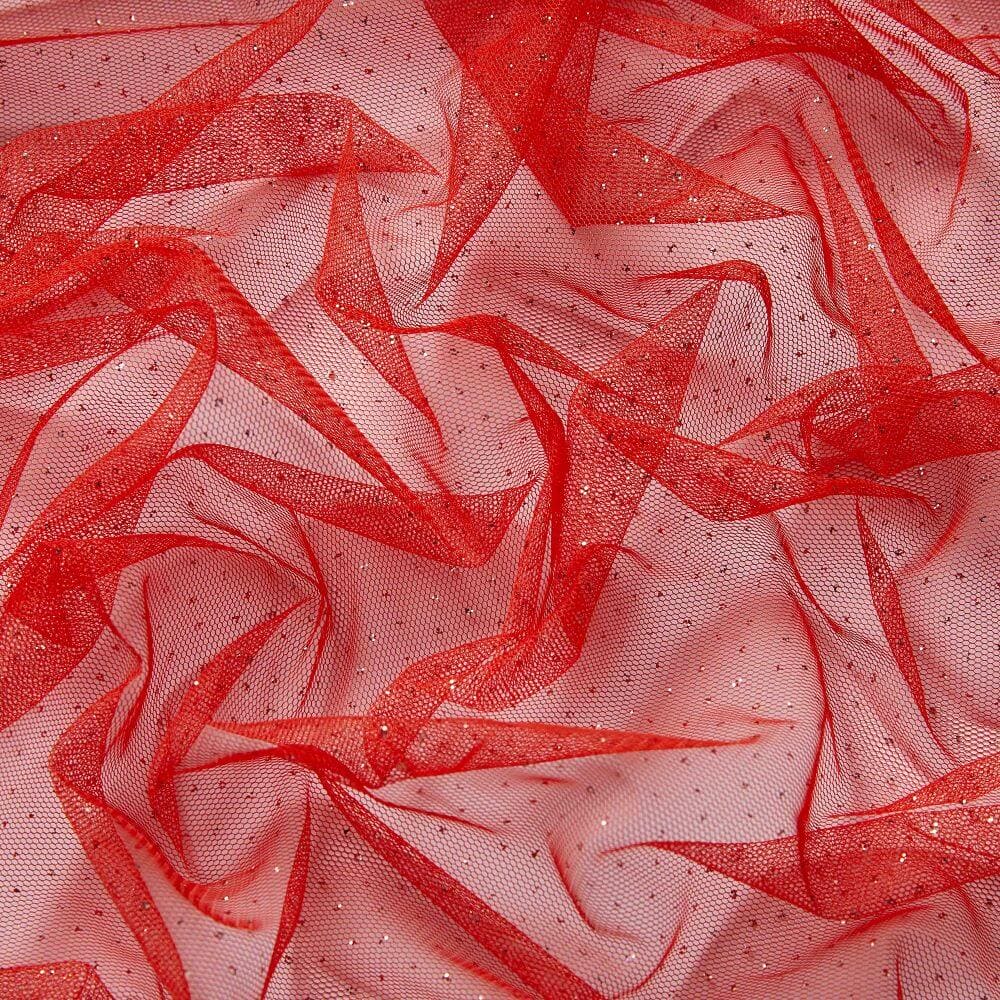
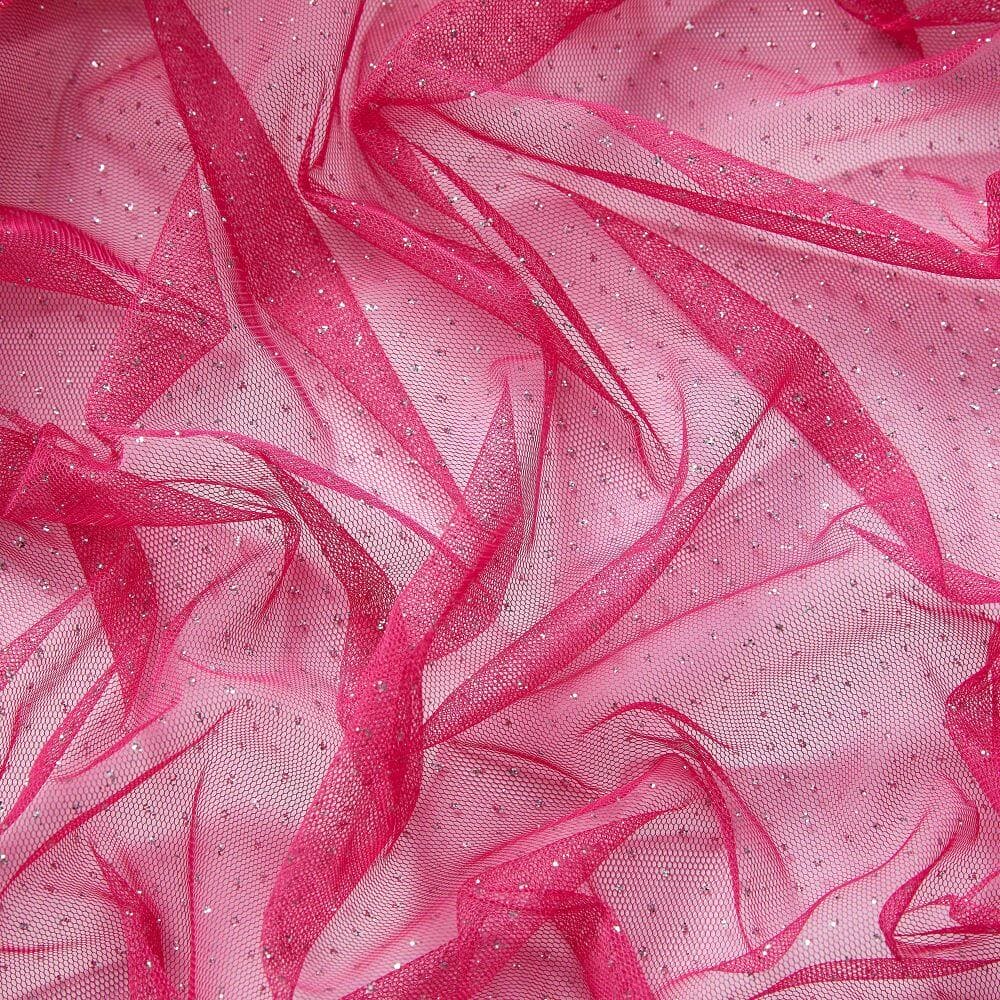
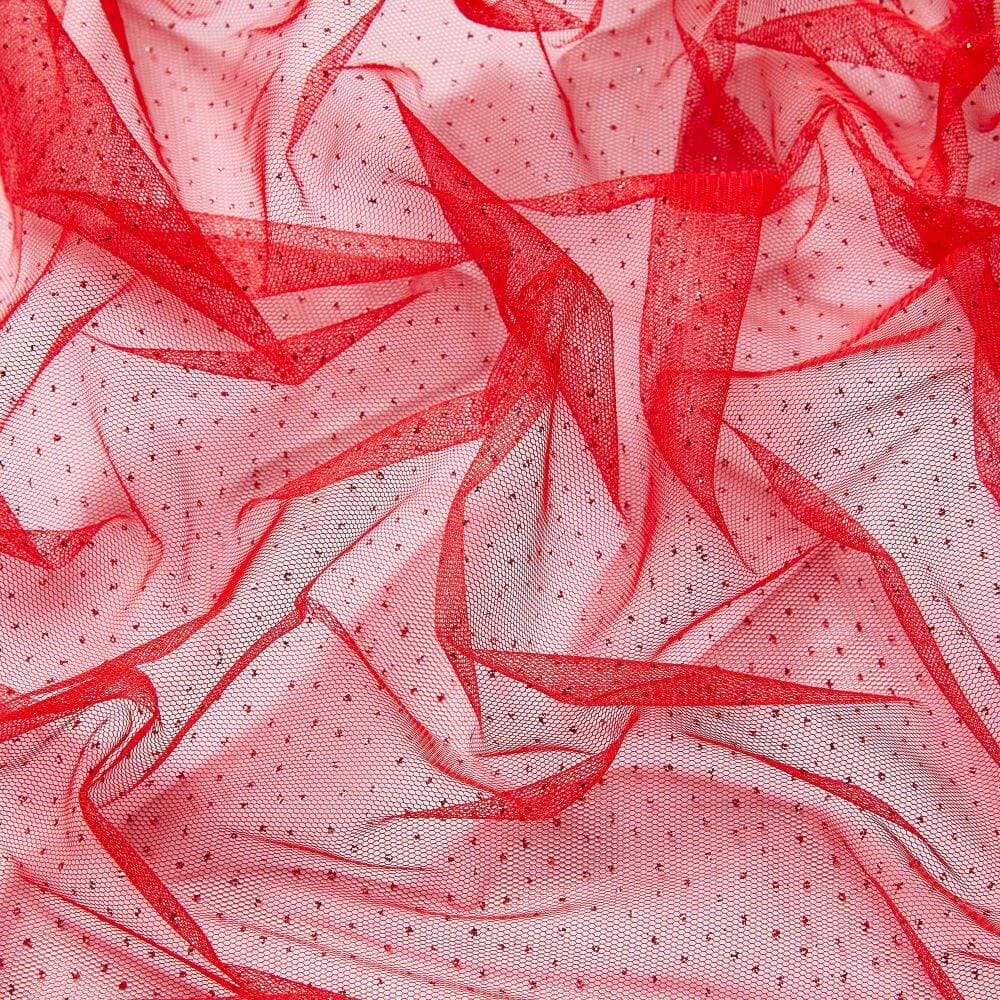
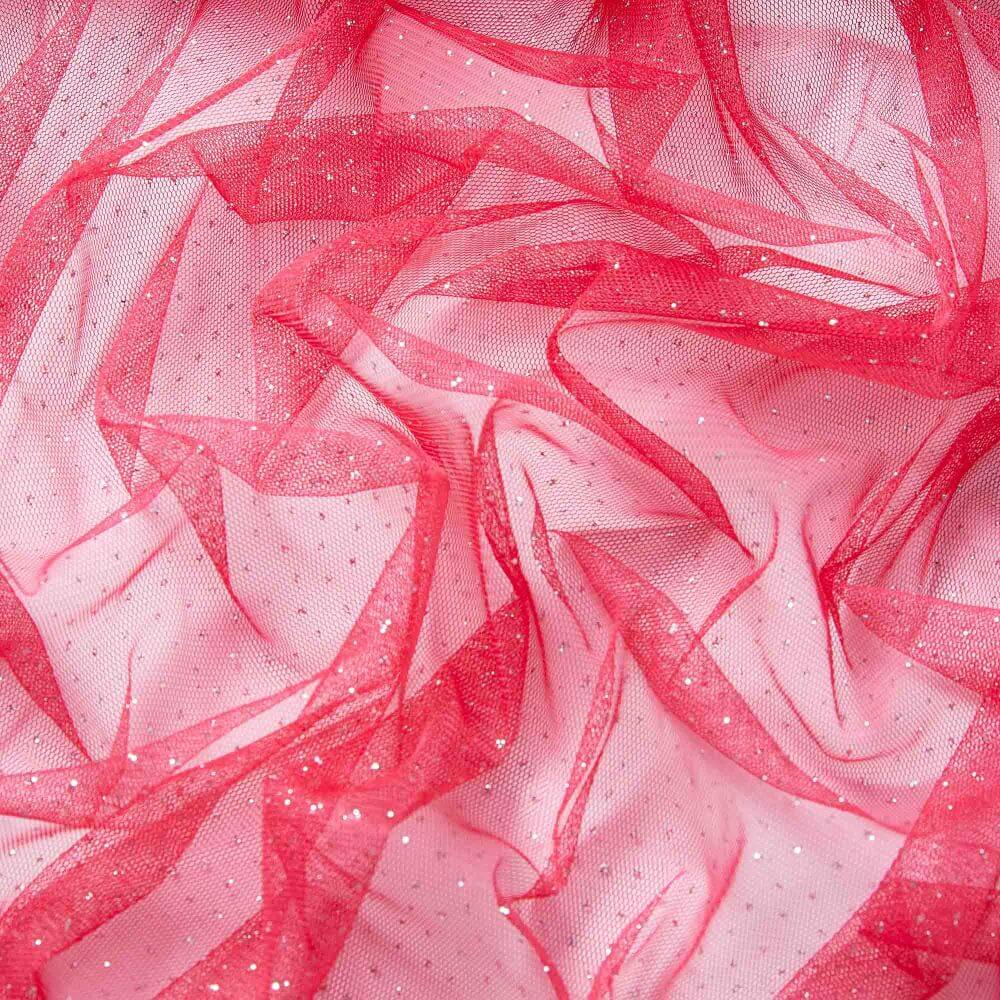
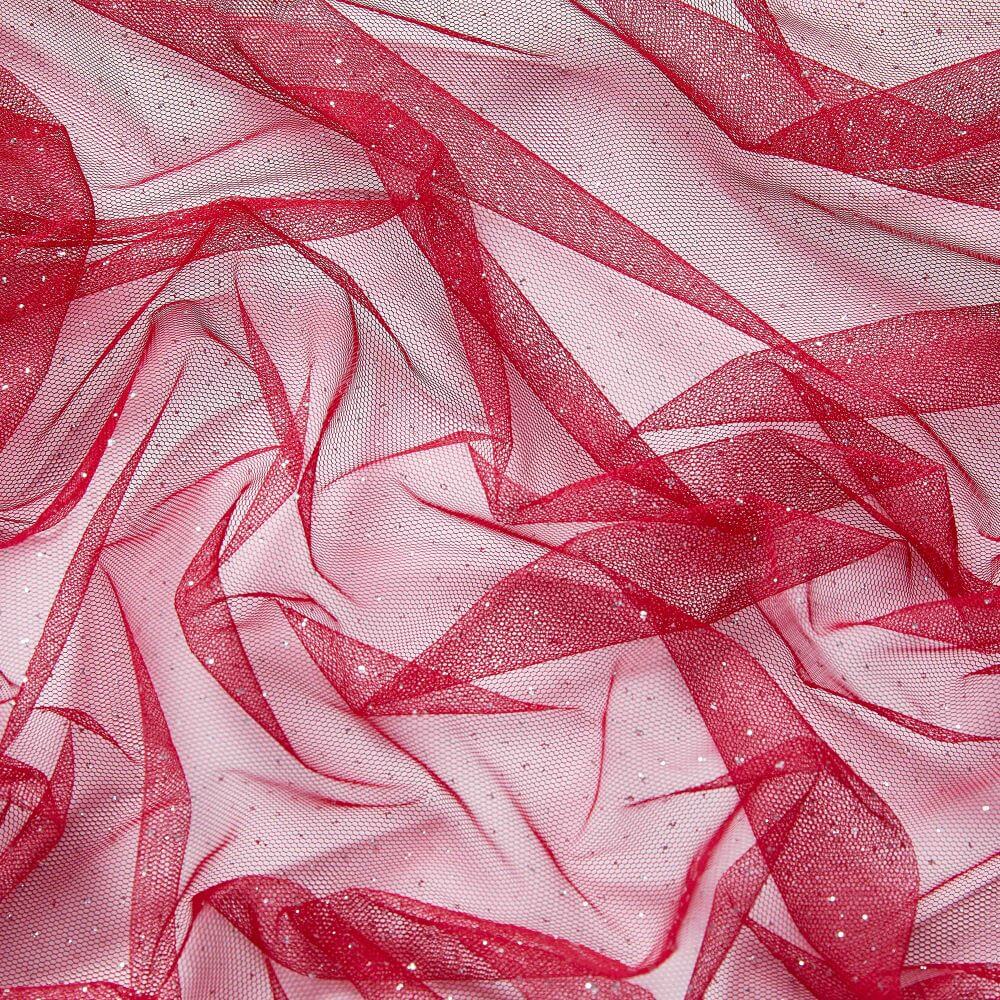
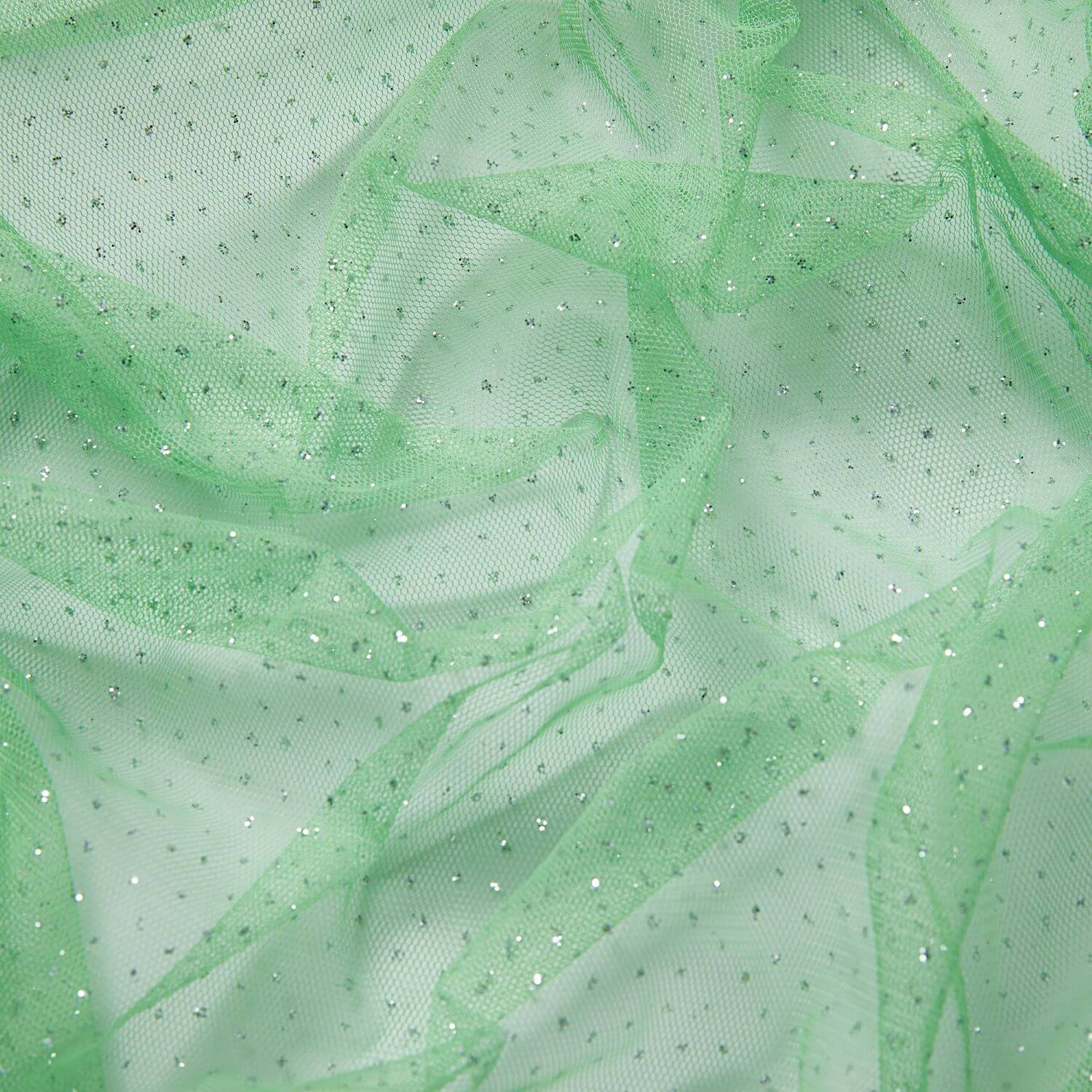
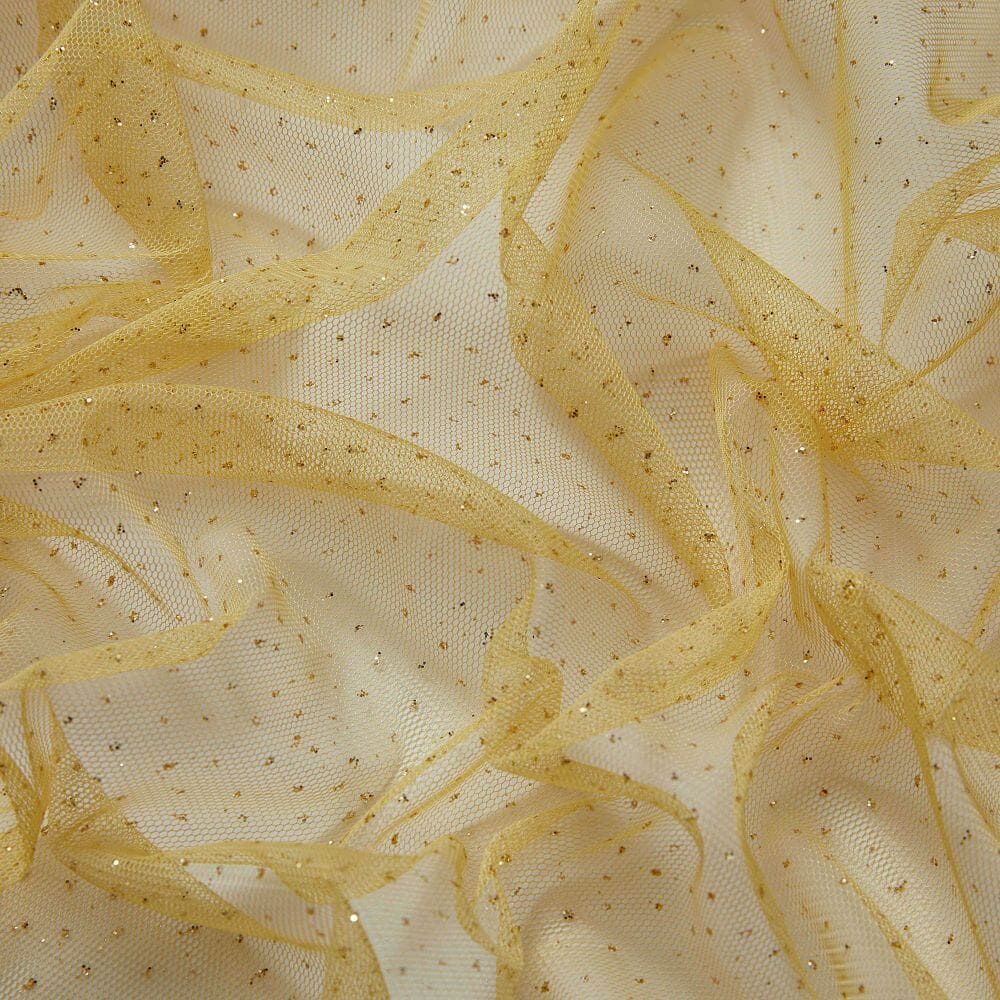
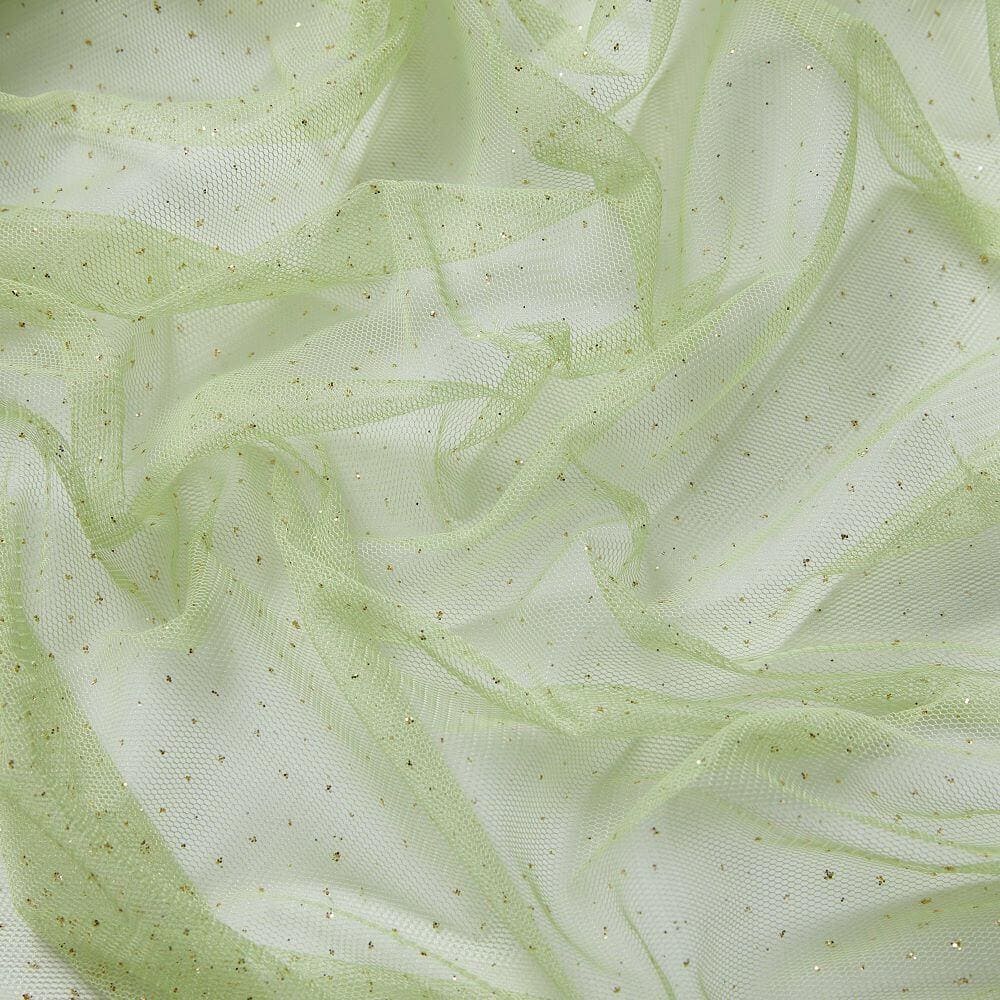
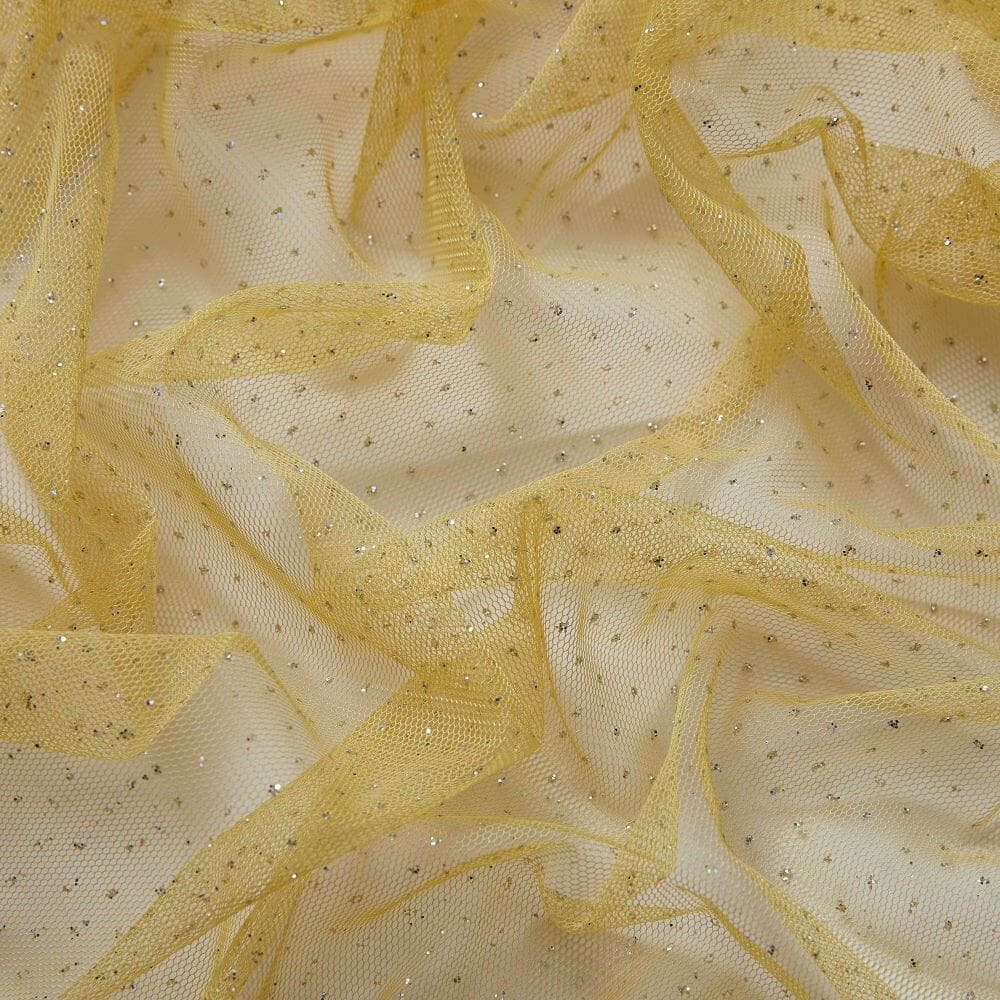
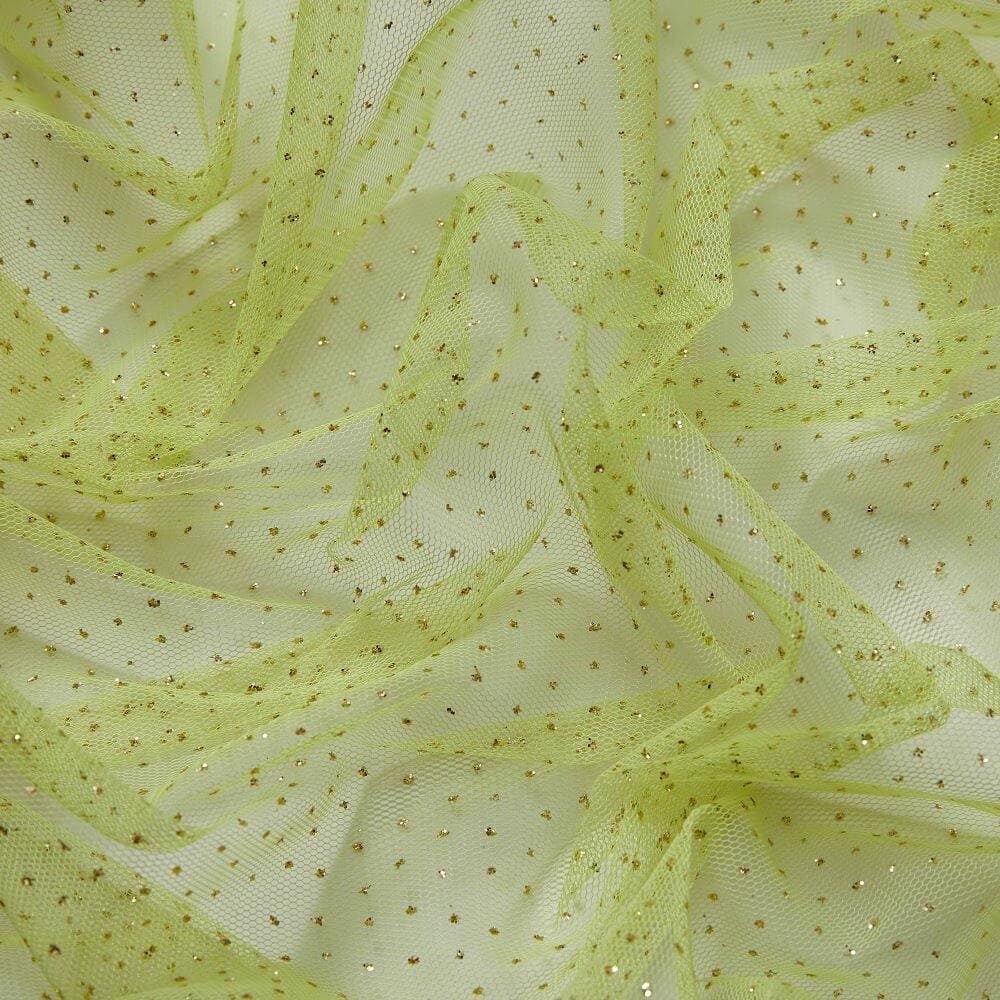
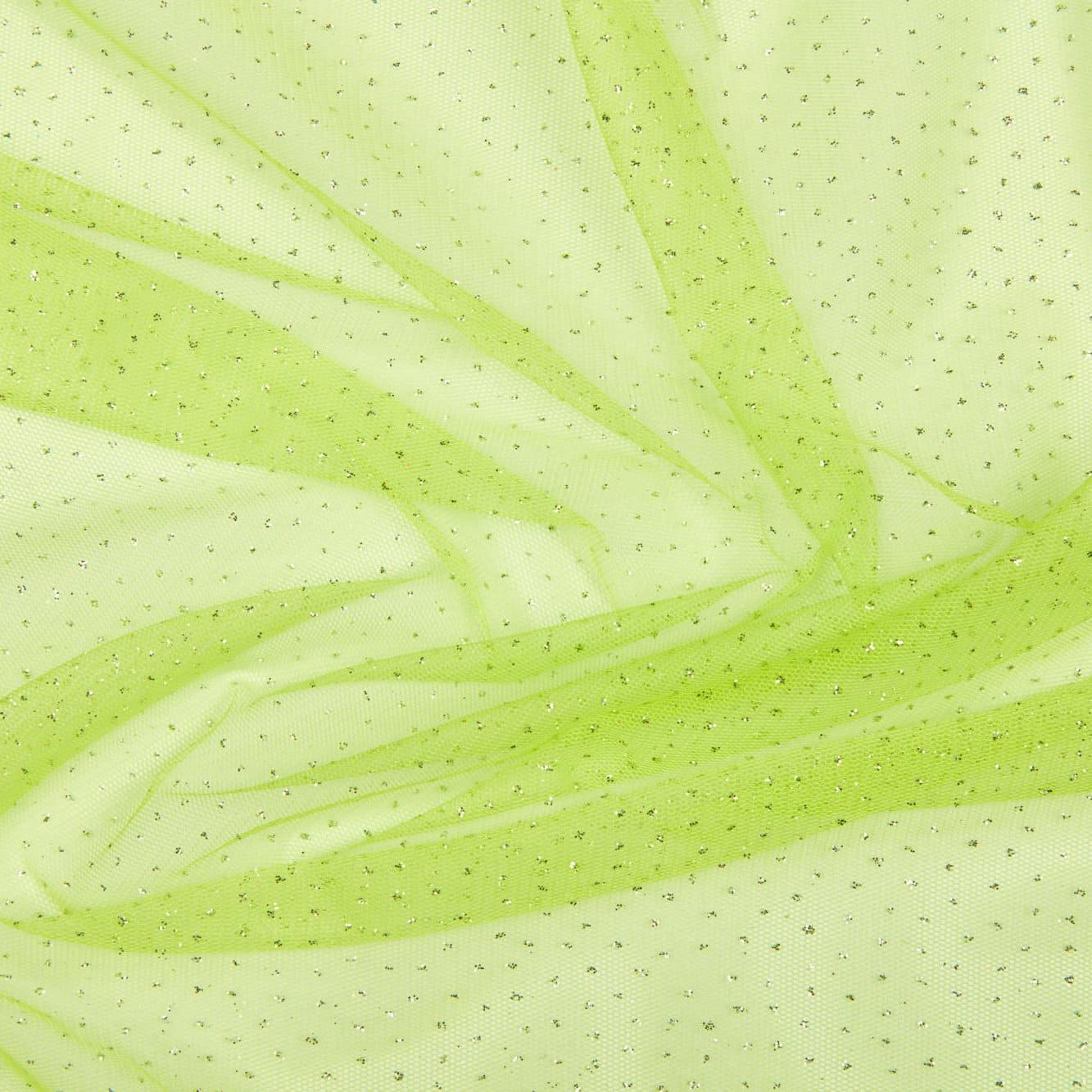
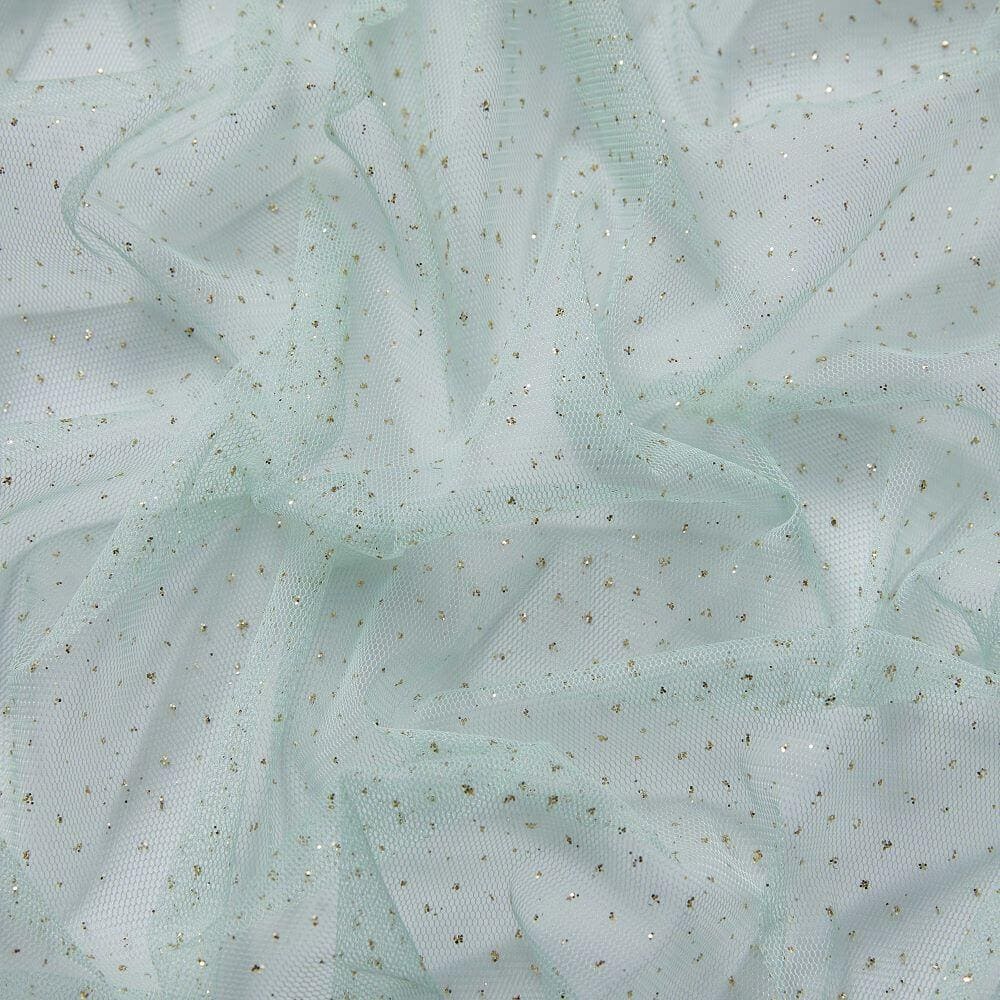
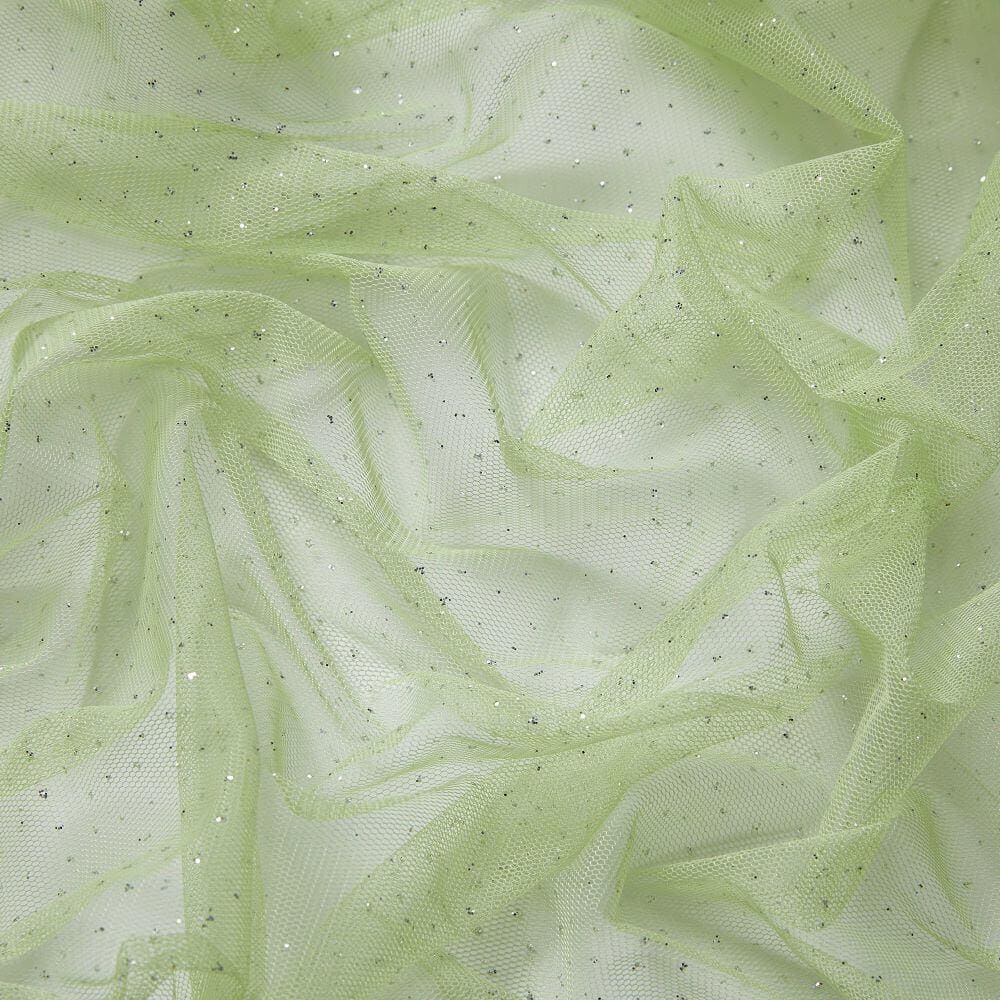
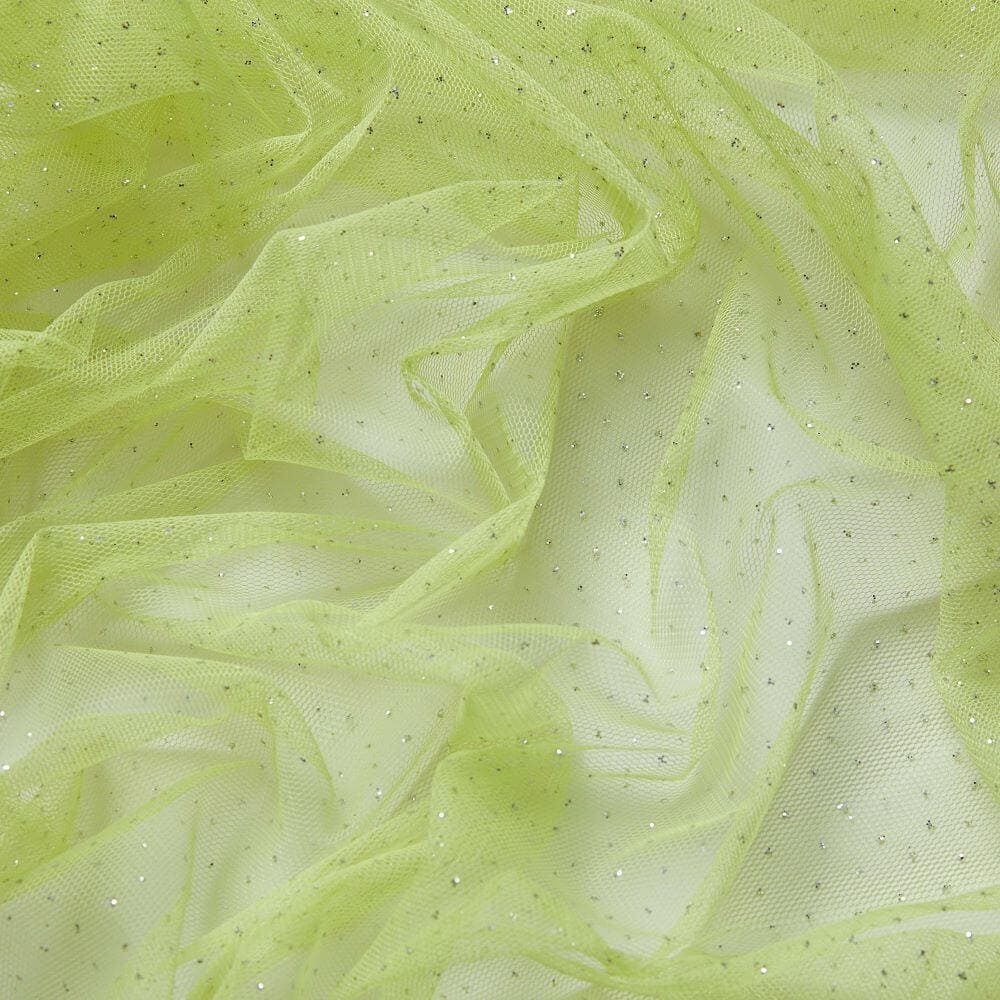
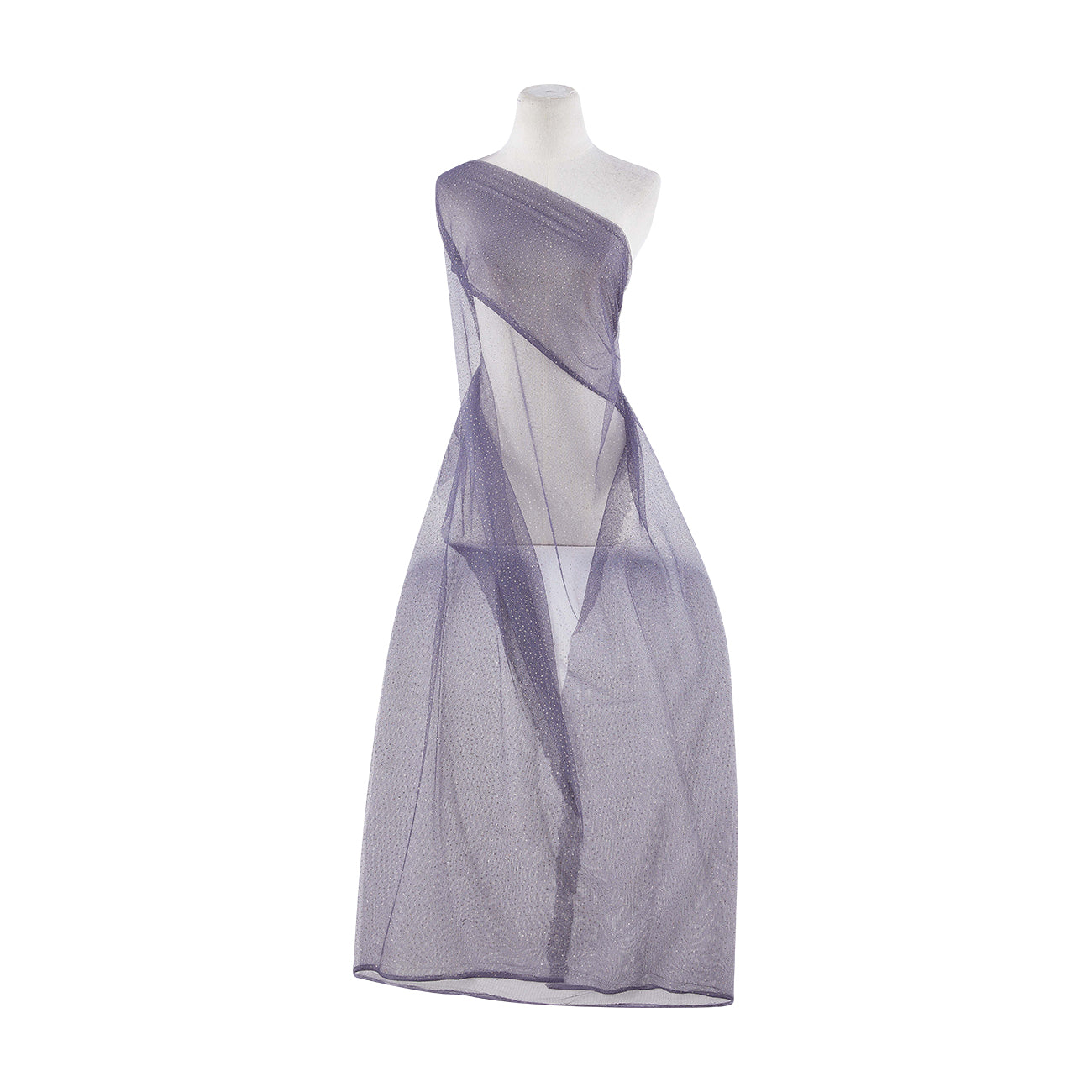
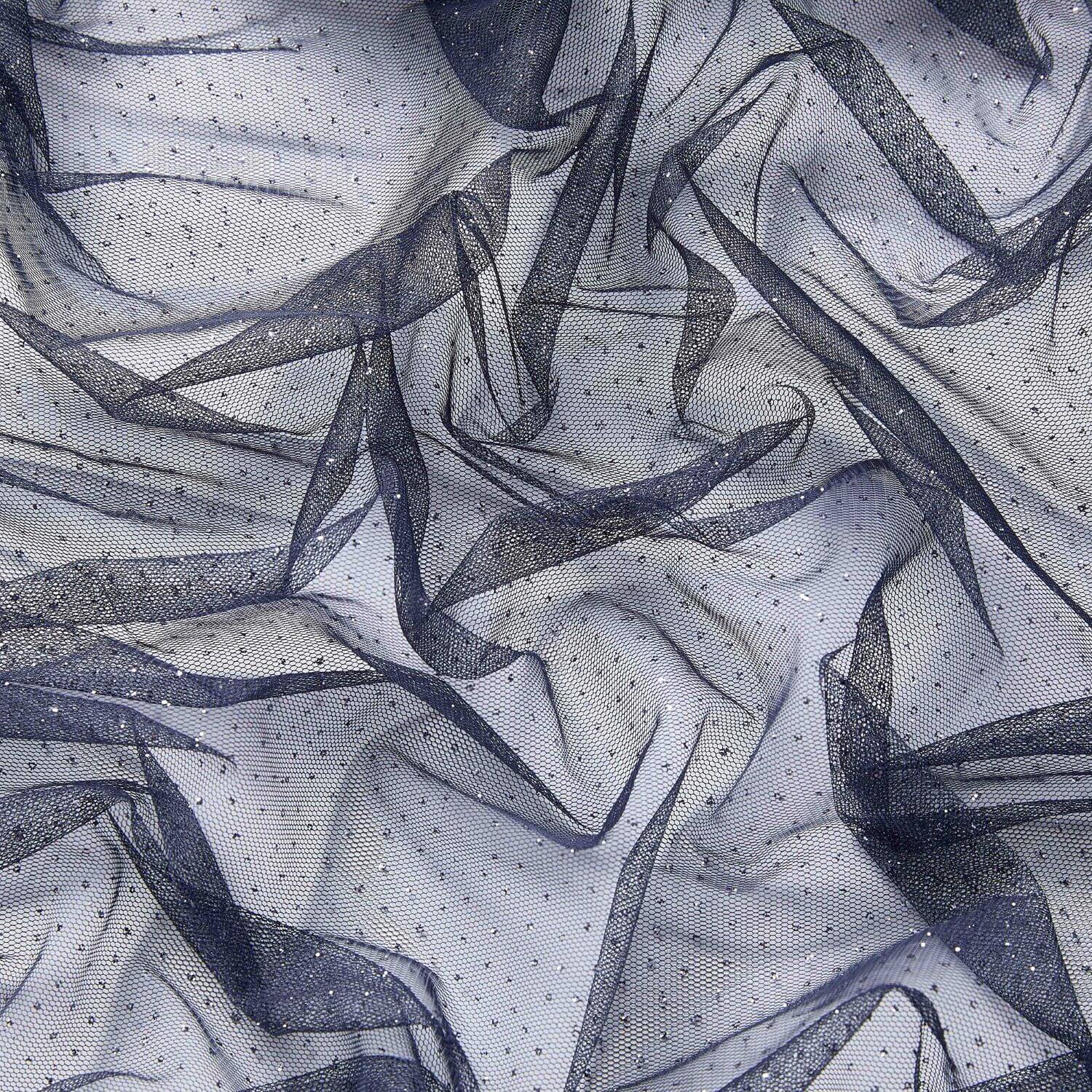
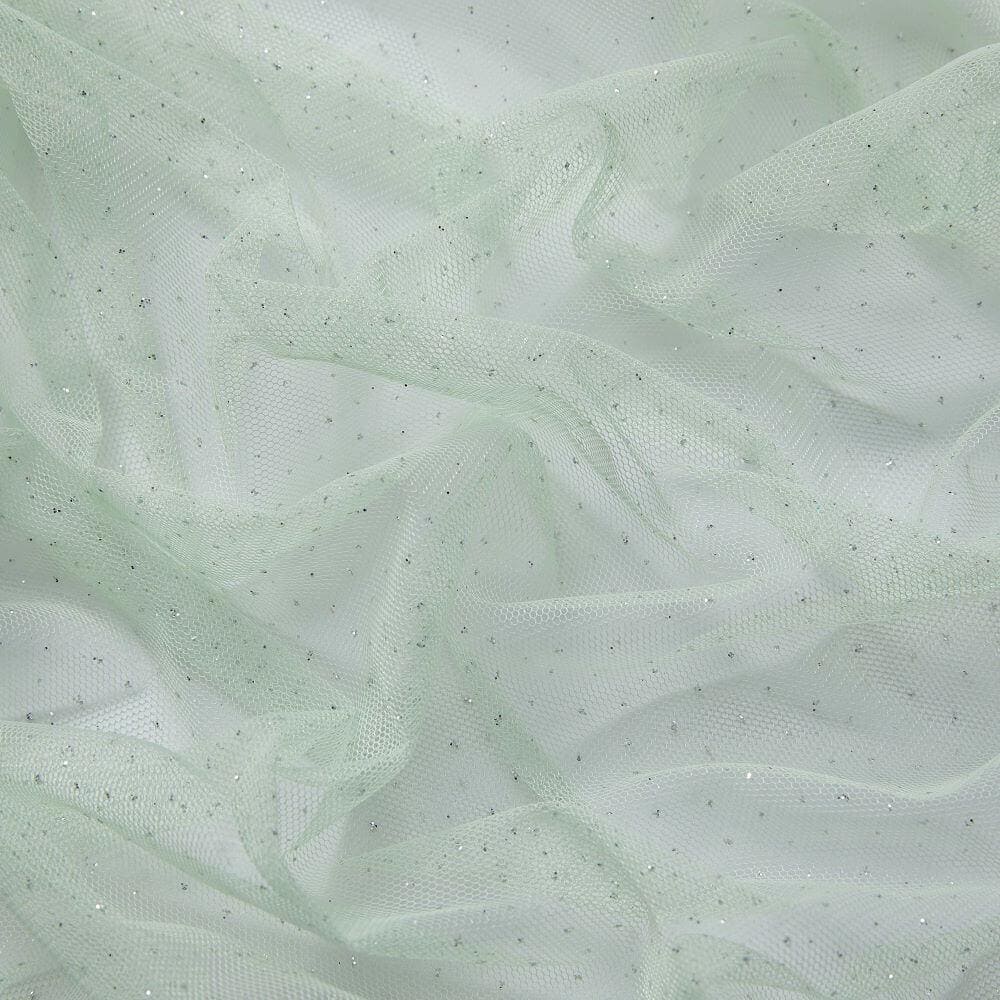
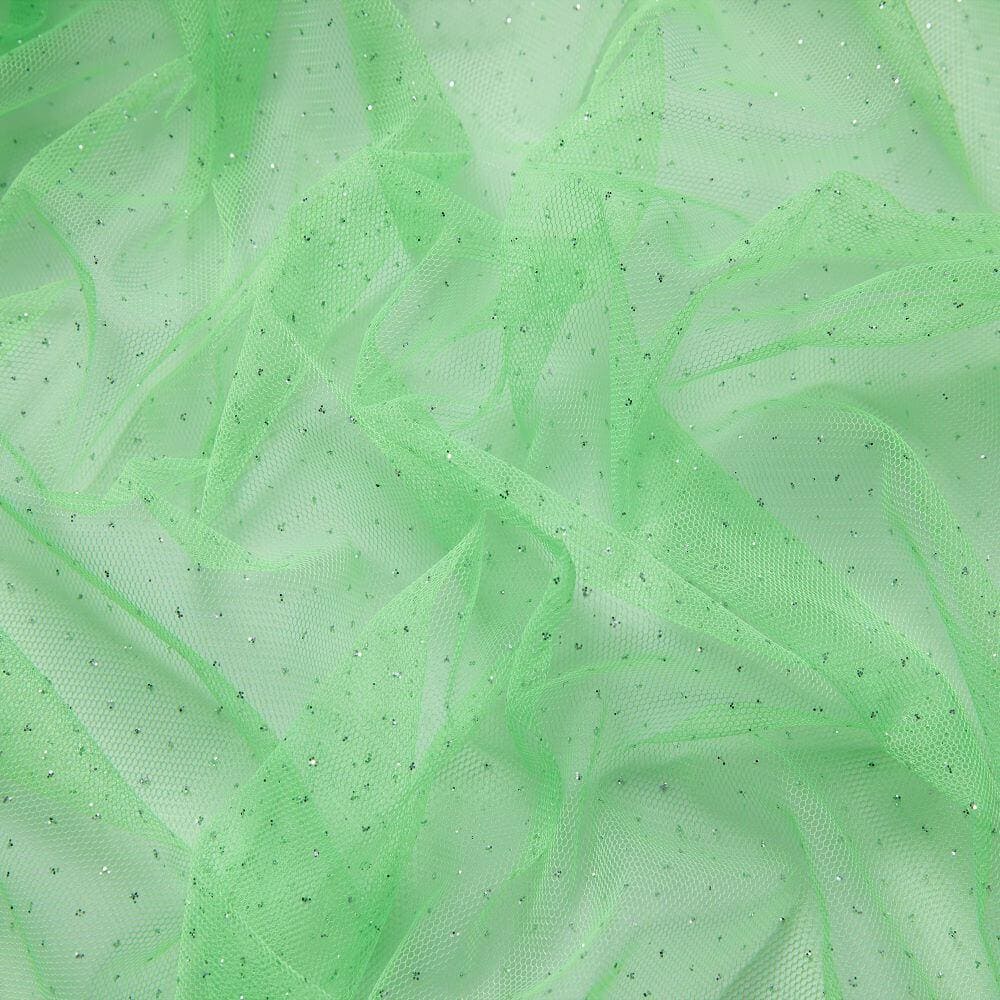
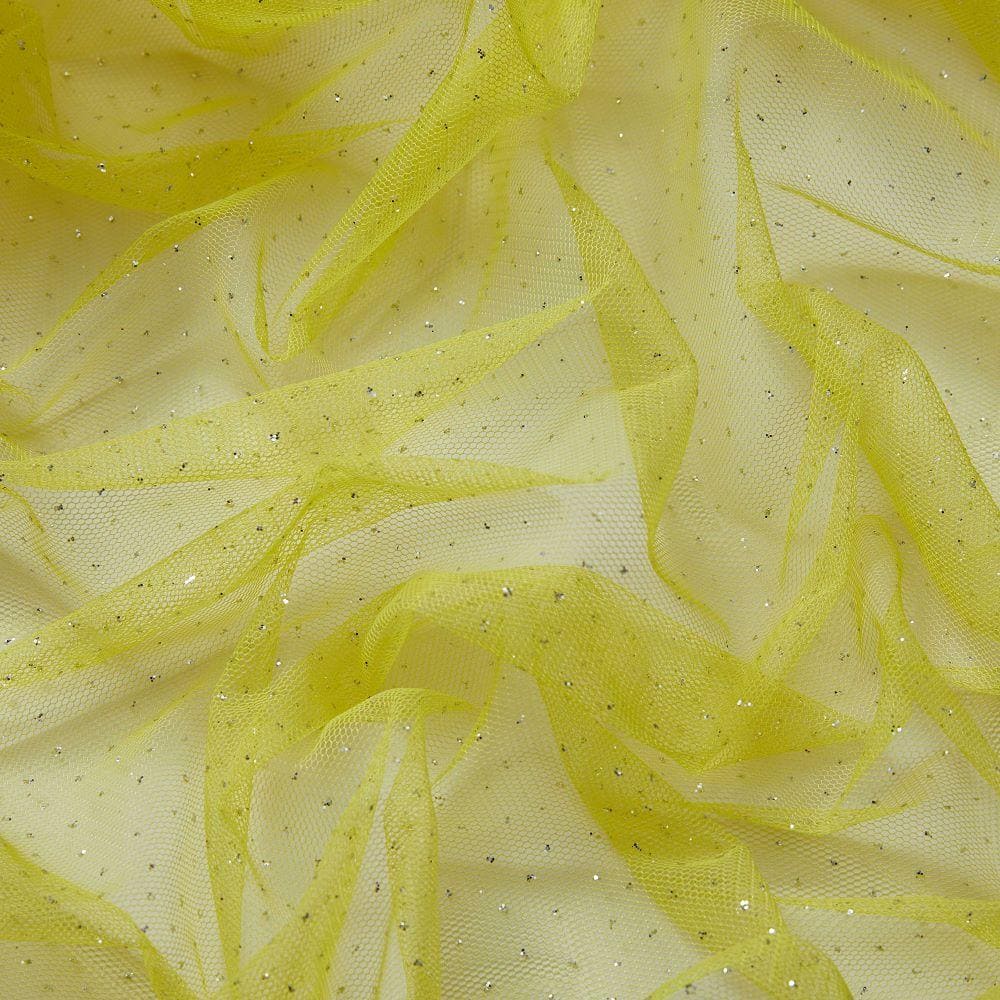
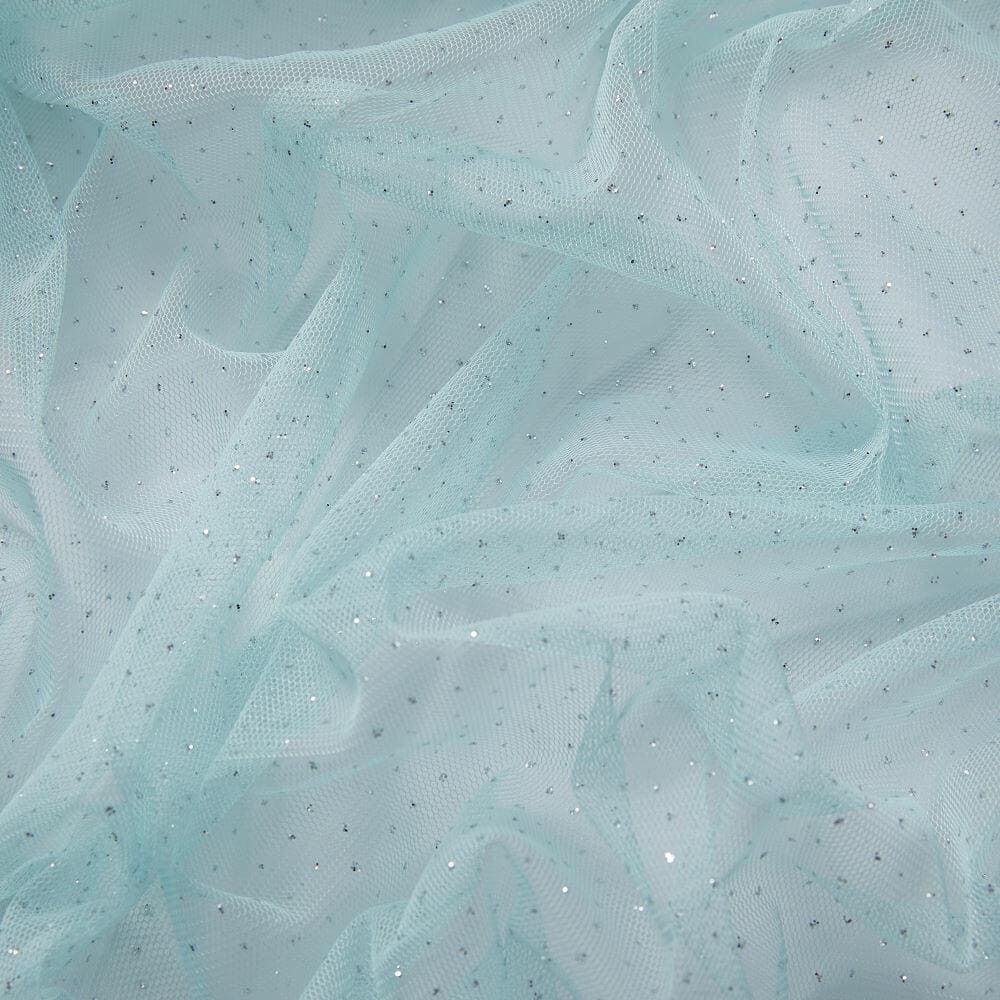
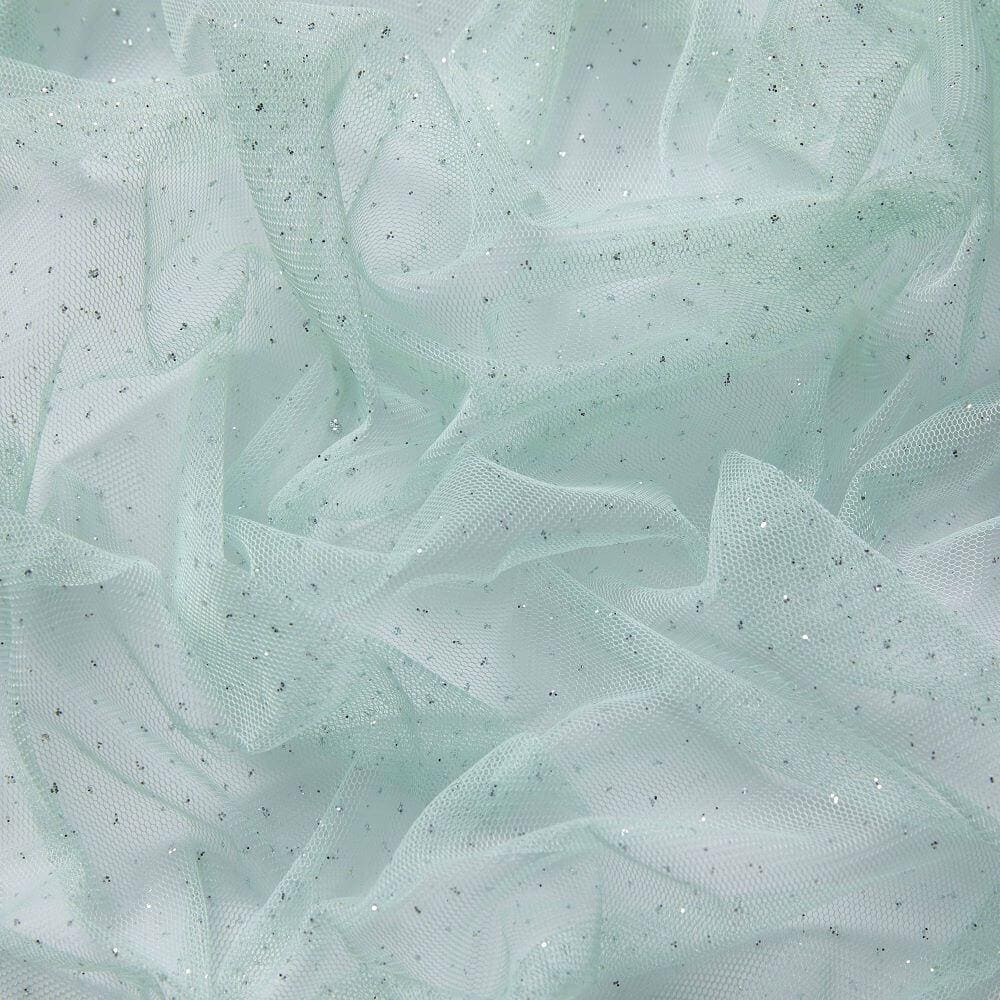
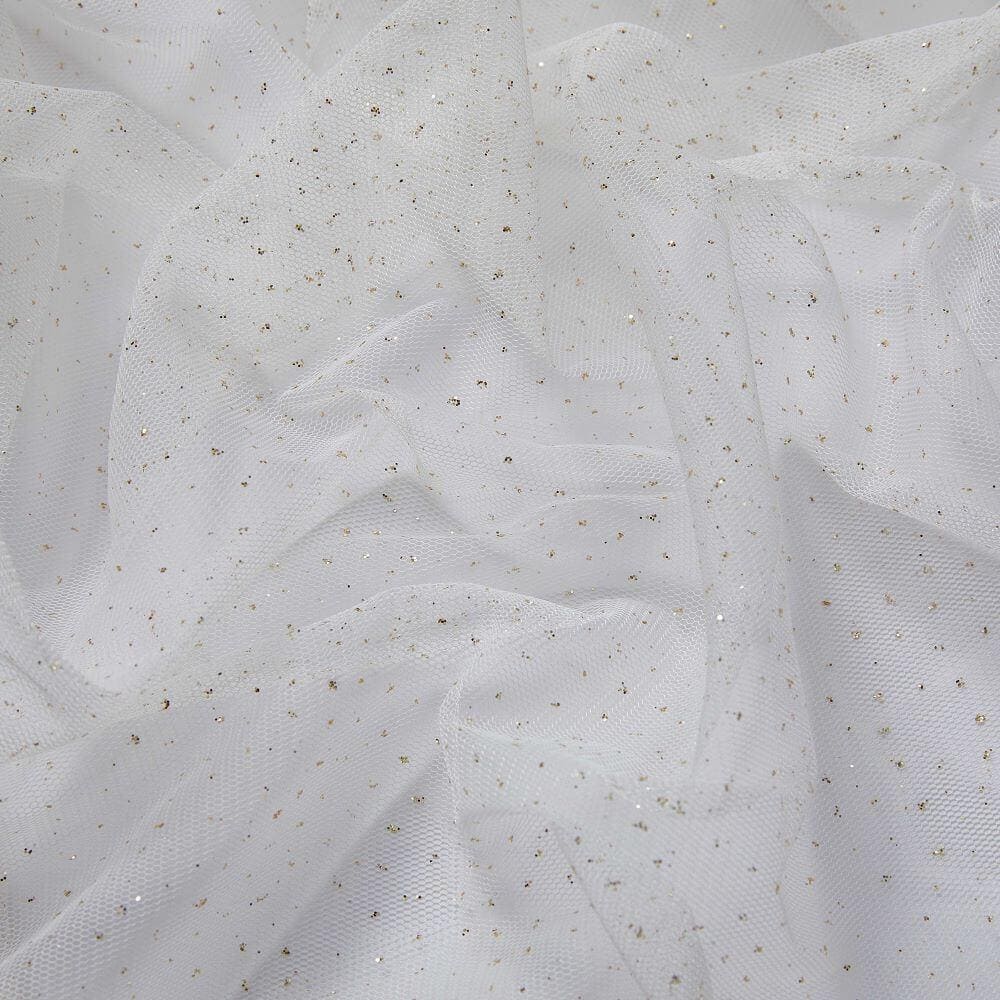
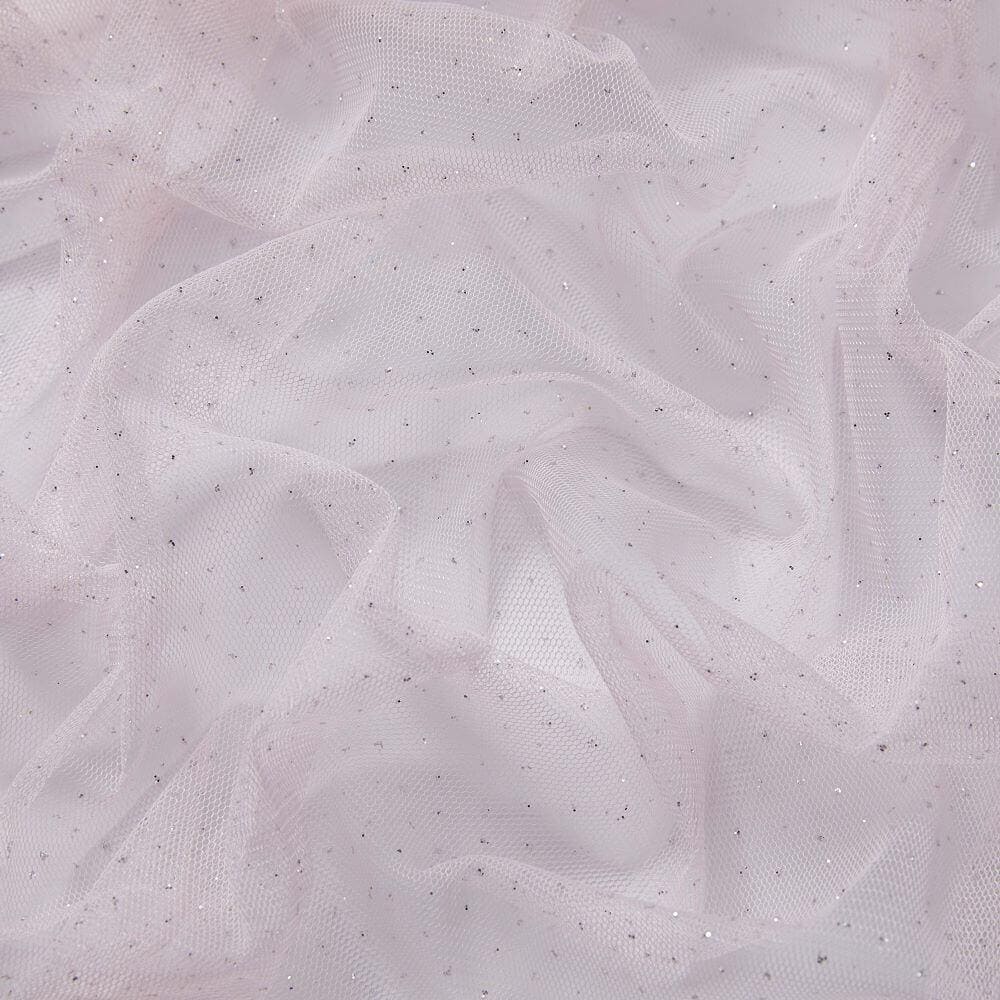
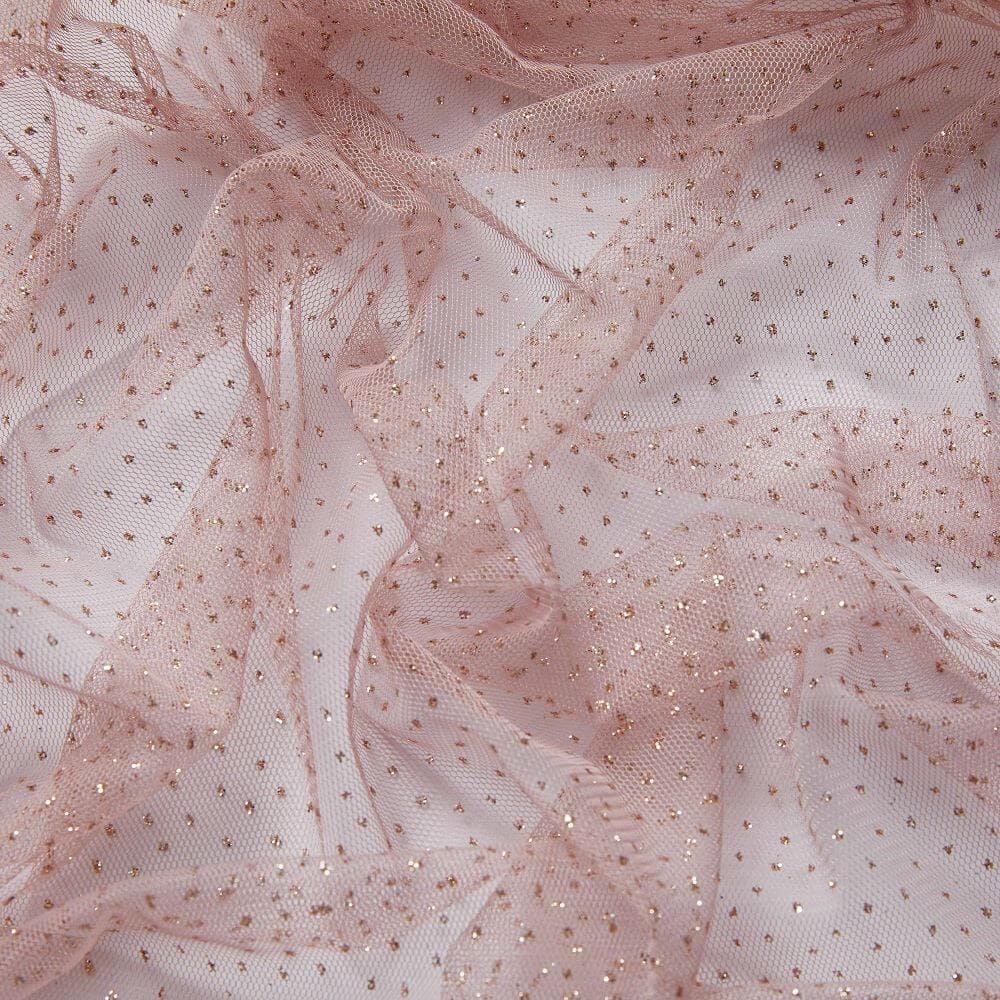
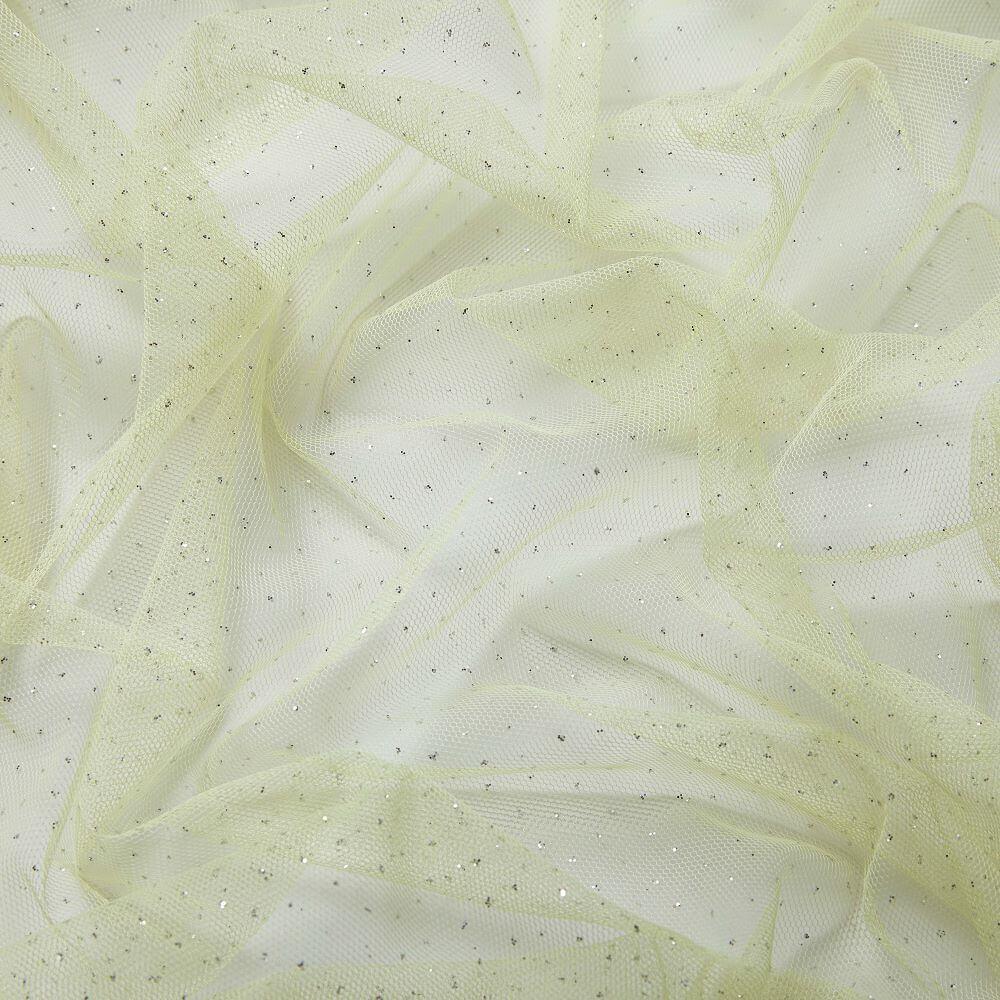
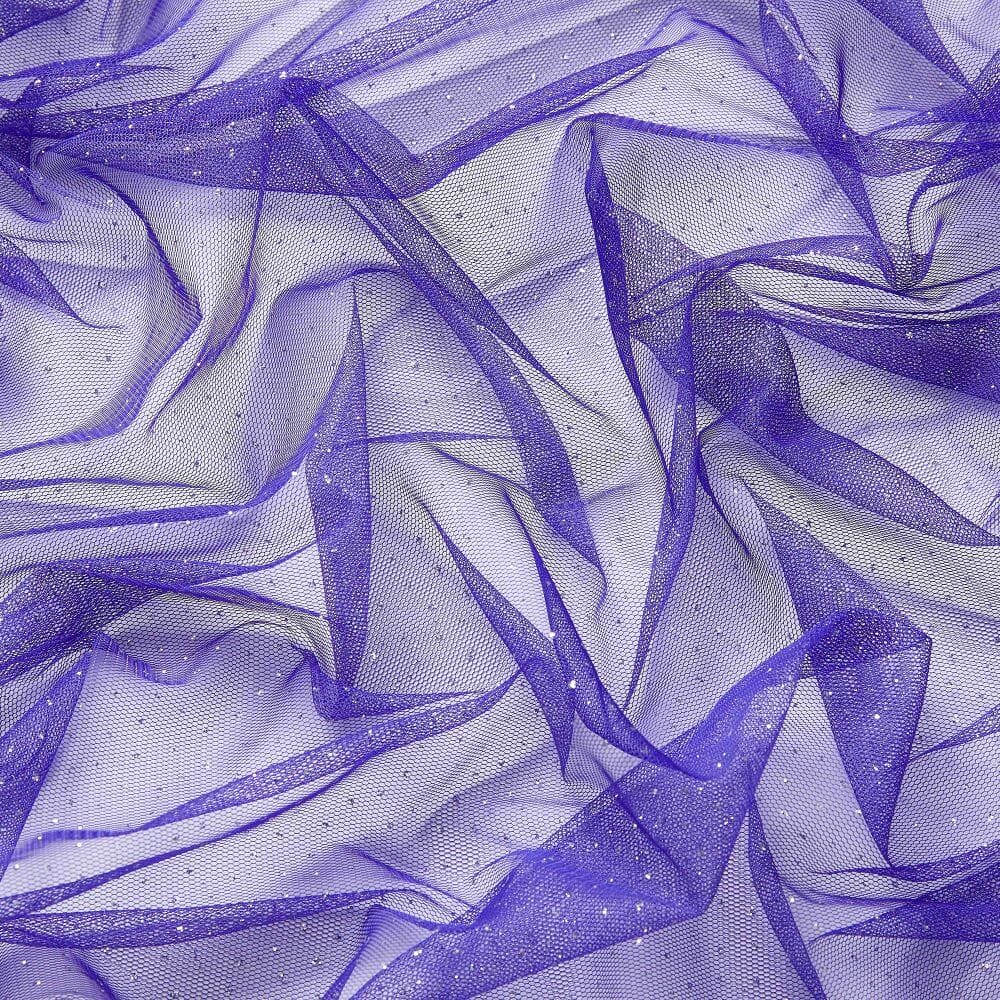
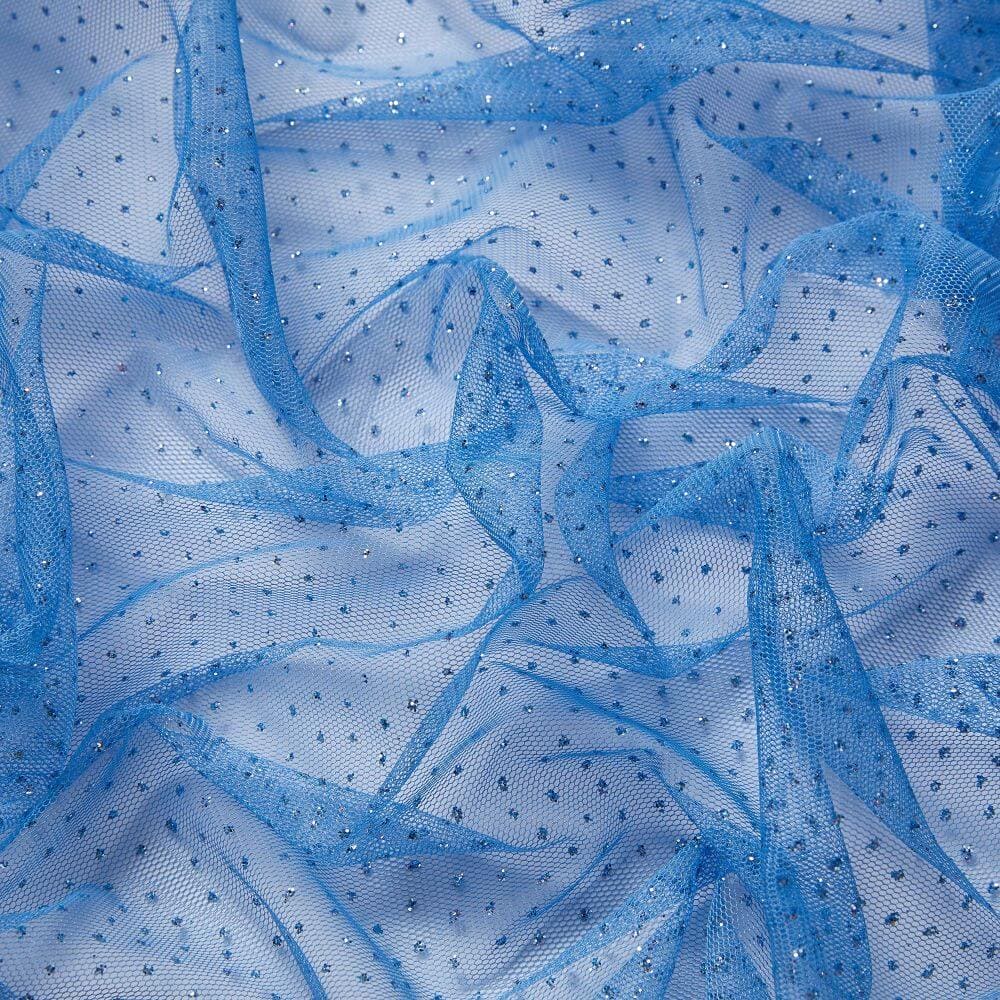
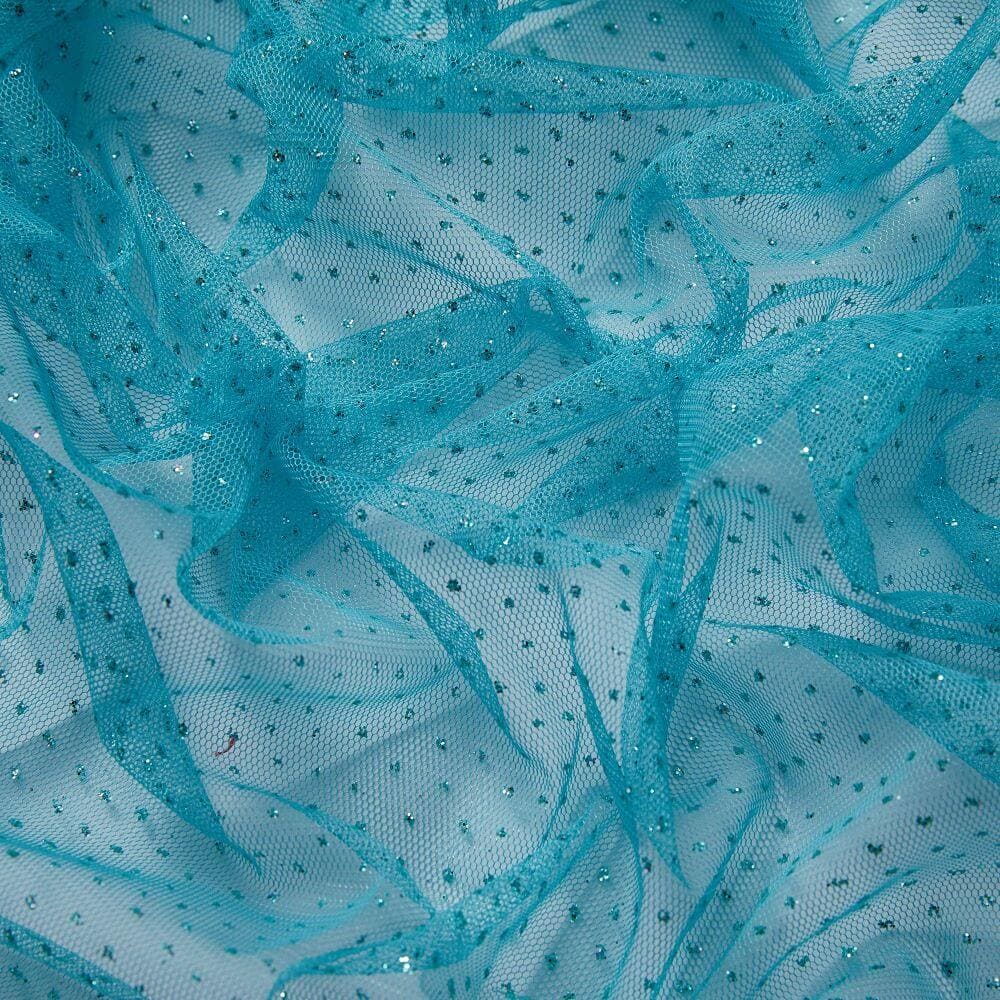
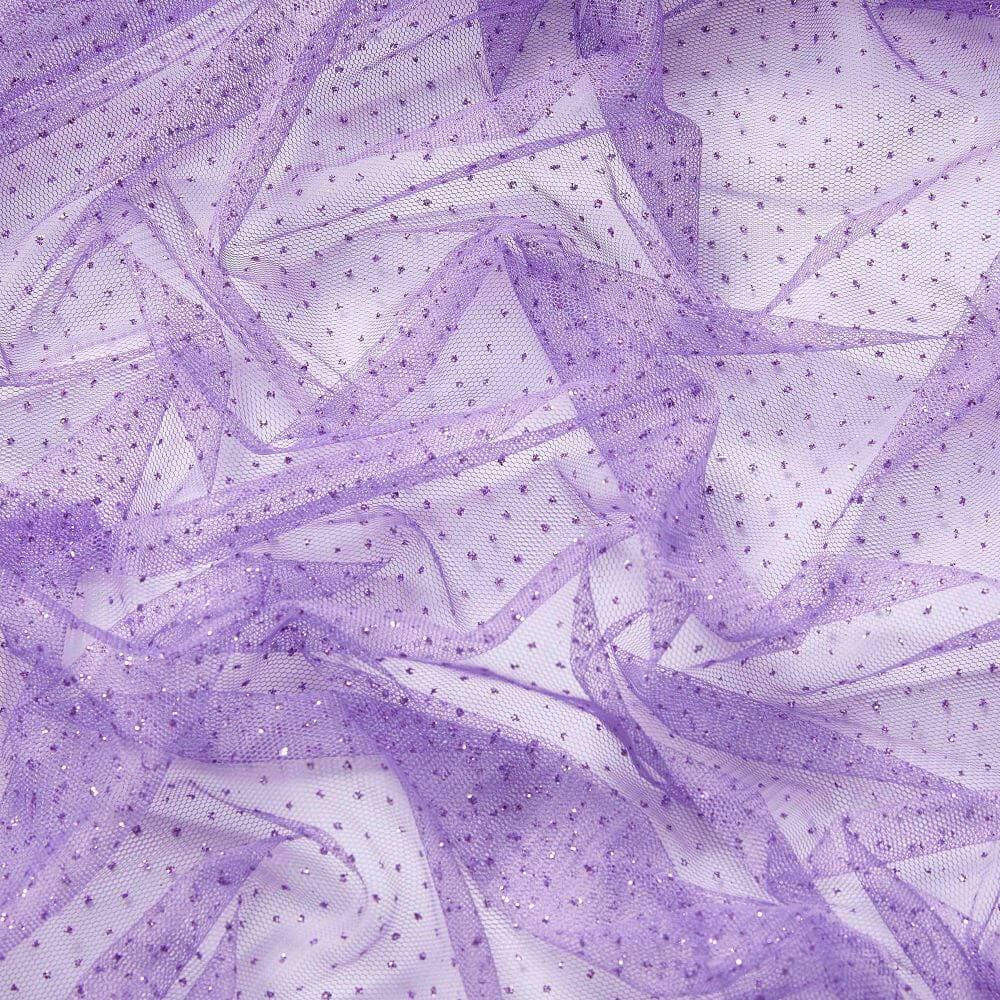
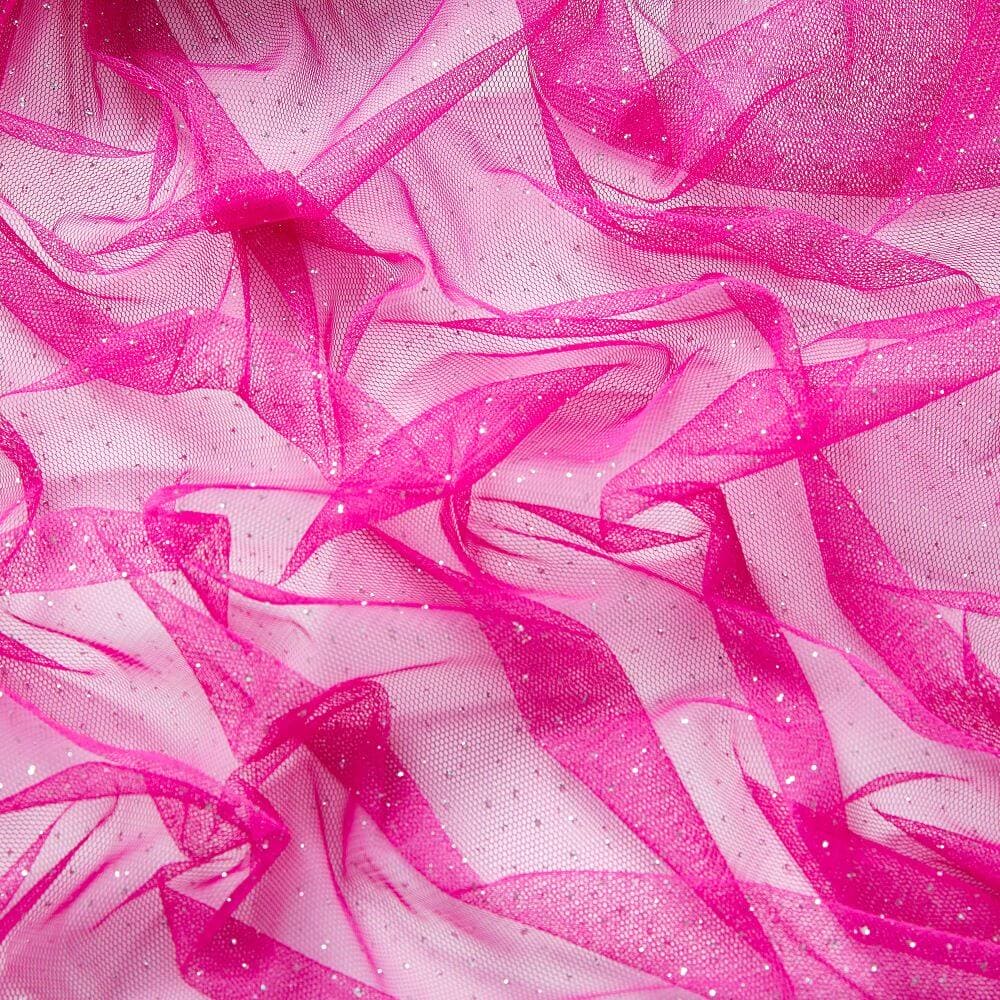
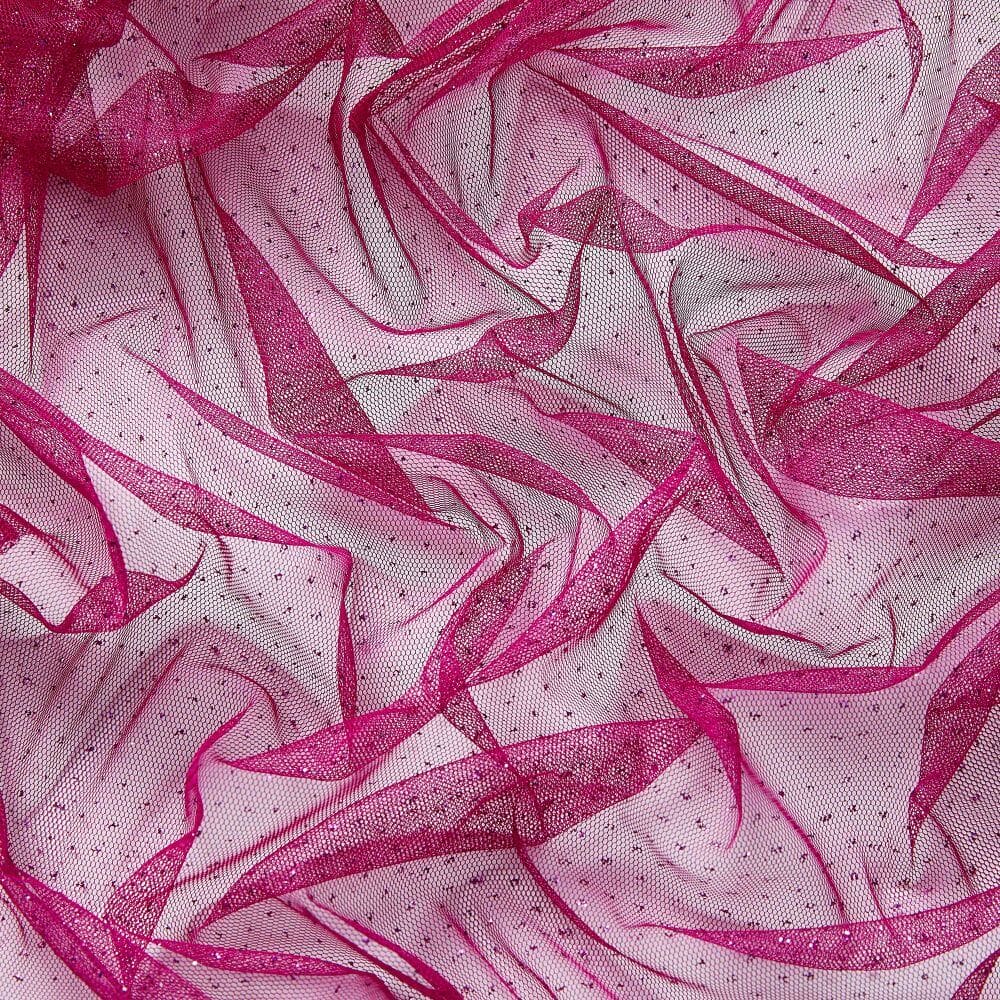
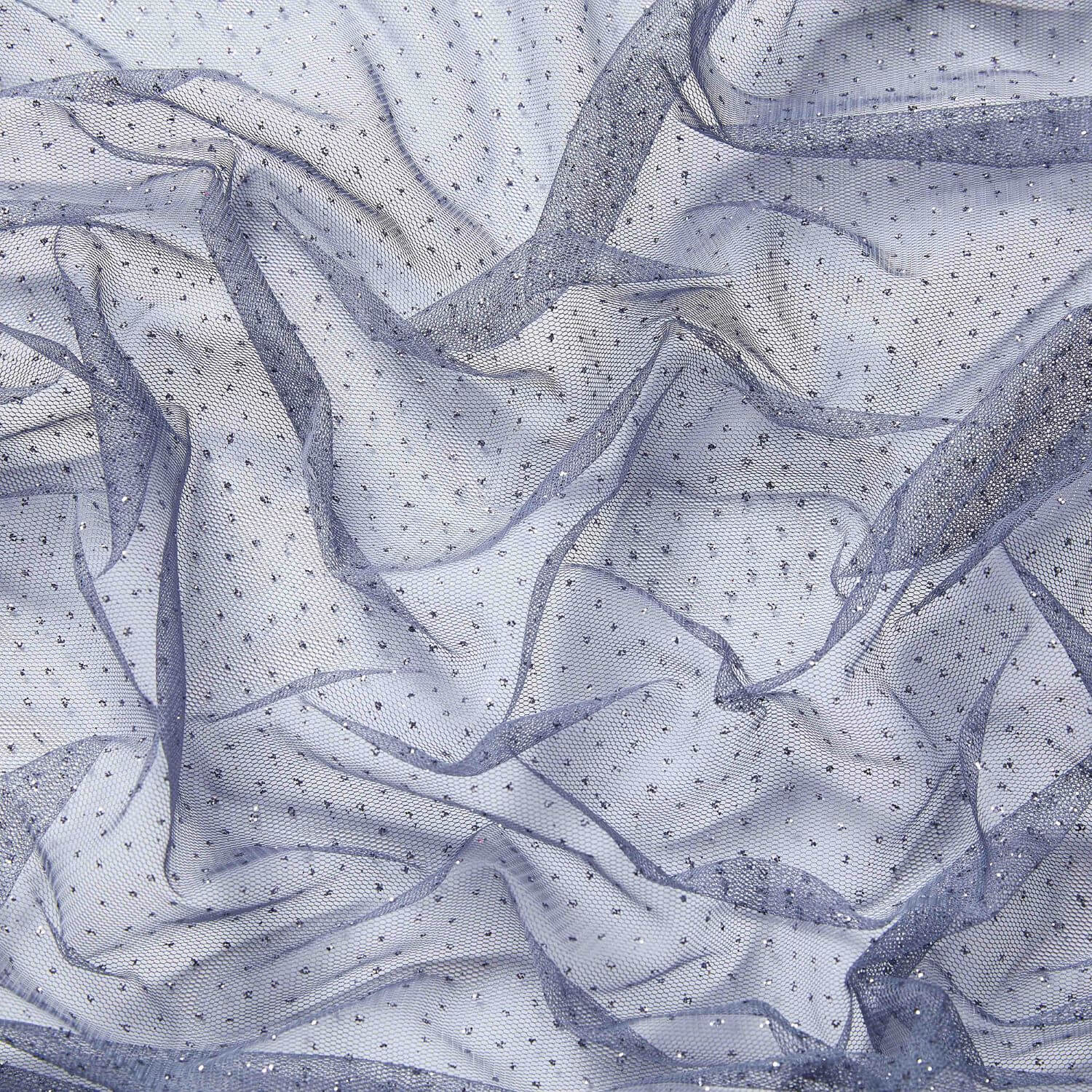
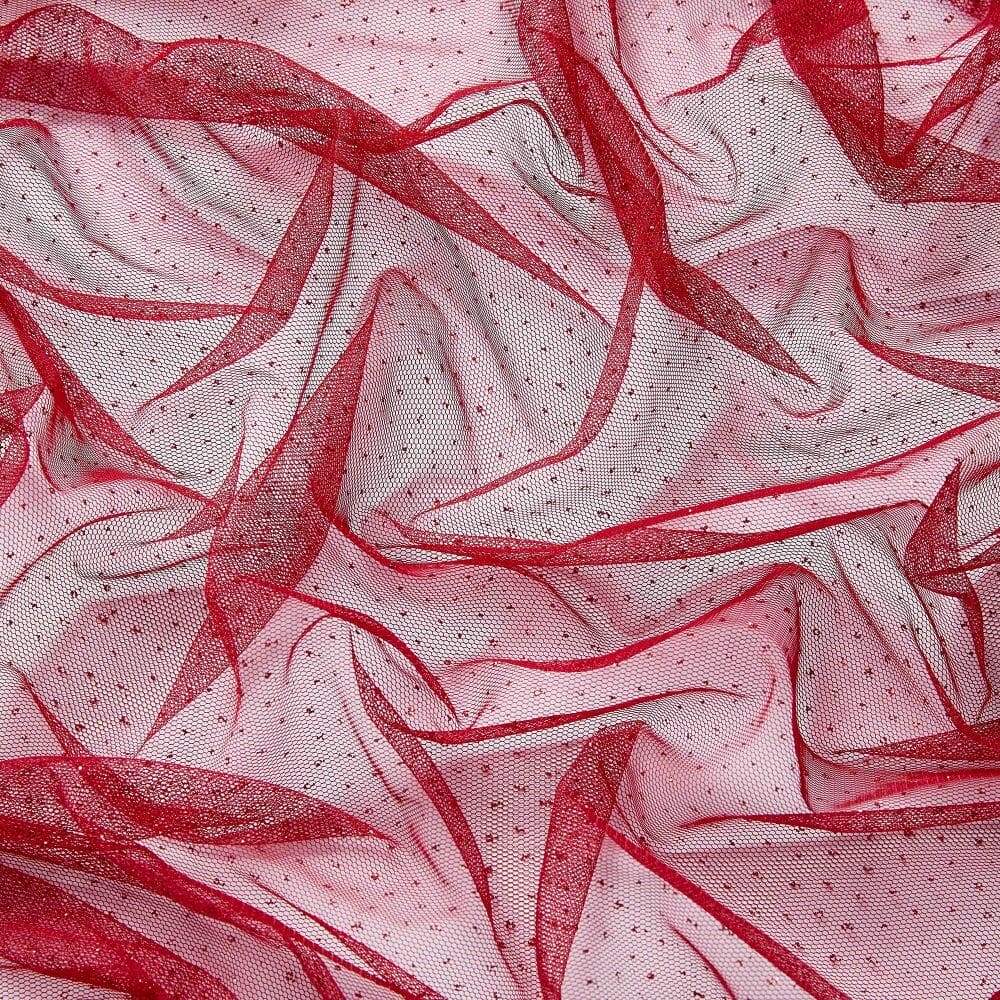
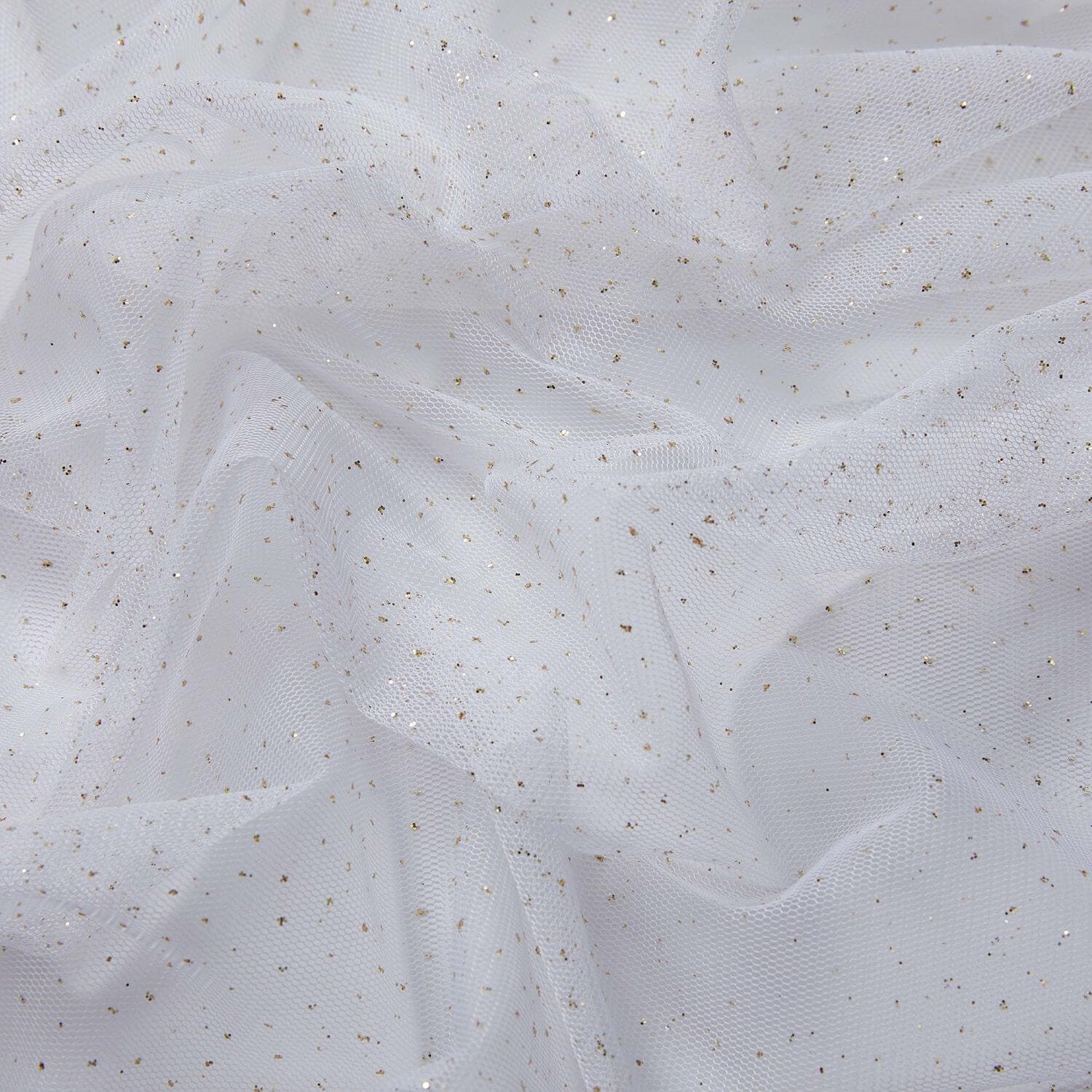
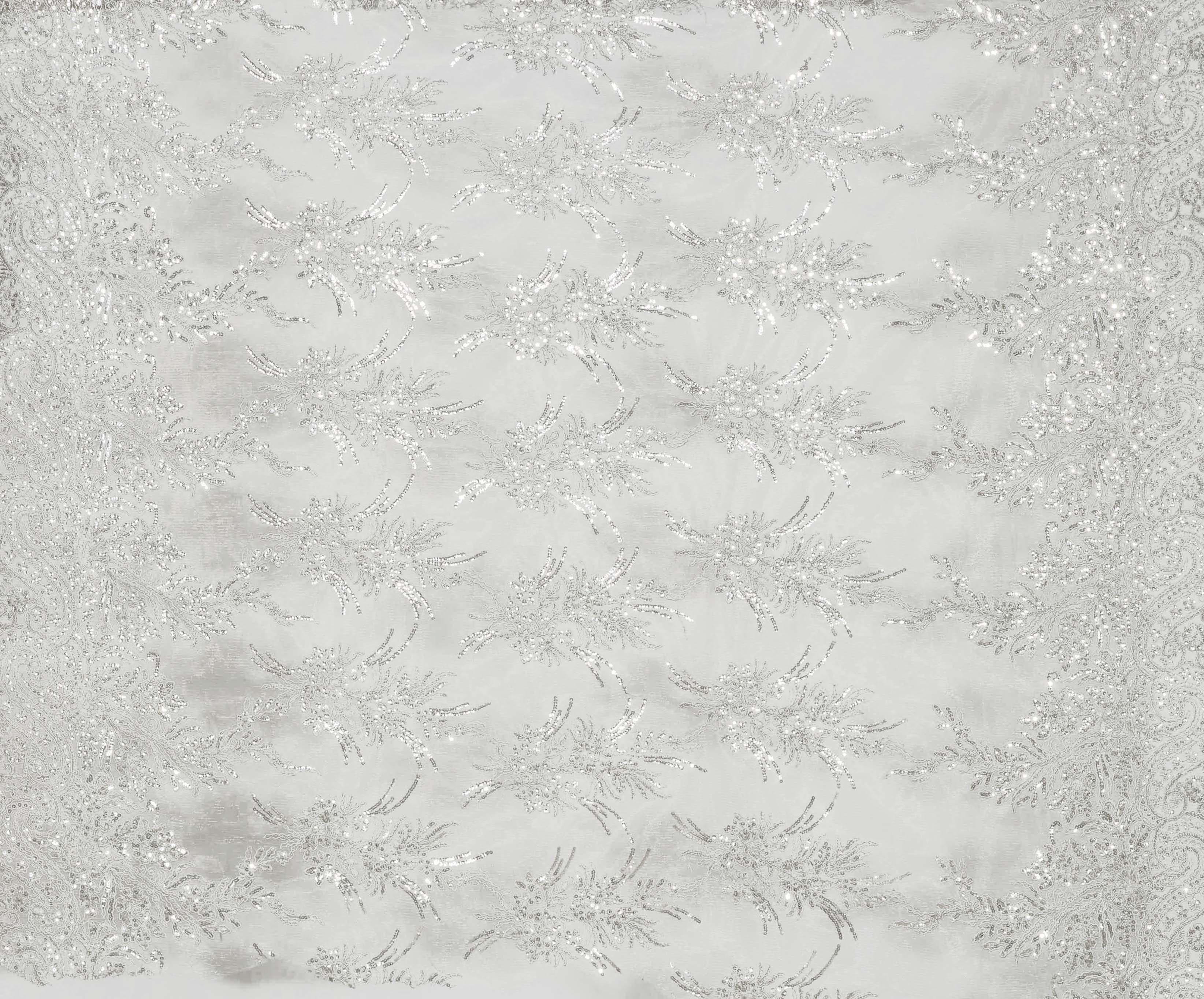
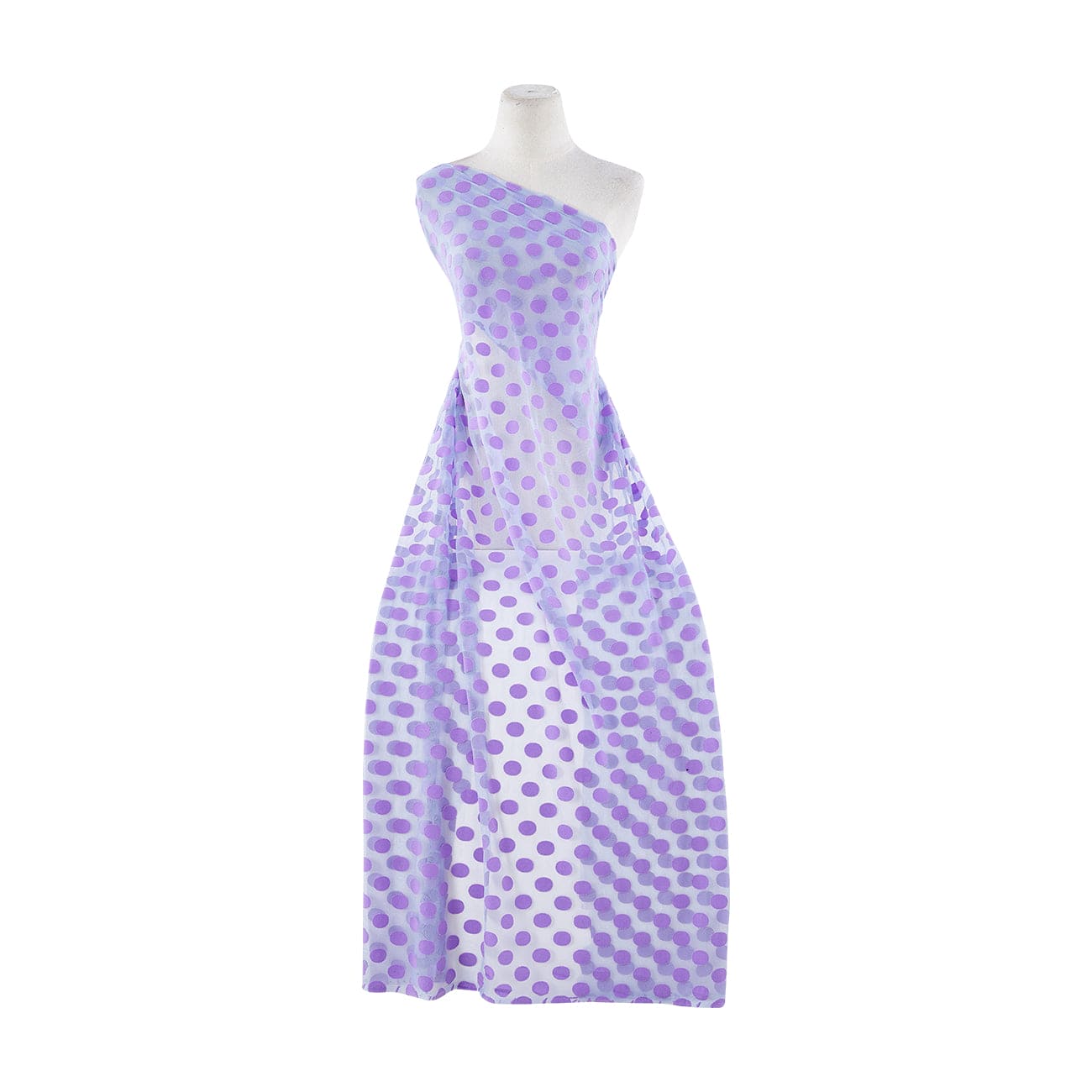
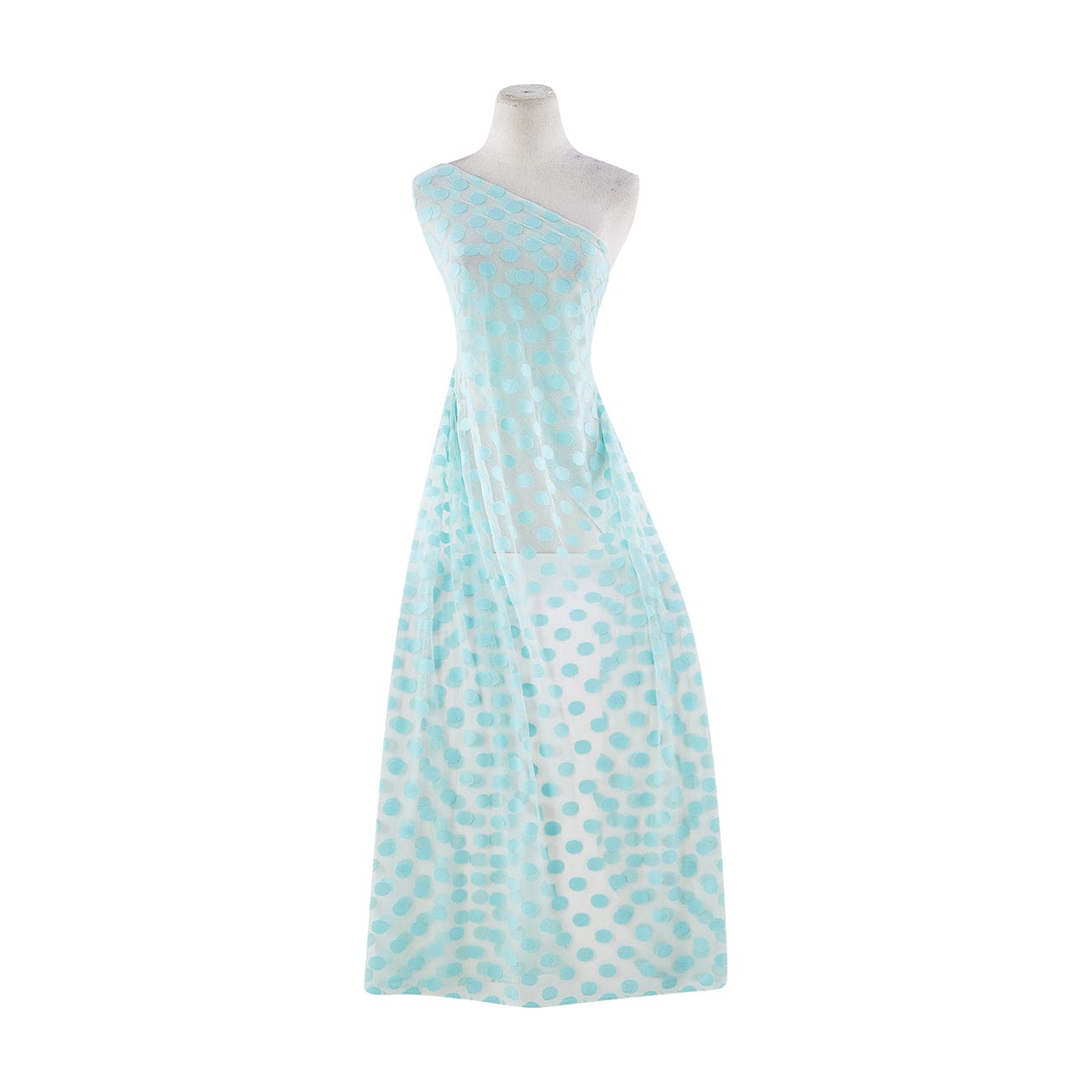
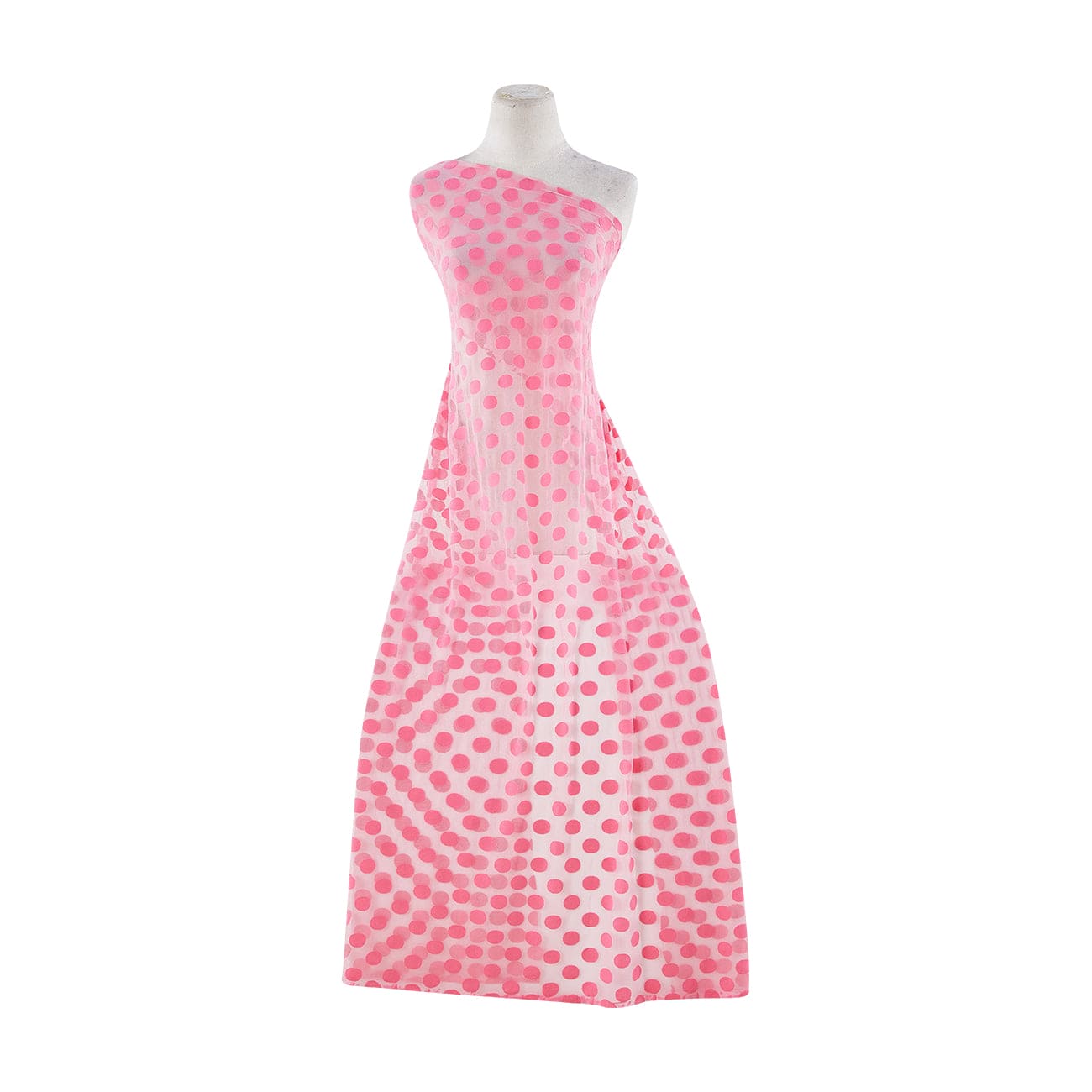
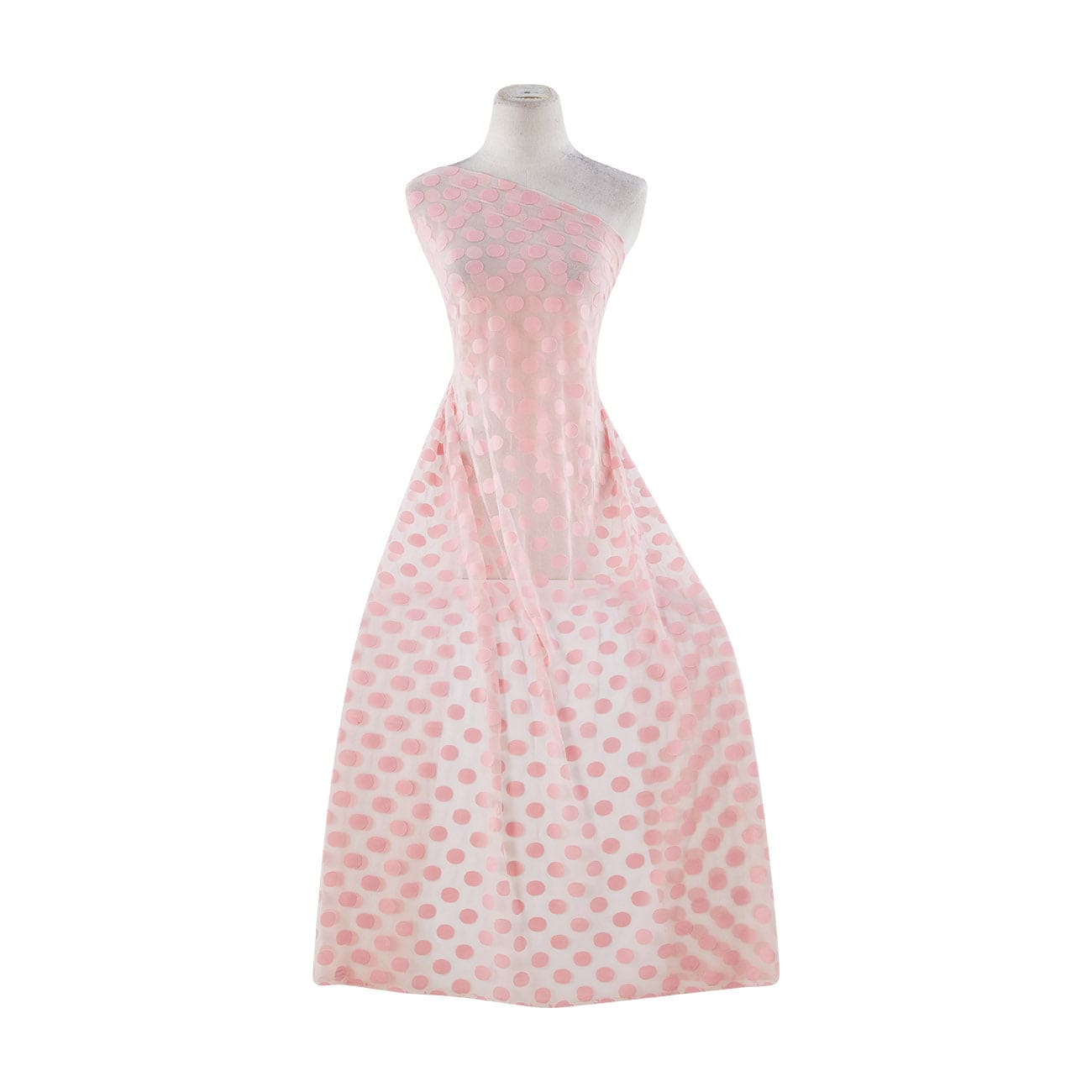
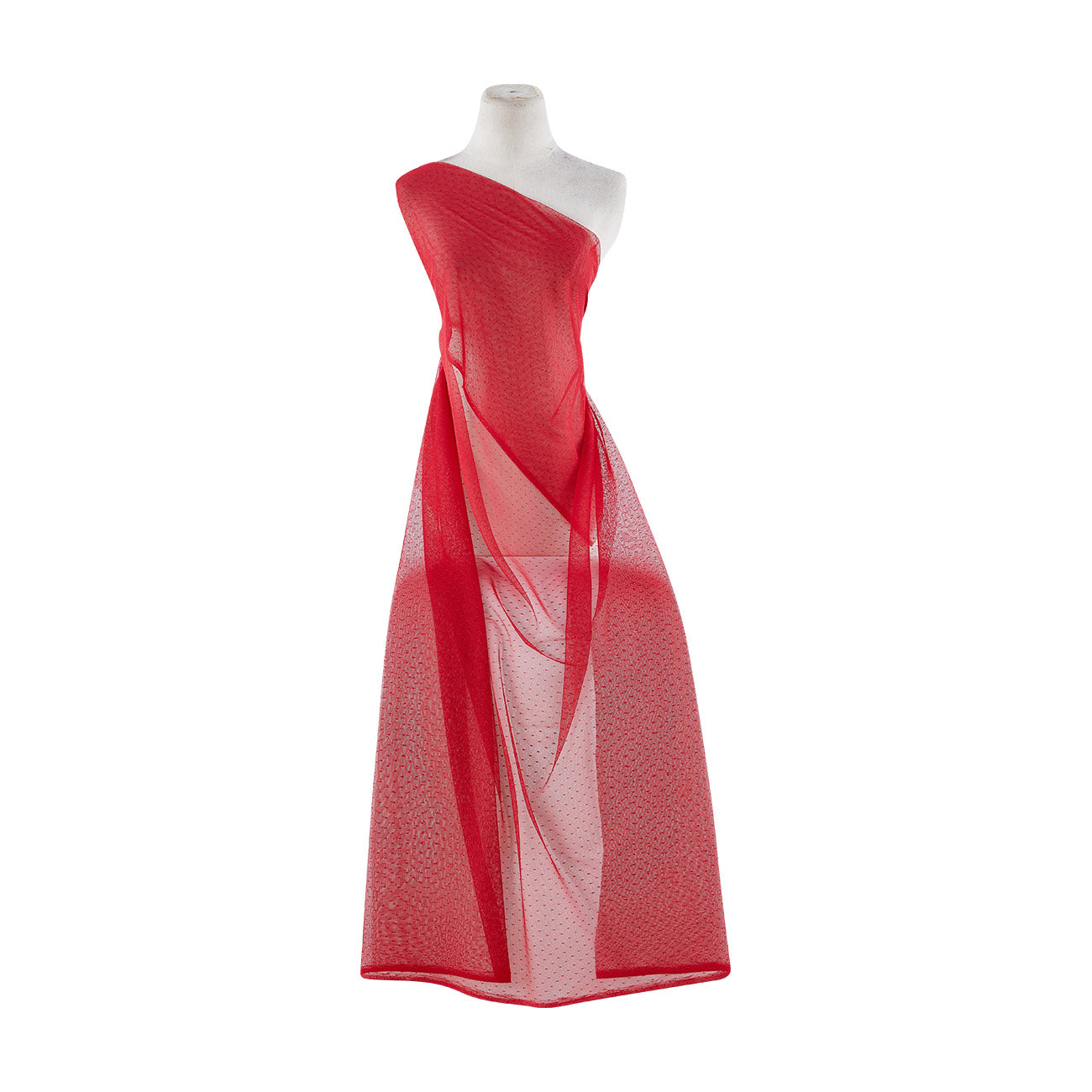
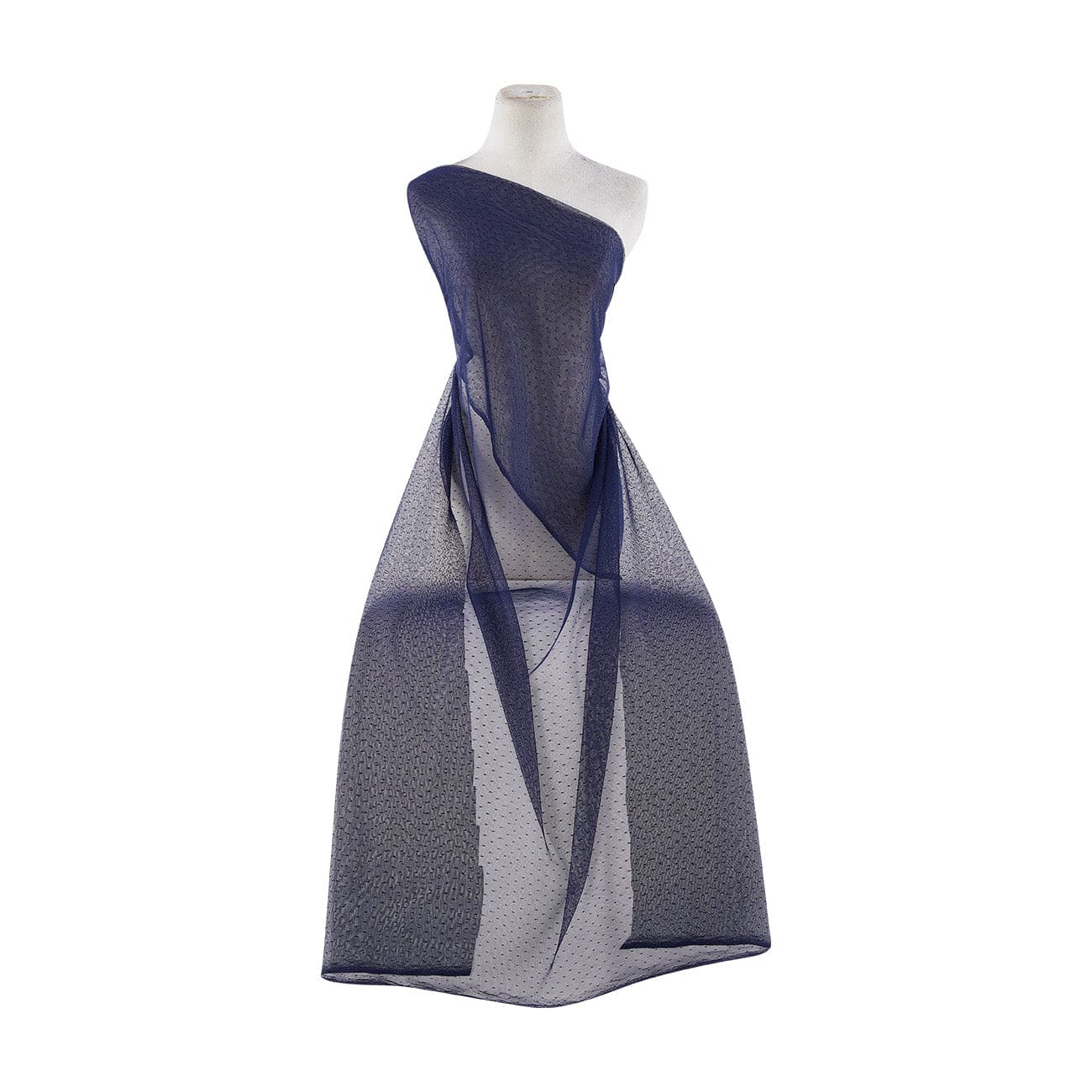
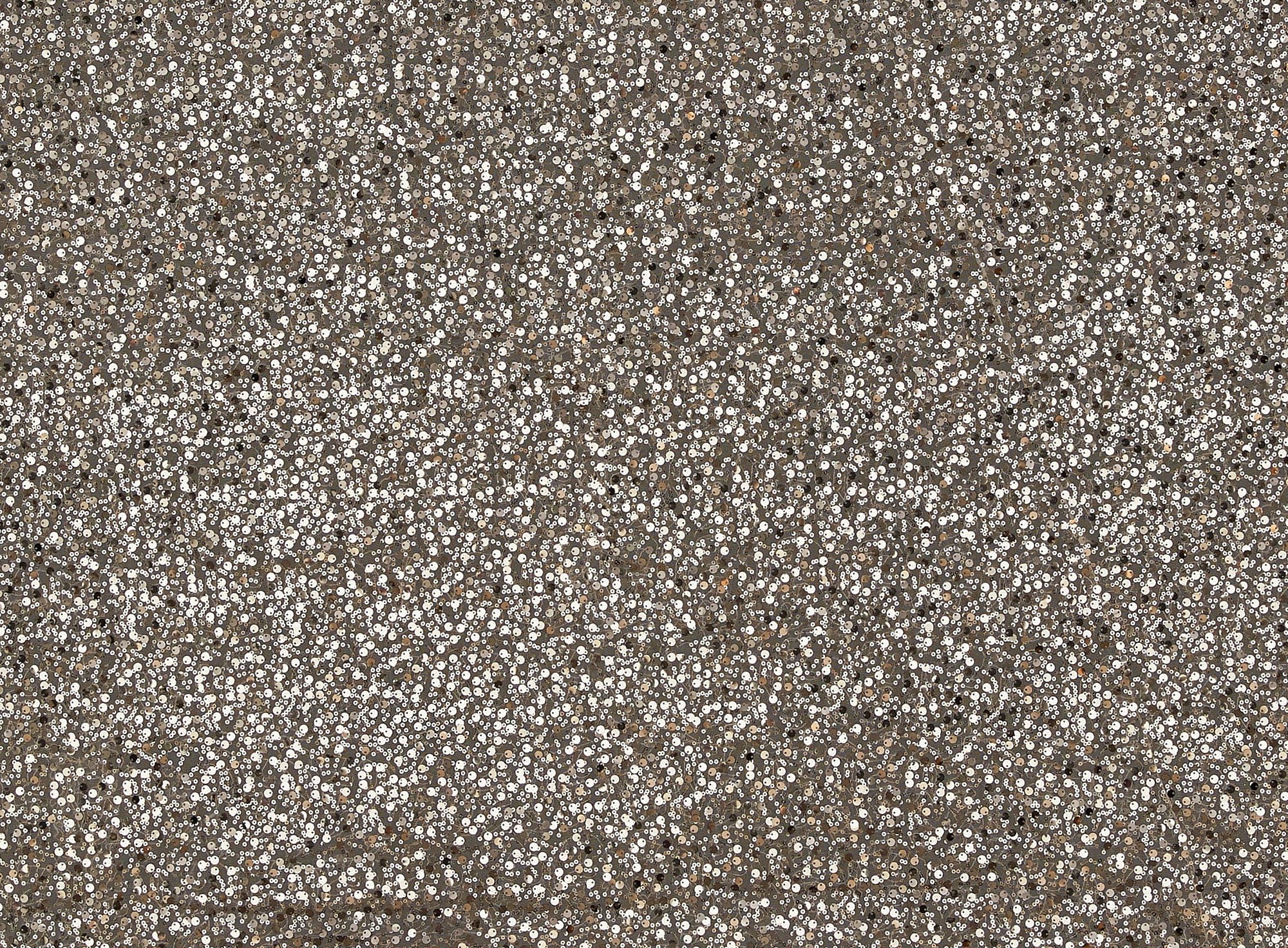
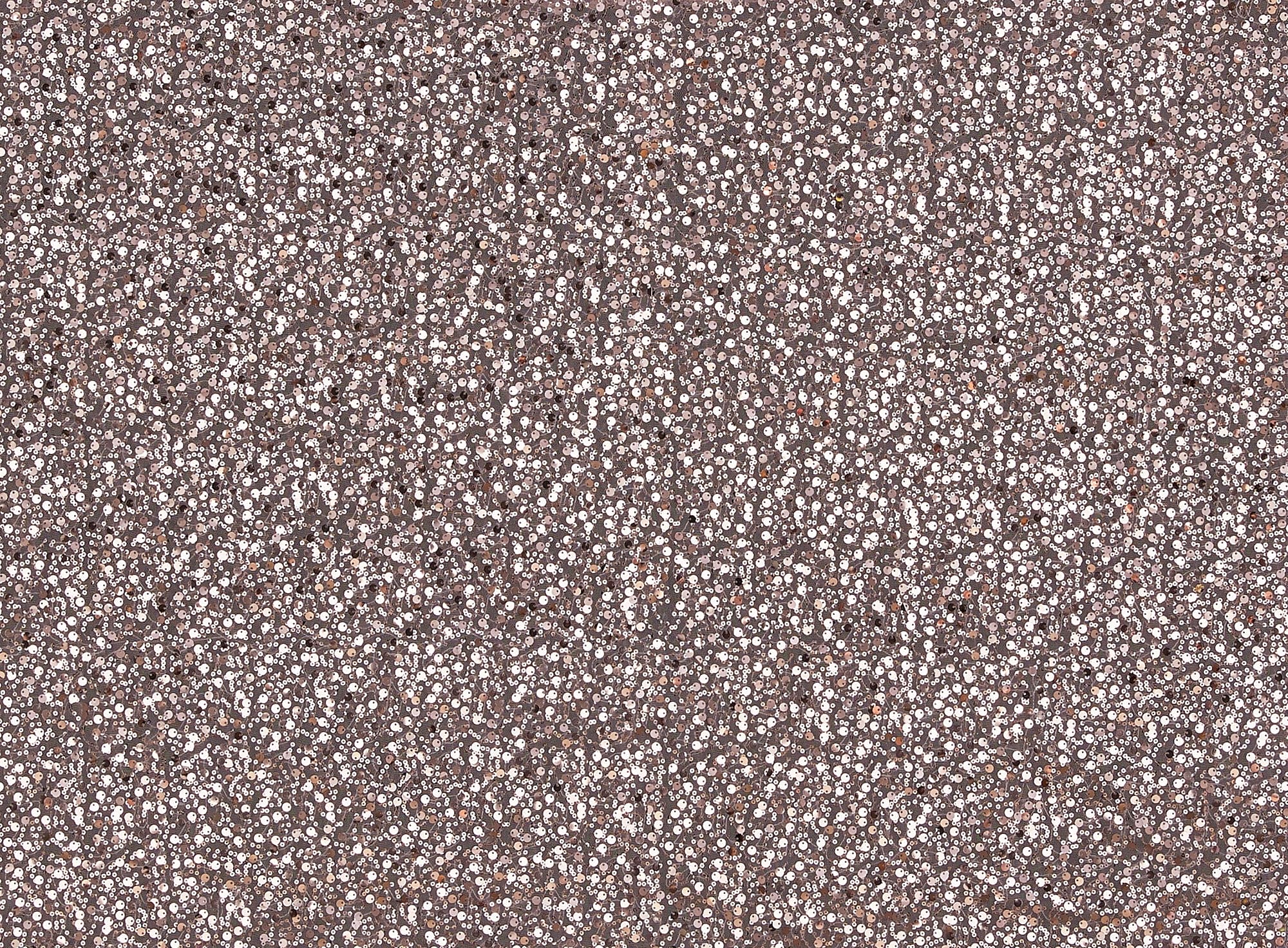
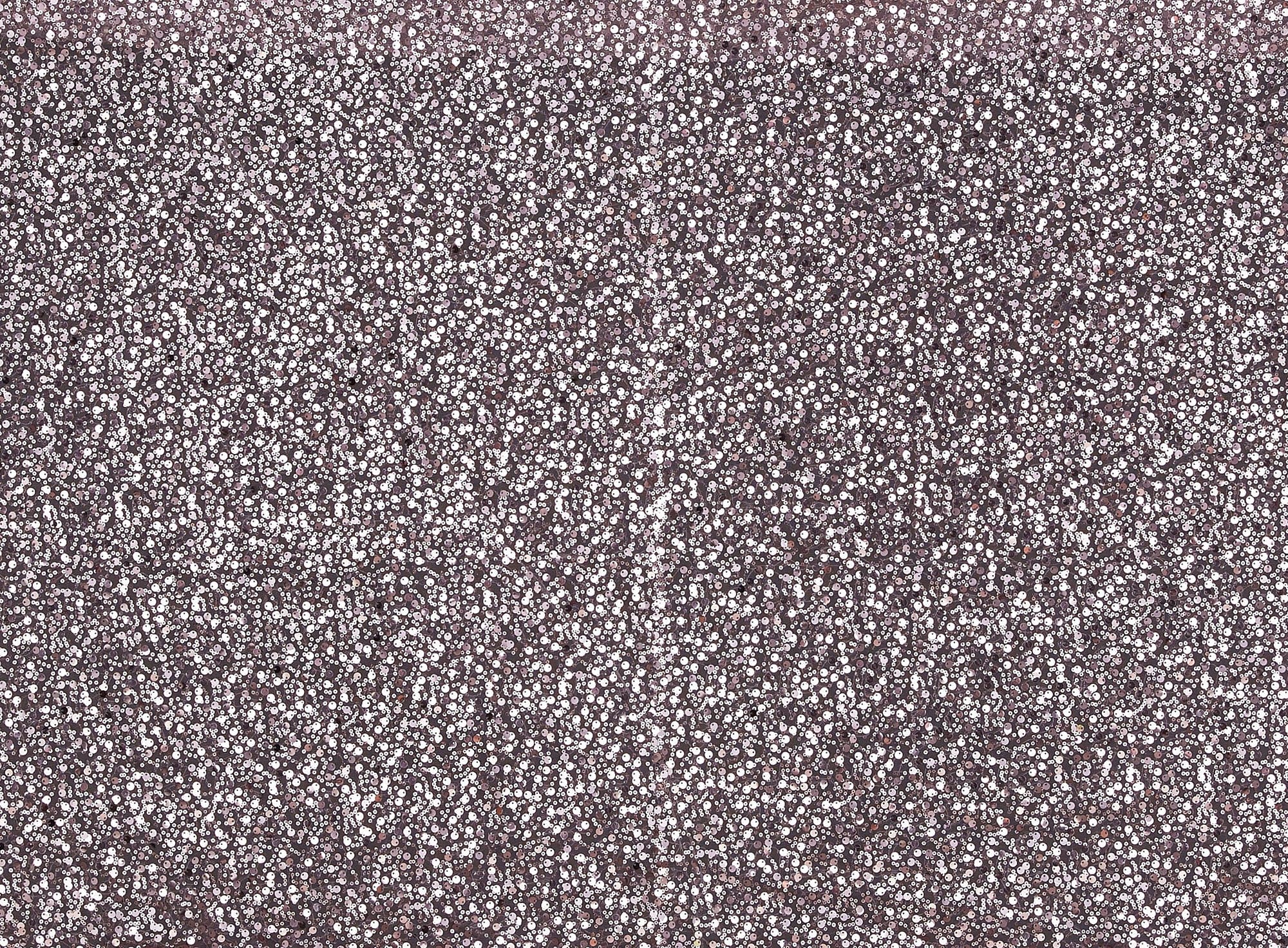
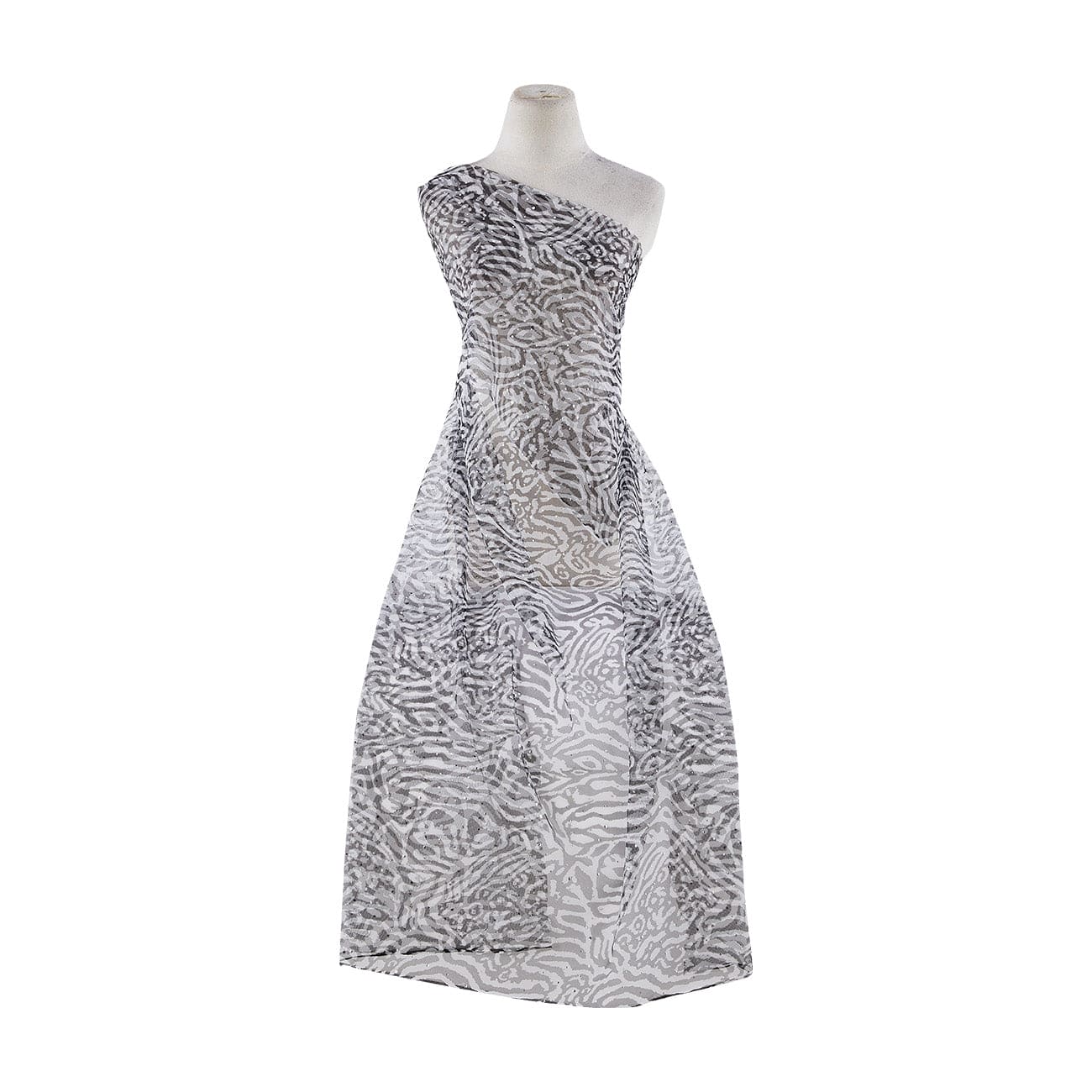
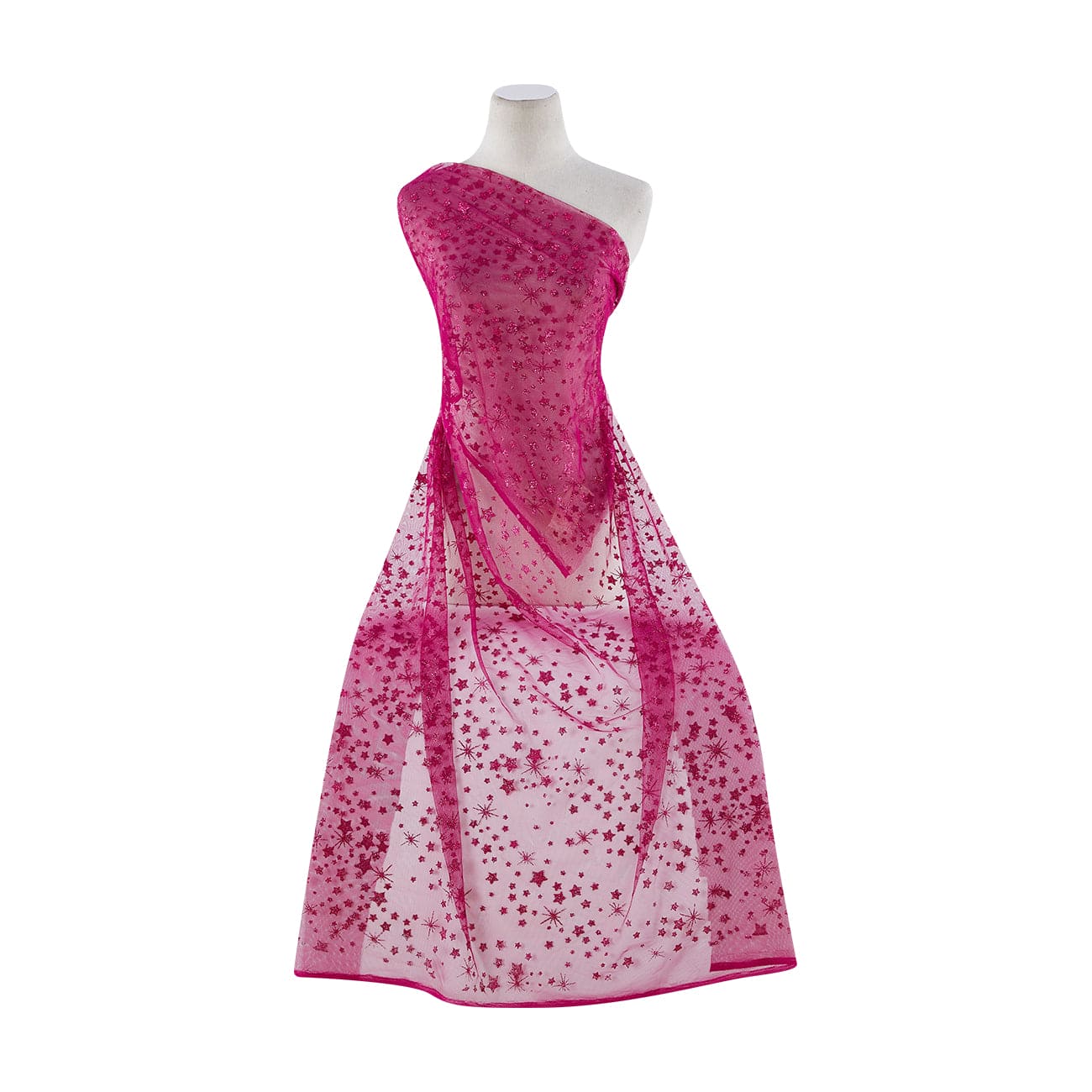
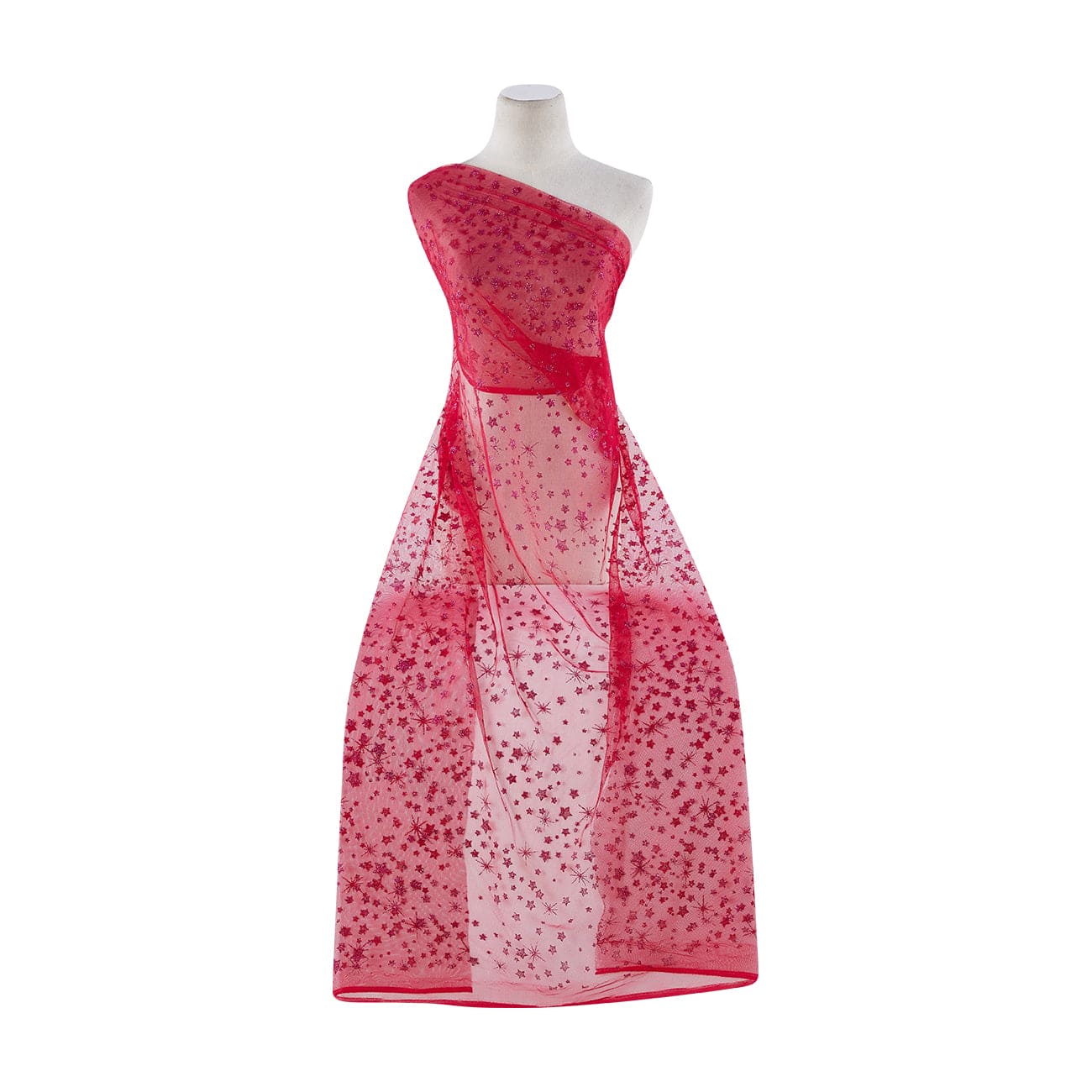
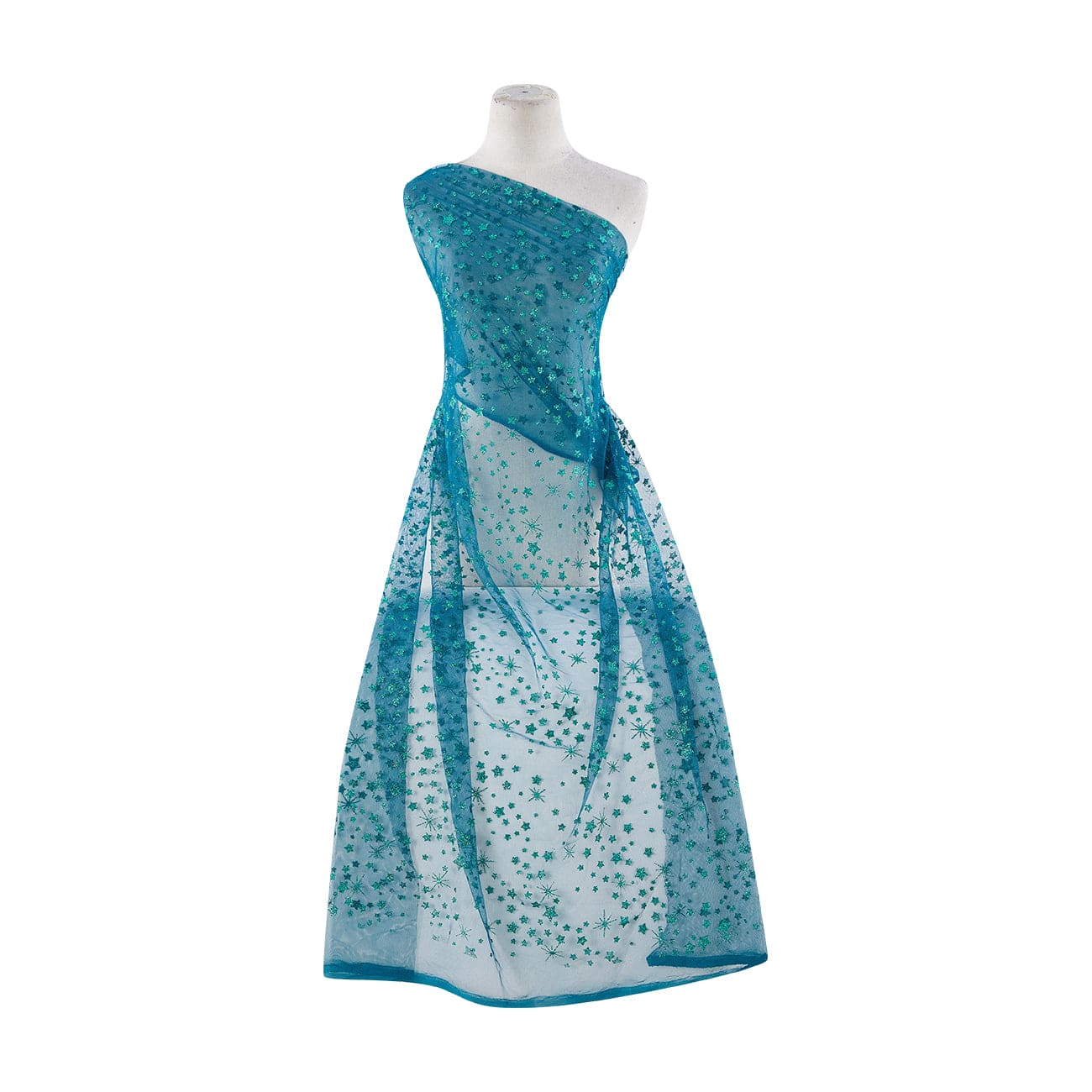
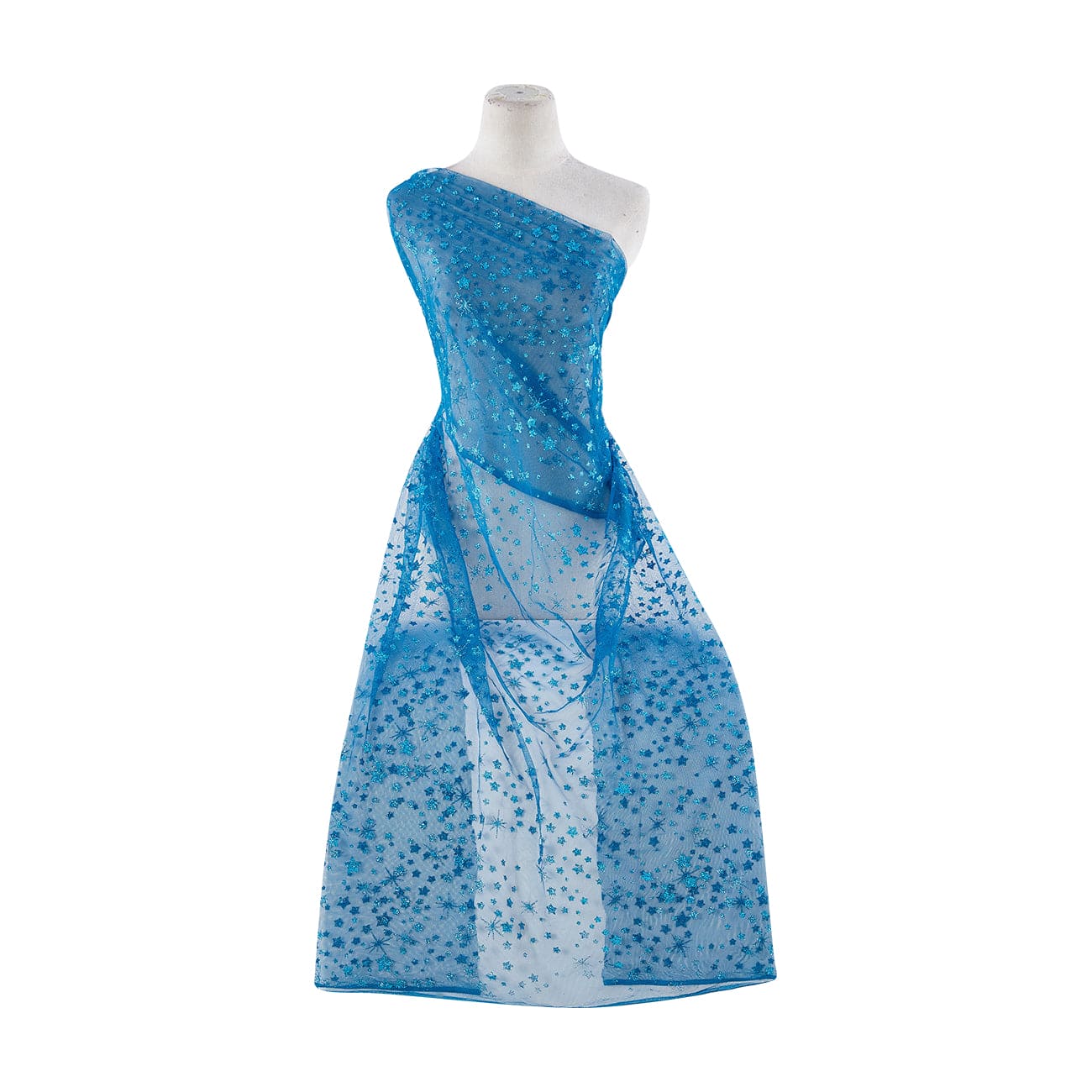
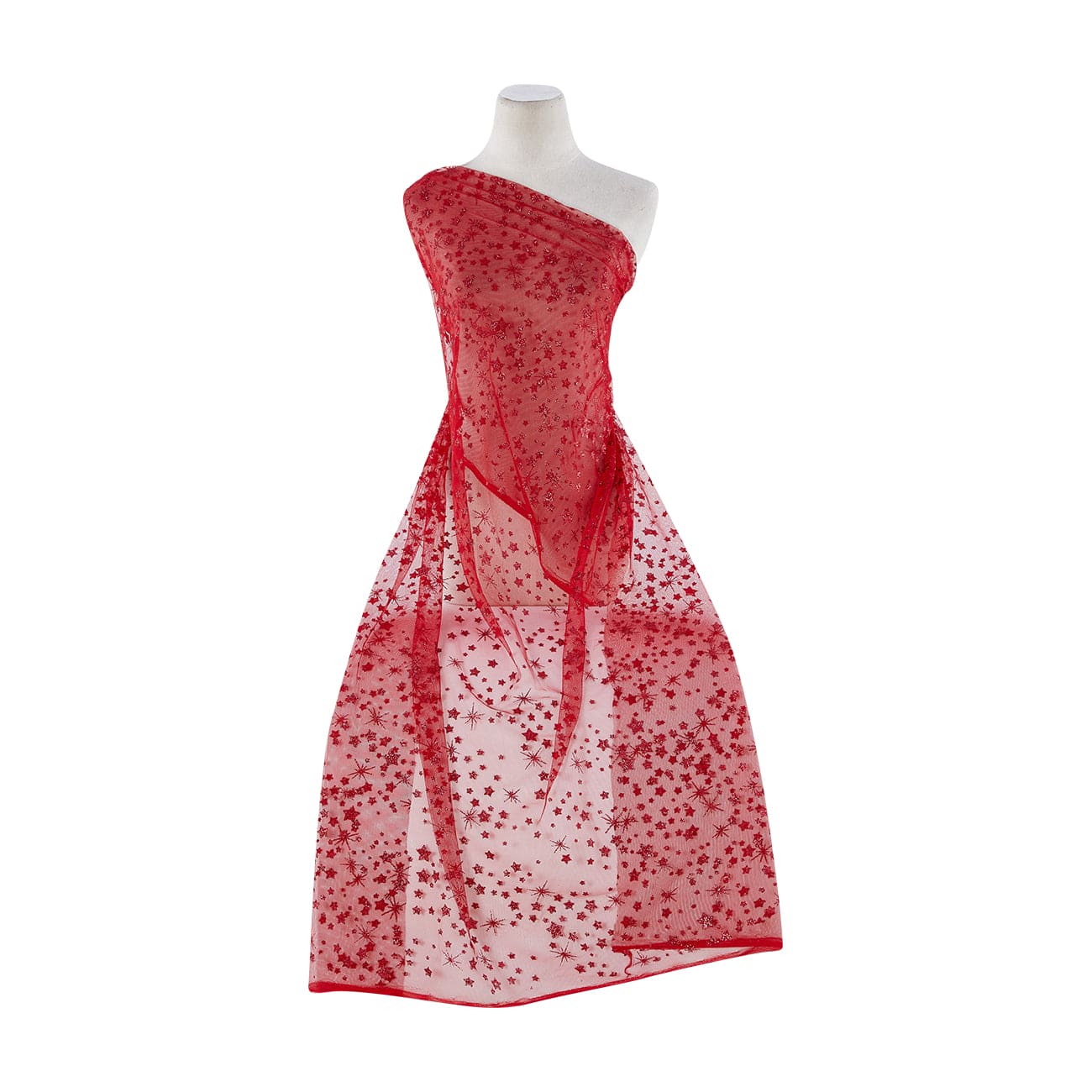
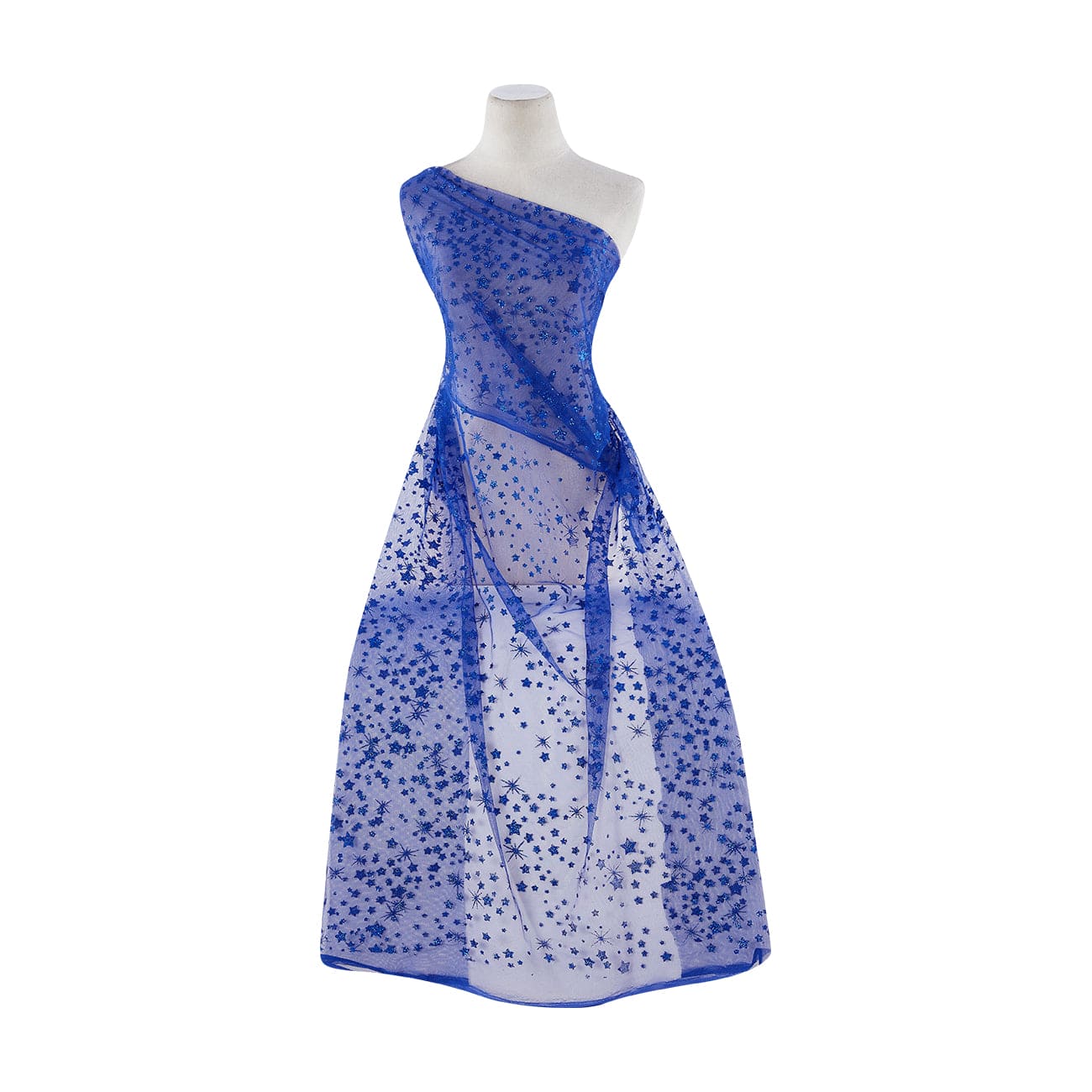
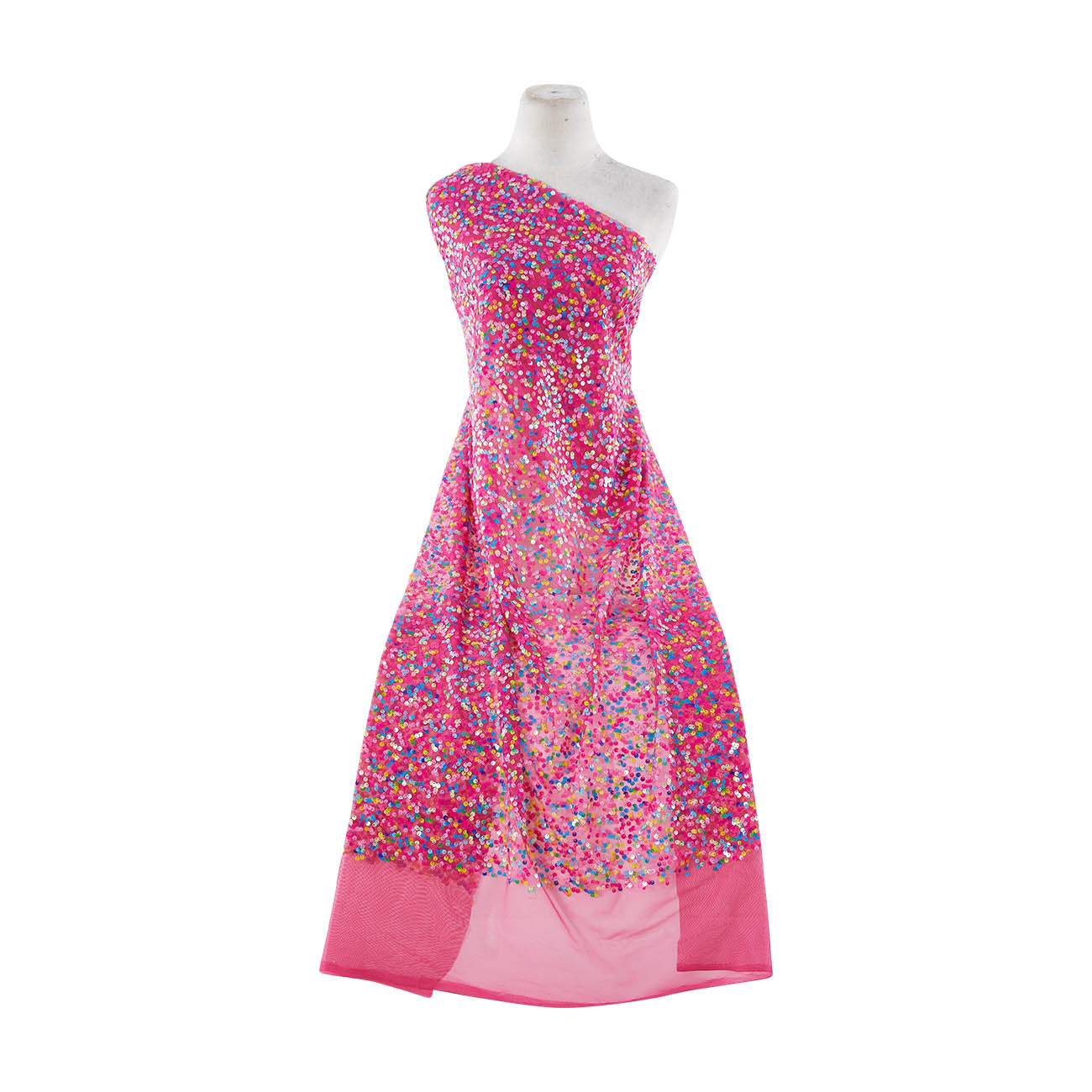
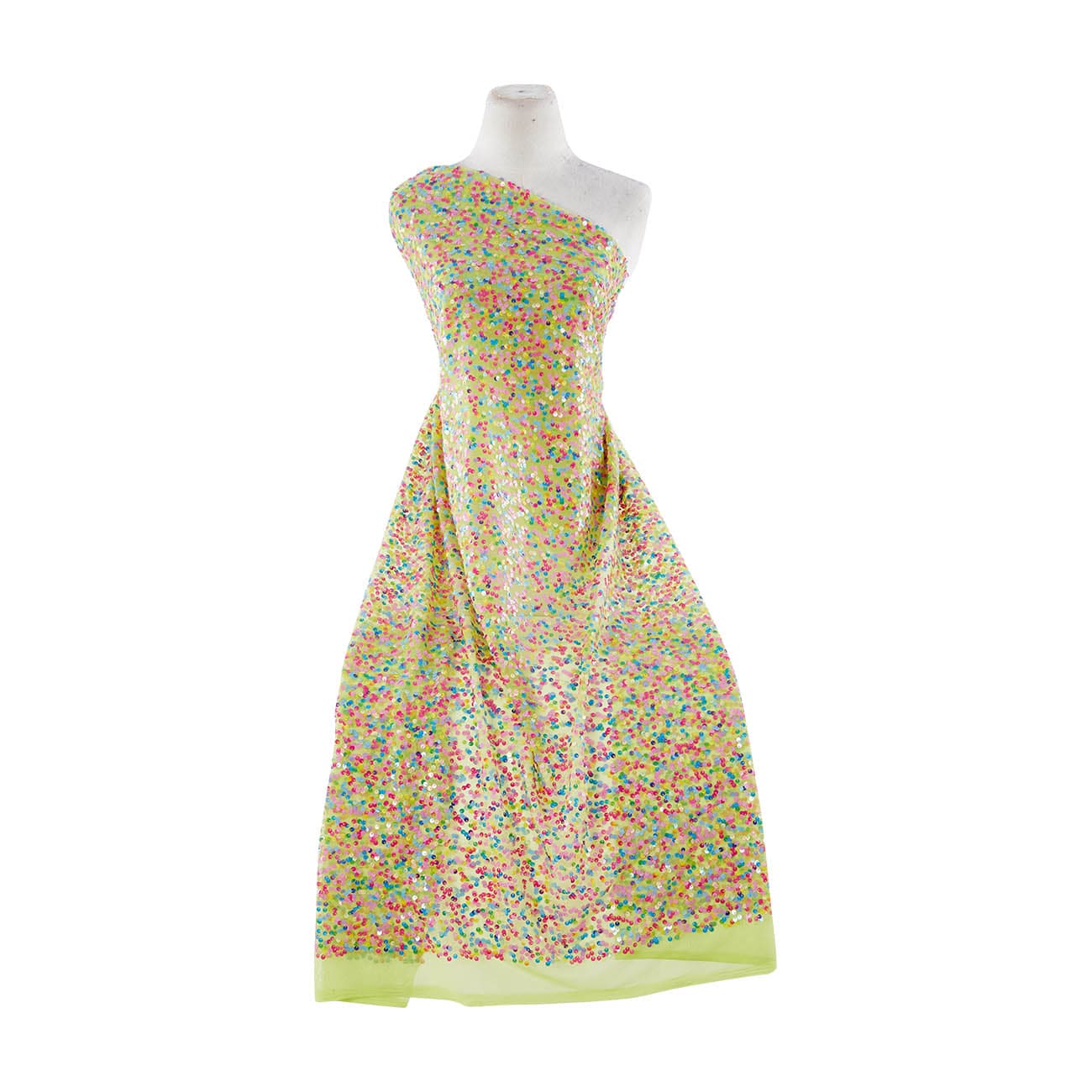
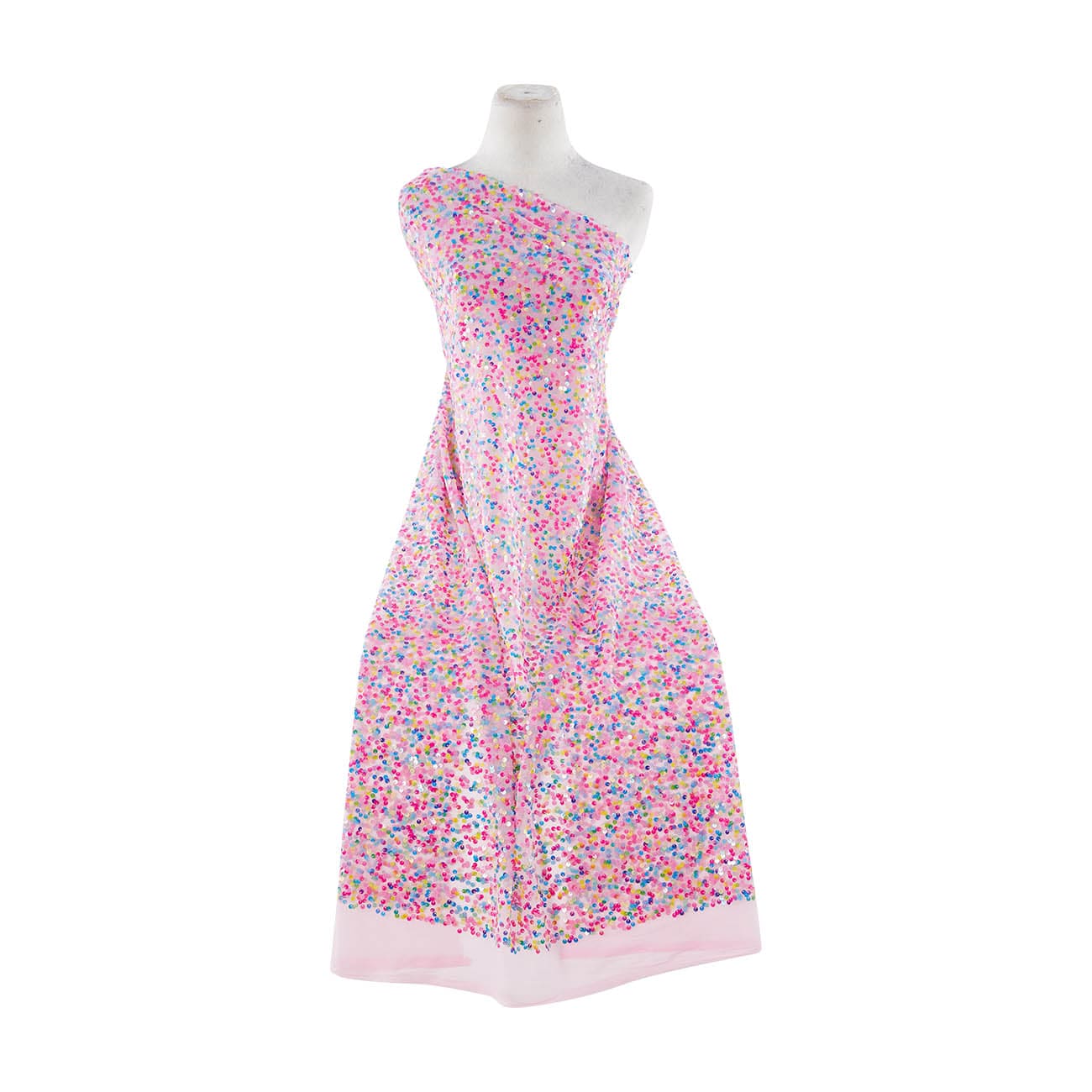
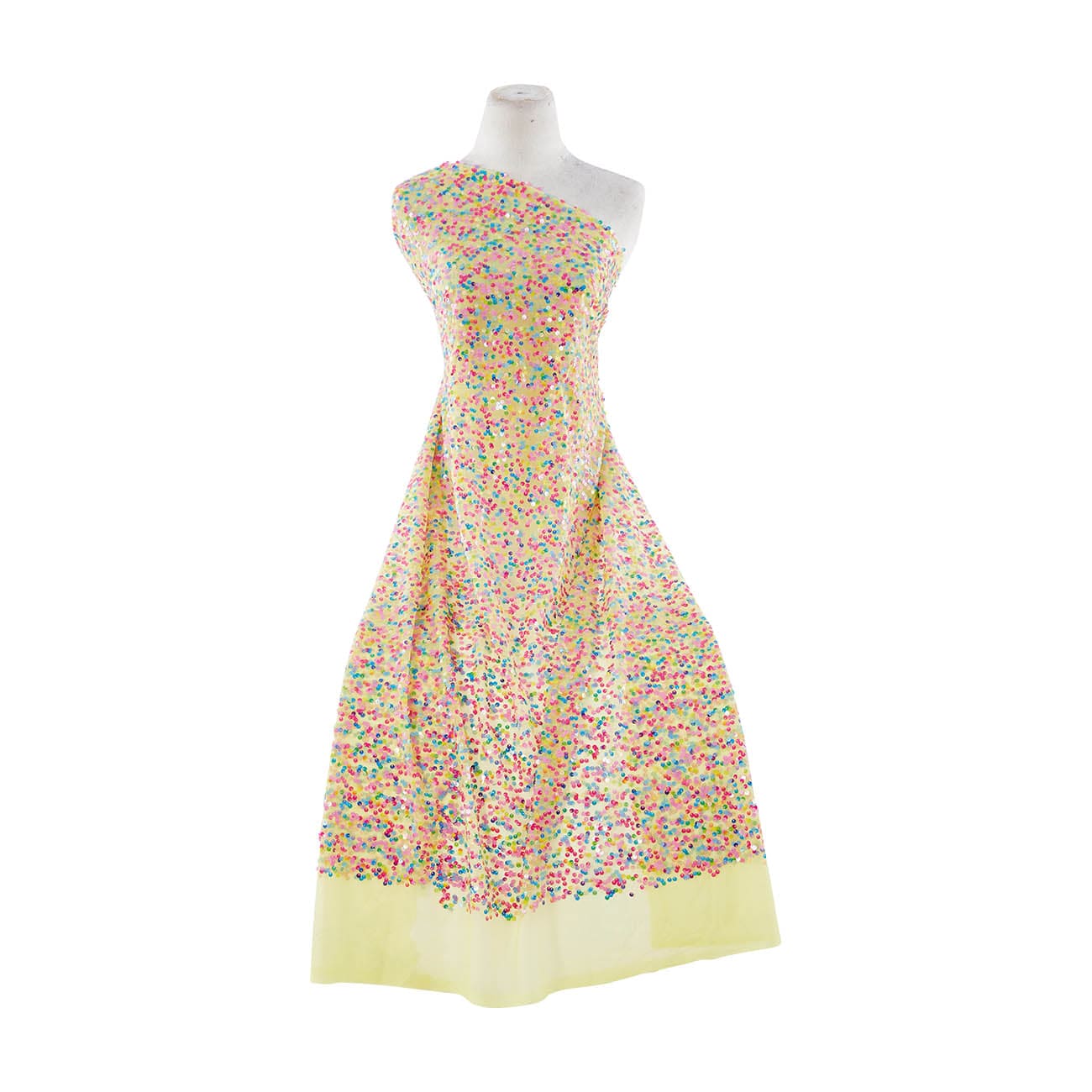
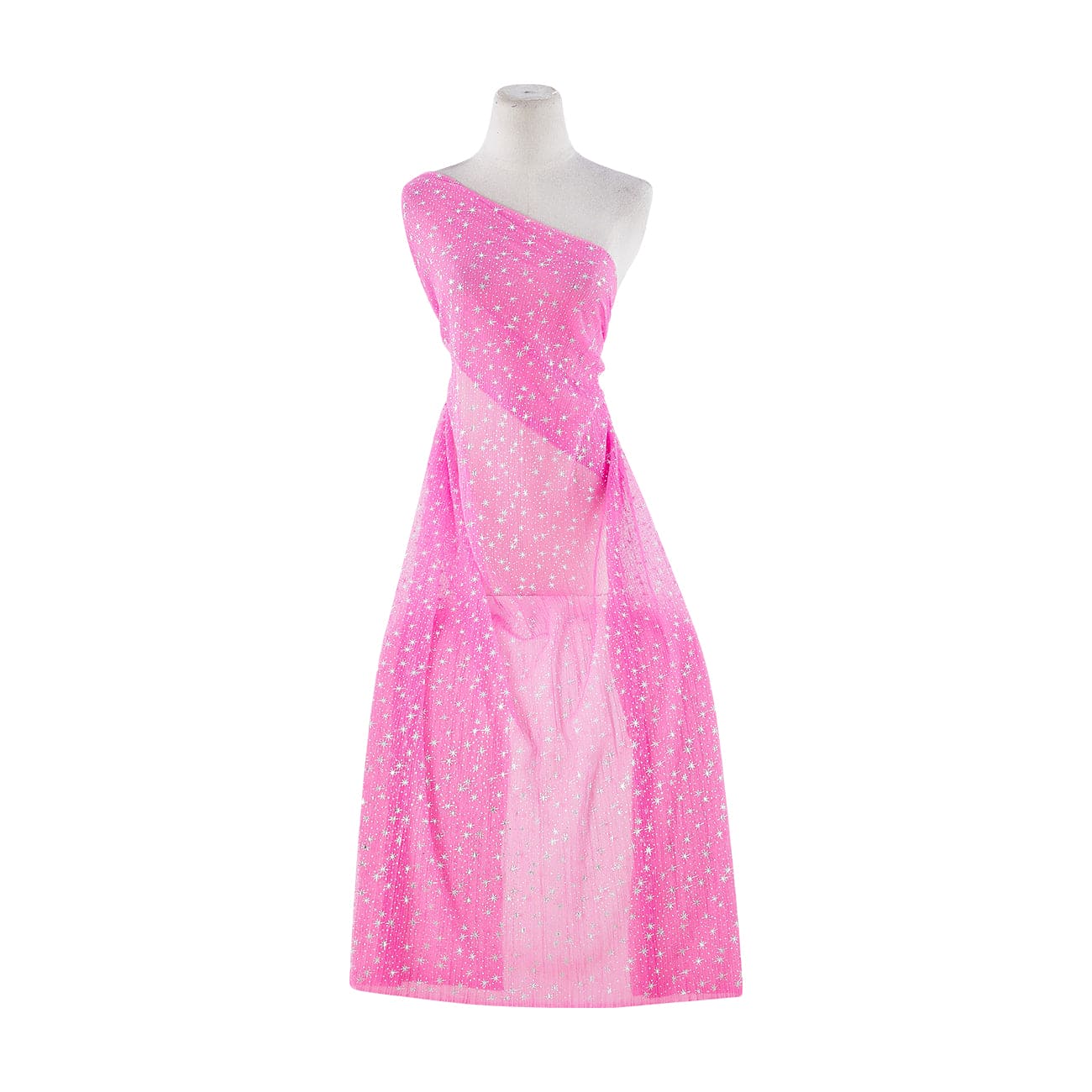
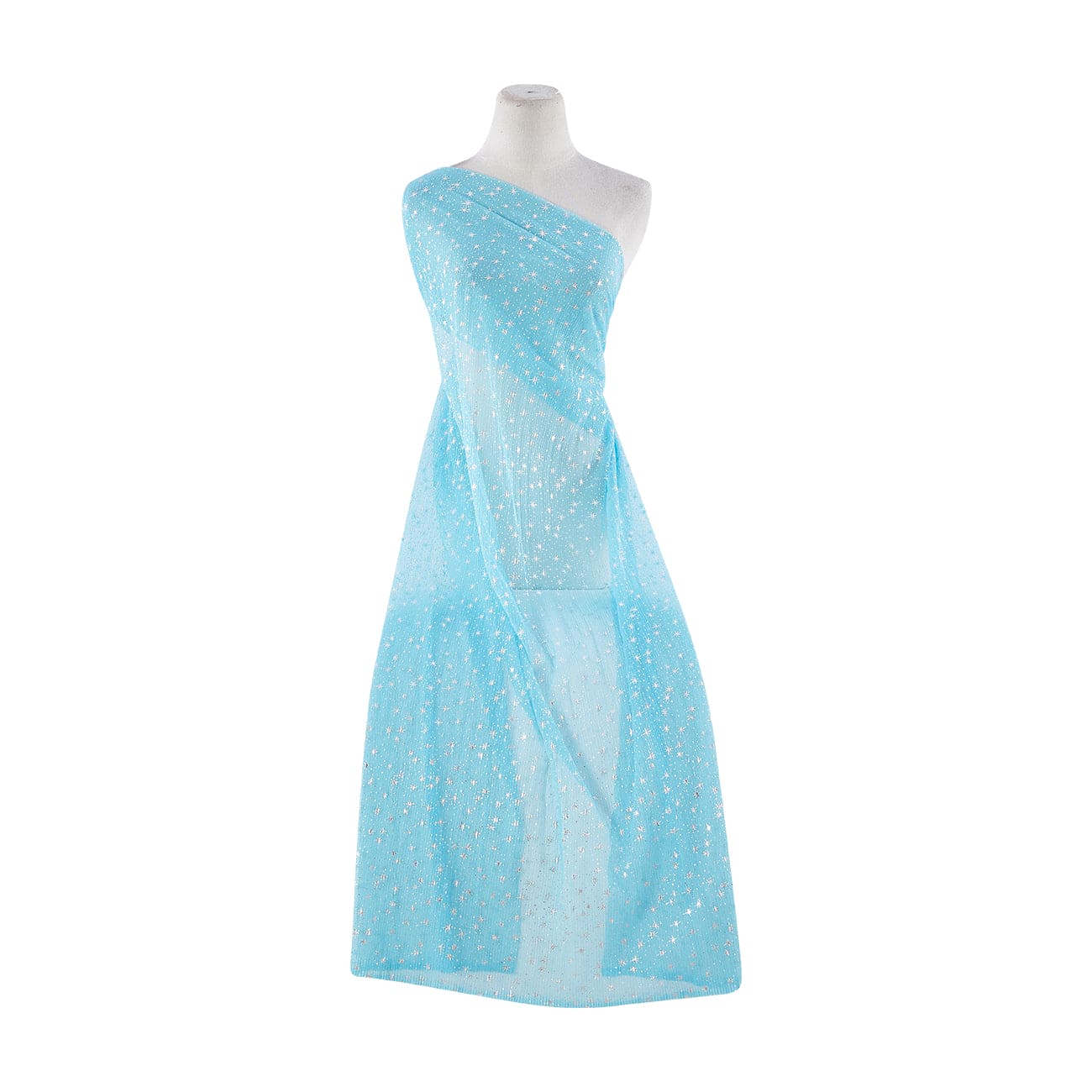
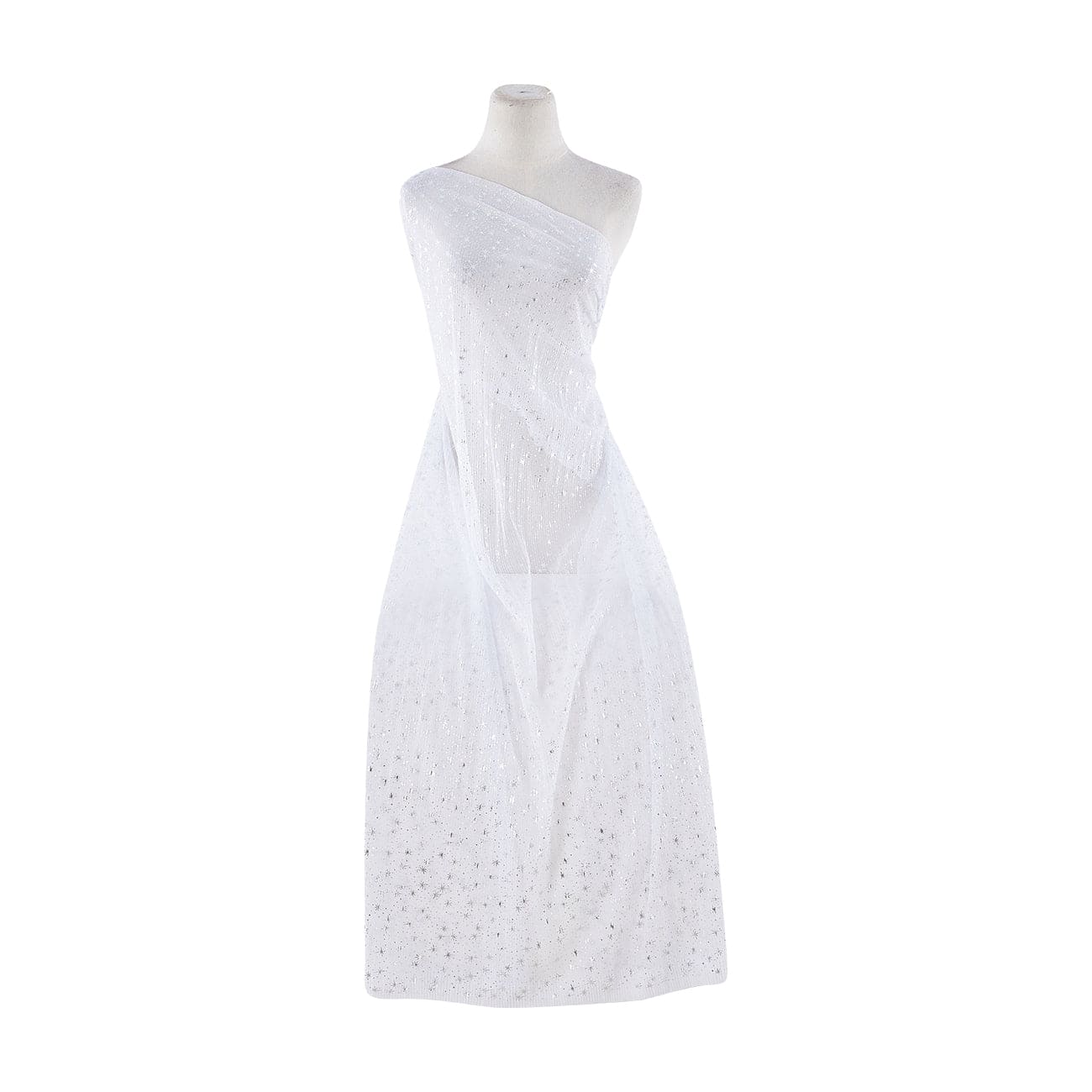
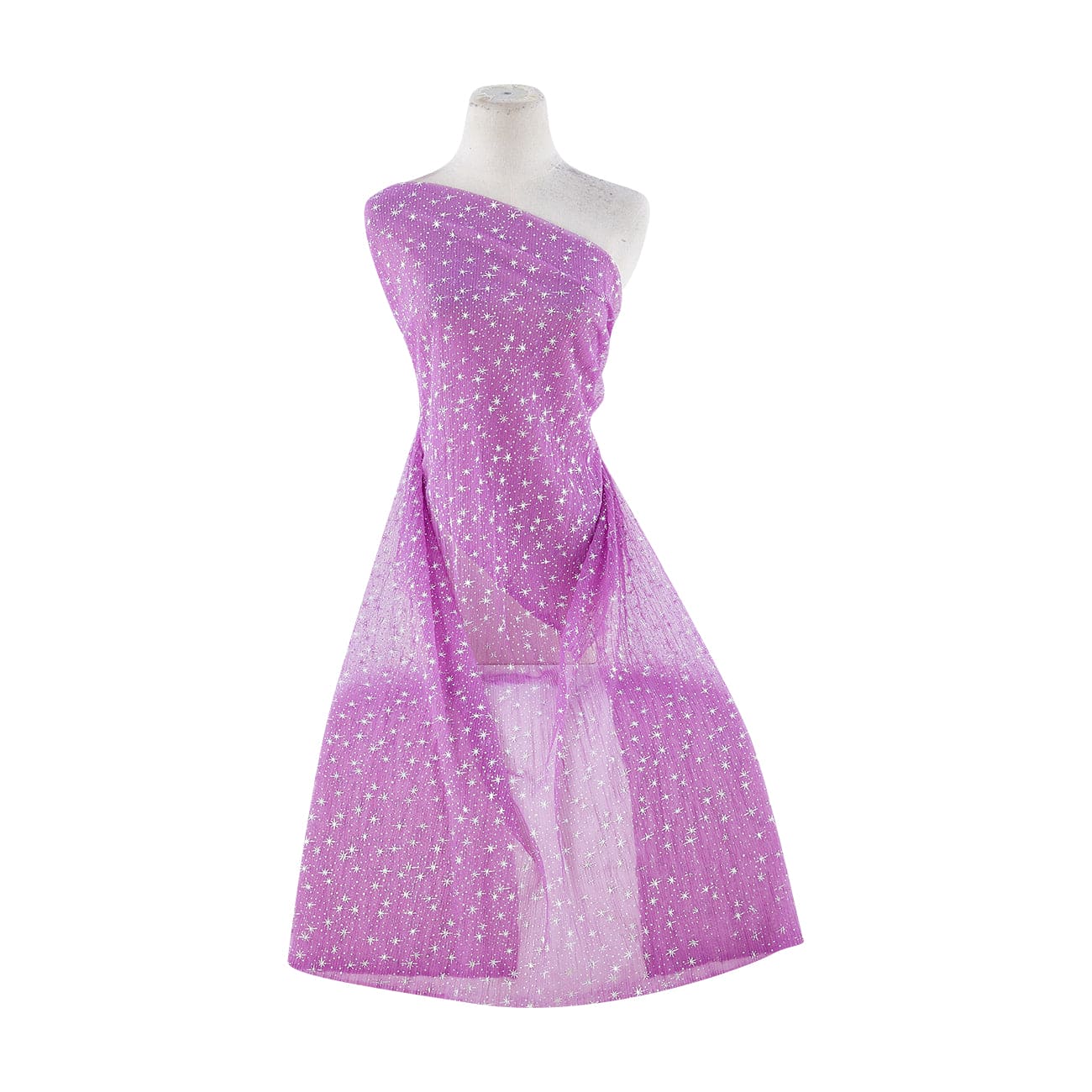
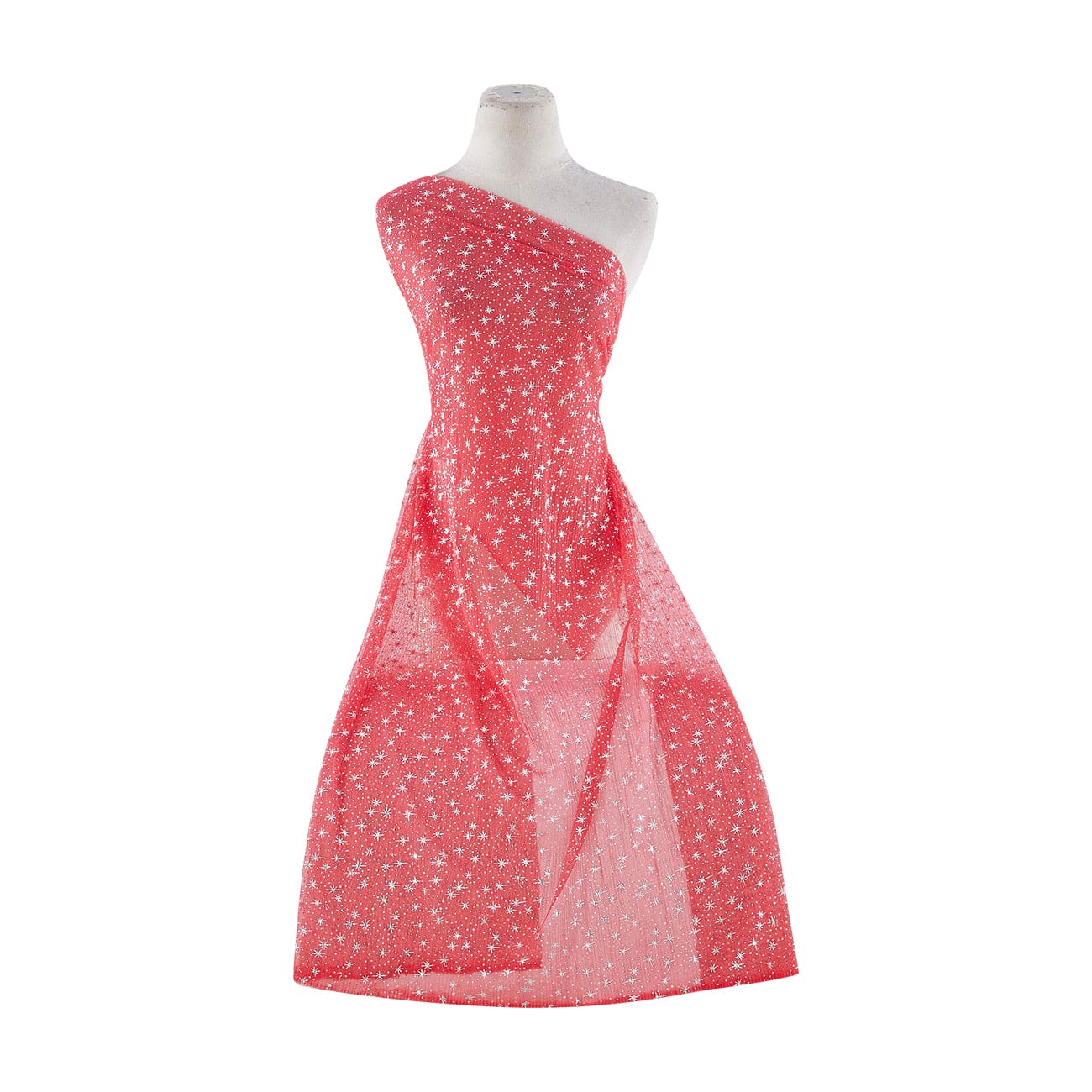
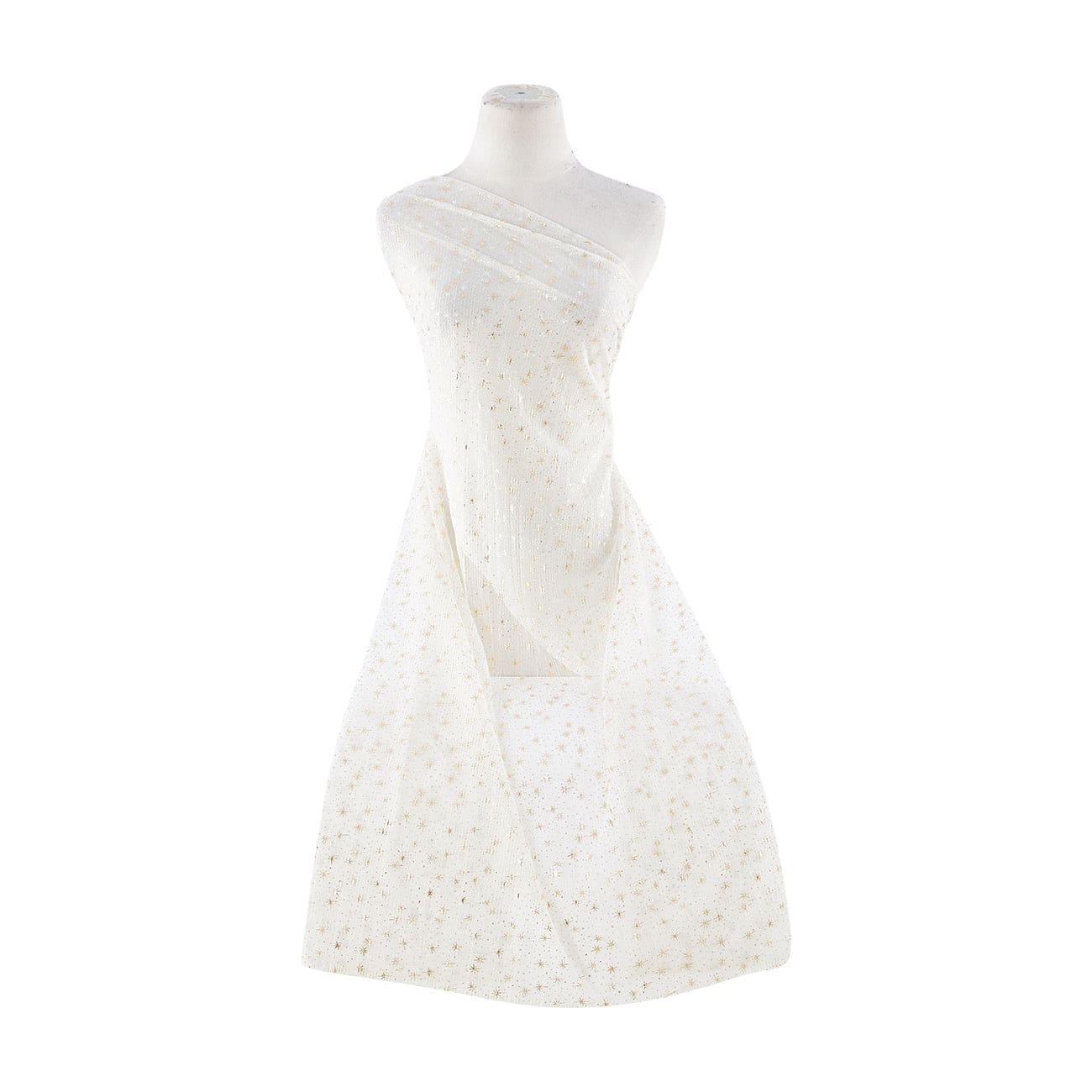
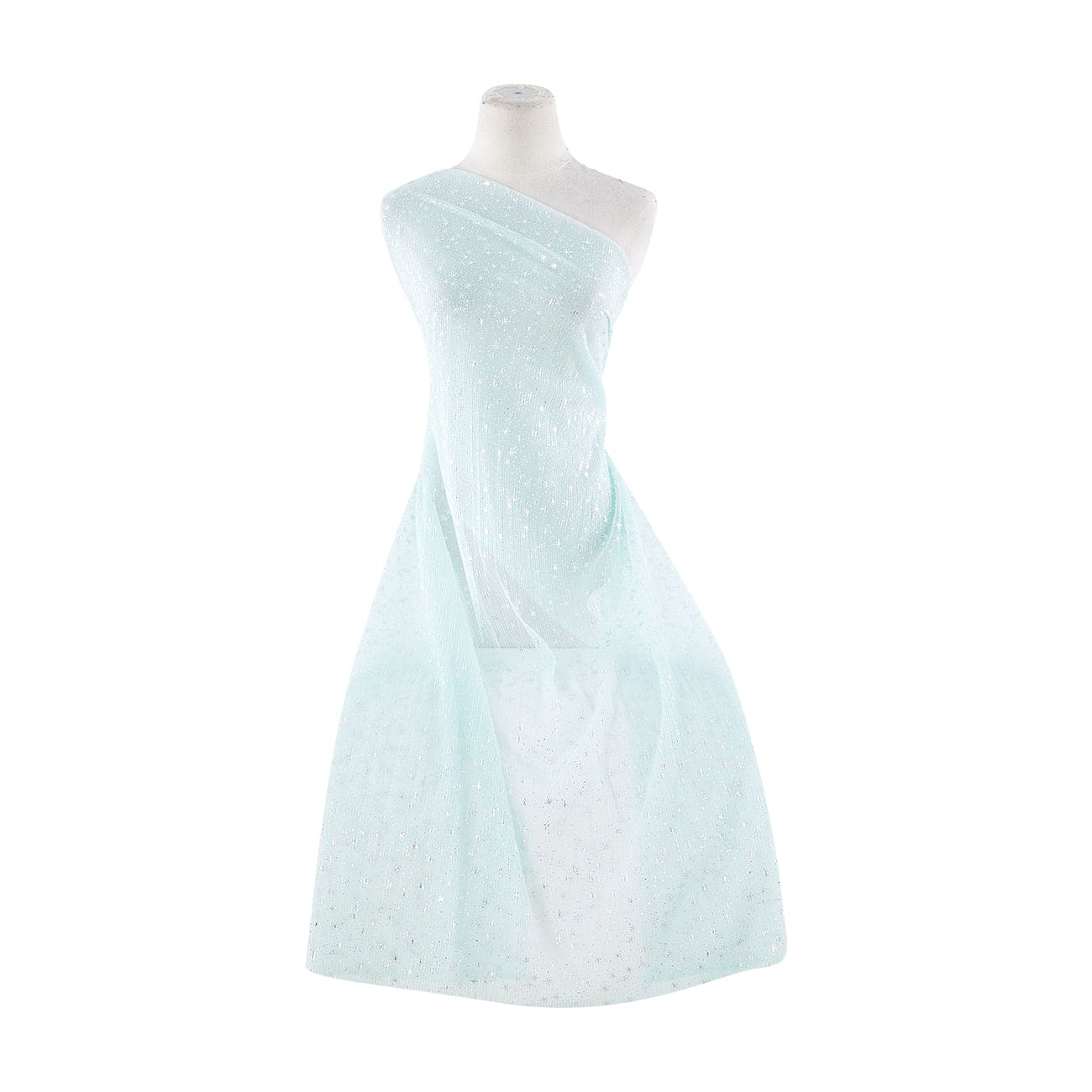
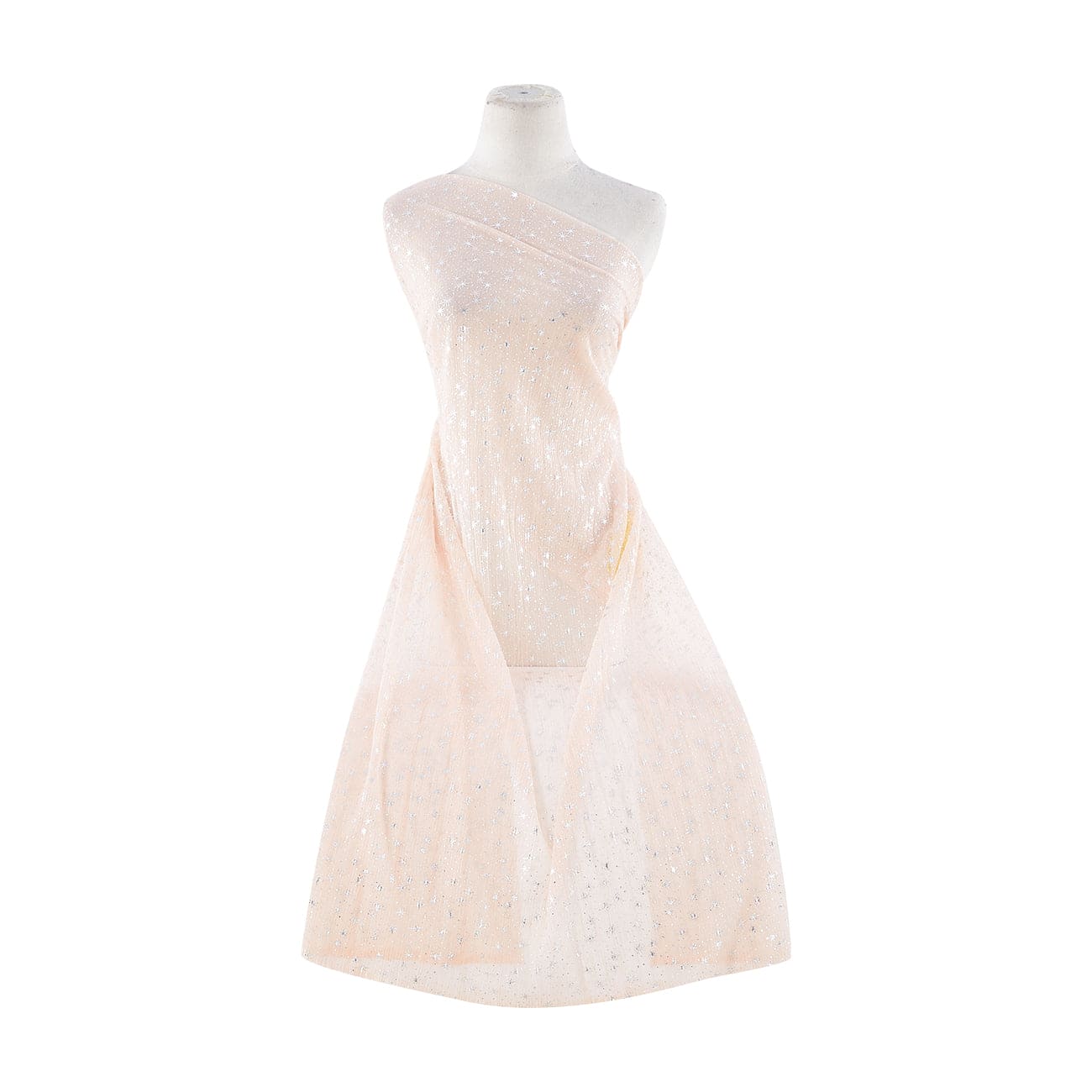
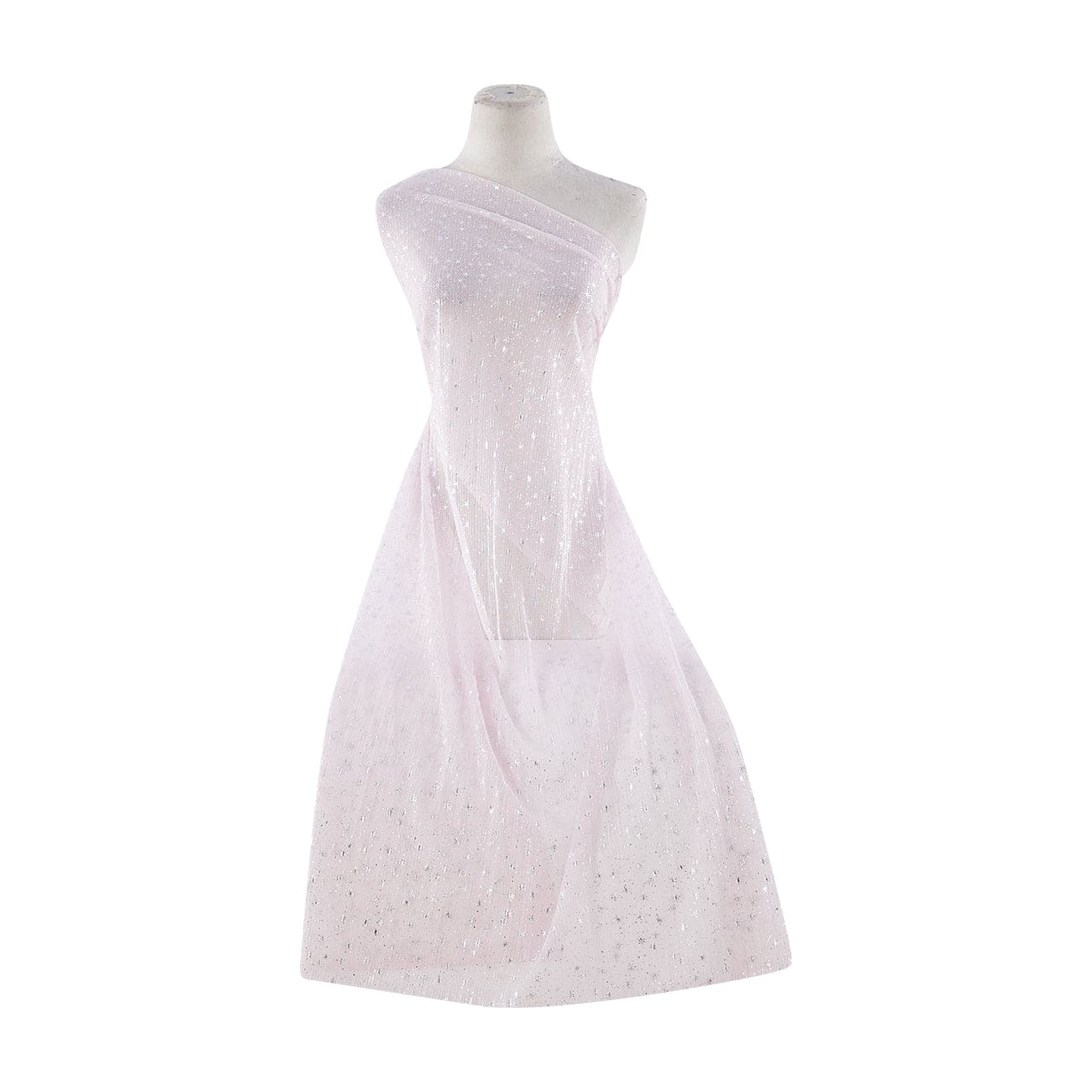
Beyond traditional embroidery, glitter tulle and flocked tulle add a different kind of surface interest. Glitter tulle incorporates reflective particles into the fabric construction, catching light as the wearer moves. Flocked tulle uses a velvet-like raised pattern applied to the mesh, creating contrast between the sheer base and the soft texture of the flock. Both options sit in this collection alongside plain and embroidered styles, giving buyers a range of finishes to choose from.
Customers working on high-end eveningwear and formalwear often also explore the Gala collection at Zelouf Fabrics, which brings together fabrics suited to formal occasions across a range of types and embellishments.
How Green Tulle Can Be Worn
Green tulle works across a broad range of garments and styling approaches. The color family covers everything from pale sage and mint, which sit in the soft neutral range, through to saturated jade, emerald, and forest tones that read as bold and statement-making. This range means green tulle suits both understated and dramatic designs.
Garments and Silhouettes
Full-length skirts and gowns are the most traditional applications for tulle, and green works particularly well in layered skirt constructions where different shades of the color can be stacked to create depth. Tulle overlays on fitted bodices and midi-length dresses are also popular, as the sheer layer adds movement without altering the silhouette beneath. Beyond gowns, green tulle is used in fashion-forward separates, including structured tops, wide-leg overlay trousers, and layered sleeve treatments.
For costume and theatrical applications, tulle remains a go-to because it can be shaped, gathered, and layered quickly. Fairy costumes, fantasy garments, and stage performances all make regular use of colored tulle for this reason.
Who Wears Green Tulle
Green tulle is used across womenswear, girlswear, and costume design. In bridal contexts, green has grown in popularity as an alternative to white for bridesmaids and as an accent color on bridal separates. Children's formalwear, including flower girl dresses and pageant gowns, frequently incorporates tulle skirts in soft greens. Adult formalwear, from cocktail dresses to full ballgowns, uses the deeper green shades for impact.
Designers who prefer a structured base under tulle overlays often incorporate woven fabrics from the Zelouf catalog, which offer the stability needed to support voluminous tulle layers in tailored construction.
When and Where Green Tulle Works Best
Tulle is strongly associated with formal occasions, but that association has broadened significantly over time. Green tulle now appears in collections designed for everything from garden parties to red carpet events.
Seasonal Versatility
Soft greens like mint, sage, and pistachio read as fresh and seasonal in spring and summer, making them a natural fit for outdoor ceremonies, garden weddings, and warm-weather formals. Deeper greens, including emerald and forest, sit comfortably in fall and winter wardrobes, pairing well with richer accessories and layered styling. The color family's natural range means green tulle rarely feels out of place regardless of the time of year.
Occasion Fit
Green tulle is appropriate for formal occasions including galas, charity dinners, proms, and wedding parties. At the more relaxed end, lighter green tulle is used in theatrical costumes, children's parties, and seasonal events. Embroidered and glitter tulle options trend toward the more formal end, while plain soft tulle works across a wider range of uses.
Knit fabrics from Zelouf's wider range are popular for lining and undergarment construction in tulle-heavy designs, as their stretch and softness make them comfortable against the skin under structured outerwear.
Explore the Full Zelouf Tulle Collection
Green is one of the most versatile colors in the tulle range, but it sits within a much broader collection. The full tulle collection at Zelouf Fabrics covers the complete color spectrum in solid, embroidered, flocked, glitter, and specialty finishes, all available by the yard at wholesale pricing. Whether you need a small quantity for a bespoke commission or larger yardage for production, the catalog is built to accommodate both.
Frequently Asked Questions
What is the difference between plain tulle and embroidered tulle?
Plain tulle is a simple net fabric with no surface decoration. Embroidered tulle has thread patterns worked onto the mesh, adding texture and visual detail while keeping the base fabric lightweight and sheer. Embroidered options are typically used where a more finished or decorative look is needed.
Is green tulle suitable for bridal use?
Yes. Green tulle is used in bridesmaids' gowns, flower girl dresses, and bridal separates. Soft shades like sage, mint, and pistachio are the most common in bridal contexts, though deeper greens are also used for winter weddings and non-traditional bridal styling.
How many yards of tulle do I need for a full skirt?
The yardage required depends on the length and fullness of the skirt. A floor-length layered tulle skirt typically requires between 10 and 20 yards depending on how many layers are constructed and how full the gathering is. For a single-layer overlay or shorter silhouette, considerably less is needed.
Does polyester tulle fray when cut?
Polyester tulle has a knit mesh construction that does not fray along cut edges in the way that woven fabrics do. This makes it one of the more manageable sheers to cut and sew, particularly for multi-layer constructions where a large number of cuts are involved.
Can tulle be layered with other fabrics?
Yes. Tulle is commonly layered over satin, chiffon, silk, and other sheers to add volume or a decorative top layer. It is also used as an underlayer to add body and structure to lightweight fabrics. The color and weight of the tulle will affect how the layered combination reads, so testing a sample before committing to a construction method is recommended.