
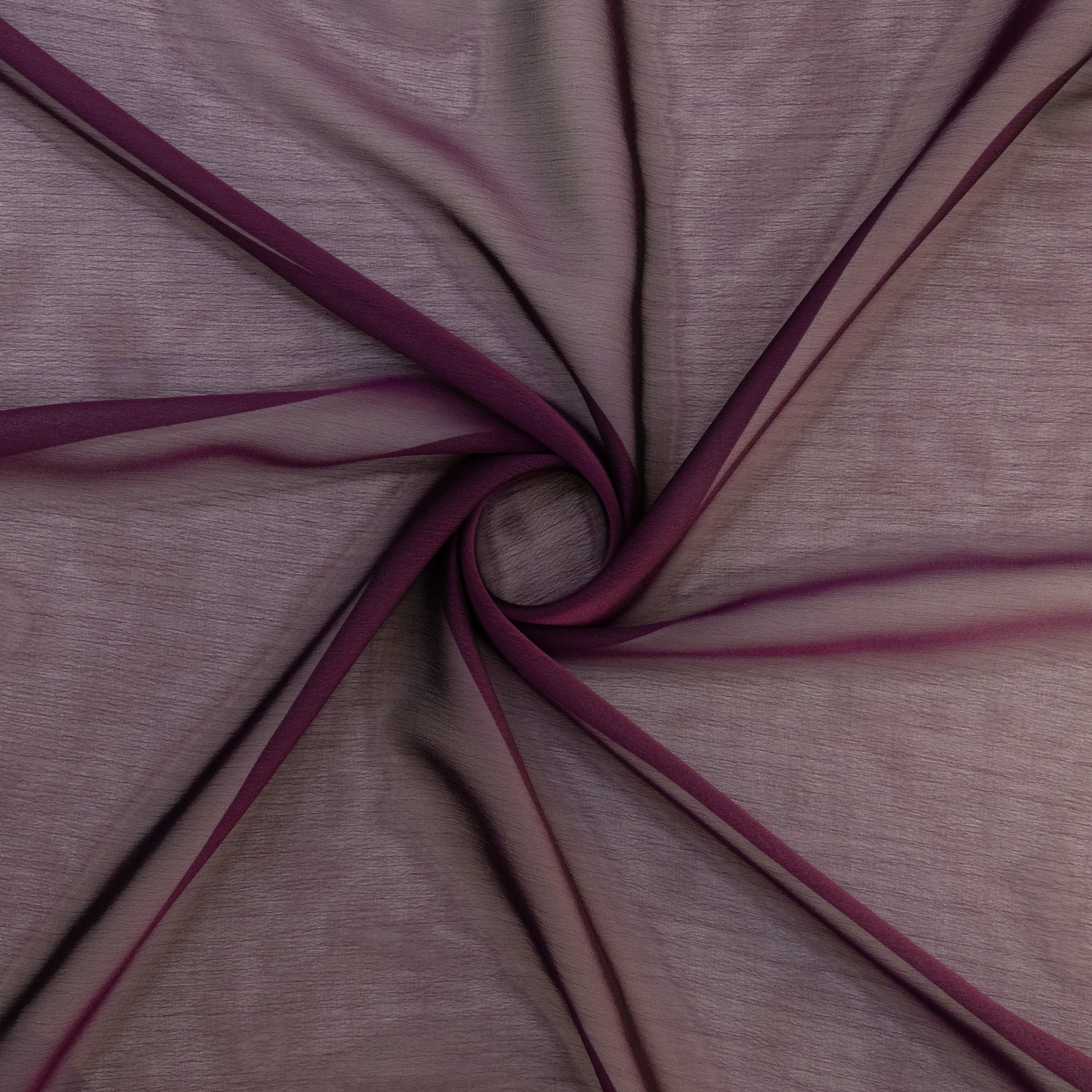
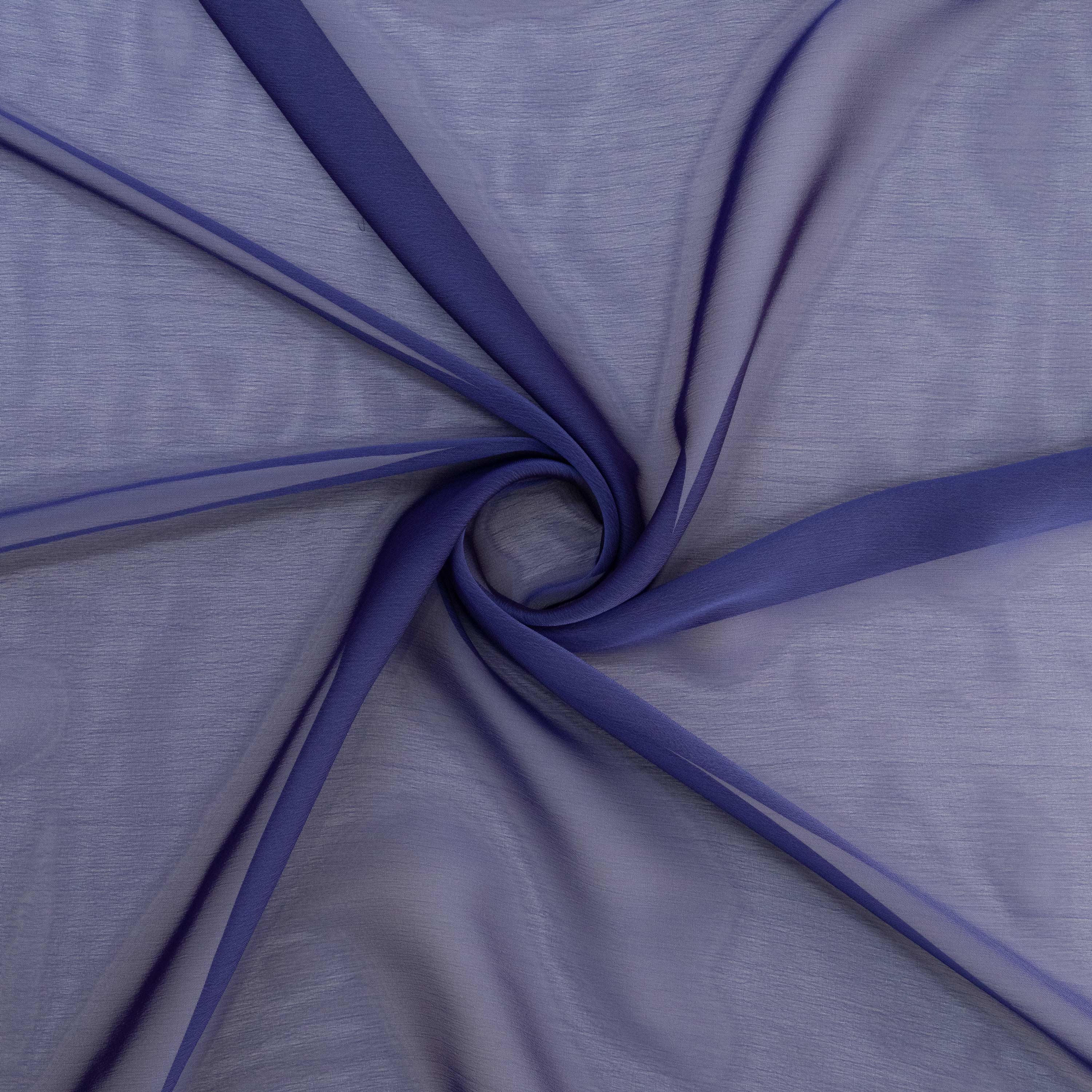
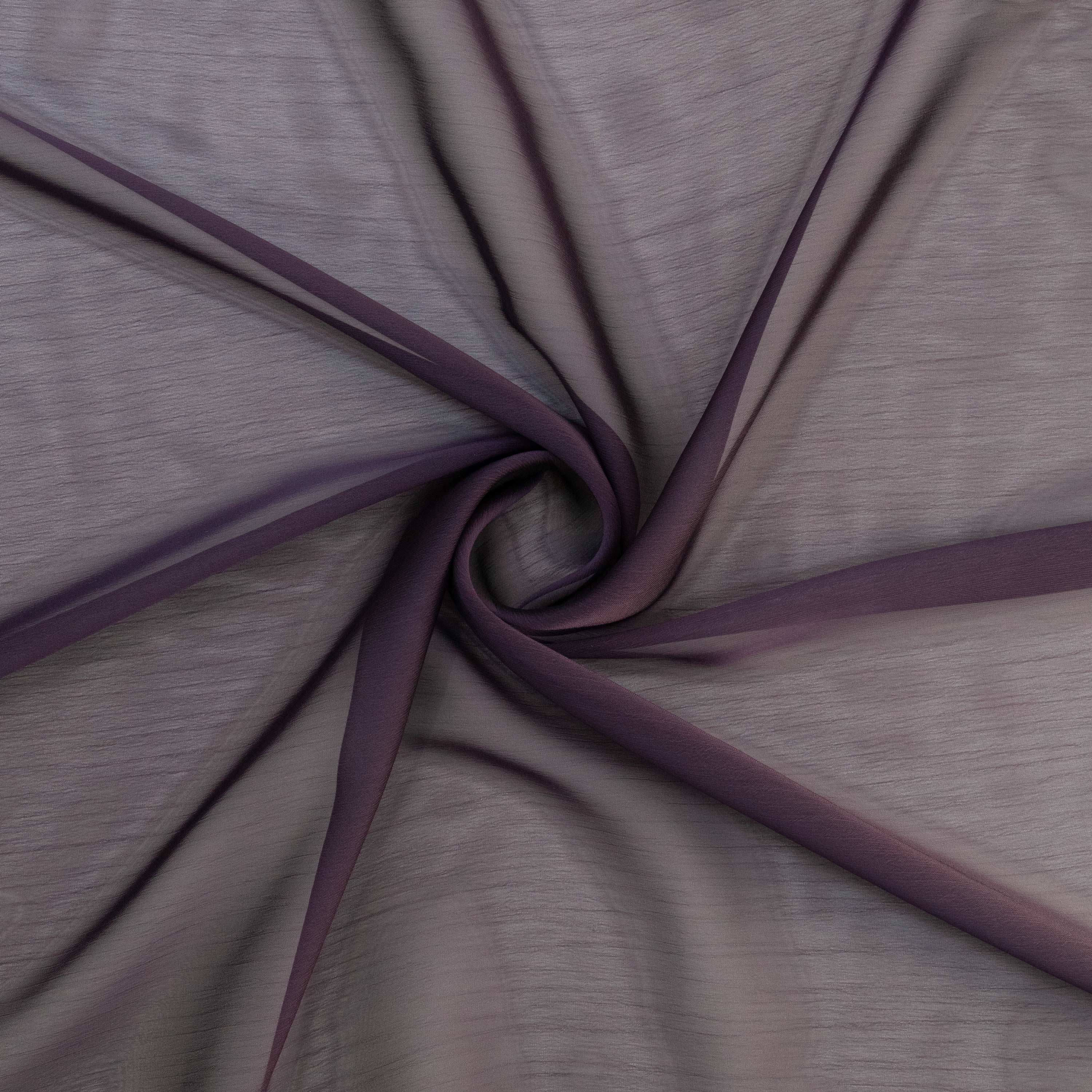
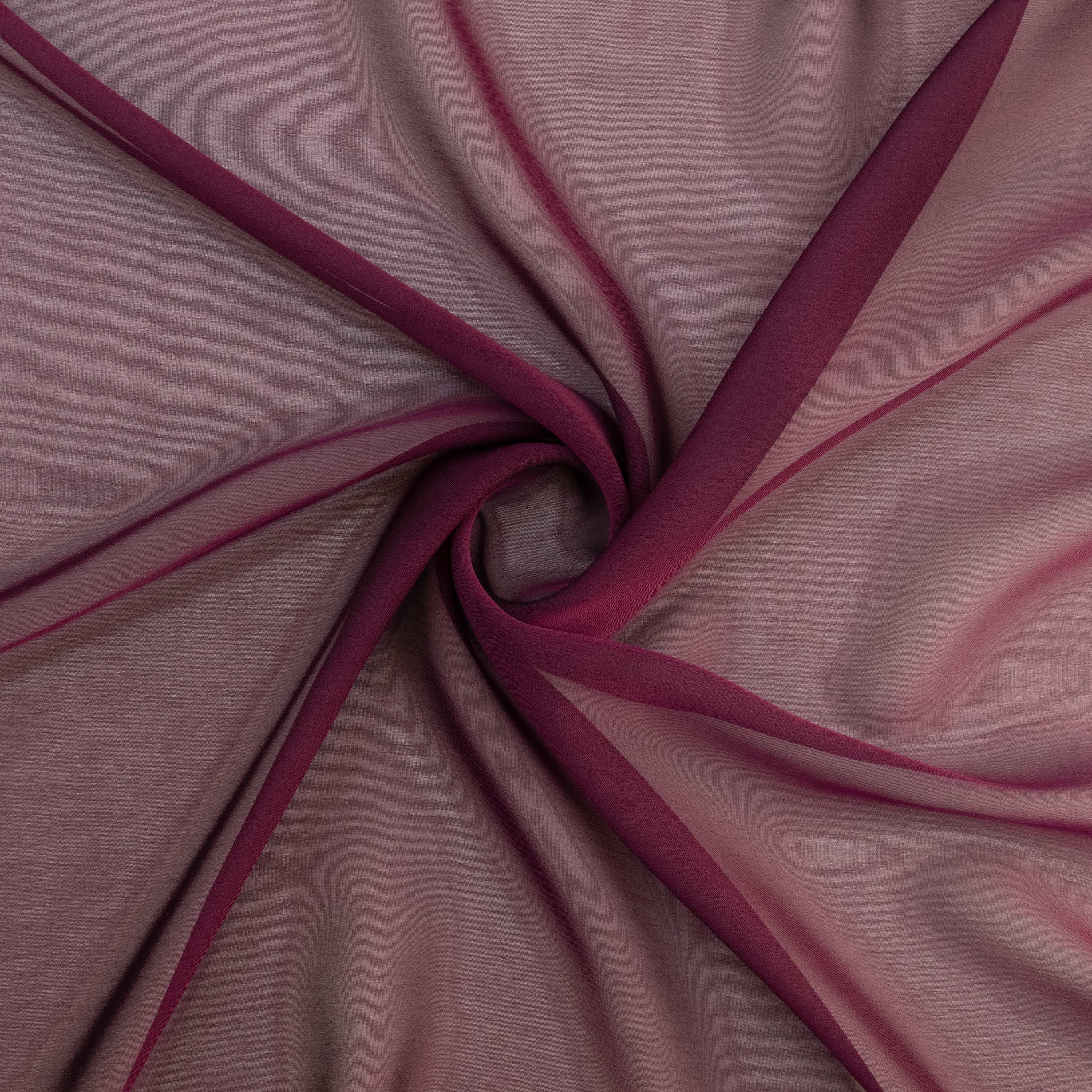
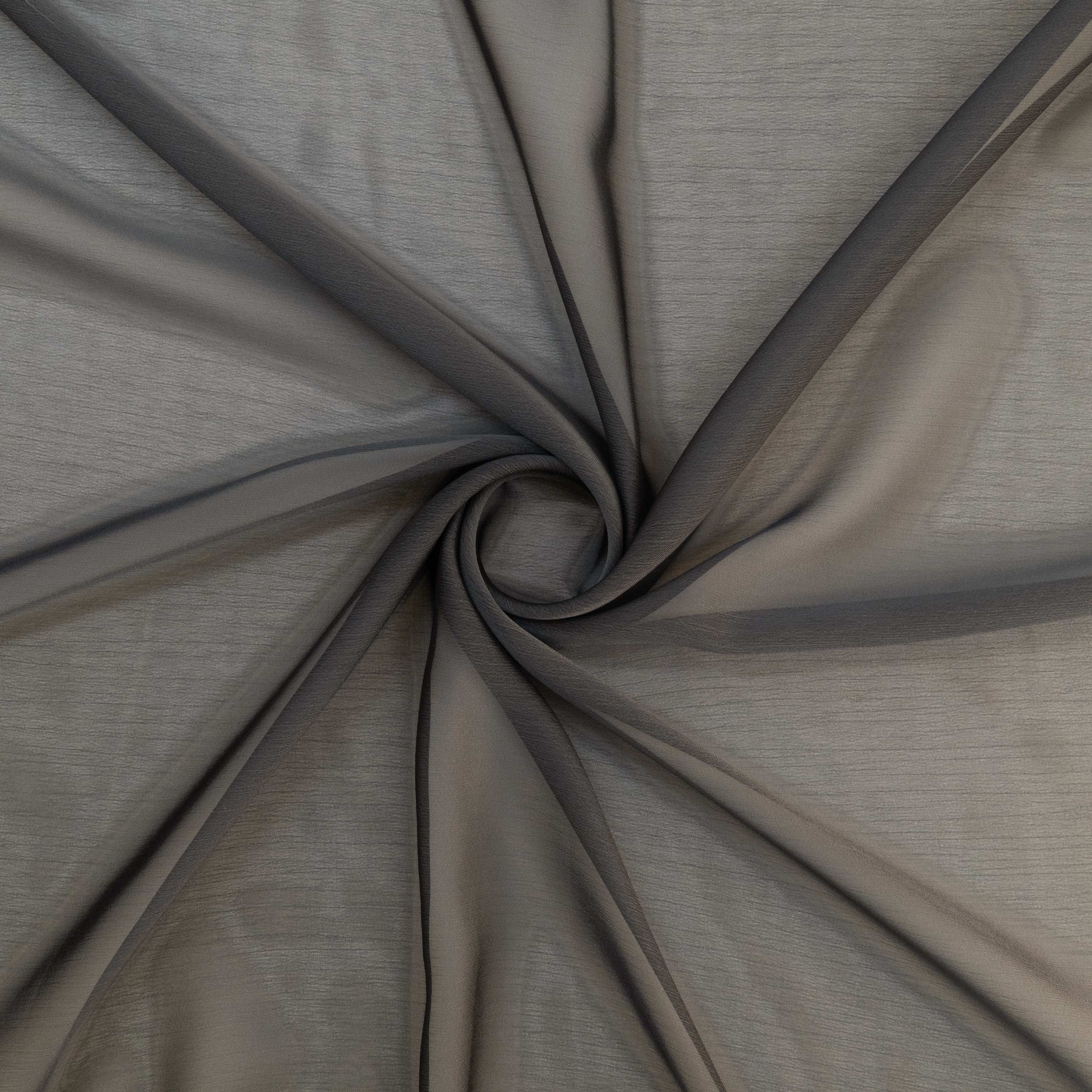
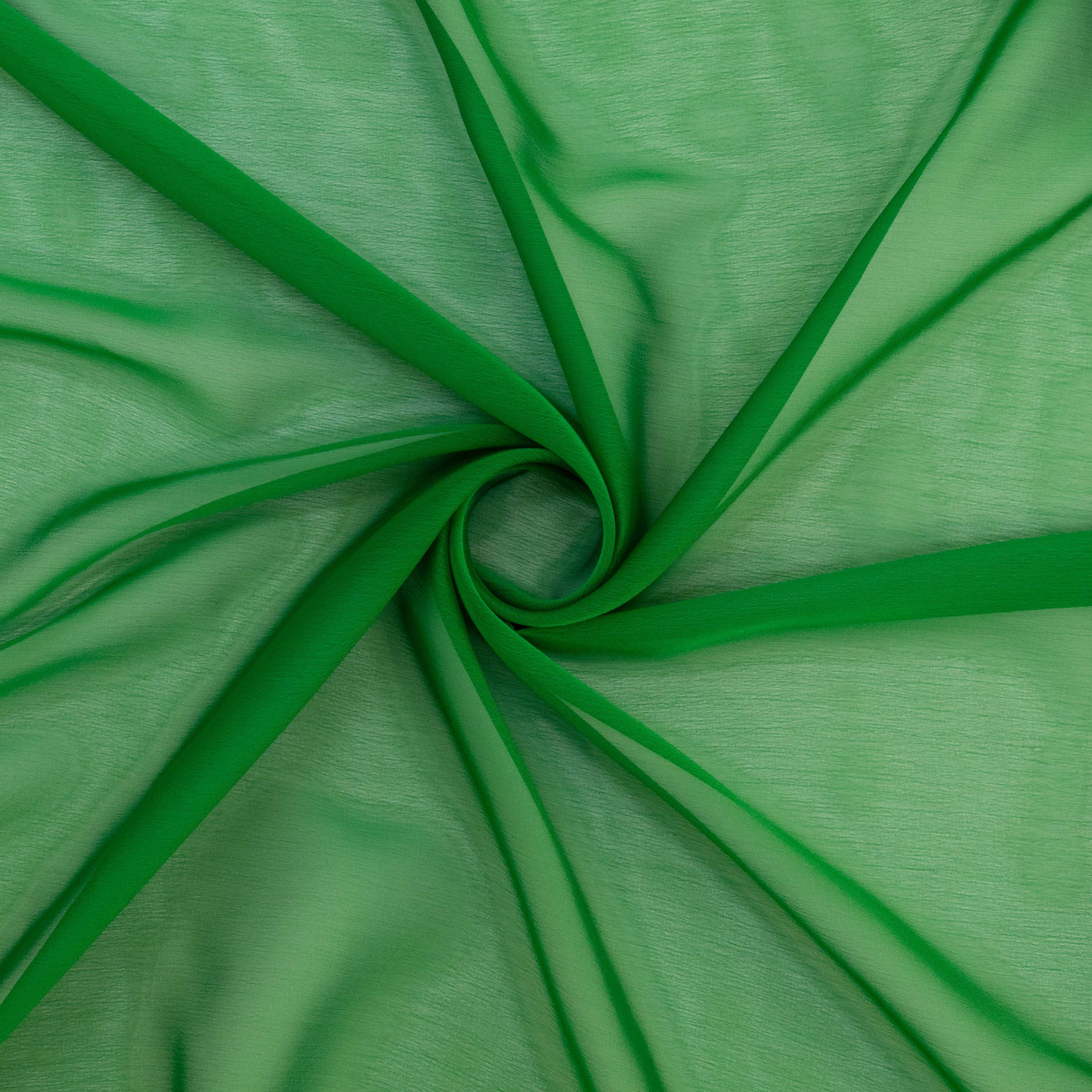
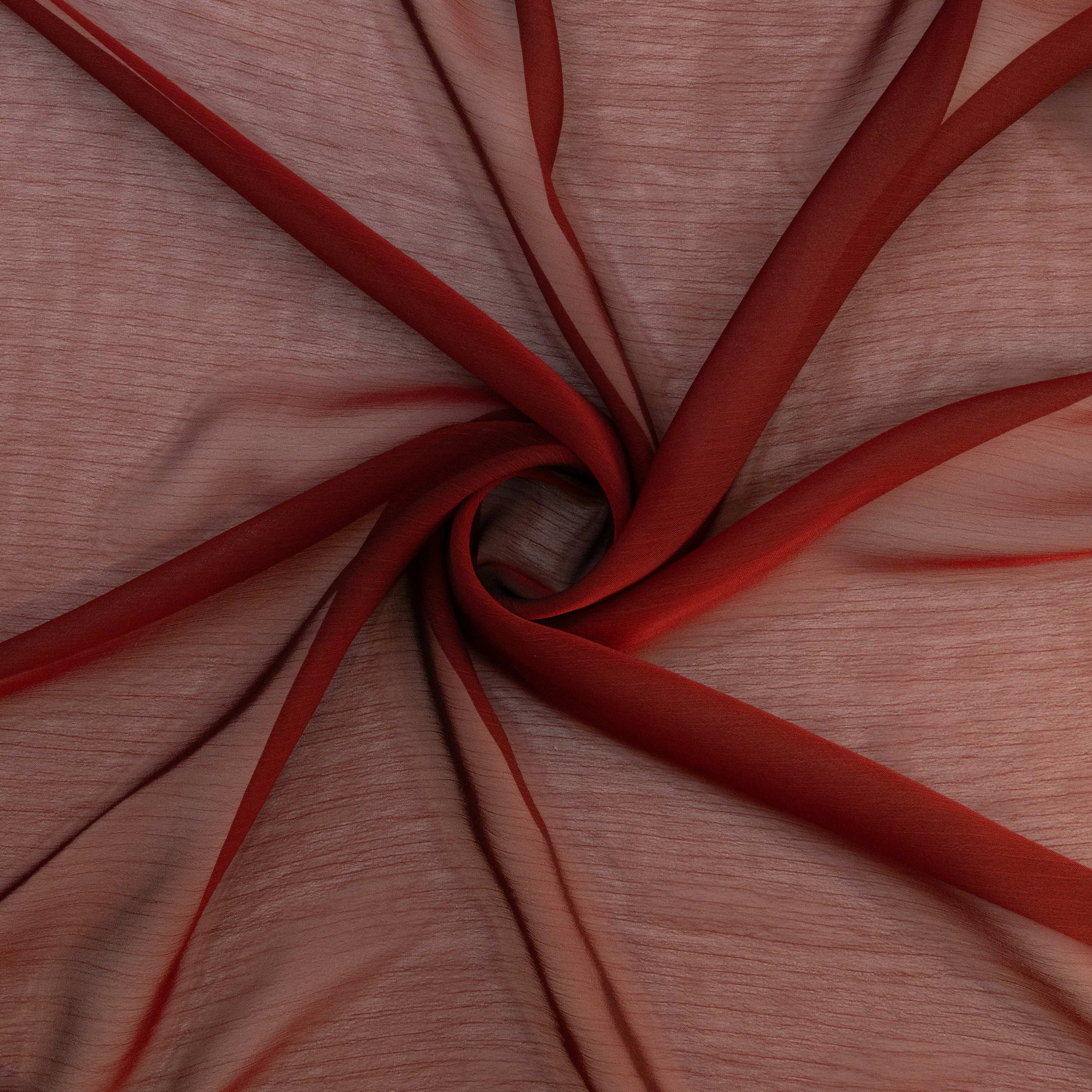
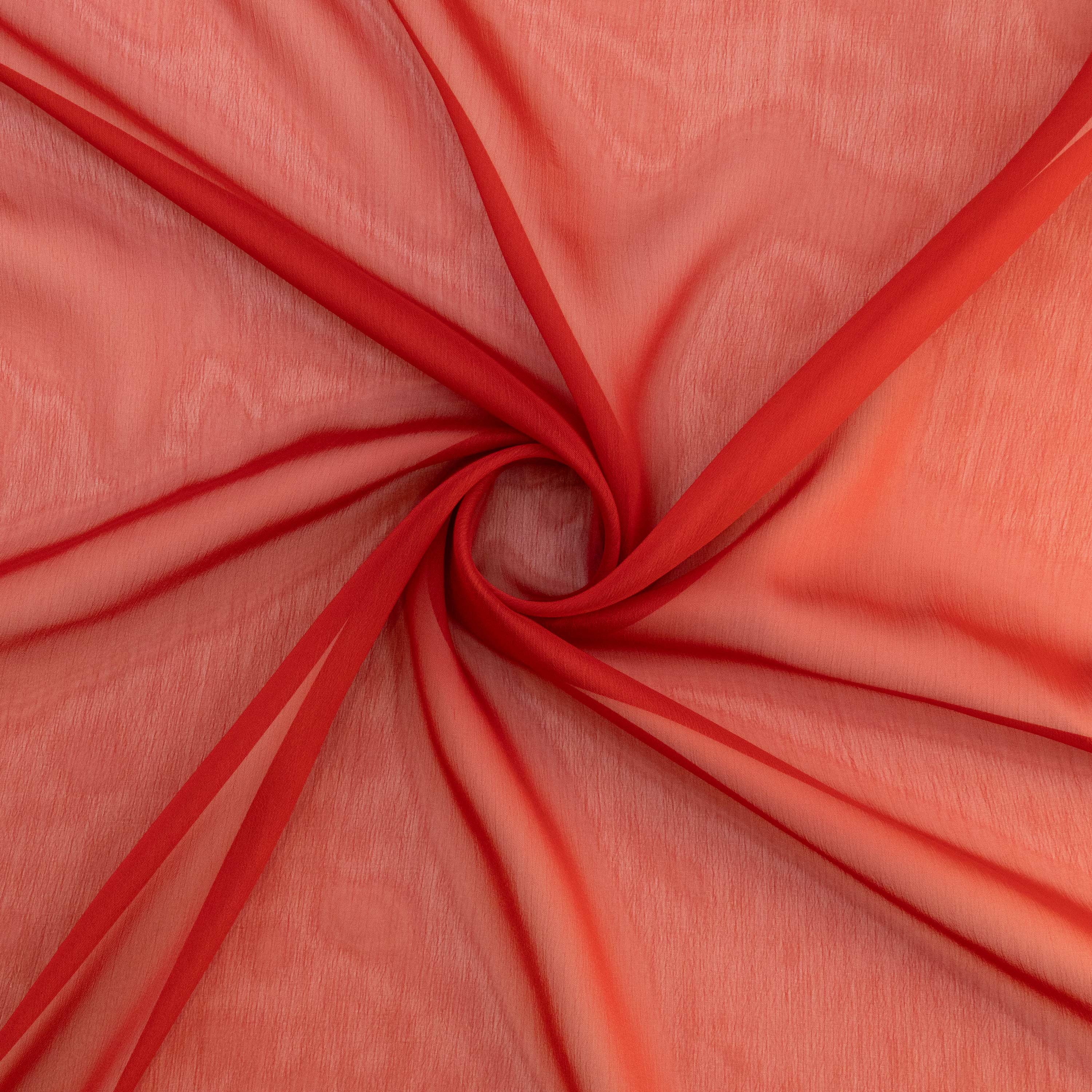
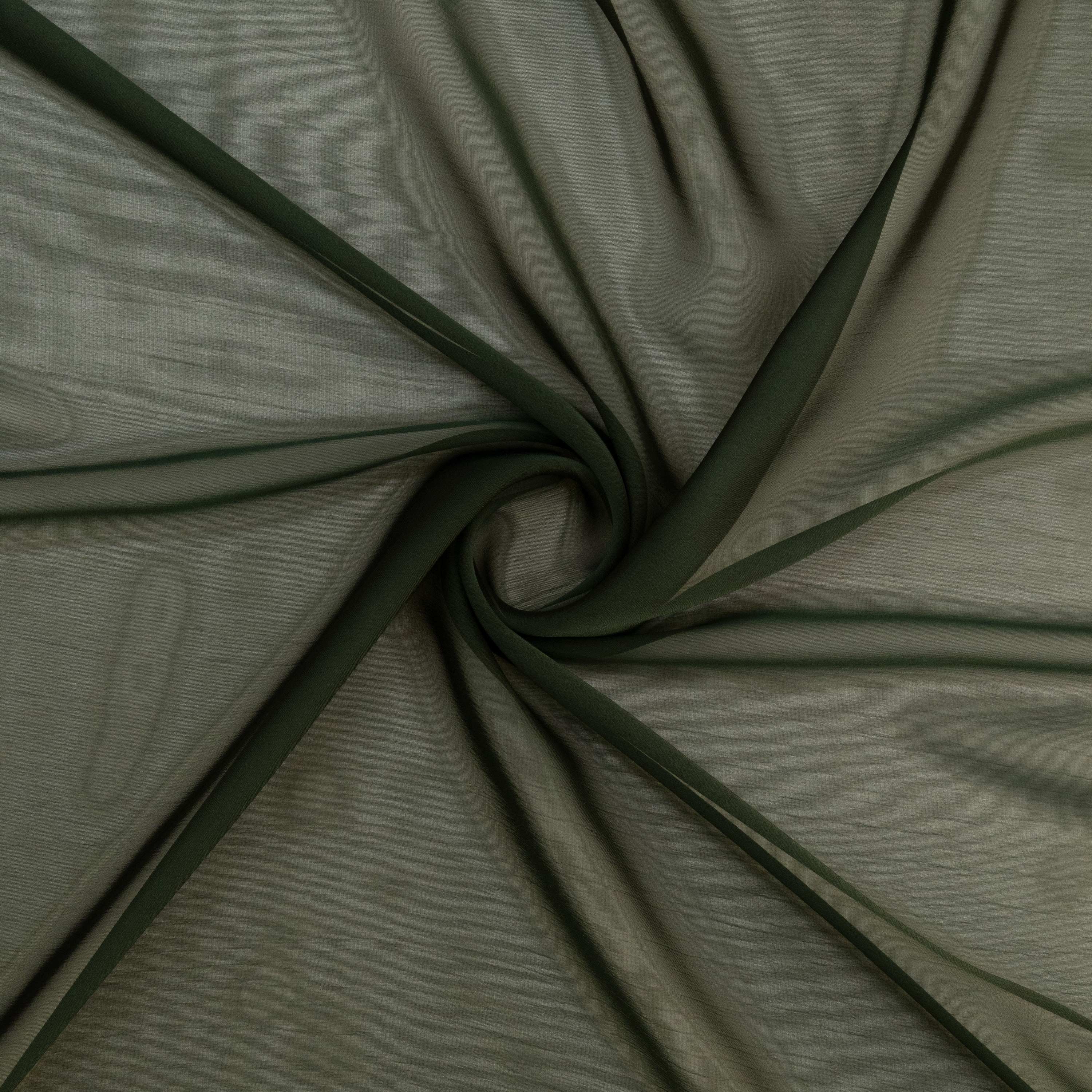
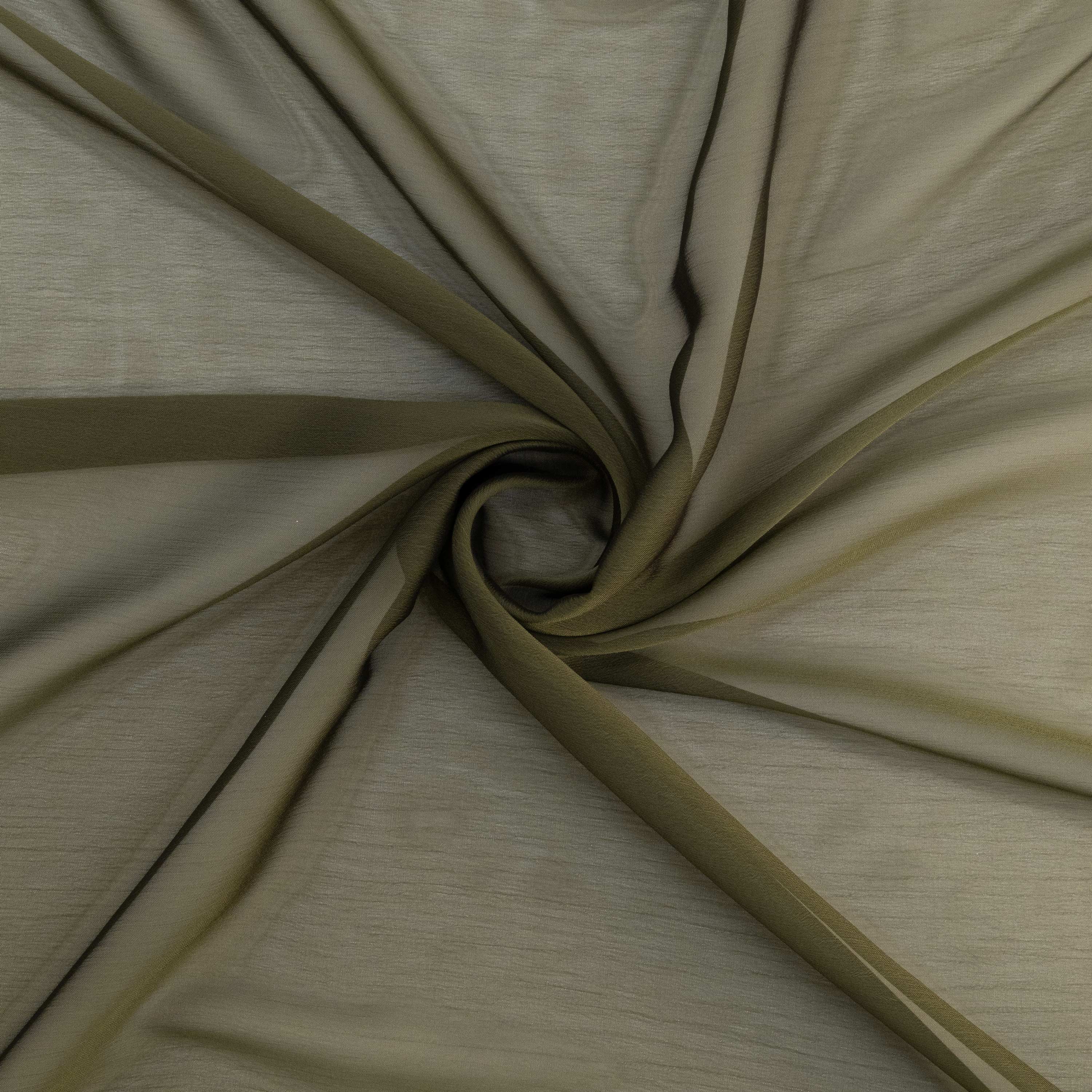
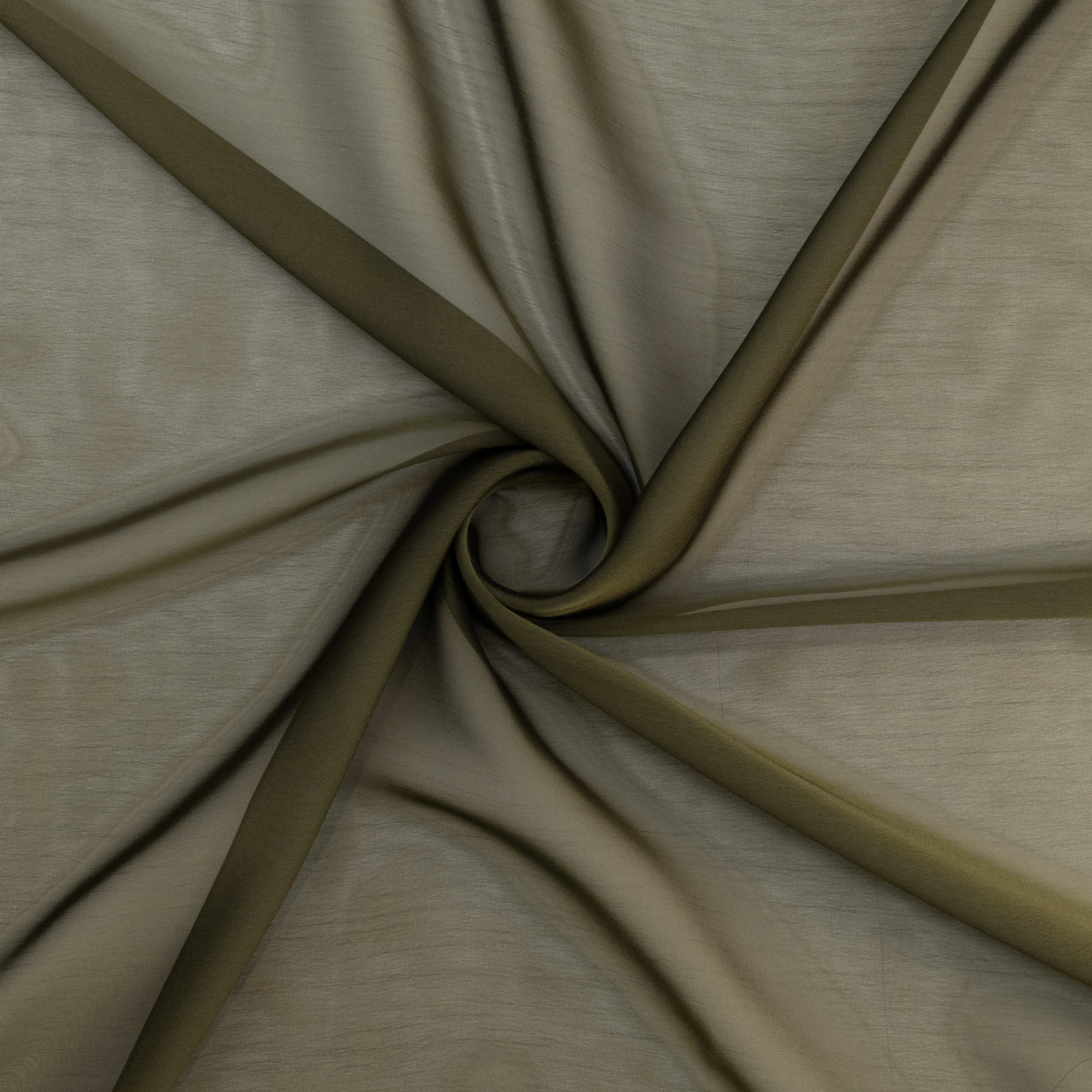
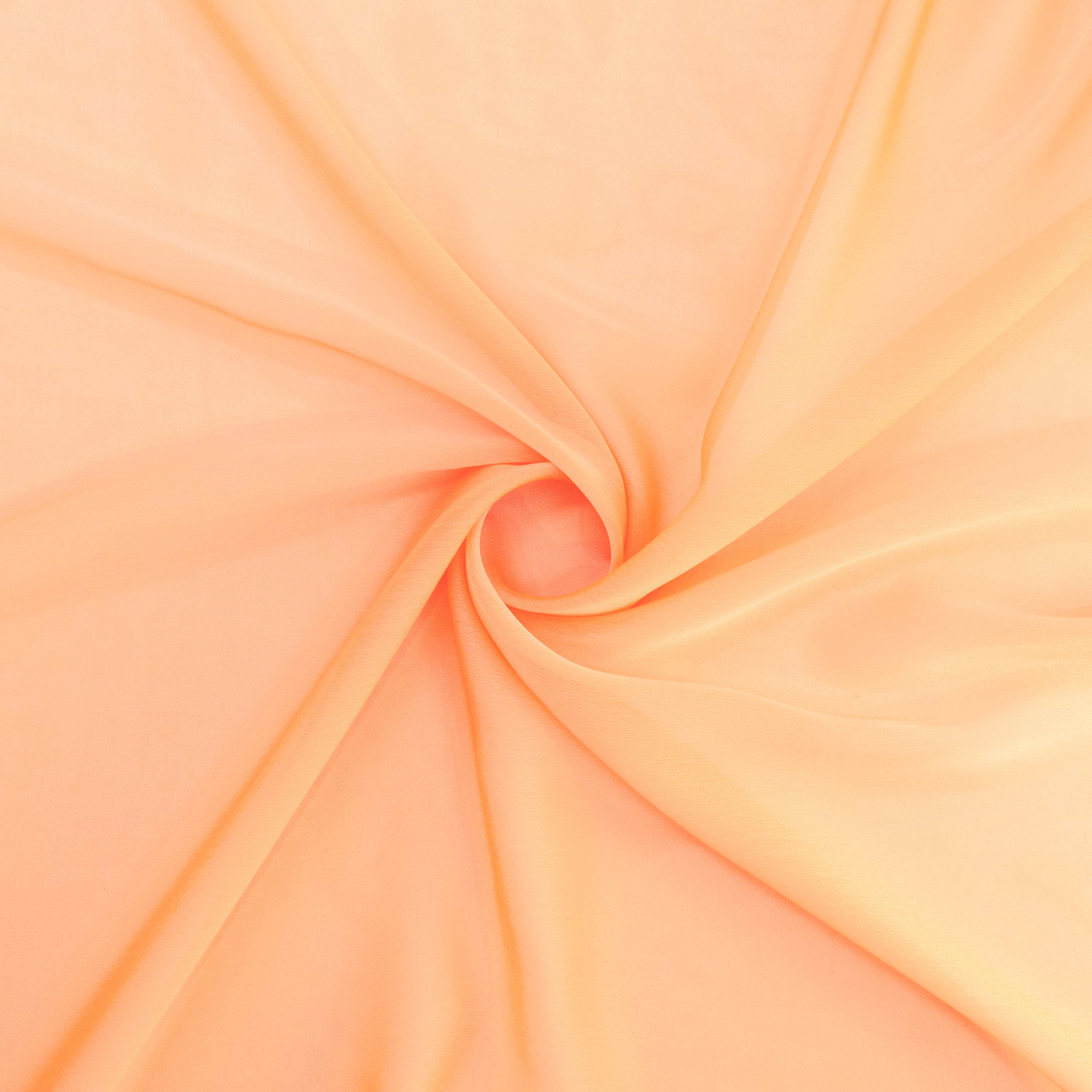


How to Use Iridescent Chiffon Fabric in Fashion Design
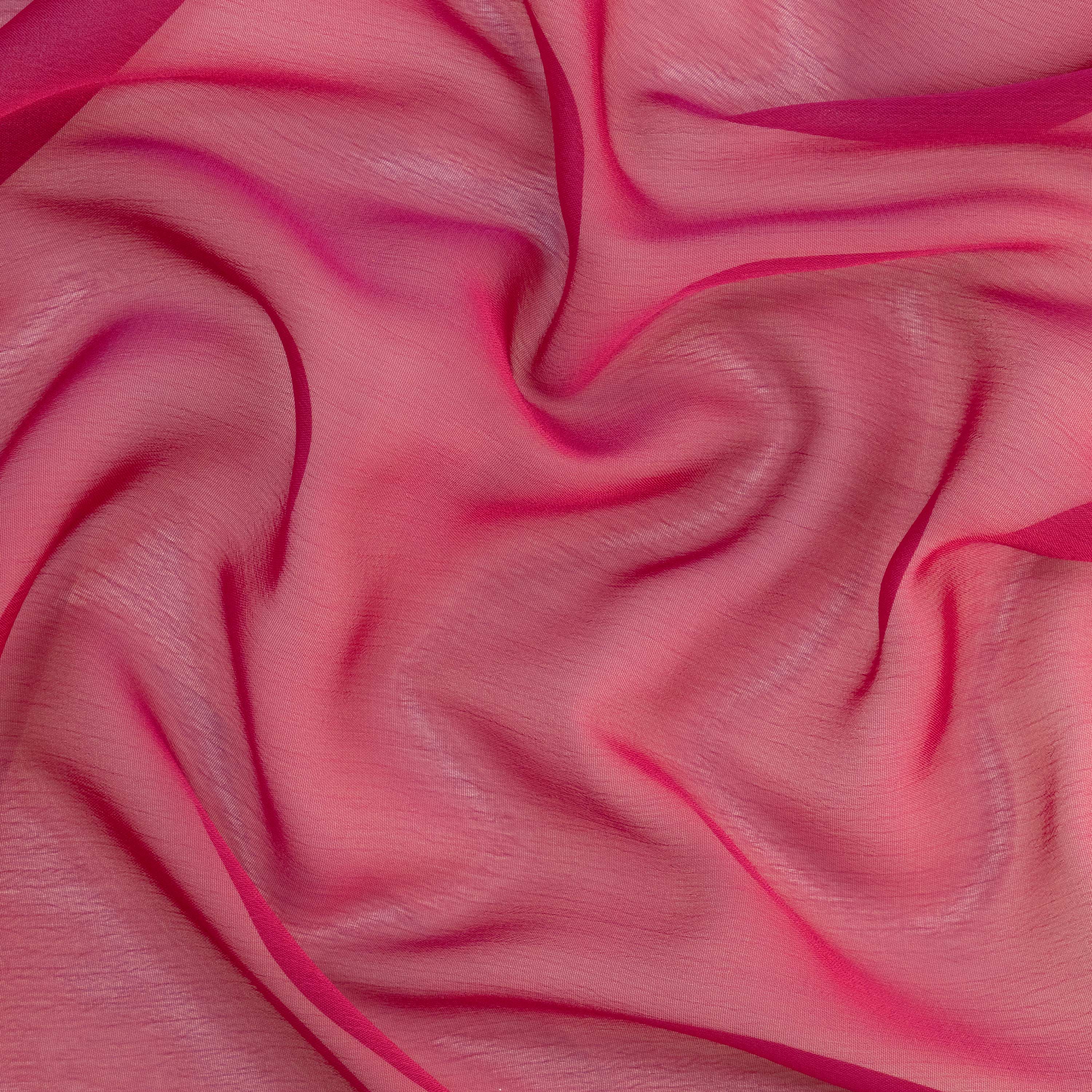
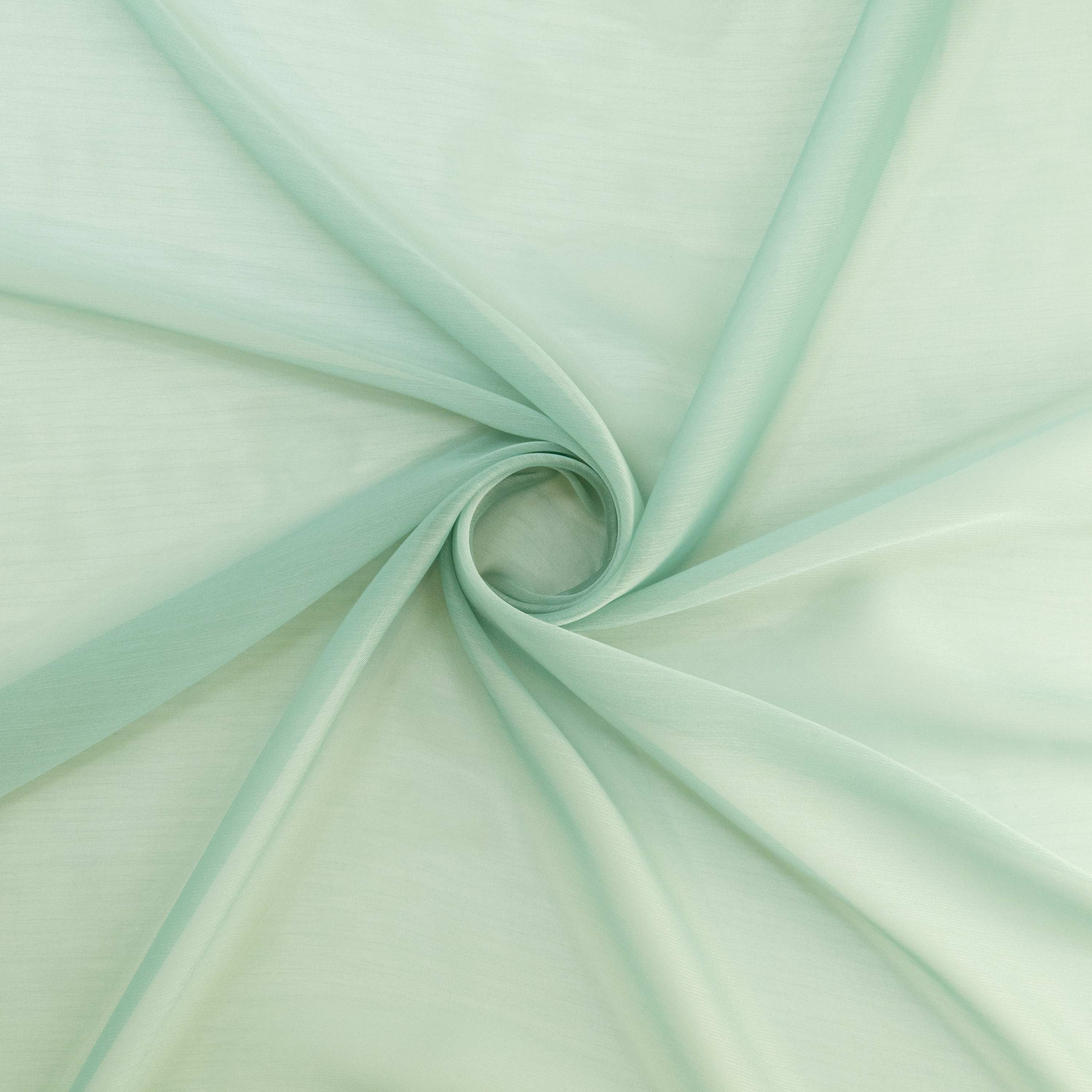
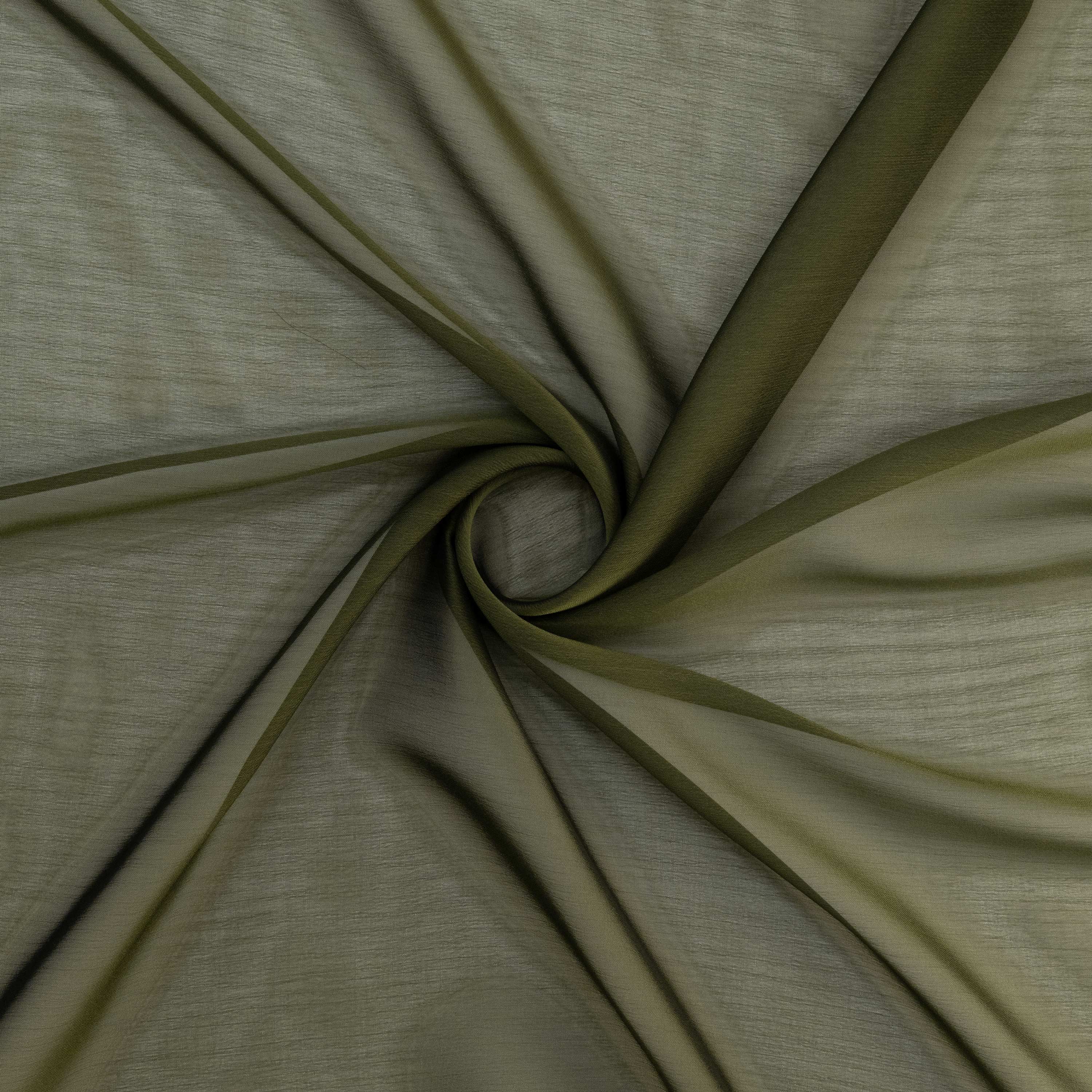
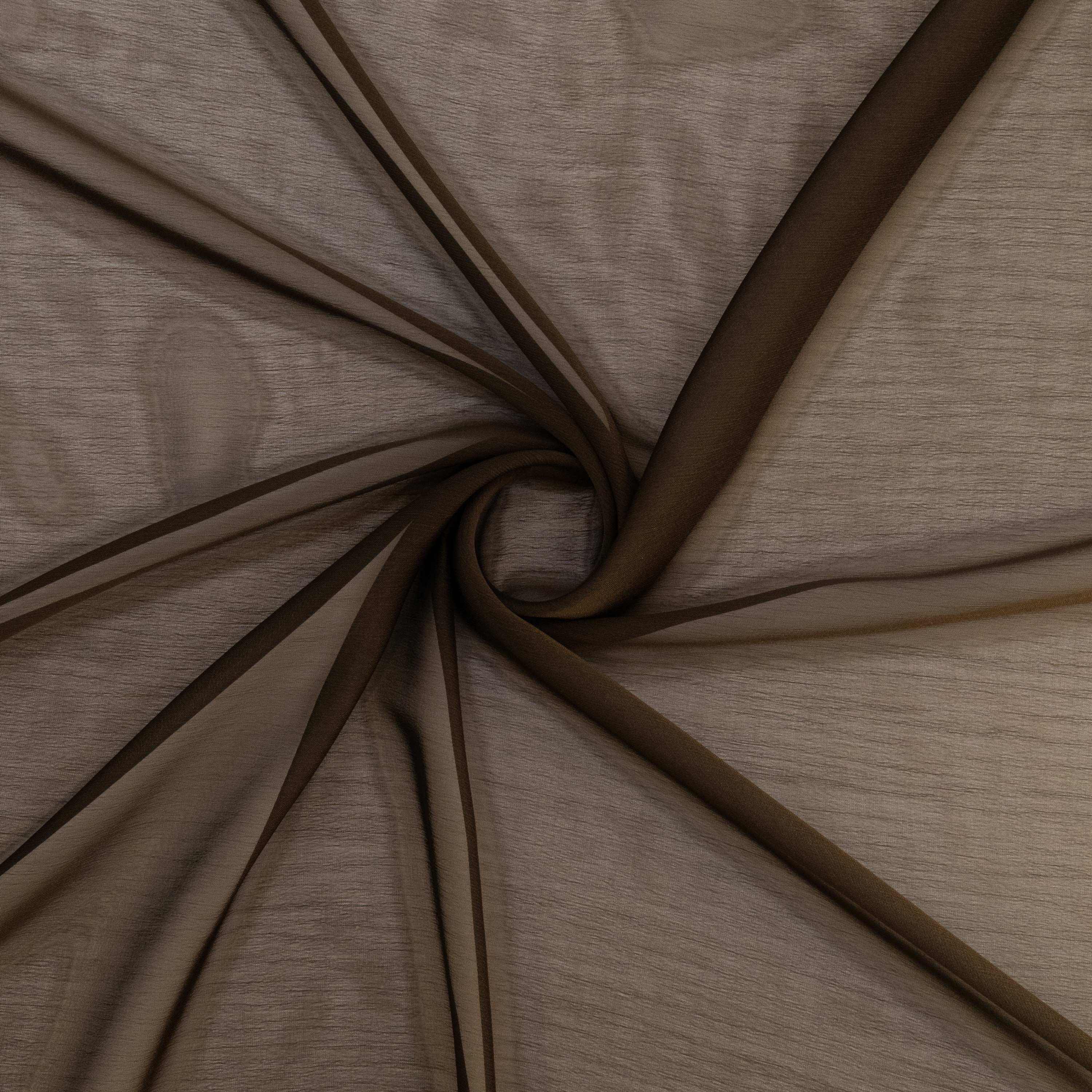
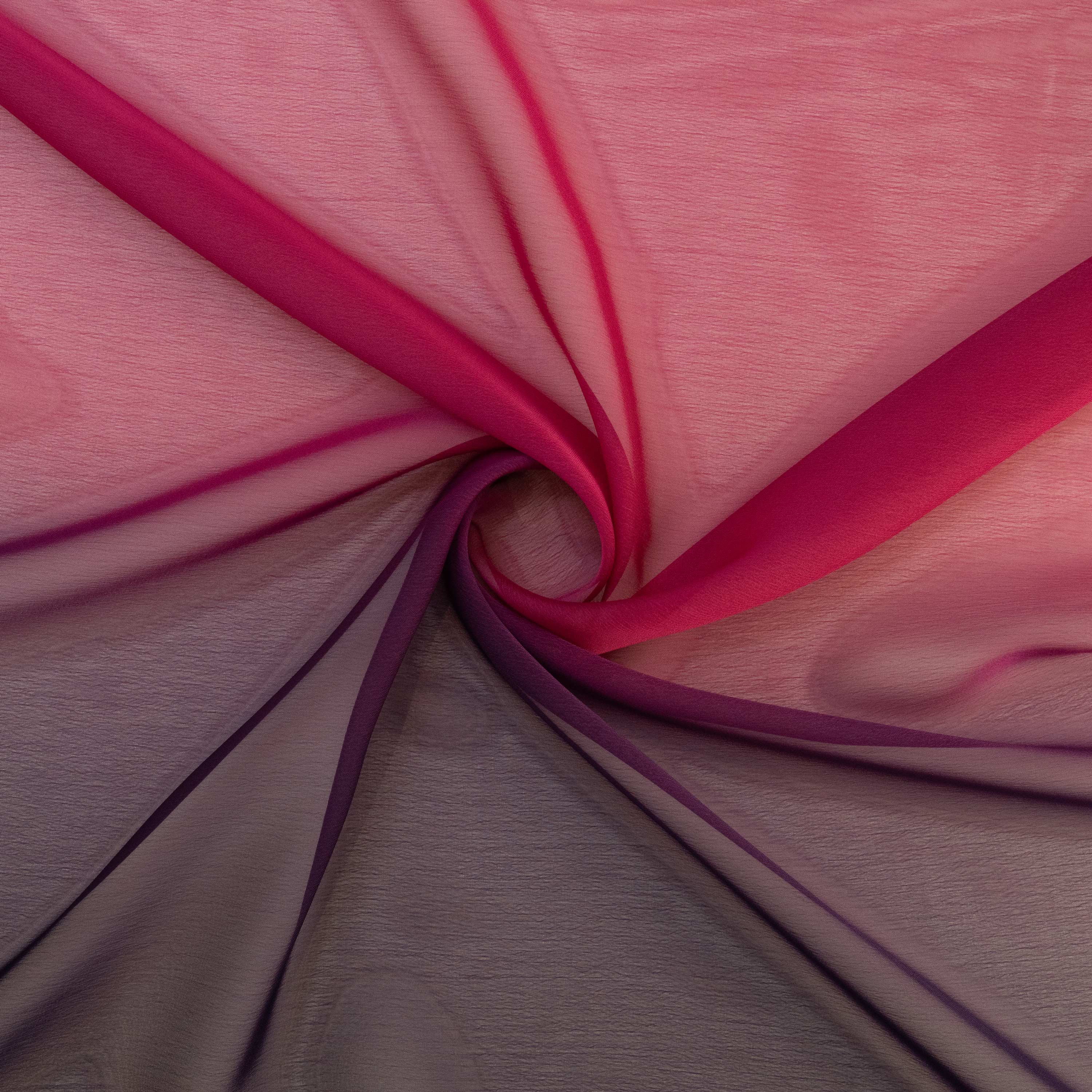
Iridescent chiffon's defining quality — its color-shifting surface — creates design impact through movement rather than pattern or embellishment. The fabric does its most extraordinary work in motion, which makes silhouette and construction choices particularly important. Designs that allow the fabric to flow, layer, and move freely maximize the iridescent effect; fitted or heavily structured constructions limit it.
Eveningwear and Gowns
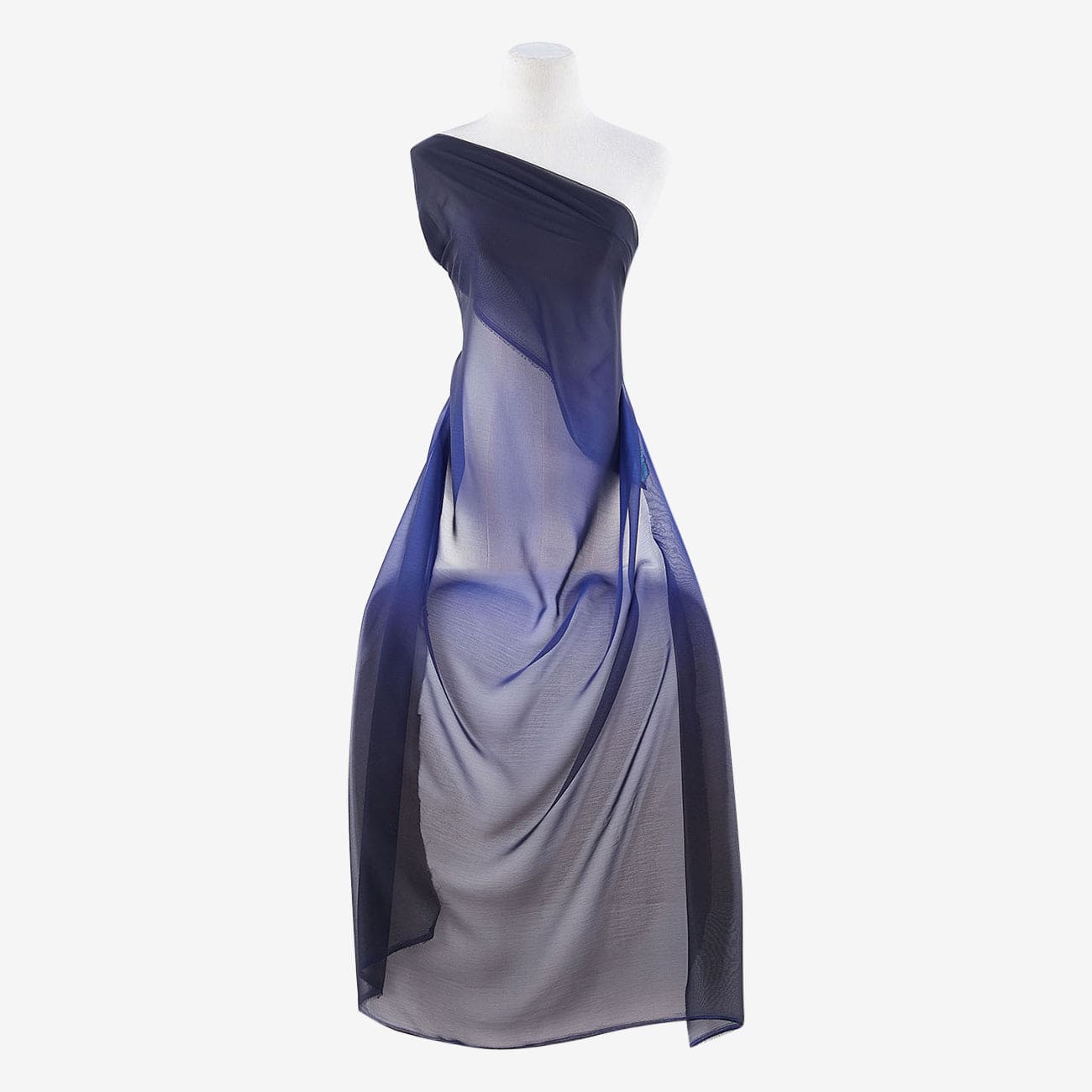
Iridescent chiffon is among the most powerful fabrics available for formal evening dressing. Its color-shifting surface reads differently at every angle under event lighting, creating a gown that appears to change color as the wearer moves through a room. This quality makes even simple silhouettes — a bias-cut column, a gathered A-line, a layered maxi — read as extraordinary without requiring additional embellishment. Layered iridescent chiffon panels amplify the effect further, creating depth and color movement that reads as complex and designed from any distance.
Bridesmaids and Bridal Occasion Wear
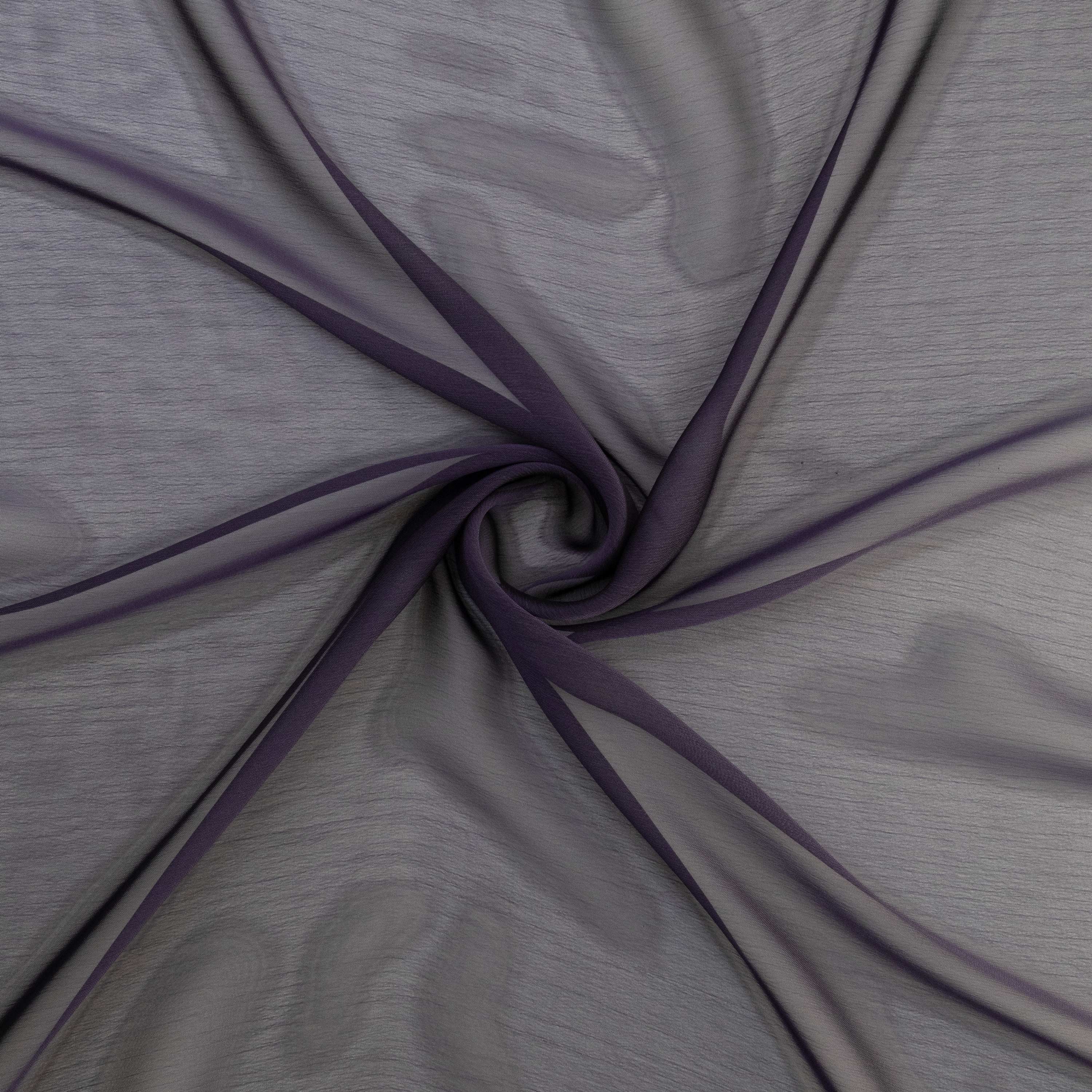
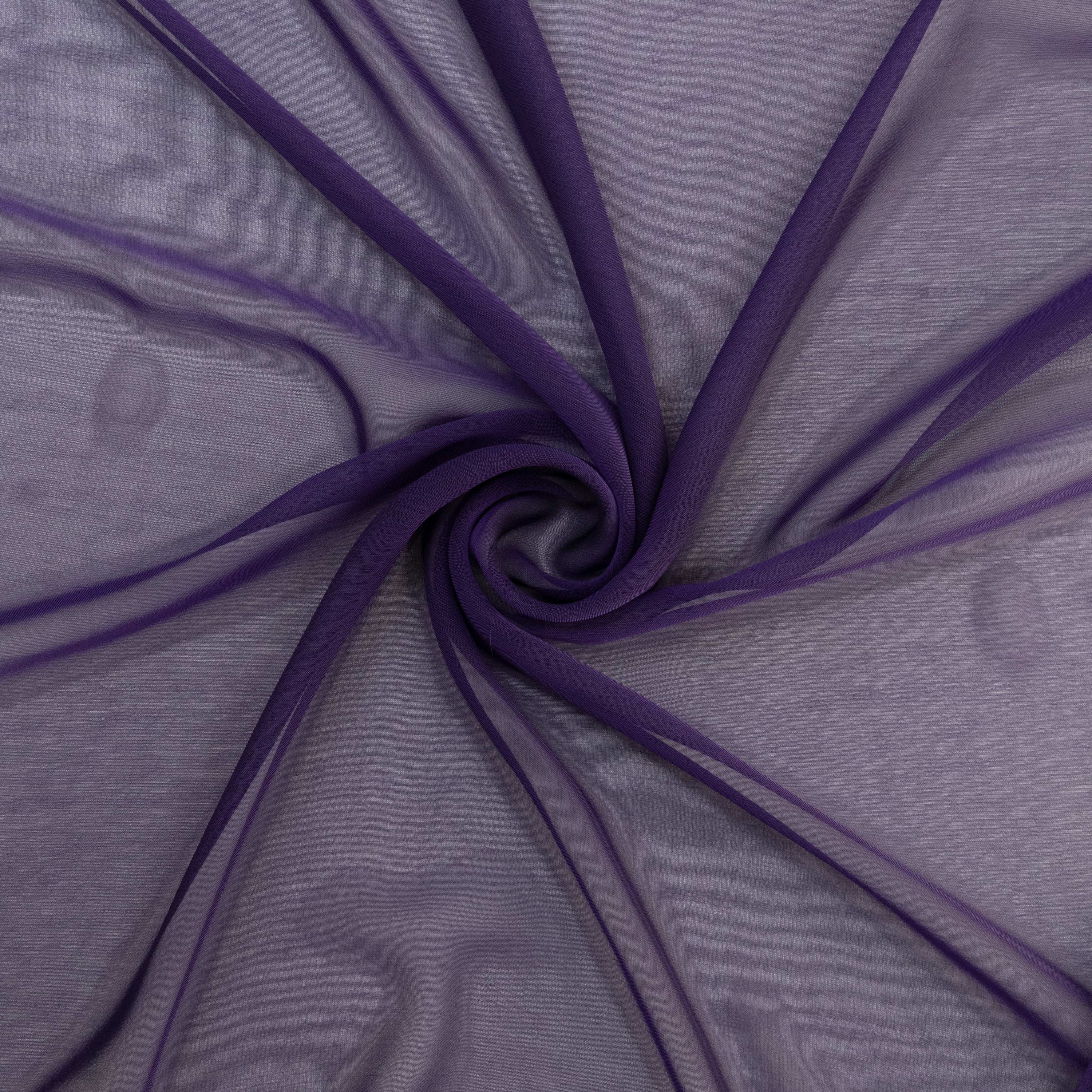
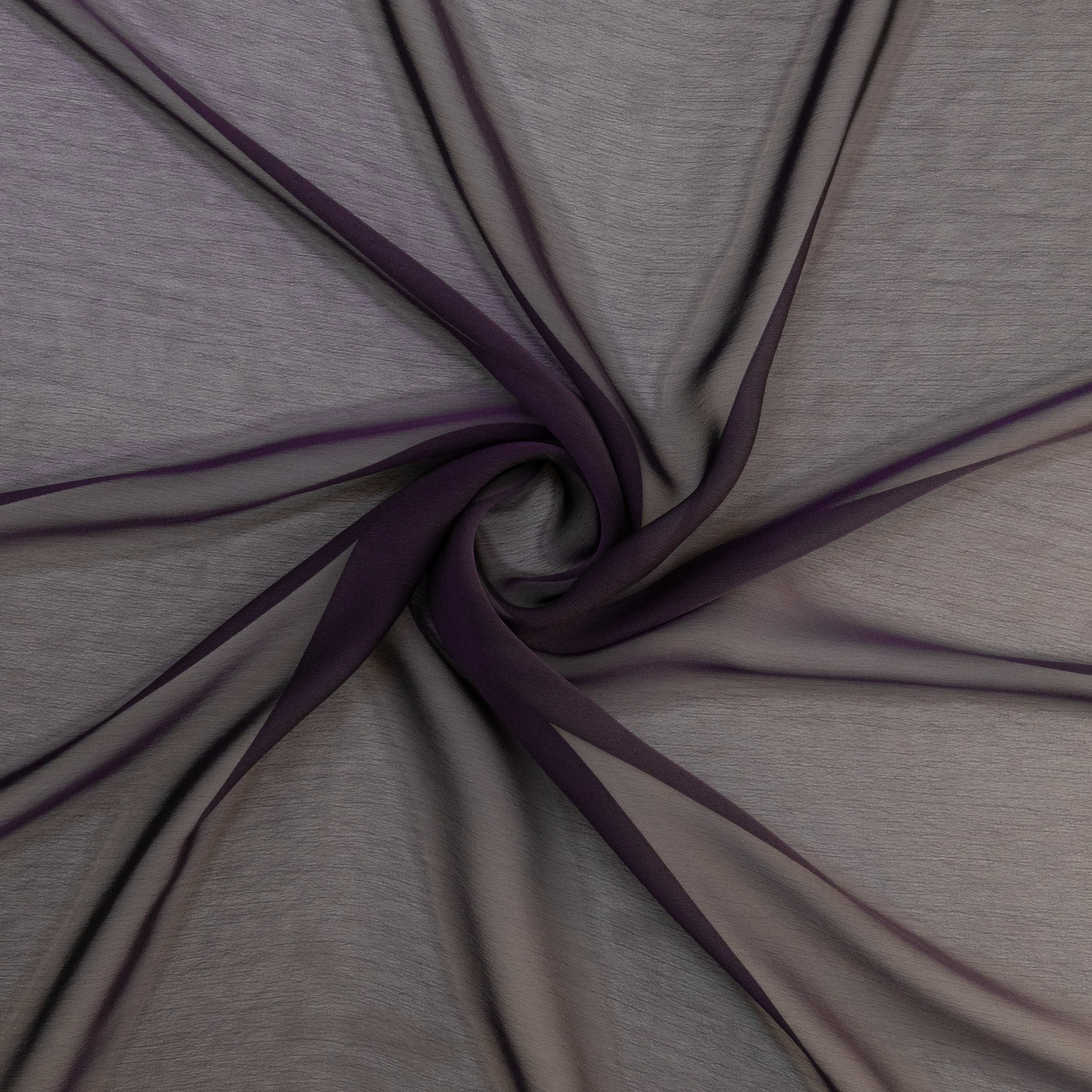
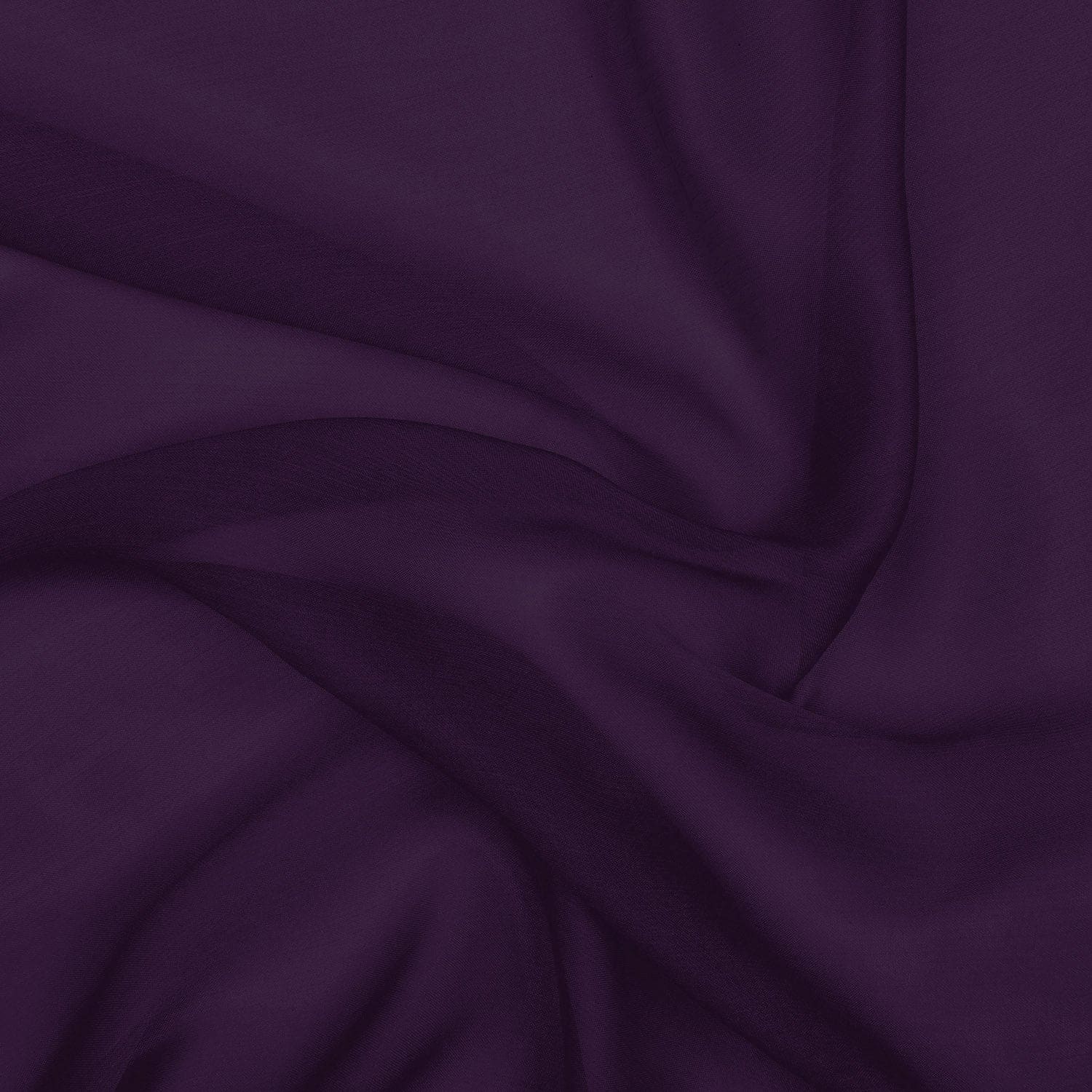
Iridescent chiffon in soft, dual-tone colorways — blush/ivory, champagne/gold, lilac/silver — has become one of the most requested bridesmaids fabric finishes in contemporary wedding design. Its color-shifting quality means that a single fabric reads differently under the varied lighting conditions of a wedding day — ceremony candlelight, outdoor afternoon light, evening reception lighting — creating a garment that feels alive and dynamic across the full event. For purple-toned bridal party palettes, purple chiffon fabric in iridescent construction creates an especially rich, dimensional effect that photographs extraordinarily well.
Theatrical and Performance Costuming
Iridescent chiffon was made for the stage. Its color-shifting surface responds to theatrical lighting with a dynamism that flat fabrics cannot approach — as stage lighting angles change through a performance, iridescent chiffon reads as constantly evolving, never static. Characters associated with water, fire, fantasy, magic, and celestial themes across theatrical and dance productions rely on iridescent chiffon precisely because it communicates these qualities visually without requiring elaborate construction. For maximum stage impact, combine iridescent chiffon with glitter chiffon fabric — the color-shifting surface of iridescent chiffon alongside the omnidirectional scatter of glitter chiffon creates a layered light effect of extraordinary visual complexity.
Cocktail and Party Dresses
Iridescent chiffon cocktail and party dresses deliver a level of visual interest that solid chiffon achieves only with embellishment. The color-shifting surface creates constant movement and light interaction that reads as celebratory and sophisticated simultaneously — it is a fabric that suits occasions where the expectation is to be noticed and remembered, without the explicit statement of sequins or heavy beading.
Overlays and Layering
Iridescent chiffon used as an overlay above a solid base introduces color-shifting depth to a design without committing the entire silhouette to the iridescent effect. Layered over a matching solid chiffon or satin base, the iridescent overlay creates a surface where the base color reads through the sheer layer while the iridescent effect plays above it — a combination of consistent depth and shifting surface that reads as richly dimensional. For textural contrast alongside the color-shifting surface, crinkle chiffon fabric in a coordinating tone adds physical dimension that works alongside rather than competing with the iridescent light effect.
For the full range of chiffon styles, finishes, and colorways, explore our complete chiffon fabric hub.
Why Choose Iridescent Chiffon
Iridescent chiffon earns its position at the premium end of the chiffon family because it delivers a visual quality — genuine, fabric-inherent color shifting — that cannot be replicated by printing, dyeing, or surface application. The dual-yarn woven construction means the iridescent effect is permanent and structural, not a finish that can wash out or wear away. Every yard behaves consistently, and the effect reads as richly under daylight as it does under artificial event and stage lighting.
Within the broader category of light-catching chiffon fabrics, iridescent chiffon occupies a distinct position. Where glitter chiffon fabric scatters light omnidirectionally through embedded particles and metallic chiffon fabric reflects it directionally through metallic yarn content, iridescent chiffon shifts color through its woven construction — a fundamentally different and more fabric-inherent form of light interaction that reads as more refined and less explicitly embellished than either alternative. For designs that require surface texture alongside the iridescent color shift, crinkle chiffon fabric in a coordinating colorway adds physical dimension to the color-shifting effect — the crinkle structure catches and redirects light through its texture while the iridescent ground shifts color beneath it, creating a layered light-interaction effect of considerable sophistication.
Fabric Types and Use Cases
|
Fabric Type |
Best Used For |
|
Blush/Ivory Iridescent Chiffon |
Bridal overlays, bridesmaids, romantic occasion gowns |
|
Champagne/Gold Iridescent Chiffon |
Formal eveningwear, warm-toned occasion dressing, bridal separates |
|
Gala eveningwear, theatrical costuming, regal occasion wear |
|
|
Navy/Blue Iridescent Chiffon |
Formal gowns, sophisticated evening separates, dramatic overlays |
|
Emerald/Teal Iridescent Chiffon |
Jewel-toned eveningwear, theatrical design, bold occasion dressing |
|
Red/Wine Iridescent Chiffon |
Festive occasion wear, dramatic evening gowns, cultural dressing |
|
Stage costuming, maximum shimmer formal pieces, theatrical overlays |
|
|
Editorial fashion, high-impact formal dressing, festive occasion wear |
|
|
Textured color-shifting overlays, dimensional theatrical pieces |
|
|
Silver/White Iridescent Chiffon |
New Year's Eve dressing, cool-toned gala wear, celestial costuming |
How to Choose the Right Iridescent Chiffon
Colorway Selection
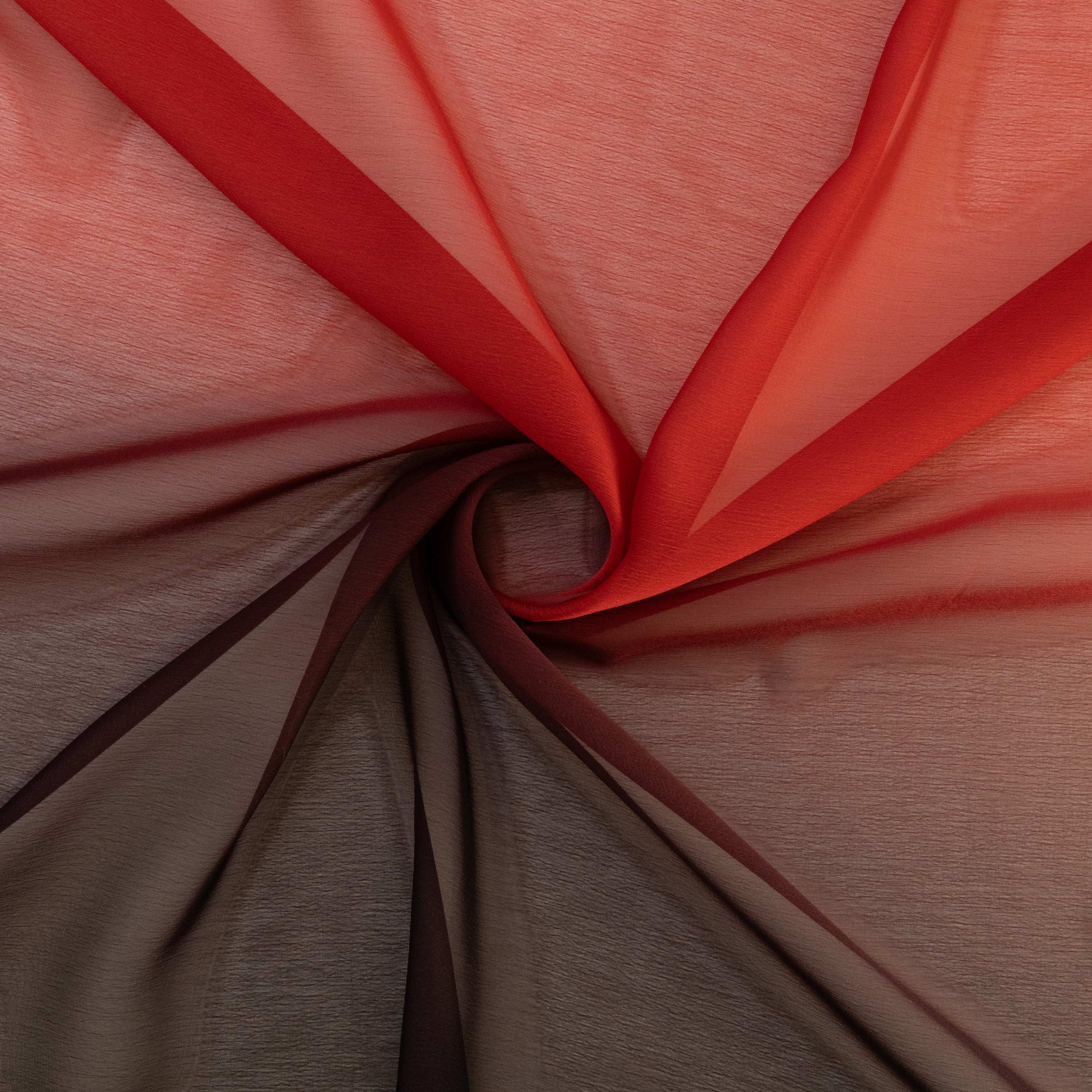
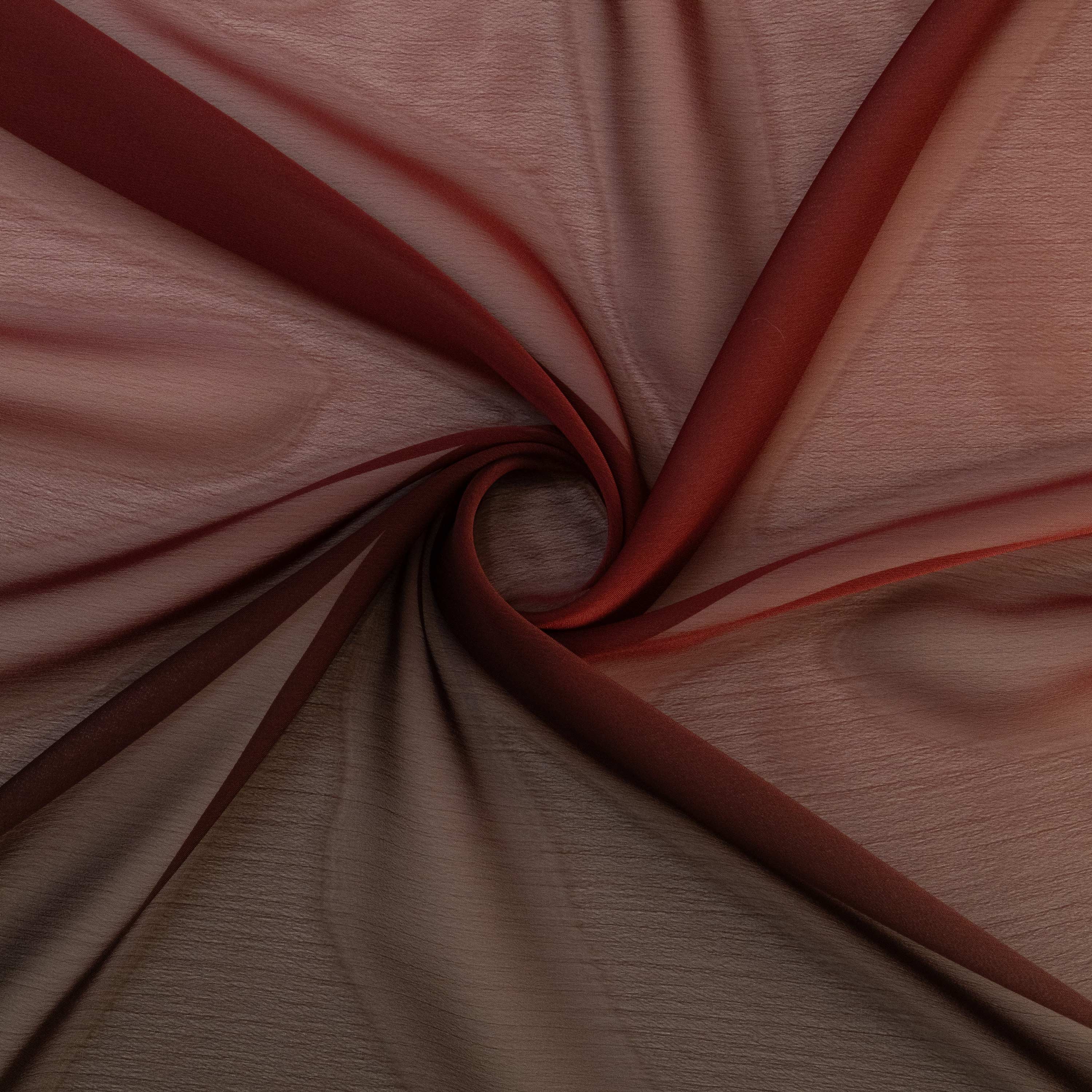
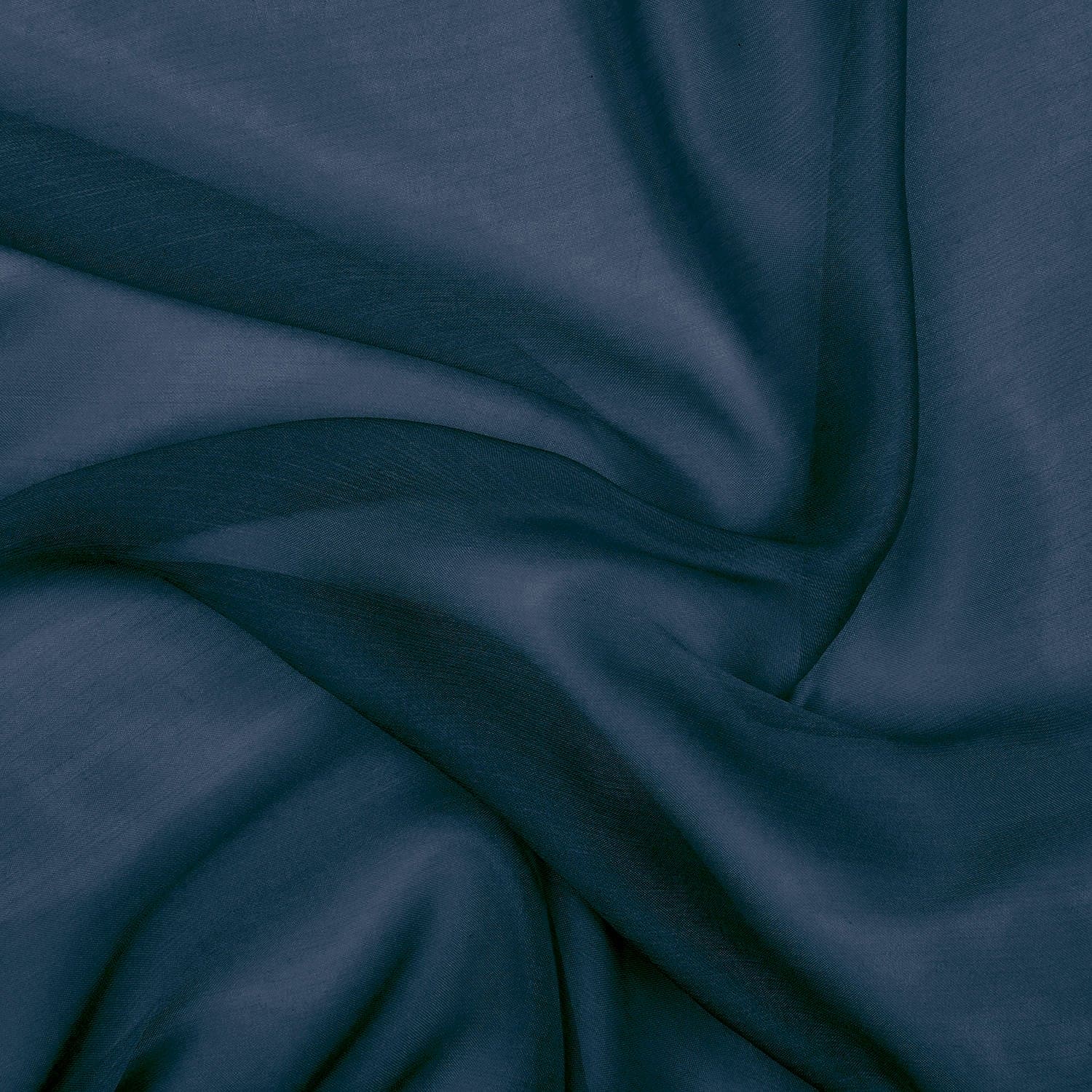
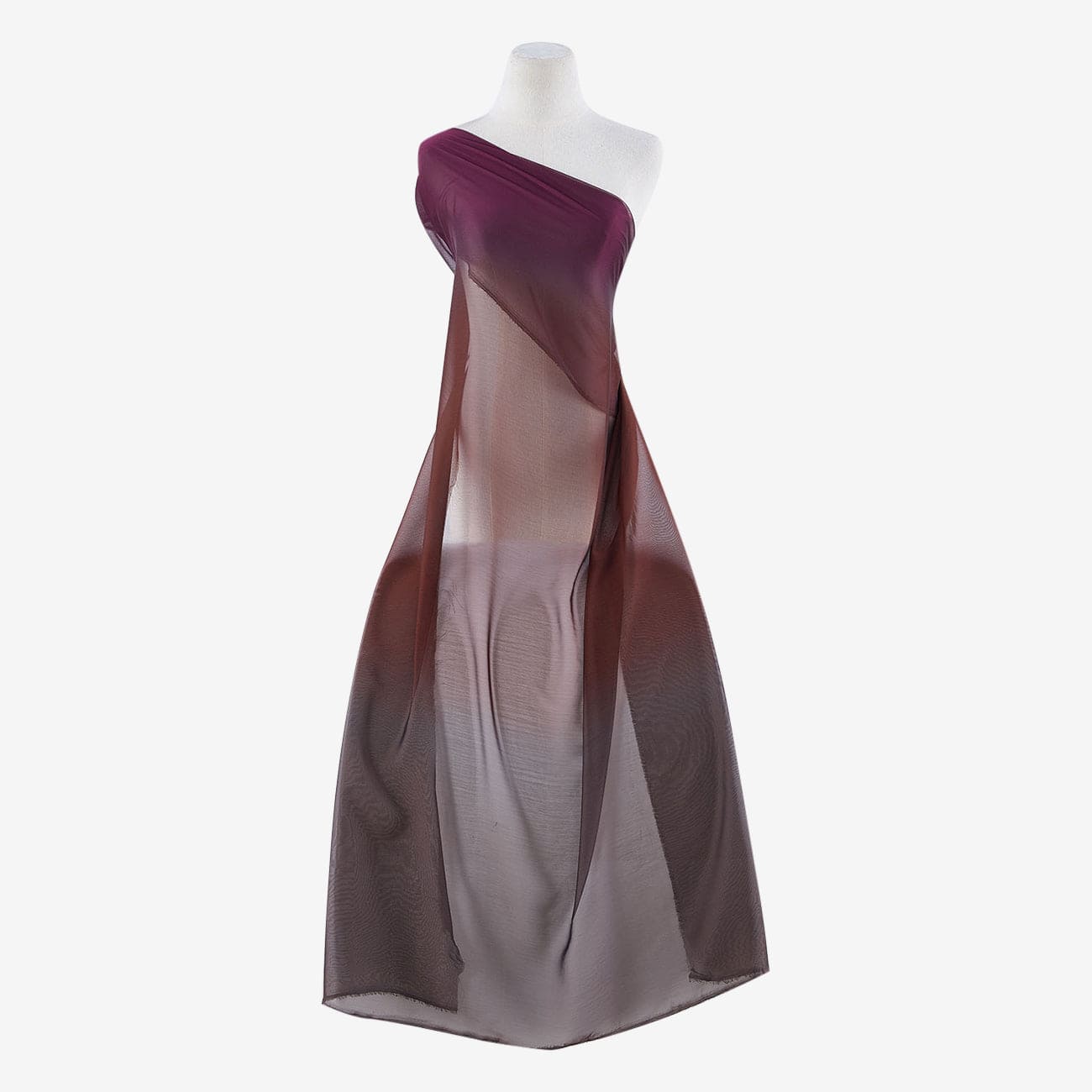
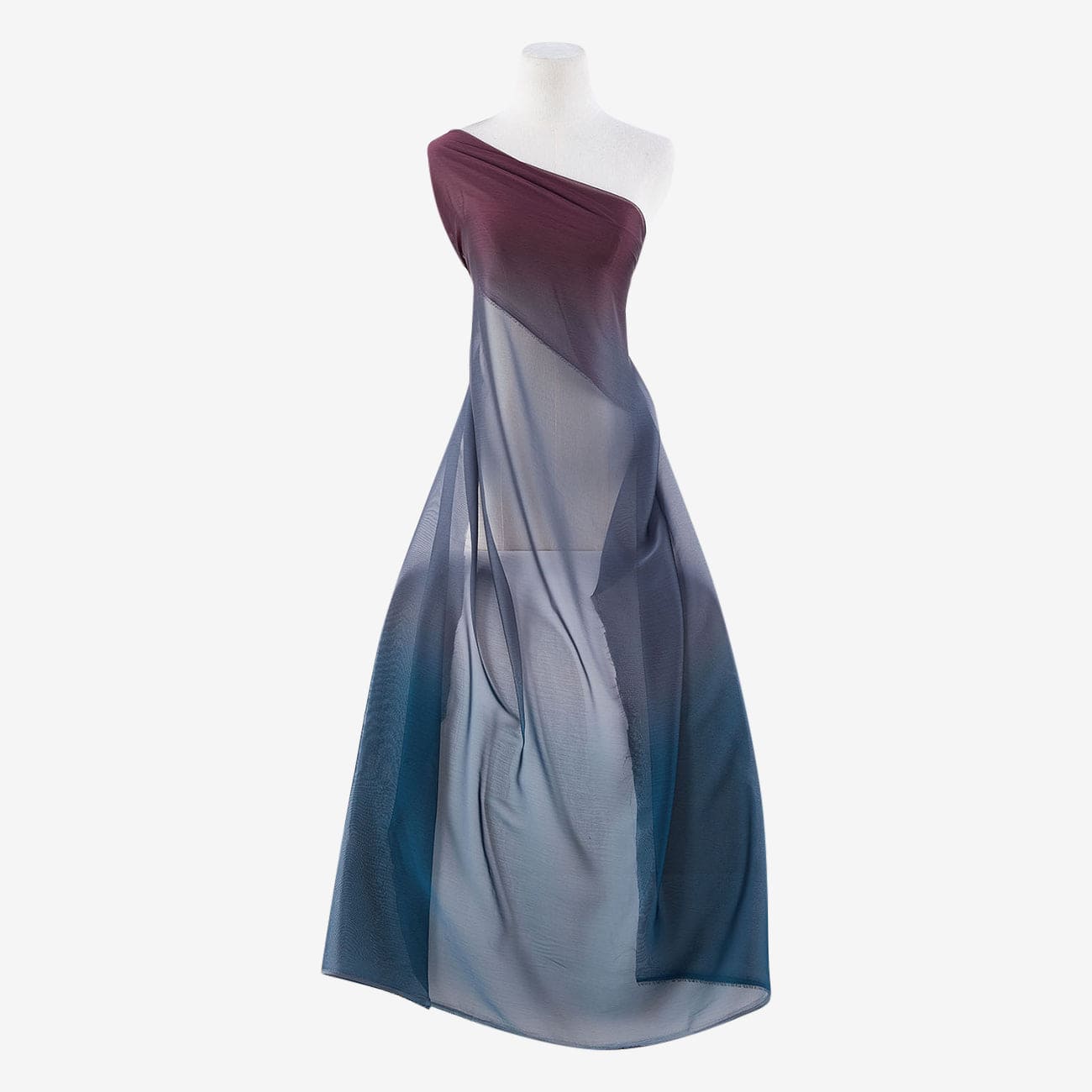
Iridescent chiffon is defined by the relationship between its two yarn colors — the warp tone and the weft tone — and choosing the right colorway is the most important decision in working with this fabric. Tonal colorways — blush and ivory, navy and cobalt, champagne and gold — create a subtle, sophisticated iridescent effect where the color shift reads as depth and dimension within a single color family rather than an explicit two-color change. Contrasting colorways — teal and purple, red and gold, blue and copper — create a more dramatic, explicit color shift that reads as a genuine transformation between two distinct colors as the viewing angle changes. Choose based on how dramatic and explicit you want the iridescent effect to read in the finished design.
Fabric Weight and Drape
Iridescent chiffon is available in a range of base weights, and the weight of the specific fabric determines how the color shift reads in construction and wear. Lighter iridescent chiffon — hi-multi based constructions — creates the most fluid, flowing drape where the color shift animates continuously with every subtle movement of the fabric. Slightly heavier iridescent constructions — cationic or silky based — offer more body and a more consistent drape that suits structured silhouettes where the color shift needs to read evenly across a defined shape rather than in constantly shifting fluid movement.
Combining with Other Light-Catching Fabrics
Iridescent chiffon works most effectively when its color-shifting quality is given space to be the primary visual event in a design. When combining with other light-catching fabrics, consider the hierarchy of visual effects carefully. Glitter chiffon fabric alongside iridescent chiffon creates a combination where two distinct light effects — color shifting and omnidirectional scatter — operate simultaneously; keep the color palette tight to prevent the combination from reading as overly busy. Metallic chiffon fabric alongside iridescent chiffon creates a contrast between directional metallic reflection and iridescent color shift — effective when the two fabrics are used in clearly defined, separate sections of a design. Crinkle chiffon fabric alongside iridescent chiffon is perhaps the most harmonious combination — the physical texture of crinkle adds dimension without introducing a competing light effect, allowing the iridescent color shift to remain the primary visual focus.
Sewing and Construction Tips
Use a fine microtex needle (size 60/8 or 70/10) and reduce presser foot pressure. Cut in a single layer — particularly important with iridescent chiffon, where the dual-yarn construction can shift if the fabric is folded and the two layers are not perfectly aligned. Cut all pattern pieces with the warp direction consistent across the design, as the color shift reads differently when the warp and weft are oriented differently — inconsistent cutting creates visible color variation between panels in a finished garment. Finish raw edges with a French seam, rolled hem, or serger. Press from the wrong side on the lowest effective heat setting or use a steamer only.
Mixing Fabric Styles
Iridescent chiffon works most effectively as the primary statement fabric in a design, with companion fabrics chosen to support rather than compete with the color-shifting surface. Combine it with plain satin or charmeuse in one of the iridescent colorway's tones — a blush satin lining beneath a blush/ivory iridescent chiffon creates a cohesive, tonal base that reads consistently warm while the iridescent surface shifts above it. Layer it over lace in a matching color for a bridal or occasion combination where the iridescent overlay adds color-shifting depth to the textural quality of the lace beneath.
For purple-toned formal and theatrical designs, iridescent chiffon in violet and amethyst colorways alongside solid purple chiffon fabric creates a tonal combination where the solid purple provides a consistent, stable color foundation and the iridescent surface adds shifting depth and dynamism above it. For maximum light-catching impact in theatrical and performance contexts, layer iridescent chiffon with glitter chiffon fabric — position the glitter chiffon as the outermost layer where its omnidirectional scatter reads above the color-shifting ground of the iridescent layer beneath, creating a depth of light interaction that reads powerfully from the audience at any distance.
For metallic and editorial design directions, combine iridescent chiffon with metallic chiffon fabric in clearly defined panel sections — the directional reflection of the metallic fabric in one section and the color-shifting iridescent in another creates a design where each fabric is seen distinctly rather than competing across the same surface. For physical texture alongside color-shifting surface, crinkle chiffon fabric in a coordinating colorway provides the most harmonious companion — its dimensional surface adds tactile complexity without introducing a competing light effect, allowing the iridescent quality to remain the defining visual characteristic of the design.
Order free swatches to experience the color shift, hand, and drape firsthand. Every iridescent chiffon style is available by the yard and ready to ship, so you can design, sample, and produce without delay.
Frequently Asked Questions
How does iridescent chiffon photograph?
Iridescent chiffon photographs exceptionally well — the color shift reads clearly in images, particularly when movement is captured or when lighting angles change across a shoot. In still images, the dual-tone construction creates a depth and complexity that reads as more luxurious than a flat solid color. The fabric performs equally well in natural daylight photography and in studio lighting conditions, though the specific colors that read most prominently will shift depending on the light source and angle.
Will the iridescent effect fade or wash out over time?
No — the iridescent effect in woven iridescent chiffon is structural rather than applied. It is created by the interaction of two differently colored yarns in the weave construction, not by a surface coating or finish. The effect is therefore permanent and will not fade, wash out, or wear away with normal care and use. The fabric's appearance may change slightly if the yarns themselves fade through repeated washing, which is why cool-water gentle hand washing or dry cleaning is recommended for finished garments.
Is iridescent chiffon suitable for lining?
Iridescent chiffon is too sheer and delicate to function as a structural lining — it should be used as the face or overlay fabric rather than the lining in most garment applications. For the lining of an iridescent chiffon garment, choose a plain charmeuse, satin, or crepe in one of the iridescent colorway's tones, which will show through the sheer outer layer and influence how the overall color reads in the finished design.
Can iridescent chiffon be used for event draping and installations?
Yes — iridescent chiffon is a particularly striking choice for event backdrops, ceiling draping, and ceremony installations where the fabric's color-shifting quality creates an atmosphere that plain chiffon cannot match. As guests and light sources move relative to the installation, the iridescent surface reads differently from different positions in the space, creating a dynamic, living quality in the environment. Its lightweight construction makes large-scale installation practical without structural concerns.