








Types of Mesh Fabric: Which Style Is Right for Your Project?
Not all mesh fabrics are created equal, and the right choice depends on your project’s need for stretch, opacity, structure, and surface texture.
Power Mesh
A firm, four-way stretch nylon spandex knit, power mesh delivers compression without bulk. The spandex content gives it strong recovery, making it the standard choice for shapewear, activewear linings, and structured dancewear. Stretch power mesh is also a practical base for swimwear and fitted athletic garments where the fabric needs to move with the body and return to shape. The SANYA POWER MESH is a useful reference point for this construction.
Nylon Mesh
Lightweight and typically non-stretch or minimal stretch, nylon mesh is built on an open hexagonal weave that keeps the hand clean and the structure stable. Its slight sheen and abrasion resistance make it a common choice for athletic jerseys, bag linings, and layering applications. Nylon mesh fabric is a good starting point if your project calls for structure without compression.
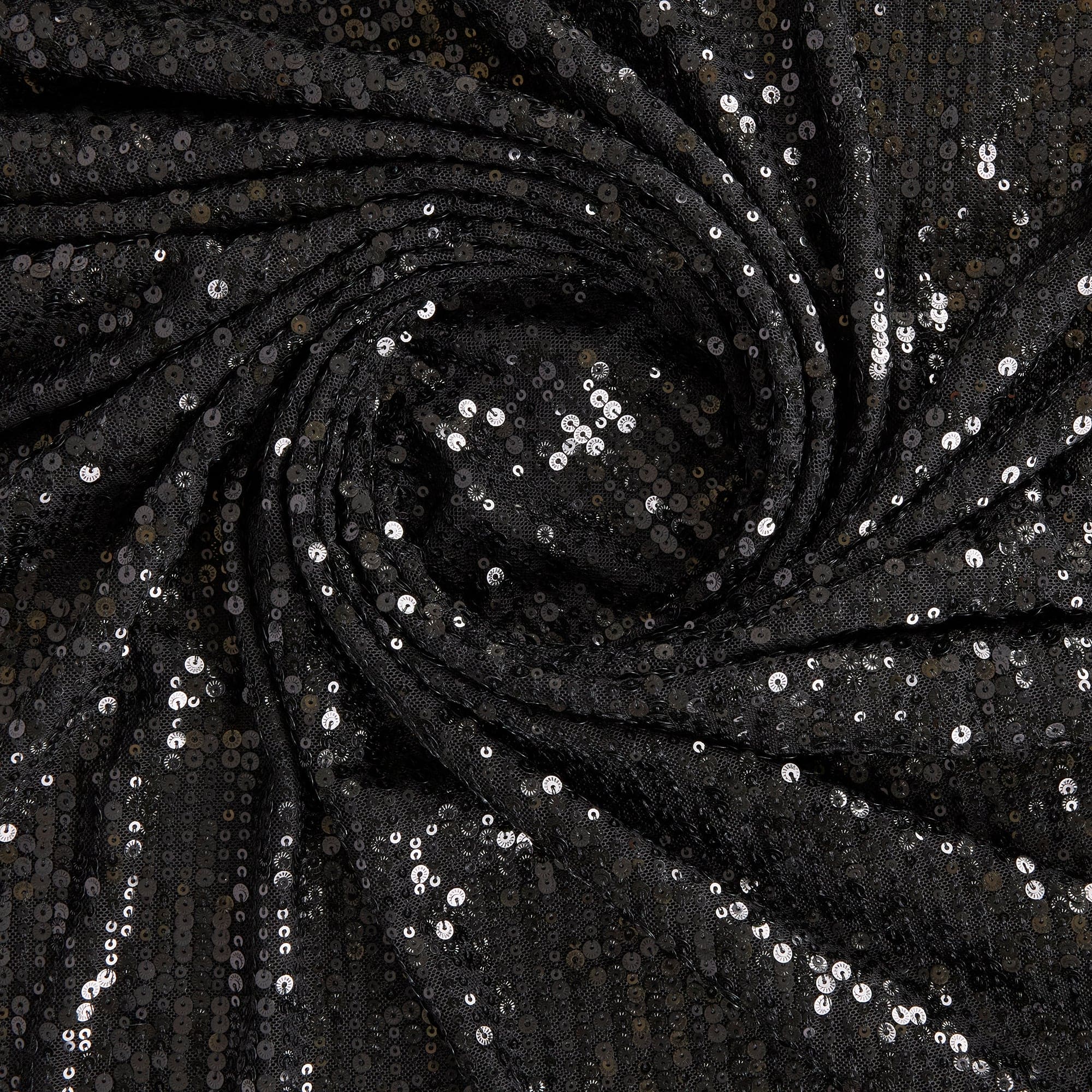
Sequin Mesh
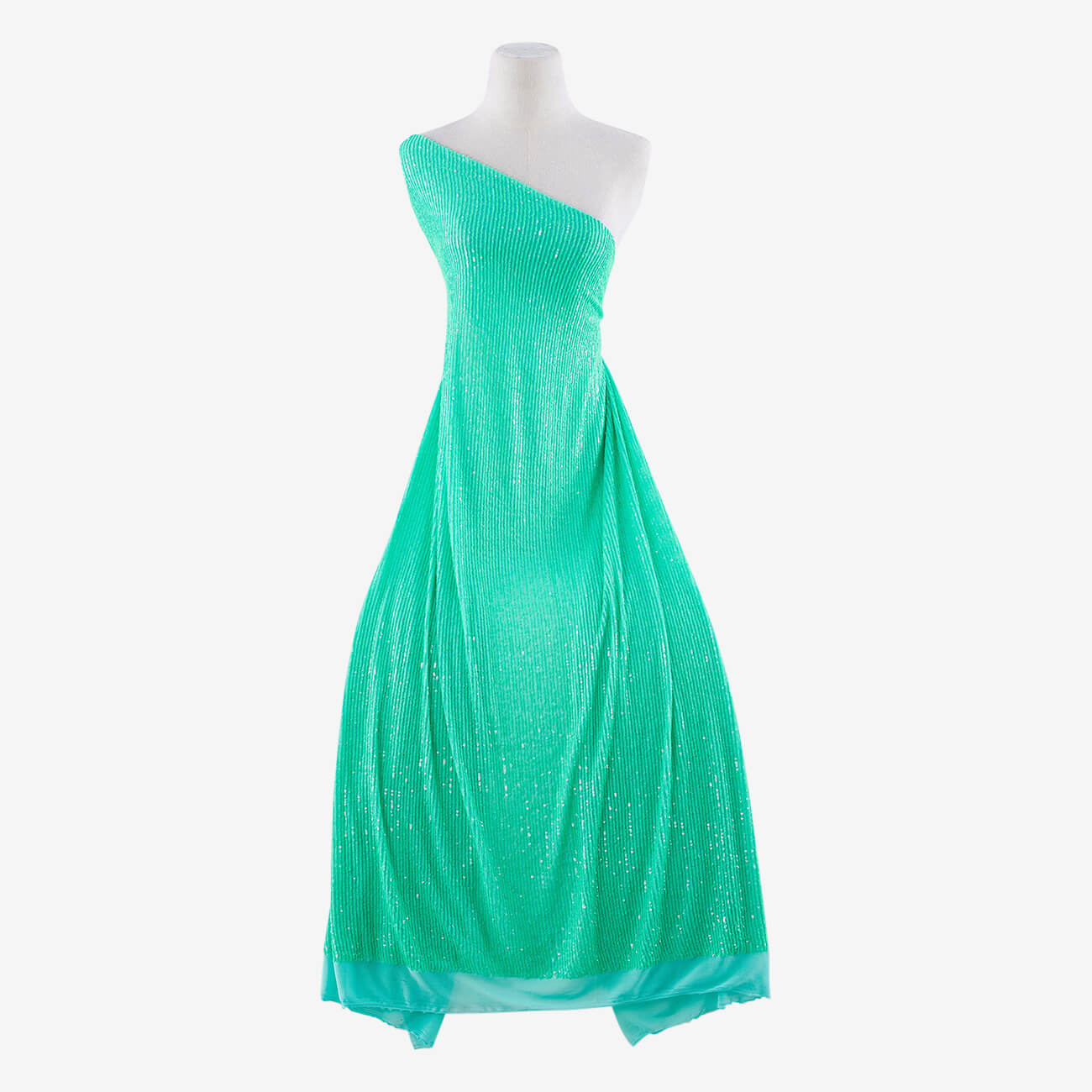
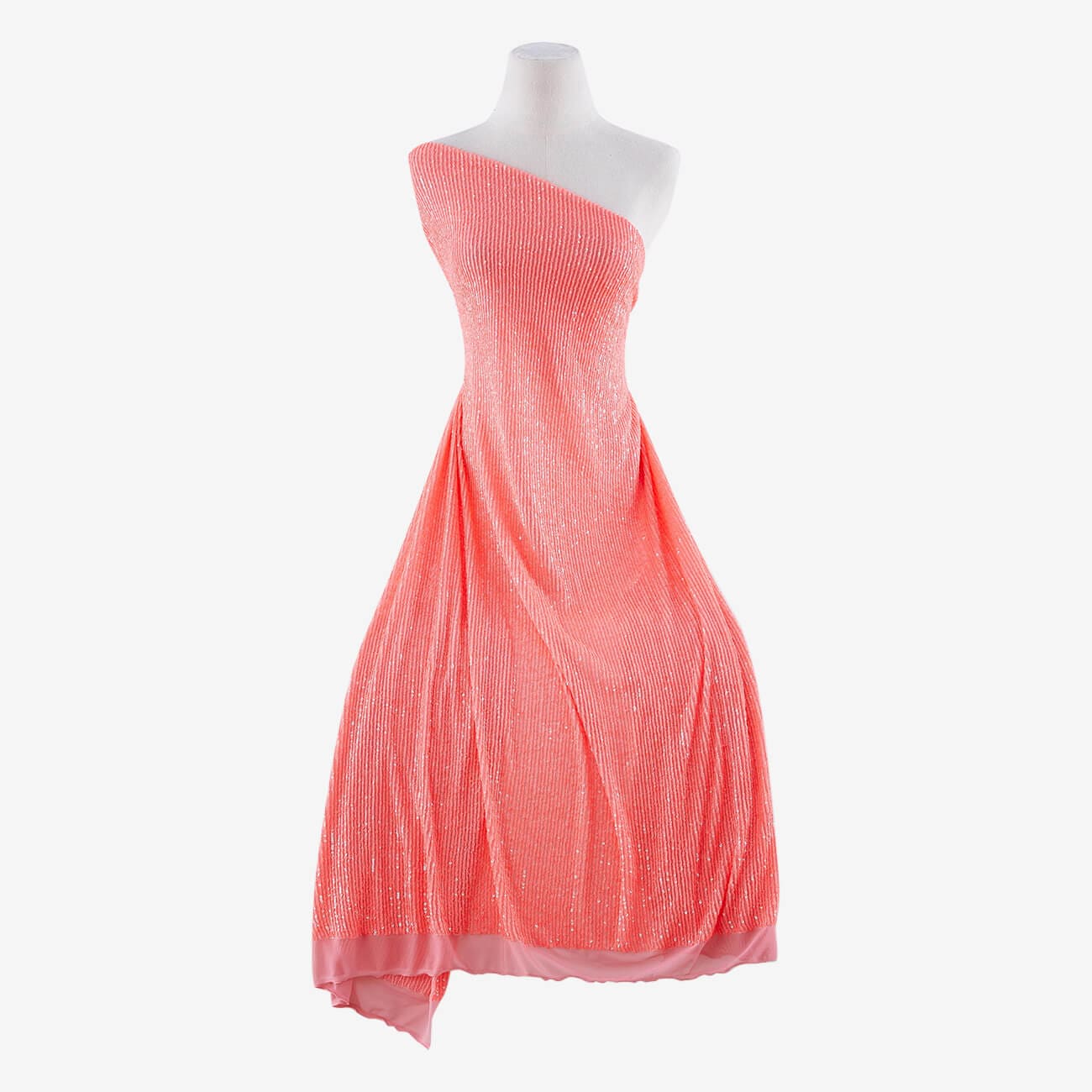
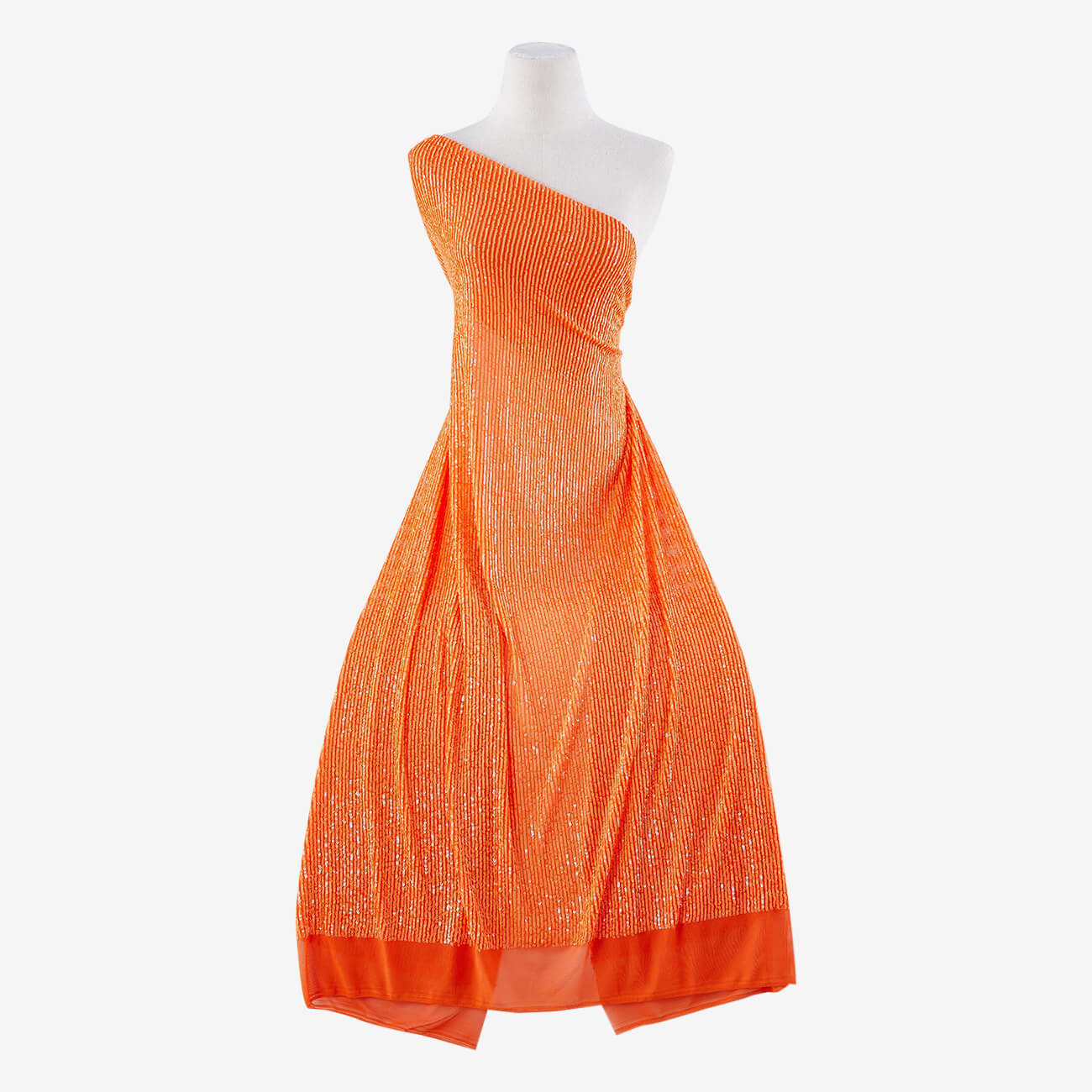
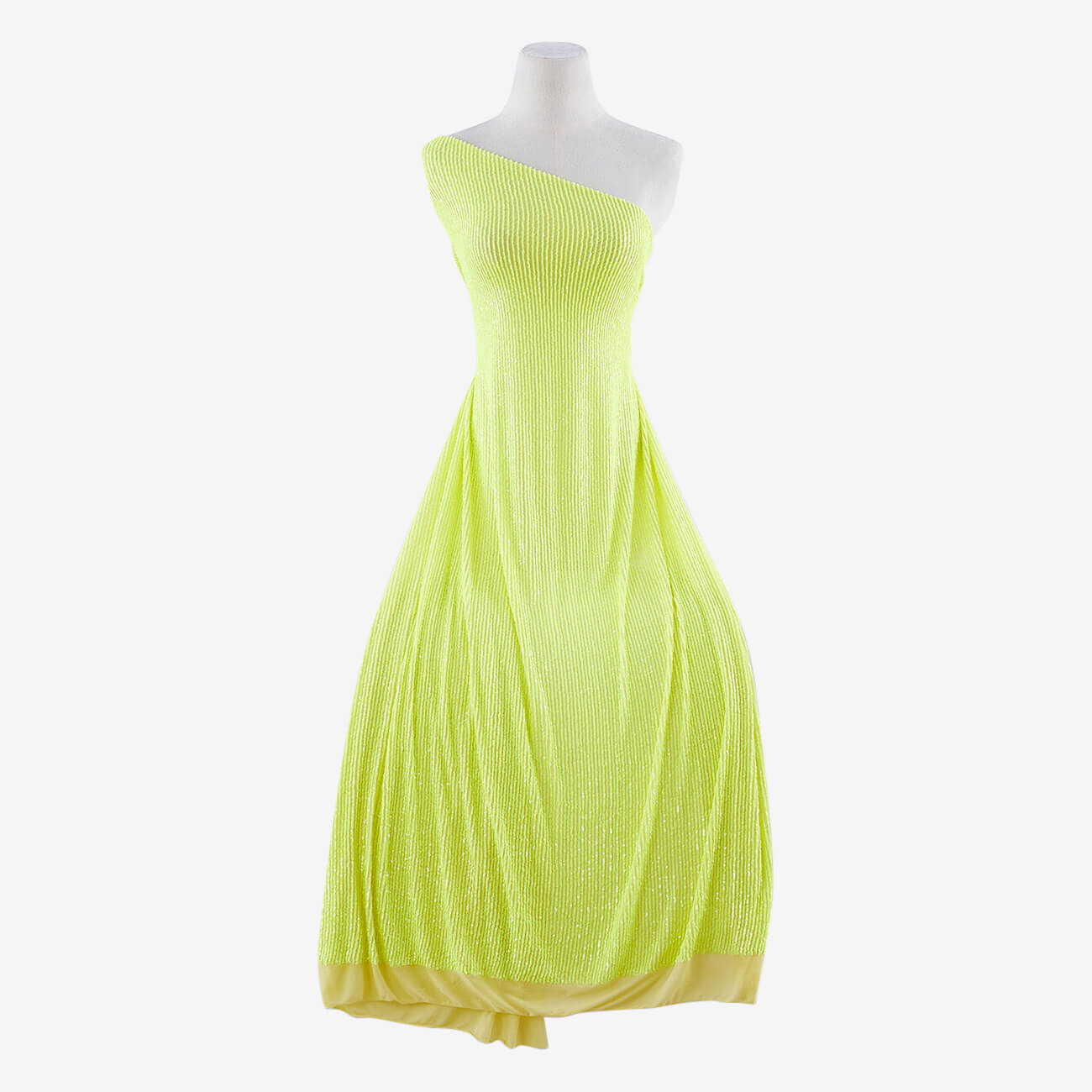
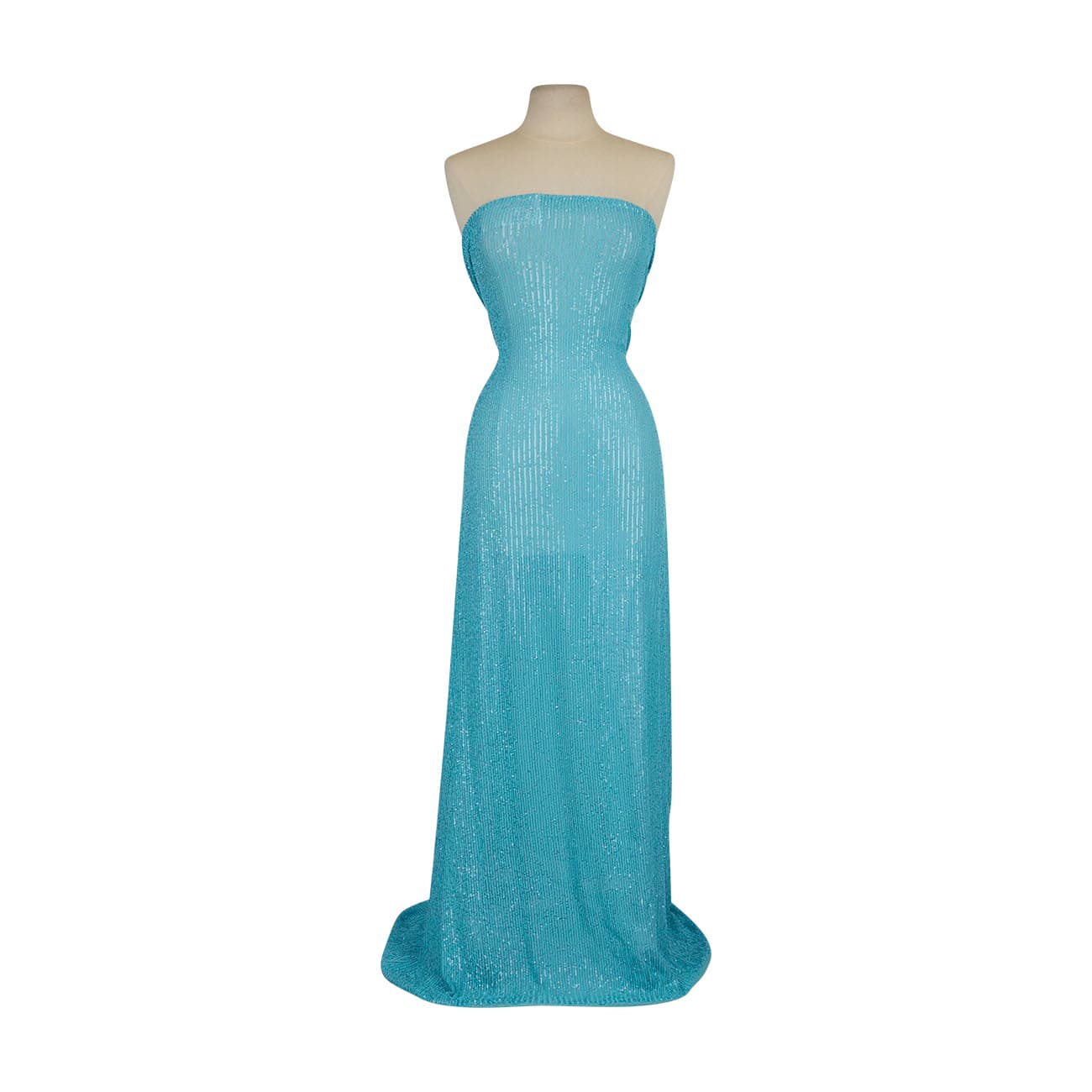
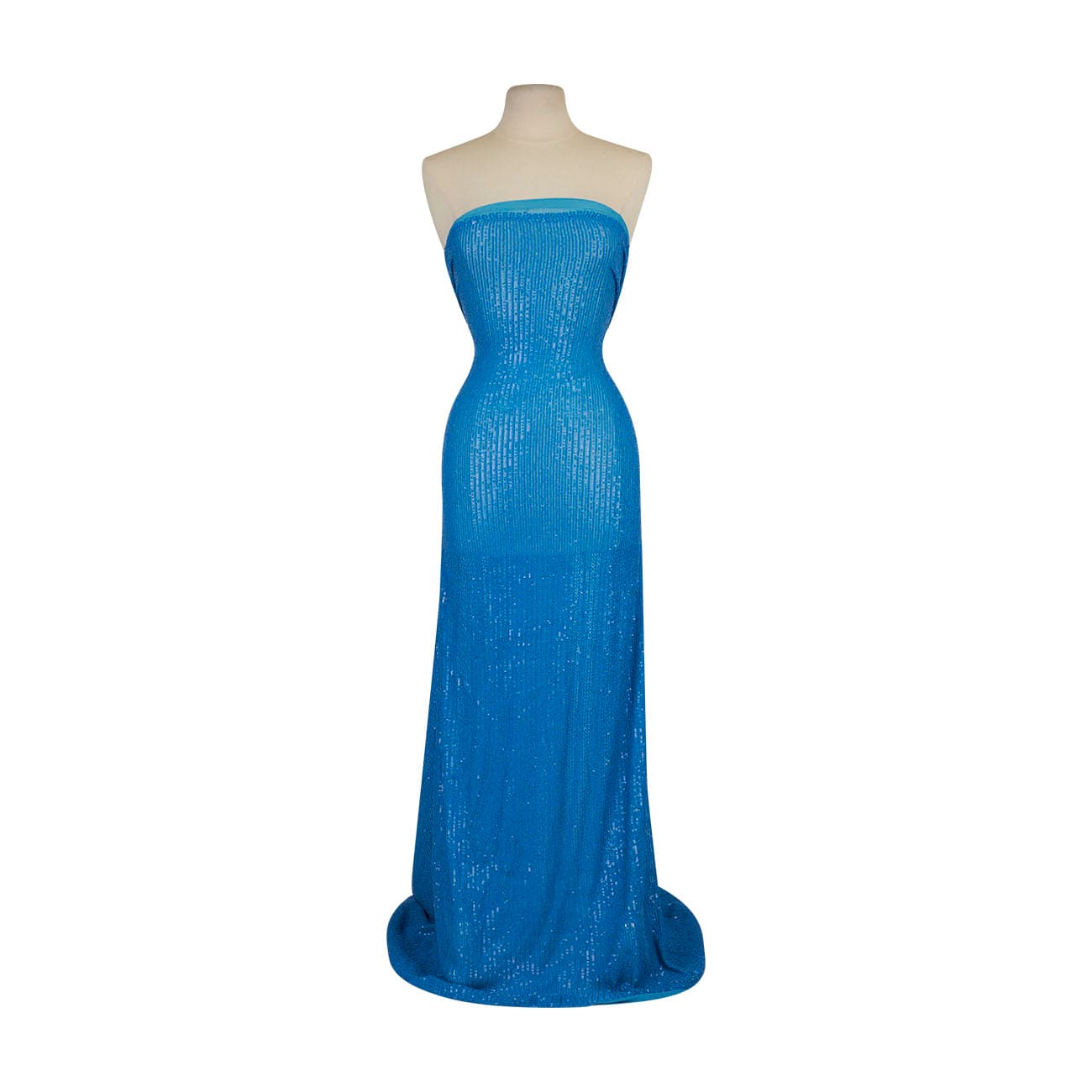
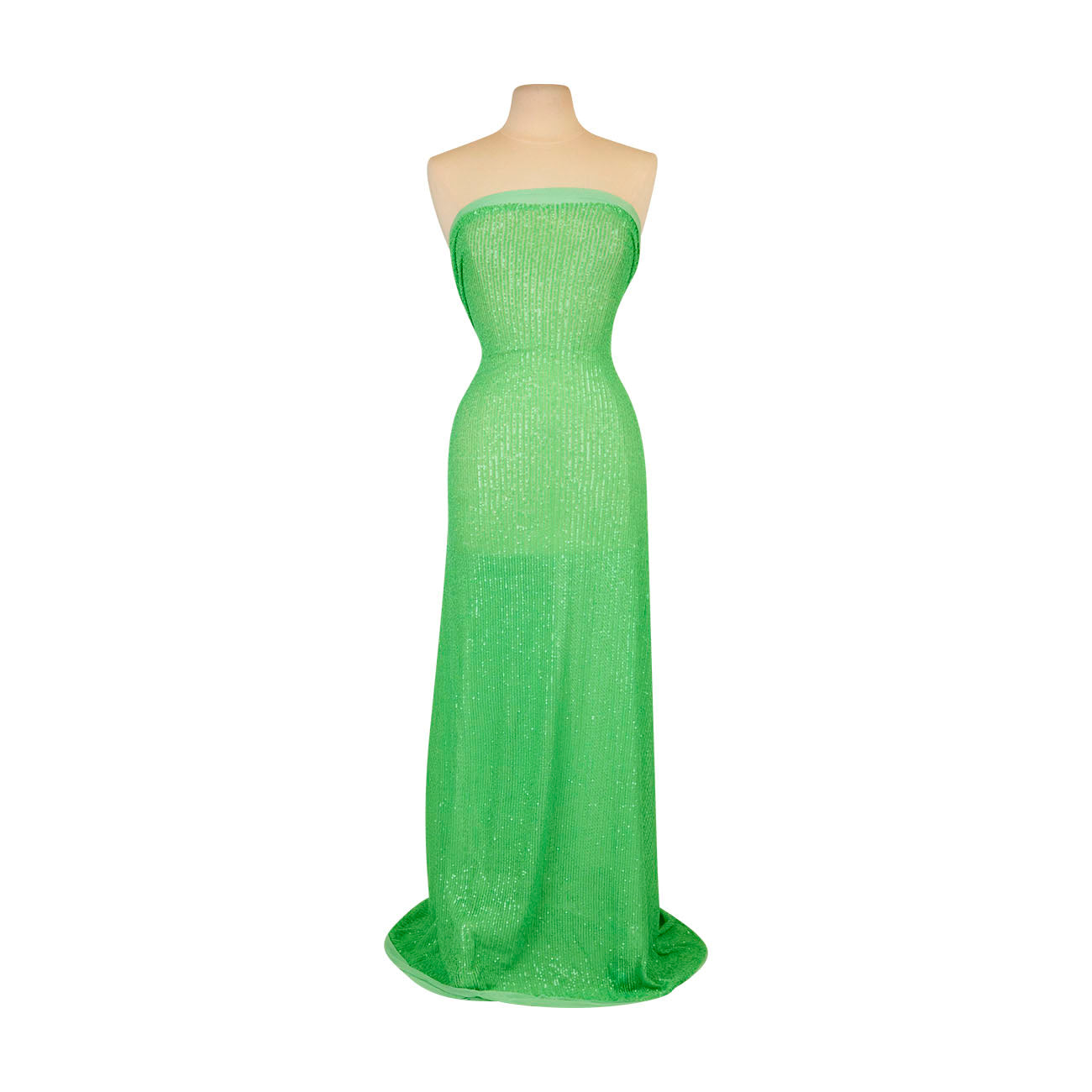
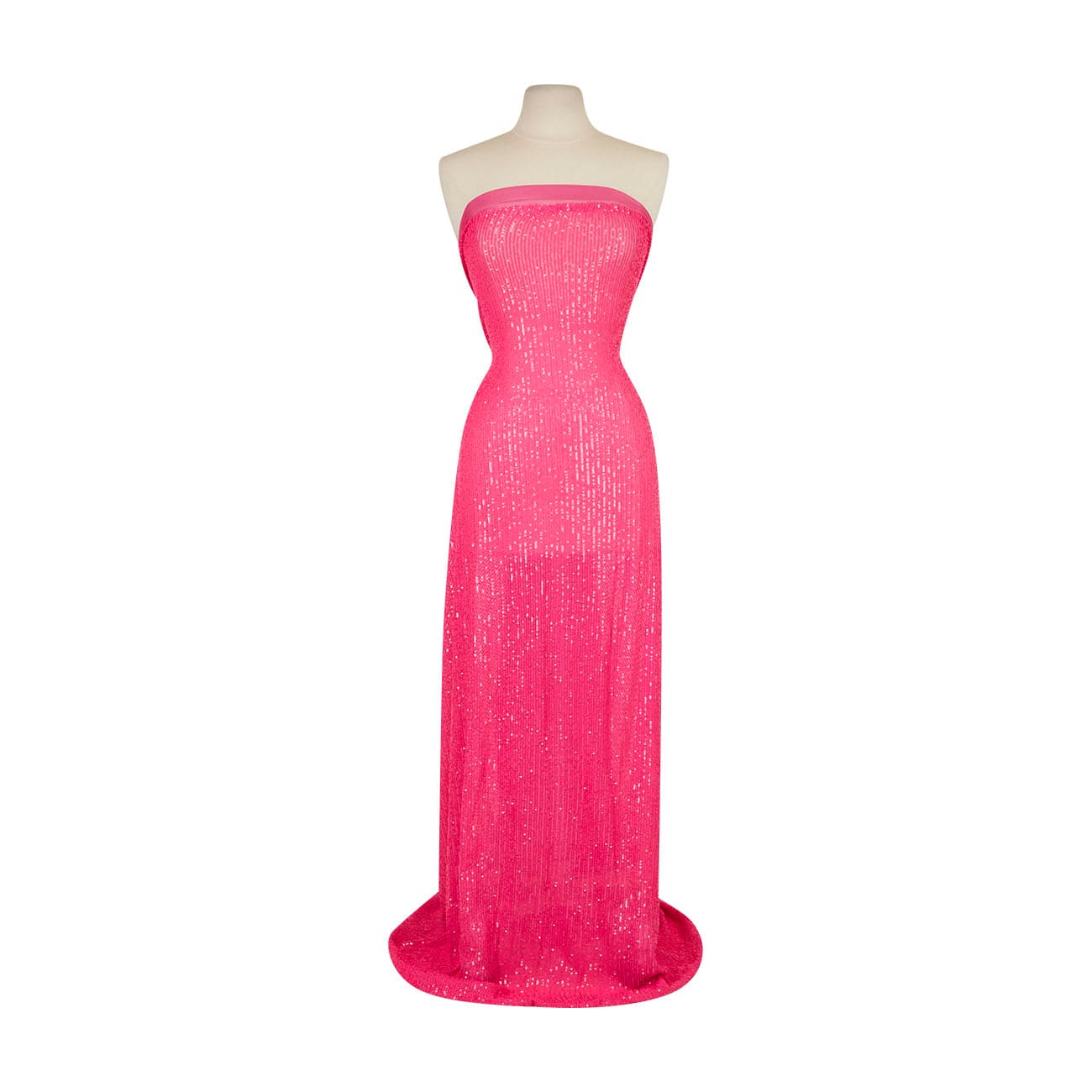
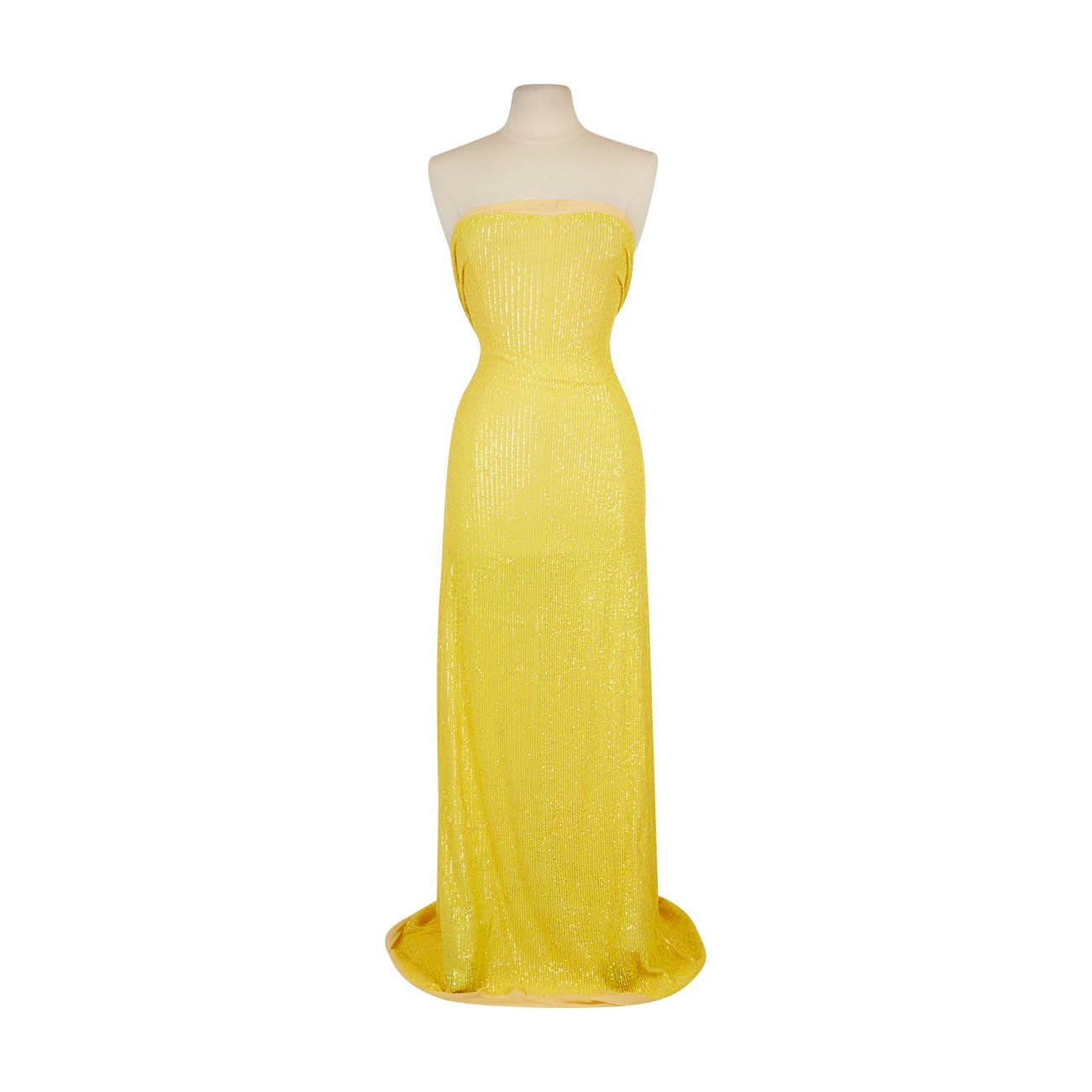
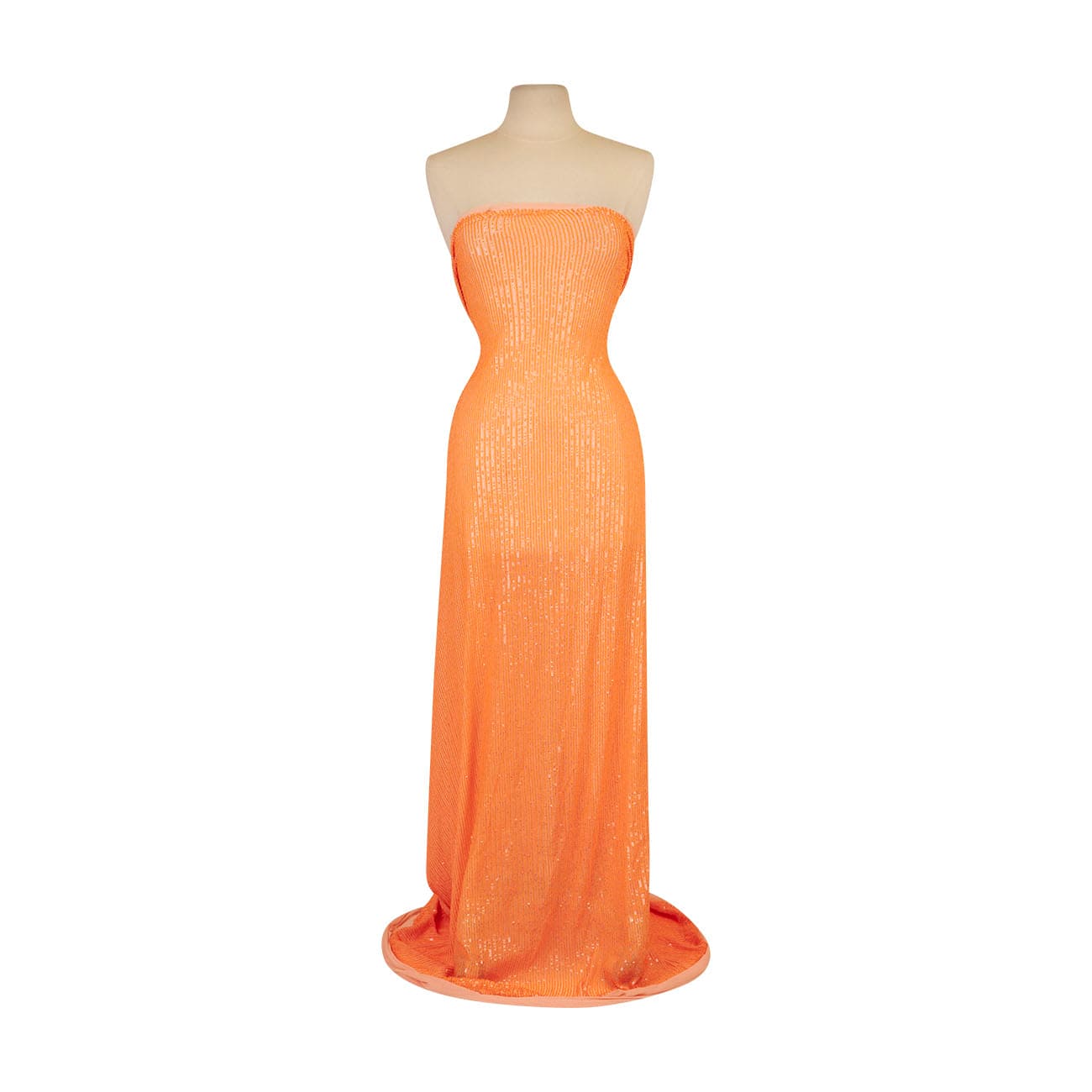
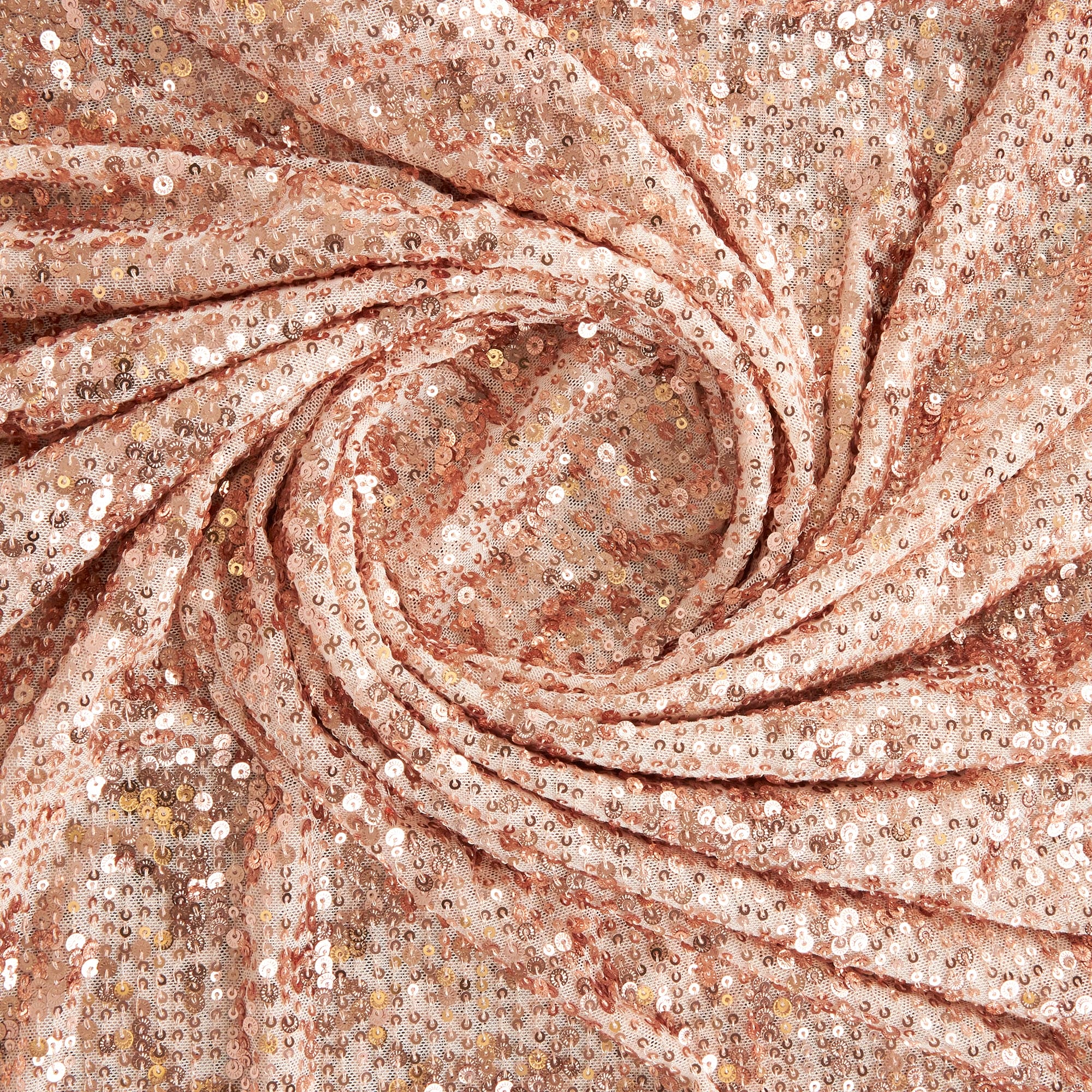
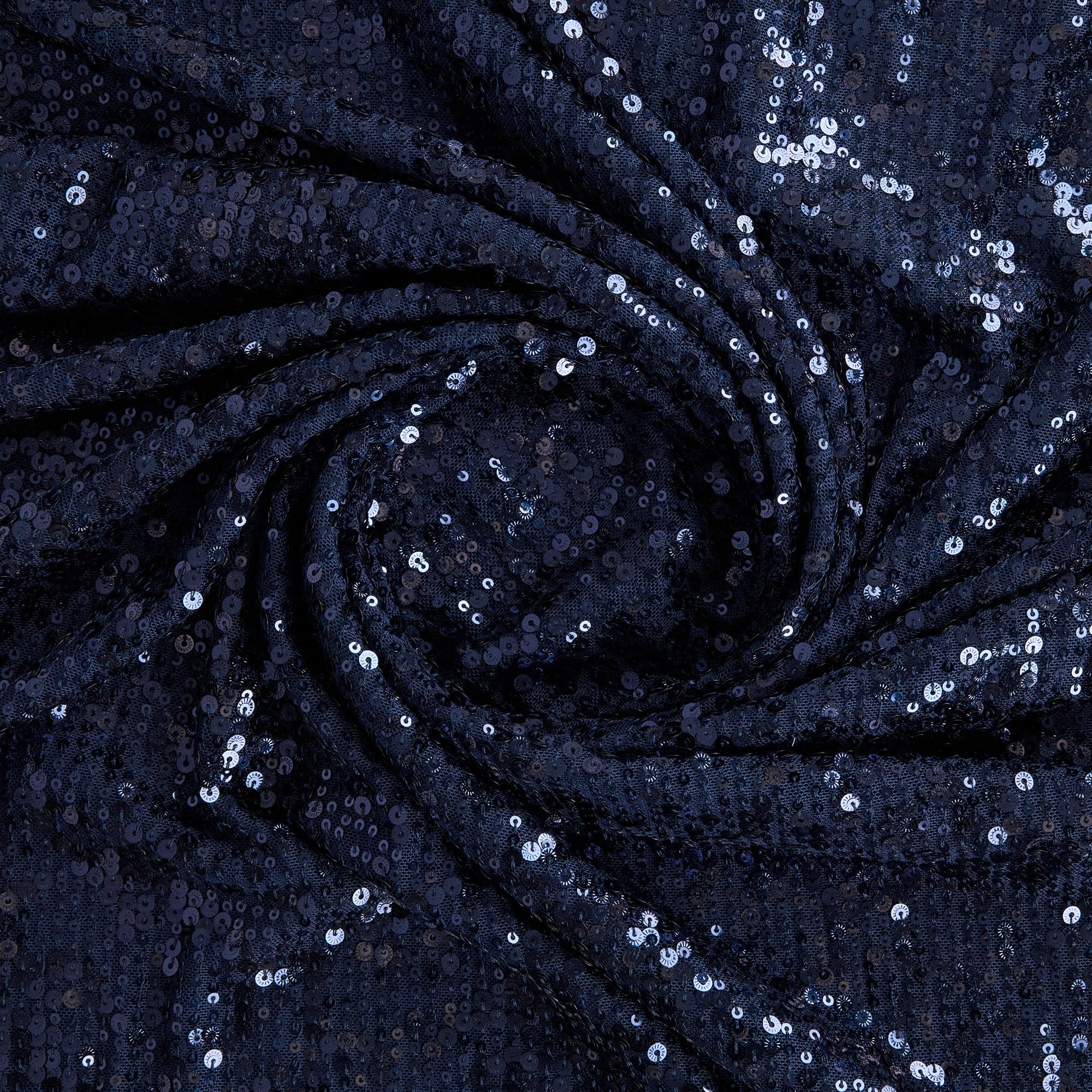
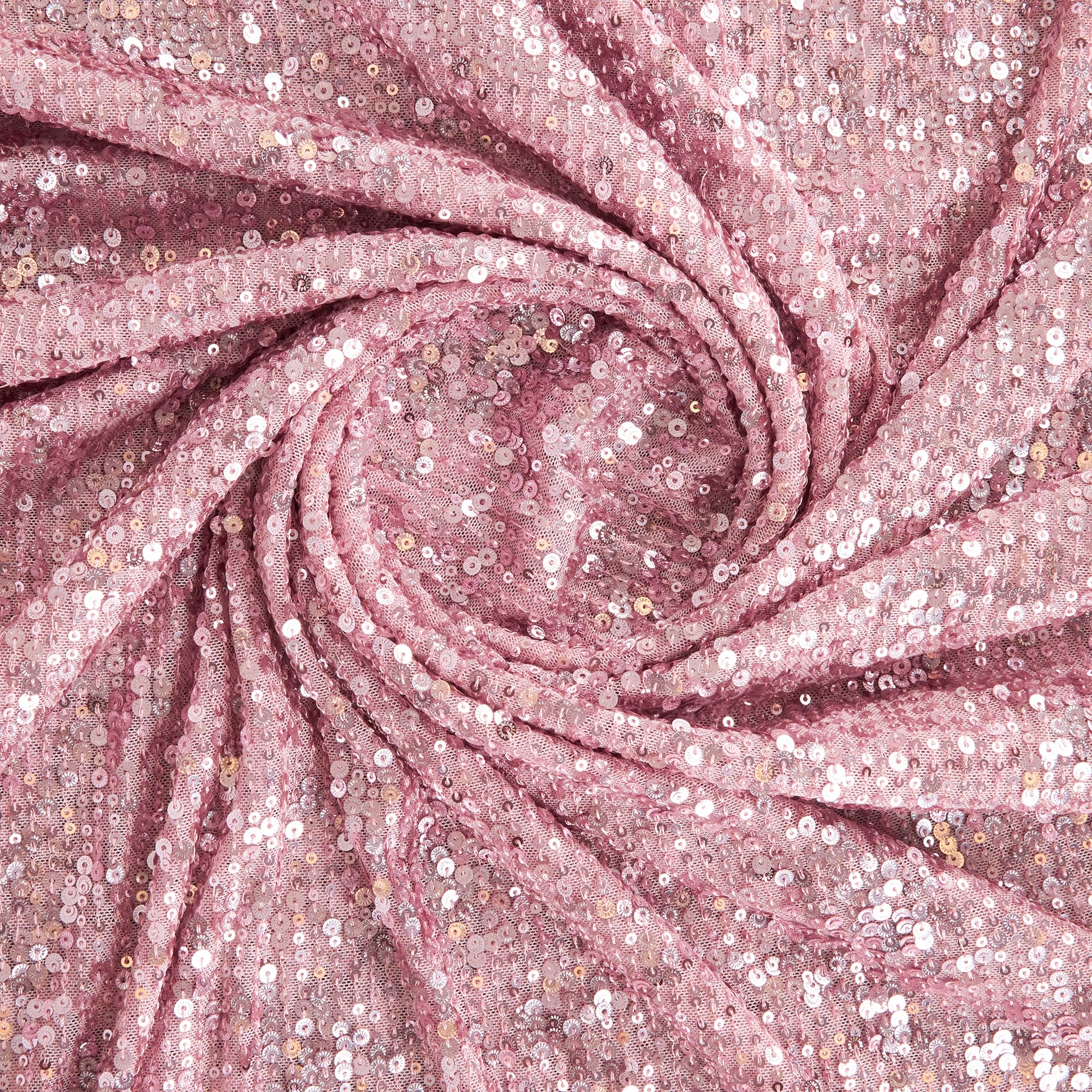
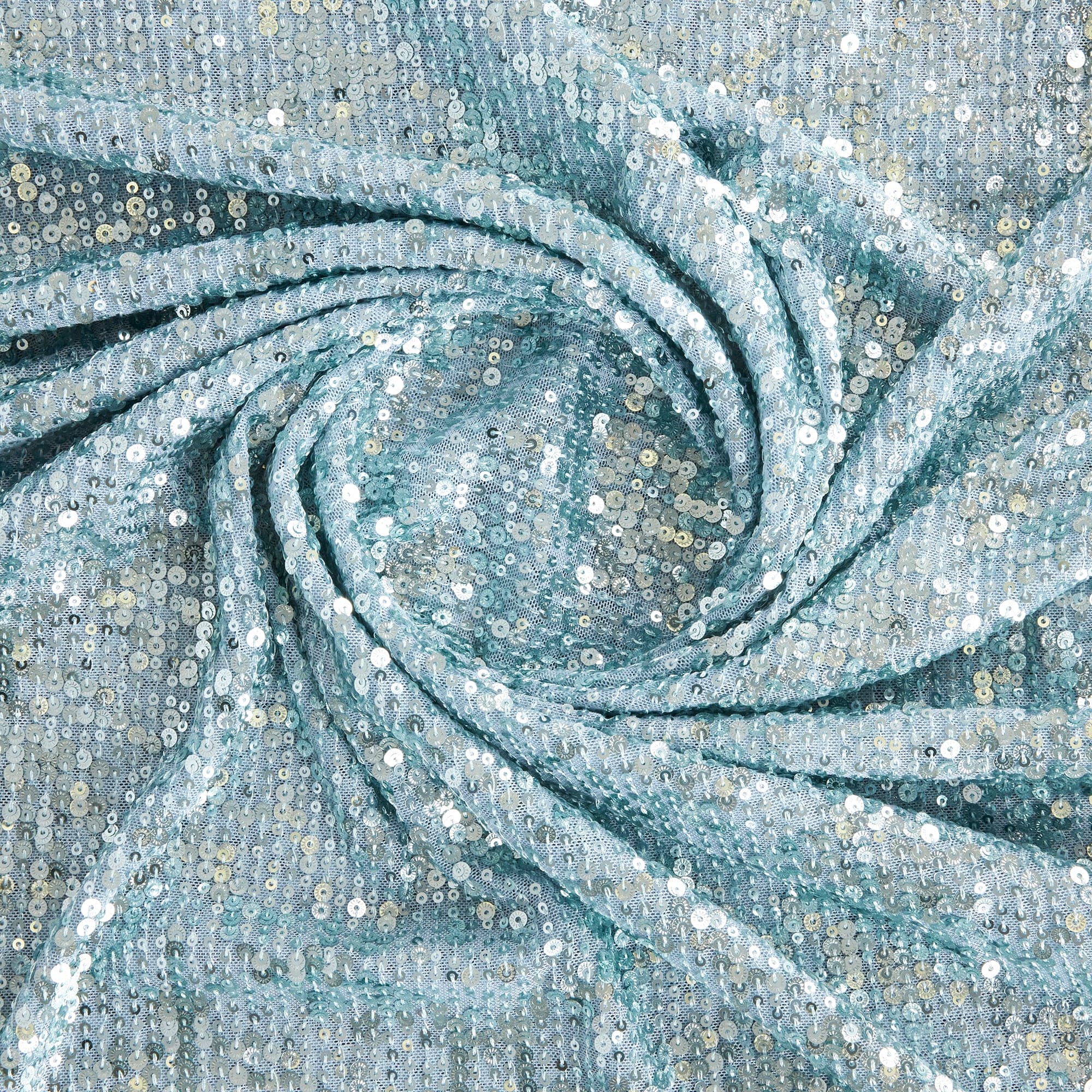
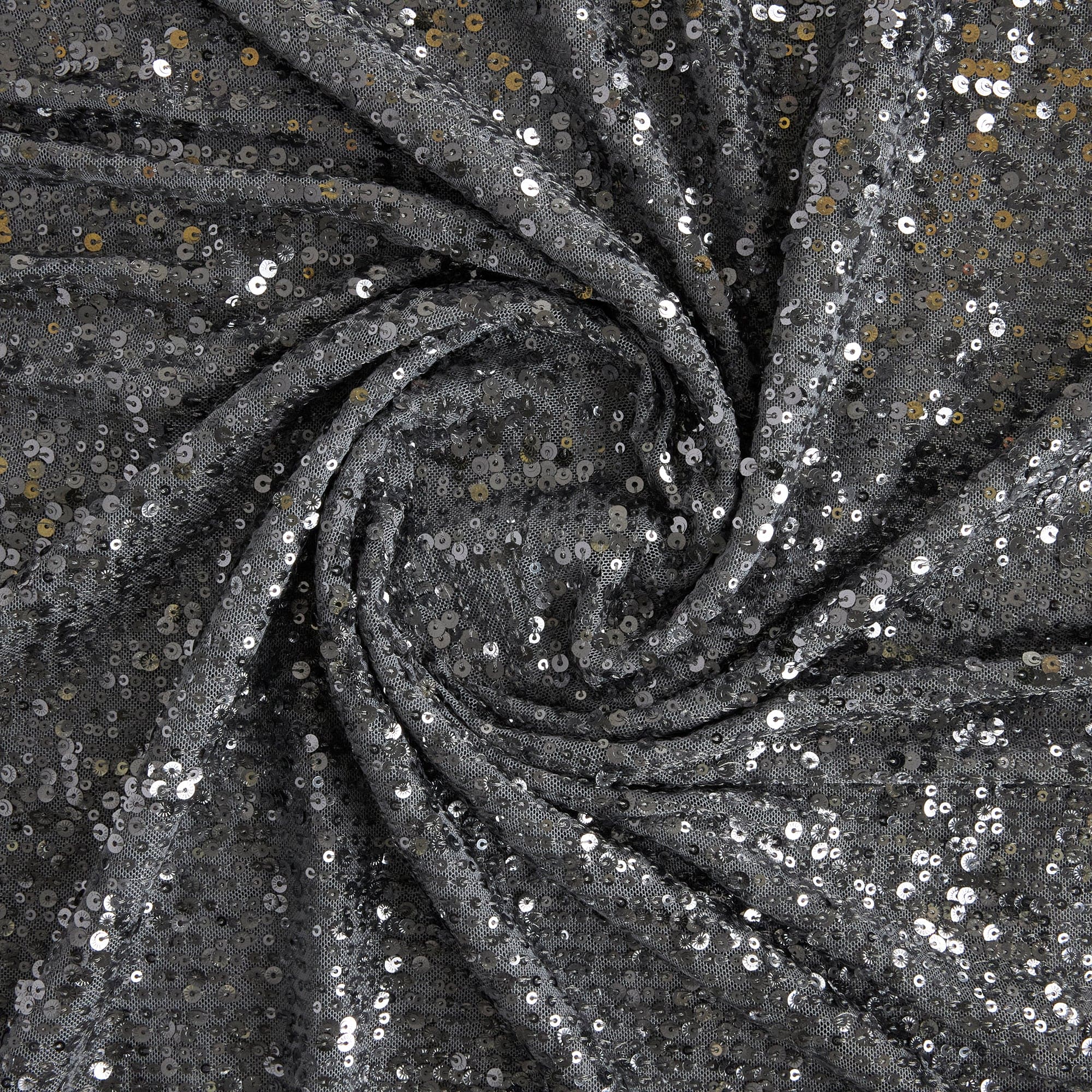
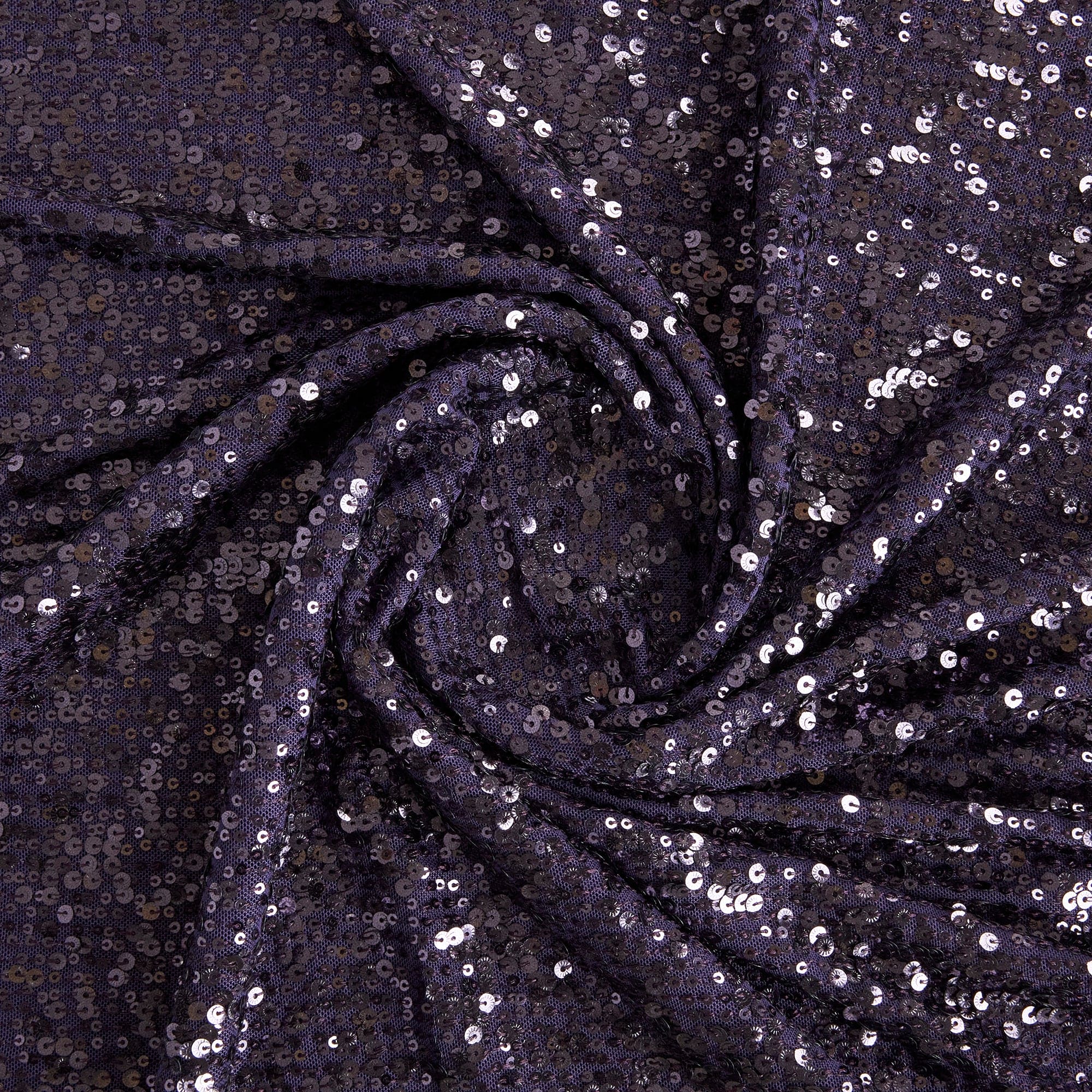
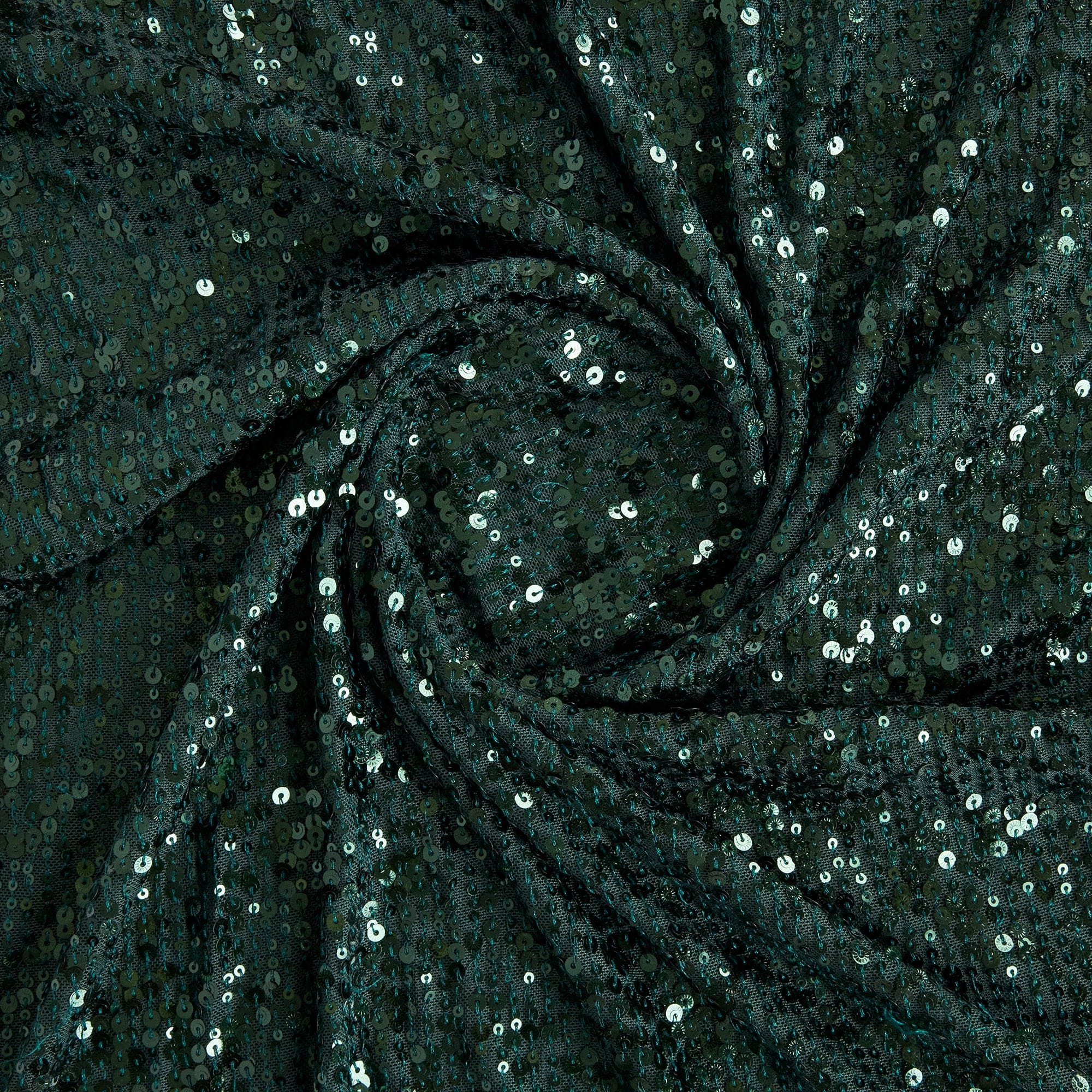
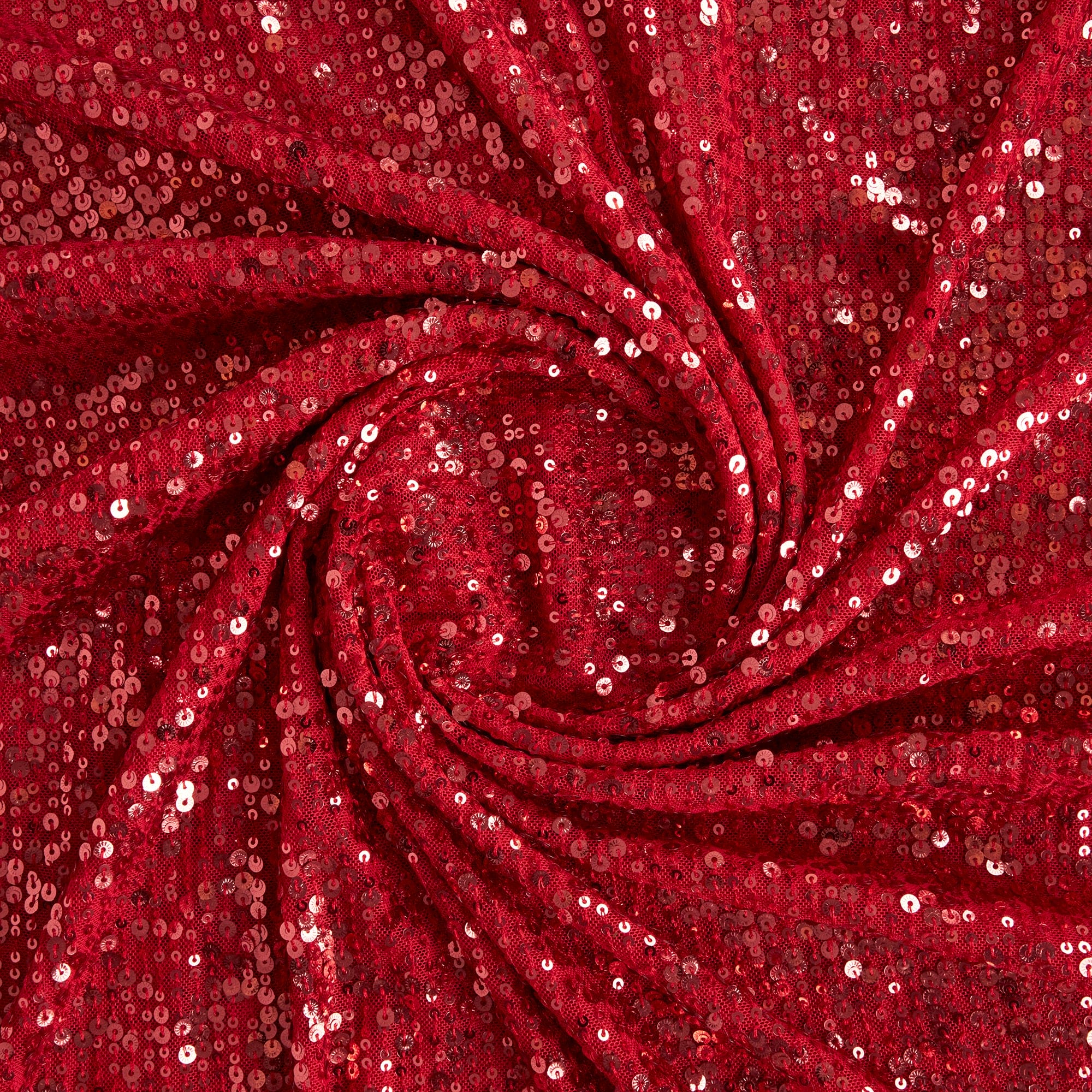
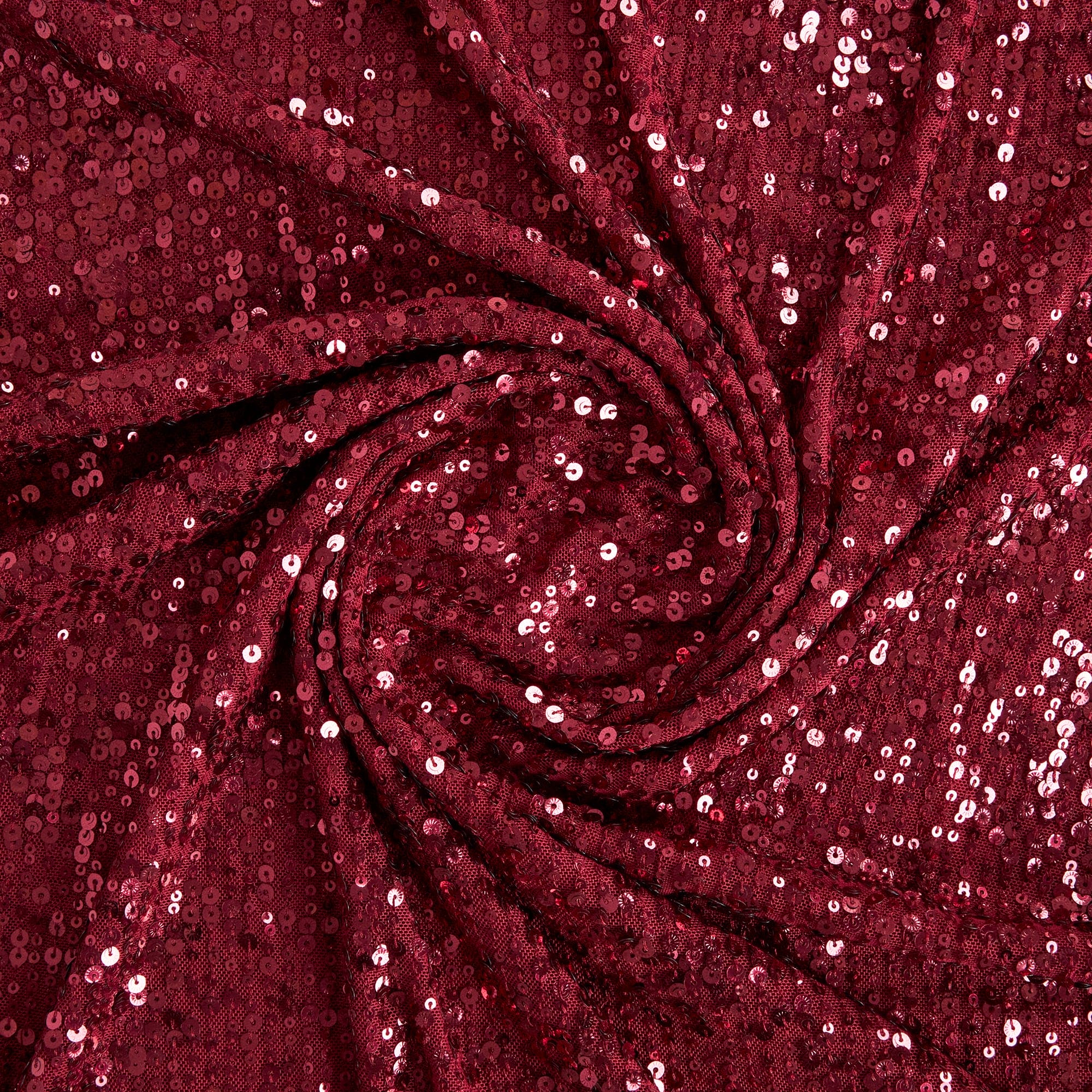
Sequins are applied to a stretch mesh base, producing a fabric with surface movement and light reflection that flat wovens cannot replicate. The collection includes all-over sequin stretch in standard, iridescent, ombré, and clear finishes, covering eveningwear, costumes, and performance wear. The stretch base means the fabric can be used in fitted silhouettes without sacrificing drape.
Tulle
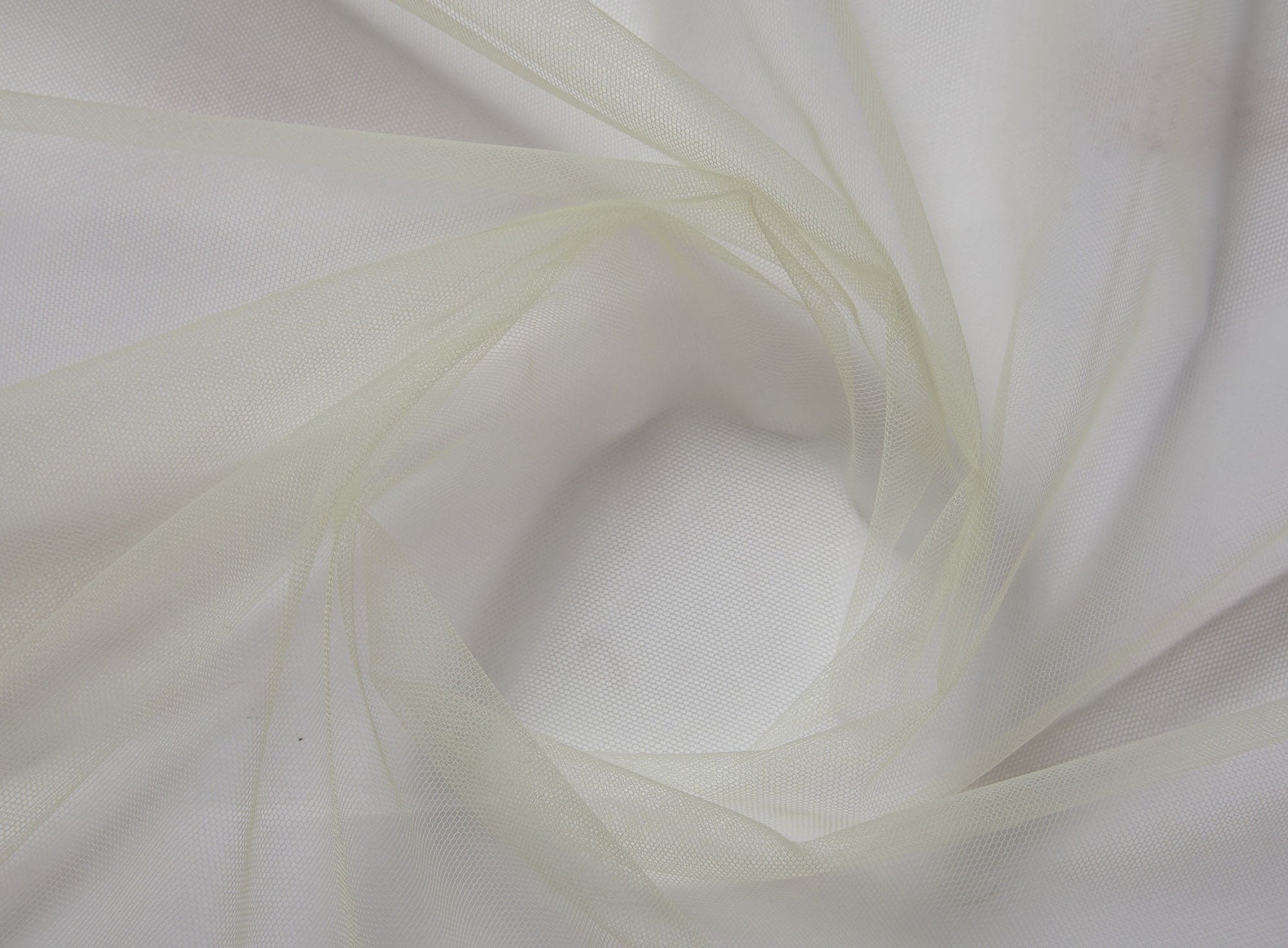
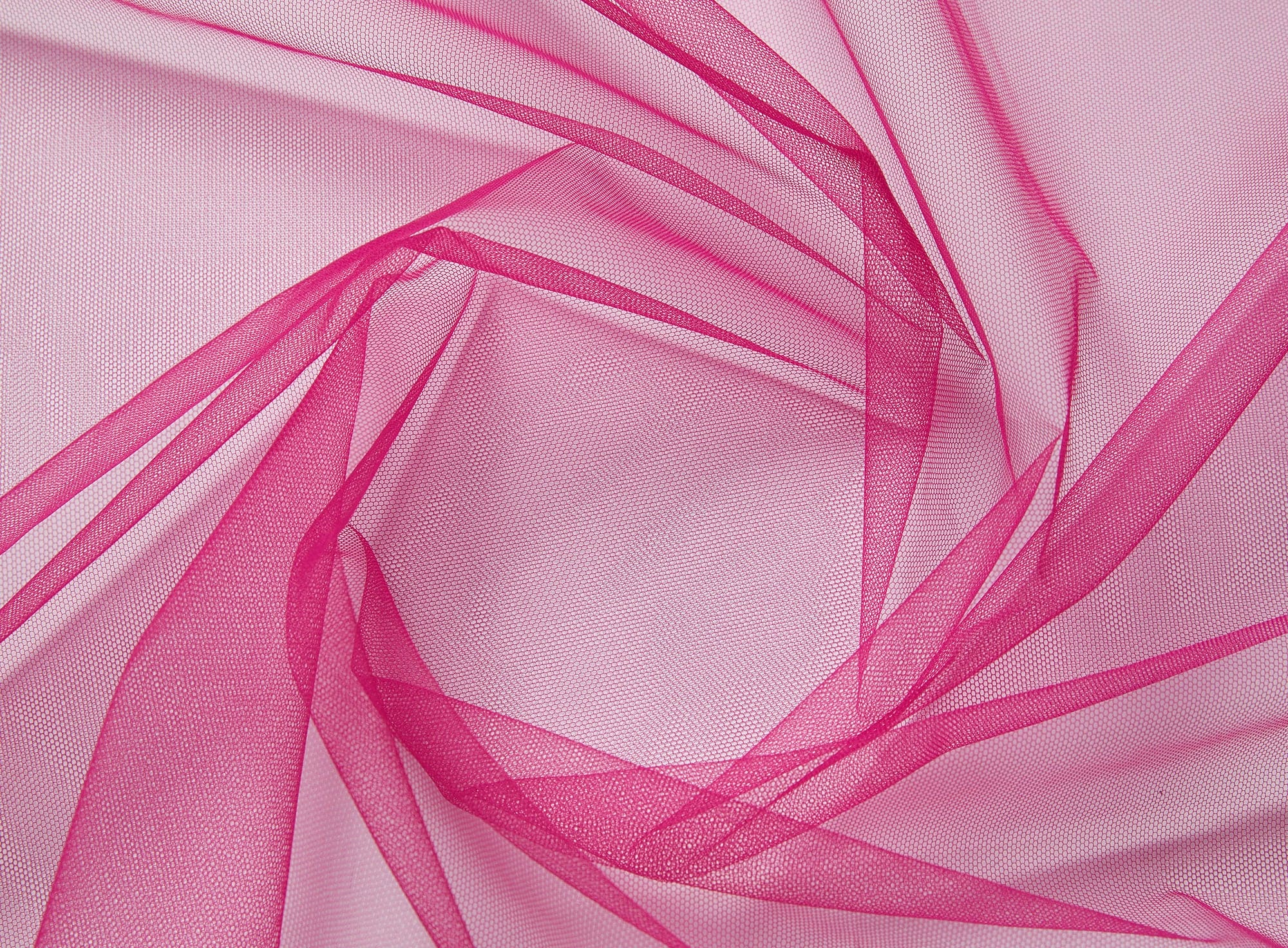
Tulle is a very fine, stiff netting produced from nylon or polyester, with a much smaller hole size than standard mesh. Classic tulle is the right call for bridal veils, full skirts, and tutus where volume and body are the goal. Glitter tulle adds a metallic finish to the same construction for performance and occasion applications.
Embroidery Mesh and Lace Mesh
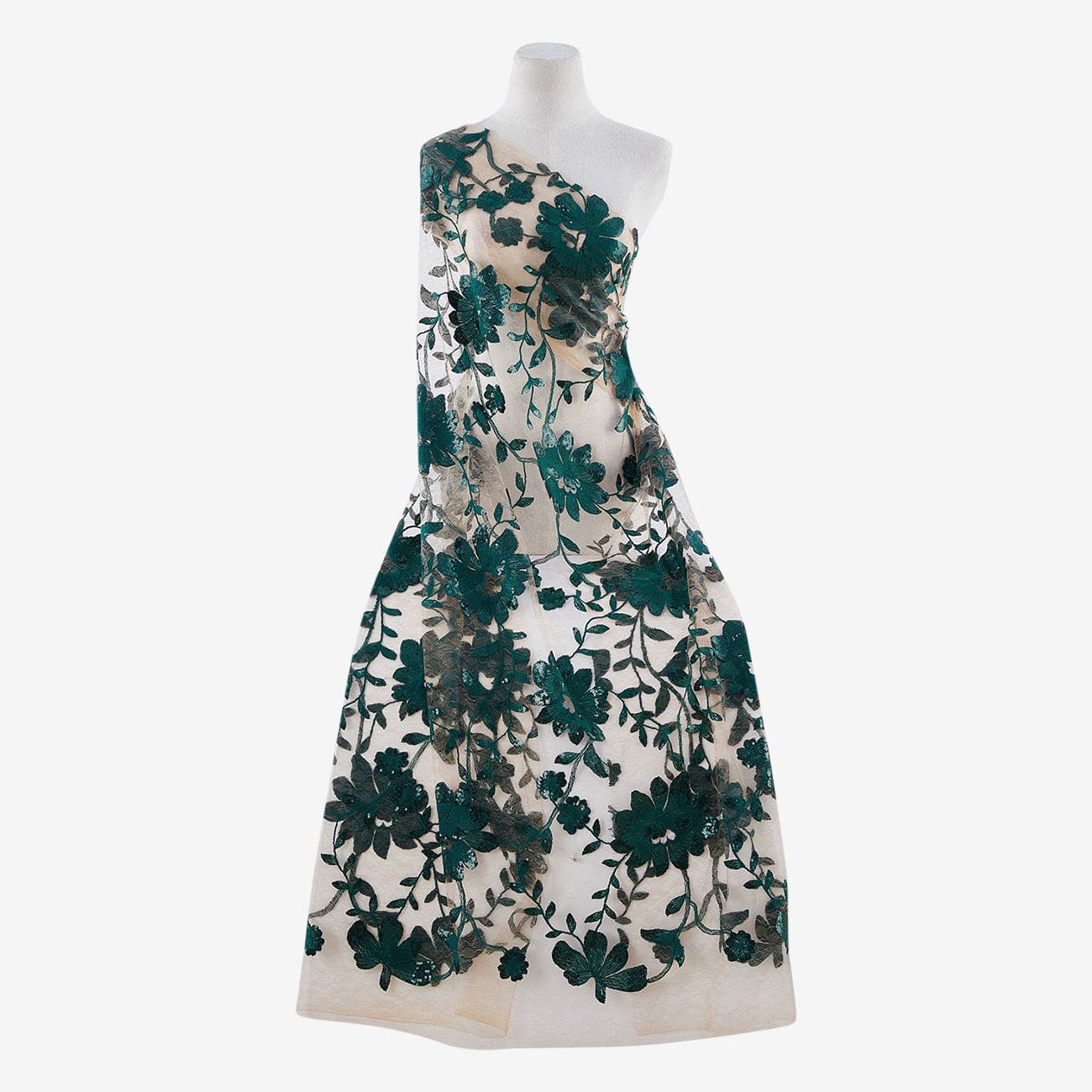
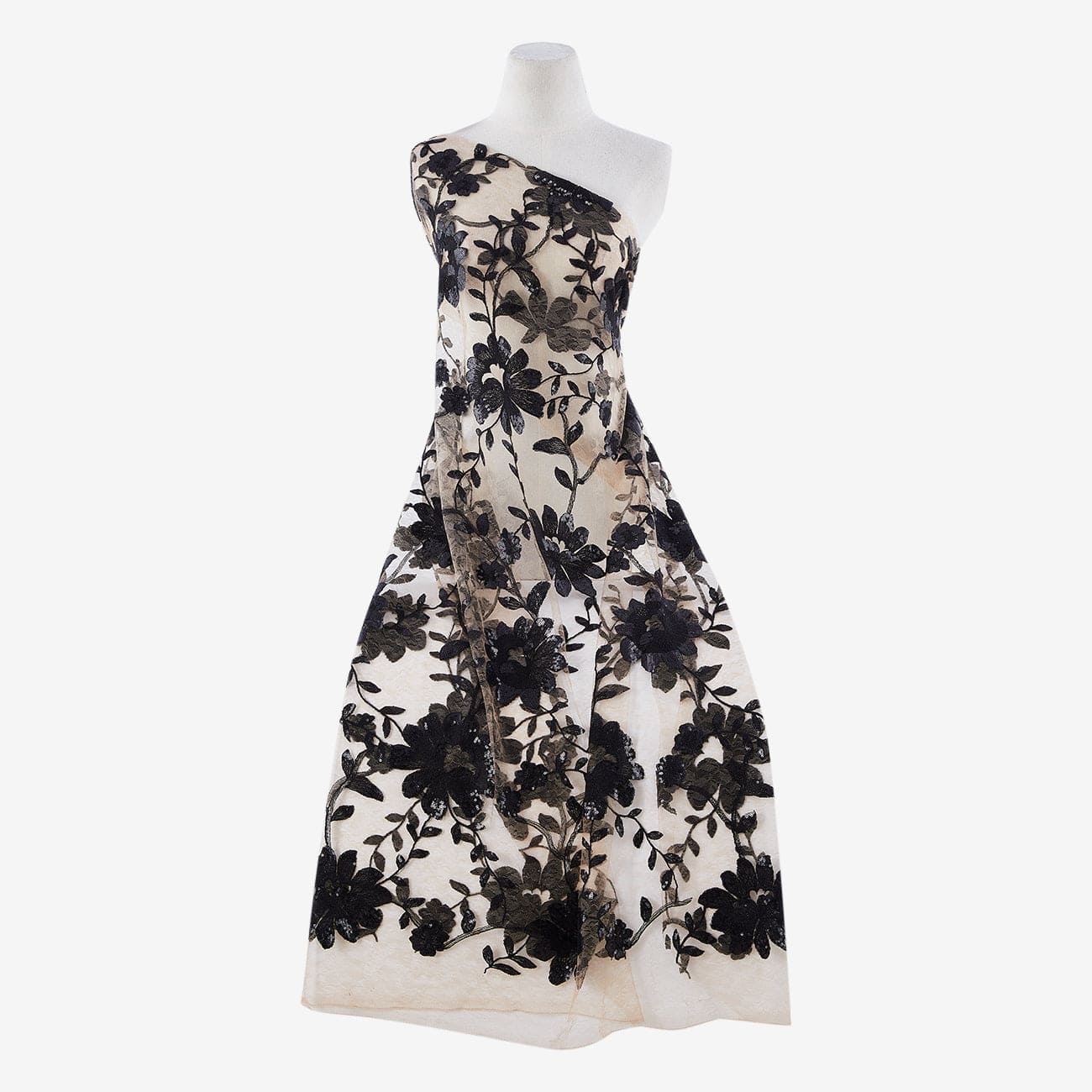
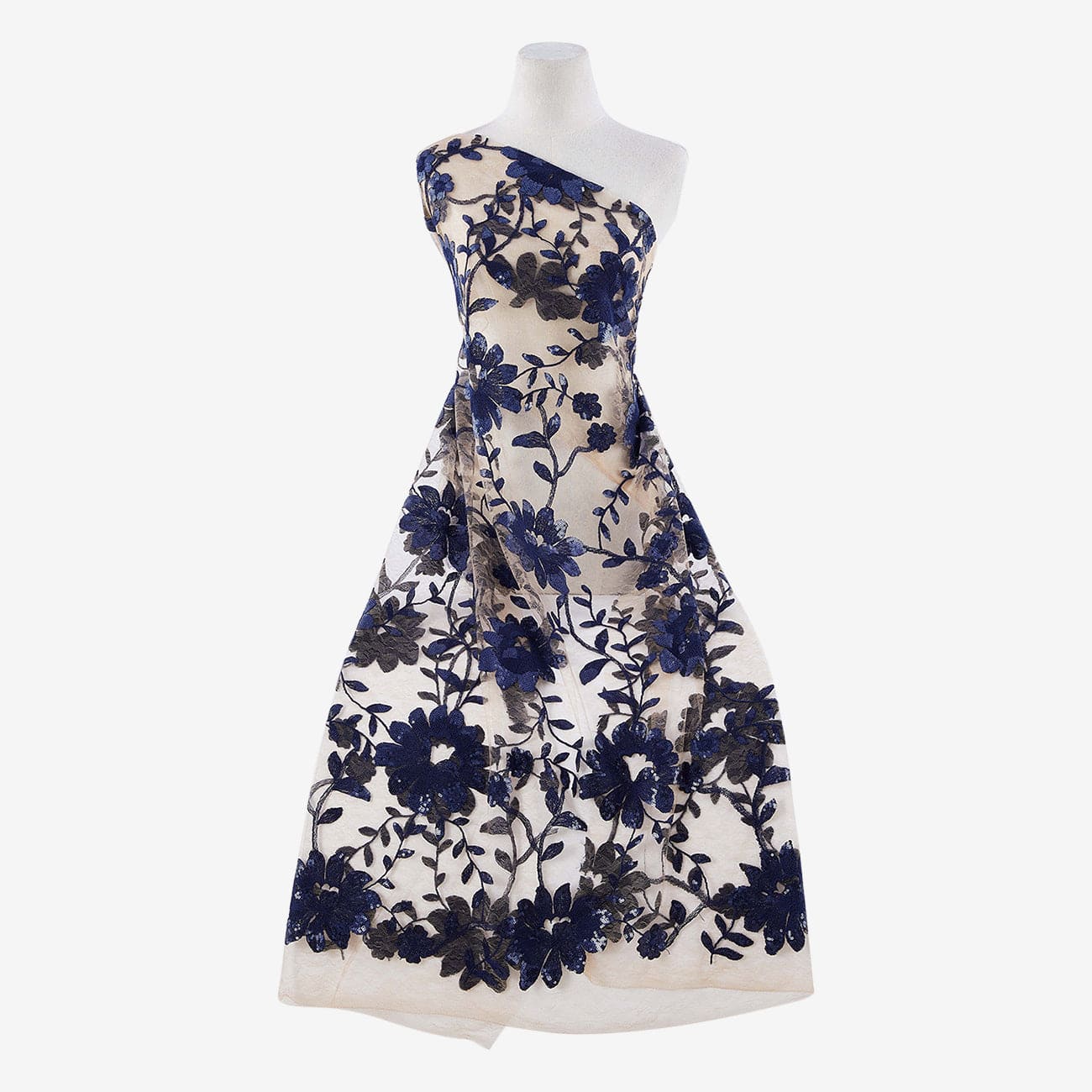
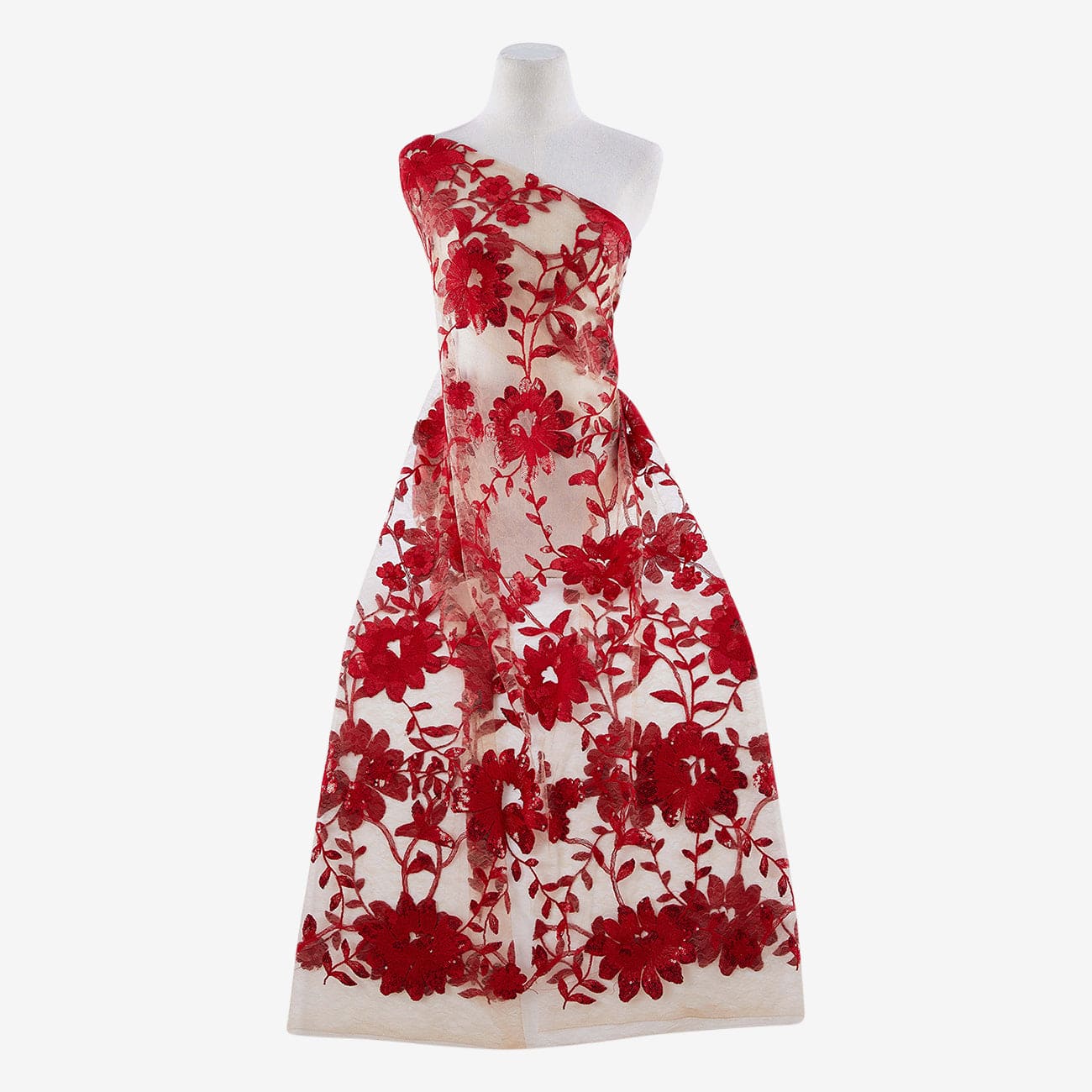
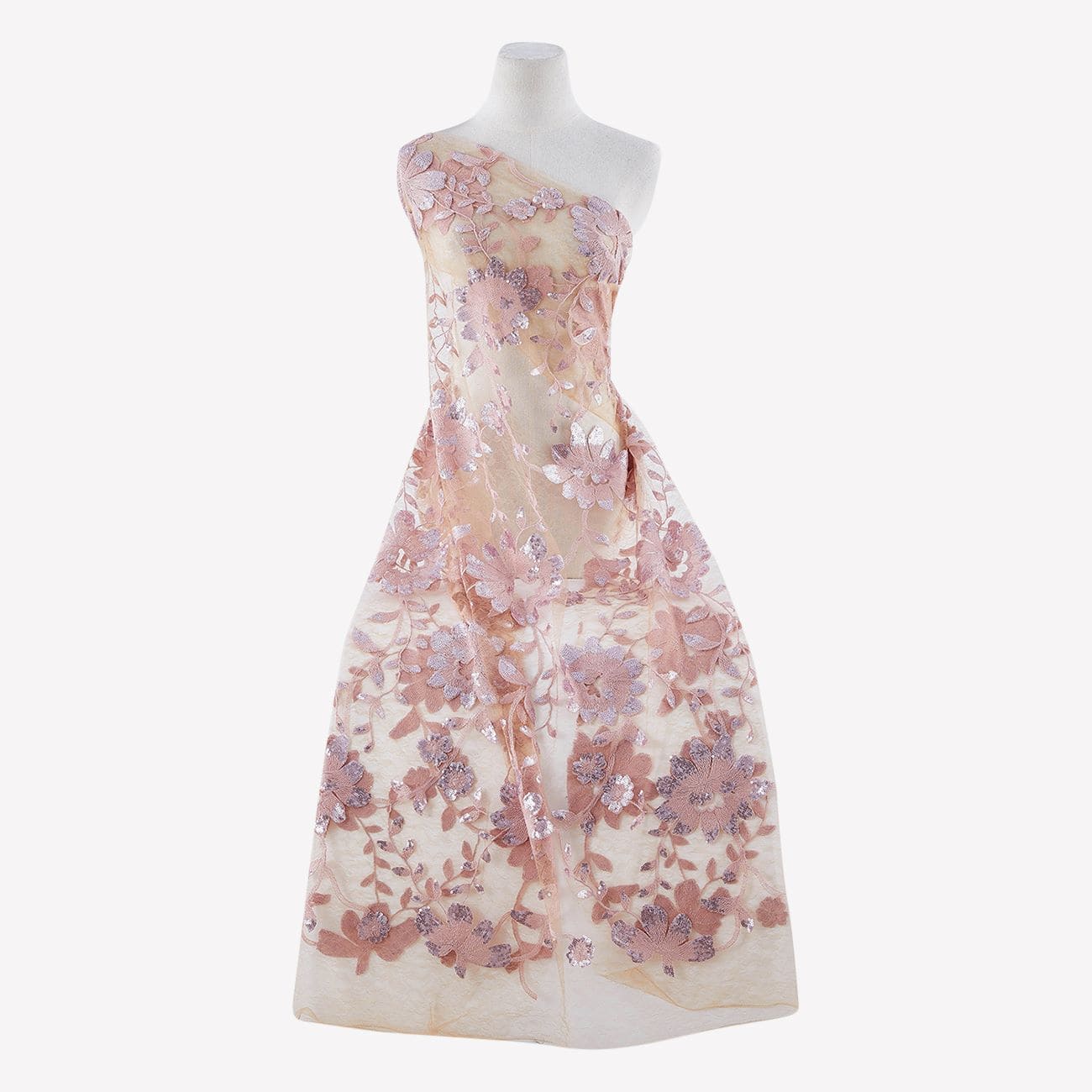
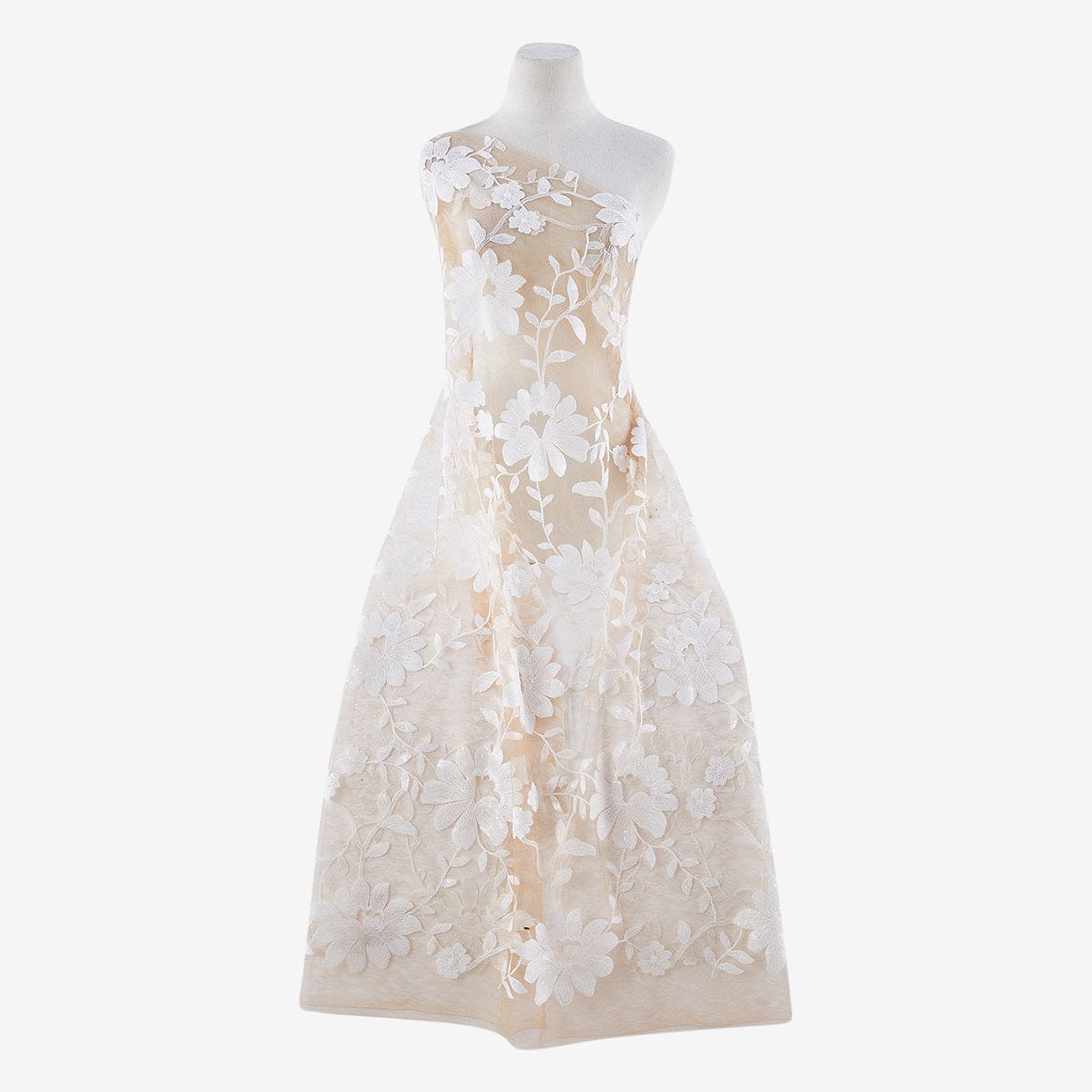
A sheer mesh base with embroidery overlay, this category covers two distinct constructions. The 3D flower embroidery uses raised floral motifs for texture and dimension, while the corded embroidery lace uses corded outlines for a more formal, bridal-appropriate finish. Both work well in lingerie, formal bodices, and overlay applications.
Lurex and Metallic Mesh
Woven or knit with metallic lurex yarn, this construction adds shimmer through the fiber itself rather than applied sequins, producing a lighter, more fluid hand. The lurex crinkled mesh has a textured surface that catches light differently from flat metallic fabrics, making it a practical option for eveningwear and resort wear where movement matters.
3D and Spacer Mesh
A double-layer construction with a connecting yarn layer between the two faces, spacer mesh has a cushioned hand and dimensional structure. It is used in technical garments, structured bags, and applications where the fabric itself needs to provide body without additional interfacing. The geometric open structure also makes it visually distinct from single-layer mesh constructions.
What Is Mesh Fabric Made Of? Fiber and Construction Guide
Mesh fabric is produced using either a knitting or weaving process that intentionally leaves open gaps between yarns, and the fiber content determines how the finished fabric performs. Most fashion mesh is warp-knit rather than woven, which gives it inherent stretch and recovery without the rigidity of a woven open structure.
Nylon mesh is durable, lightweight, and carries a slight sheen. It resists abrasion well, which is why it appears frequently in athletic and lingerie applications. Polyester mesh is more affordable, colorfast, and wrinkle-resistant, making it a common choice for sportswear and costume work. Spandex or elastane blended into either fiber base adds four-way stretch and compression; the percentage of spandex determines firmness, with higher percentages producing more compressive fabrics. Some constructions also incorporate cotton spandex blends for a softer hand in casual and activewear applications.
Denier refers to yarn thickness. Lower denier produces a sheerer, more delicate mesh with a finer hand; higher denier produces a more opaque, durable fabric with more structure. When choosing between options in this collection, fiber content and denier together determine whether the fabric will behave as a sheer overlay or a compressive base layer. Order a swatch before committing to yardage for color-critical or weight-sensitive projects.
How to Sew and Care for Mesh Fabric
Mesh fabric requires a few specific techniques to sew cleanly and hold up through repeated wear and washing.
- Use a ballpoint or stretch needle, size 75/11 or 90/14, to avoid snagging the open weave as the needle passes through.
- Sew with a narrow zigzag stitch (1.5 to 2mm width) or a serger so seams can stretch with the fabric rather than pulling against it.
- Use polyester thread, which carries slight stretch and will not break under tension the way cotton thread can.
- For sheer mesh, finish seams with a French seam or narrow rolled hem to prevent fraying and keep the construction clean from the inside.
- Wash mesh in a mesh laundry bag on a delicate cycle with cold water to prevent snags; lay flat or hang to dry rather than using a dryer.
- Avoid high heat, nylon and polyester mesh will distort or melt under a hot iron. Use a pressing cloth and a low setting, or steam only.
- Sequin mesh should be hand-washed only; machine agitation can loosen sequin attachment over time.
Always check the product page for fiber-specific care guidance before washing, as construction details vary across the collection.
Frequently Asked Questions About Mesh Fabric
What is mesh fabric used for?
Mesh fabric covers a wide range of applications, sportswear, dancewear, lingerie, bridal overlays, costumes, bags, and home use items such as laundry bags and produce bags. Technical constructions like spacer mesh also appear in structured garments and gear. The right style depends on whether your project needs stretch, opacity, or surface texture.
Is mesh fabric stretchy?
It depends on the construction. Nylon mesh and woven mesh are typically non-stretch or minimal stretch, holding their shape for structured applications. Power mesh and sequin stretch mesh offer two-way or four-way stretch, with the spandex content determining how much compression and recovery the fabric provides. Check the product listing for stretch details before ordering.
What is the difference between mesh and tulle?
Tulle is a very fine, stiff netting with a much smaller hole size than standard mesh, typically used in bridal and dance applications for volume and body. Mesh has a larger, more open weave and comes in a wider range of weights, stretch levels, and surface treatments. Classic tulle is a useful reference point for understanding where the two constructions diverge.
How much mesh fabric do I need for a project?
A practical rule of thumb, 1 to 2 yards covers a top or overlay; 3 to 5 yards is typical for a full skirt or dress. Layered constructions and gathered skirts will require more. Order a swatch before committing to yardage for color and weight confirmation, particularly for bridal and eveningwear projects where matching is critical.
Can mesh fabric be washed in the washing machine?
Most mesh can be machine-washed on a delicate cycle with cold water, placed inside a mesh laundry bag to prevent snags. Avoid high heat in the dryer. Sequin mesh is the exception and should be hand-washed only to protect the sequin attachment. Always check the product page for fiber-specific care instructions.
What is power mesh fabric?
Power mesh is a firm, four-way stretch nylon spandex knit with compression properties built into the construction. It is the standard fabric for shapewear, activewear linings, and structured dancewear.