
What Is Pink Velvet Fabric?
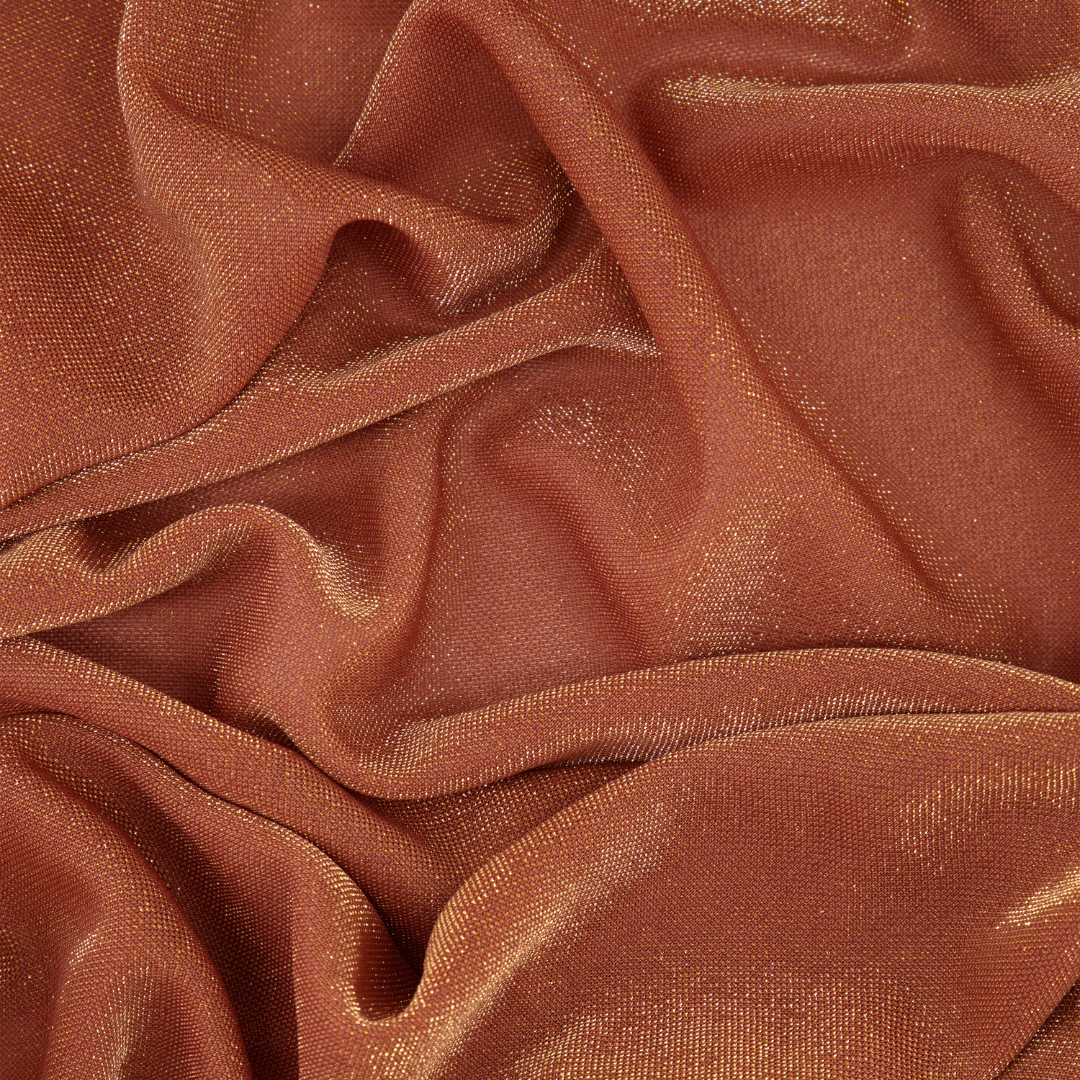
Pink velvet fabric is one of fashion's most enduring luxury textiles, prized for its sumptuous texture, rich dimension, and unmistakable ability to capture and reflect light. The fabric's signature cut pile creates a soft, velvety surface that gives pink hues exceptional depth—from delicate ballet pinks and romantic blush tones to bold fuchsia and jewel-inspired magentas. This interplay of color, texture, and sheen is what makes velvet a perennial favorite for couture gowns, red-carpet fashion, elevated eveningwear, bridal designs, and statement accessories.
The character of pink velvet is influenced by both its construction and fiber content. Silk and rayon velvets are celebrated for their fluid drape and luminous finish, making them ideal for flowing silhouettes and luxury occasionwear, while cotton velvets offer a richer, more understated elegance with a softer sheen and structured hand. Modern polyester velvets provide vibrant color saturation, durability, and excellent recovery, making them a versatile choice for both fashion and decorative applications. Regardless of composition, velvet's directional nap creates a dynamic surface that shifts beautifully with movement and light, adding depth, sophistication, and visual intrigue to every design. It is this distinctive combination of glamour, texture, and timeless appeal that continues to make pink velvet a staple in high-end fashion collections season after season.
Types of Pink Velvet Fabric
Pink velvet is available in a variety of constructions, each offering a distinct combination of drape, texture, movement, and visual impact. From body-skimming eveningwear to structured couture silhouettes, selecting the right velvet can dramatically influence the look and feel of the finished design.
Stretch Velvet
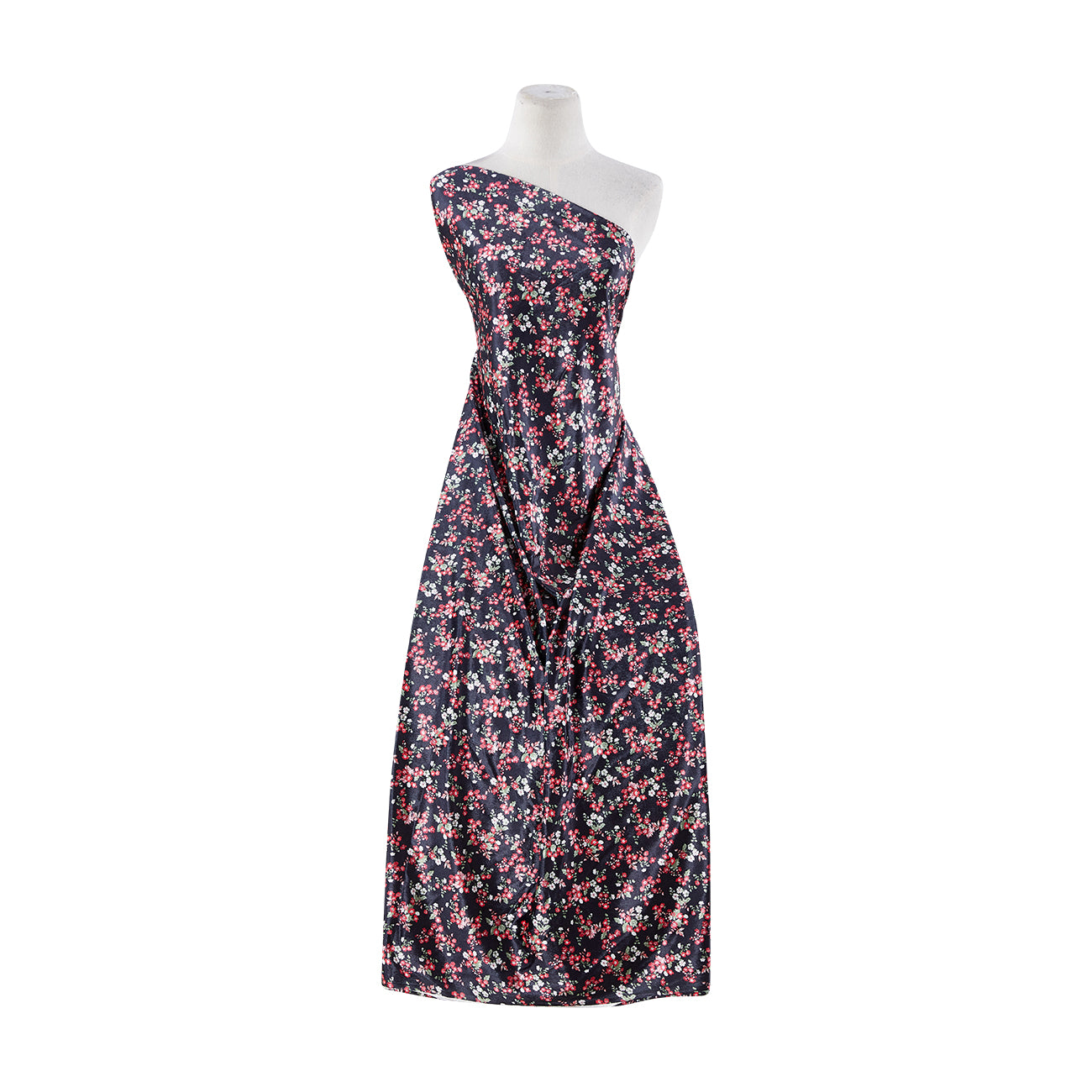
Stretch velvet combines the luxurious appearance of traditional velvet with the flexibility of spandex or elastane, creating a fabric that moves effortlessly with the body while maintaining its rich texture and lustrous finish. Favored for contemporary eveningwear, performance costumes, dance apparel, fitted gowns, and special occasion designs, stretch velvet offers exceptional comfort without sacrificing elegance. Its fluid movement, flattering fit, and ability to contour to the body make it a popular choice for designers seeking both glamour and wearability. Available in soft blush tones, romantic rose shades, and bold pink hues, stretch velvet delivers a polished, sophisticated look while providing the flexibility needed for modern fashion.
Crushed Velvet
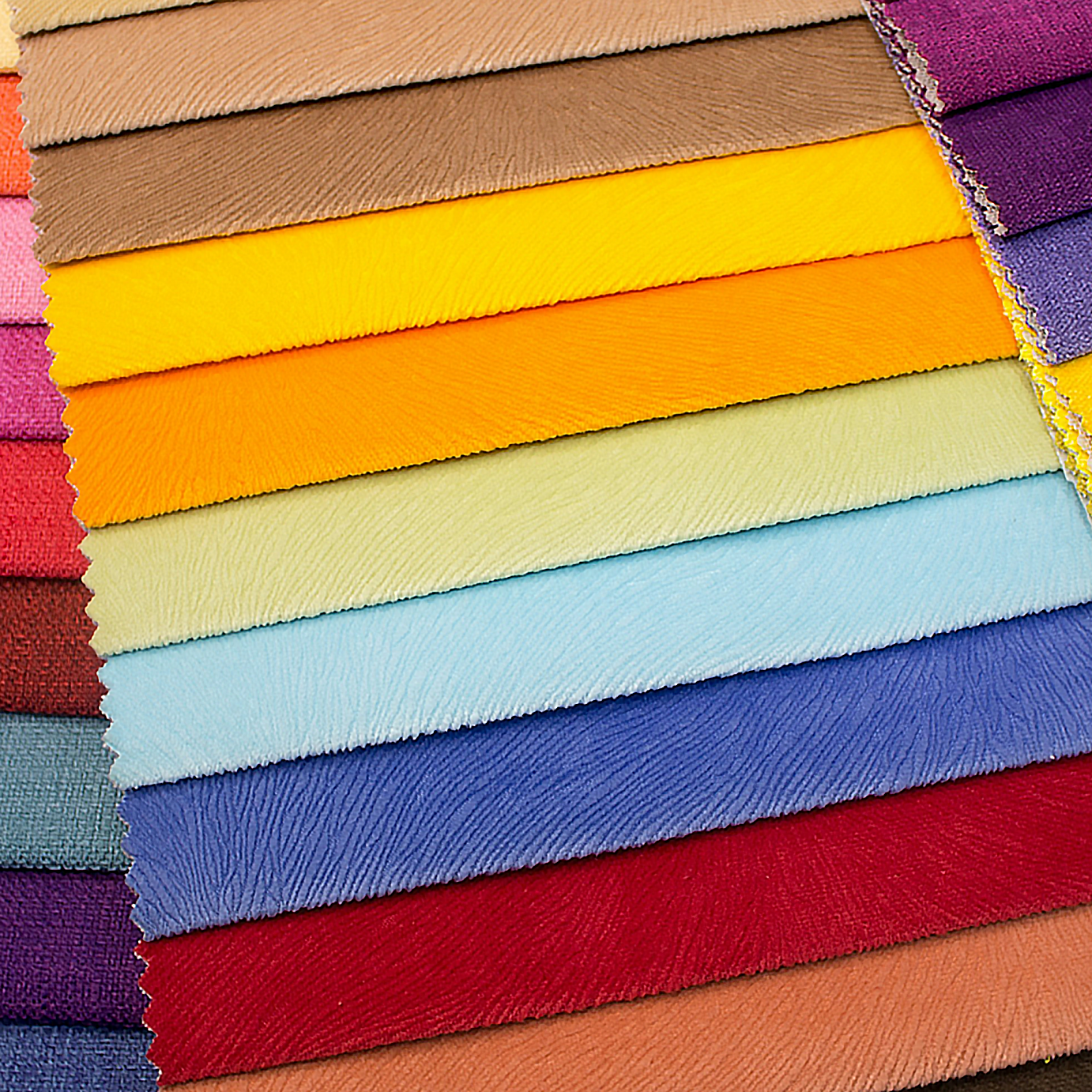
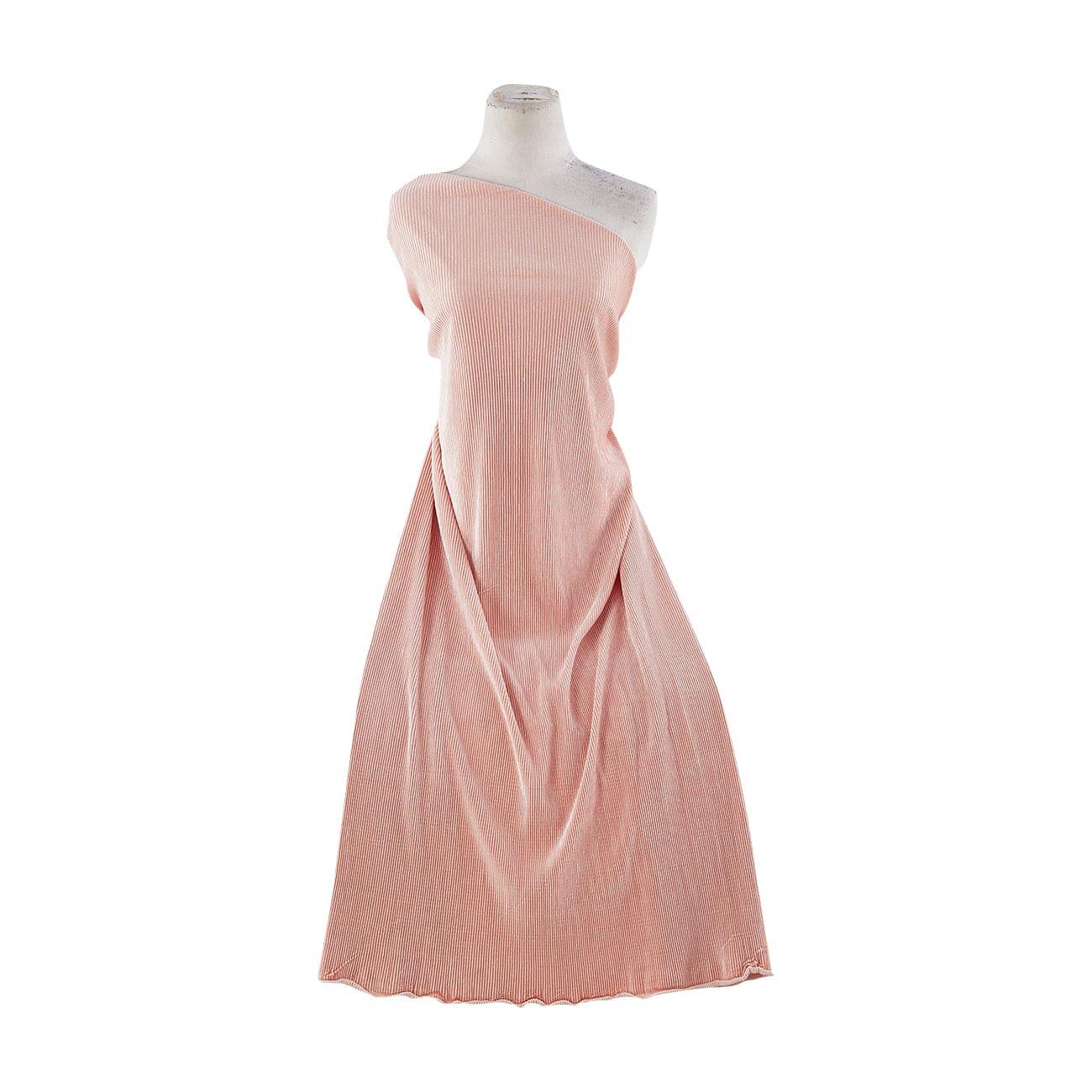
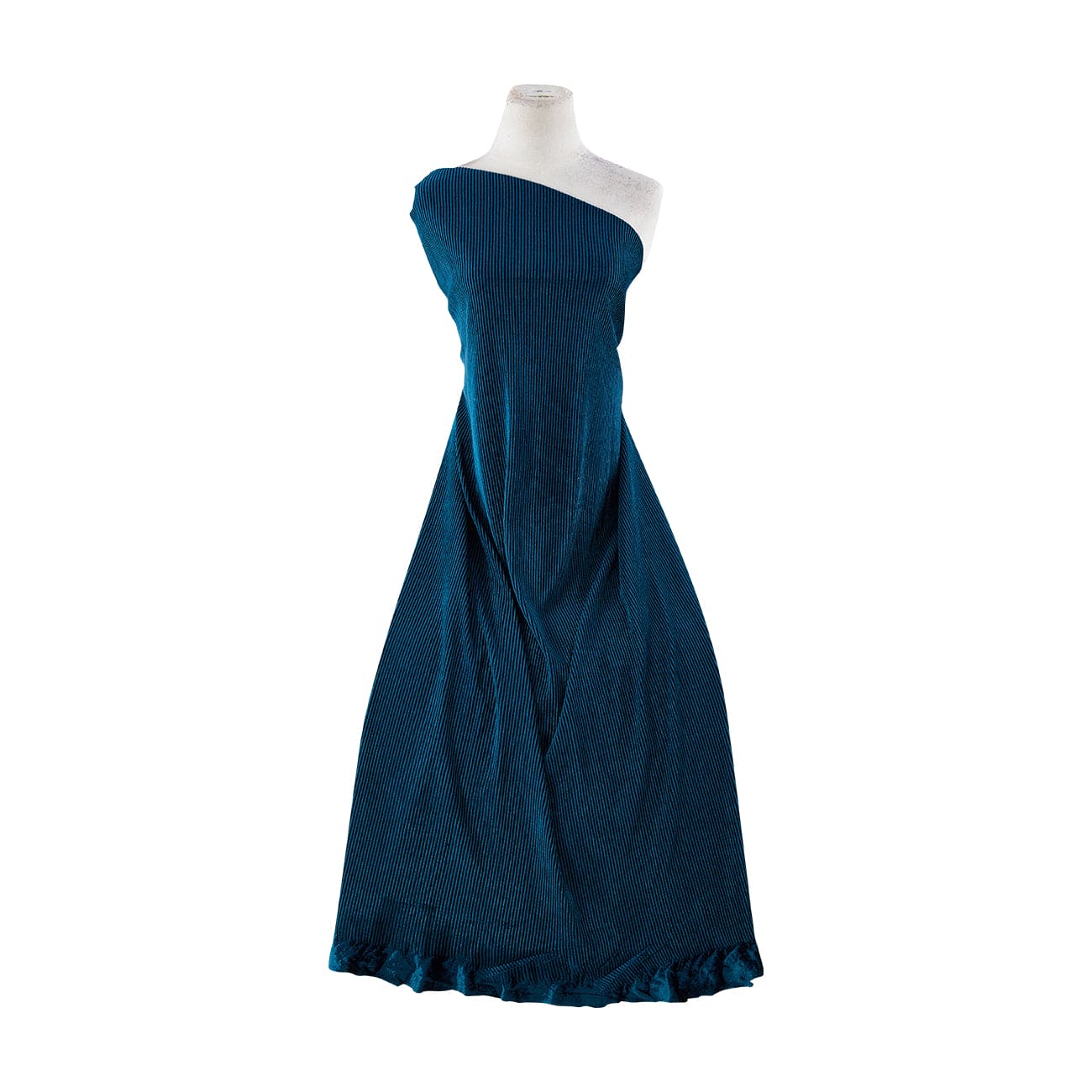
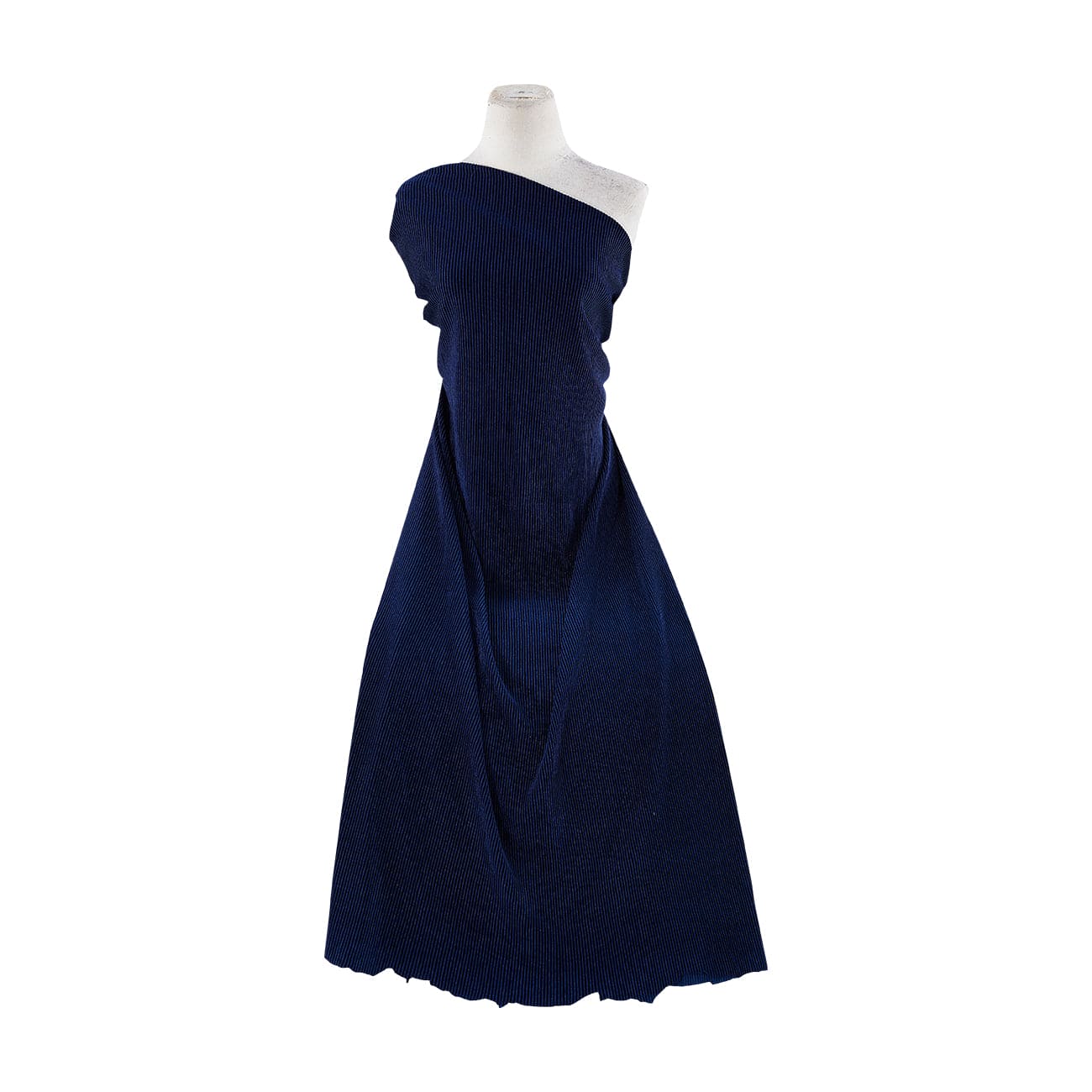
Crushed velvet is celebrated for its dramatic texture and captivating play of light. During finishing, the velvet pile is intentionally pressed and manipulated in multiple directions, creating a richly dimensional surface that catches the light from every angle. The result is a luxurious, almost liquid-like appearance that adds movement, depth, and visual intrigue to the fabric. Our Glitzy Crushed Velvet collection elevates this effect even further, offering vibrant color saturation and an eye-catching finish that shines beautifully under natural light, stage lighting, and evening settings. Popular in statement gowns, performance costumes, fashion-forward separates, event décor, and glamorous interiors, crushed velvet brings an unmistakable sense of drama and sophistication to any design. Its textured finish is also naturally forgiving, helping to minimize the appearance of pressure marks while maintaining the opulent look that makes velvet a favorite for special occasion and high-impact creations.
Heavy Stretch Velvet
Heavy stretch velvet combines the opulent appearance of traditional velvet with enhanced structure, durability, and flexibility, making it a standout choice for both fashion and performance applications. Characterized by its rich pile, substantial weight, and generous stretch, this fabric offers a flattering, body-contouring fit while maintaining exceptional comfort and recovery. Its luxurious sheen creates depth and dimension, allowing pink hues to appear especially vibrant and sophisticated. Popular for evening gowns, fitted dresses, jumpsuits, dancewear, stage costumes, and special occasion apparel, heavy stretch velvet delivers a polished look with the support needed for more structured silhouettes. The fabric's resilience and elegant drape make it a favorite among designers seeking the perfect balance of glamour, movement, and performance.
Shades of Pink Velvet, Choosing the Right Hue
Pink velvet spans a wide tonal range - from barely-there blush and dusty rose to saturated hot pink and deep magenta - and the right shade depends on your project's lighting, surrounding colors, and intended mood. Choosing the wrong tone is one of the most common and costly mistakes in fabric selection, so it's worth thinking through the decision carefully before ordering.
Blush Pink and Ballet Pink
Blush pink velvet reads as a near-neutral in most interiors and works well alongside warm whites, soft grays, and natural wood tones. Ballet pink sits in a similar range but leans slightly cooler, making it a natural fit for bridal and formalwear applications. Both shades photograph well and hold their softness under warm interior lighting.
Dusty Rose and Mauve
Dusty rose velvet and mauve velvet carry a muted, grayed undertone that gives them a more sophisticated, less overtly pink character. These shades work particularly well in upholstery and drapery, where a fully saturated pink might feel too assertive in a lived-in space. Mauve velvet has seen consistent demand in interior design, tracking closely with the broader millennial pink and Pantone color reference trends that have shaped residential décor over the past several years.
Rose and Bubblegum Pink
Rose velvet sits in the mid-range - warmer and more saturated than blush, but not as intense as hot pink. It's a versatile choice for both apparel and home décor. Bubblegum pink velvet reads as playful and high-energy, well suited to children's furniture, costume work, and fashion pieces where a bold color statement is the intent. Checkout our Beyond Rose in burnout velvet.
Hot Pink and Magenta
Hot pink velvet and magenta velvet are the most saturated options in the pink family. They perform well in theatrical and event applications - stage curtains, event drapery, photo backdrops - where maximum visual impact is the goal. In apparel, hot pink velvet has a strong presence in eveningwear and statement outerwear. Magenta velvet reads as the most complex of the pink tones, with enough red in it to work alongside jewel tones like emerald and sapphire.
When ordering, request a fabric swatch before committing to yardage. Screen color rendering varies significantly between monitors, and dye lots can shift between production runs. Matching your swatch to your project's existing colors under the actual lighting conditions of the finished space is the most reliable way to confirm a shade before cutting.
What Is Pink Velvet Fabric Used For?
Pink velvet fabric is one of the most versatile textiles in both fashion and interior design, valued for the way its pile adds tactile richness to everything from a tailored blazer to a tufted accent chair. The range of applications is broad - here's how different project types typically use it.
Upholstery and Home Furnishings
Pink velvet upholstery fabric is a strong choice for accent chairs, headboards, and sofa reupholstery where the goal is a piece that reads as considered and finished rather than purely functional. The pile adds visual weight and warmth that flat-woven fabrics can't replicate. For throw pillows and cushion covers, velvet's sheen makes it a natural focal point in a styled room. When selecting velvet for upholstery, prioritize heavier-weight constructions with a tight, dense pile - these hold up better under regular use than lighter apparel-weight velvets.
Drapery and Window Treatments
Velvet drapery panels are among the most effective ways to add acoustic softness and visual drama to a room simultaneously. Pink velvet drapery works particularly well in bedrooms, dressing rooms, and event spaces where the goal is warmth and enclosure. The weight of the fabric means it hangs in clean, structured folds without needing additional lining for body.
Evening Wear and Formal Apparel
An evening gown or formal blazer cut in pink velvet fabric makes an immediate impression. The pile catches light differently as the wearer moves, creating a dynamic surface that flat fabrics can't achieve. For structured garments like blazers and fitted bodices, a medium-weight polyester or cotton velvet with minimal stretch gives the best results. For fluid gowns and skirts, a rayon or silk velvet with more drape is the better choice.
Costume and Theatrical Work
Pink velvet is a staple in costume design and theatrical production. Its visual richness reads well under stage lighting, and the range of pink tones available - from soft ballet pink to deep magenta - covers a wide spectrum of character and period requirements. Stretch velvet is particularly useful for fitted costume pieces that need to move freely with the performer.
Craft Projects and Fashion Design
For smaller-scale craft projects - quilting accents, hair accessories, jewelry display, millinery - pink velvet fabric by the yard gives you the flexibility to work with exactly the yardage you need. Fashion design students and independent designers also use velvet swatches and short yardage runs to develop samples before committing to production quantities.
Wedding Décor and Event Design
Pink velvet has become a consistent presence in wedding décor and event design - table runners, chair sashes, ceremony backdrops, and floral arrangement bases all benefit from the fabric's tactile quality and photogenic sheen. Blush and dusty rose tones are particularly popular for bridal applications, while deeper pinks and magentas work well for more dramatic event aesthetics.
How to Sew and Work With Pink Velvet Fabric
Velvet's pile makes it one of the more technical fabrics to cut and sew, but following a few key rules - always cut with the nap, use a sharp ballpoint needle, and never press directly on the pile - produces professional results. These guidelines apply whether you're working with apparel velvet or upholstery velvet.
Establish Nap Direction Before Cutting
Before laying out your pattern, brush the pile gently with your hand in both directions. The direction that feels smooth is the direction the pile lies. For most garments, cut with the nap running downward (pile lying toward the hem) for the deepest, most consistent color. For upholstery, cut with the nap running upward so the pile faces toward the viewer when the piece is in use. Mark the nap direction on every pattern piece with an arrow before cutting.
Use a With-Nap Cutting Layout
All pattern pieces must be cut in the same nap direction - no flipping pieces to save fabric. This is non-negotiable with velvet. A with-nap cutting layout requires more yardage than a standard layout, so add 15 - 20% to your yardage estimate when working with velvet for the first time.
Choose the Right Tools
A sharp ballpoint needle (size 70/10 to 90/14 depending on fabric weight) reduces the risk of snagging the pile. A walking foot helps feed the fabric evenly and prevents the layers from shifting during sewing - particularly important when sewing two velvet pieces together, where the pile surfaces can grip each other and cause distortion. Hand basting seams before machine sewing gives you more control over alignment.
For cutting, a sharp rotary cutter on a self-healing mat produces cleaner edges than scissors on most velvet constructions. Cut from the wrong side where possible to avoid disturbing the pile surface.
Pressing and Seam Finishing
Never press velvet directly with an iron - the heat and pressure will crush the pile permanently. Use a velvet board (a needle board) to press seams, lay the velvet pile-side down on the board and apply light steam from above without direct contact. A pressing cloth over the iron adds an additional layer of protection. Finger-press seam allowances open where possible before using steam.
Seam Allowances and Grain Line
Use a standard 5/8-inch seam allowance and stay true to the grain line - velvet bias cuts can shift during sewing and produce wavy seams. Stabilize bias-cut edges with a lightweight stay tape before sewing.
How to Care for Pink Velvet Fabric
How you care for pink velvet depends primarily on fiber content - polyester velvet is generally more forgiving and can often be hand-washed in cold water with a mild detergent, while silk and rayon velvets typically require professional dry cleaning. Checking the care label on your specific fabric before washing is always the right first step.
Polyester Velvet Care
Most polyester velvet can be hand-washed in cold water using a small amount of mild detergent. Submerge the fabric gently - do not wring or twist - and rinse thoroughly. If machine washing is necessary, use the delicate cycle with cold water and place the fabric in a mesh laundry bag to reduce friction. Lay flat or hang to dry; avoid the dryer, which can crush the pile and cause color bleeding in pink tones.
Silk and Rayon Velvet Care
Silk velvet and rayon velvet are significantly more delicate. Dry cleaning is the safest option for both. If you choose to hand-wash rayon velvet, use the coldest water possible and handle the fabric minimally - rayon loses significant strength when wet and can stretch or distort under its own weight.
Pile Restoration
If the pile becomes crushed during storage or use, hold the fabric over steam (a clothes steamer or the steam setting on an iron held several inches away) and gently brush the pile back into position with a soft velvet brush or clean toothbrush. Do not apply direct heat or pressure. For stored pieces, flat storage is preferable to folding - fold lines in velvet can be difficult to remove and may become permanent over time.
Color Considerations
Pink velvet, particularly in deeper rose and magenta tones, can be prone to color bleeding when first washed. Test a small swatch in cold water before washing a finished piece. Wash pink velvet separately from light-colored fabrics until you've confirmed the dye is stable.
How to Buy Pink Velvet Fabric, What to Look For
When shopping for pink velvet fabric by the yard, four factors determine whether a fabric will perform well for your project, fiber content, pile height, fabric width, and weight. Getting these right before ordering saves time and avoids the cost of recutting with the wrong material.
Fiber Content
As covered above, polyester velvet is the most practical choice for most projects - it's durable, color-stable, and easier to care for. Rayon and silk velvets are worth the additional consideration for high-end apparel where drape and sheen are the priority. Cotton velvet suits structured upholstery and tailored garments where a matte finish is preferred.
Pile Height
Shorter pile (1 - 2mm) is better suited to detailed sewing work - it's easier to cut cleanly, produces sharper seams, and works well for structured garments and upholstery. Longer pile (2 - 3mm and above) gives a plusher, more tactile result suited to decorative applications and statement pieces where the fabric's texture is the focal point.
Fabric Width
Most apparel velvet runs 54 to 60 inches wide. Upholstery velvet is often available in wider widths. Confirming the width before calculating yardage is essential - a 10-inch difference in width can significantly affect how many yards you need, particularly for large upholstery projects or wide drapery panels.
Fabric Weight (GSM)
Lighter-weight velvets (lower GSM) drape more fluidly and are better suited to apparel. Heavier-weight velvets hold their structure and are the right choice for upholstery and drapery. If you're ordering for upholstery, look specifically for fabrics labeled as upholstery velvet rather than apparel velvet - the base construction is designed to handle the stress of regular use.
Practical Ordering Considerations
Request a fabric swatch before committing to bolt yardage, particularly when color accuracy is critical. Dye lots can vary between production runs, so if your project requires more than one bolt, confirm that all yardage comes from the same dye lot. Minimum order quantities and price per yard vary by construction - wholesale velvet fabric pricing typically reflects fiber content, with polyester velvet at the accessible end and silk velvet at the higher end of the price range. At Zelouf Fabrics, the minimum order value is $20, with free shipping on orders over $99.
Frequently Asked Questions About Pink Velvet Fabric
What is the difference between velvet and velour?
Velvet is a woven fabric with a cut pile created by weaving two layers of fabric simultaneously and cutting them apart. Velour is a knit fabric with a cut pile surface. Velour has more stretch and a softer, less formal hand feel than woven velvet. They are not interchangeable in most sewing and upholstery applications - velvet holds structure better, while velour is better suited to stretch garments and casual applications.
Is pink velvet fabric good for upholstery?
Yes, provided you select the right construction. Upholstery velvet is woven with a denser pile and a heavier base fabric than apparel velvet, giving it the durability needed for regular use. For accent chairs and headboards with moderate use, a medium-to-heavyweight polyester velvet or cotton velvet performs well. For high-traffic seating like sofas, look for velvet specifically rated for upholstery use and check the rub count (Martindale or Wyzenbeek rating) if available.
How much pink velvet fabric do I need for a sofa?
A standard three-seat sofa typically requires 12 - 15 yards of 54-inch upholstery fabric, depending on the sofa's dimensions, the number of cushions, and whether you're matching a pattern. Velvet's with-nap cutting requirement adds approximately 15 - 20% to your yardage estimate compared to a non-directional fabric. For an accurate estimate, measure each section of the sofa separately and add the sections together, then apply the nap allowance.
Does pink velvet fabric fade over time?
All dyed fabrics fade with prolonged UV exposure, and velvet is no exception. Polyester velvet generally has better color fastness than natural-fiber velvets. For upholstery or drapery in rooms with significant direct sunlight, consider lining velvet panels and positioning upholstered pieces away from direct light sources. Deeper pink tones like magenta and rose tend to show fading more visibly than lighter blush tones over time.
Can I wash pink velvet fabric at home?
It depends on the fiber content. Polyester velvet can generally be hand-washed in cold water with a mild detergent. Silk velvet and rayon velvet should be dry cleaned. Always check the care label on your specific fabric and test a small swatch before washing a finished piece. Avoid the washing machine's regular cycle for any velvet - the agitation can crush the pile and cause irreversible texture damage.
What needle should I use to sew velvet?
Use a sharp ballpoint needle in a size appropriate for your fabric weight - size 70/10 to 80/12 for lightweight apparel velvet, size 90/14 for heavier upholstery velvet. A dull needle will snag the pile and create pulls in the fabric surface. Replace the needle after every project, or sooner if you notice any skipped stitches or snagging.
Is velvet fabric stretchy?
Standard woven velvet has minimal stretch. Stretch velvet, which incorporates spandex or elastane into the base construction, offers two-way or four-way stretch with good stretch recovery - this is the construction to choose for fitted apparel and dancewear. Velour, the knit alternative to velvet, also has significant stretch. When ordering, confirm whether the fabric is a woven velvet or a stretch velvet construction if stretch is a requirement for your project.