
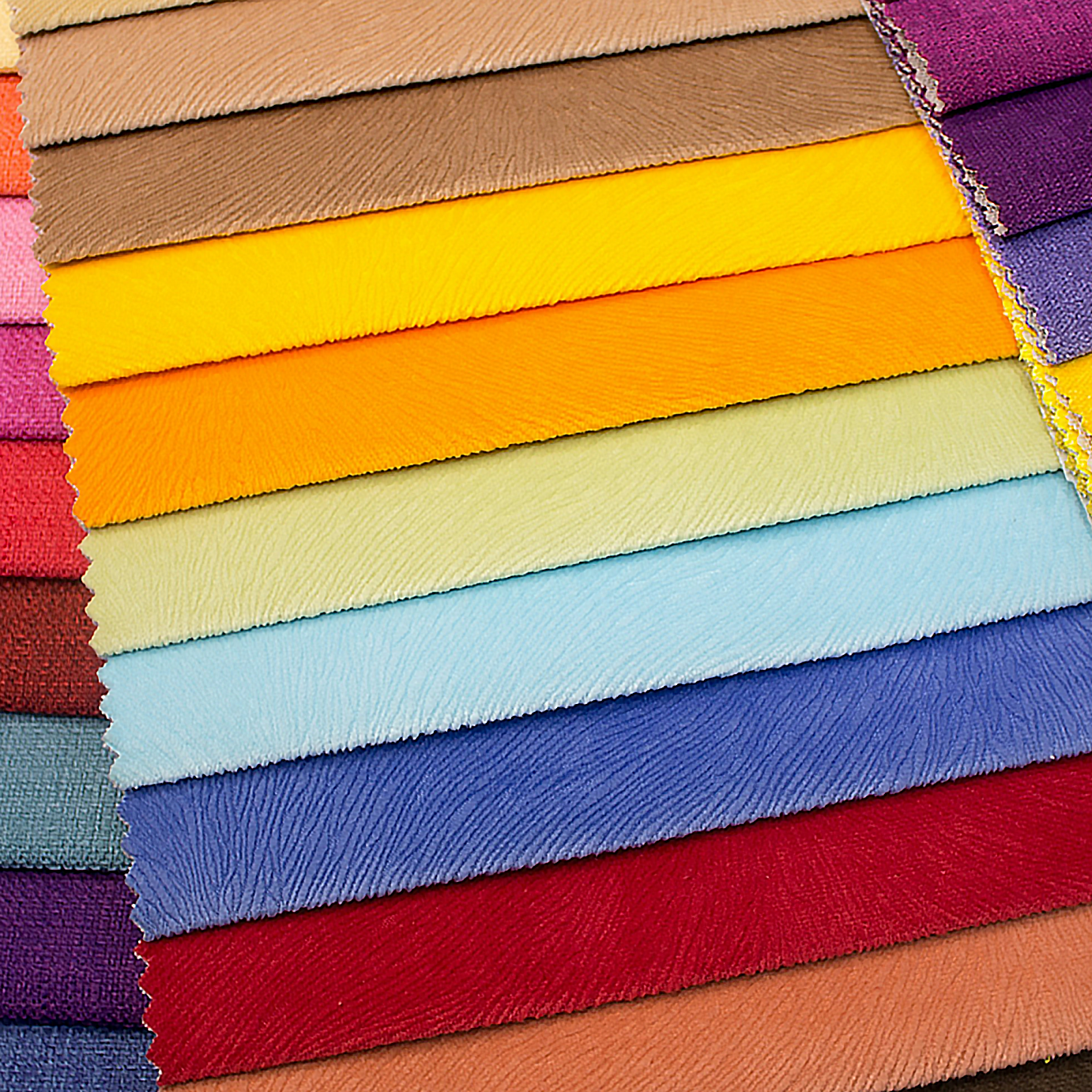


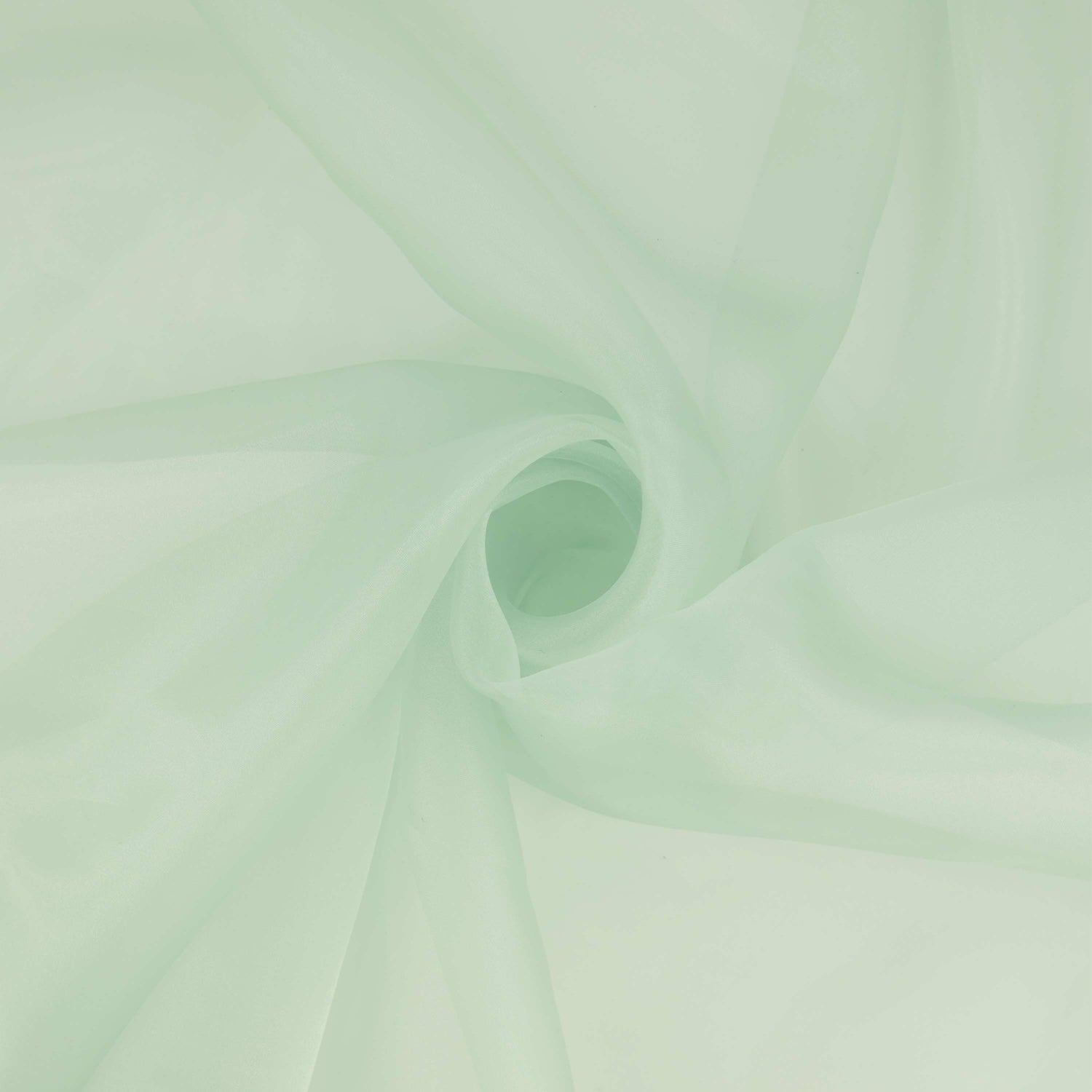

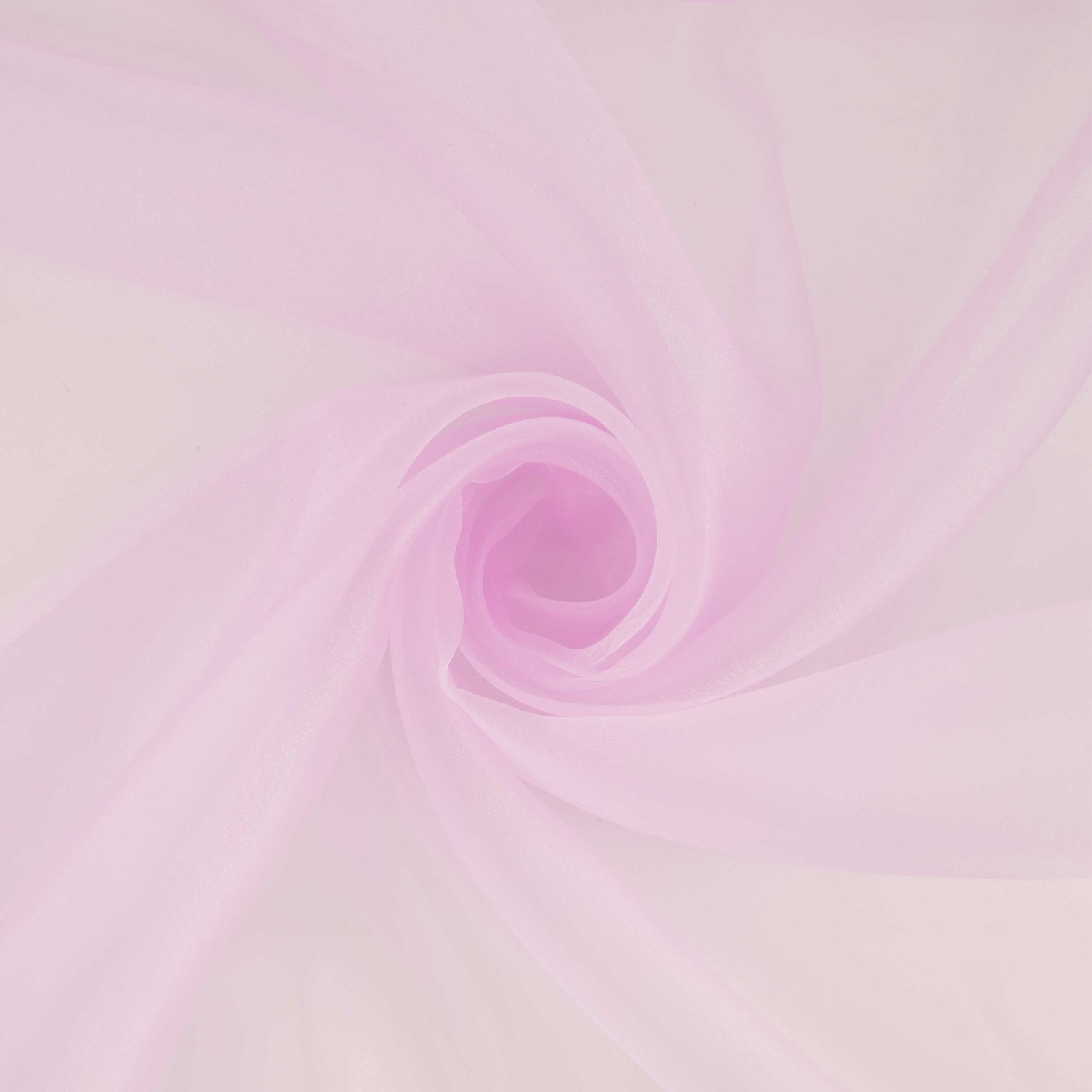

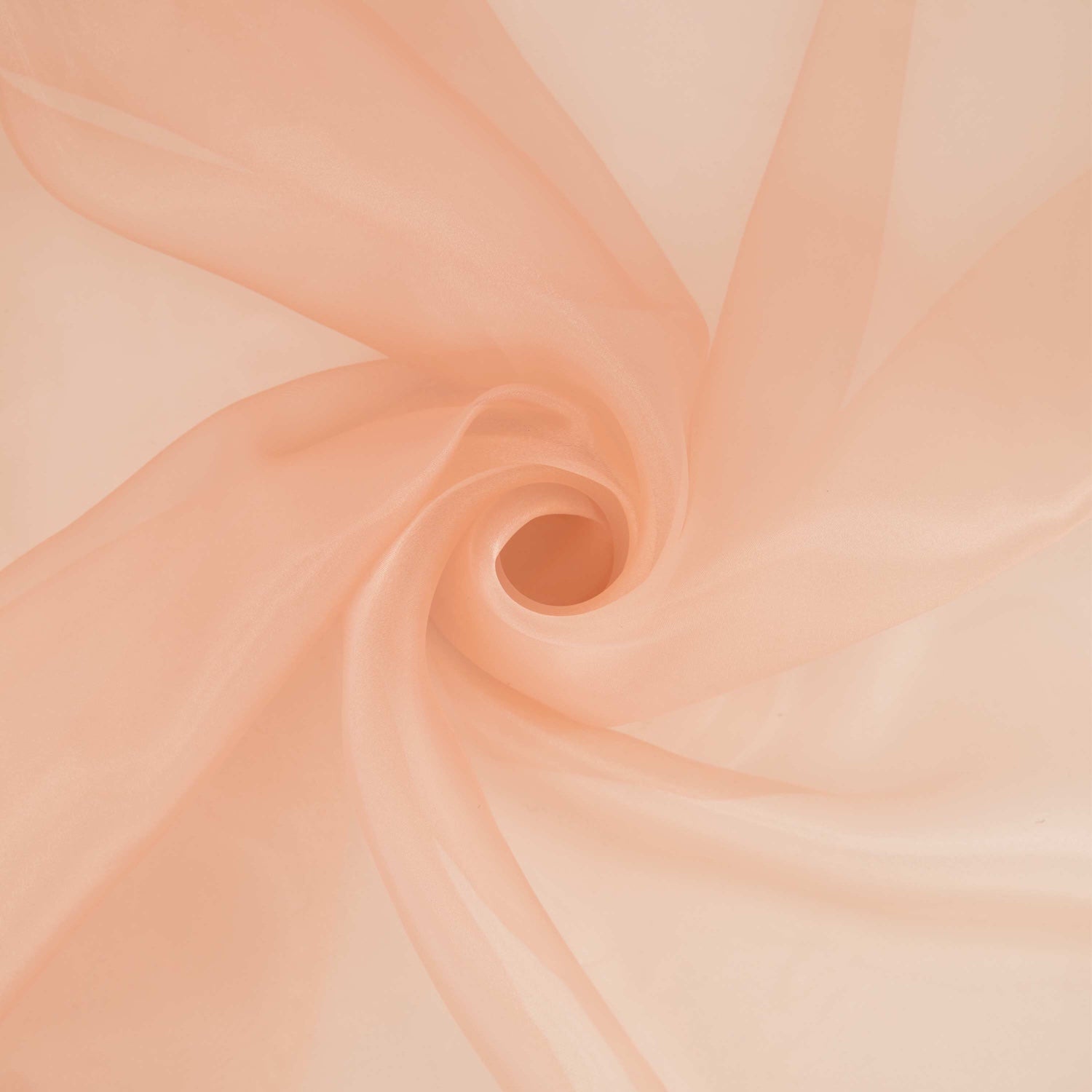


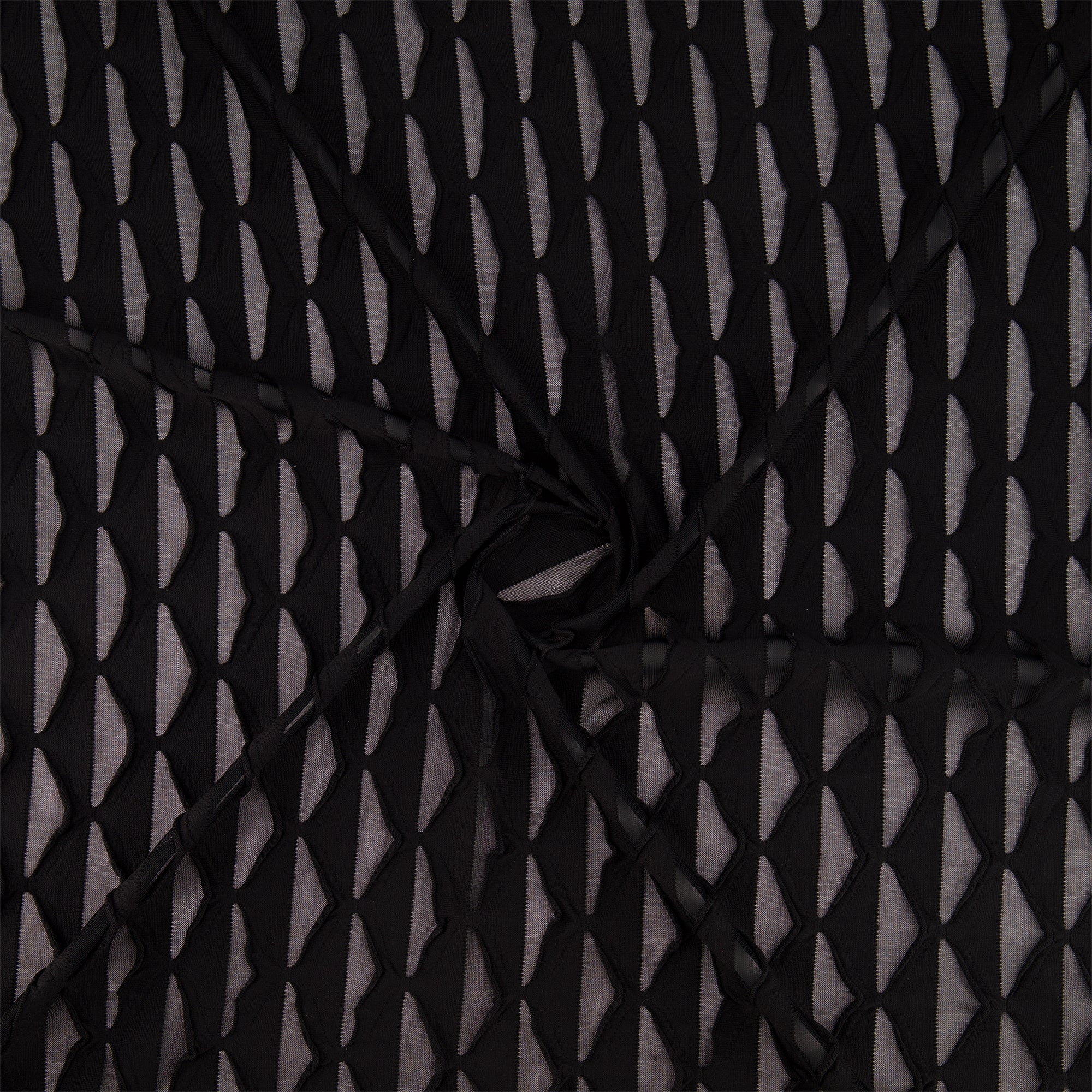
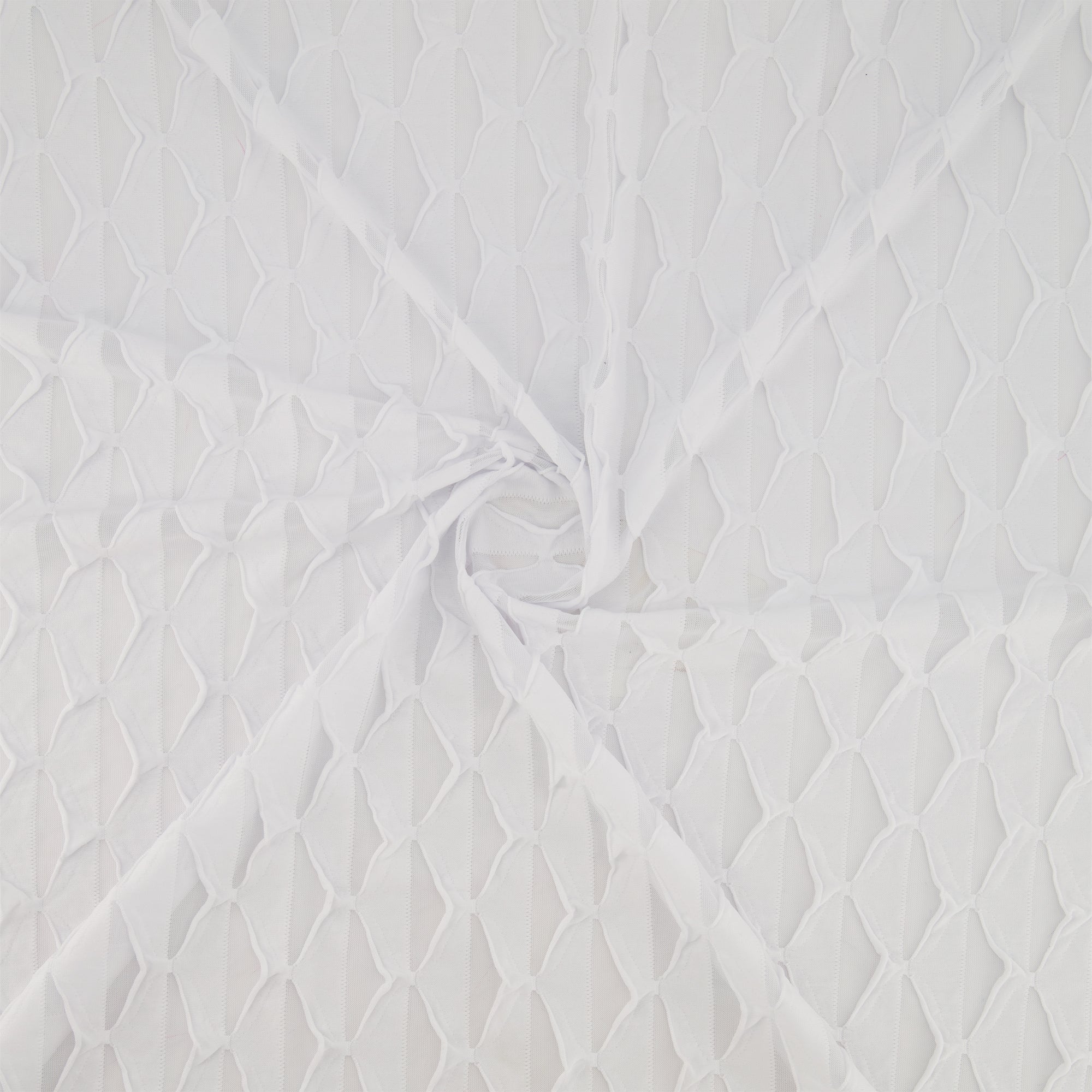
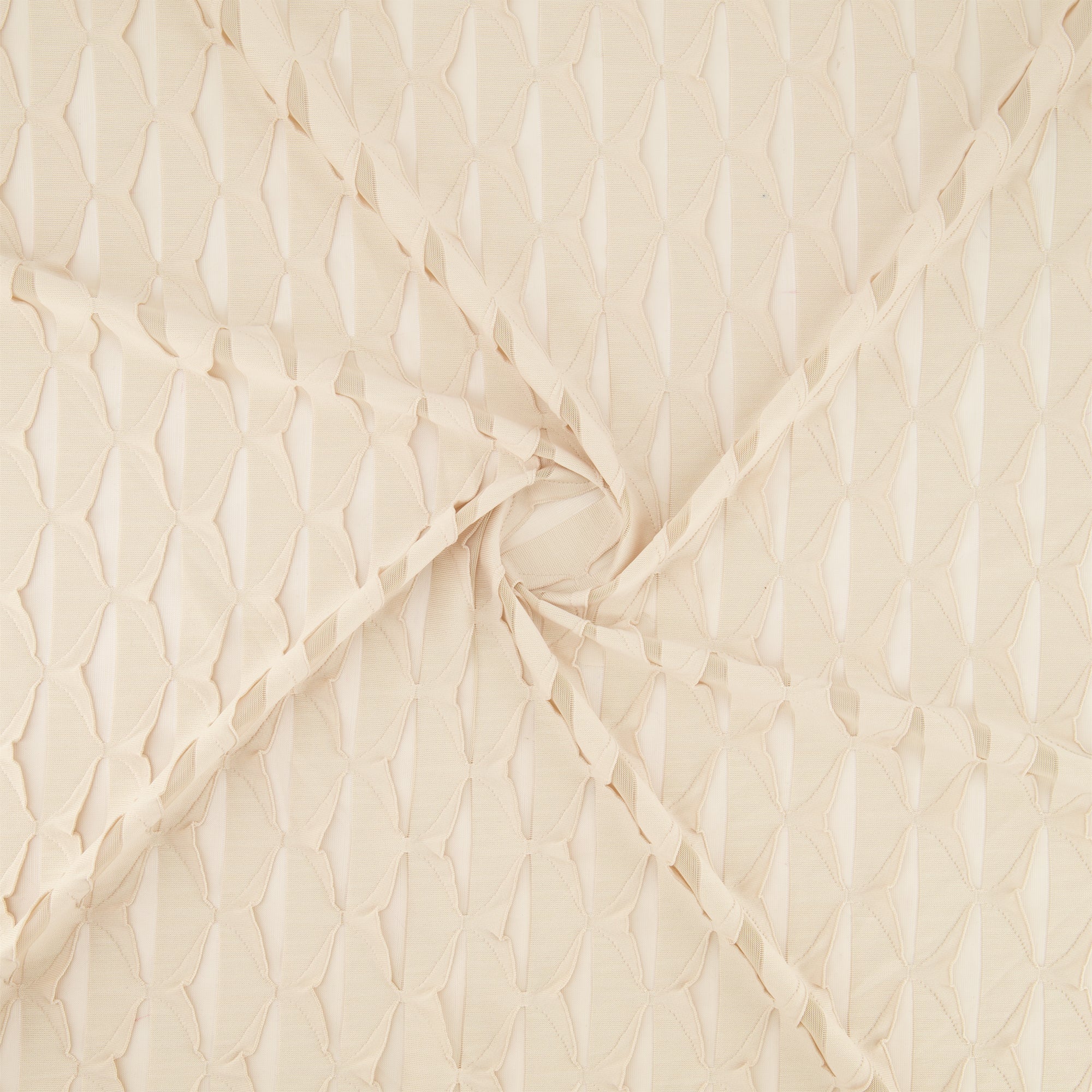
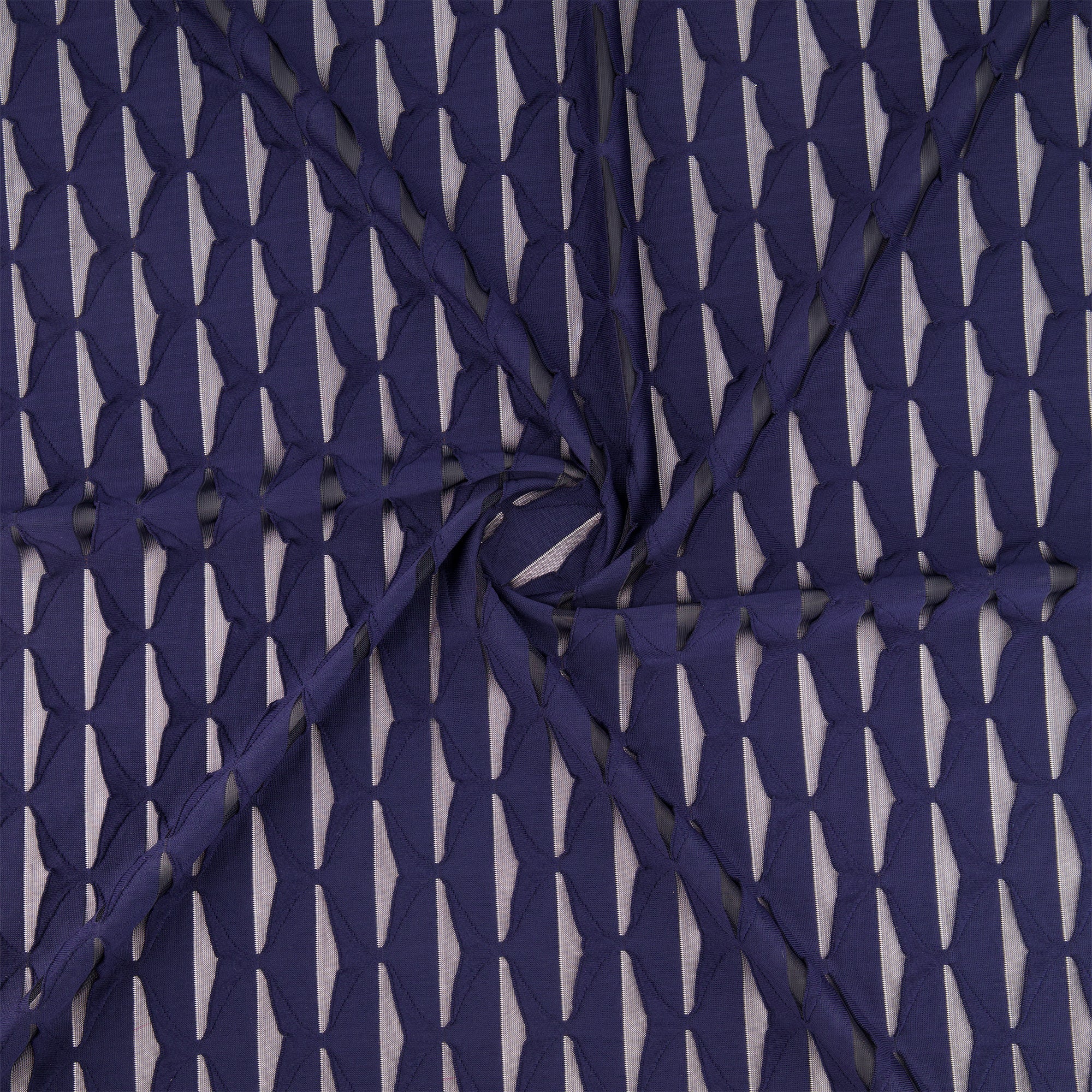


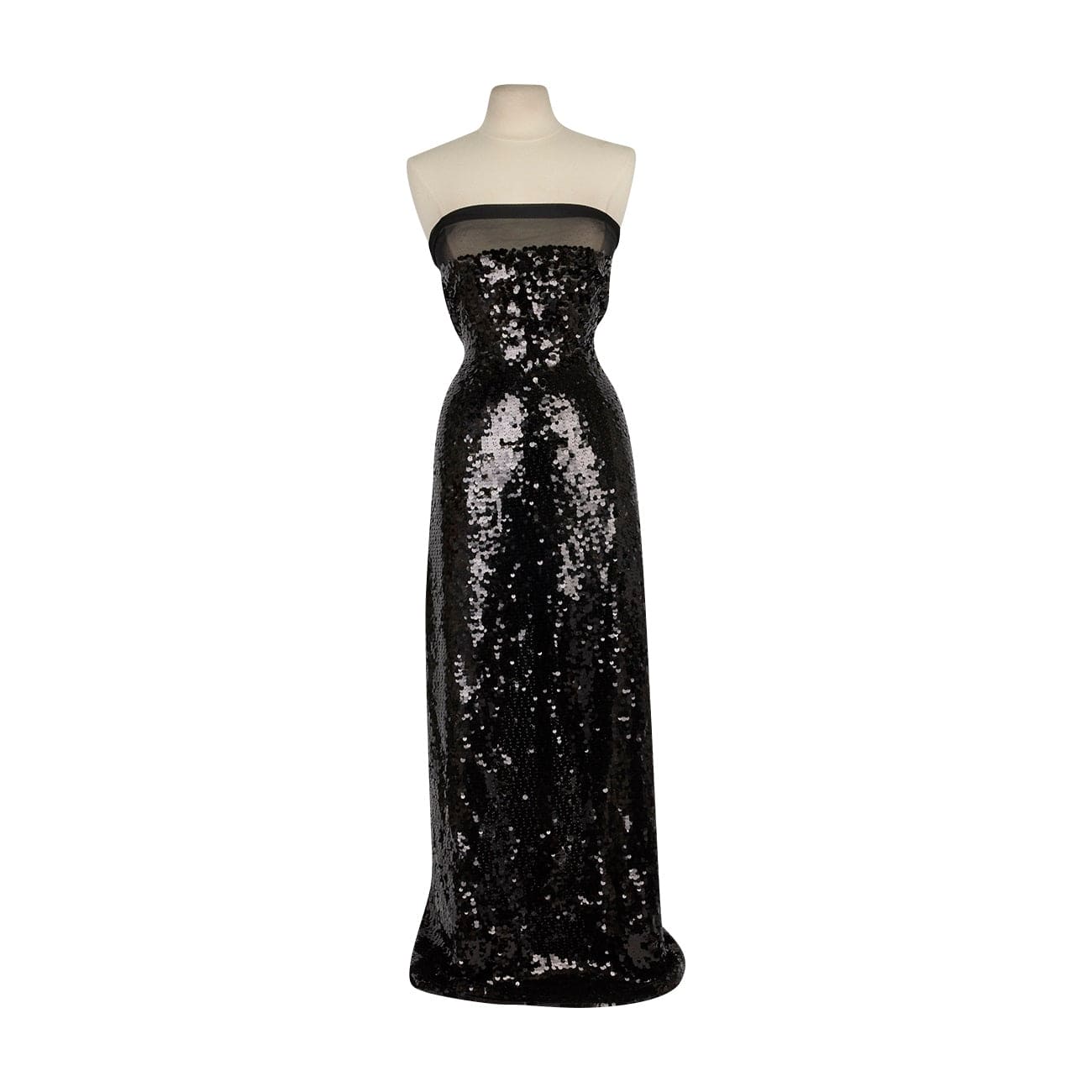
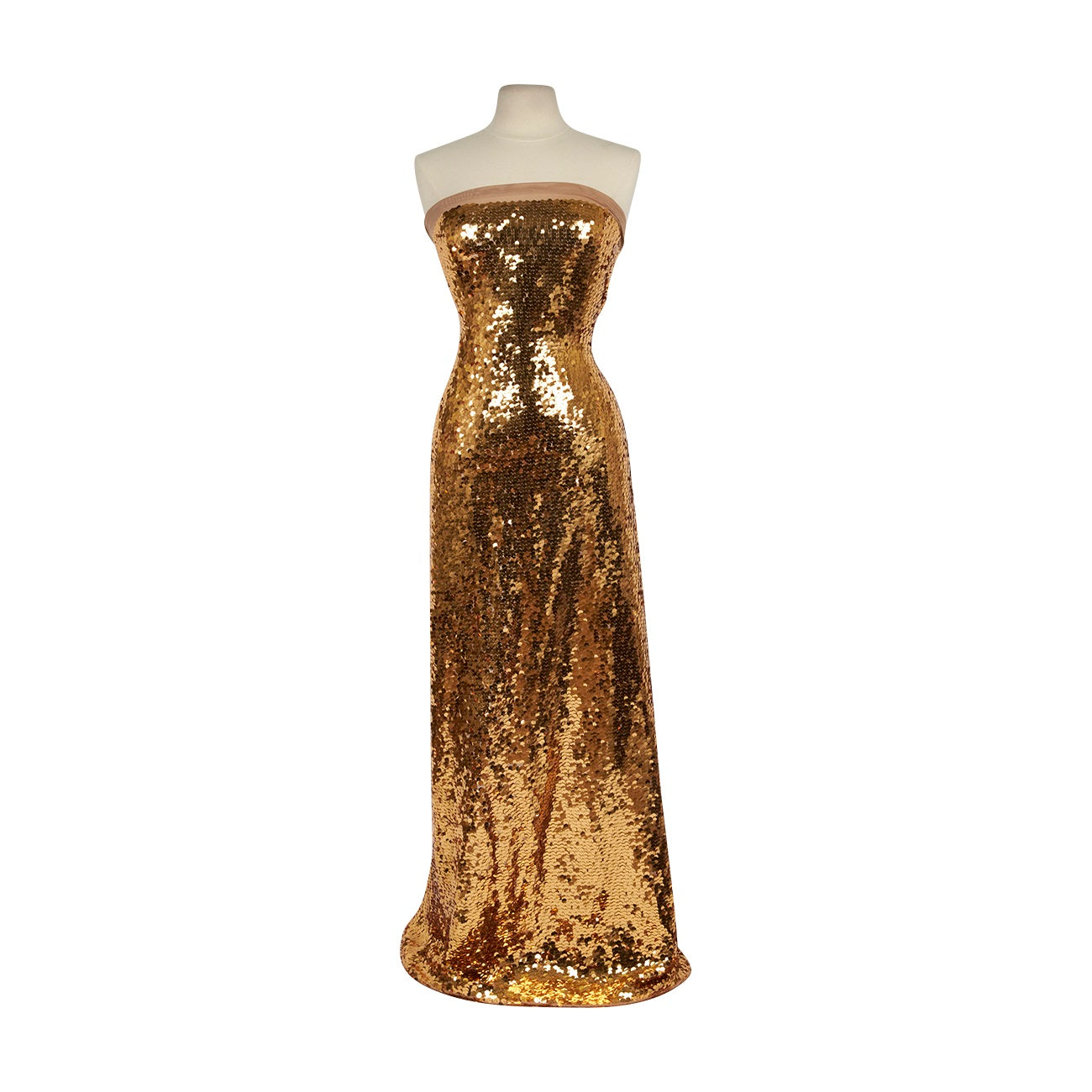
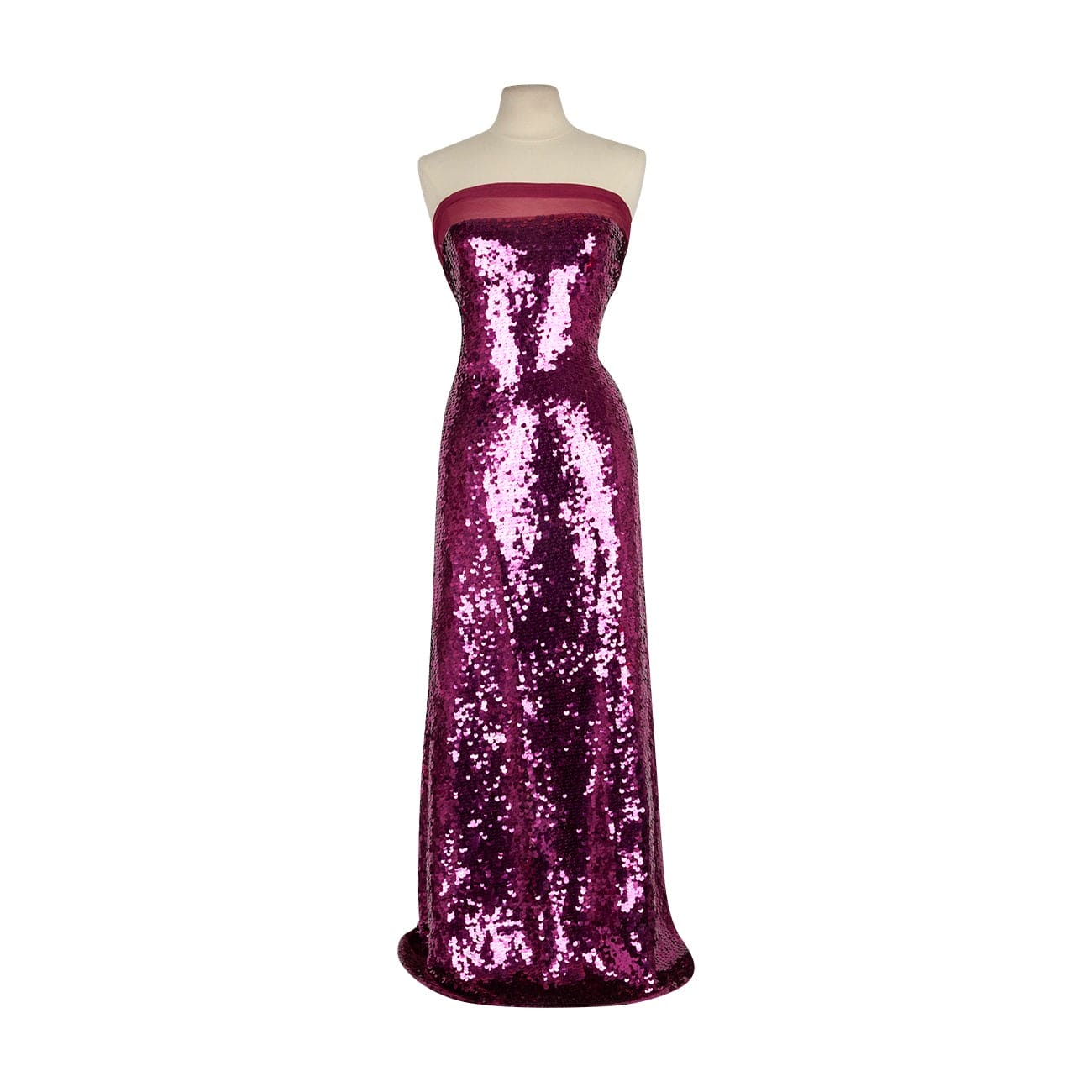
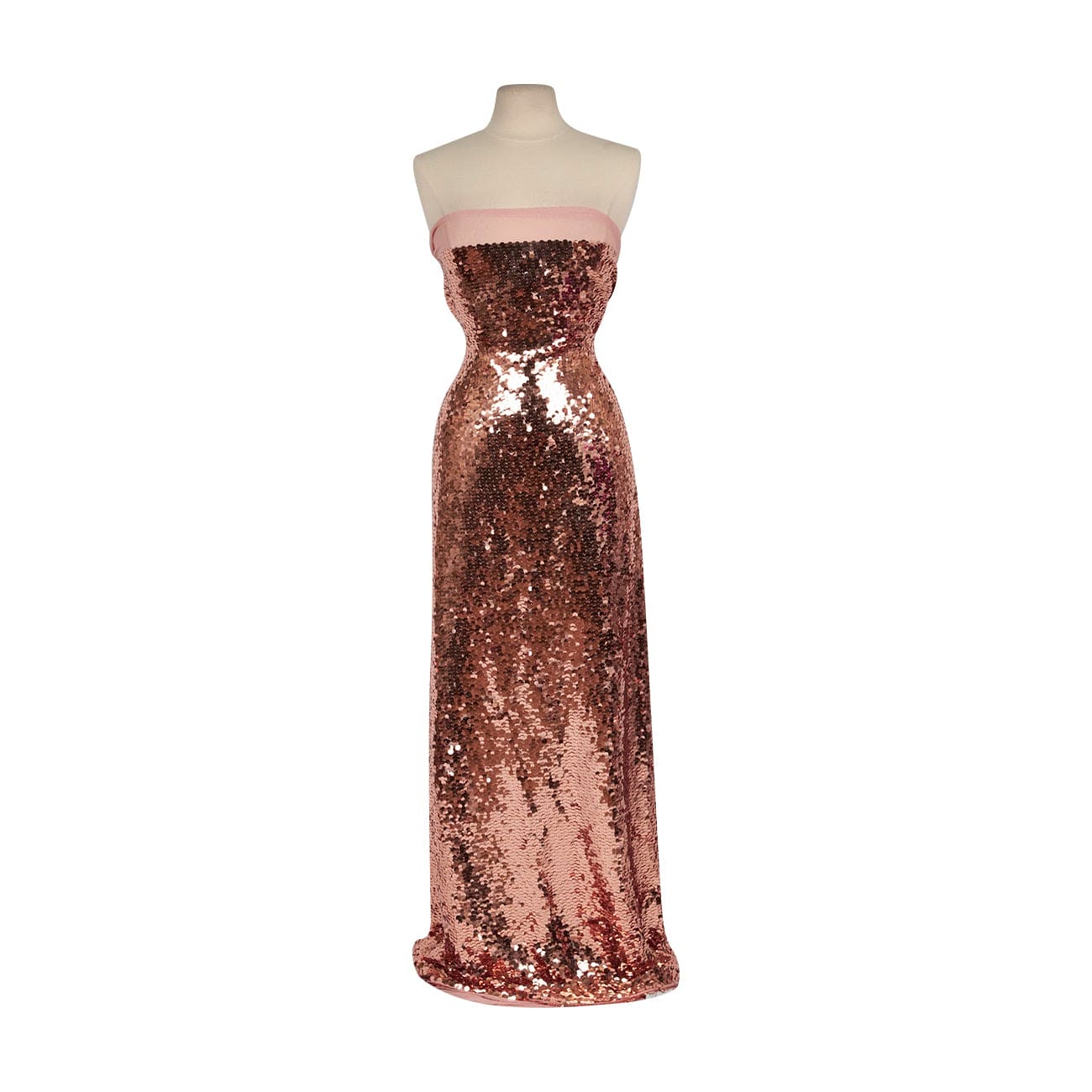


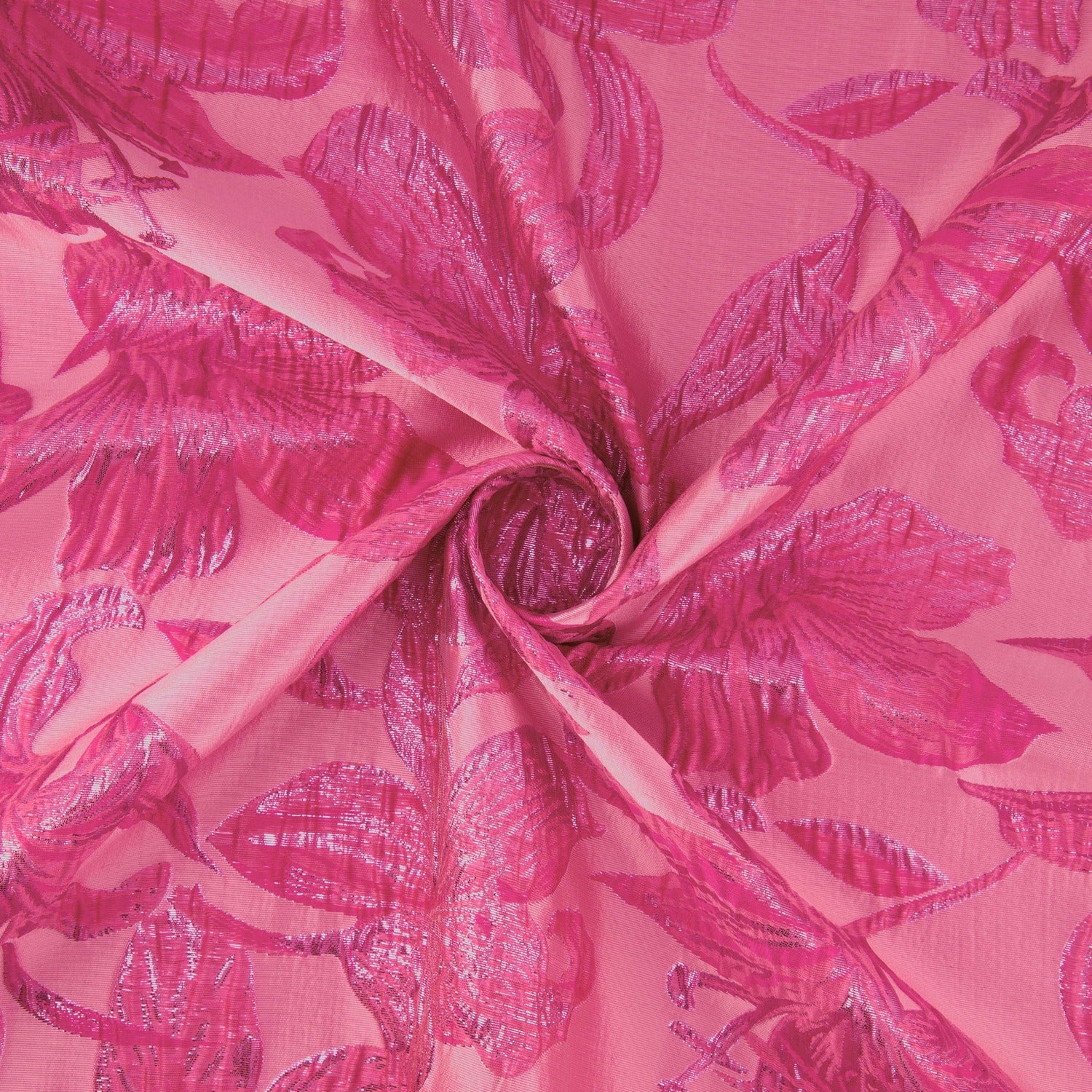
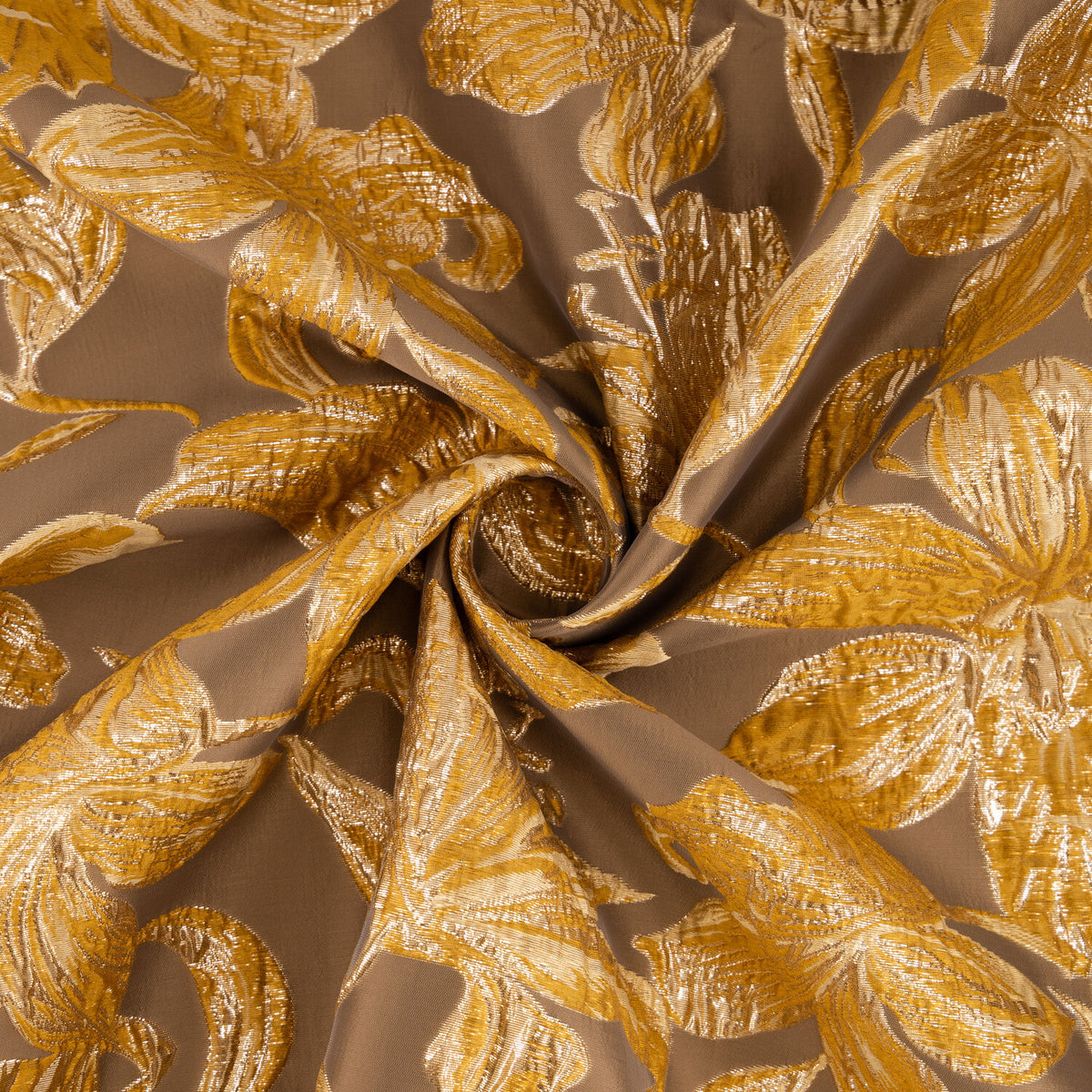
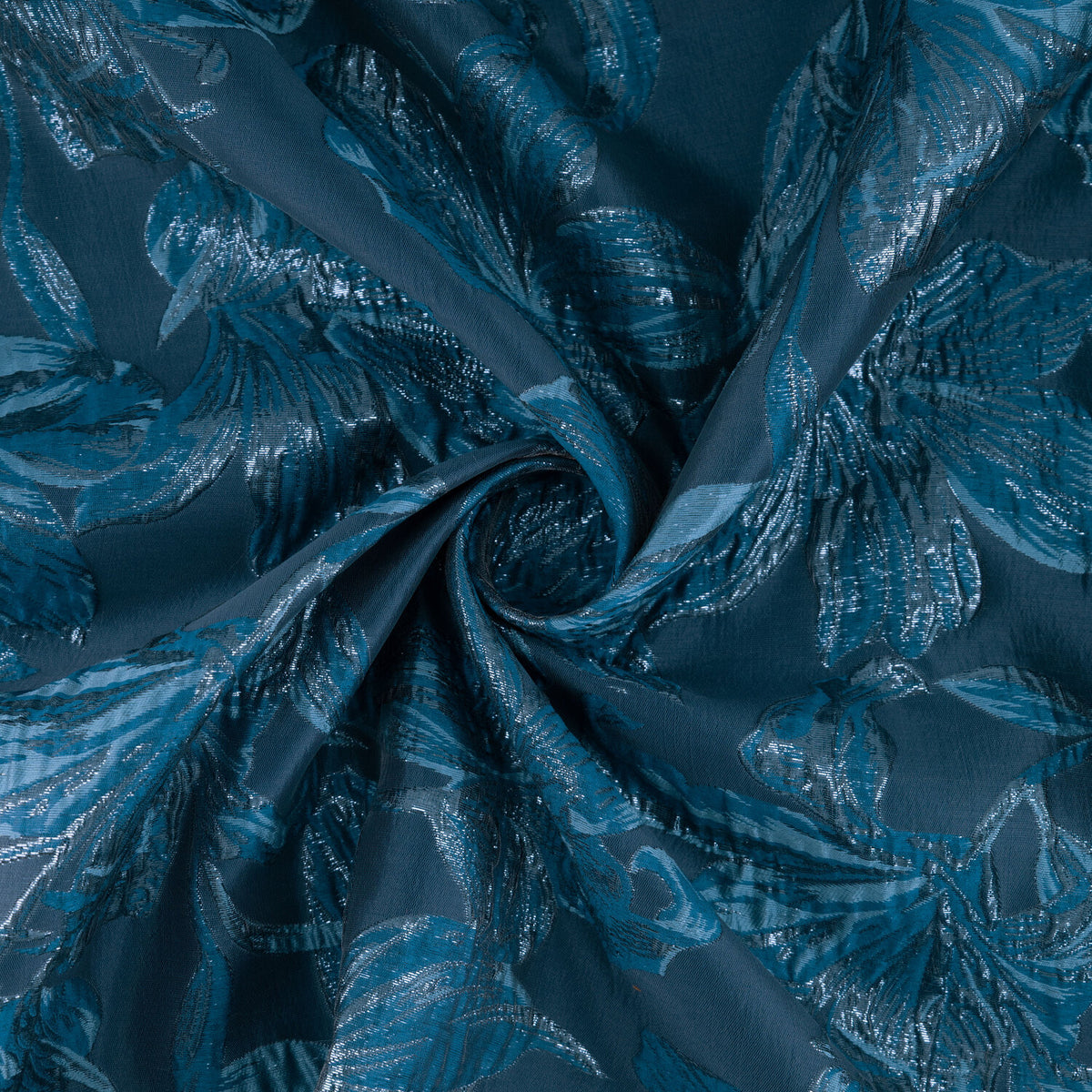
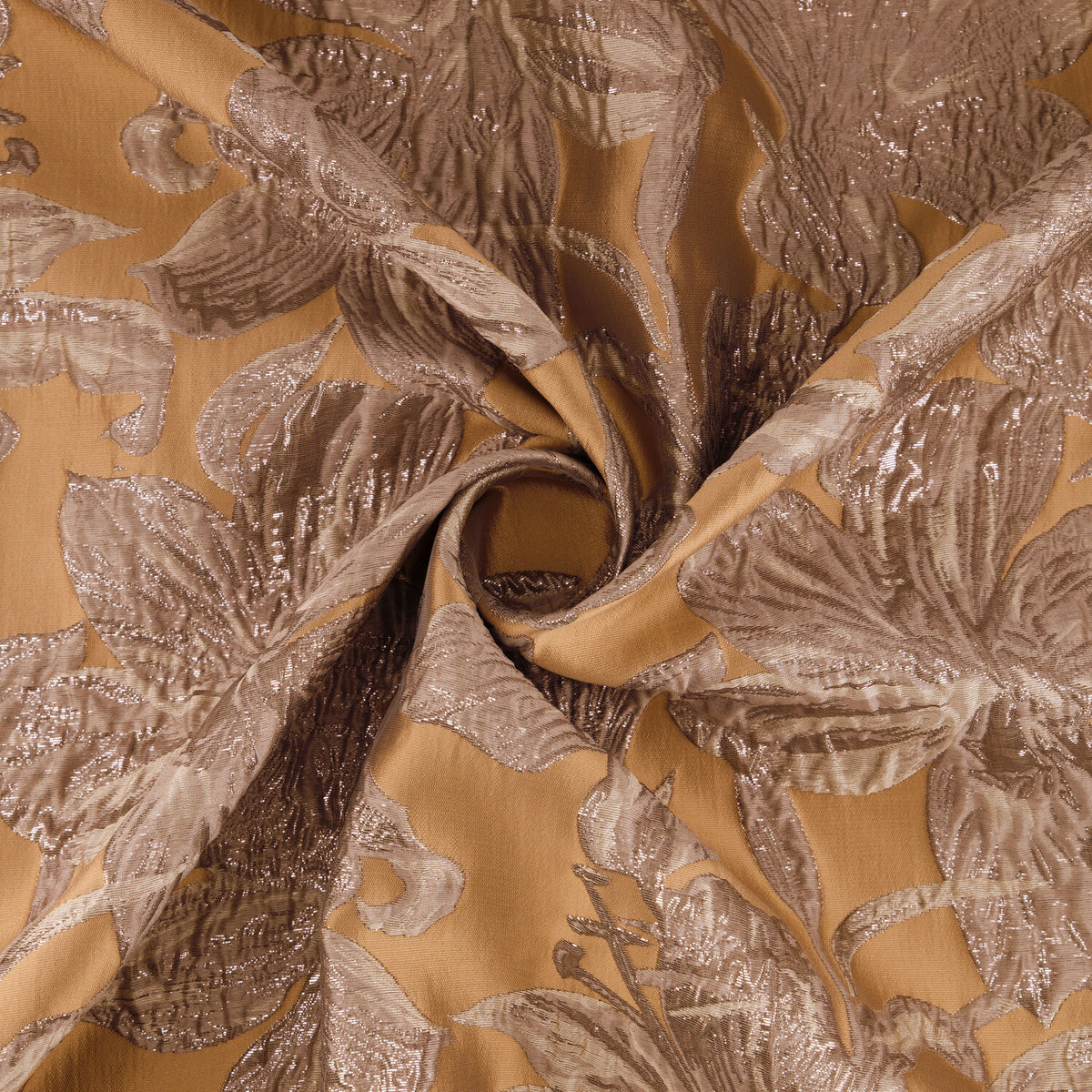
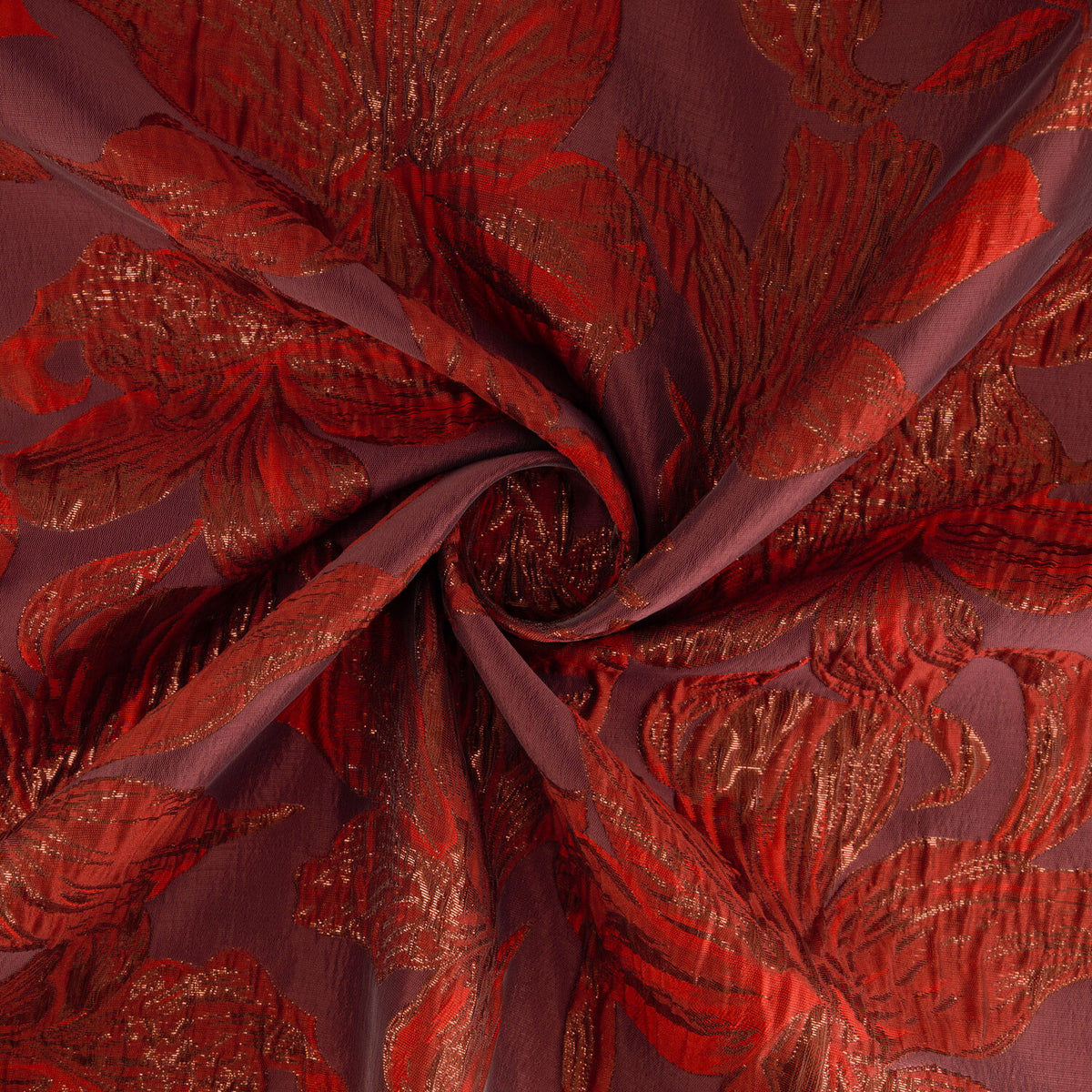
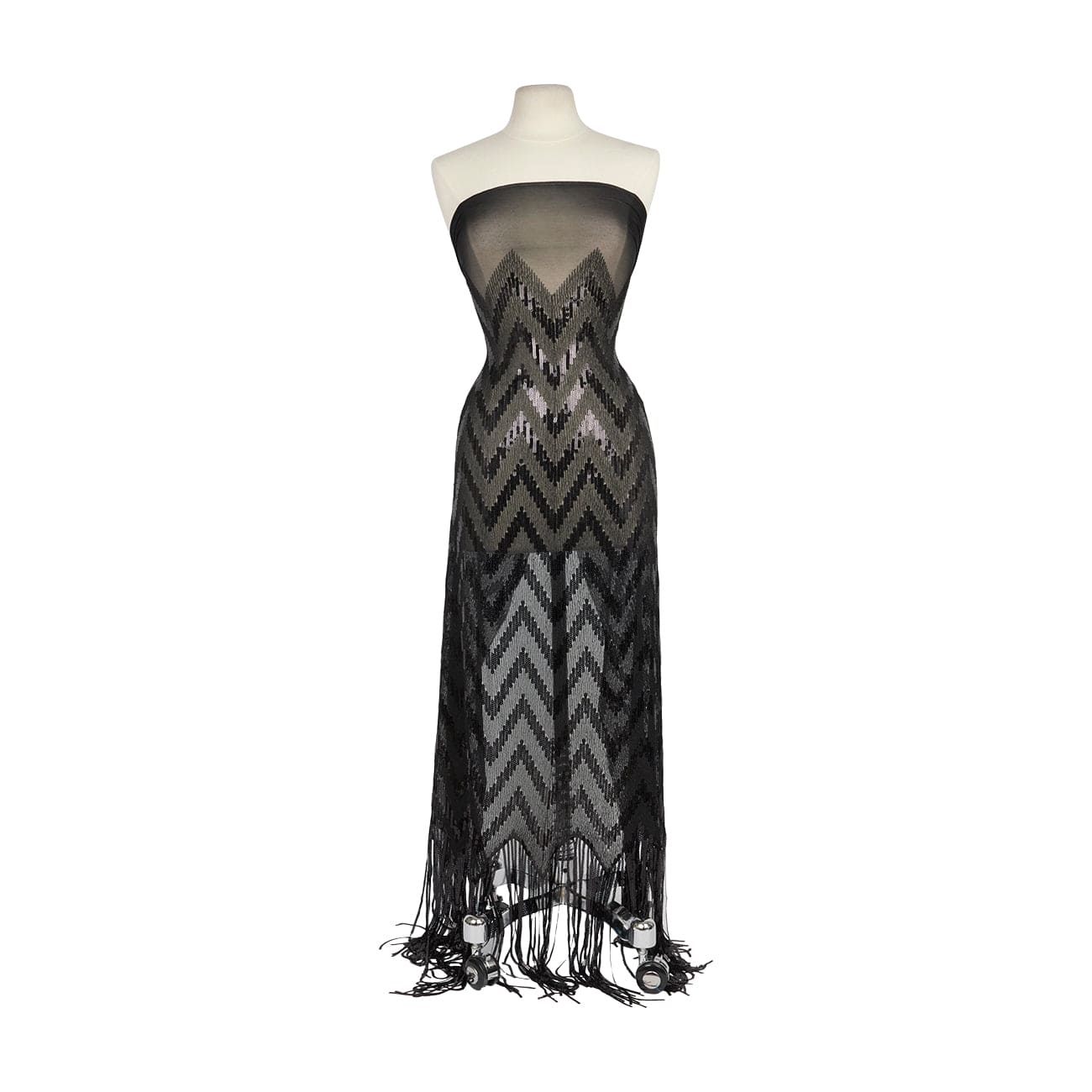
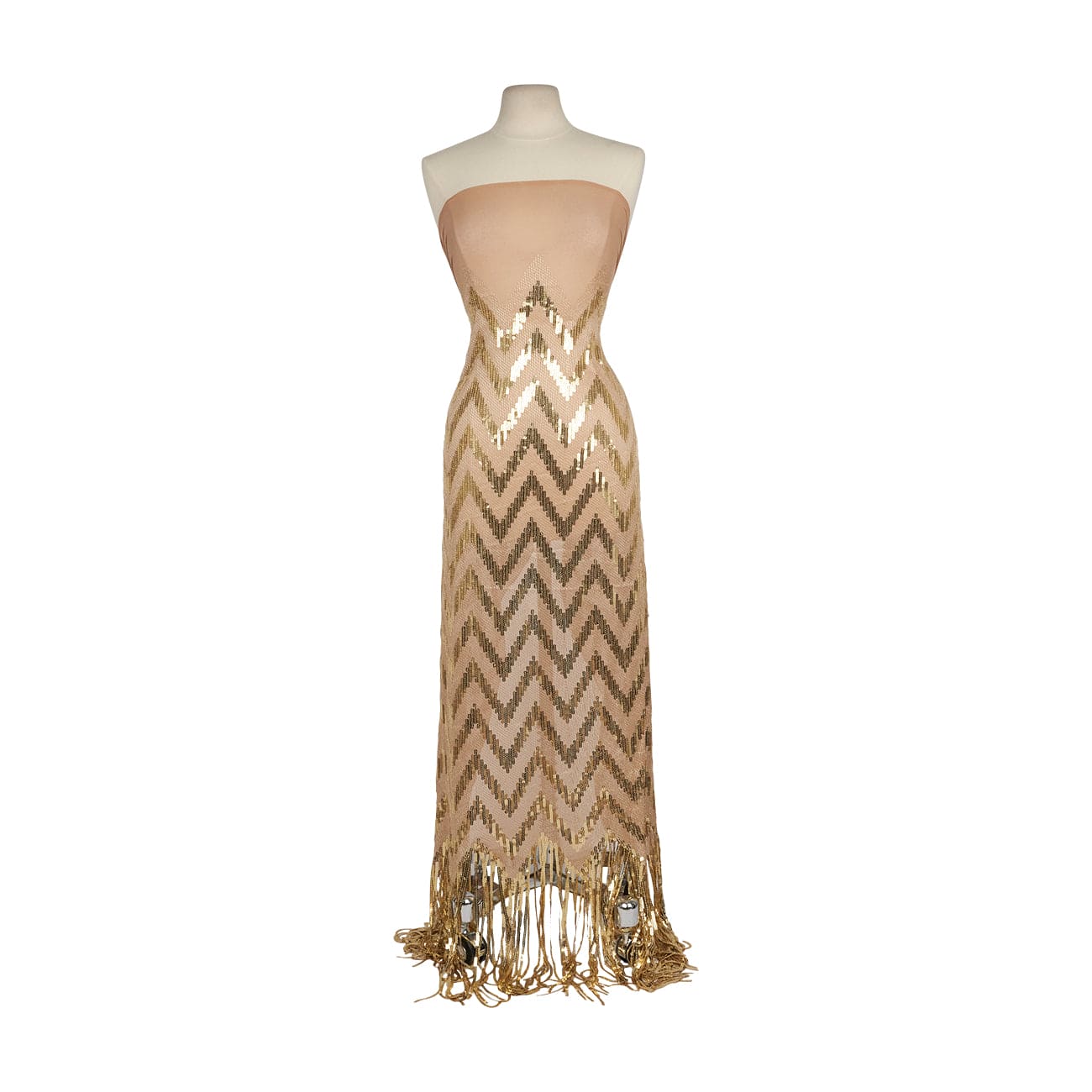
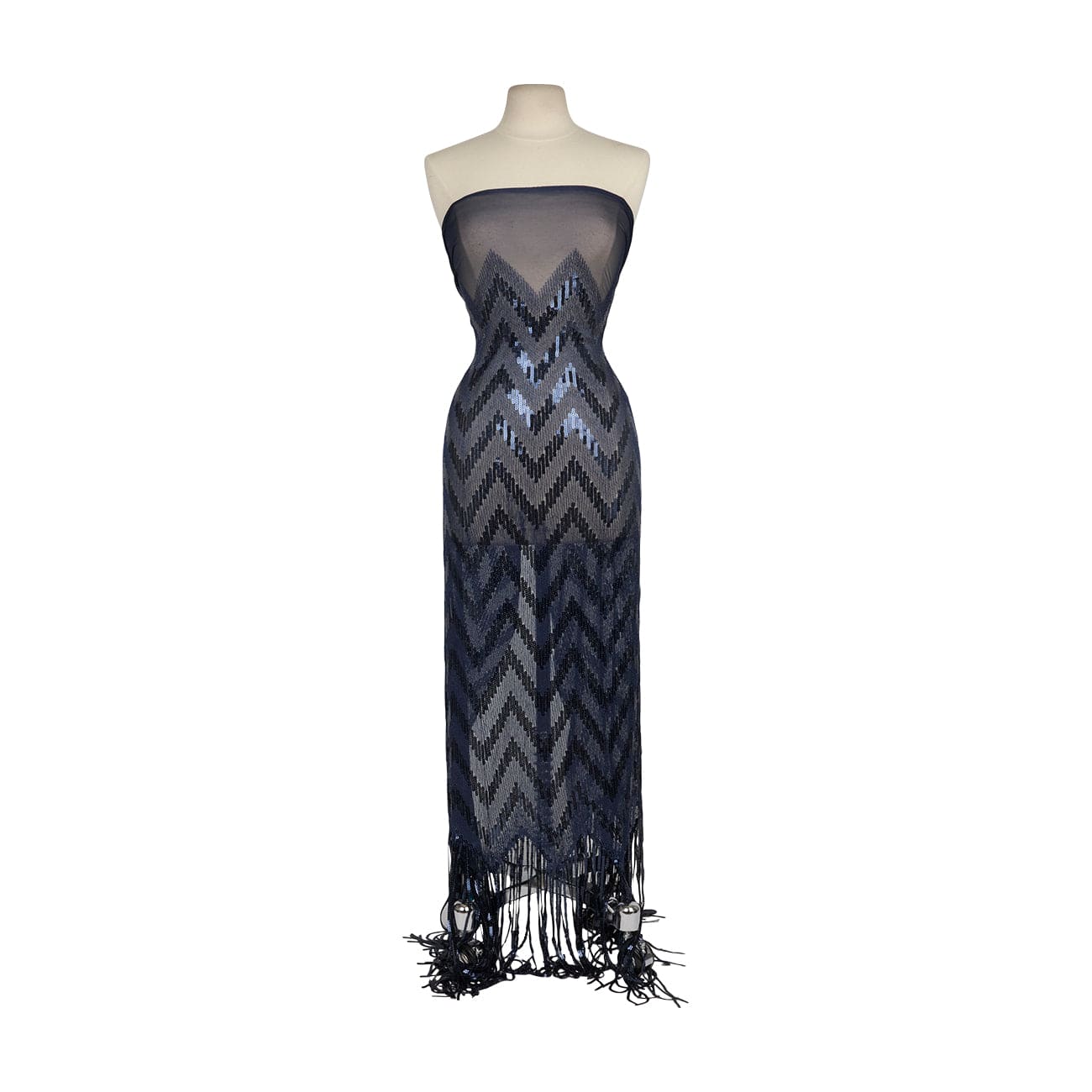
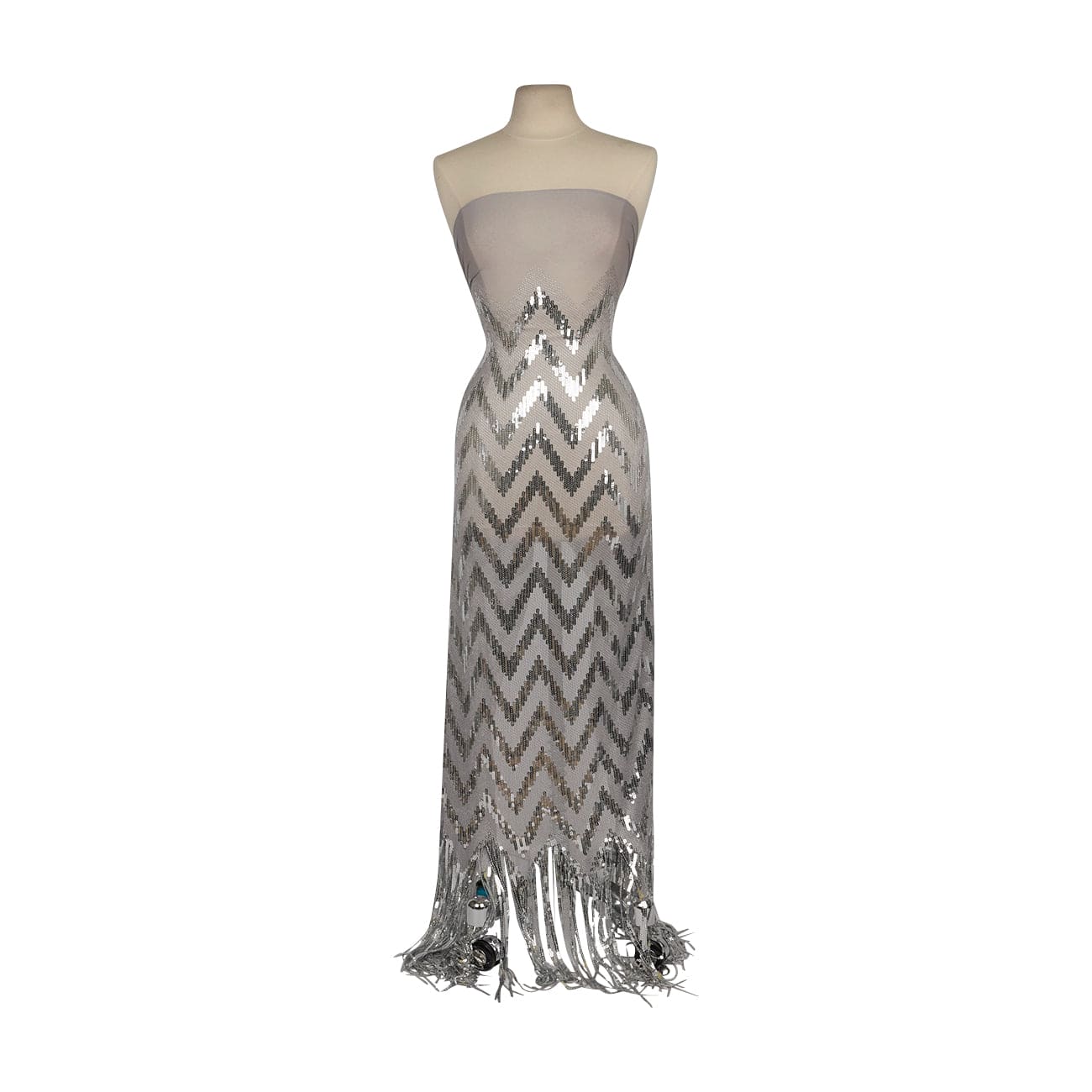


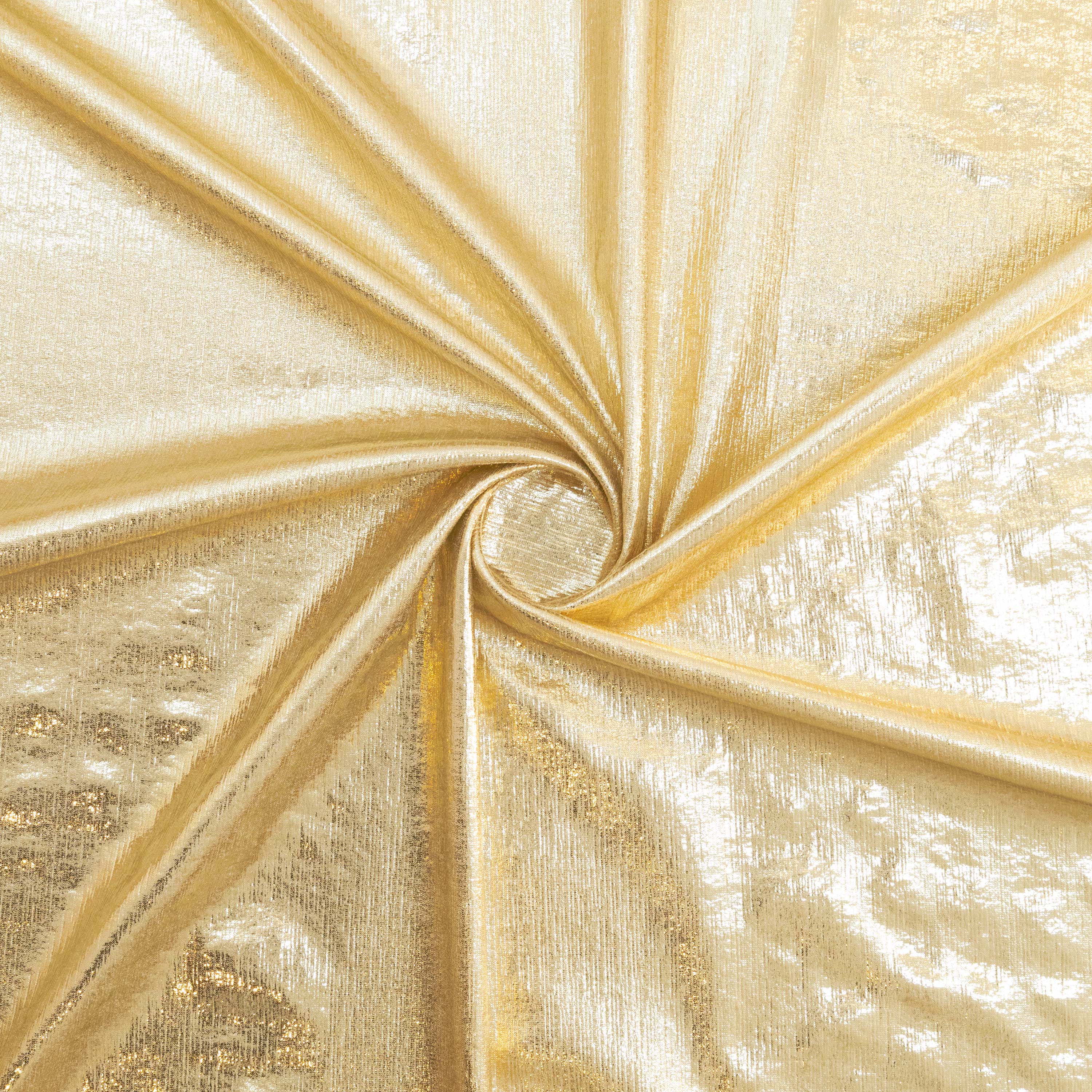
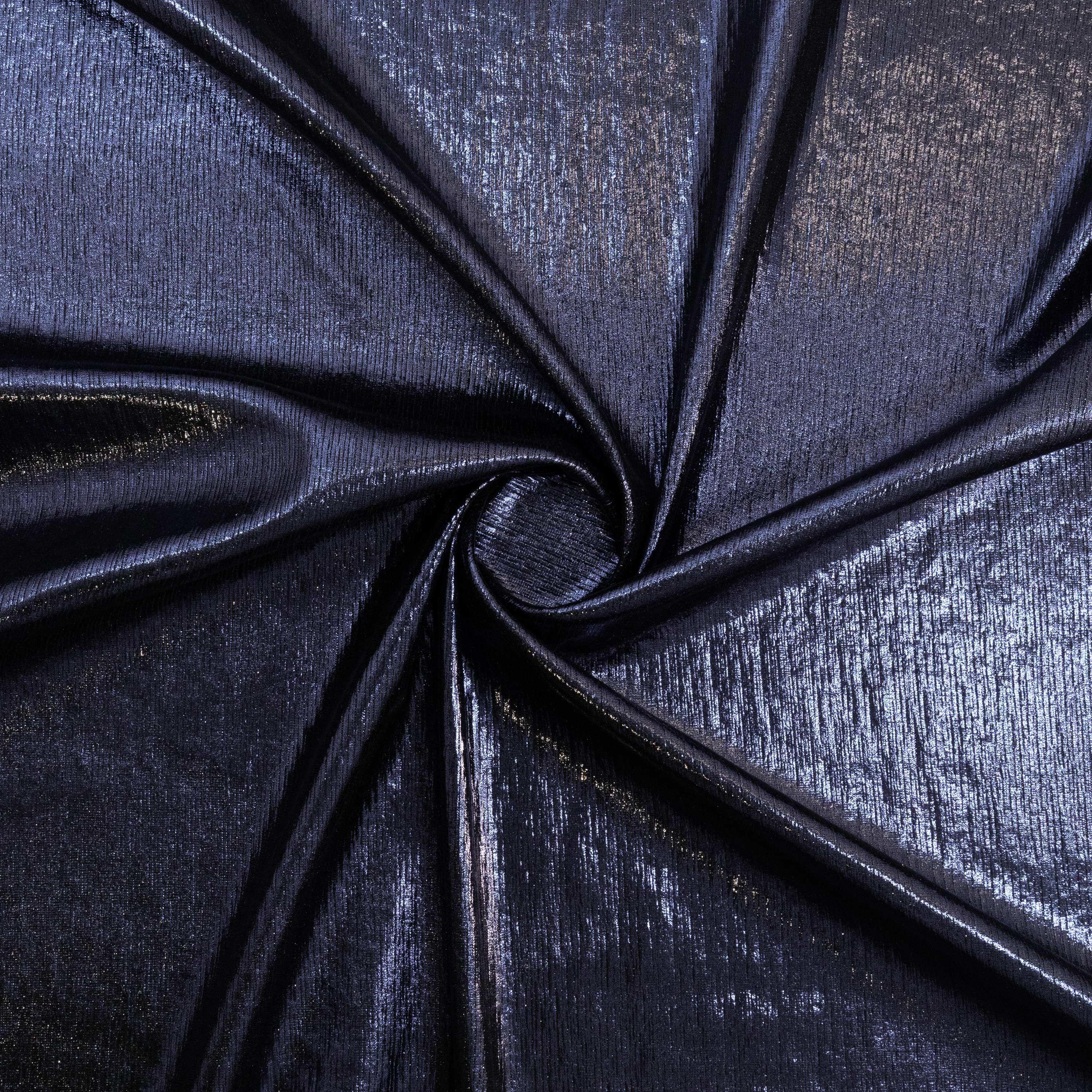
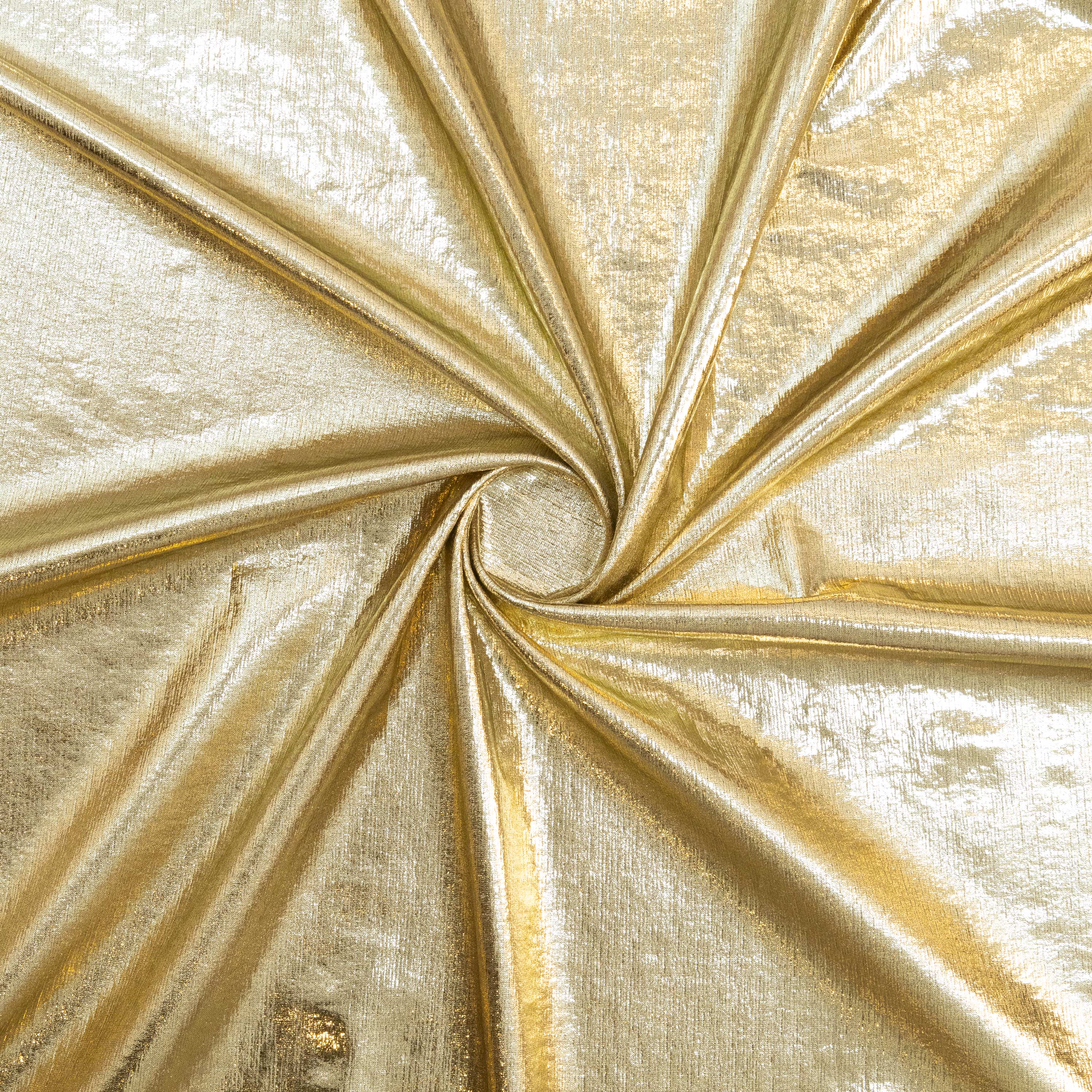
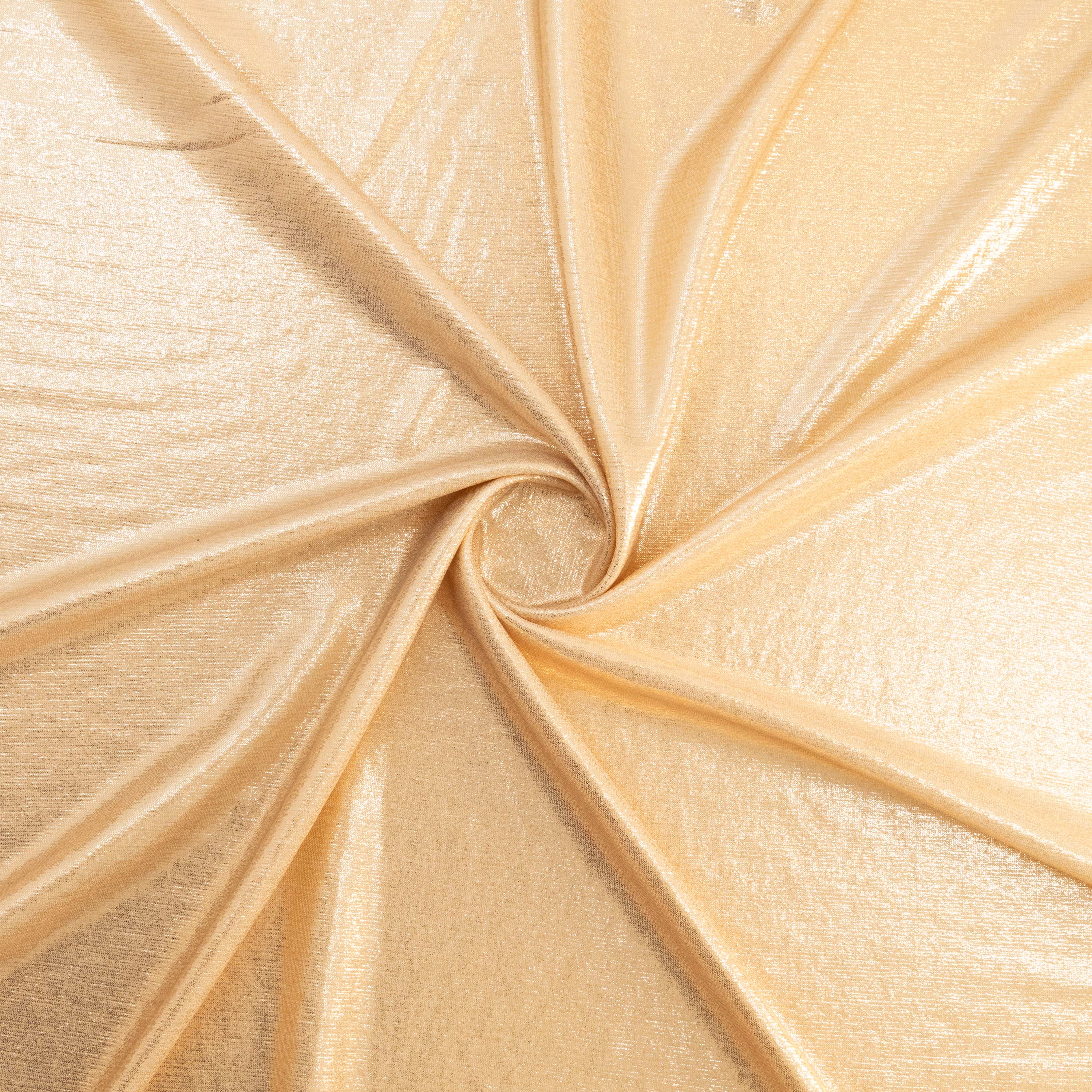
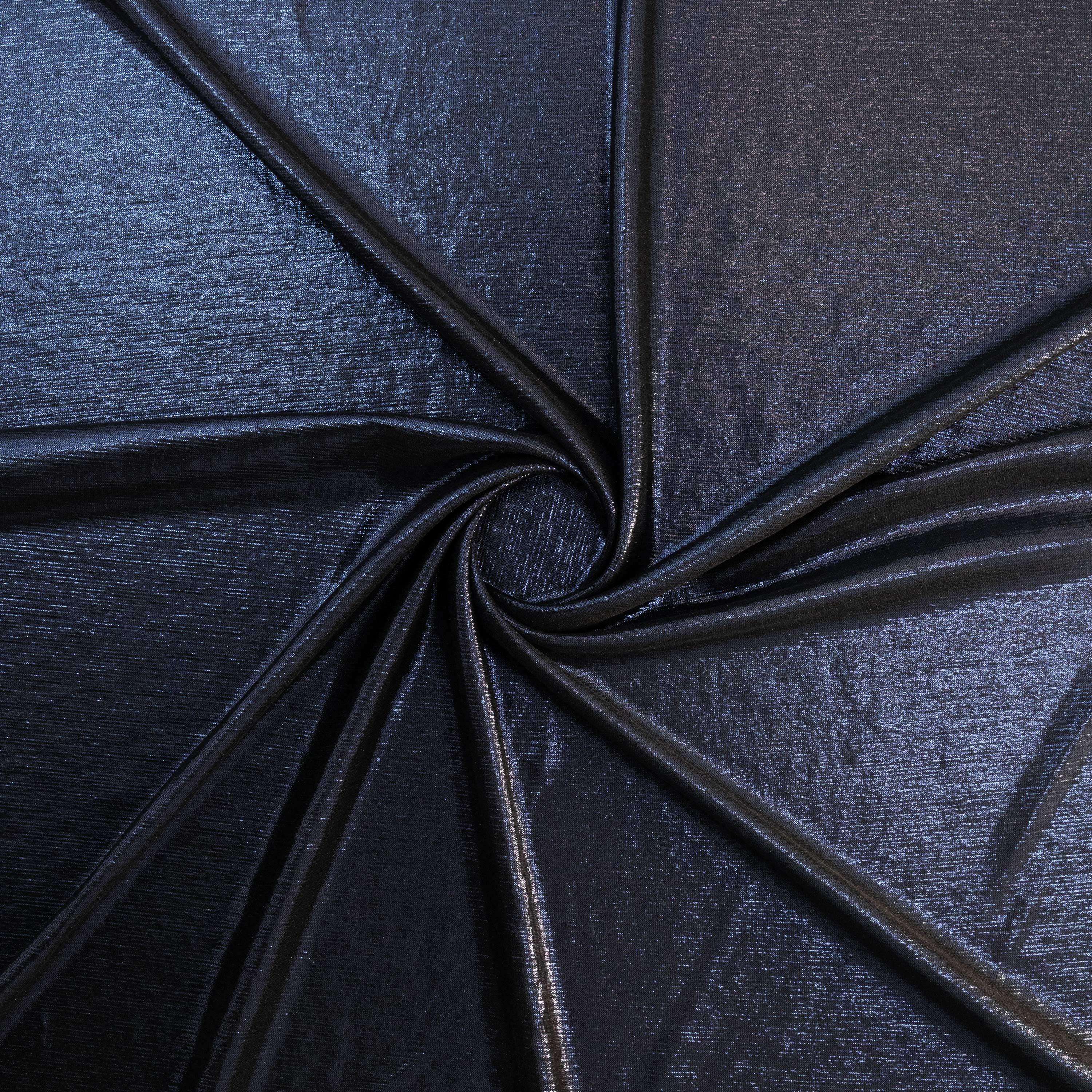
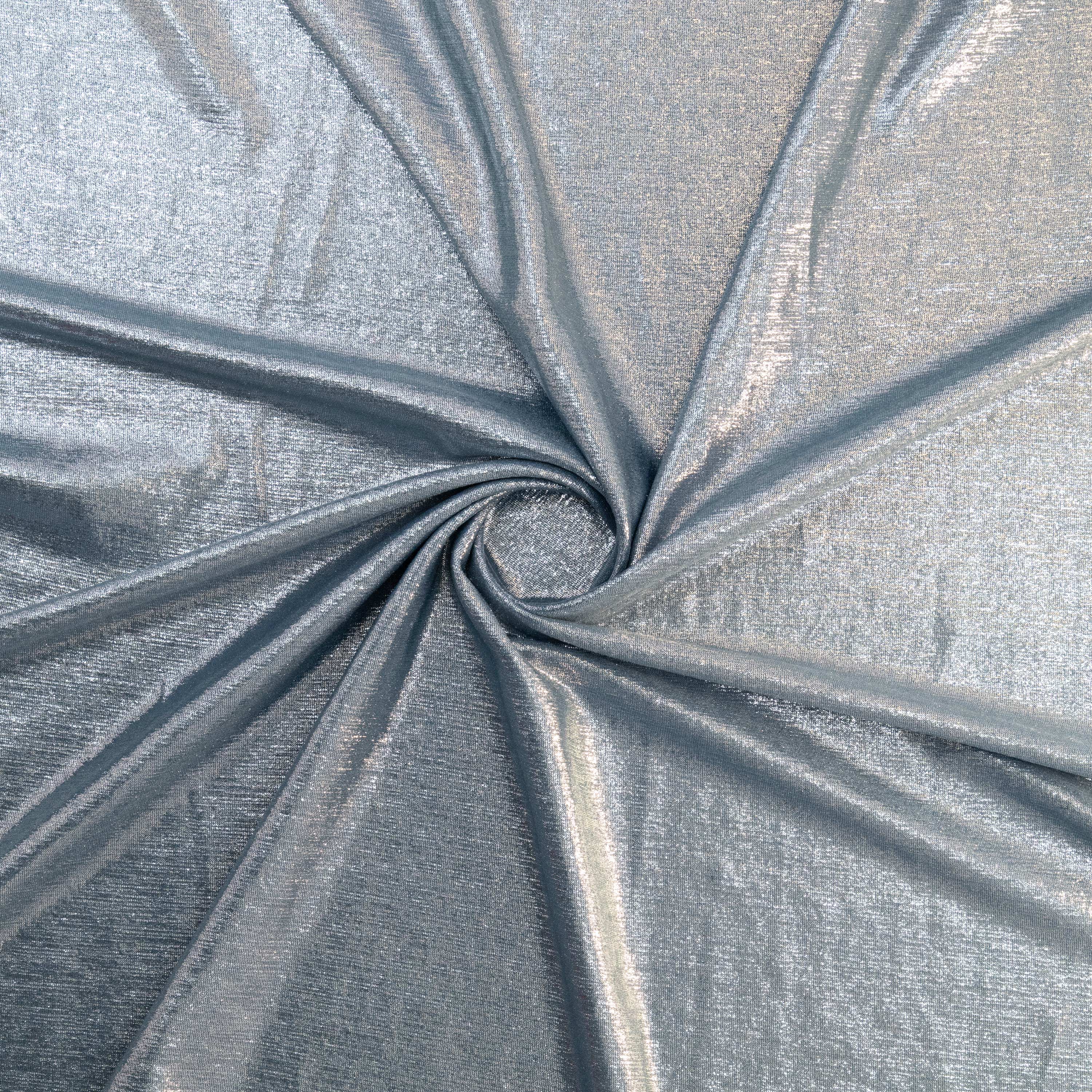
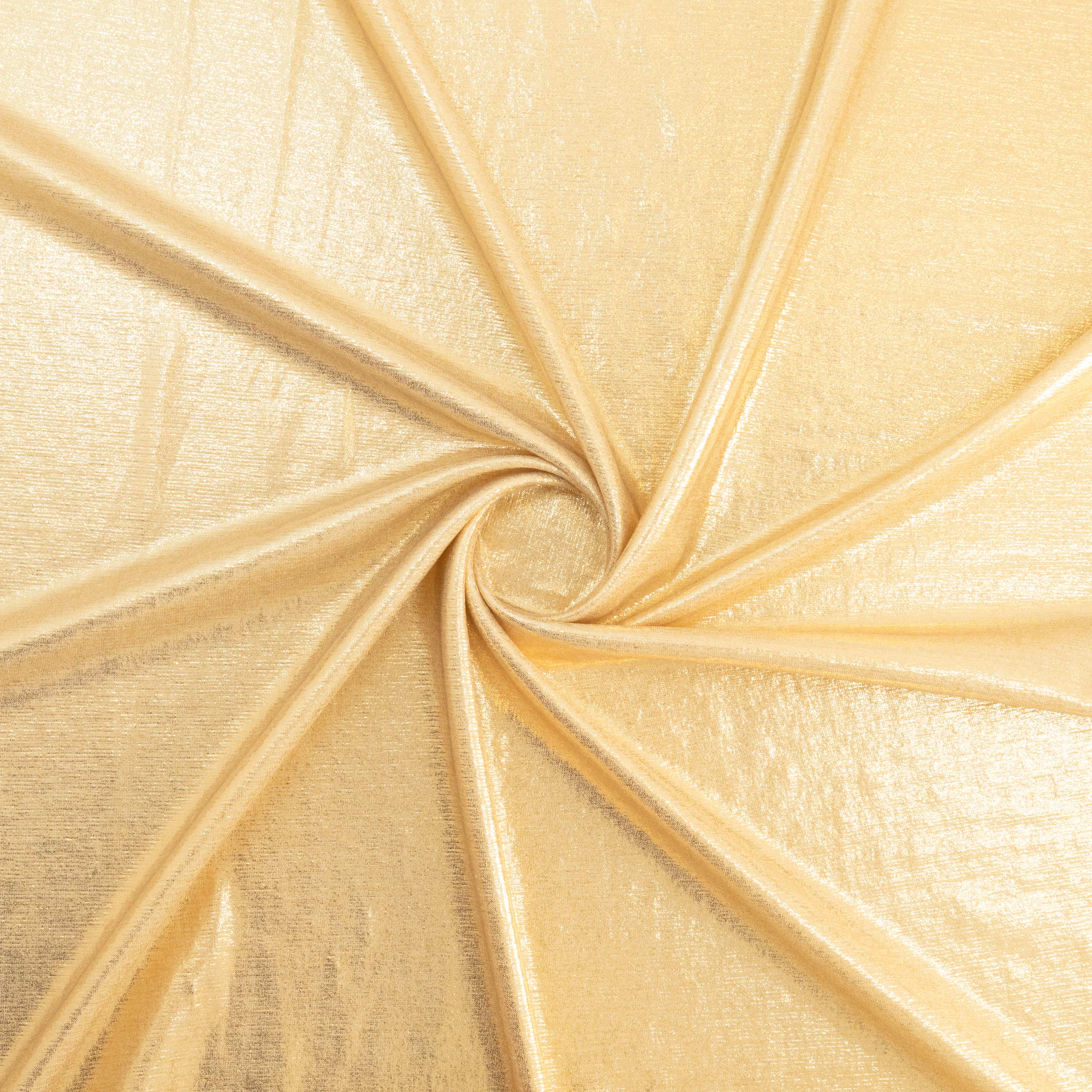
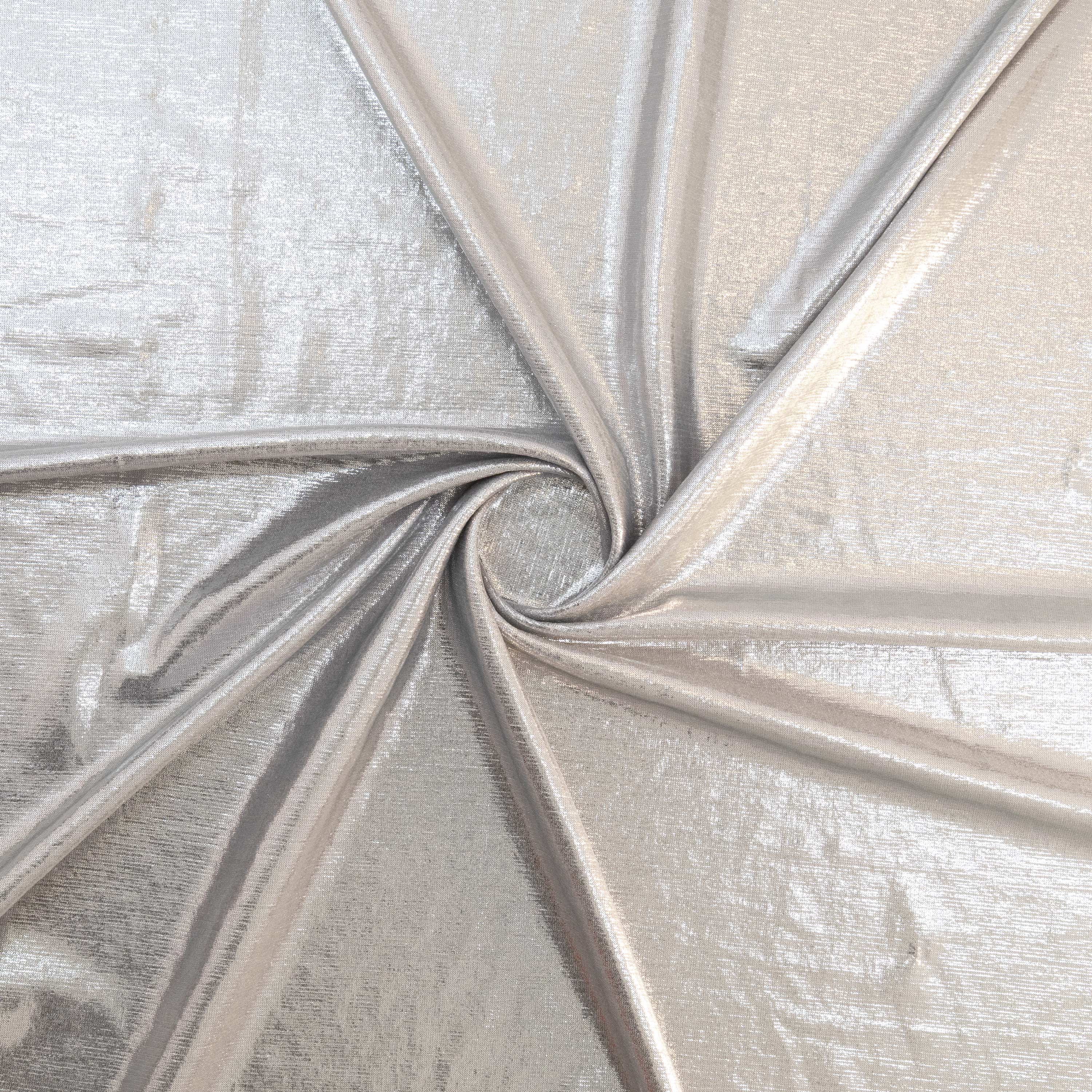
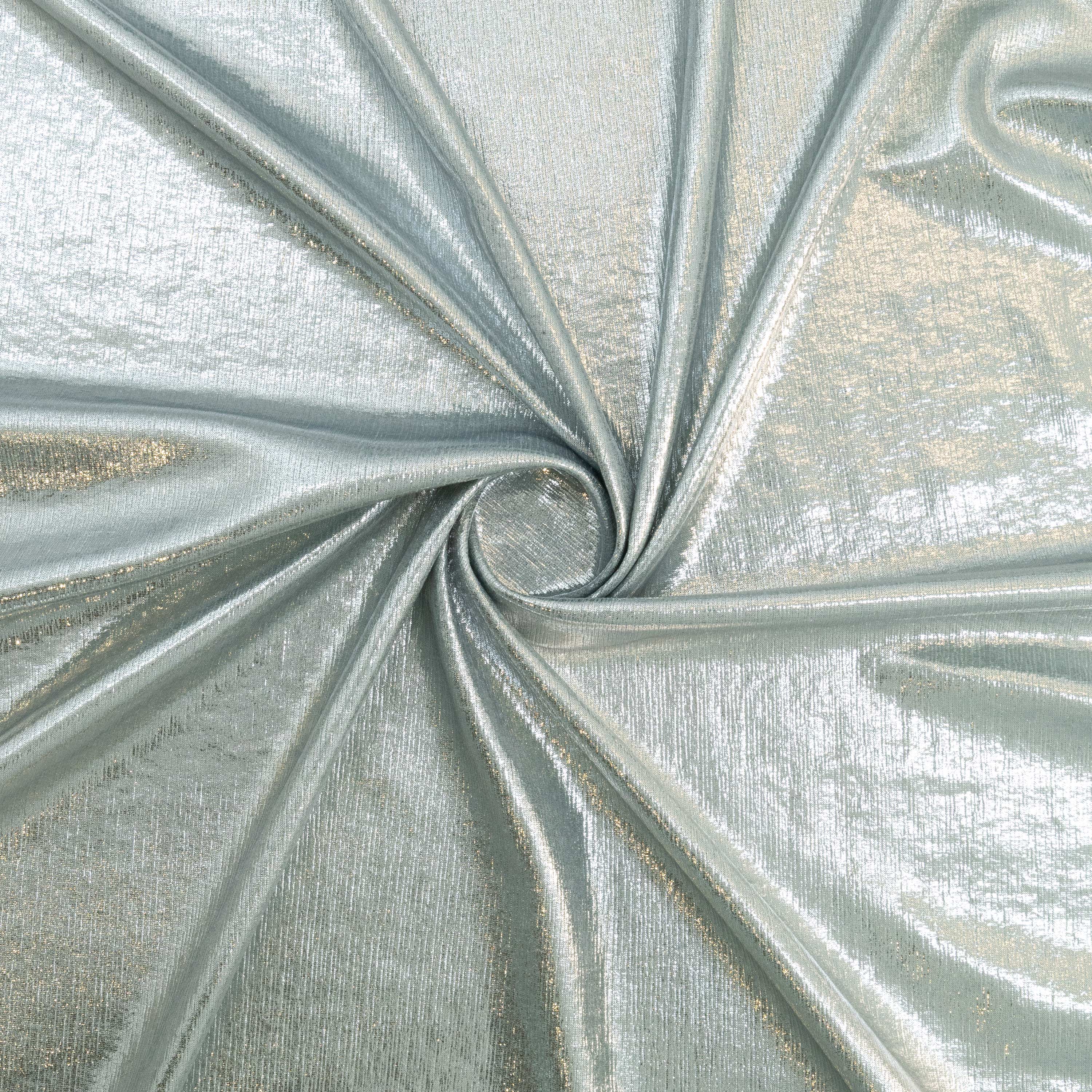
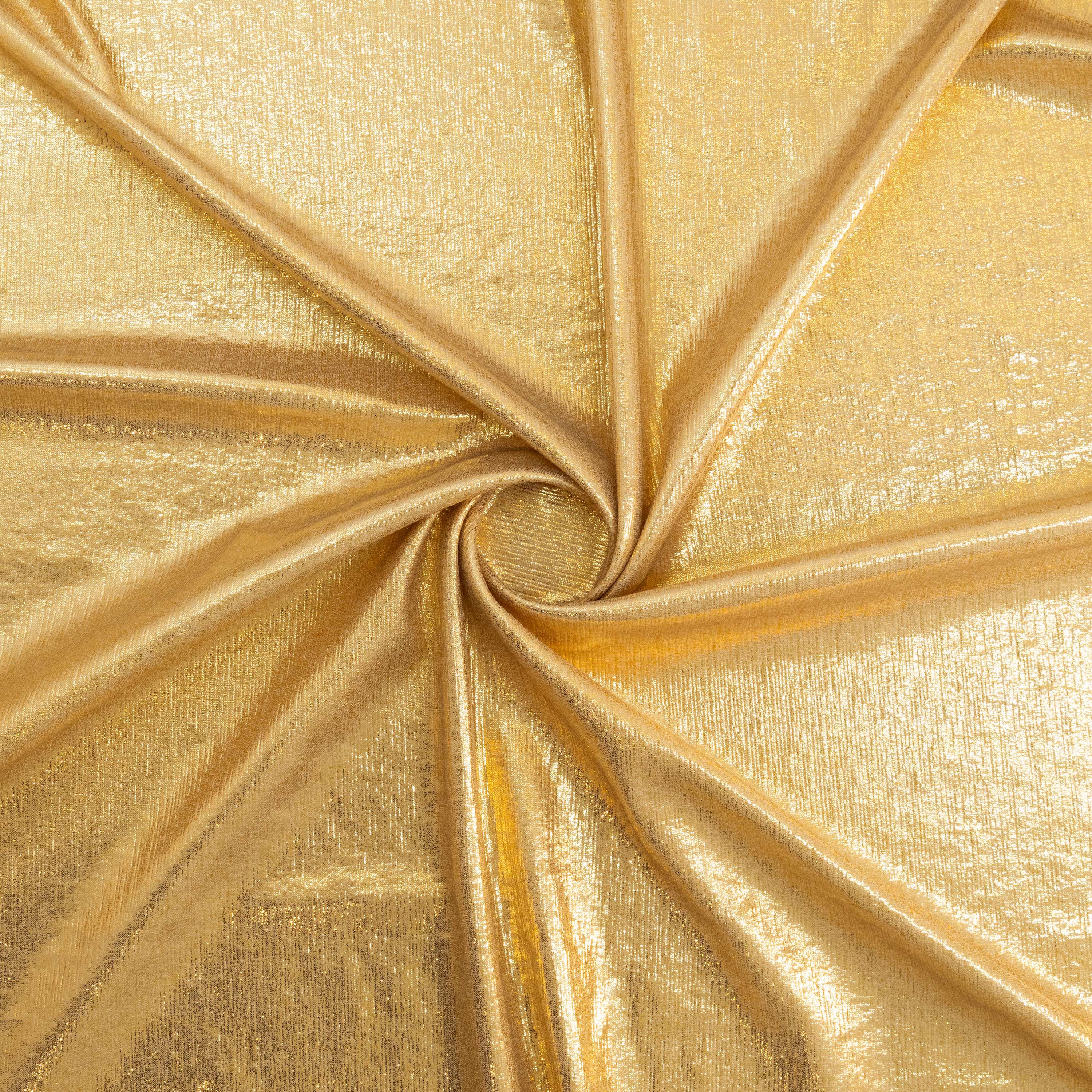
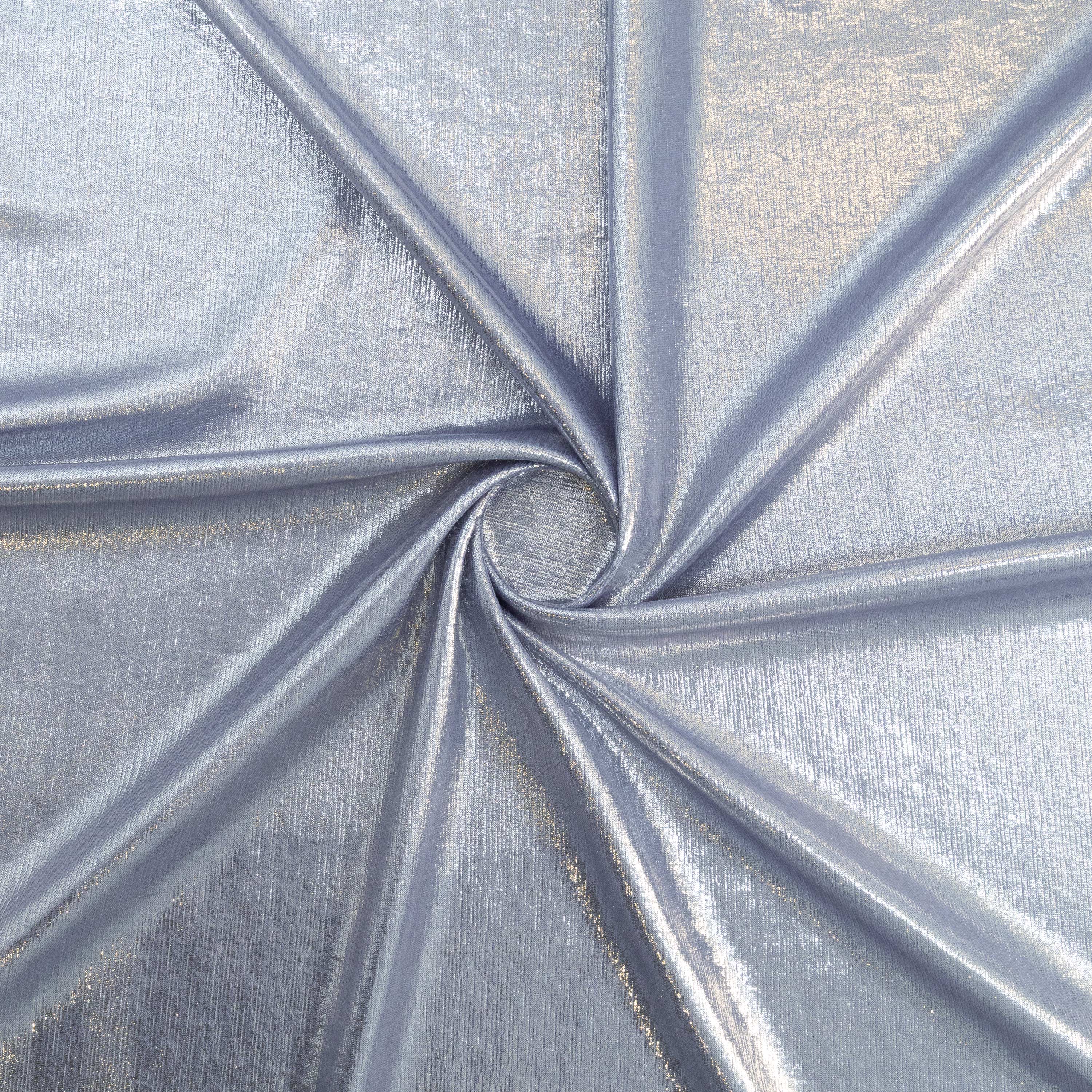
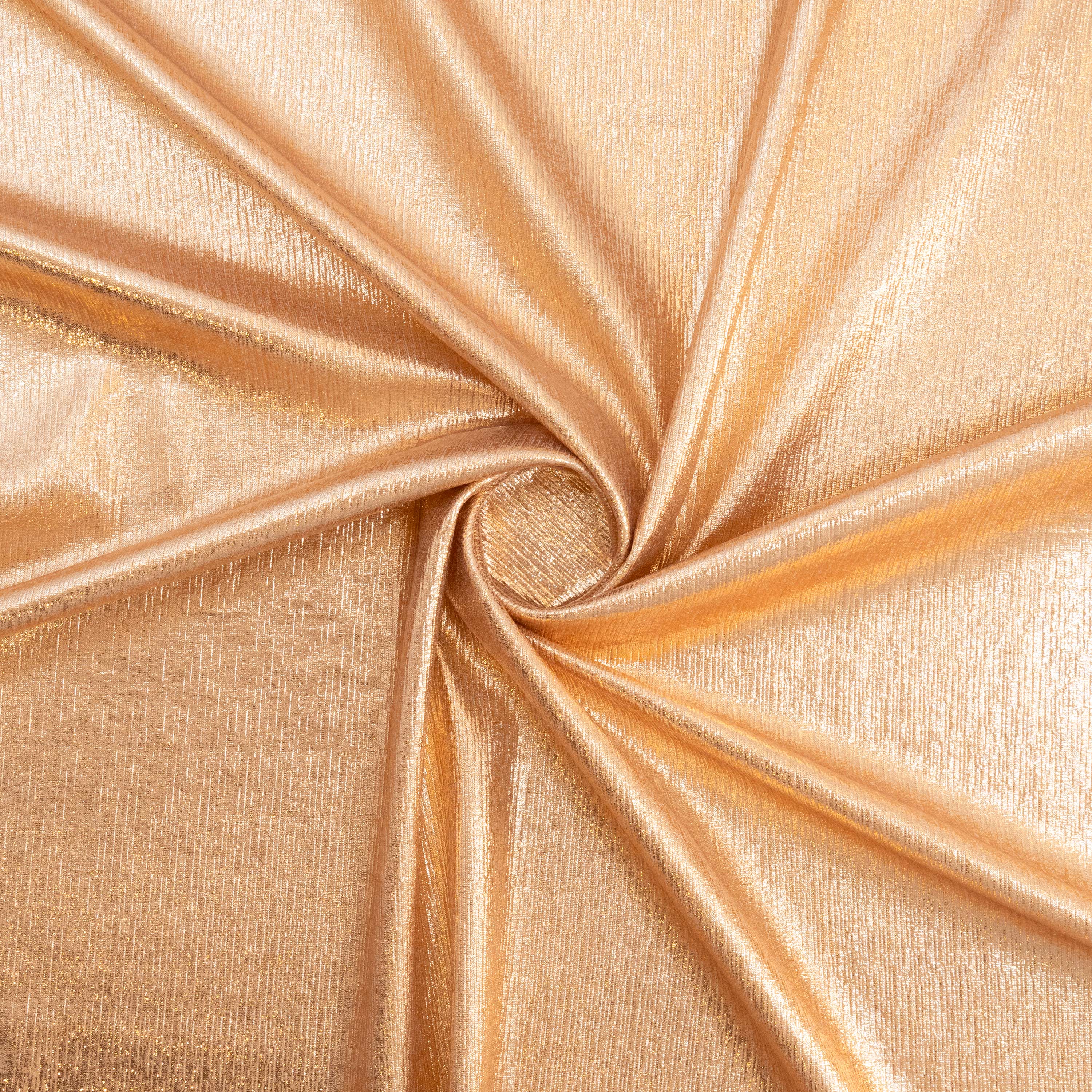
What Is Polyester Fabric? Material Properties and Fiber Composition
Polyester fabric is a synthetic textile made from polyethylene terephthalate (PET), a thermoplastic polymer derived from petroleum and produced through a melt-spinning process that draws continuous filament yarns or cut staple fibers. Those filaments are then woven or knitted into the finished cloth, which is why the same base fiber can produce constructions as different as a crisp organza and a fluid charmeuse satin.
As a synthetic fiber, polyester accounts for more than half of global fiber production, and its dominance comes down to a specific set of physical properties. The fiber has high tensile strength relative to its weight, resists wrinkling without chemical treatment, and is inherently hydrophobic, meaning it does not absorb moisture but can be engineered with moisture-wicking finishes for activewear applications.
Colorfastness is a consistent advantage: polyester accepts disperse dyes under heat and pressure, and the color bonds at a molecular level rather than sitting on the surface, which translates to wash-after-wash stability. UV resistance is similarly strong compared to natural fibers, making polyester a practical choice for event draping, costume work, and garments that see repeated light exposure.
The fiber is also thermoplastic, meaning heat can permanently set pleats, creases, and embossed textures, a property exploited in pleated chiffons, heat-set velvets, and structured taffetas. Microfiber polyester, where filaments are drawn to less than one denier in diameter, produces an exceptionally soft hand that rivals natural fibers at a fraction of the cost. Recycled polyester (rPET), made from post-consumer PET plastic, carries the same performance profile with a reduced carbon footprint and is increasingly available across fashion fabric categories.
Types of Polyester Fabric, From Chiffon to Scuba Knit
Polyester is woven and knitted into dozens of distinct fabric constructions, each with its own hand, weight, and best use, and understanding the differences helps you choose the right material for your project.
Polyester Chiffon - This has a lightweight, plain-weave construction, typically at 30–60 GSM, with a slightly creped surface. The fabric is sheer and fluid, with excellent drape. Cationic chiffon uses two types of dye-receptive yarns to create a two-tone, iridescent effect. In contrast, hi-multi chiffon uses finer yarns with a higher filament count for an ultra-lightweight, whisper-soft feel. Polyester chiffon suits eveningwear, blouses, overlays, and bridal designs.
Polyester Satin - has a woven construction with a warp-faced satin weave, in which warp threads float over four or more weft threads to create a smooth, reflective surface. Its weight ranges from around 60 GSM for lightweight charmeuse to 120+ GSM for structured bridal satin. Charmeuse satin has a fluid drape and matte reverse, while bridal satin is heavier, with more body and a higher-sheen face. Polyester satin suits bridal gowns, formalwear, linings, and lingerie.
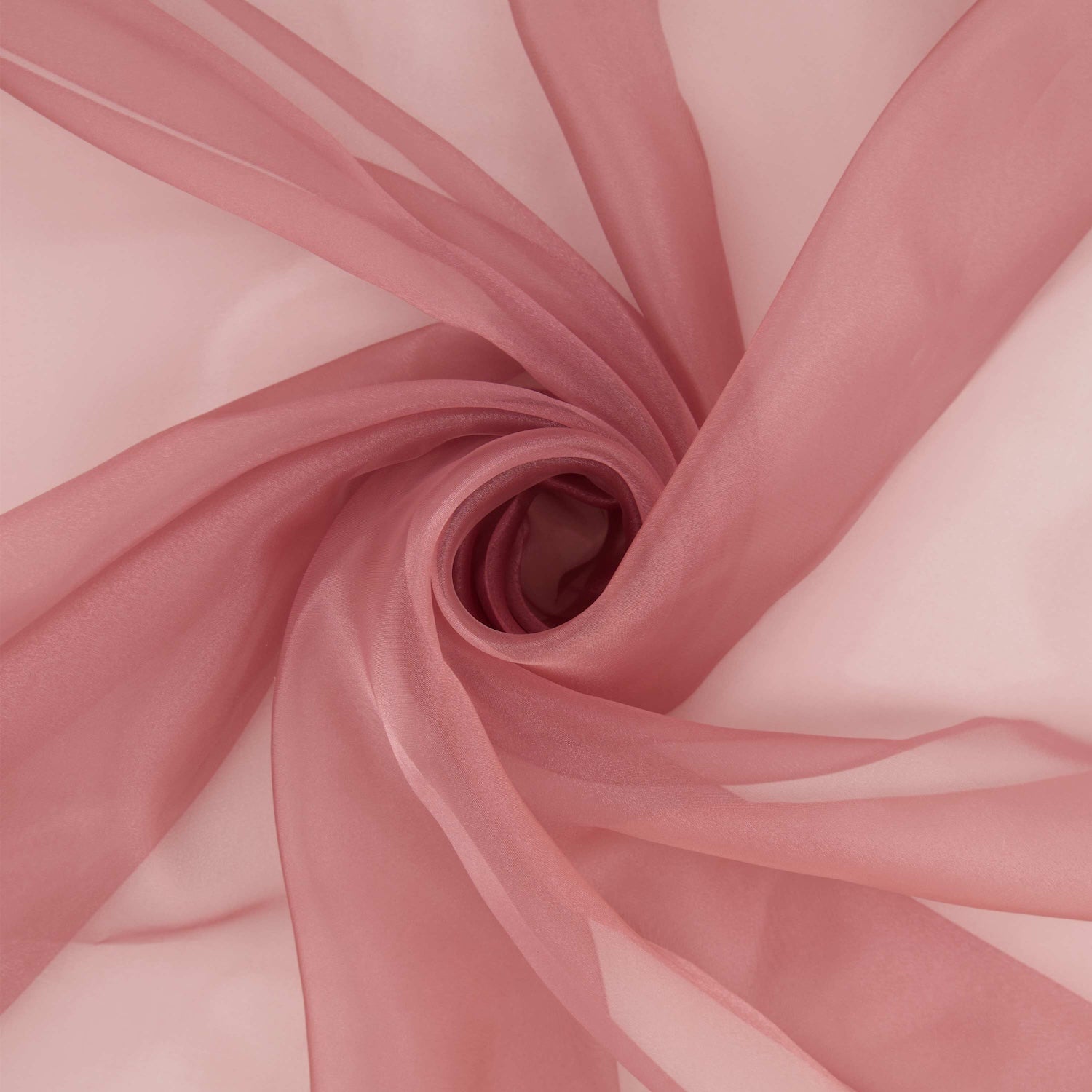
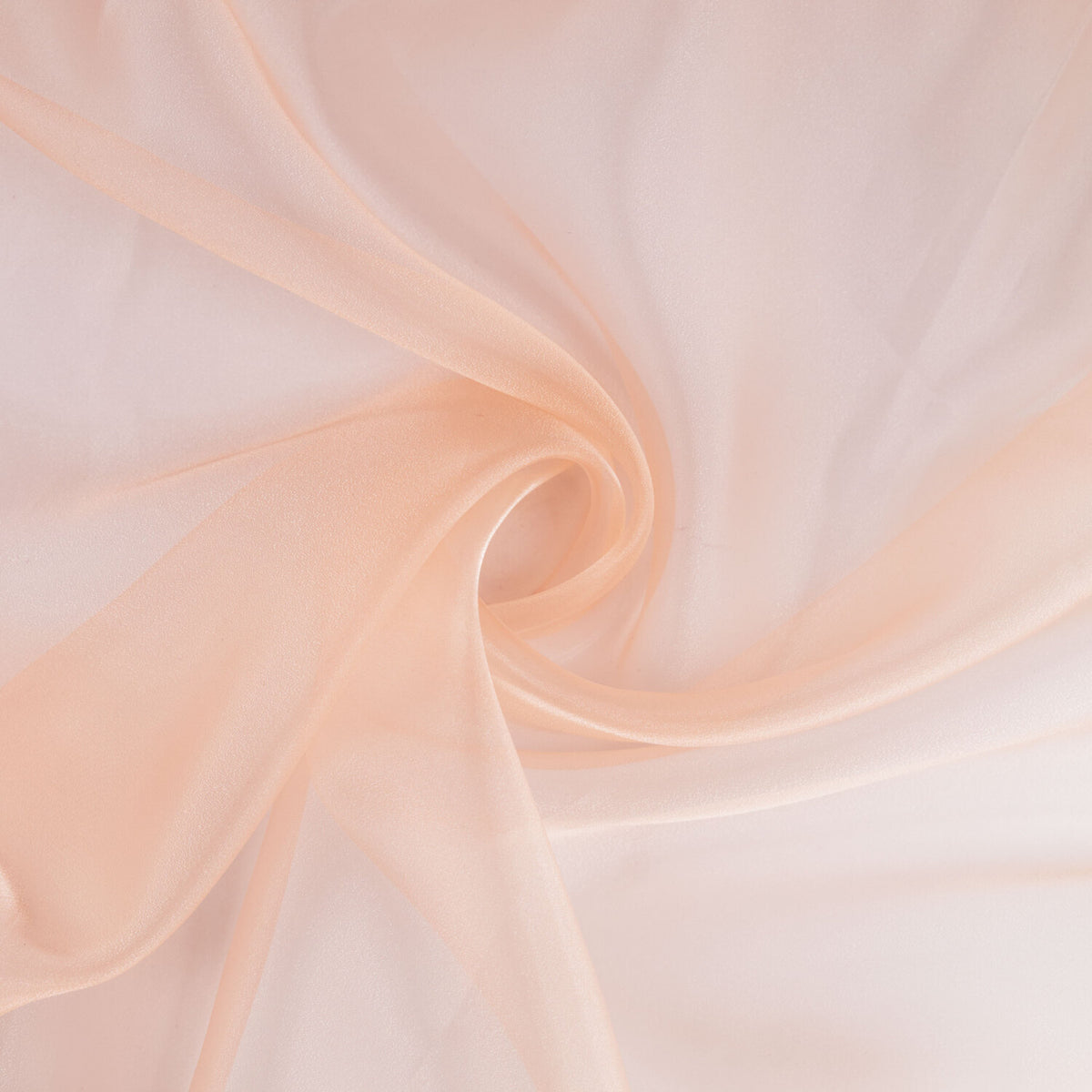
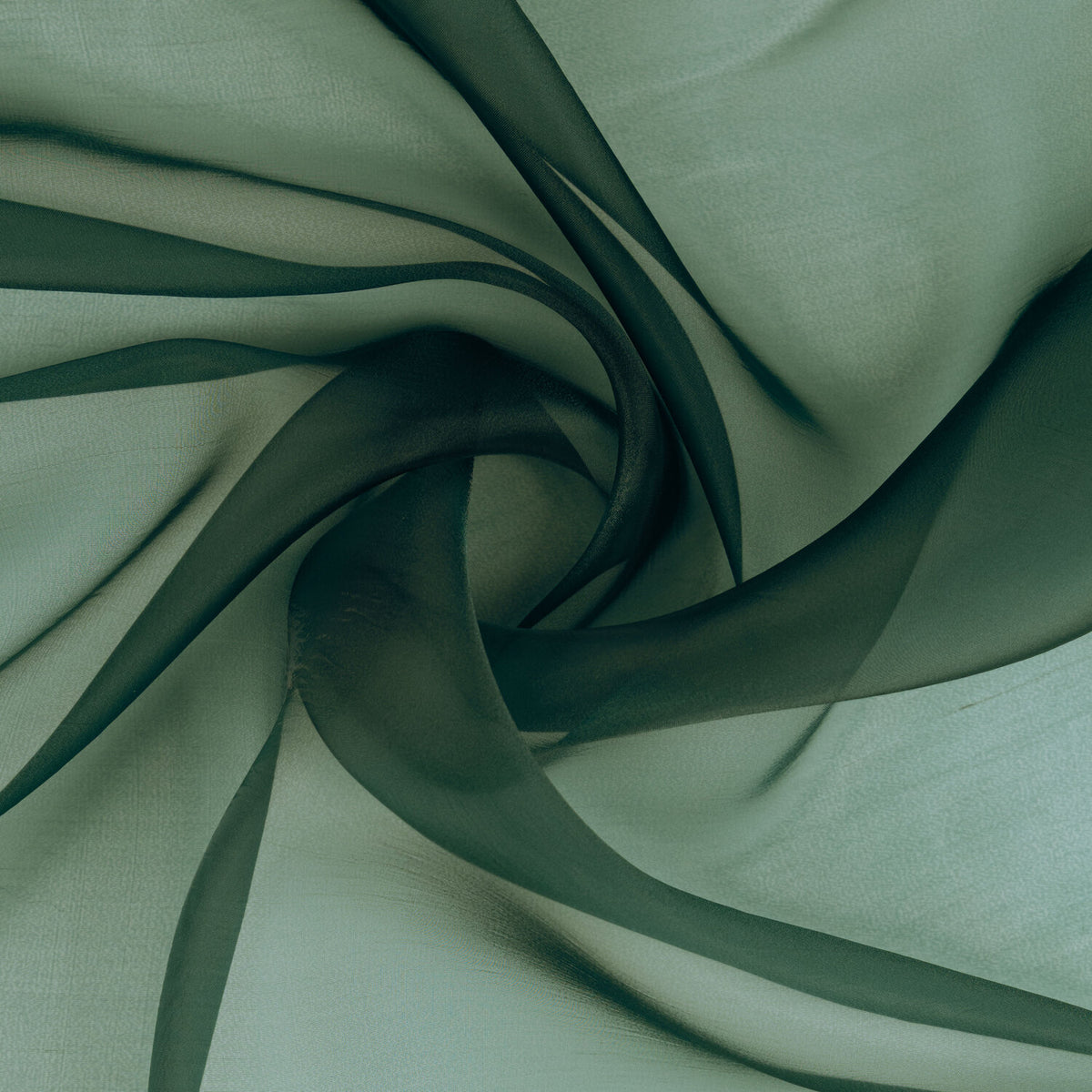
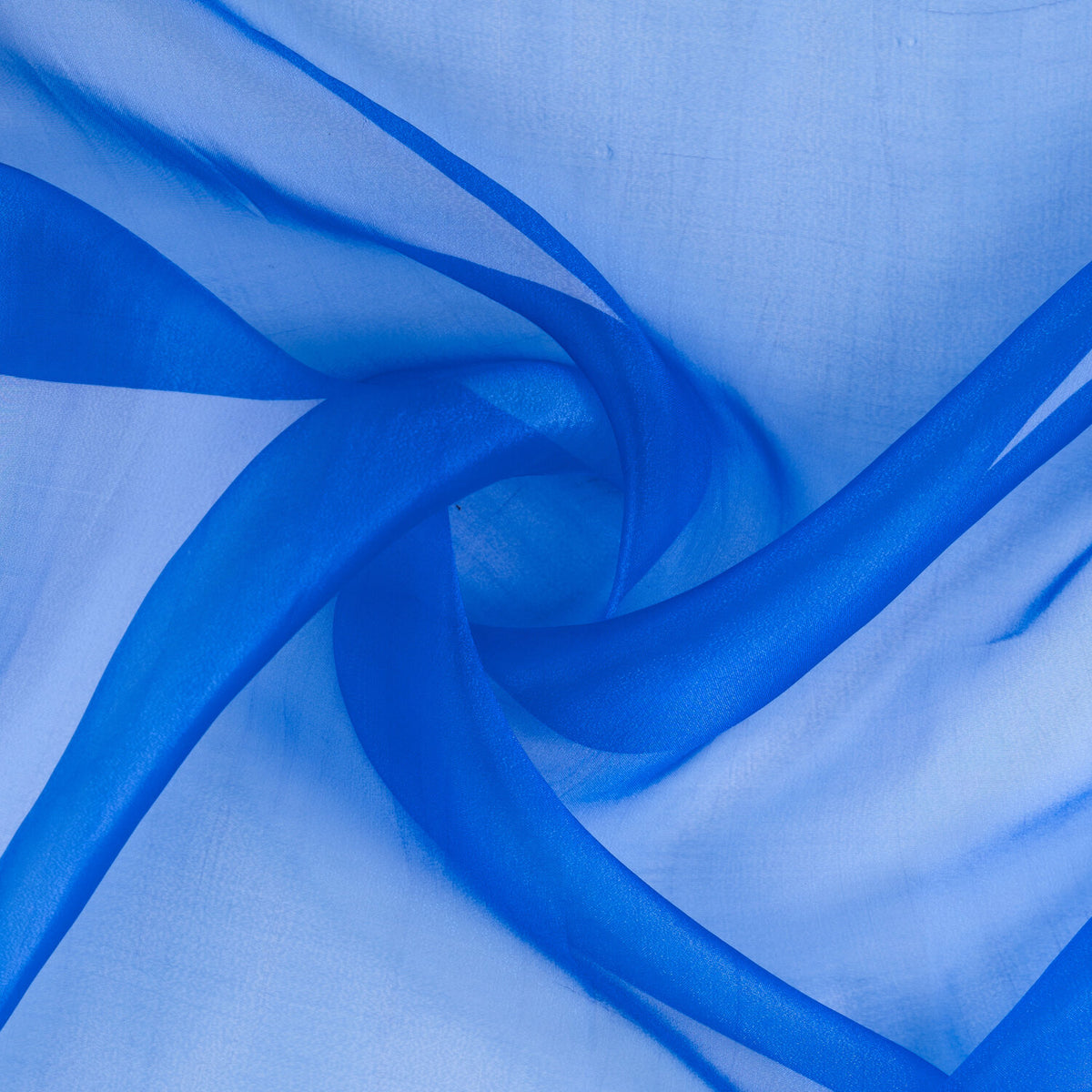
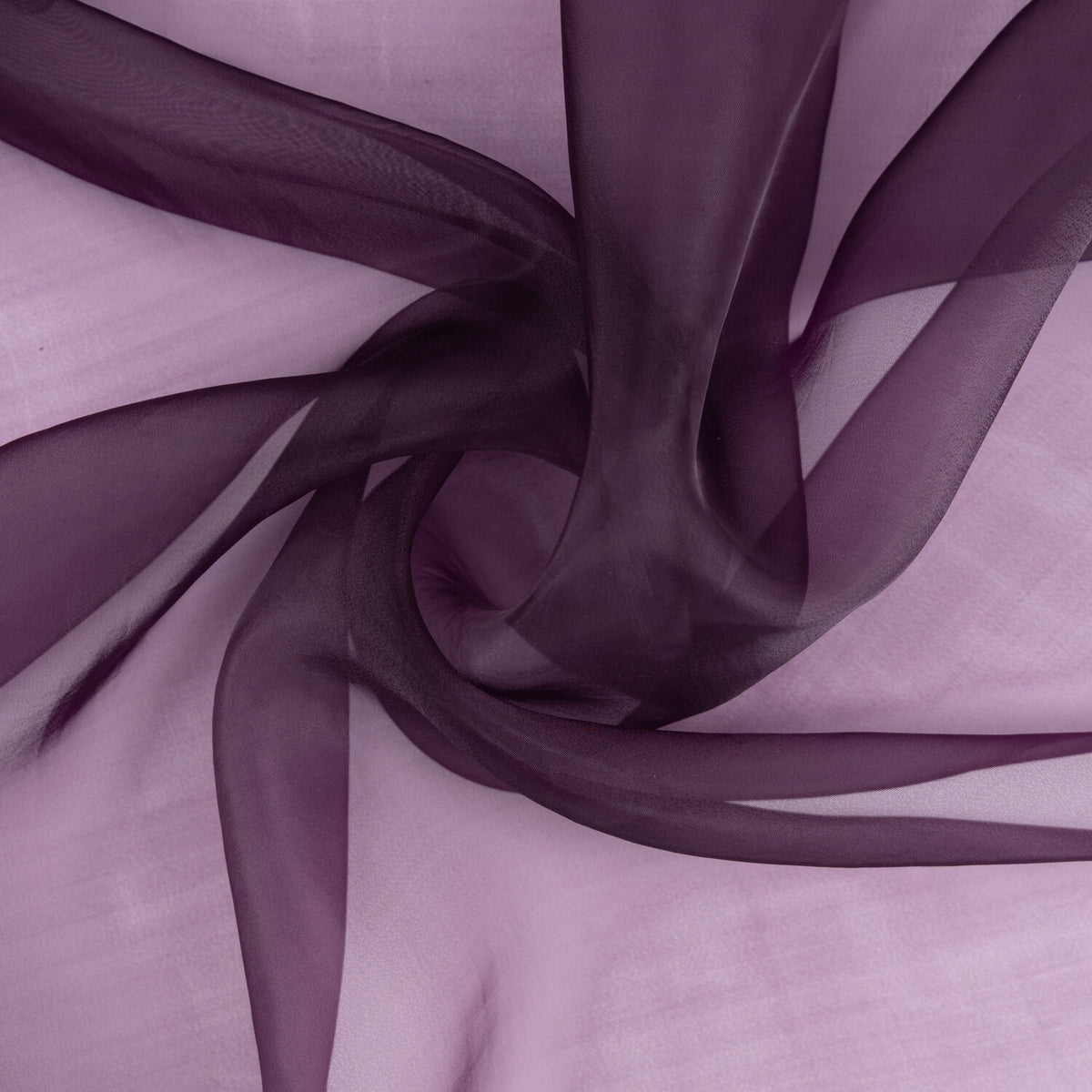
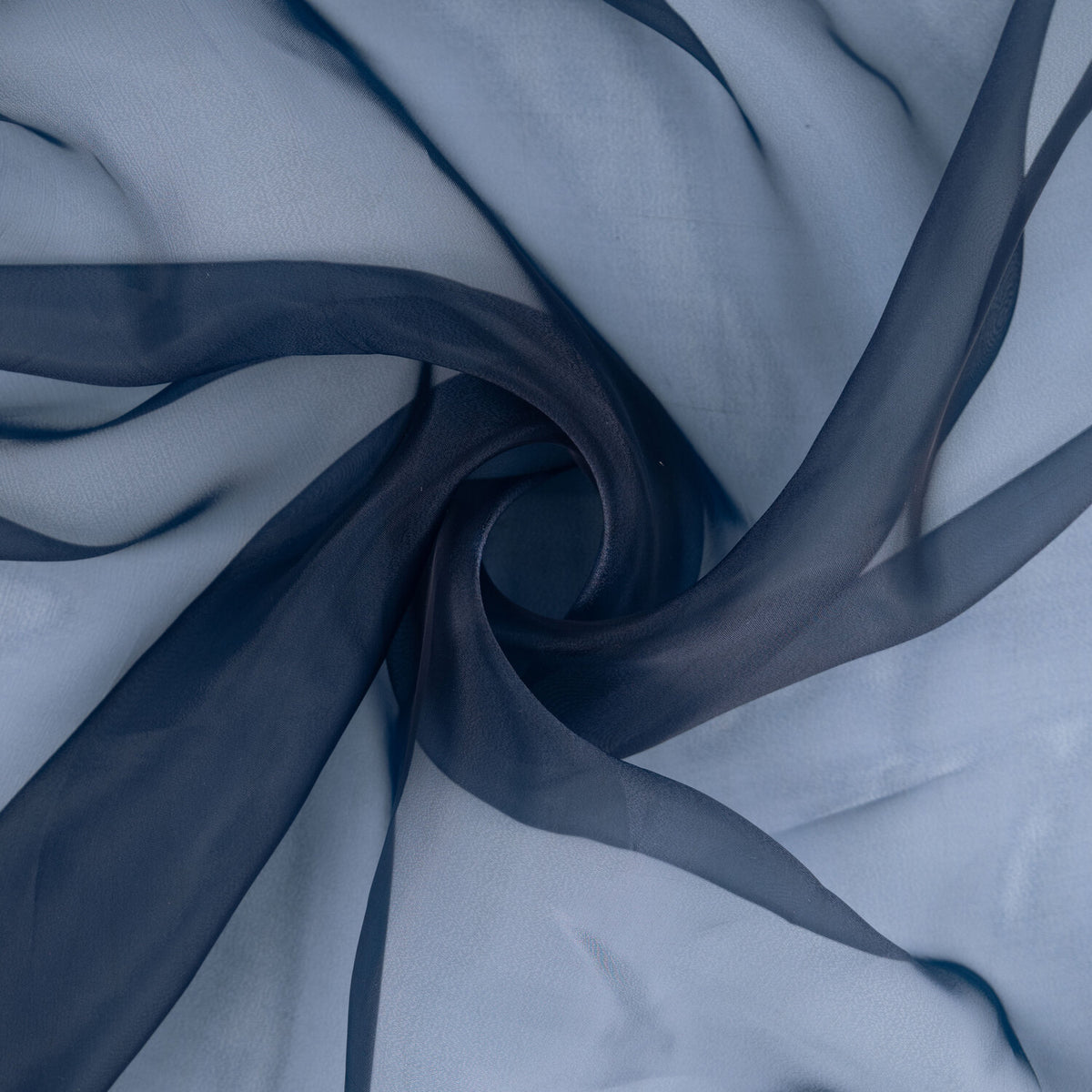
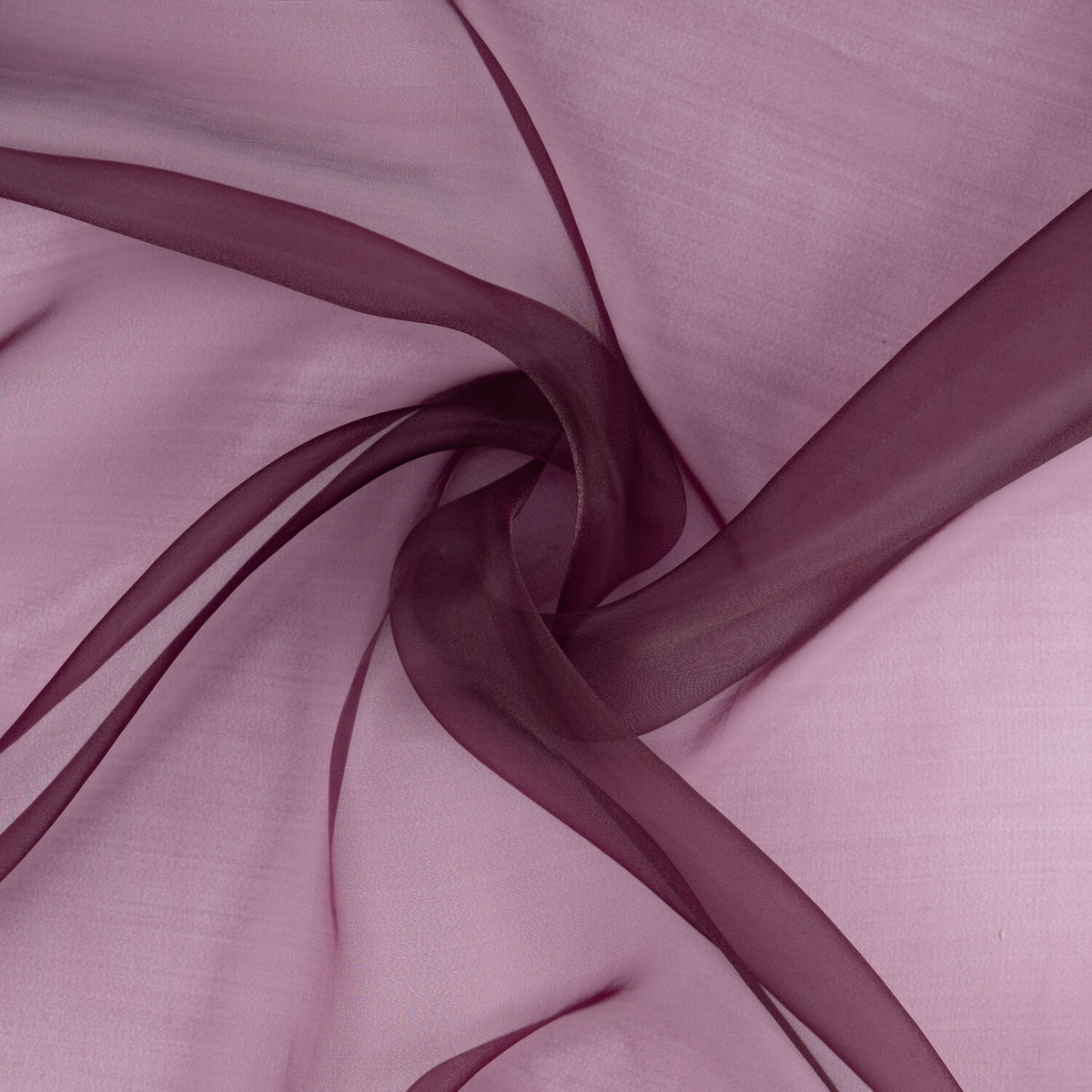
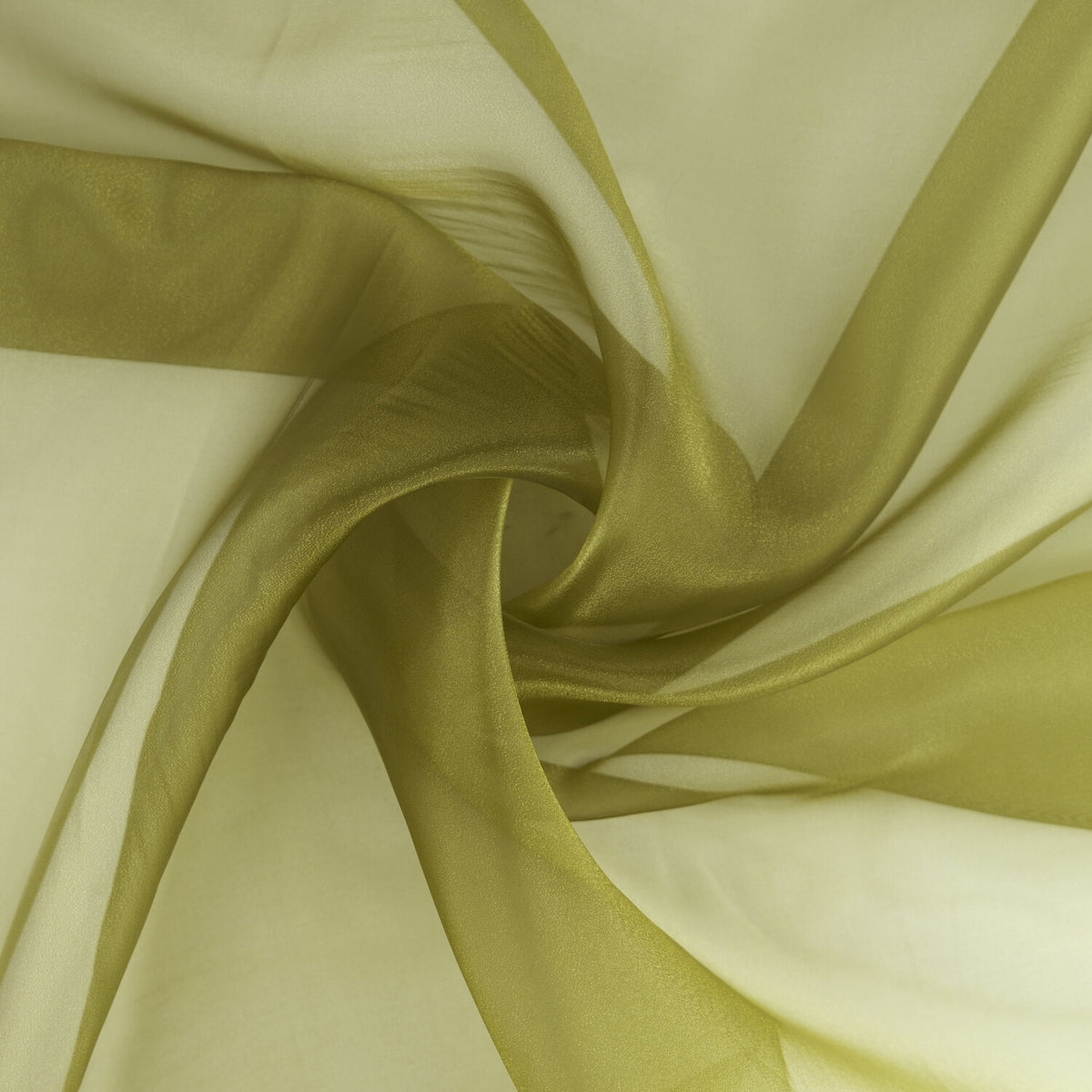
Polyester Organza - This is a lightweight, sheer fabric with a plain-weave construction and a typical weight of 25–45 GSM. Its crisp texture and minimal drape allow it to hold its shape, making it ideal for designs that need volume and structure. Crystal organza offers a classic sheer finish, while iridescent and legacy variants add visual texture. Common uses include bridal overlays, structured skirts, and event draping.
Taffeta - This woven fabric has a plain weave and subtle ribbing from its balanced warp and weft threads. It has a crisp feel, moderate weight, and a soft sheen that give it enough structure for tailored designs. Taffeta is commonly used for formalwear, linings, costumes, and structured skirts.
Polyester Crepe and Georgette - These woven fabrics use highly twisted yarns to create a pebbled or crinkled surface. Georgette is lighter and sheerer than crepe, but both fabrics drape well and resist wrinkles. They work well for dresses, blouses, and draped eveningwear.
Scuba Knit - is a double-knit fabric that typically weighs 200–280 GSM. Its smooth surface, moderate stretch, and strong recovery help it hold its shape without boning or interfacing. Scuba knit is ideal for bodycon dresses, skirts, and tailored separates that need structure without the stiffness of woven fabric.
ITY Jersey Knit - is a lightweight knit made with interlock twist yarns (ITY), typically weighing 100–140 GSM. It offers excellent drape, slight horizontal stretch, and strong stretch recovery for its weight. ITY jersey knit is a good choice for wrap dresses, maxi skirts, and fluid separates that need to move comfortably with the body.
Polyester Tulle and Mesh - include a range of net fabrics, from fine bridal tulle to open-grid power mesh. Classic tulle has a fine hexagonal net structure that adds volume to bridal underlayers and costumes. Stretch power mesh and nylon mesh offer more flexibility and support for activewear and structured bodices. These fabrics suit bridalwear, dancewear, costumes, and activewear underlayers.
Beyond these core constructions, the polyester family also includes voile (a lightweight plain-weave sheer similar to chiffon but with a crisper hand), challis (a soft, lightweight woven with a brushed surface), and flannel-finish polyester blends used in cooler-weather garment categories. Clothing manufacturers working across multiple end uses will find polyester fabric by the yard the most versatile starting point in any material polyester fabric sourcing decision.
Polyester Fabric Properties, Strengths and Considerations
Polyester’s durability, colorfastness, and wrinkle resistance make it the dominant material in fashion and home textiles worldwide, but it comes with trade-offs worth knowing before you cut.
Strengths
- Durability - High tensile strength means polyester resists tearing and abrasion better than most natural fibers at comparable weights. The same fabric found in department store dresses holds up to everyday wear and repeated laundering.
- Wrinkle resistance - The thermoplastic fiber springs back from compression without ironing, which is why polyester is a standard choice for travel garments, event draping, and costume pieces that get packed and unpacked repeatedly.
- Colorfastness - Disperse dyeing bonds color at a molecular level. Polyester fabric doesn’t fade or bleed like surface-dyed natural fibers, making it reliable for color-critical projects.
- Quick-dry and moisture management - The hydrophobic fiber dries rapidly. Moisture-wicking finishes channel perspiration away from the skin, which is why polyester is standard in activewear and dancewear.
- Dimensional stability - Woven polyester doesn’t shrink in the wash like cotton or linen, so your cut pieces stay true to size throughout the garment’s life.
Considerations
- Breathability - Polyester is less breathable than cotton, linen, or silk. For warm-weather or high-activity garments, open constructions (mesh, chiffon) or moisture-wicking finishes partially offset this.
- Heat sensitivity - Polyester melts, rather than burns, at about 260 degrees Celsius. Use a low iron setting (synthetic or polyester setting) and never apply steam directly to a high-sheen face fabric.
- Static electricity - The hydrophobic fiber builds static charge, particularly in dry conditions. A fabric softener in the final rinse or an anti-static spray during pressing can address this.
- Pilling - Lower-denier polyester knits can pill with friction over time. Higher-GSM constructions and tighter weaves resist pilling better.
- Blended fabrics - Polyester-cotton and polyester-spandex blends combine polyester’s durability and wrinkle resistance with cotton’s breathability or spandex’s stretch recovery, making them a practical middle ground when pure polyester doesn’t meet all project requirements.
How to Sew and Care for Polyester Fabric
Polyester is one of the more forgiving fabrics to sew and launder, but a few specific settings, the right needle, a low iron, and cold-water washing protect the fabric’s finish and extend its life.
Sewing Tips
- Needle - Use a 75/11 or 80/12 ballpoint or universal needle for knit polyester constructions (scuba, ITY, jersey). For woven polyester (chiffon, organza, satin, taffeta), a sharp 70/10 or 75/11 microtex needle produces cleaner seams with less thread drag.
- Thread - Polyester thread is the correct match for polyester fabric. It has the same stretch and recovery as the base fabric, which prevents seam breakage on knits and puckering on wovens.
- Stitch length - A stitch length of approximately 2.5mm works for most woven polyester. For knits, use a narrow zigzag or stretch stitch so the seam can move with the fabric.
- Sheers (chiffon, organza, voile) - Use clips rather than pins where possible to avoid permanent holes. A walking foot or roller foot reduces fabric shifting on slippery surfaces. Stitch with a fine needle and fine thread. French seams or rolled hems give the cleanest finish.
- Knits (scuba, ITY, jersey) - A walking foot prevents the layers from shifting. Avoid stretching the fabric as it feeds through the machine.
Care Instructions
- Machine wash cold on a gentle cycle. Polyester doesn’t require hot water, and cold water protects the fabric’s finish and any applied embellishments.
- Tumble dry on low heat. High heat can shrink blended fabrics and distort heat-sensitive constructions.
- Iron on the synthetic or polyester setting (typically the lowest or second-lowest setting). Place a pressing cloth between the iron and any high-sheen face fabric.
- Avoid bleach. Chlorine bleach degrades polyester fiber and can cause yellowing.
- Hand wash is appropriate for delicate constructions (fine chiffon, lightweight organza) or embellished fabrics where machine agitation could damage surface detail.
Always check the individual product page for fiber-specific care guidance, particularly for polyester blends where the secondary fiber may have different requirements.
Frequently Asked Questions About Polyester Fabric
What is polyester fabric made of?
Polyester fabric is made from polyethylene terephthalate (PET), a petroleum-derived thermoplastic polymer. In production, manufacturers melt PET and extrude it through fine spinnerets in a melt-spinning process to form continuous filament yarn, not staple fibers. Those are then woven or knitted into finished fabric constructions, from sheer organza to structured scuba knit.
Is polyester fabric breathable?
Polyester is less breathable than natural fibers such as cotton, linen, or silk. The hydrophobic fiber does not absorb moisture, which means perspiration sits on the skin rather than being drawn into the cloth. Open constructions like chiffon, mesh, and voile significantly improve airflow. Moisture-wicking finishes, common in activewear polyester, move perspiration away from the skin and improve comfort in higher-activity applications. For low-sweat or structured garments, formalwear, bridal, eveningwear, breathability is rarely the deciding factor.
How does polyester compare to silk?
Polyester satin and charmeuse satin closely mimic silk’s drape and surface sheen at a much lower price, which is why they are the standard silk alternative across fashion, bridal, and costume categories. Silk is more breathable, biodegradable, and has a warmer hand; polyester is more durable, colorfast, and machine washable. For most fashion and event applications where the visual result matters more than fiber origin, polyester satin is the practical choice. Order a swatch before committing to yardage if you are comparing the two for a specific project.
Can polyester fabric be washed in a washing machine?
Yes. Machine wash cold on a gentle cycle, tumble dry on low heat. Polyester does not require hot water, and high heat can distort heat-sensitive constructions or cause shrinkage in blended fabrics. Avoid bleach. For embellished or delicate constructions, hand wash is the safer option. Always check the individual product page for fiber-specific guidance.
What is recycled polyester fabric?
Recycled polyester, commonly referred to as rPET, is produced by breaking down post-consumer PET plastic (typically plastic bottles) back into polymer chips, re-melting them, and melt-spinning new filament yarns. The resulting fiber has the same performance properties as virgin polyester: tensile strength, colorfastness, wrinkle resistance, and quick-dry behavior, with a meaningfully lower carbon footprint. rPET is increasingly available across fashion fabric categories as clothing manufacturers and independent designers look to reduce the environmental impact of their polyester fabric sourcing.
What is polyester fabric used for?
Polyester fabric by the yard is used across a wide range of garment and non-garment categories. In fashion, the primary applications are eveningwear, bridal, formalwear, linings, activewear, dancewear, and costume. In home and event contexts, polyester is standard for backdrop draping, table linens, and decorative applications where colorfastness and wrinkle resistance matter. The range of available constructions, from fine microfiber polyester voile to structured scuba knit, means the fiber serves clothing manufacturers producing at scale and home sewers working on a single project with equal reliability.