


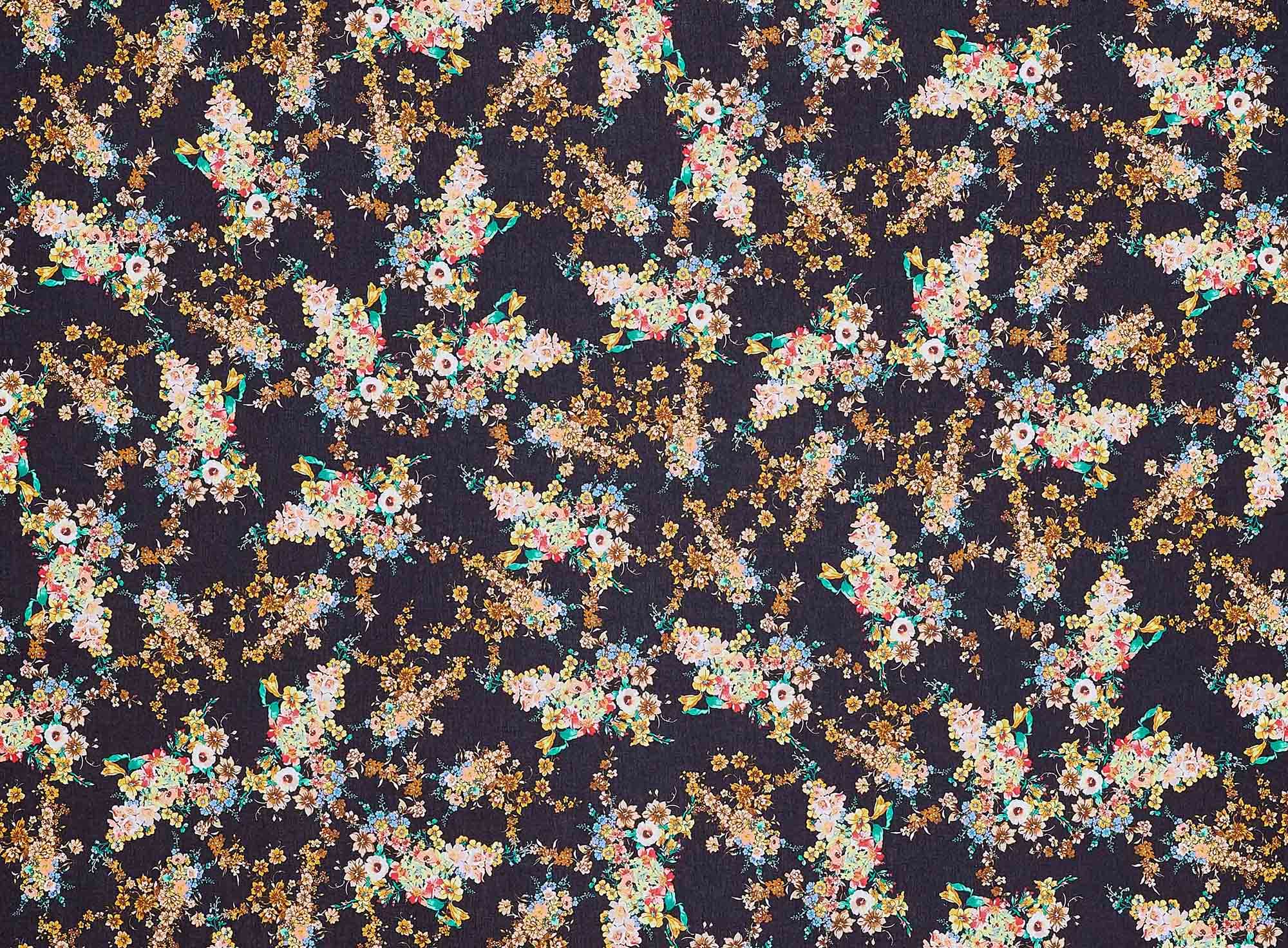


What Is Poplin Fabric?
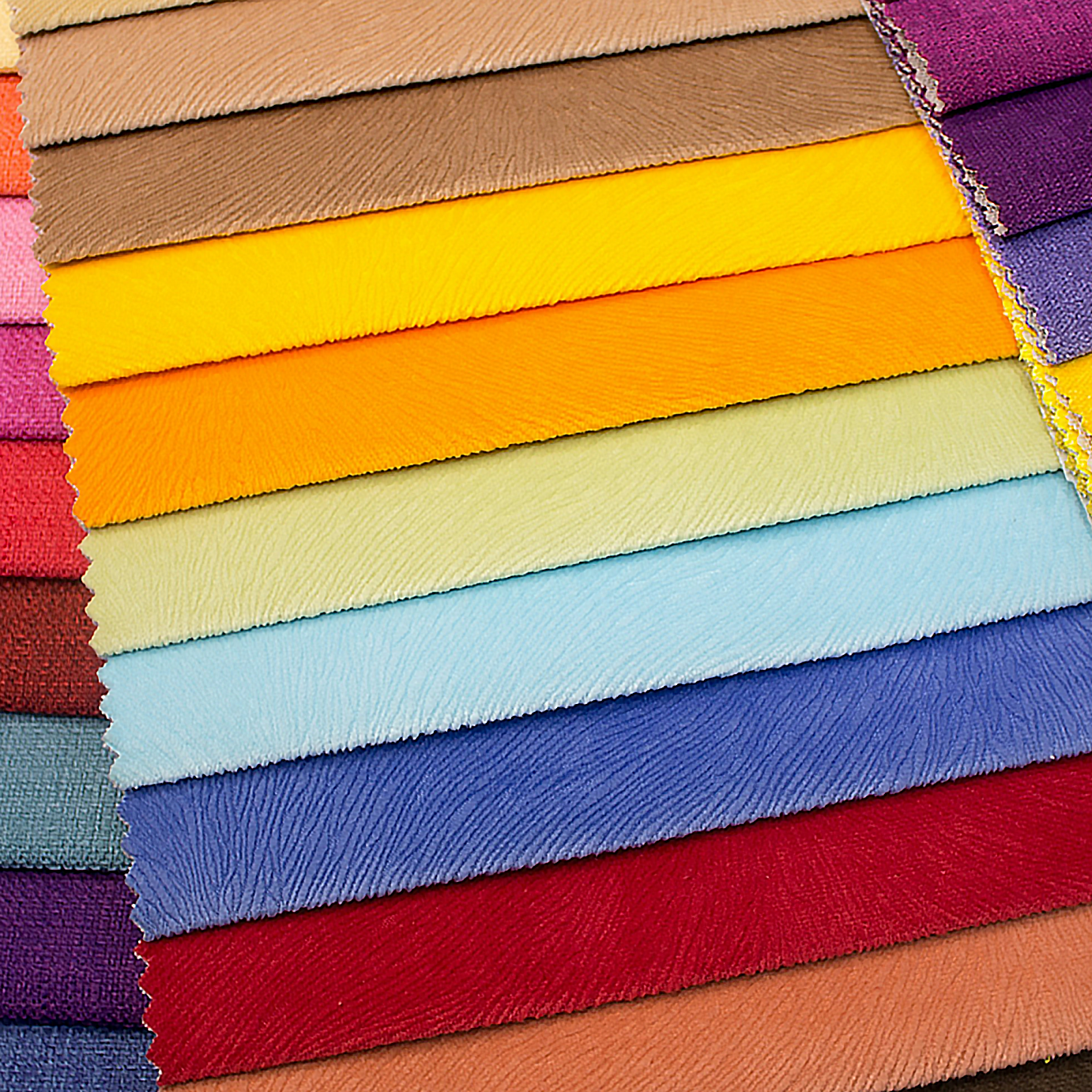
Poplin is a plain-weave fabric characterized by a fine horizontal rib created by using a higher thread count in the warp than the weft, producing a smooth, slightly lustrous surface with a crisp hand feel. The warp threads outnumber the weft threads, and that imbalance is what generates the signature fine rib texture visible on the fabric’s face. In the US market, the same construction is frequently sold under the name broadcloth, customers searching either term will find the same fabric.
Poplin typically falls in the 100 - 150 gsm range, making it a light-to-medium weight fabric well suited to structured garments that need to hold their shape without adding bulk. Zelouf carries cotton poplin fabric, 100% polyester poplin, and poly-cotton blends, including a 65/35 poly-cotton construction, so the right fiber option depends on your project’s performance and care requirements. If you are working with fabrics that require more drape or fluidity alongside your poplin pieces, our chiffon and velvet collections are useful reference points for comparison.
Poplin Fabric Properties and Characteristics
Poplin’s tight plain weave gives it a set of performance characteristics that make it one of the most versatile shirting and dress fabrics available. Understanding those characteristics before you cut is the right call for avoiding fit or construction problems downstream.
Non-stretch poplin is crisp, holds its shape reliably, and is easier to cut and sew with standard patterns. It suits structured garments where the fabric needs to maintain a precise silhouette. Stretch poplin contains elastane or spandex, typically 3 - 5% - which adds recovery and ease of movement without sacrificing the smooth surface. Zelouf carries both stretch and non-stretch variants, including cotton spandex constructions in the stretch range.
Cotton poplin breathes well and takes dye evenly, resulting in strong color fastness across a wide color palette. Polyester and poly-cotton poplin offer enhanced wrinkle resistance and faster drying time compared to 100% cotton, which is practical for uniforms and event applications where pressed appearance matters. The TAE Double Poplin carries a heavier hand and more body than standard poplin, making it the right call for structured outerwear or home décor projects that need additional weight.
What Is Poplin Fabric Used For?
Poplin’s smooth surface and stable weave make it a go-to choice across apparel, quilting, and home décor applications. The fabric’s color fastness and crispness are the properties that drive its use across such a wide range of project types.
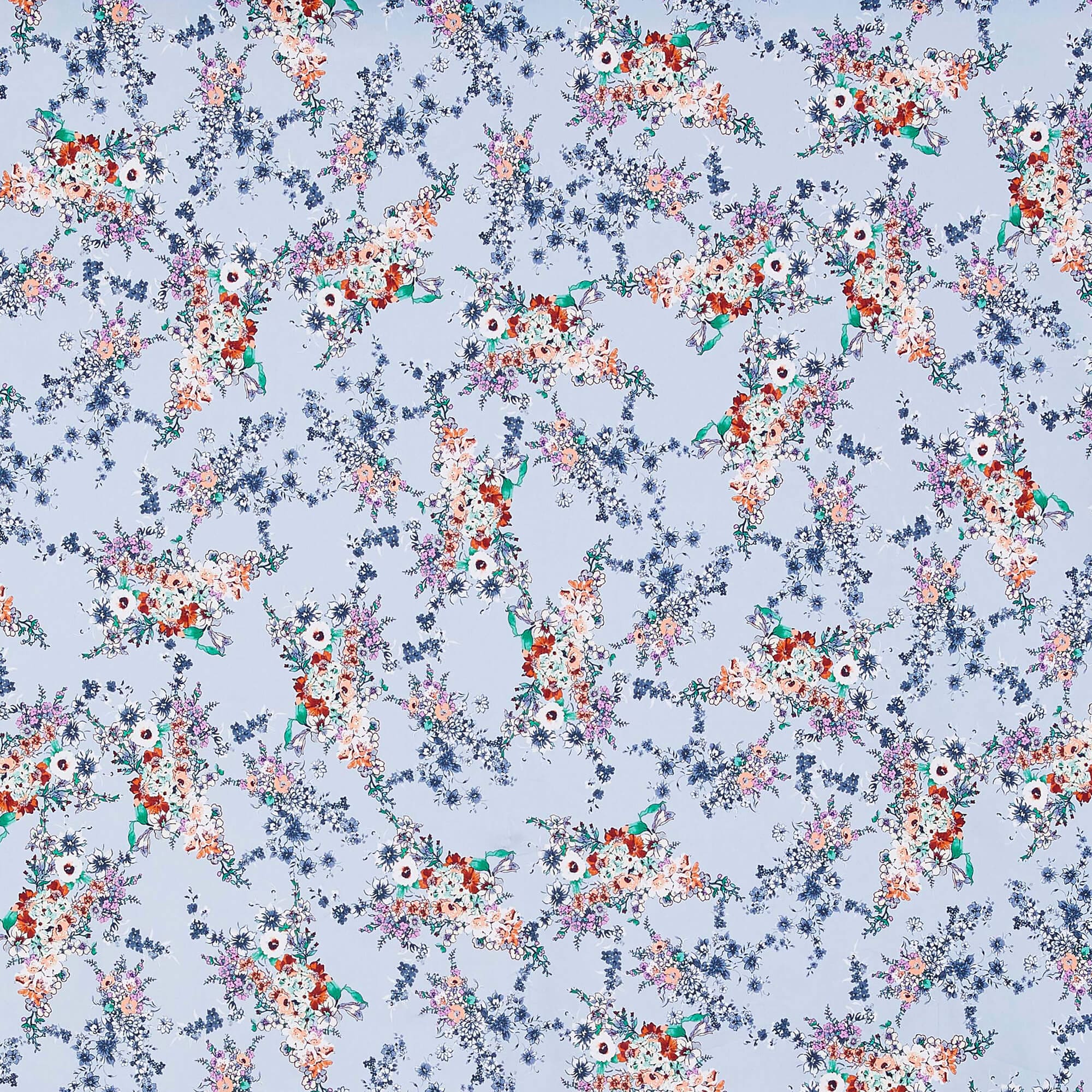
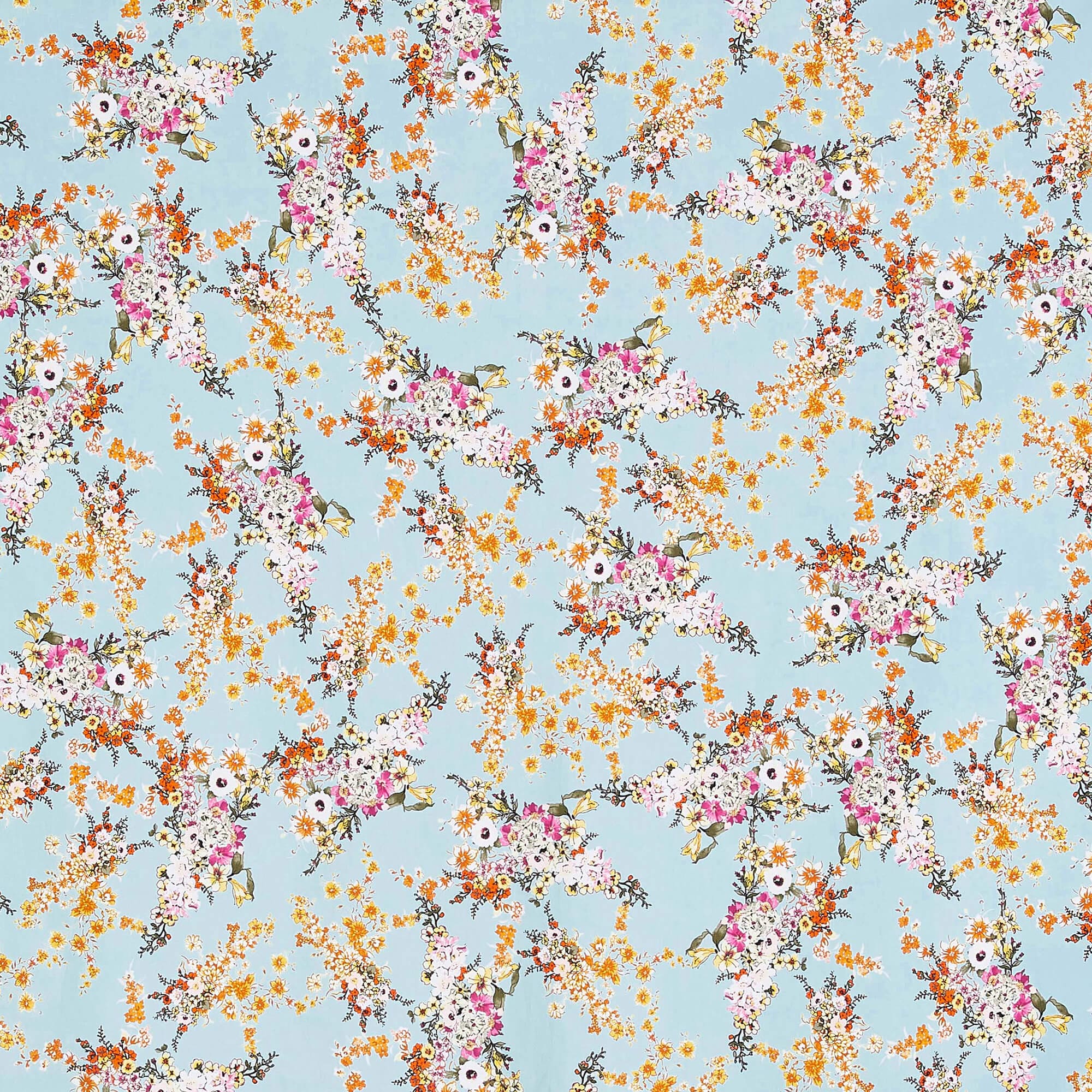
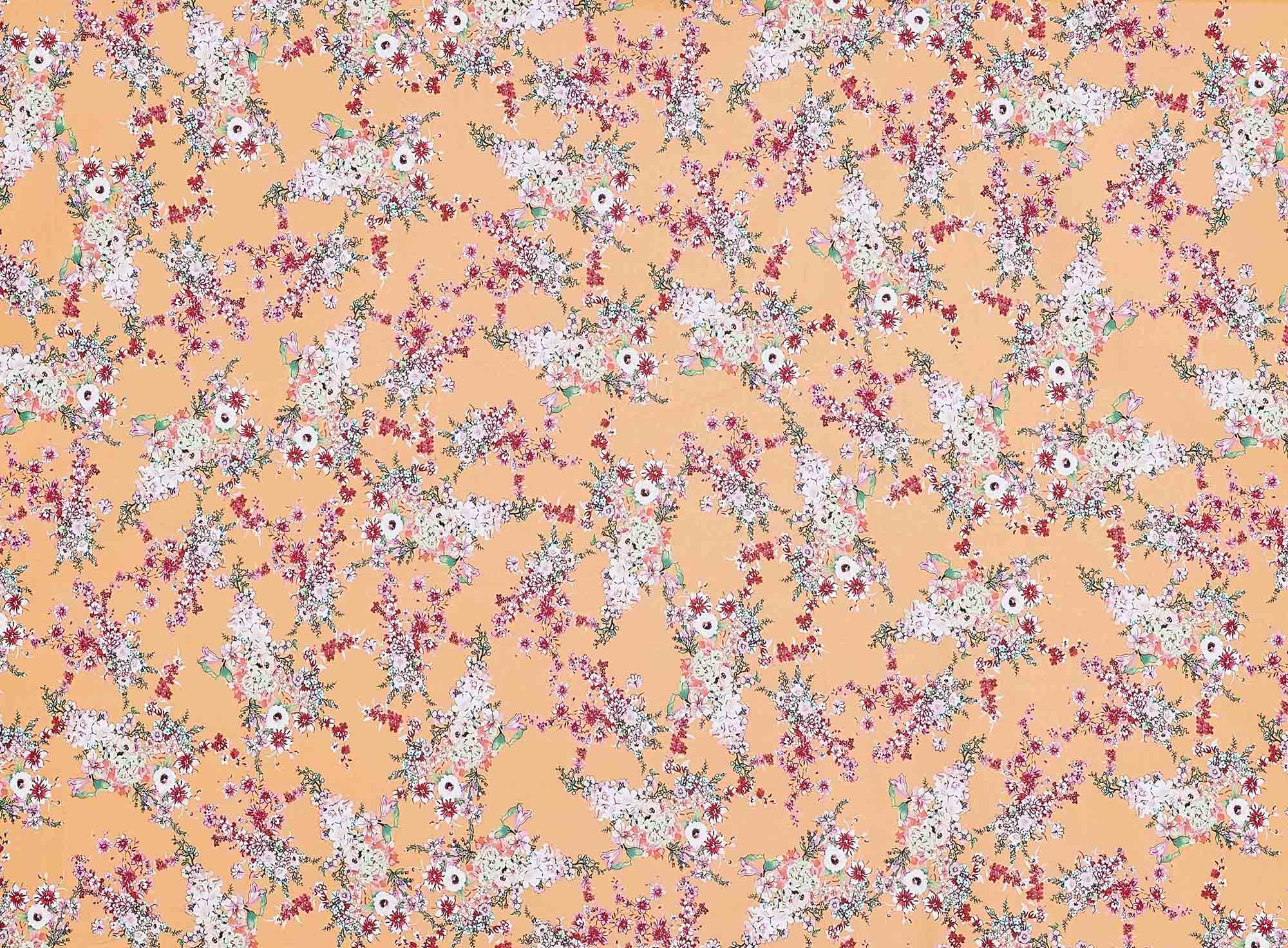
In apparel, dress shirts and blouses represent poplin’s original and most common application. Tailored dresses, A-line skirts, children’s clothing, and uniforms all benefit from the fabric’s structure and durability. Printed stretch poplin, including styles like the DOUBLE BORDER MOTIF PRINT ON COTTON STRETCH POPLIN is widely used for fashion-forward blouses, wrap dresses, and fitted summer garments. Embroidered and eyelet cotton poplin styles, such as the BETSY FLORAL EMBROIDERED POPLIN and the SUNSHINE STRIPE EMBROIDERED EYELET COTTON, are a common choice for occasion wear, bridal separates, and resort fashion.
For home décor, lightweight poplin works well for pillow covers, lightweight curtains, and craft projects. Event planners sourcing fabric by the yard will find solid and printed poplin practical for table runners, chair sashes, and decorative backdrops, applications that call for consistent colorfastness across larger yardage orders.
Stretch vs. Non-Stretch Poplin
Choosing between stretch and non-stretch poplin comes down to the garment’s fit requirements and construction method. Both share the same plain-weave base and smooth hand; the difference is in how the finished garment moves with the body.
Non-stretch poplin is the right call for structured garments, dress shirts, A-line skirts, uniforms, where the fabric needs to hold a precise shape. Standard pattern cutting and seam allowance calculations apply without adjustment. Stretch poplin contains elastane or spandex for 2-way stretch, making it suited to fitted bodices, slim-cut trousers, and styles where ease of movement is a priority. Patterns drafted for stretch fabrics are recommended, and seam finishing should account for the fabric’s recovery.
Zelouf’s stretch poplin prints suit fashion-forward fitted garments, while non-stretch prints are a strong pick for structured or quilted applications.
How to Sew and Care for Poplin Fabric
Poplin is a beginner-friendly fabric to sew, but a few preparation steps will ensure the best results. Pre-wash cotton poplin before cutting to account for up to 3 - 5% shrinkage. Polyester and poly-cotton blends shrink minimally and can generally be cut without pre-washing, though checking the product page for fiber-specific guidance is always advisable.
For non-stretch poplin, use a universal needle in size 70/10 or 80/12 with a straight stitch at 2.0 - 2.5mm. Switch to a ballpoint or stretch needle (size 75/11) for stretch poplin and use a narrow zigzag or stretch stitch to preserve seam elasticity. French seams and clean seam finishing work well with both constructions given poplin’s tightly woven structure.
For care, machine wash in cold or warm water and tumble dry on low or hang dry. Iron on medium heat at the cotton setting while slightly damp for a crisp finish. Polyester poplin is more wrinkle-resistant and may not require ironing after washing. Always check the individual product page for fiber-specific care instructions before laundering.
Why Buy Poplin Fabric from Zelouf?
Zelouf Fabrics has supplied poplin fabric to fashion designers, dressmakers, event planners, and home sewers for three generations. The collection spans stretch, non-stretch, printed, solid, embroidered, and eyelet constructions, all sold by the yard with a $20 minimum order and free shipping on orders over $99. Wholesale pricing is accessible to both trade professionals and individual sewers, with no large minimums required.
Order a swatch before committing to yardage for color-critical projects.
Frequently Asked Questions about Poplin Fabric
What is the difference between poplin and broadcloth?
There is none in construction. Poplin is a plain-weave fabric with a fine horizontal rib, created by using more warp threads than weft threads. In the US market the same fabric is often sold as broadcloth, so searching either term will bring up the same fabric.
Should I choose stretch or non-stretch poplin?
It depends on the fit you need. Non-stretch poplin is crisp and holds a precise shape, which suits dress shirts, A-line skirts and uniforms. Stretch poplin contains 3-5% elastane or spandex for 2-way stretch, which suits fitted bodices and slim-cut trousers where ease of movement matters.
Do I need to pre-wash poplin before sewing?
Pre-wash cotton poplin before cutting, as it can shrink up to 3-5%. Polyester and poly-cotton blends shrink minimally and can generally be cut without pre-washing, though it’s worth checking the product page for fiber-specific guidance.
What needle and stitch should I use for poplin?
For non-stretch poplin, use a universal needle in size 70/10 or 80/12 with a straight stitch at 2.0-2.5mm. For stretch poplin, switch to a ballpoint or stretch needle (size 75/11) with a narrow zigzag or stretch stitch to preserve seam elasticity.
How do I care for poplin fabric?
Machine wash in cold or warm water, then tumble dry on low or hang dry. For a crisp finish, iron on medium heat at the cotton setting while the fabric is still slightly damp. Polyester poplin is more wrinkle-resistant and may not need ironing, so always check the product page for fiber-specific care instructions.