

Why Printed Charmeuse Fabric Looks Different from Other Prints
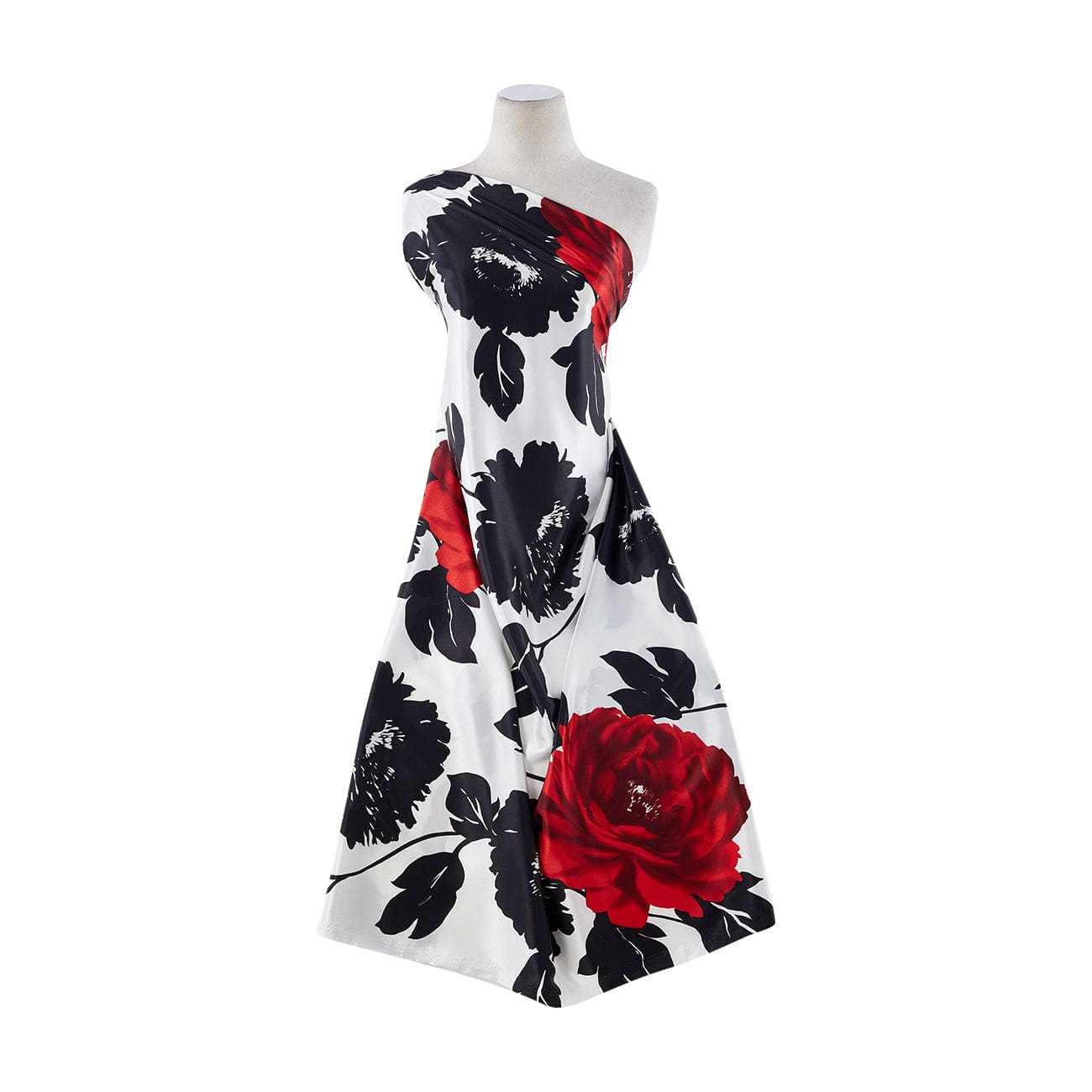
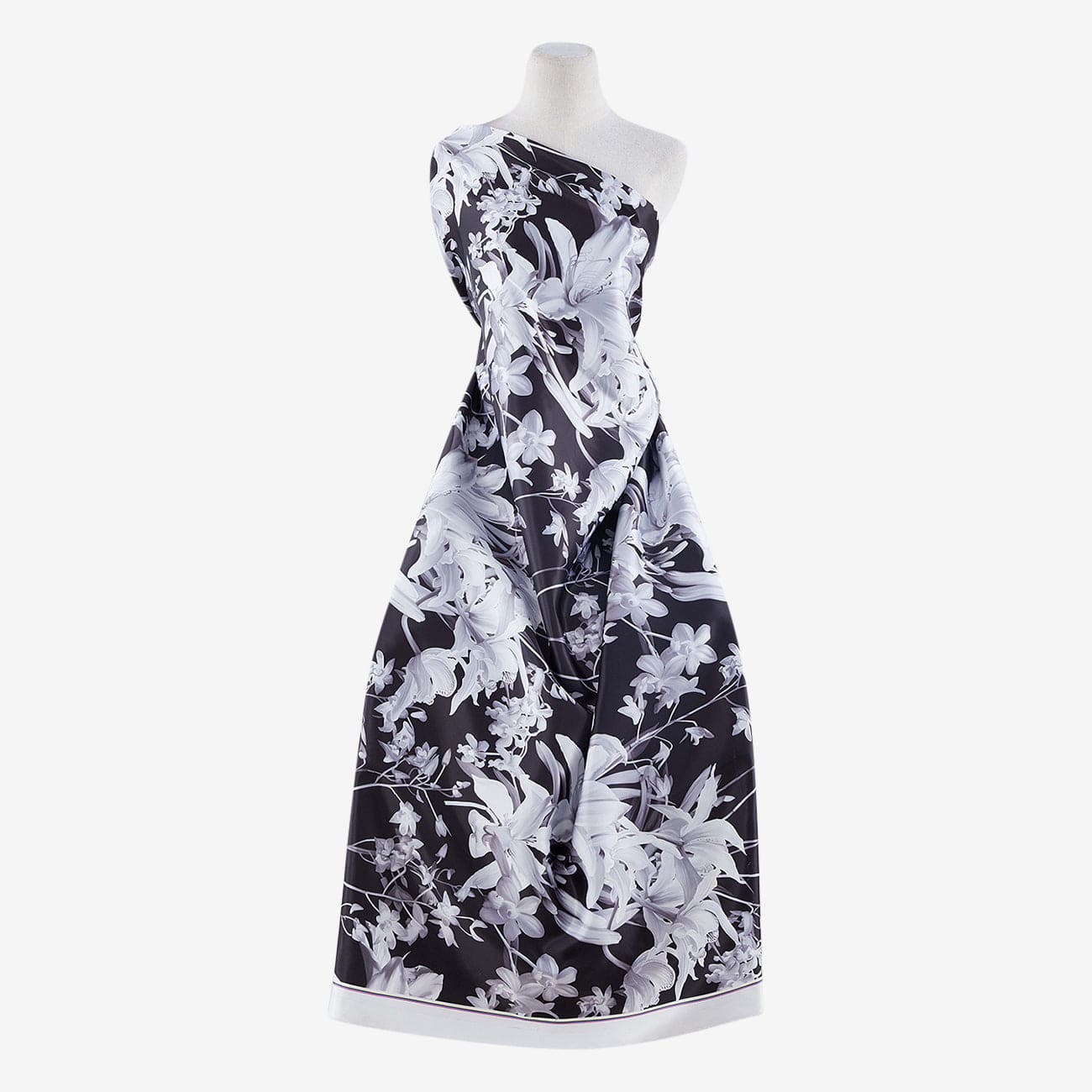
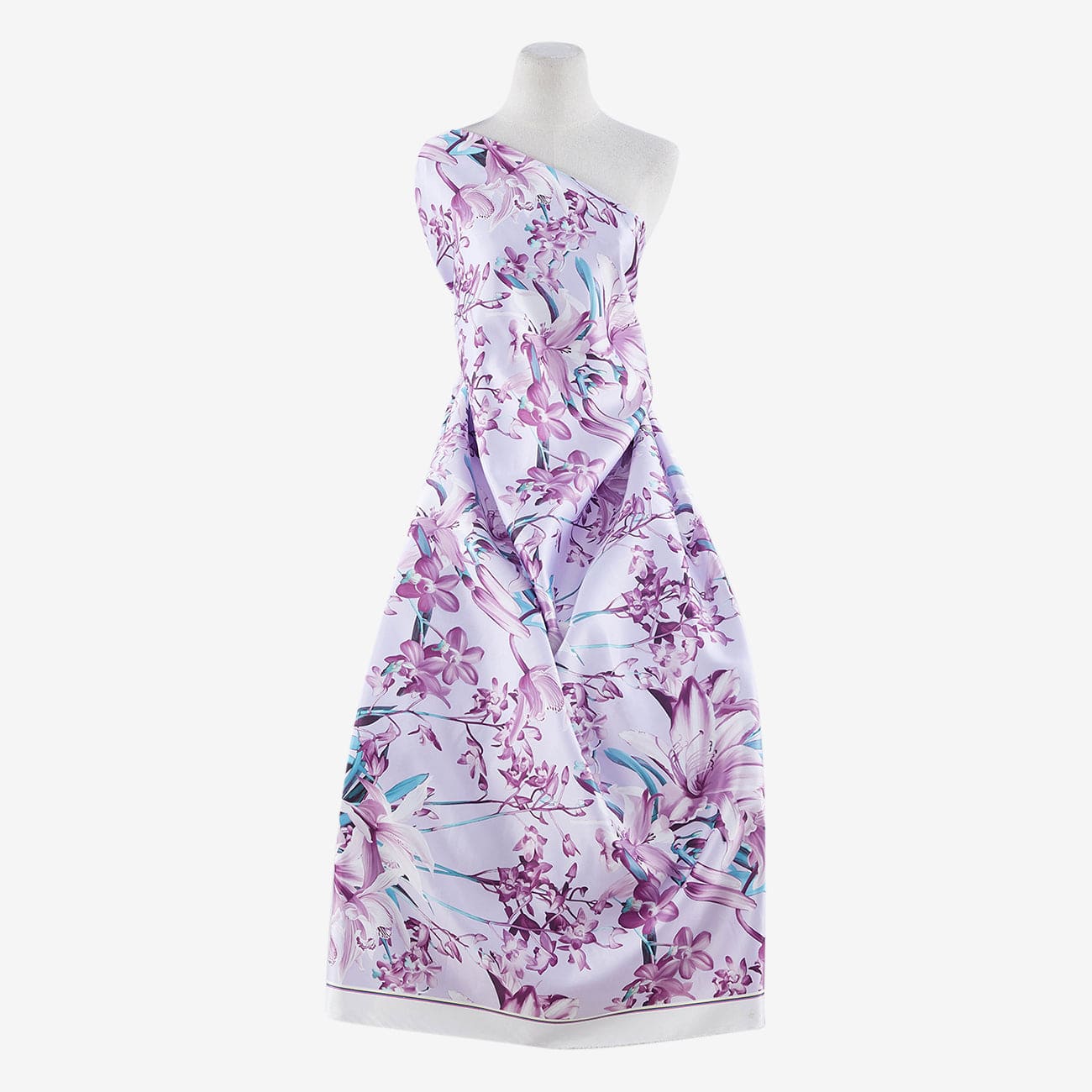
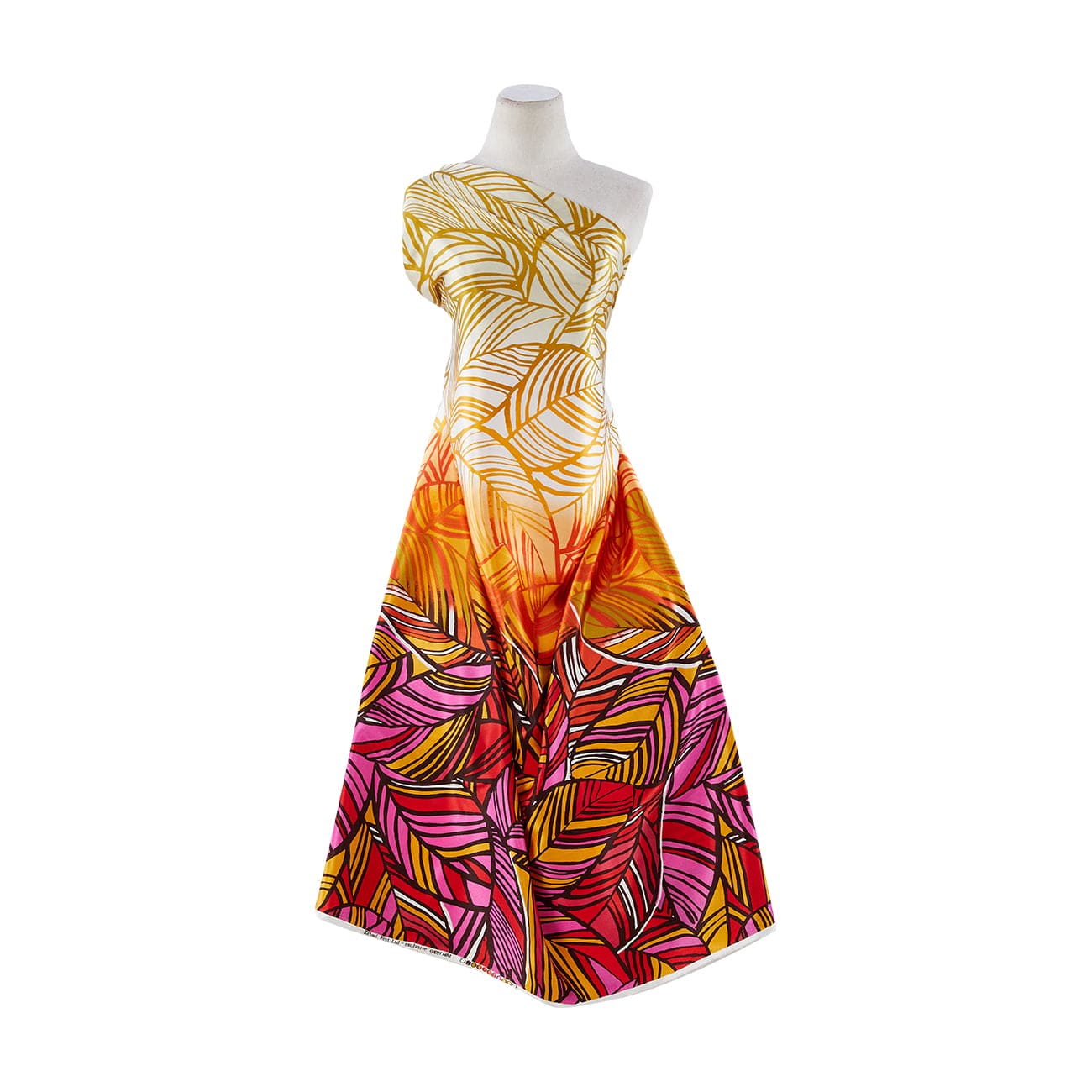
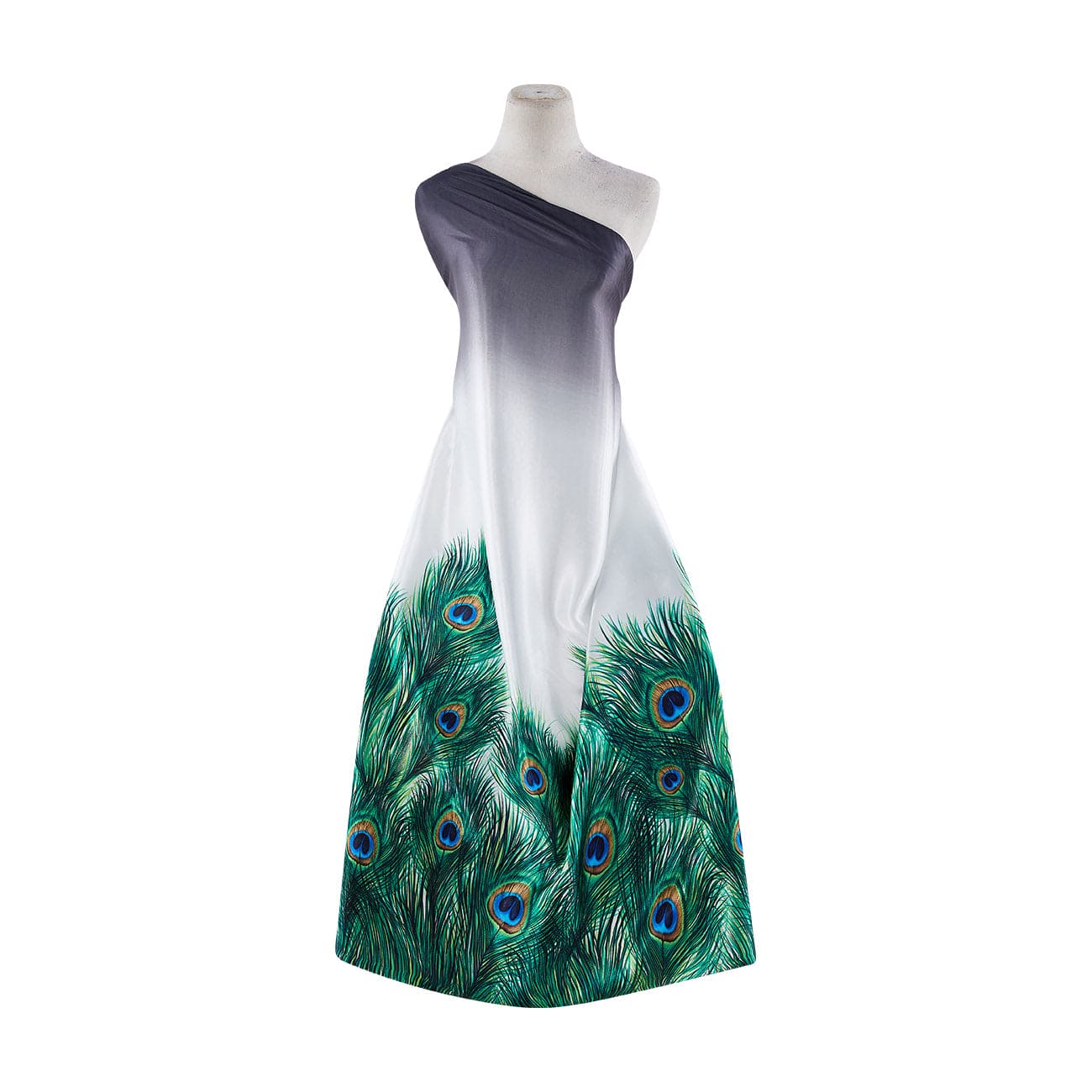
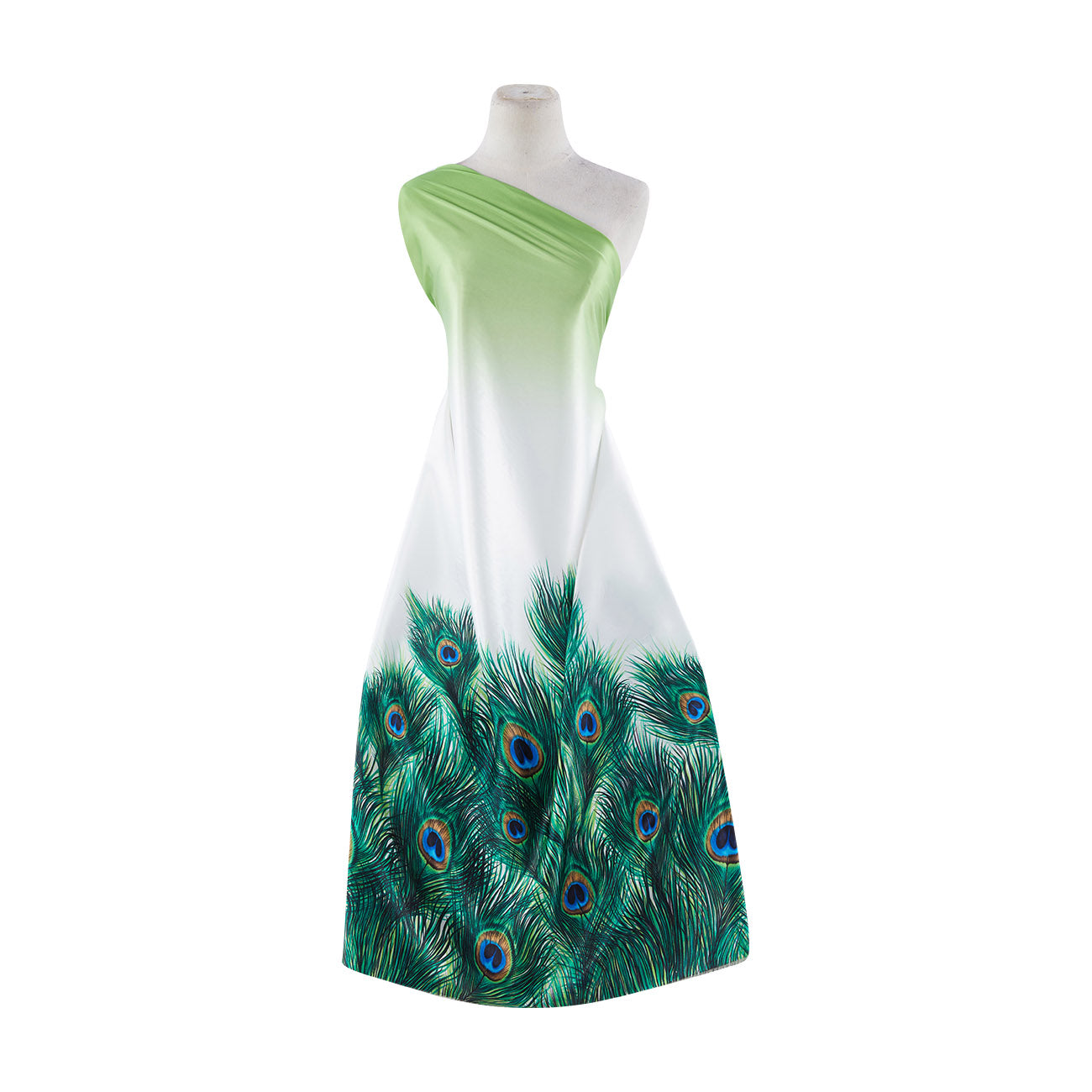
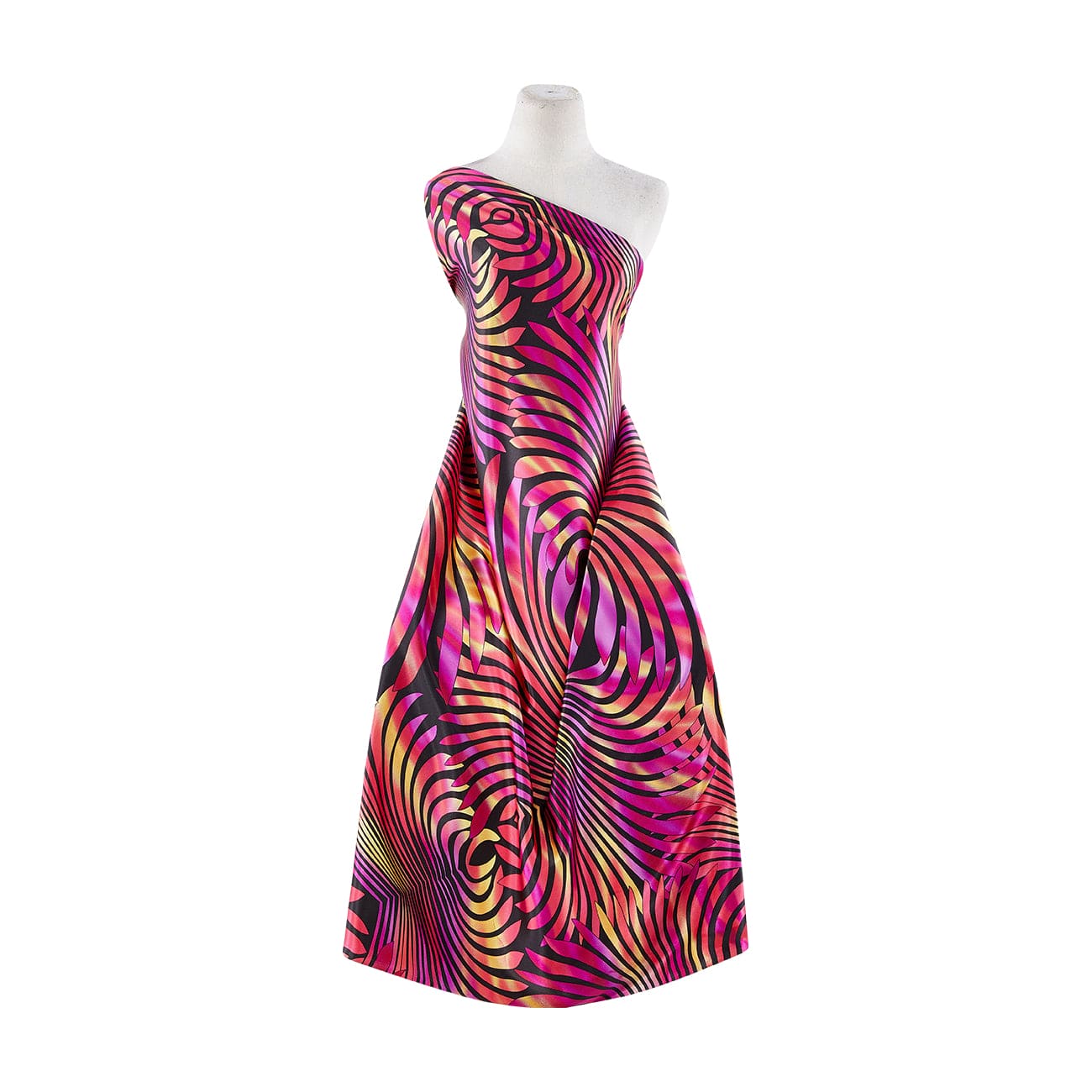
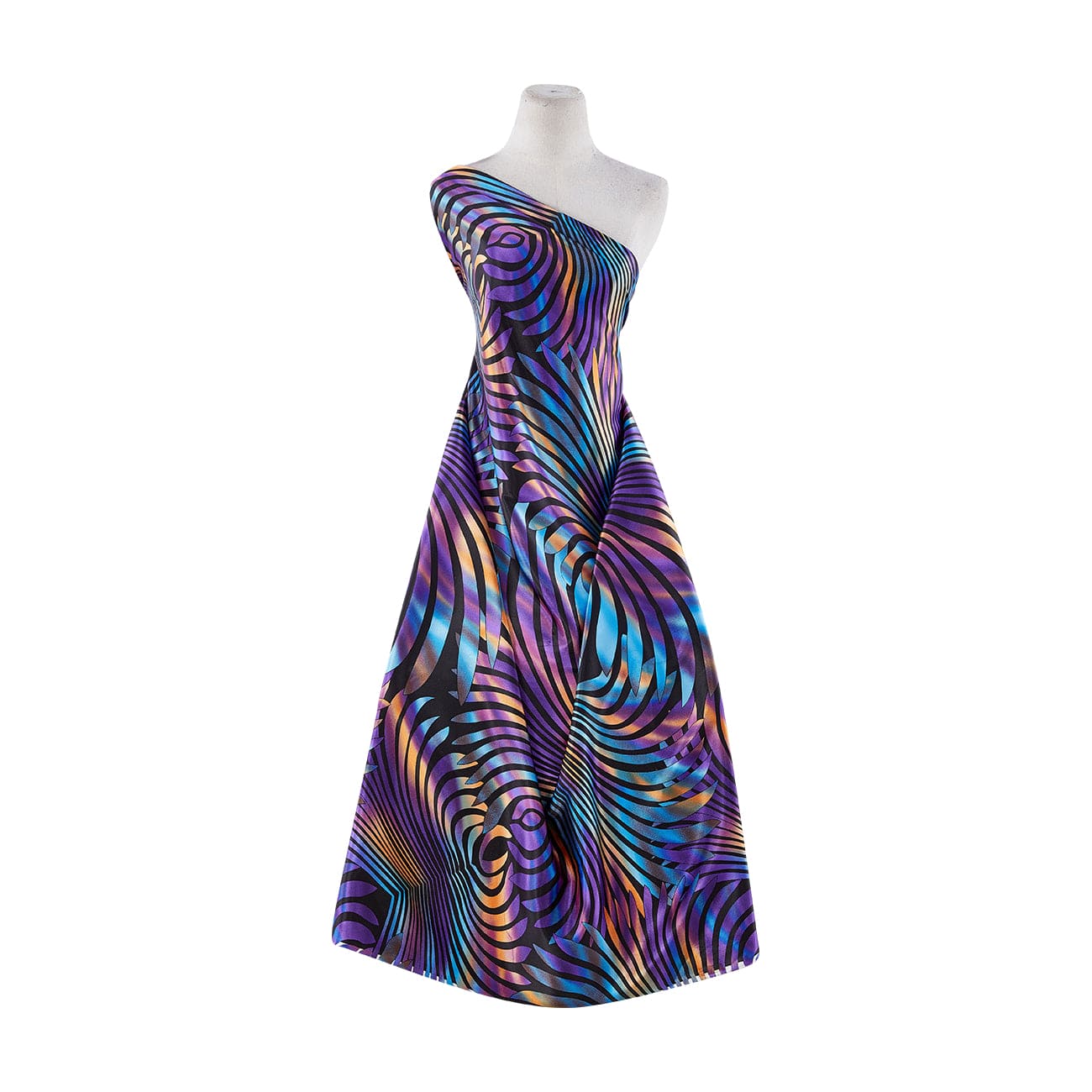
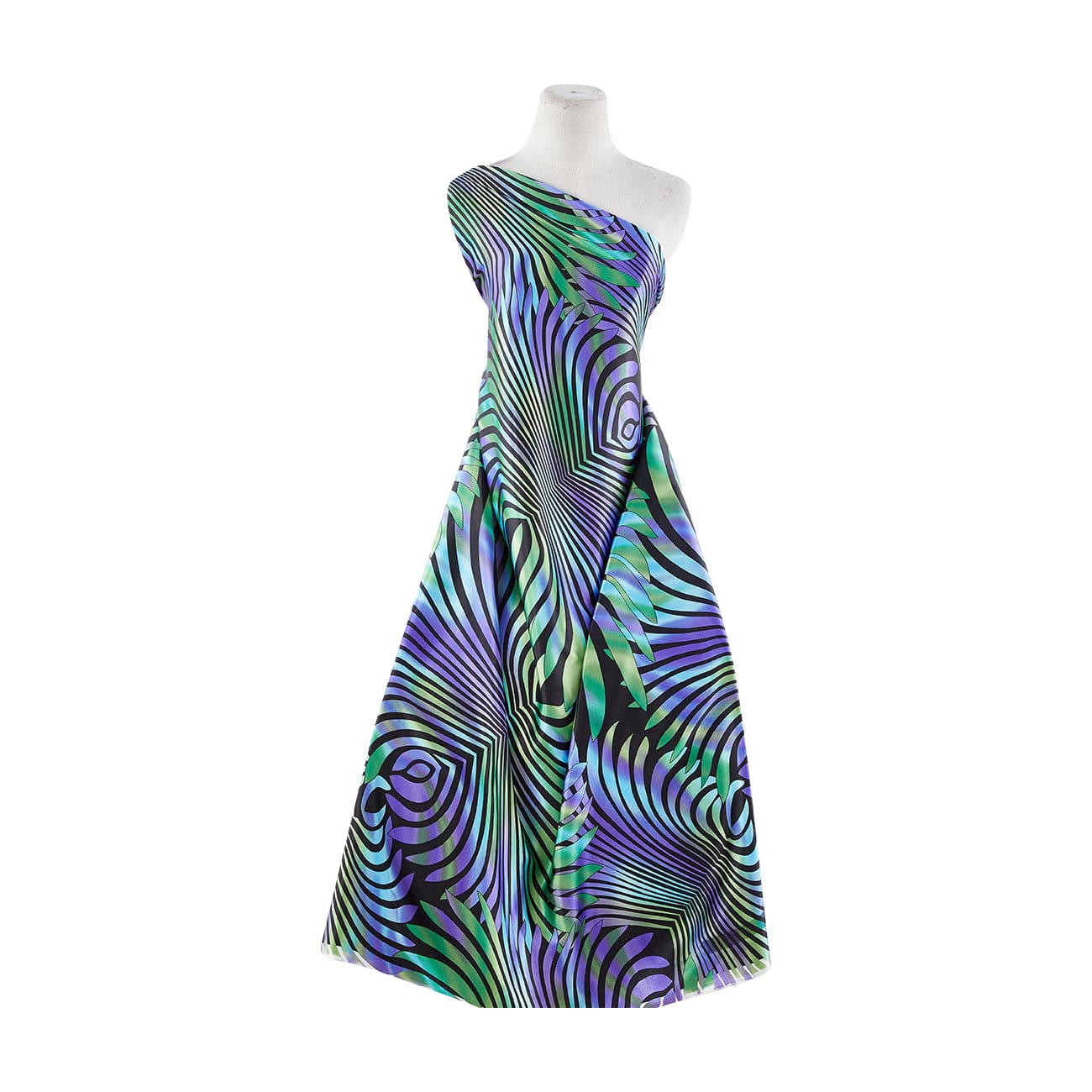
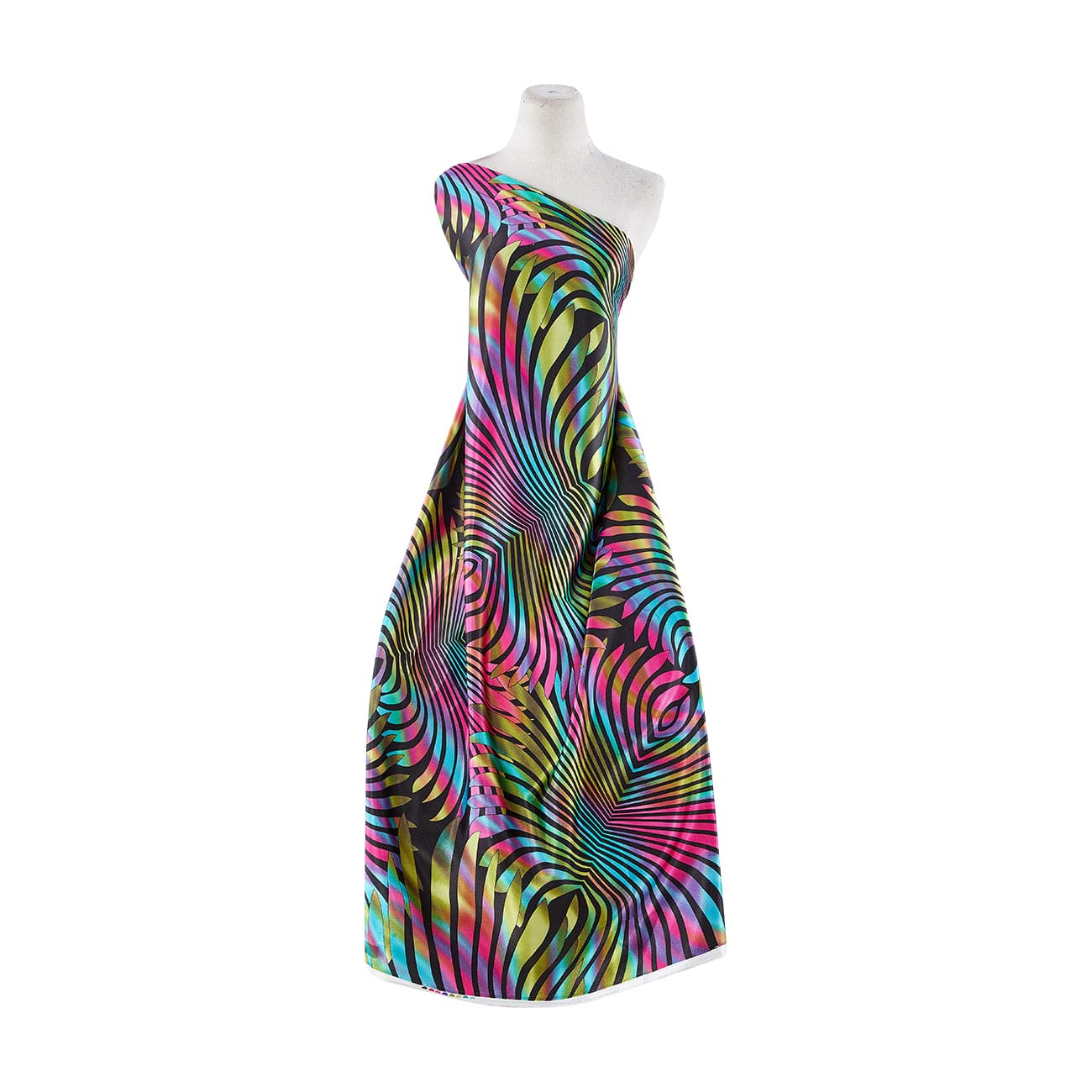
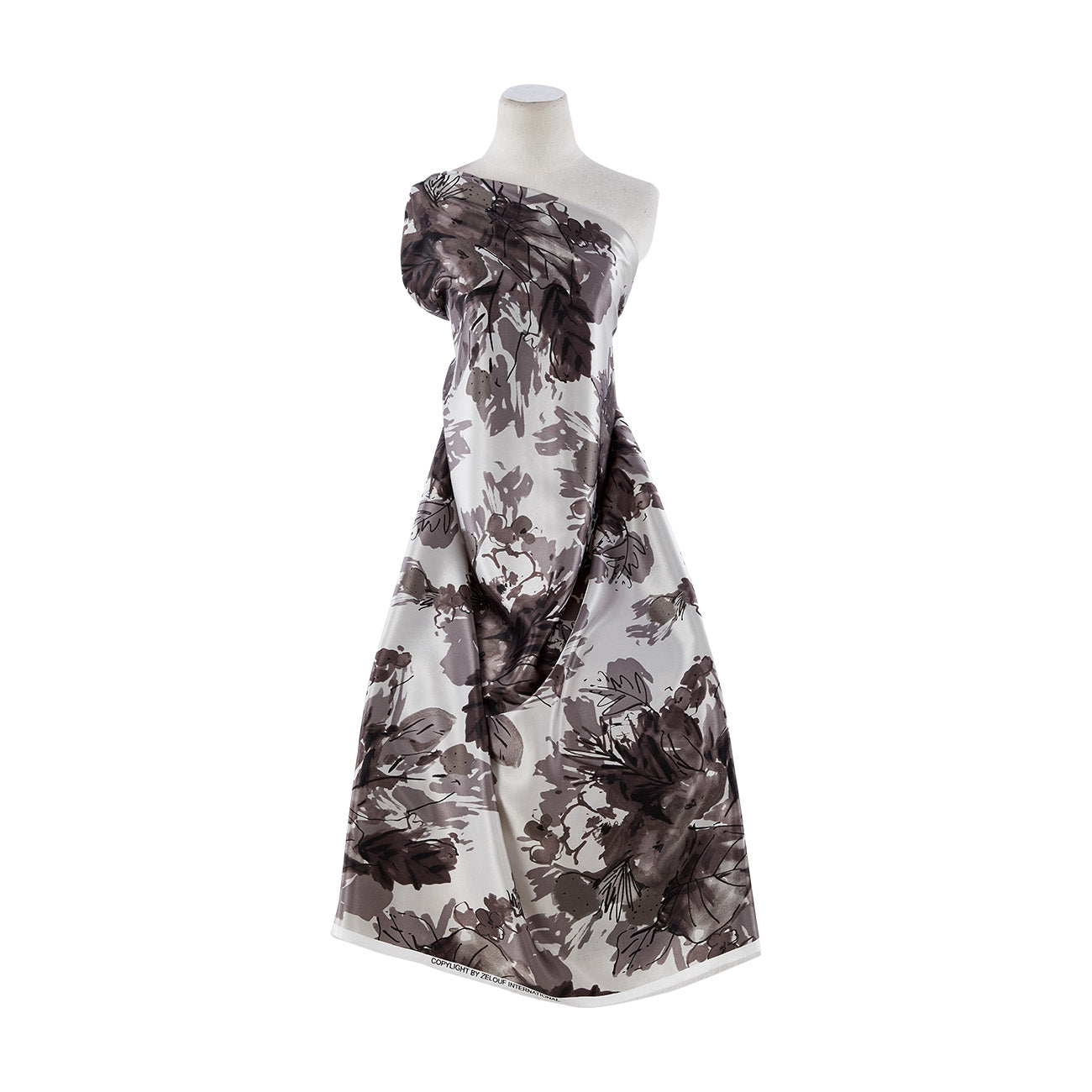
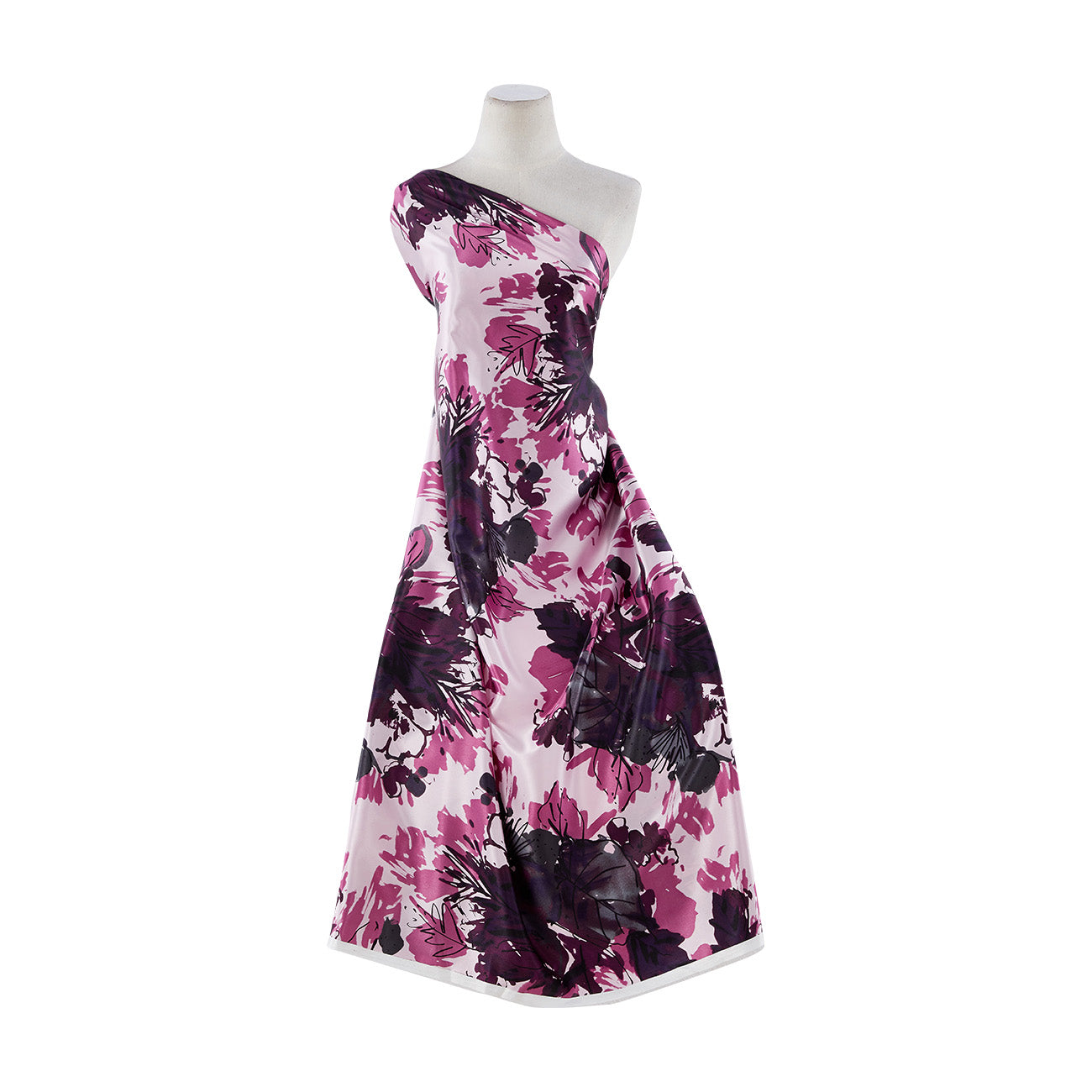
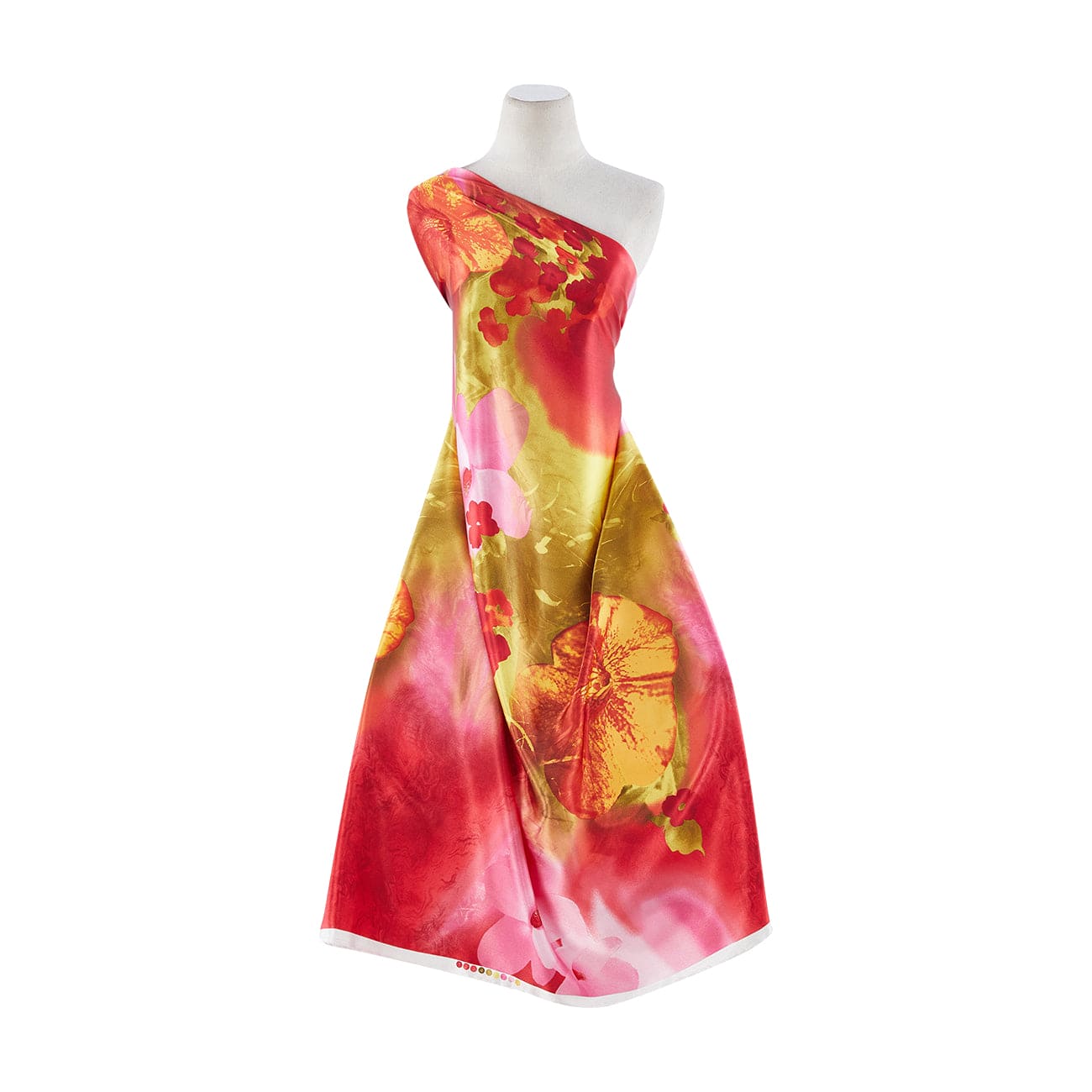
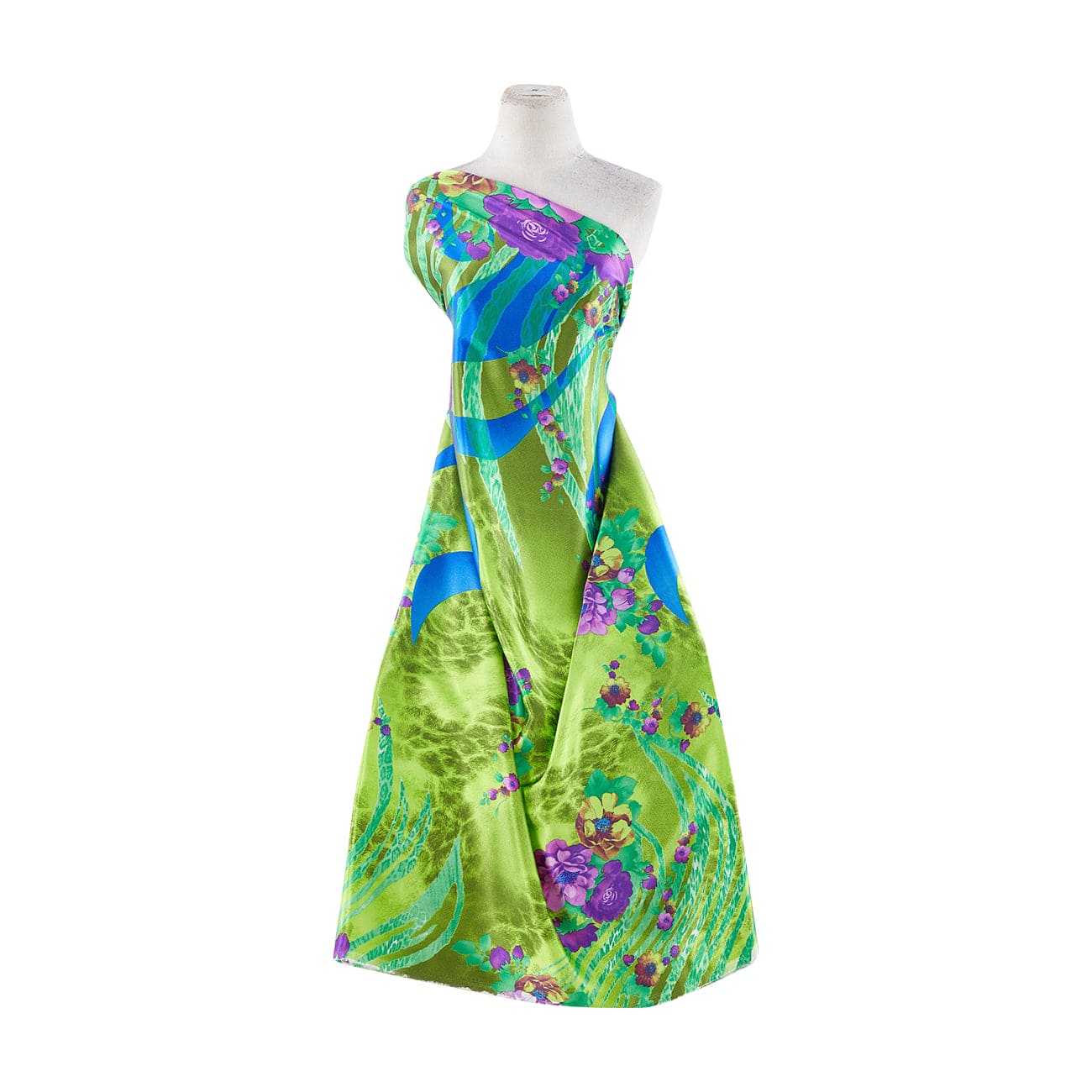
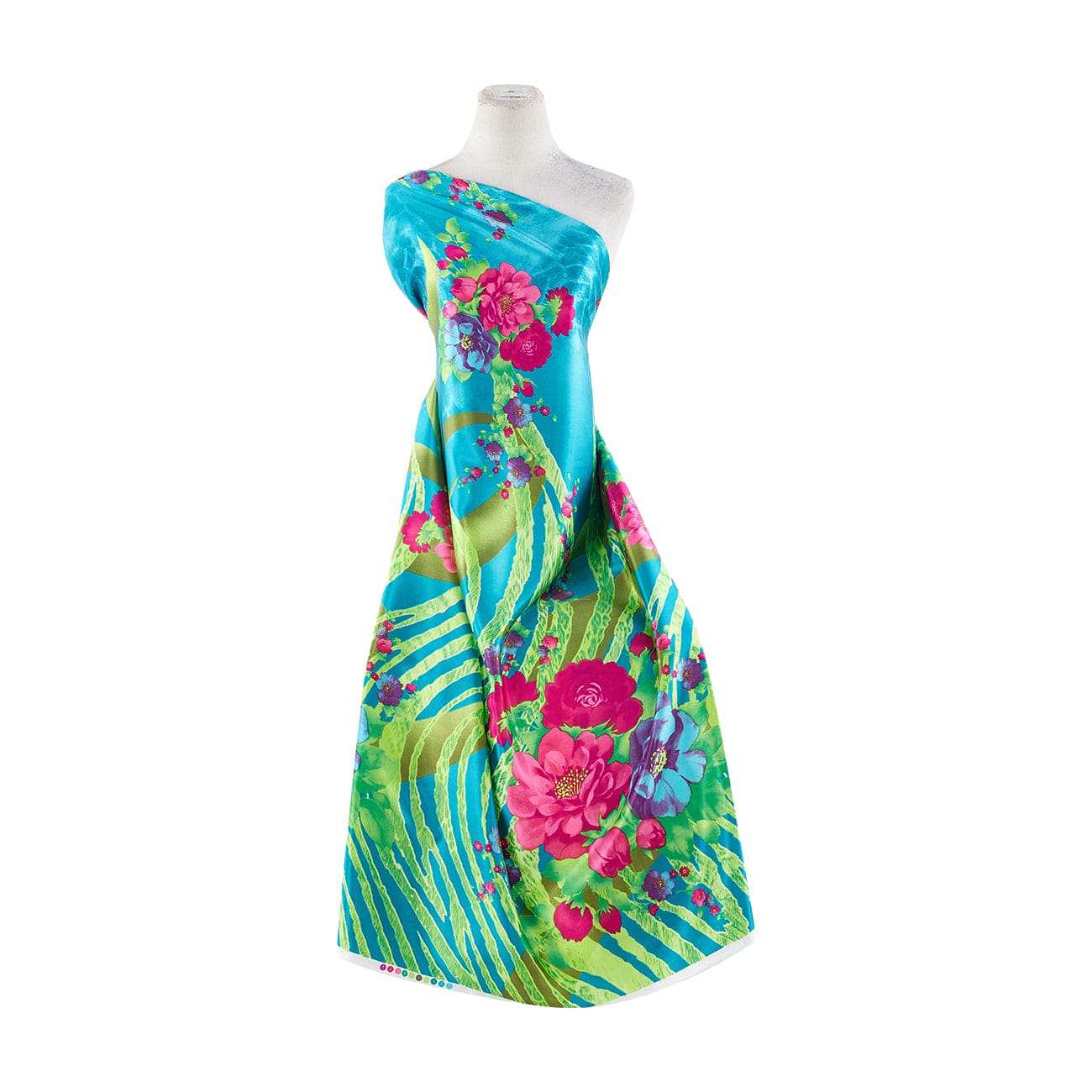
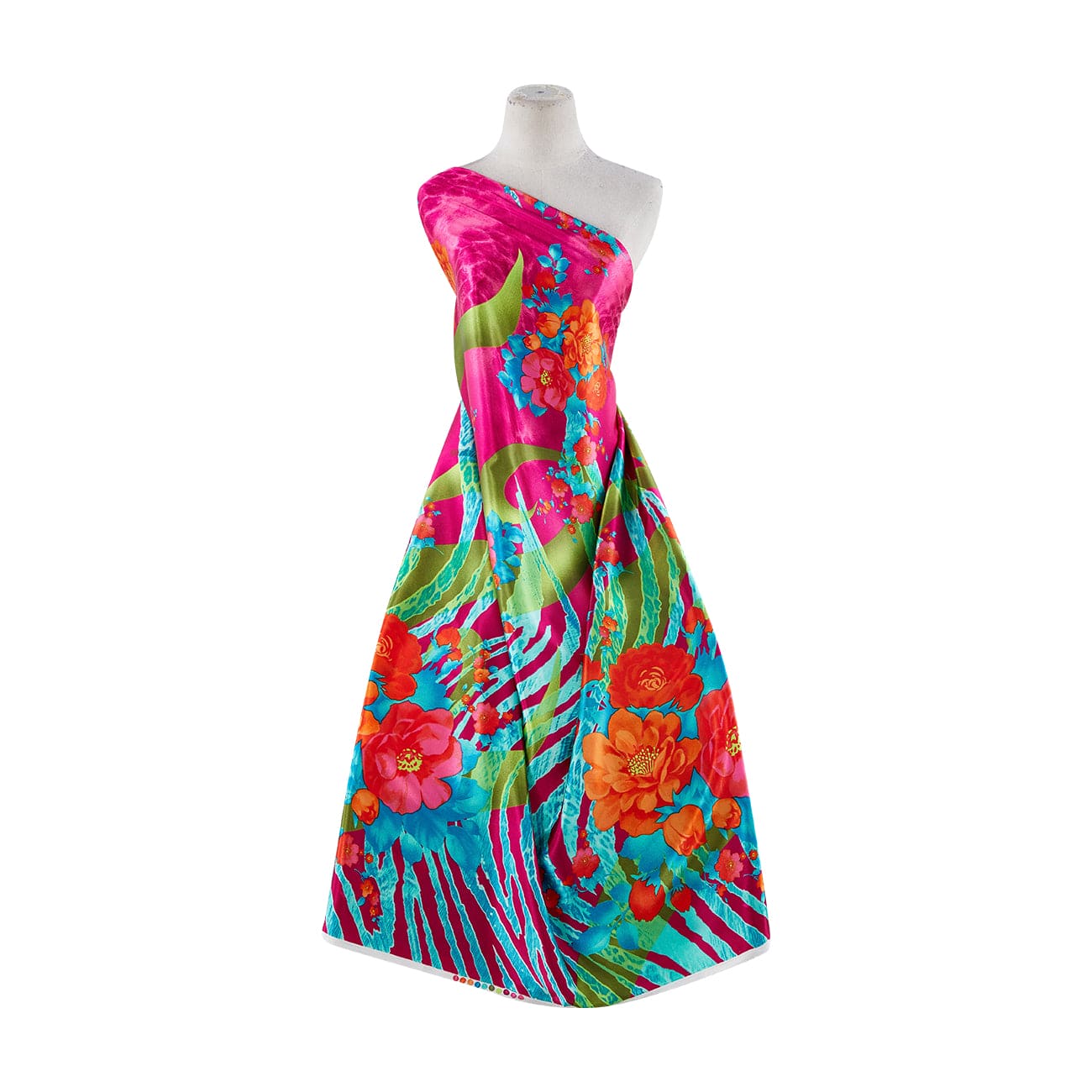
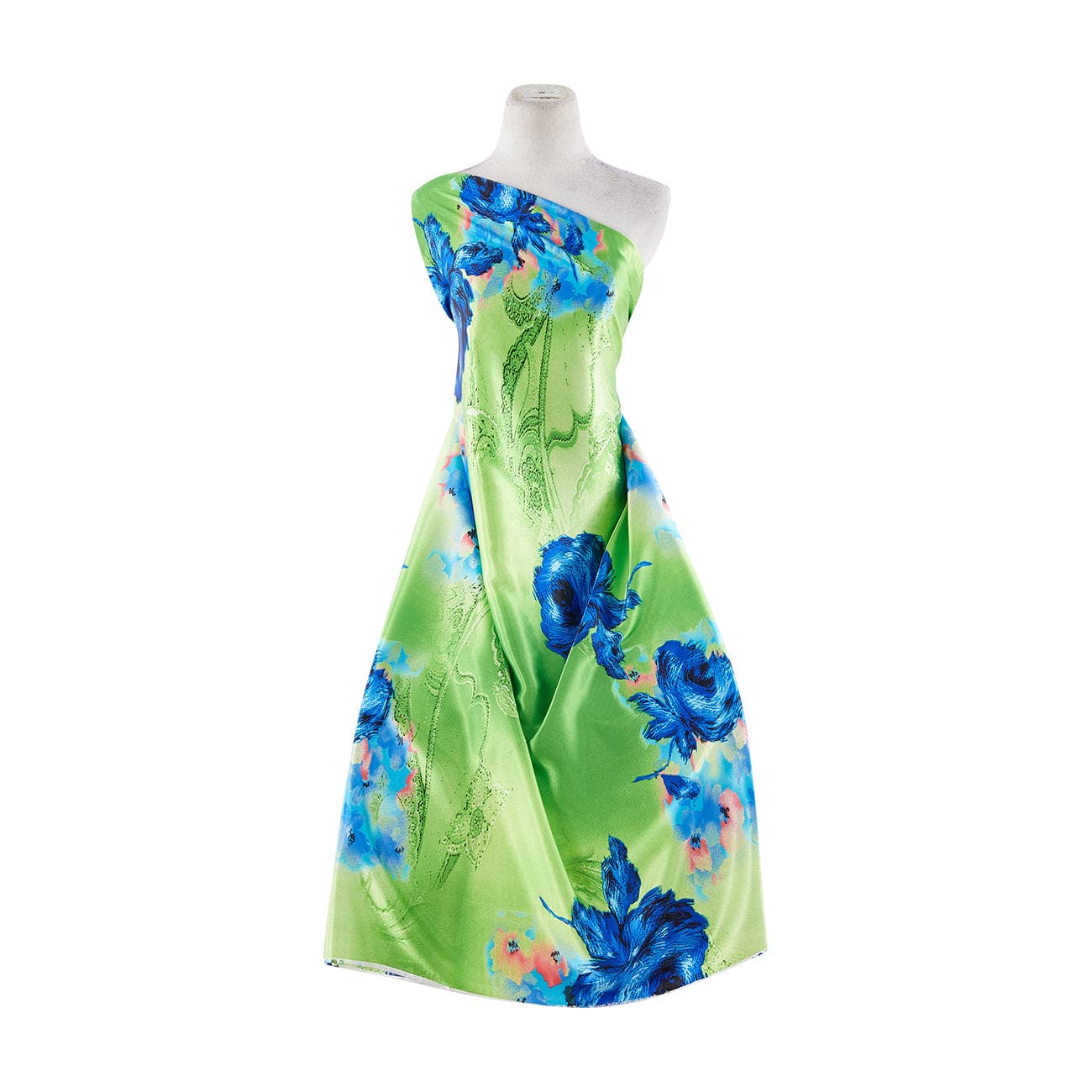
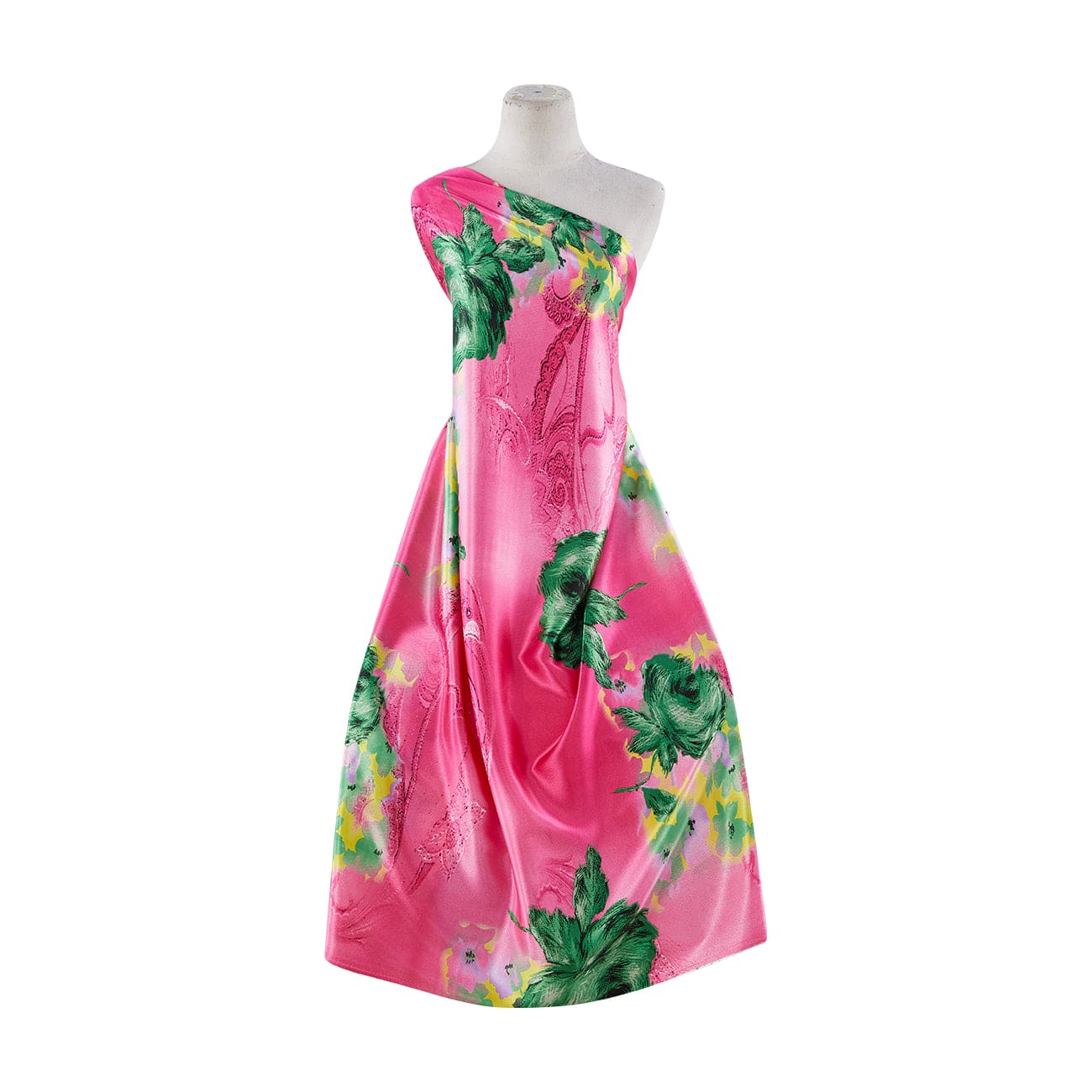
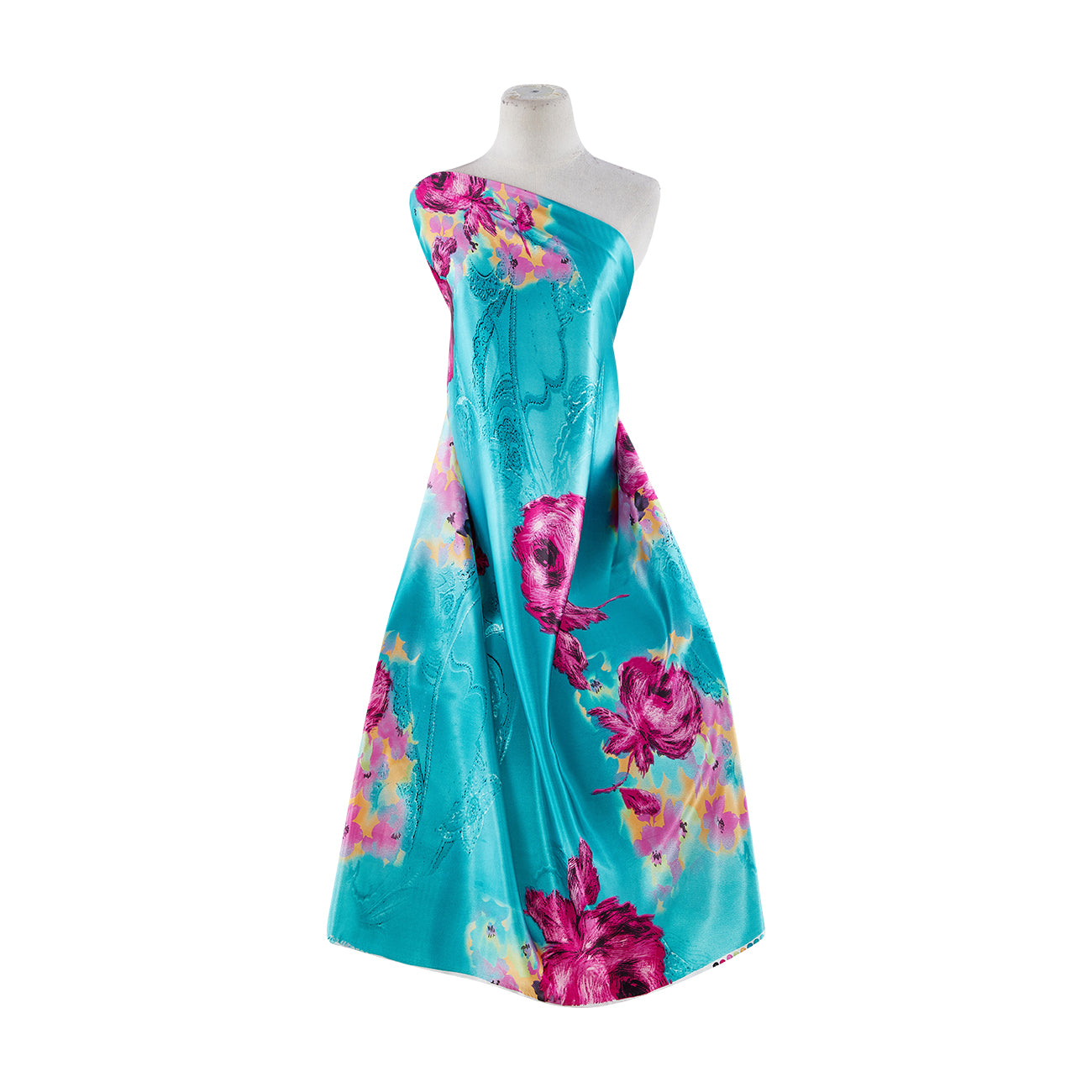
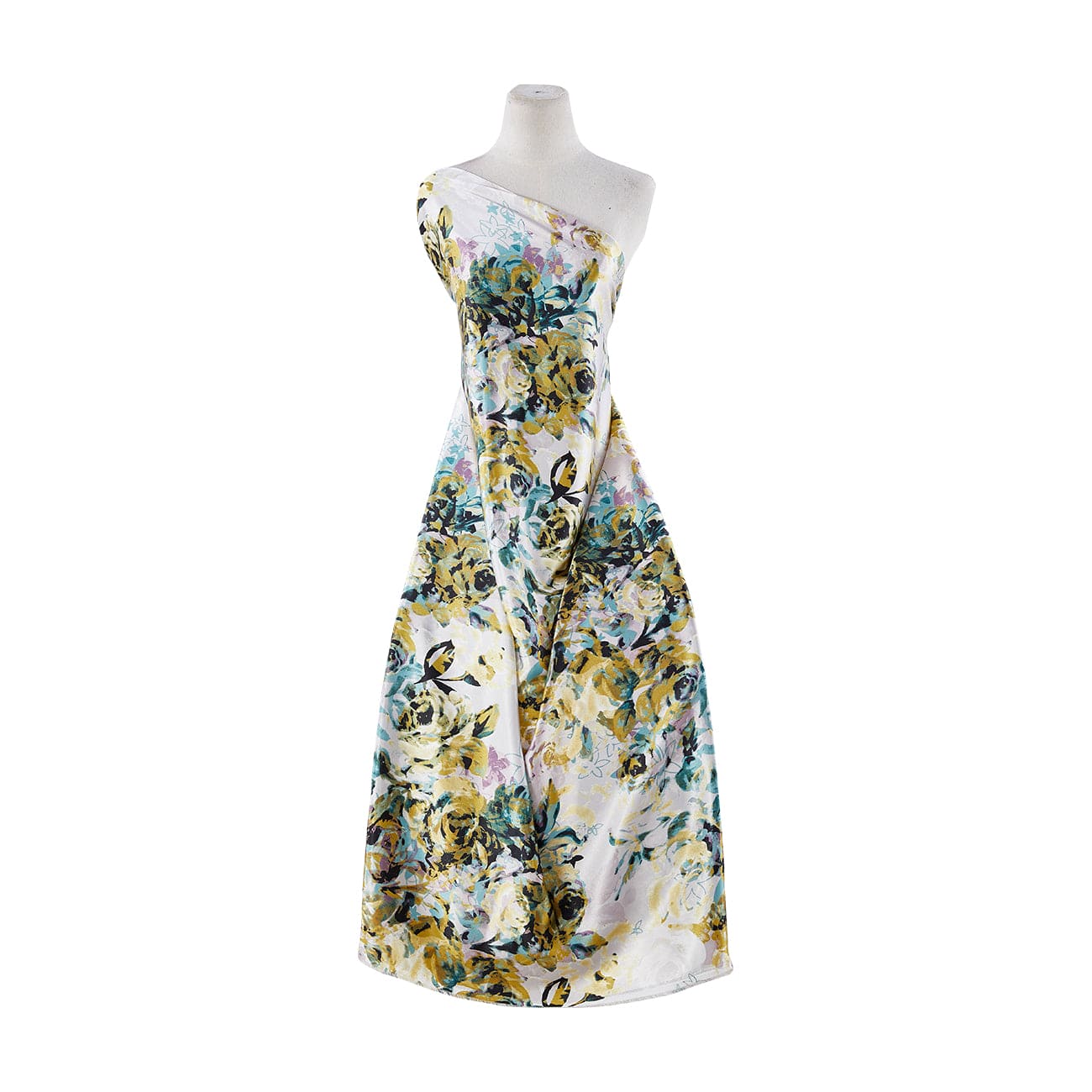
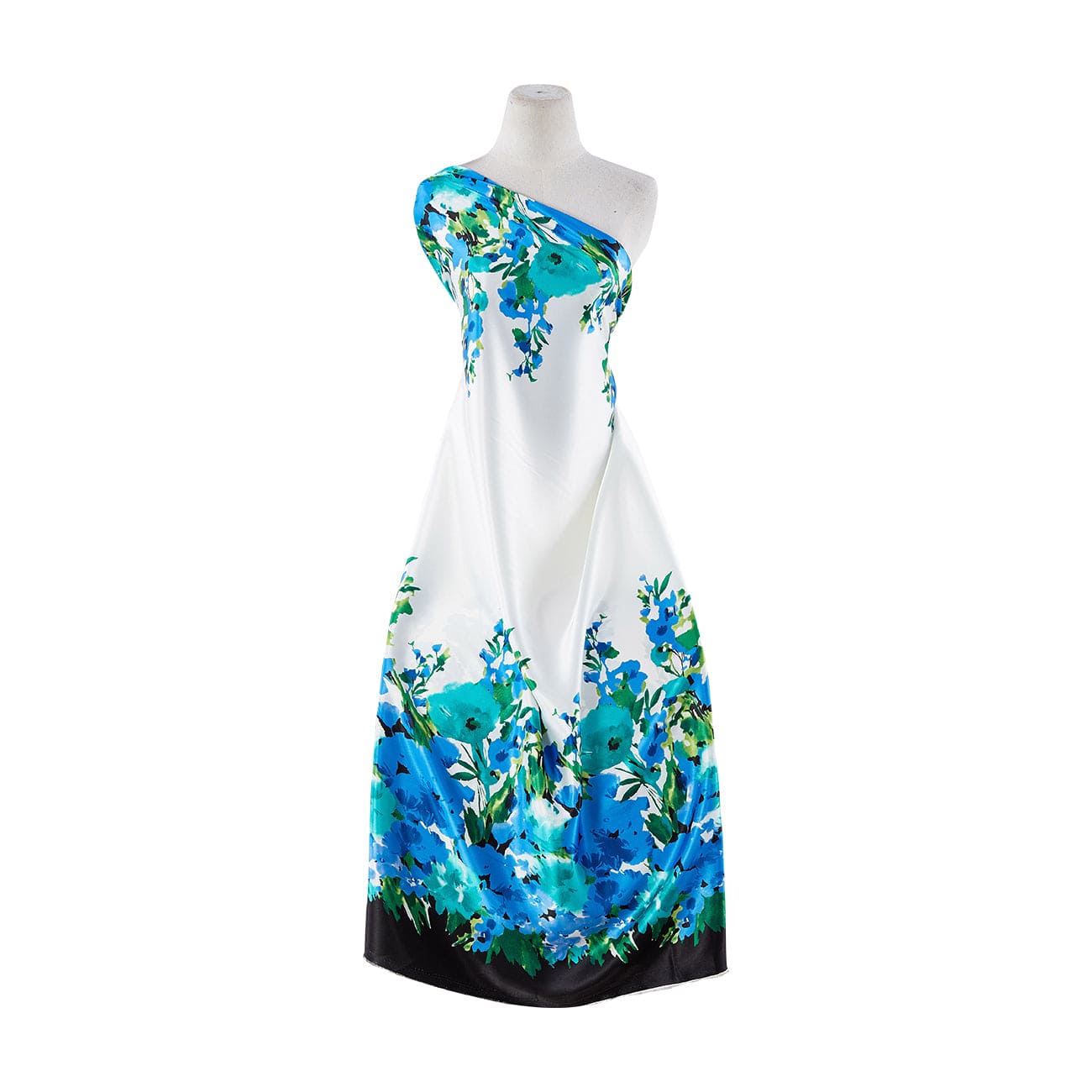
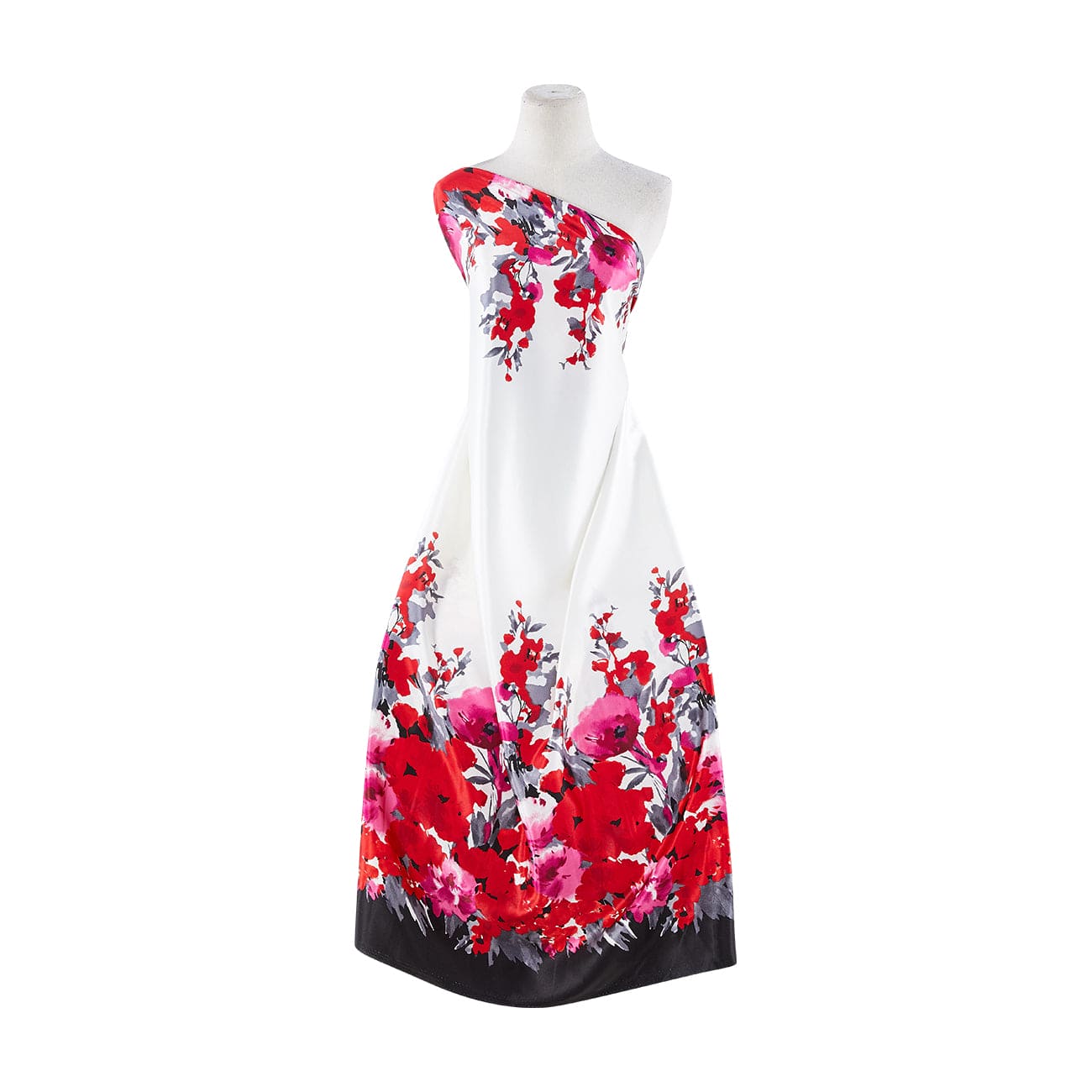
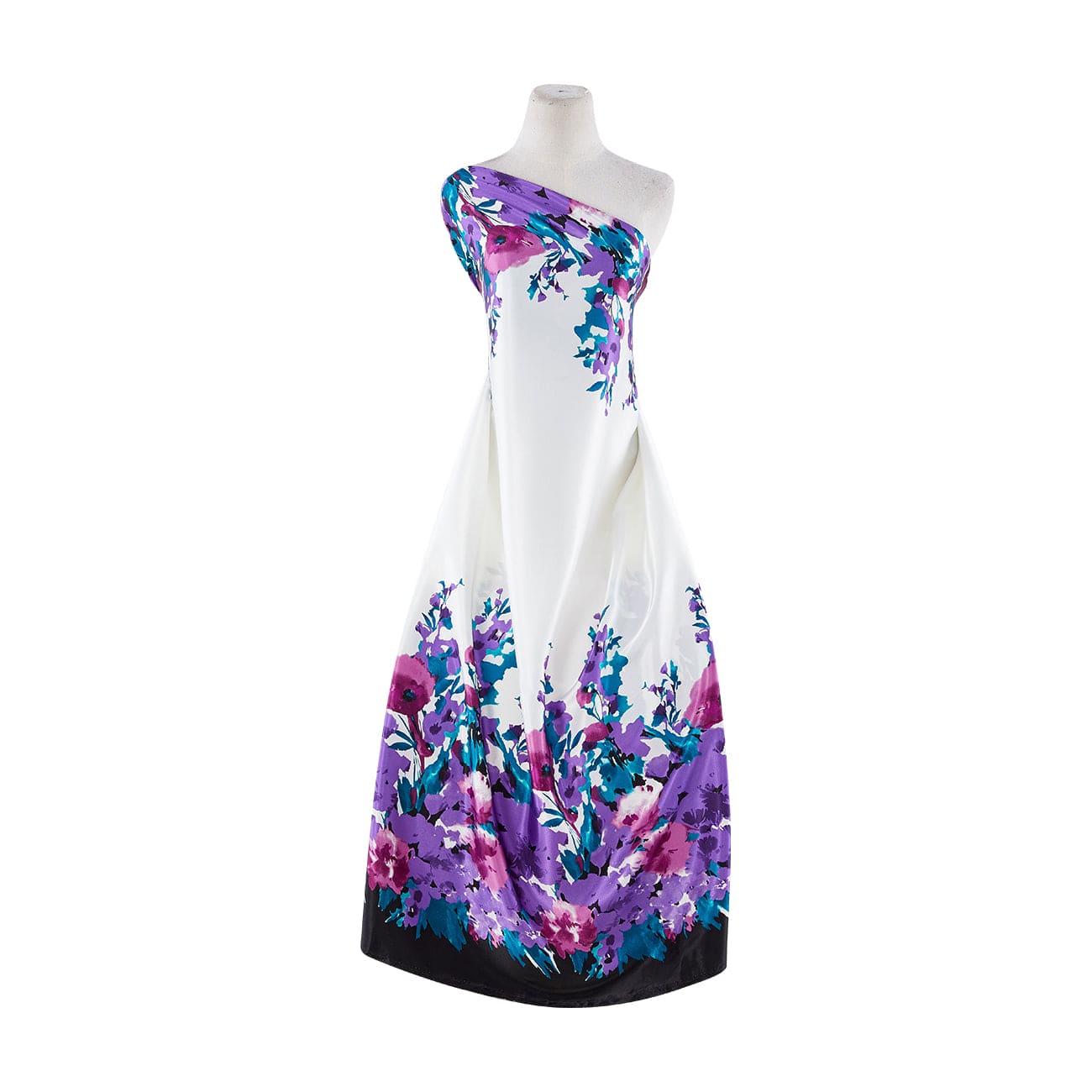
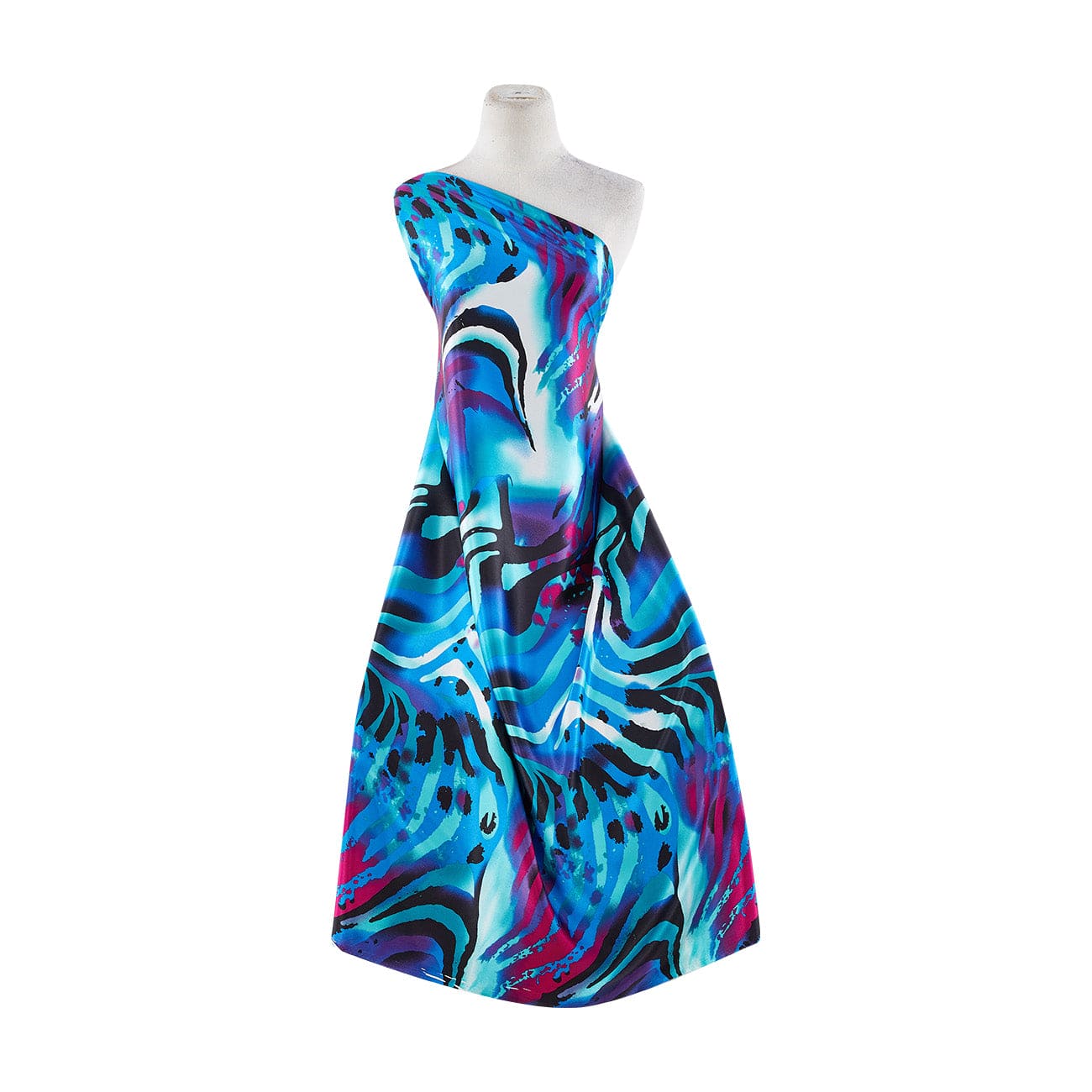
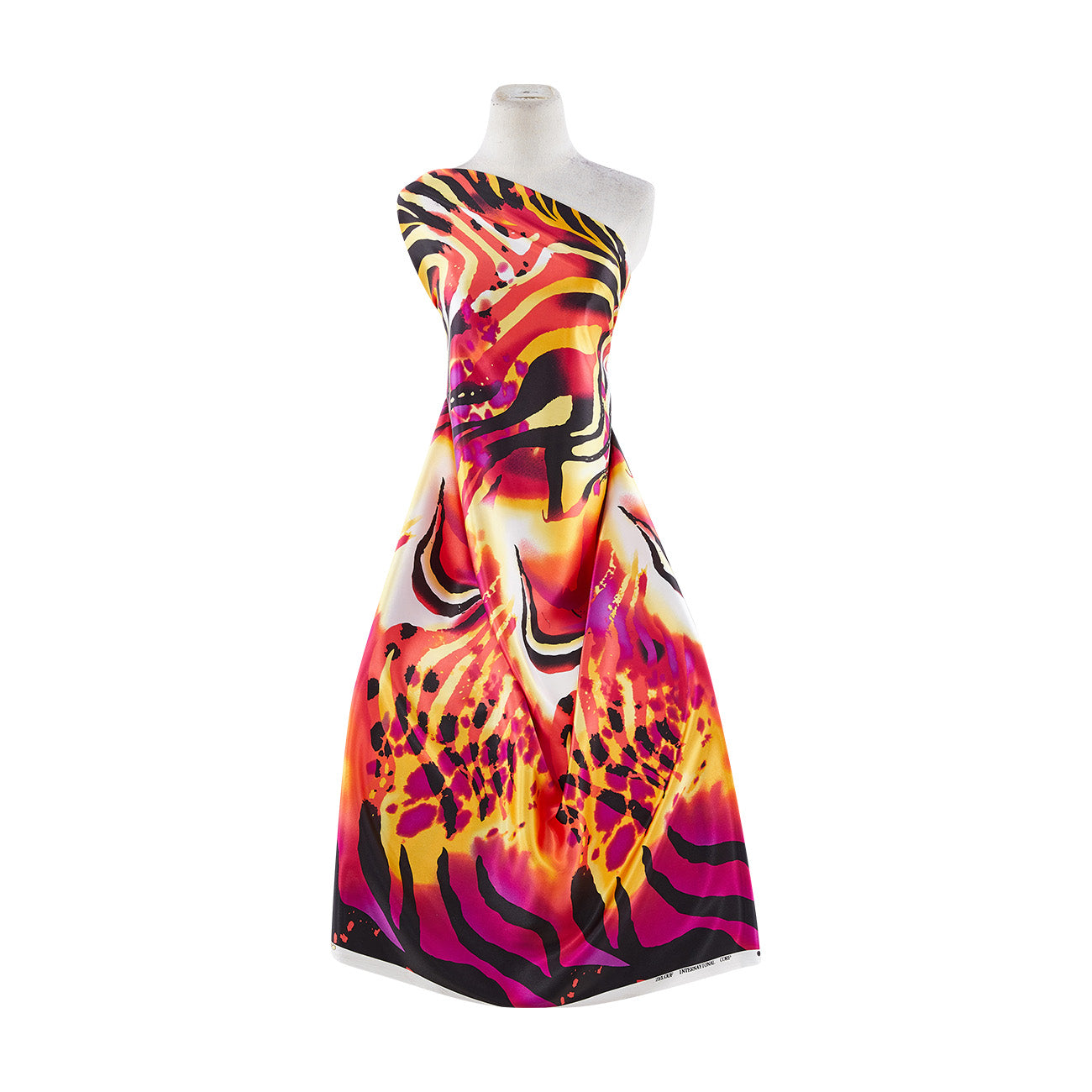
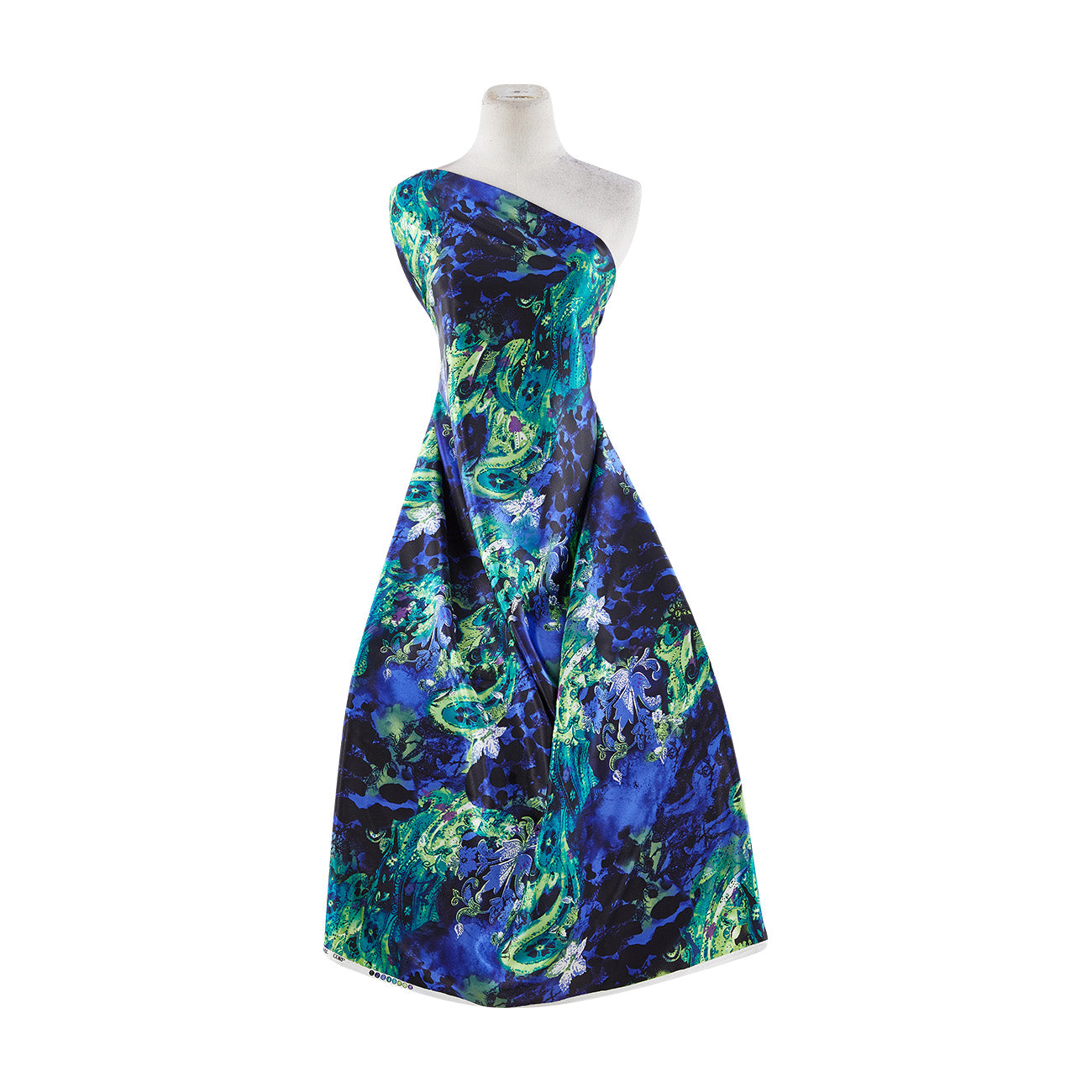
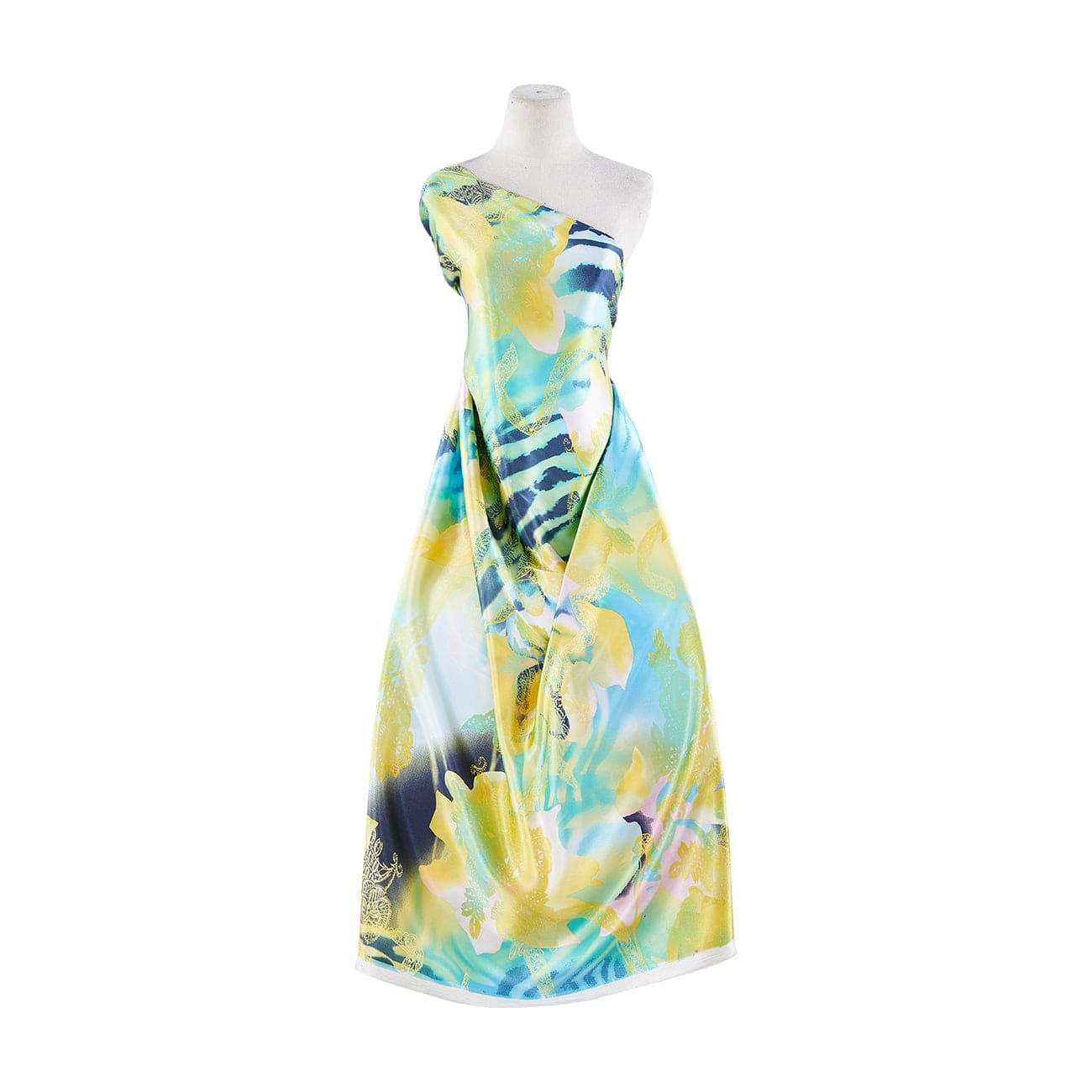
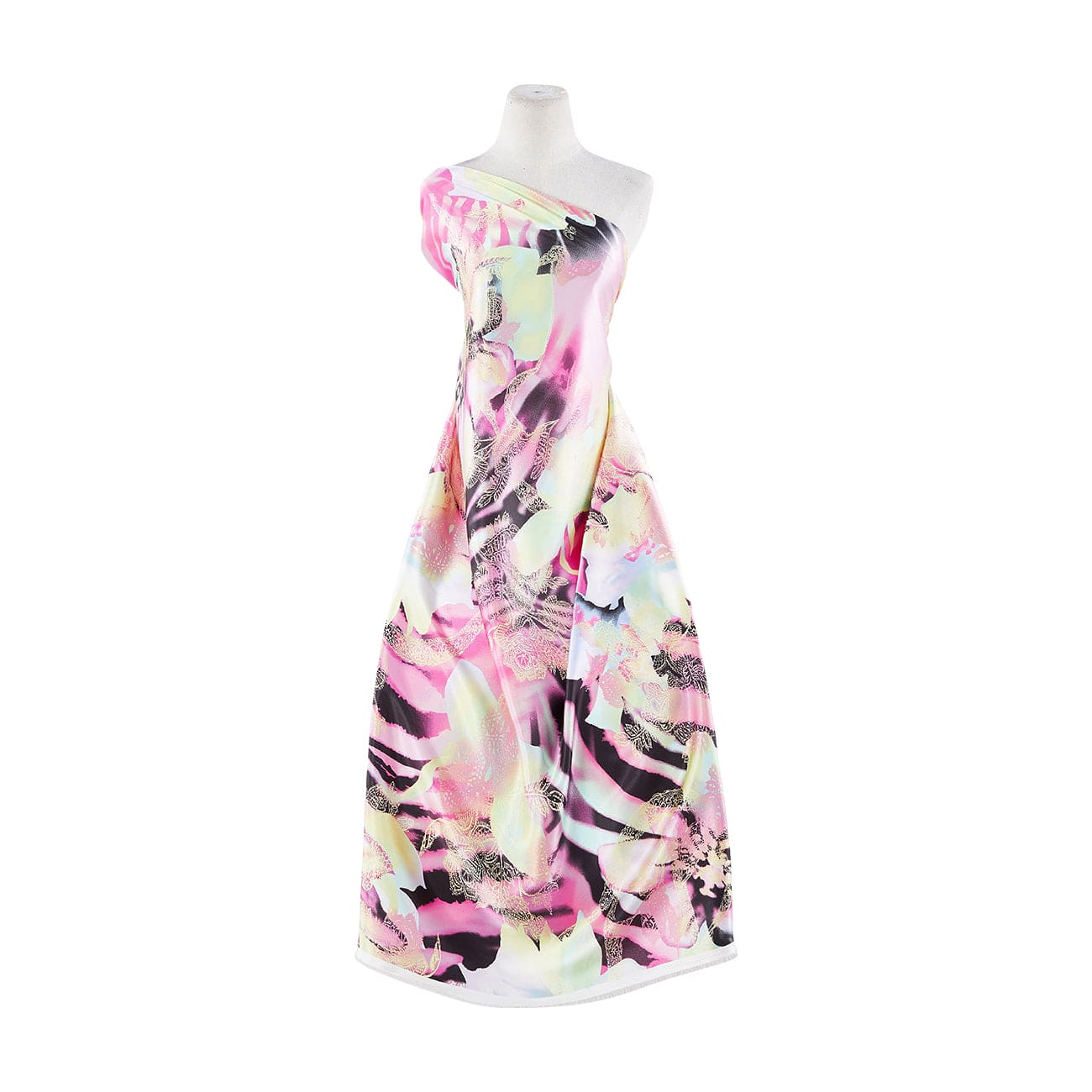
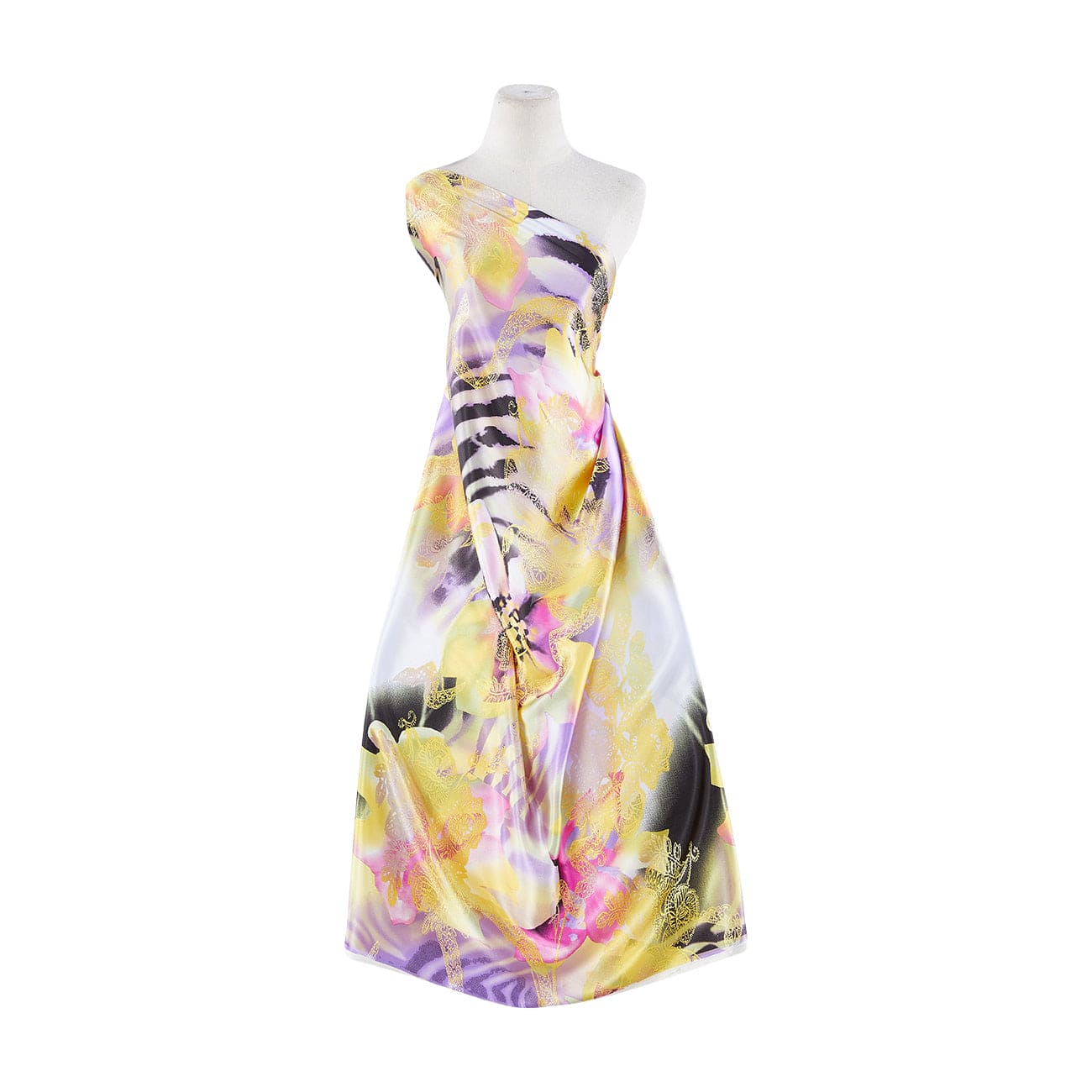
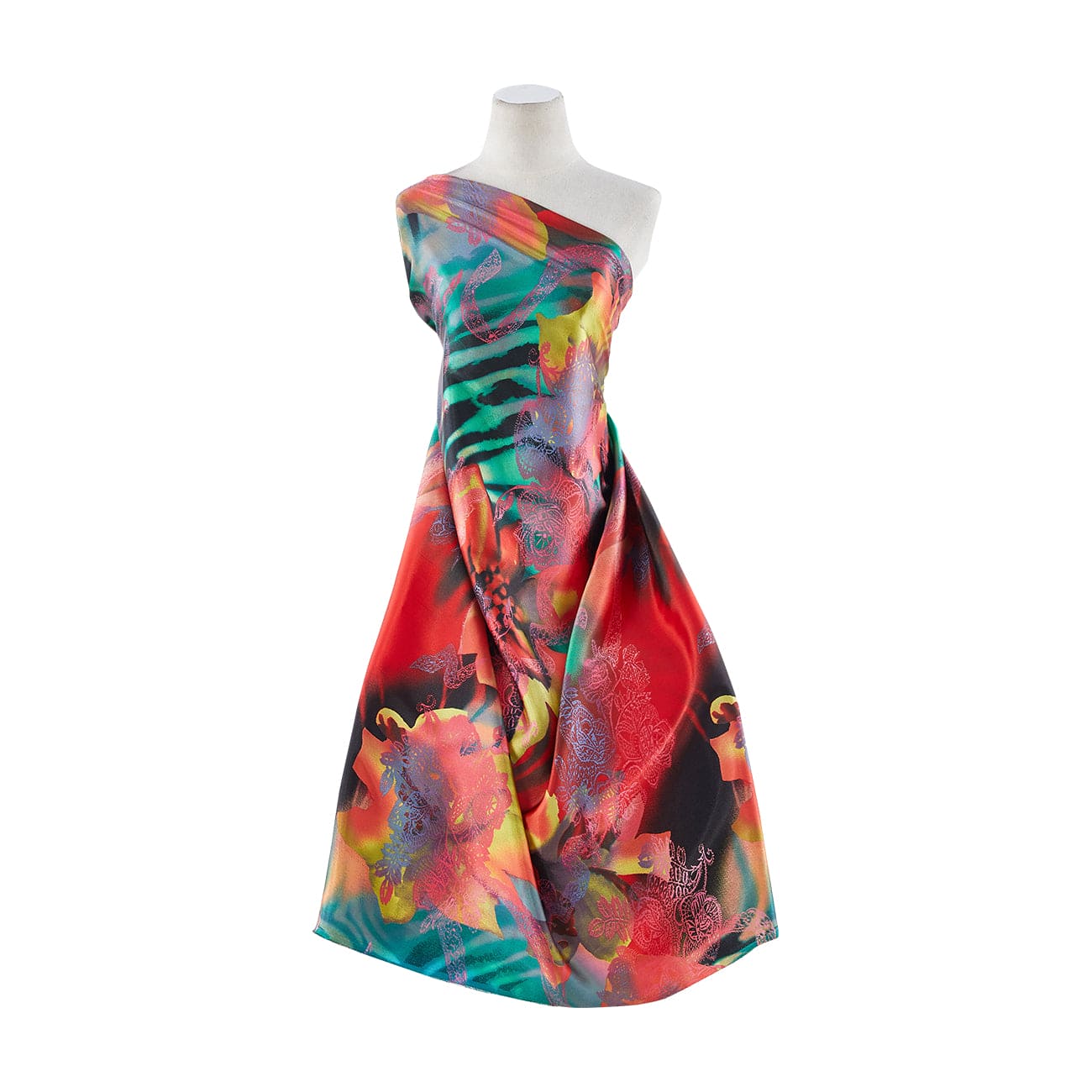
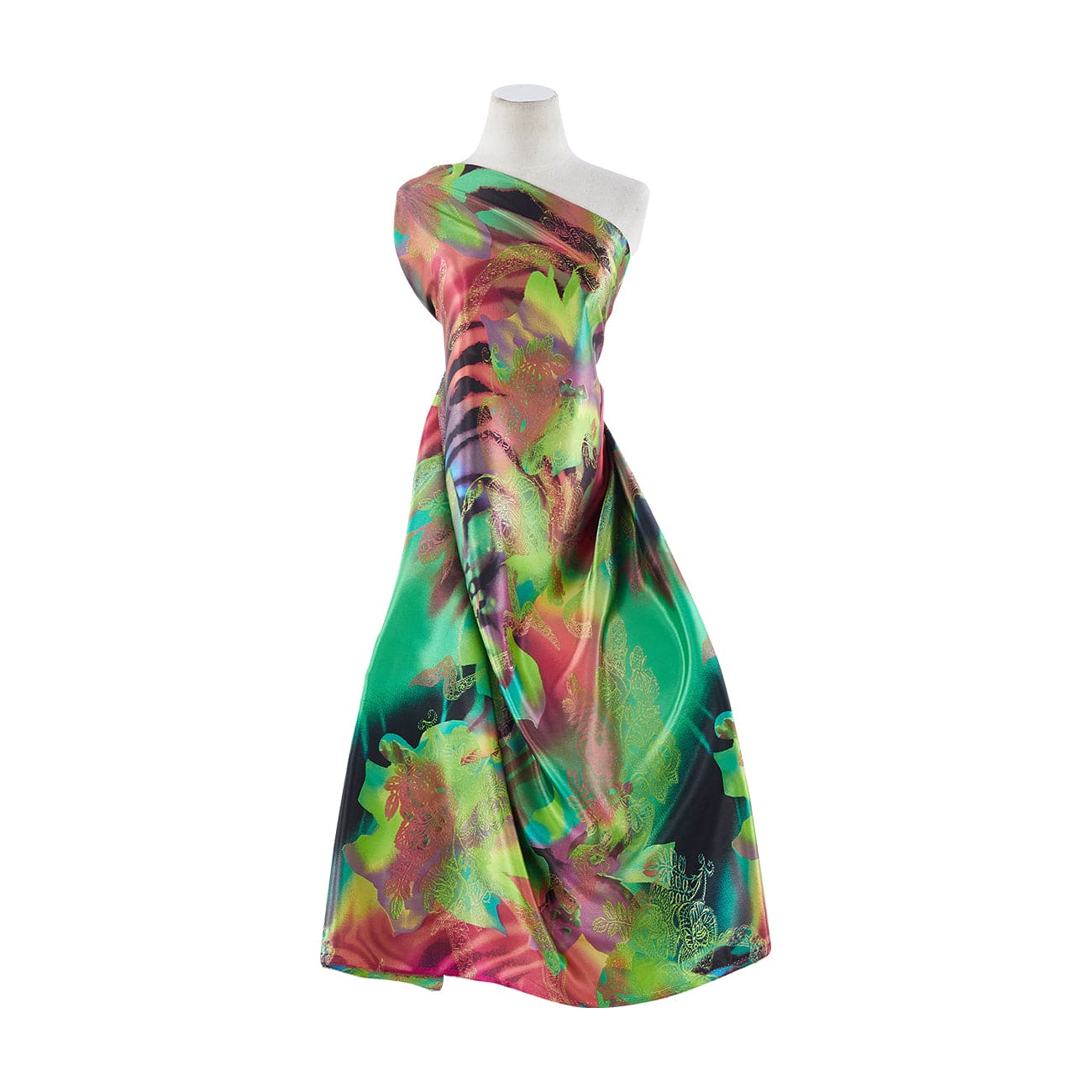
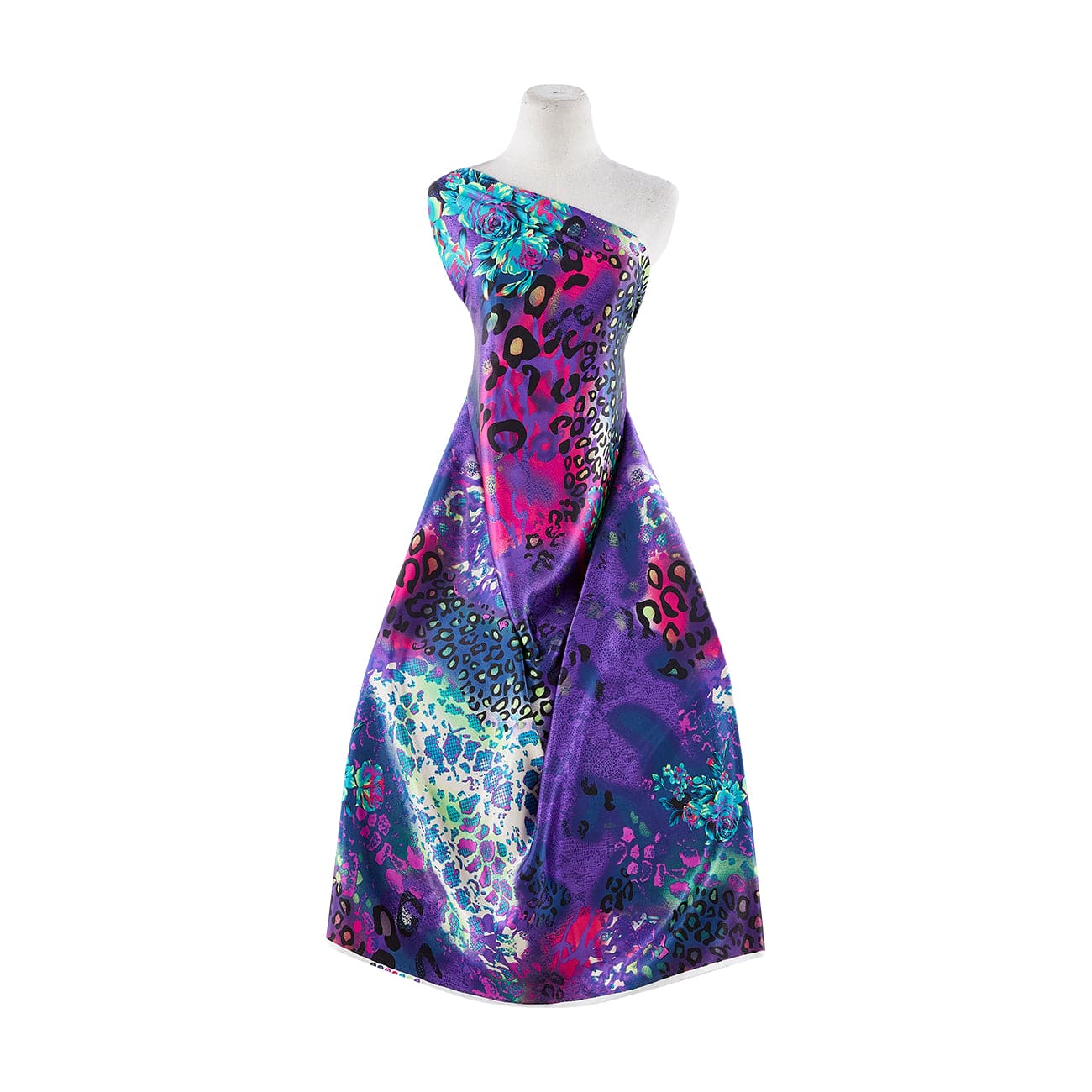
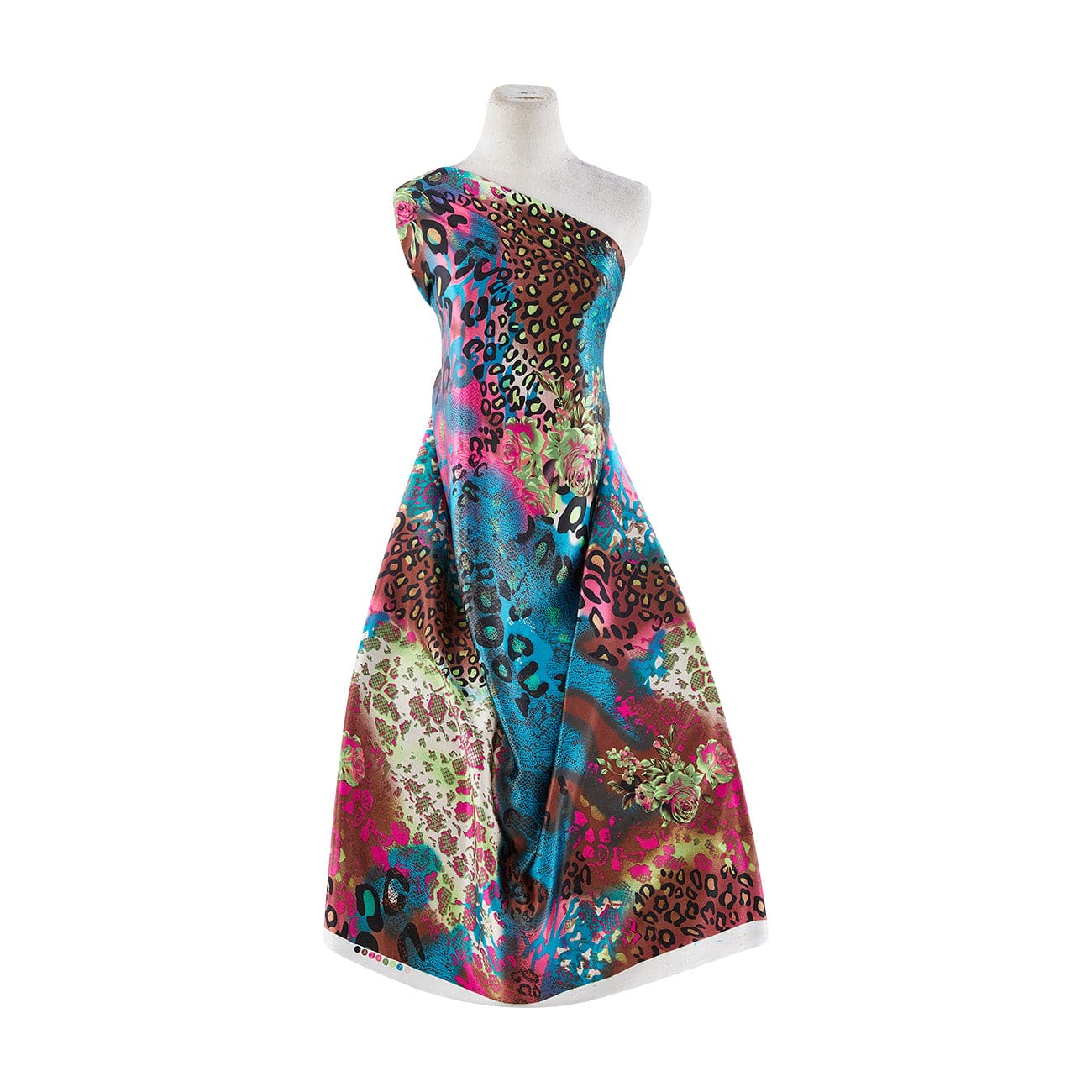
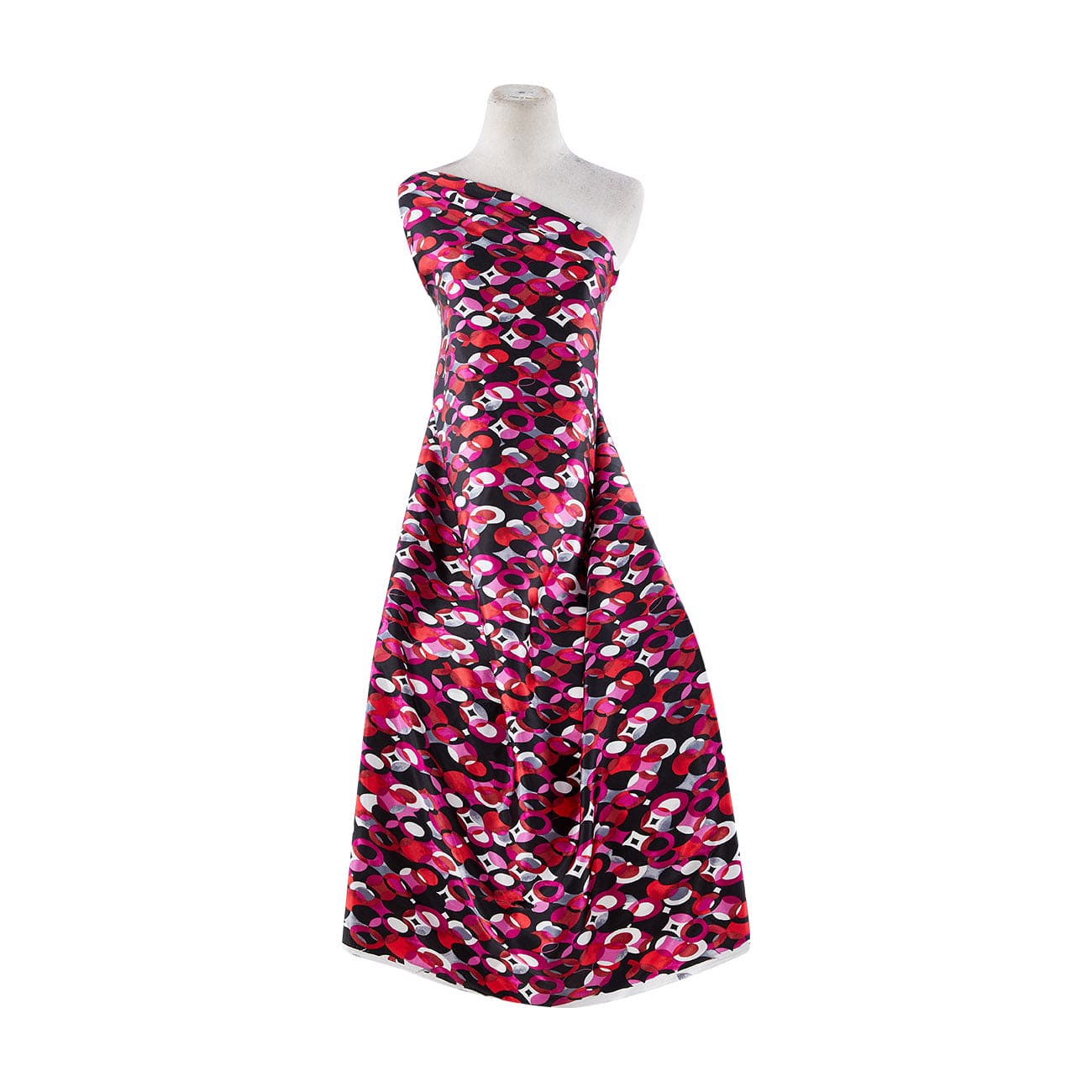
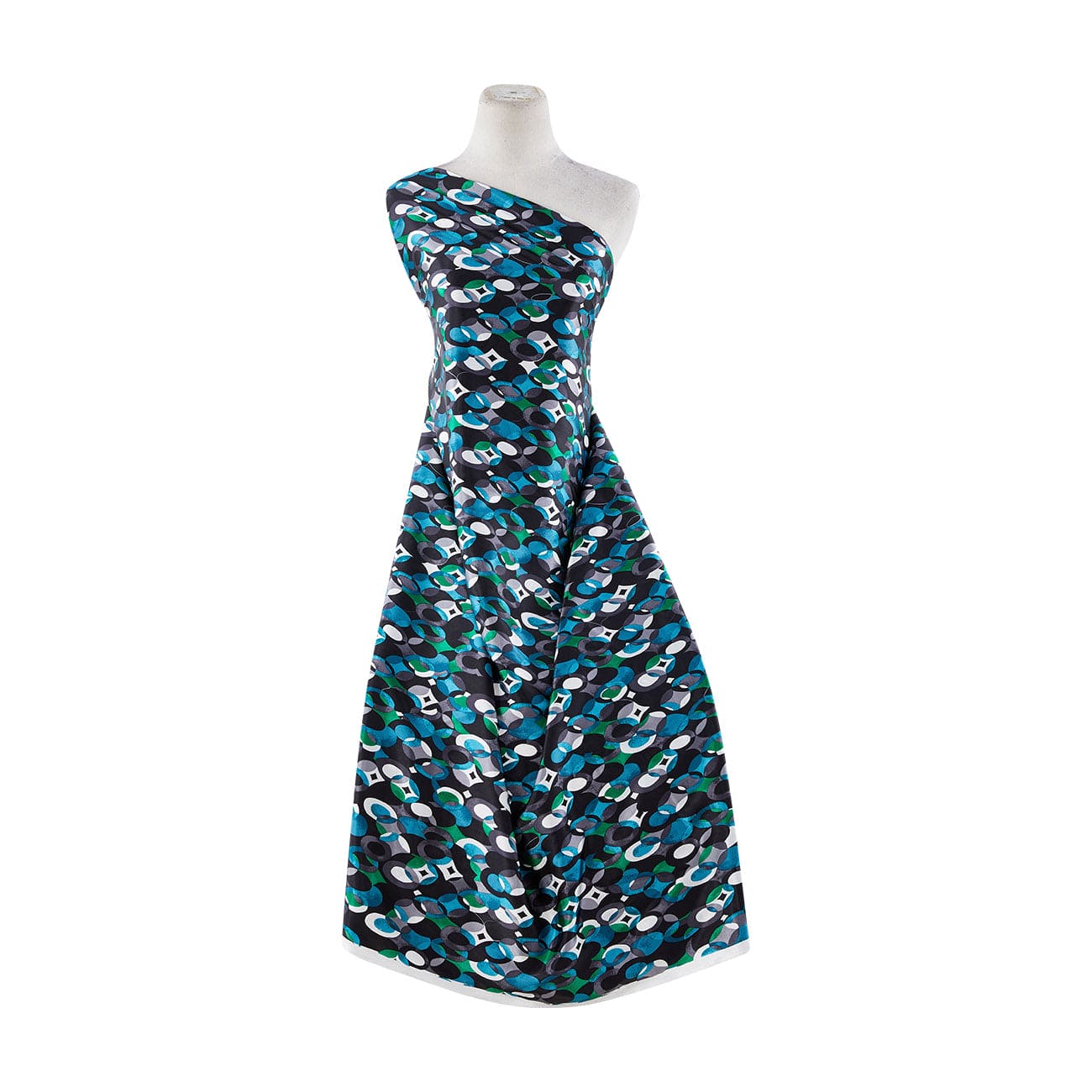
When a design is printed onto charmeuse, the fabric’s signature sheen becomes part of the design itself. Light reflects off the satin surface, enhancing the depth and richness of color in a way flat woven fabrics cannot replicate. This is one of the reasons printed charmeuse fabric looks distinct, compared to a print on cotton or linen. Because that surface reflects light directionally, large-scale prints can read differently depending on the angle, which is worth factoring into placement before cutting, particularly for border and placement prints where the design orientation is fixed.
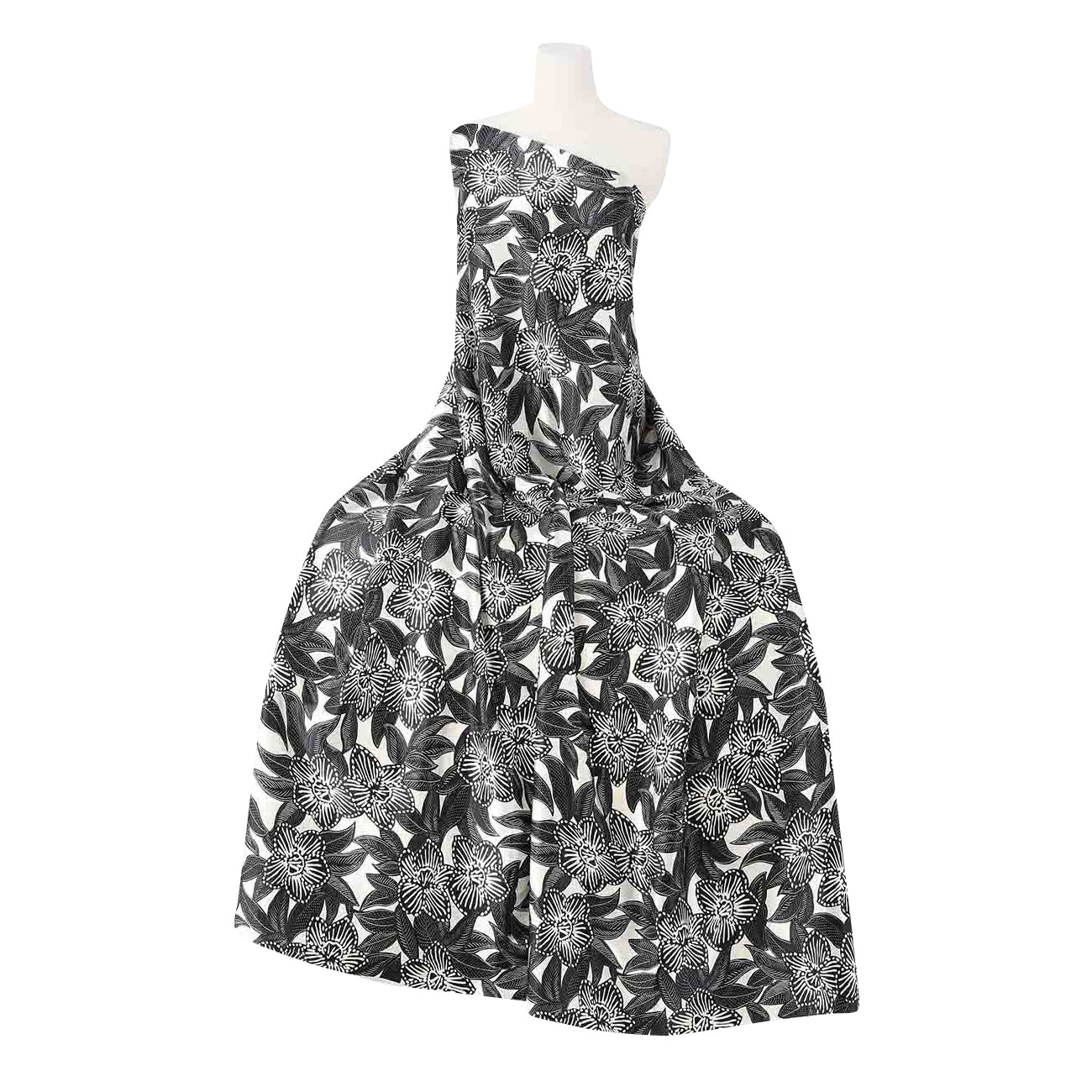
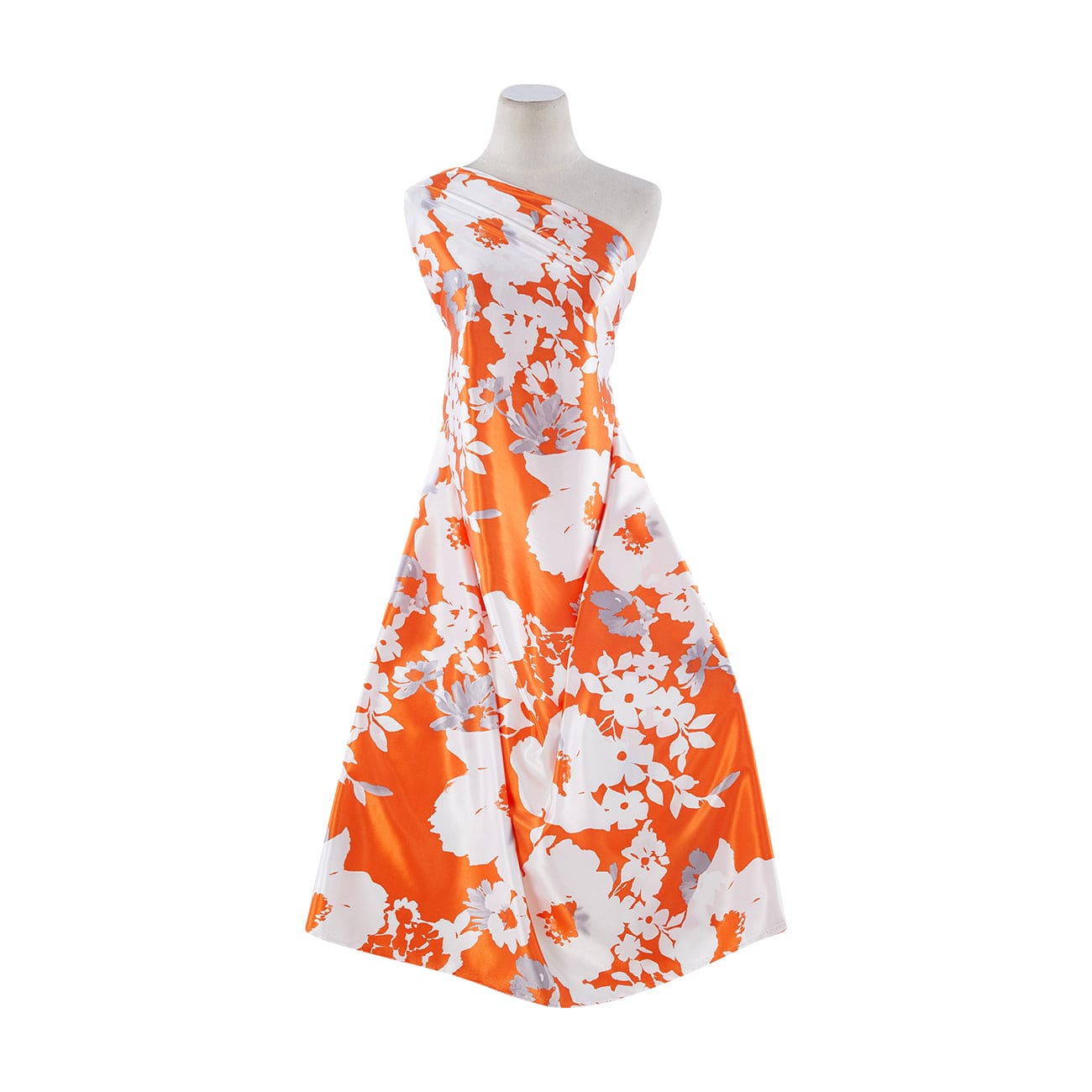
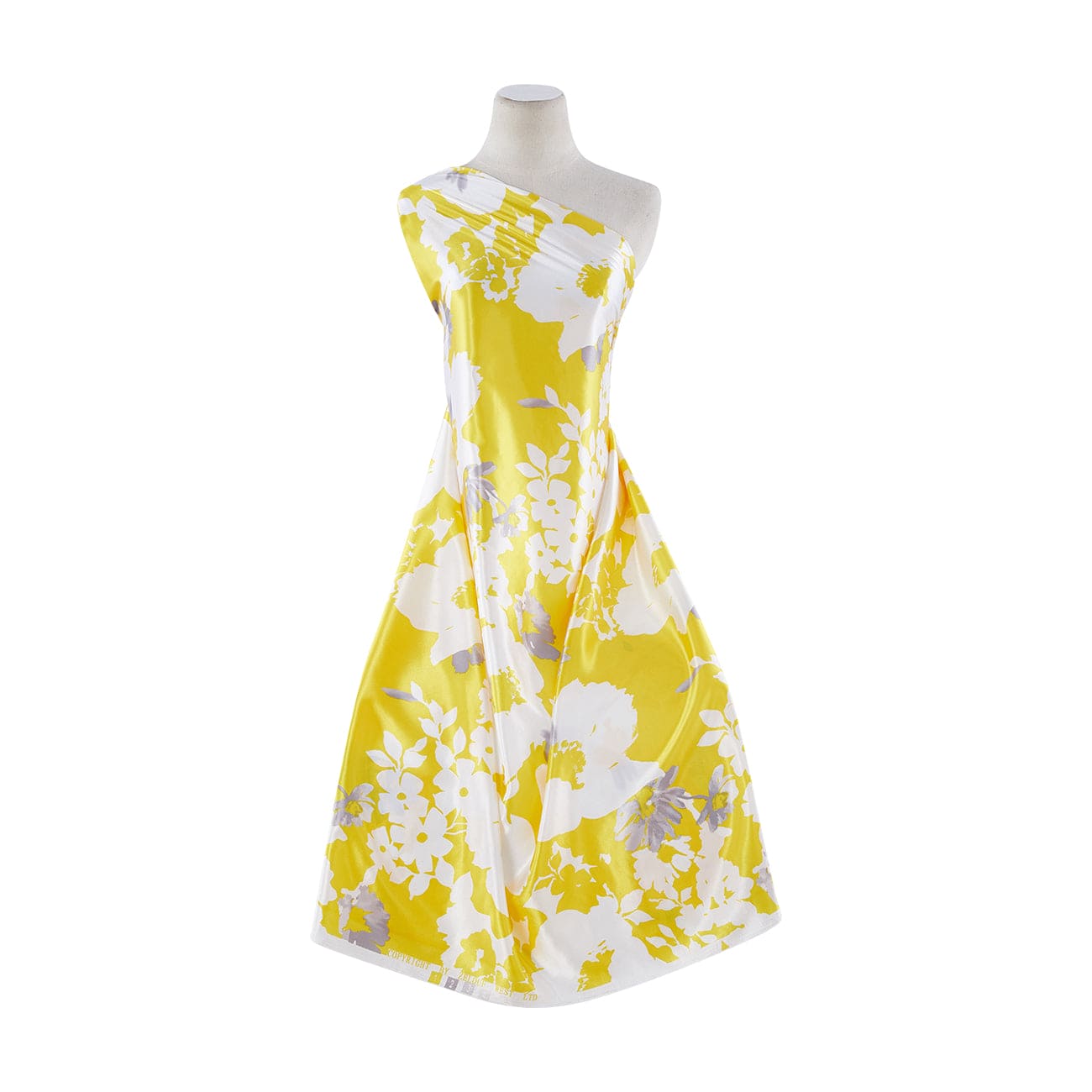
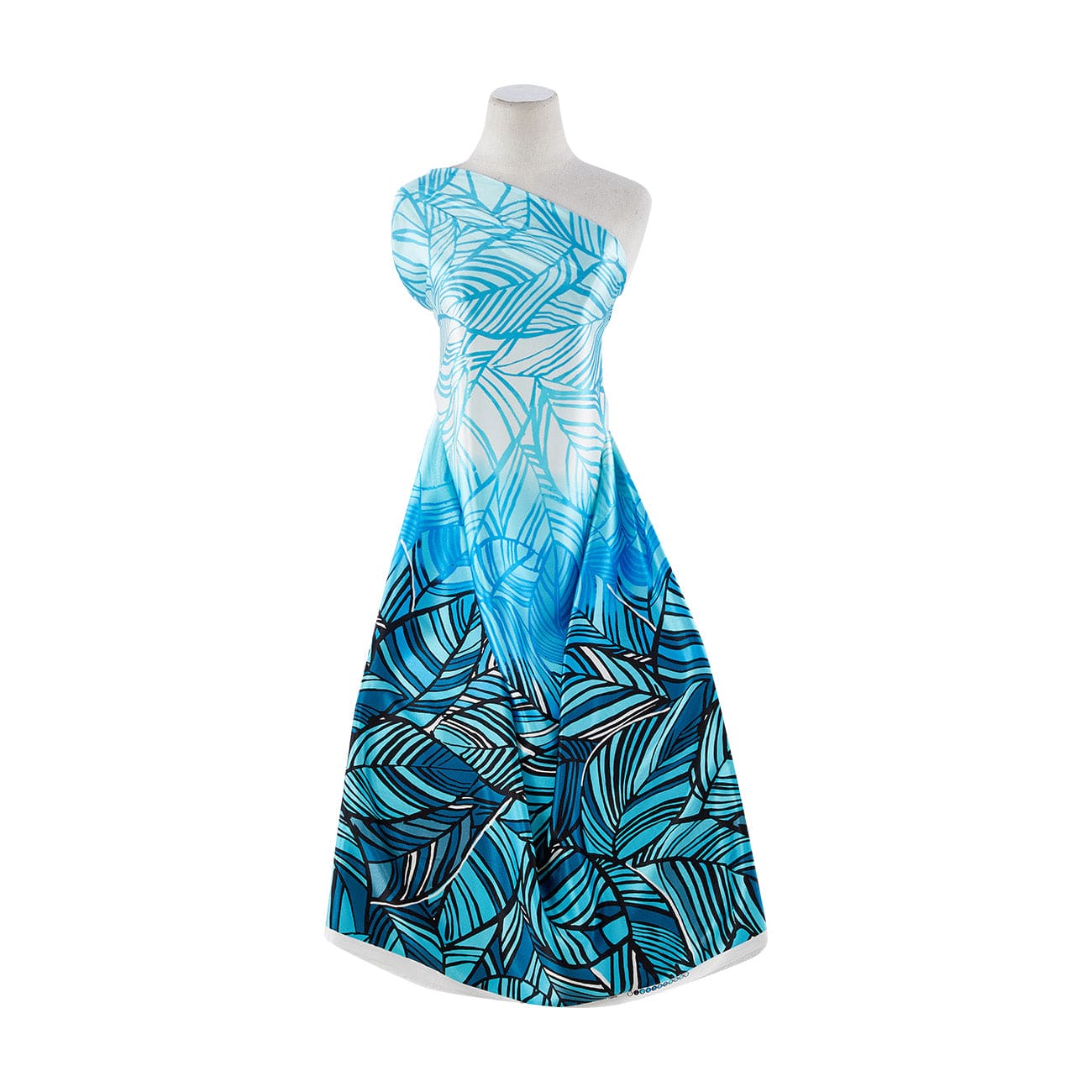
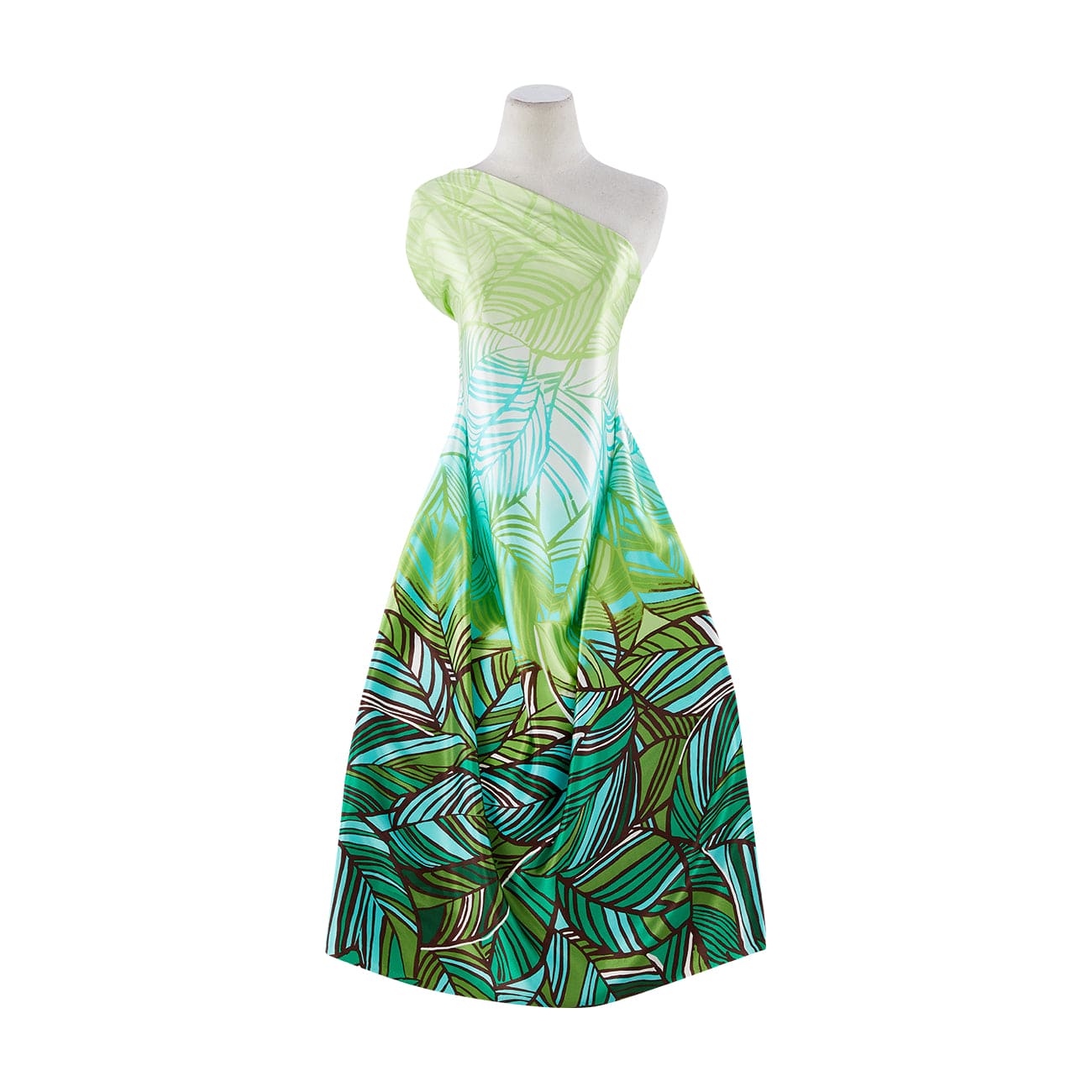
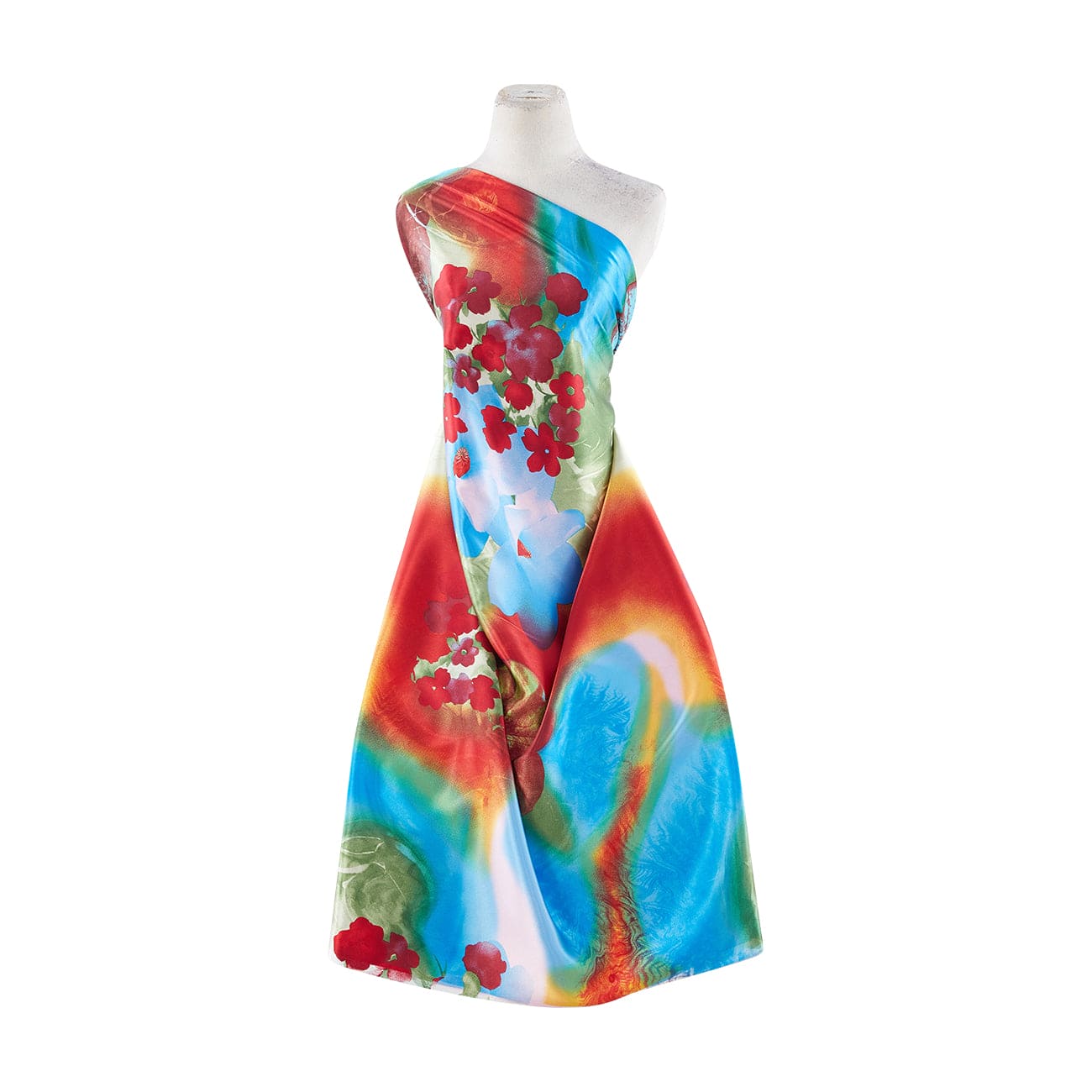
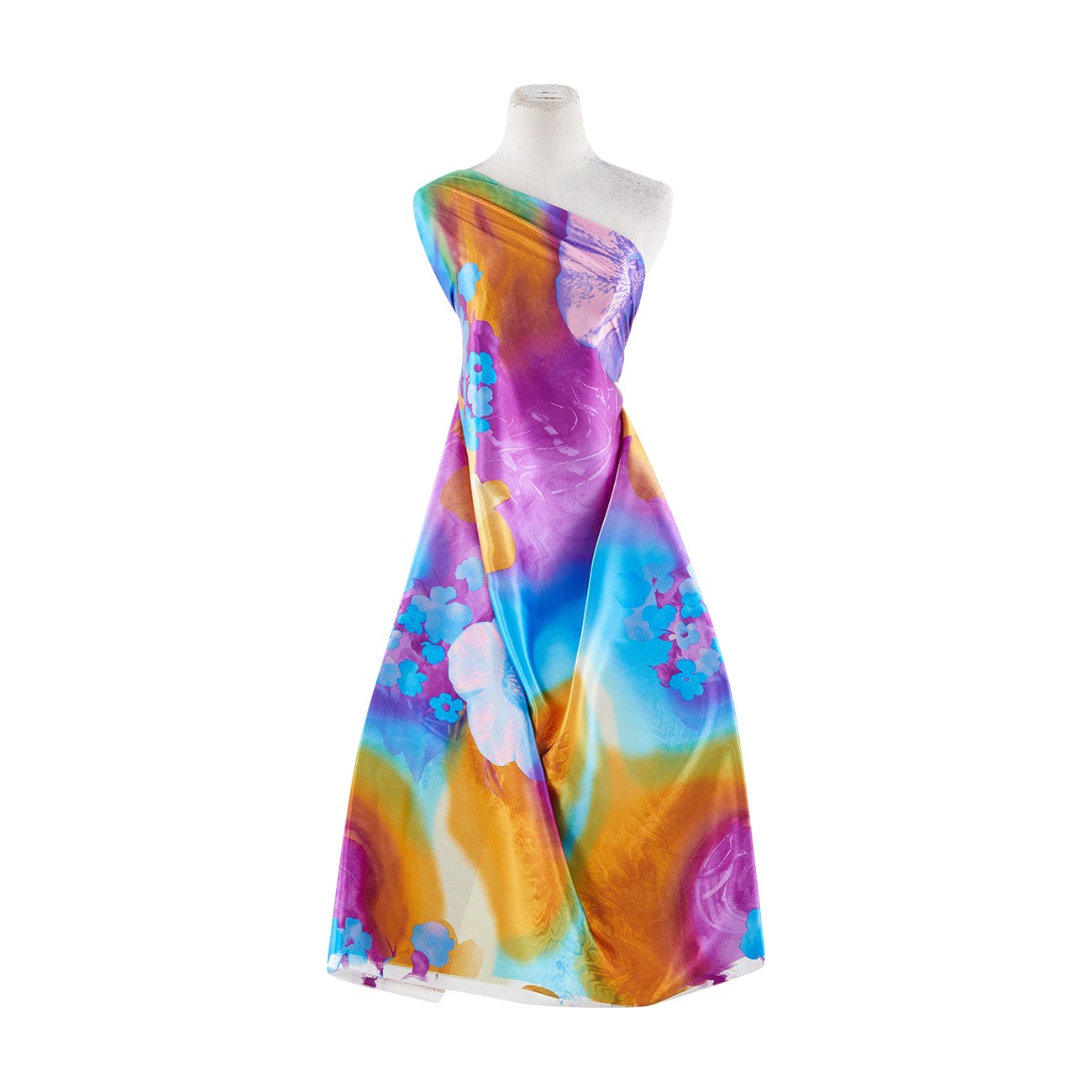
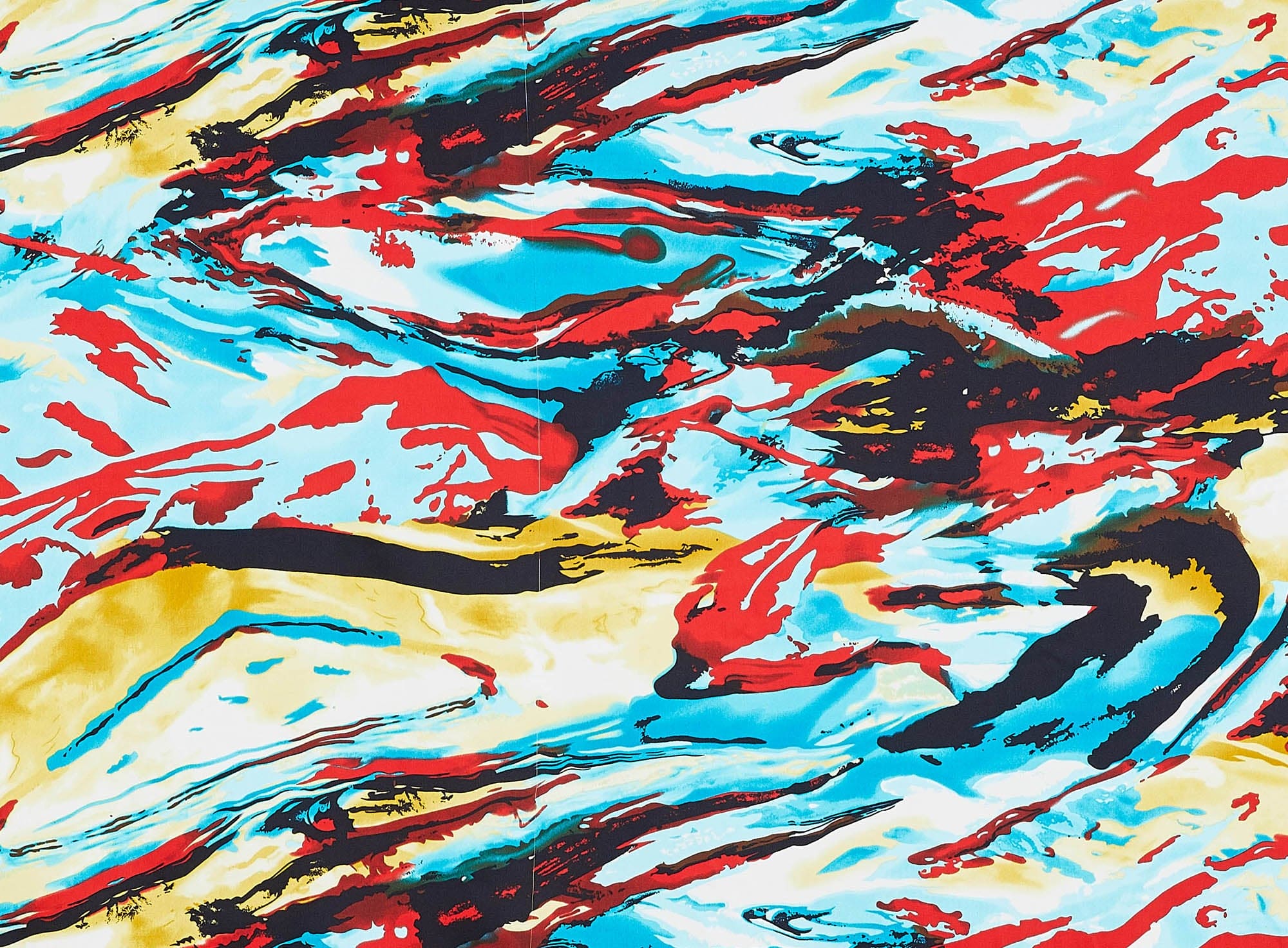
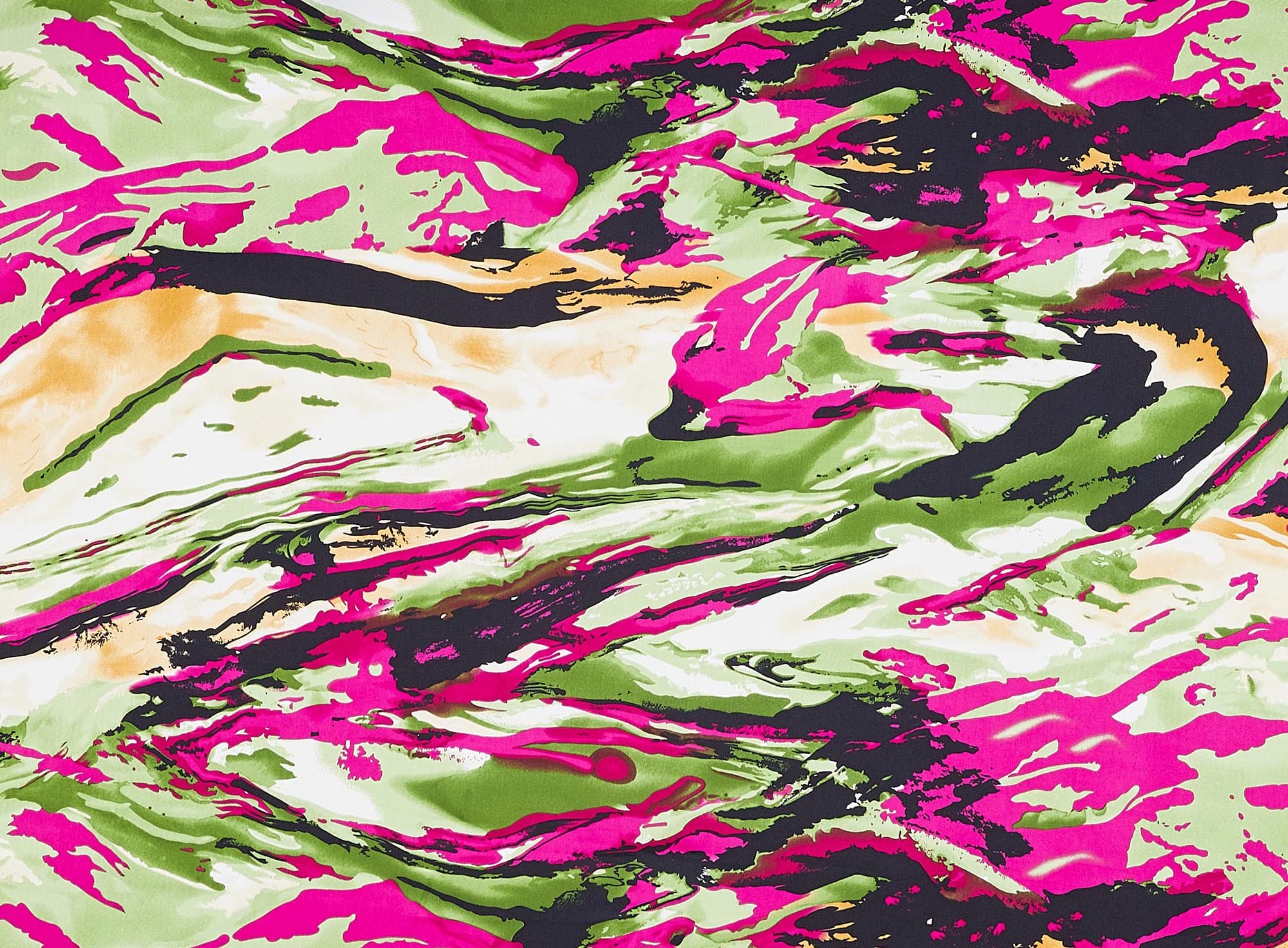
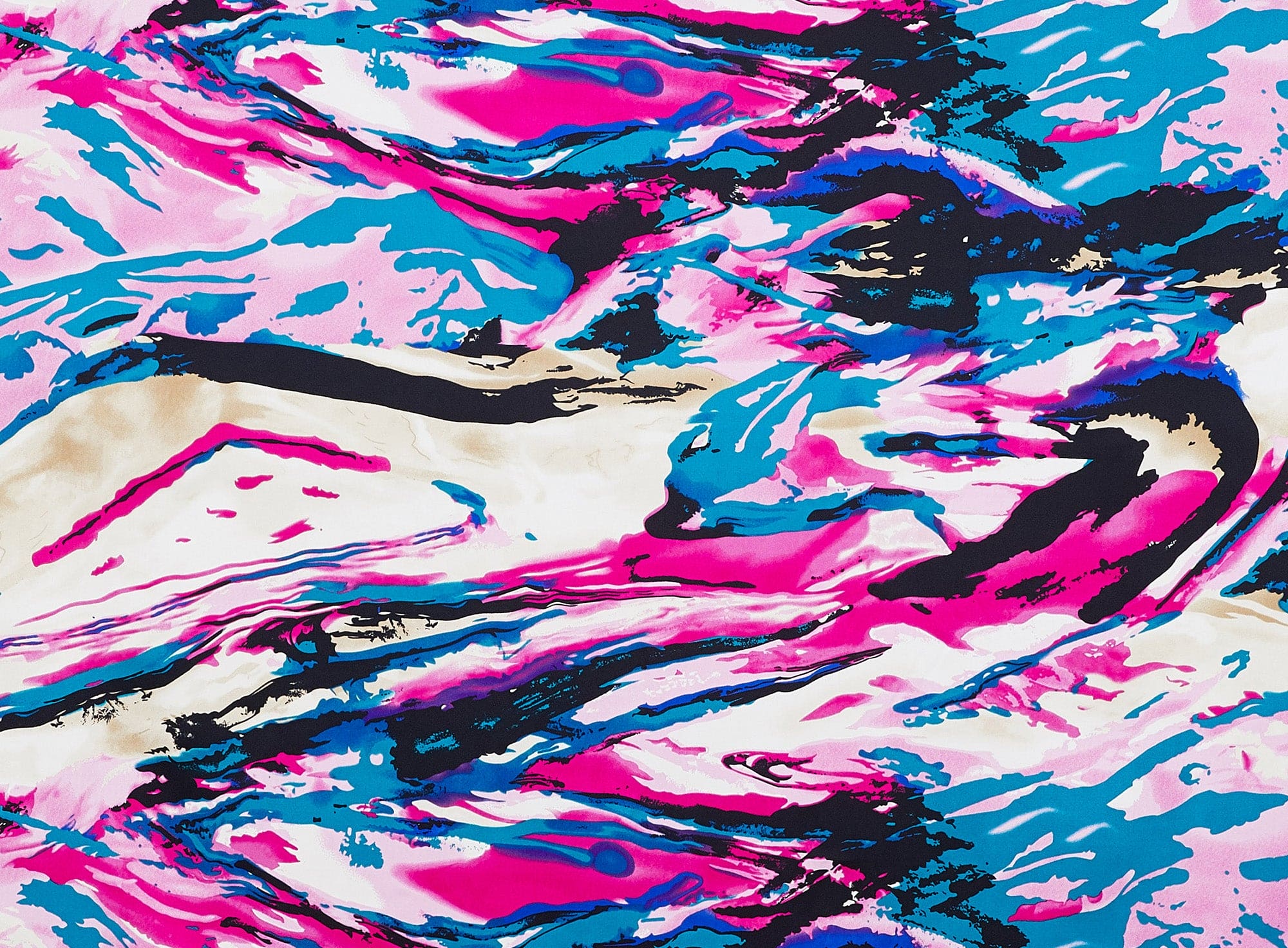
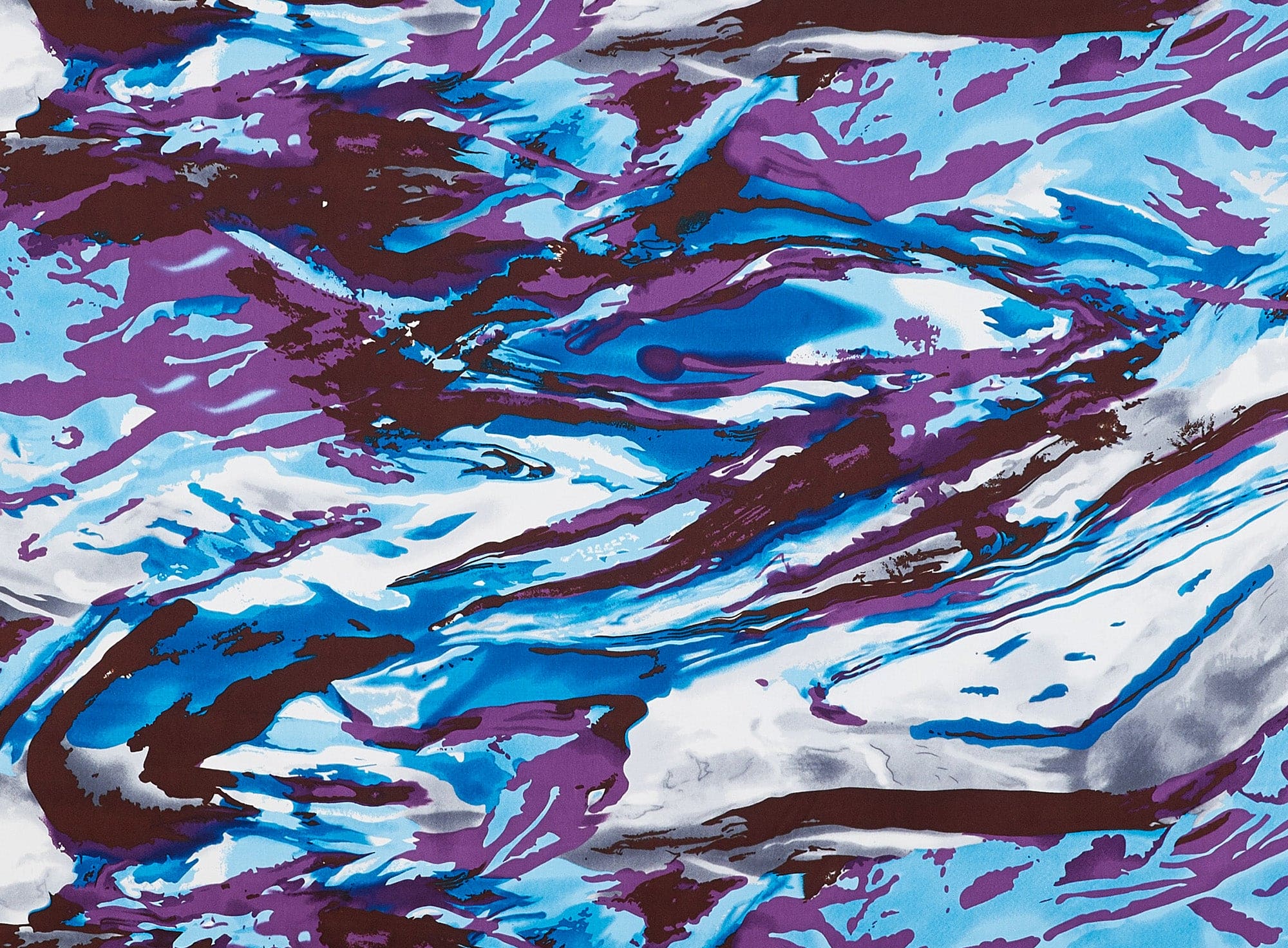
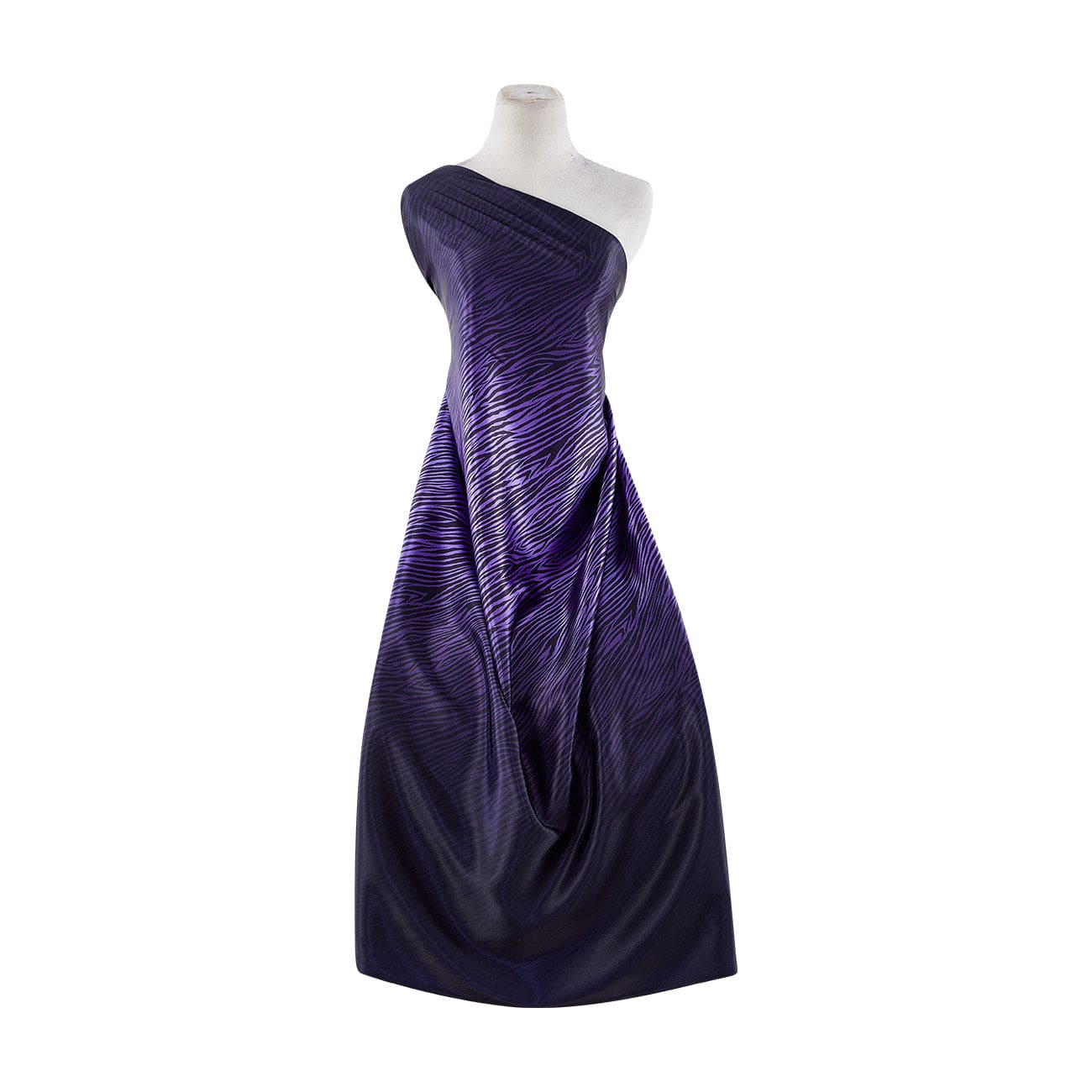
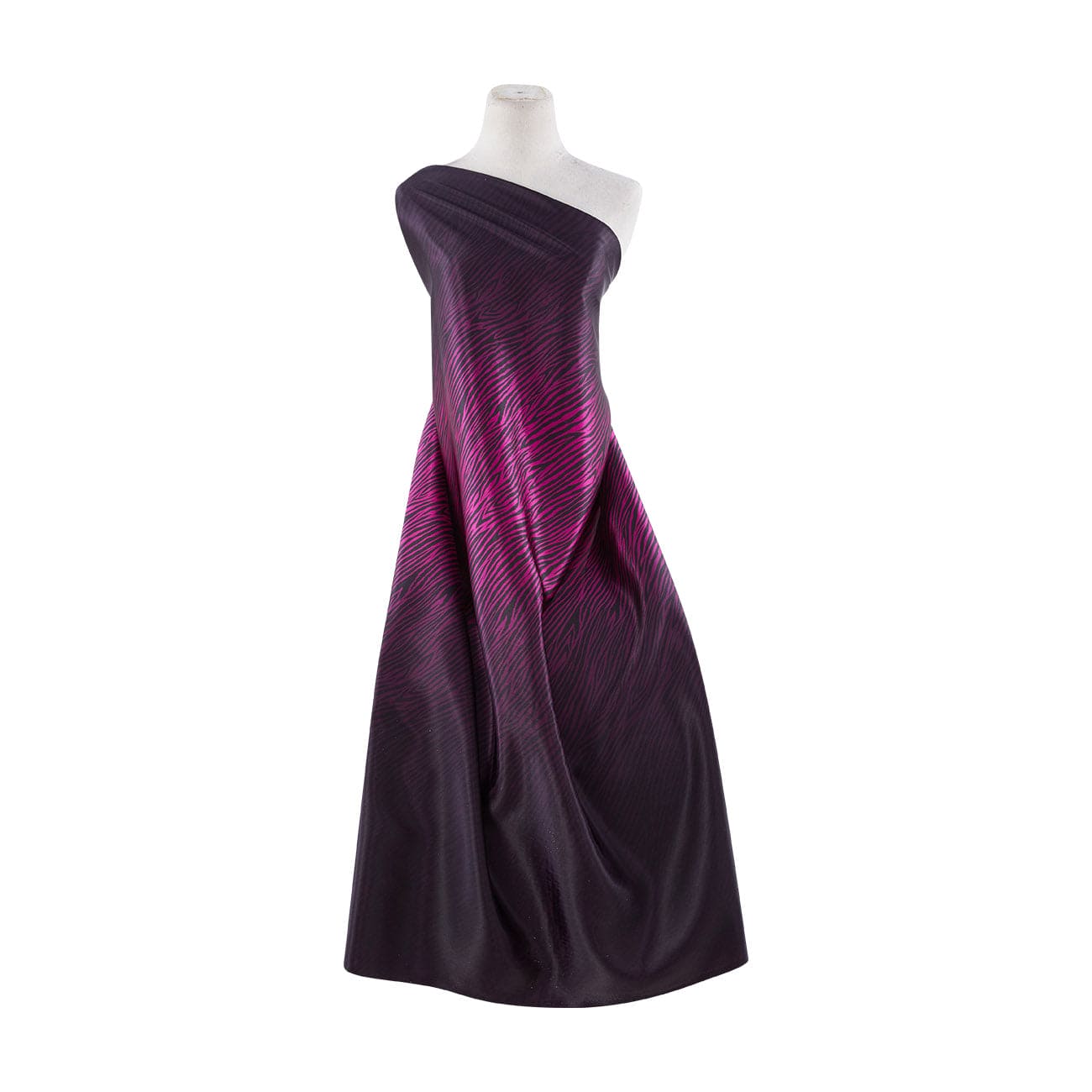
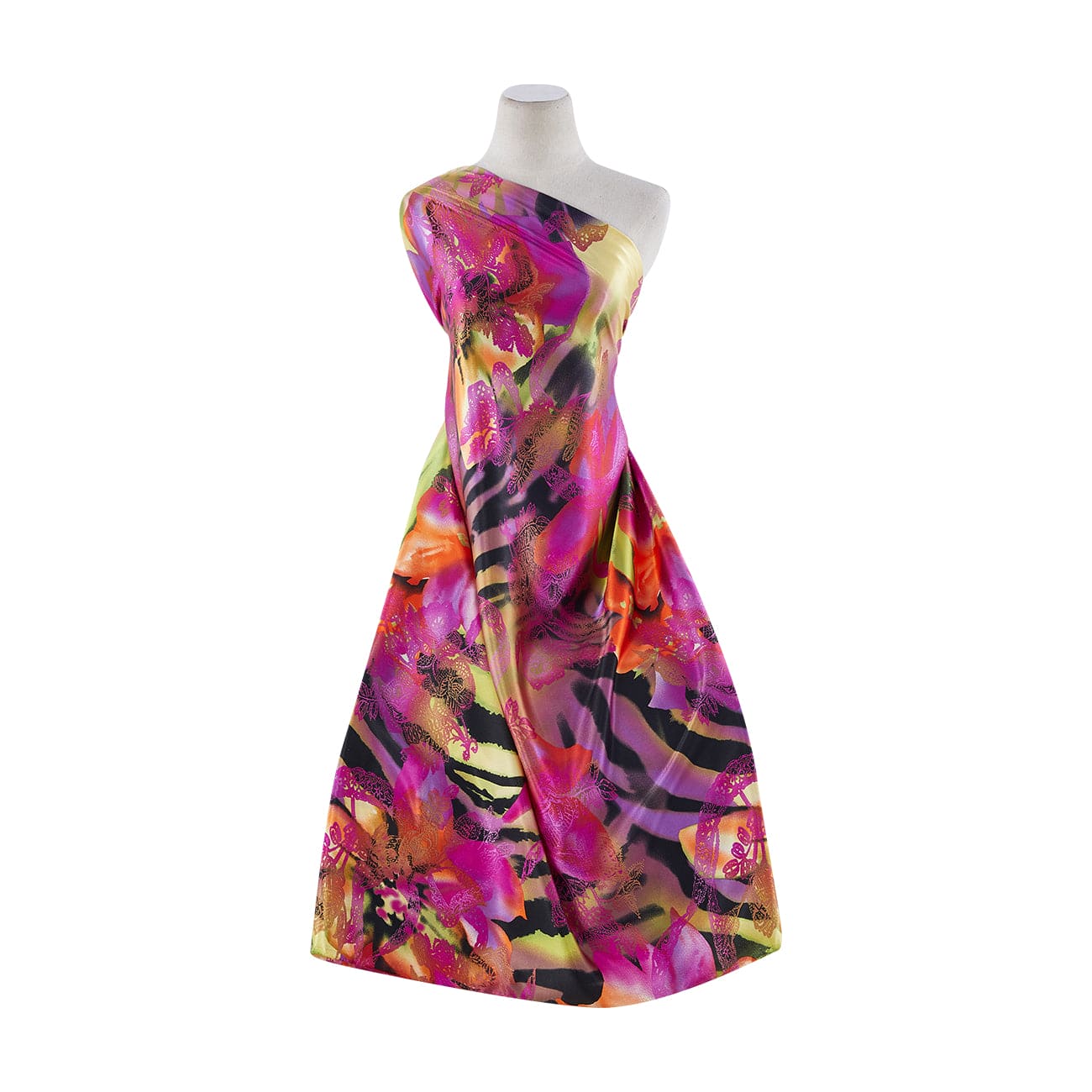
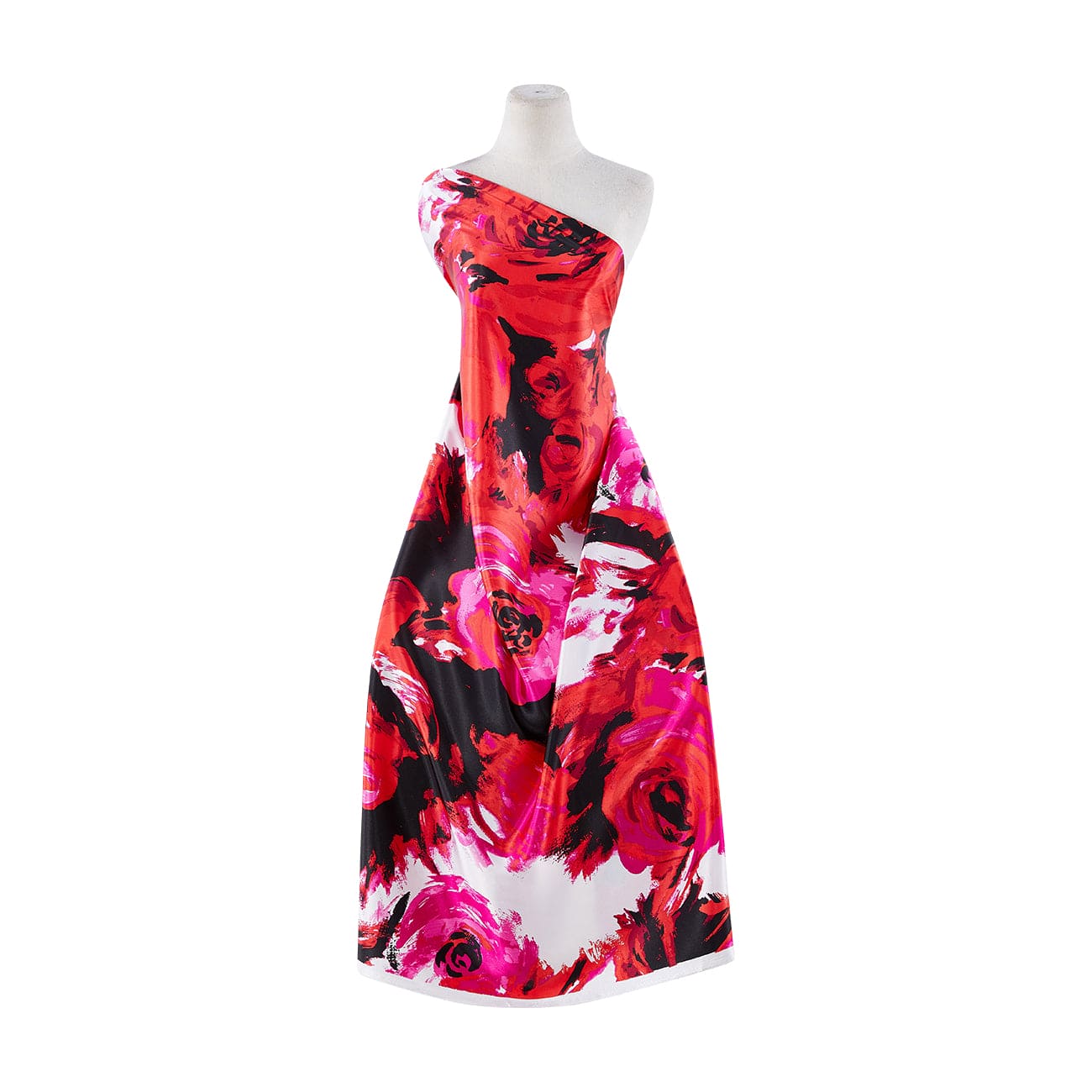
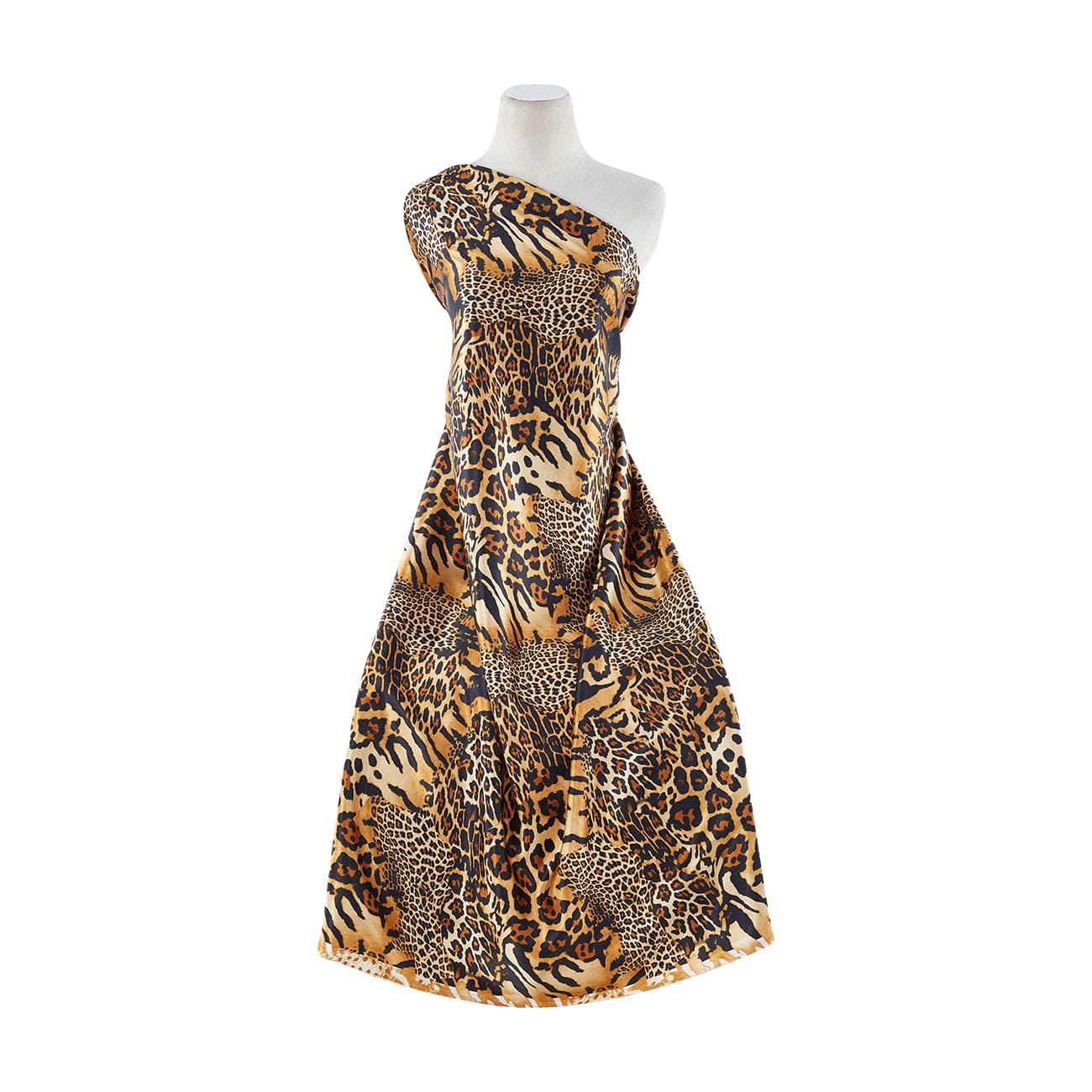
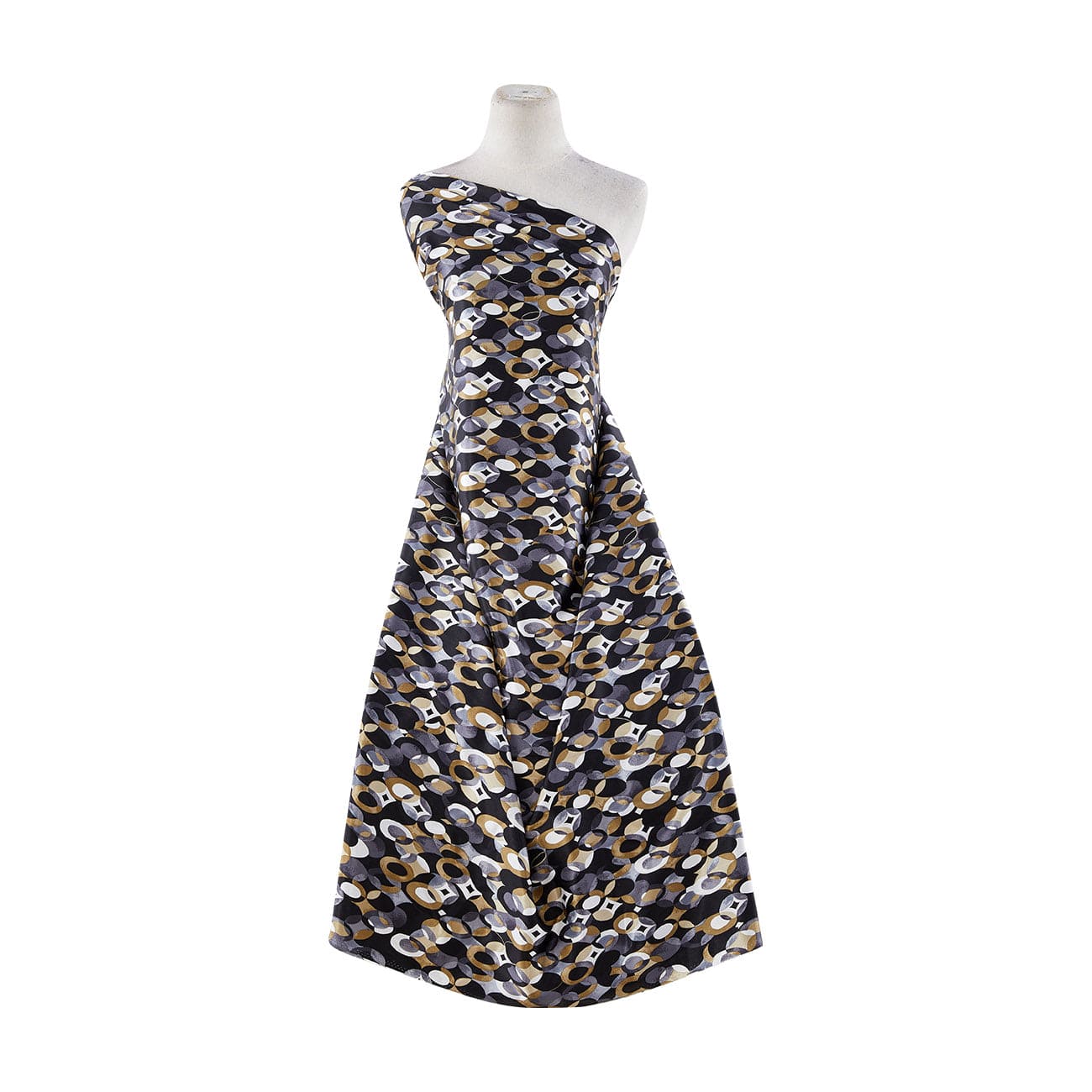
Zelouf’s collection spans over 95 styles of printed charmeuse fabric, ranging from black and white through jewel tones and multi-colorway prints. Most styles fall in the 100–149 GSM range, which is light enough for elegant drape, substantial enough to sew cleanly into polished apparel.
Print Directions Across the Collection
The assortment is organized around print themes that suit a wide range of design intents:
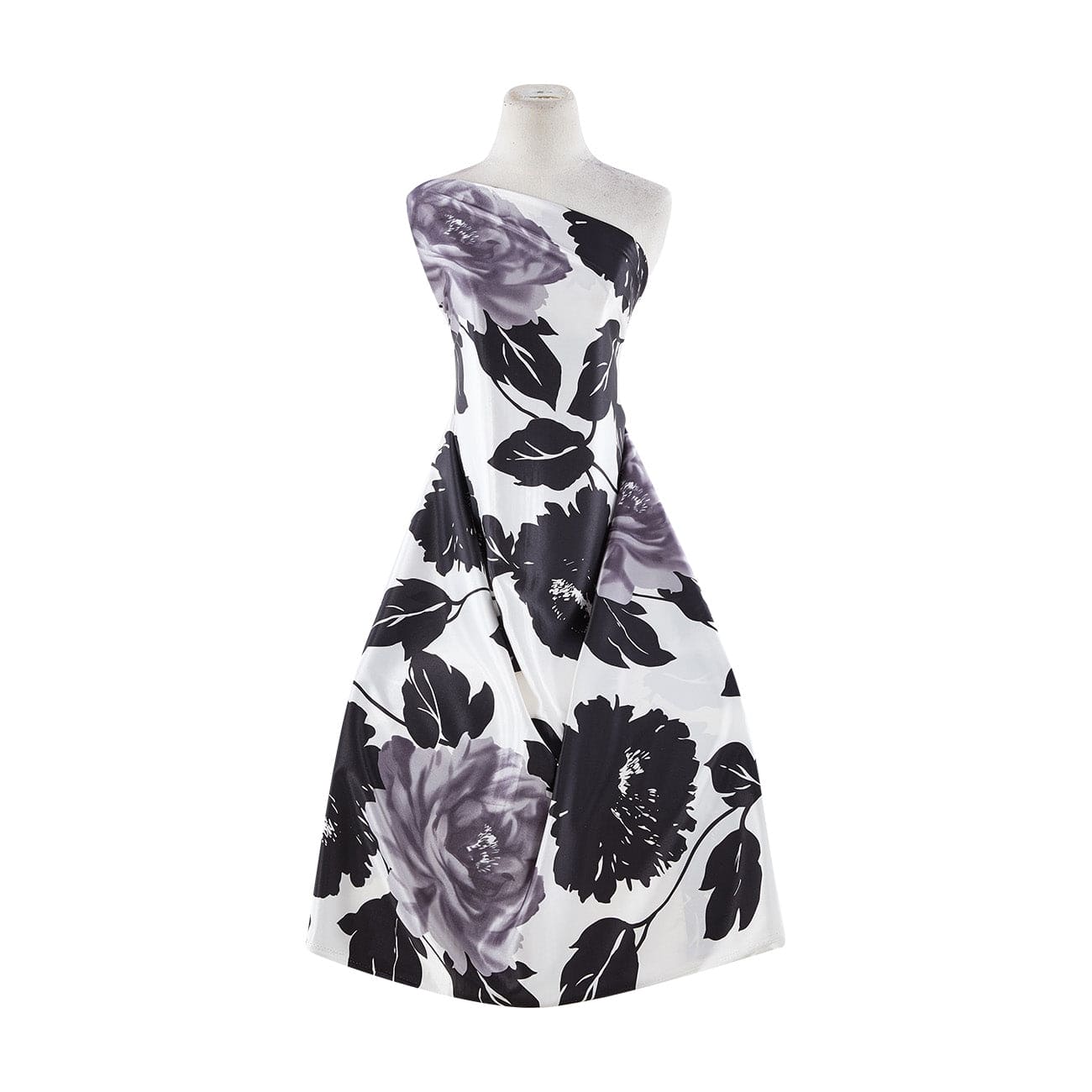
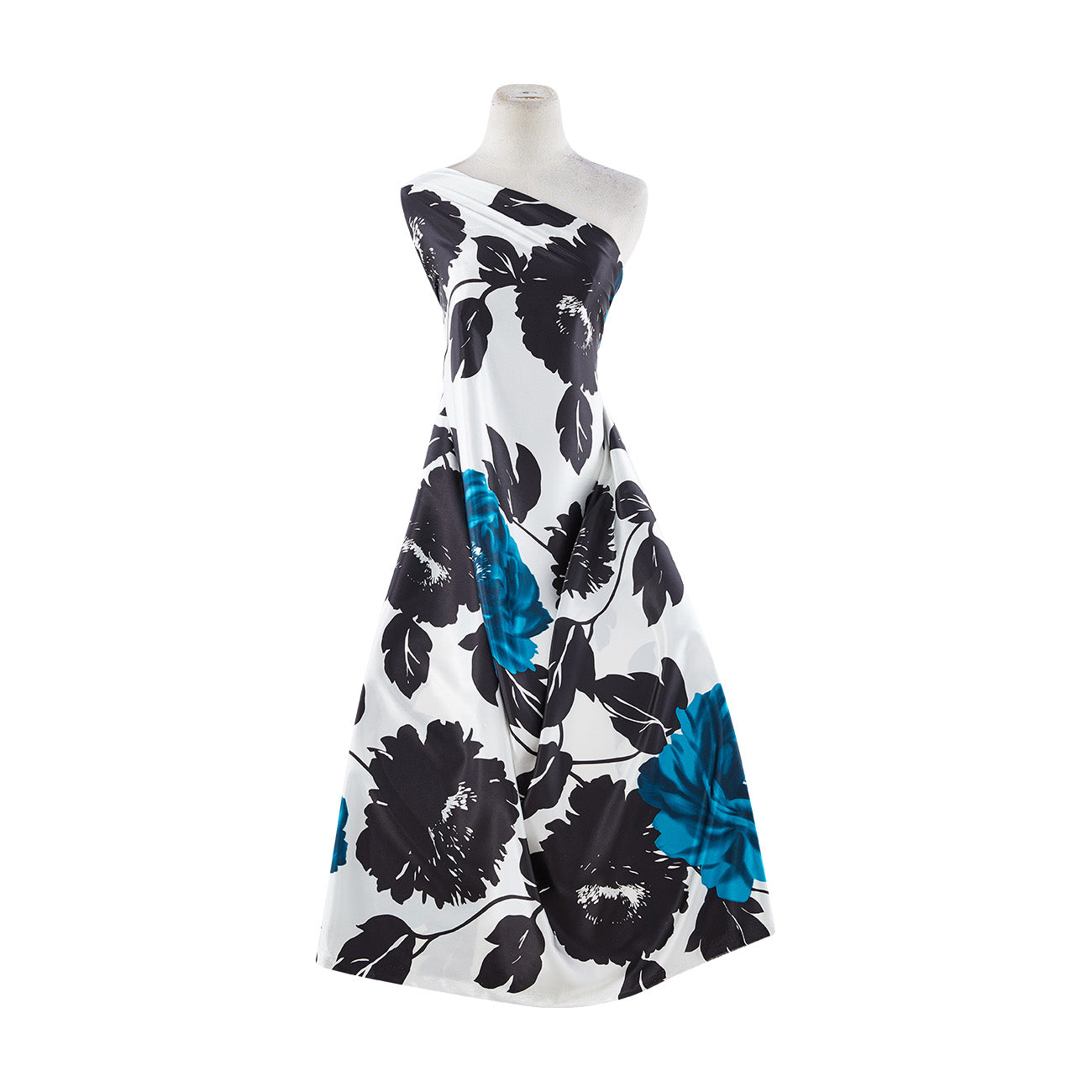
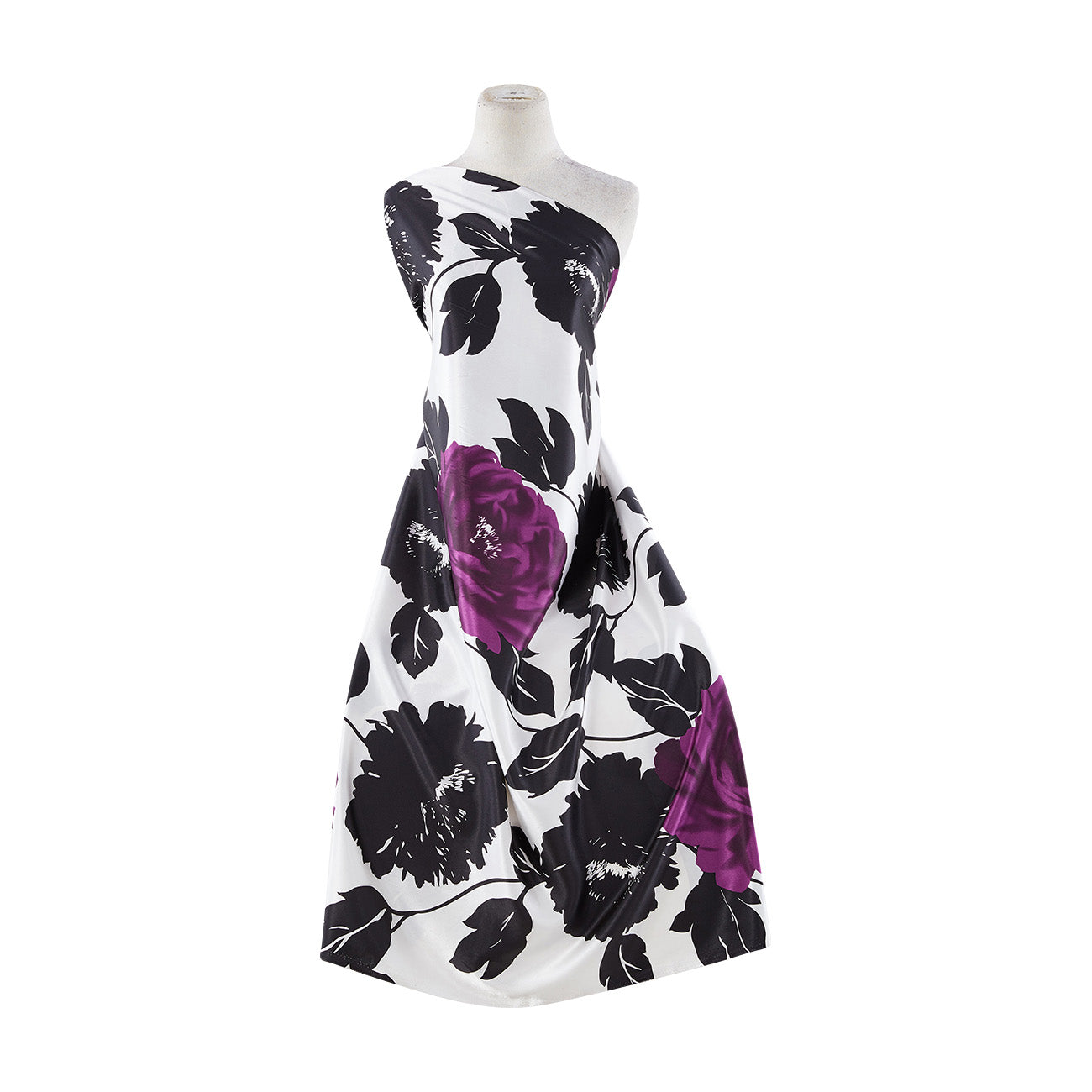
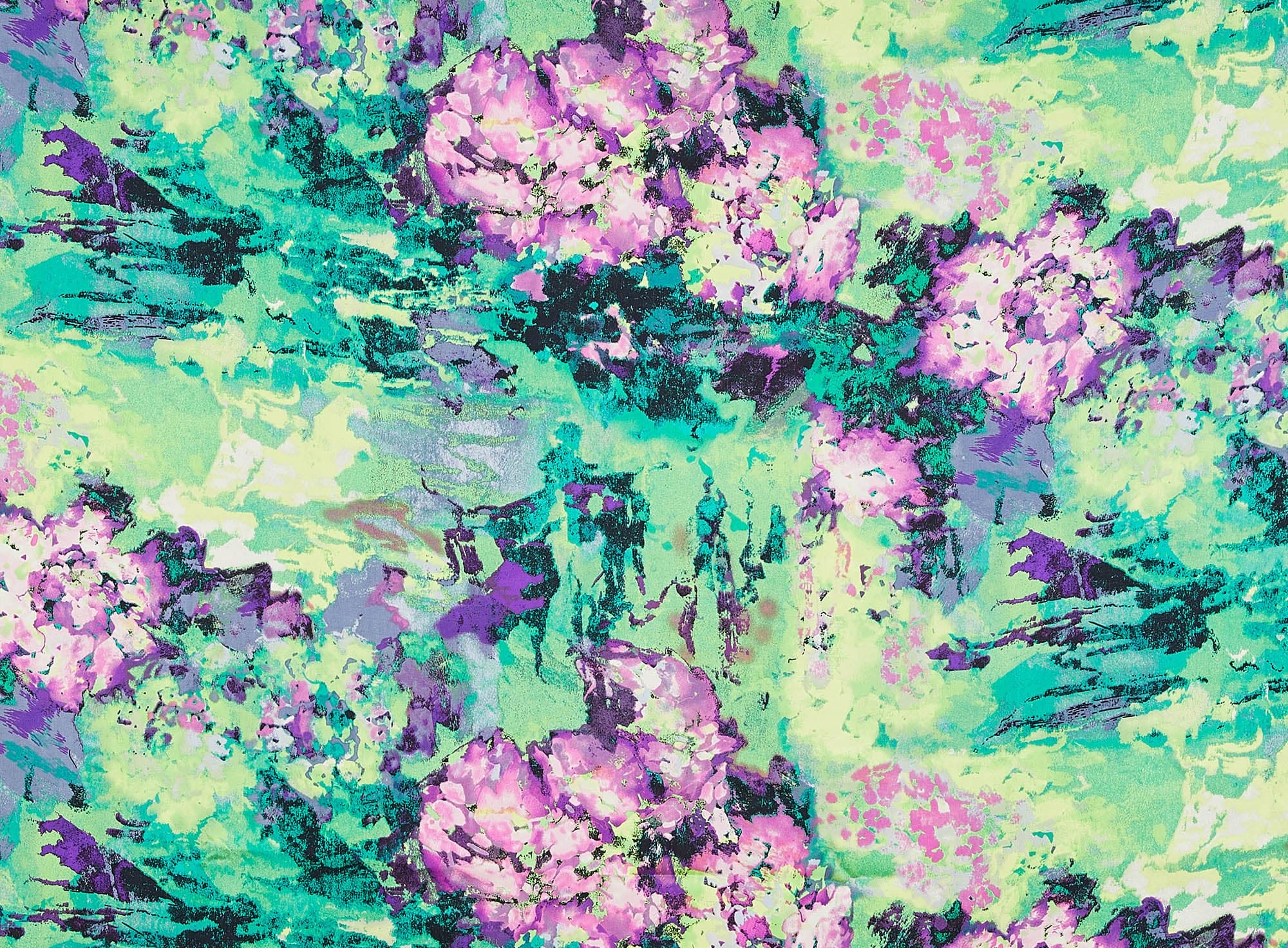
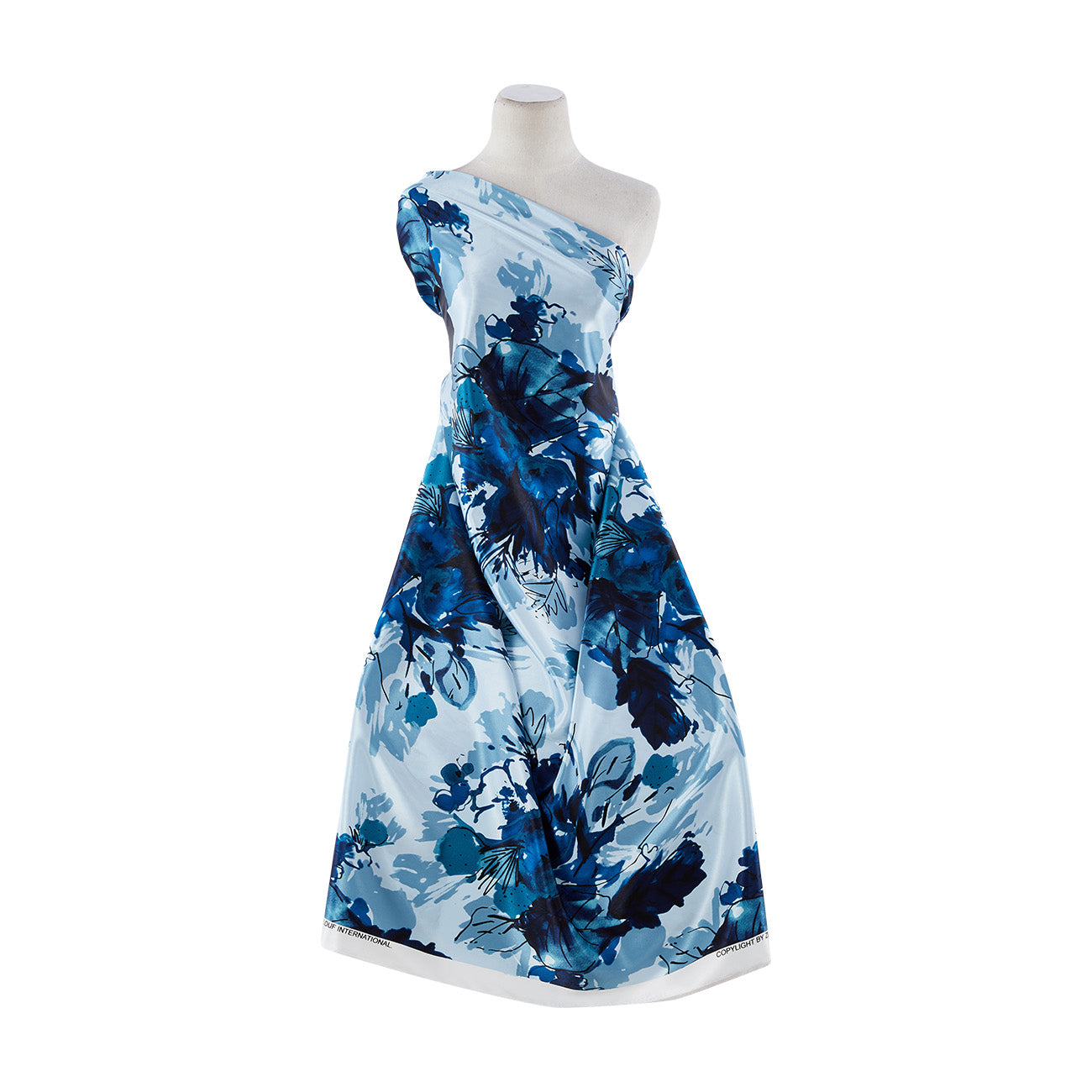
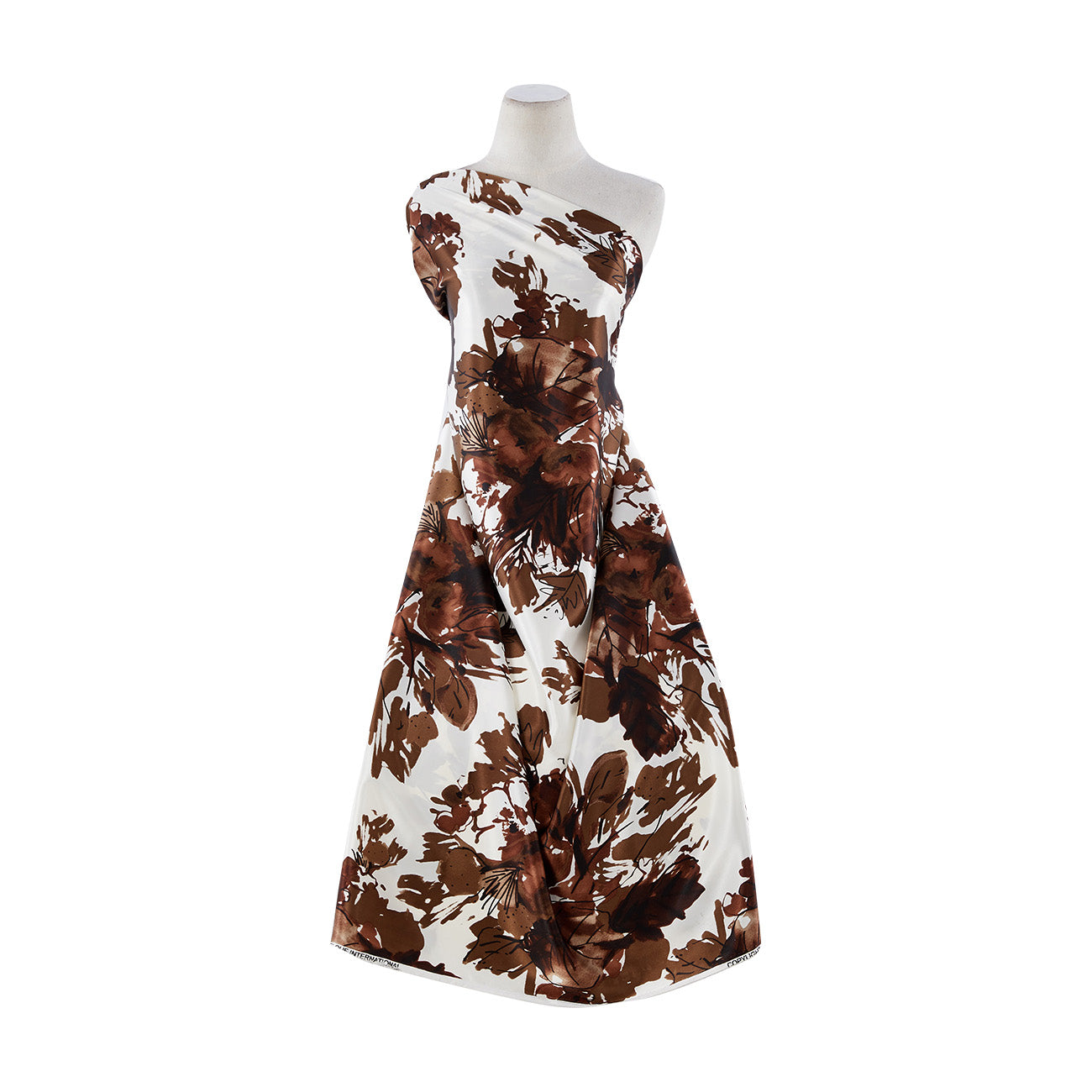
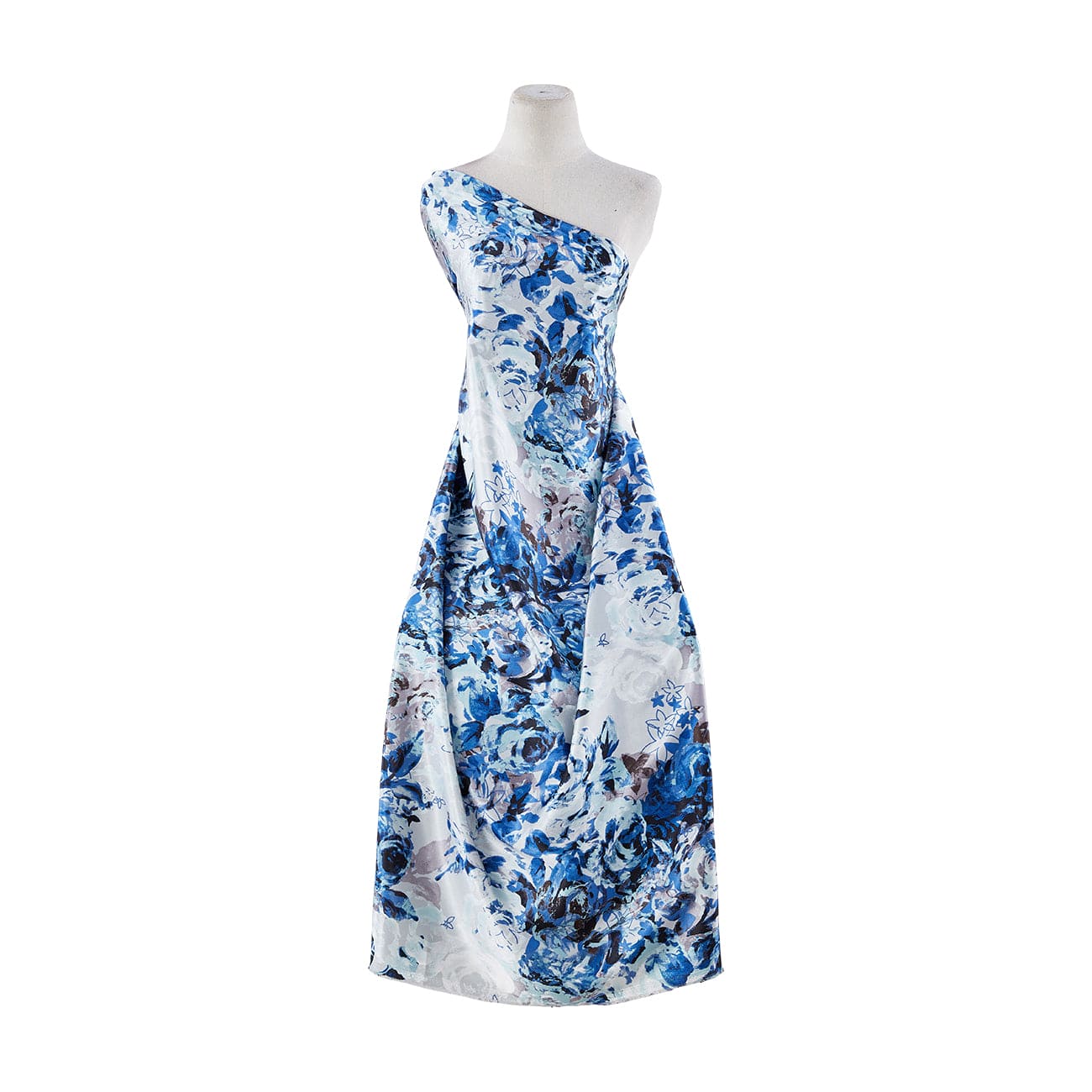
- Florals and botanicals: watercolor arrangements and large-scale flower motifs suited to occasion dresses and chic blouses
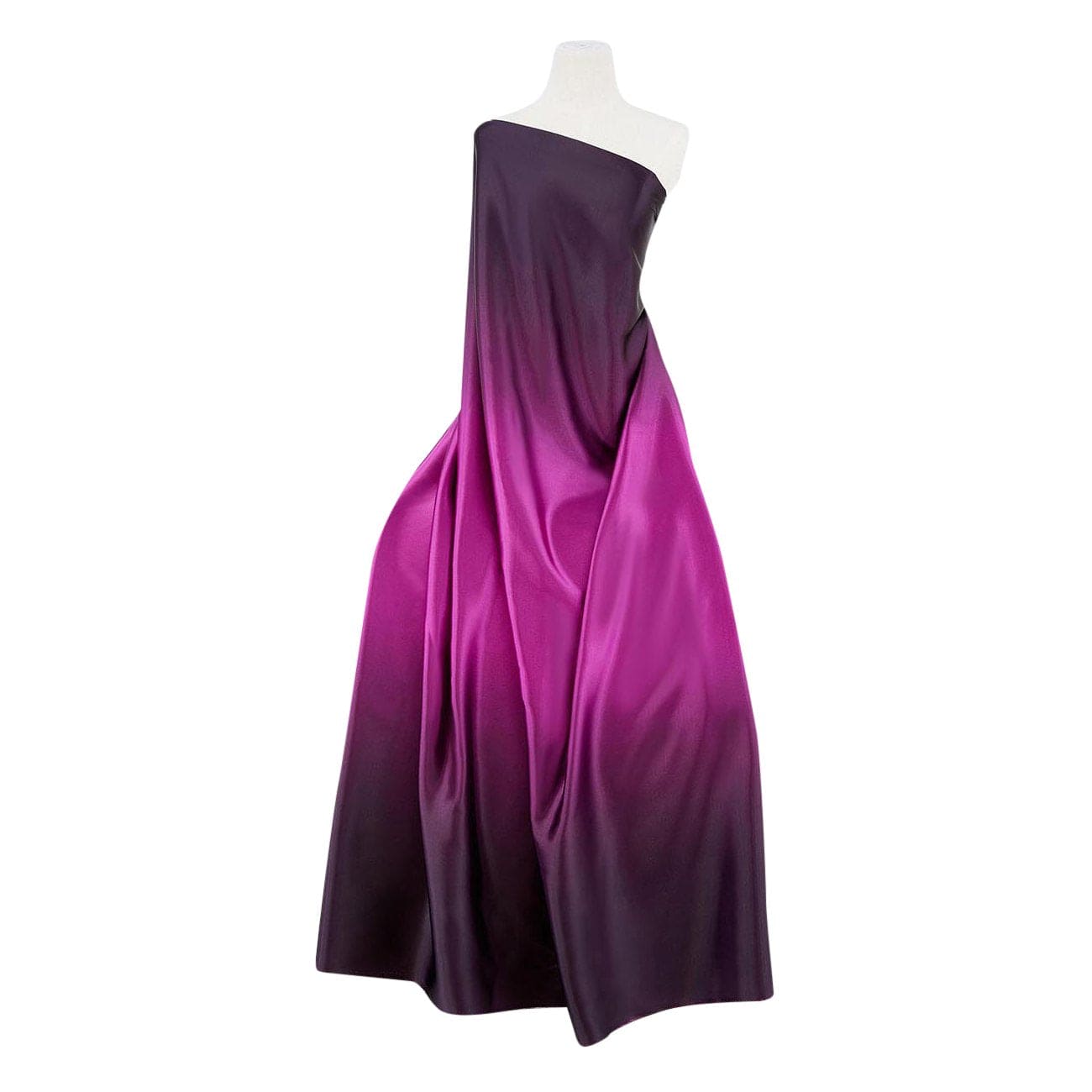
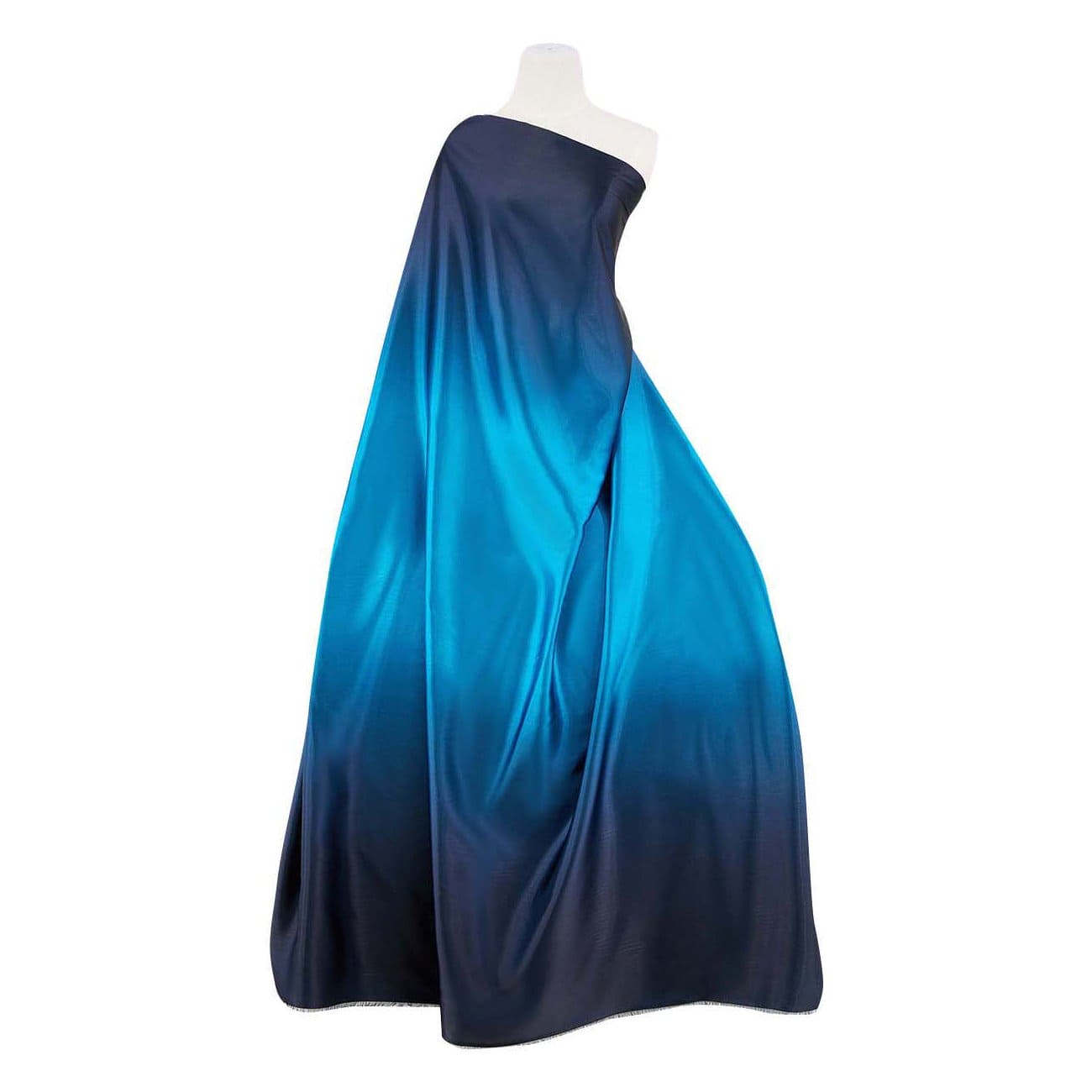
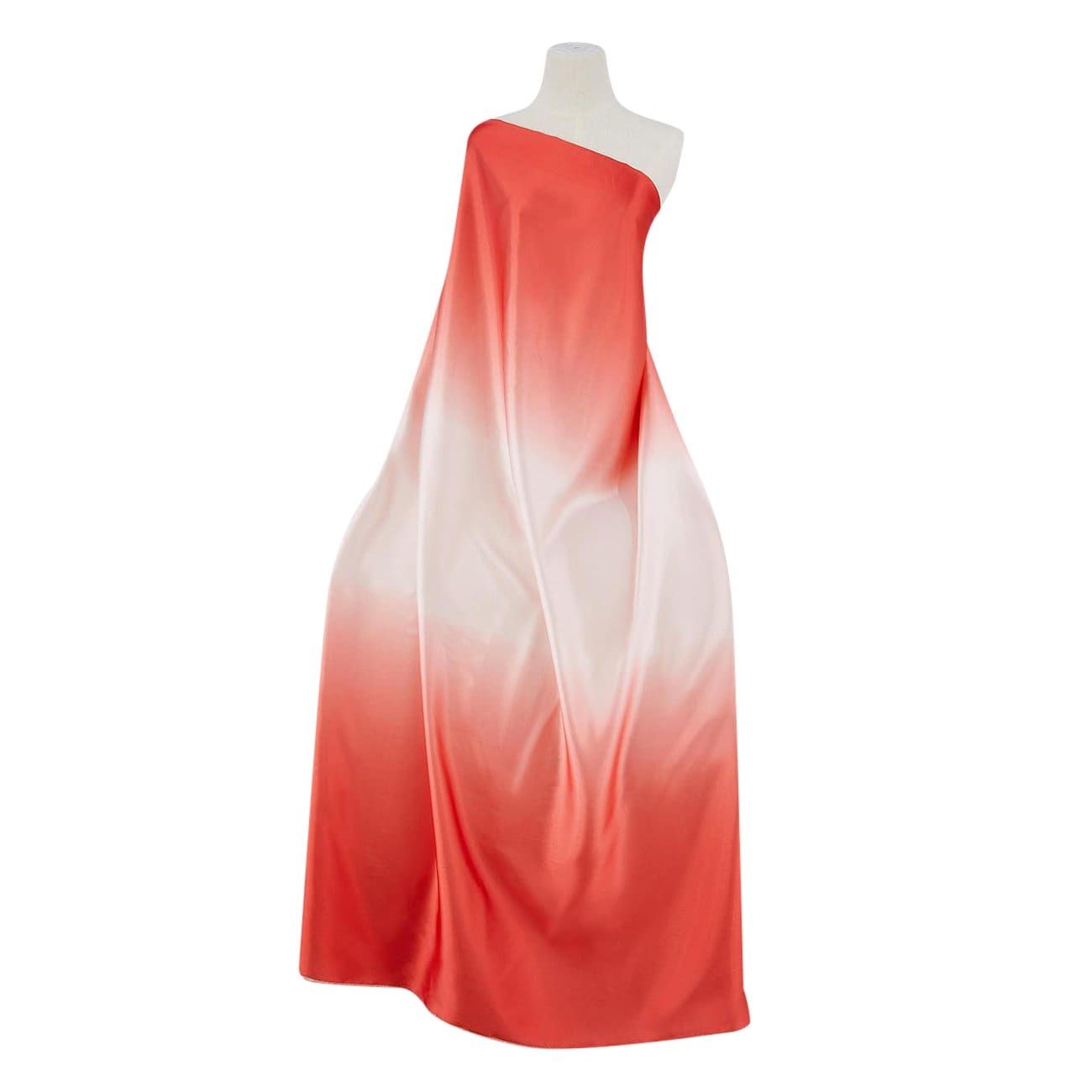
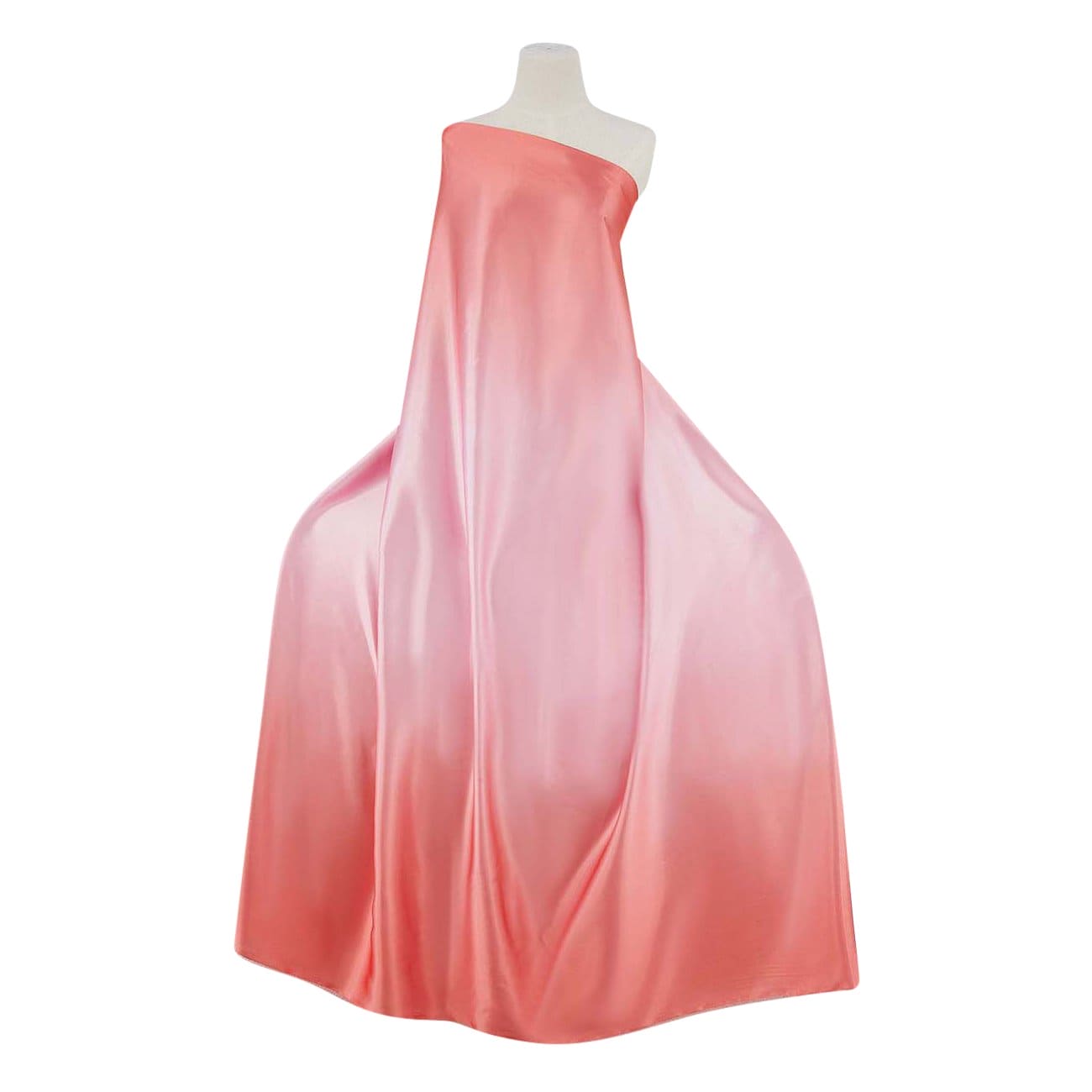
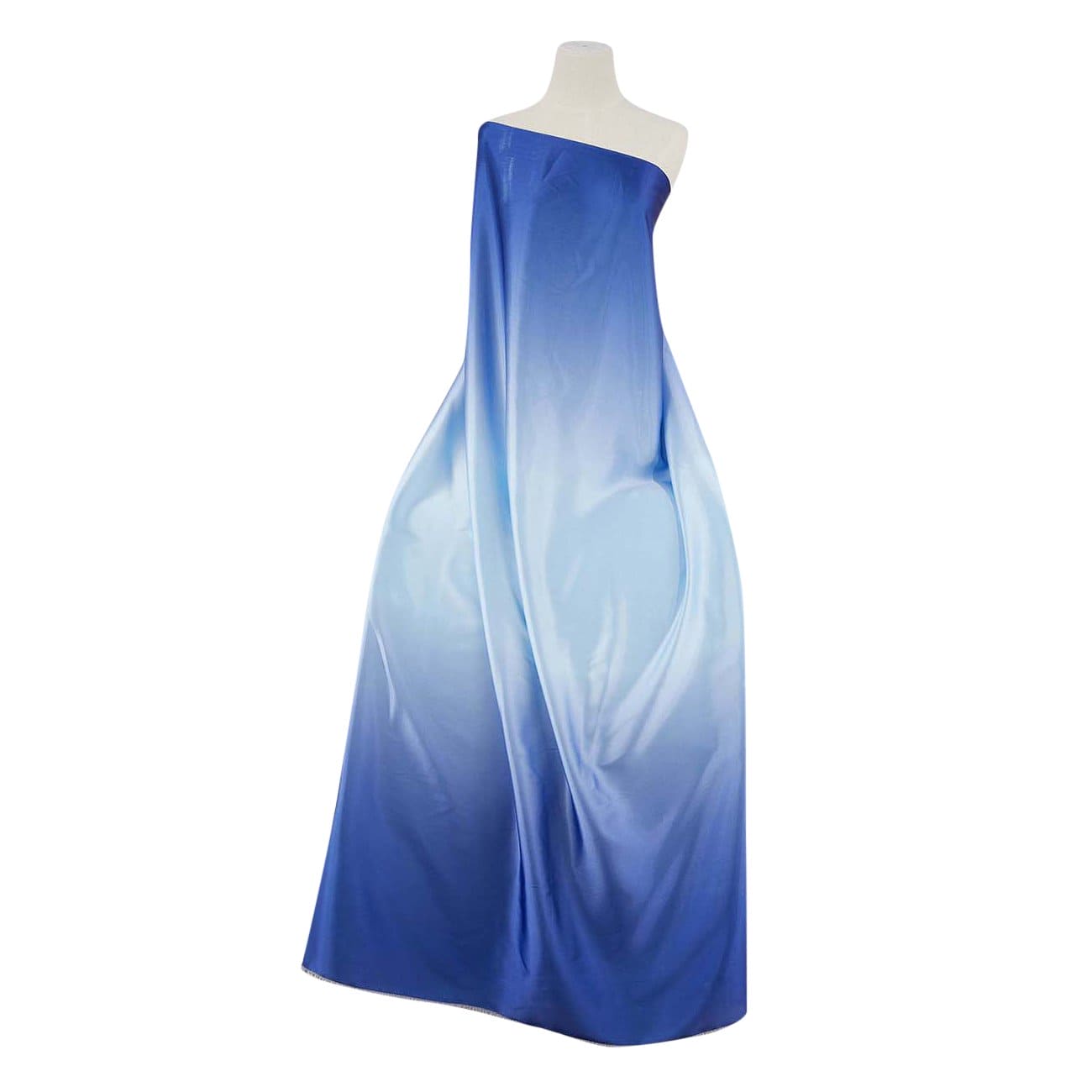
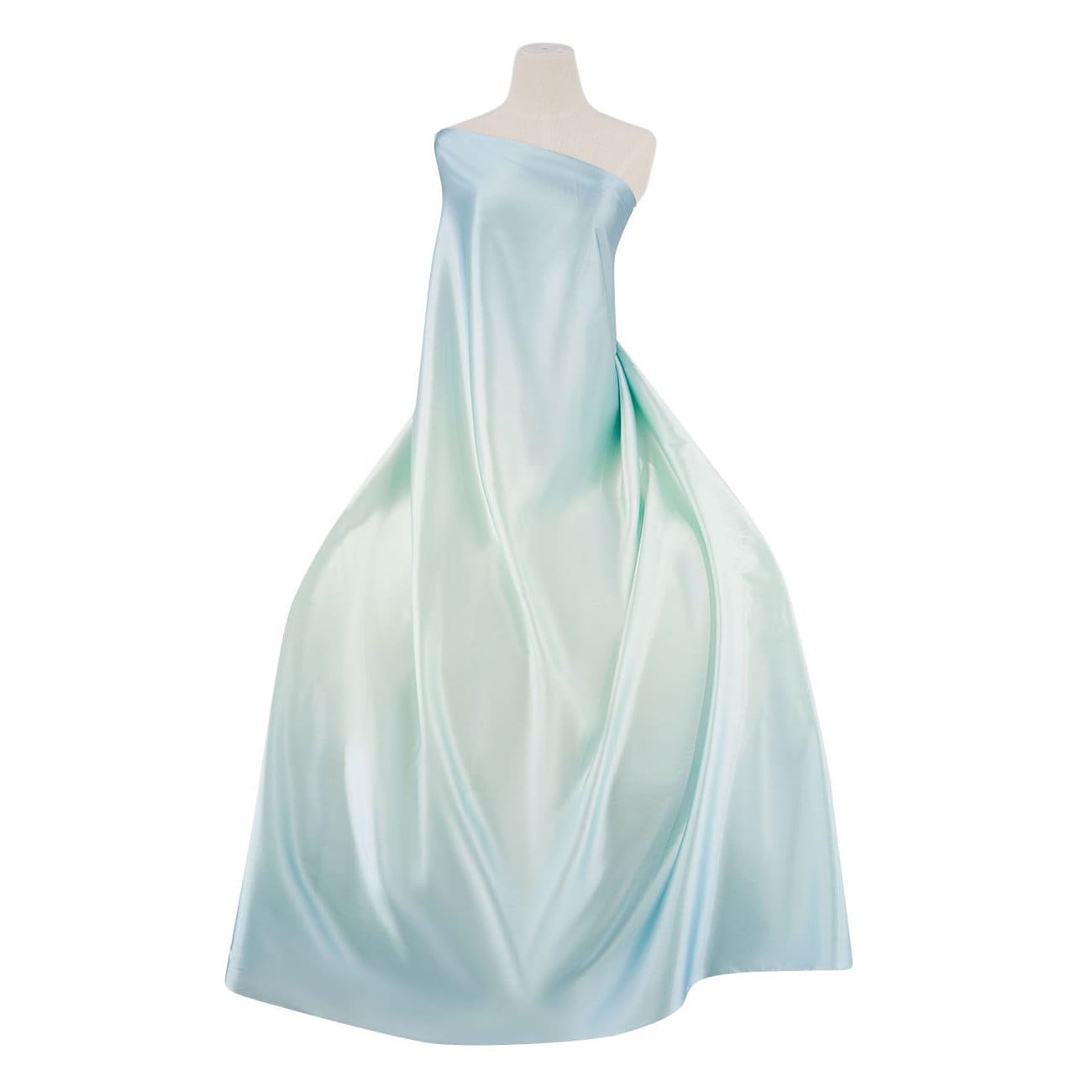
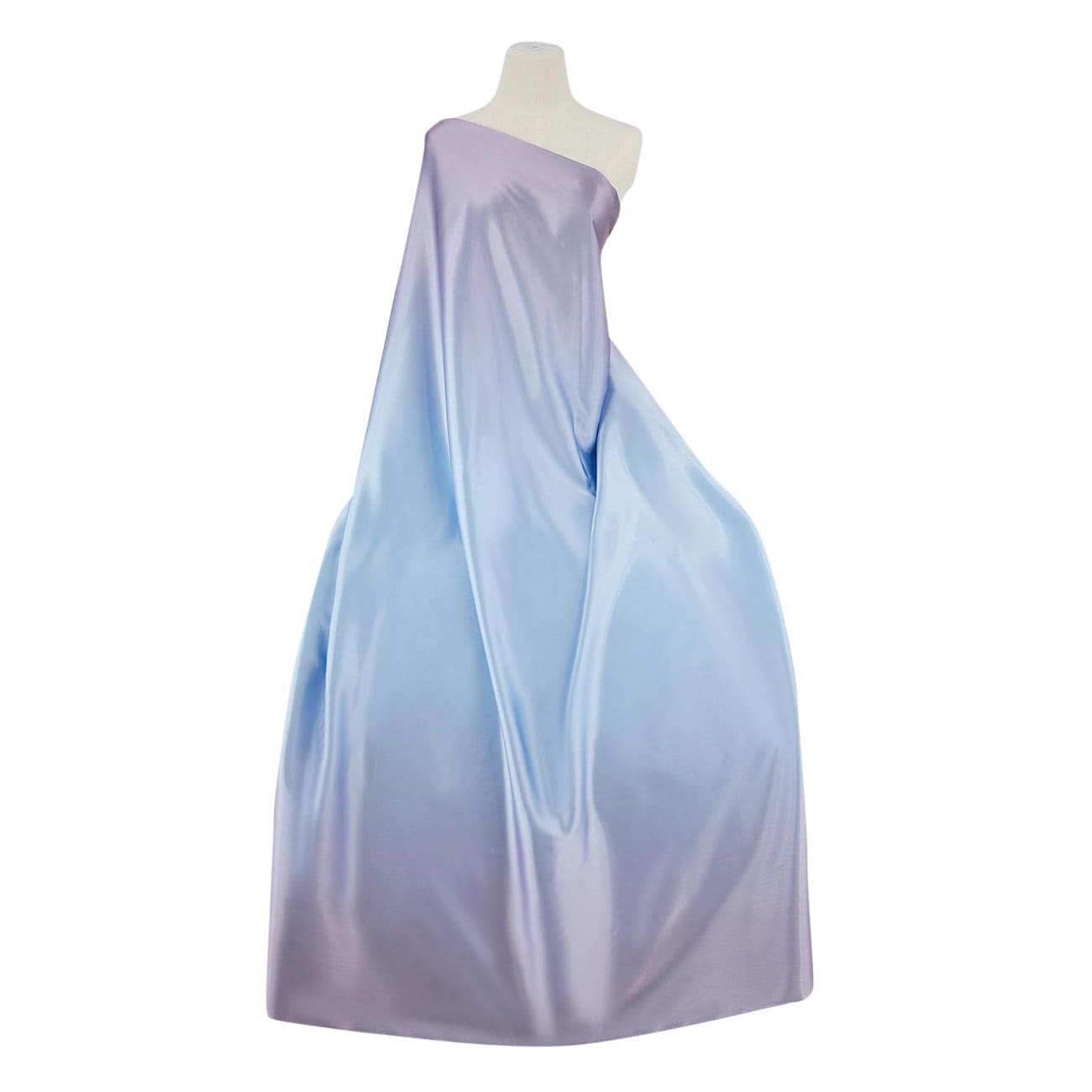
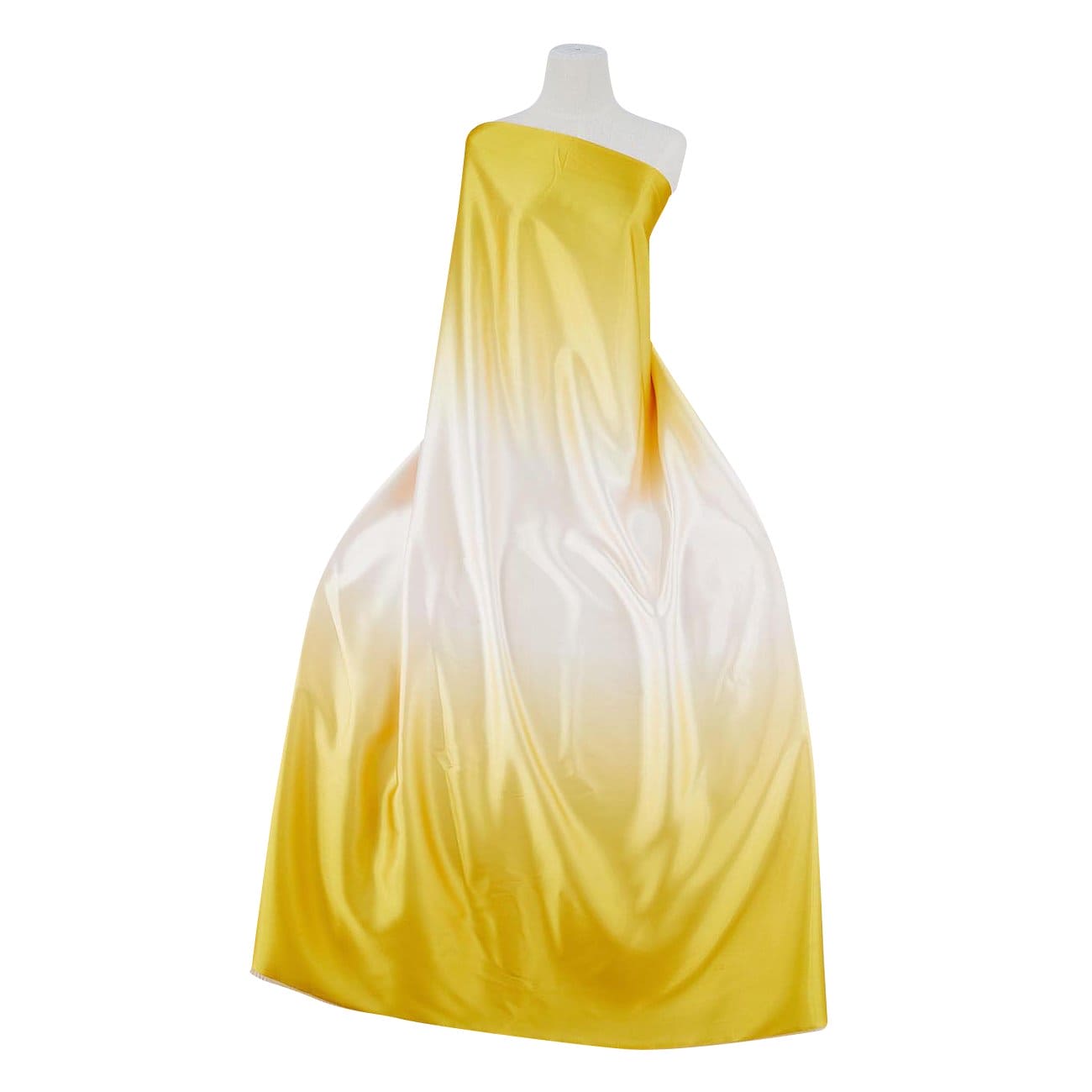
- Ombre and gradient styles: single and double ombre for color-shifting evening gowns and statement silhouettes
- Animal motifs: leopard, cheetah, and zebra inspired prints for bold, stylish separates
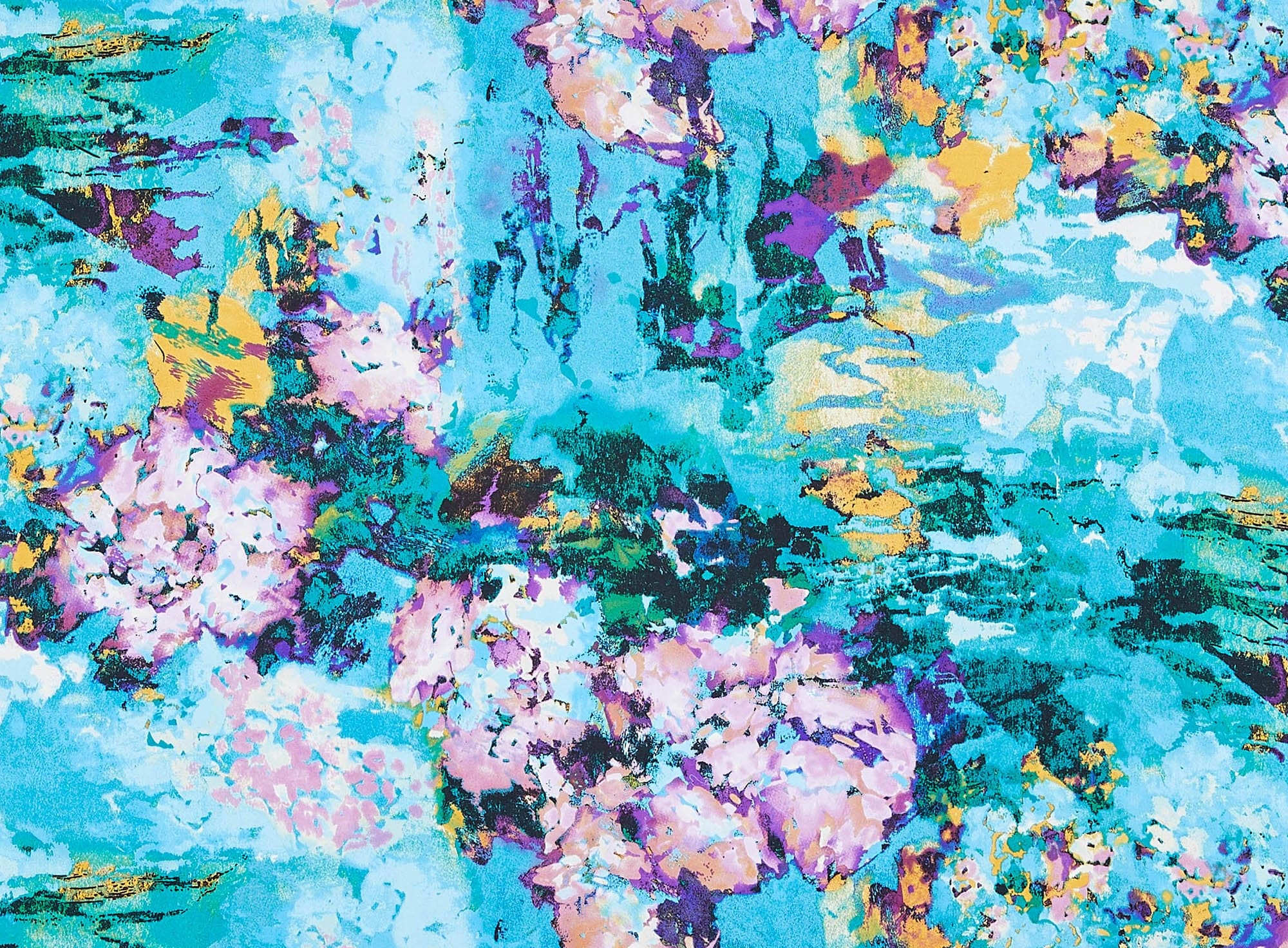
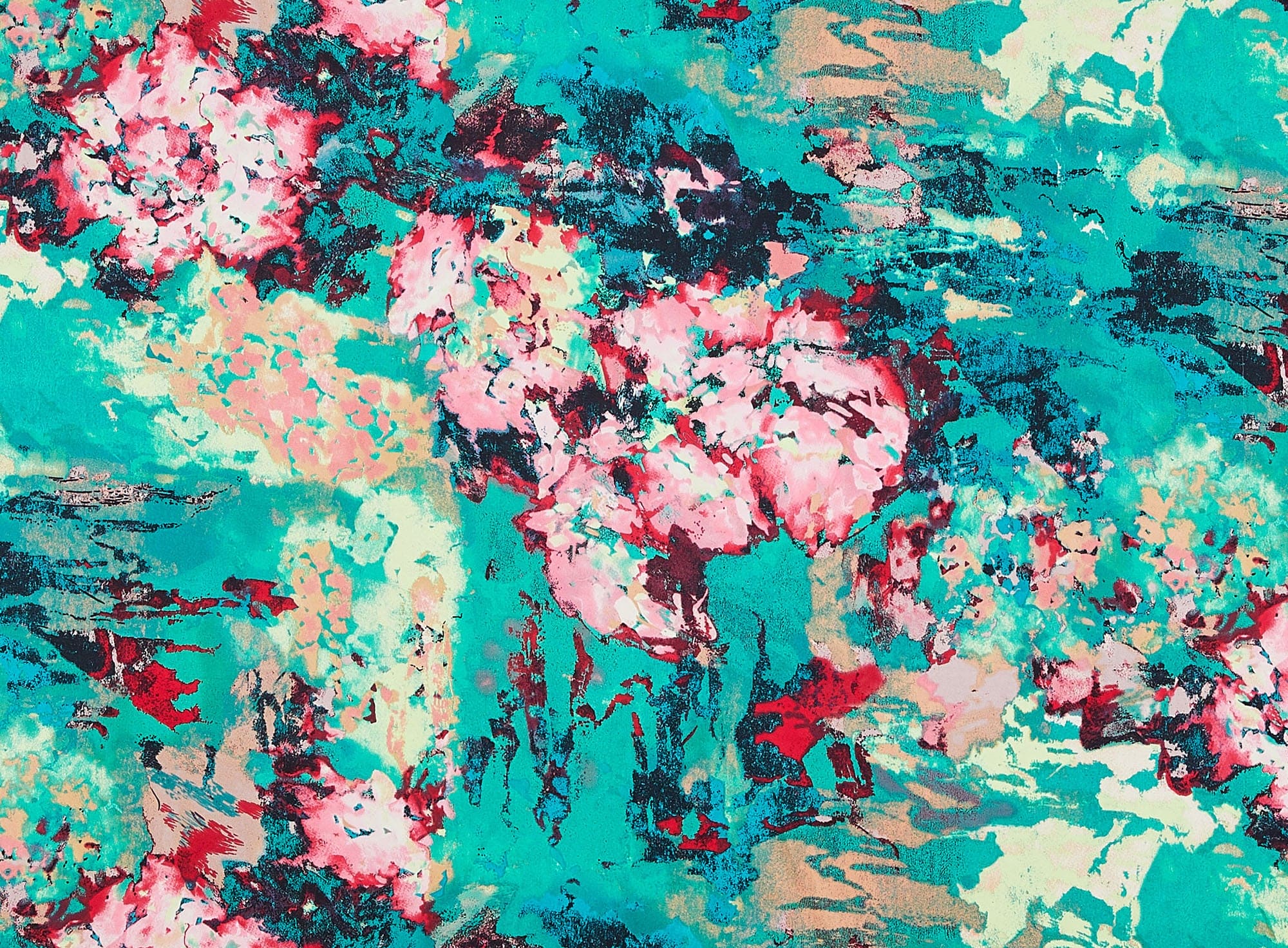
- Abstract and painterly themes: Monet-style color stories, paisley, and intricate decorative patterns
- Border and placement prints: directional designs intended for hem panels and structured garment cuts
How to Choose the Right Charmeuse Weight and Finish
Not every printed charmeuse fabric behaves the same way once it is off the bolt, so it helps to think about weight and finish before you settle on a print.
Lighter Weights vs. Heavier Weights
Lighter-weight printed charmeuse fabric drapes closer to the body and moves fluidly, which is why it shows up so often in scarves, blouses, and bias-cut evening pieces.
Heavier weight printed charmeuse fabric holds a bit more shape, making it a better fit for structured bodices or fuller skirts where you want the print to stay put rather than shift with every movement. If you are unsure which weight a specific style falls into, order a swatch before committing to yardage to check drape and hand in person.
How Charmeuse Compares to Other Satin Weight Fabrics
If printed charmeuse fabric is not quite the right fit for a project, our broader charmeuse collection includes solid colorways for pieces that do not need a print, and our satin collection offers a heavier, more structured alternative built from the same family of weaves.
Textured and Structured Alternatives
Designers combining printed charmeuse fabric with contrasting textures often turn to our crepe collection for a matte, pebbled surface that sets off the shine of charmeuse, or our rayon linen blend fabrics for a more textured, natural-looking base layer. Pairing a fluid, reflective printed charmeuse fabric panel against a matte or textured fabric is a common way to add visual depth to a single garment without introducing a second print.
How to Use Printed Charmeuse Fabric
Printed charmeuse fabric catches light in ways that elevate finished, polished pieces. The smooth texture and fluid hand make it a natural fit for evening wear, lingerie, bridal accents, and scarves.
Beyond apparel, it works well for decorative throw pillow covers, wall art panels, and upscale accessories where the glossy surface adds visual impact without bulk.
Cutting and Sewing Charmeuse
Working with charmeuse requires a few specific techniques:
- Use a fine, sharp, or microtex needle, since ballpoint needles can snag the long warp floats and cause runs along the fabric face.
- Pin within the seam allowance only, or use pattern weights instead of pins to avoid distorting the bias grain
- Cut on a single layer with the printed face down on a non-slip cutting mat.
- French seams, sewn wrong sides together first, then right sides together, are the standard finish for charmeuse, since they encase raw edges without adding bulk visible through the drape.
- Set stitch length to 1.8 to 2.0mm, as longer stitches can cause puckering on the slippery surface.
- Avoid heavy fusible interfacings, since the heat required can permanently flatten the satin sheen. A lightweight sew-in interfacing or organza backing layer works better.
Caring for Charmeuse
Charmeuse requires gentle handling to preserve its sheen, drape, and color. Hand wash in cool water with a pH-neutral detergent, since agitation and heat cause shrinkage and dull the sheen. Dry cleaning is the safest option for printed charmeuse, as some dyes may bleed when wet.
You can also lay flat to dry away from direct sunlight, since hanging a wet charmeuse garment will distort the bias grain and stretch the fabric permanently. Iron on a low or synthetic setting with a pressing cloth between the iron and the fabric face, as direct heat on the satin surface can create permanent shine marks or flatten the weave.
For storage, keep your garment folded in a cool, dry location, since cedar is preferable to mothballs, which can leave an odor that is difficult to remove.
Shop Printed Charmeuse Fabric by the Yard
Browse the collection above, filter by color family or print direction, and order a free swatch before committing to yardage. Zelouf carries printed charmeuse fabric by the yard and supports both independent designers and wholesale buyers.
Frequently Asked Questions
What is printed charmeuse fabric best used for?
Printed charmeuse suits evening gowns, chic blouses, lingerie, scarves, and bridal accents. Its smooth texture and lustrous finish make it a go-to for elegant garments and stylish accessories.
How many yards do I need for a dress?
Most patterns require 3 to 5 yards of printed charmeuse, depending on the silhouette. Bias-cut and full-skirt designs use more fabric. Review your pattern’s yardage guide and order a swatch to confirm the print scale.
Is charmeuse the same as satin?
Charmeuse and satin both use the same underlying weave structure, but charmeuse is typically constructed with a lighter, more fluid build, giving it a softer drape than heavier, more structured satin fabrics.
Can printed charmeuse be mixed with other fabrics?
Yes. It pairs well with chiffon for layered evening wear, spandex blends for stretch panels, and solid satin for color-blocked apparel. The contrast between finishes adds structure and visual depth.
What print styles does the Zelouf charmeuse collection include?
The collection features florals, ombre gradients, animal motifs, abstract designs, and border-style prints. Many styles come in multiple colorways, making it straightforward to sew coordinated looks from a single print direction.