




Why Satin Continues to Define Bridal Fashion
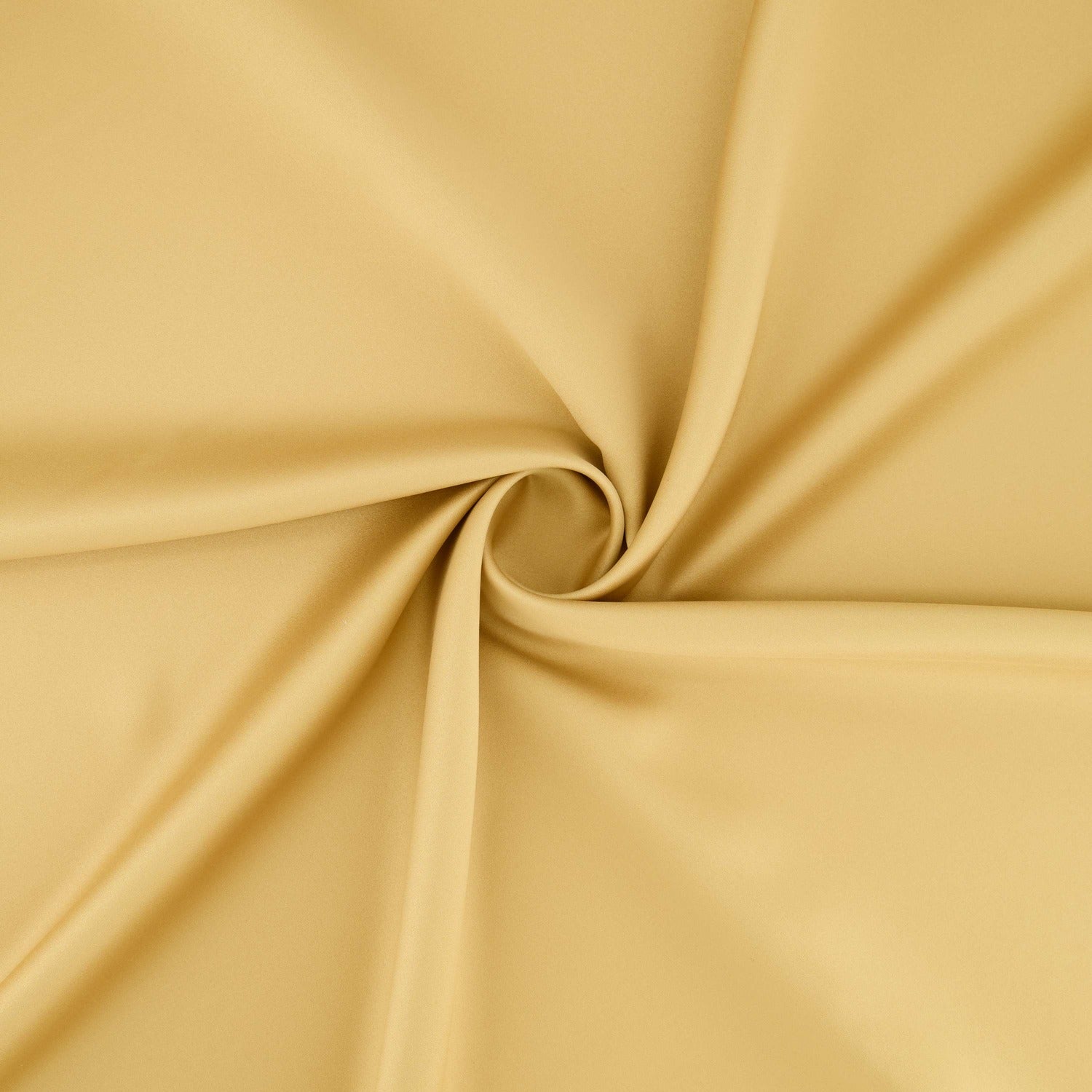
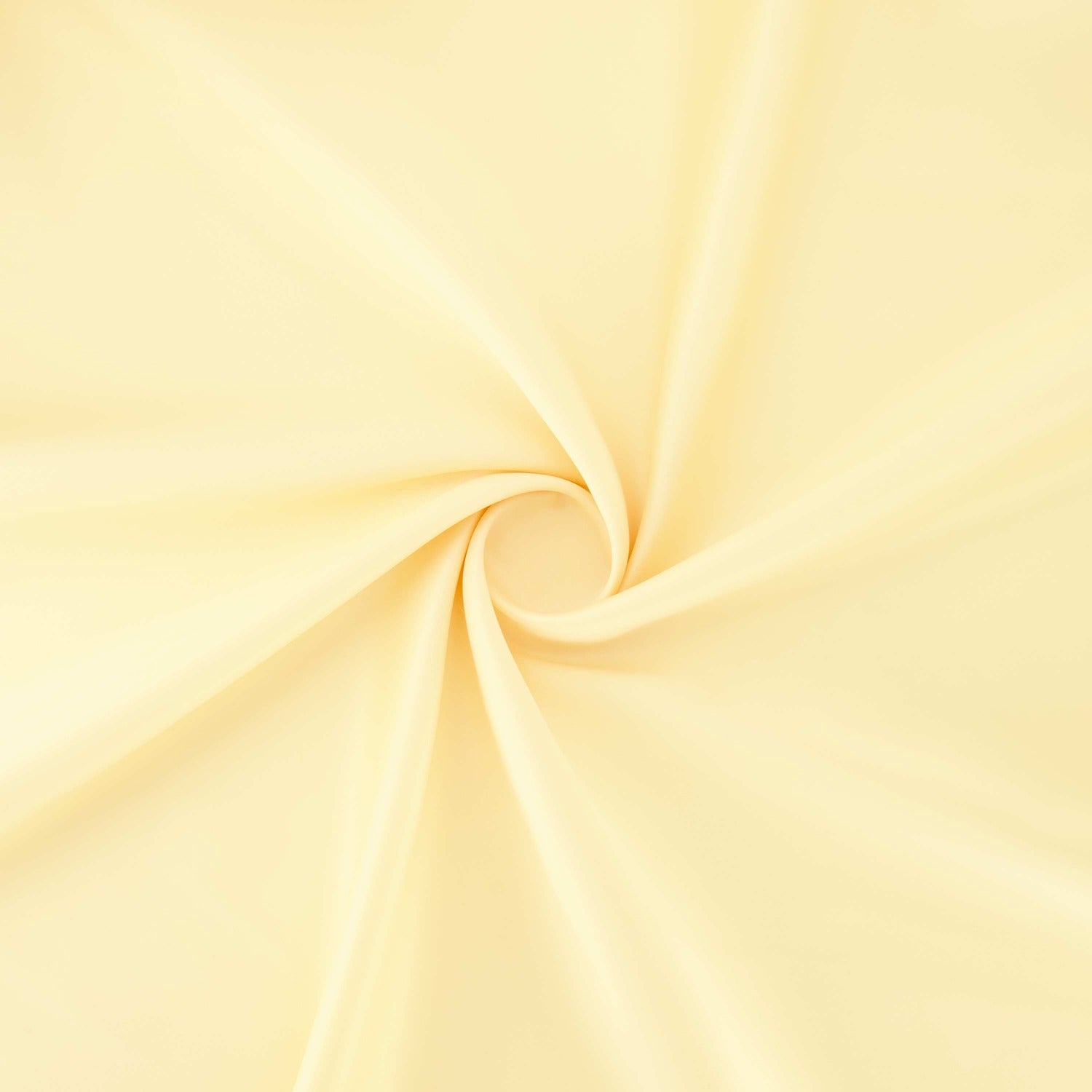
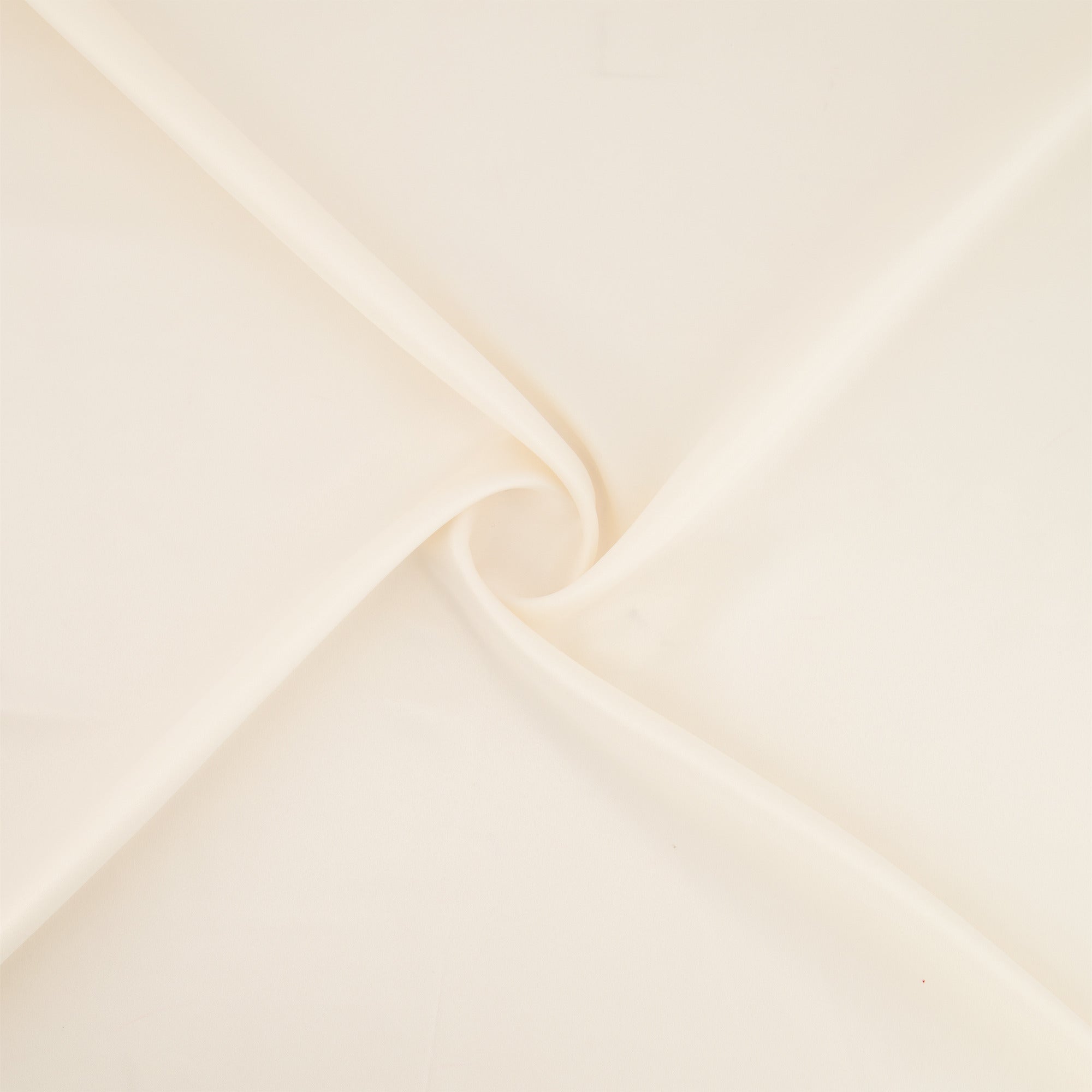
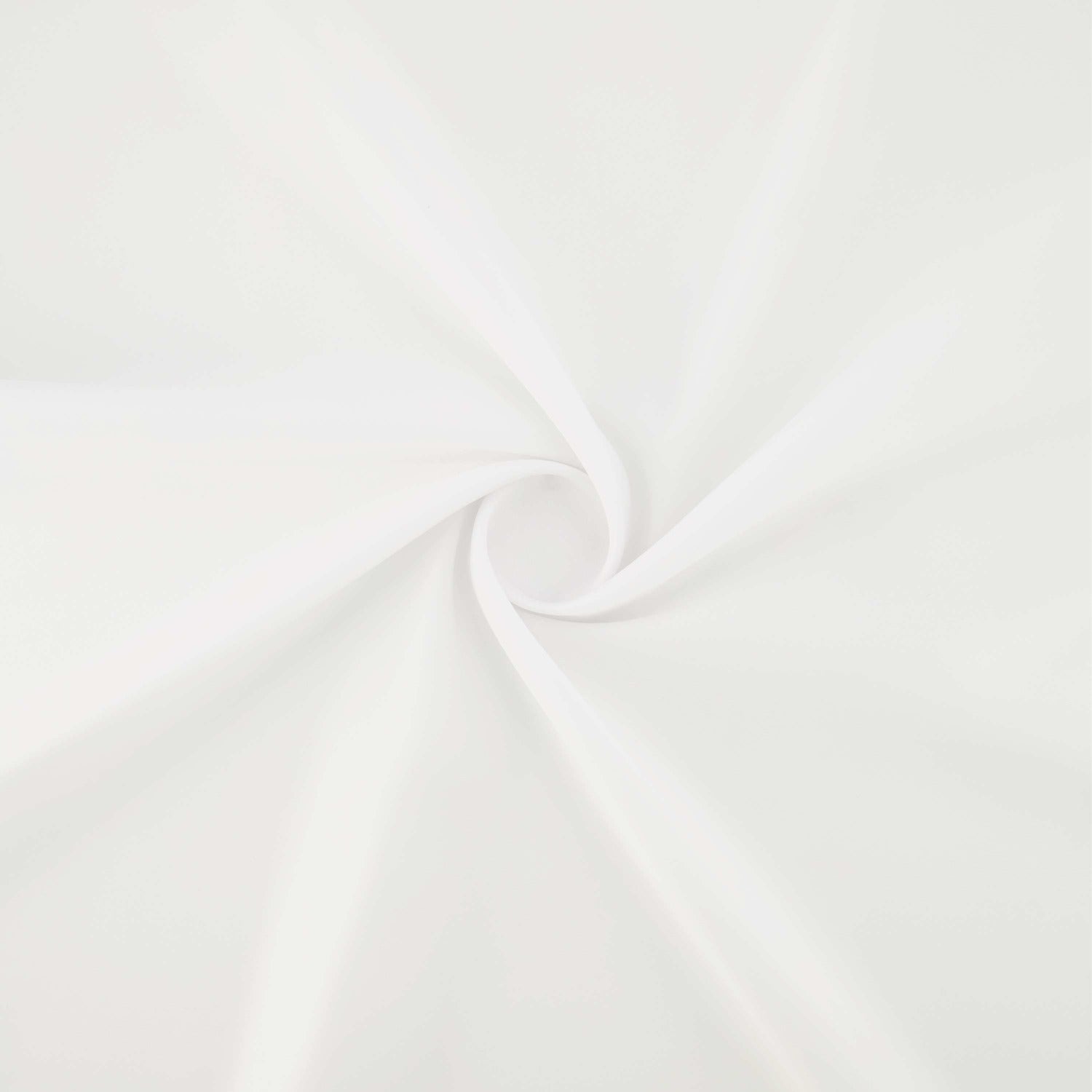
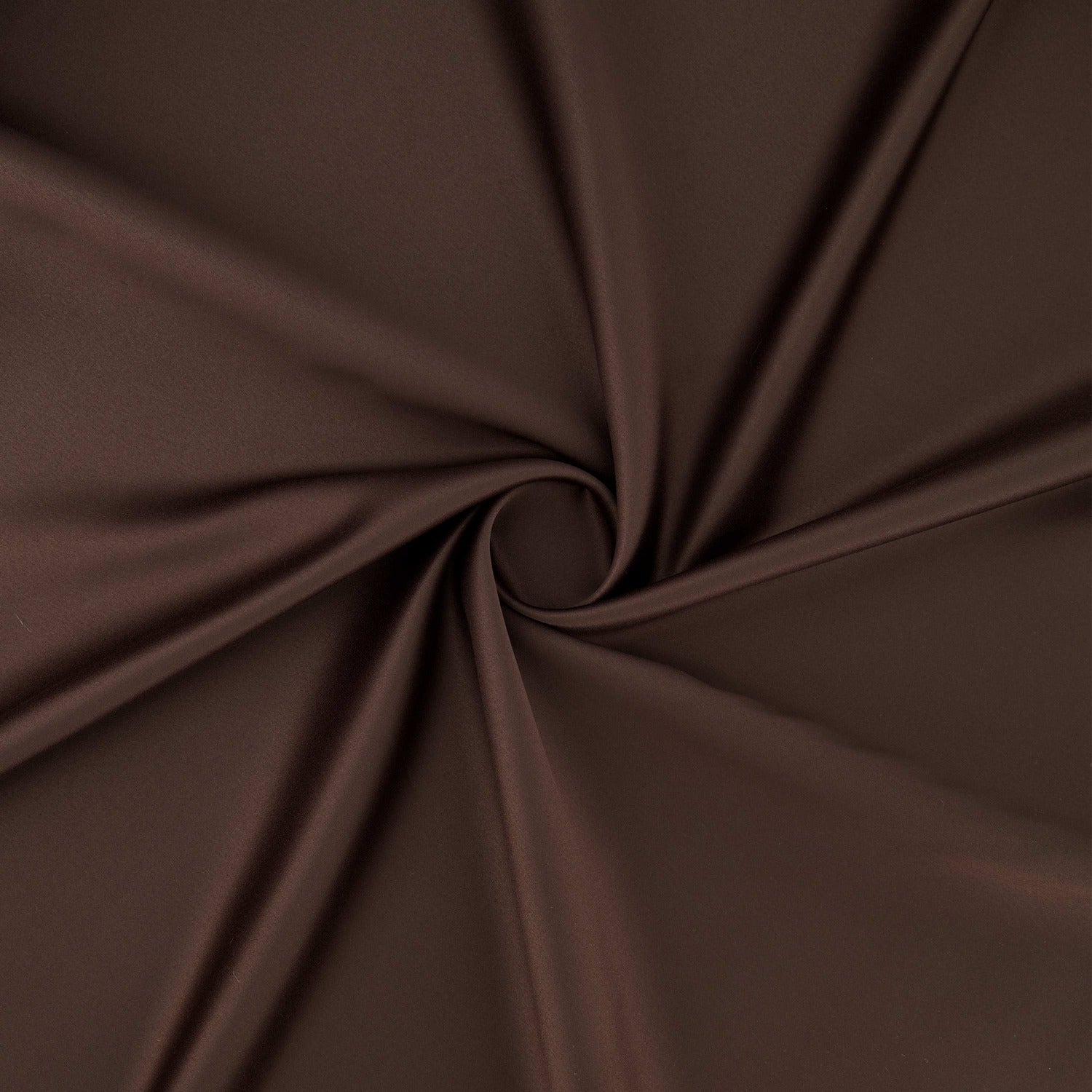
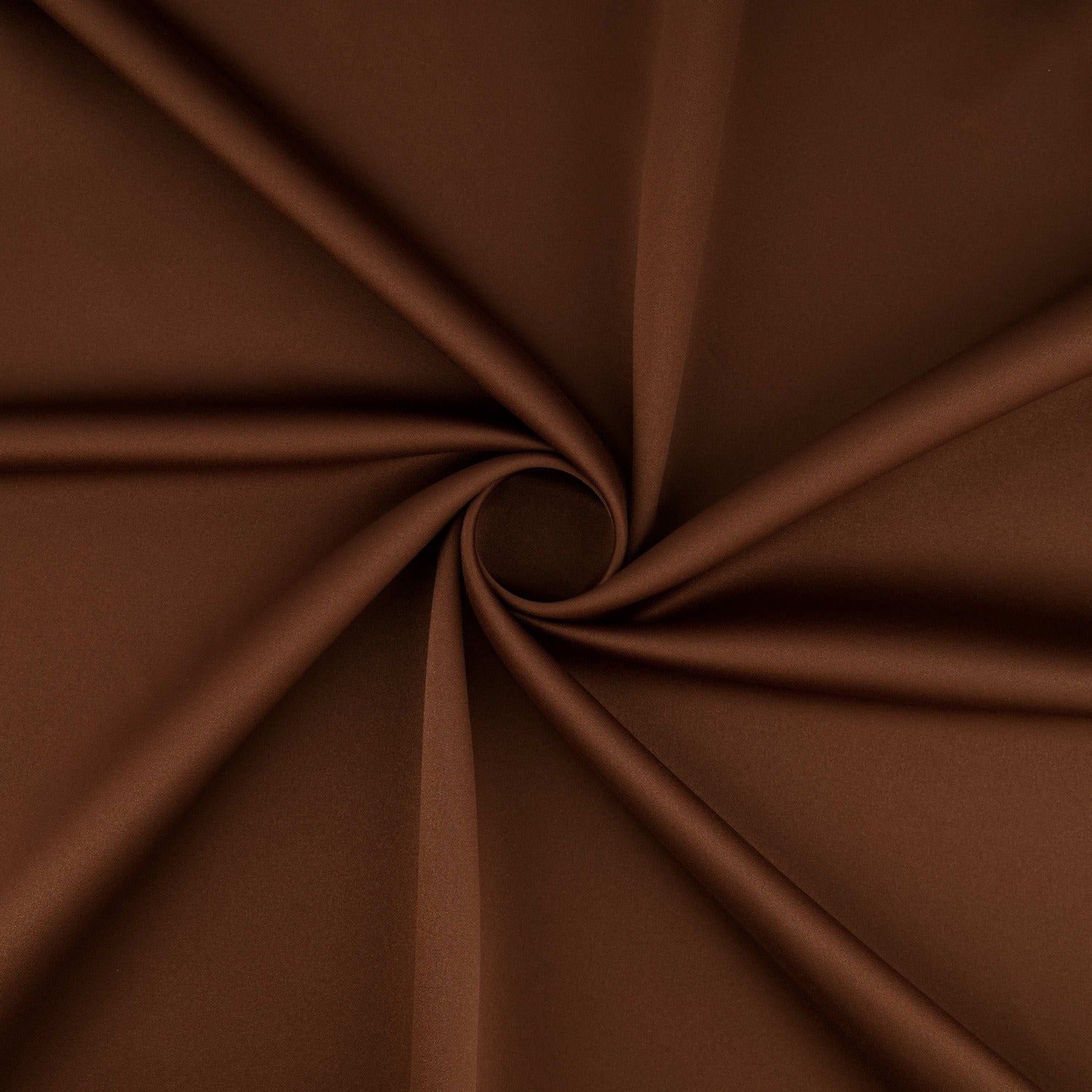
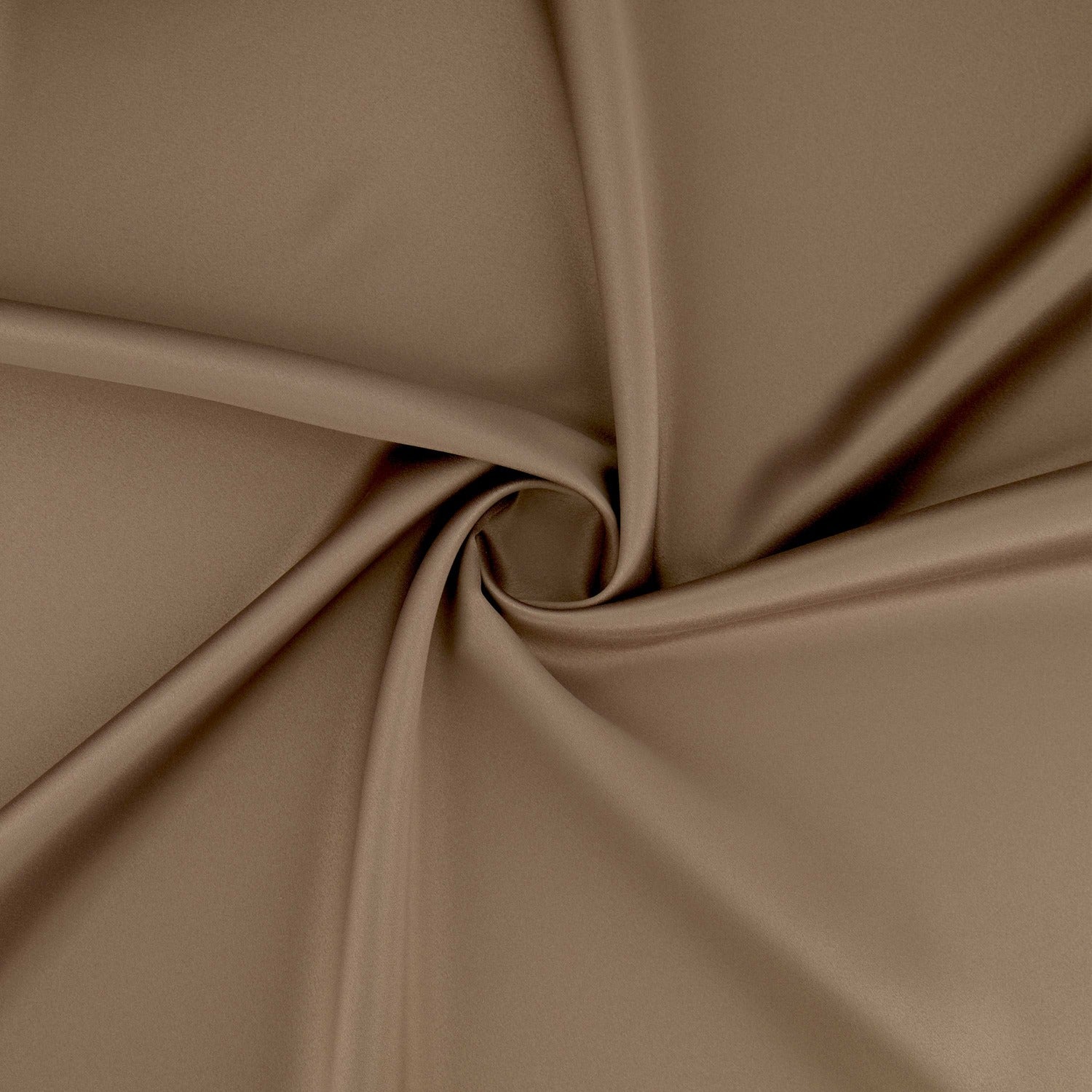
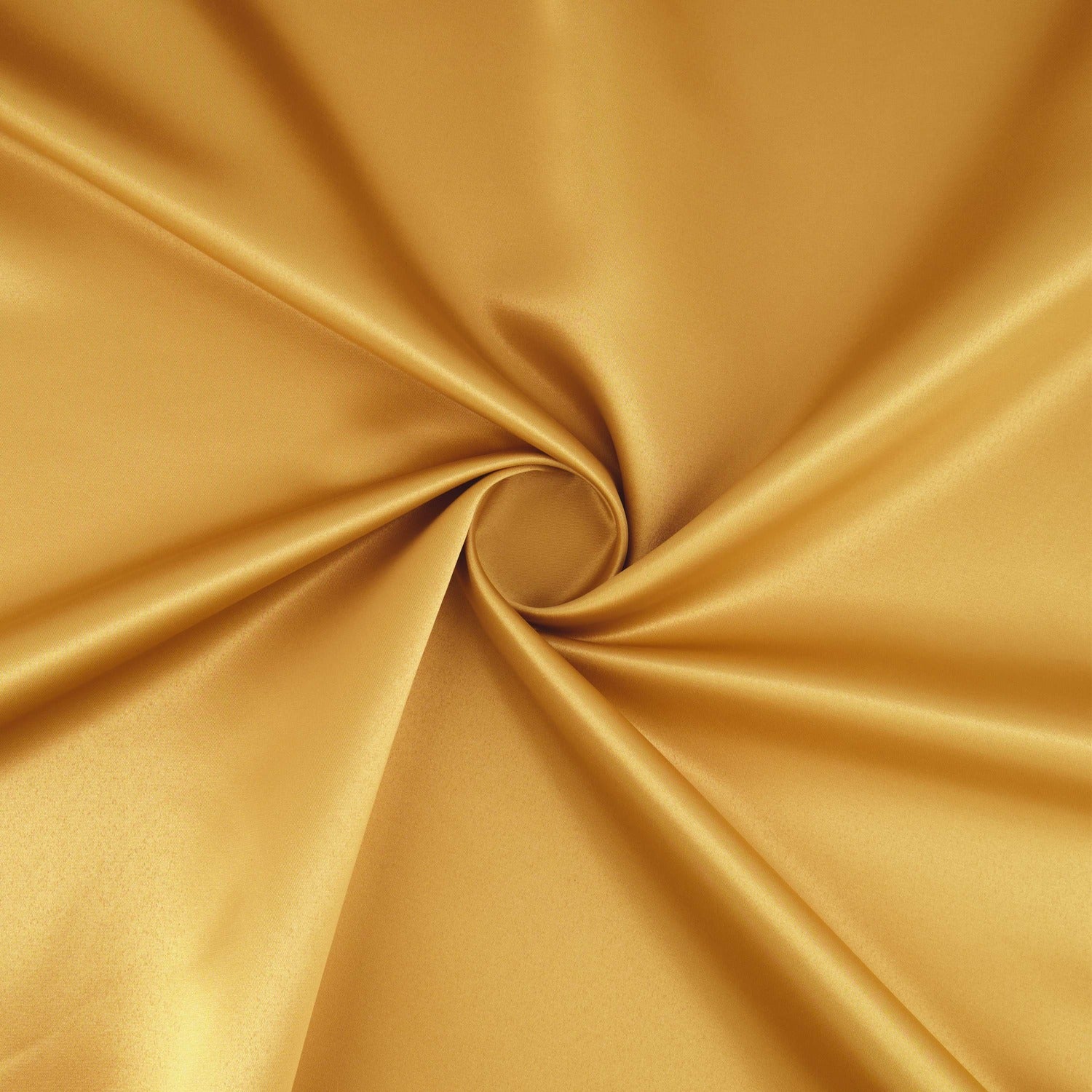
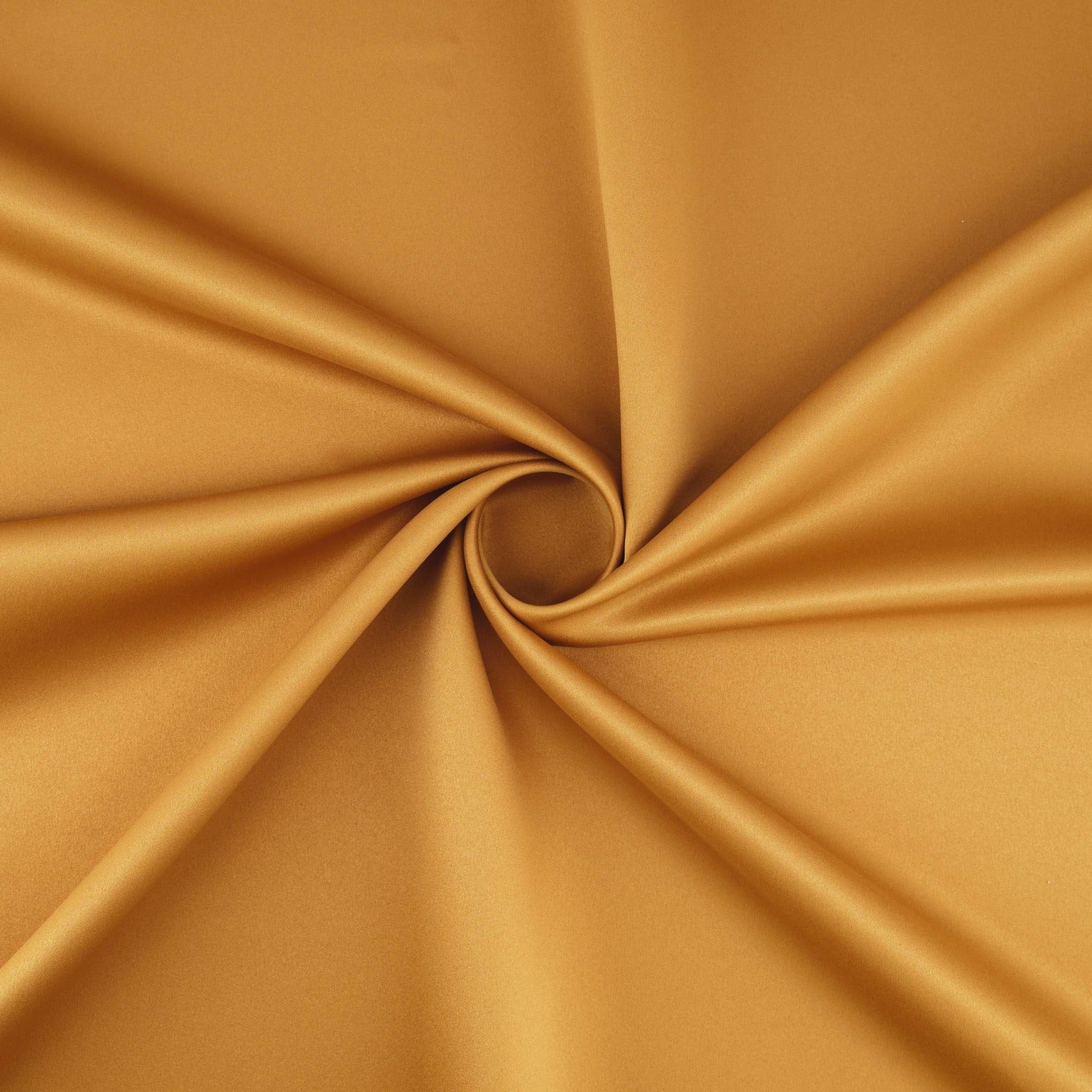
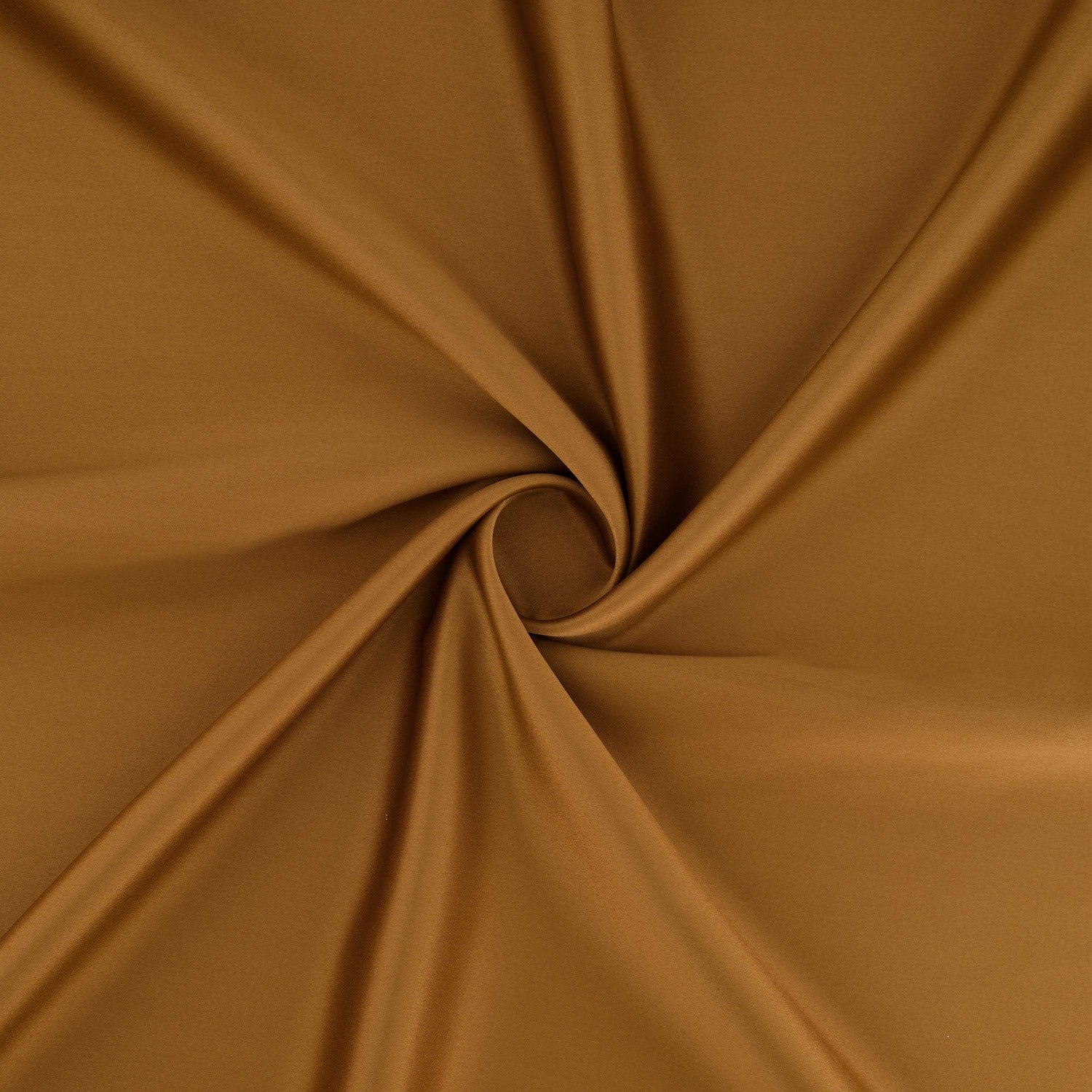
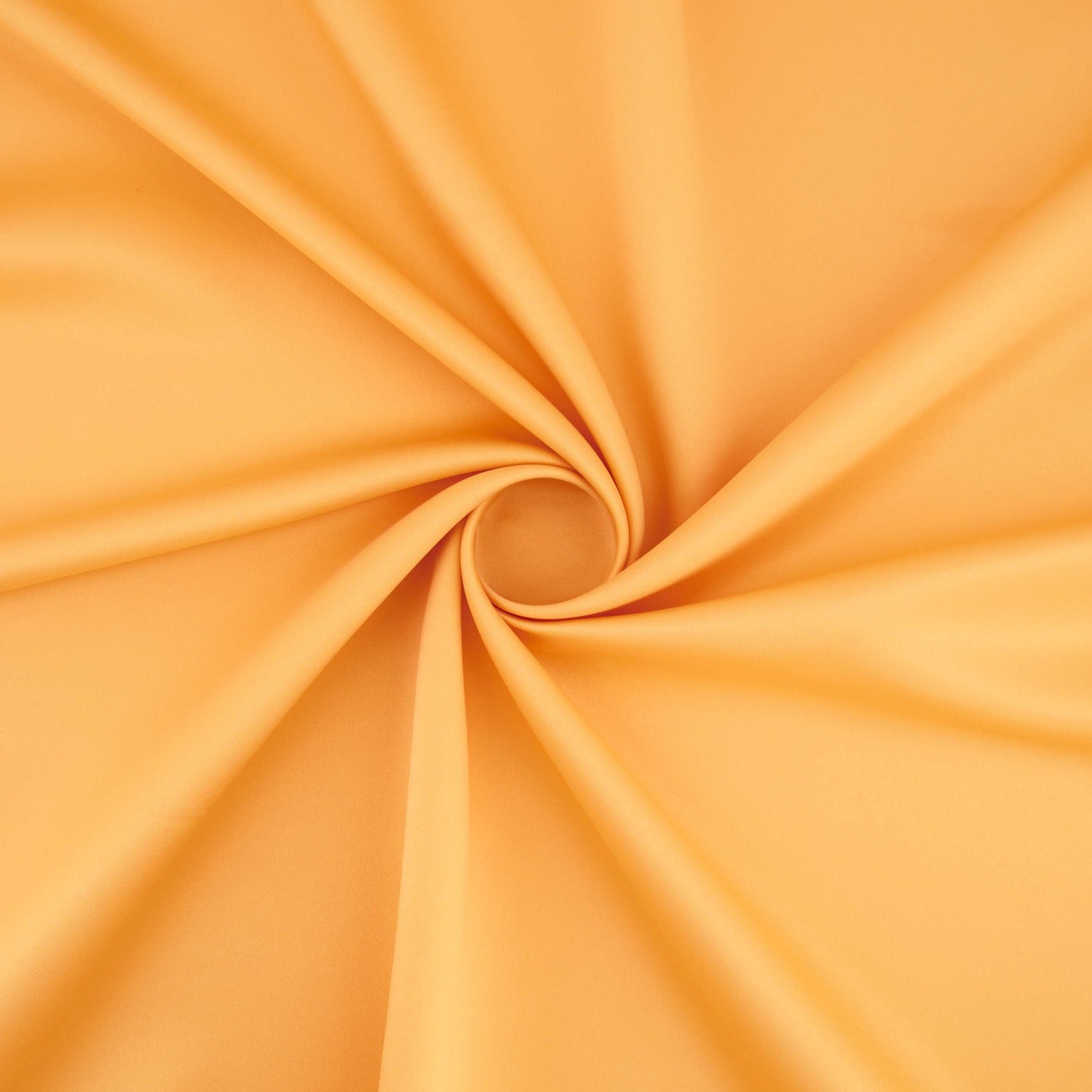
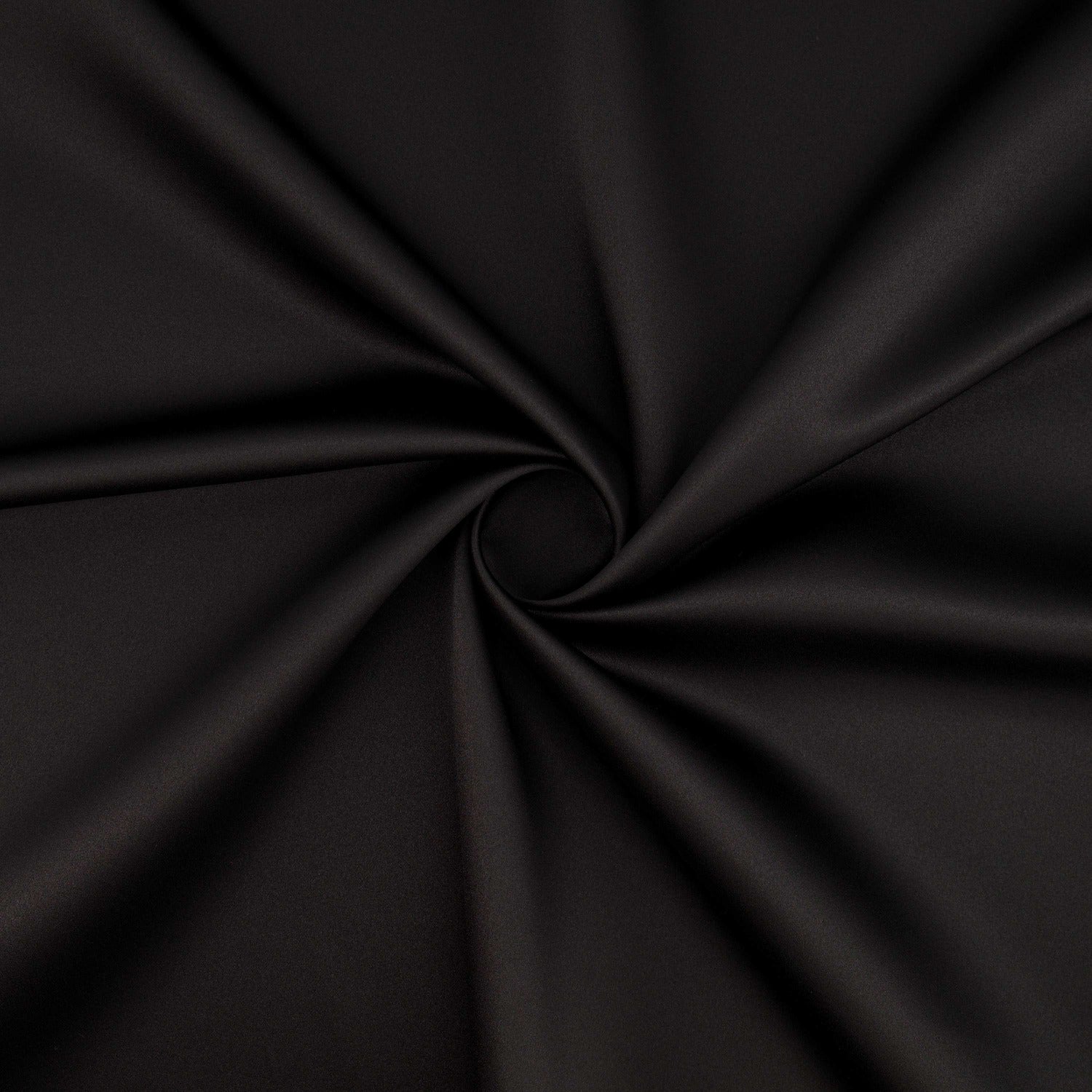
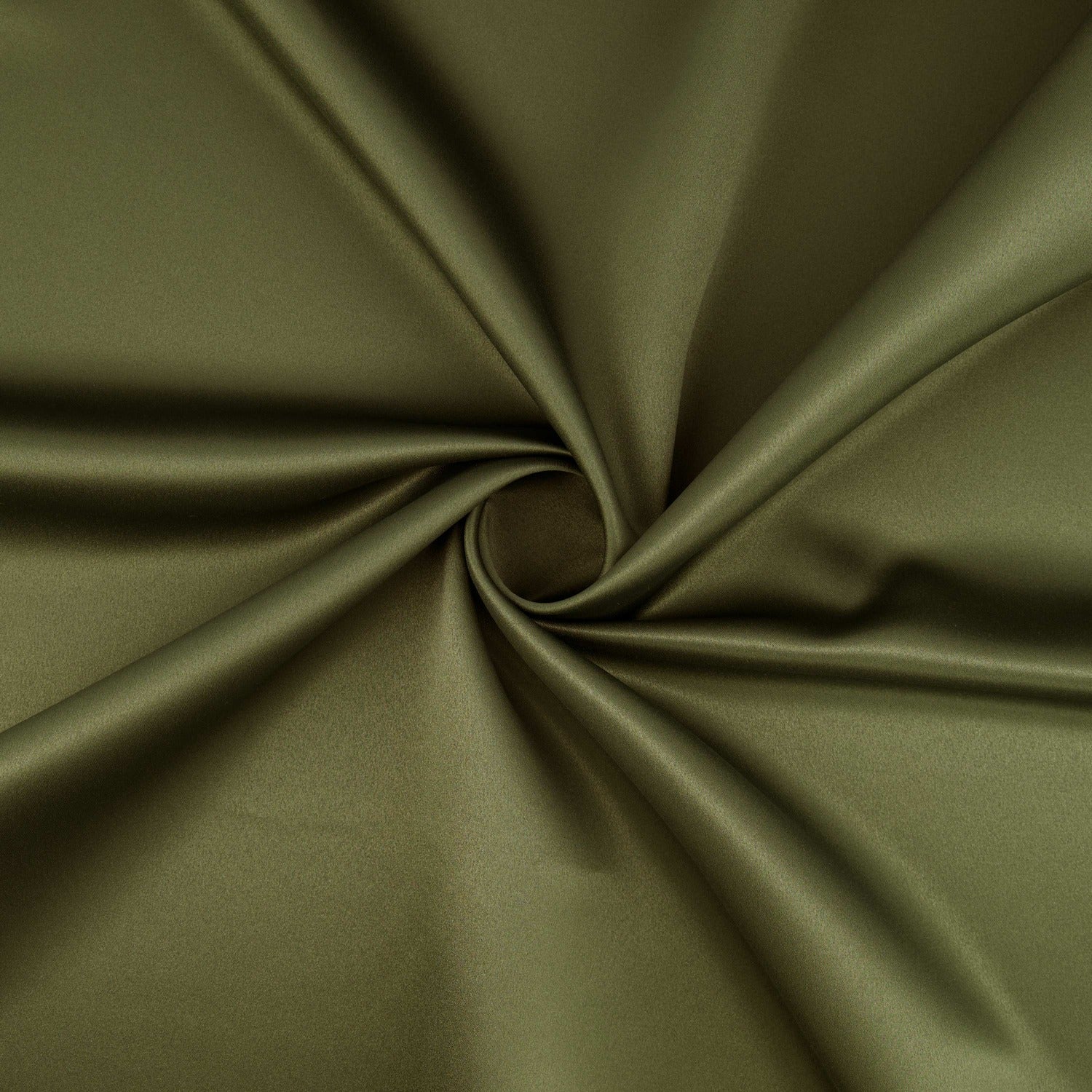
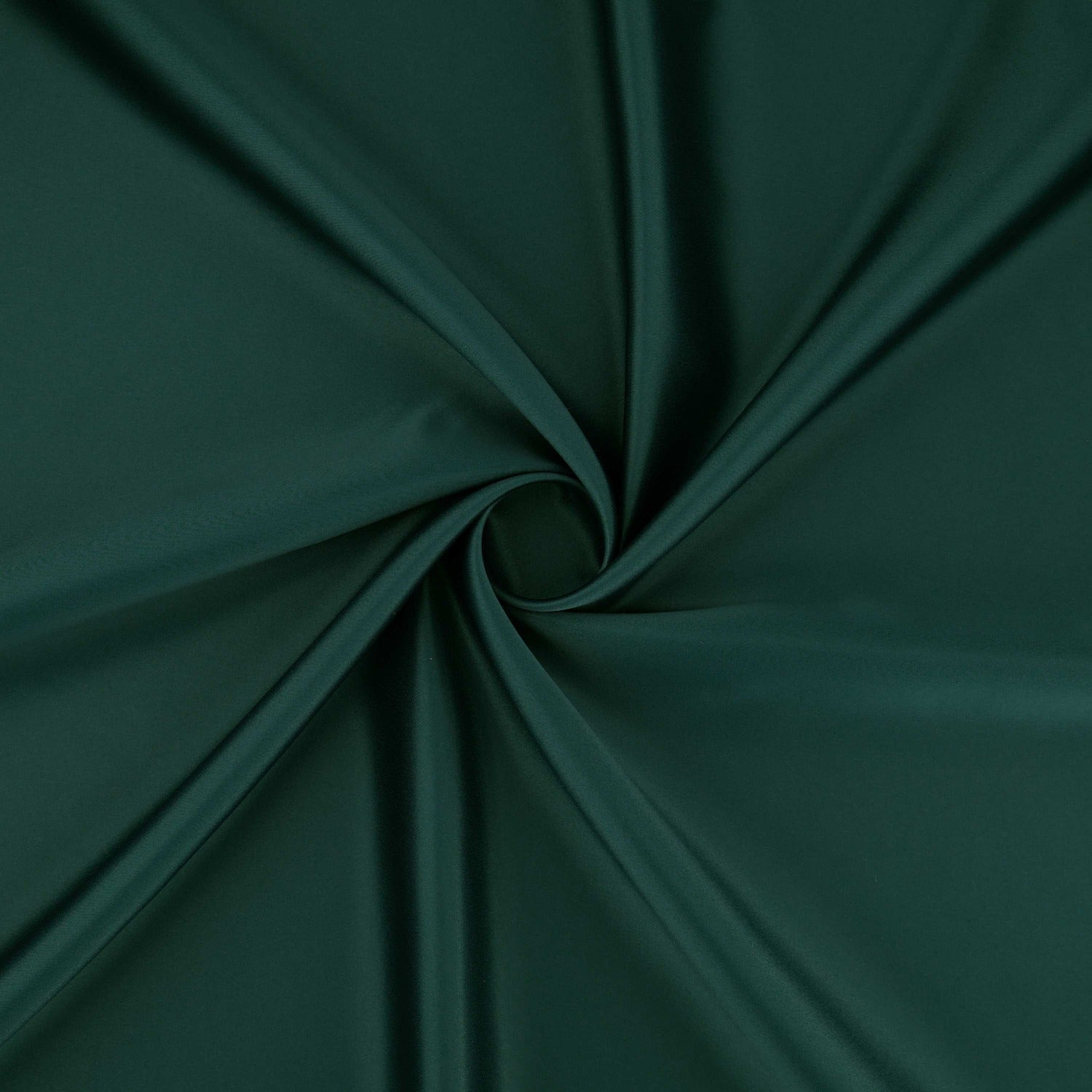
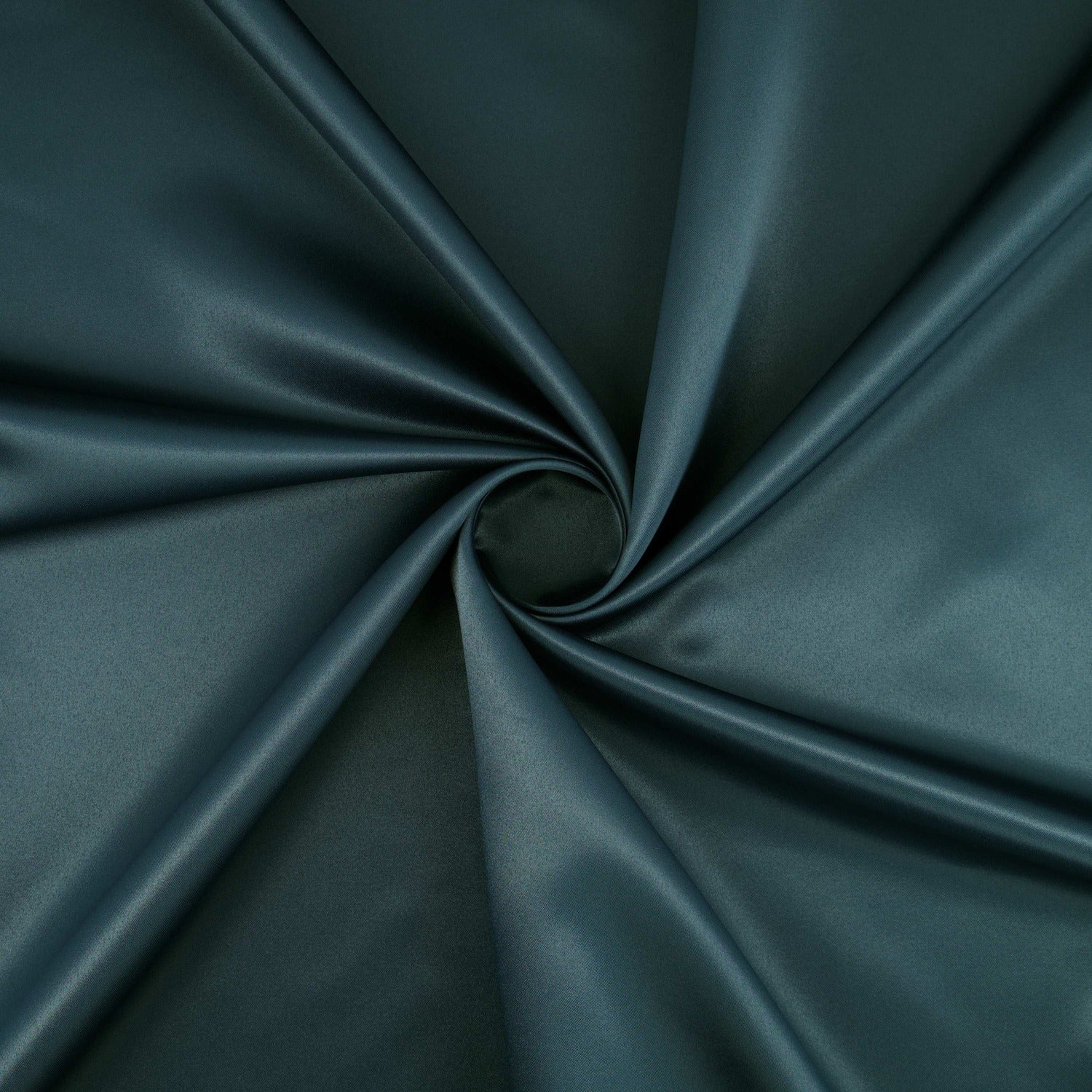
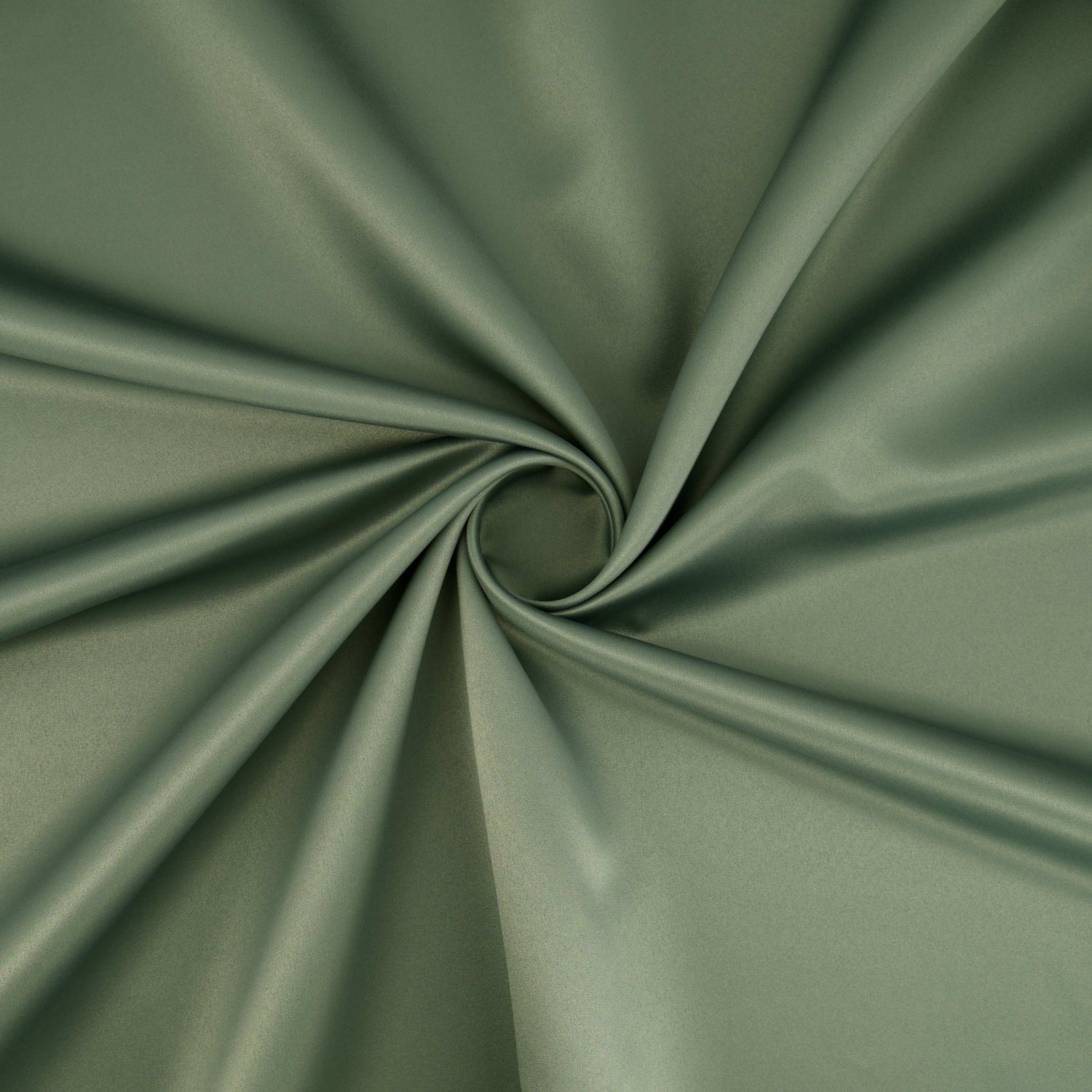
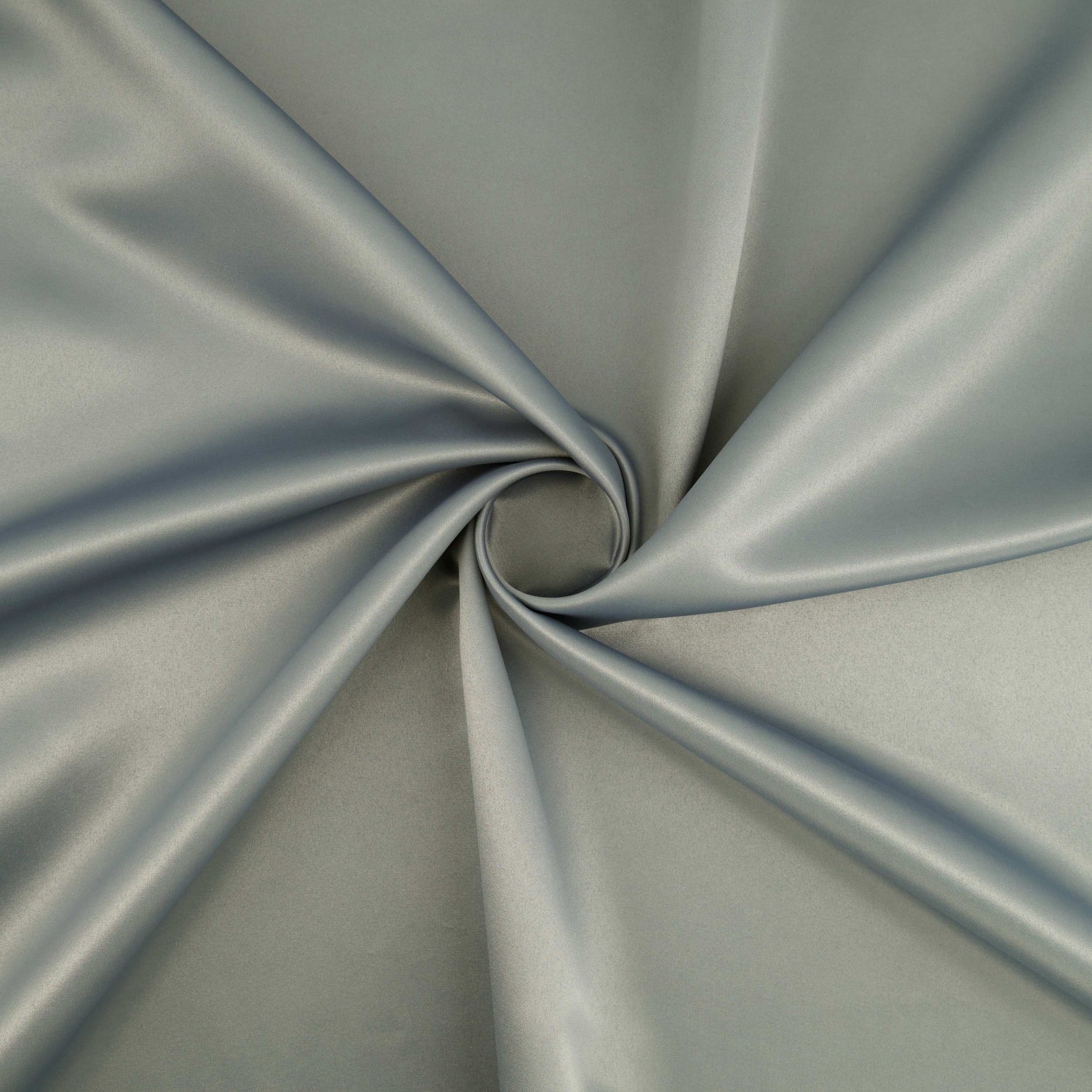
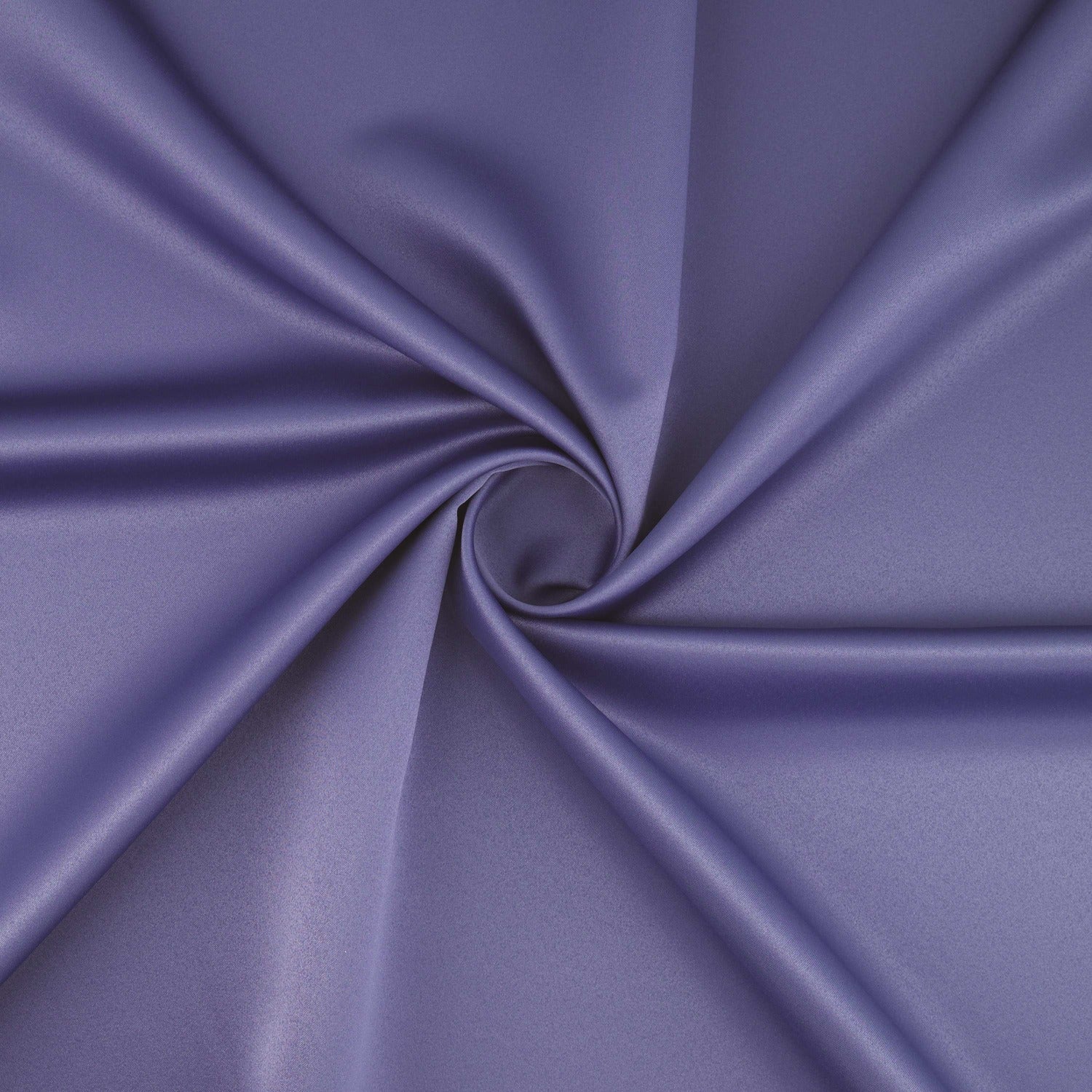
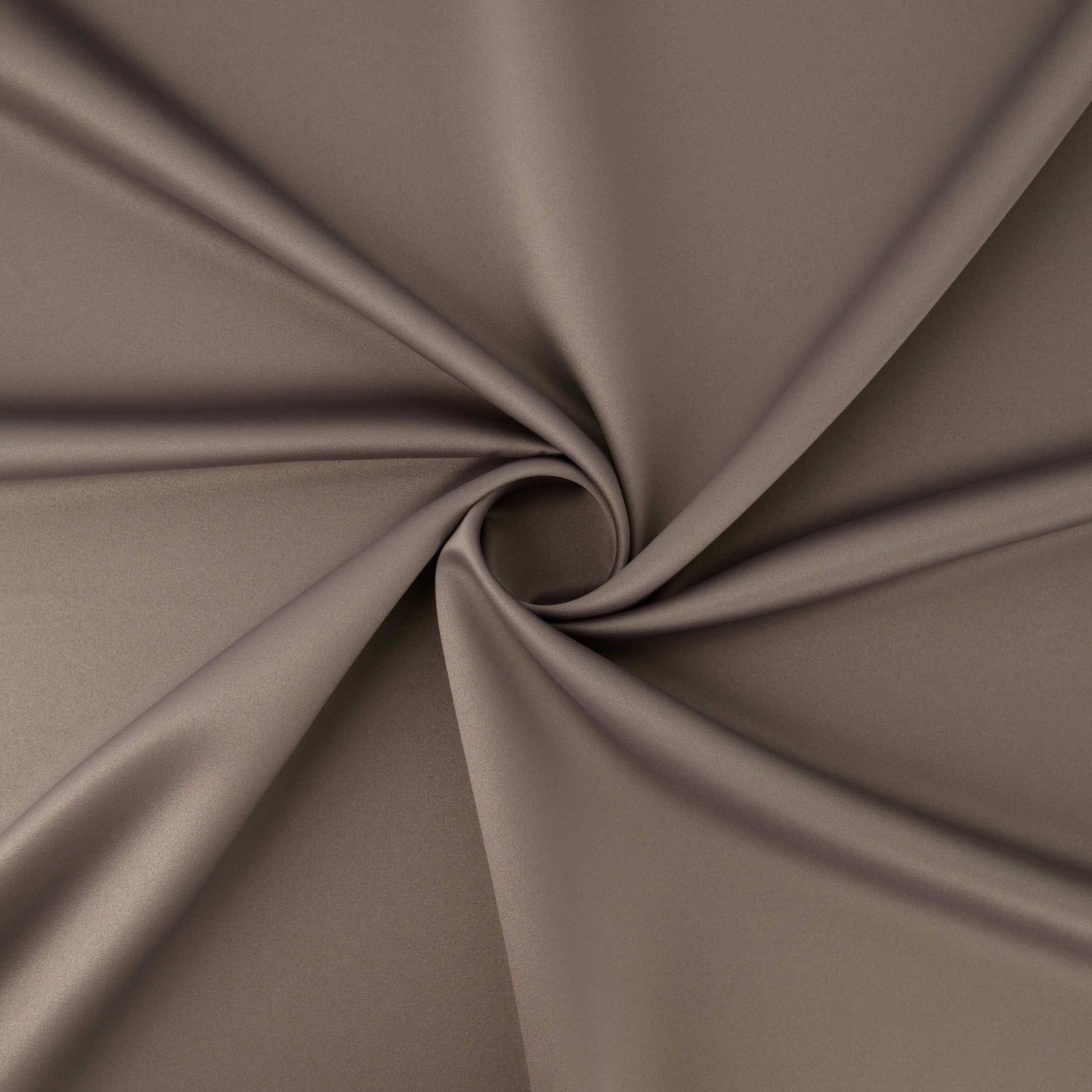
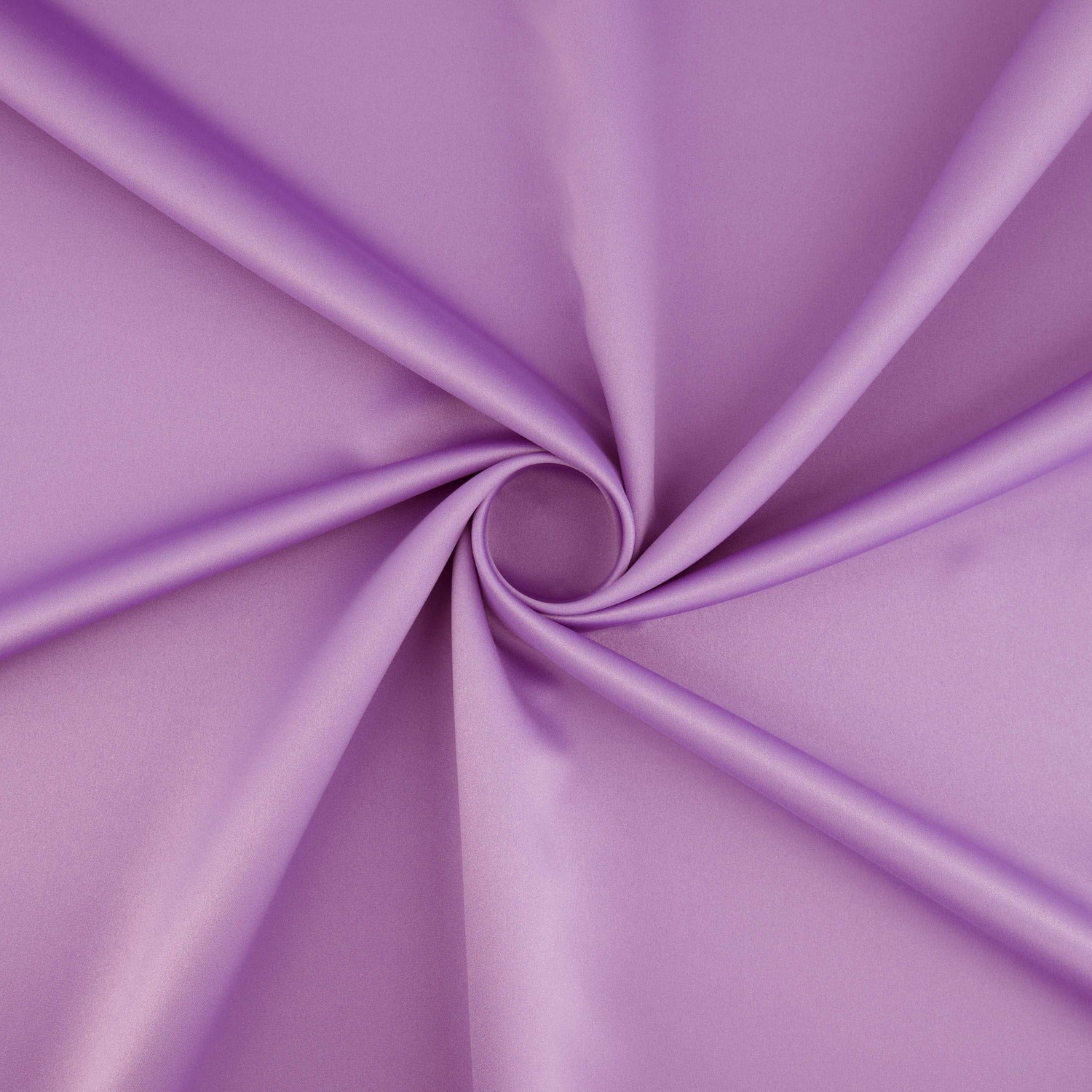
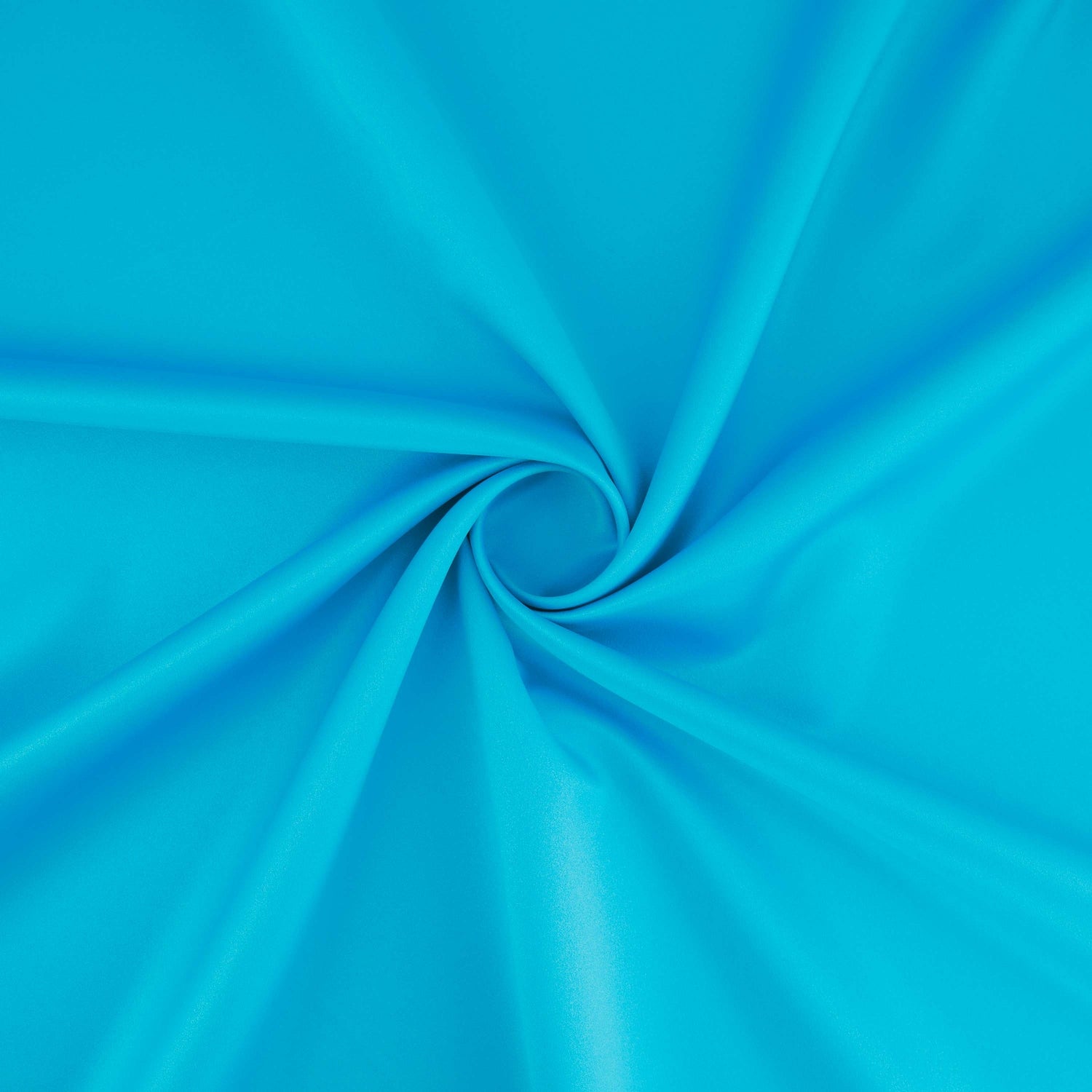
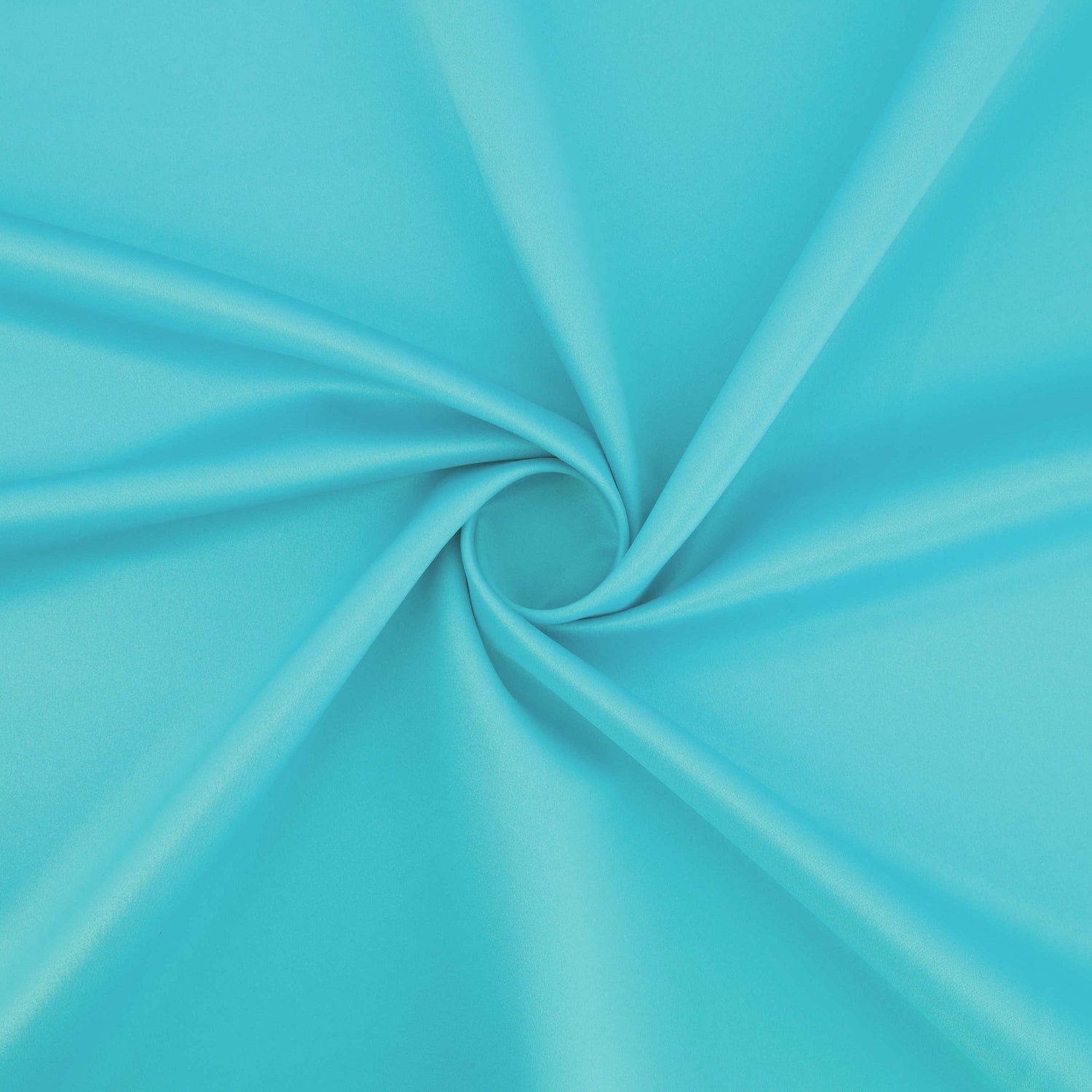
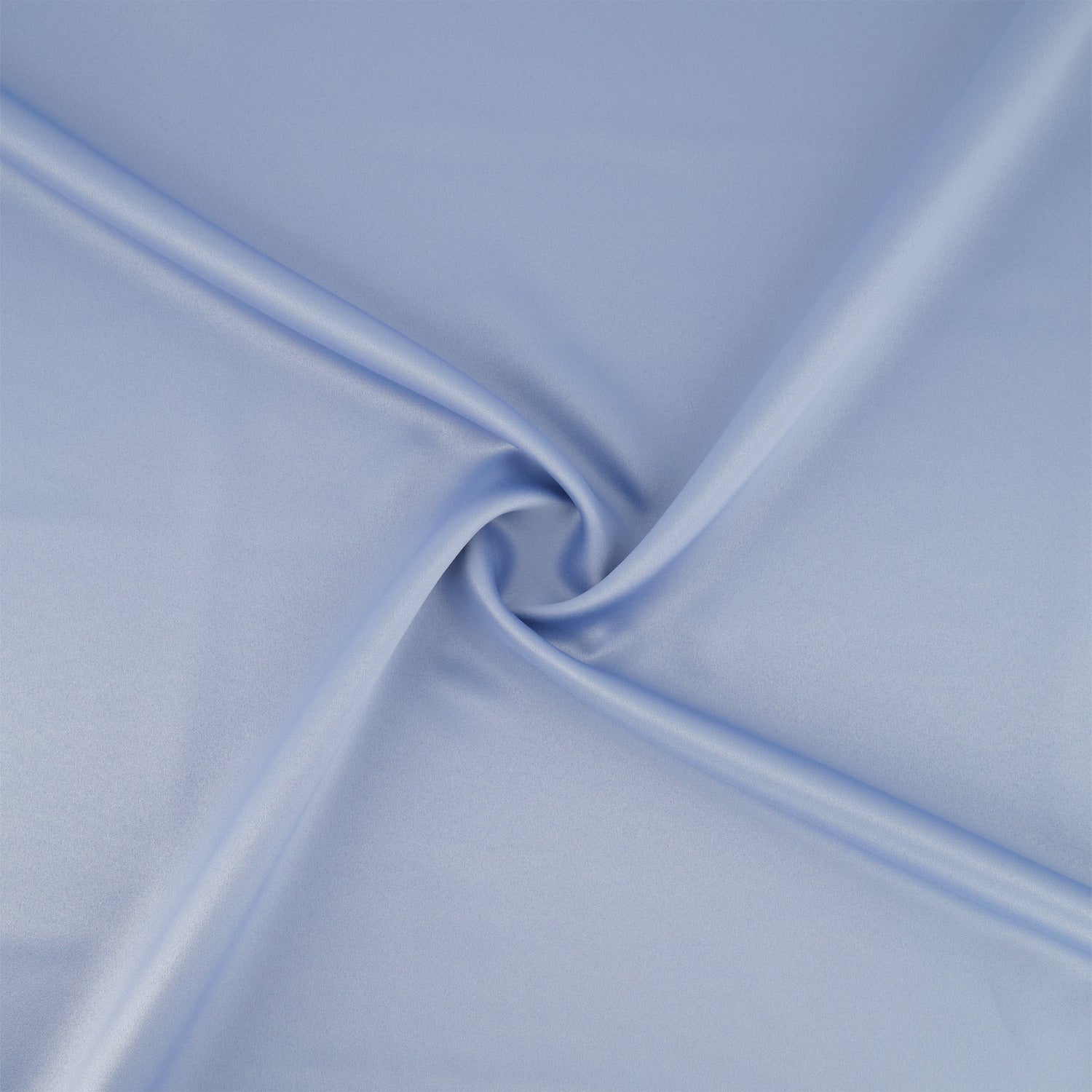
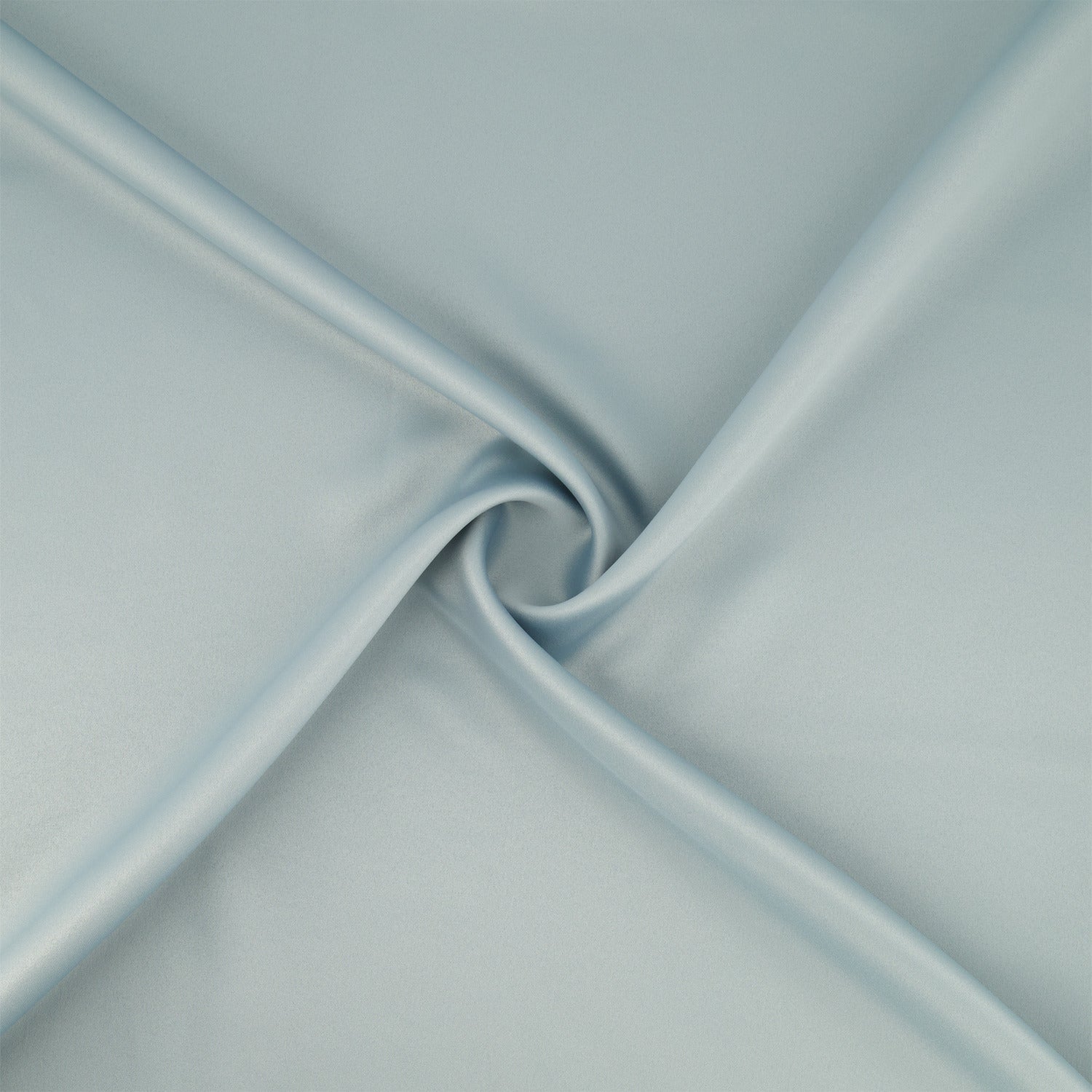
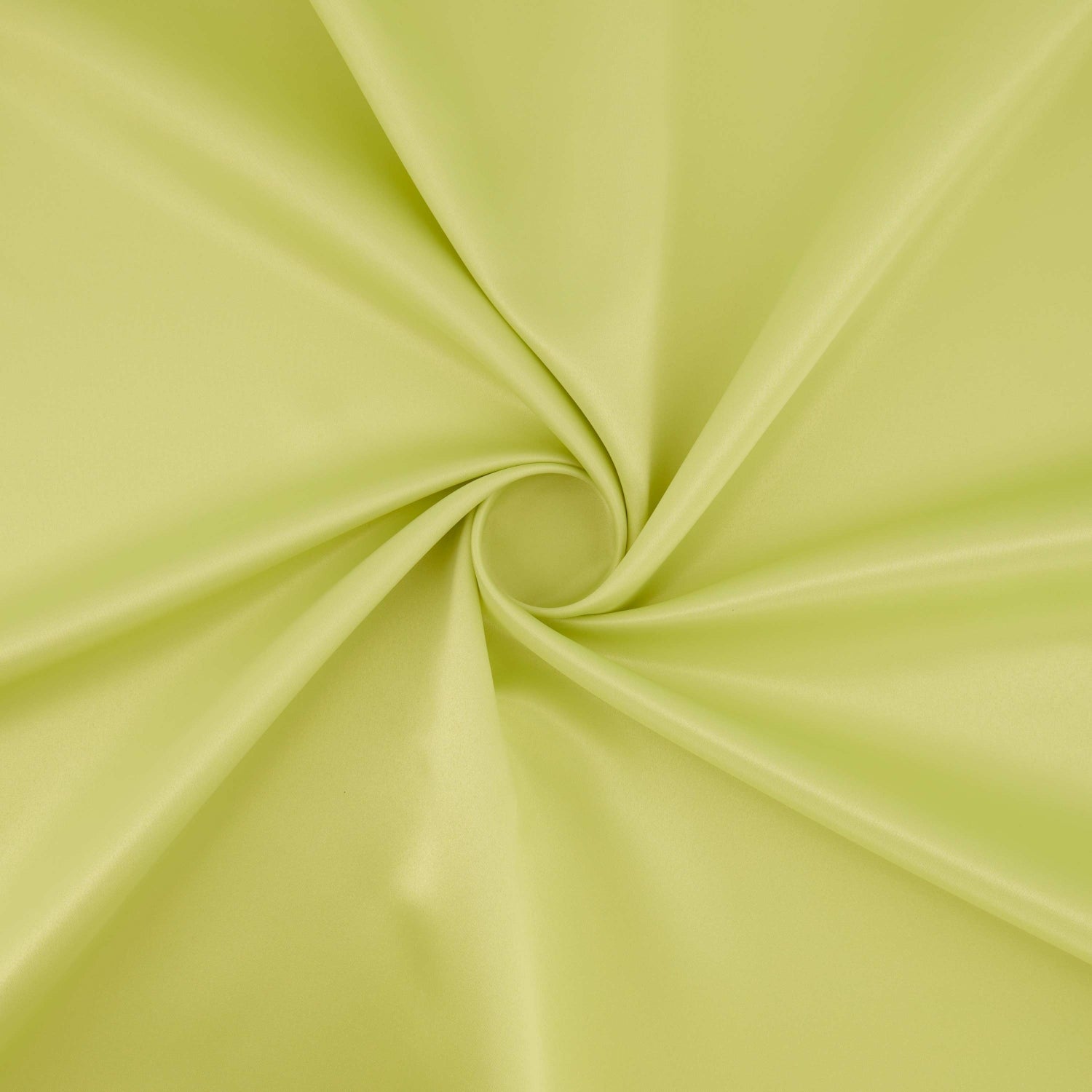
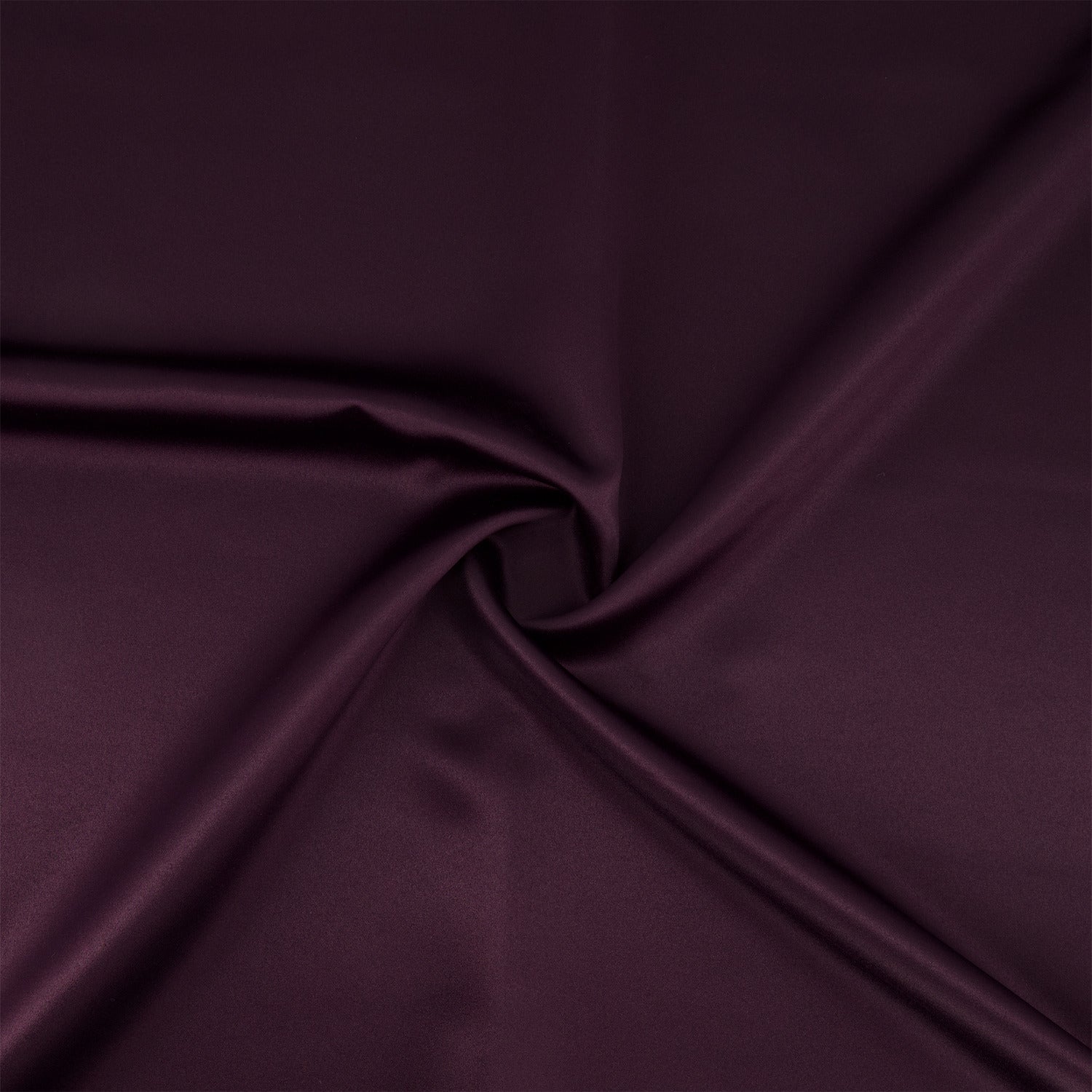
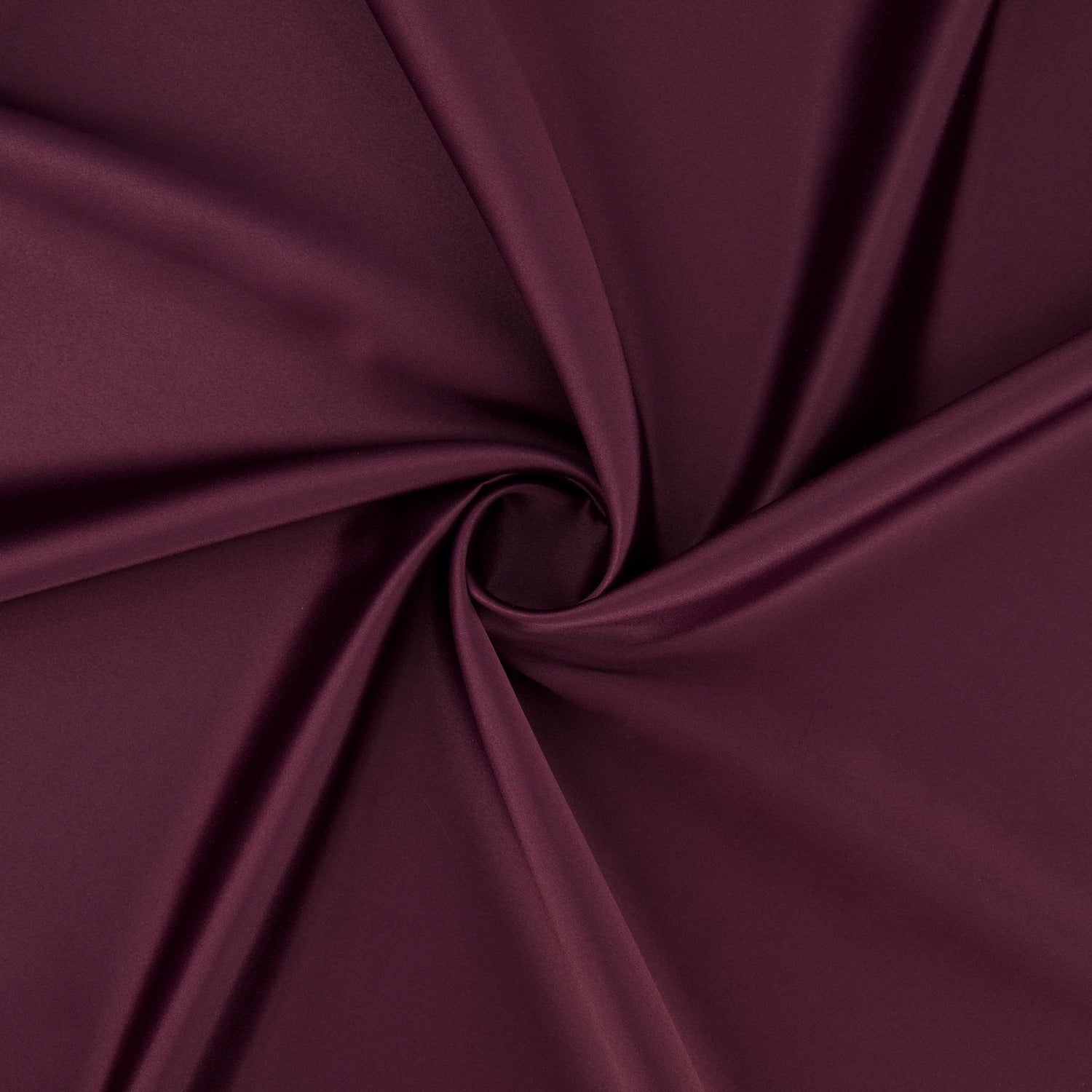
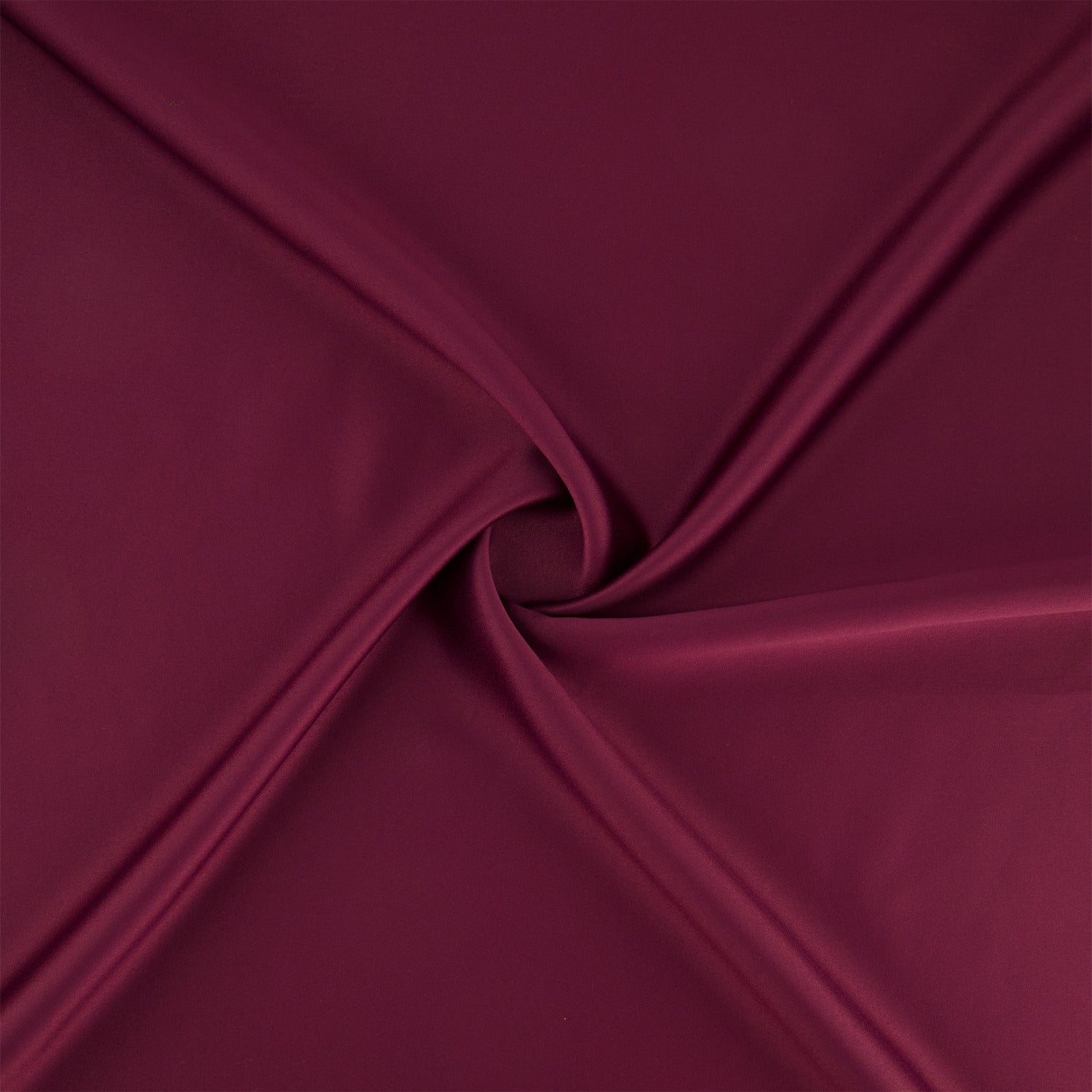
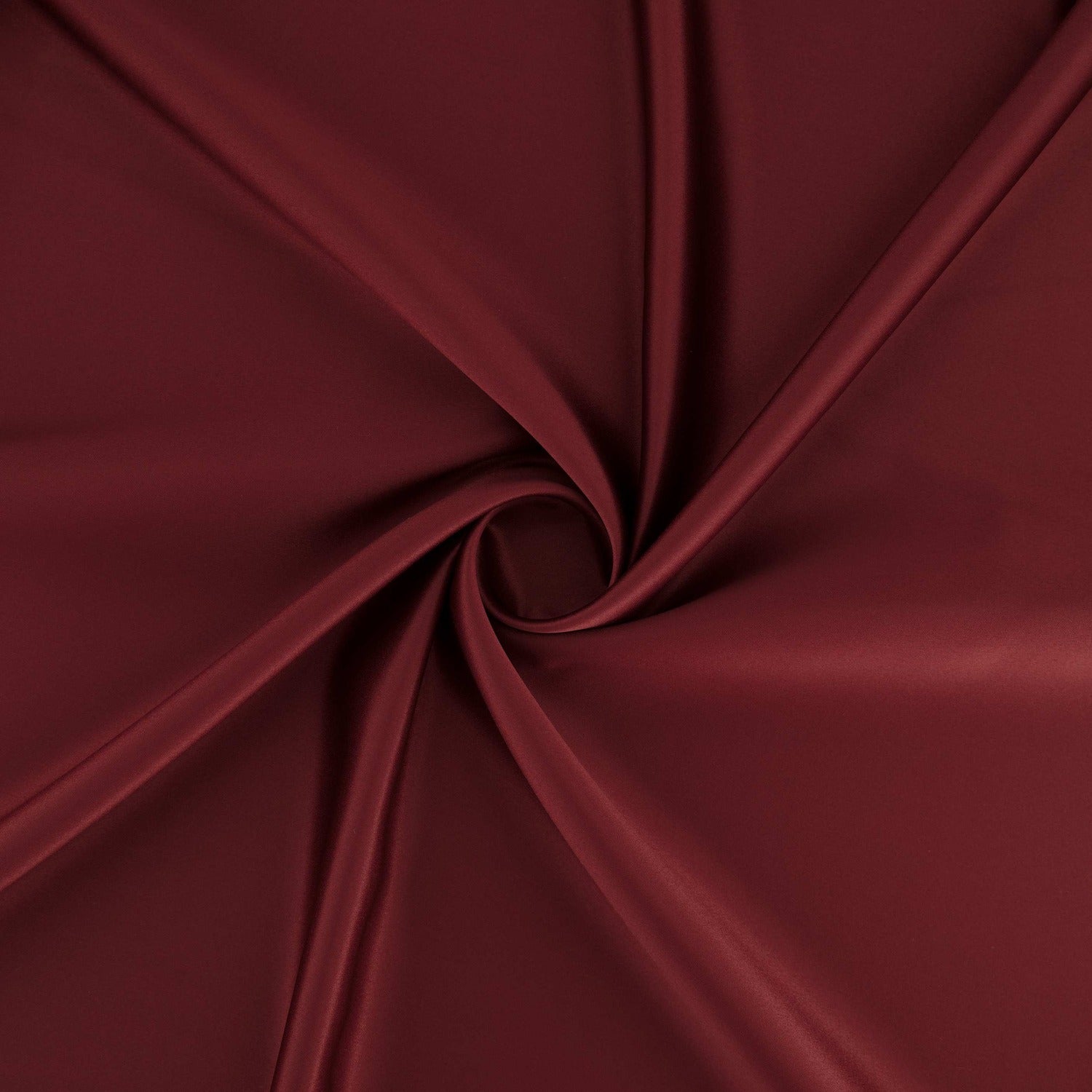
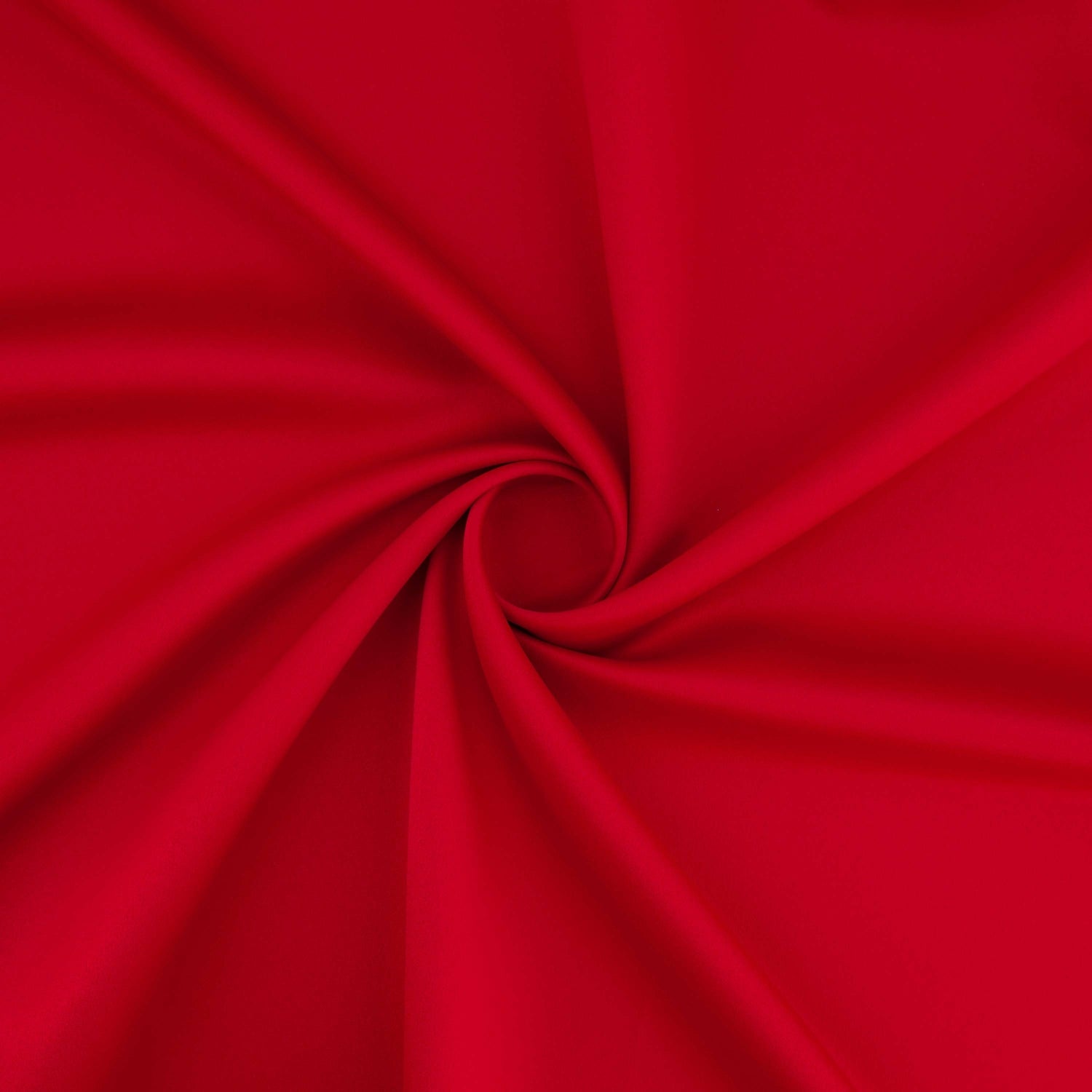
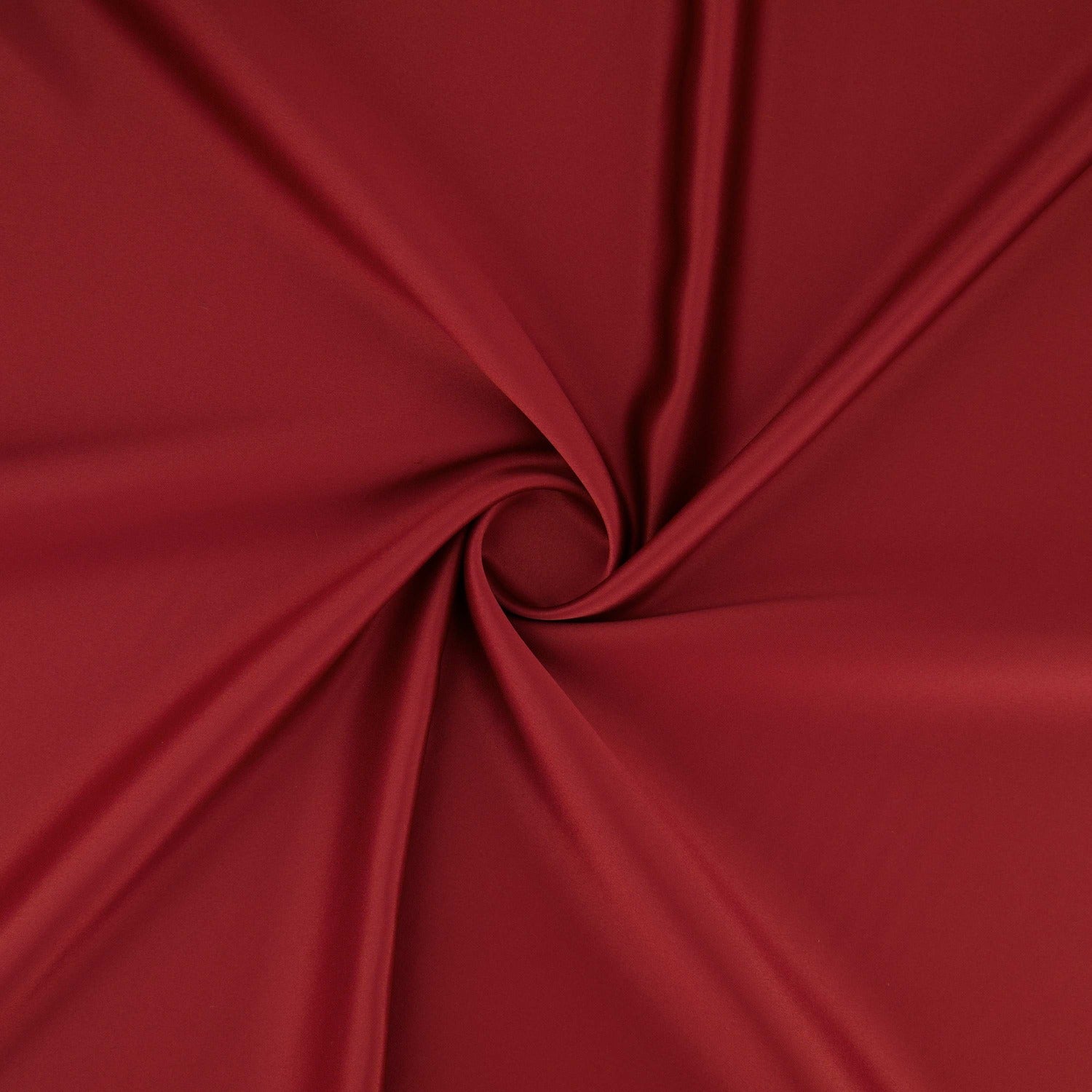
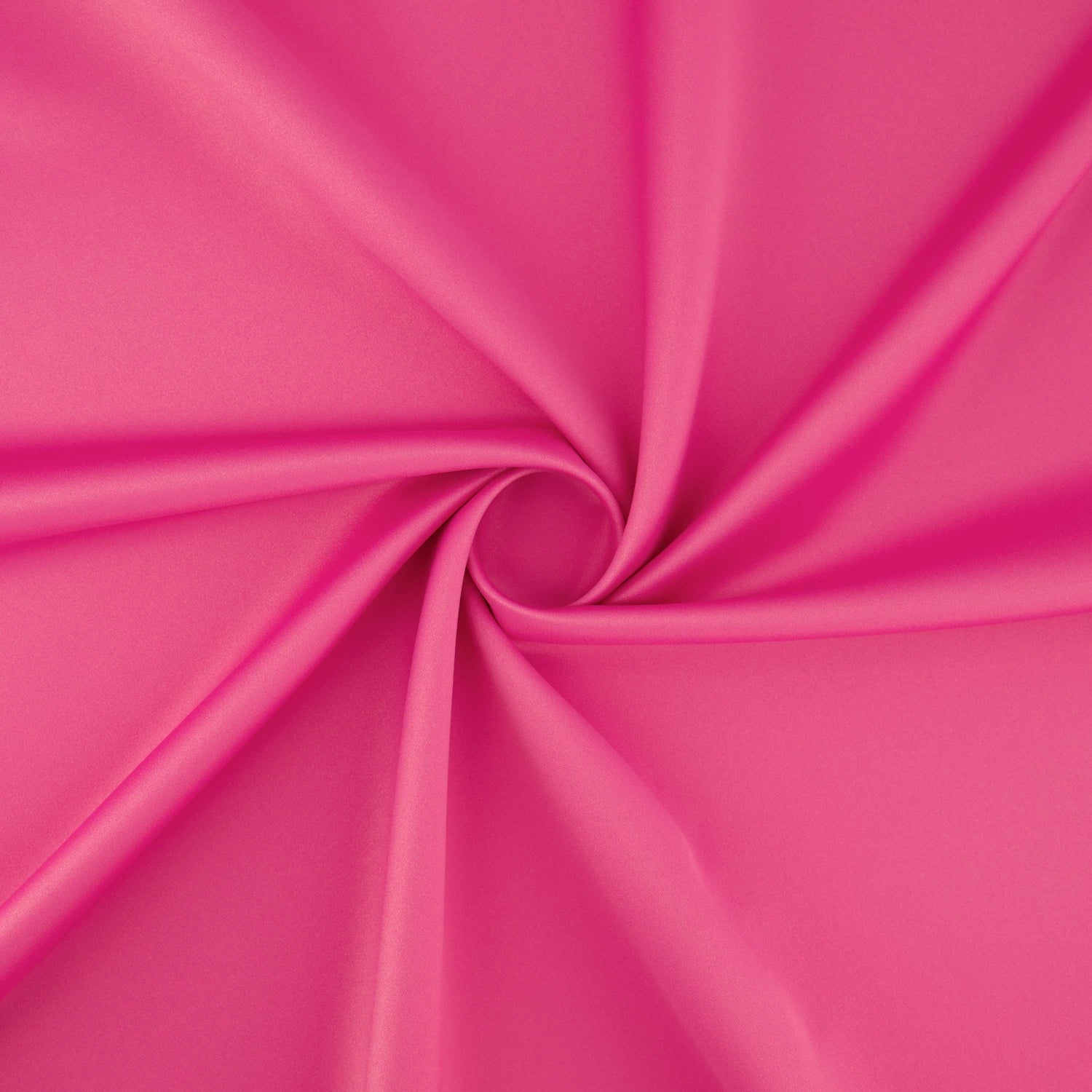
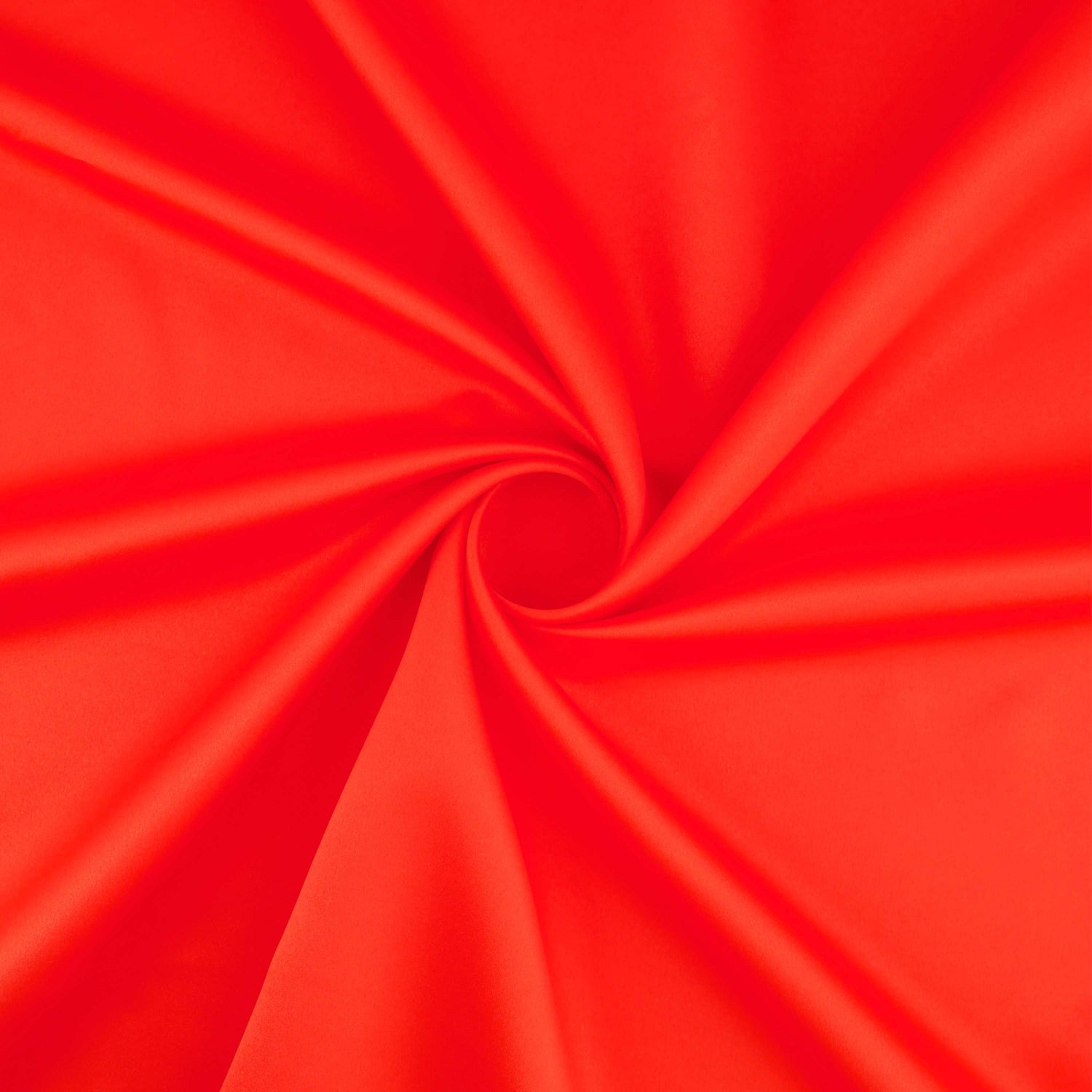
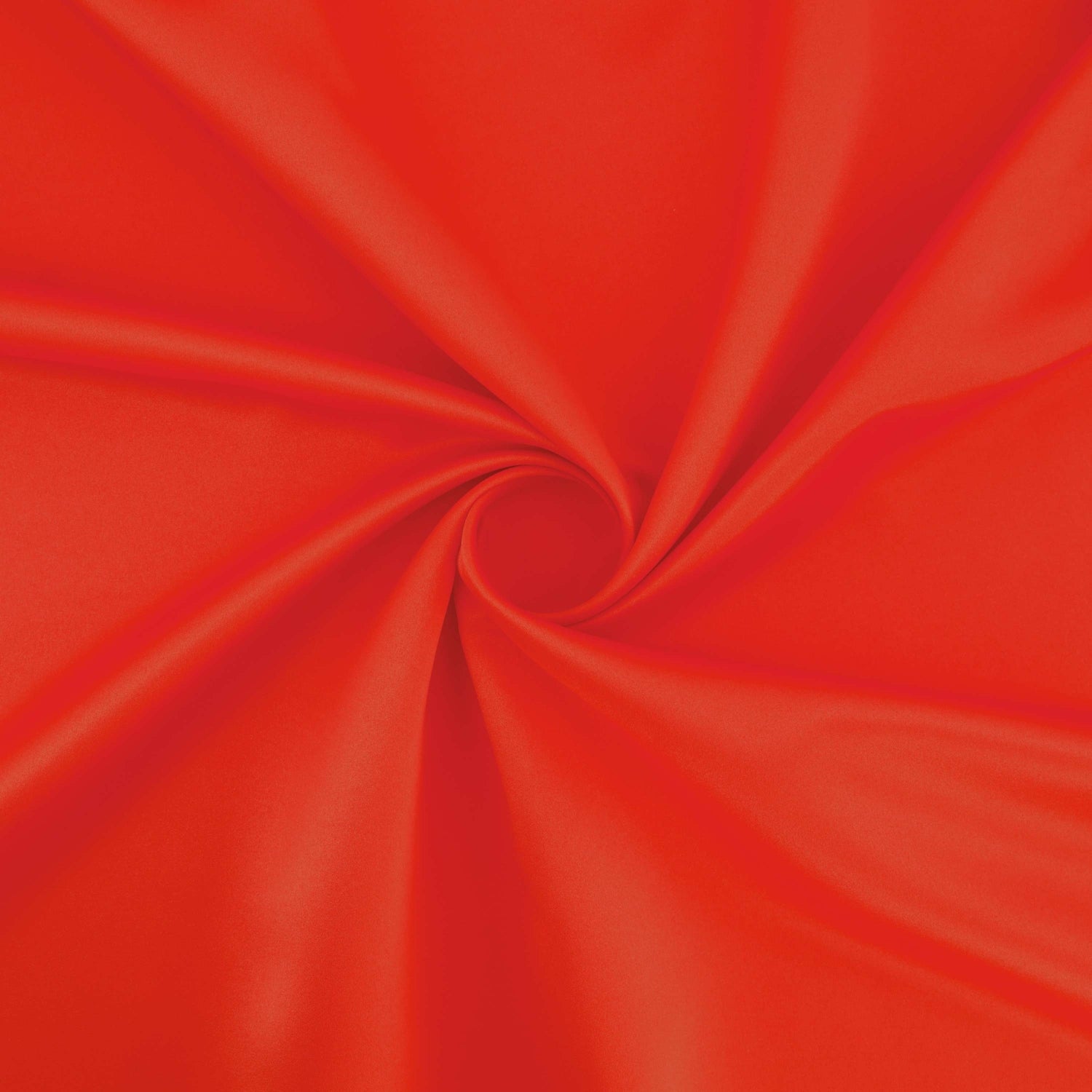
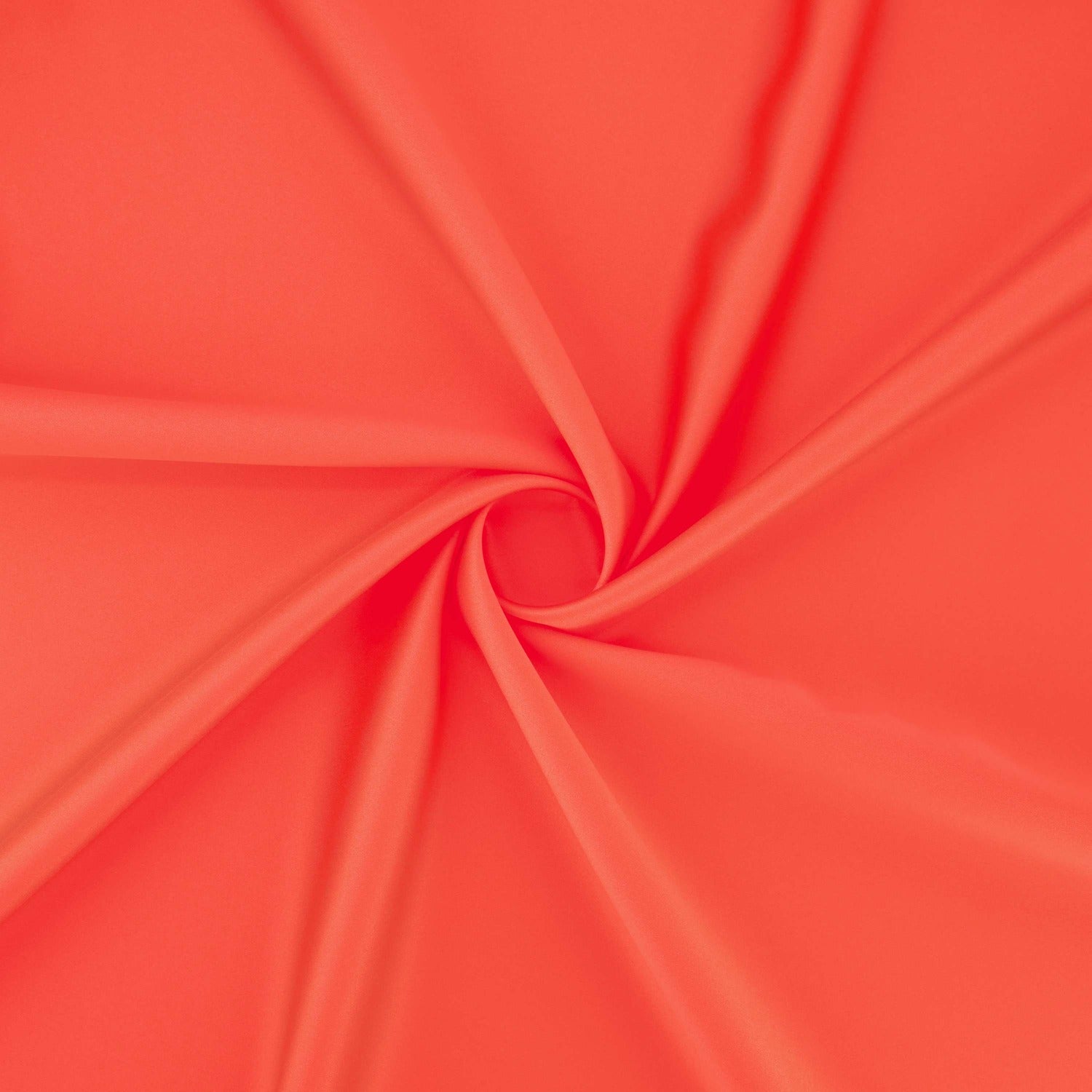
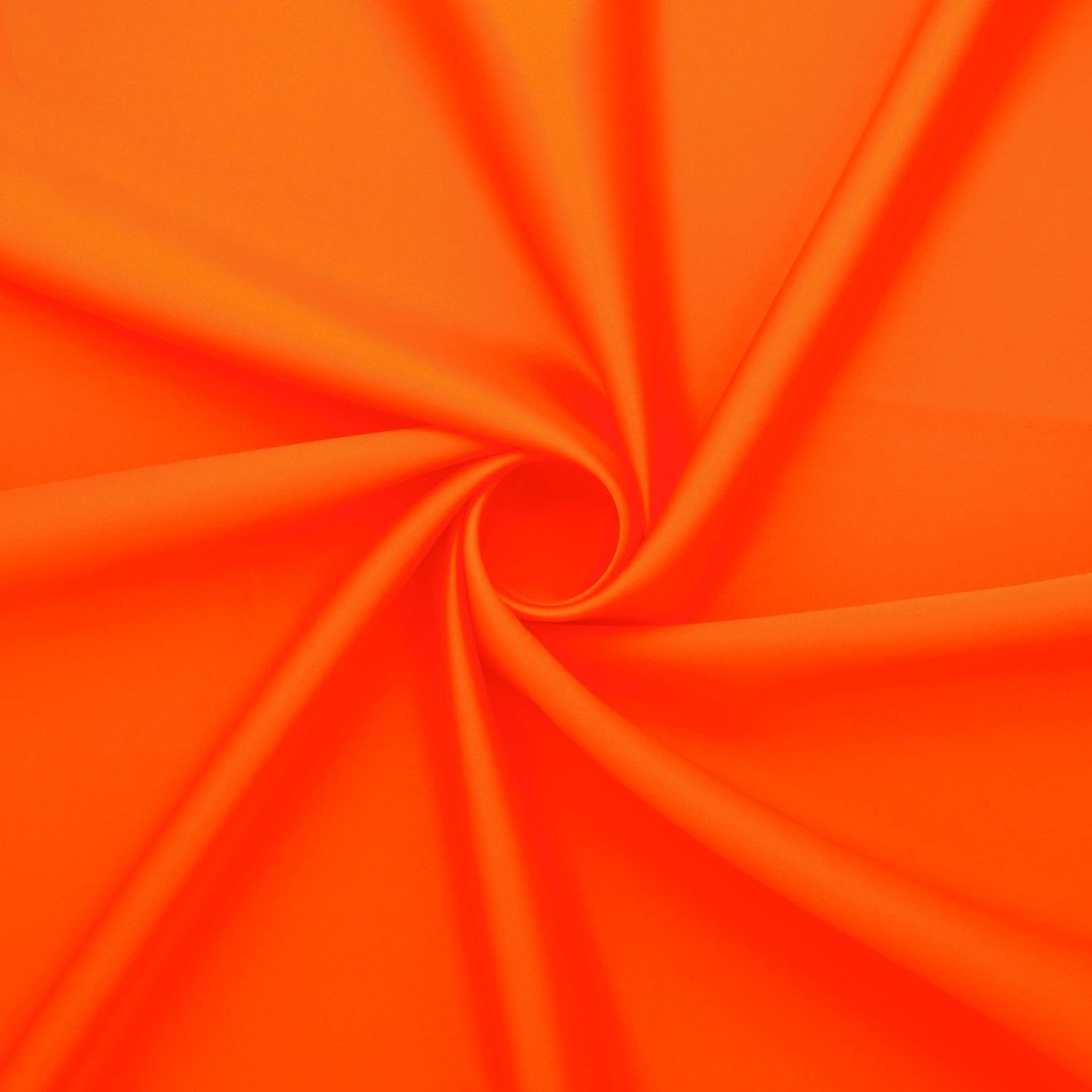
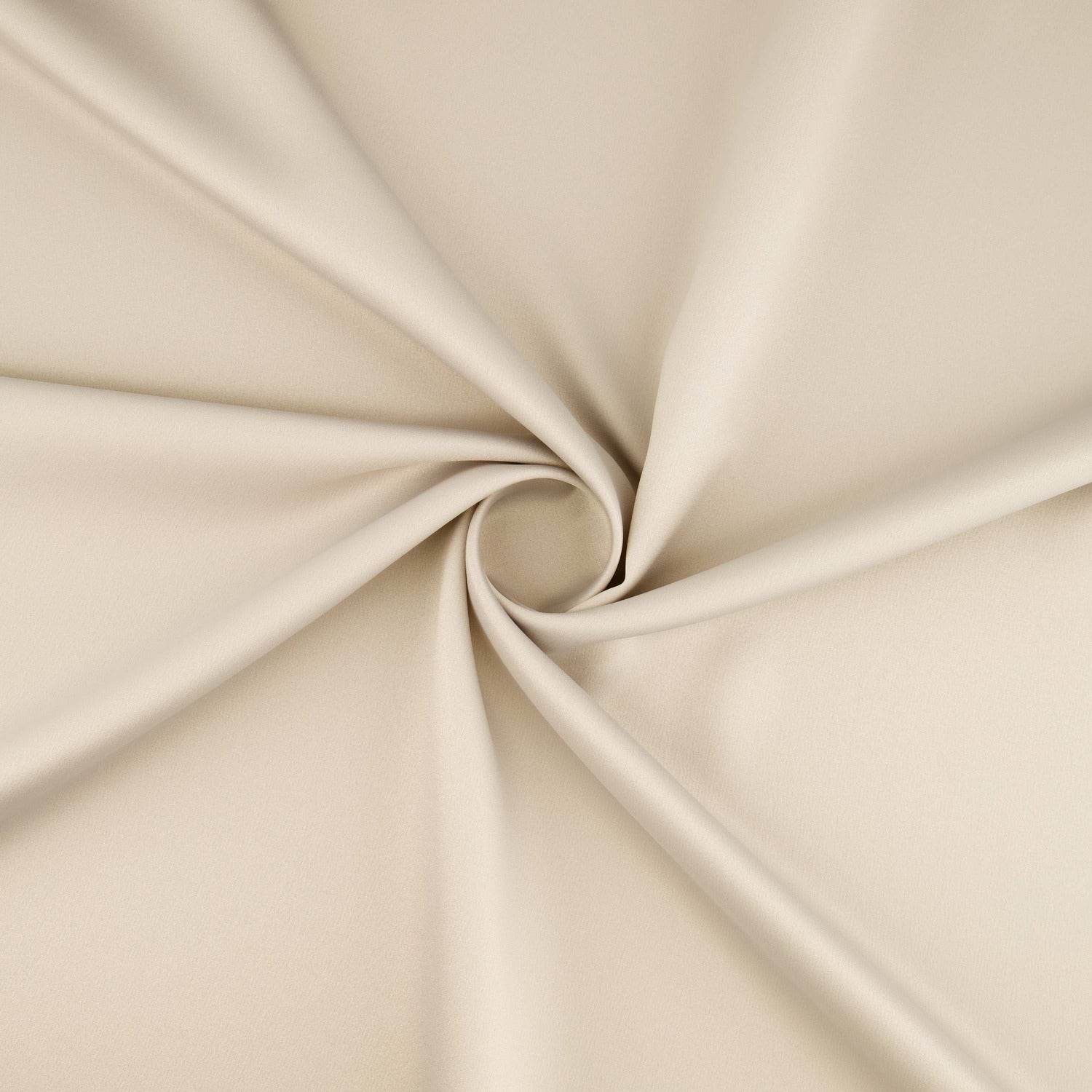
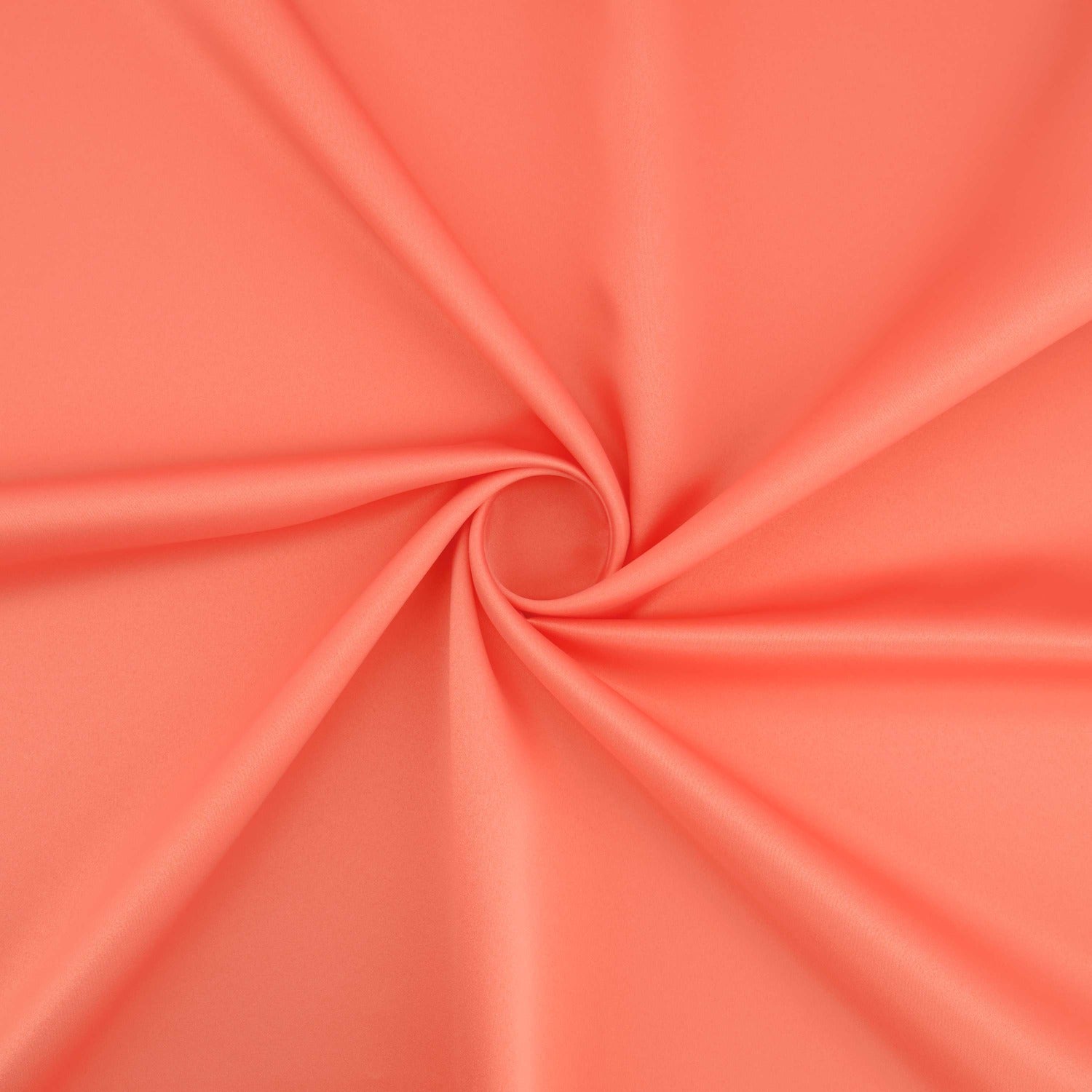
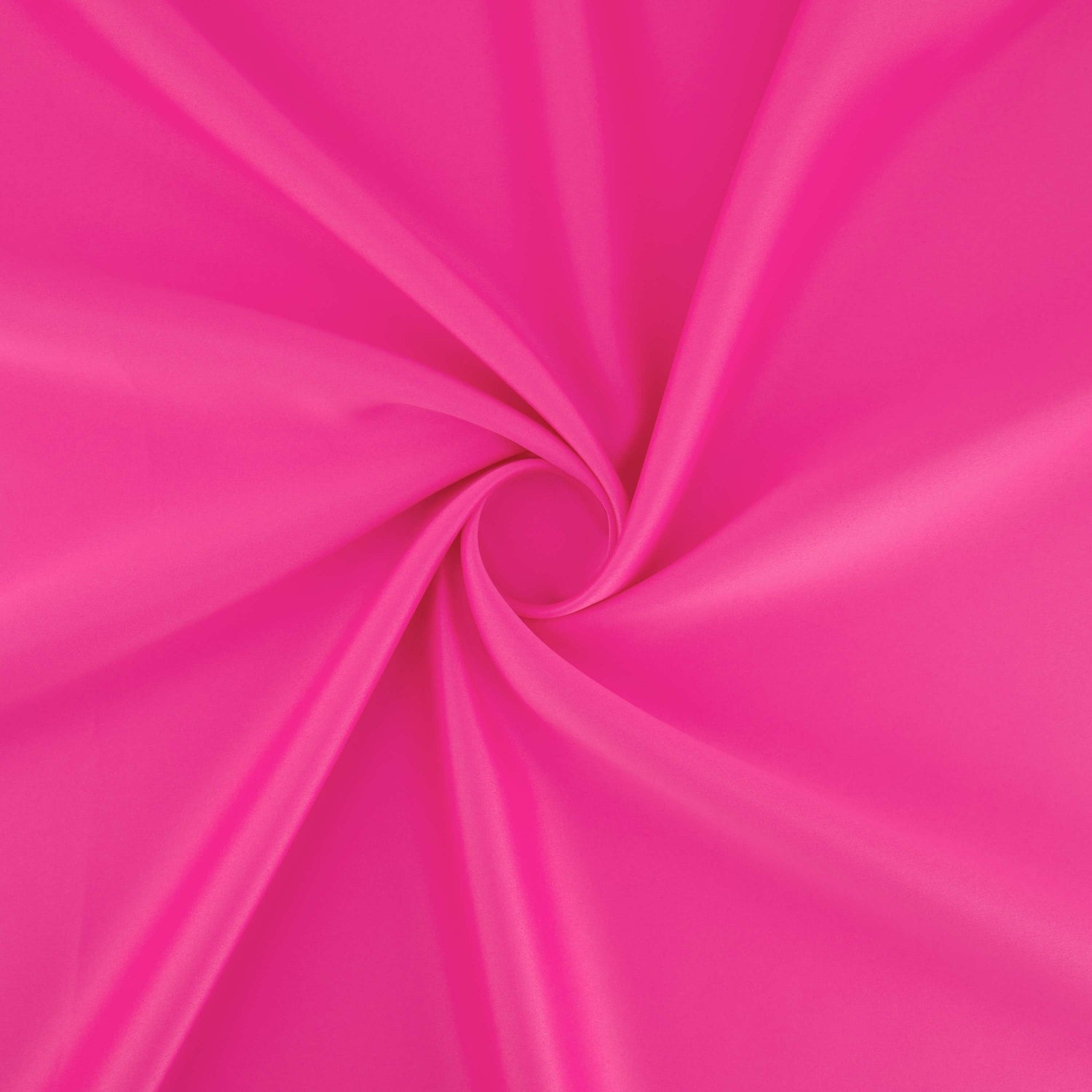
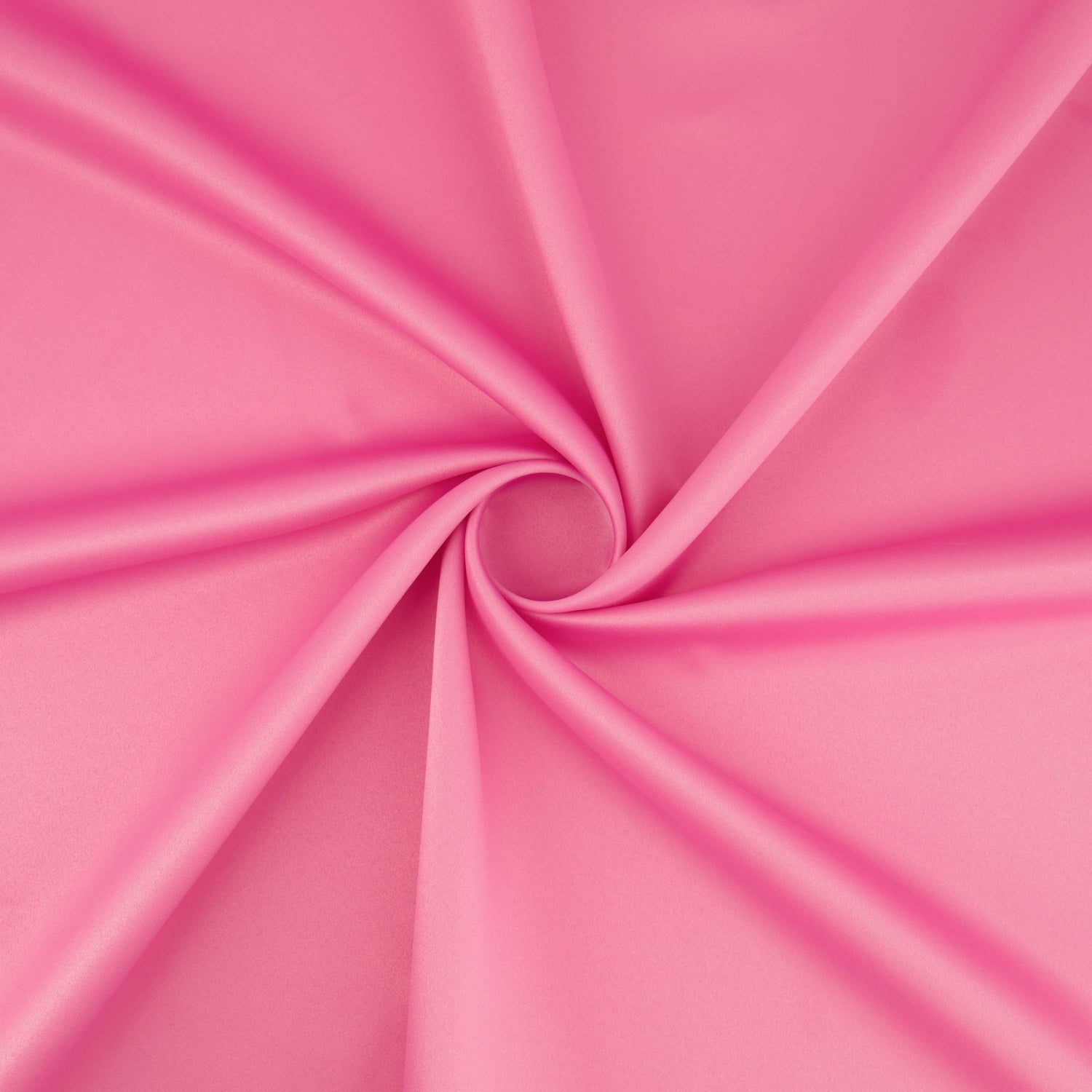
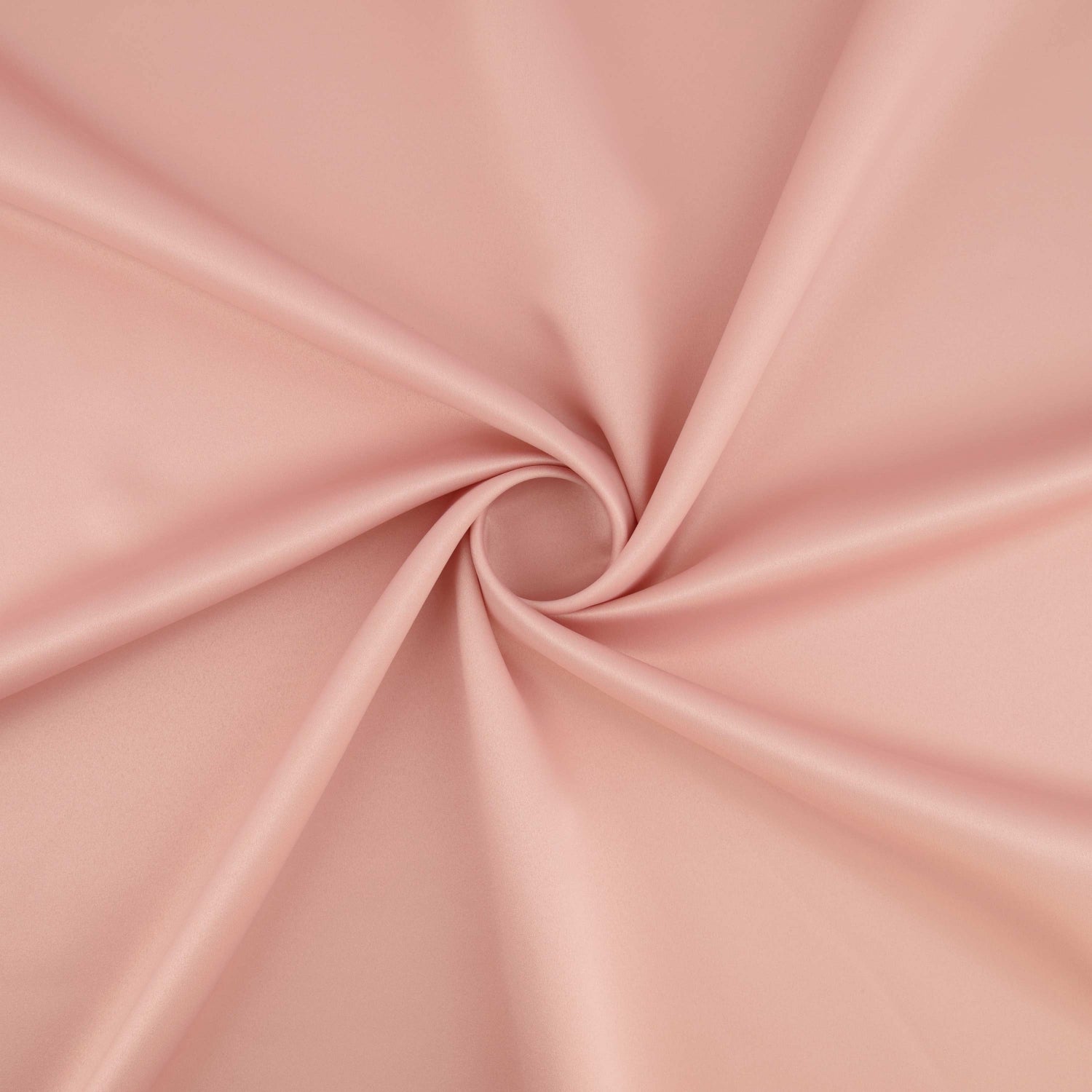
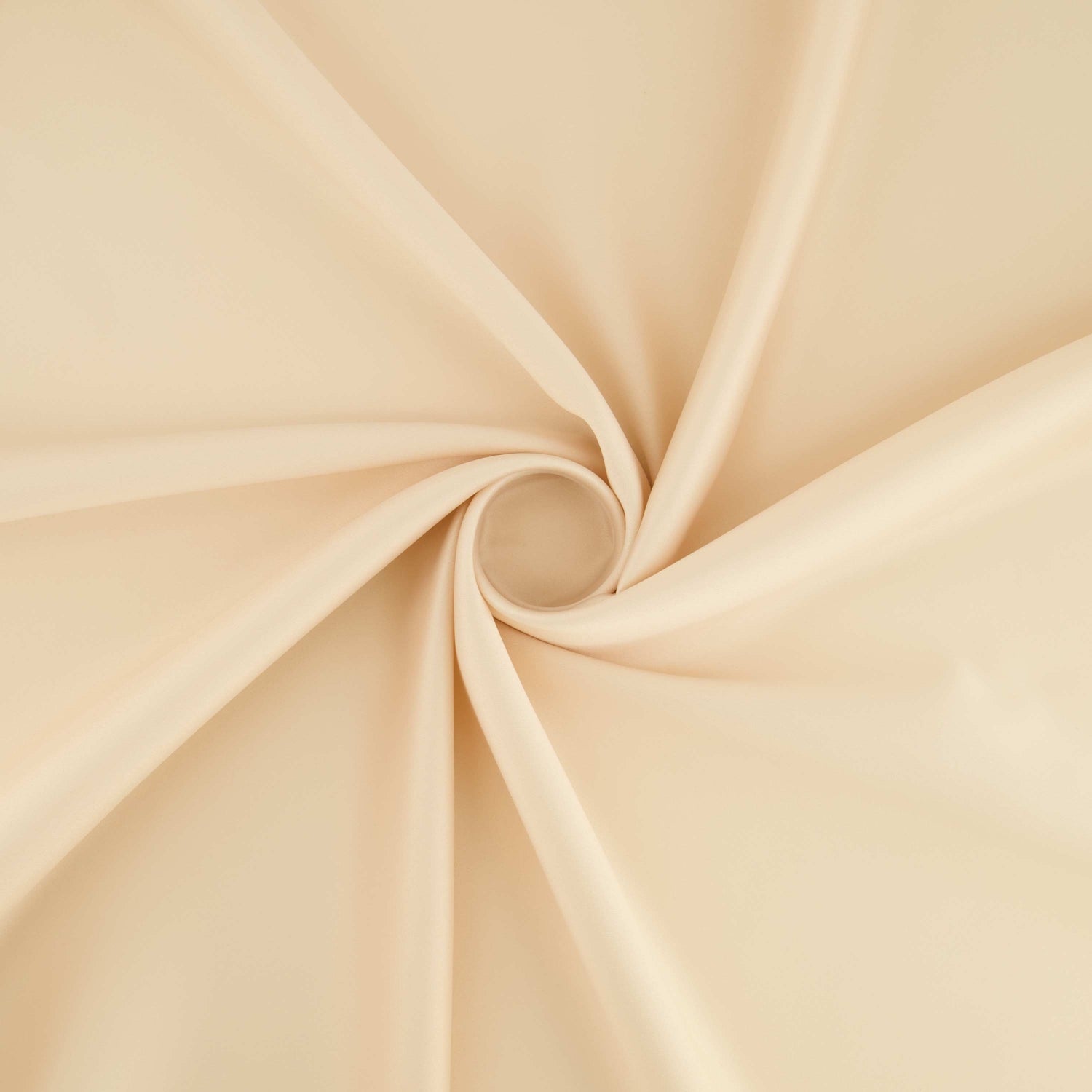
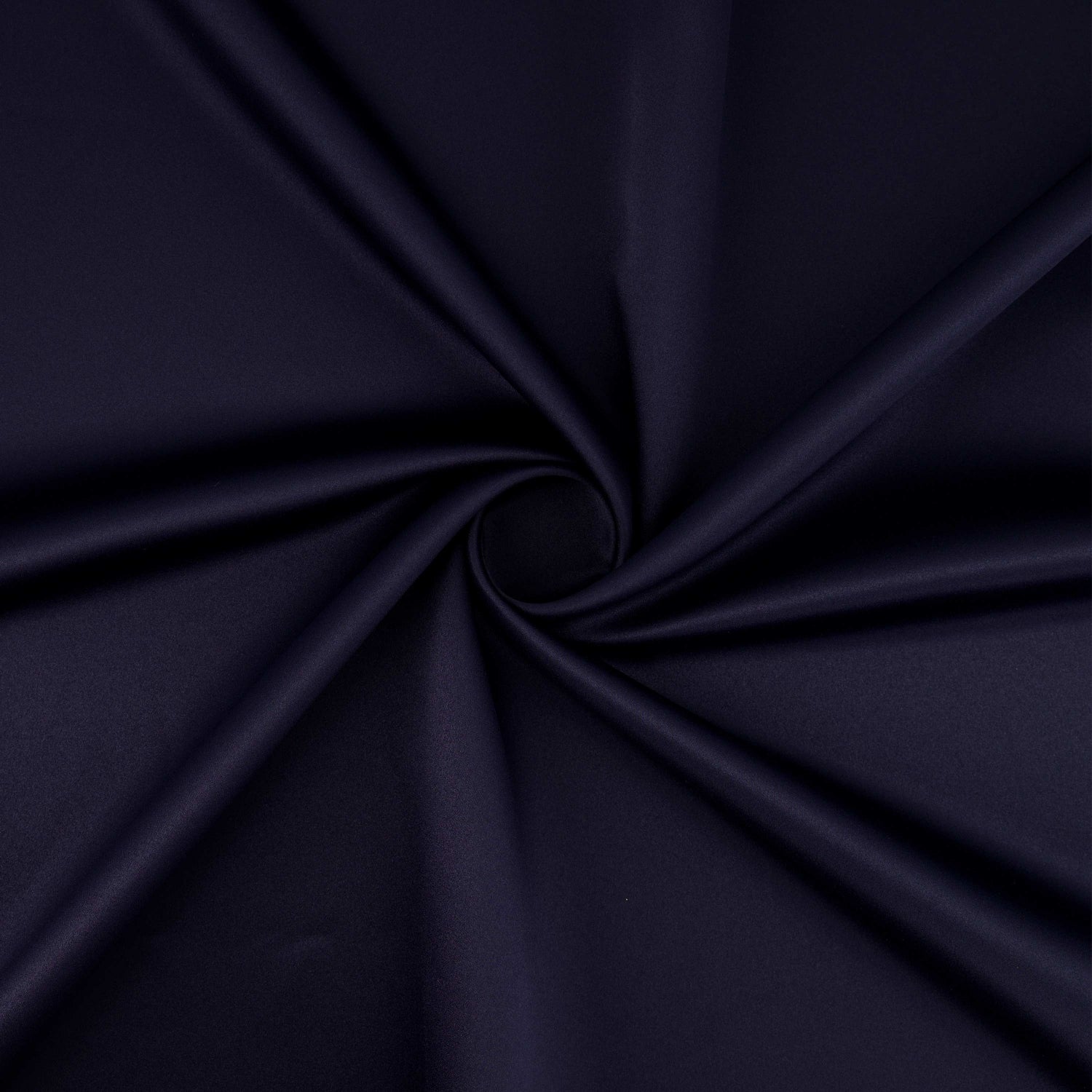
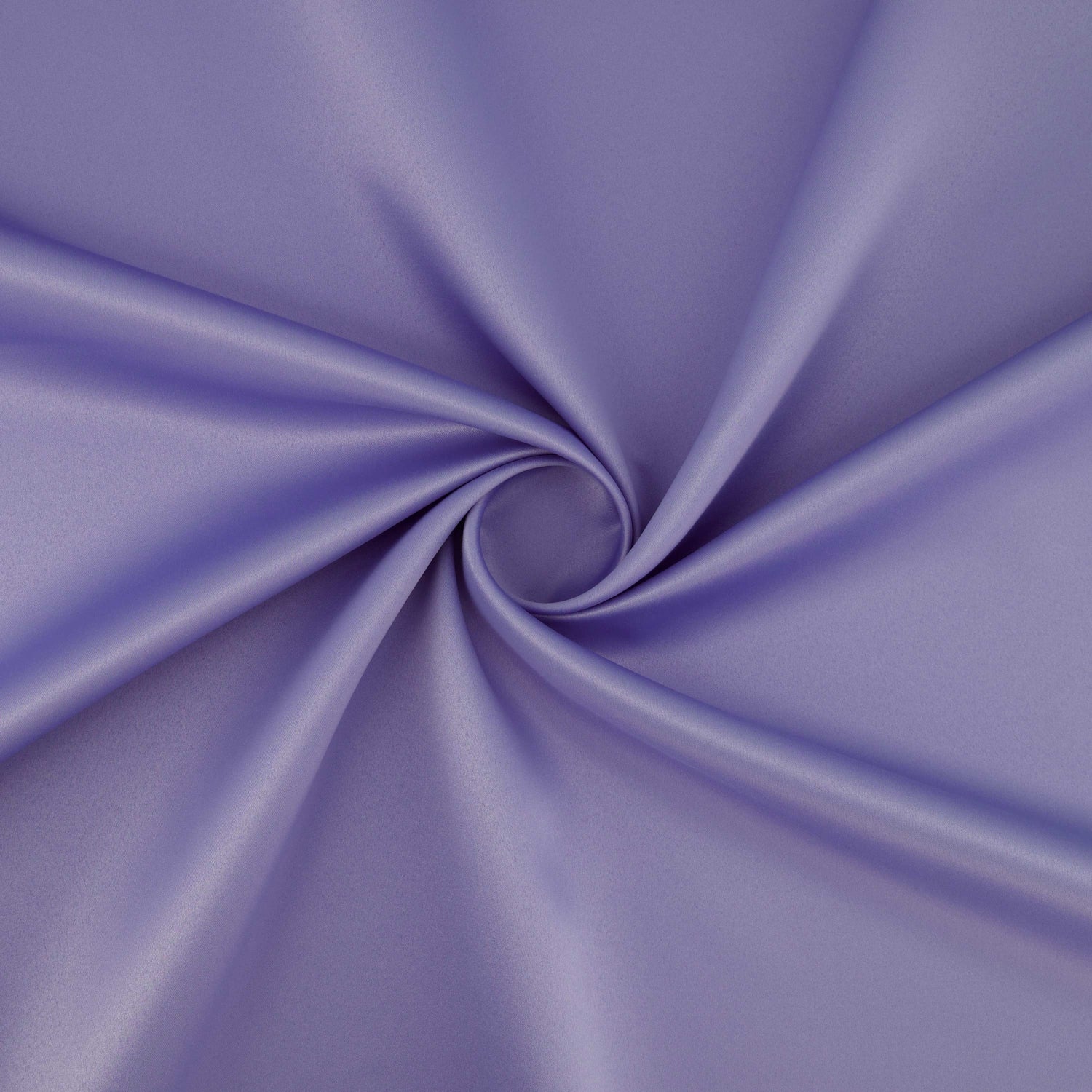
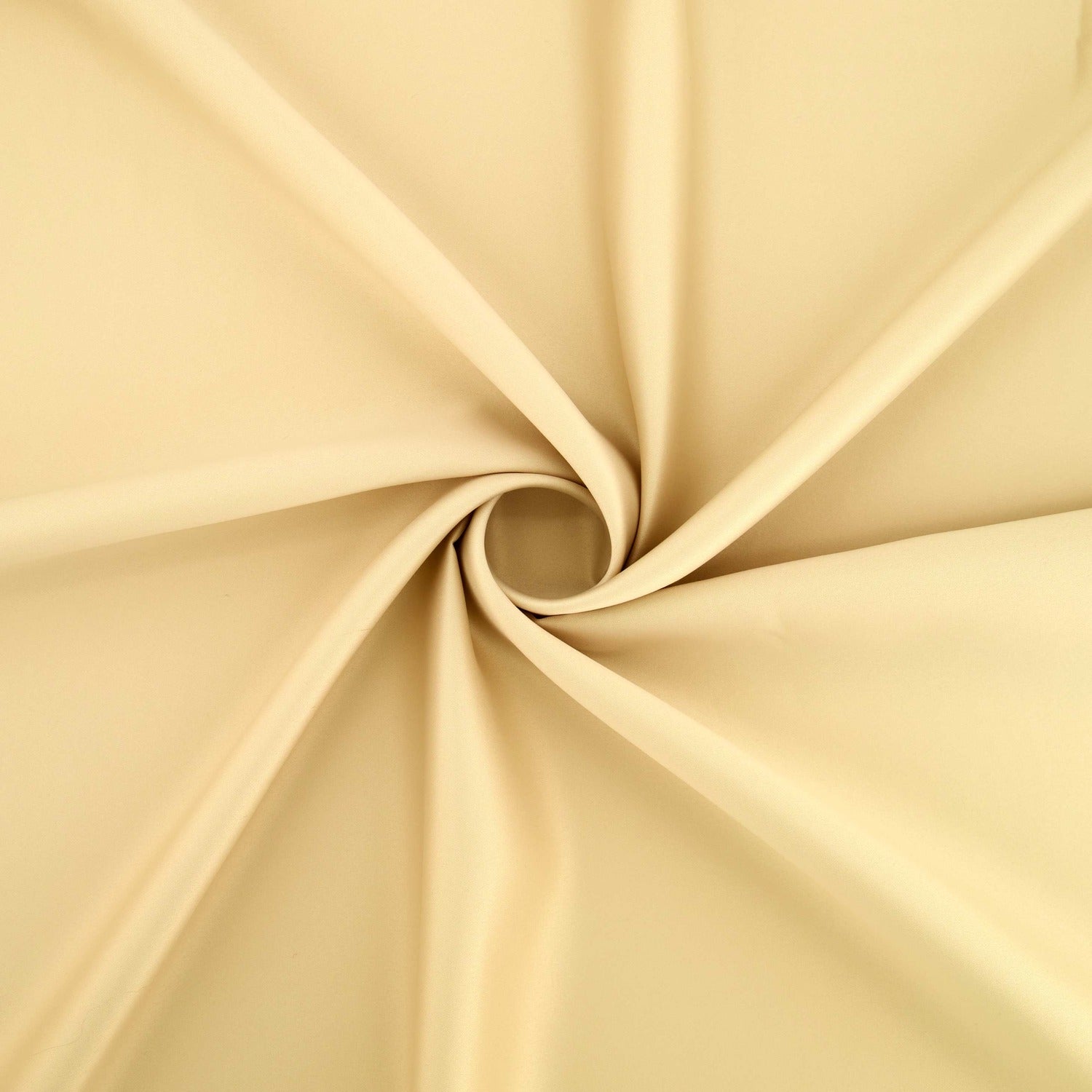
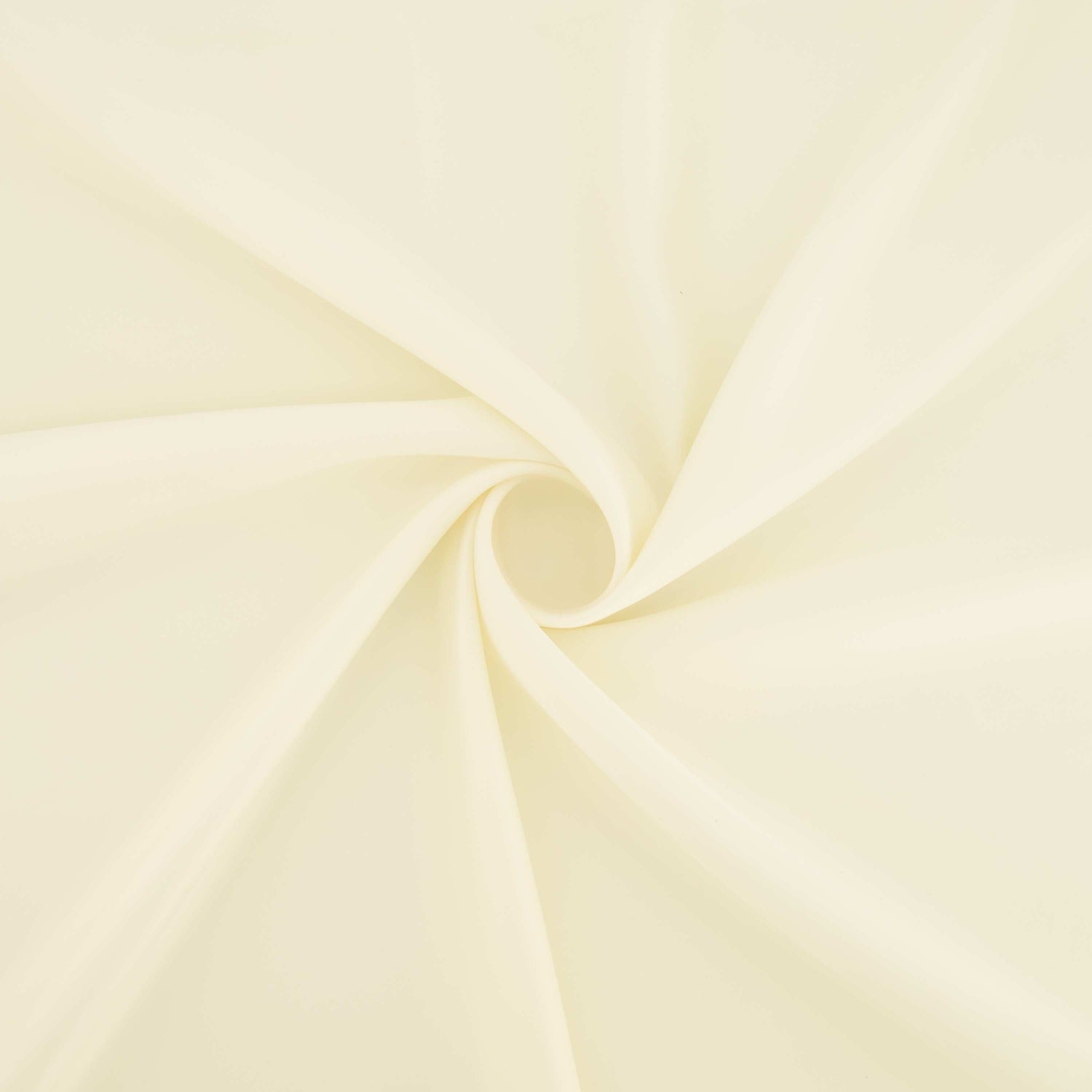
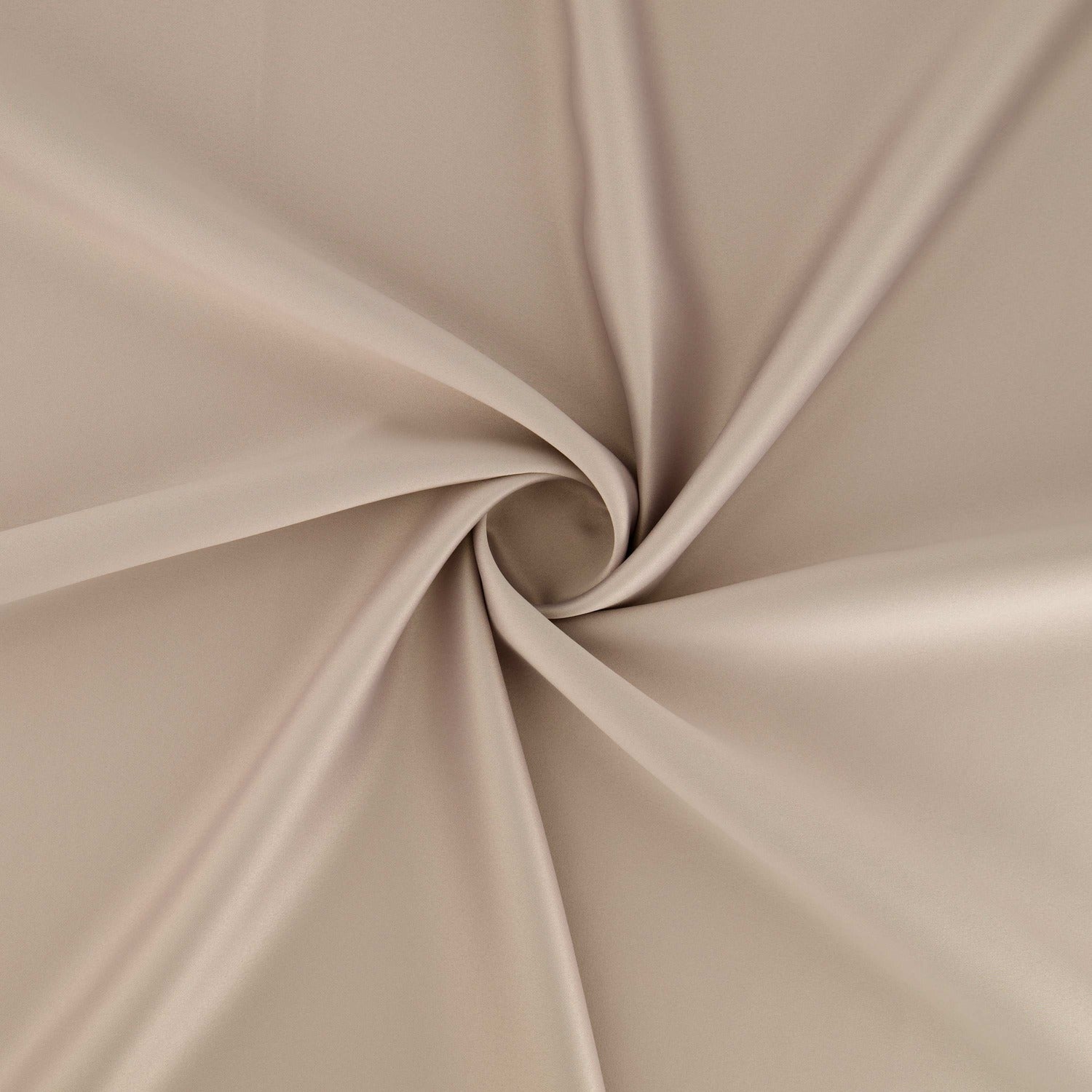
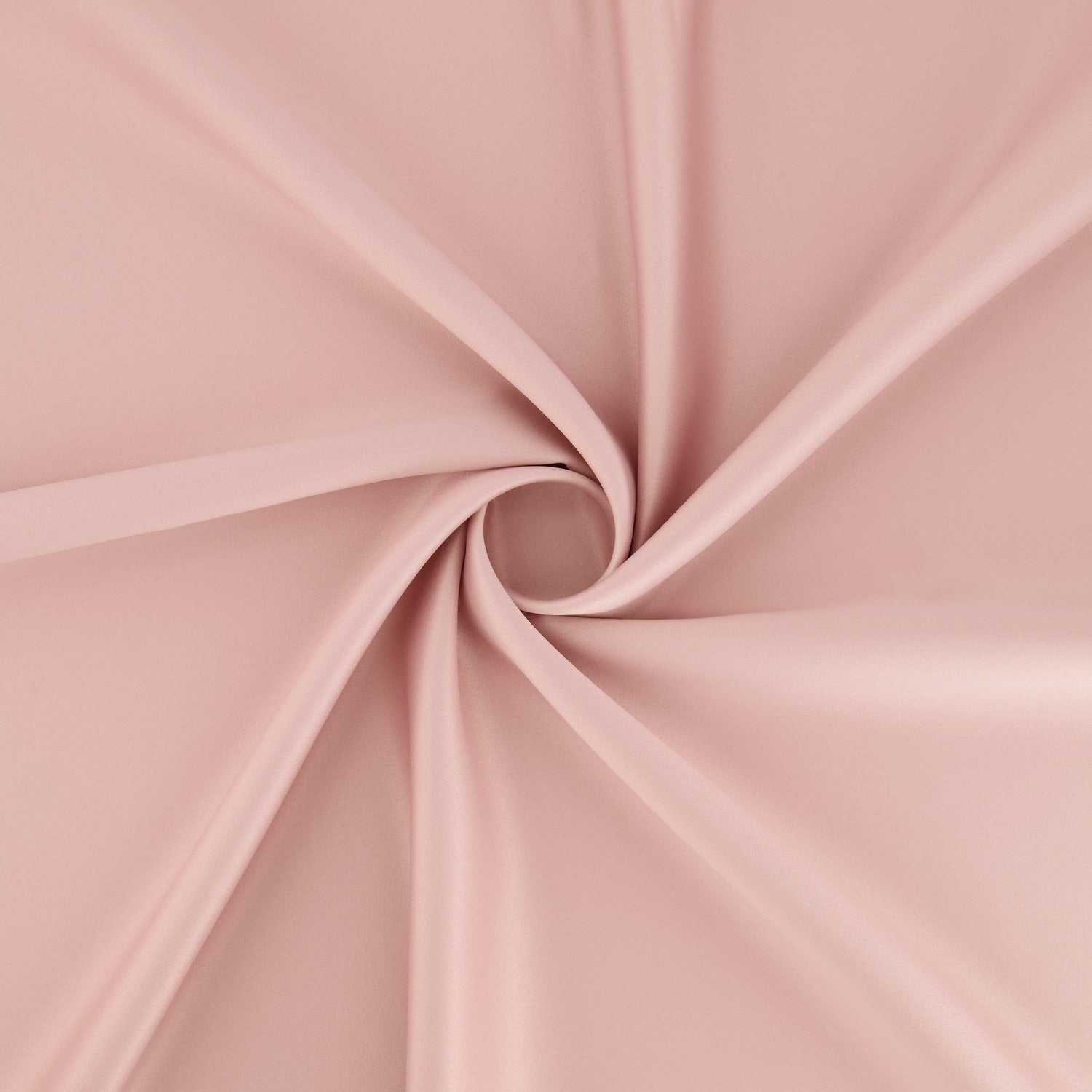
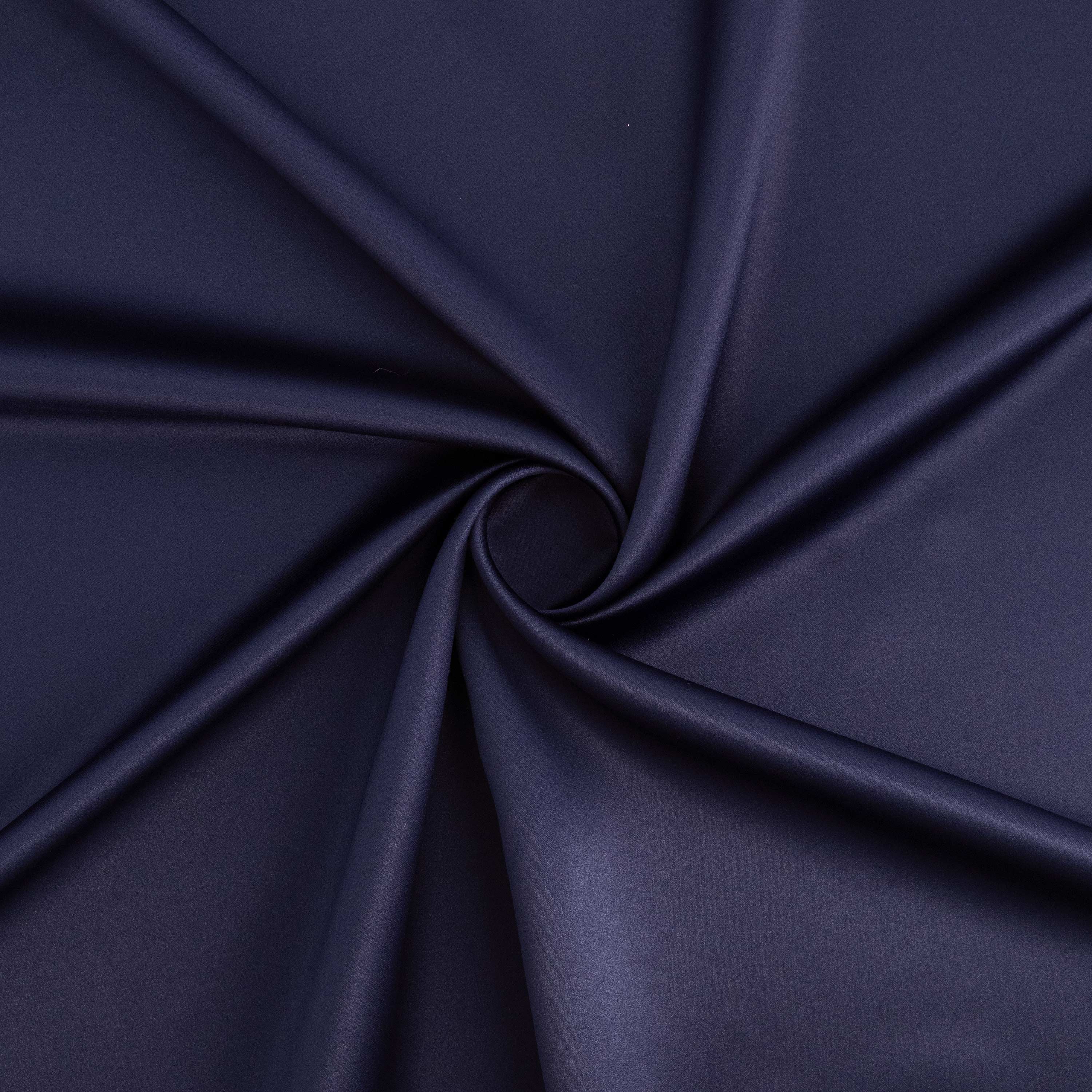
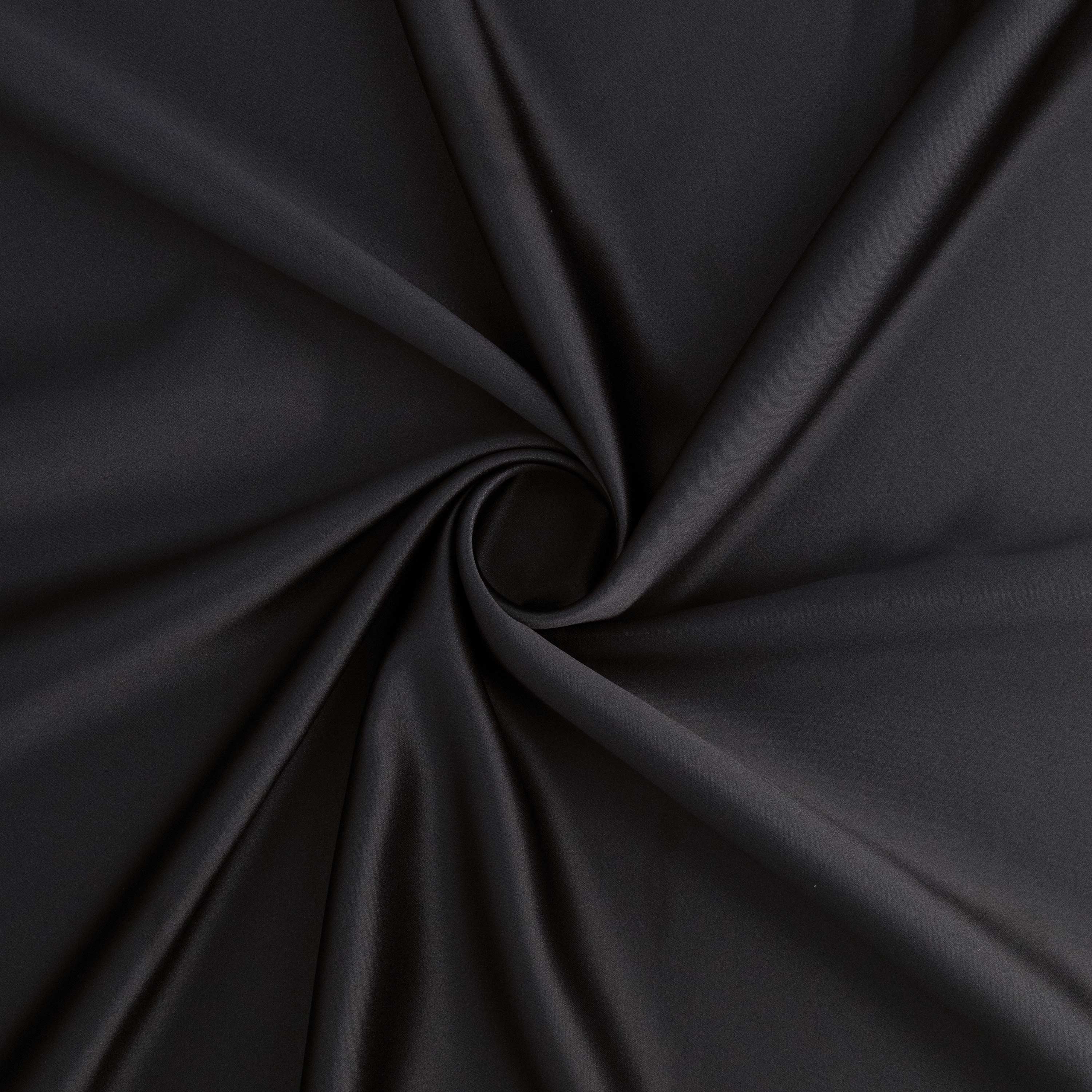
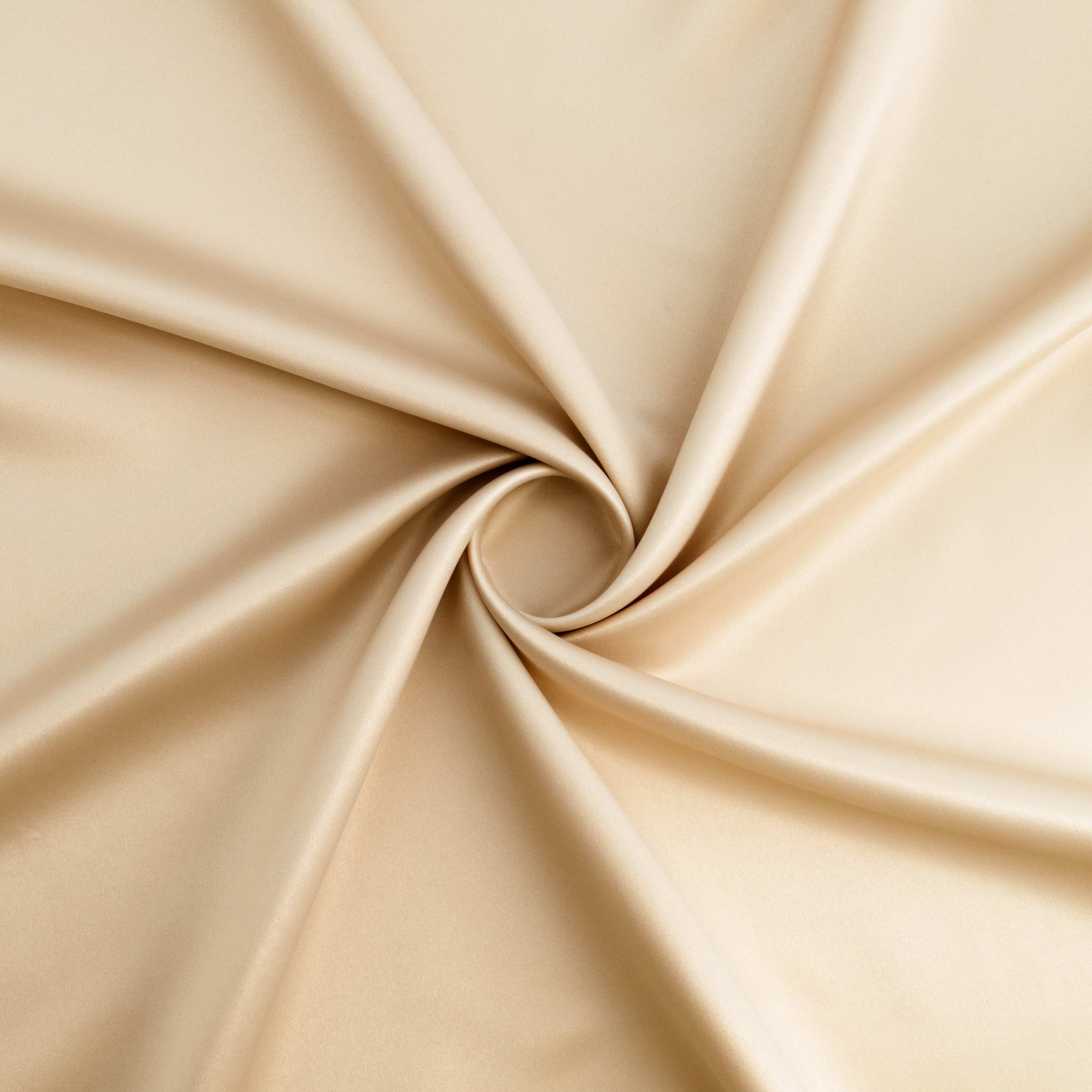
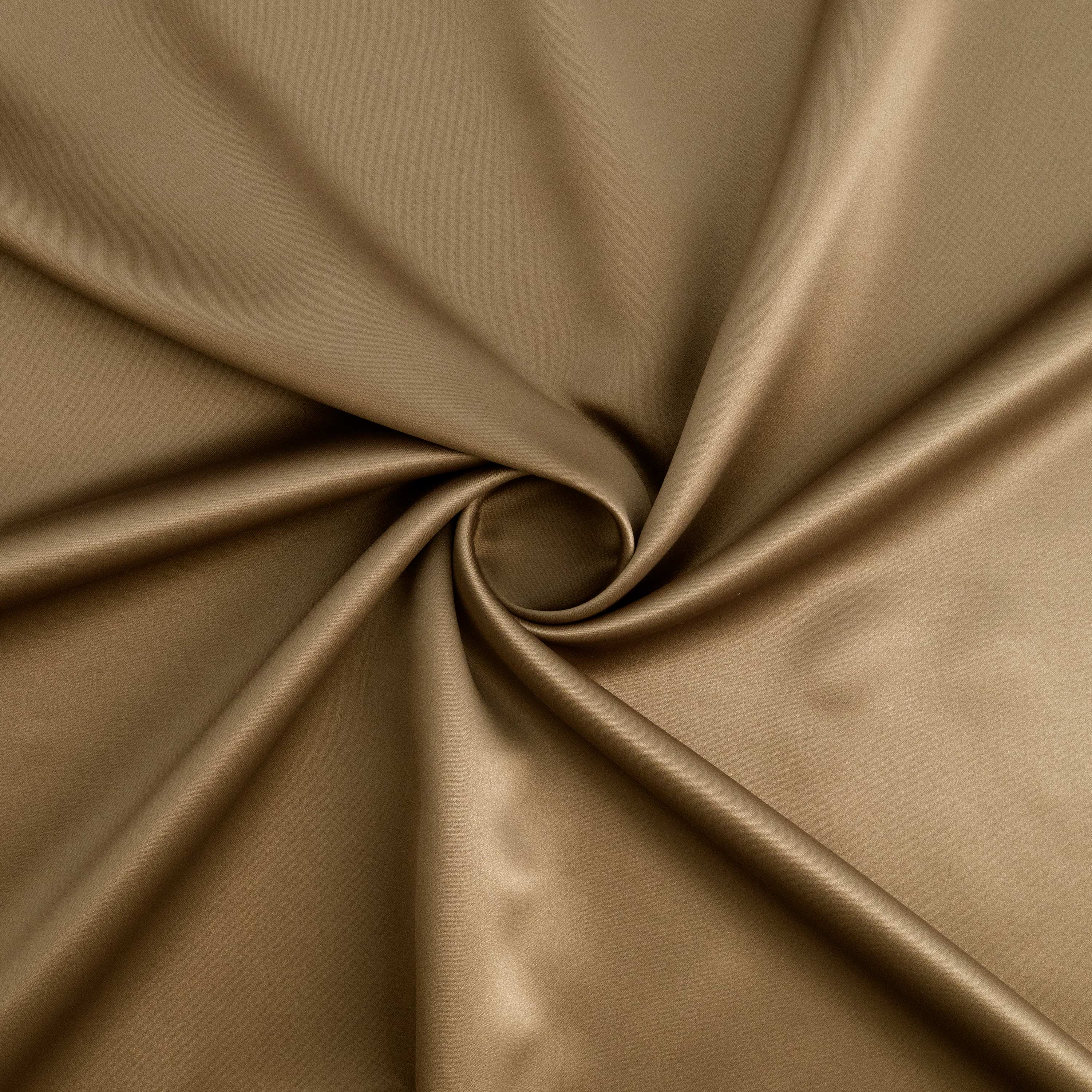
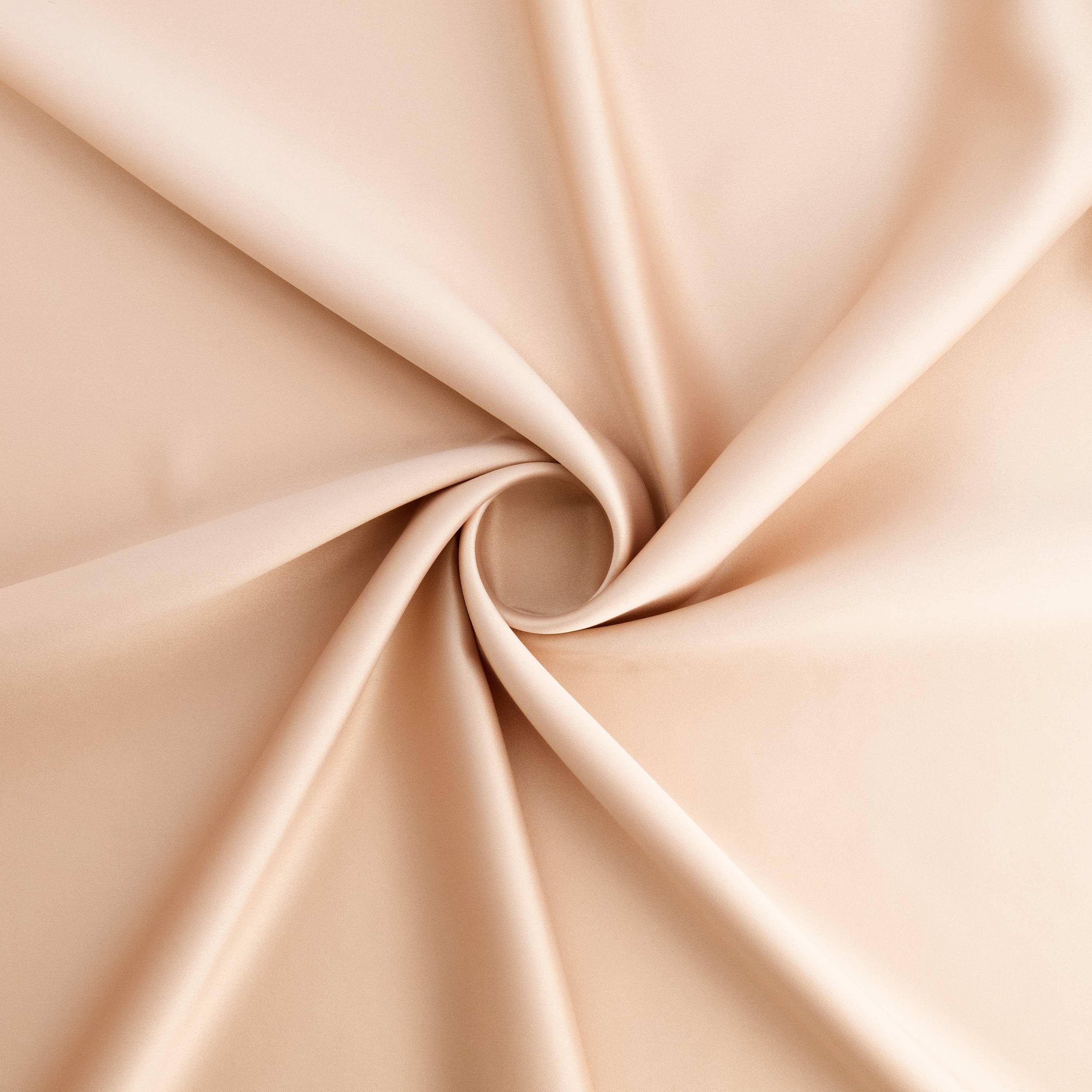
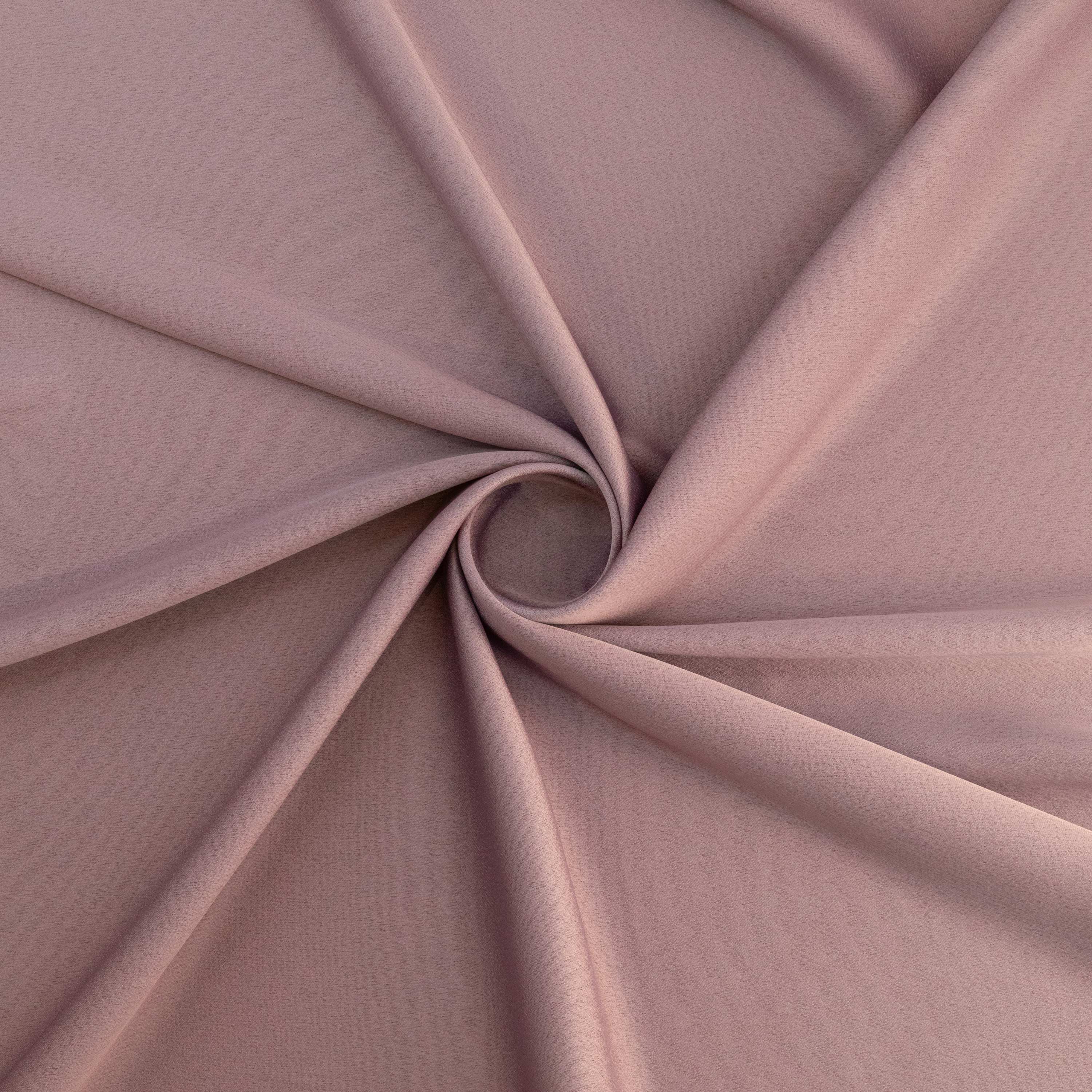
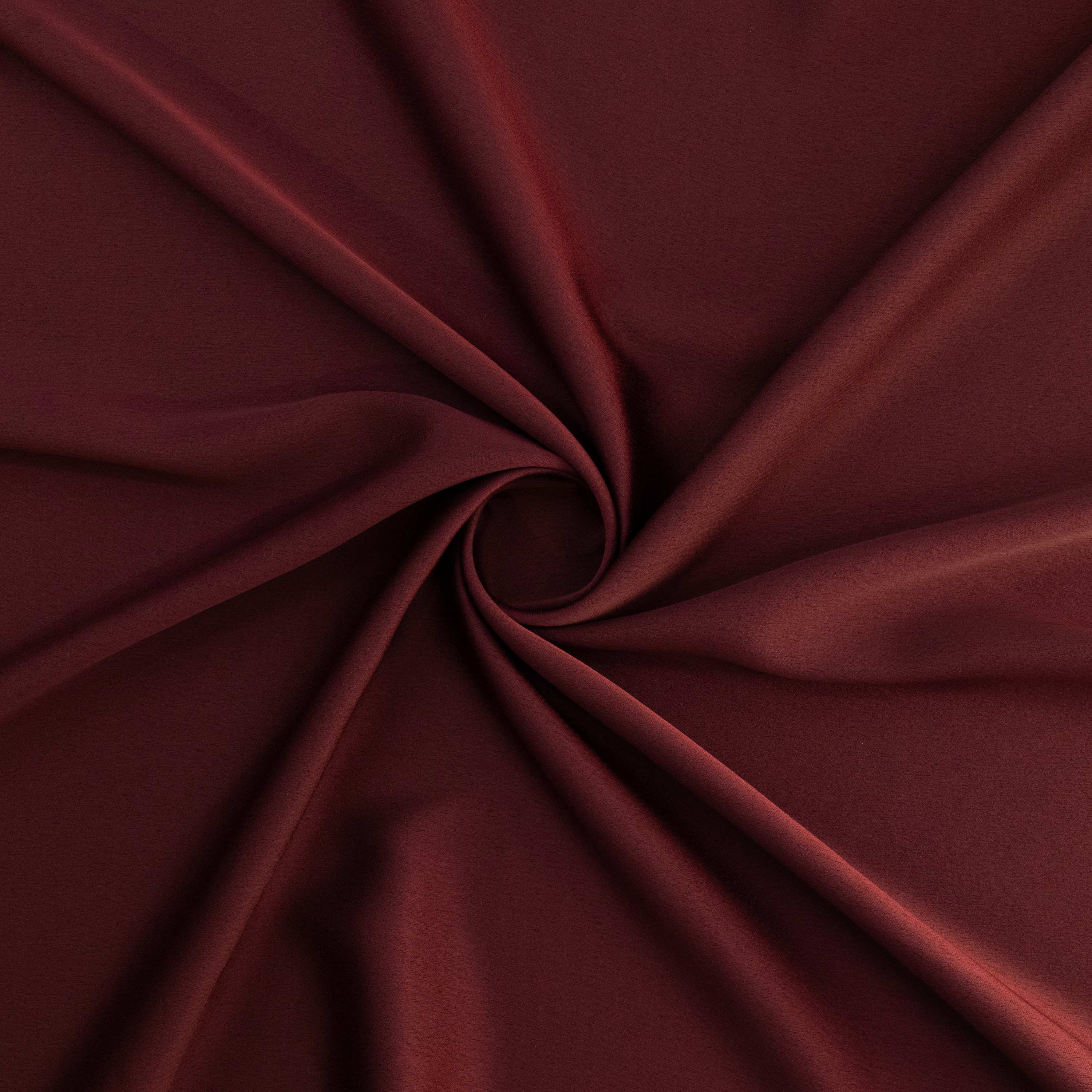
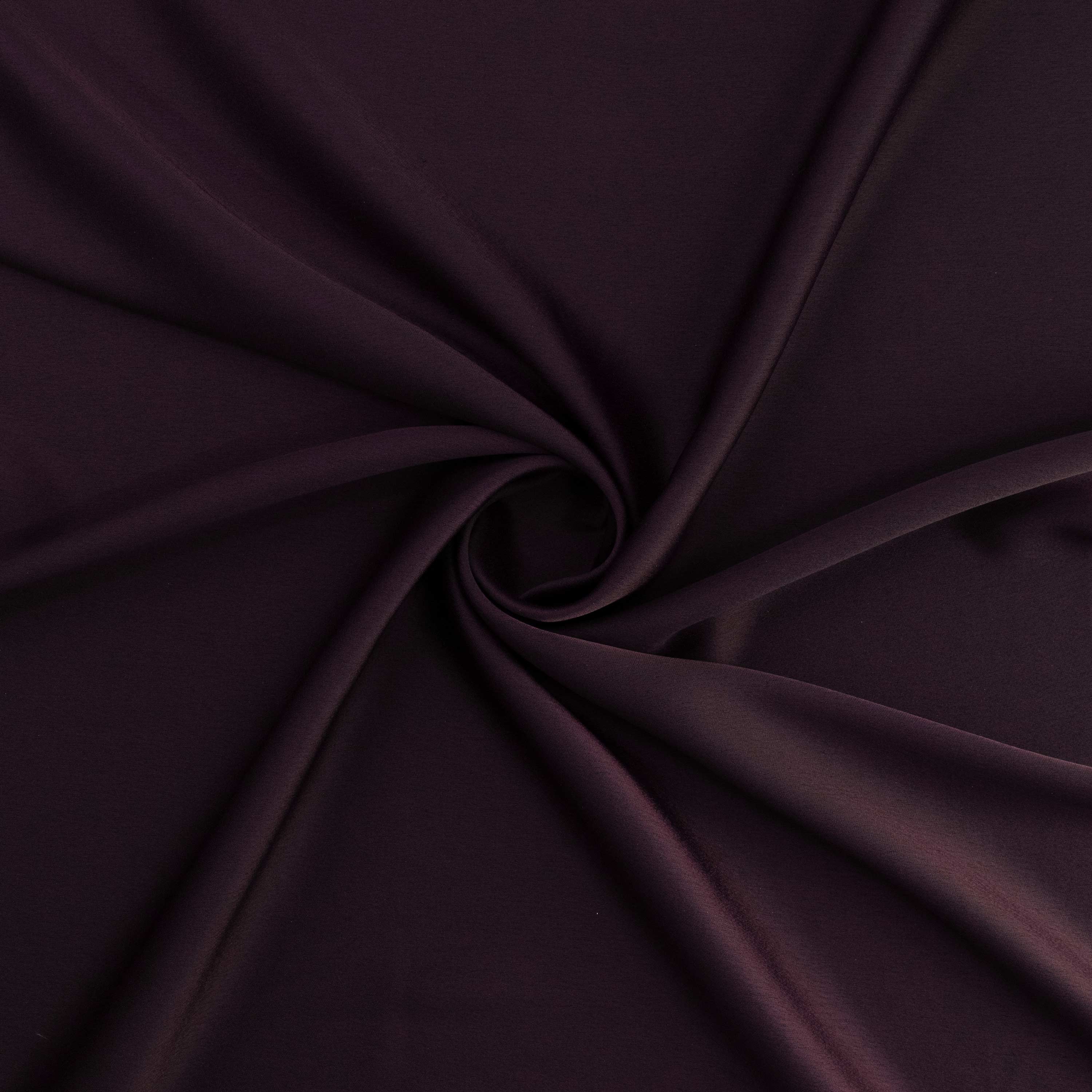
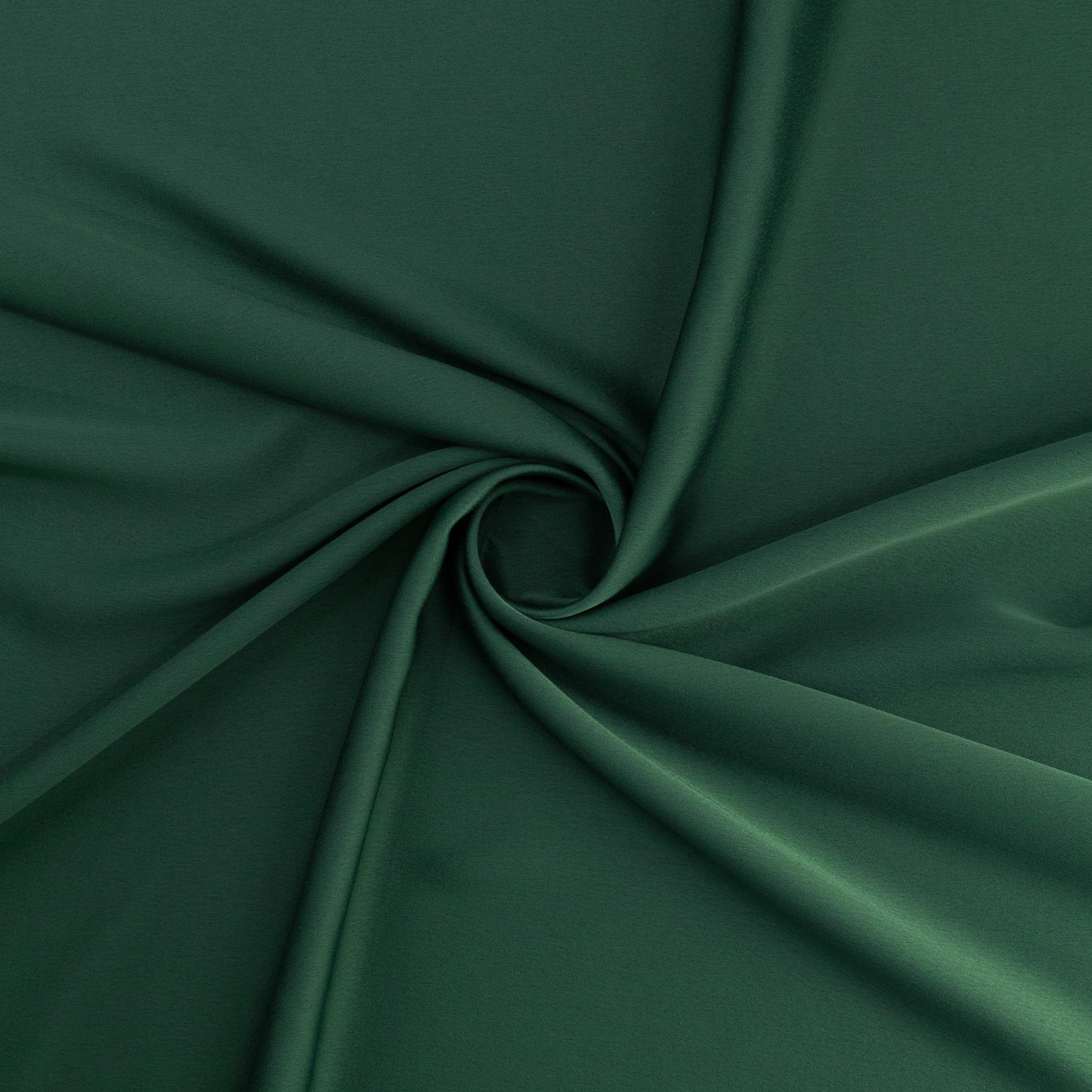
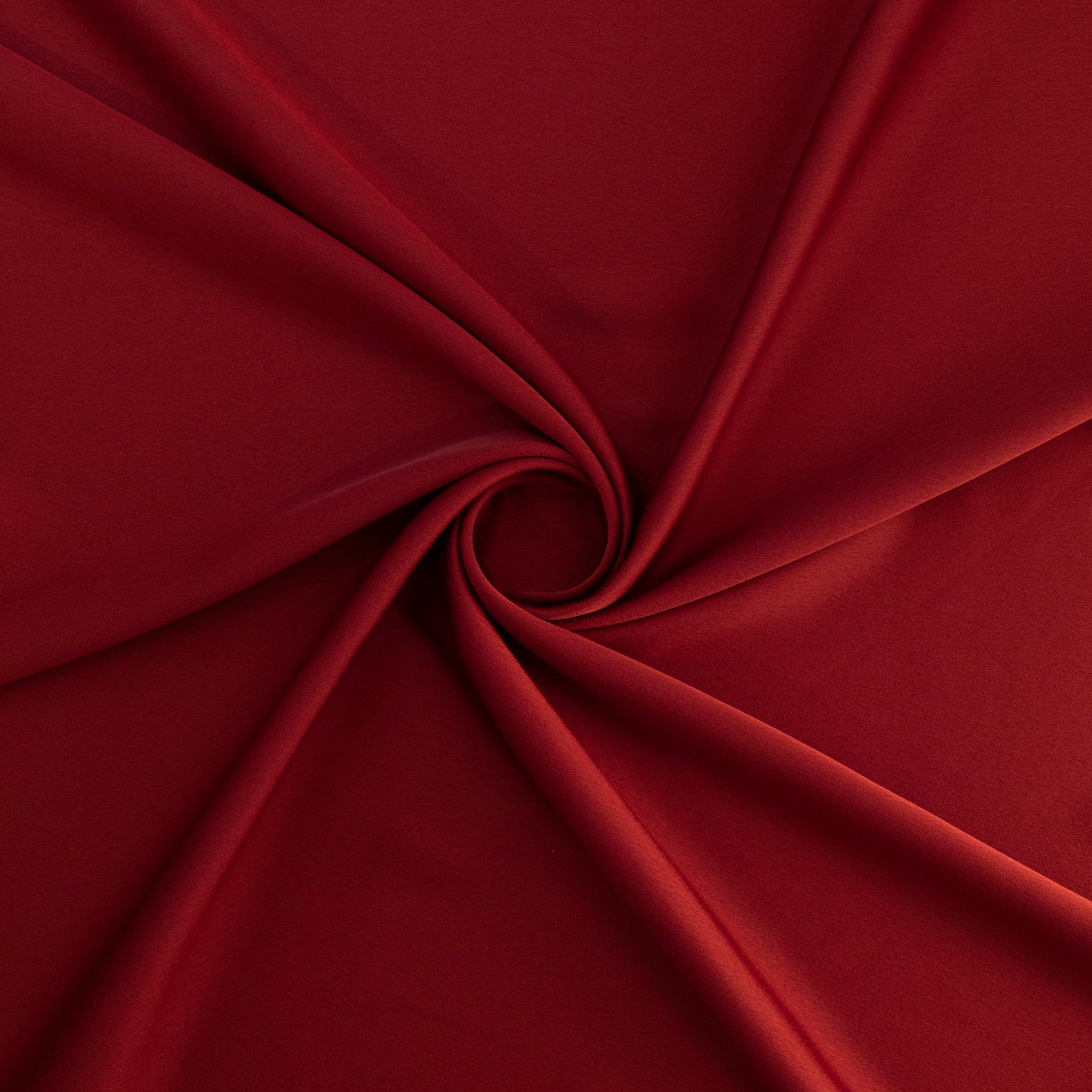
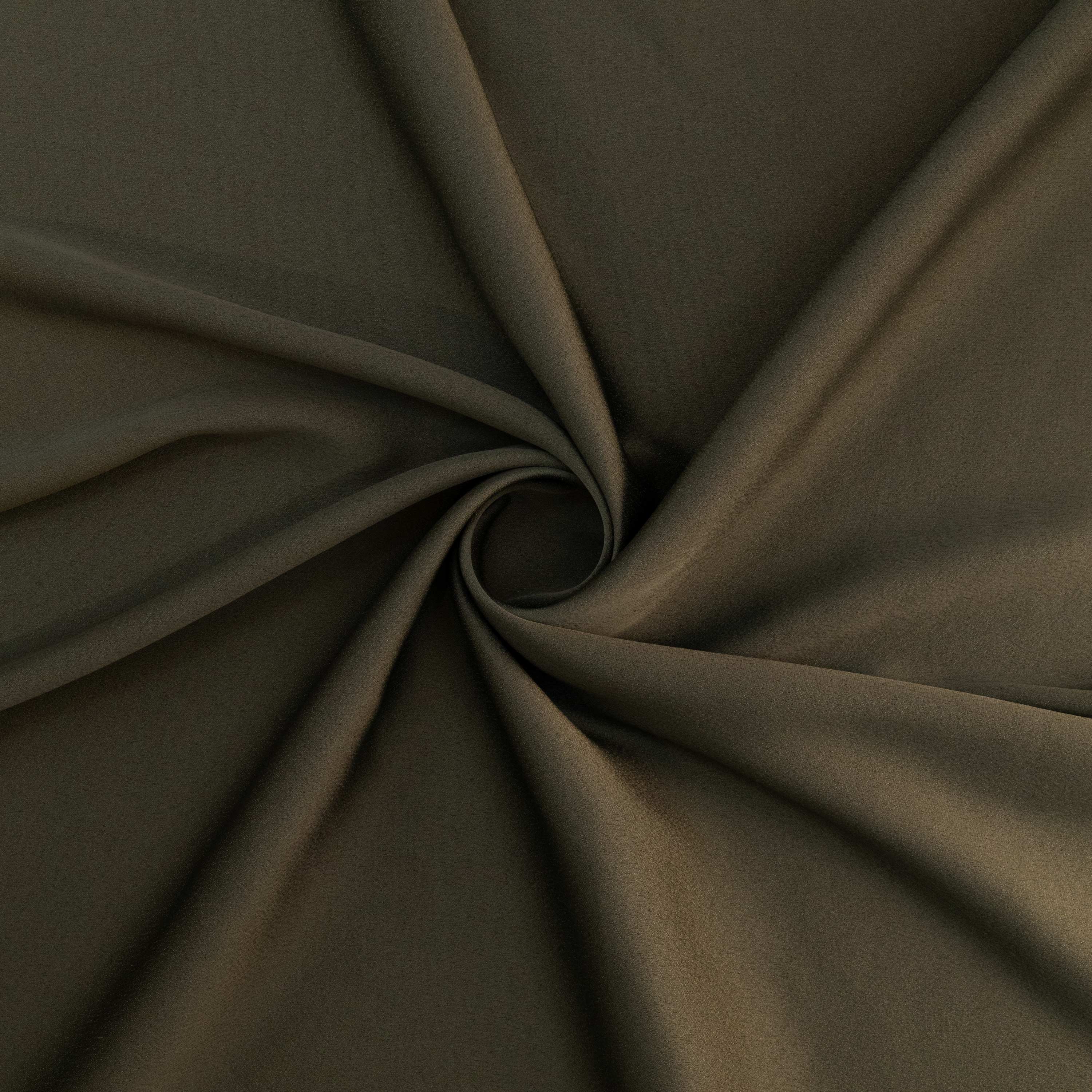
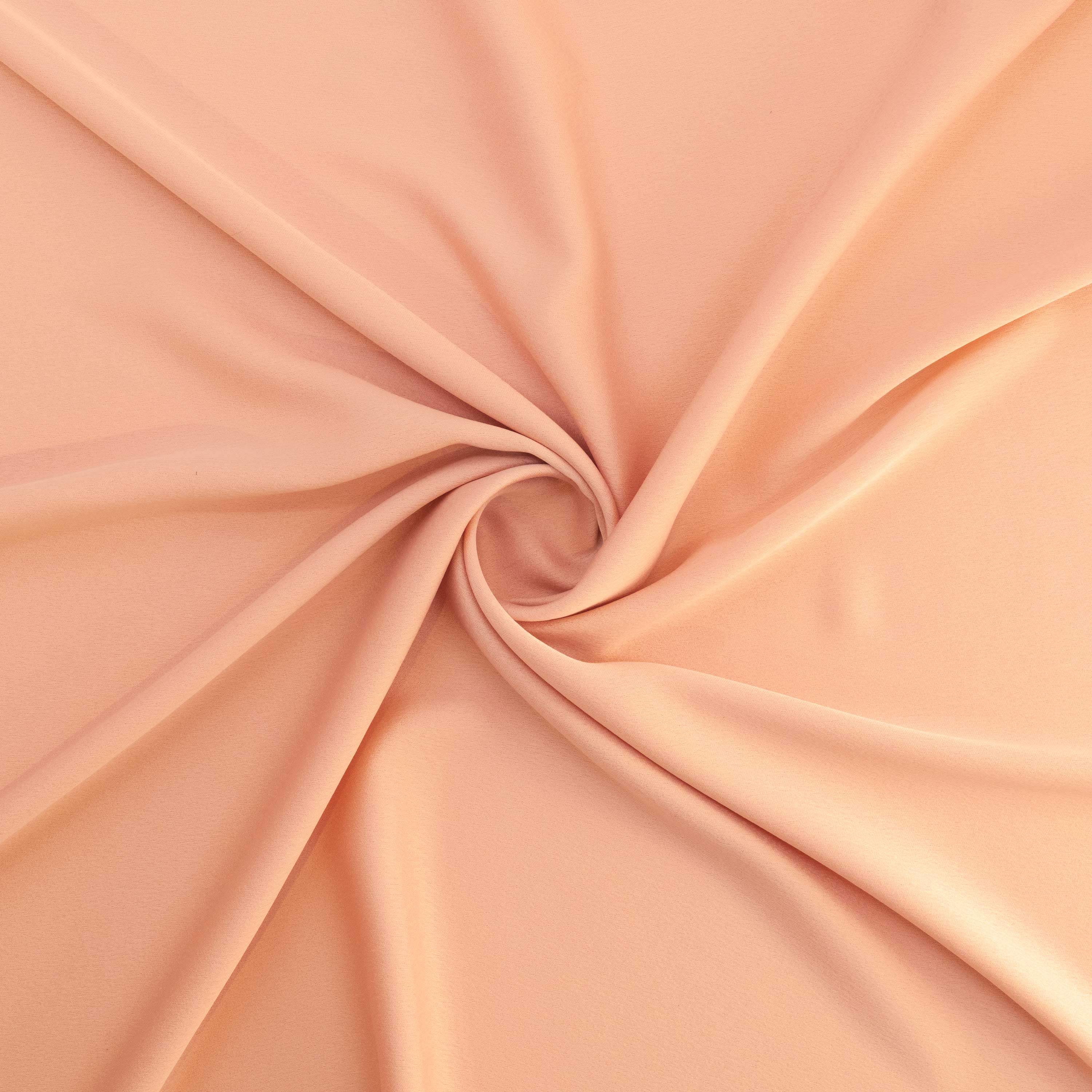
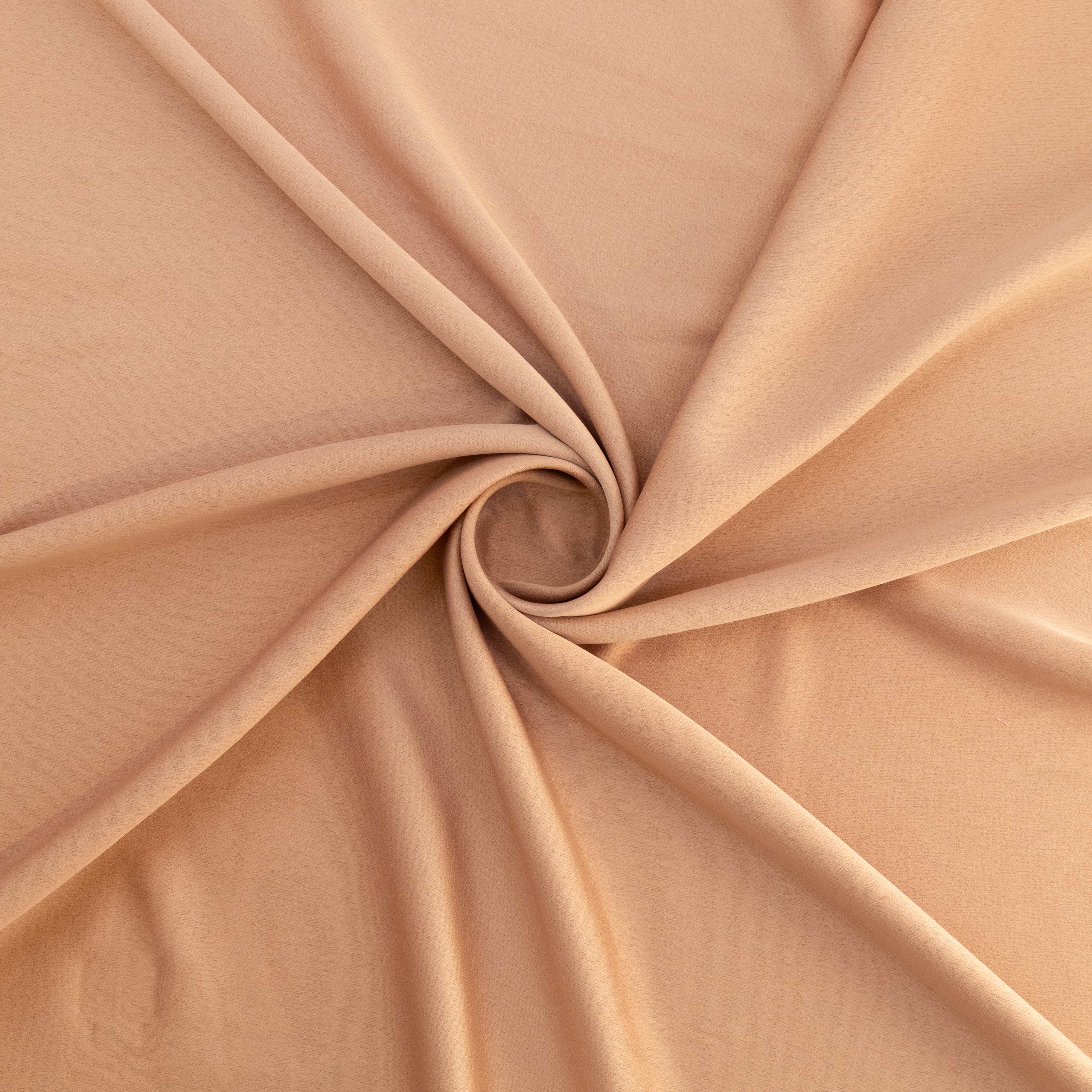
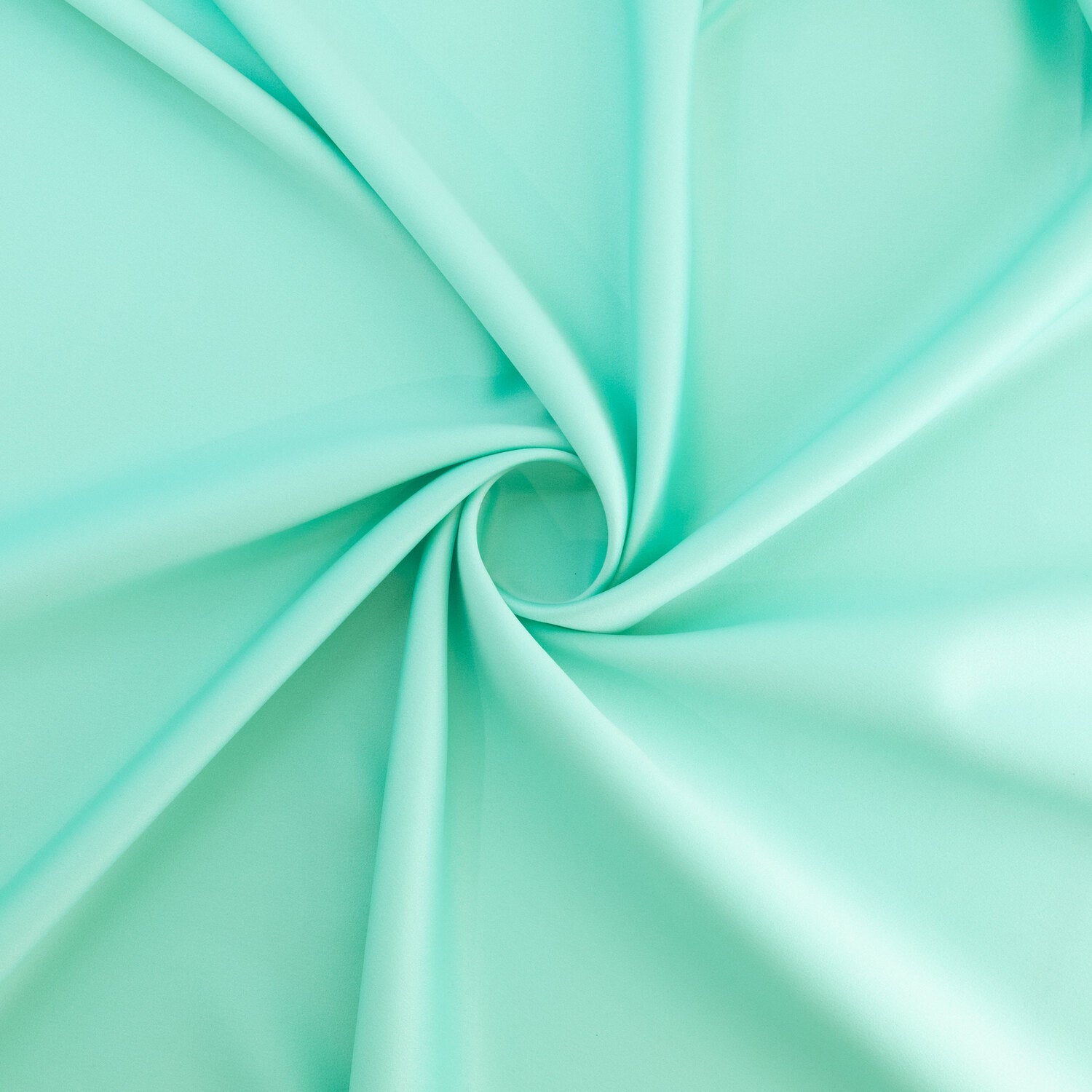
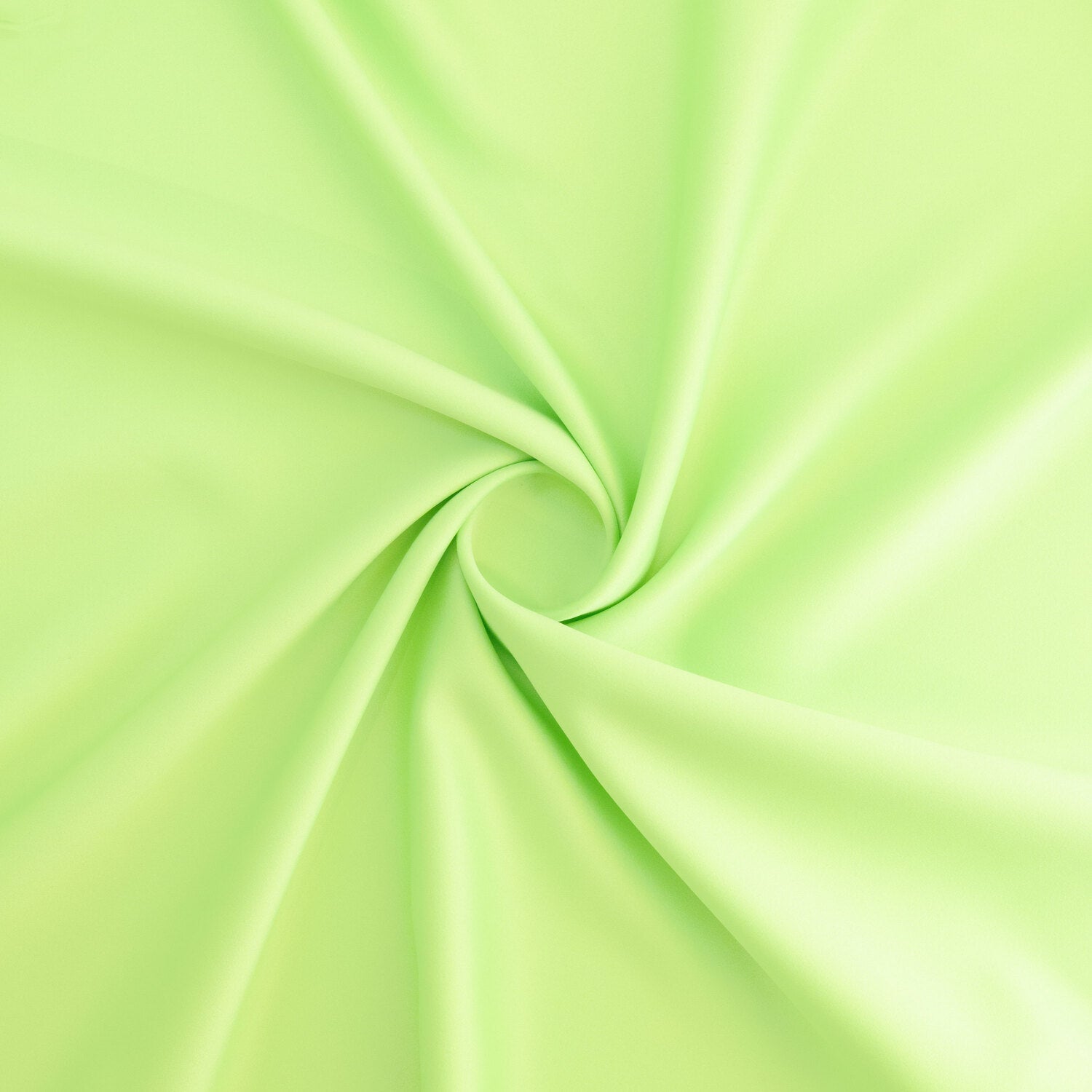
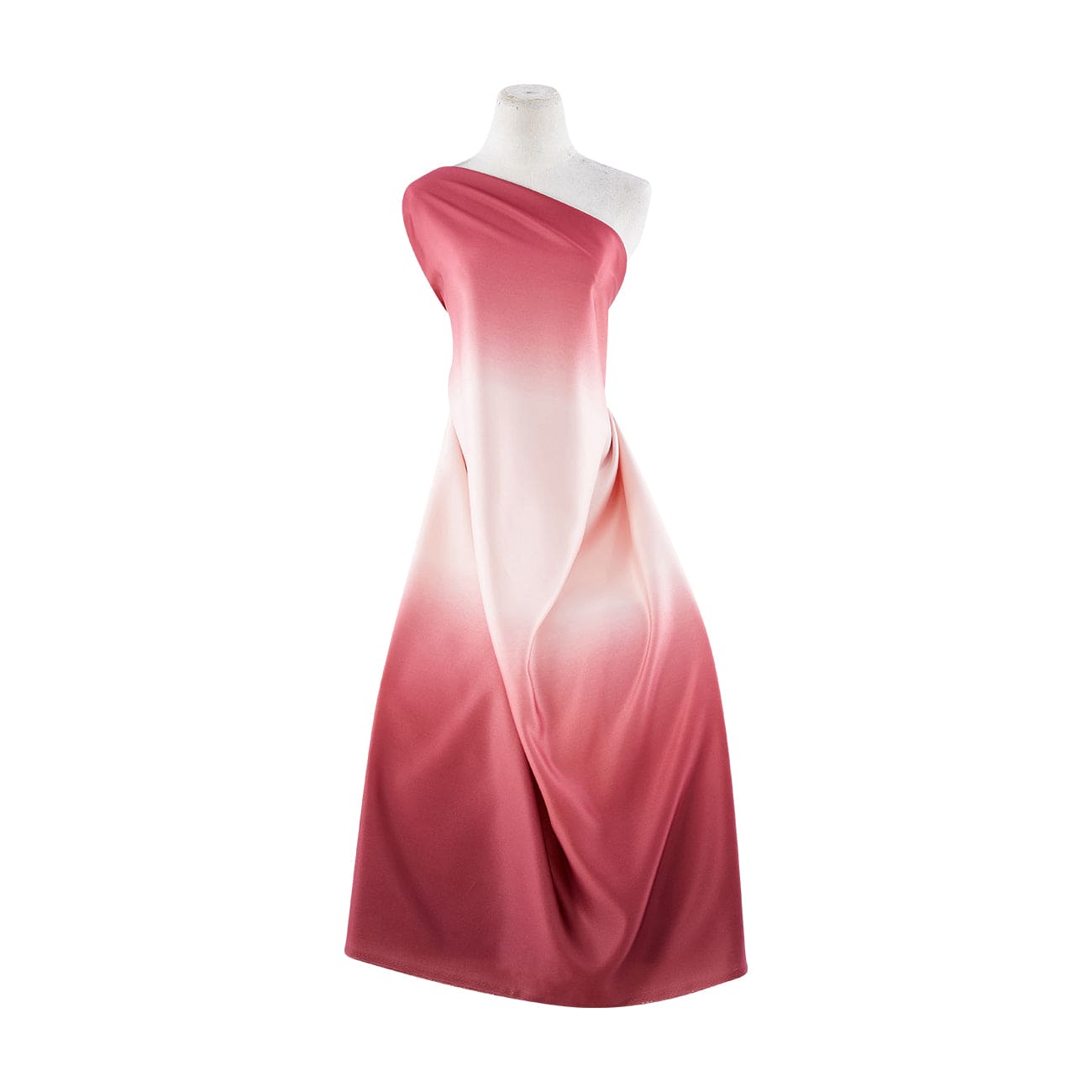
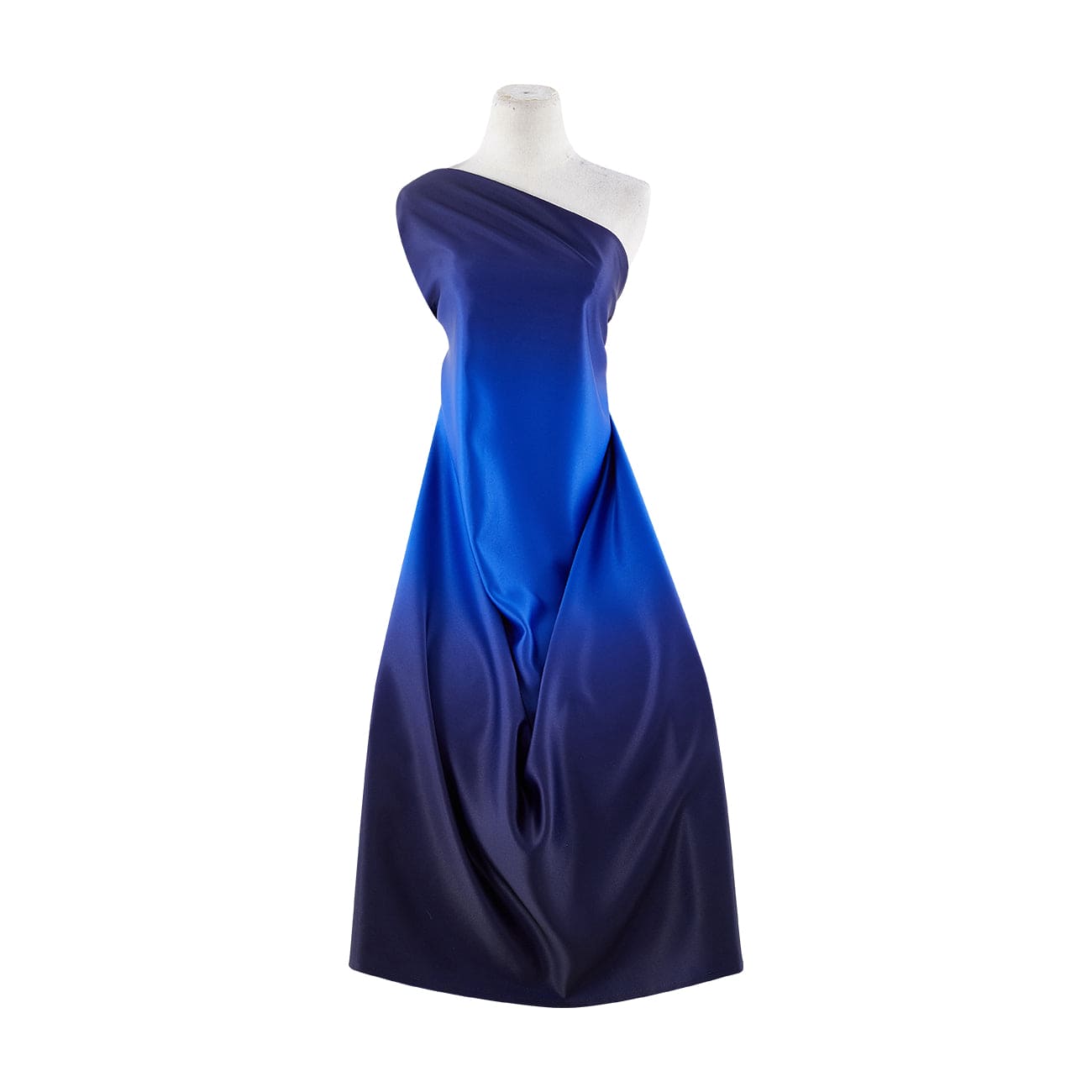
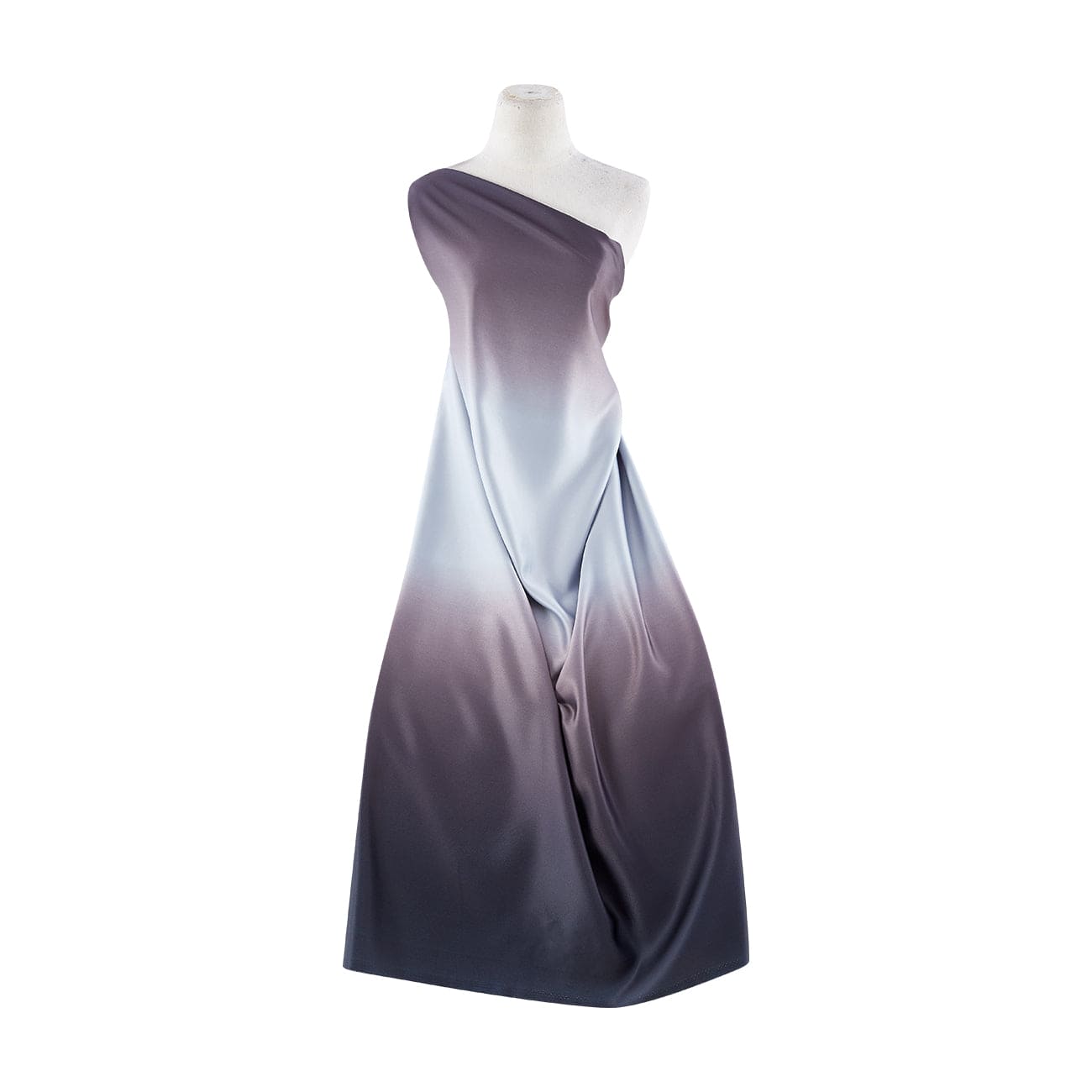
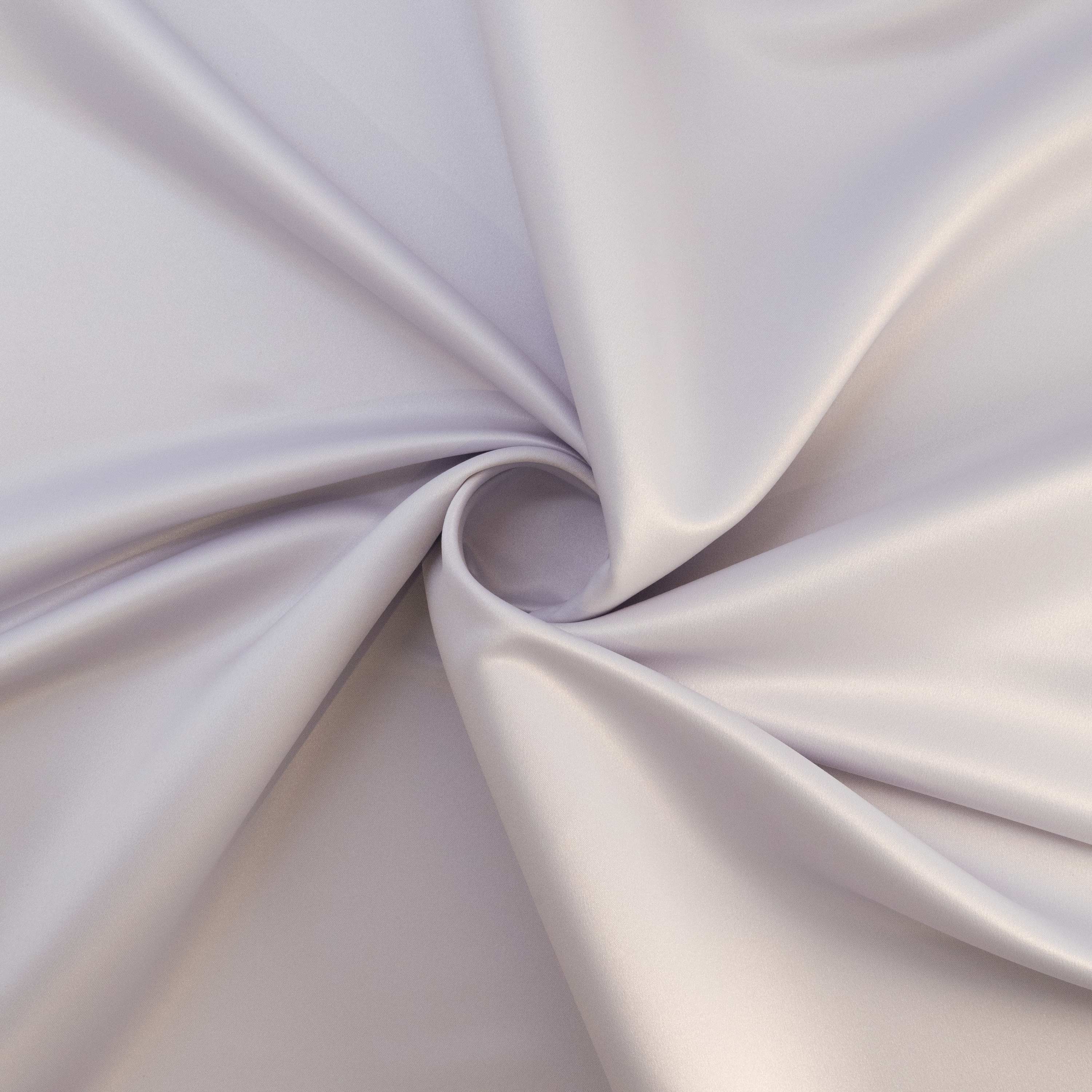
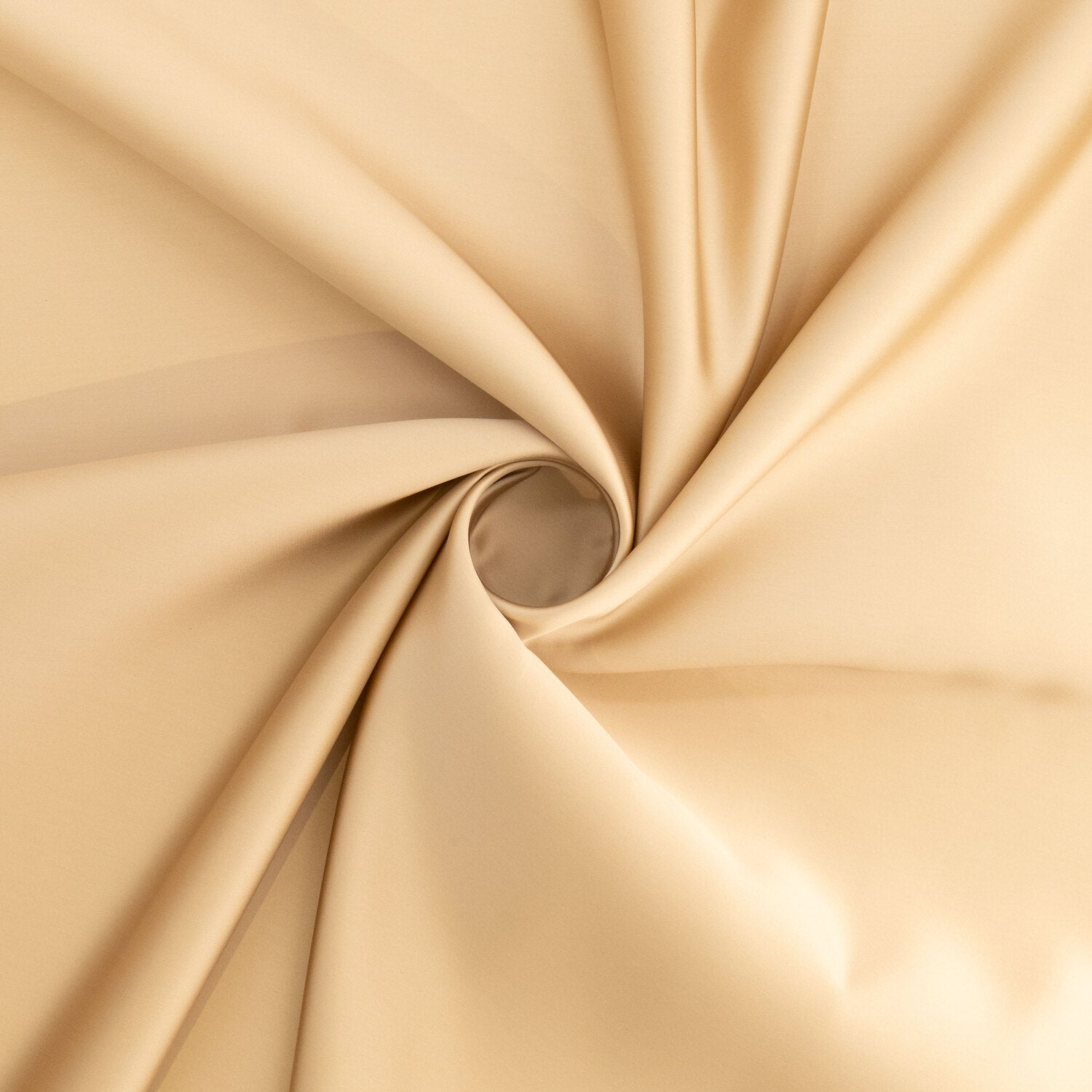
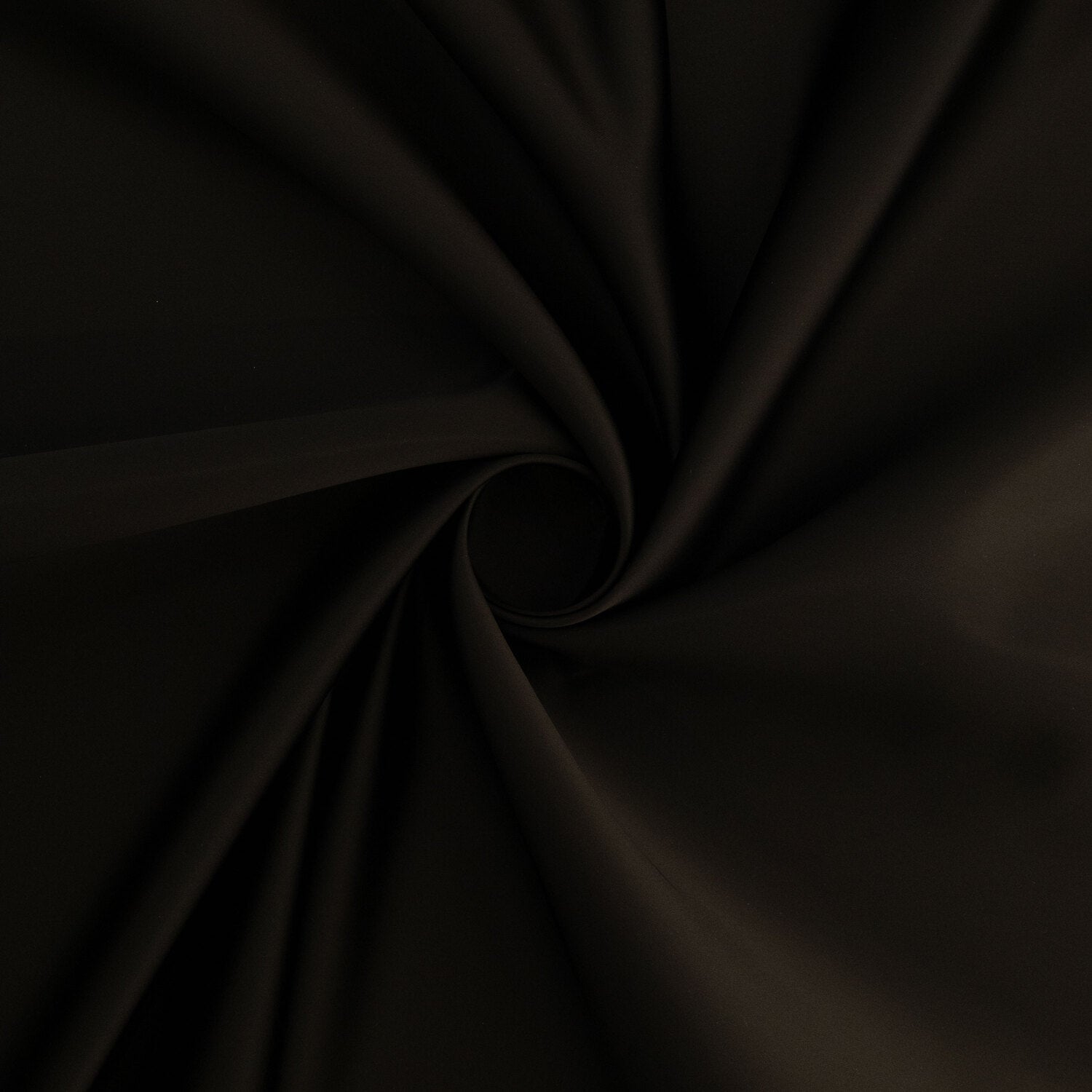
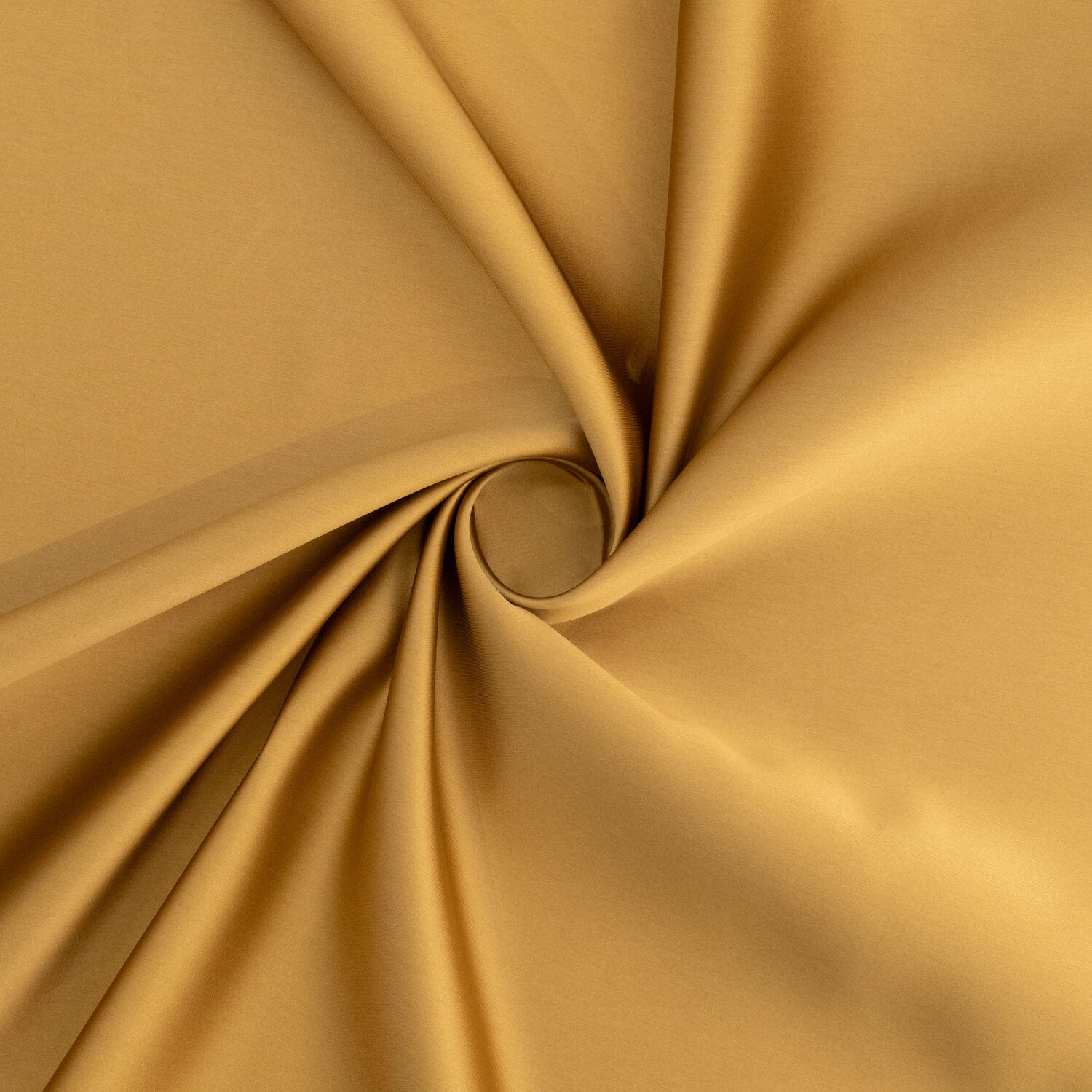
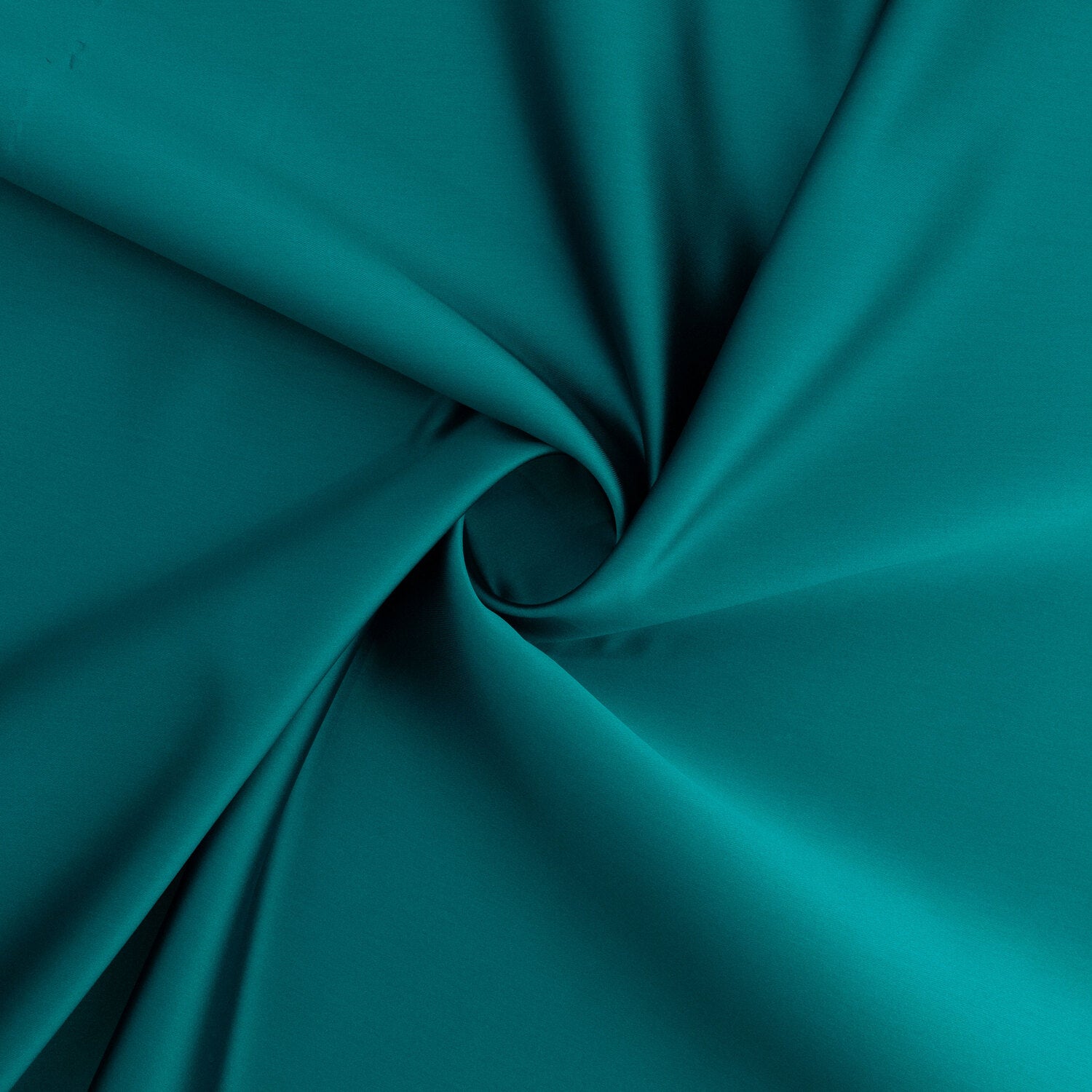
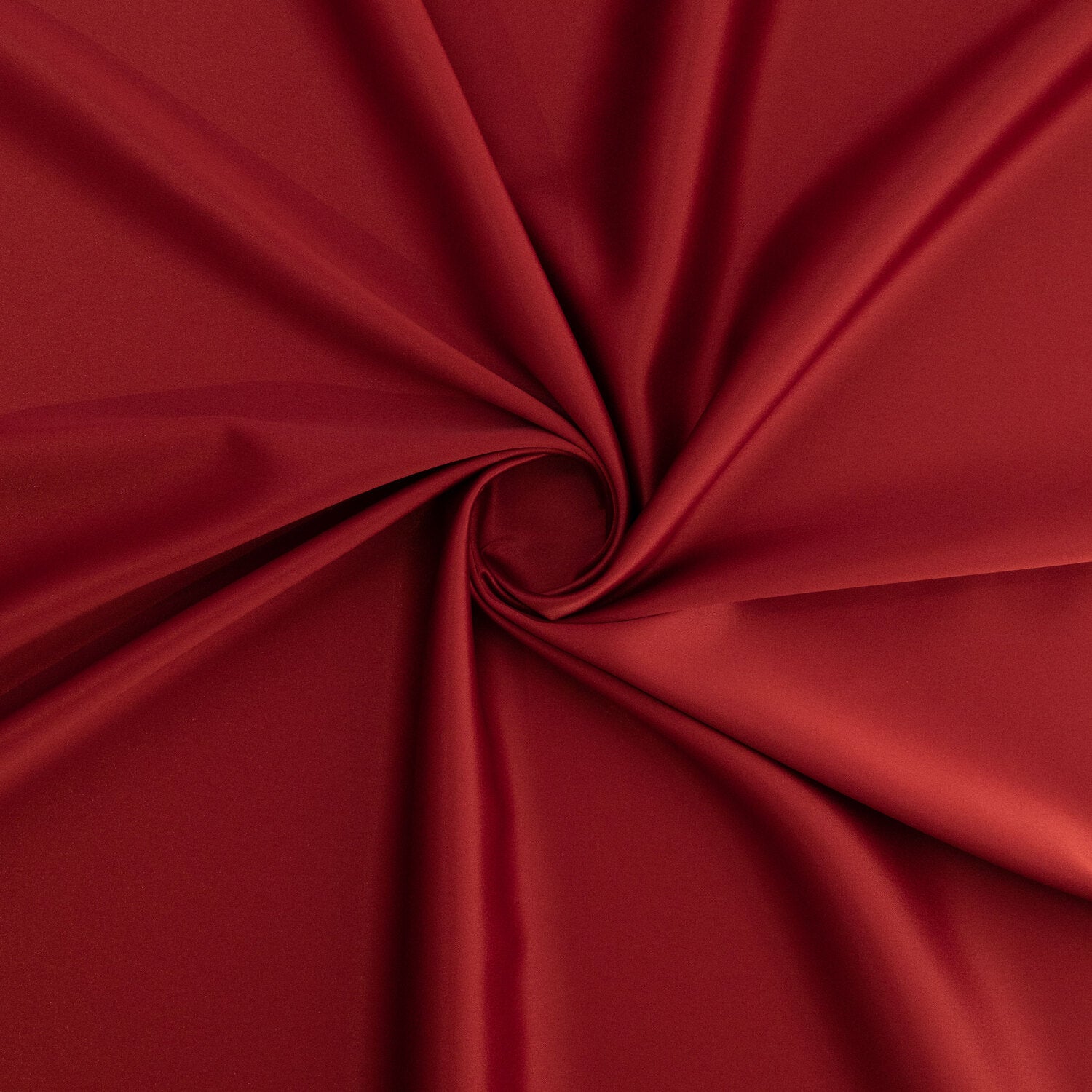
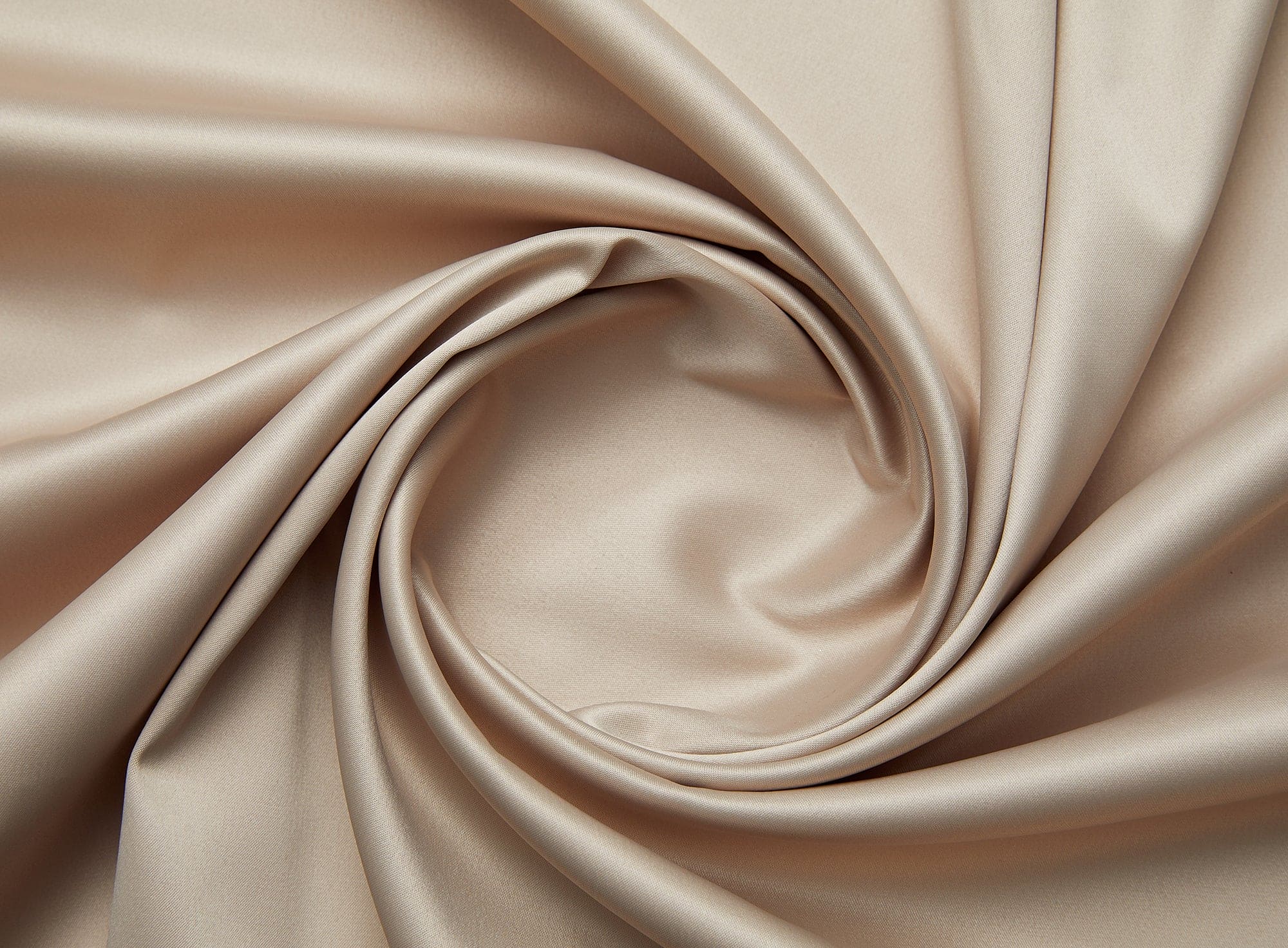
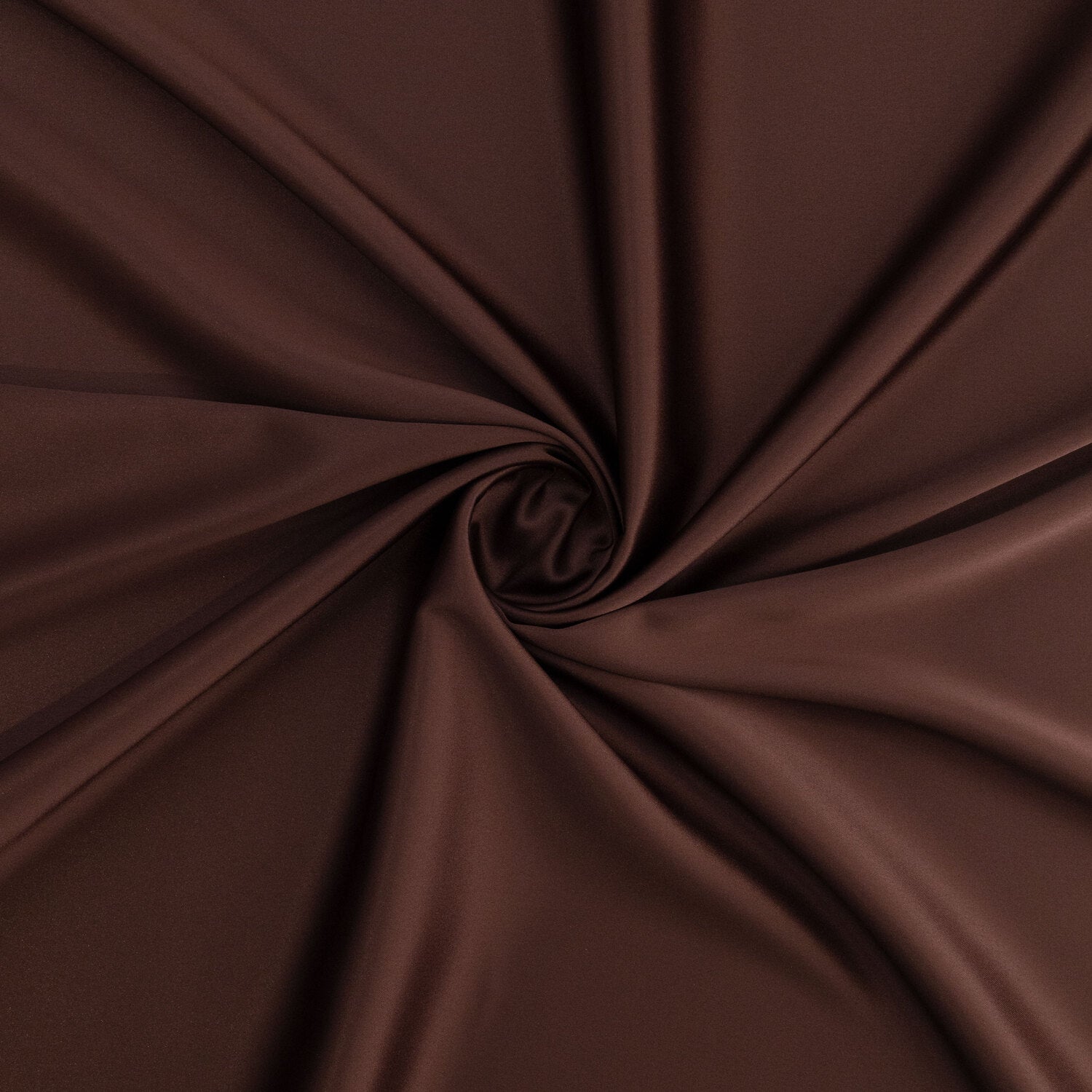
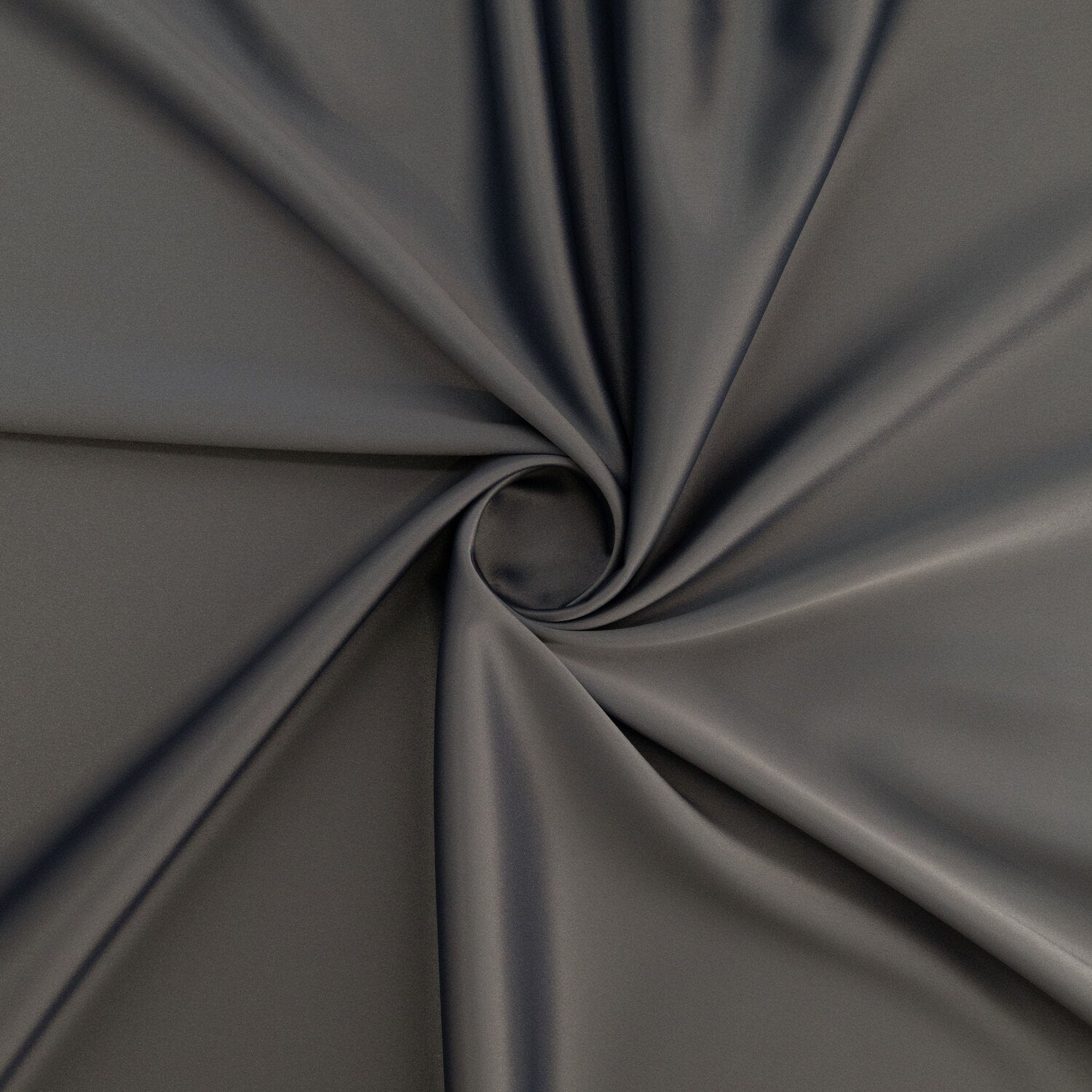
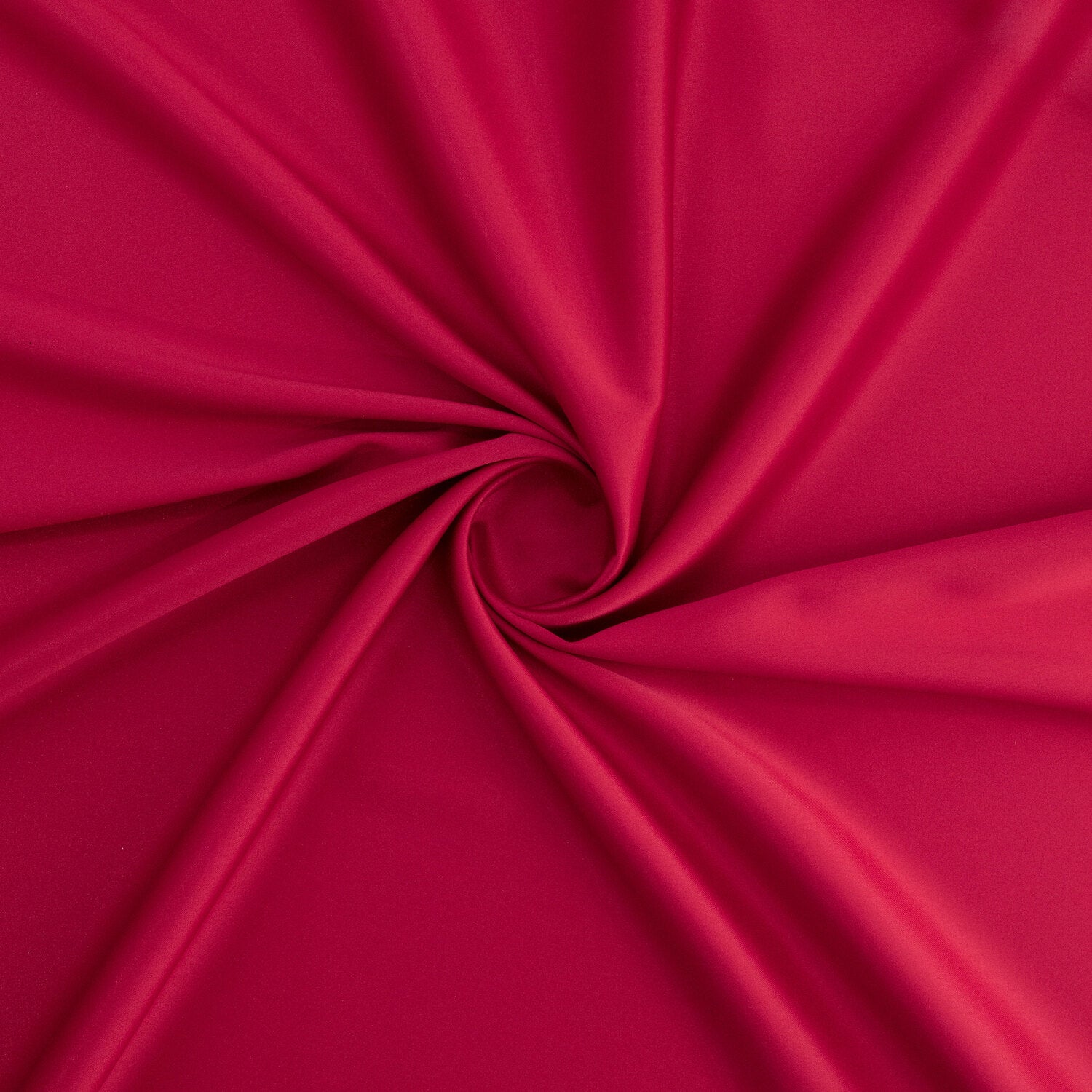
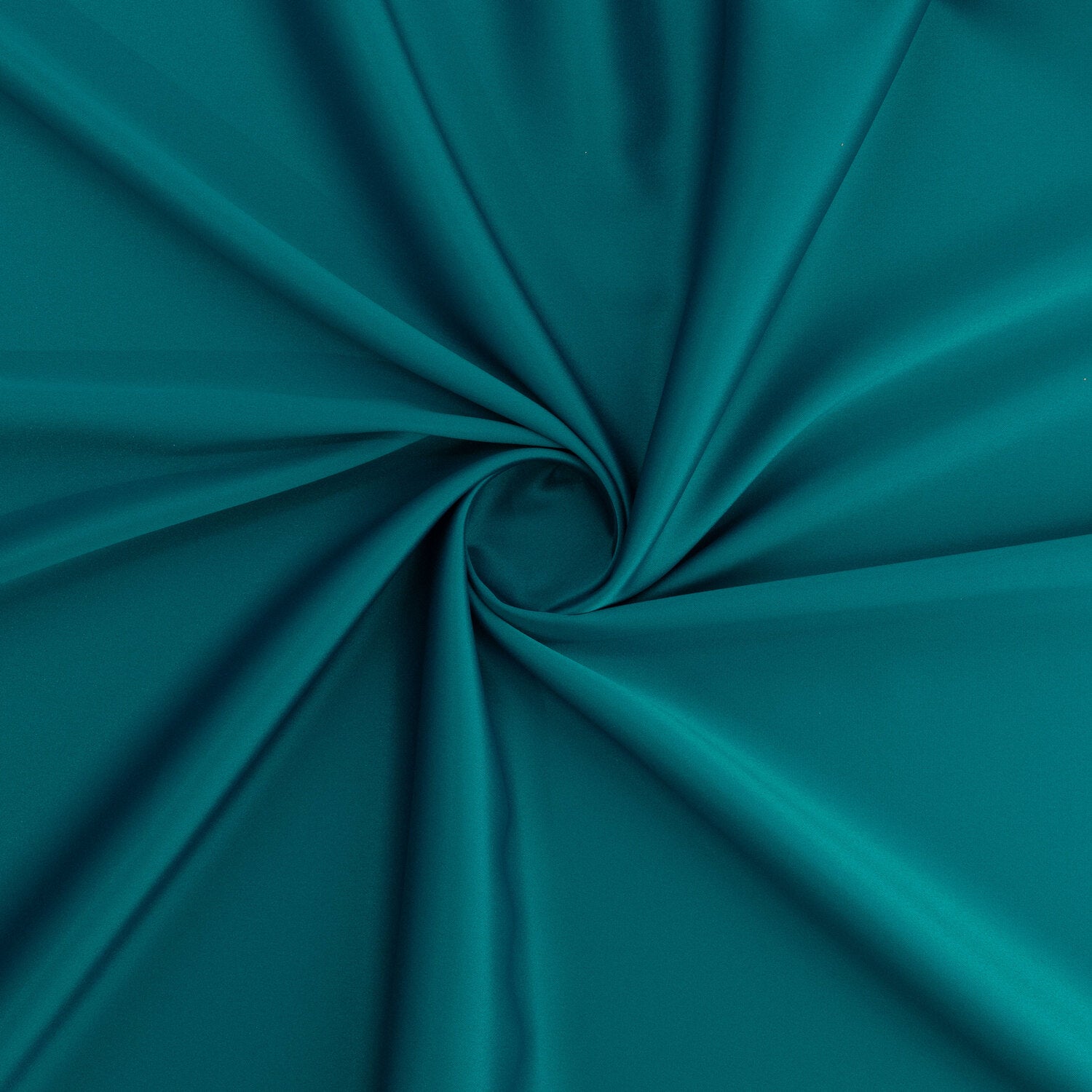
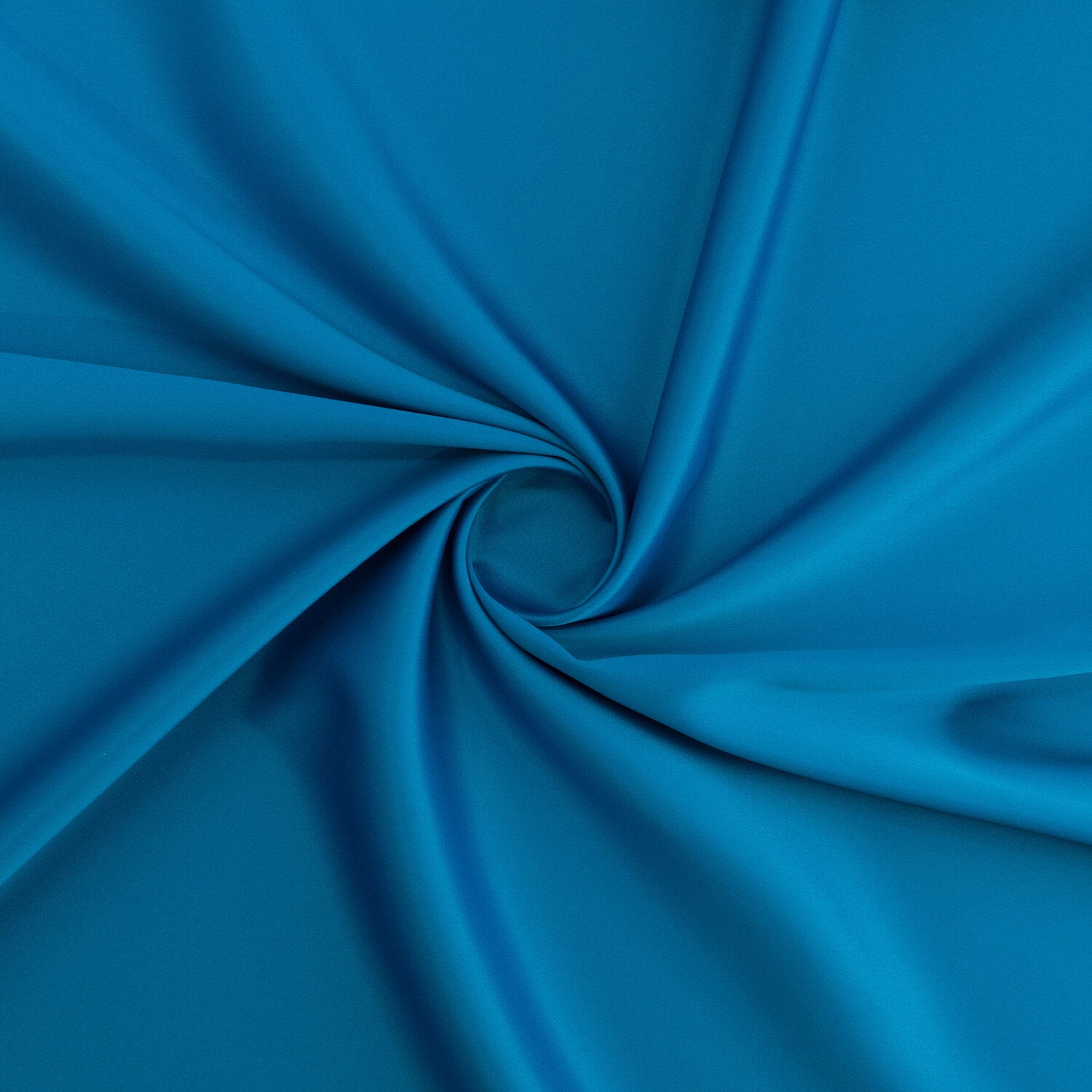
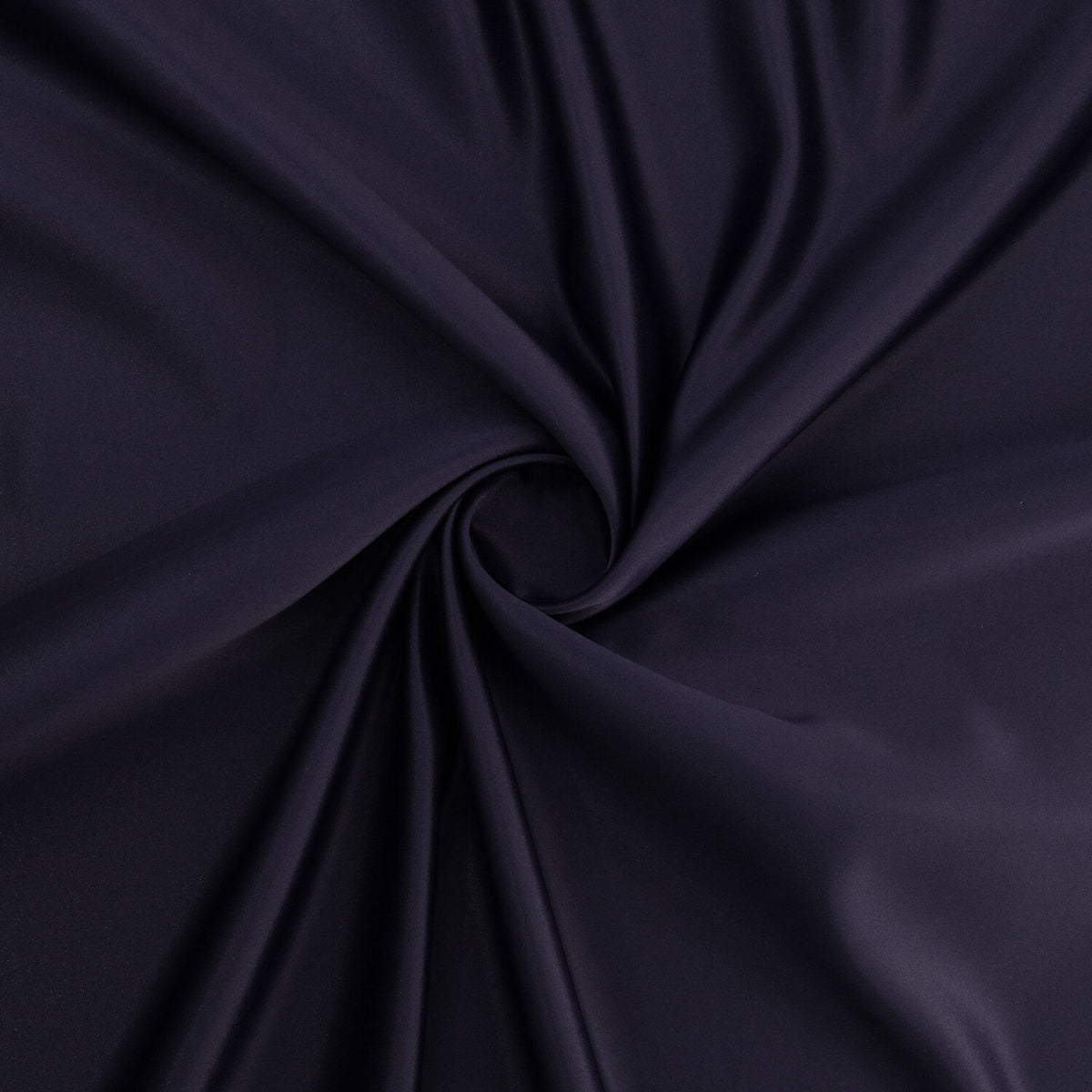
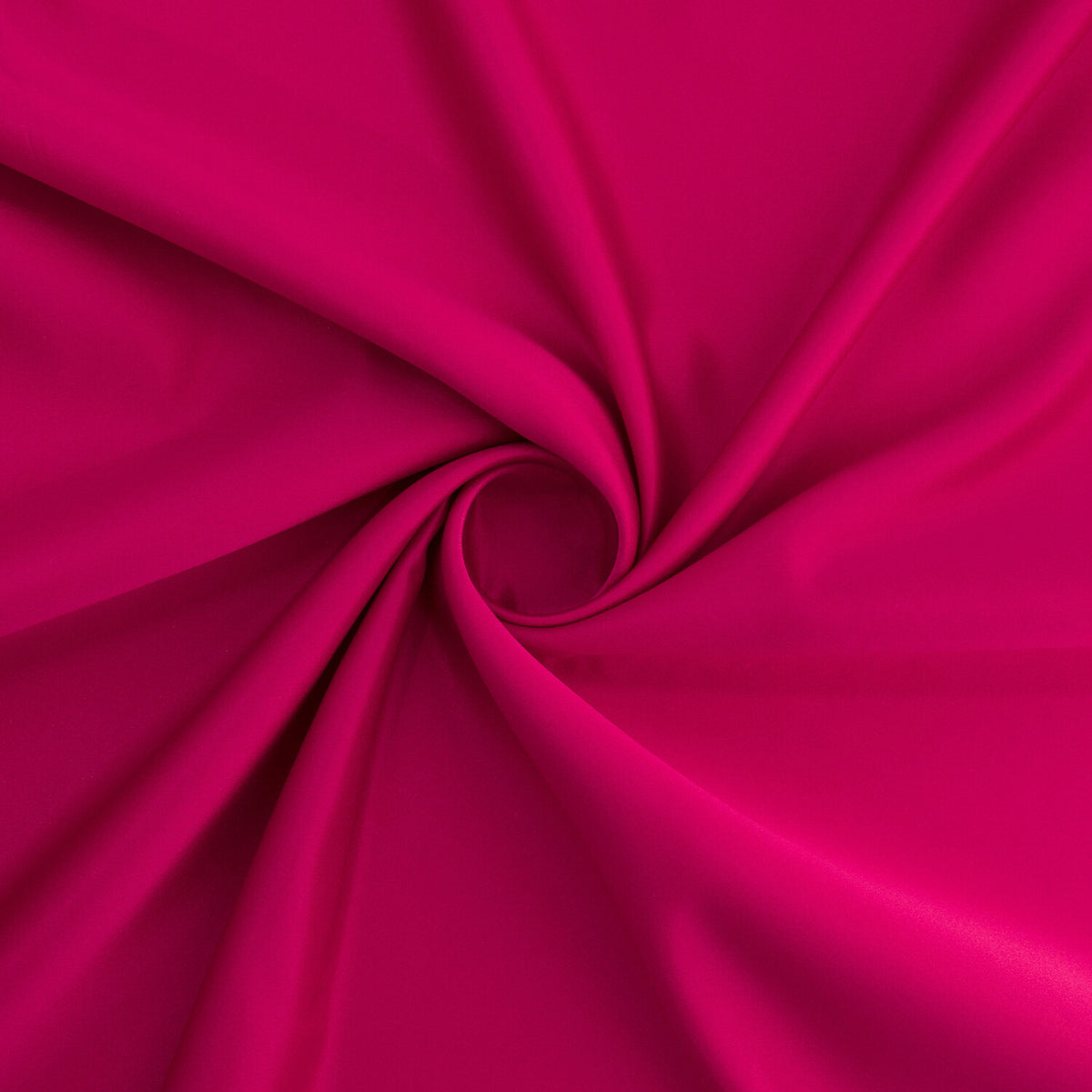
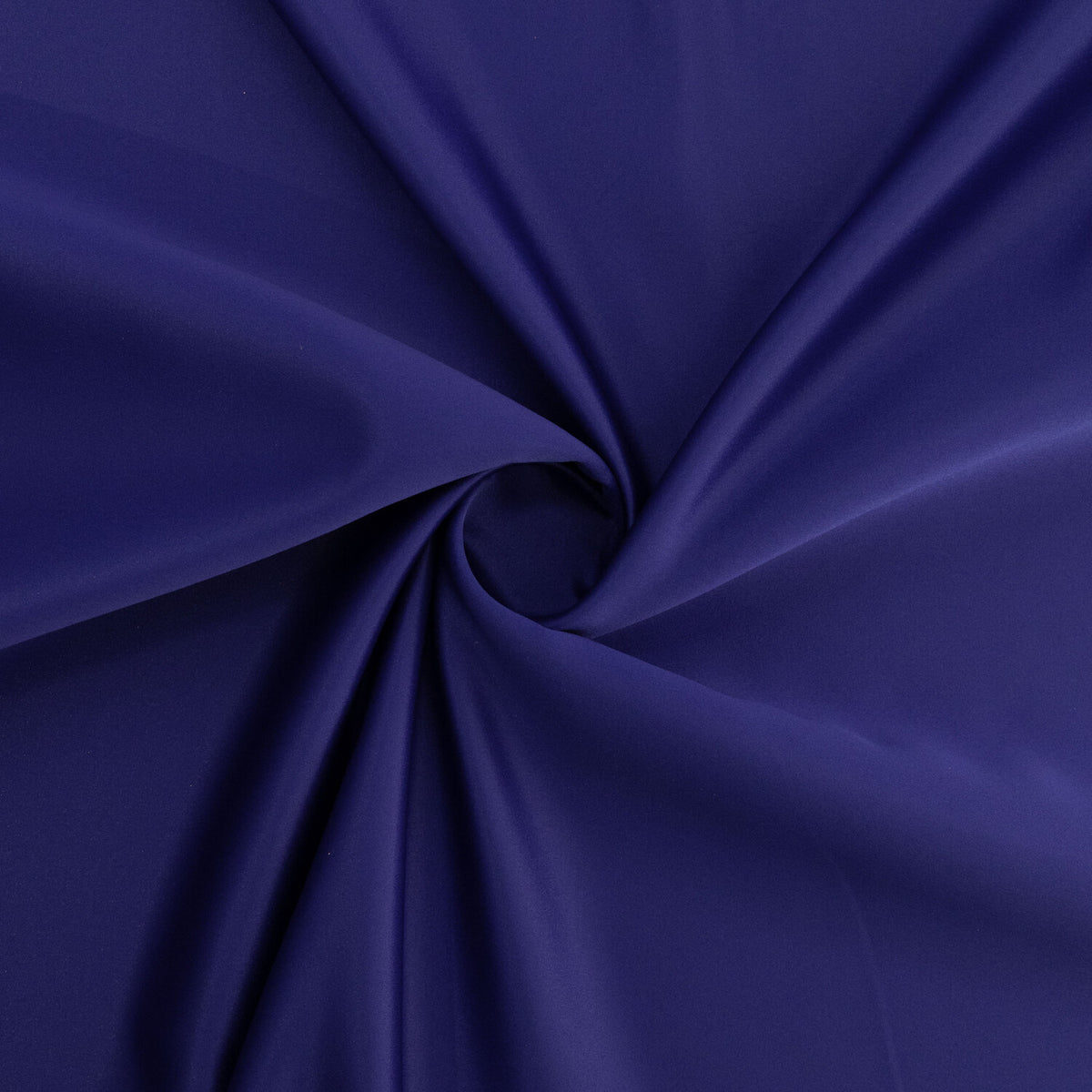
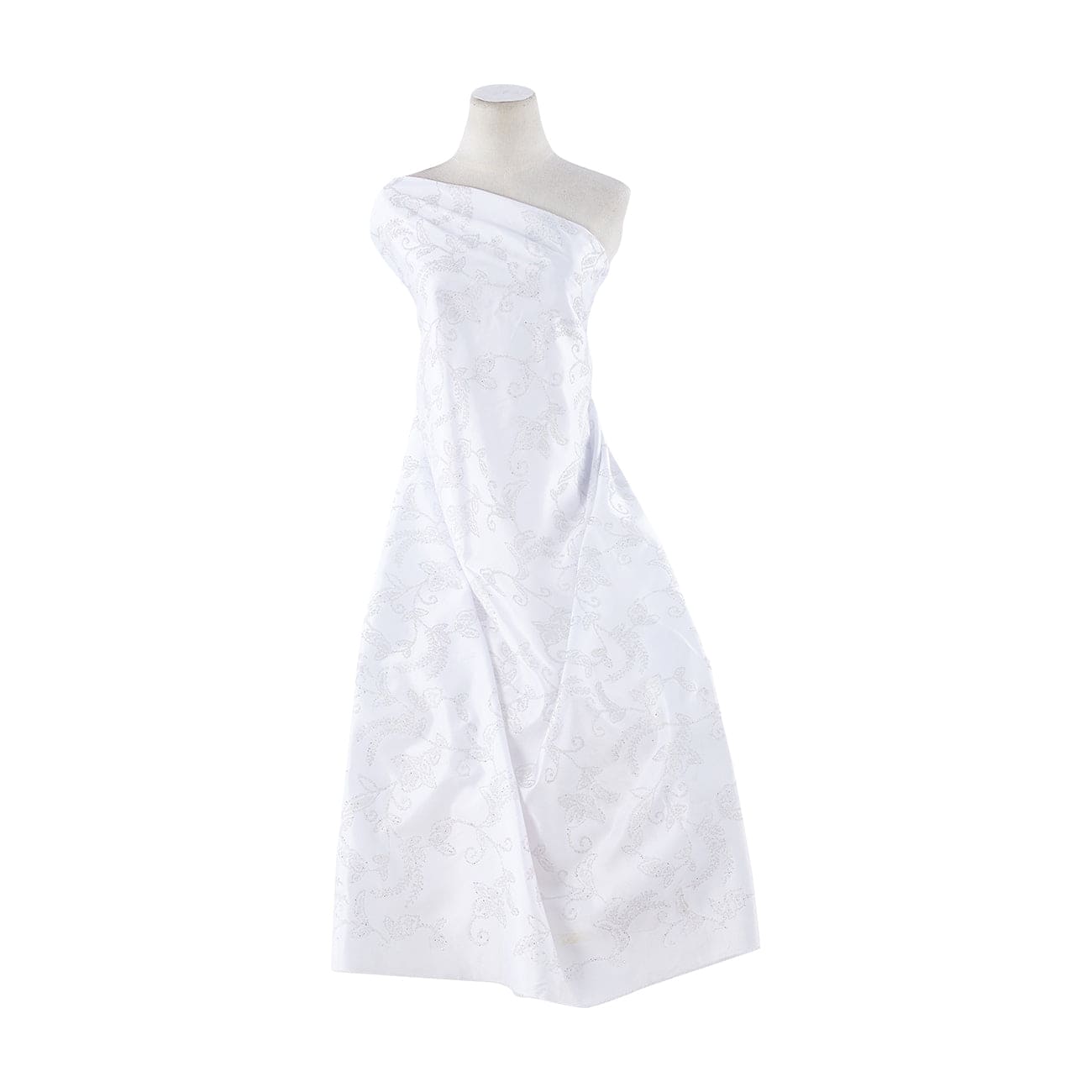
Part of satin’s appeal comes from the way it interacts with light. The weave creates a smooth, luminous surface with a soft glow that photographs beautifully without feeling overly reflective. It gives wedding gowns dimension and elegance while still allowing the silhouette itself to take center stage.
Beyond aesthetics, satin is also valued for how well it performs during construction. It cuts cleanly, presses beautifully, and adapts to a wide range of gown structures. Designers often choose satin because it can create shape and softness at the same time — something few fabrics do as effortlessly.
For brides, satin also feels unmistakably classic. It carries a sense of tradition while still working beautifully in contemporary silhouettes.
Choosing the Right Satin for a Wedding Dress
Not all satin fabrics behave the same way. Weight, drape, and finish can dramatically change the final look of a gown, which is why selecting the right satin matters just as much as the design itself.
Bridal Satin
Bridal satin by the yard is one of the most versatile choices for wedding dresses. It offers a smooth finish, elegant drape, and enough structure to support both classic and modern silhouettes. This type of satin works especially well for A-line gowns, fitted bodices, and timeless bridal styles that call for a refined sheen without excessive shine.
Heavy Weight Bridal Satin
For more structured gowns, heavy weight bridal satin provides additional body and support. The heavier construction helps full skirts hold their shape and gives dramatic silhouettes a more sculpted appearance. It’s a favorite for formal bridal looks, cathedral-train gowns, and designs that rely on clean architectural lines.
Charmeuse Satin
Charmeuse satin offers a completely different feel. Softer and more fluid, it drapes close to the body and creates that signature liquid movement often seen in bias-cut gowns and minimalist bridal designs. Brides looking for softness and movement over structure often gravitate toward charmeuse styles.
Stretch Satin
Stretch satin introduces flexibility while maintaining the polished appearance satin is known for. It’s especially useful in fitted gowns, mermaid silhouettes, and contemporary designs where comfort and mobility matter just as much as appearance.
Matching Satin to the Dress Silhouette
One of satin’s greatest strengths is its range. Heavier satins create volume and definition, while lighter satins soften the silhouette and move naturally with the body.
Structured satins tend to work best for:
- Ballgowns
- Corseted bodices
- Full skirts
- Architectural silhouettes
Fluid satins are often preferred for:
- Slip dresses
- Bias-cut gowns
- Cowl necklines
- Soft draping
Because satin comes in multiple weights and finishes, designers can tailor the fabric choice to the exact mood and construction of the gown rather than forcing one fabric to fit every design.
Final Thoughts
Satin has remained a bridal staple not simply because of tradition, but because it consistently delivers elegance, structure, and versatility in equal measure. Whether you’re designing a dramatic formal gown or a modern minimalist silhouette, the right satin can completely shape the look and feel of the final piece.
From fluid charmeuse to structured heavy weight bridal satin, choosing the right finish and weight allows designers to create gowns that feel as beautiful in motion as they do in photographs.
Frequently Asked Questions
What makes satin popular for wedding dresses?
Satin offers a smooth finish, soft sheen, and elegant drape that works across a wide variety of bridal silhouettes. It also photographs beautifully and provides excellent structure during construction.
What is the difference between bridal satin and heavy weight bridal satin?
Bridal satin offers balanced drape and structure, while heavy weight bridal satin provides more body and support for fuller or more sculpted gowns.
Is satin good for minimalist wedding dresses?
Yes. Satin is one of the most popular choices for minimalist bridal styles because its smooth surface and subtle sheen create an elevated look without requiring heavy embellishment.
Does satin wrinkle easily?
Some satin fabrics can crease, particularly lighter-weight variations, but many bridal satins are designed to maintain structure and smoothness throughout wear.
Can satin work for fitted wedding gowns?
Absolutely. Stretch satin and softer satin variations are commonly used for fitted silhouettes because they contour smoothly while maintaining comfort and movement.