
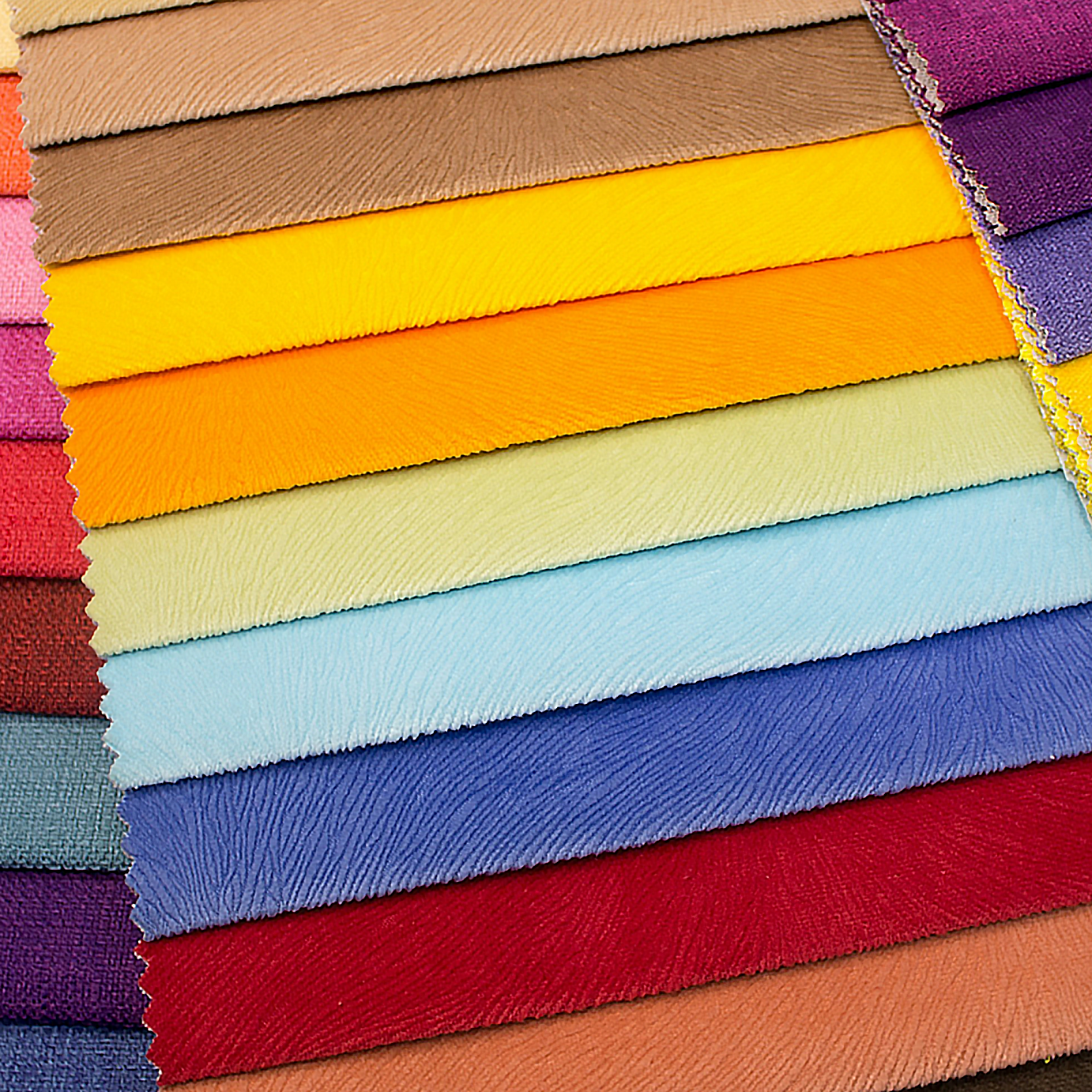


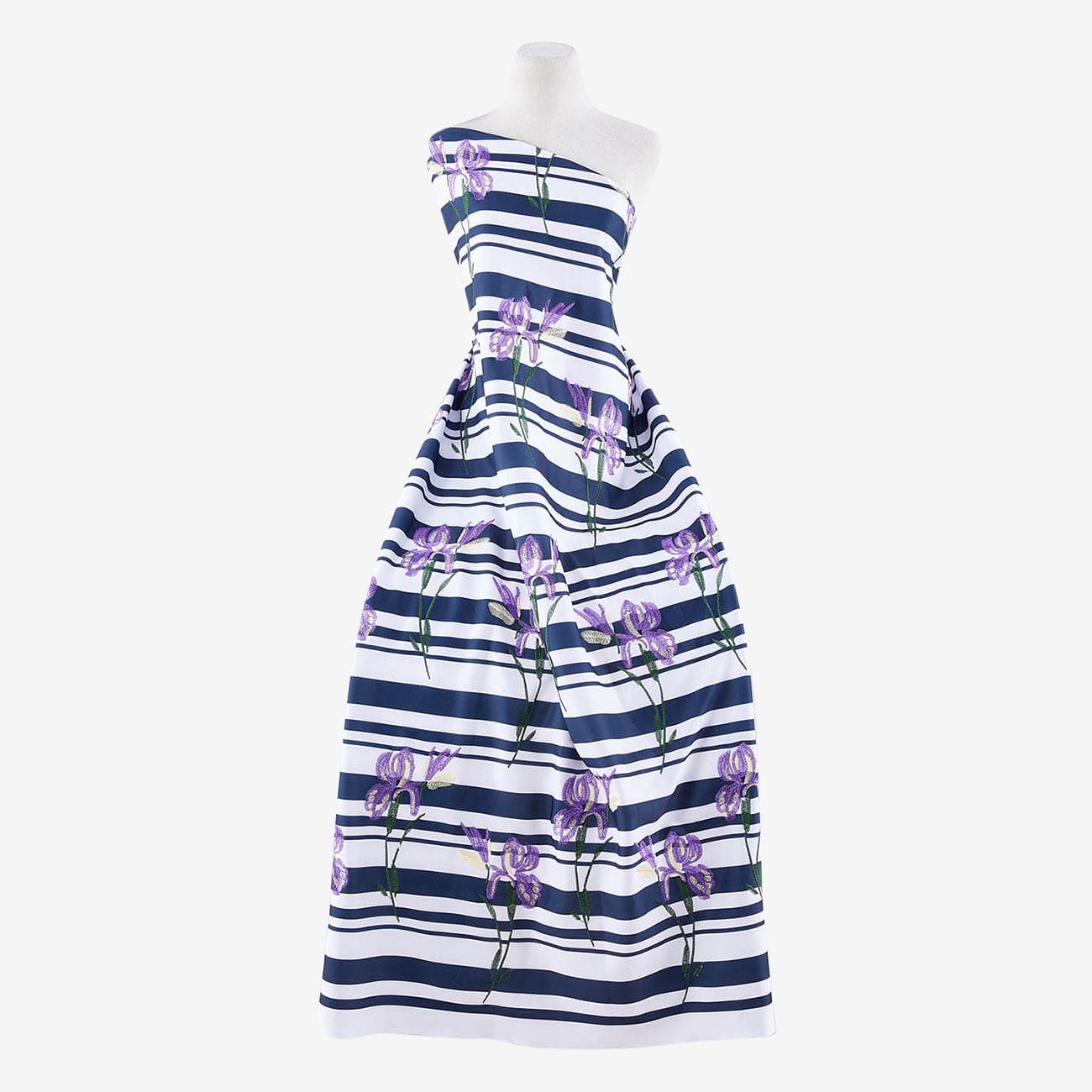
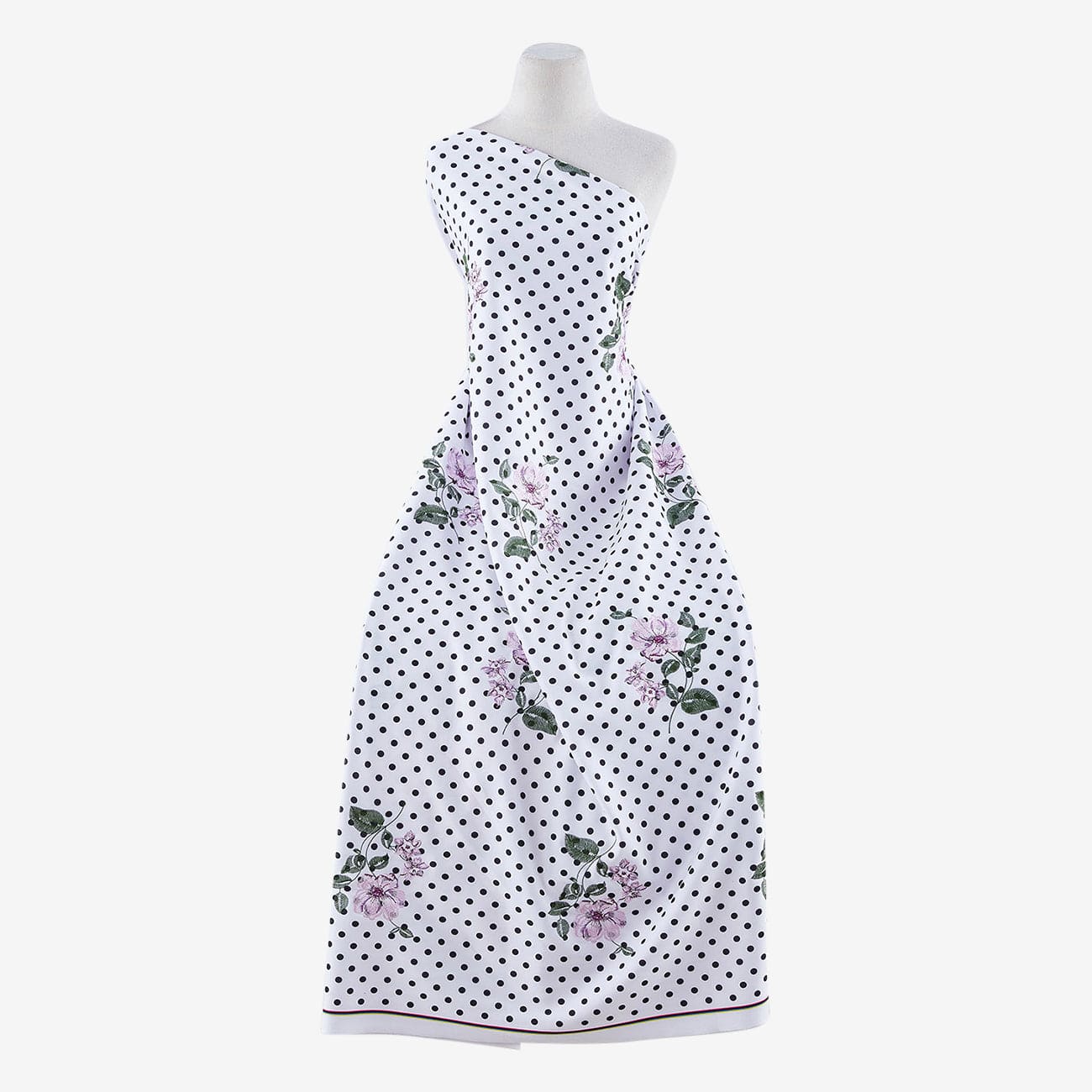
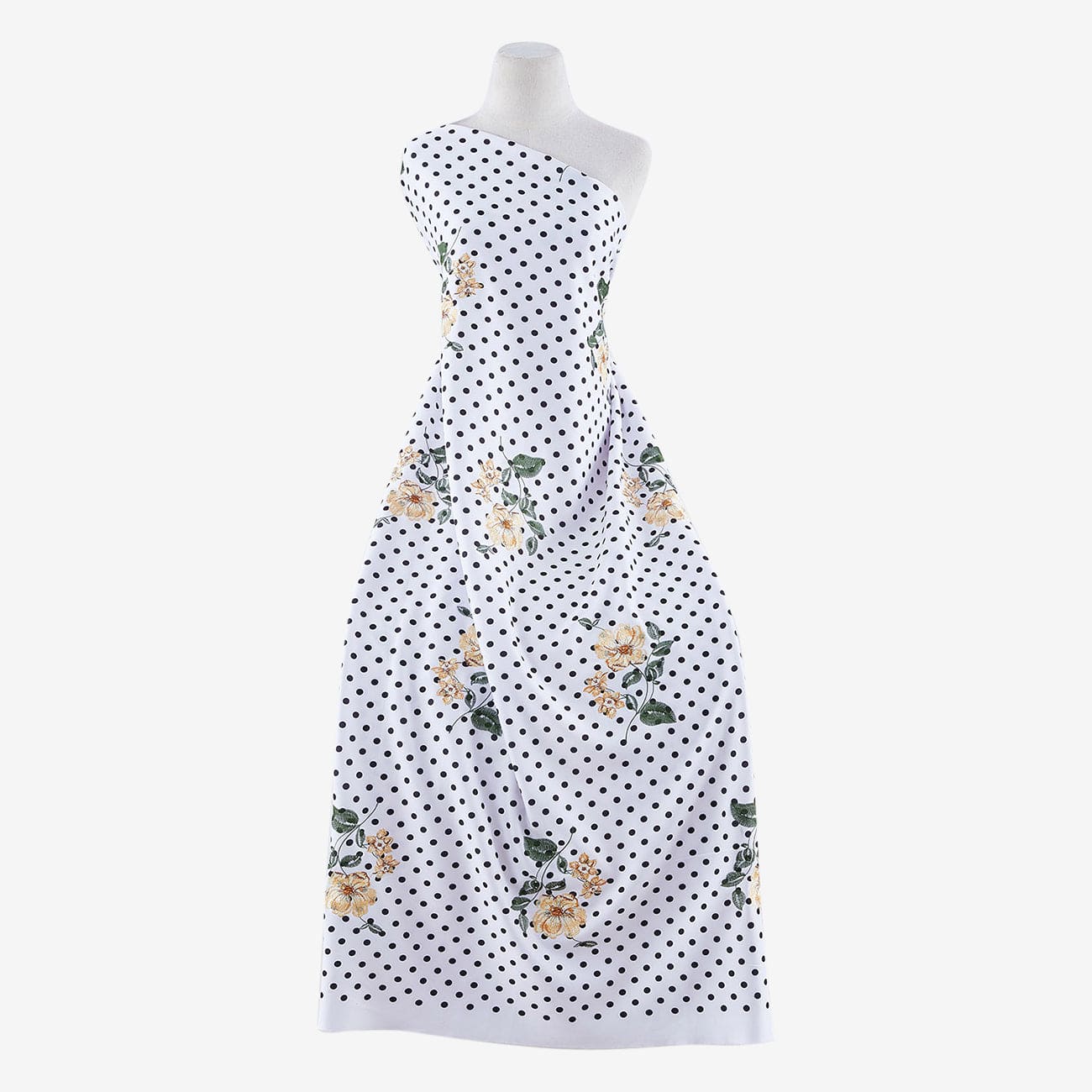
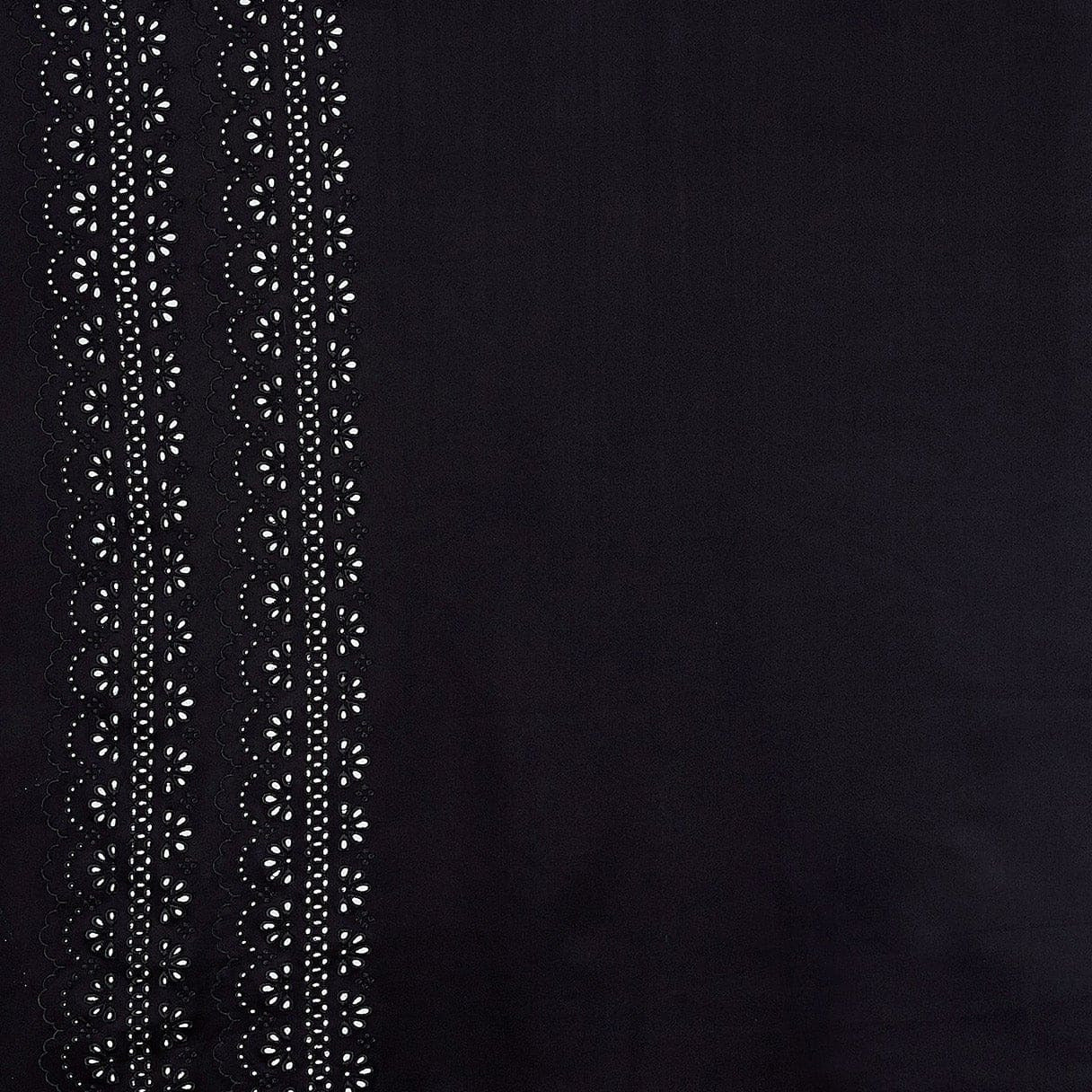
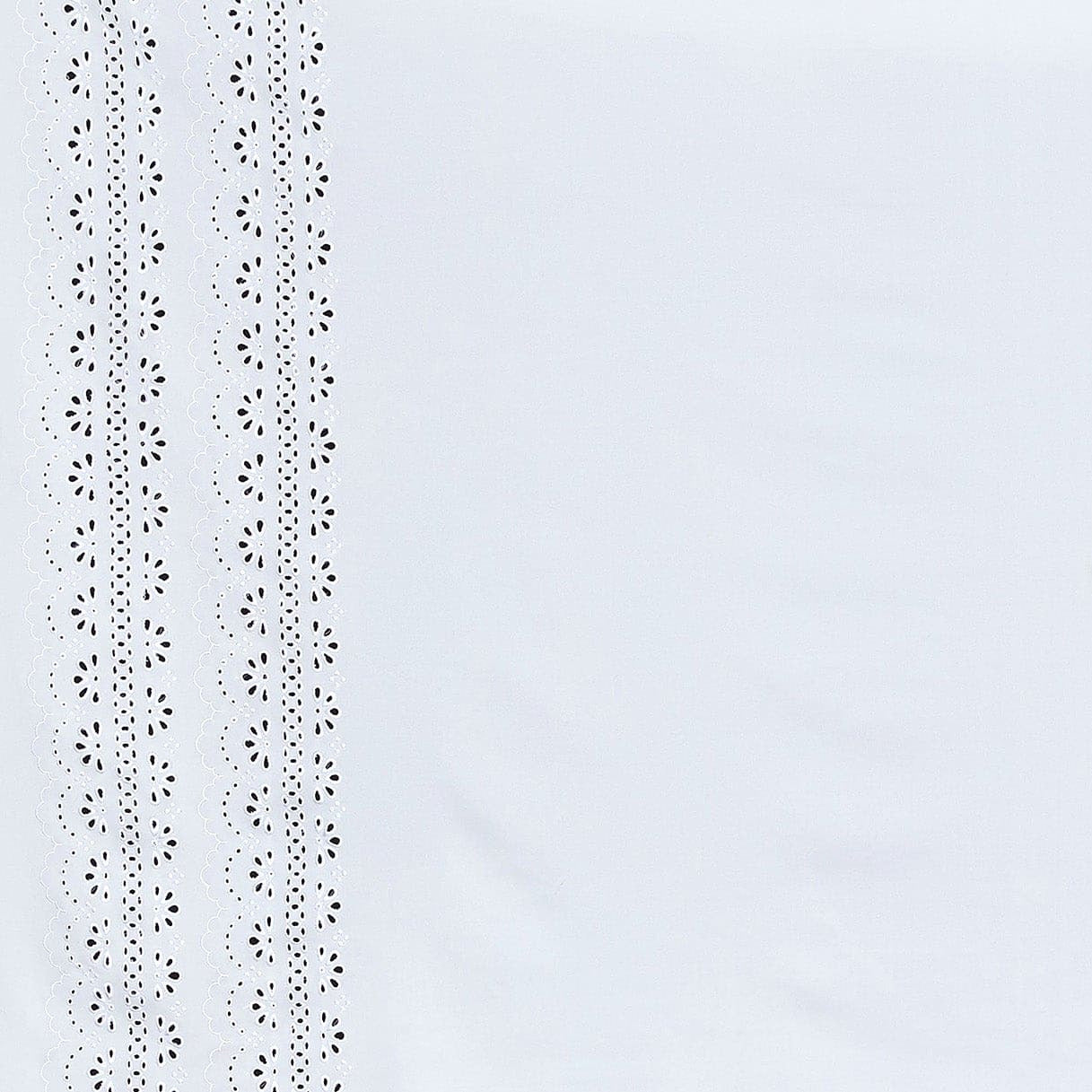
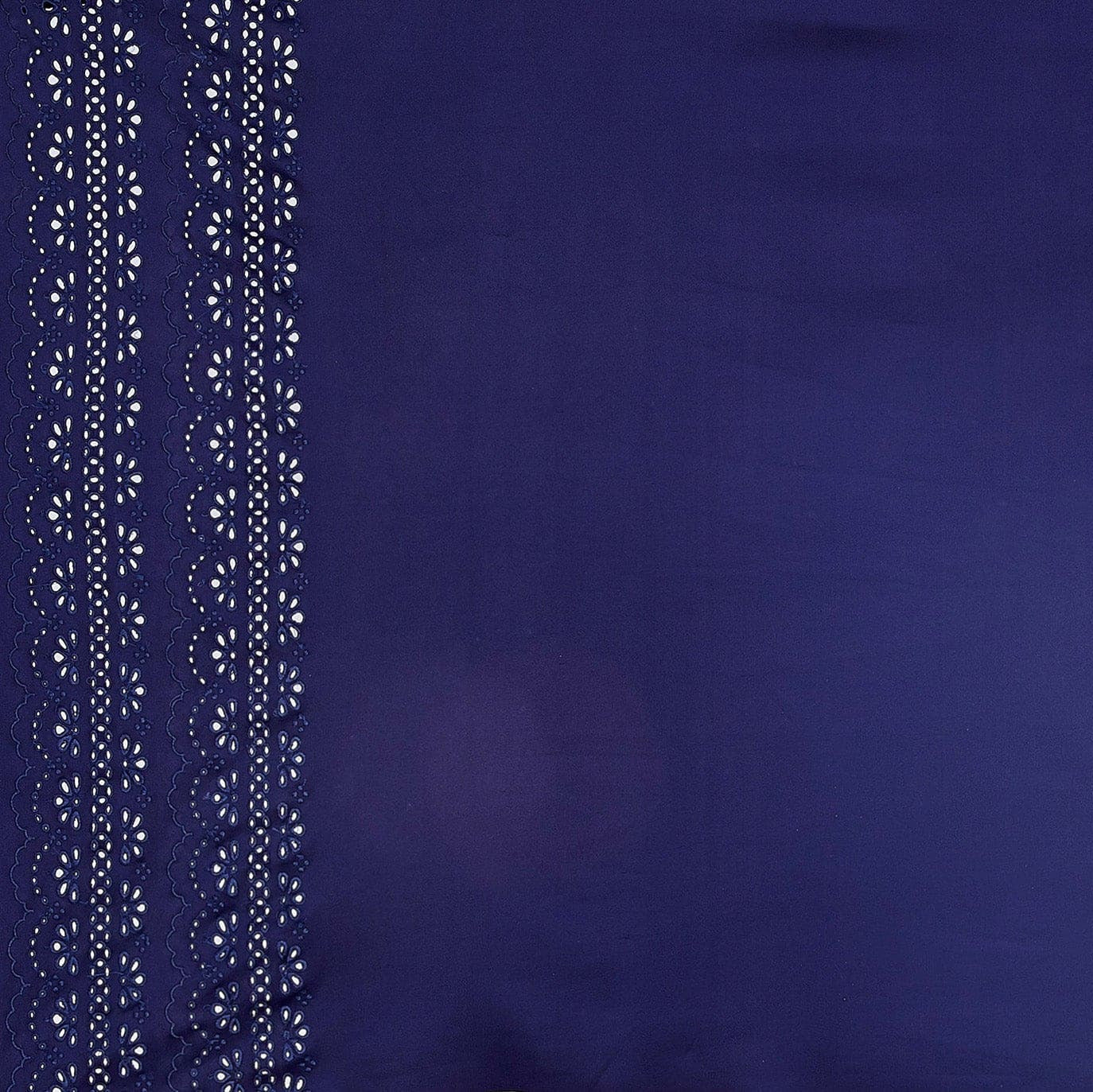
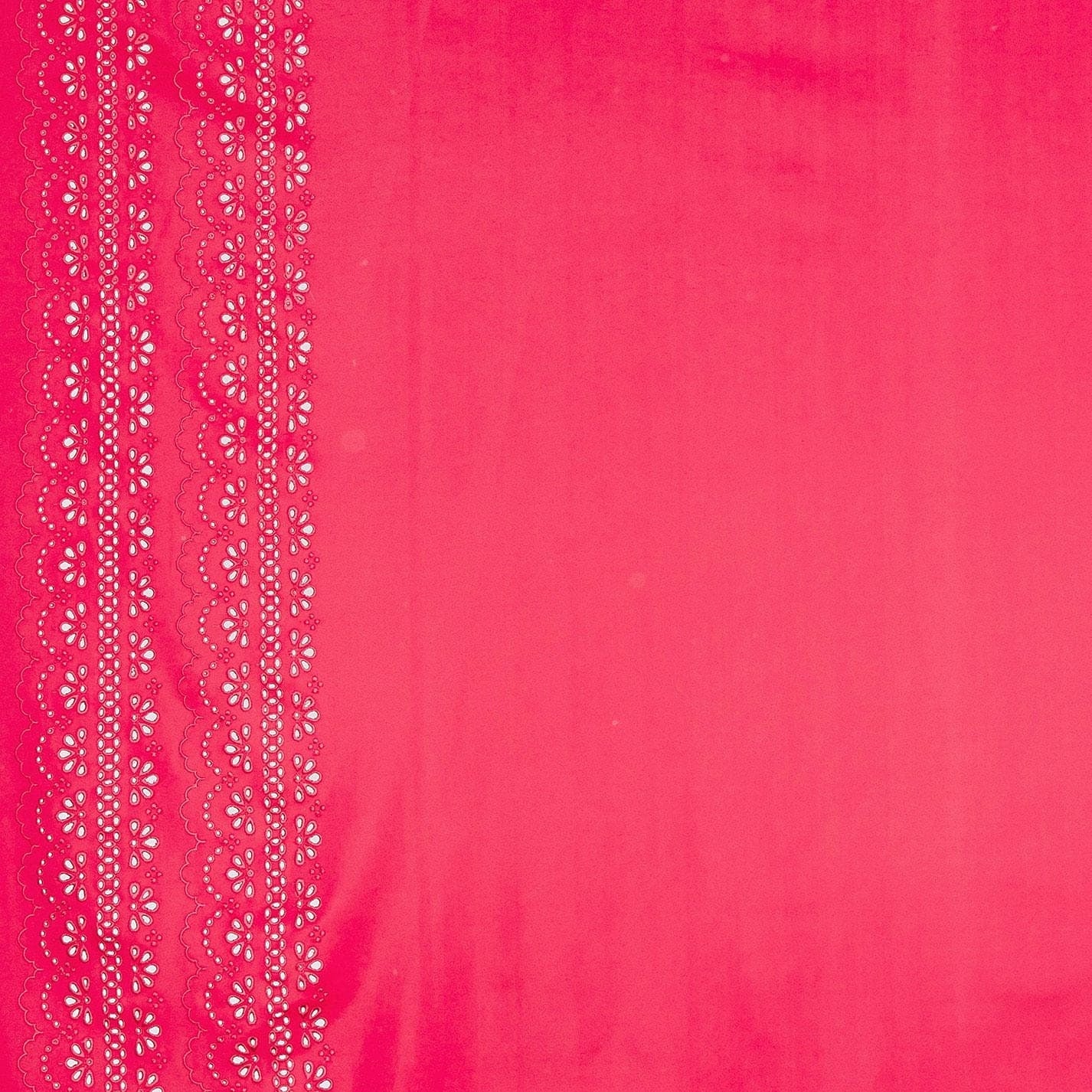
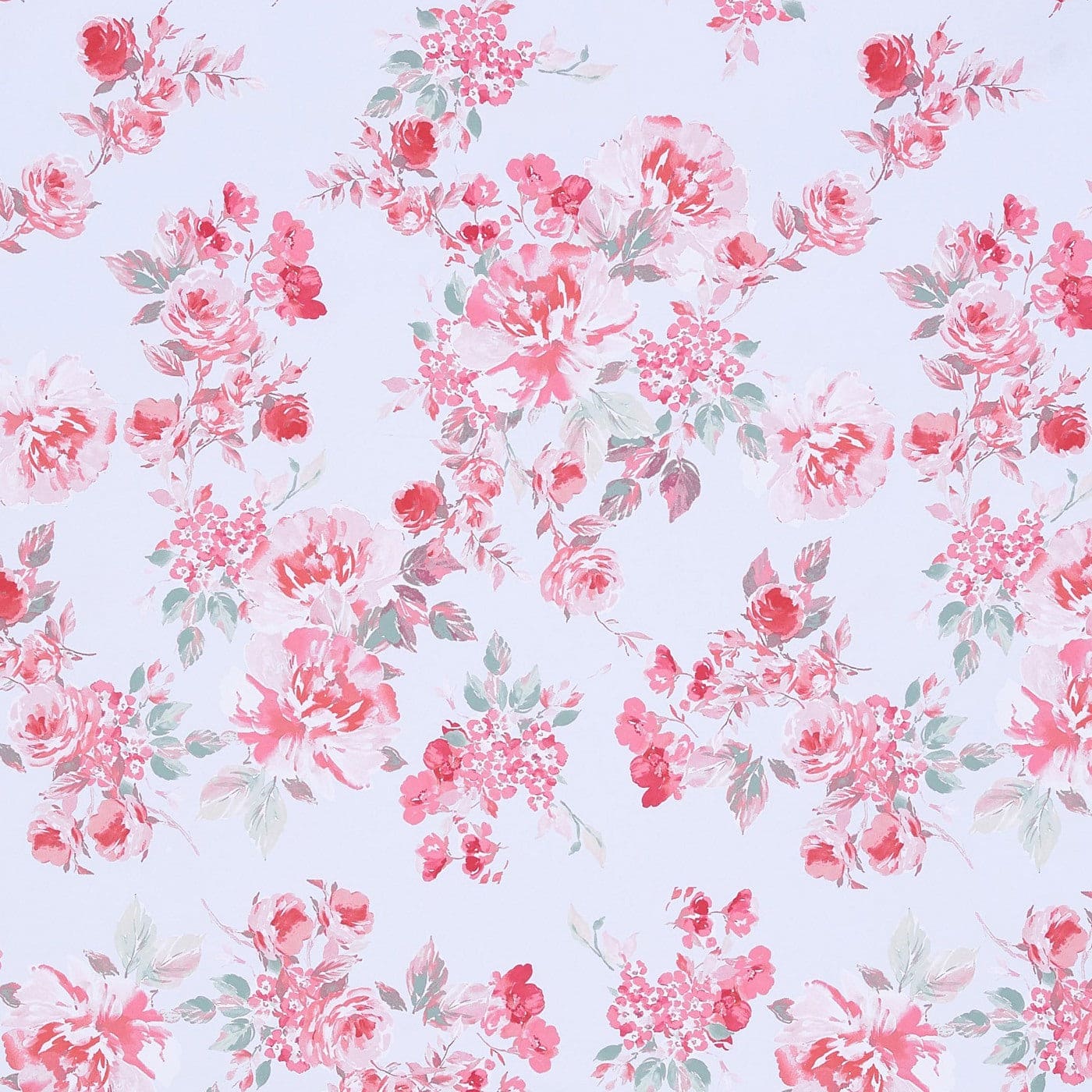
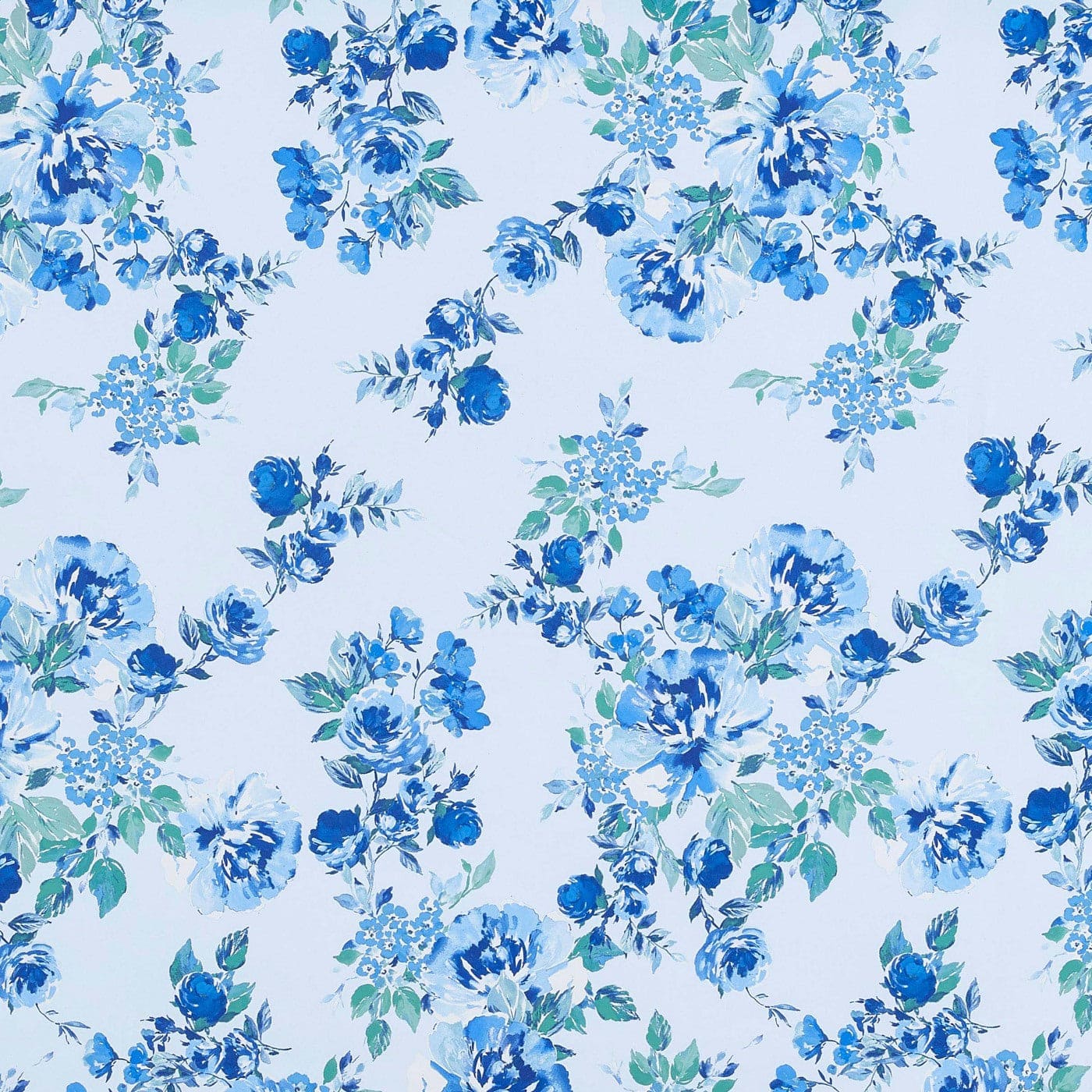

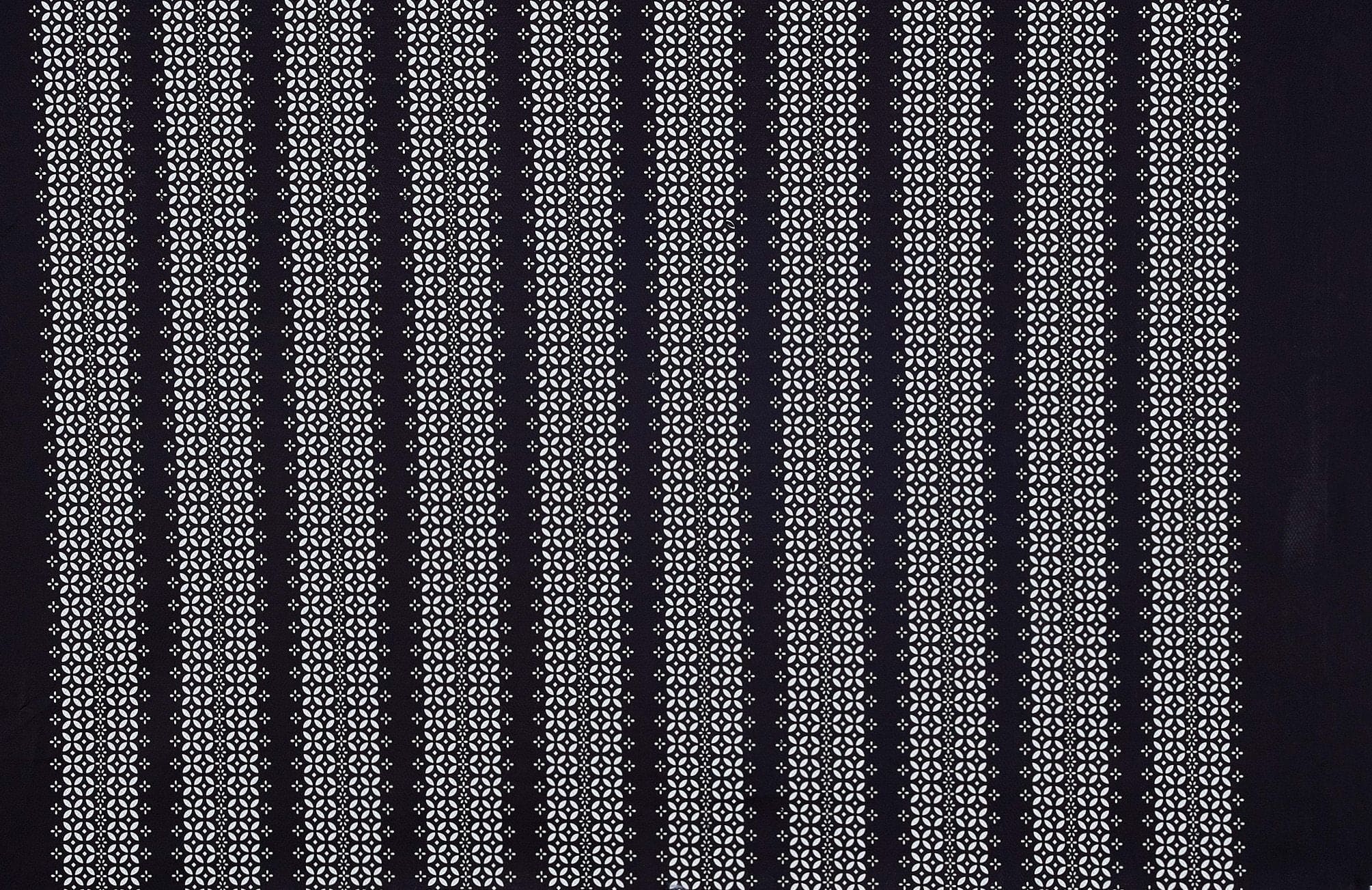
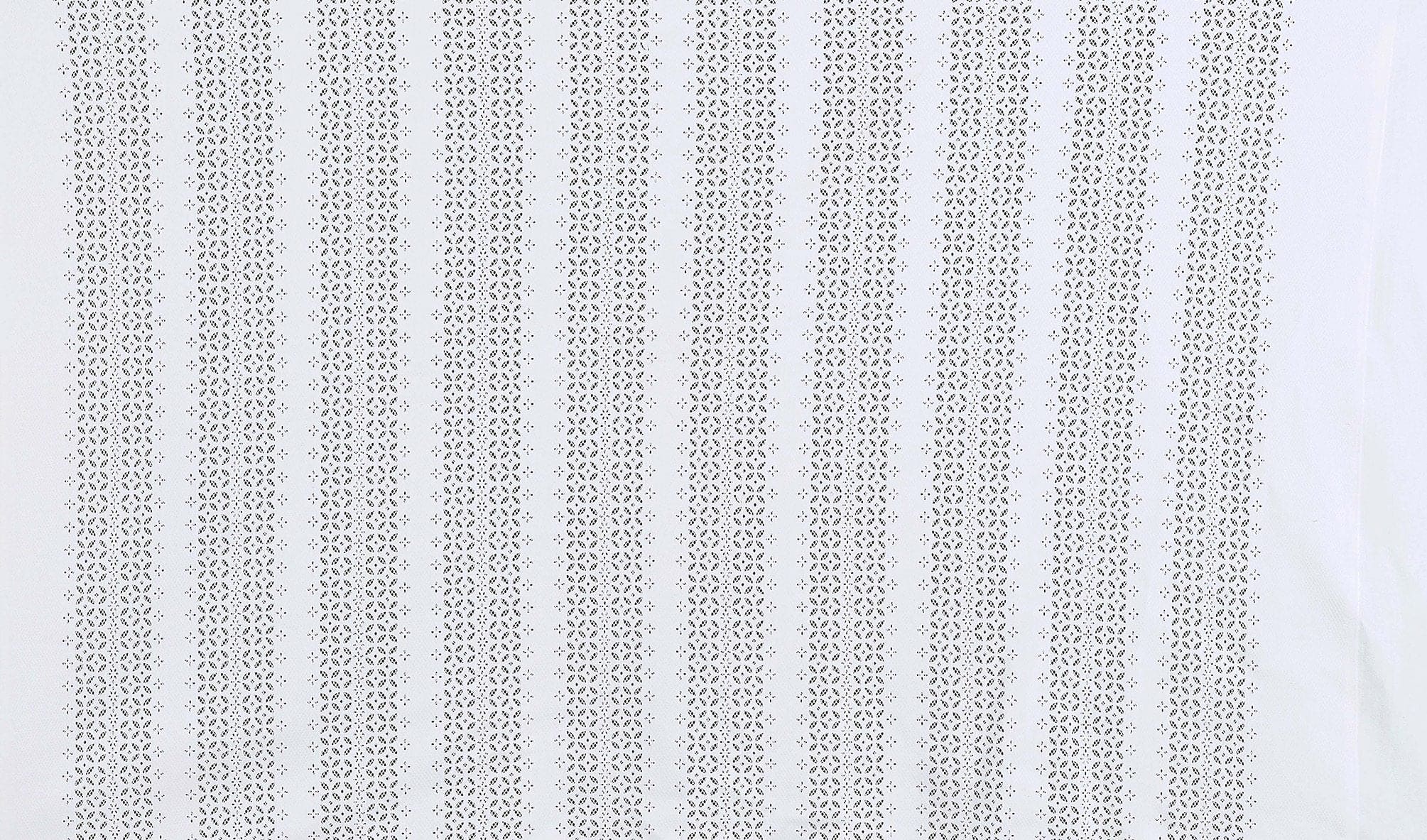
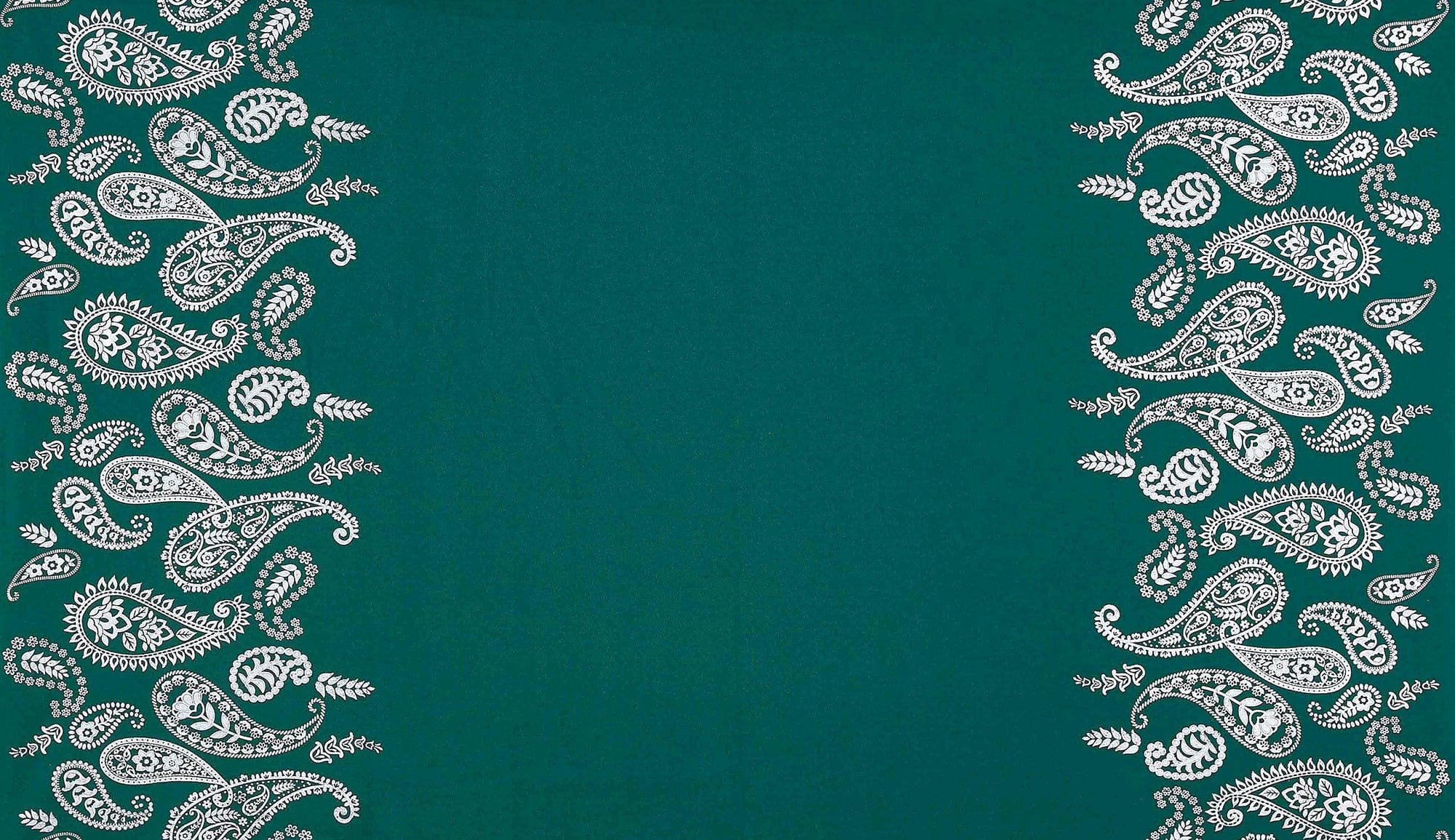
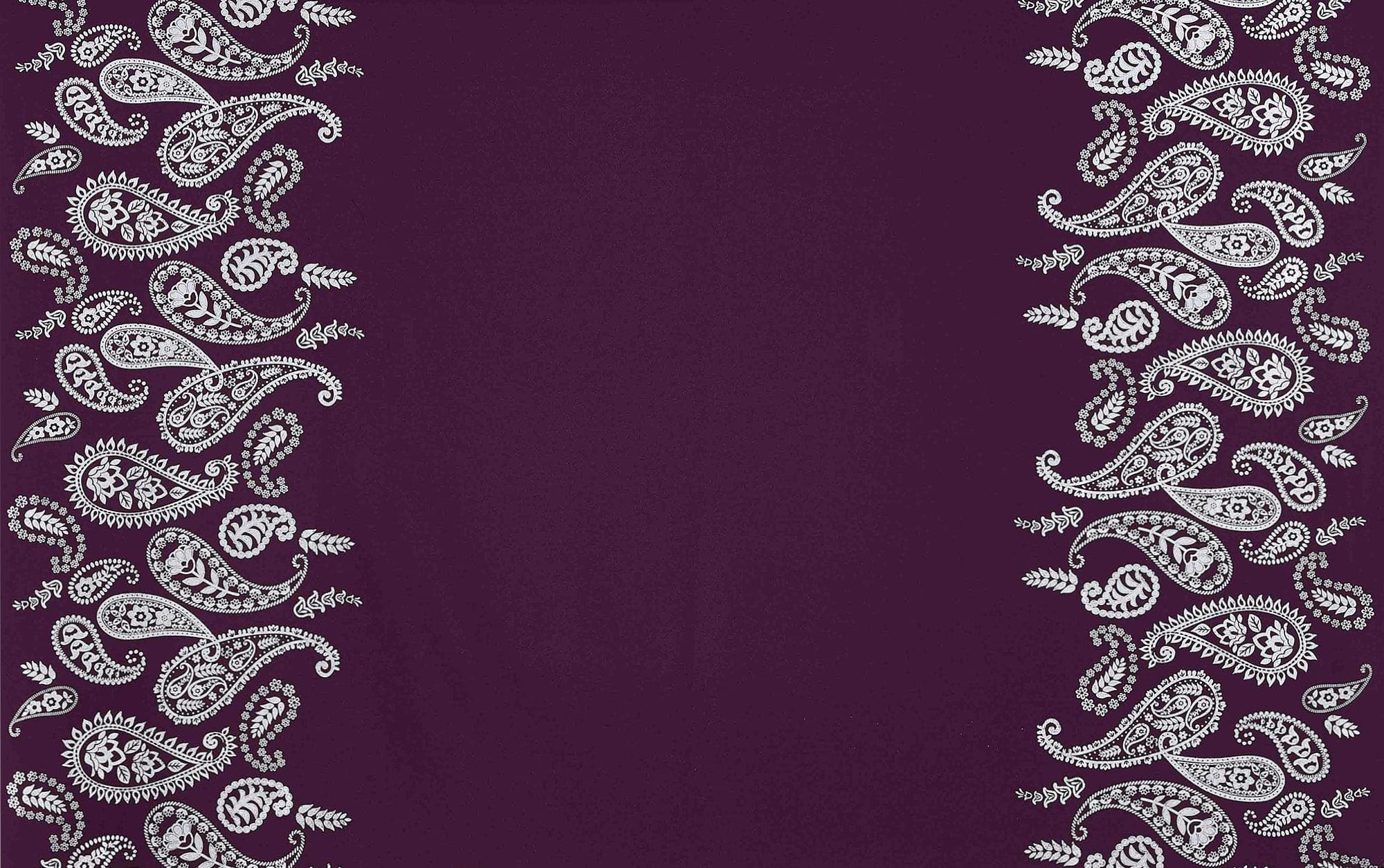
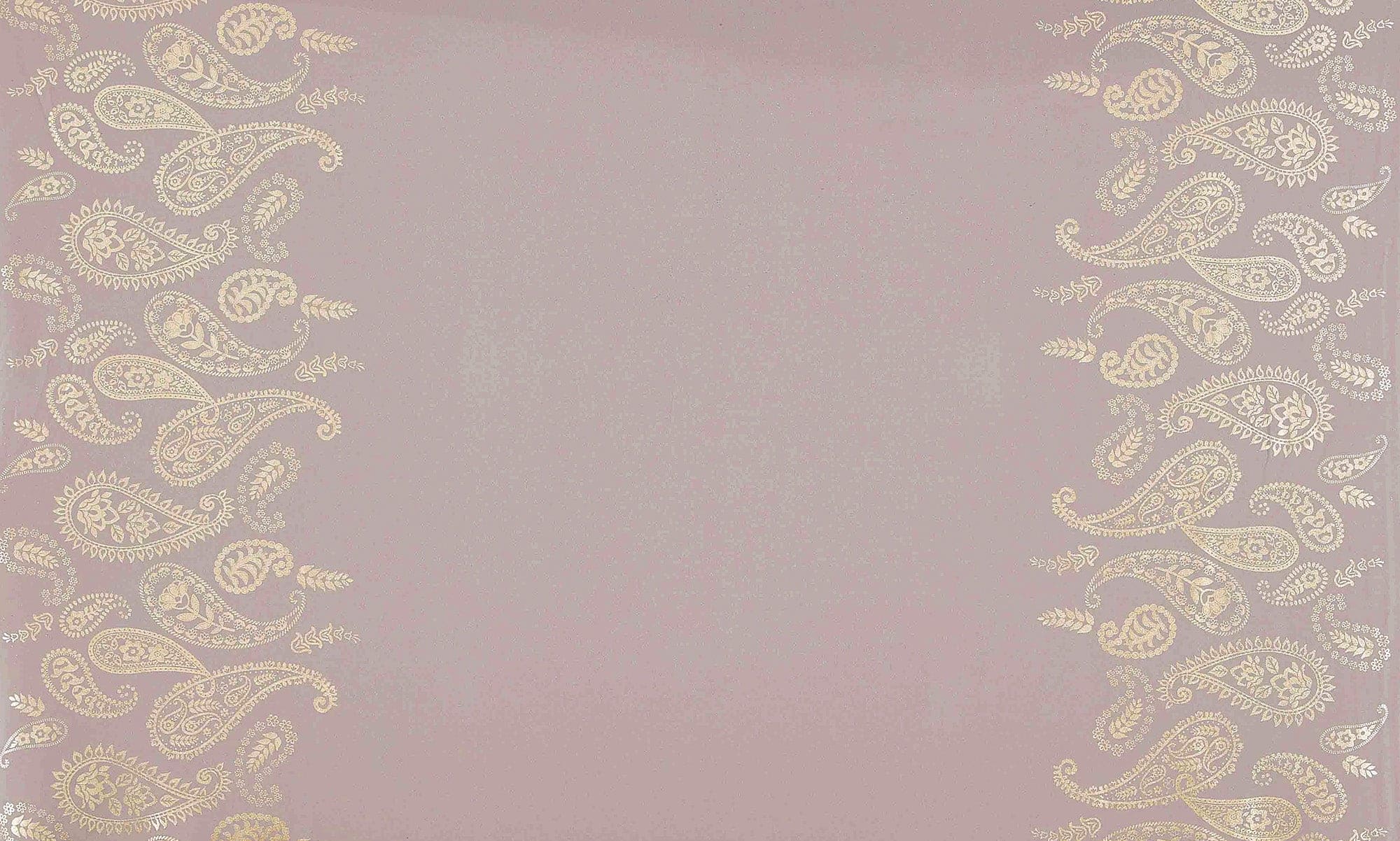
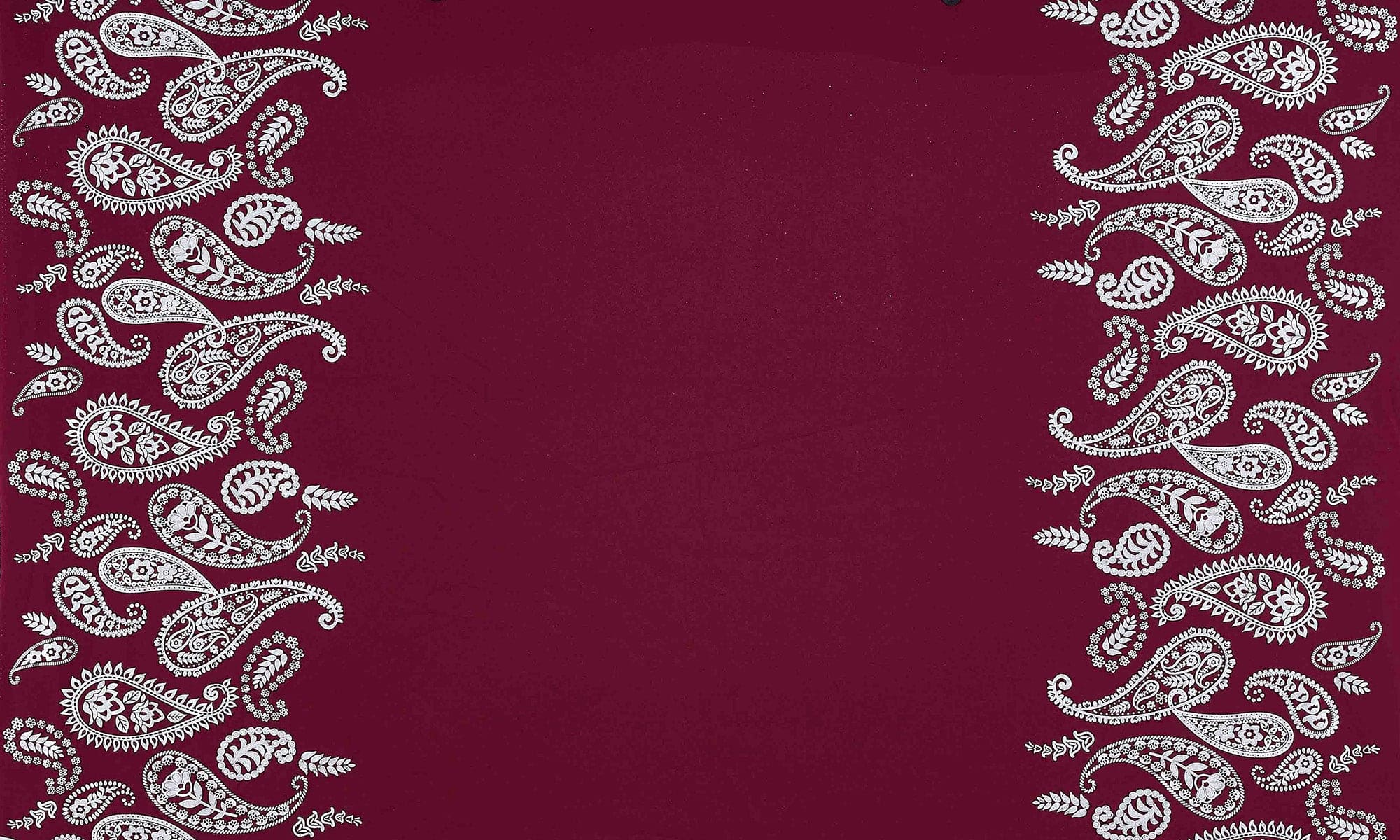
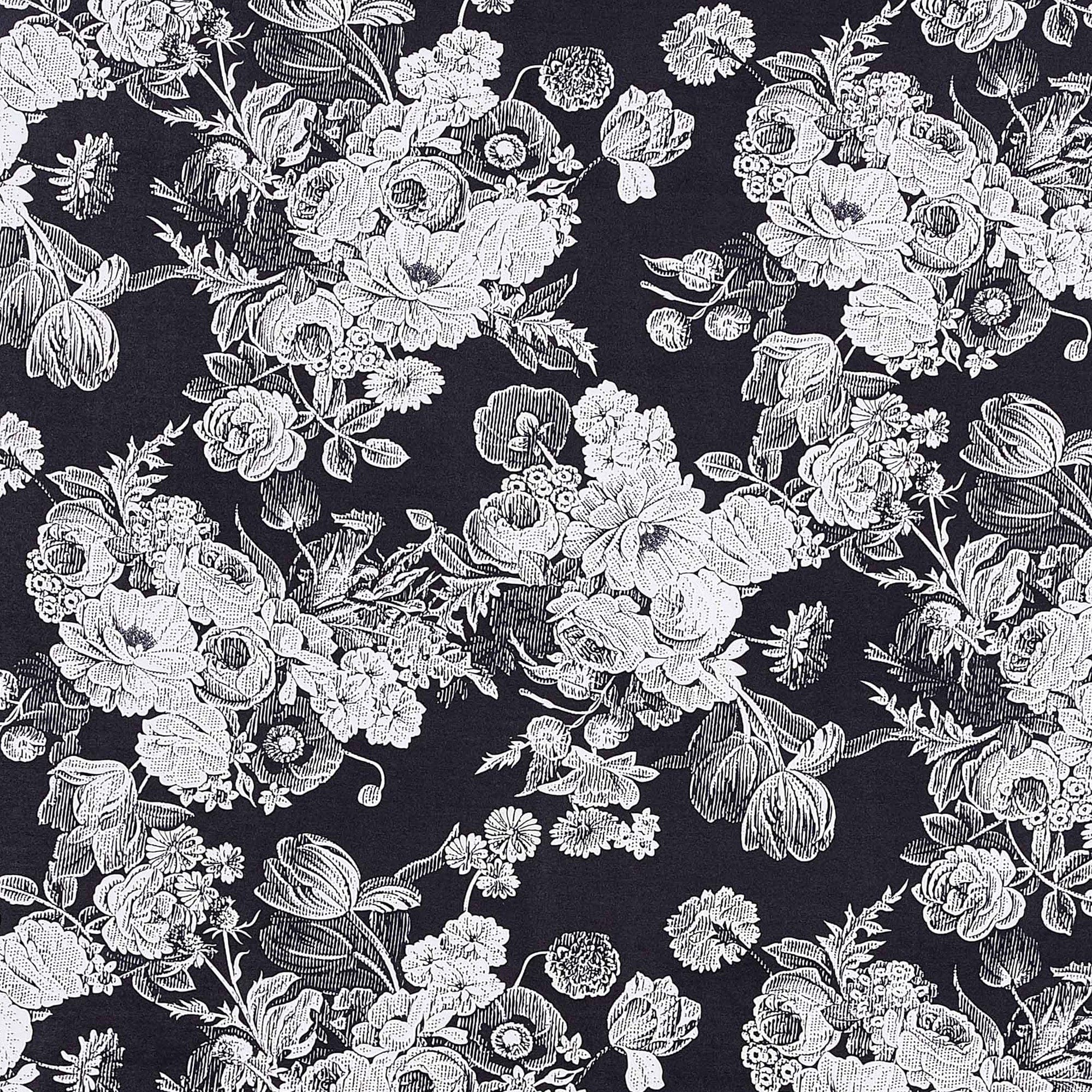
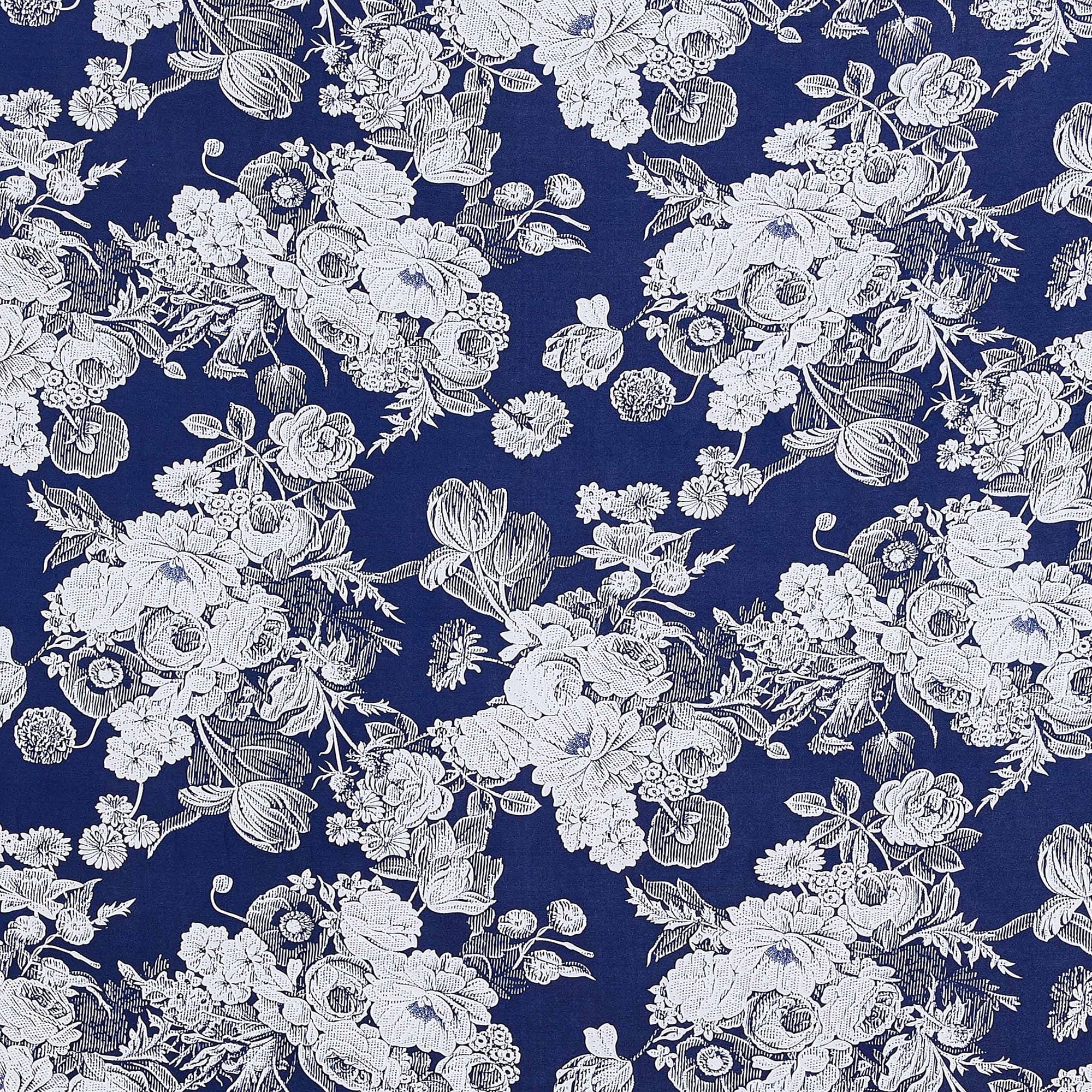


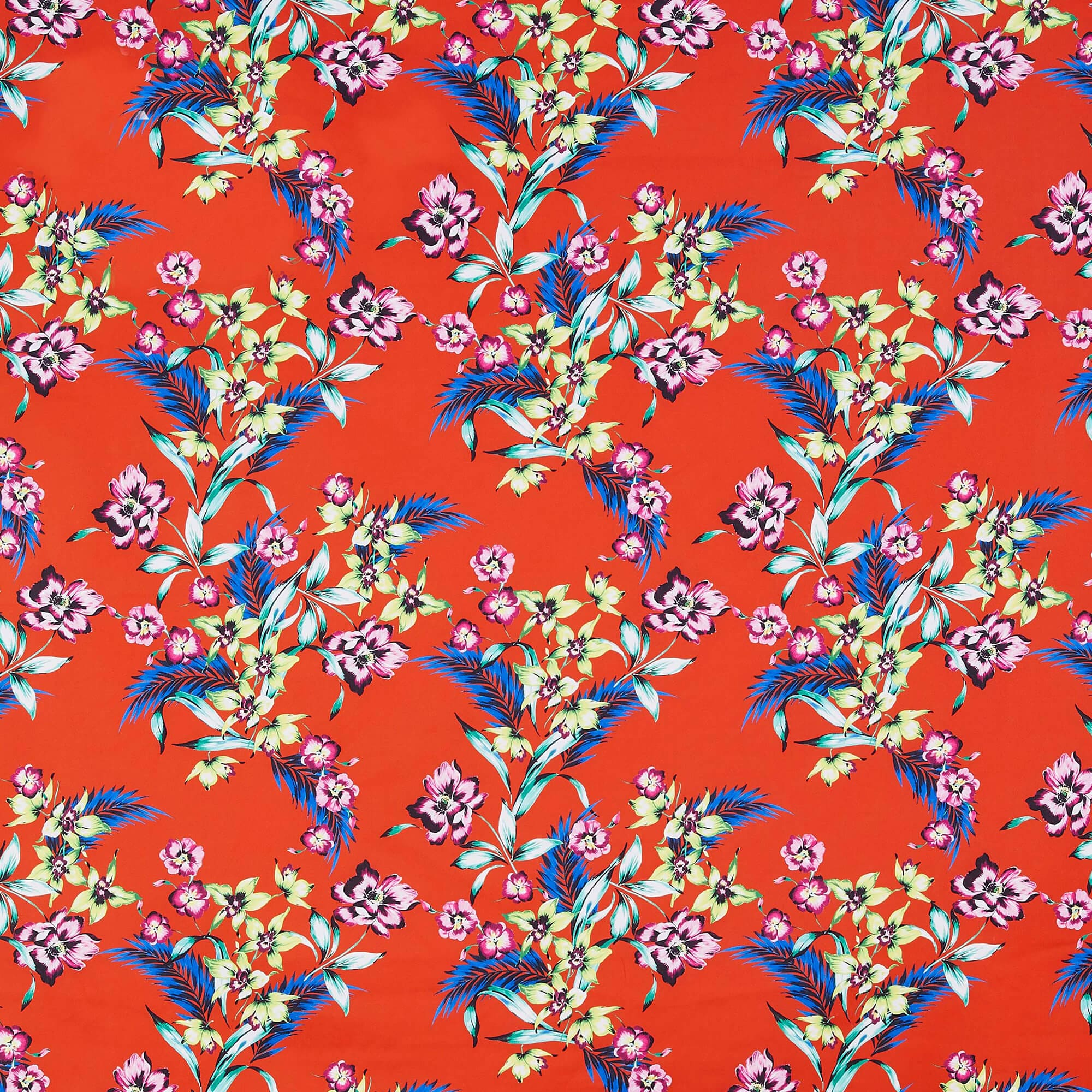
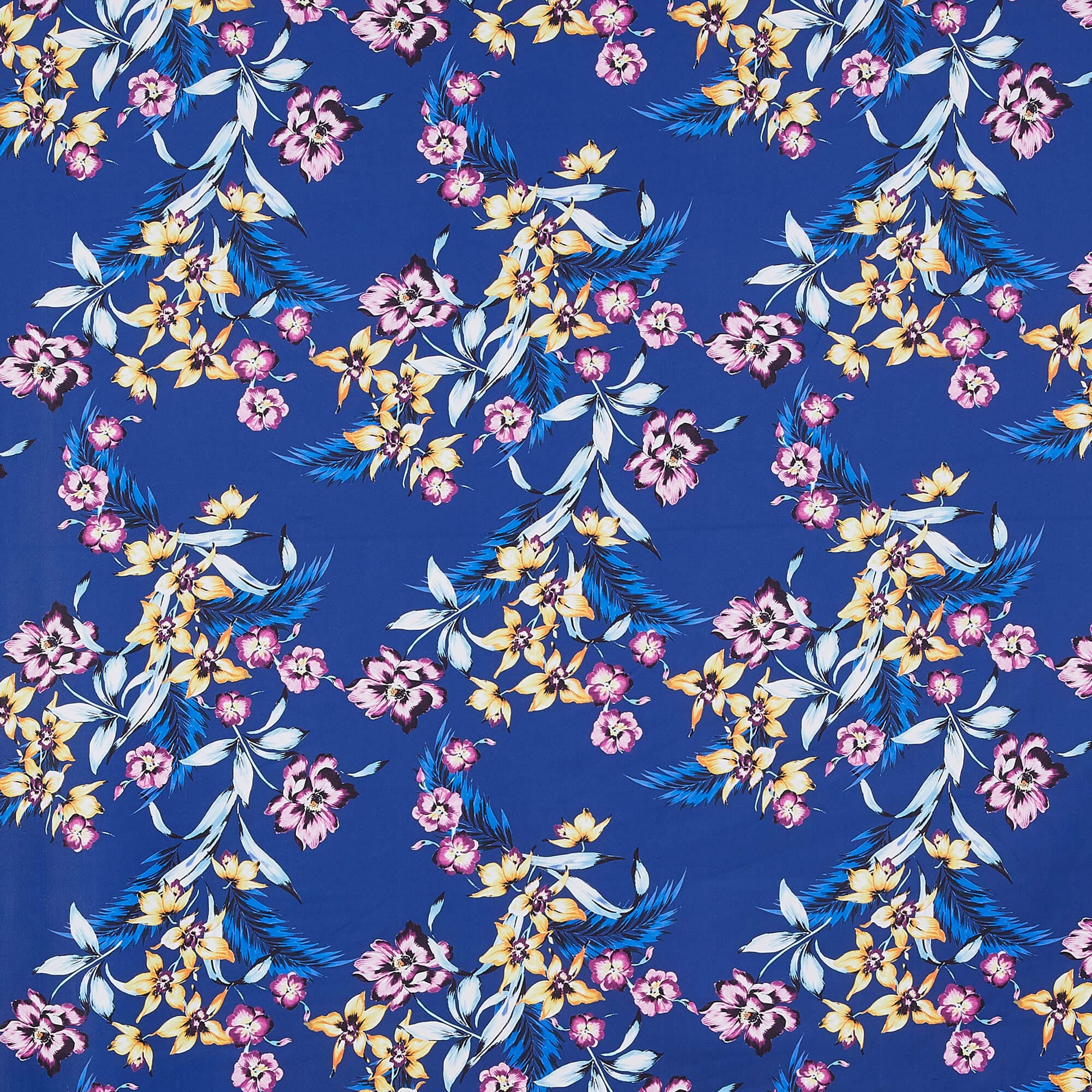
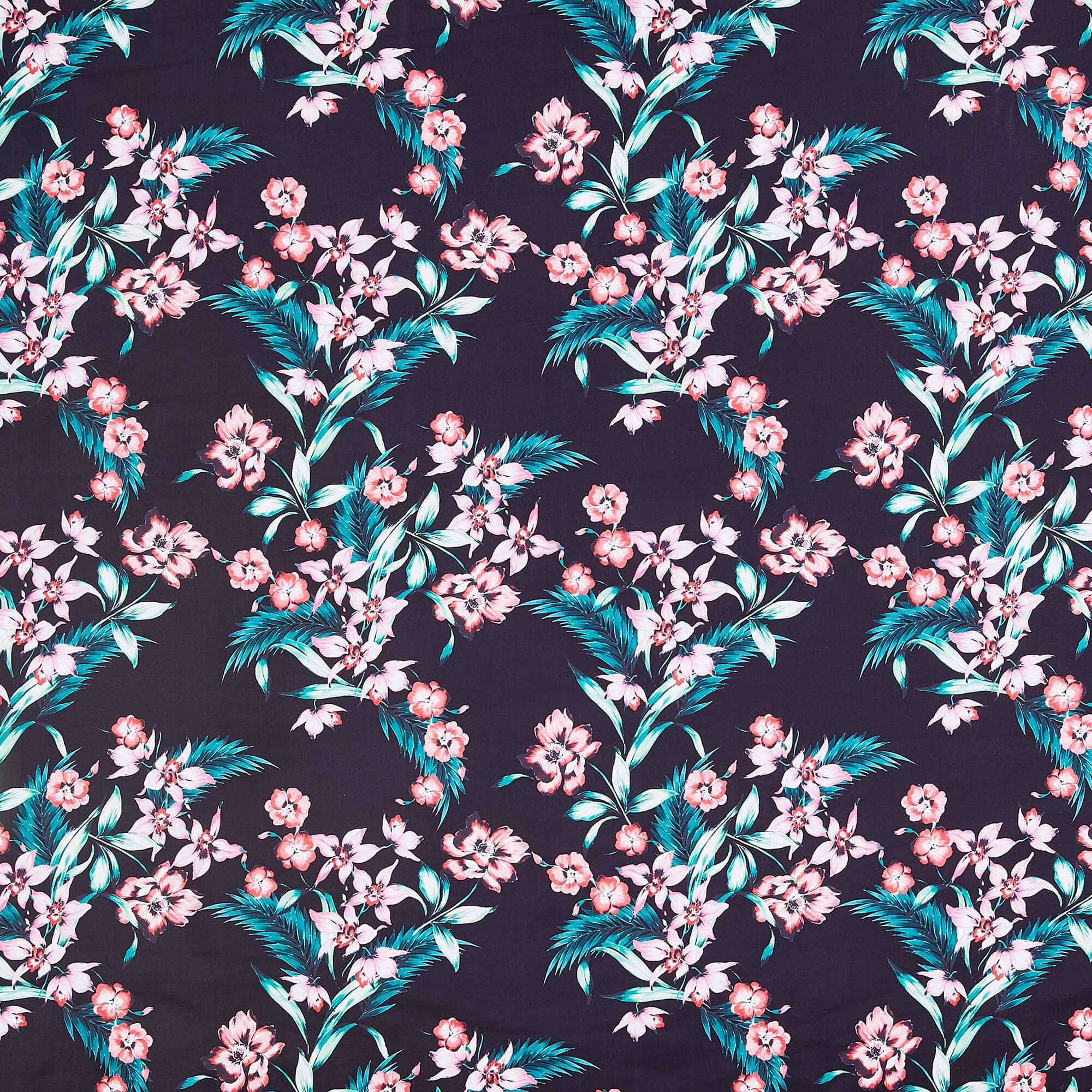
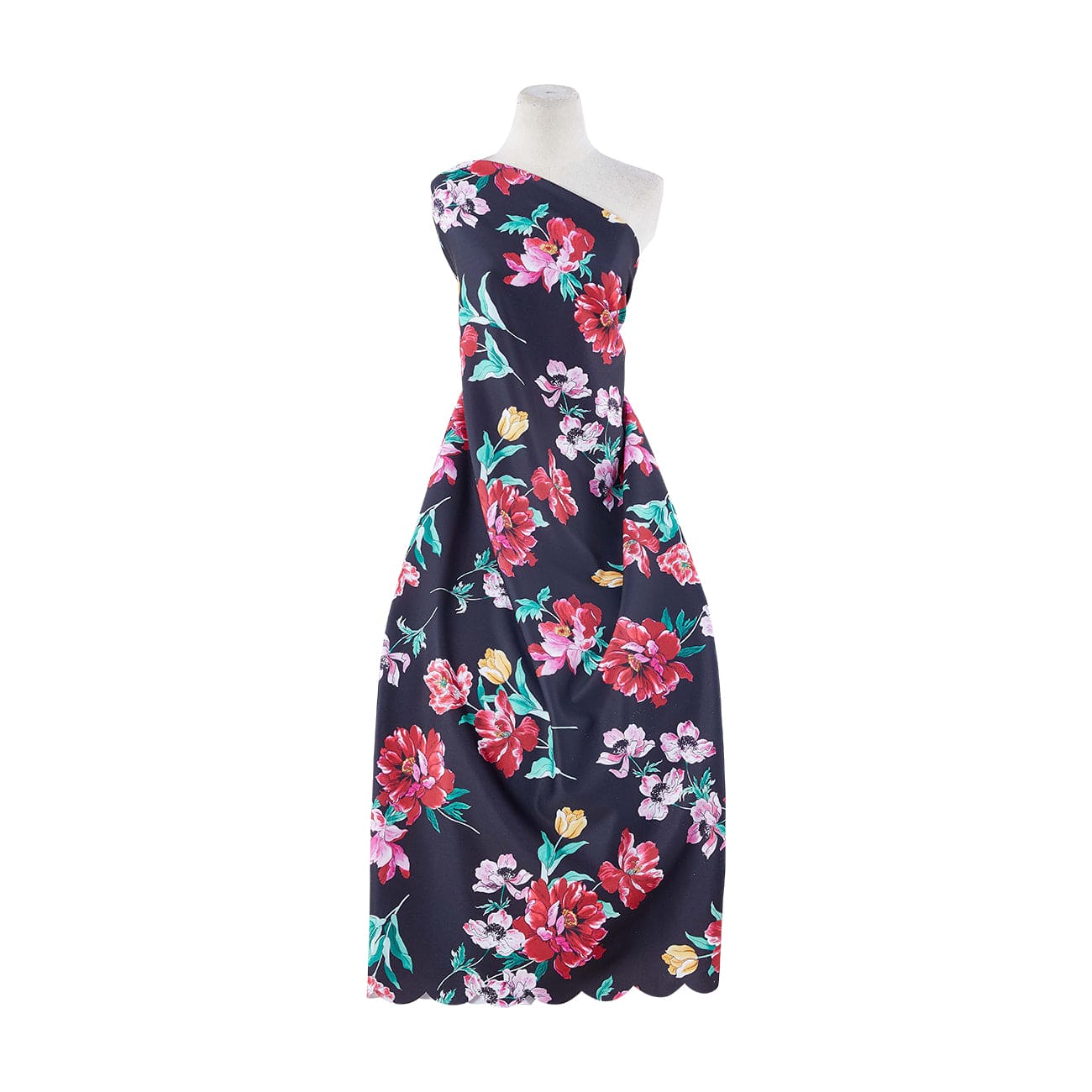
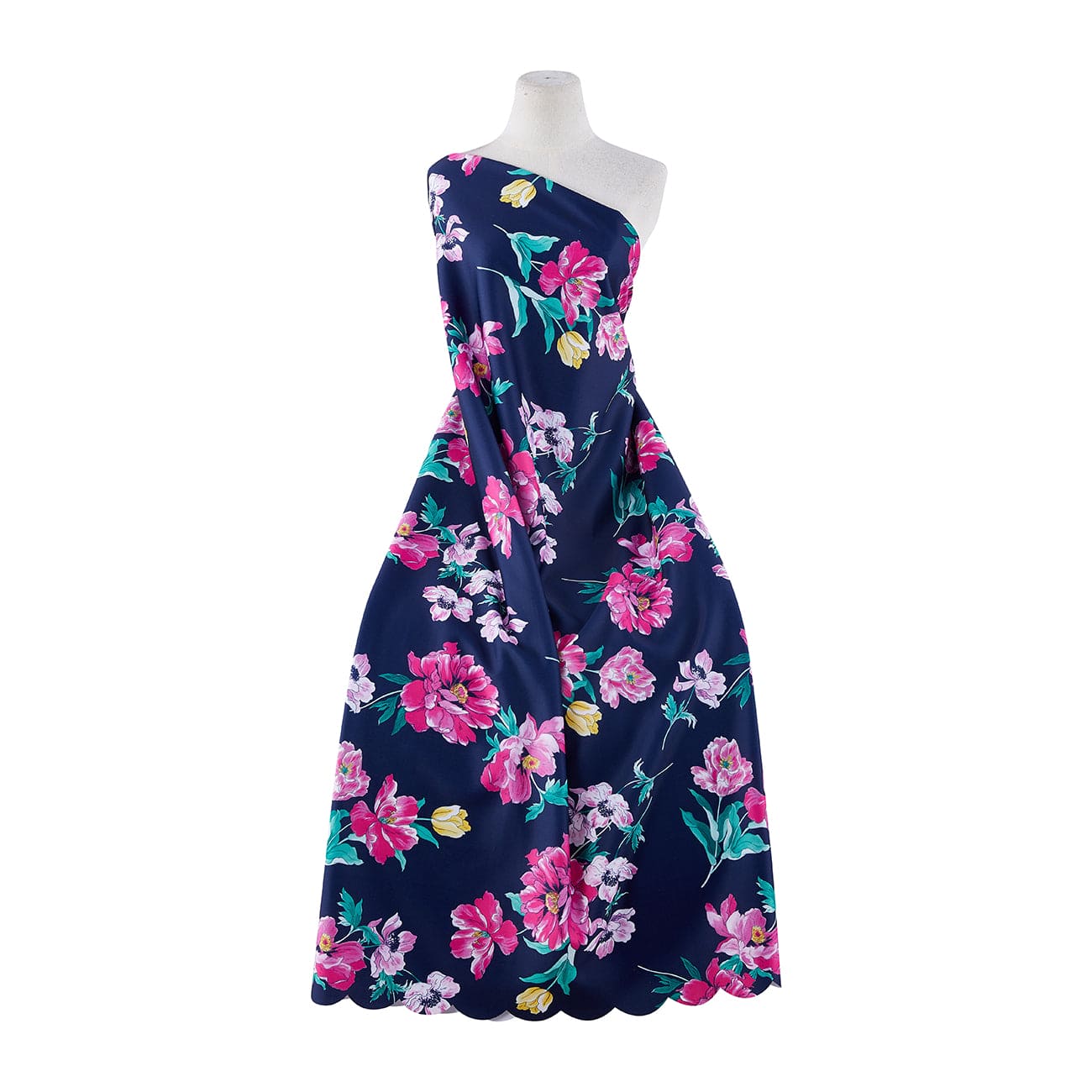
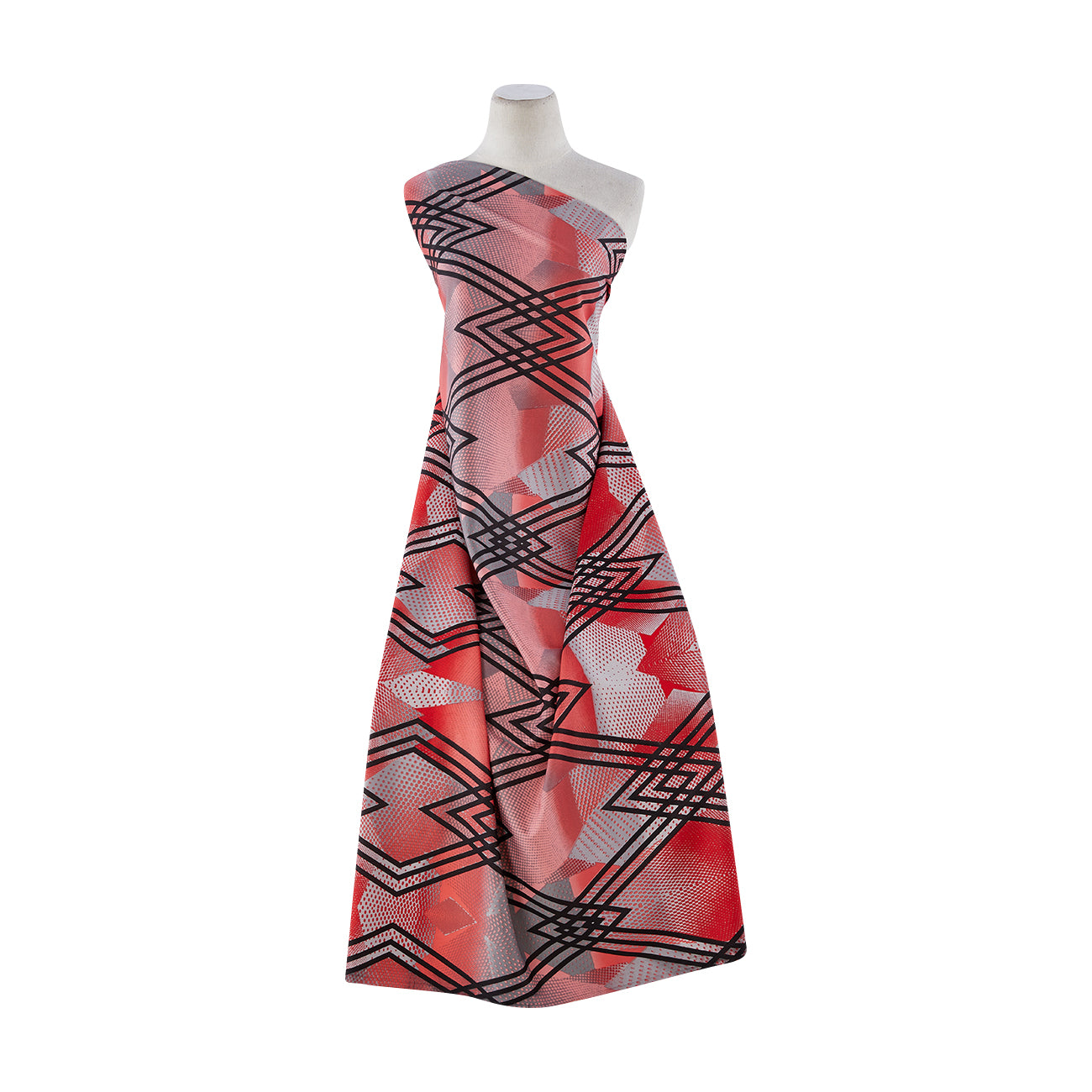
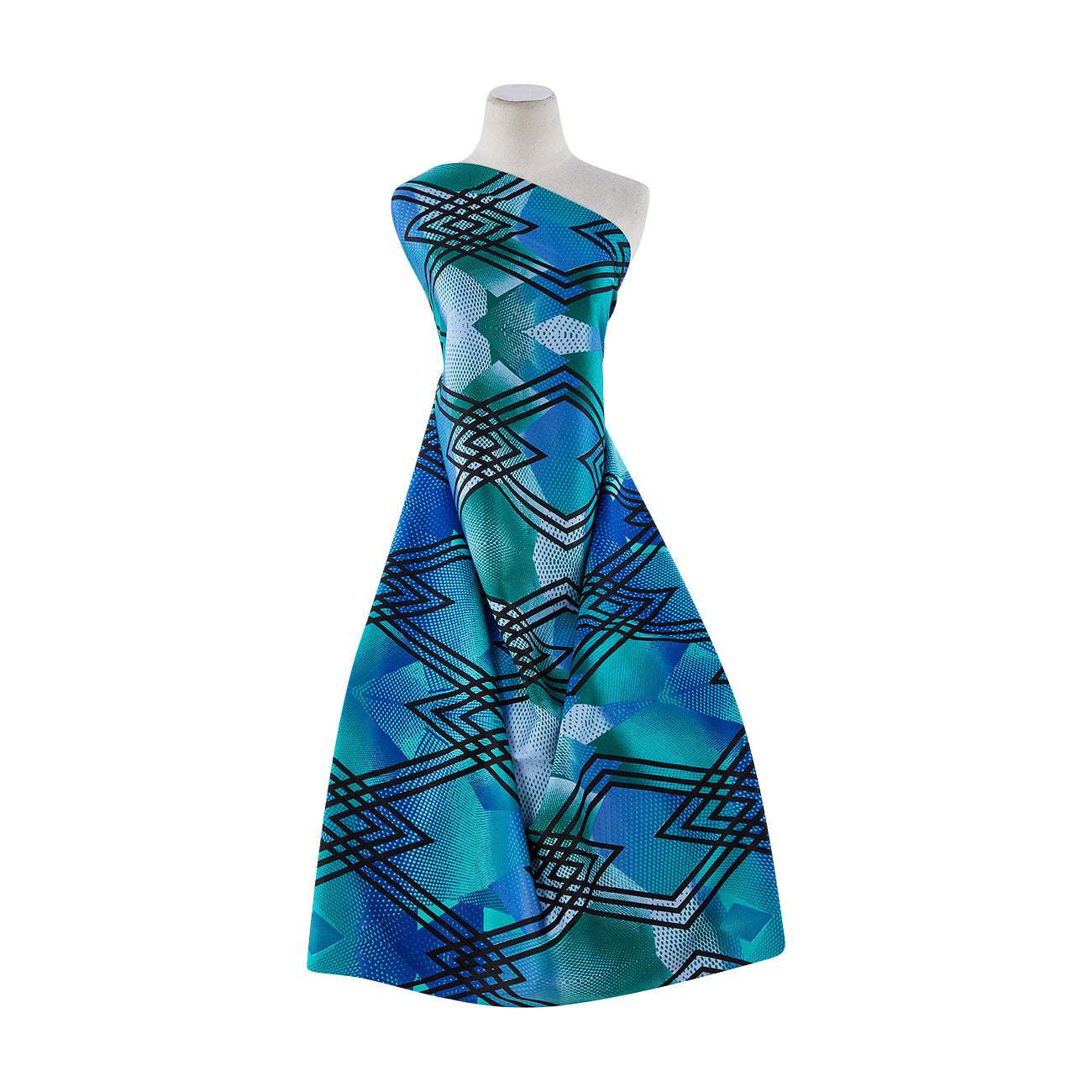
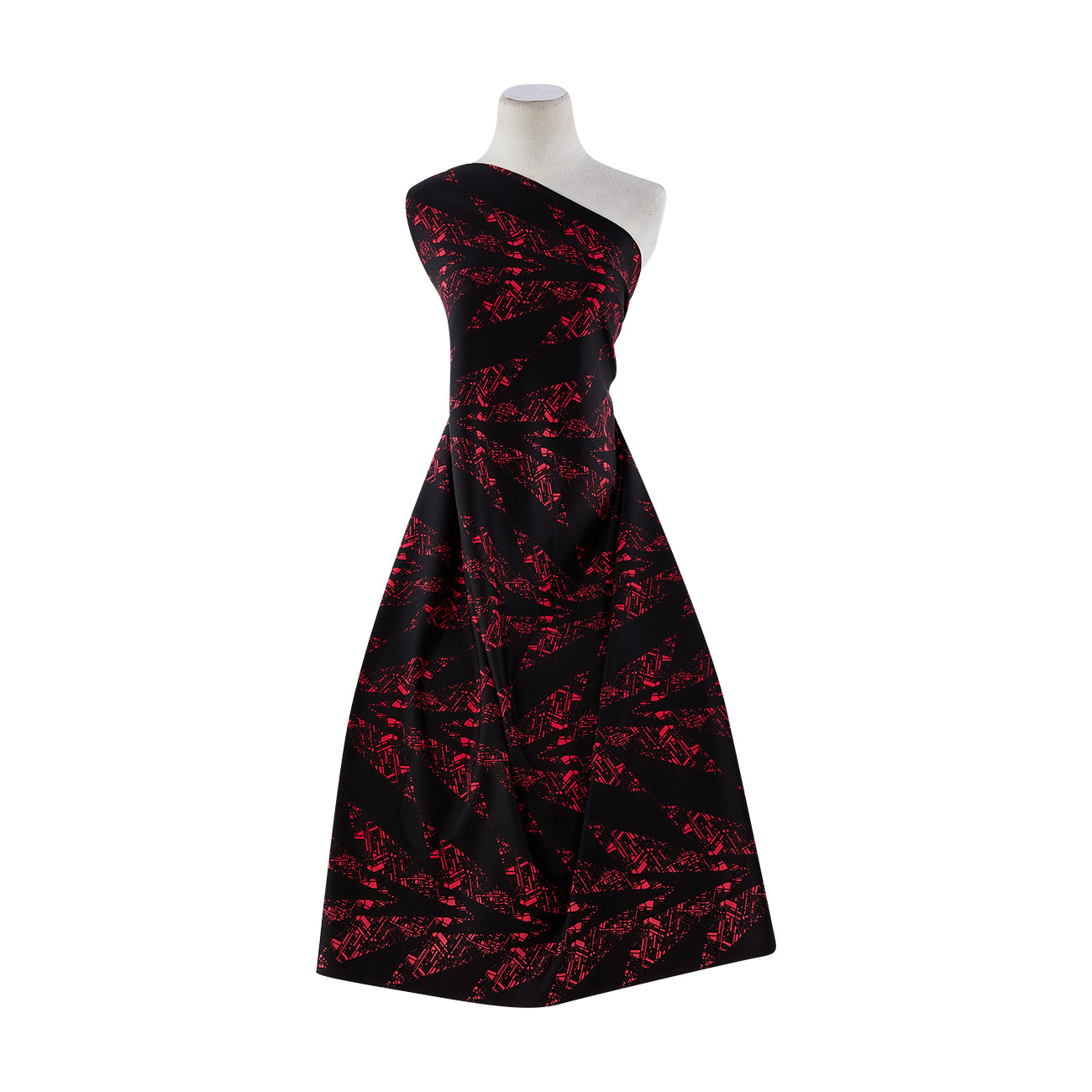
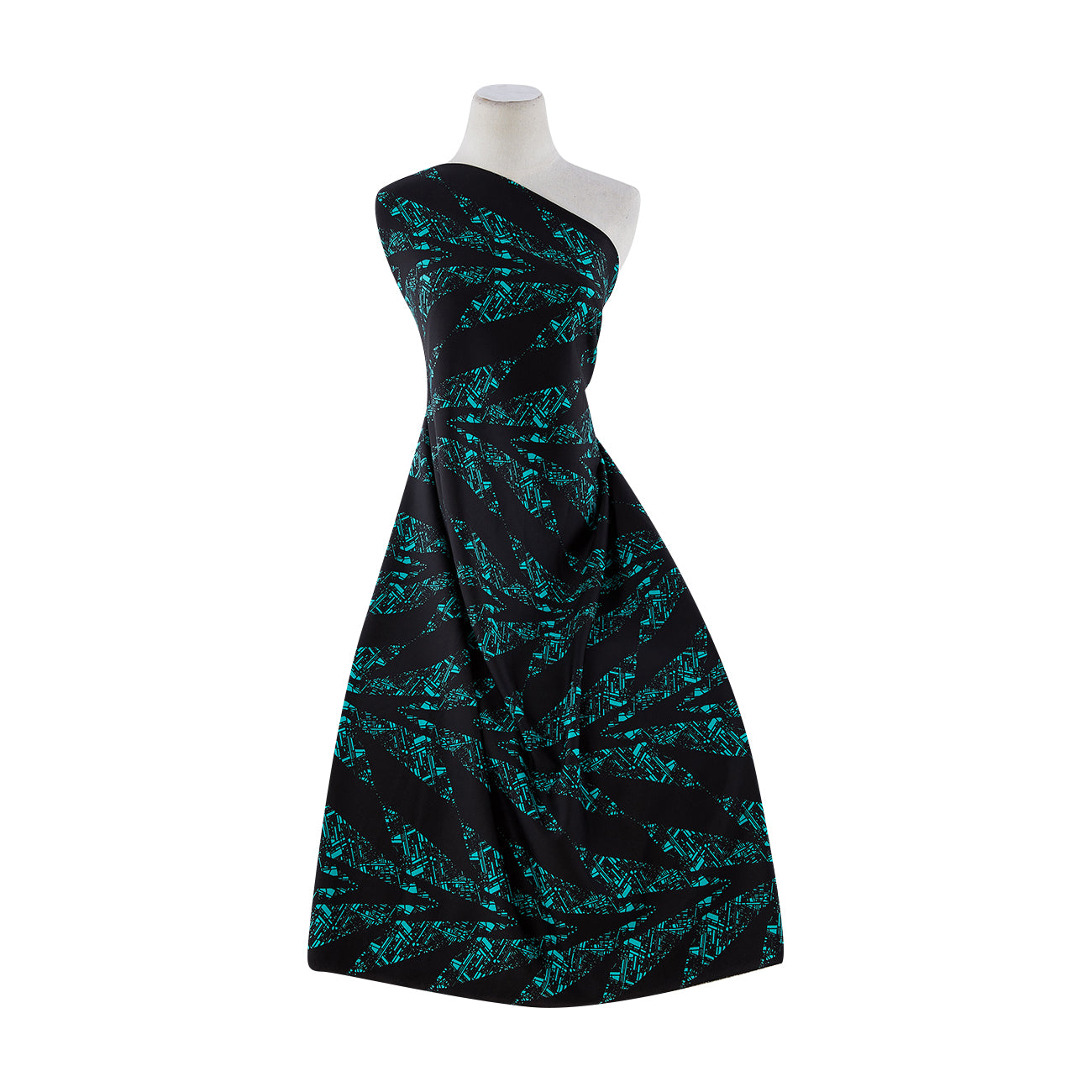
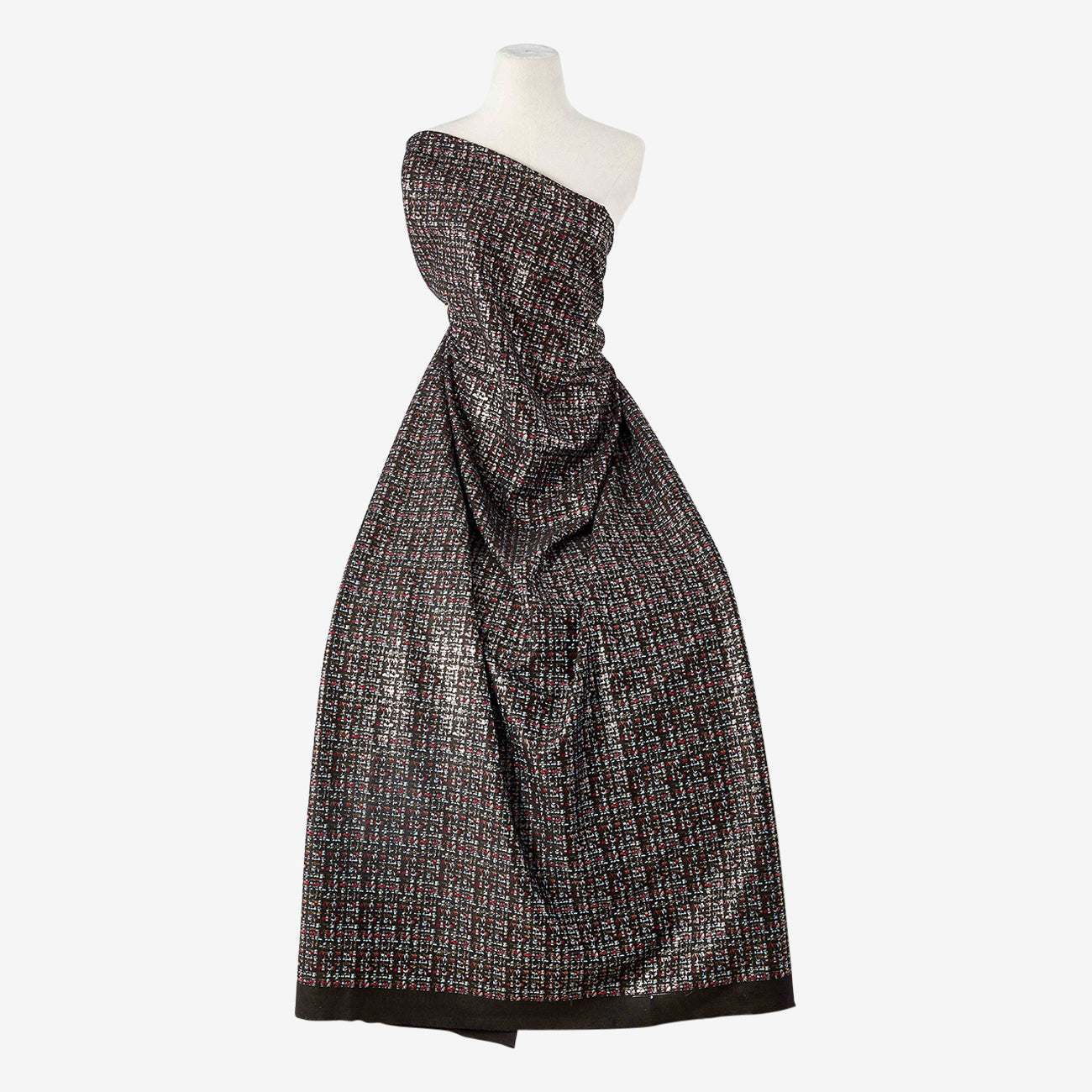
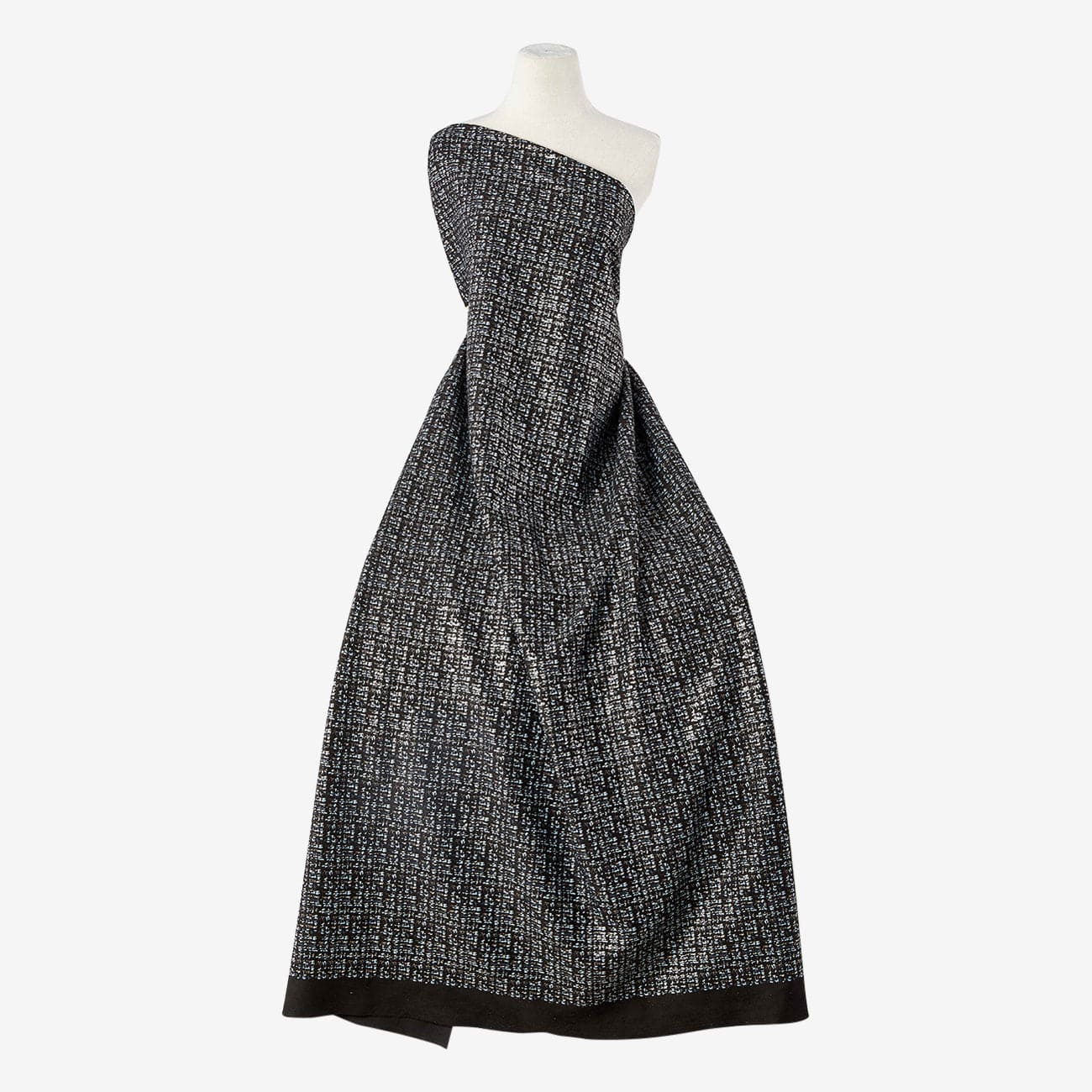
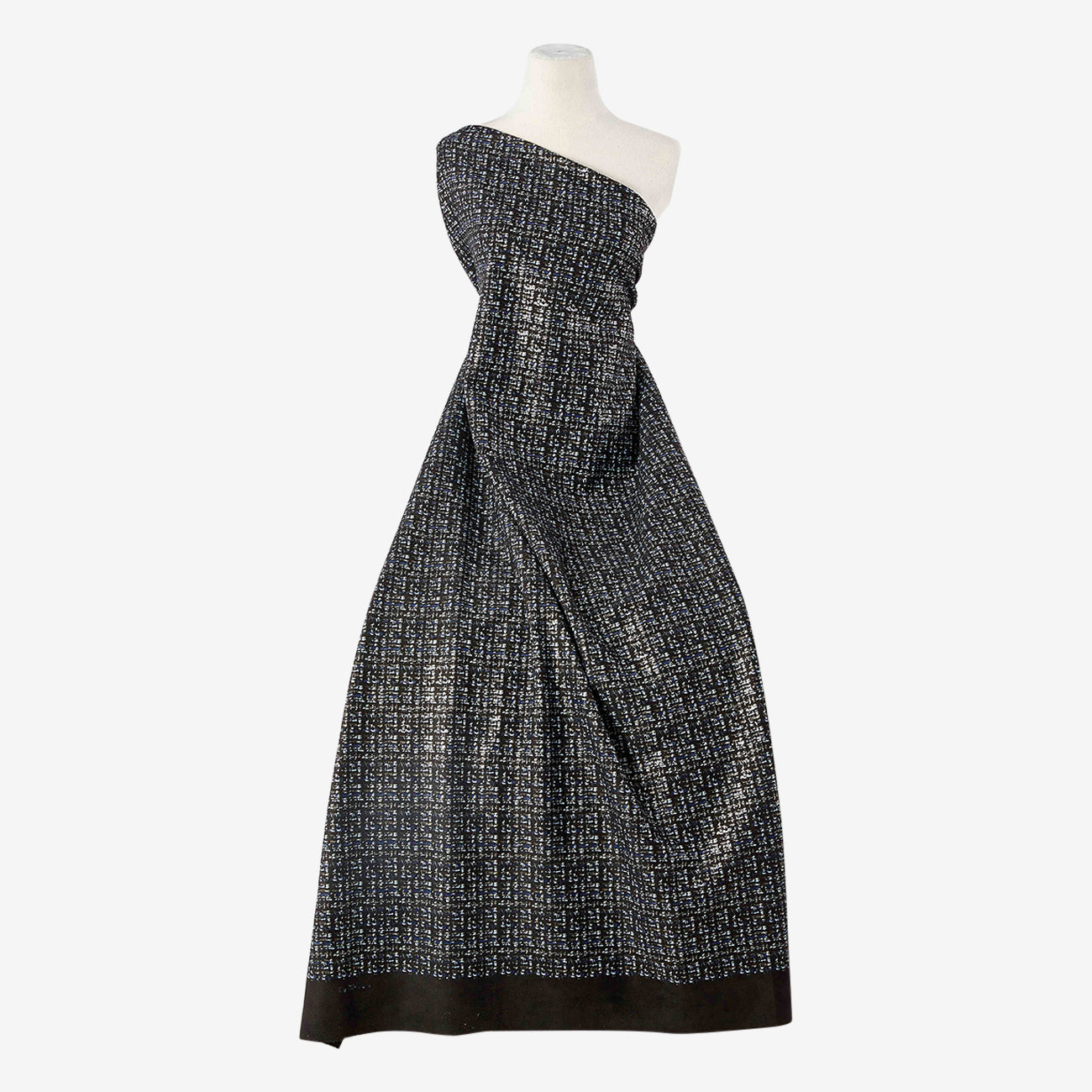
What Is Scuba Fabric?
Scuba fabric gets its name from its resemblance to wetsuit material: thick, smooth, and slightly spongy to the touch, with just enough compression to smooth over the body without feeling restrictive. Most scuba is double-knit, meaning two layers of yarn are knitted together to create a single fabric that is thicker and more stable than standard jersey or knit. This double-layer structure is what gives scuba its signature bounce-back and shape retention.
Quick facts on scuba fabric:
- Double-knit construction, thicker and more stable than jersey
- Typically a polyester and spandex blend engineered to mimic the density of neoprene
- Opaque, does not require lining in most garments
- Resistant to wrinkling and holds a smooth, flat surface
- Does not fray, so raw edges and bonded seams are common
For a closer look at how it is made and where the name comes from, the scuba fabric guide on the Zelouf blog breaks down the construction in more detail.
Fiber Content and Feel
Because scuba is typically a polyester-and-spandex blend, it holds its shape exceptionally well while still offering meaningful stretch in every direction. Heavier versions use a tighter, denser knit for extra body and structure that closely resembles true wetsuit material. In contrast, others run lighter for apparel that needs drape as well as hold.
Scuba crepe, a popular variation, blends scuba’s structured hand with crepe's subtle pebbled texture, giving designers a softer drape without losing the fabric’s core stability.
How Scuba Fabric Is Used
Scuba’s combination of structure and stretch makes it a favorite for garments that need to hold a silhouette without sacrificing movement.
Apparel Applications
Common uses for scuba in apparel include:
- Fitted dresses and bodycon silhouettes that need to smooth and sculpt
- Structured blazers and cropped jackets that hold a clean line
- Peplum tops and statement sleeves that keep their shape rather than collapsing
- Wide-leg pants that still need a crisp, tailored finish
- Garments with raw or laser-cut edges, since scuba does not fray
- Pieces with bonded or fused seams instead of traditional stitching
Beyond Apparel
Scuba shows up outside of clothing as well. Its density and stiffness make it suitable for structured home decor accents, and its ability to hold a shape without wrinkling makes it a practical option for backdrops, decorative panels, and other pieces that need to stay smooth and taut.
Designers who want a similar polished, structured look with more rigidity sometimes compare scuba against options in the suiting collection, since both offer a clean, tailored finish. However, scuba brings stretch that woven suiting fabric does not.
Where and When Scuba Fabric Is Used
Scuba fits naturally into any project where a garment needs to look sharp while still moving with the body.
Occasion and Season
Because scuba holds a silhouette so well, it is frequently used for:
- Eveningwear and cocktail dresses where a clean, structured line matters
- Activewear and dancewear that rely on stretch, recovery, and a smooth surface
- Costume pieces that need to hold their shape through movement
- Fall and winter collections, where the heavier scuba weights are especially popular
Scuba tends to be a year-round fabric rather than a strictly seasonal one; its weight sits comfortably between lightweight summer fabrics and heavier winter textiles. For designers who want a lighter, more breathable alternative for athletic cutouts or paneling, the mesh collection is often paired alongside scuba in the same garment to combine structure in the main body with breathability at the panels.
Working With Scuba
A few things to know before cutting into scuba fabric:
- Use a walking foot to feed the dense fabric evenly through the machine
- Use a ballpoint or stretch needle to avoid skipped stitches or snagged fibers
- Test seam allowances first, since scuba’s stretch can shift finished garment sizing
- Take advantage of the no-fray edge for clean, minimal finishing techniques
- Press with low, indirect heat, since high heat can affect the synthetic fiber content
New scuba colors and prints are added regularly, and current markdowns are available in the flash sale collection for anyone working within a tighter budget.
Caring for Scuba Fabric
Finished garments made from scuba are generally easy to maintain. Most scuba fabric can be machine washed on a cold, gentle cycle and hung to dry rather than tumble dried, since high heat can degrade the spandex content over time and reduce stretch recovery.
Because the fabric resists wrinkling, it doesn’t need ironing. But you can use a low, indirect heat setting with a pressing cloth to smooth out creases if needed. Storing scuba garments folded rather than on hangers for long periods can also help preserve the fabric’s shape, especially for heavier weights.
Frequently Asked Questions
Is scuba fabric stretchy?
Yes. Scuba fabric has significant stretch in most directions thanks to its spandex content, but it also holds its shape well rather than sagging or losing structure over time.
Is scuba fabric see-through?
No. Scuba is thick and opaque by design. Its double-knit construction gives it enough density that it does not require lining in most applications.
Can scuba fabric be used for swimwear?
While scuba shares a visual and textural similarity to wetsuit material, most scuba sold for apparel is not designed for swimwear performance. It is better suited to structured clothing, activewear, and occasionwear rather than water-based use.
Does scuba fabric wrinkle easily?
No. One of scuba’s main advantages is its wrinkle resistance. It holds a smooth, flat appearance, which is part of why it works so well for structured silhouettes and clean-finished garments.
What is the difference between scuba and scuba crepe?
Standard scuba has a smooth, matte surface with a firm hand, while scuba crepe includes a subtle pebbled or textured finish that softens the drape slightly. Scuba crepe is a good option for anyone who wants scuba’s structure with a bit more movement.