
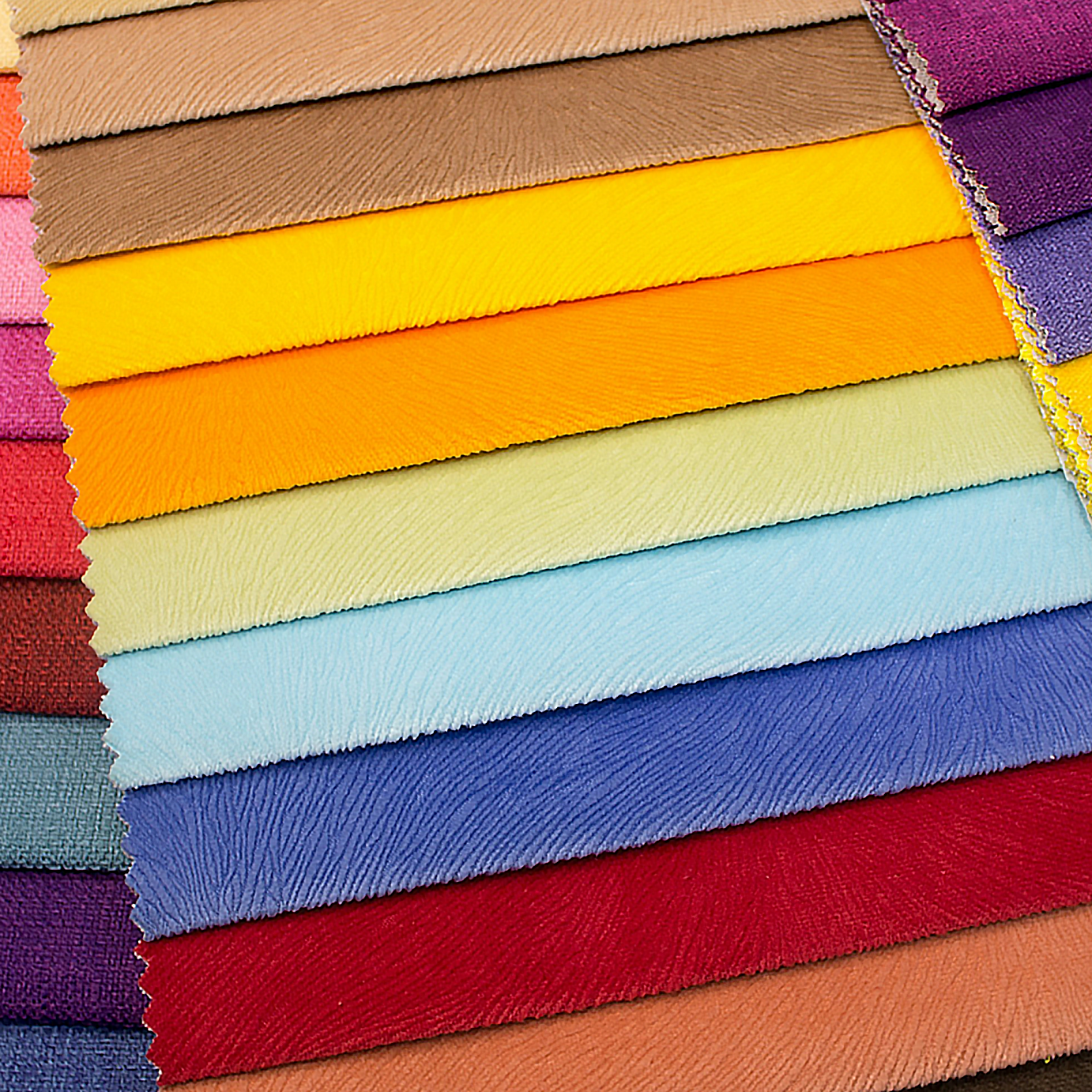
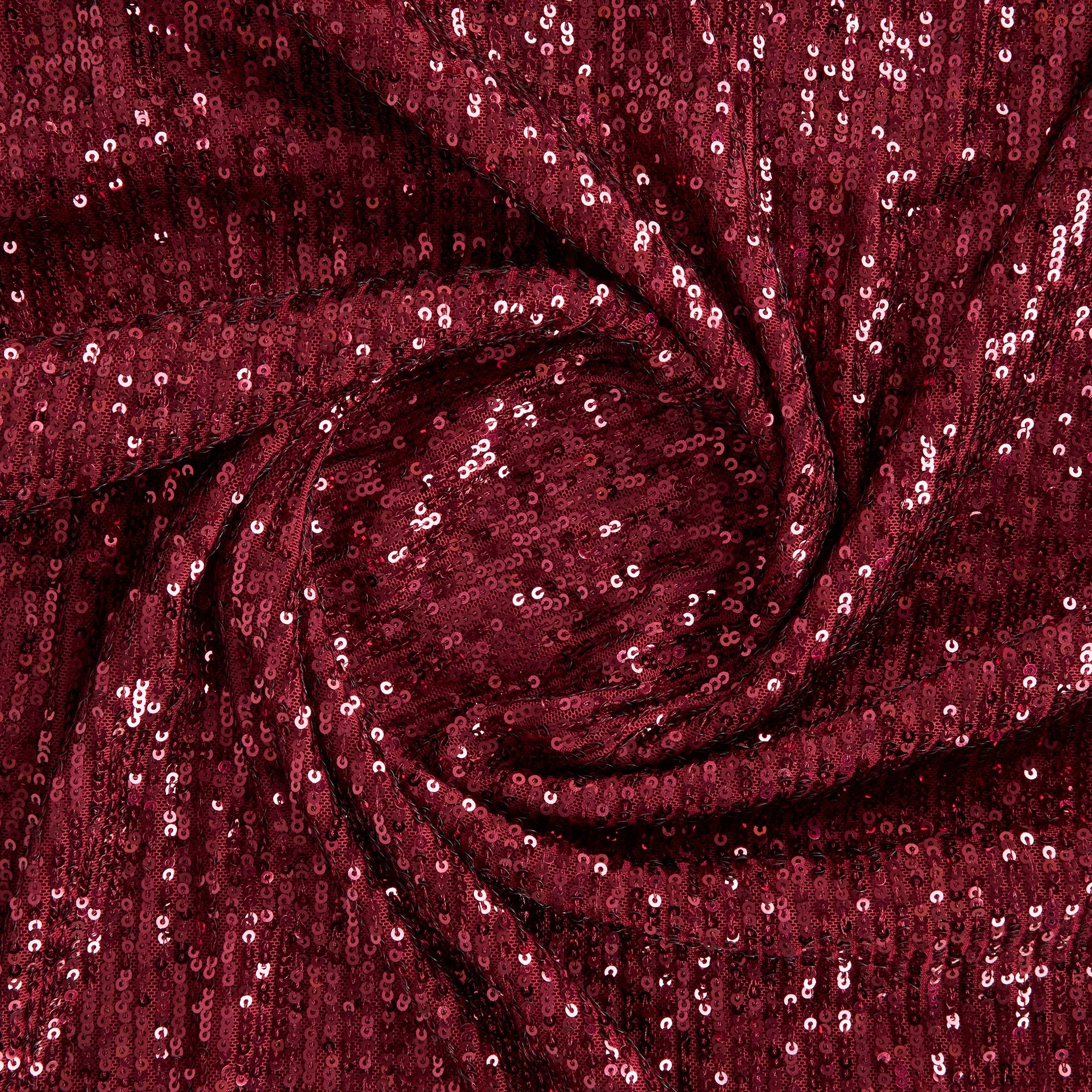
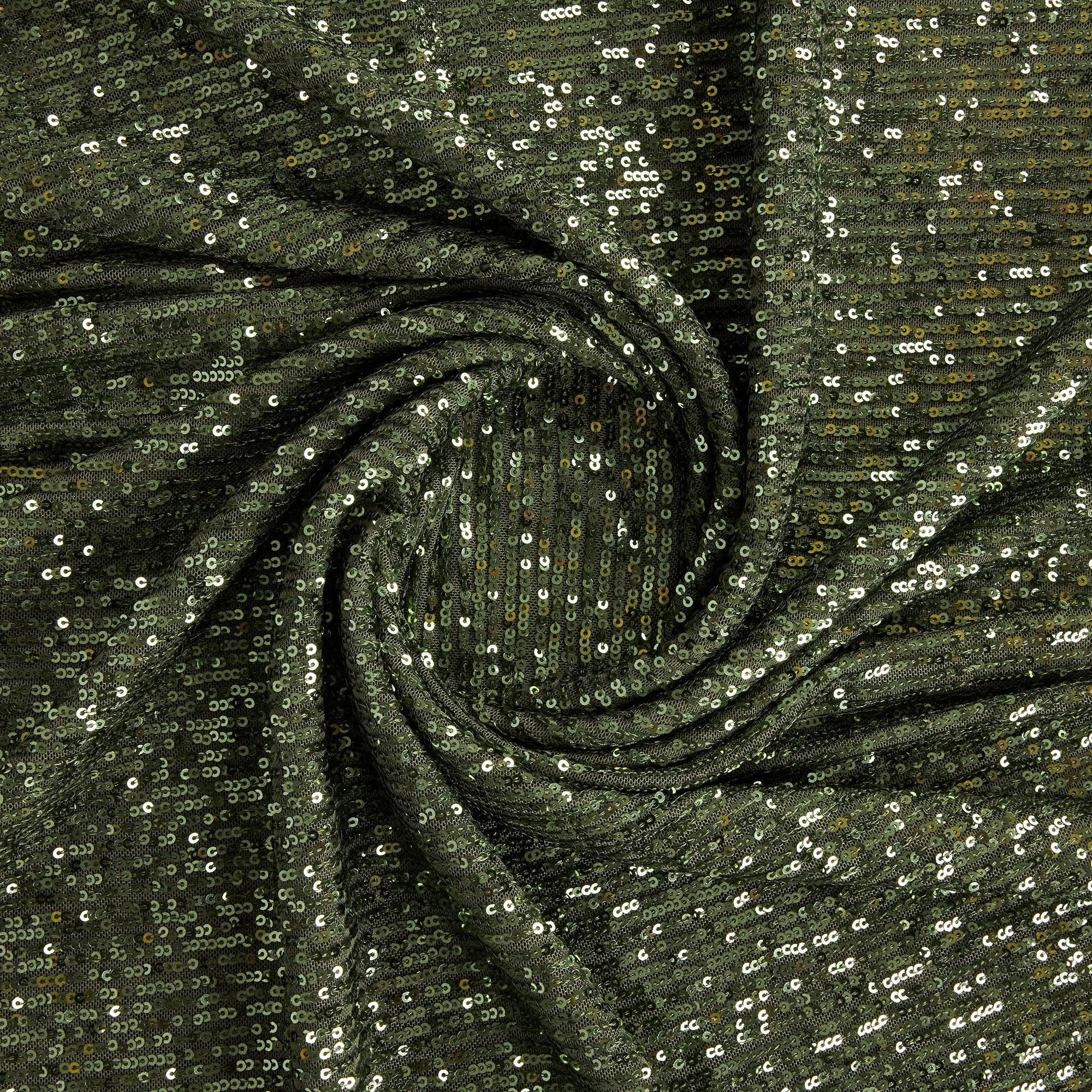
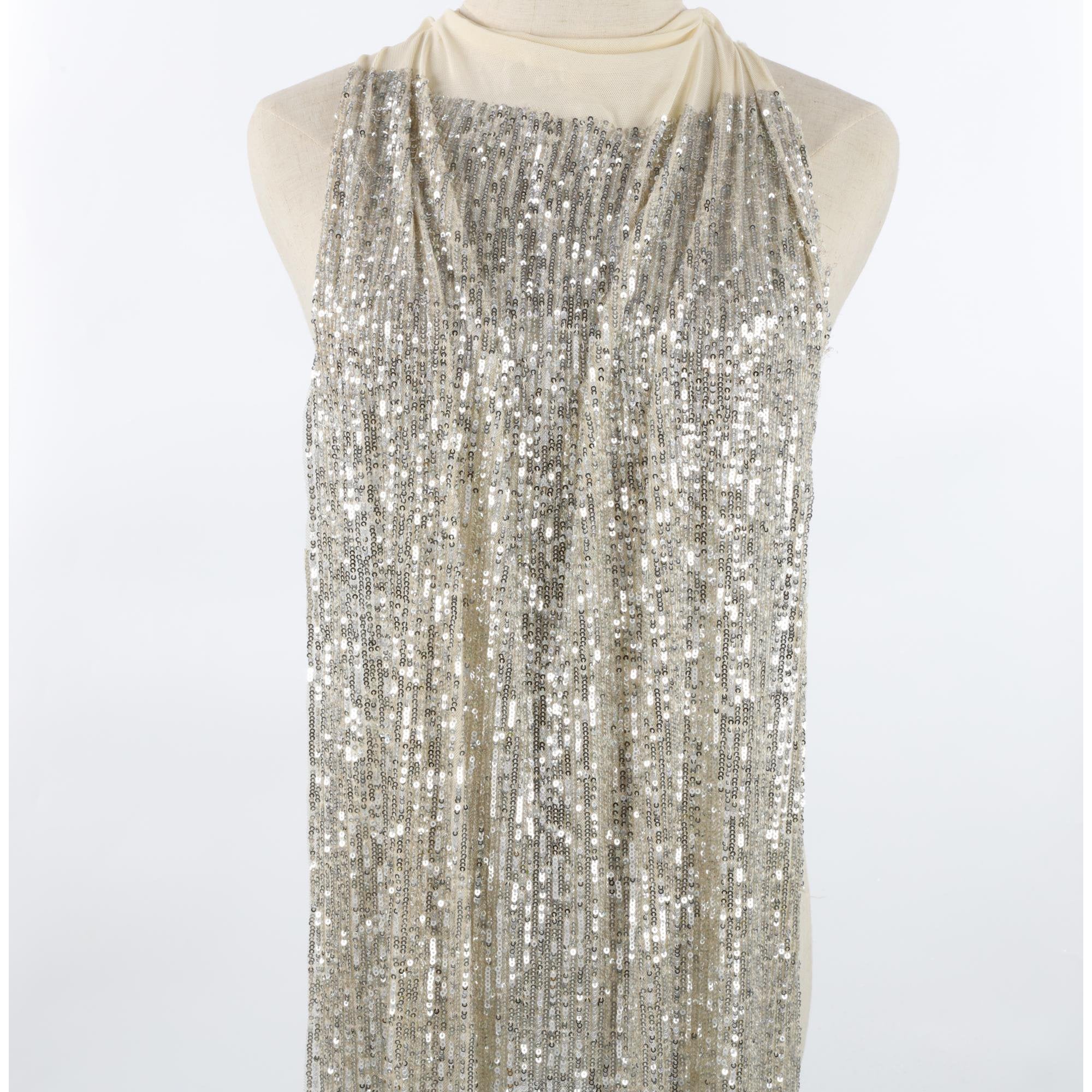
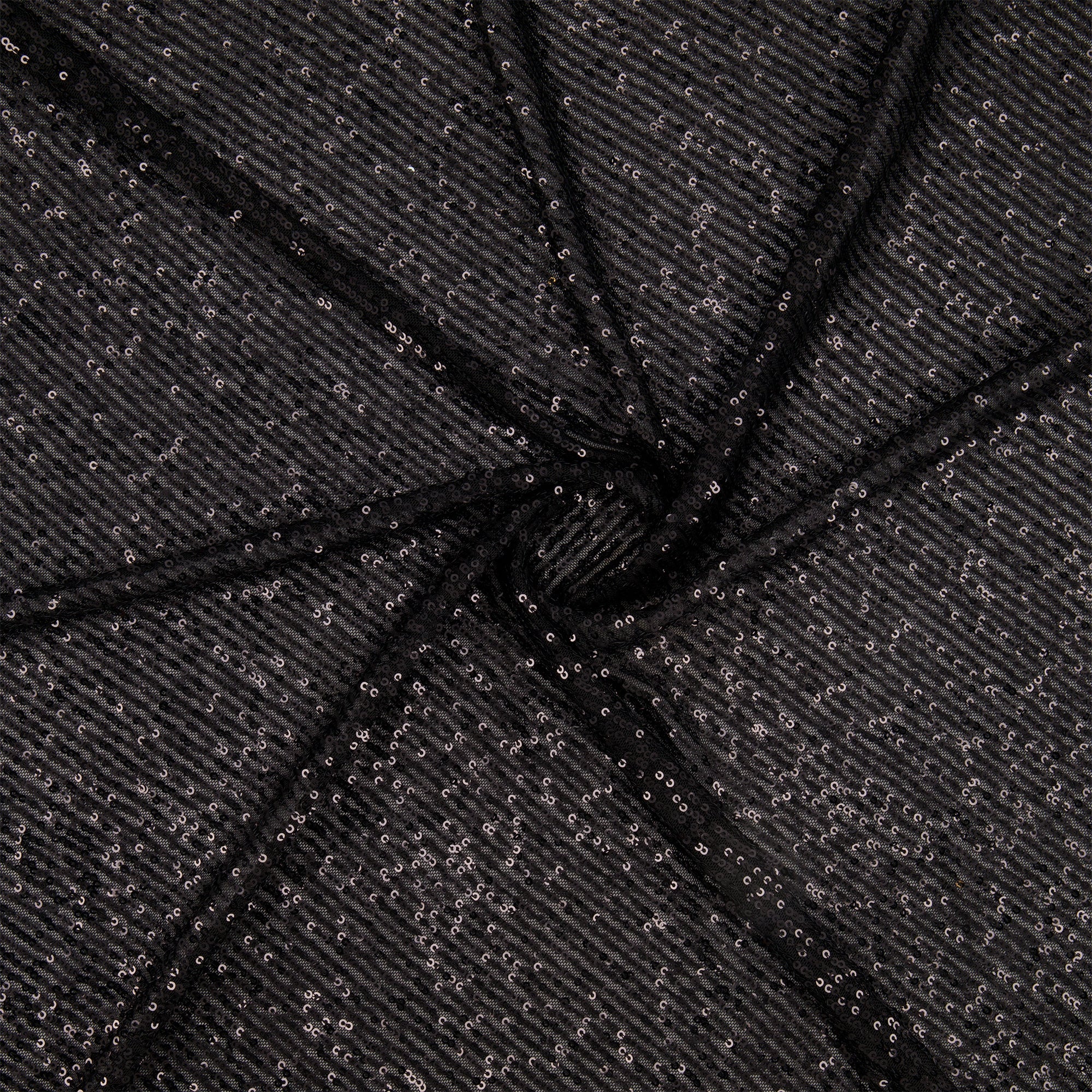
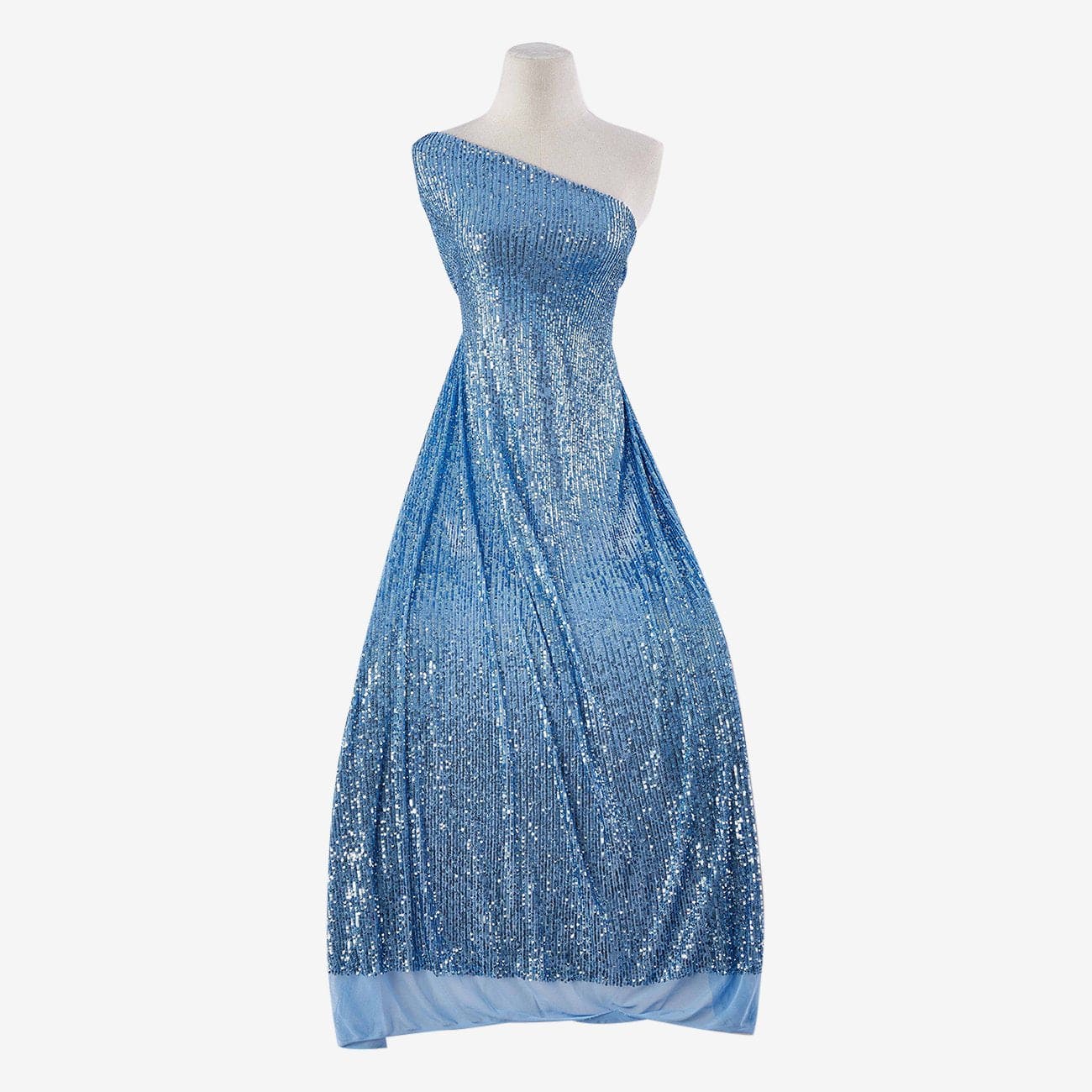
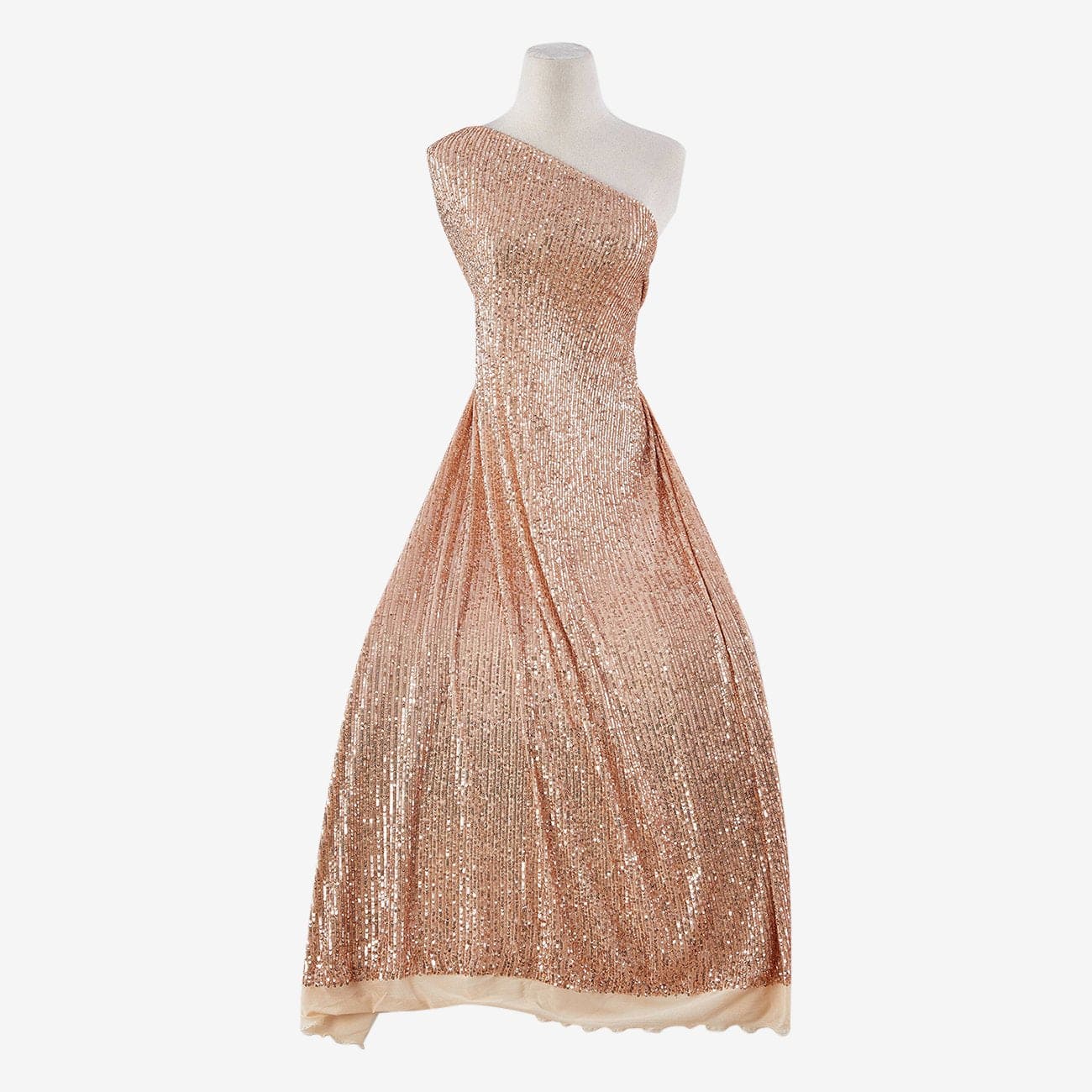
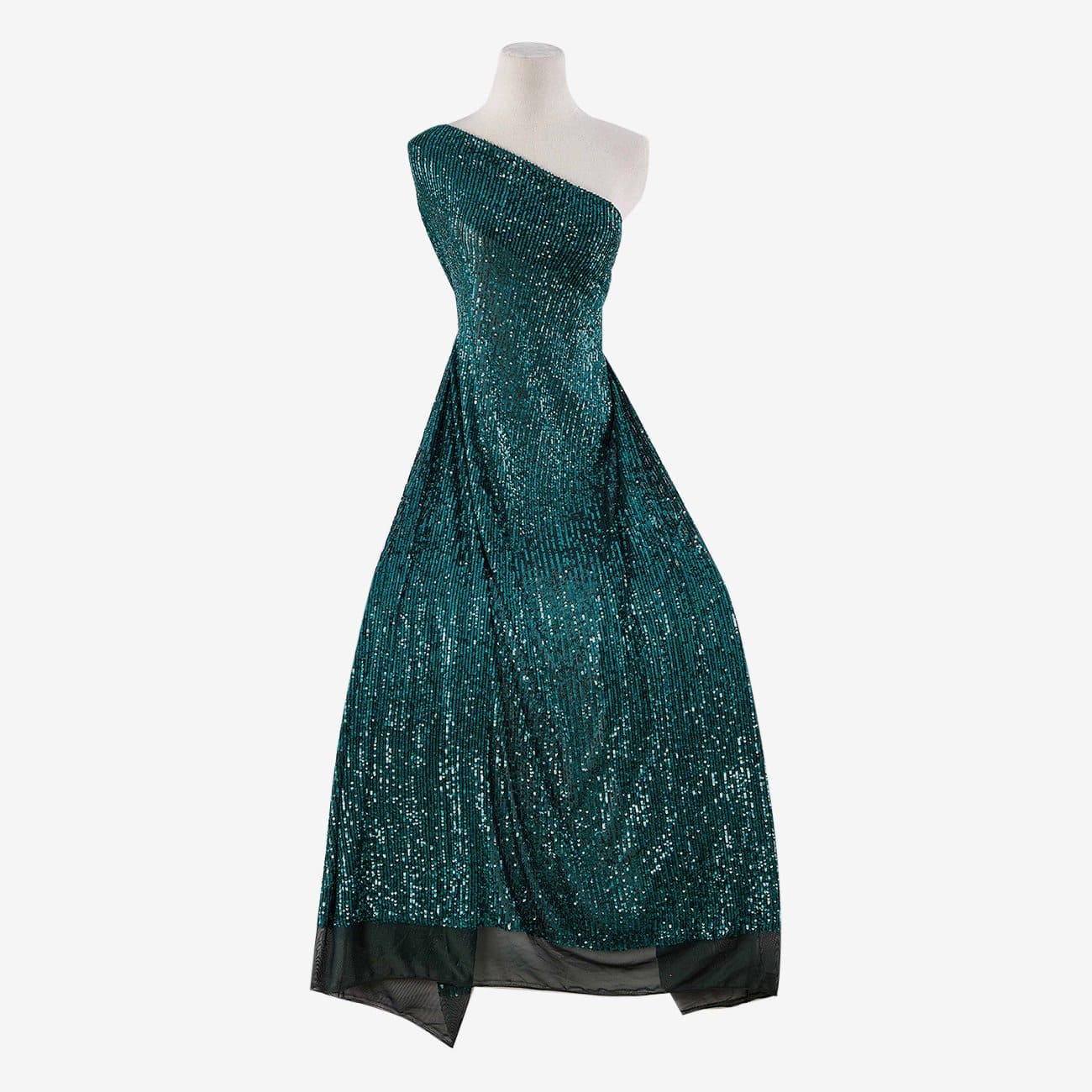
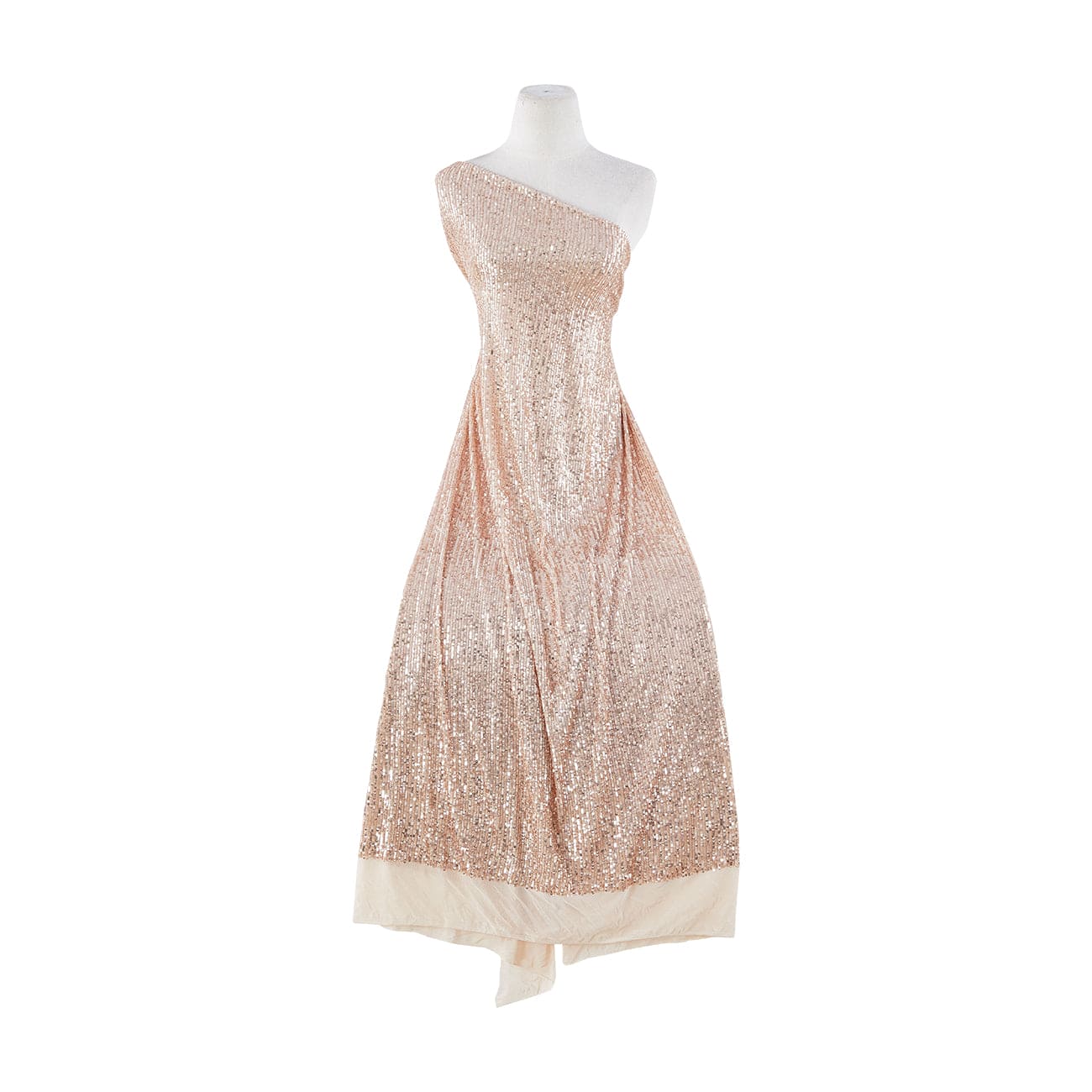
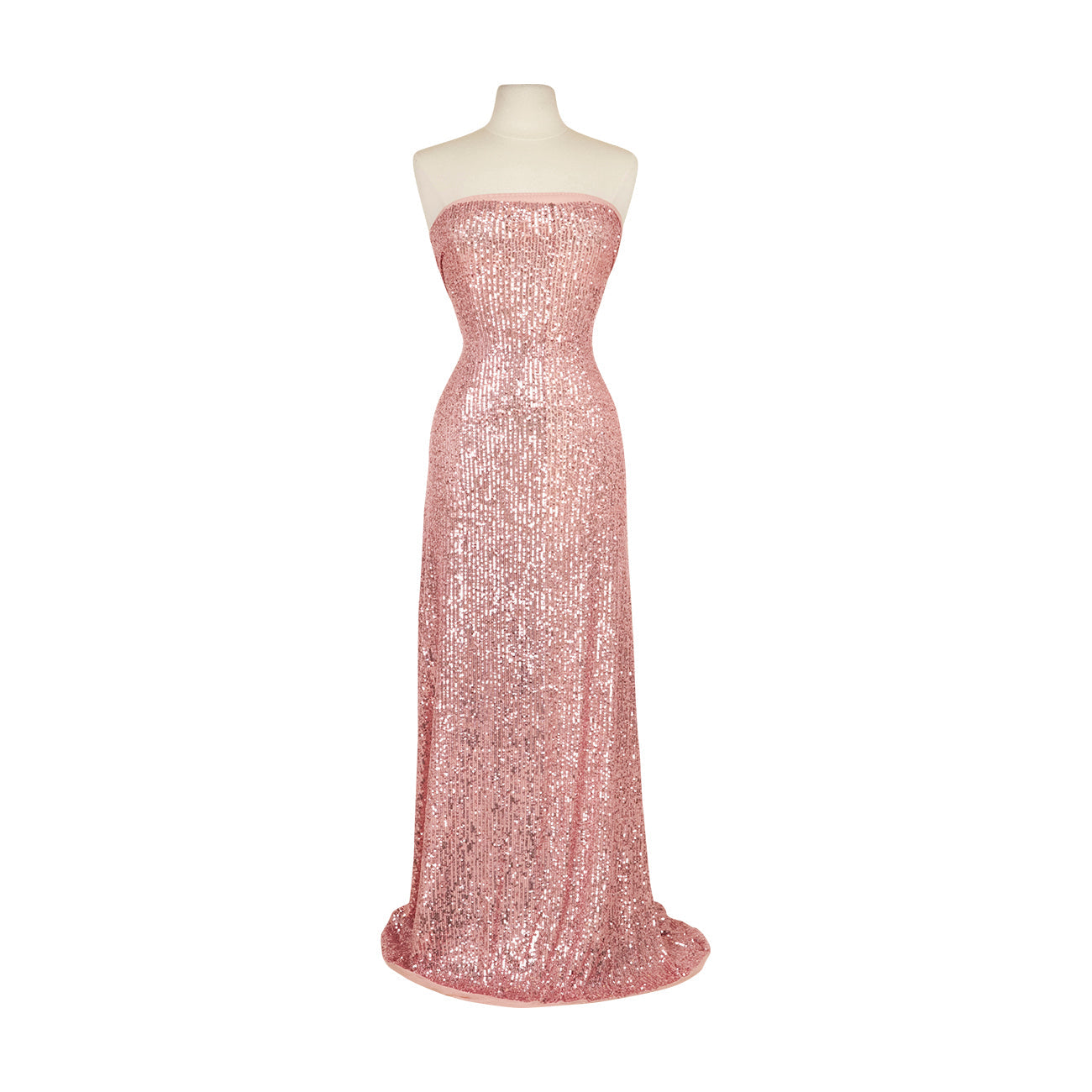
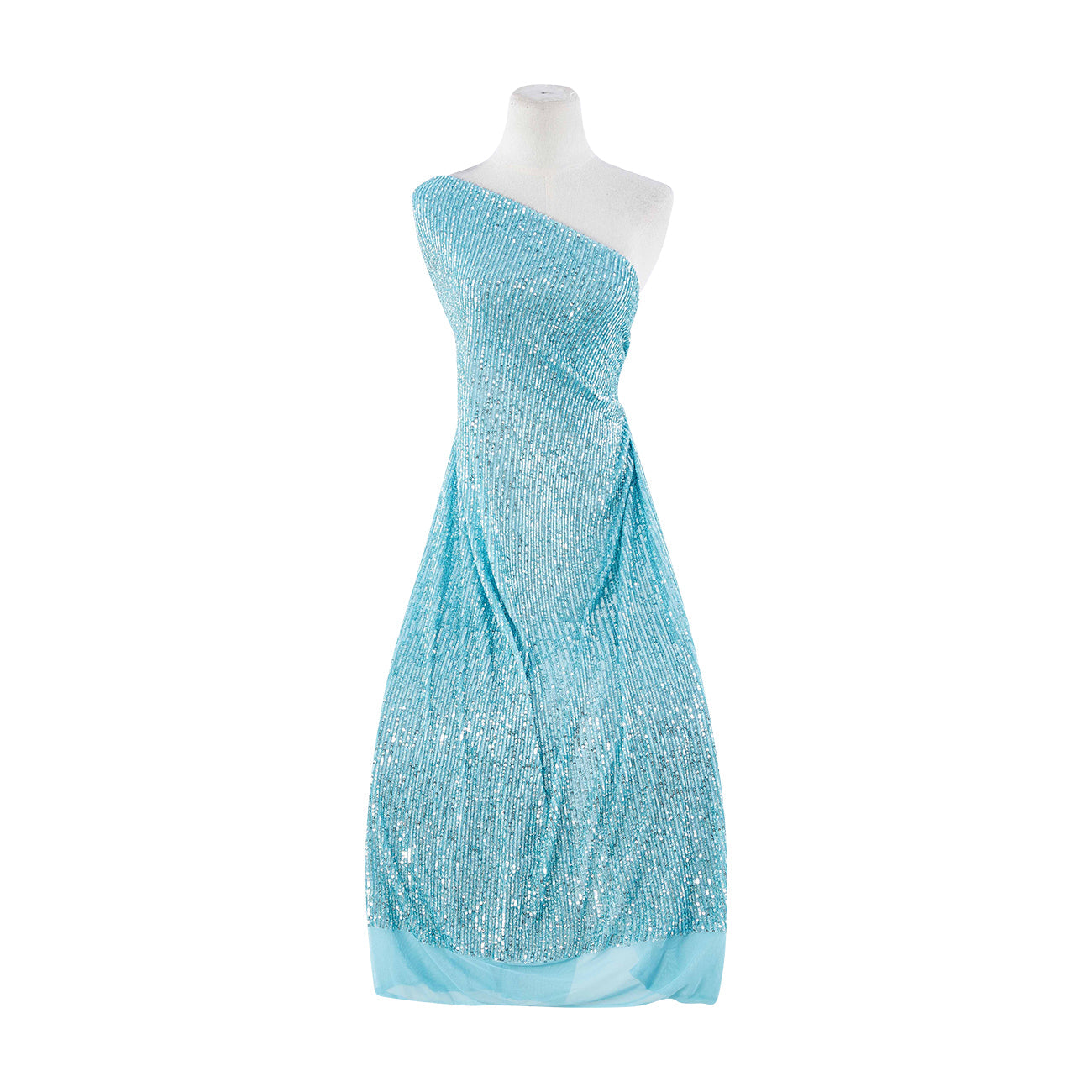
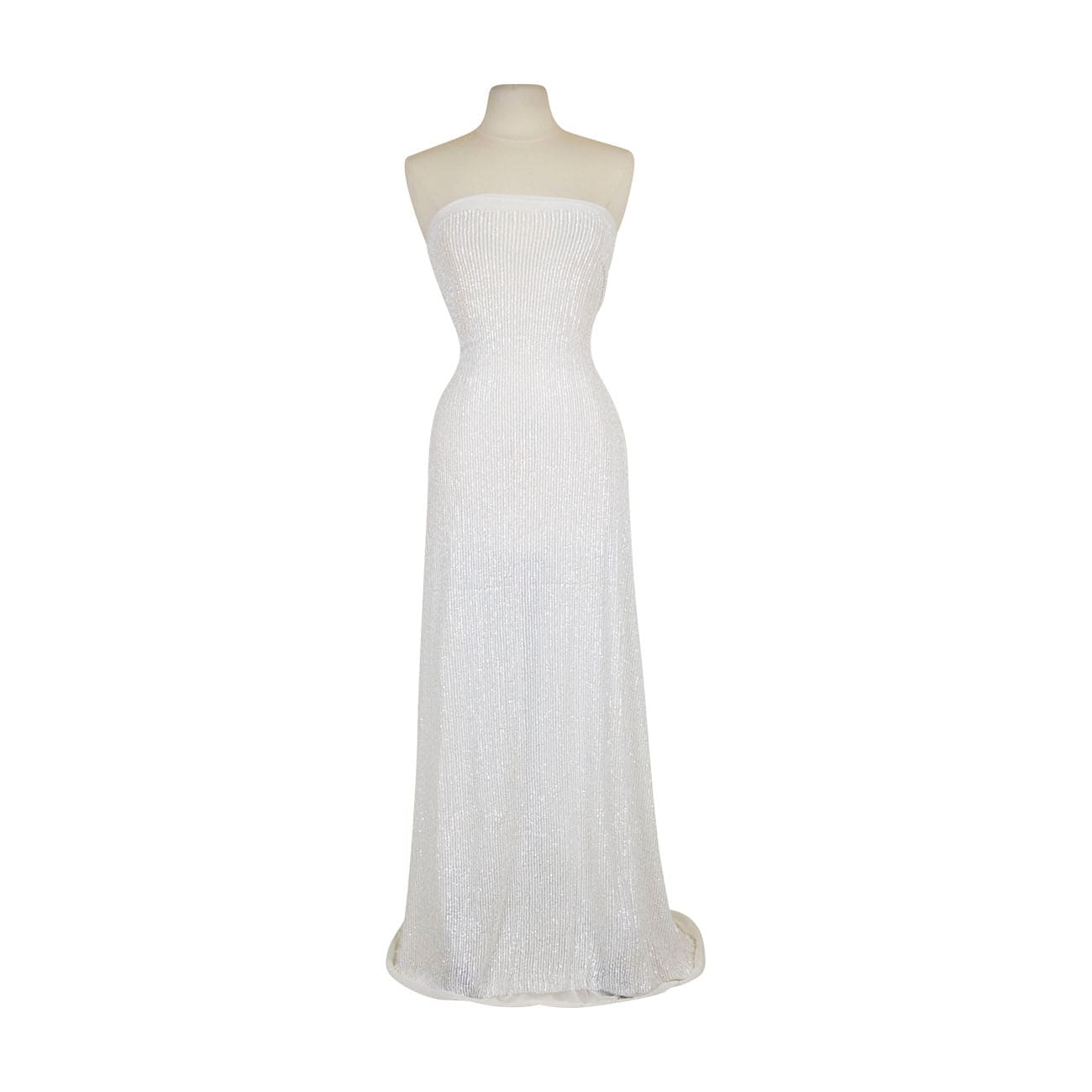
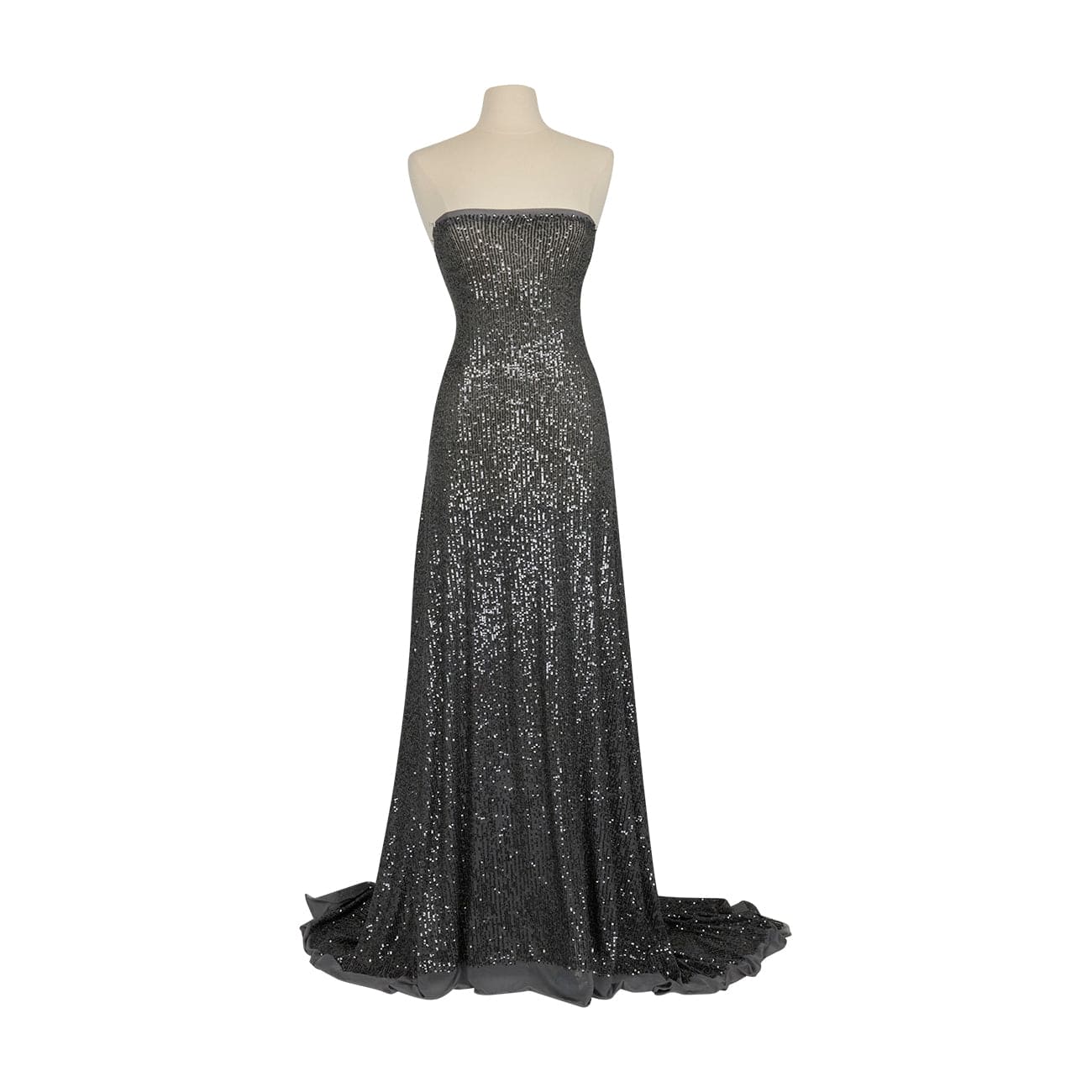
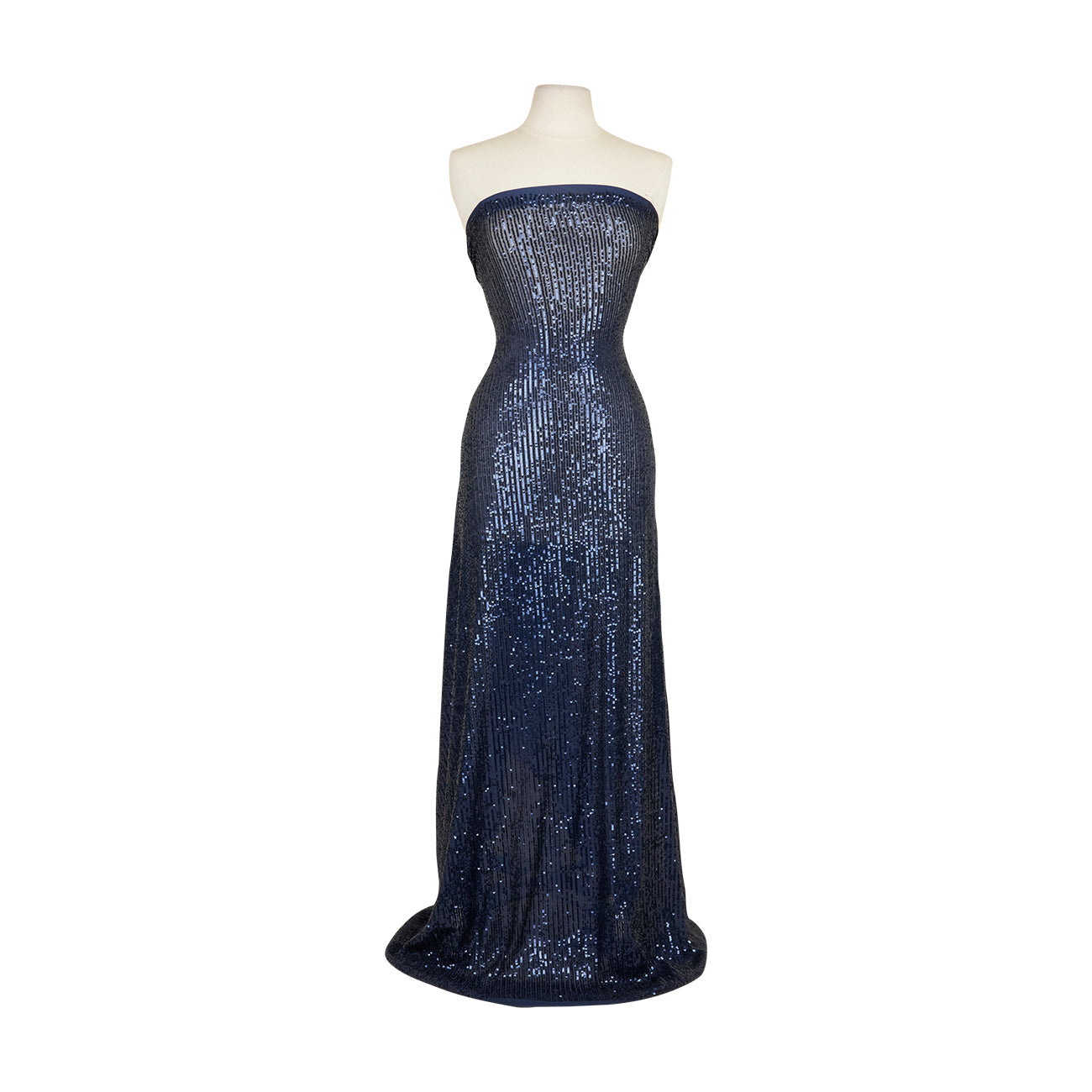
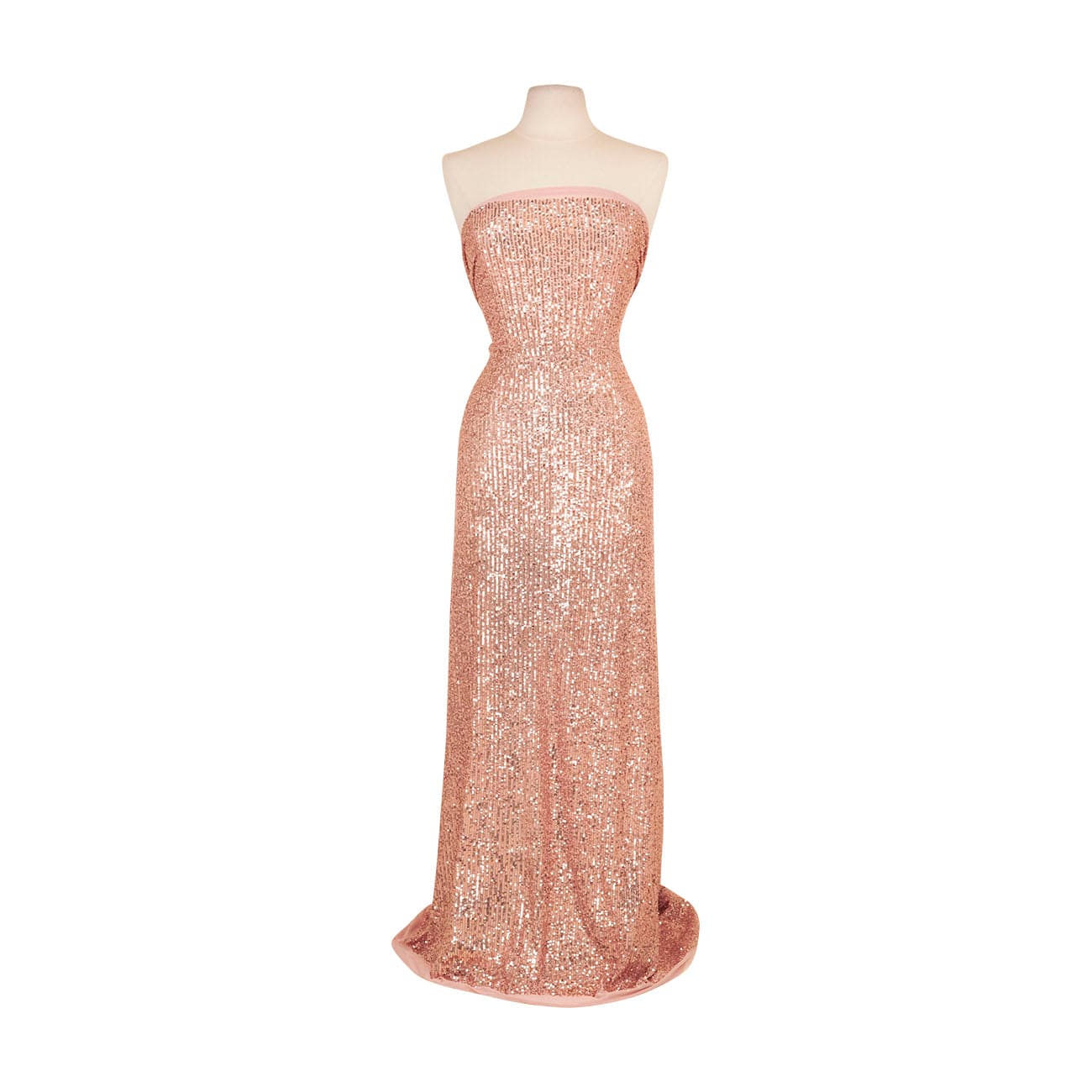
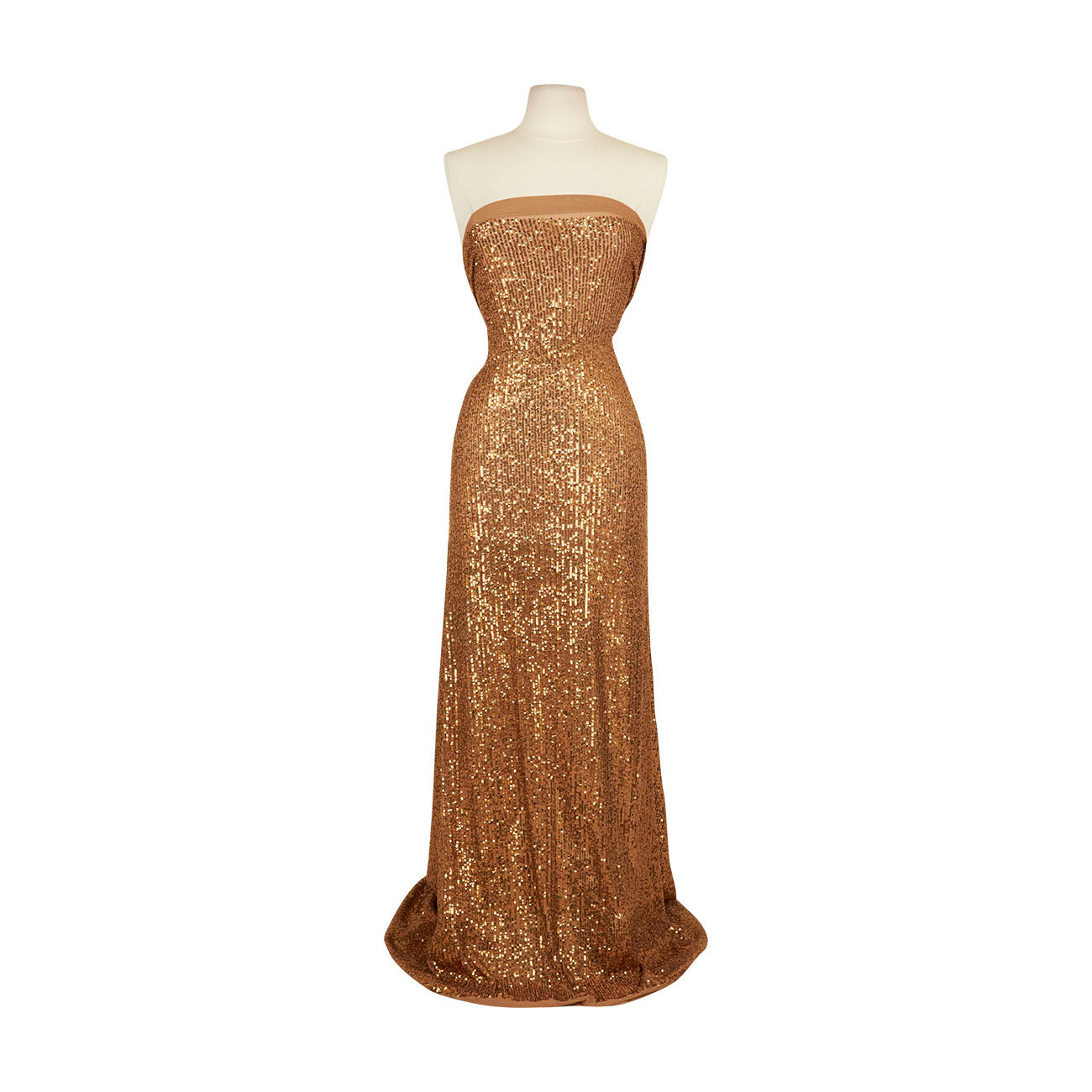
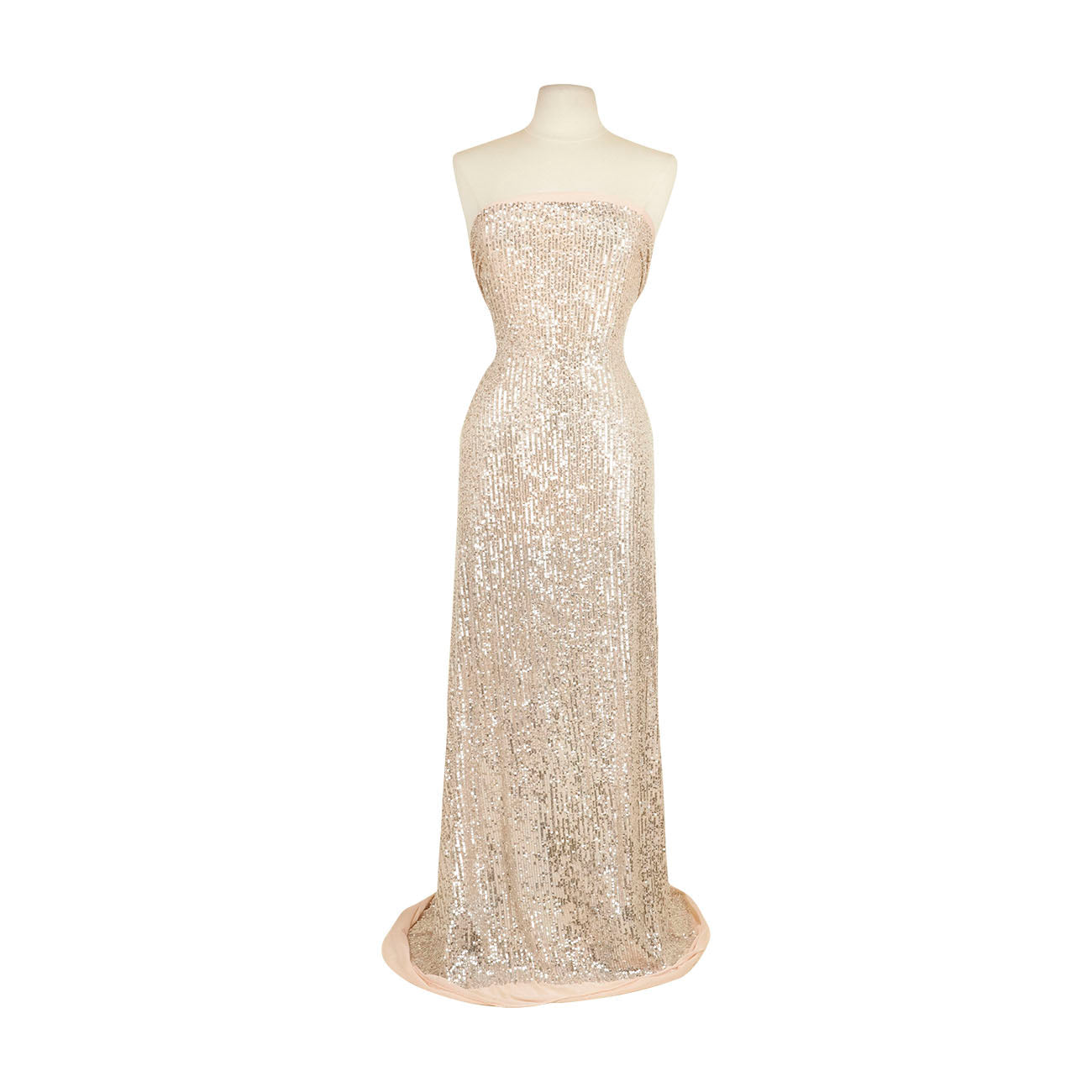
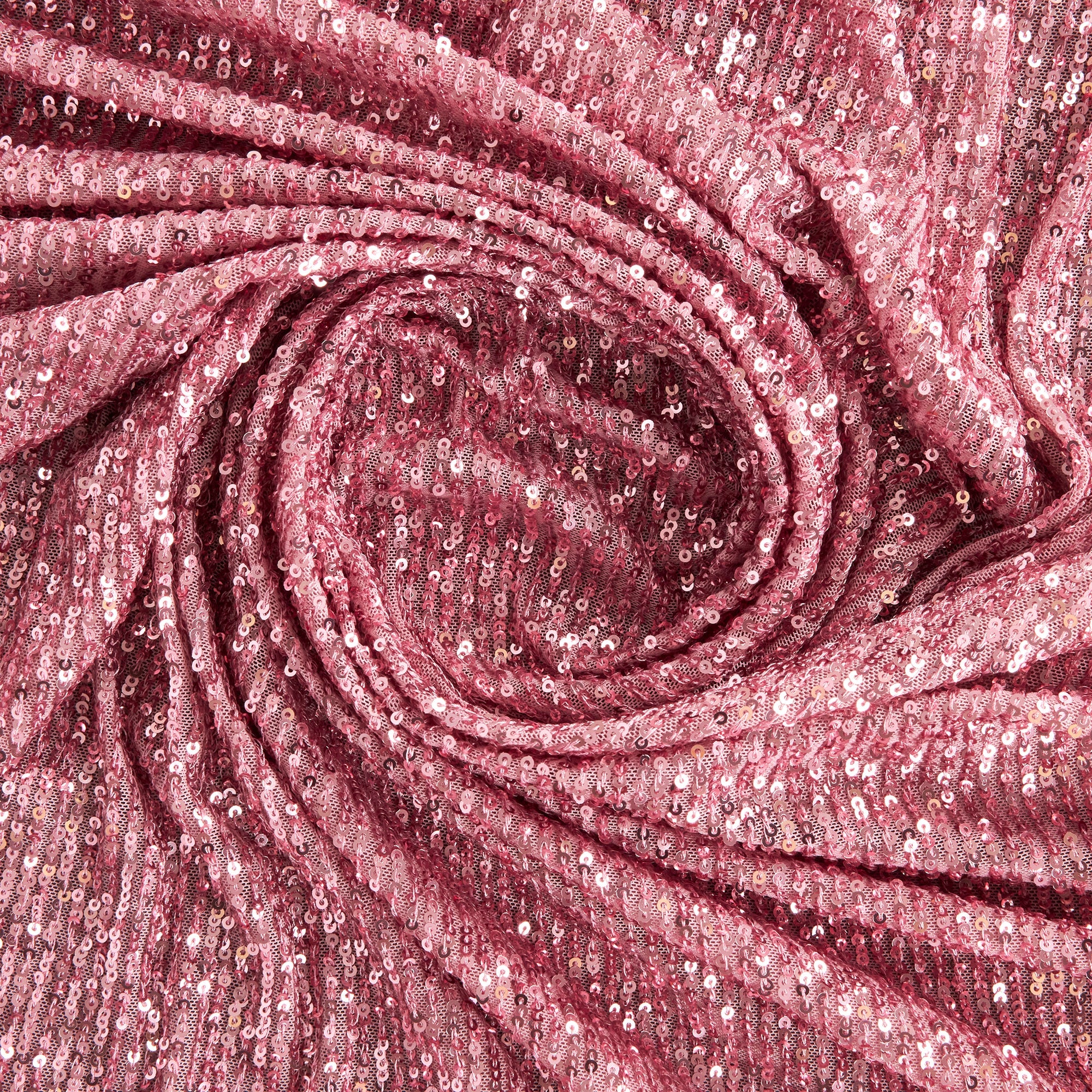
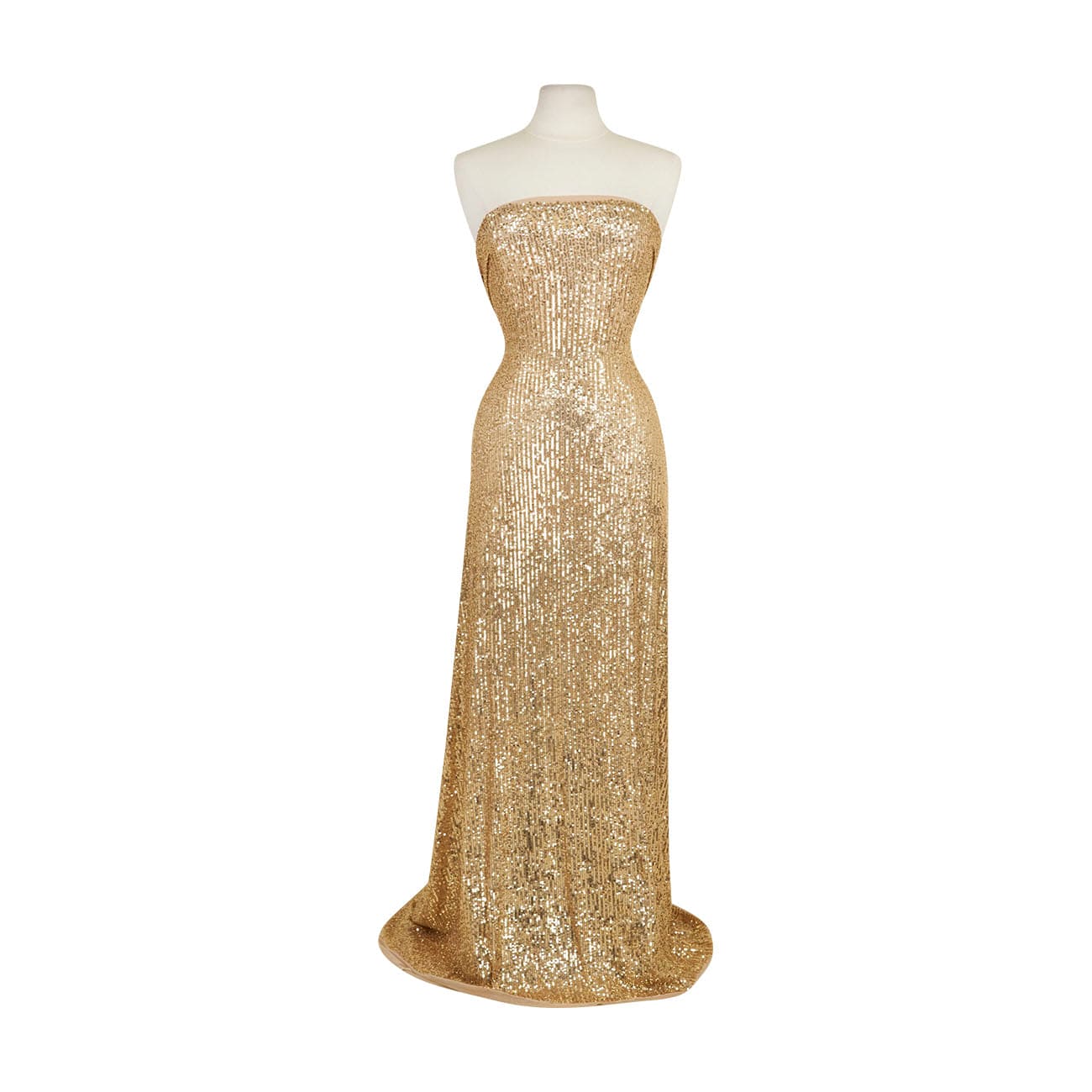
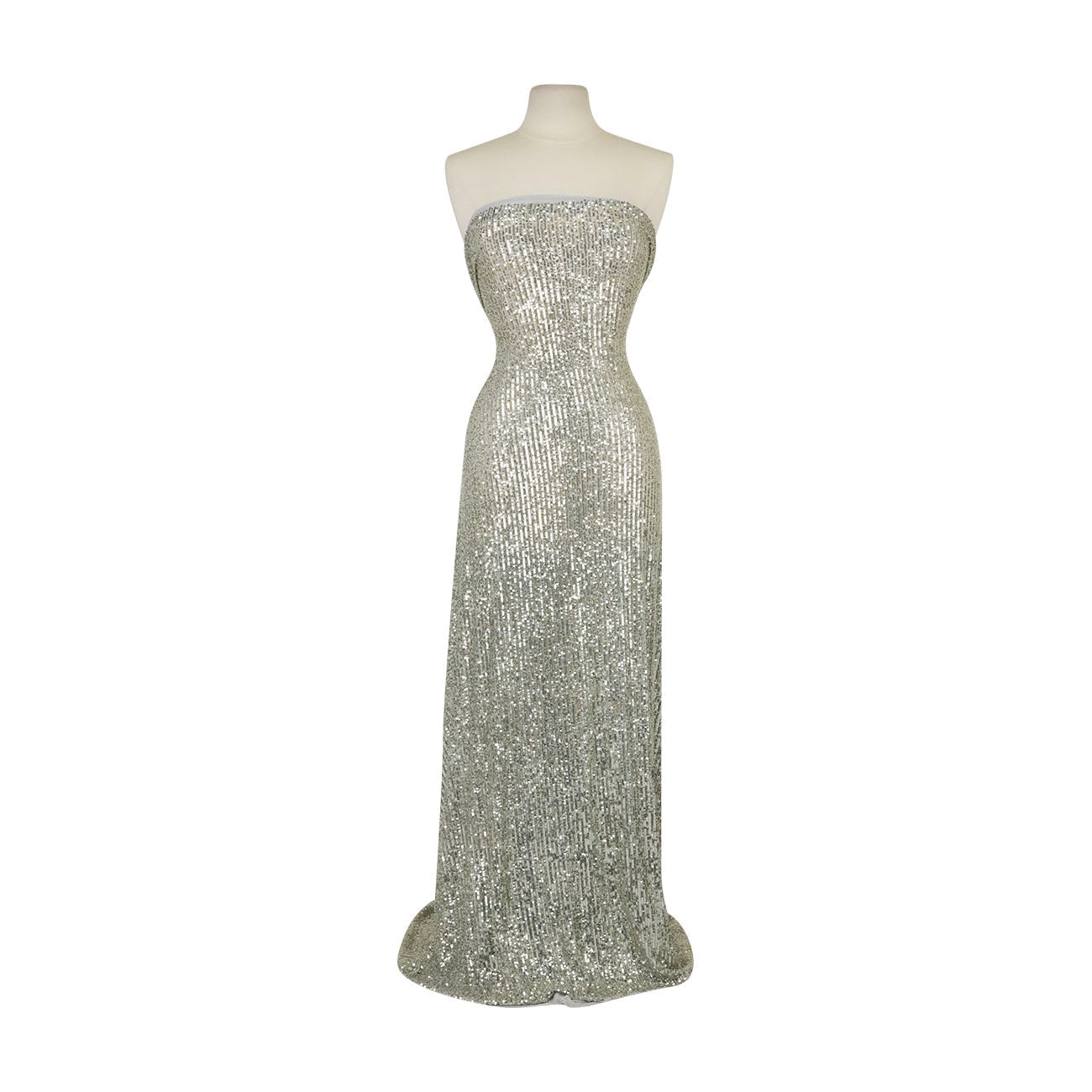
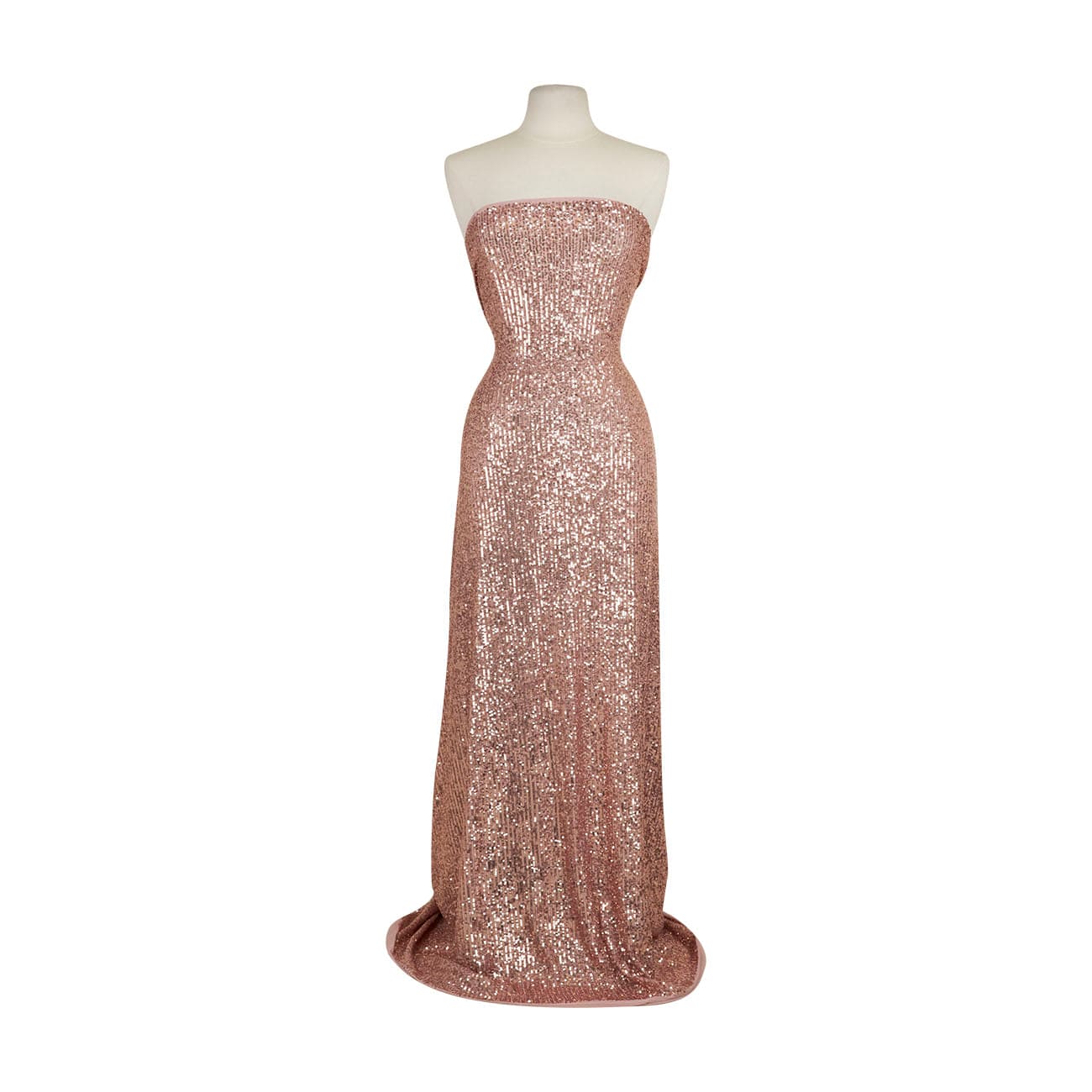
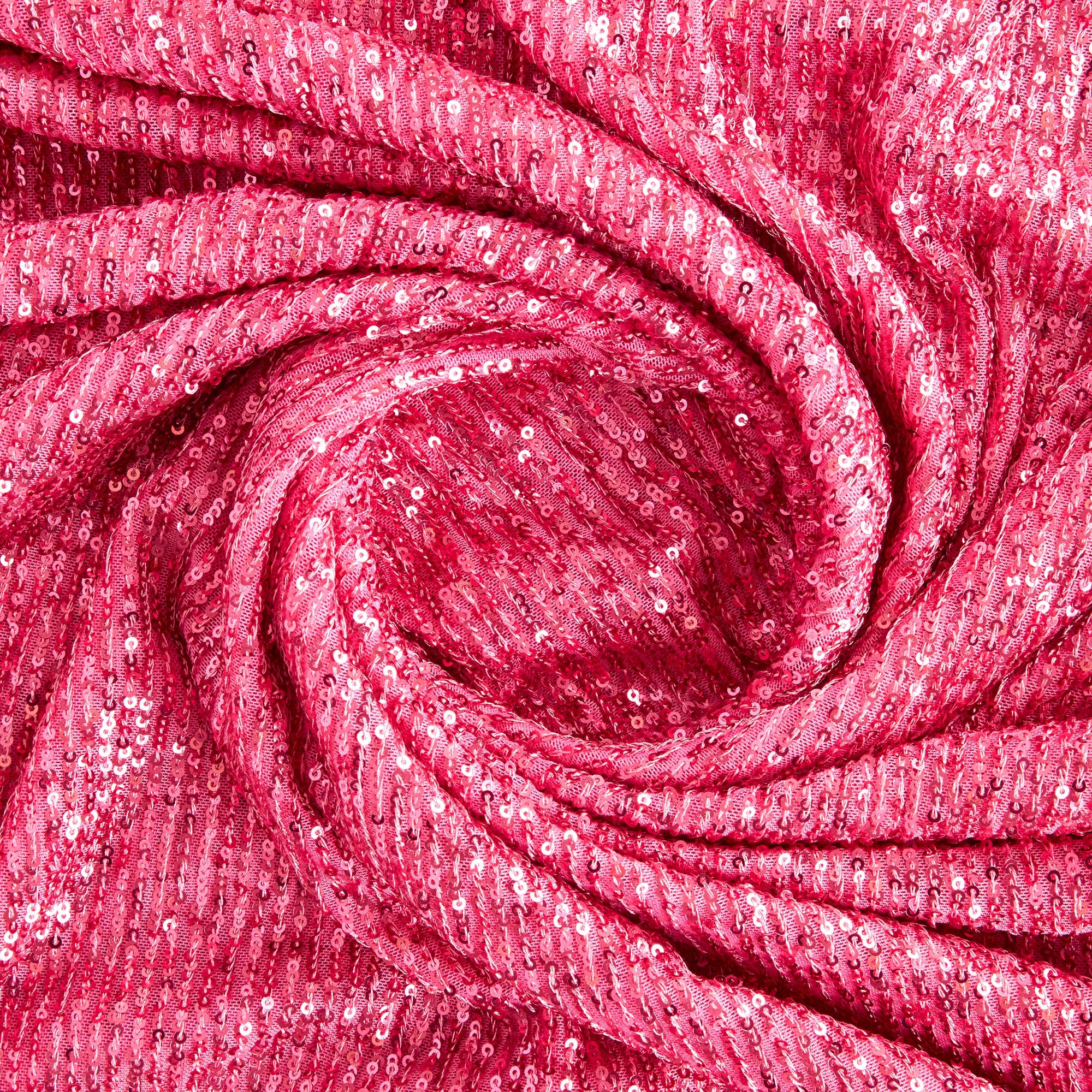
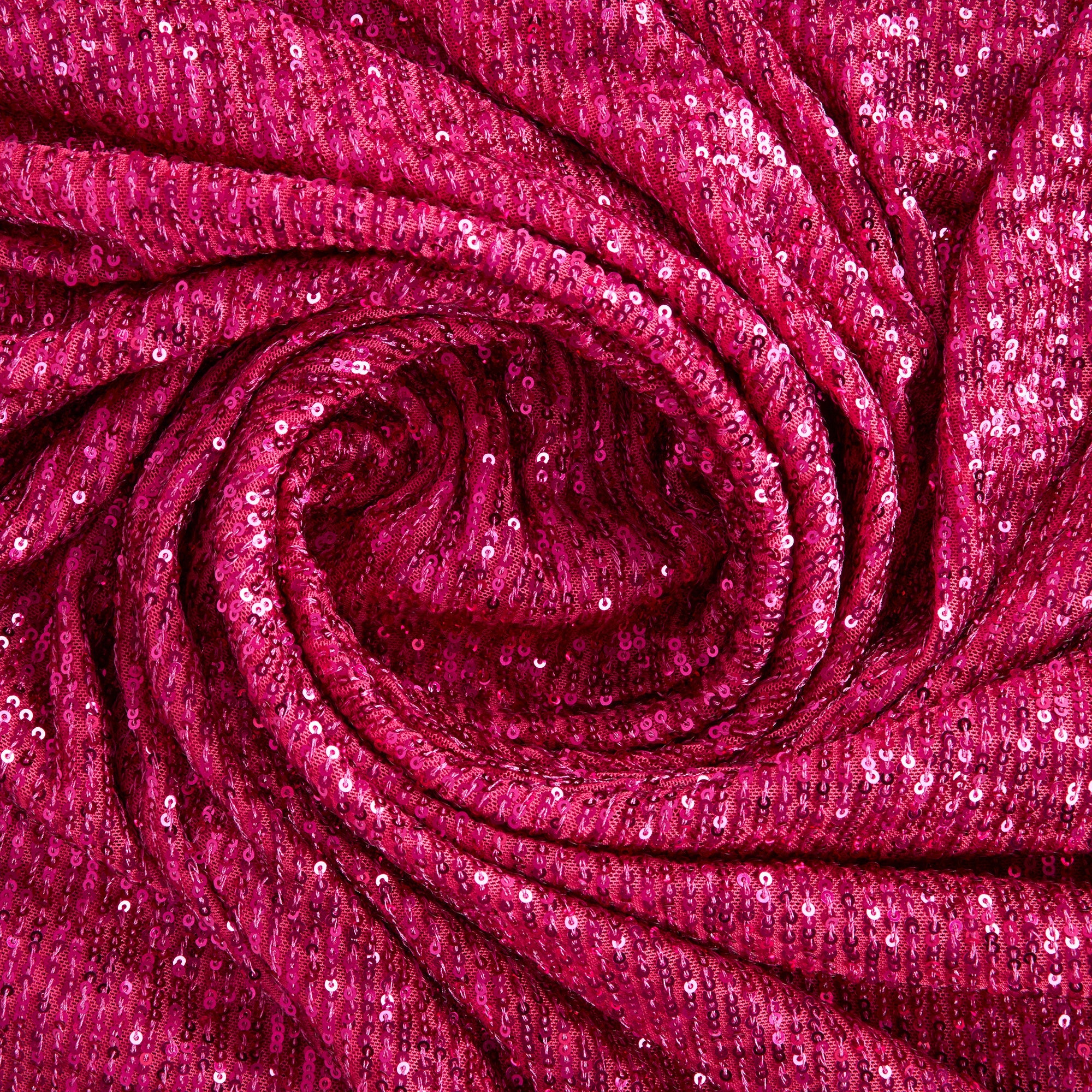
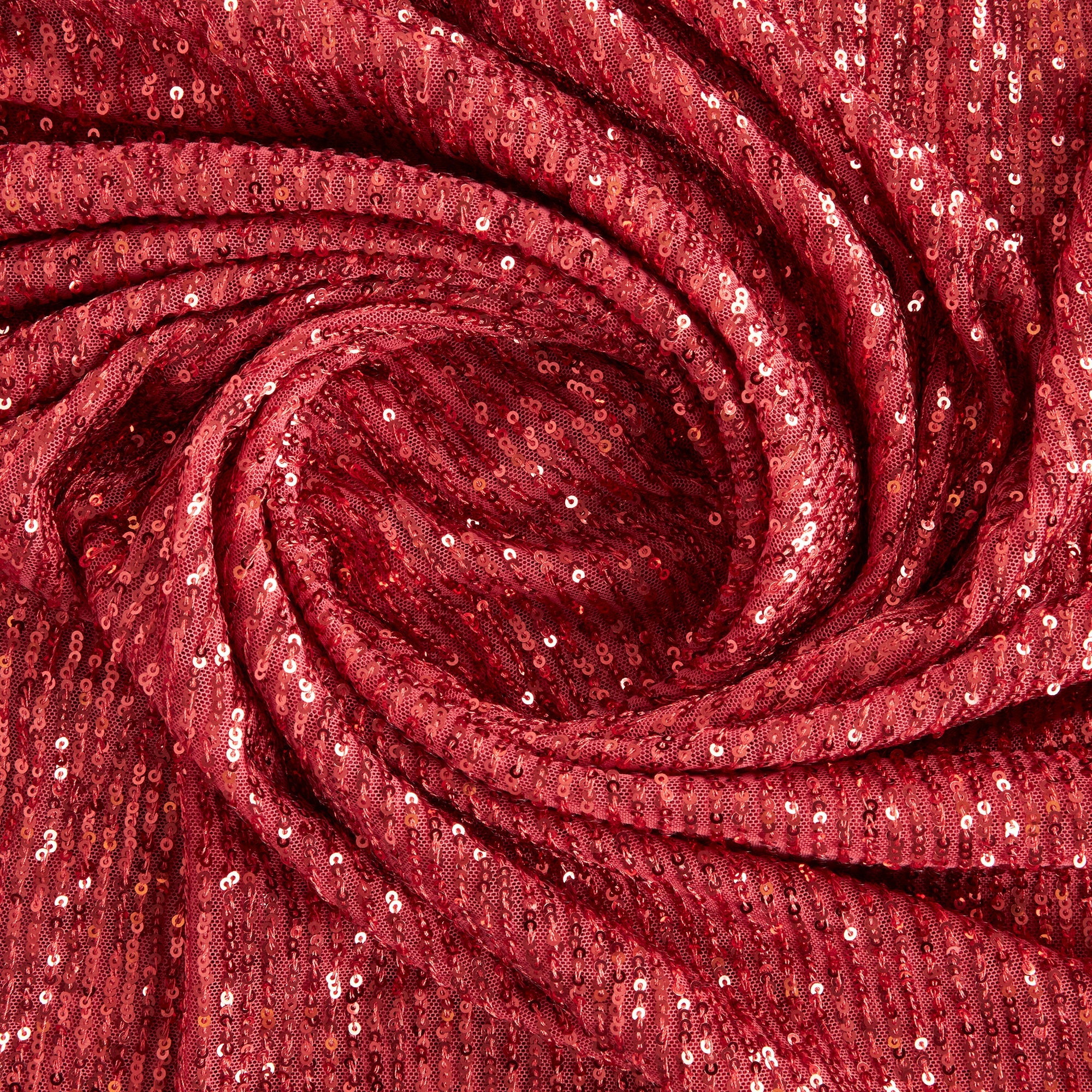
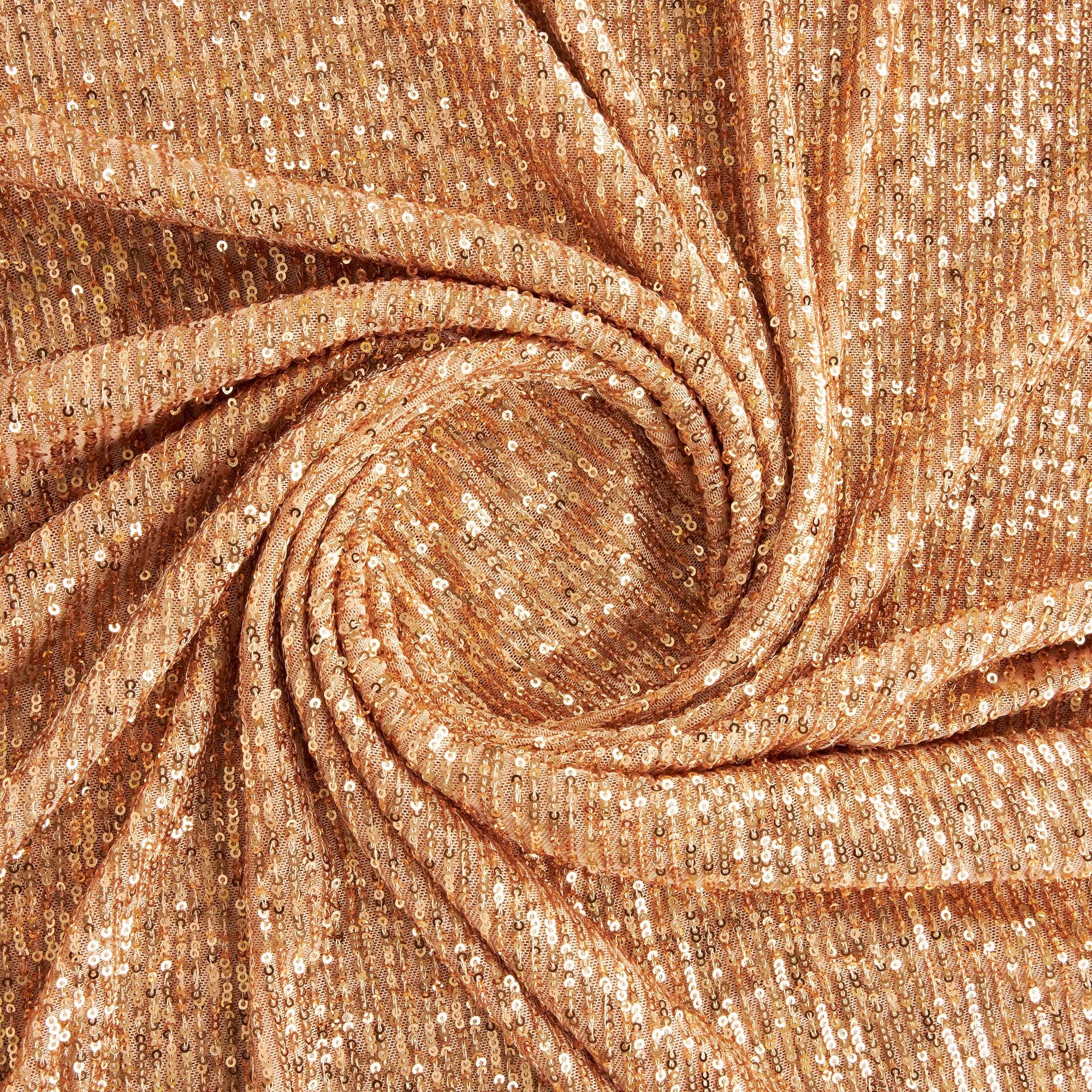
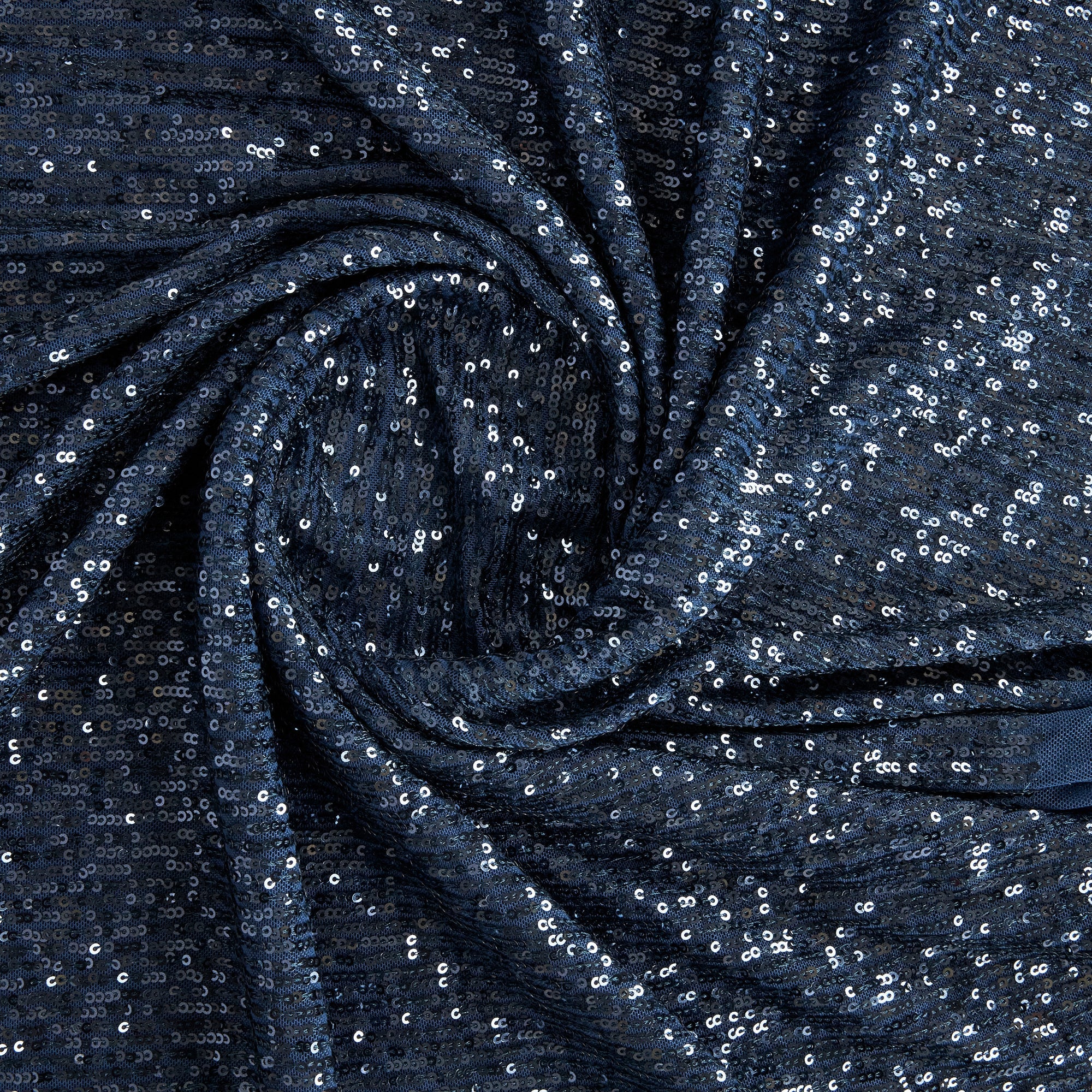
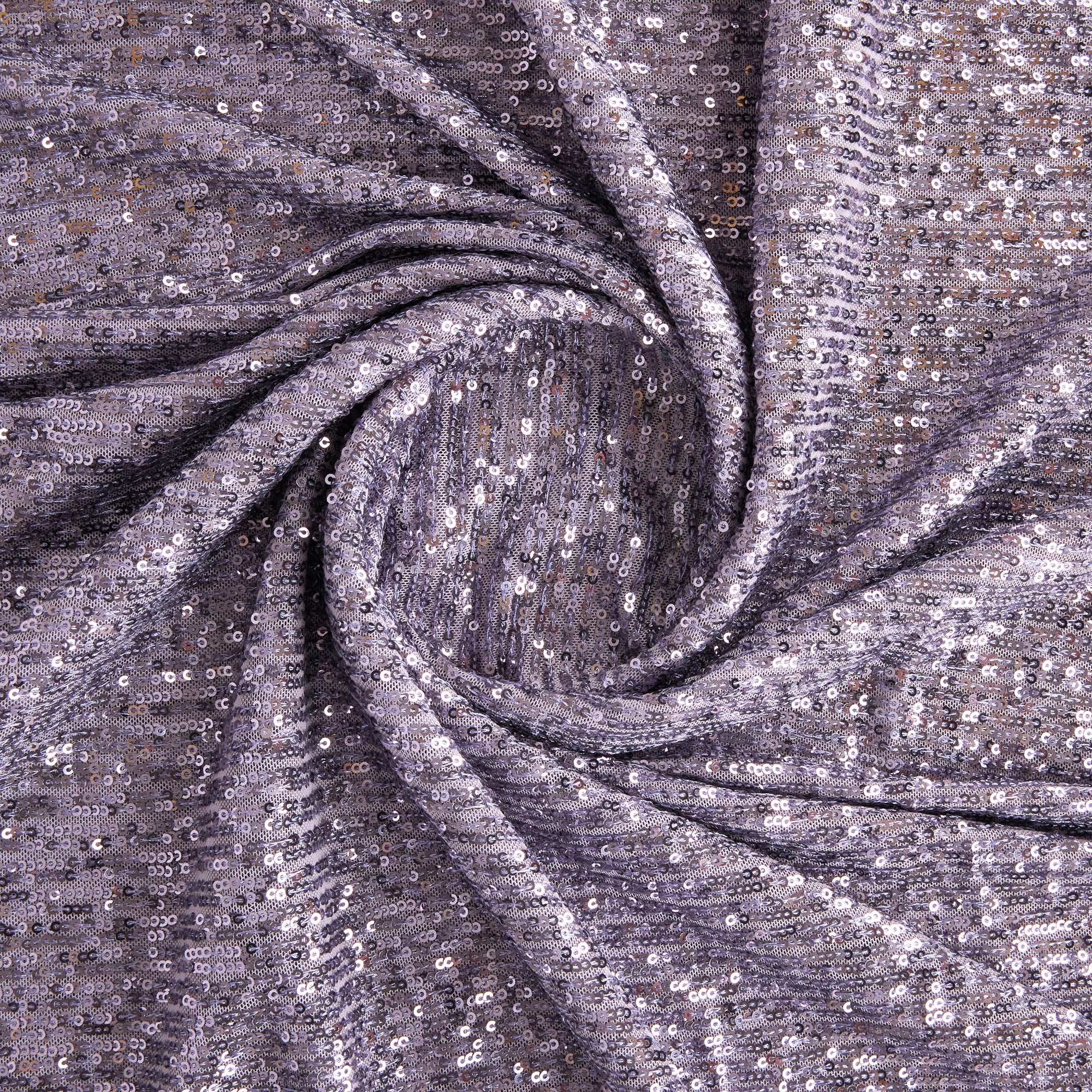
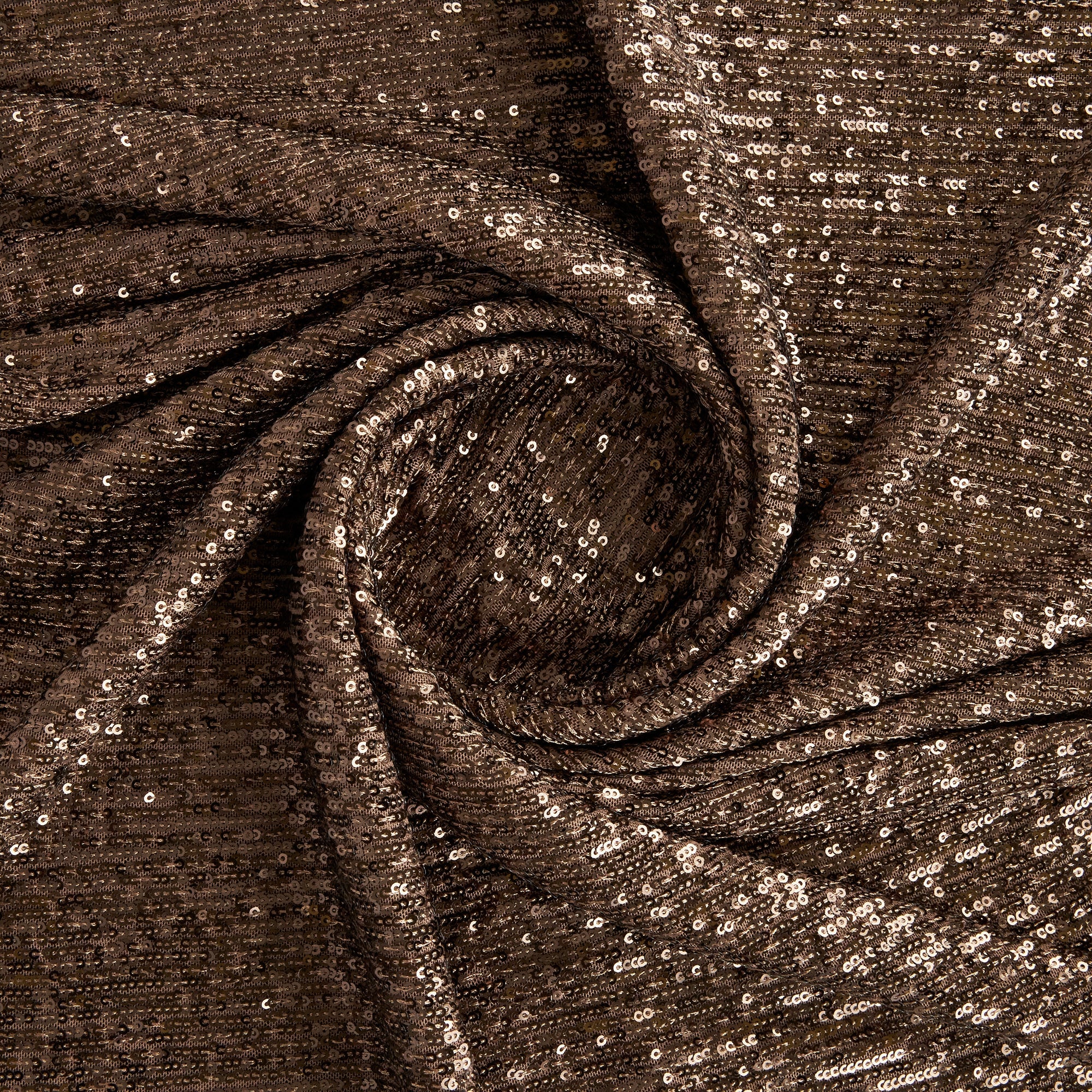
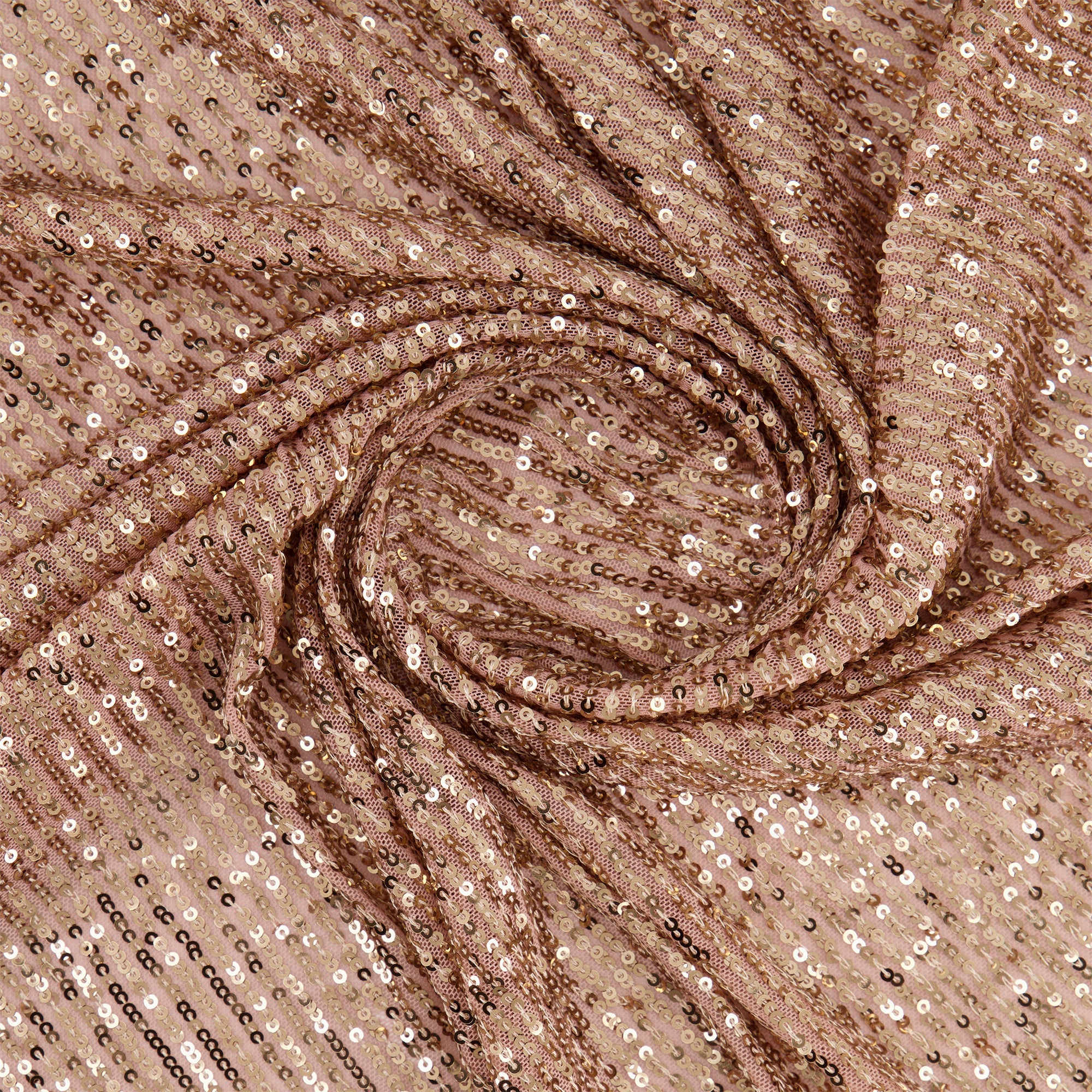
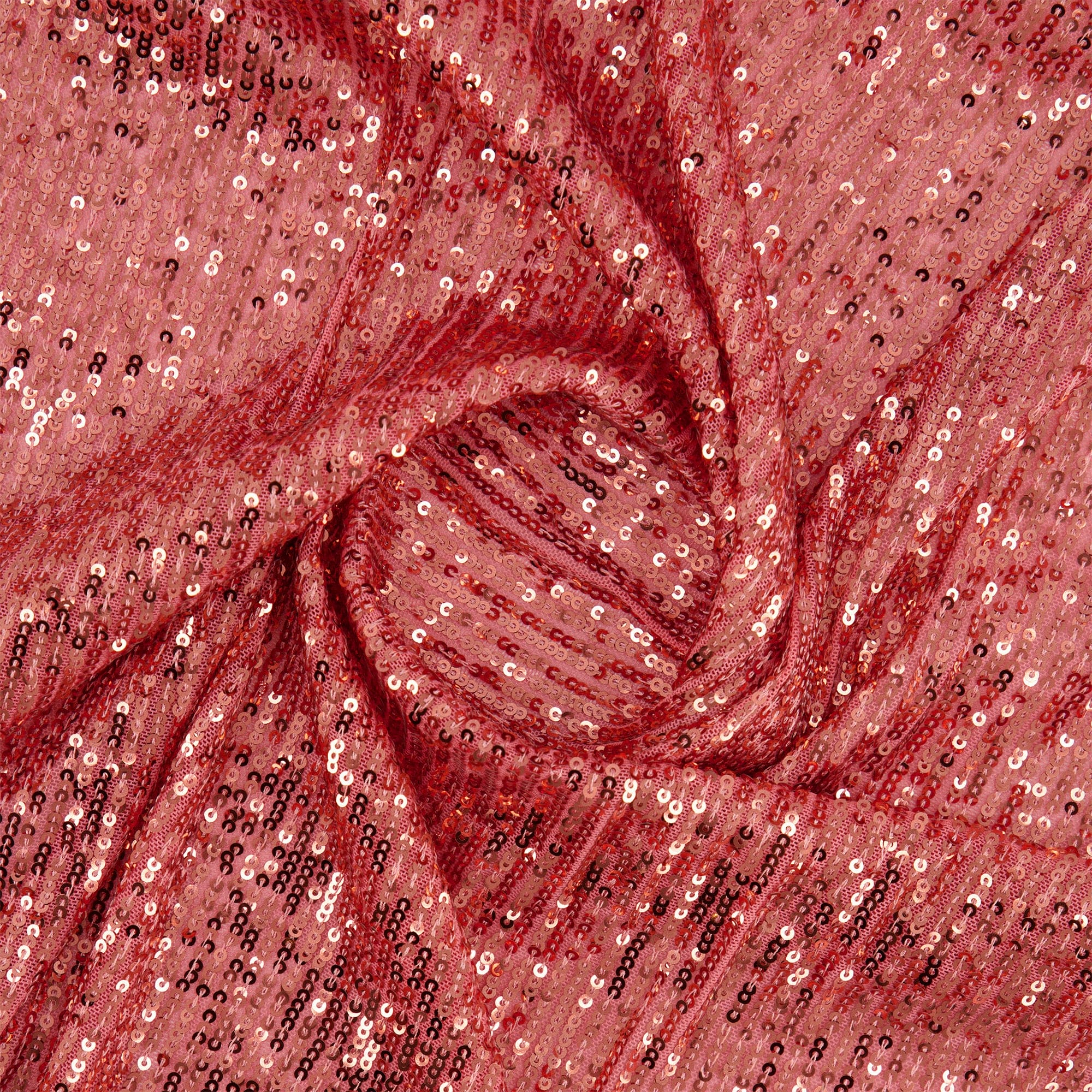
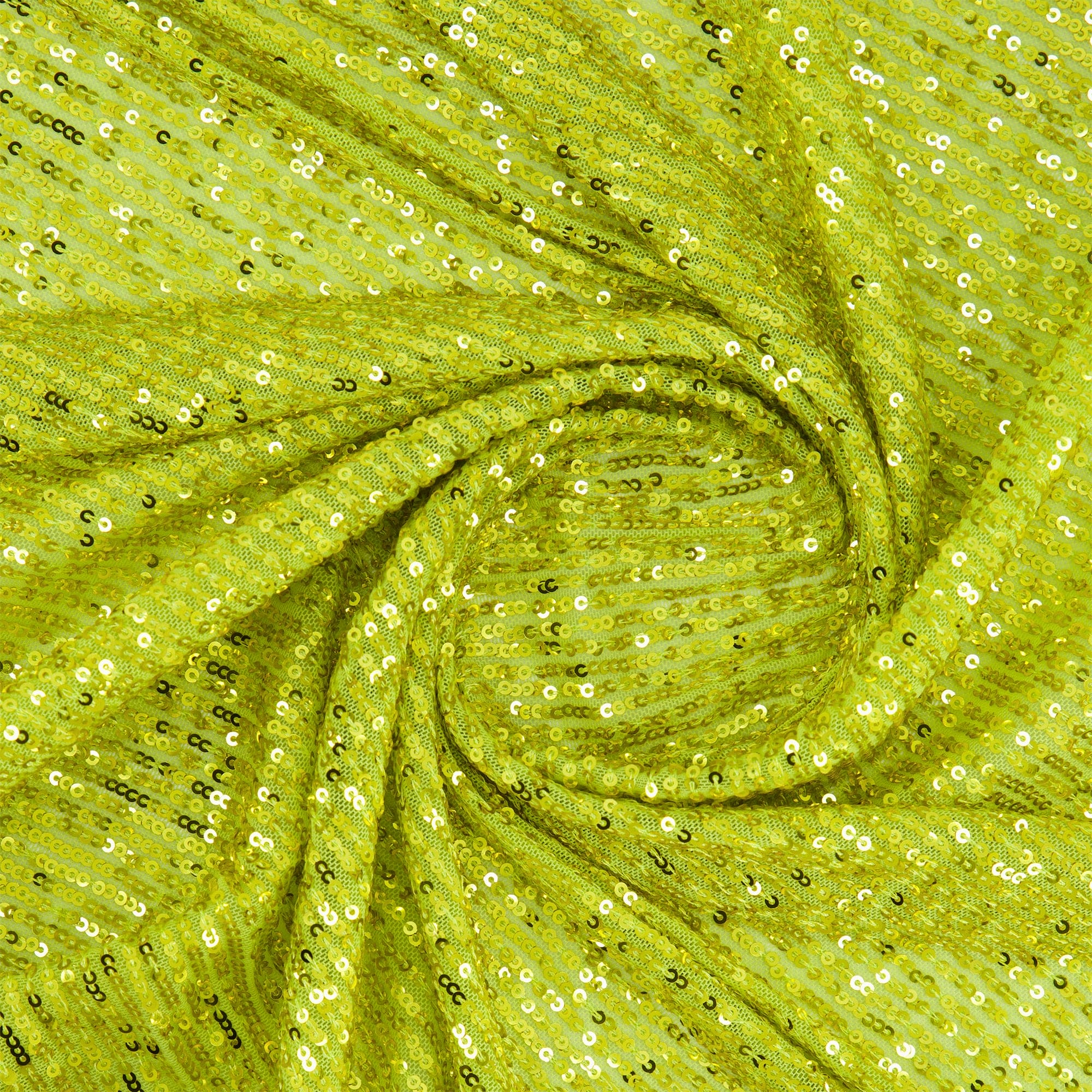
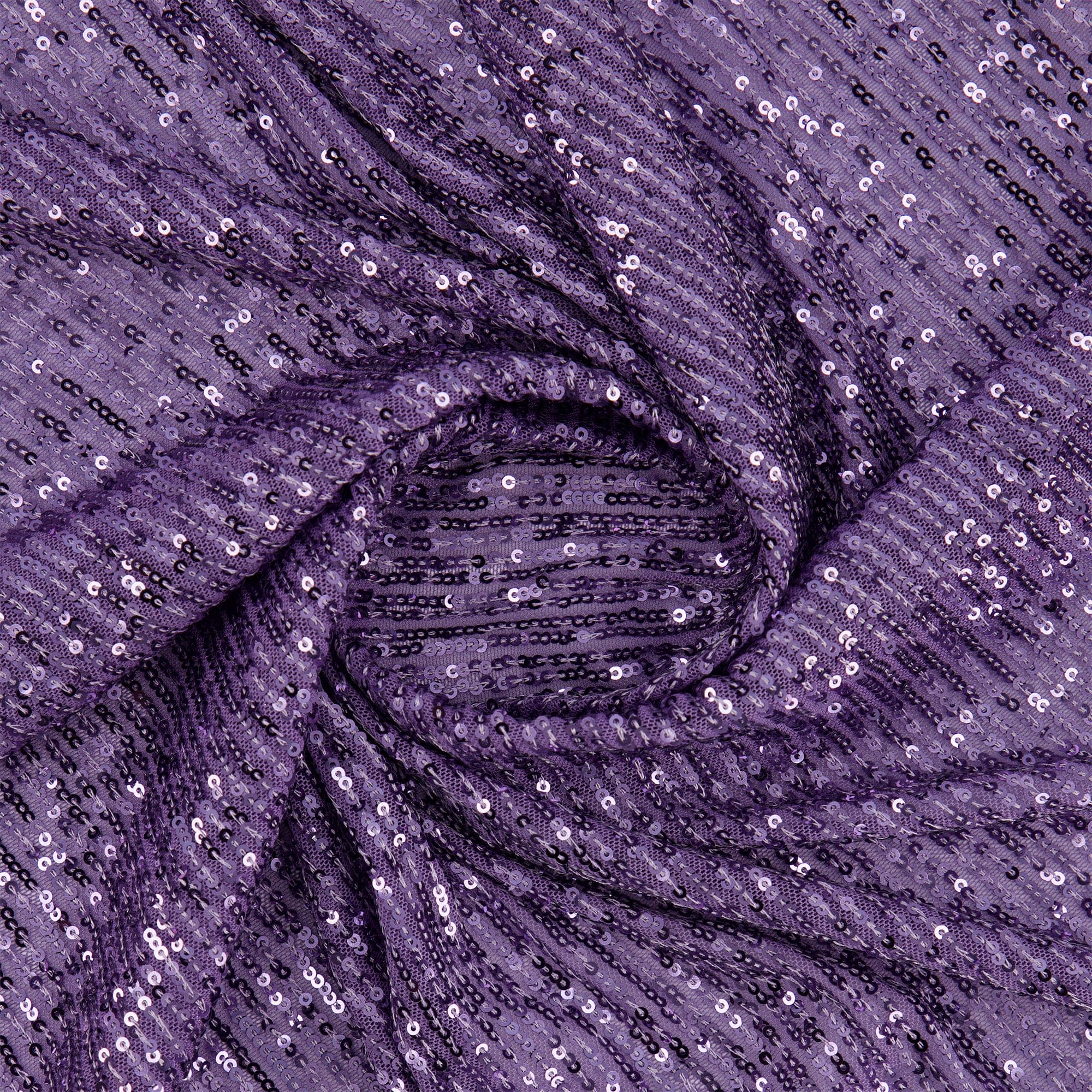
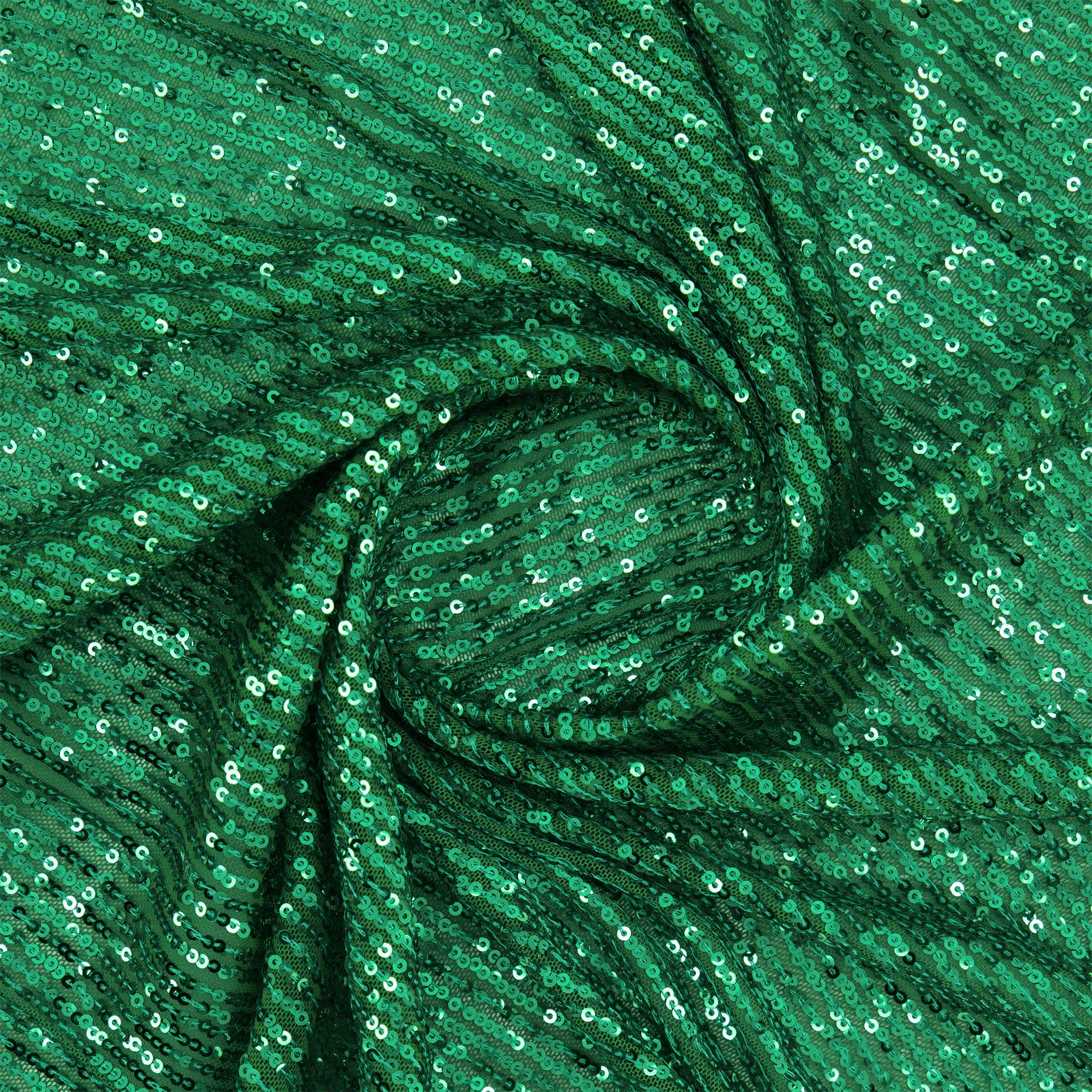
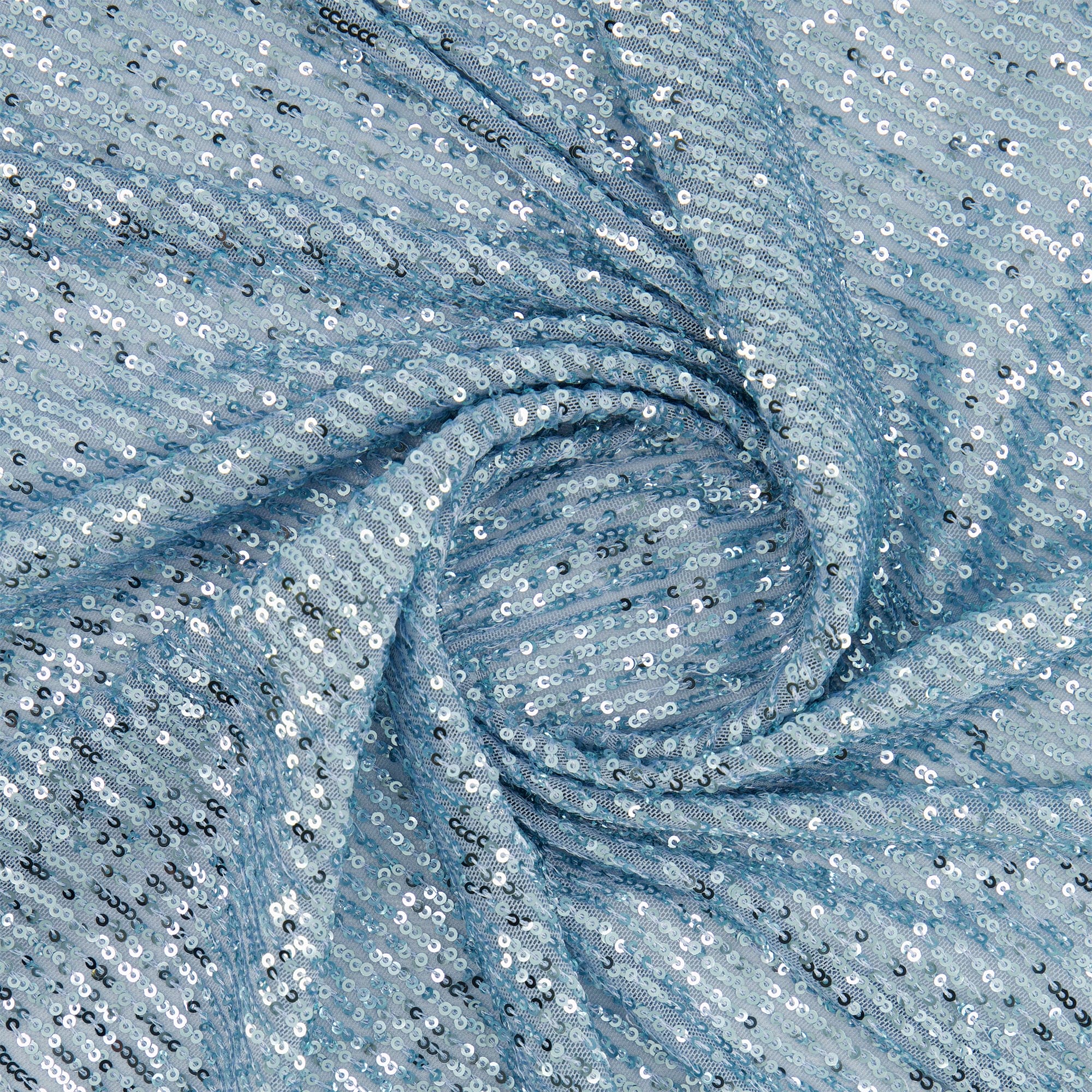
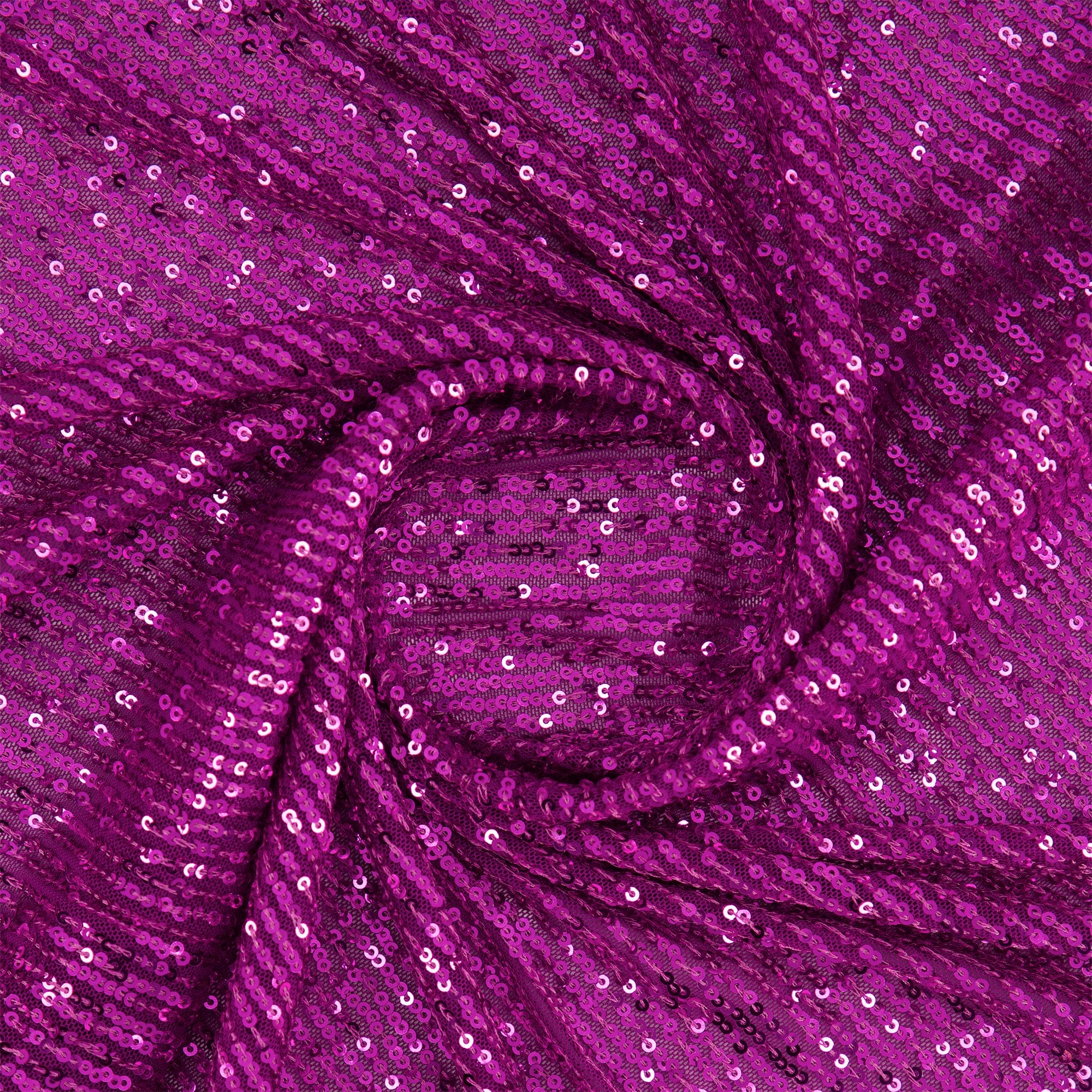
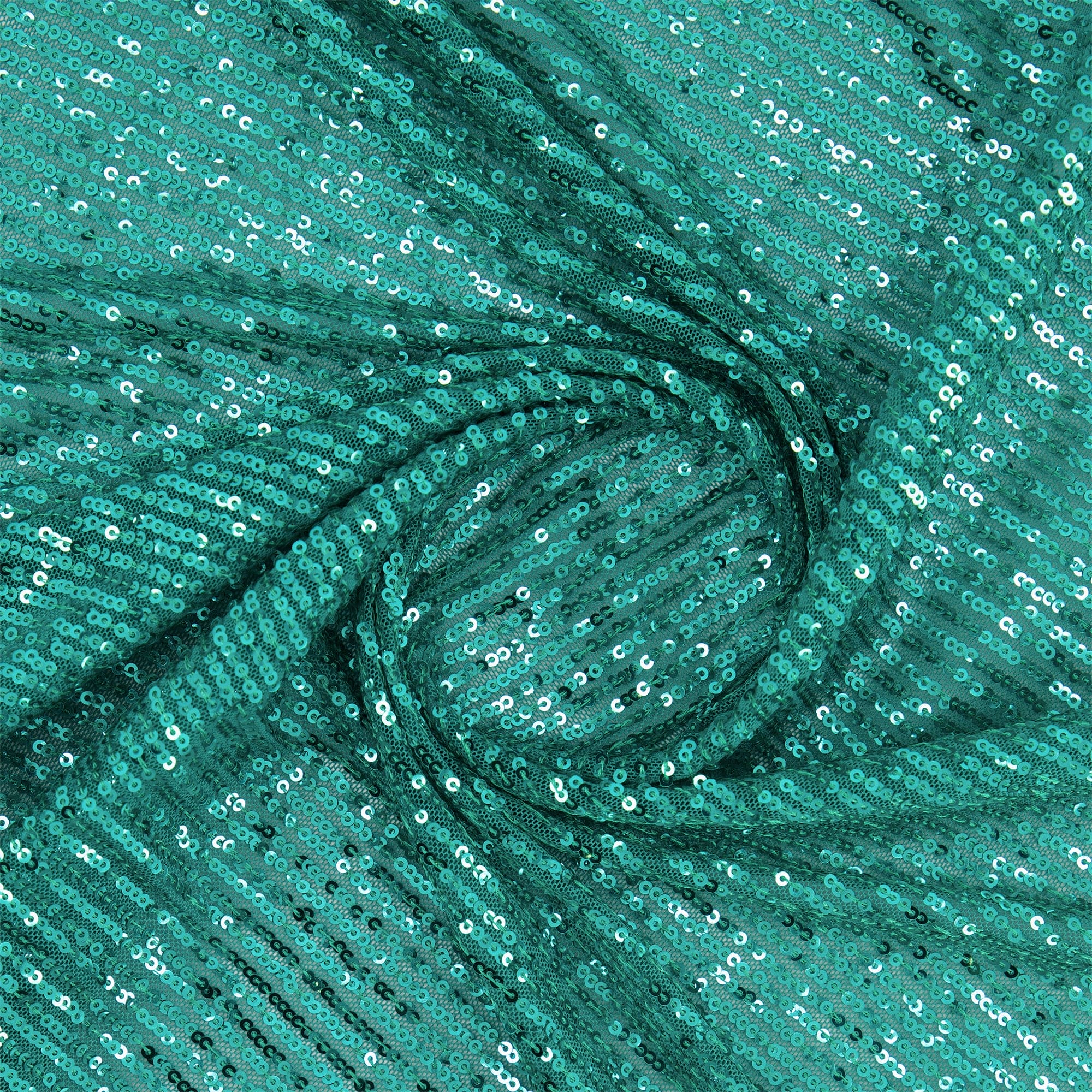
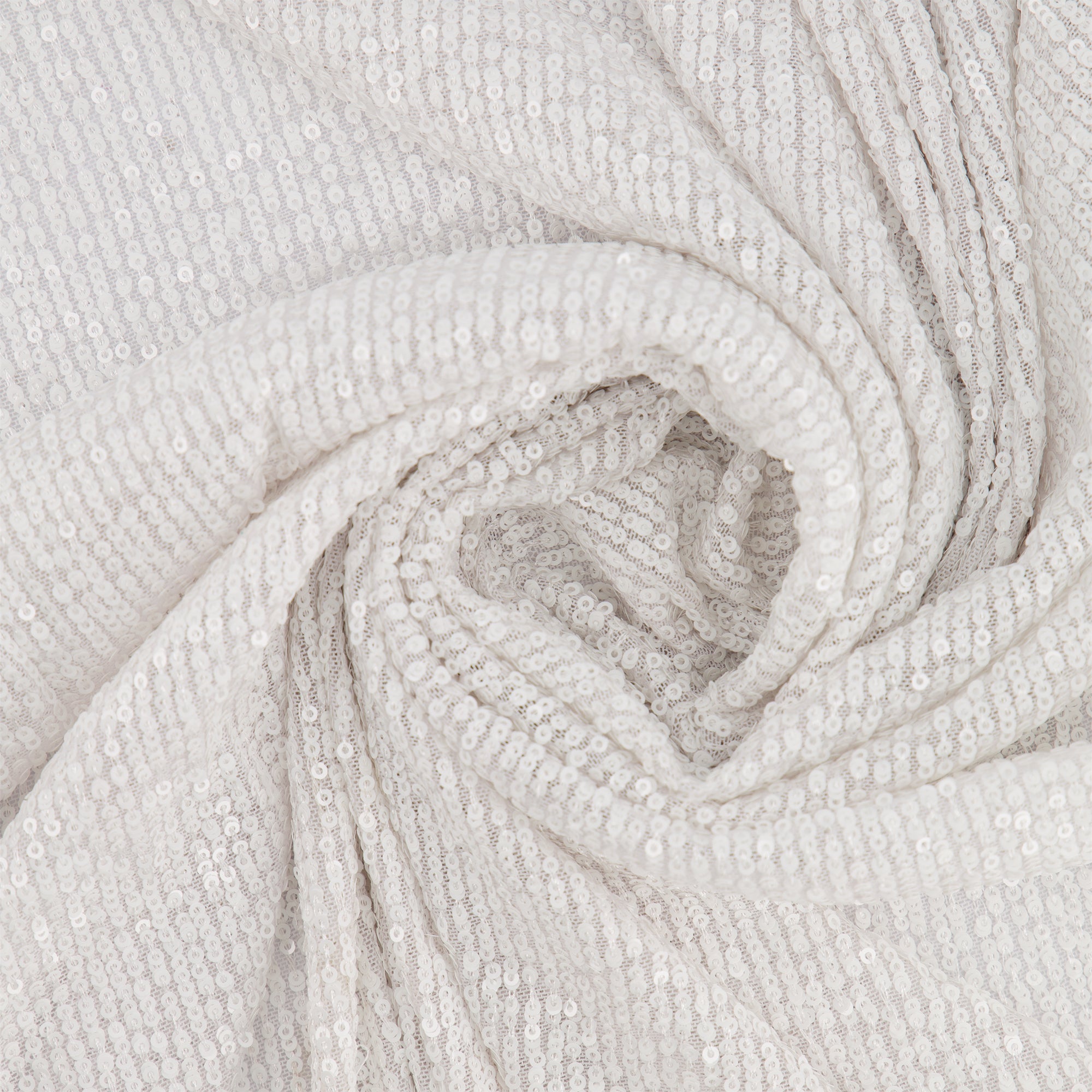
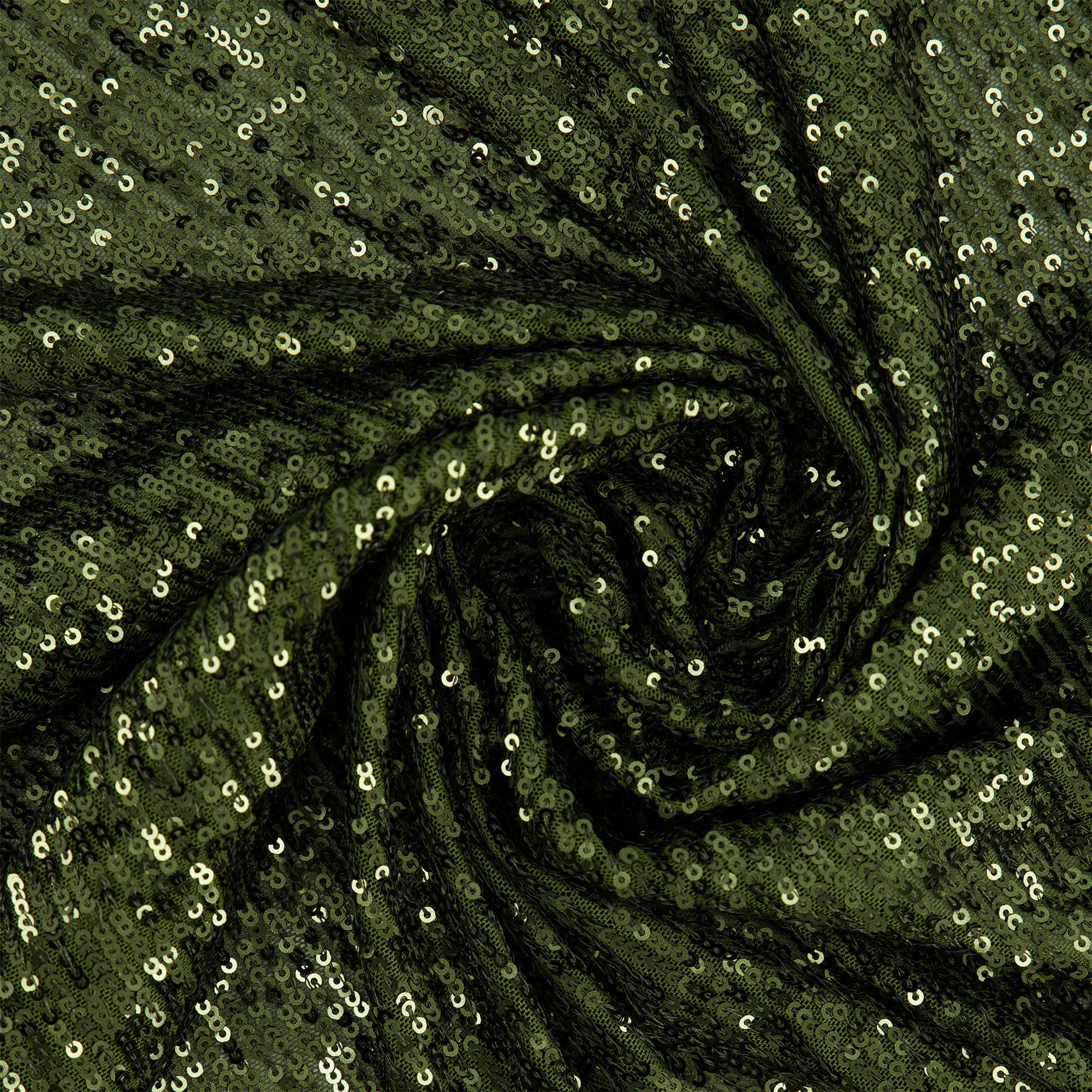
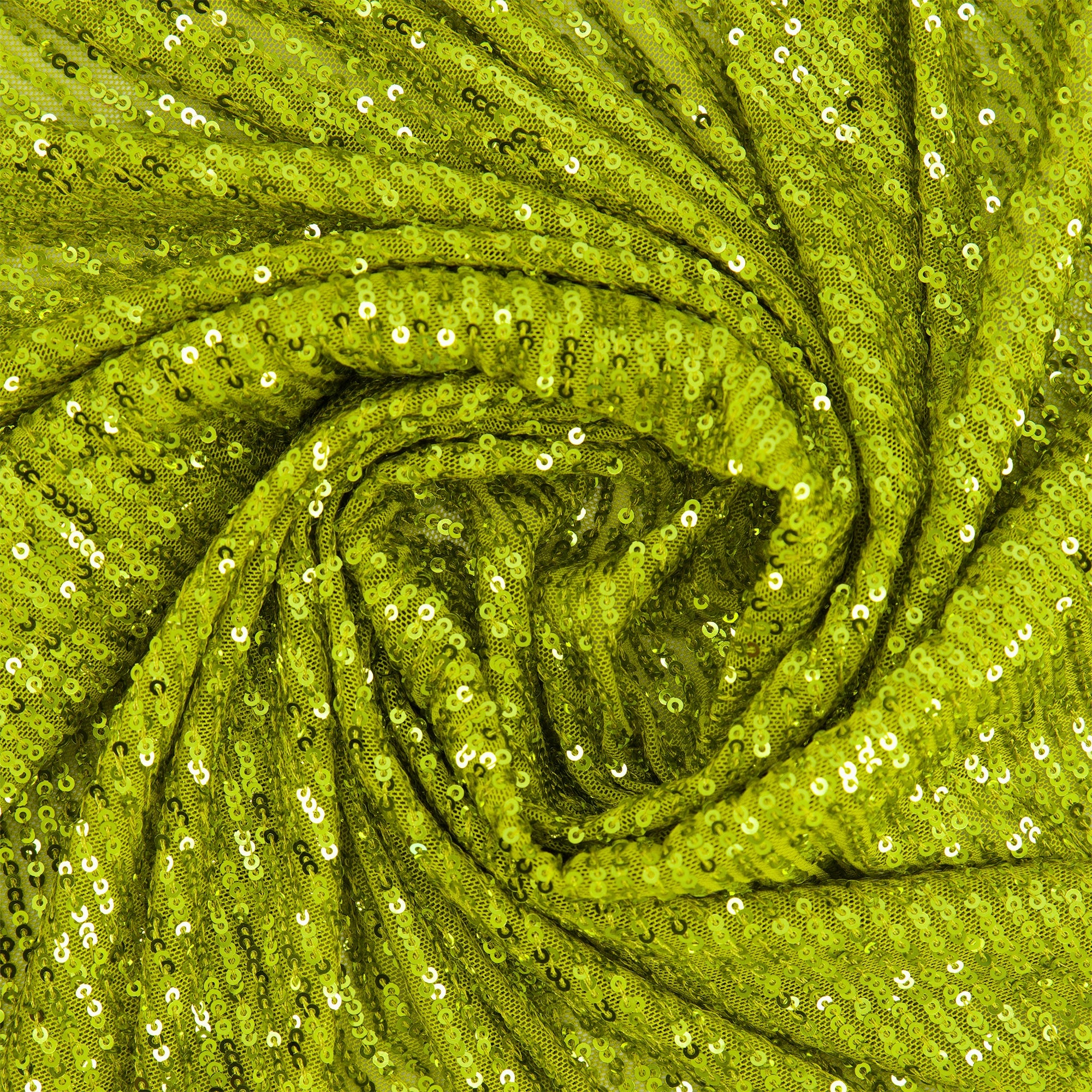
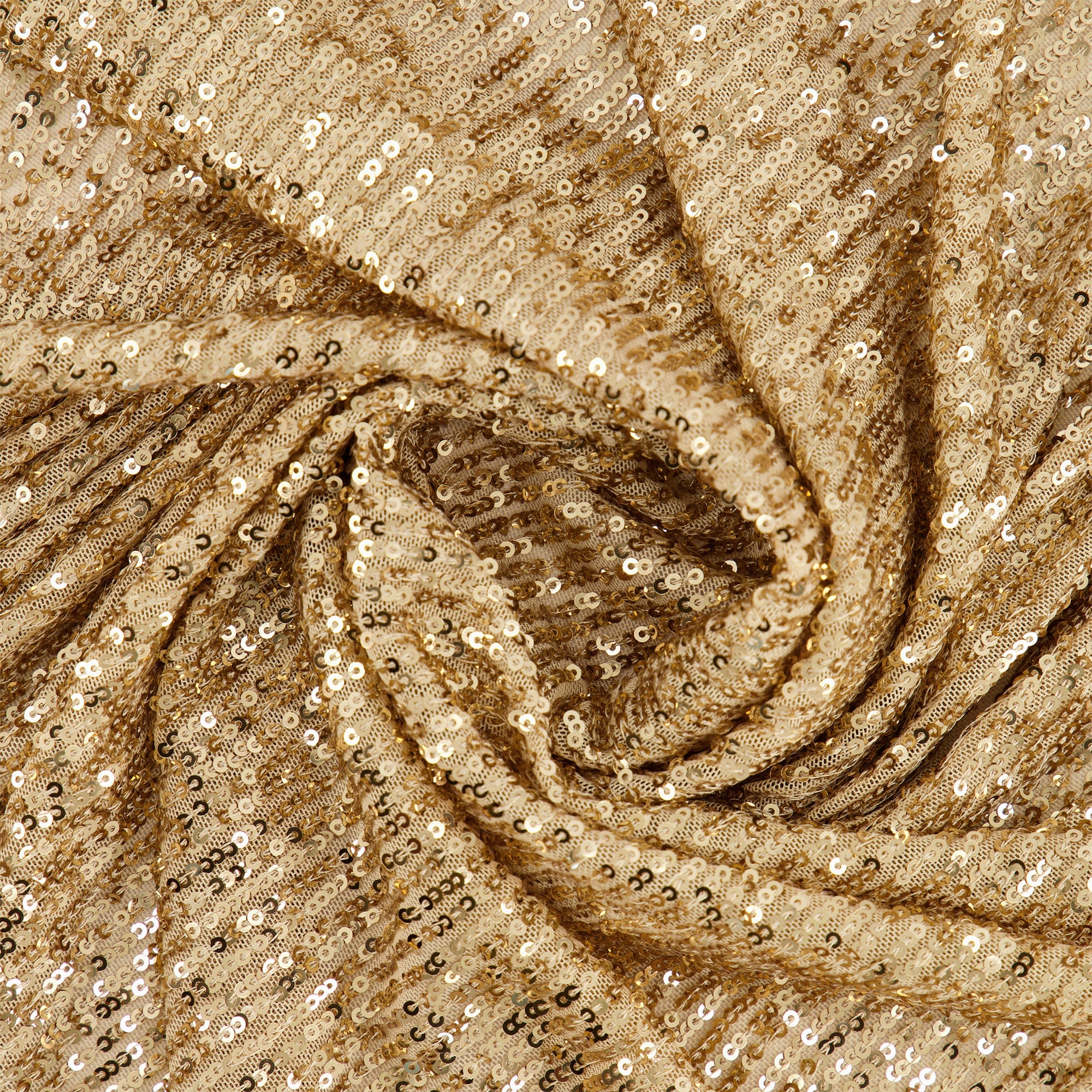

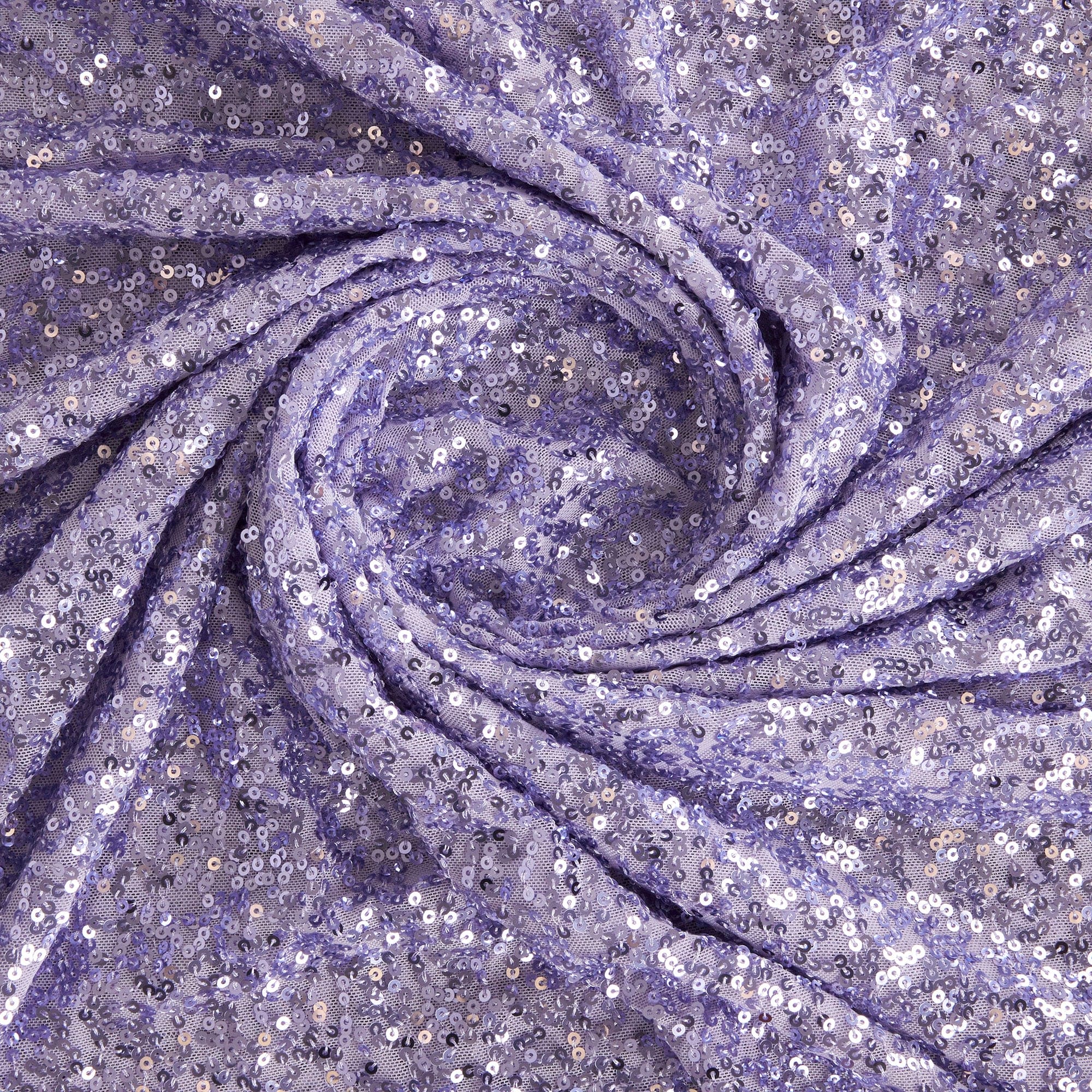
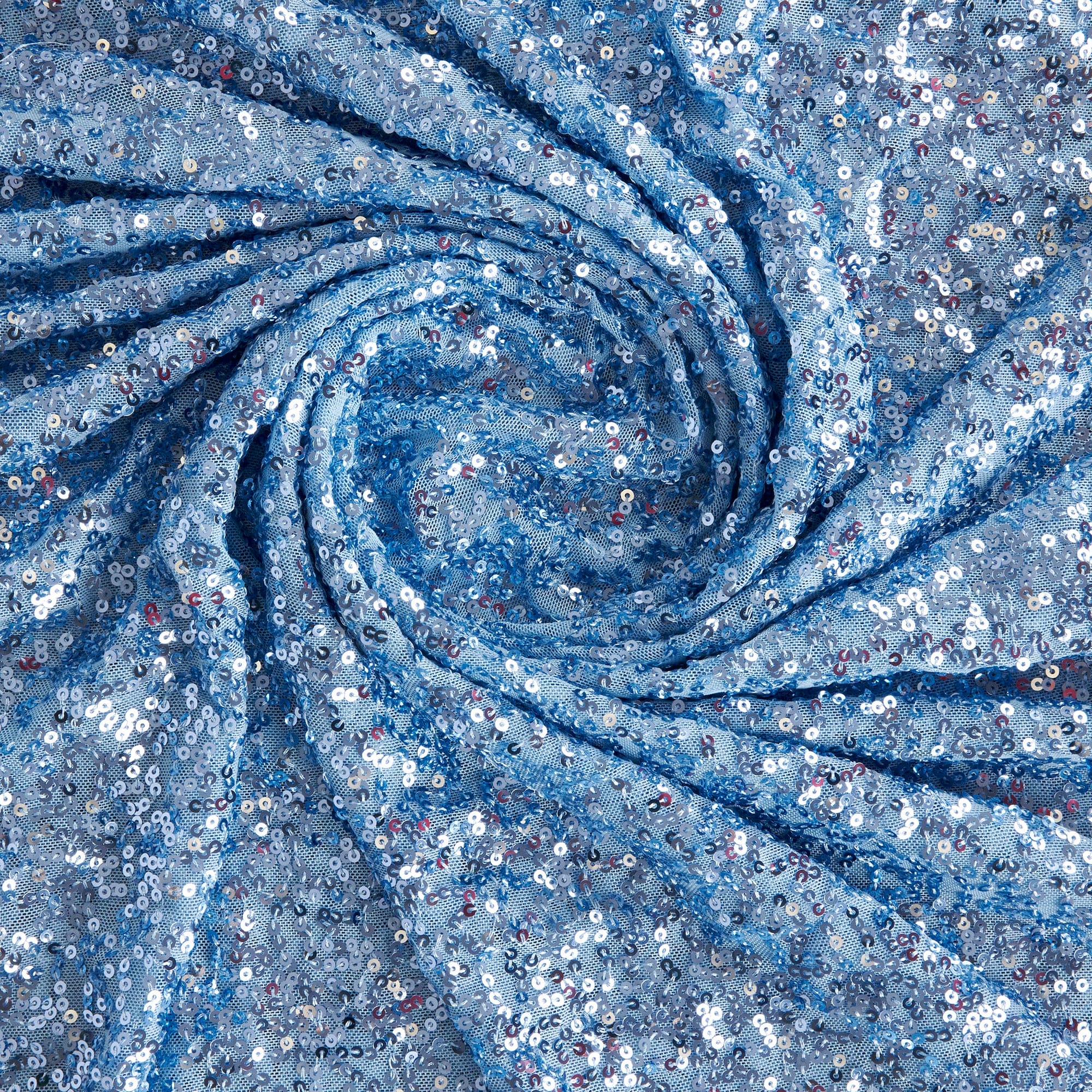
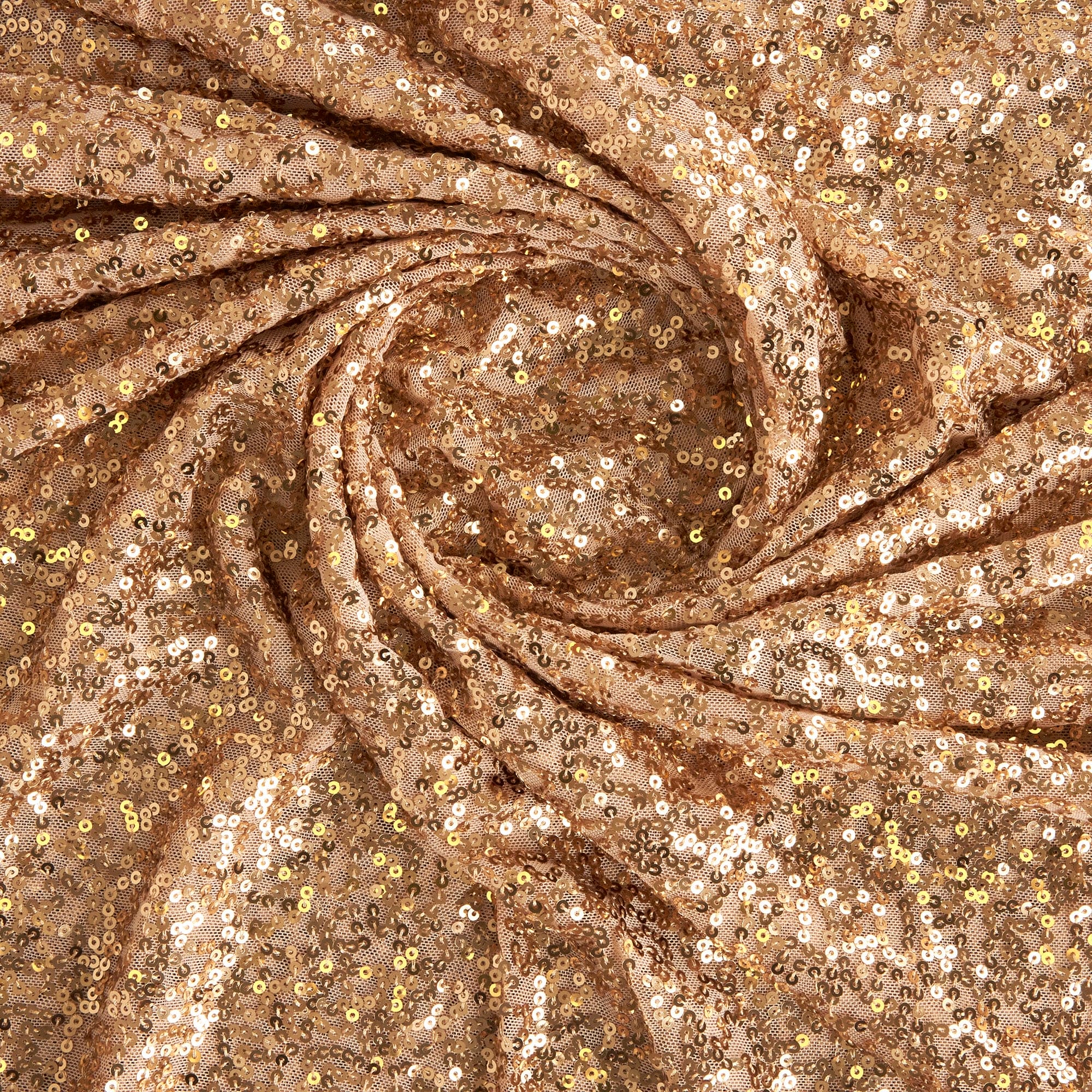
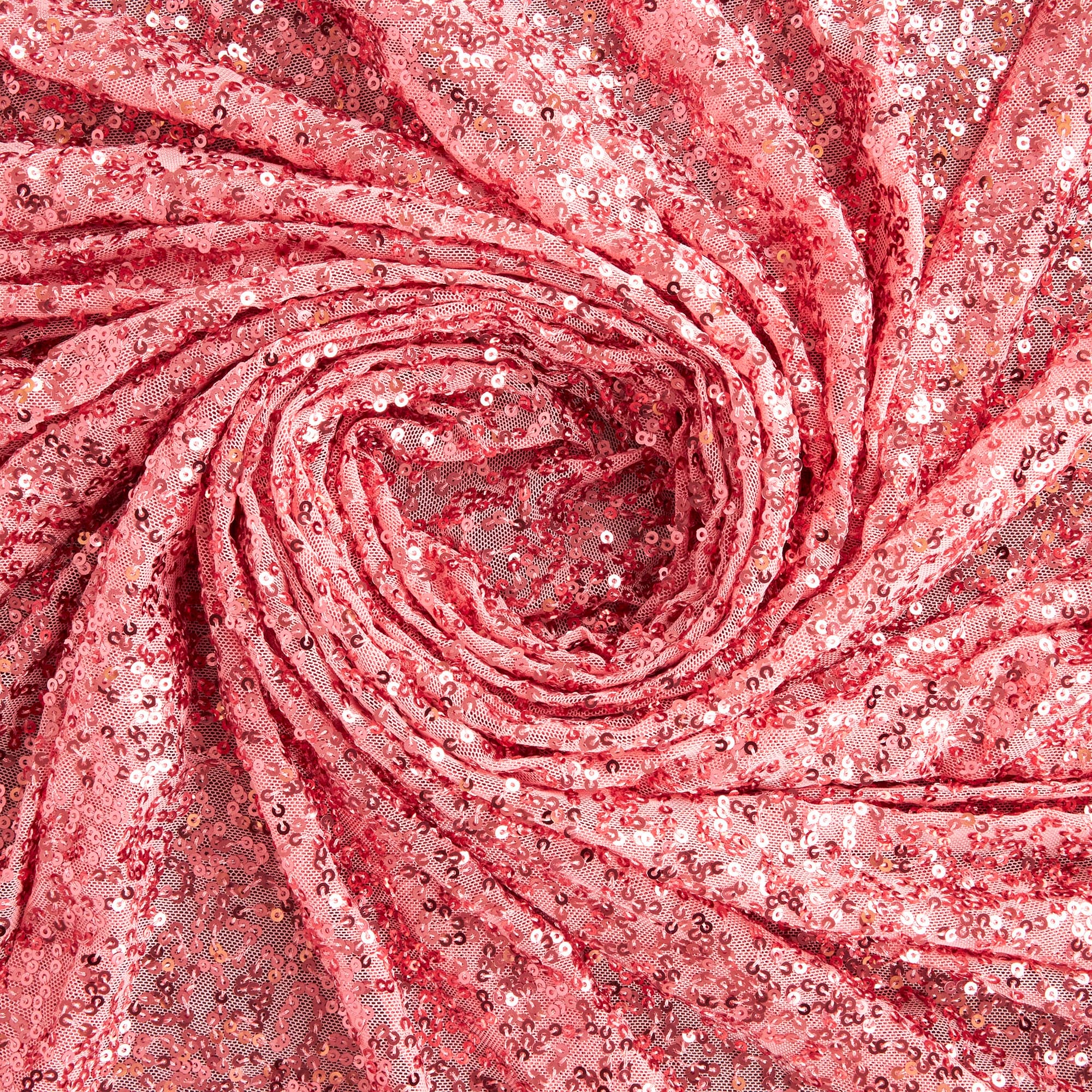
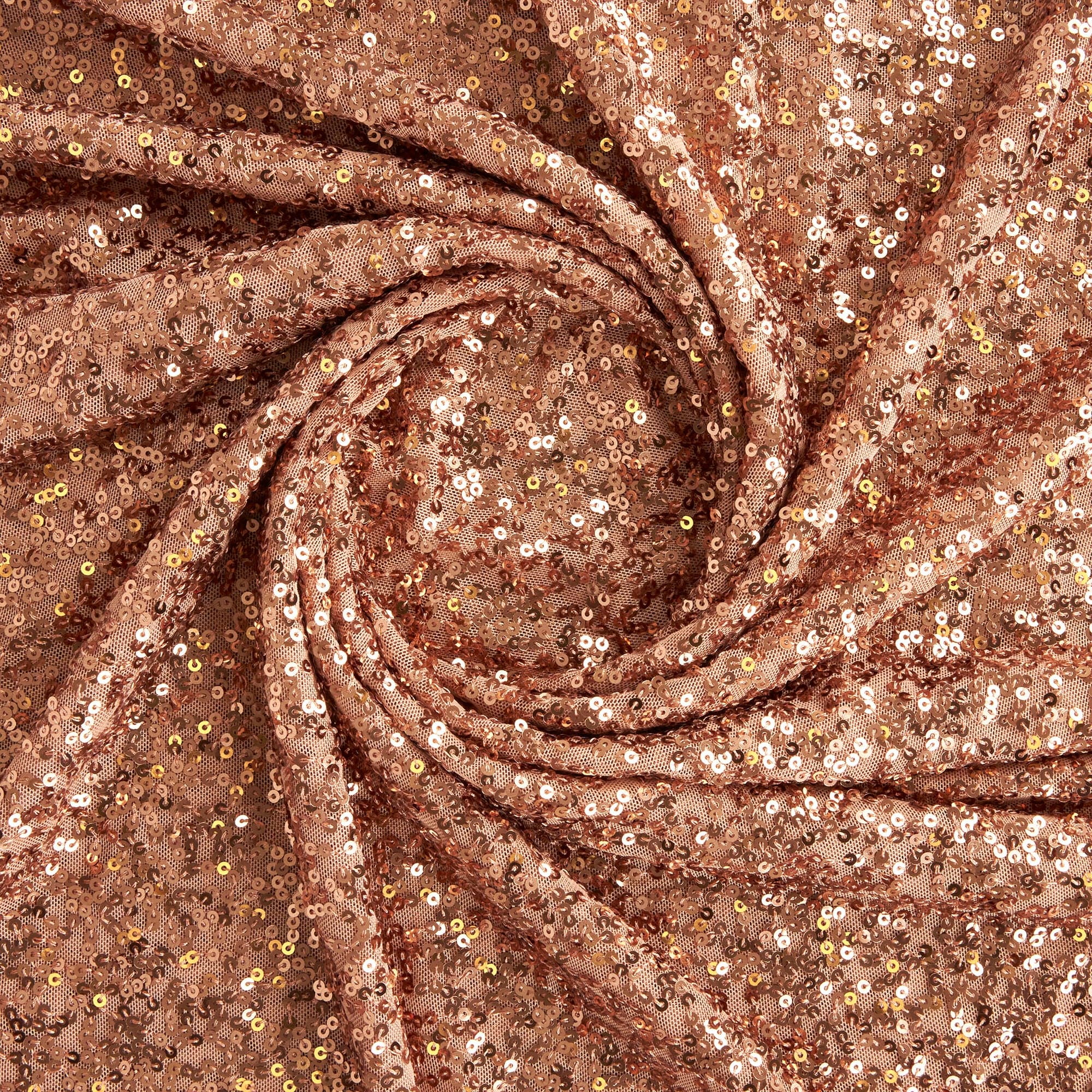
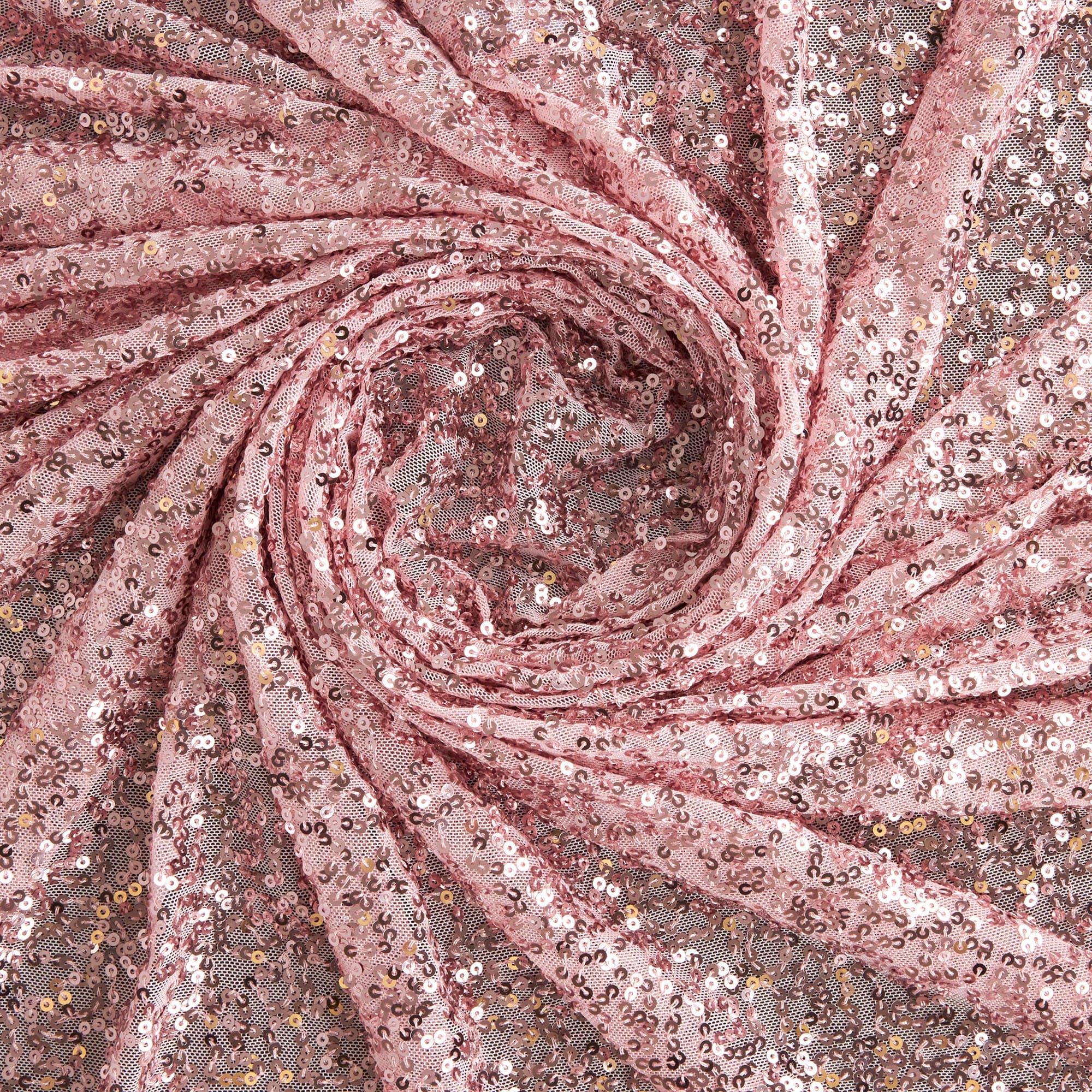
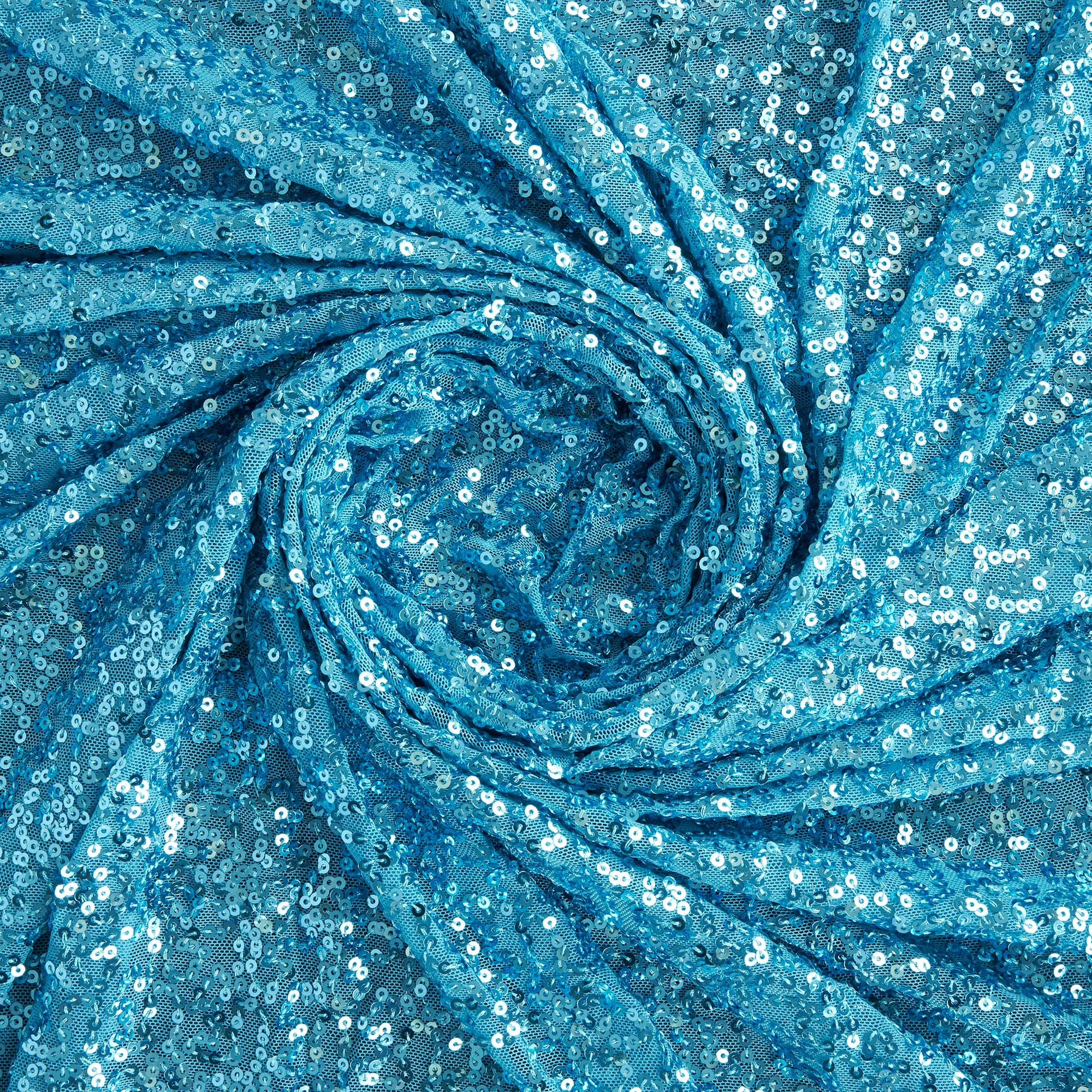
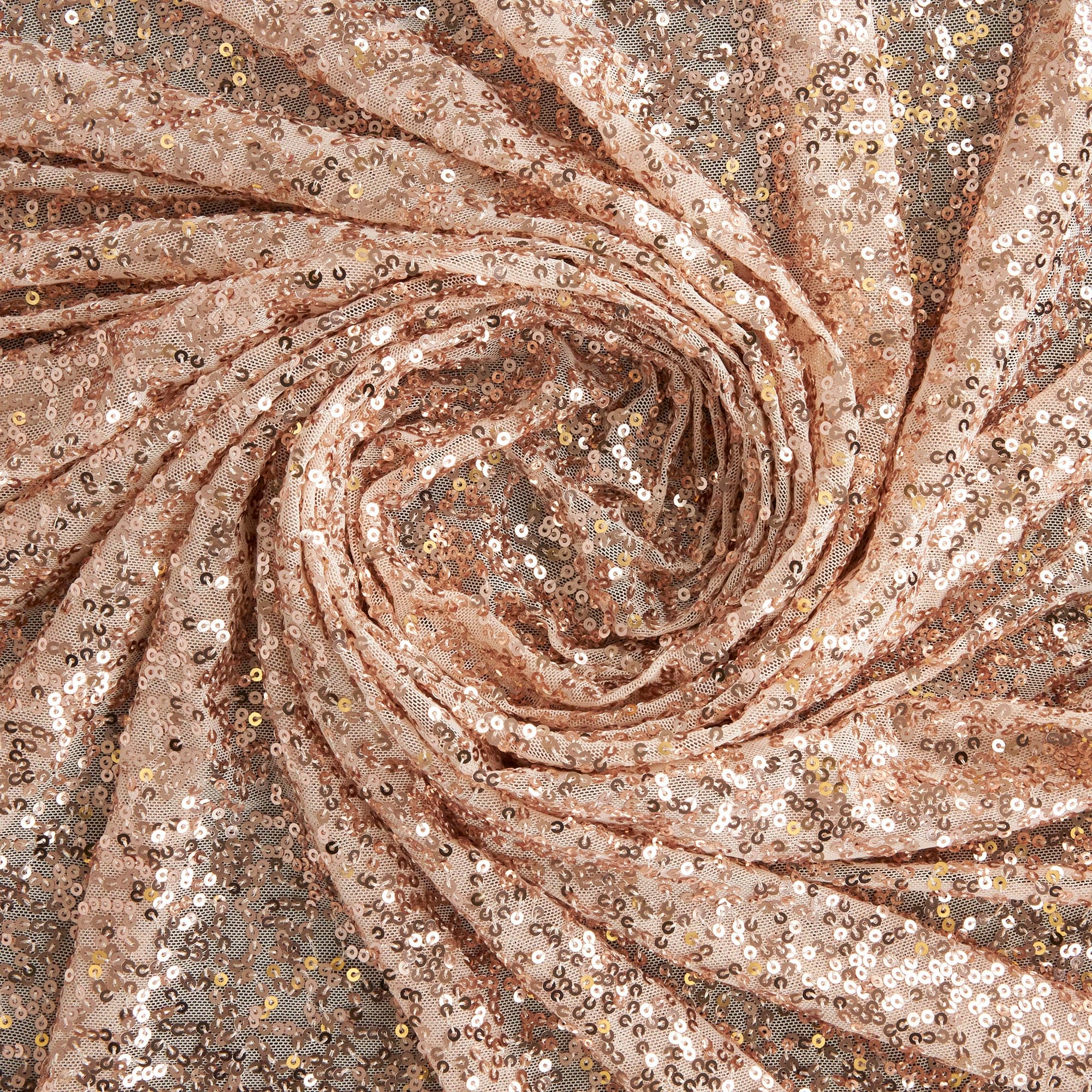

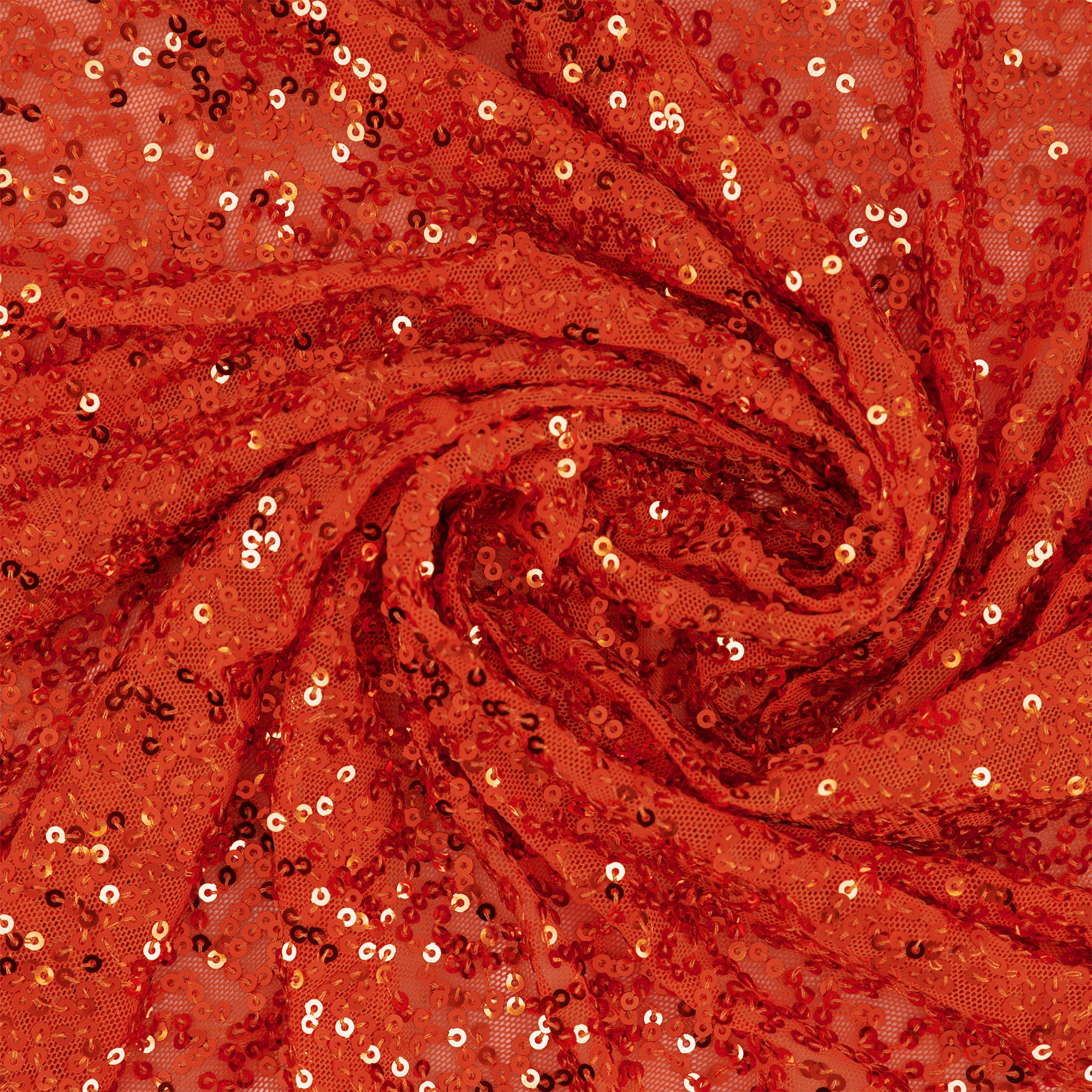
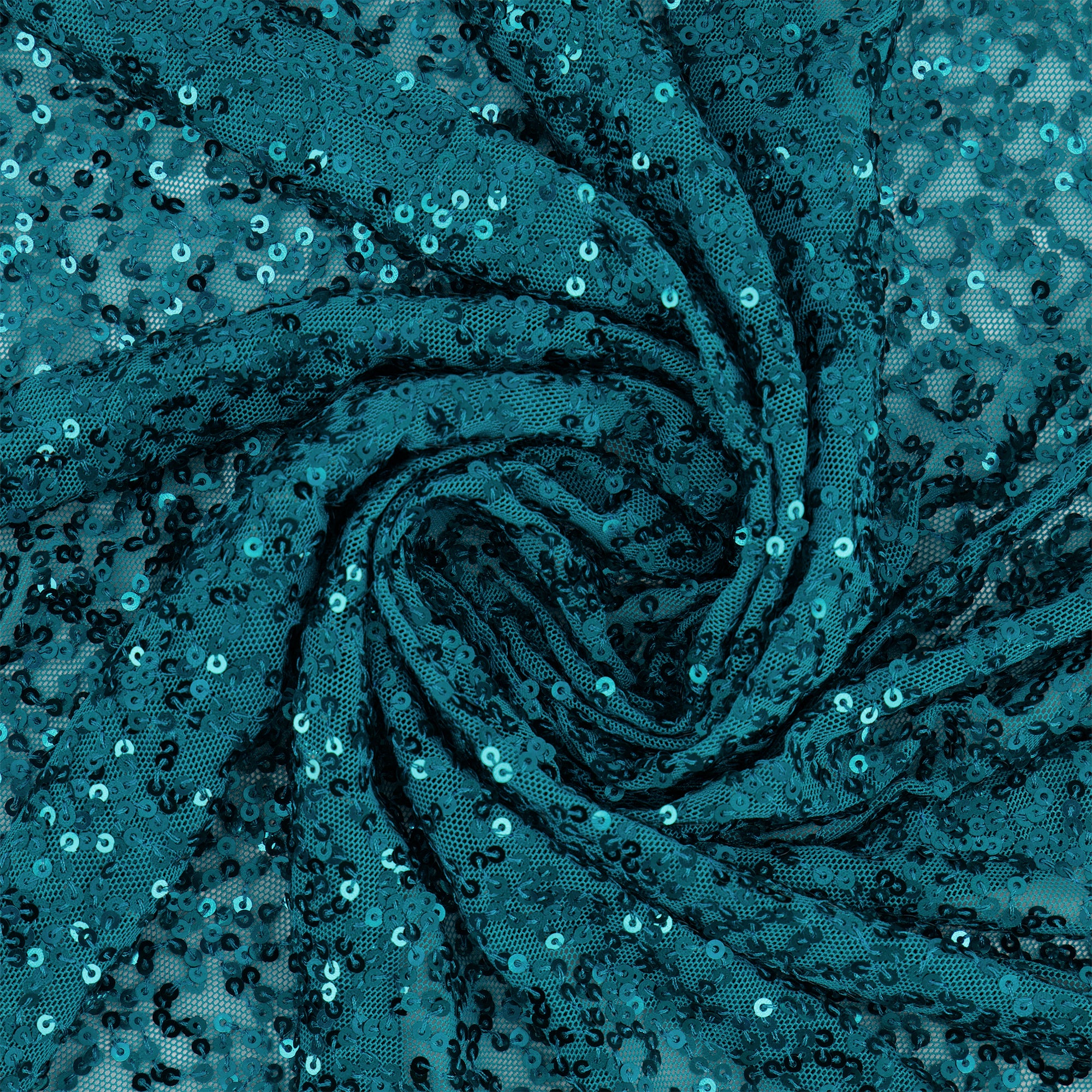
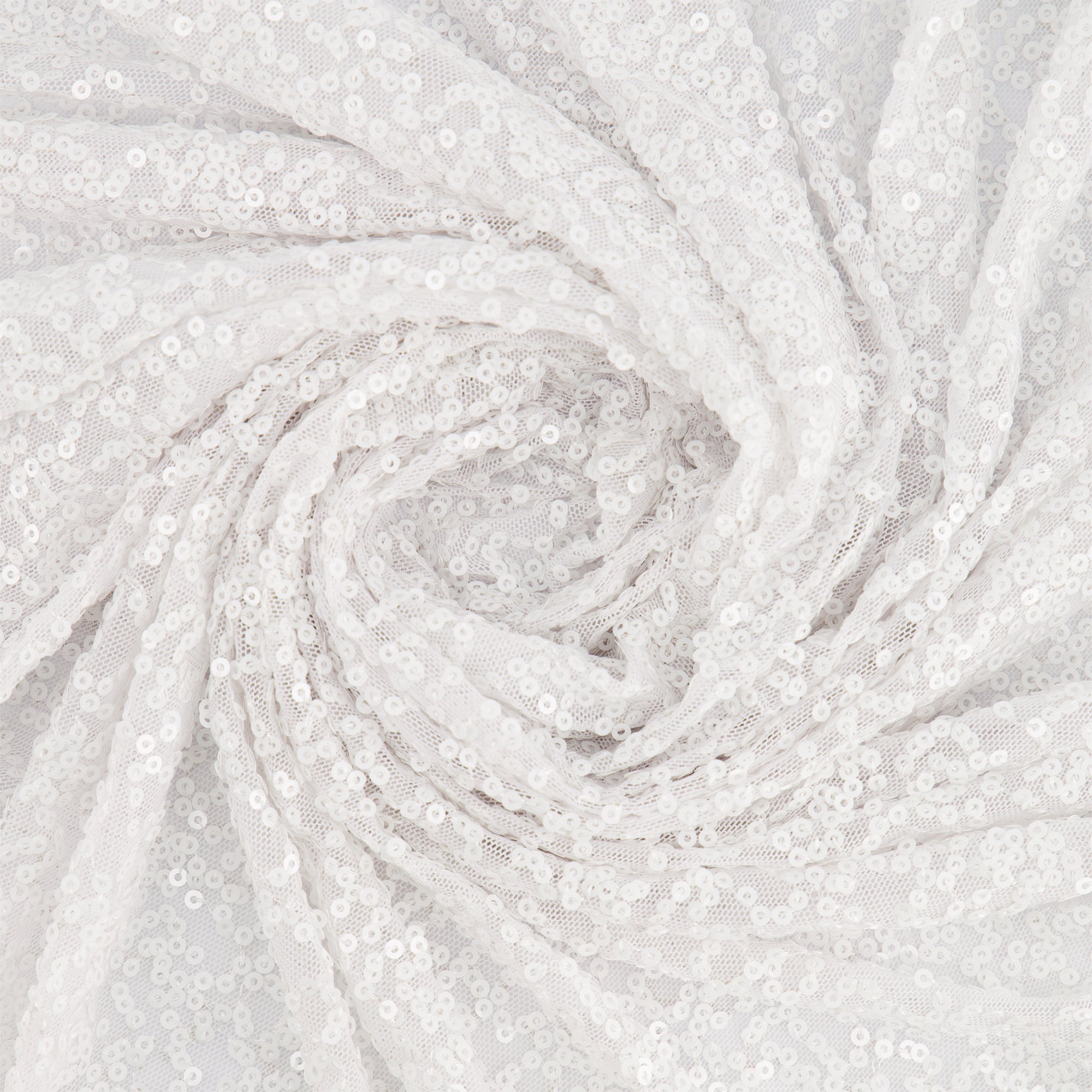
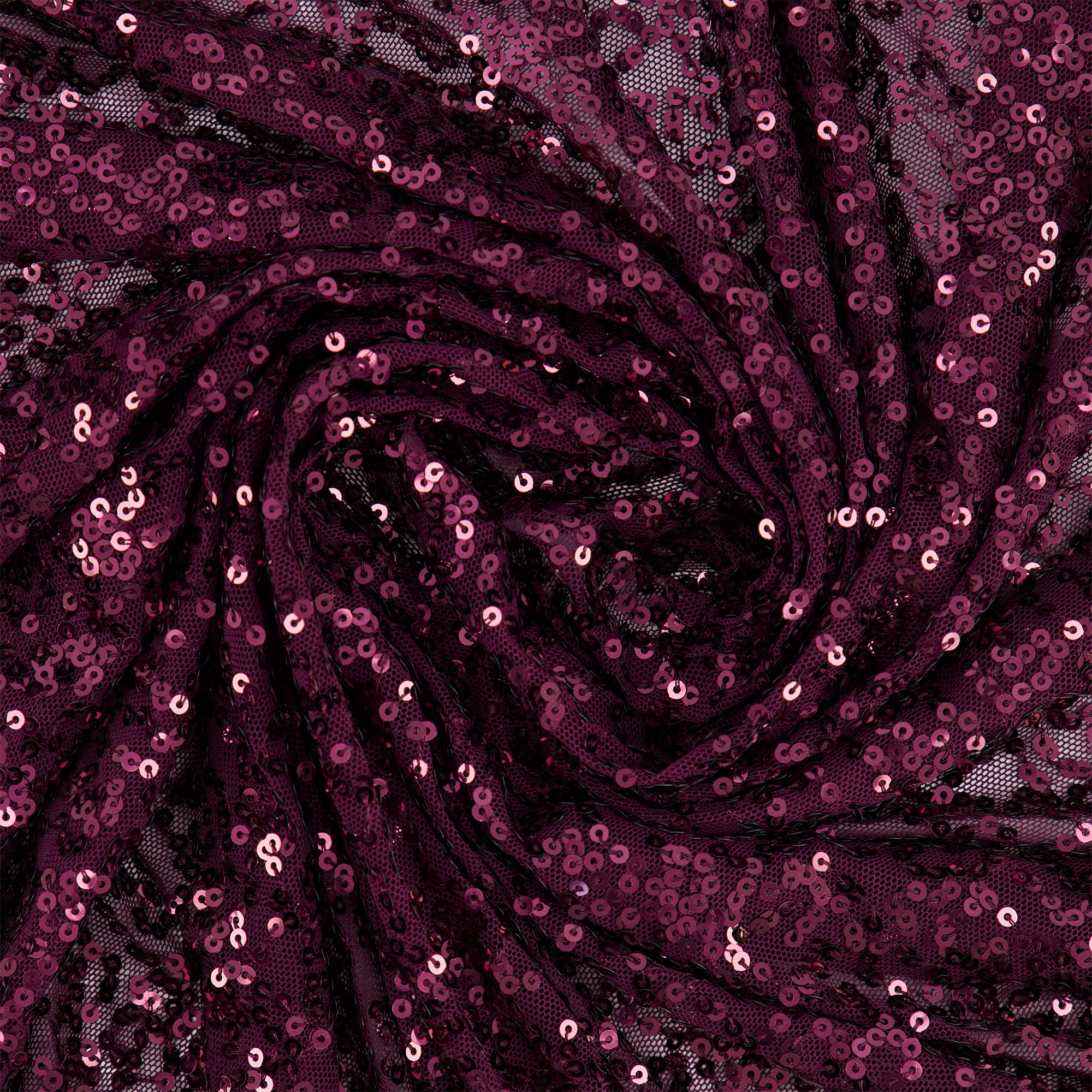


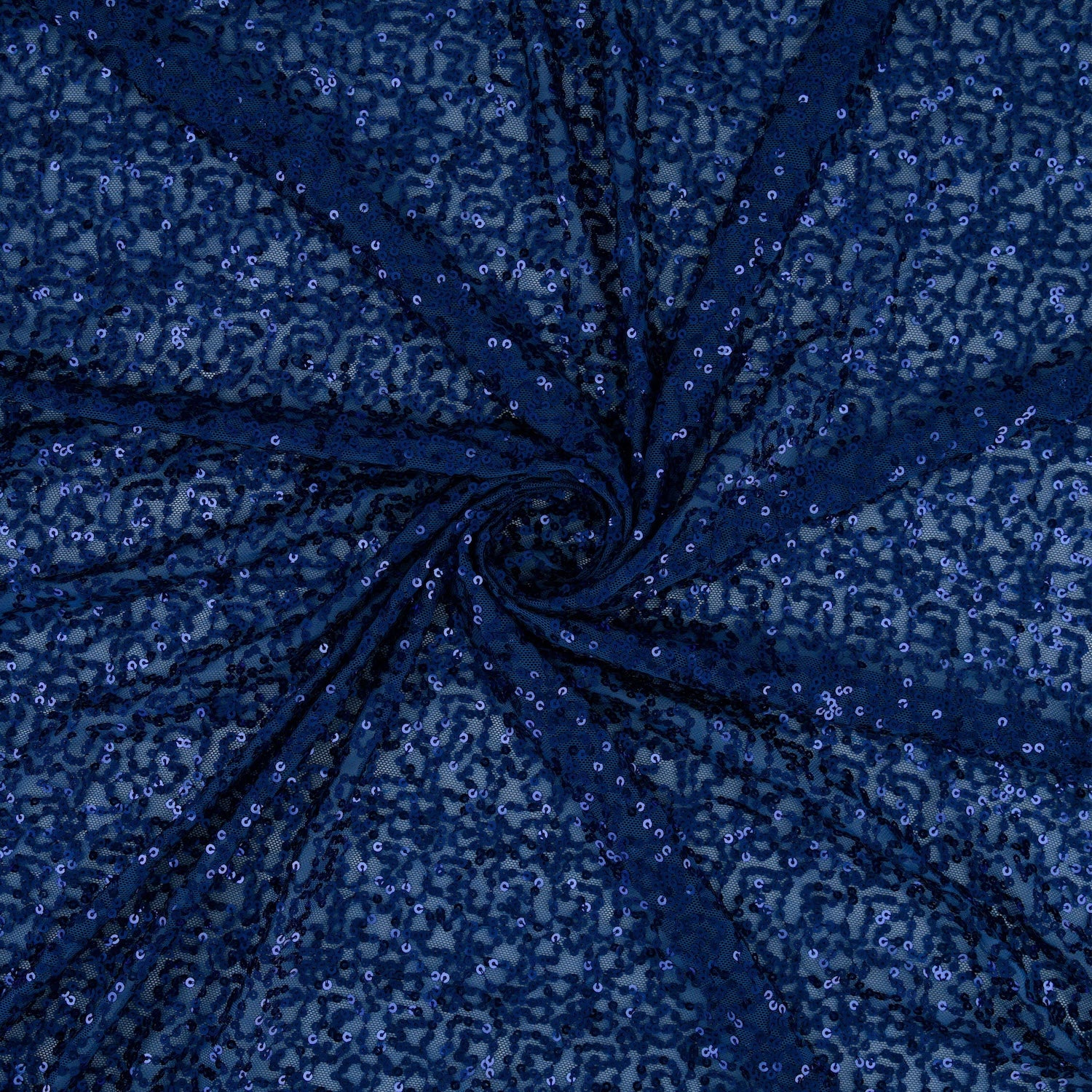
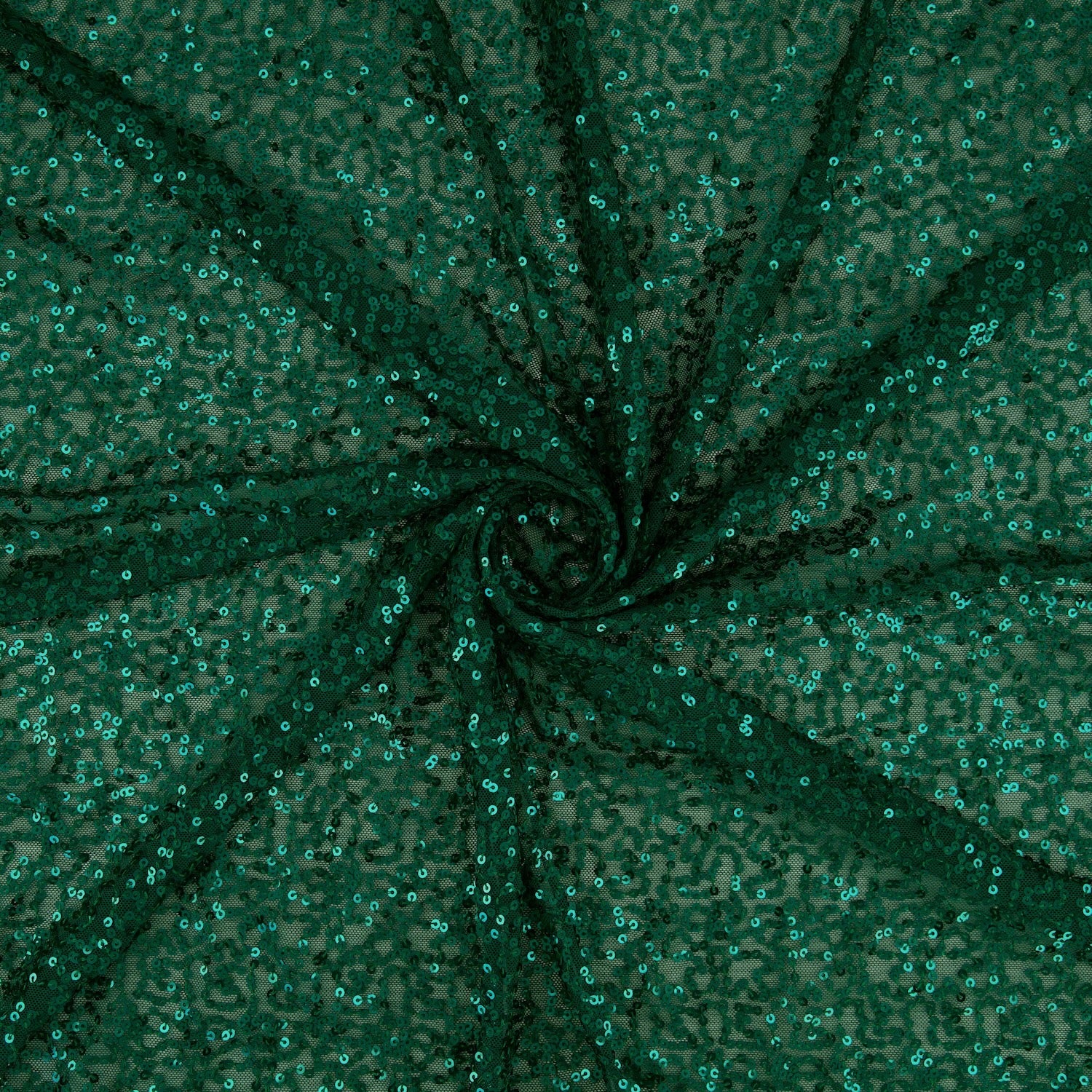
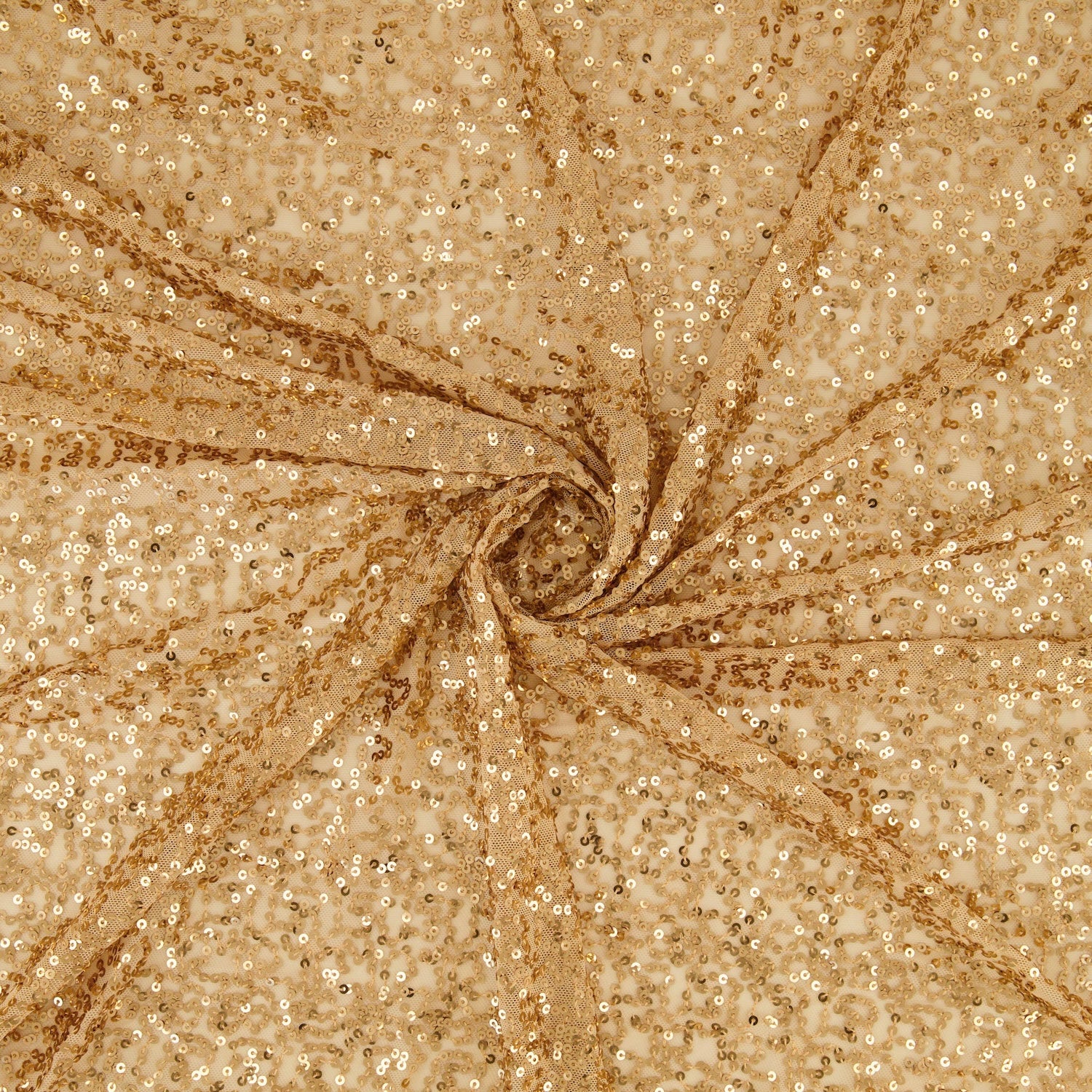
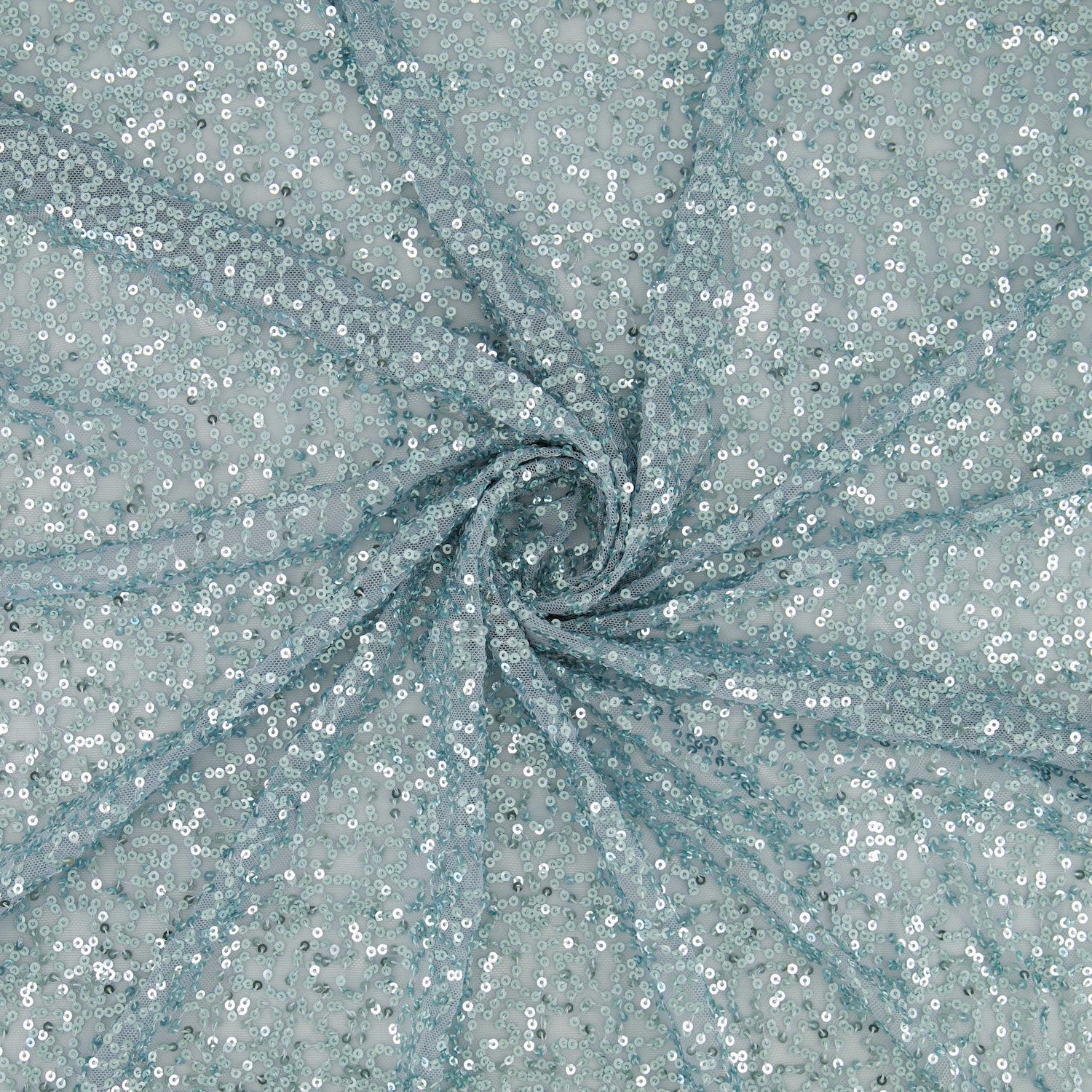
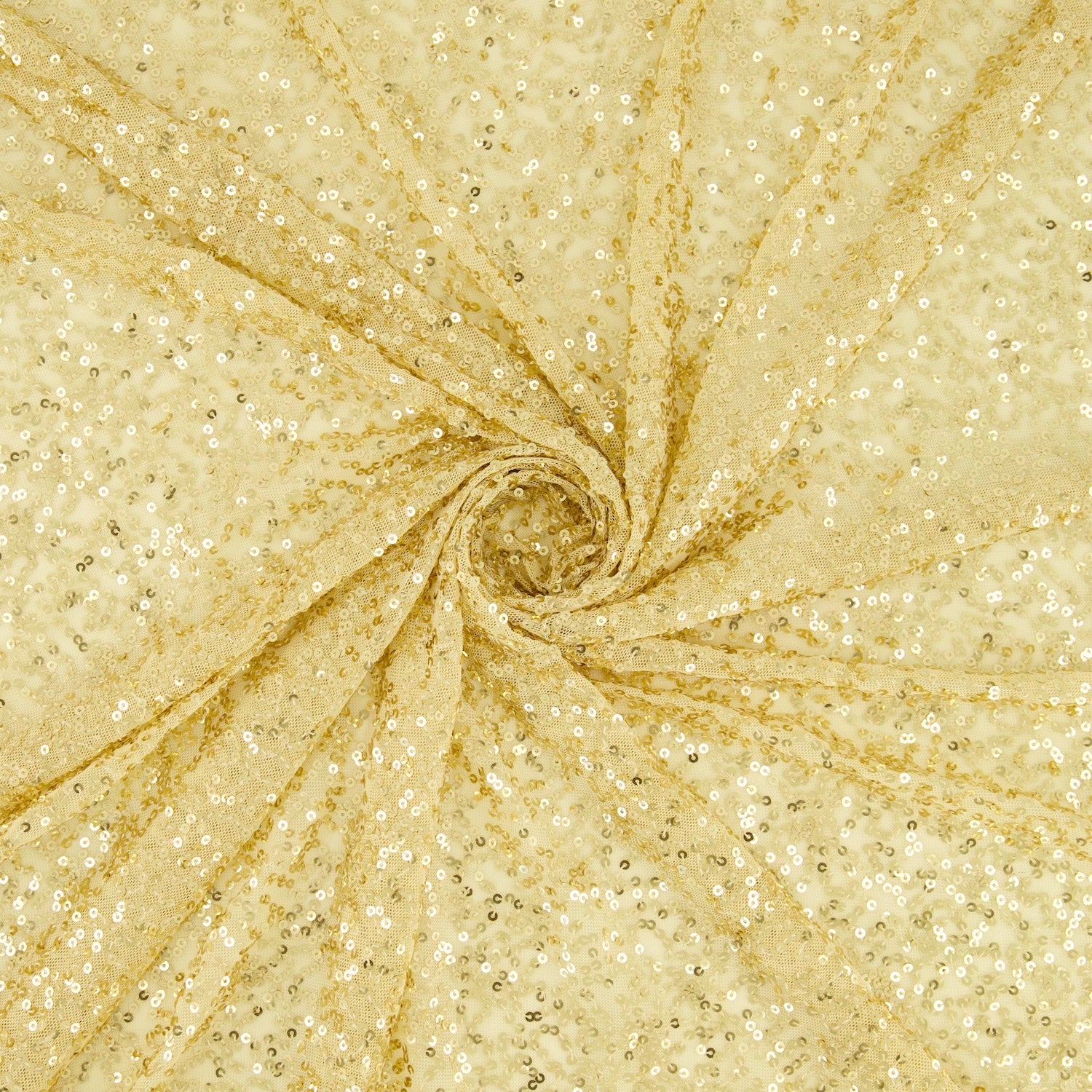
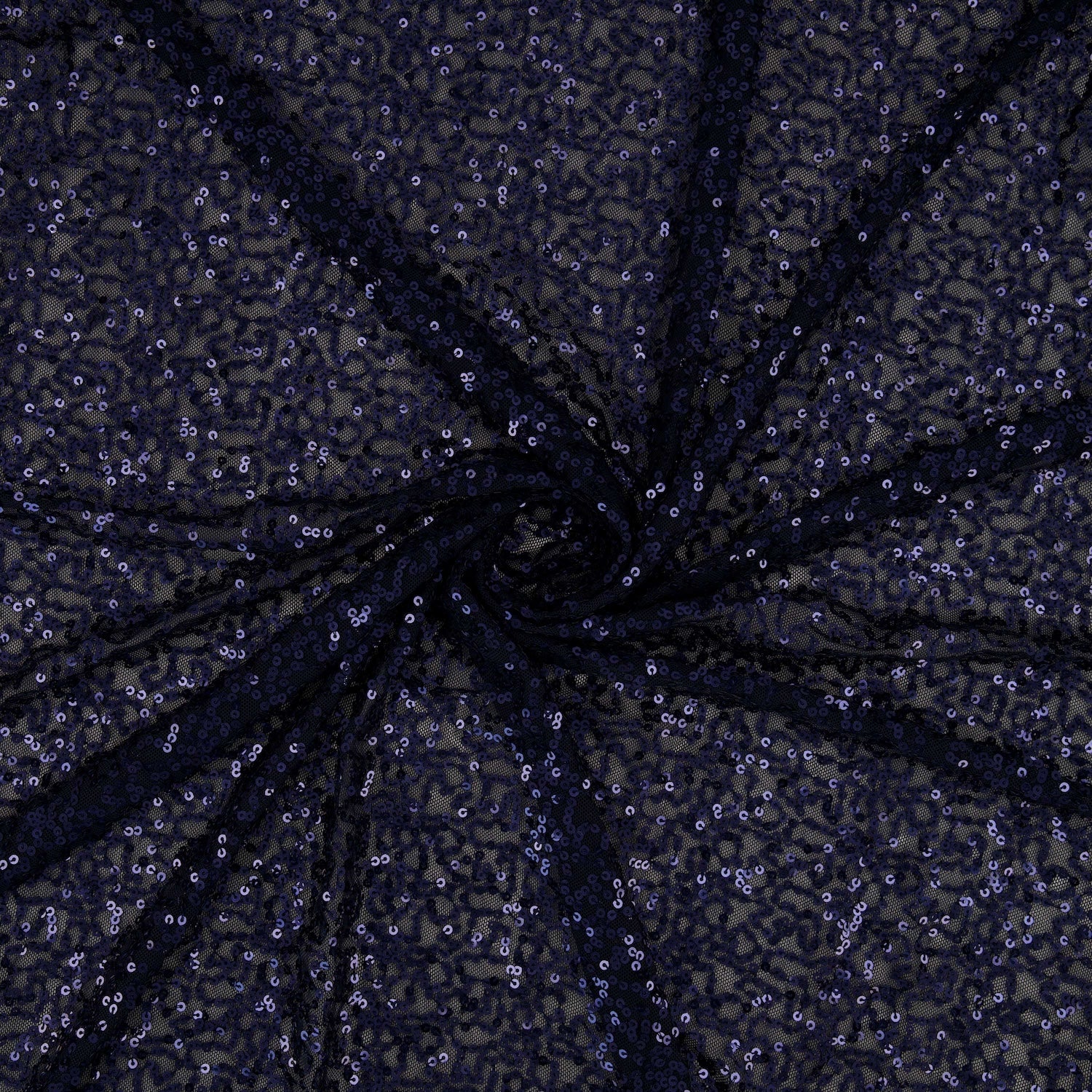
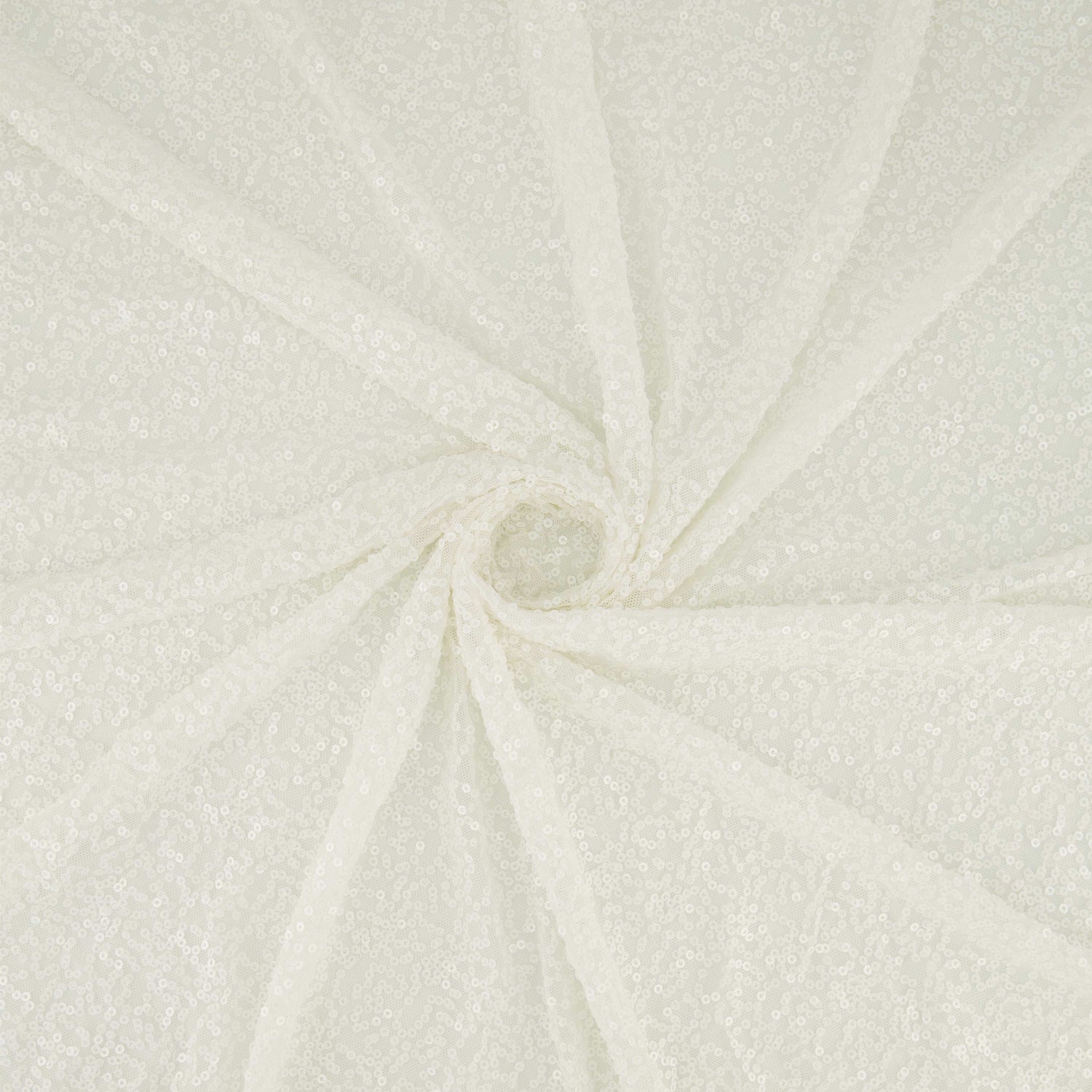
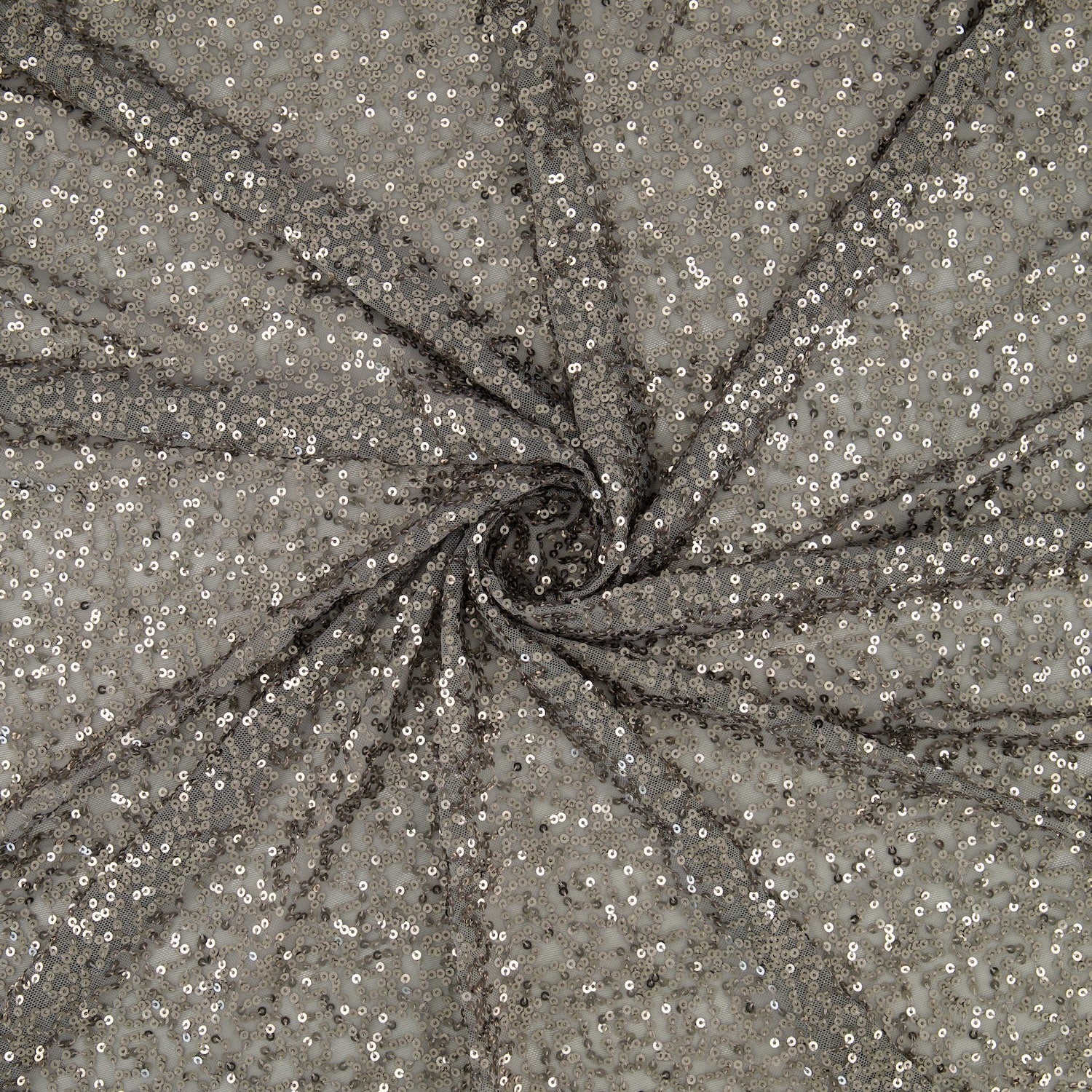
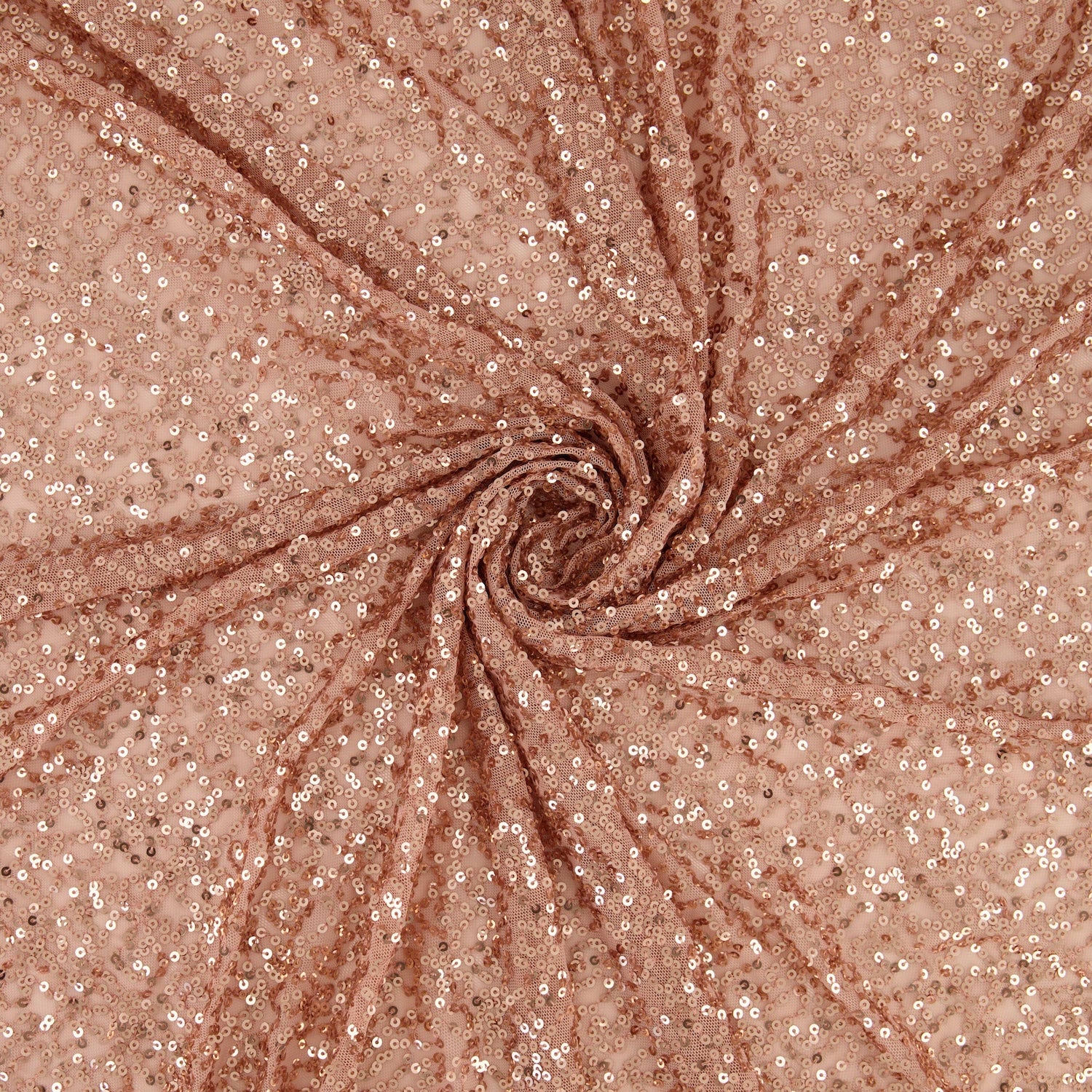
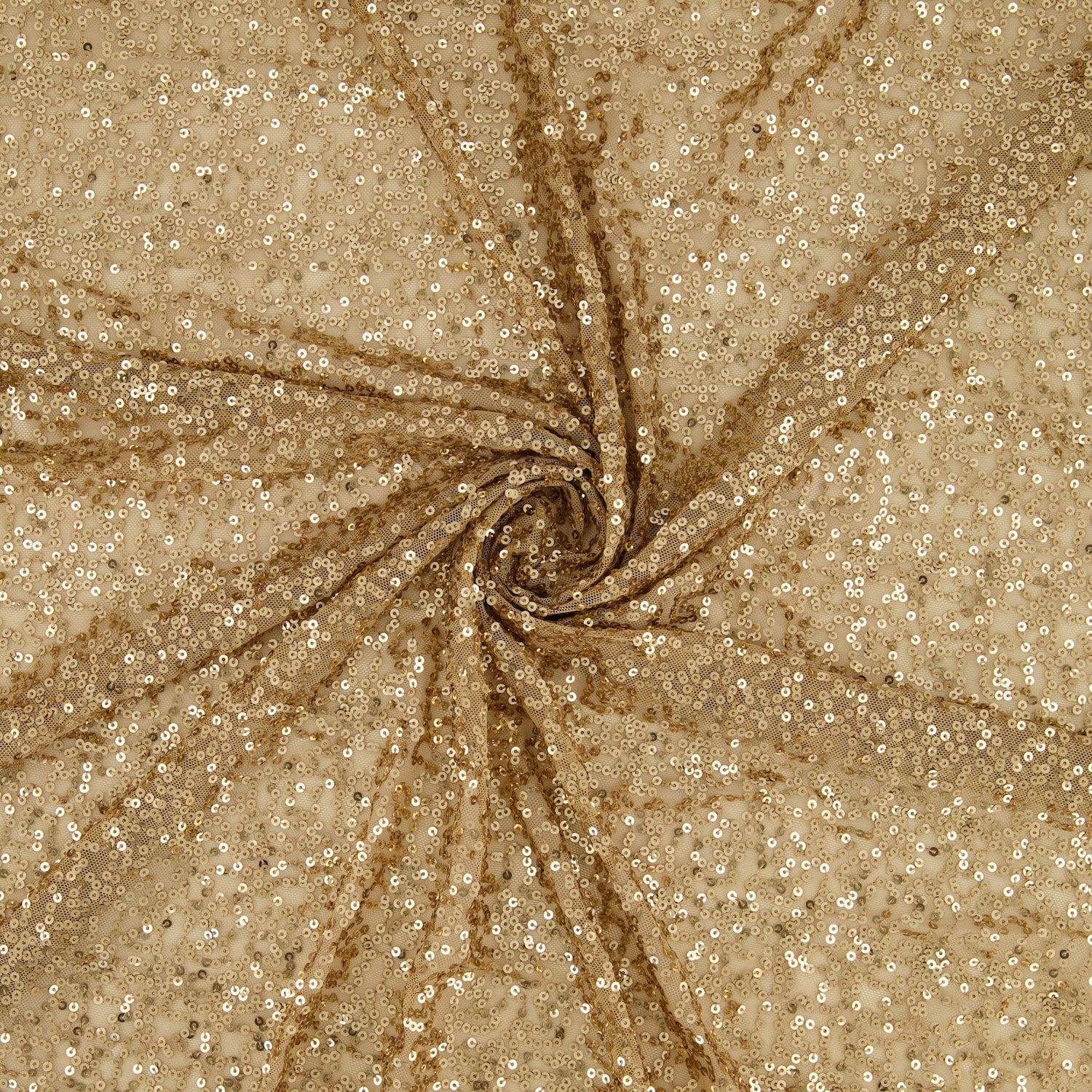
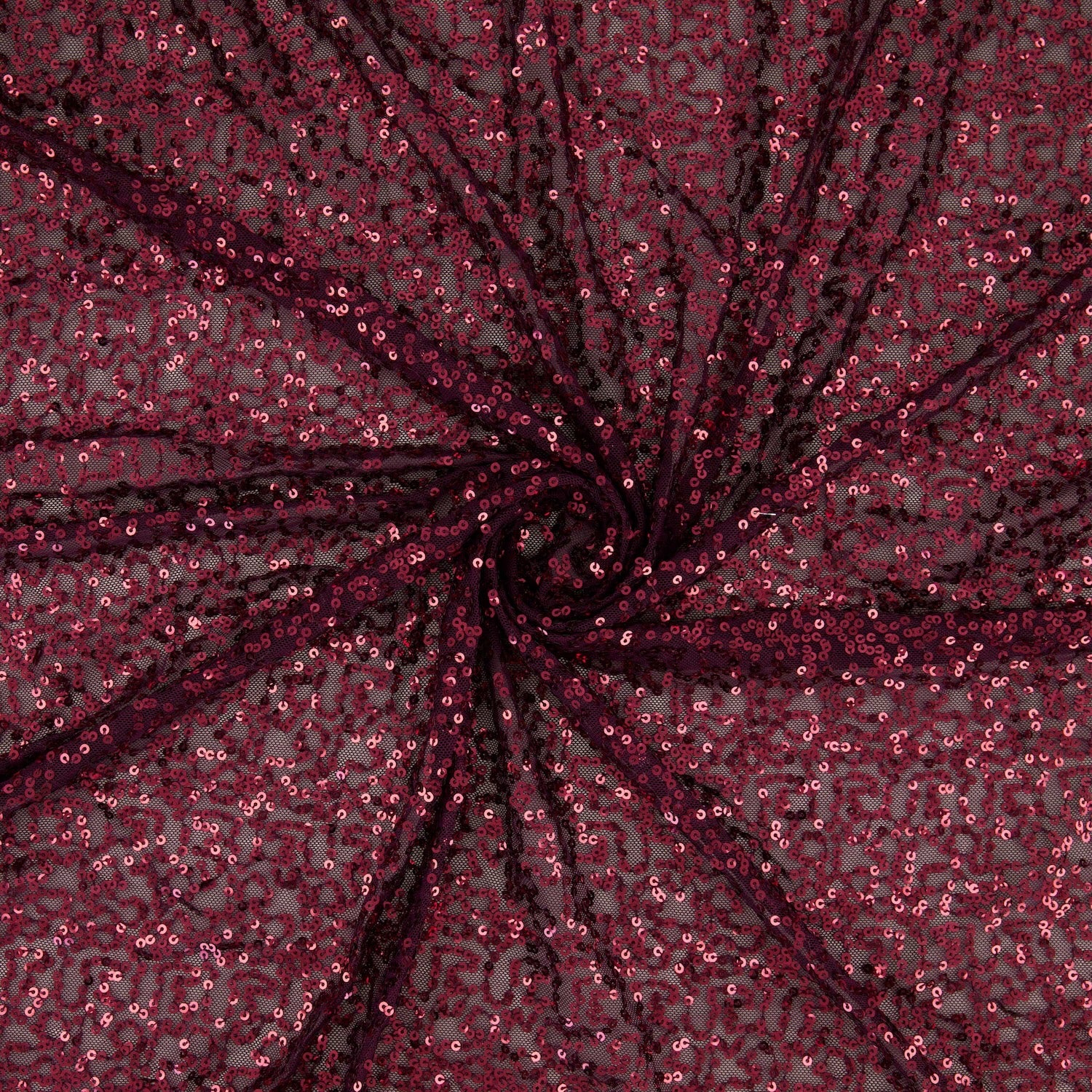
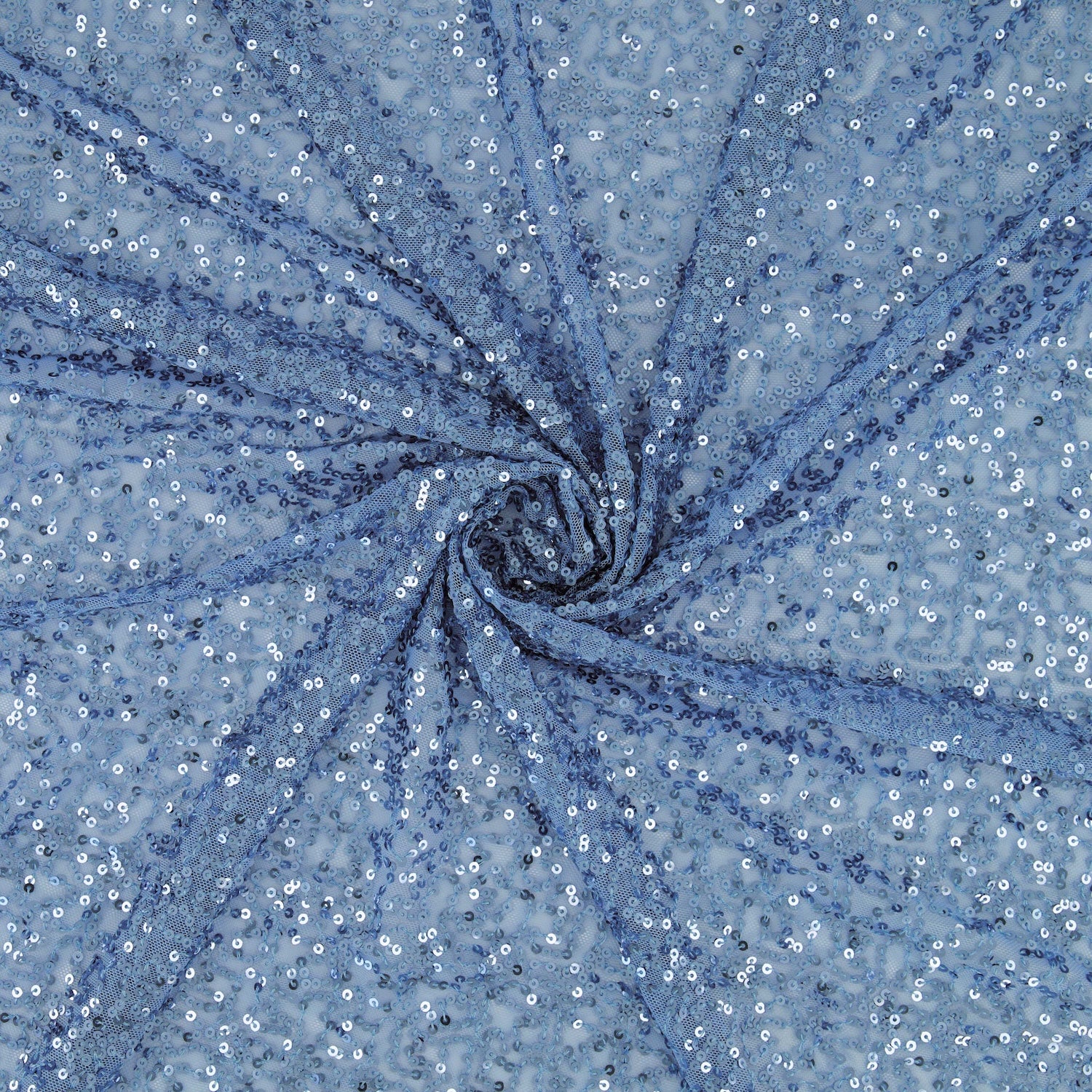
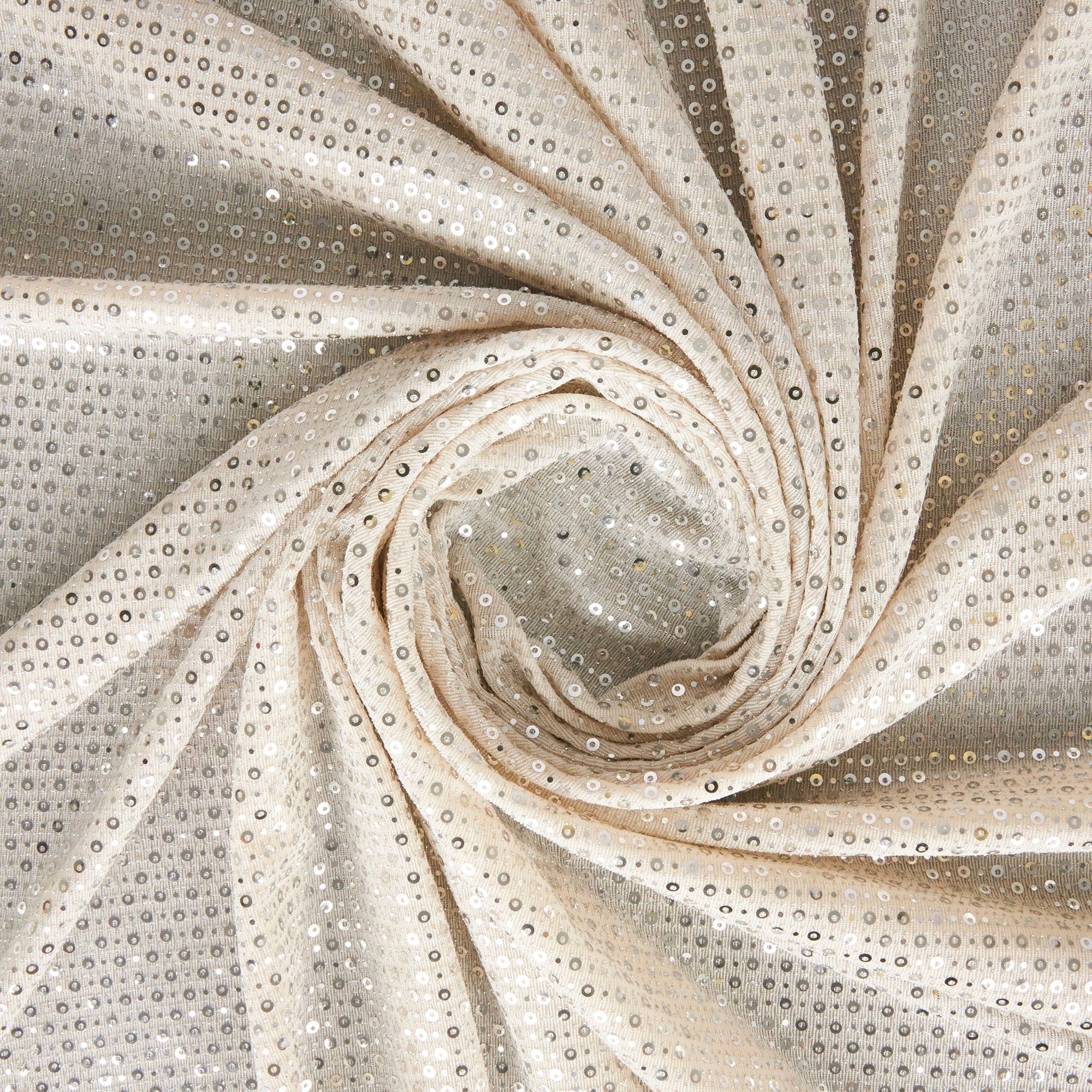
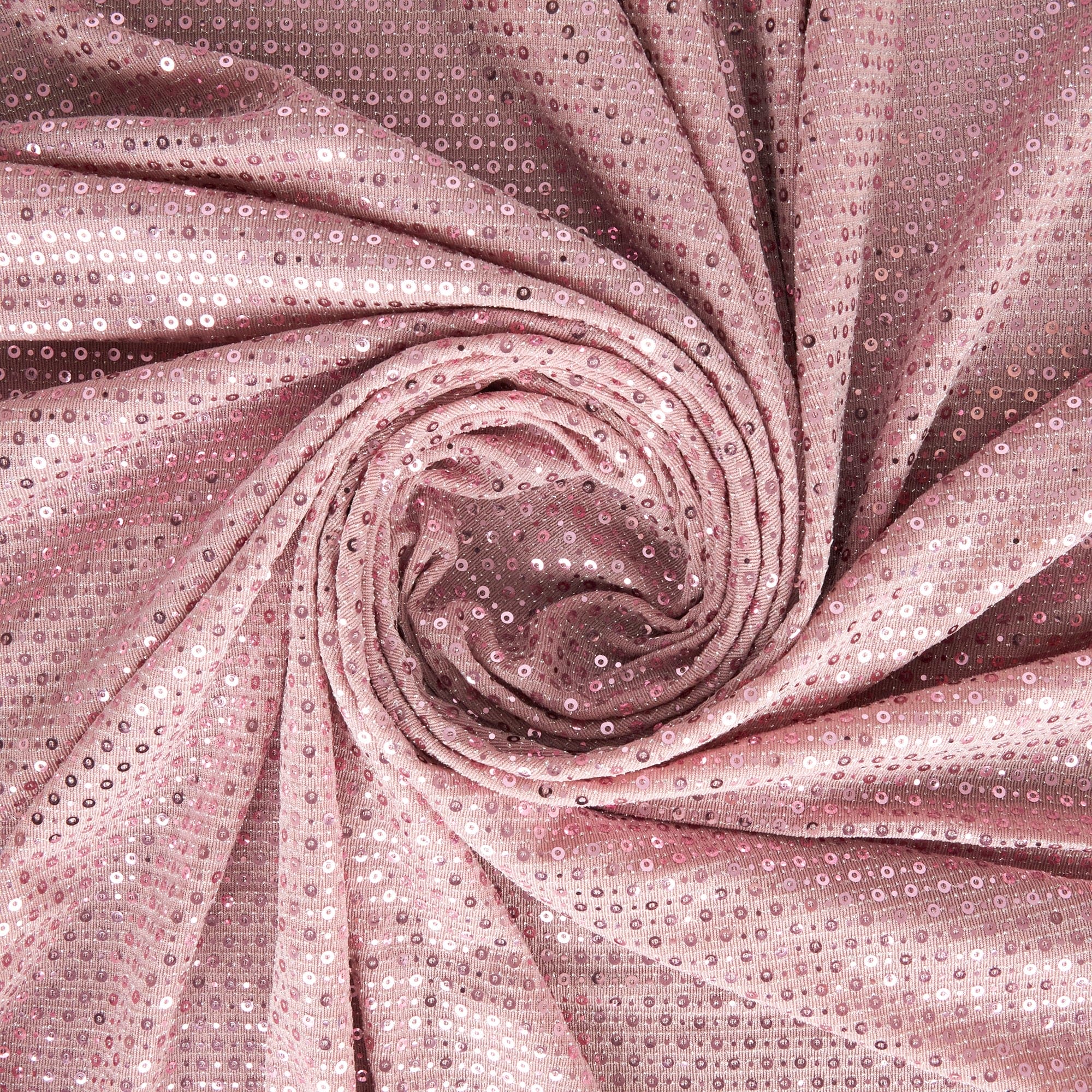
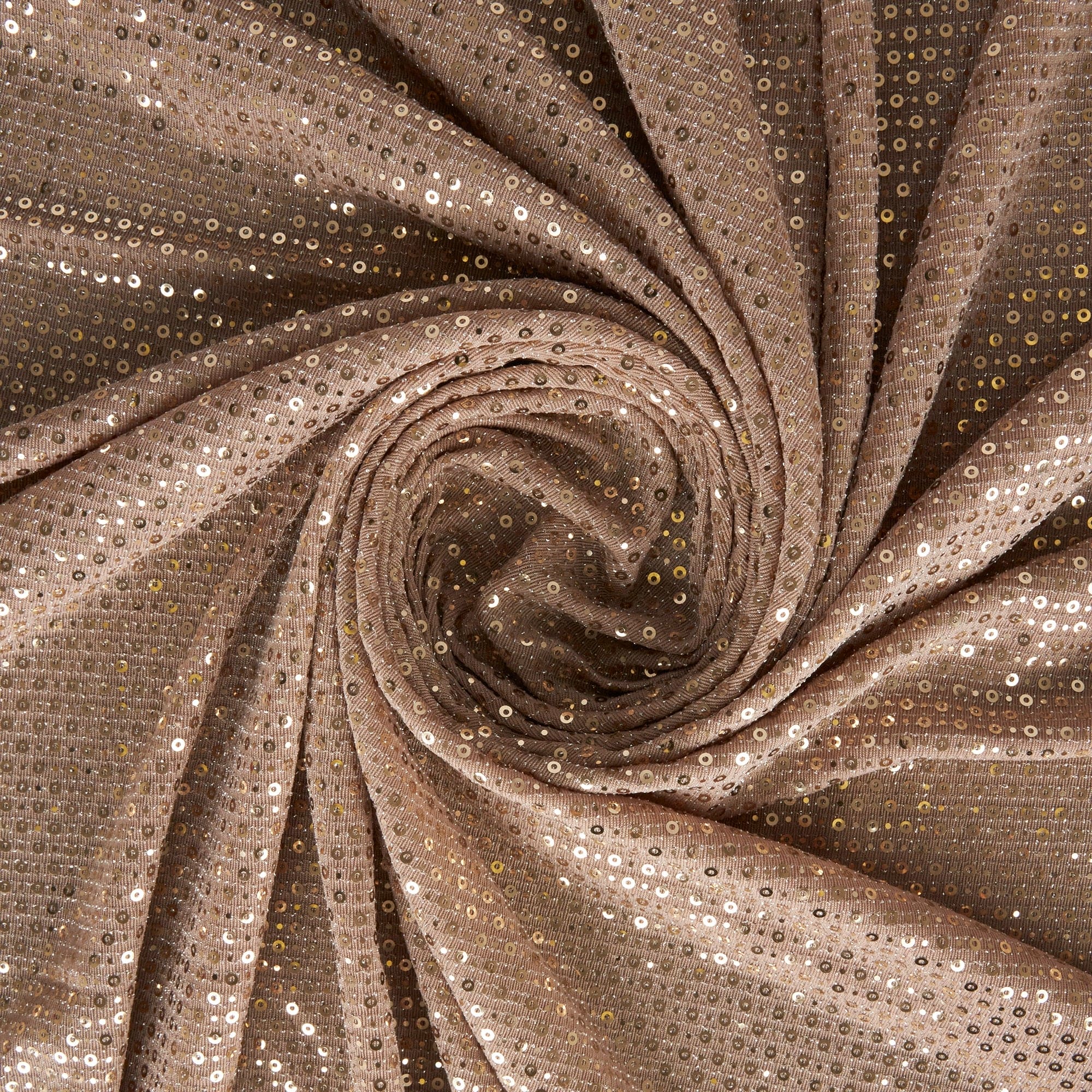
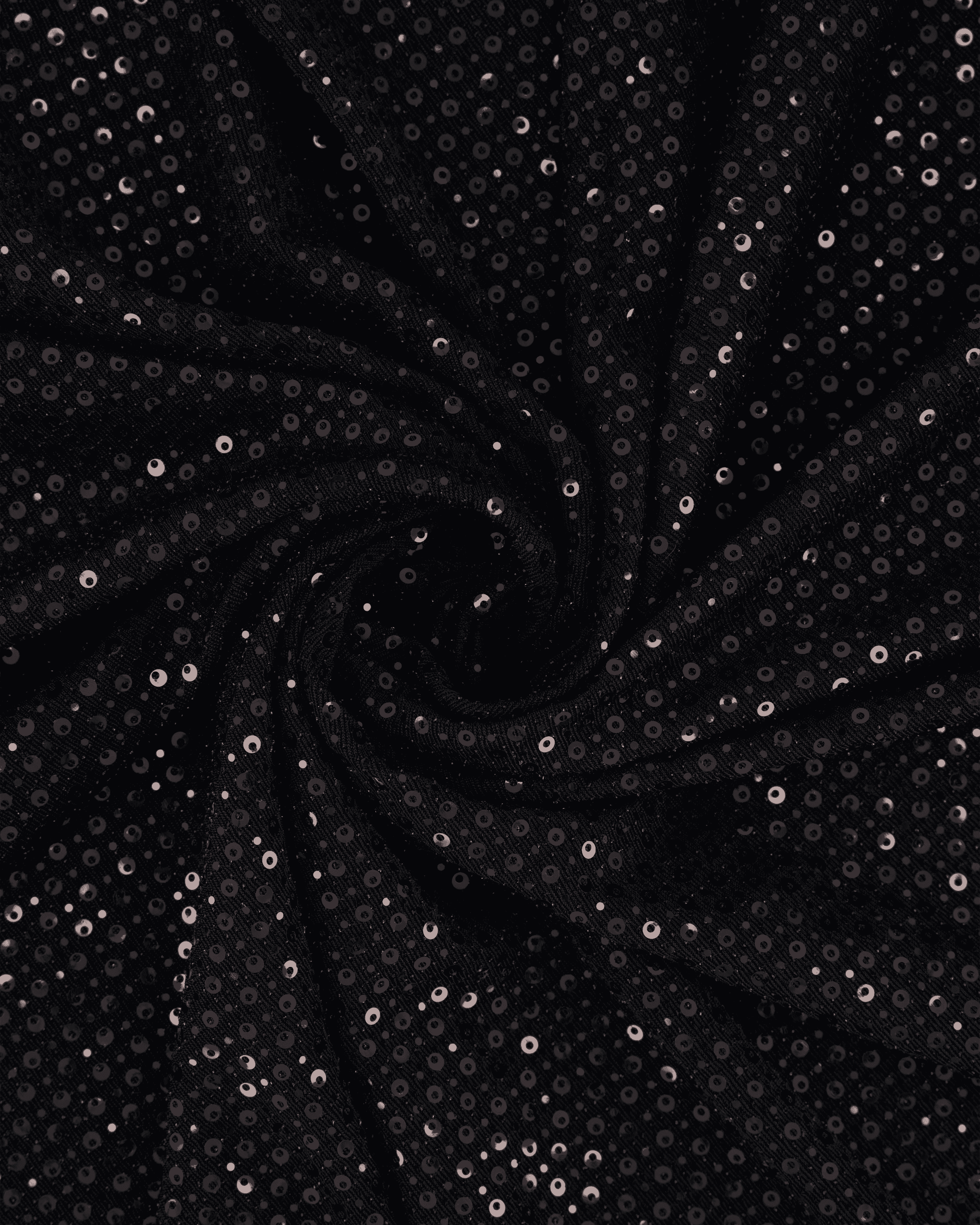
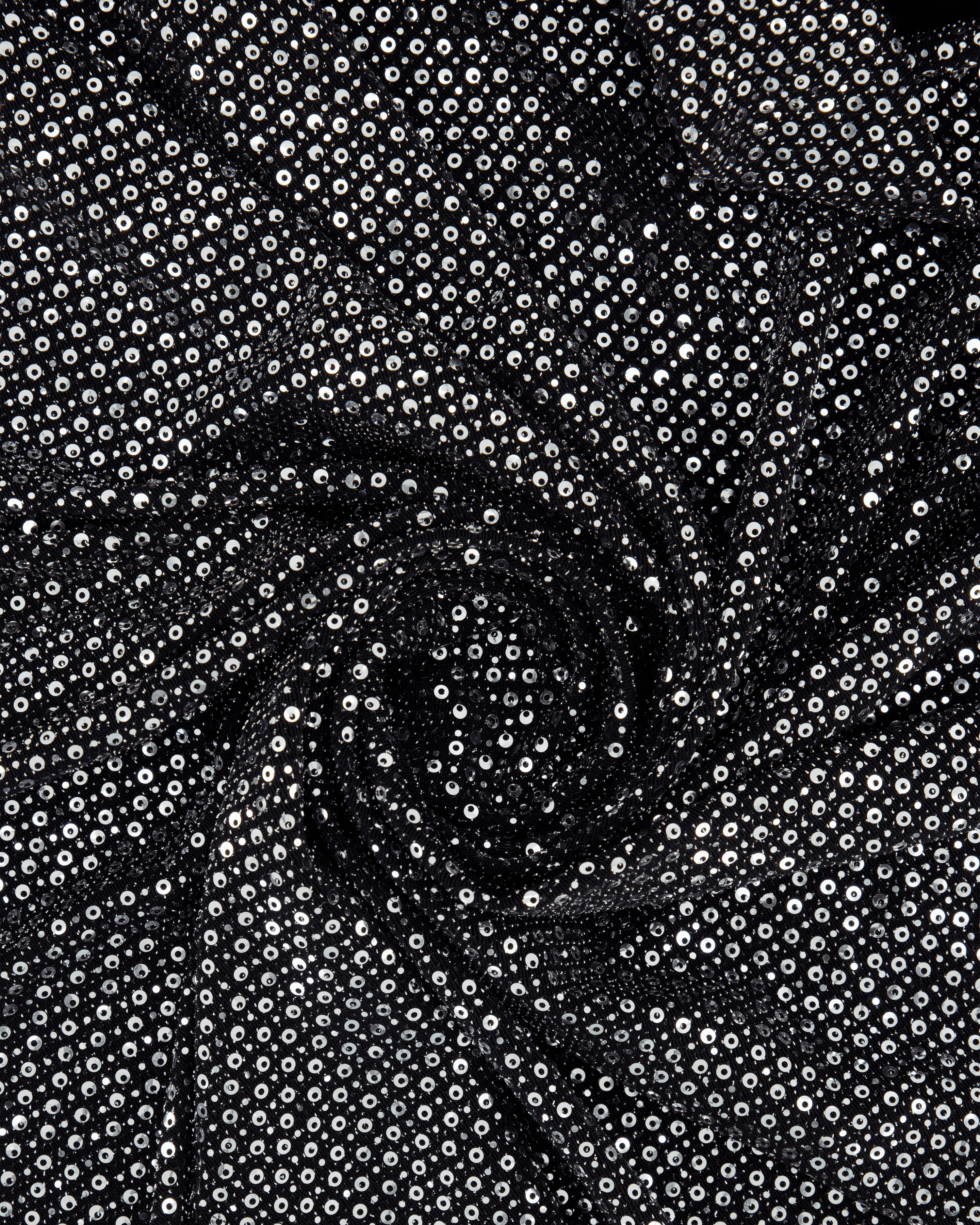
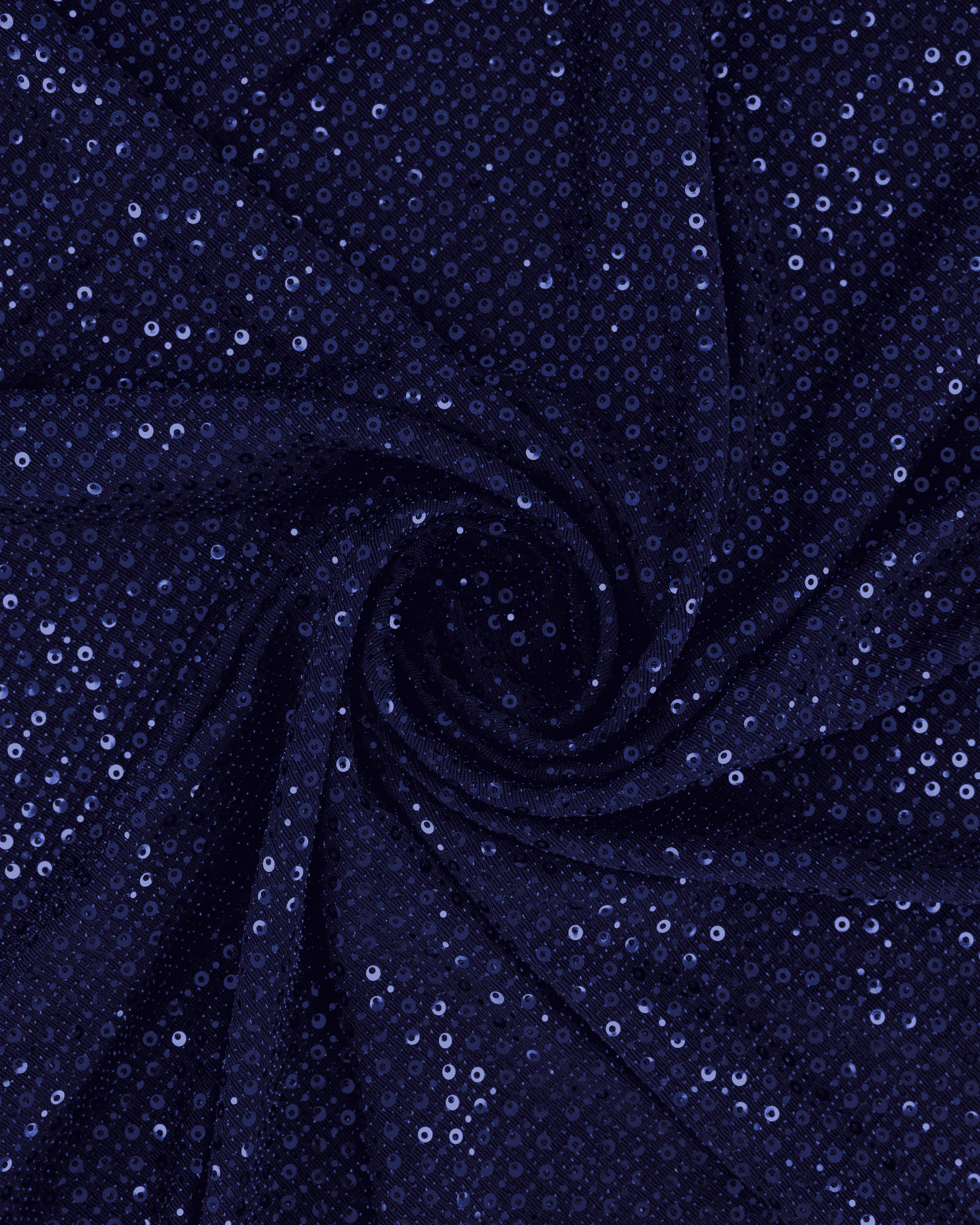
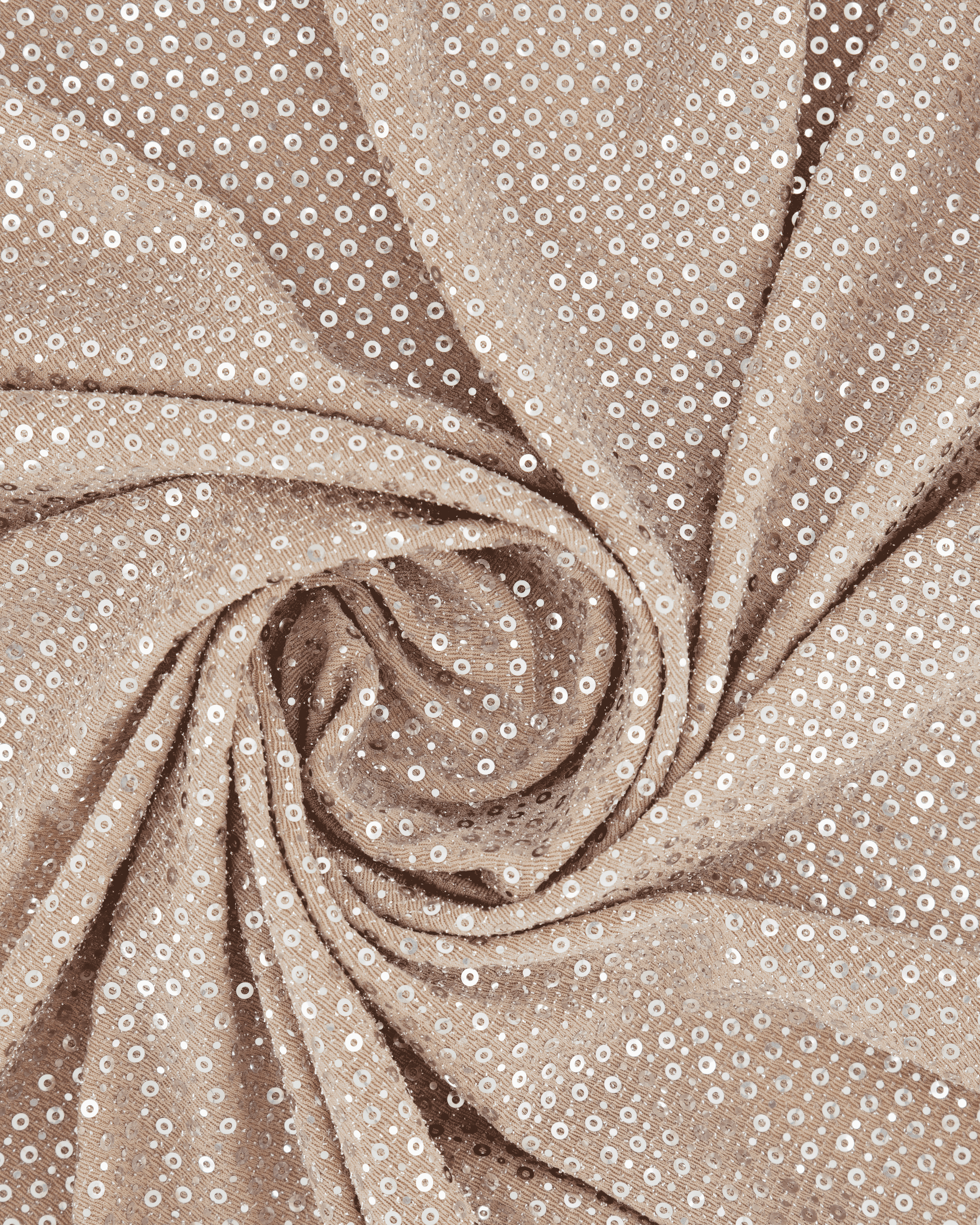
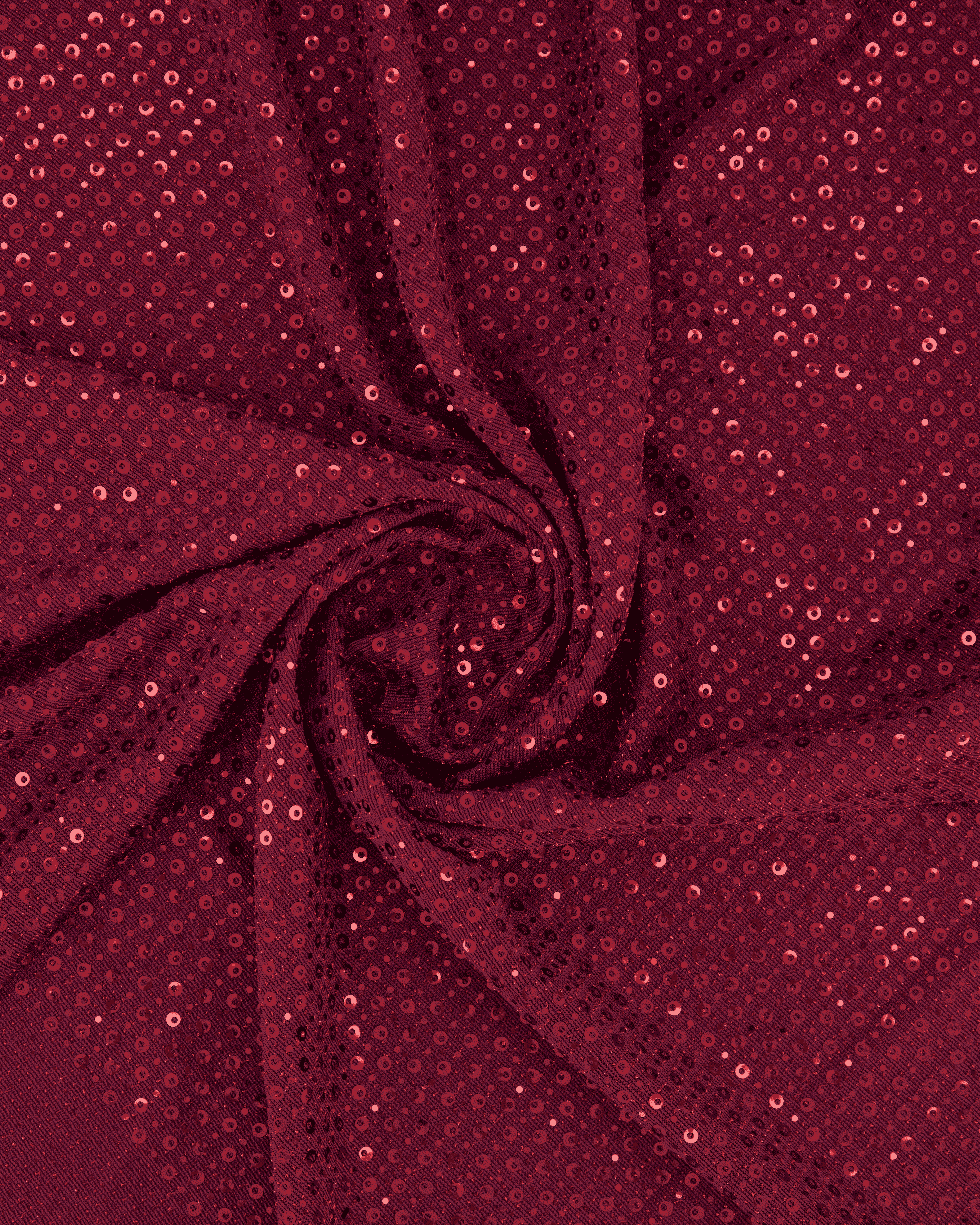
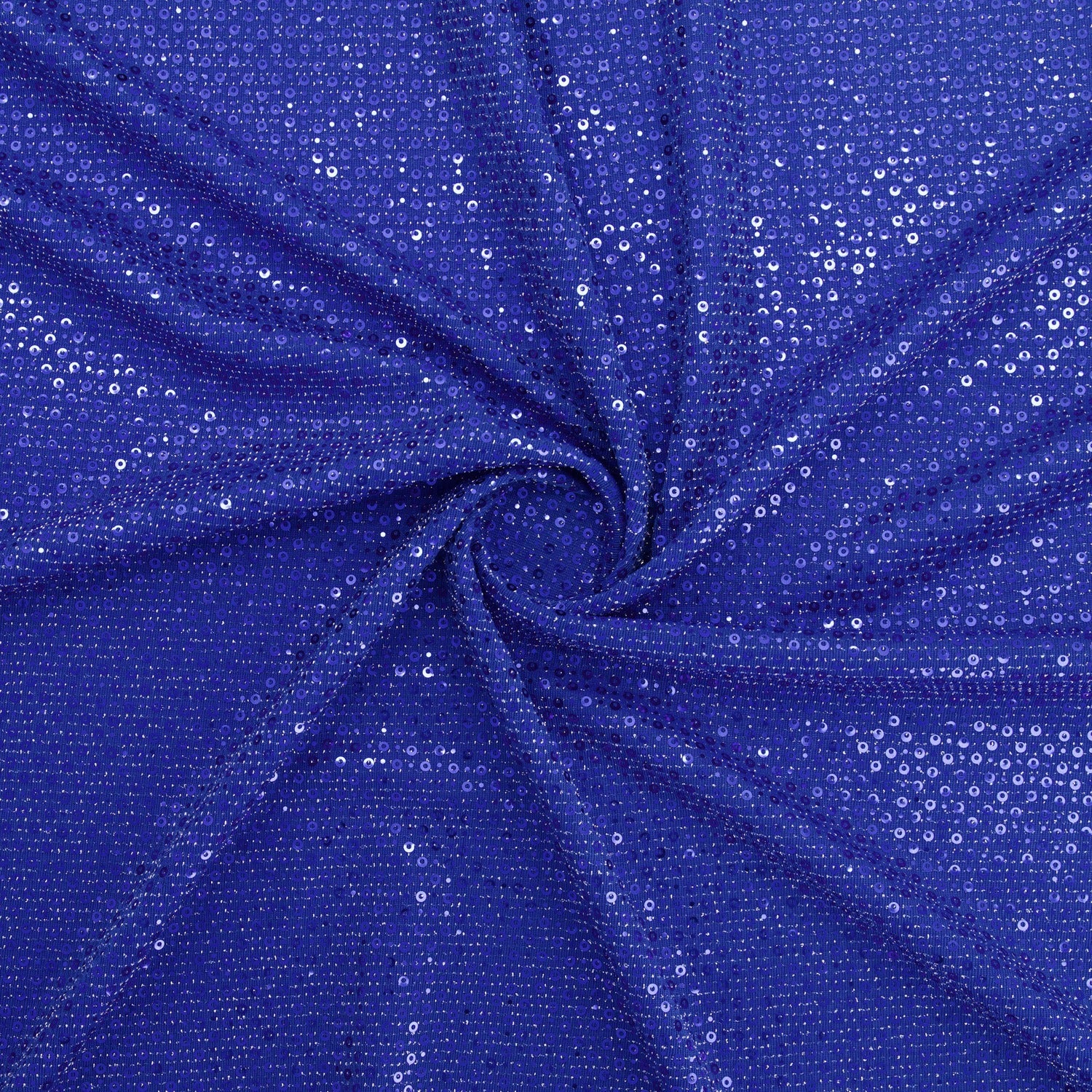
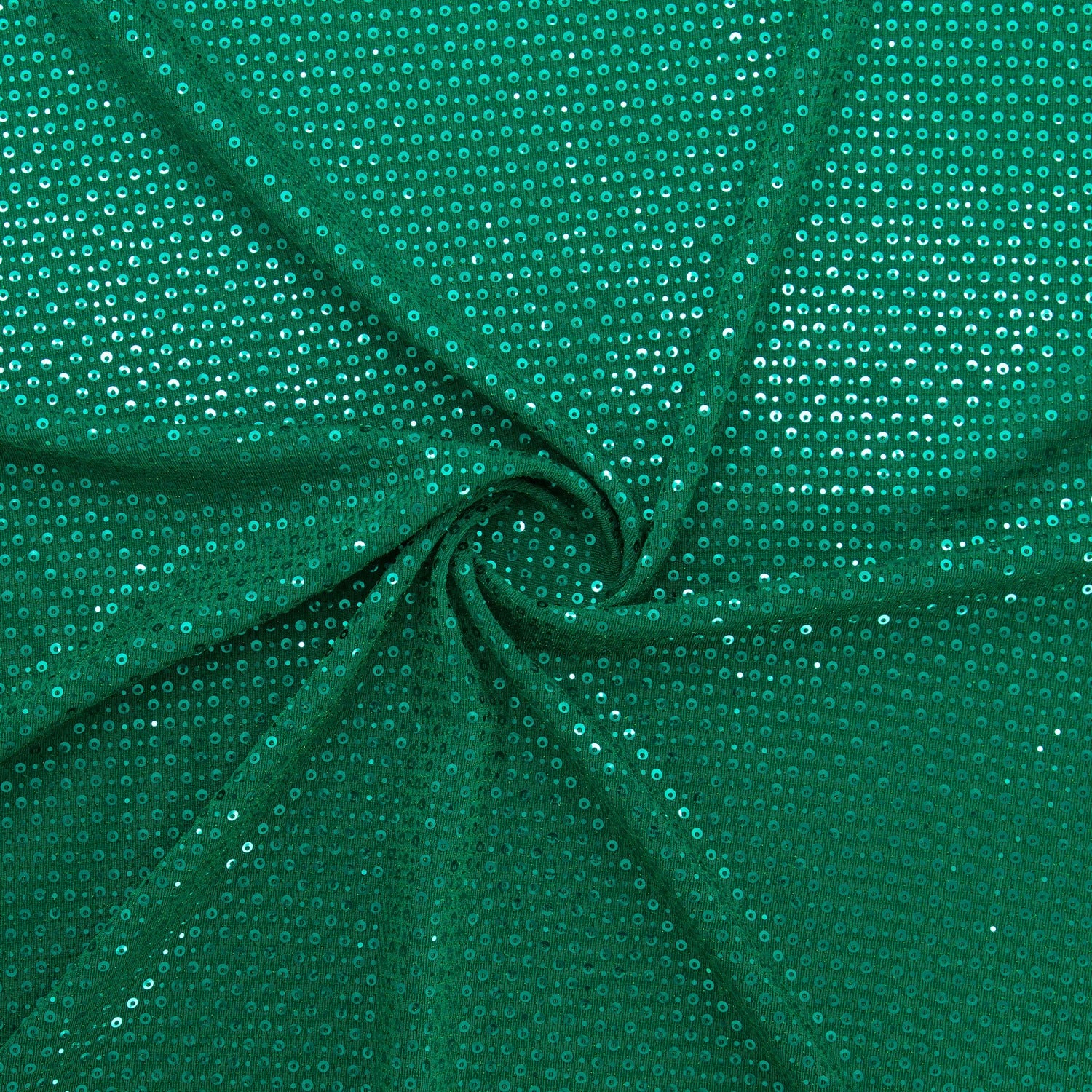
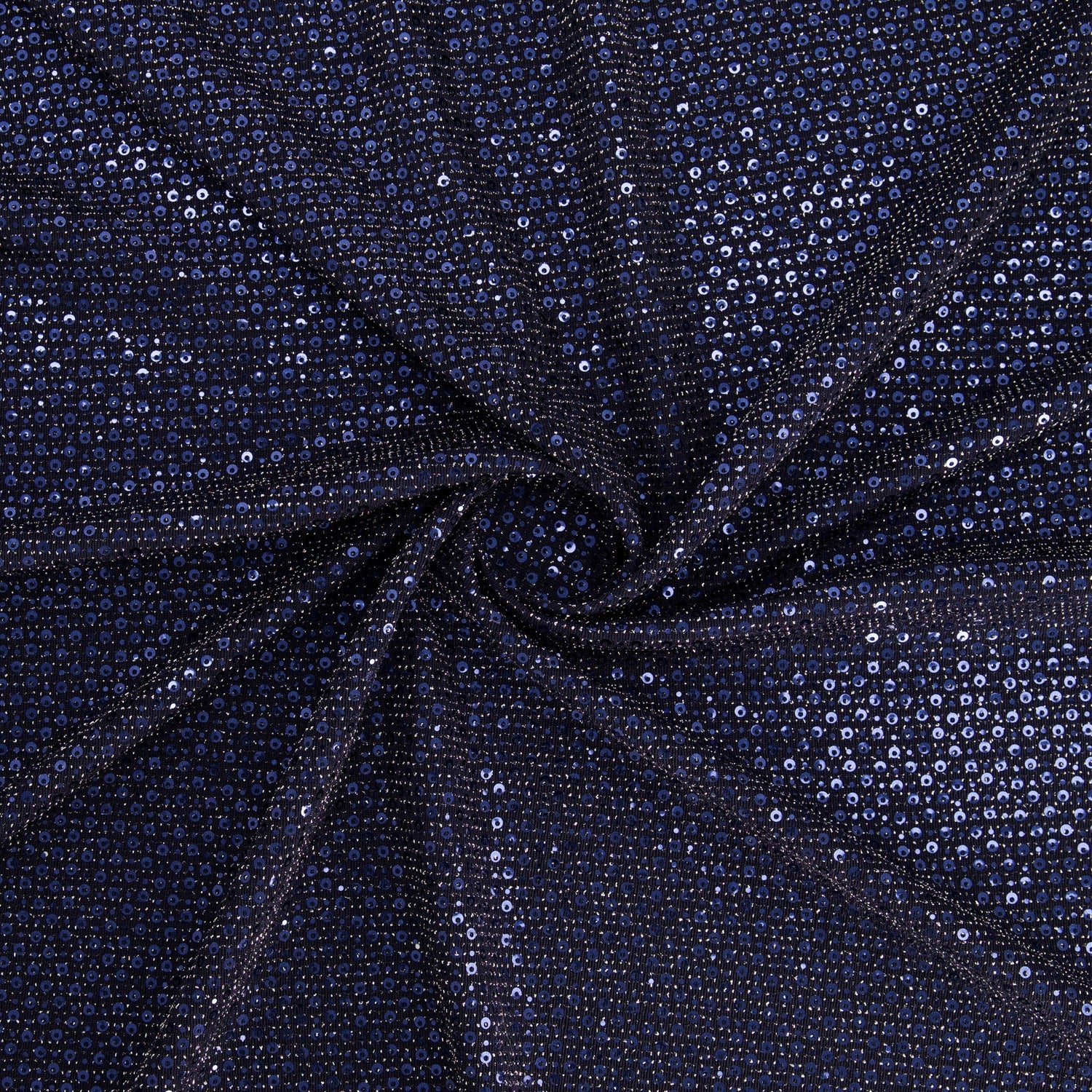
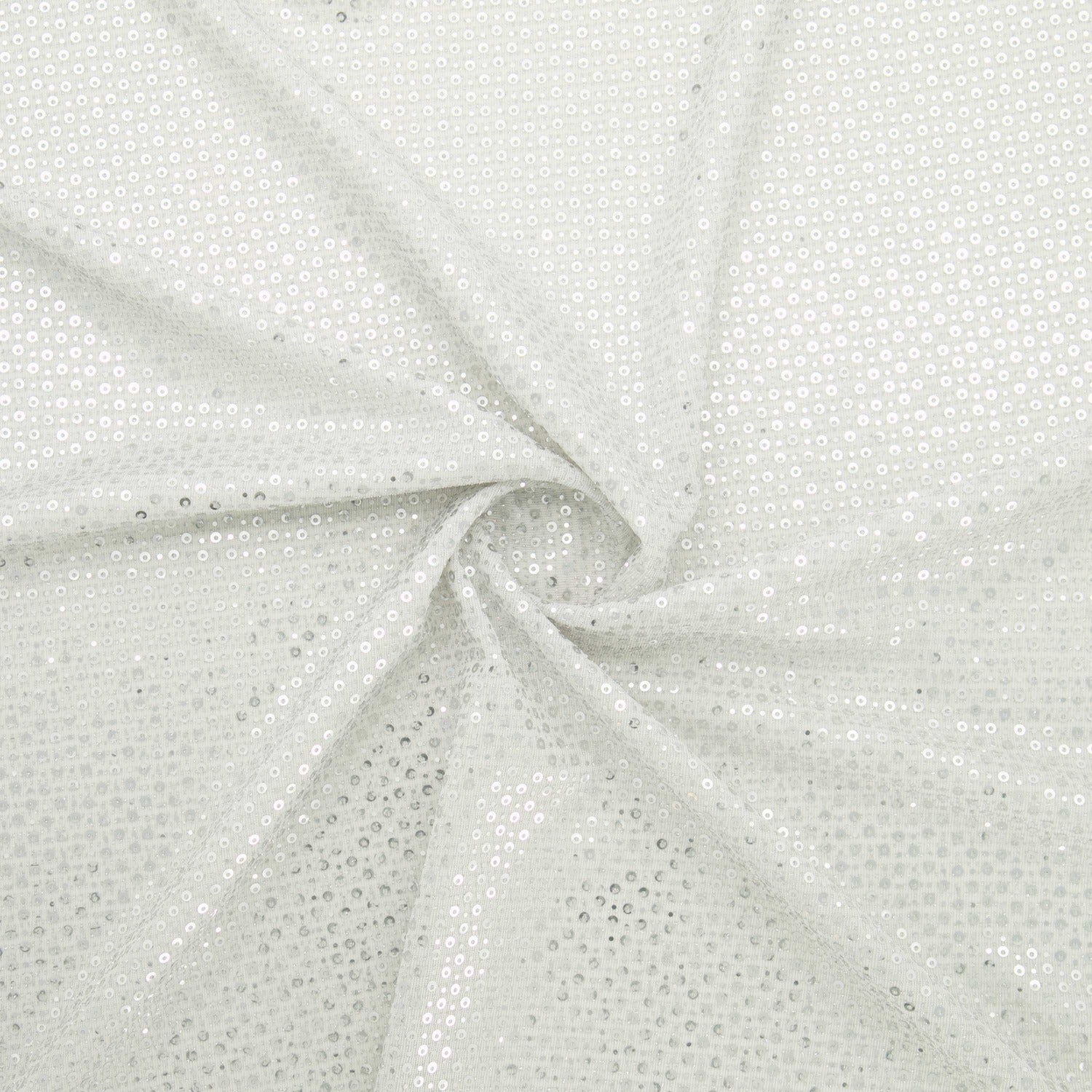
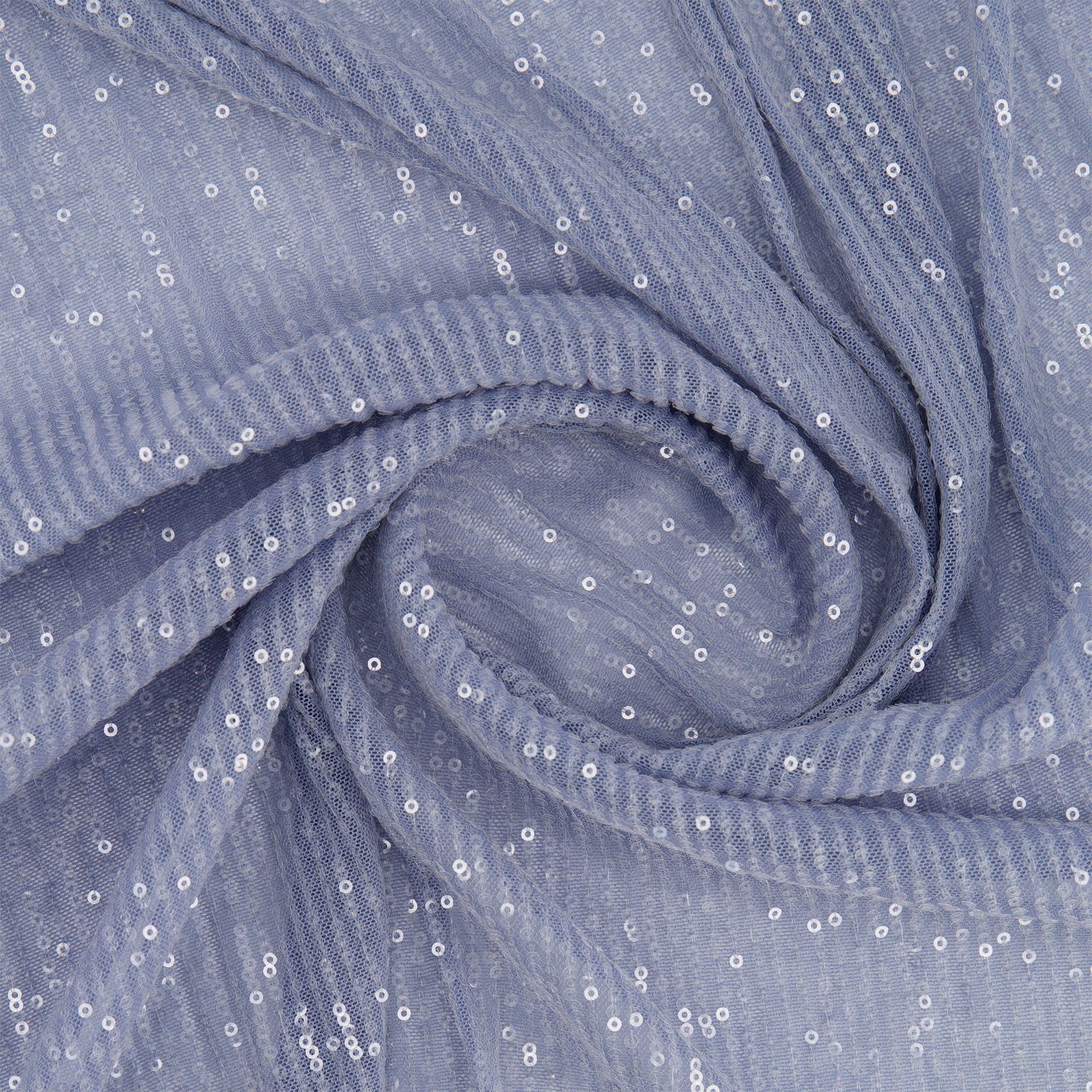
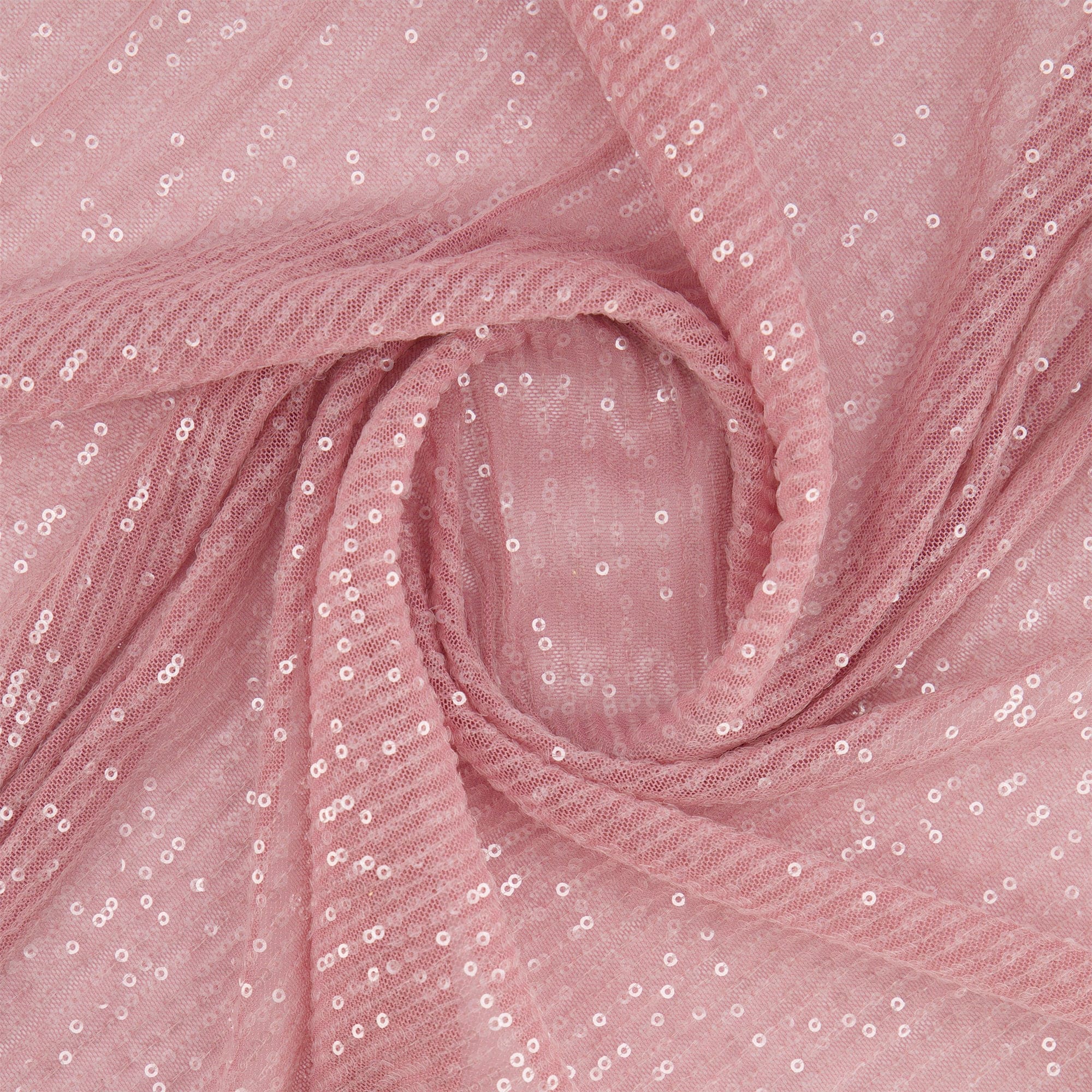
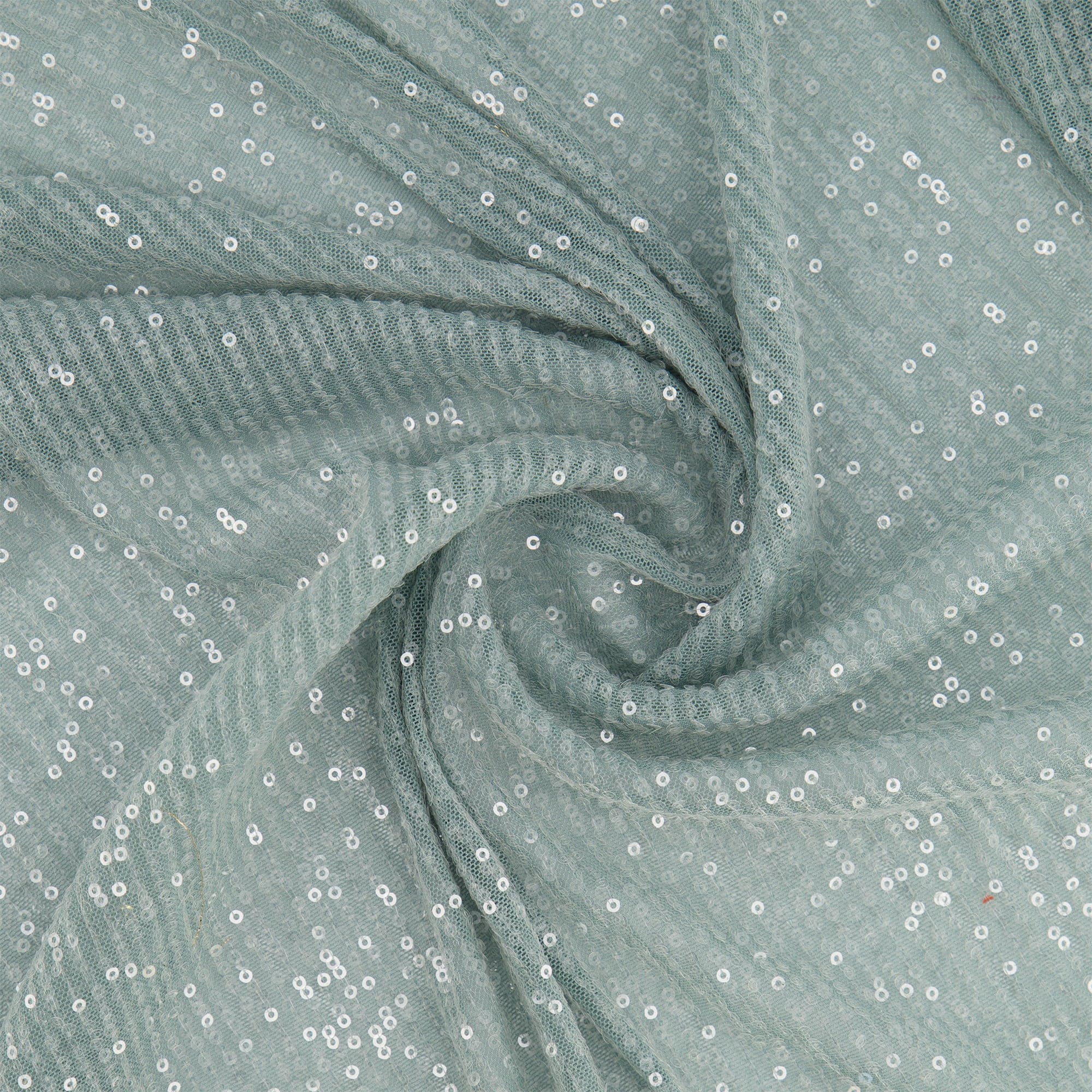
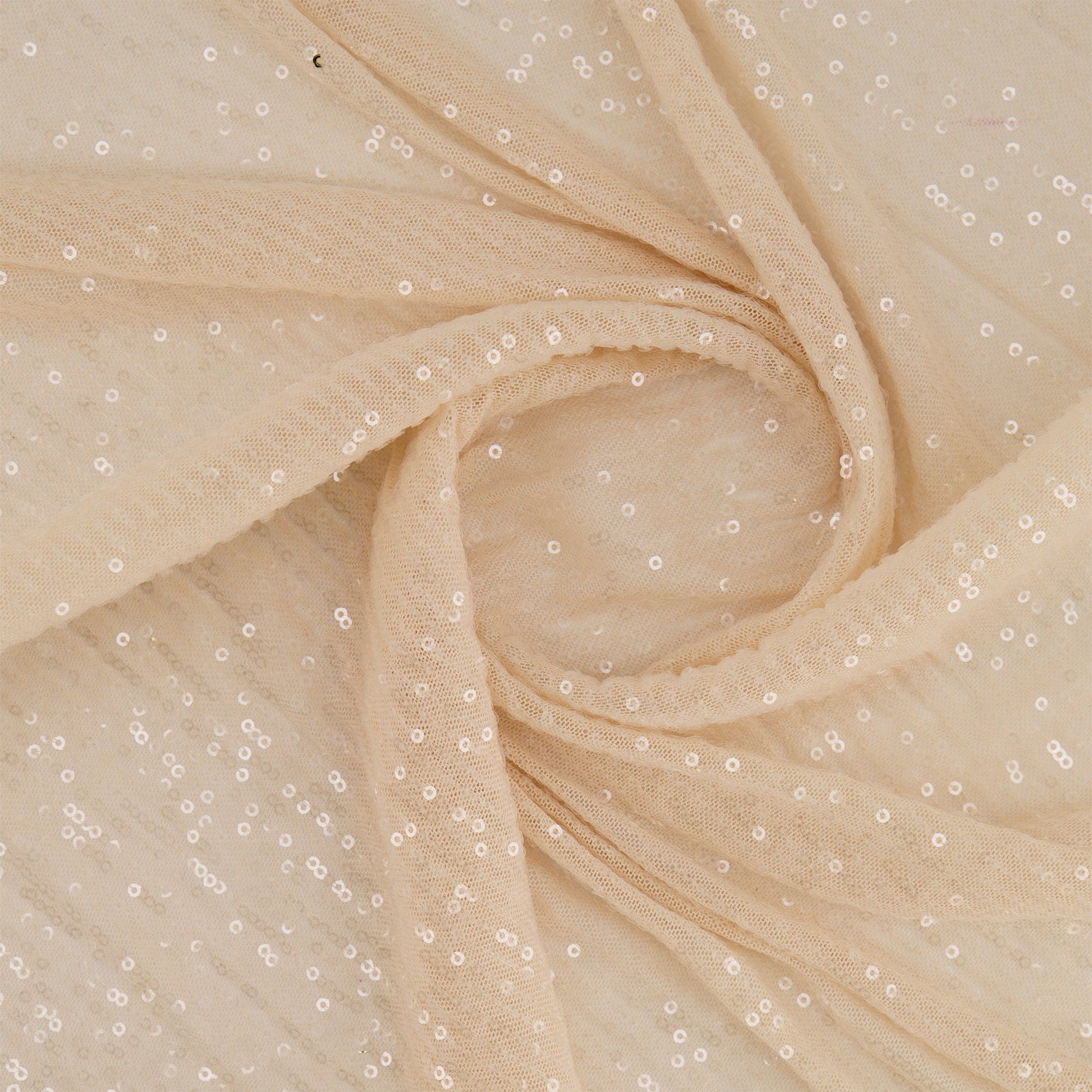
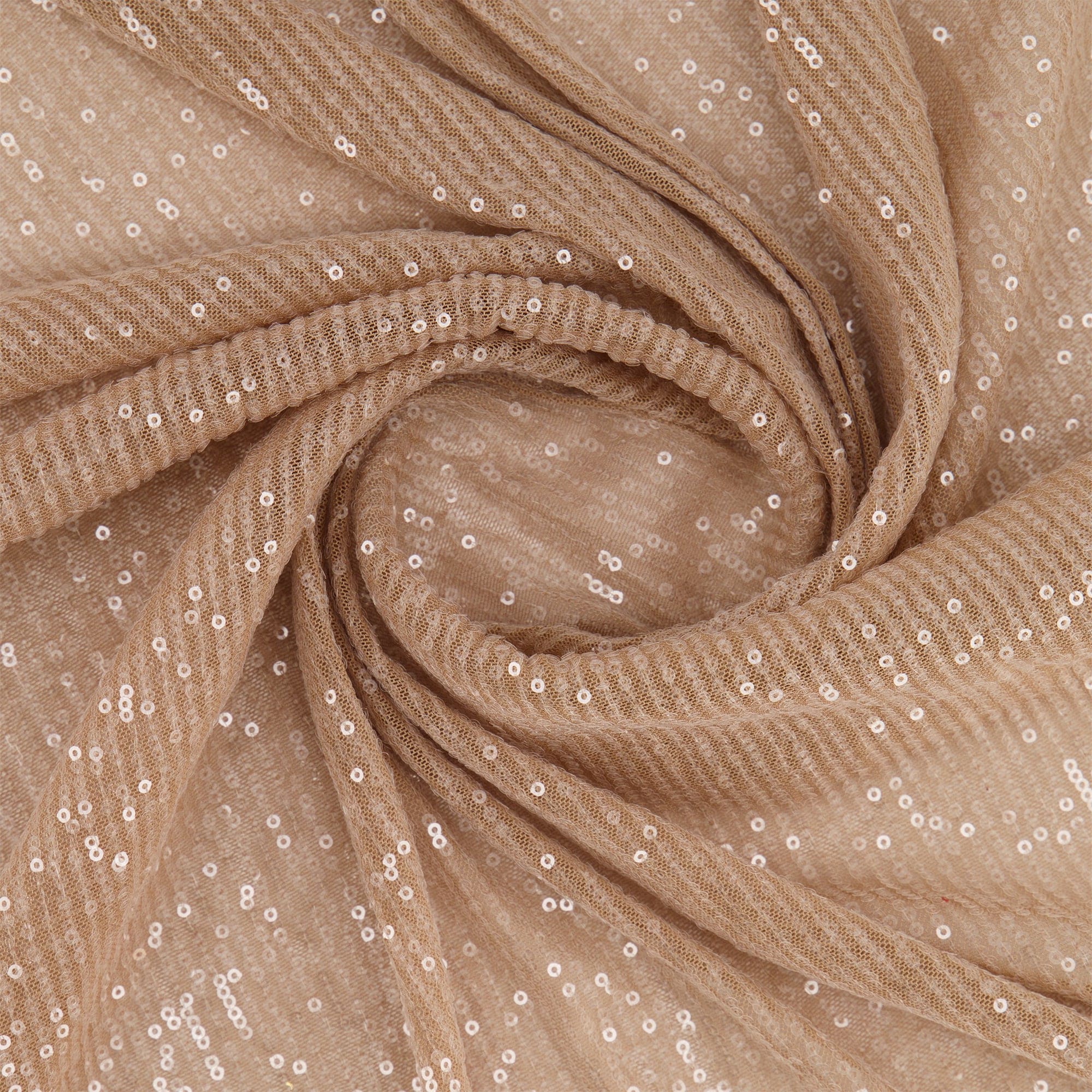
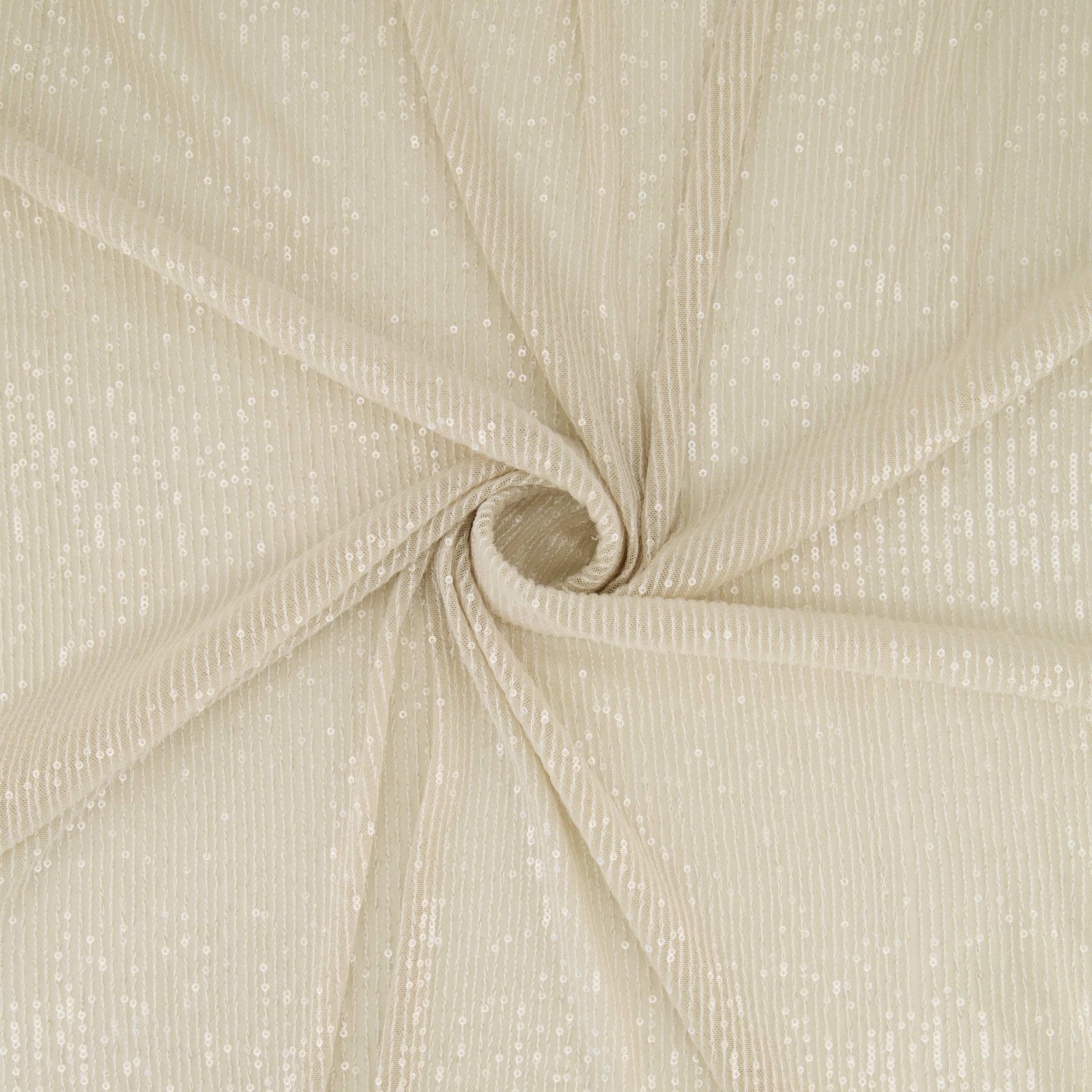
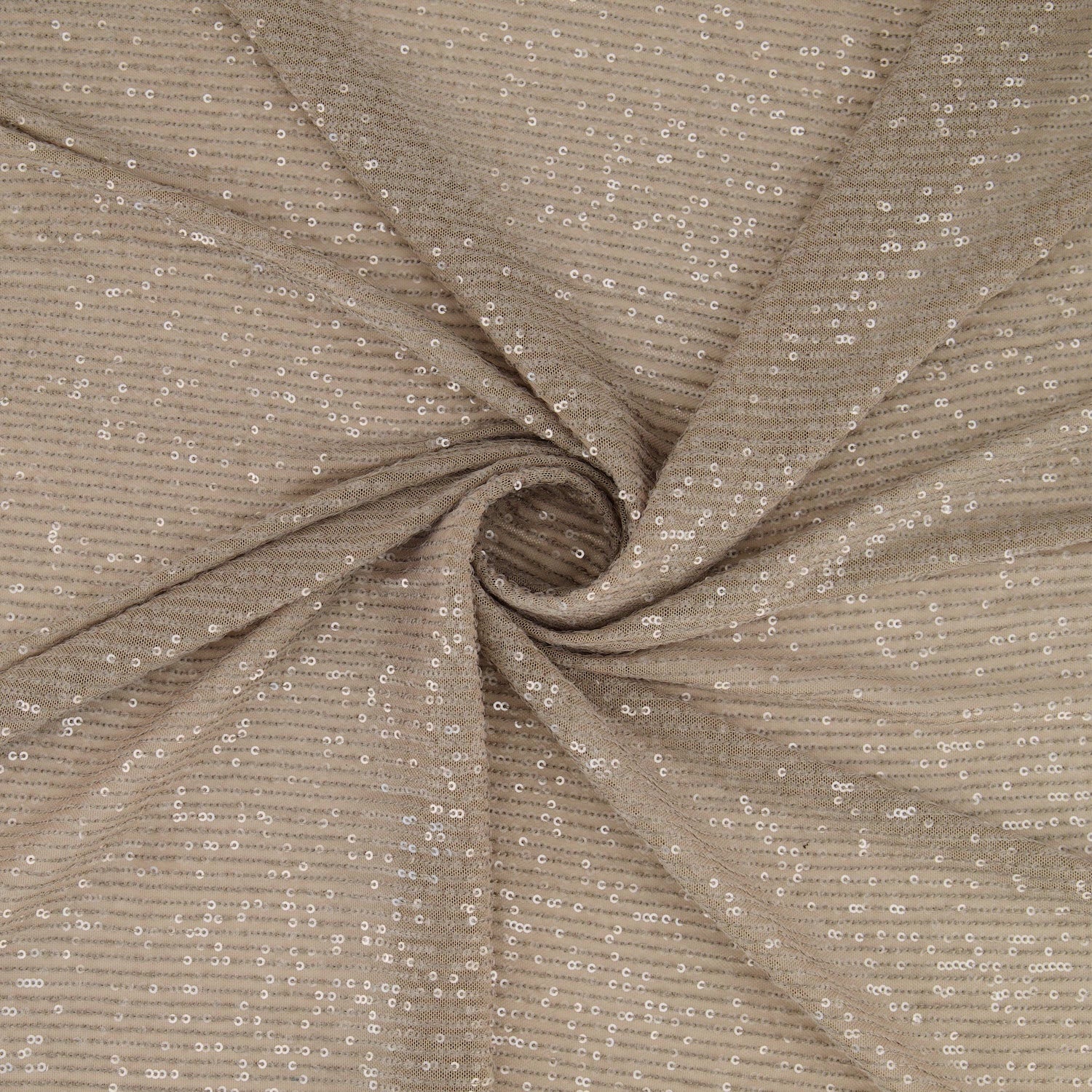
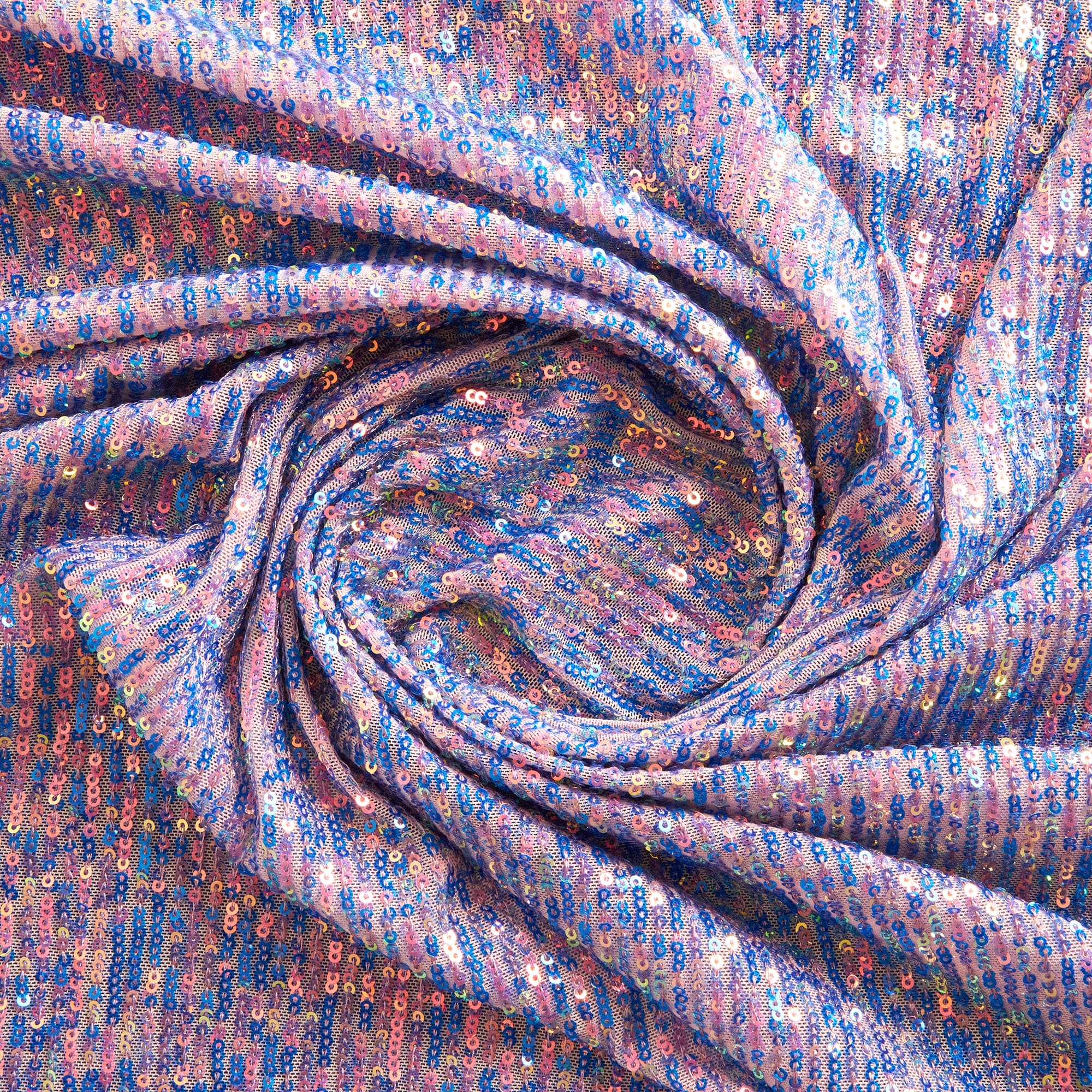
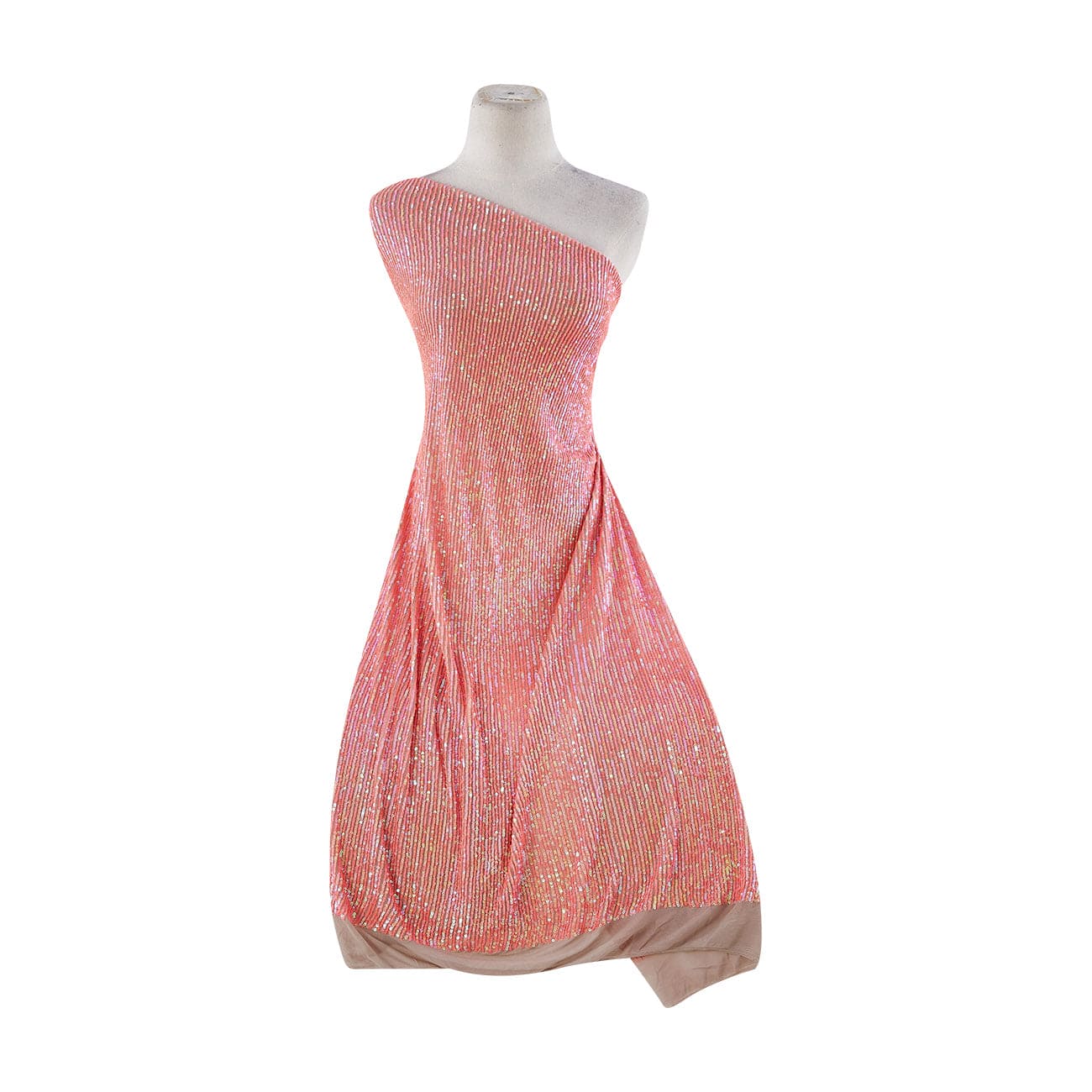
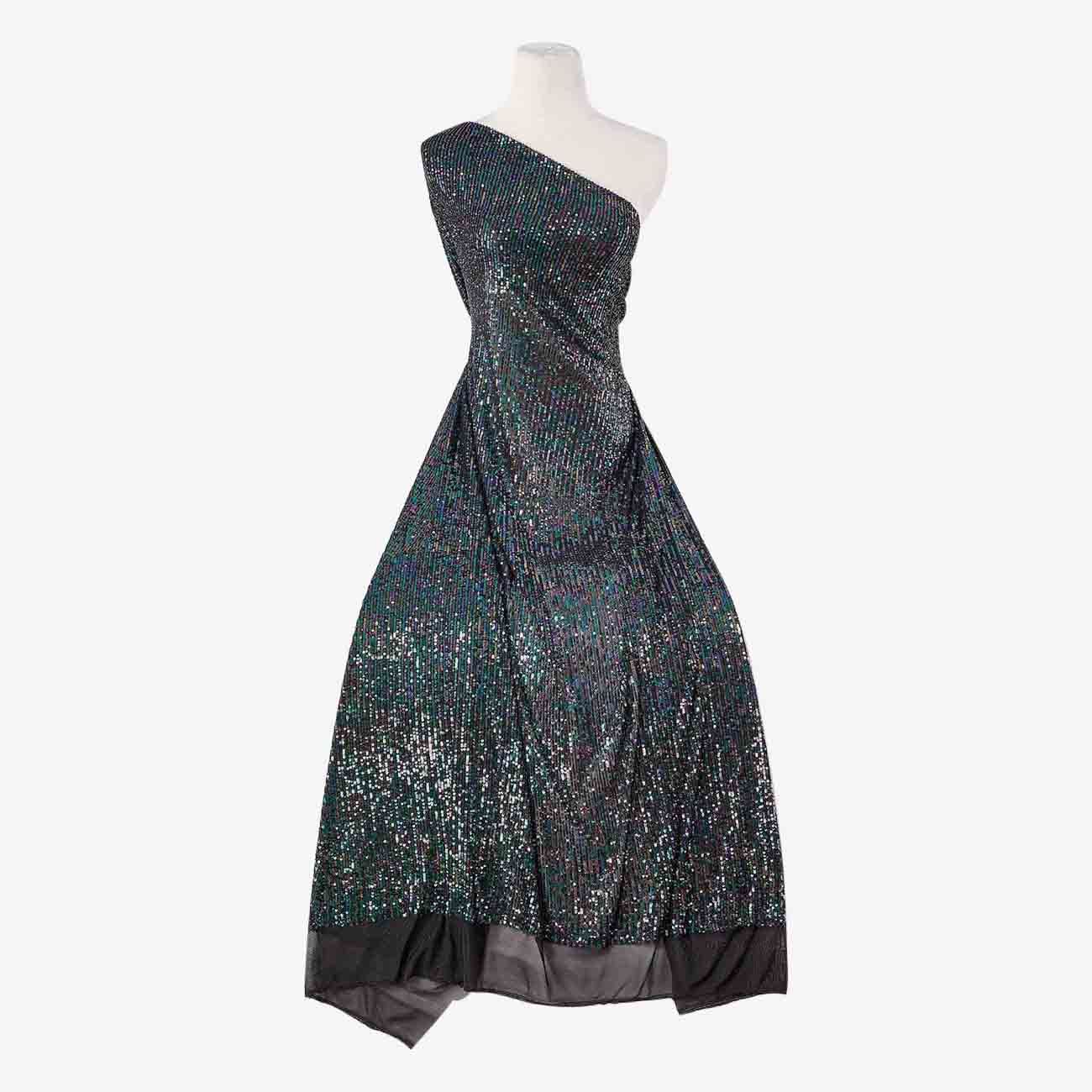
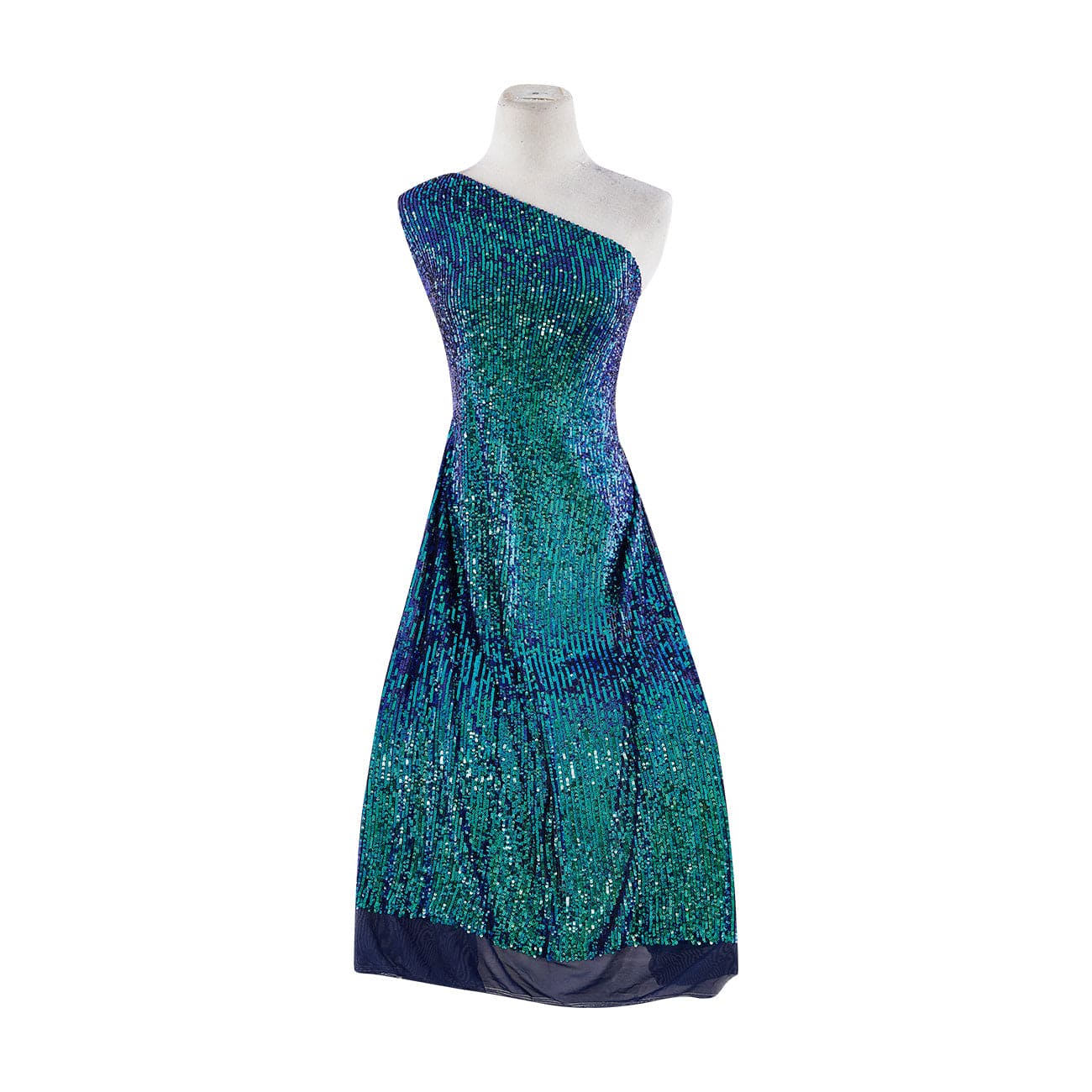
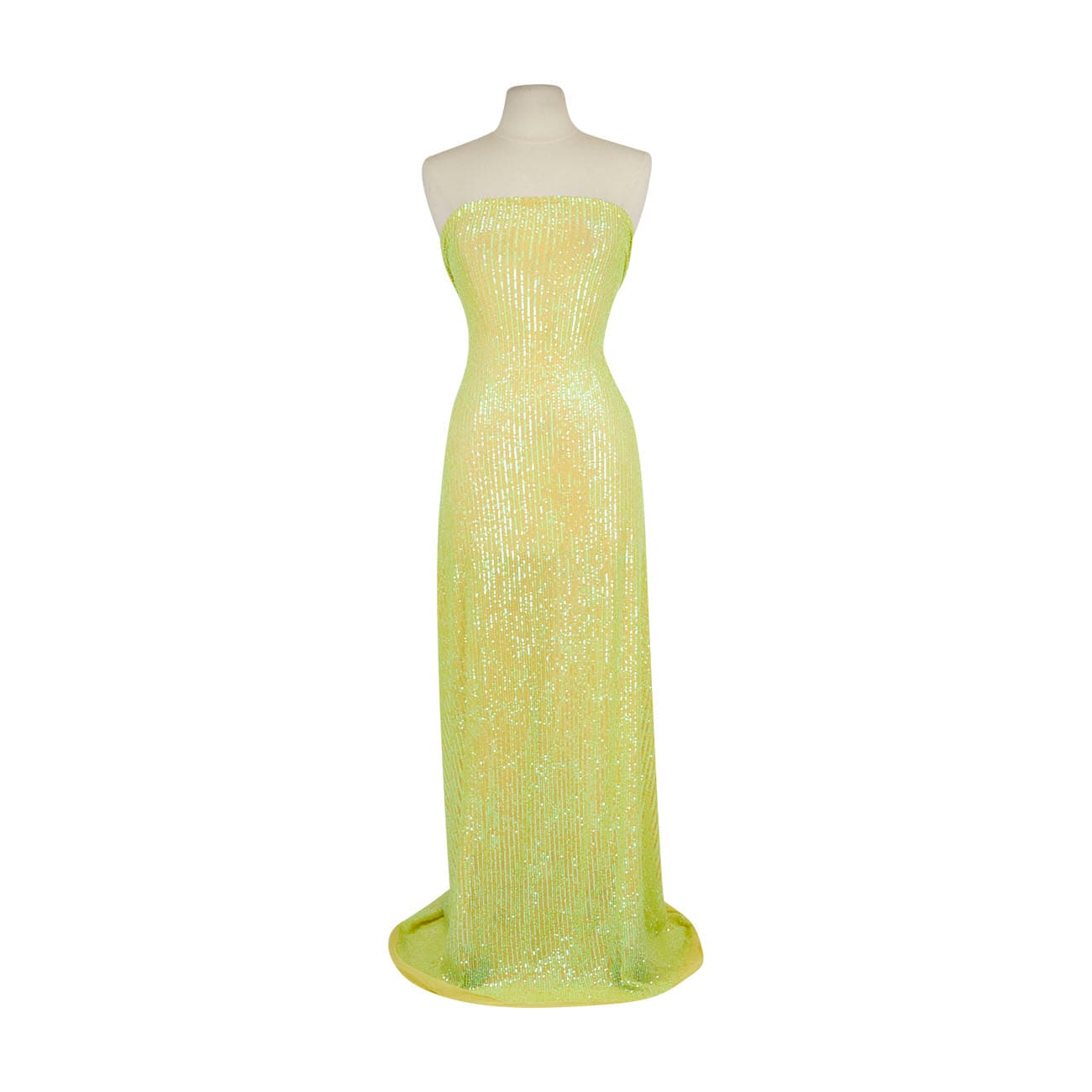
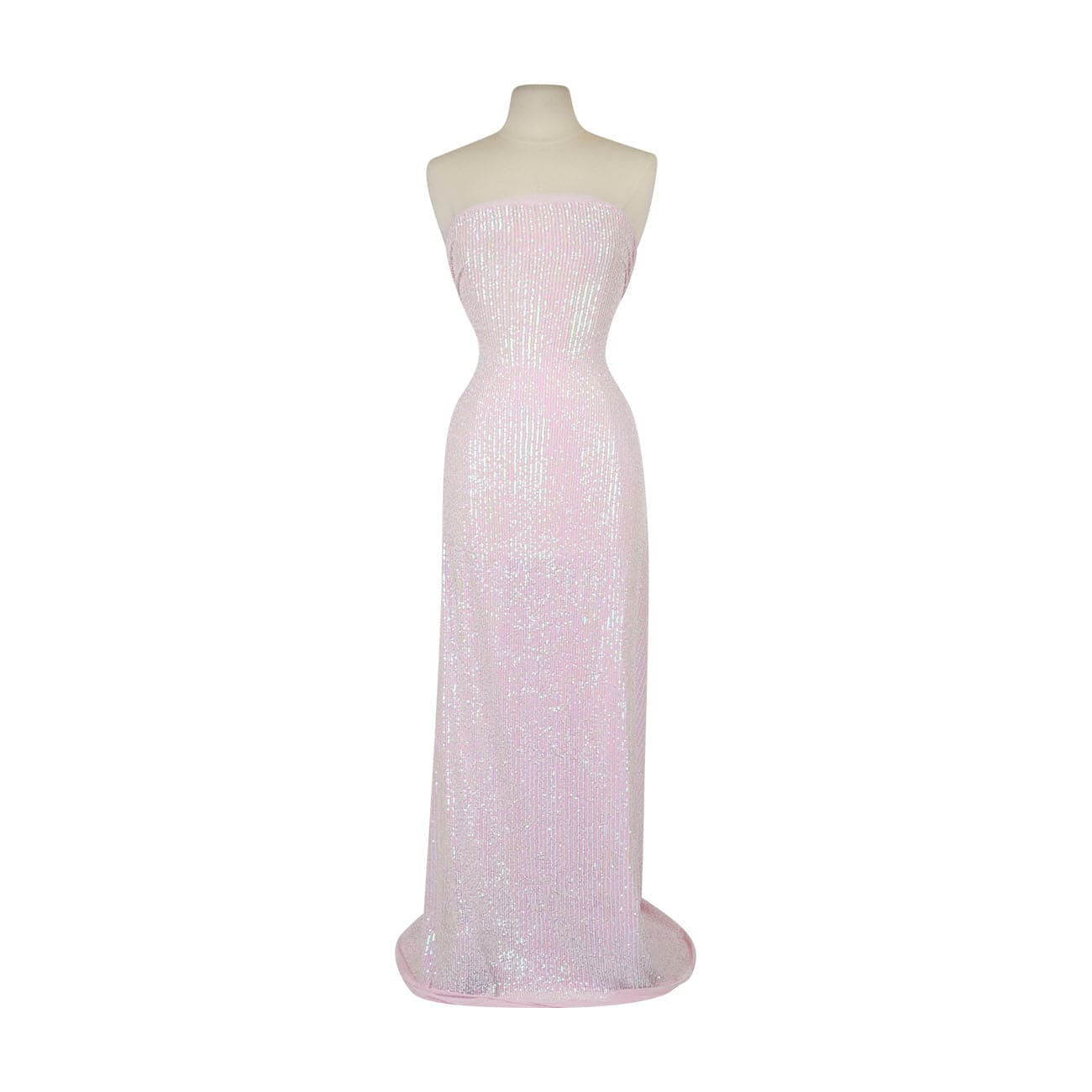
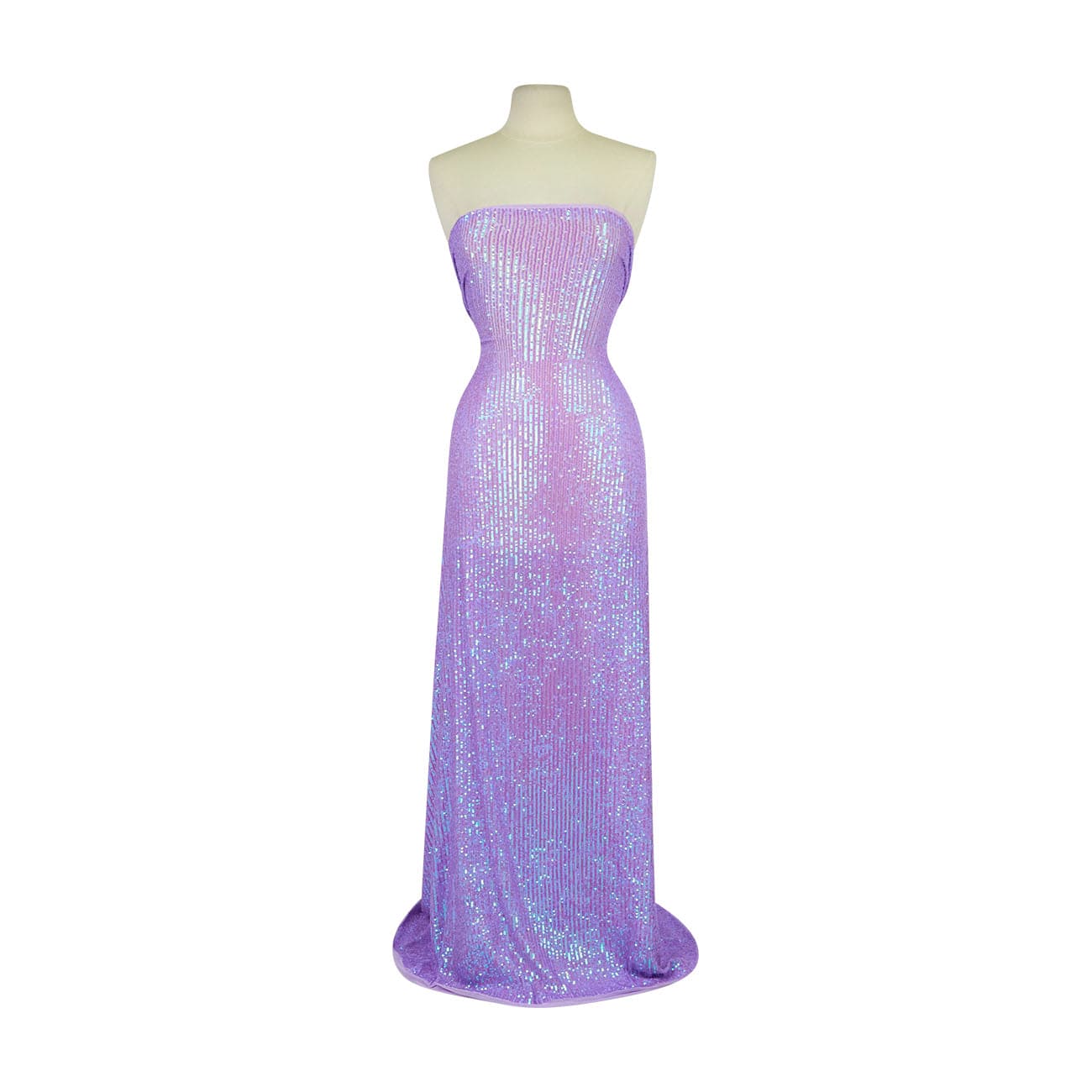
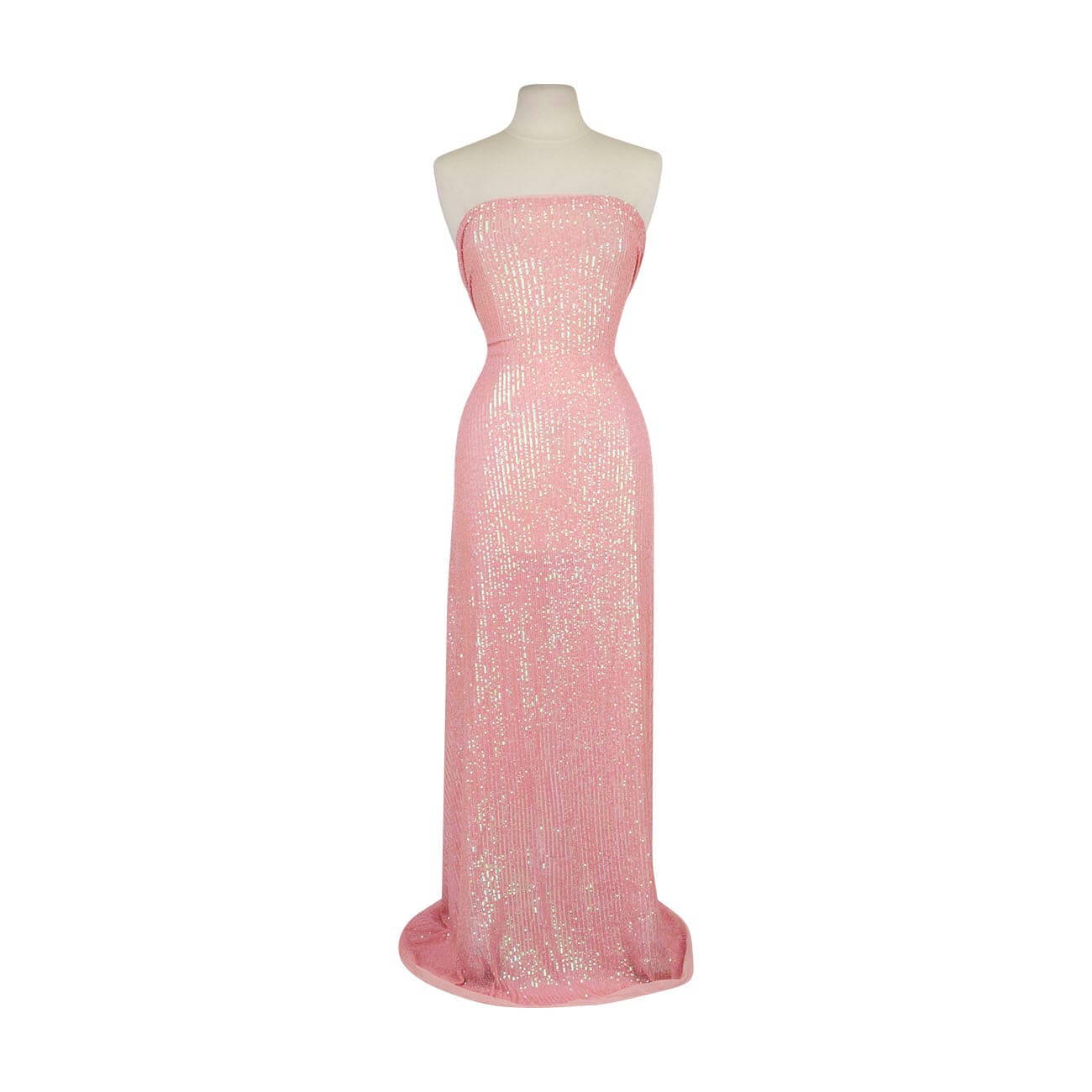
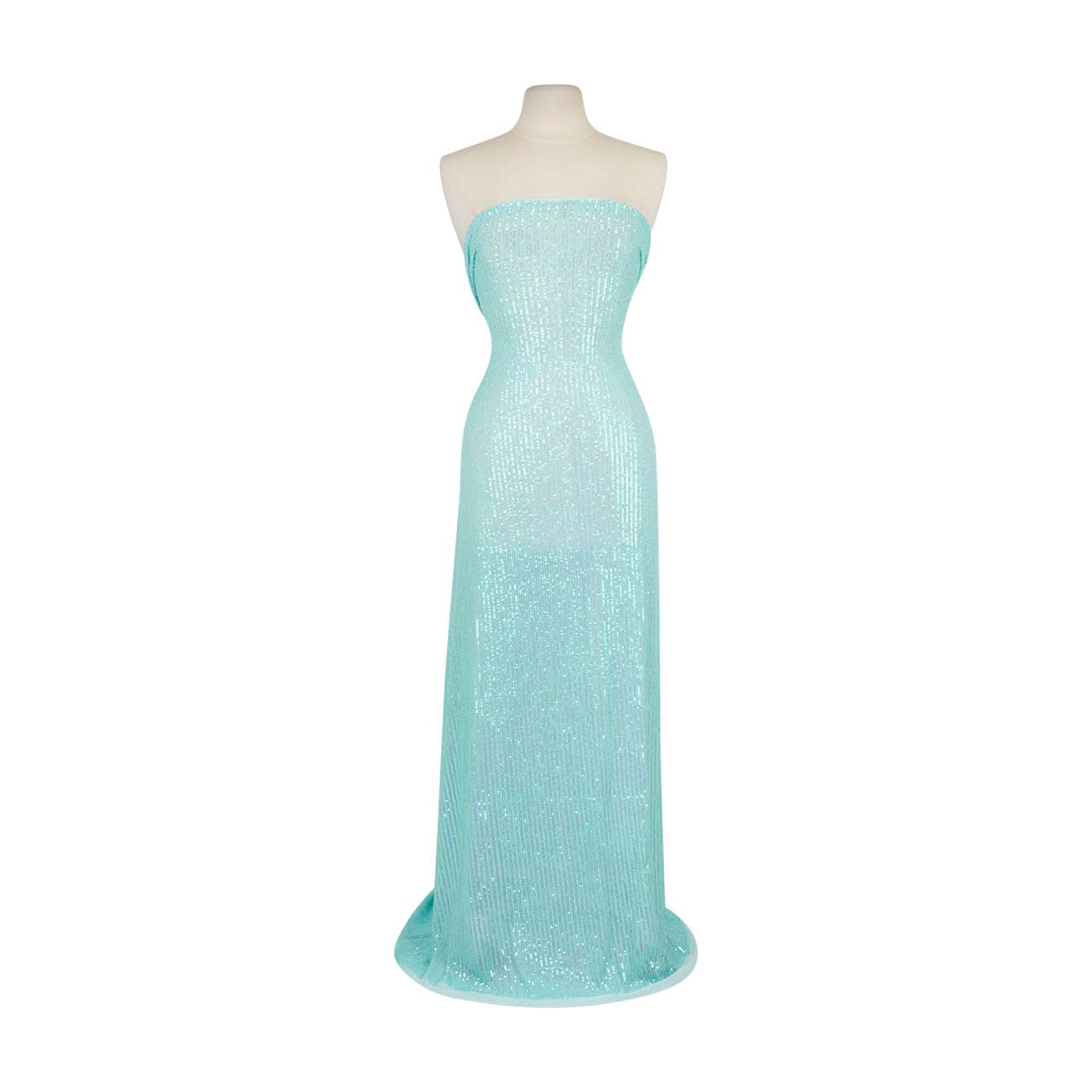
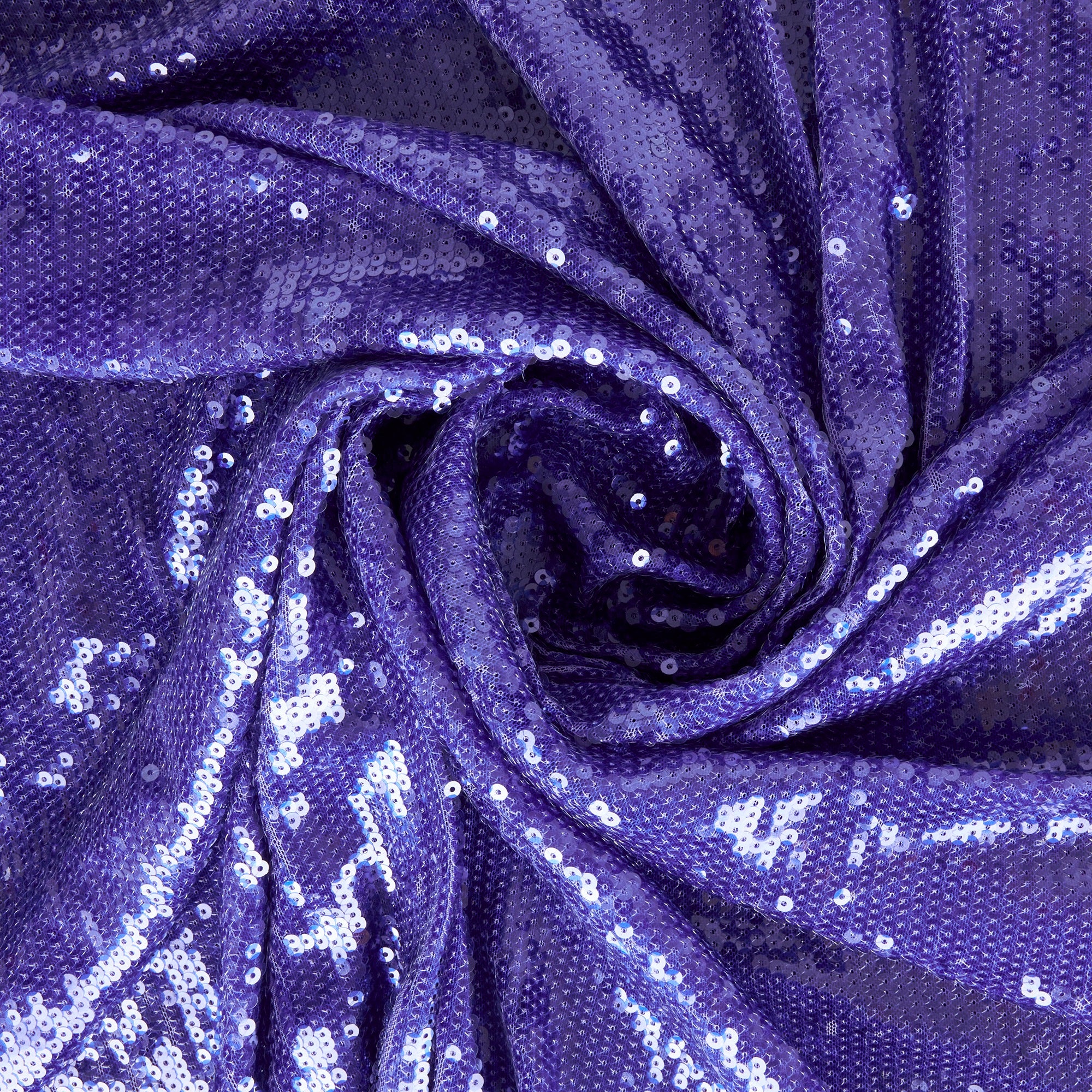
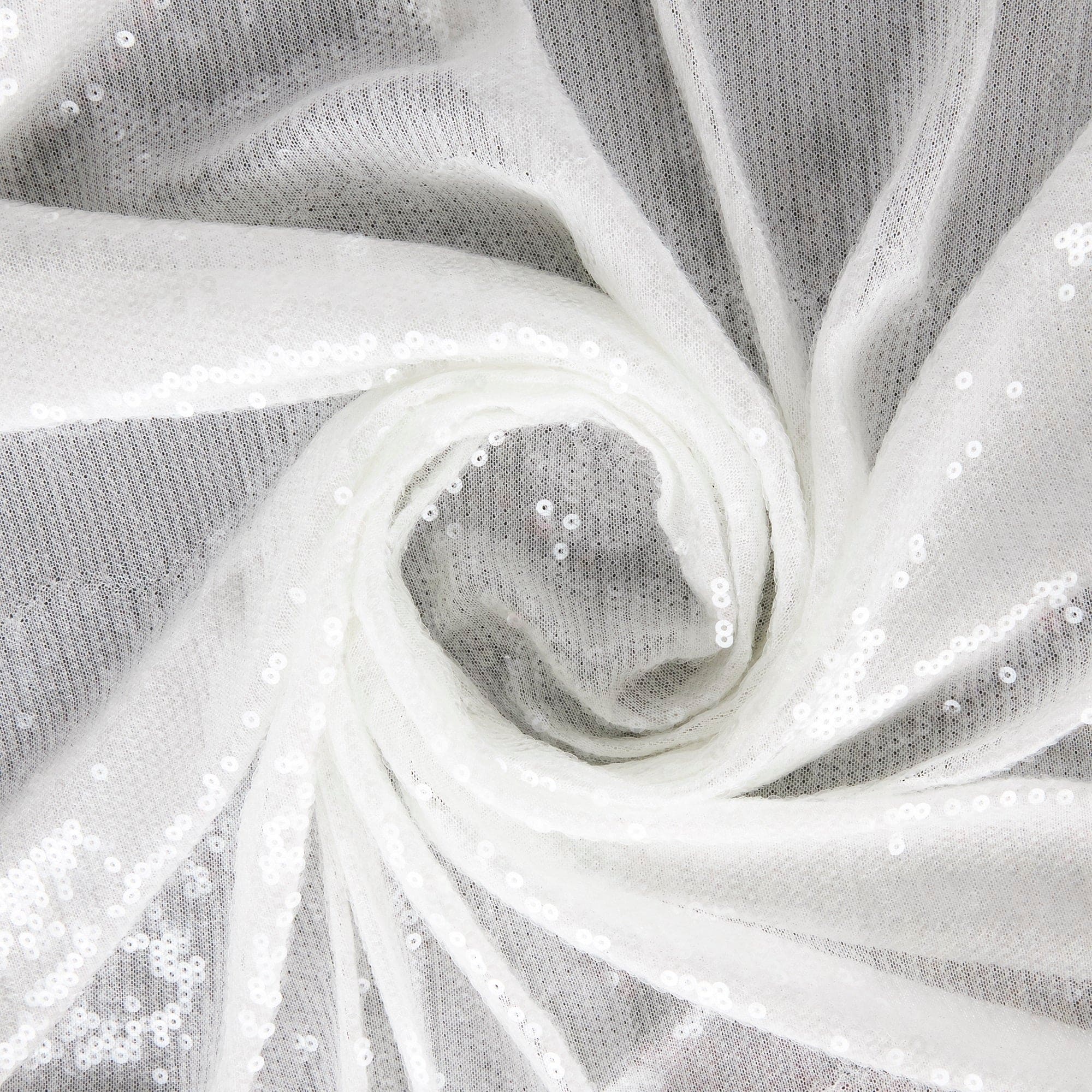
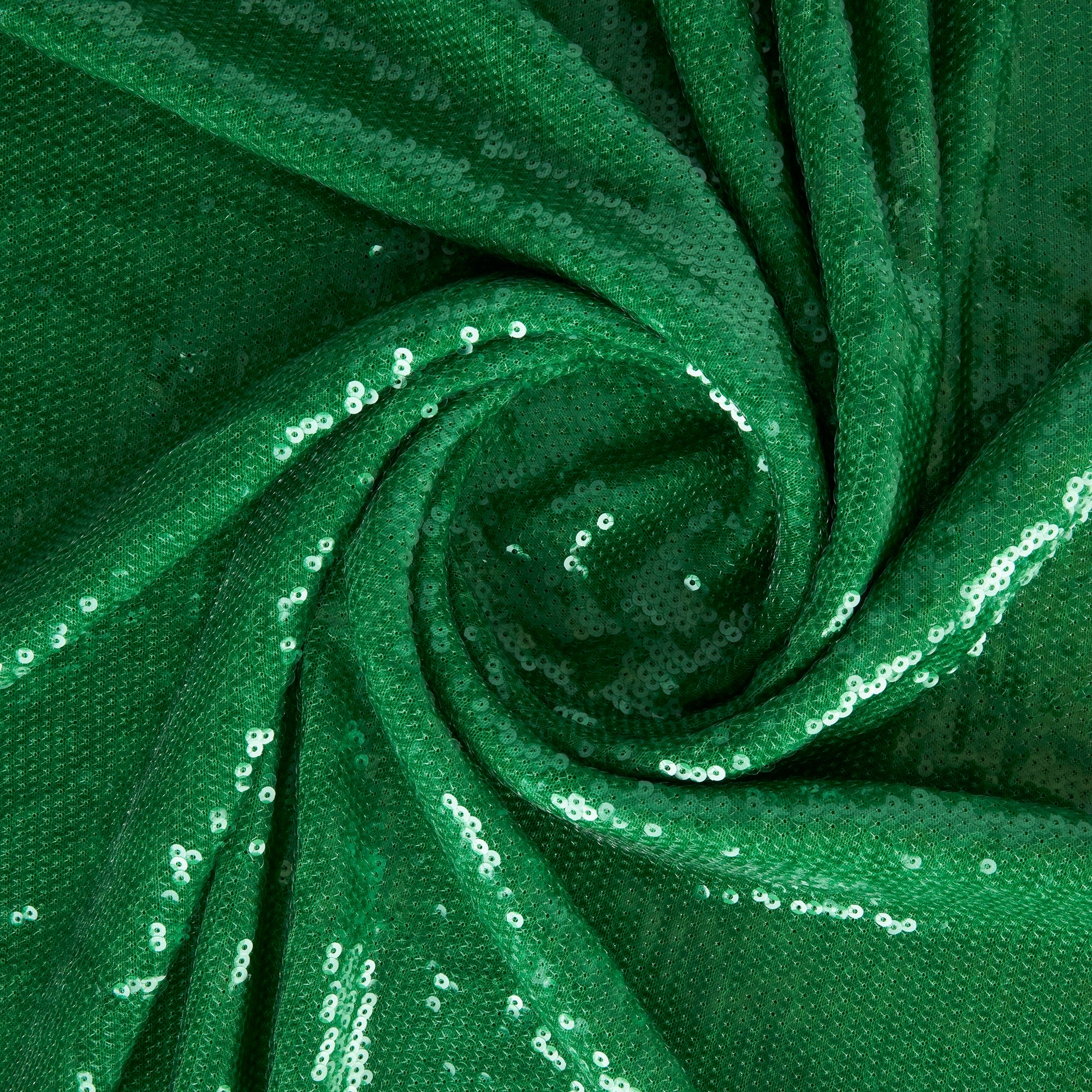
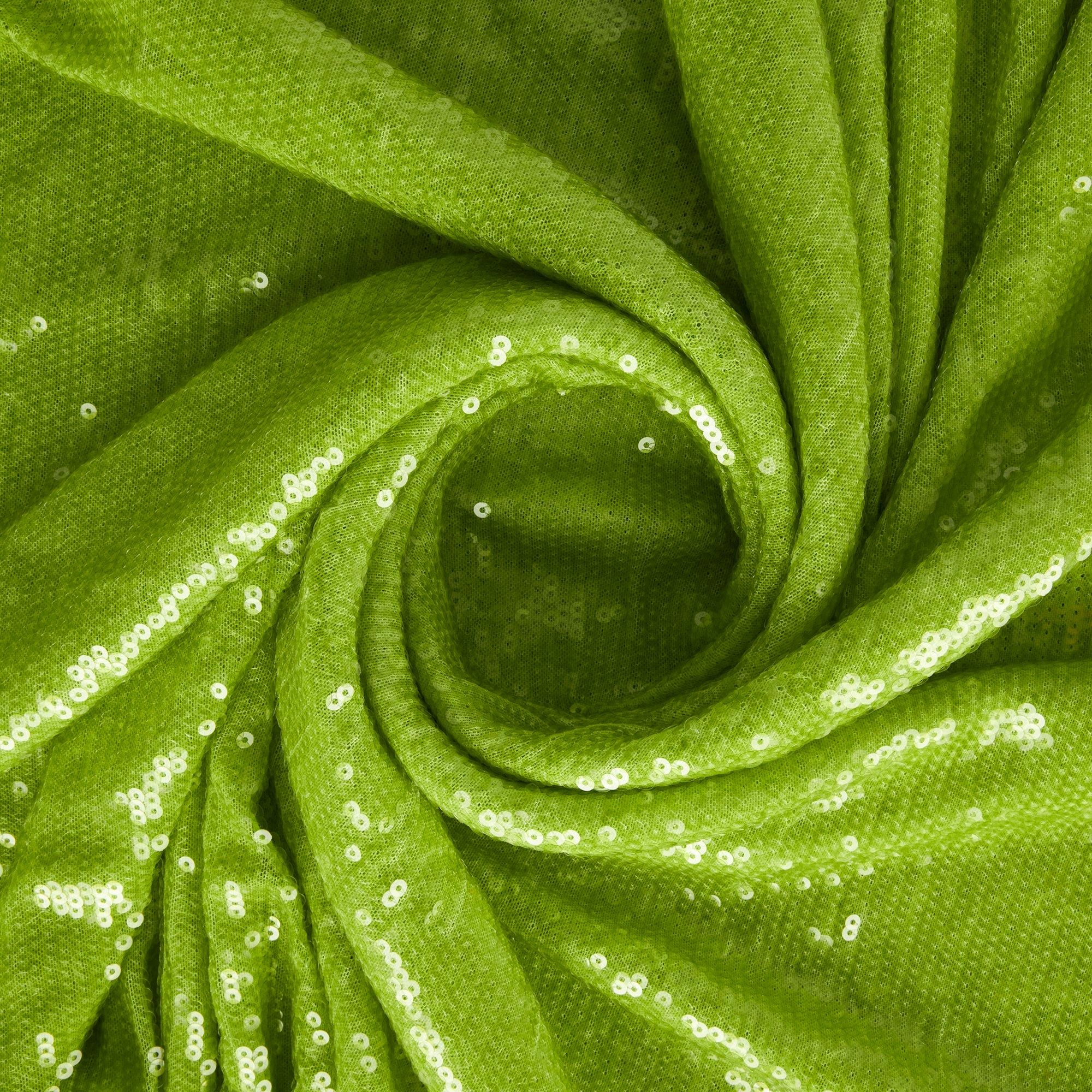
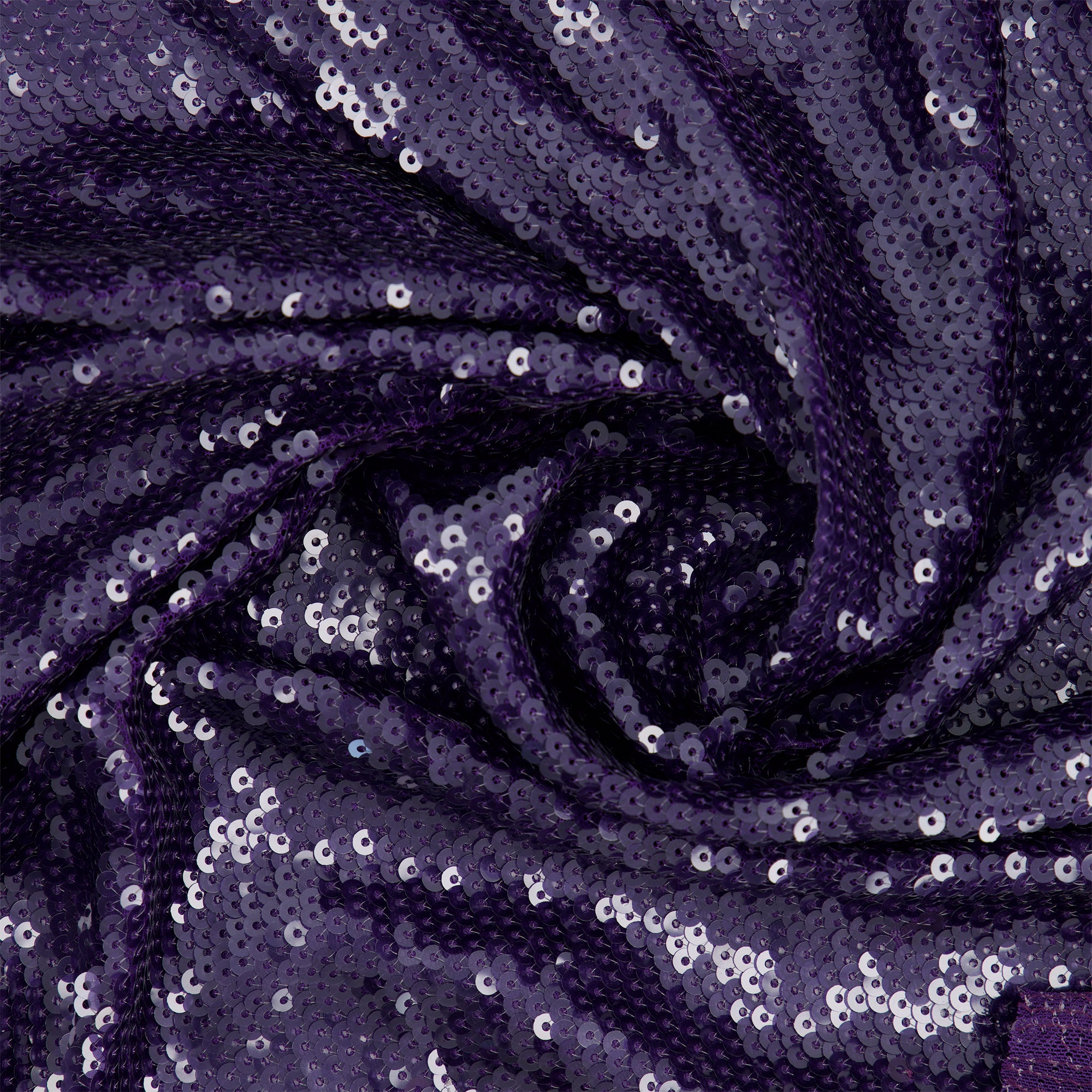
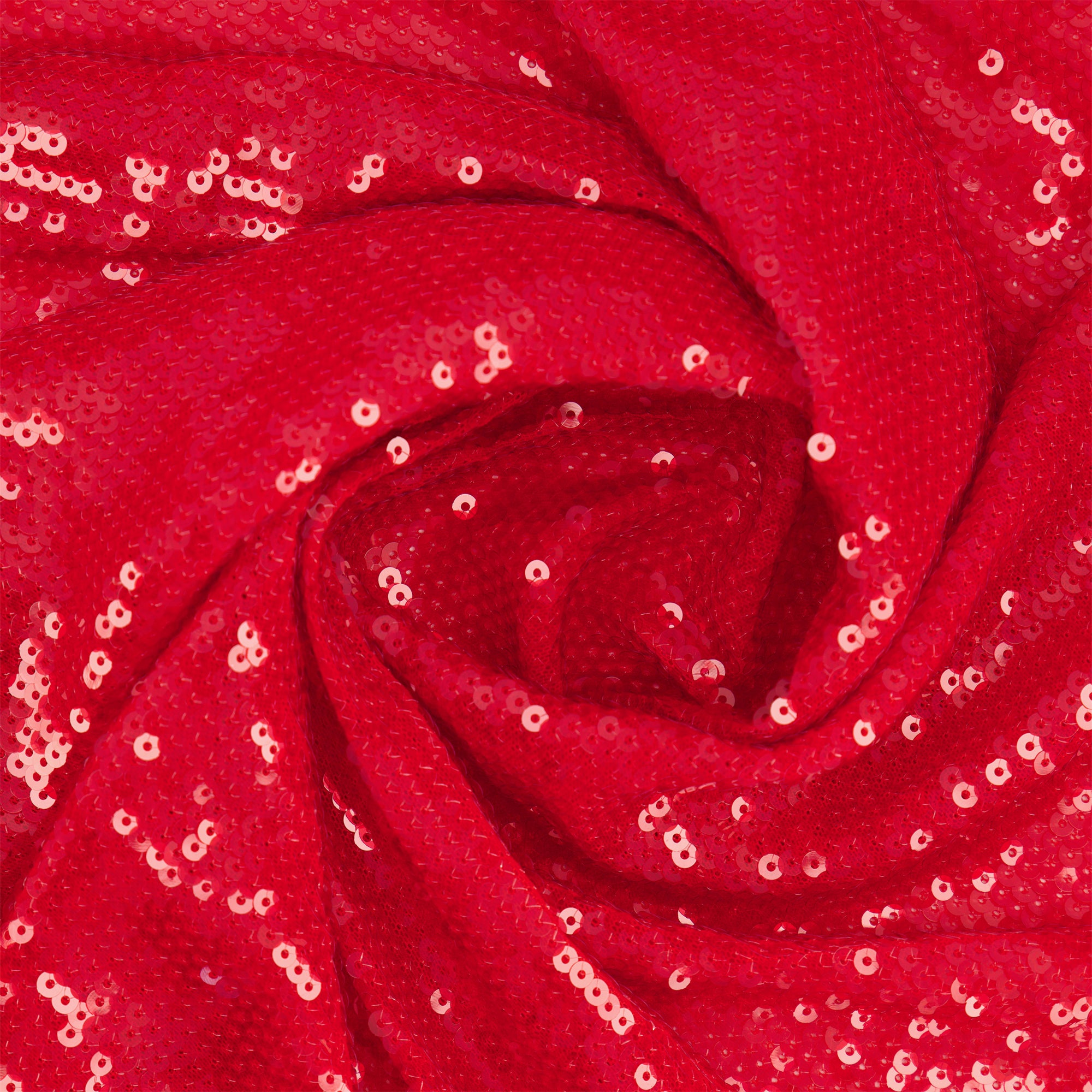
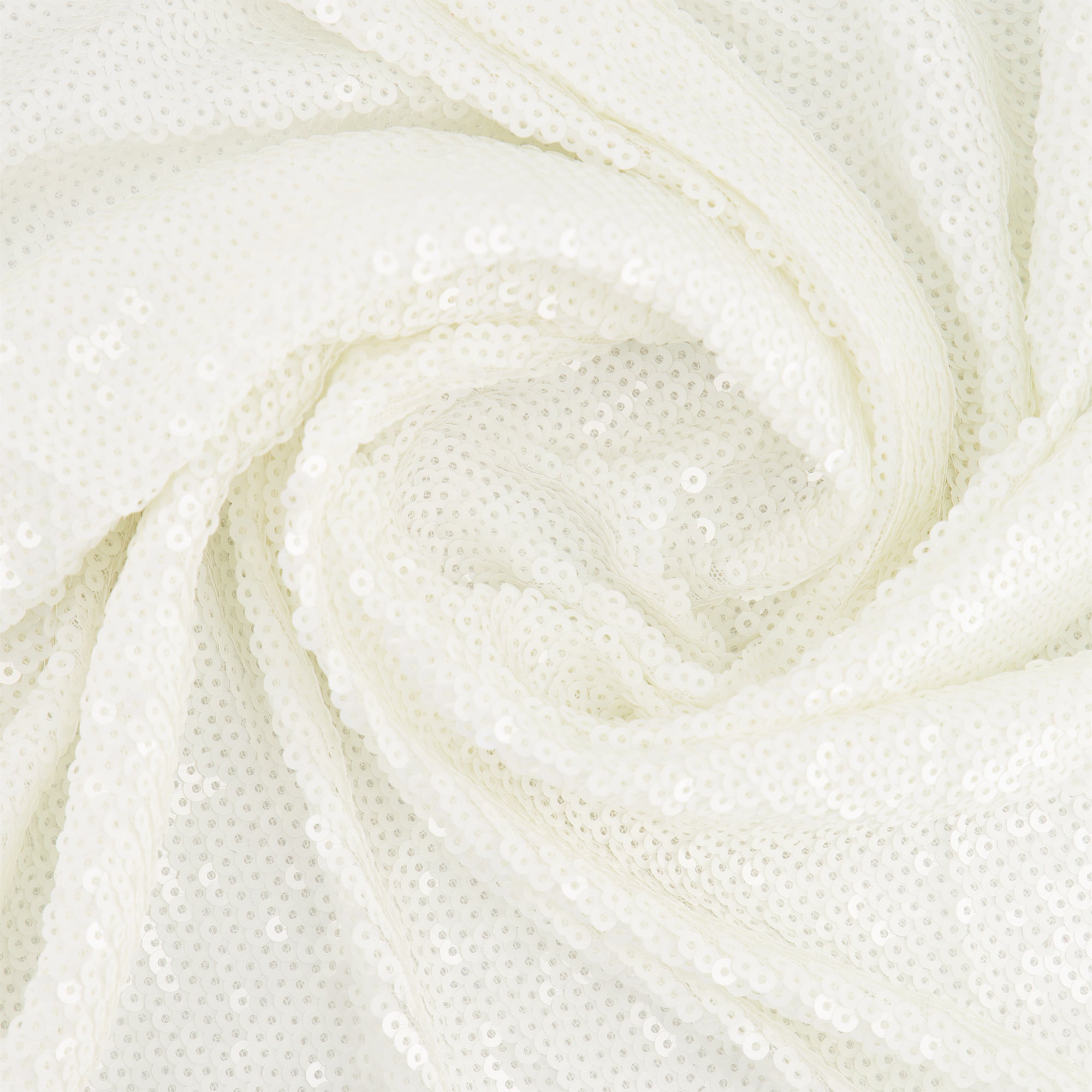
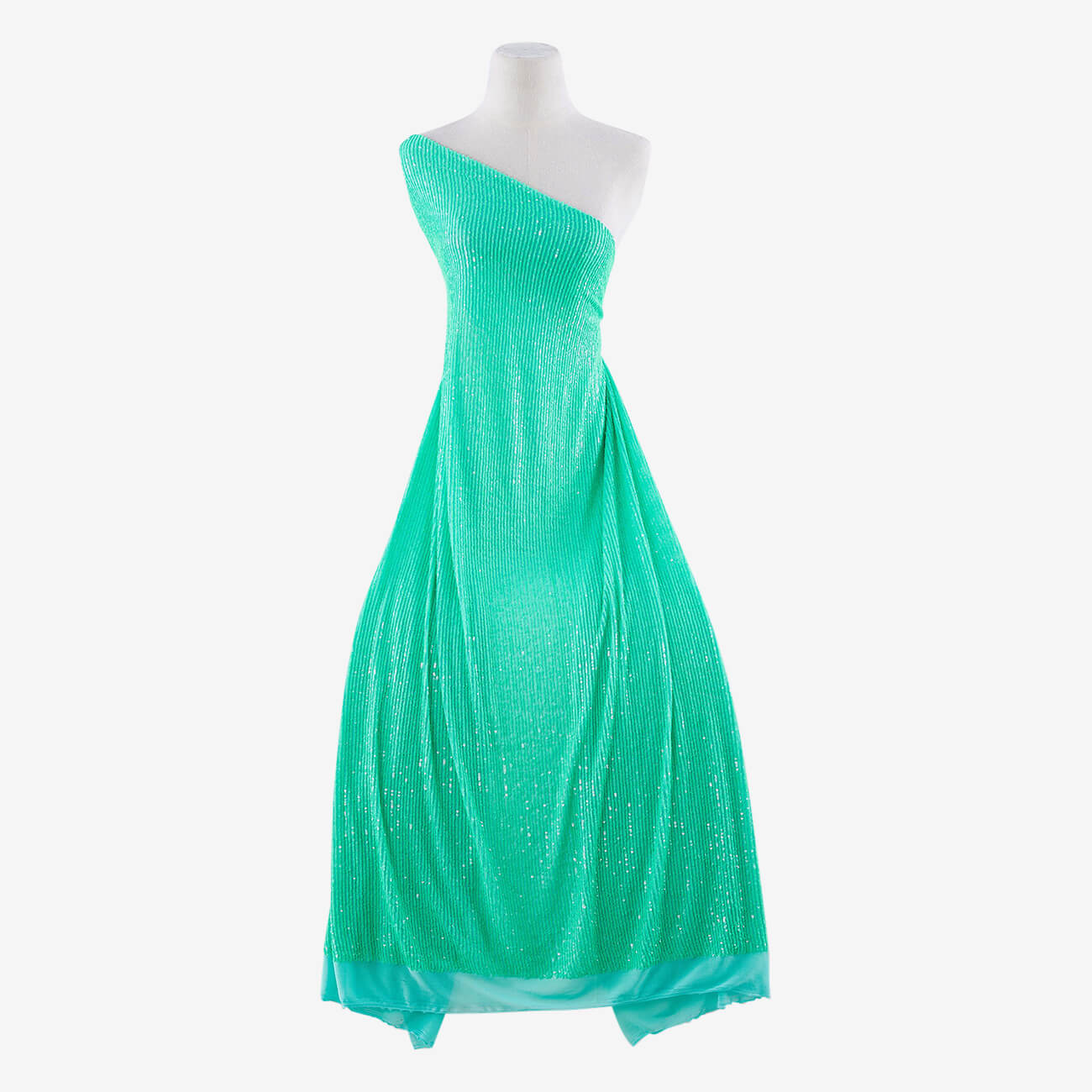
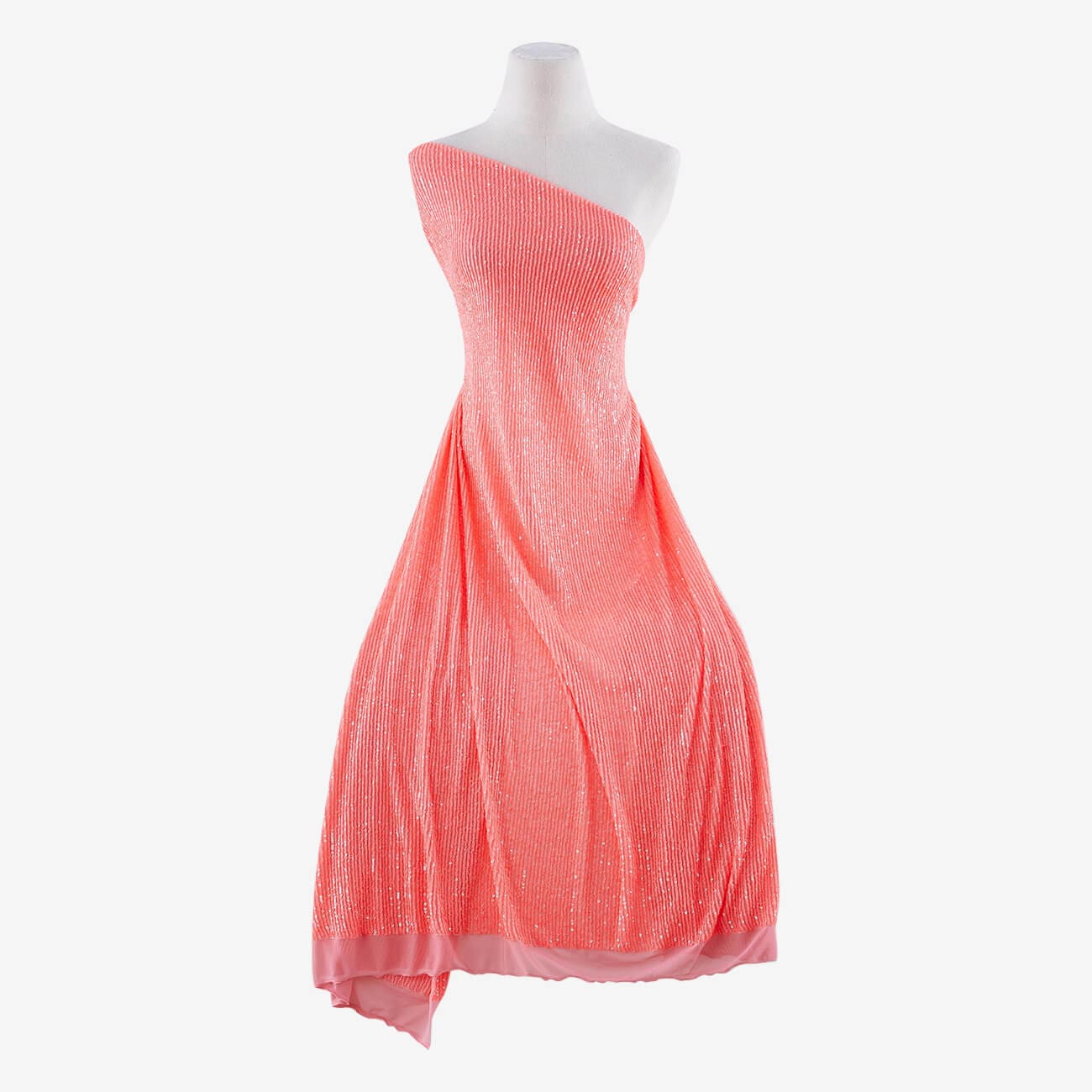
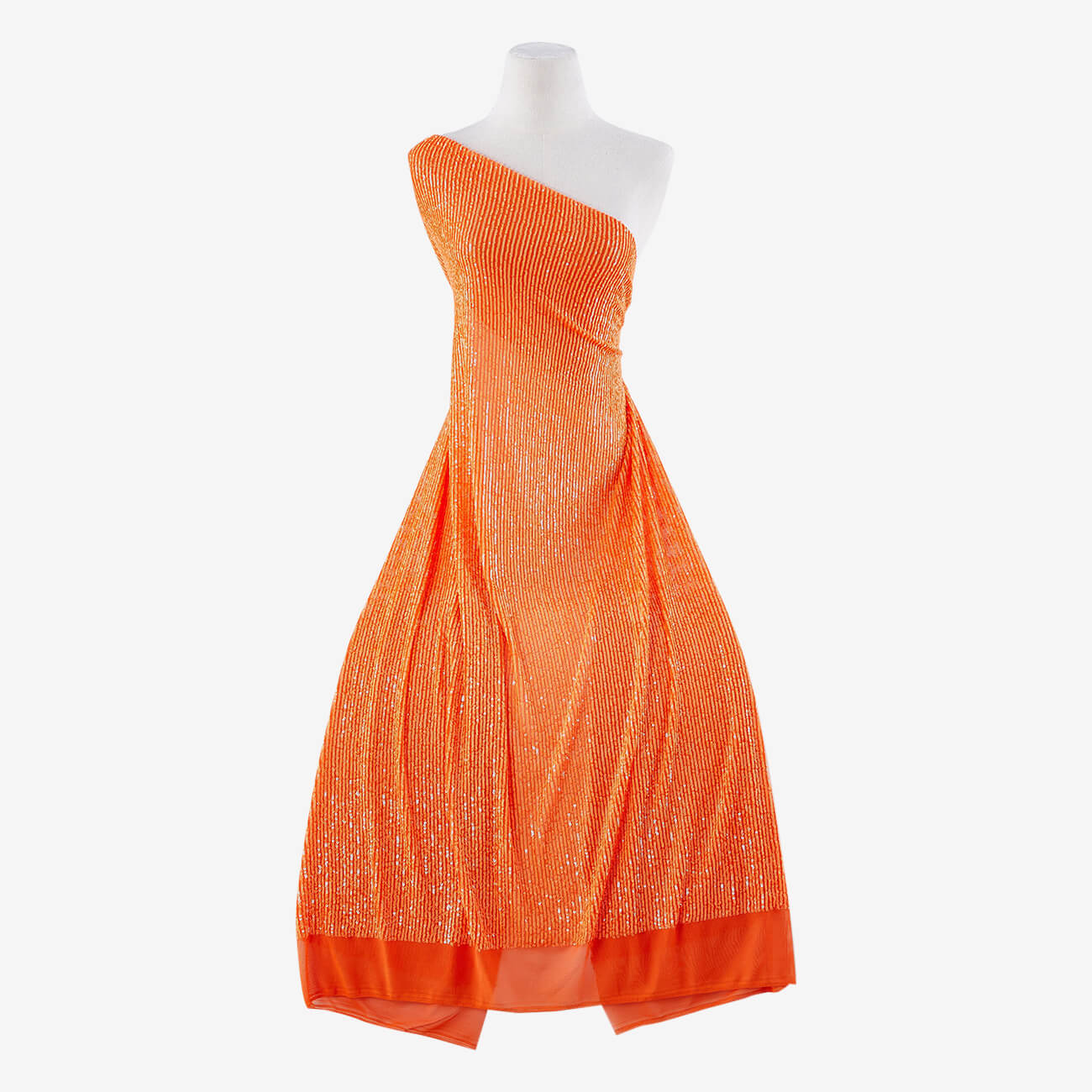
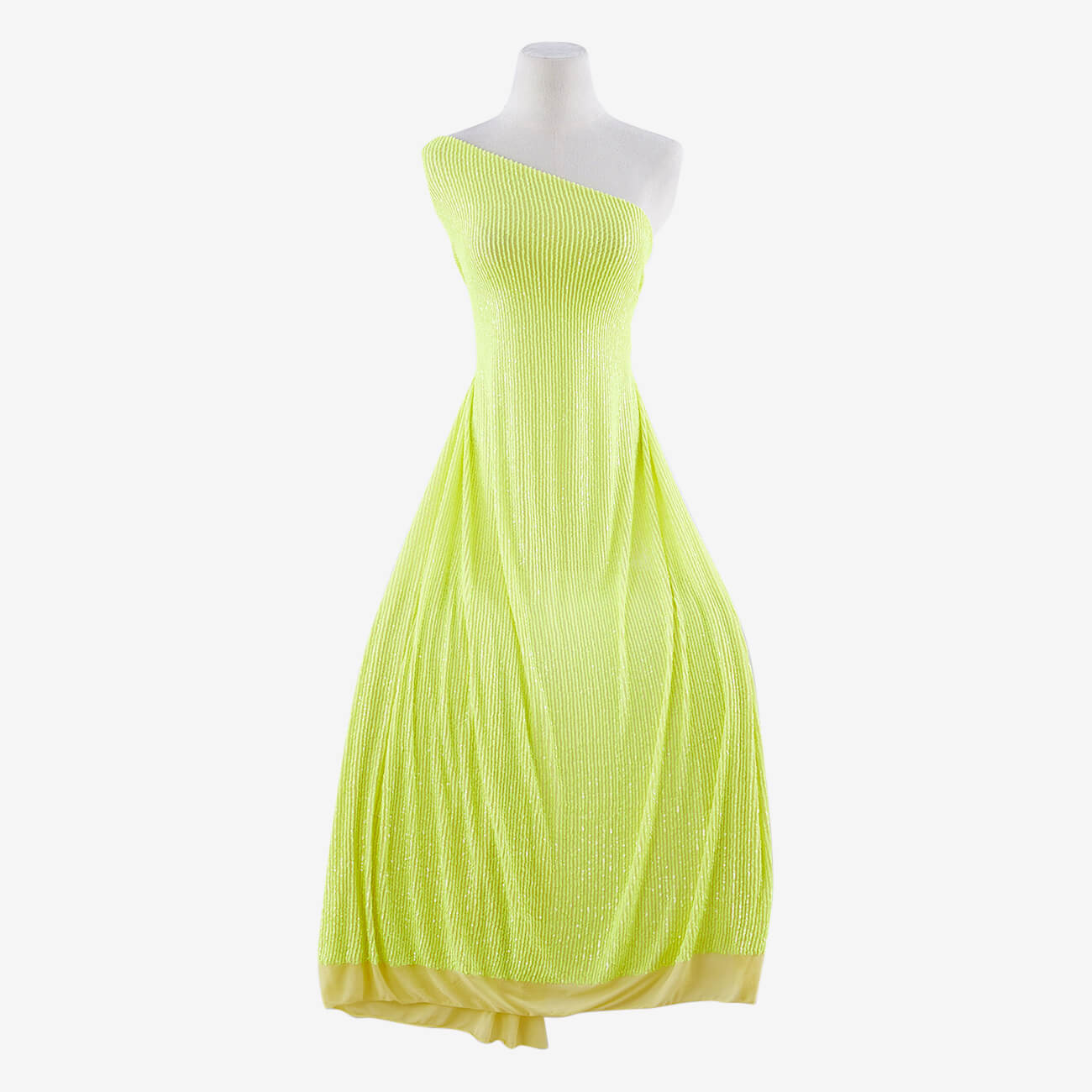
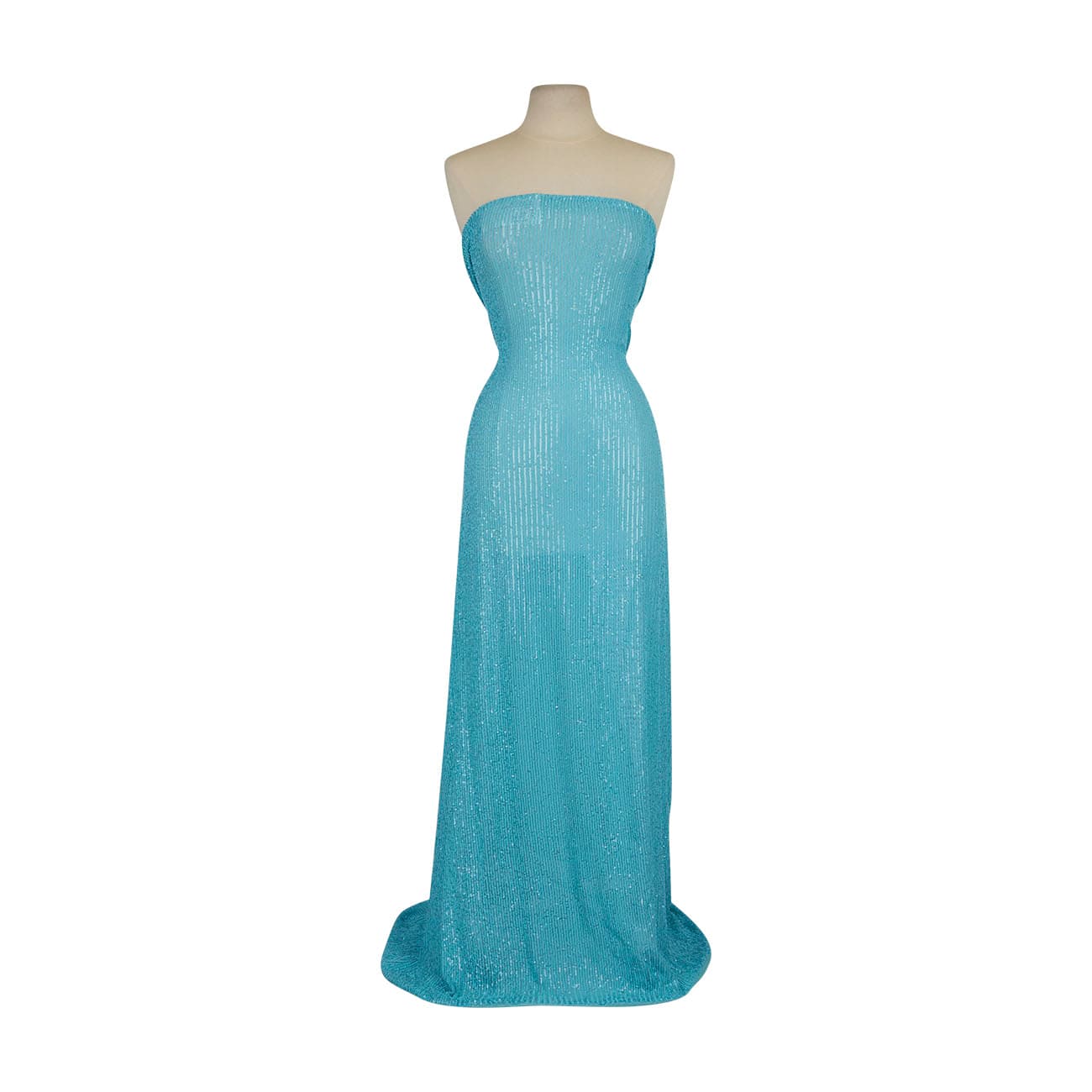
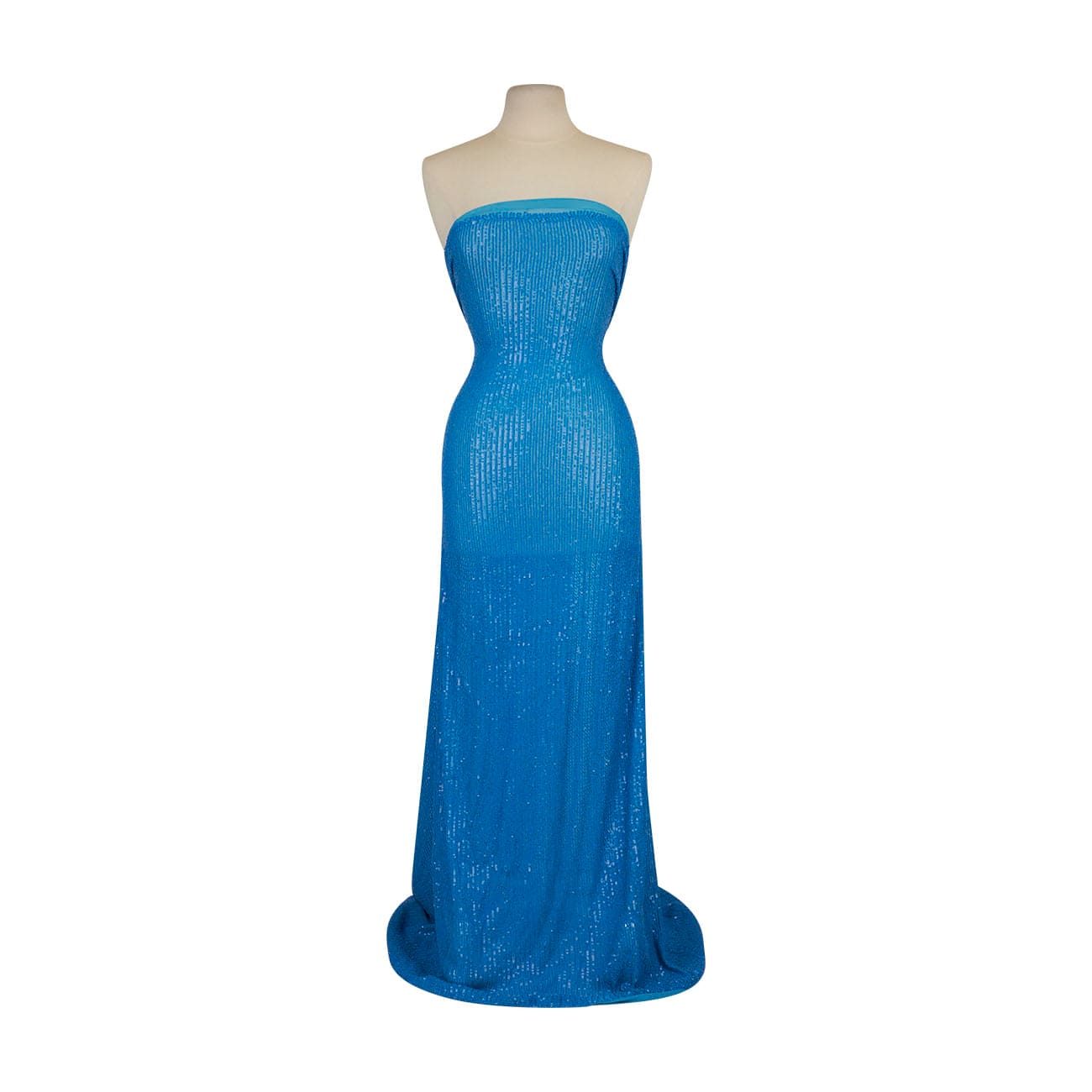
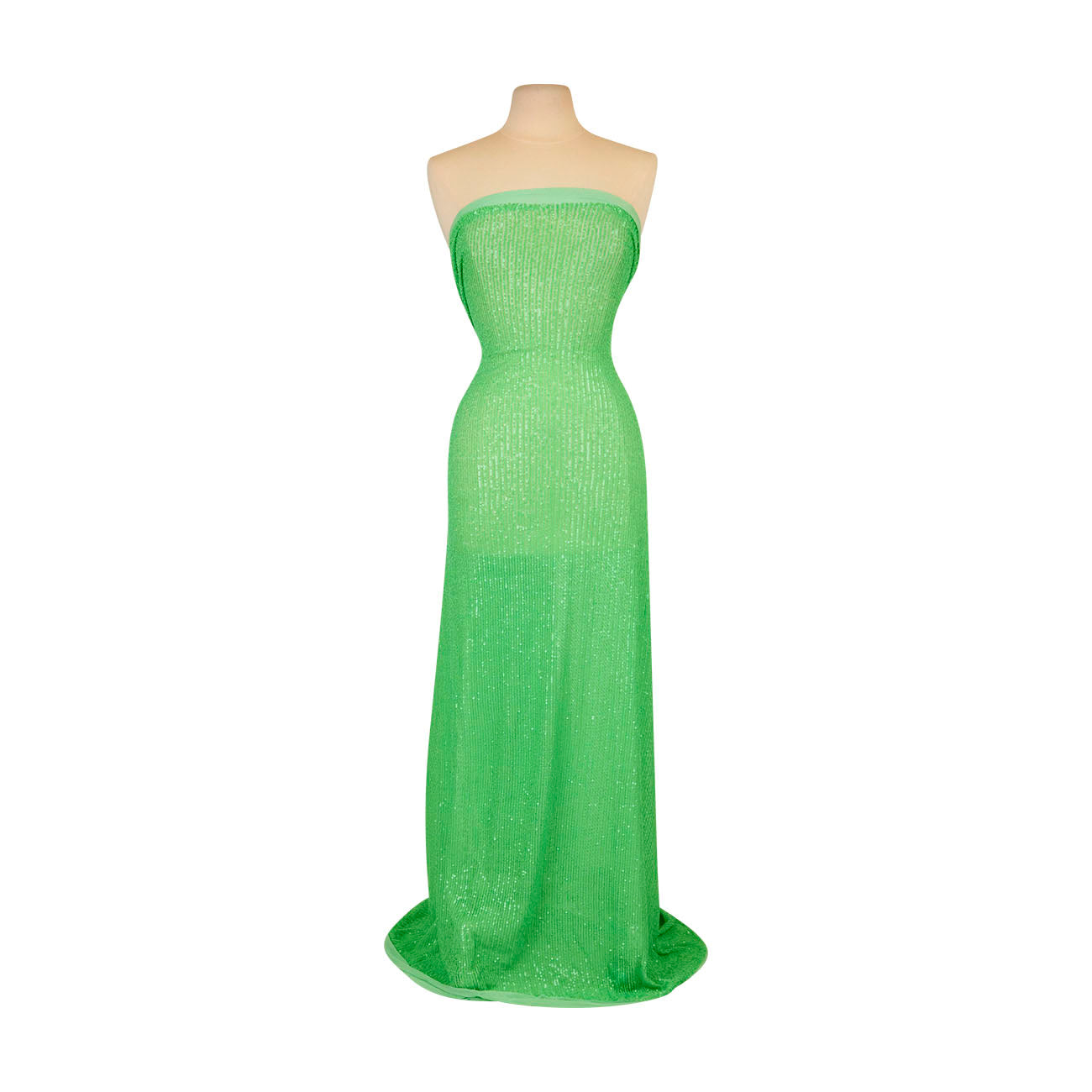
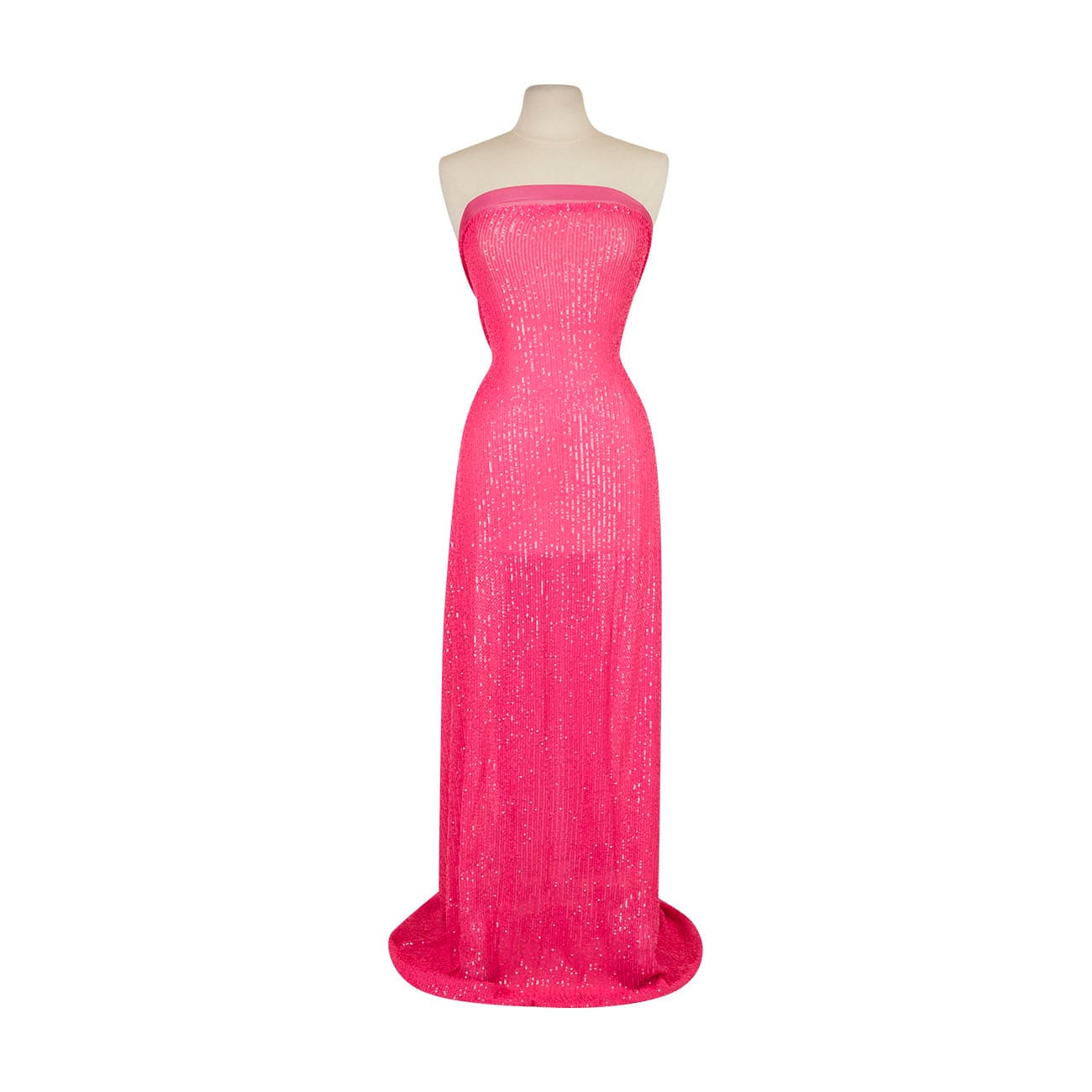
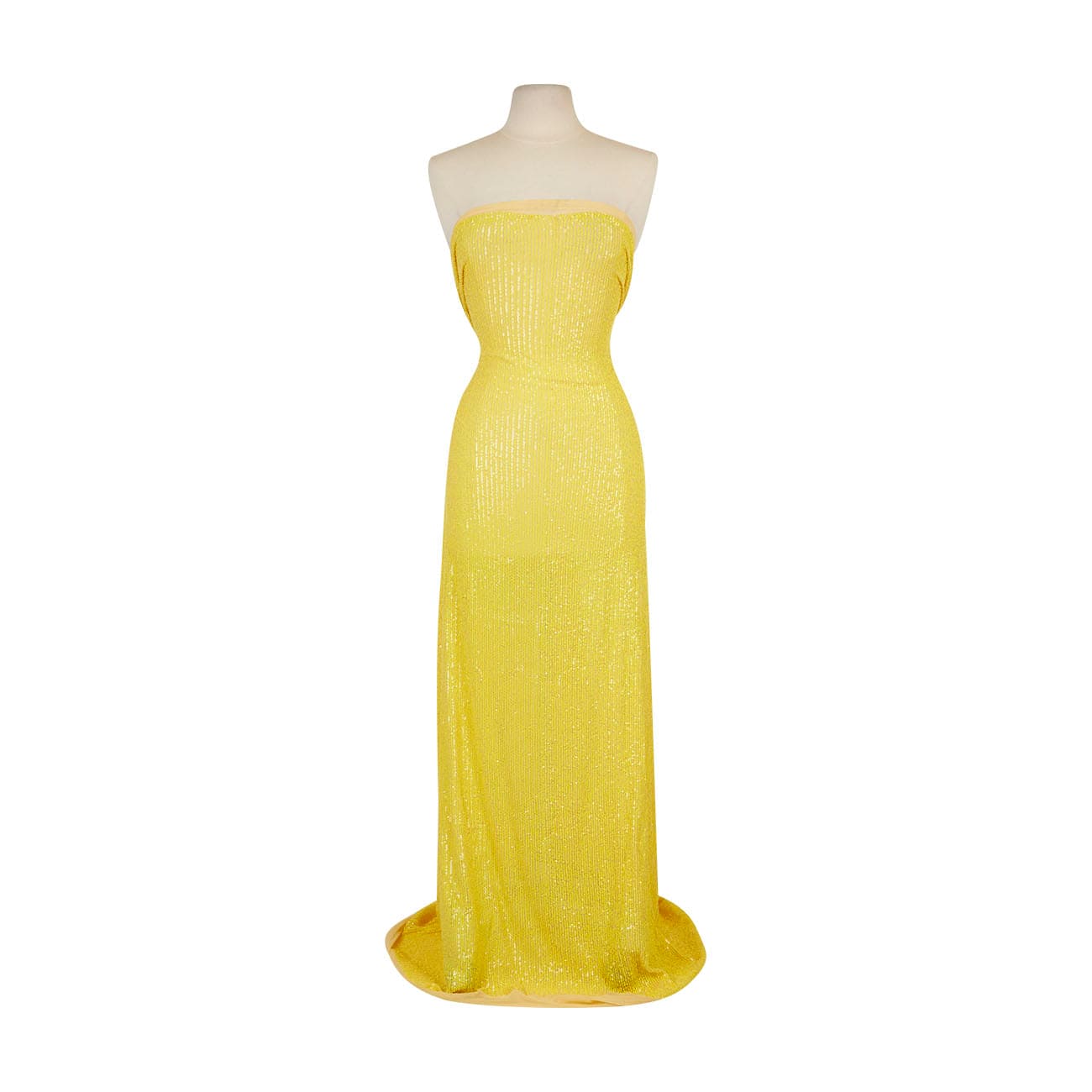
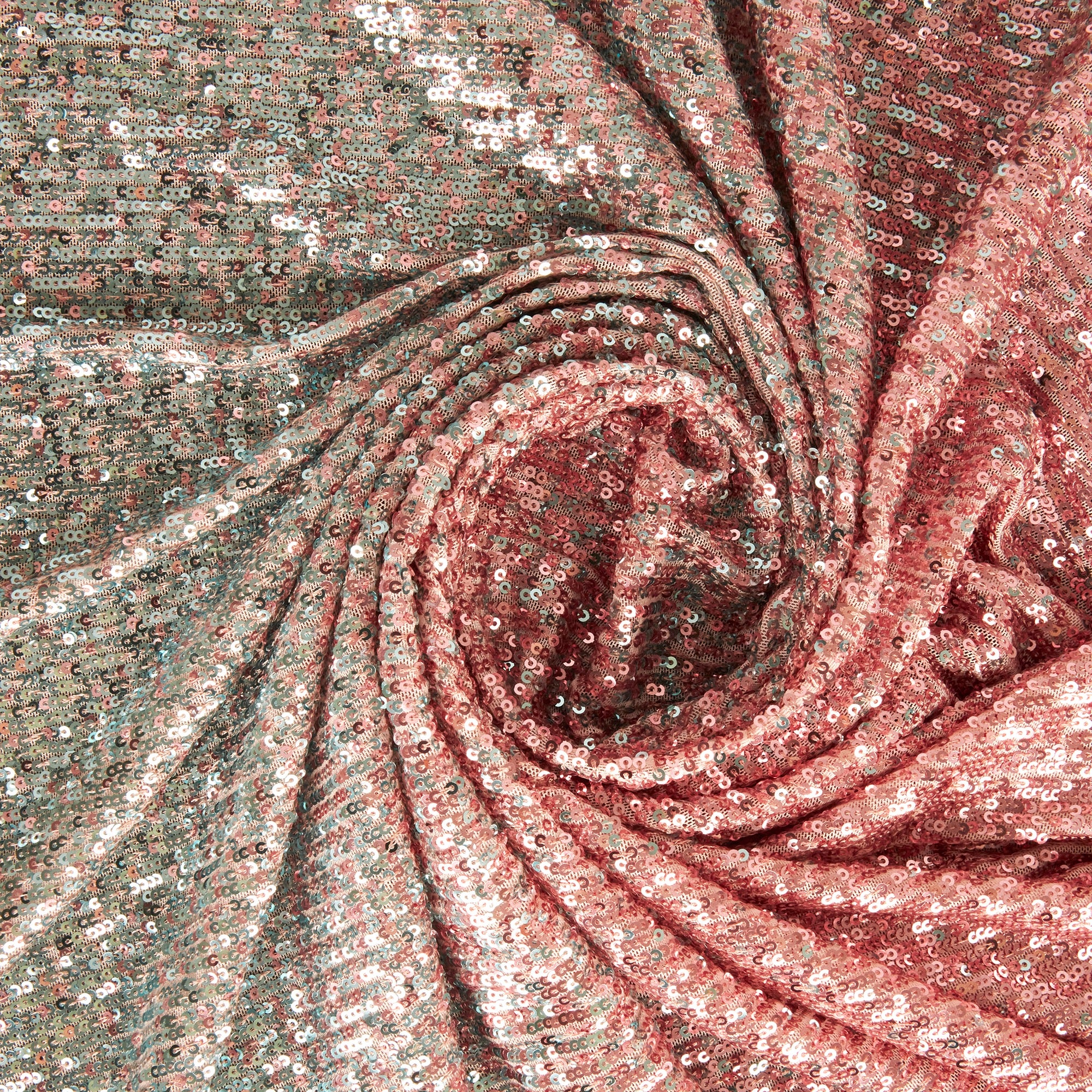
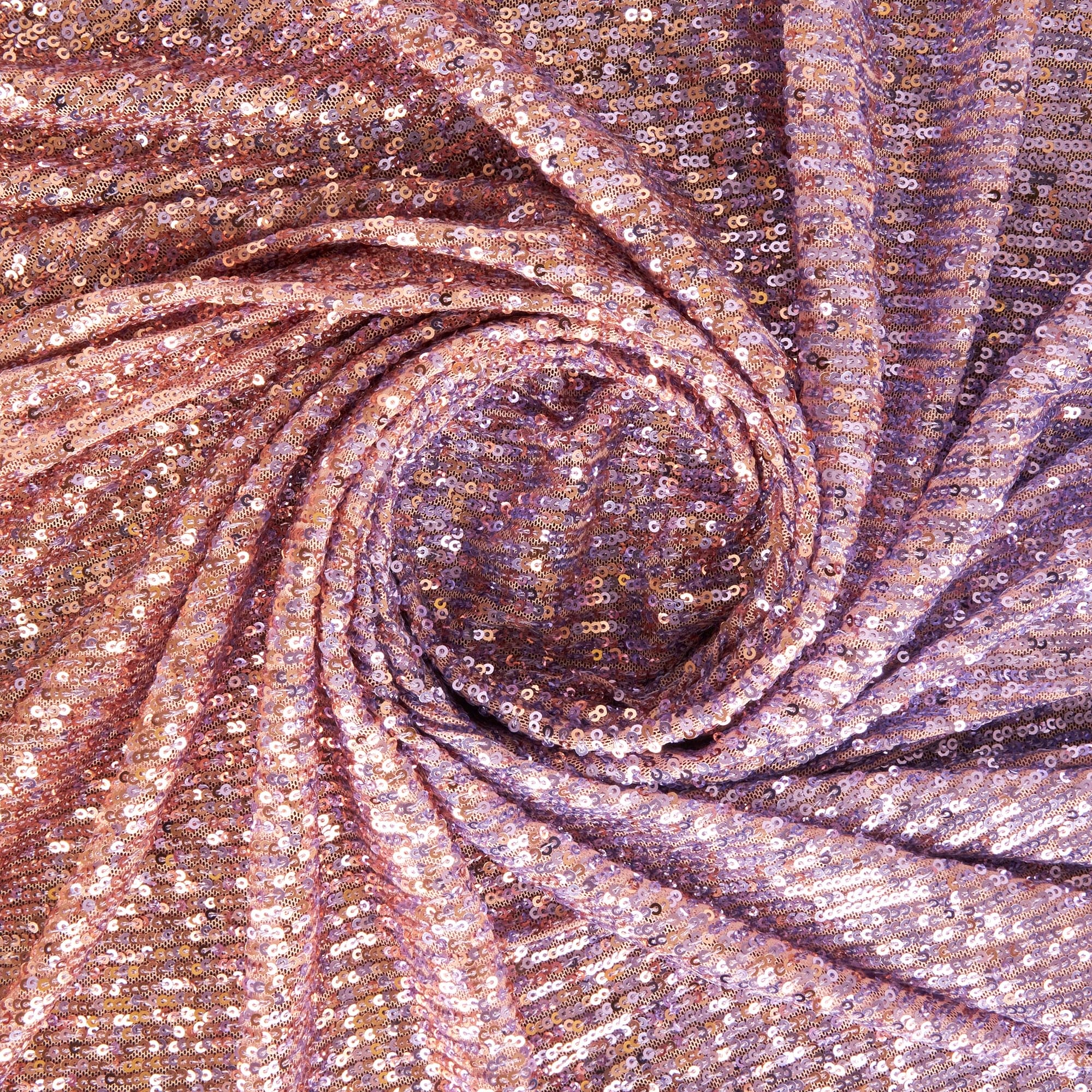
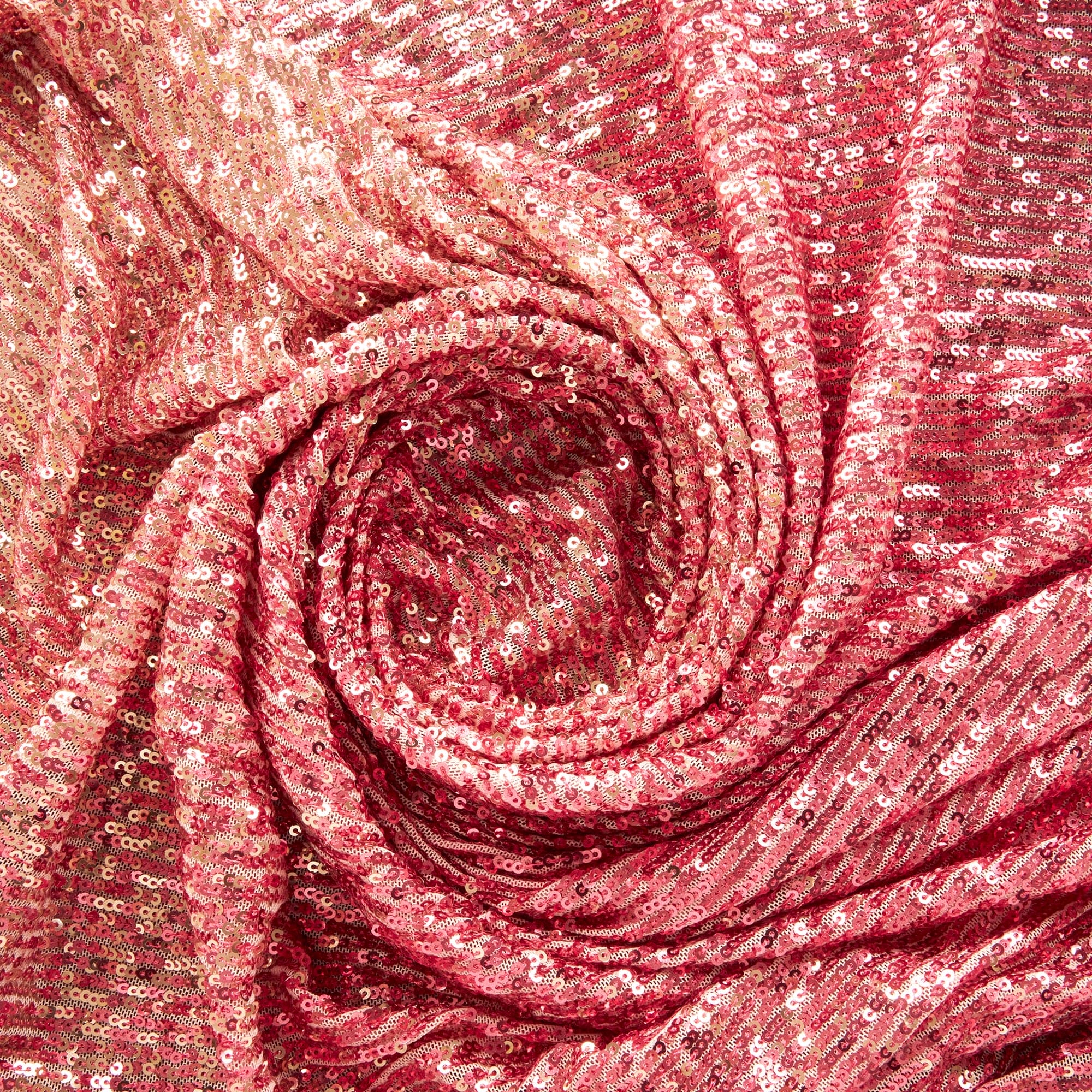
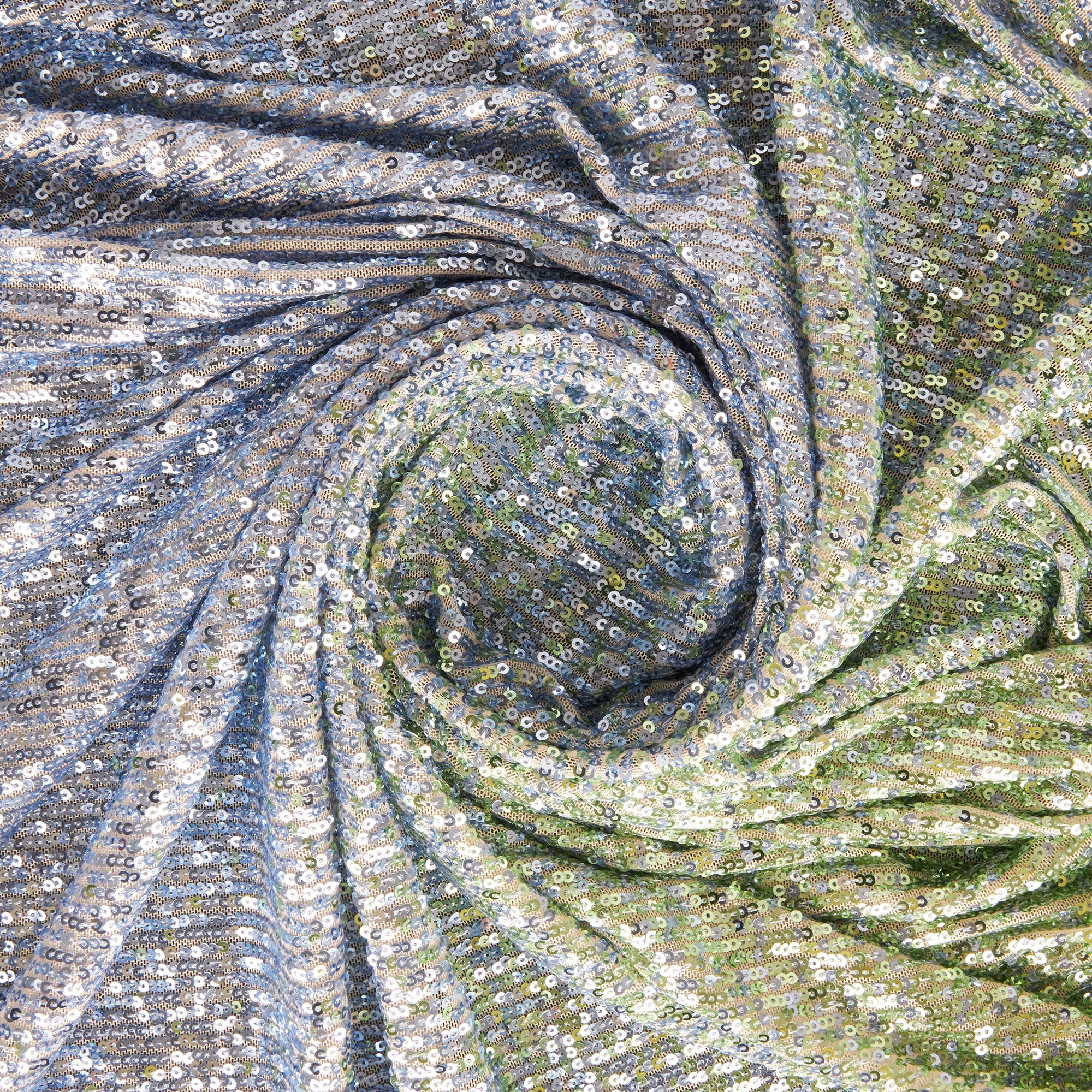
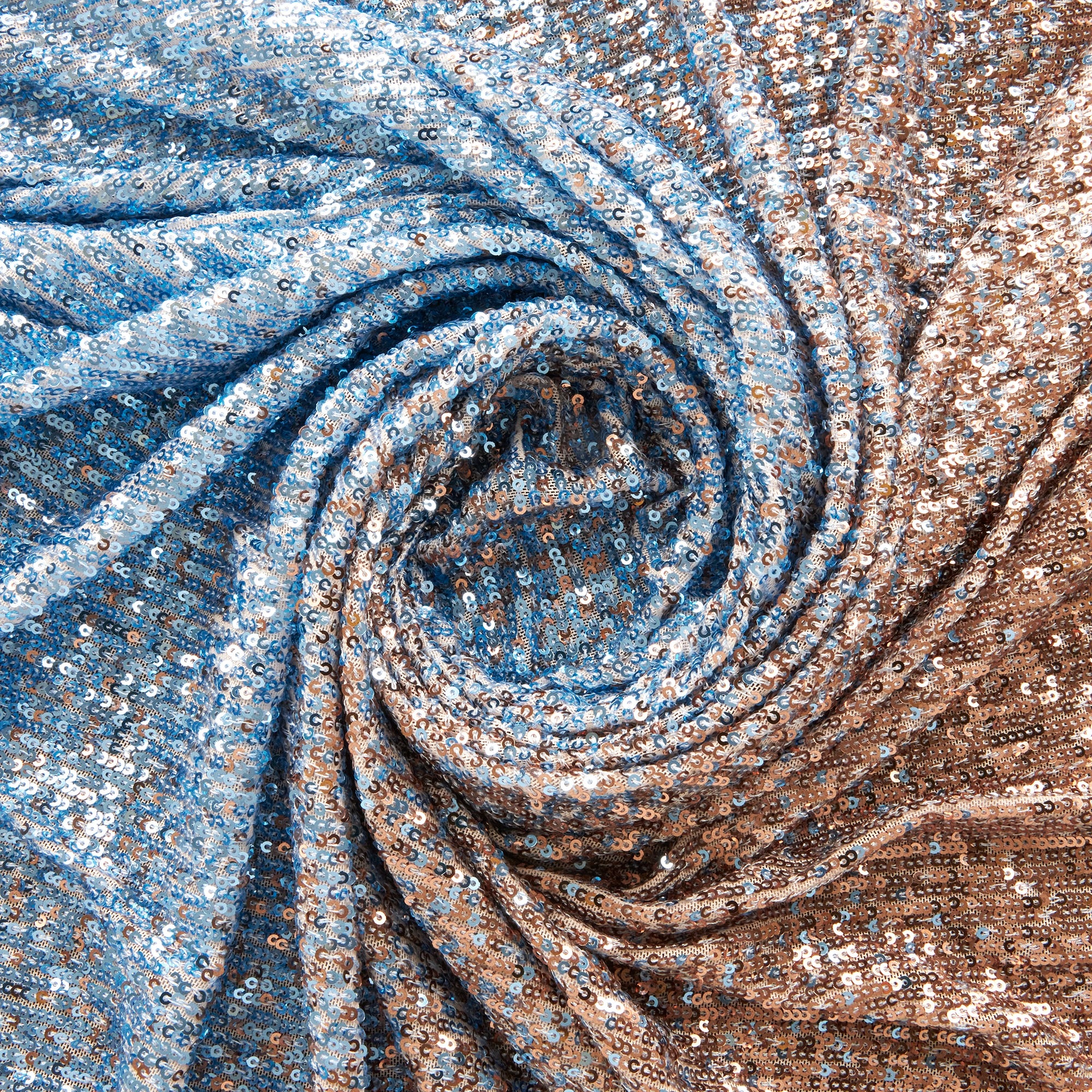
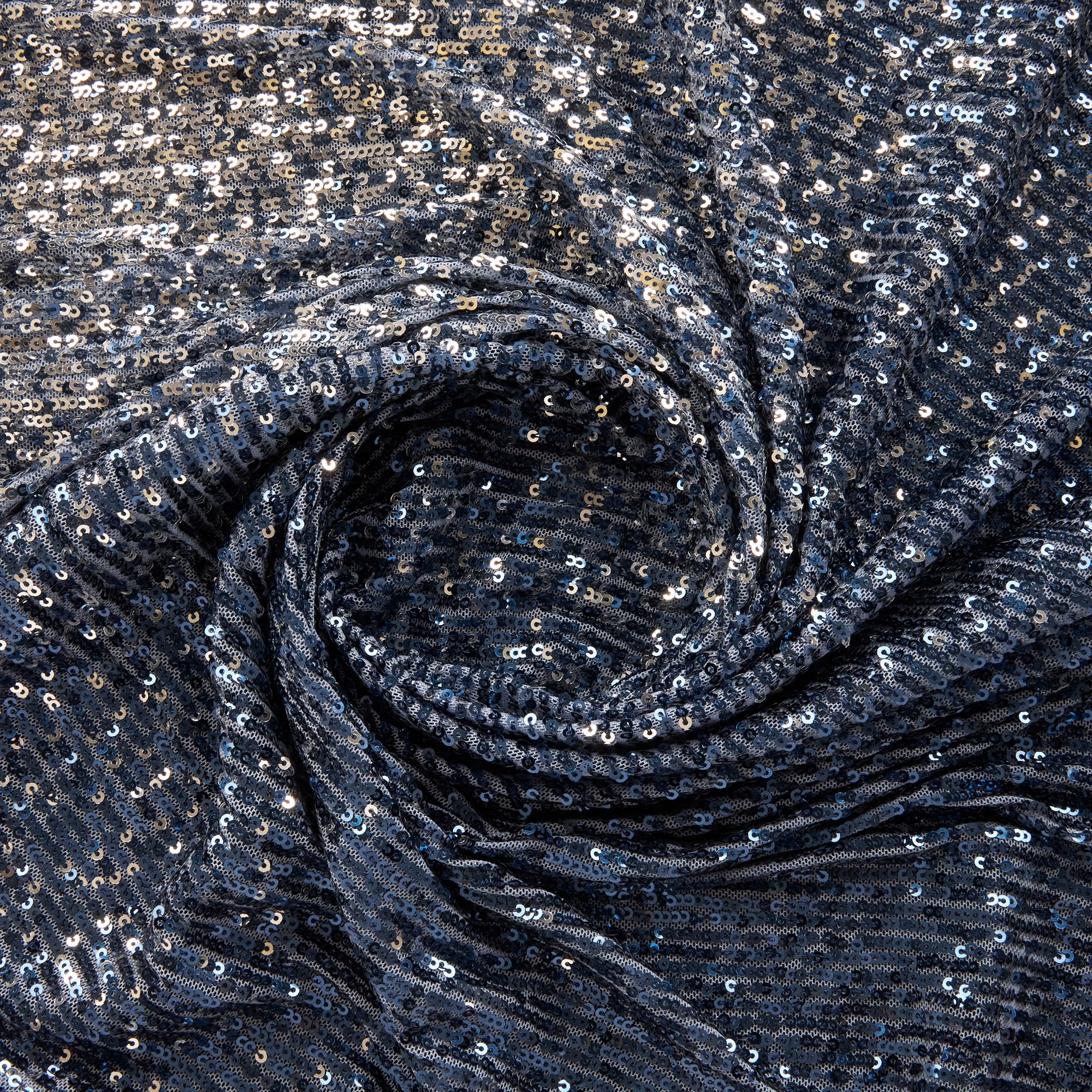
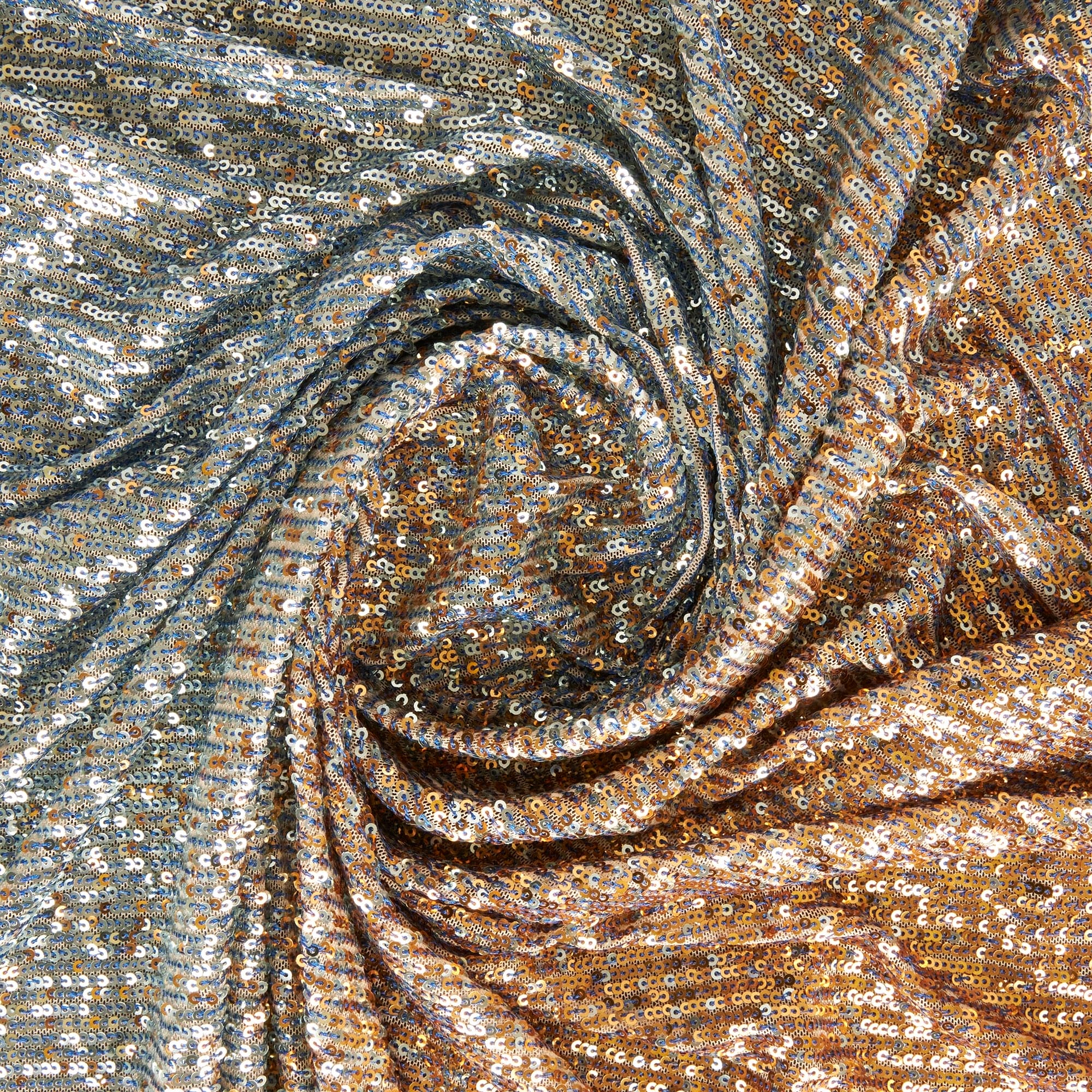
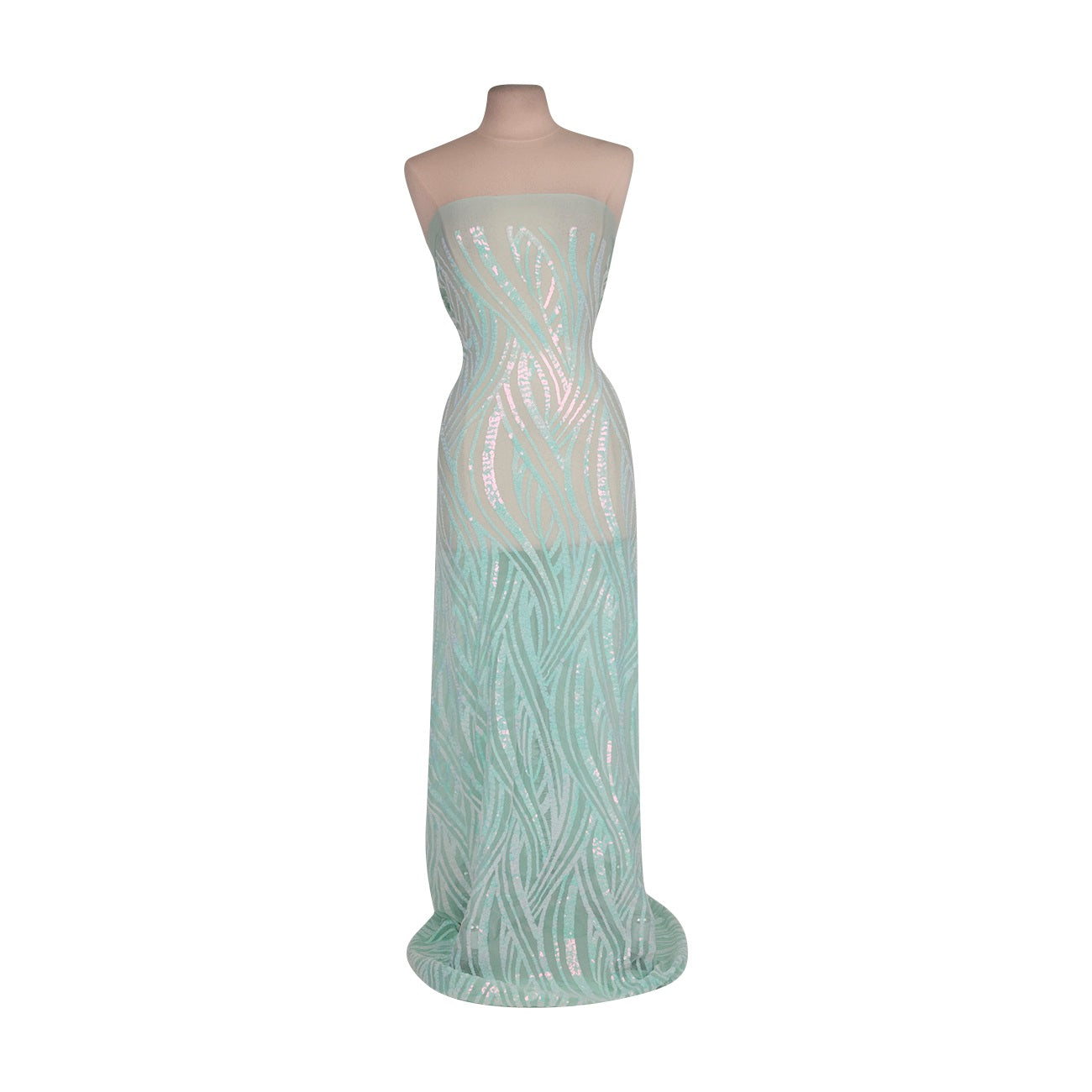
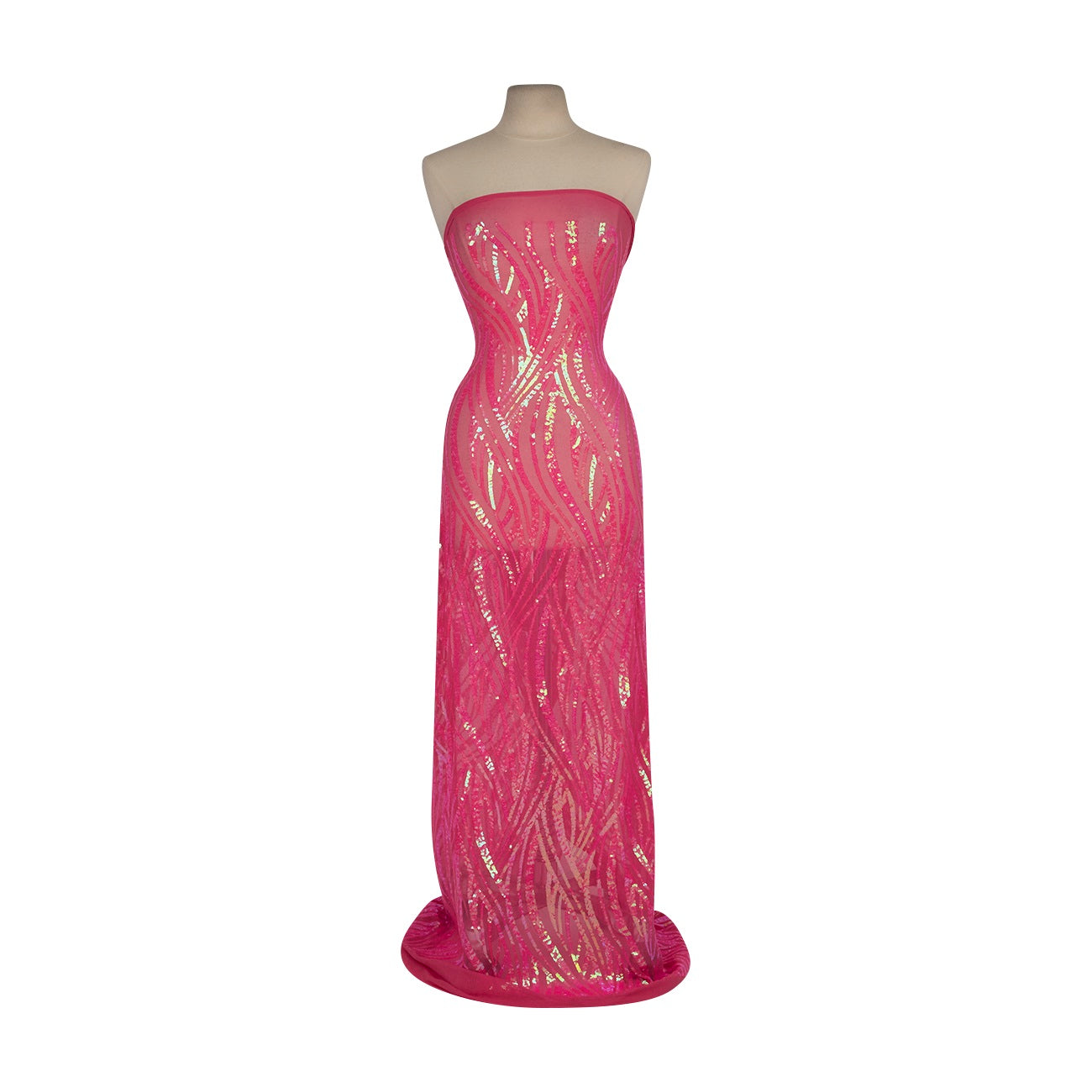
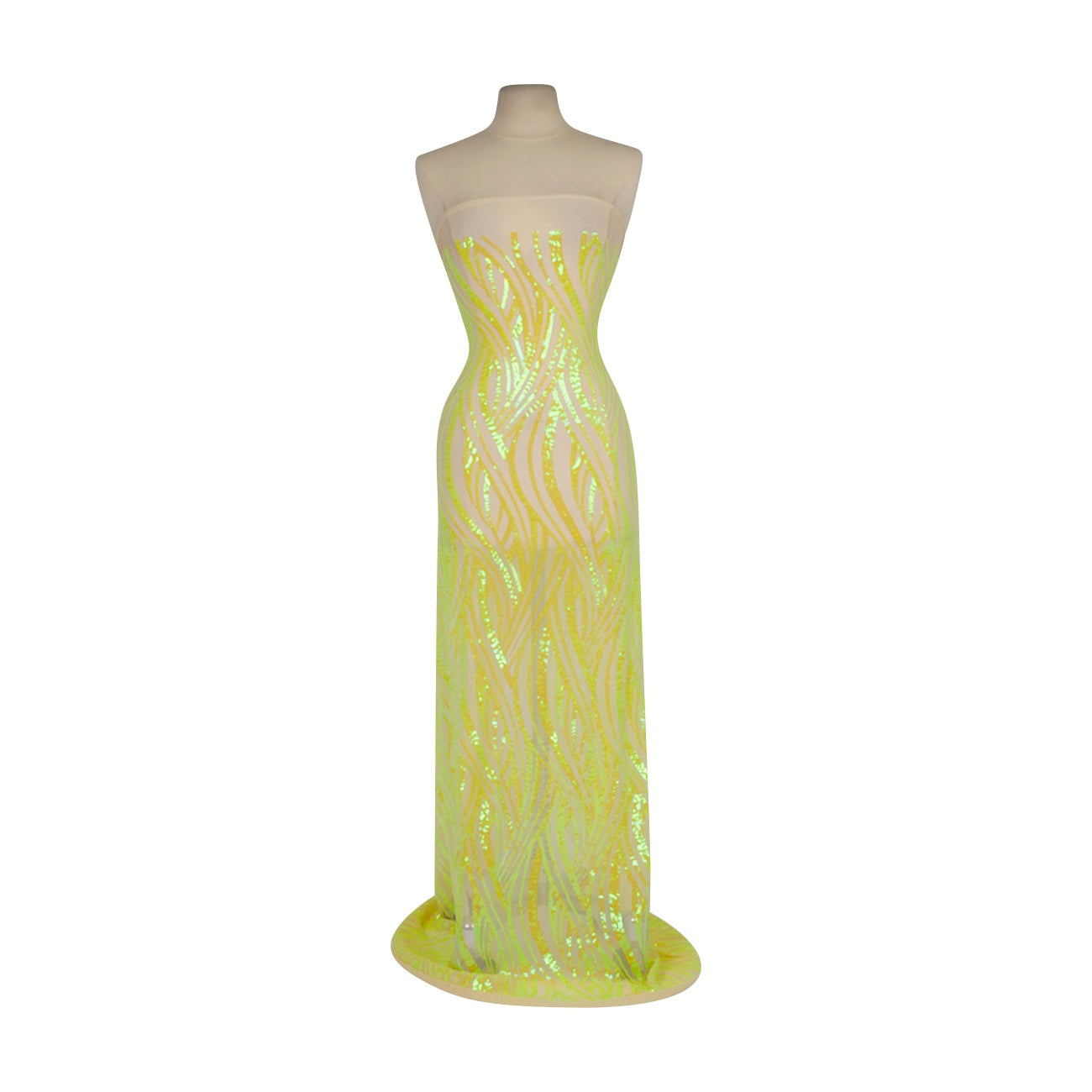
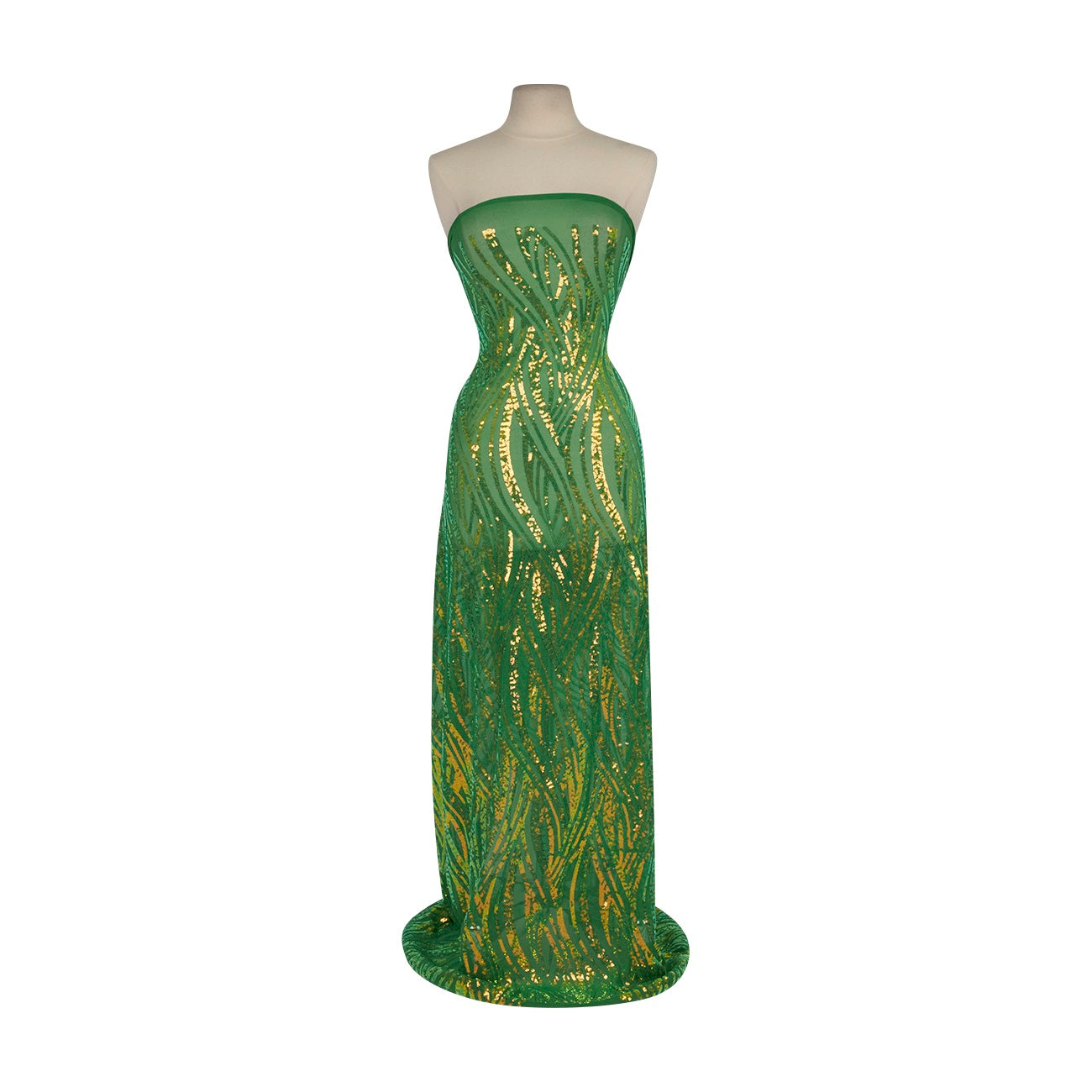
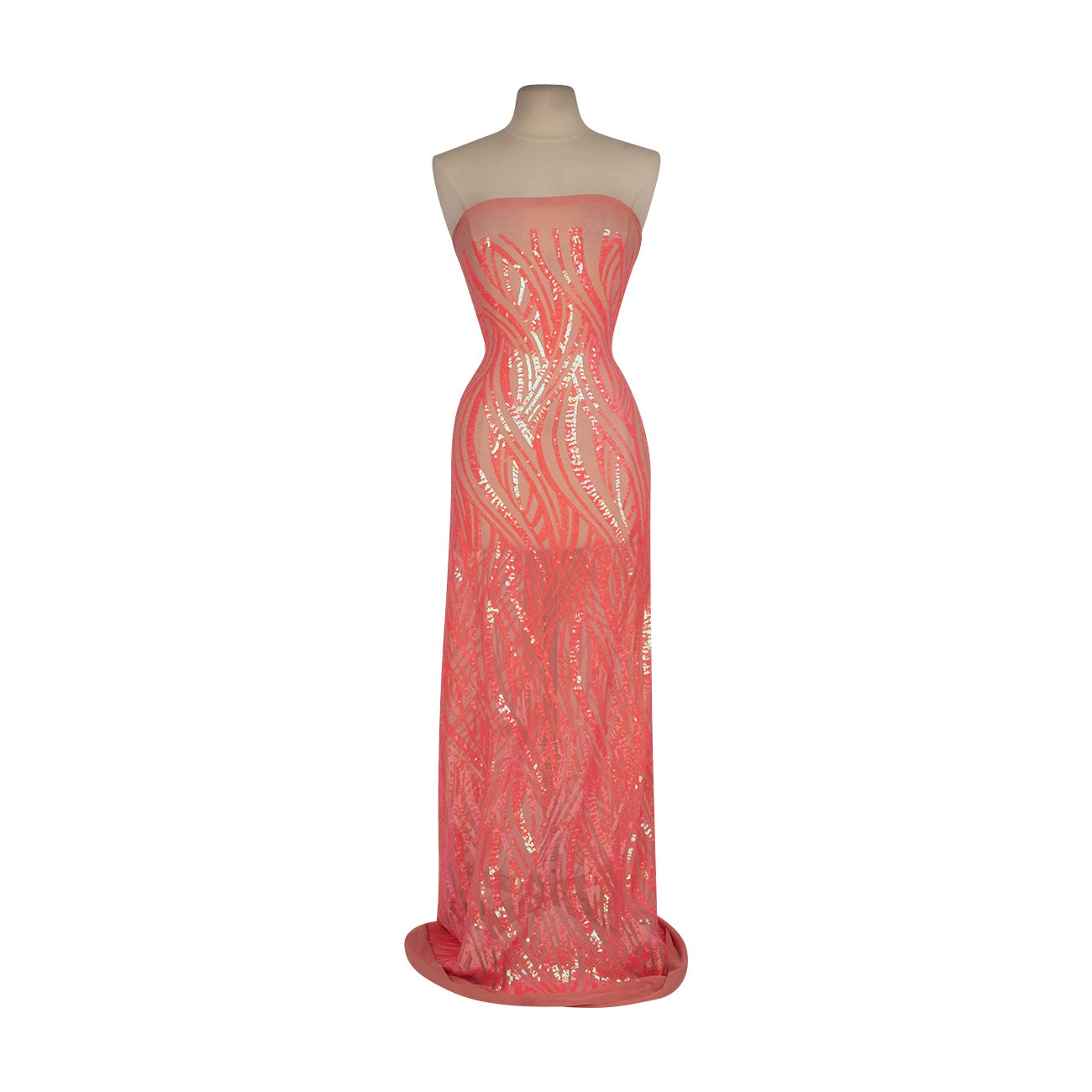
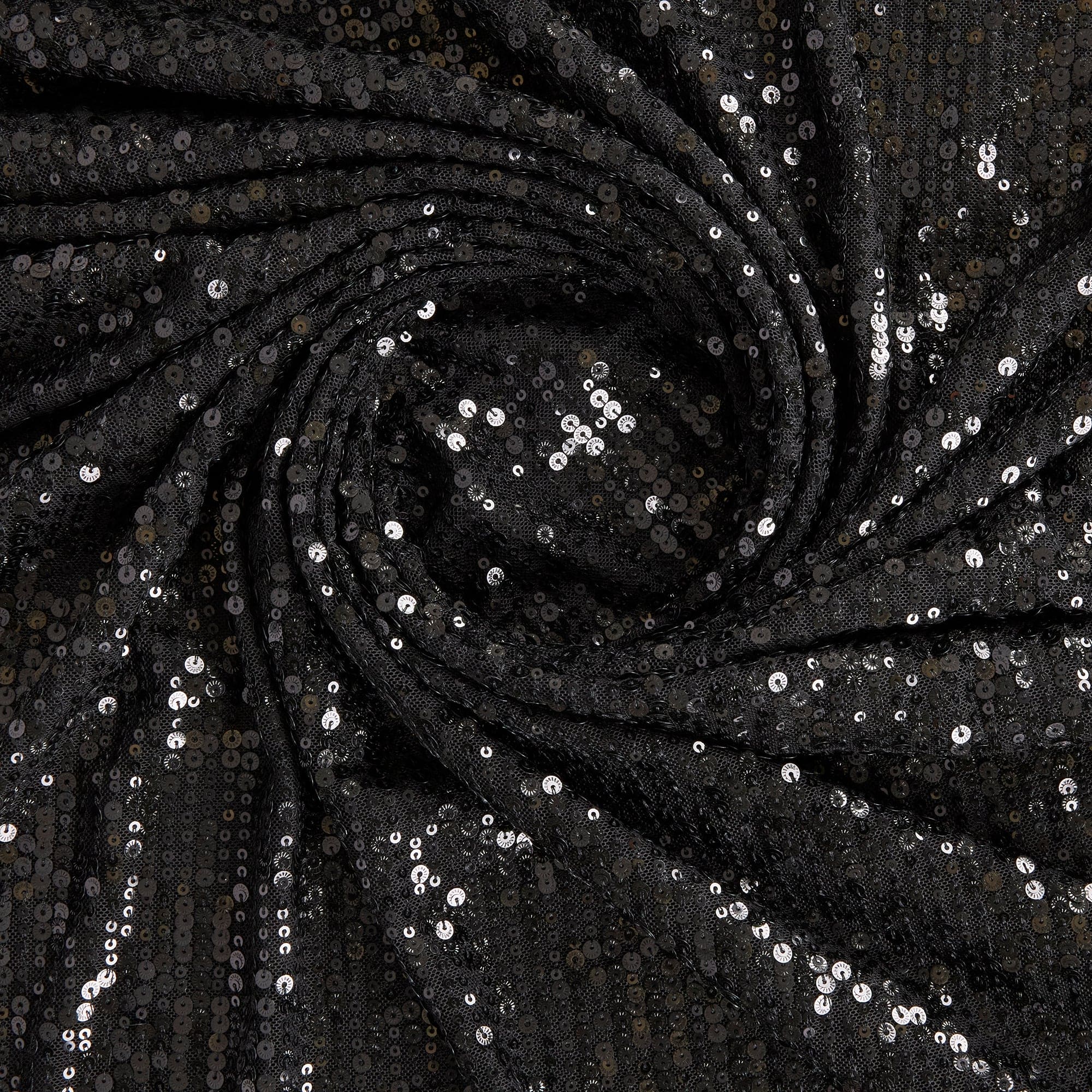
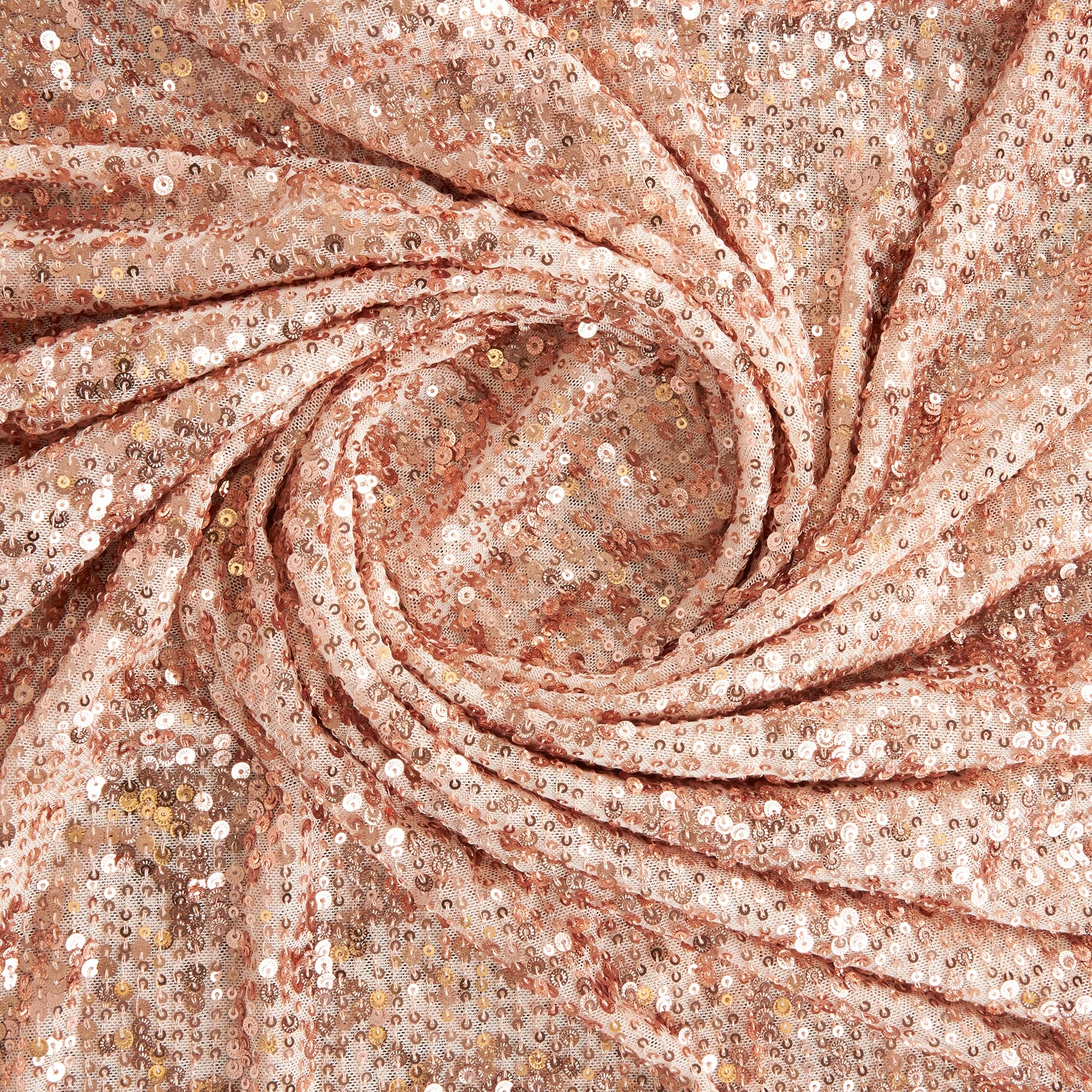
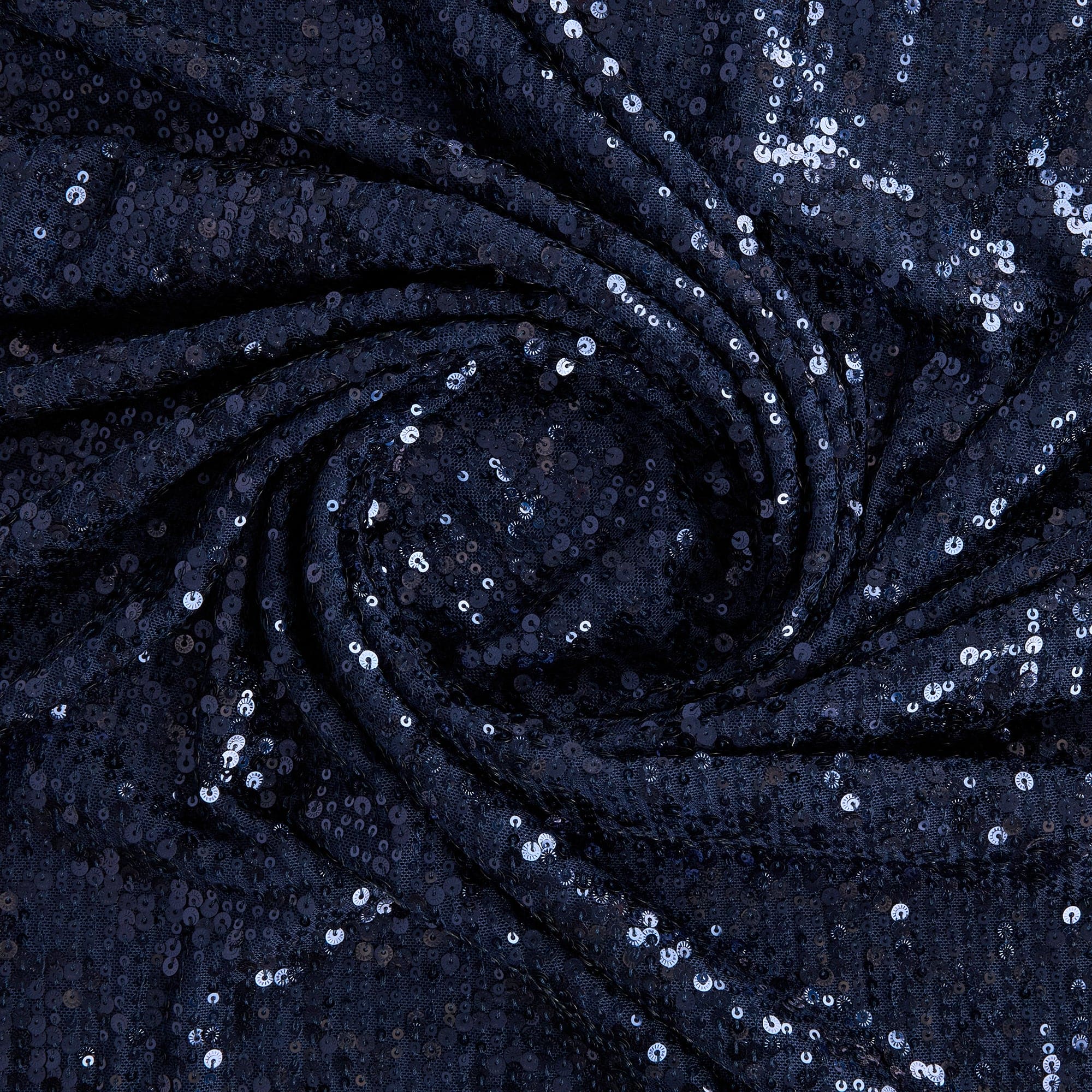
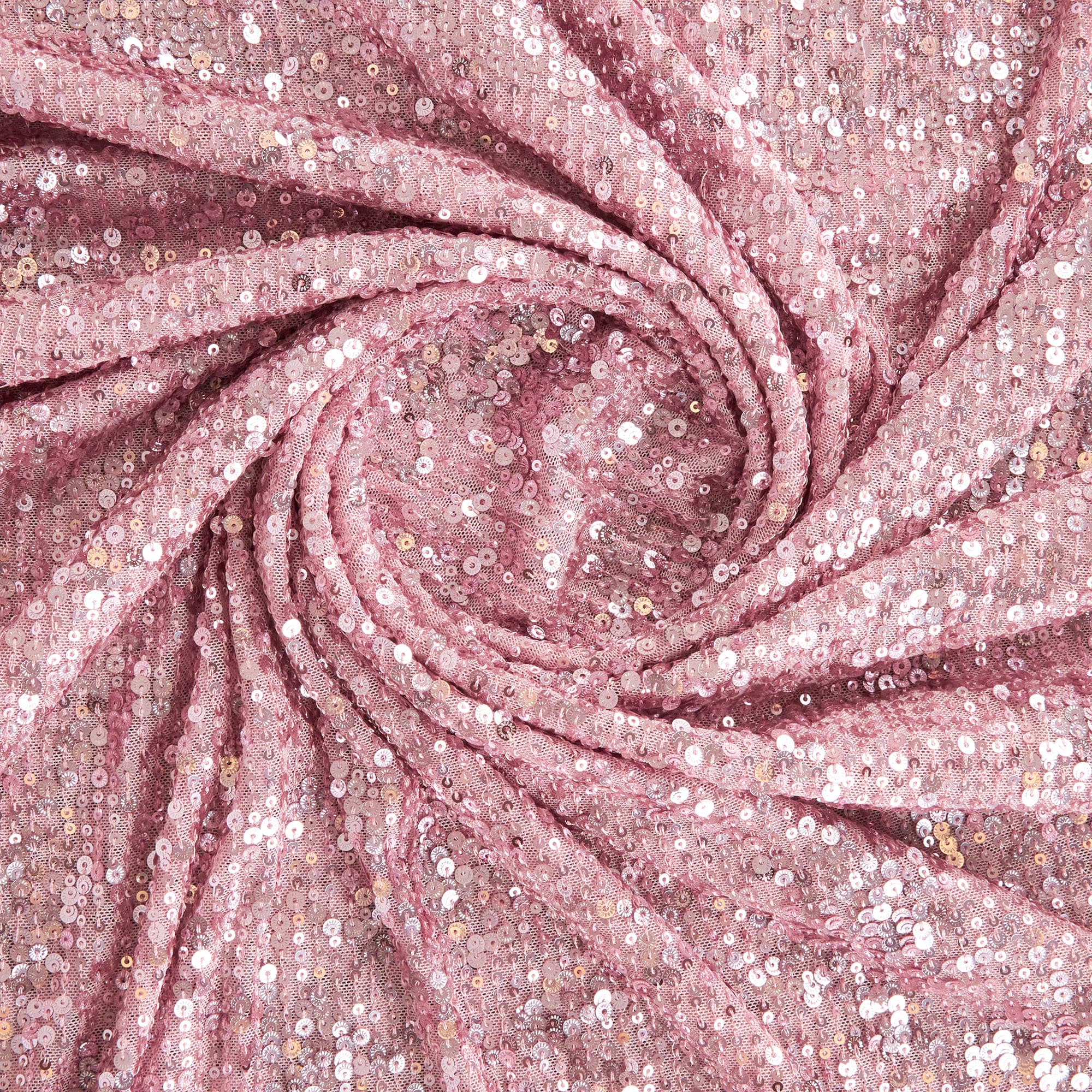
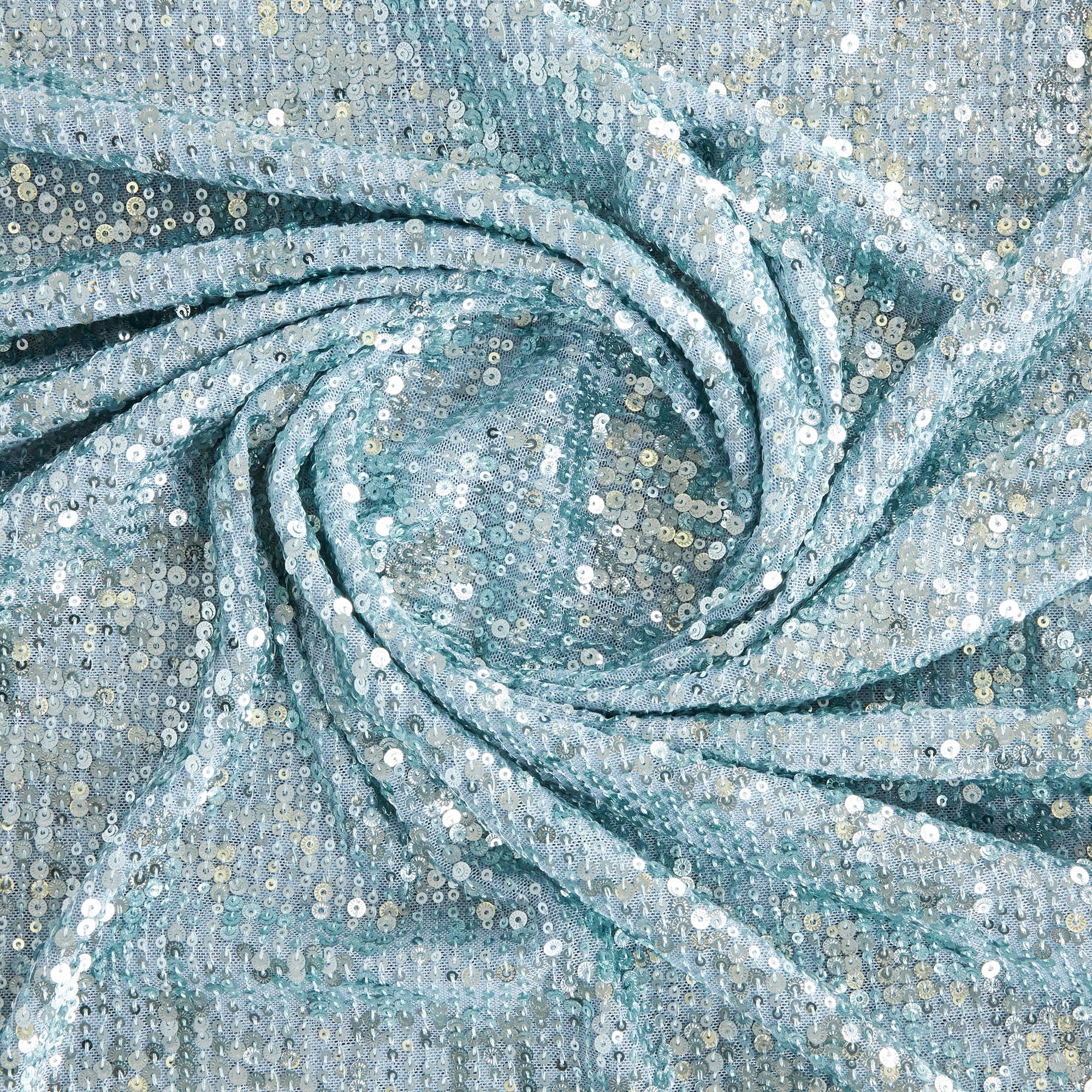
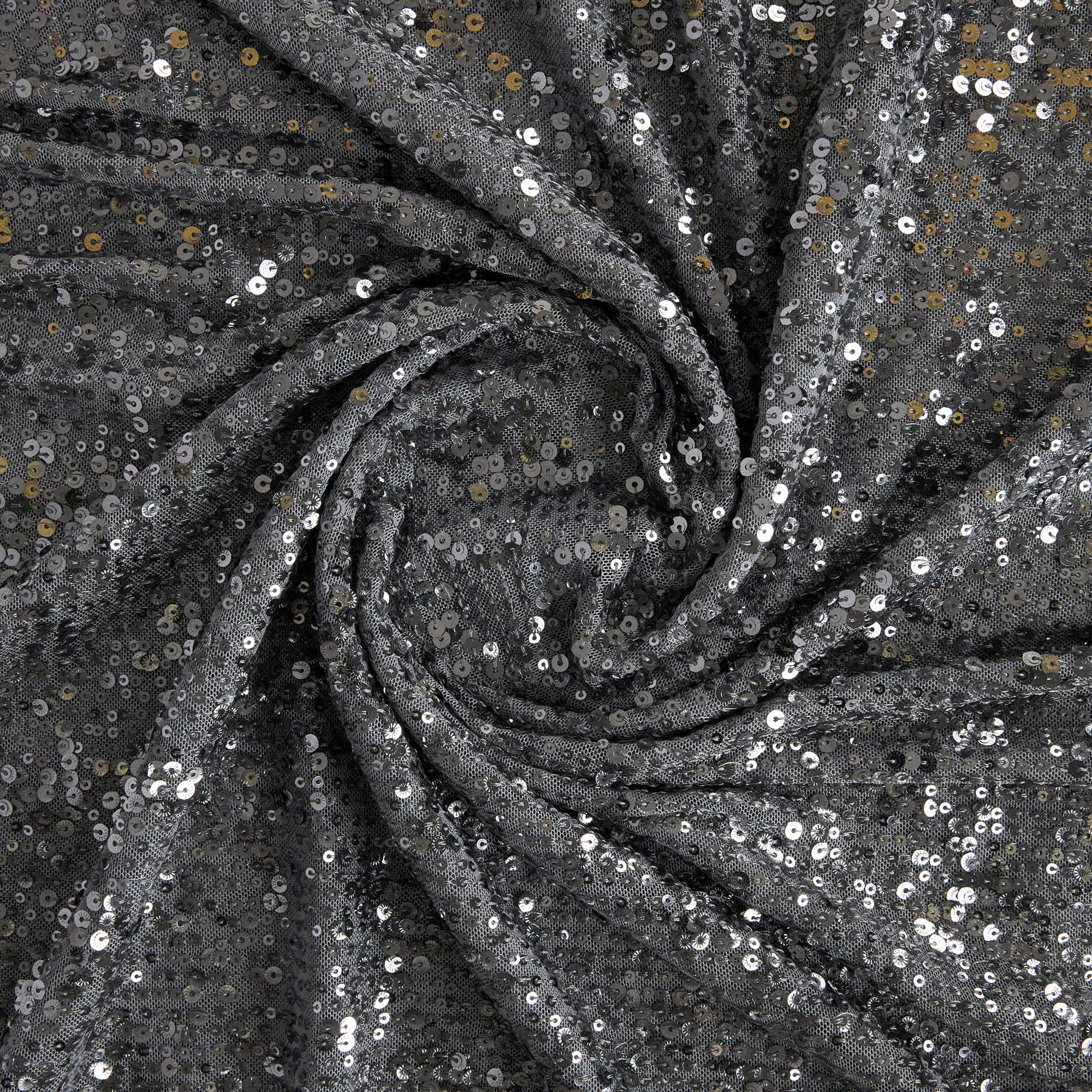
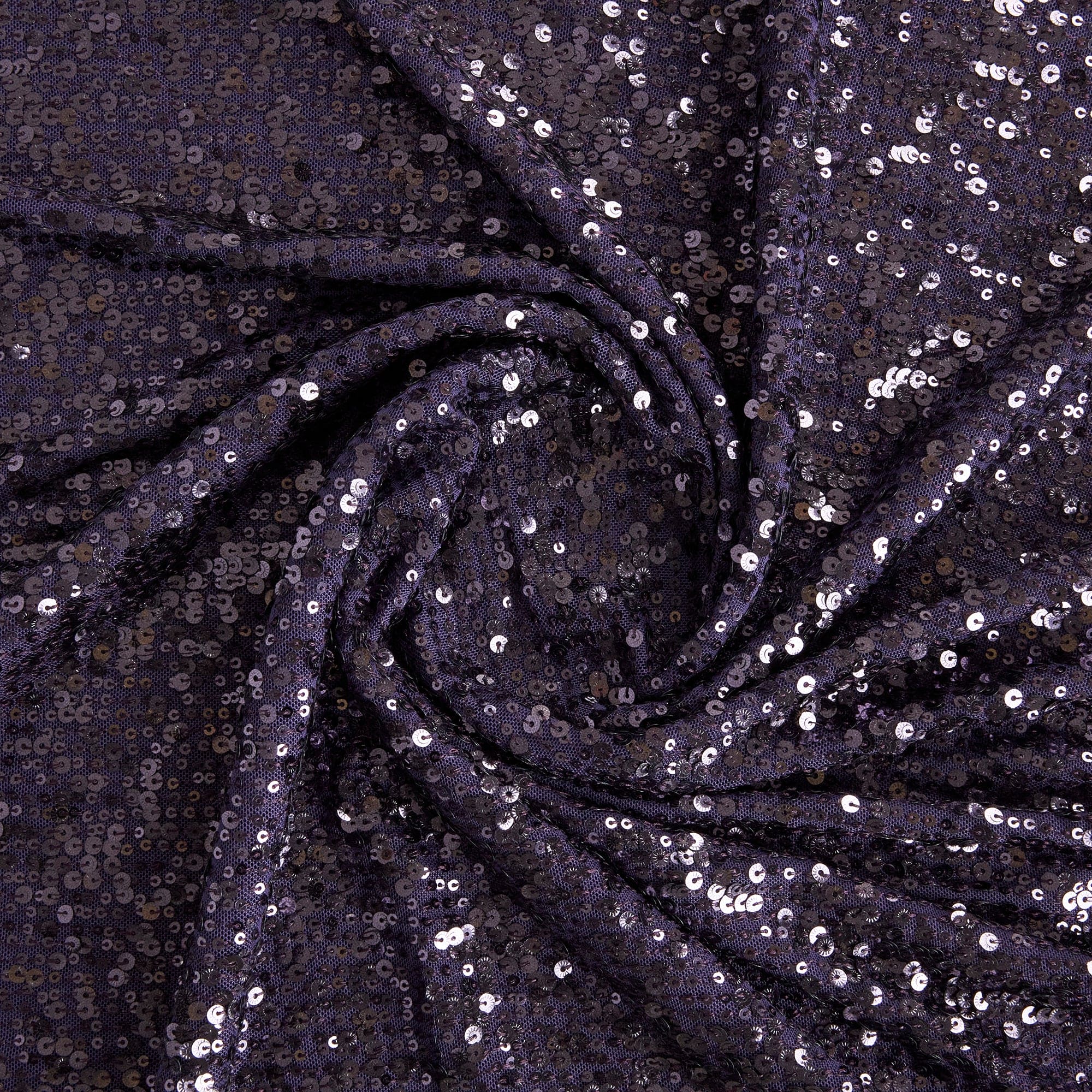
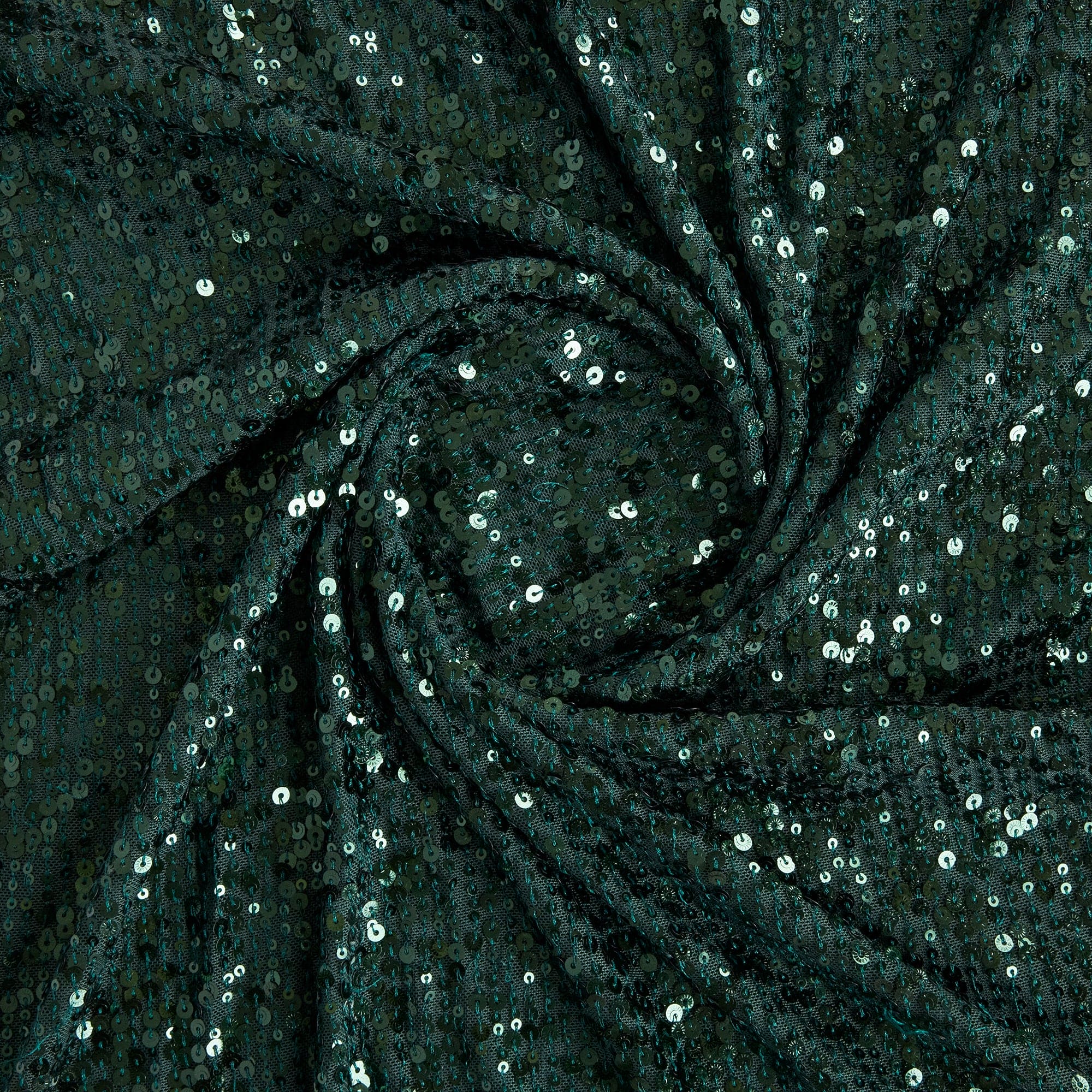
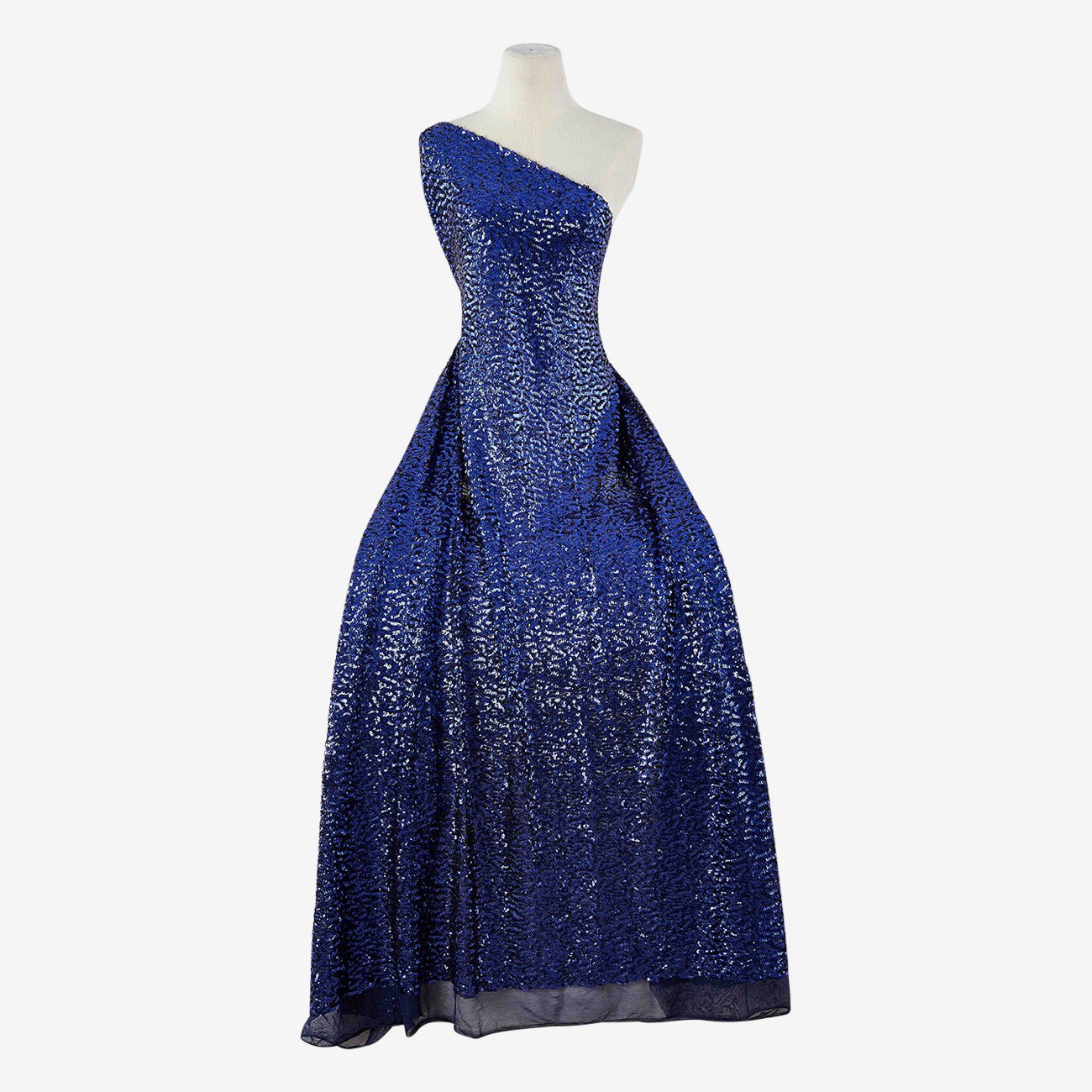
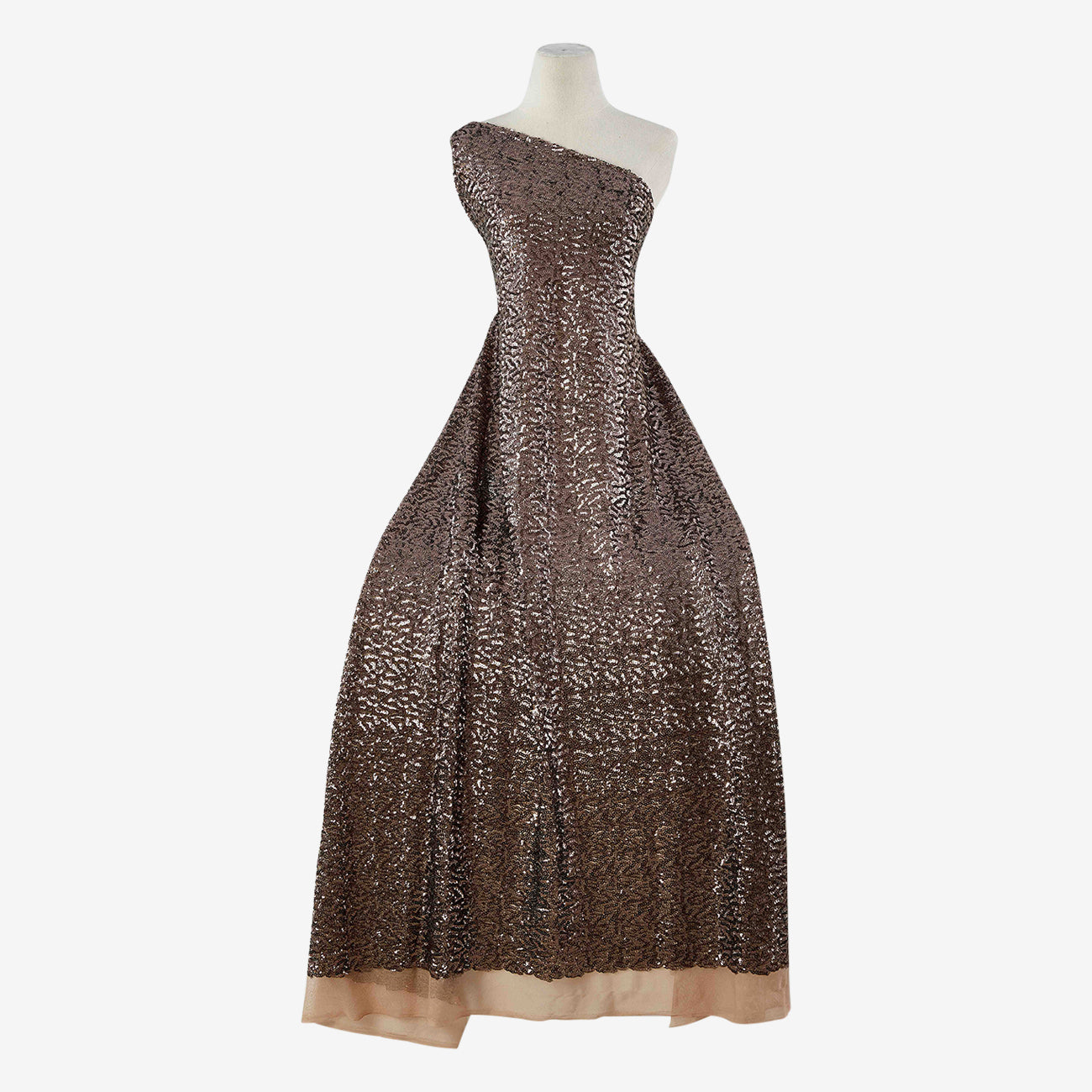
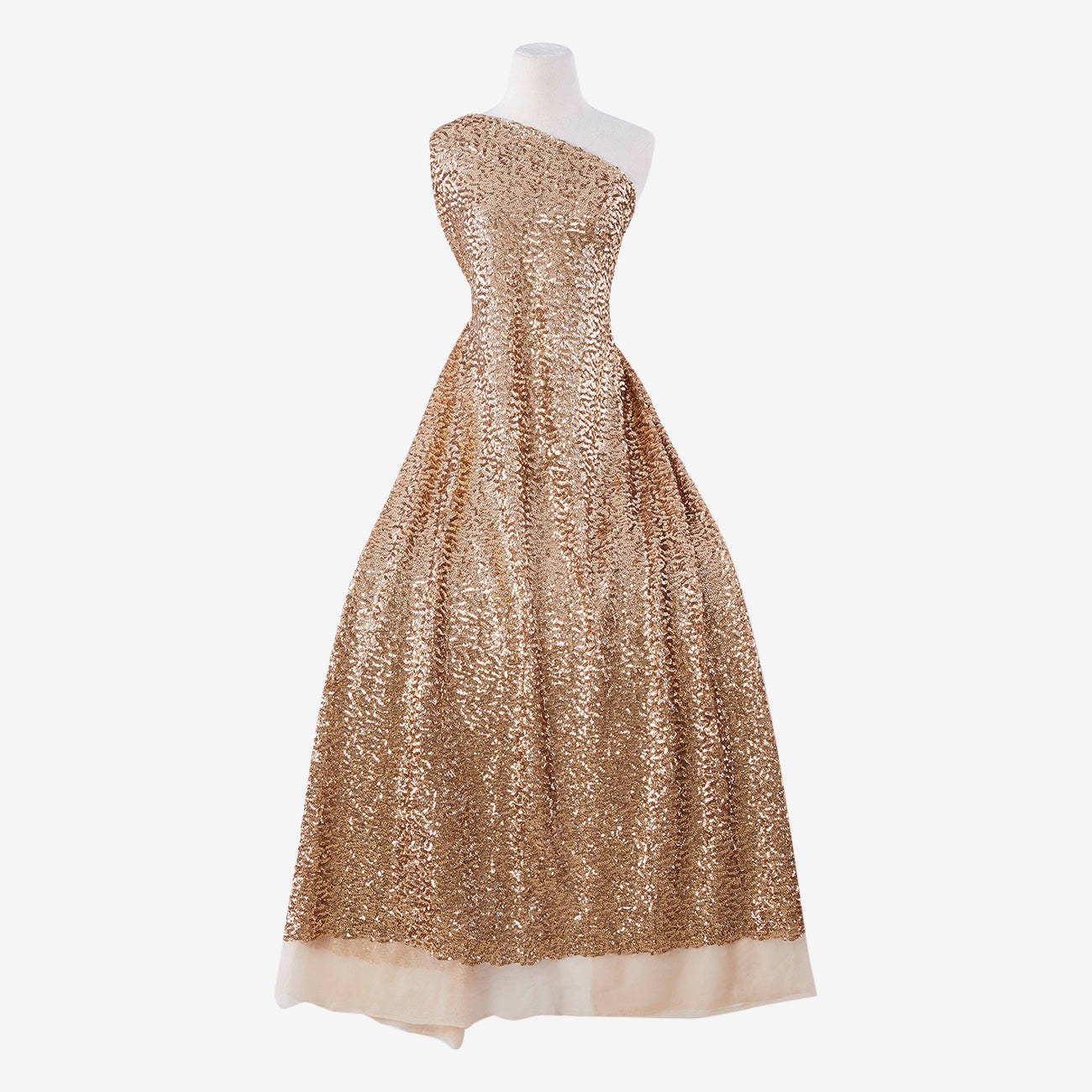
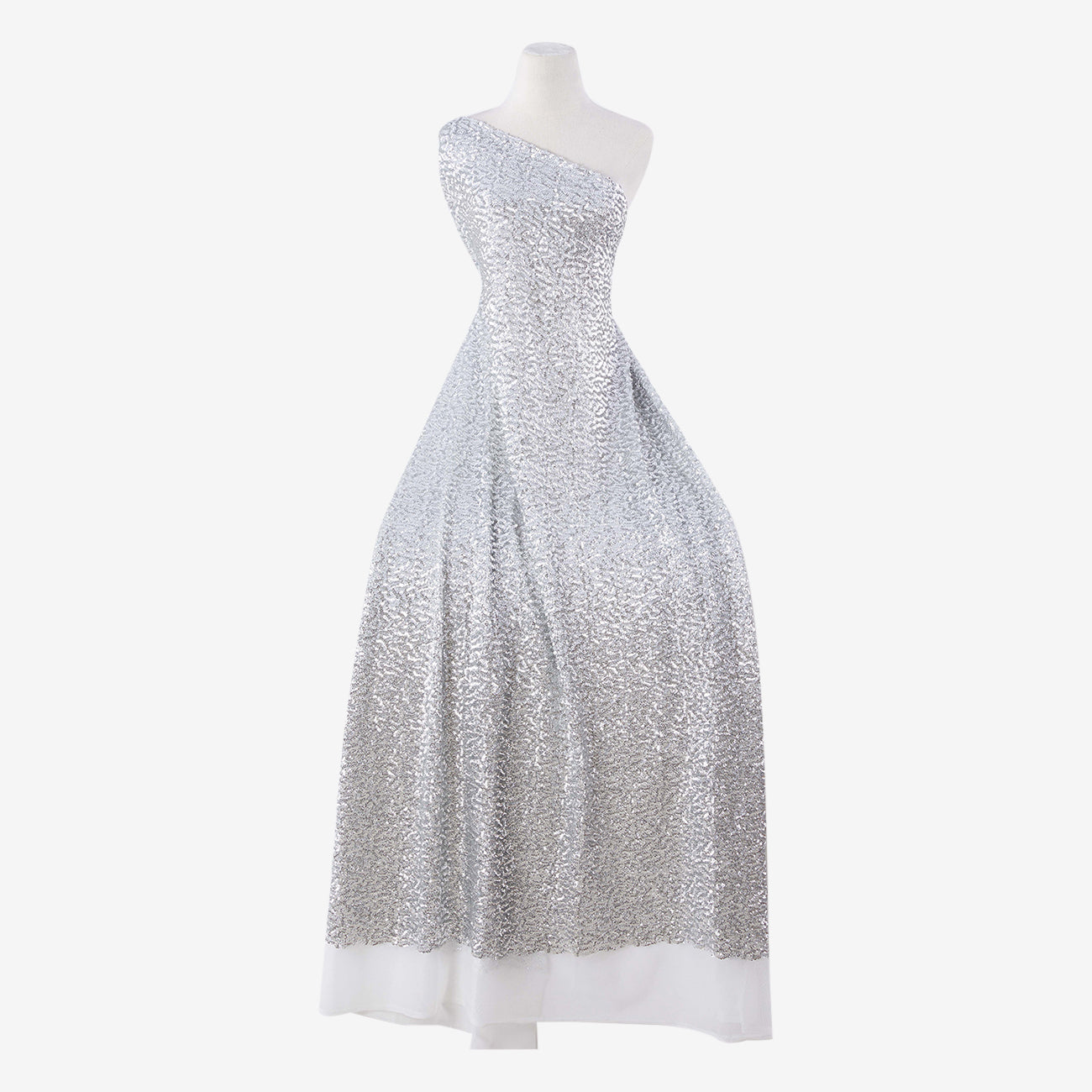
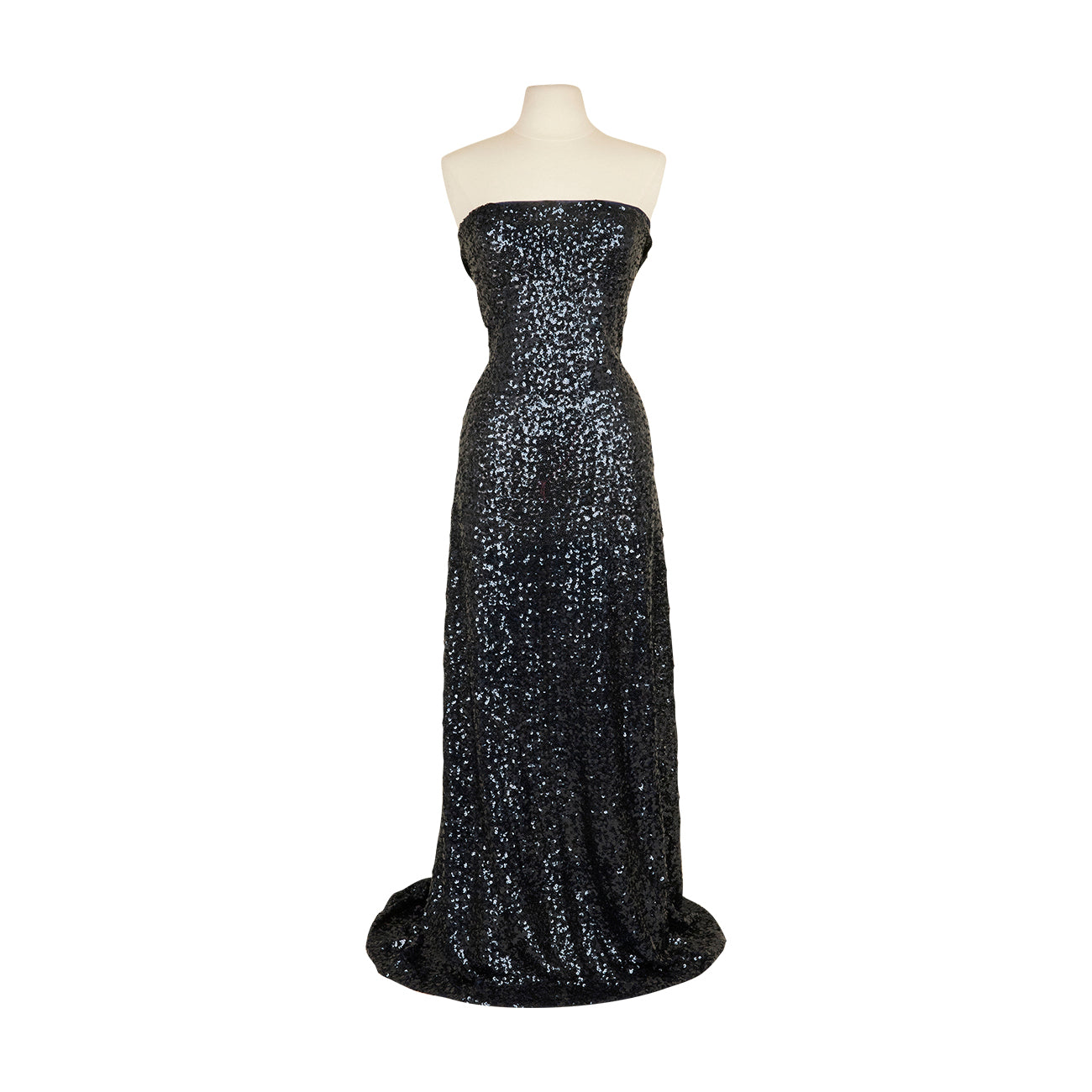
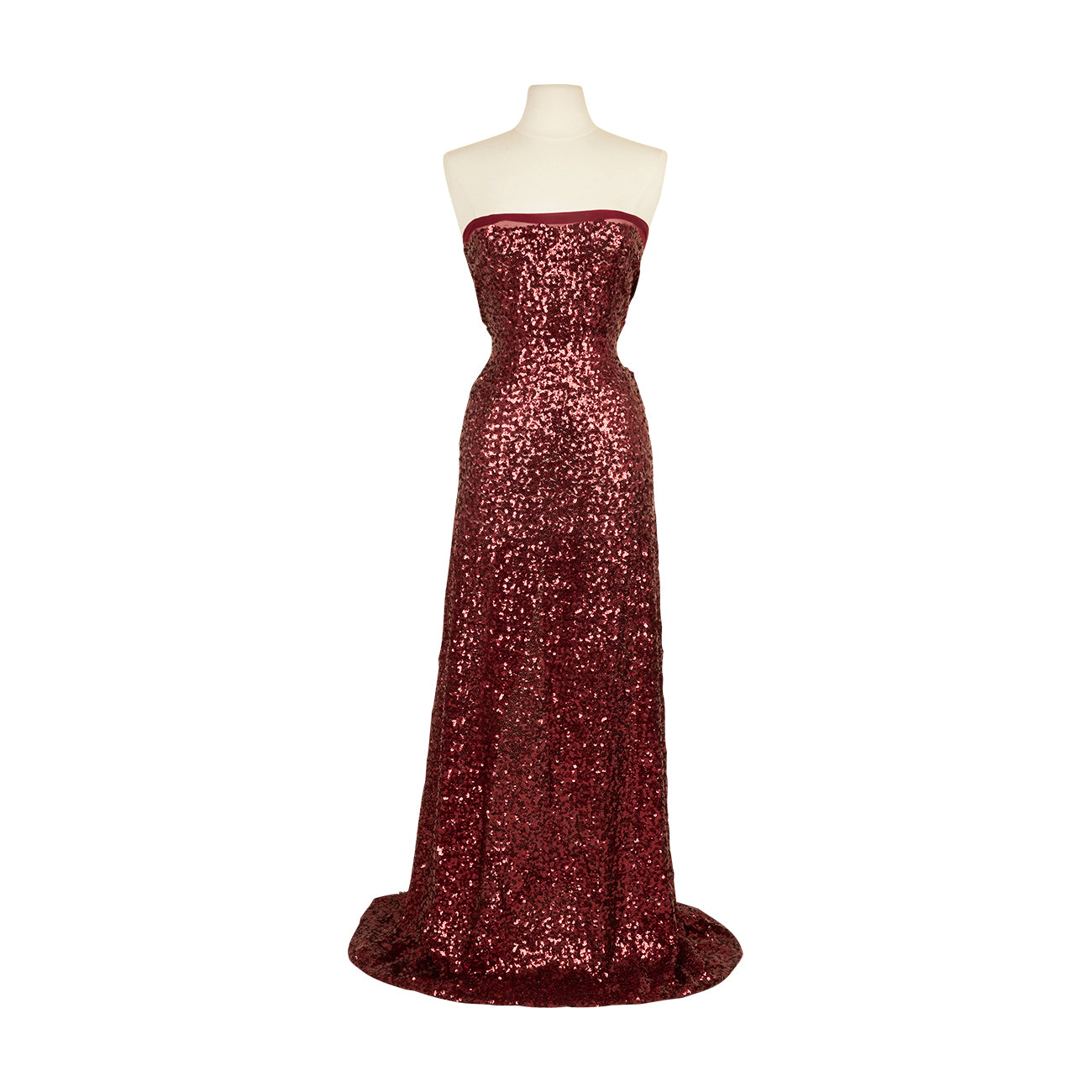
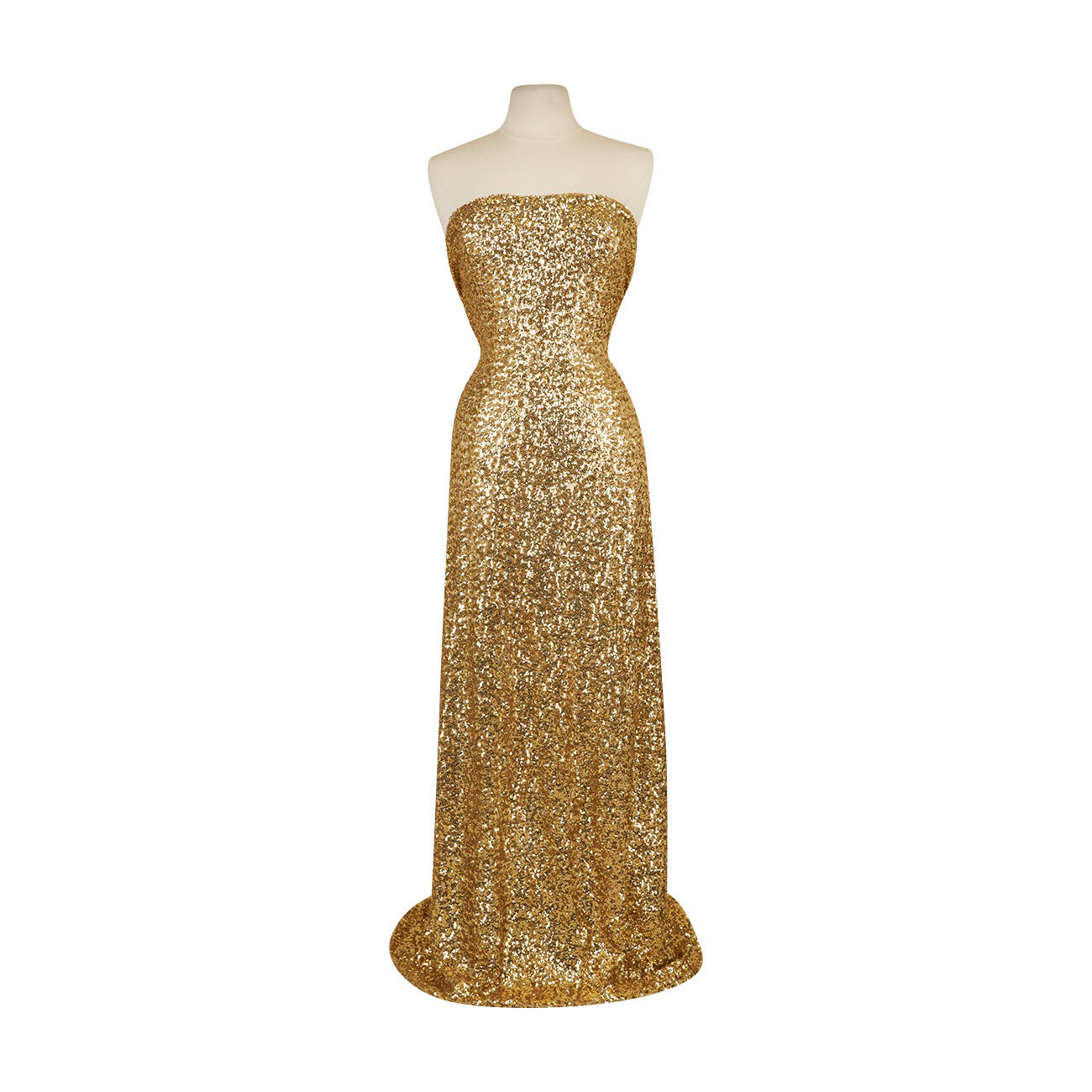
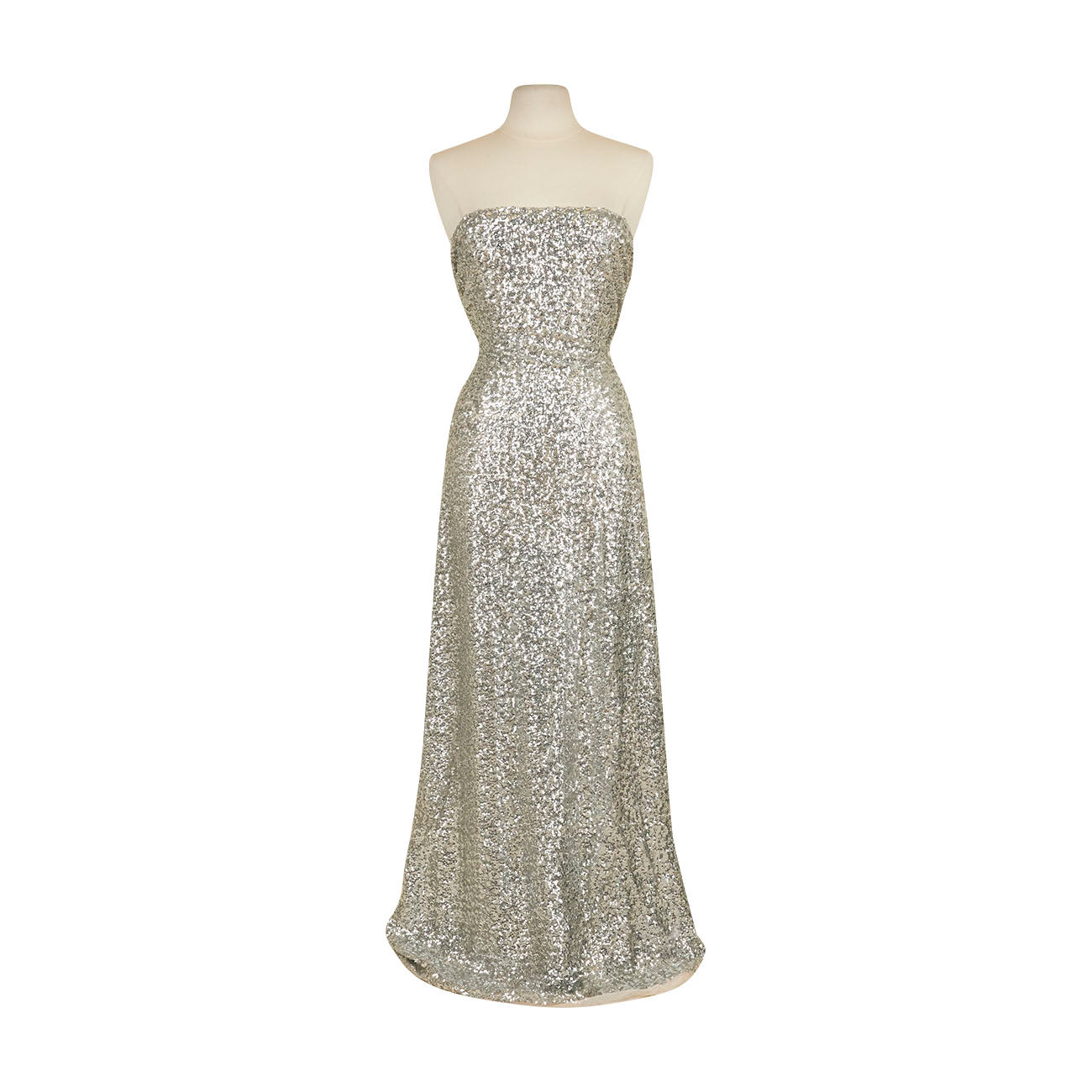
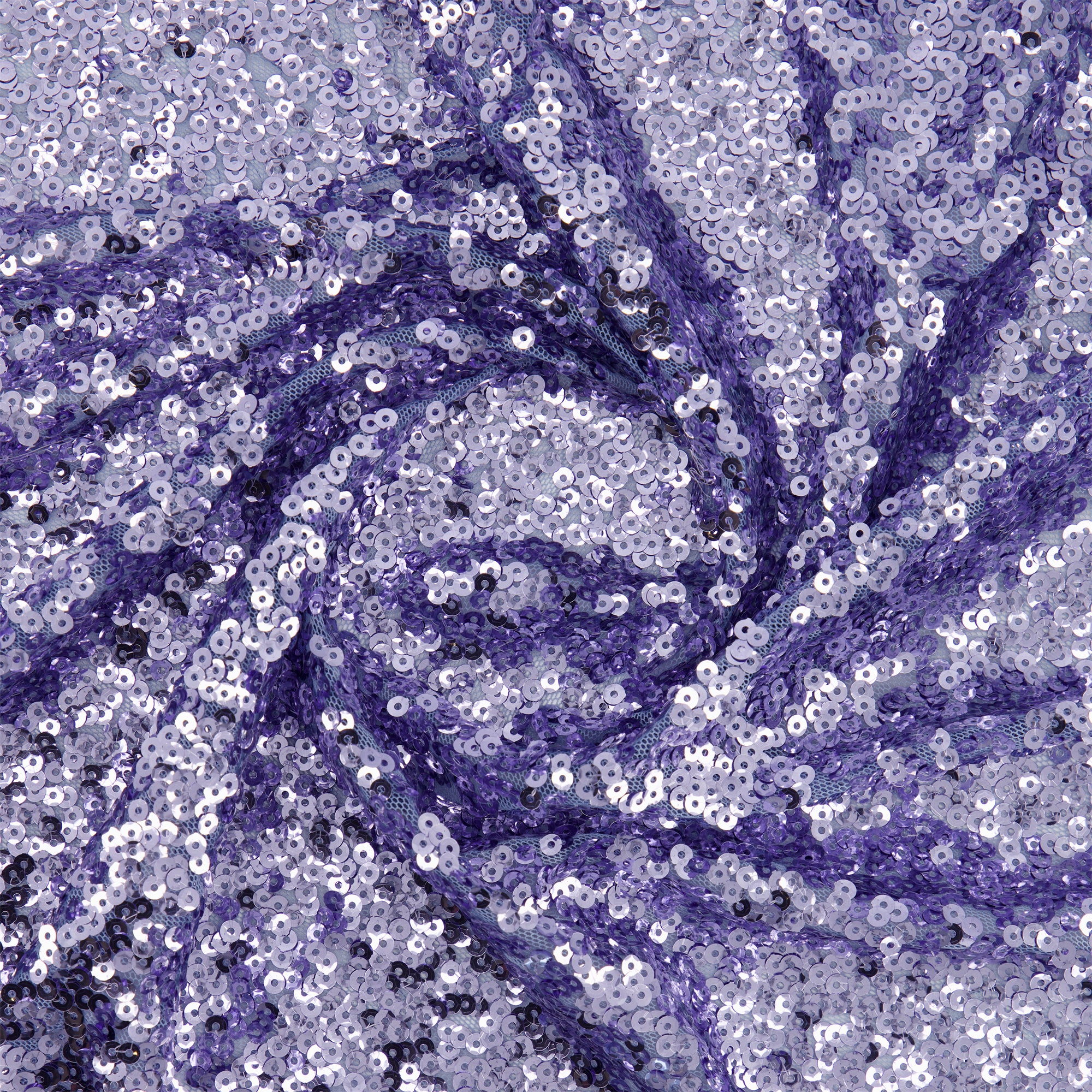
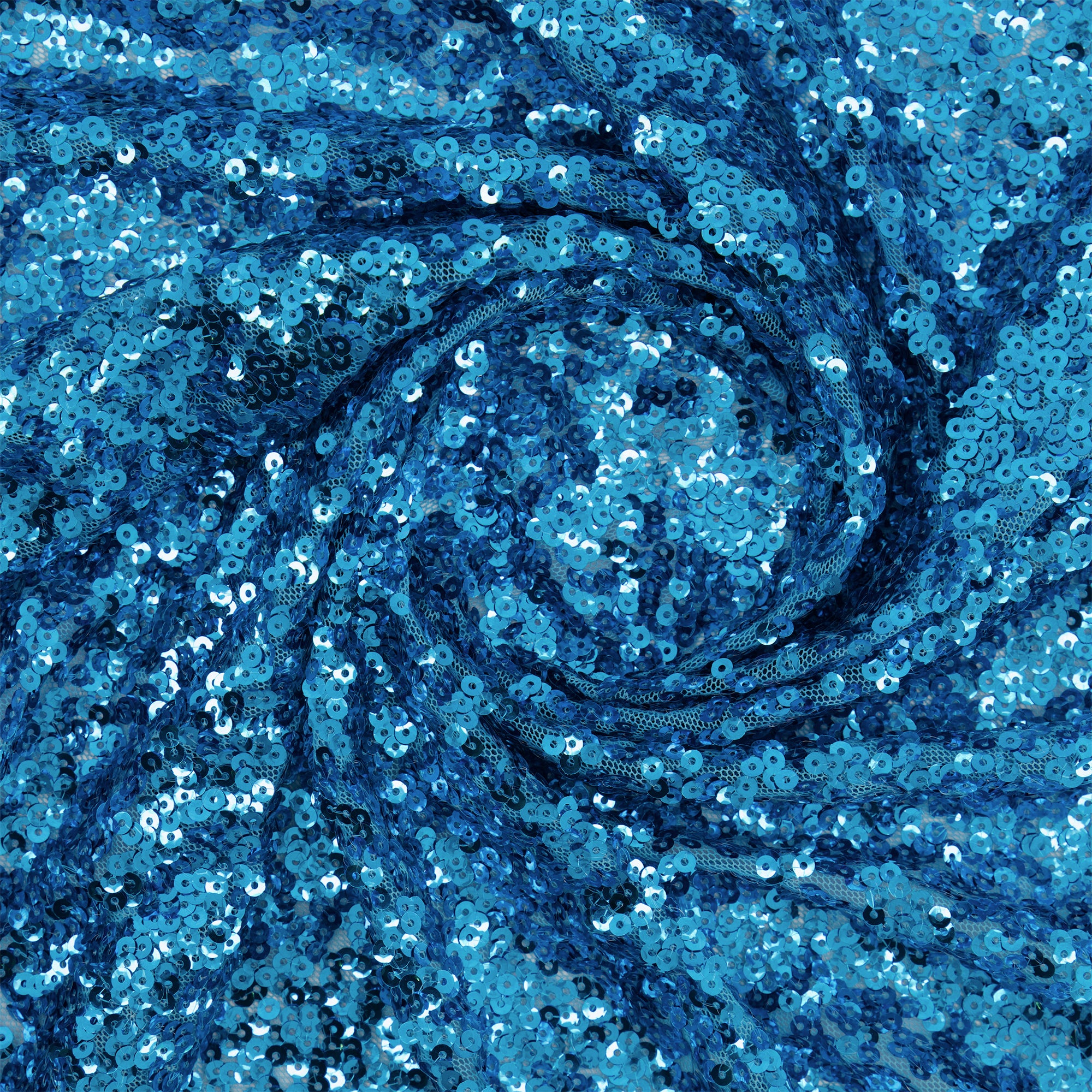
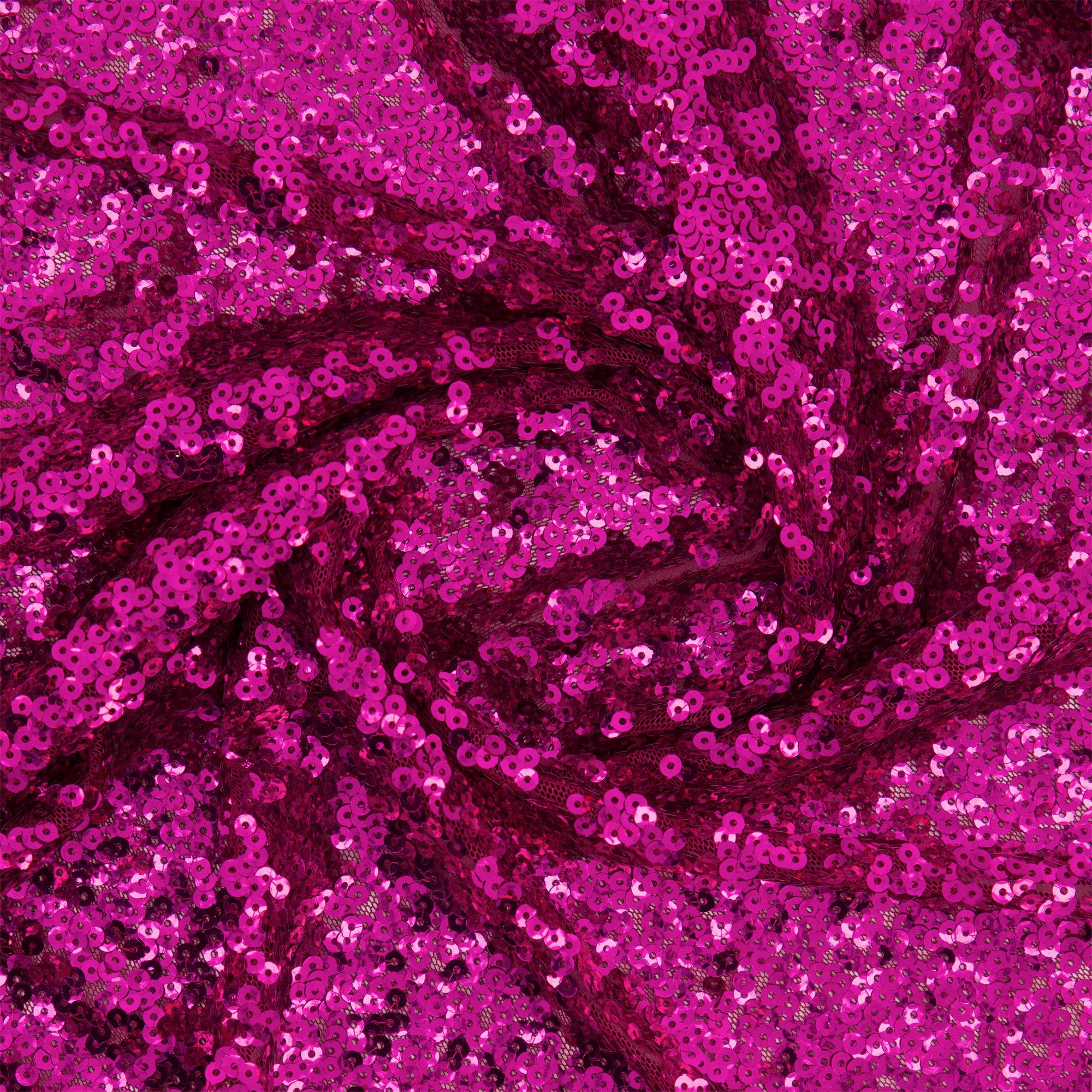
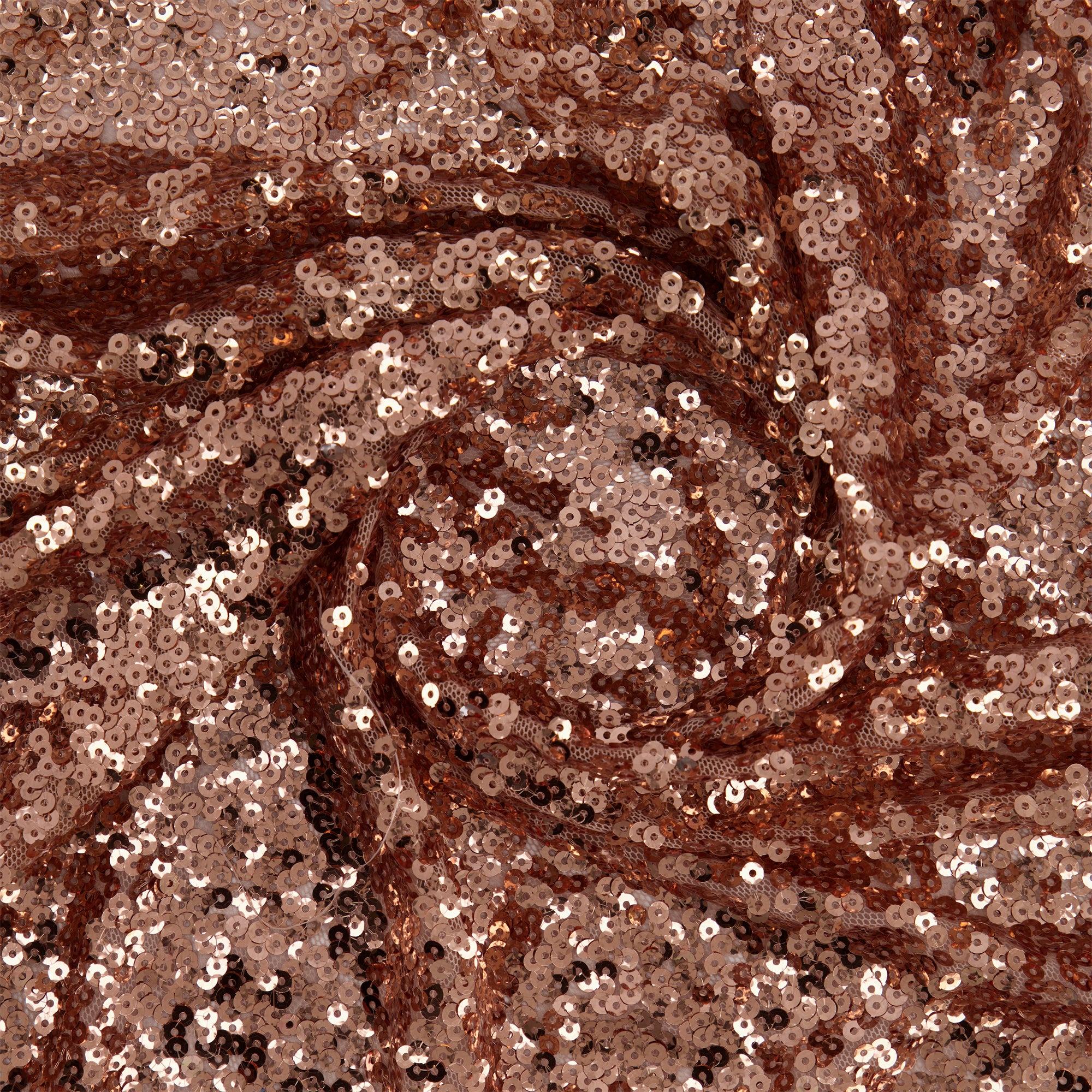
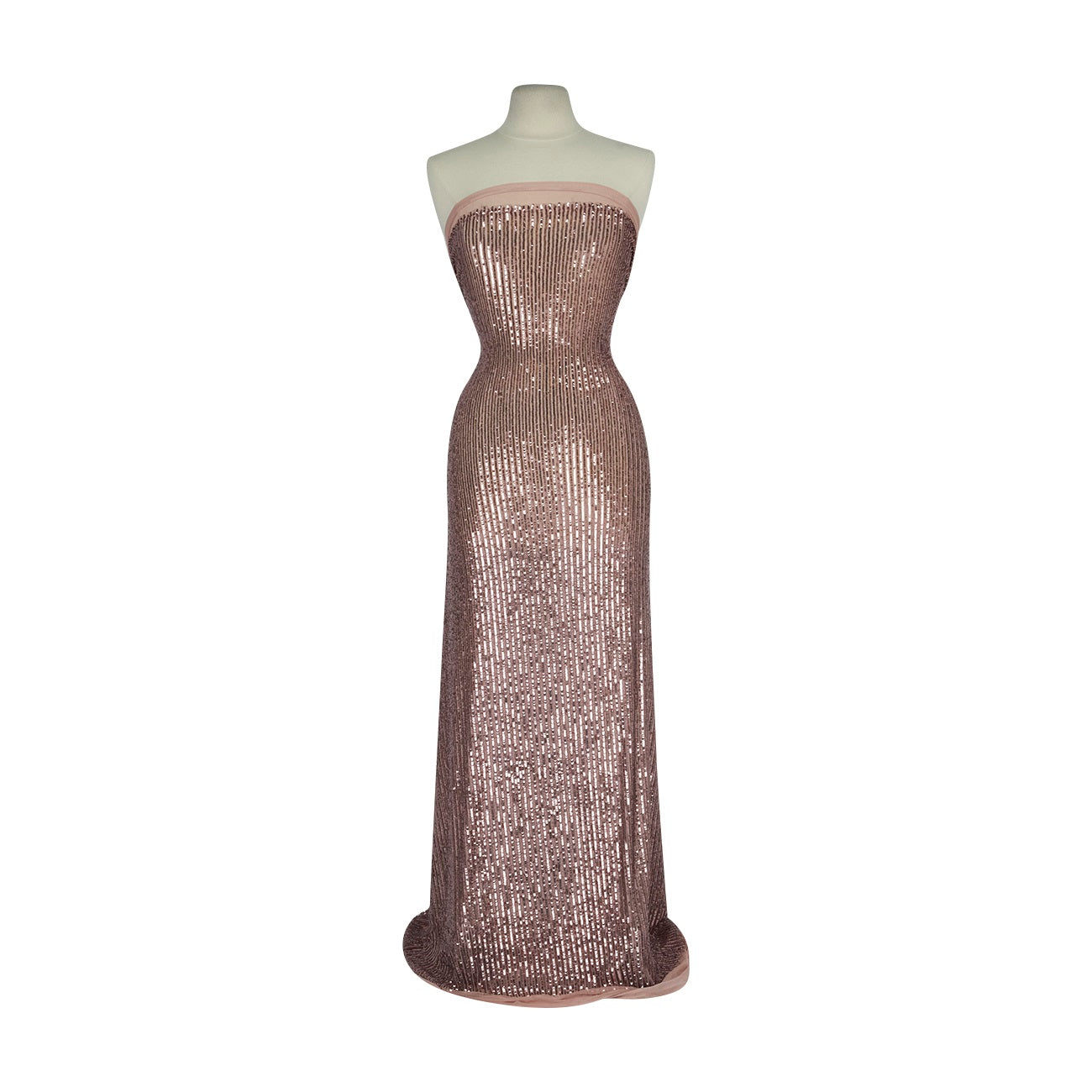
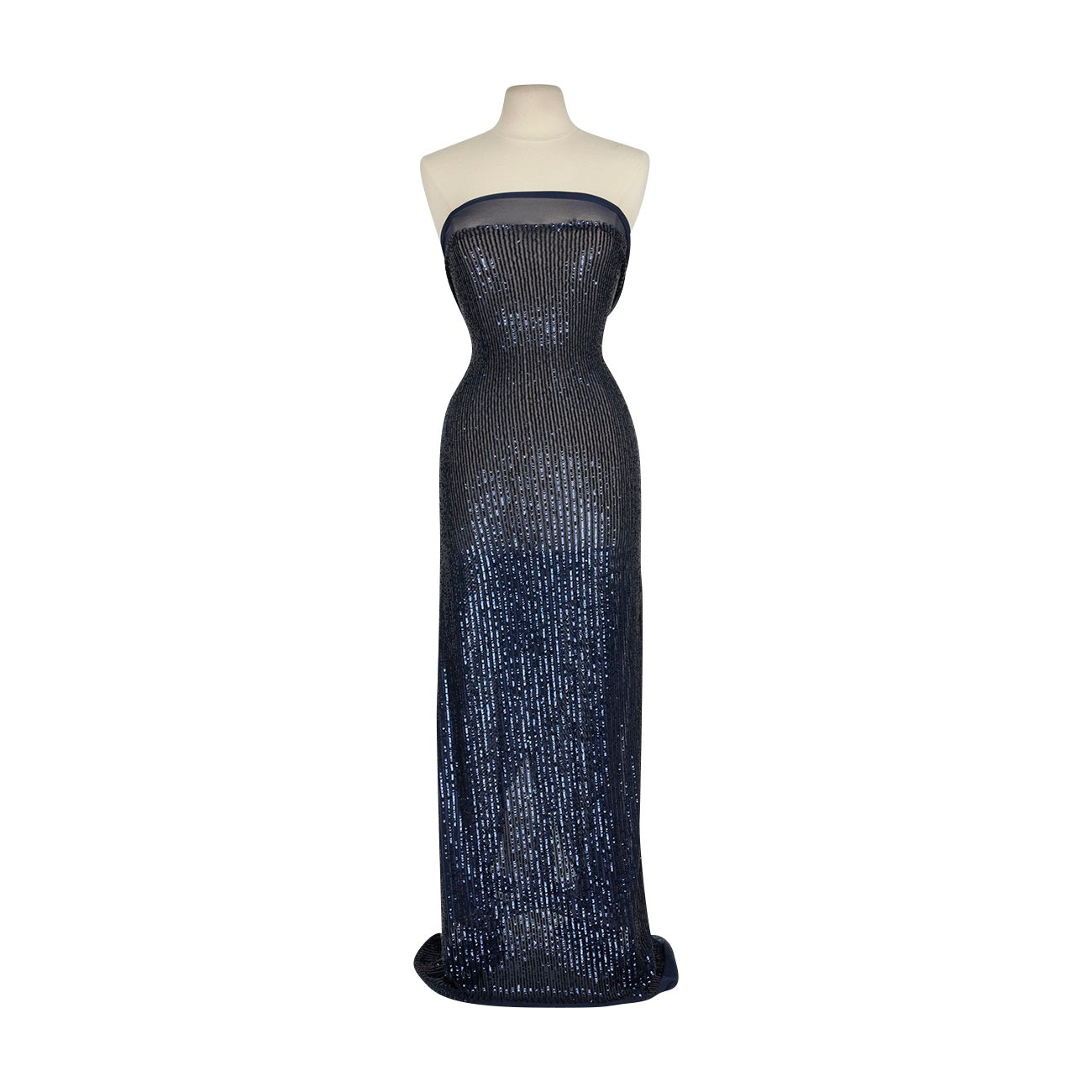
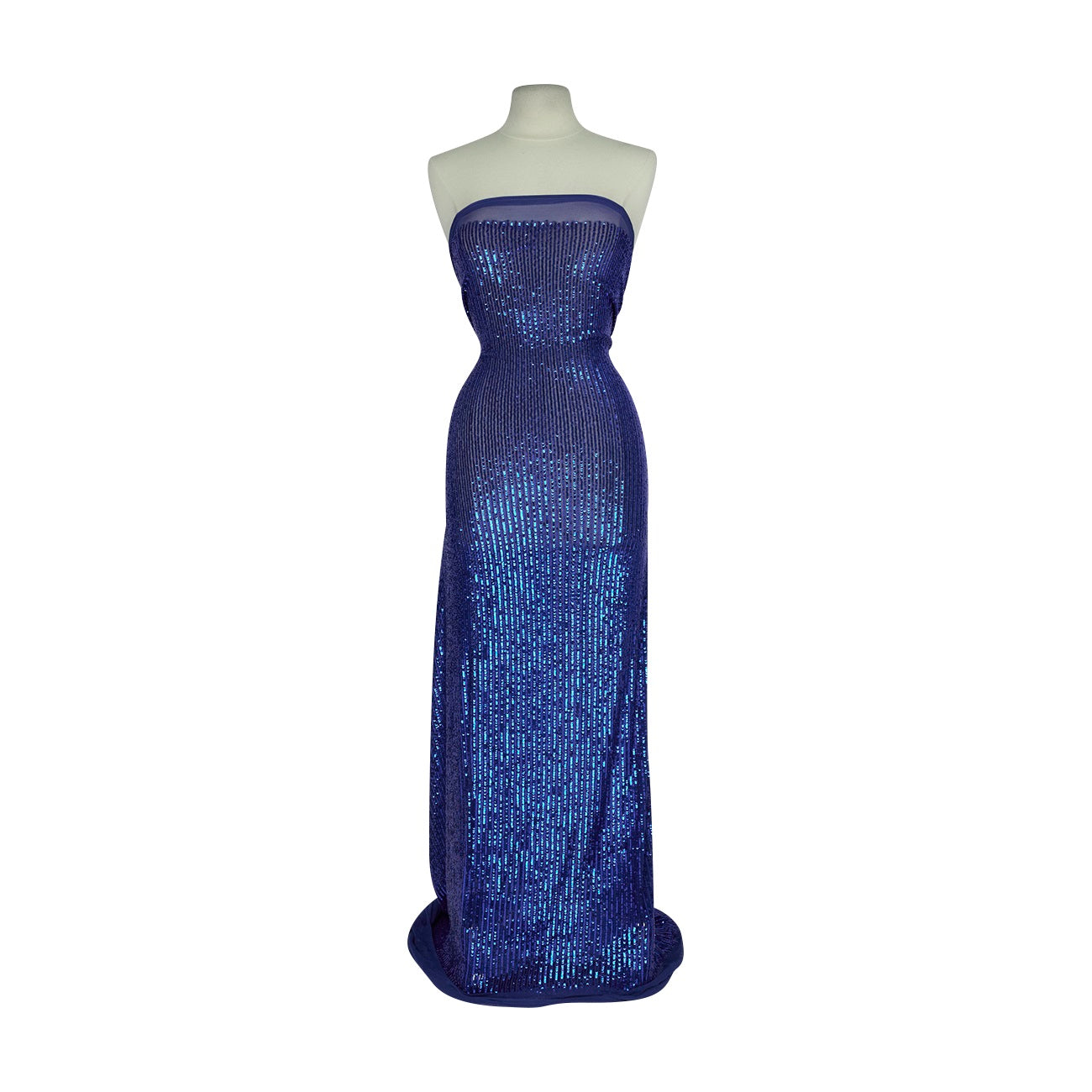
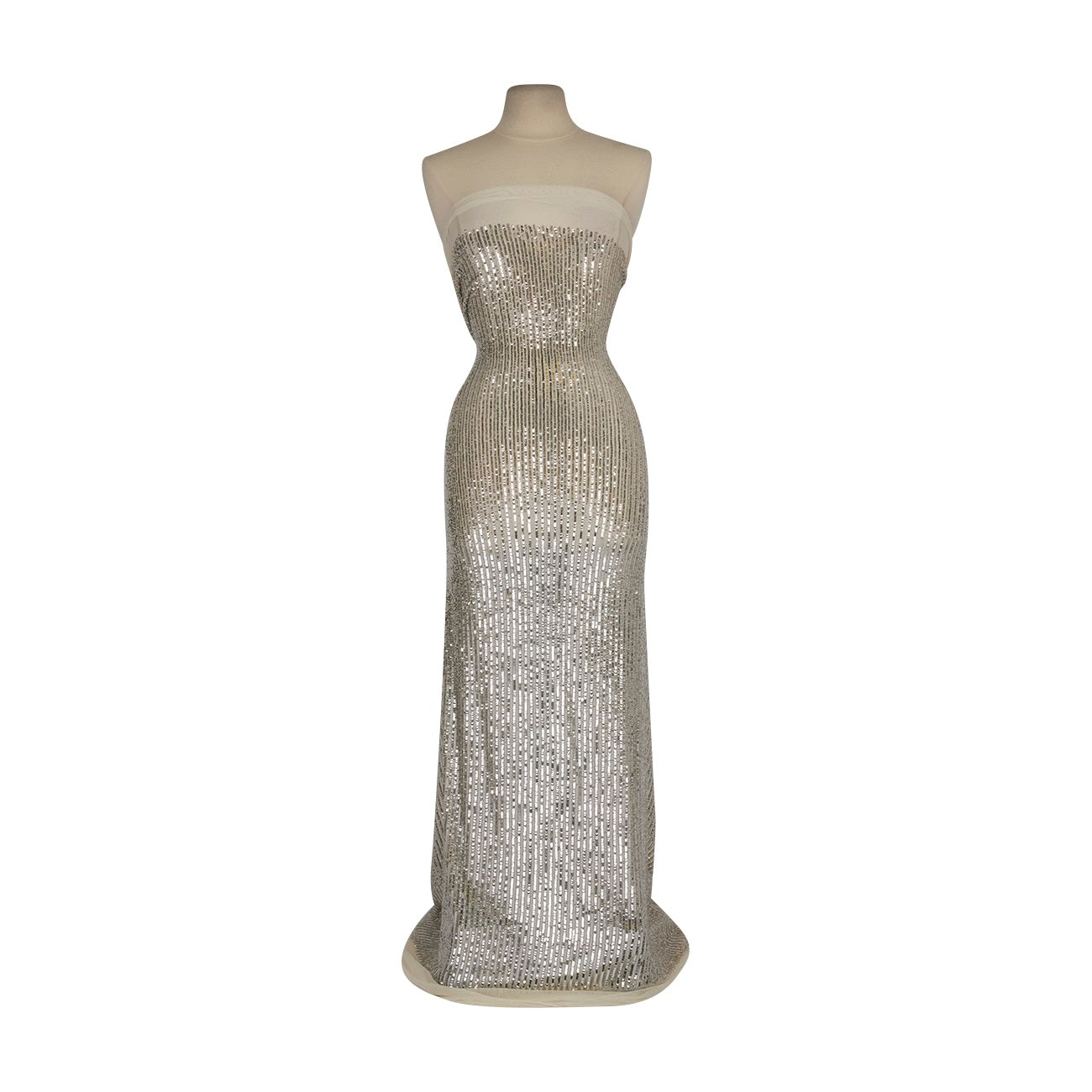
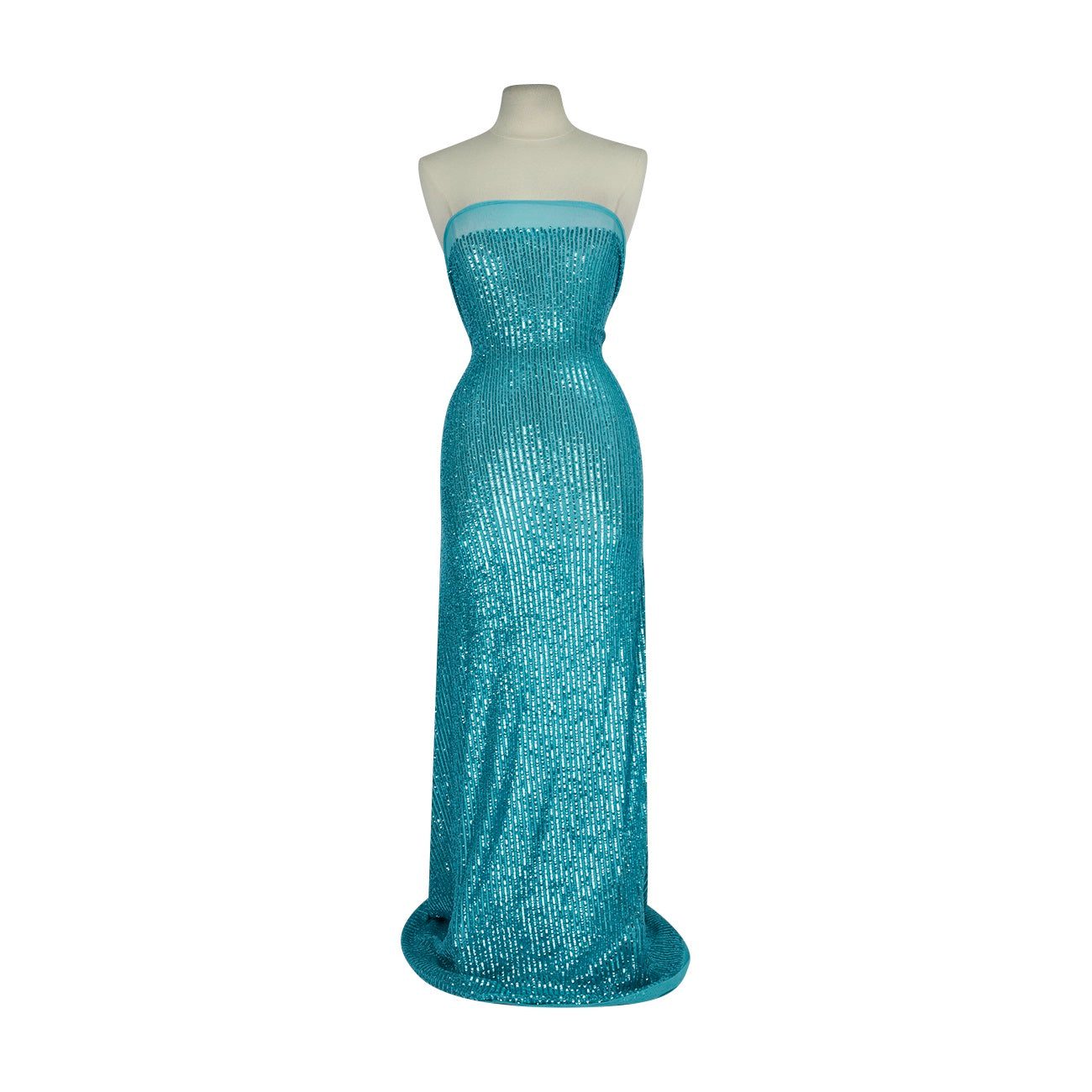
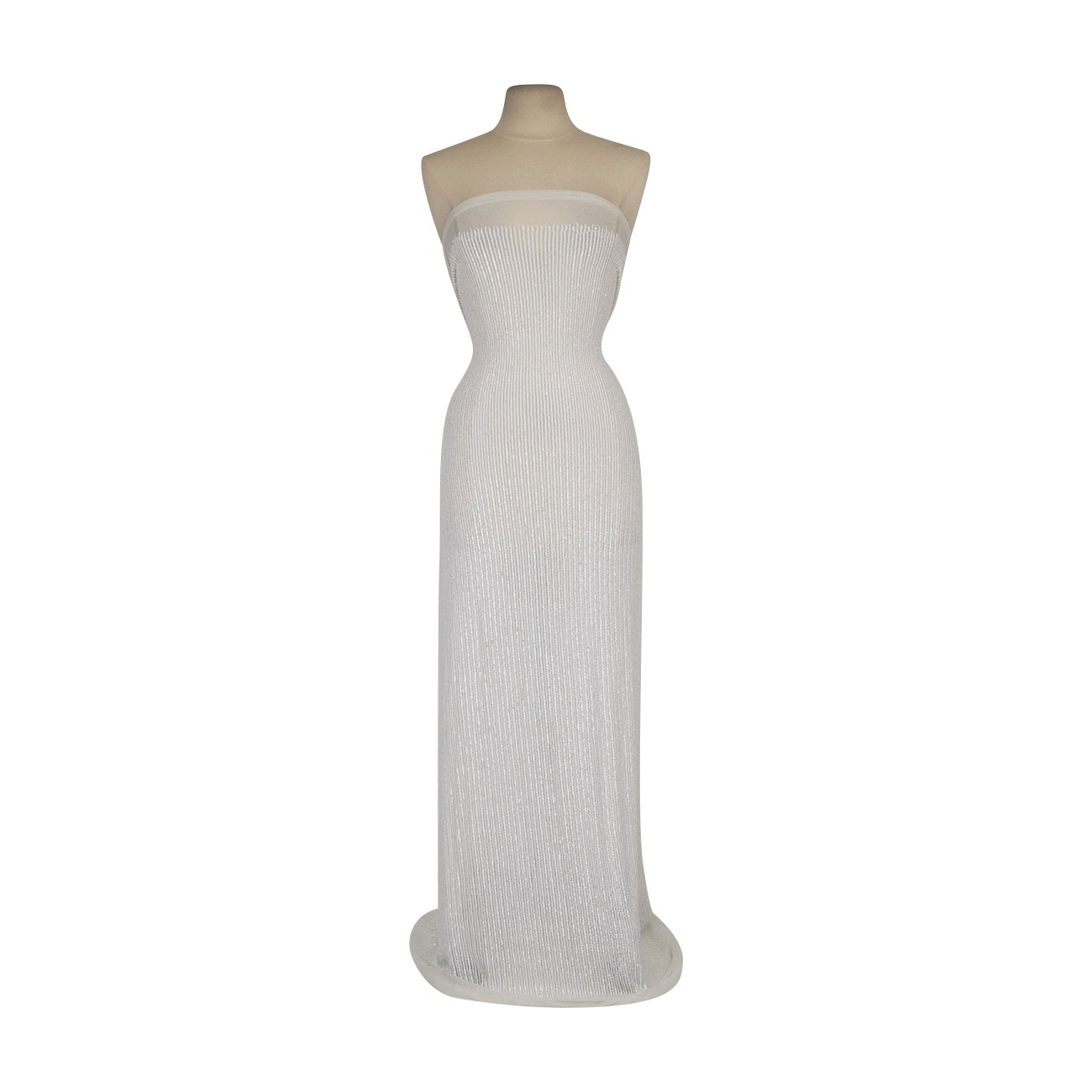
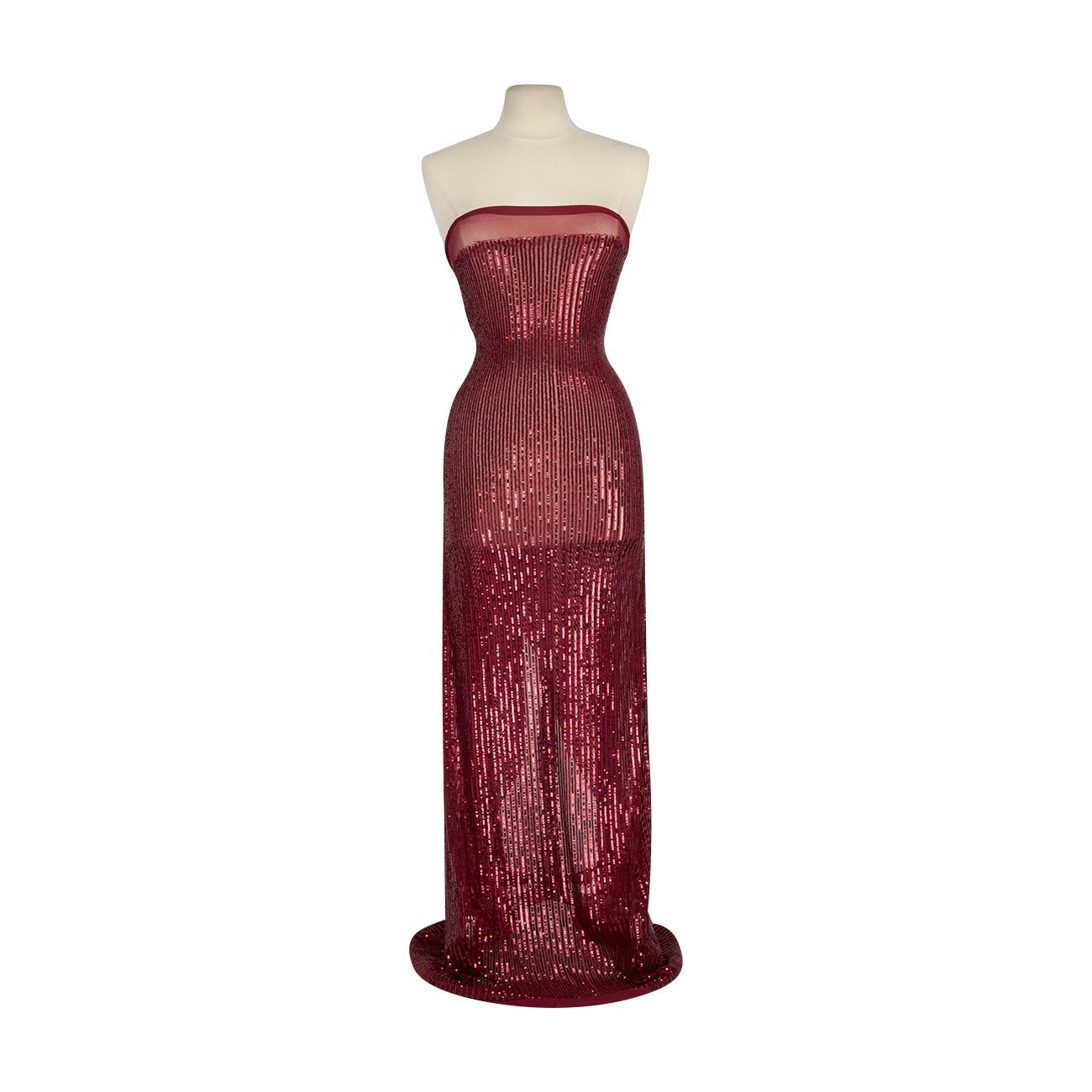
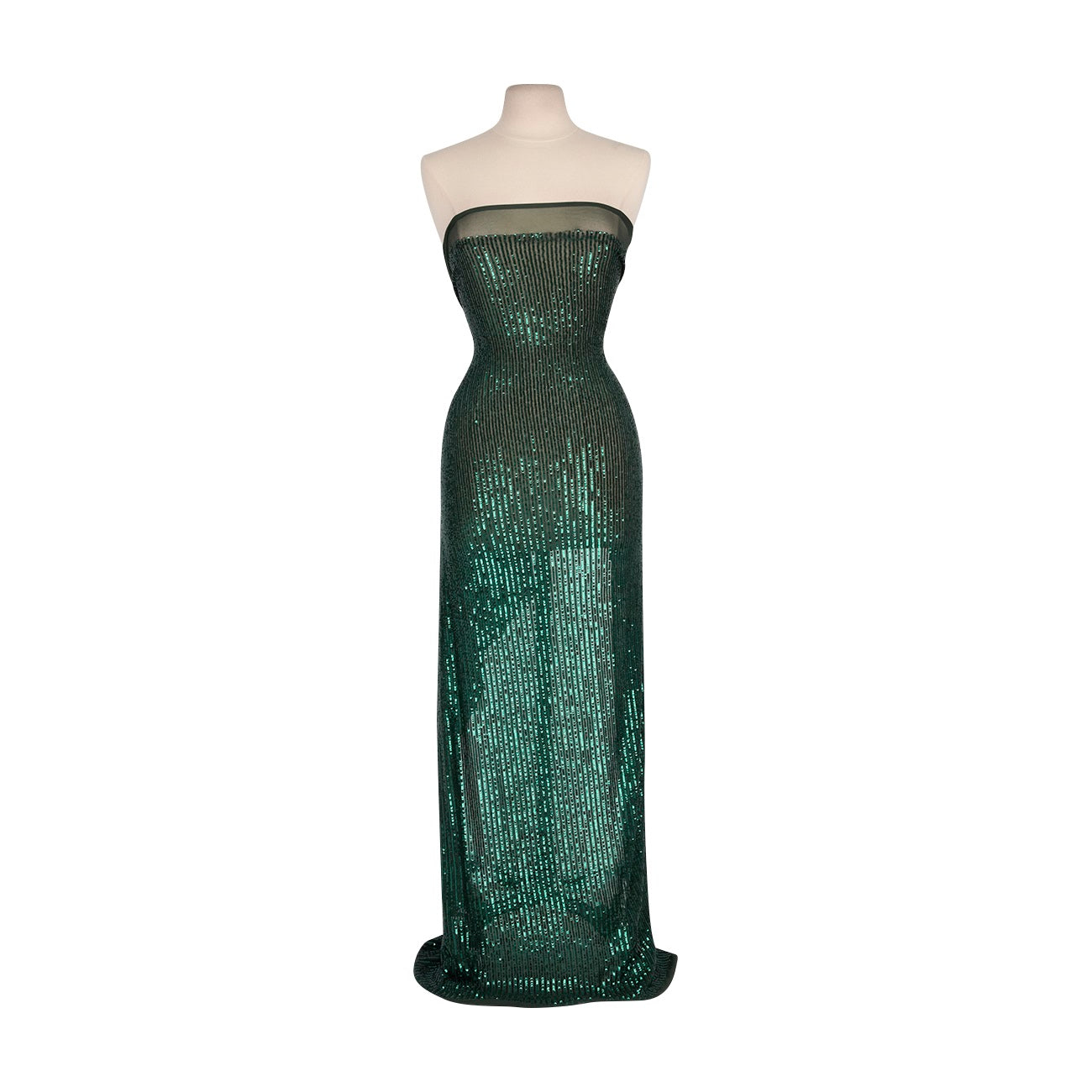
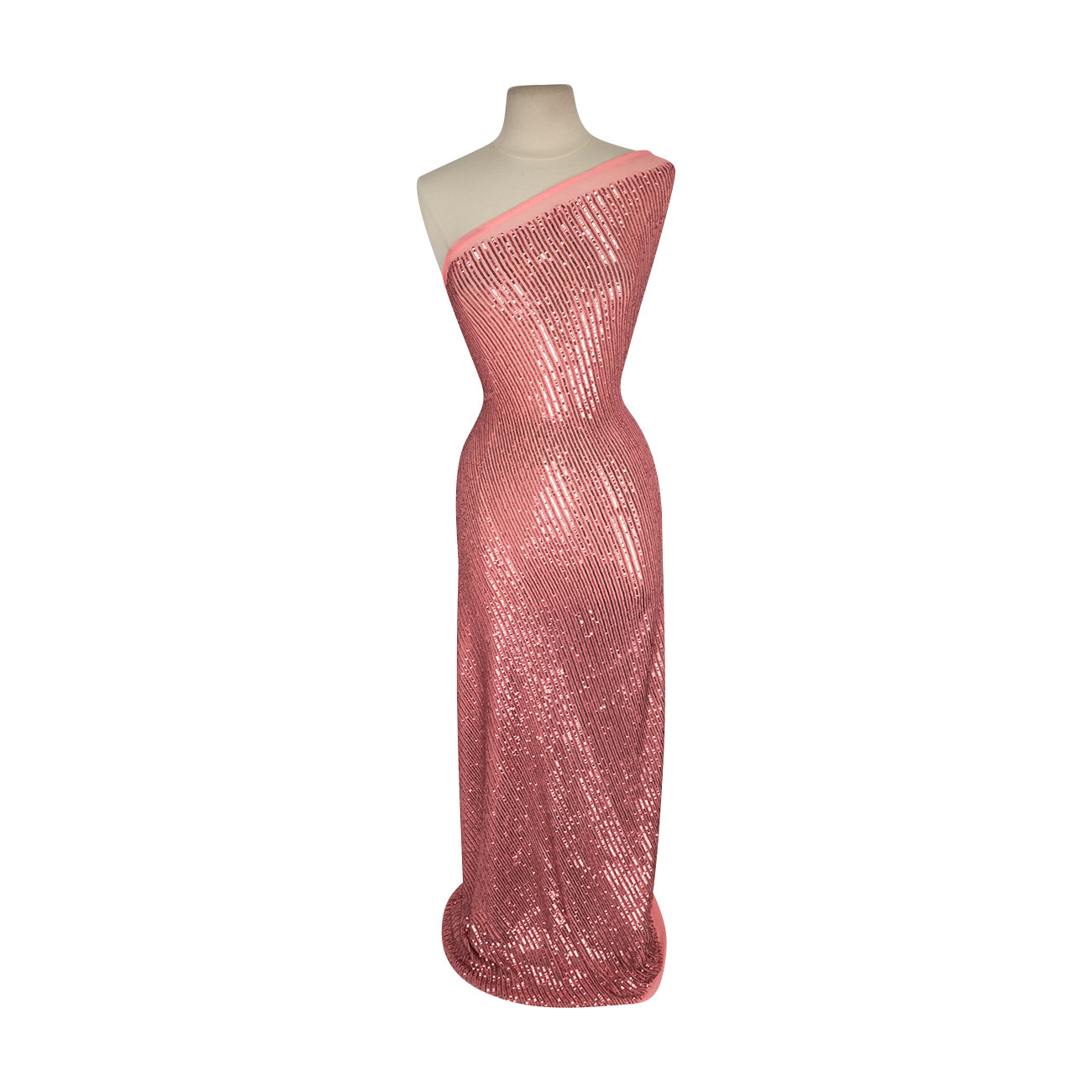
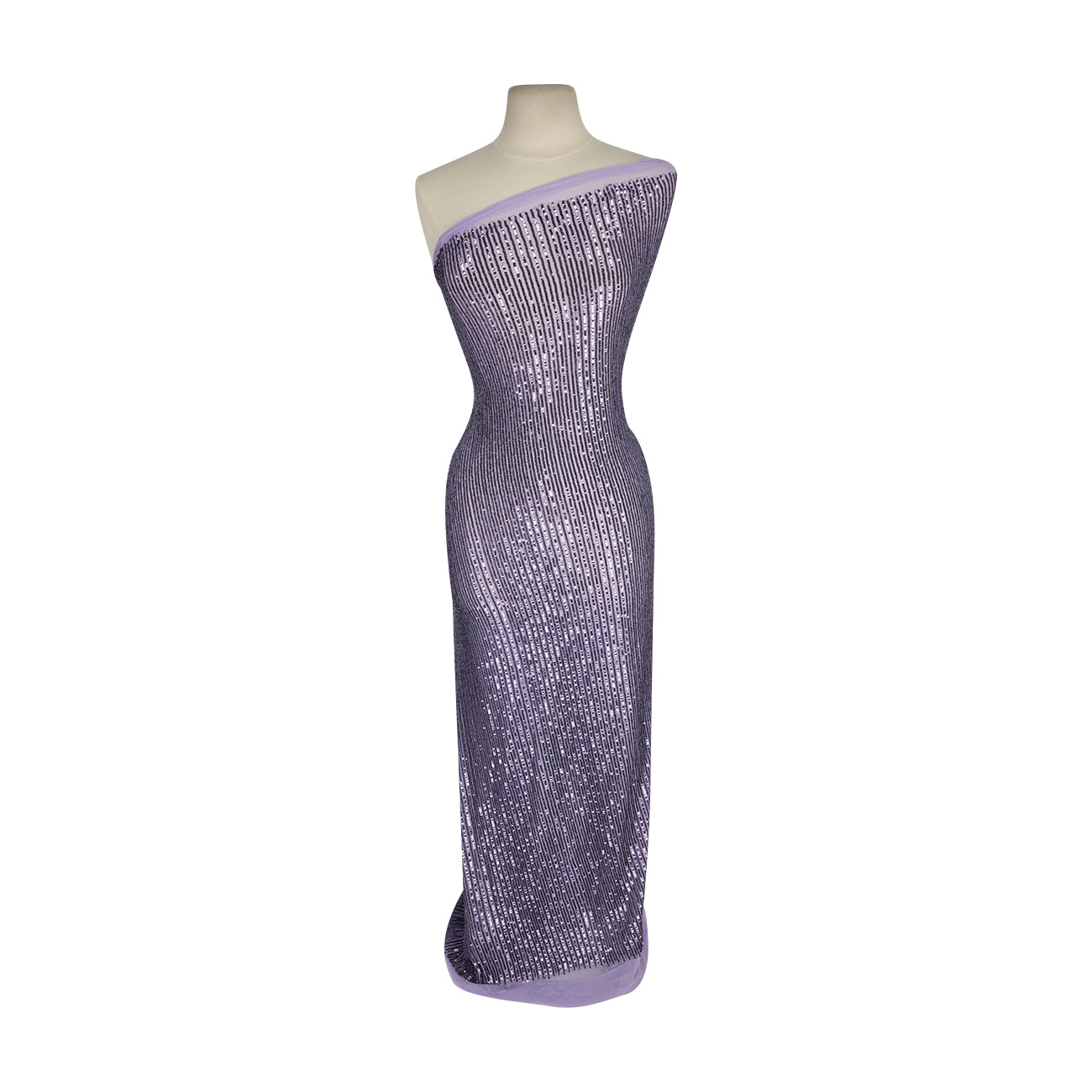
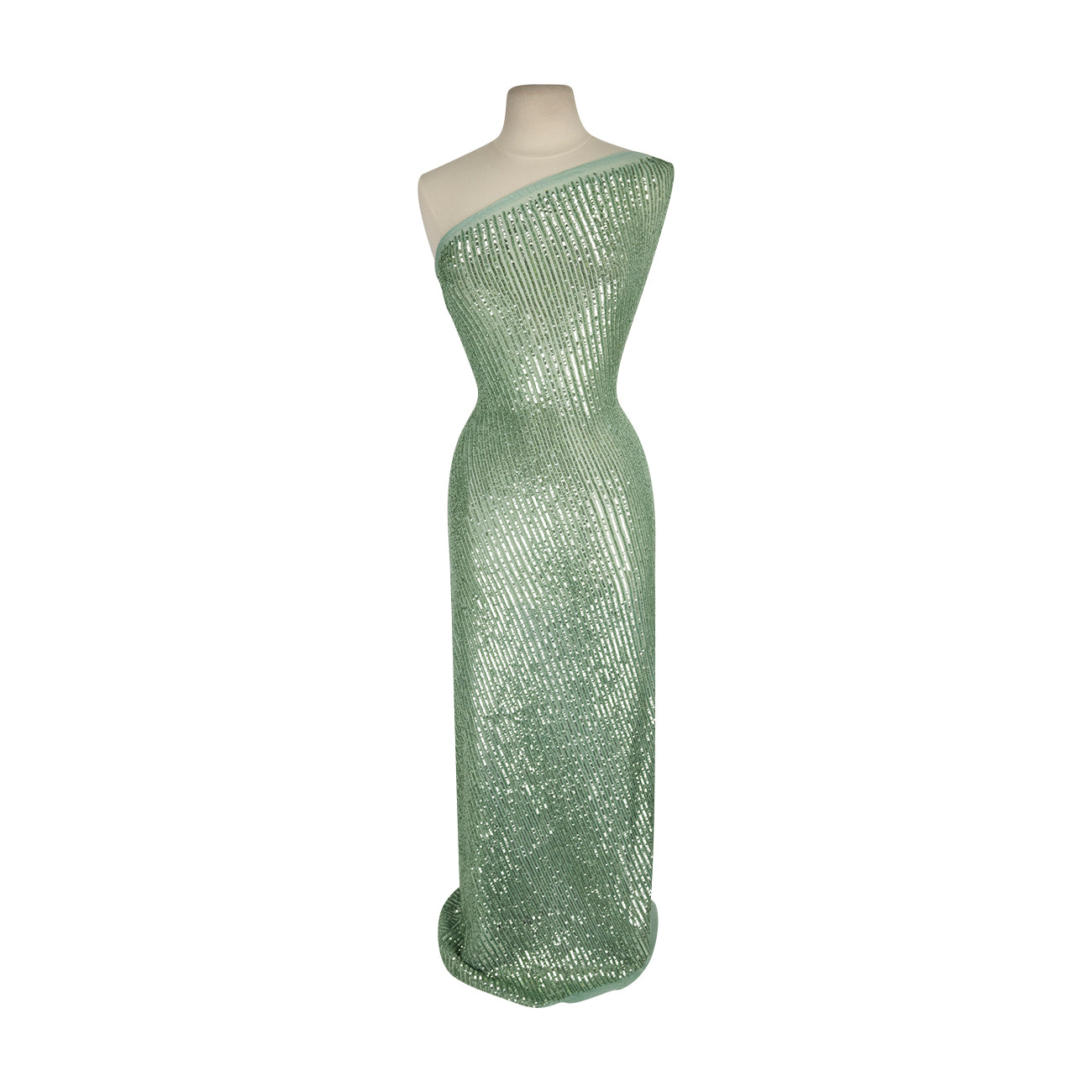
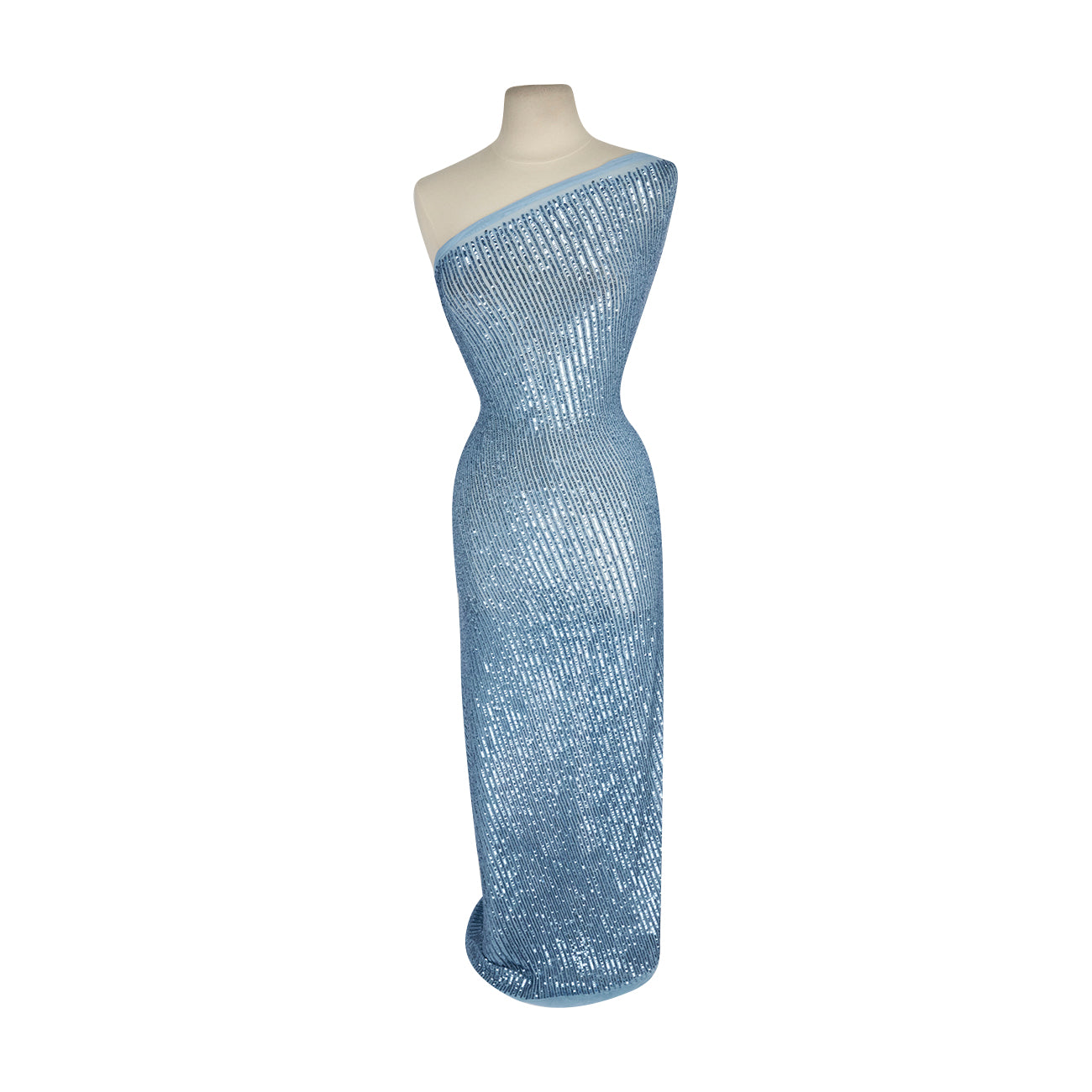
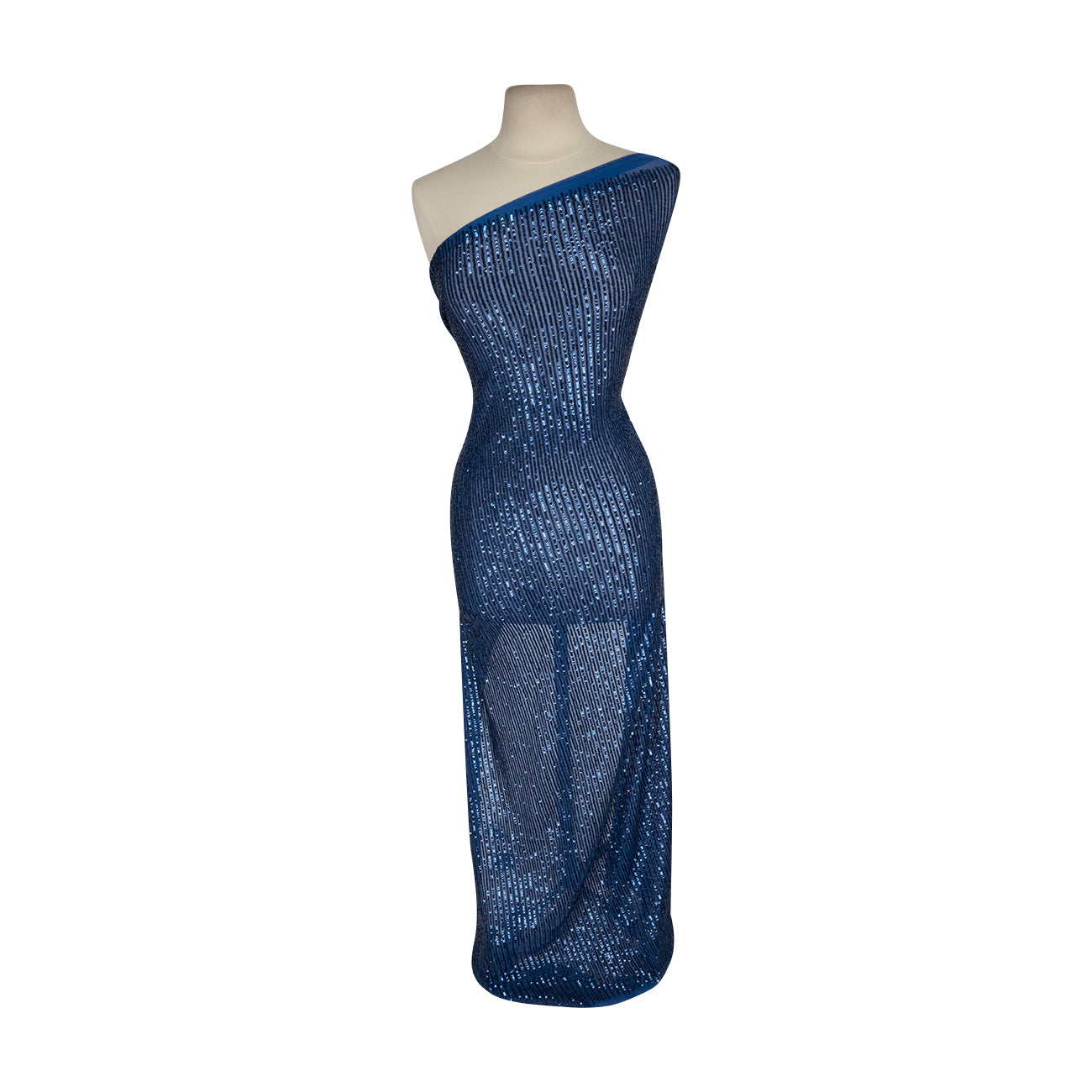
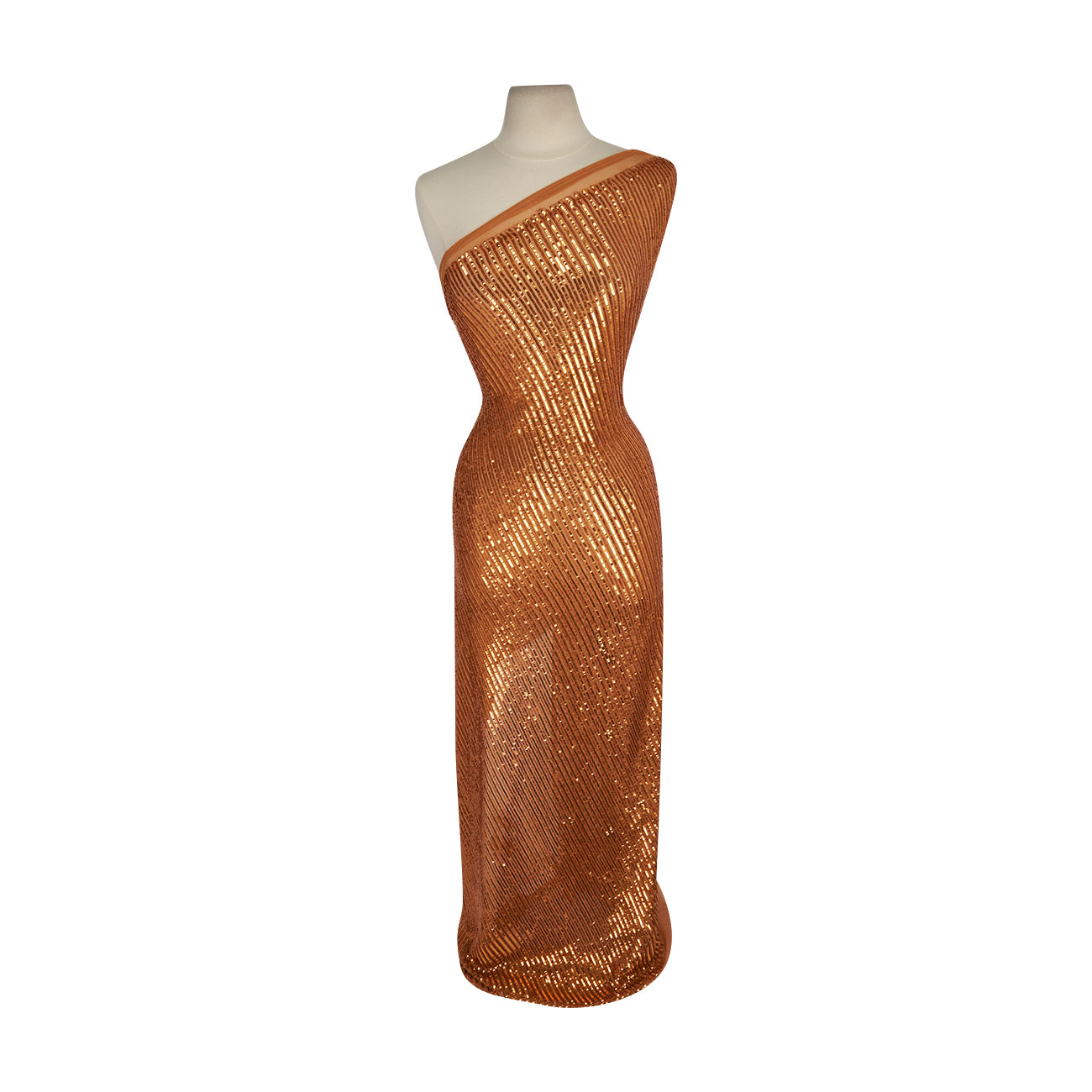
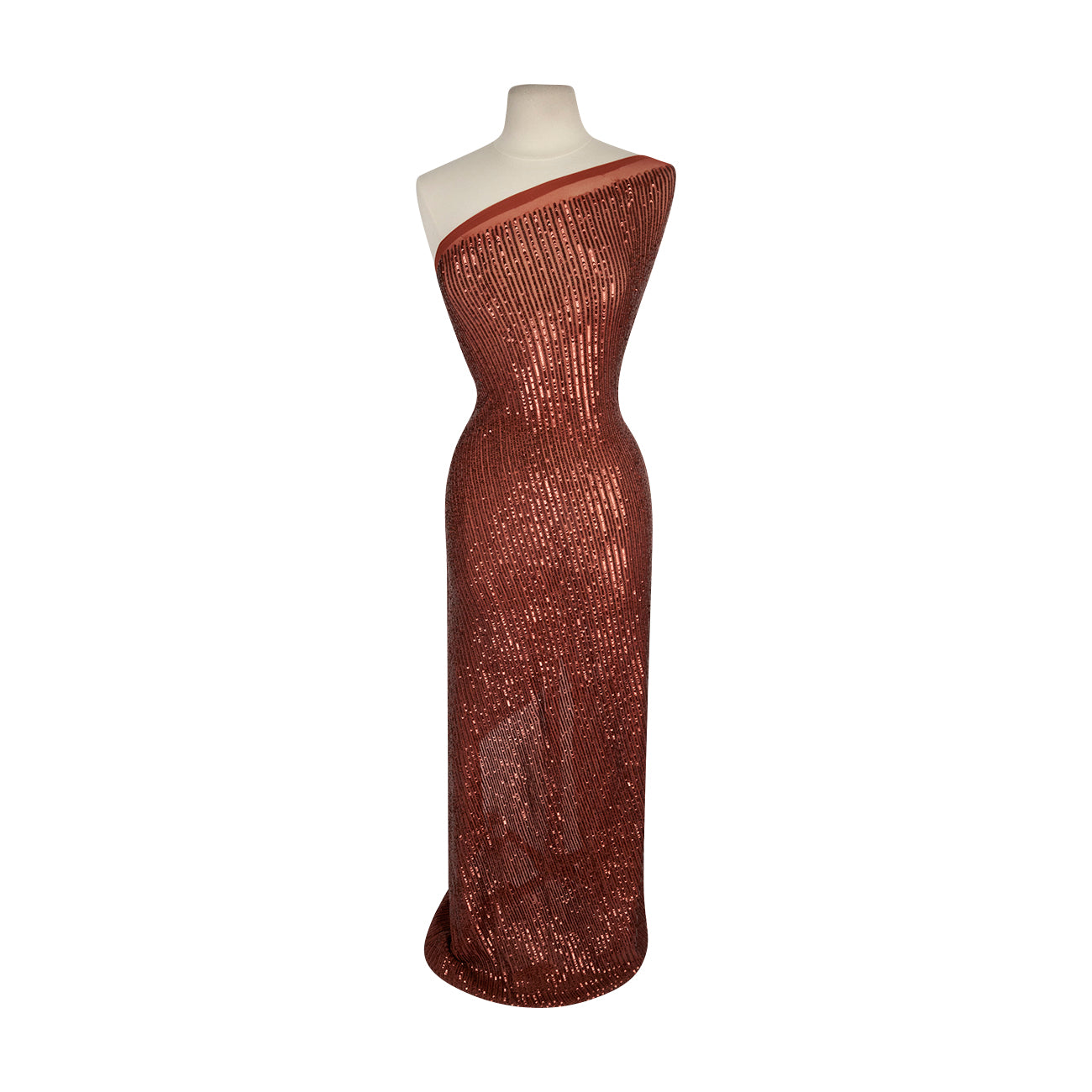
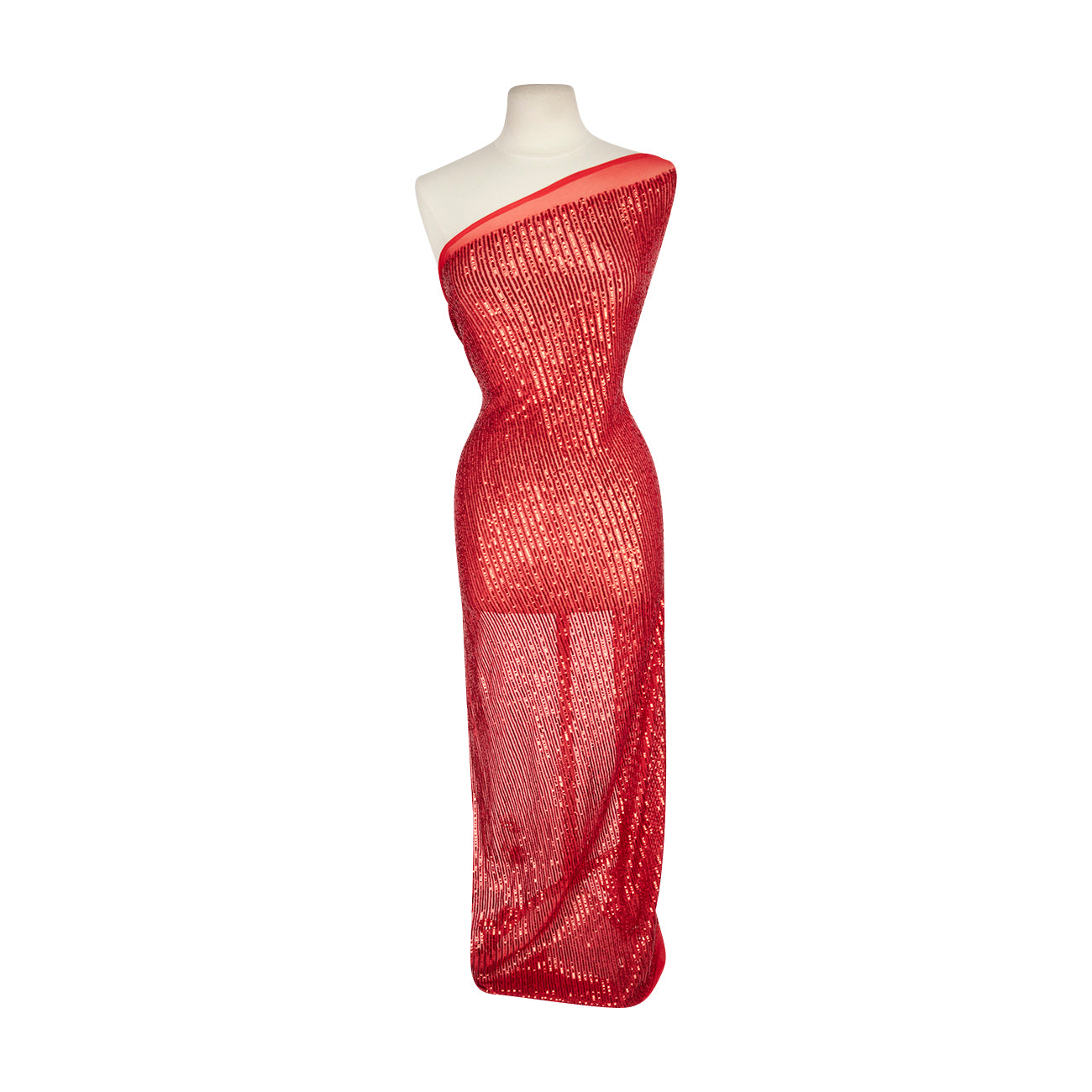
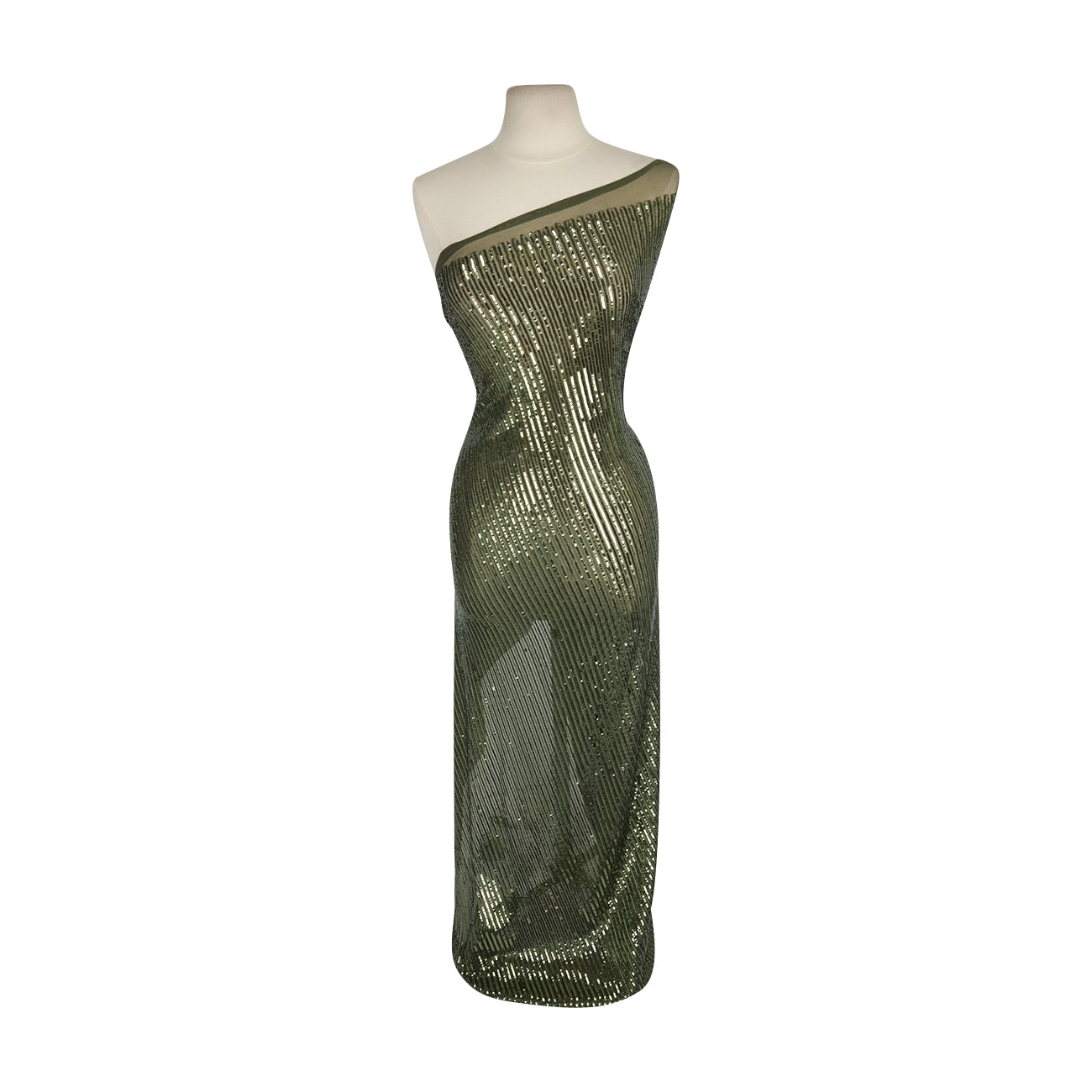
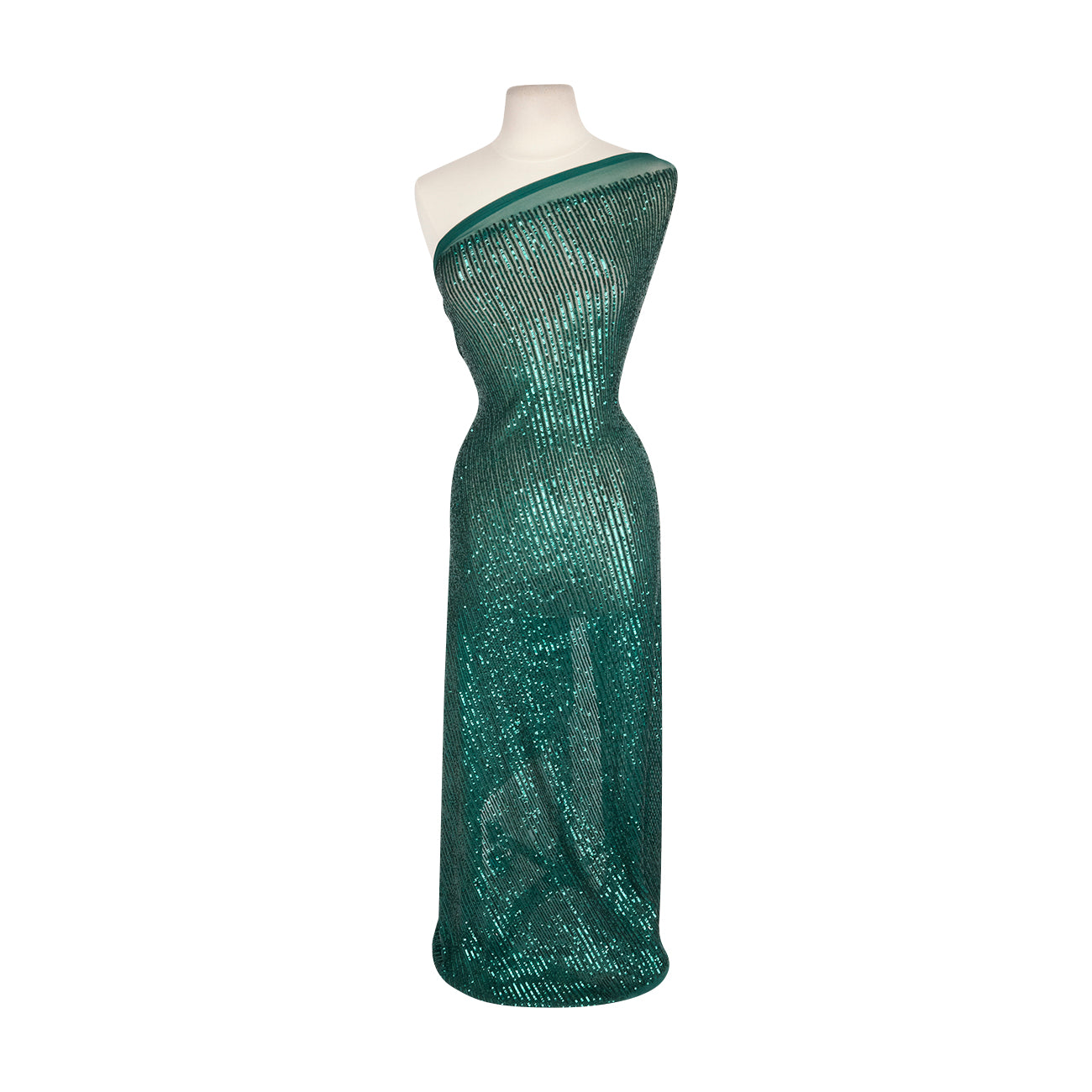
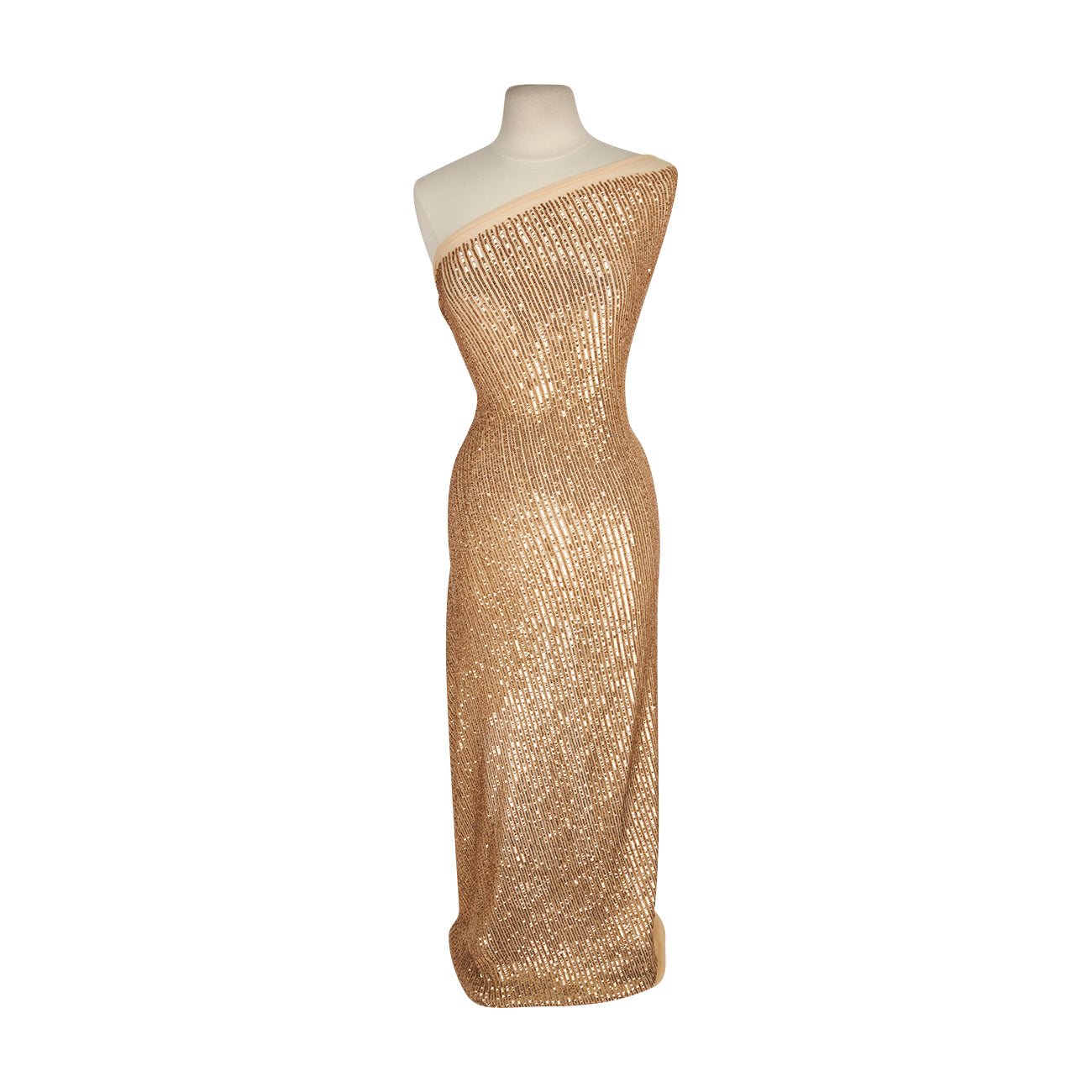
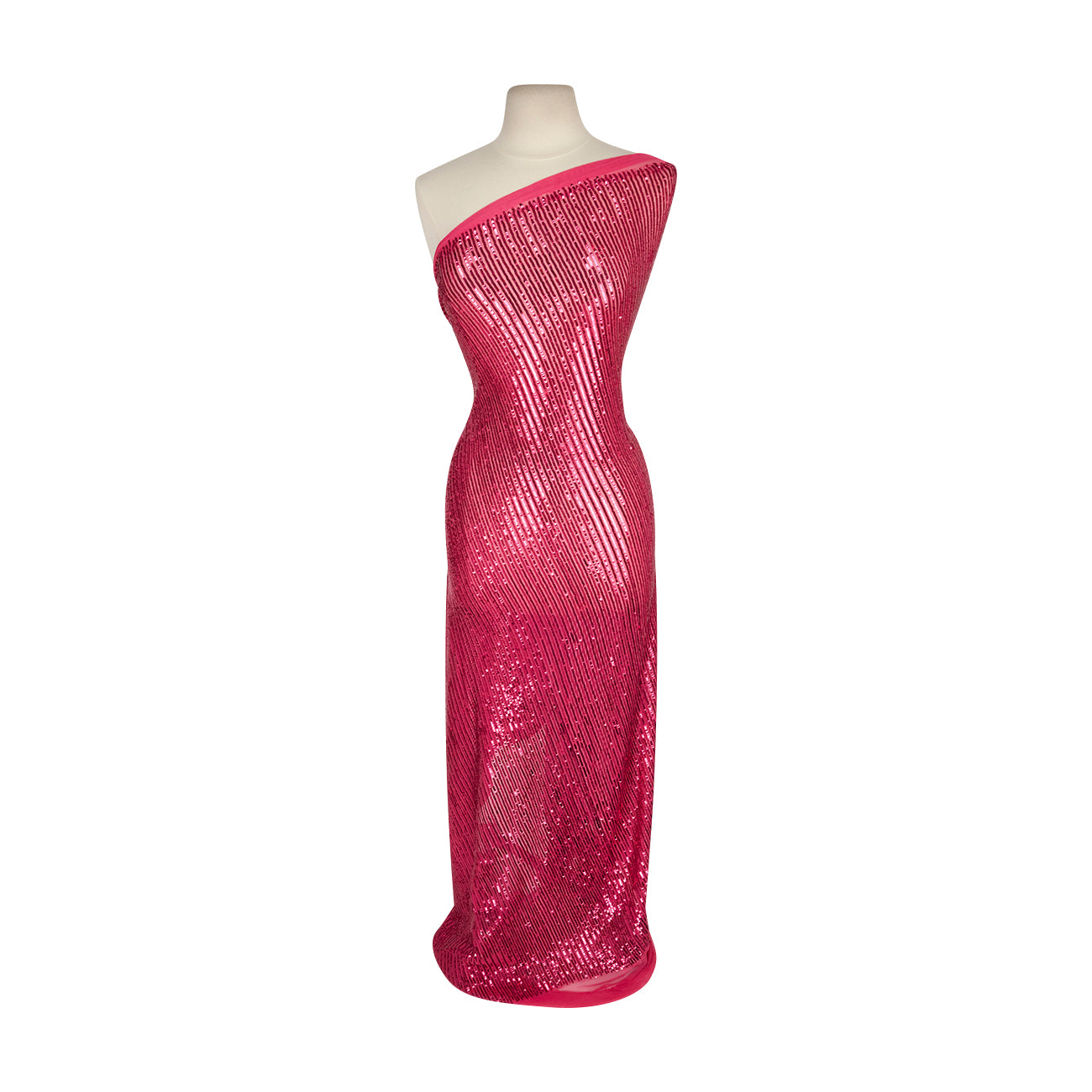
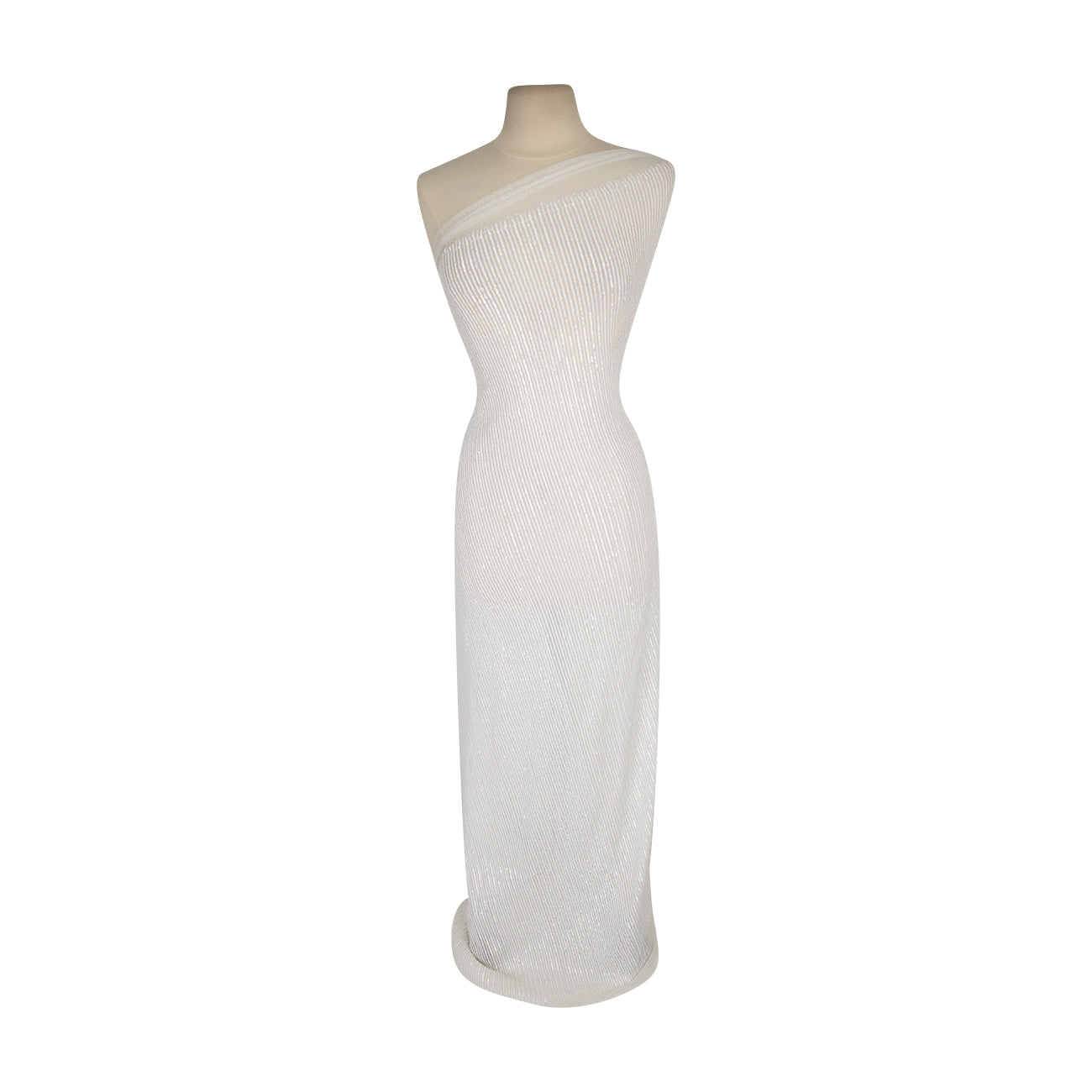
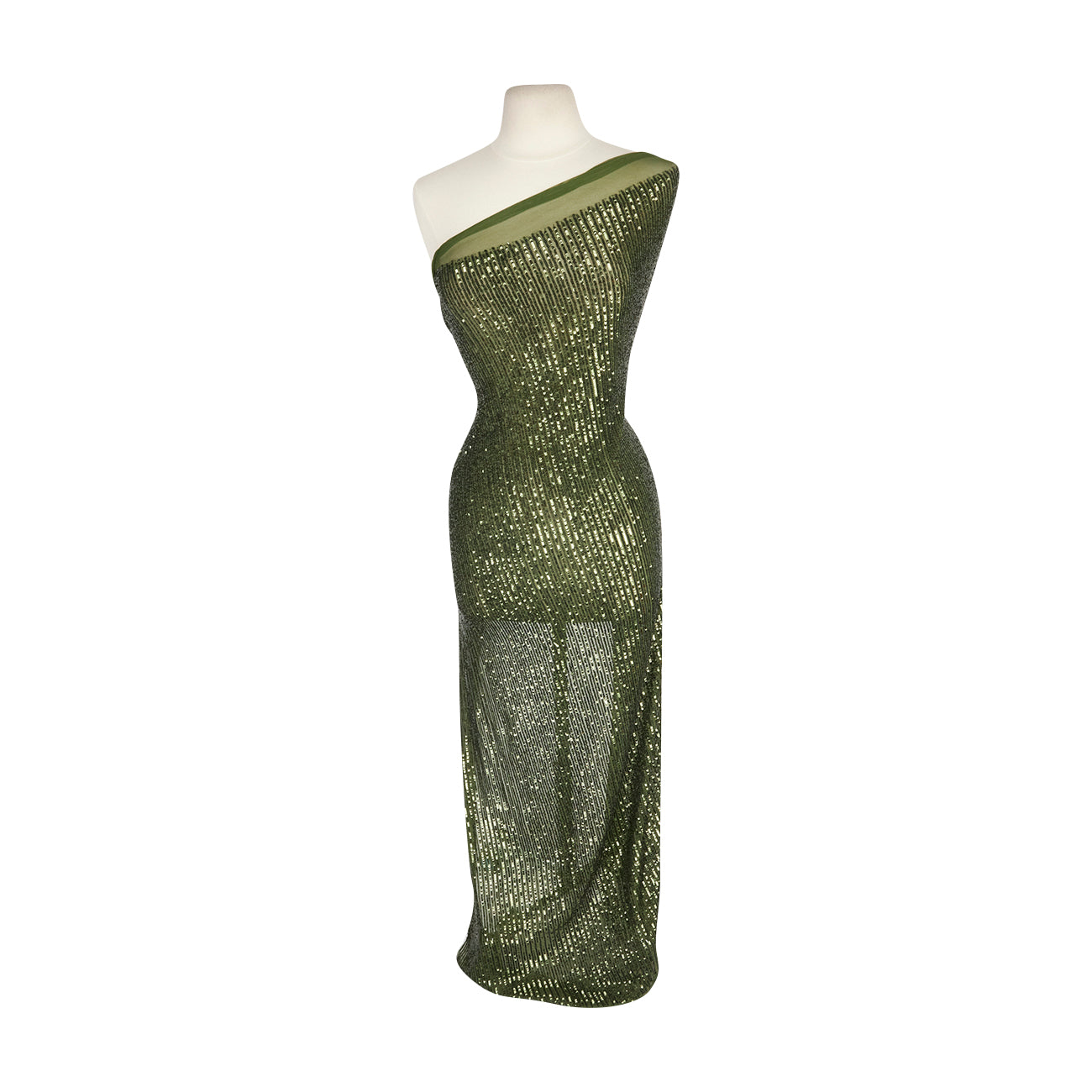
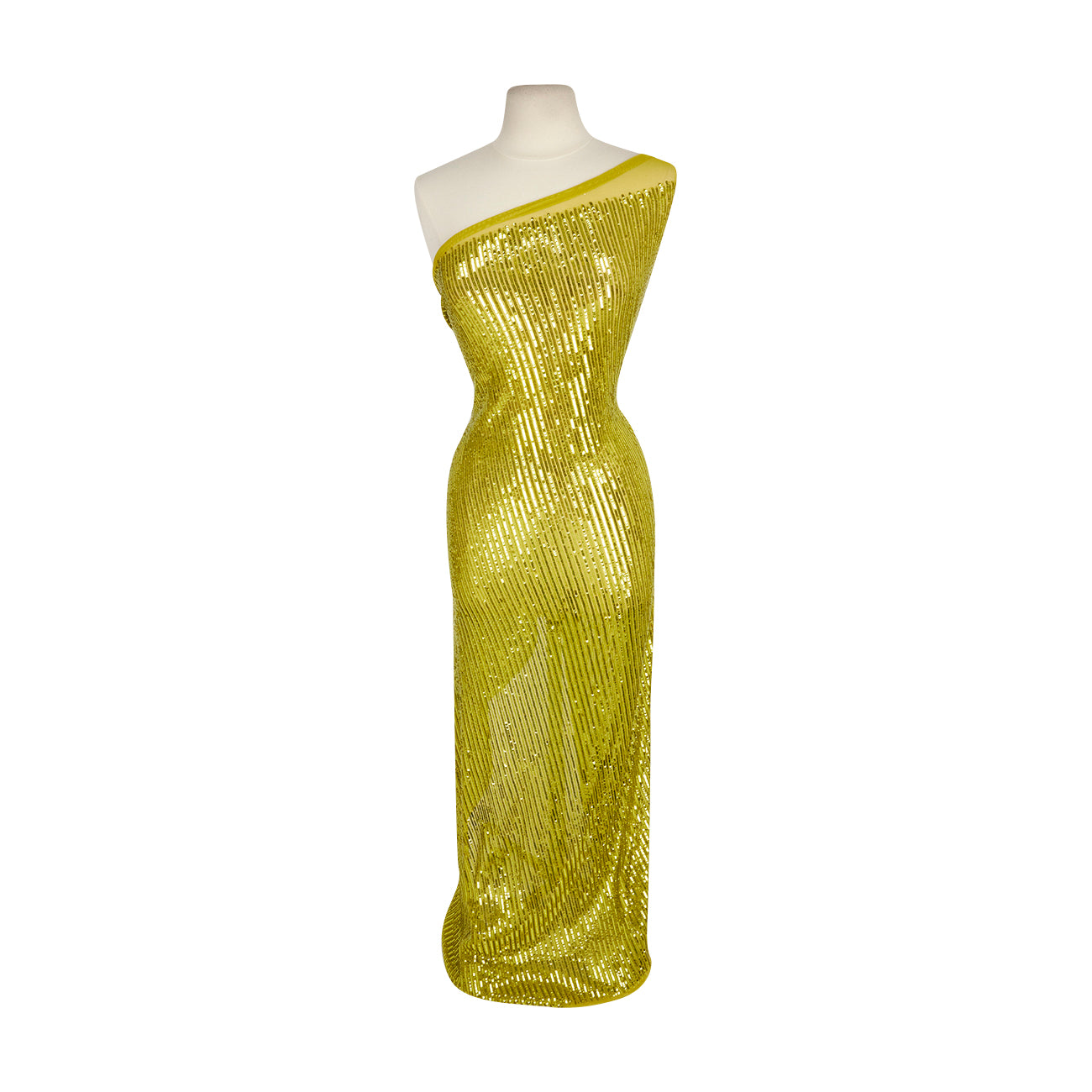
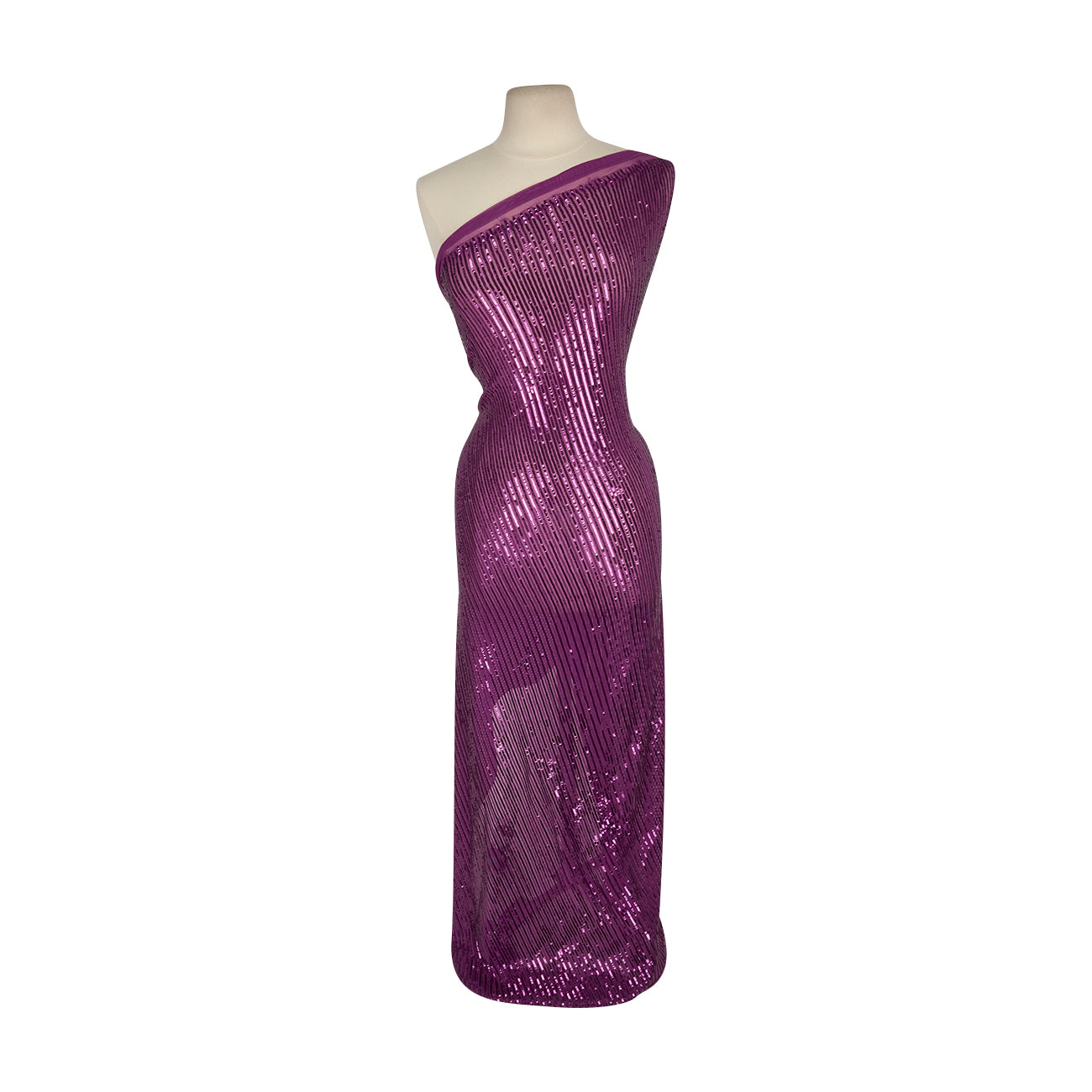
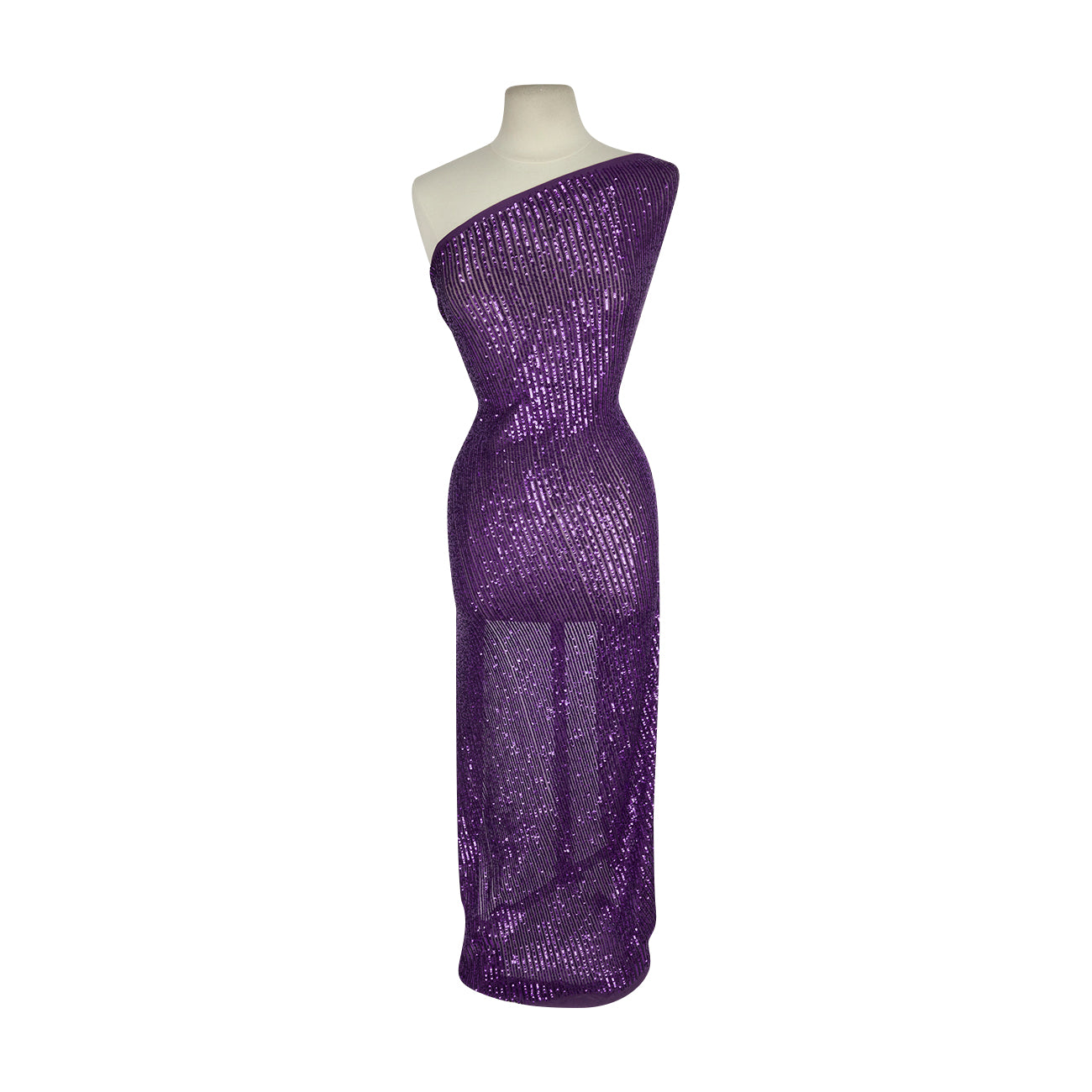
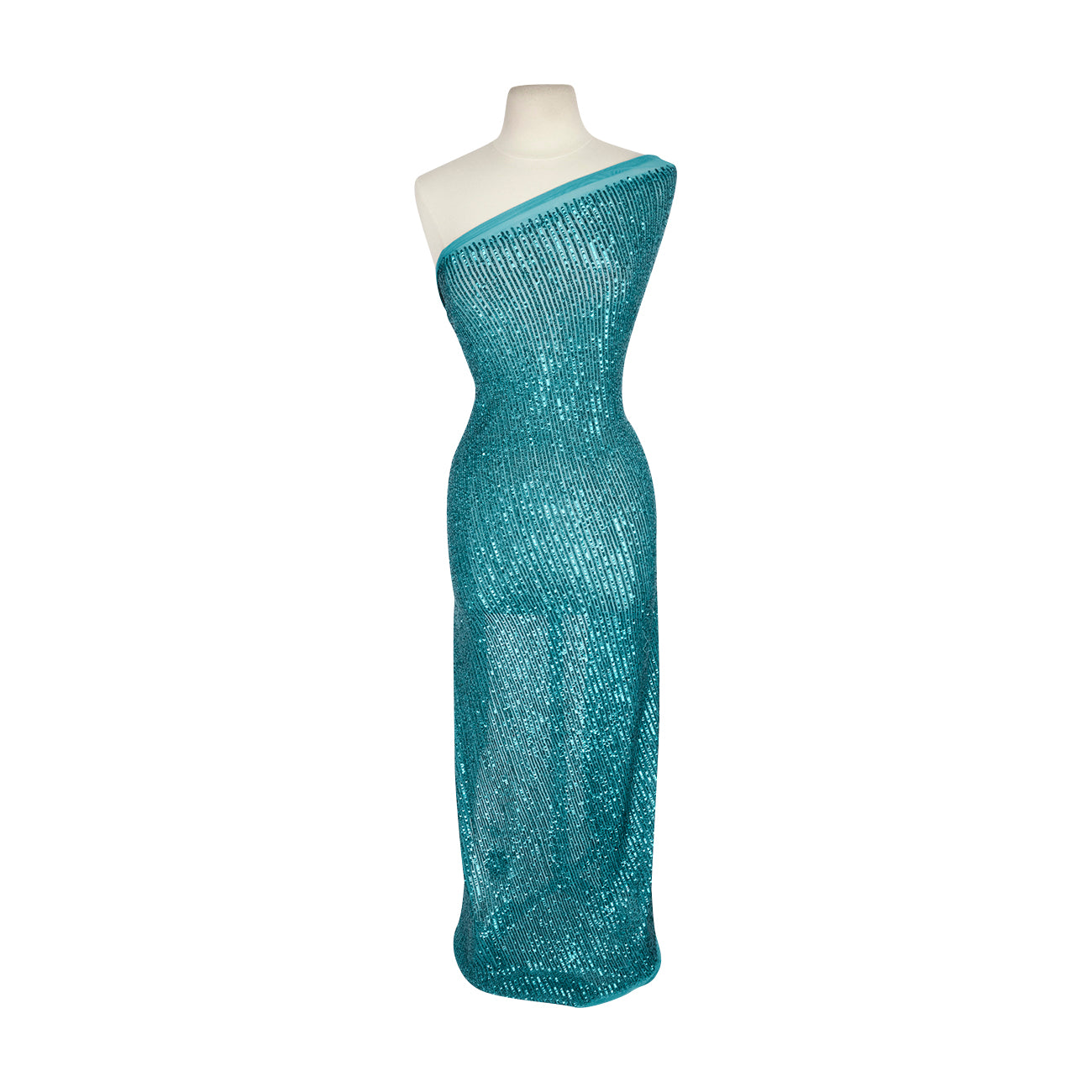
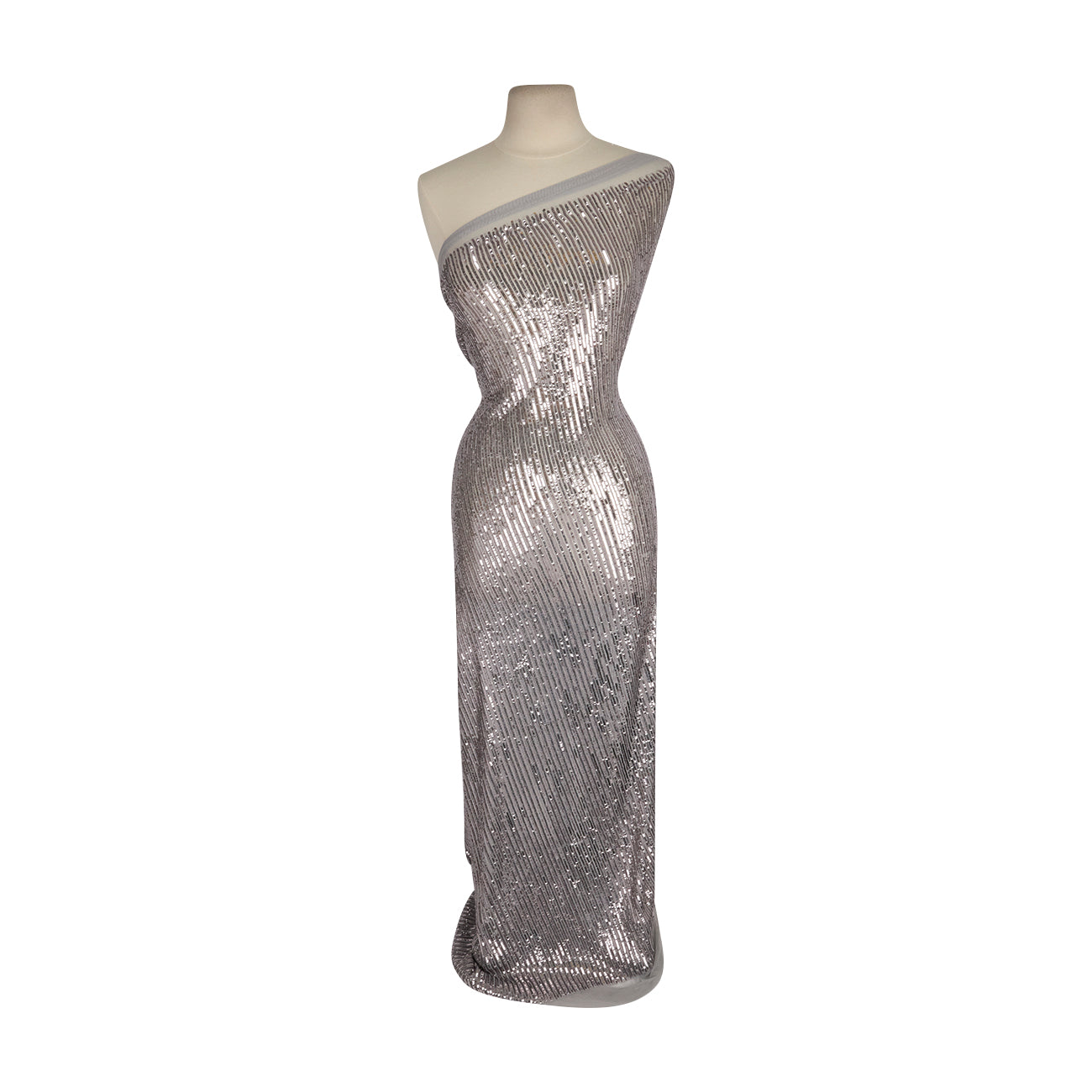
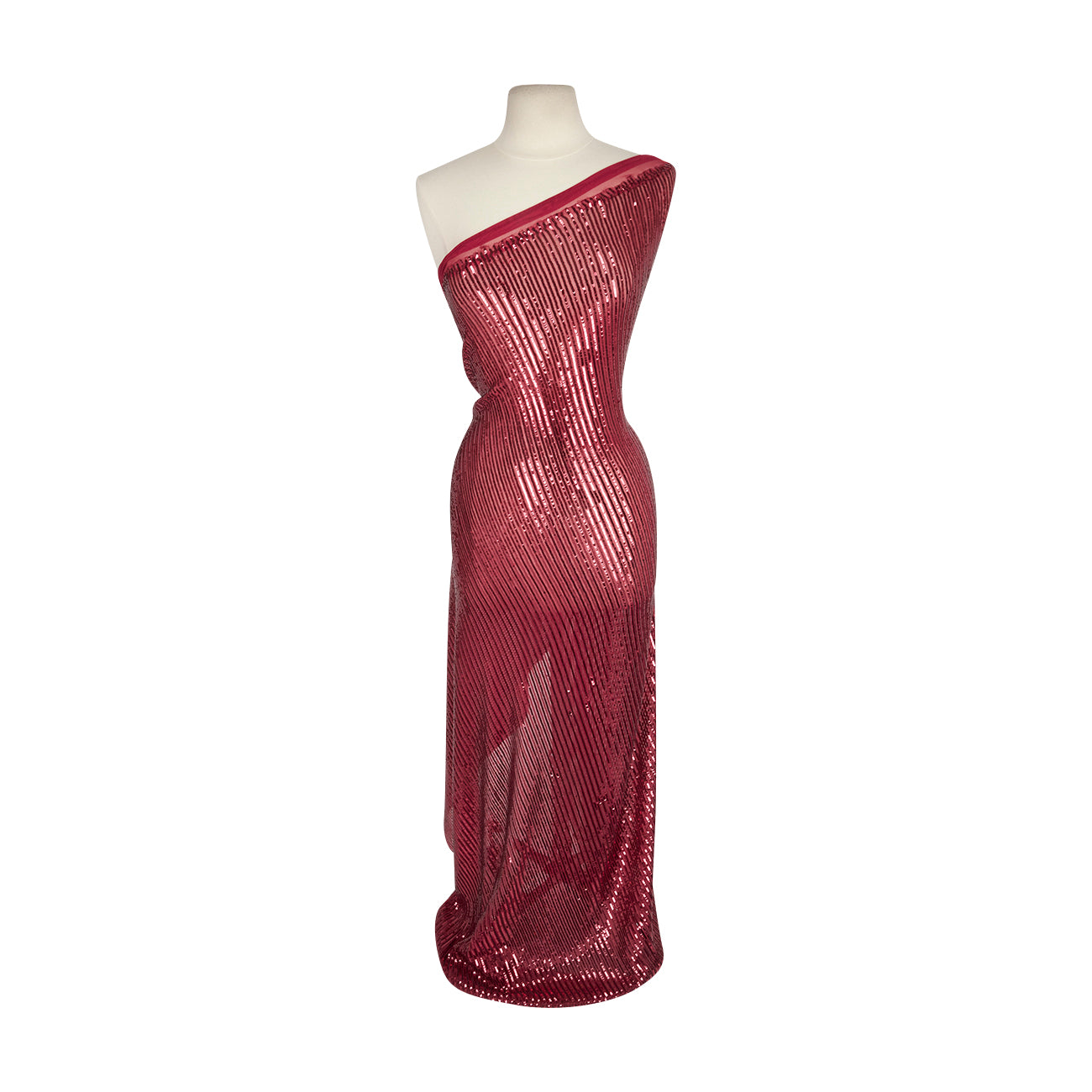
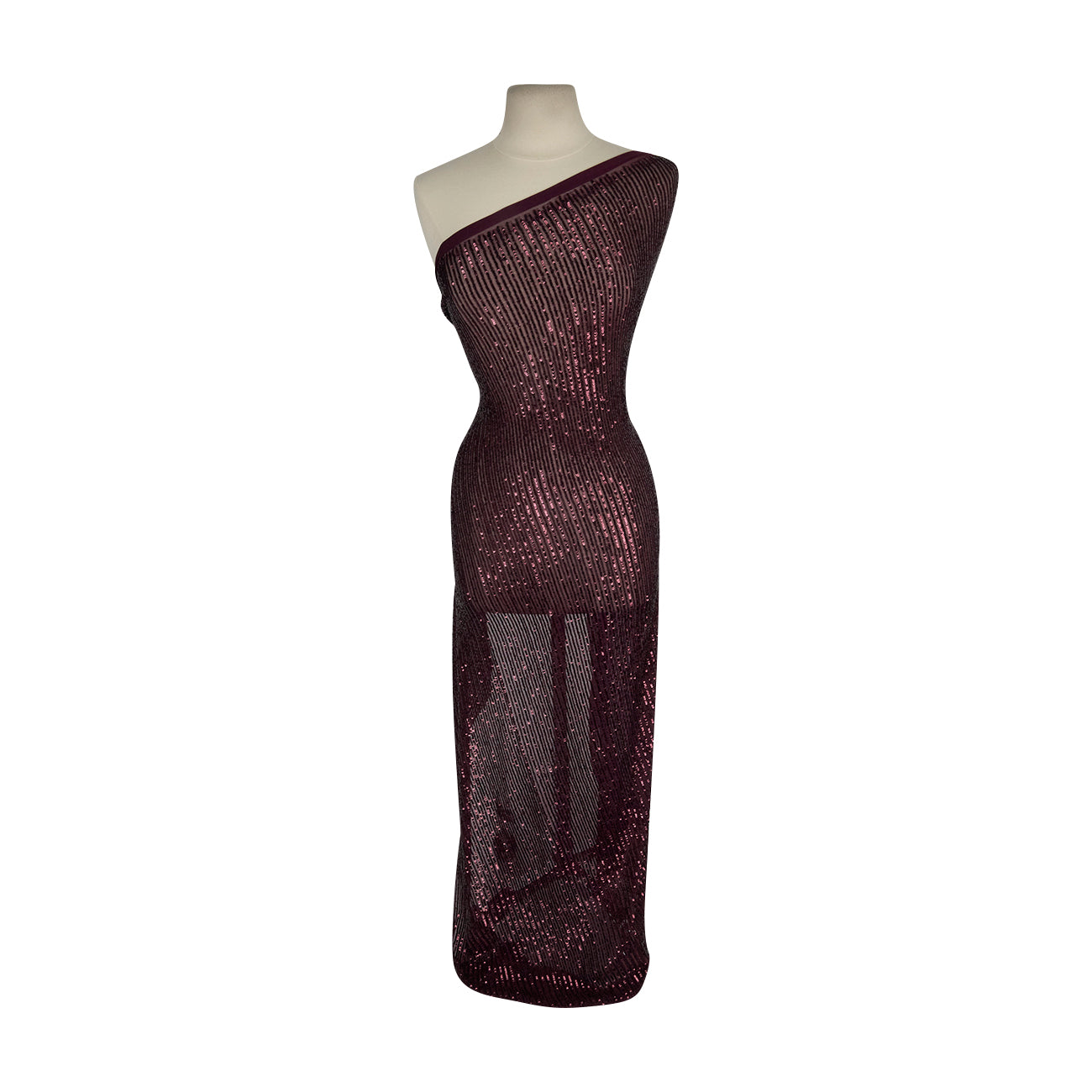
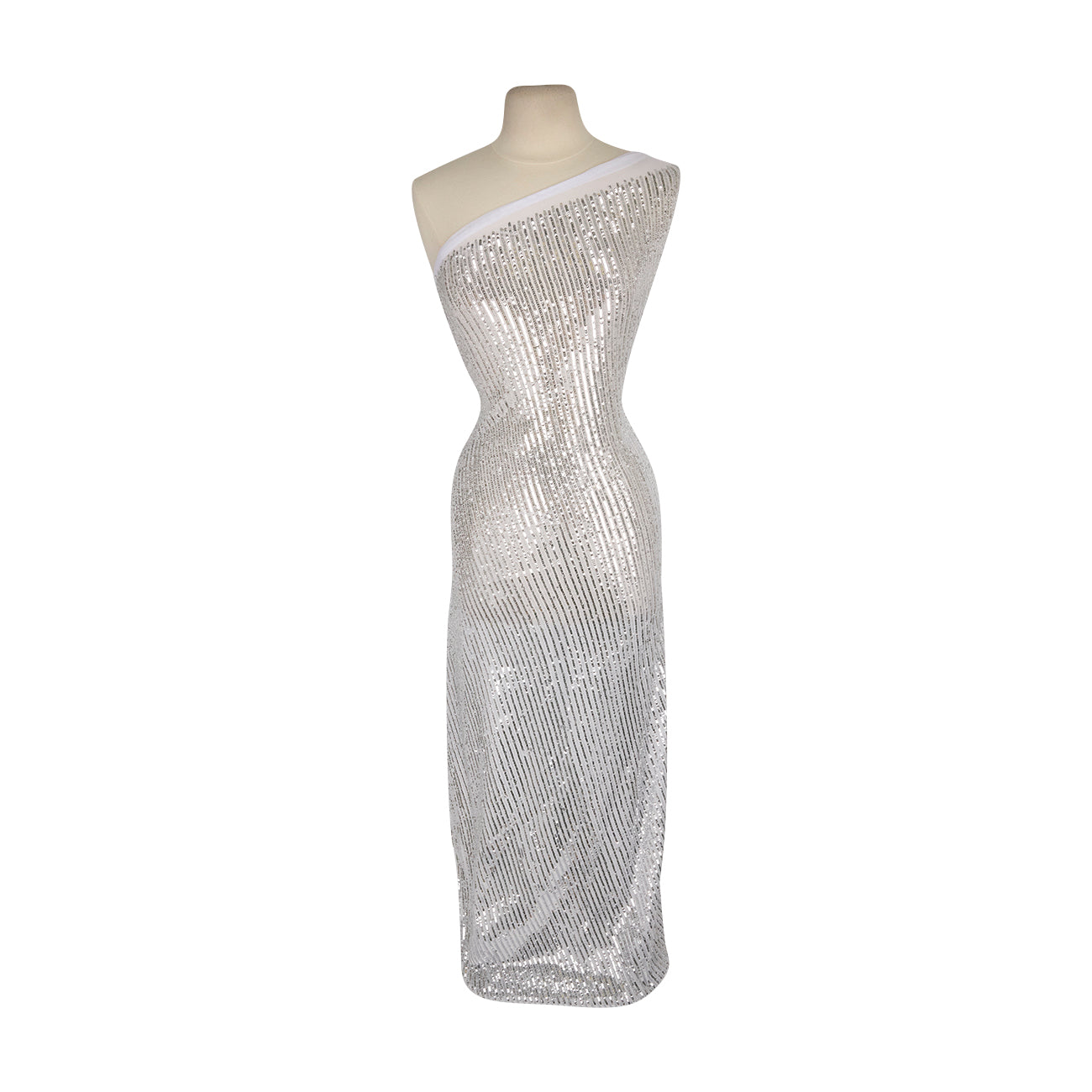
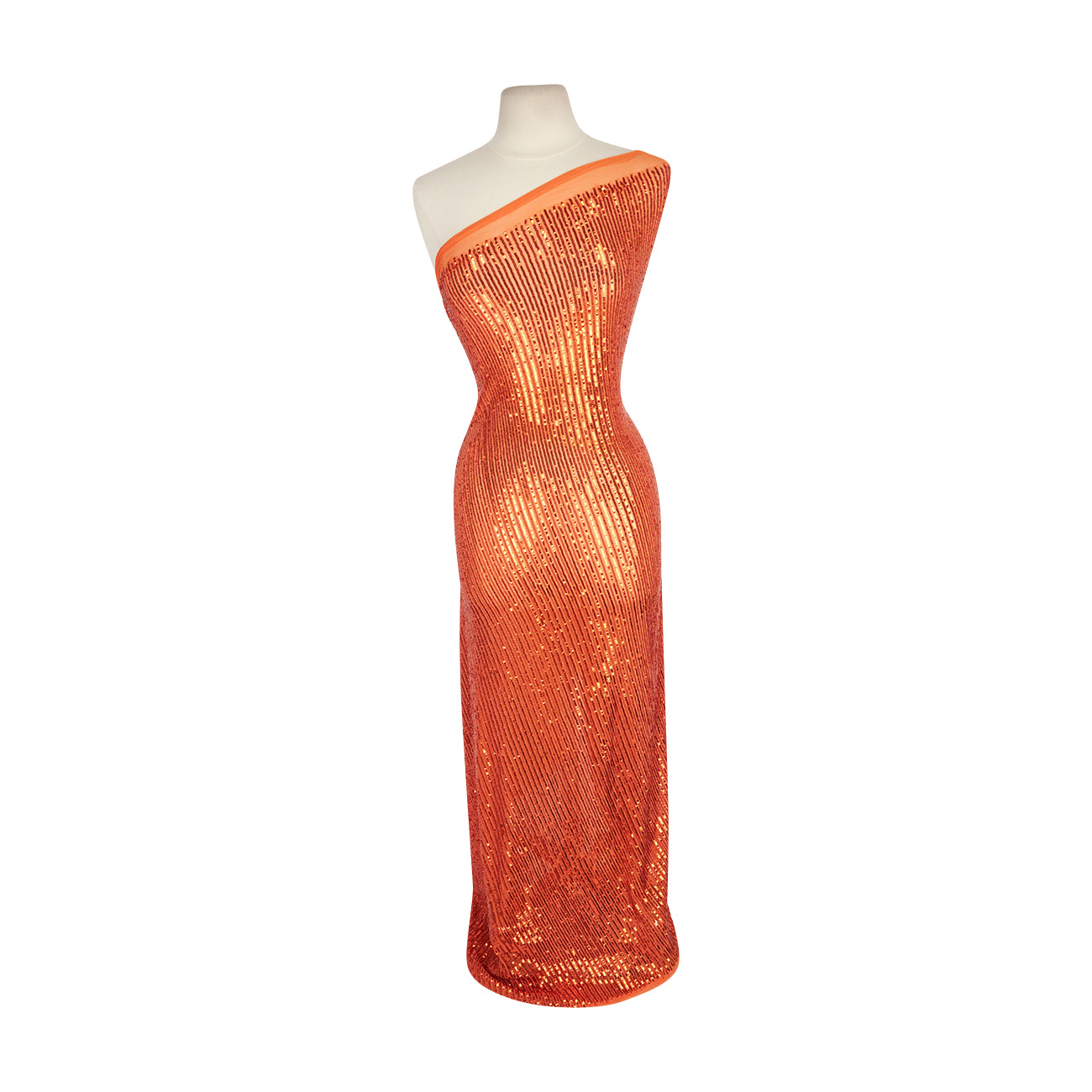
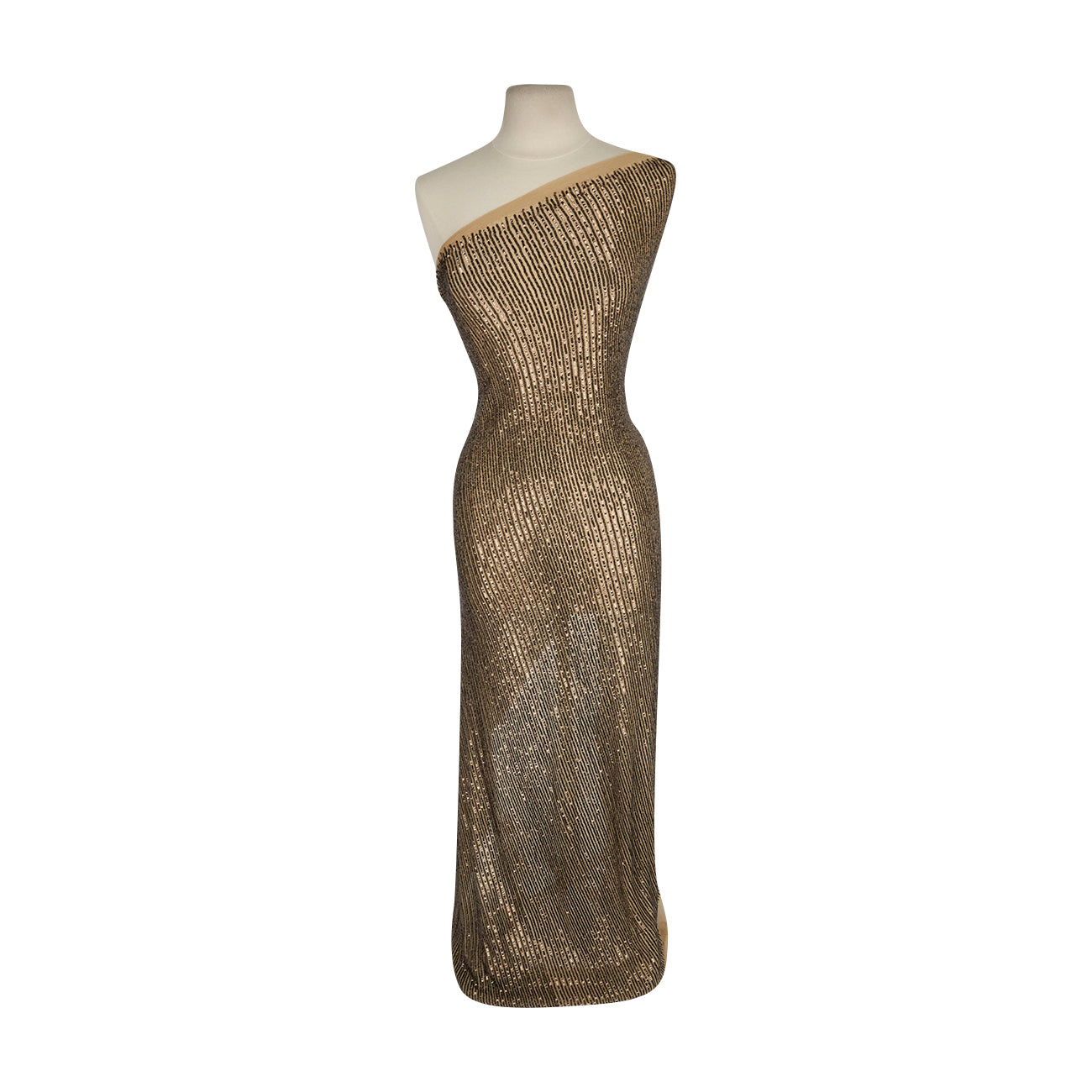
What is Sequin Fabric?
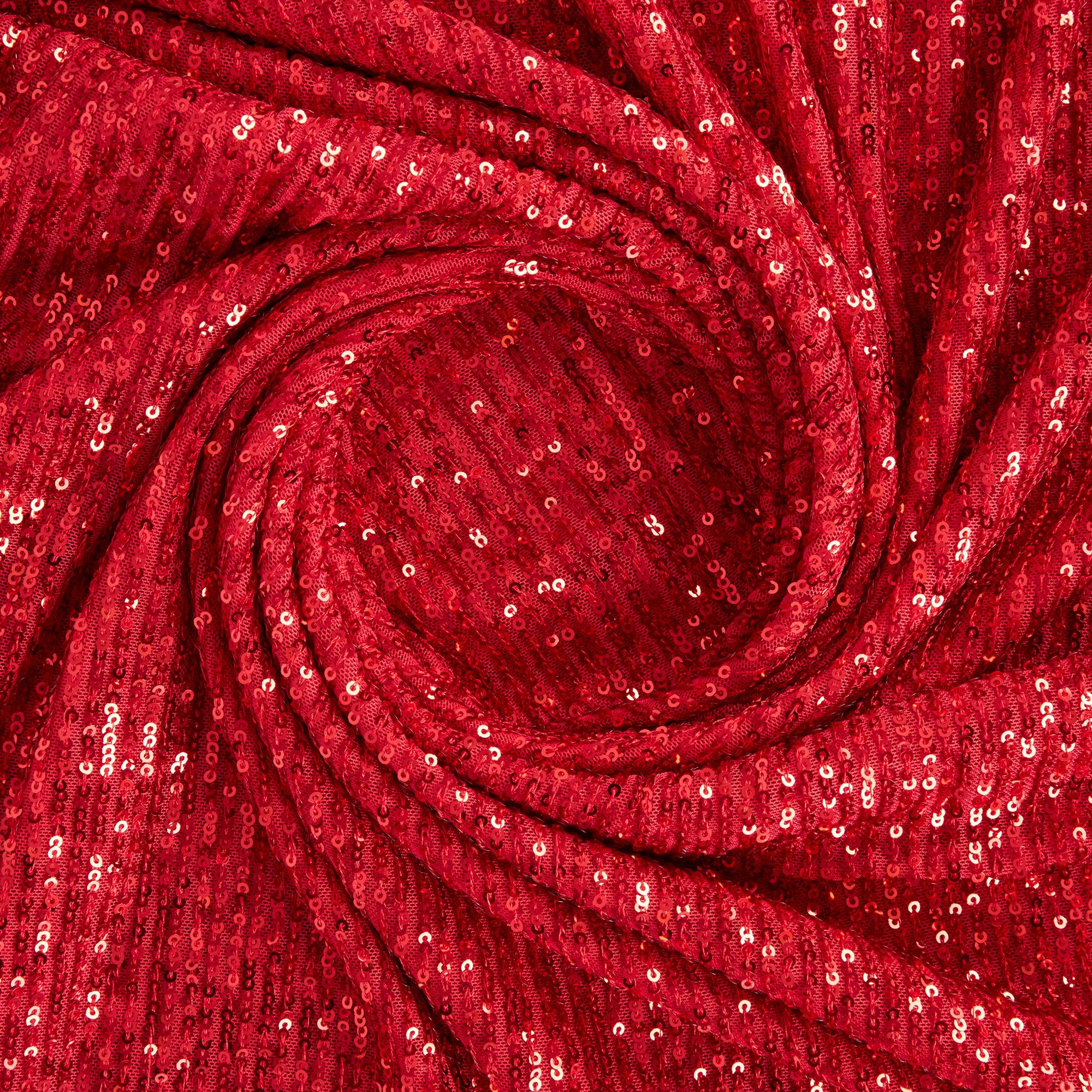
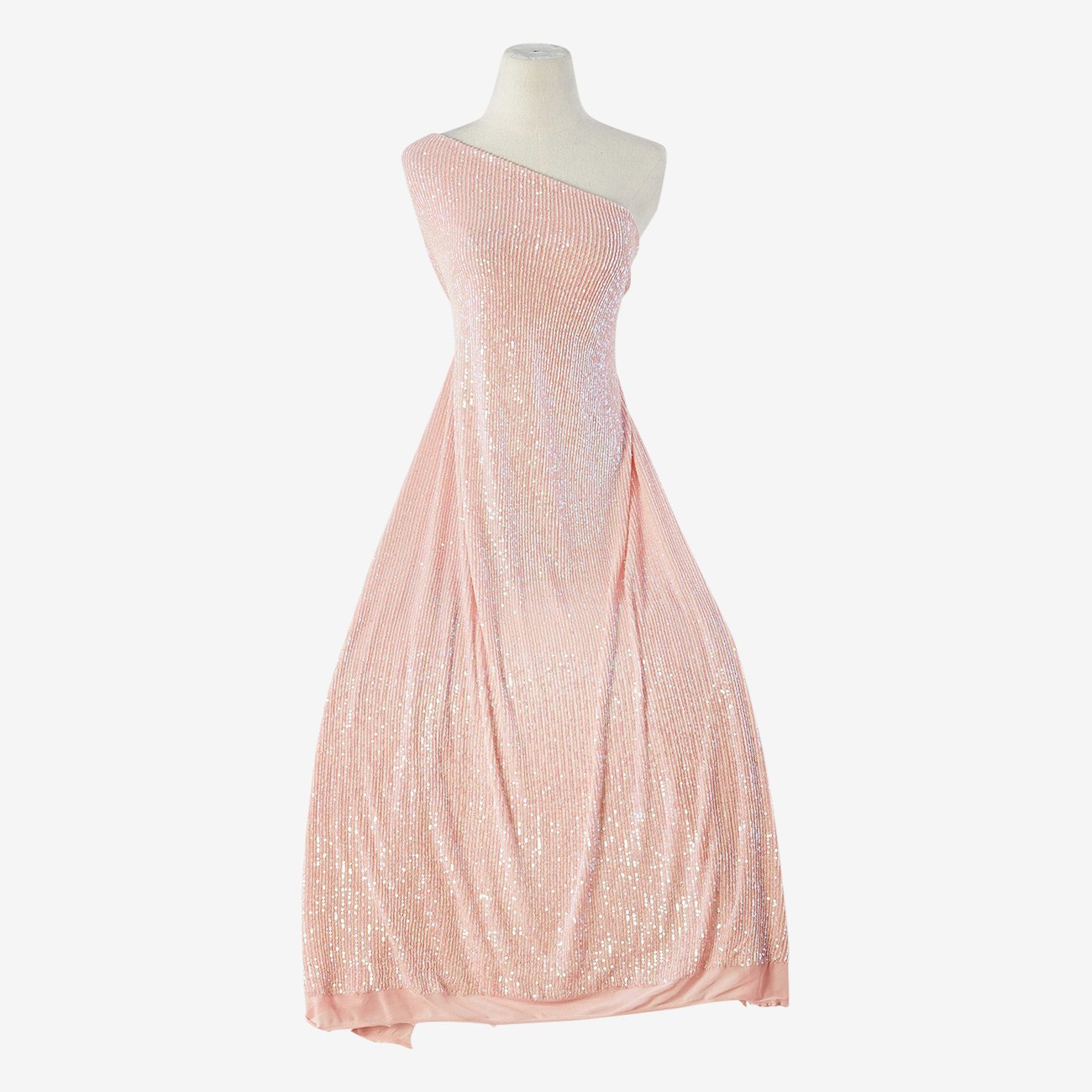
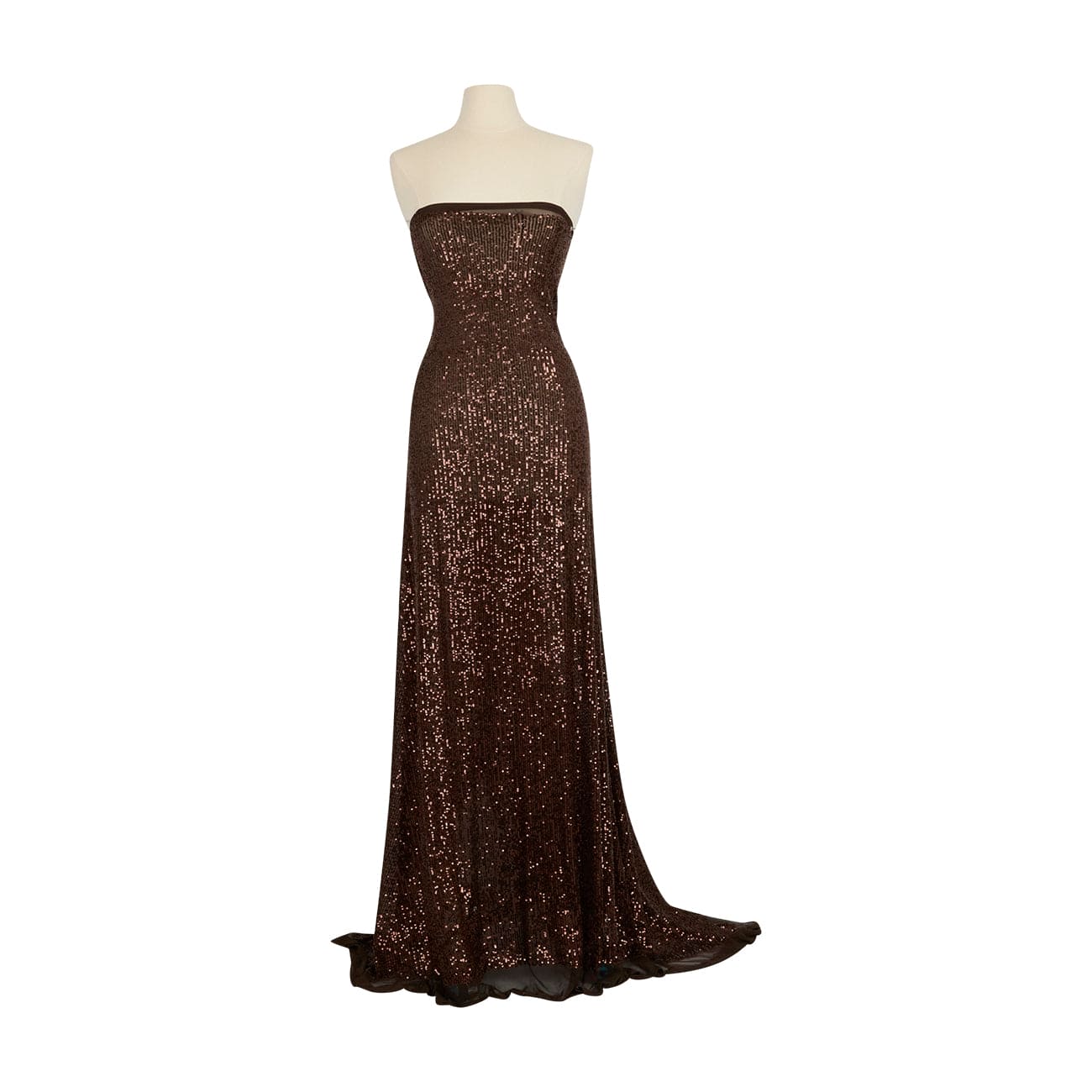
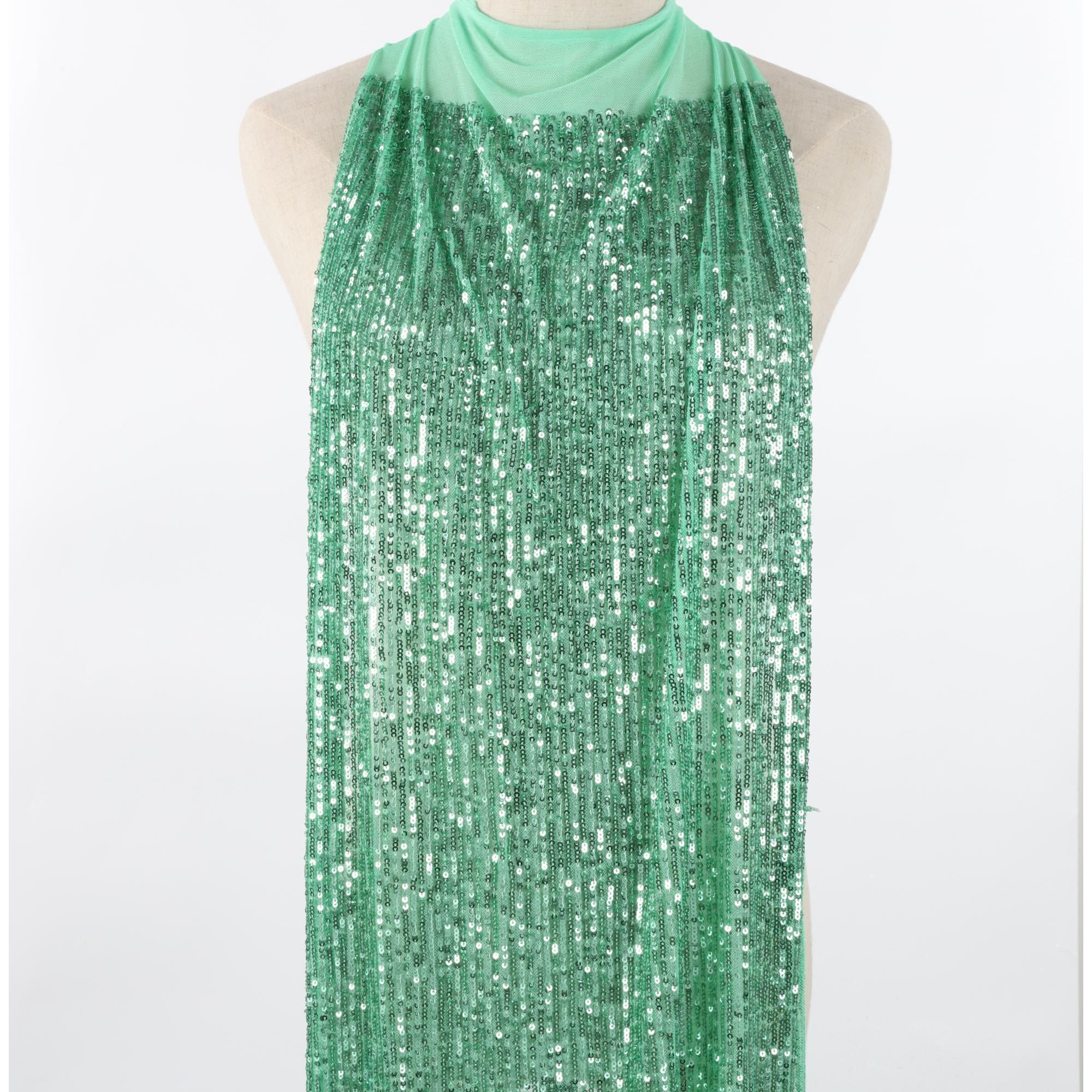
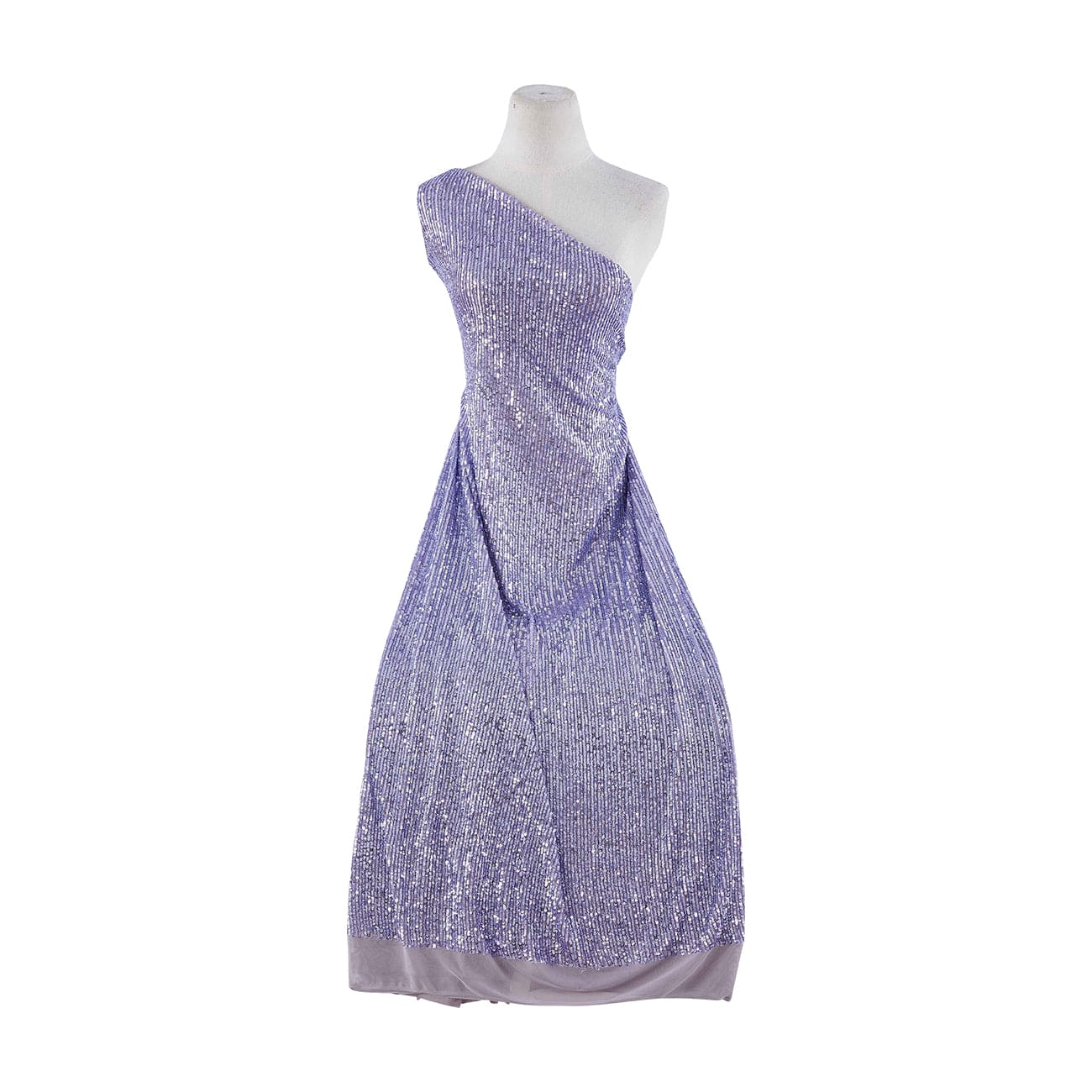
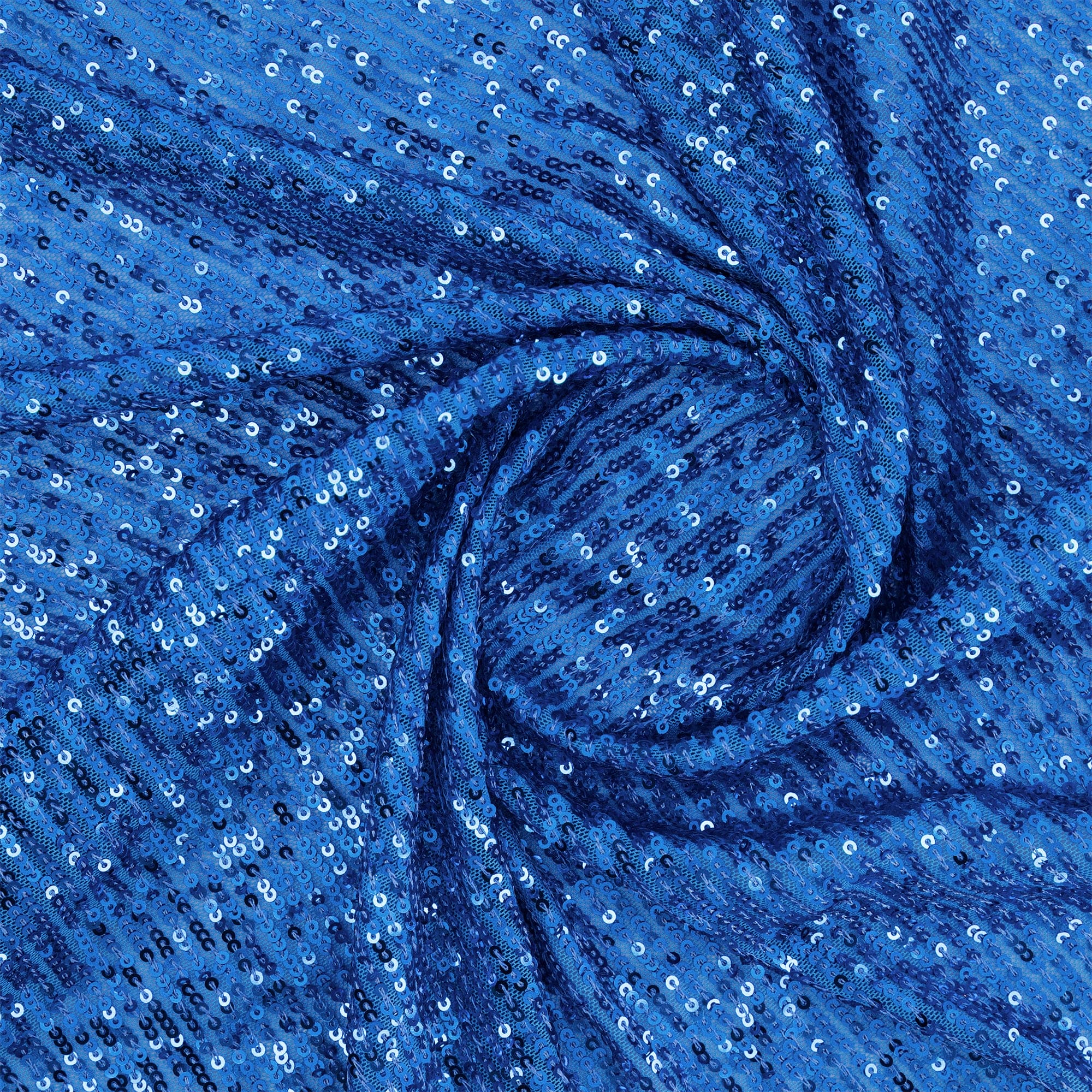
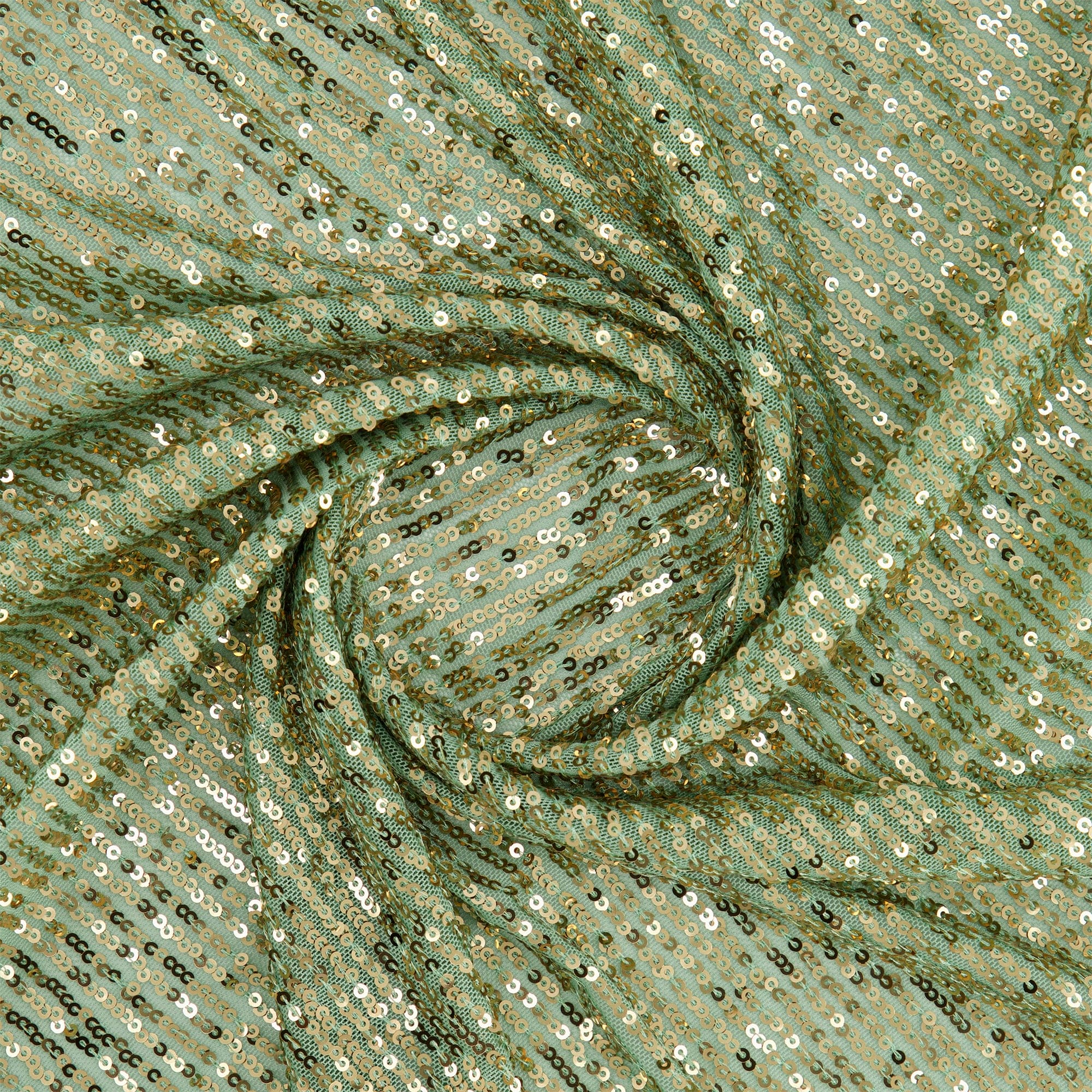
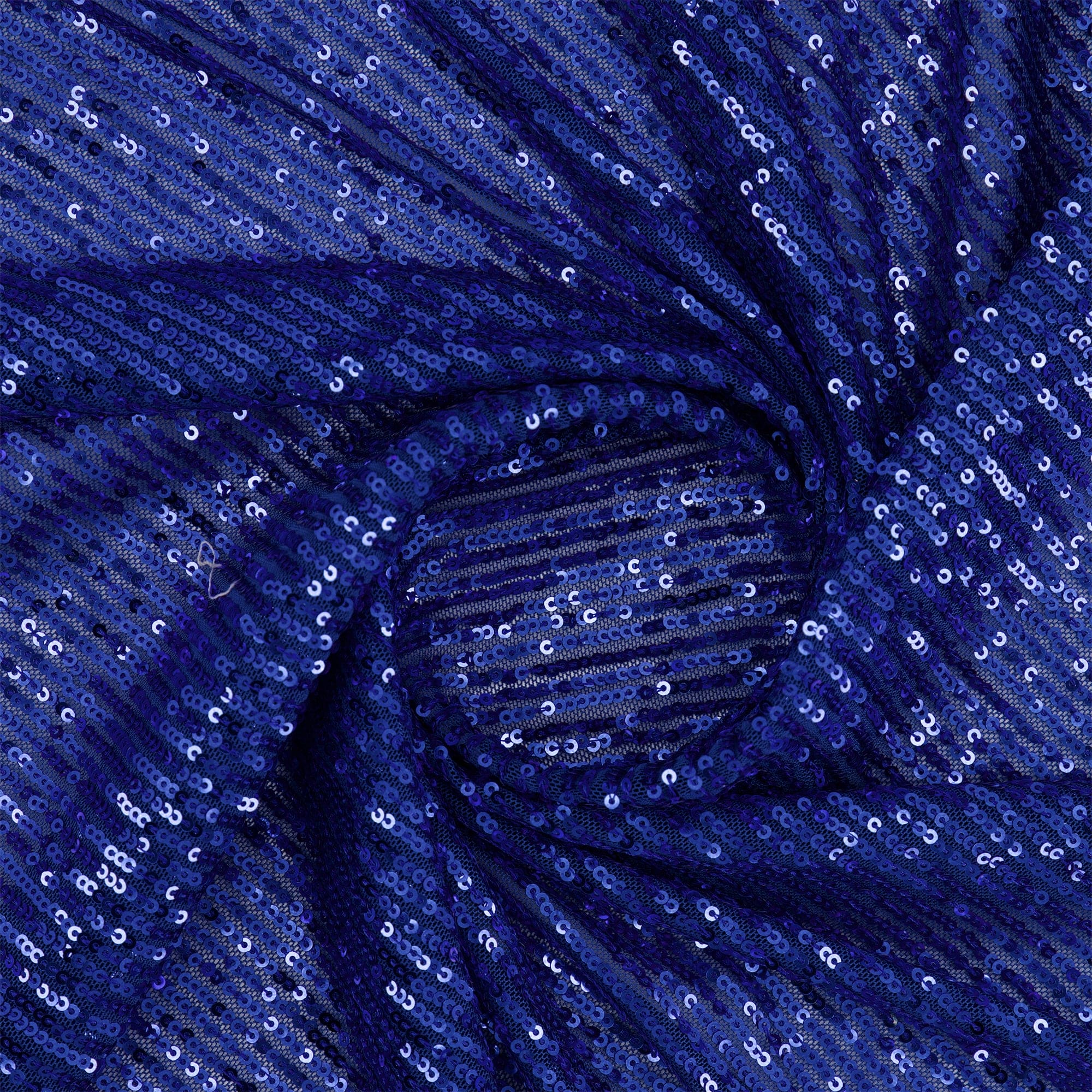
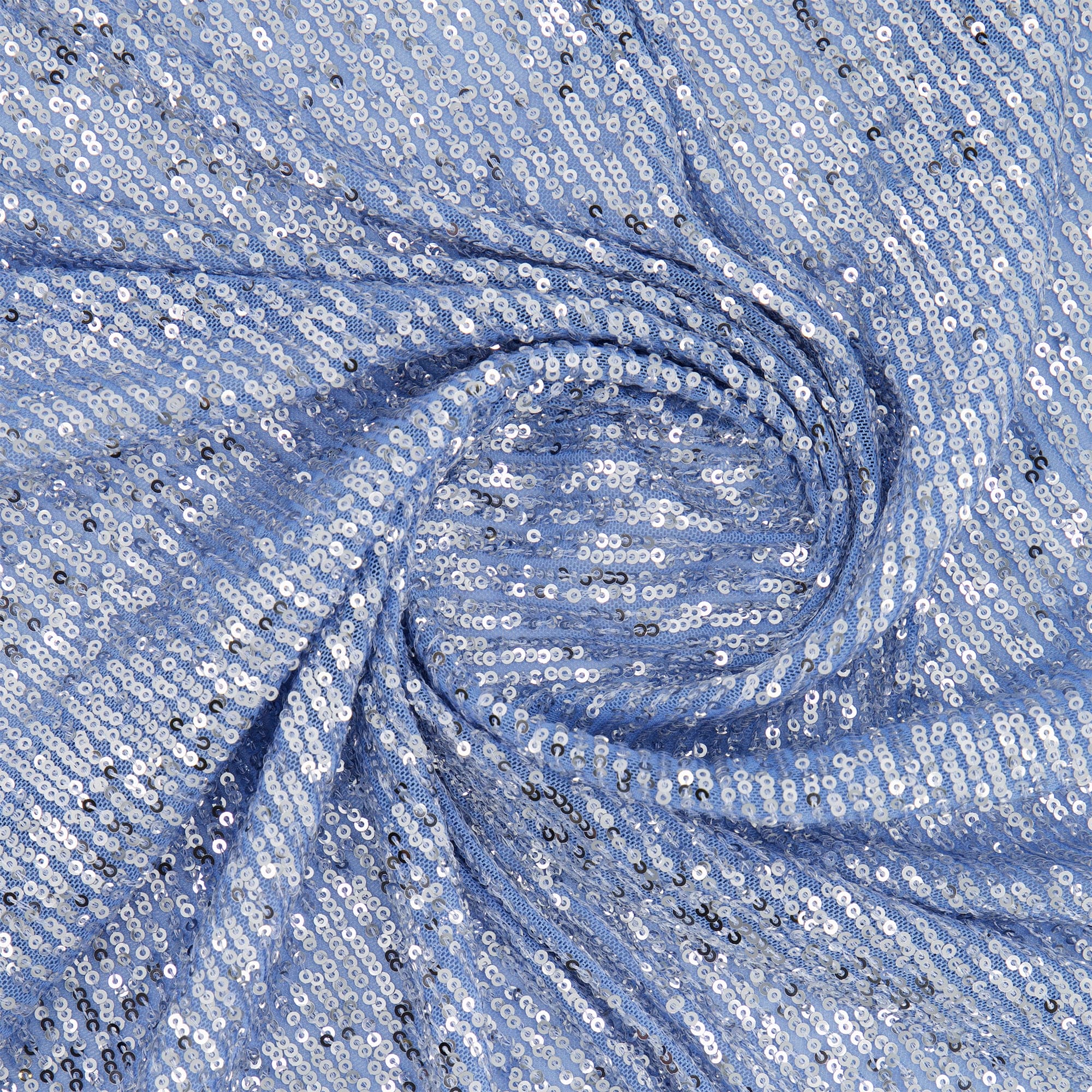
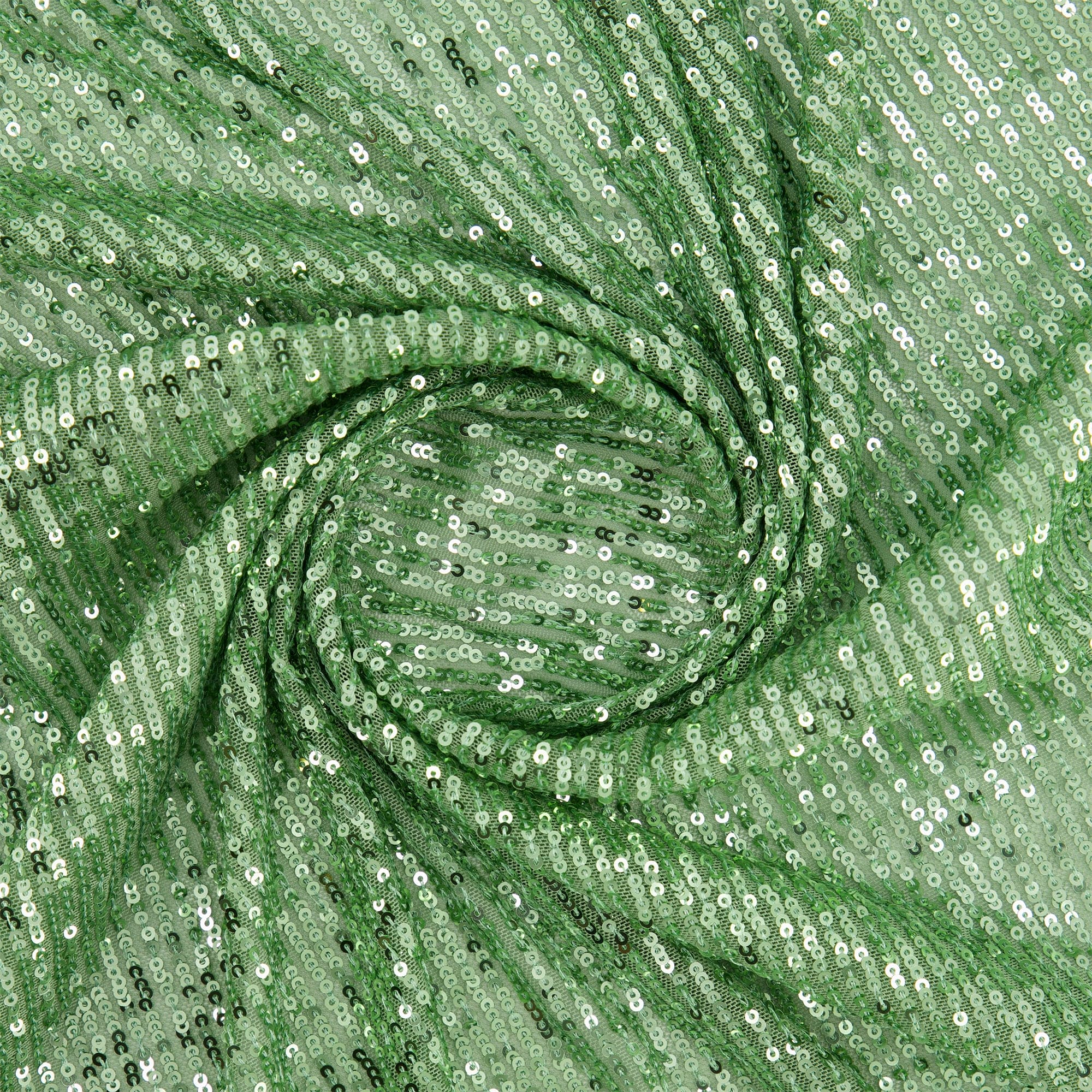
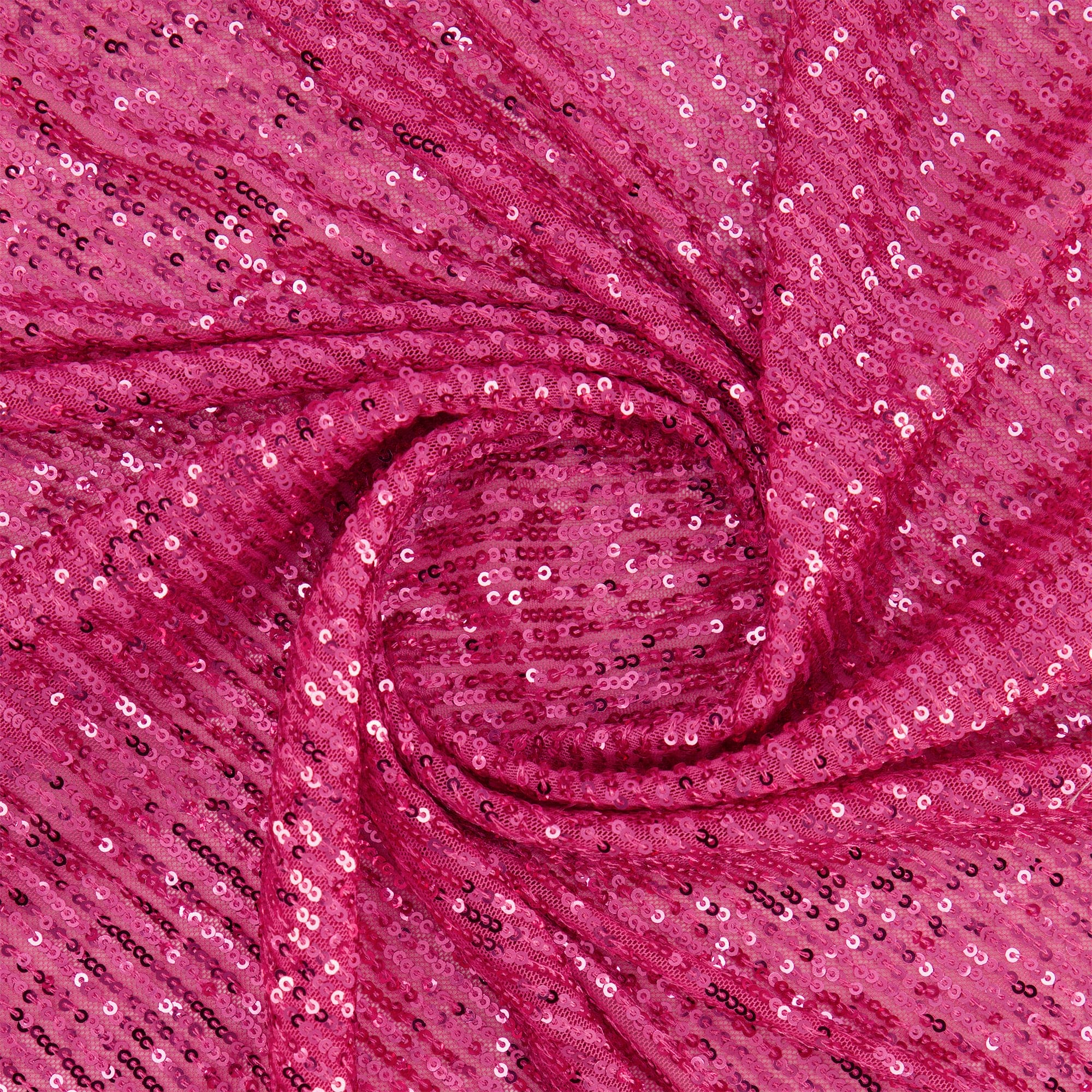
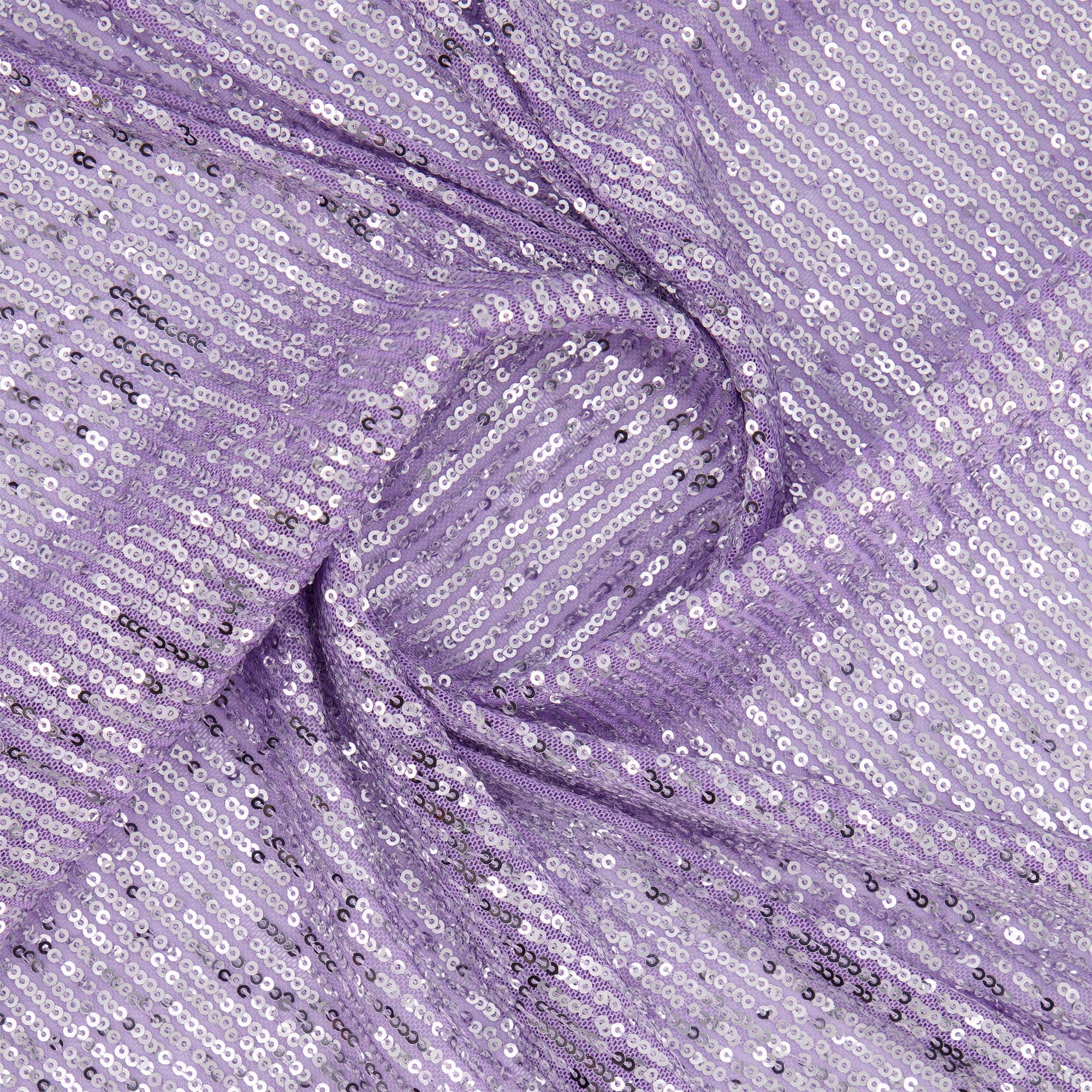
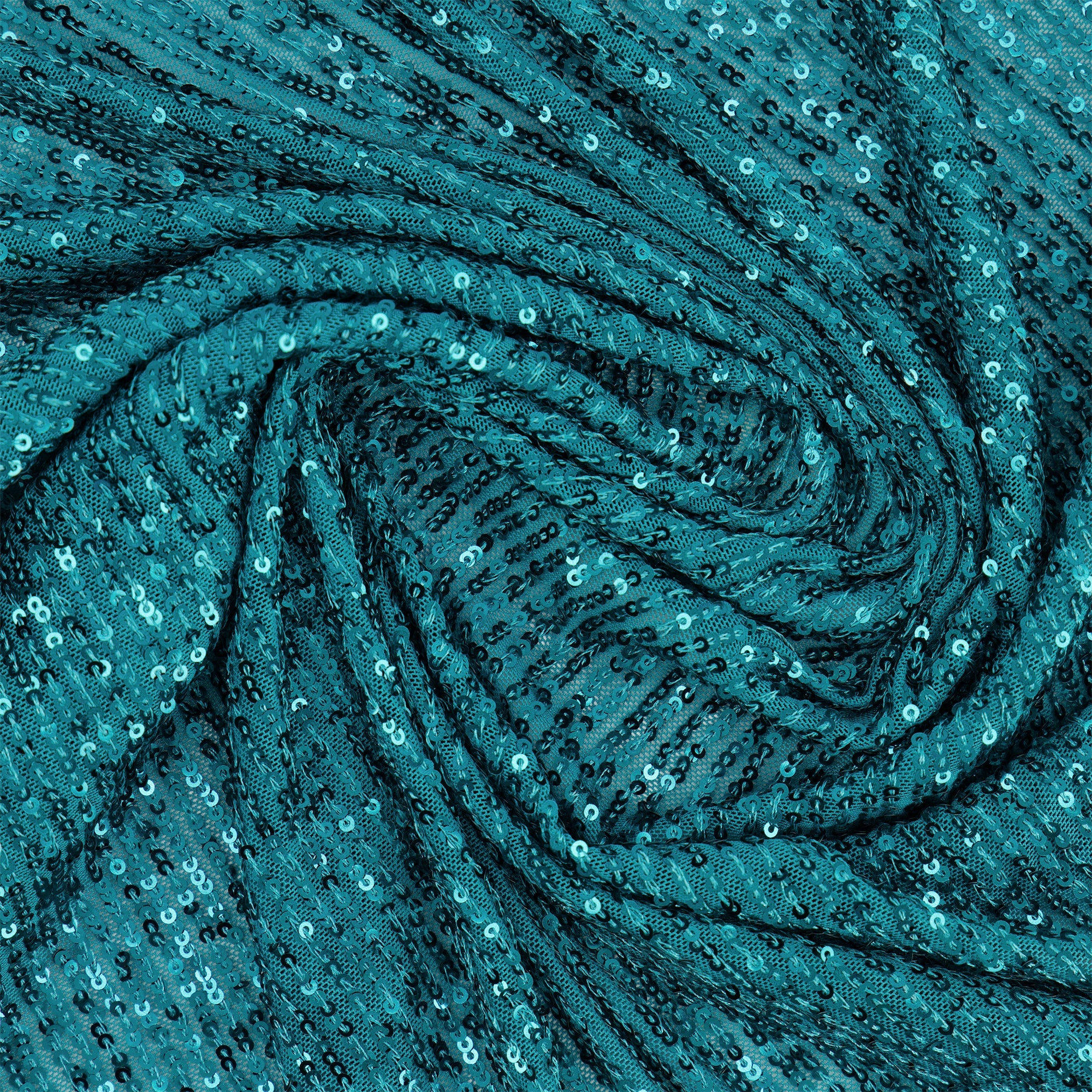
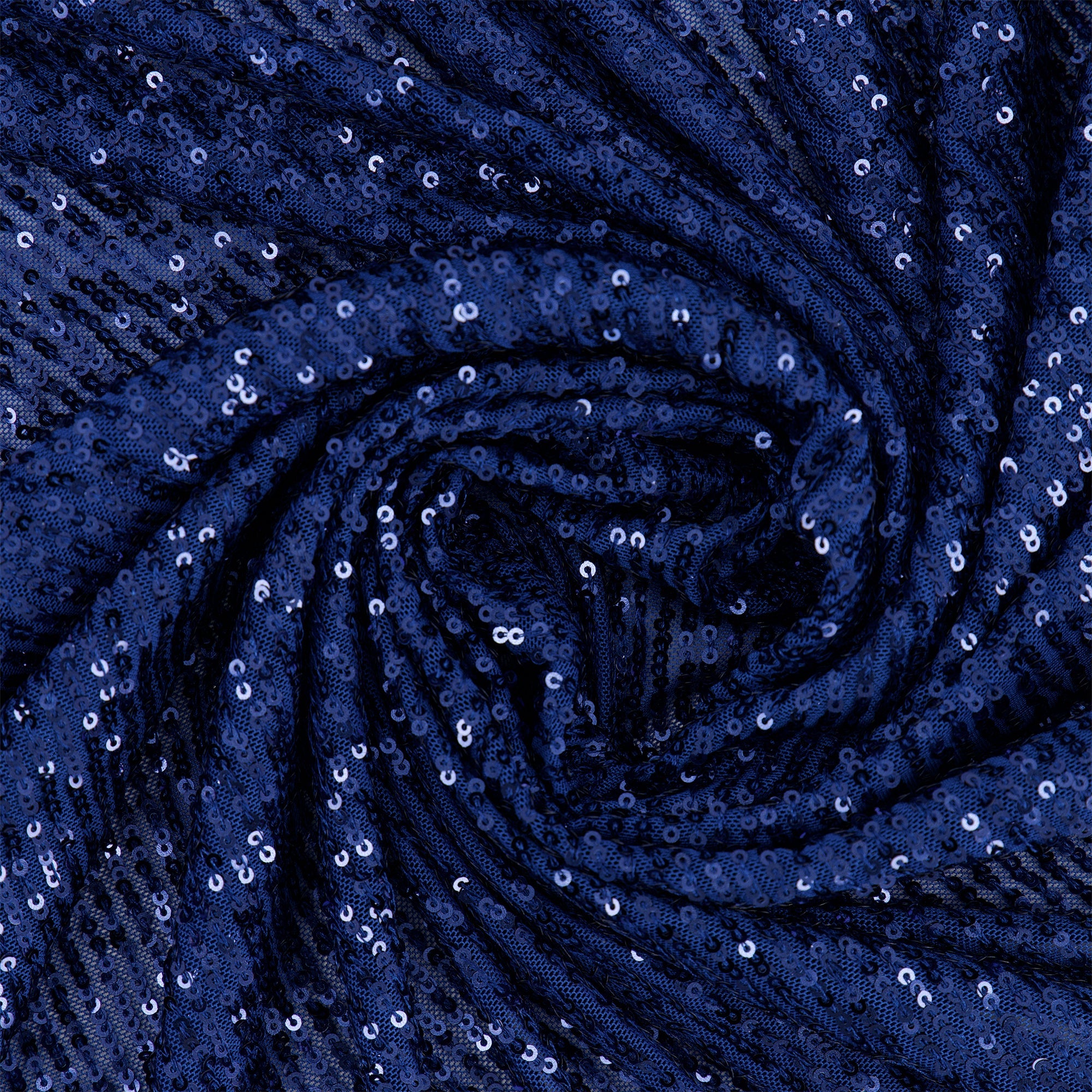
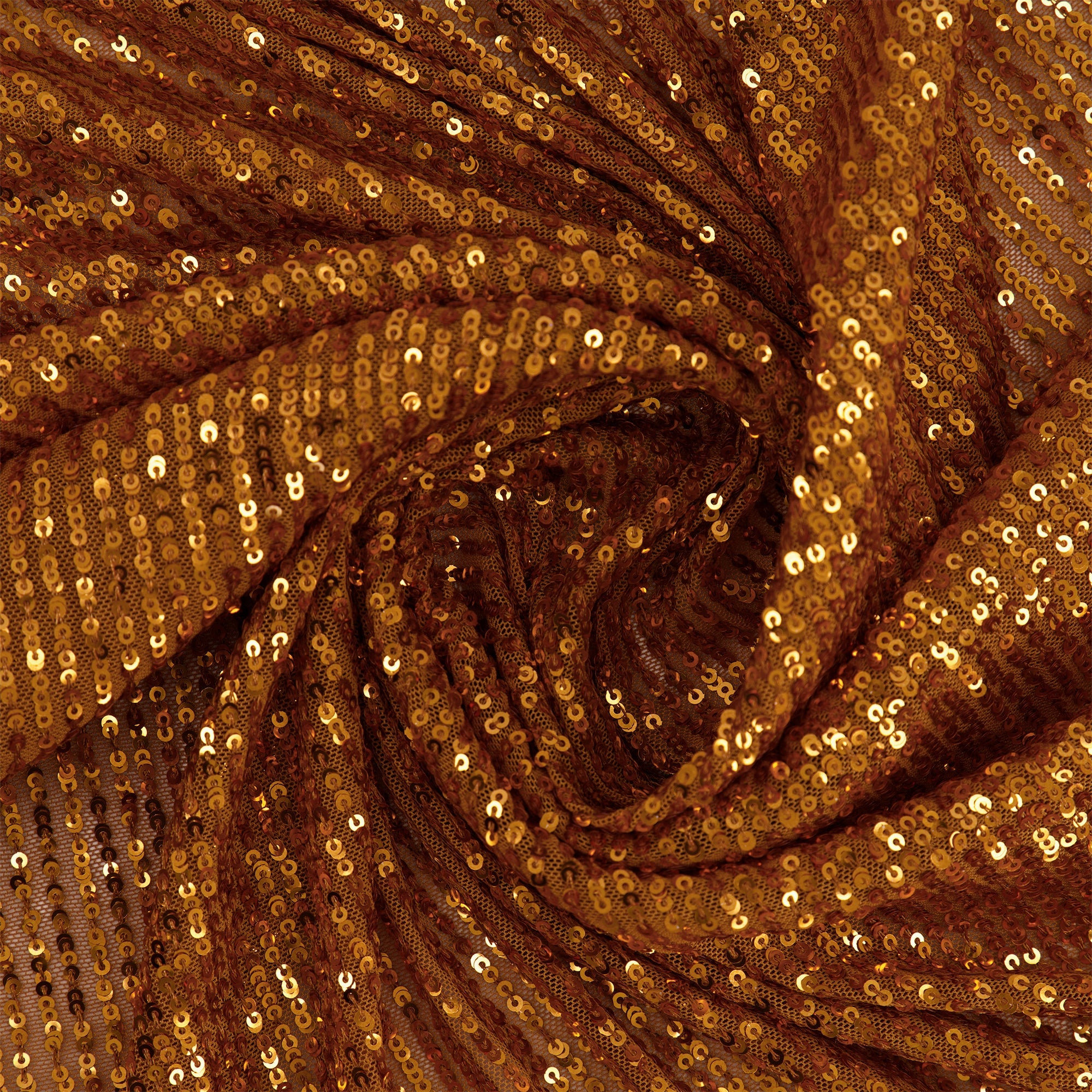
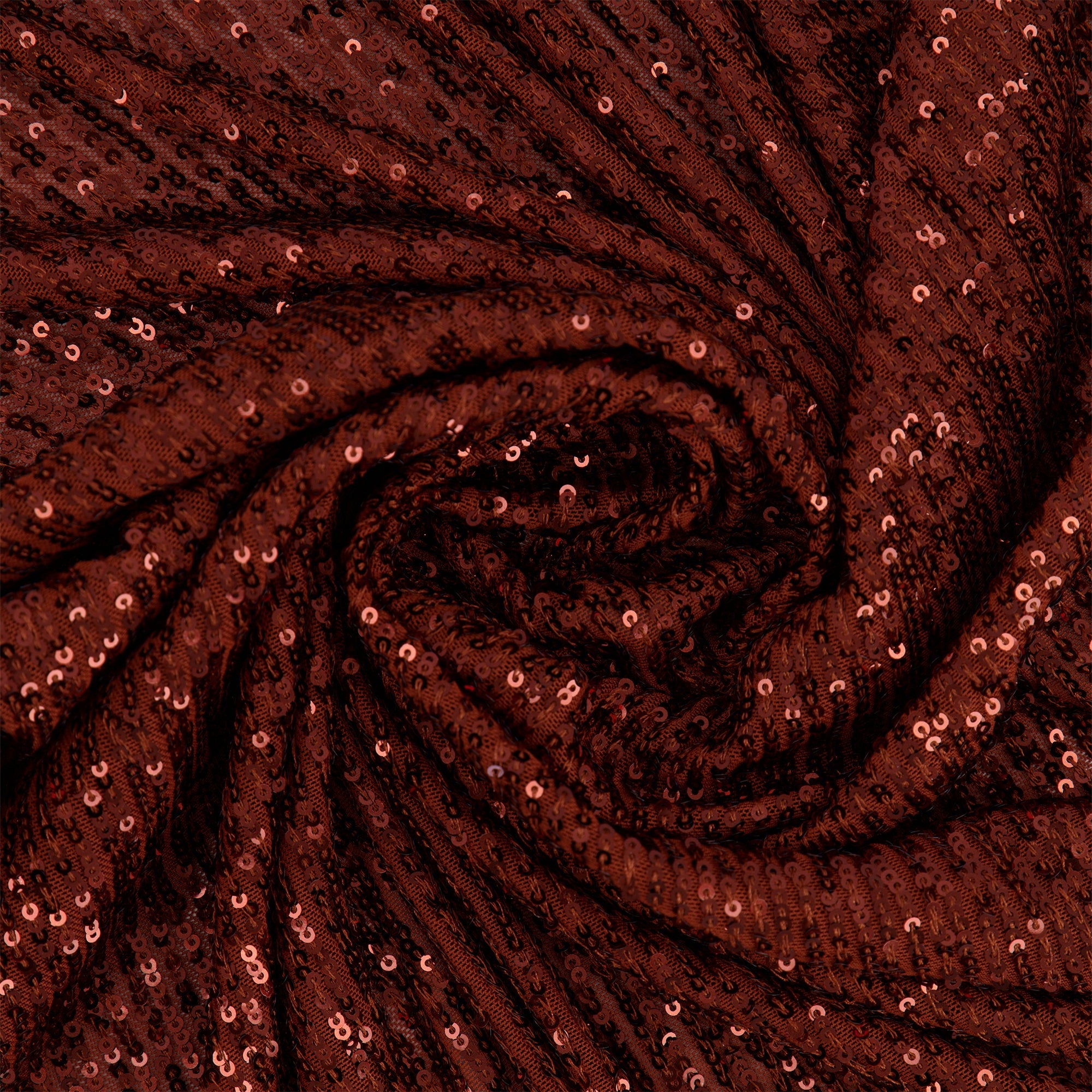
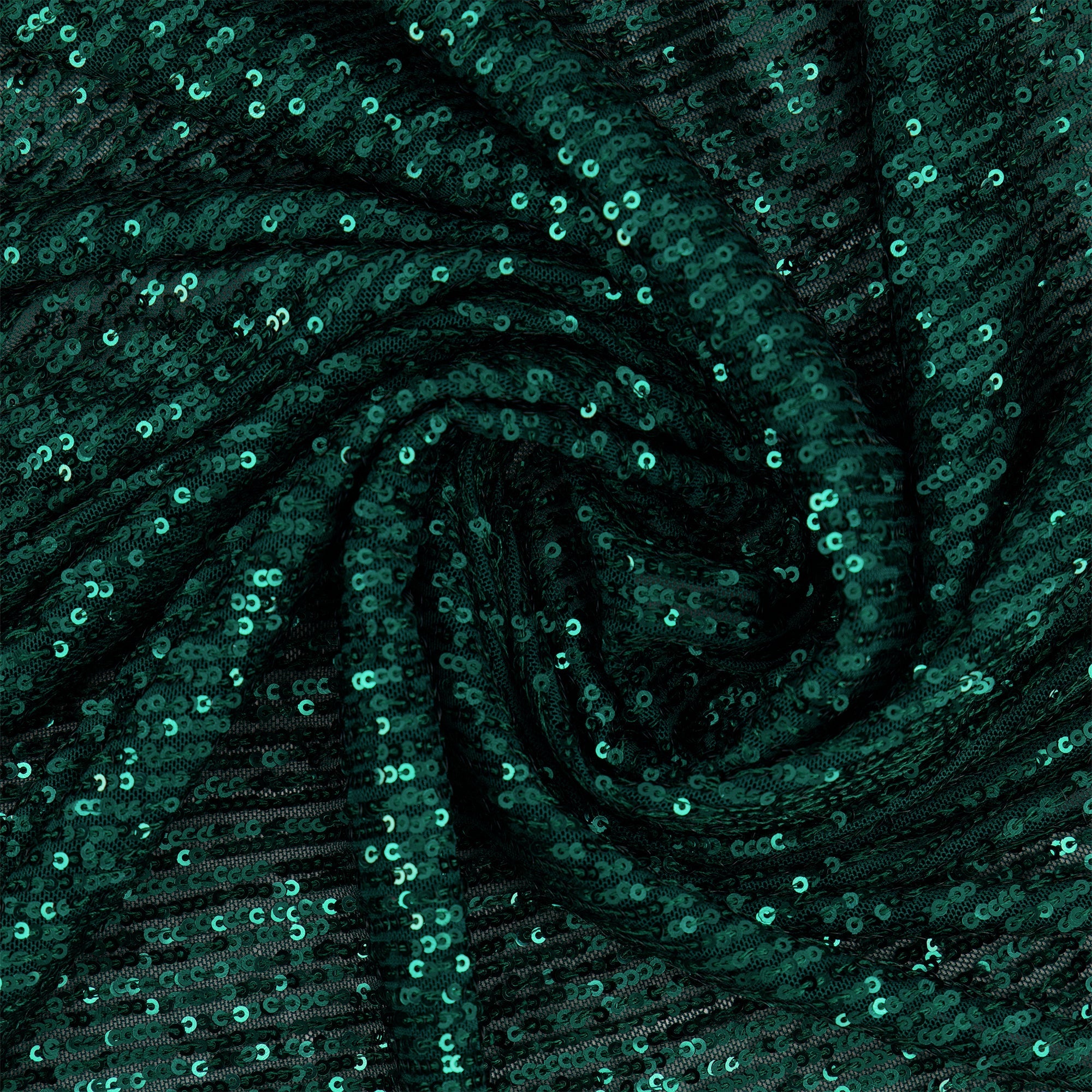
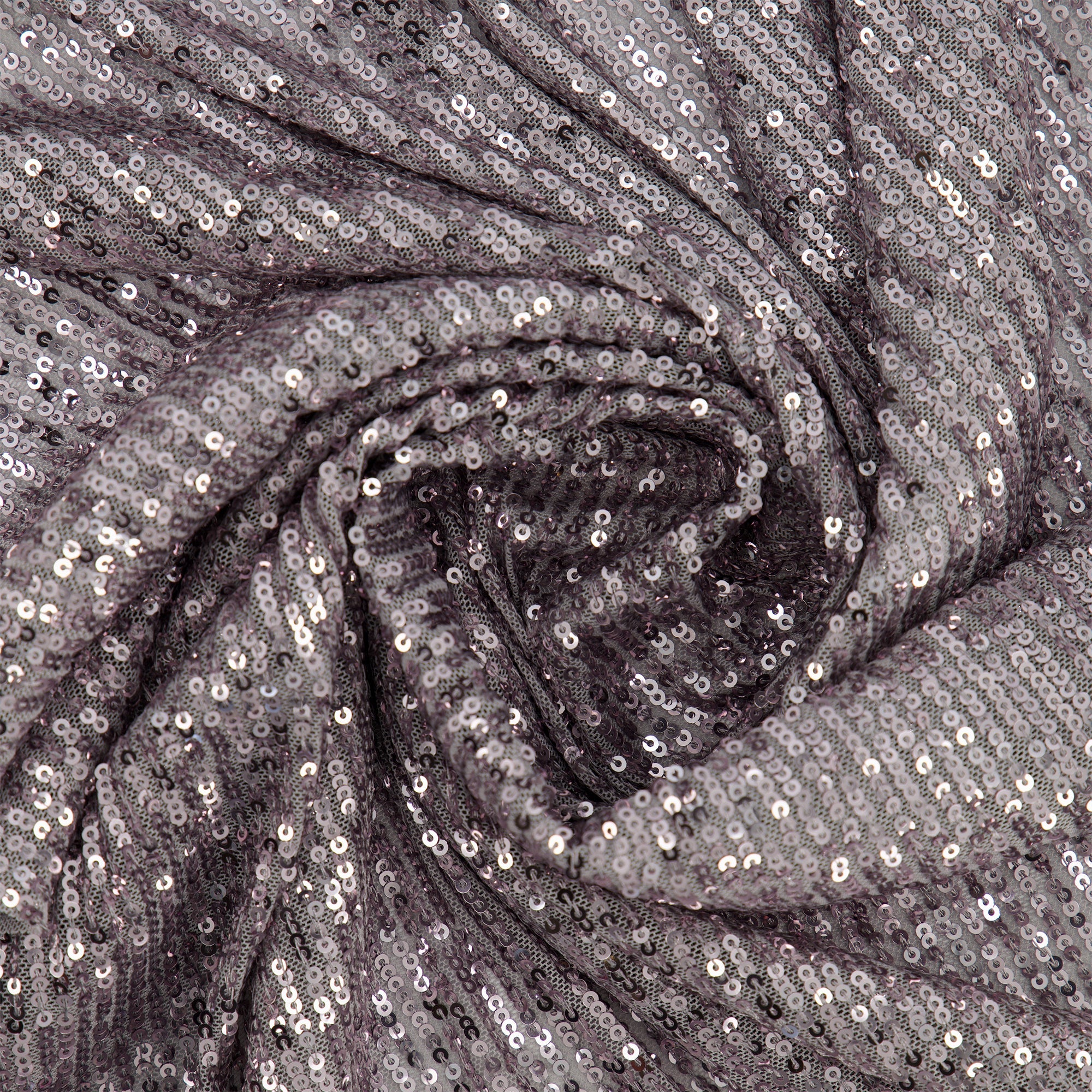
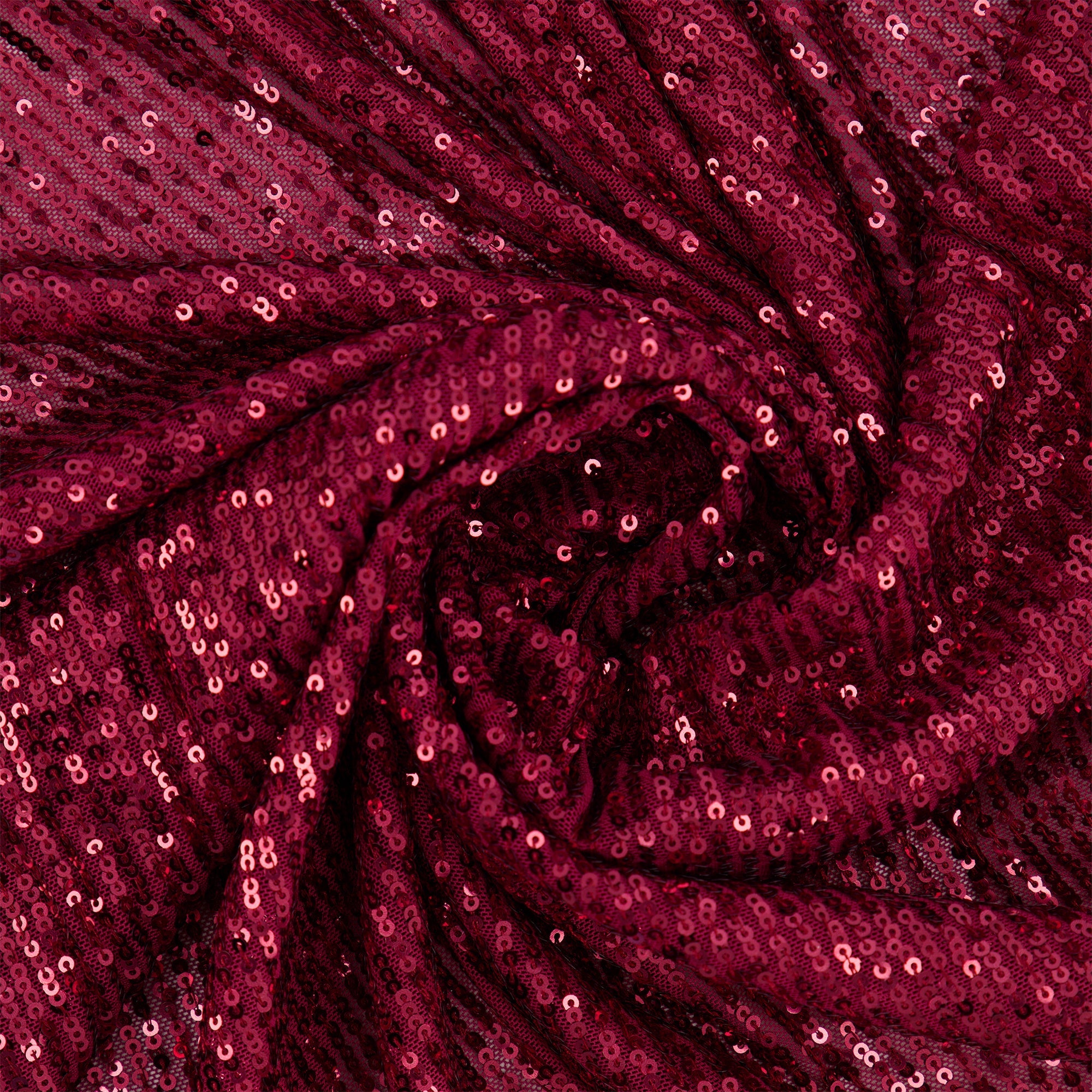
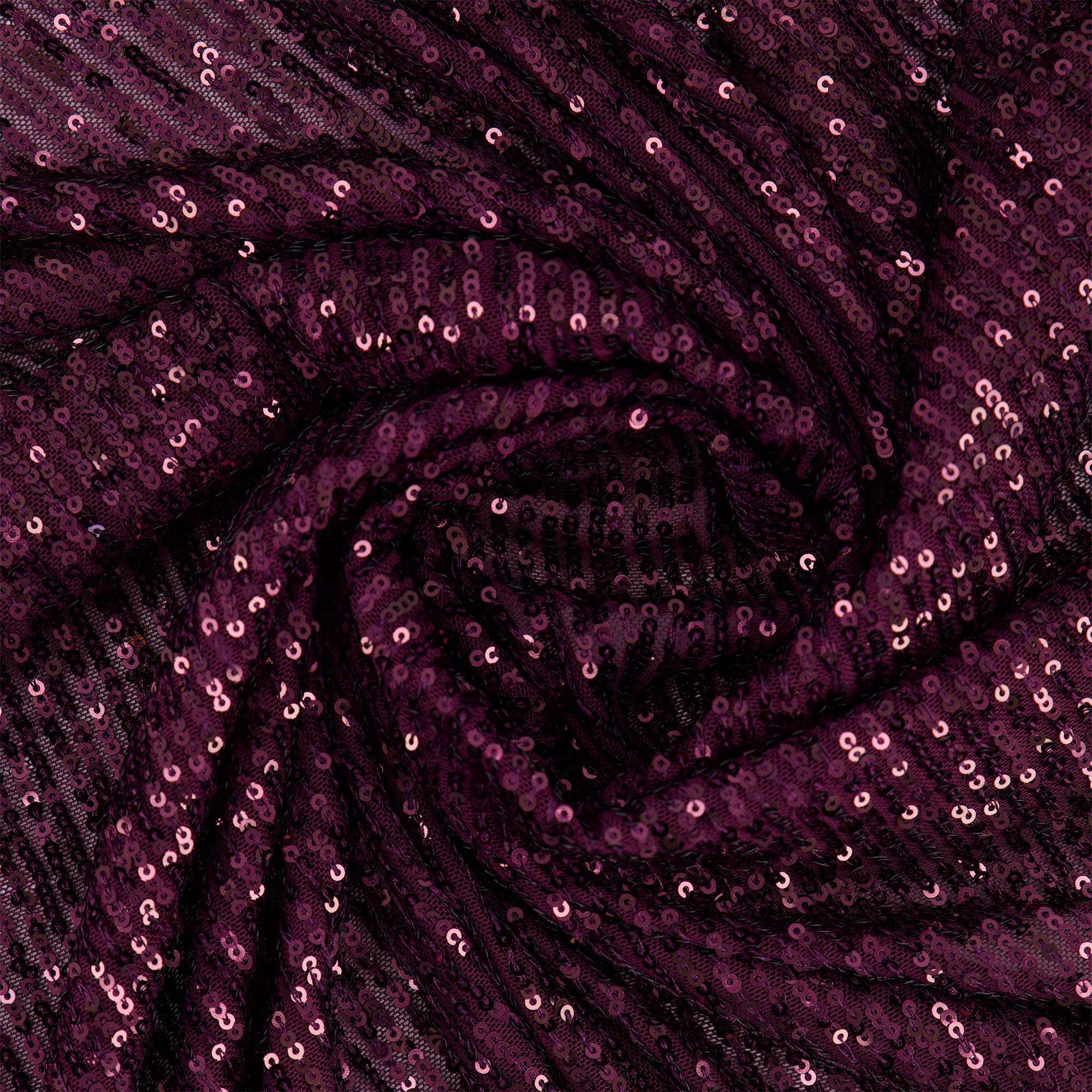
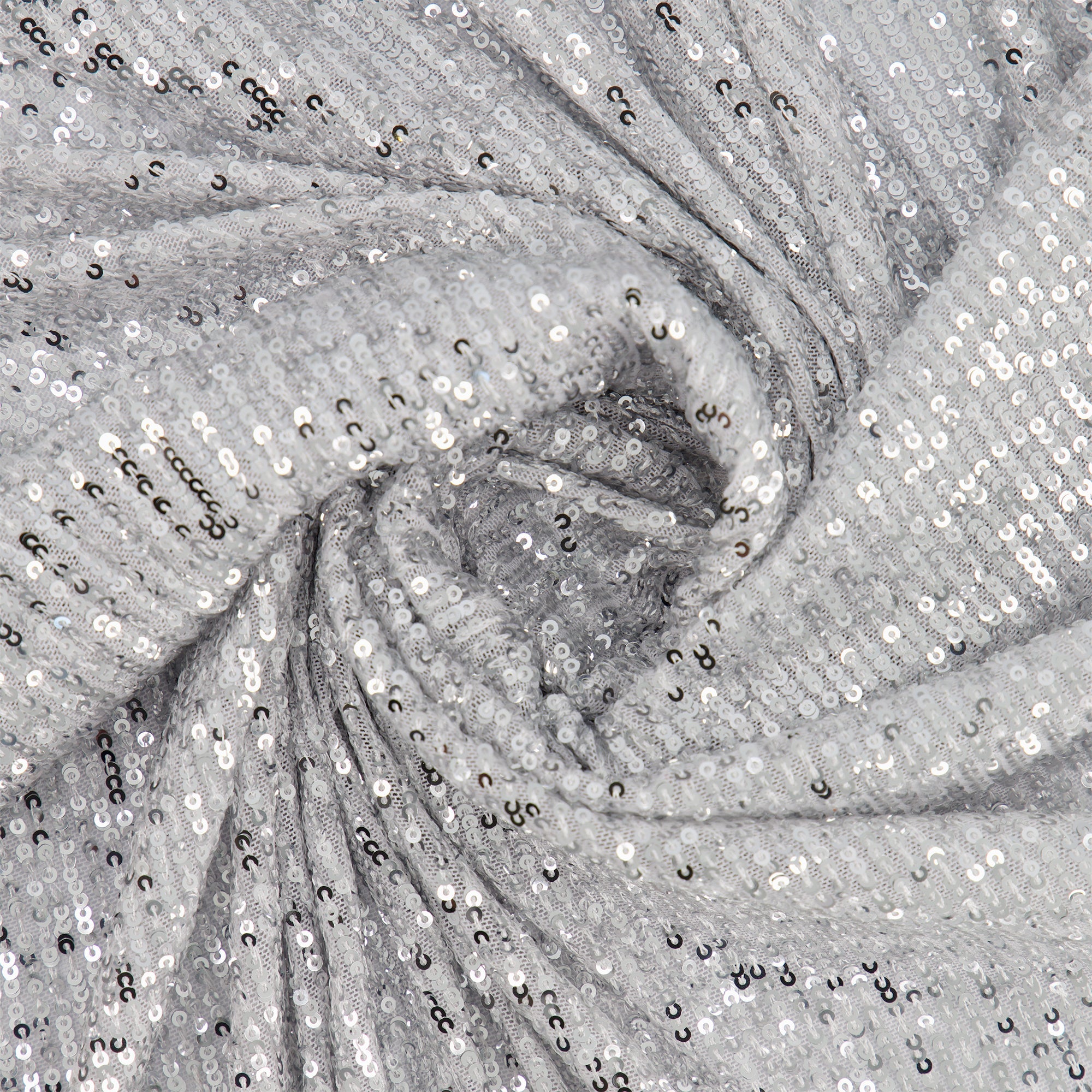
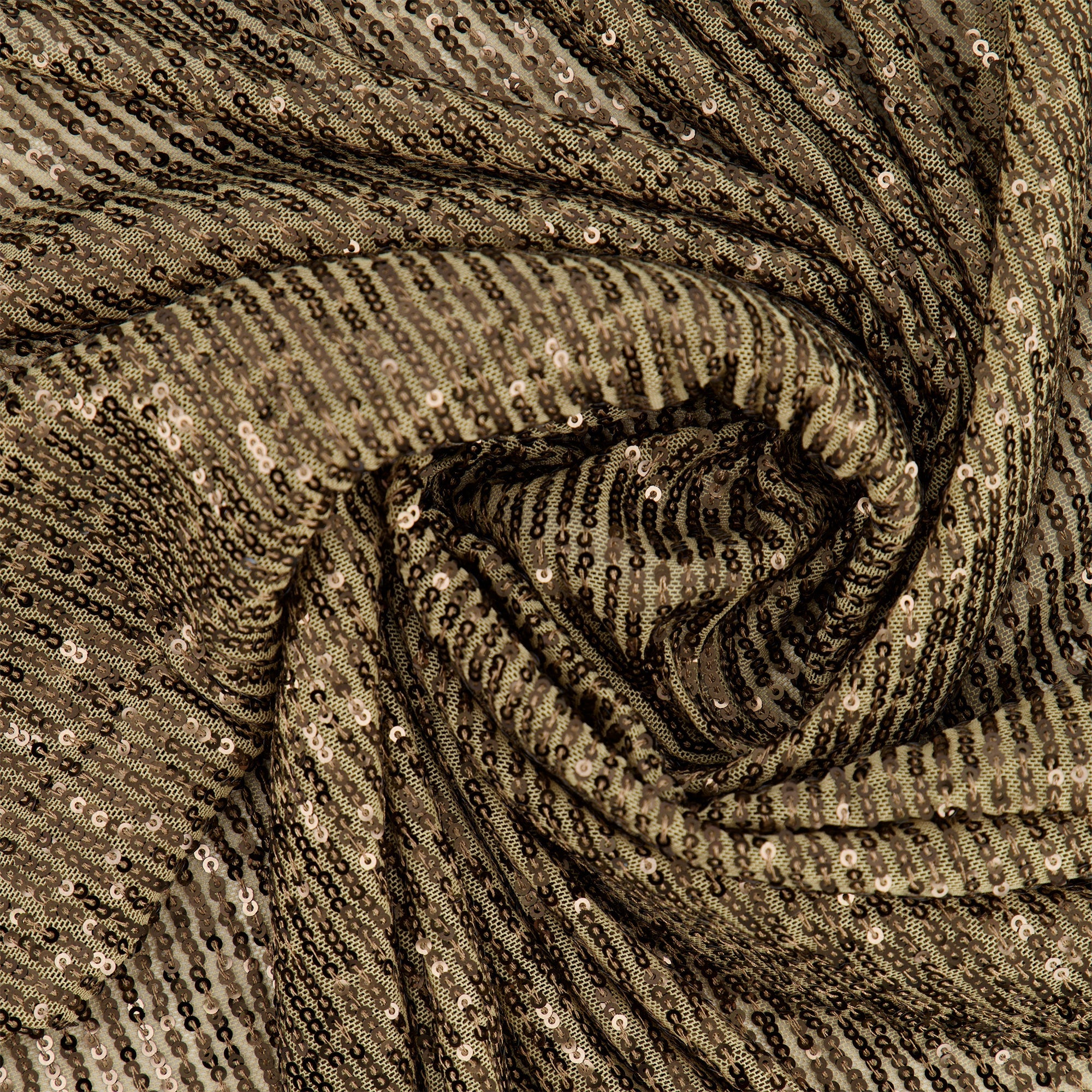
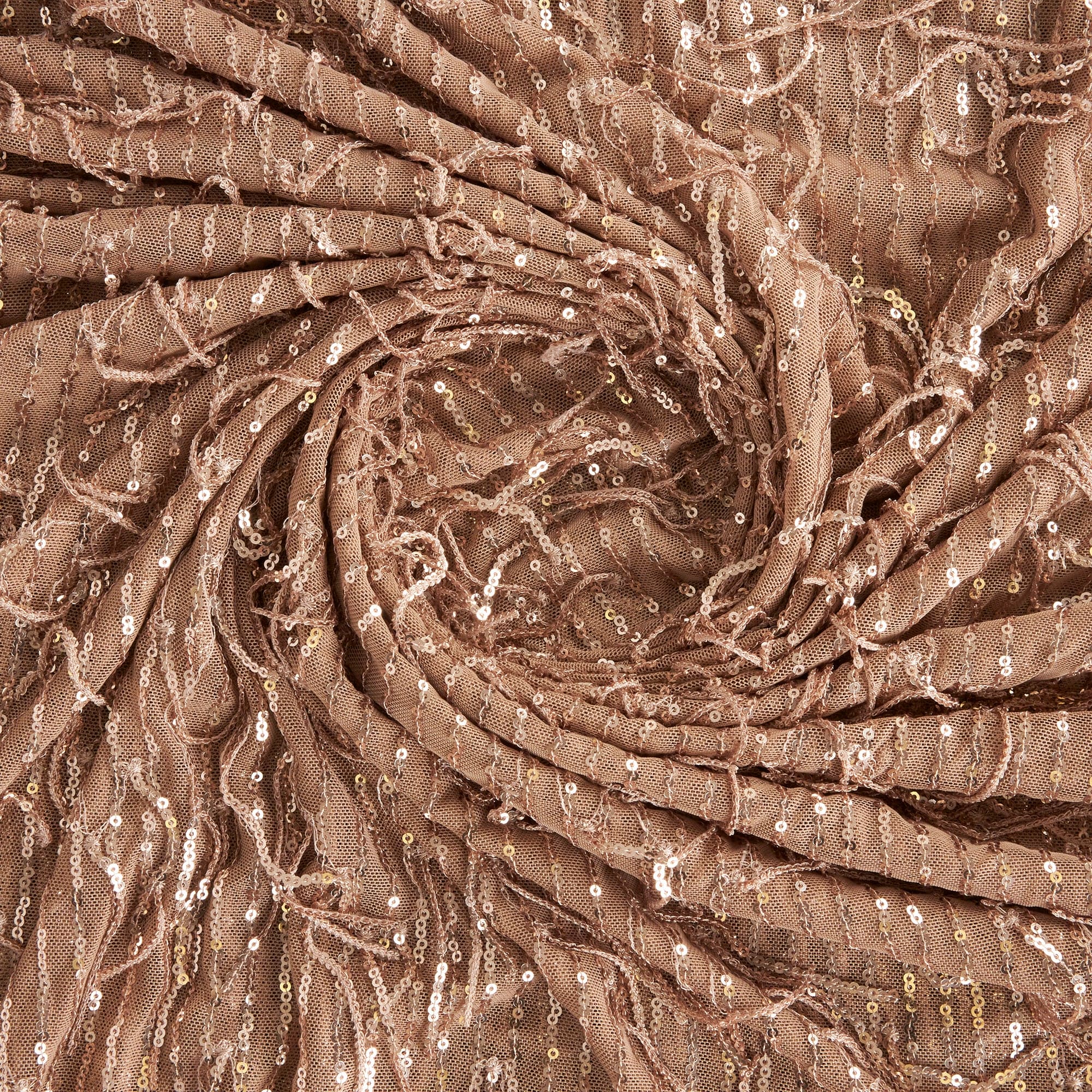
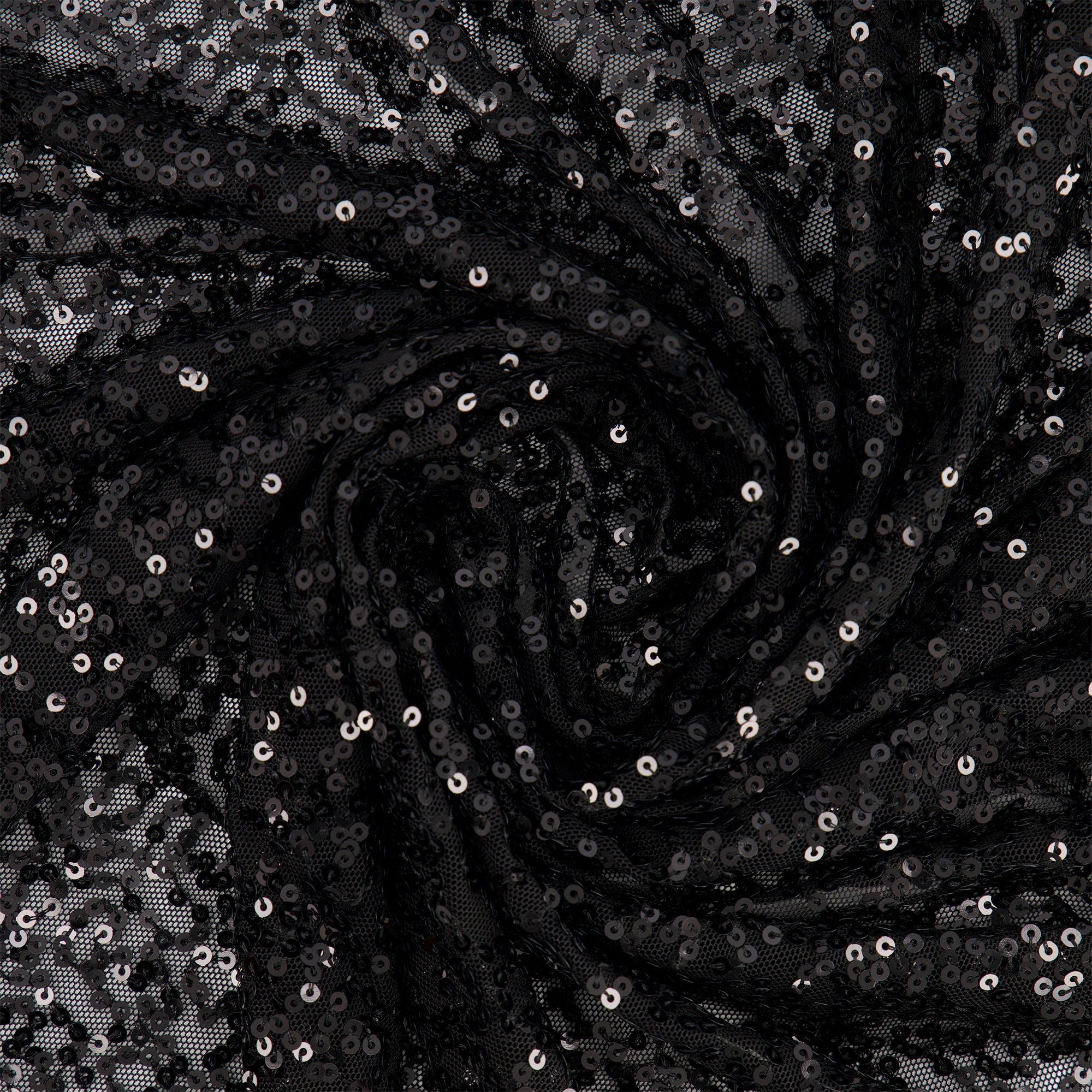
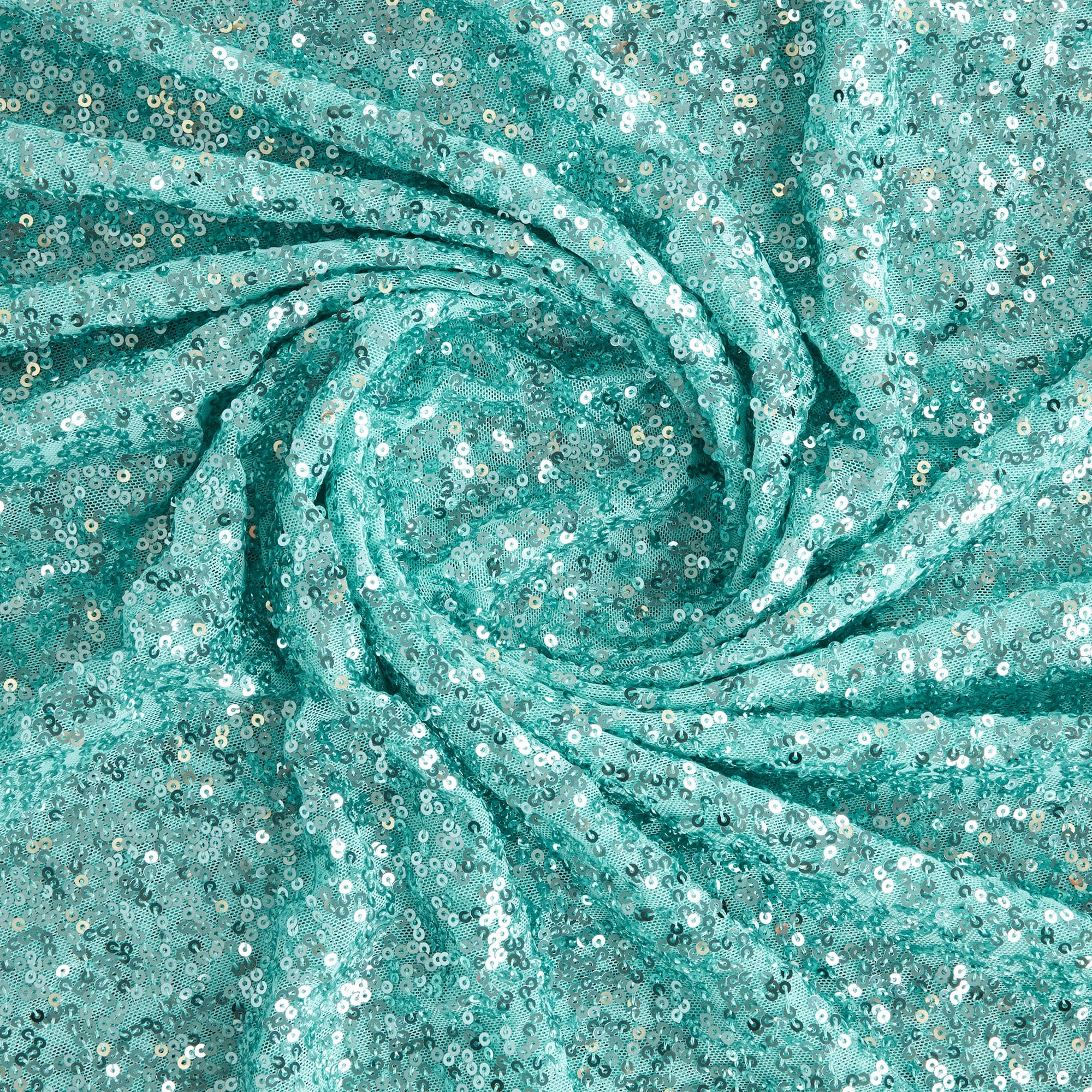
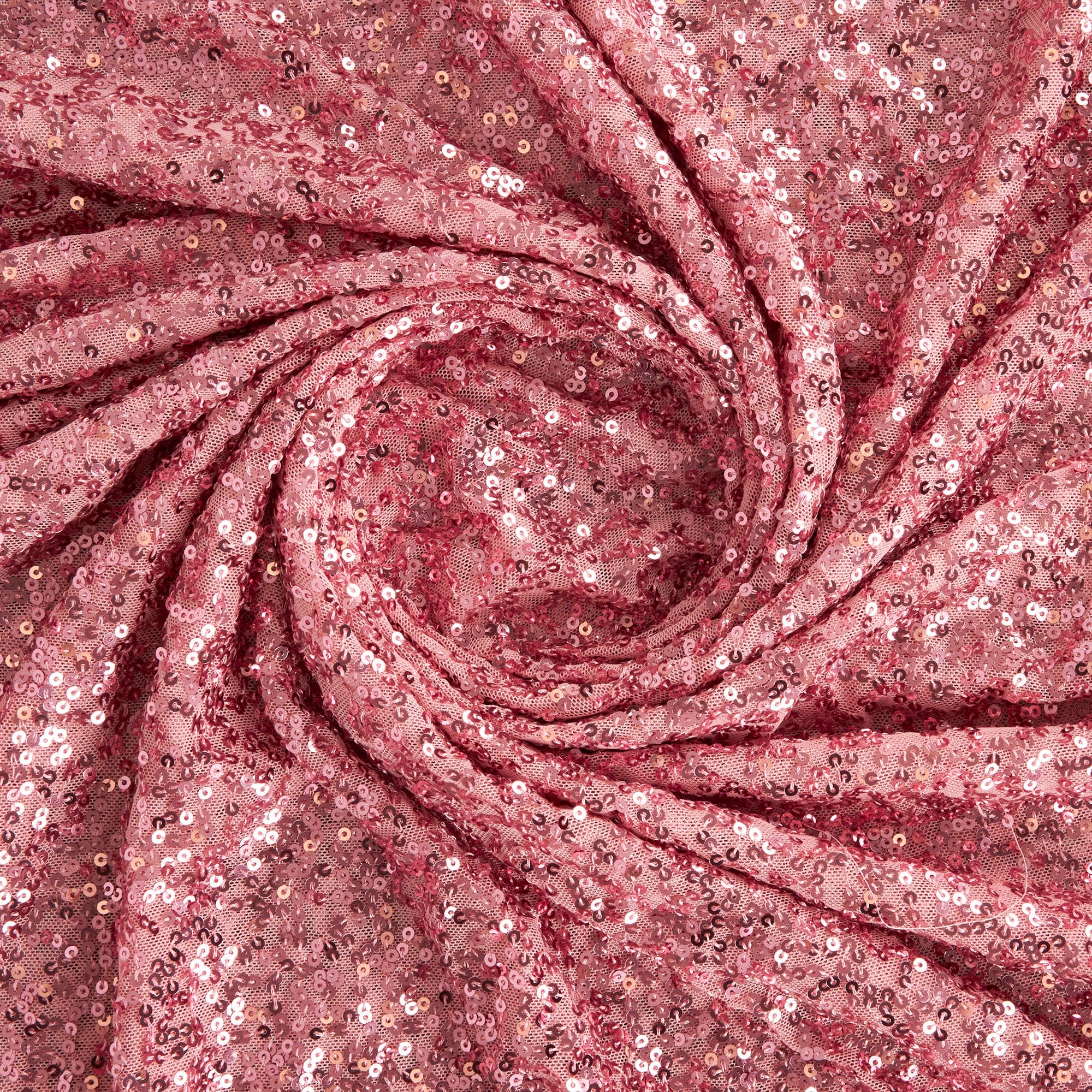
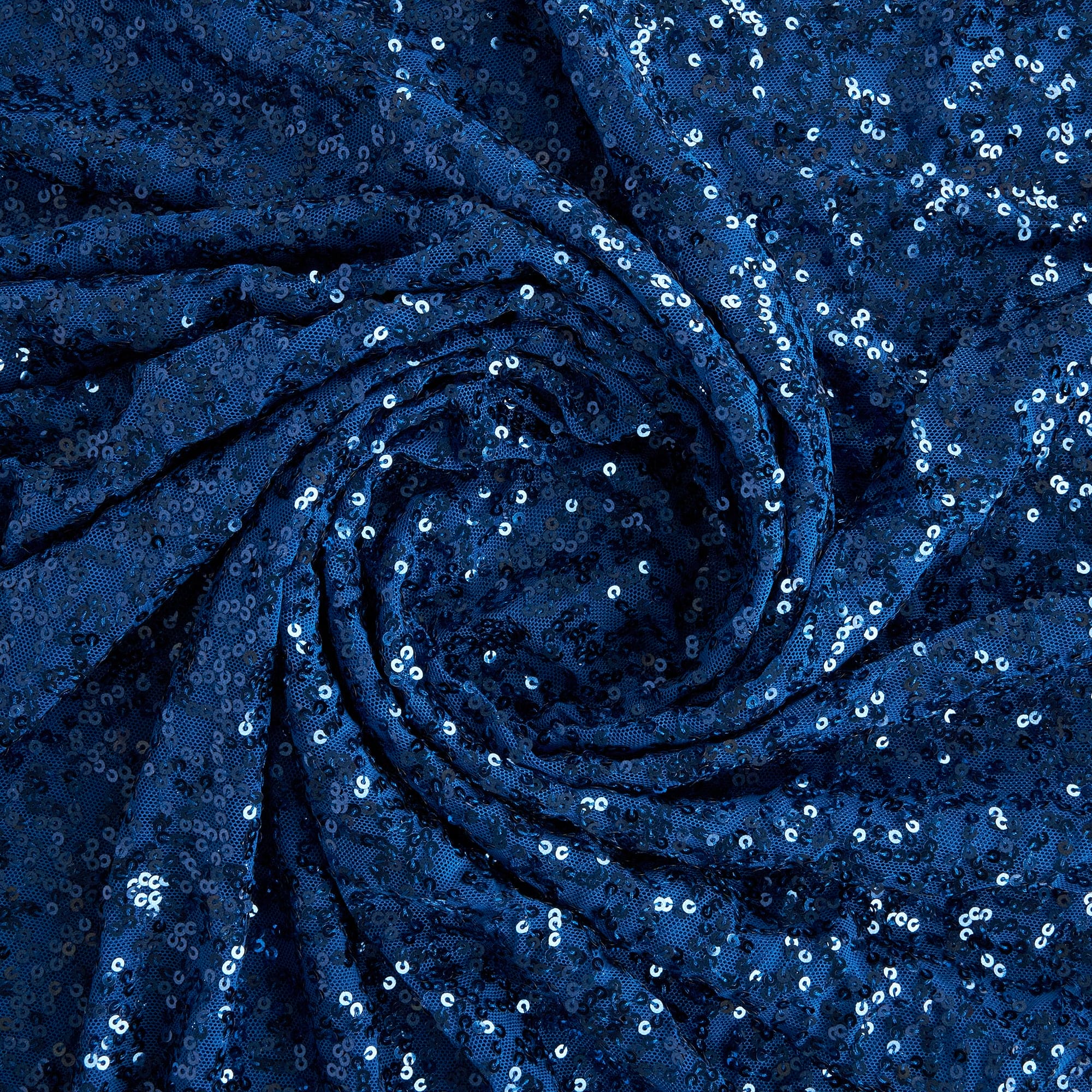
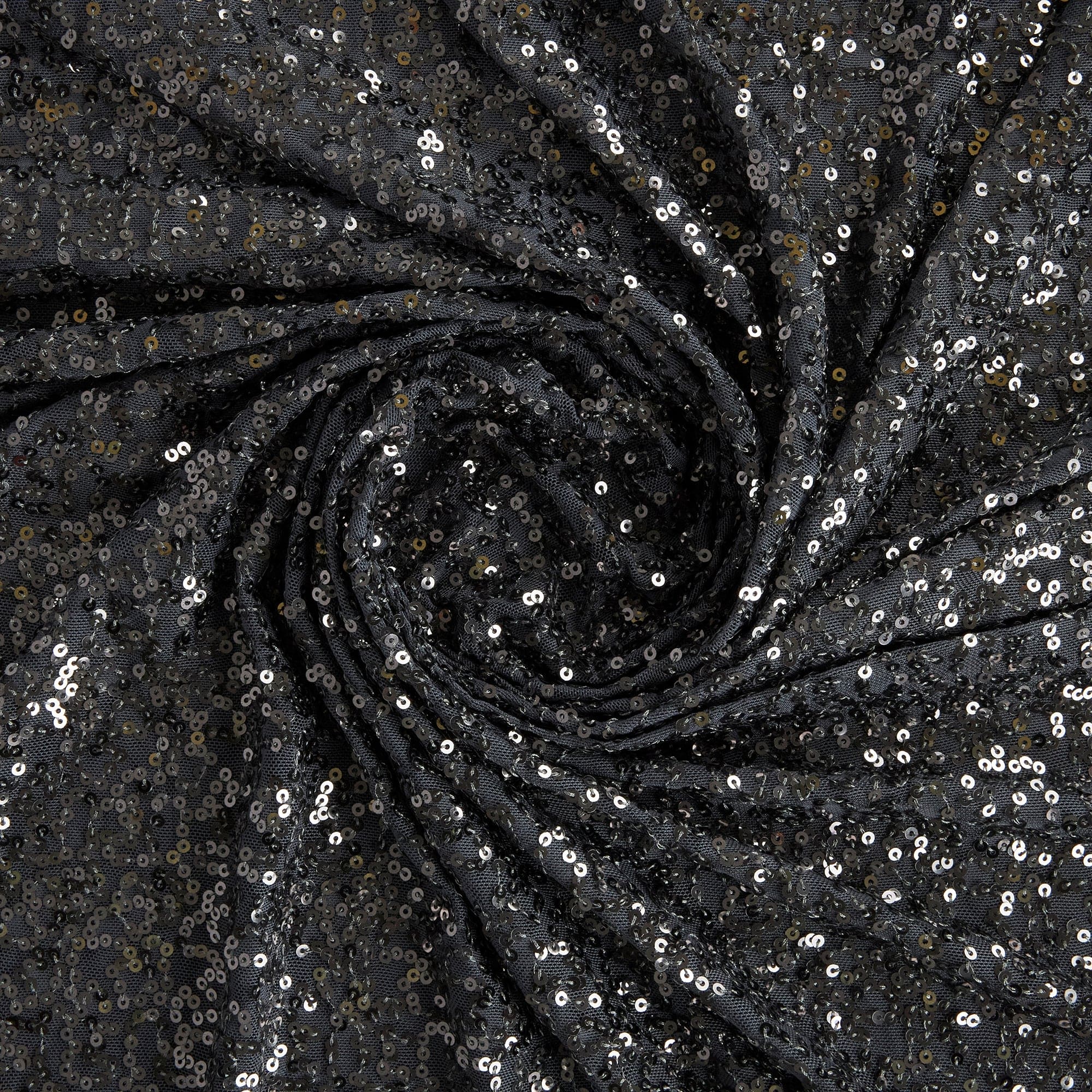
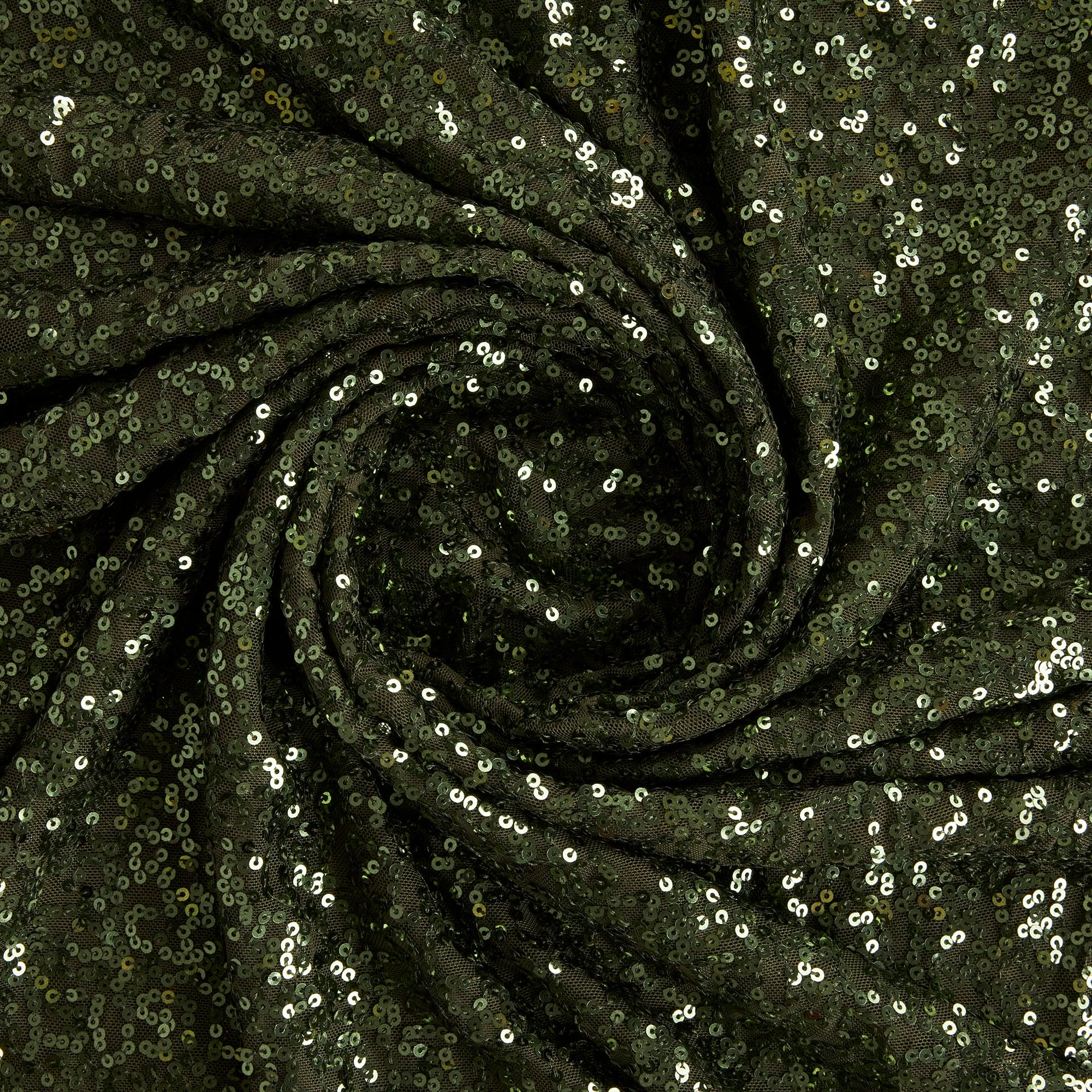
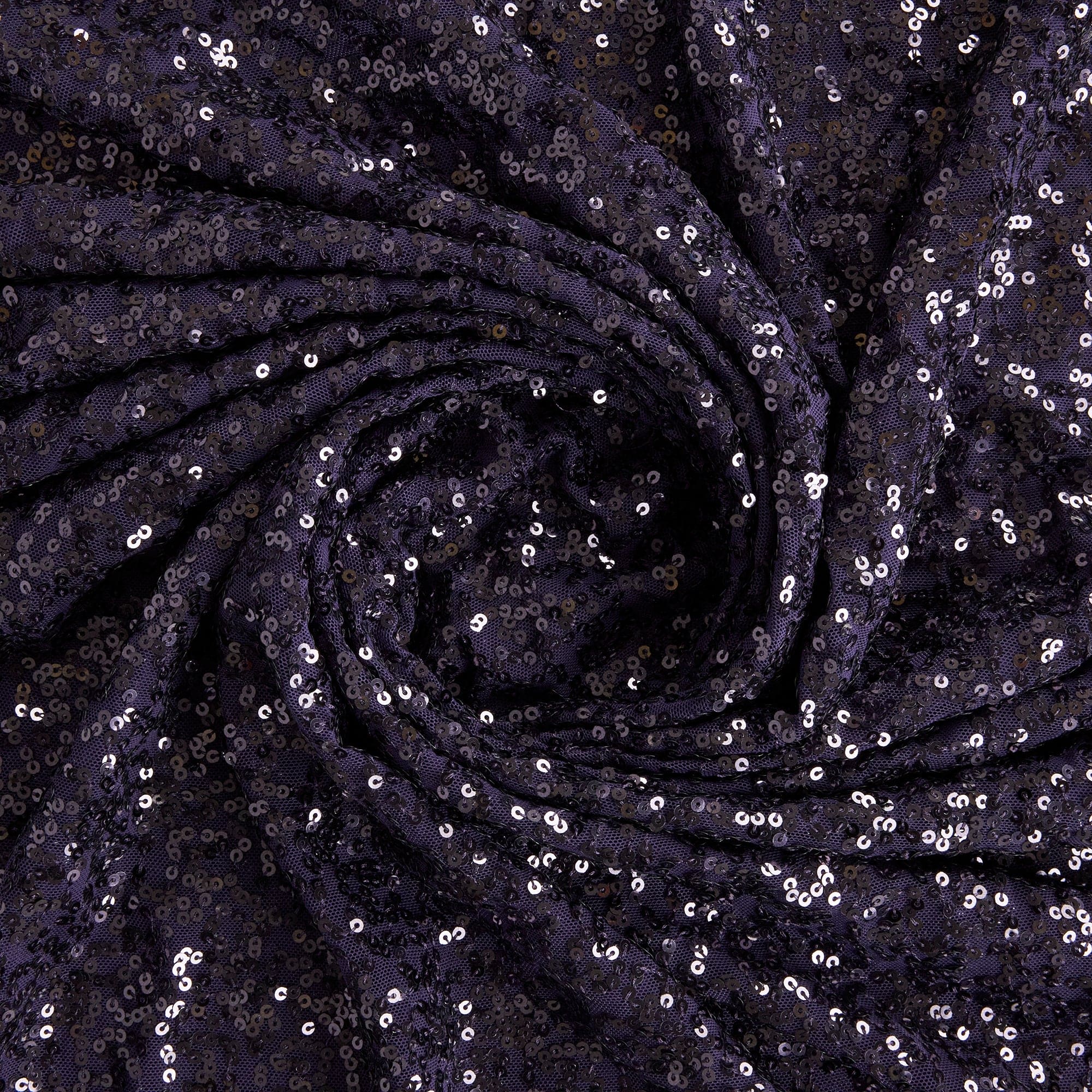
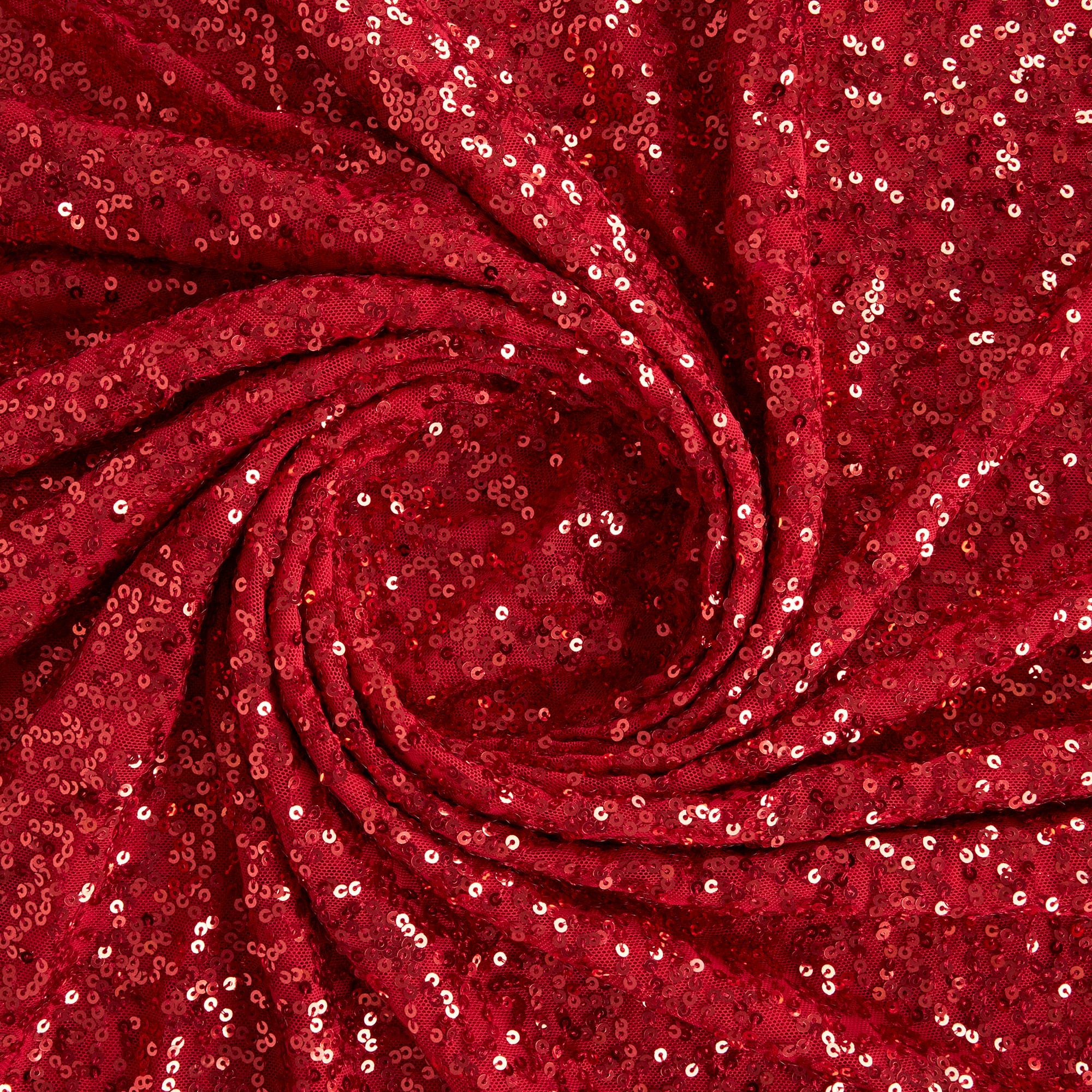
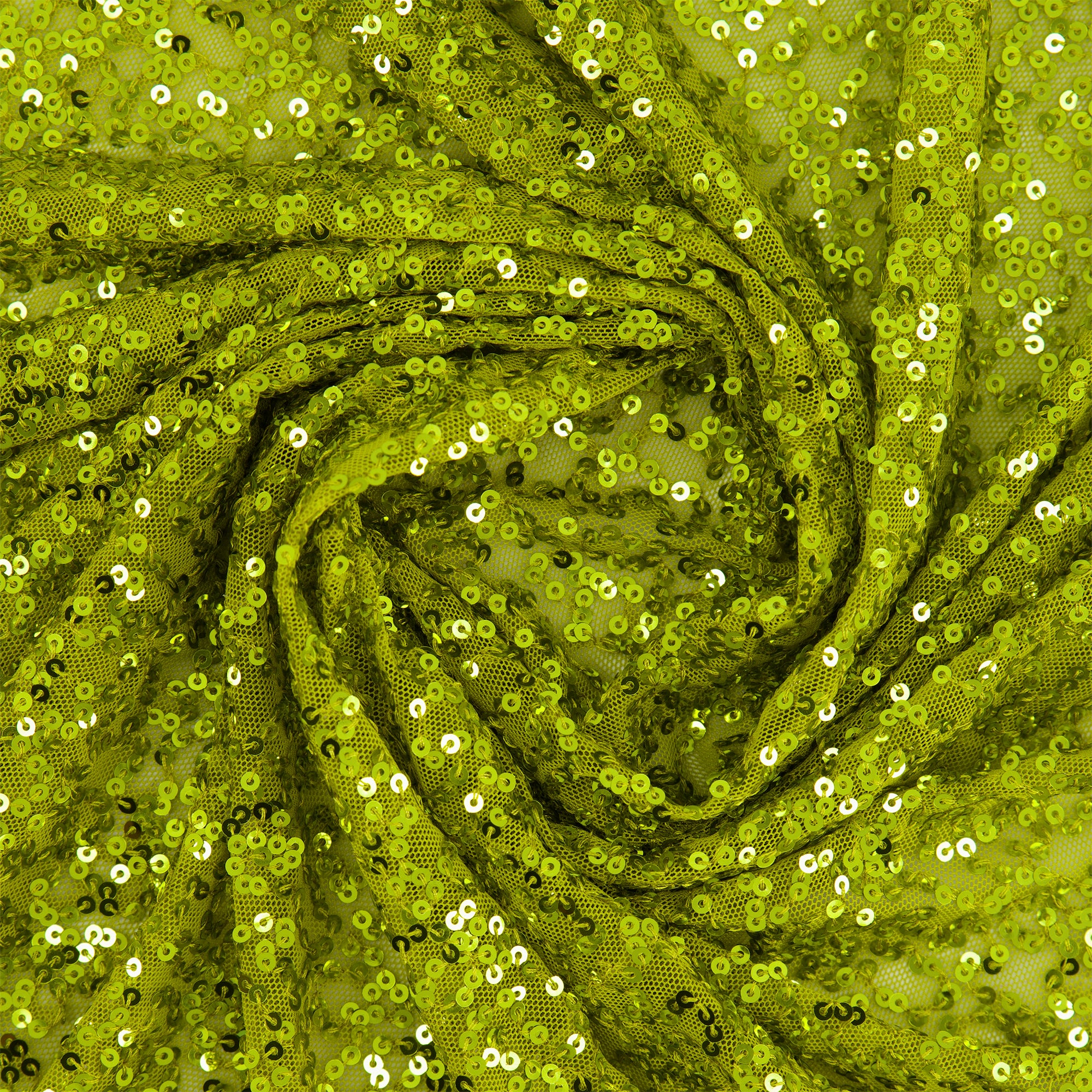
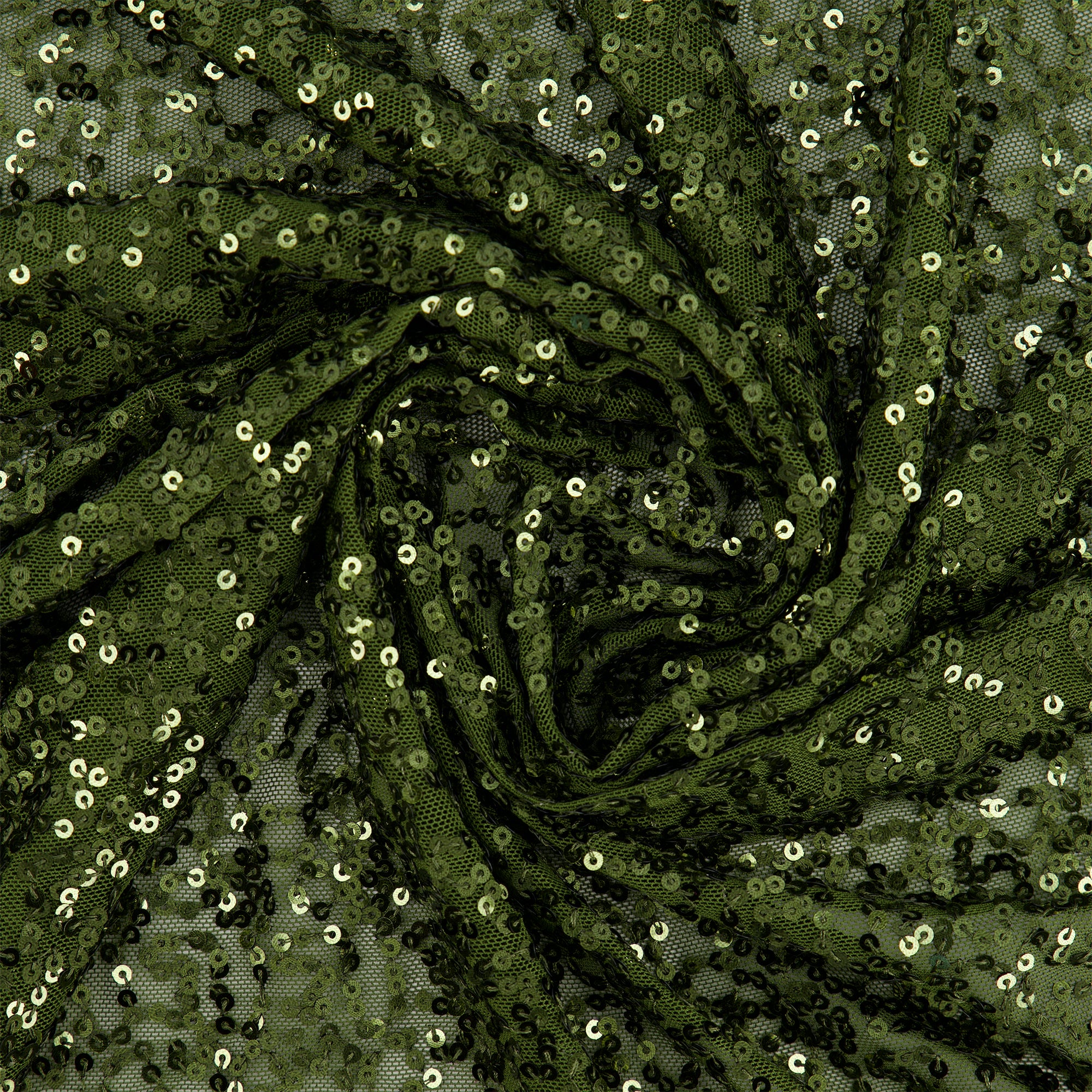
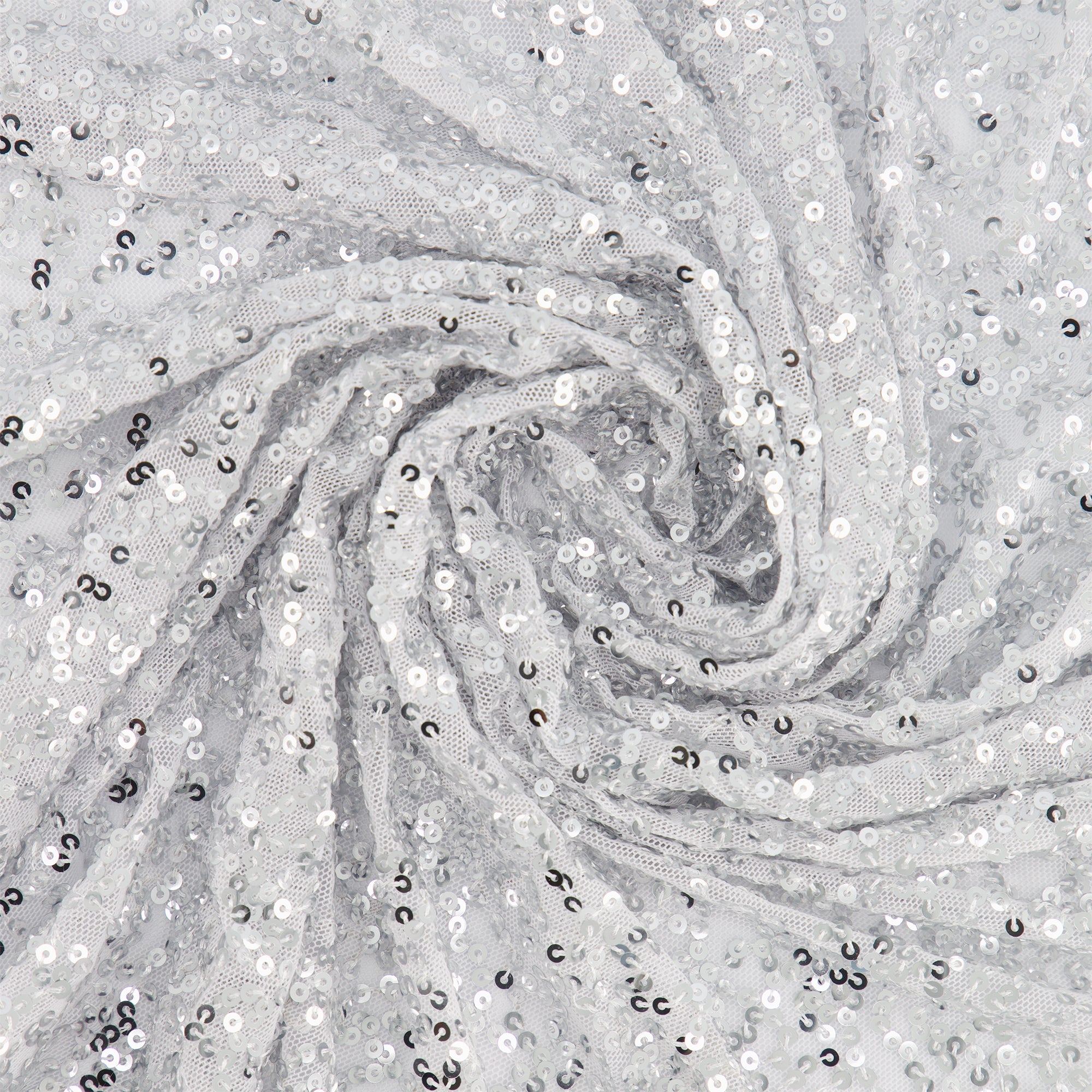
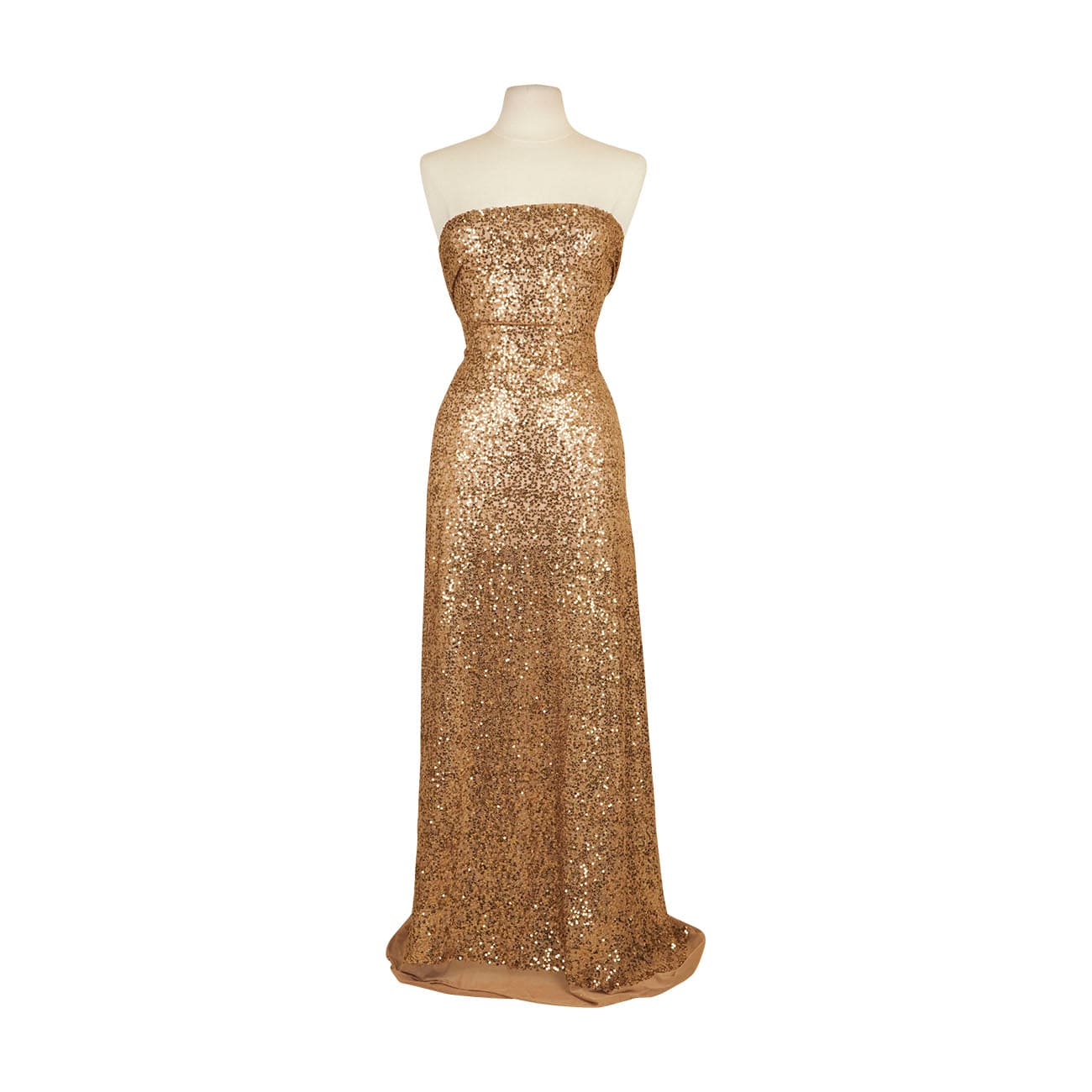
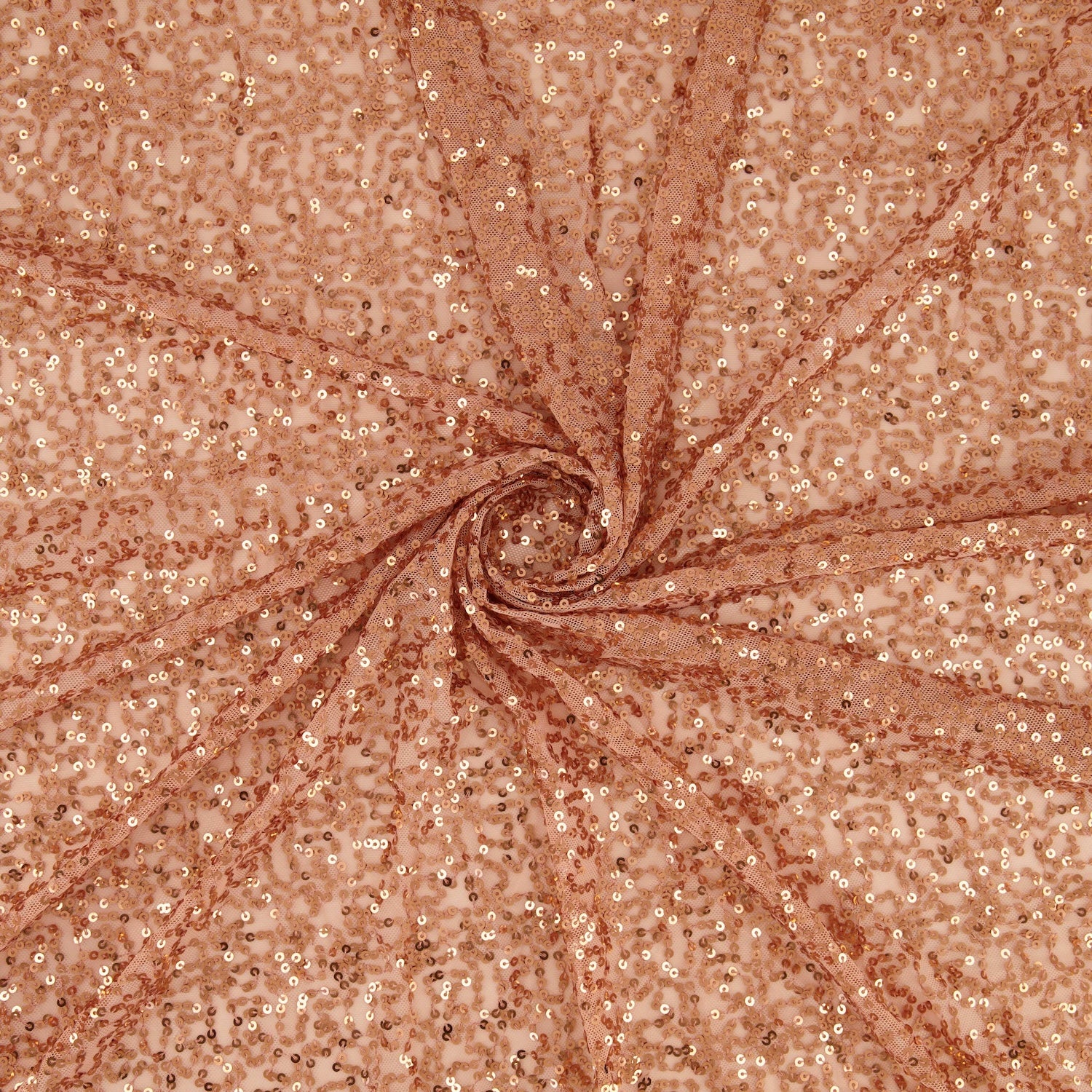
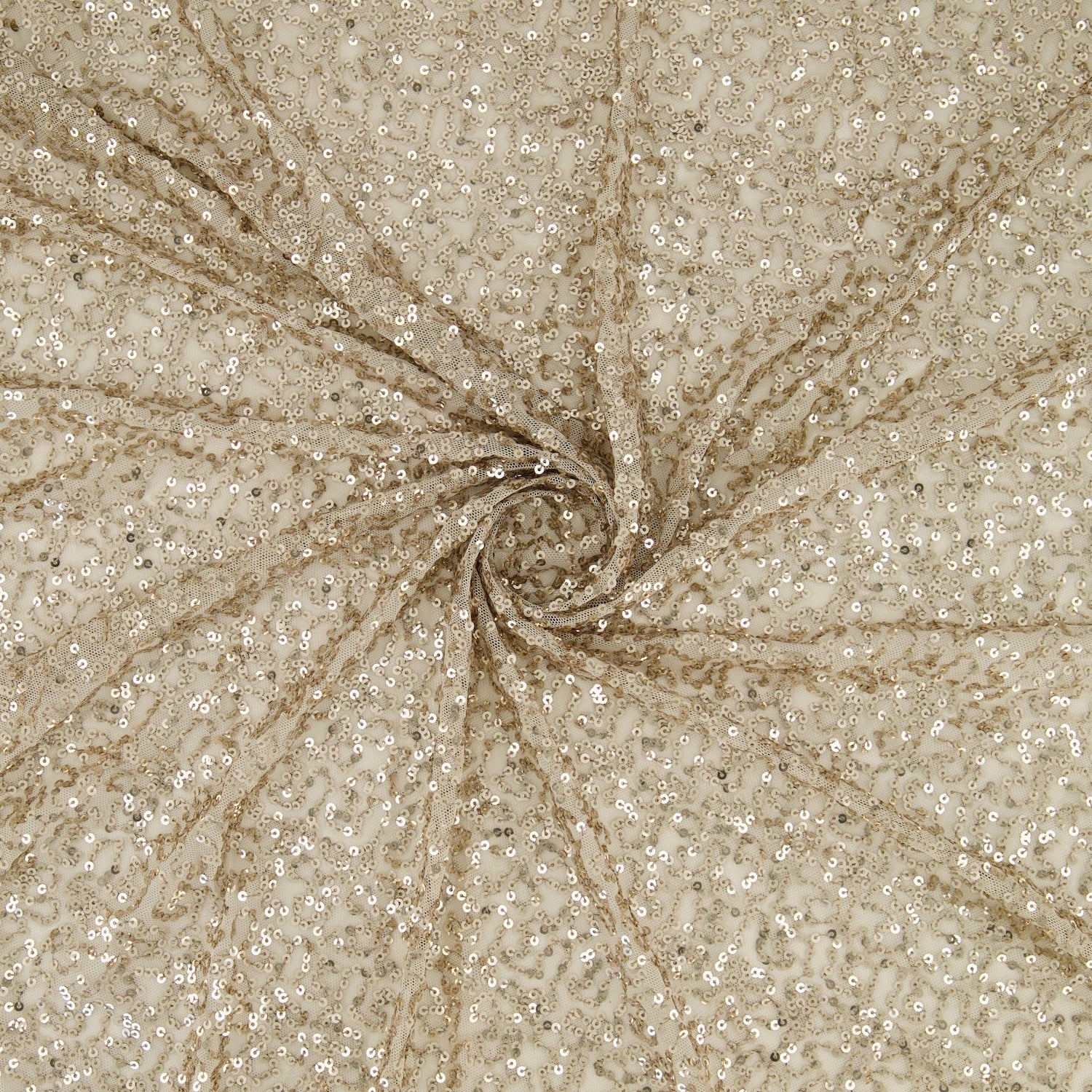
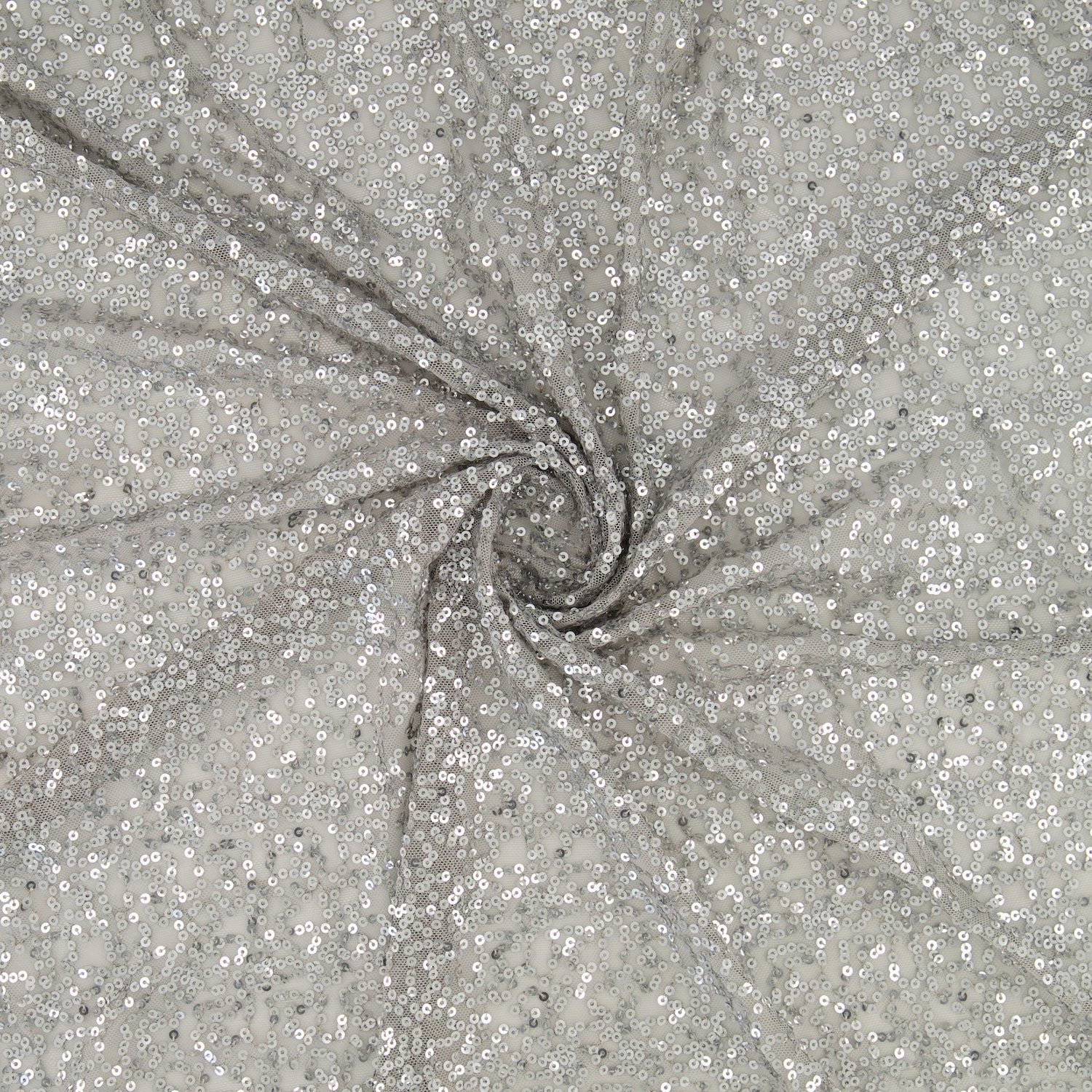
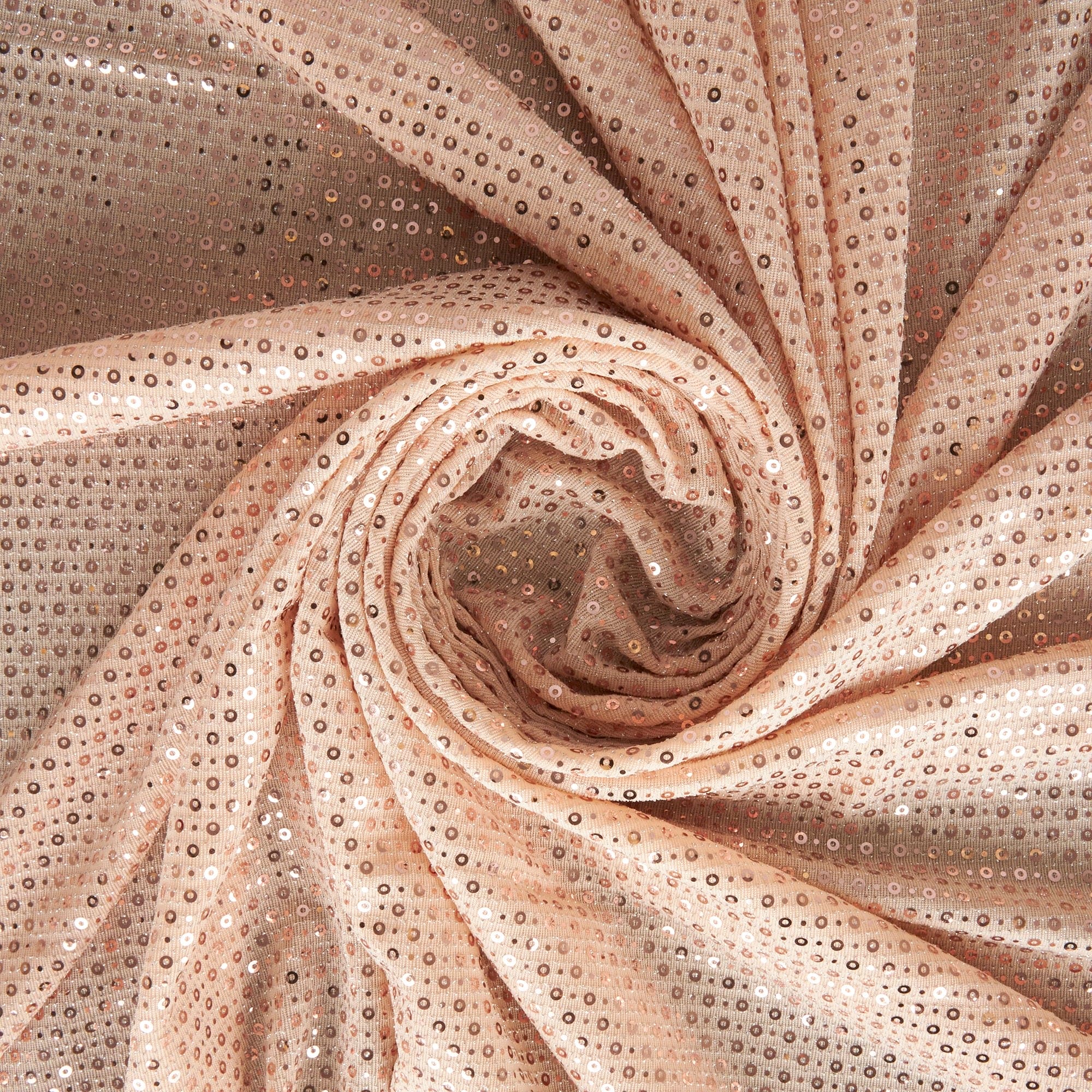
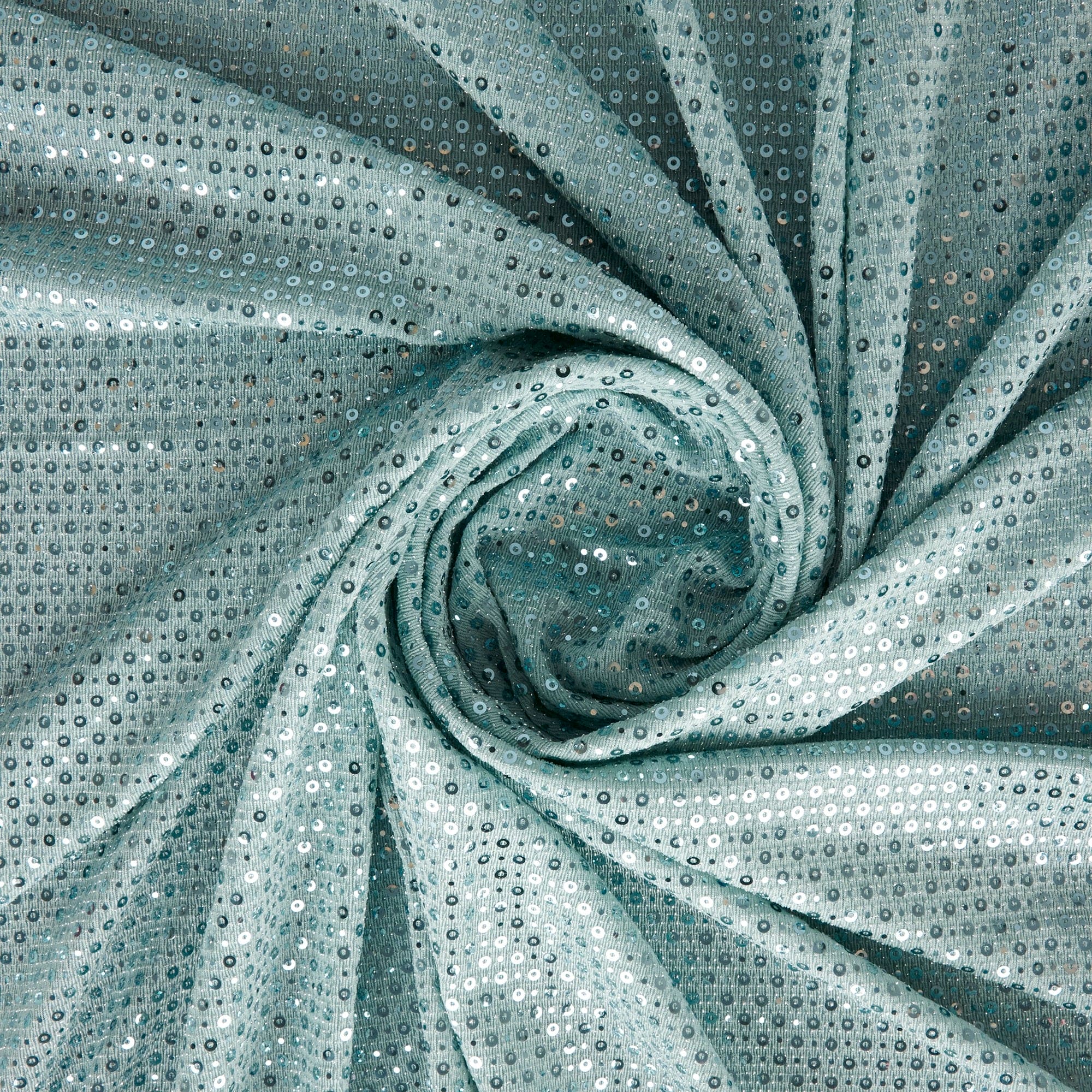
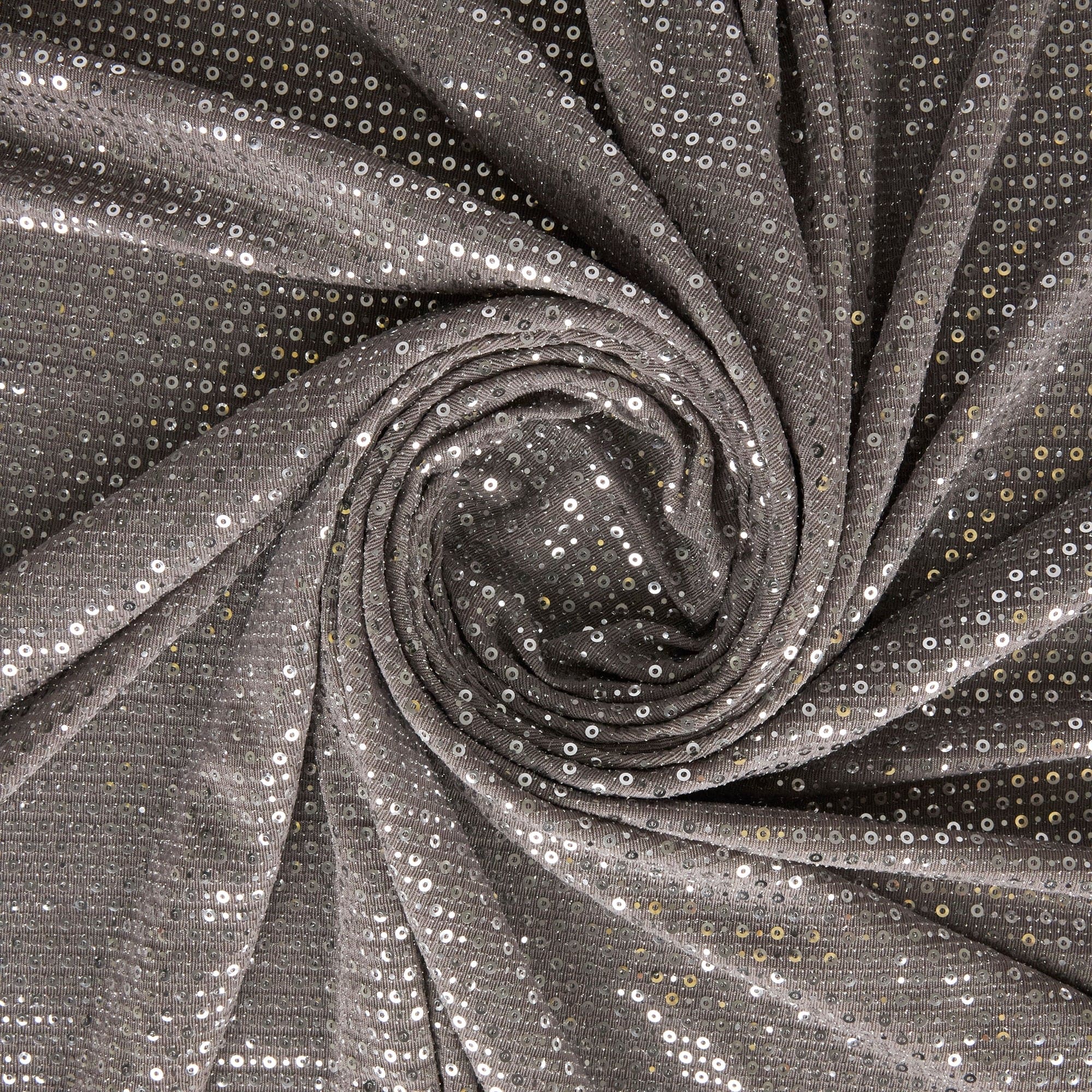
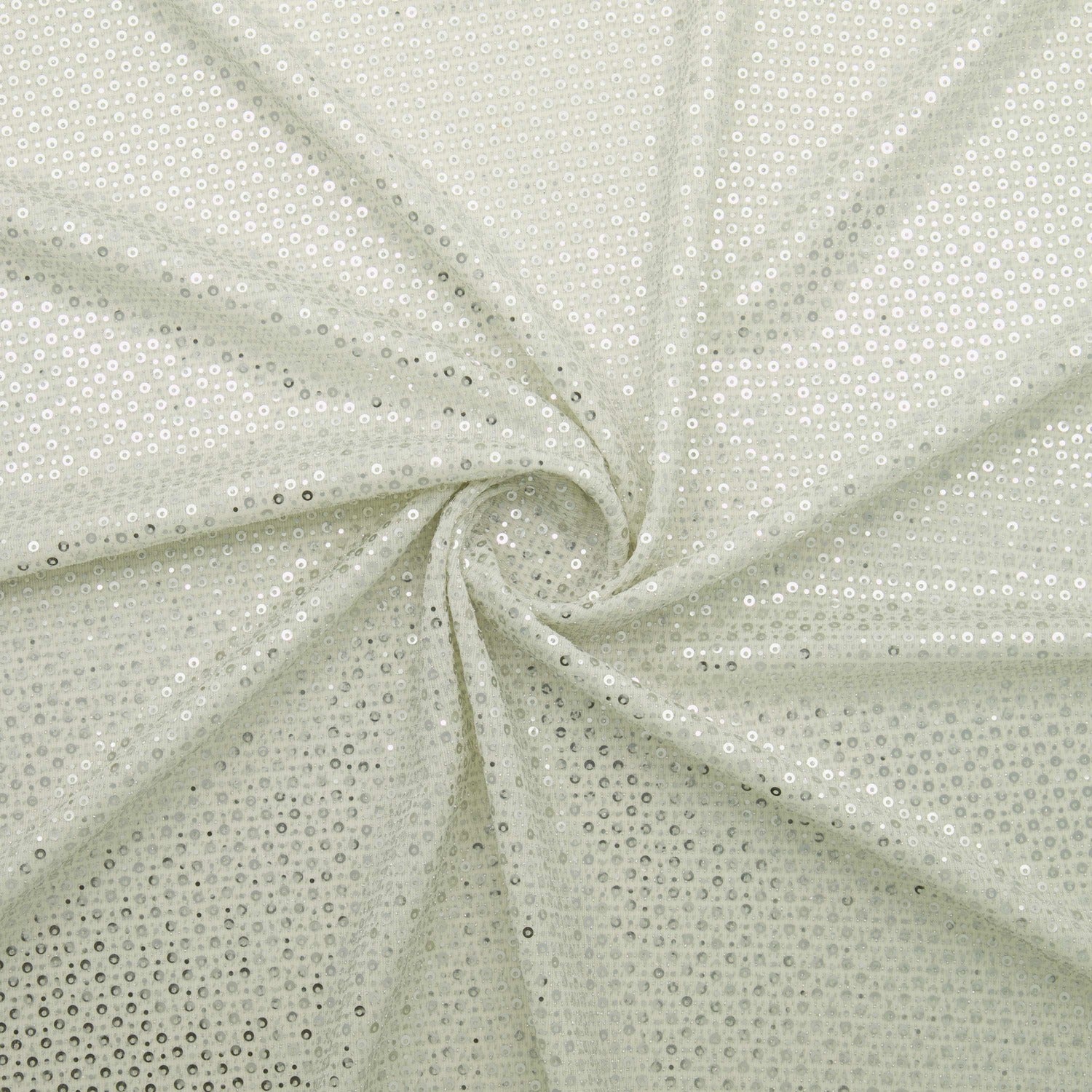
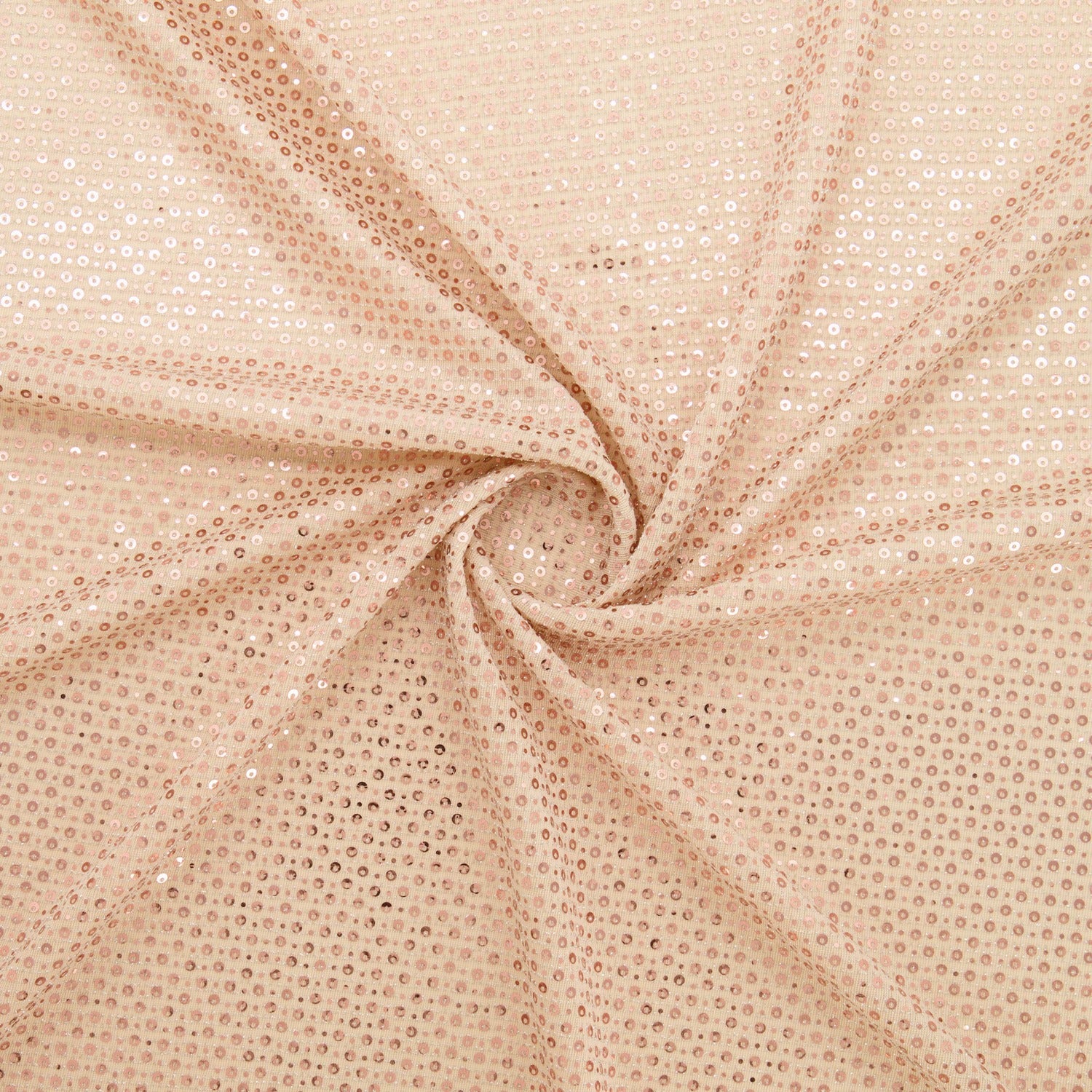
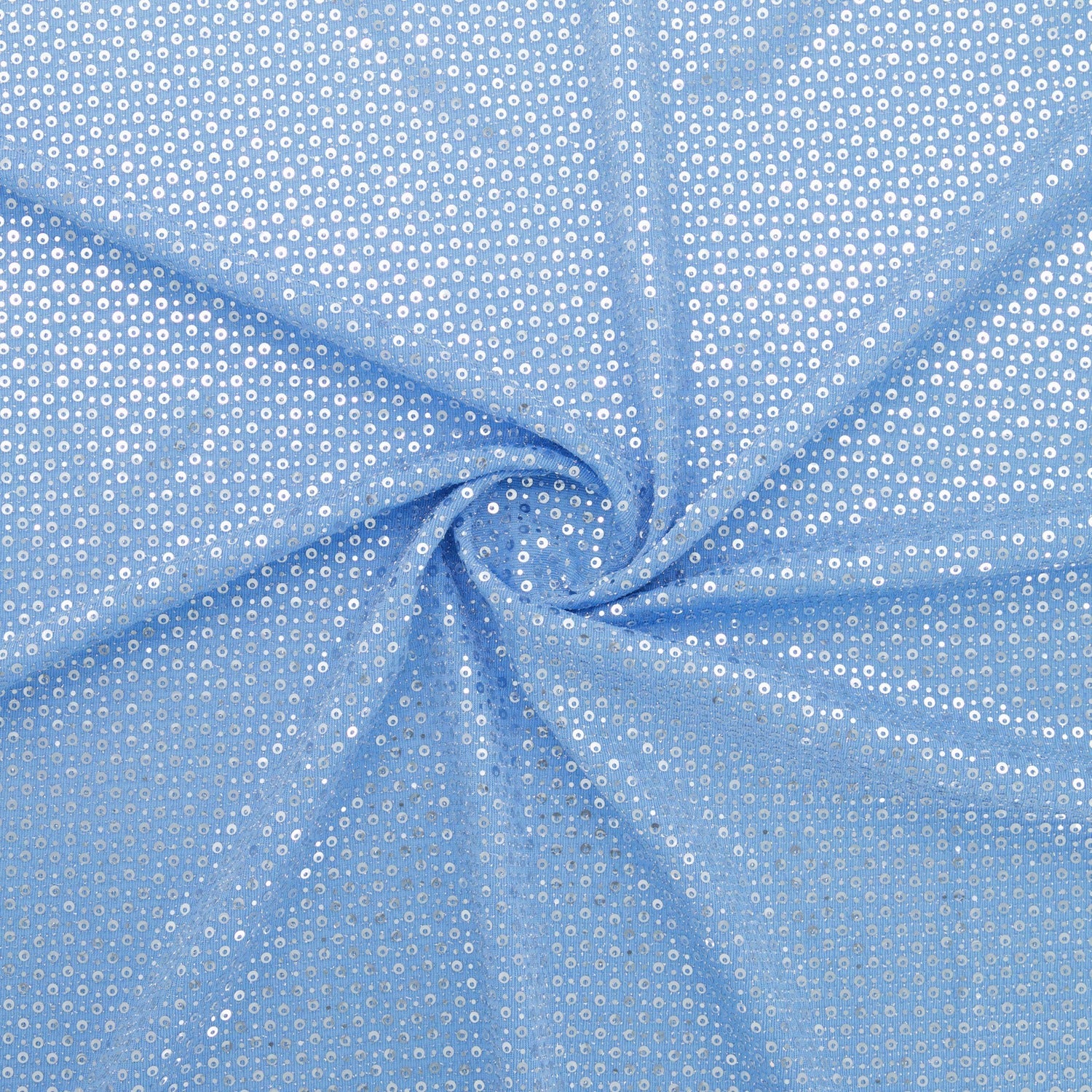
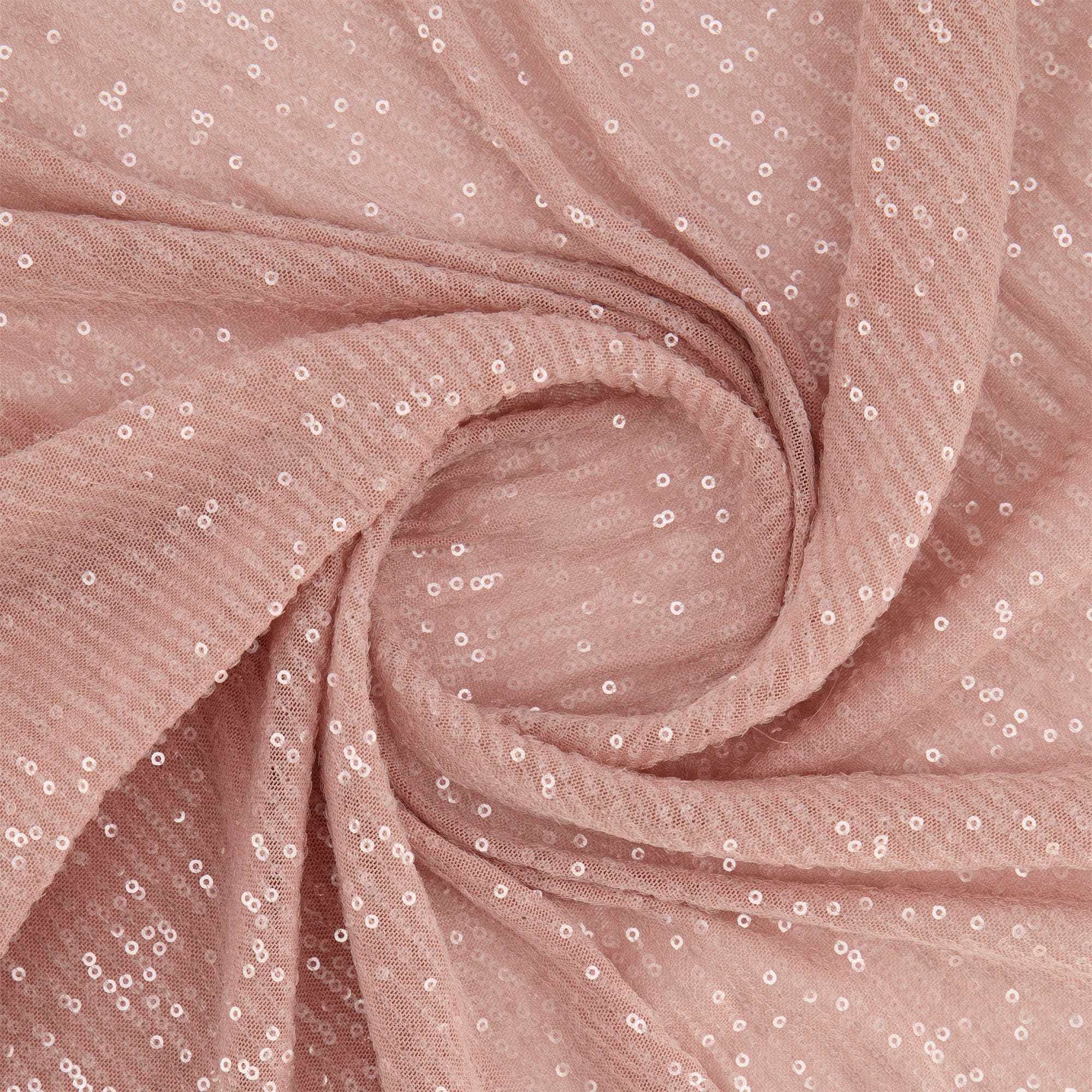
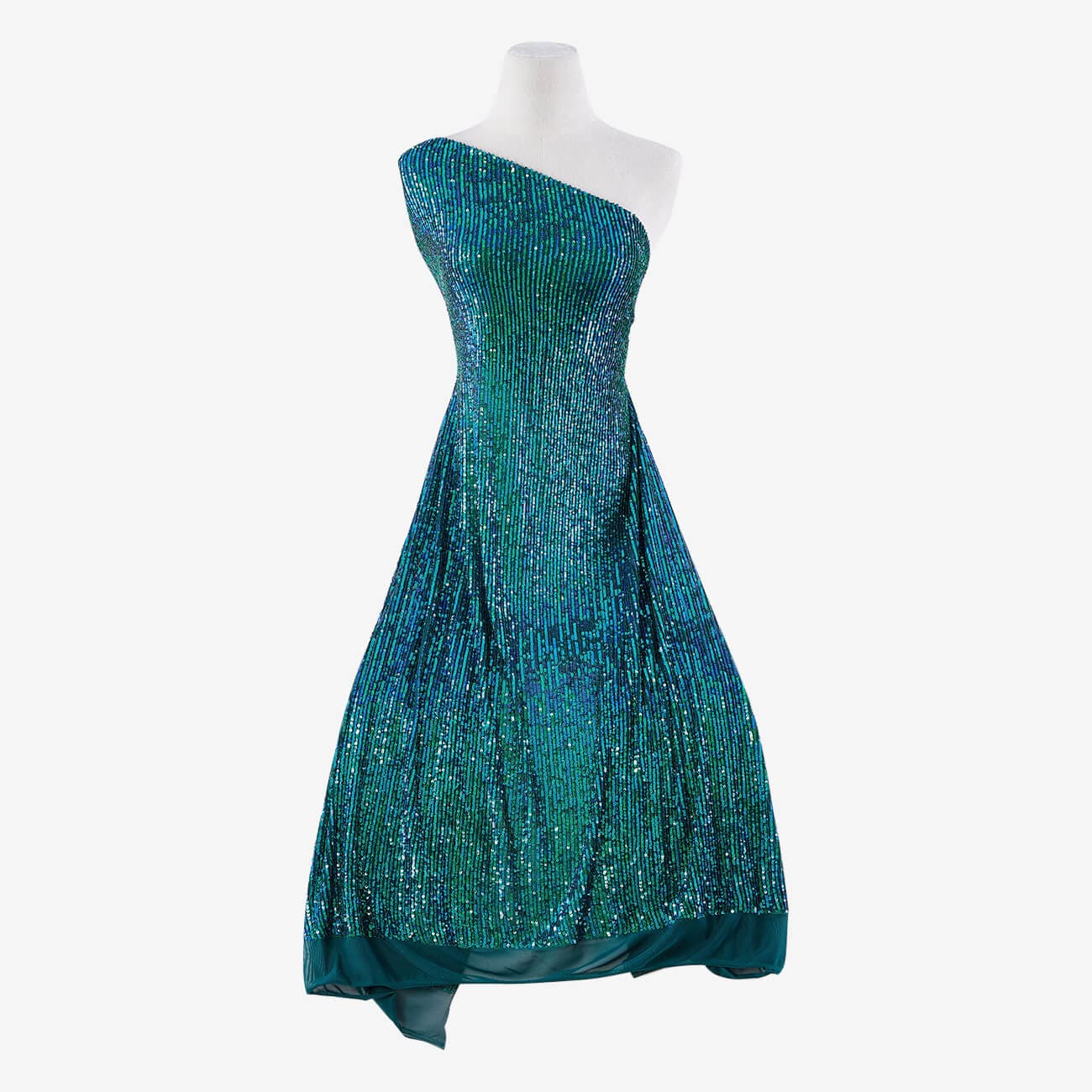
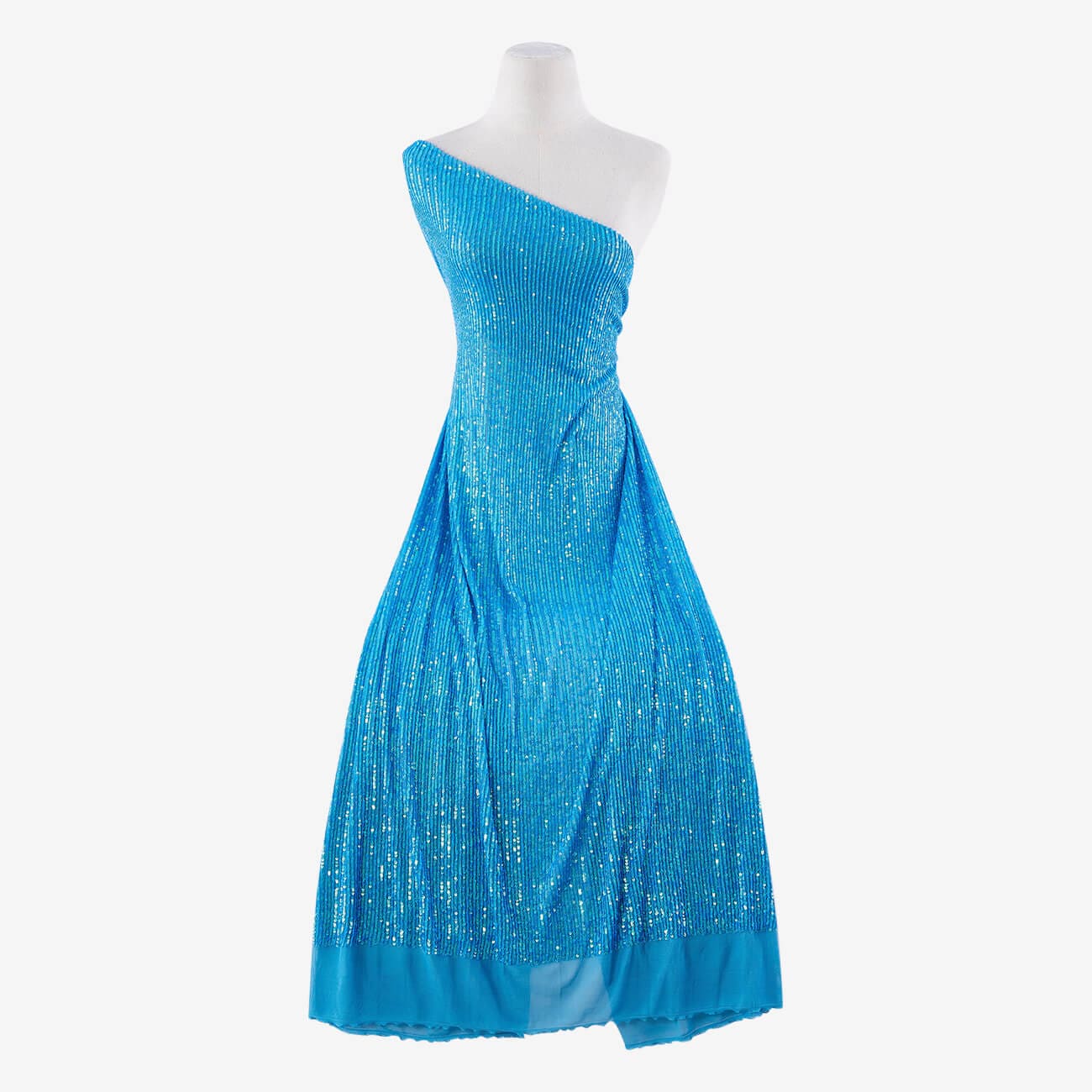
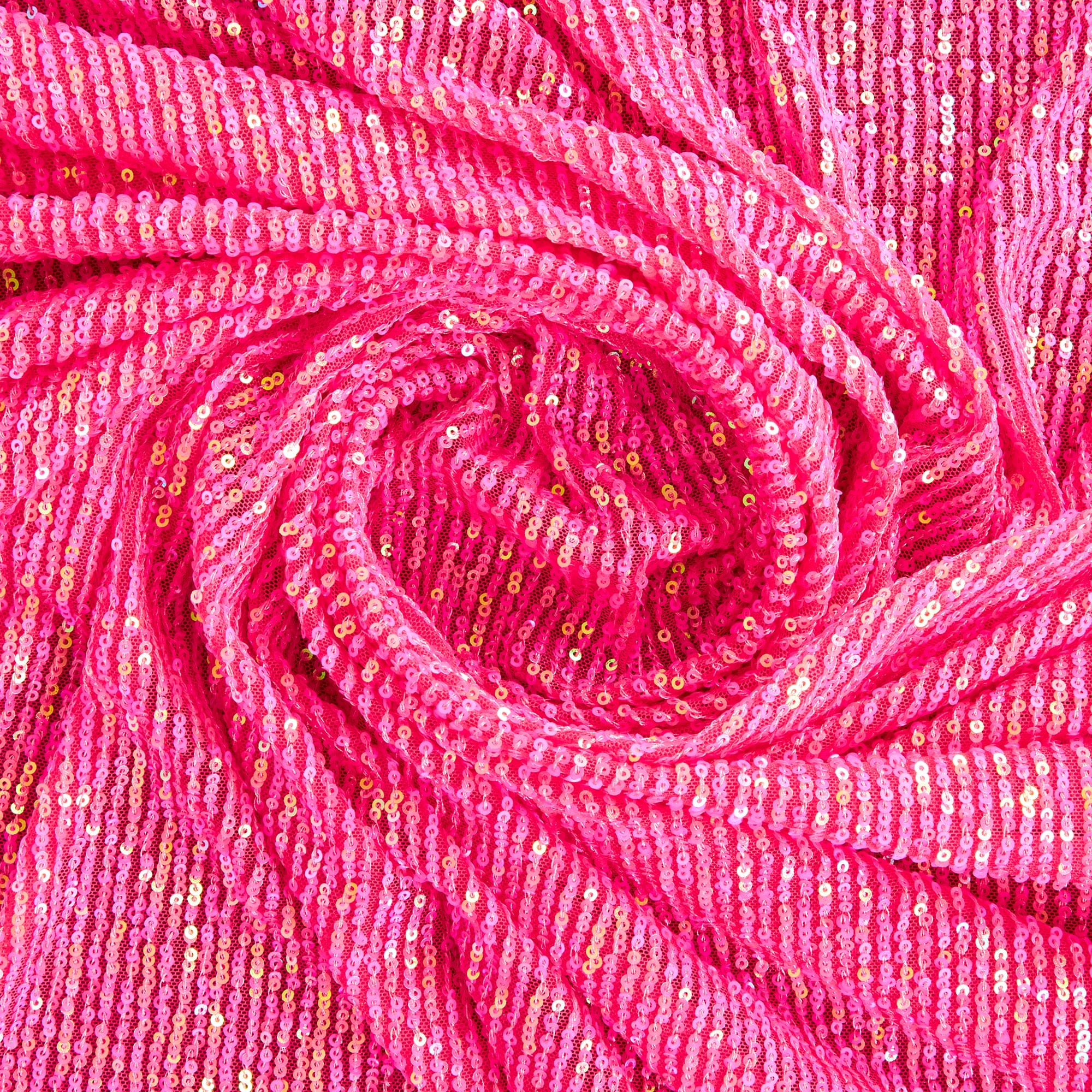
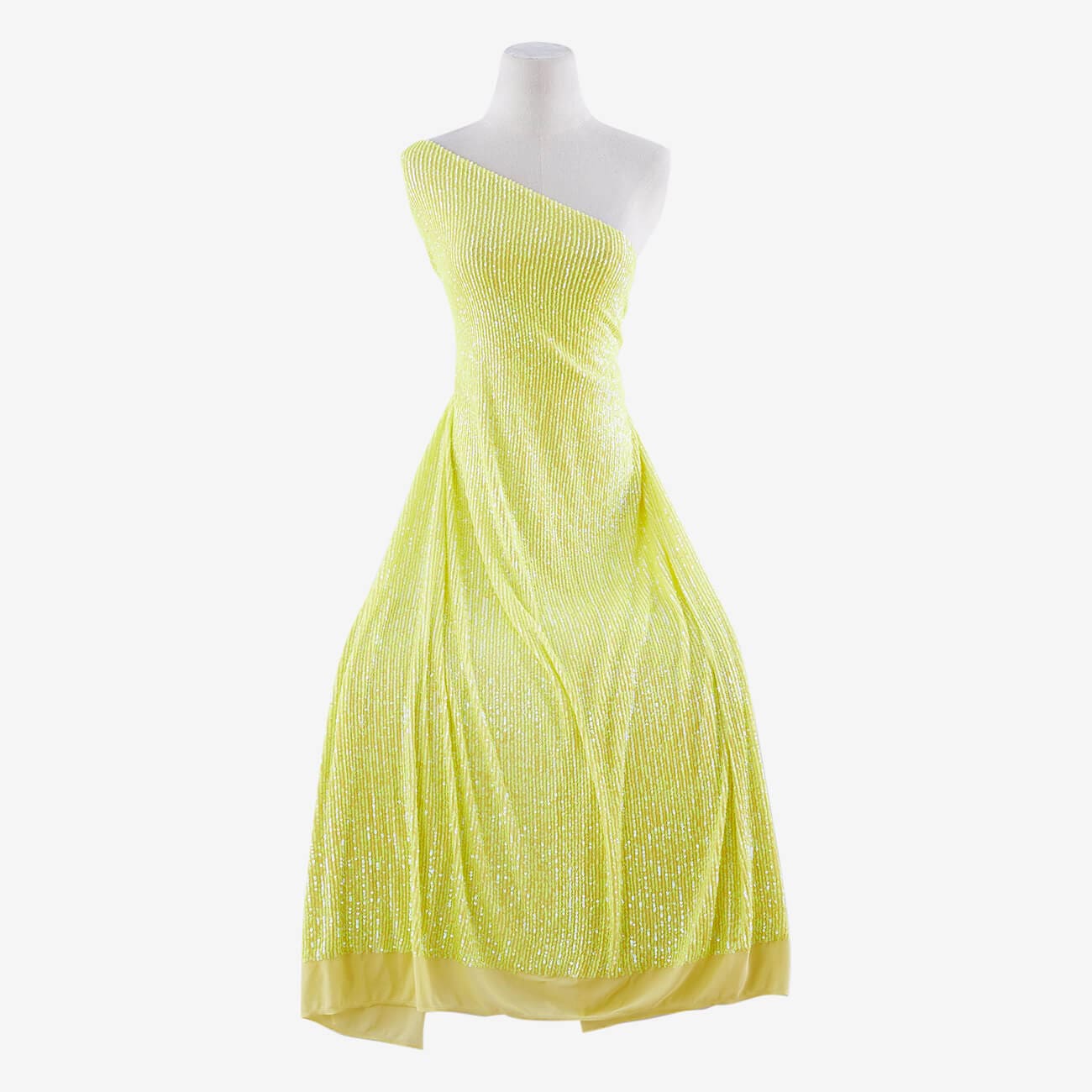
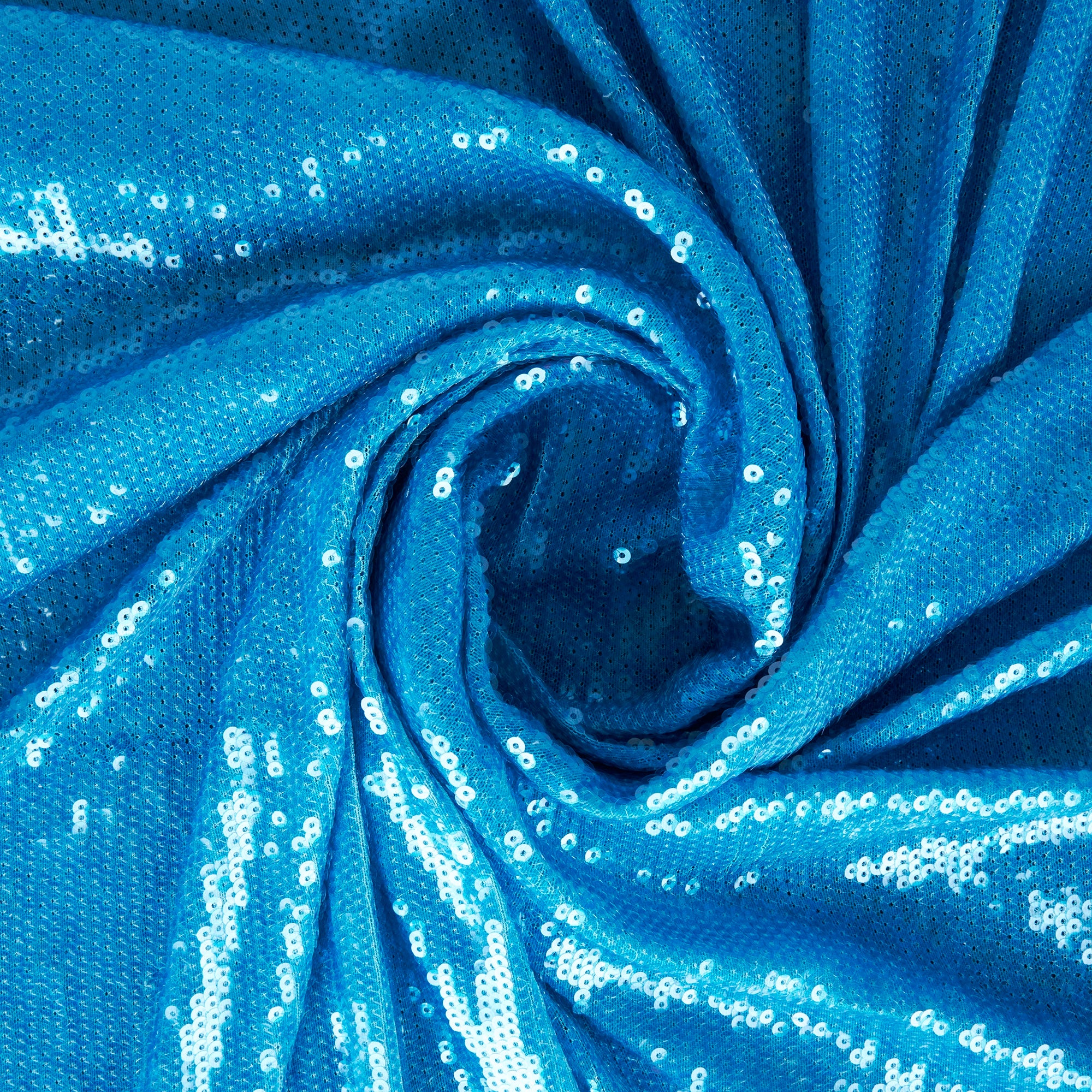
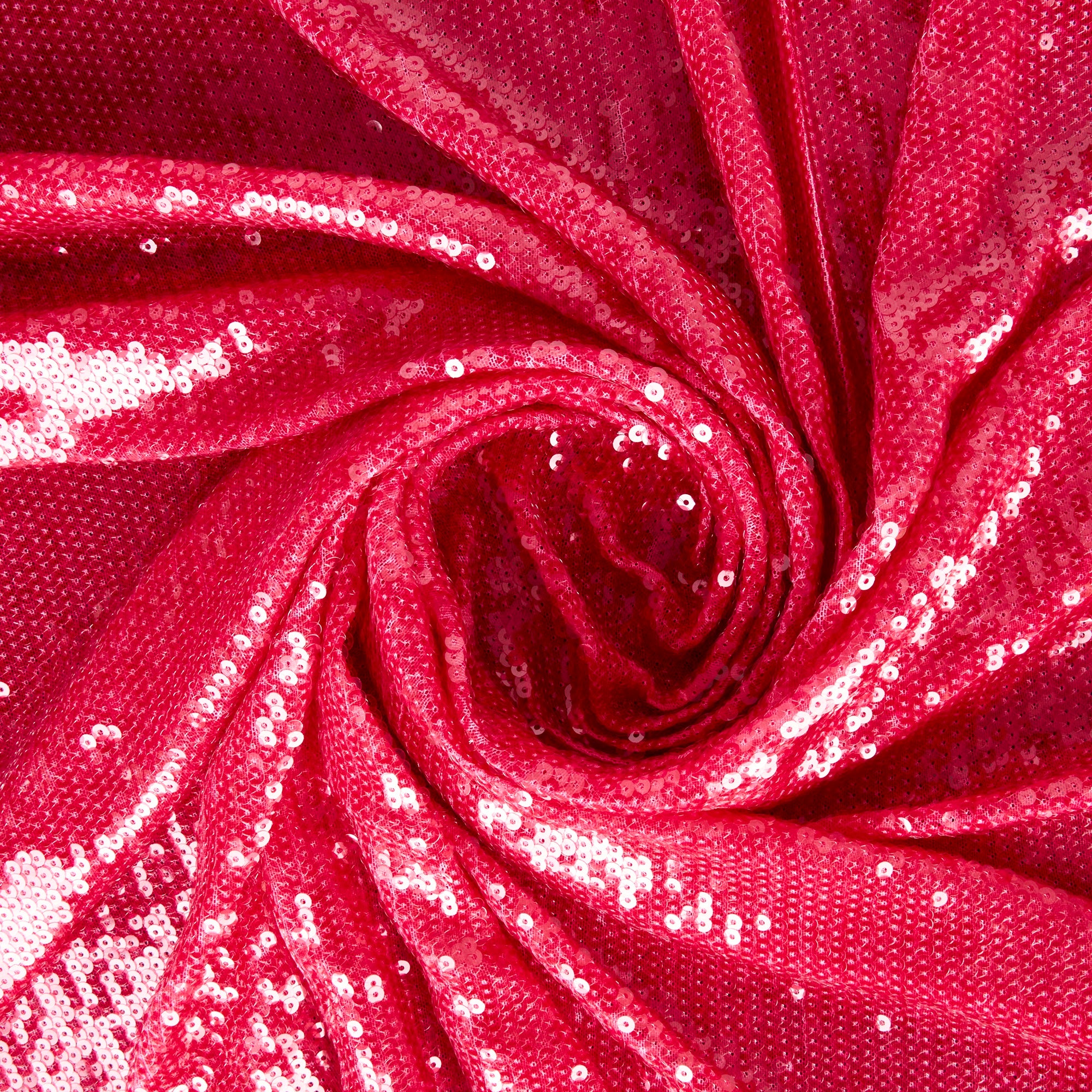
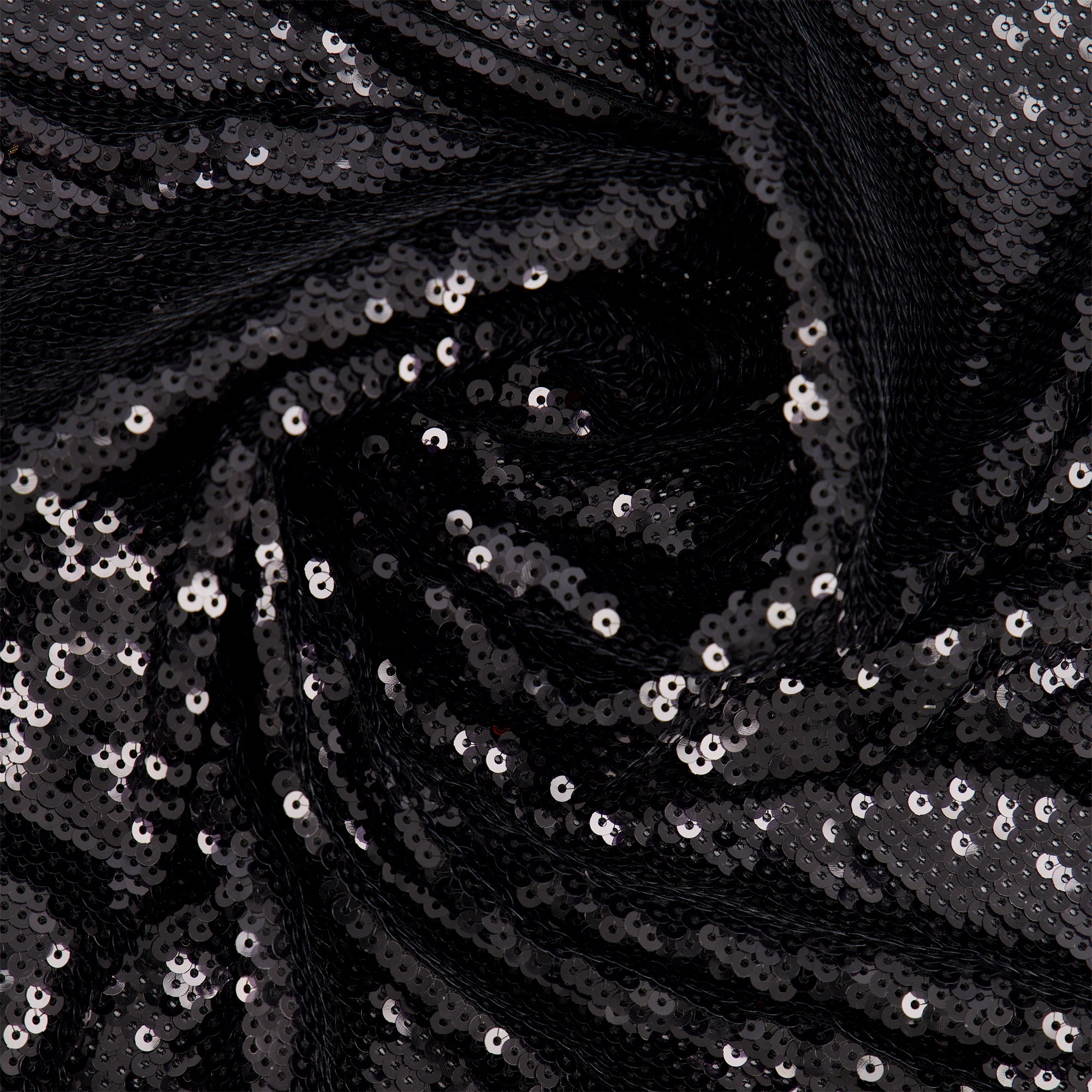
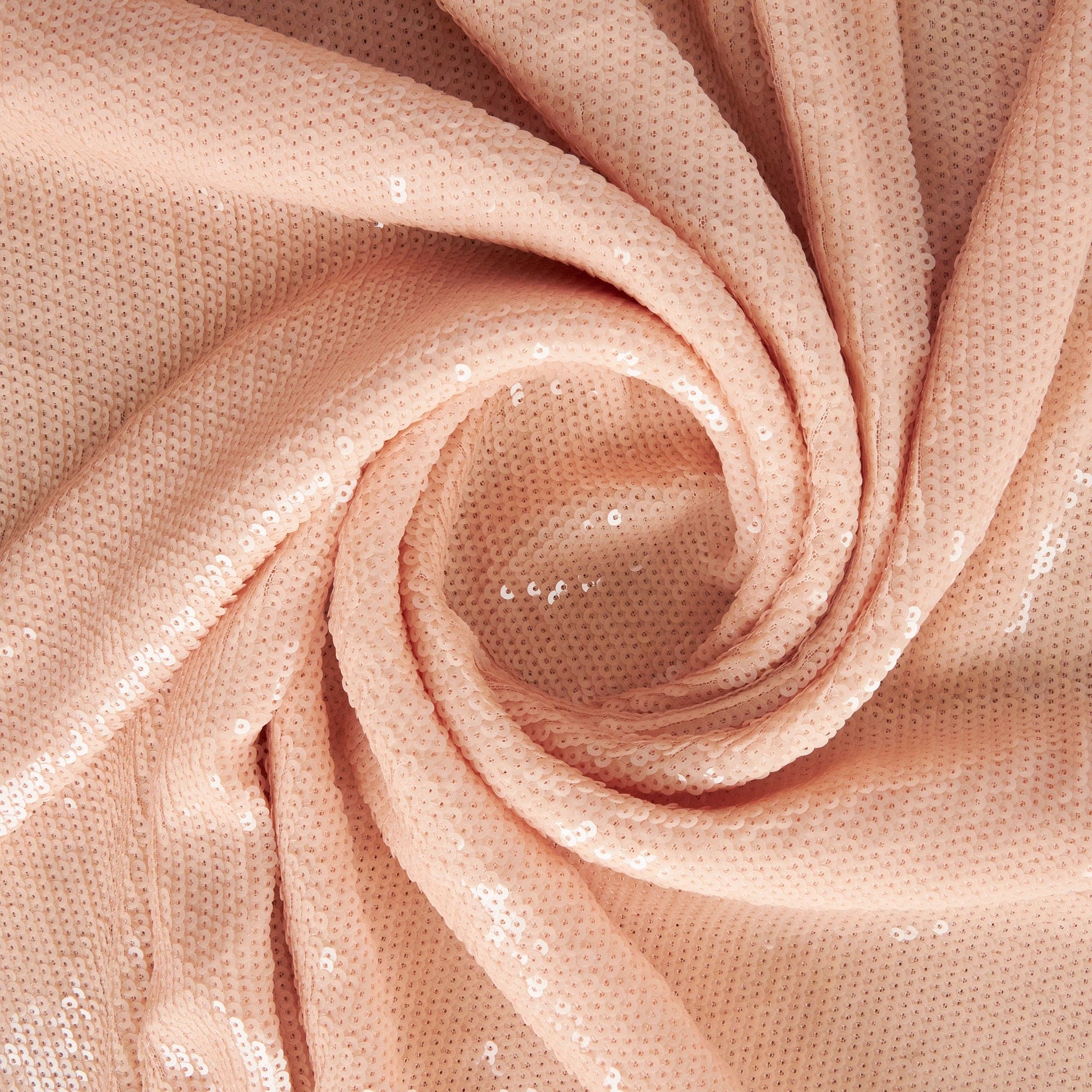
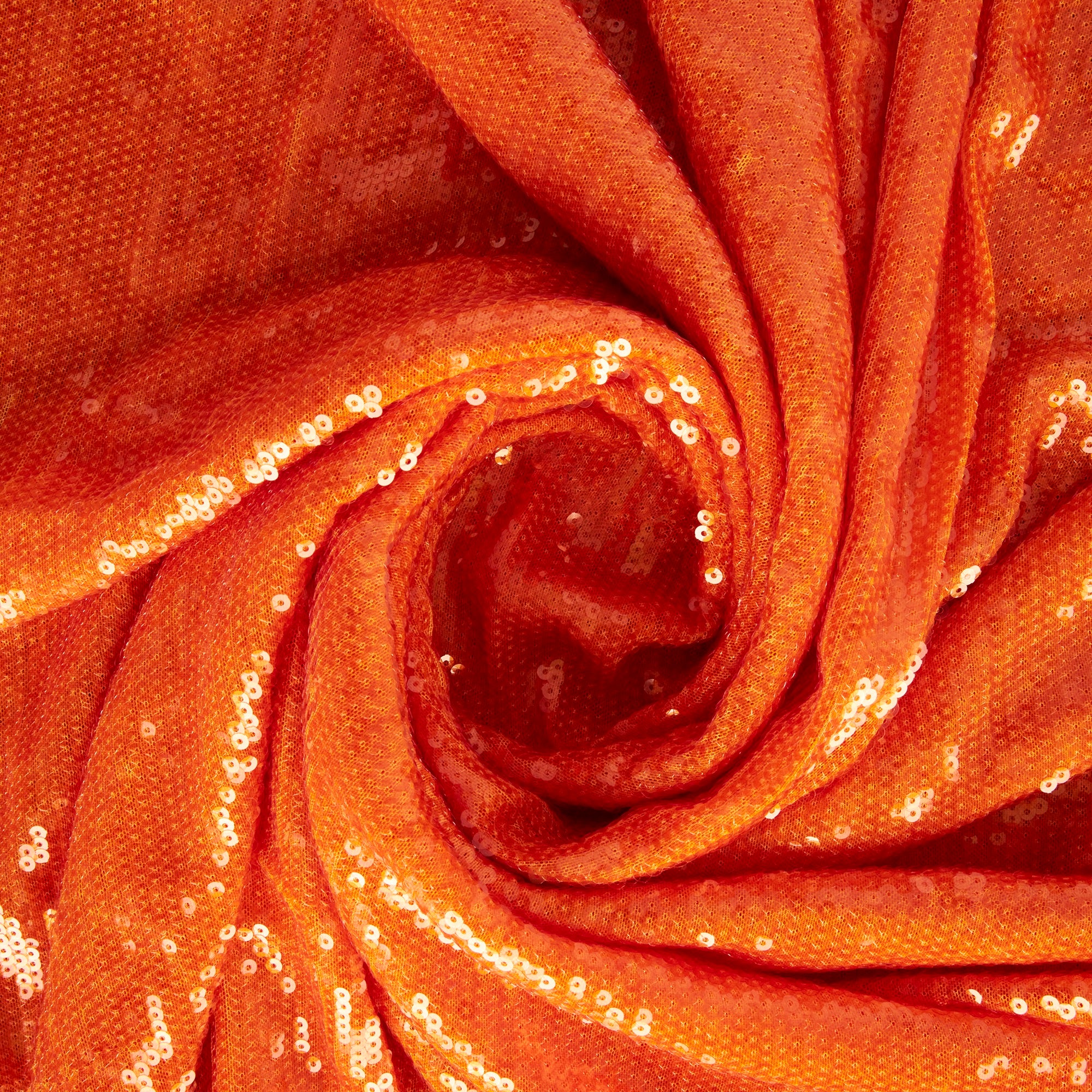
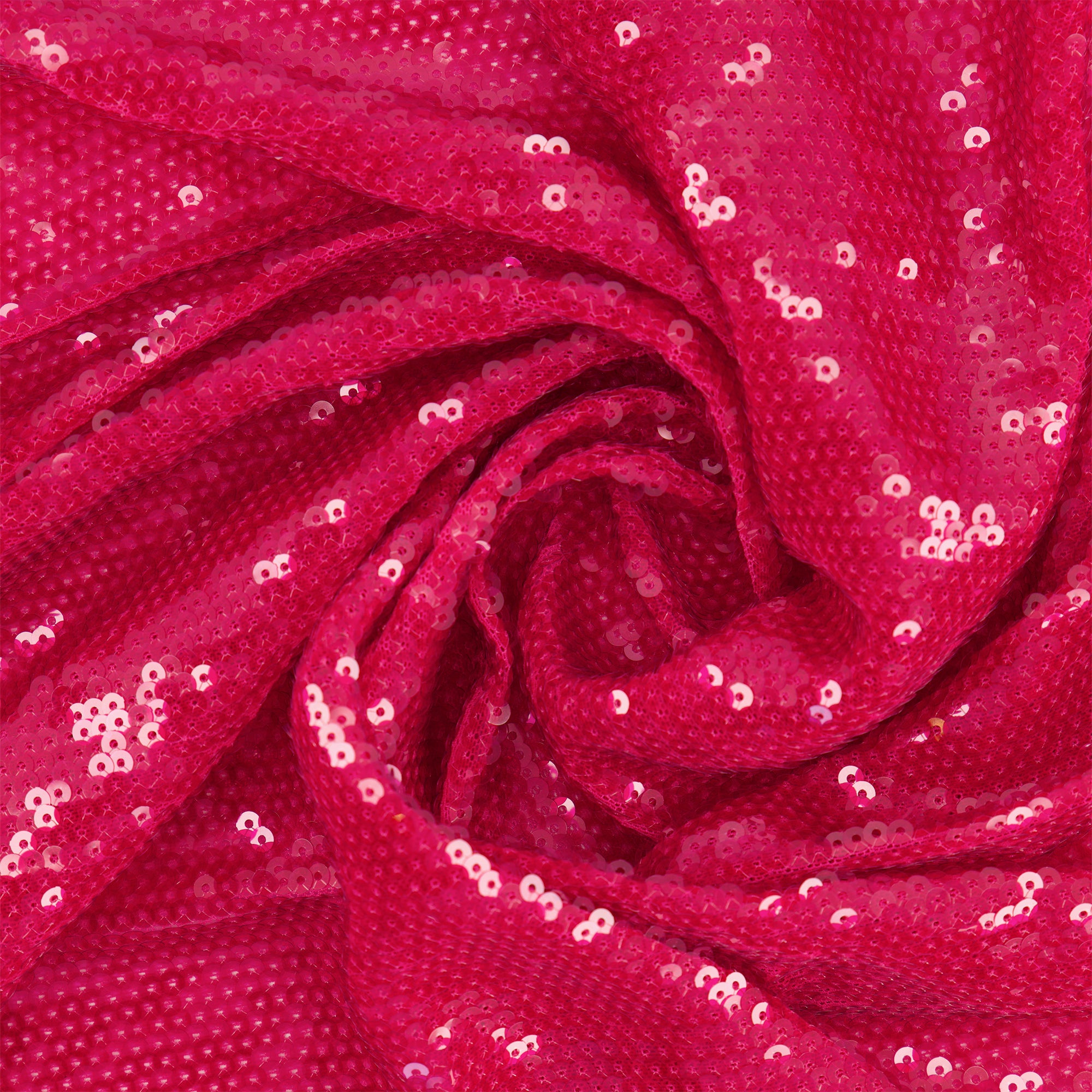
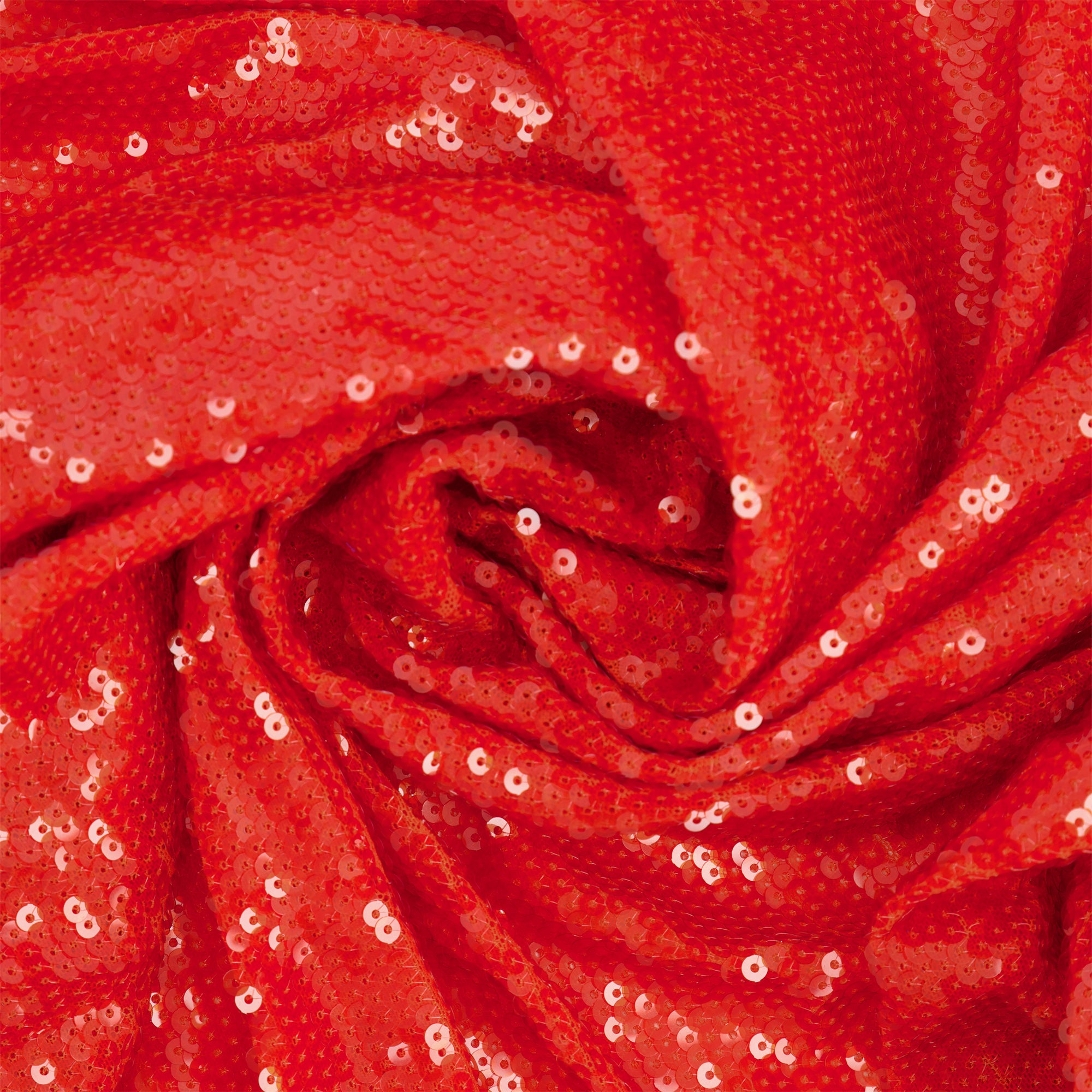
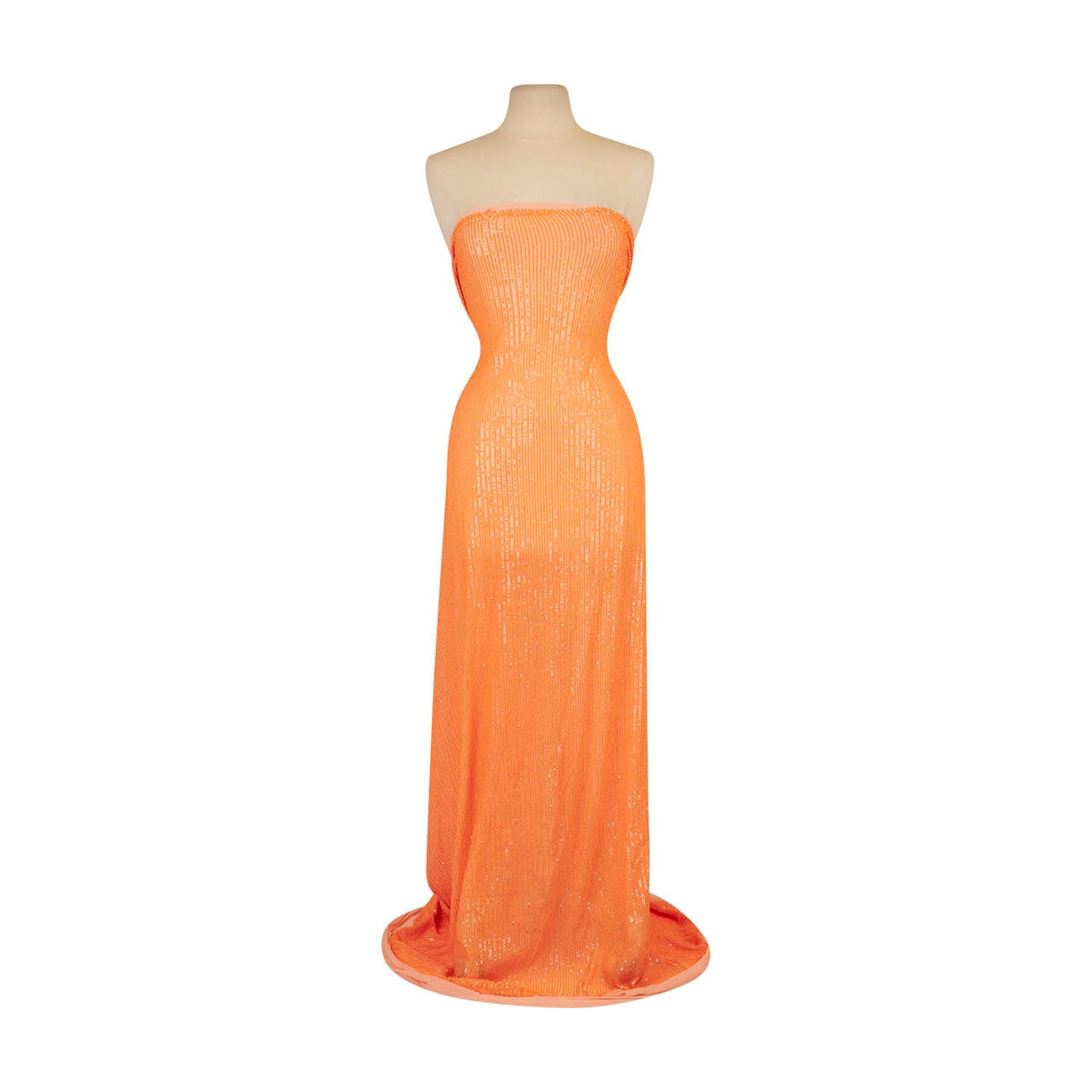
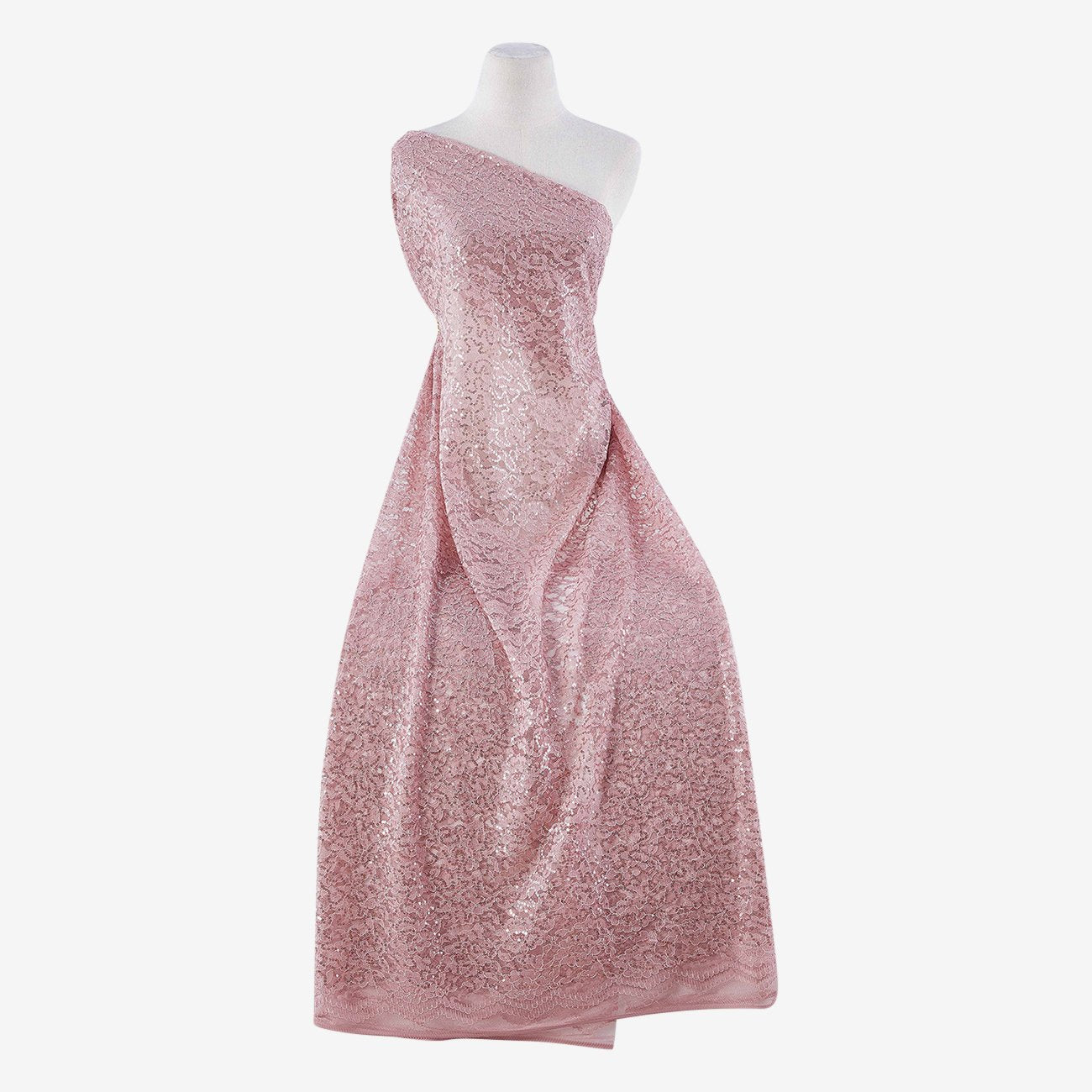
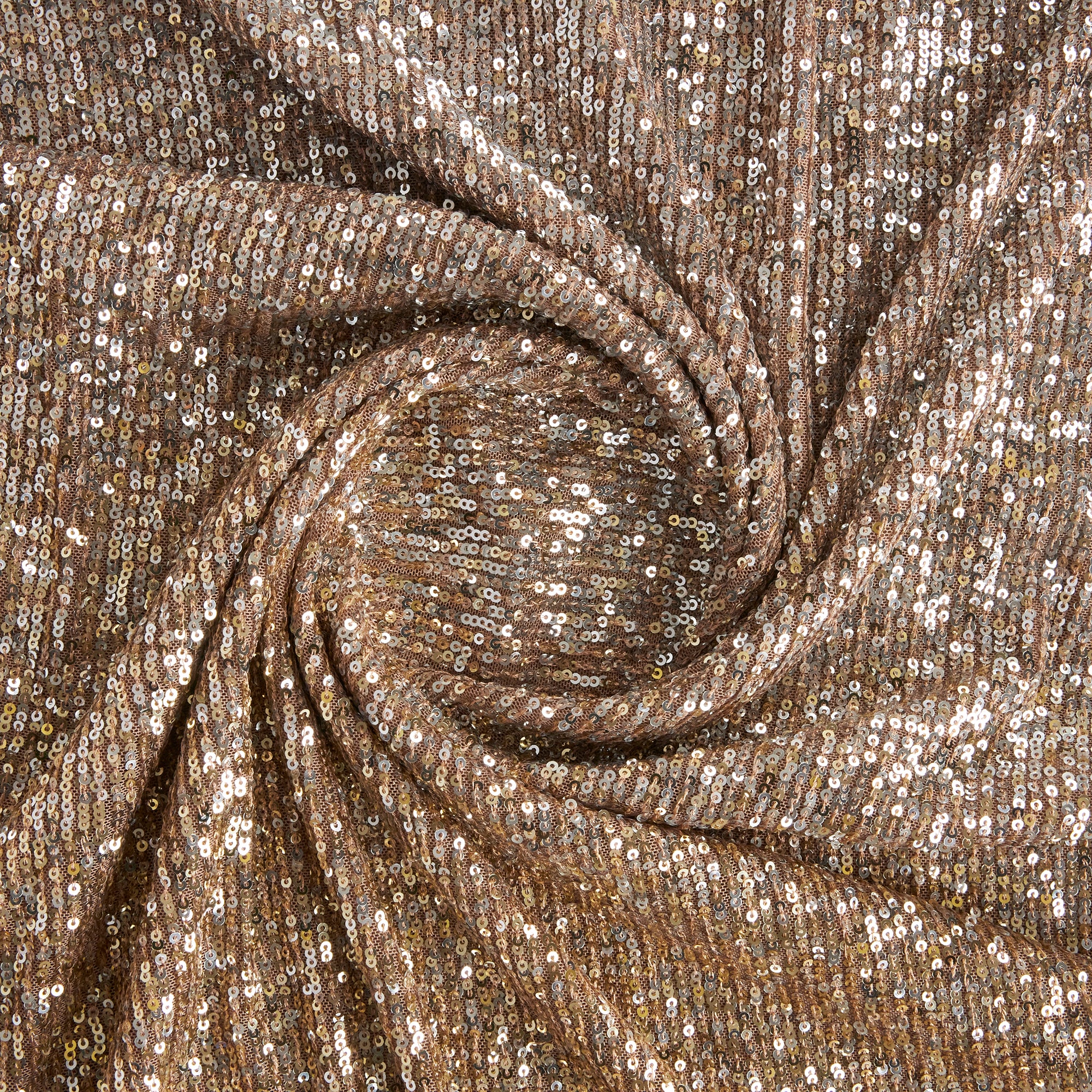
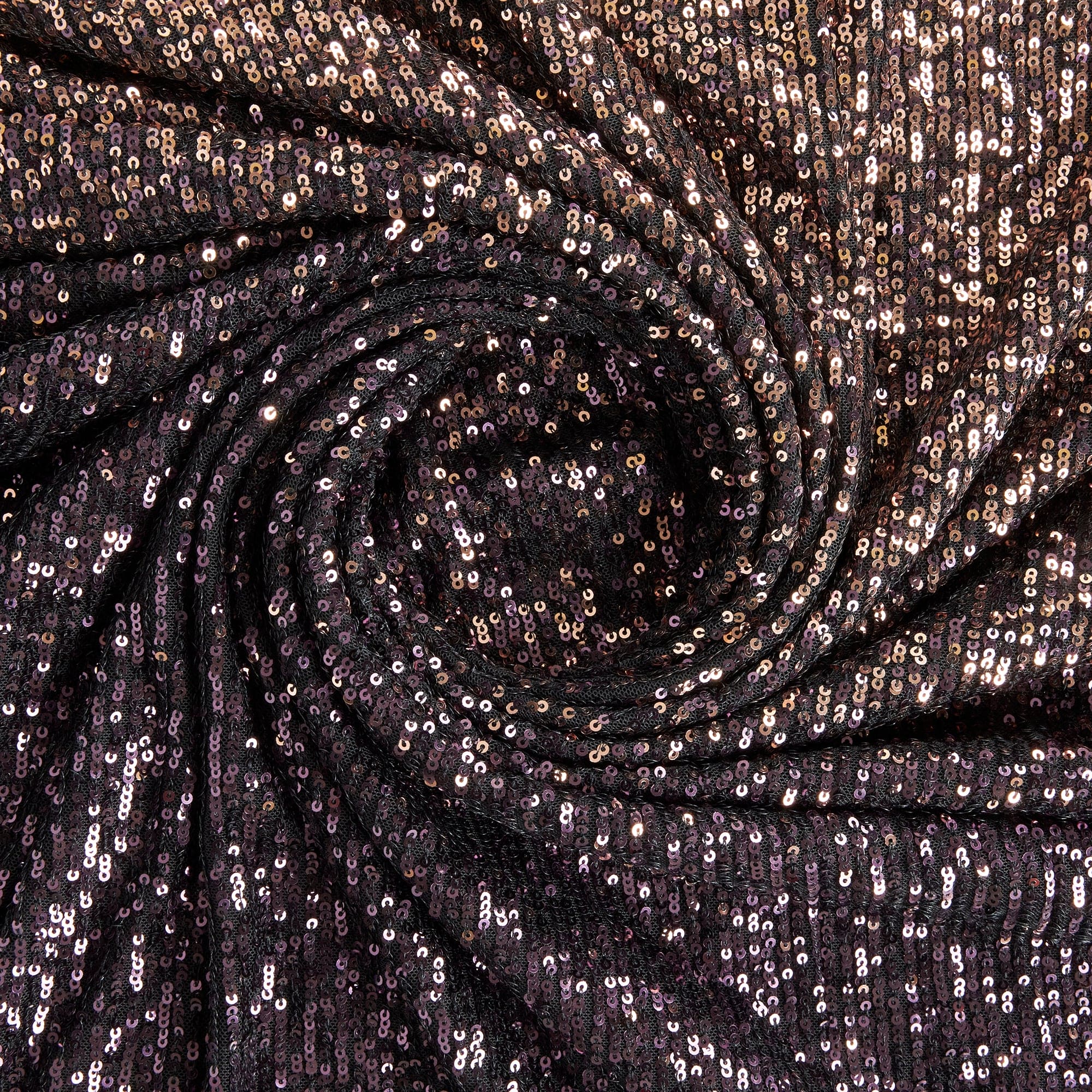
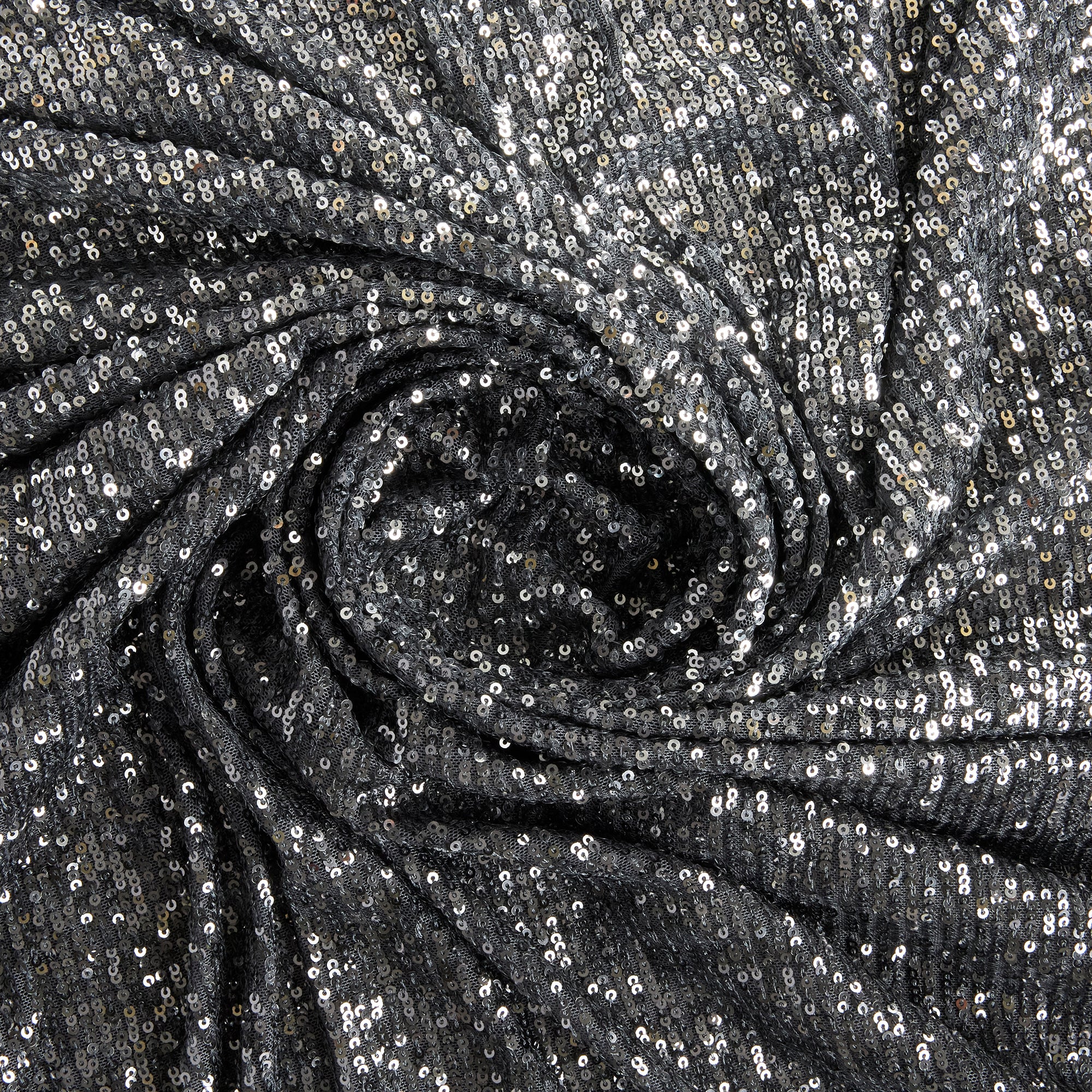
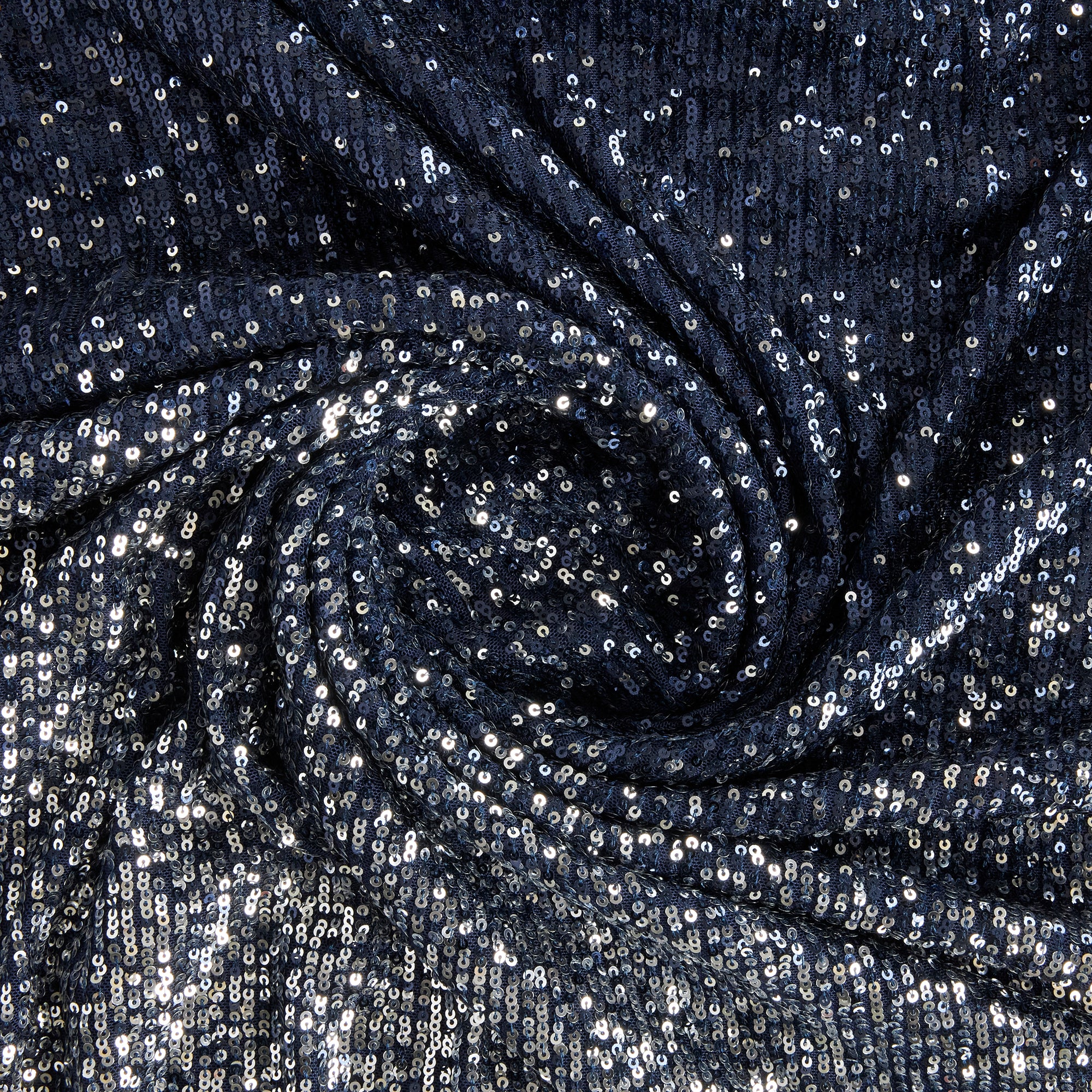
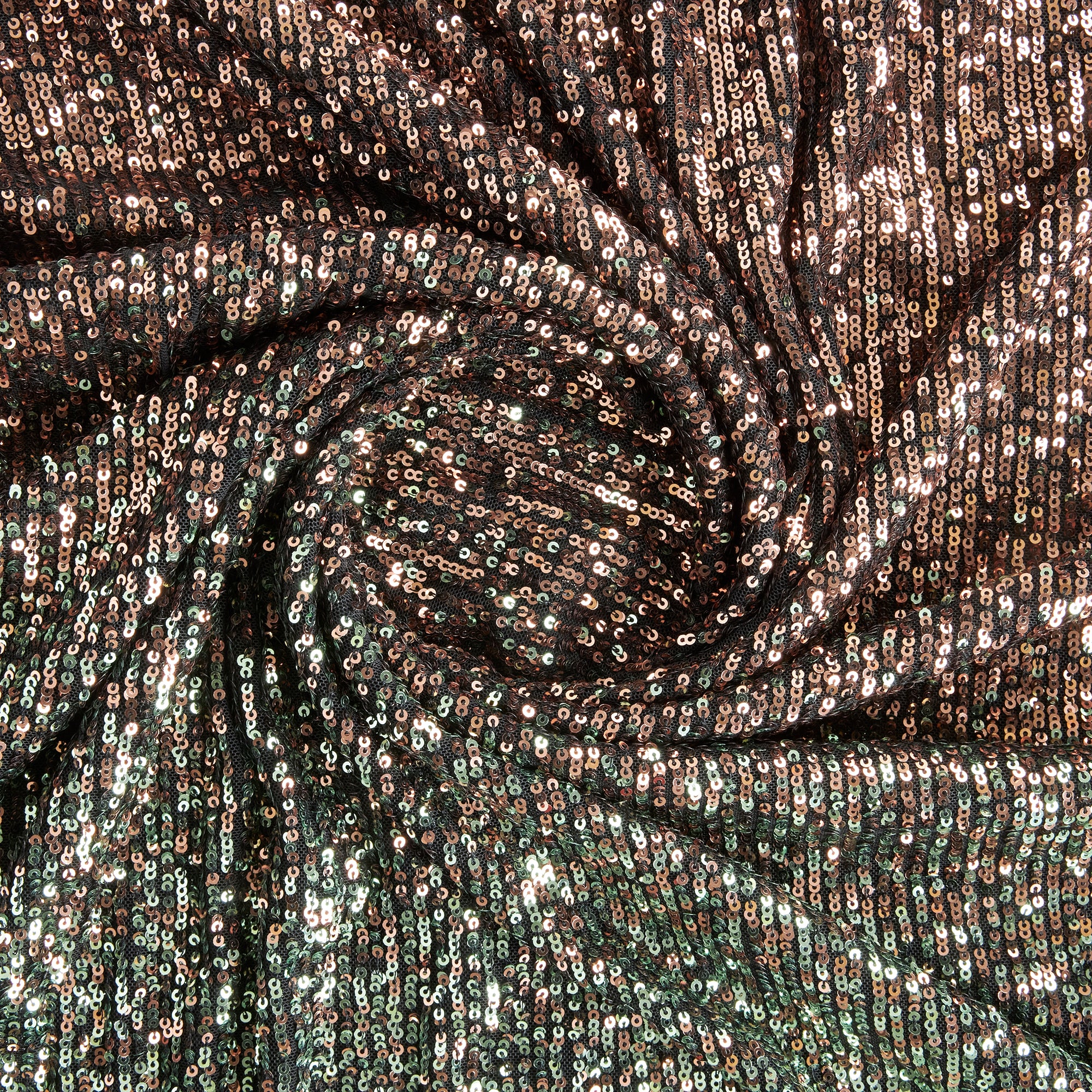
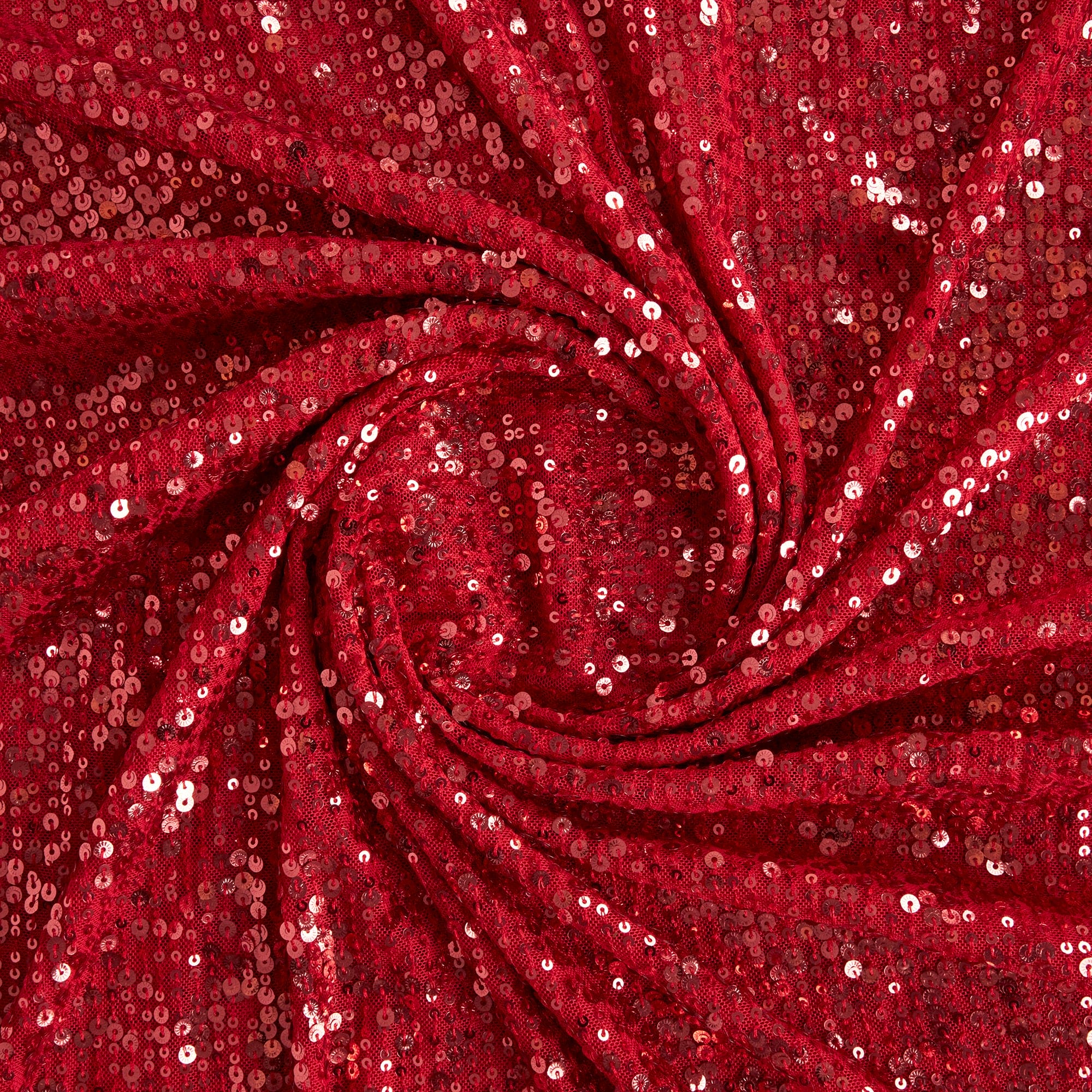
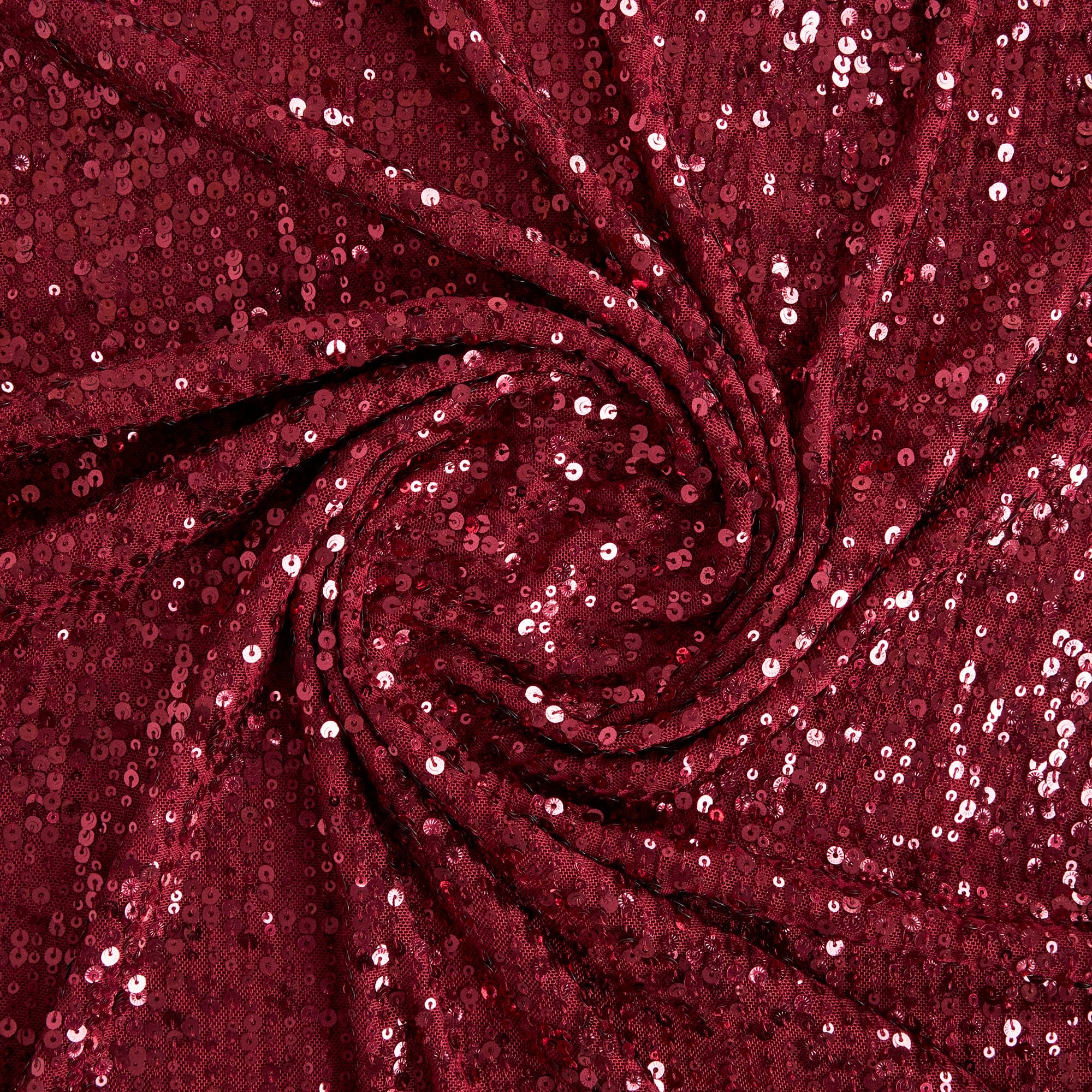
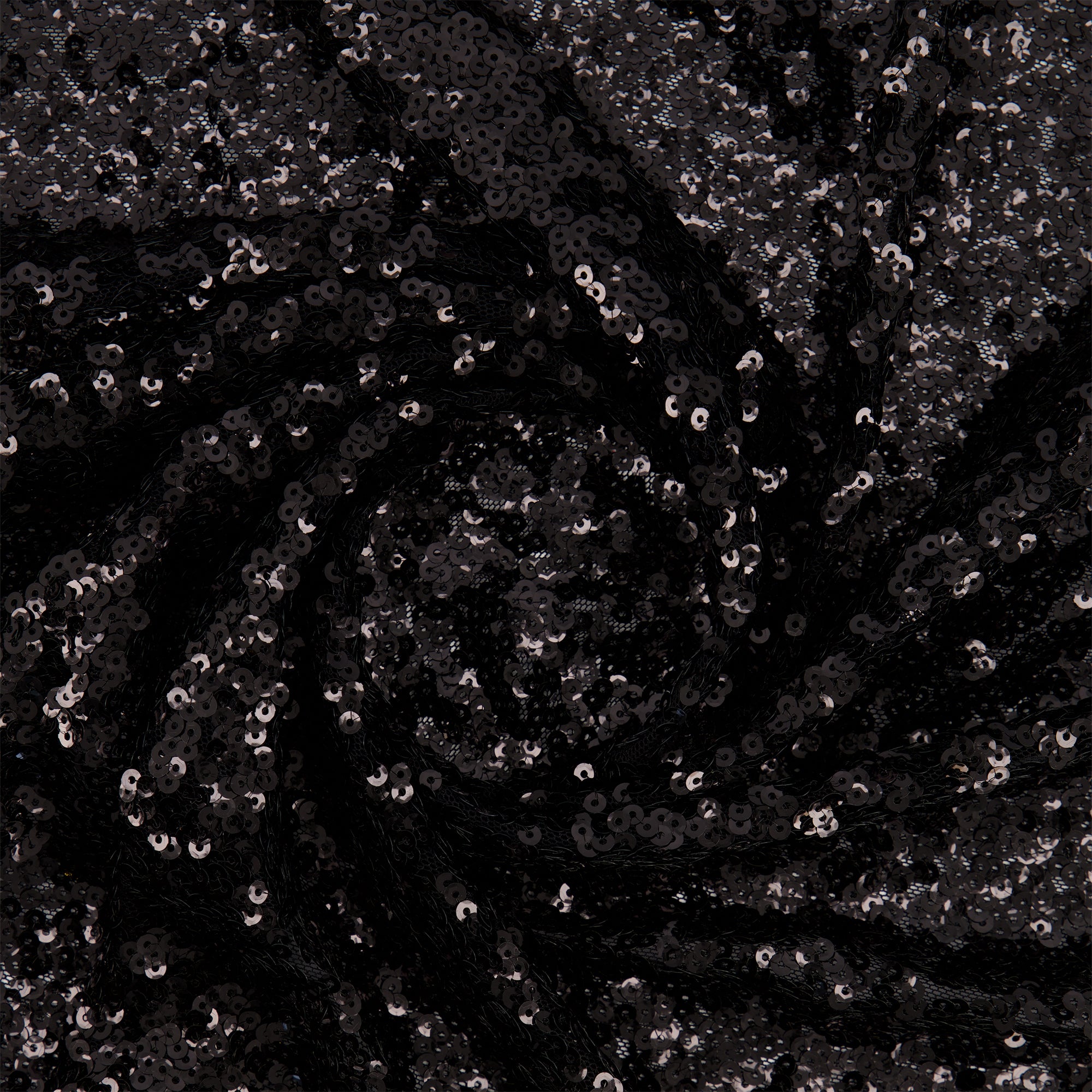
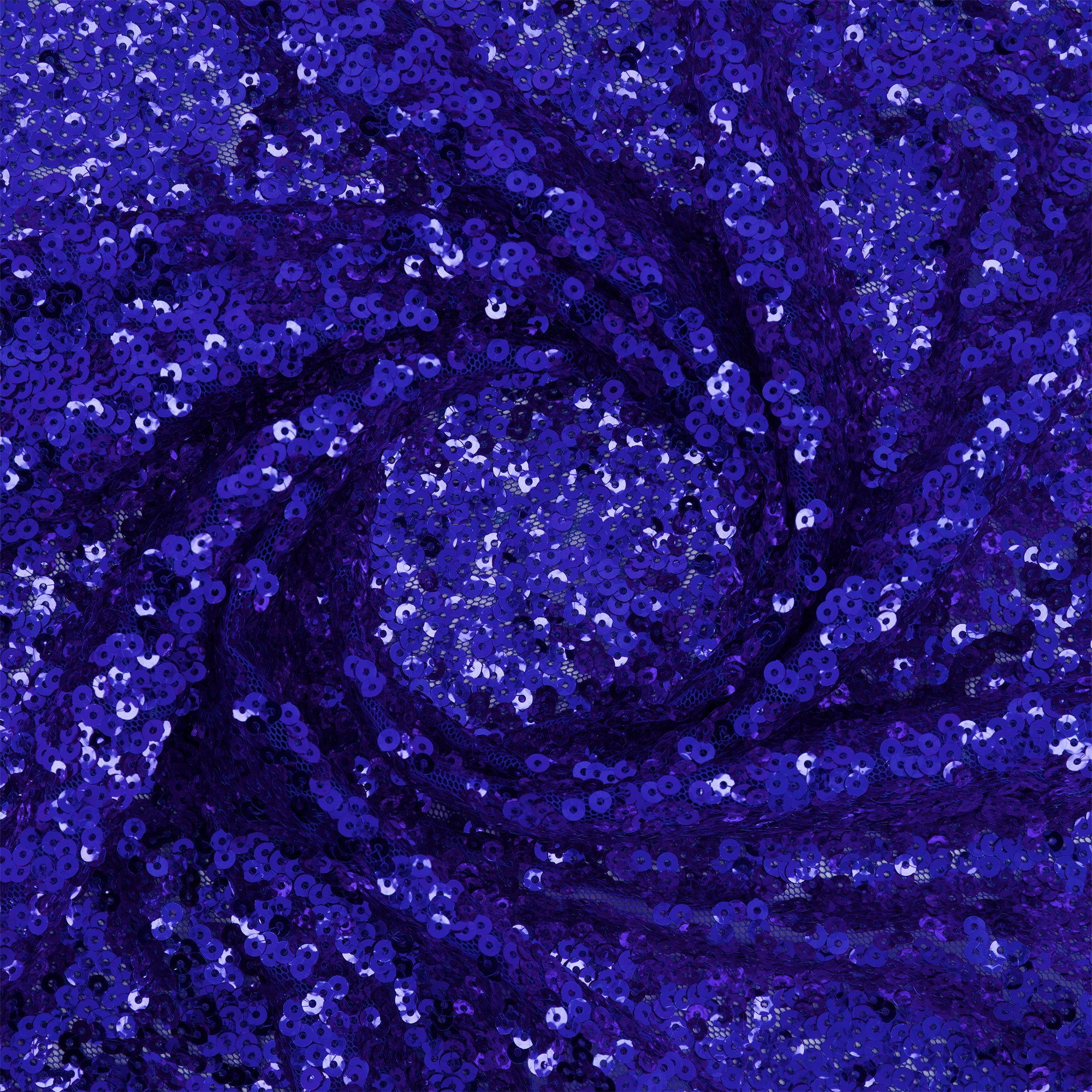
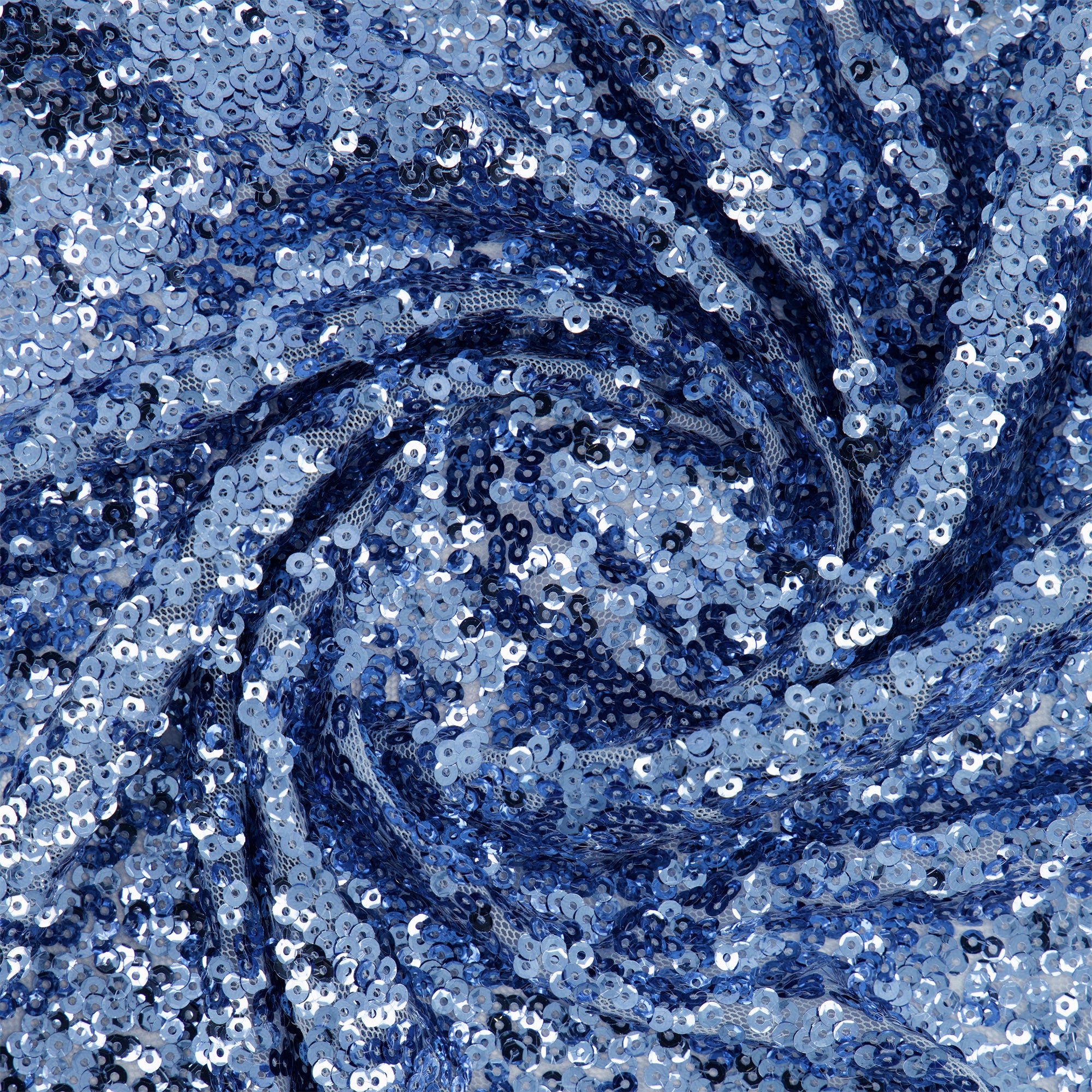
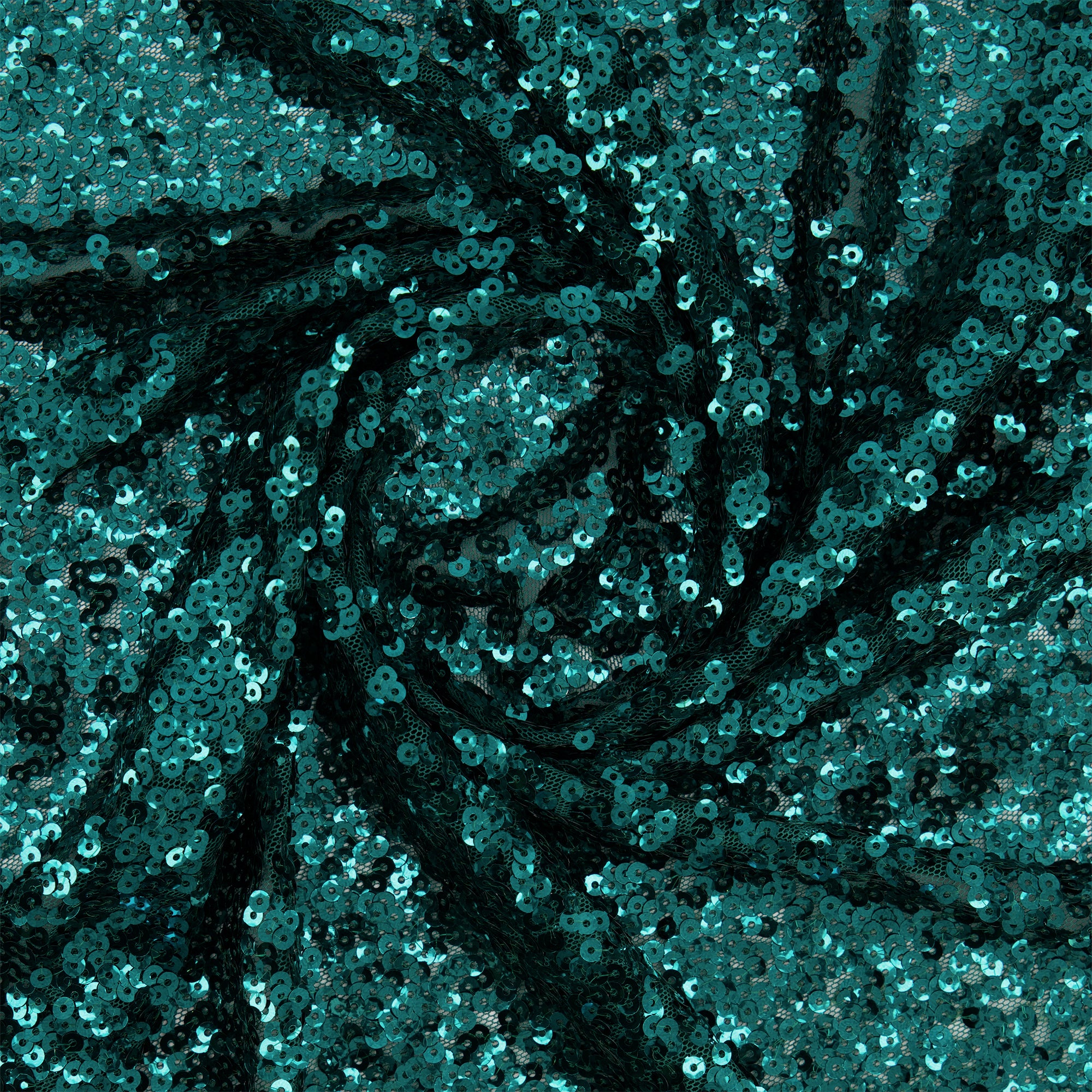
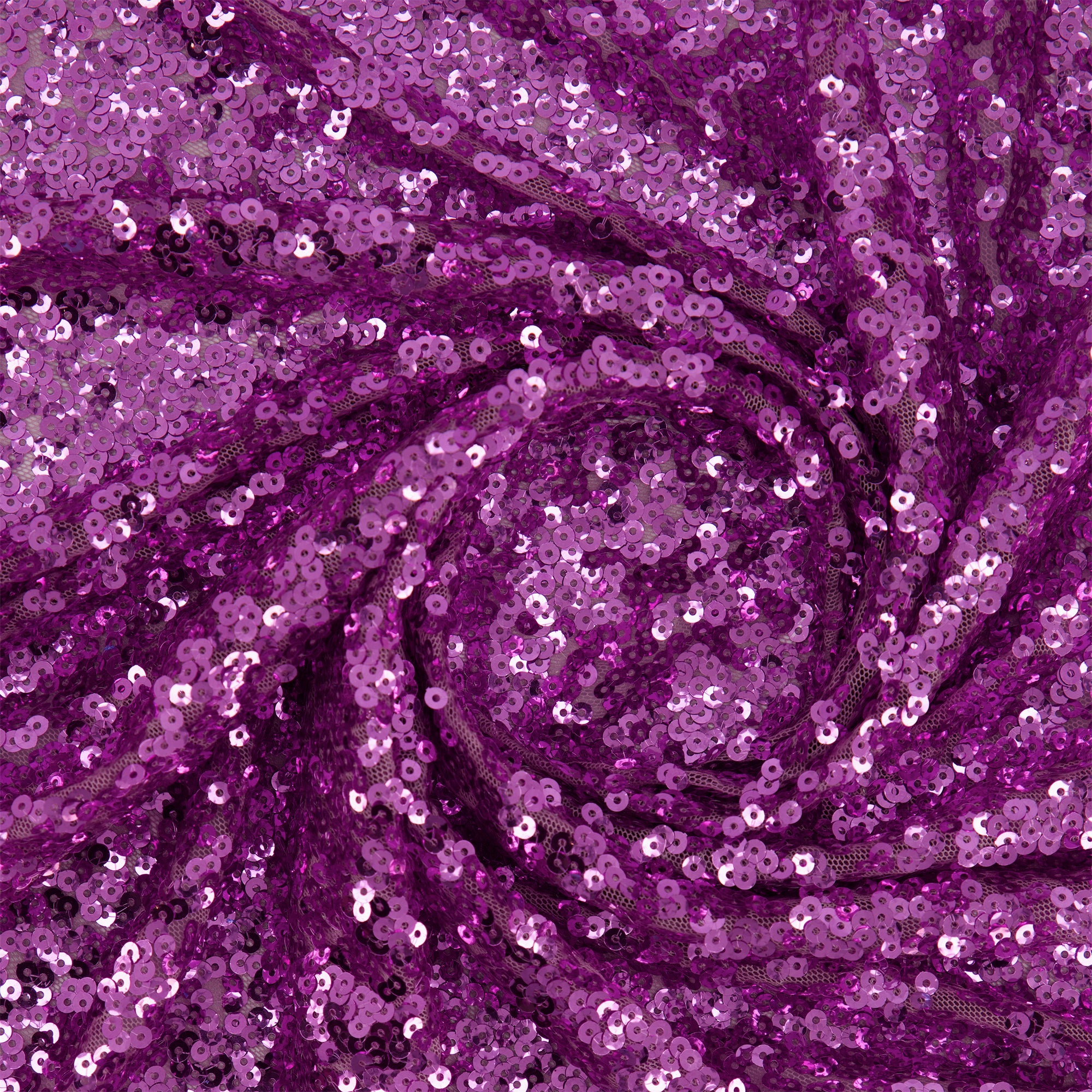
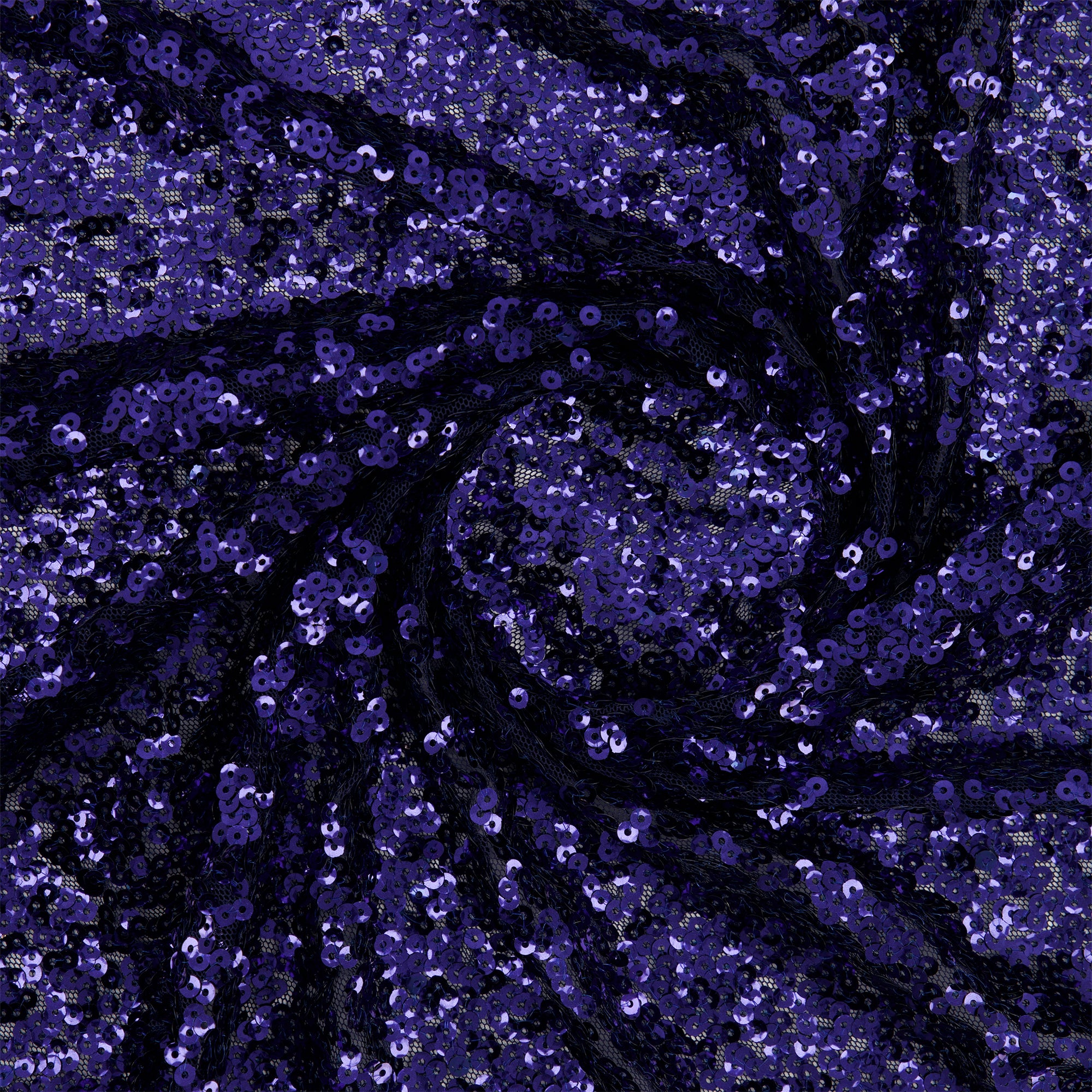
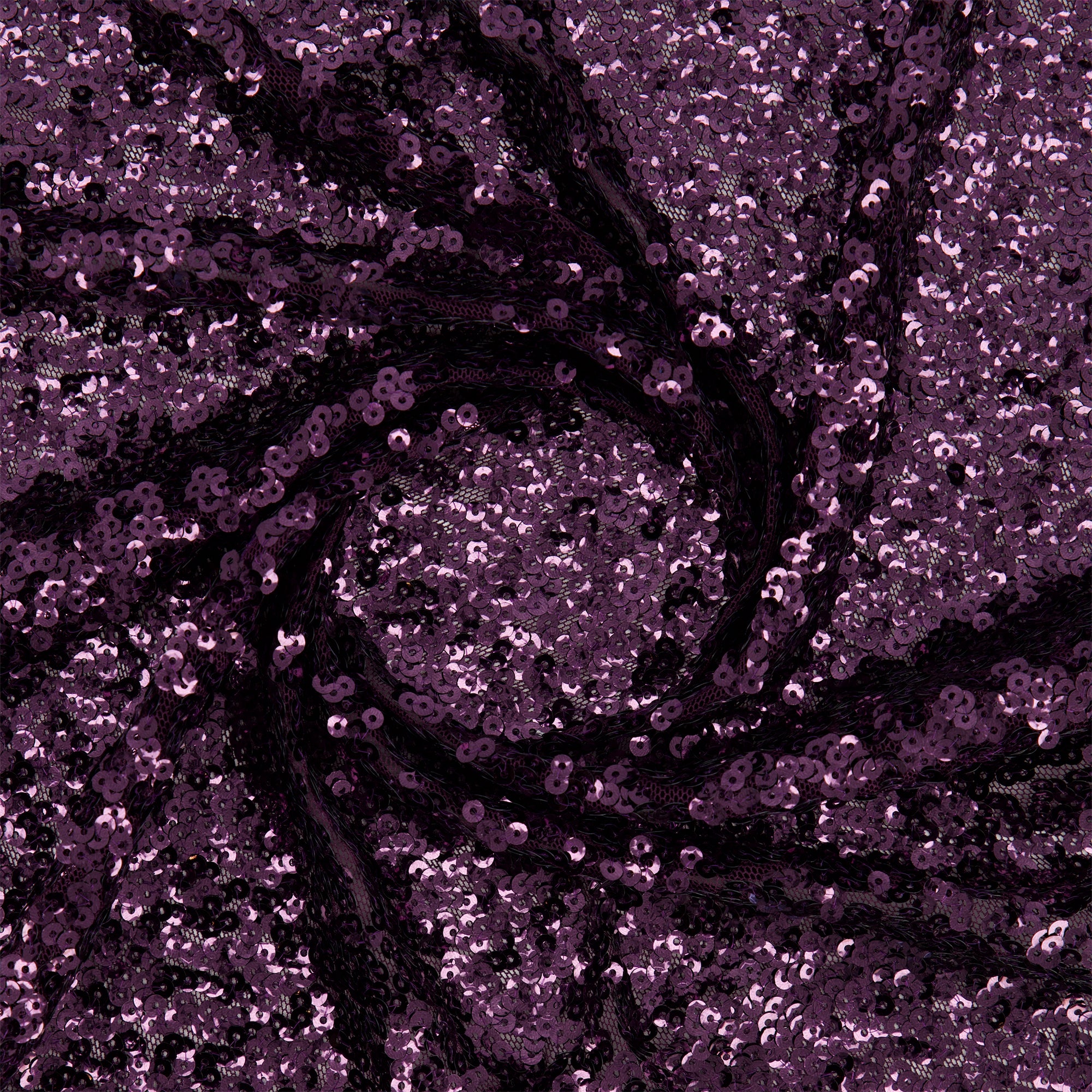
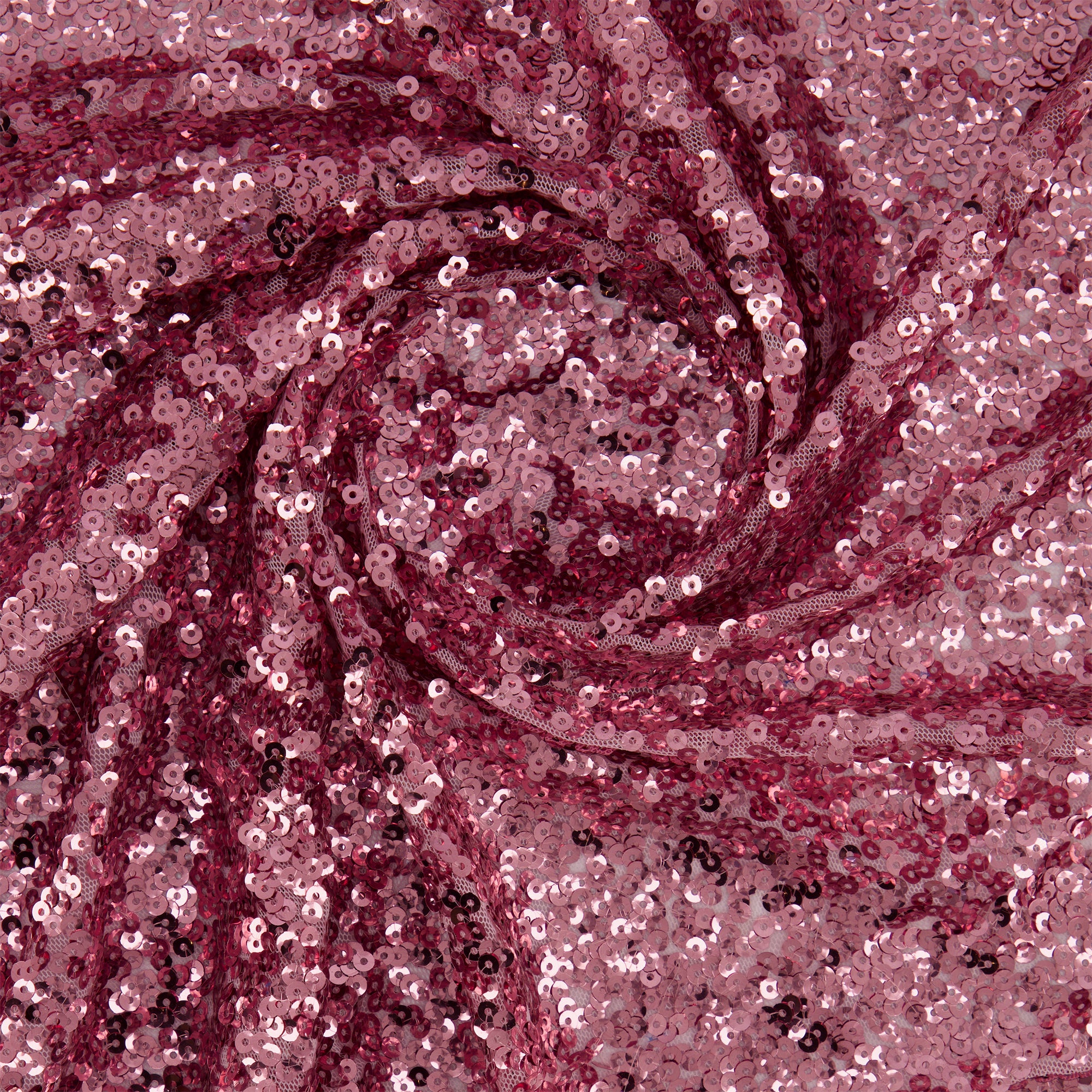
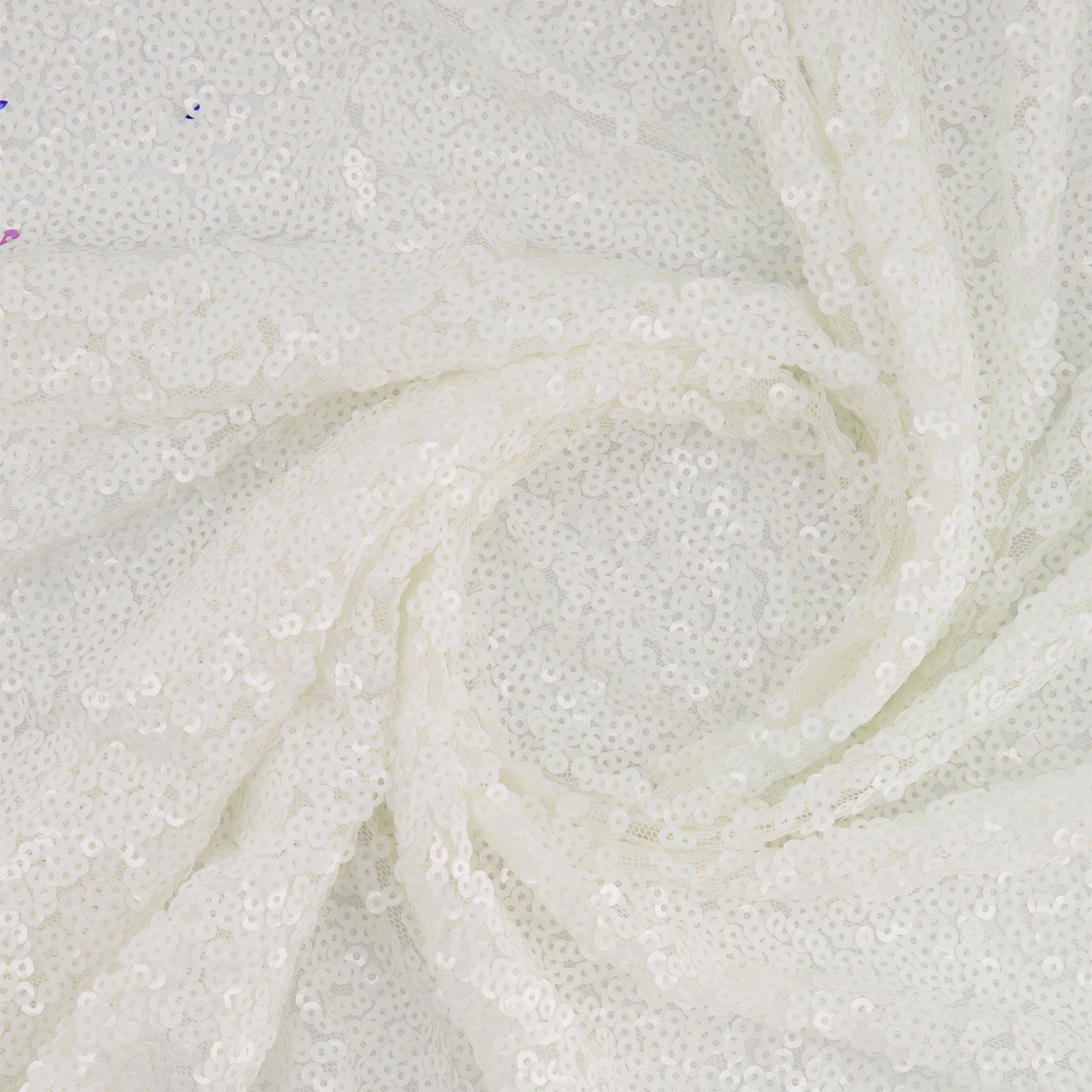
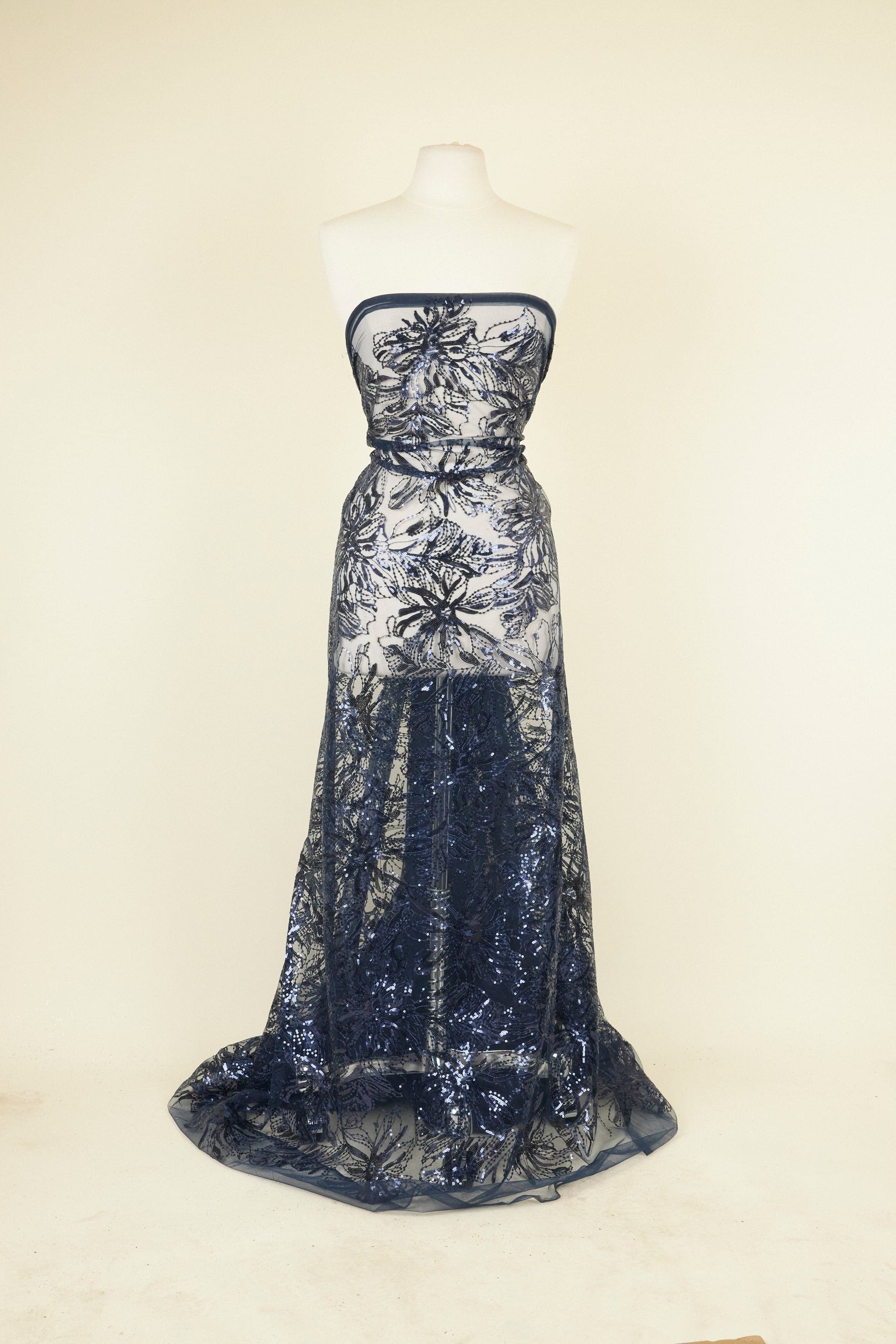
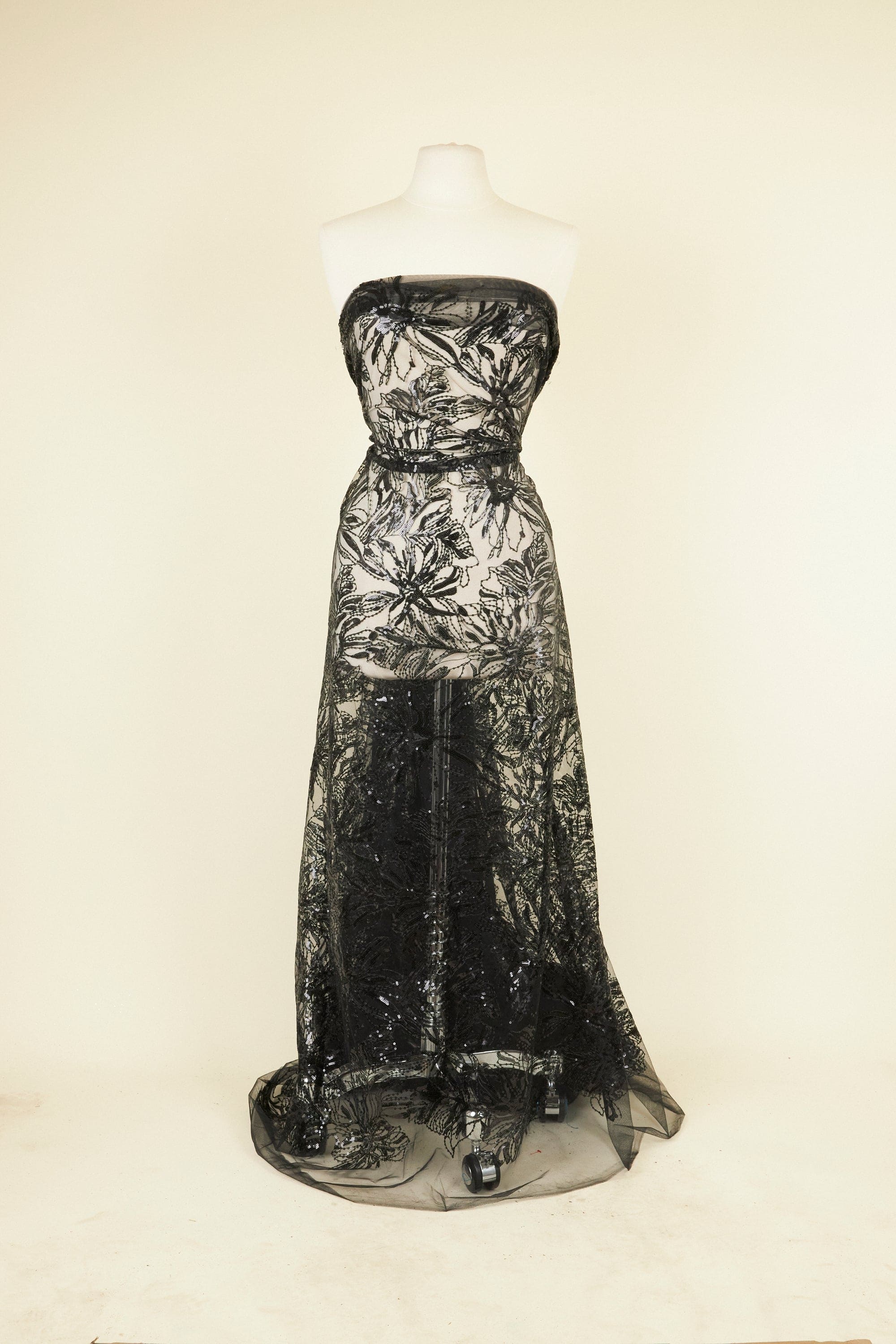
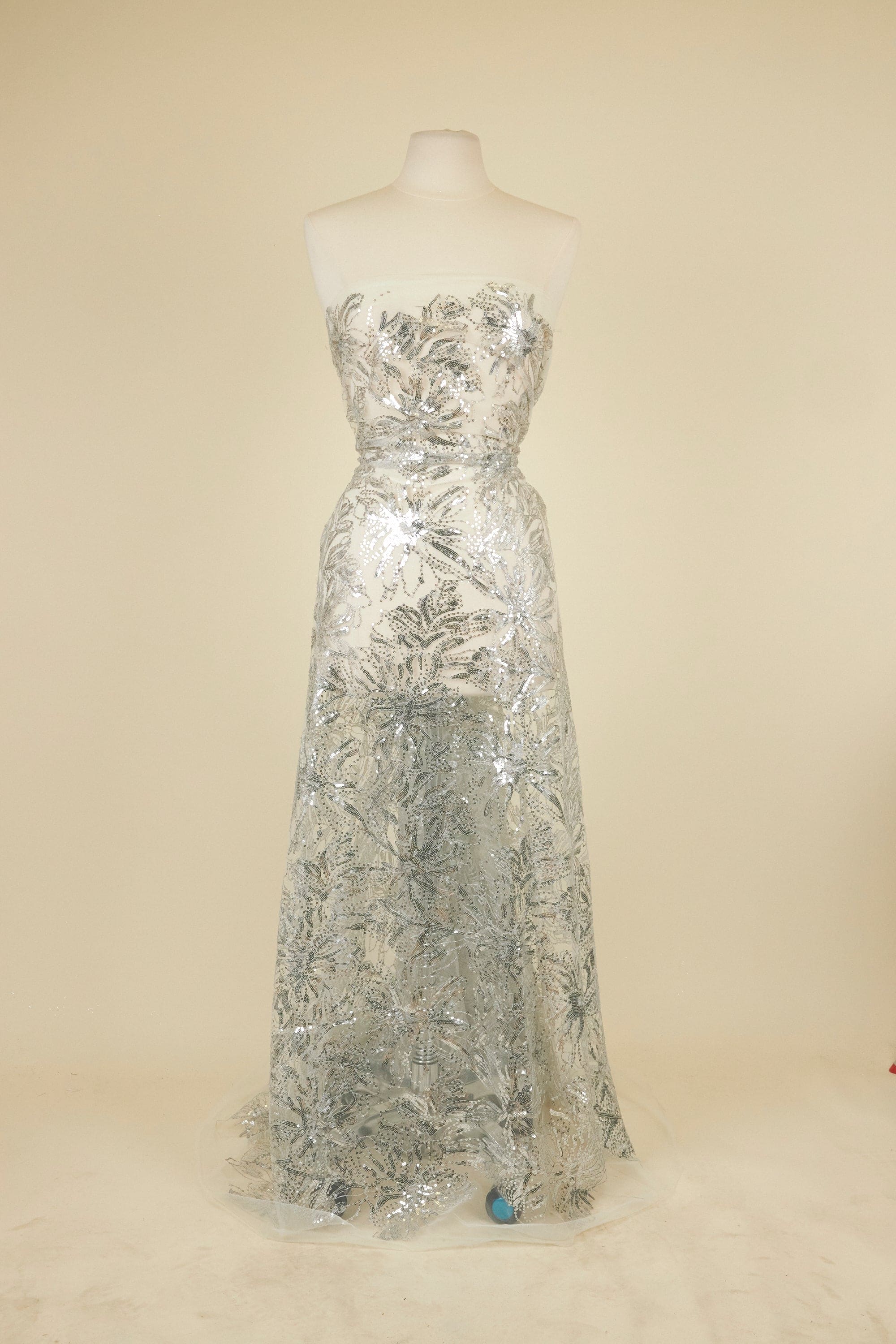
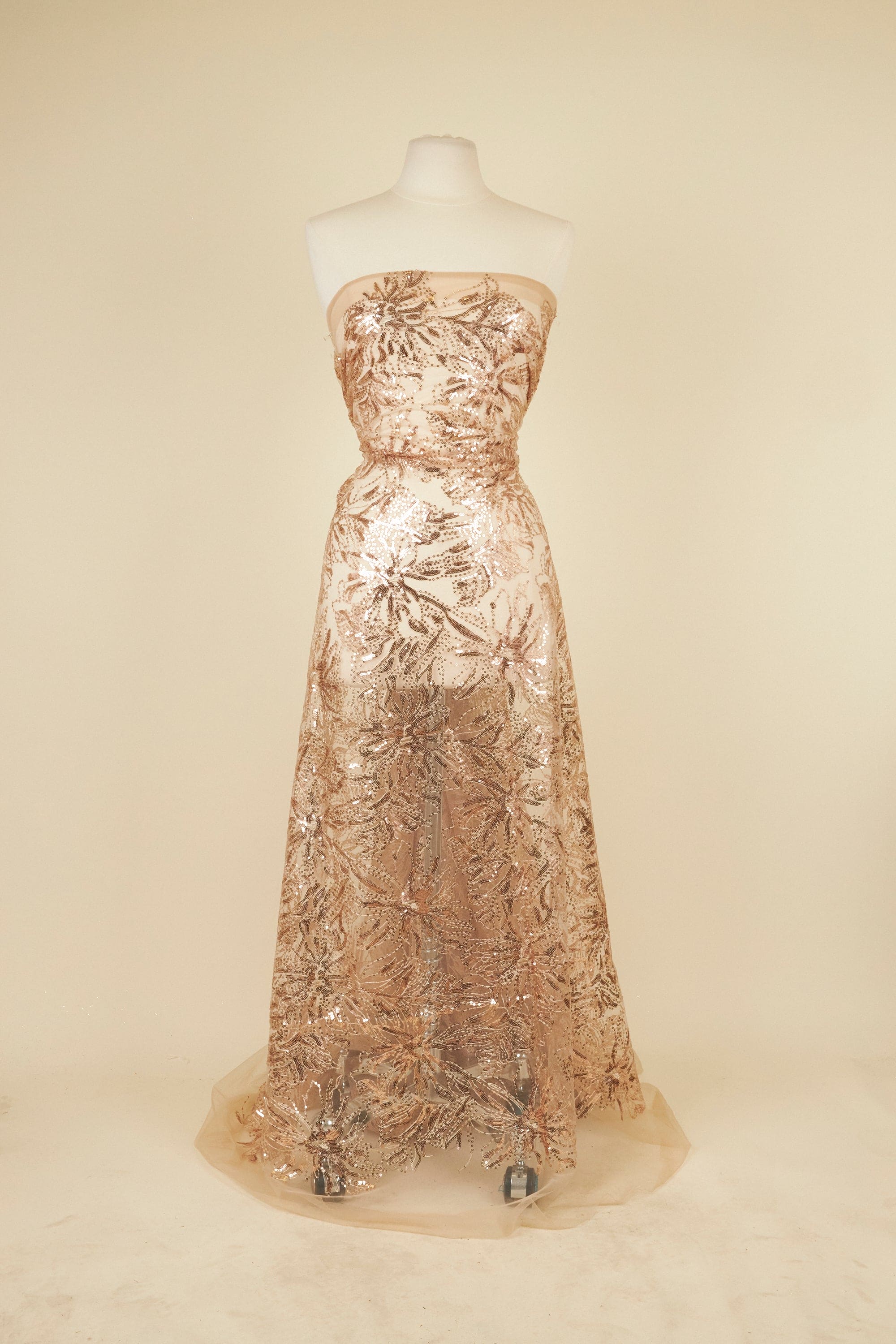
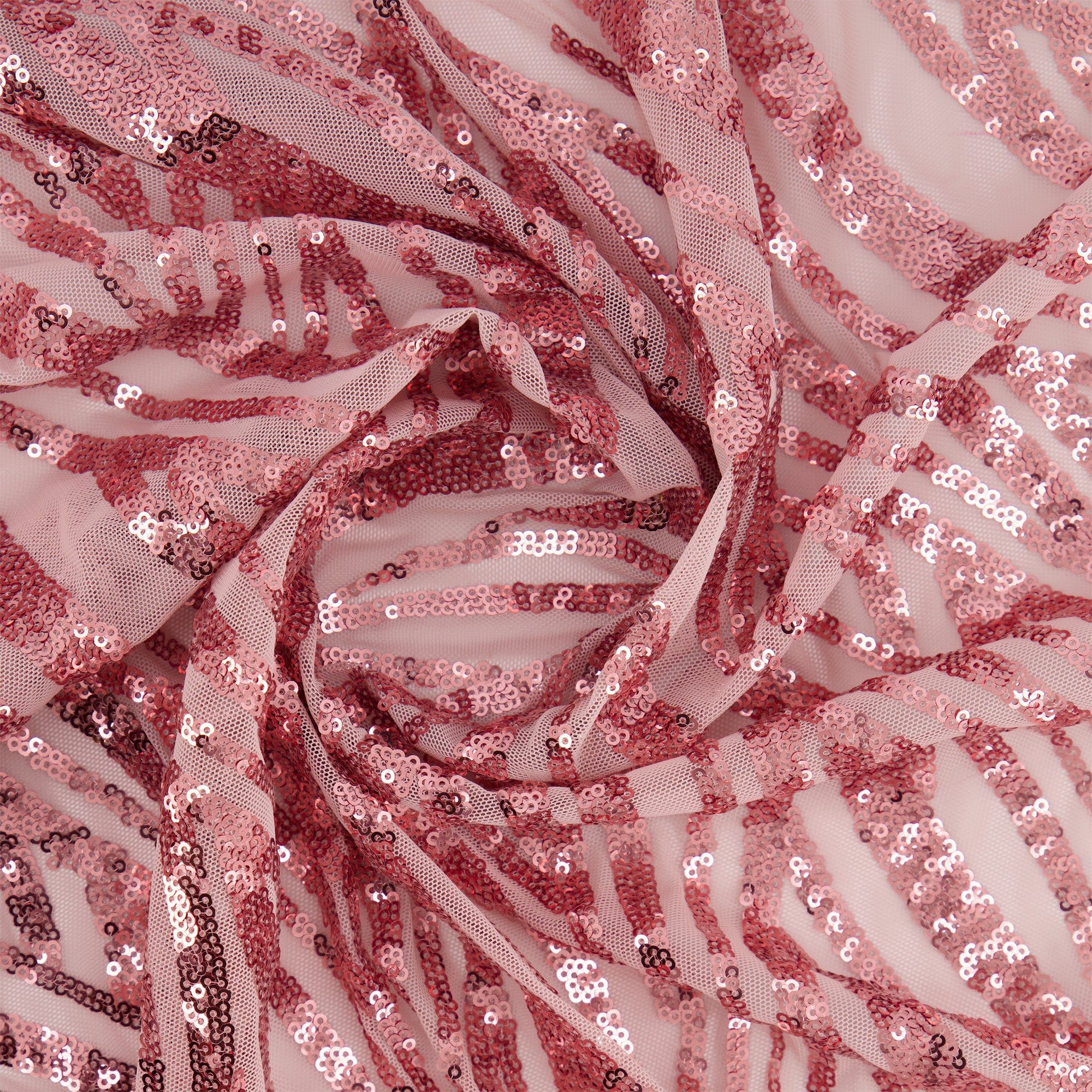
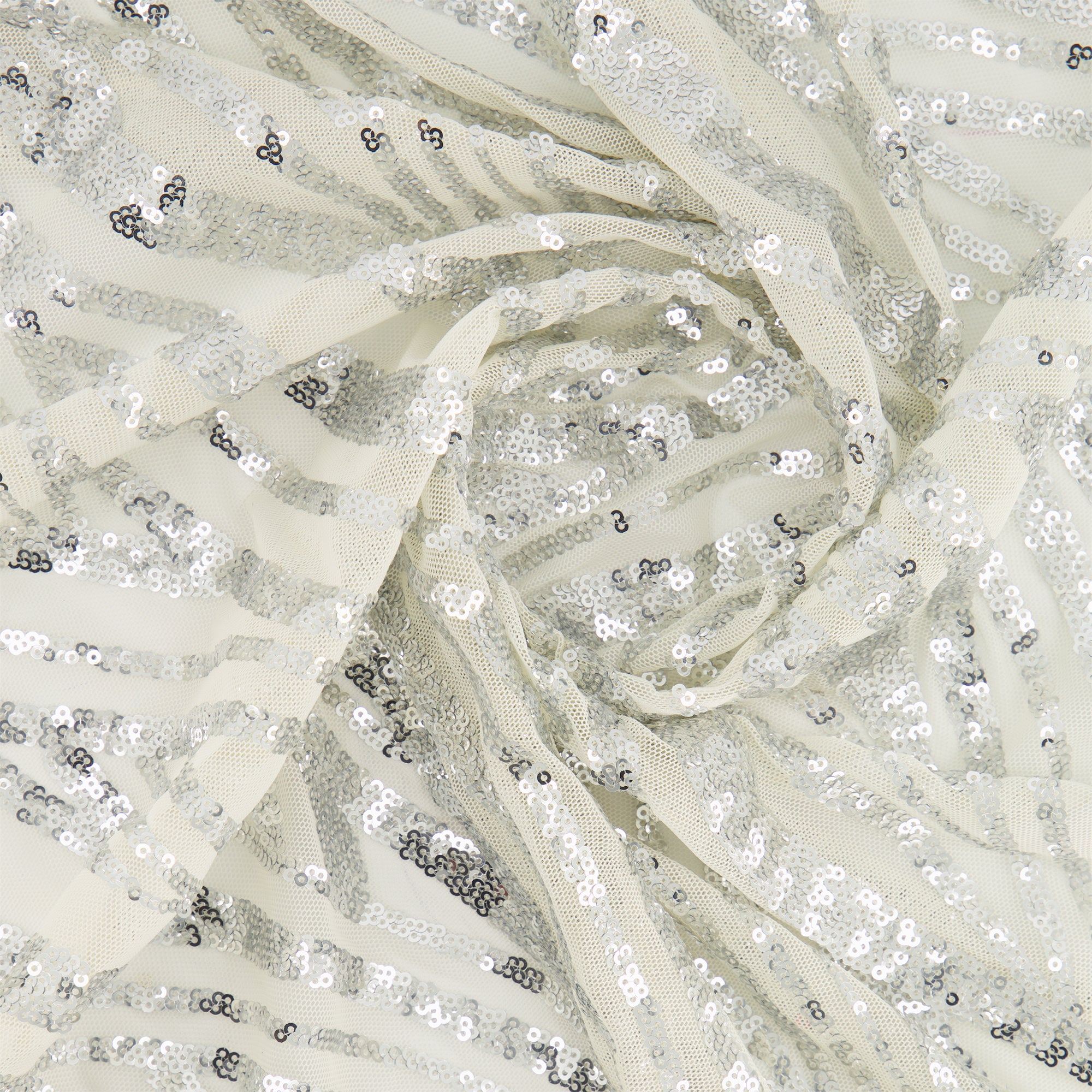
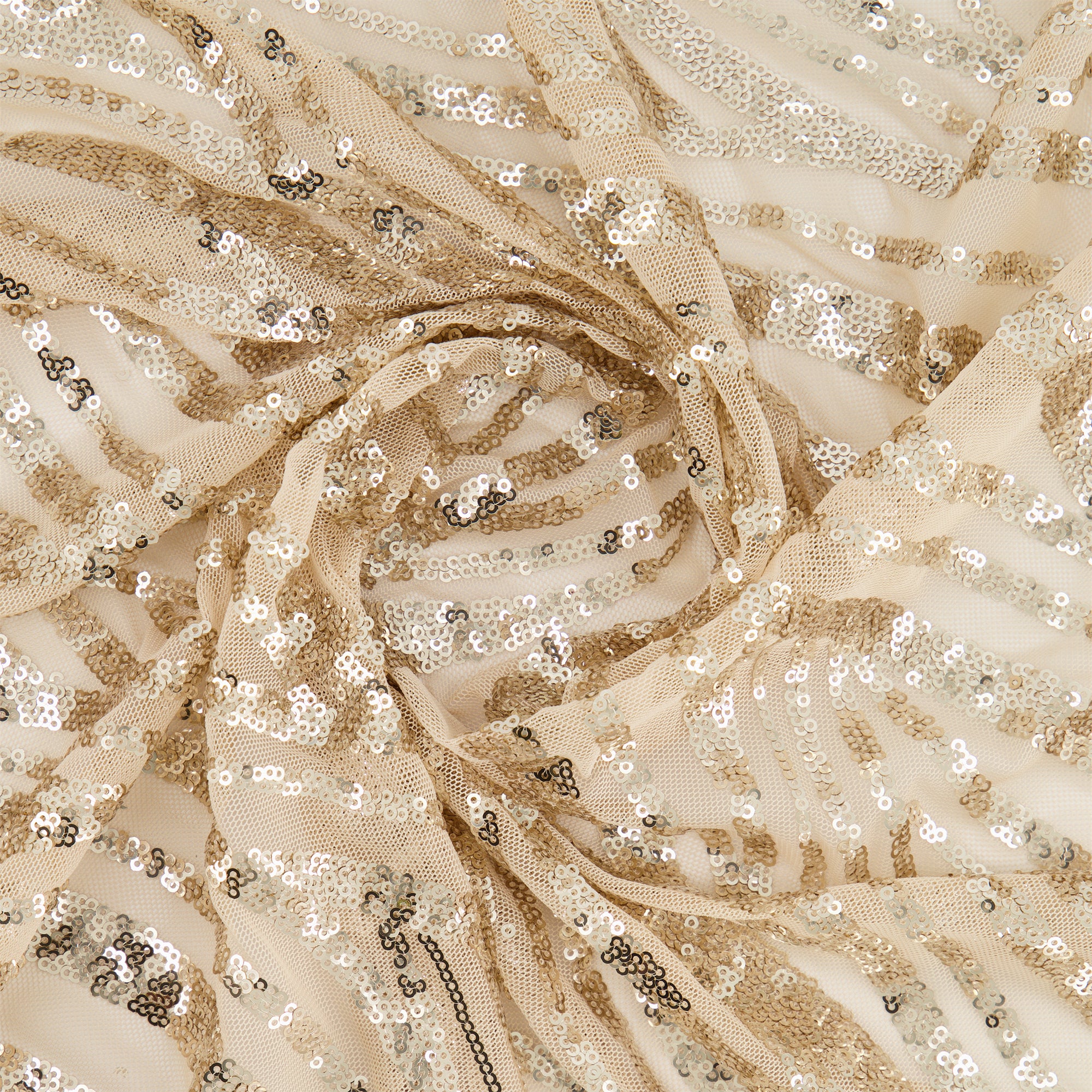
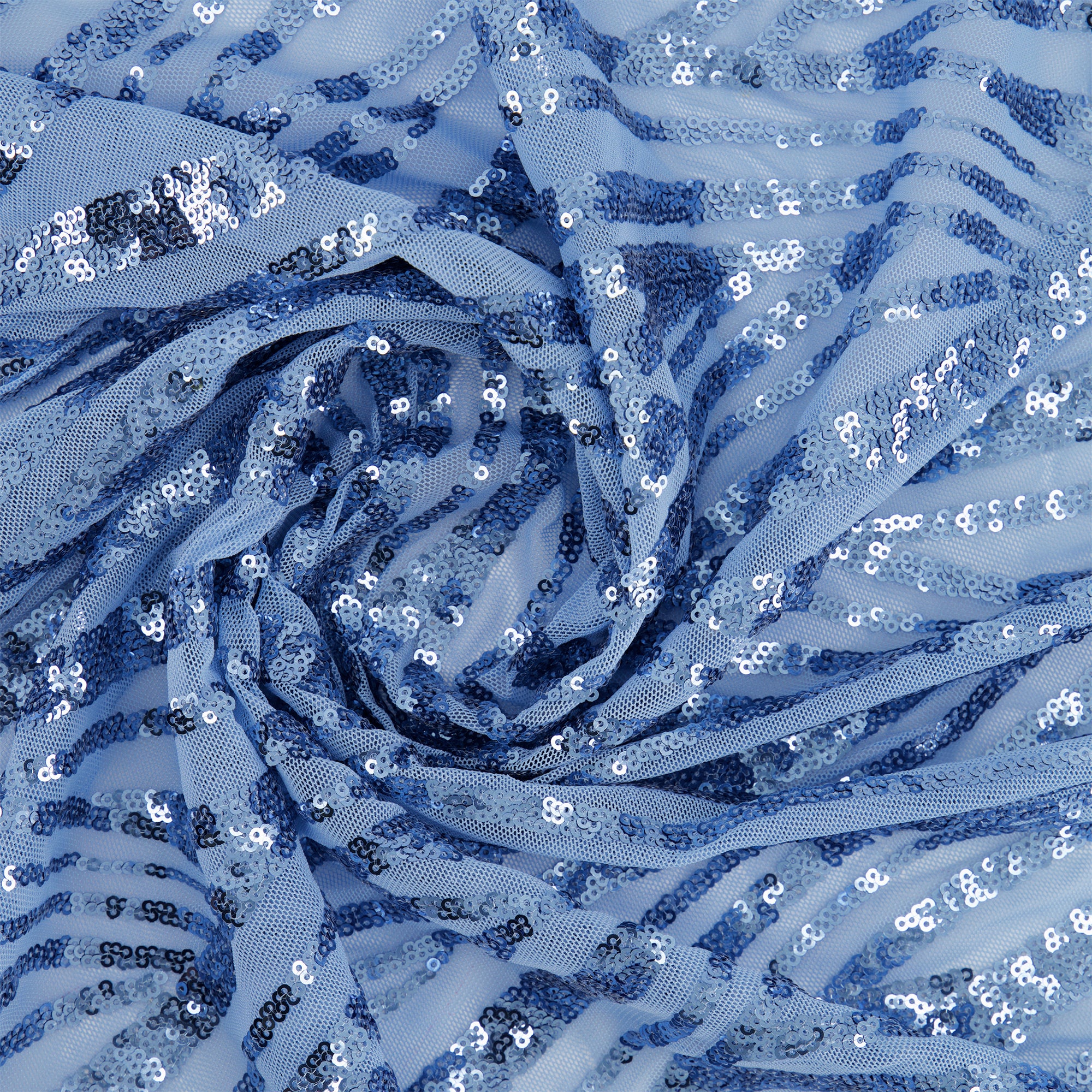
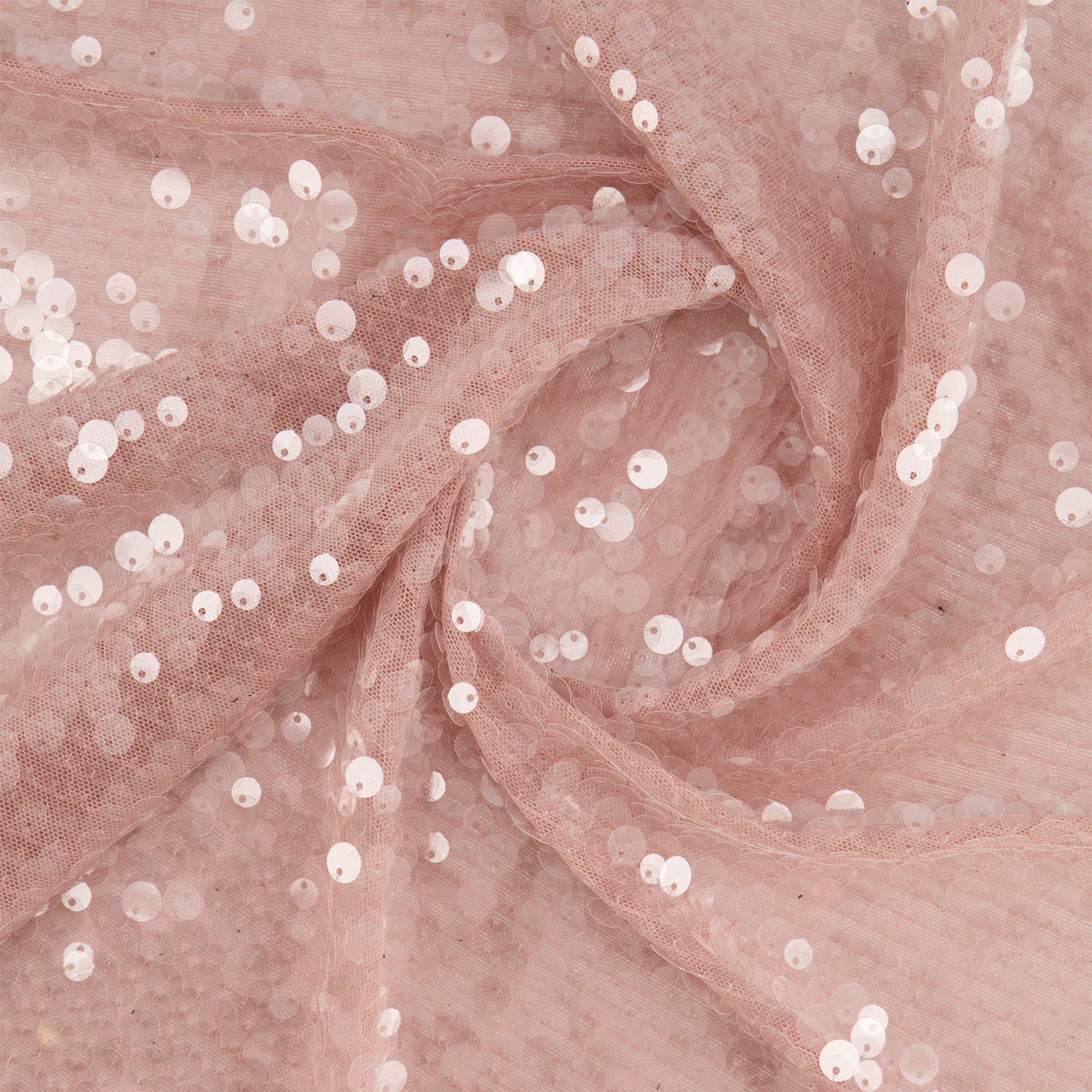
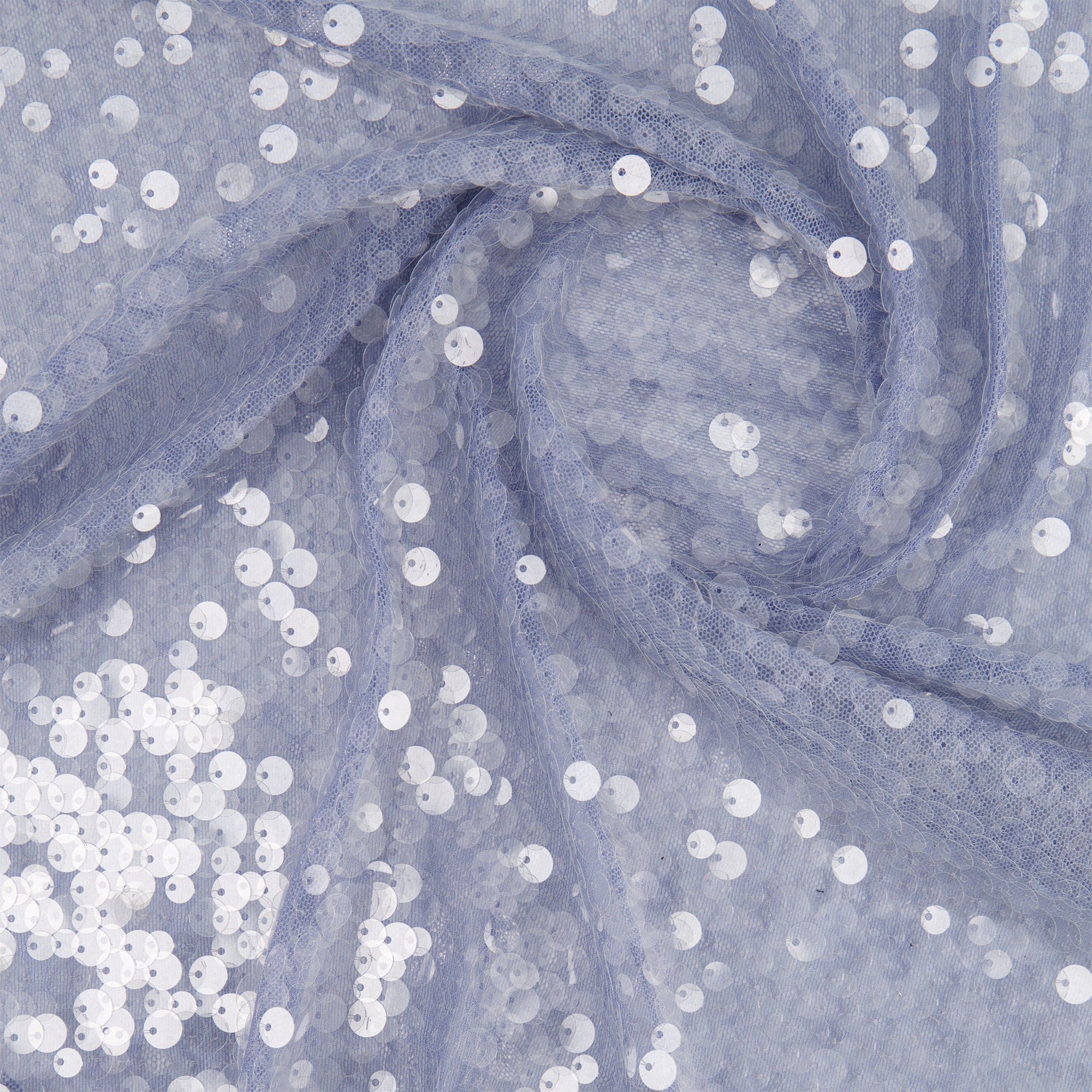
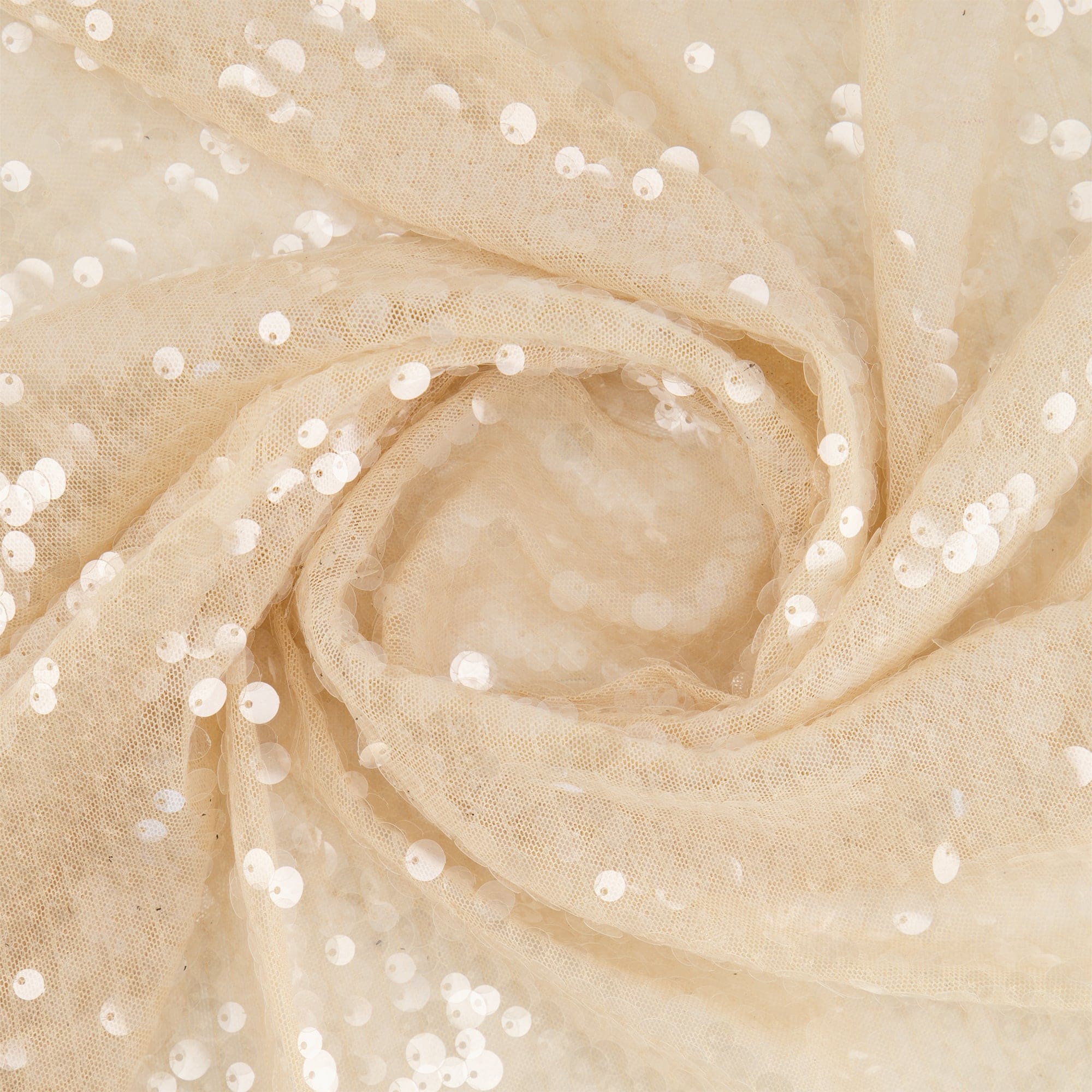
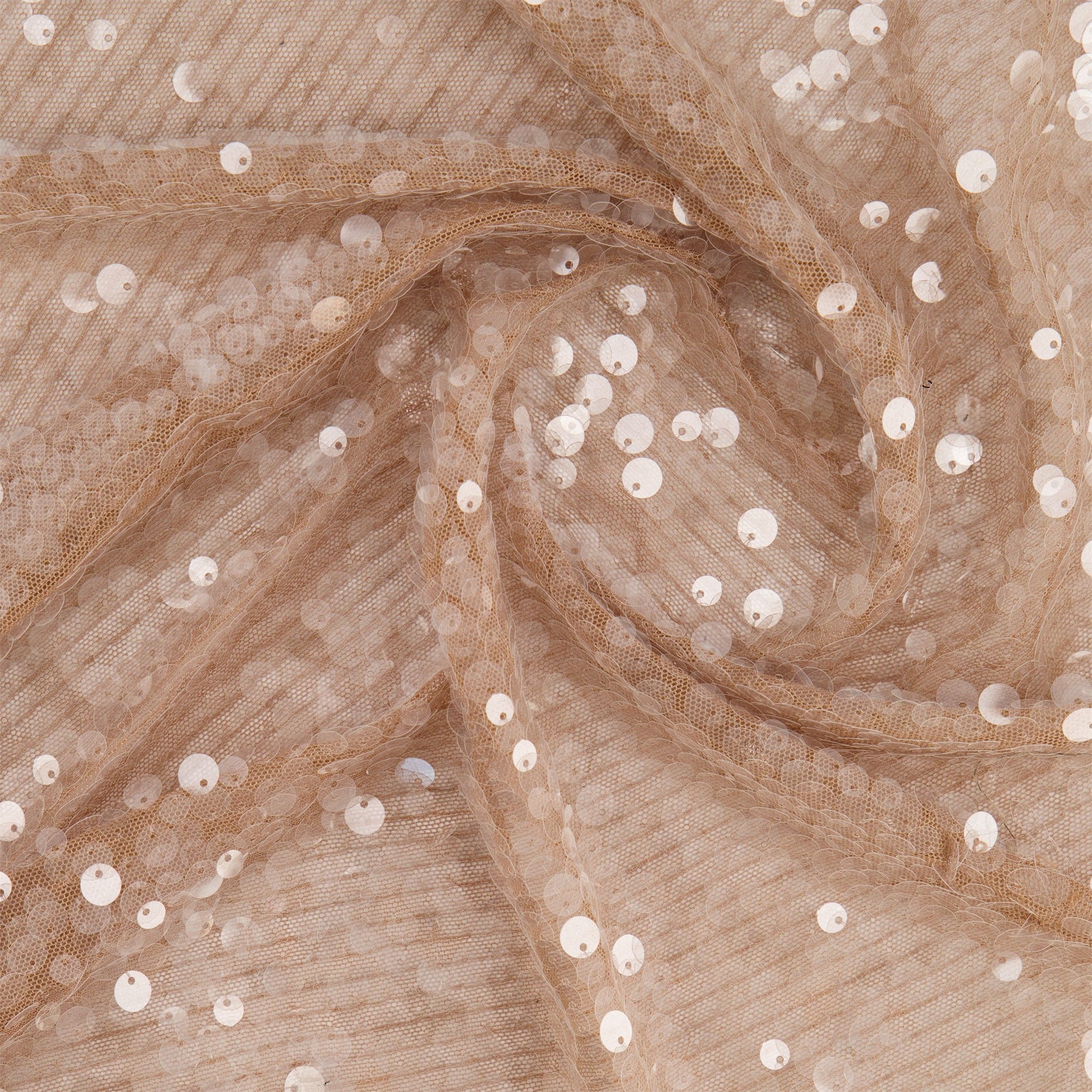
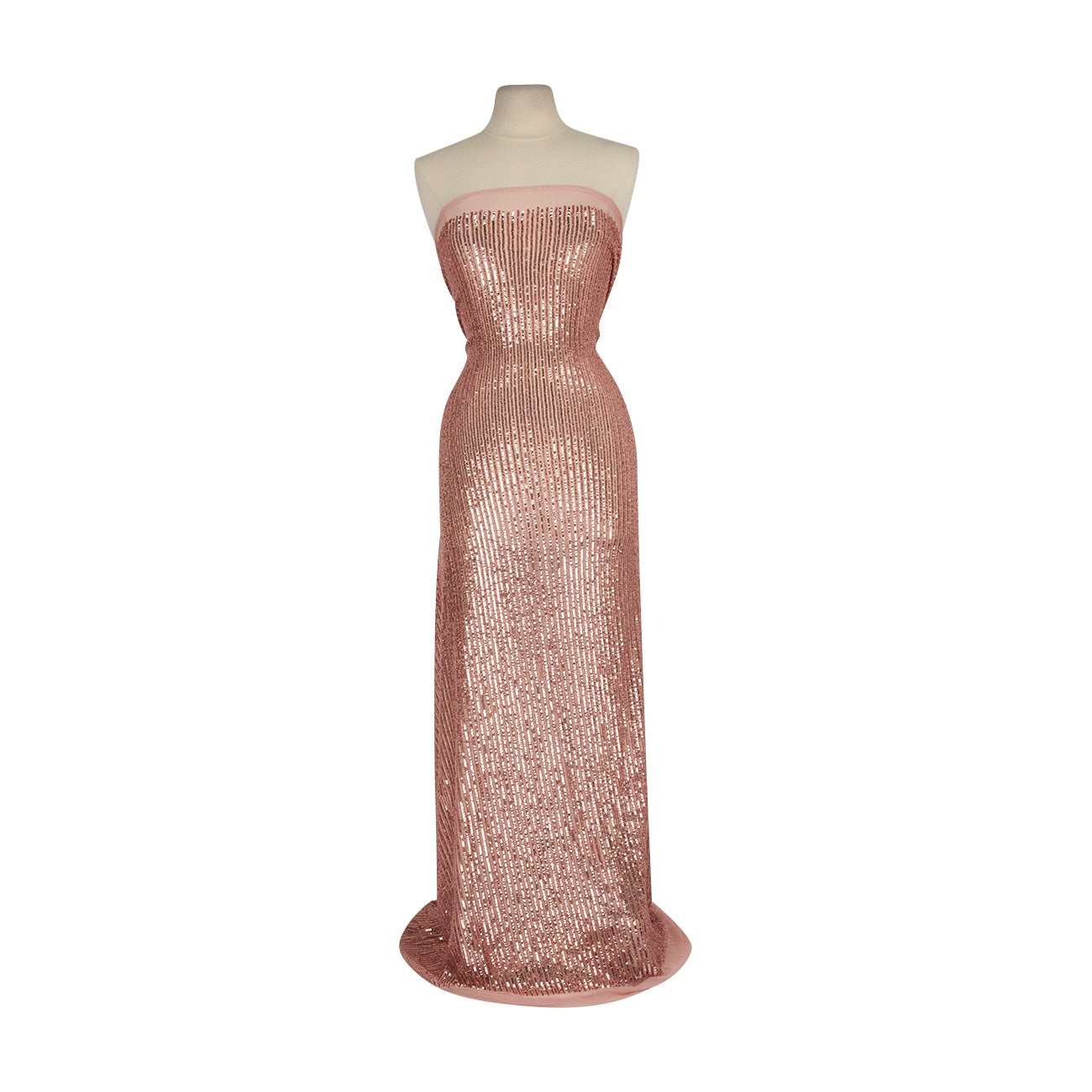
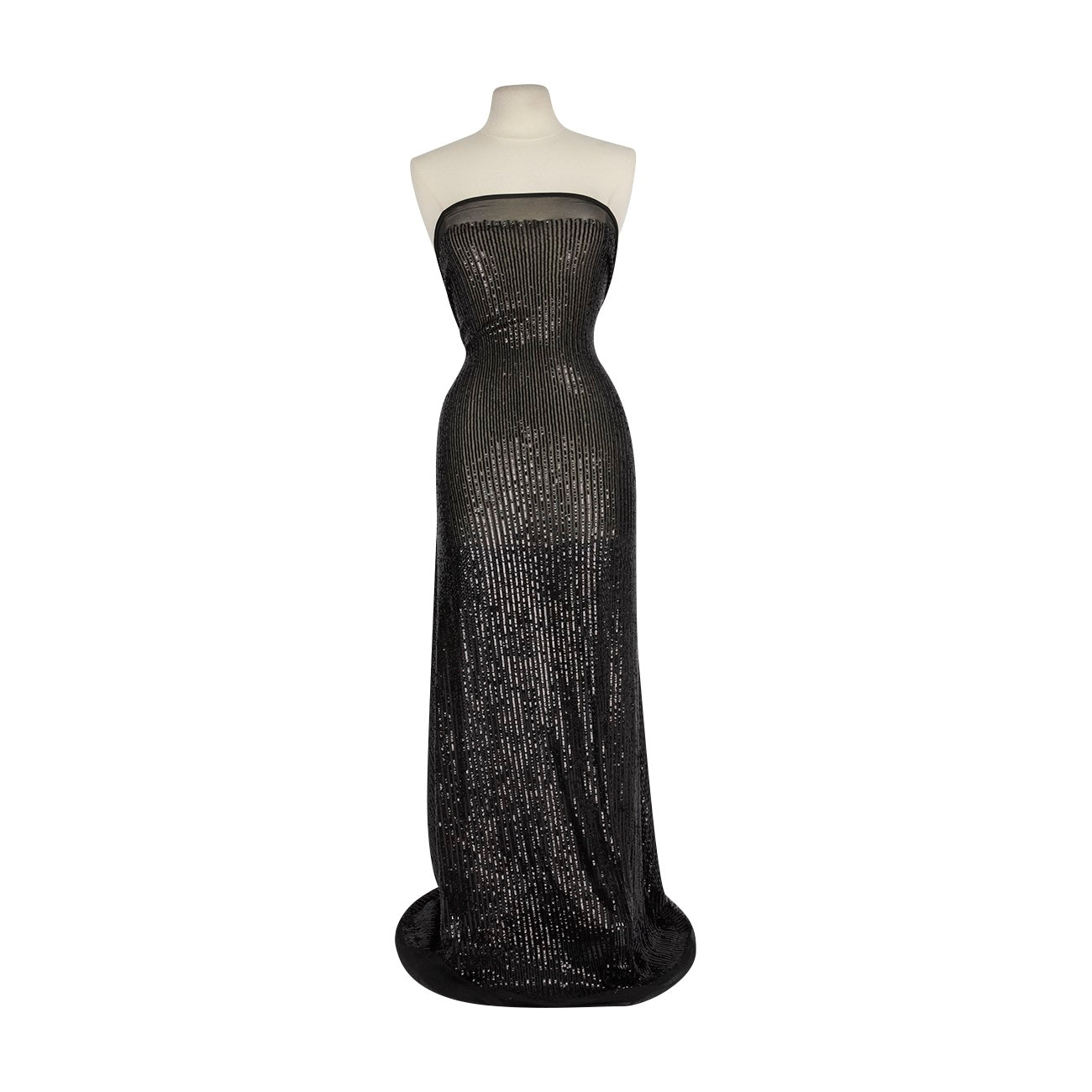
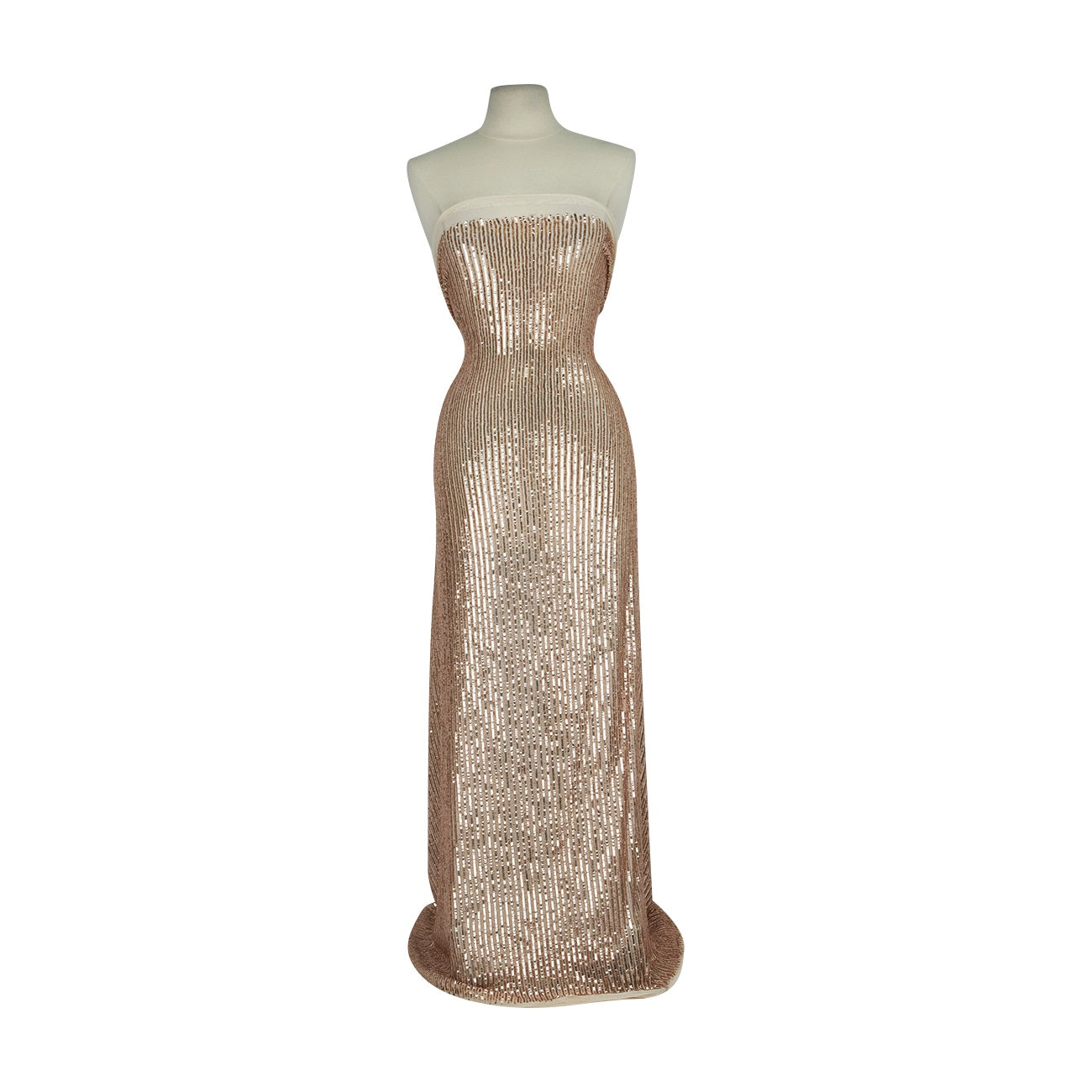
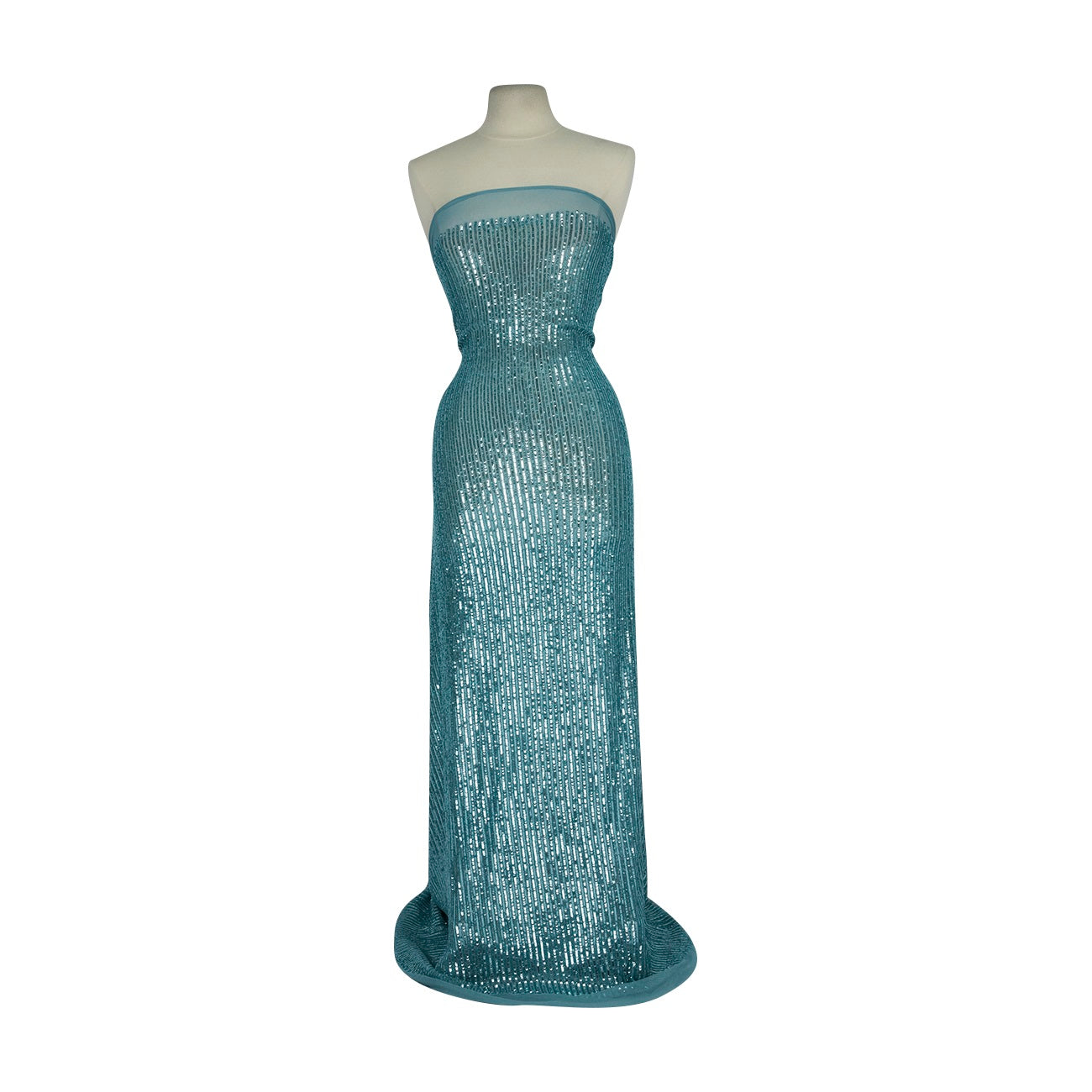
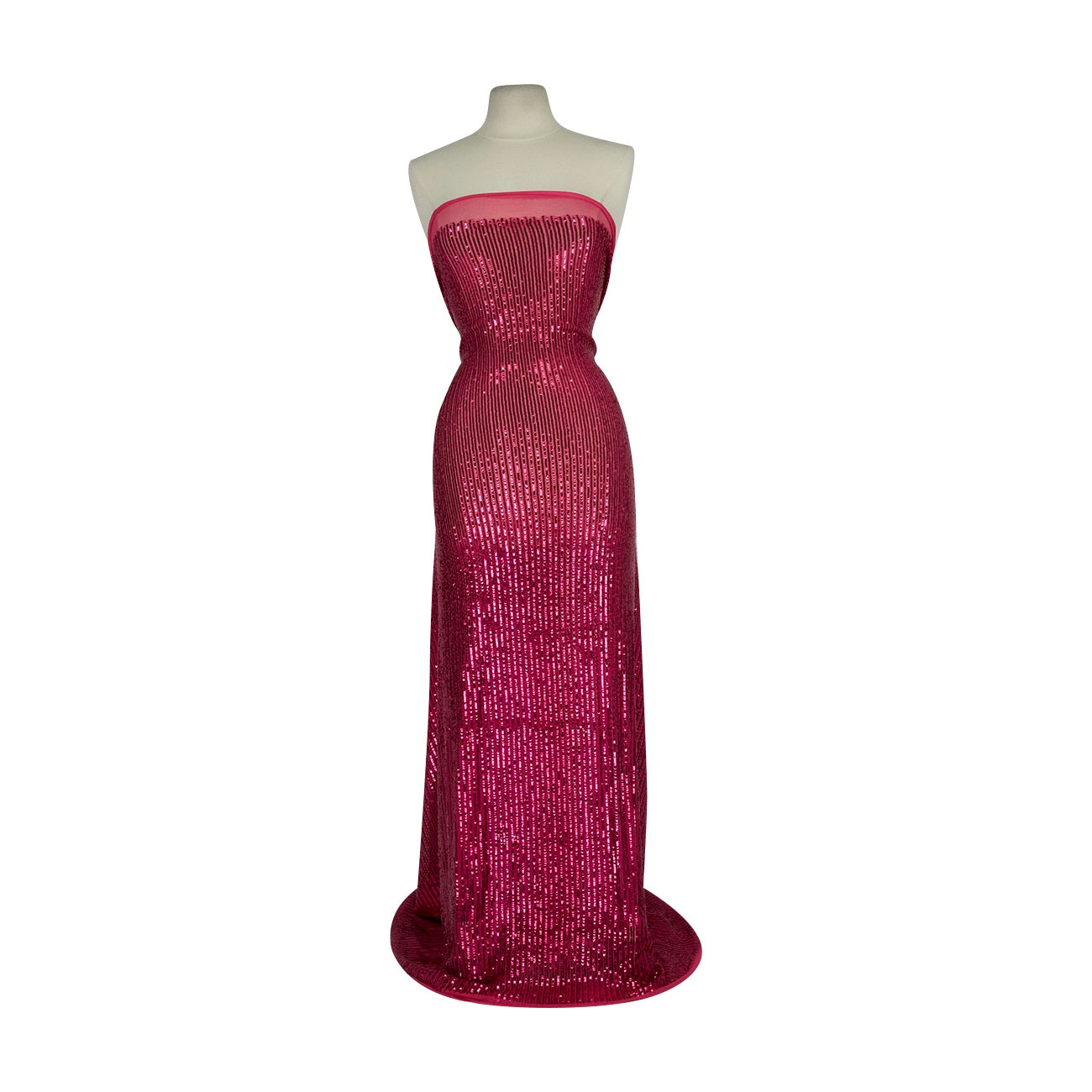
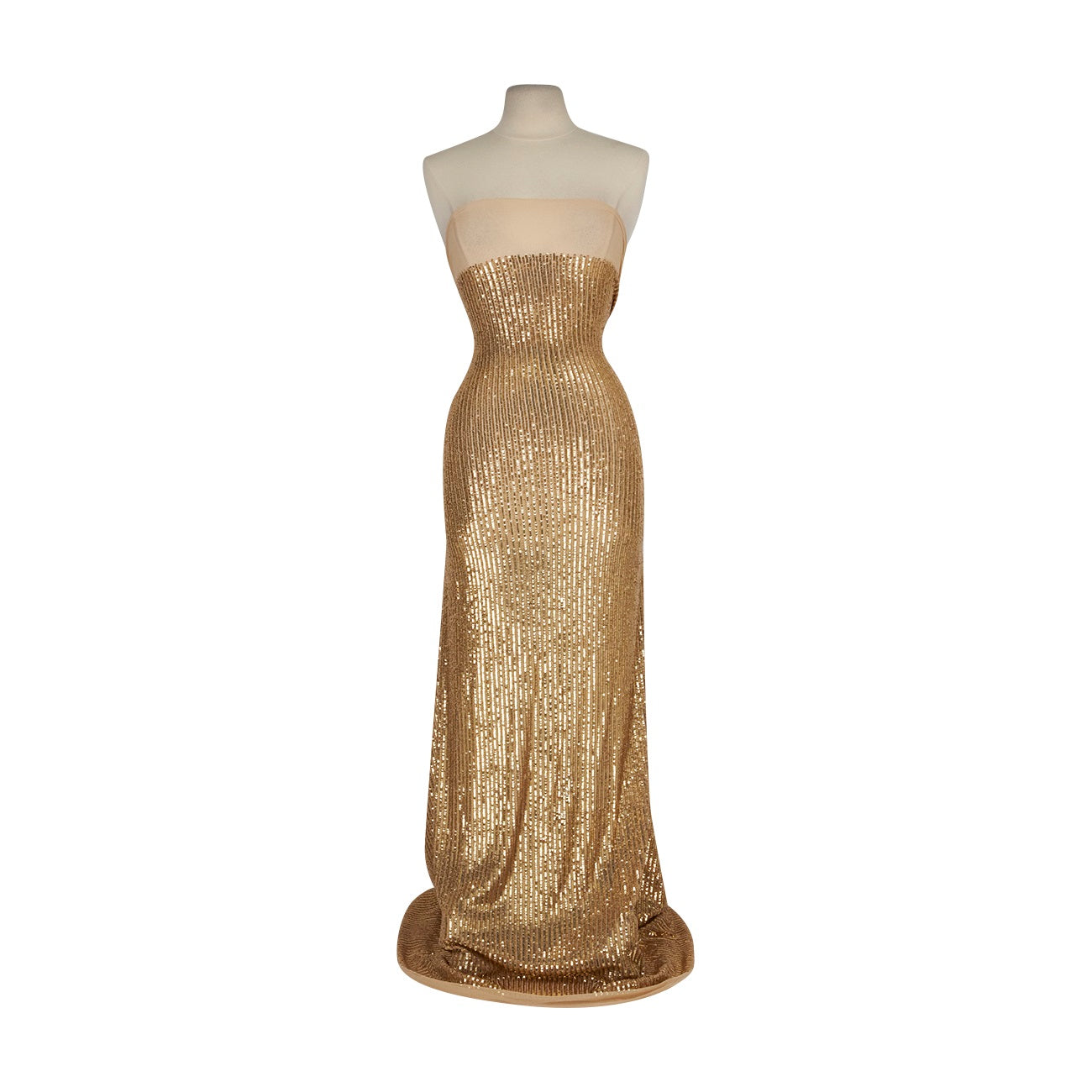
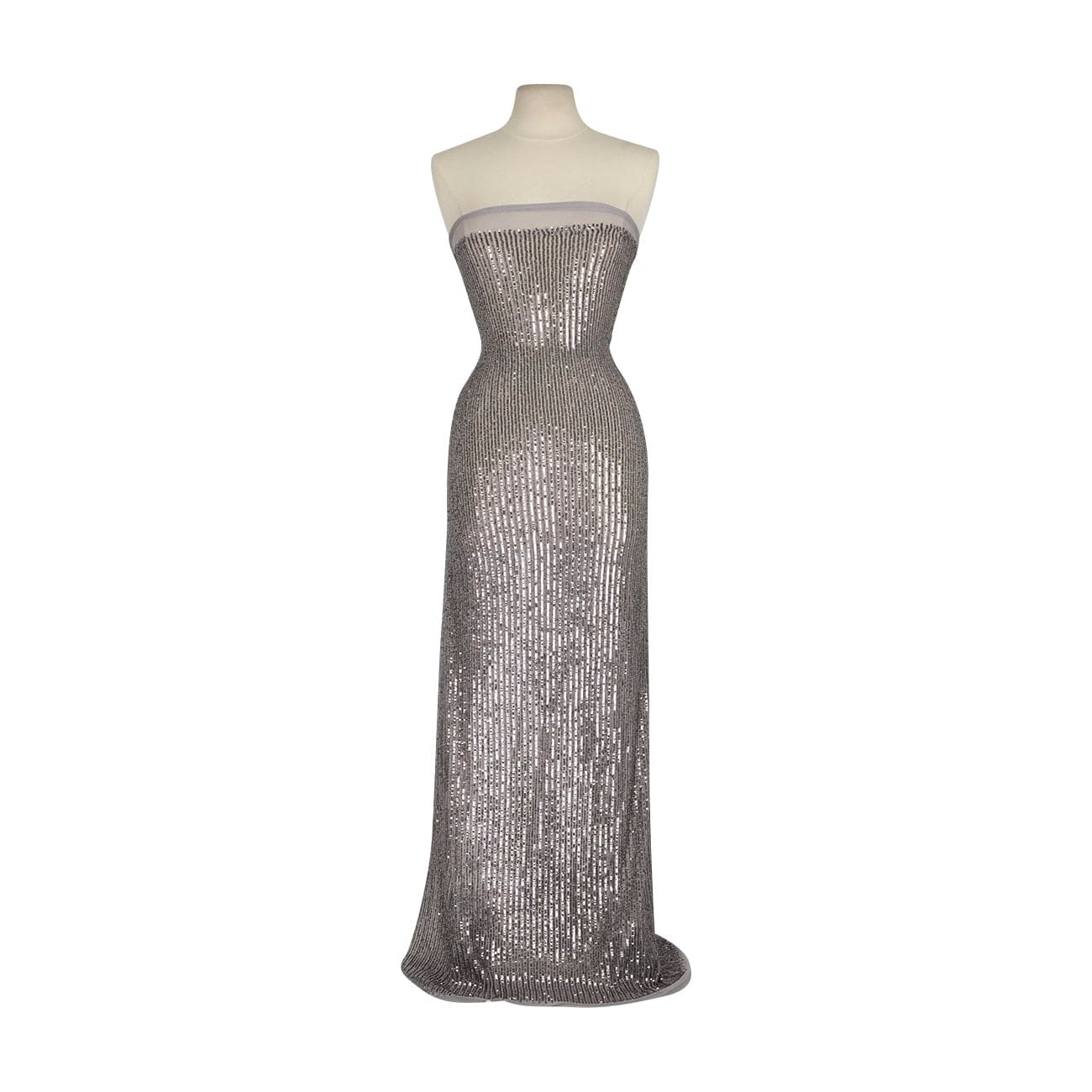
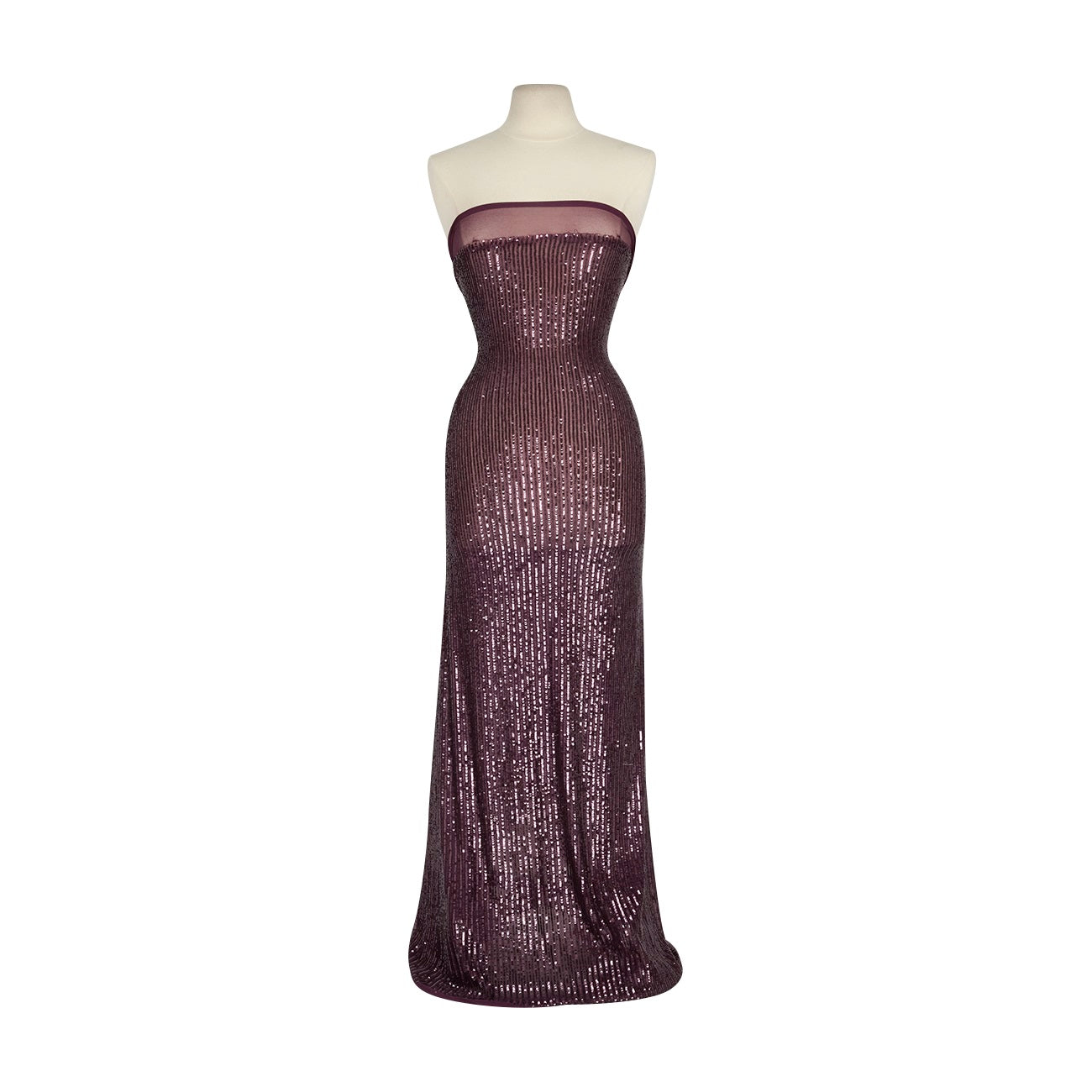
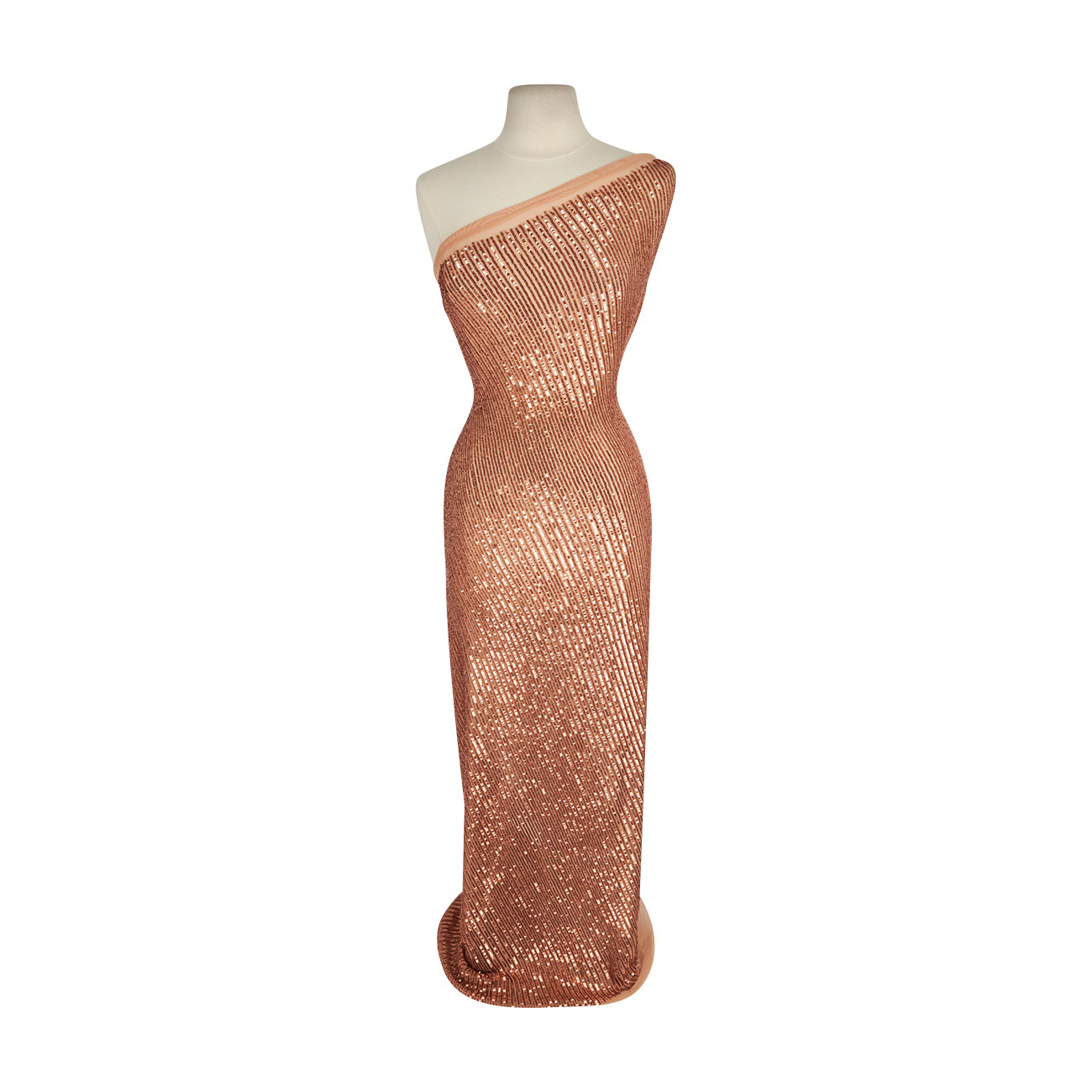
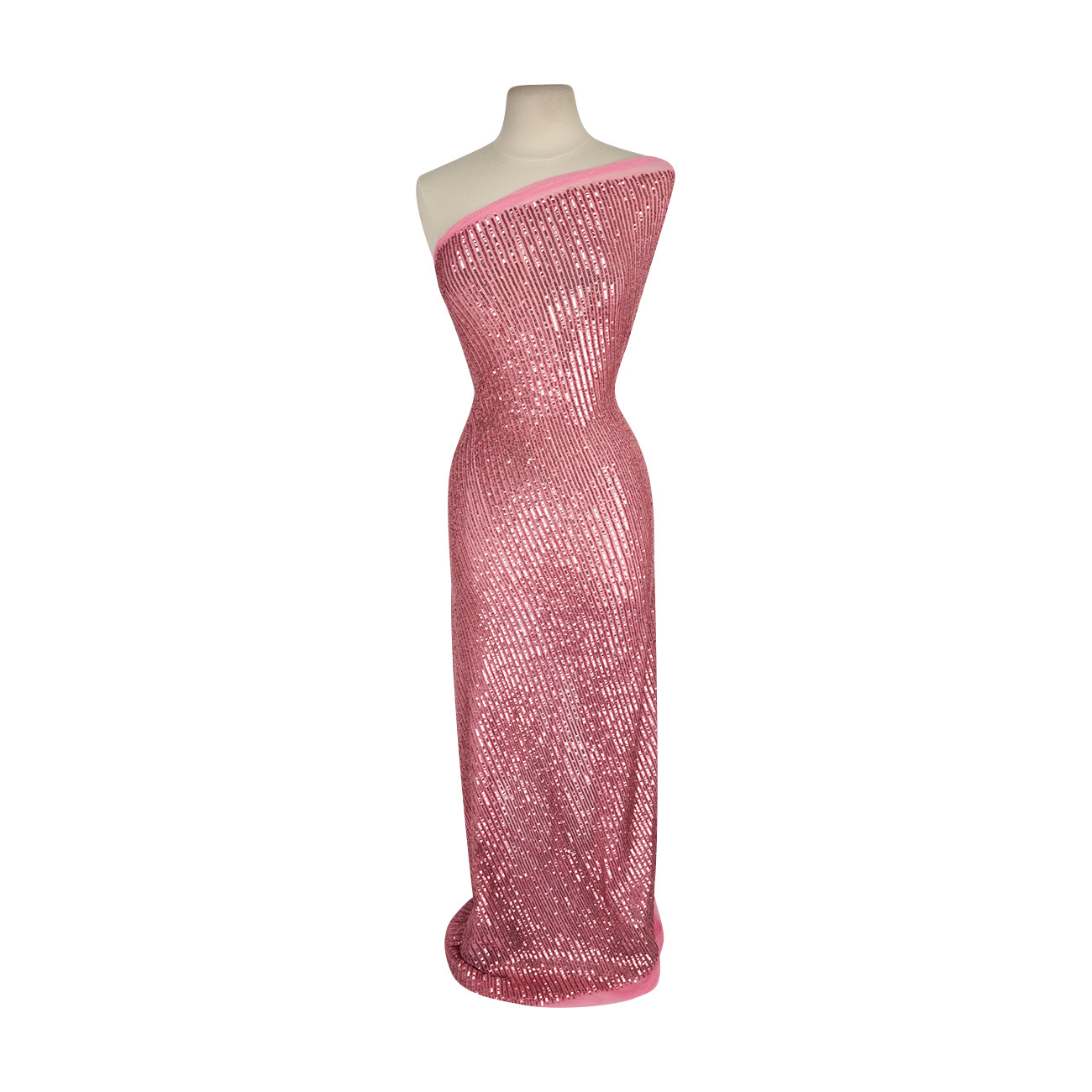
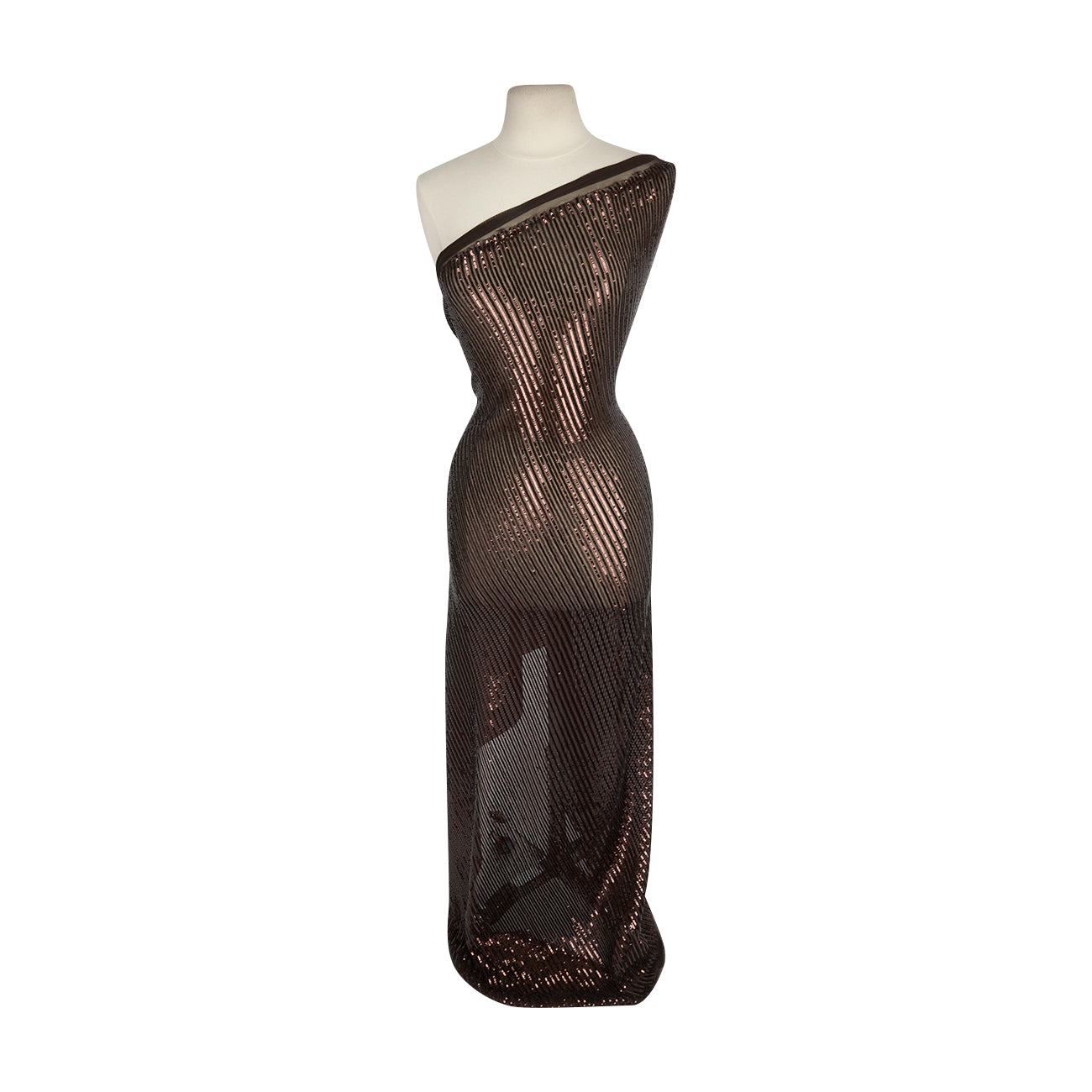
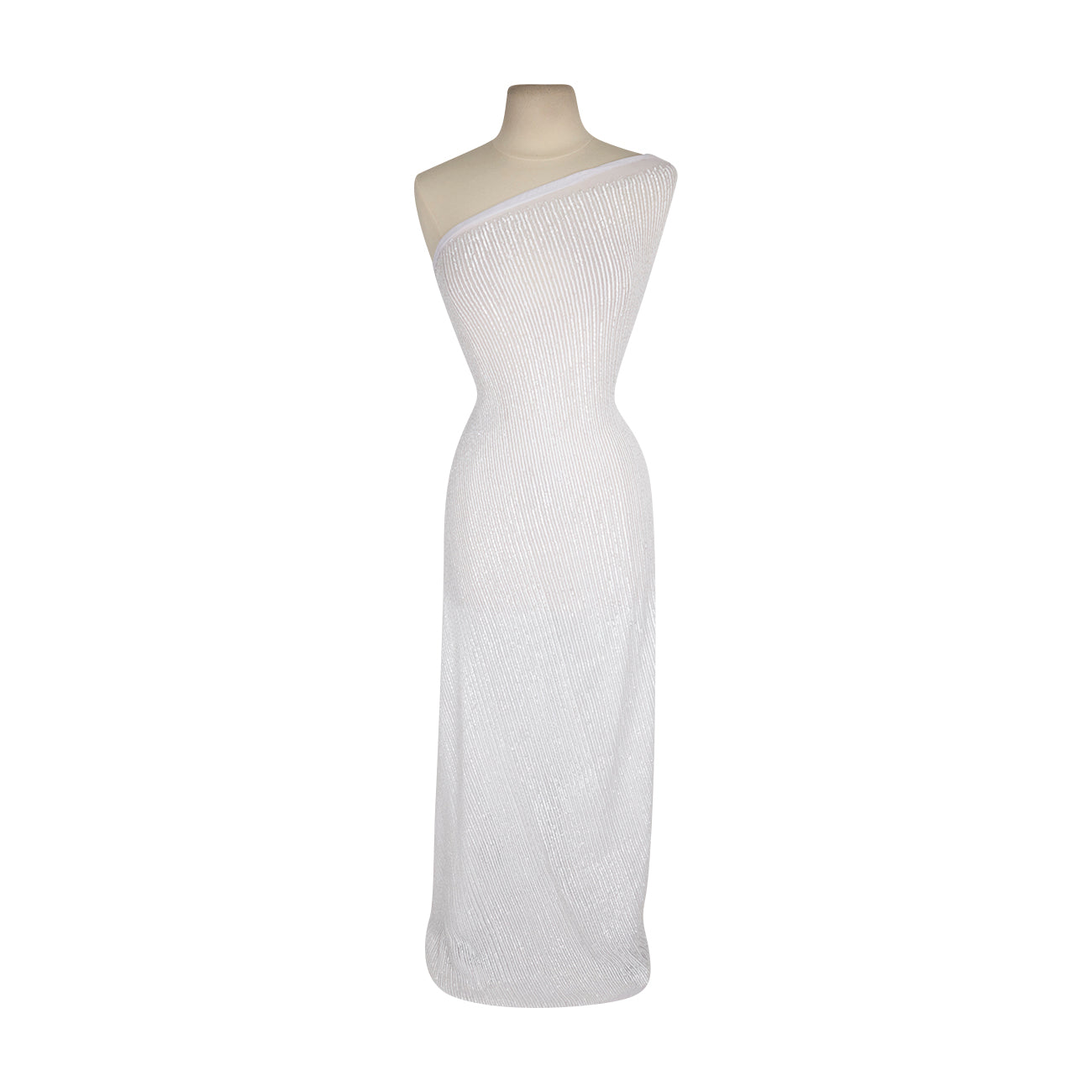
Sequin fabric is a base textile embellished with small, reflective discs stitched or embroidered onto the surface in a pattern or an all-over layout. The base fabric can be woven or knitted, and it is typically made from polyester, nylon, spandex, or mesh, which gives the finished fabric its stretch, drape, and overall hand feel.
How Sequins Are Applied
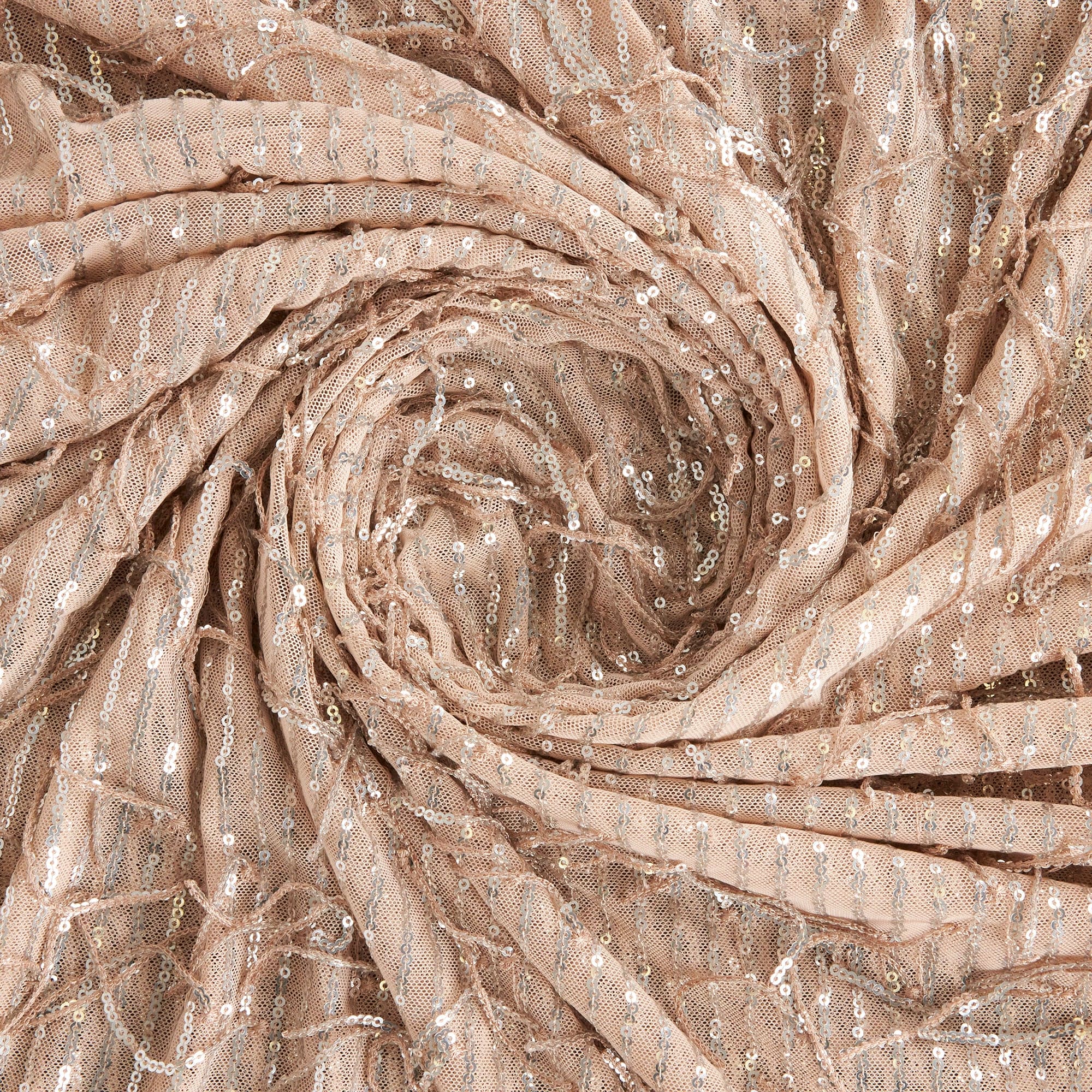
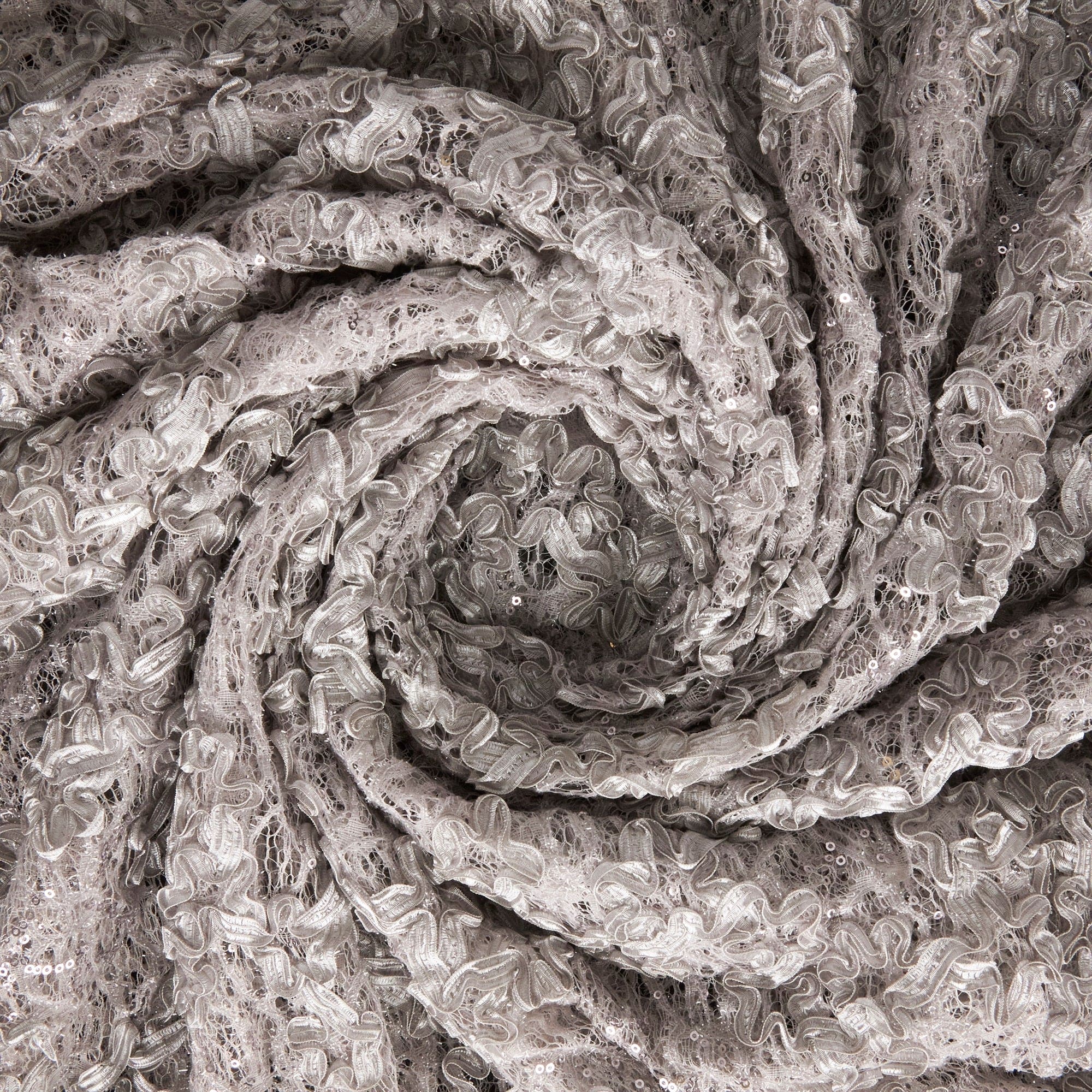
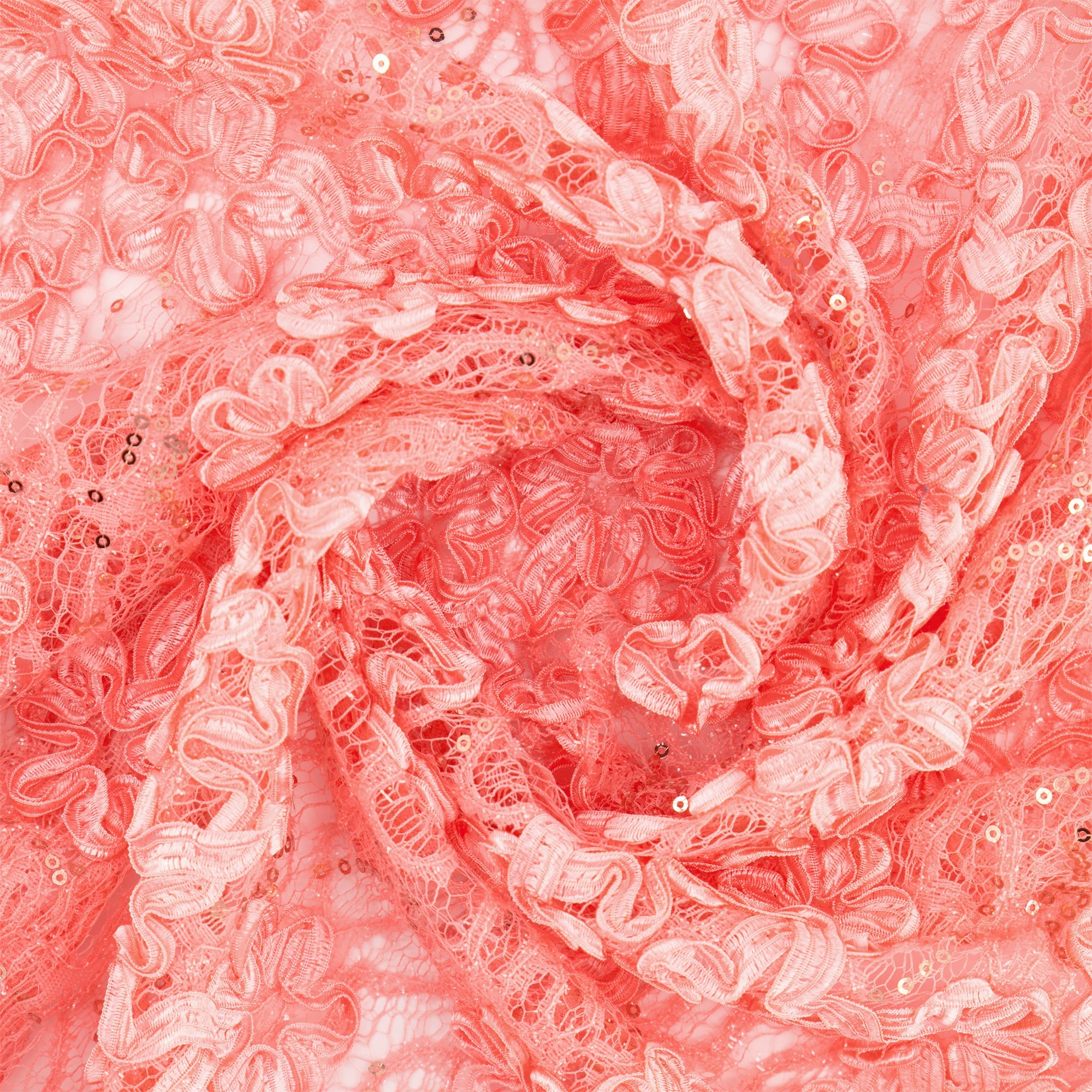
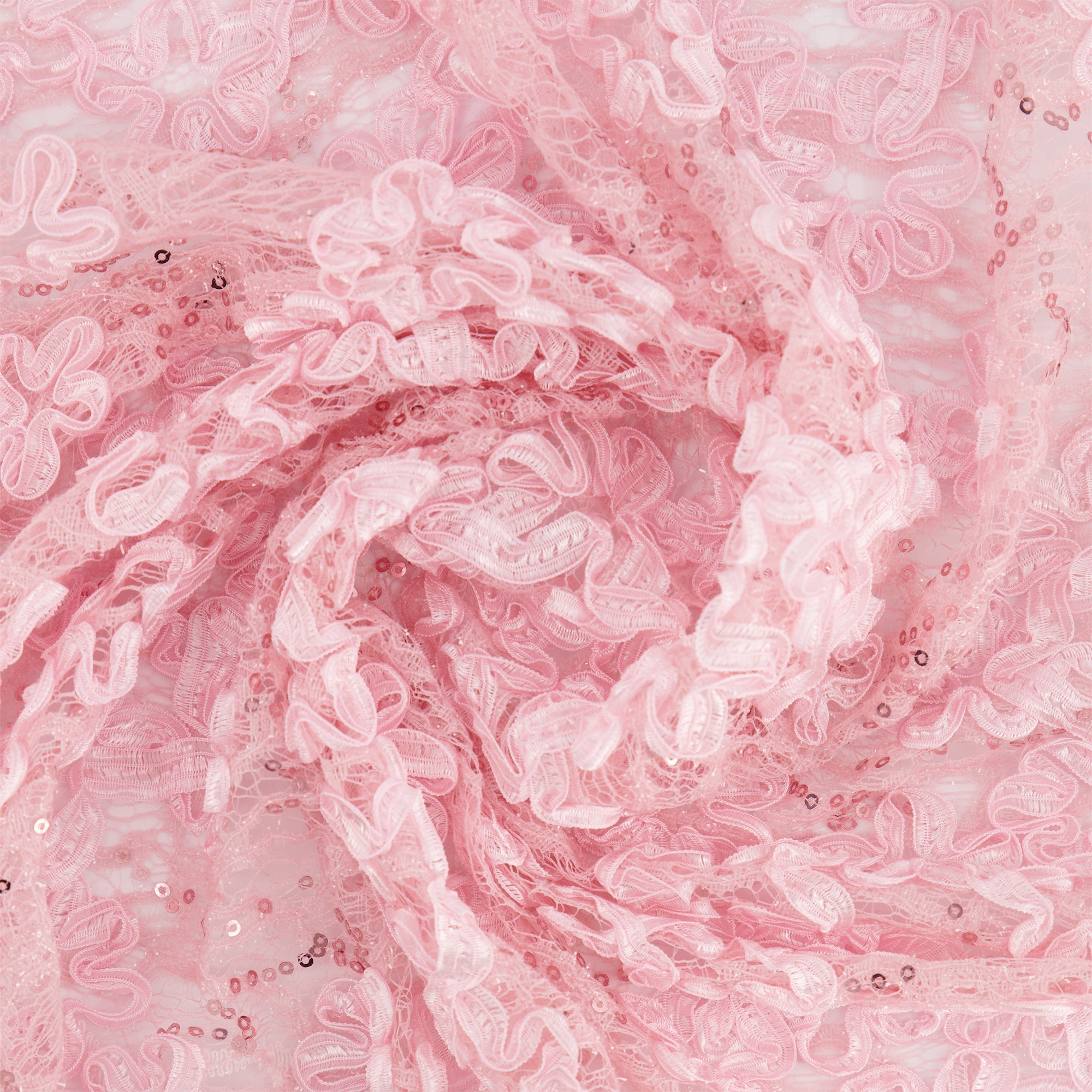
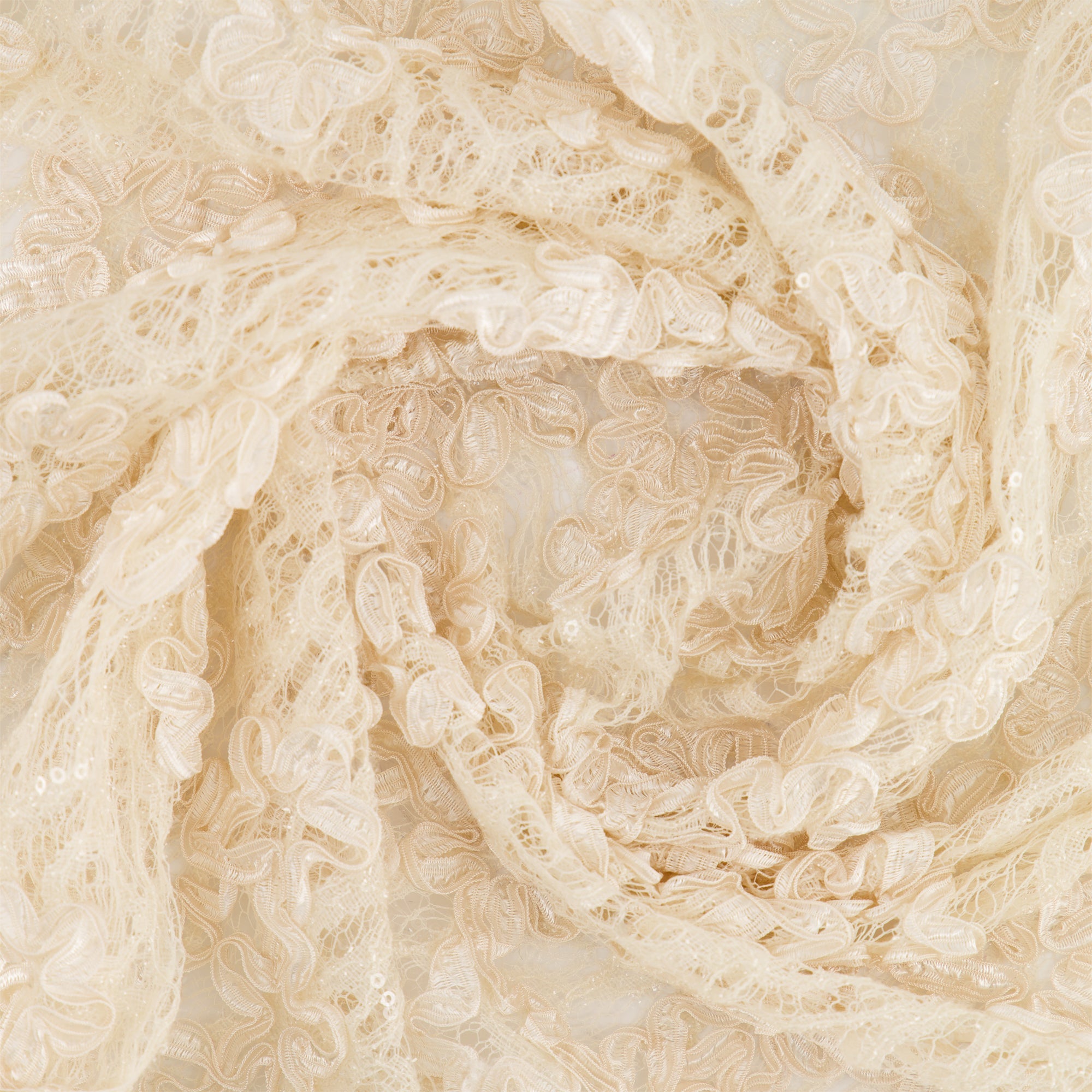
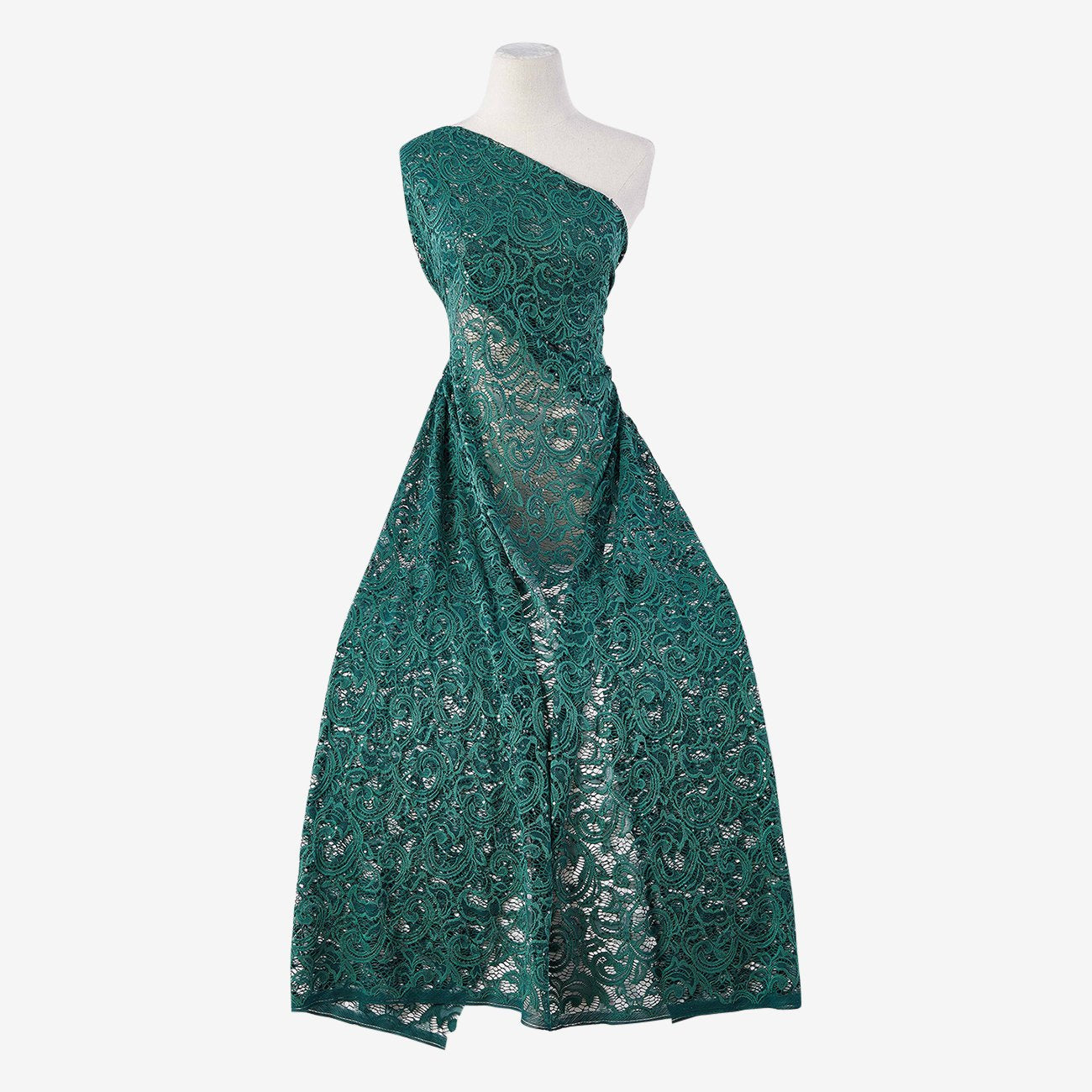
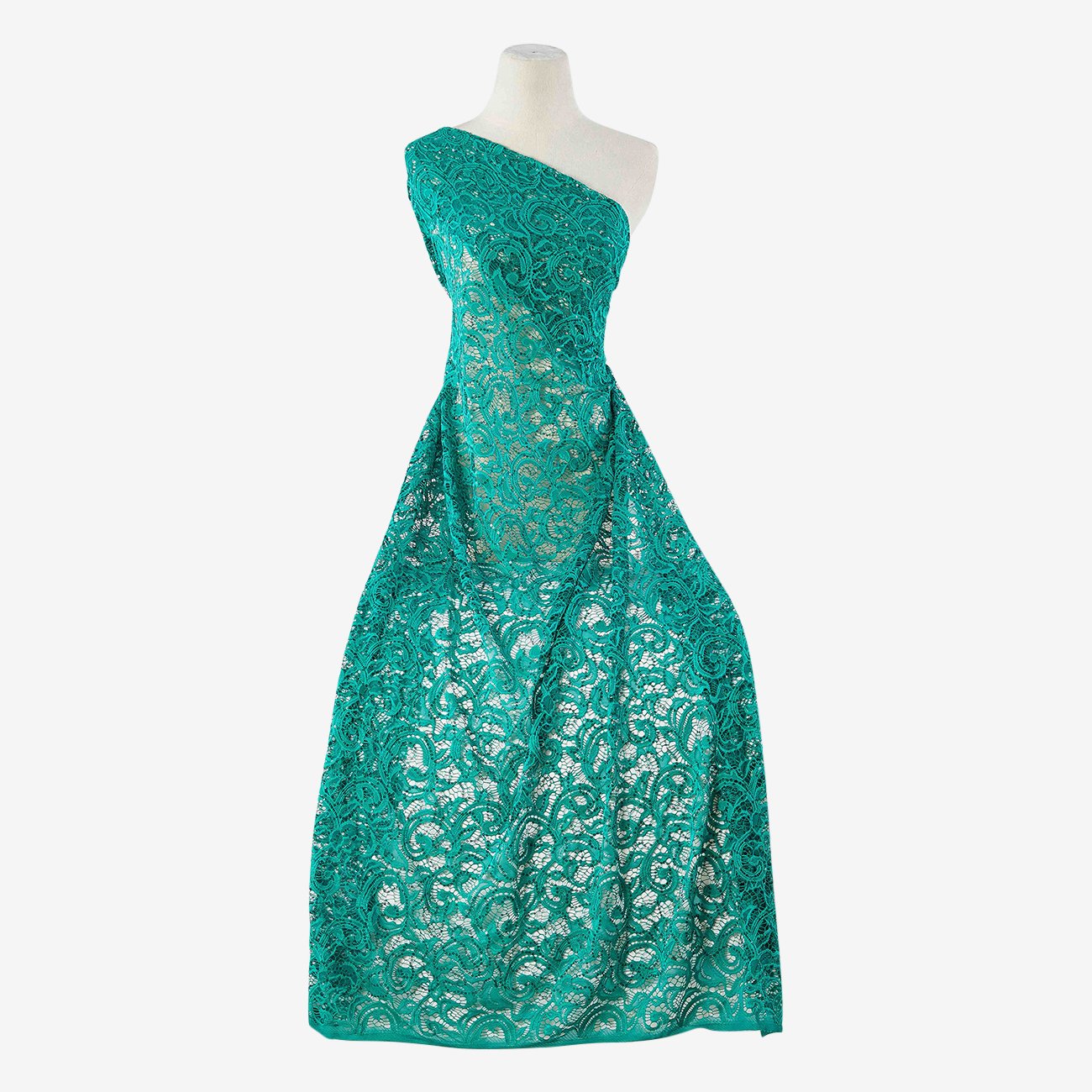
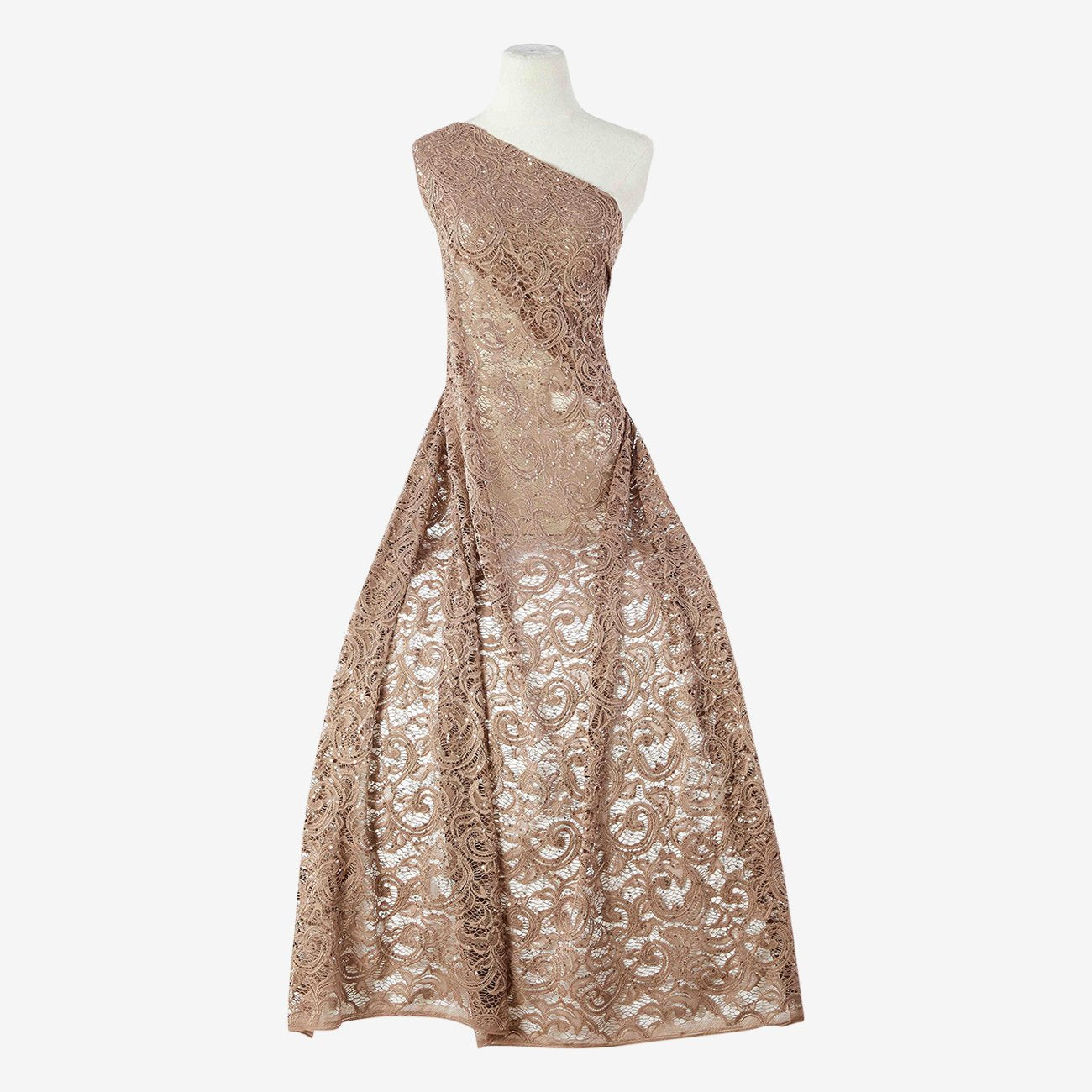
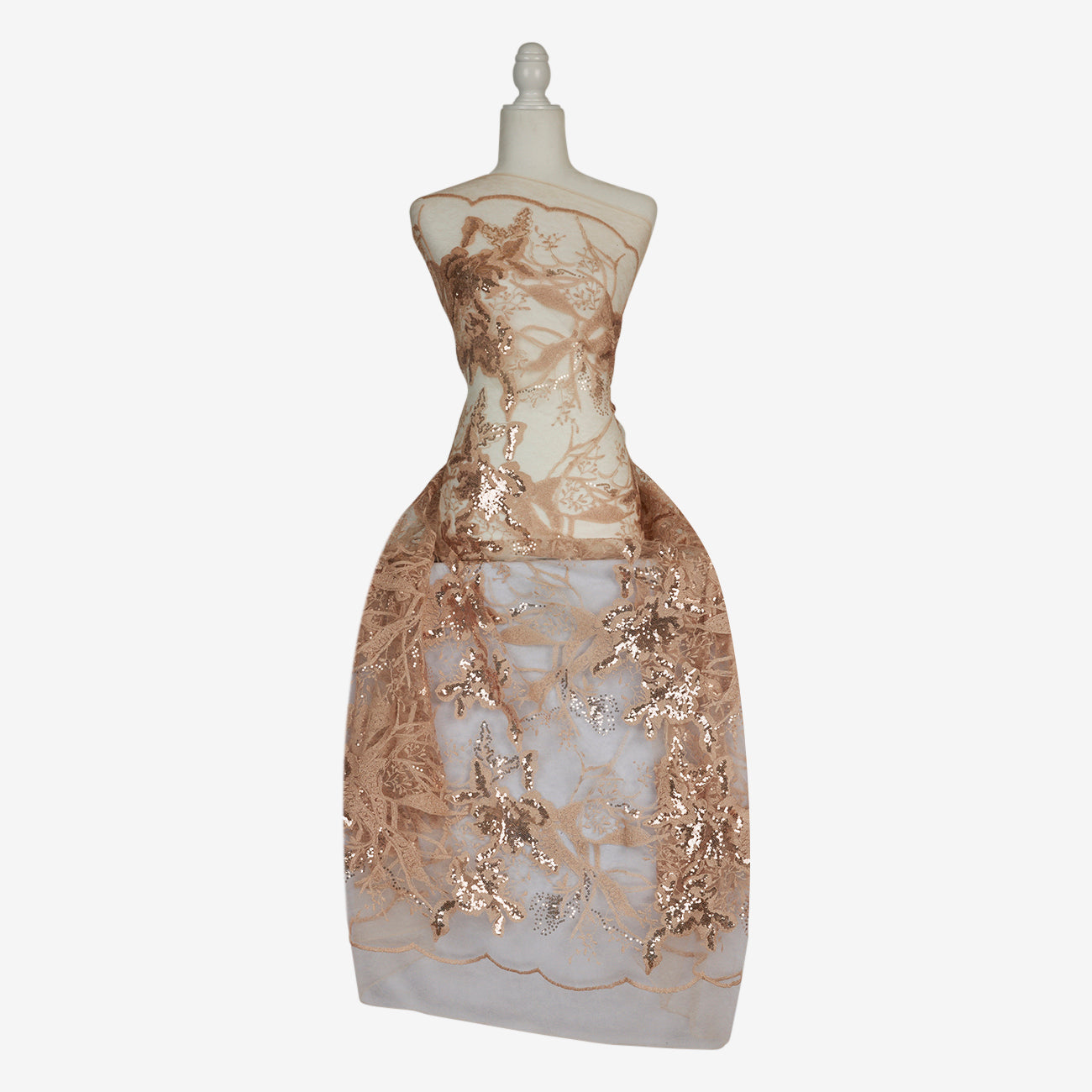
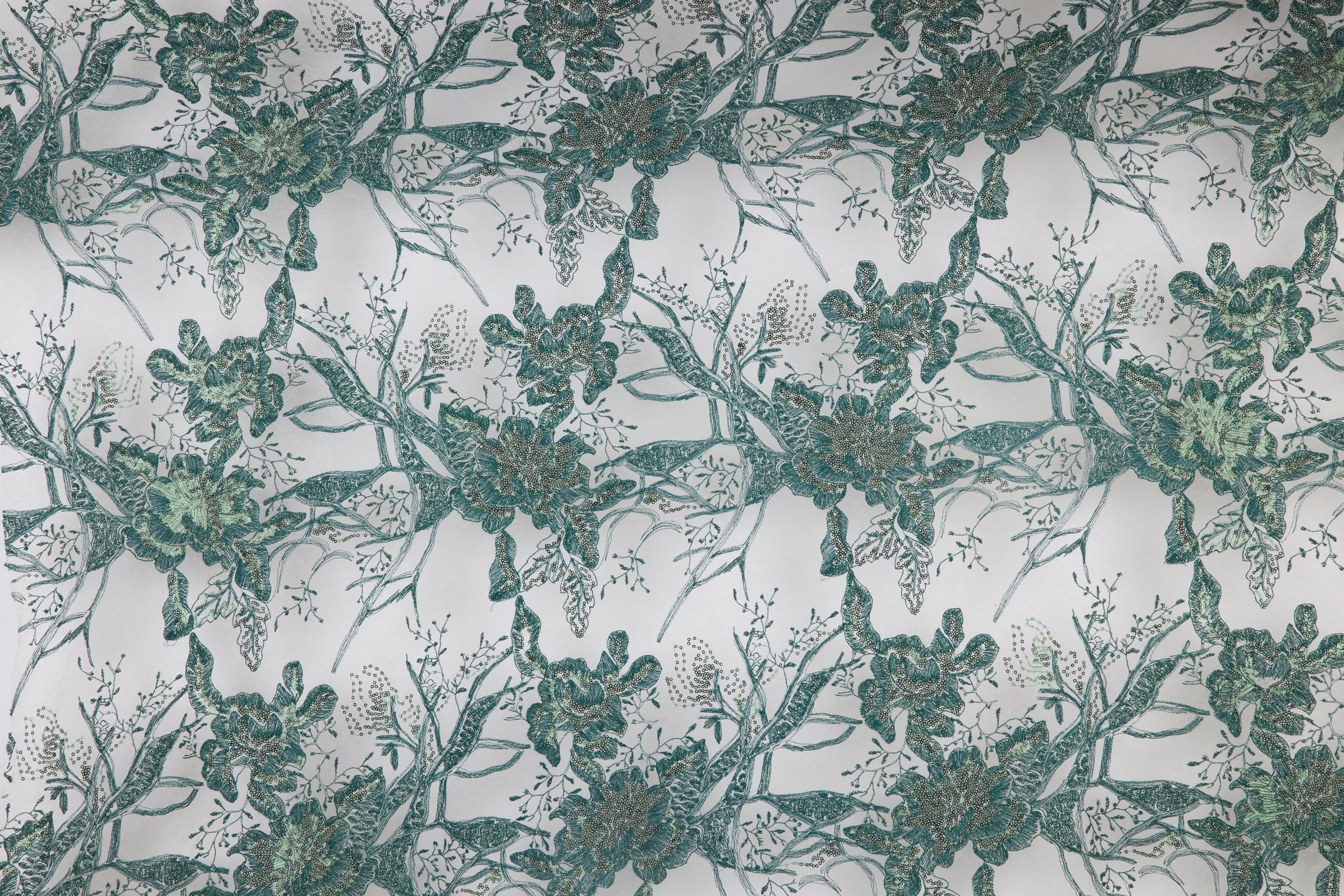
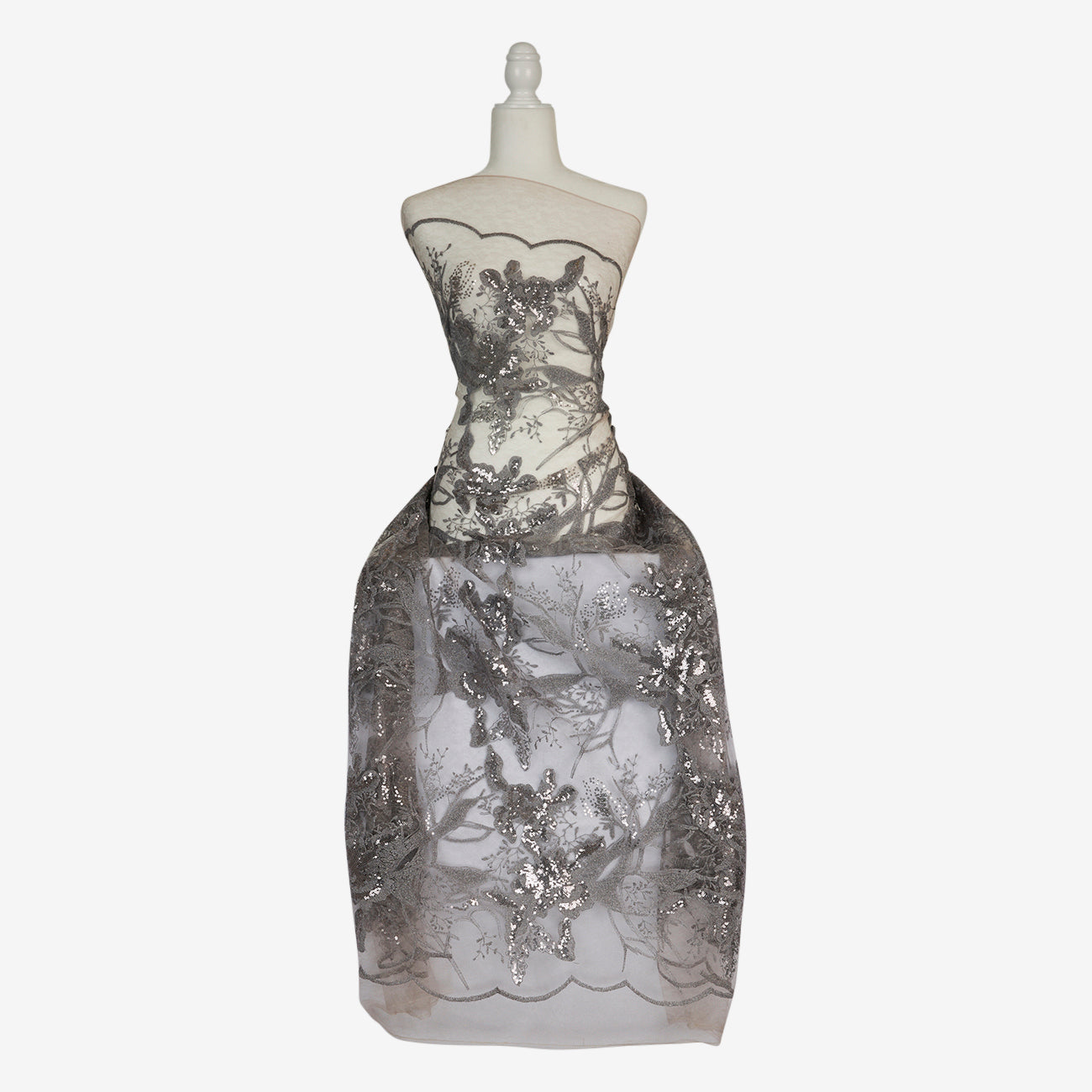
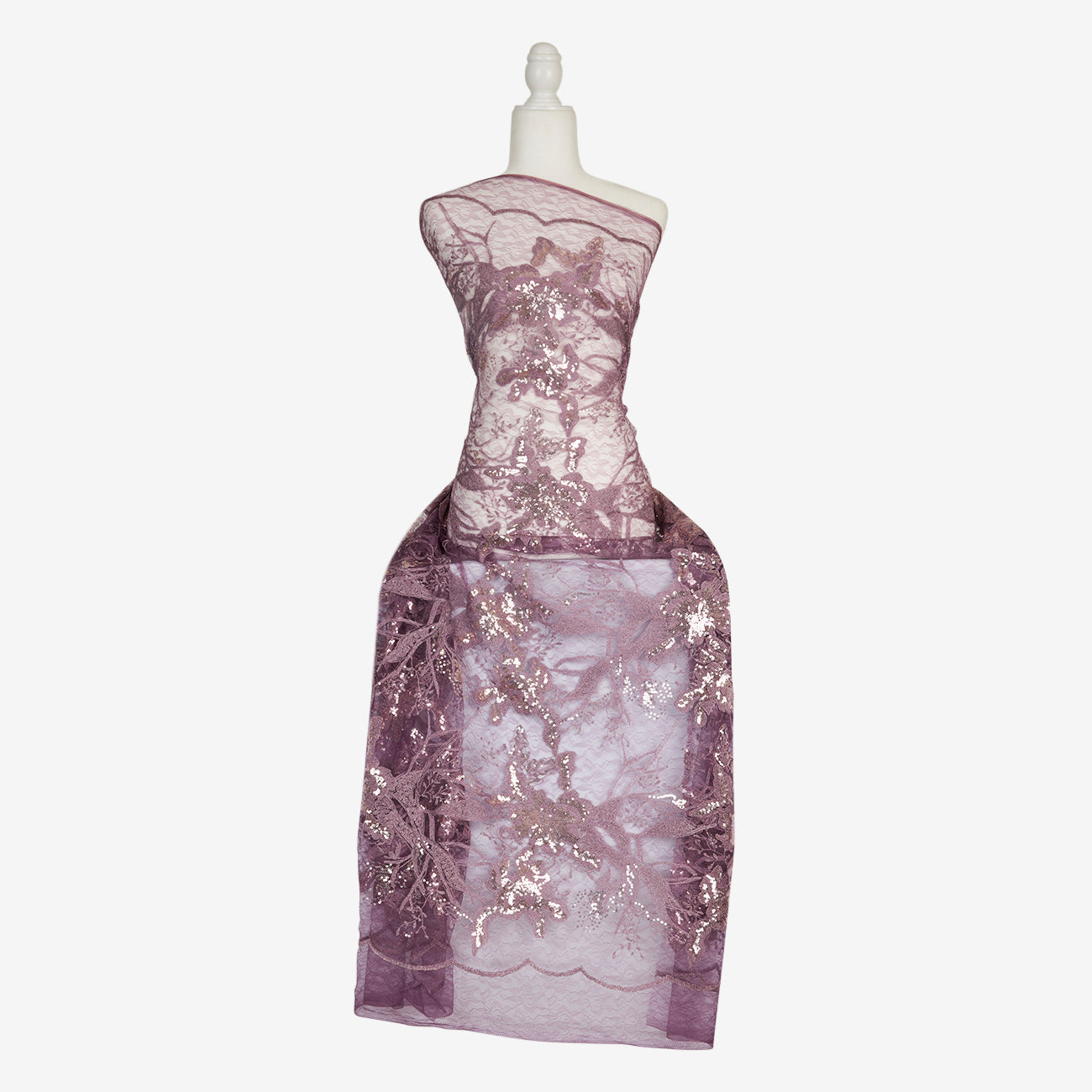
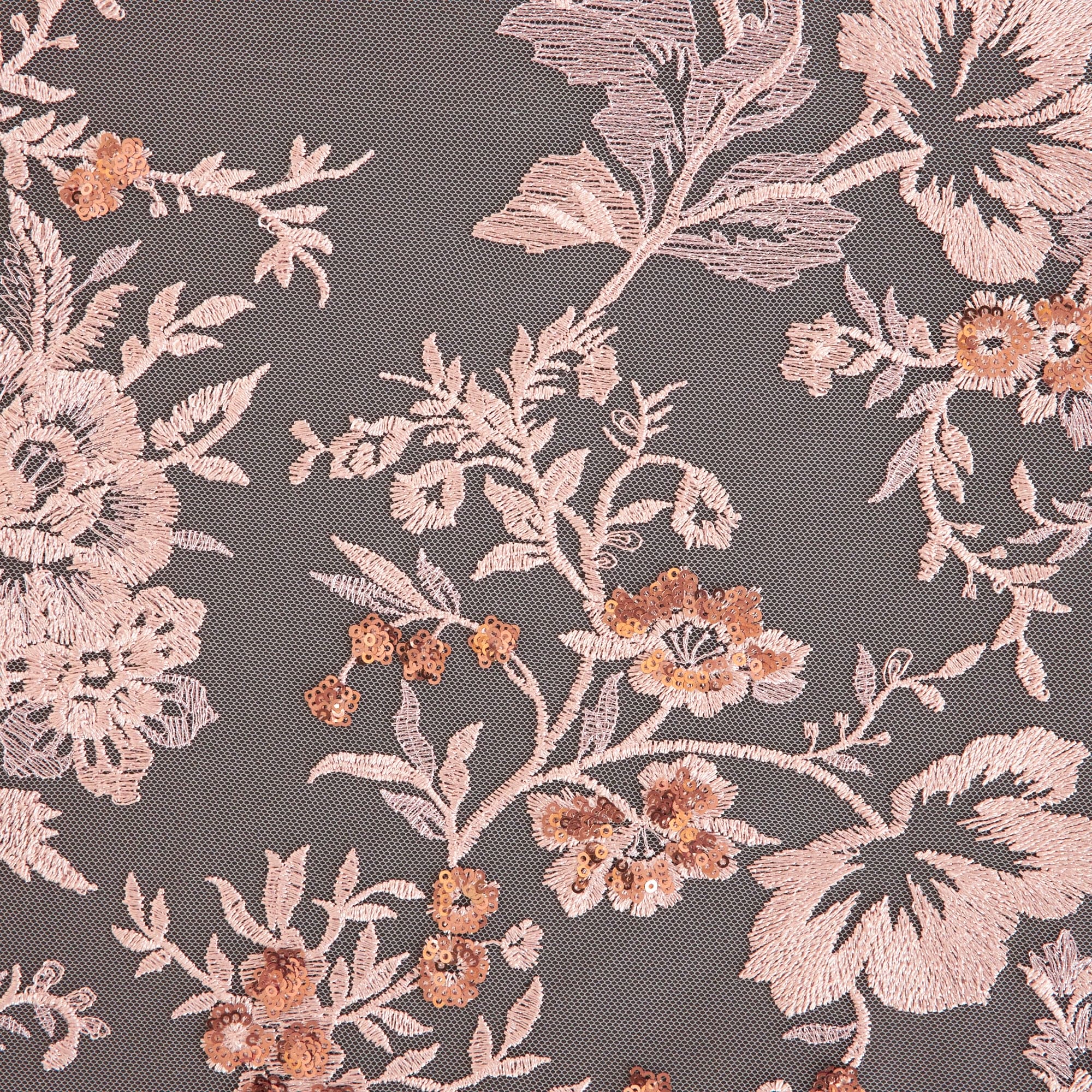
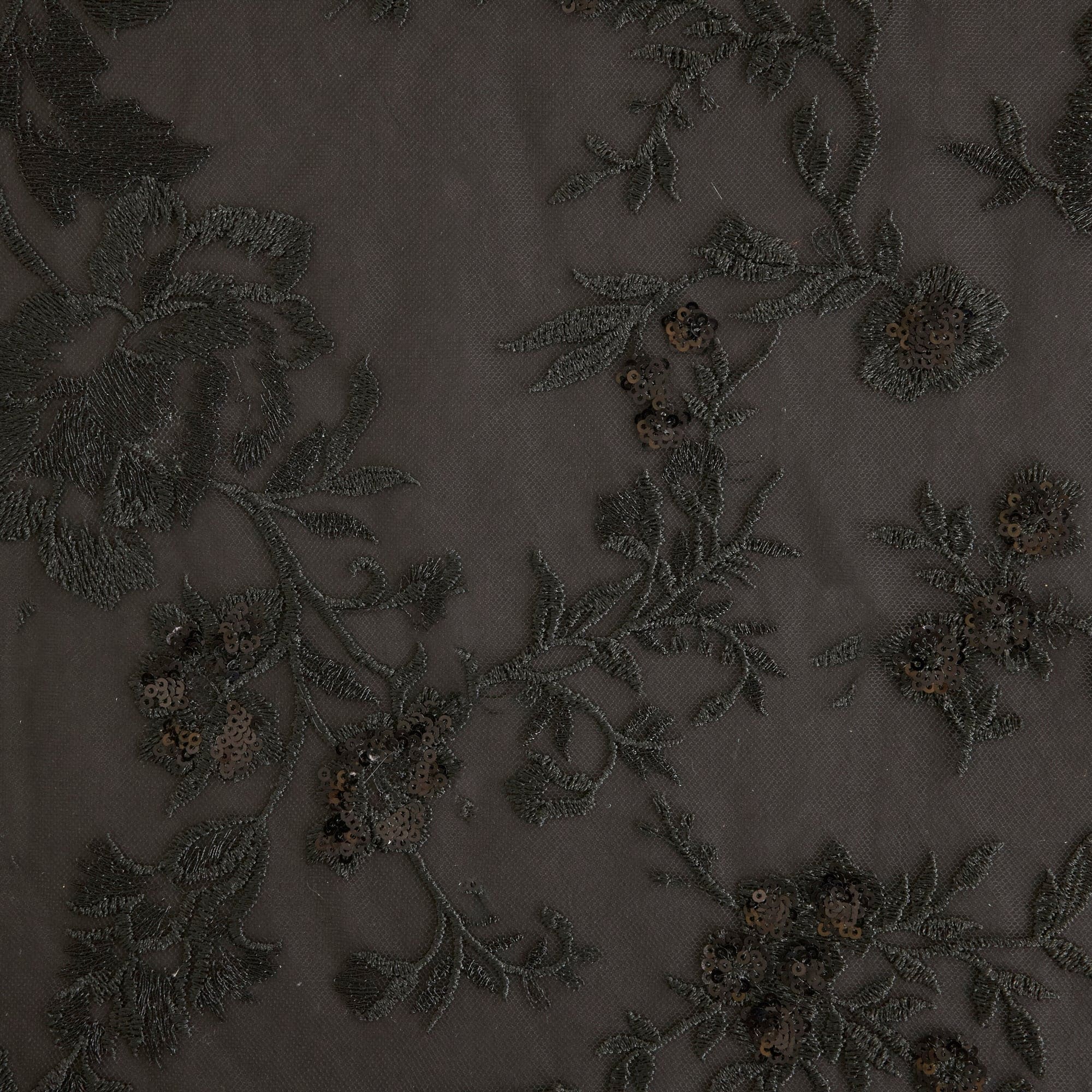
Typically, sequins are attached in two ways: stitched onto thread in continuous rows or secured individually so they can move and reflect light with the wearer. Closely packed, overlapping designs create a dense, armor-like texture, while individually attached pieces produce a softer, fluid shimmer. Both techniques appear throughout this collection, from all-over stretch mesh to structured designs featuring sequins embroidered onto lace.
Types of Sequin Fabric Base
The base fabric underneath the sequins does most of the work in determining how a finished garment fits and moves, so it is worth understanding the main categories in this collection.
Sequin on Stretch Mesh
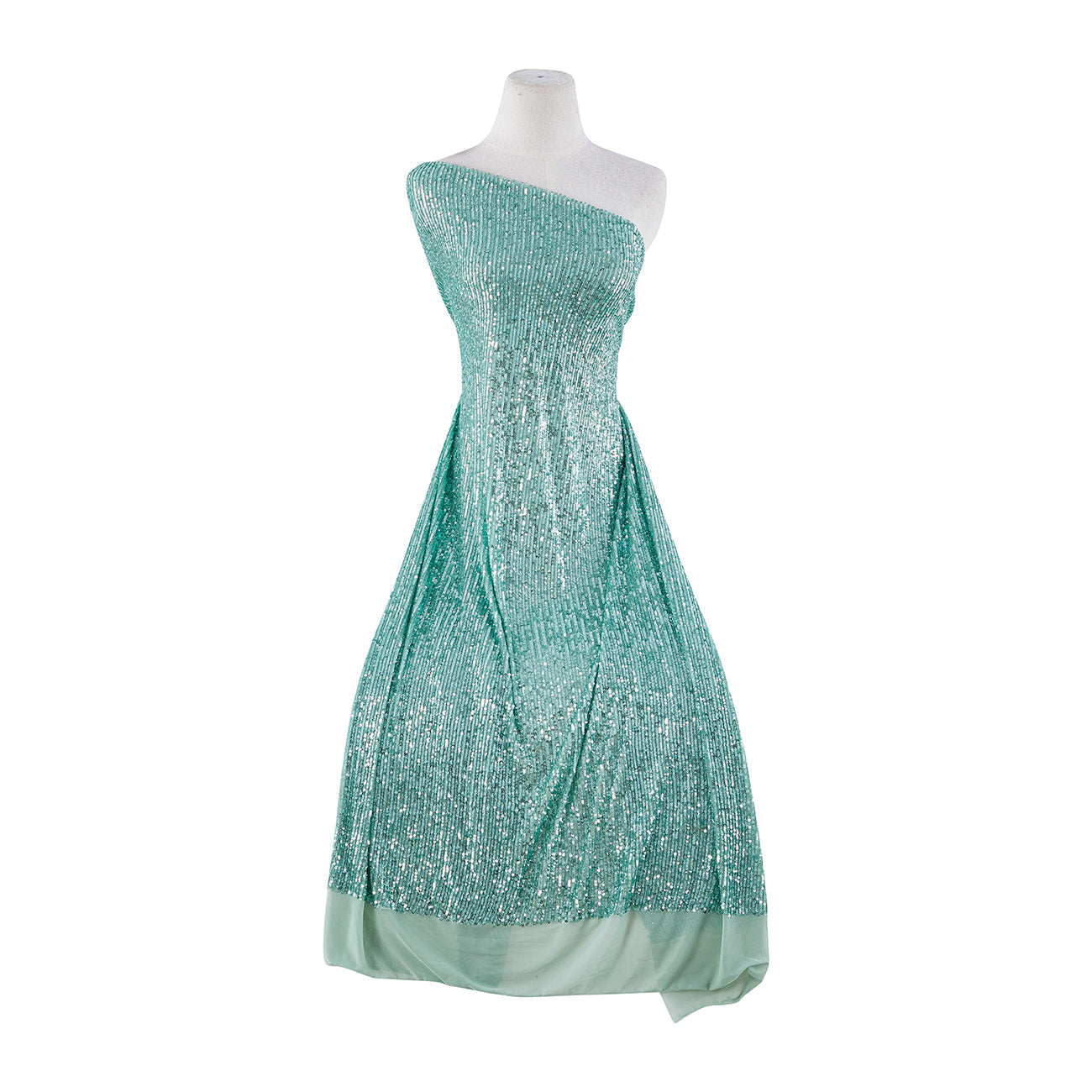
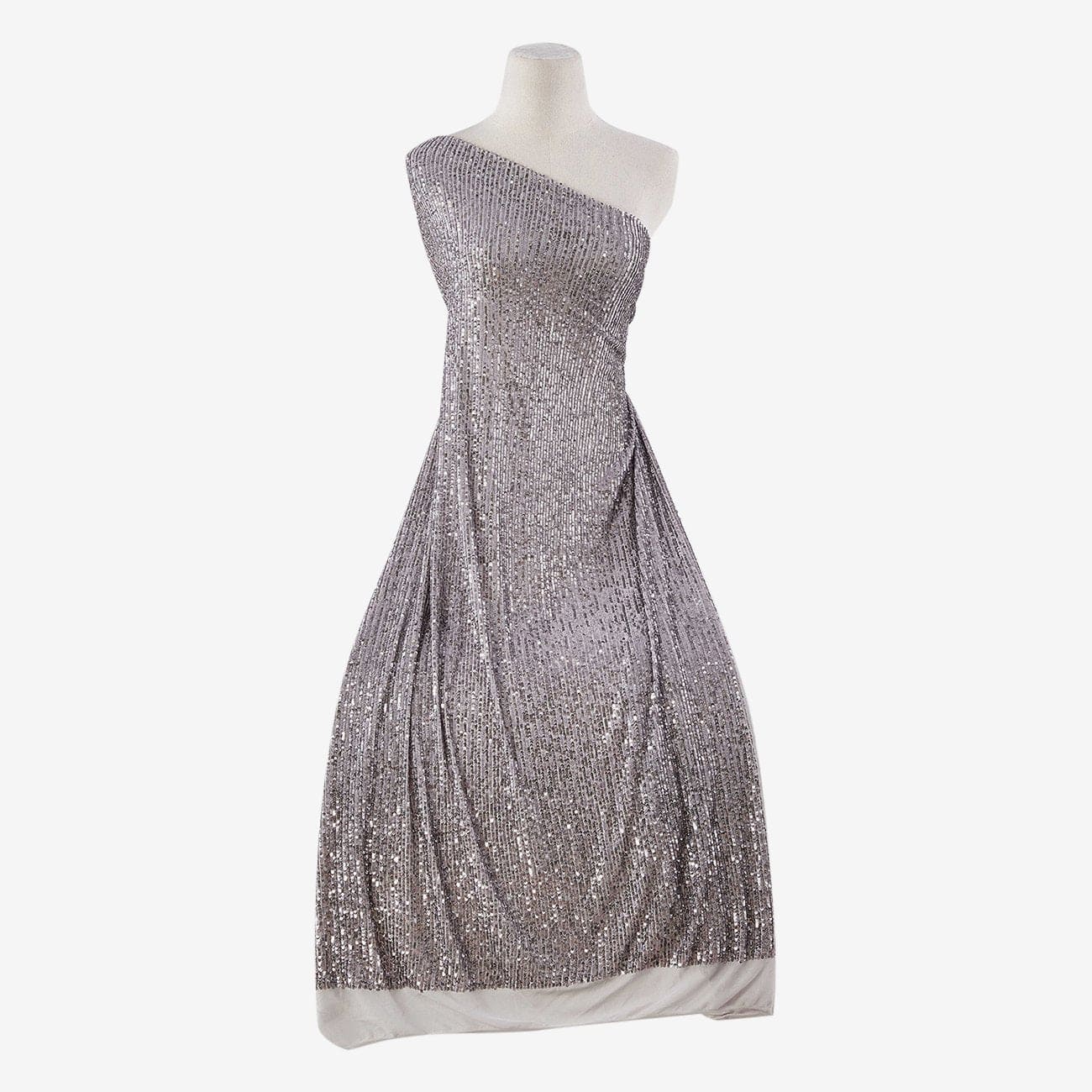
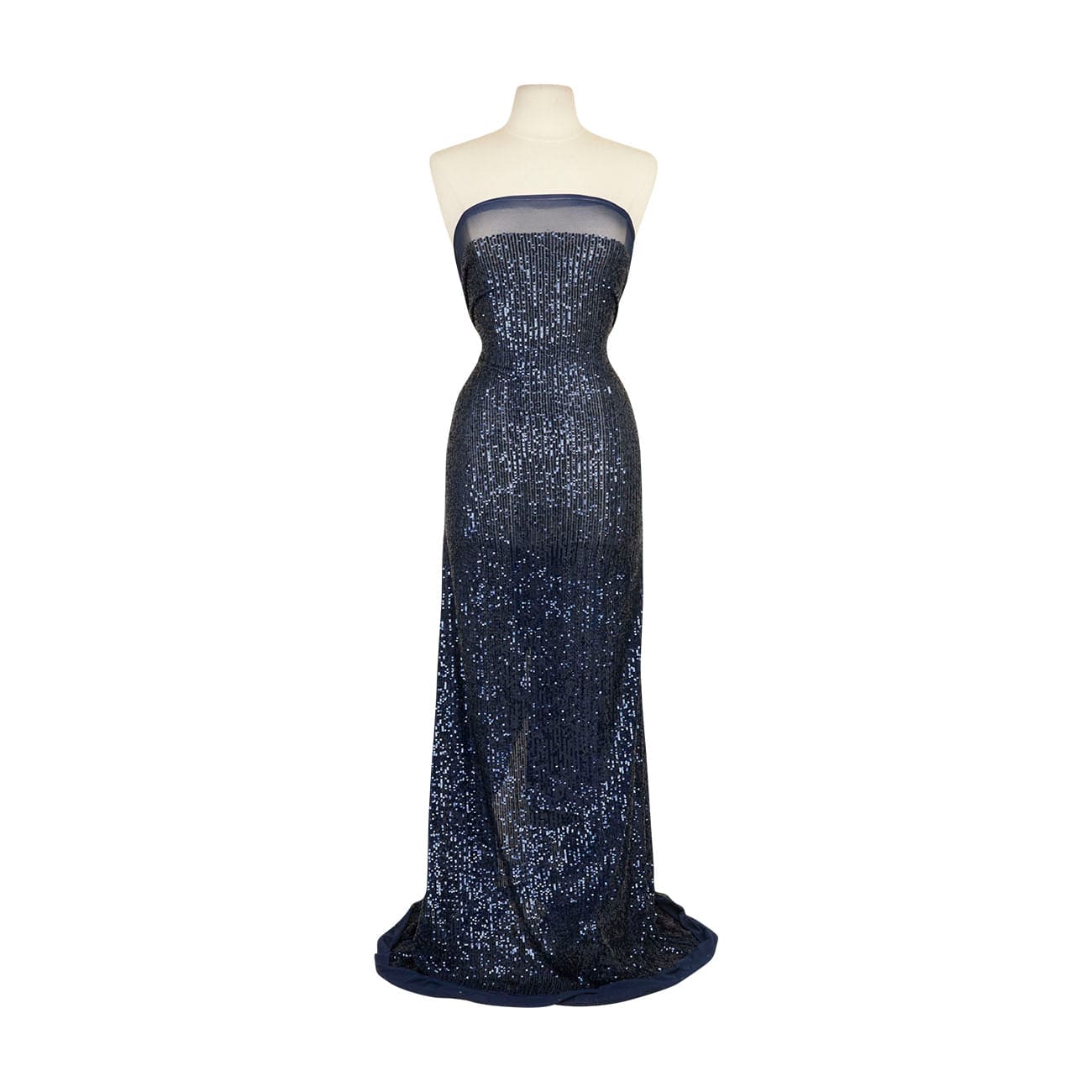
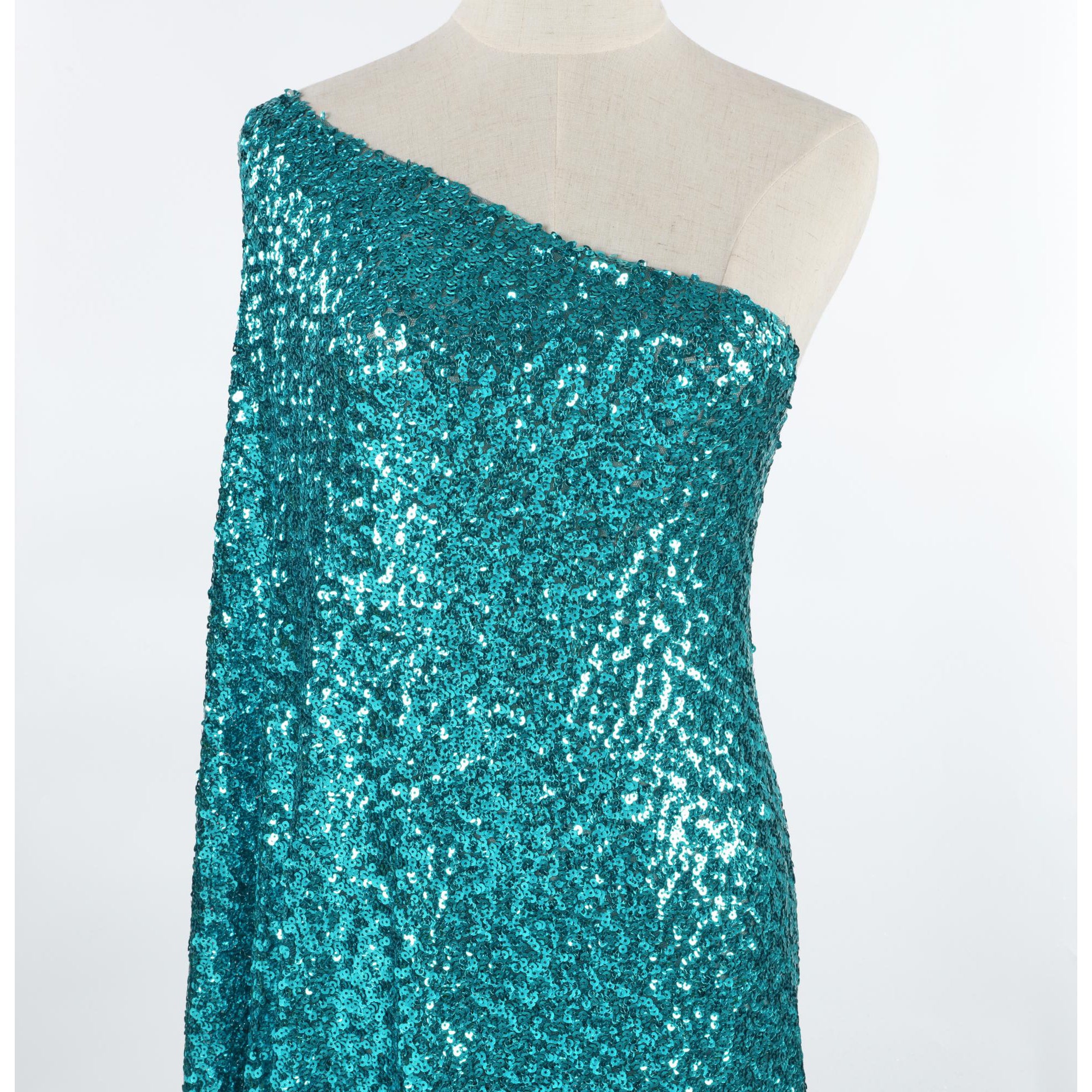
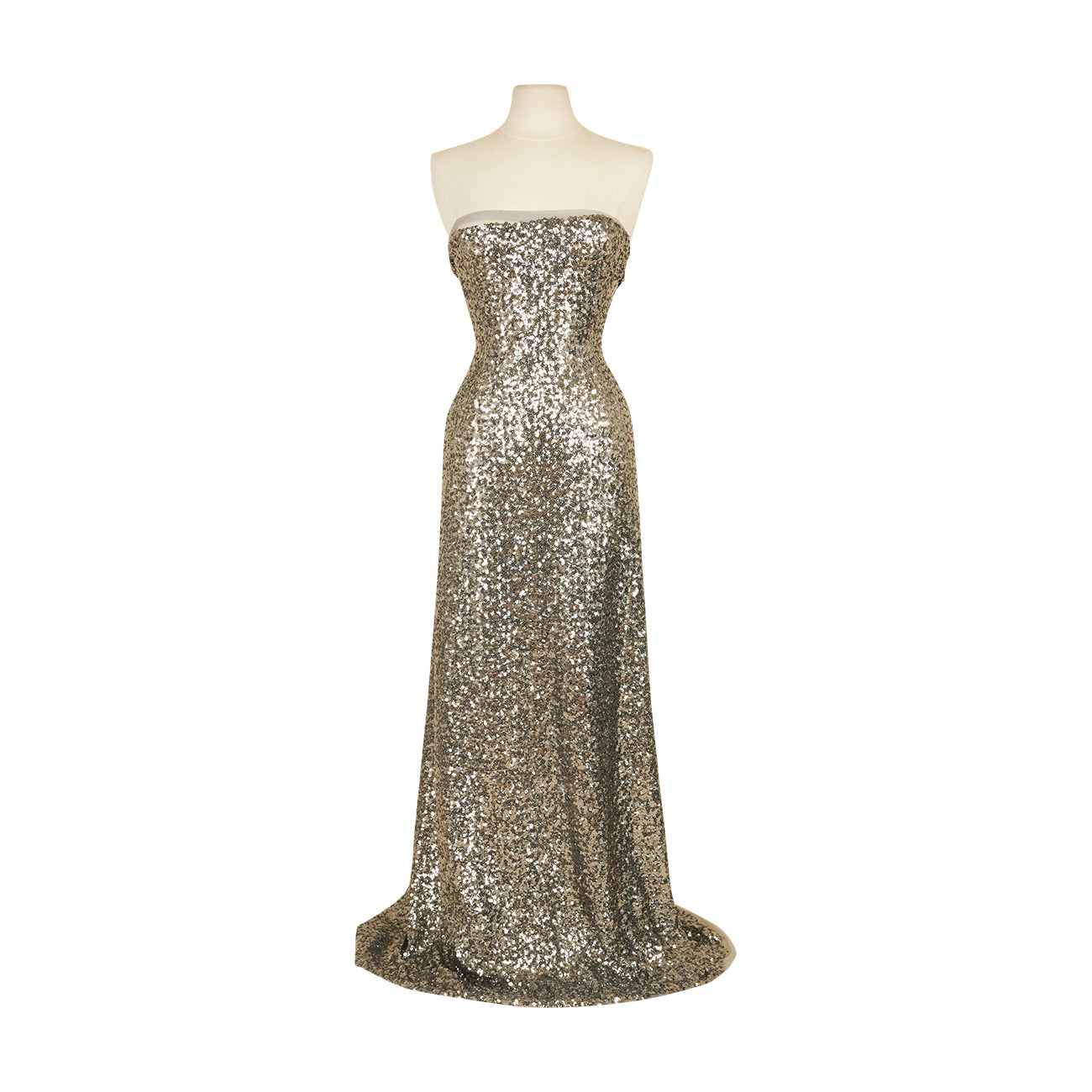
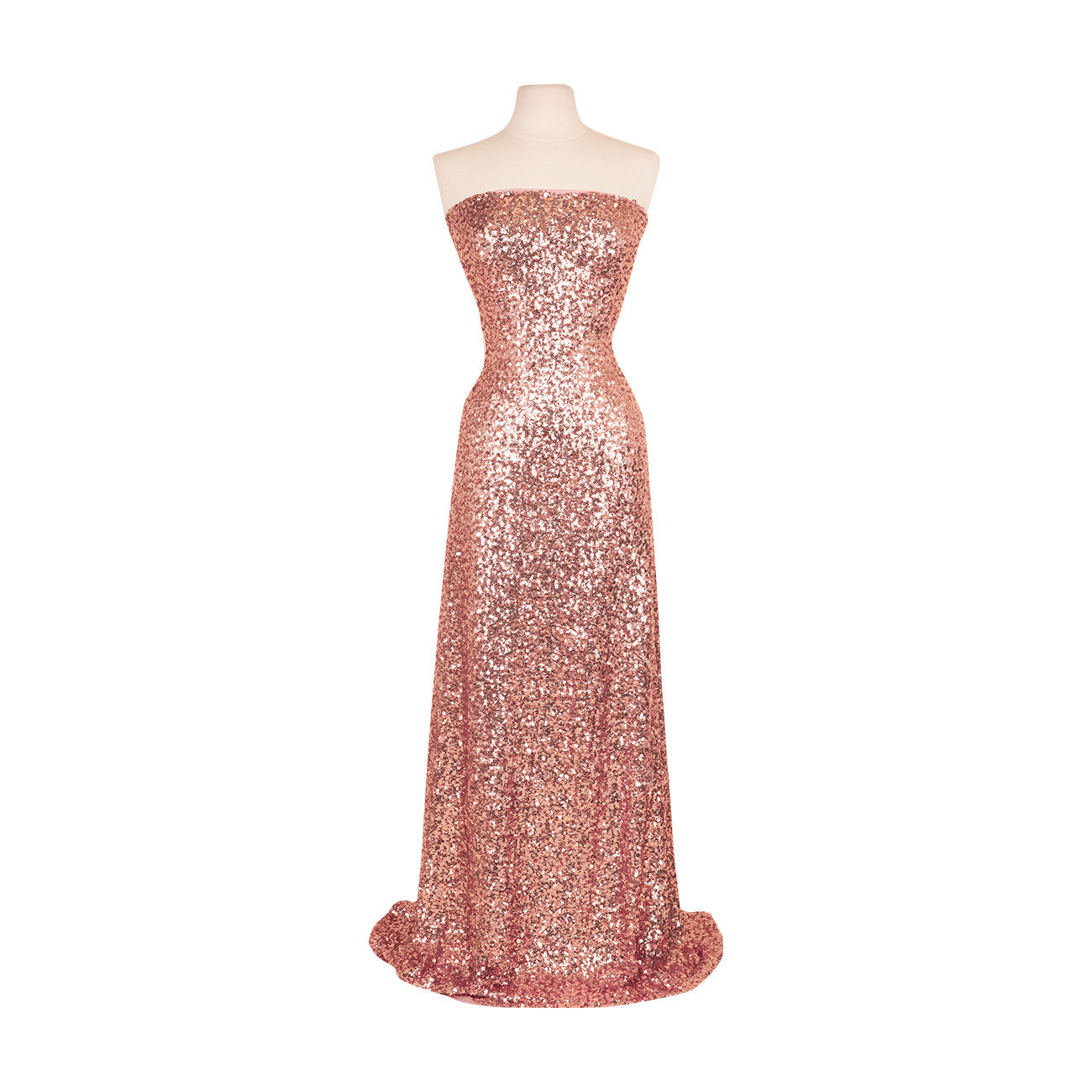
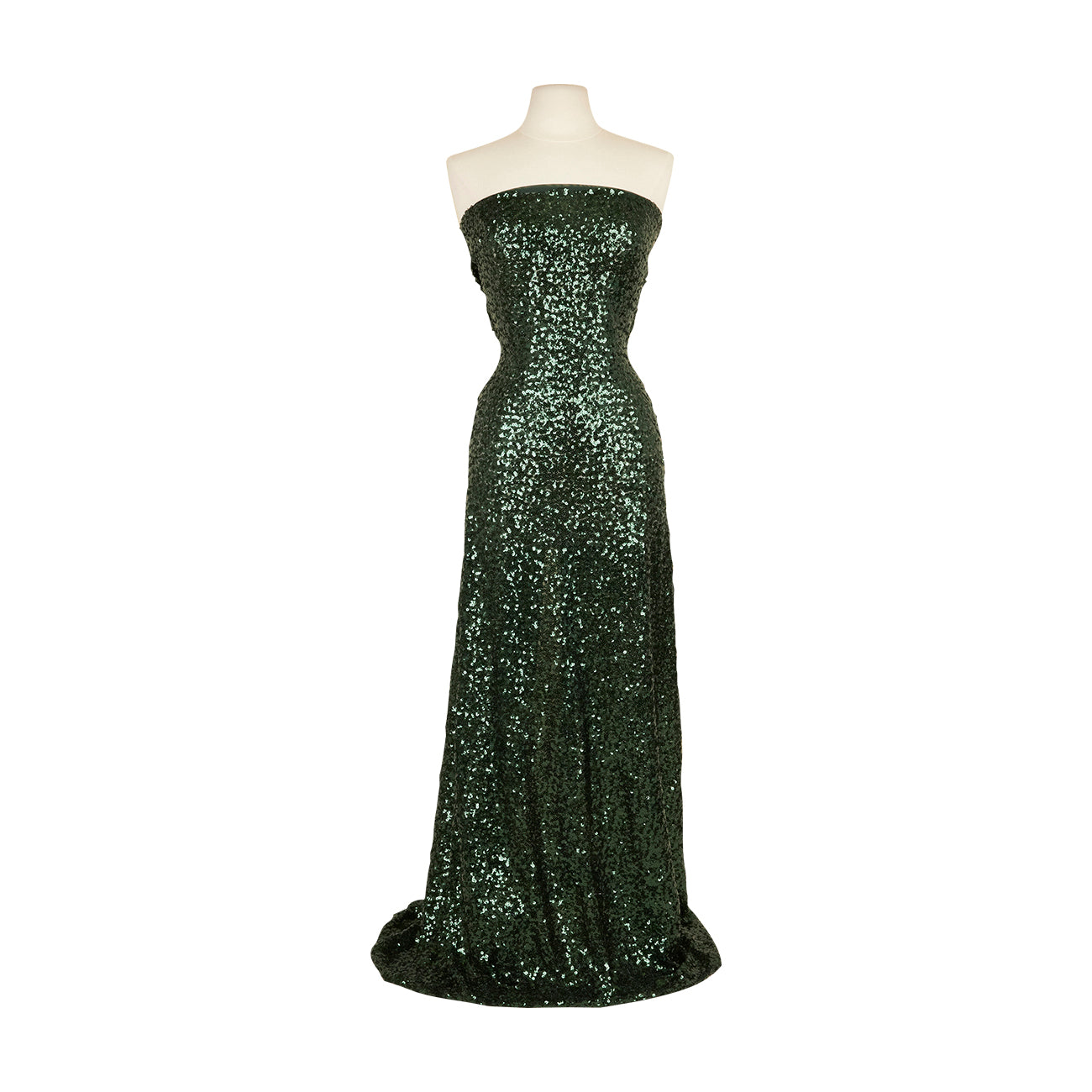
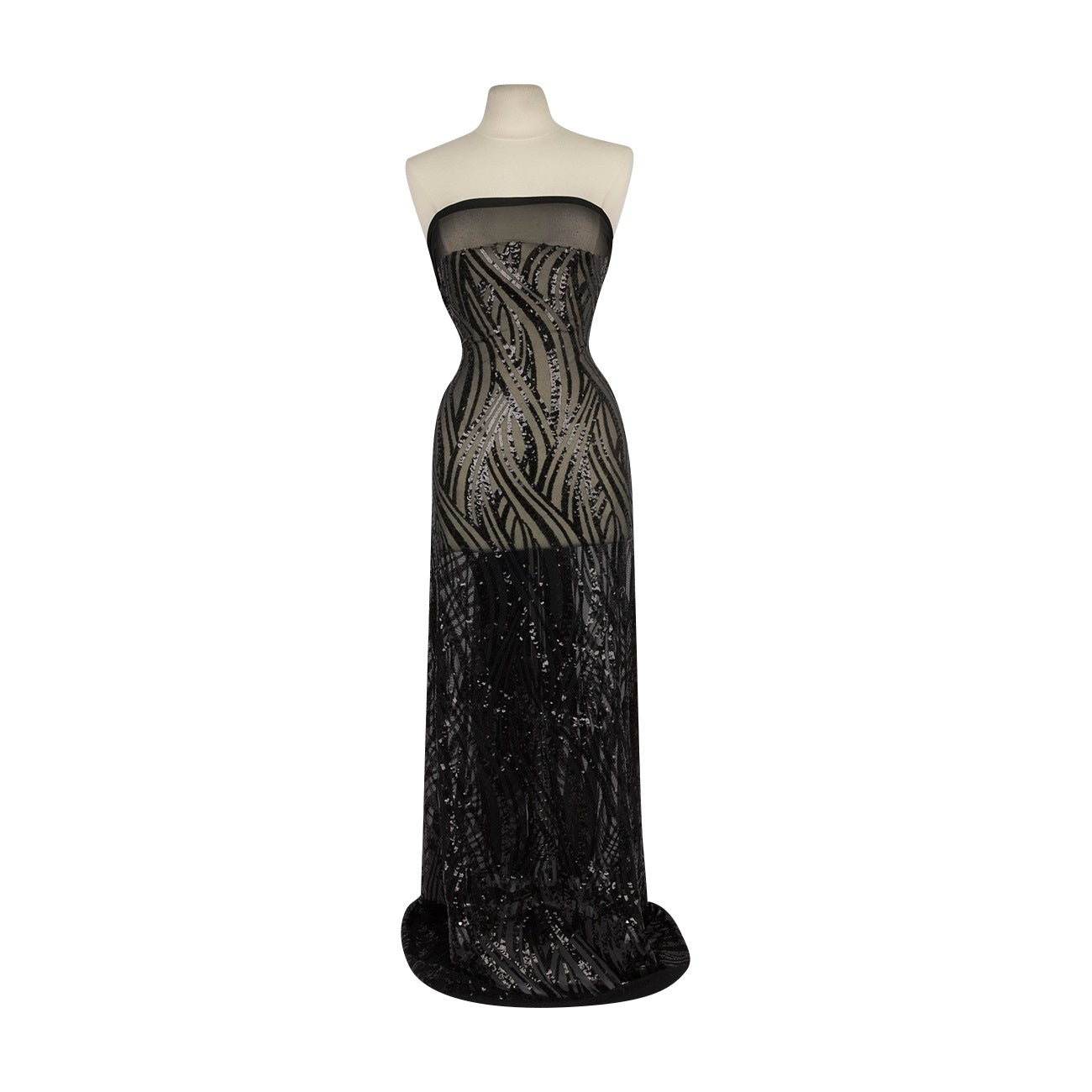
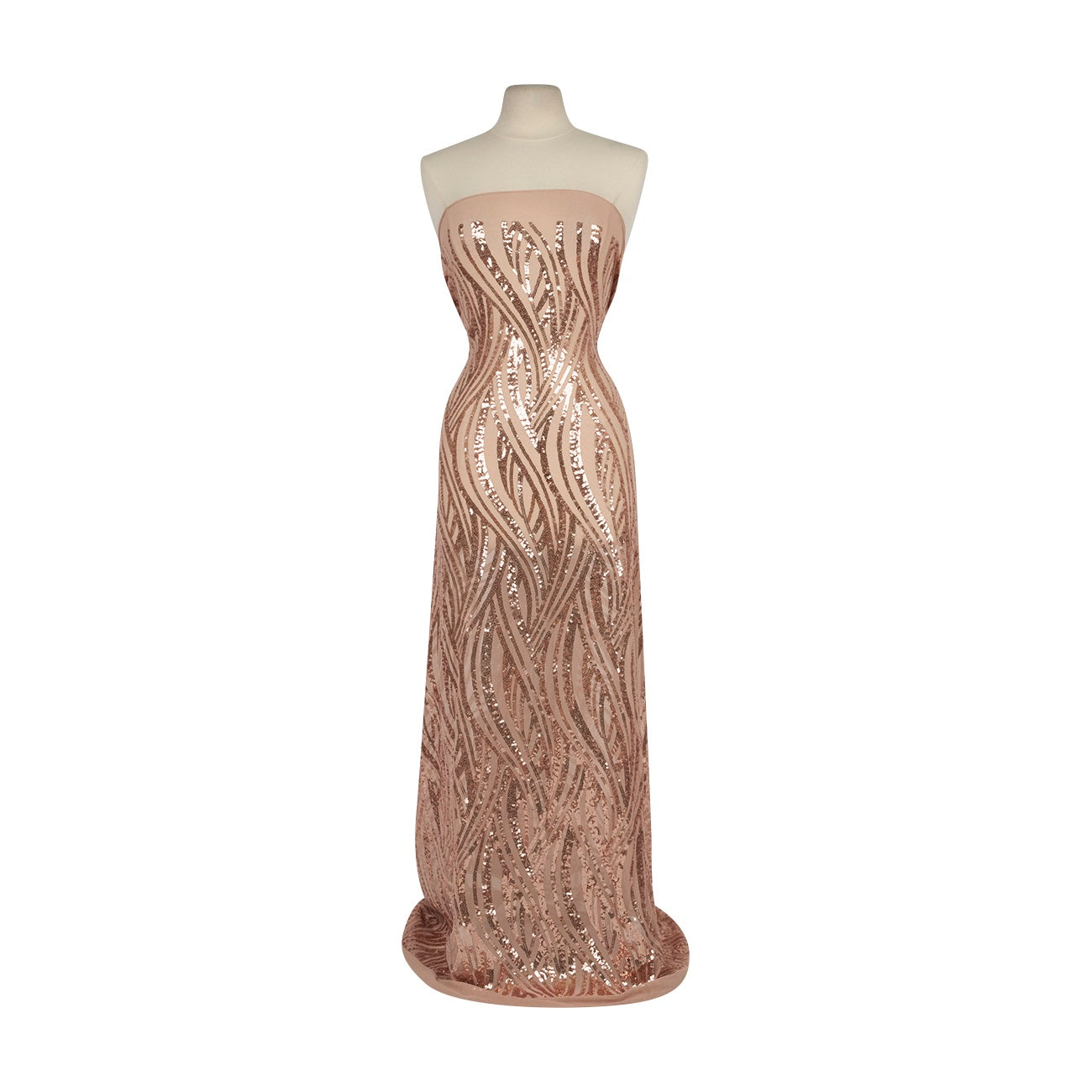
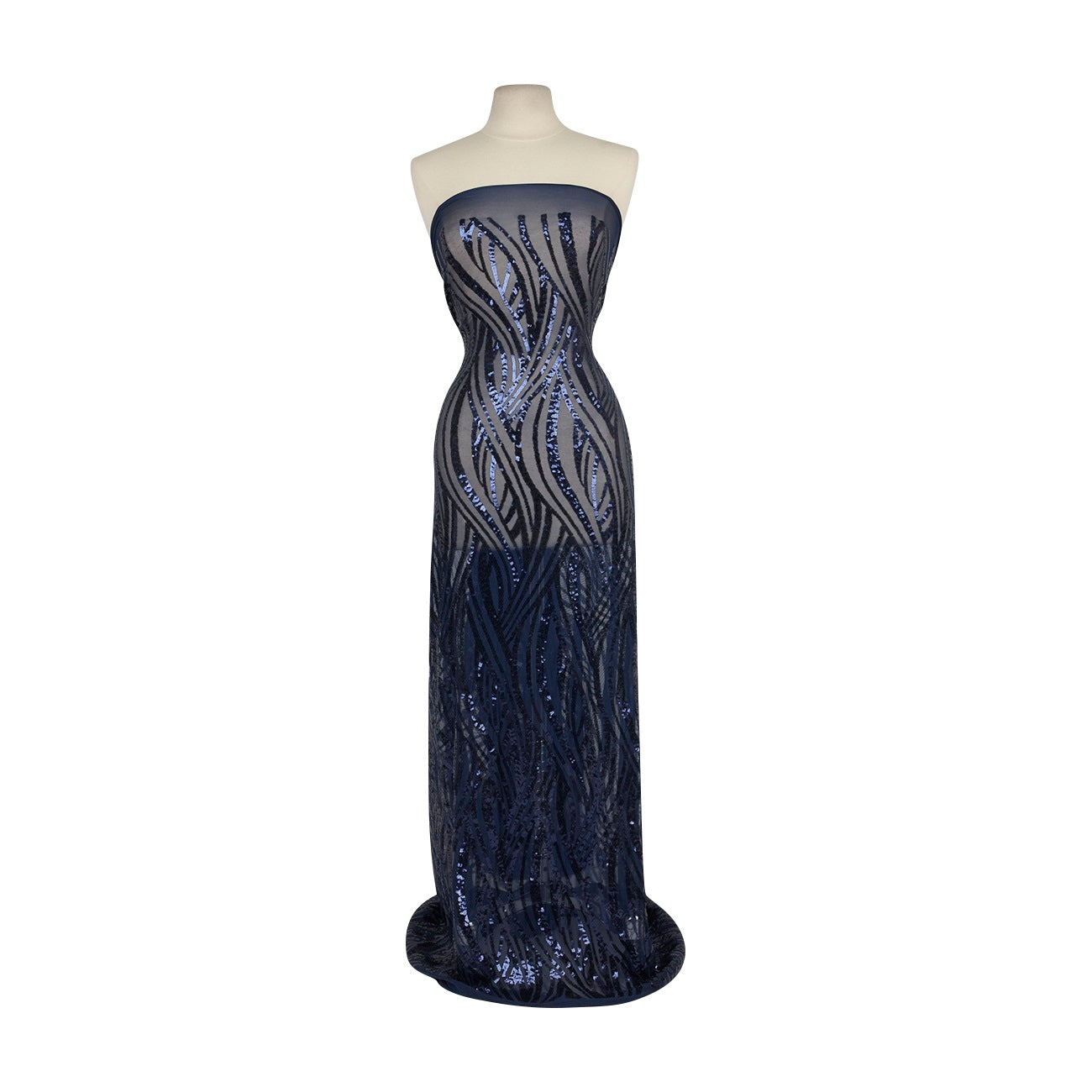
Stretch mesh is by far the largest base category here, and for good reason. It gives sequin fabric real give, which is essential for fitted eveningwear, bodycon silhouettes, and dancewear where the garment needs to move with the body. This makes it one of the most versatile bases in the entire collection, since it works equally well for close-fitting gowns and high-movement performance pieces.
Sequin on Lace
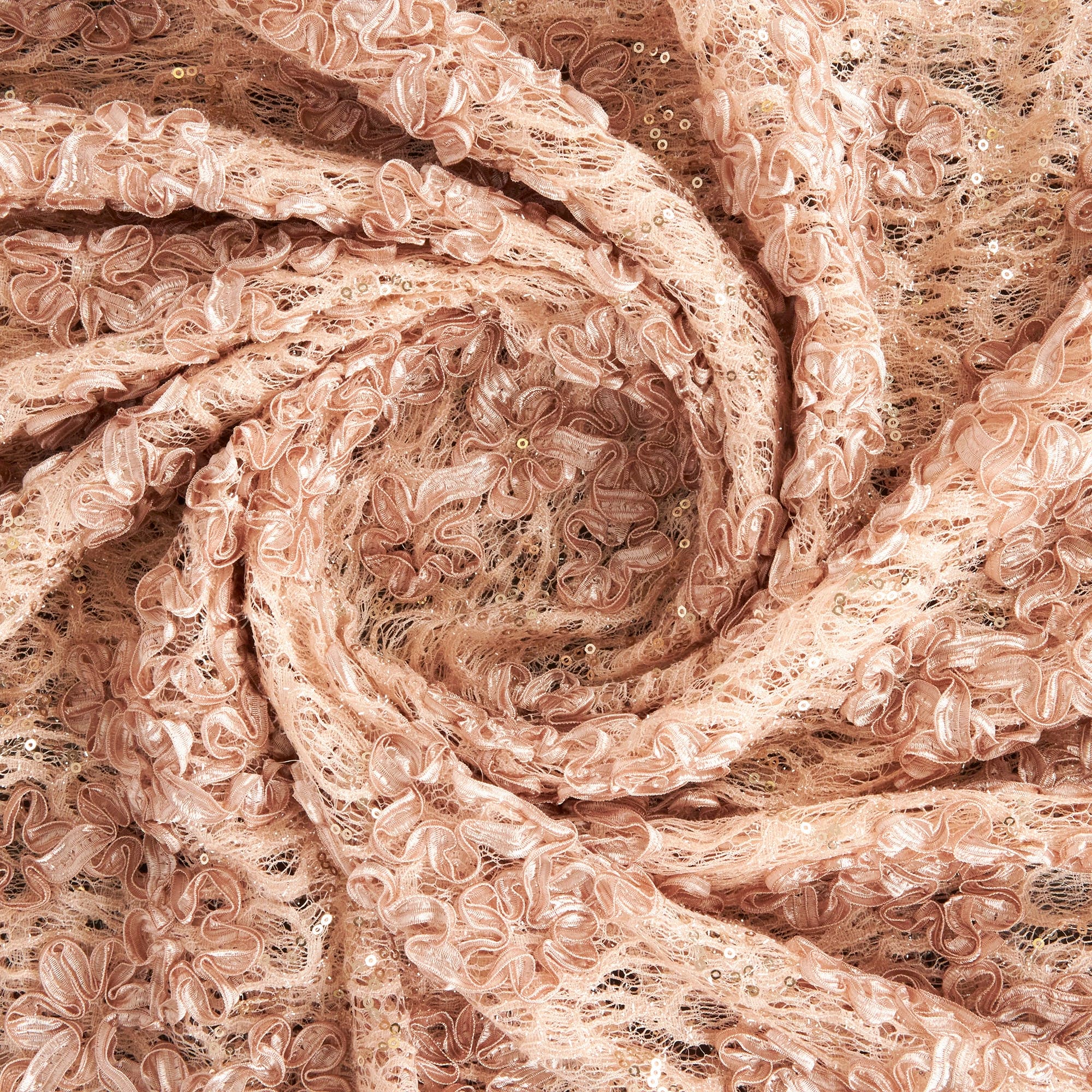
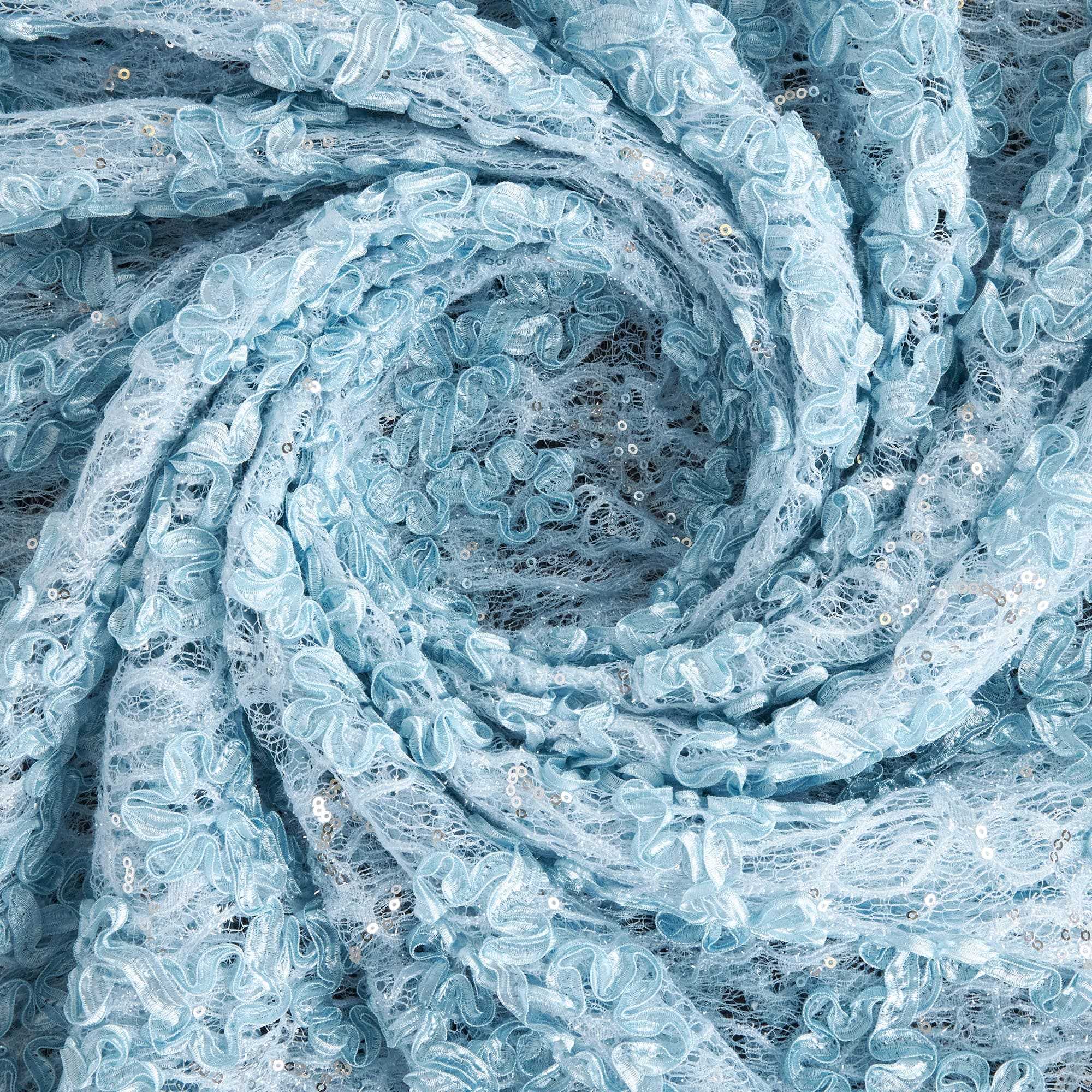
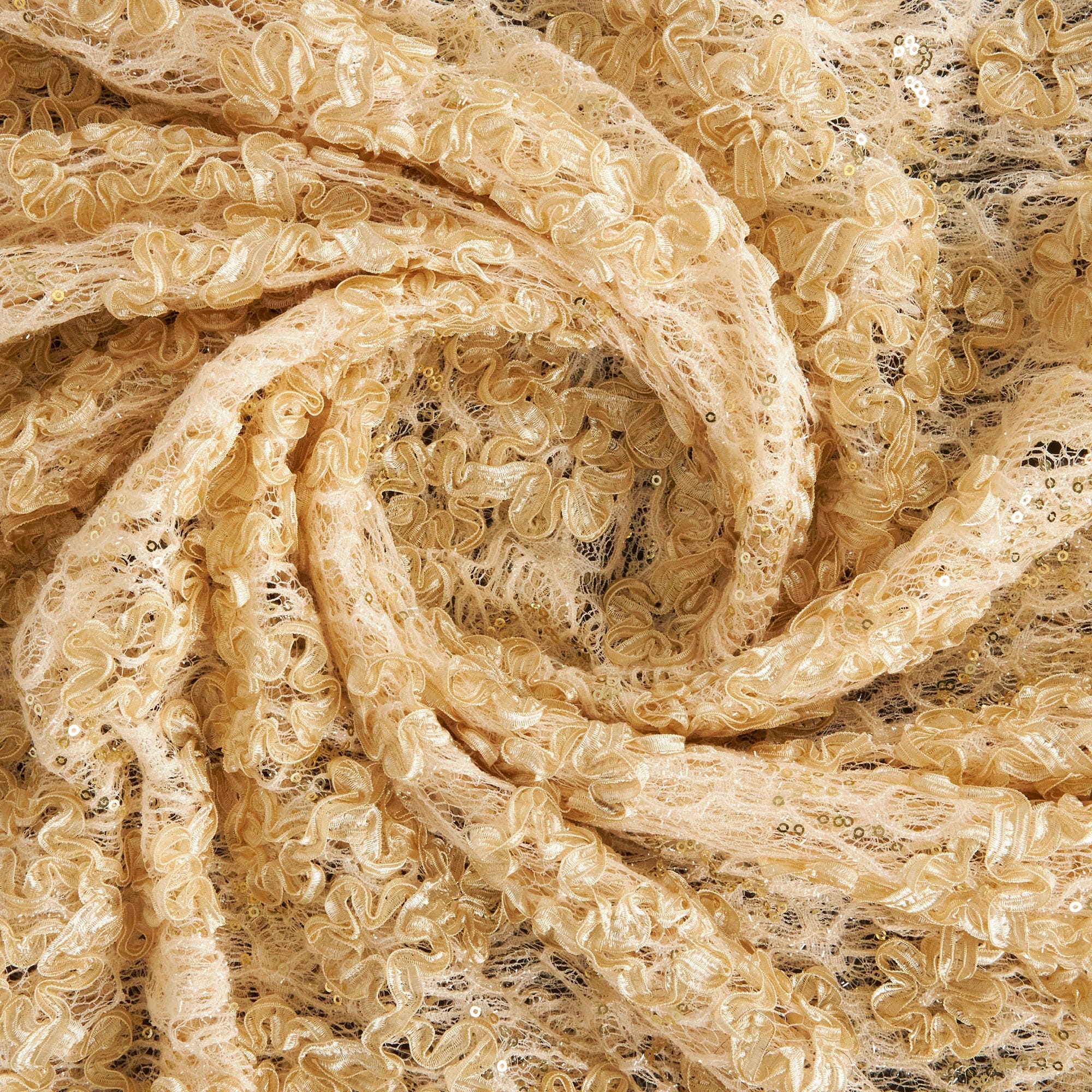
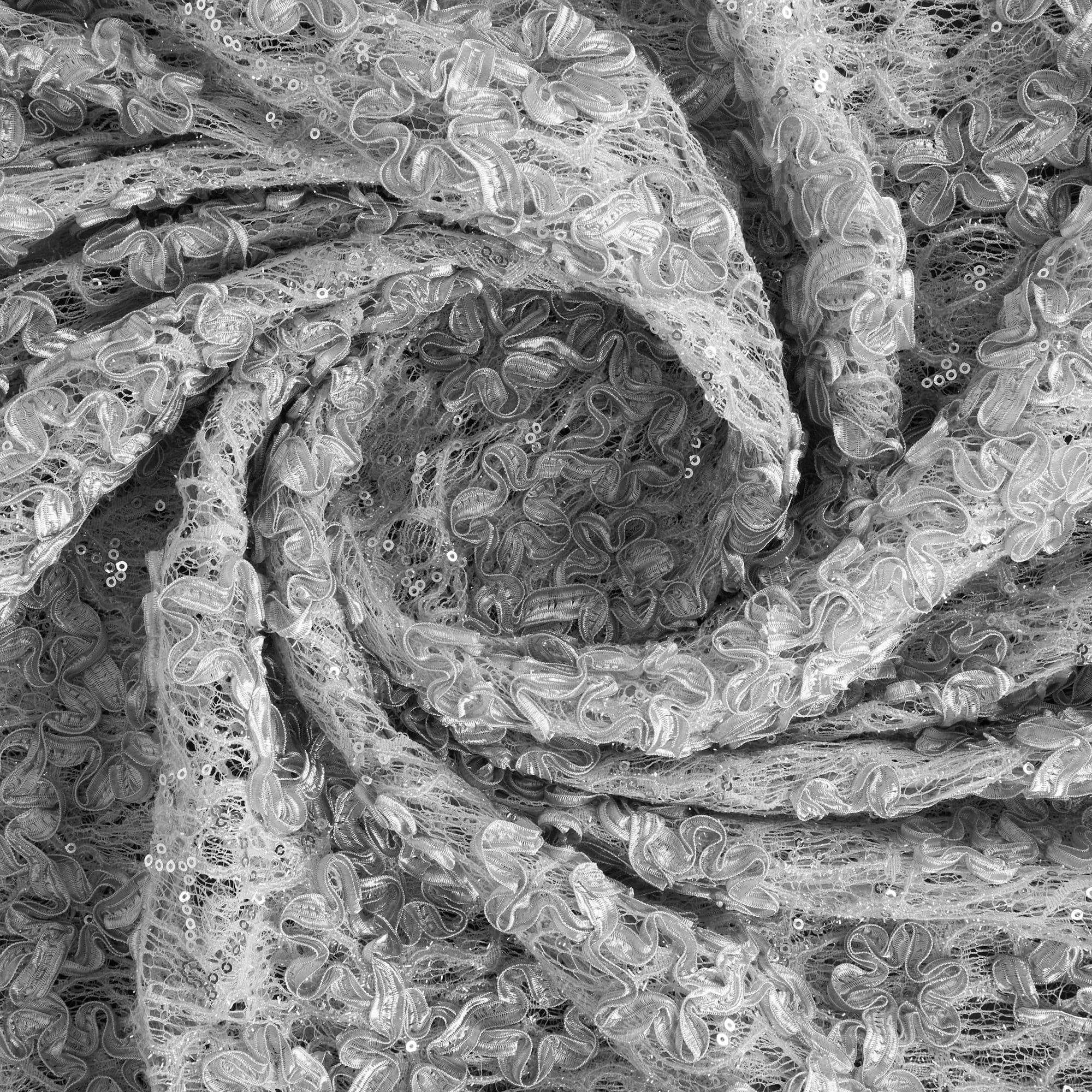
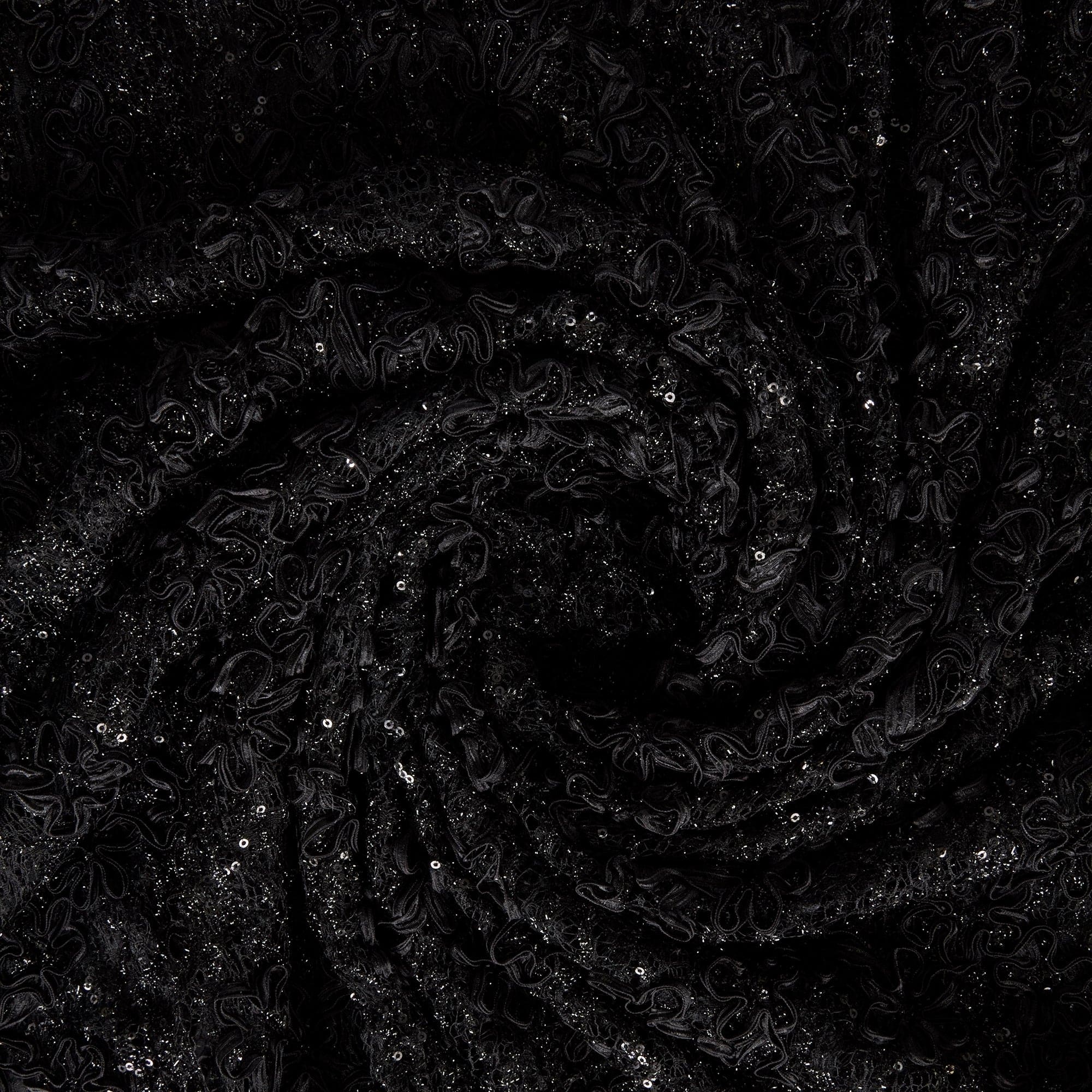
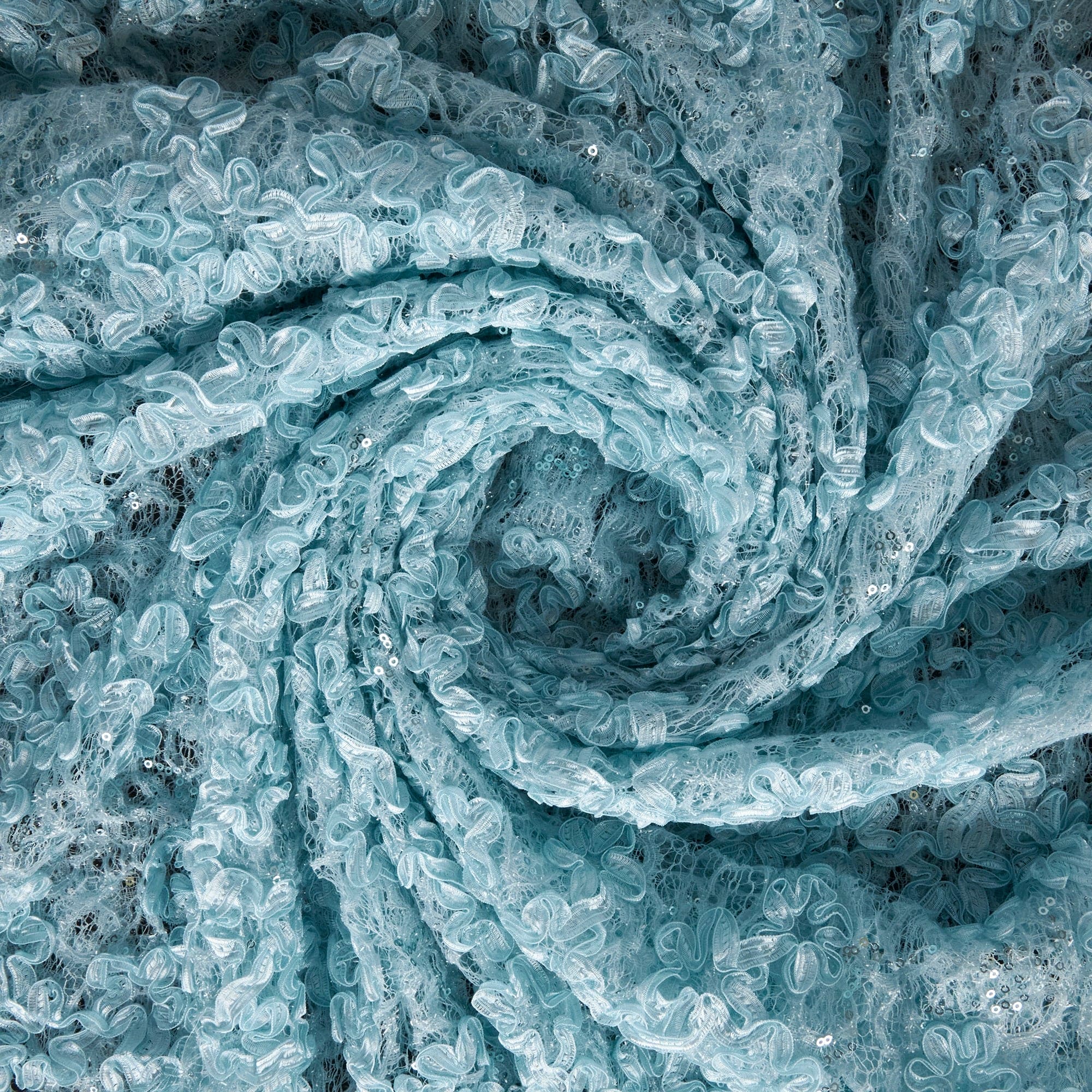
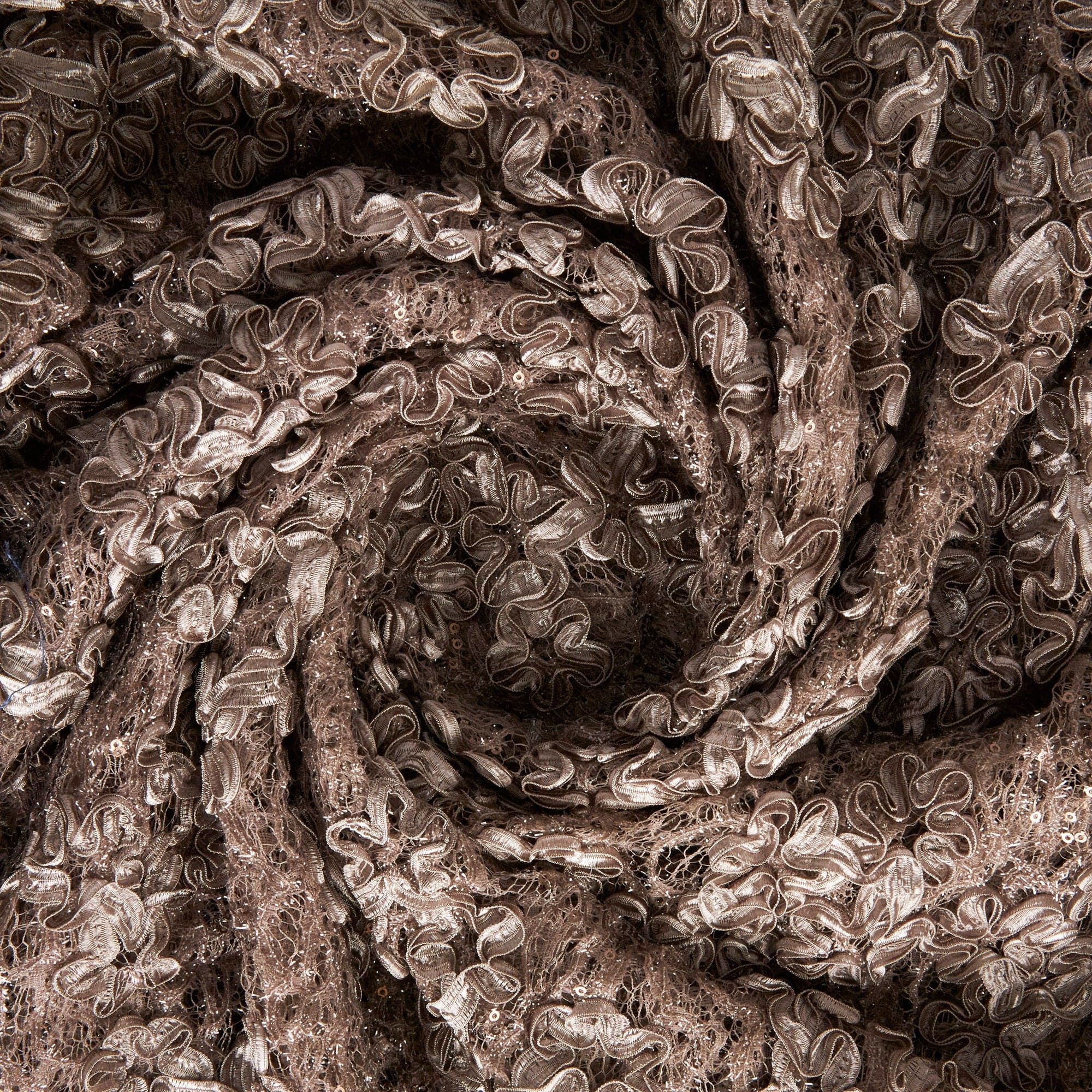
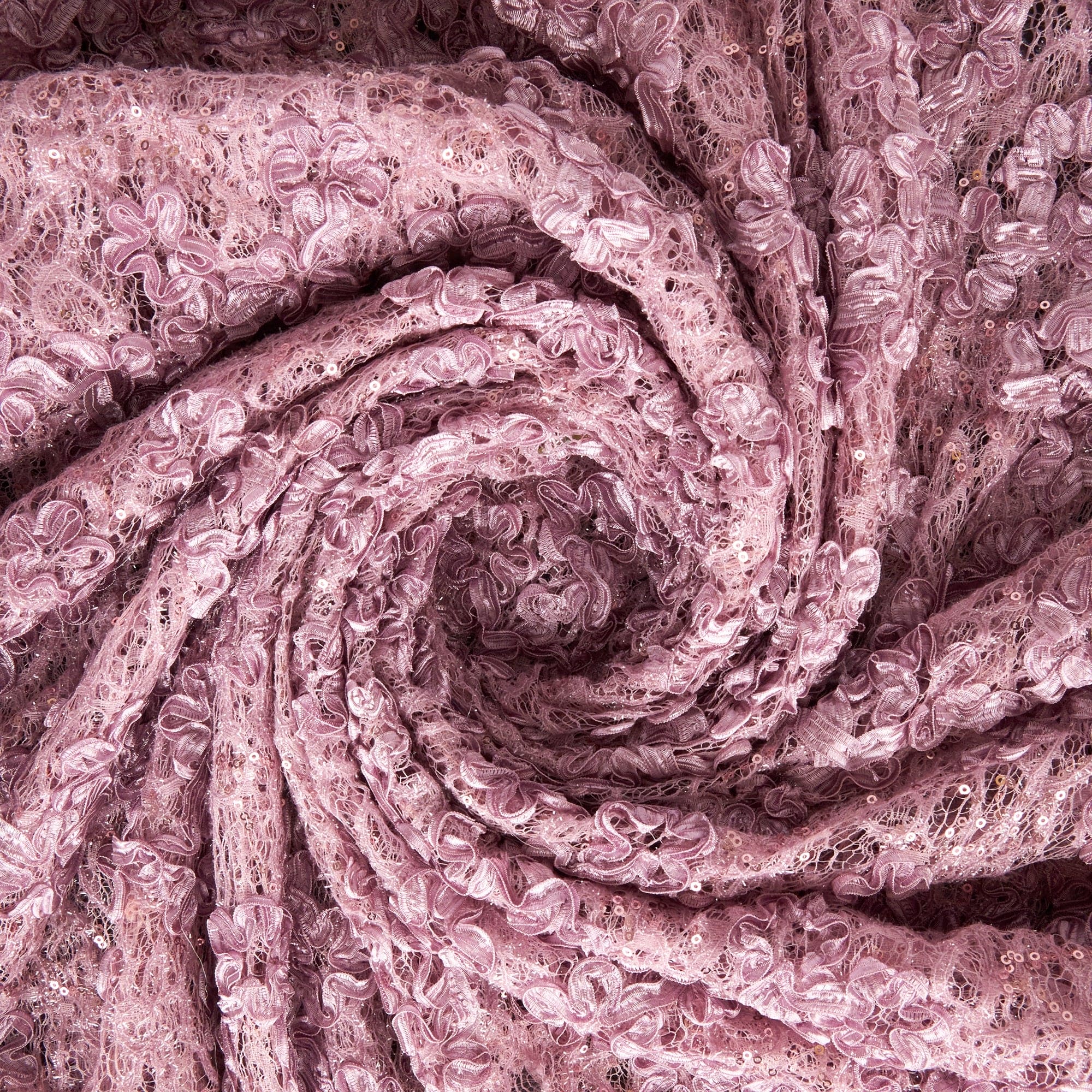
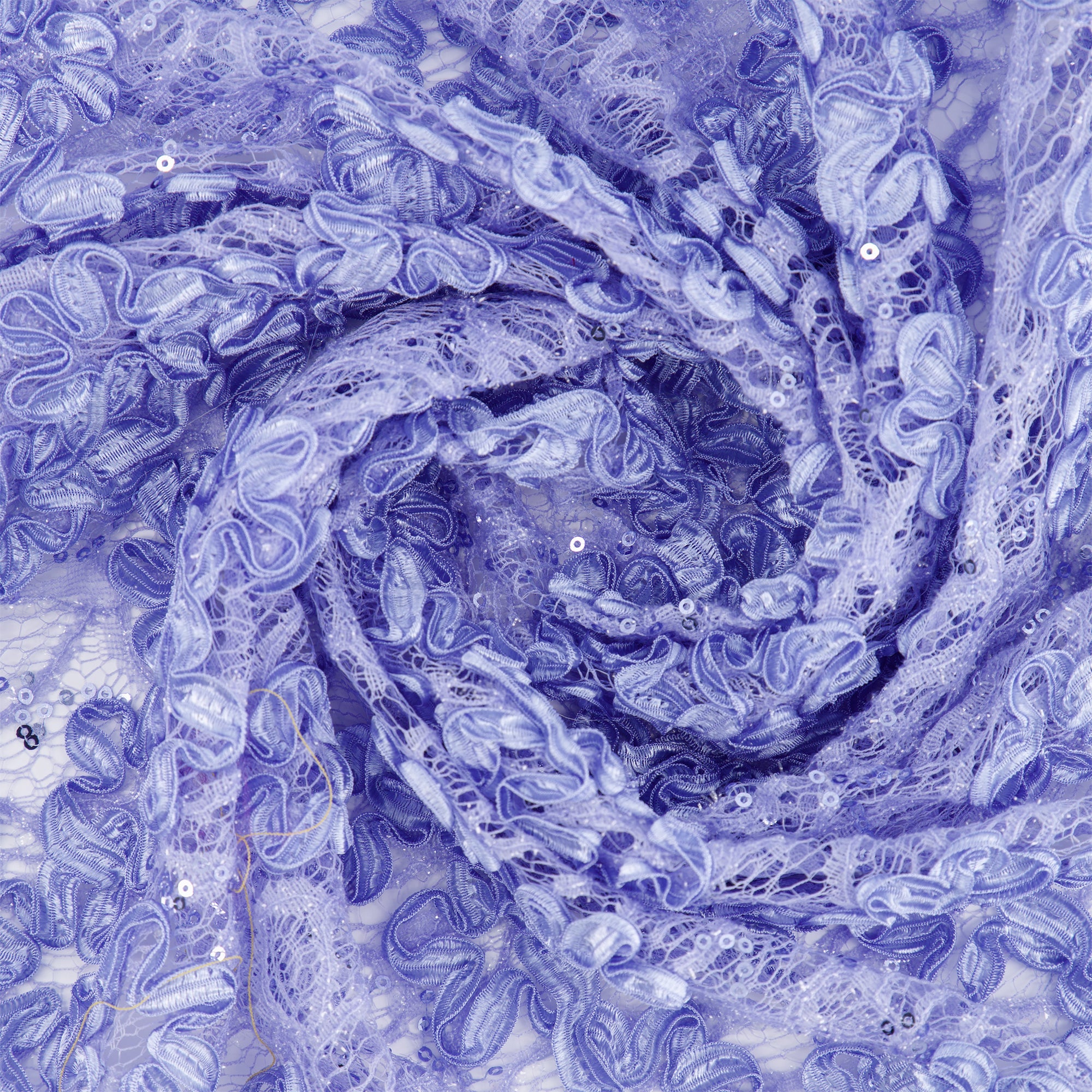
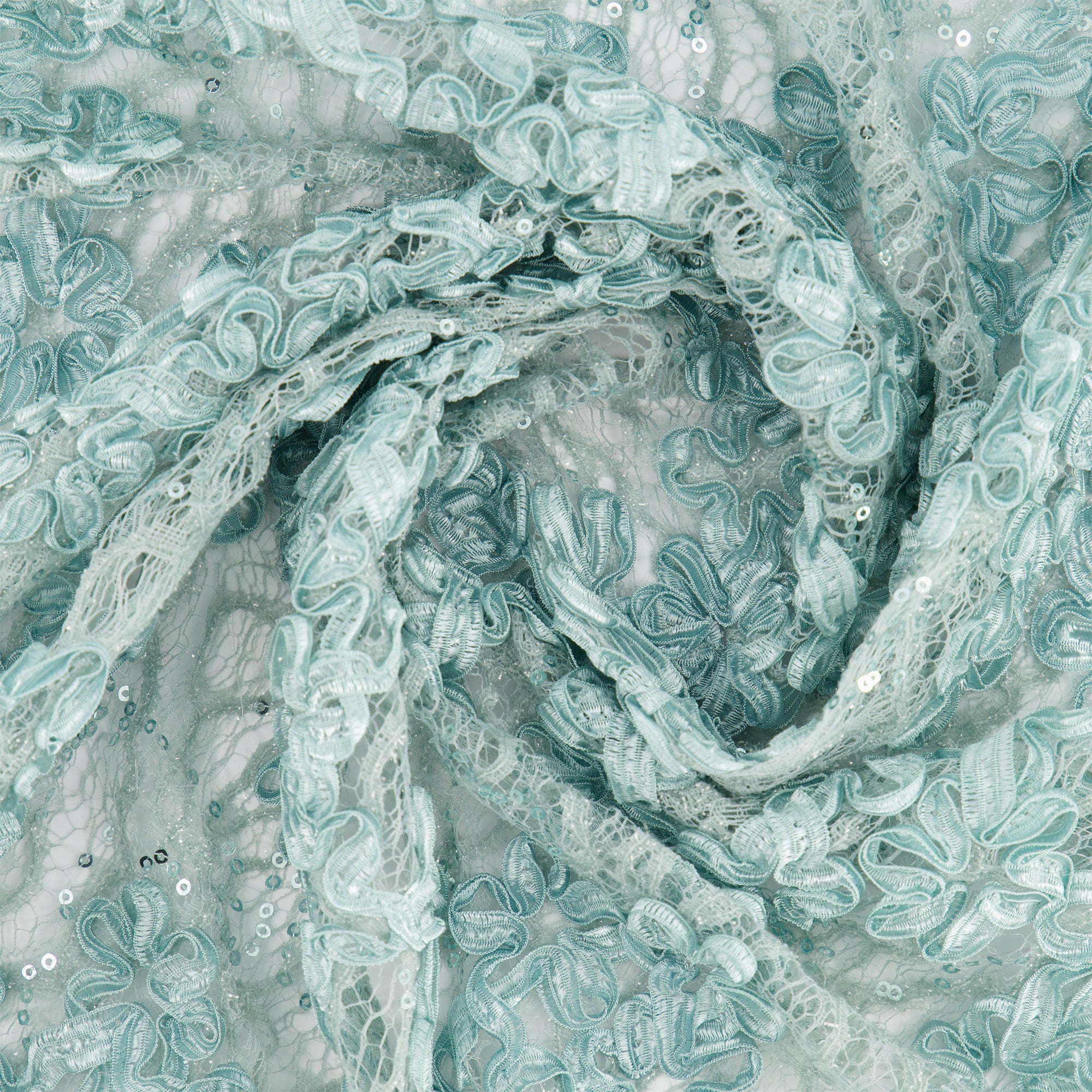
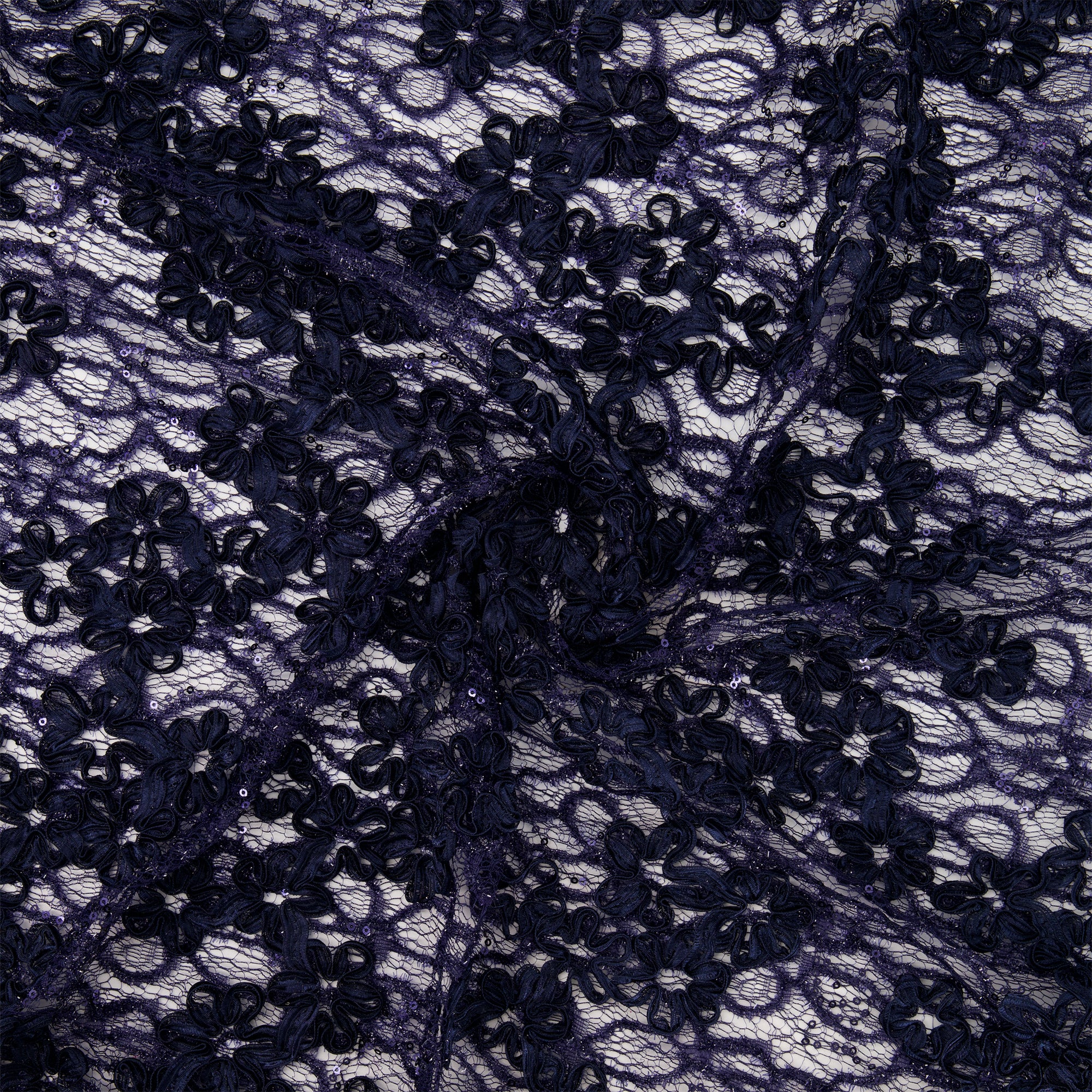
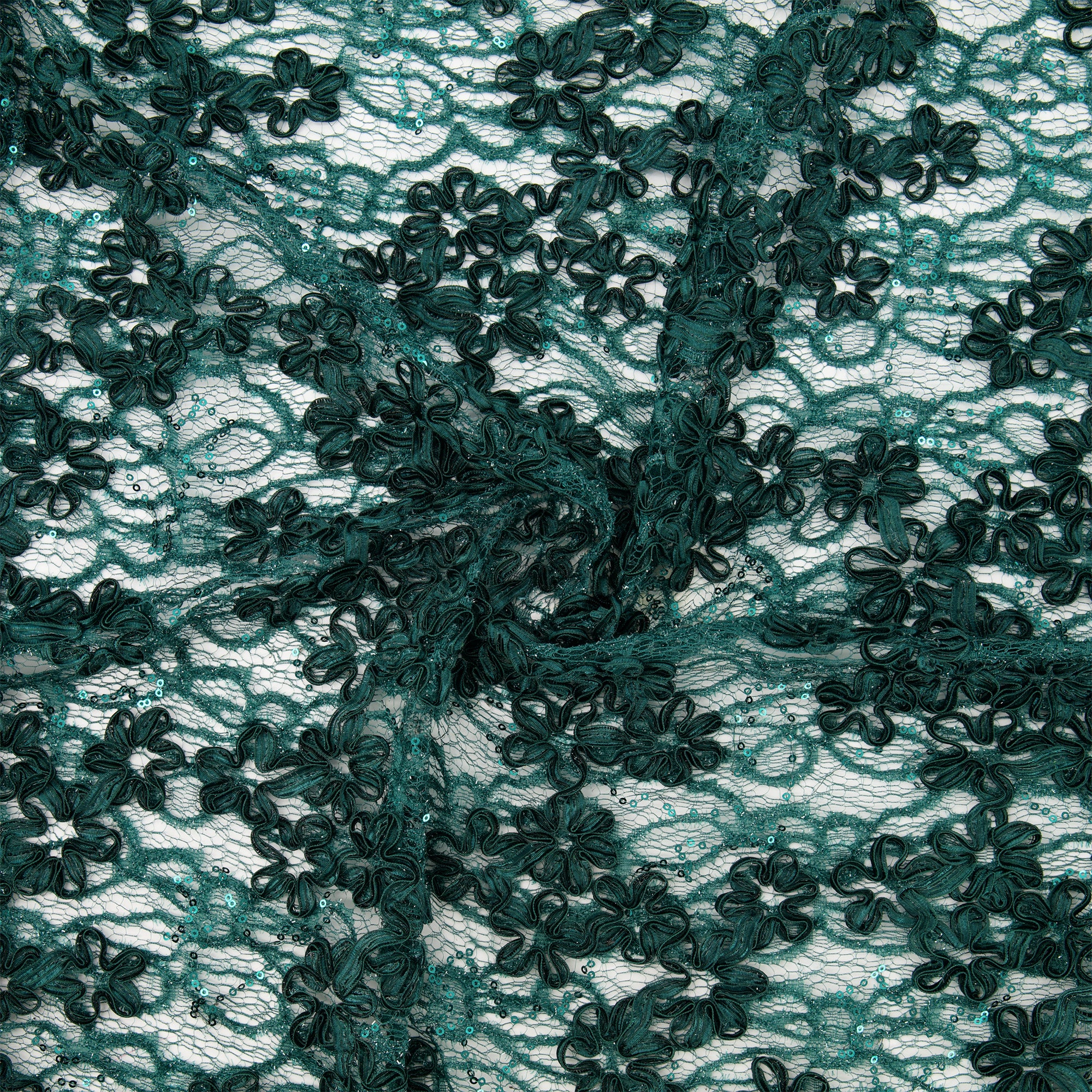
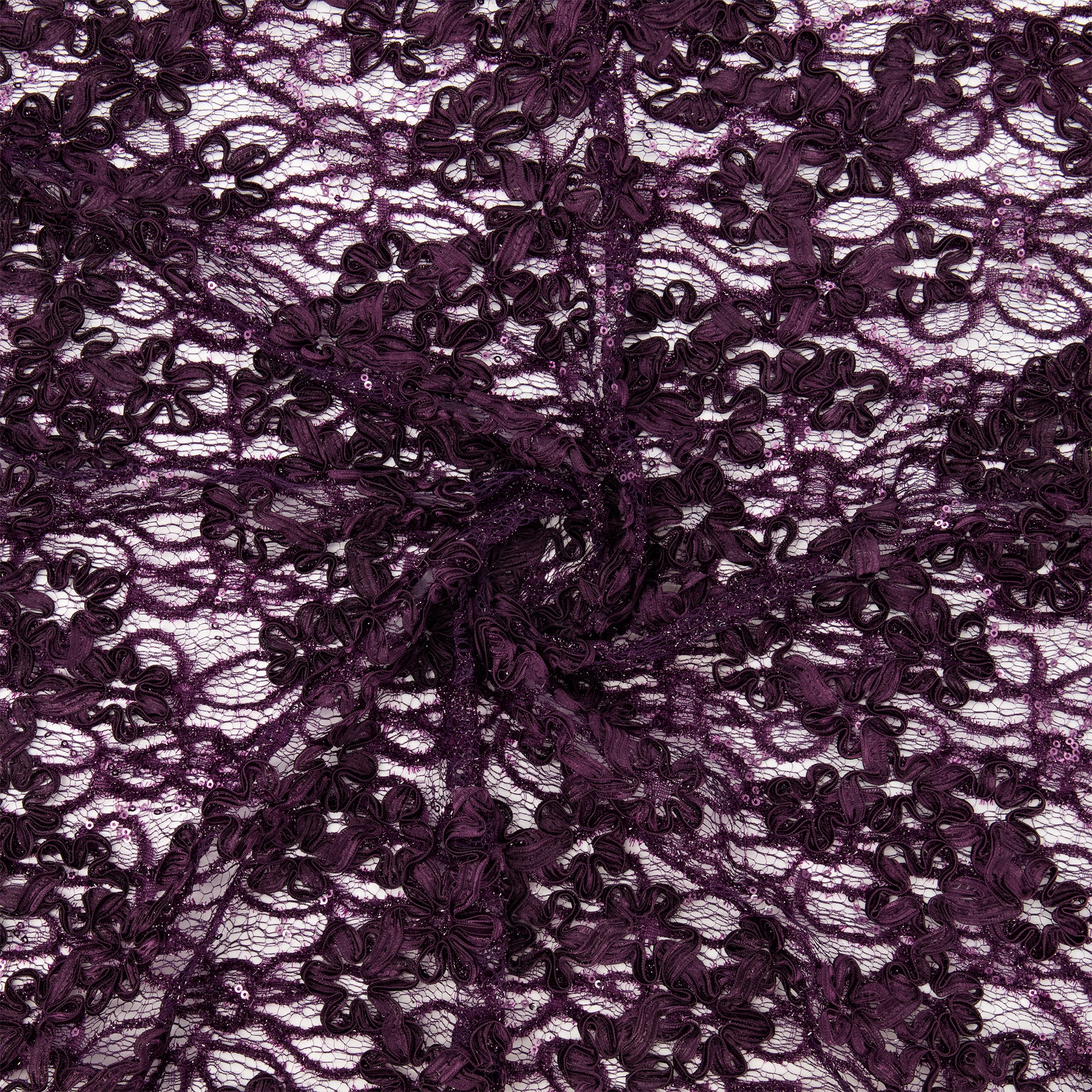
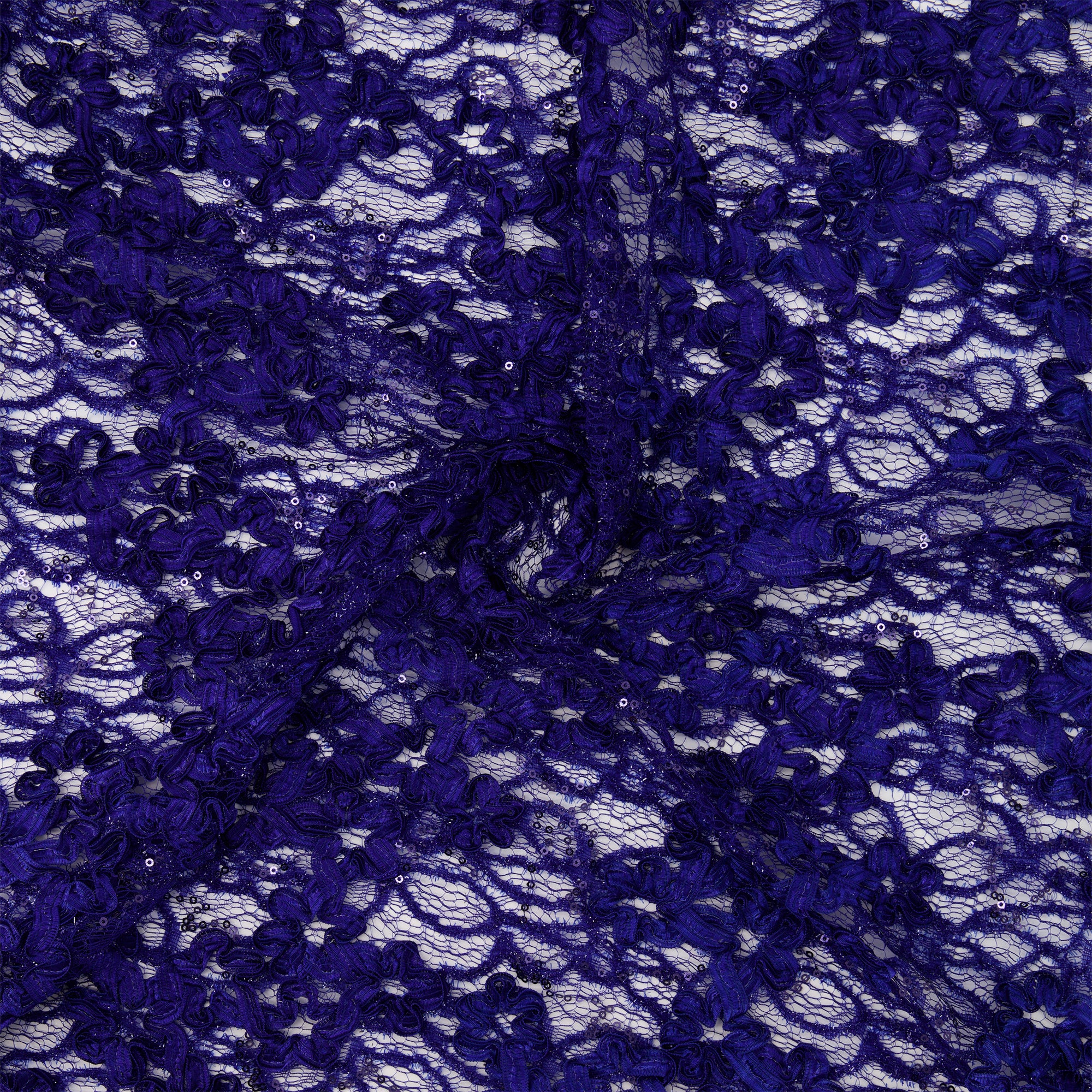
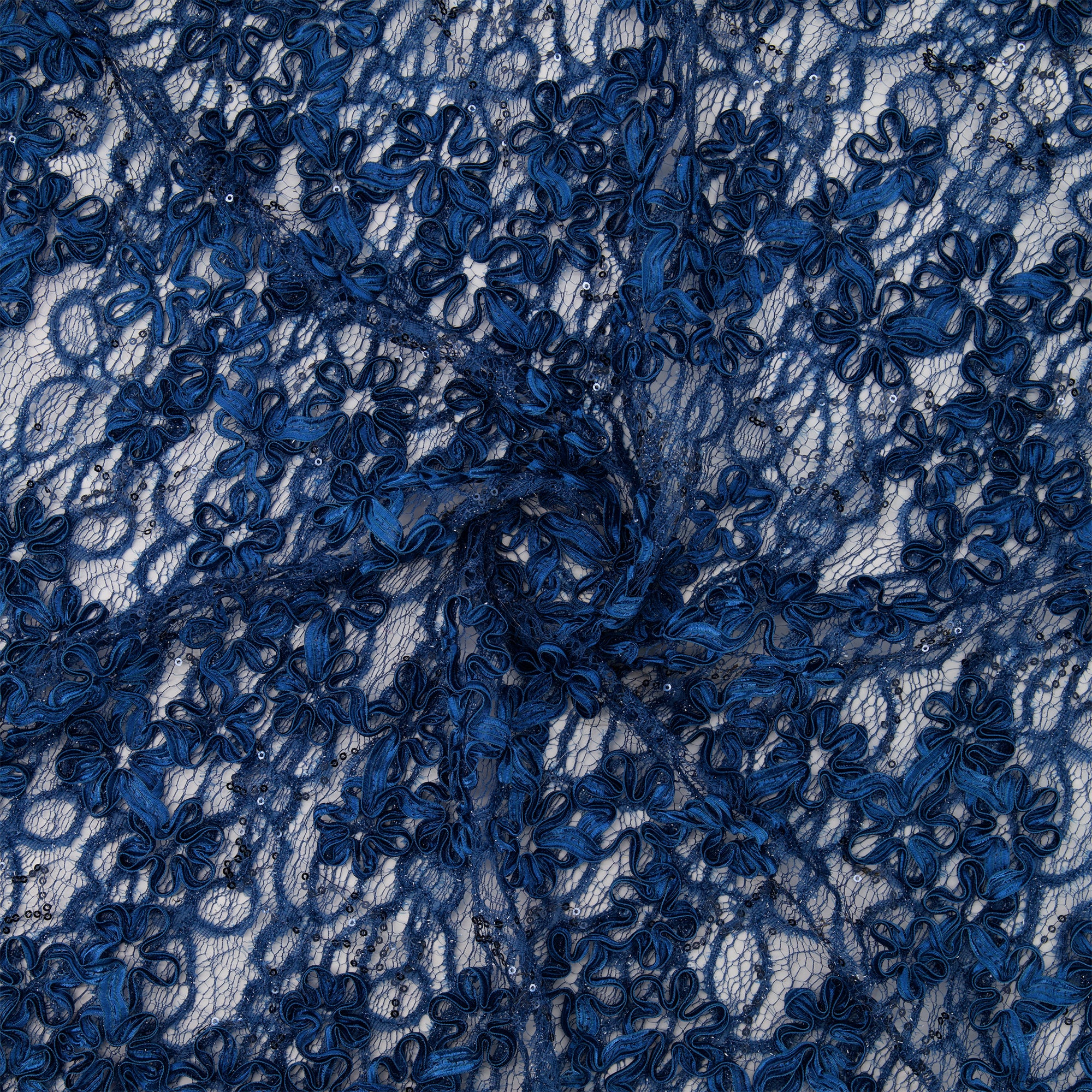
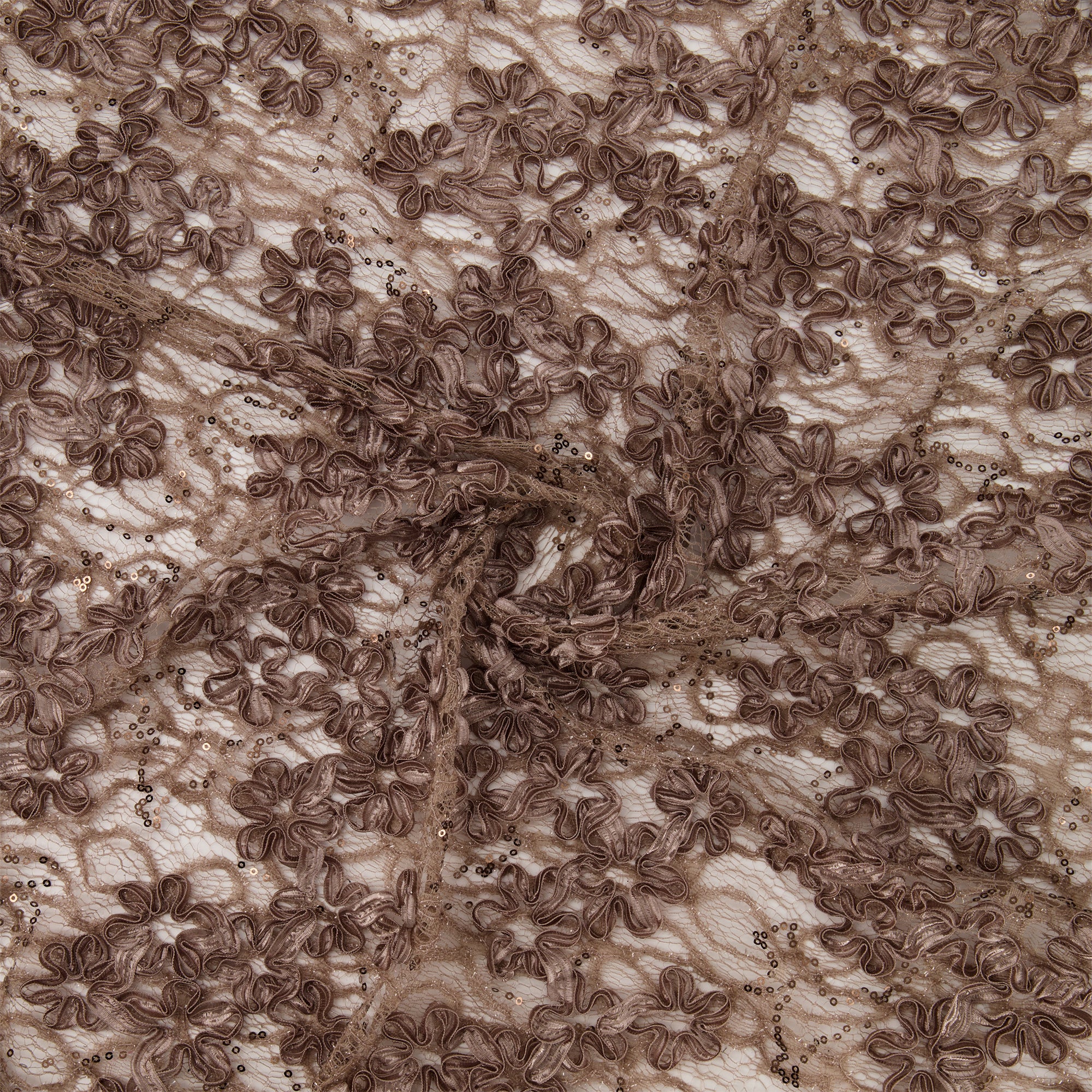
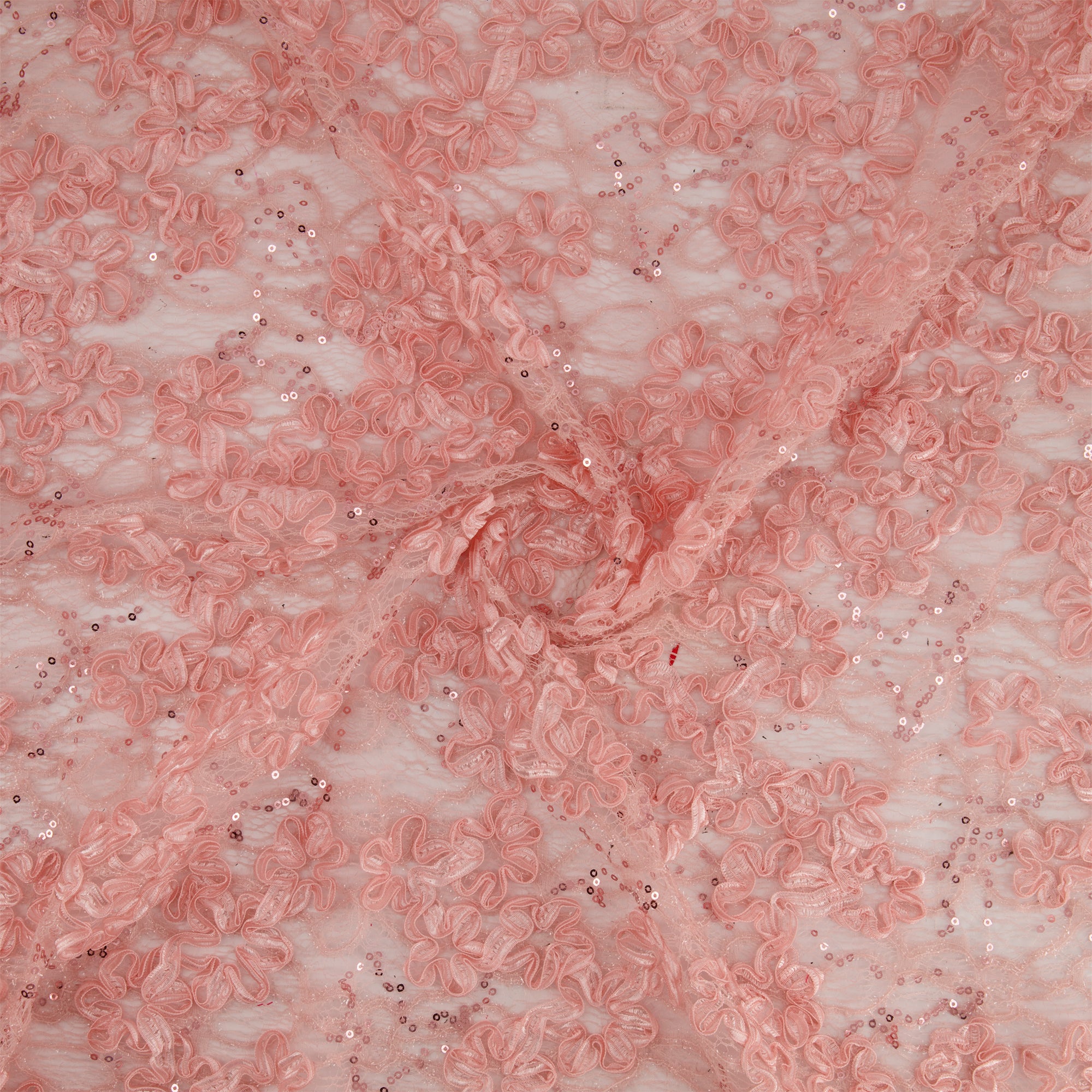
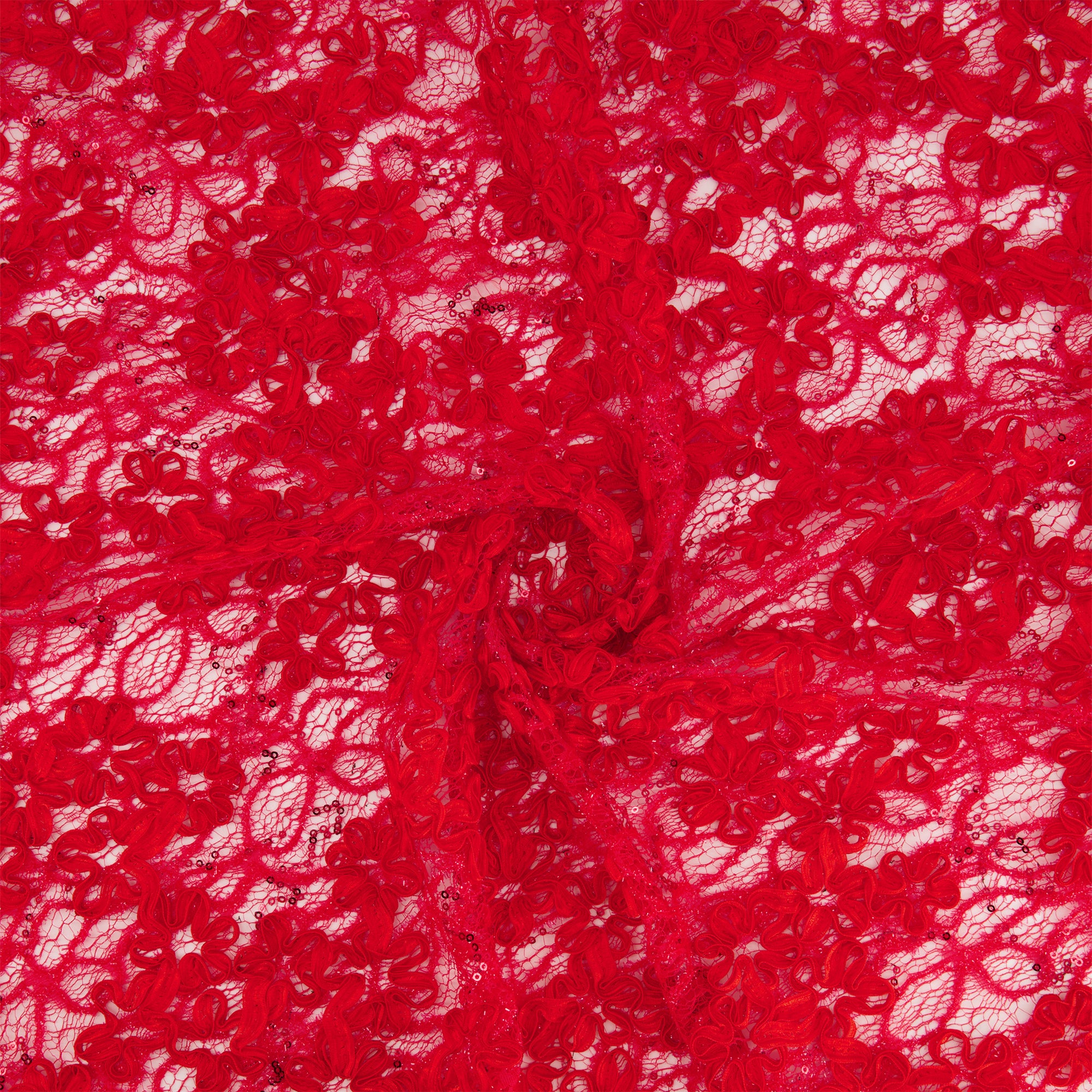
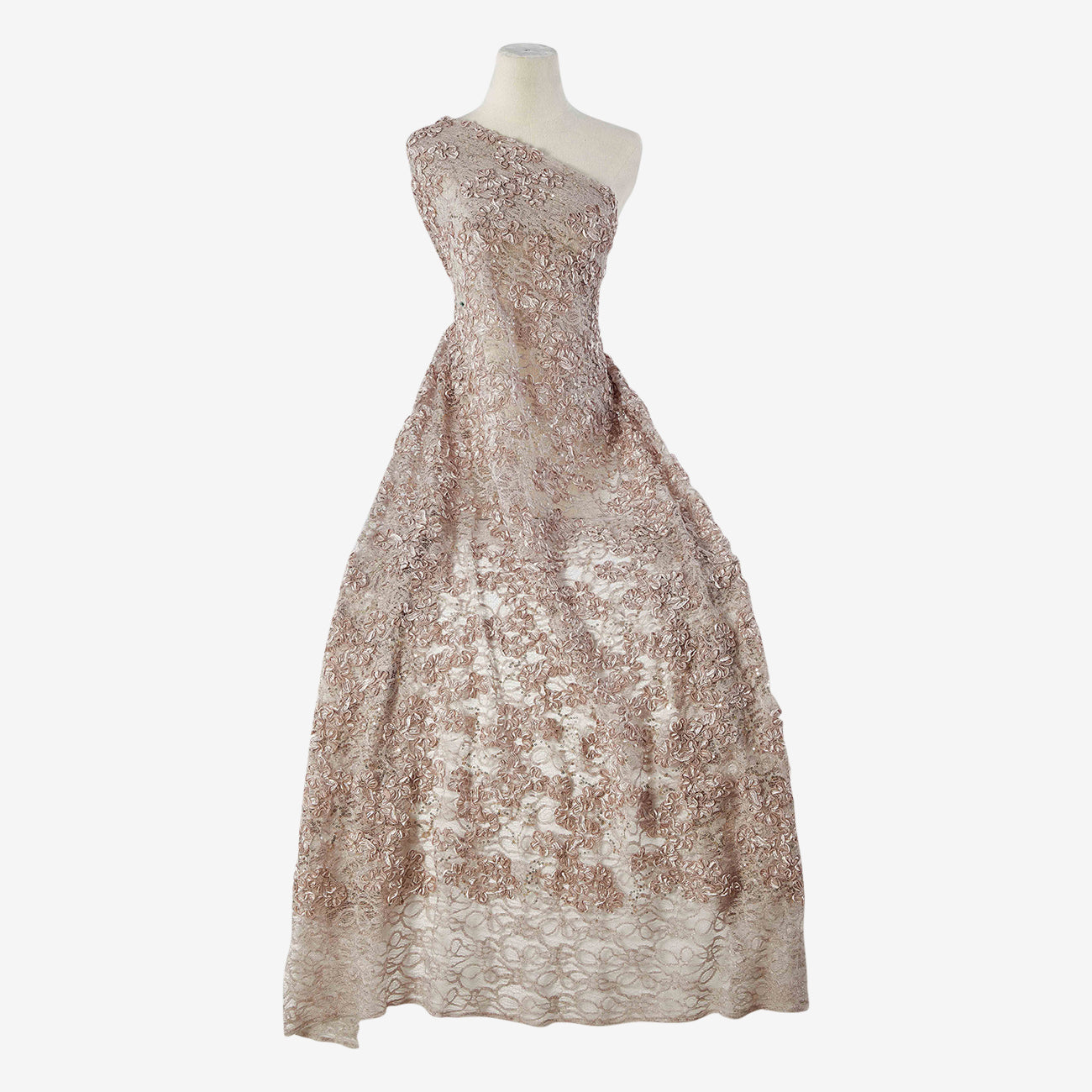
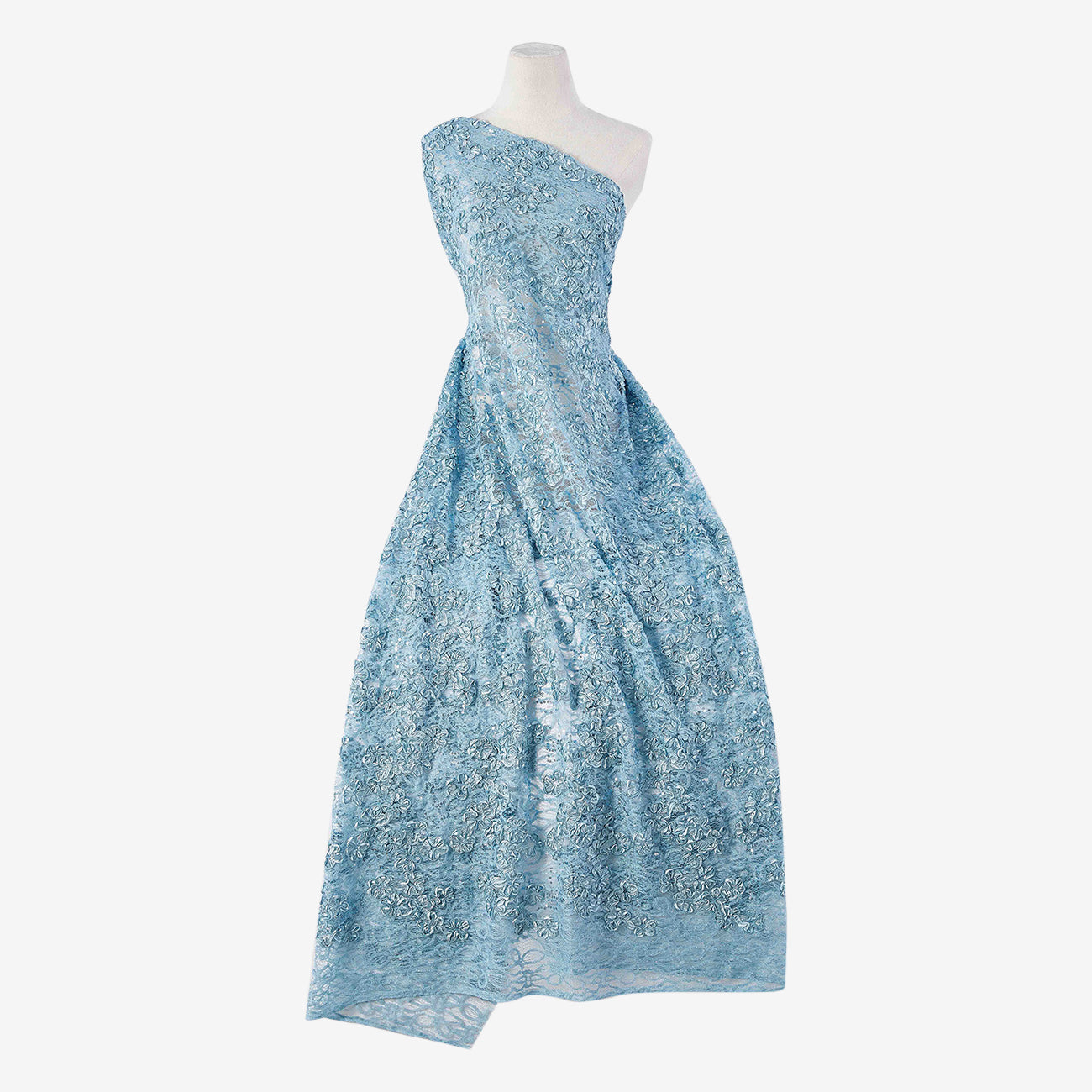
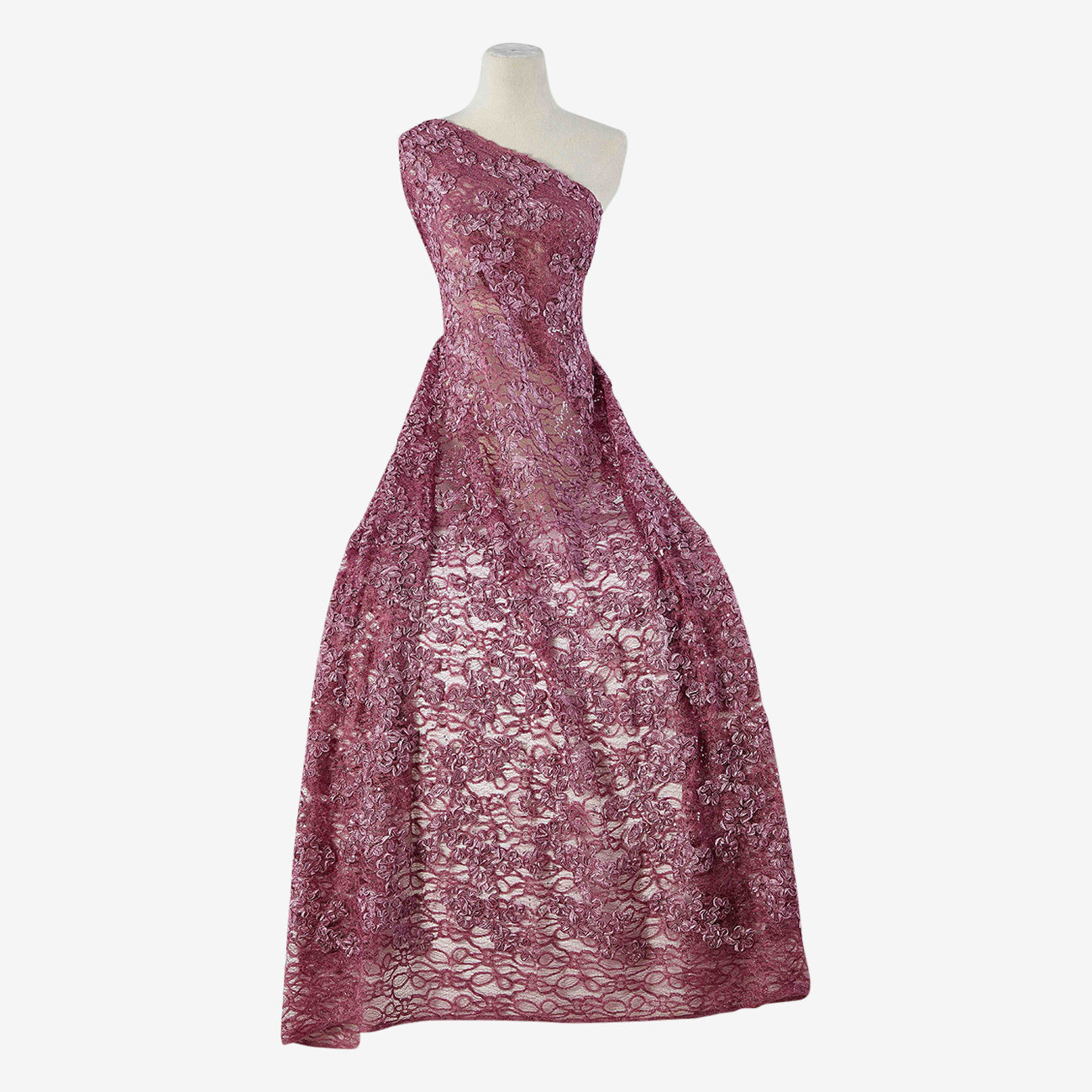
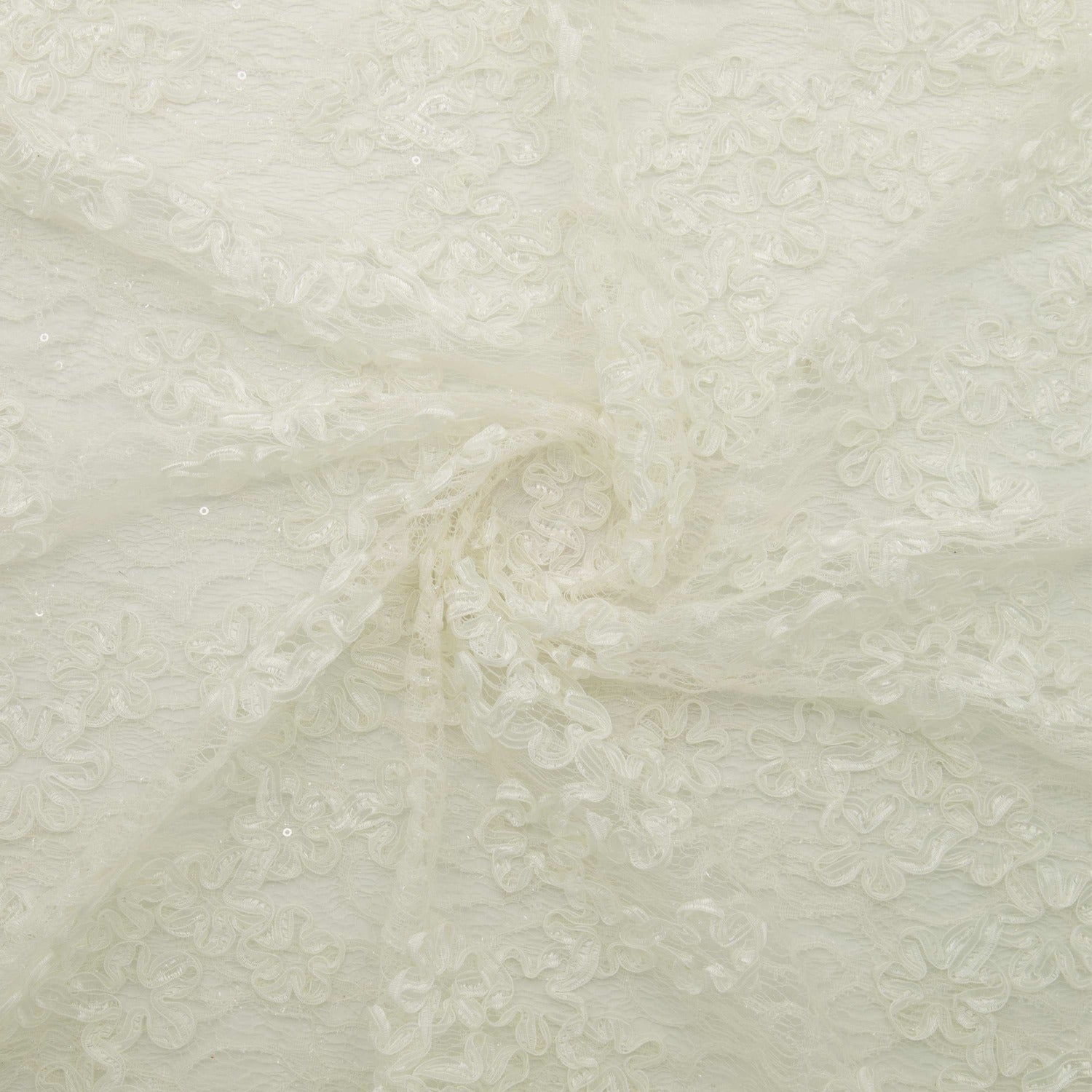
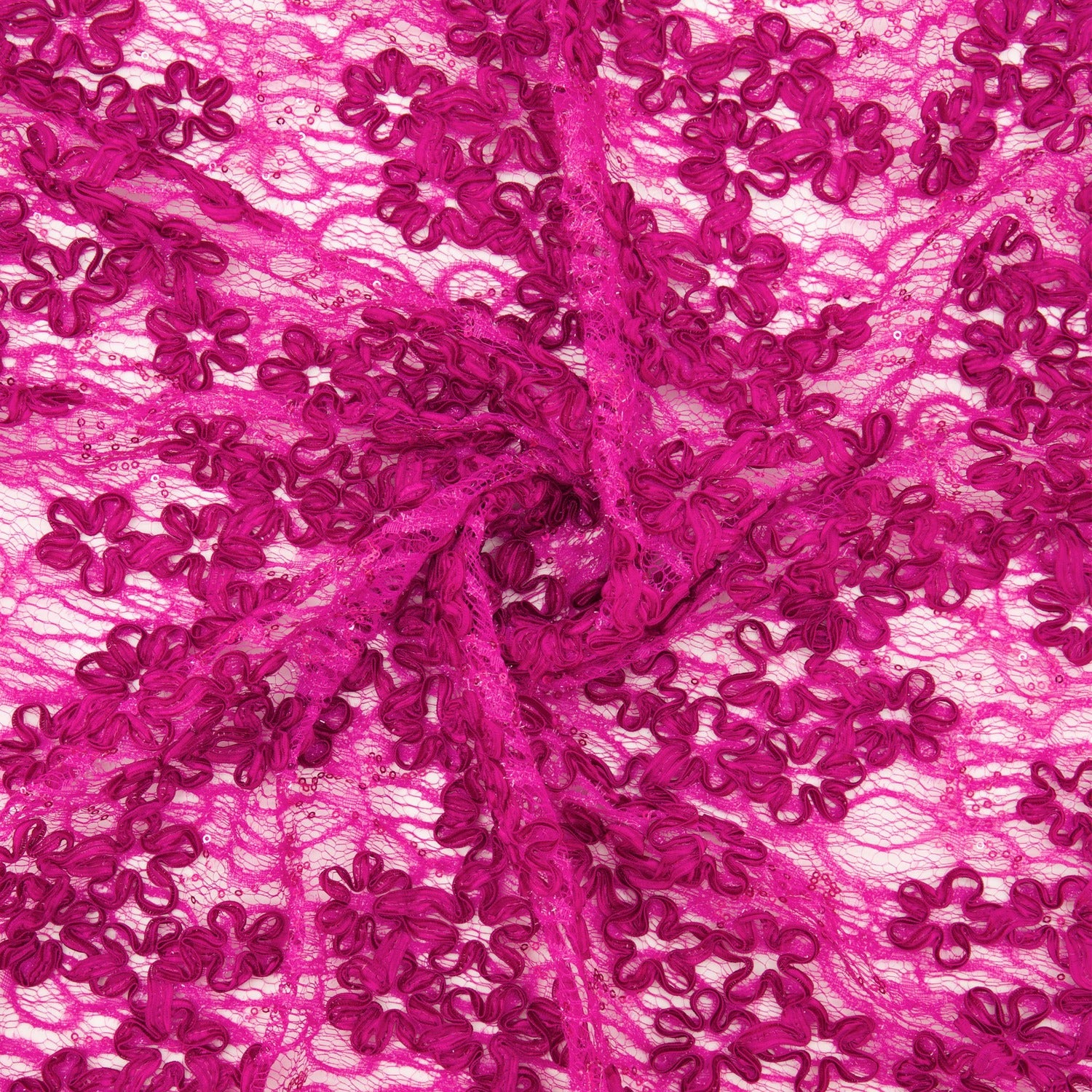
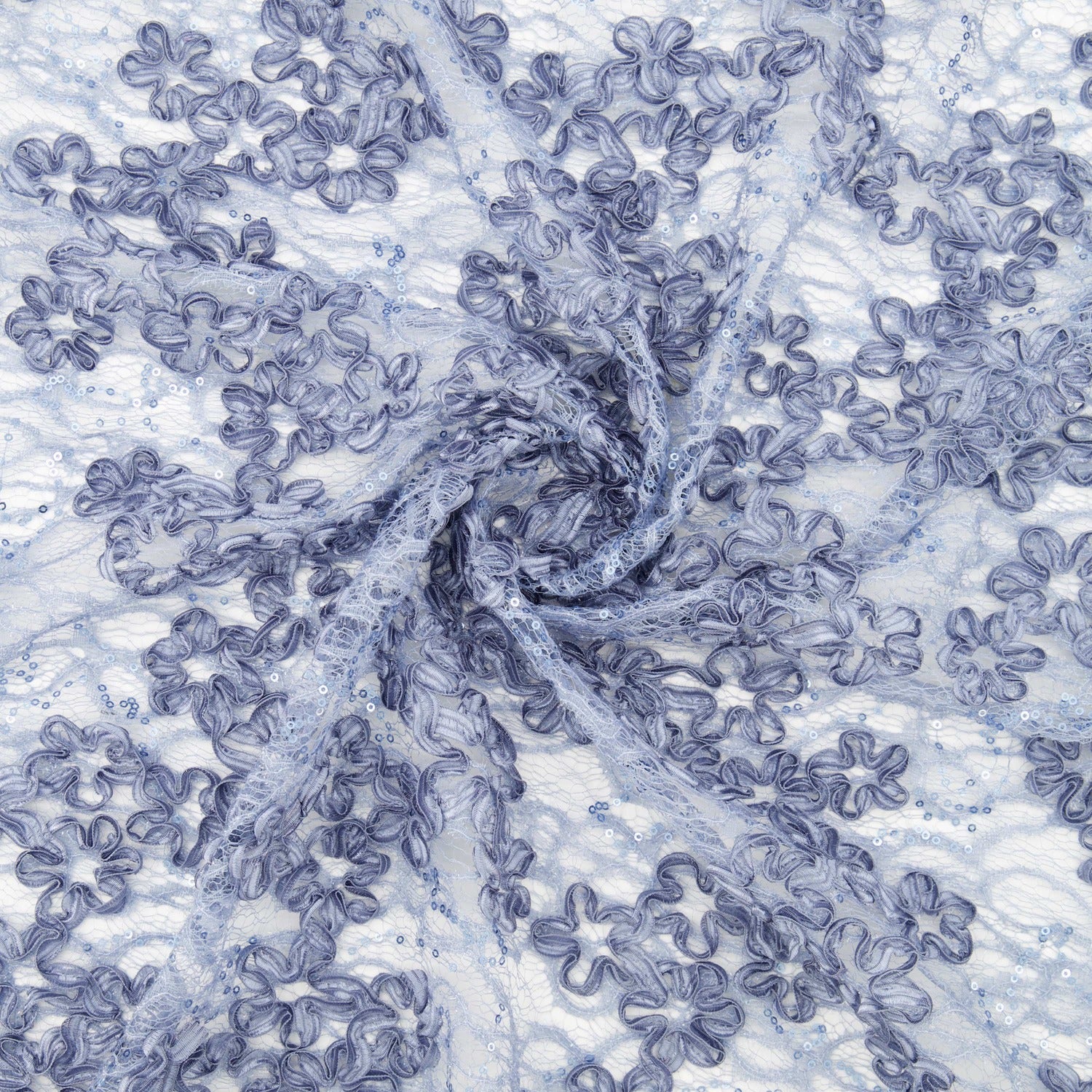
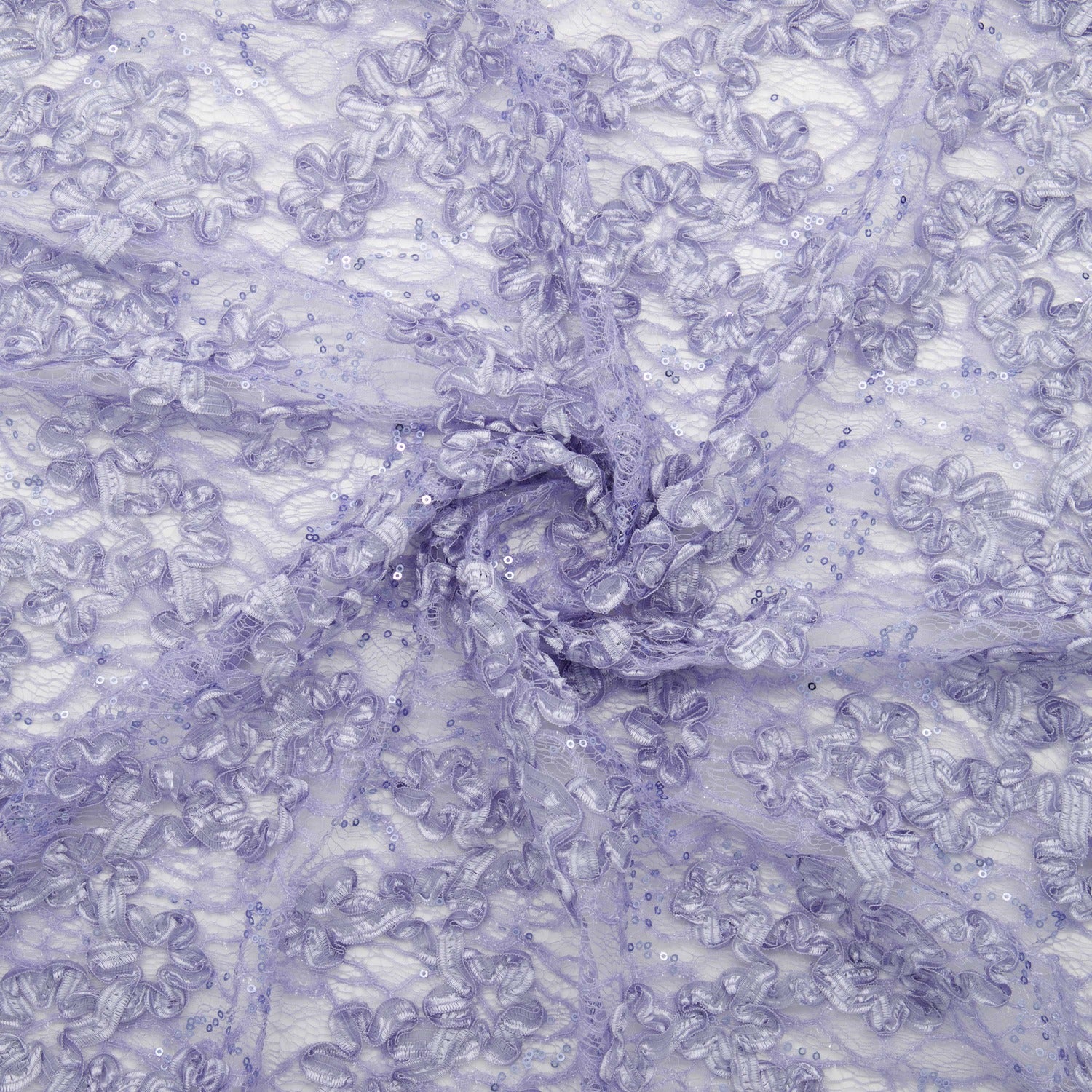
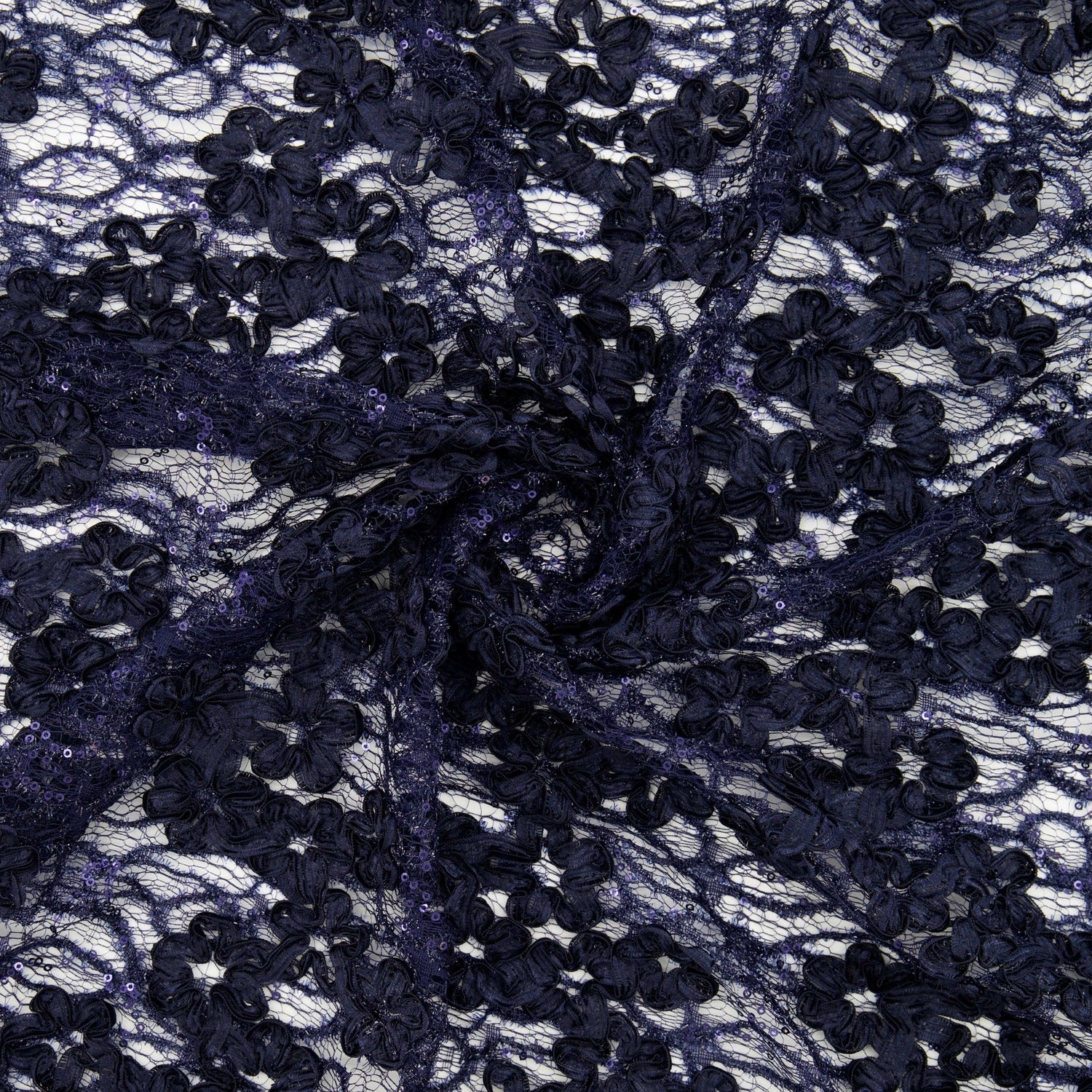
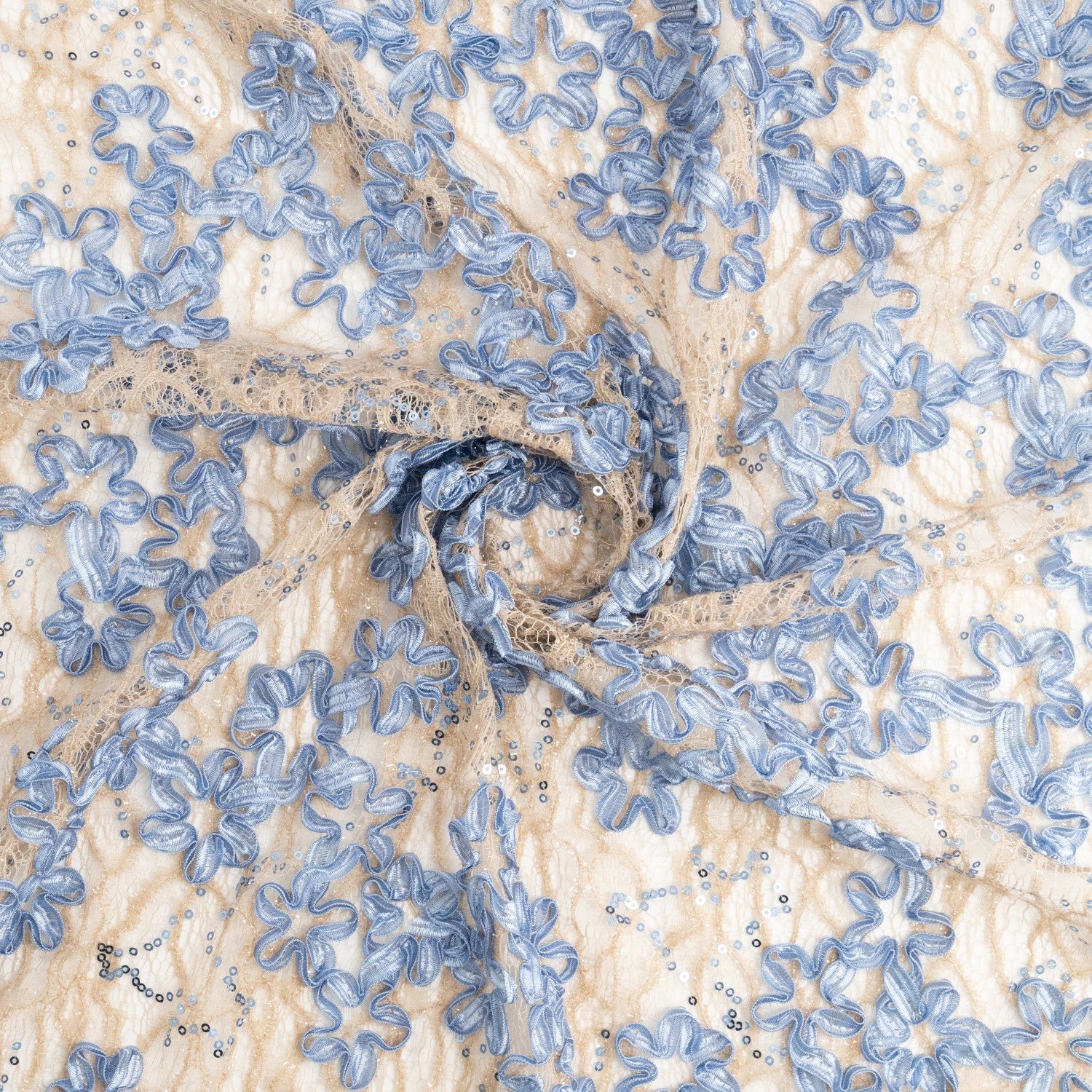
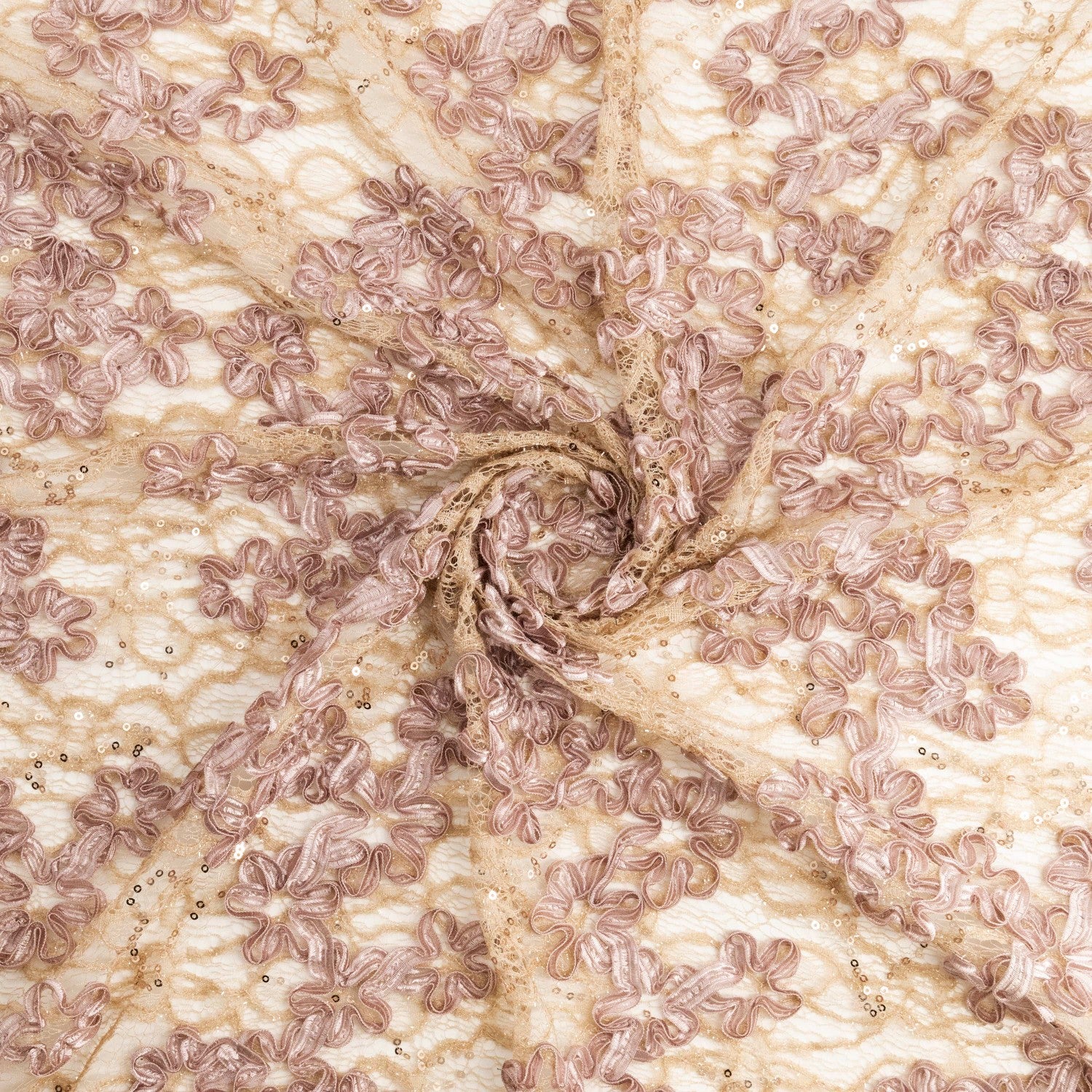
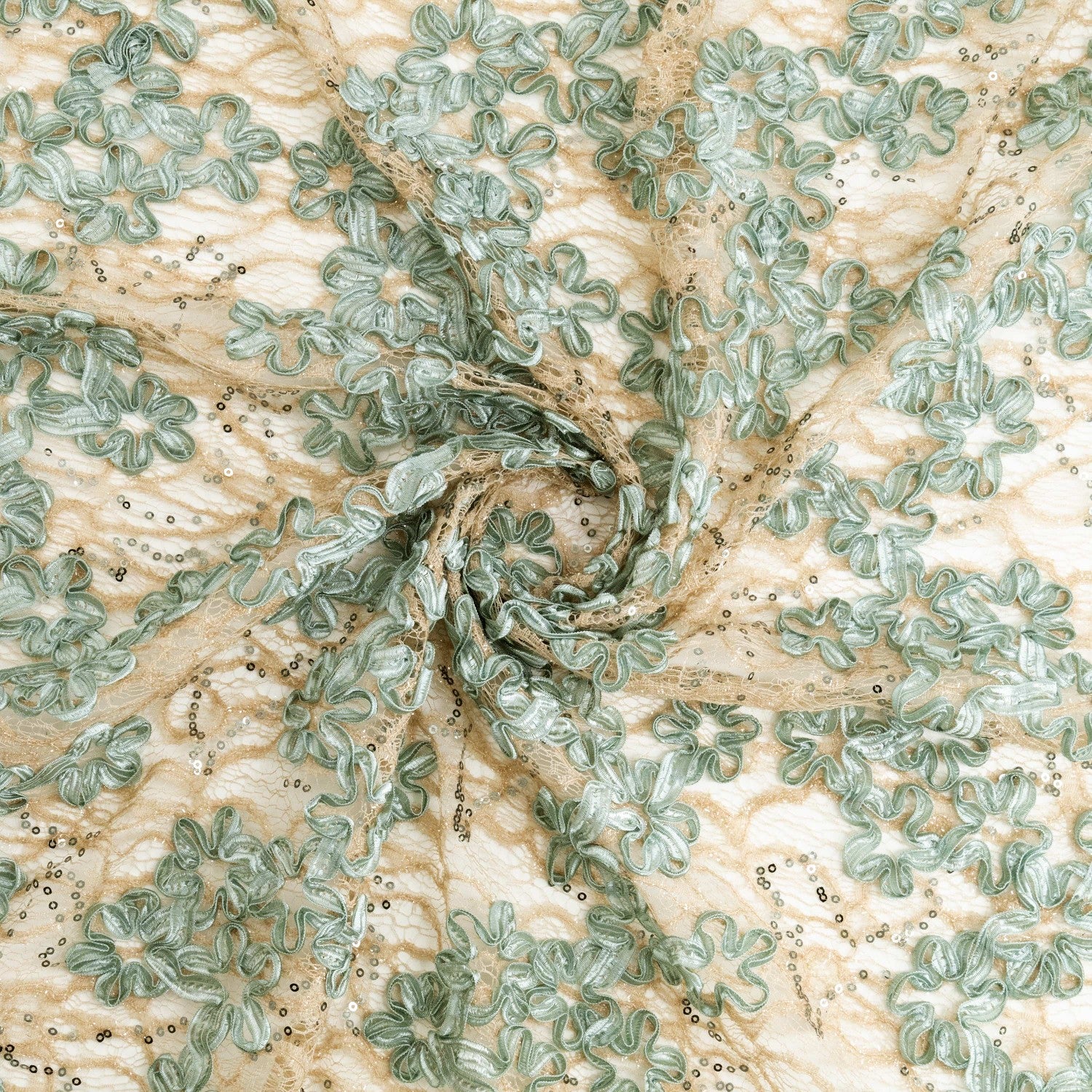
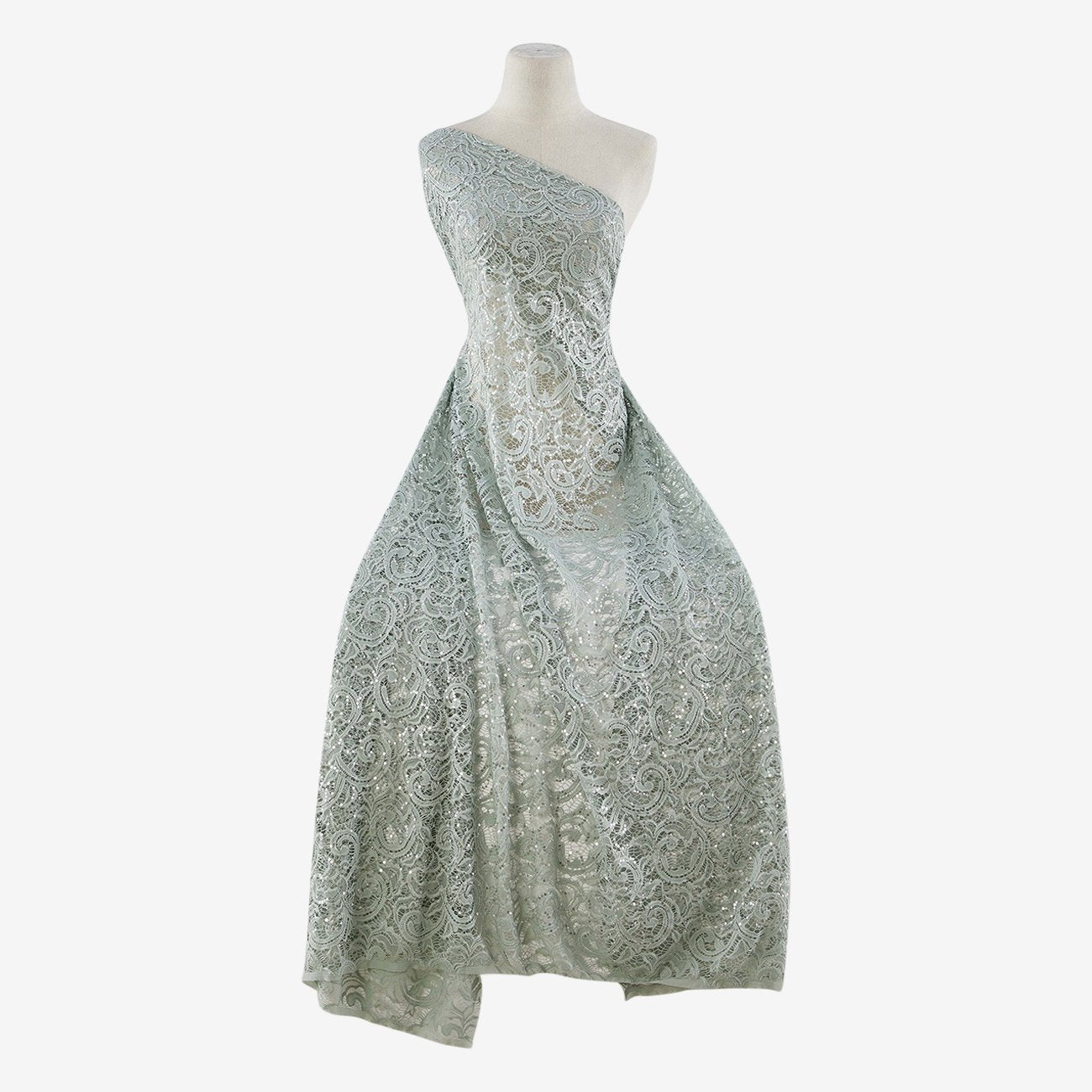
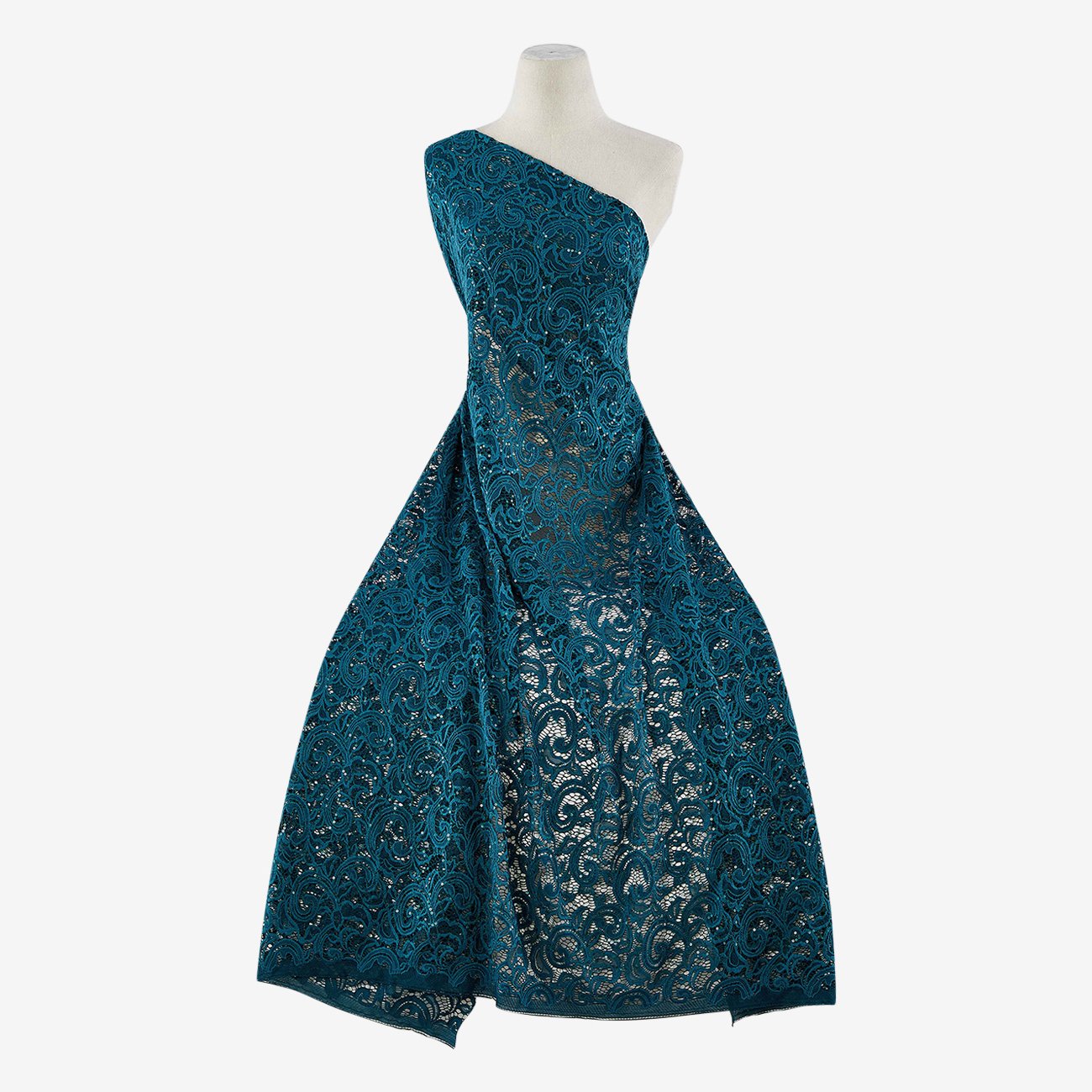
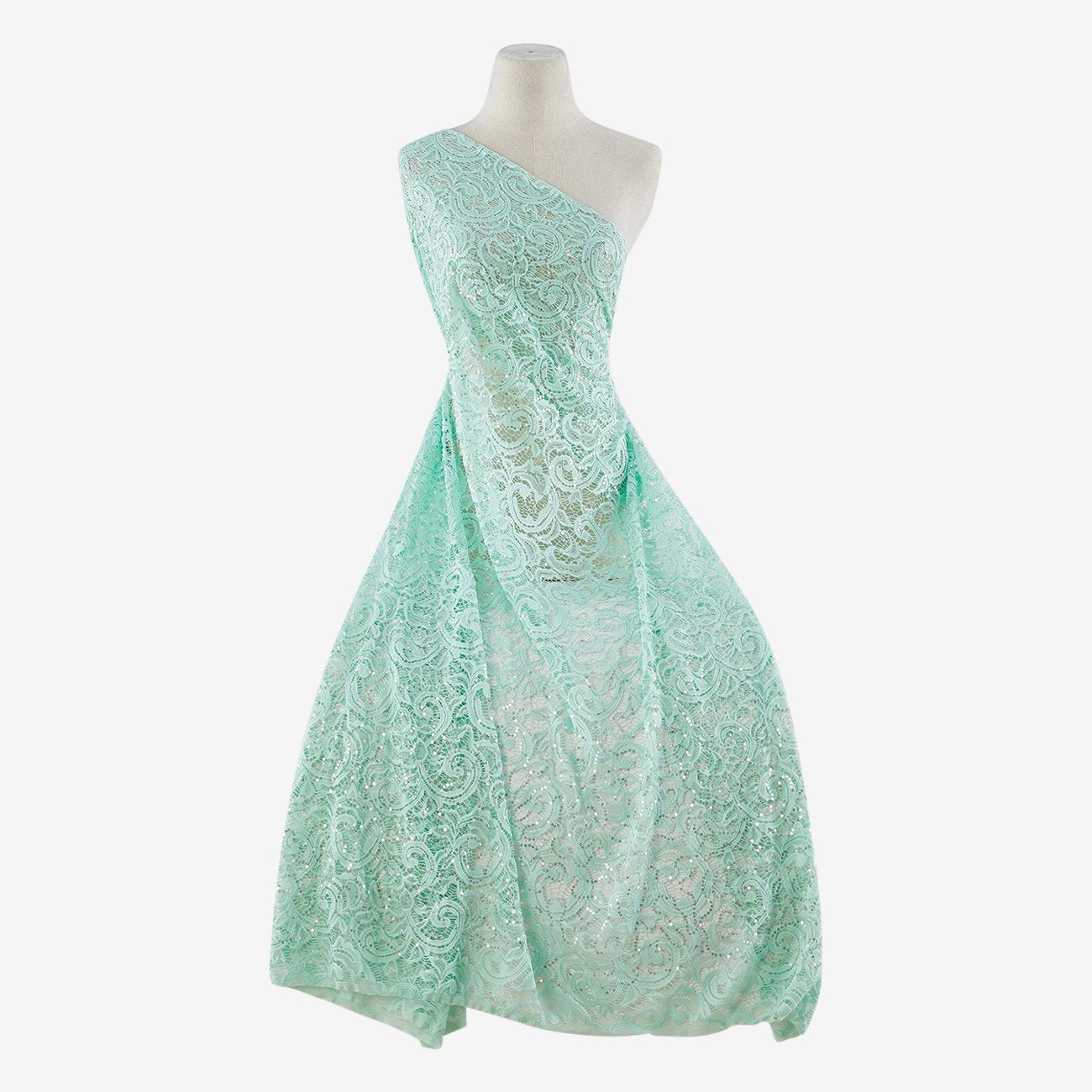
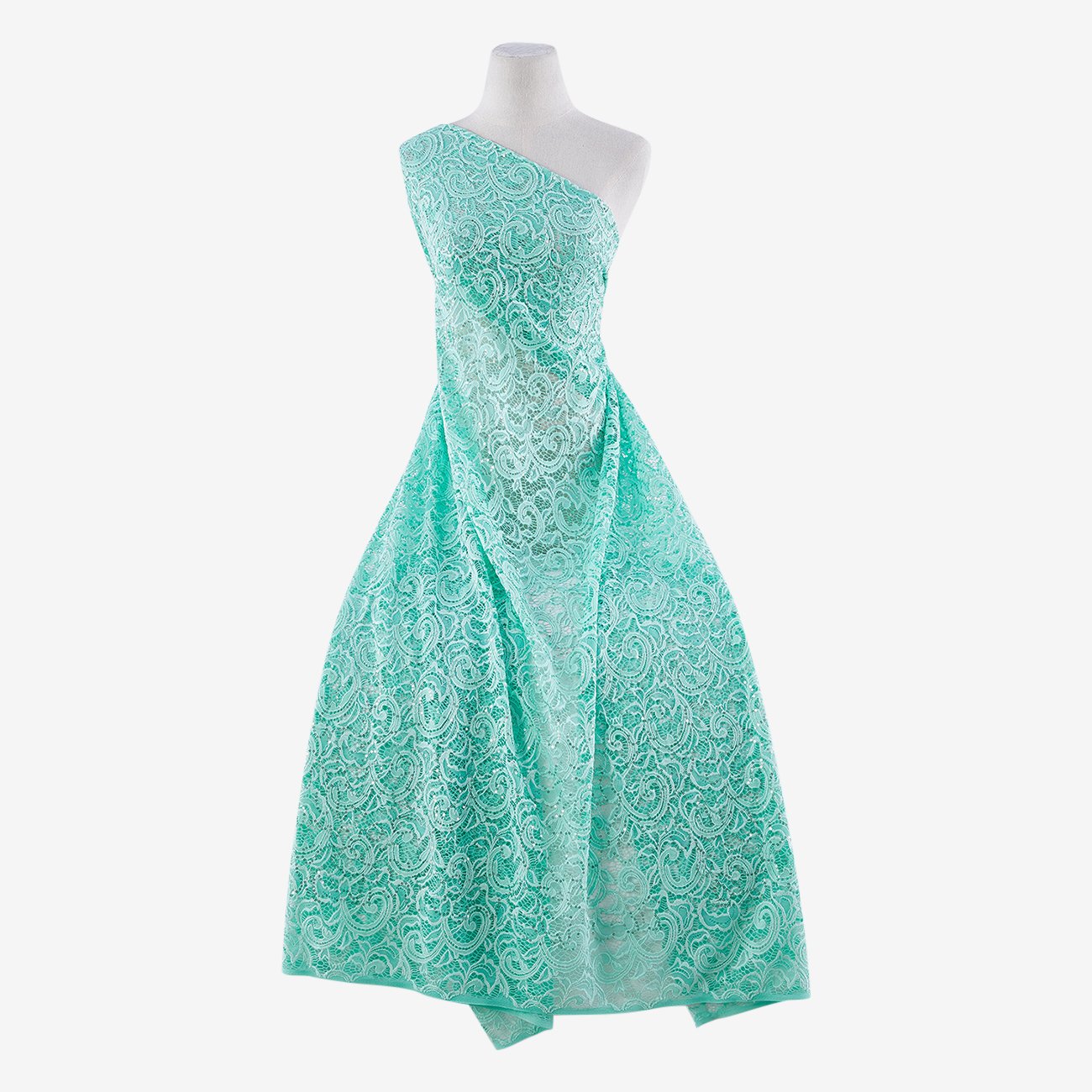
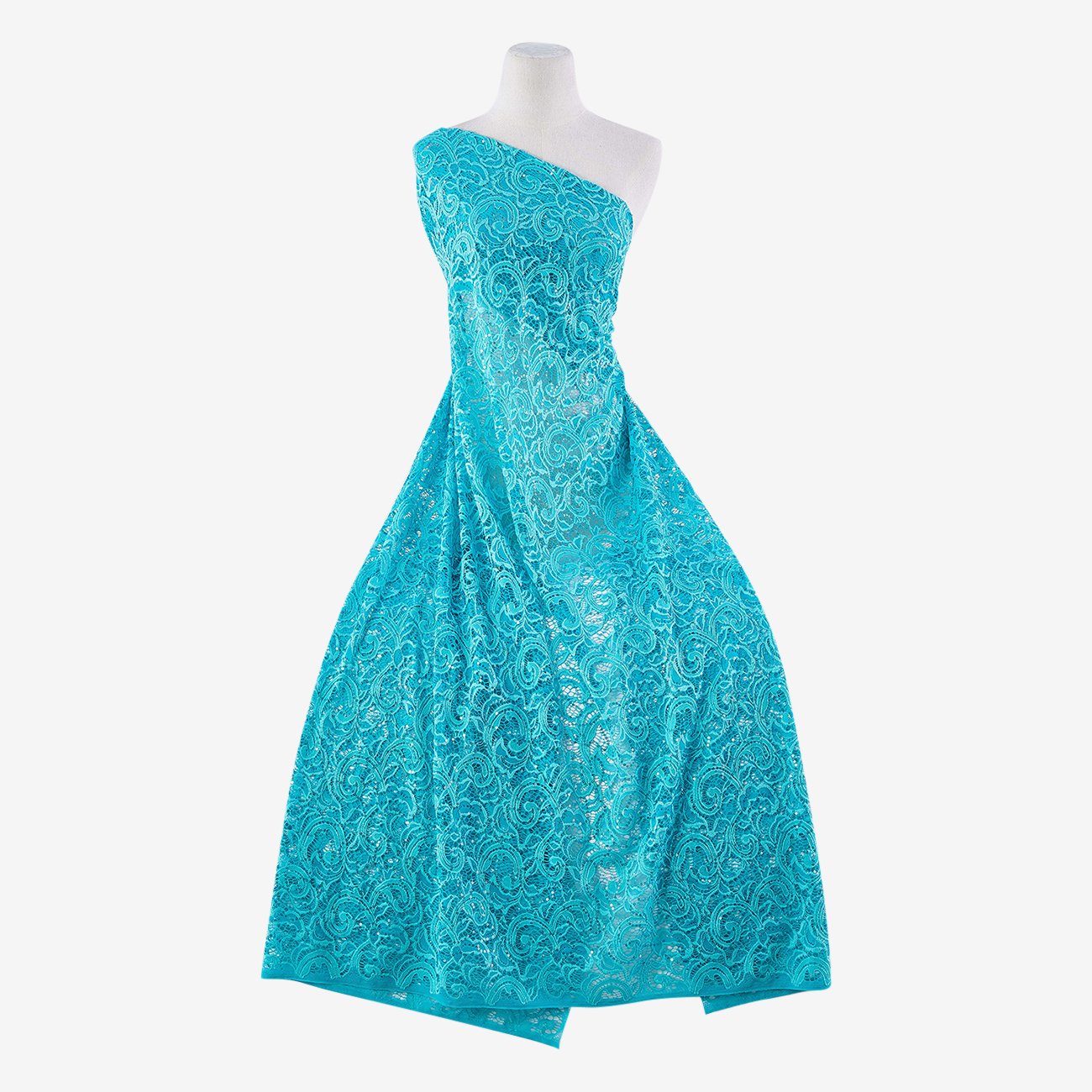
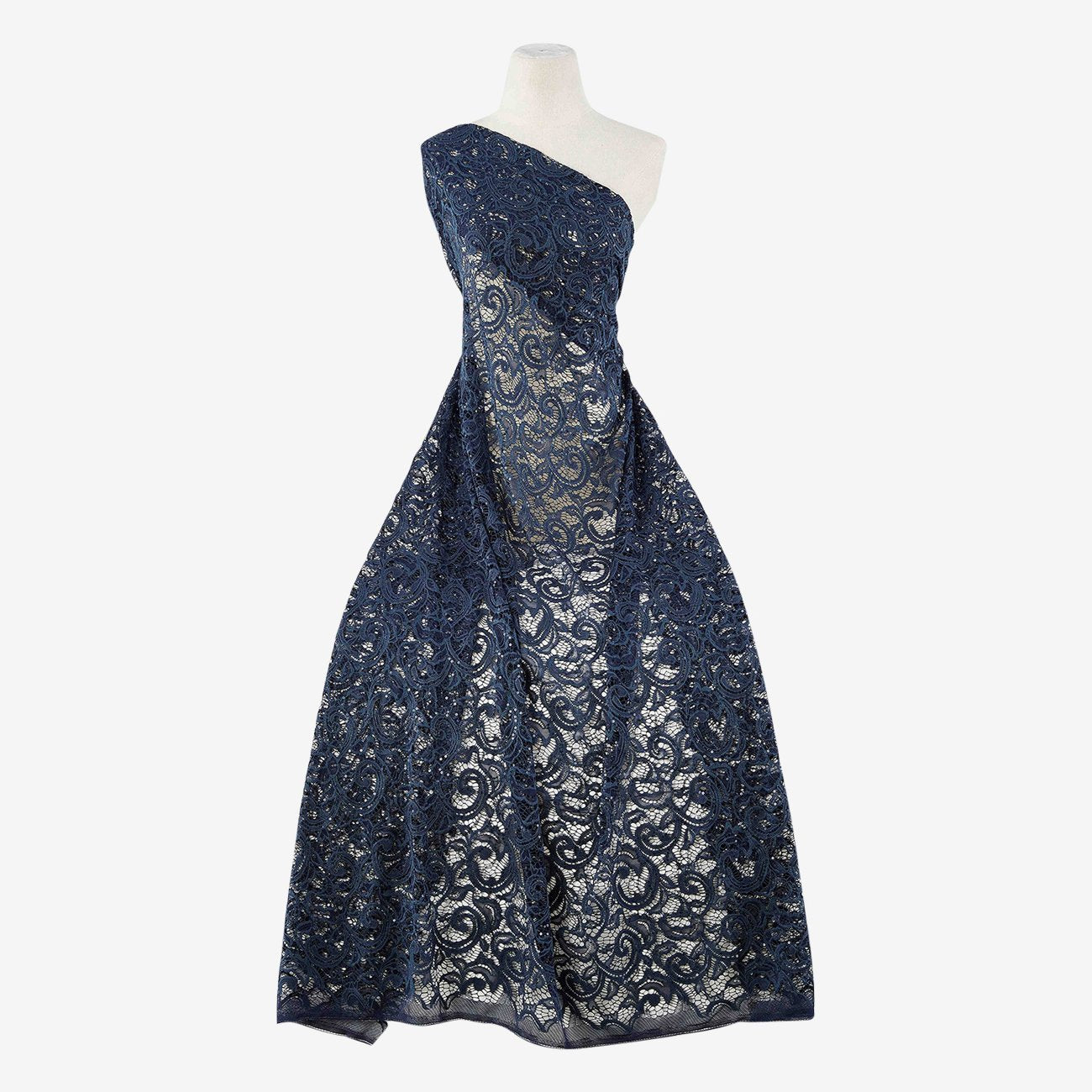
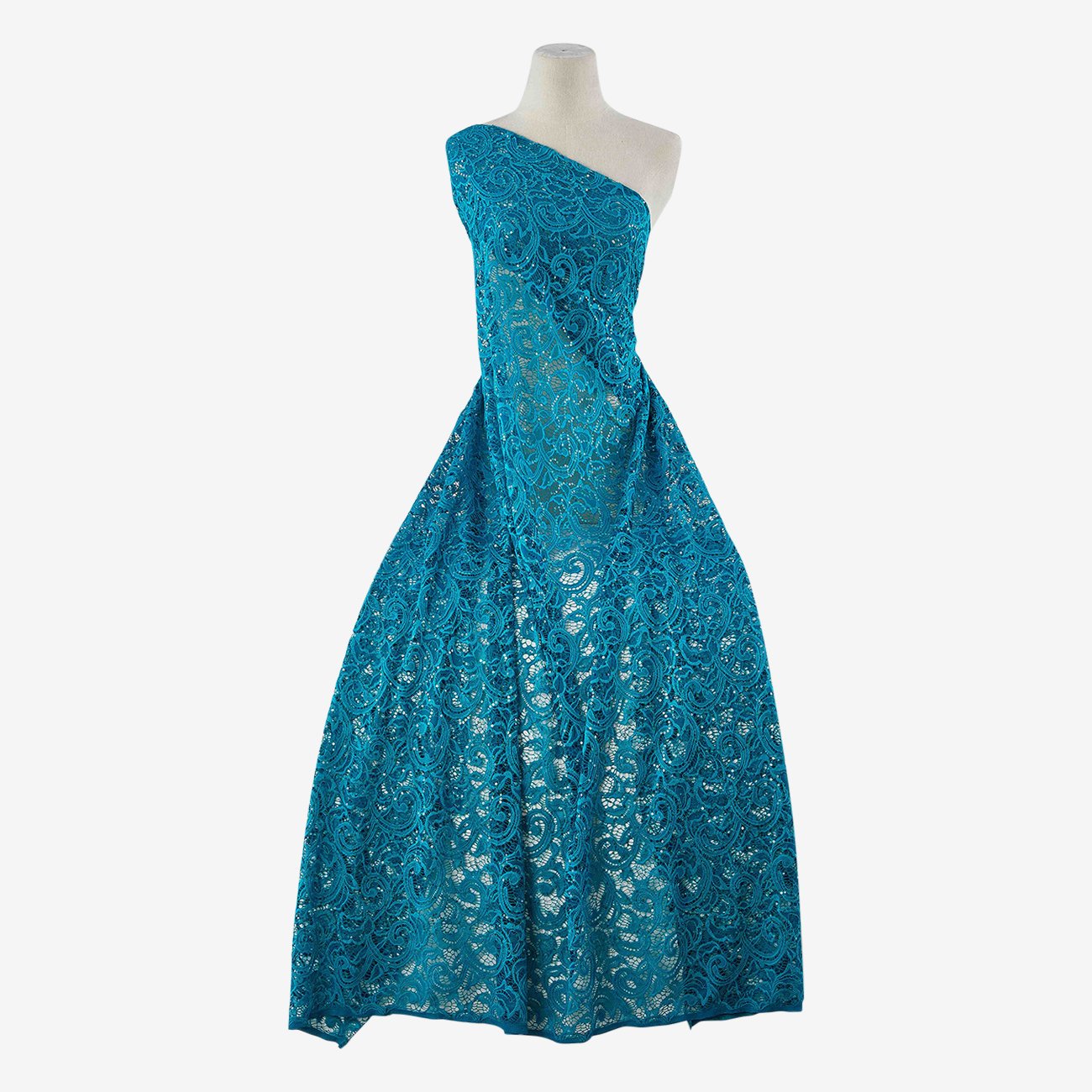
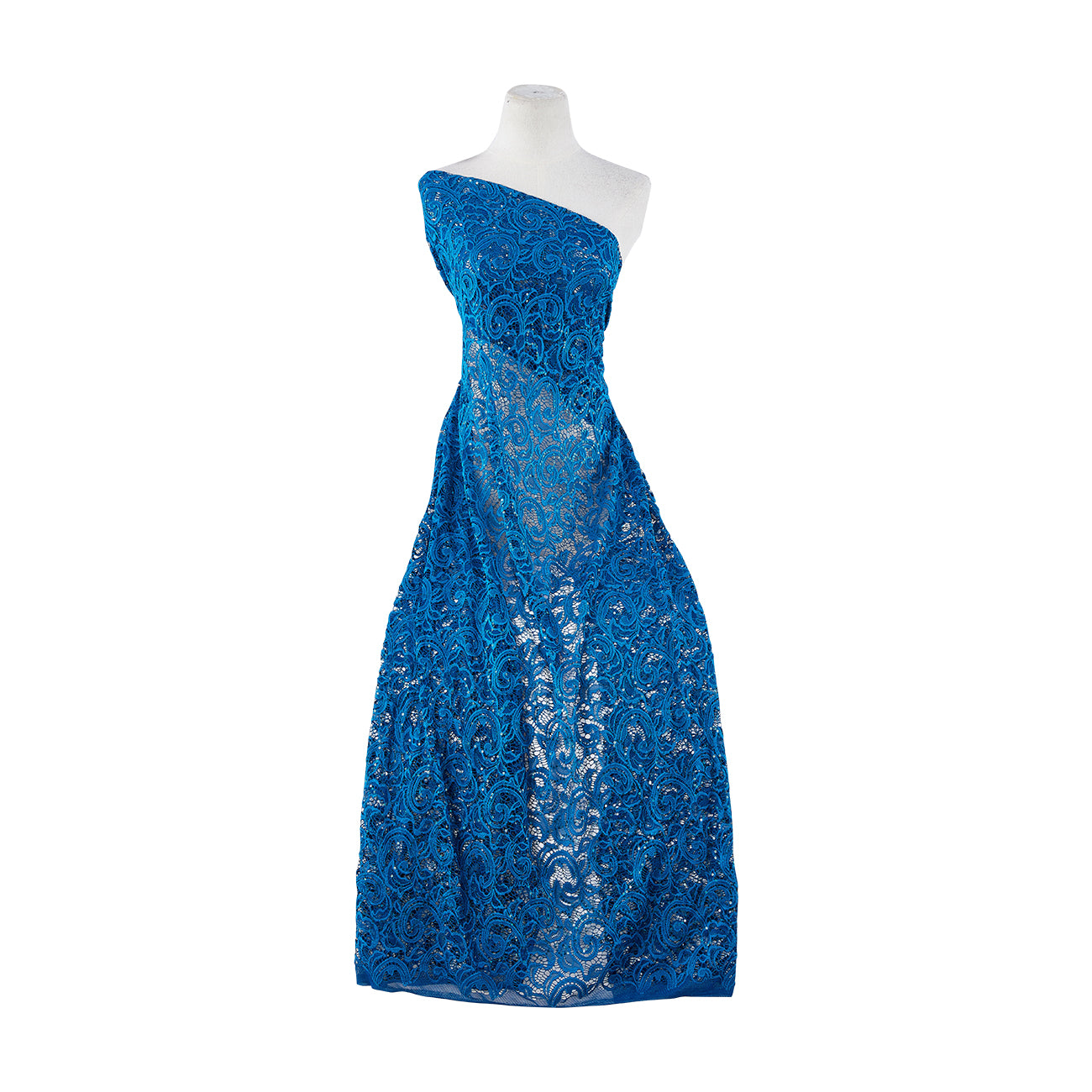
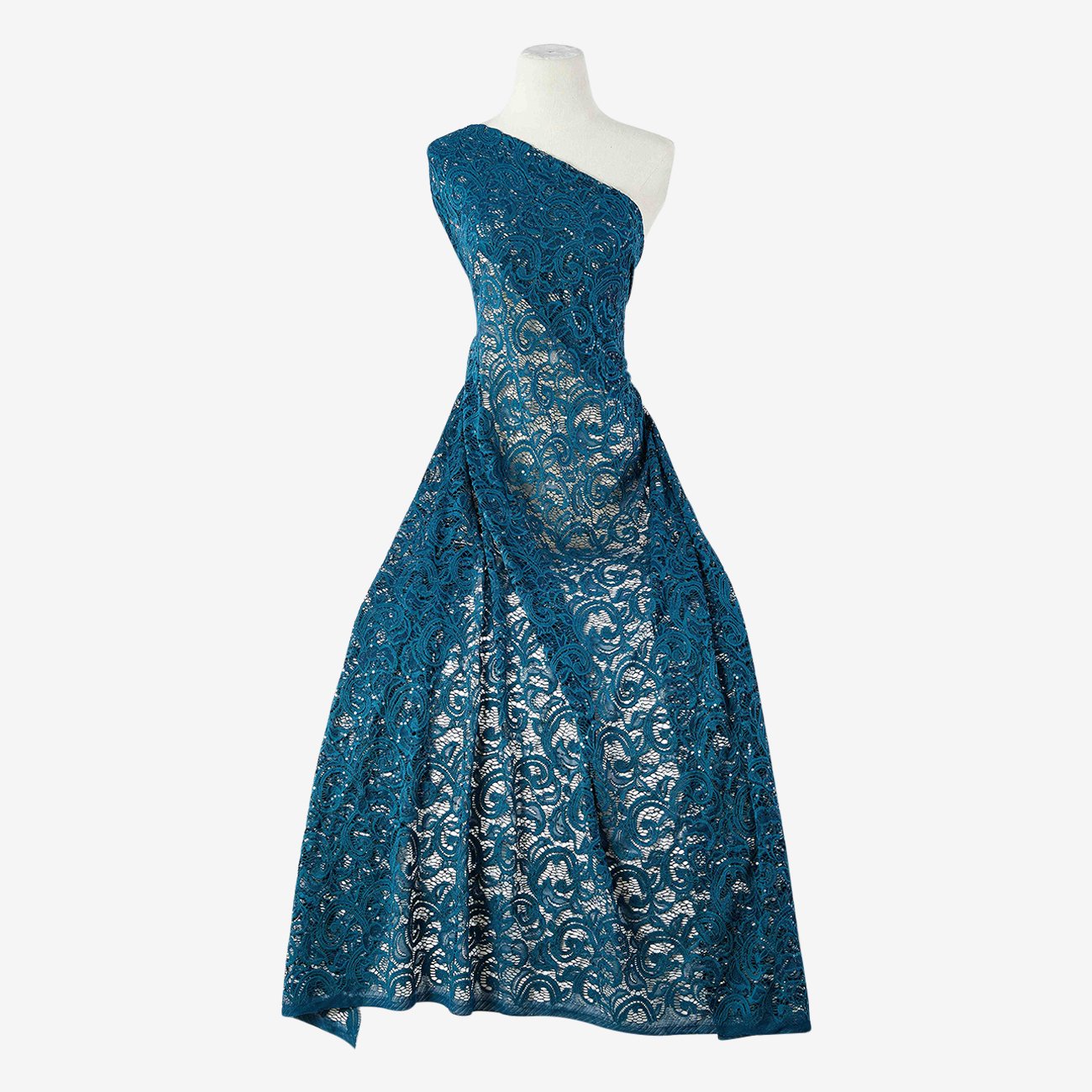
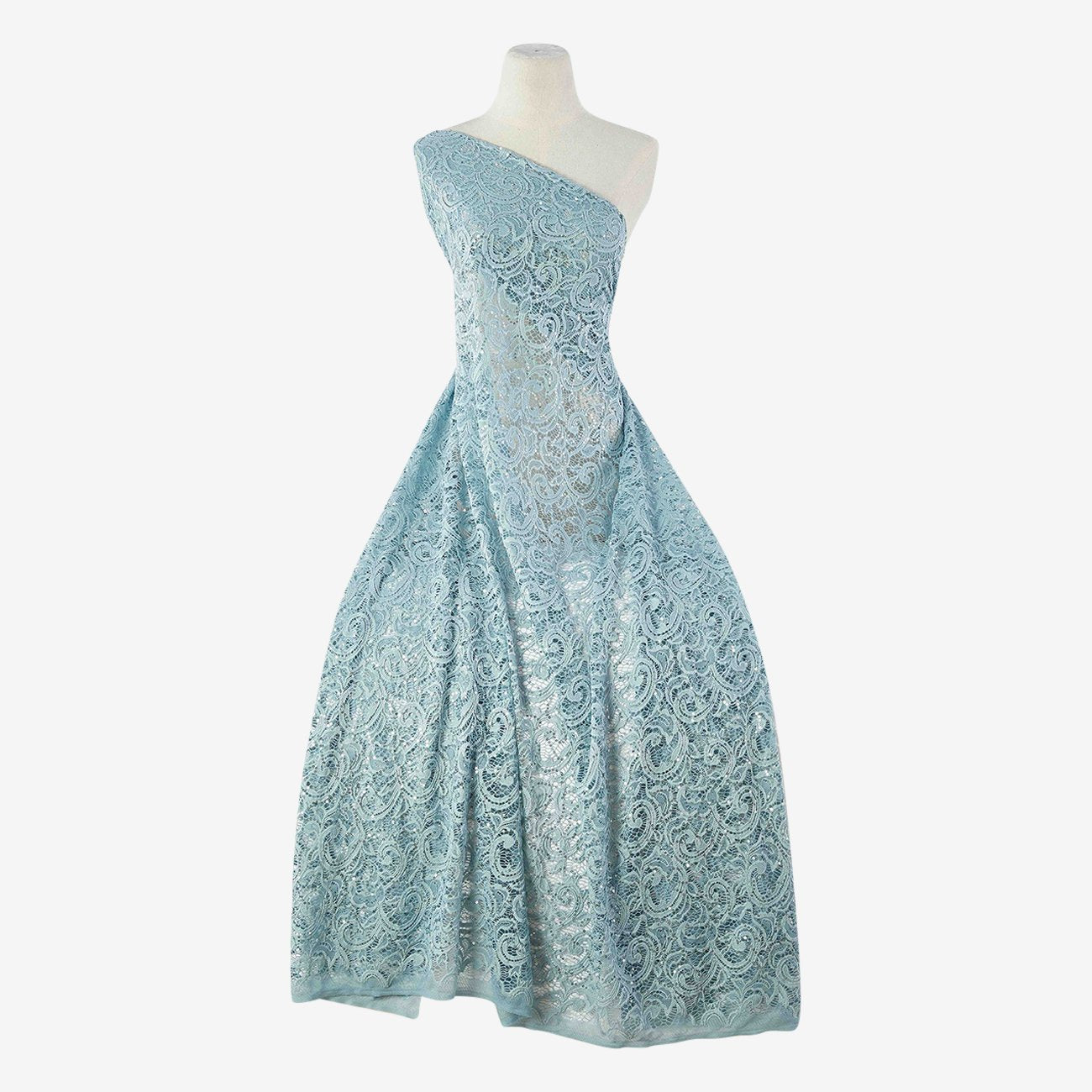
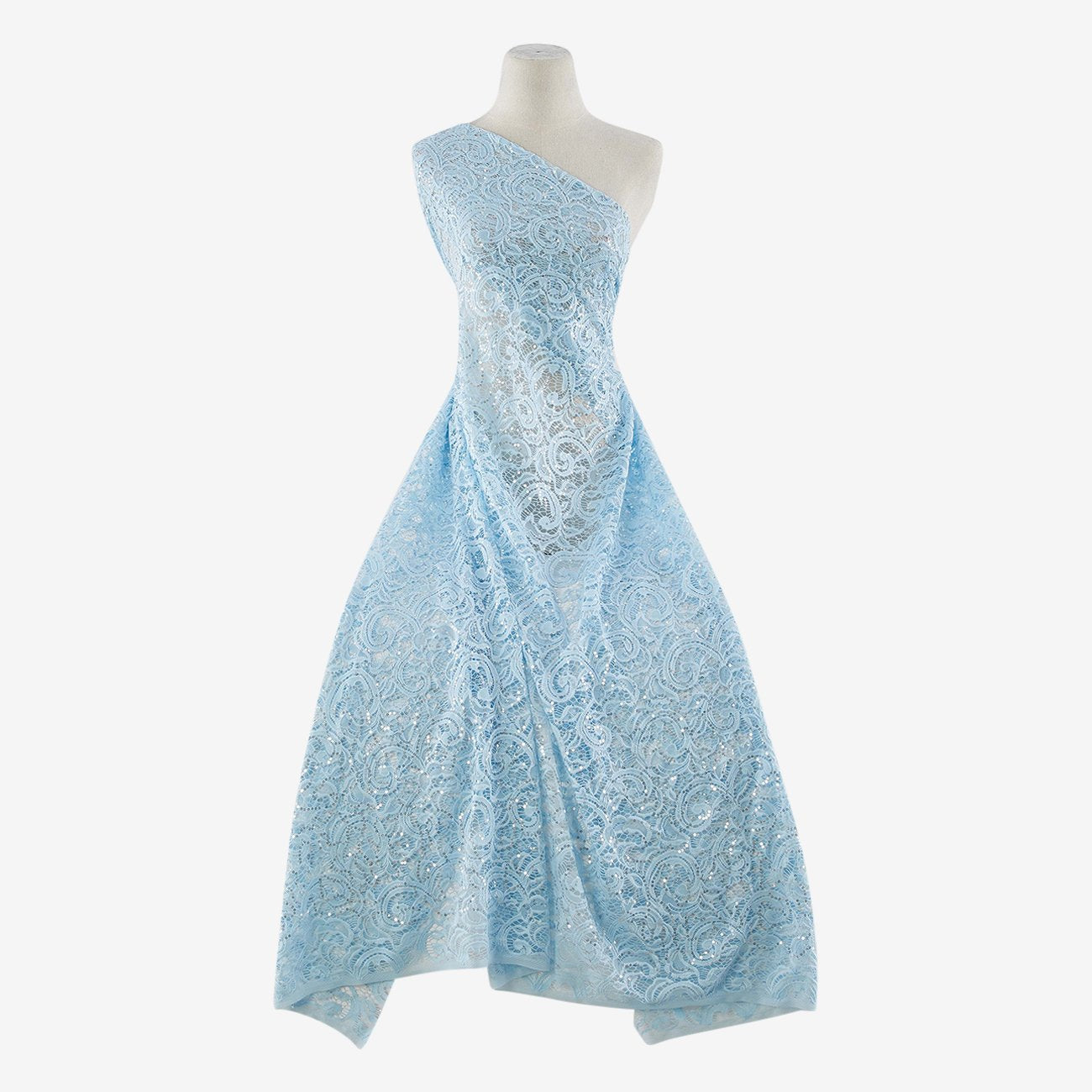
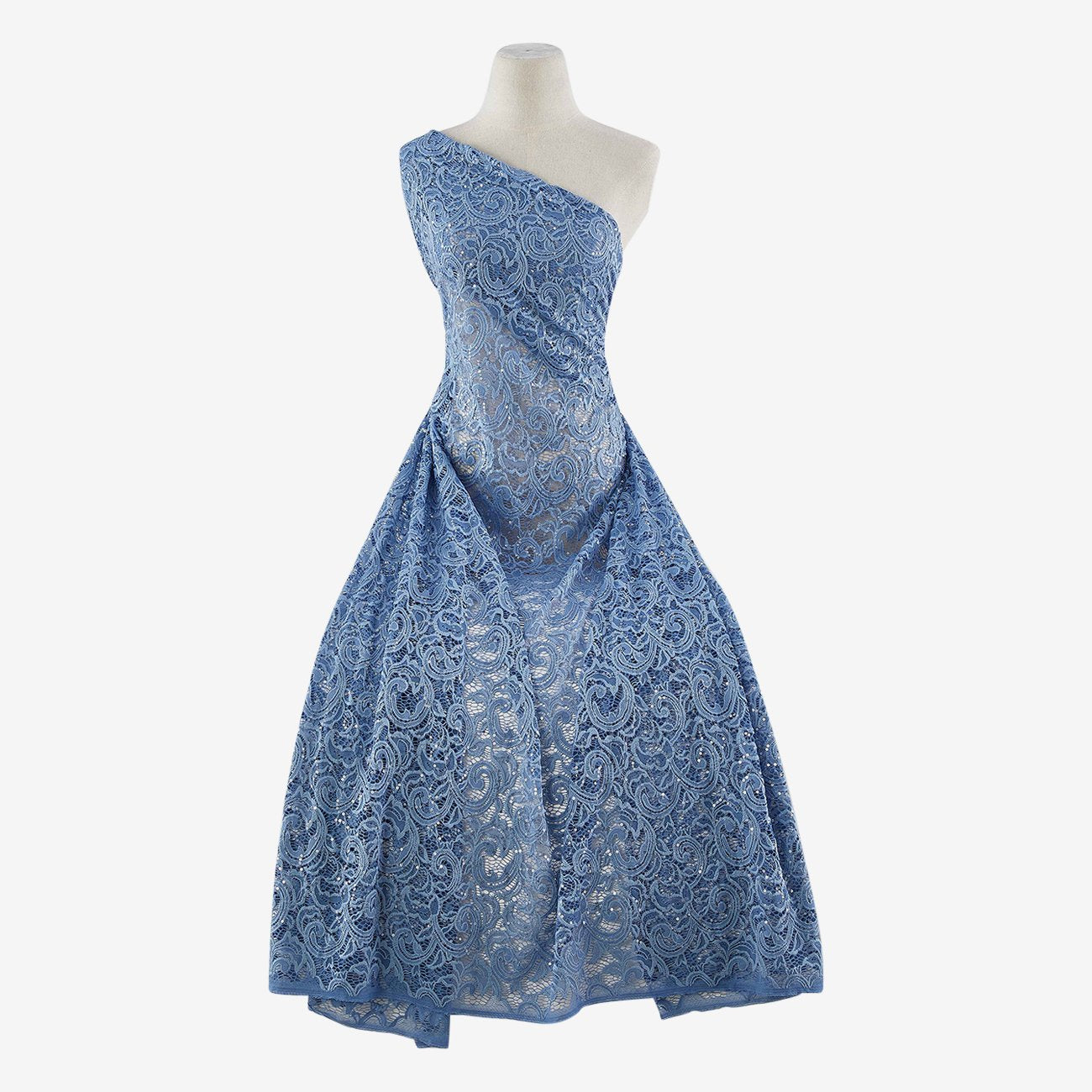
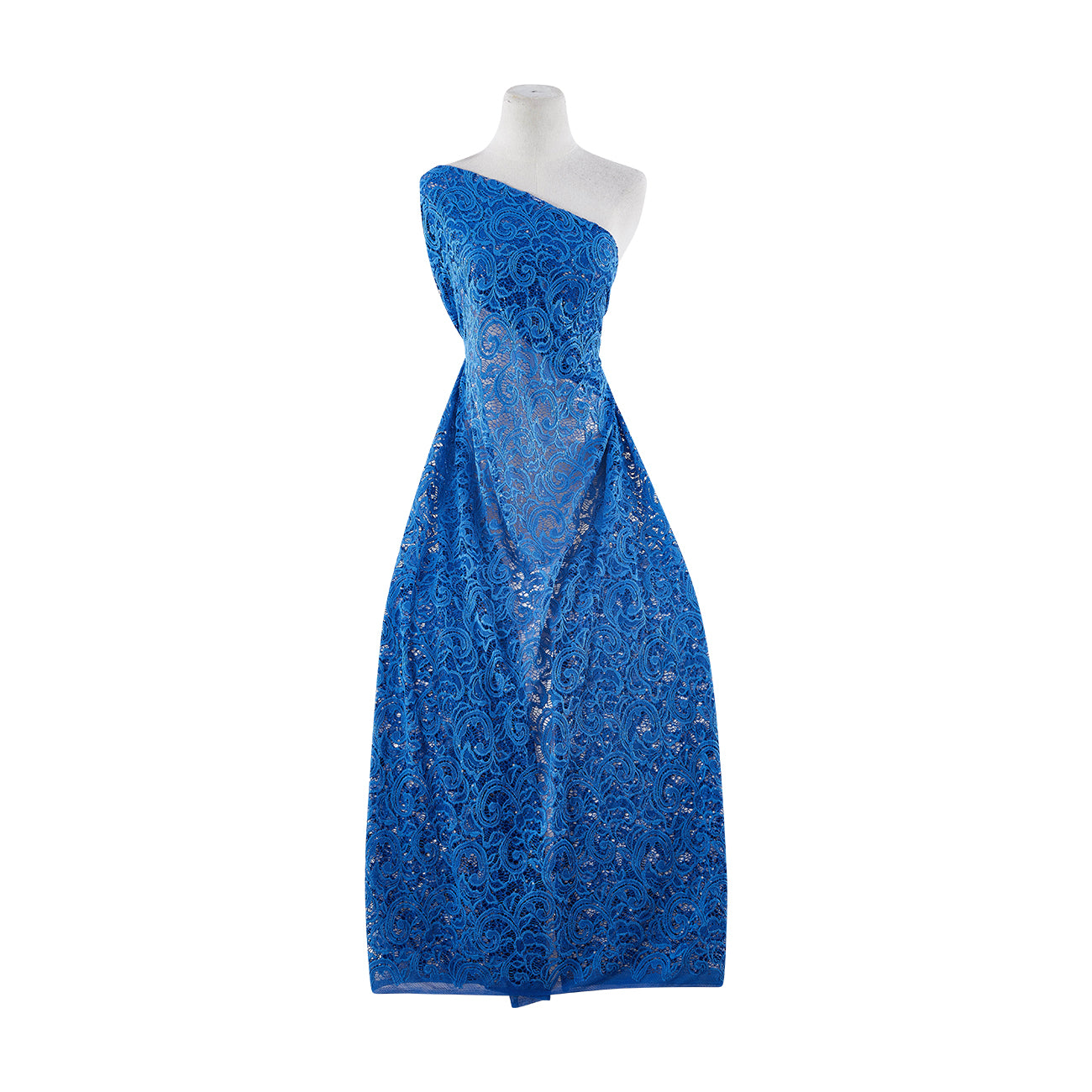
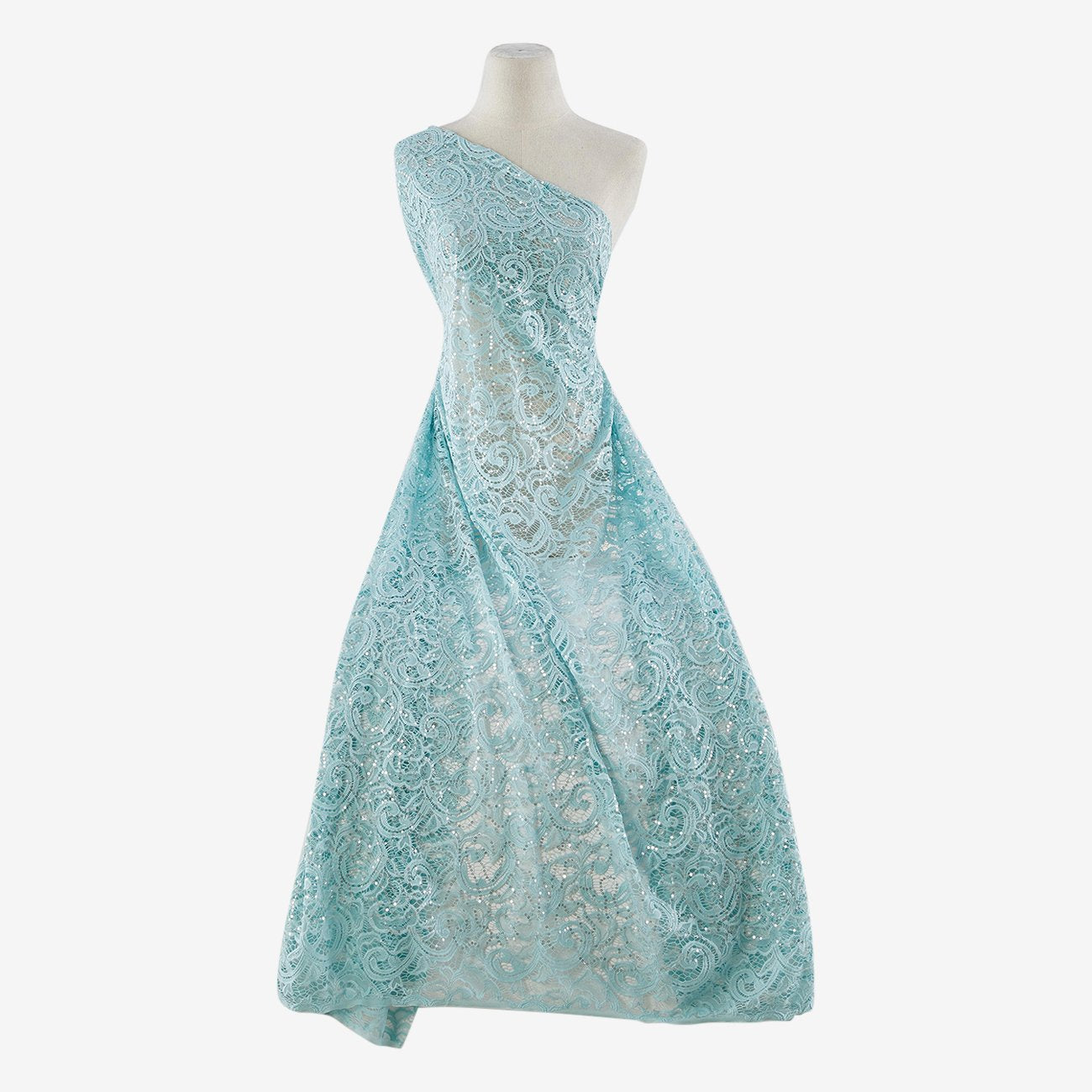
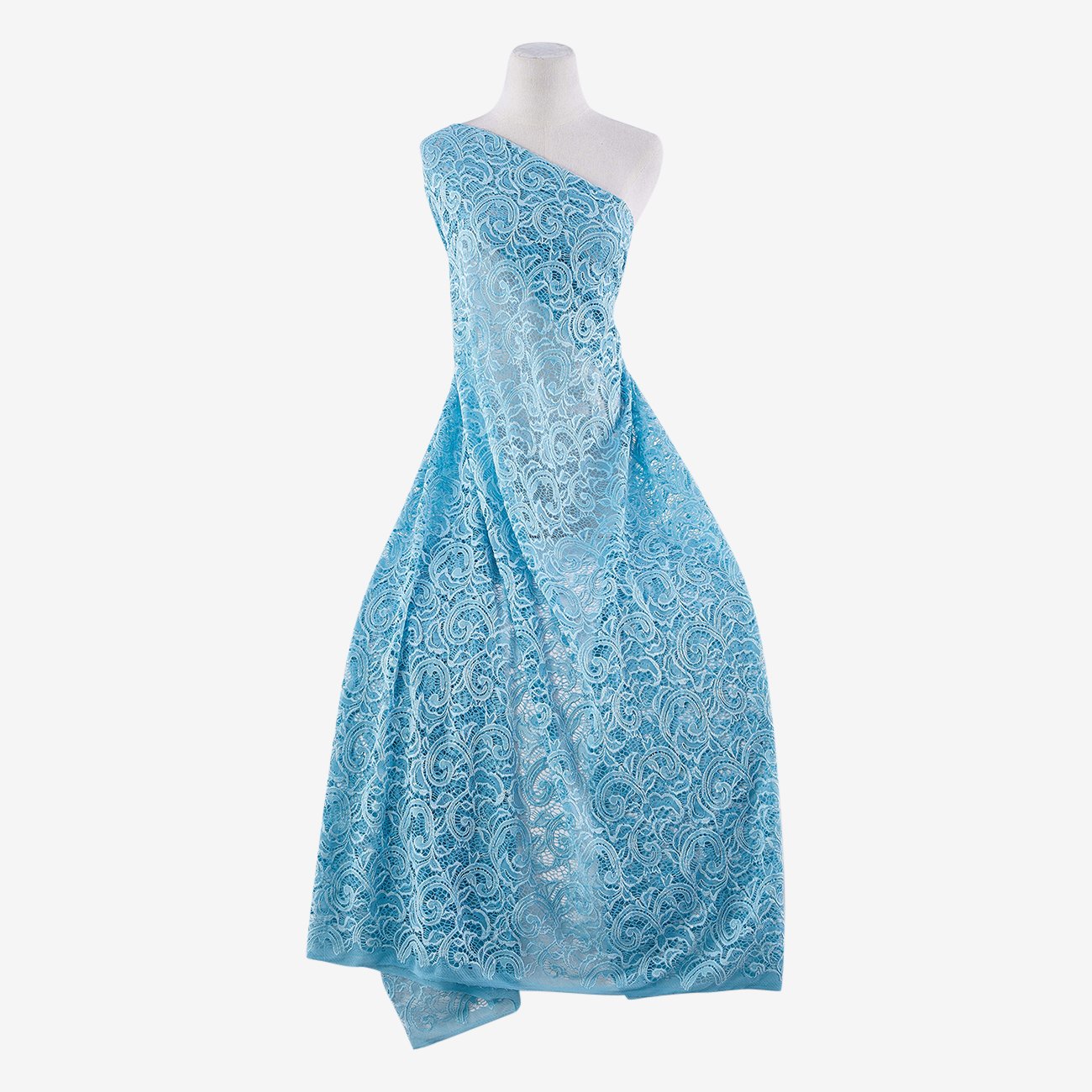
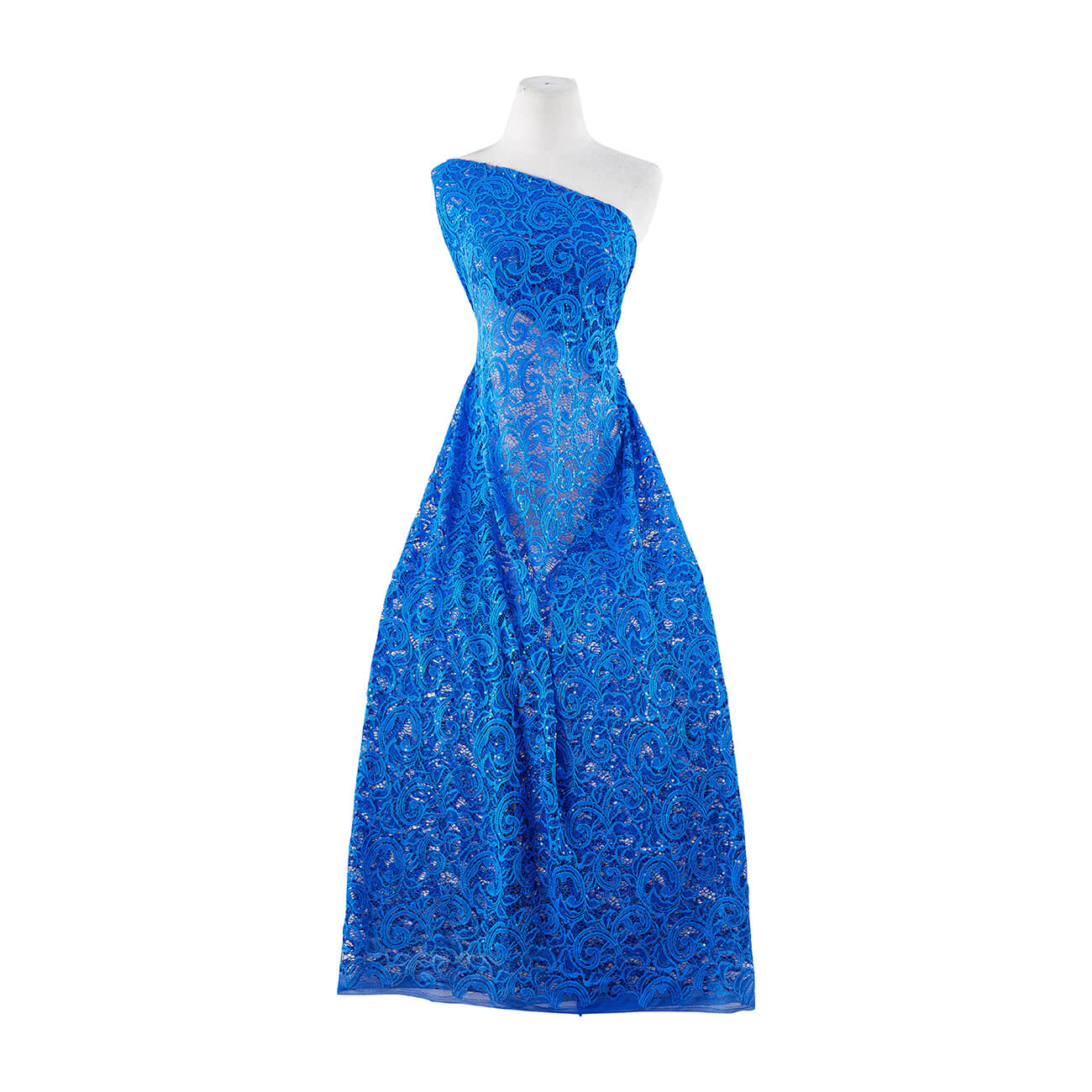
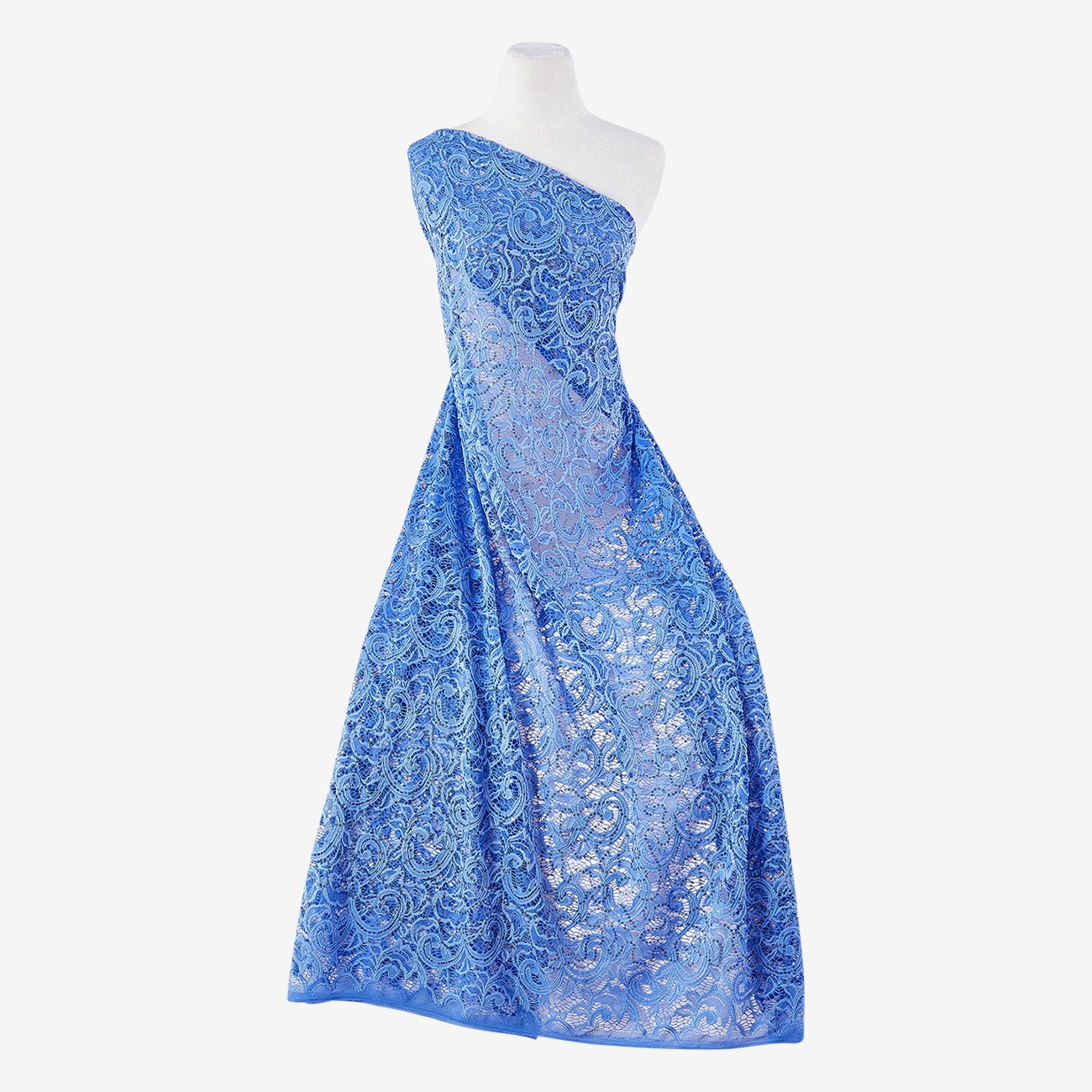
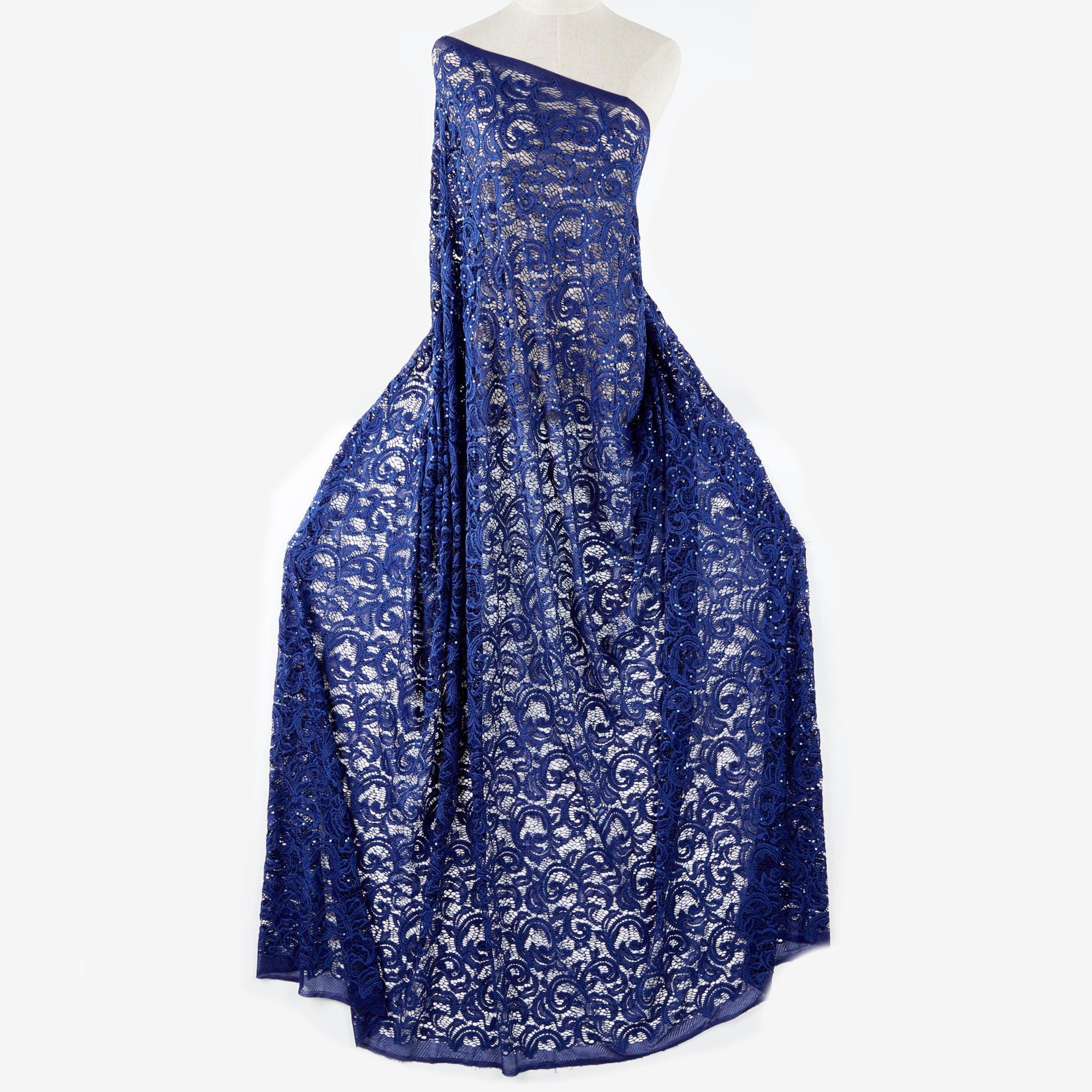
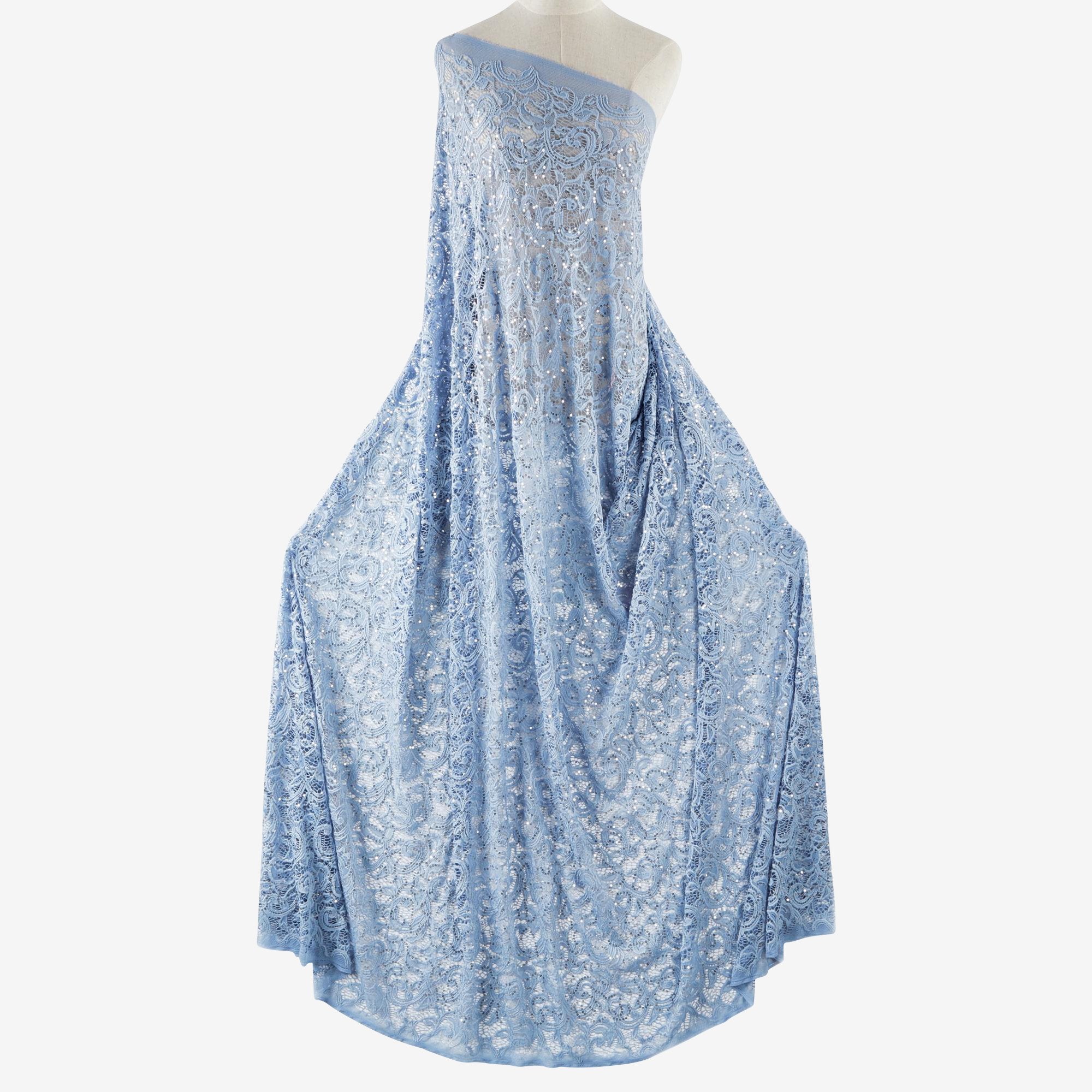
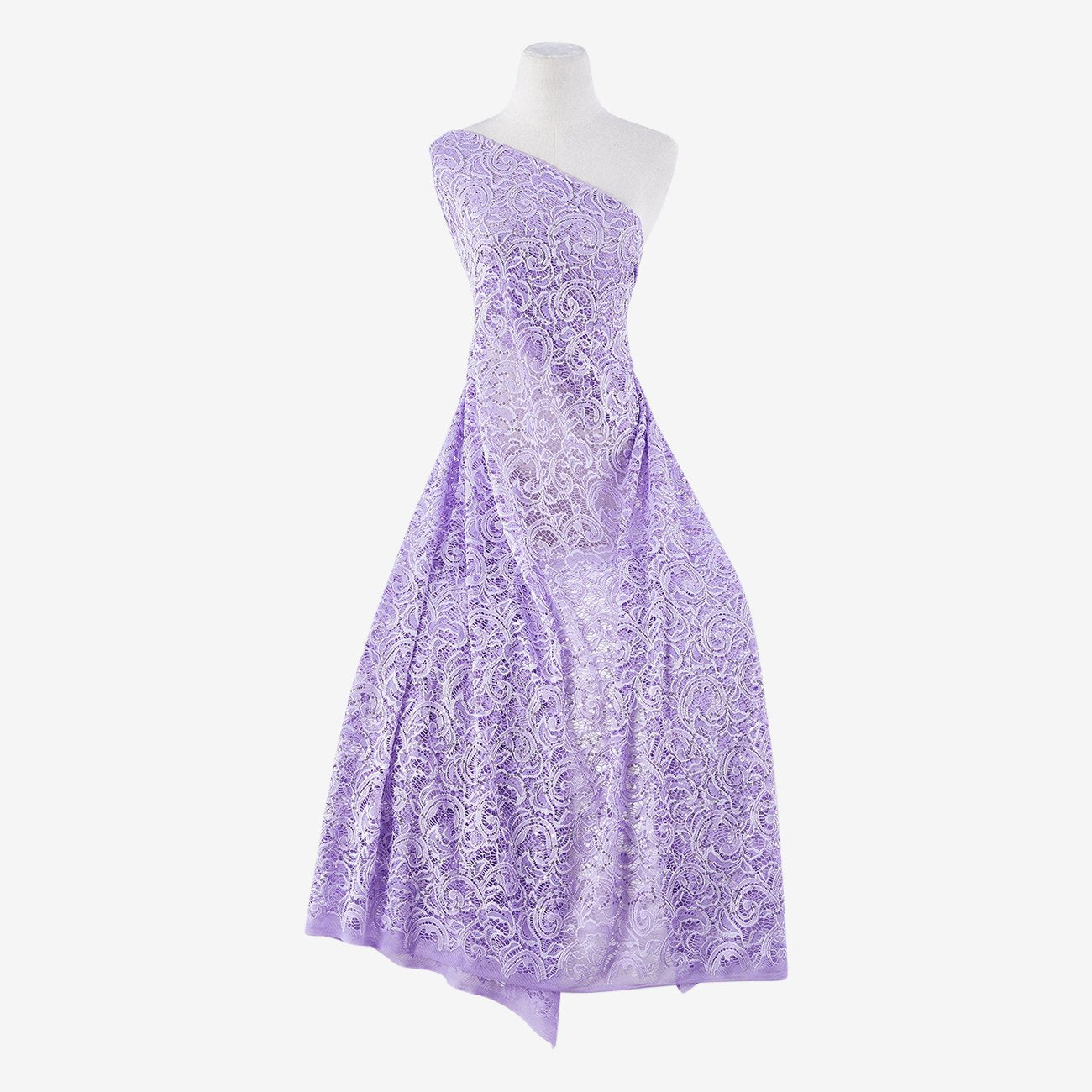
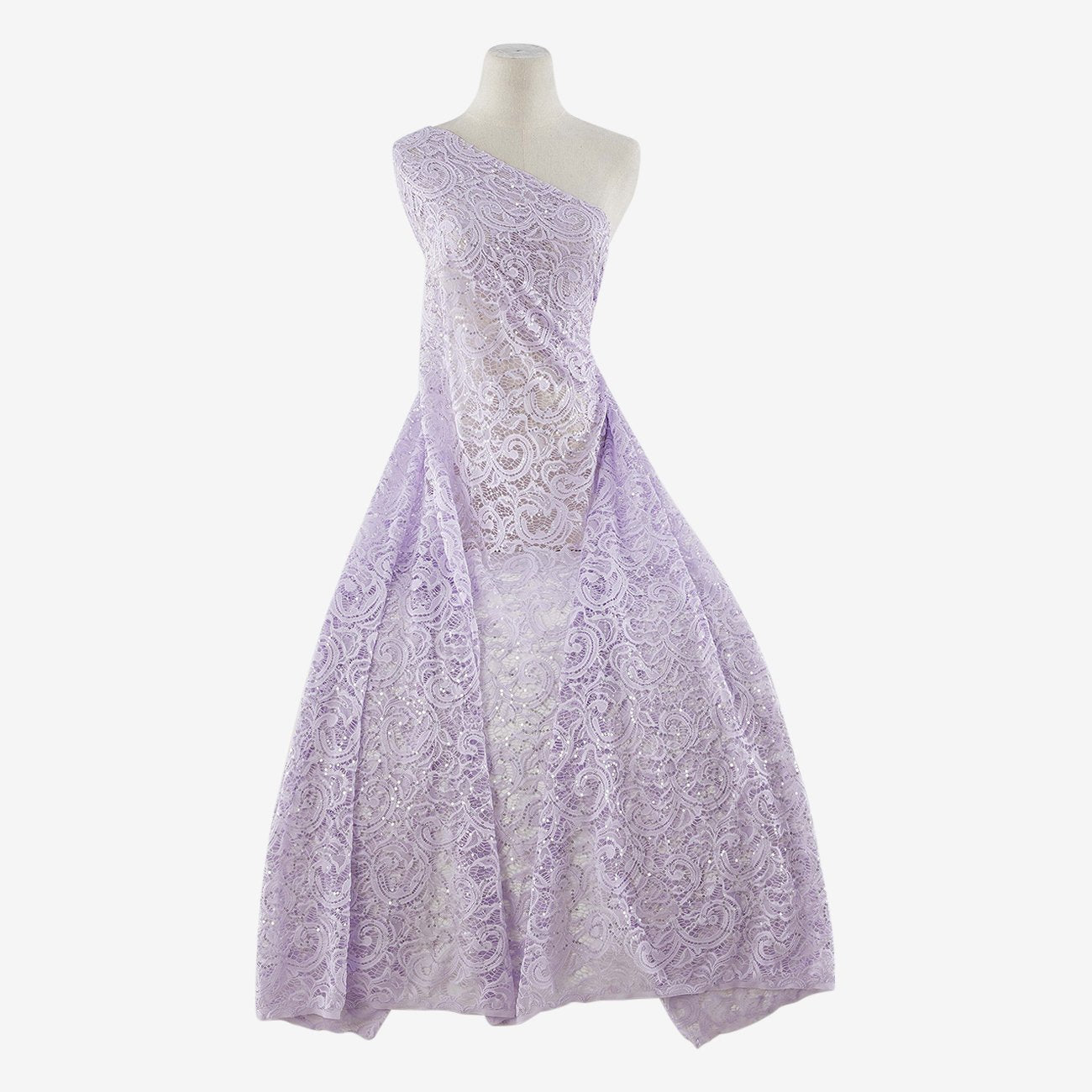
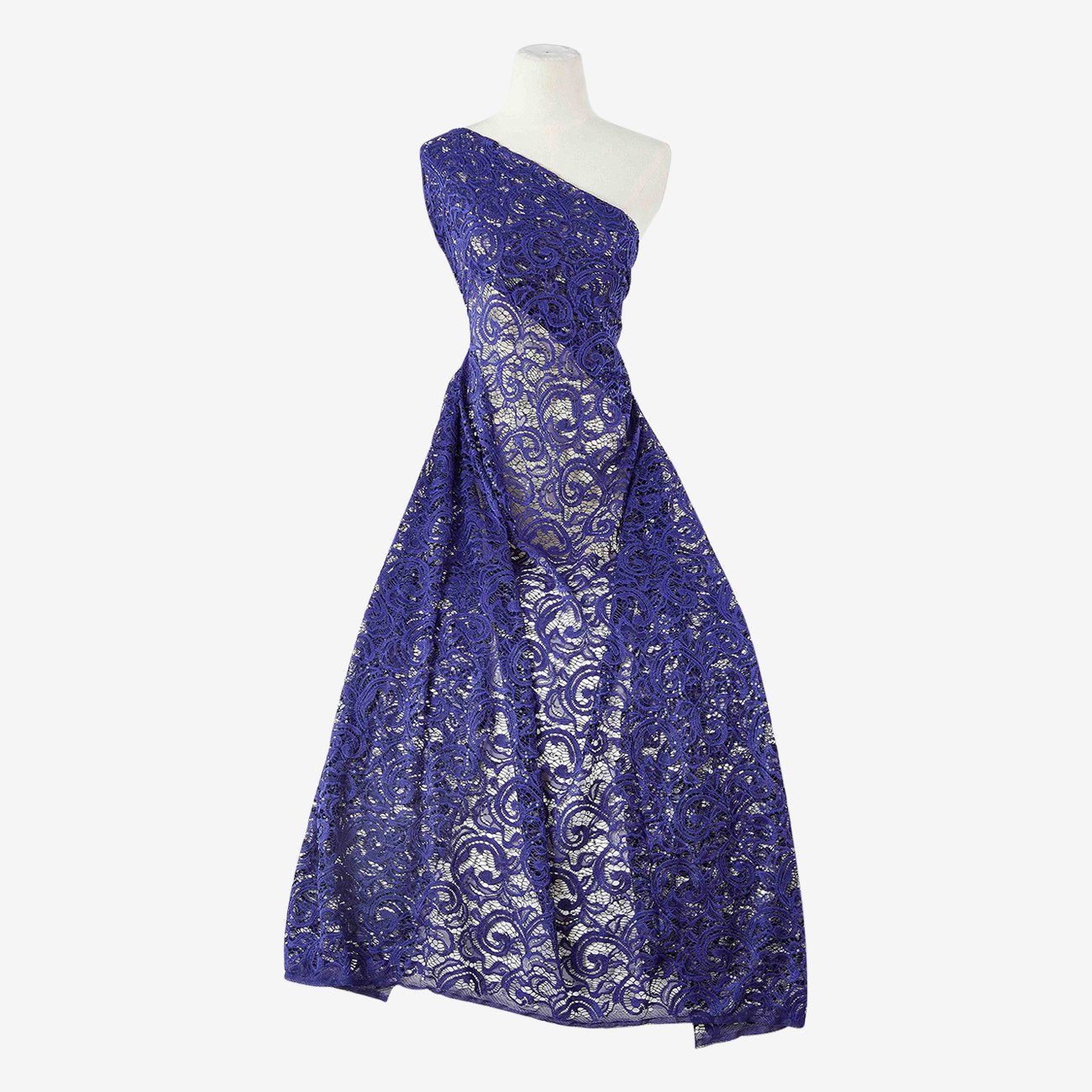
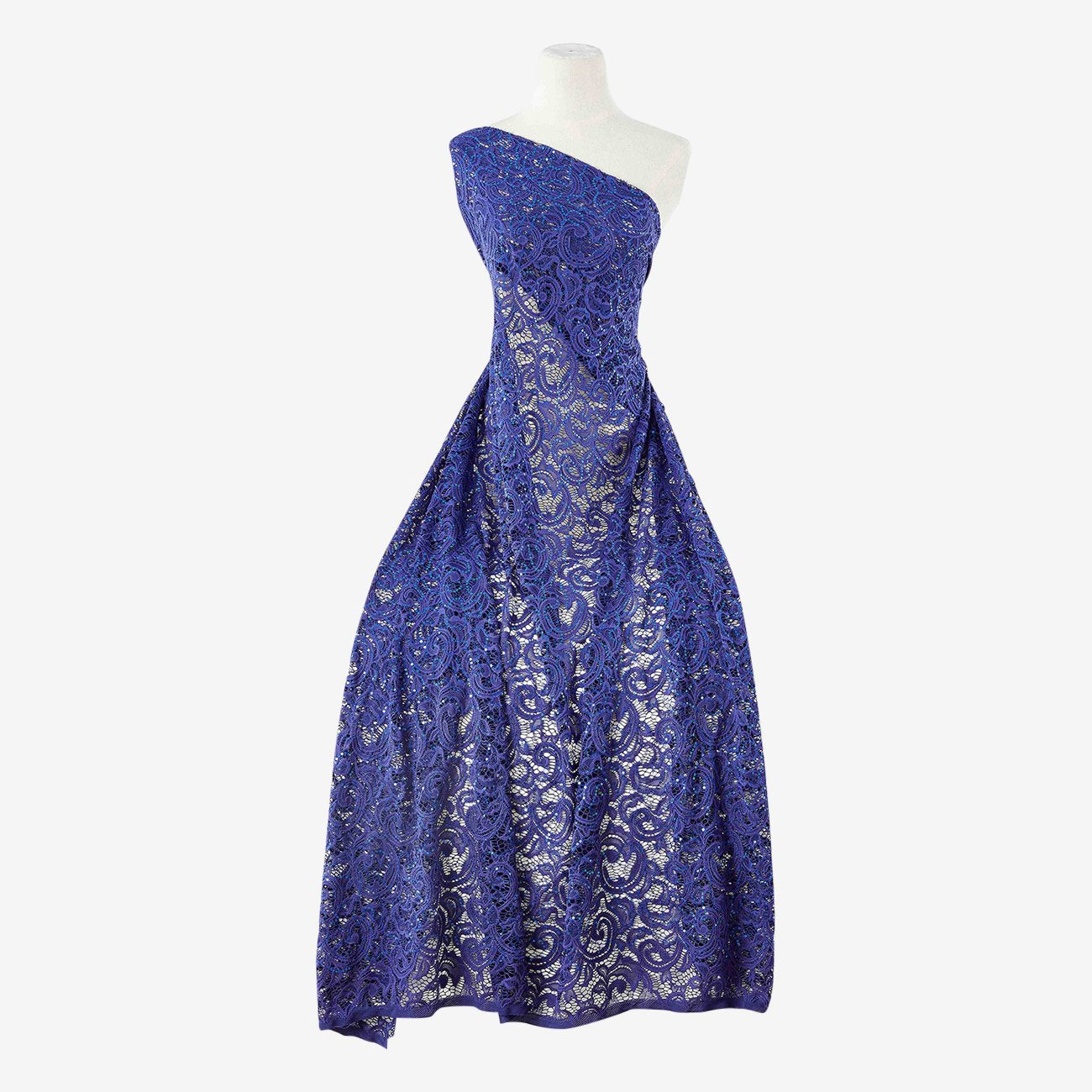
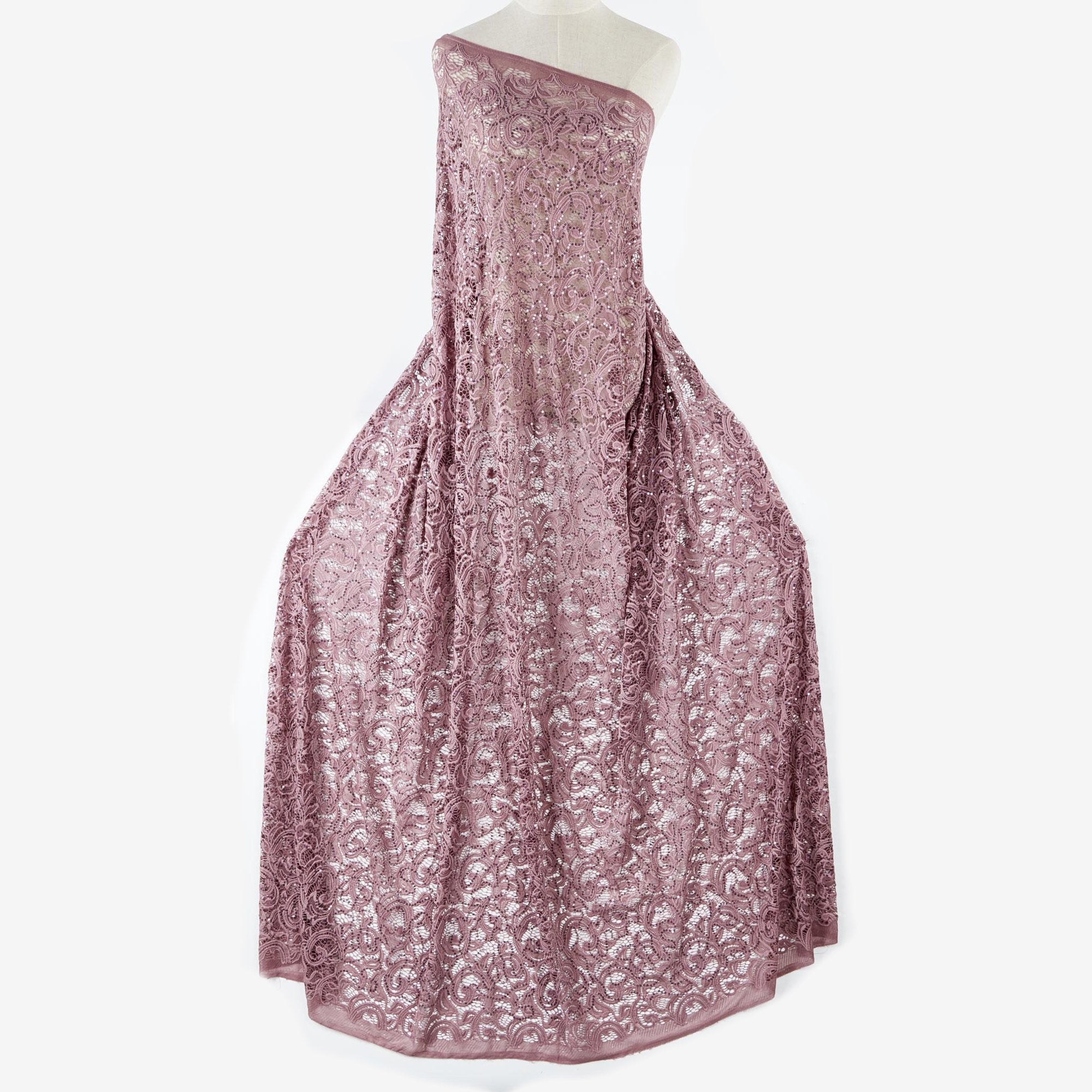
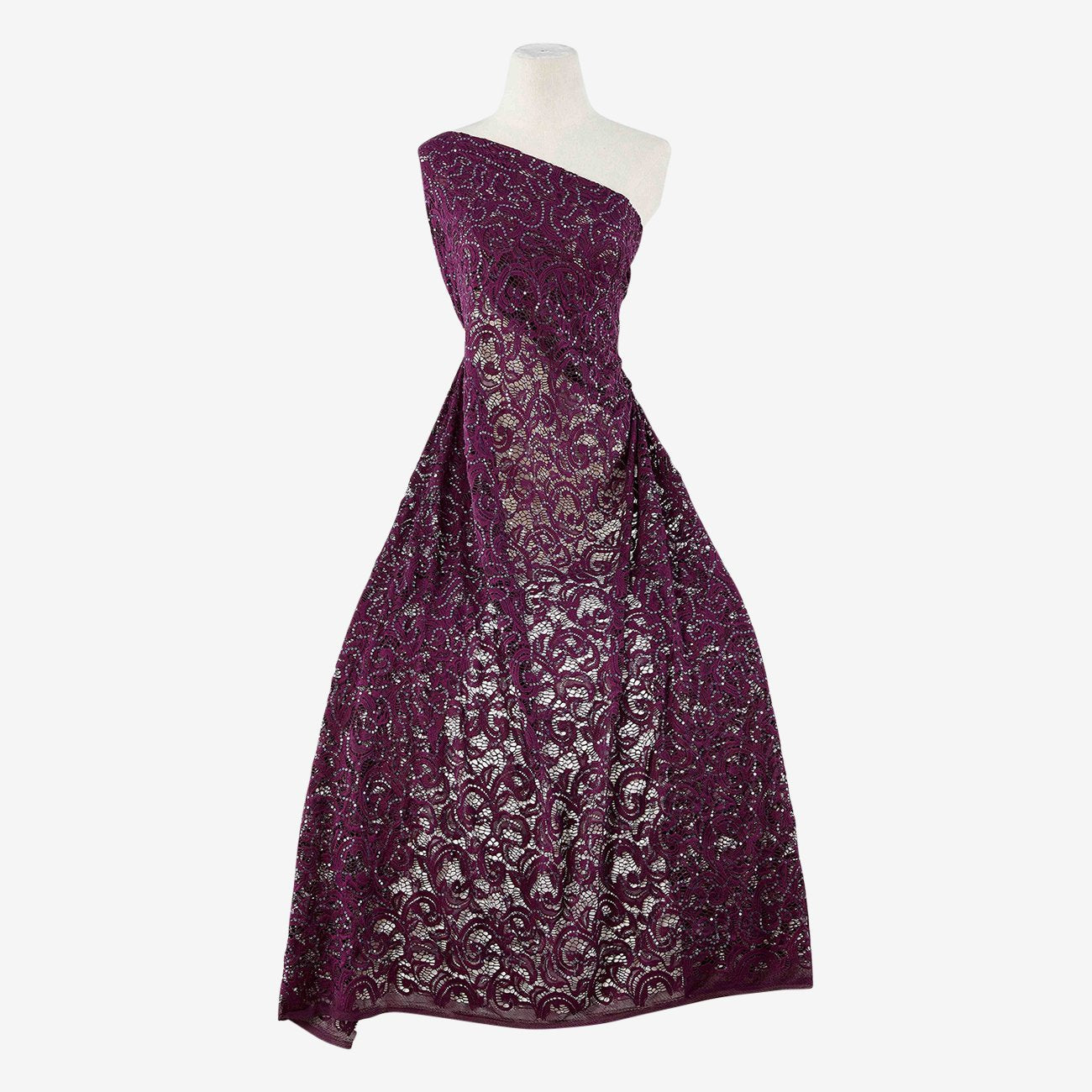
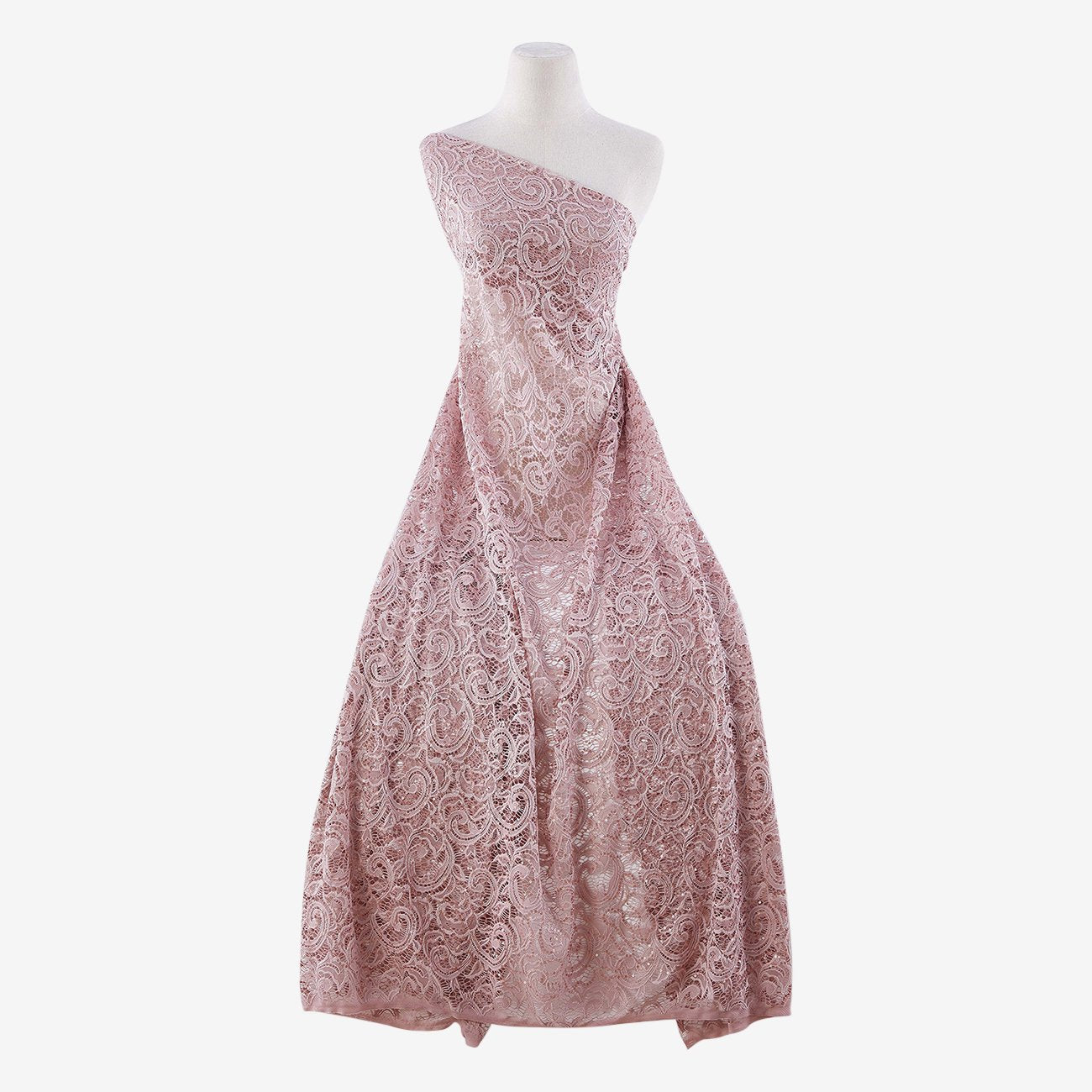
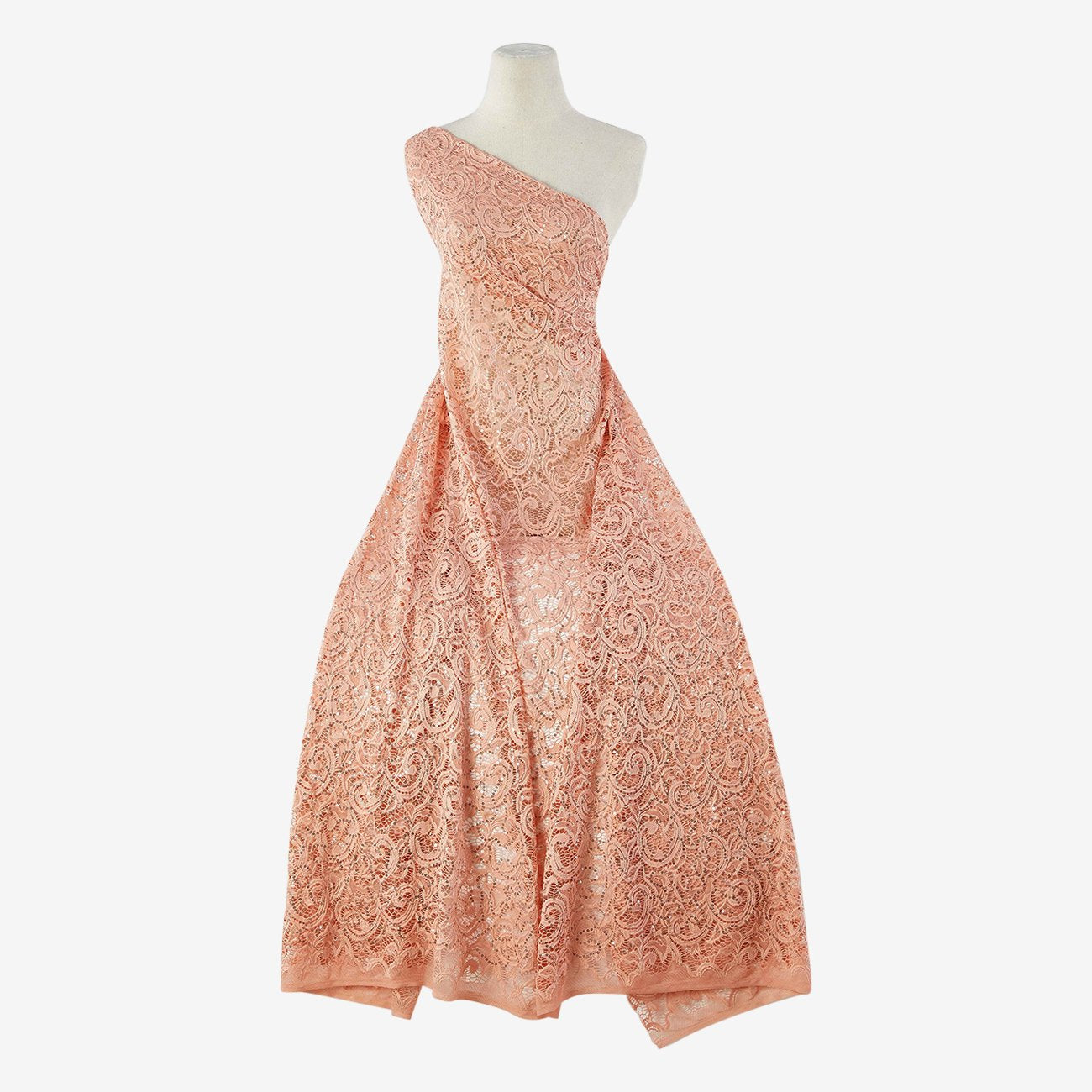
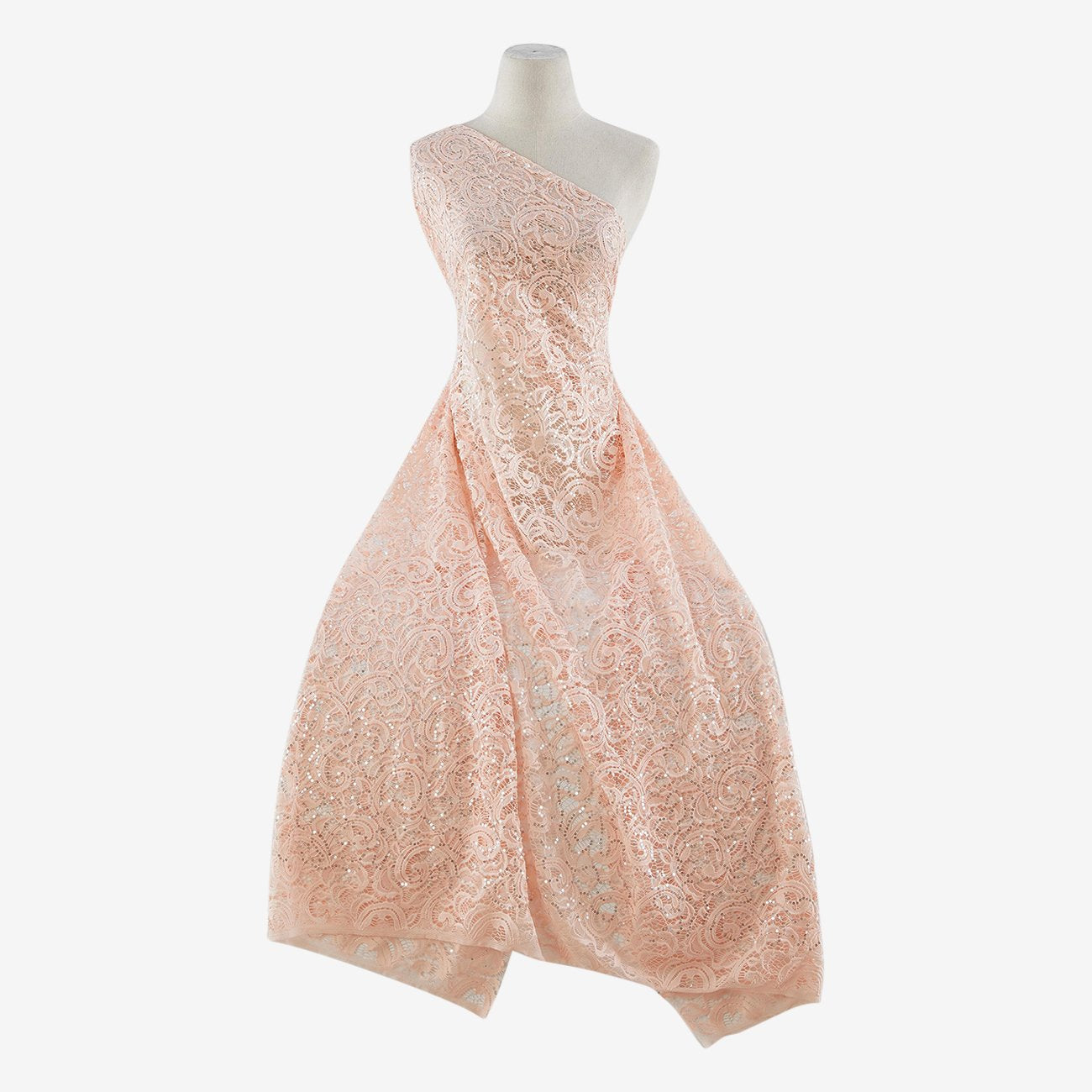
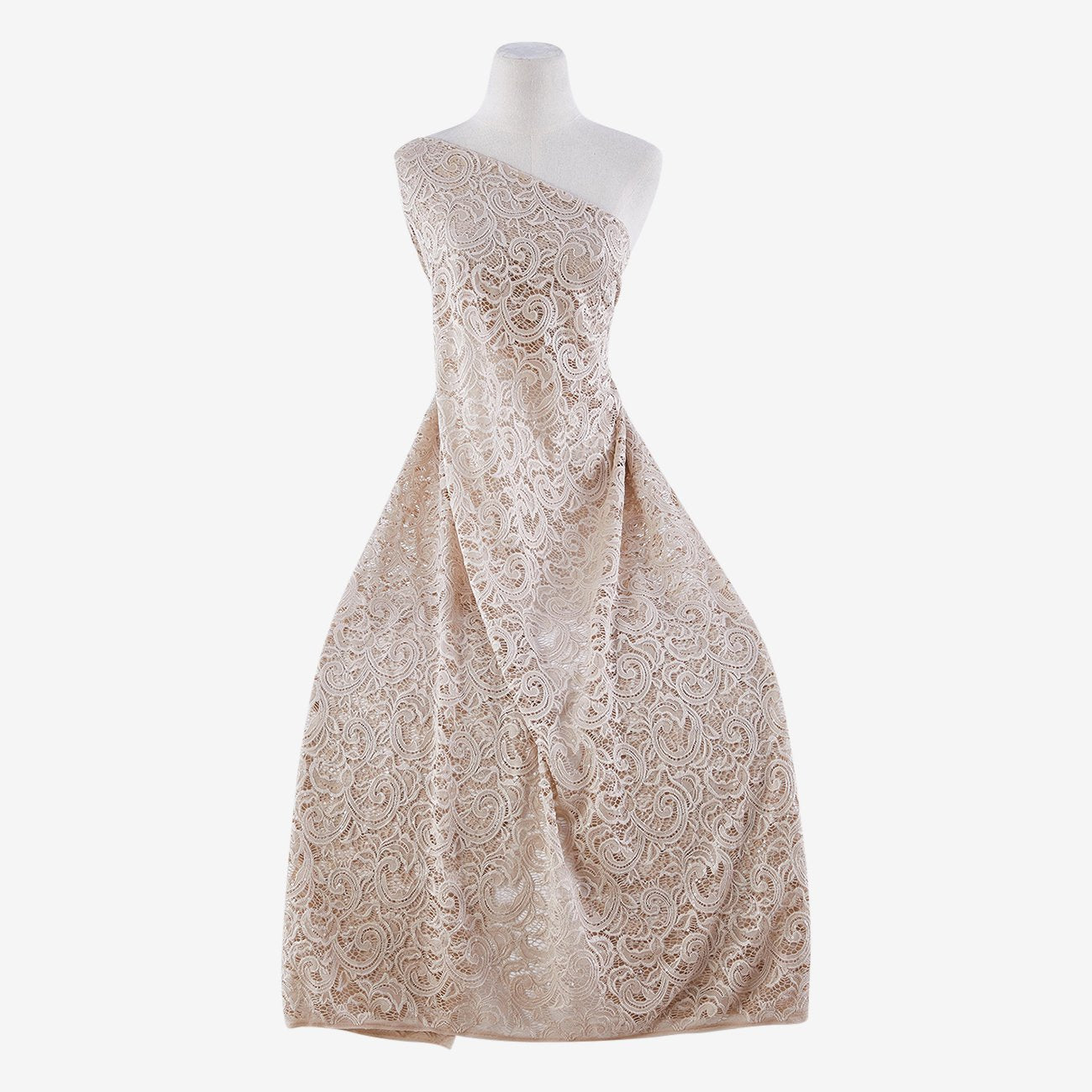
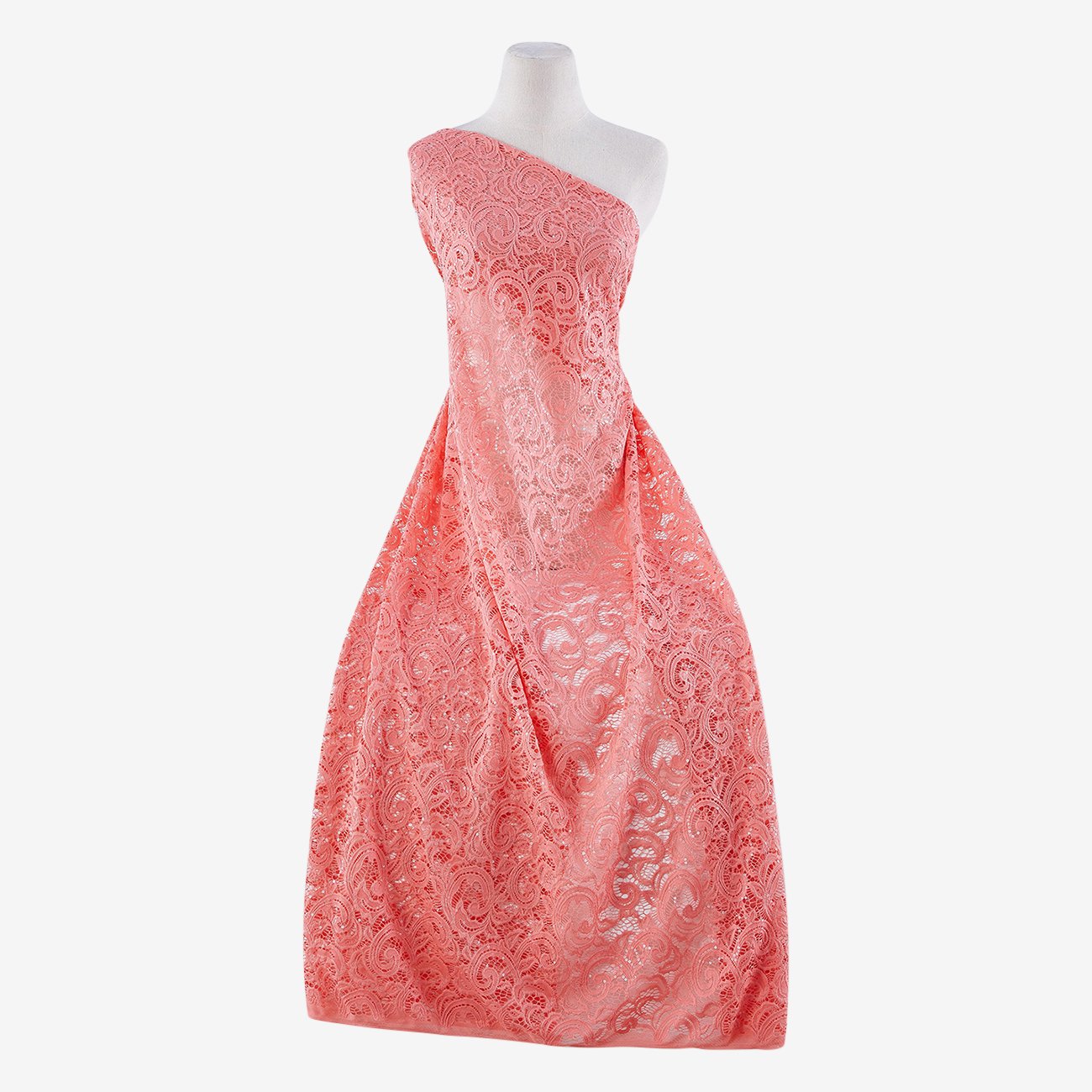
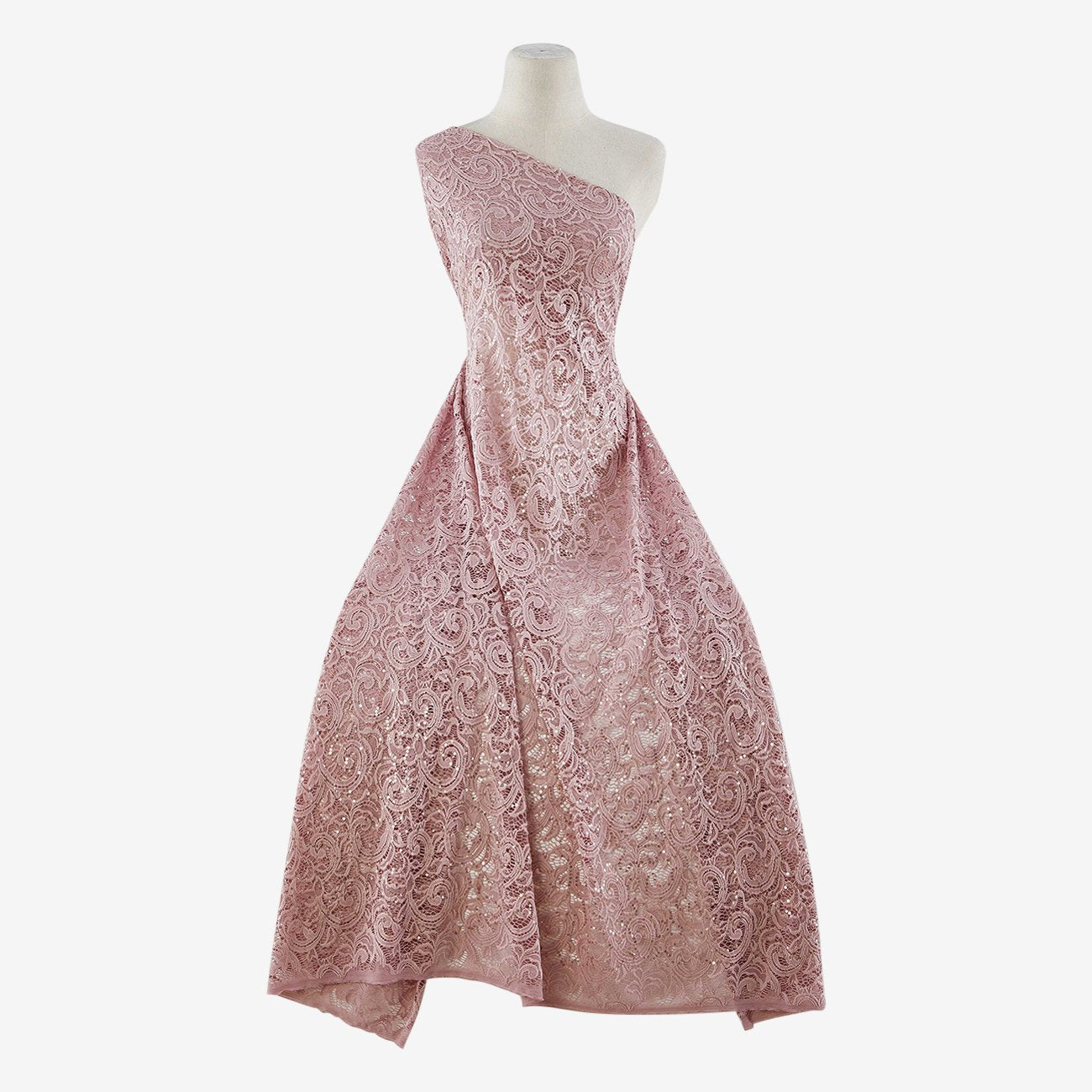
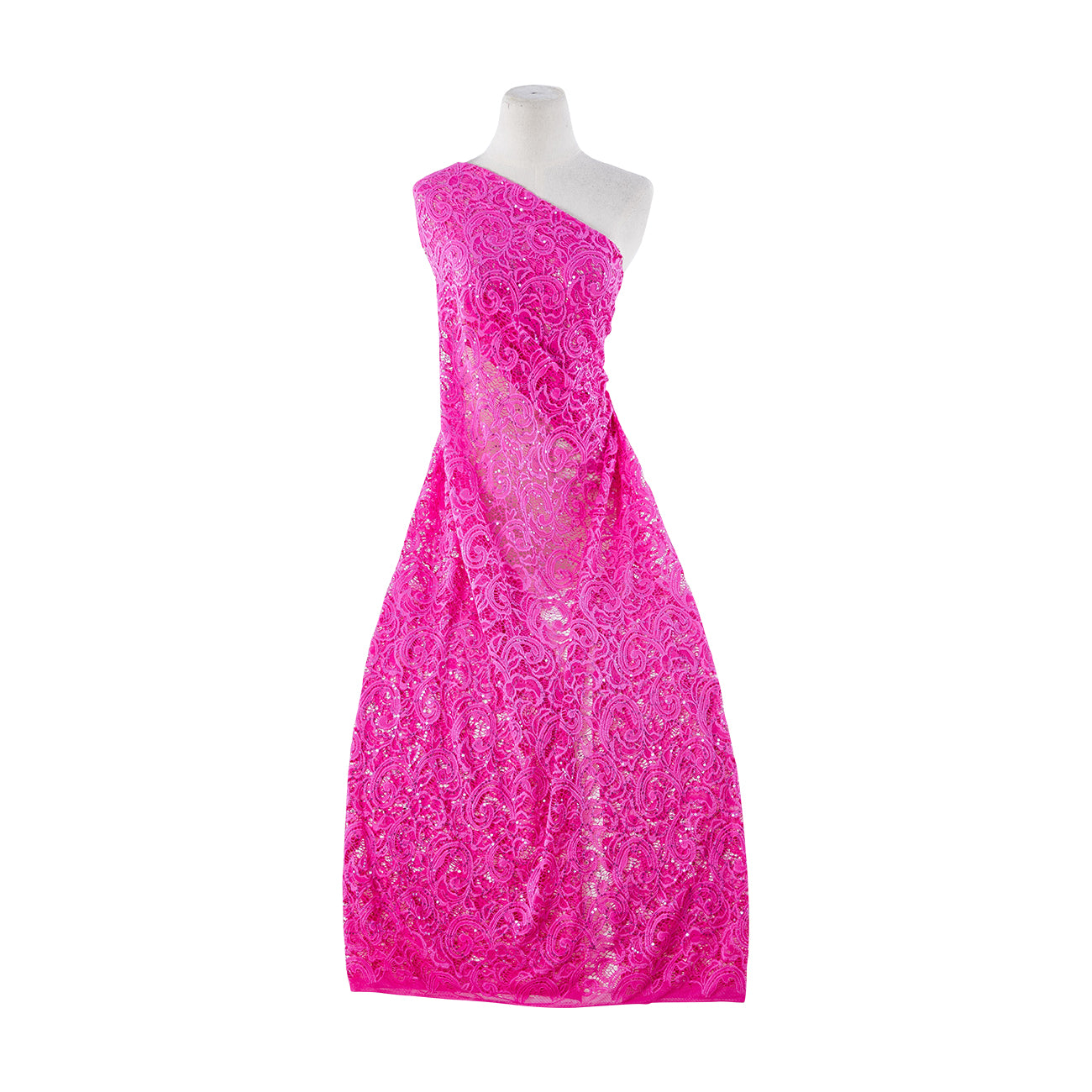
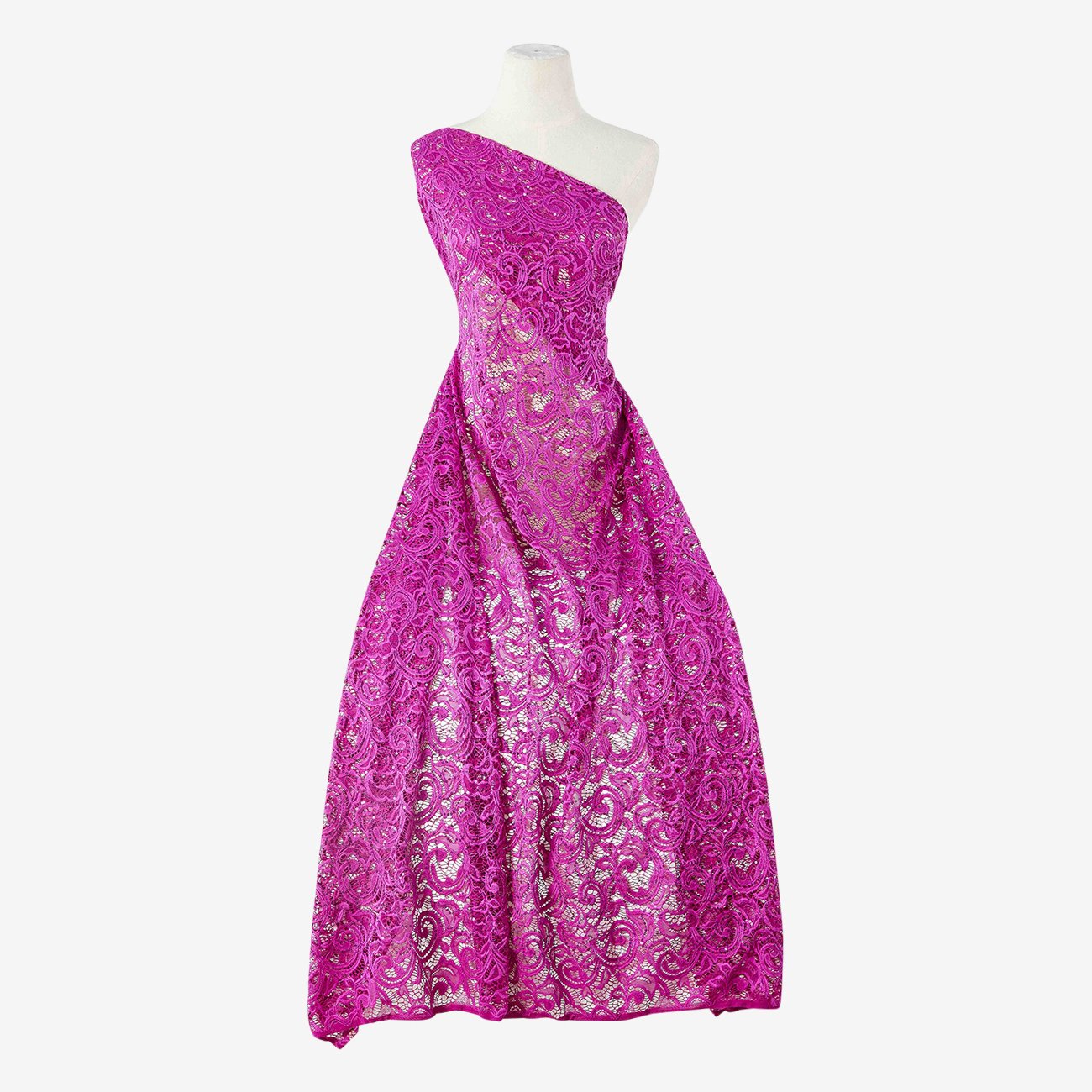
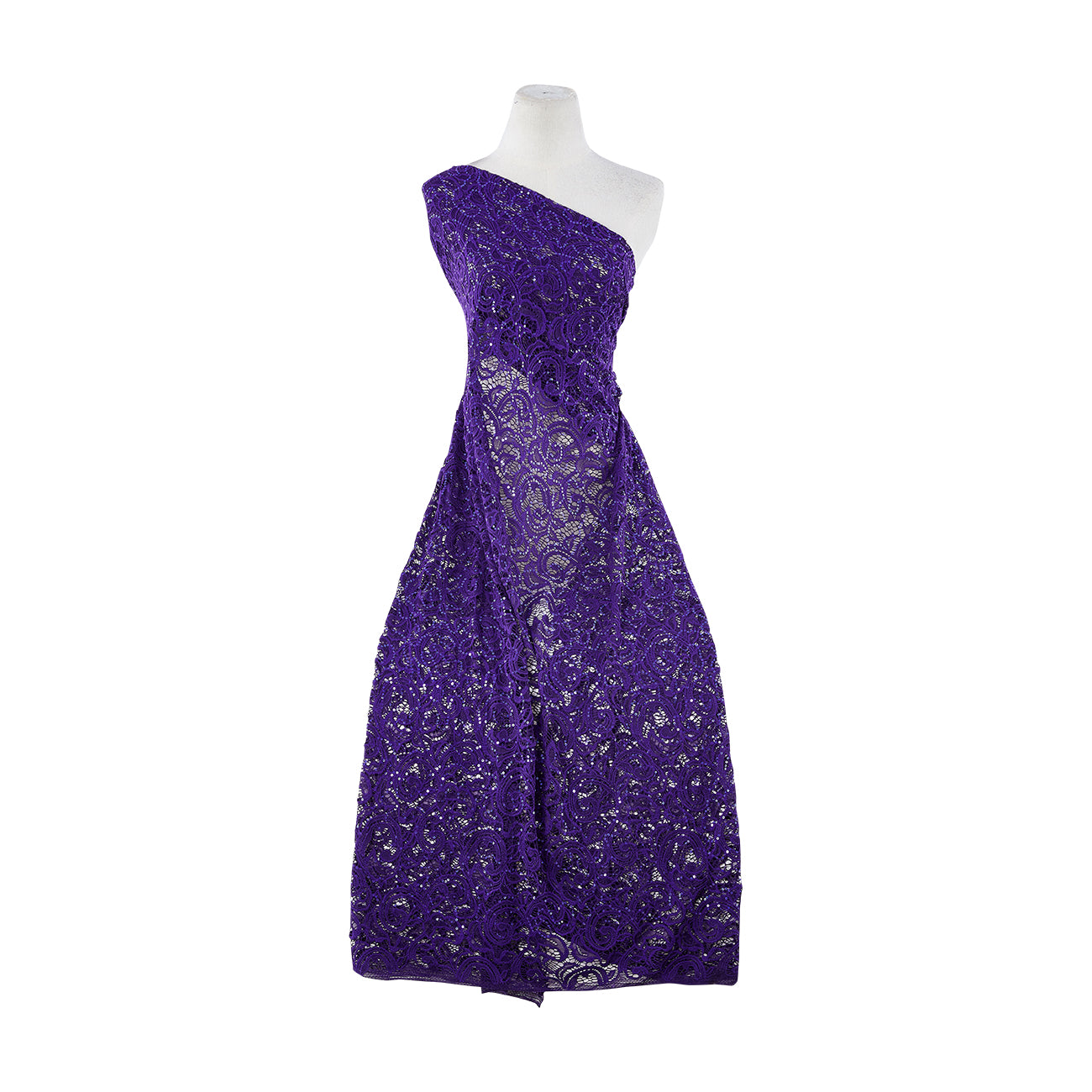
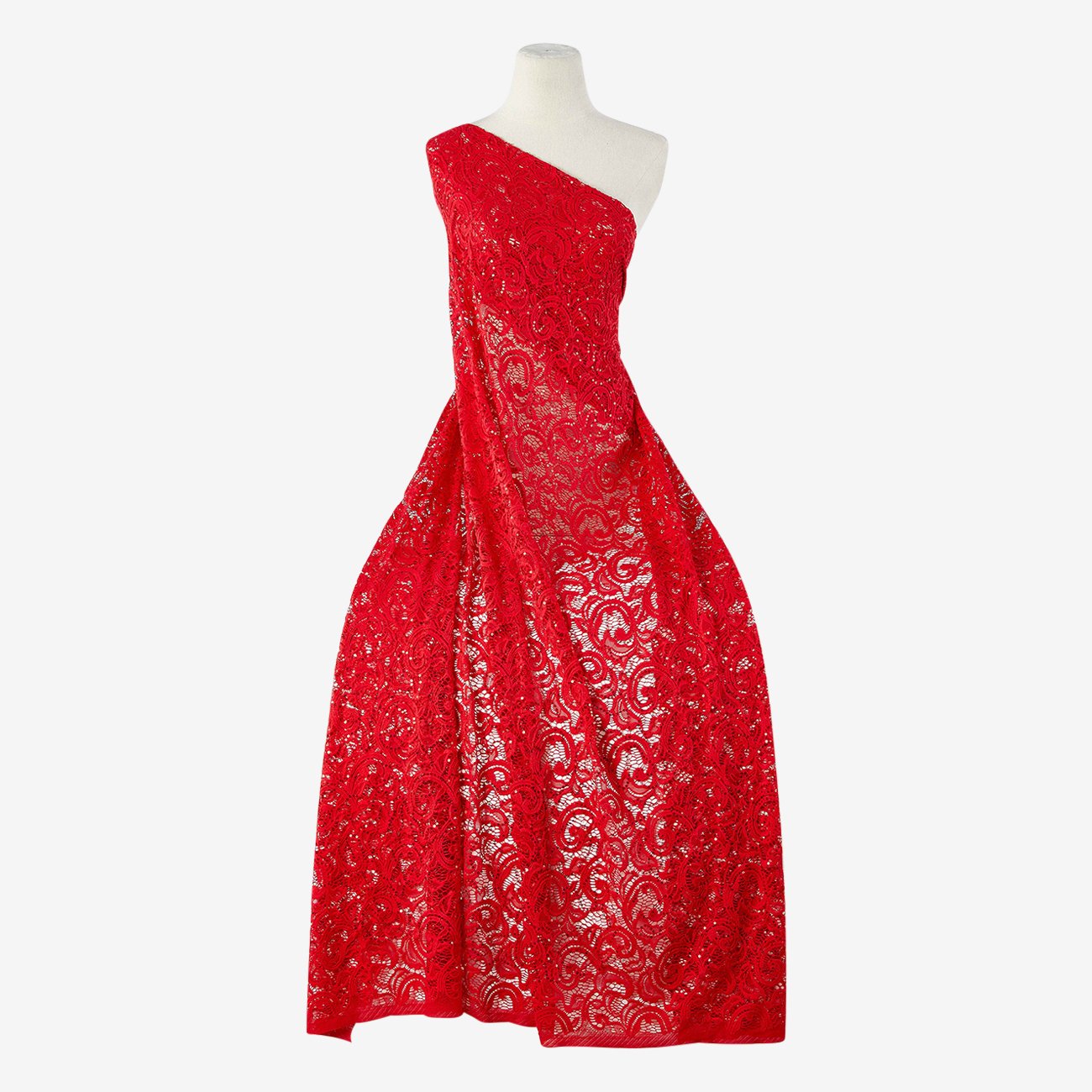
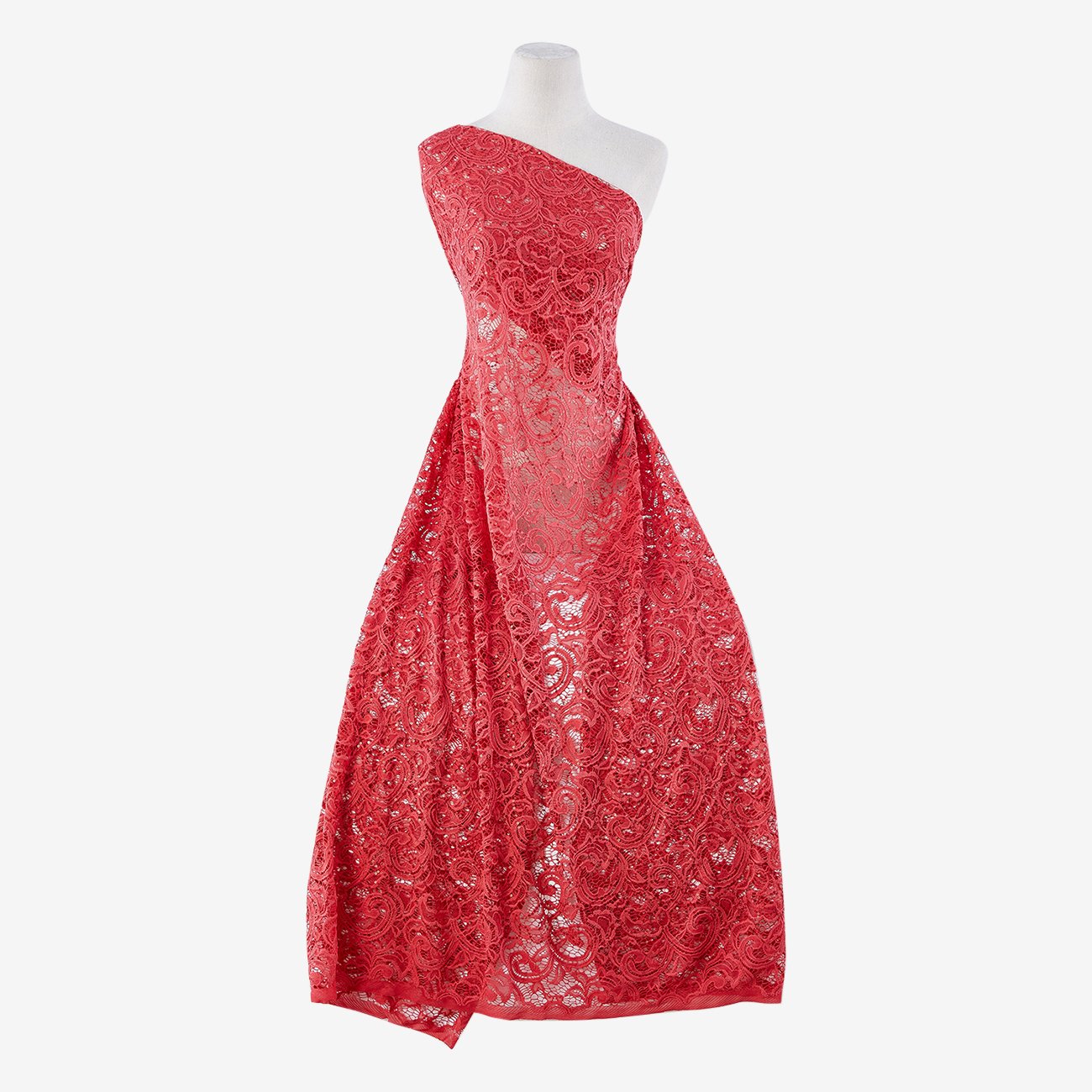
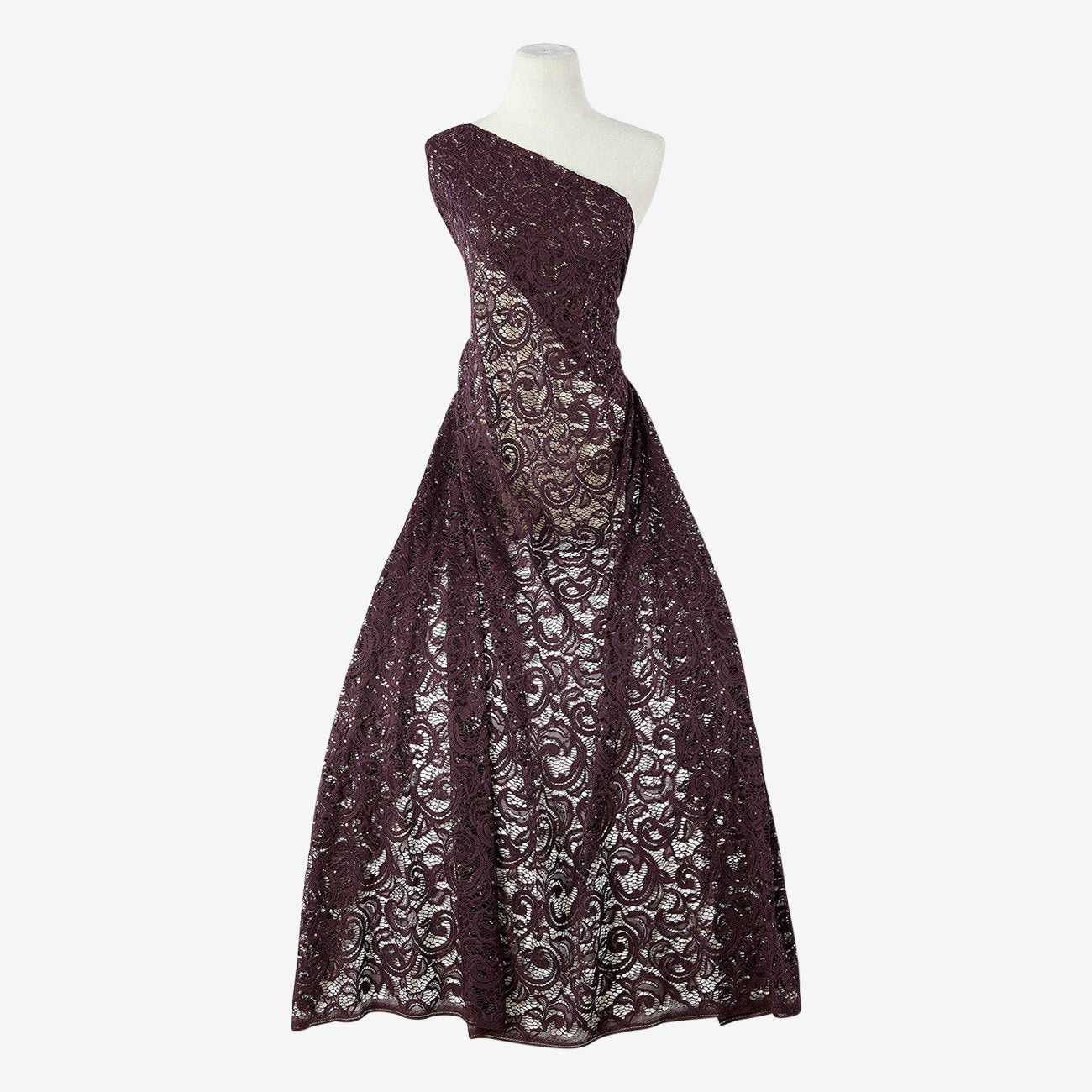
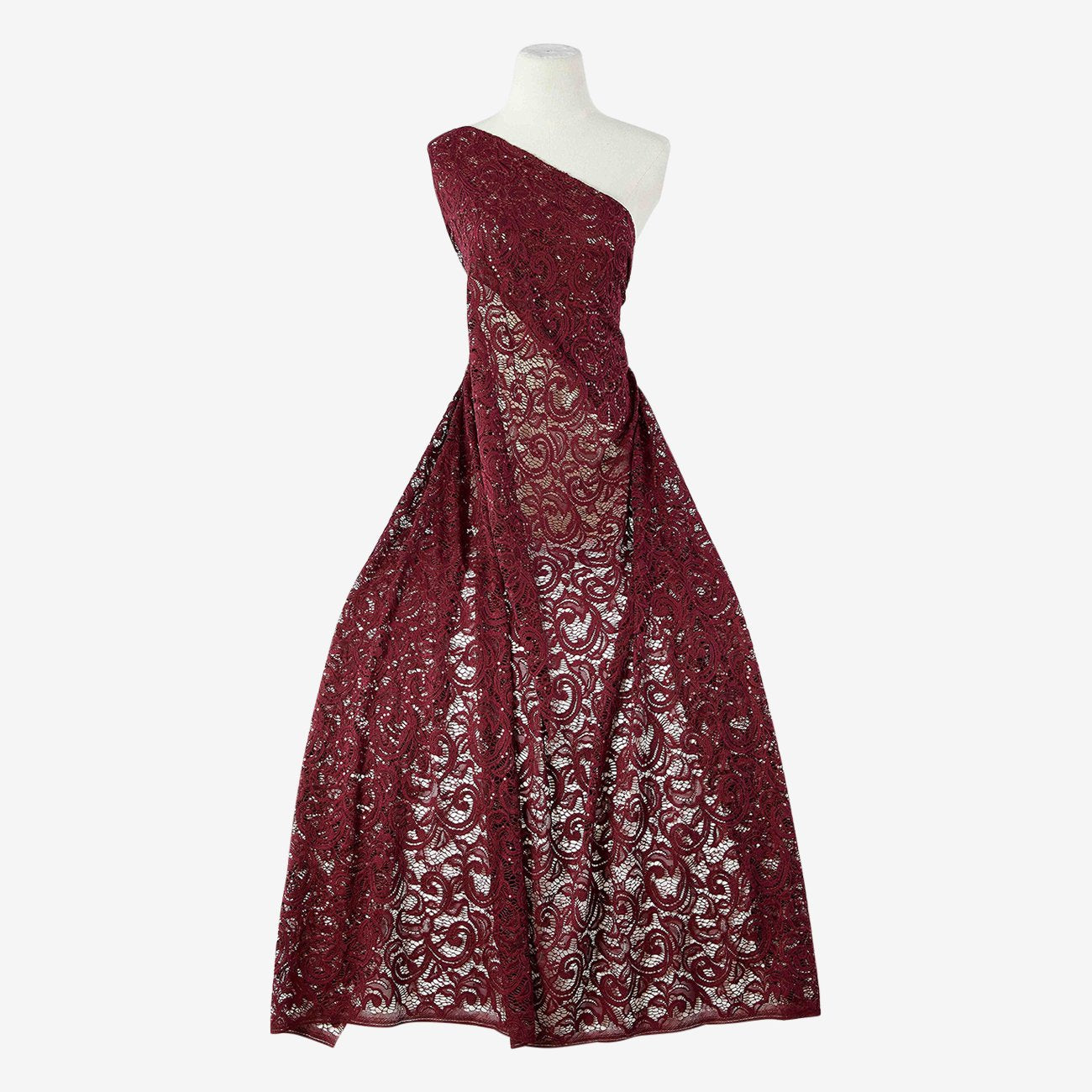
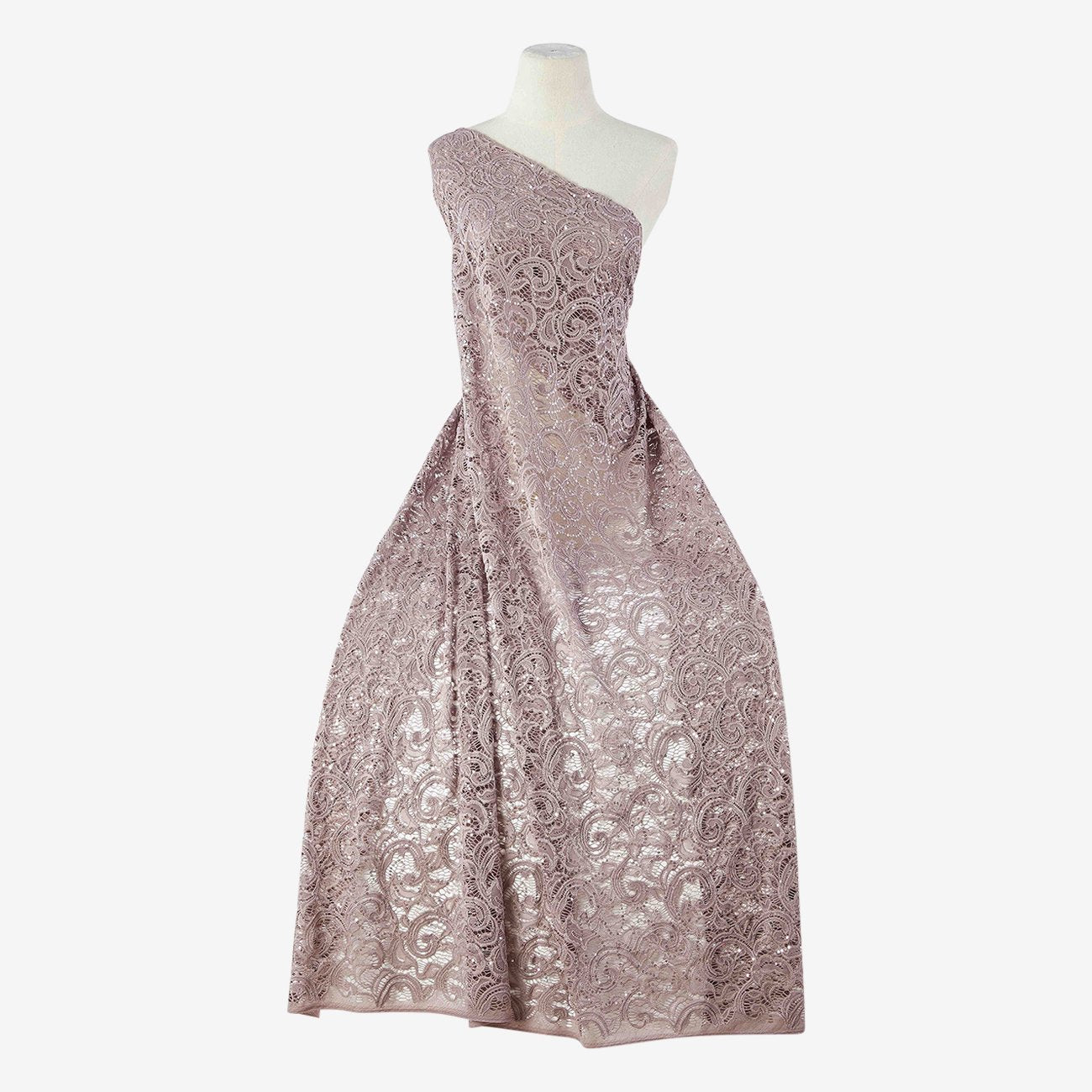
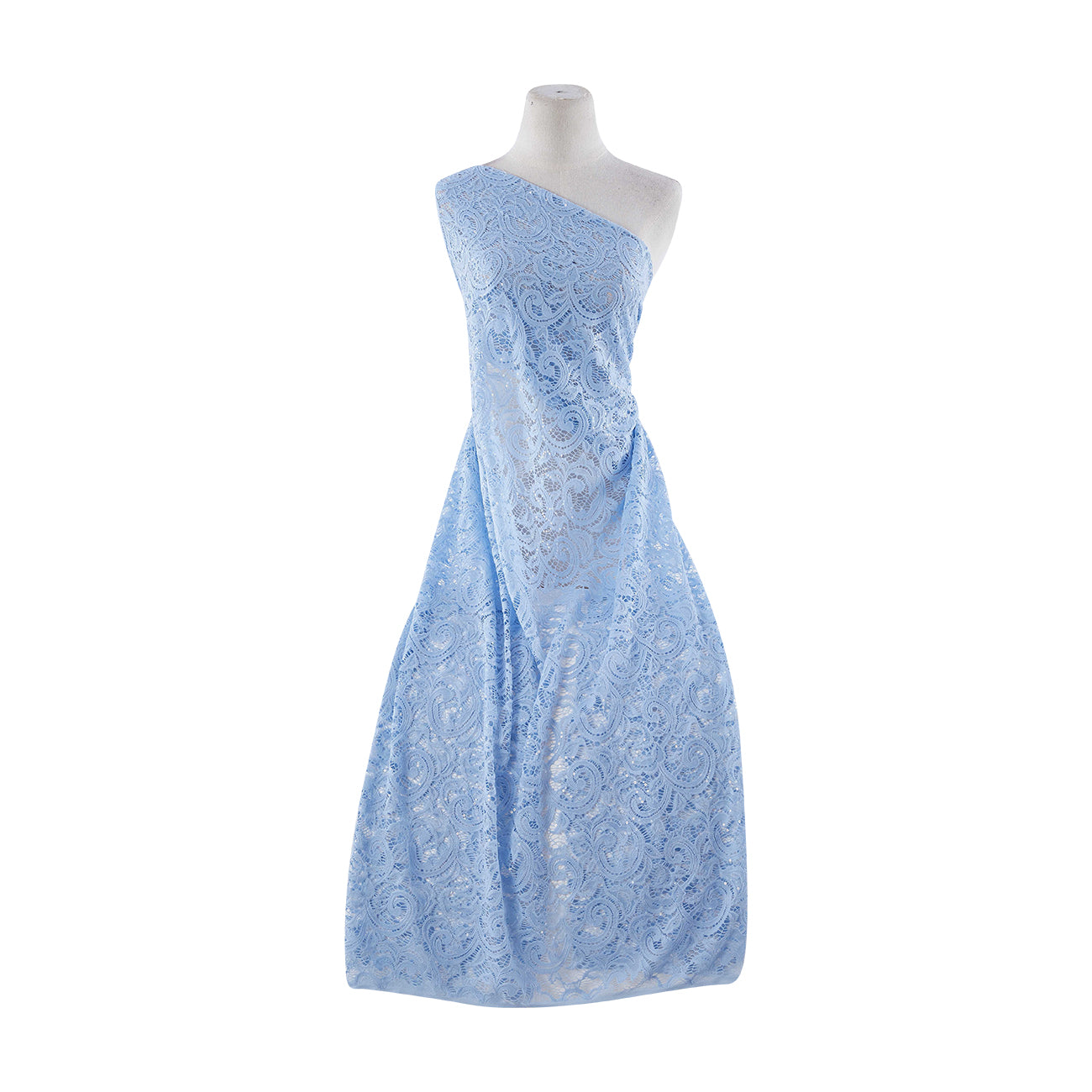
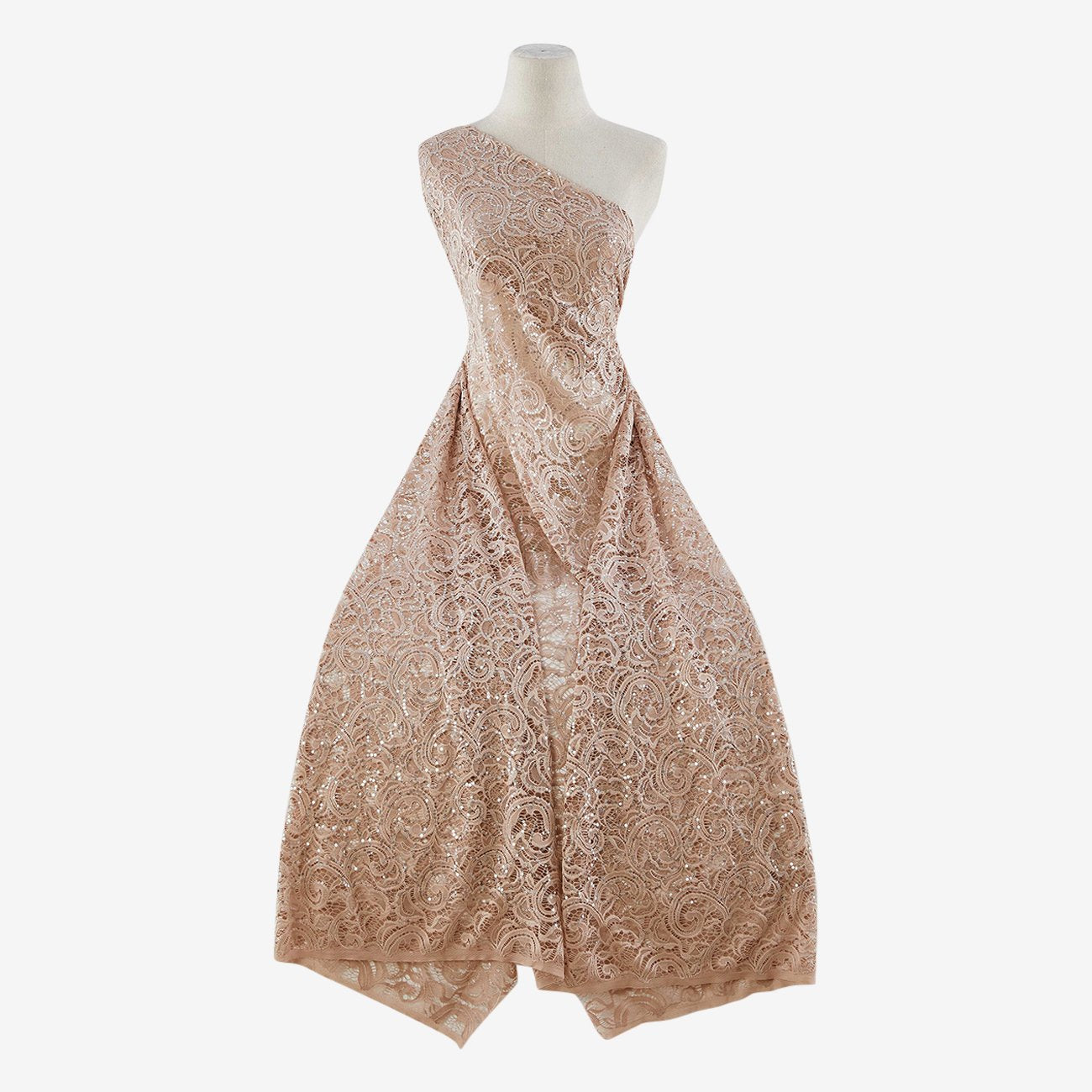
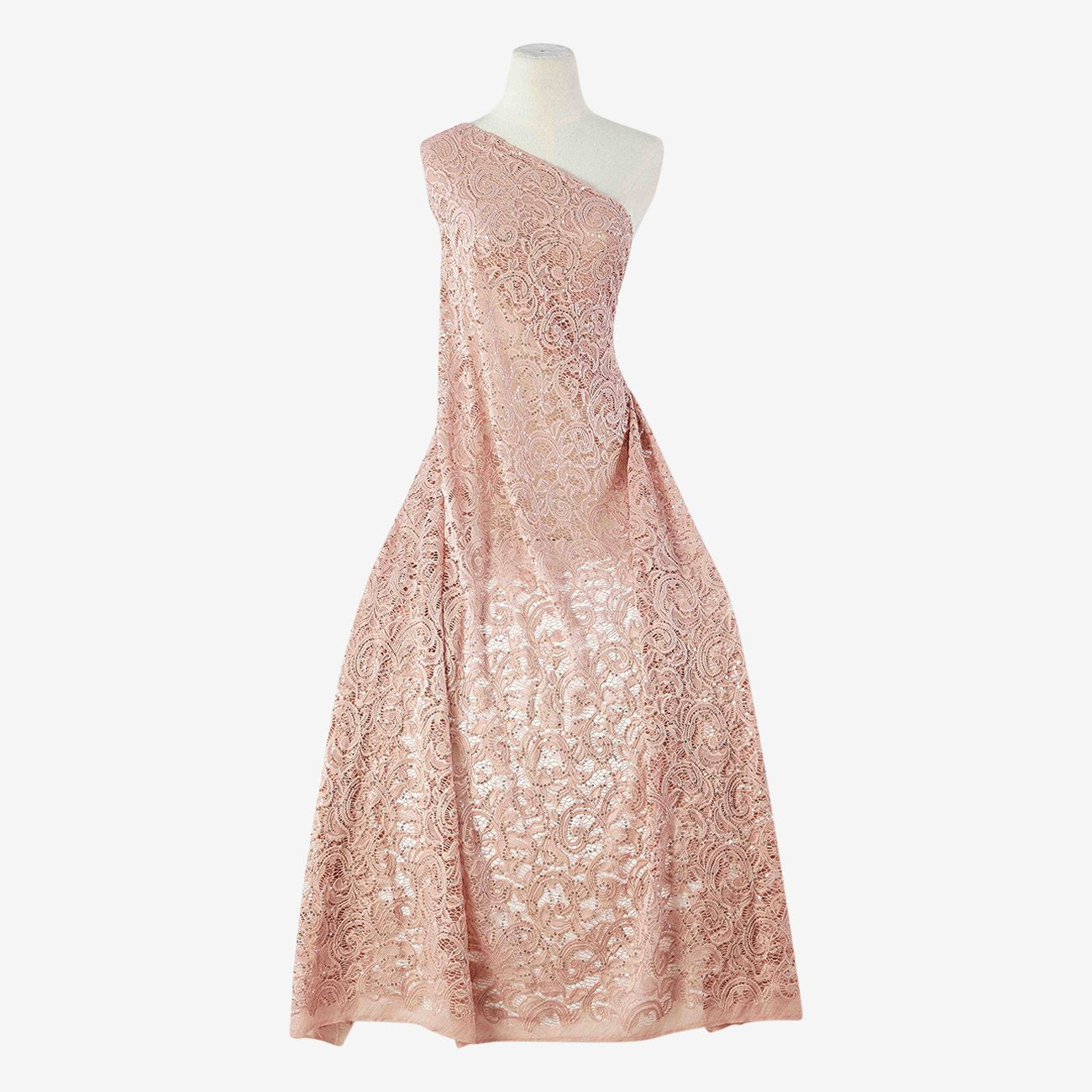
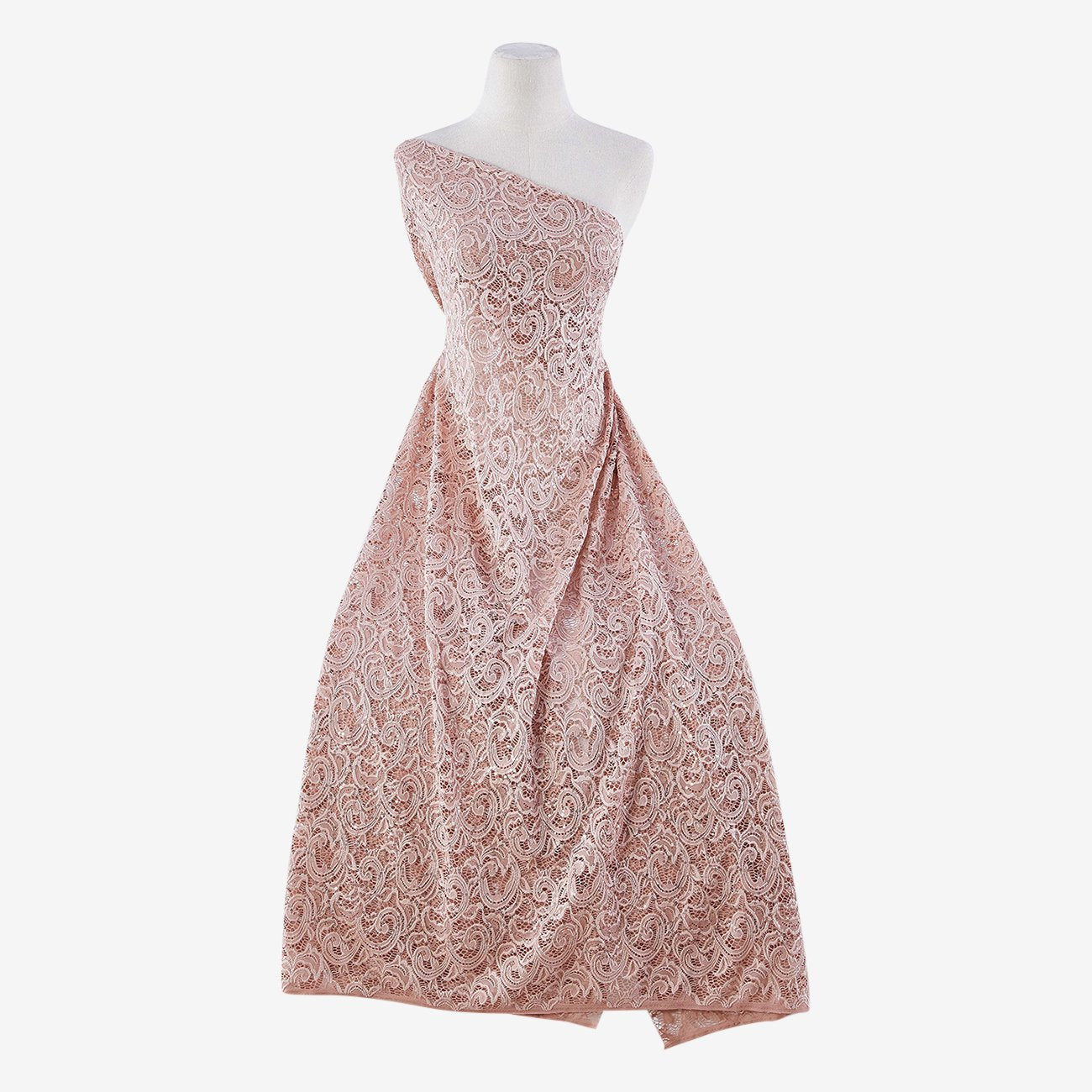
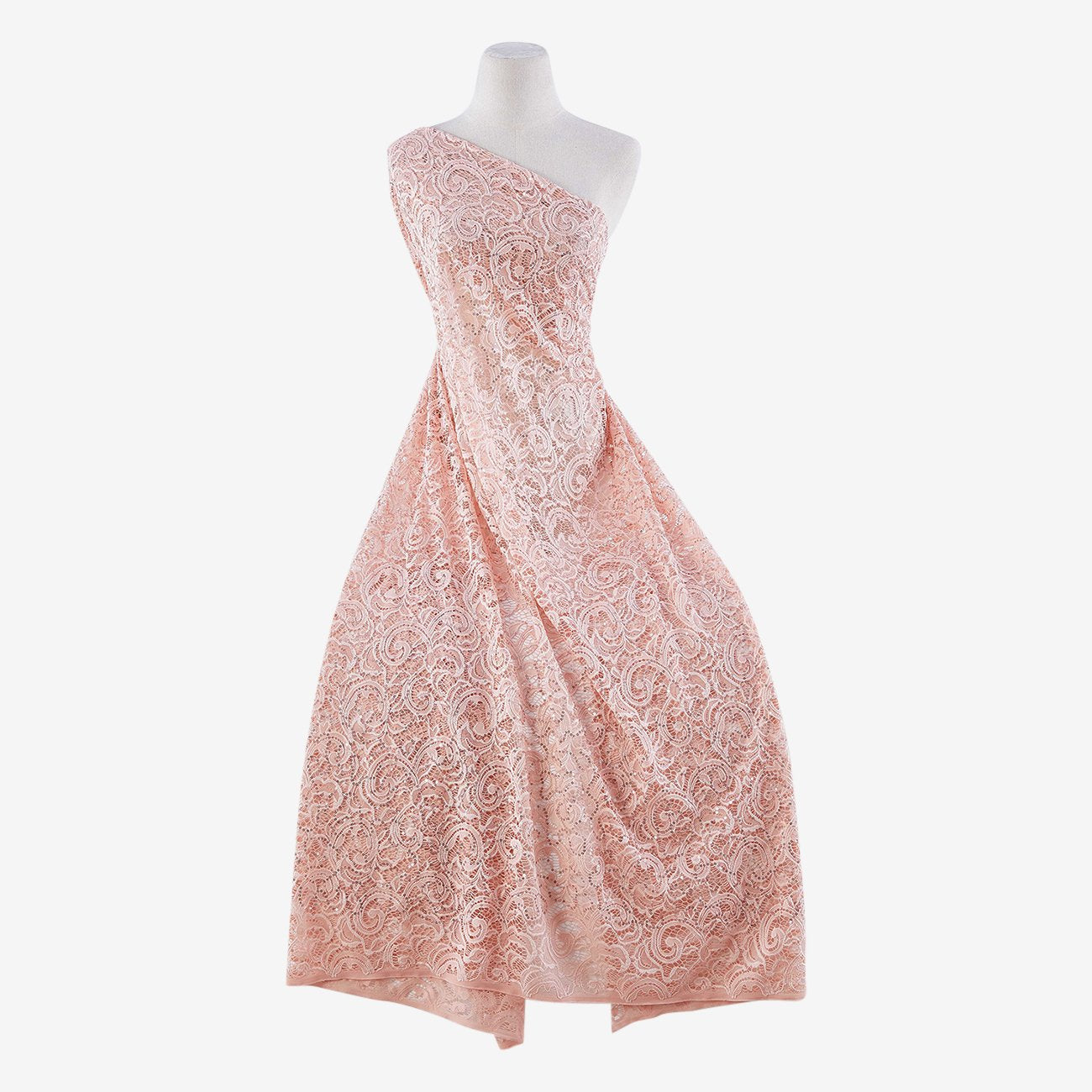
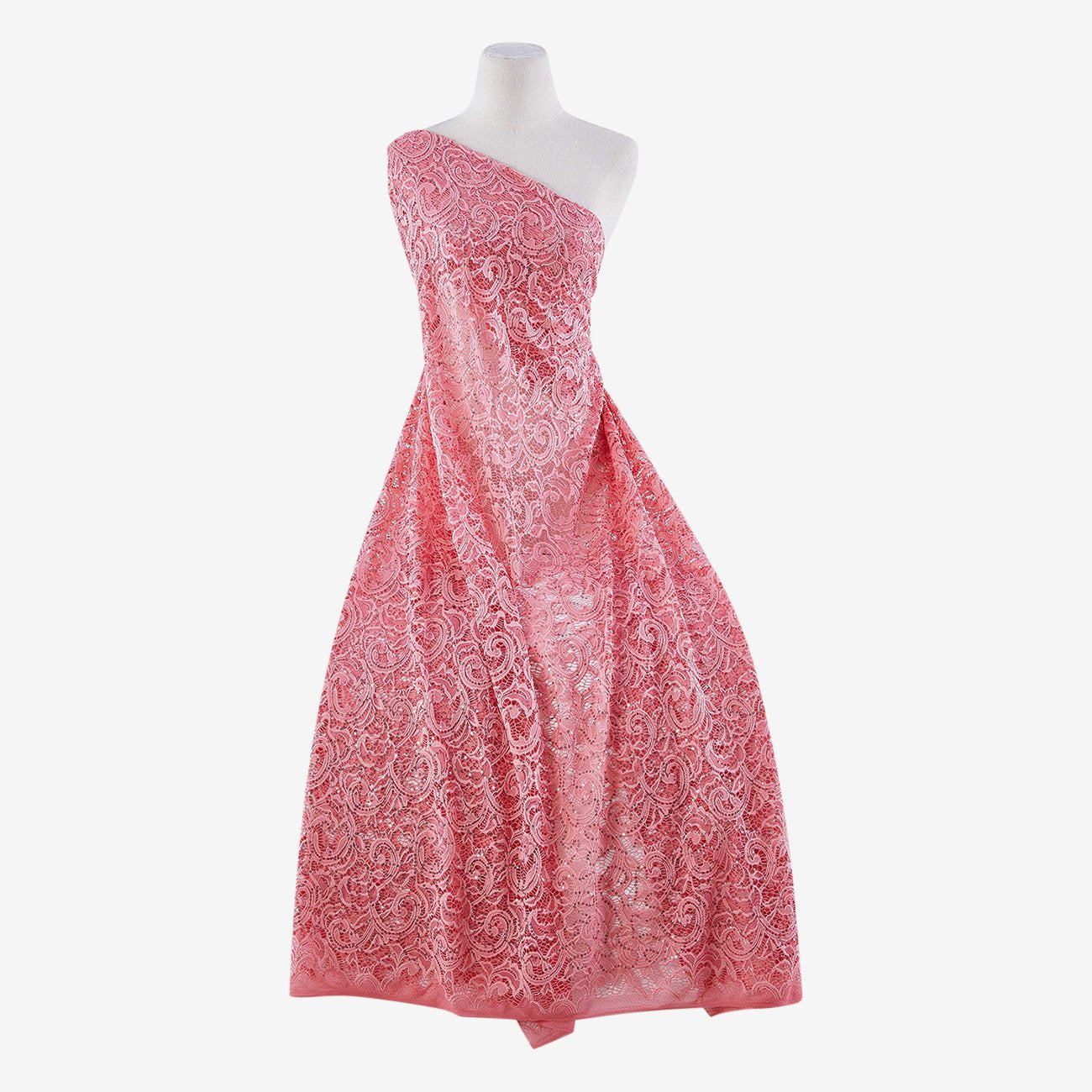
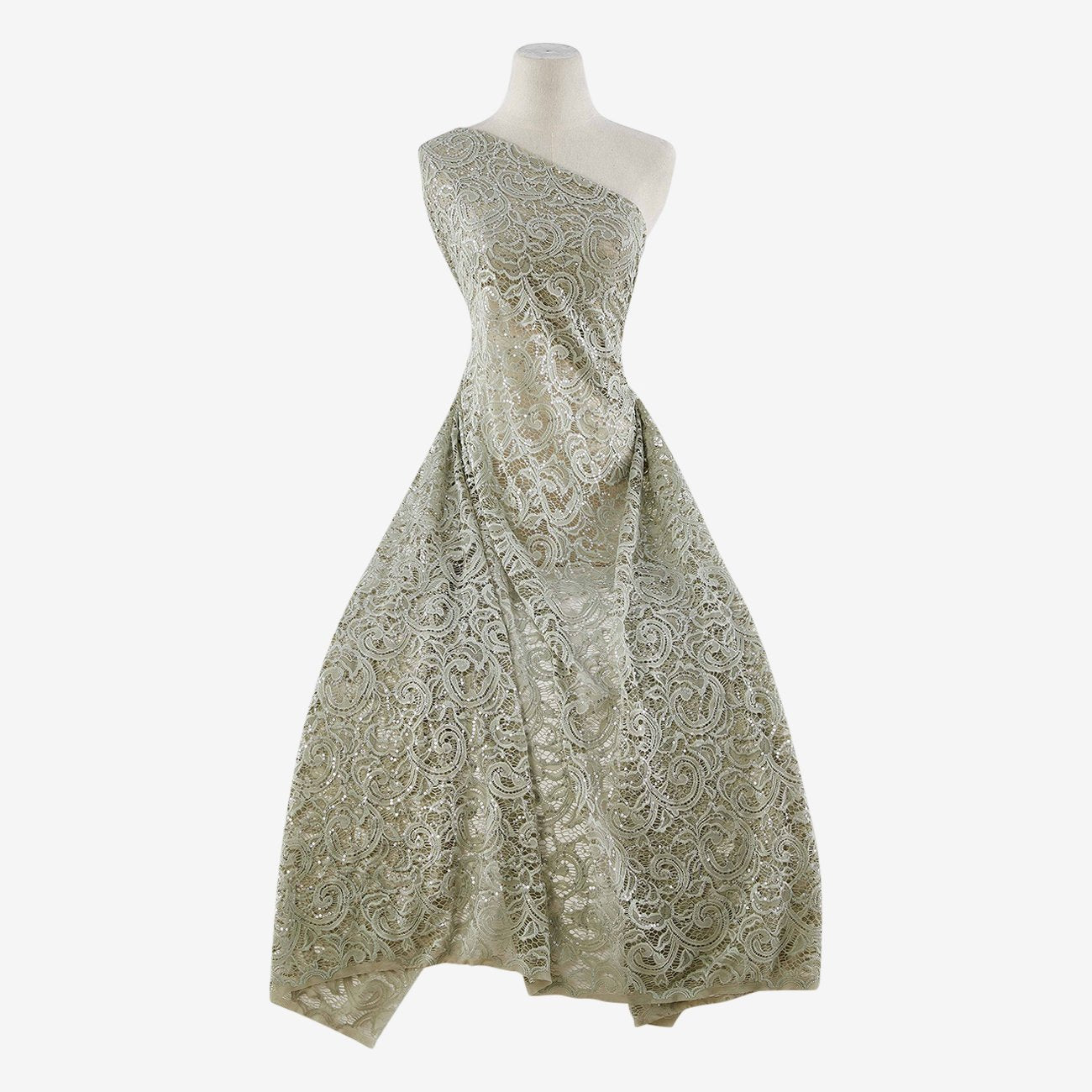
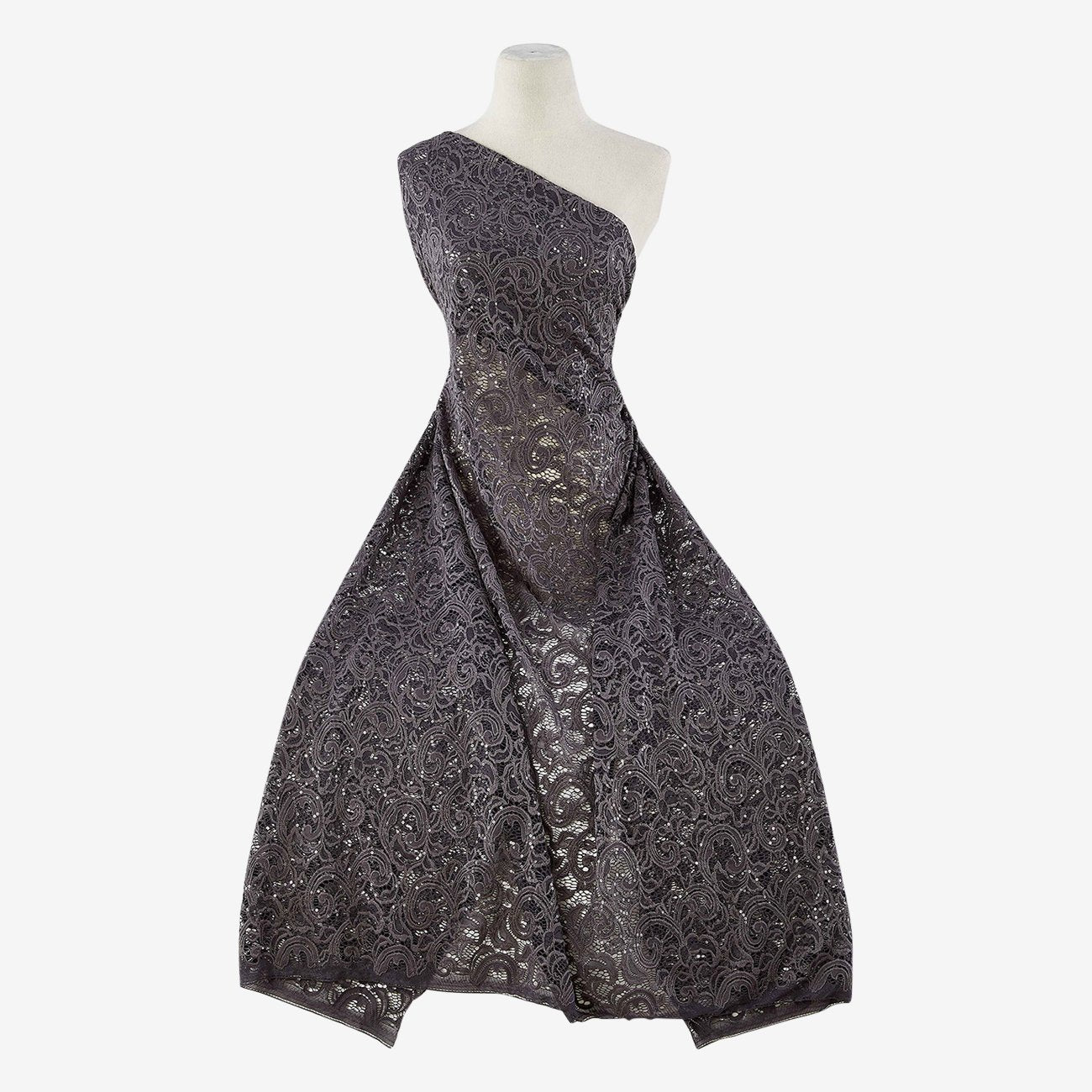
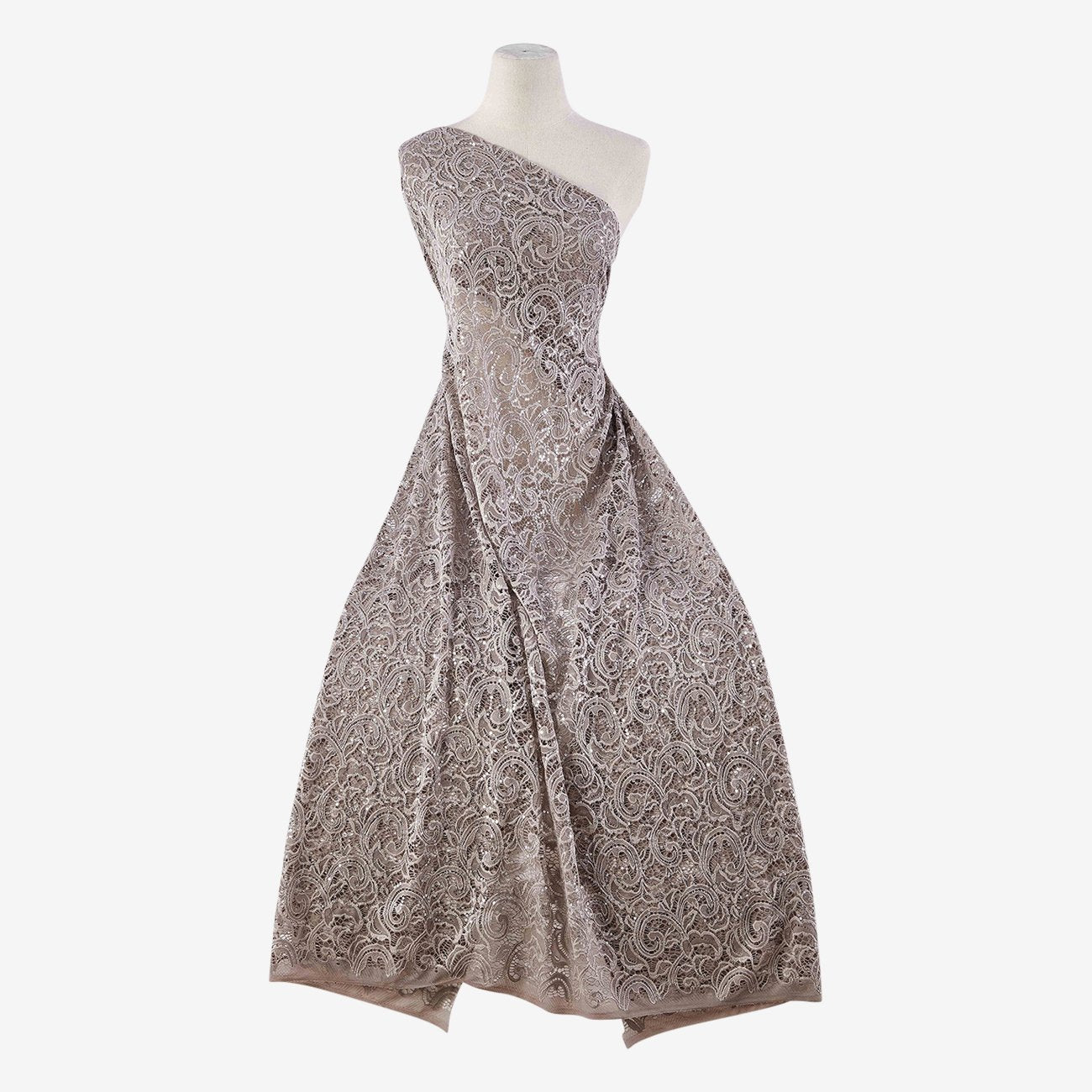
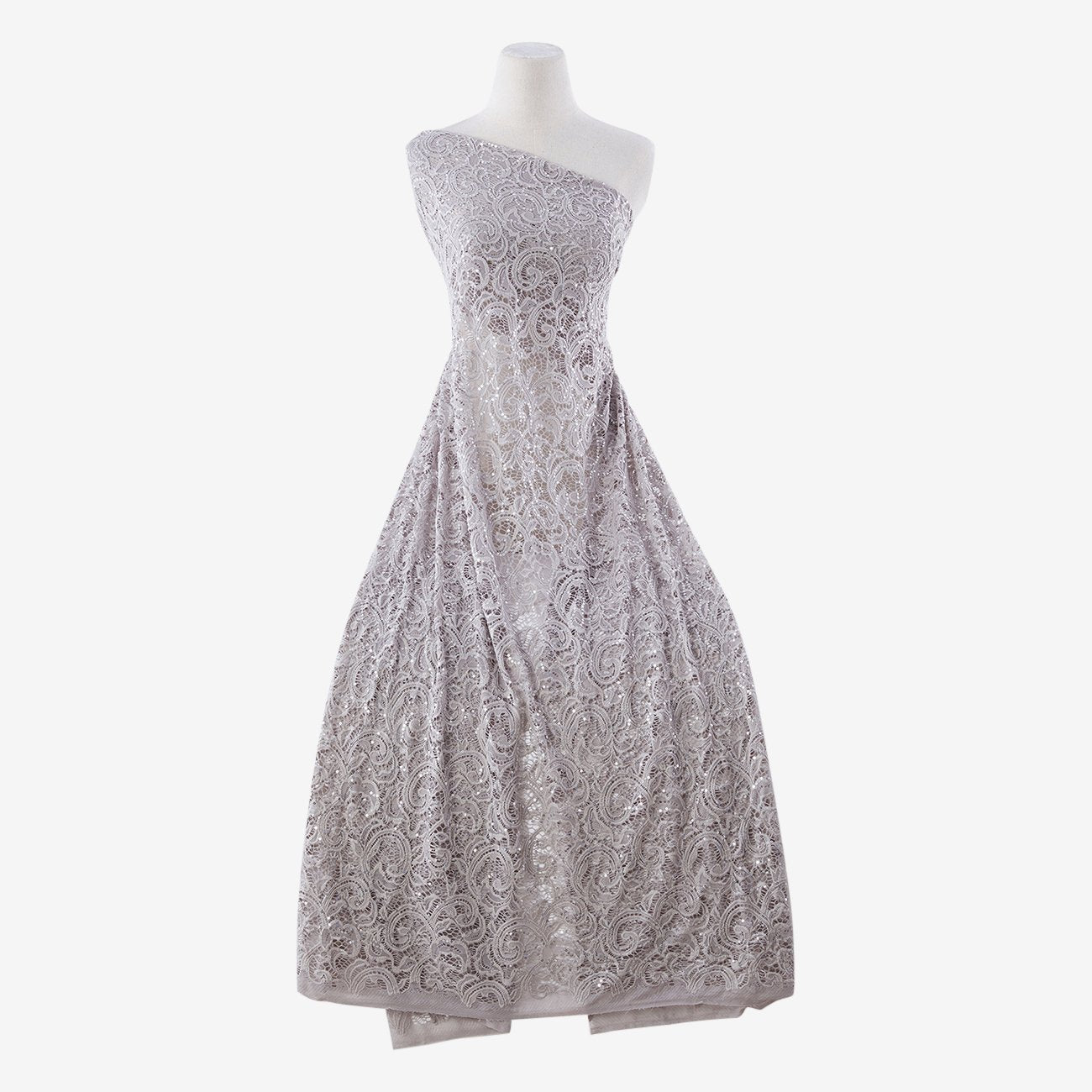
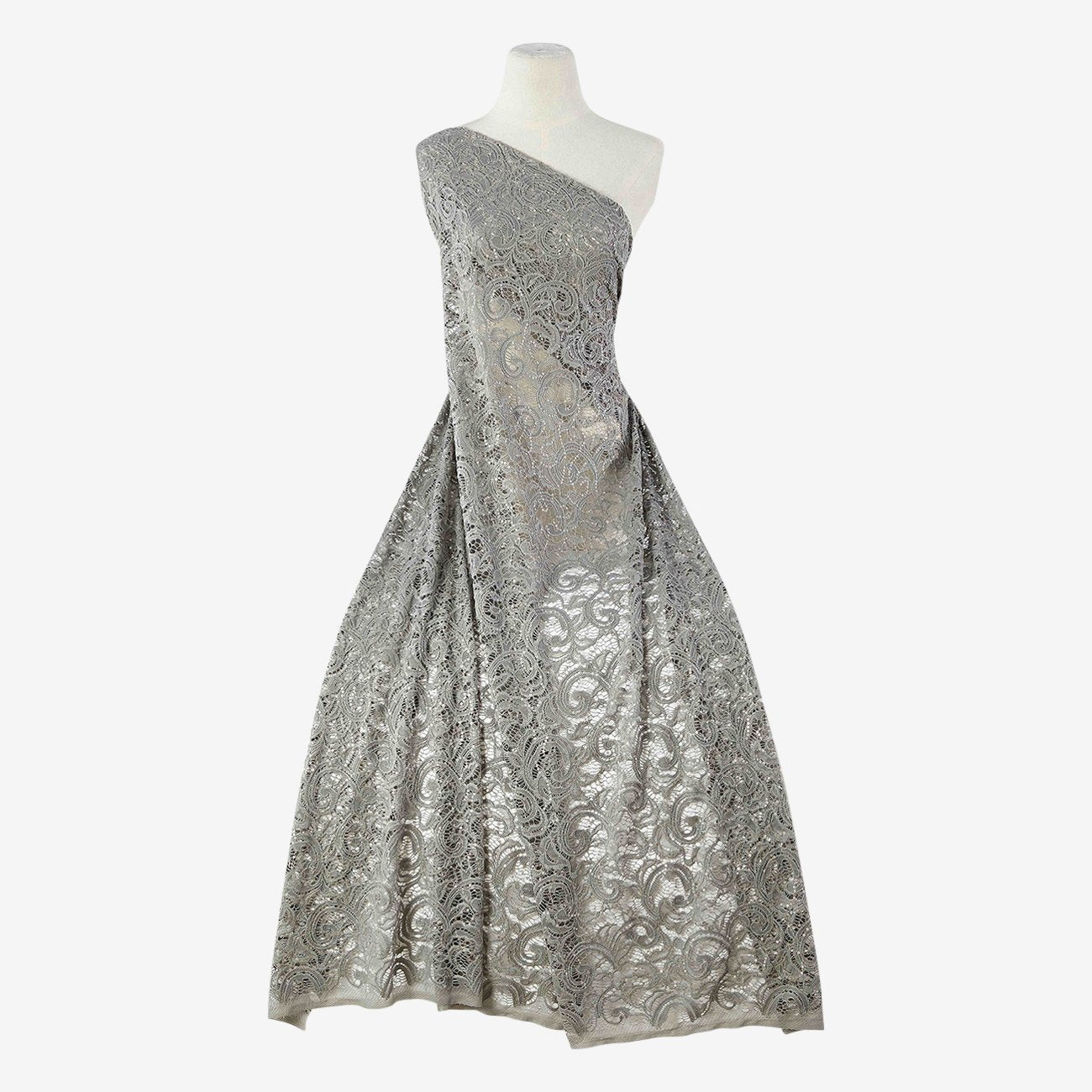
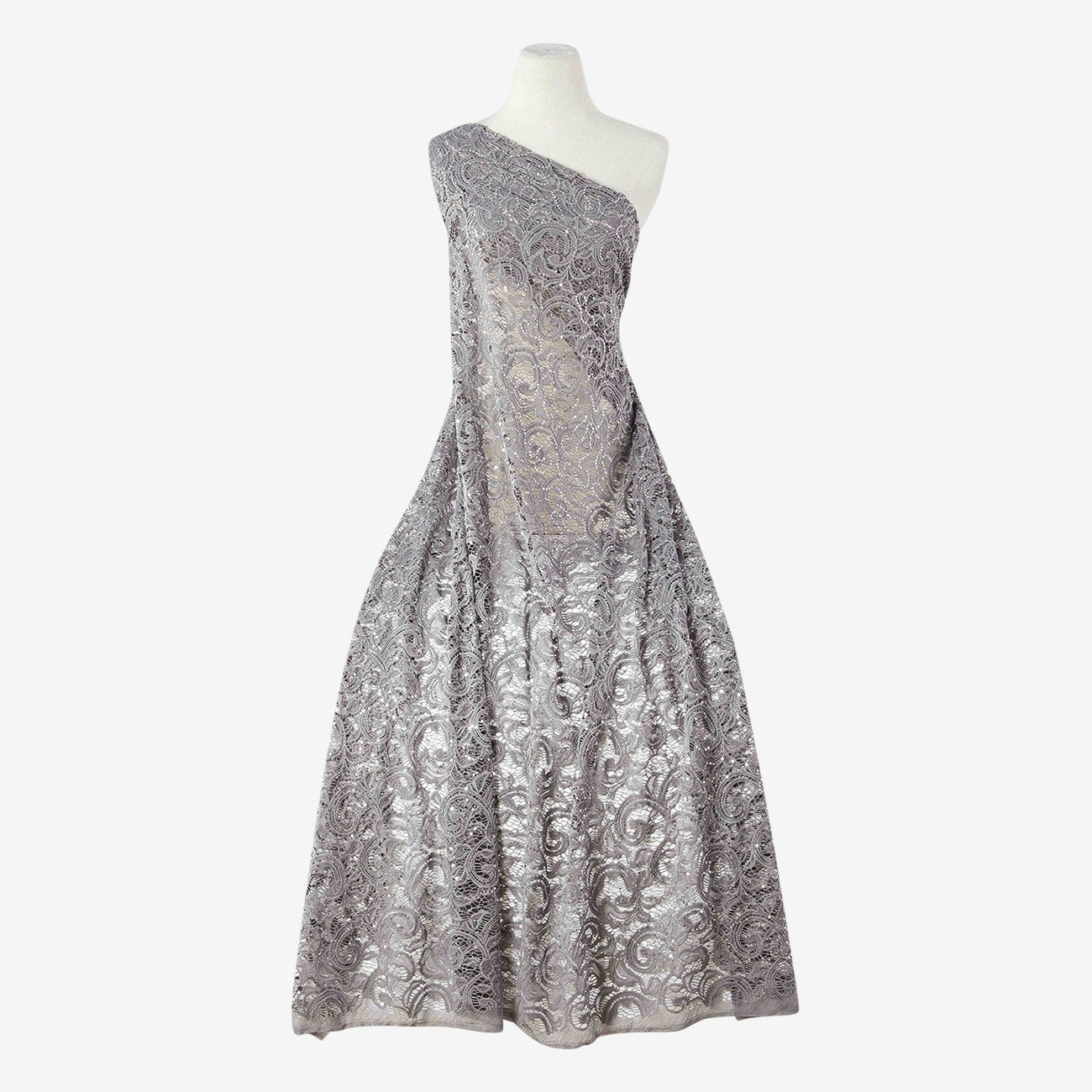
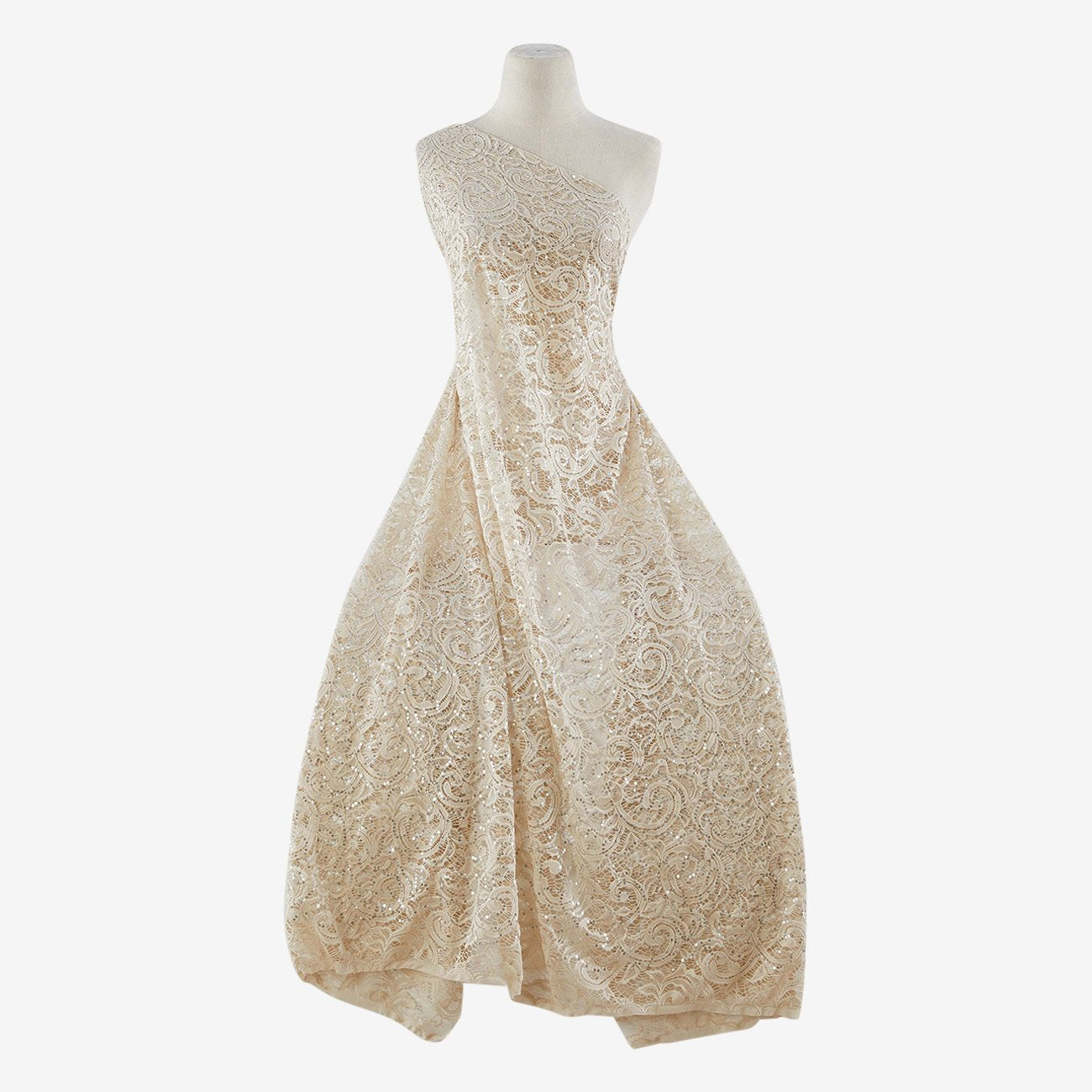
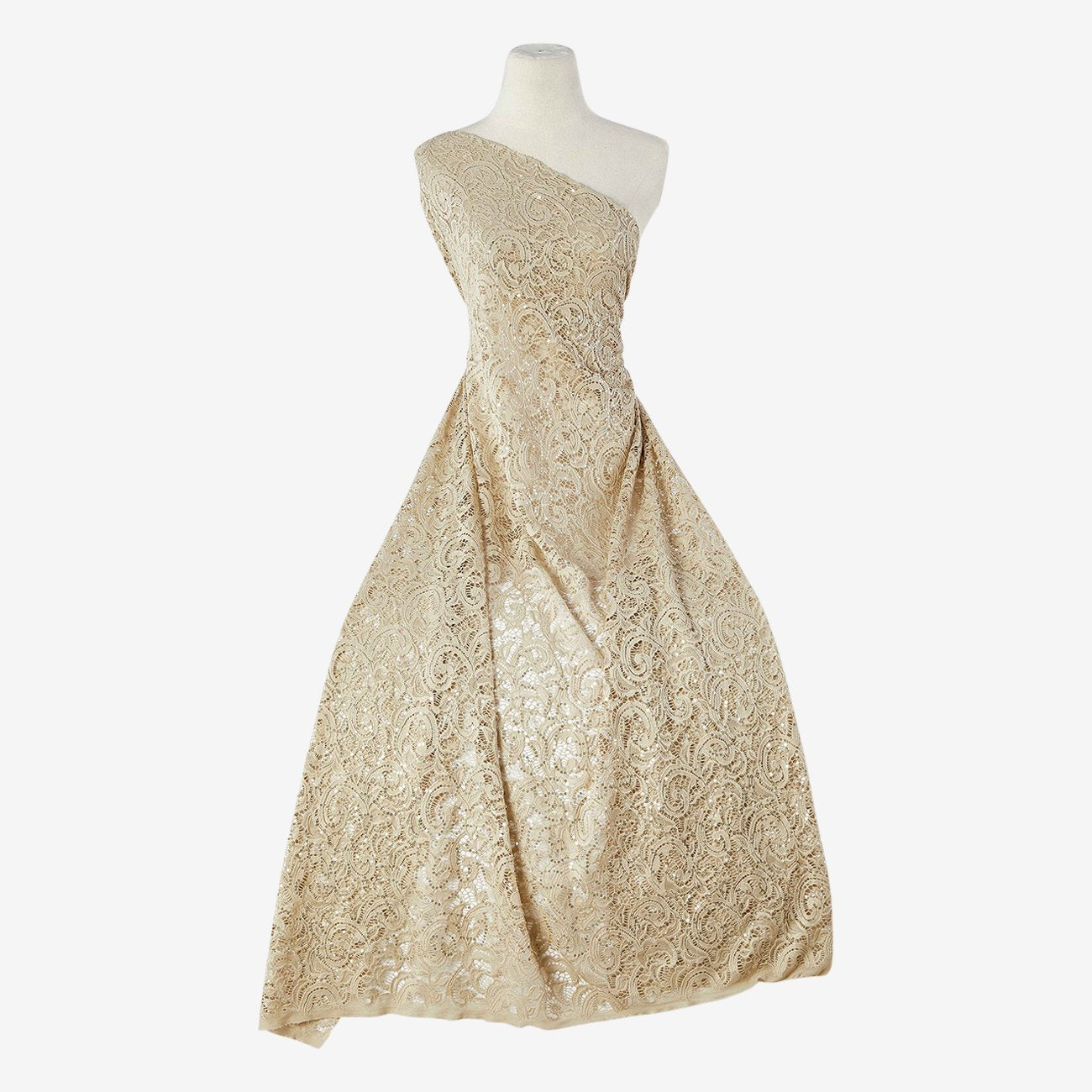
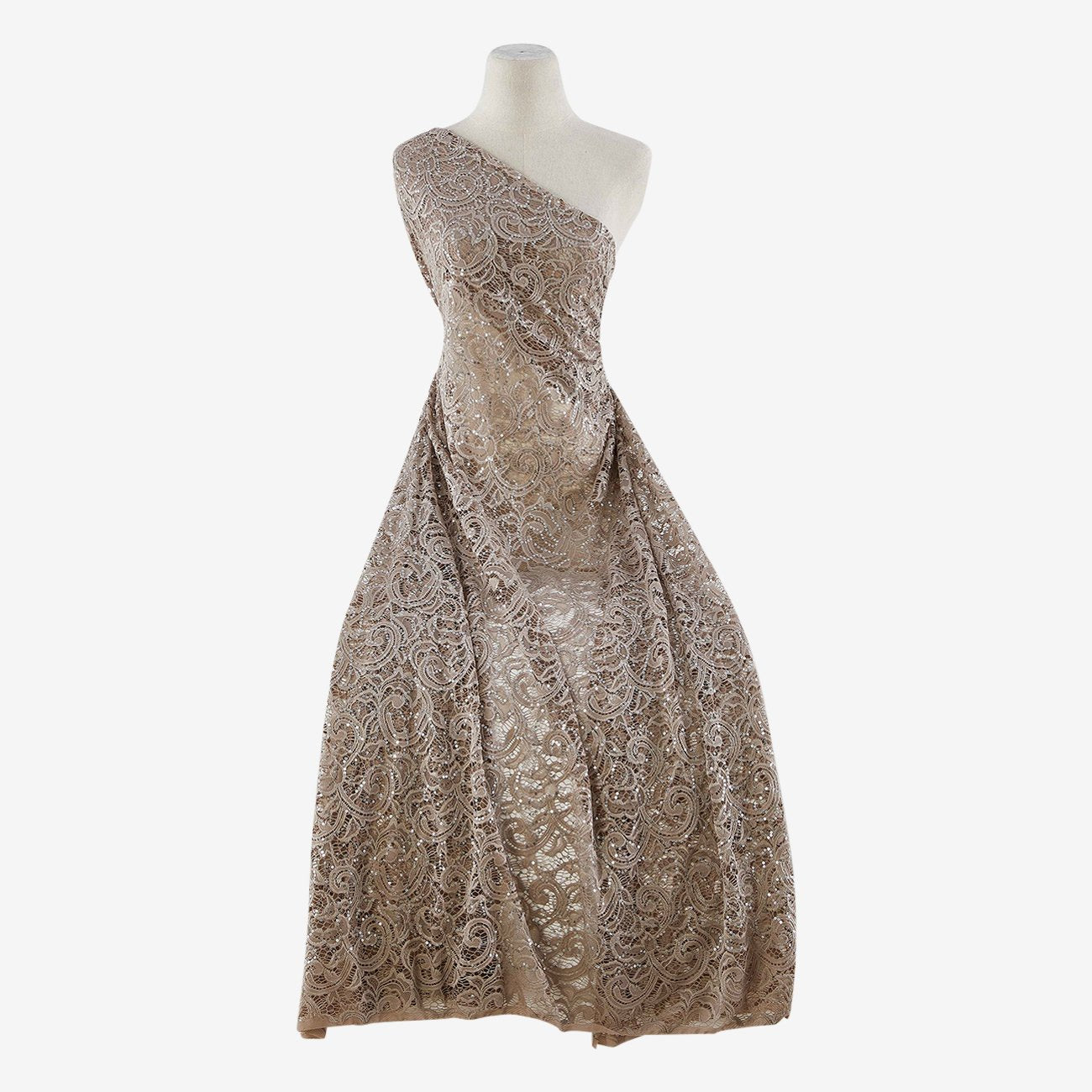
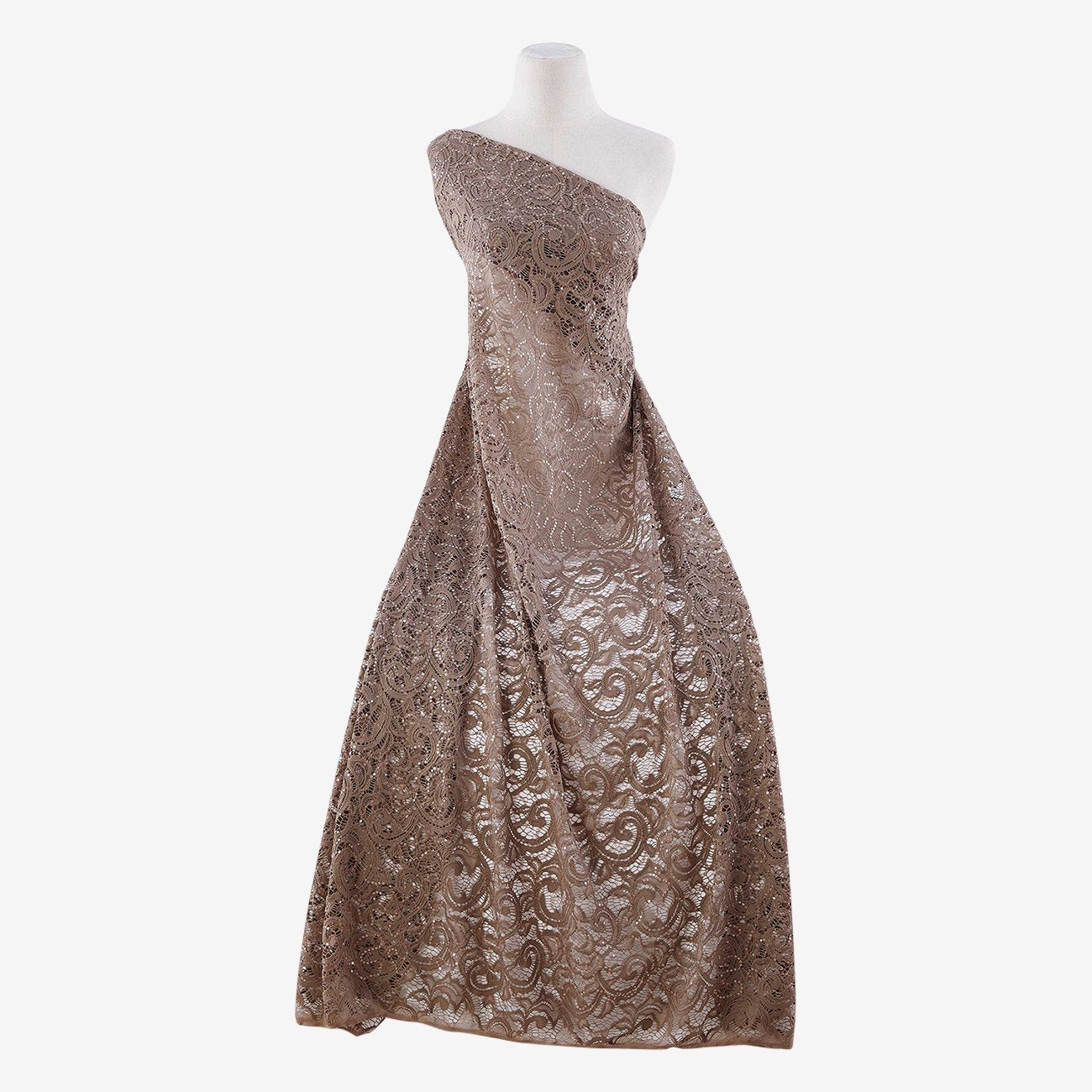
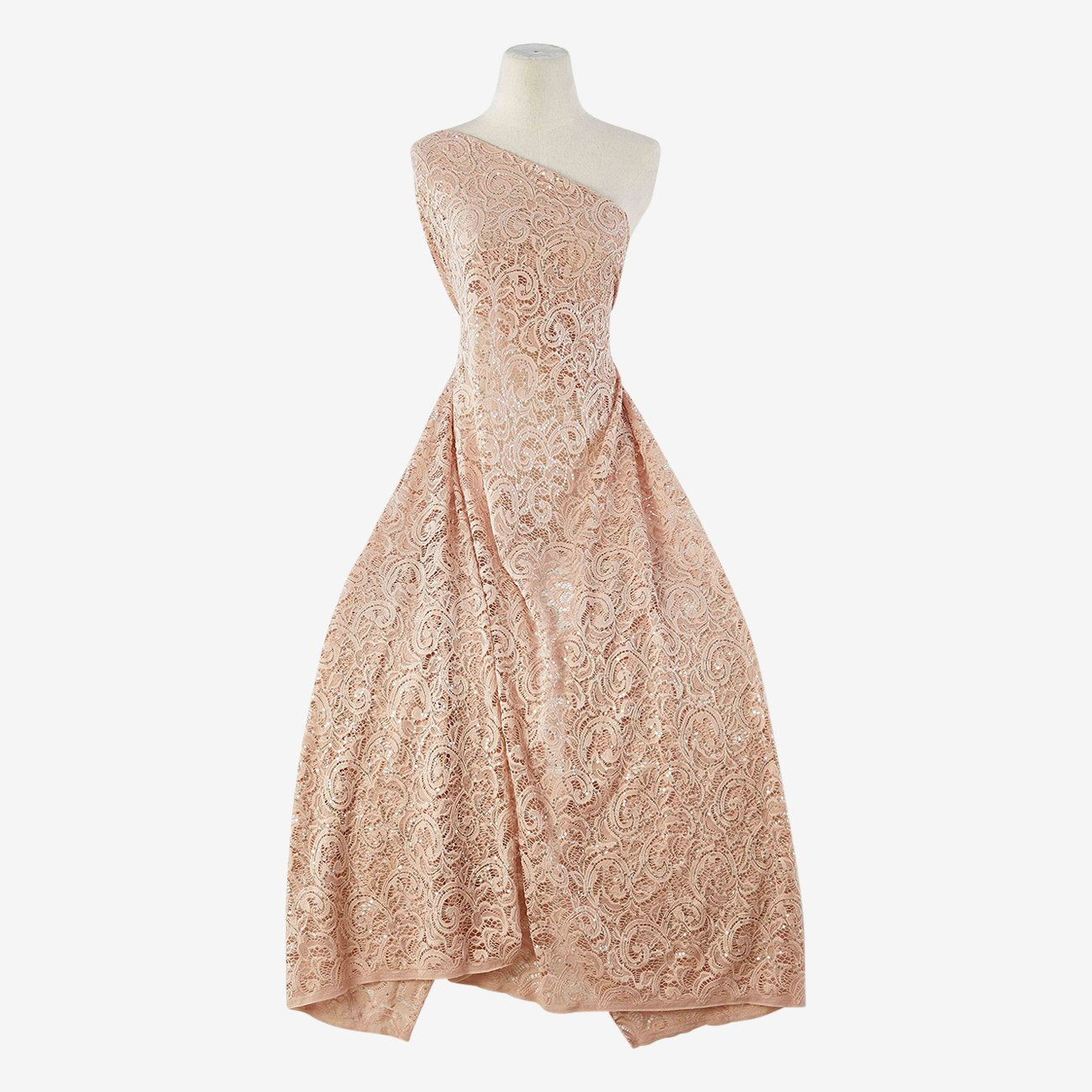
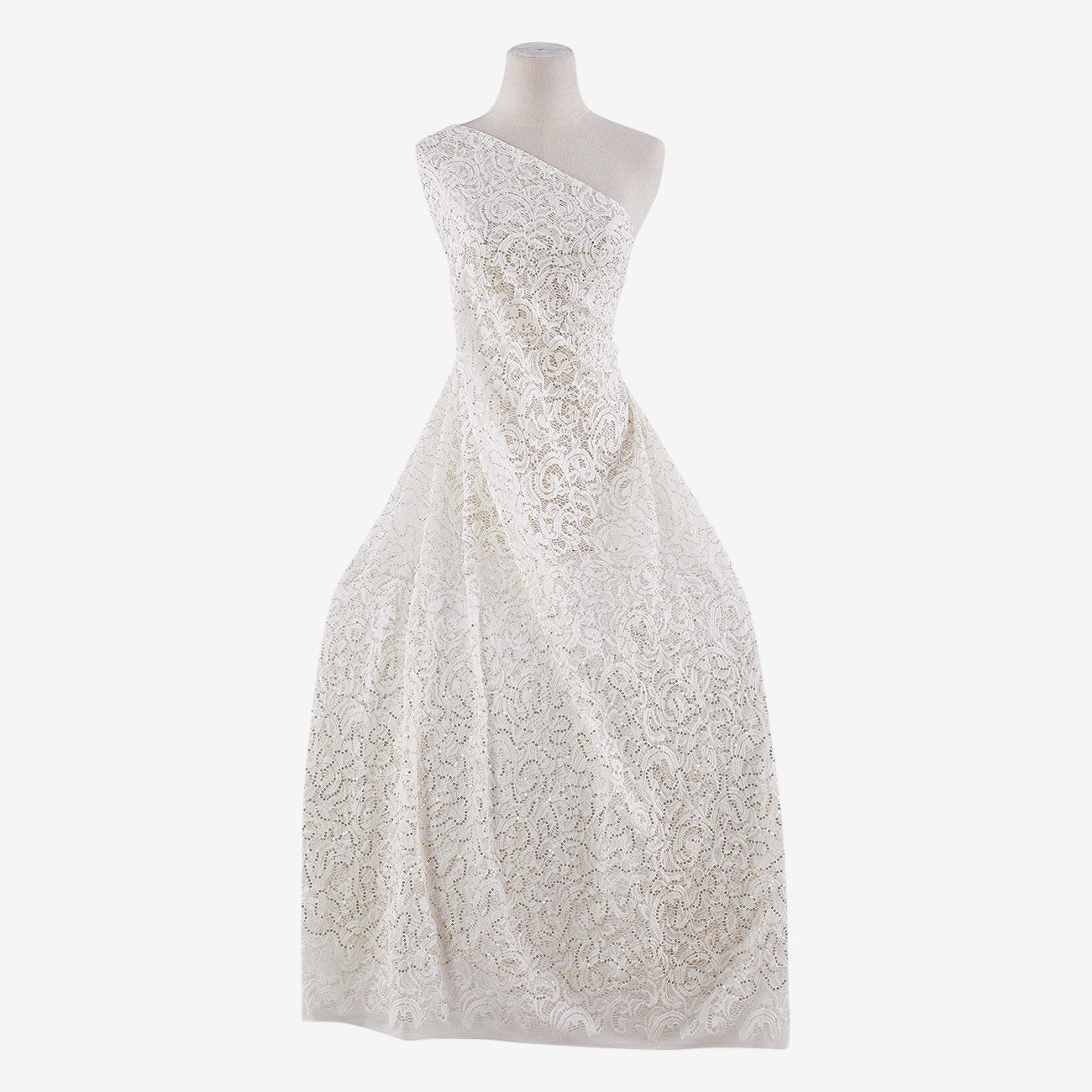
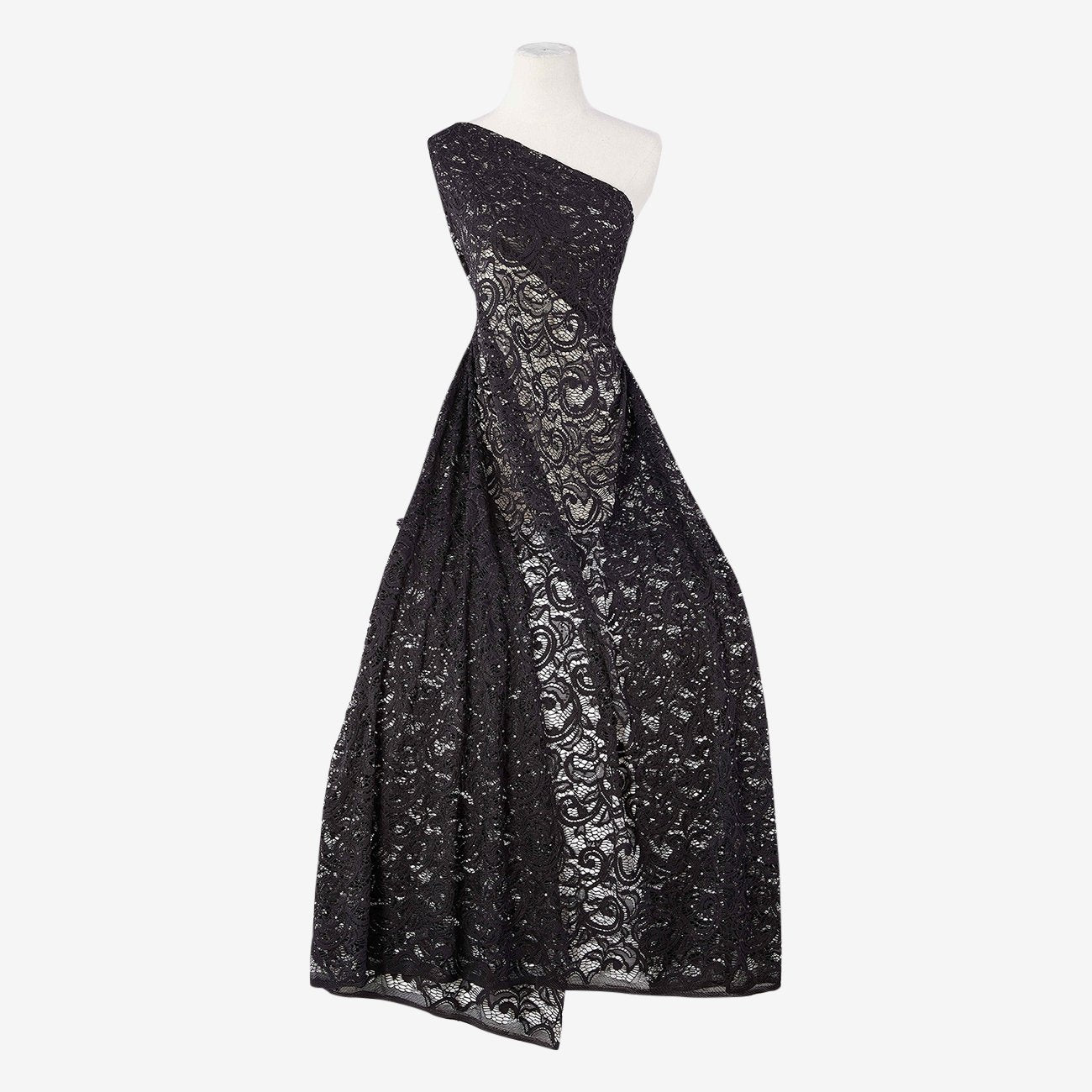
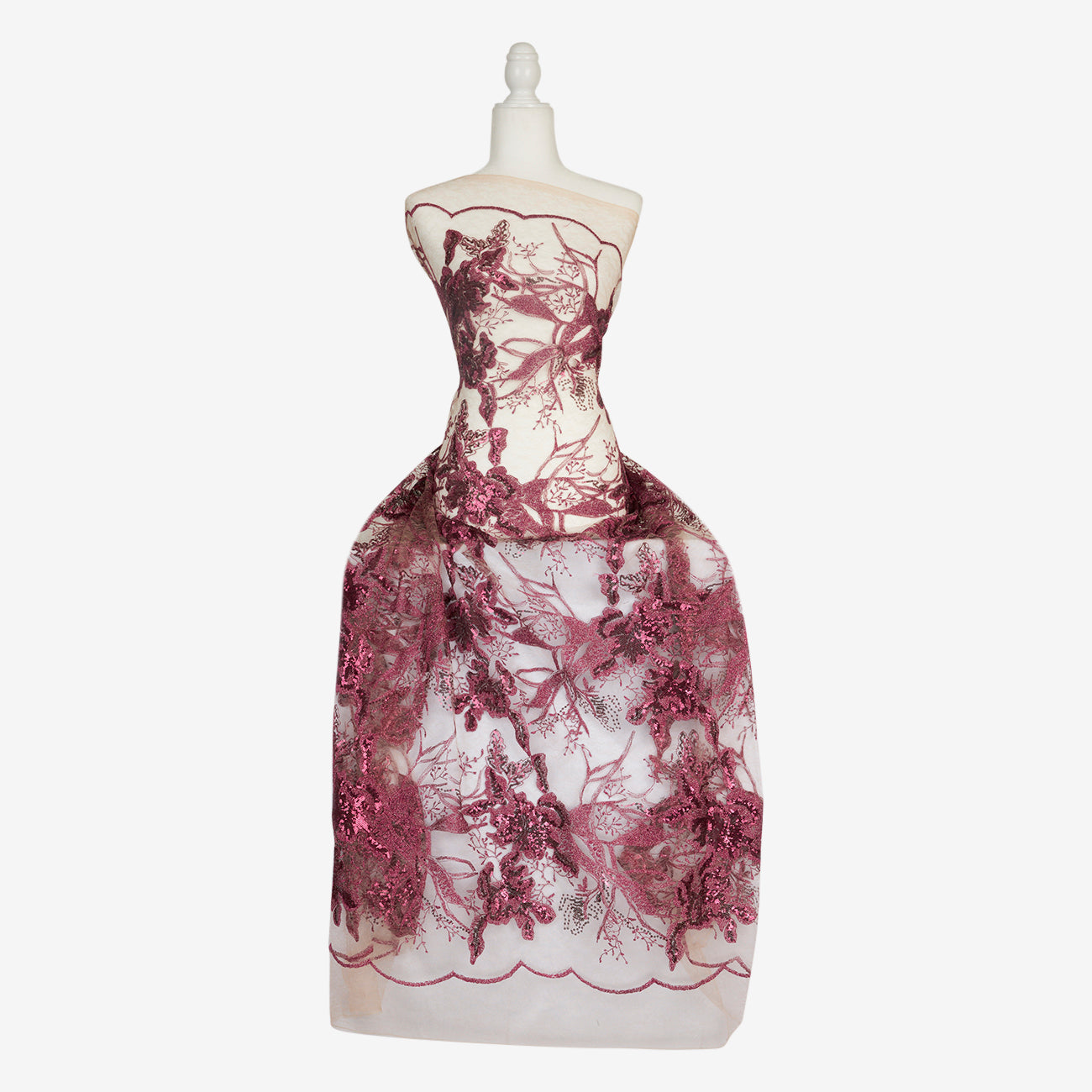
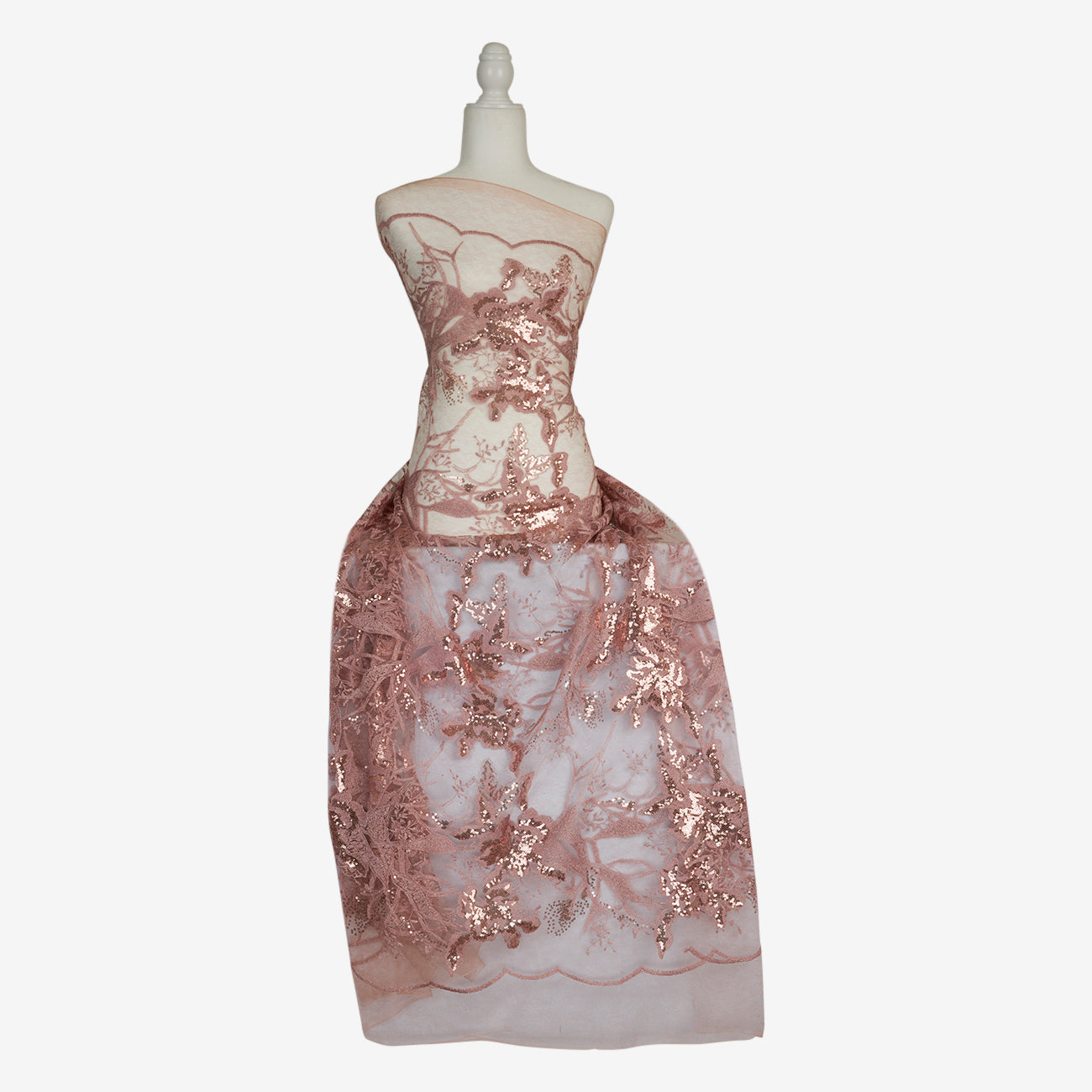
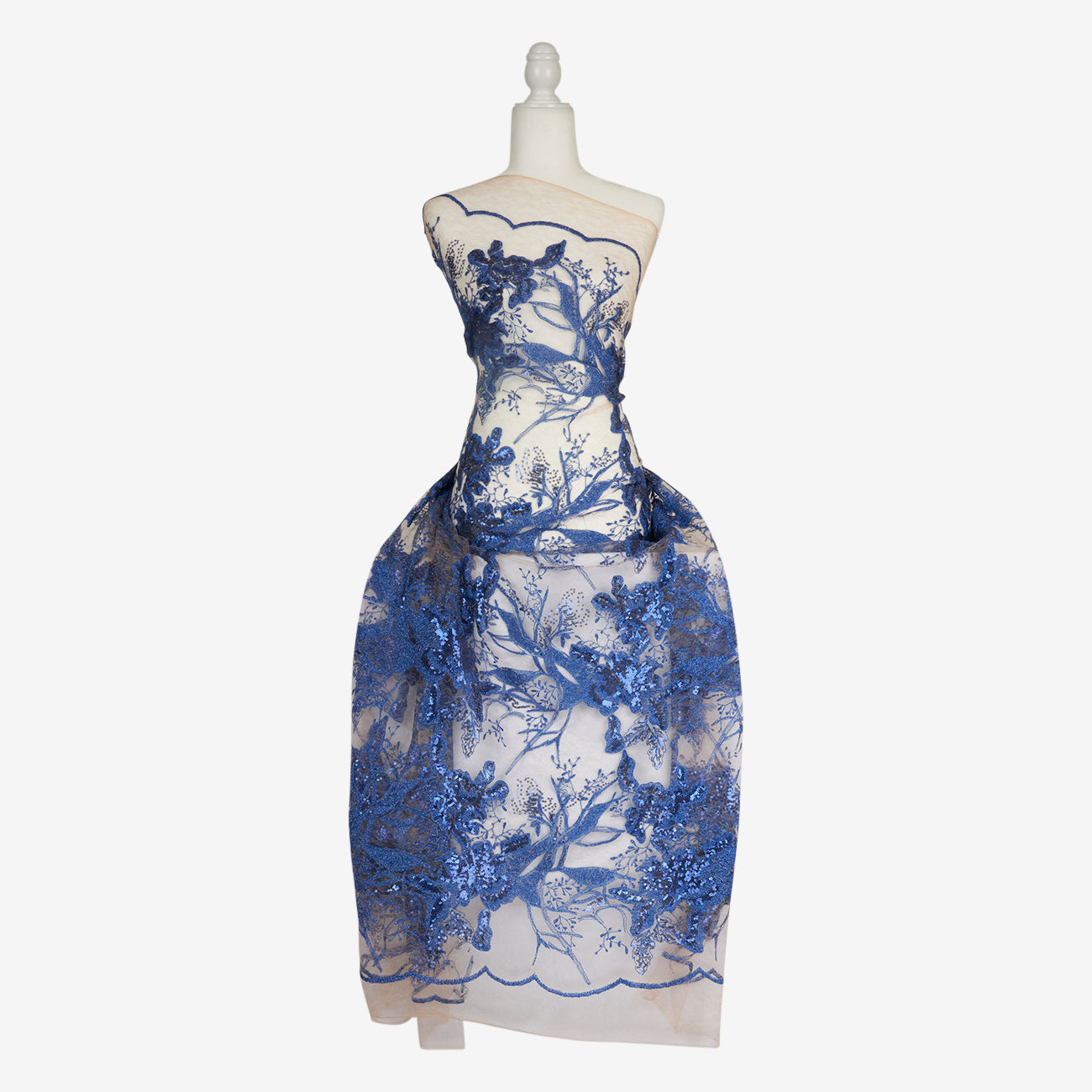
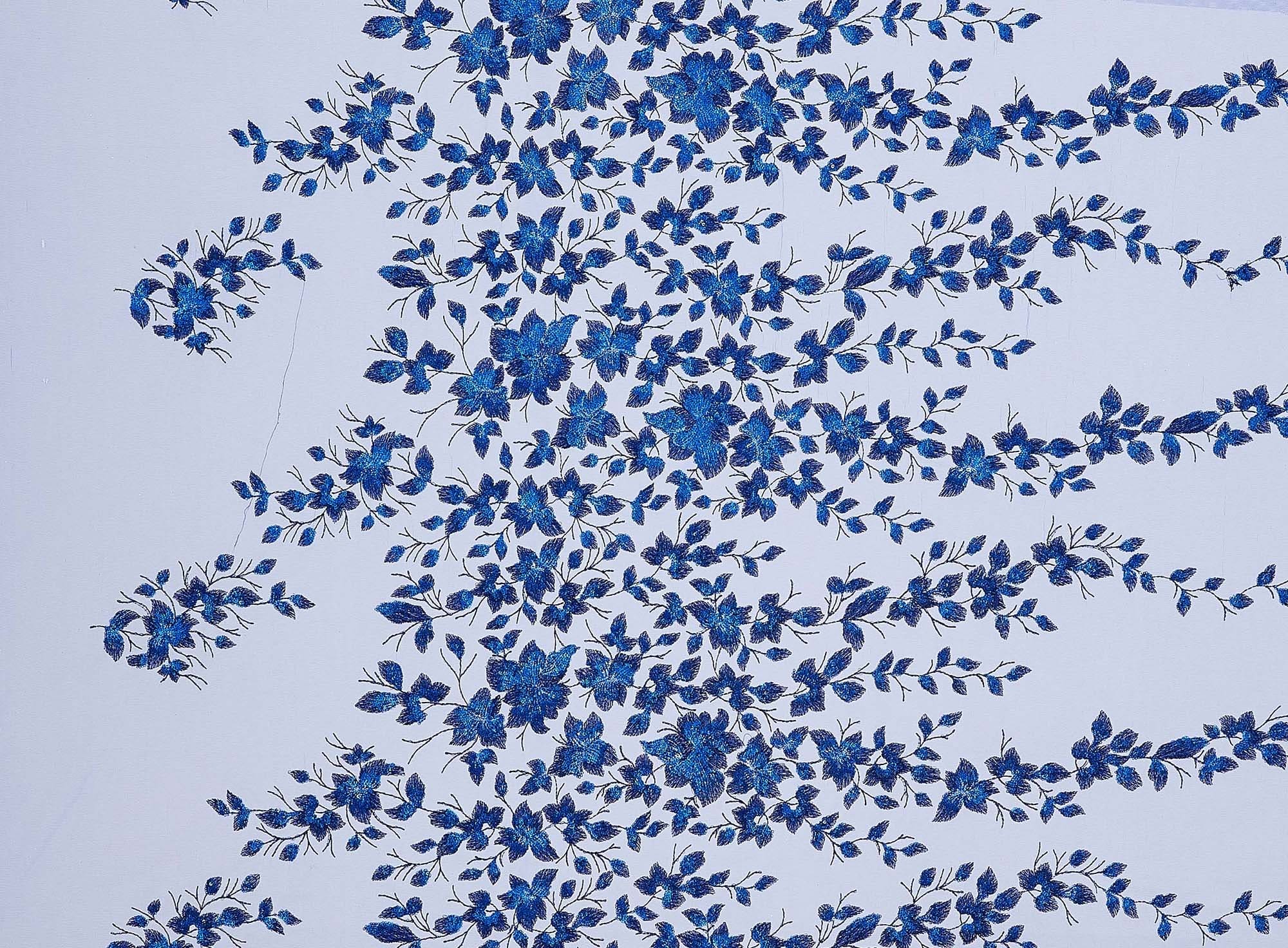
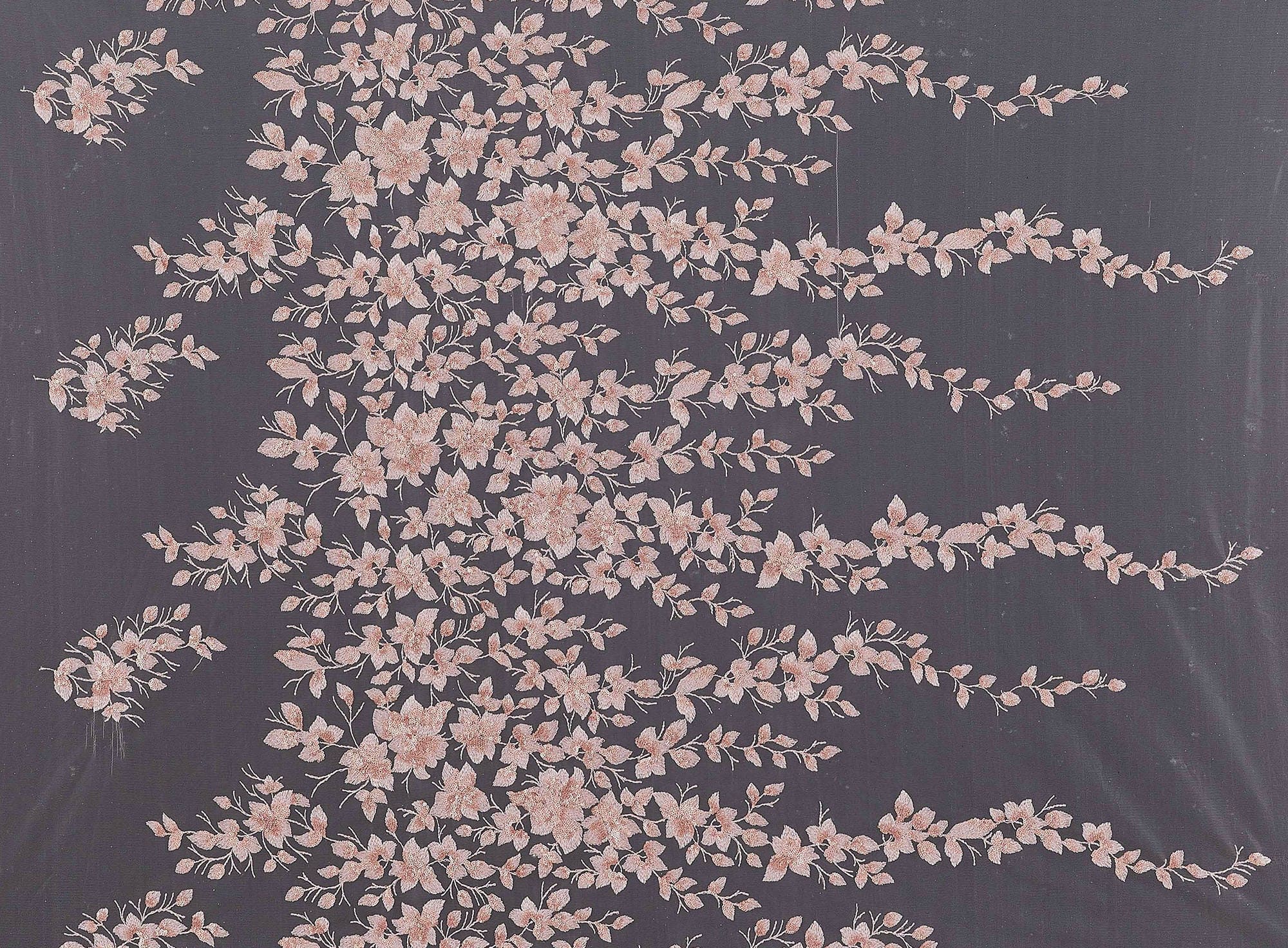
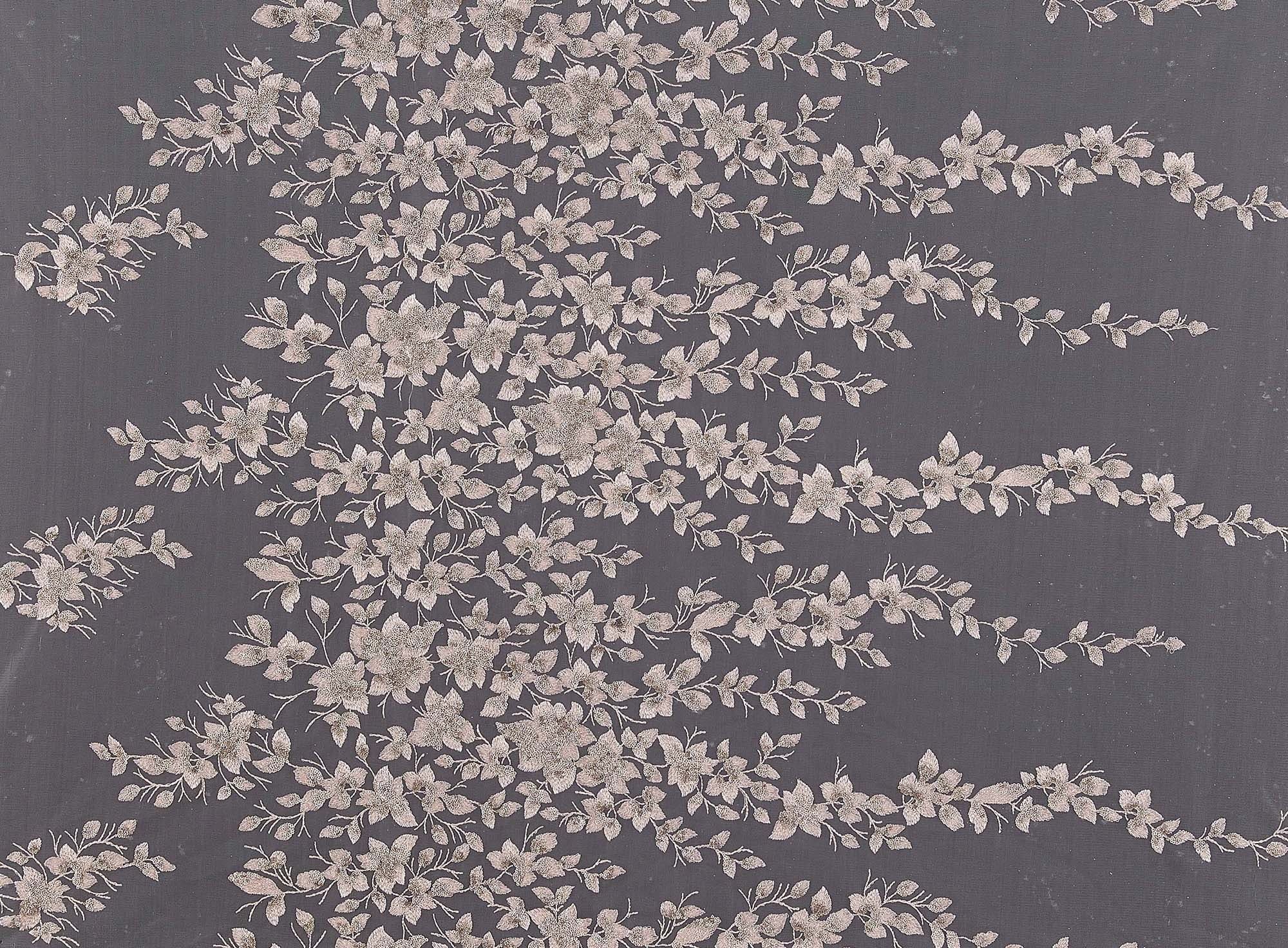
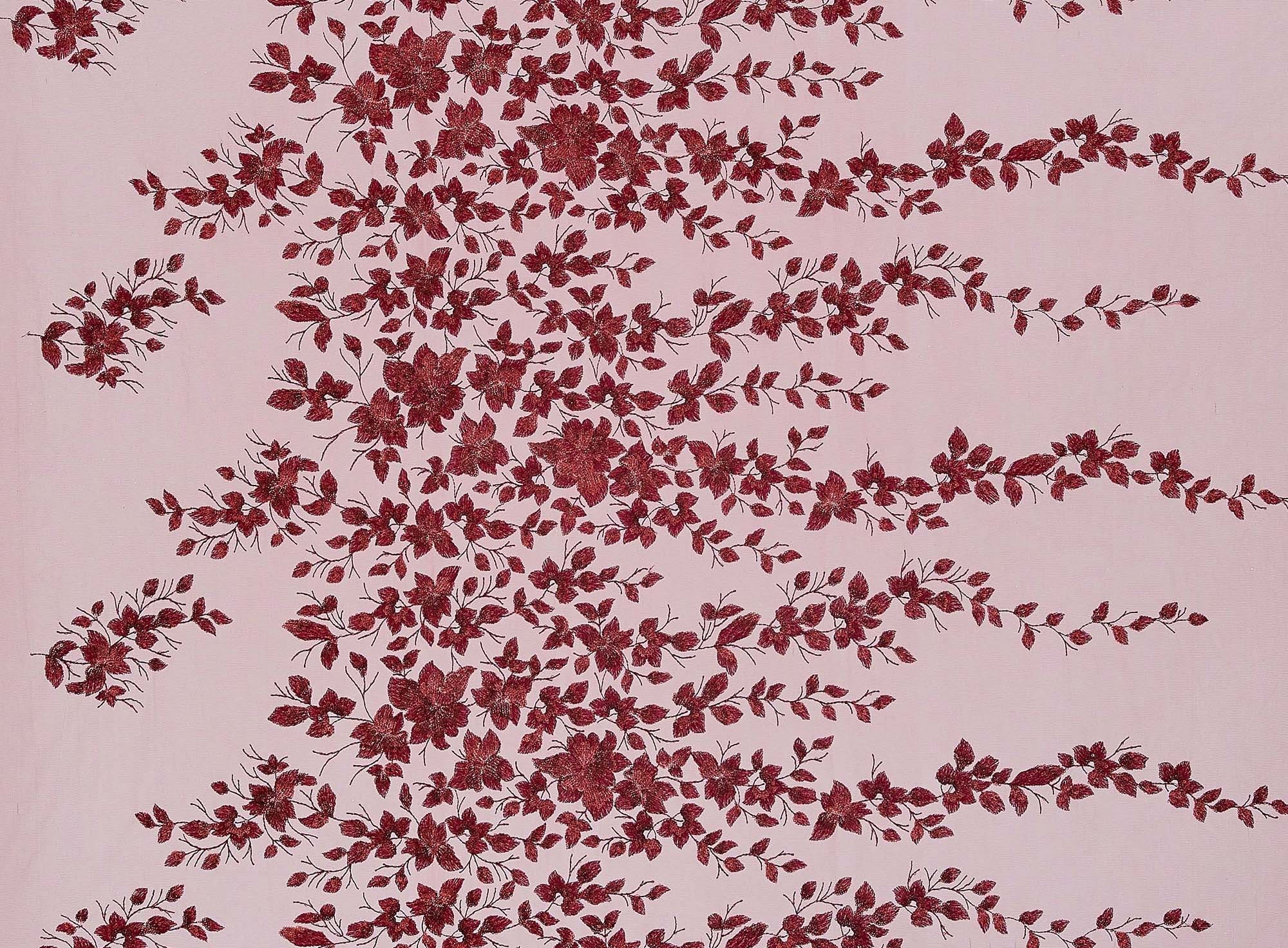
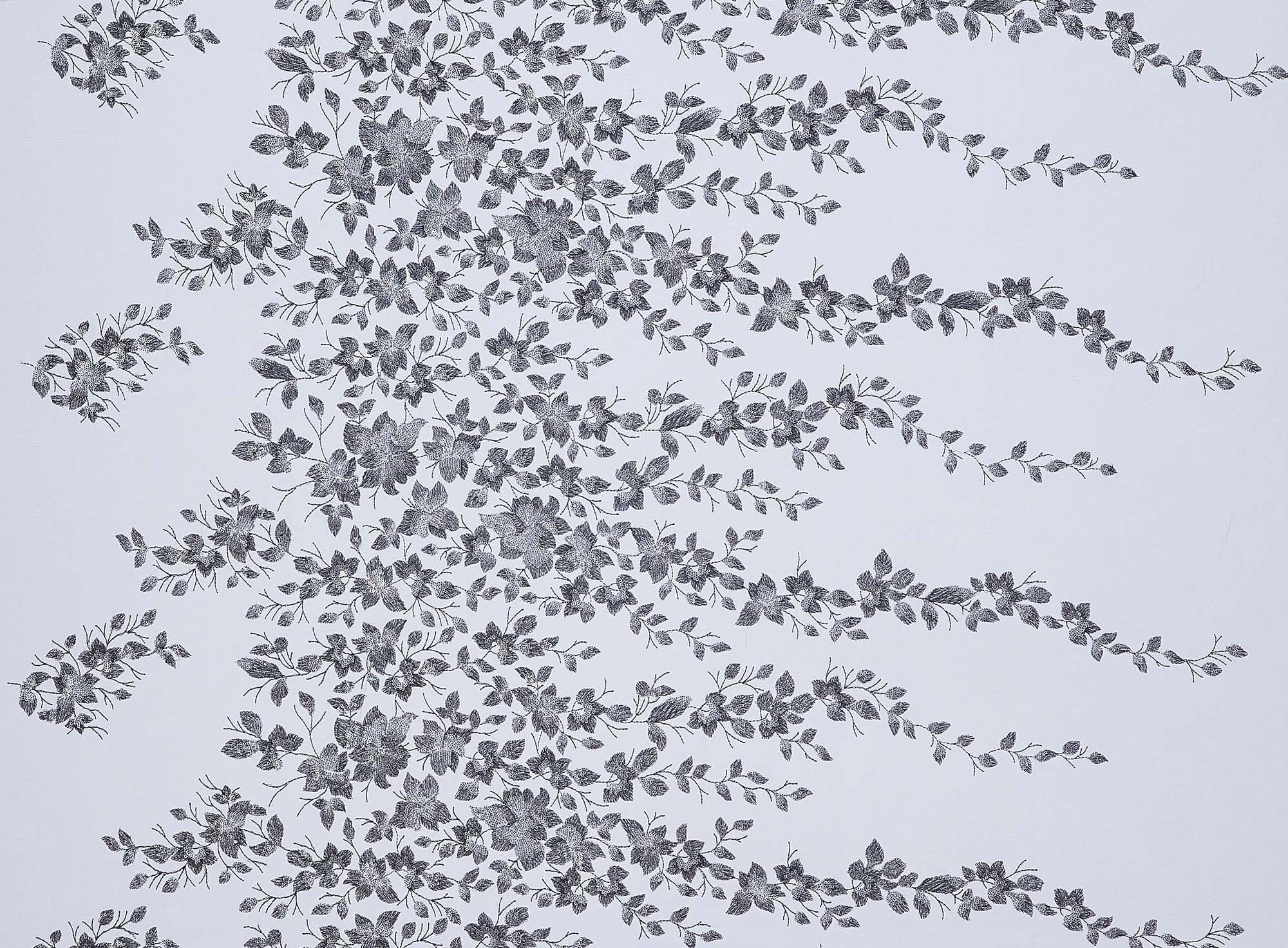
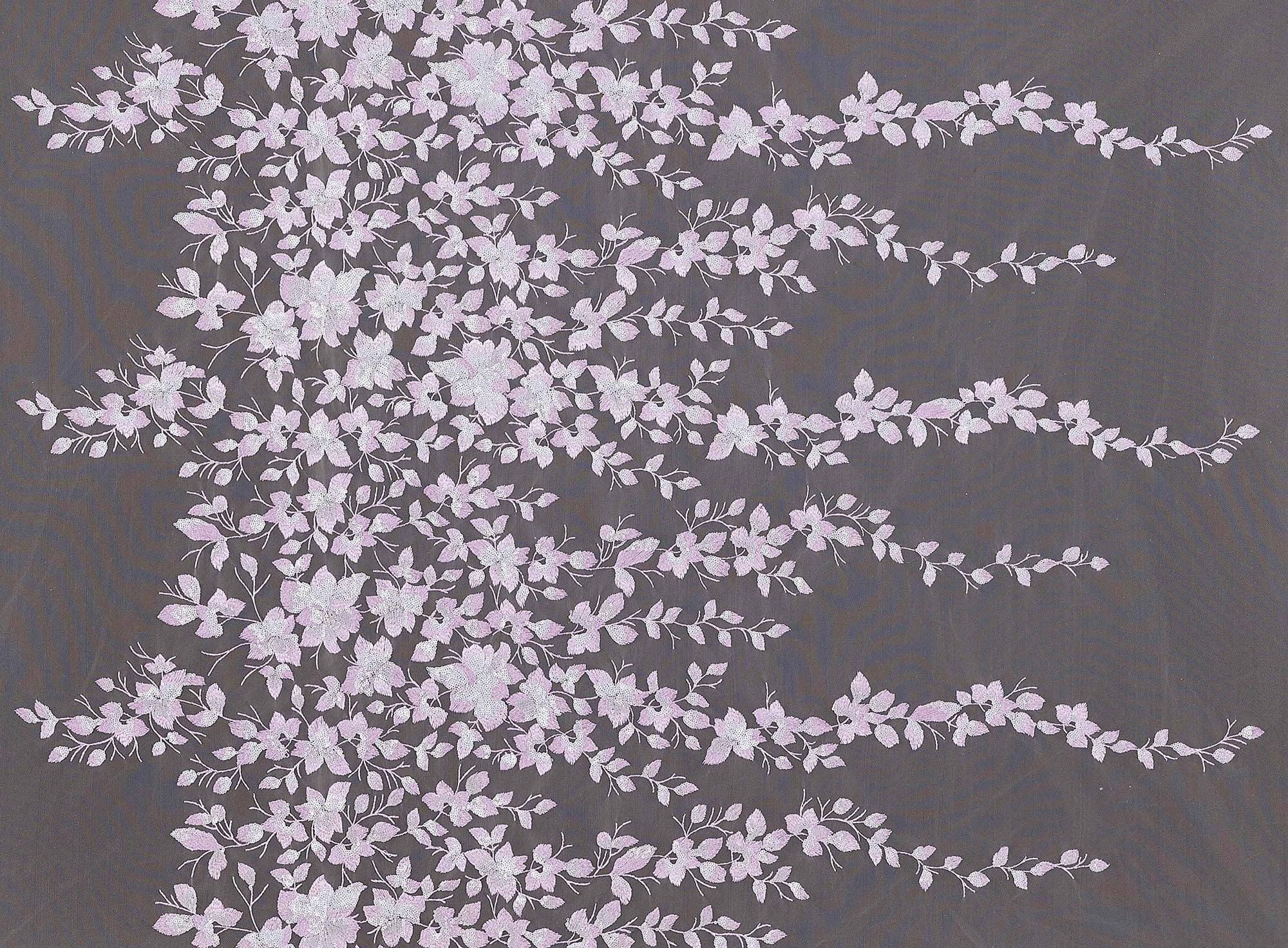
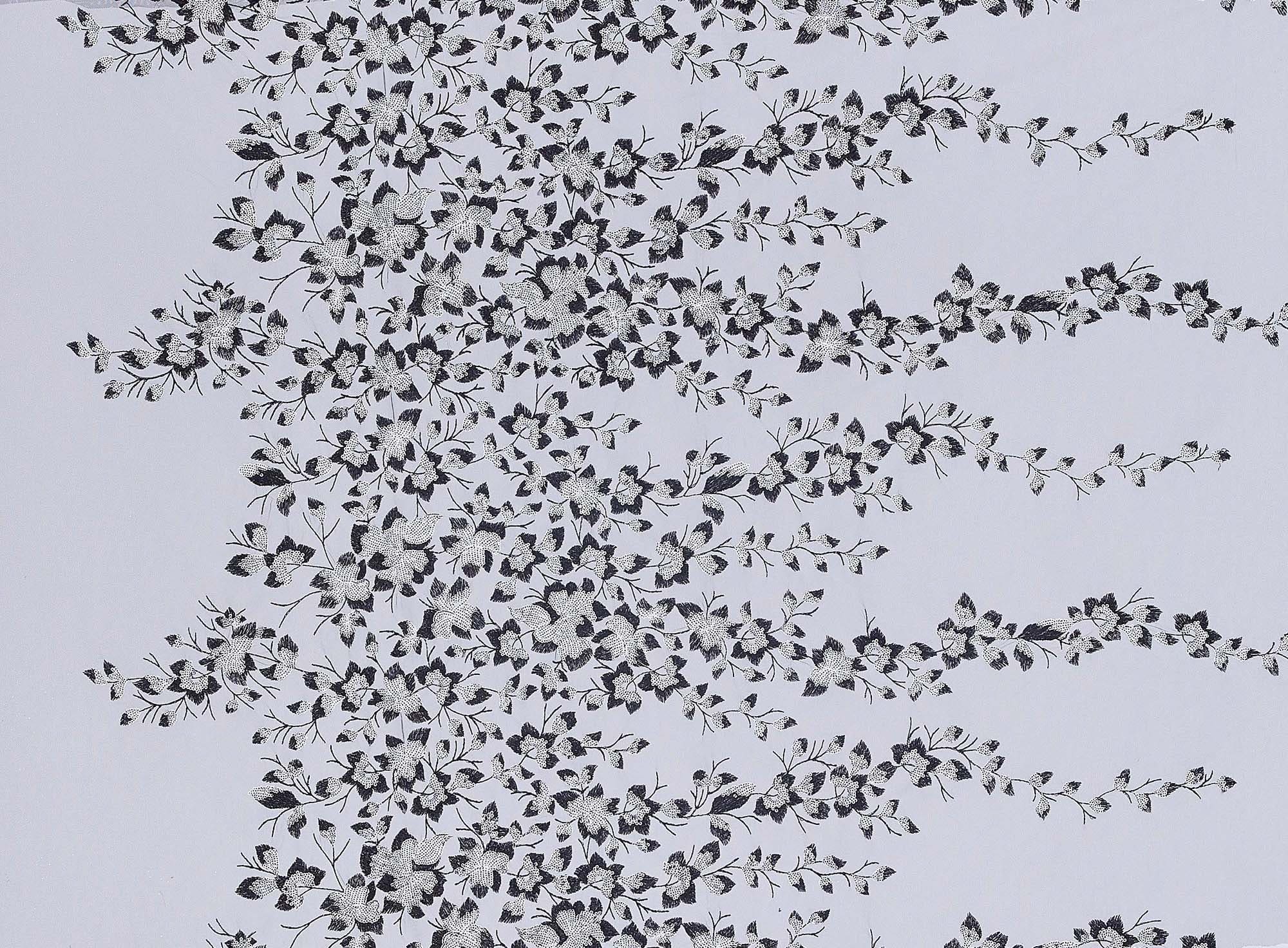
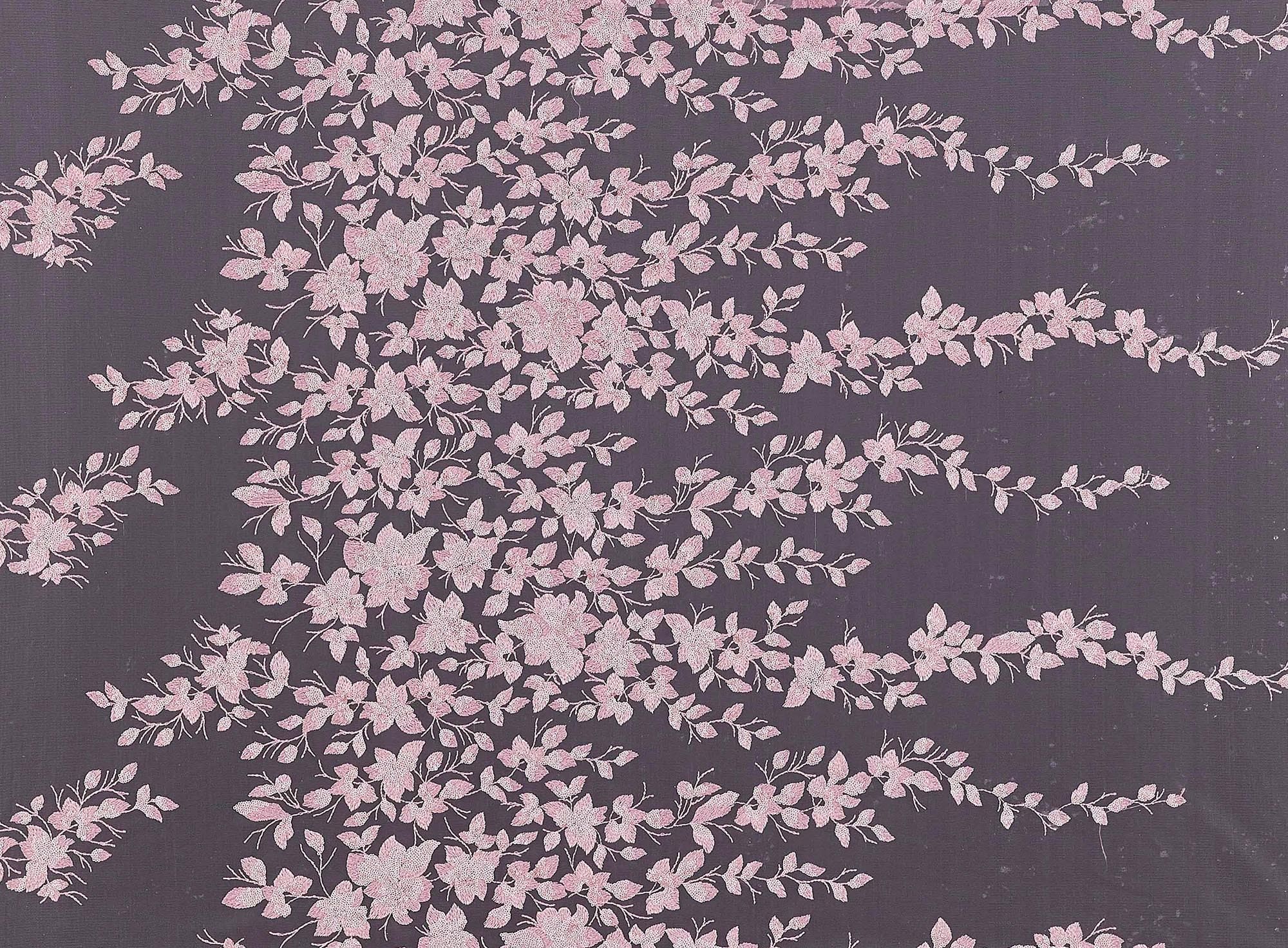
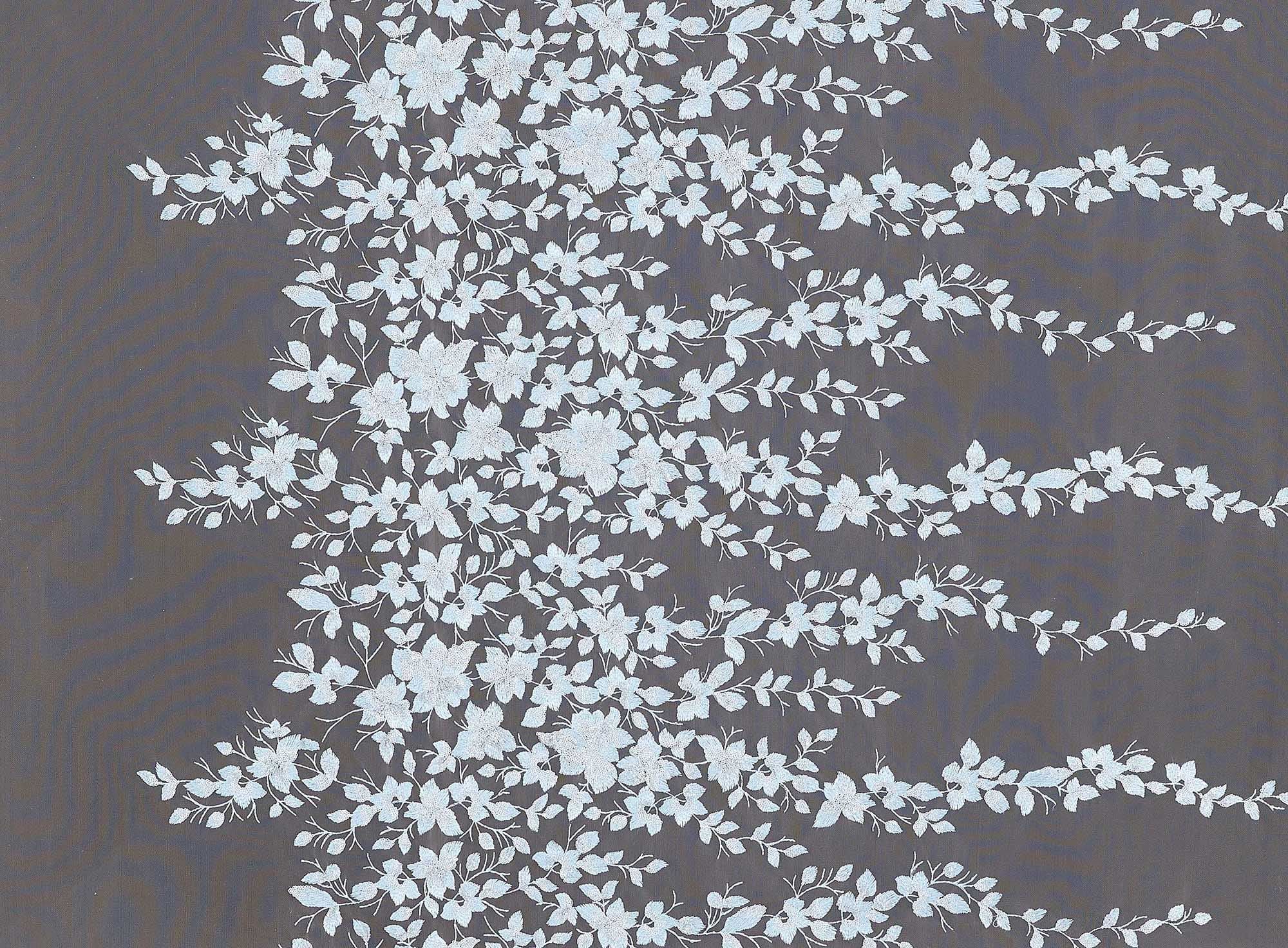
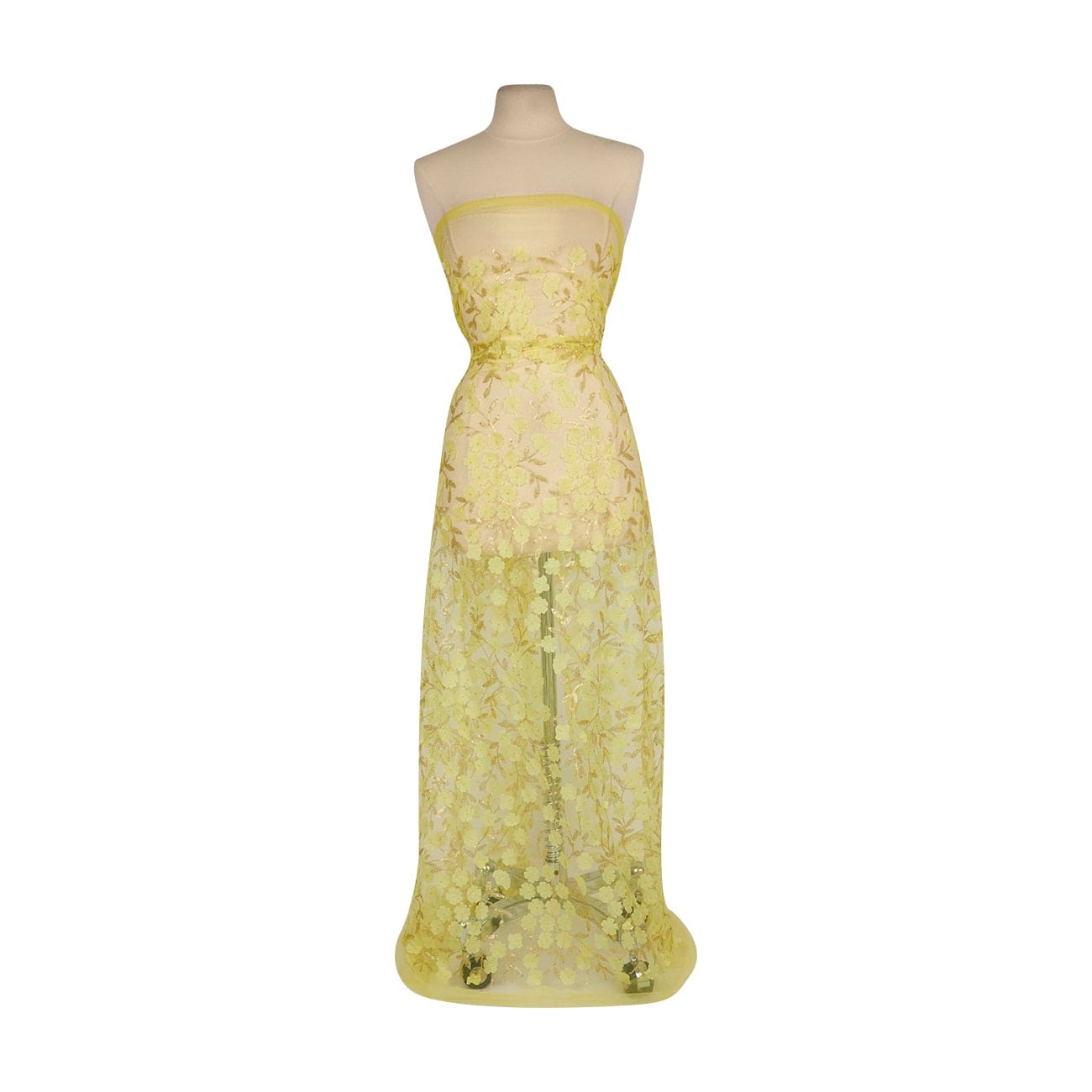
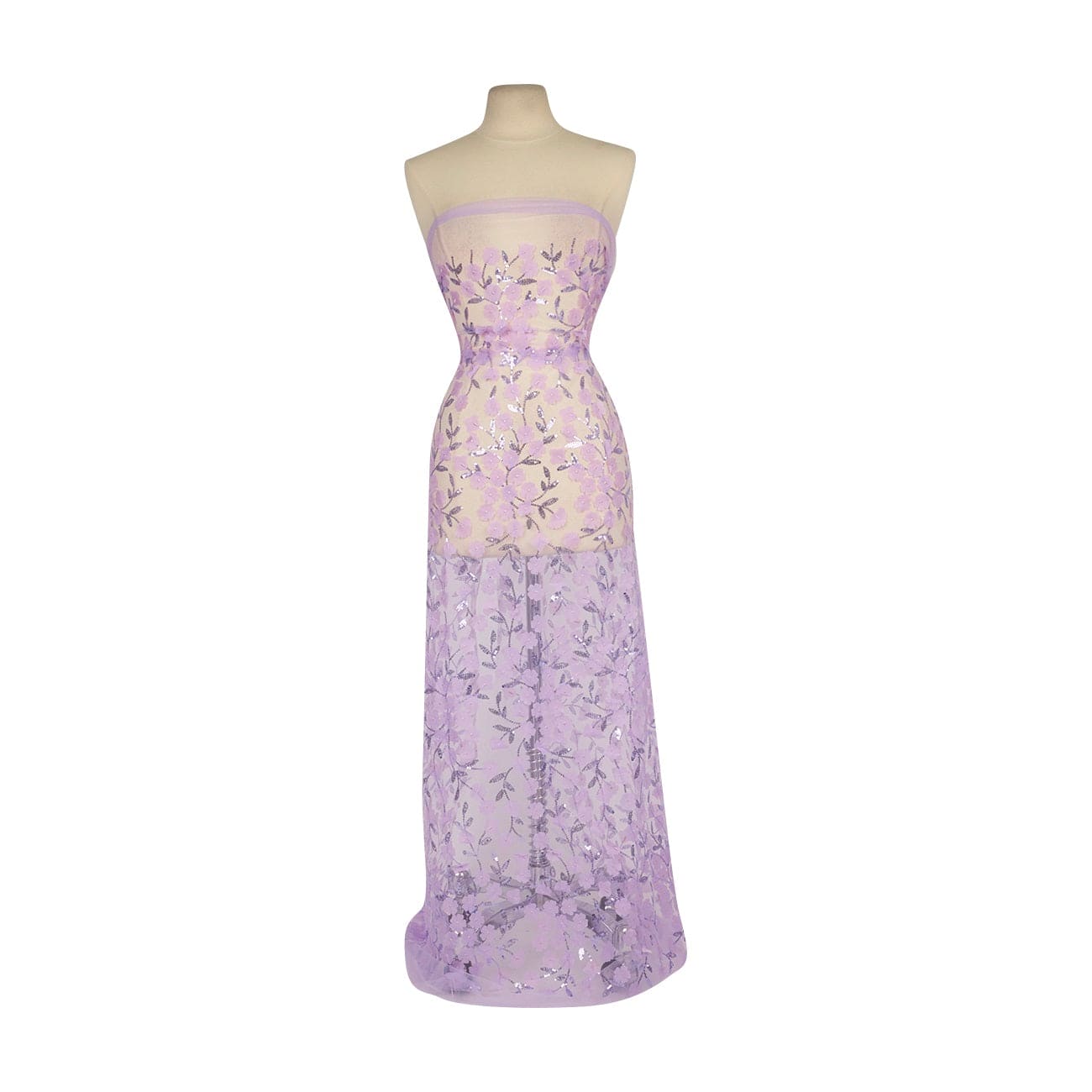
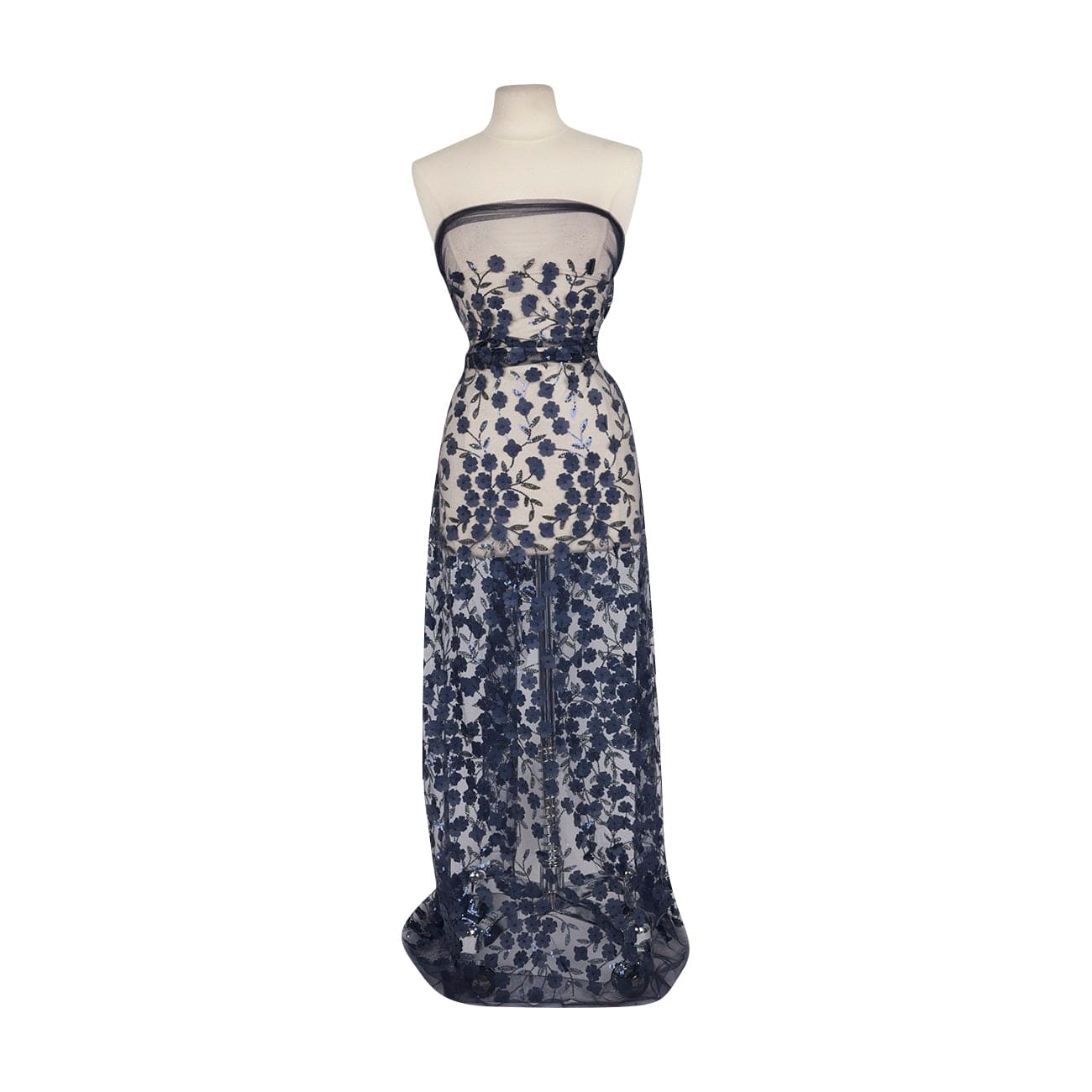
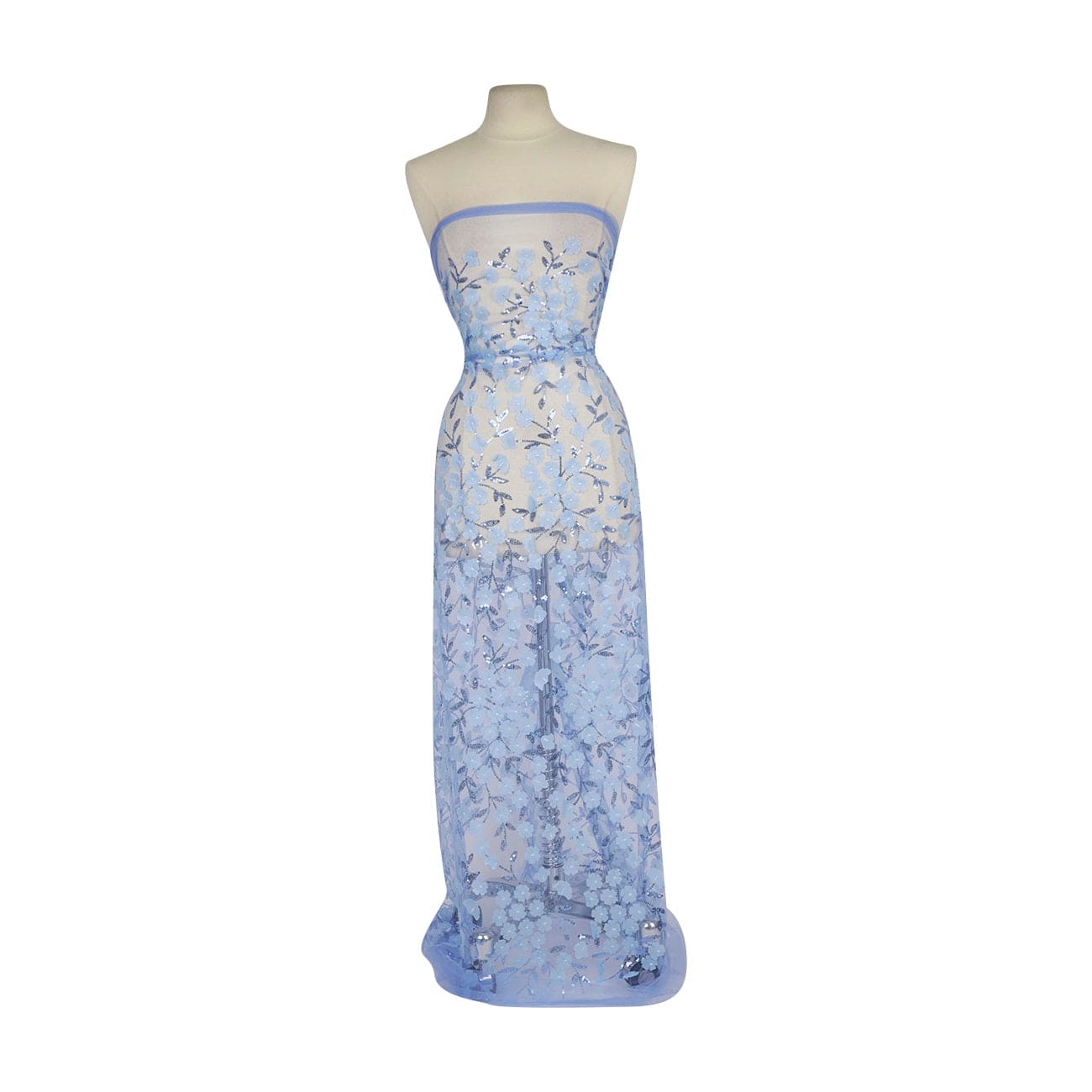
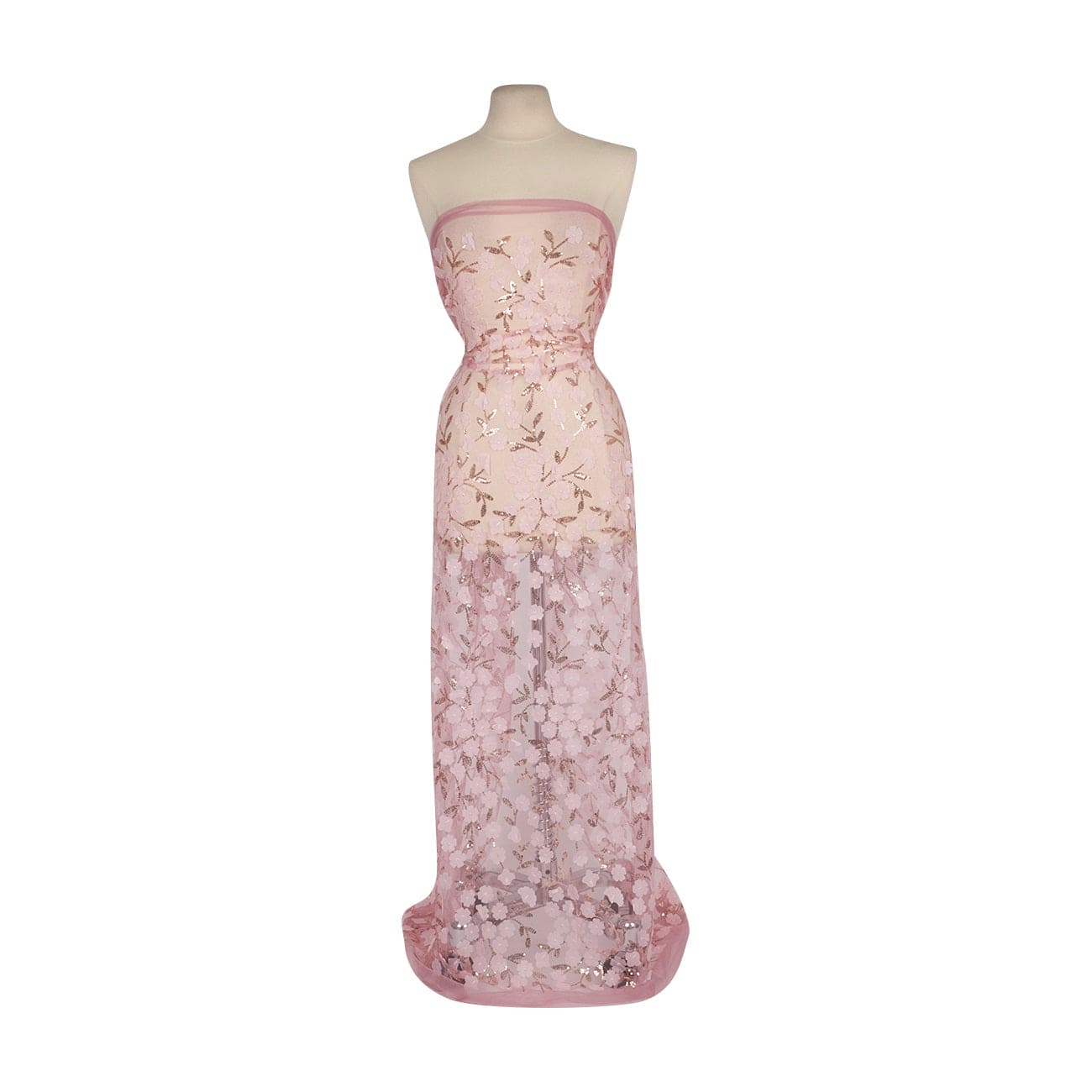
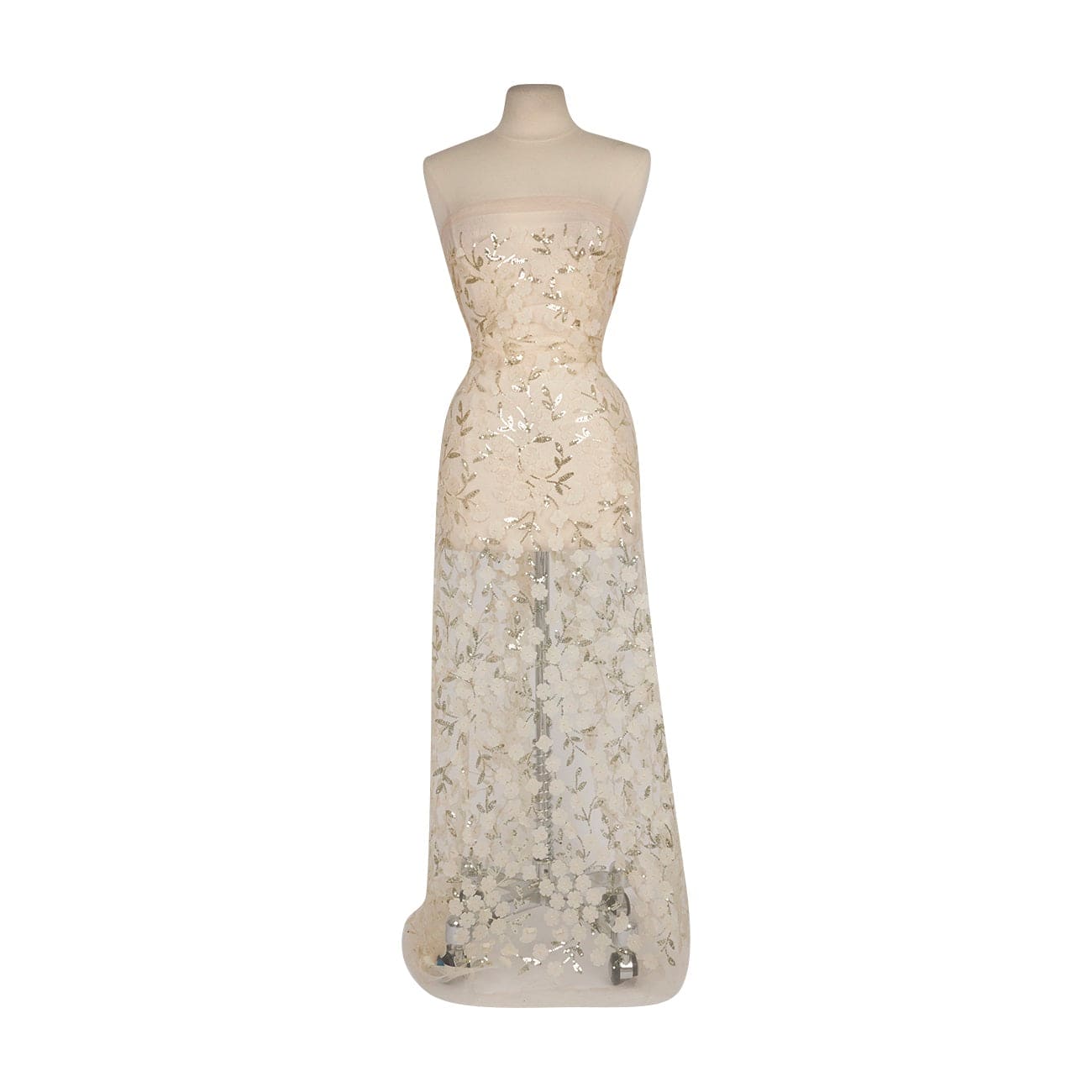
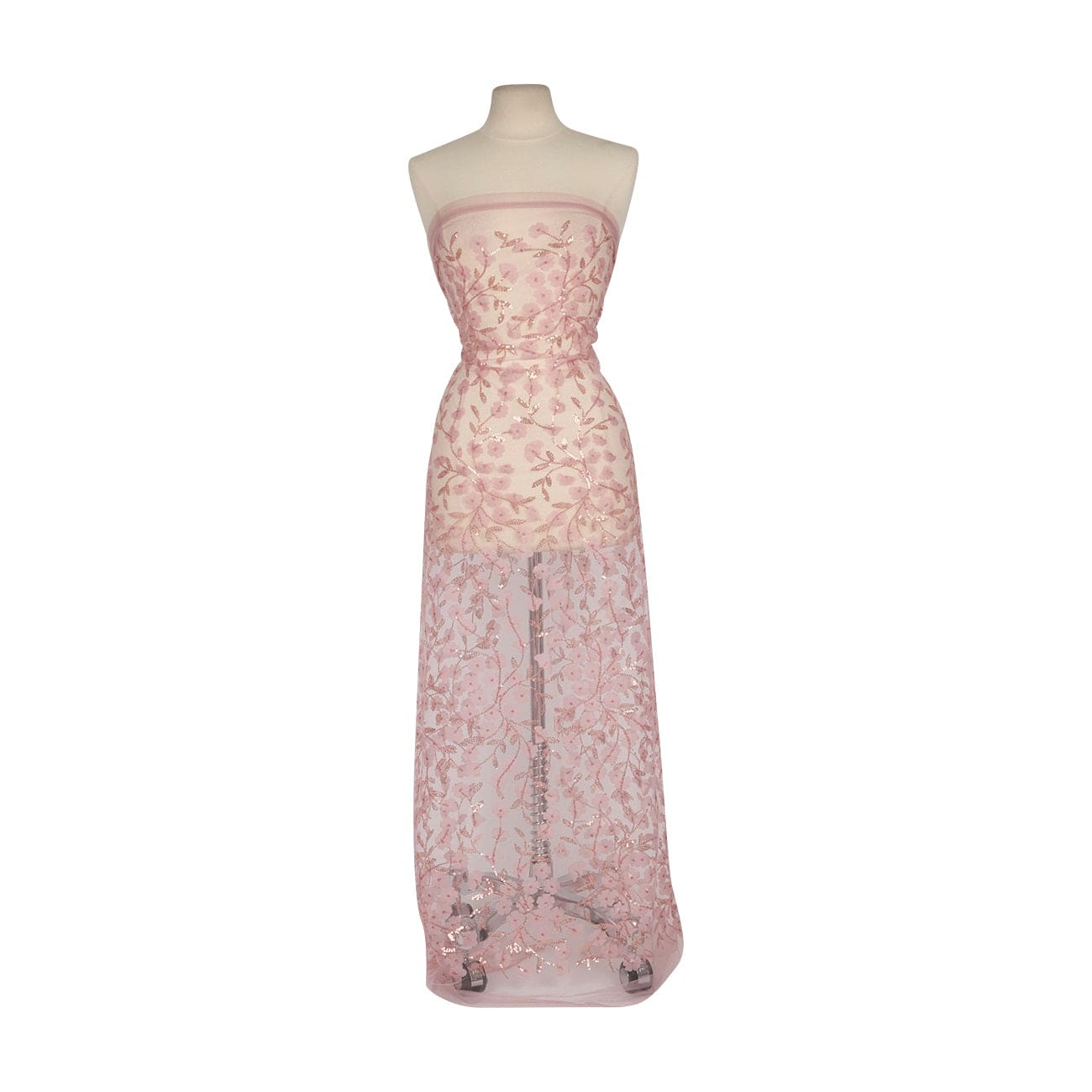
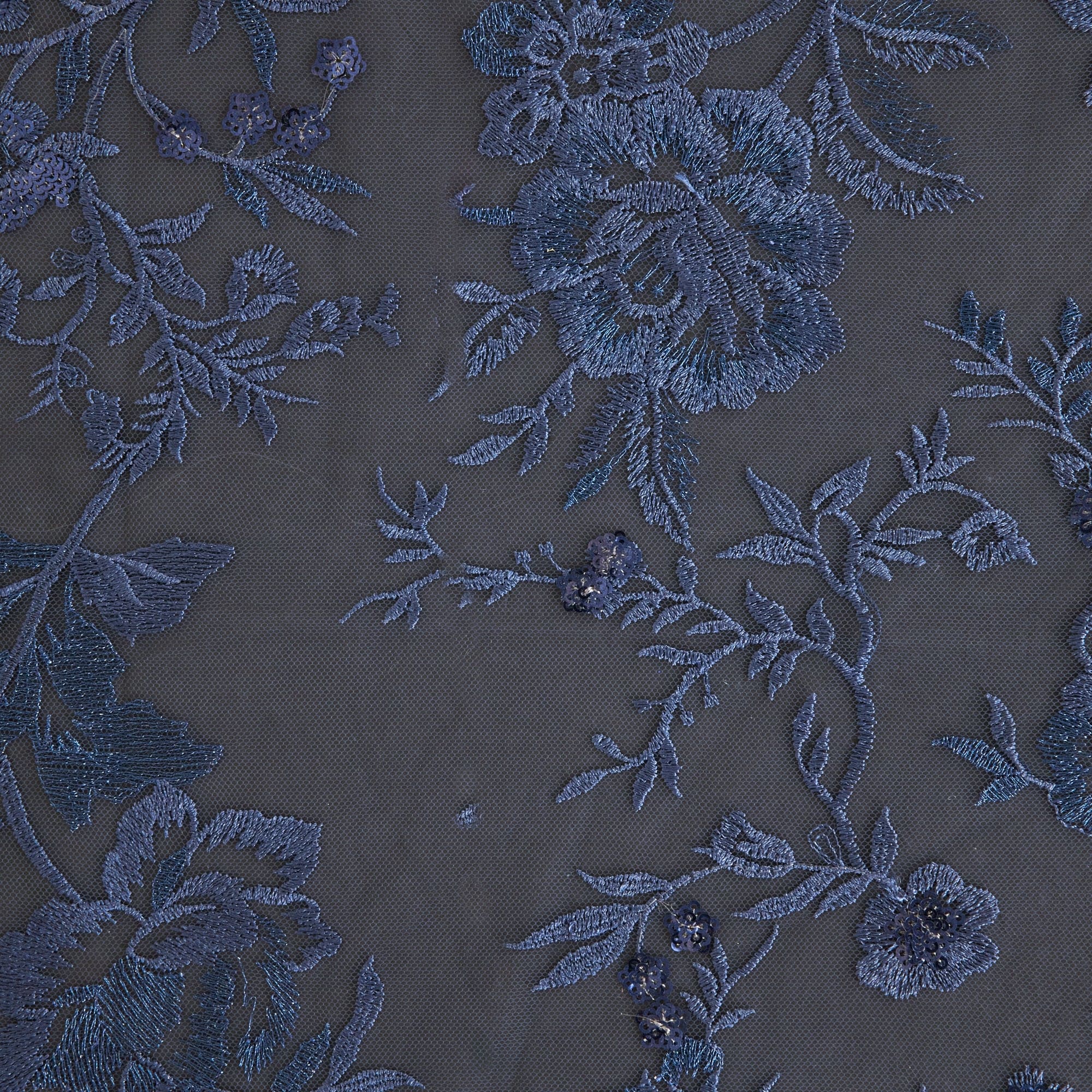
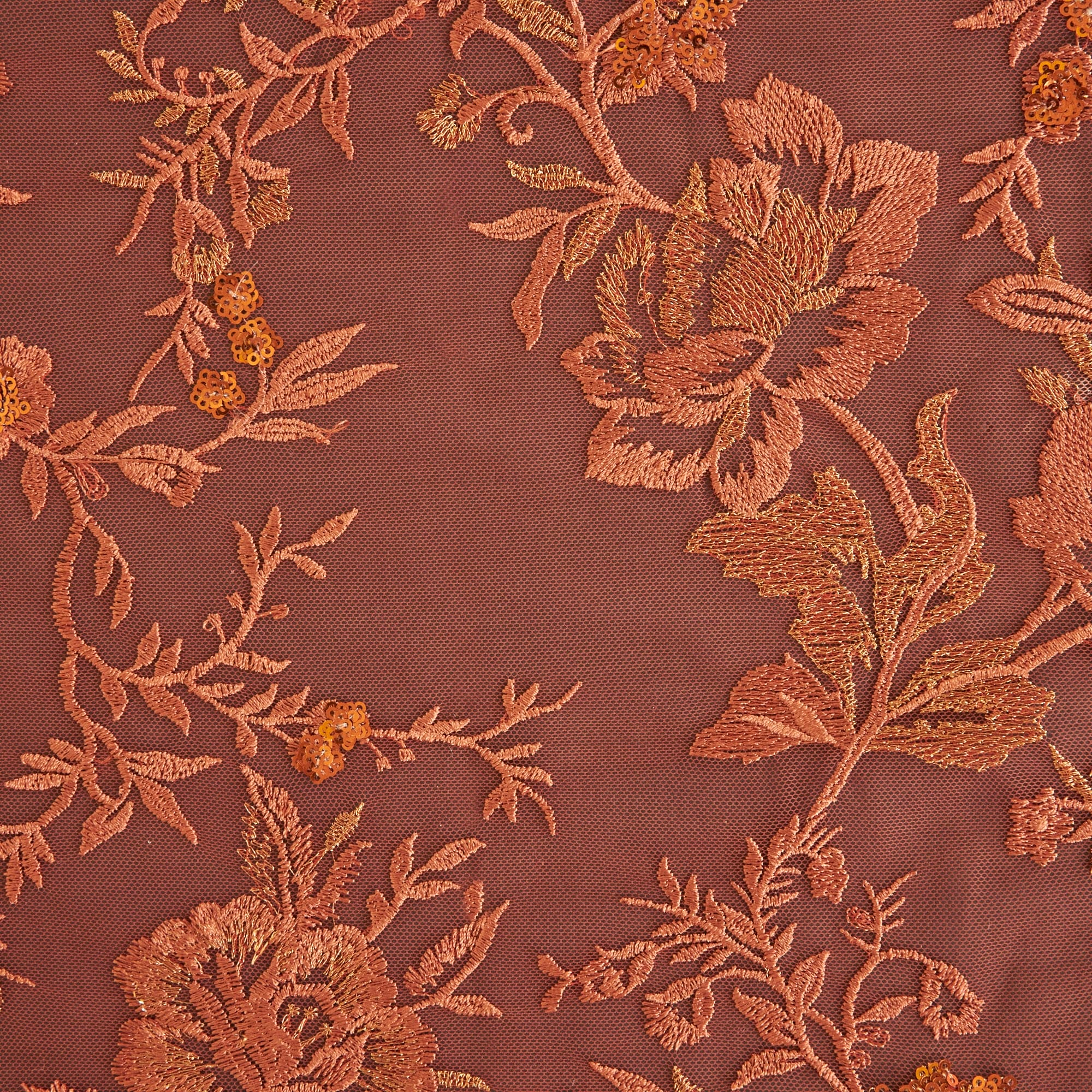
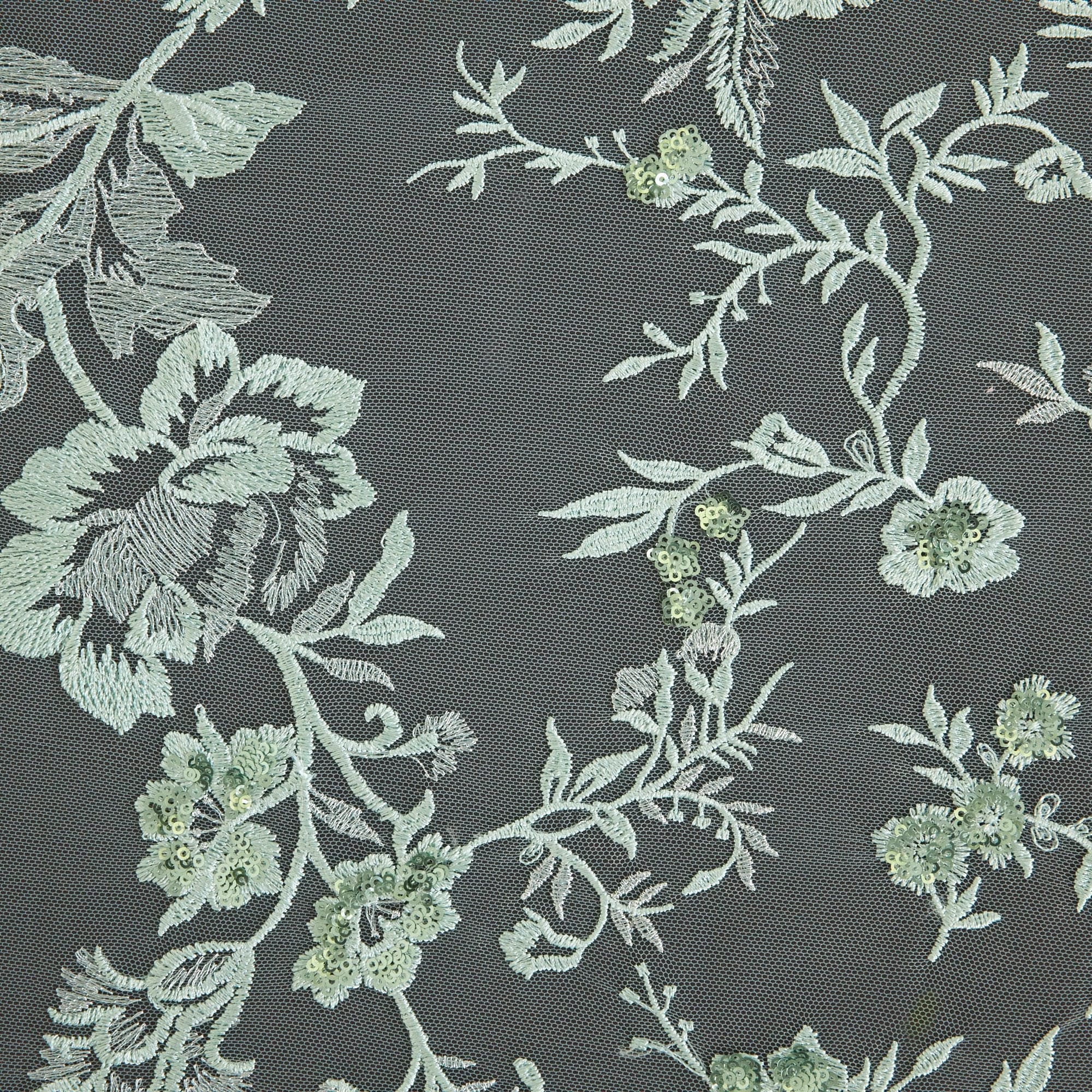
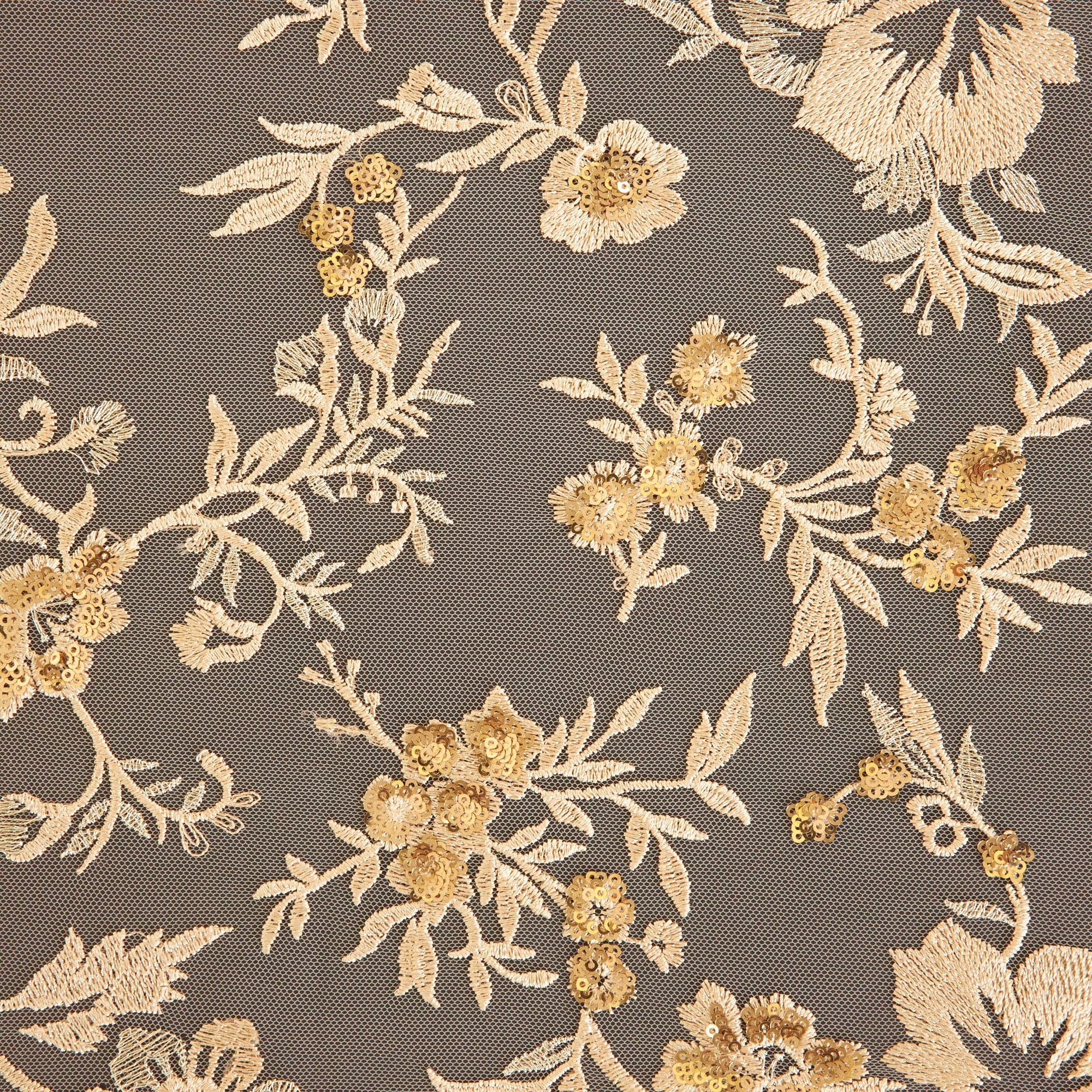
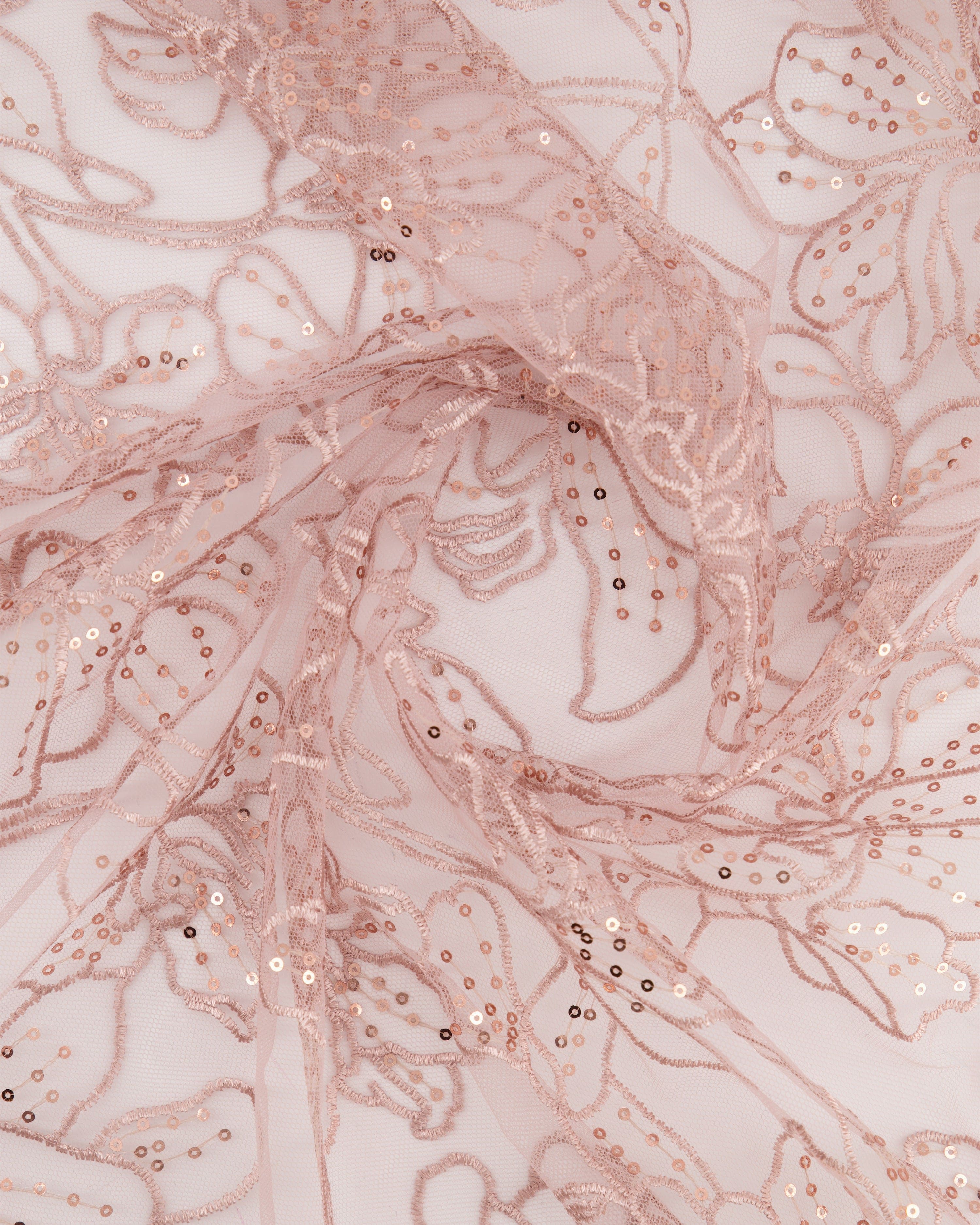
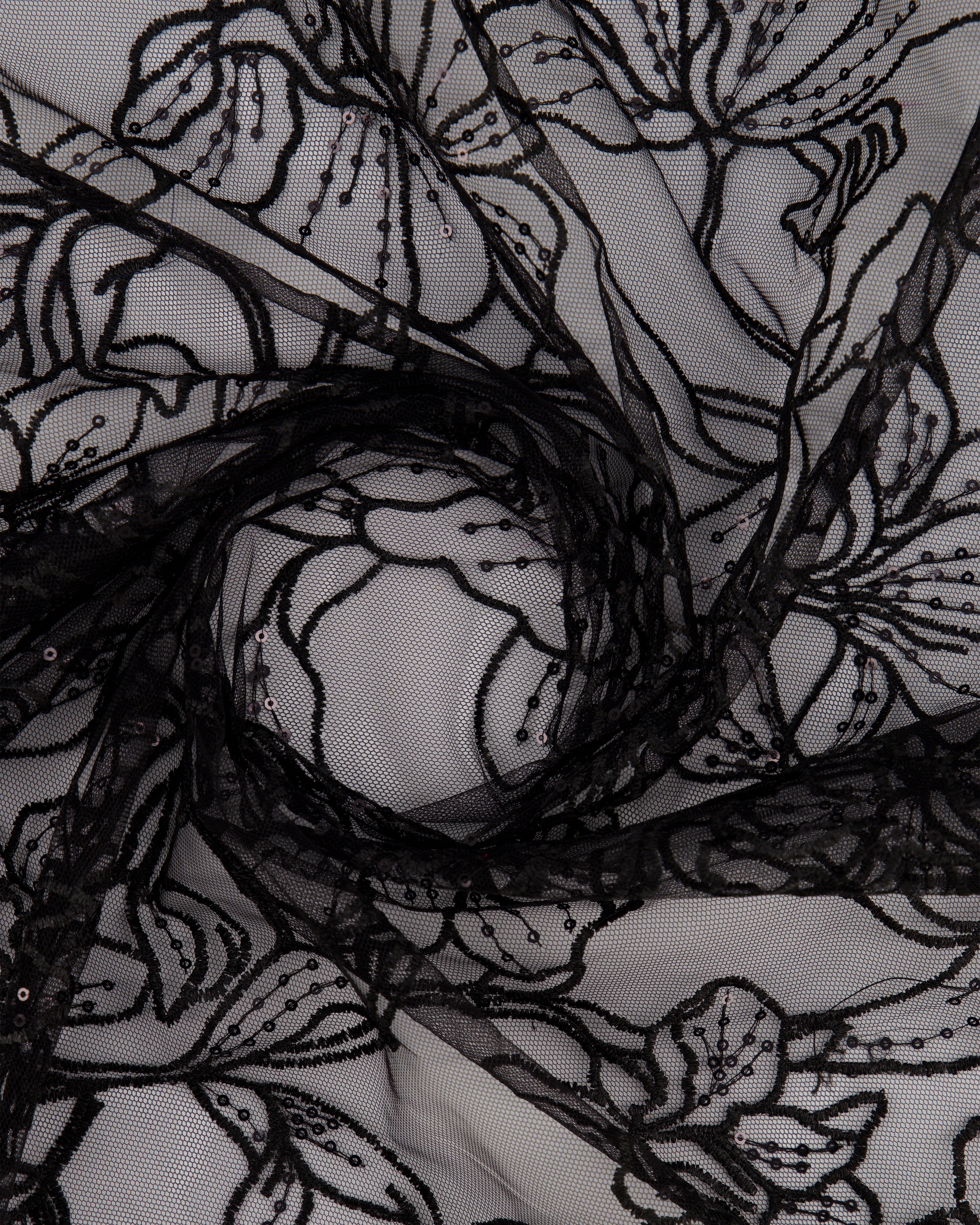
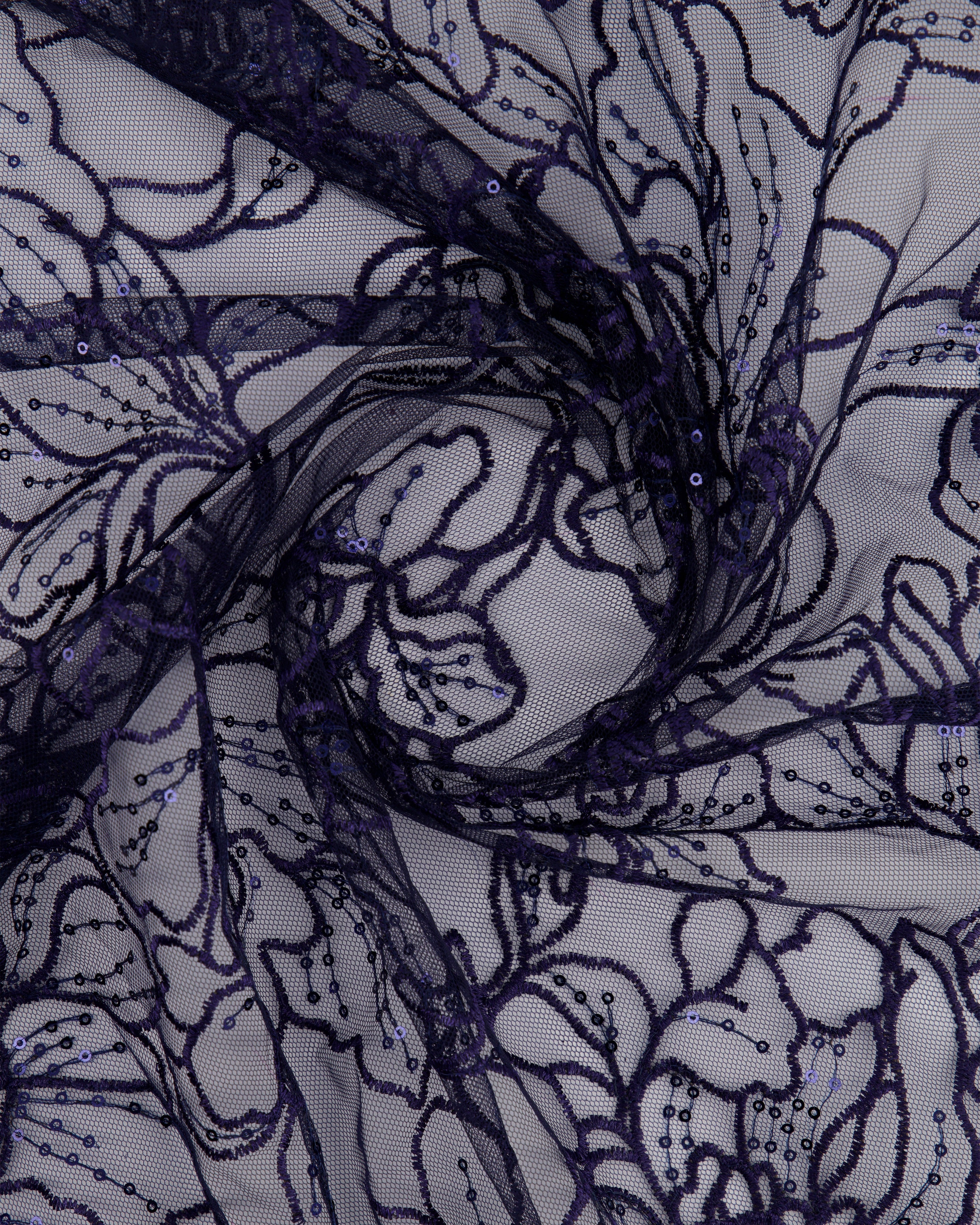
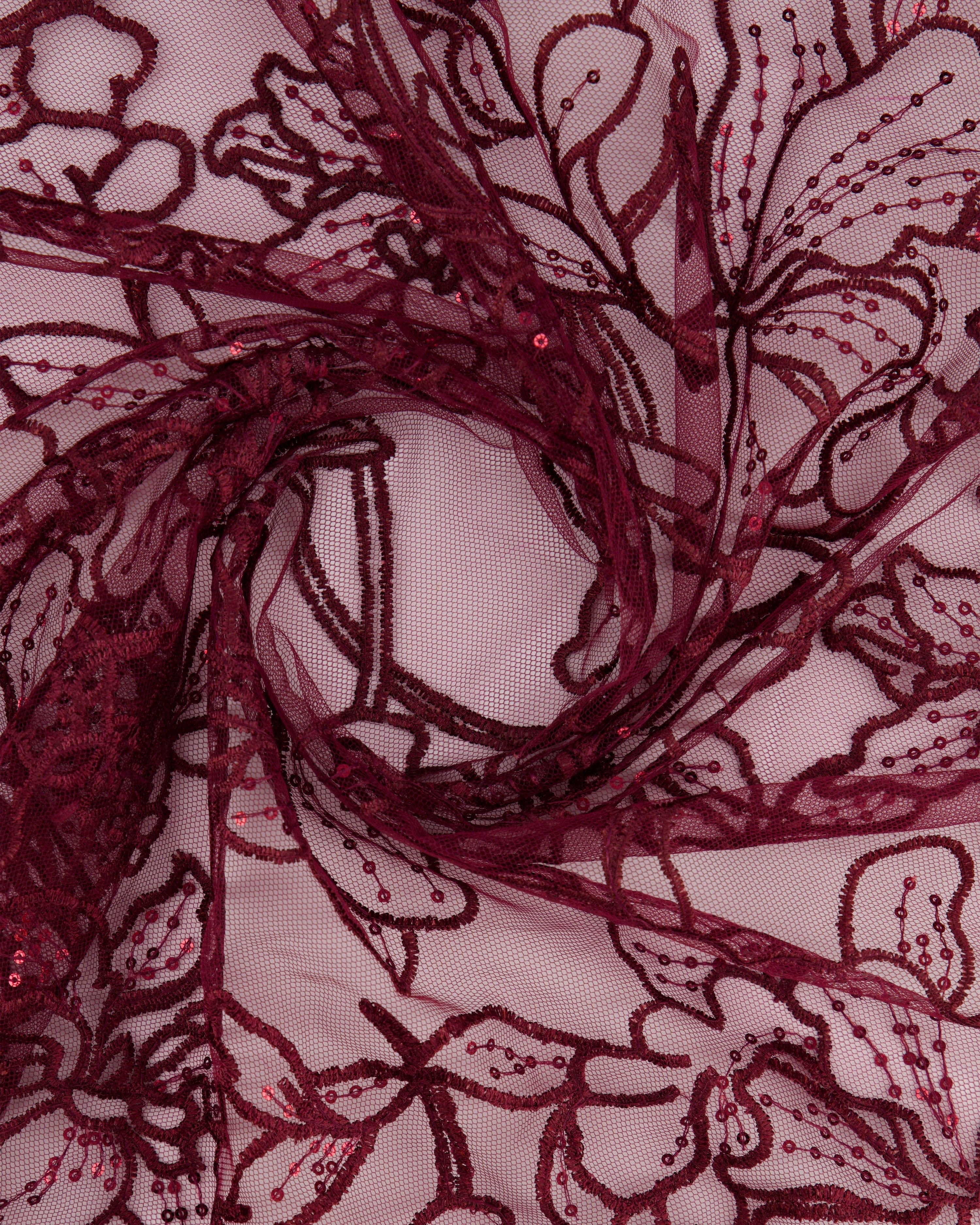
Sequin embroidery on lace combines two decorative techniques in a single fabric, layering individually placed sequins over a lace or lace mesh ground. This produces a more intricate, dimensional surface than sequin on plain mesh, and is a common choice for bridal and special occasion pieces where texture matters as much as shine.
Sequin on Velvet and Taffeta
Sequin on velvet pairs the plushness of pile fabric with the shine of sequins for a richer, more formal effect, well suited to structured eveningwear and holiday occasion pieces. Sequin on taffeta brings more crispness and body, which makes it useful for structured skirts and jackets rather than fitted bodices.
Sequin Styles and Finishes
Beyond the base fabric, the sequins themselves vary widely in size, shape, finish, and placement, and each variation changes the overall look of the fabric significantly.
Clear, Iridescent, and Metallic Sequins
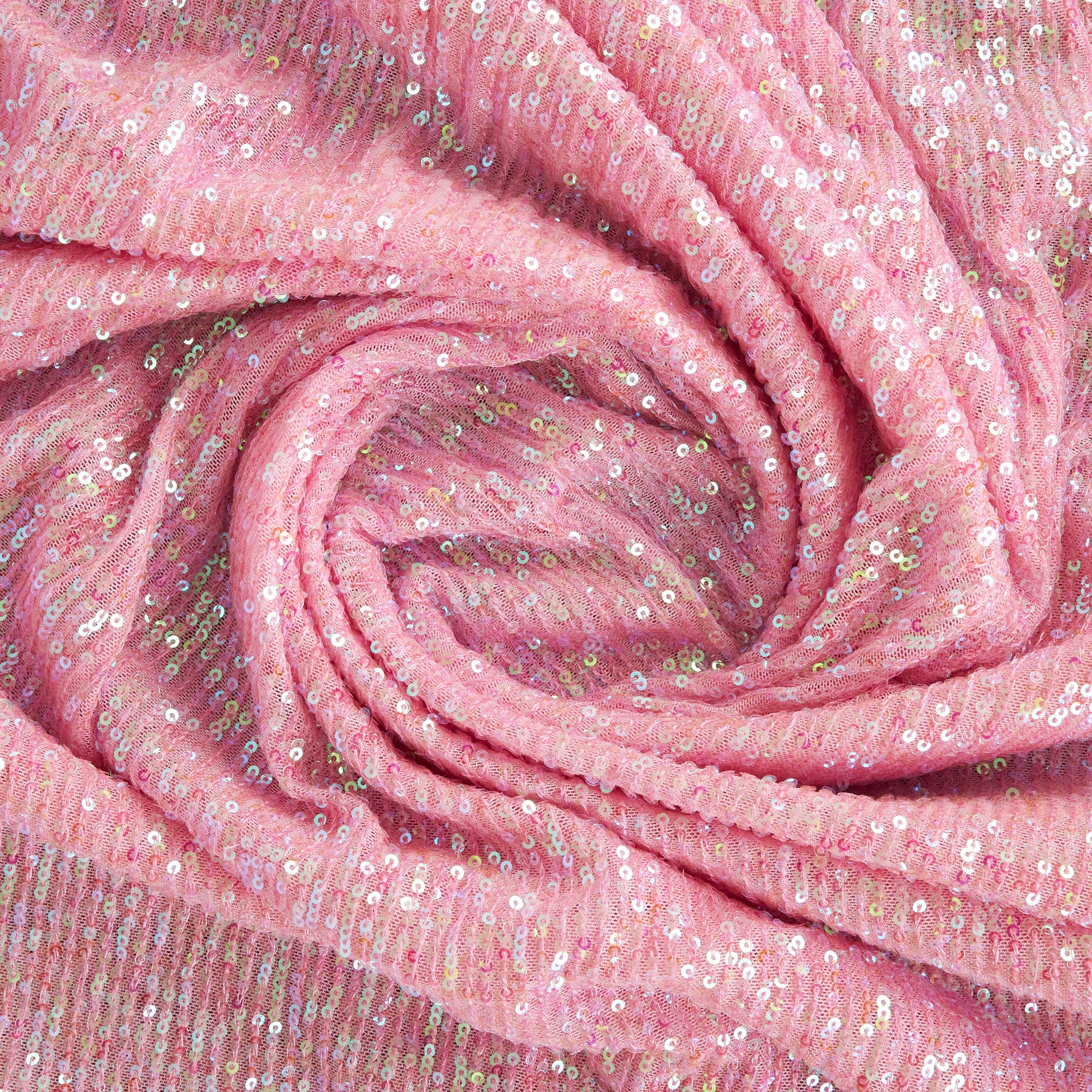
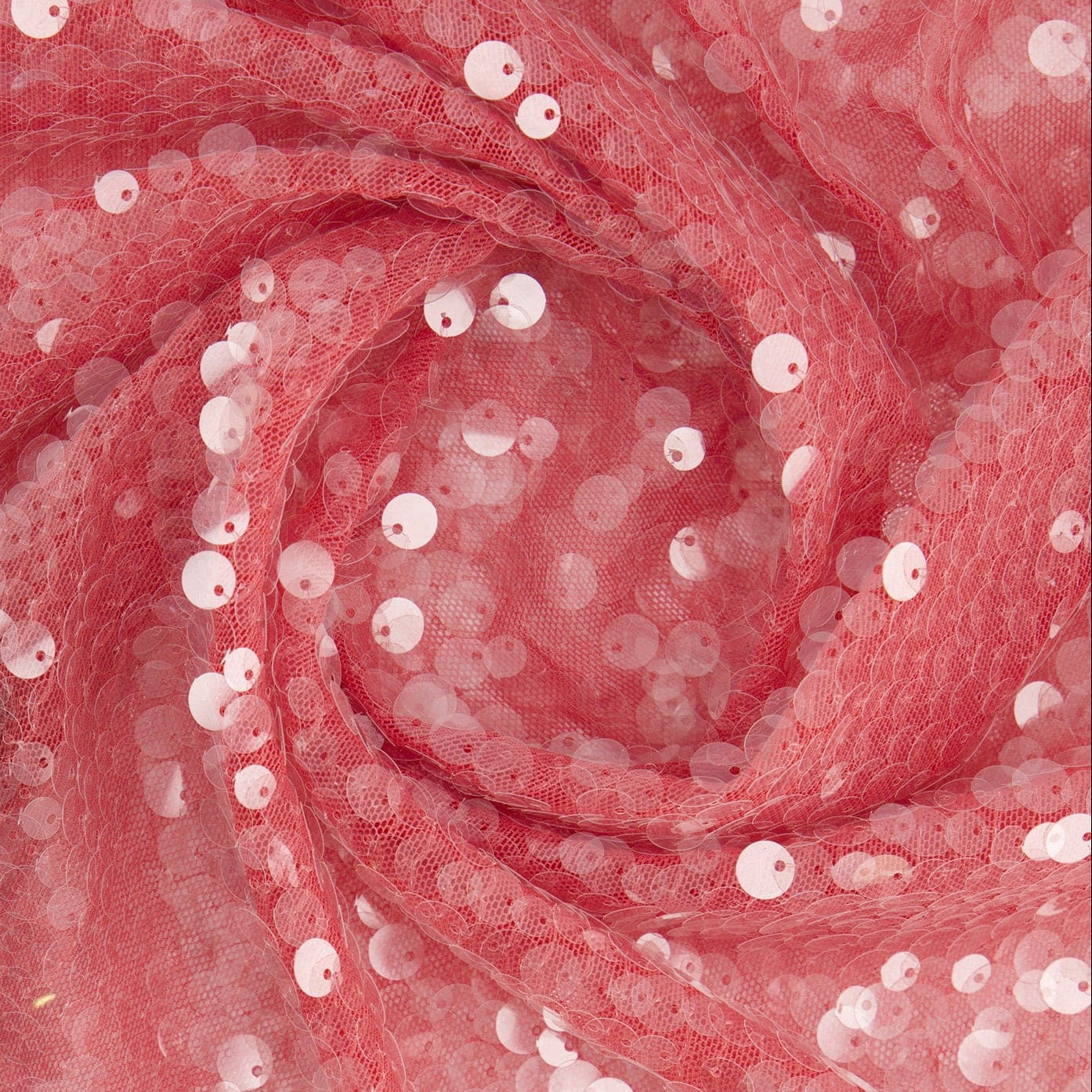
Clear sequin fabric, sometimes called paillette, uses transparent discs that pick up whatever color sits beneath them. This gives a subtler shimmer than metallic or colored sequins. Iridescent sequin fabric shifts color depending on the viewing angle, adding movement to the fabric even when the wearer is standing still.
Fringe, Ombre, and 3D Sequin Styles
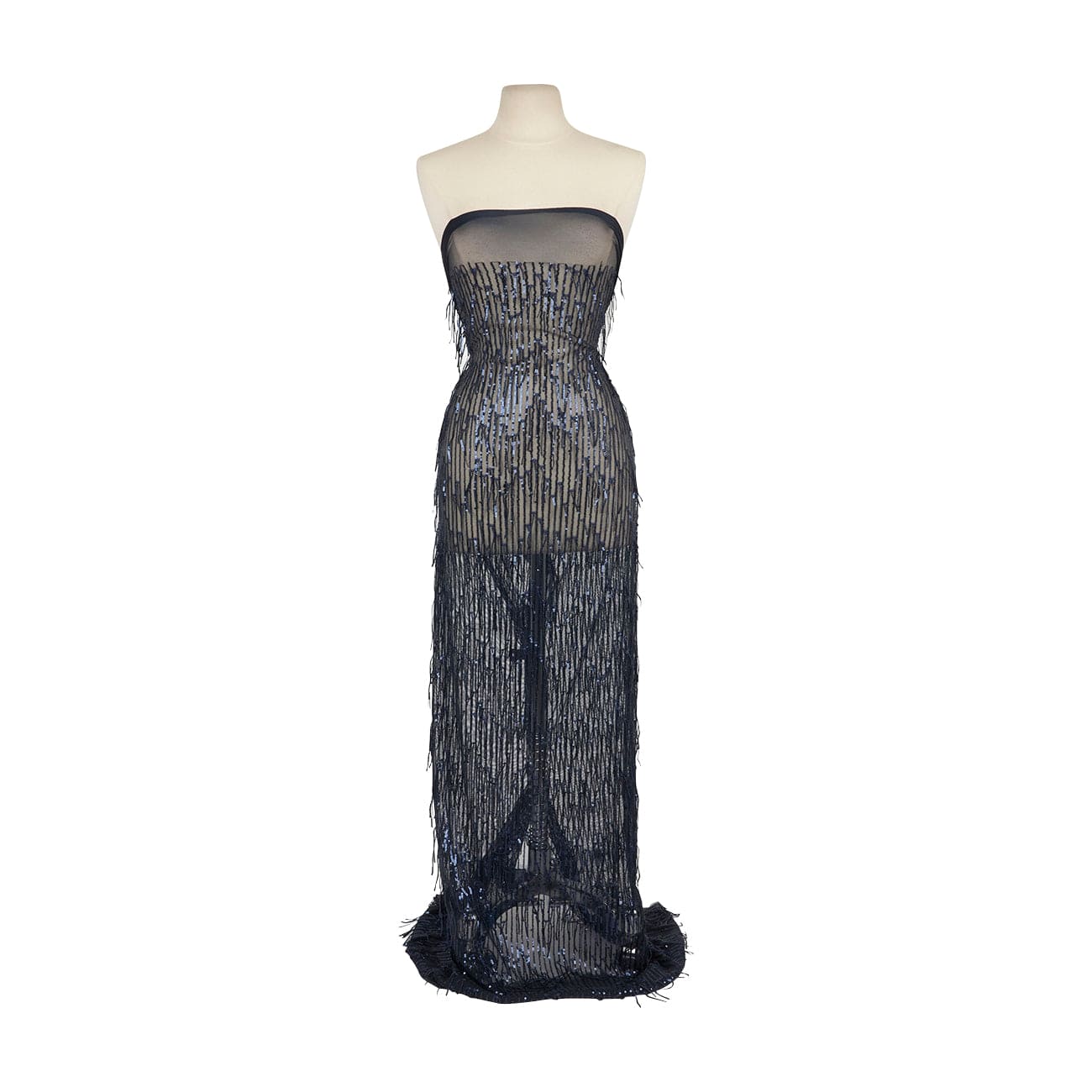
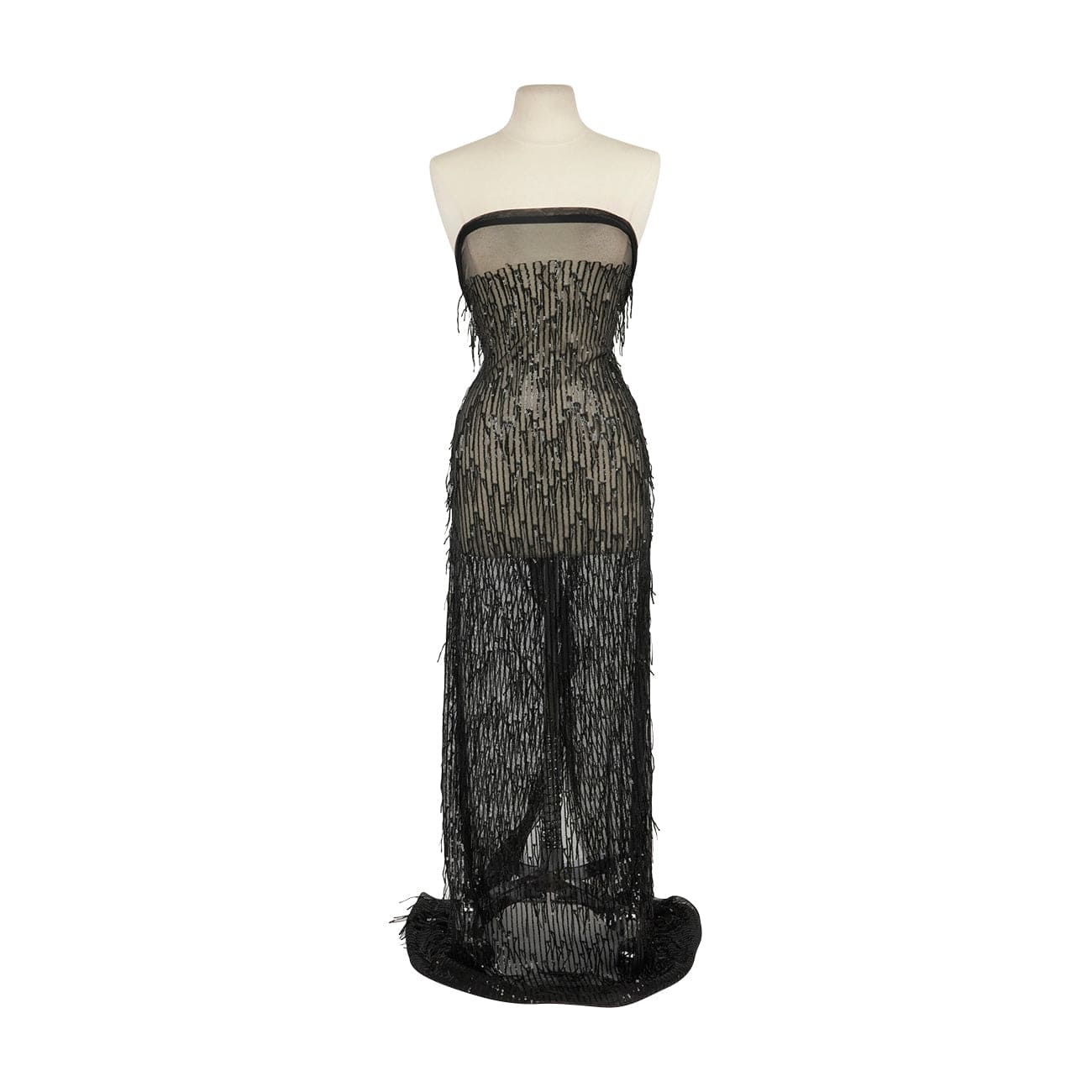
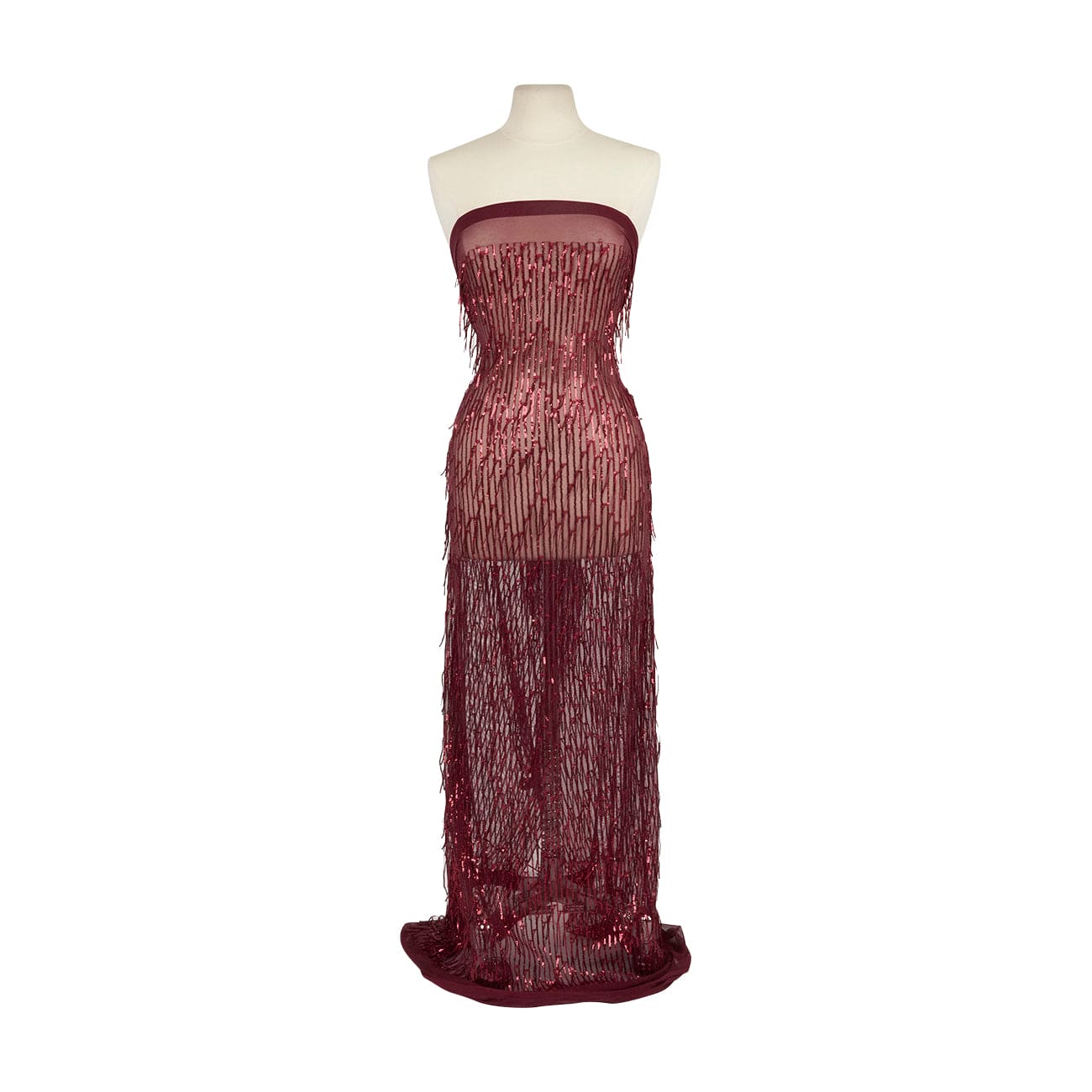
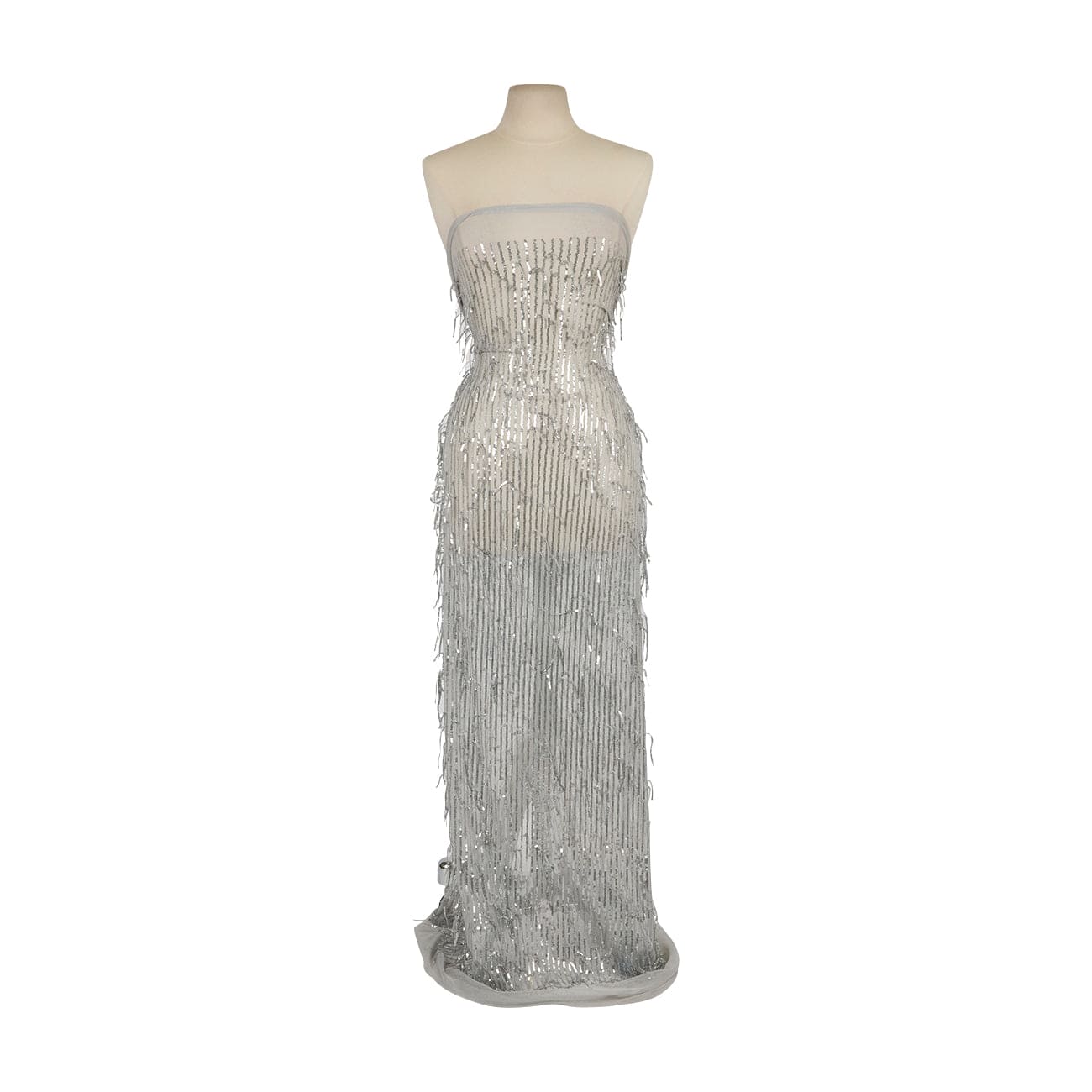
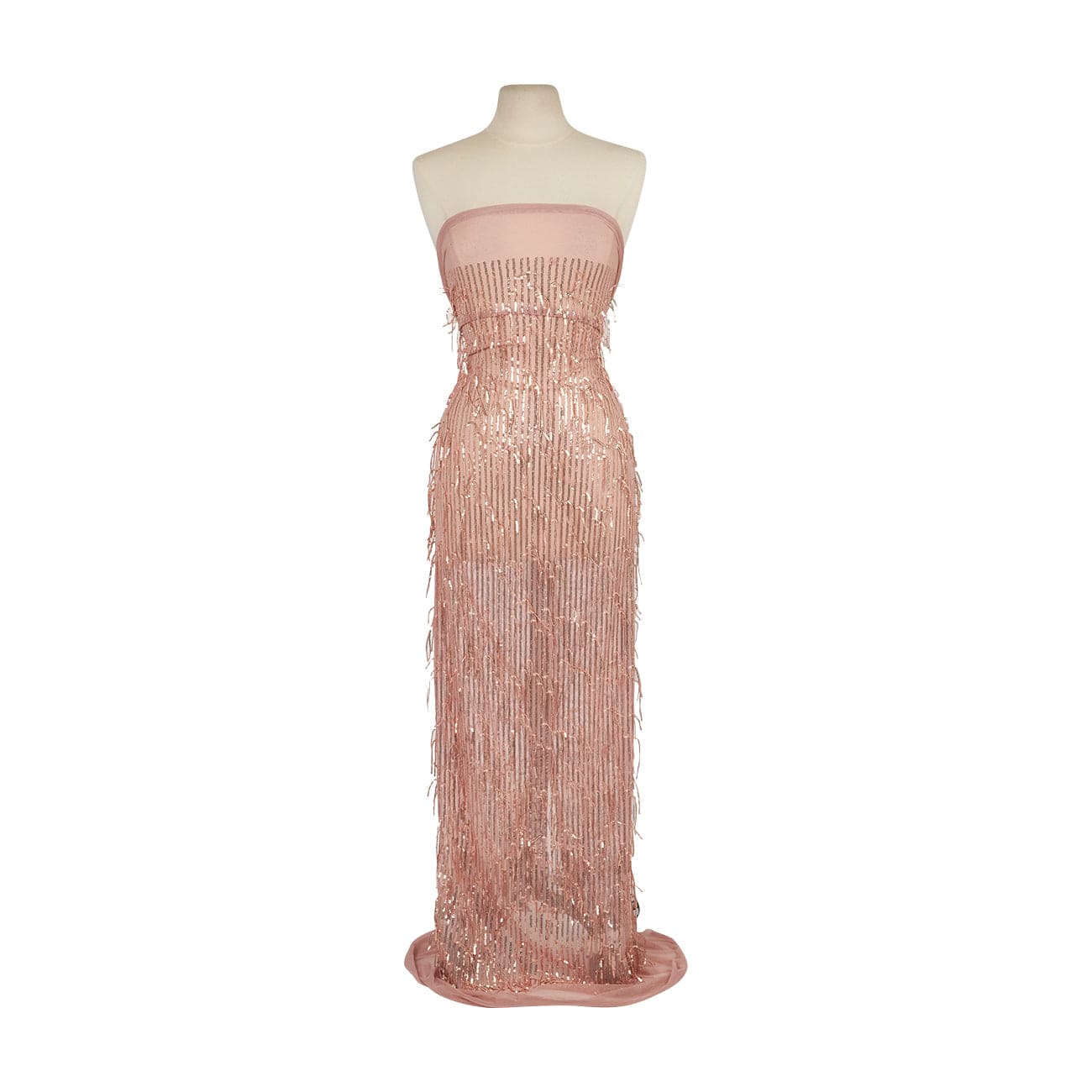
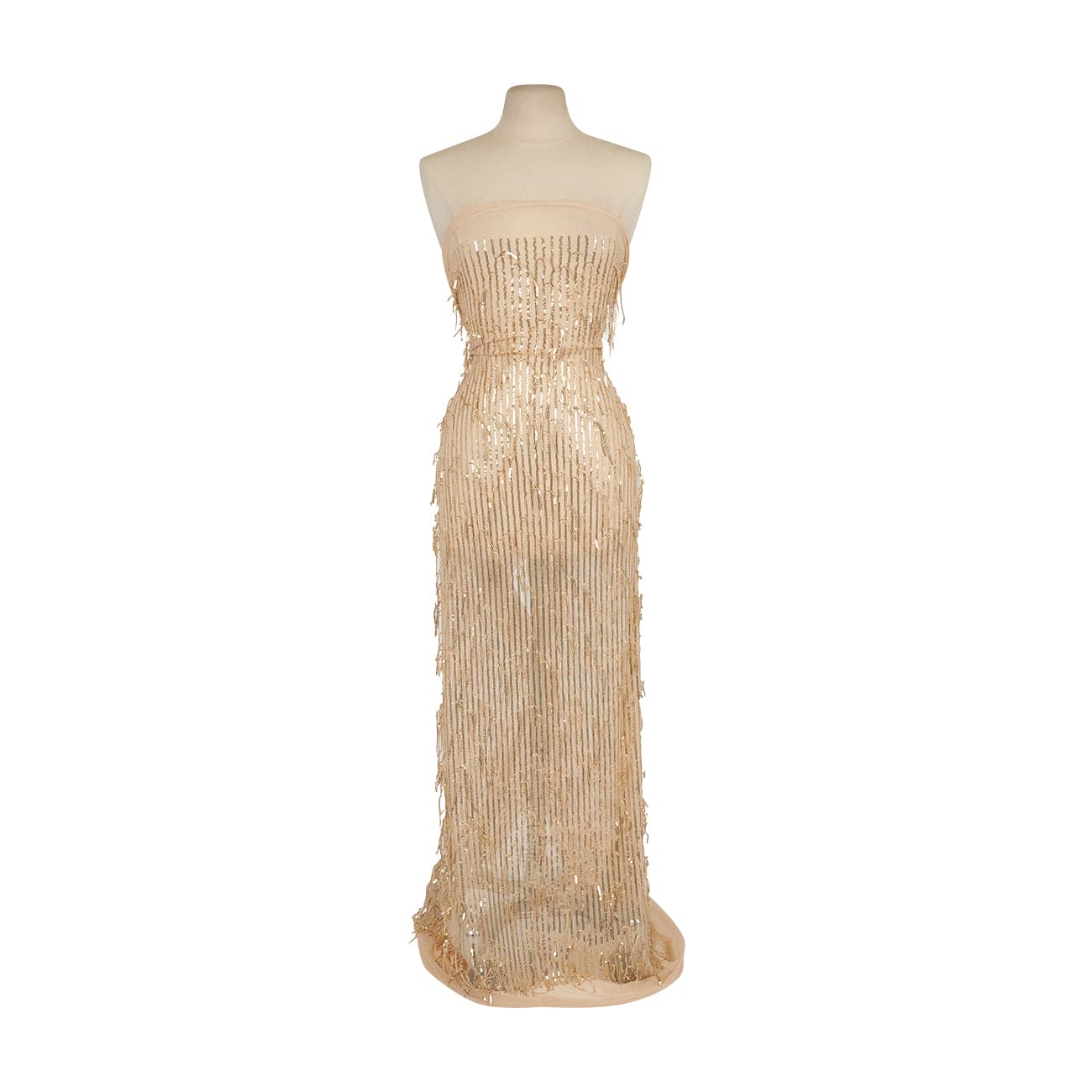
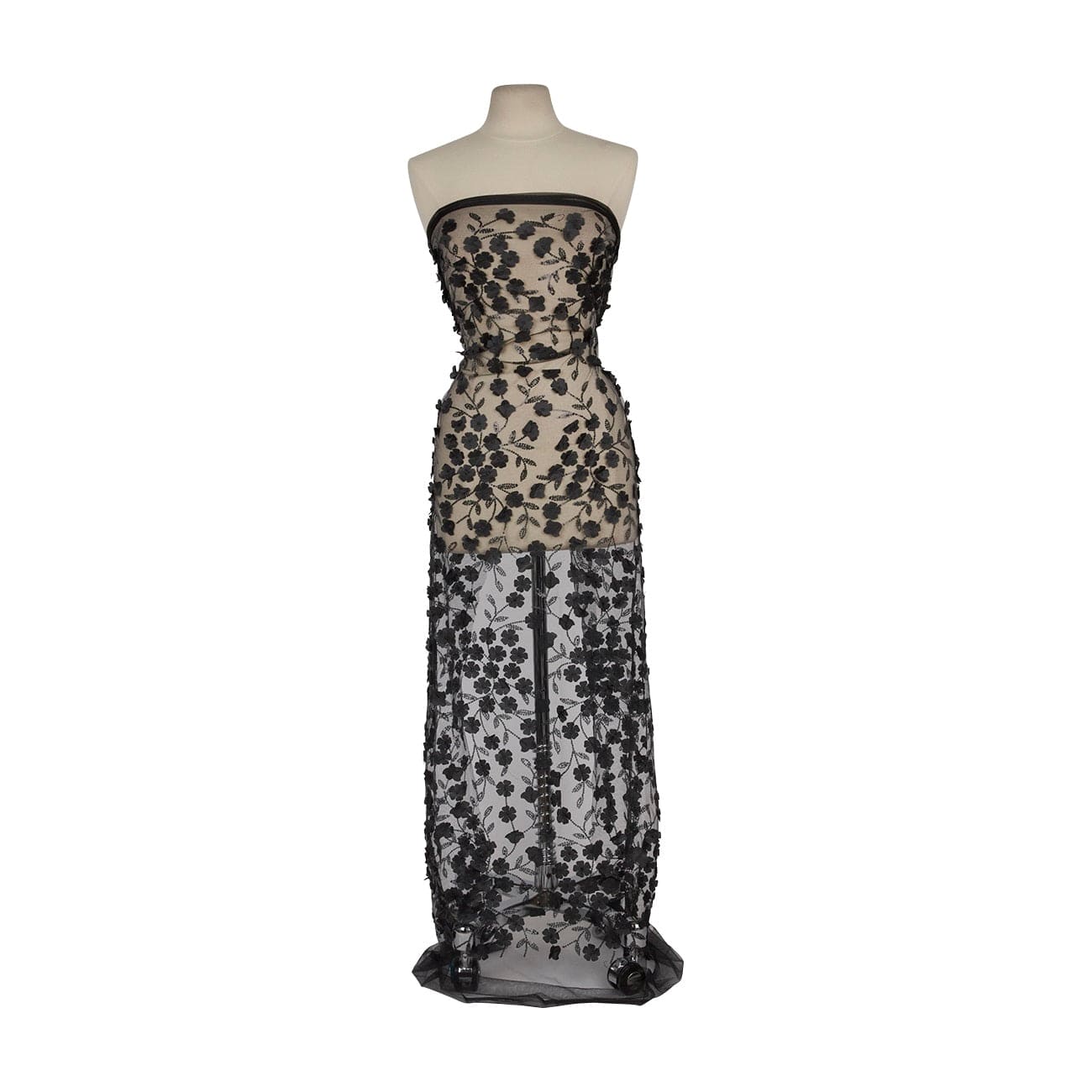
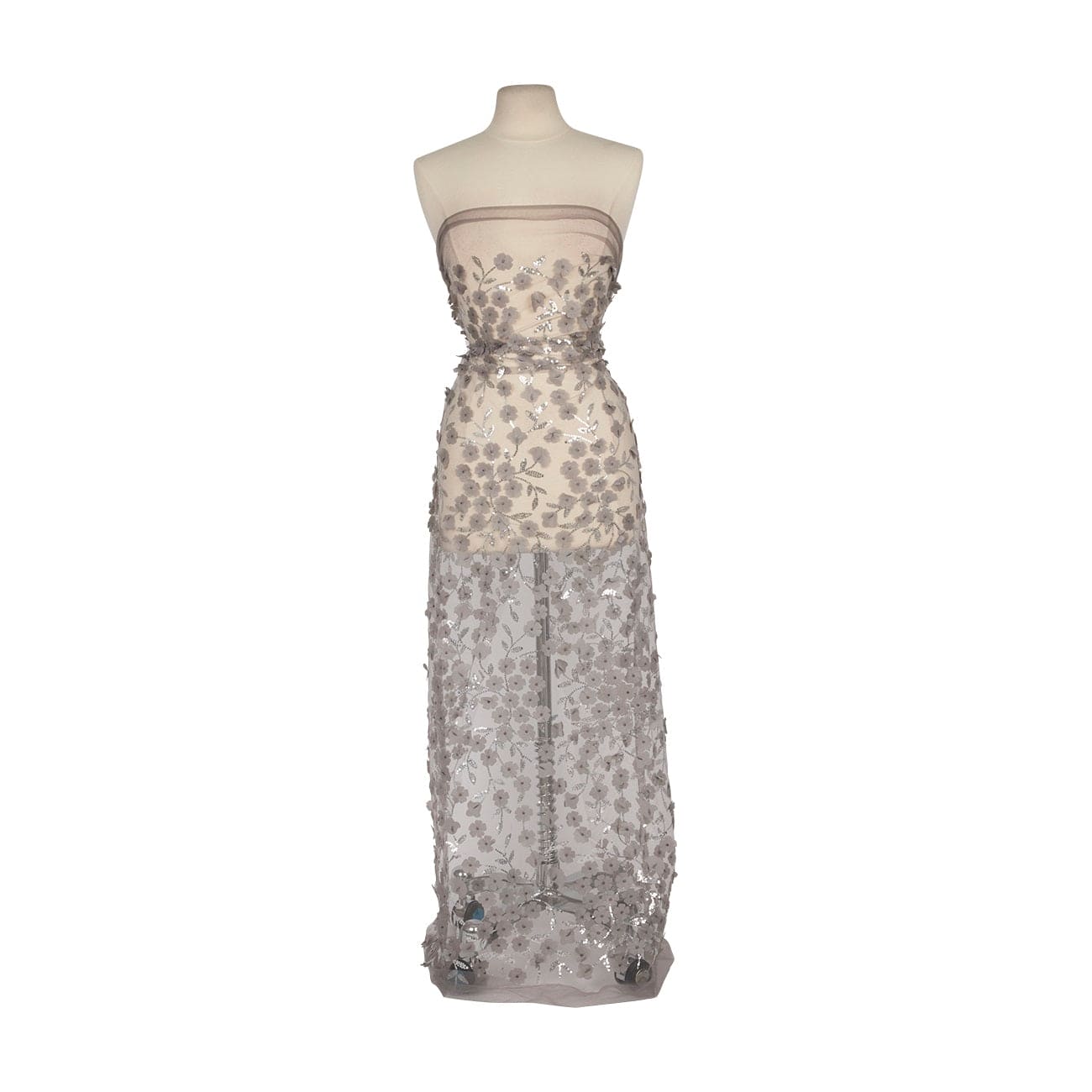
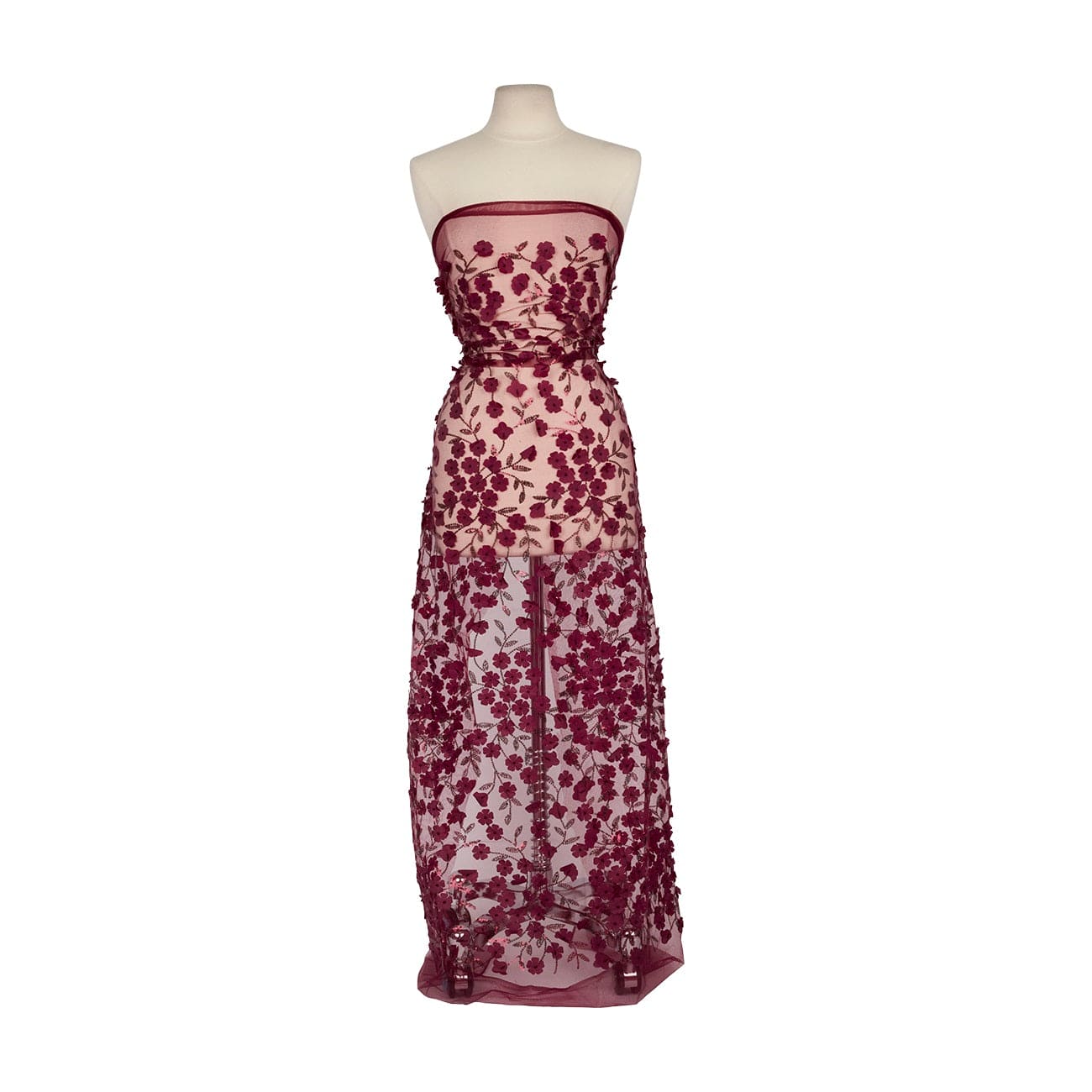
Different embellishment techniques can change how the material looks and moves. Fringe sequin fabric features loose rows or strands that hang from the base, adding fluid movement and tactile texture. Ombre designs create a gradual transition between colors for a blended, dimensional effect. For added depth, 3D styles build raised floral or textured motifs that stand out from the surface rather than forming a flat, uniform pattern.
What to Make with Sequin Fabric
Sequin fabric’s reflective surface and range of bases make it a strong fit for several distinct project categories.
Formalwear and Evening Gowns
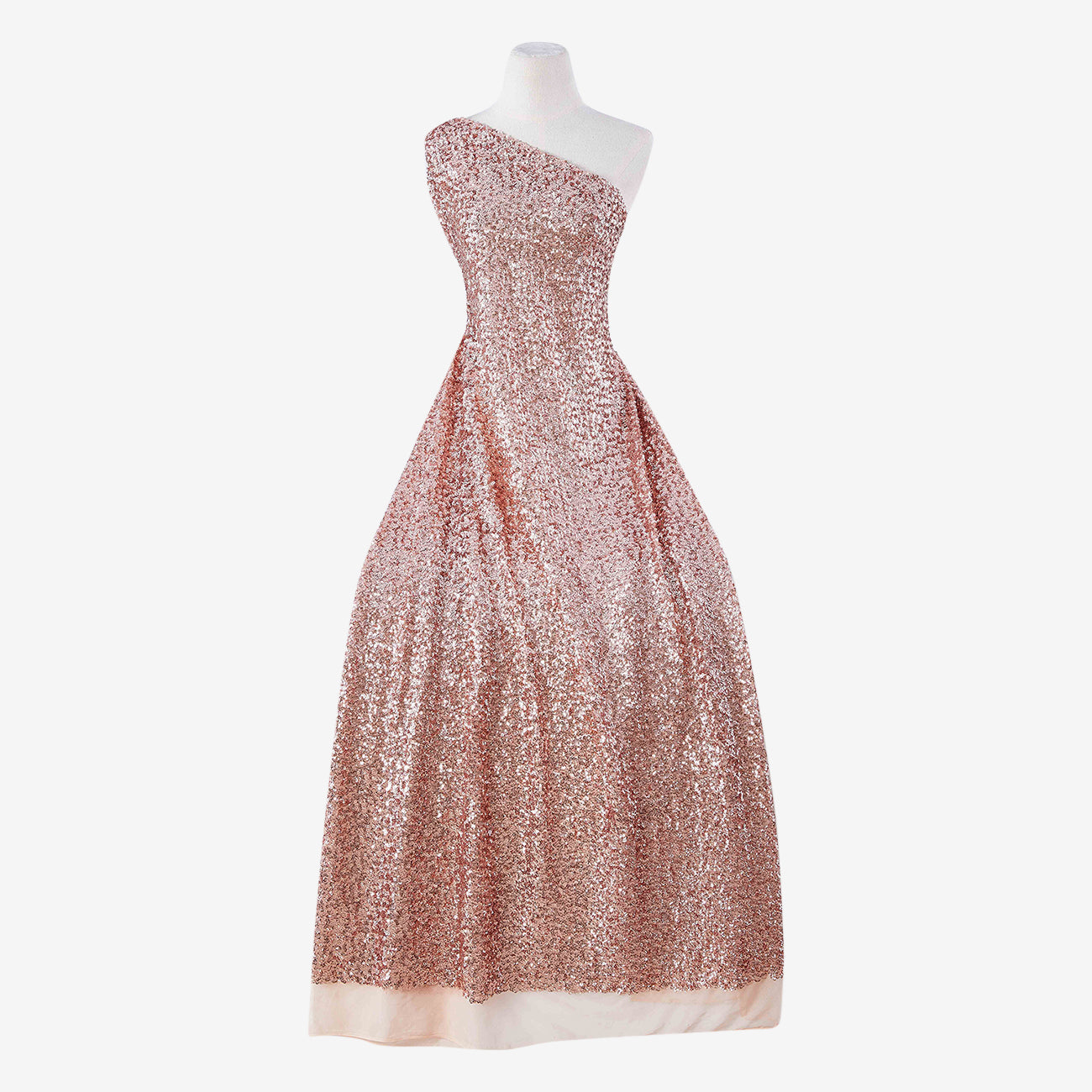
Sequin fabric is a staple in formal and eveningwear construction, since the reflective surface reads dramatically under event lighting and photographs well. Browse our gala collection for other formalwear-appropriate fabrics that pair naturally with sequin panels or accents, and our dress collection for base fabrics to combine with a sequin overlay or bodice.
Dance and Costume Work
Sequin fabric on stretch mesh is common in dance and costume construction, where the fabric needs to move with the body through choreography while still catching stage lighting. Our dance and costume collection covers other performance-ready fabrics that pair well with a sequin bodice or accent panel.
Layering with Tulle
Sequin fabric is frequently layered over or beneath tulle to combine shimmer with added volume, making the pairing especially common in bridal and pageant wear. One recognizable example is a sequin bodice with a full tulle skirt, where the structured tulle provides support and shape while the softer sequin mesh brings movement and shine.
How to Sew and Care for Sequin Fabric
Sequin fabric requires a slightly different approach at the cutting table and machine compared to standard fabric, mostly because of the hard, reflective discs covering the surface.
Cutting and Sewing
Cut sequin fabric with sharp shears rather than a rotary cutter where possible, since sequins can dull rotary blades quickly. Before sewing any seam, remove the sequins from the seam allowance using small scissors or a seam ripper to prevent cracked sequins, broken needles, and lumpy seams. A walking foot or roller foot helps feed the fabric evenly, since sequins can catch or drag under a standard presser foot.
Caring for Sequin Garments
Most sequin fabric should be hand washed in cold water or dry cleaned, since machine washing and drying can dislodge or crack sequins over repeated cycles. Lay flat to dry rather than hanging, because the weight of wet sequins can stretch the base fabric out of shape. Also, store sequin garments flat or on padded hangers to prevent the sequins from creasing or catching on other garments in storage.
Browse the full fabric directory to compare sequin fabric against other embellished options before ordering a swatch.
Frequently Asked Questions
What is sequin fabric made of?
Sequin fabric combines a base fabric, commonly mesh, lace, velvet, or taffeta, with individual sequins stitched or embroidered onto the surface. The sequins themselves are made from PVC, polyester film, or metal, depending on the finish and price point.
Is sequin fabric stretchy?
It depends on the base. Sequin on stretch mesh has significant give and is the standard choice for fitted garments and dancewear, while sequin on taffeta or velvet has little to no stretch and holds a more structured shape.
How do I sew a seam through sequin fabric?
Remove the sequins from the seam allowance before stitching. You can use small scissors or a seam ripper to cut the threads holding them in place. This prevents cracked sequins, broken needles, and bulky seams once the garment is assembled.
Can sequin fabric be machine washed?
Most sequin fabric should be hand washed in cold water or dry cleaned. Machine washing and drying can dislodge sequins or damage the base fabric over repeated cycles, especially on delicate mesh constructions.
What is the difference between clear sequins and iridescent sequins?
Clear sequins are transparent and pick up the color of whatever sits beneath them, giving a subtle shimmer. Iridescent sequins shift color depending on the viewing angle, adding visible movement to the fabric even when the wearer is stationary.