
What Is Soutache? A Quick Guide to This Embroidery Technique
Soutache, pronounced “soo TASH”, is a narrow, flat braid originally used to trim military uniforms in 19th-century Europe, with particularly strong traditions in Germany and France, and later adopted by haute couture houses as a signature decorative technique.
The Construction Behind the Braid
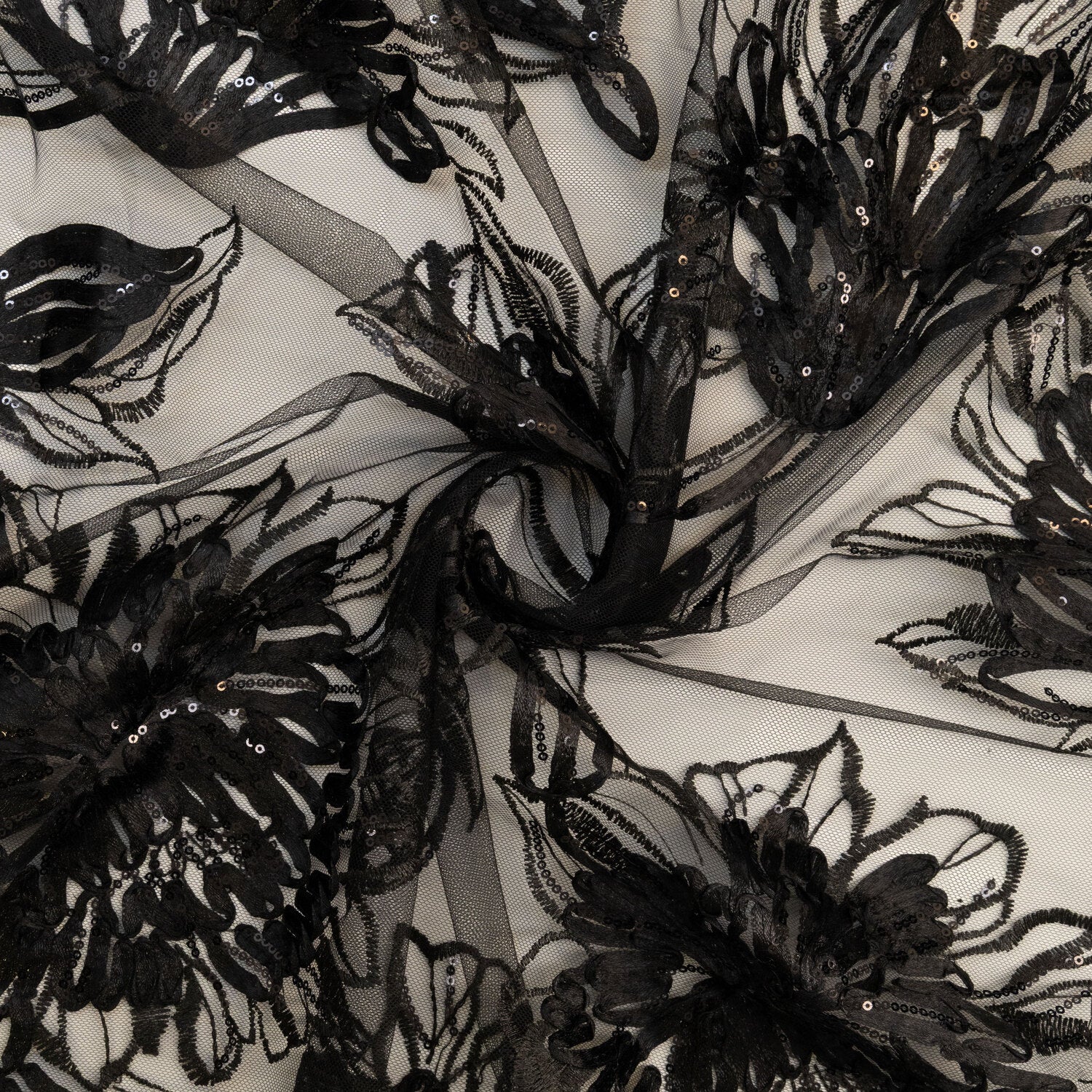
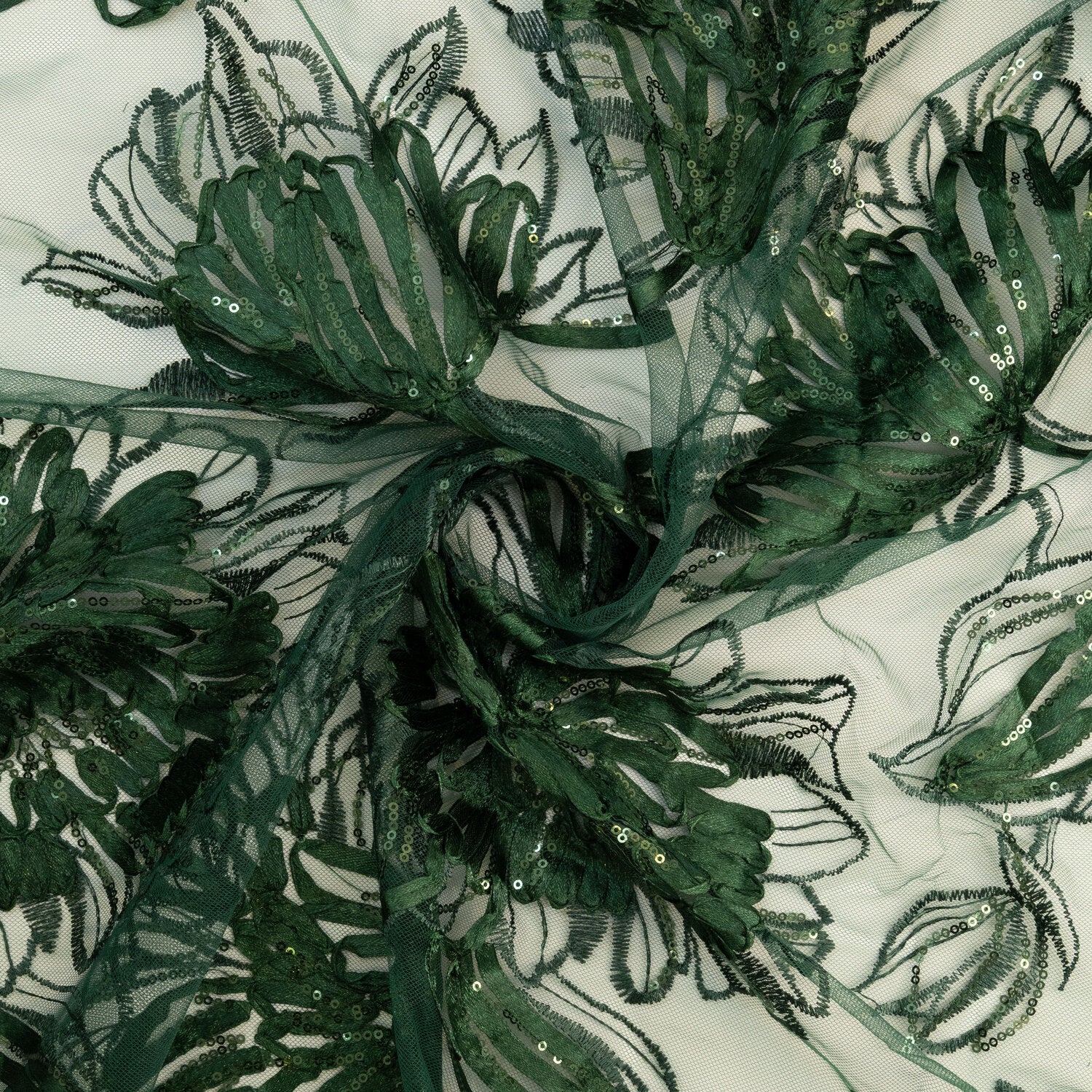
Typically, the braid itself is 3mm to 6mm wide, woven in a herringbone or chevron pattern, with a central groove that allows it to be stitched flat onto a fabric base. This construction detail is what makes soutache so versatile. The groove accepts a needle cleanly, so a maker with solid sewing skills can couch the cord into tight curves, spirals, and floral motifs without the braid buckling or twisting.
Soutache as Trim vs. Soutache as Fabric
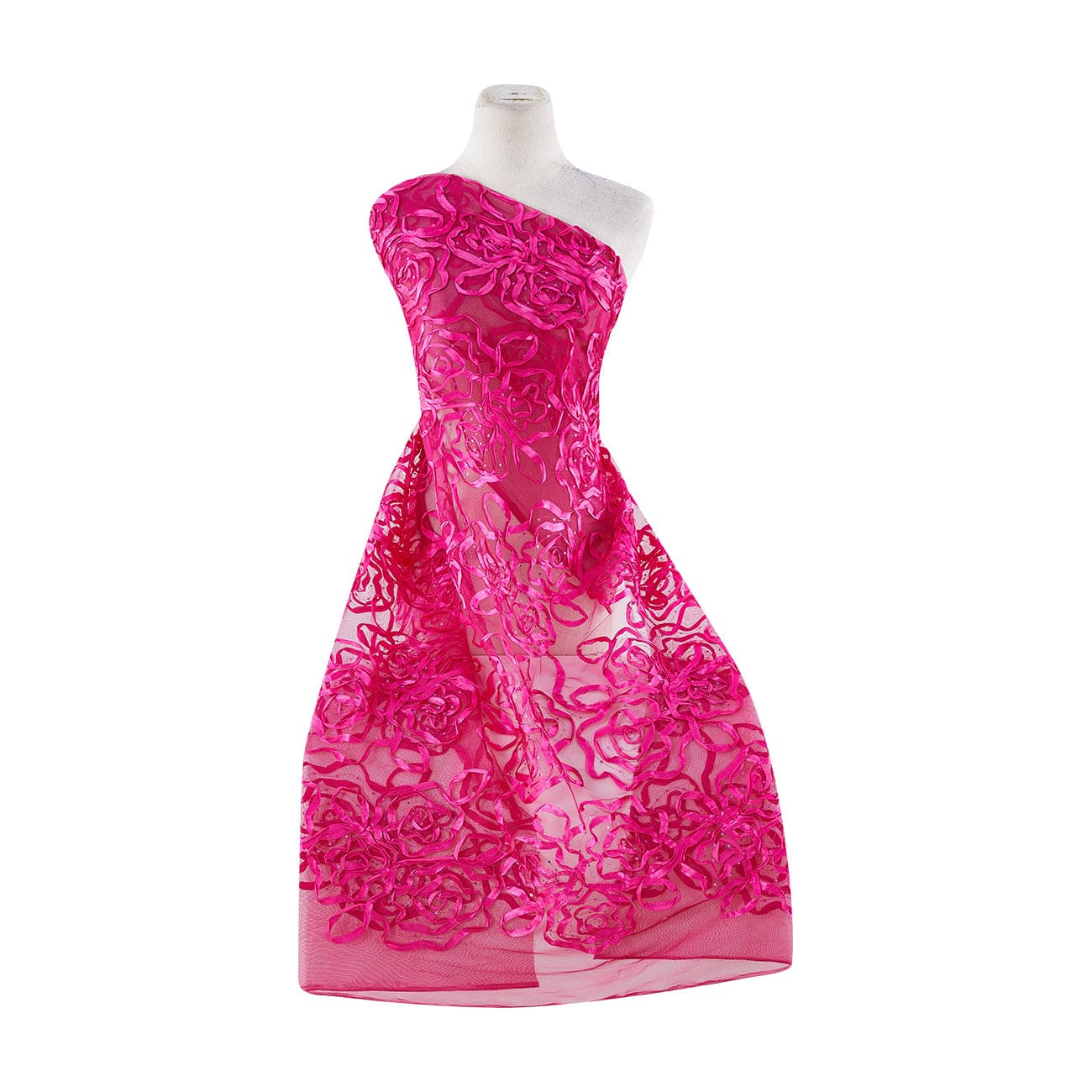
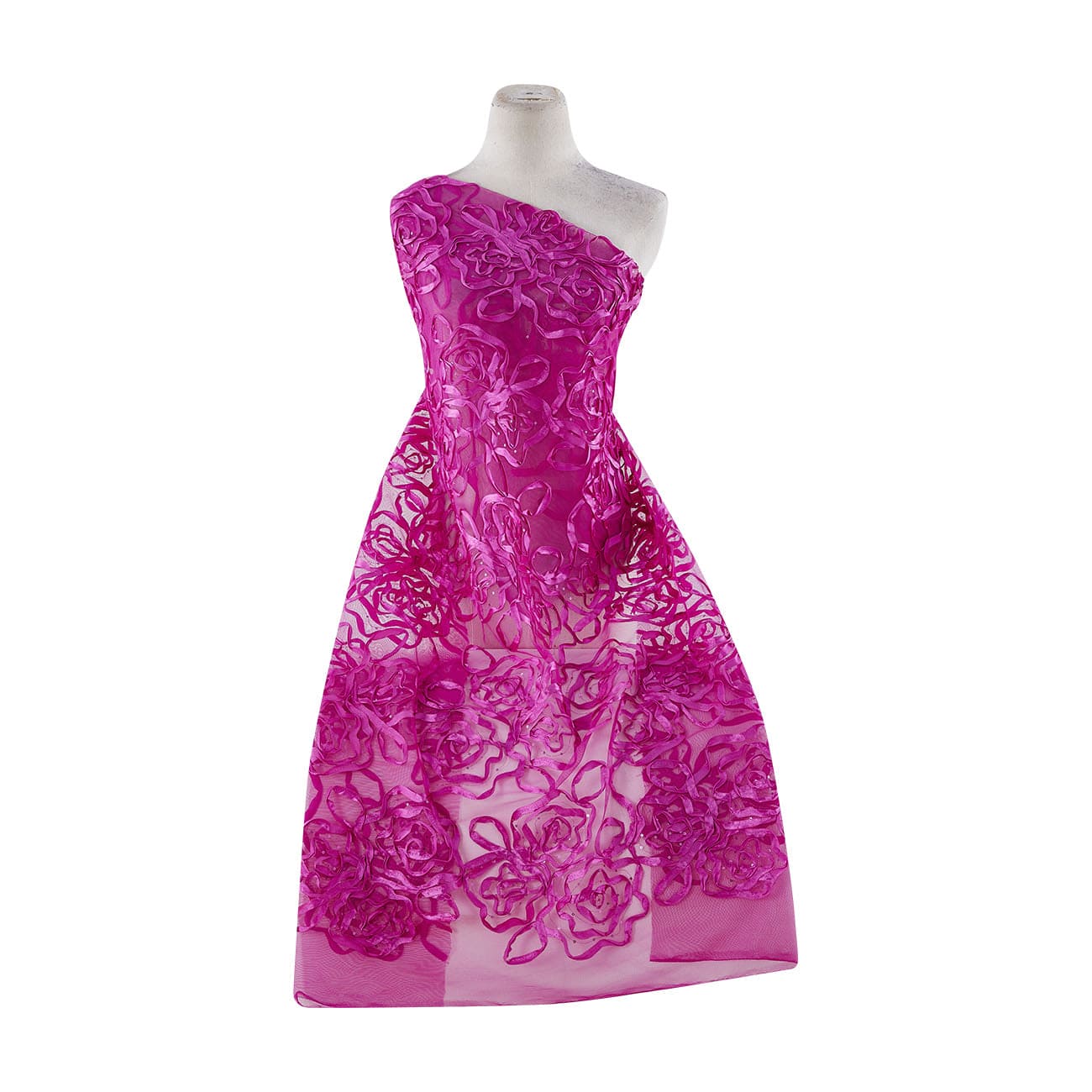
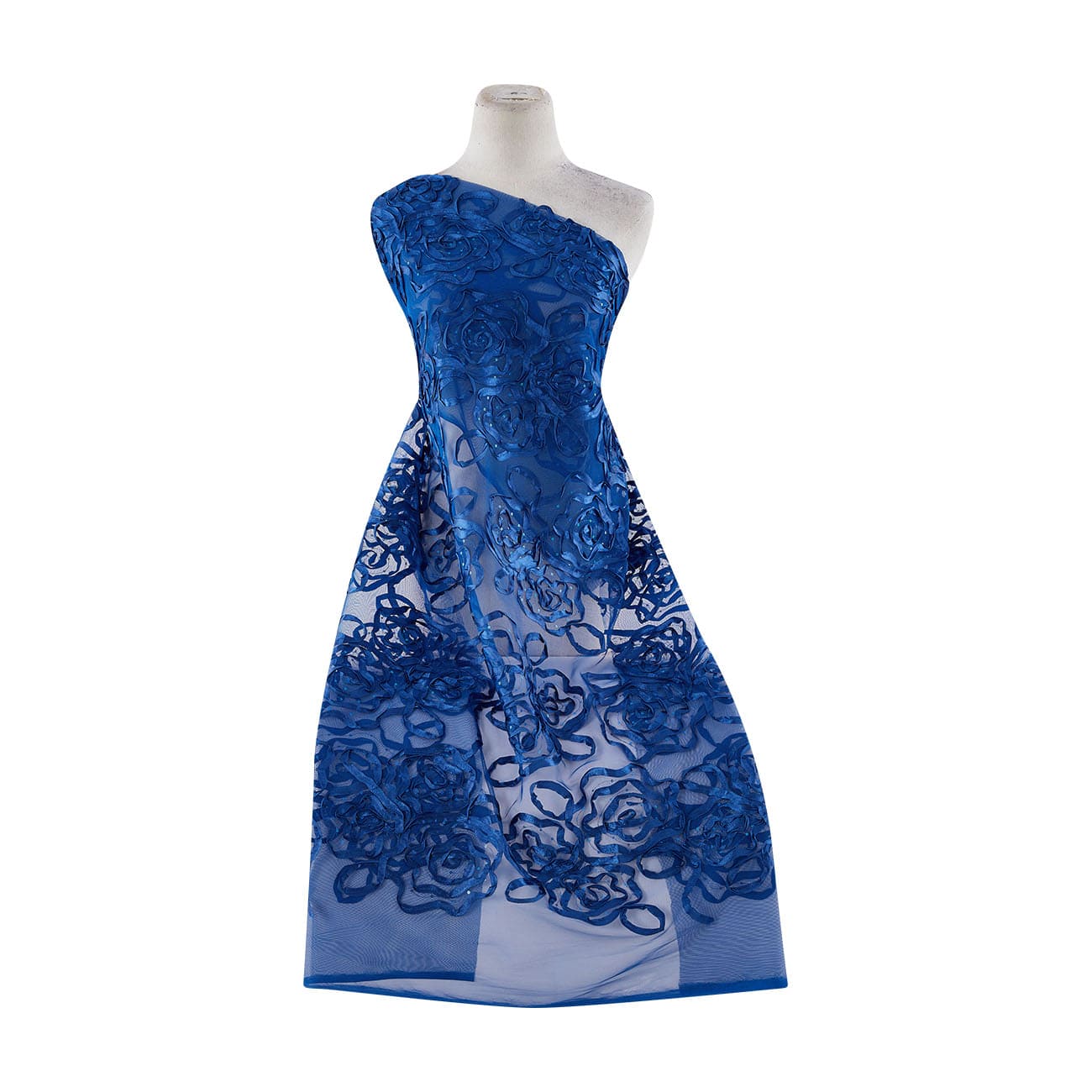
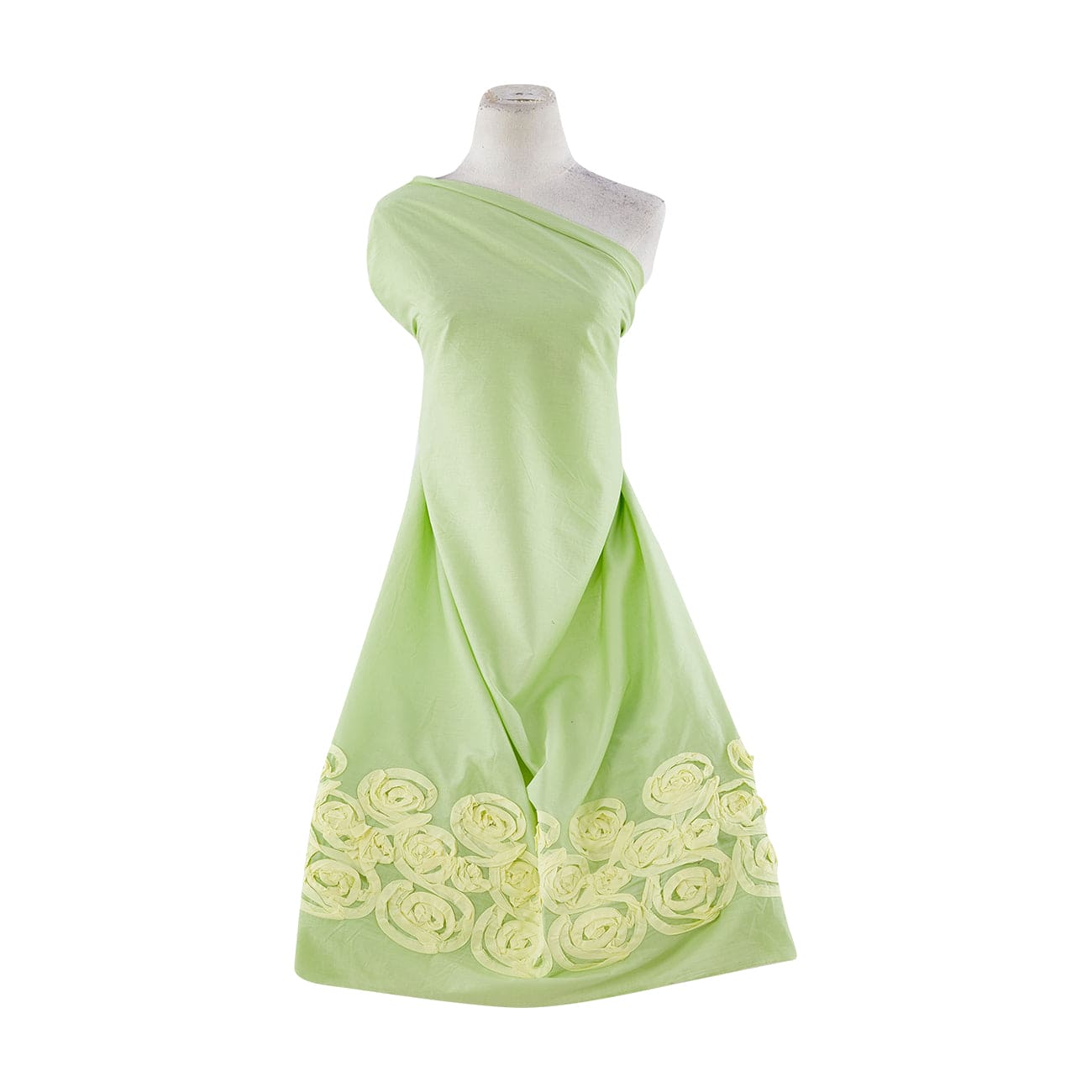
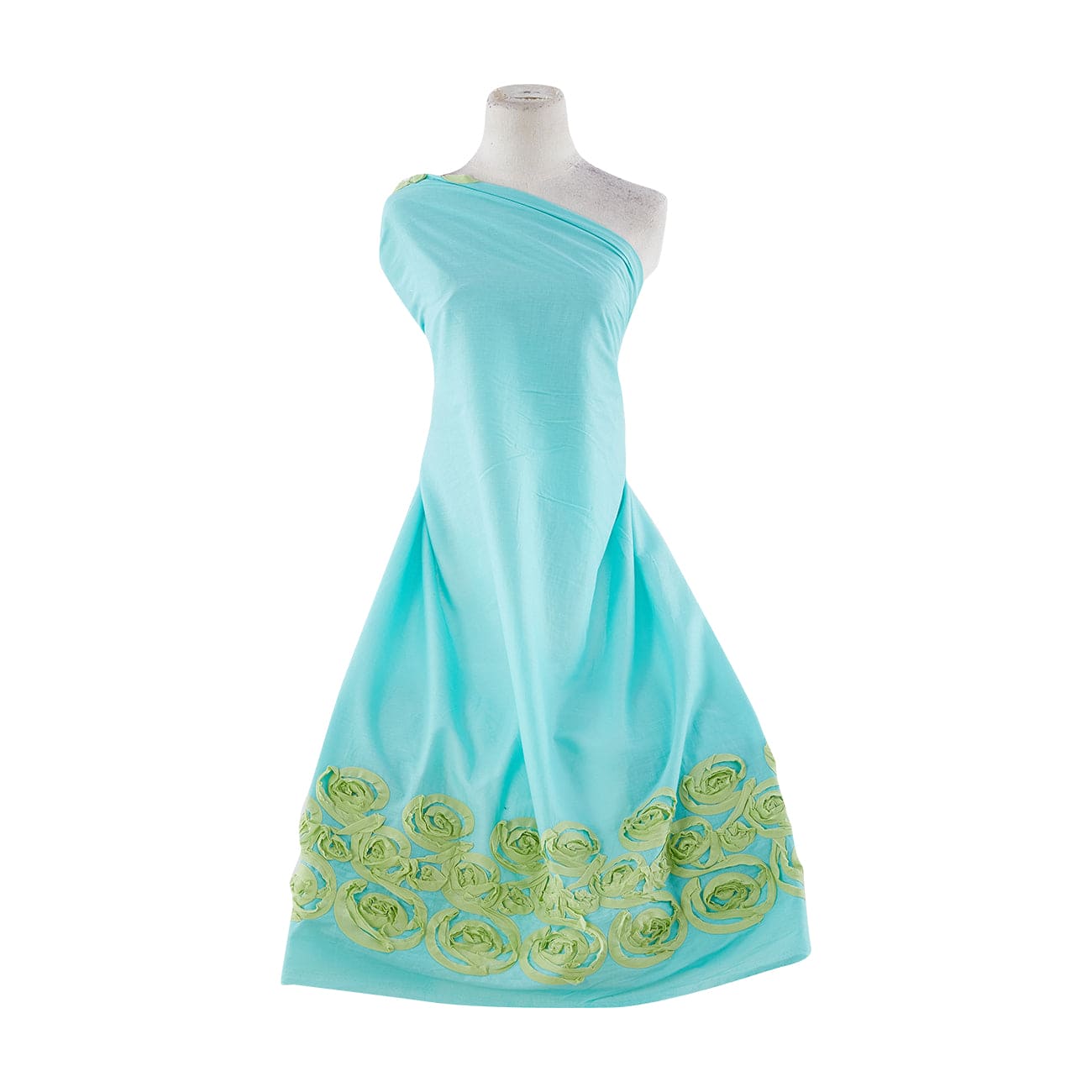
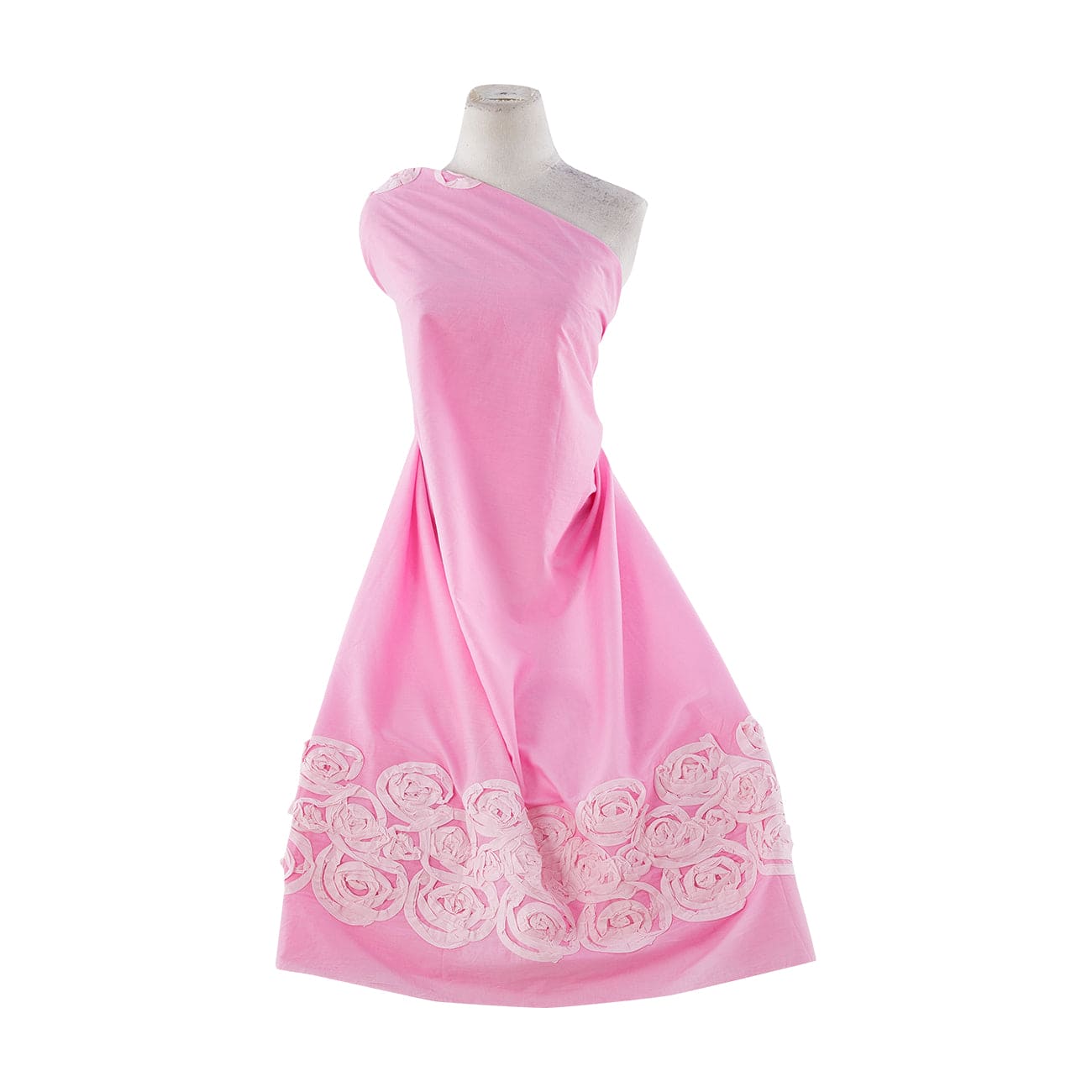
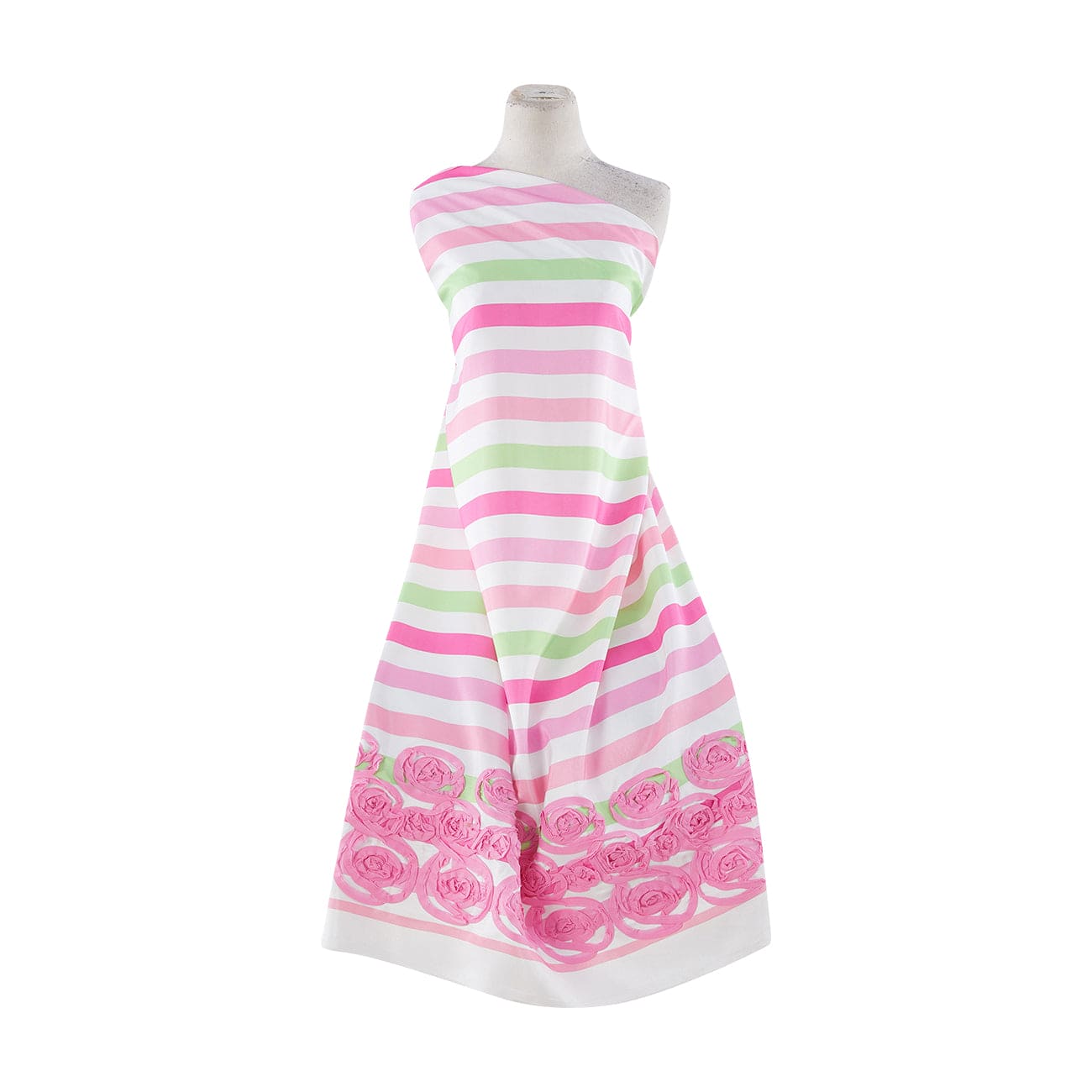
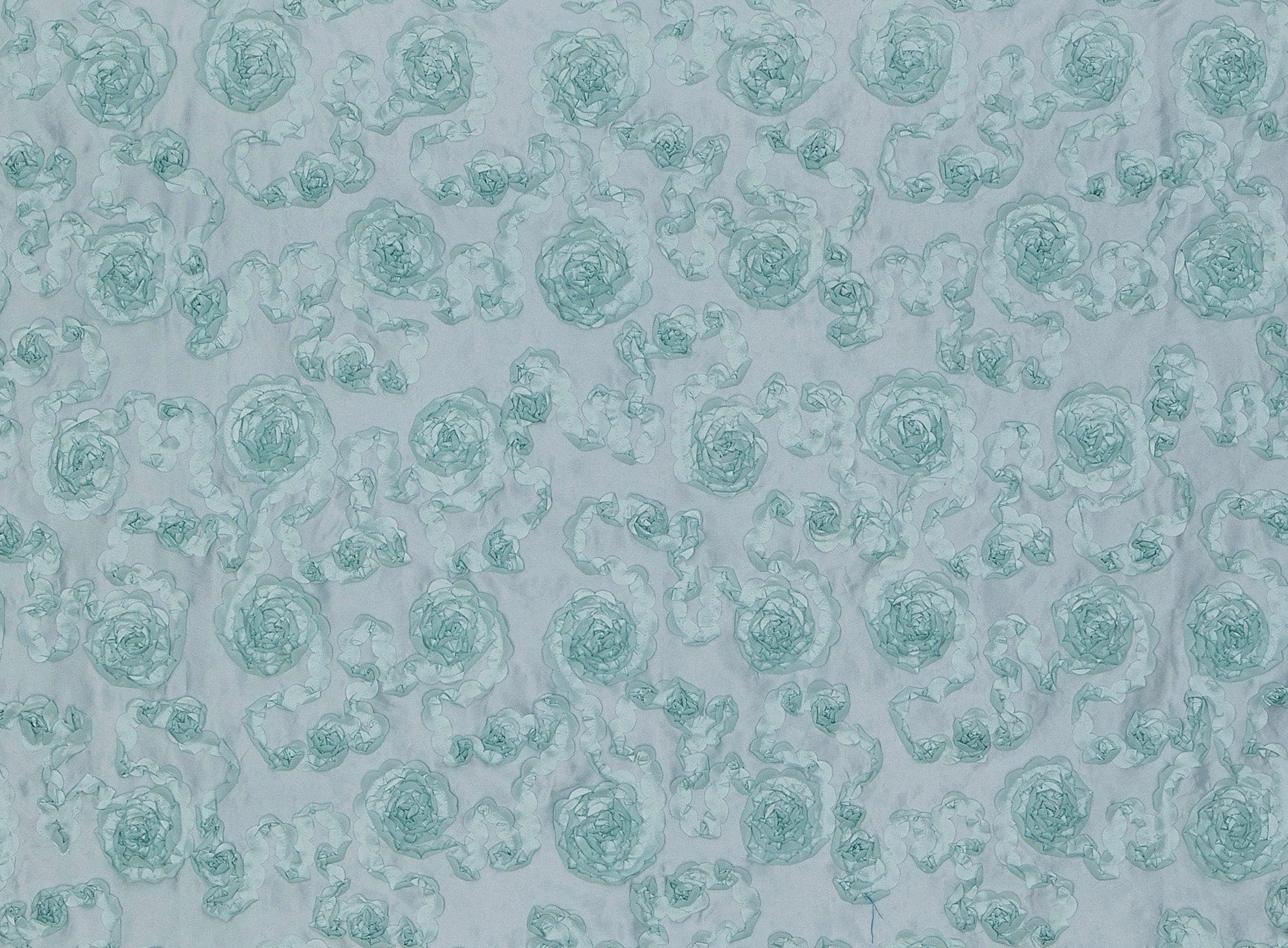
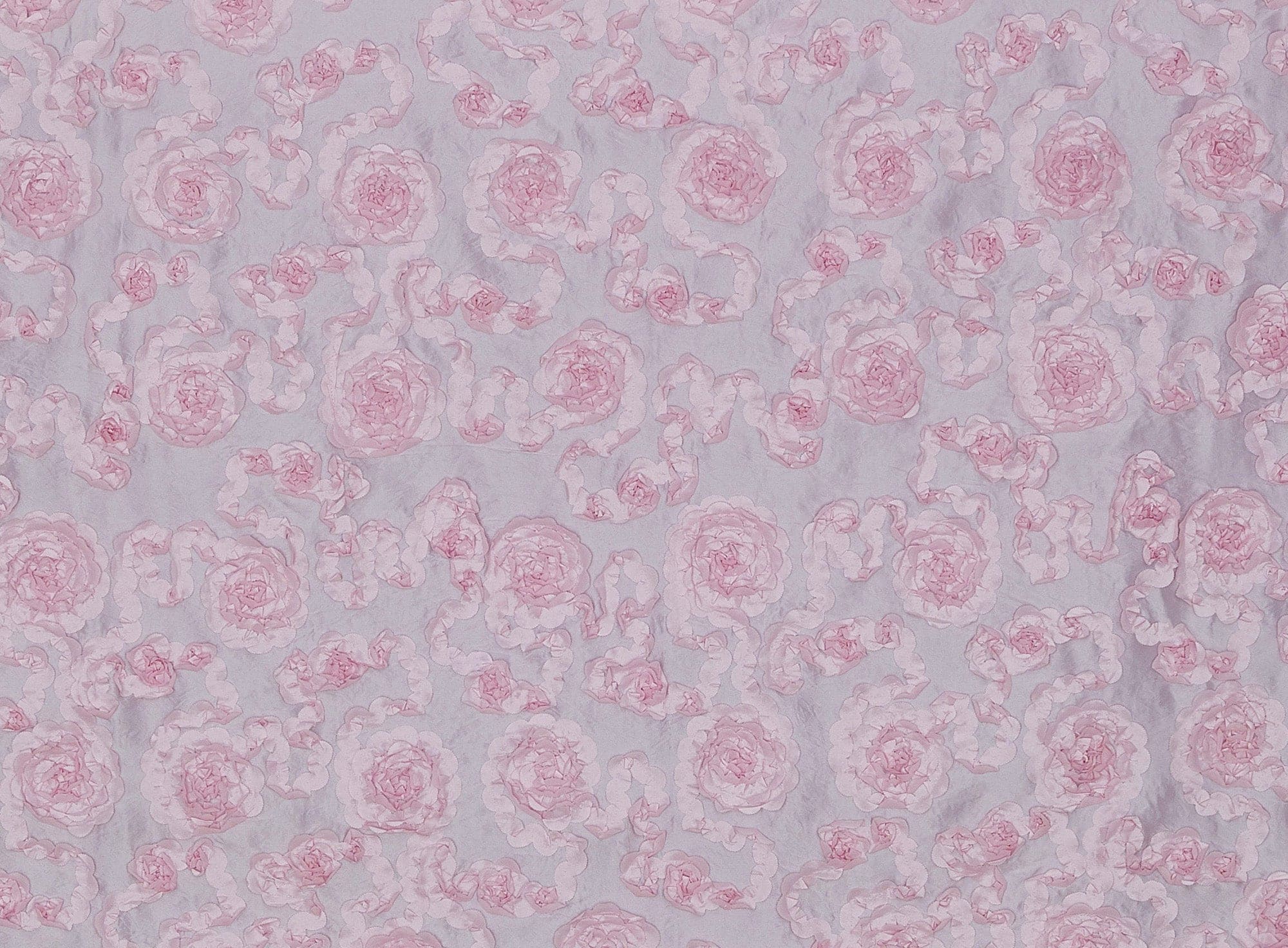
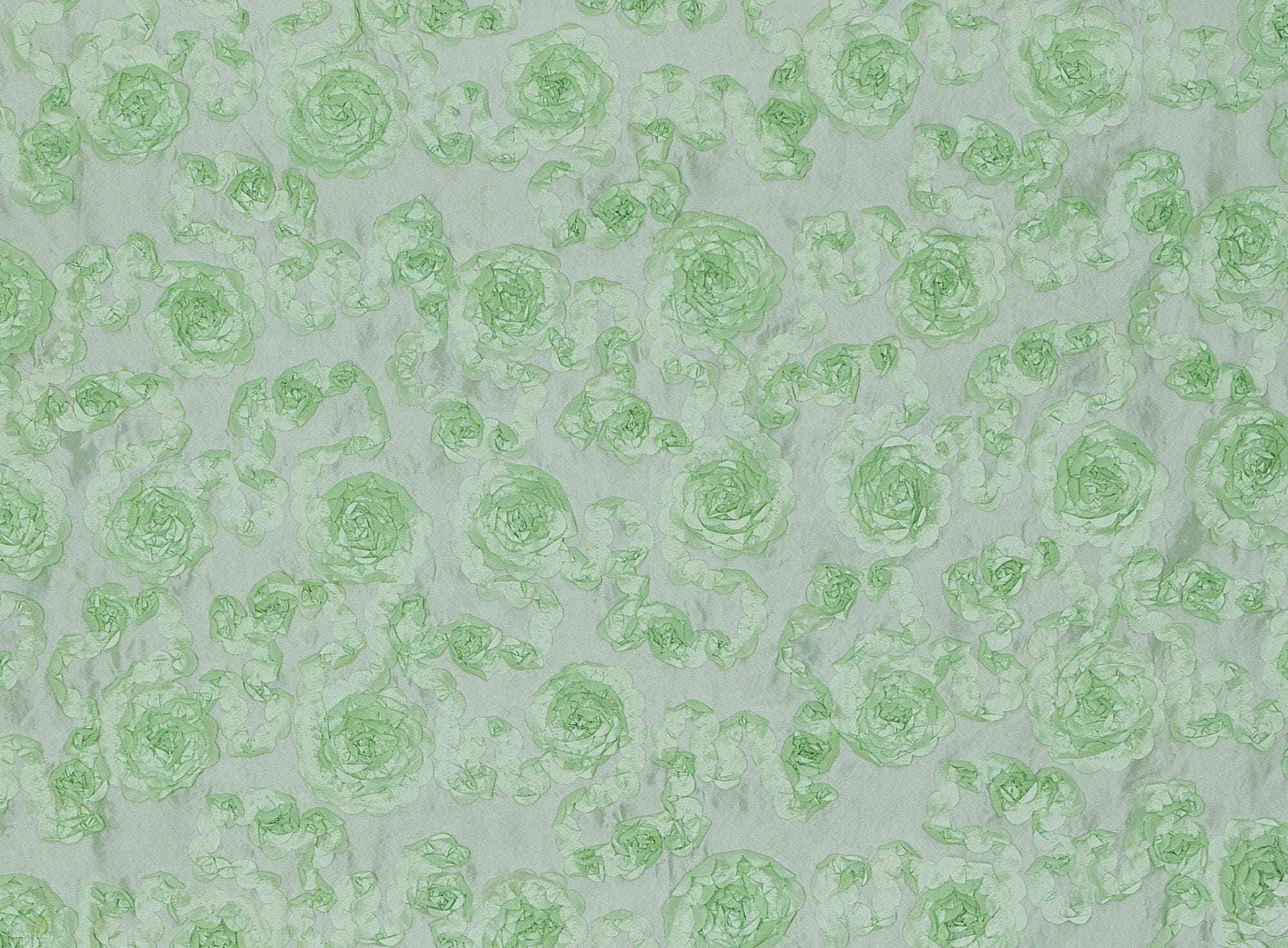
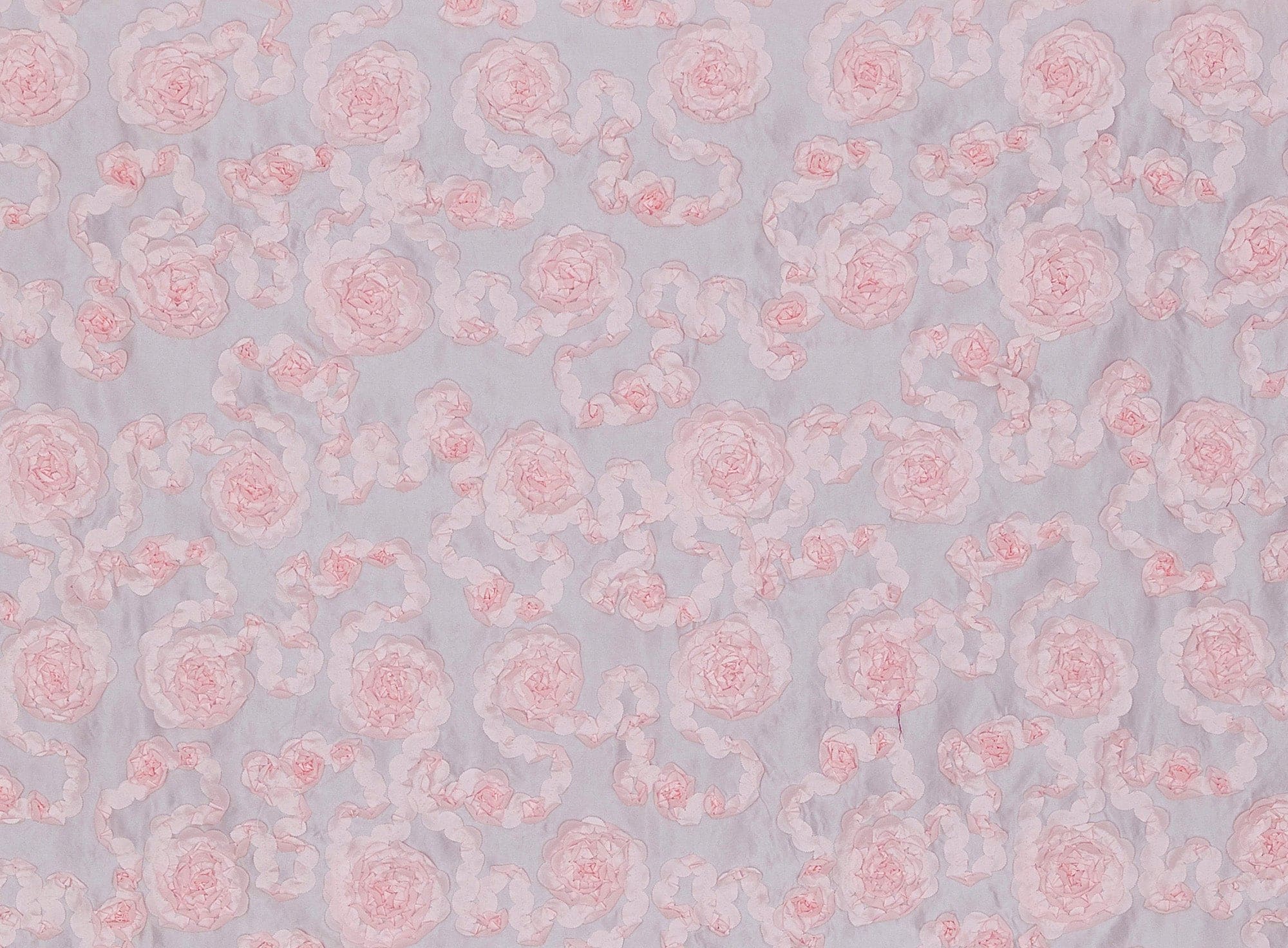
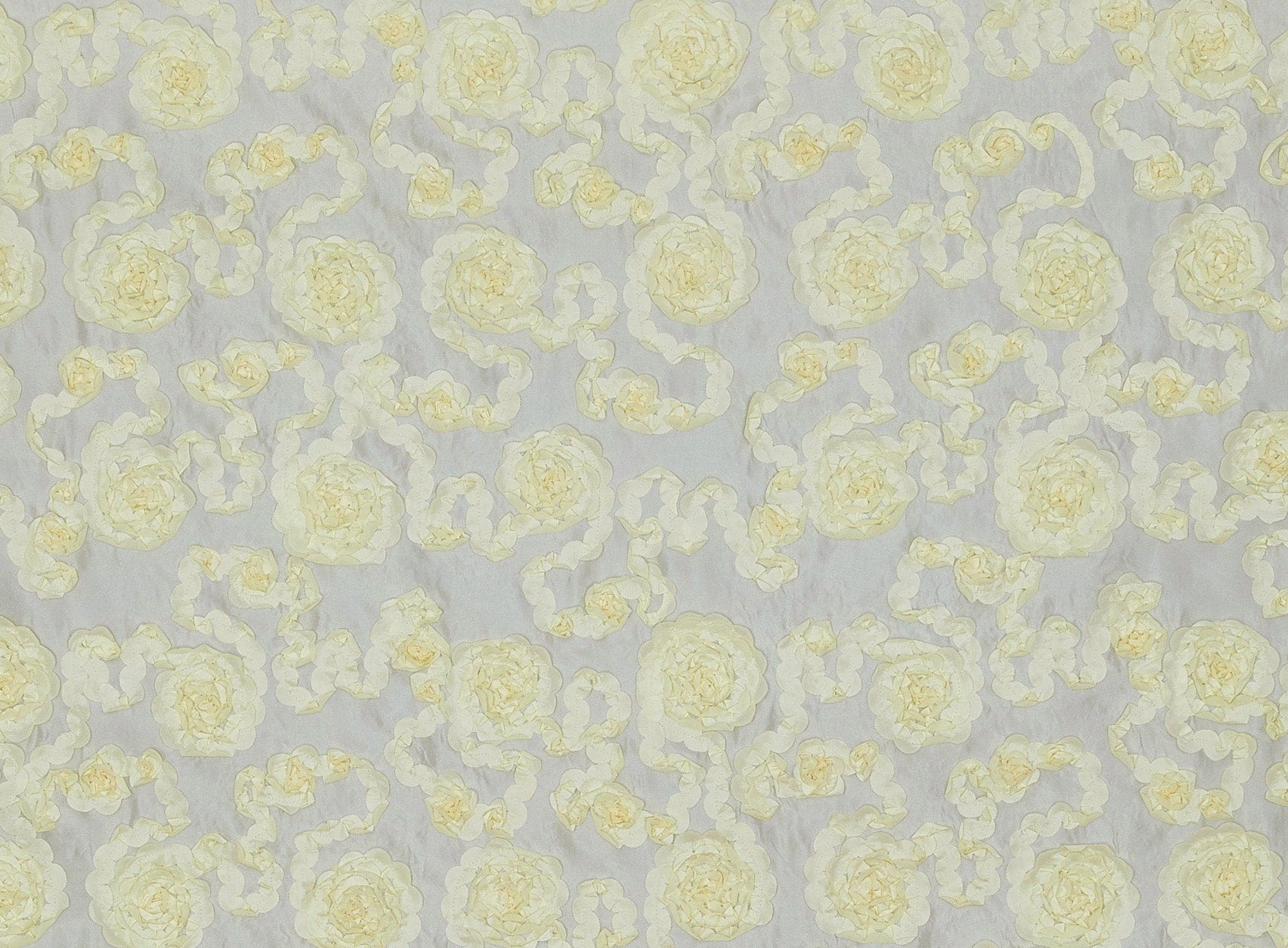
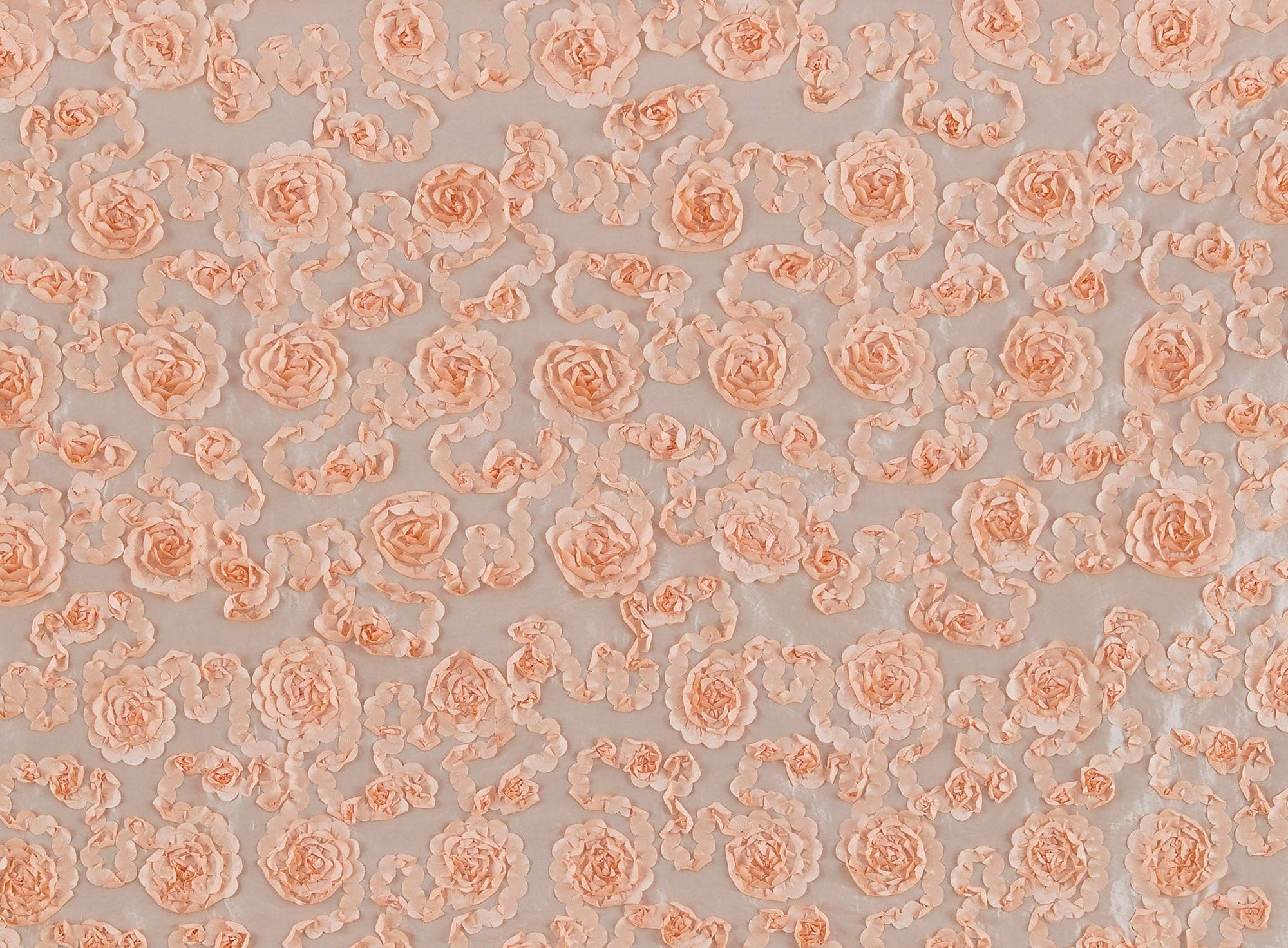
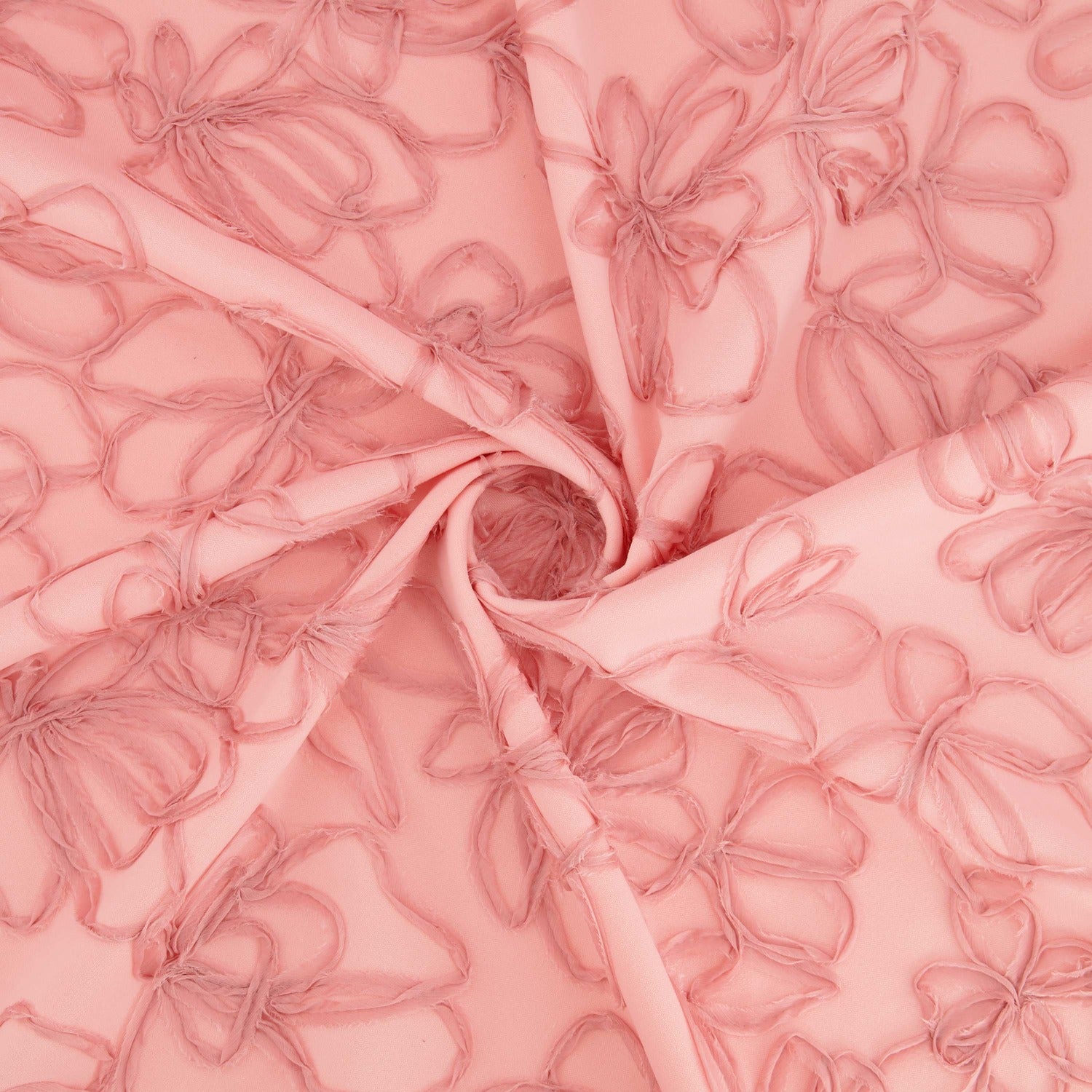
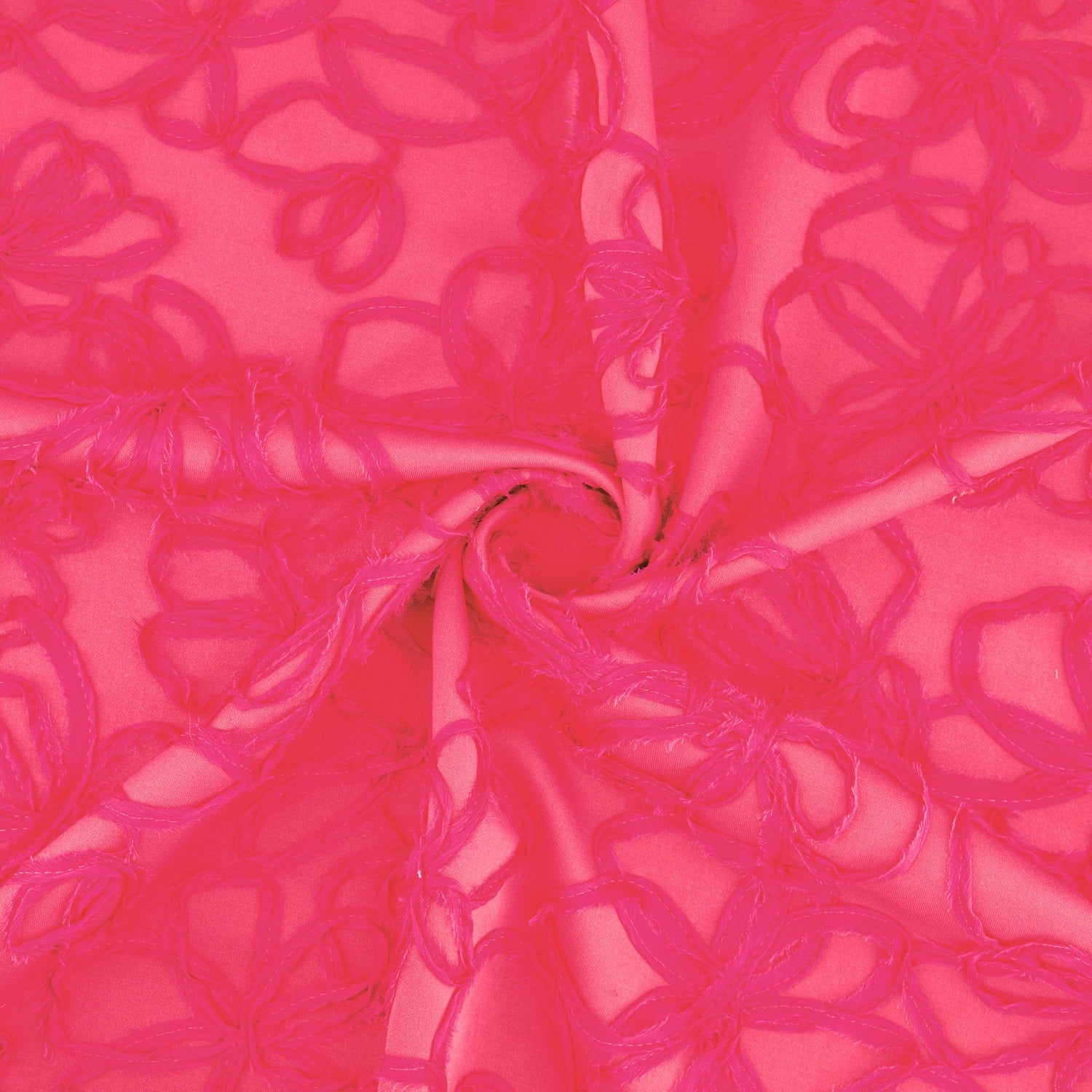
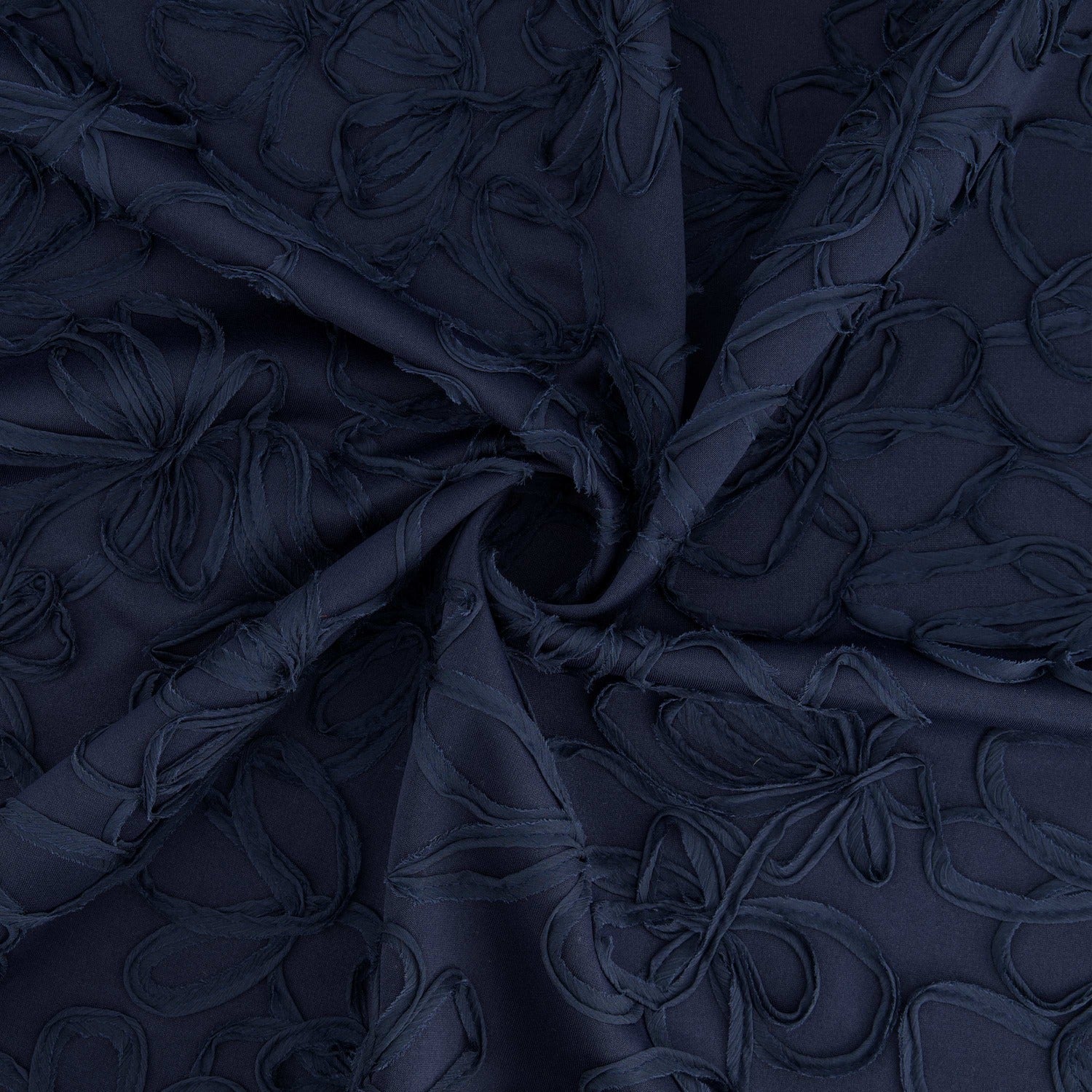
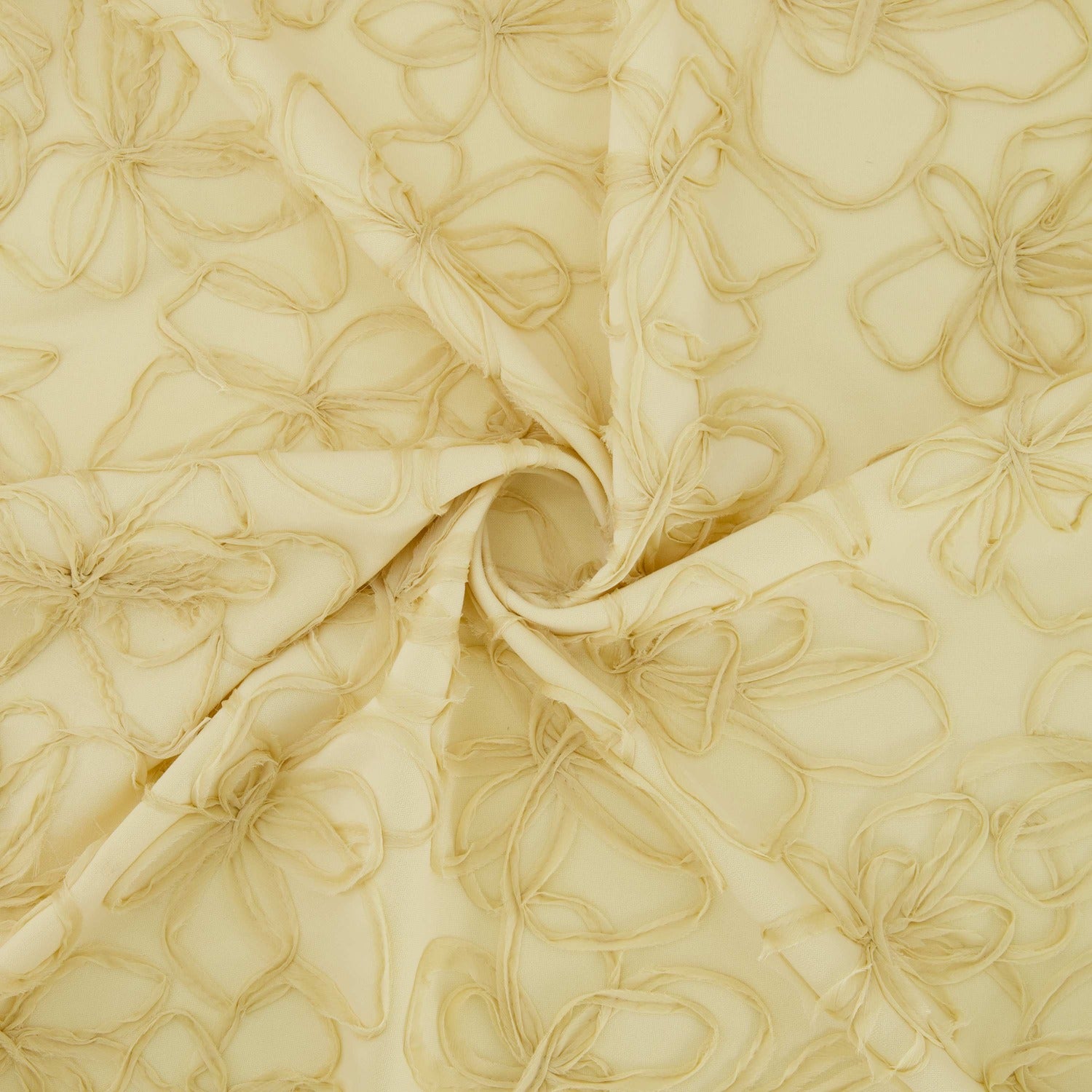
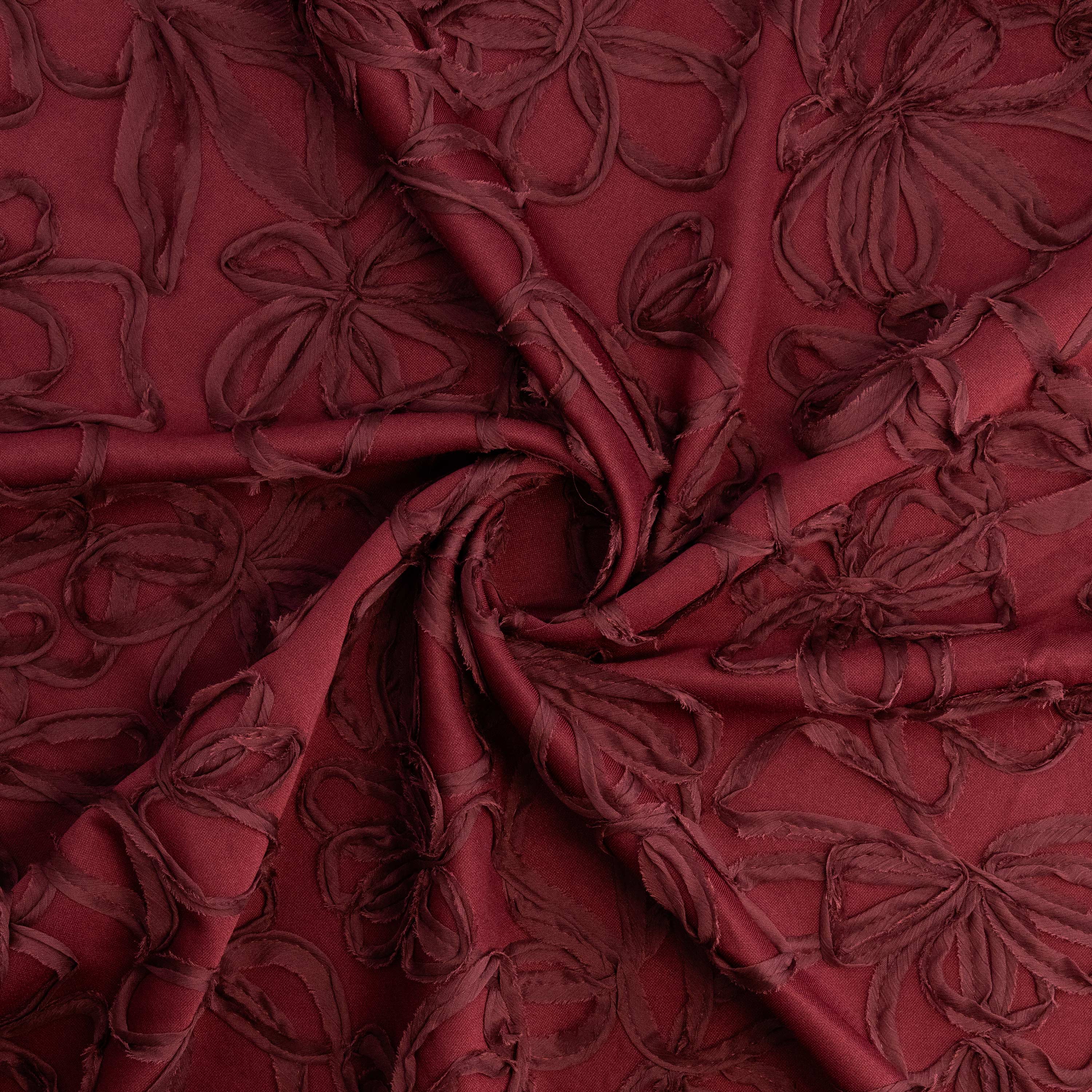
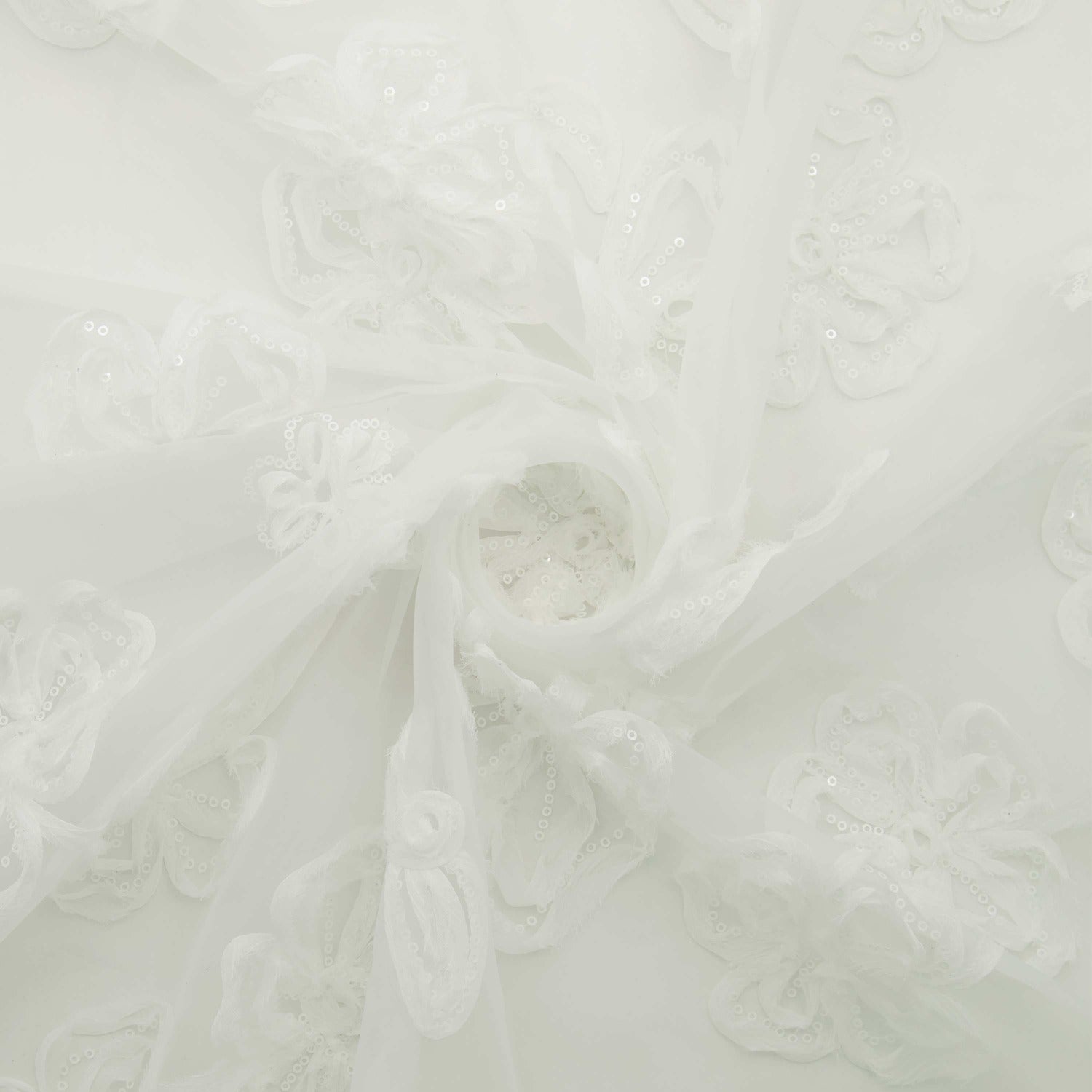
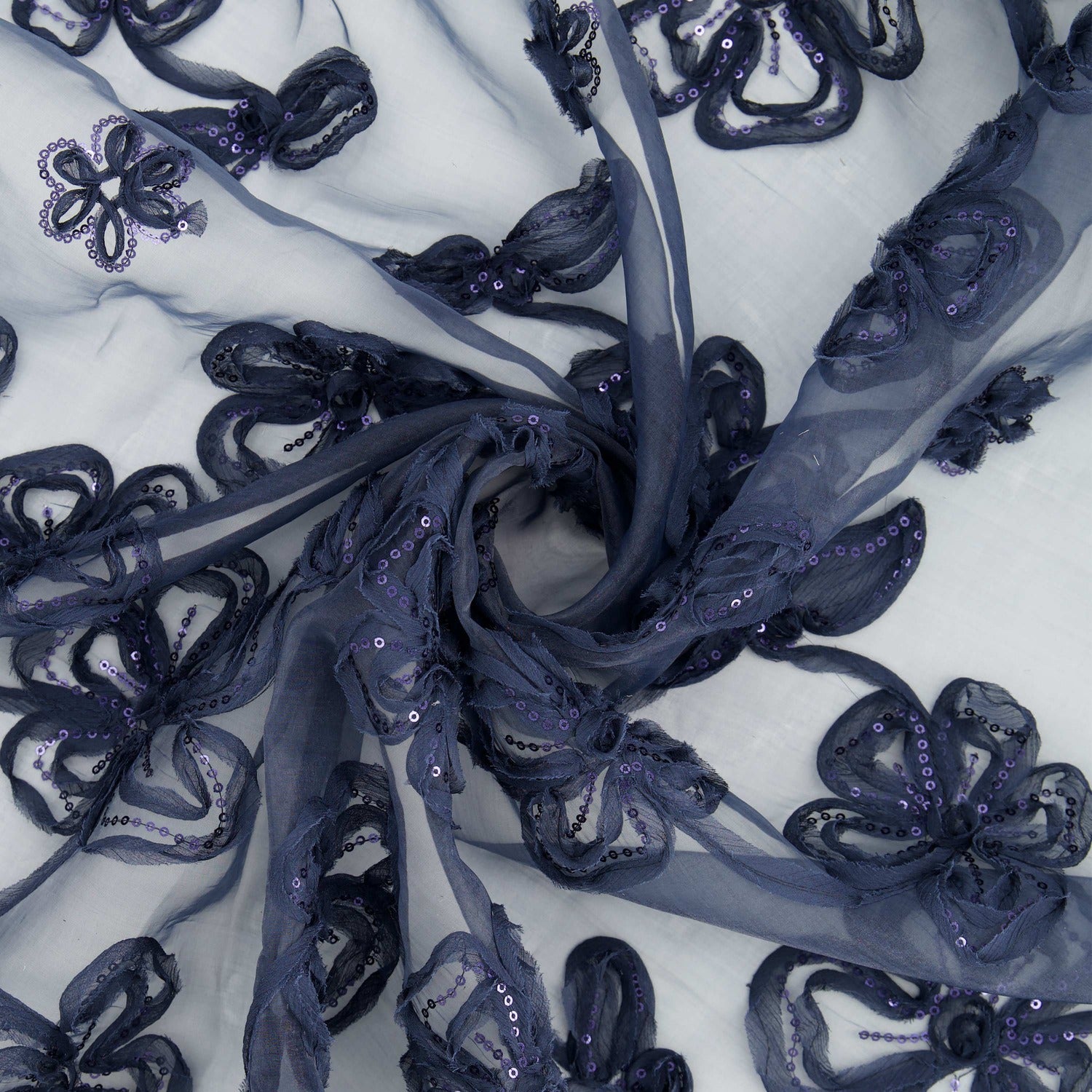
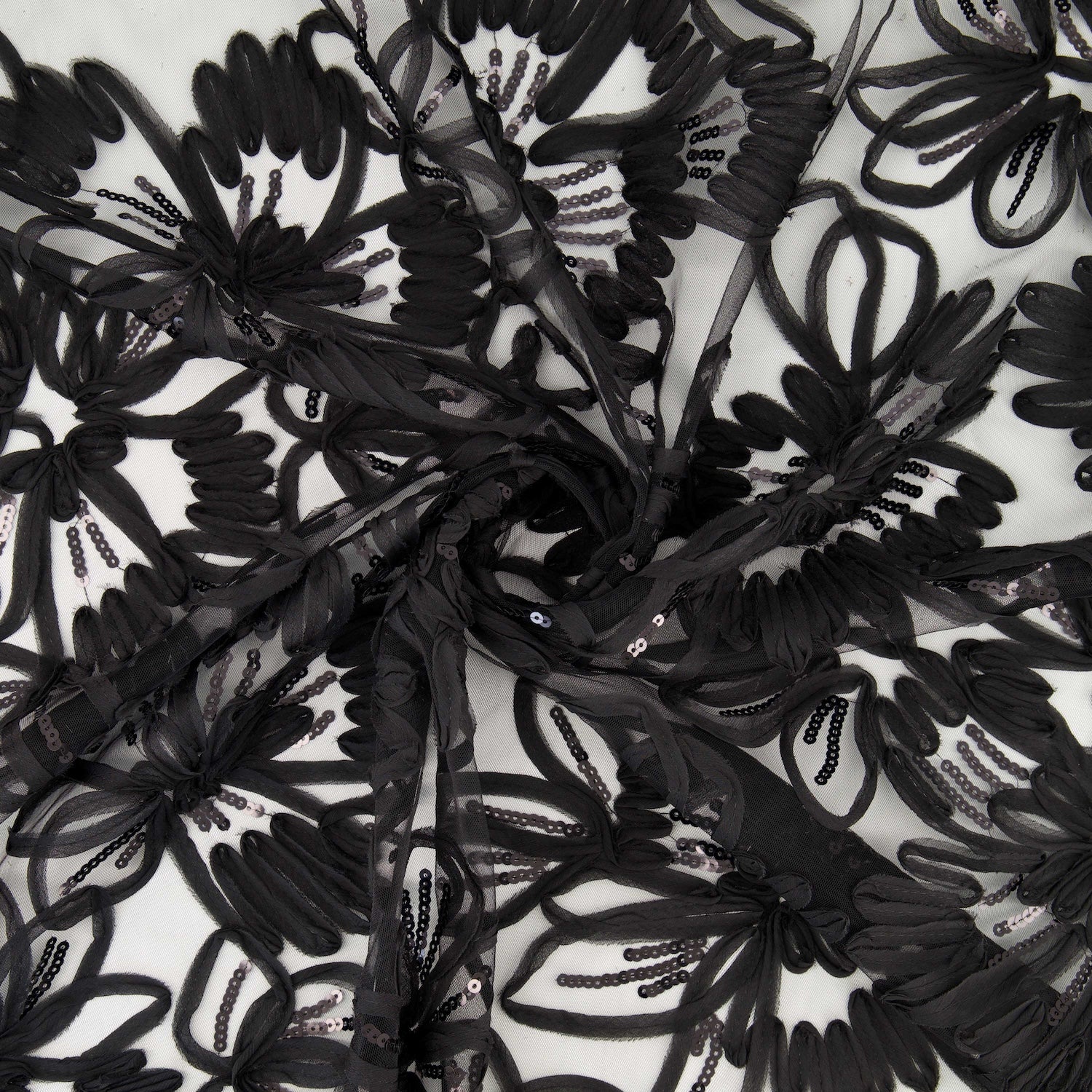
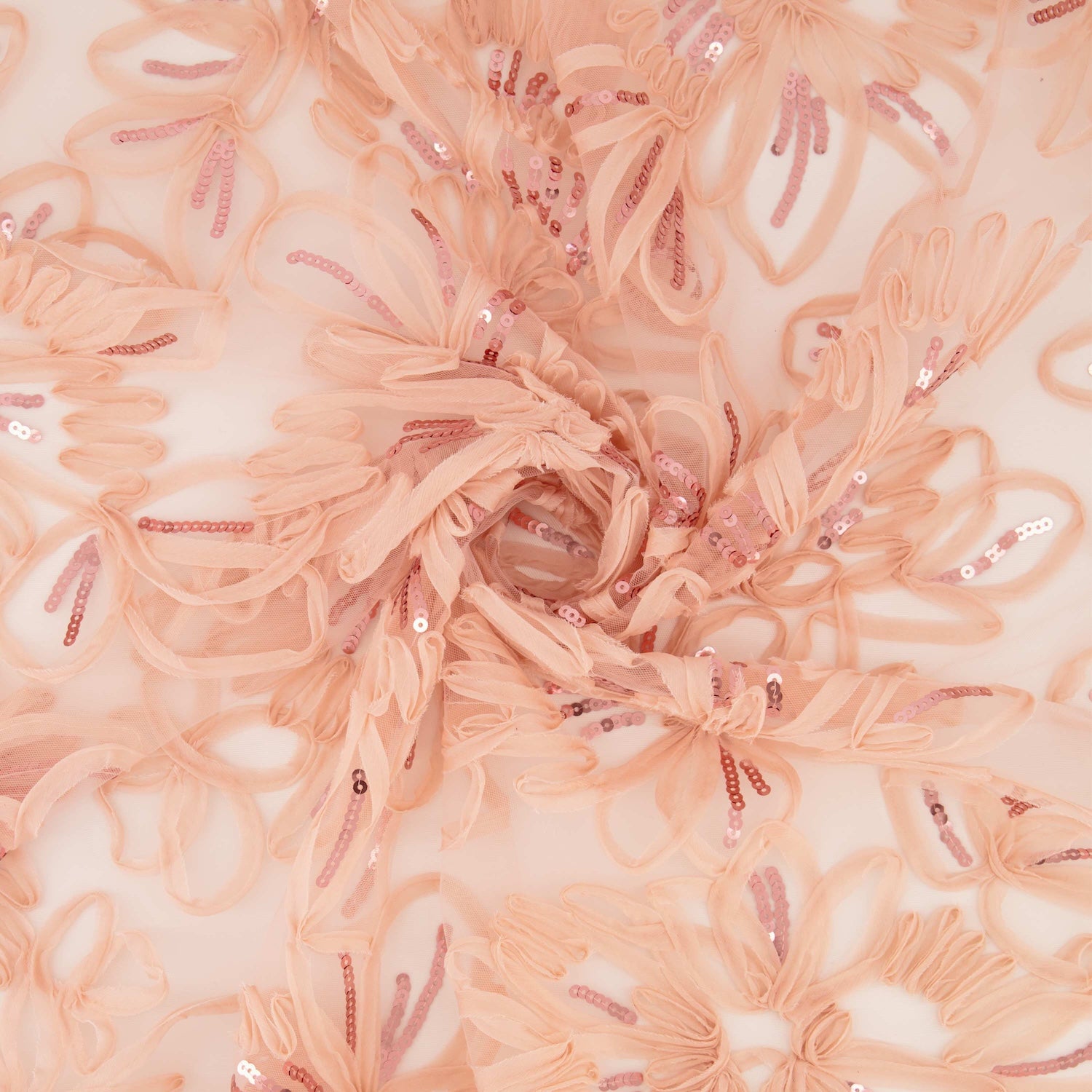
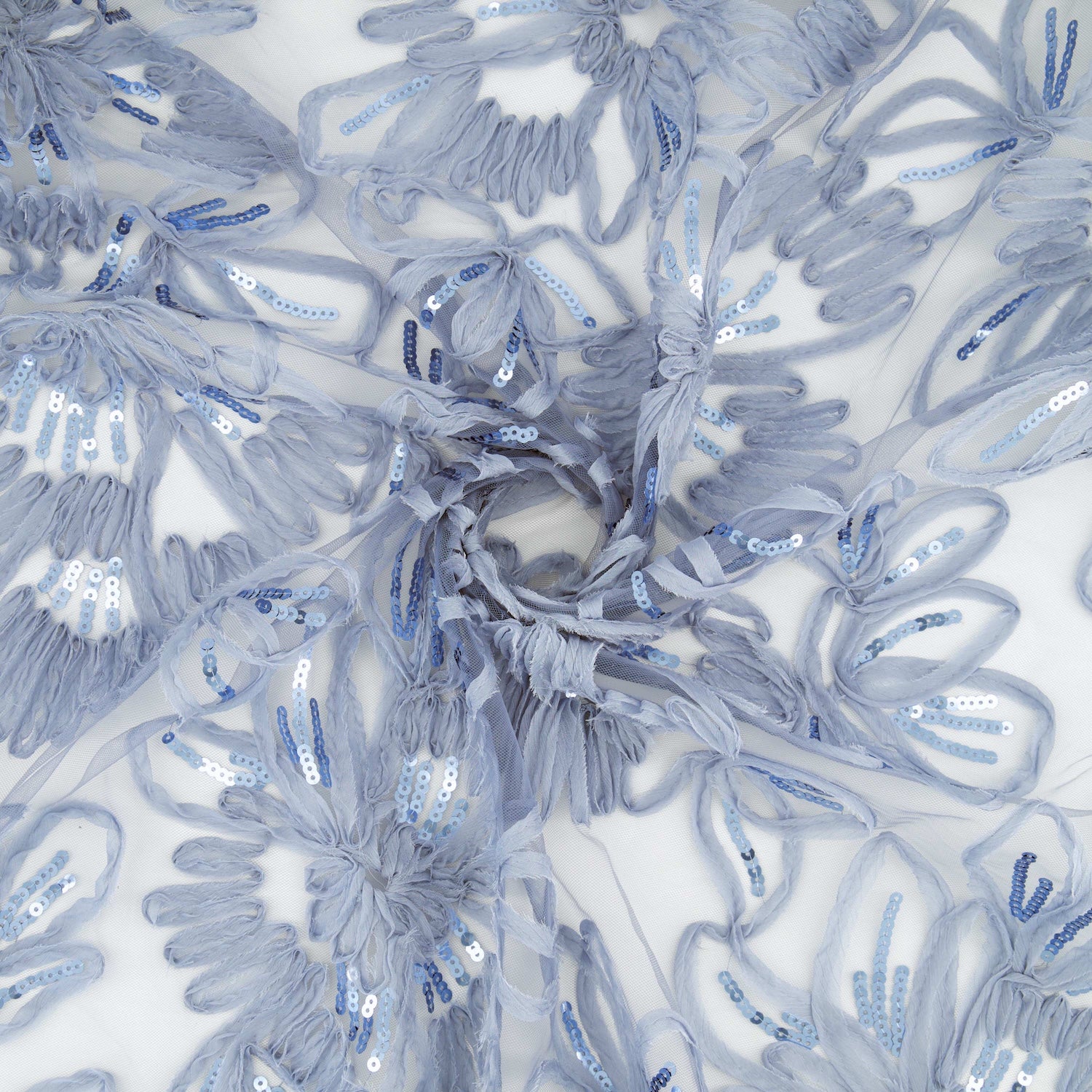
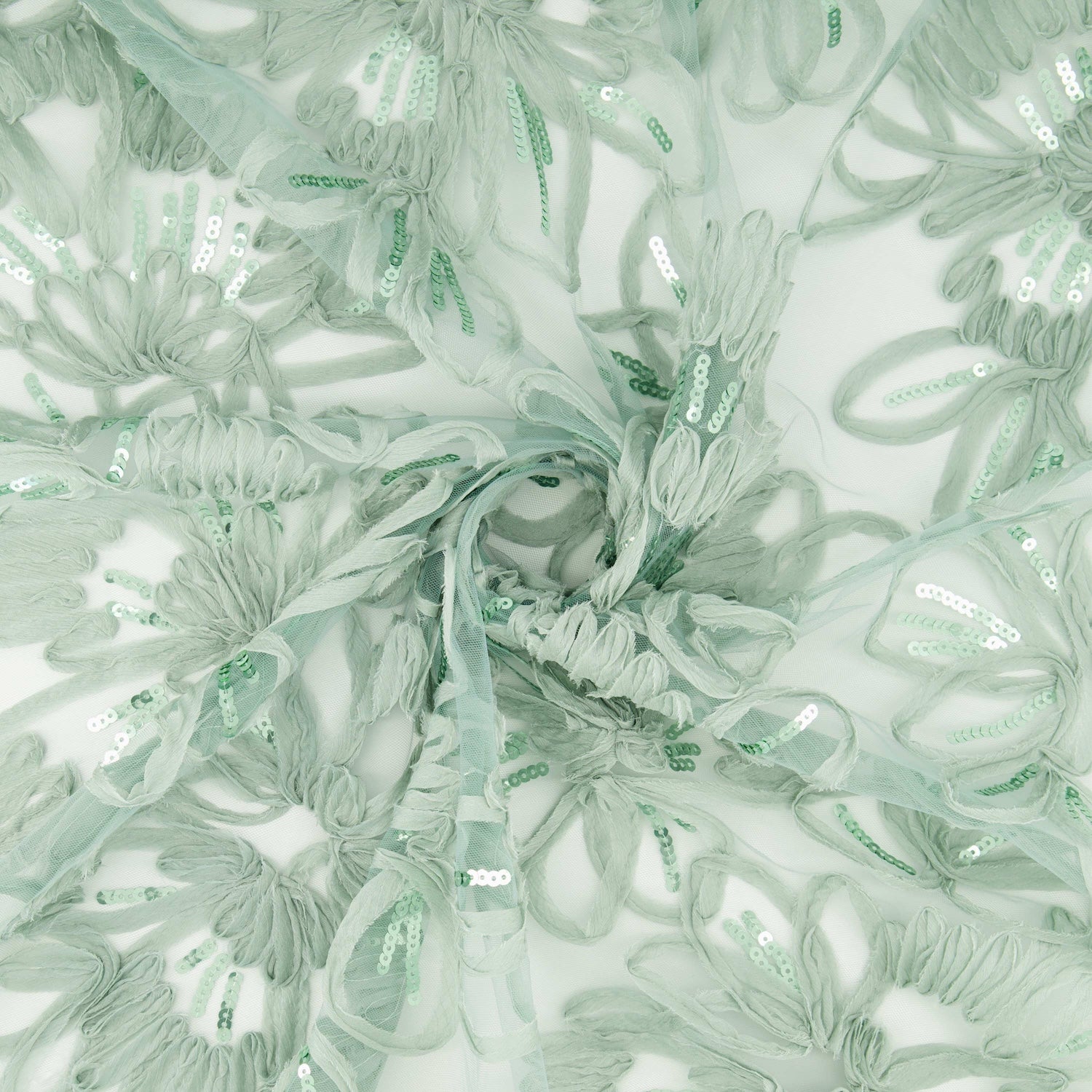
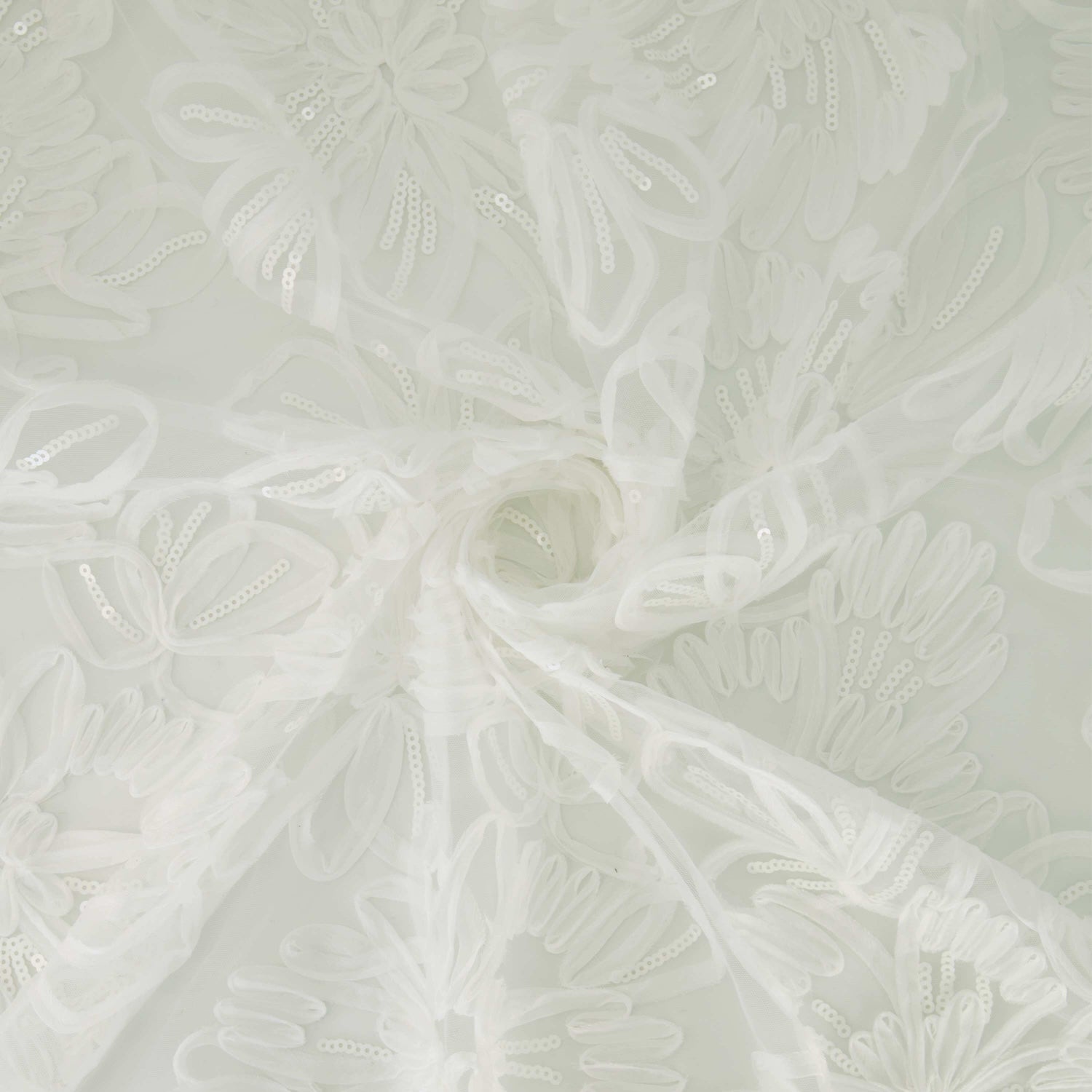
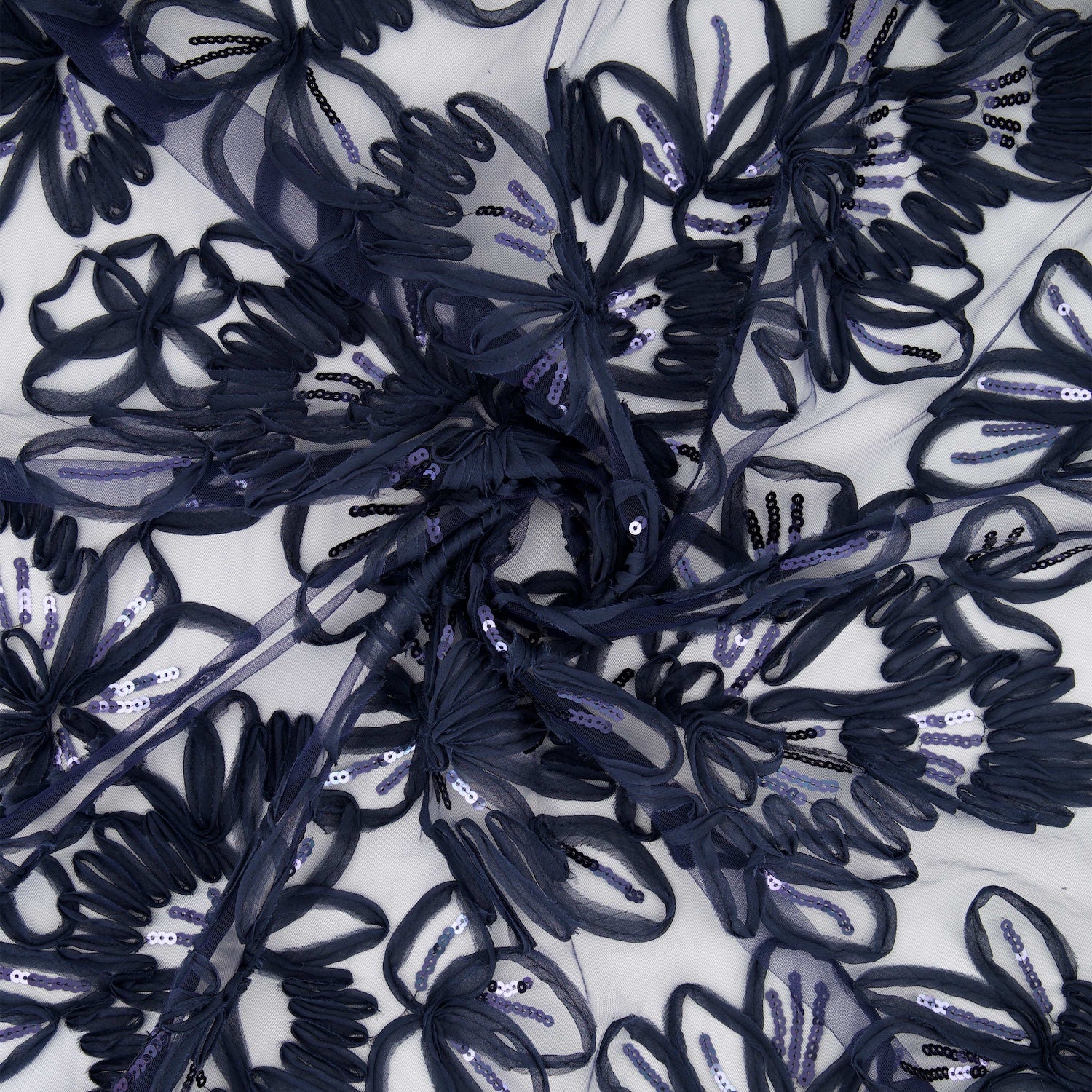
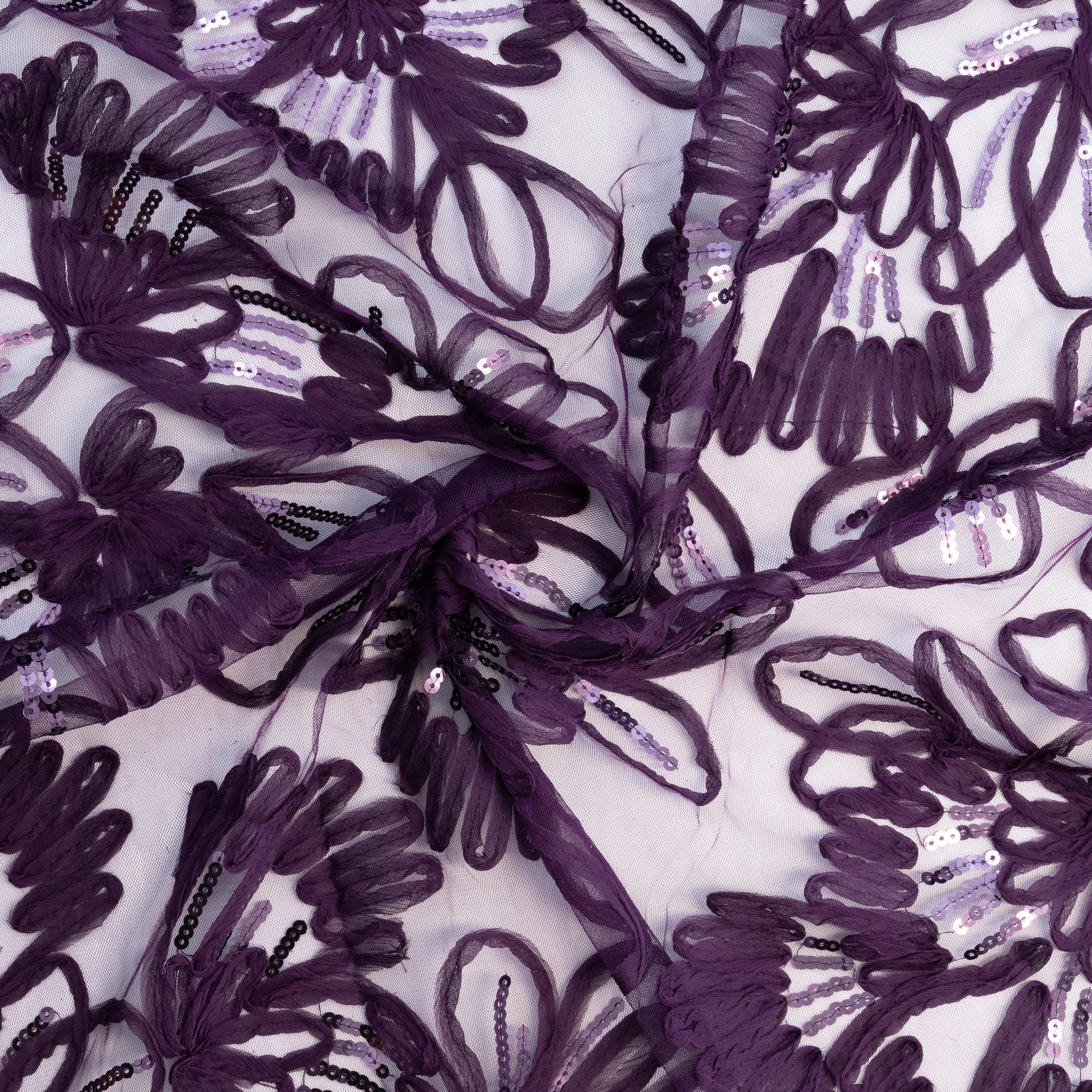
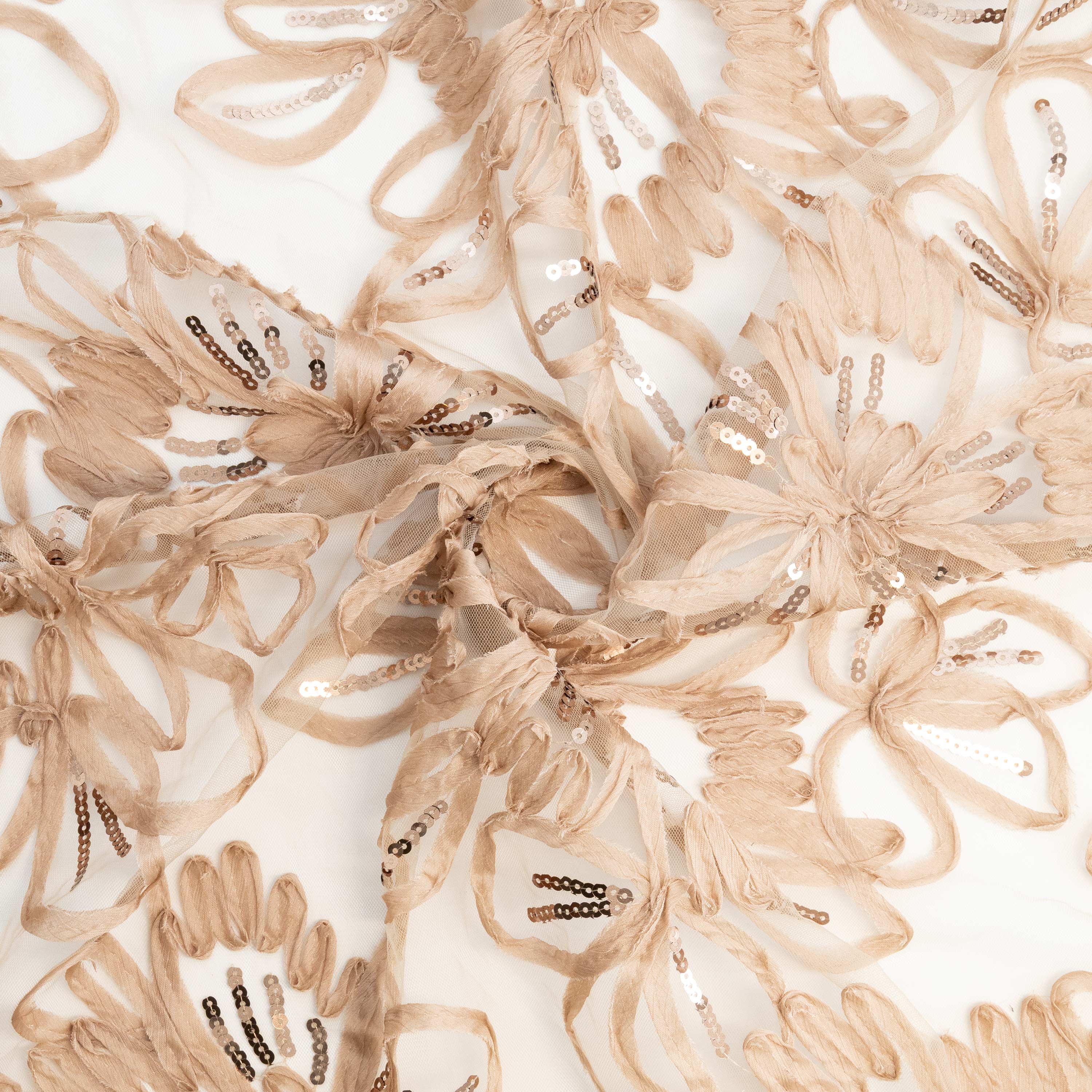
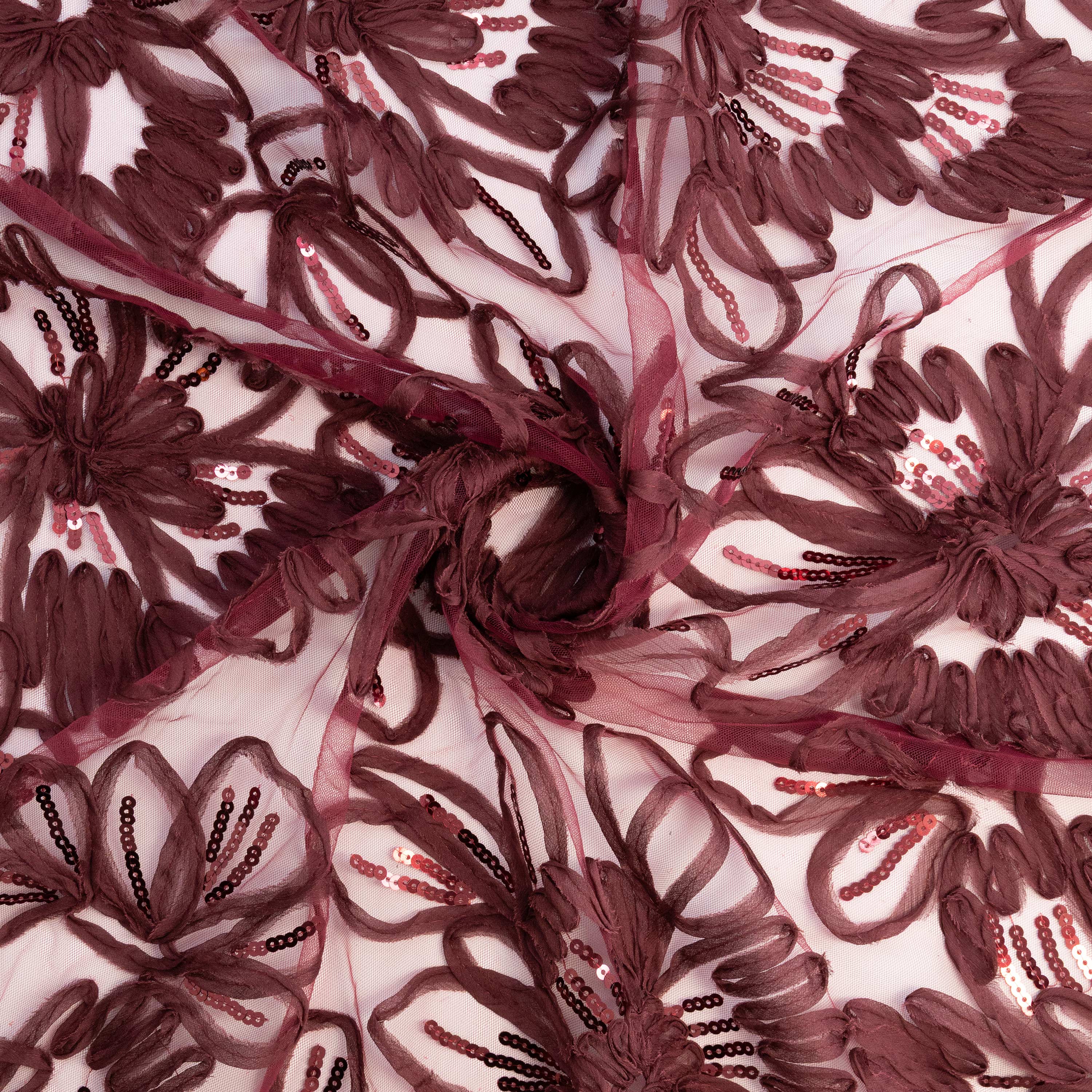
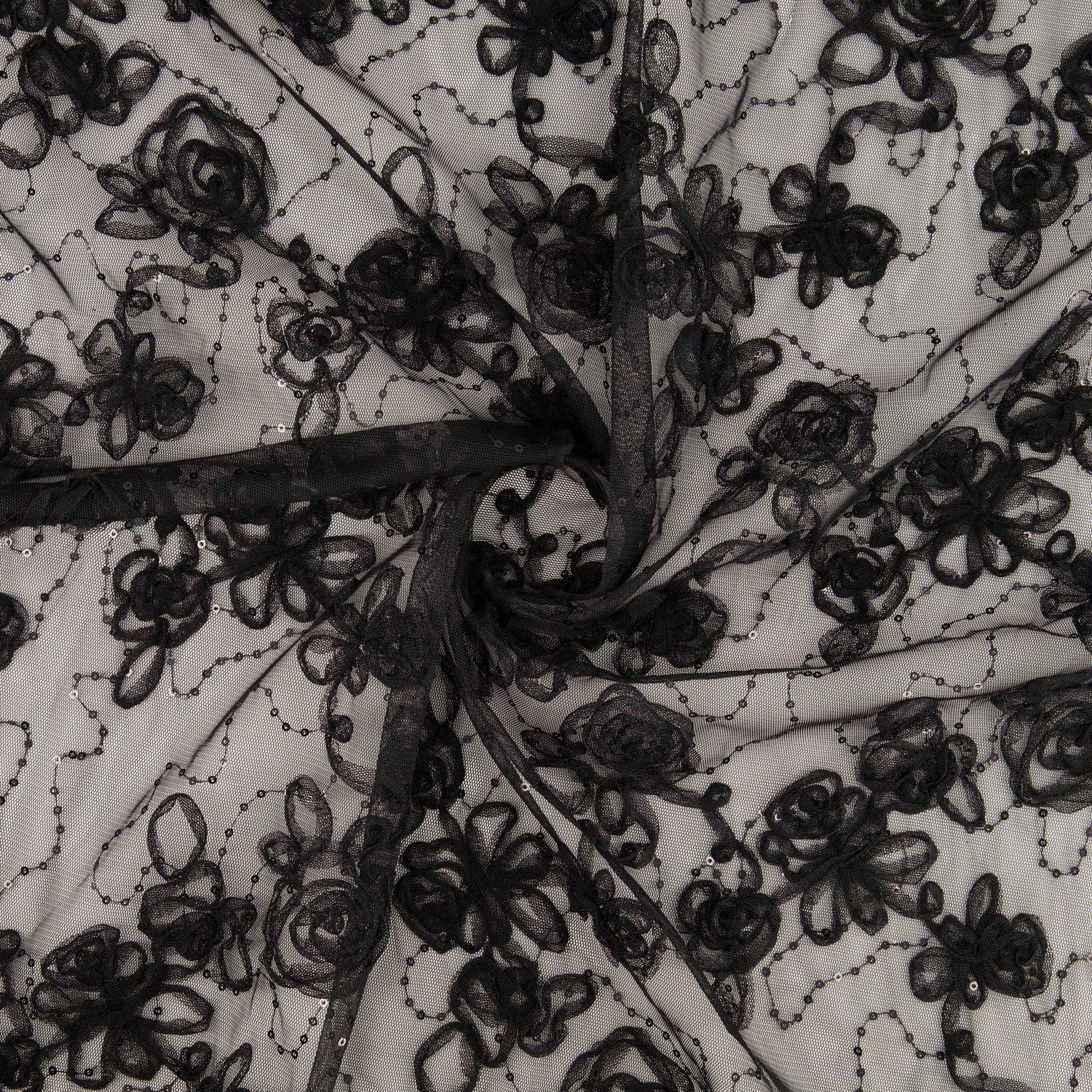
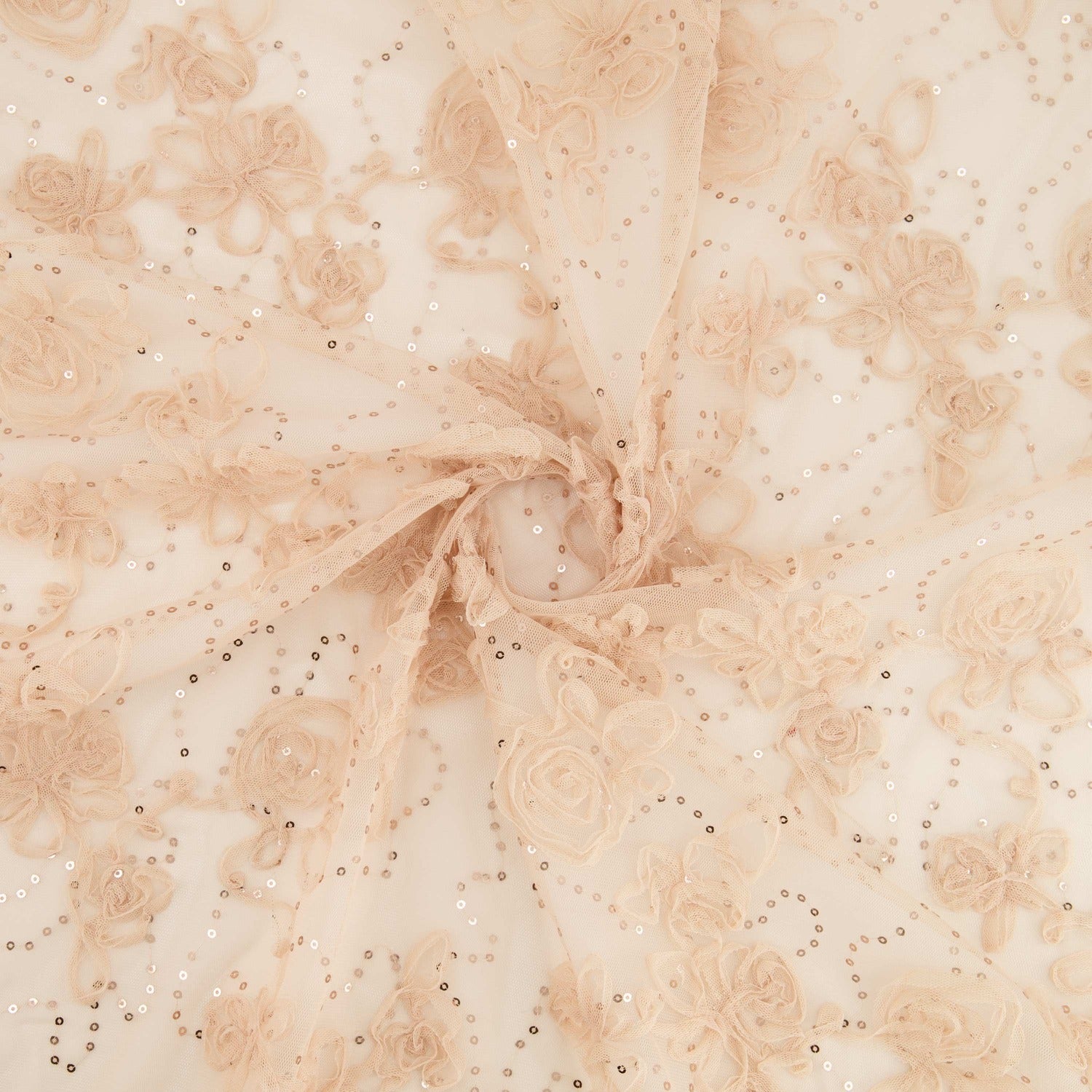
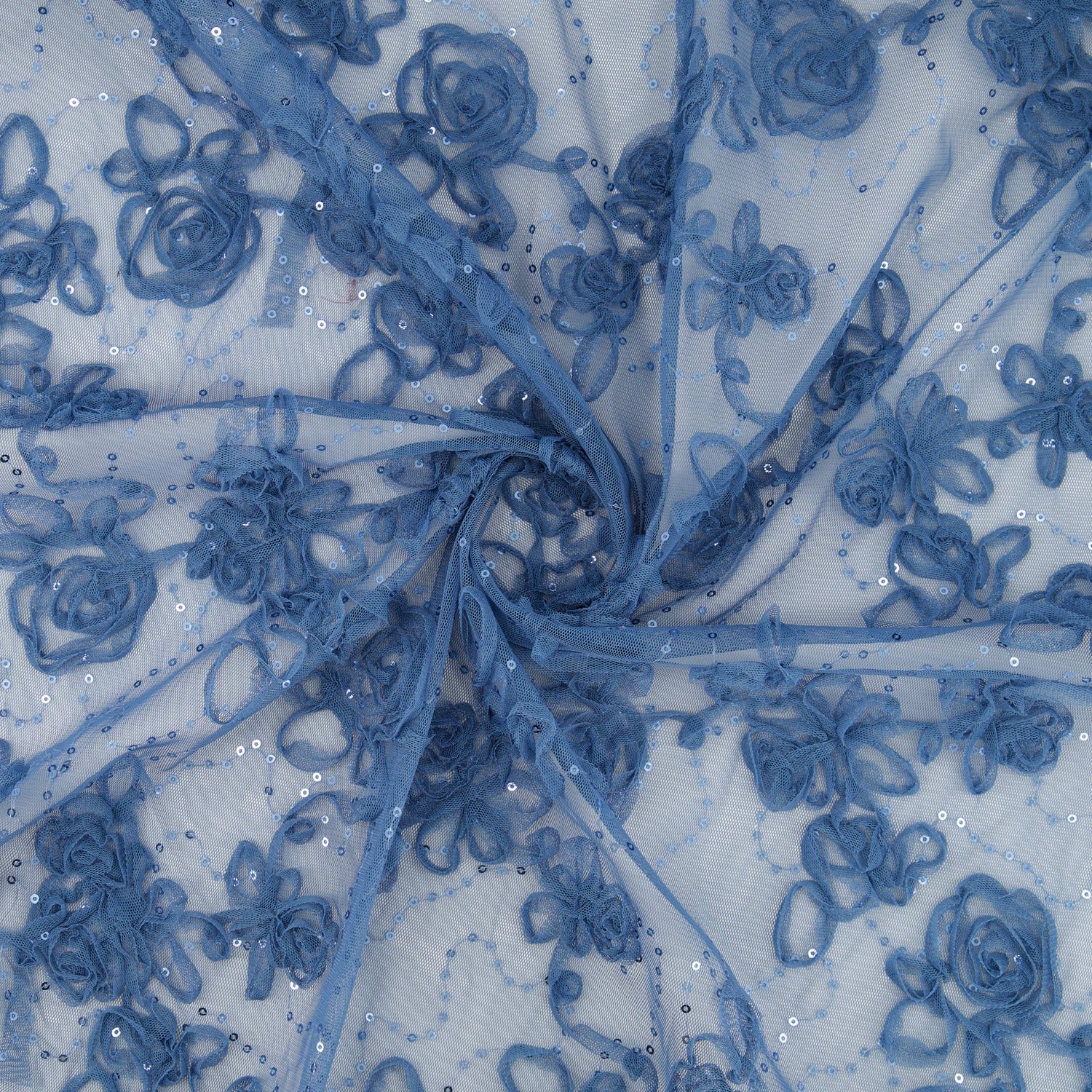
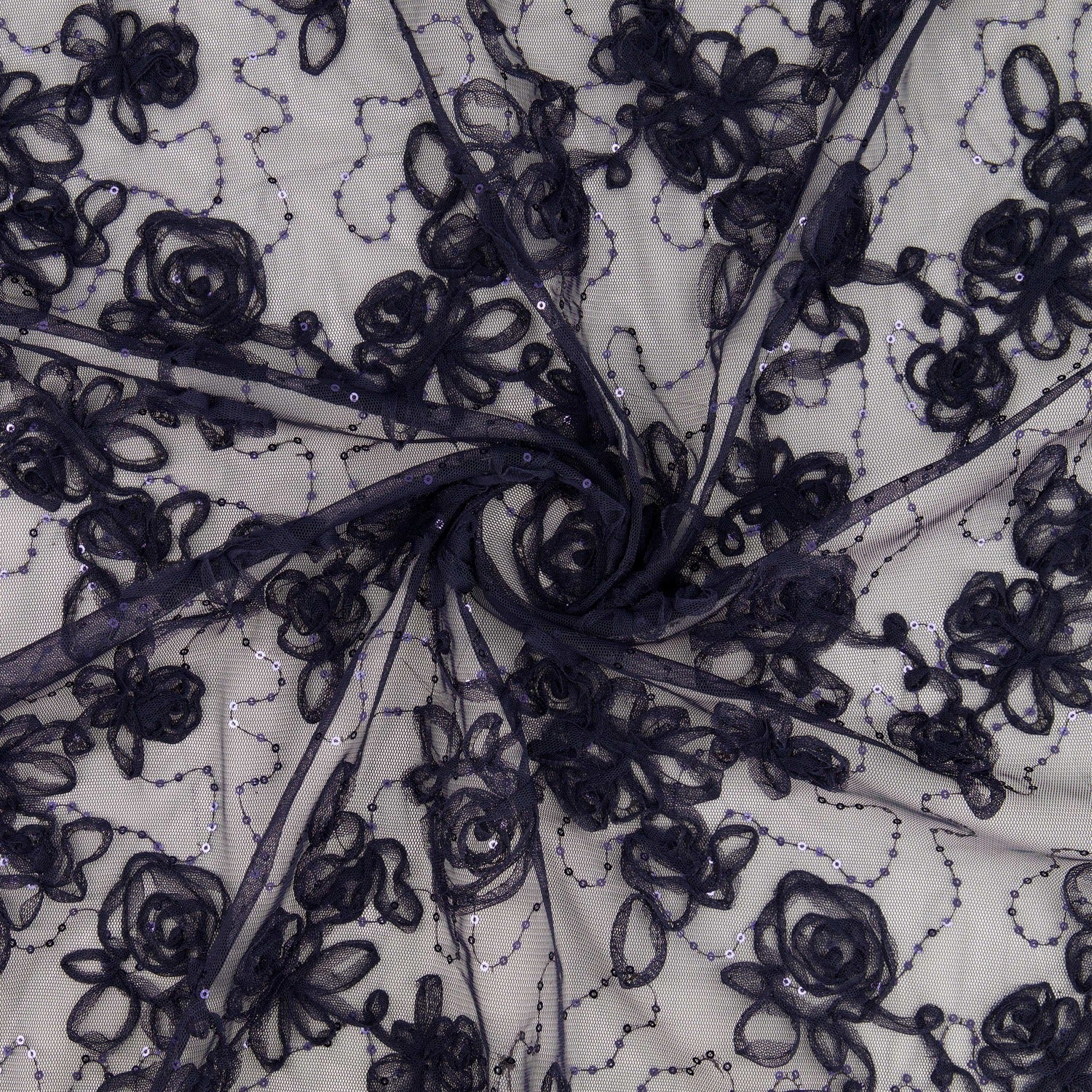
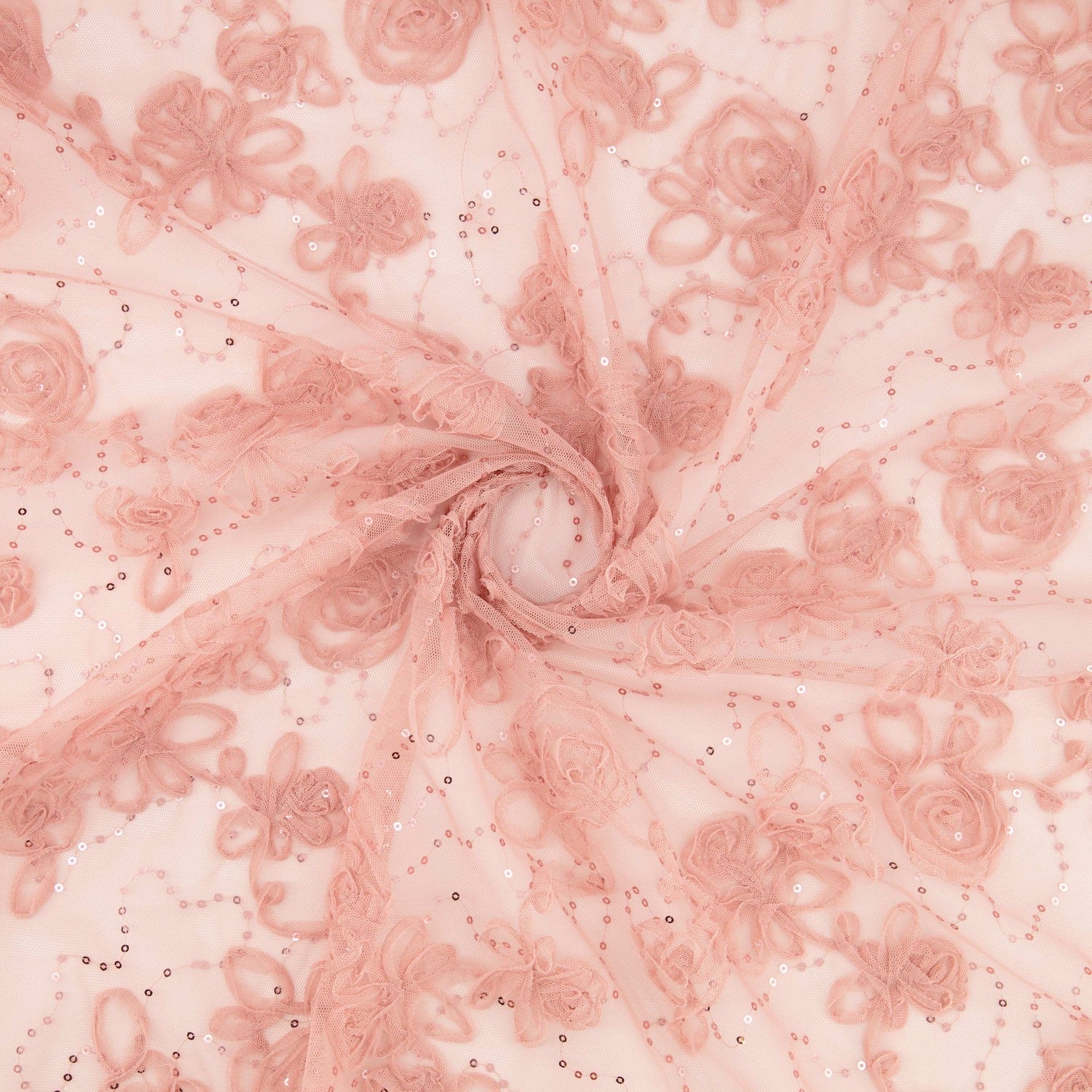
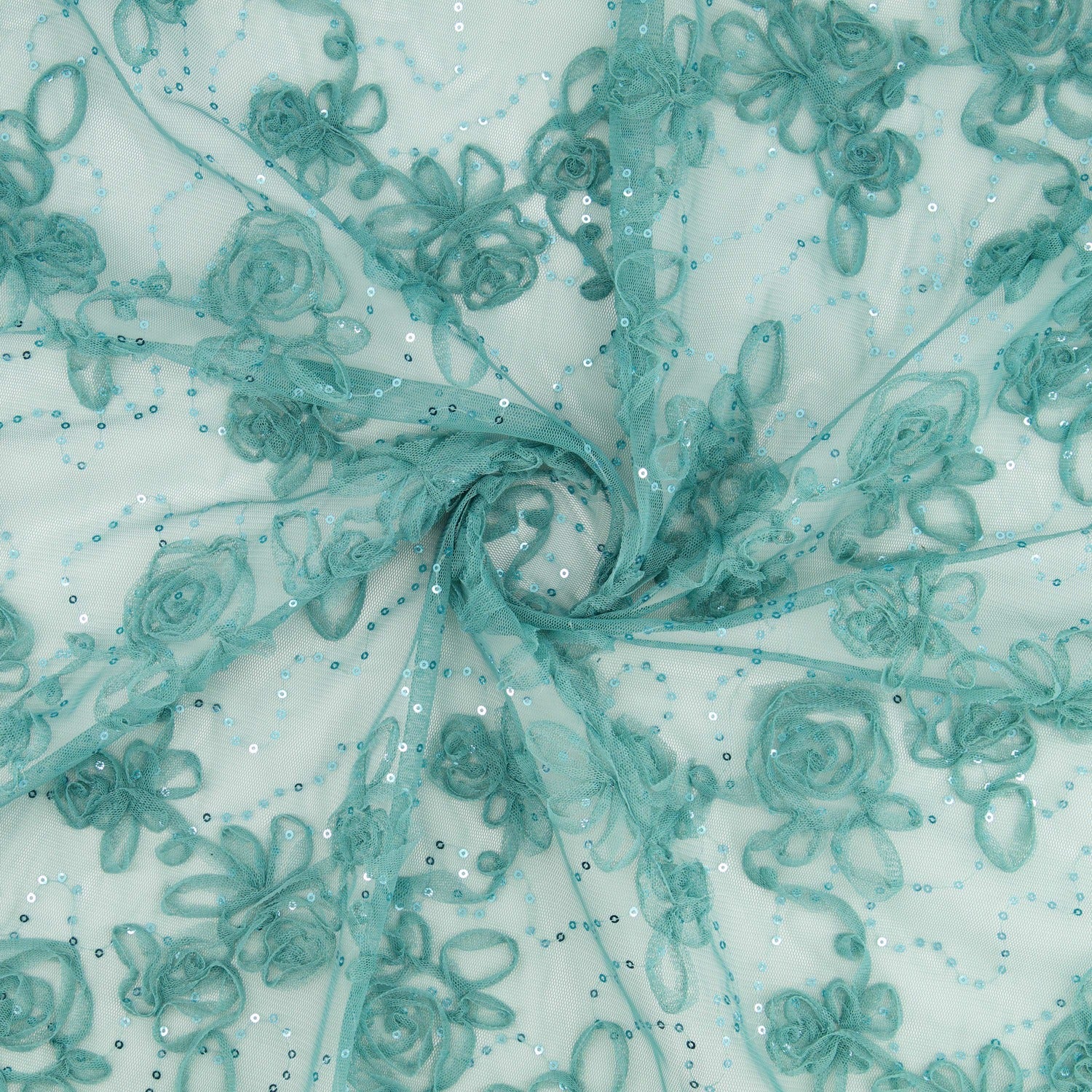
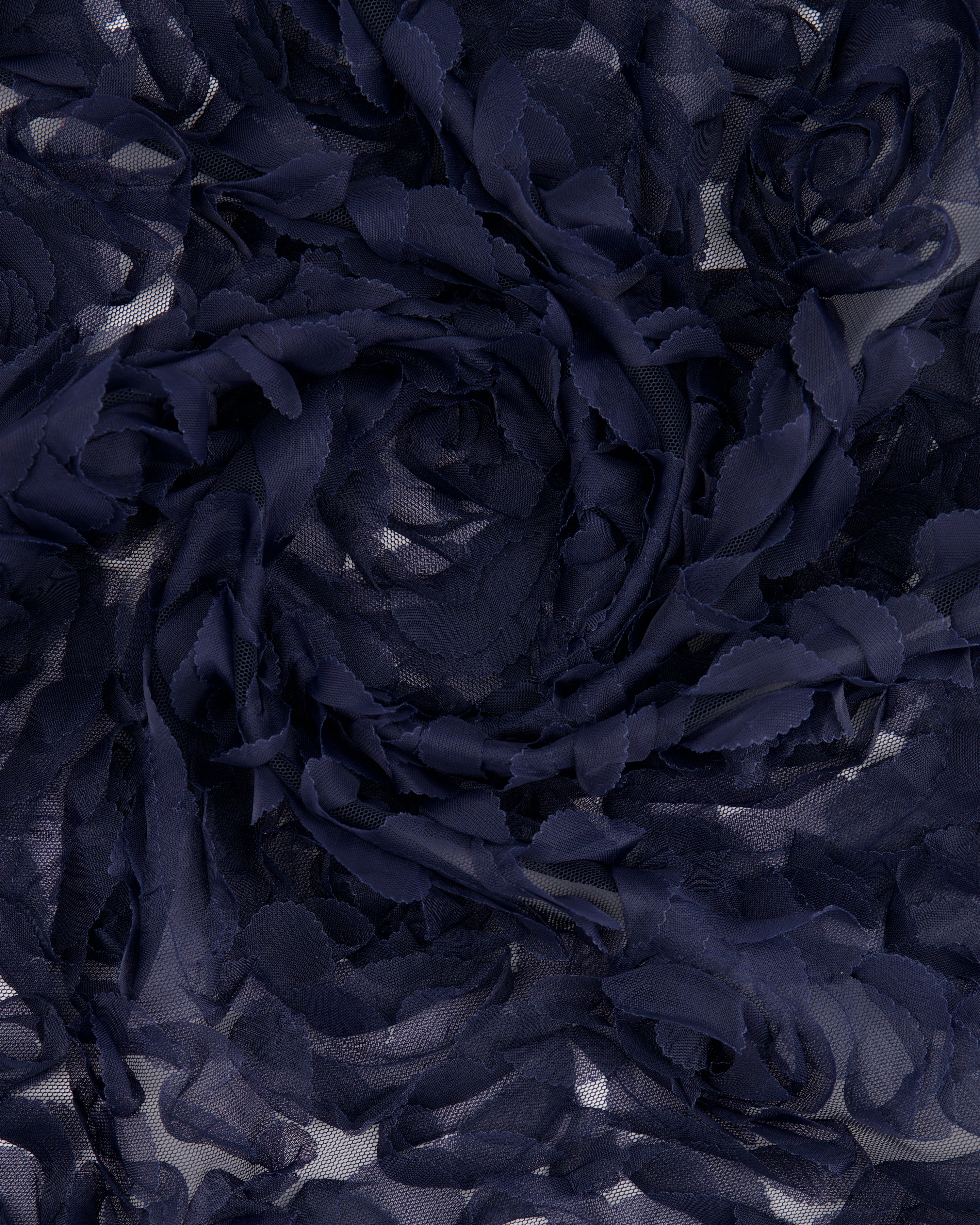
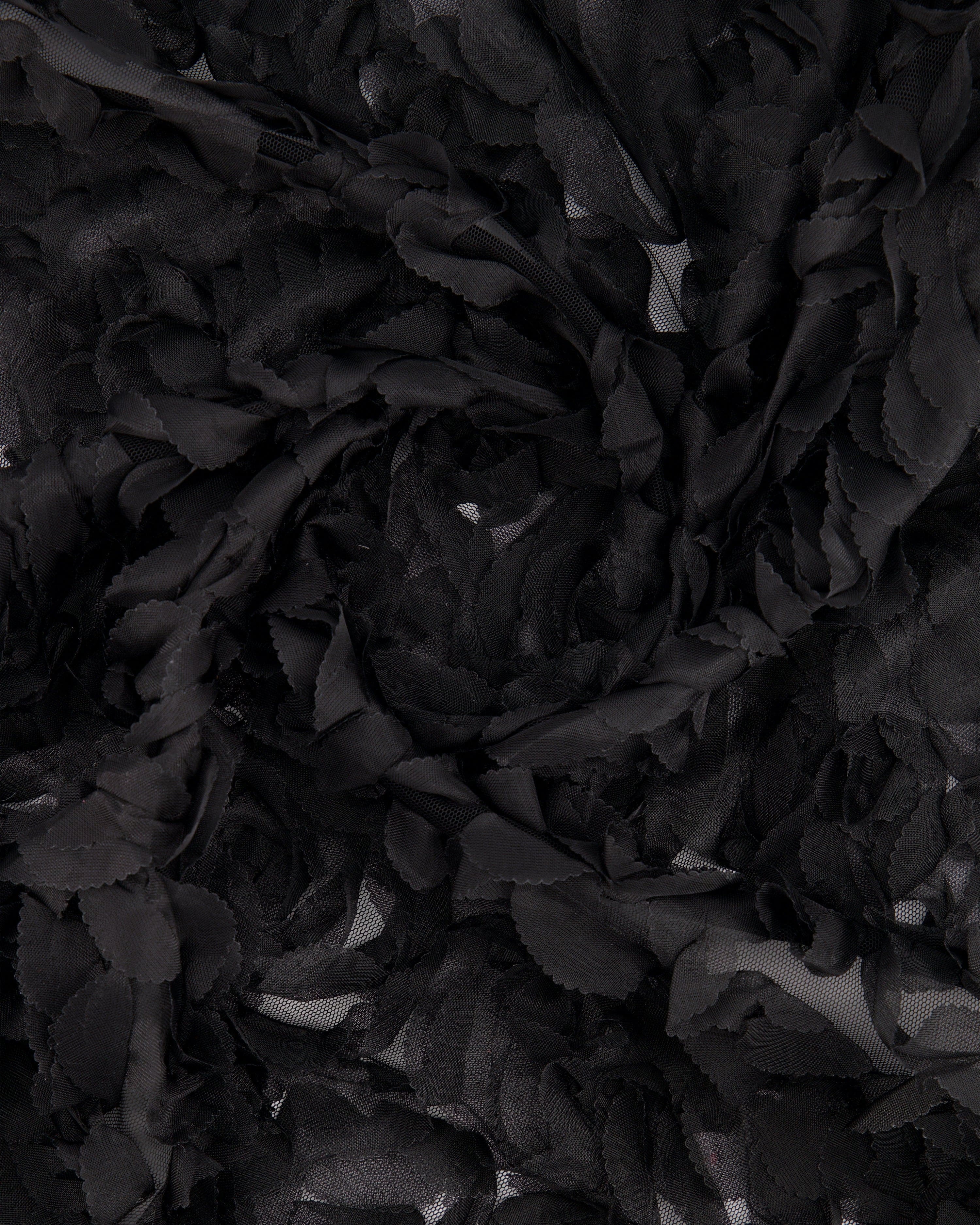
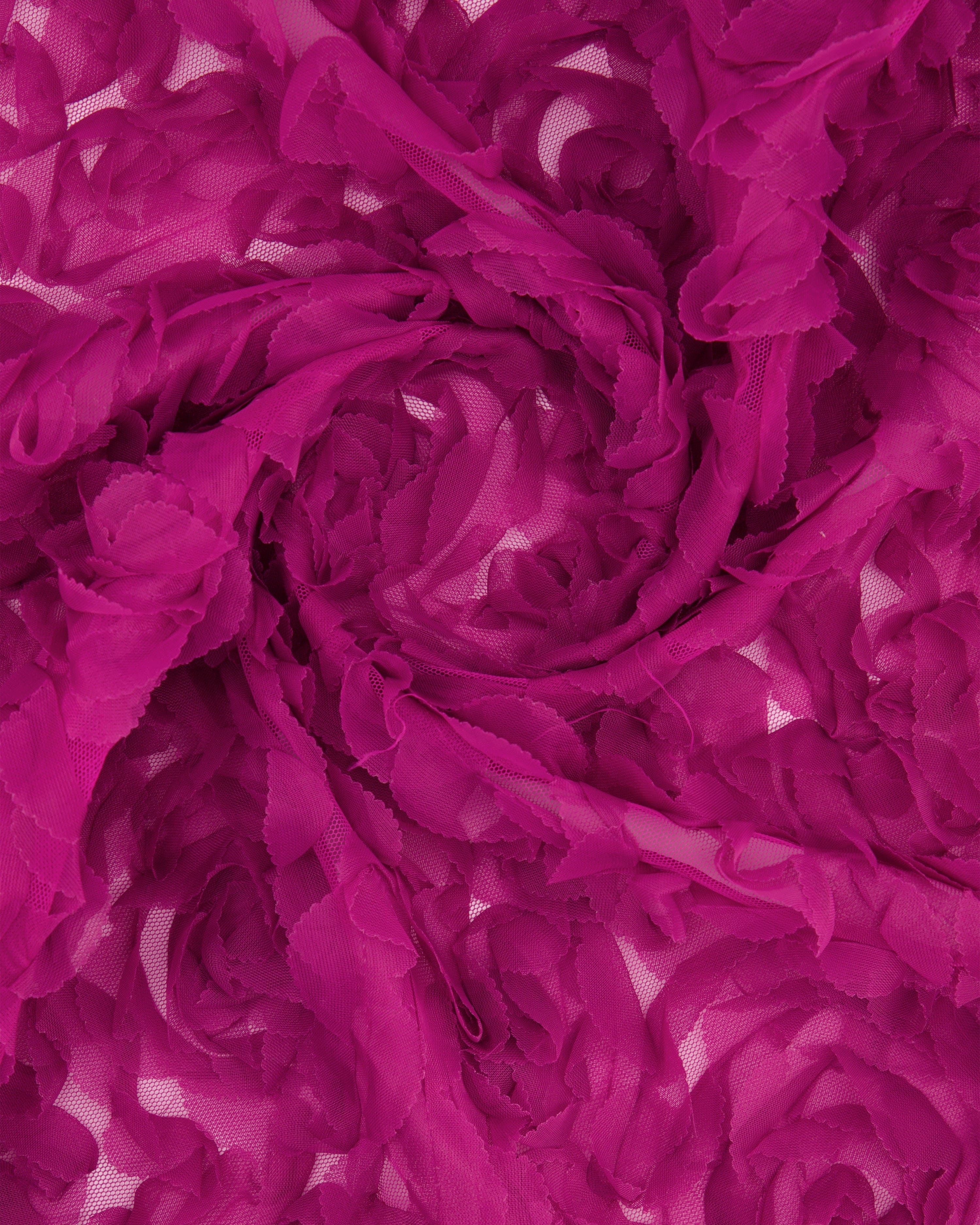
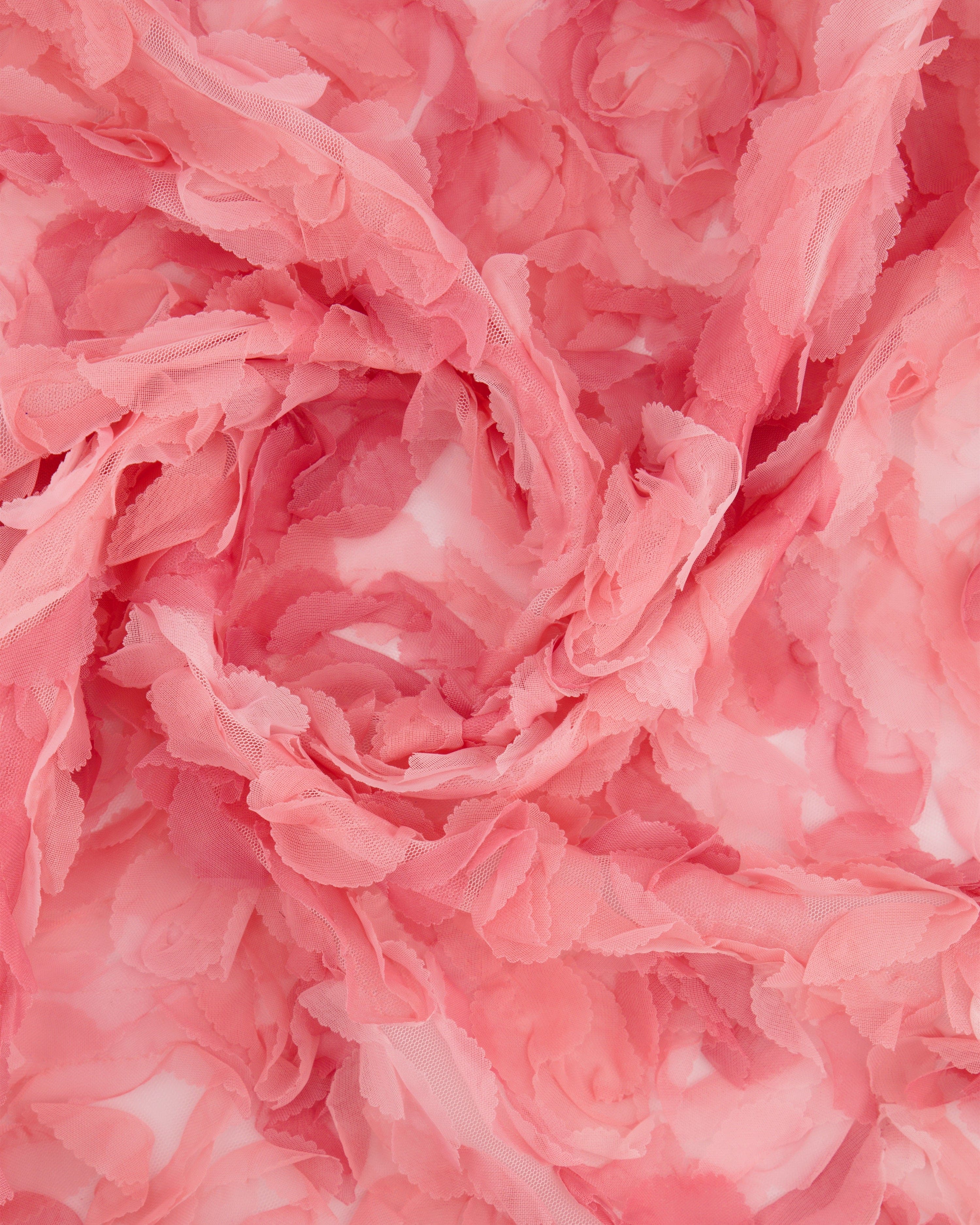
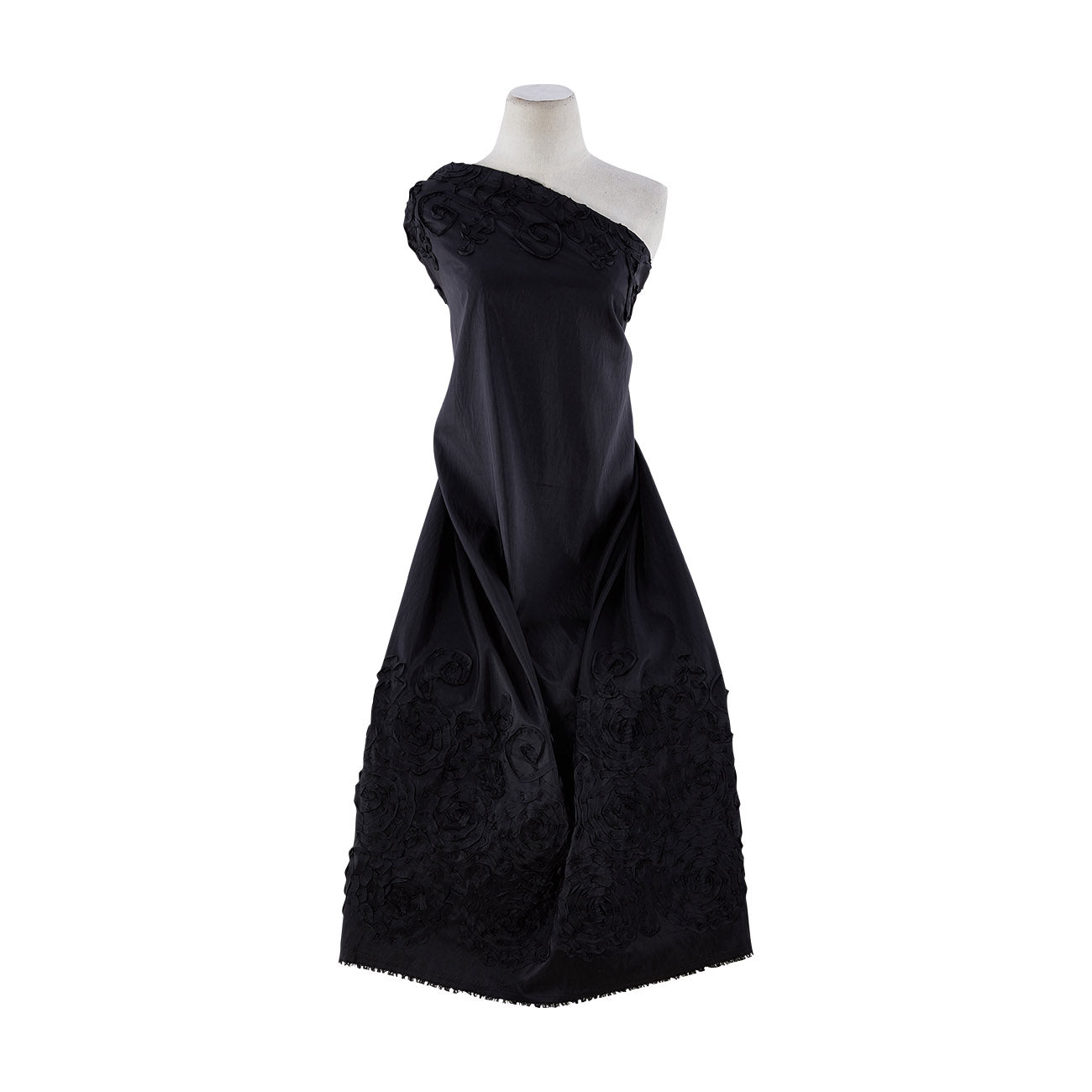
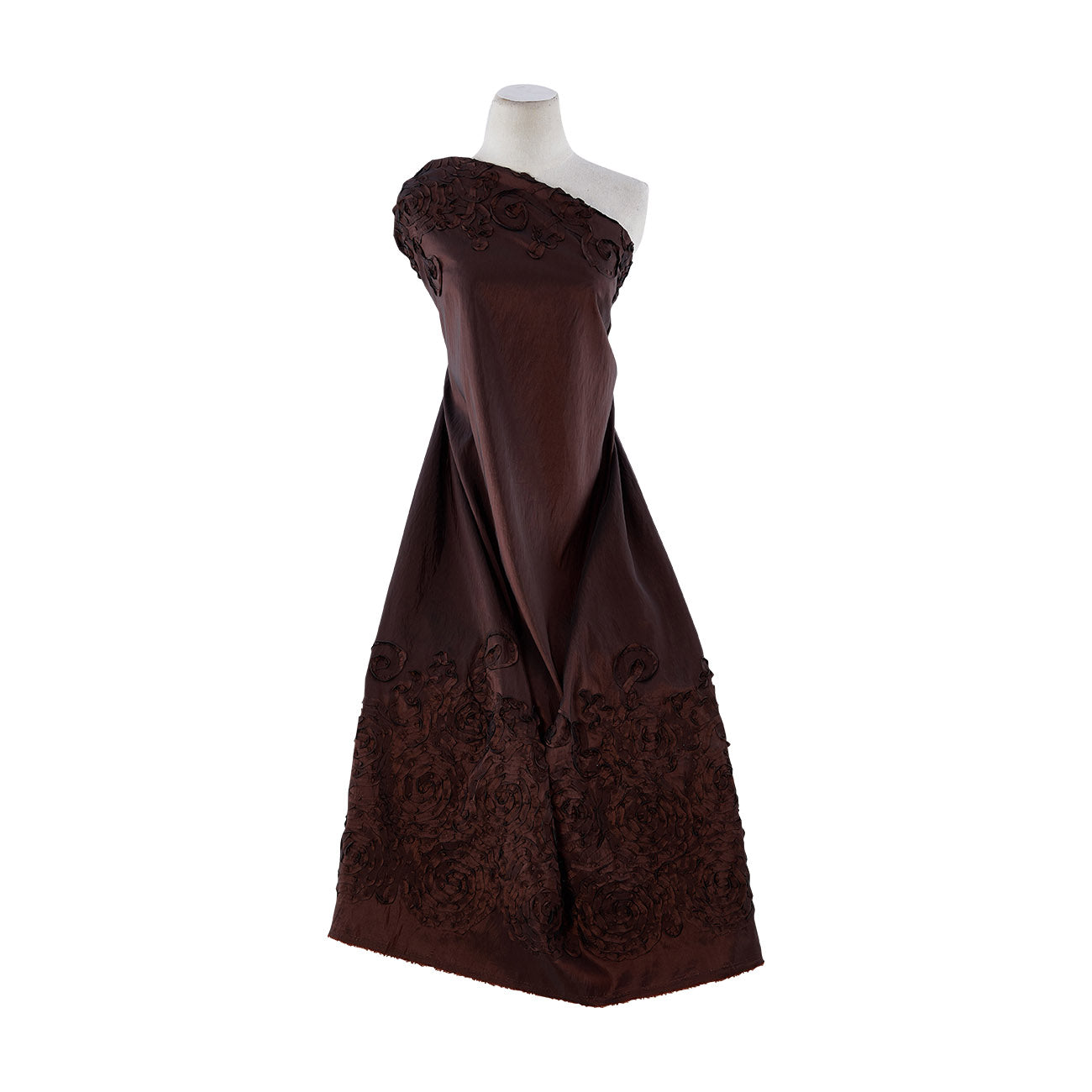
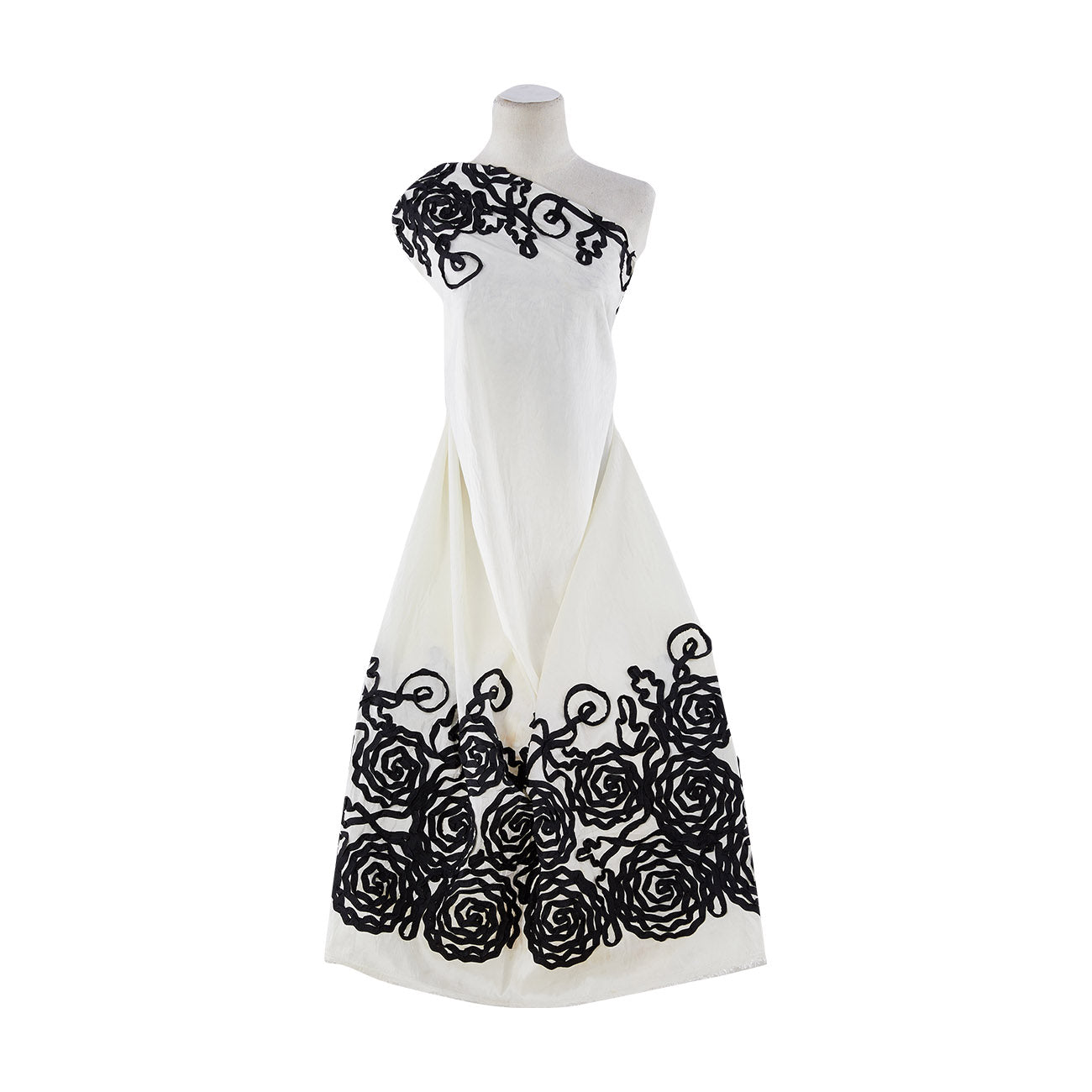
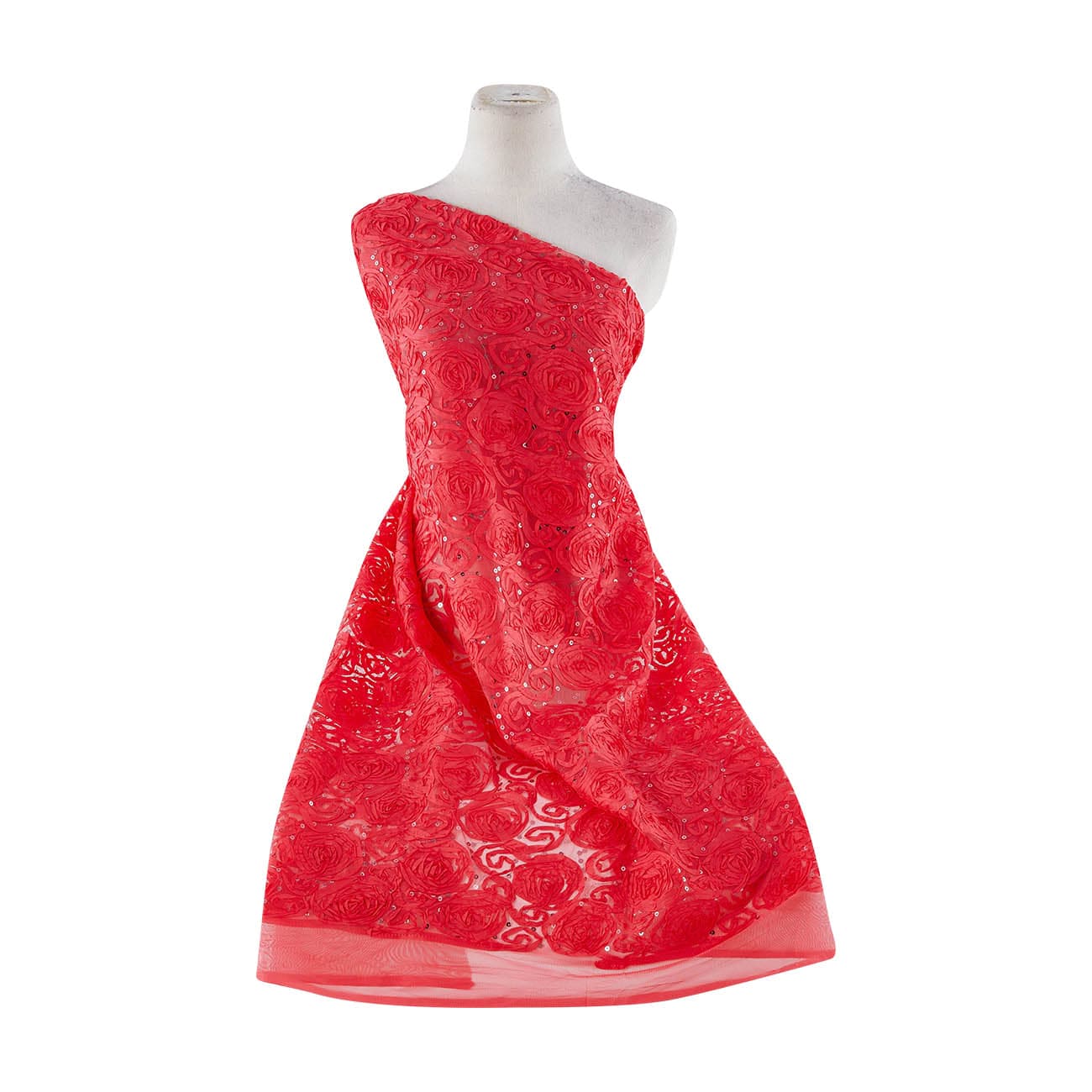
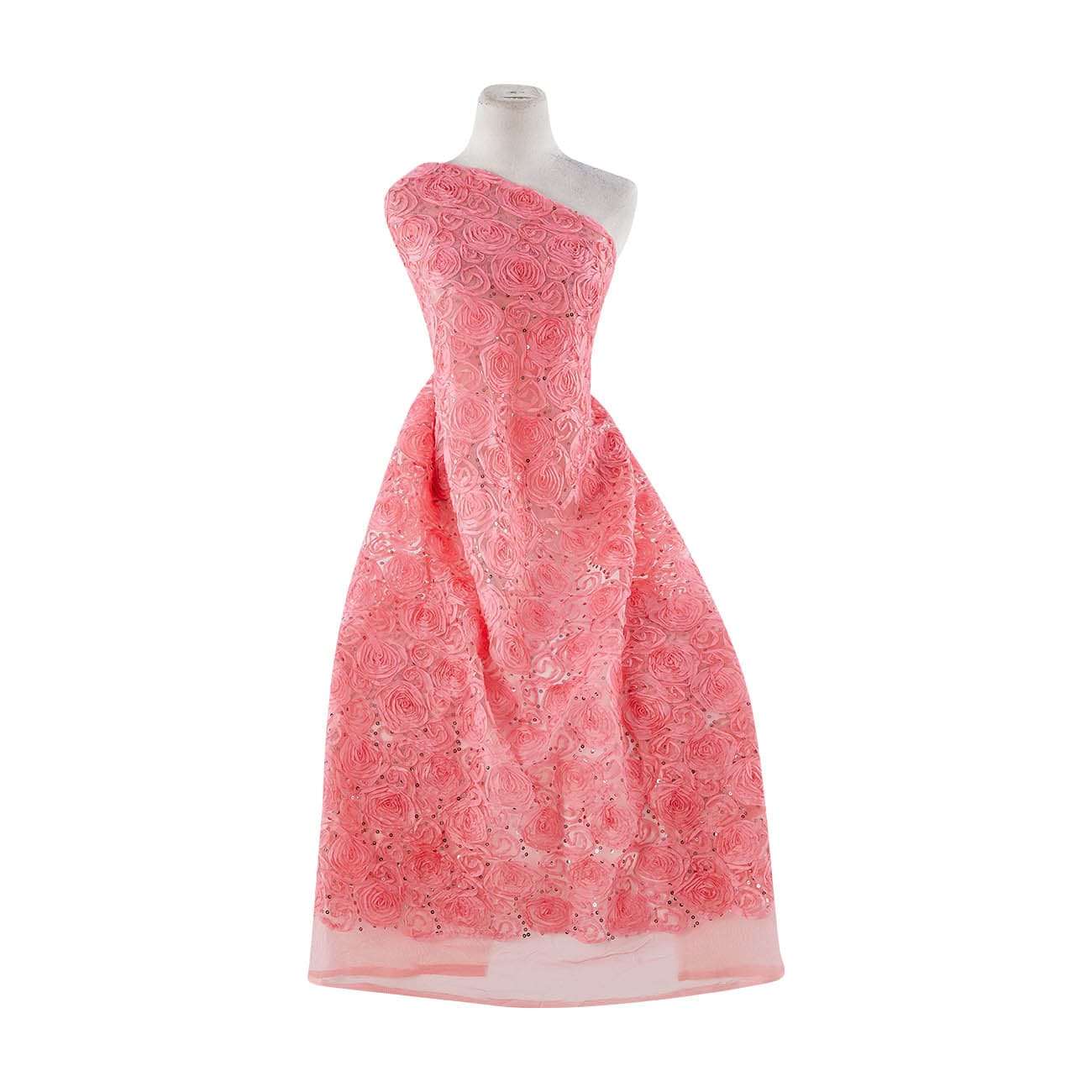
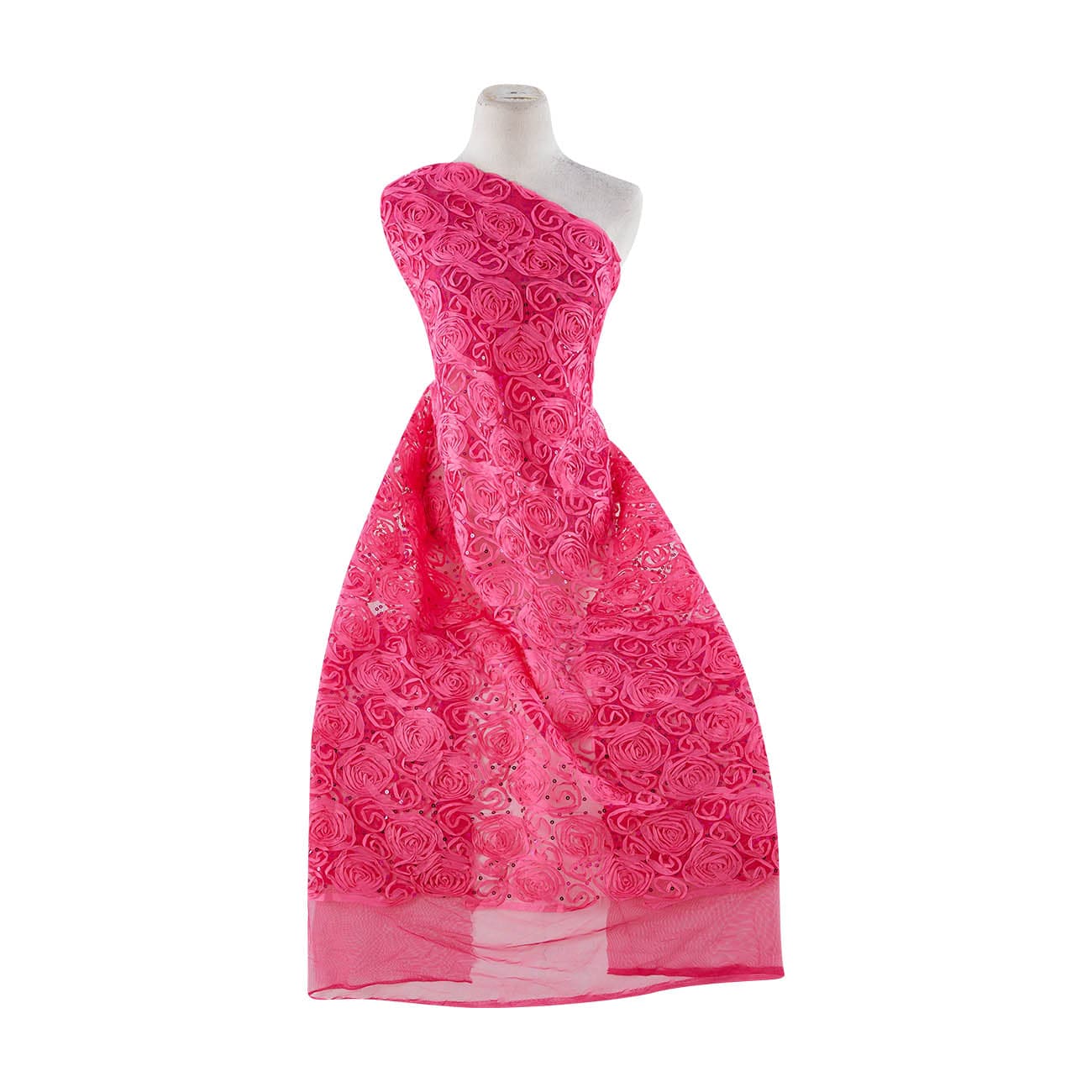
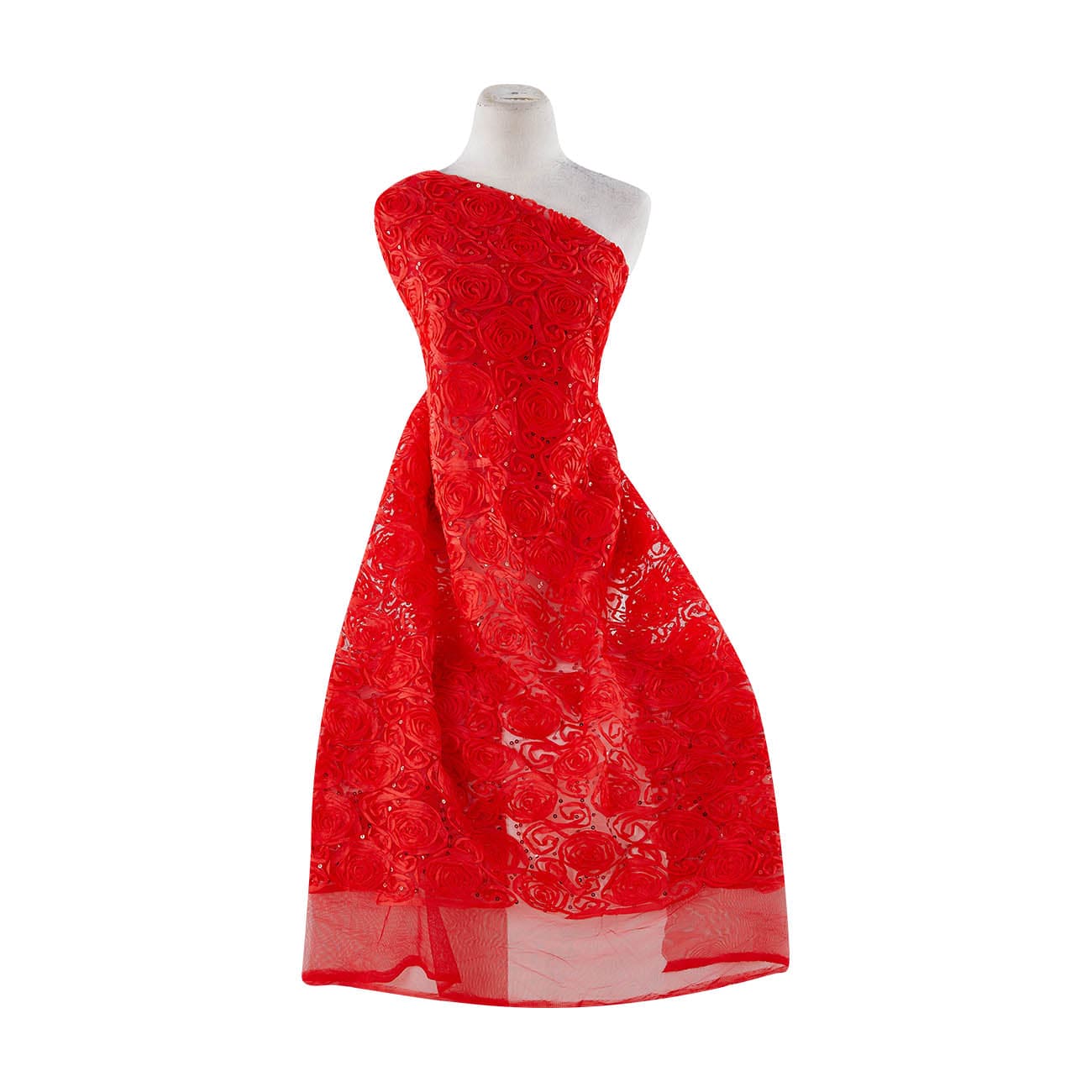
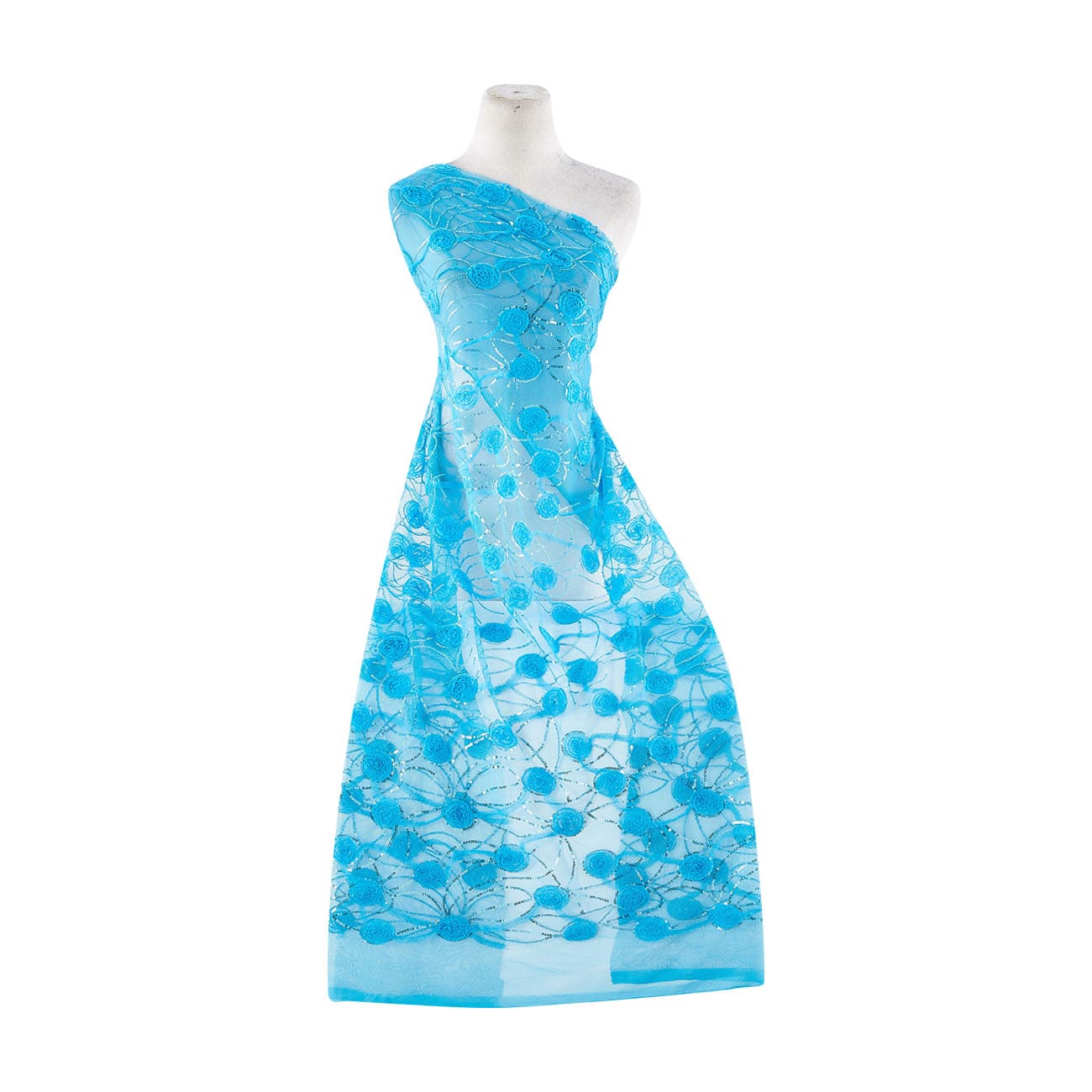
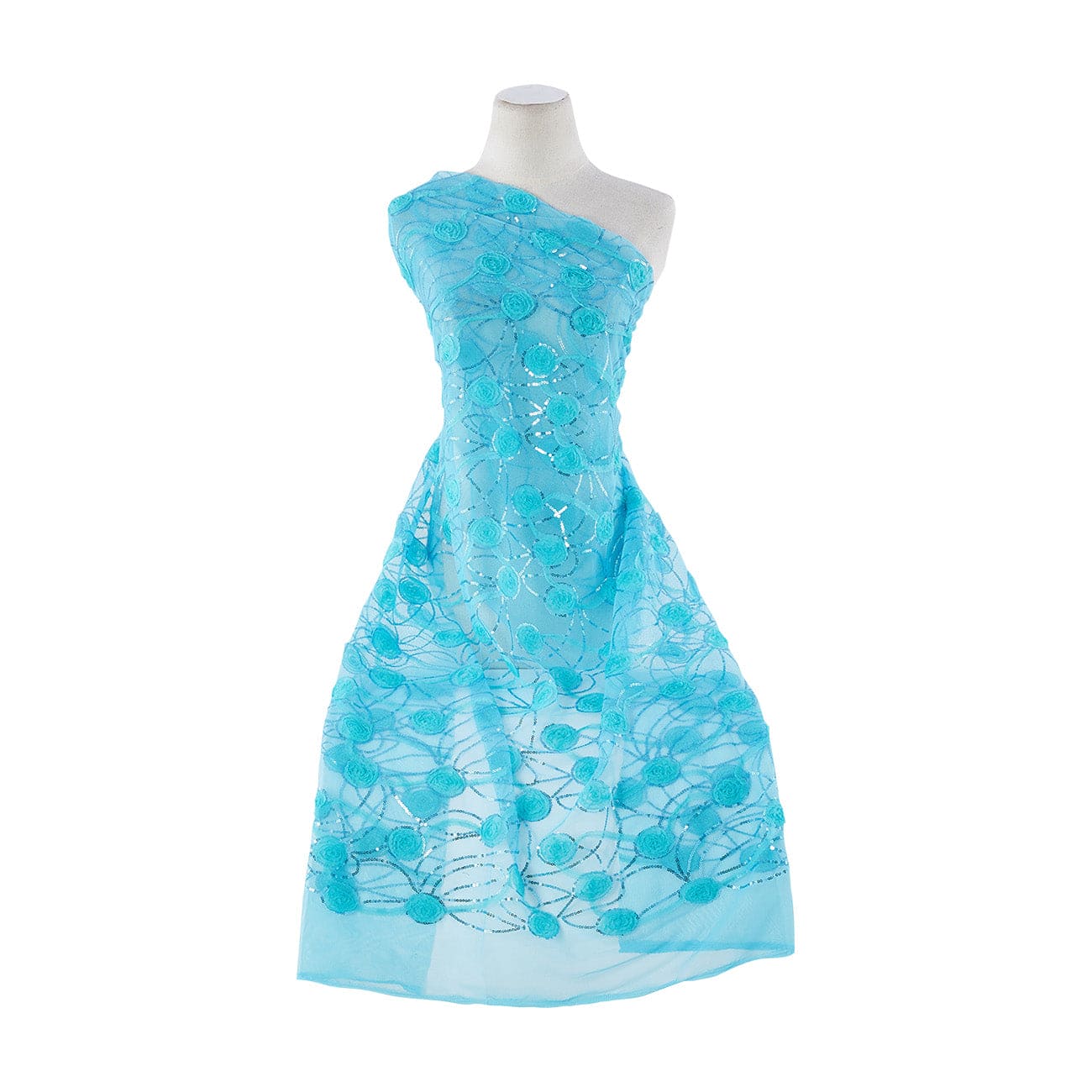
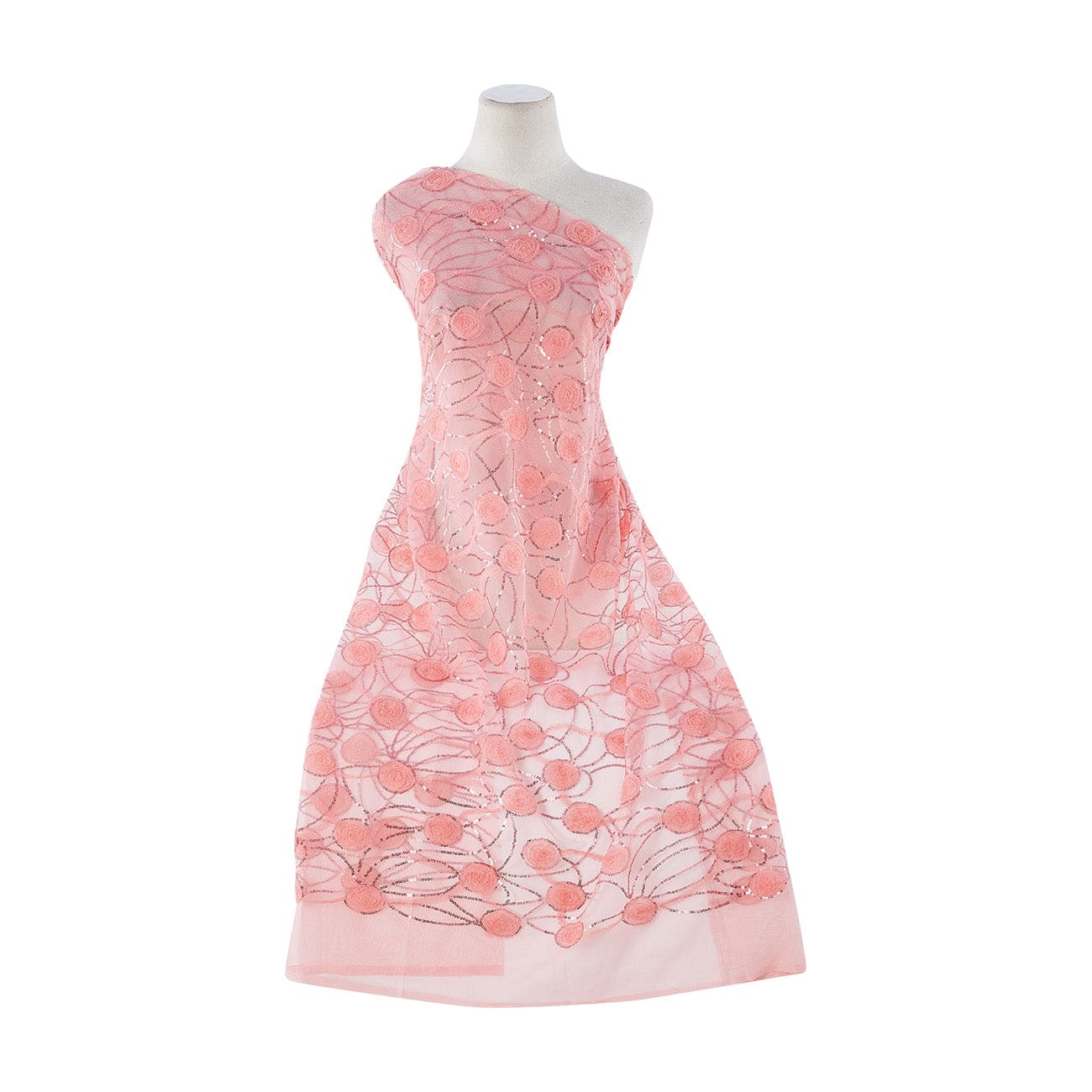
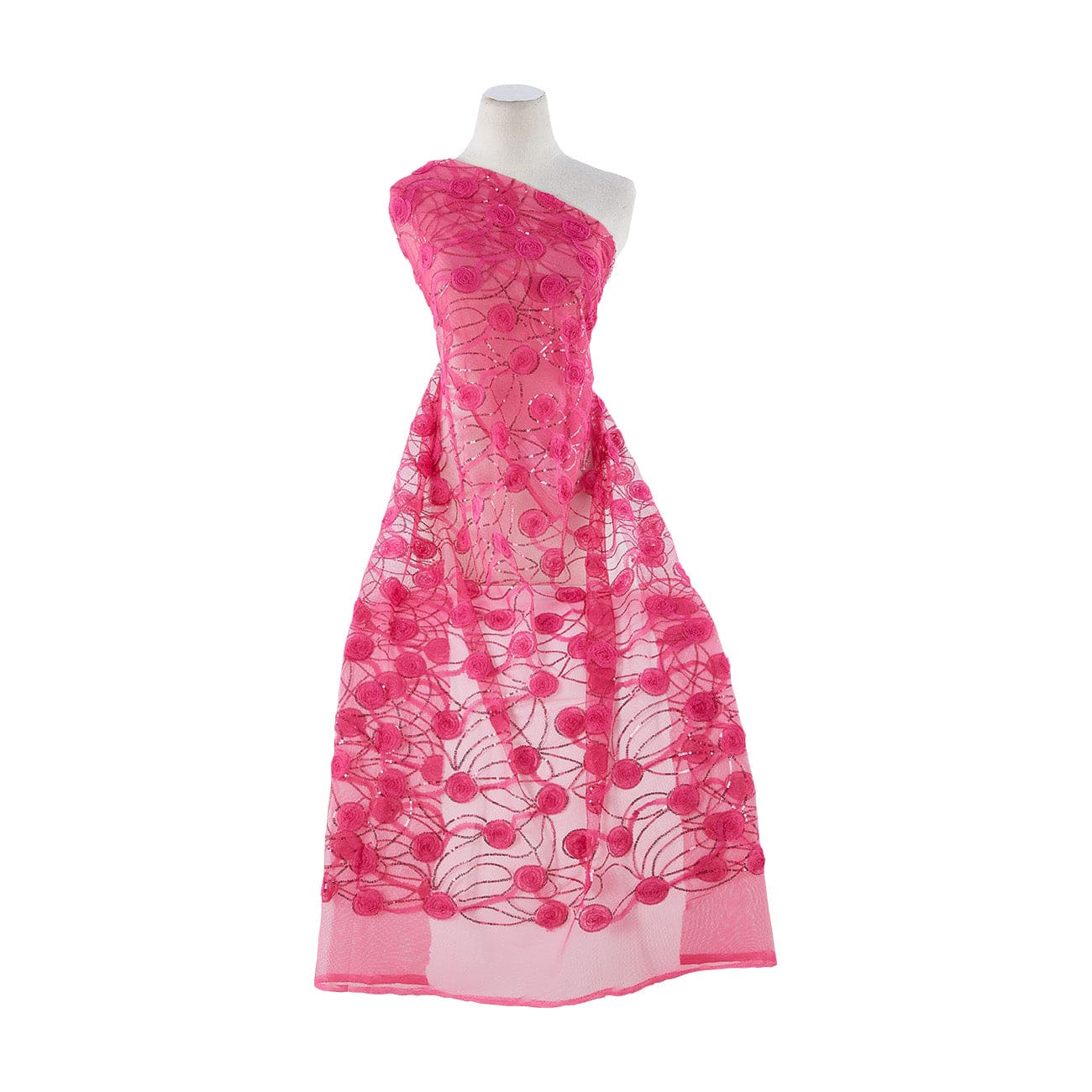
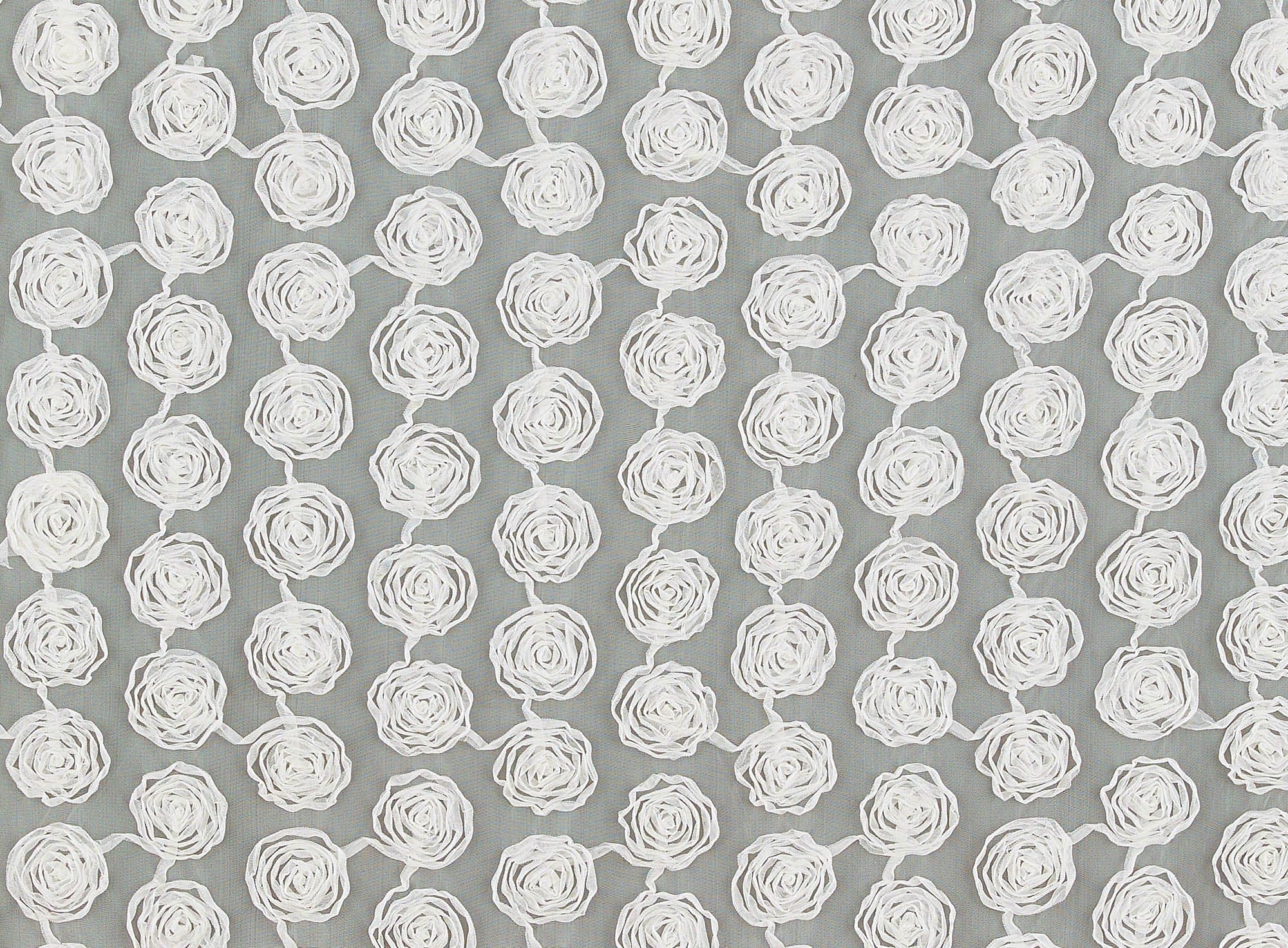
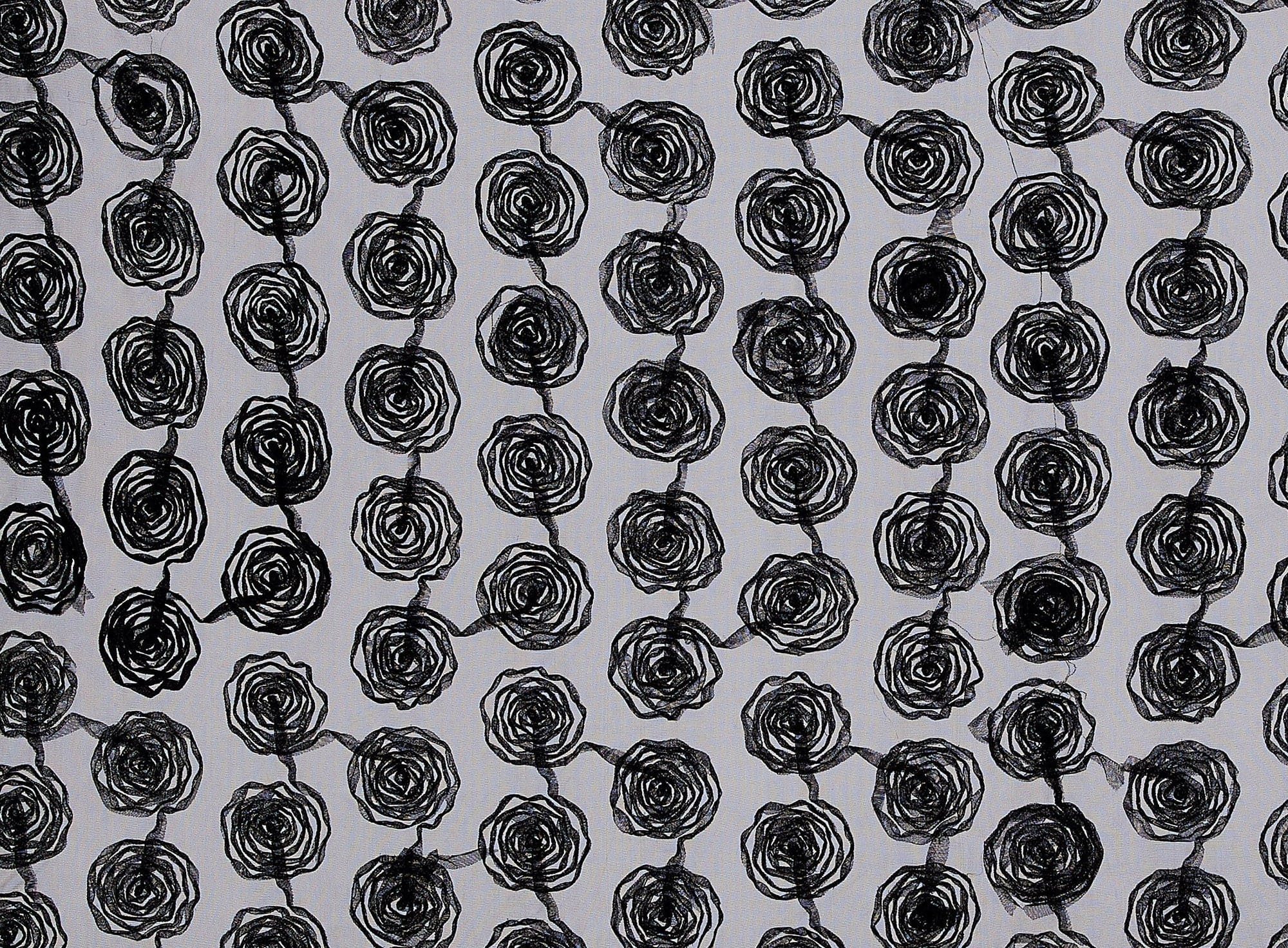
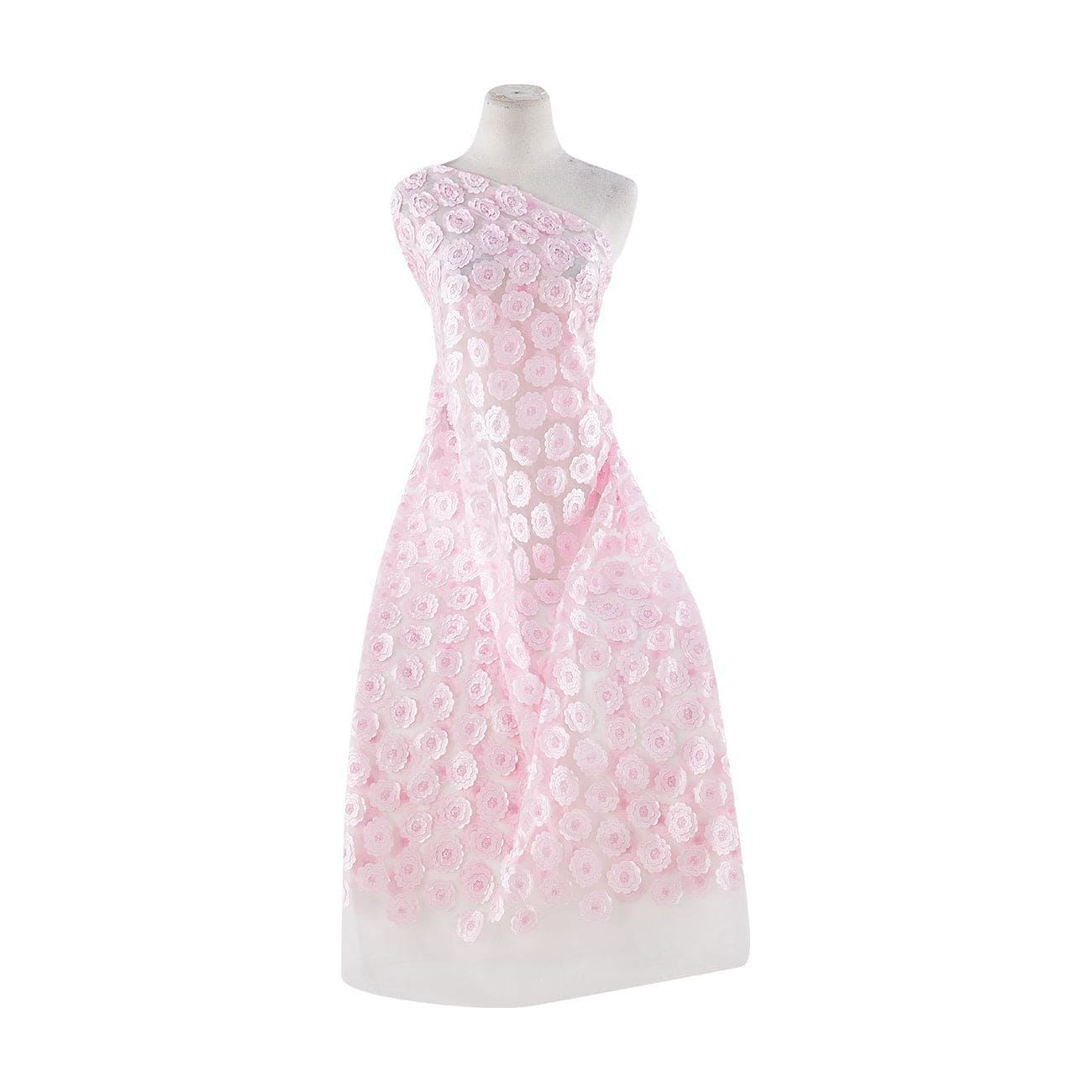
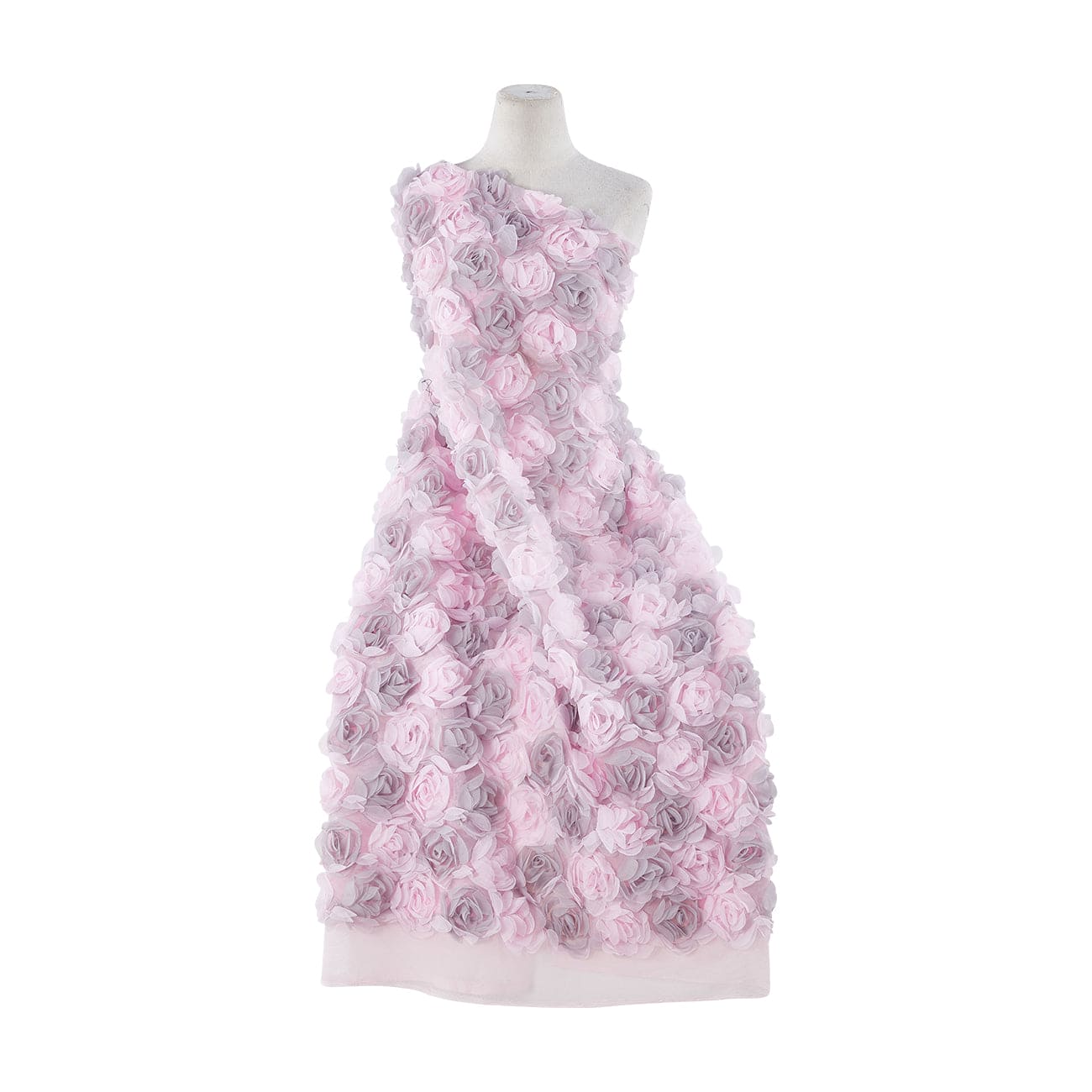
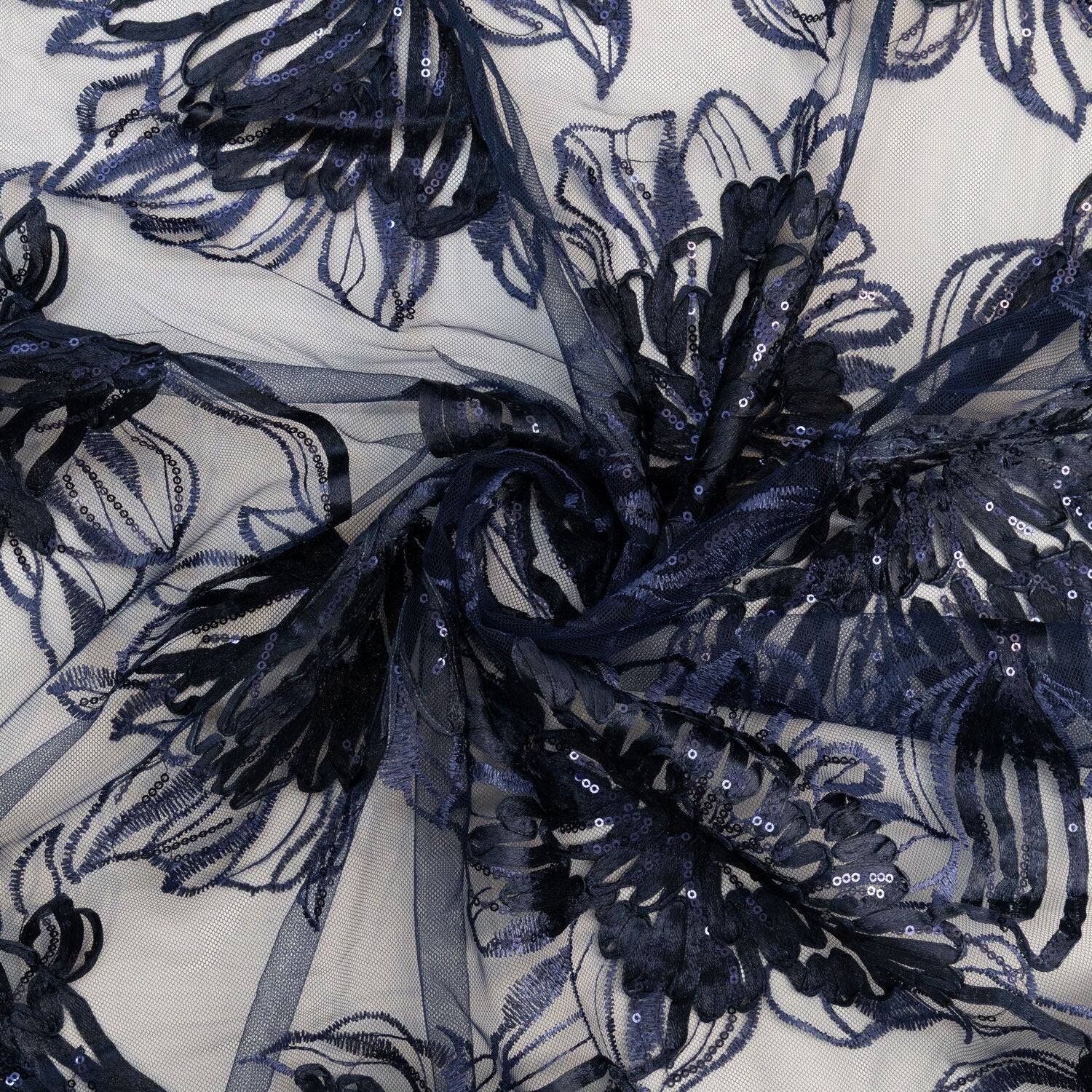
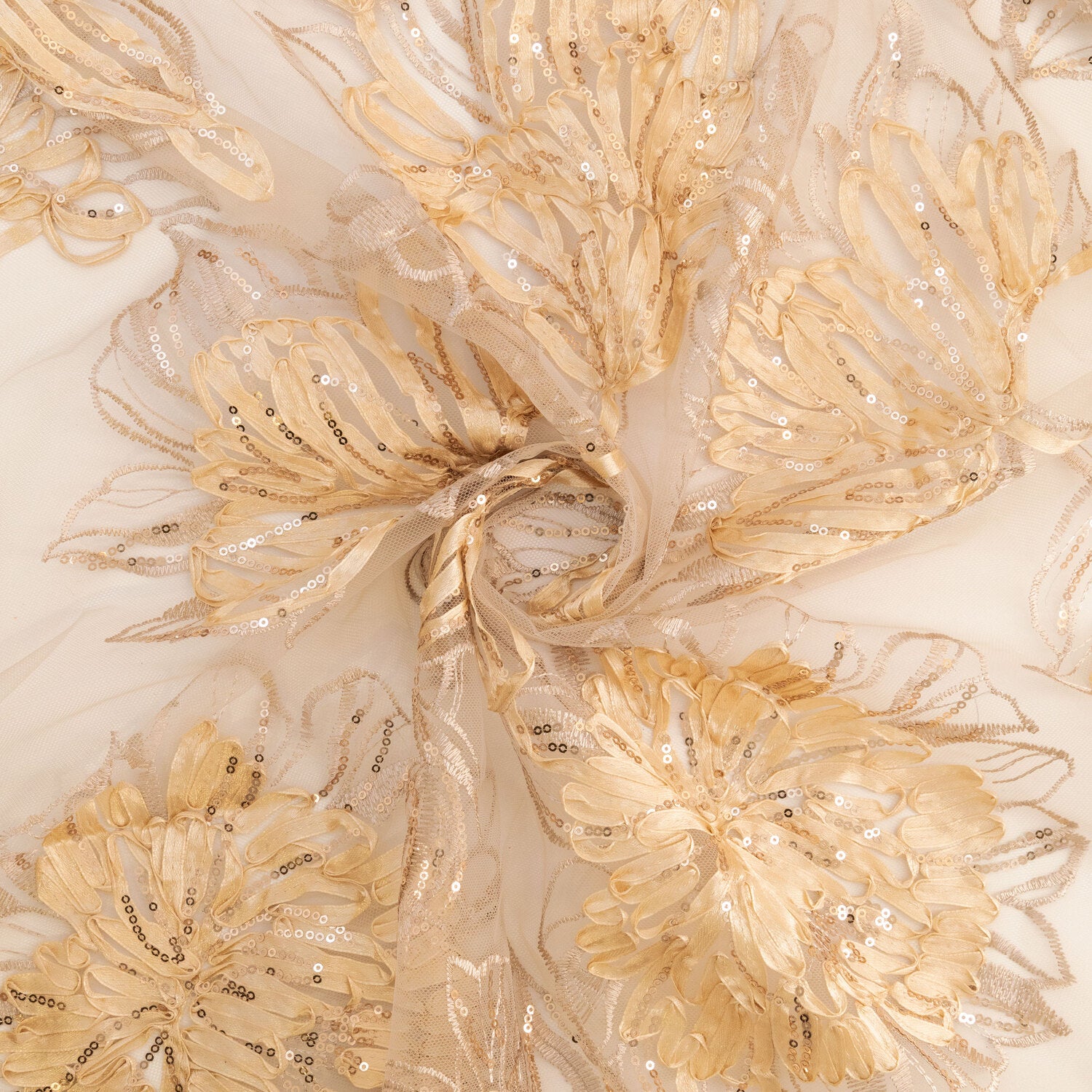
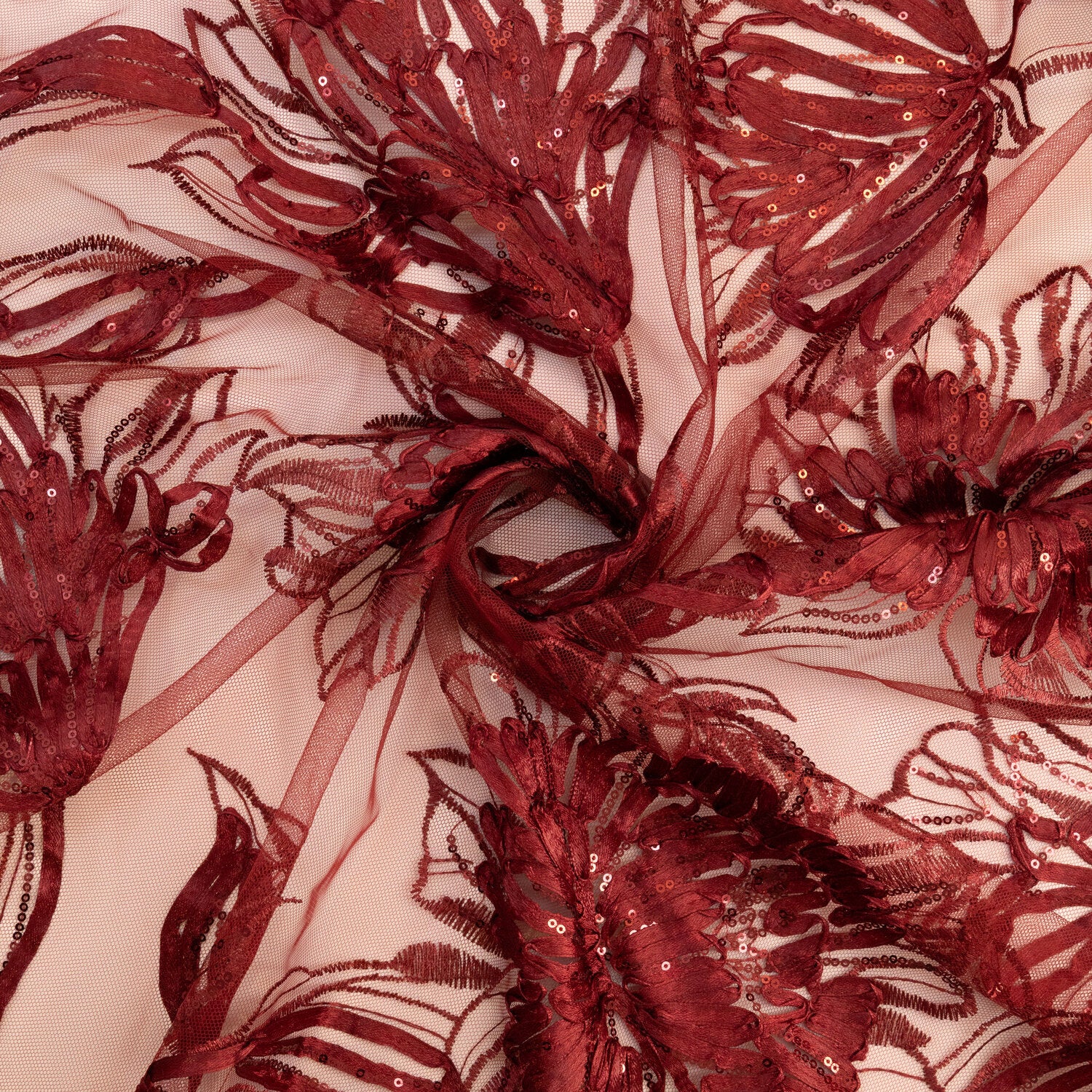
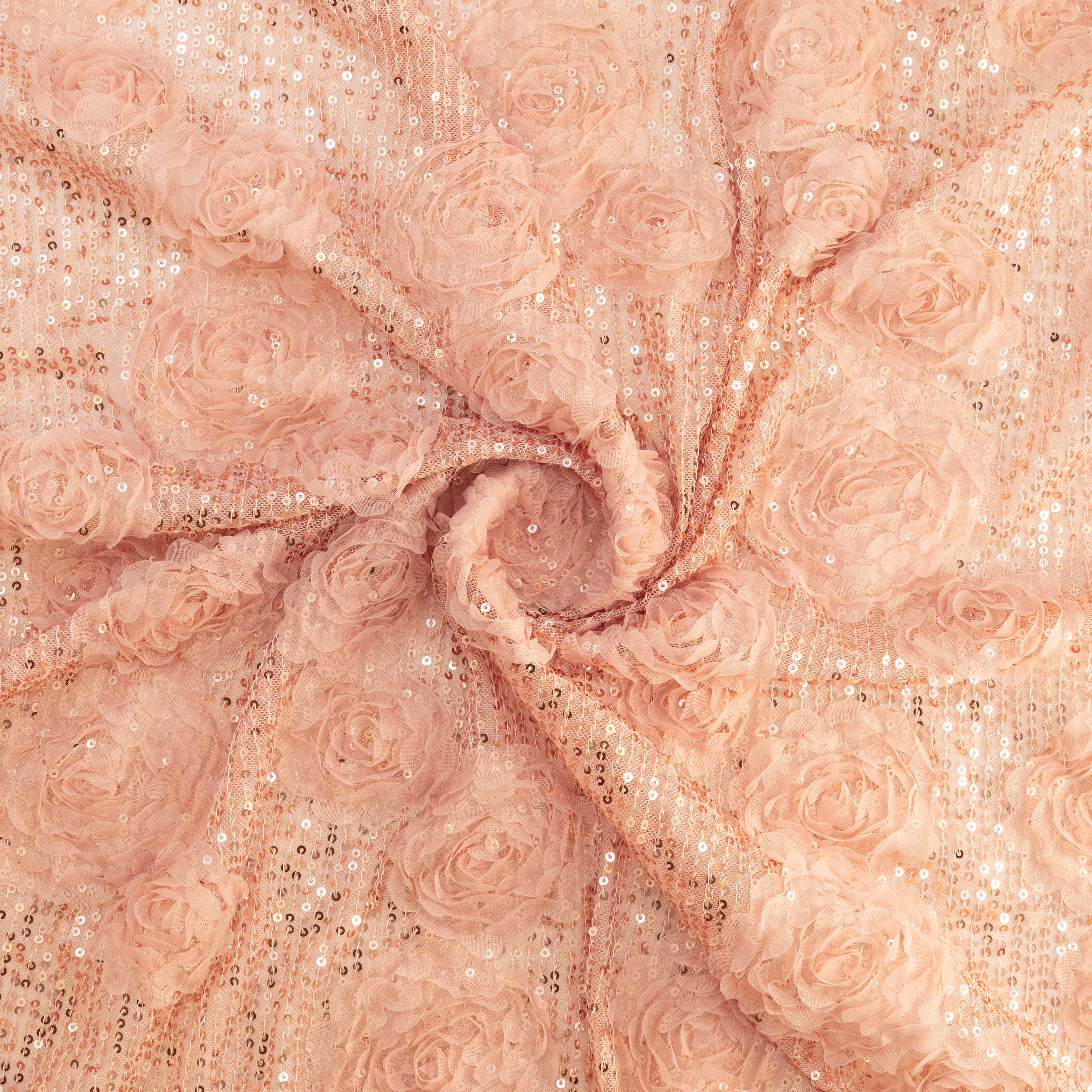
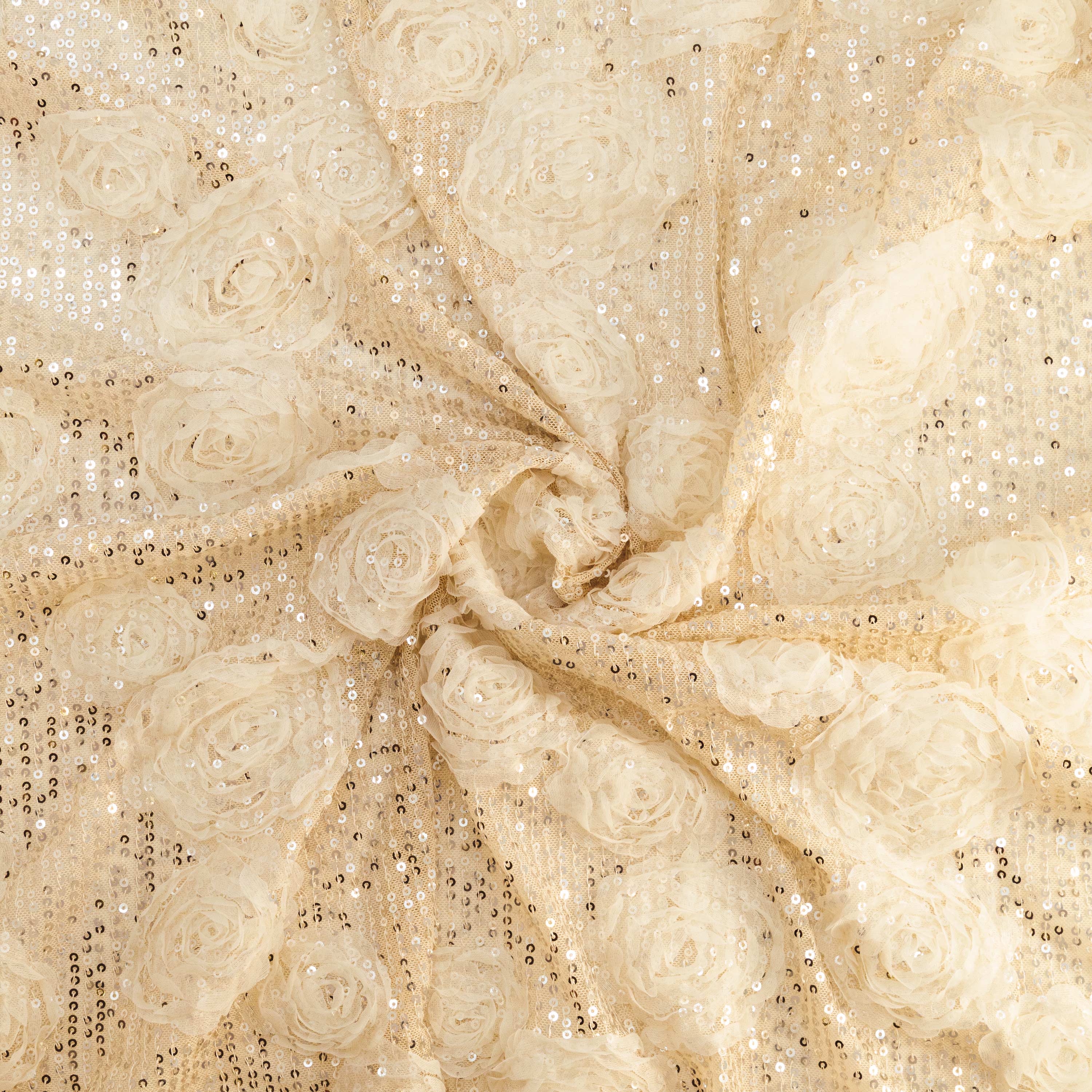
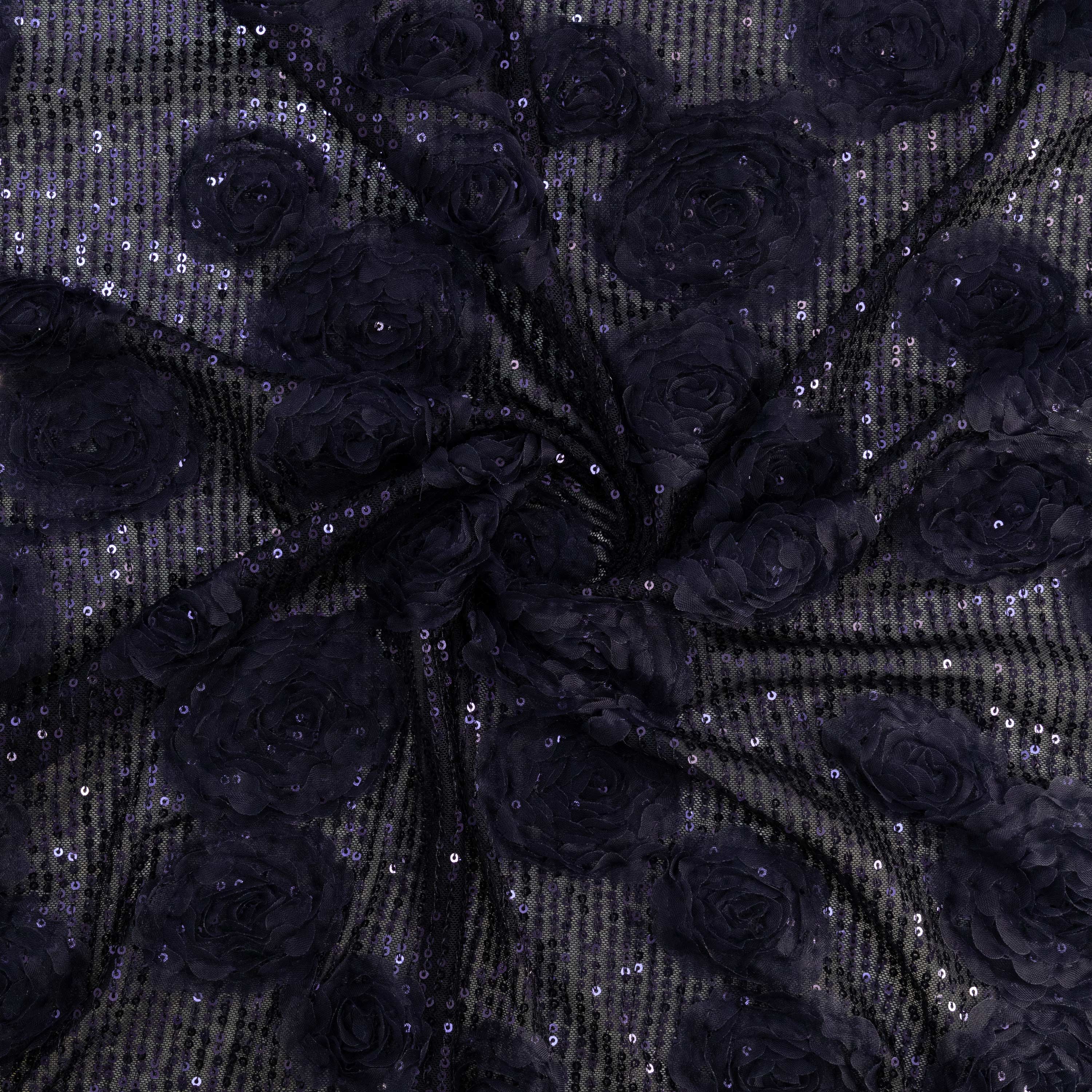
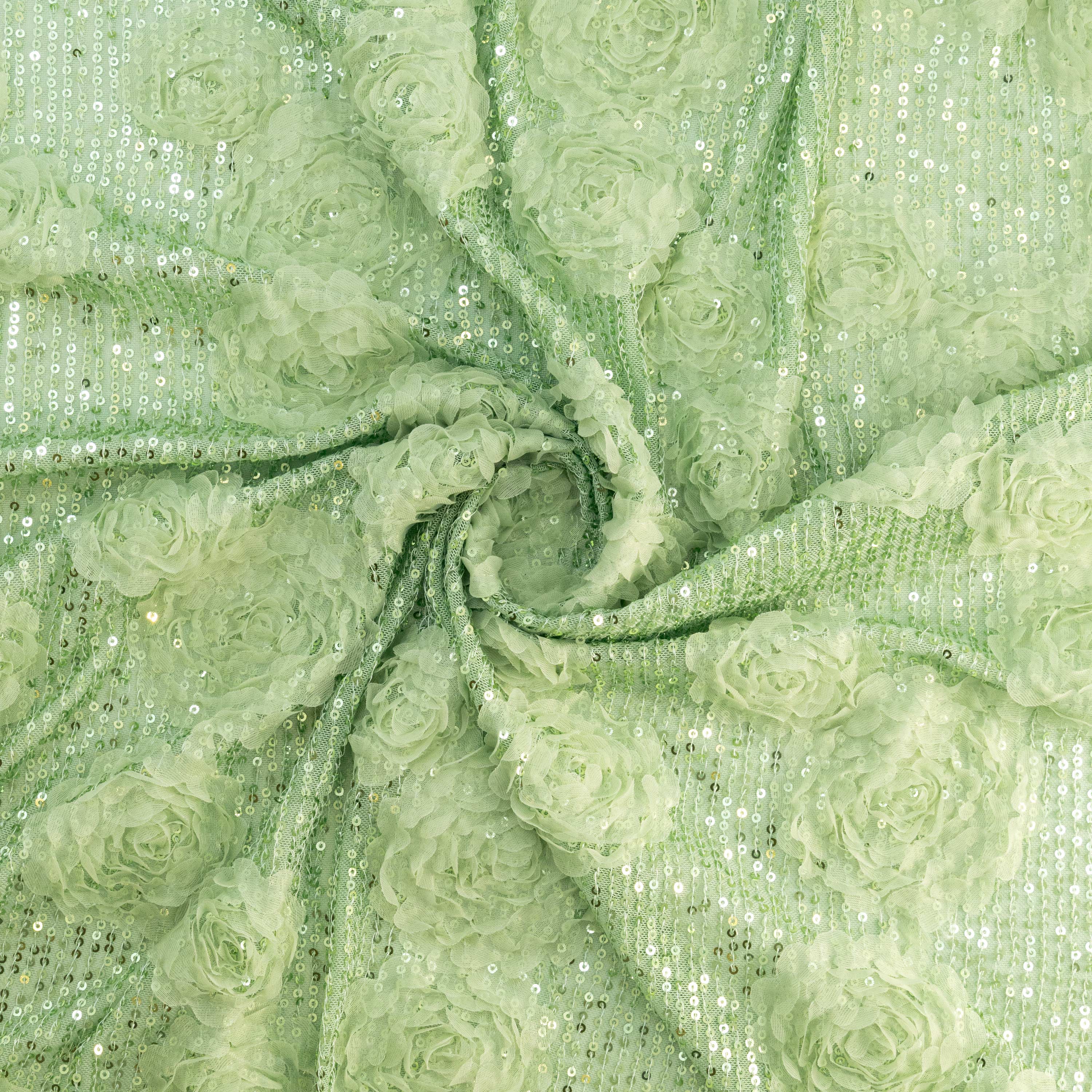
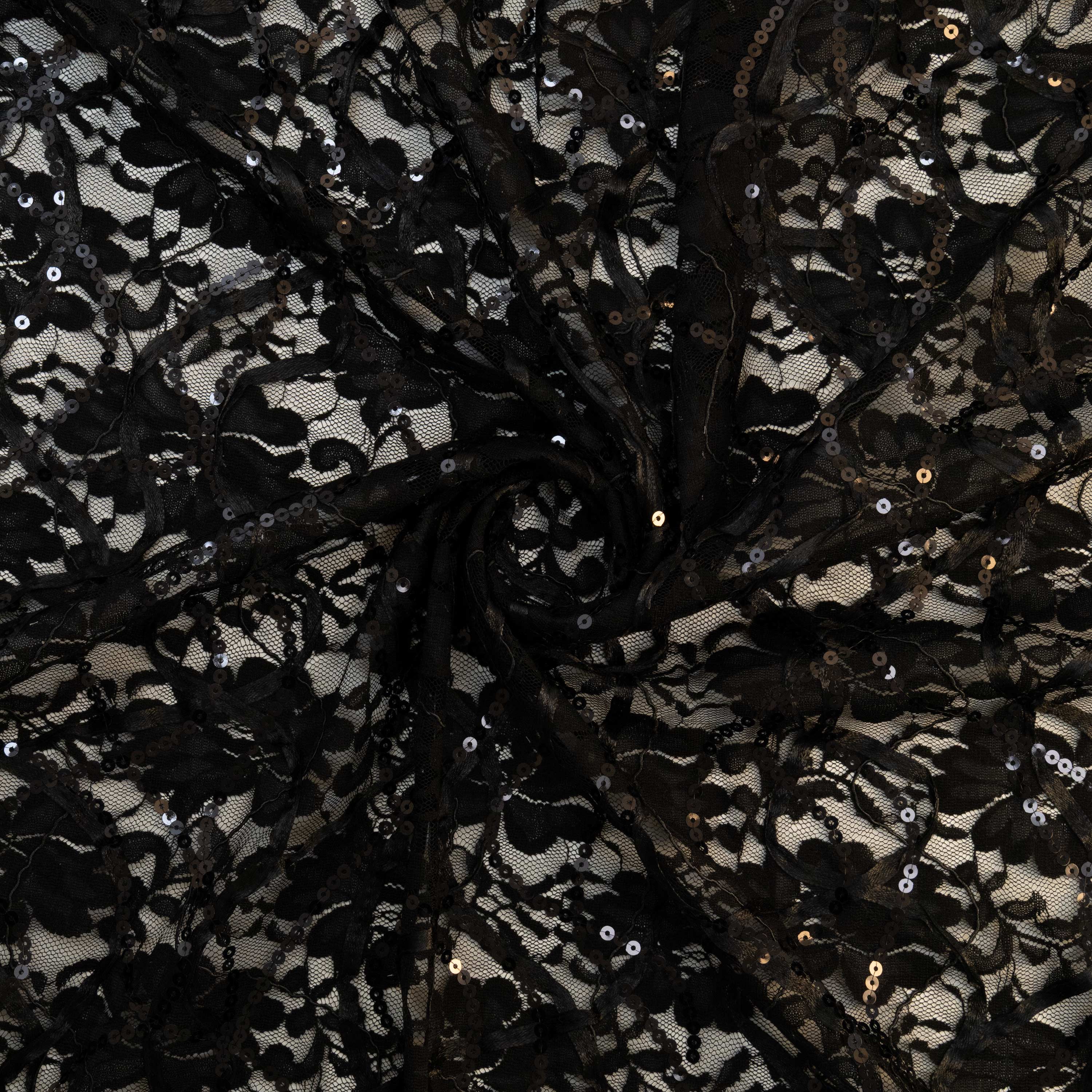
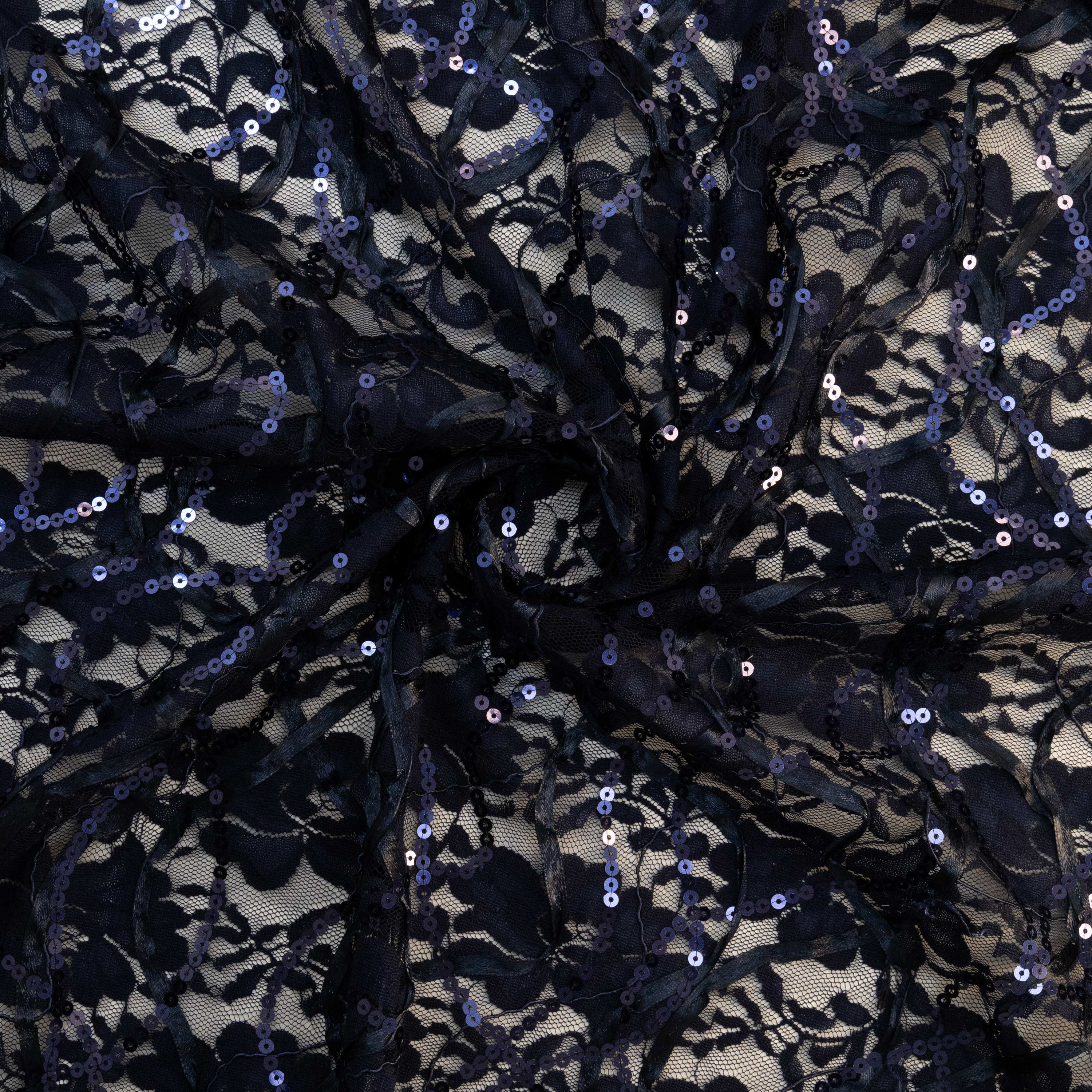
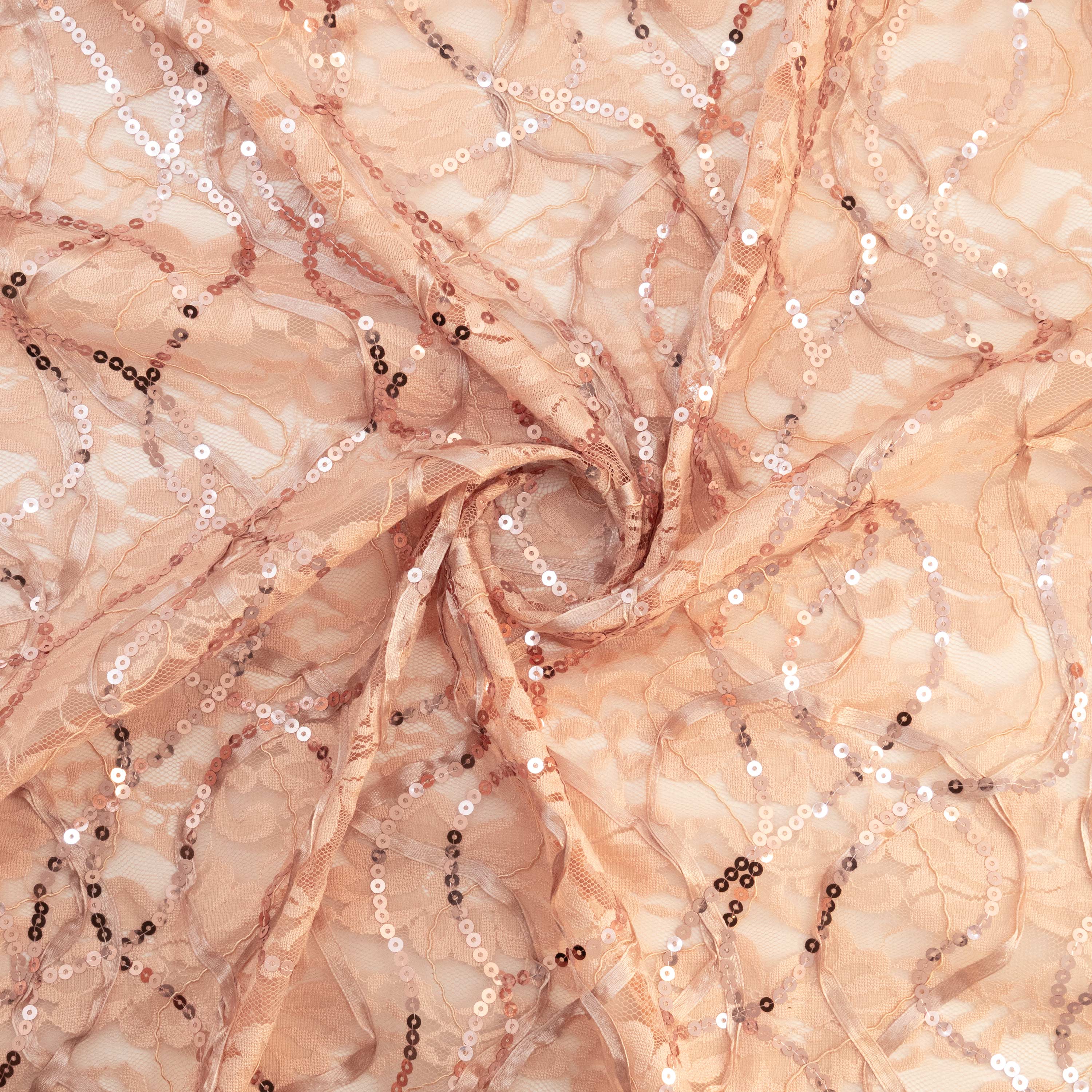
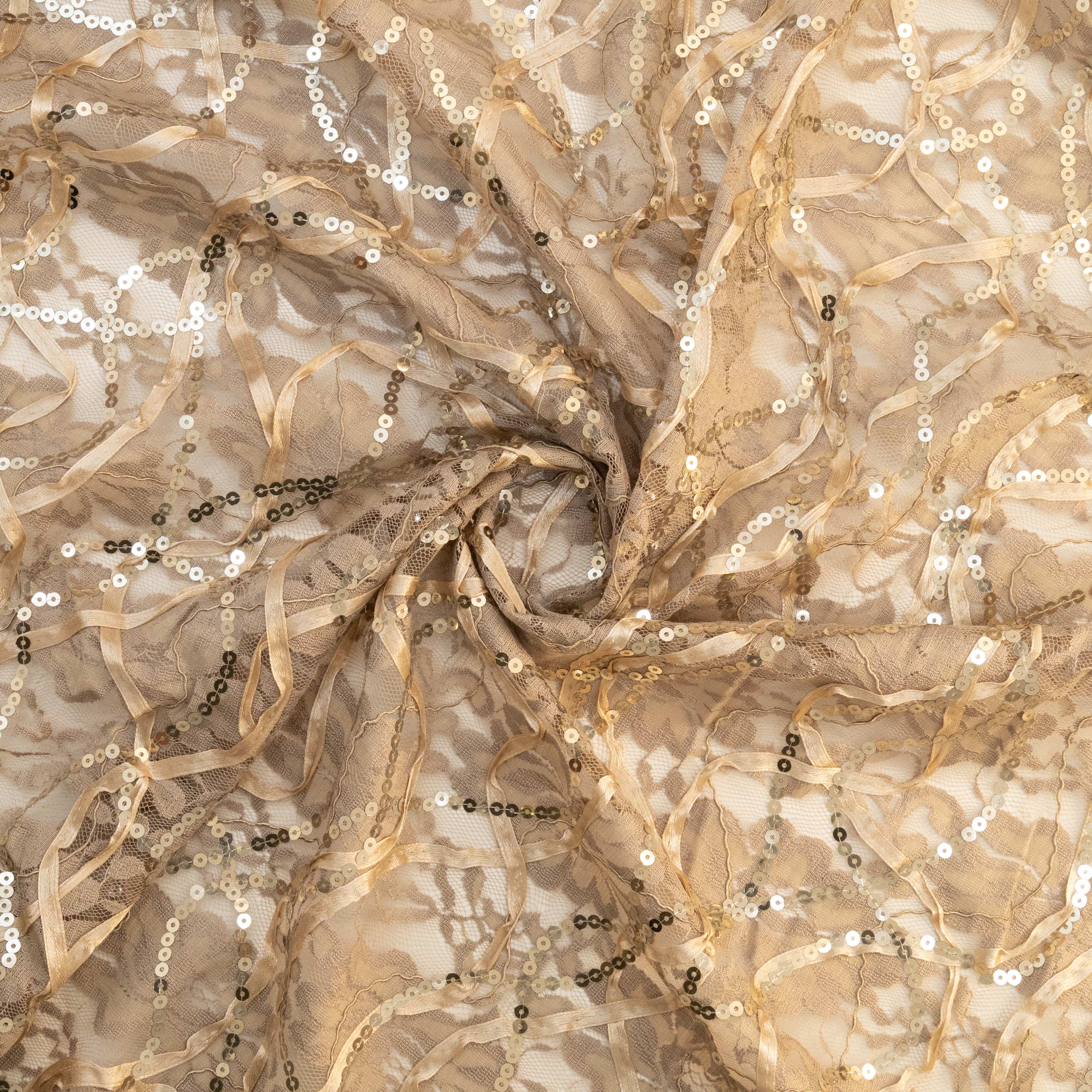
It helps to distinguish two forms of soutache. Soutache as trim is the raw braid sold by the yard, used in jewelry making, appliqué, and passementerie work. Soutache as fabric is braid already embroidered onto a mesh or base cloth substrate, which is what this collection sells. The finished fabric version is ready to pattern and sew, making it the practical choice for garment construction. End uses span evening wear, bridal gowns, cocktail dresses, blouses, skirts, and handbag embellishment.
Soutache Fabric Types in This Collection
Not all soutache fabrics are constructed the same way. Here is how to choose the right base for your project.
Sheer and Lightweight Bases
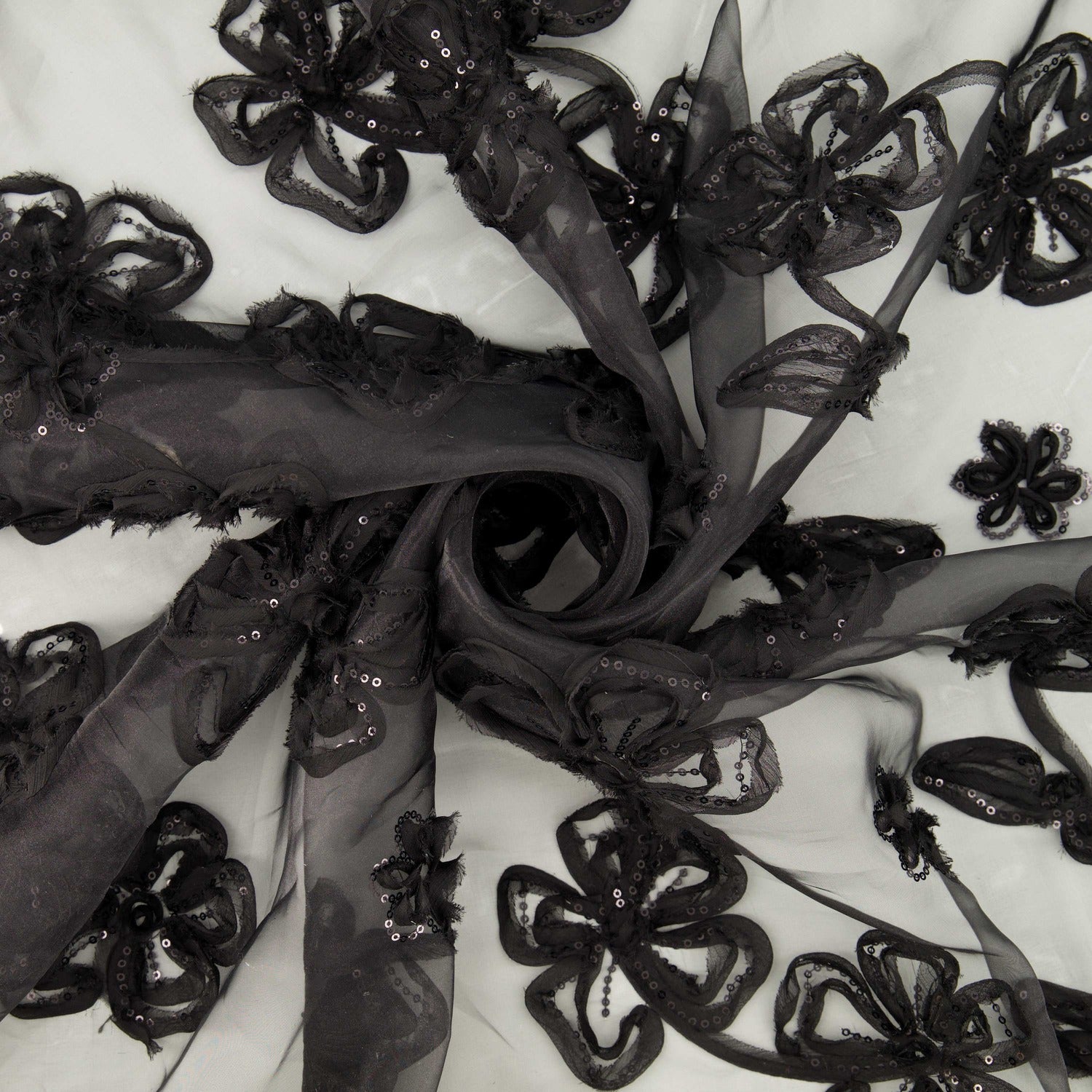
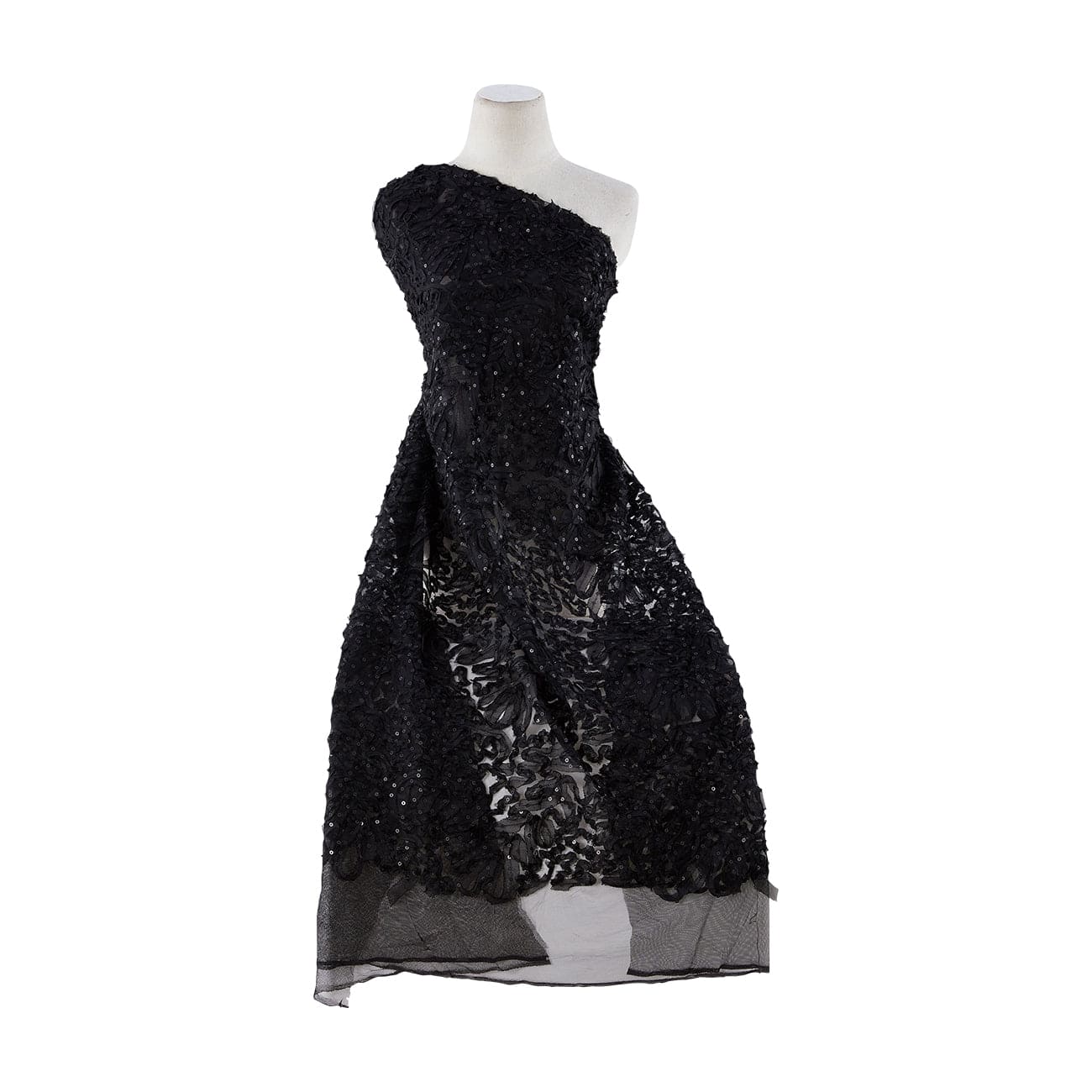
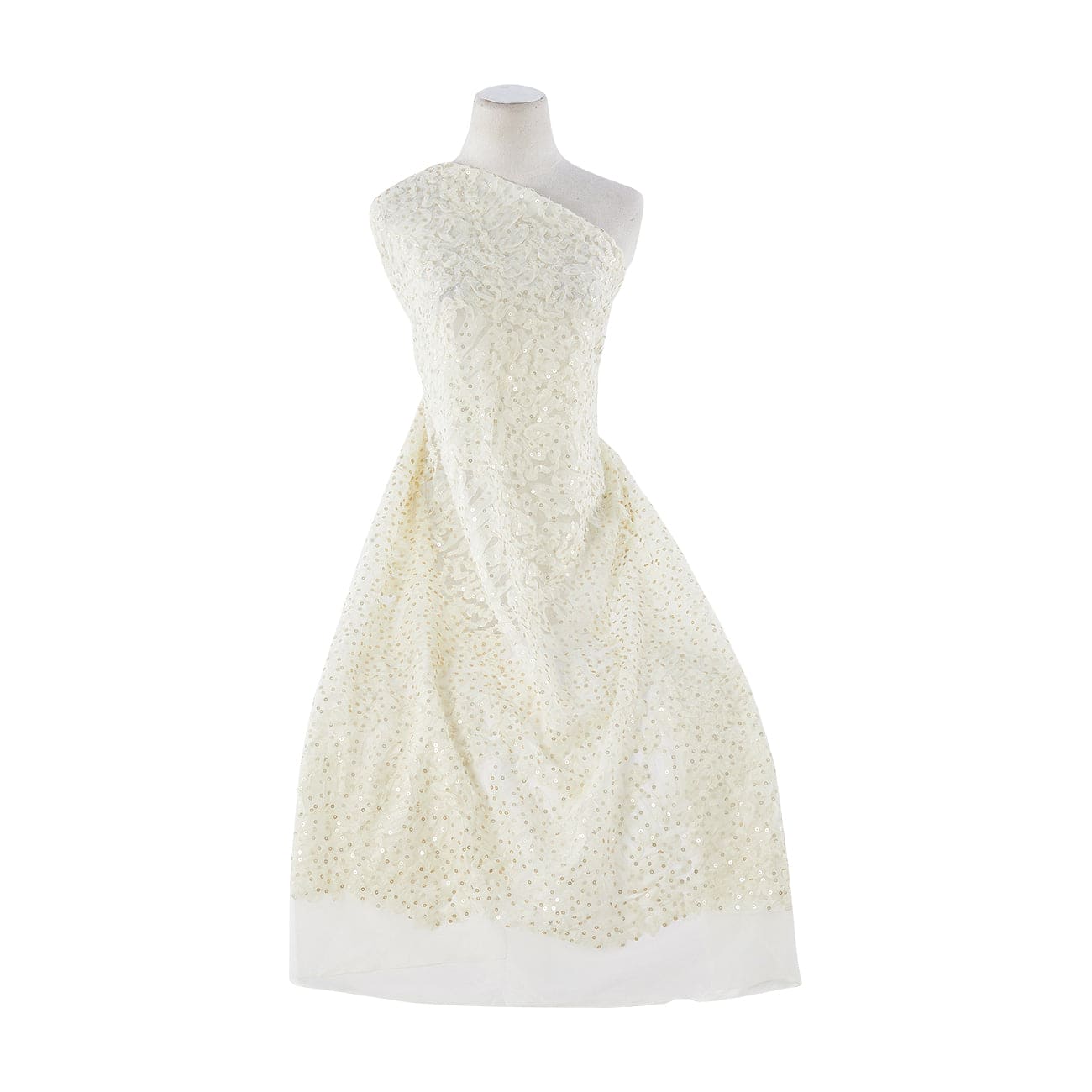
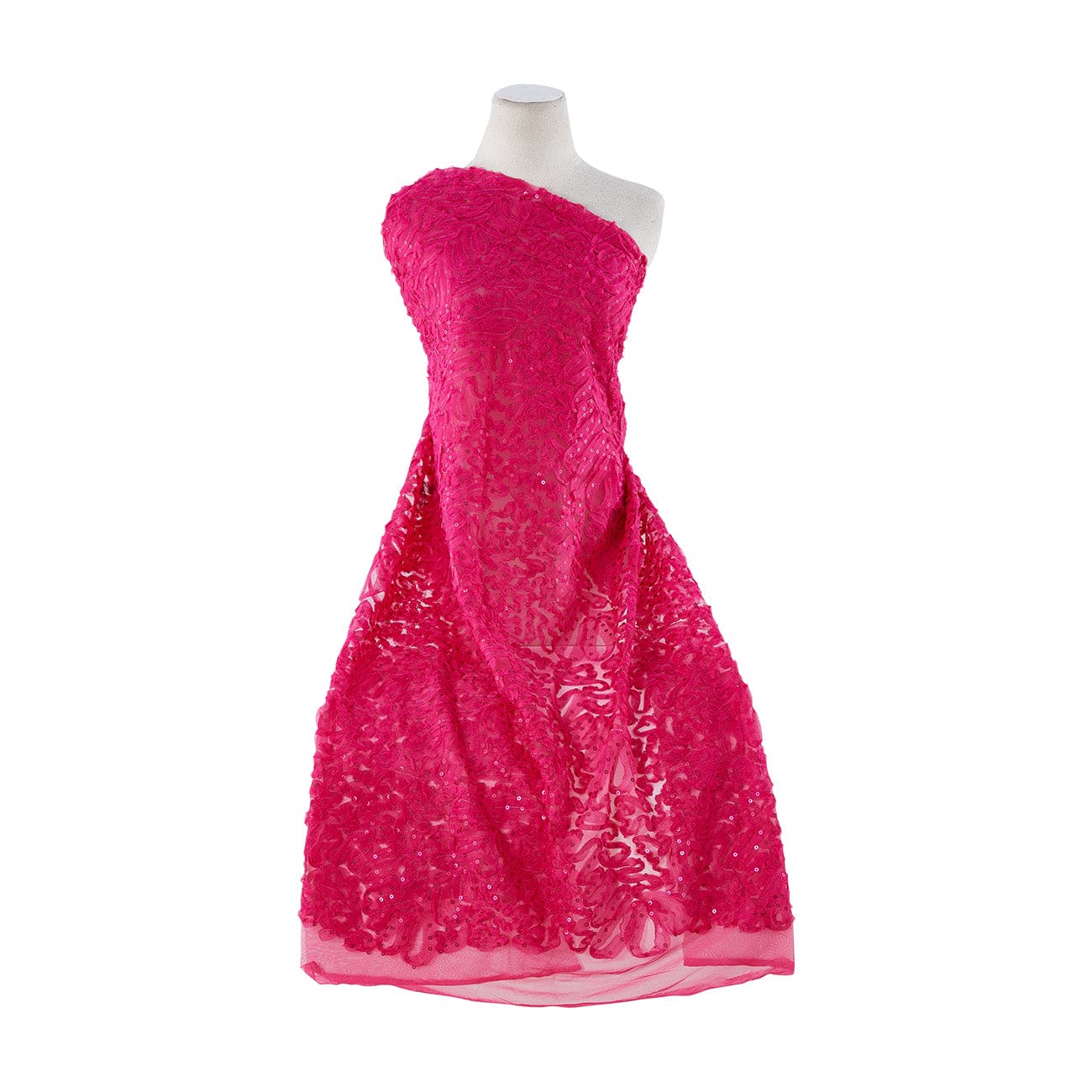
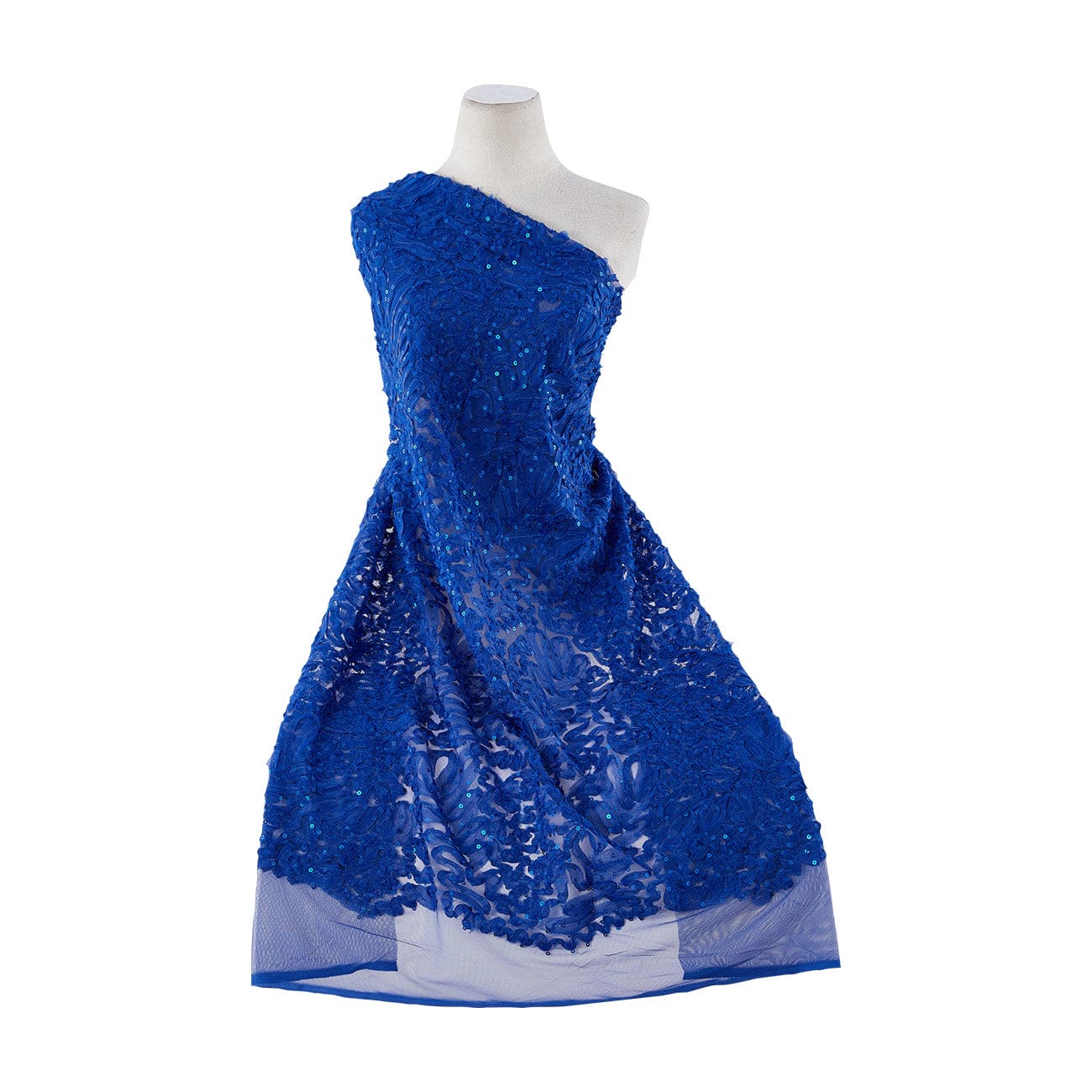
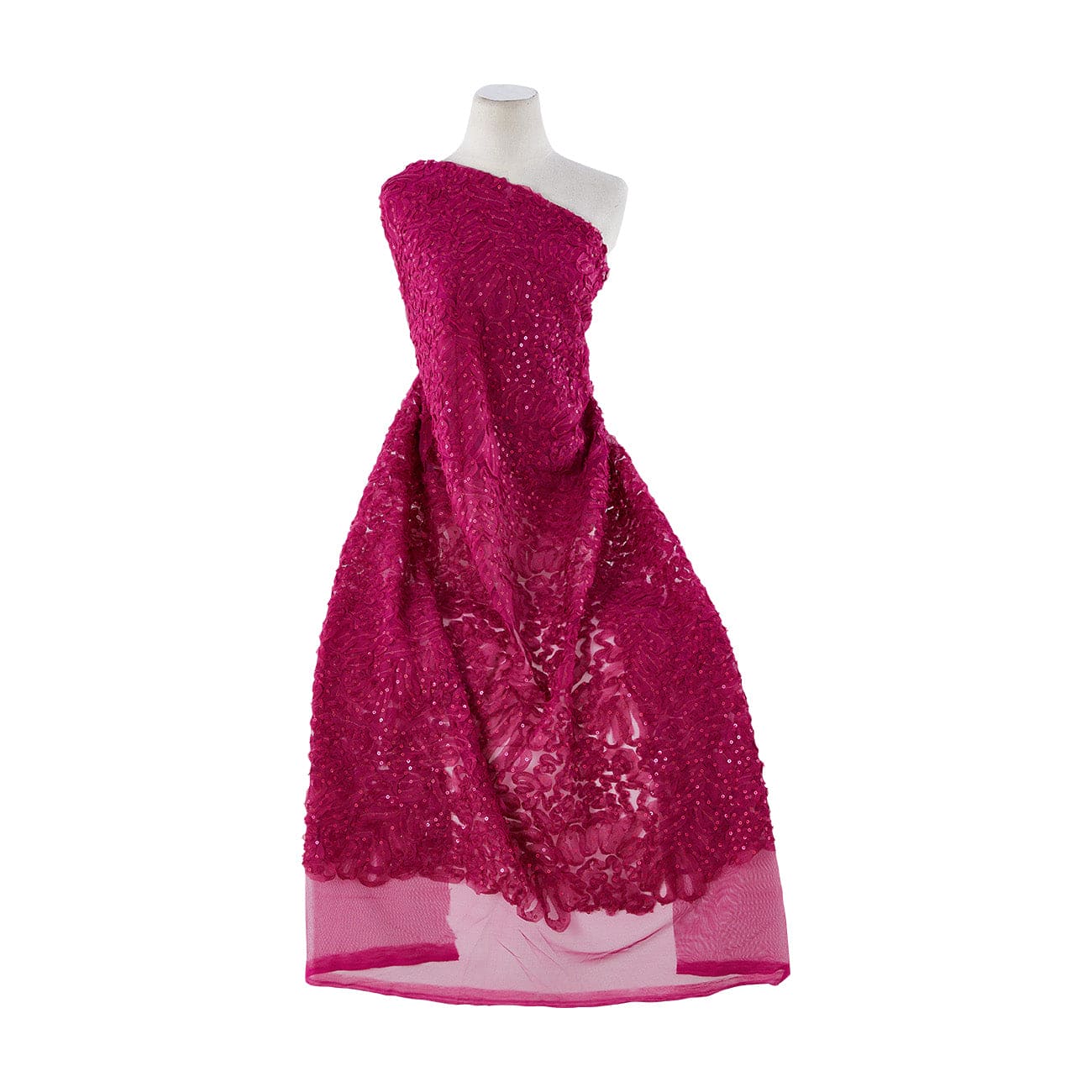
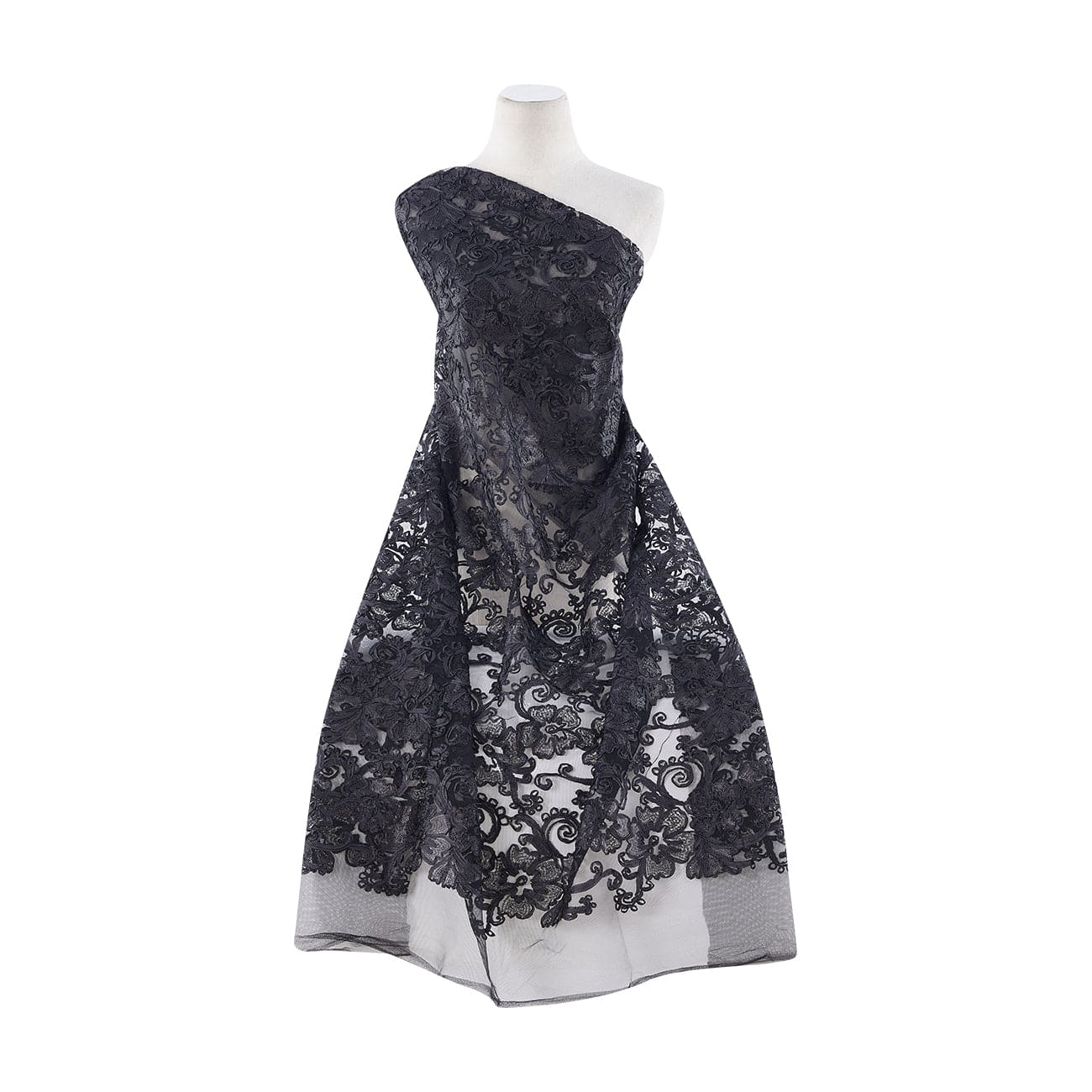
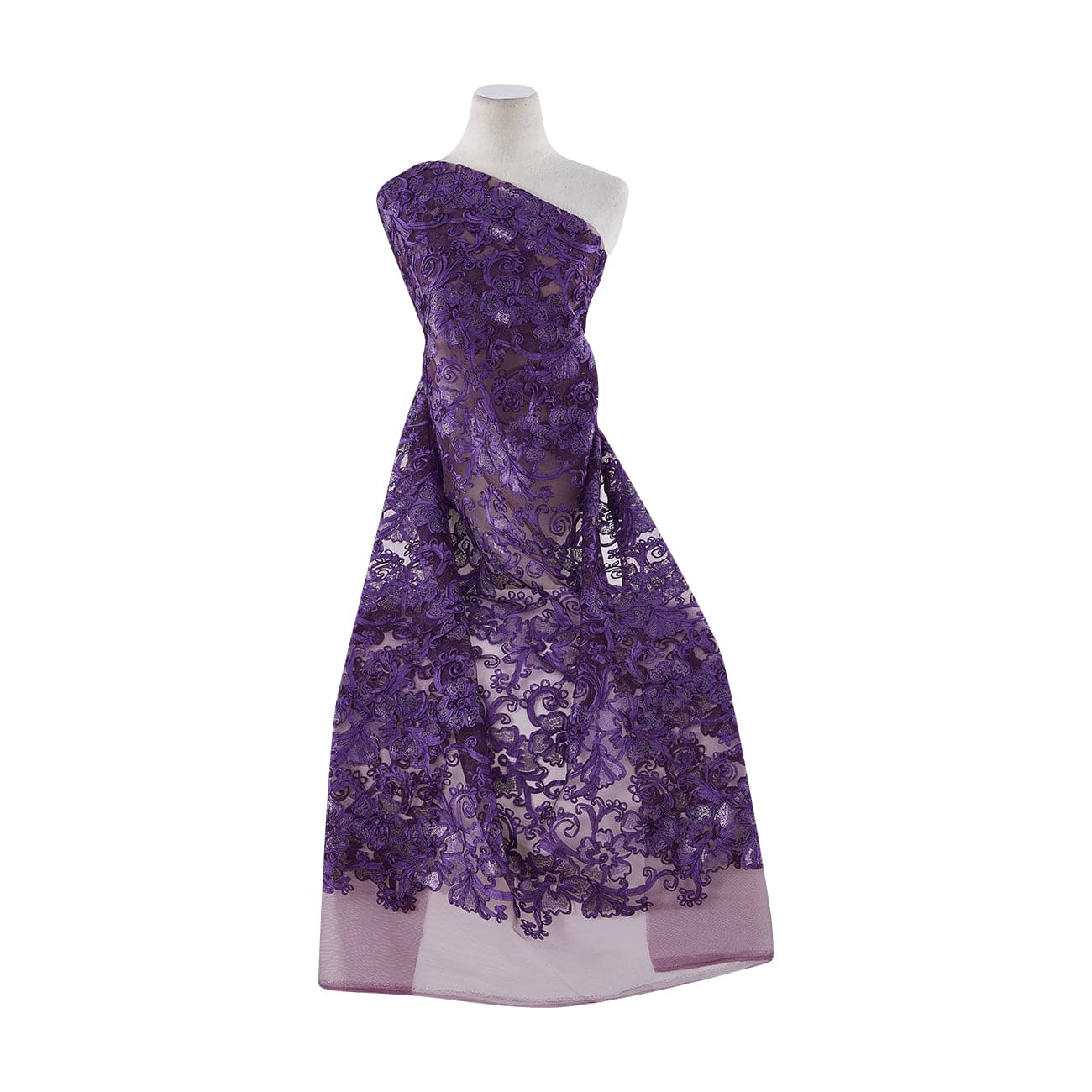
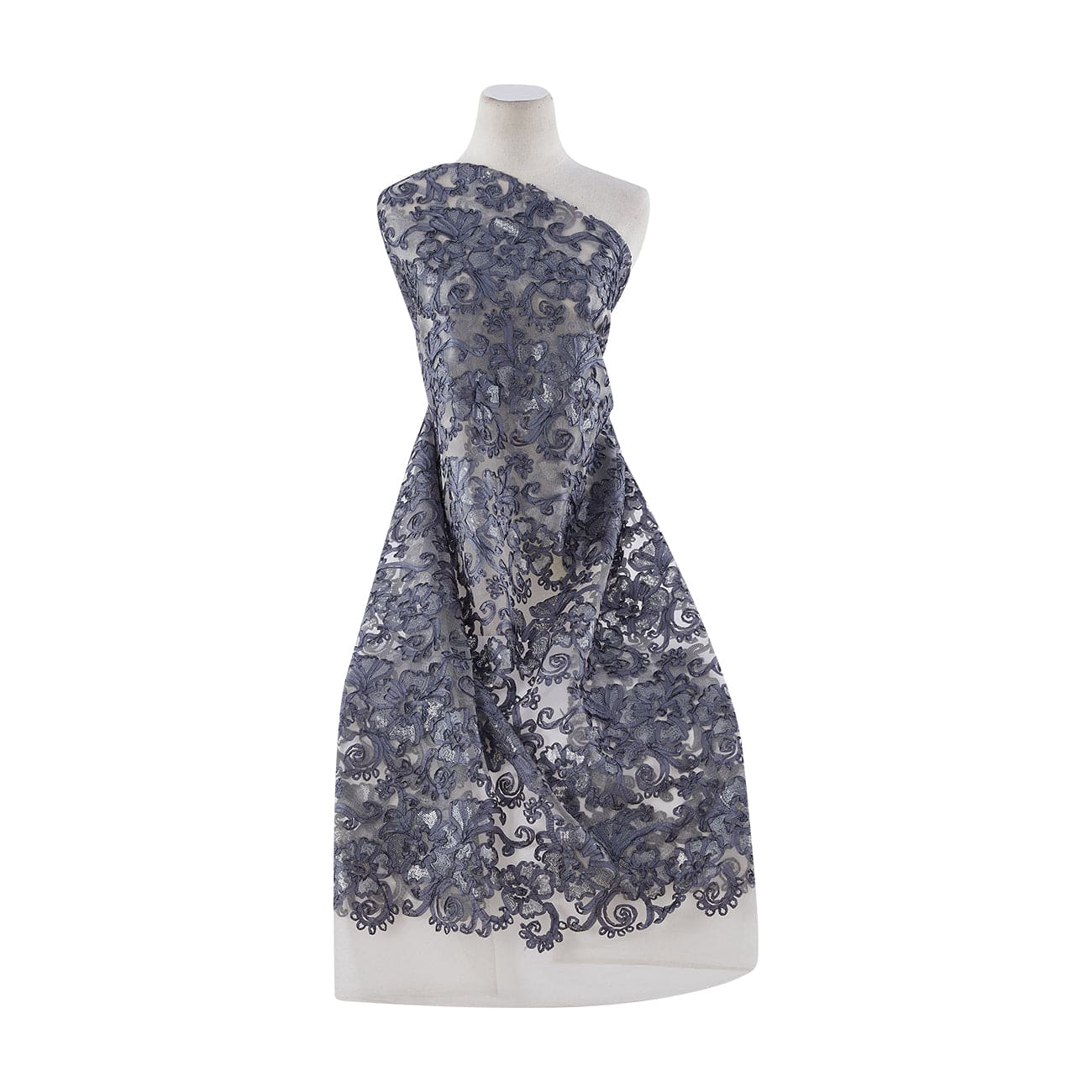
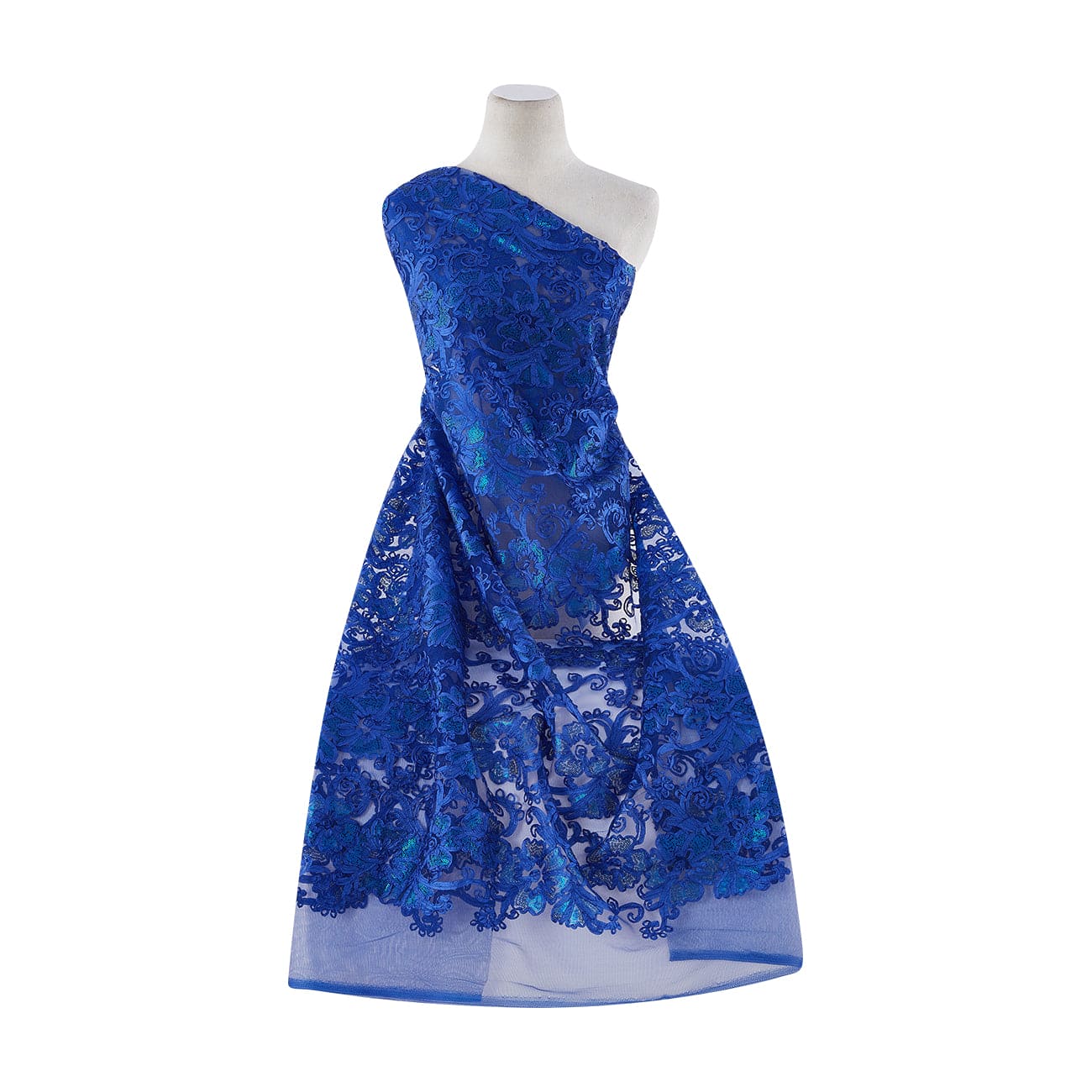
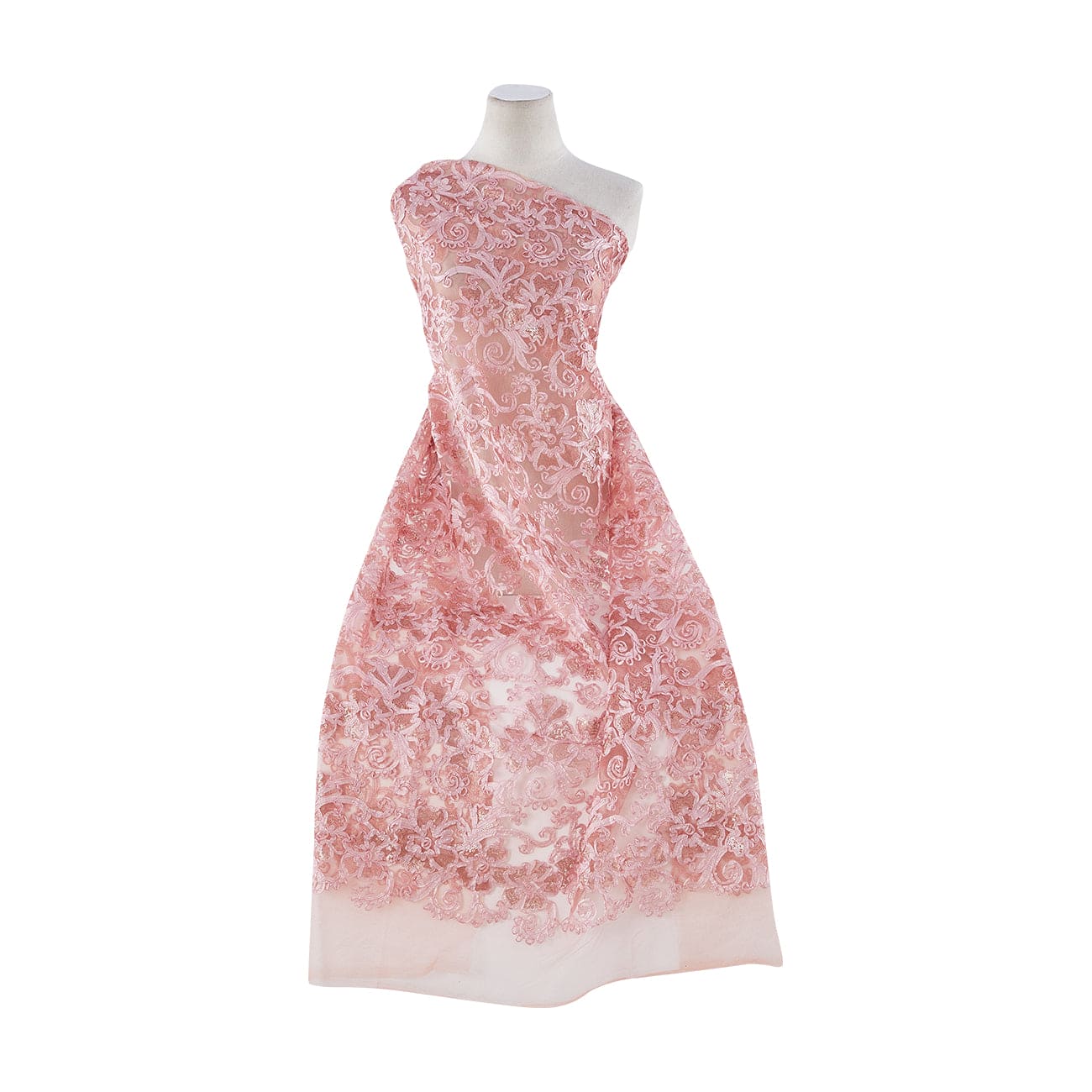
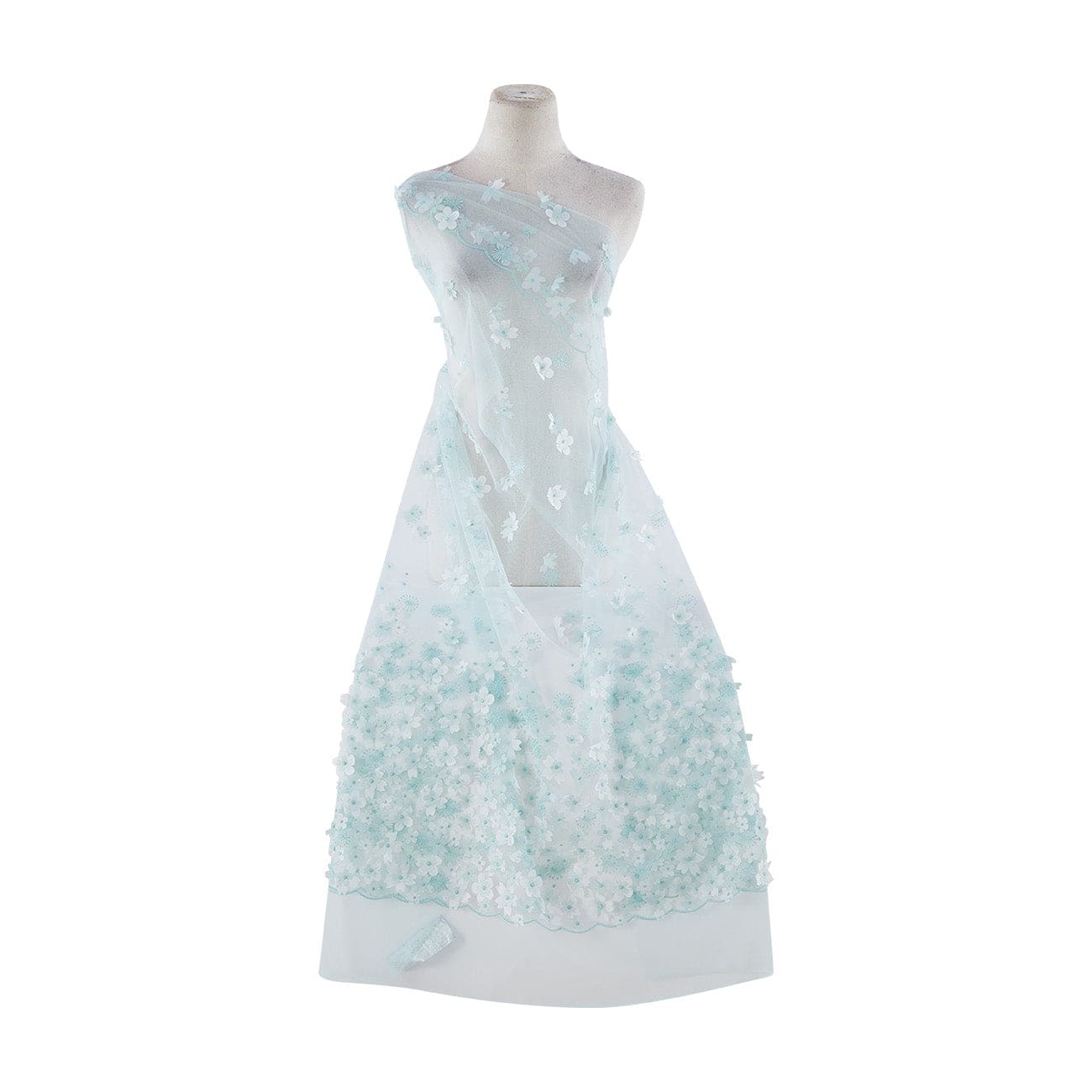
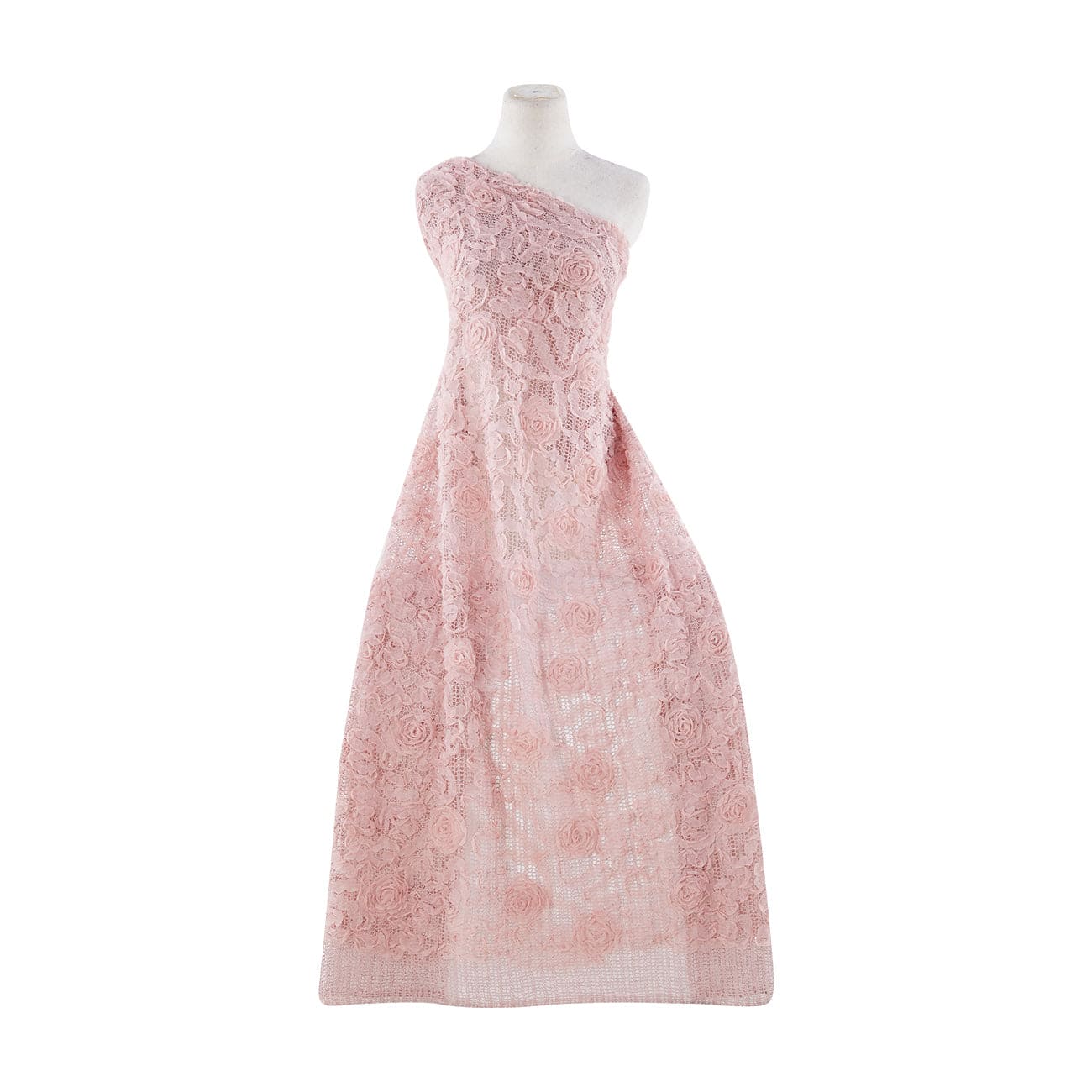
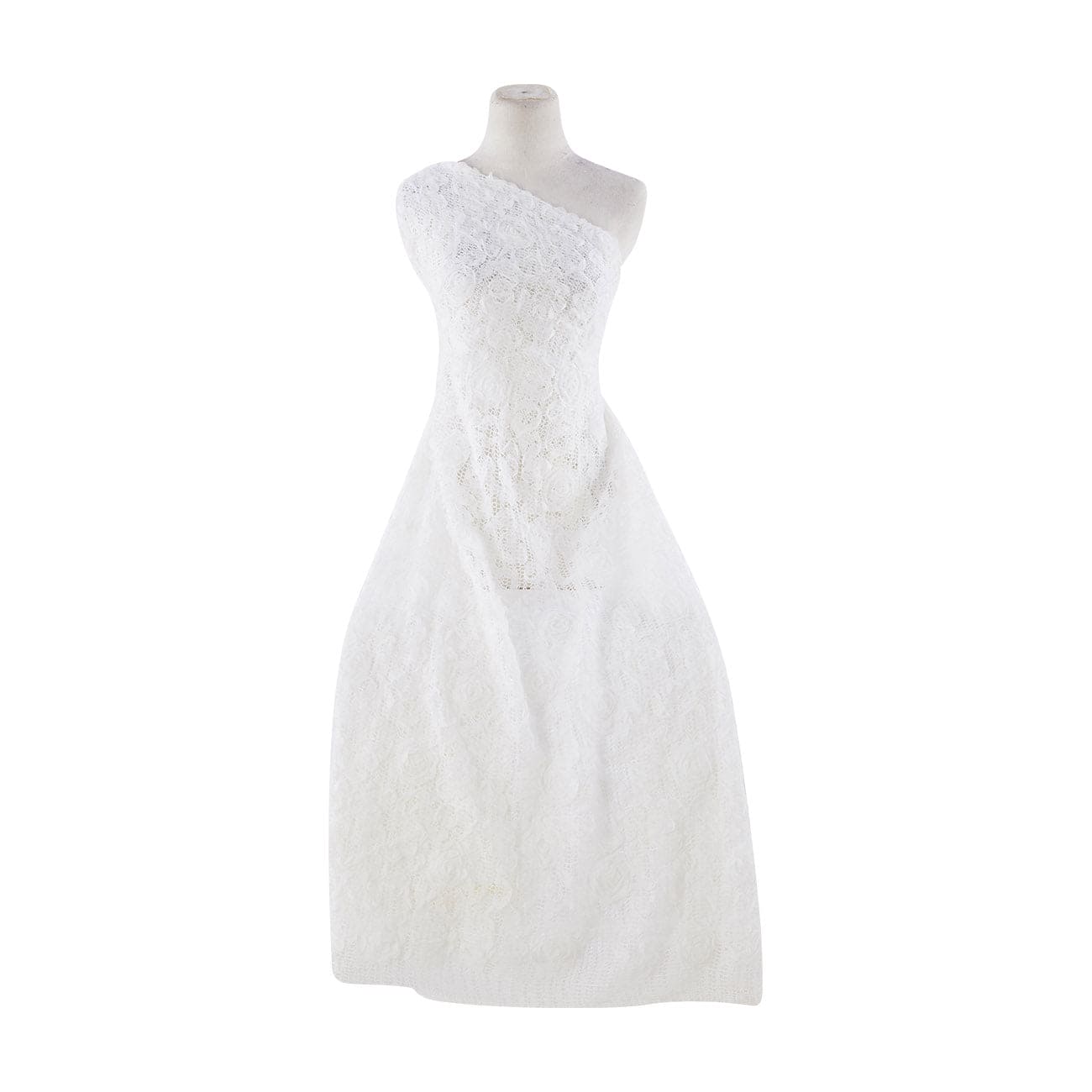
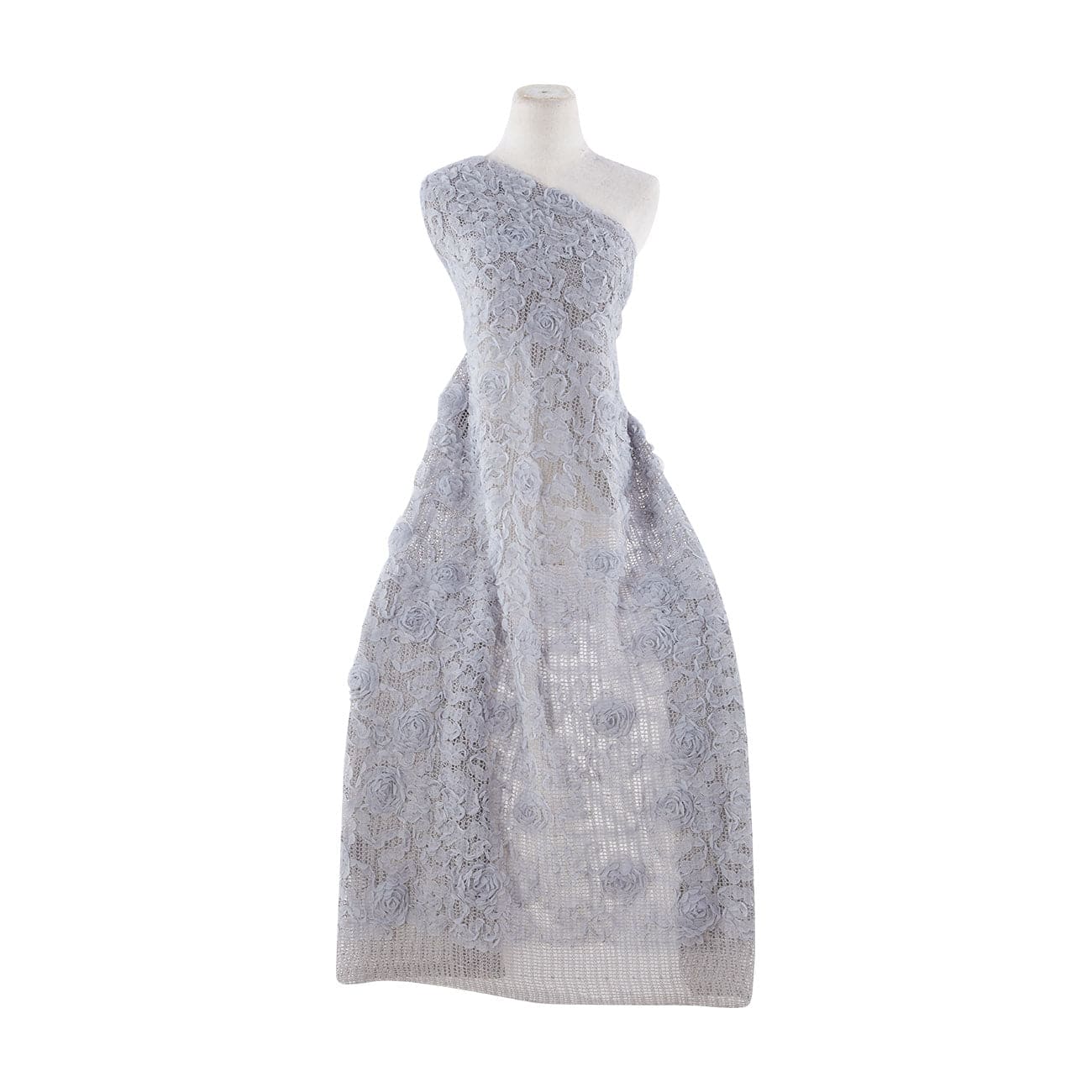
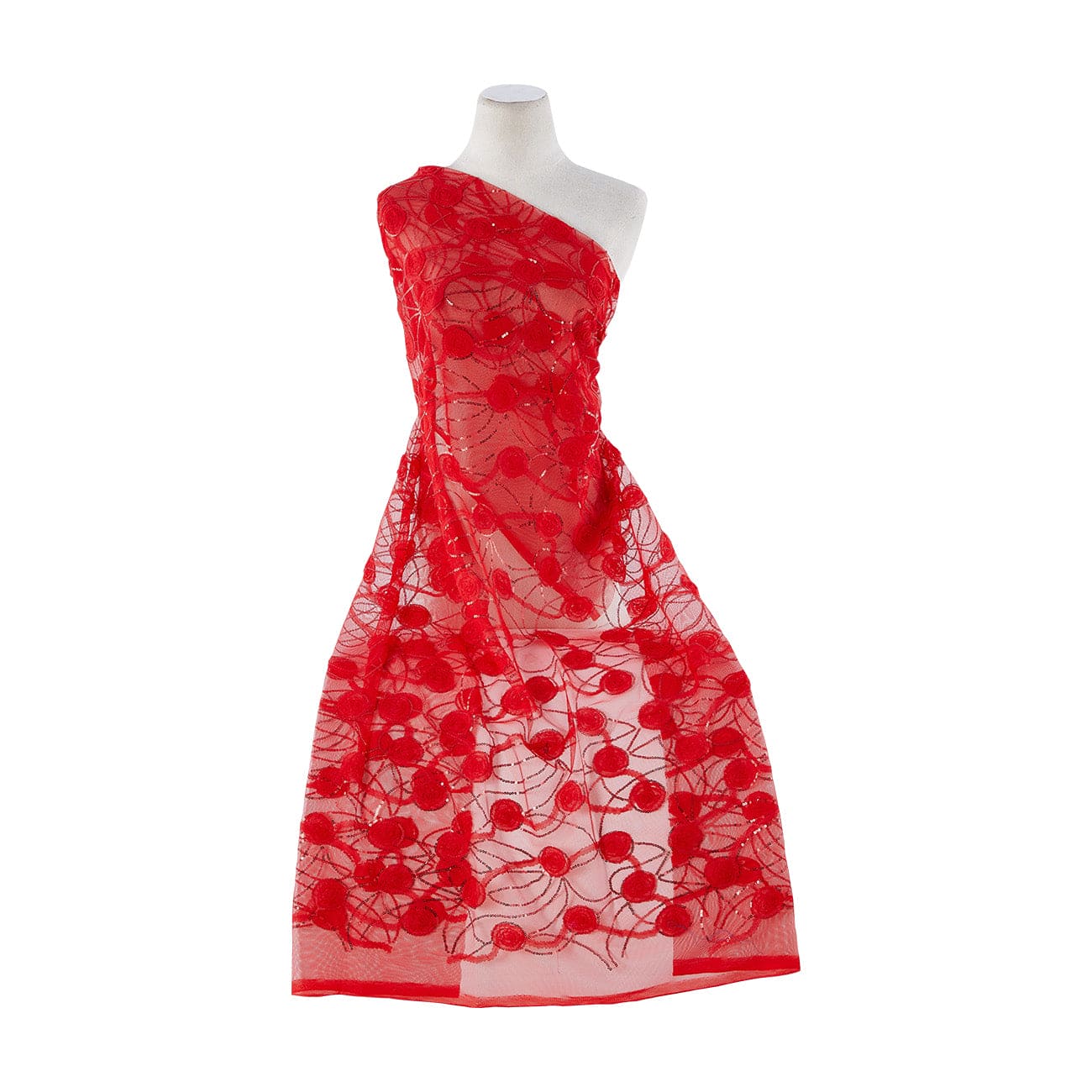
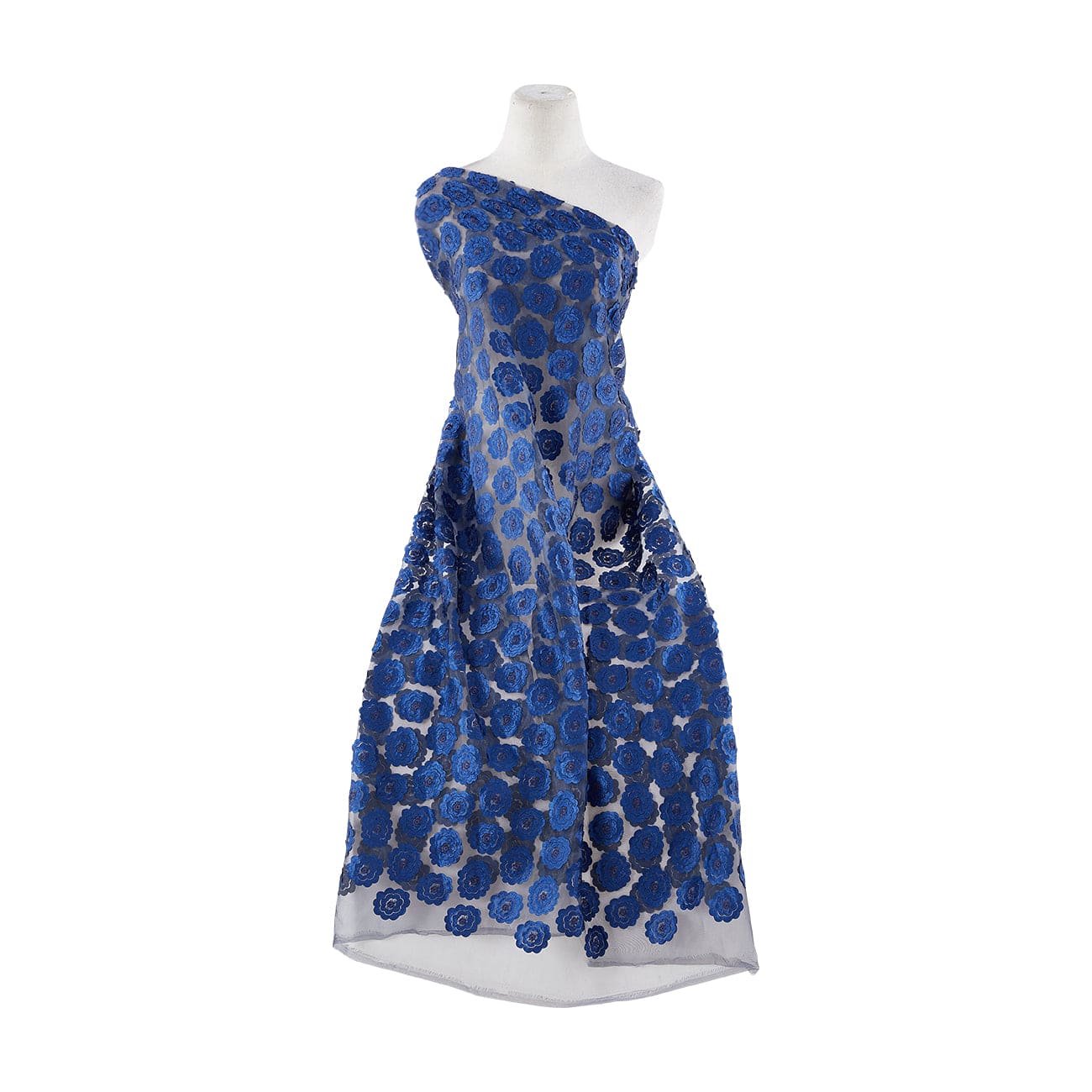
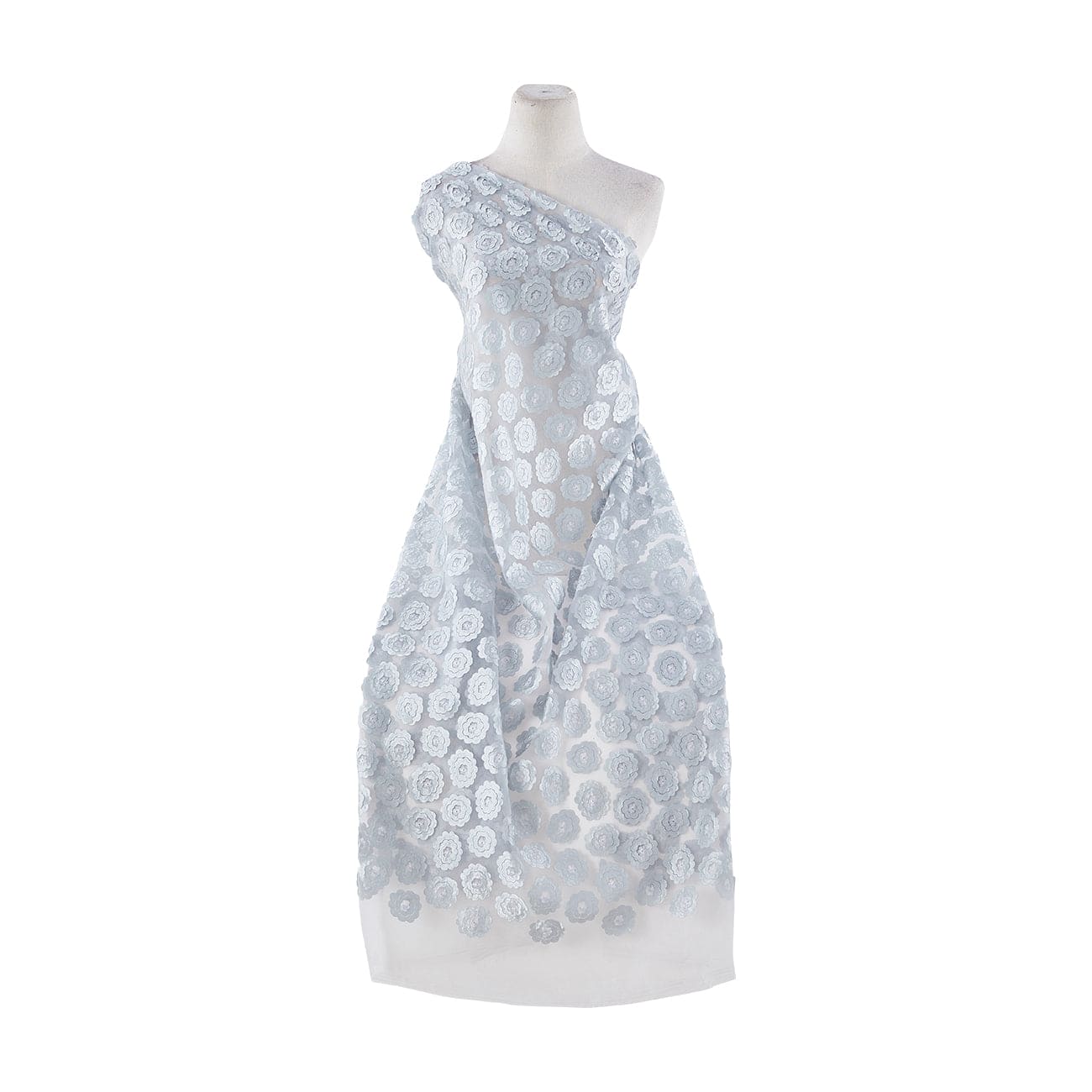
Soutache on mesh and lace mesh gives a sheer, lightweight, open hand that works well as overlay panels in evening wear and bridal, such as the Janet Ribbon Soutache Lace Mesh and Akira Floral Soutache Embroidery on Mesh. Ribbon soutache on chiffon offers a softer, more fluid drape suited to blouses, flutter sleeves, and skirt overlays. You can also pair it with Chiffon Ribbon on Mesh to spice things up.
Structured and Opaque Bases
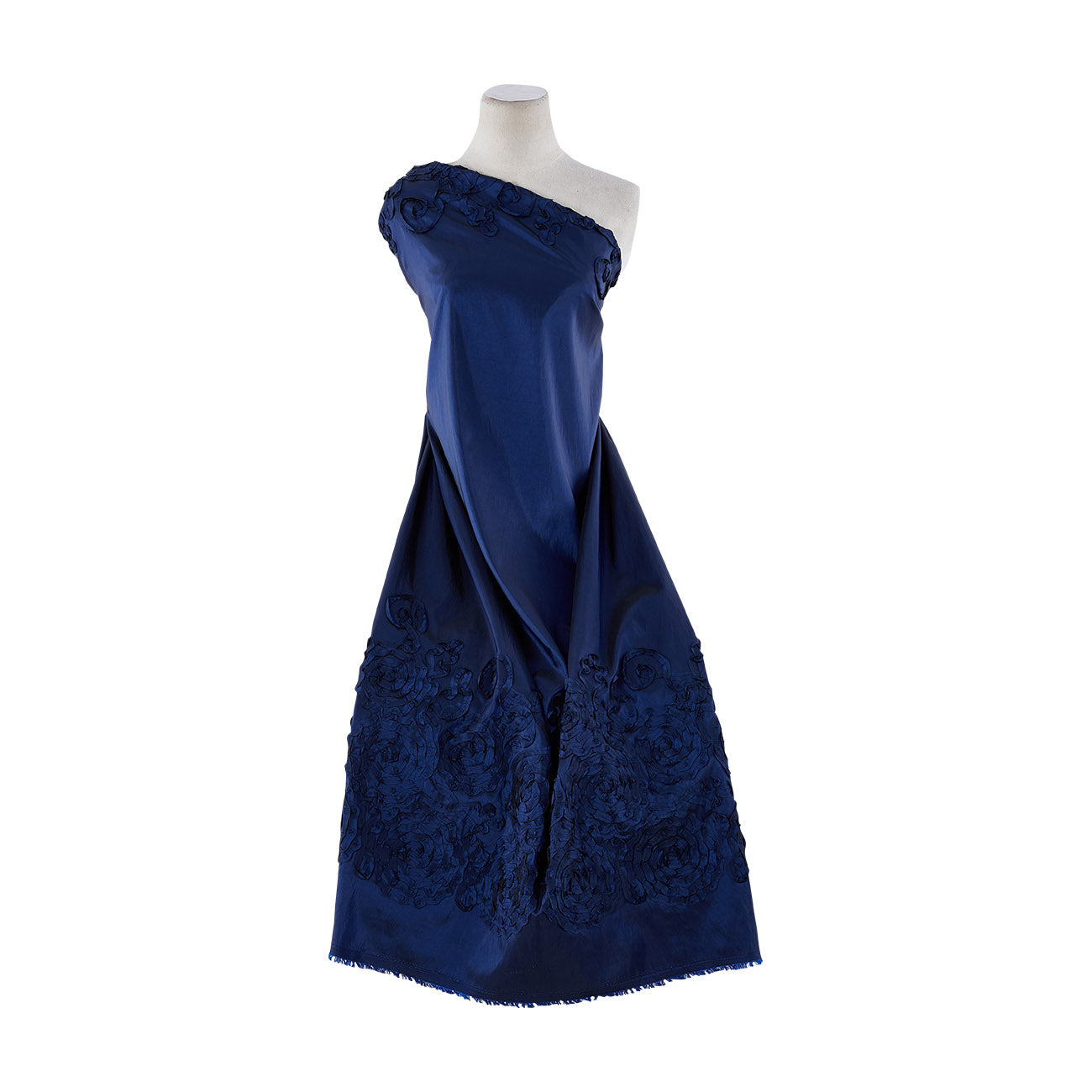
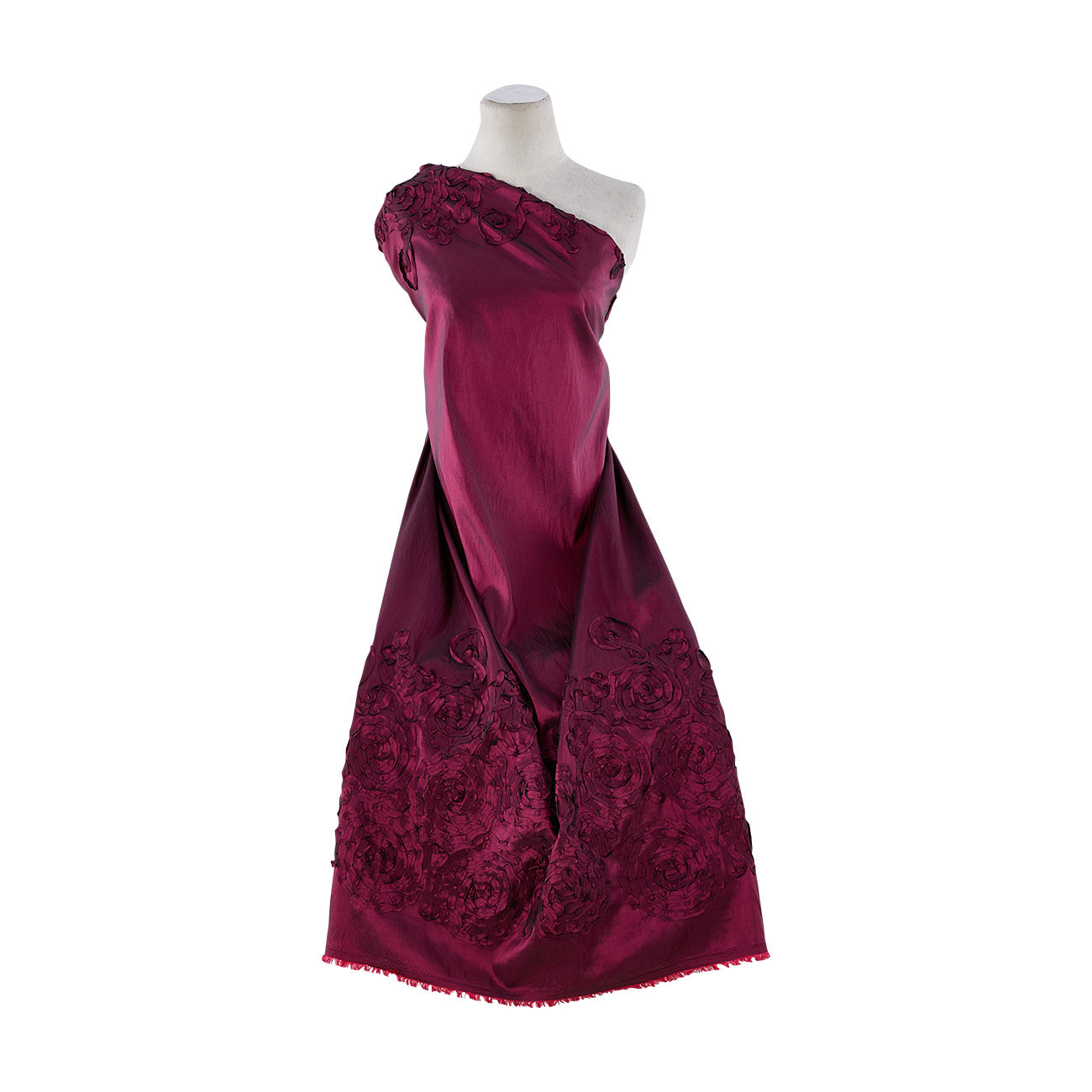
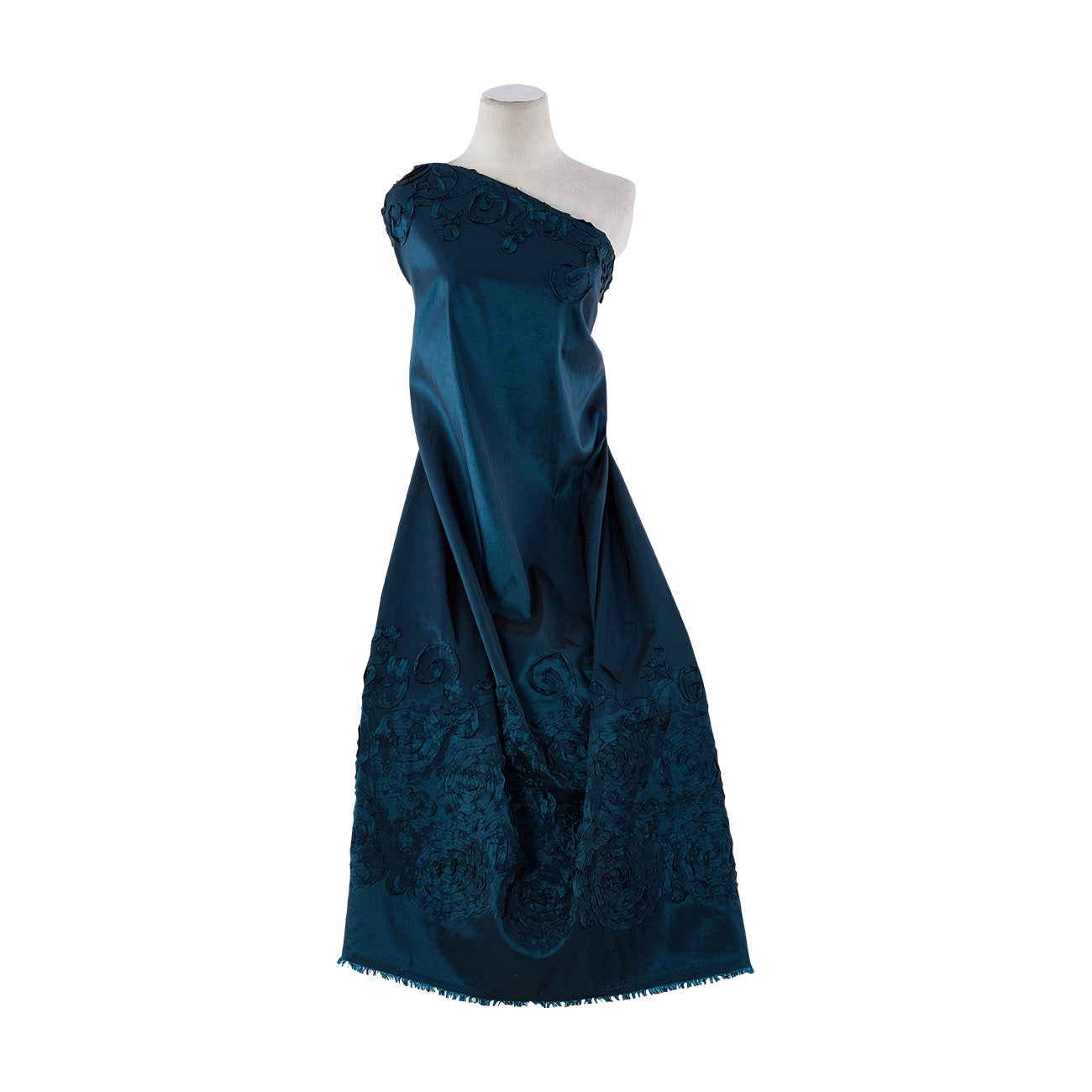
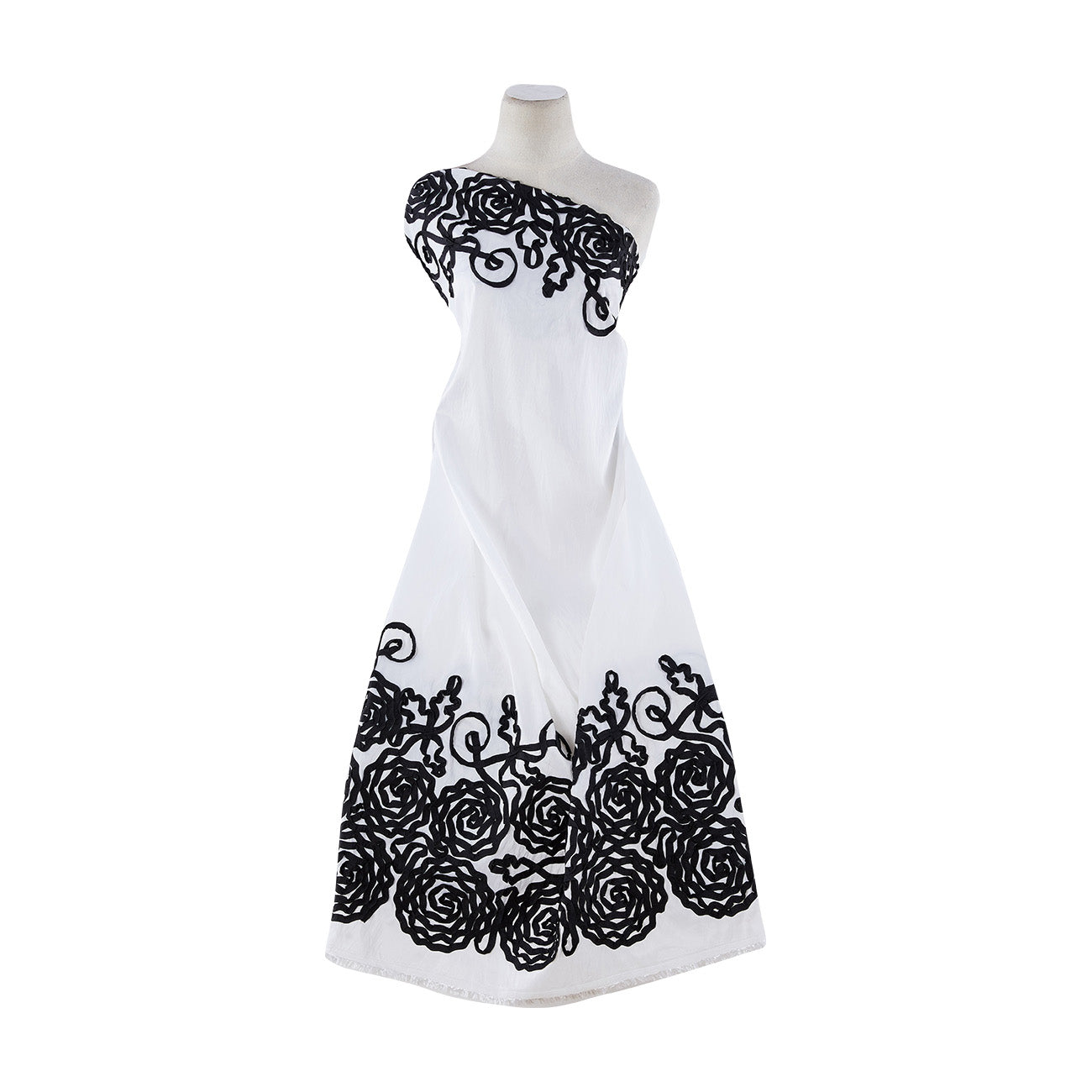
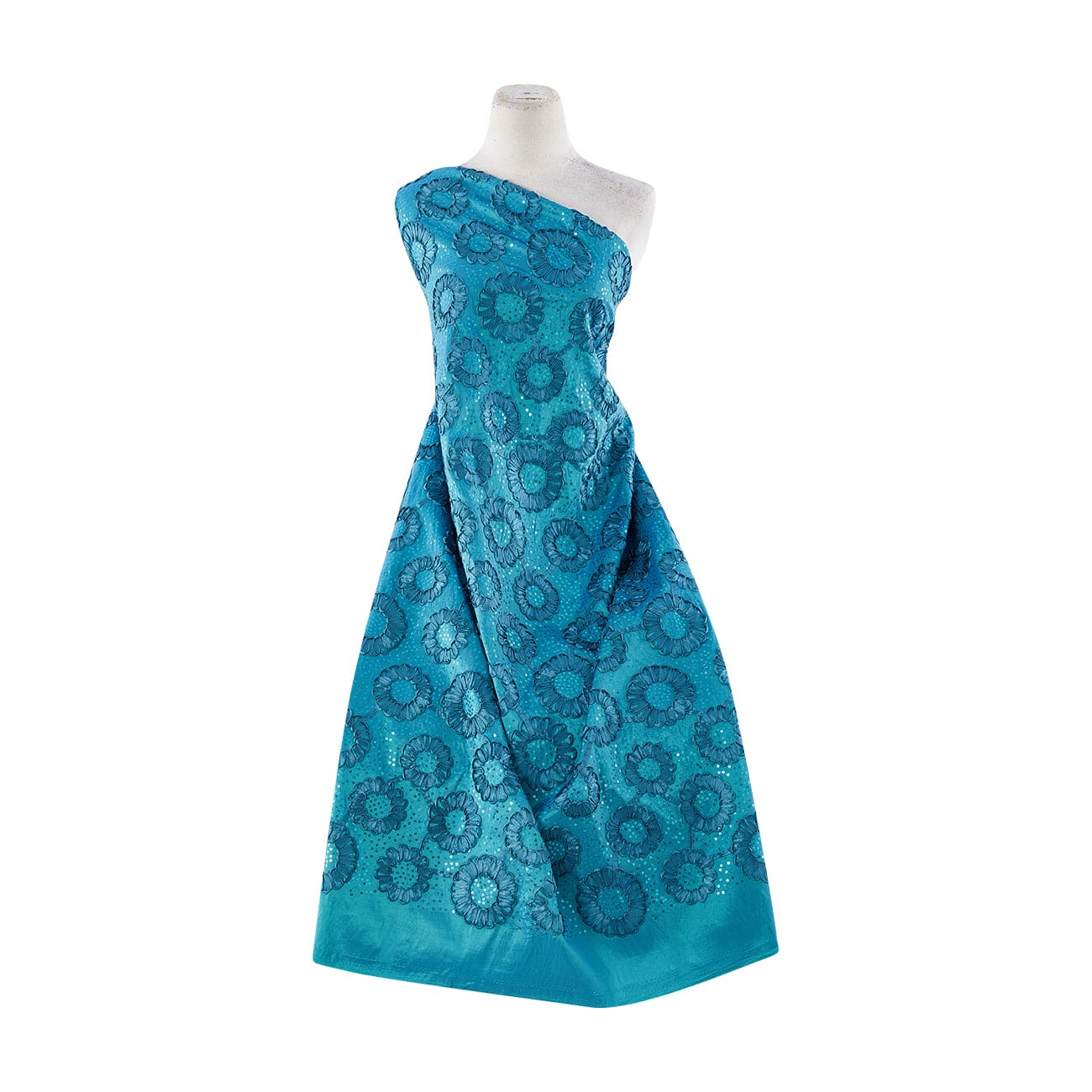
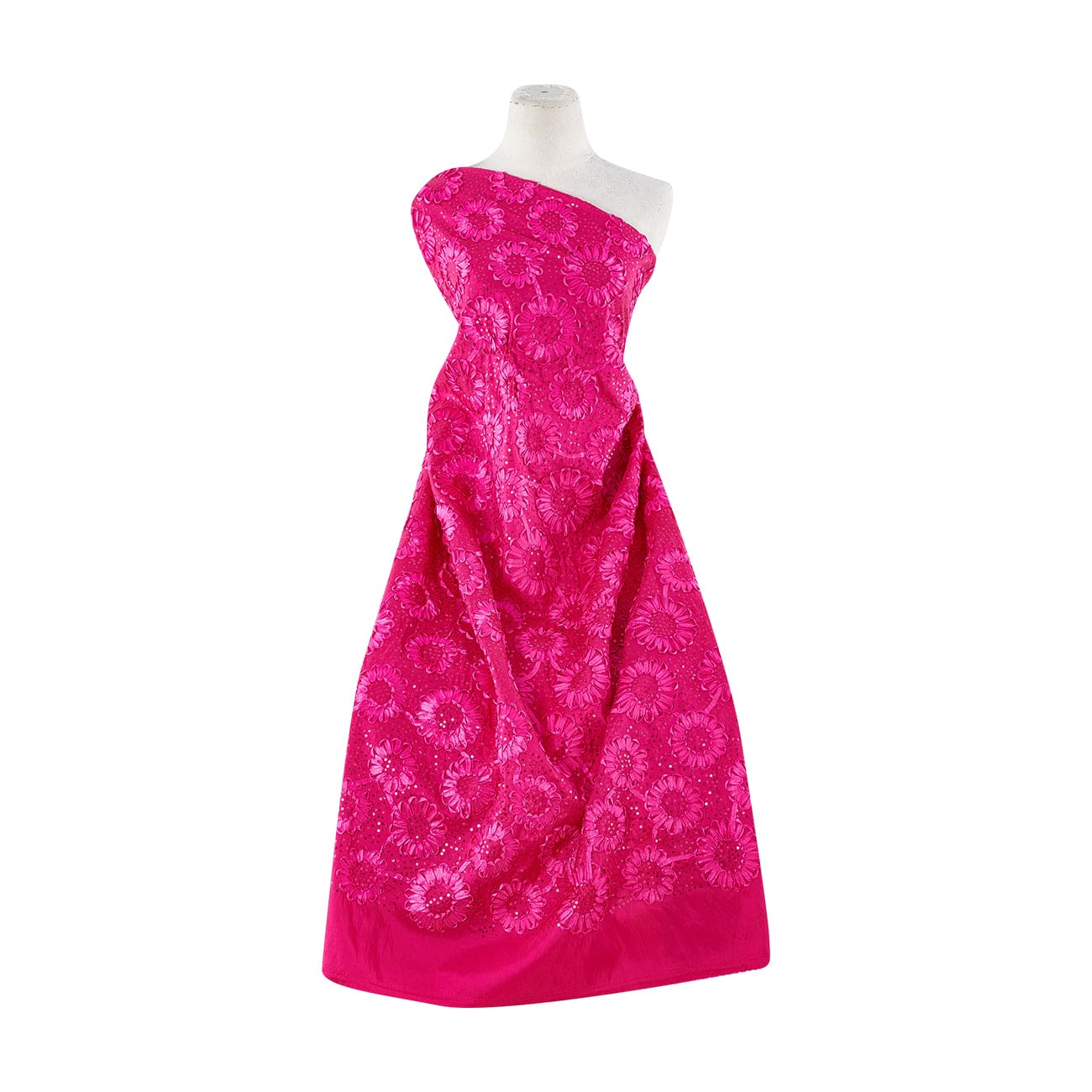
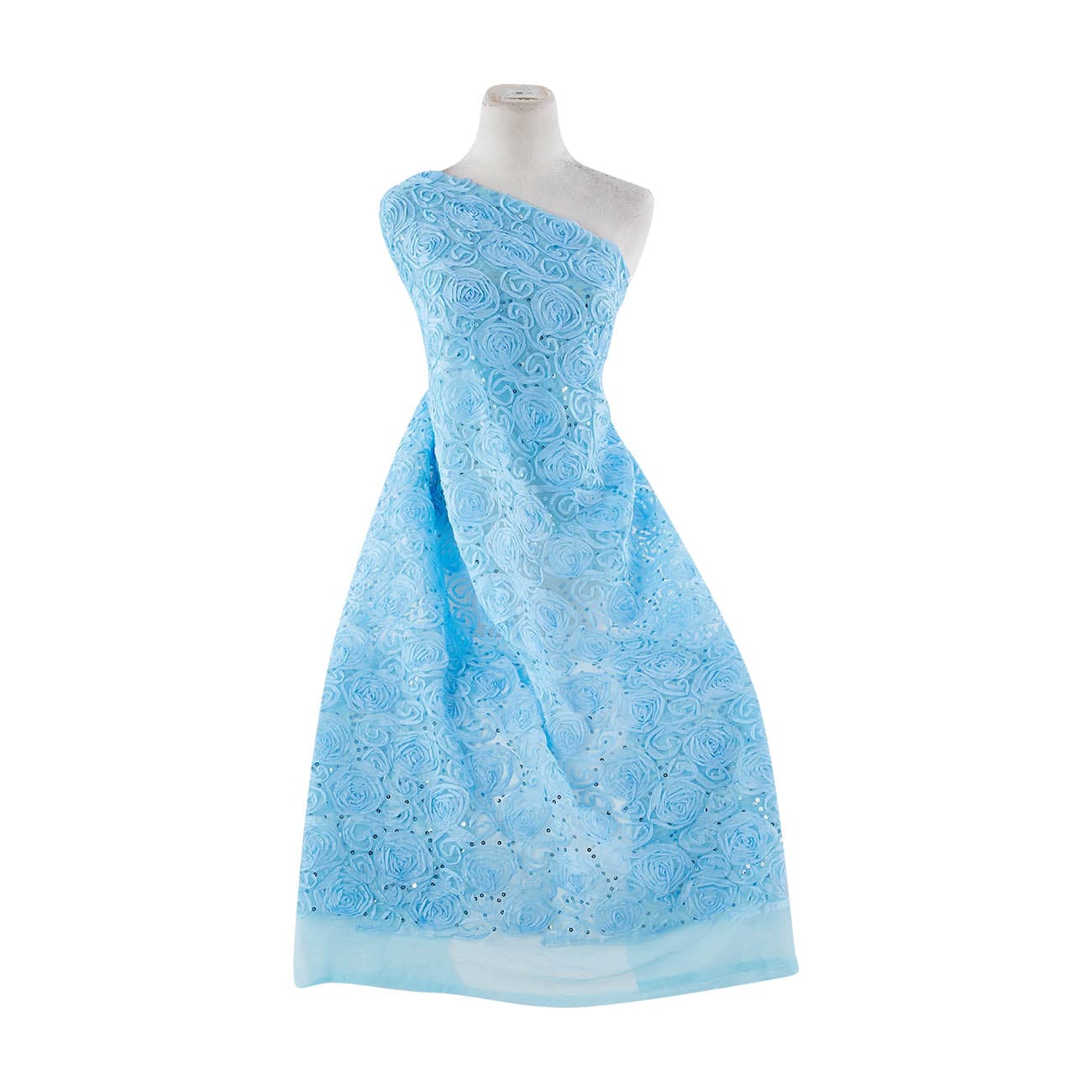
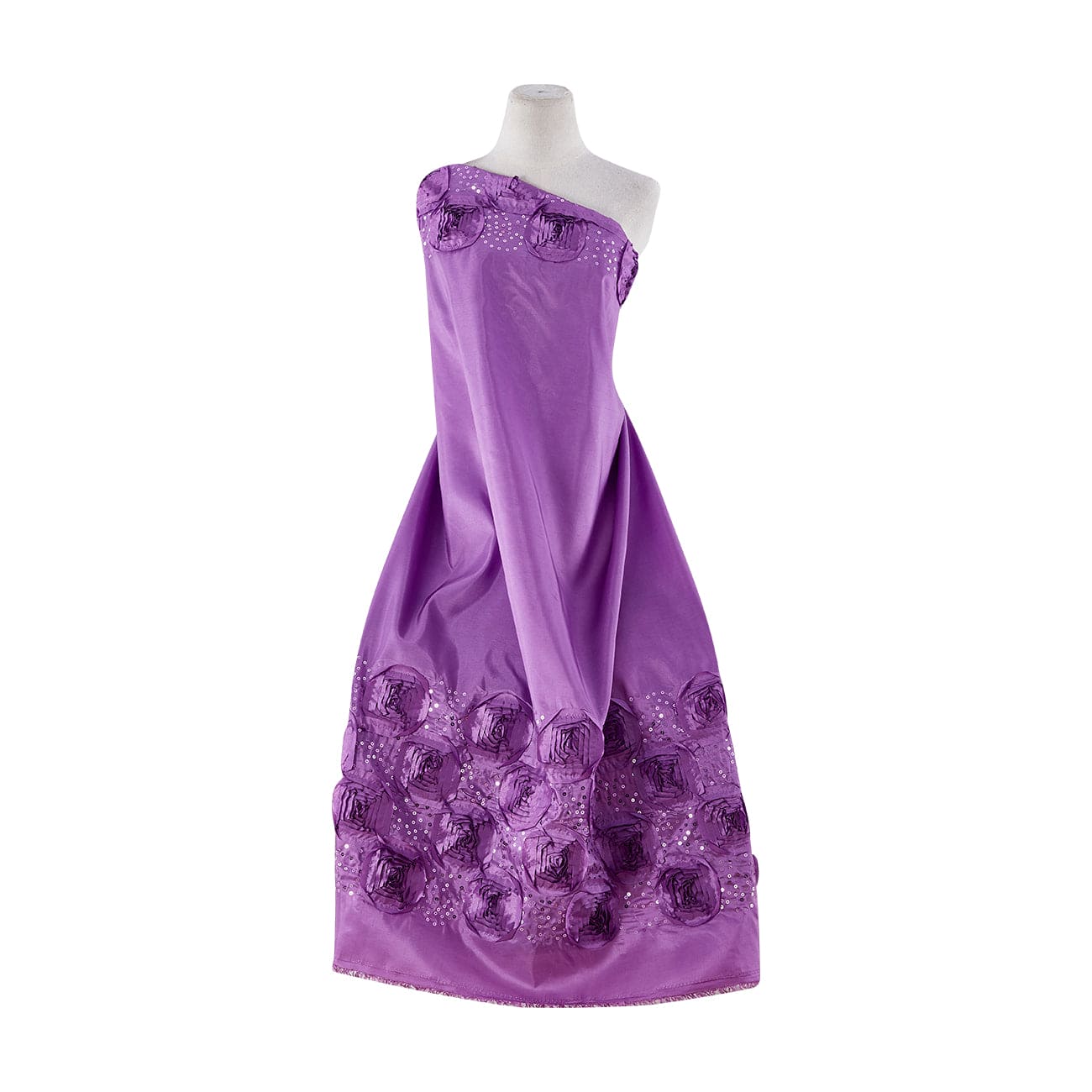
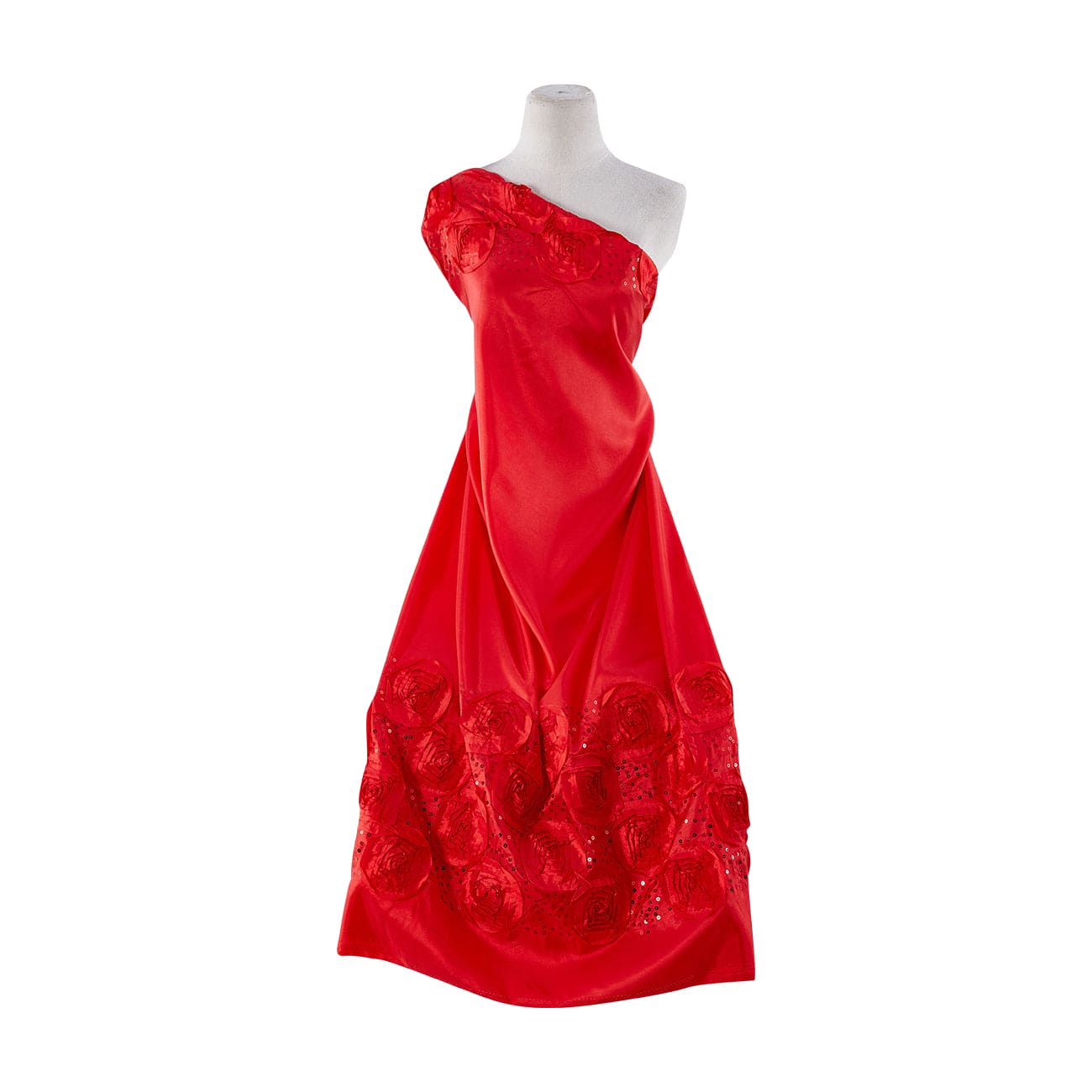
Soutache on cotton lawn is breathable and opaque with a crisp yet soft hand, a good fit for daywear dresses and structured bodices, as seen in Flower Sutash on Cotton Lawn. Soutache on poly taffeta has a crisp hand and good body, making it well suited to structured skirts, jackets, and occasion wear, with Rosette Sutash on Poly Taffeta a reliable option.
Stretch and Embellished Bases
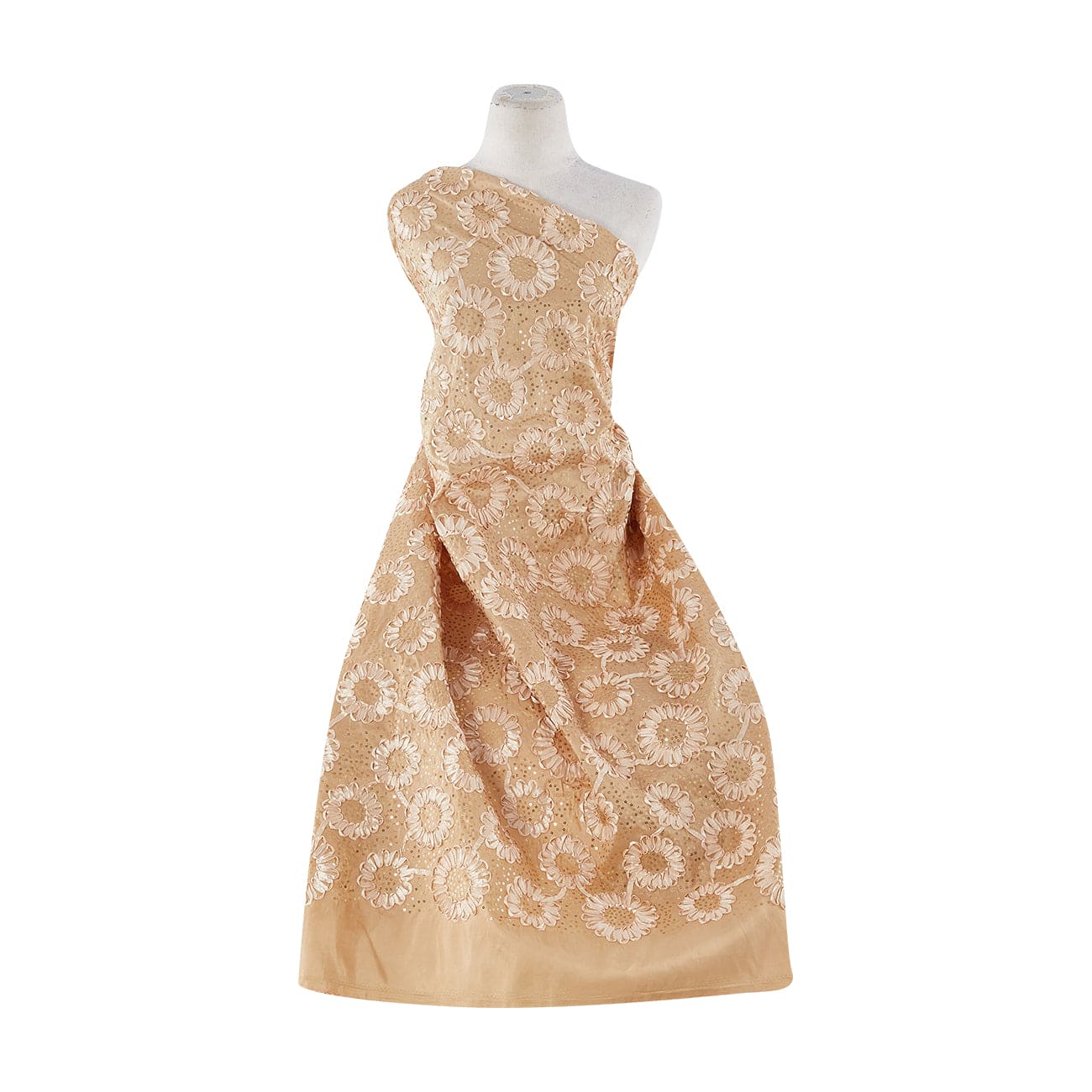
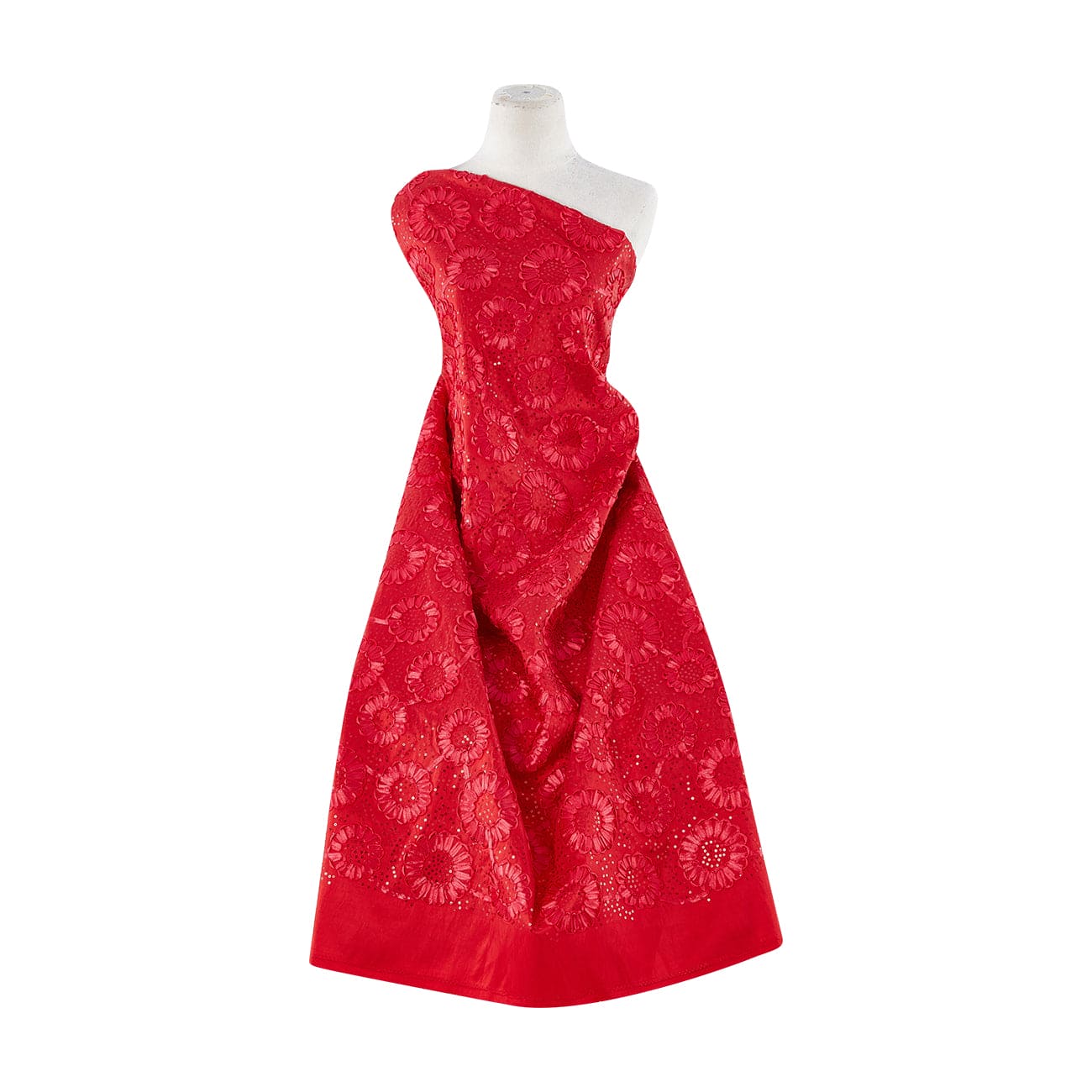
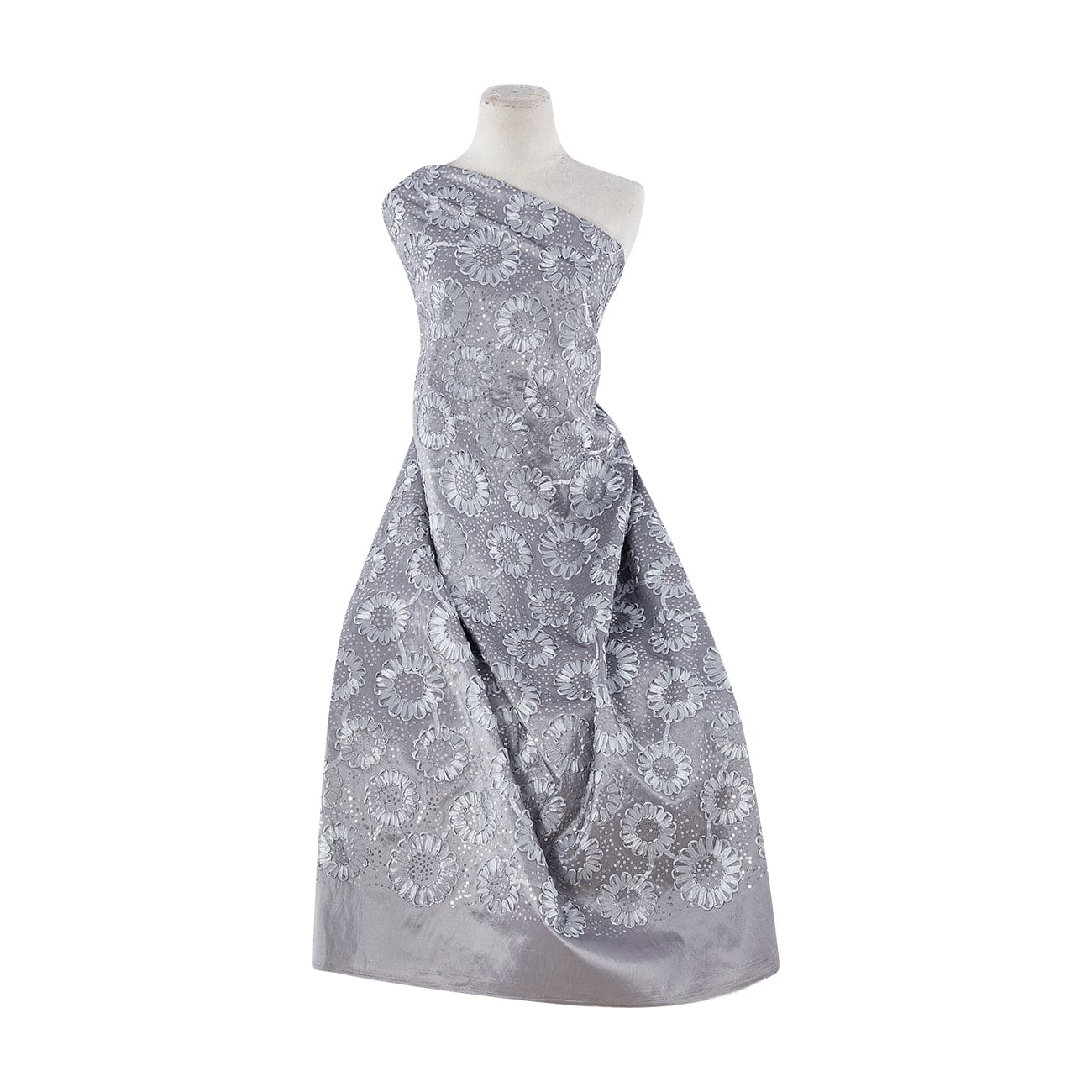
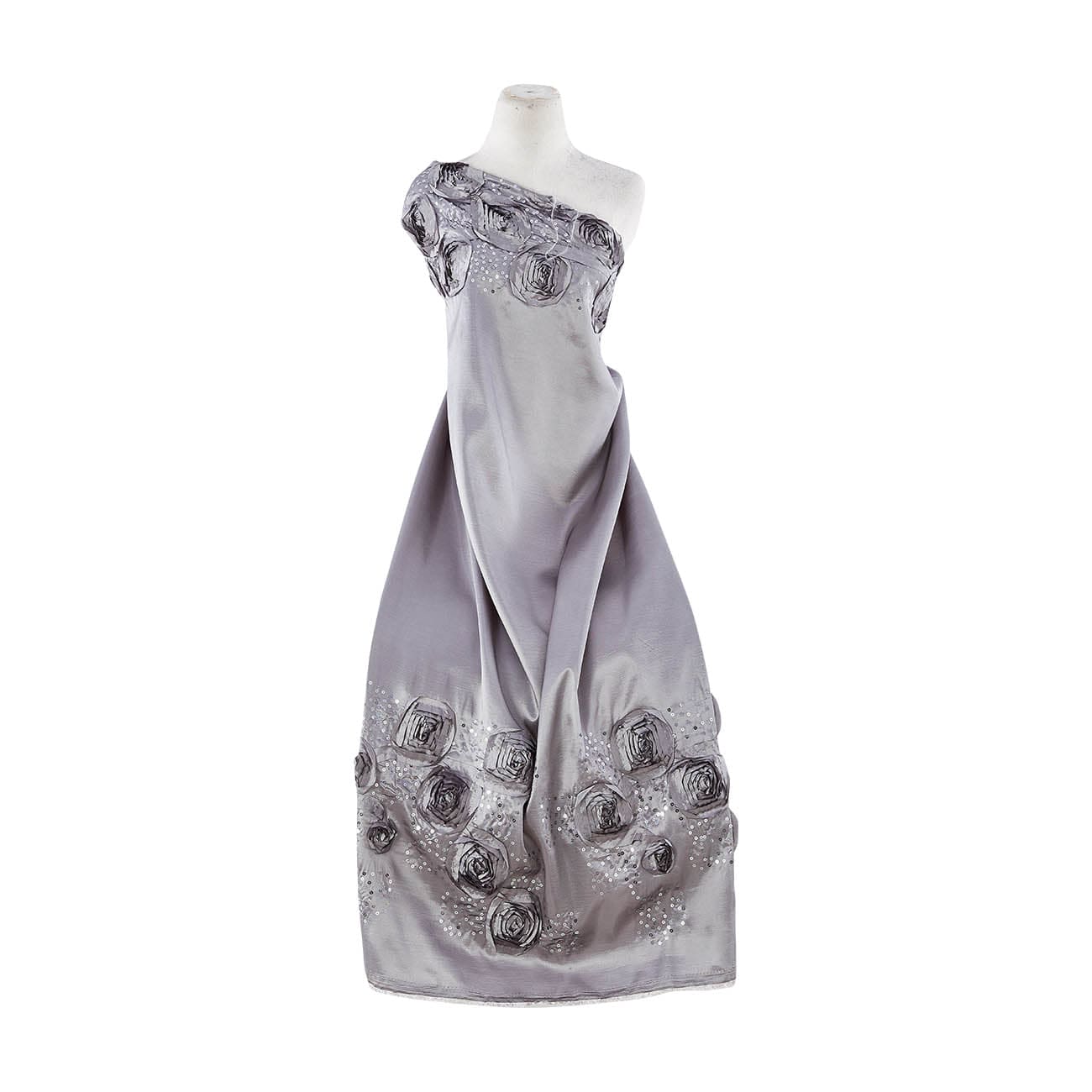
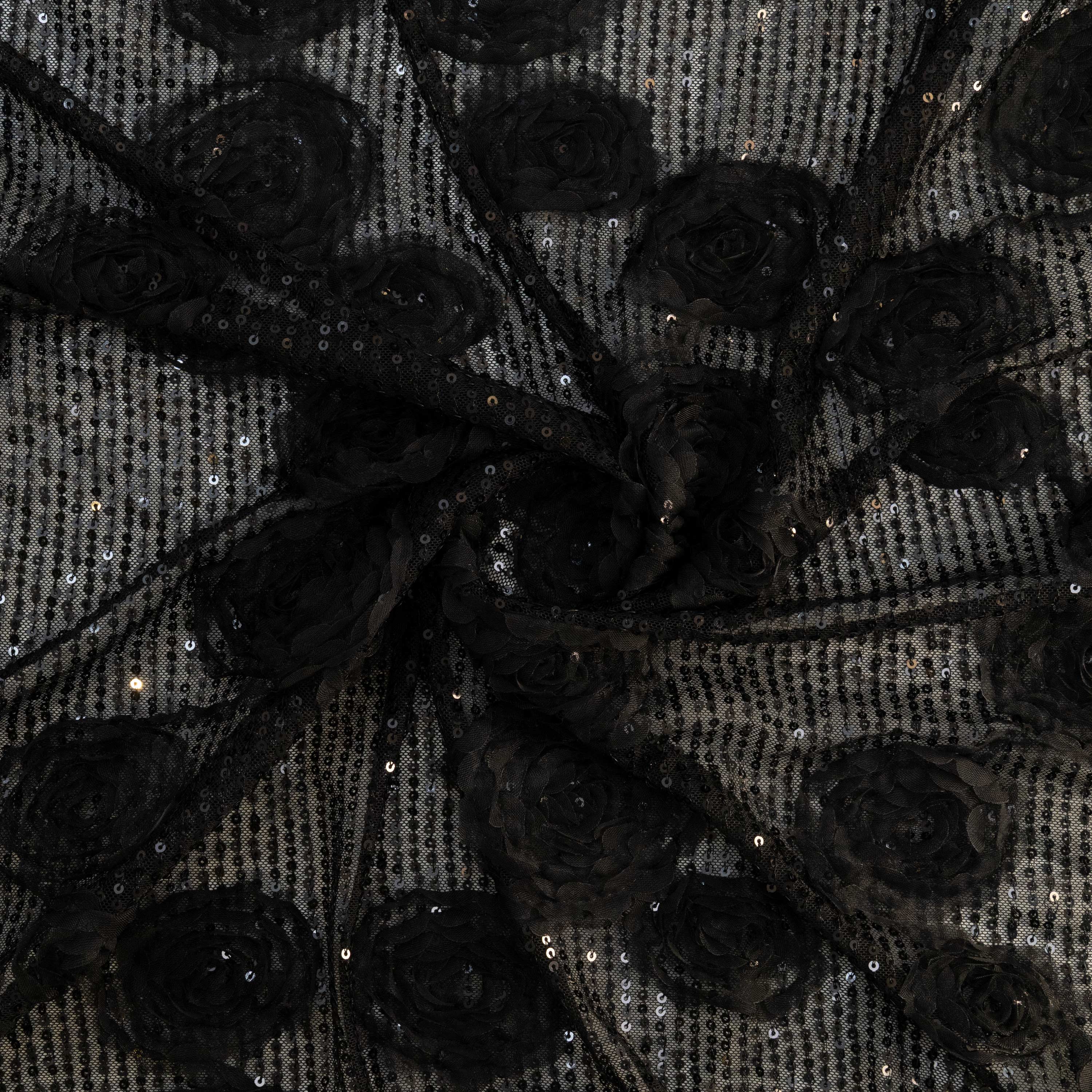
Soutache on stretch mesh offers four-way stretch with good recovery, ideal for fitted bodices and dancewear. The Kara Ribbon Soutache on Stretch Mesh is our primary stretch option. For maximum embellishment, sequin and spangle soutache adds a dimensional surface built for evening gowns, performance costumes, and ruffle-trimmed occasion wear, led by Plaid Organza Soutache with Sequins and Satin Tape Soutache w/ Spangle Sequins.
Styling and Design Tips for Working with Soutache Fabric
Soutache reads as a textural element more than a print, so it pairs best with fabrics that let the dimensional surface stand out rather than compete with it.
Pairing Soutache with Solid Fabrics
Because soutache already carries its own pattern through the braid work, pairing it with a solid lining or underlay lets the embroidery read clearly instead of getting lost against a busy print. A solid charmeuse or satin lining under a sheer soutache on mesh overlay creates contrast between the smooth base layer and the raised braid on top, which is part of why soutache on mesh works so well as a bridal or evening overlay. For structured pieces like jackets or fitted bodices, a solid poly taffeta or cotton lawn base keeps the silhouette clean while the soutache does the visual work.
Layering for Depth
Soutache also layers well with other textural fabrics rather than only appearing as a single overlay. Soutache on a mesh panel placed over tulle adds volume underneath while keeping the braid detail visible on top, a common approach in performance and costume work.
For bridal gowns, layer a soutache overlay over a plain satin or charmeuse underlay, then add a tulle skirt beneath that for fullness. This gives the finished piece dimension at three different depths.
Color and Placement Considerations
Because the braid itself often comes in a base color with contrasting florals or sequins woven in, it helps to choose a soutache style where the dominant tone already matches your project rather than trying to dye or overdye the fabric afterward. Placement matters too: soutache tends to have the most visual impact along necklines, hemlines, cuffs, and bodice panels, where the raised texture catches light and sits close to the eye, rather than spread flat across a large expanse of fabric where the detail can get visually diluted.
How to Sew and Care for Soutache Fabric
Soutache fabrics require a little extra care both at the sewing machine and in the laundry. Here is what to know before you cut.
Cutting and Sewing
Use sharp embroidery scissors and cut between braid rows where possible to avoid fraying the soutache cord. Add a minimum half-inch seam allowance, since the dimensional surface makes it harder to pick out stitches if you cut short. A size 70/10 or 80/12 sharp needle handles most soutache on mesh and soutache on chiffon constructions cleanly, and a zipper foot or narrow presser foot lets you stitch close to the braid without flattening it. On sequin-embellished versions, reduce presser foot pressure and move slowly, since sequin edges can deflect the needle if you rush.
Stabilizing and Care
Lightweight fusible interfacing on the wrong side of mesh base fabrics prevents stretching during construction, especially on fitted bodice pieces where seam integrity matters. Most soutache on mesh and sequin styles should be dry cleaned or hand washed in cold water on a delicate cycle, then laid flat to dry. Never iron directly on the braid. Use a pressing cloth or hold a steam iron above the surface without contact, and check individual product pages for style-specific care guidance.
Frequently Asked Questions
What is the difference between soutache braid and soutache fabric?
Soutache braid is the raw narrow cord sold by the yard as trim, used directly by jewelry-making artisans and passementerie workers. Soutache fabric is a finished textile where that braid has already been embroidered or applied onto a base cloth such as mesh, chiffon, cotton lawn, organza, or poly taffeta, ready to cut and sew into a garment.
How many yards of soutache fabric do I need for a dress?
A typical knee-length dress requires 2 to 3 yards. A floor-length gown with an overlay may need 4 to 5 yards depending on the pattern and fabric width. When in doubt, buy an extra half yard, since matching braid rows across seams takes a little more fabric than a plain weave would.
What width is your soutache fabric sold in?
Most styles in this collection are 52 to 58 inches wide. Check individual product pages for the exact width of the style you are considering, as organza and chiffon bases occasionally run narrower.
Is soutache fabric stretchy?
Most styles are non-stretch. The Kara Ribbon Soutache on Stretch Mesh is the exception in this collection, offering four-way stretch with good stretch recovery for fitted silhouettes and dancewear.
Can I machine wash soutache fabric?
A delicate cycle or hand wash in cold water is acceptable for some styles. Sequin and heavily embellished versions should be dry cleaned. Always check the product page for specific care instructions before laundering.
What projects is soutache fabric best for?
Evening gowns, bridal overlays, cocktail dresses, blouses, skirts, and costume or performance wear are the most common applications. Designers also use soutache on mesh as a ruffle-ready overlay fabric, layering it over structured underlays for added dimension.