
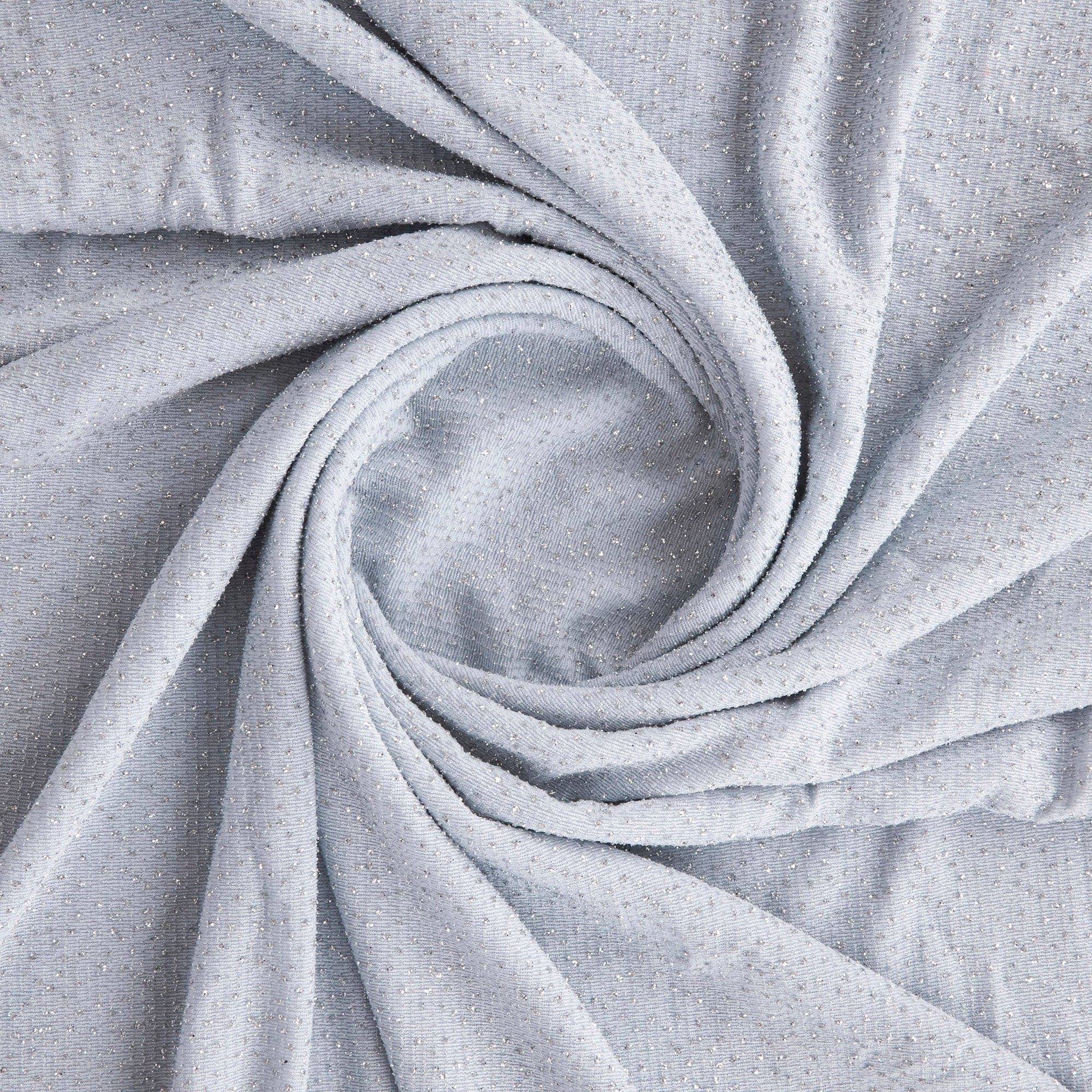
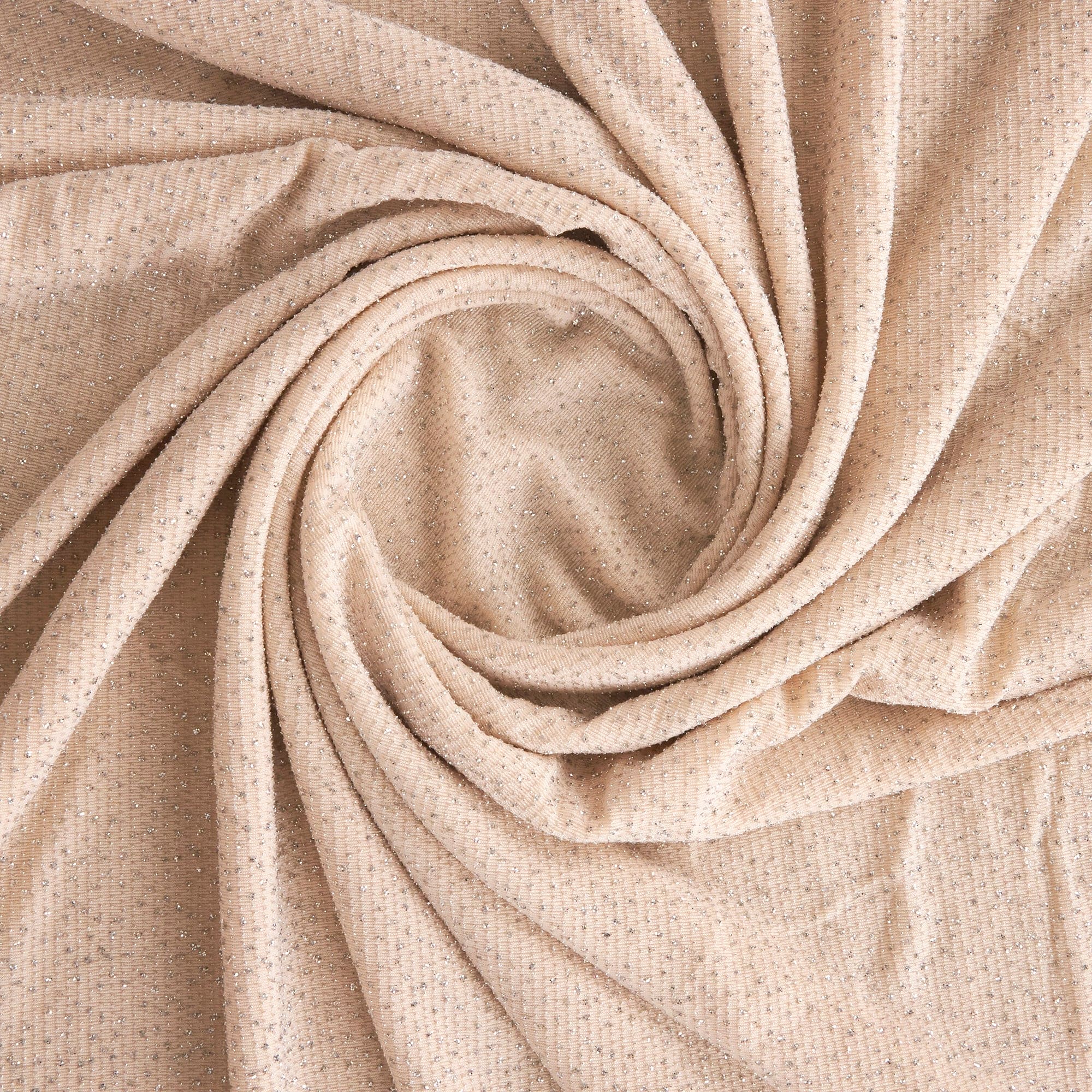
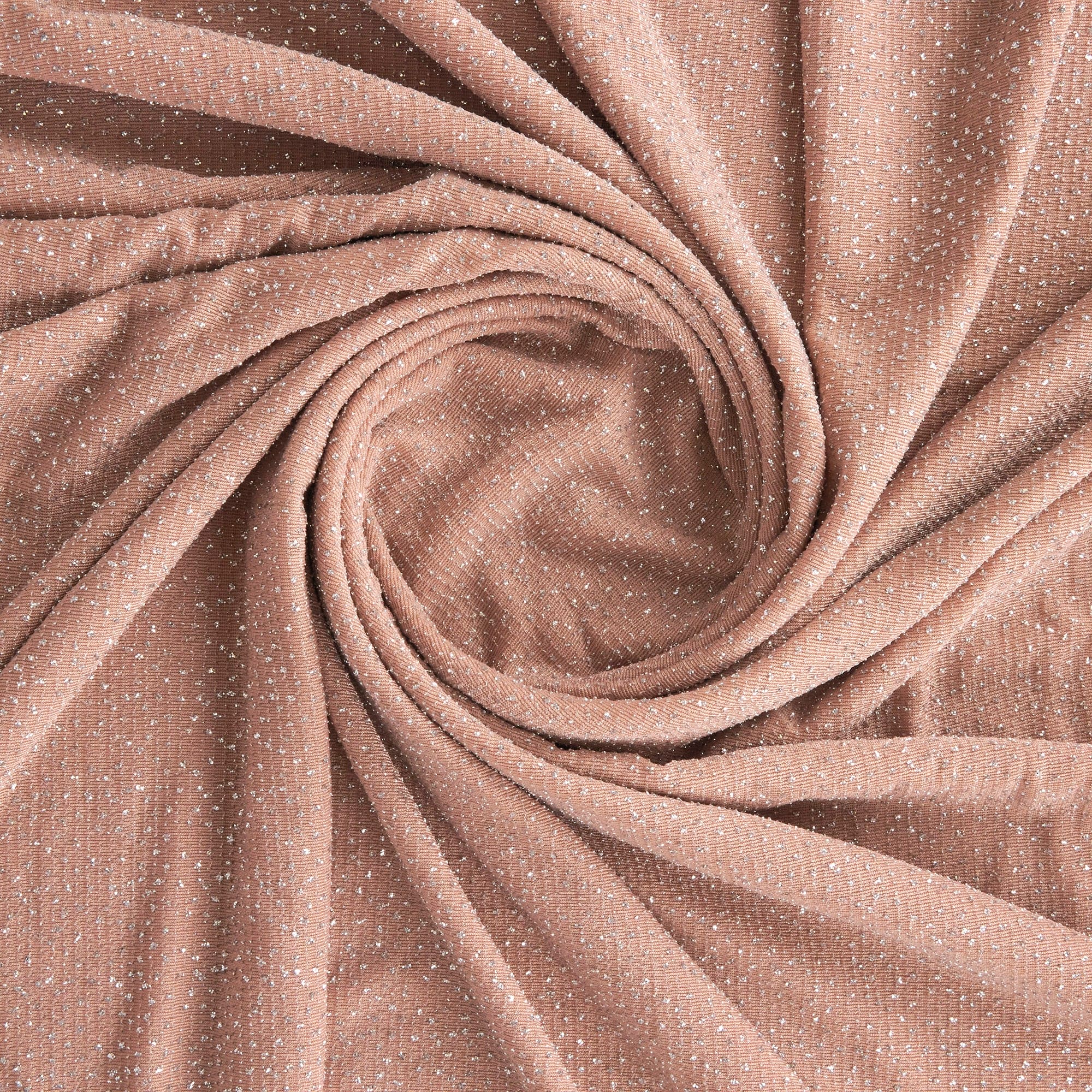

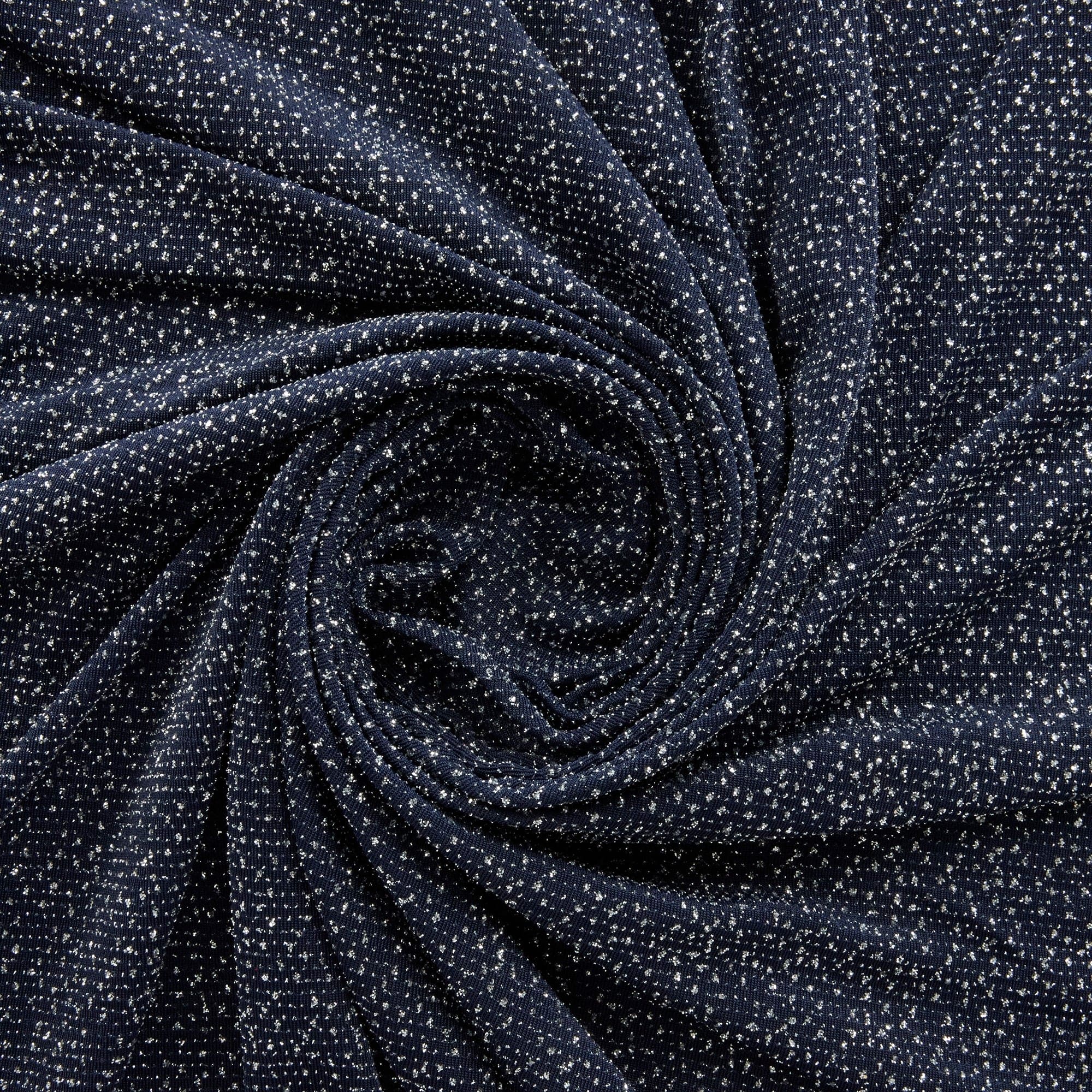
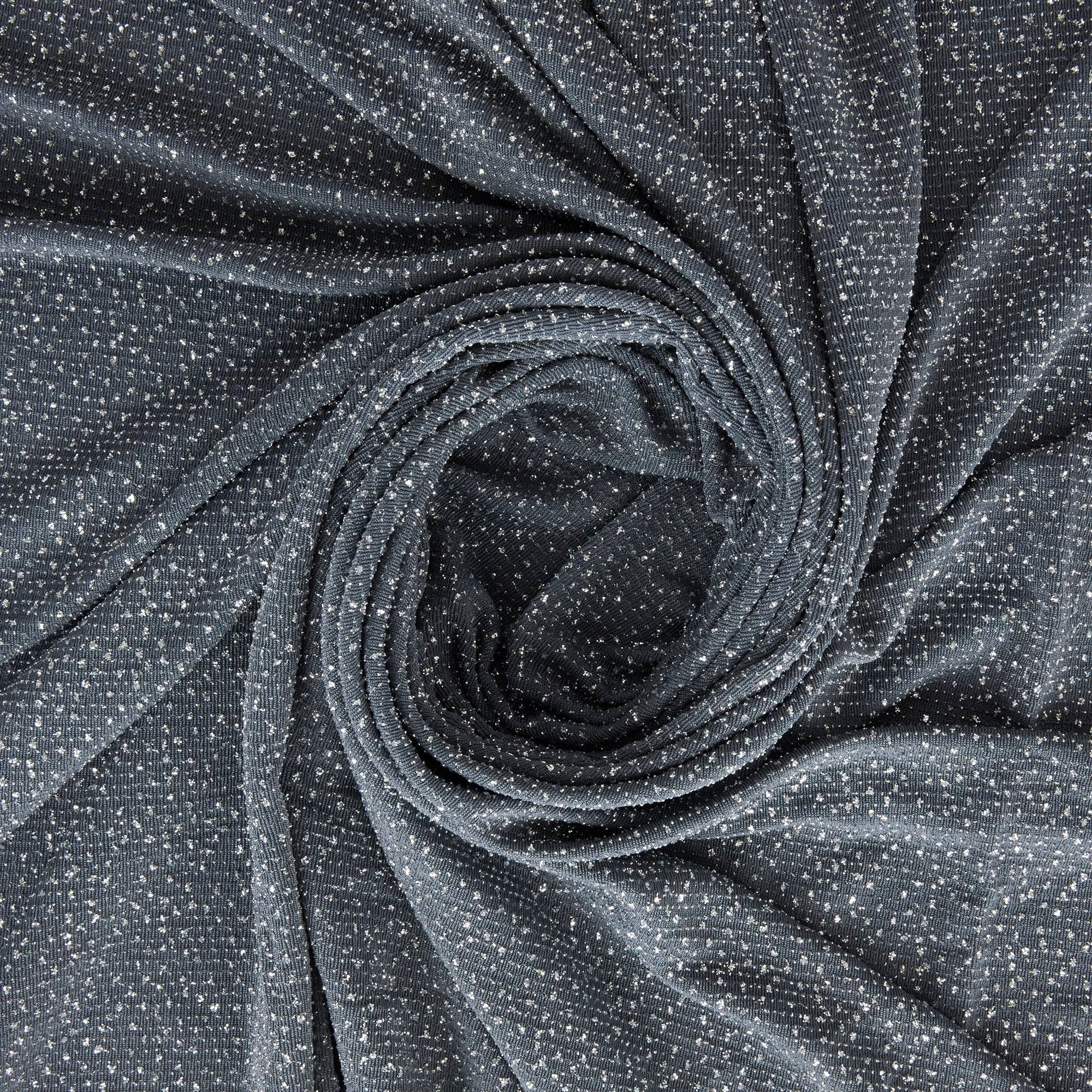
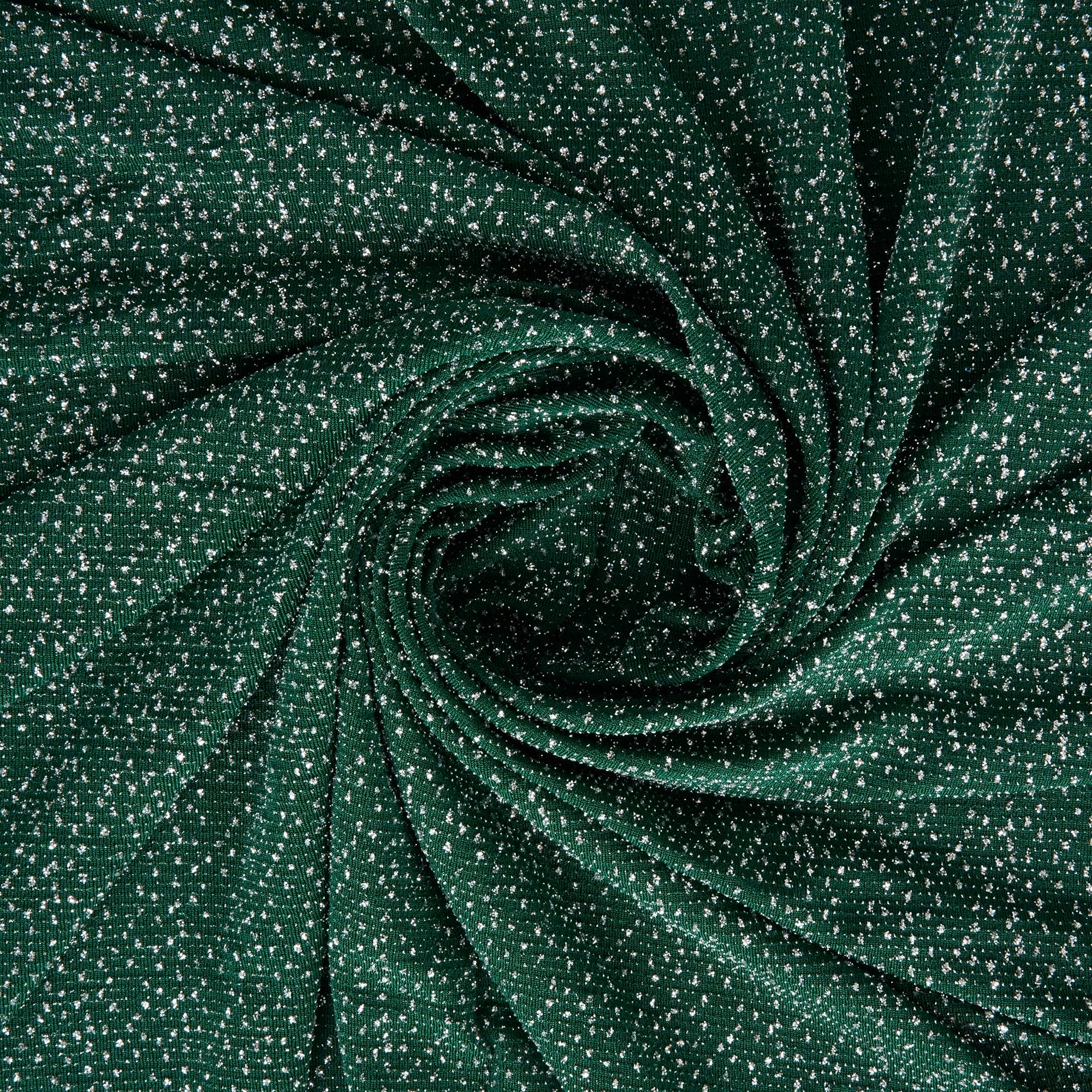
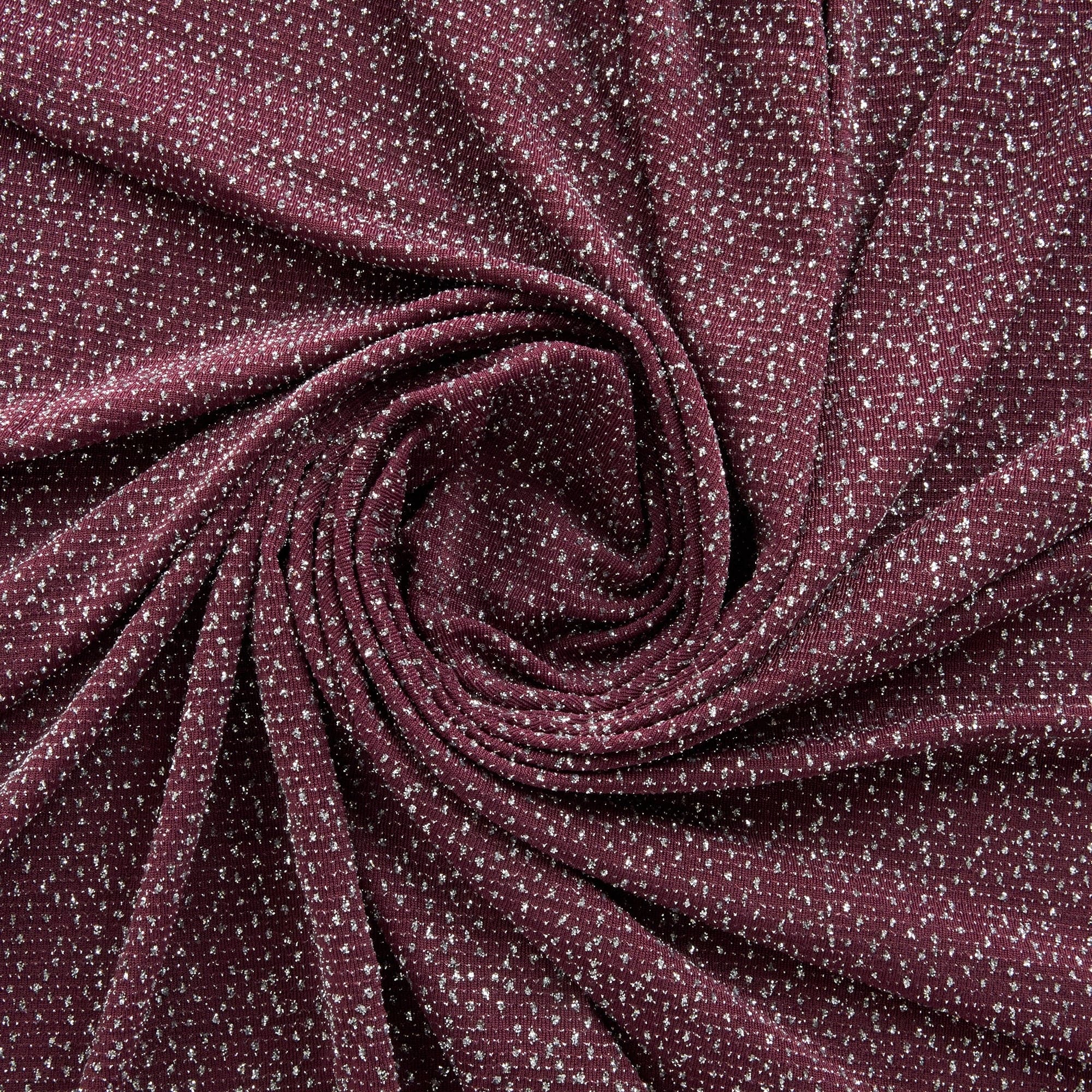
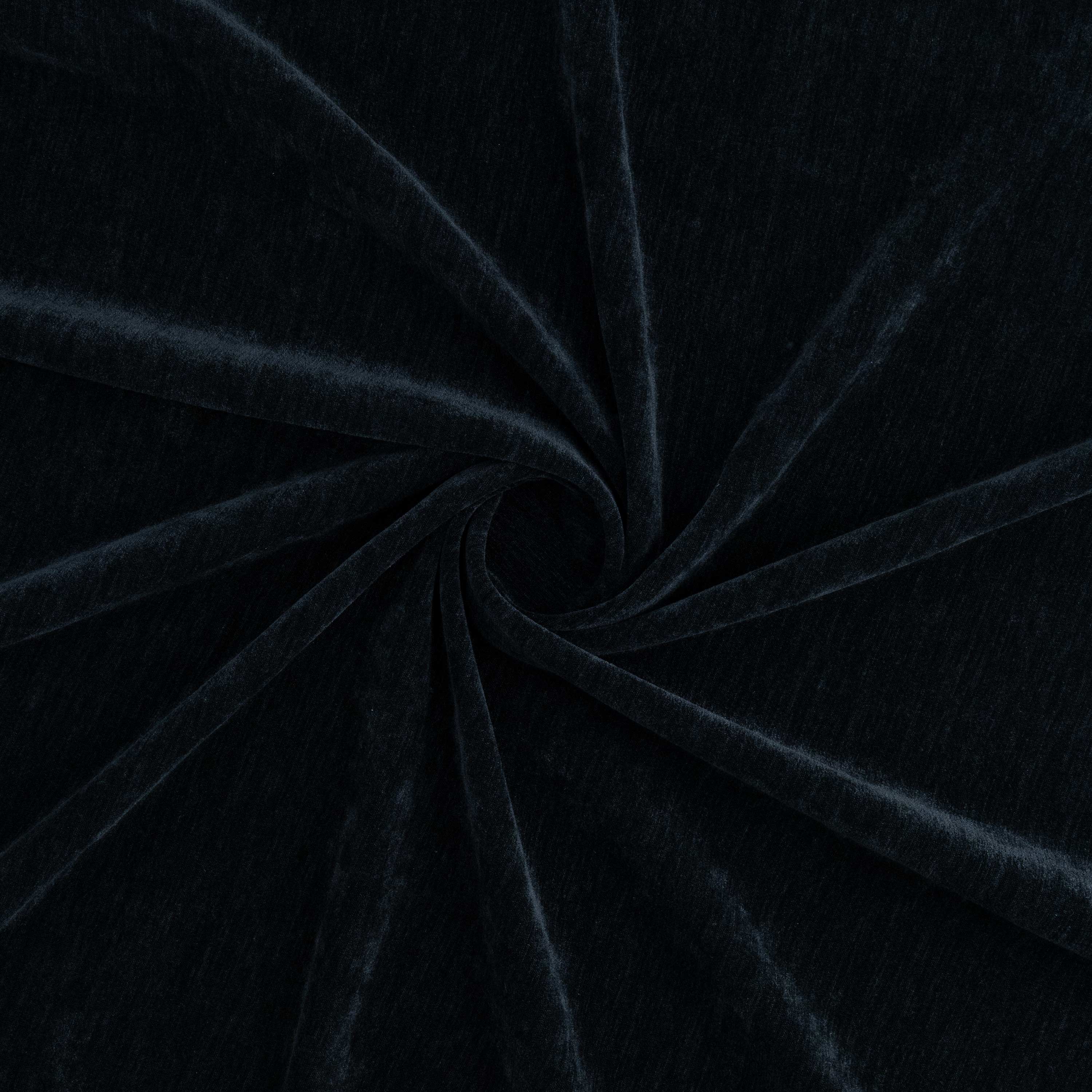


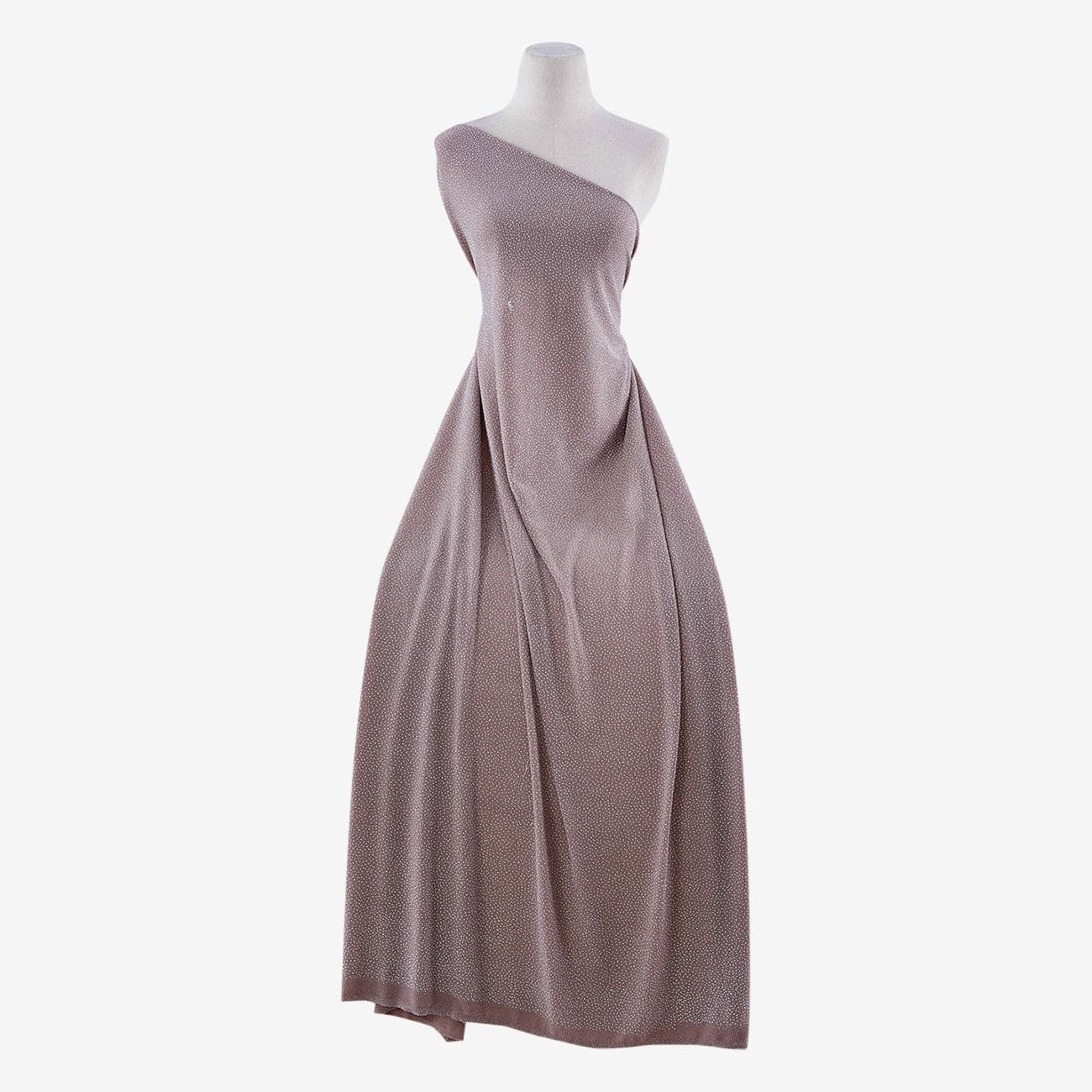
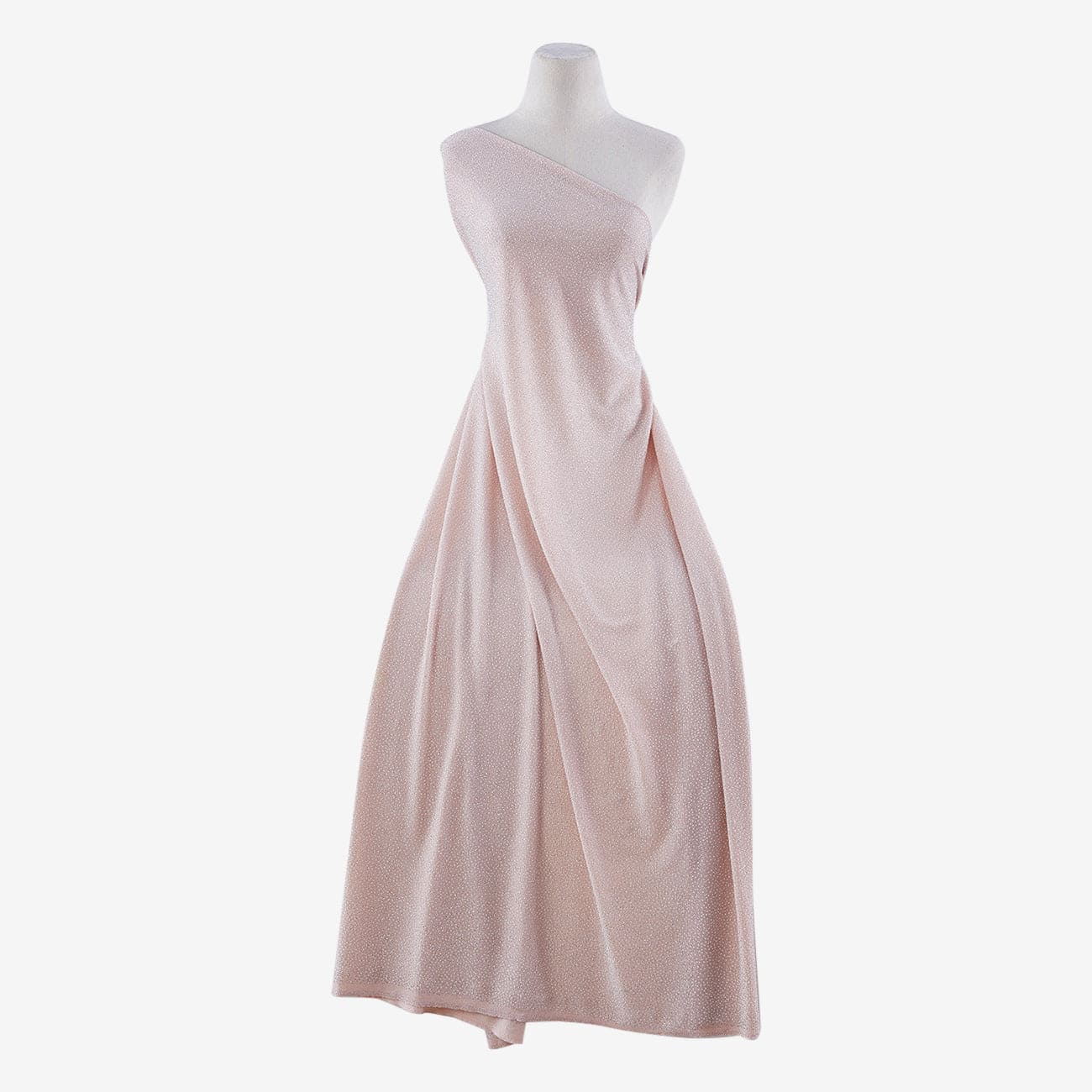
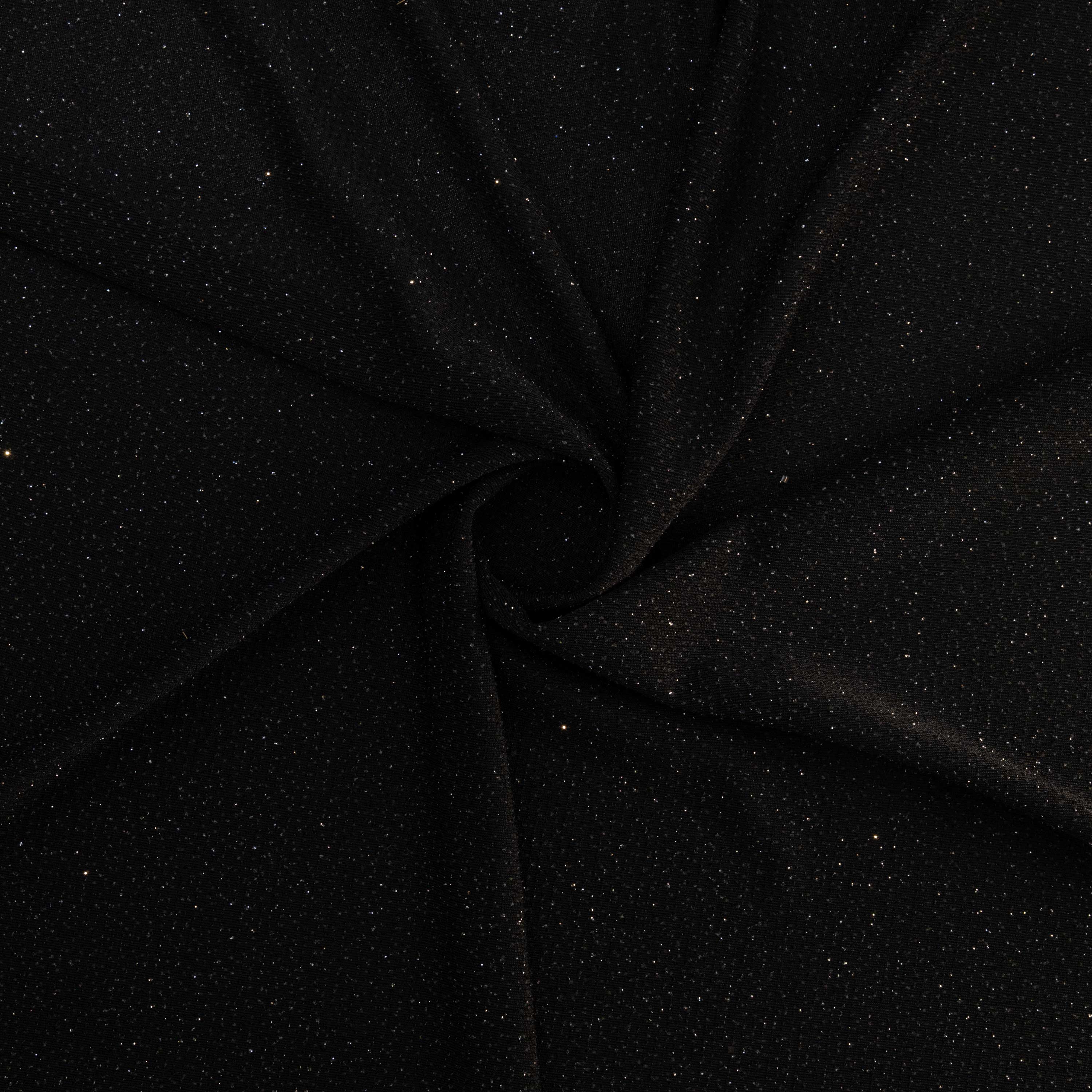
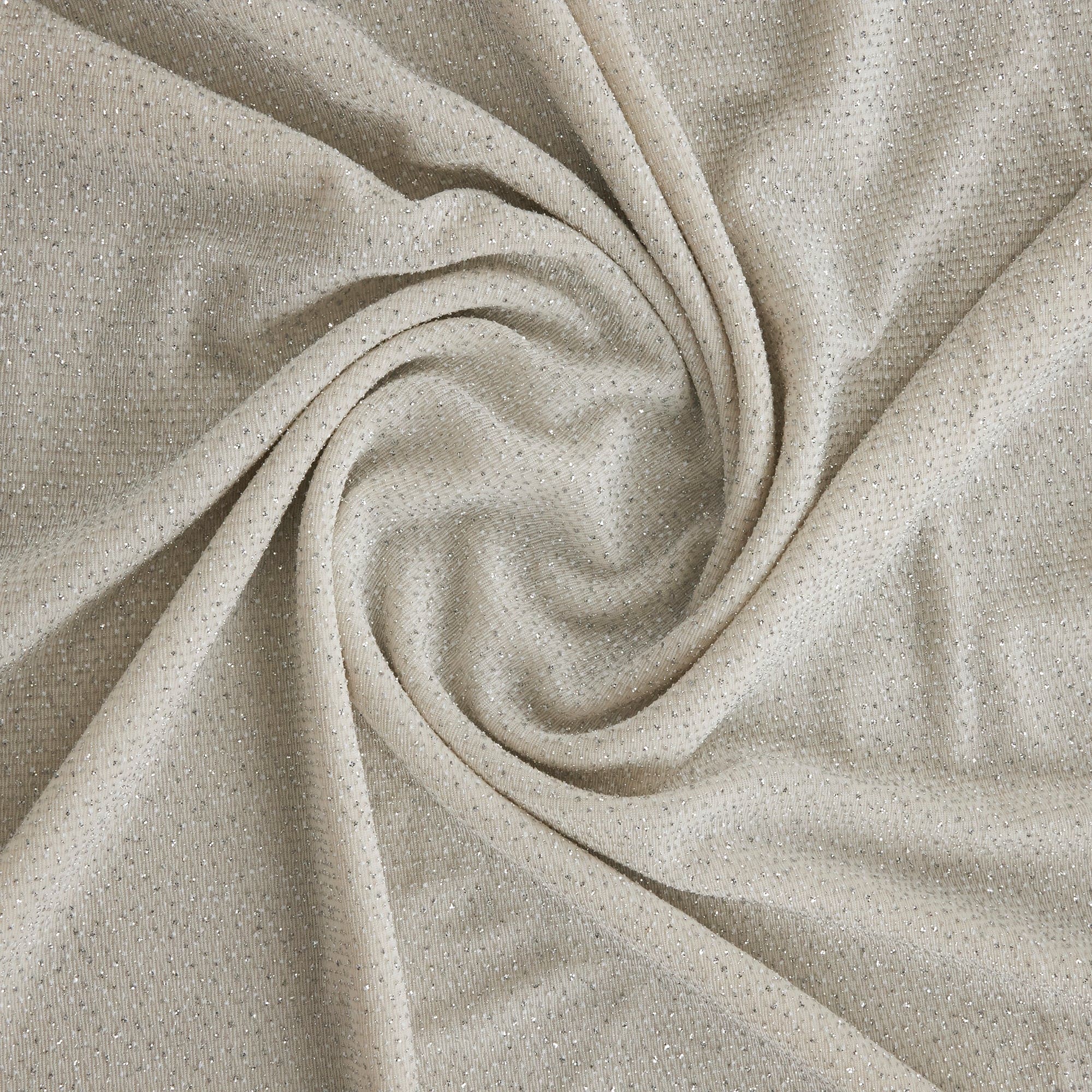
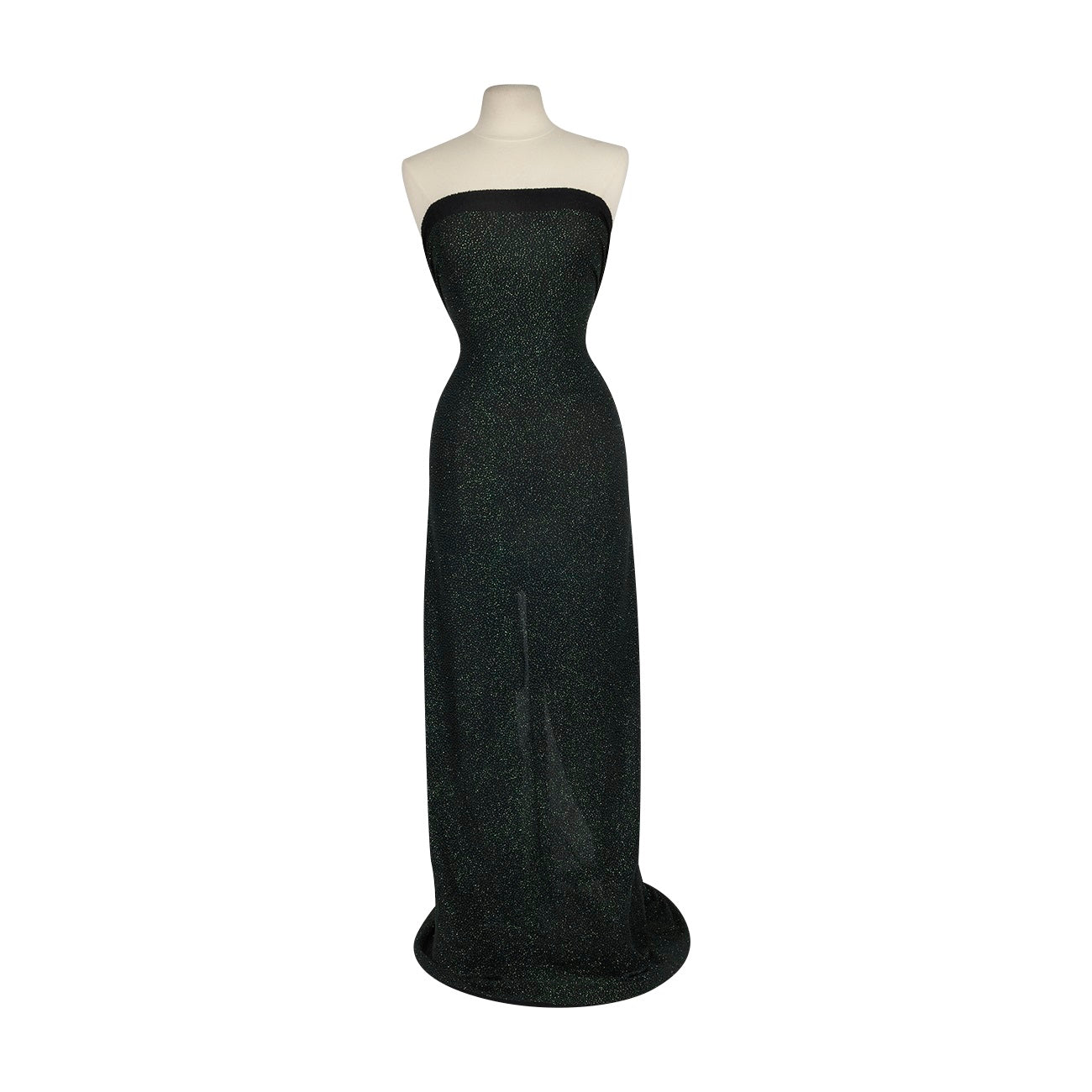
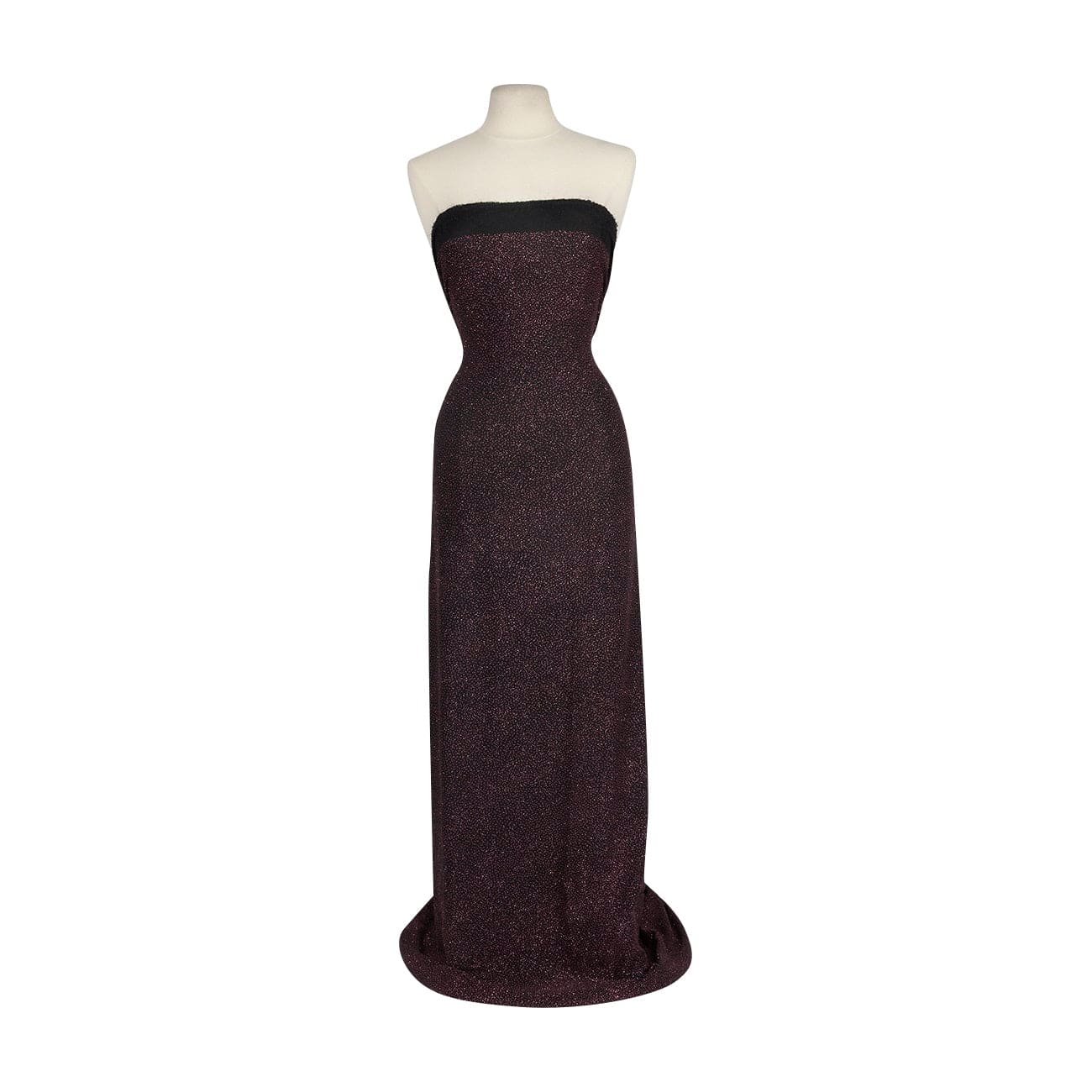
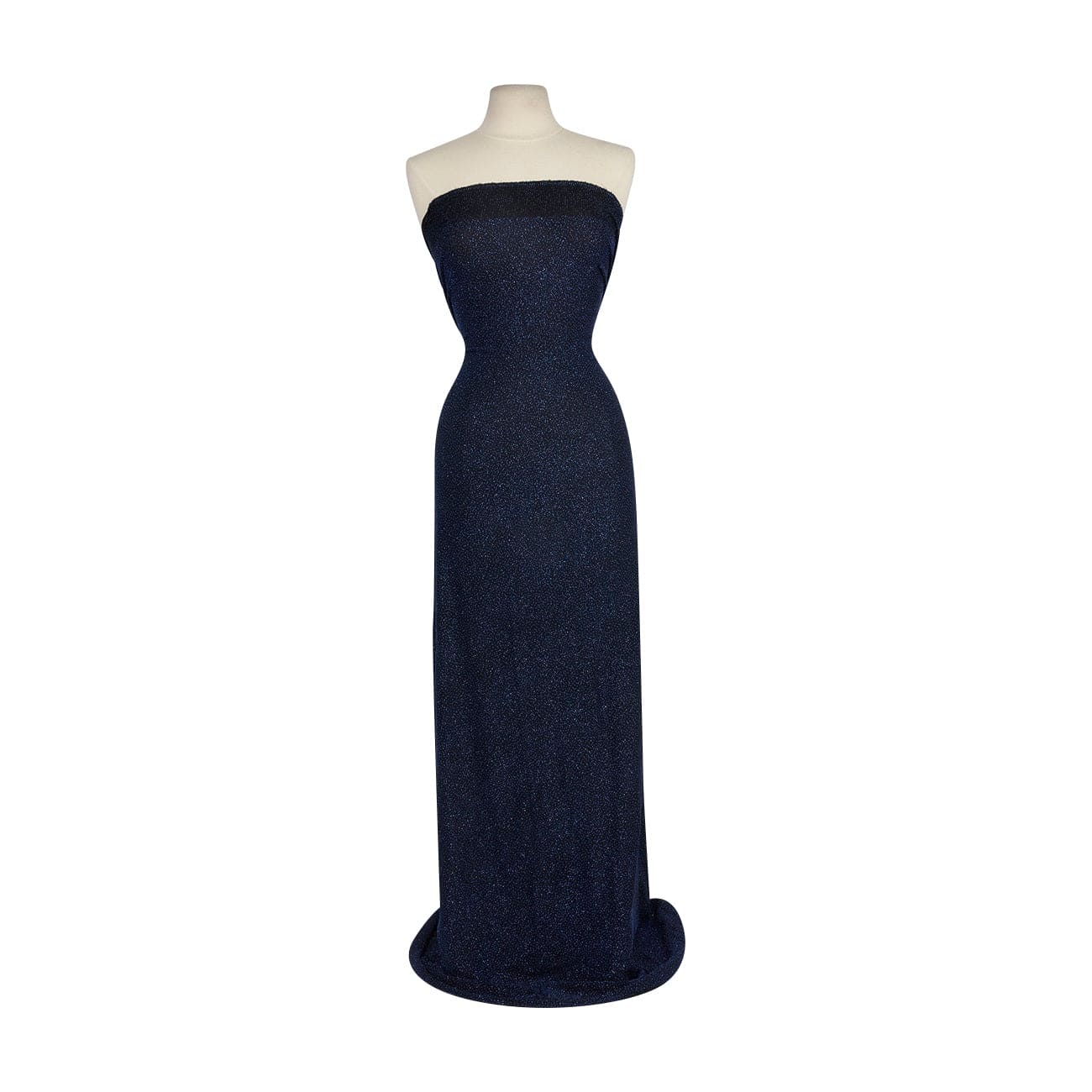
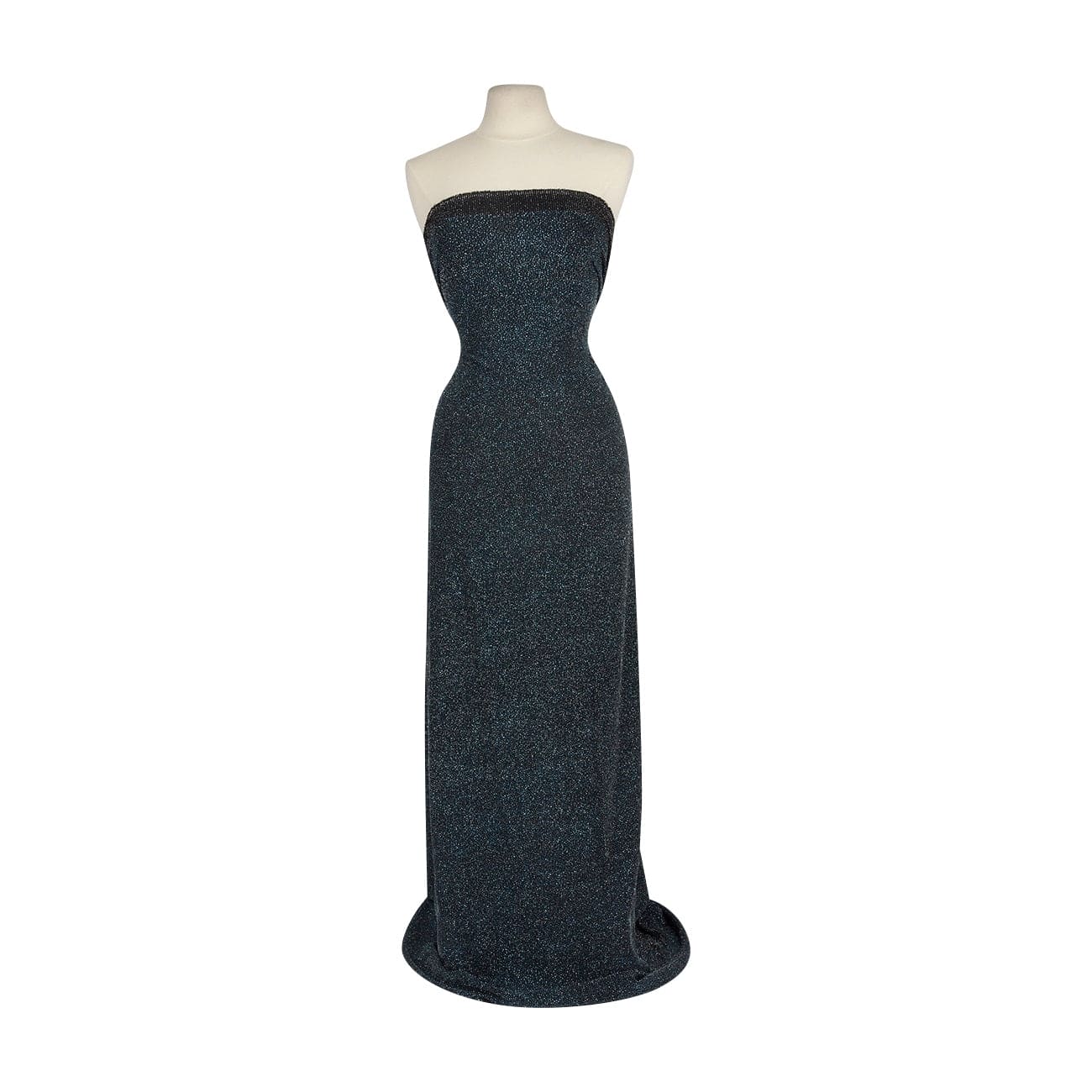
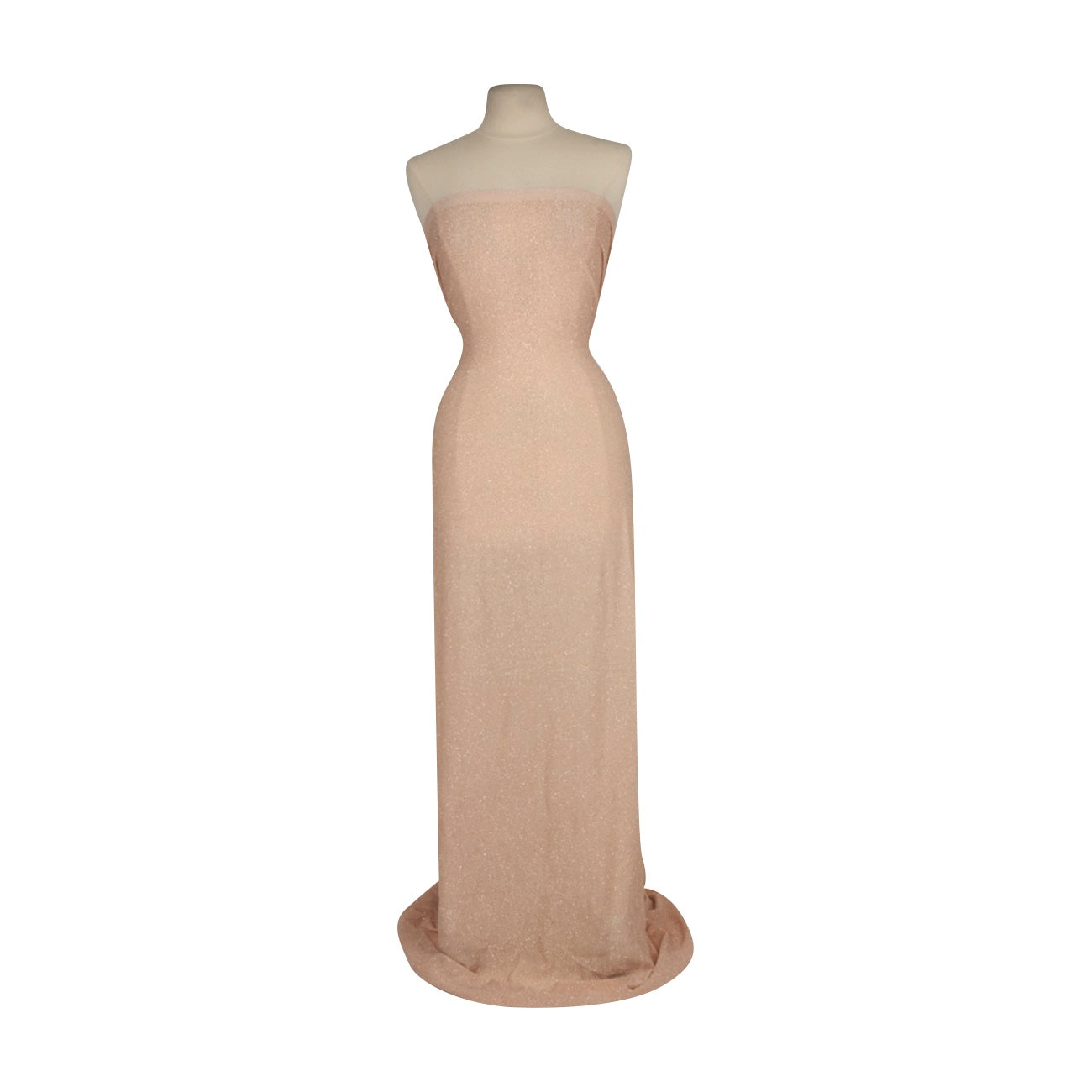
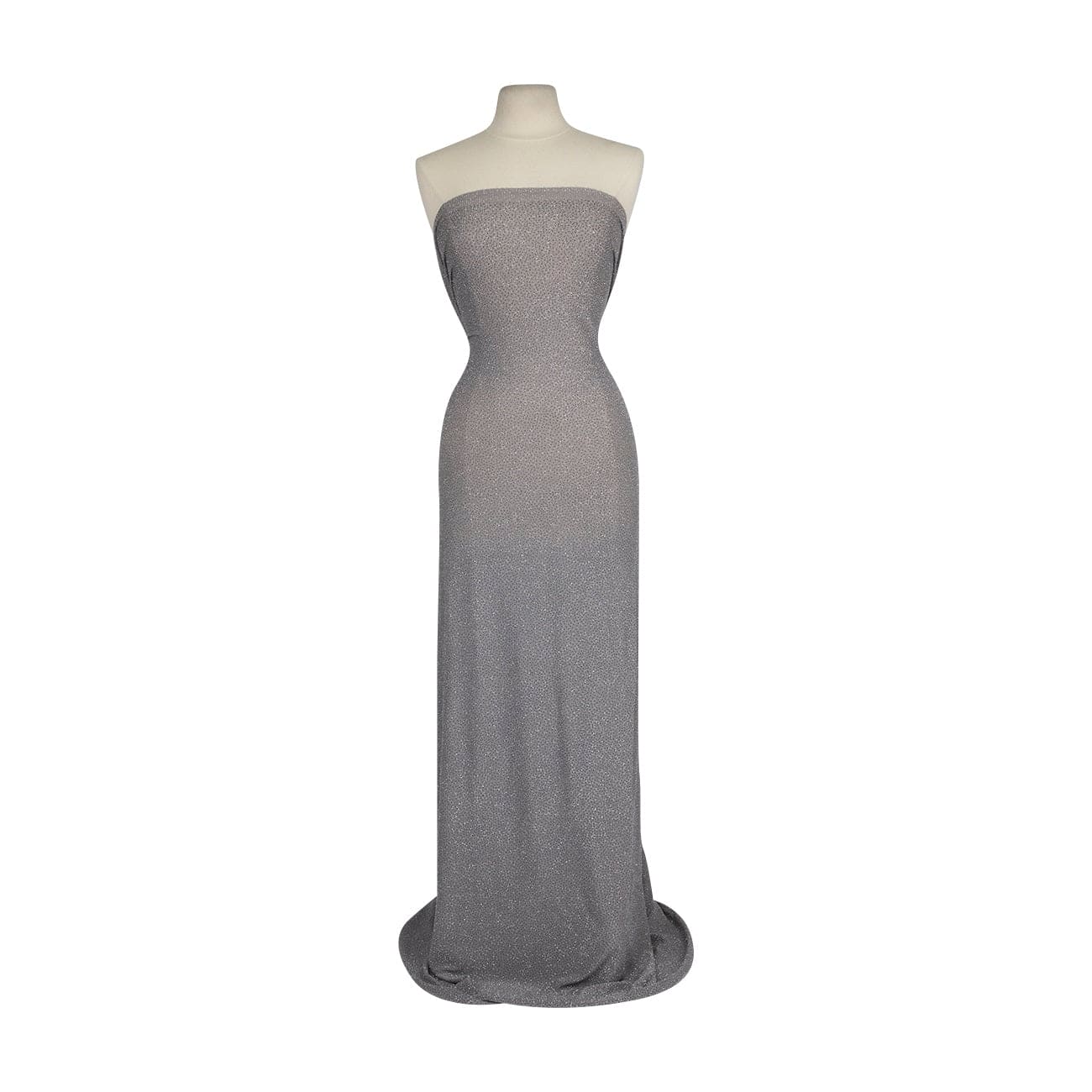
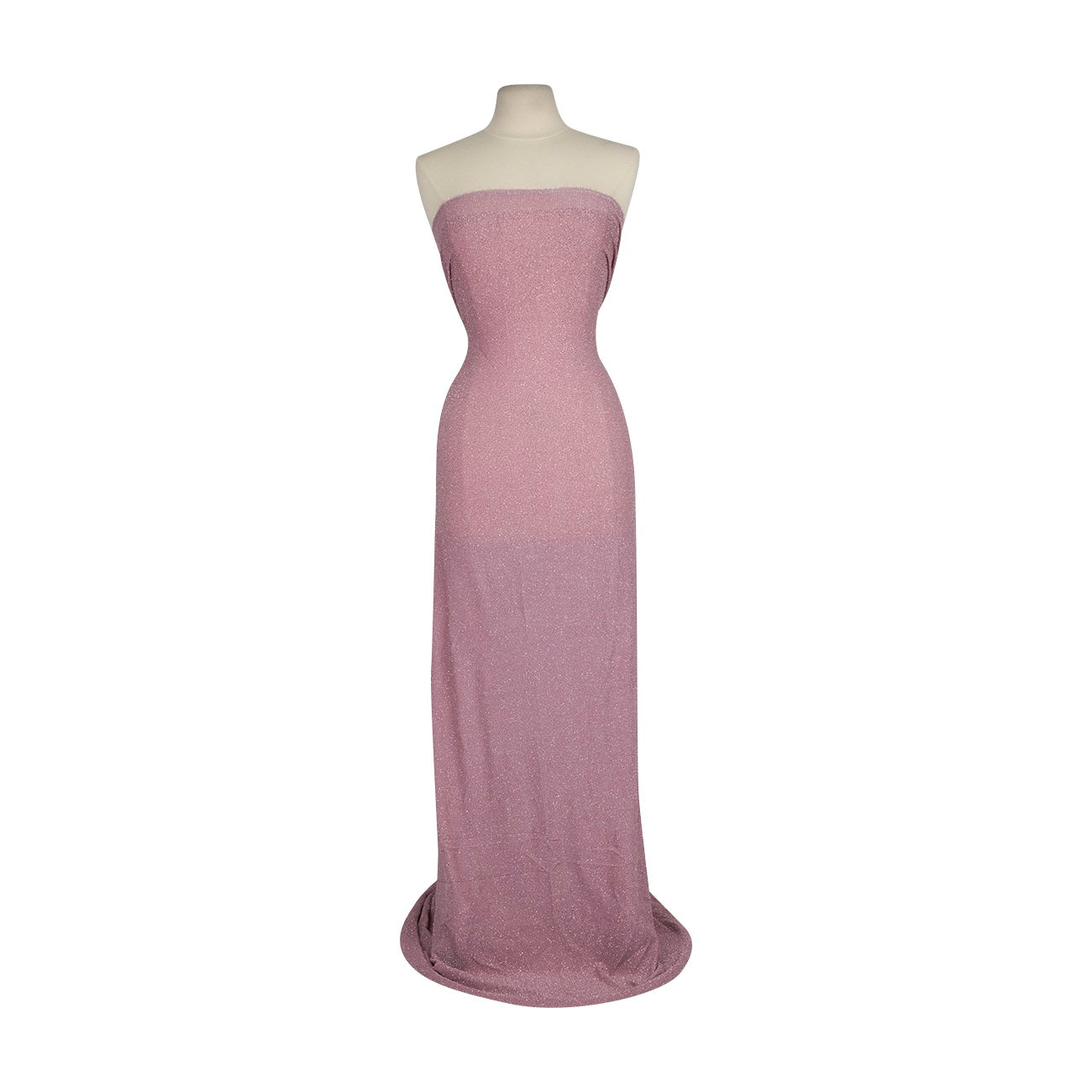
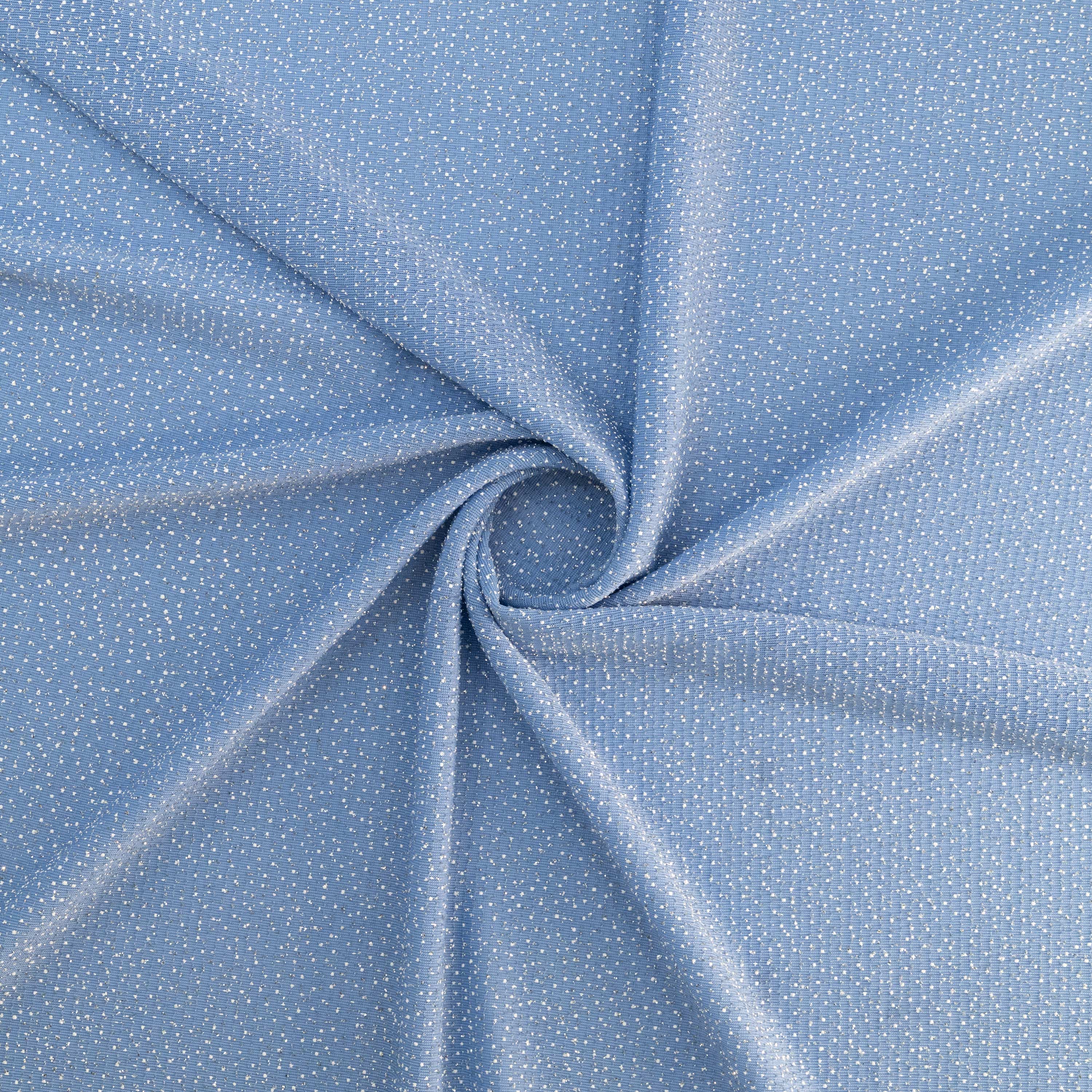
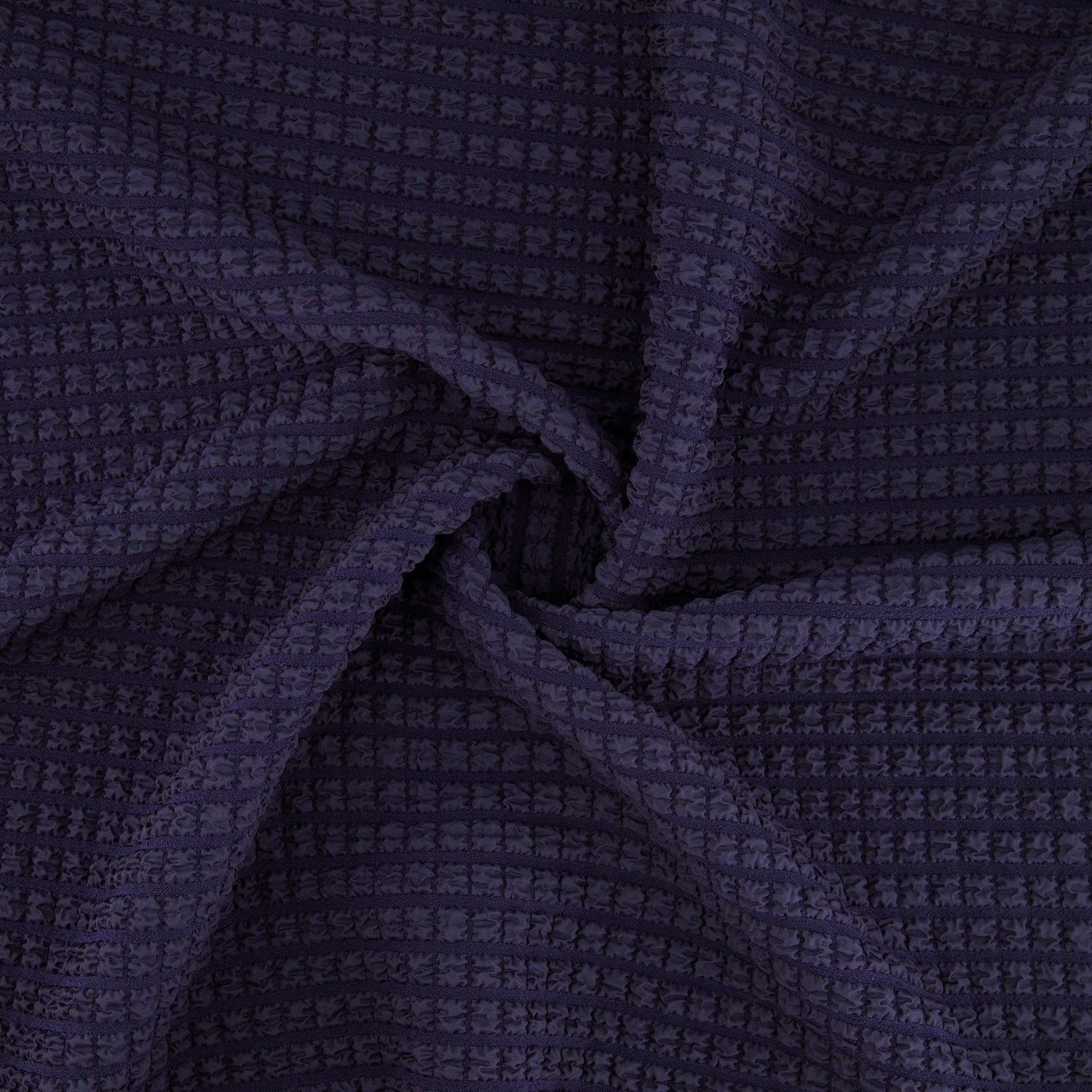
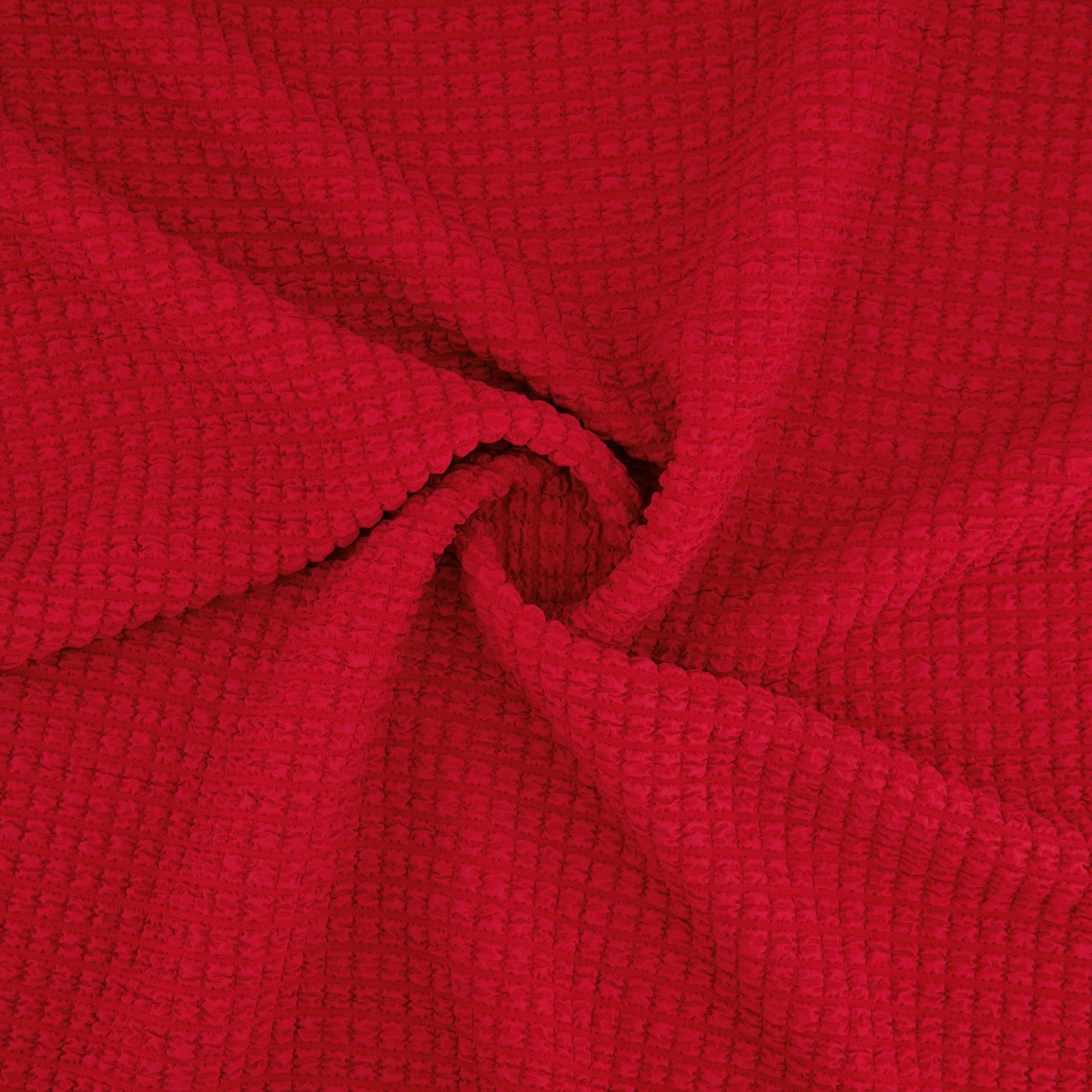
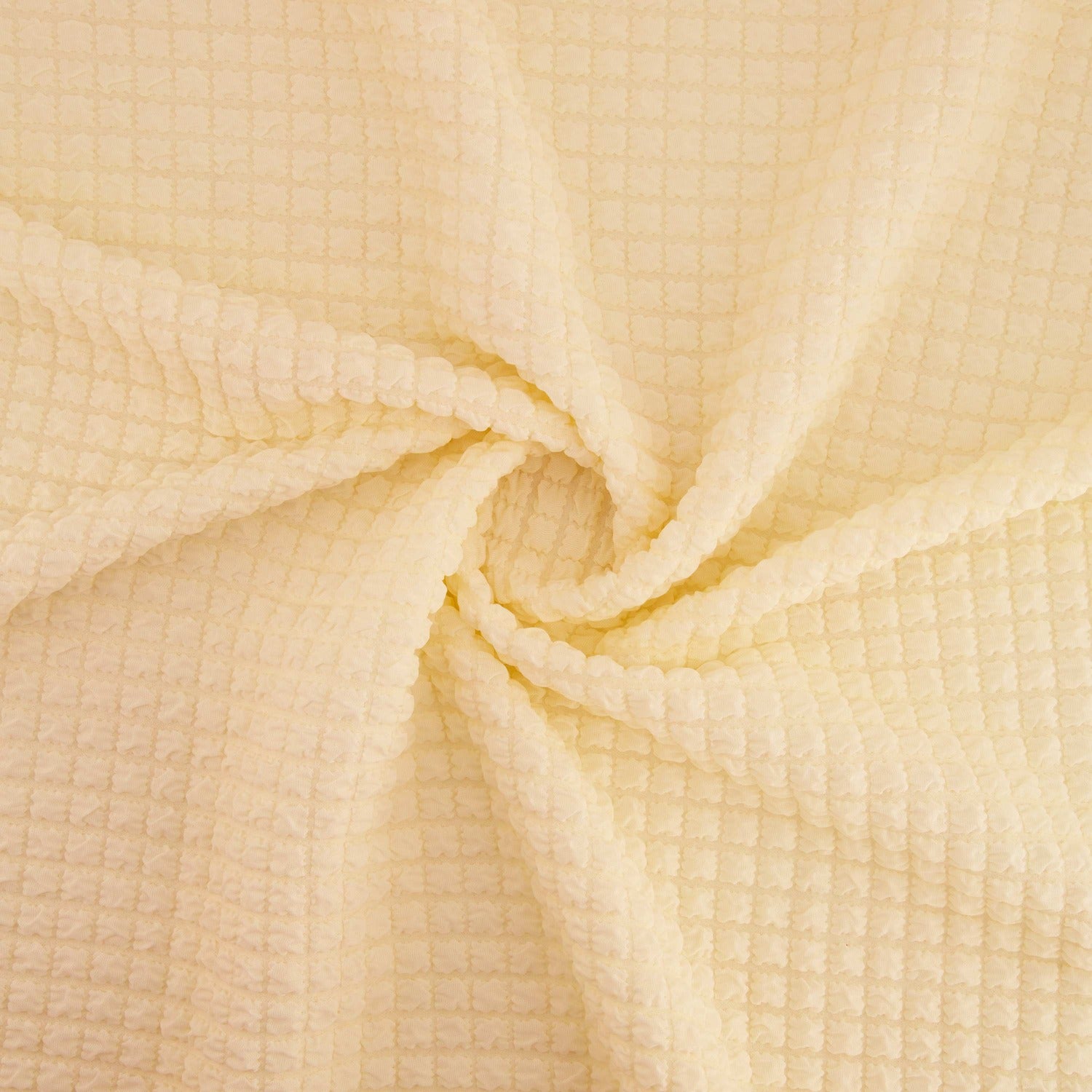
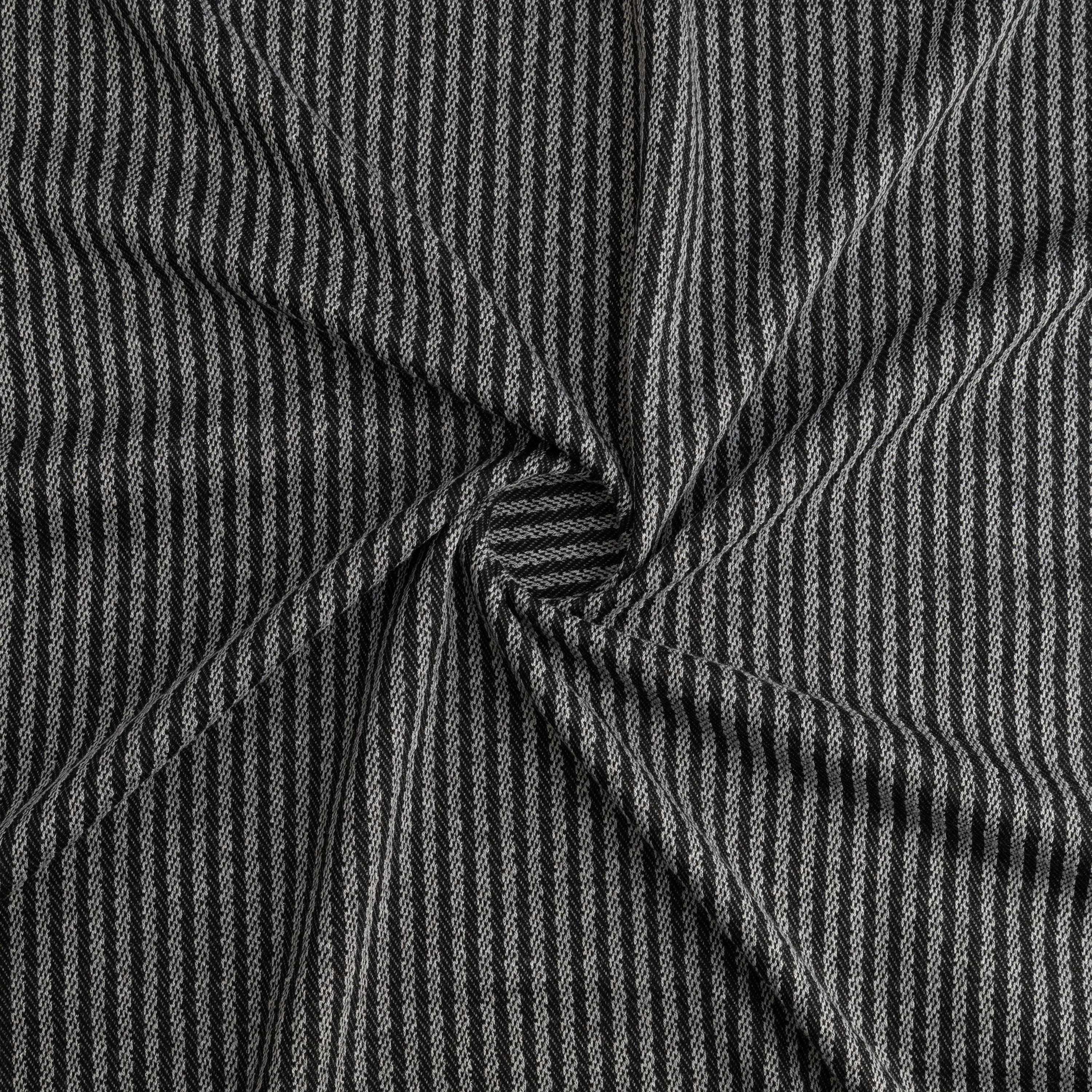
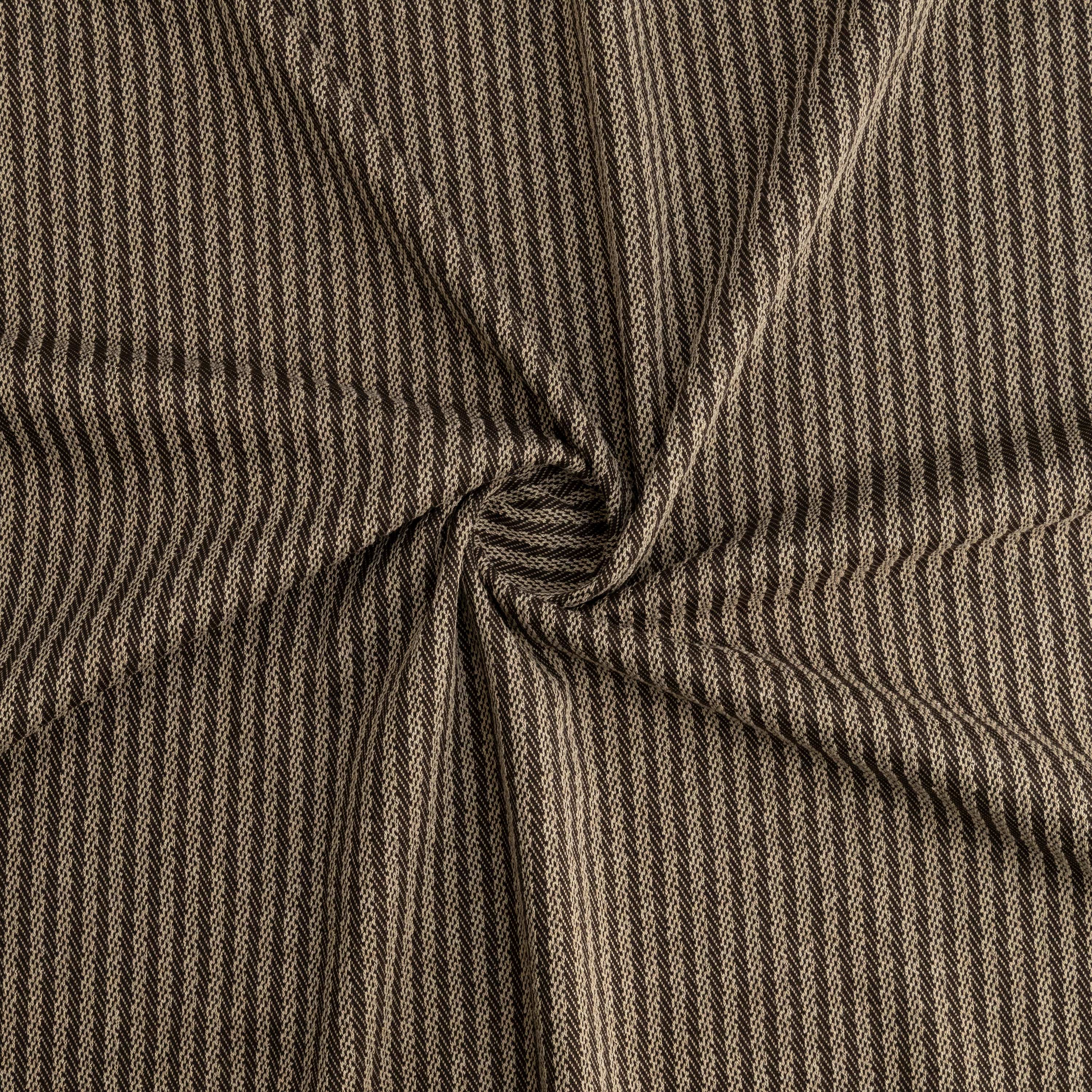
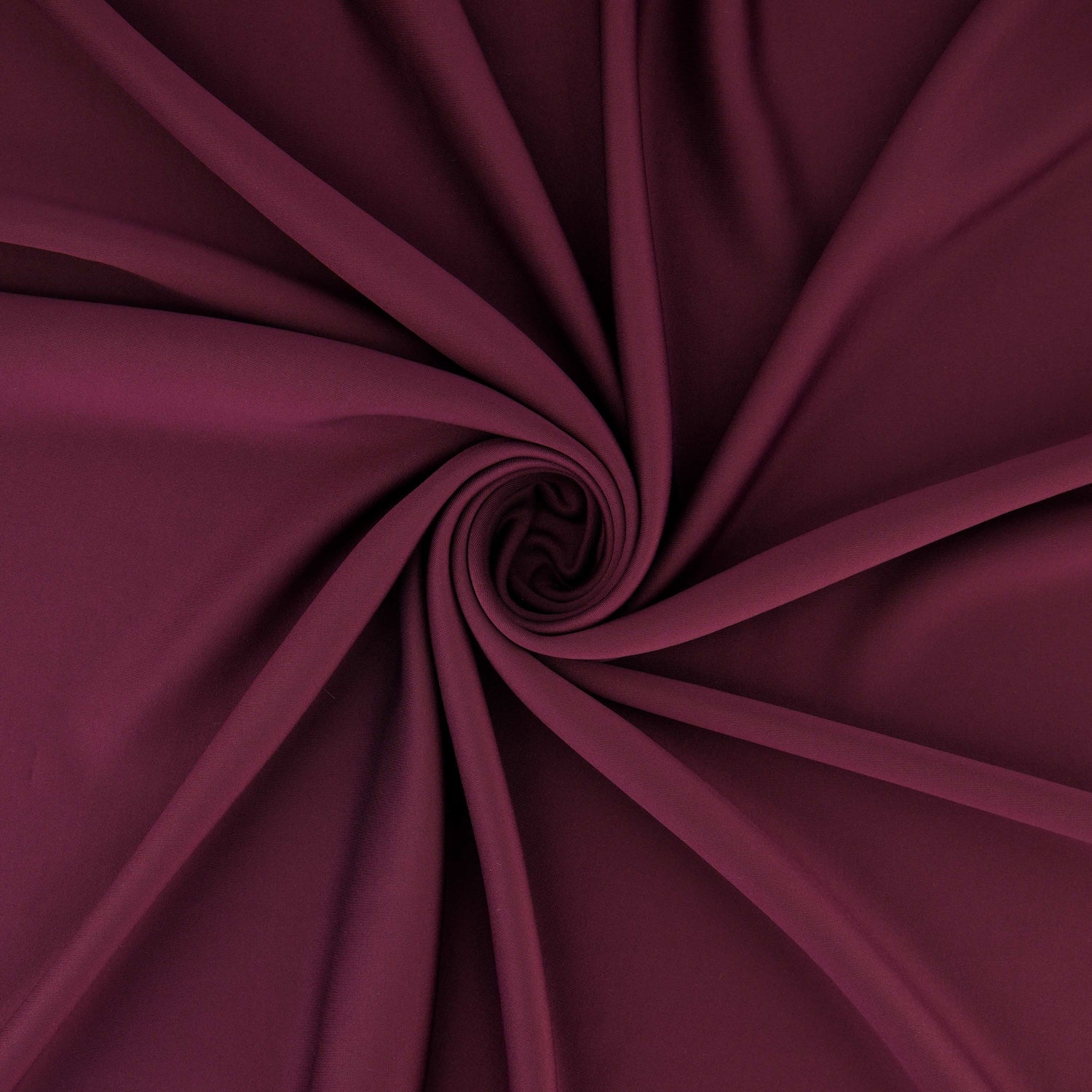
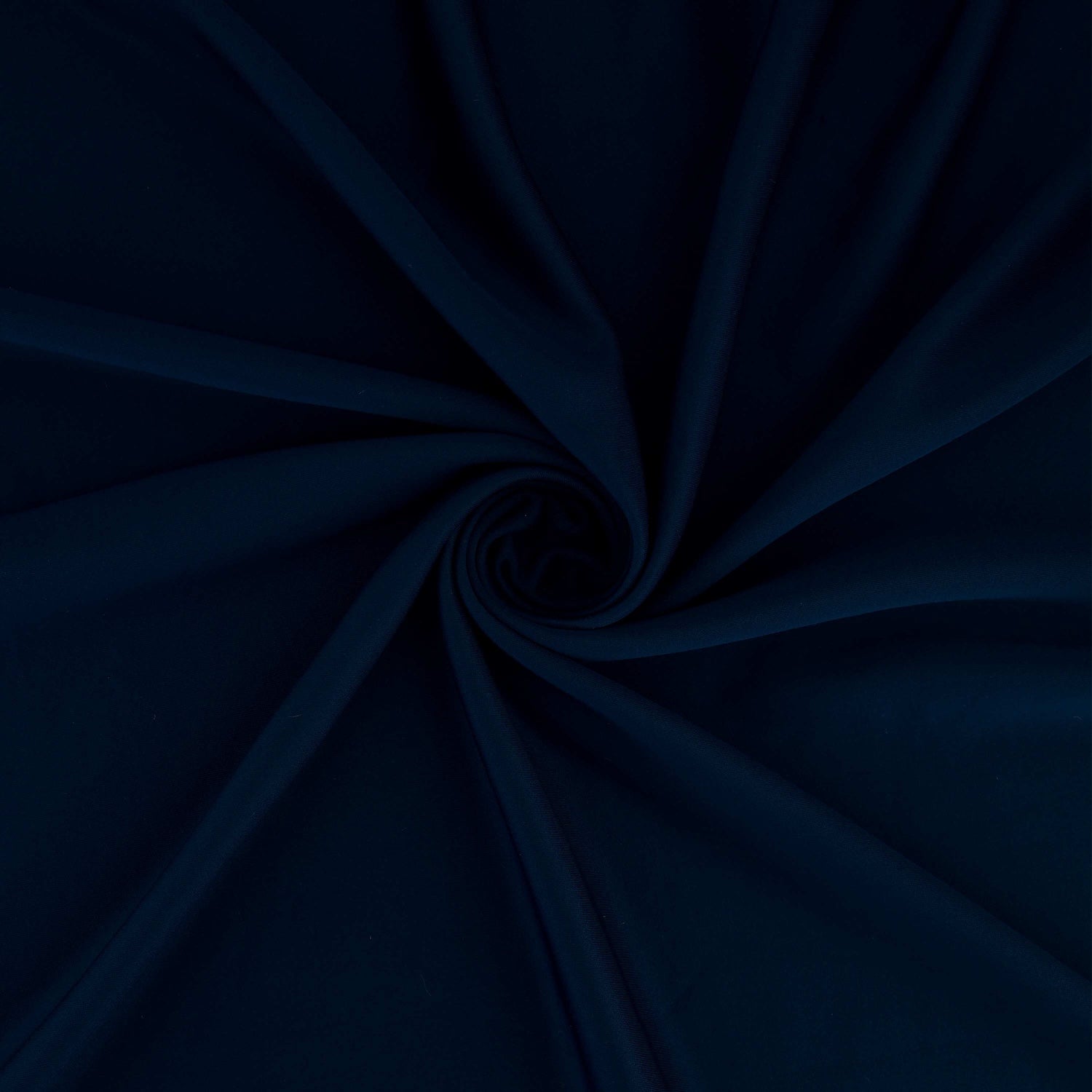
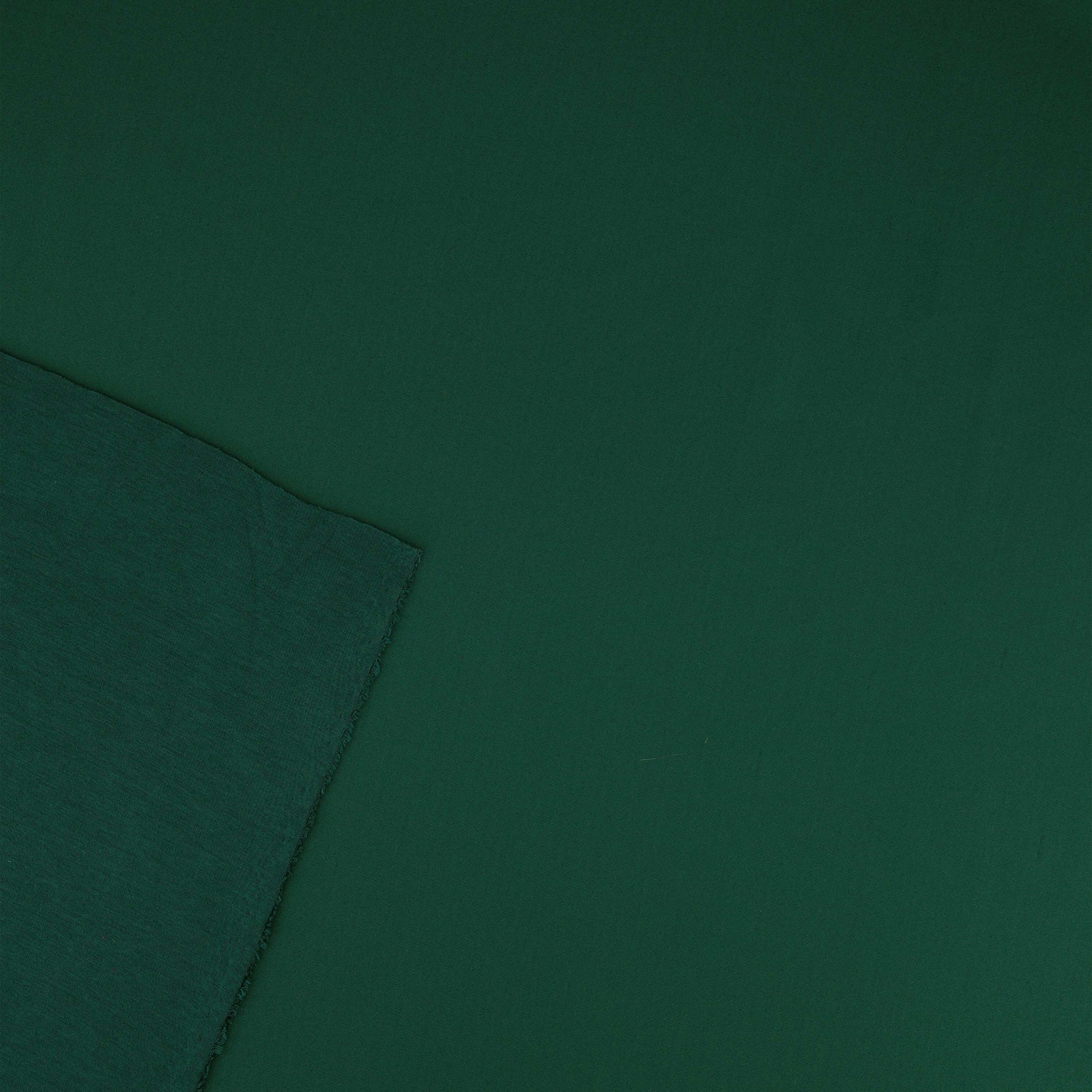
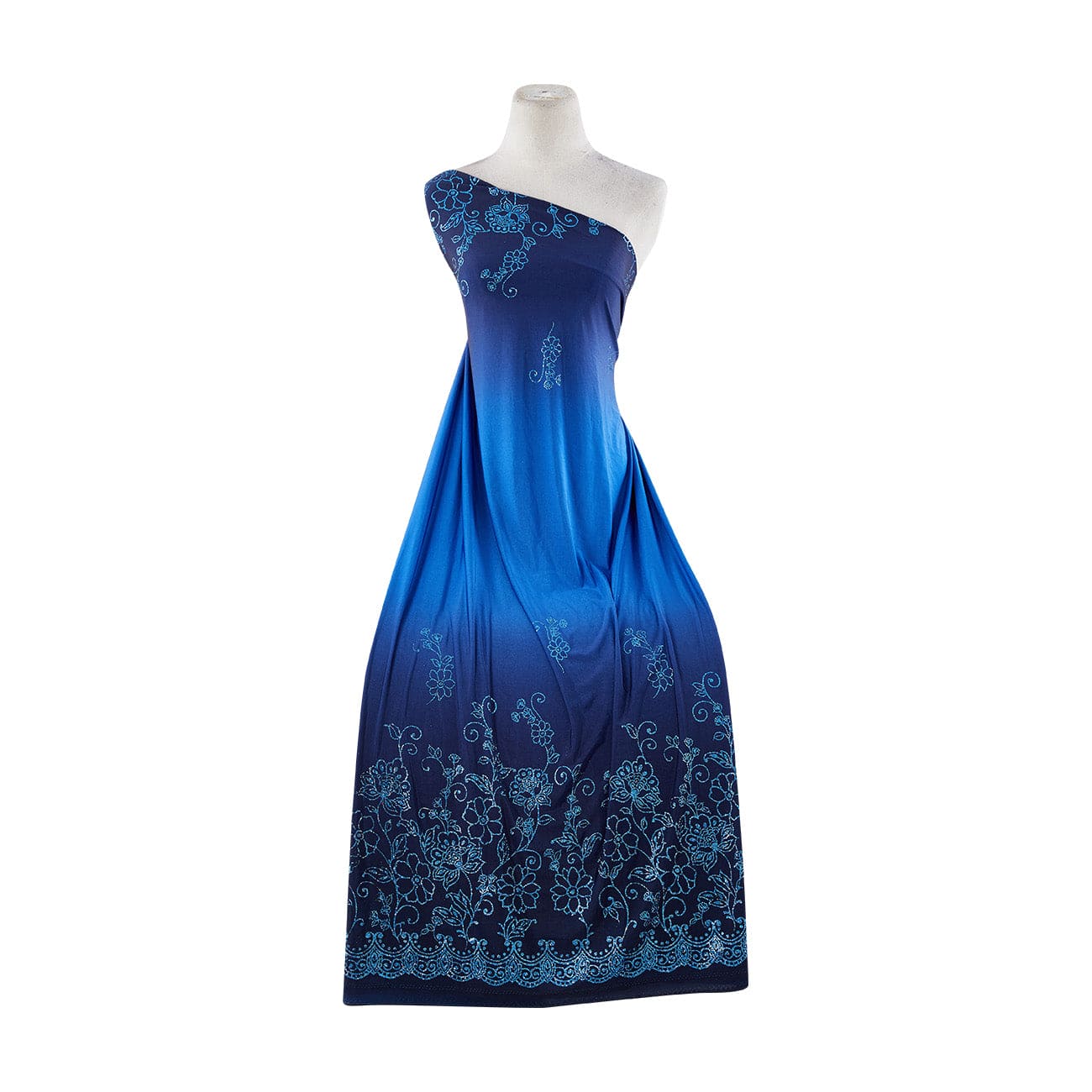
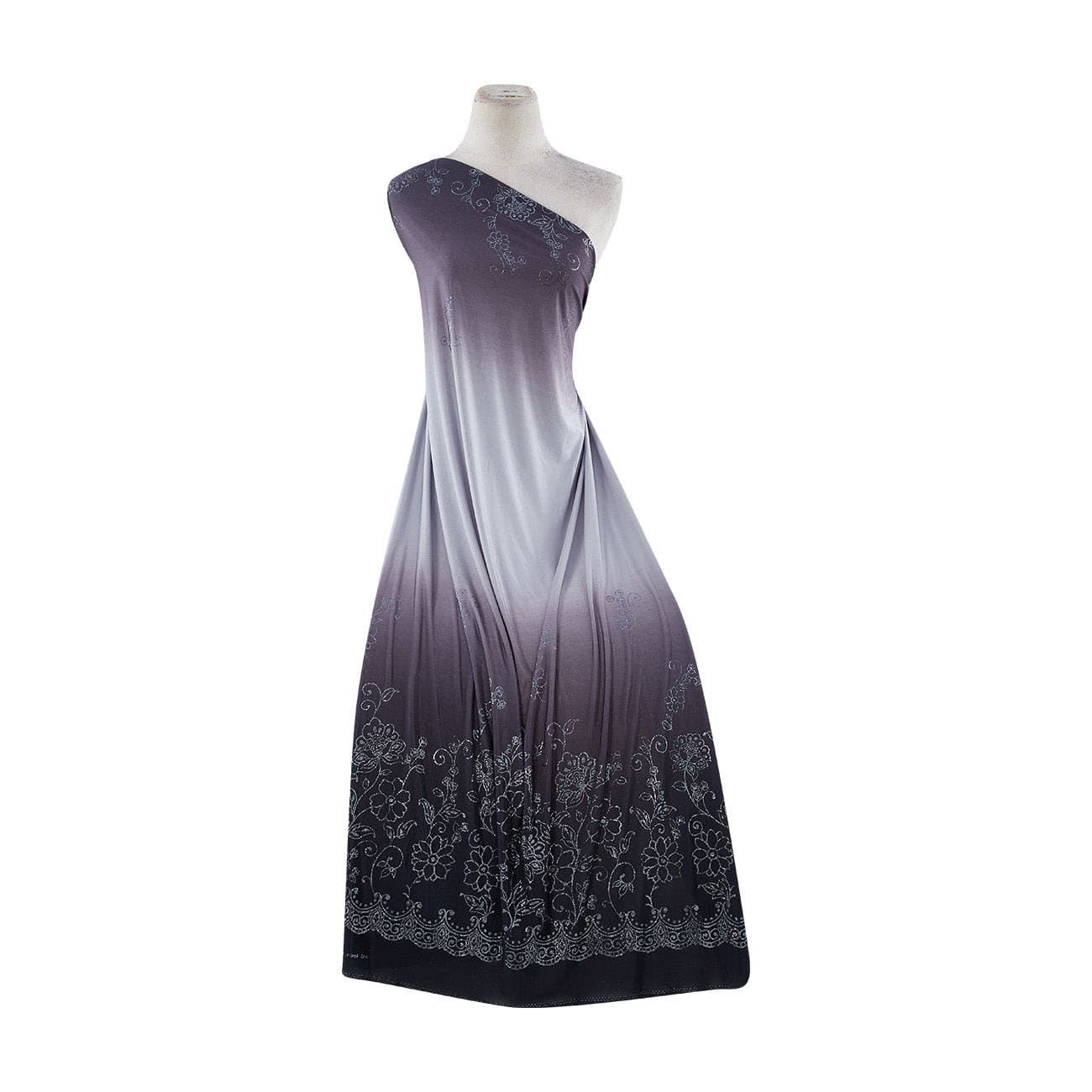
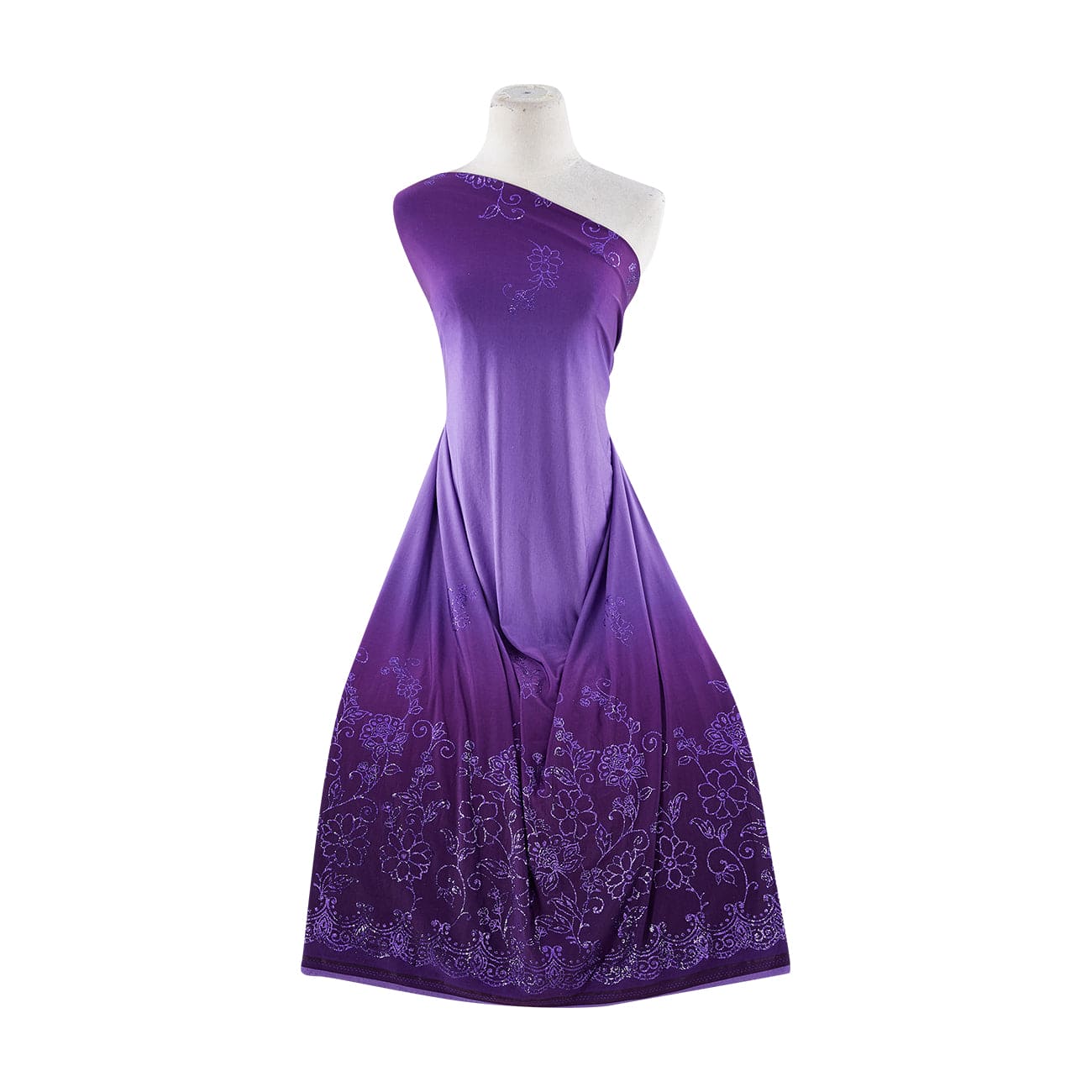
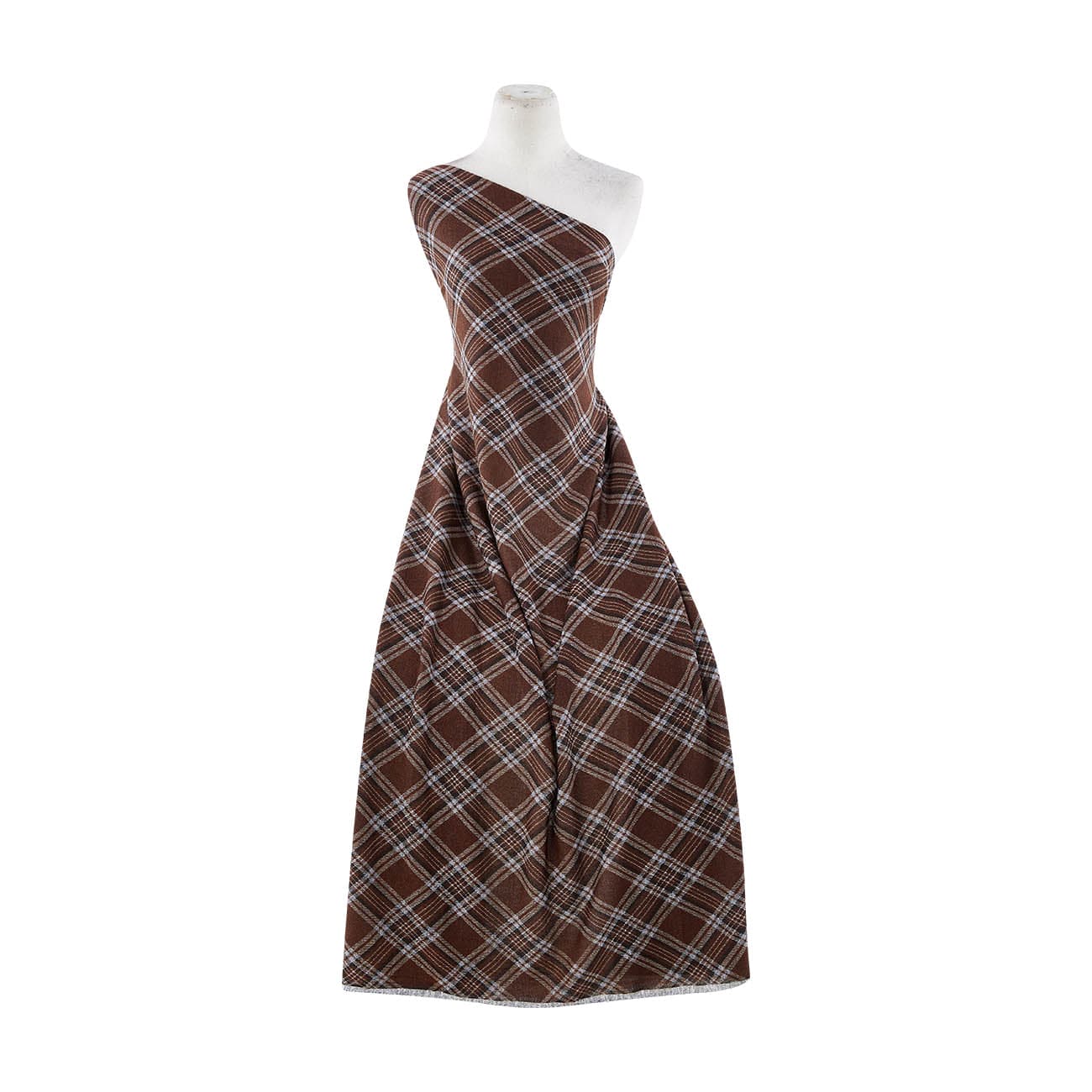
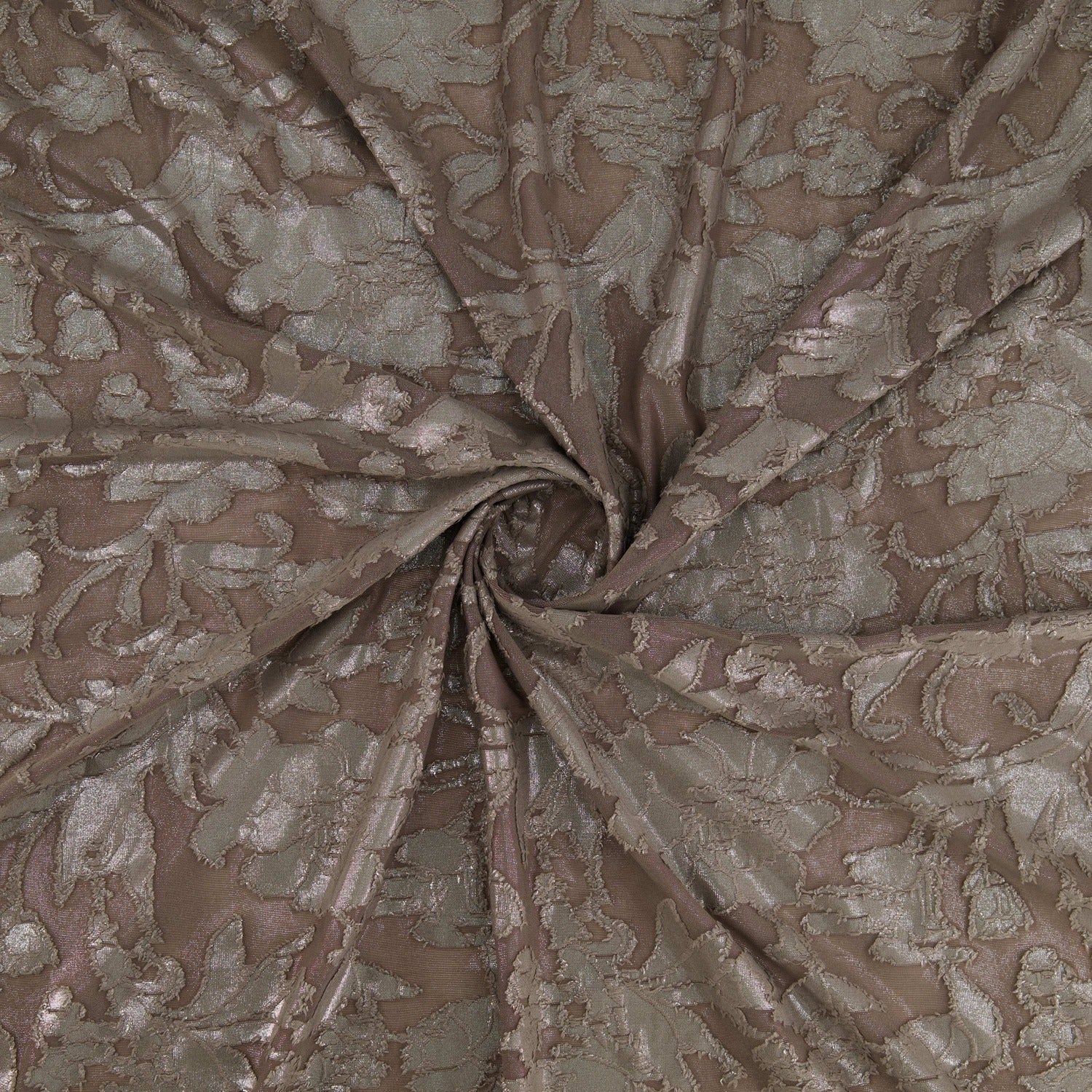
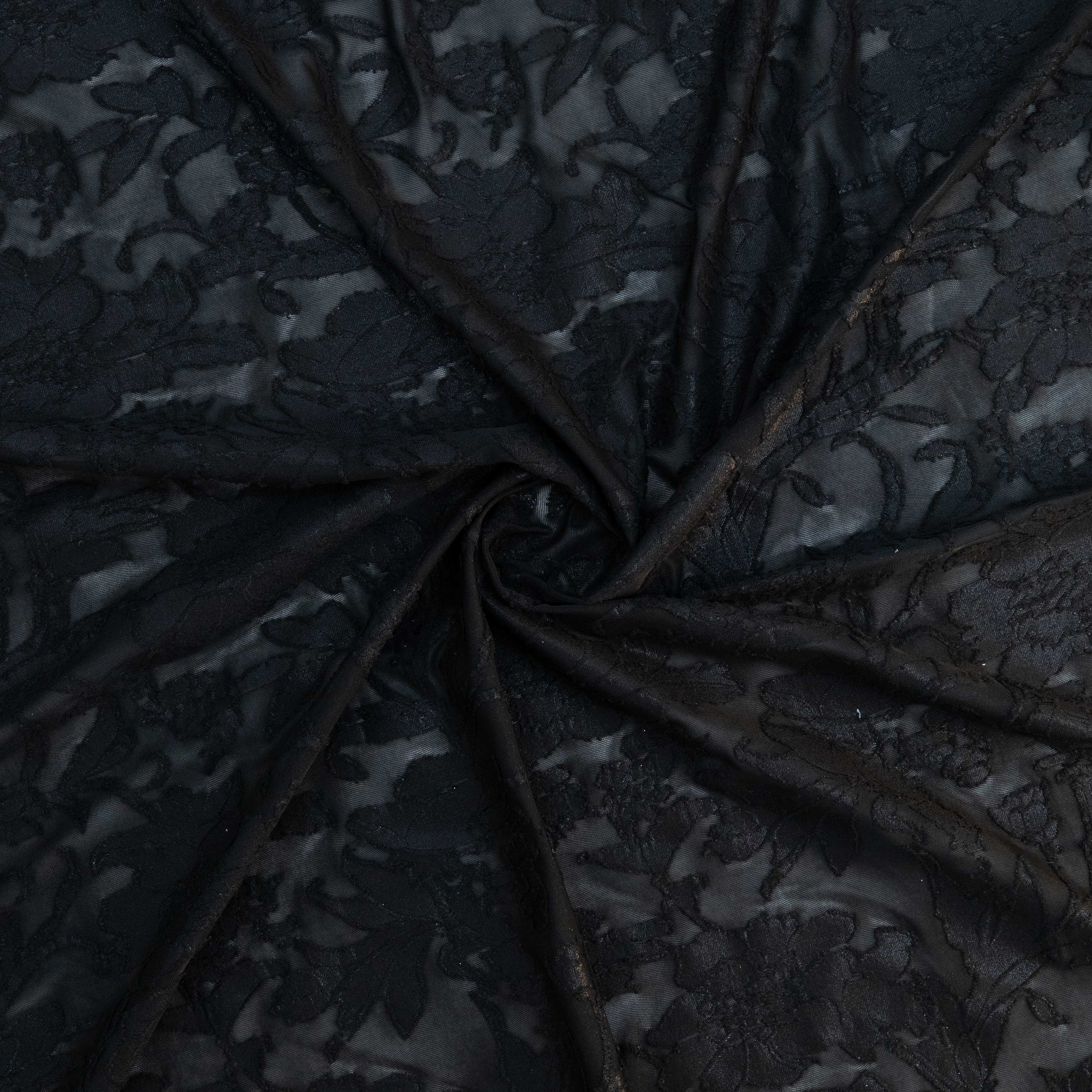

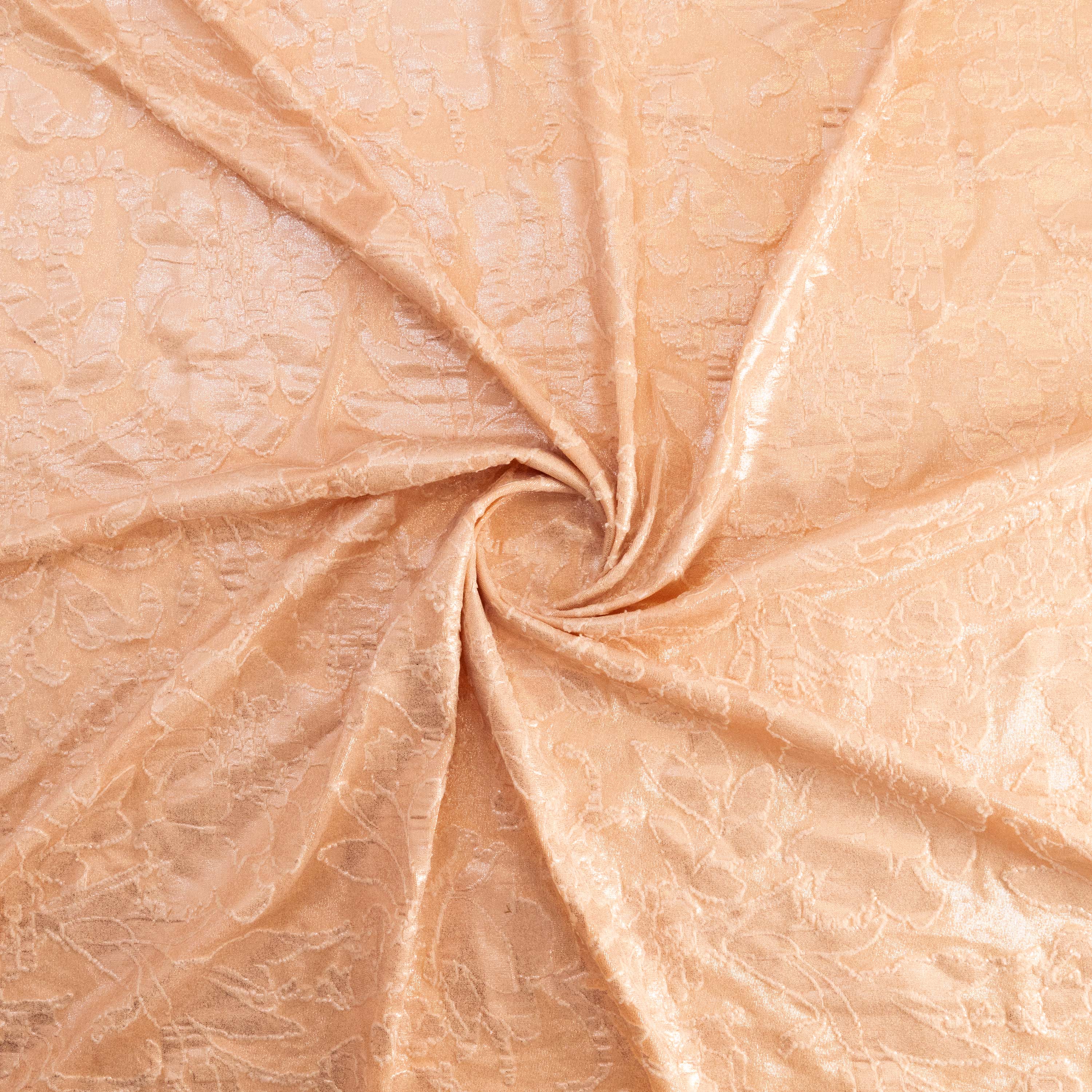

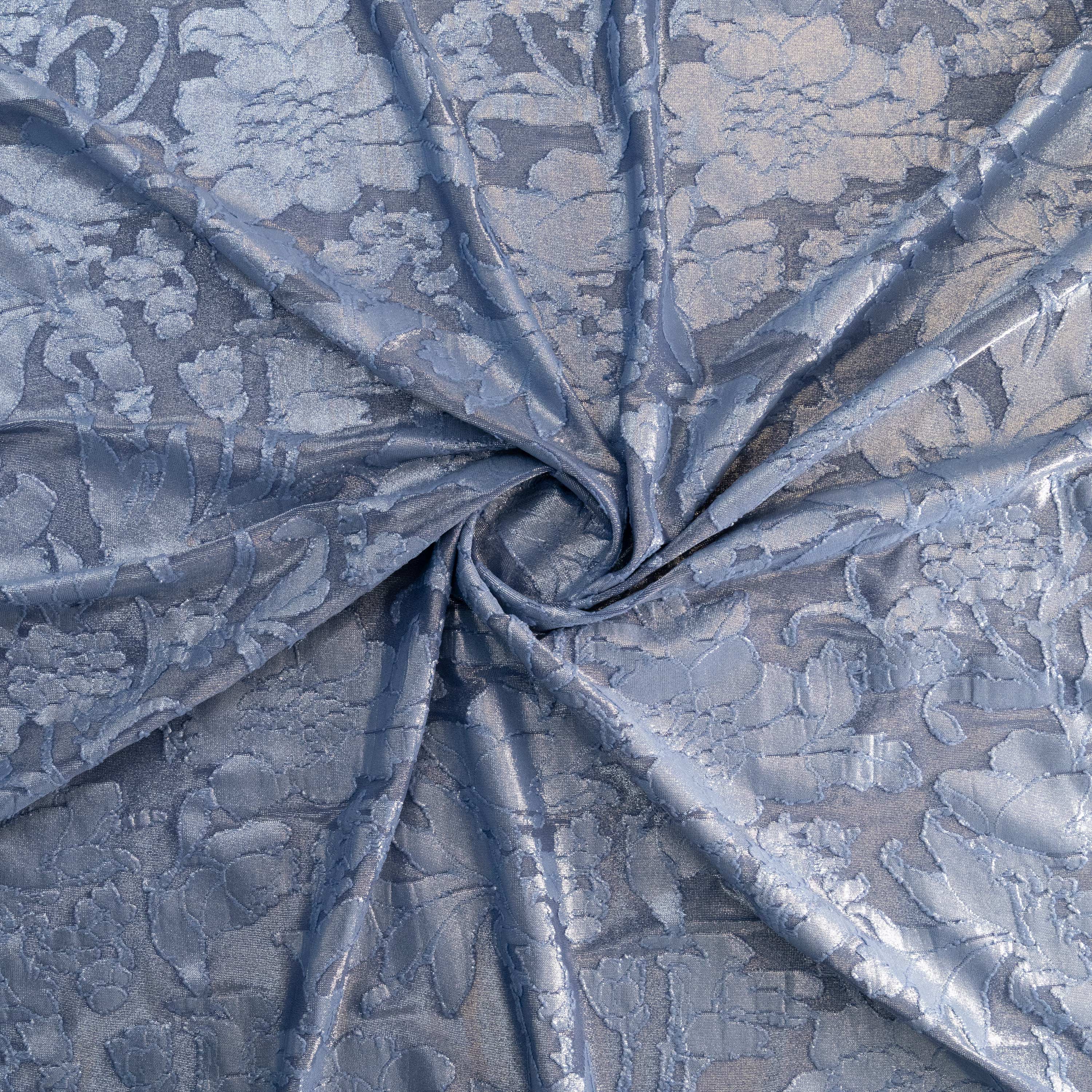
Shop Stretch Fabric by the Yard for Every Project
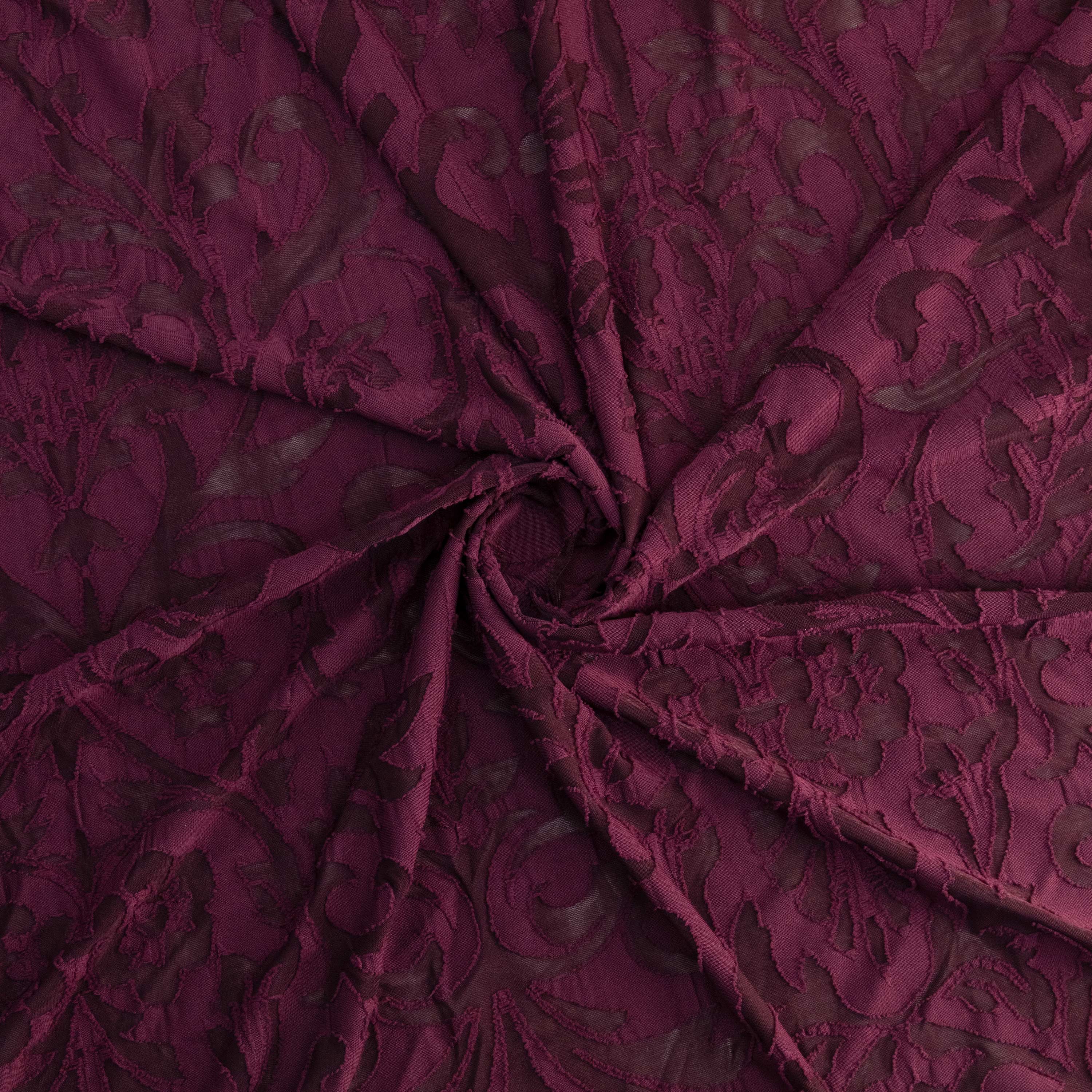
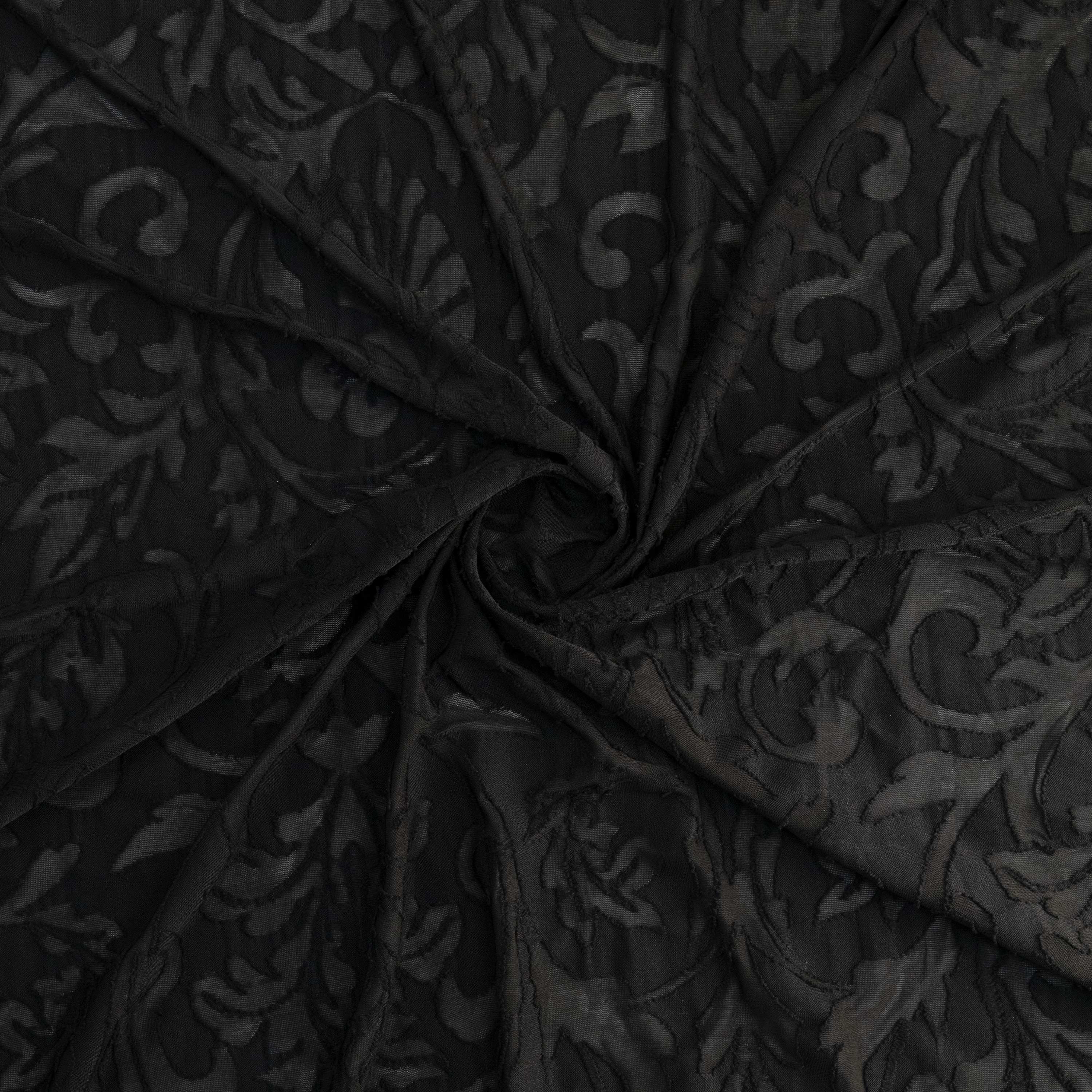
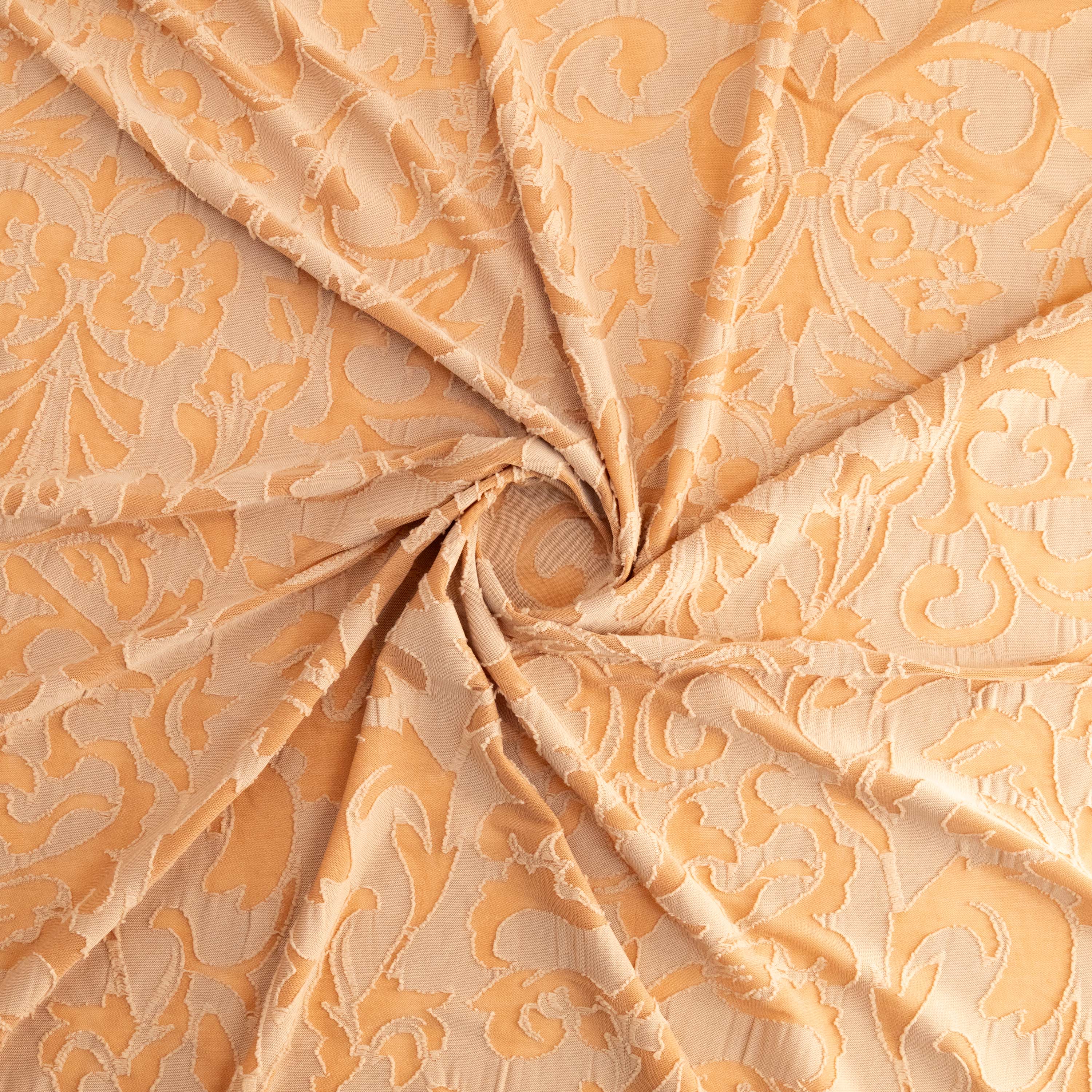
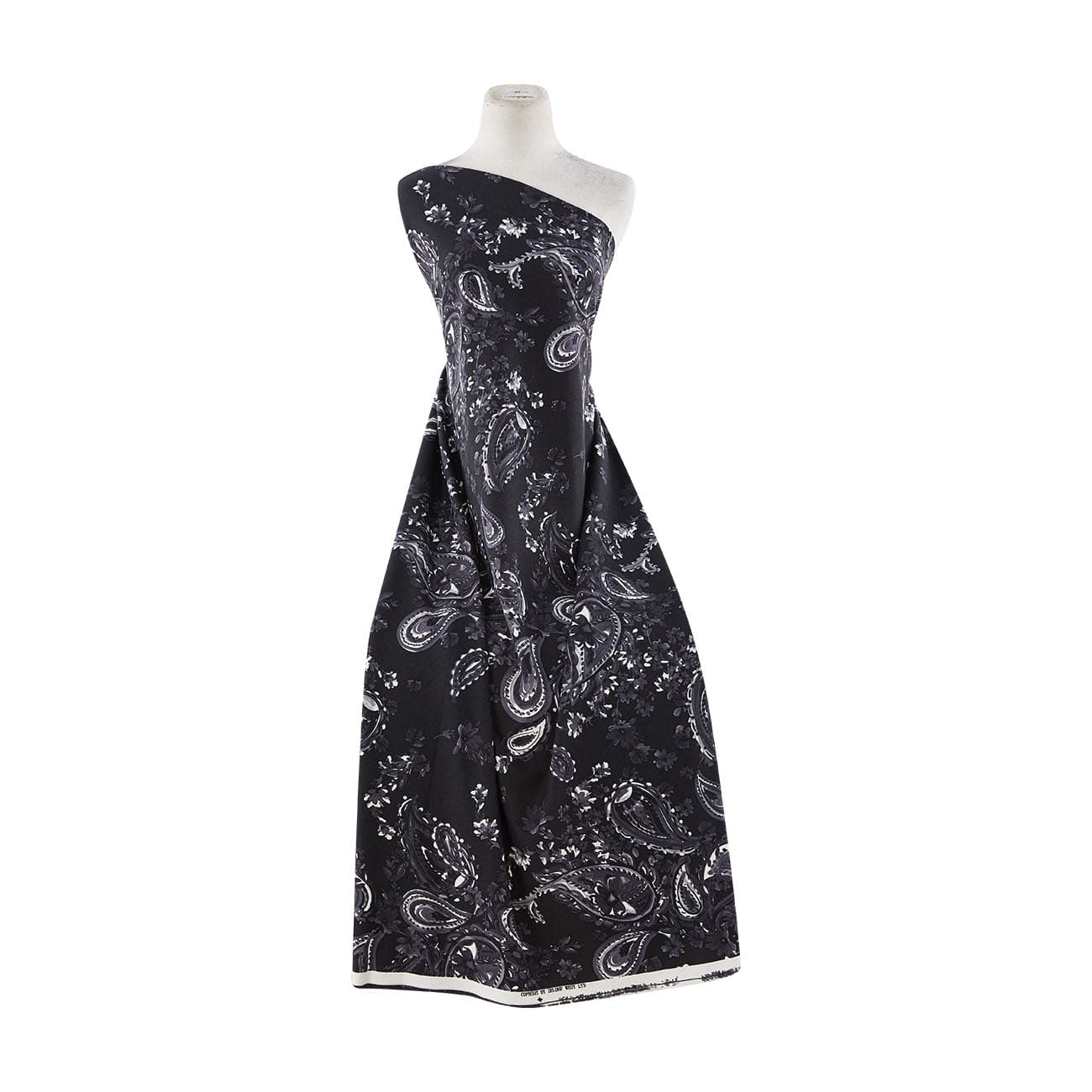
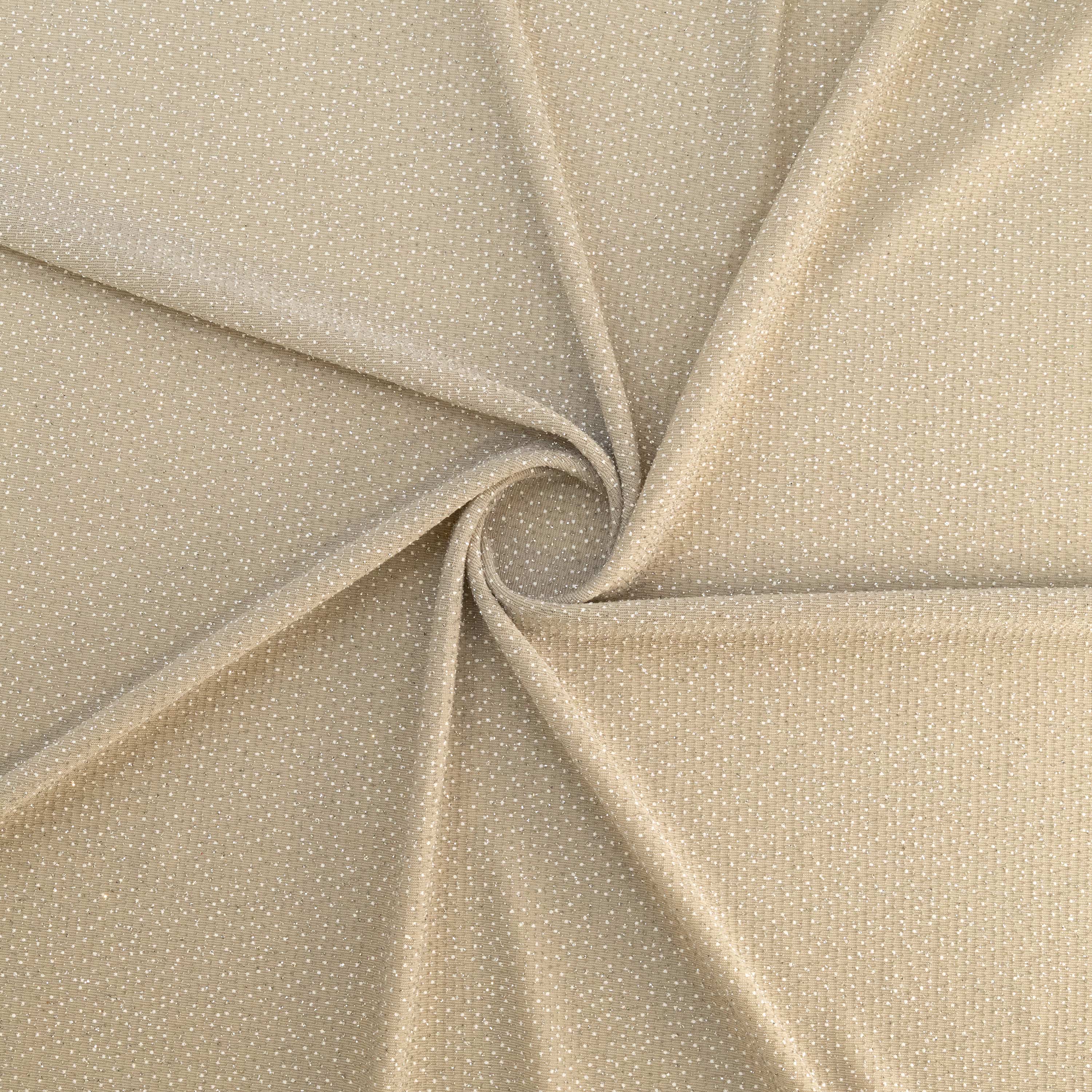
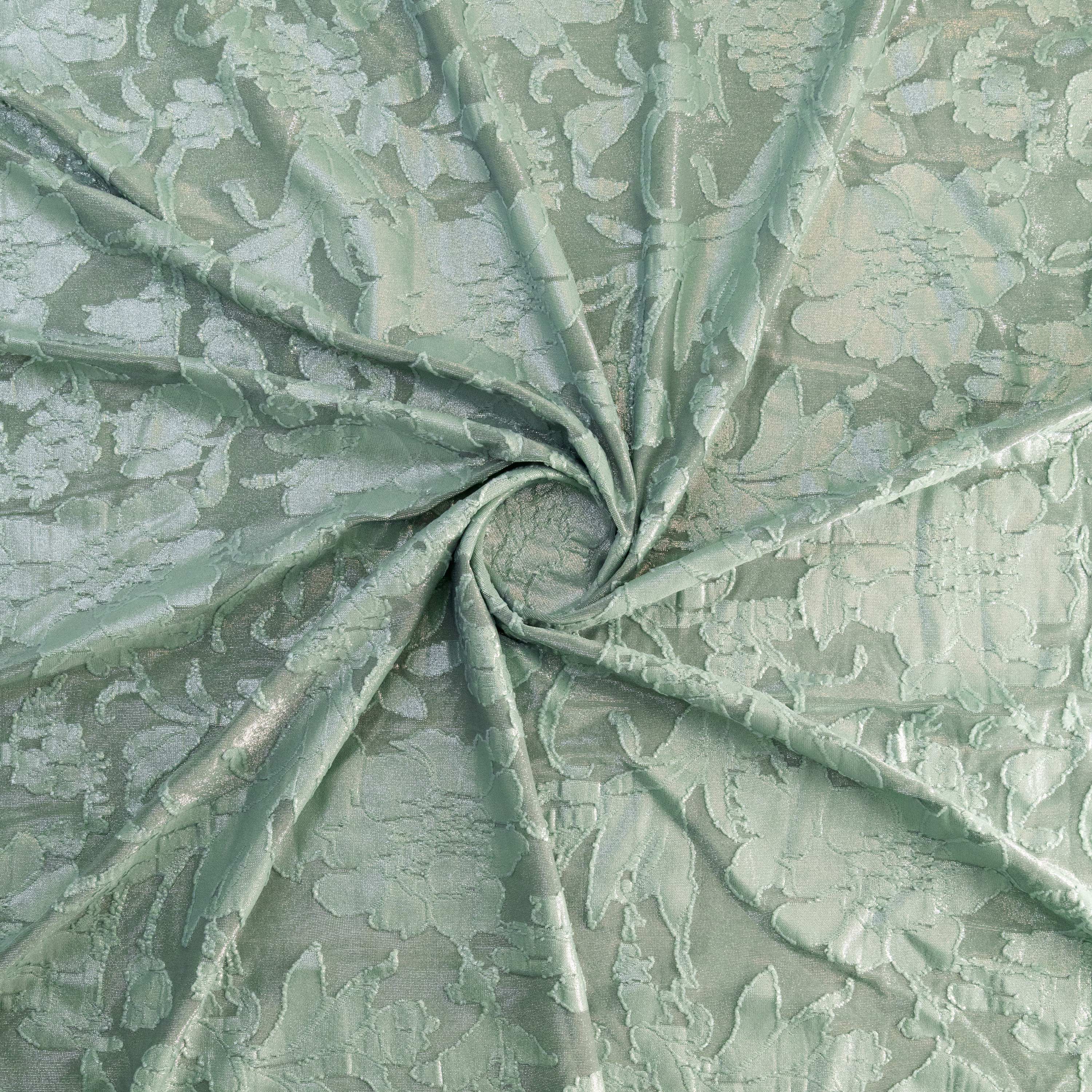
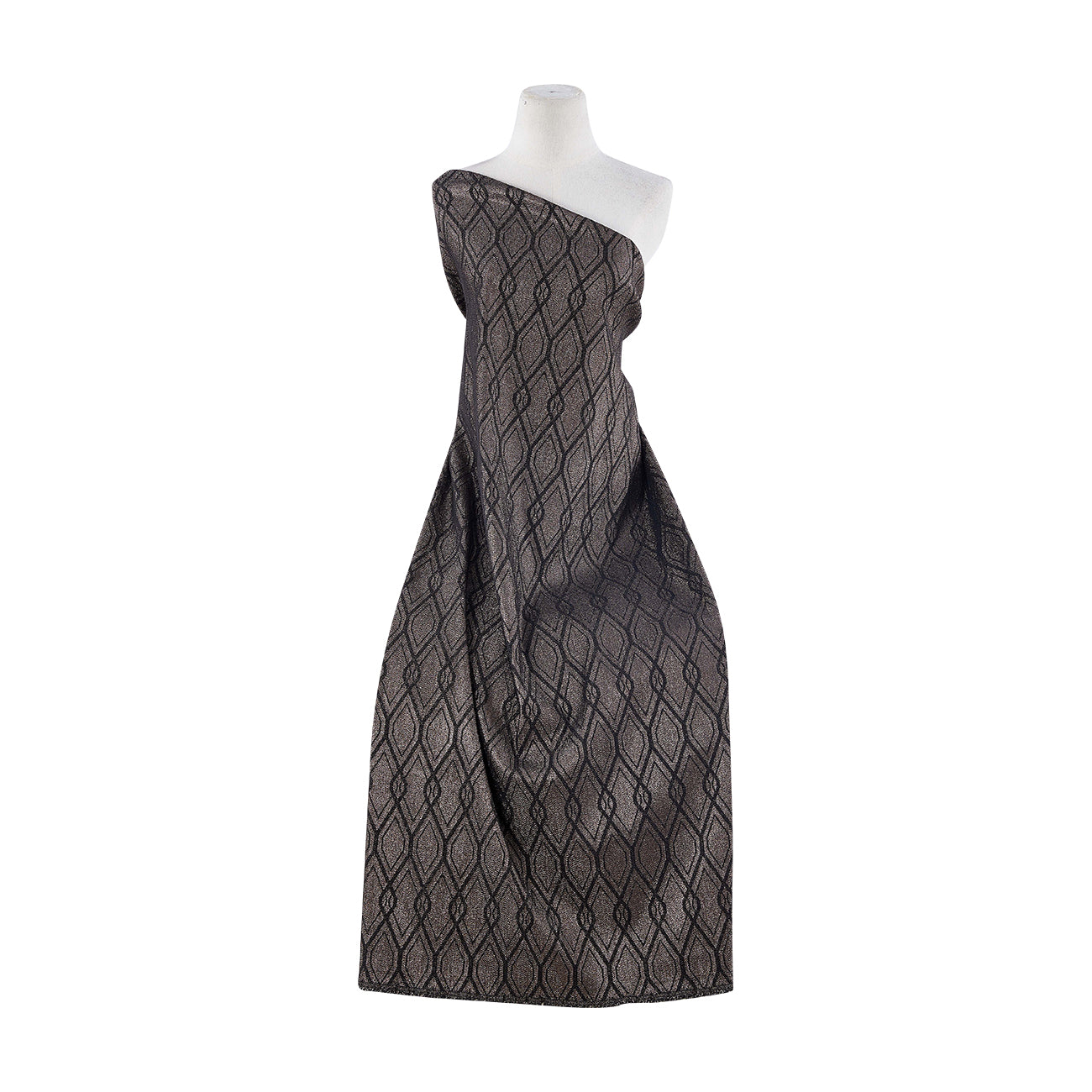
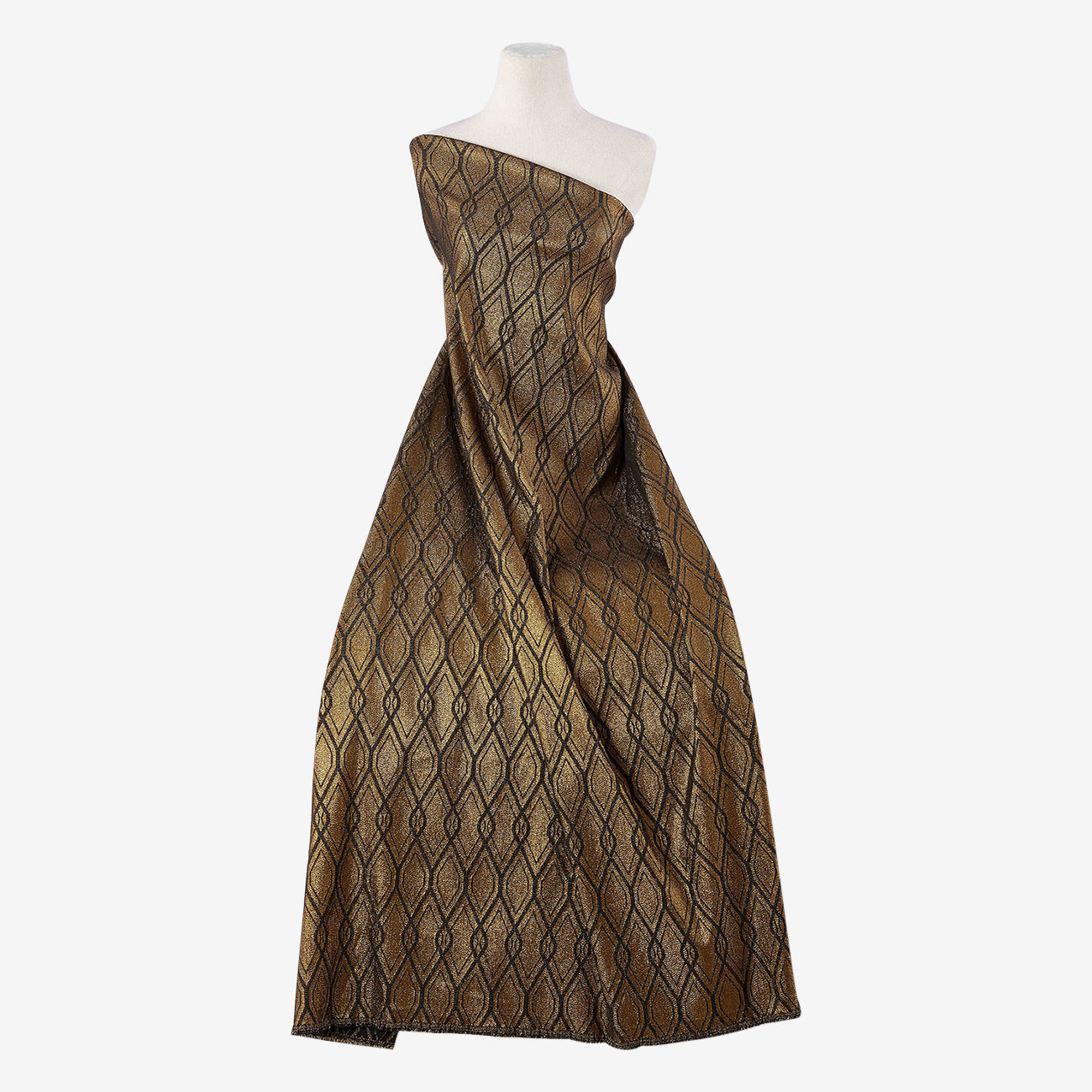
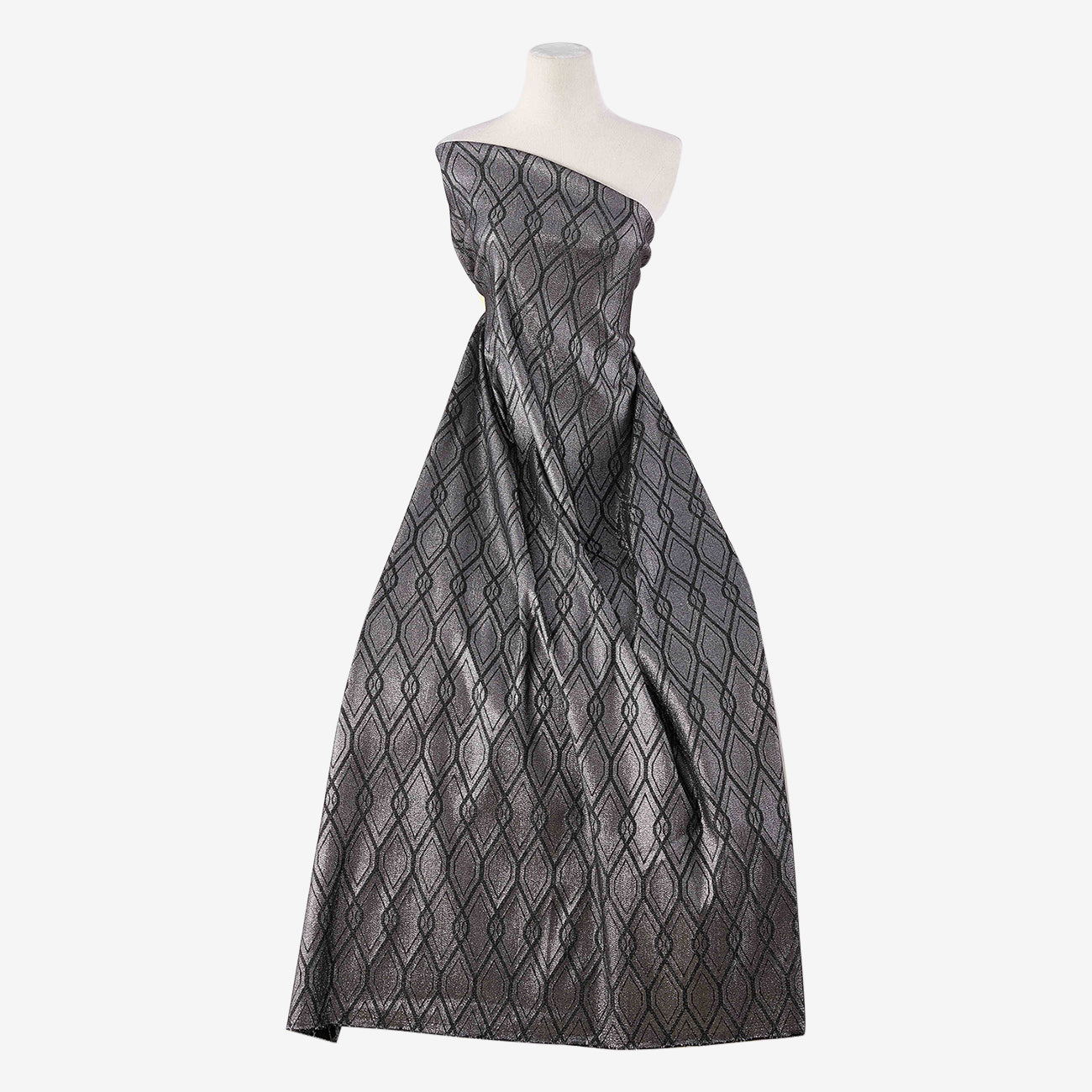
Fabric stretches in two different ways. Knit constructions stretch mechanically — their looped structure gives even a 100% polyester jersey natural flexibility. Stretch fibers go further: a few percent of spandex spun into the blend adds powerful stretch and snap-back recovery to knits and wovens alike. This collection covers both, so whether your pattern calls for a stable double knit or a high-recovery performance mesh, the right hand and weight are here. Working specifically with elastane blends? Browse the dedicated spandex fabric collection.
Common Applications
Bodycon and Evening:
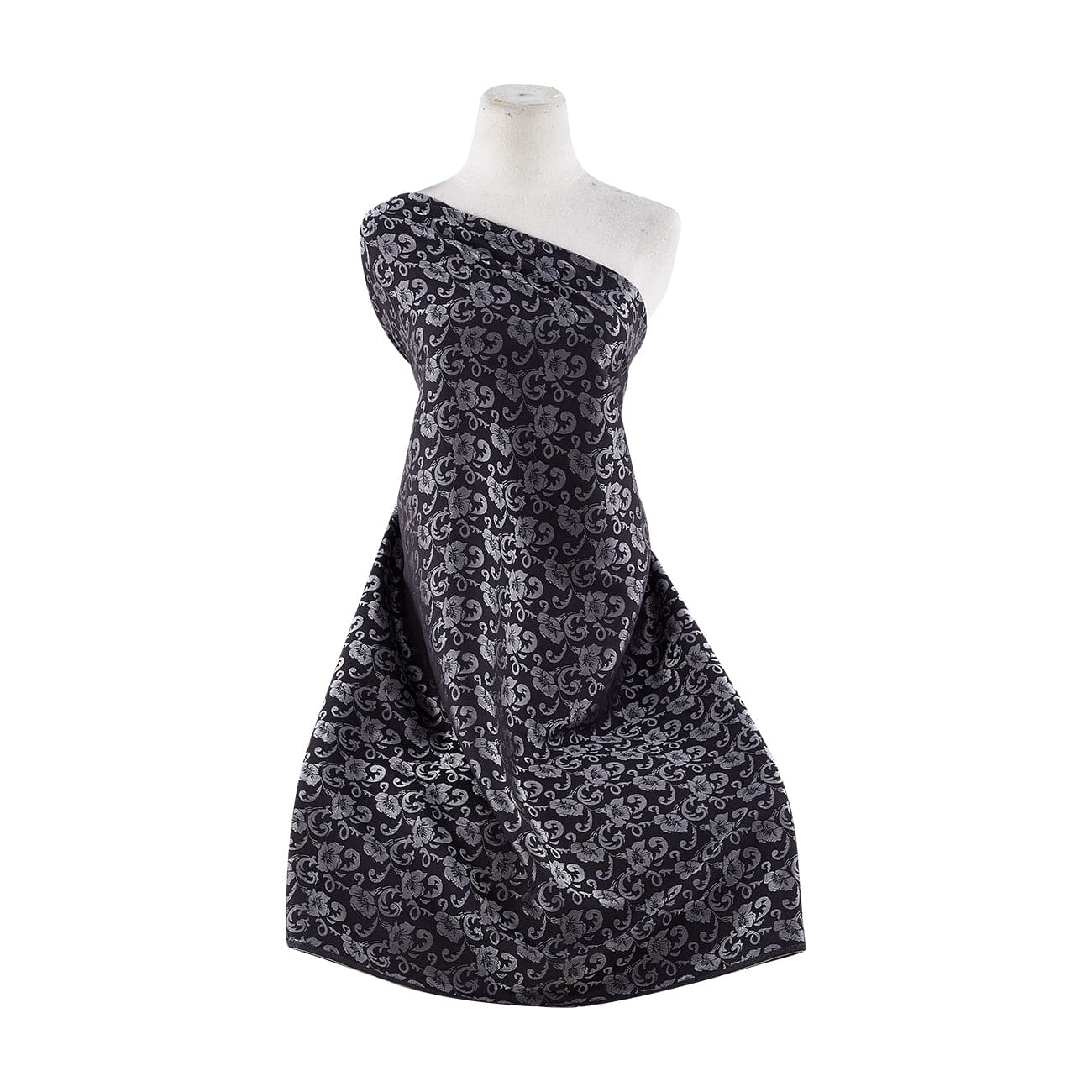
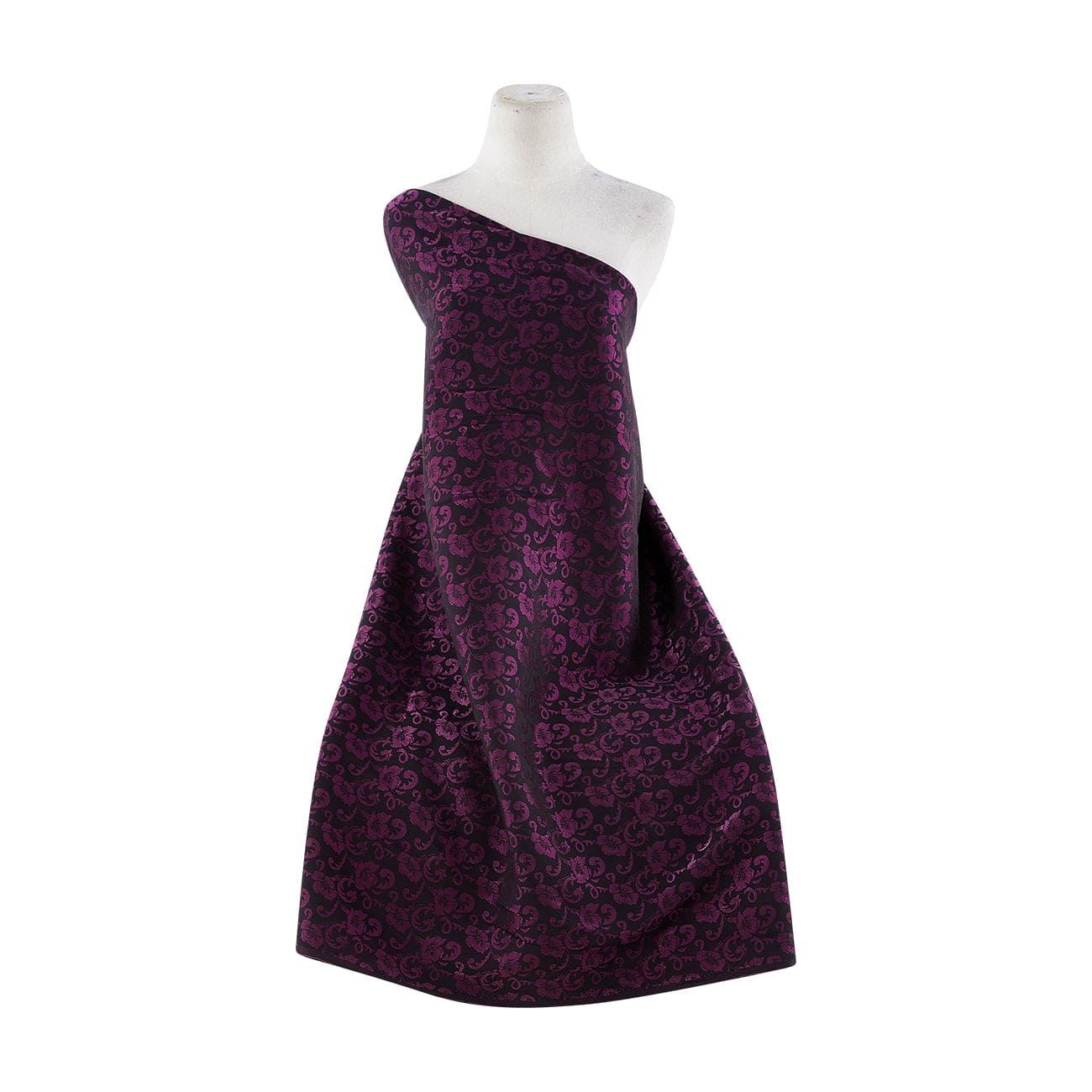
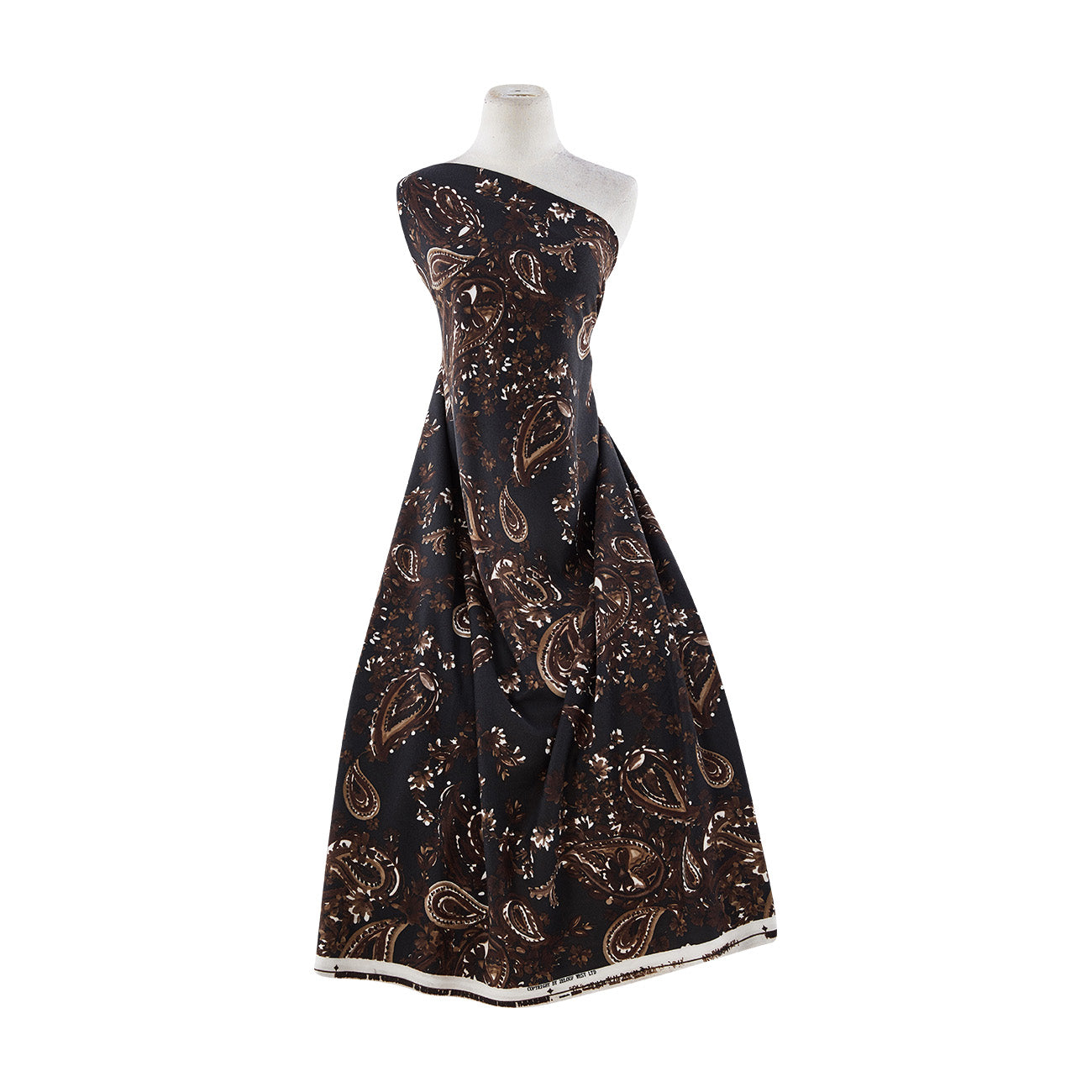
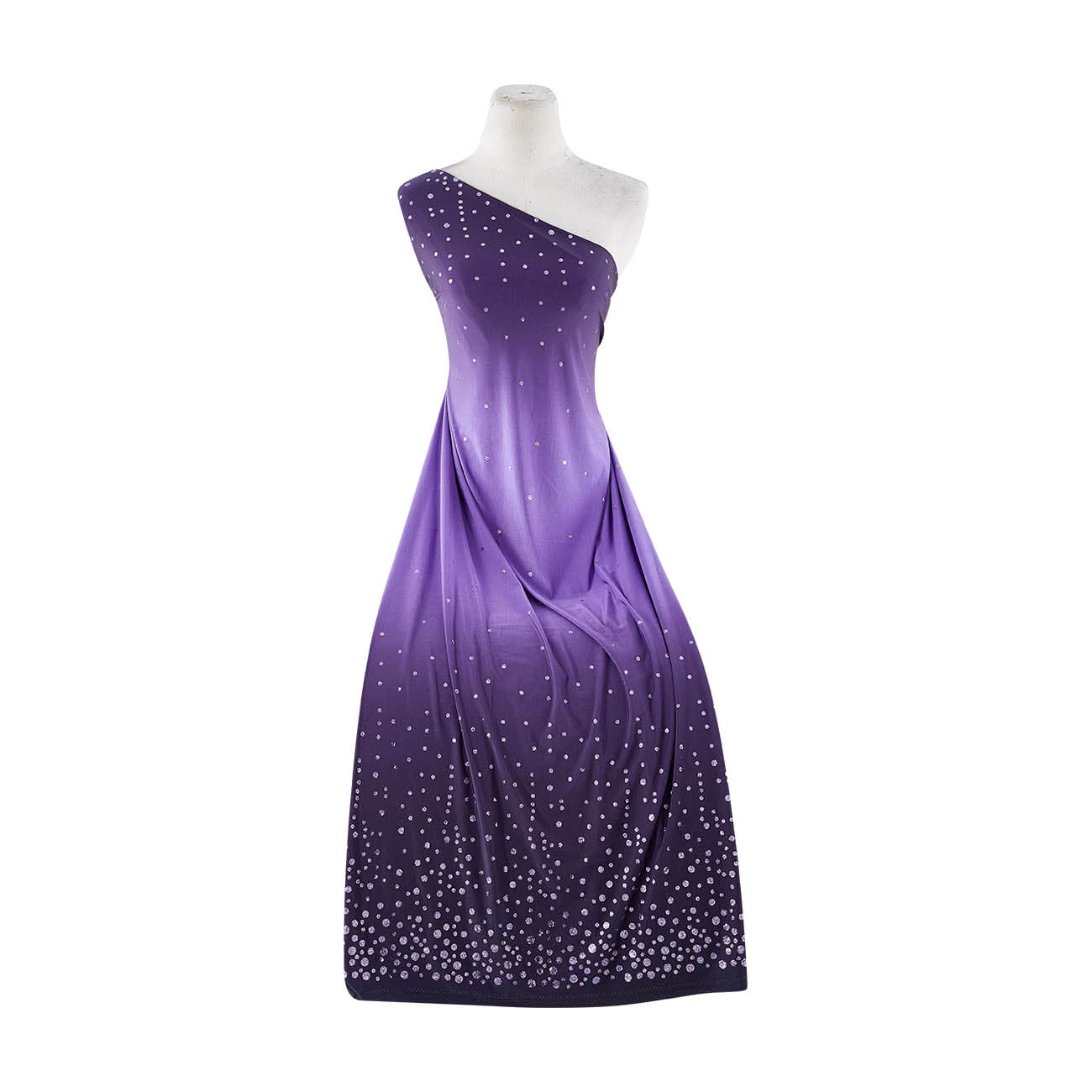
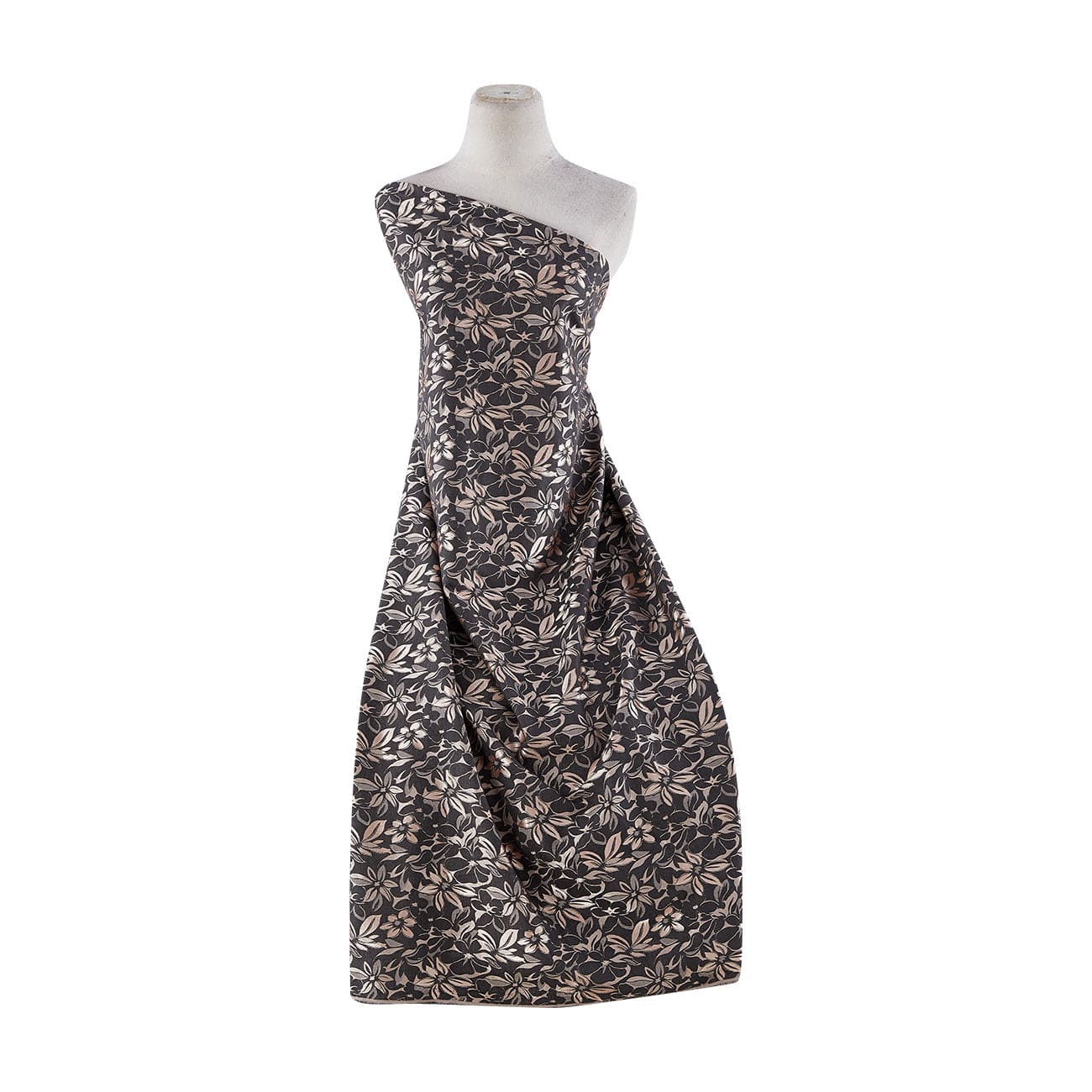
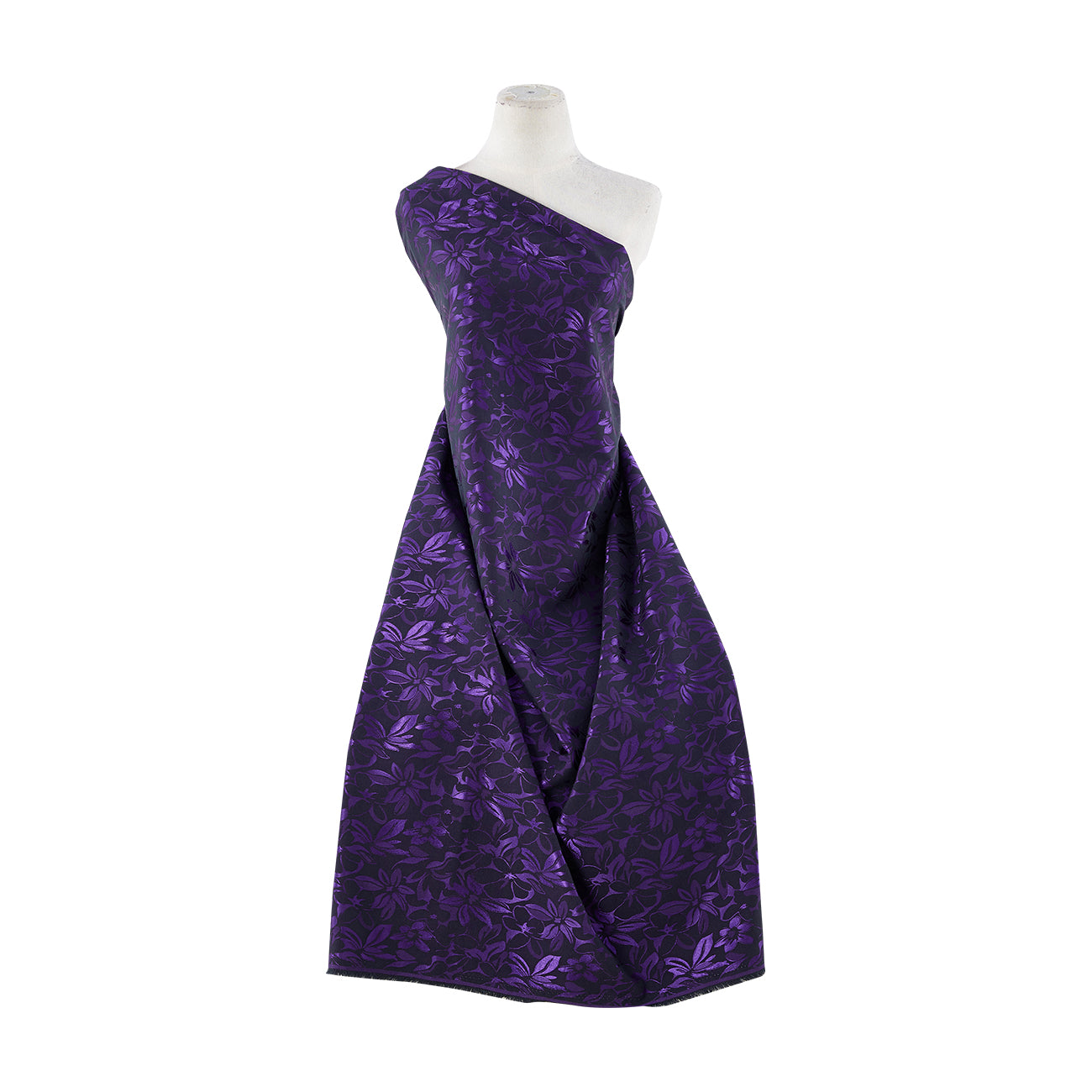
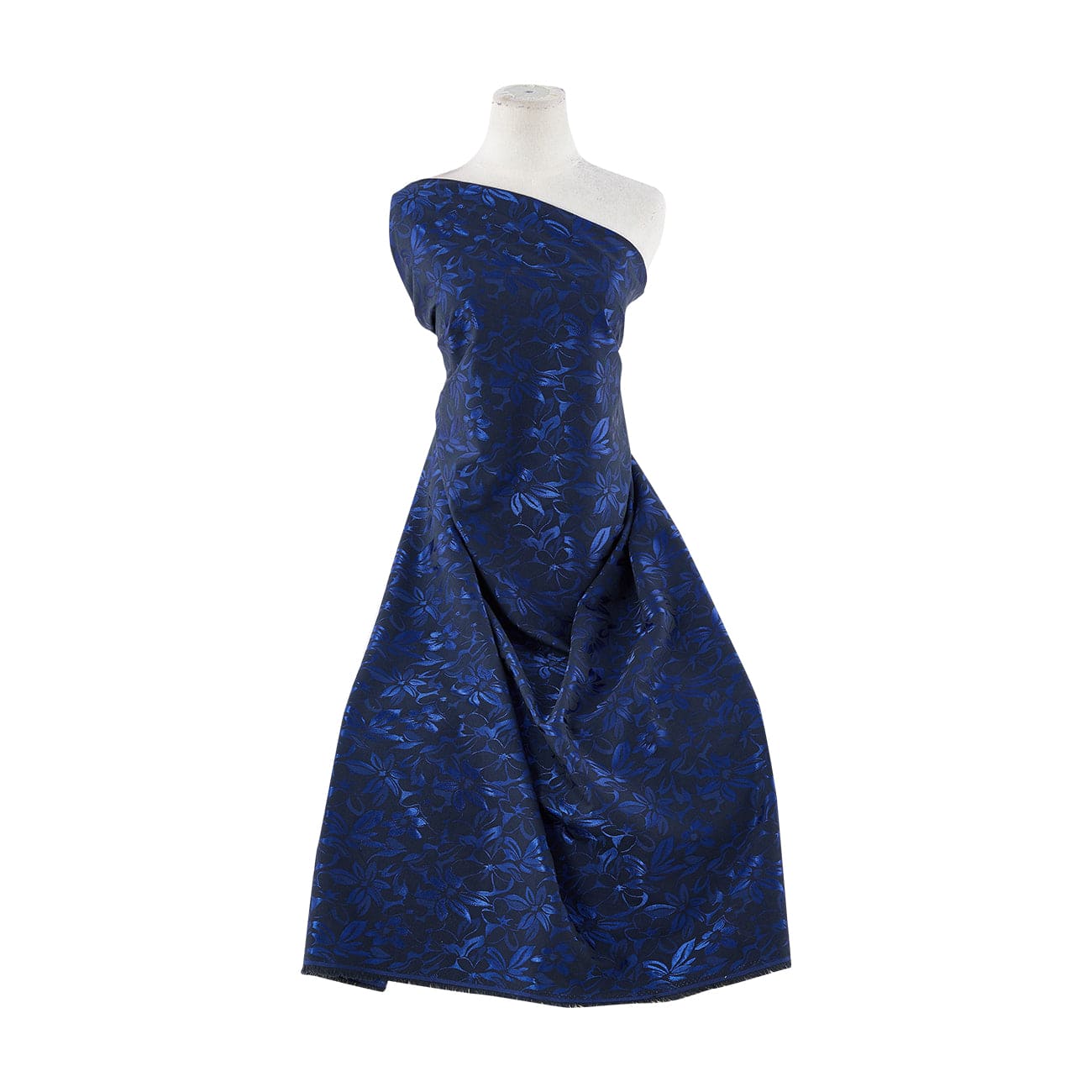
Stretch wovens hold a formal silhouette while moving with the wearer — think stretch taffeta gowns, fitted mikado, and stretch satin fabric for bias-skimming slip dresses that still breathe when you sit, dance, and dine.
Dance and Performance:
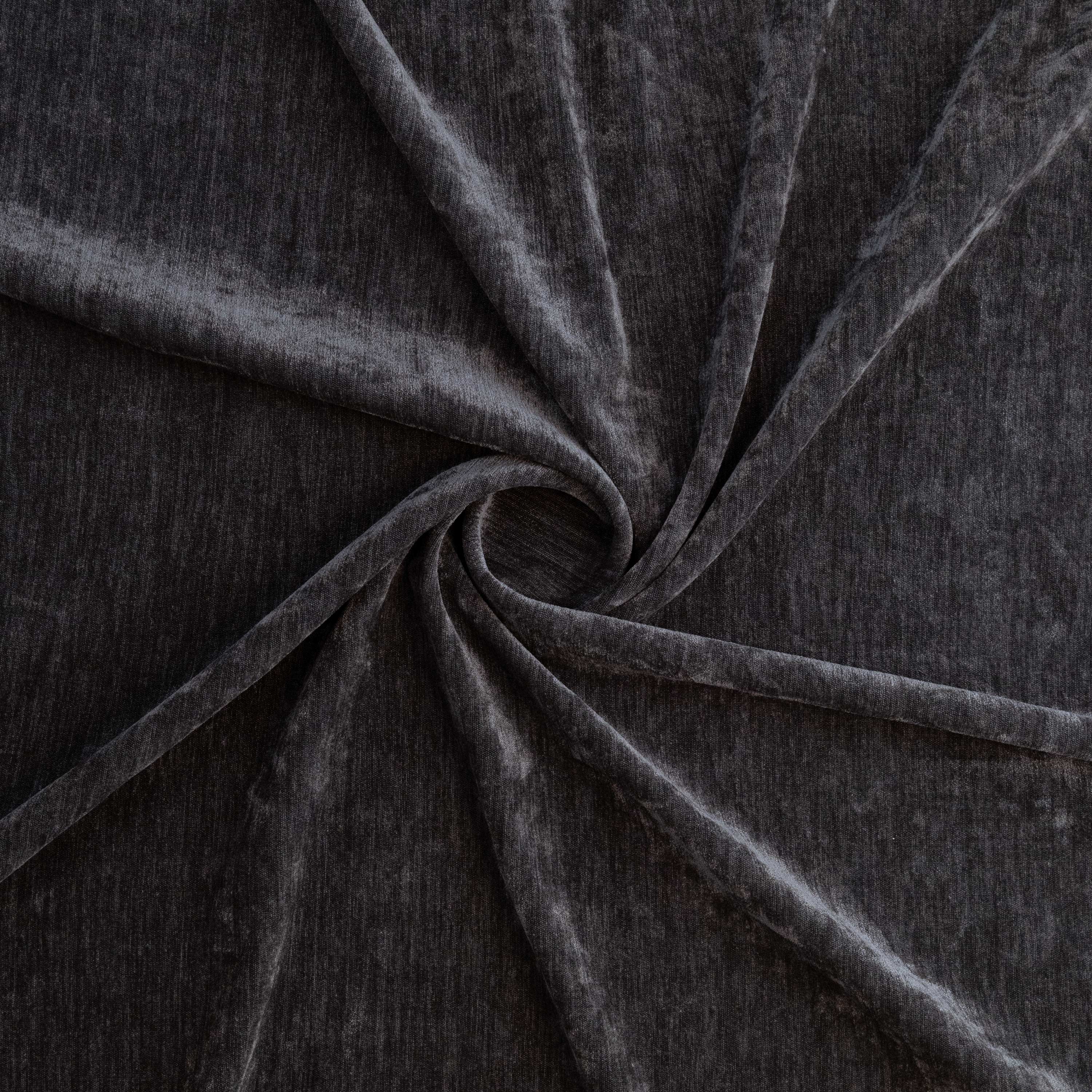
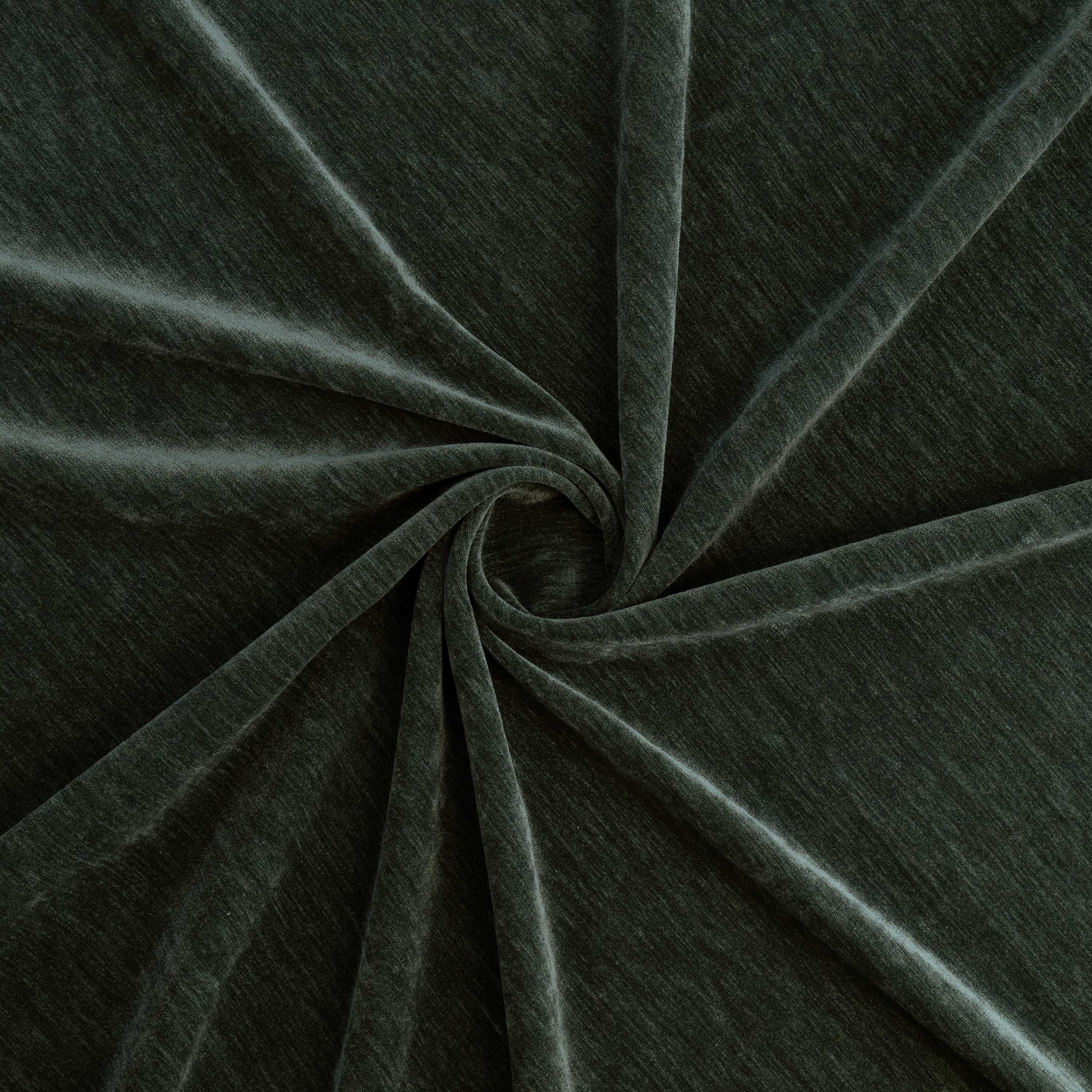
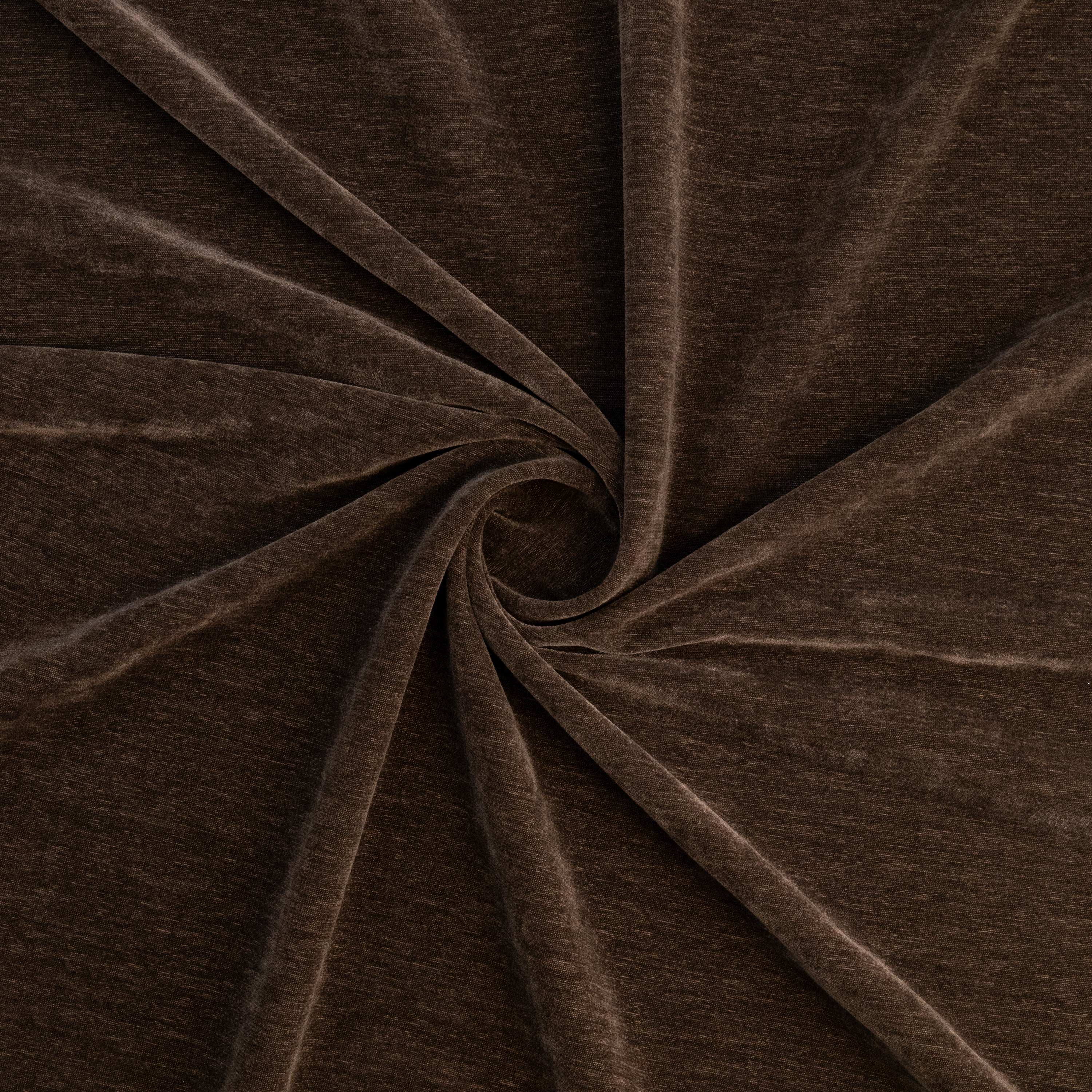
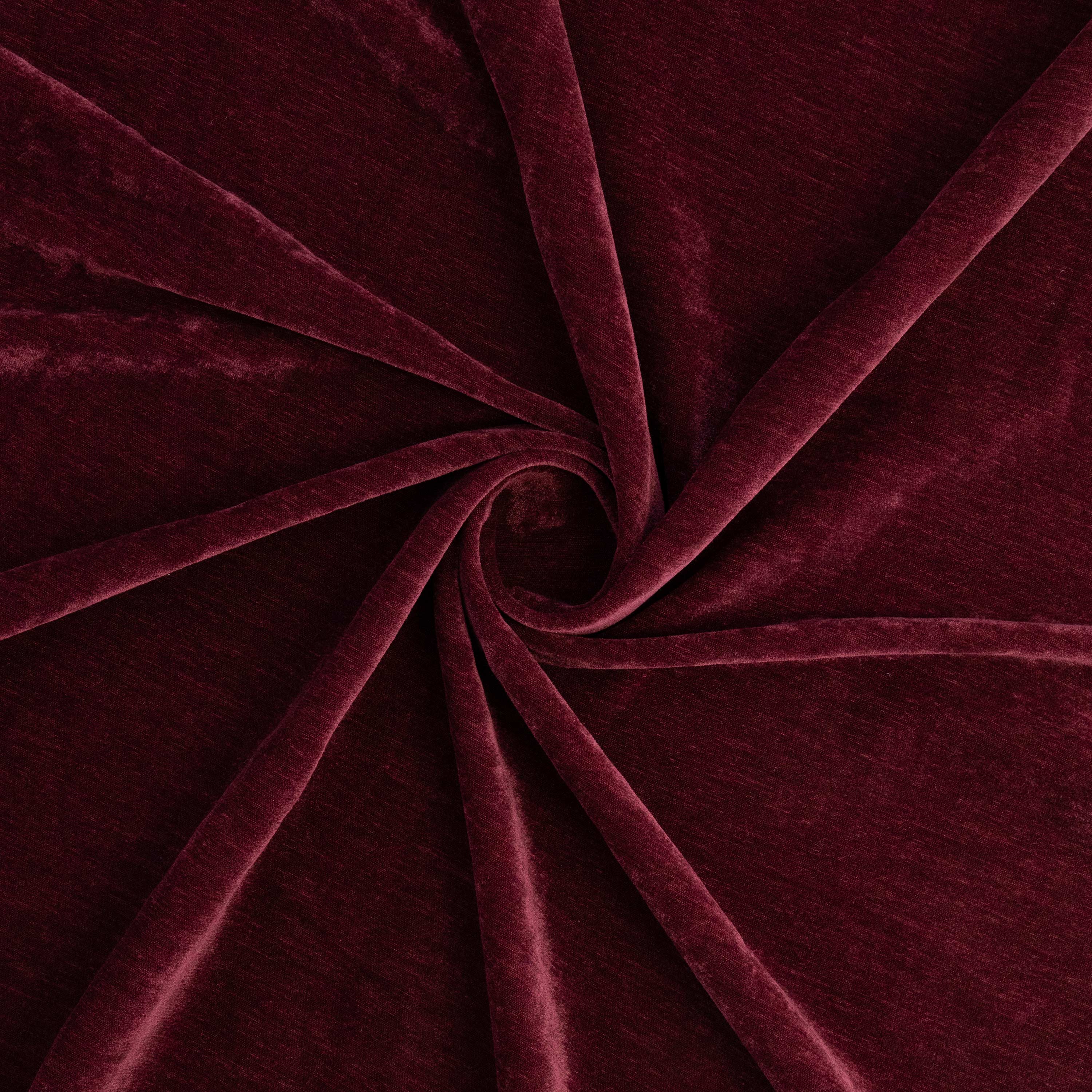
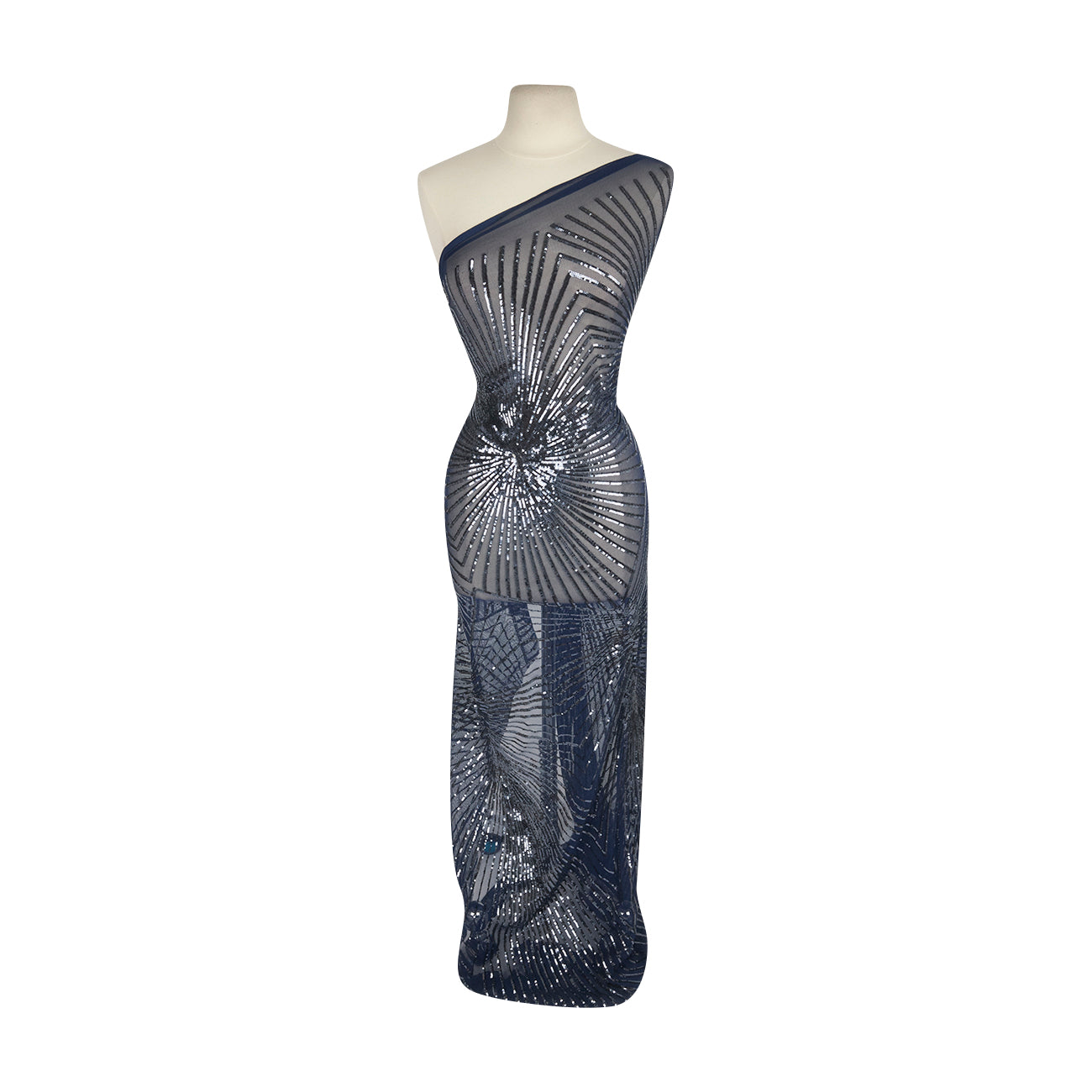
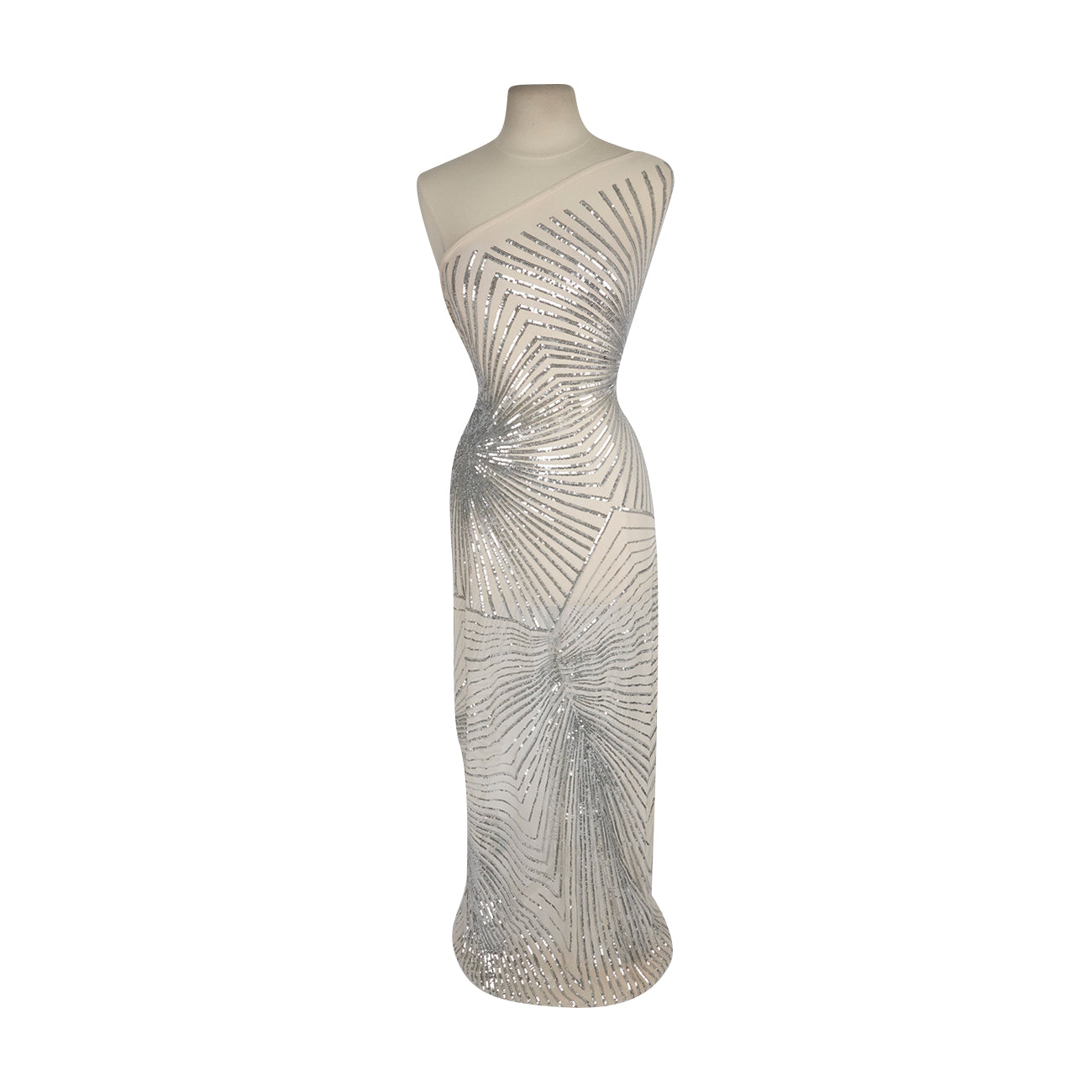
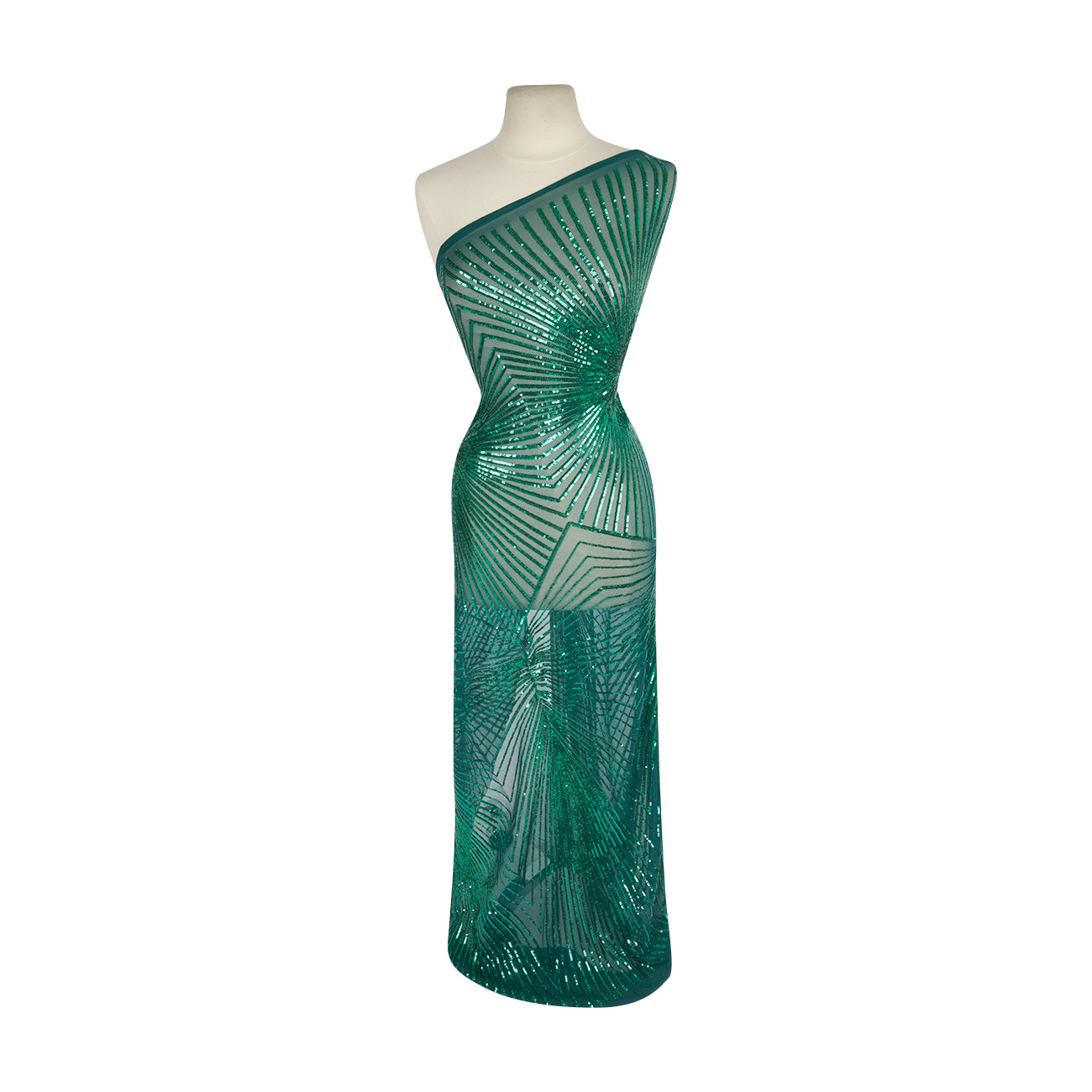
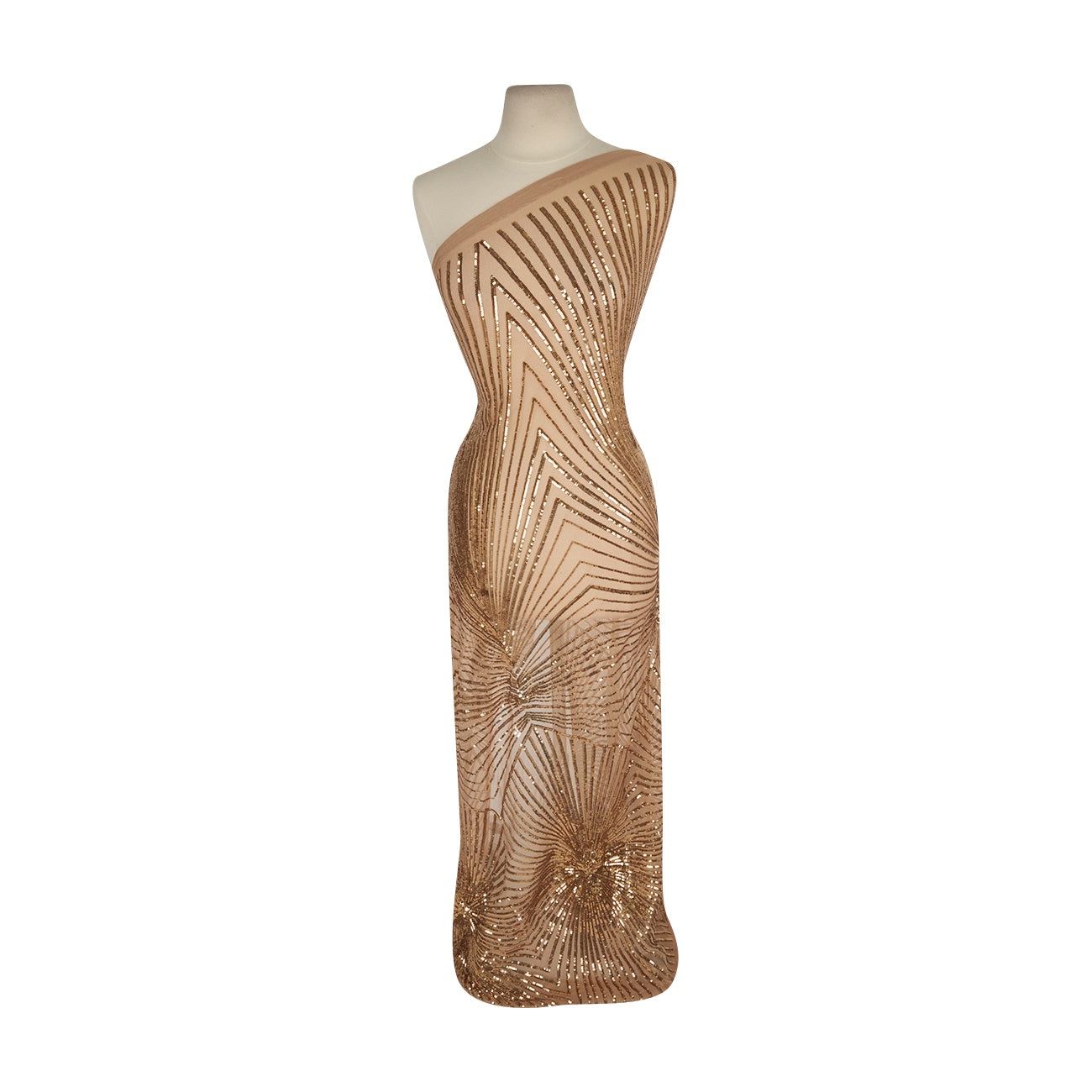
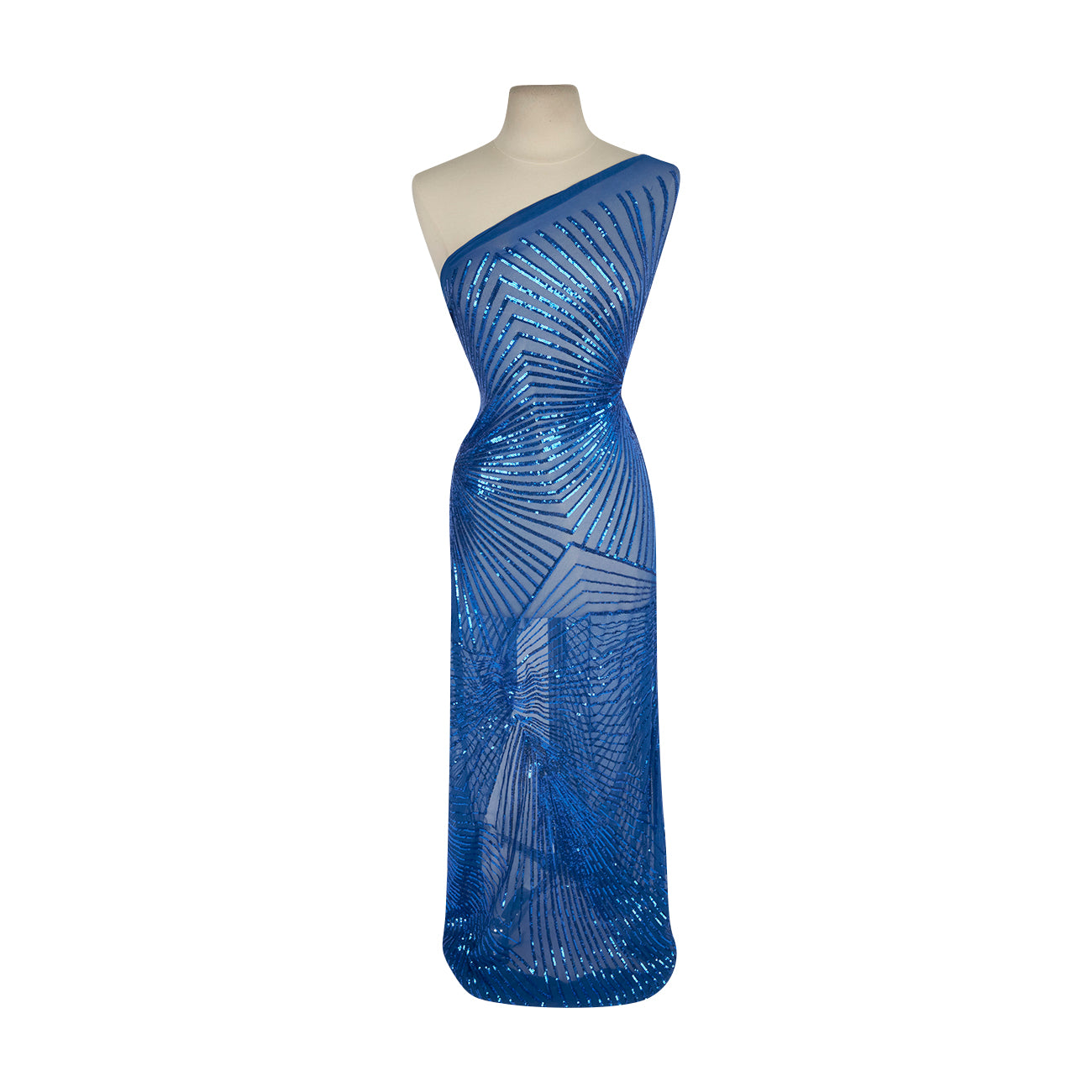
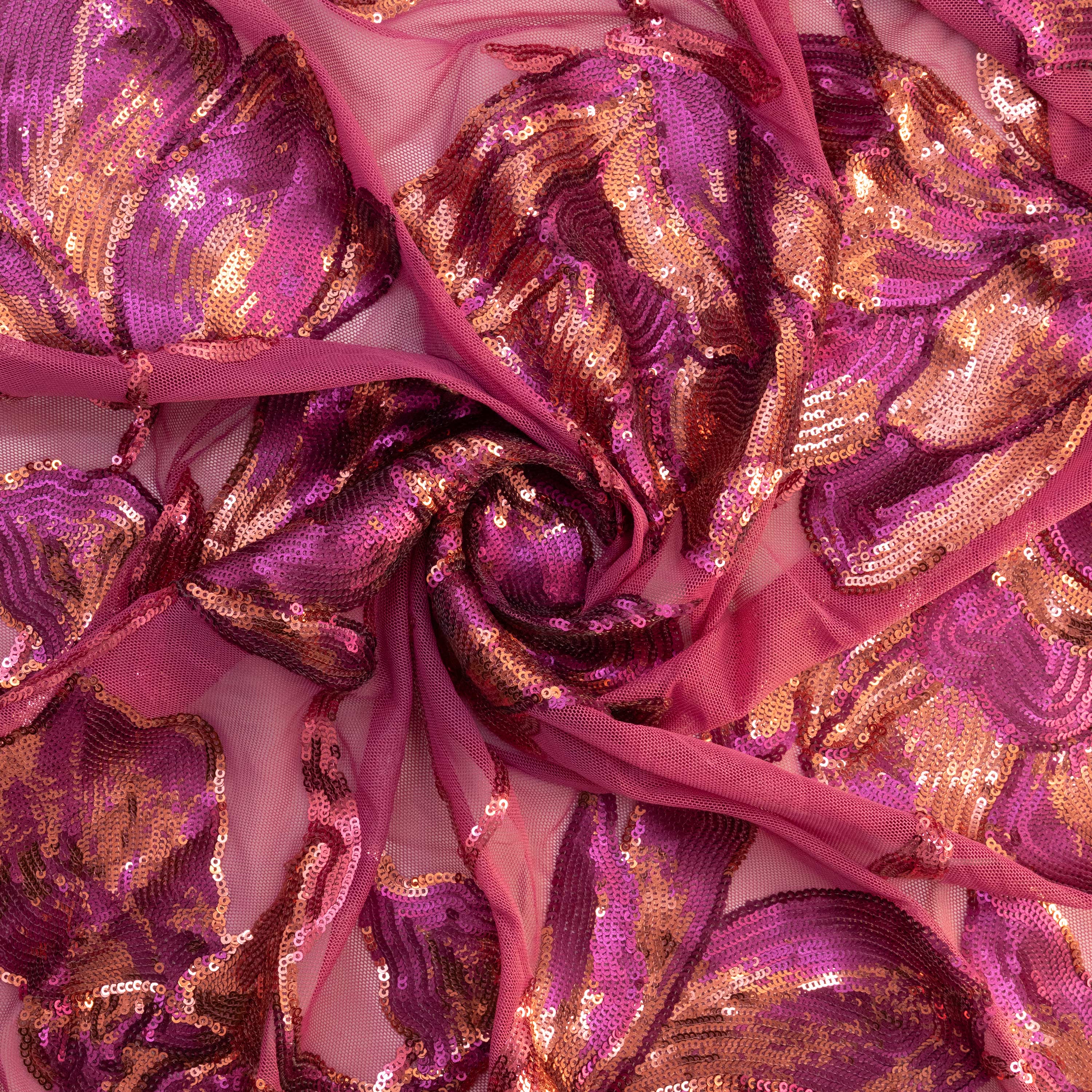
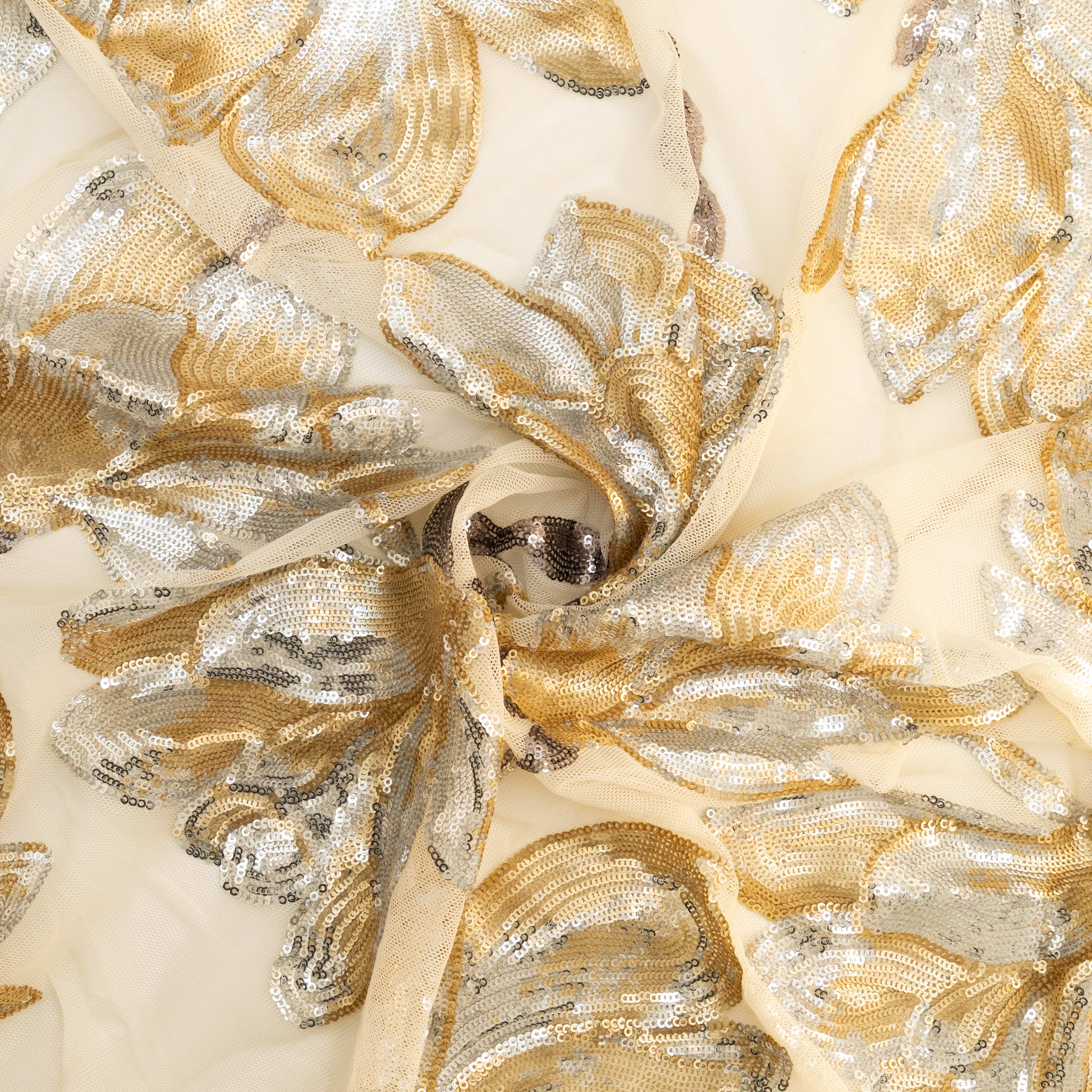
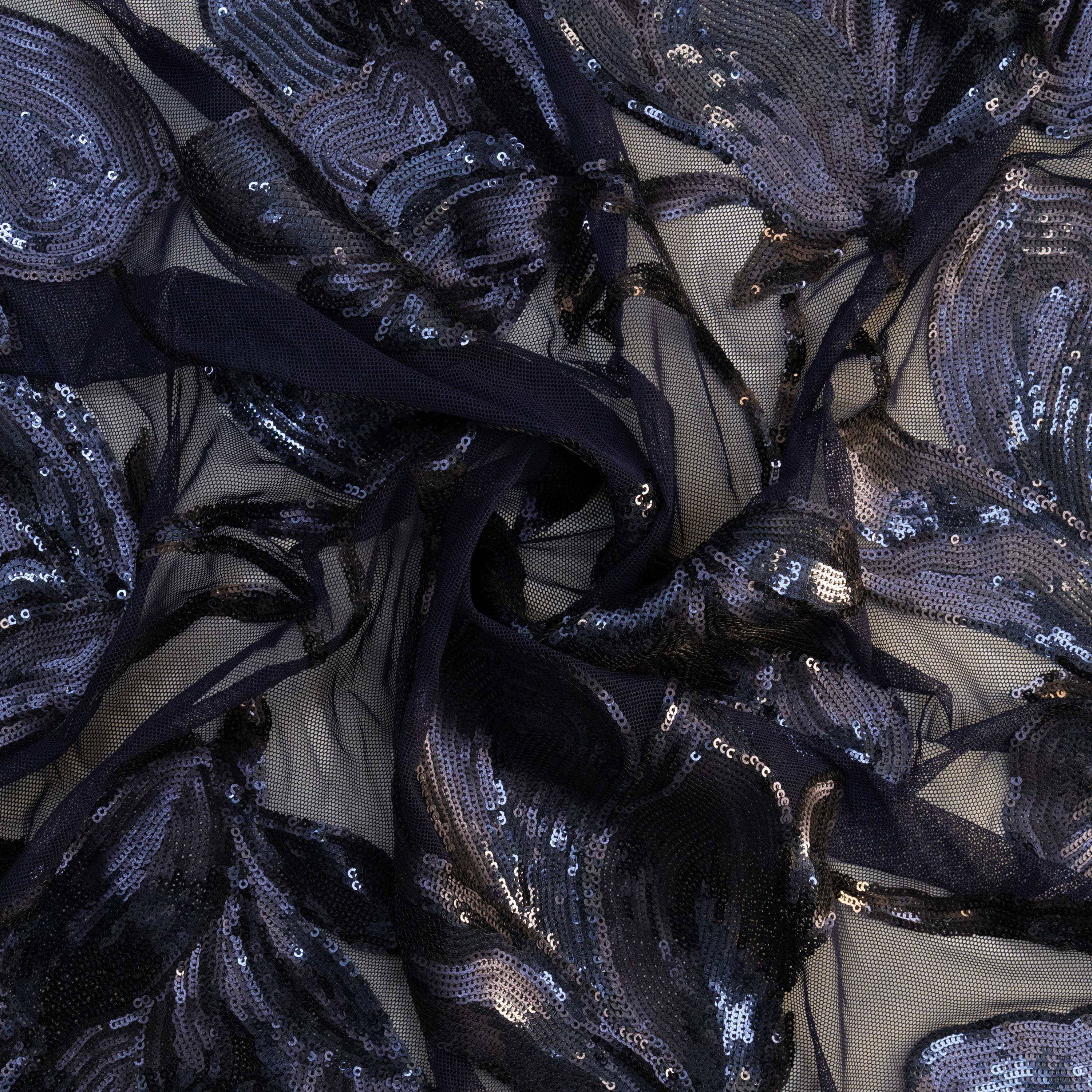
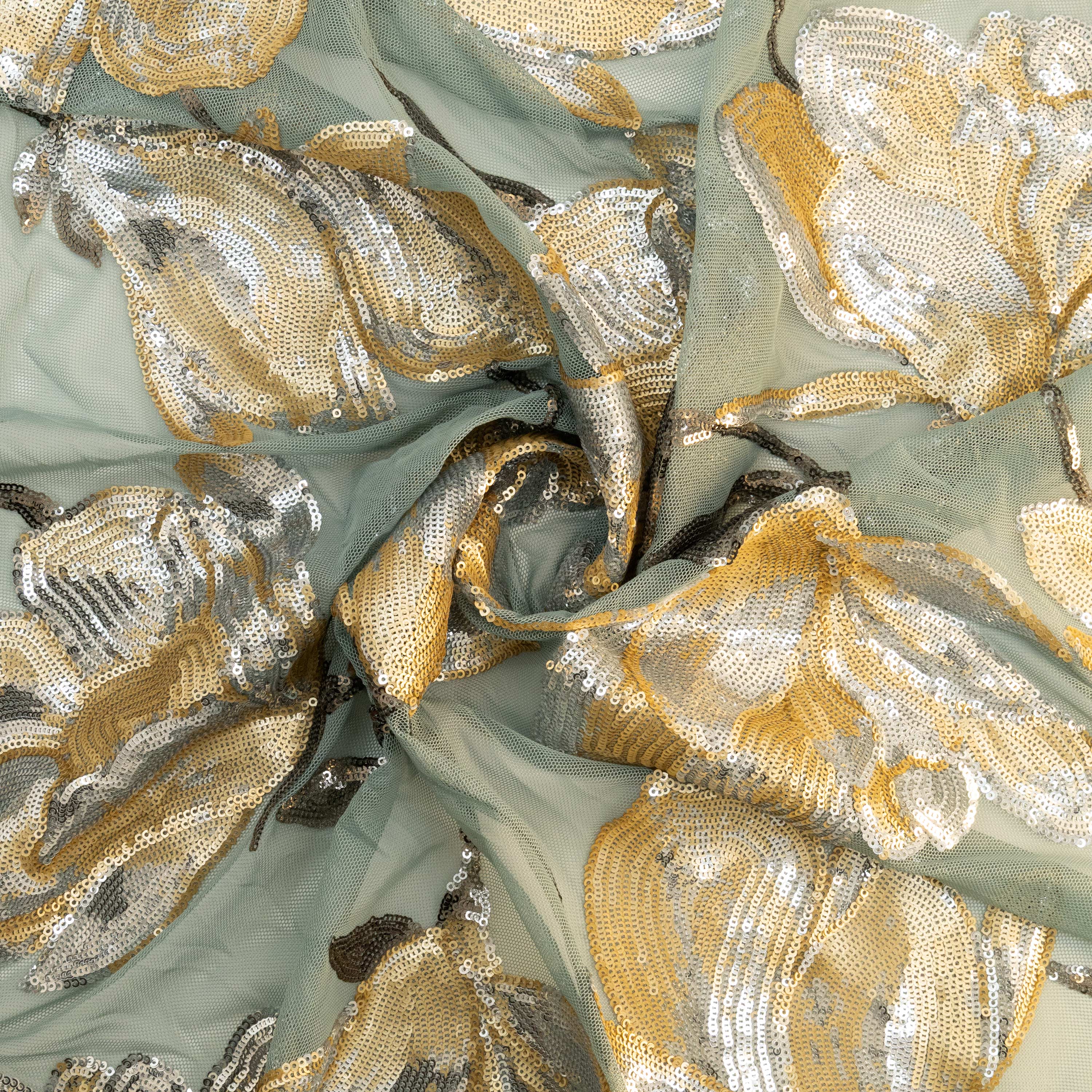
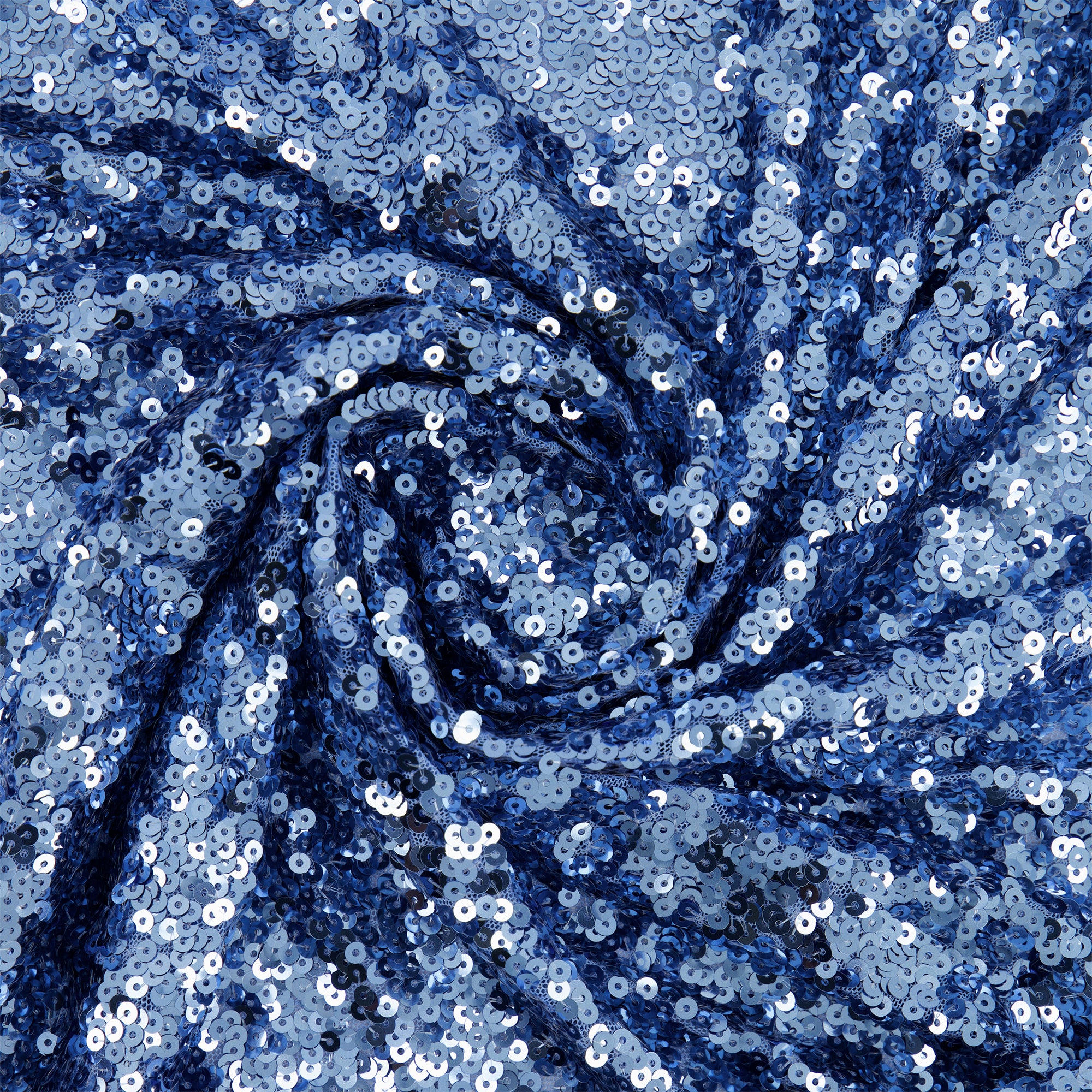
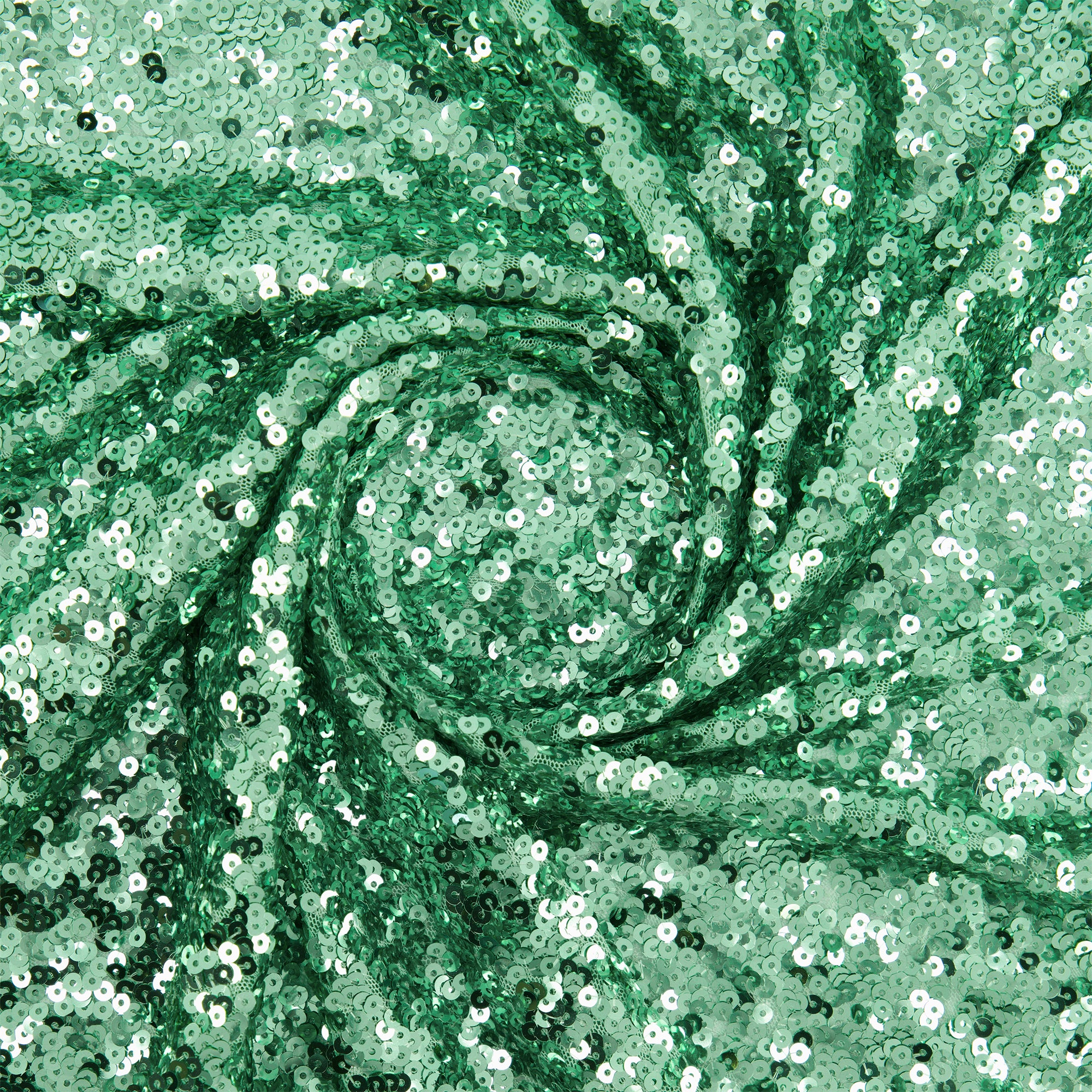
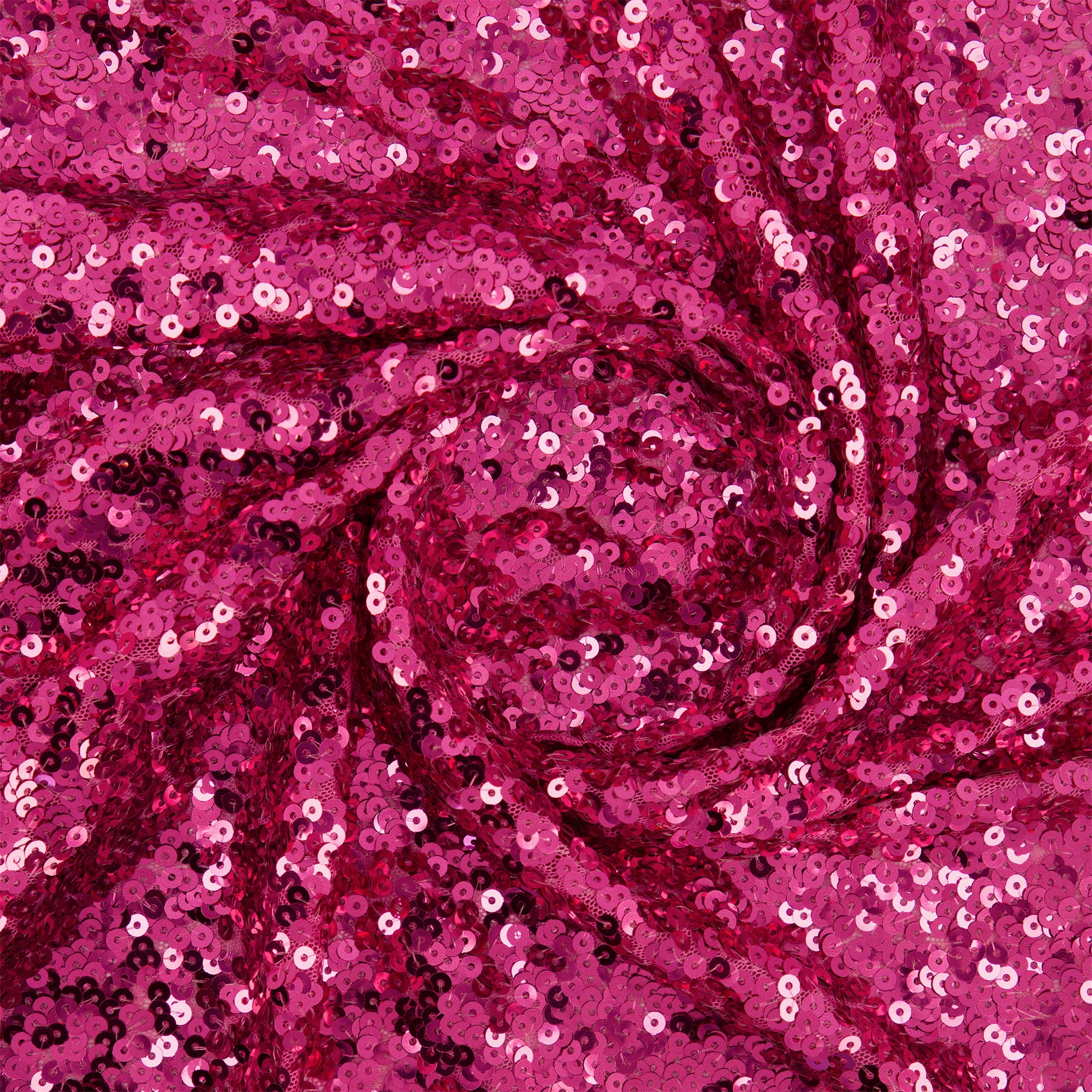
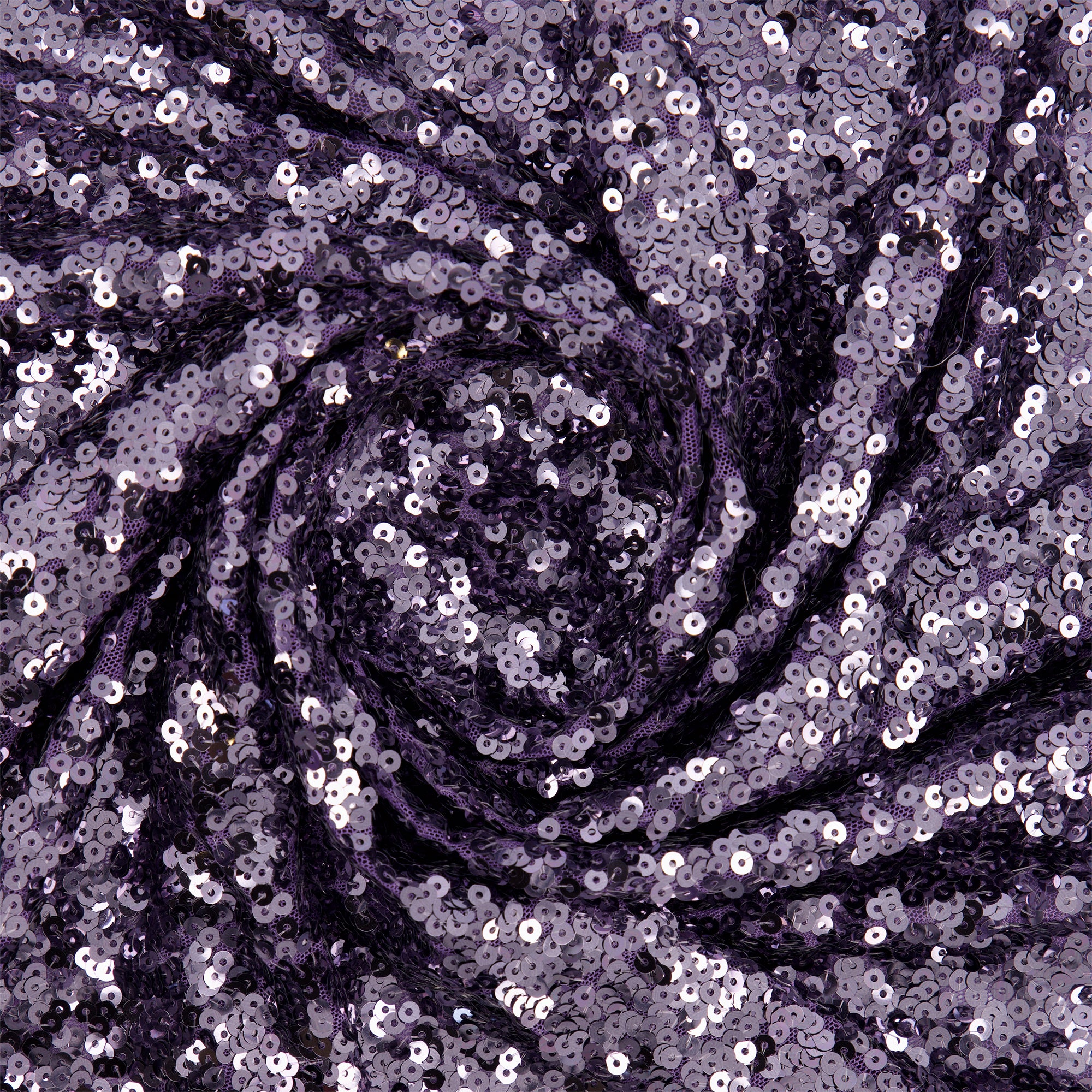
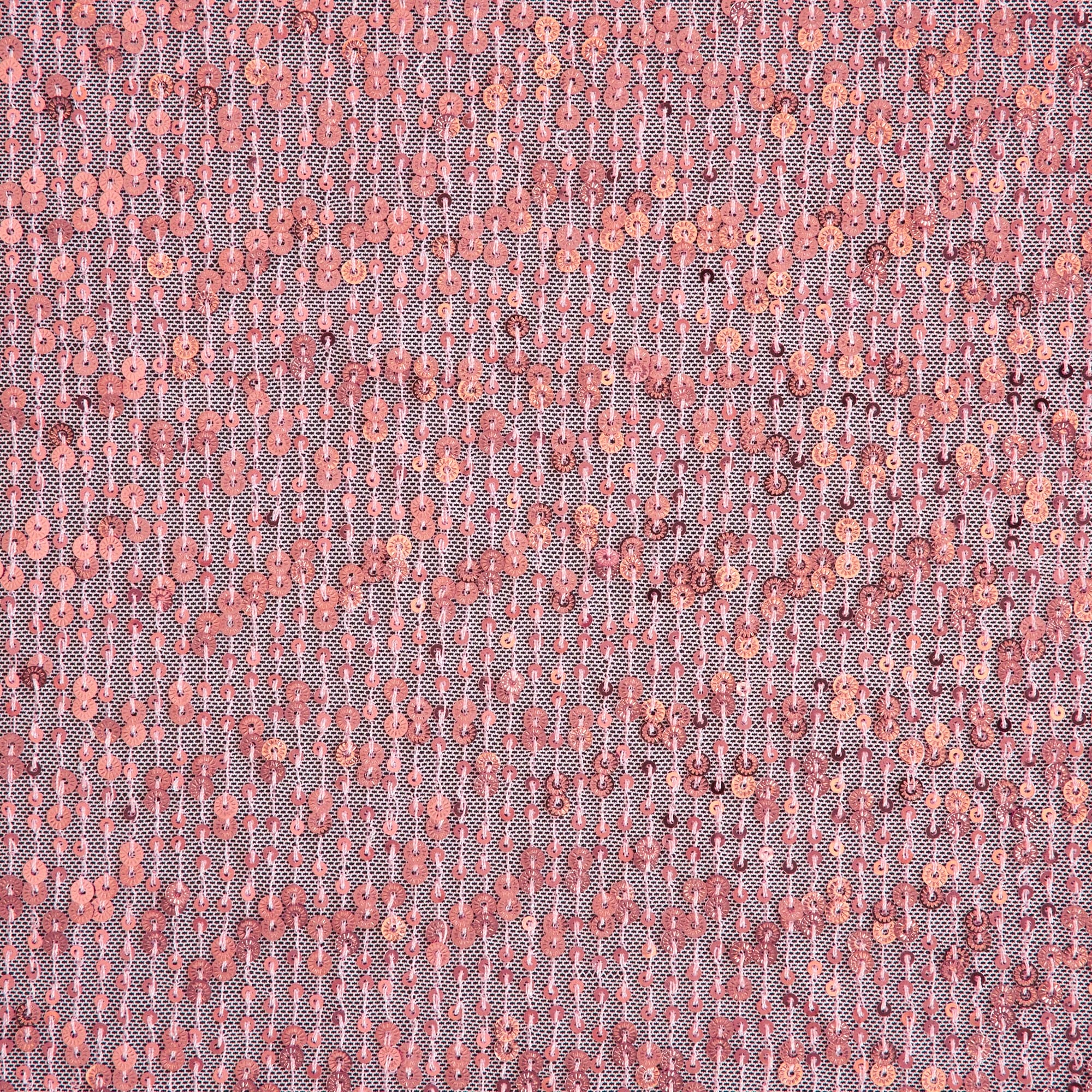
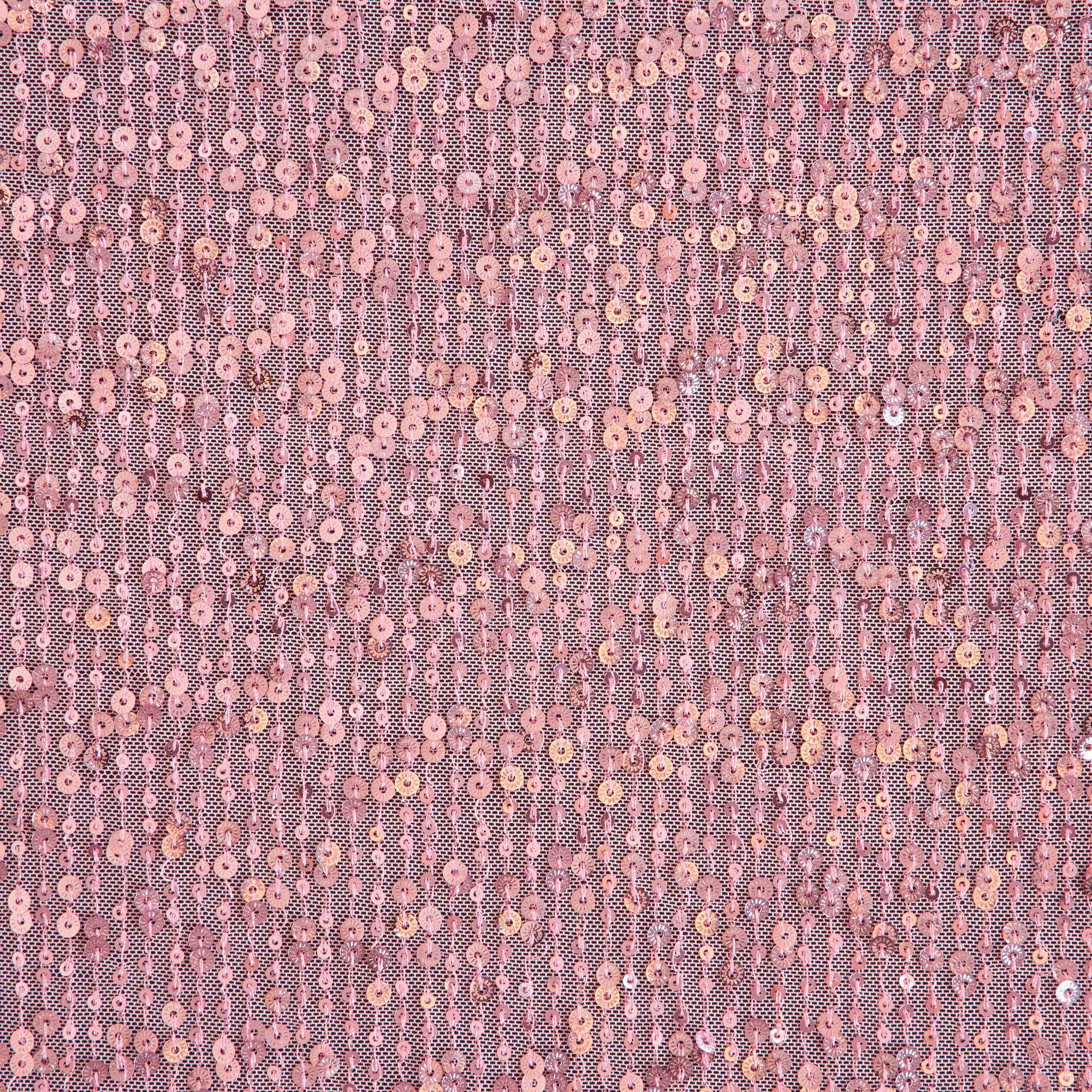
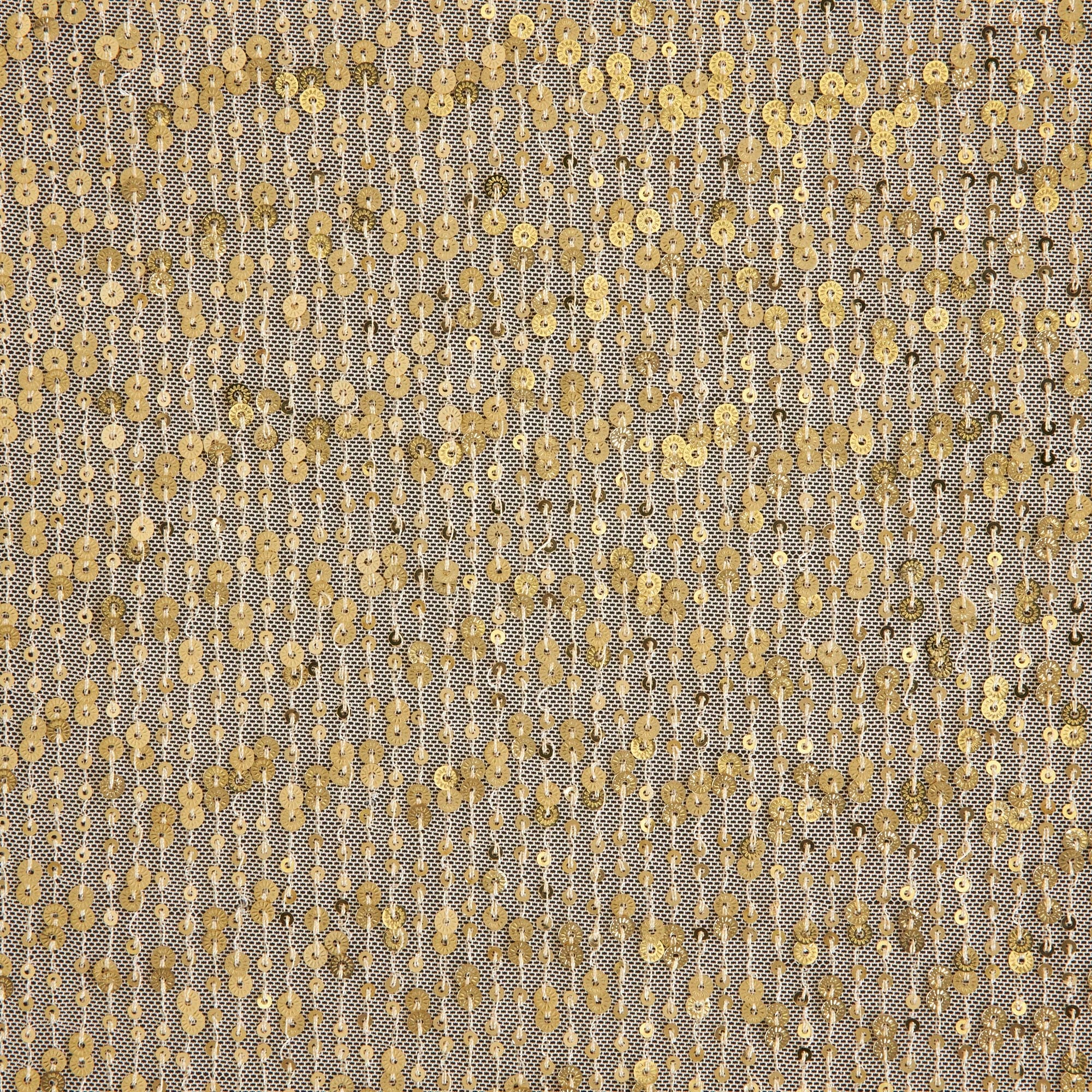
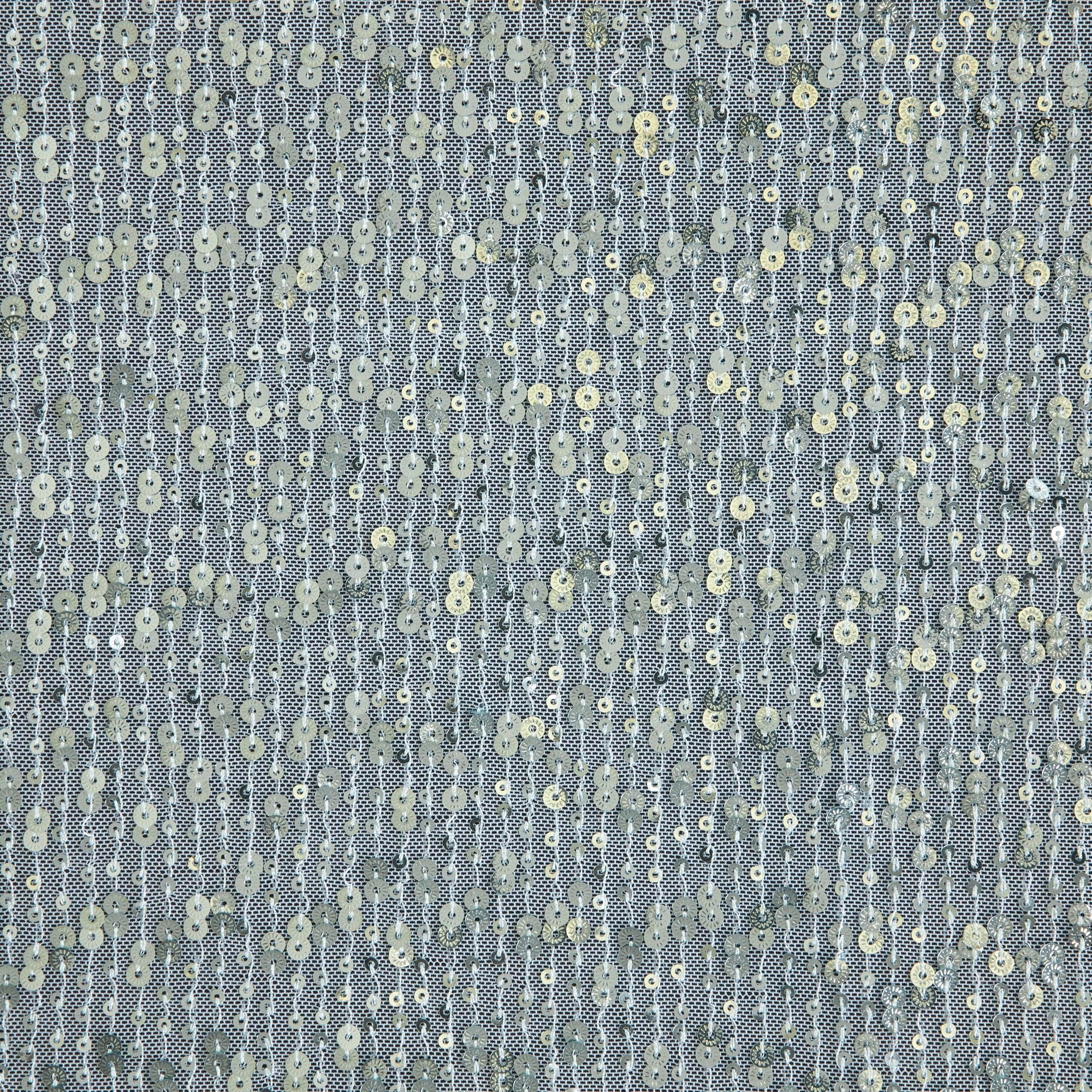
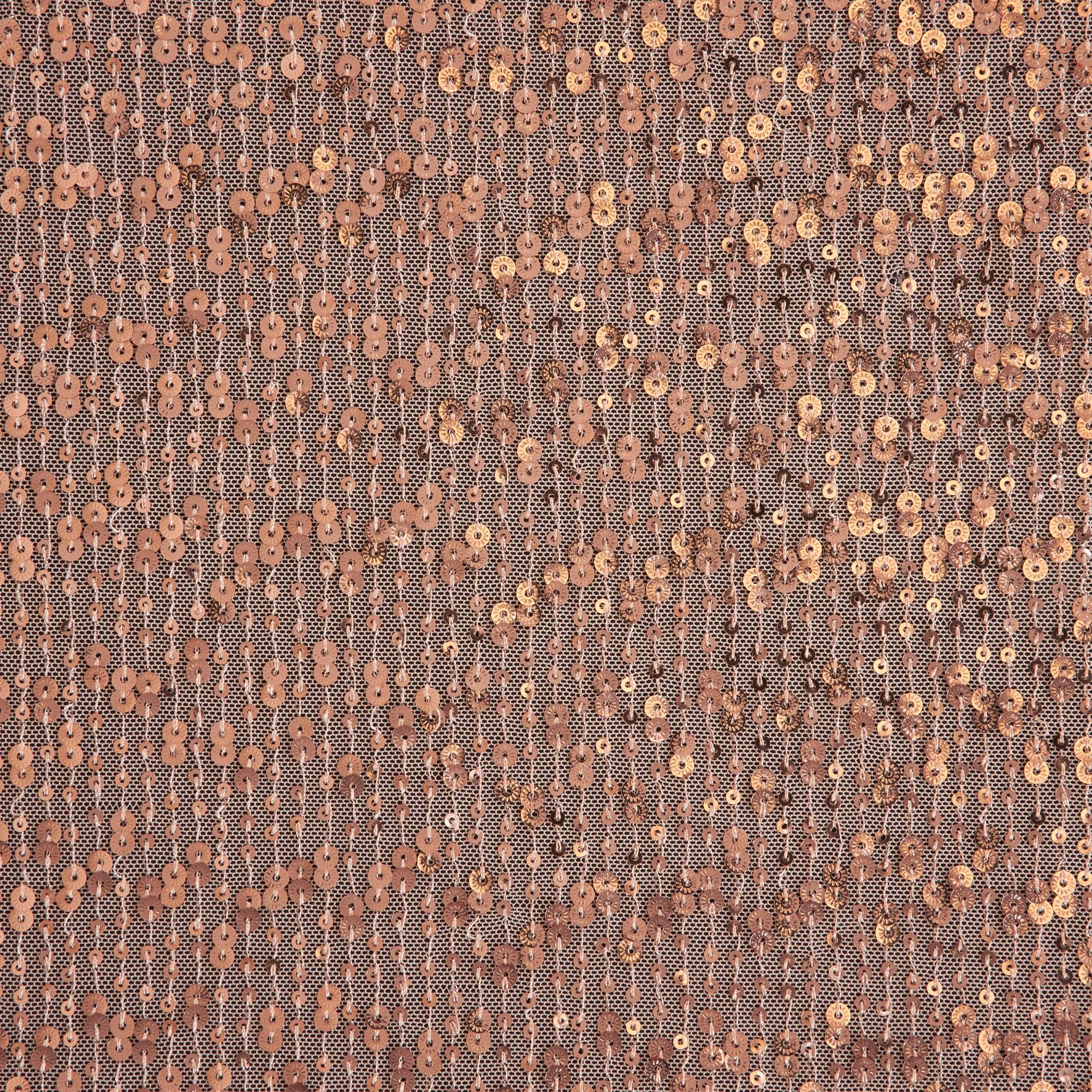
Power mesh, sequin stretch mesh, and crushed stretch velvet handle full-split choreography and quick changes, holding color and shape under stage lights night after night.
Athleisure and Everyday:
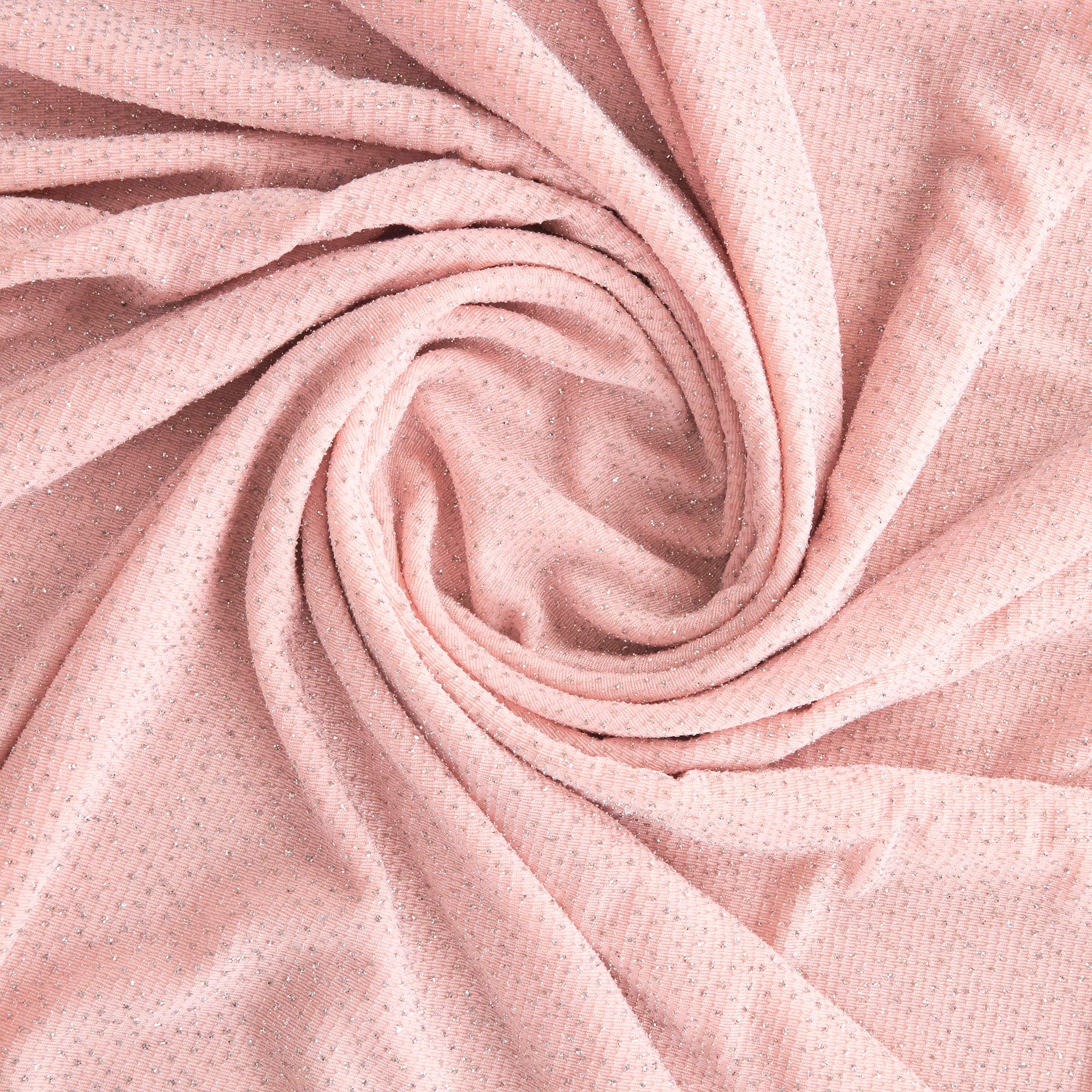
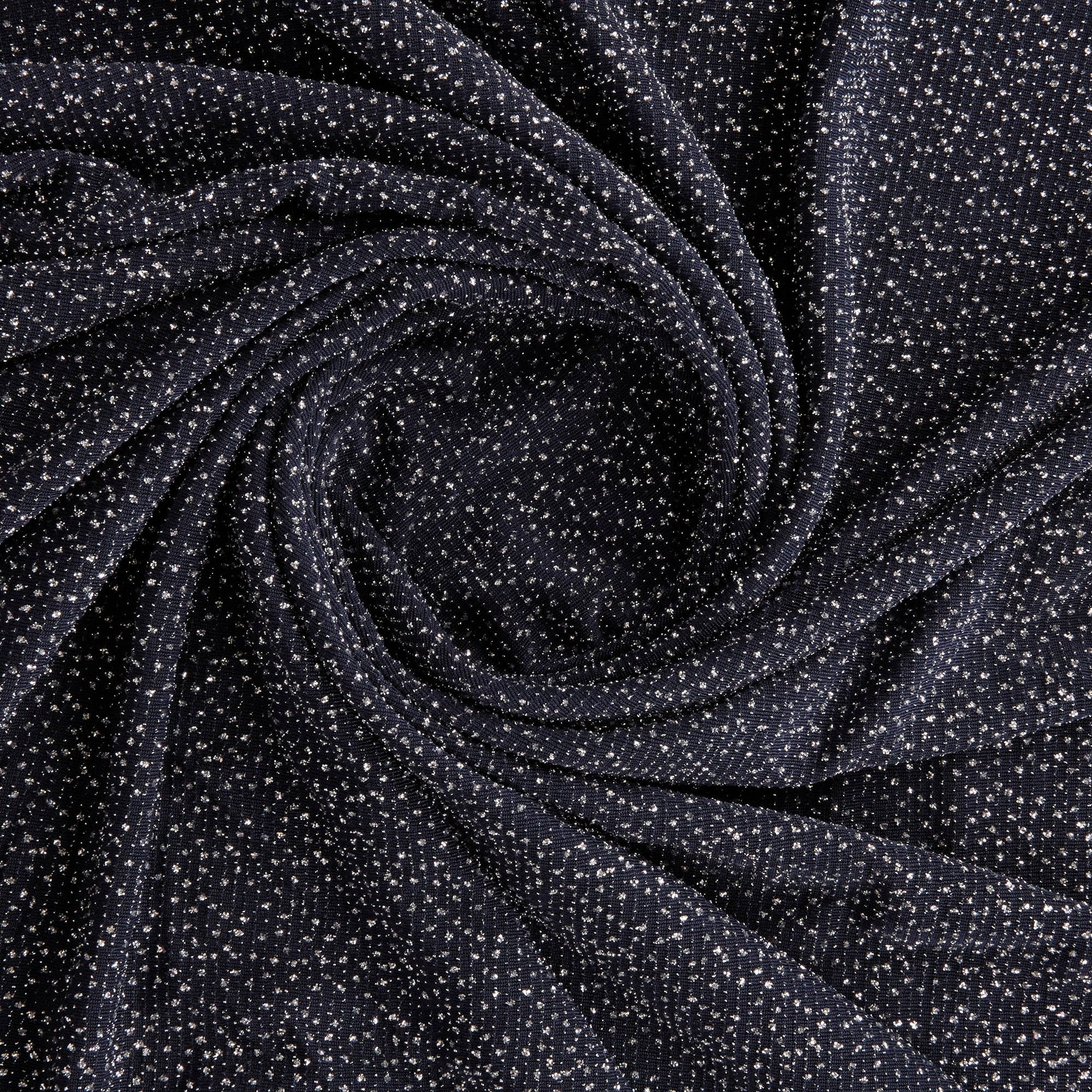
Scuba, ponte, ITY, and matte jersey knits are the workhorses of modern wardrobes — leggings, wrap dresses, unstructured blazers, and travel pieces that shrug off wrinkles.
Occasion and Detail:
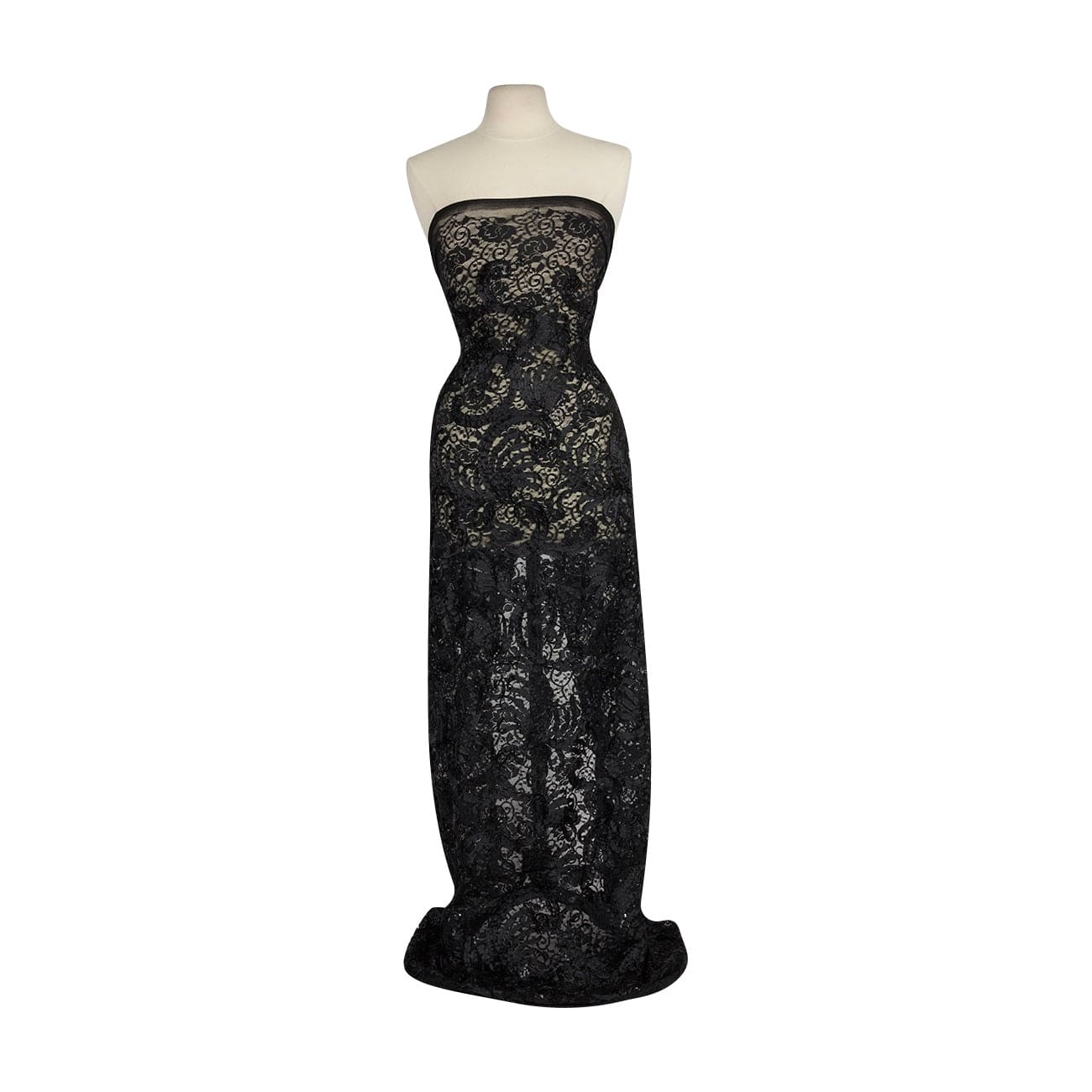
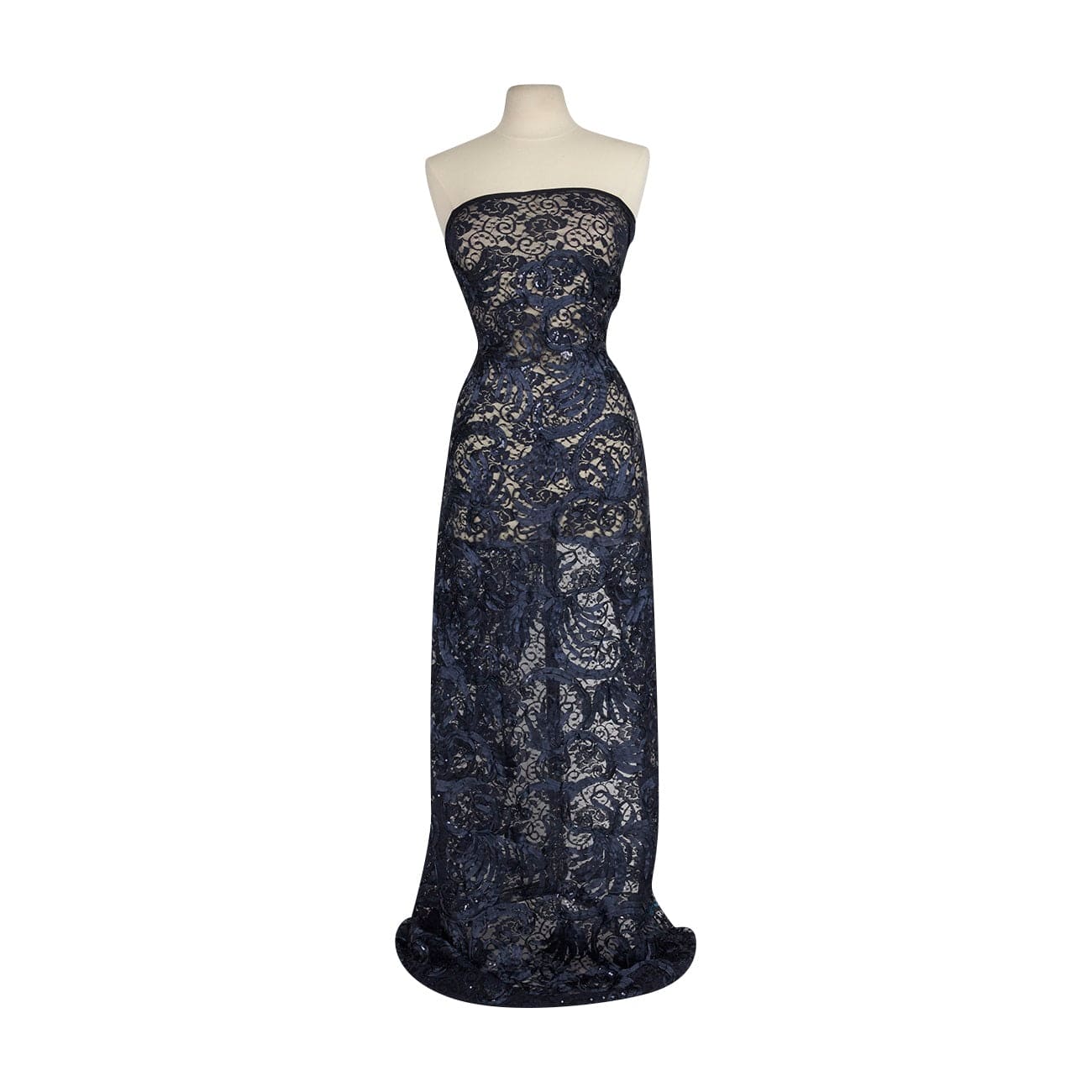
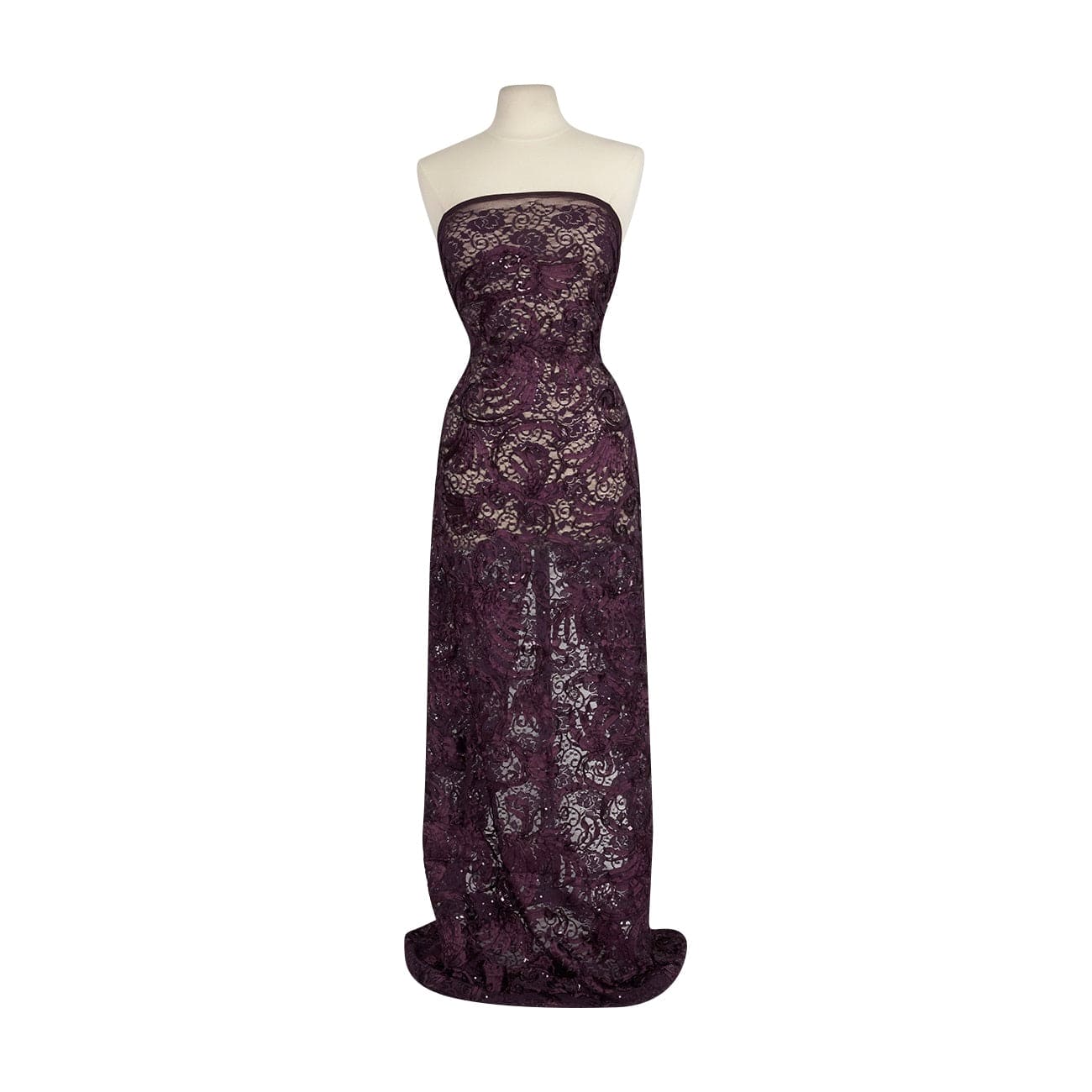
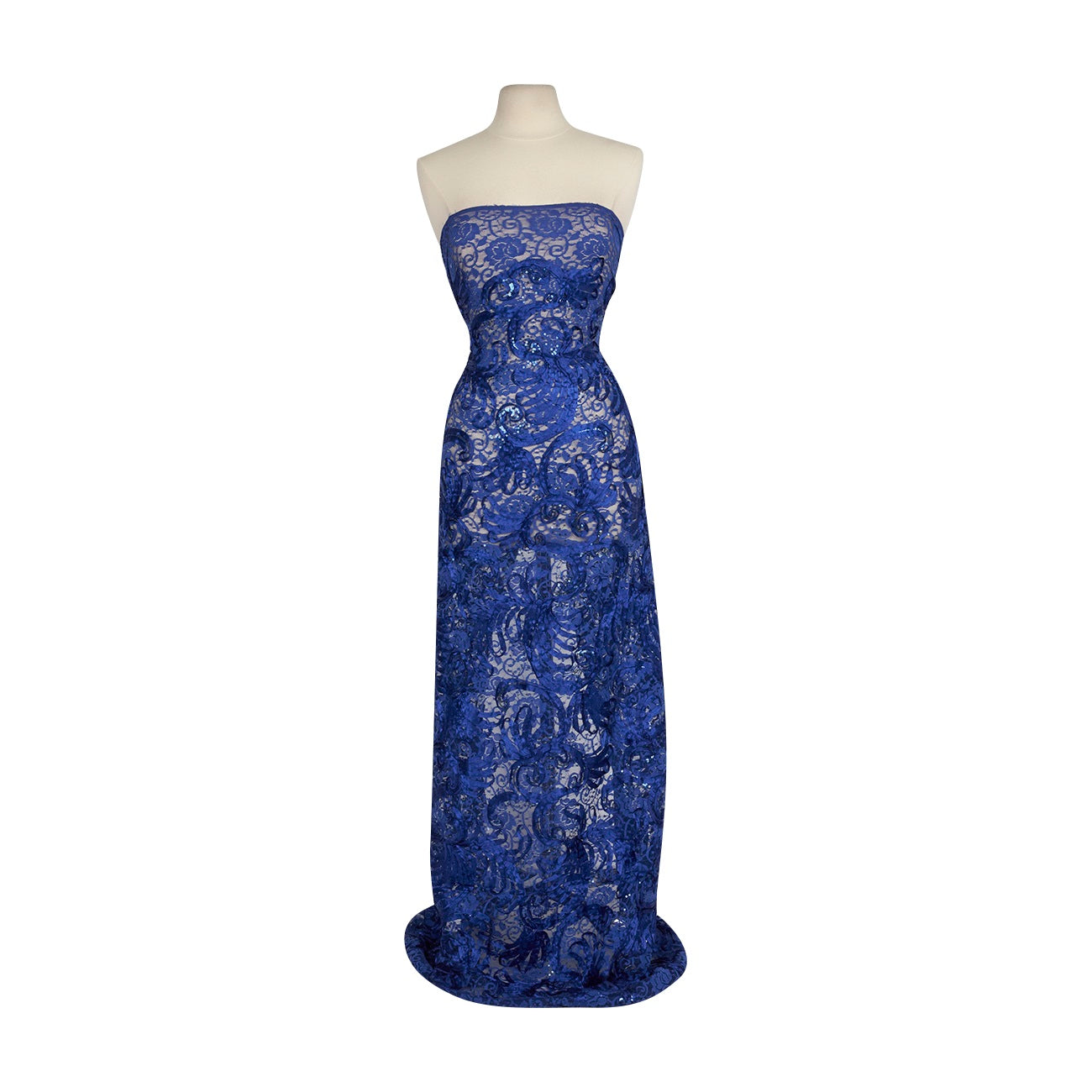
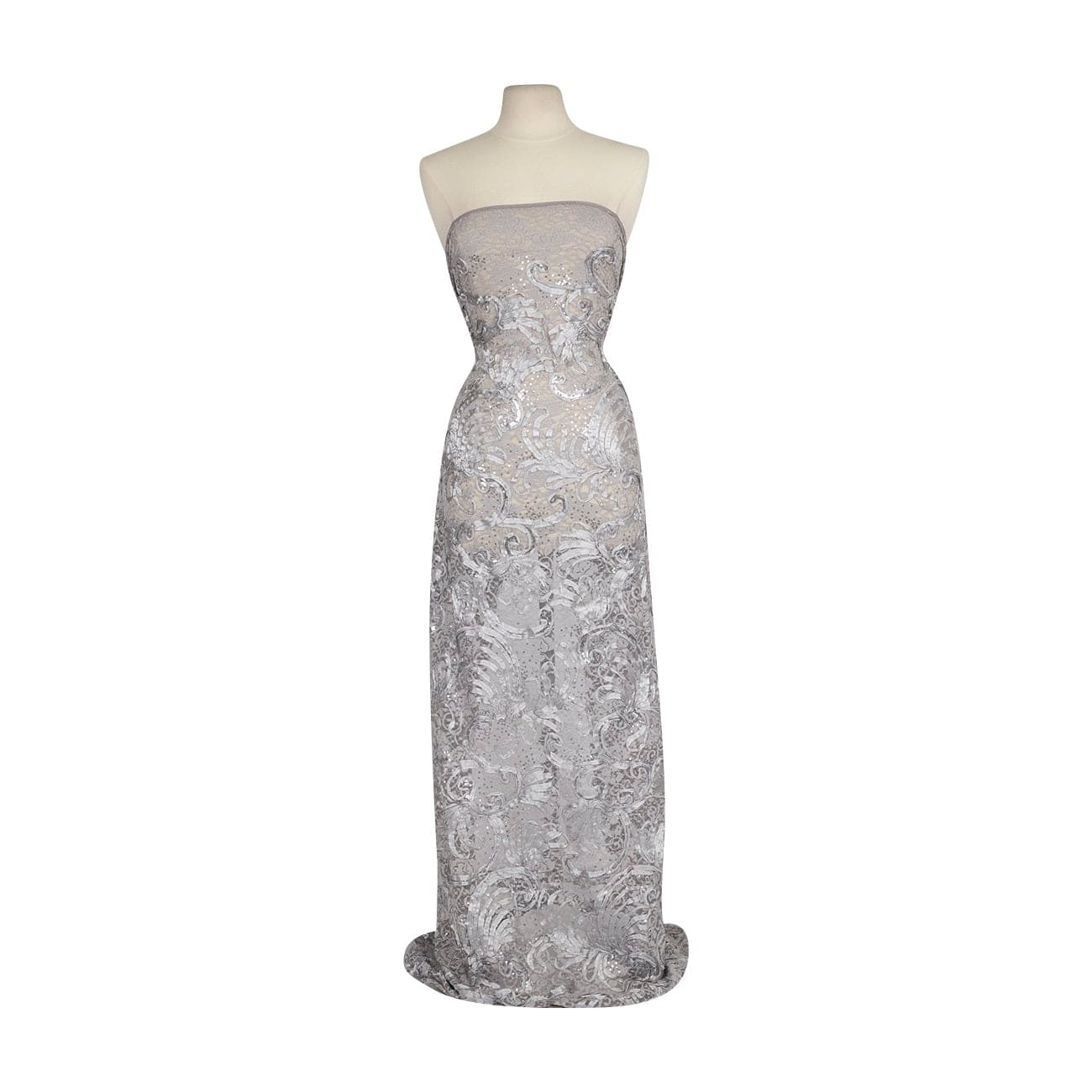
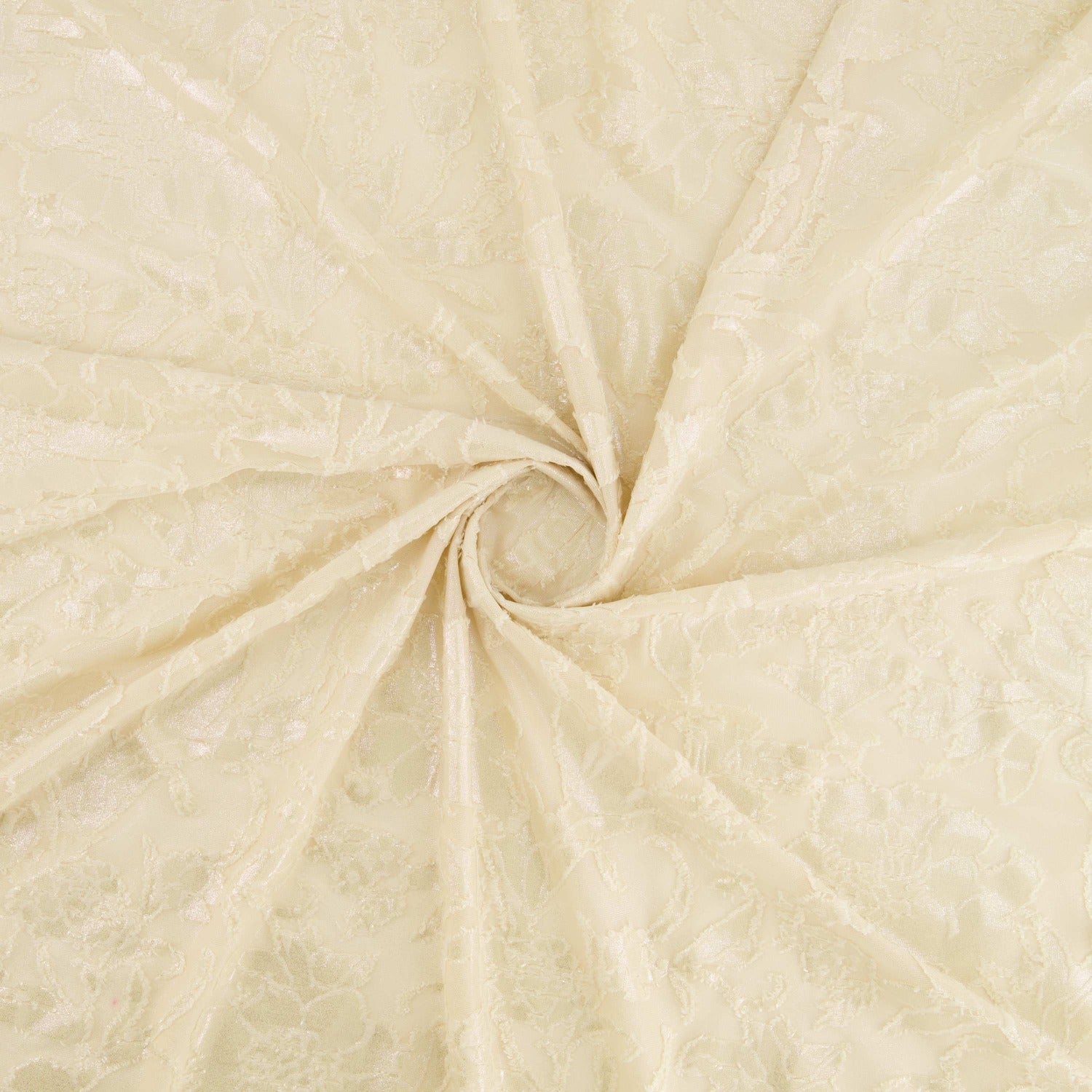
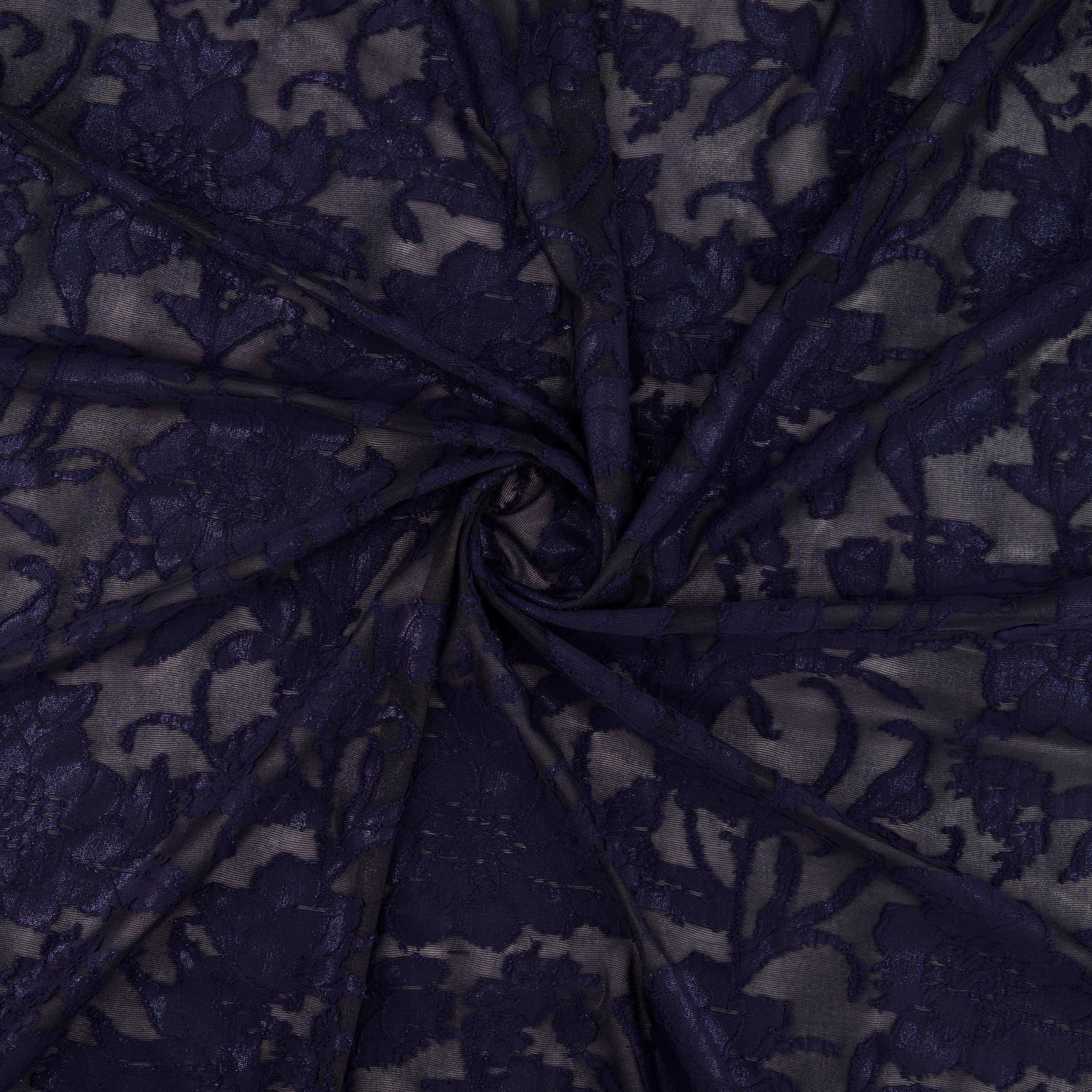
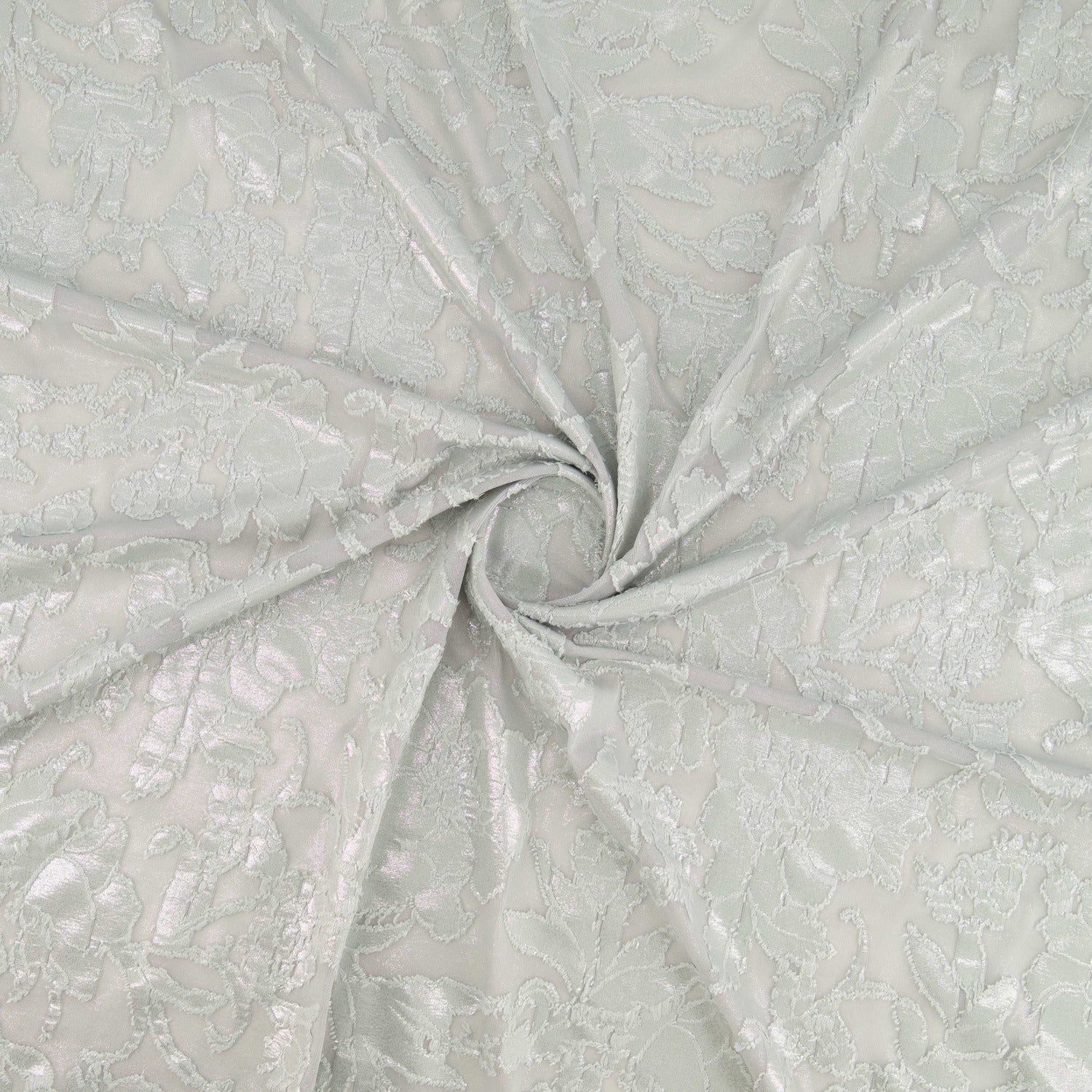
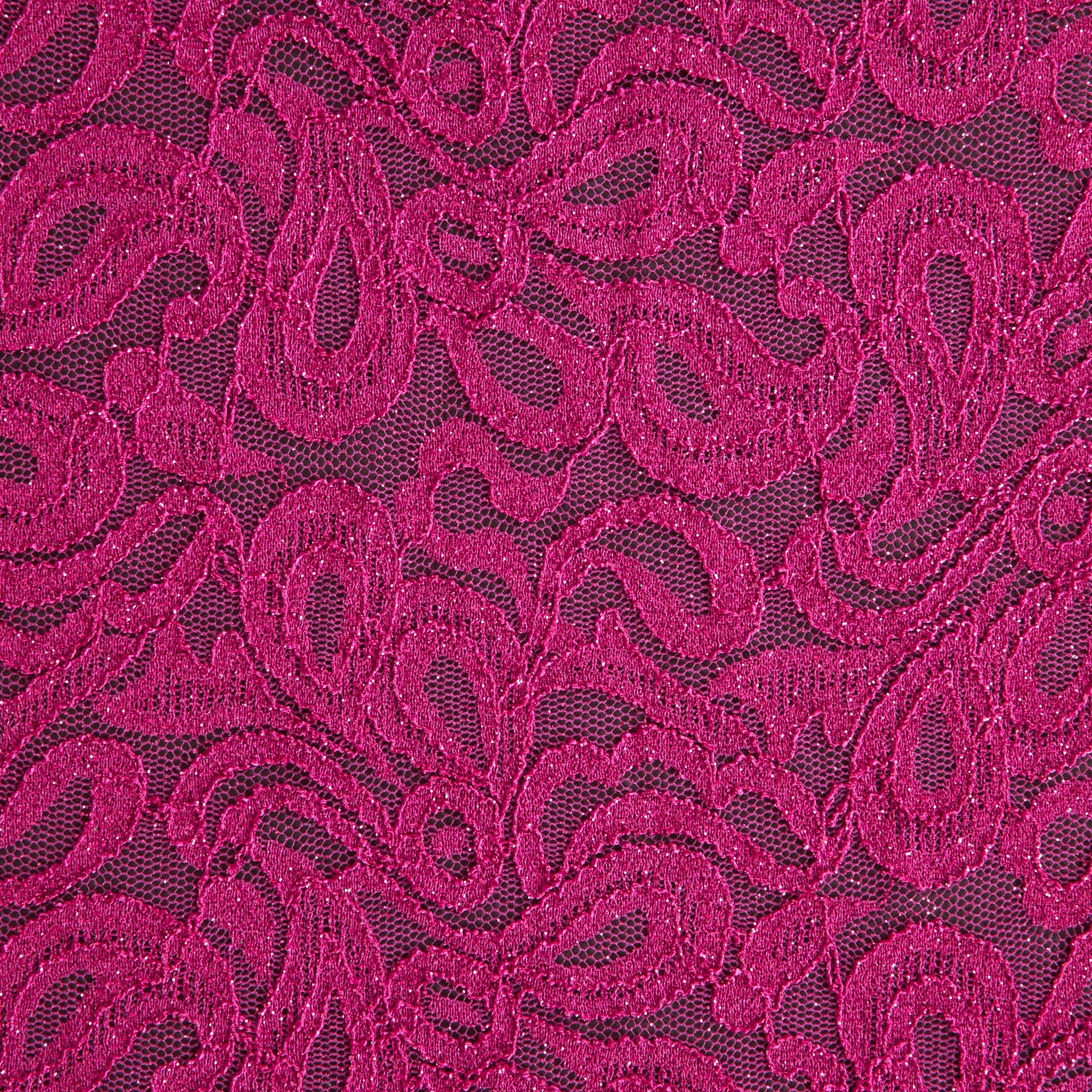
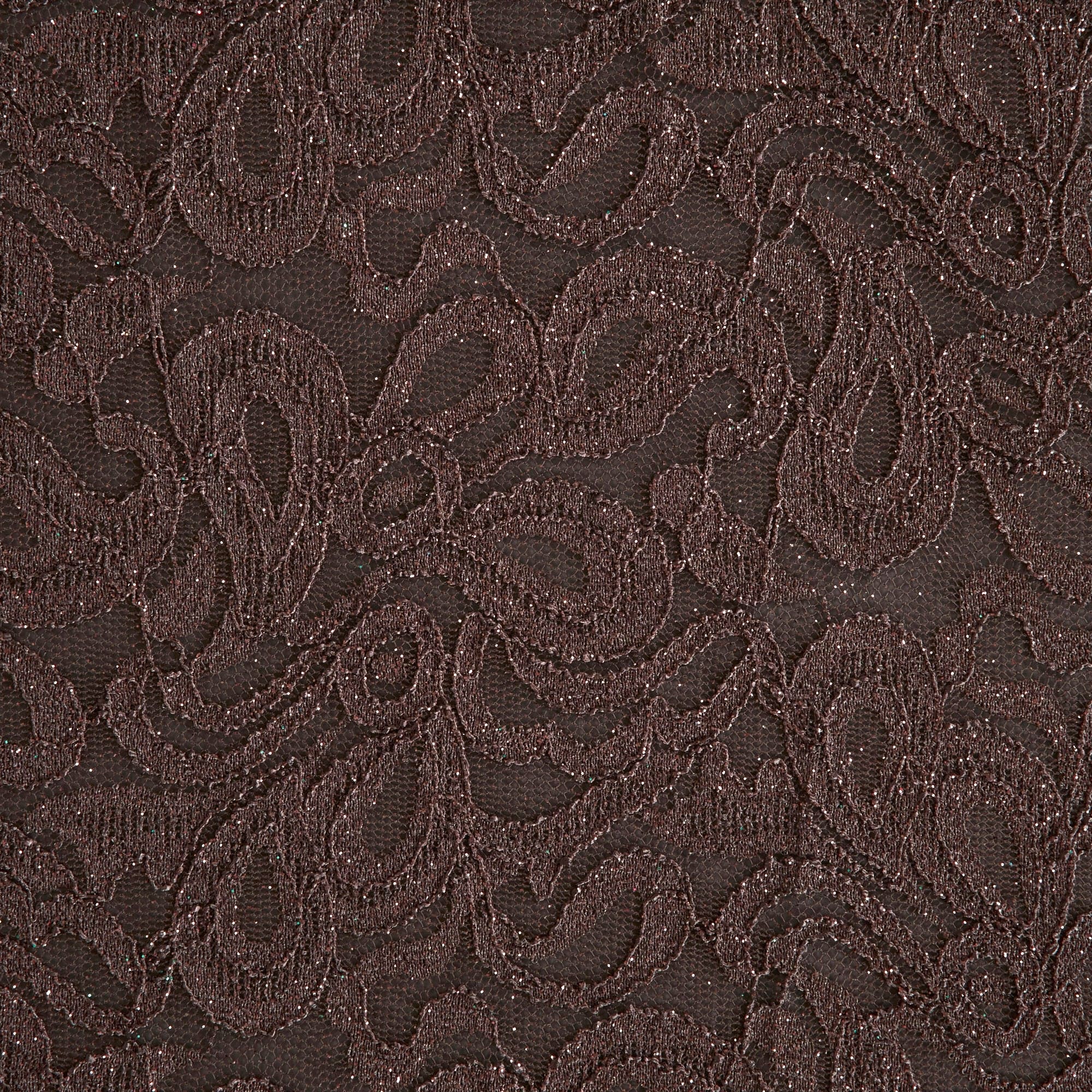
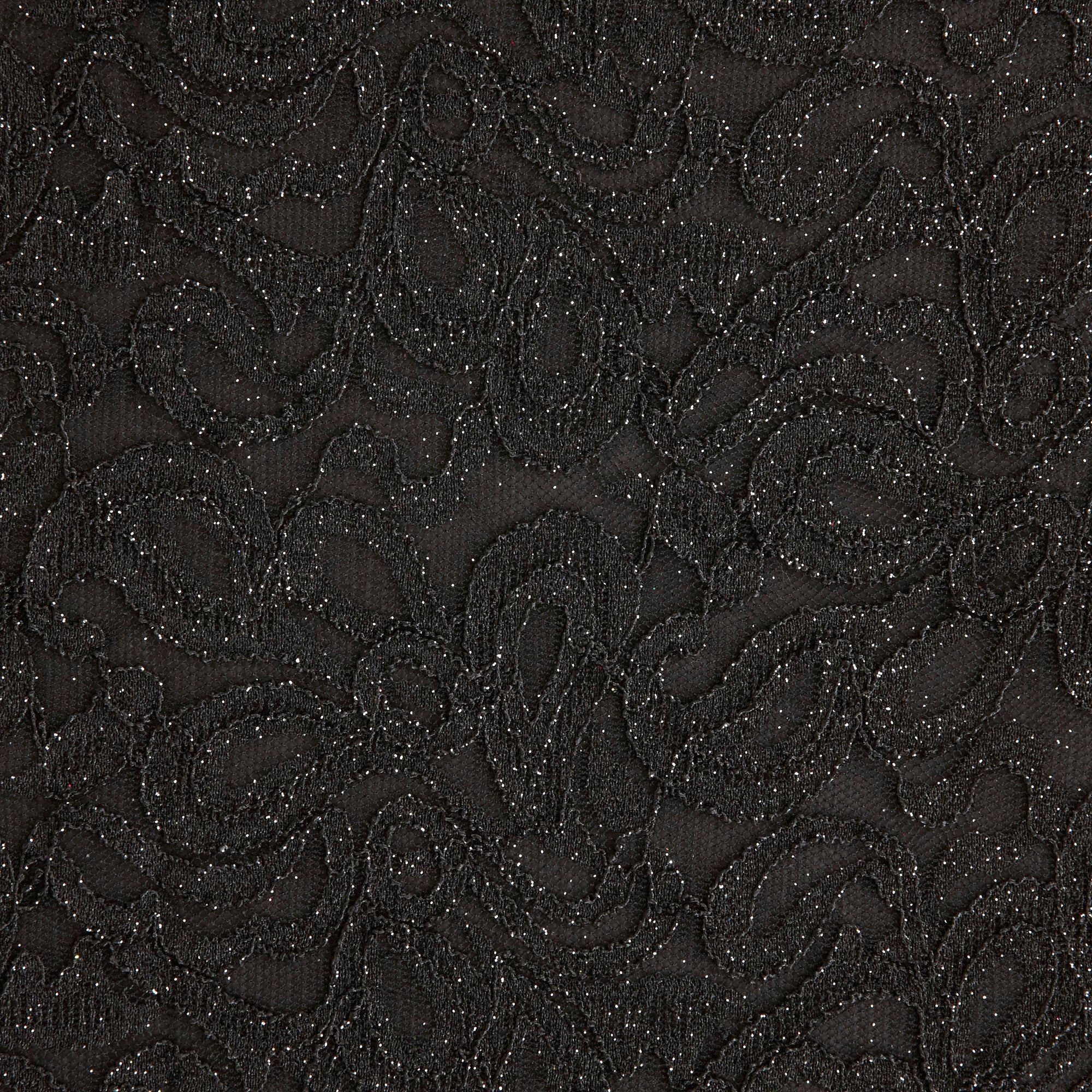
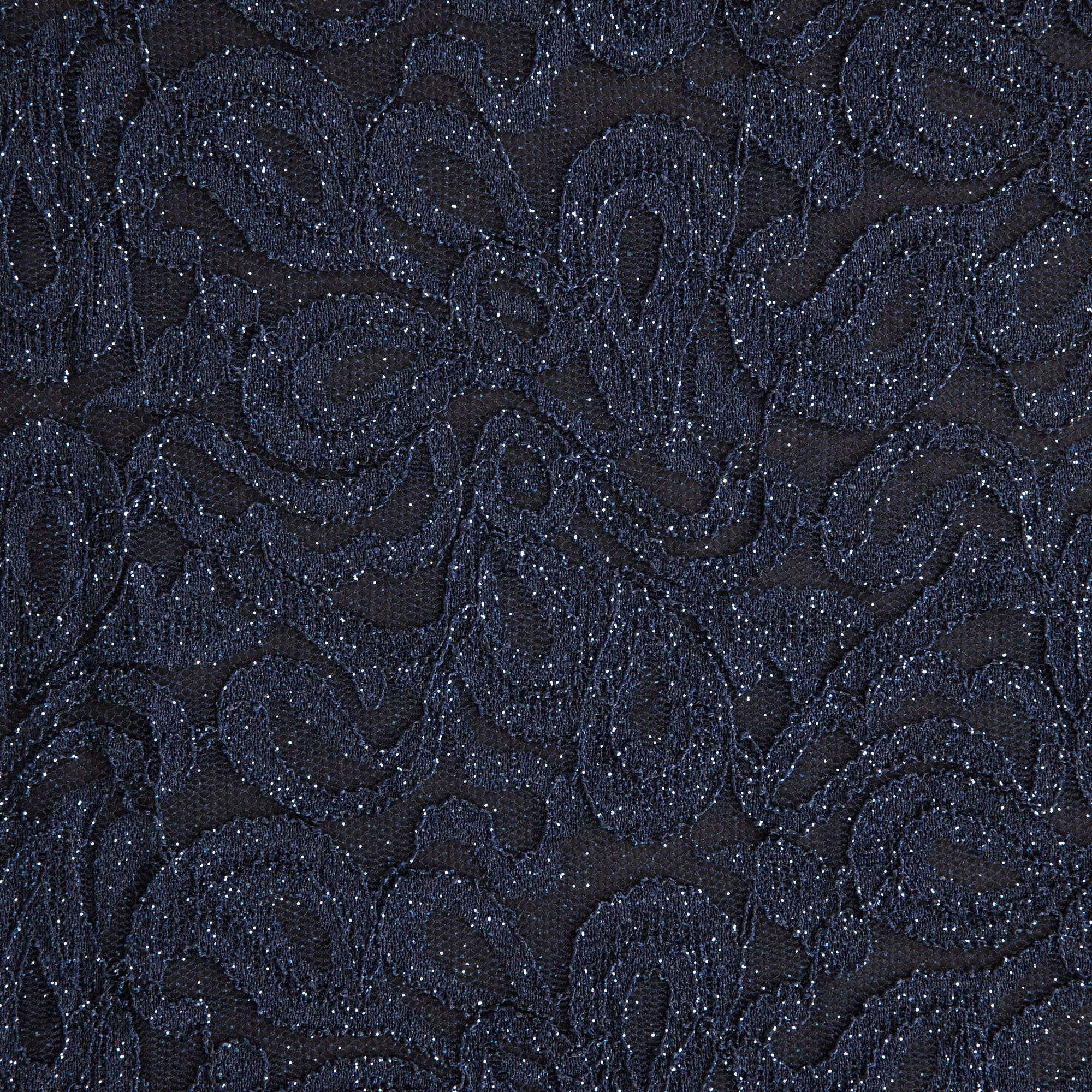
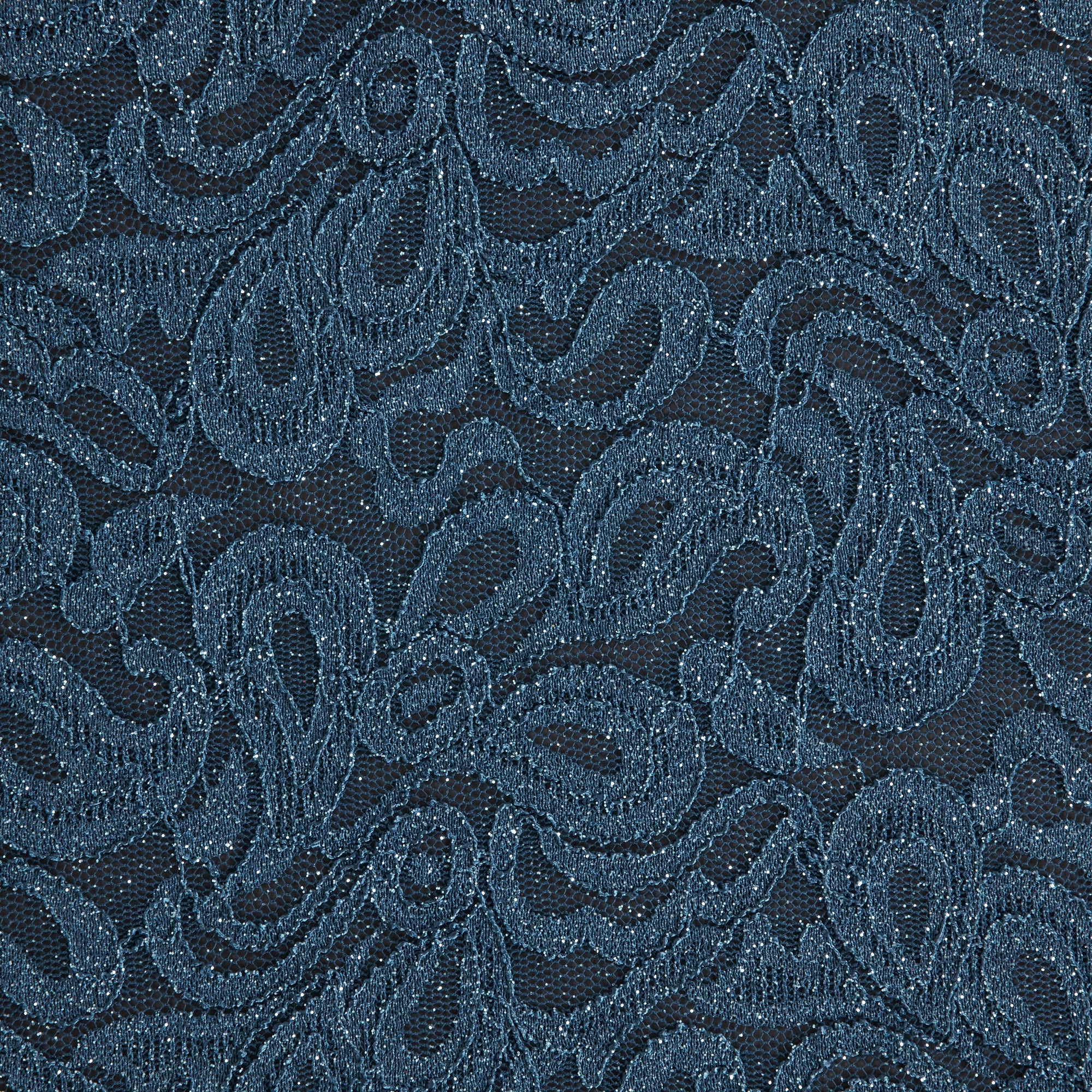
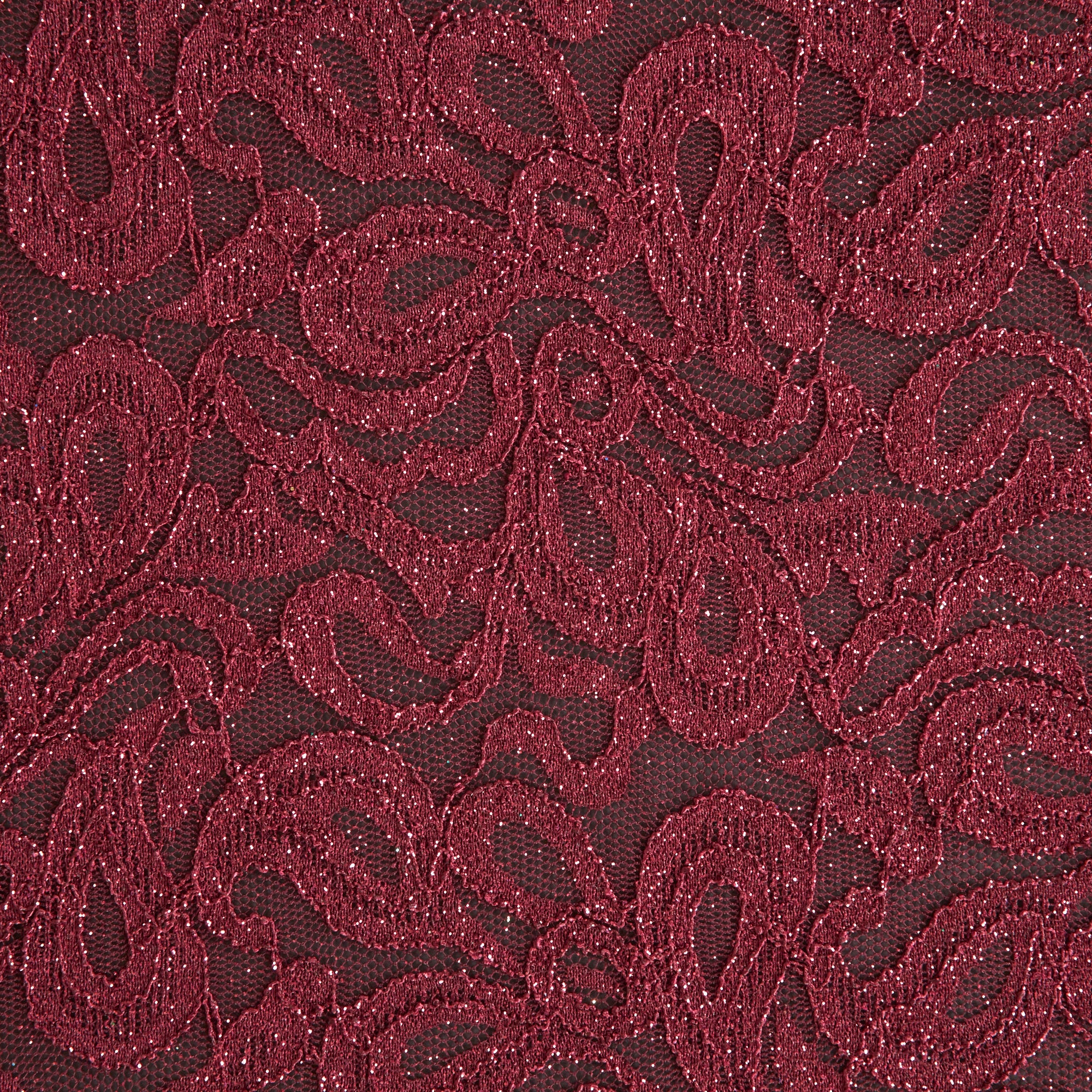
Flexible stretch lace shapes fitted bodices, sleeves, and linings that rigid lace can’t, keeping delicate looks comfortable through a long event.
Types of Stretch Fabric
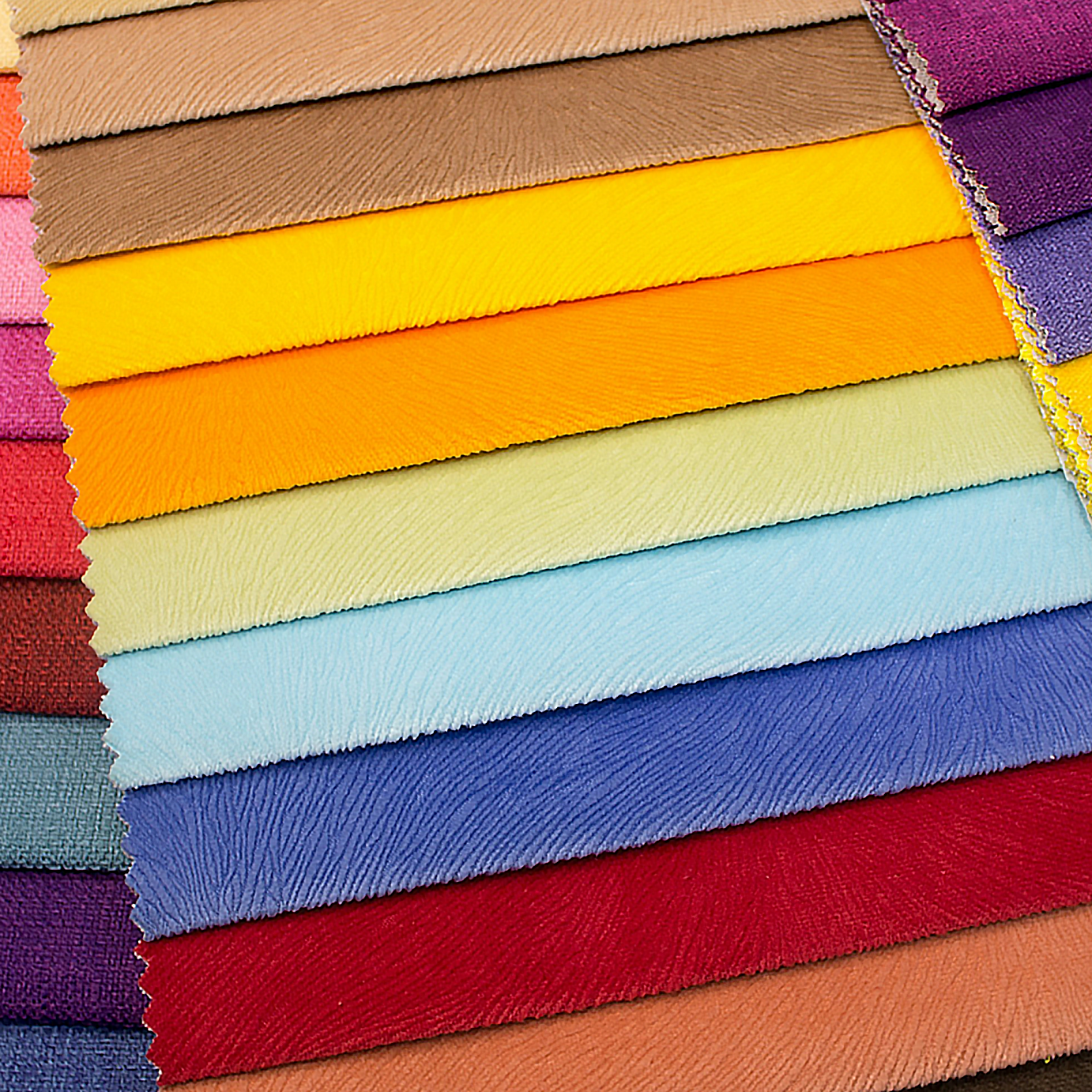
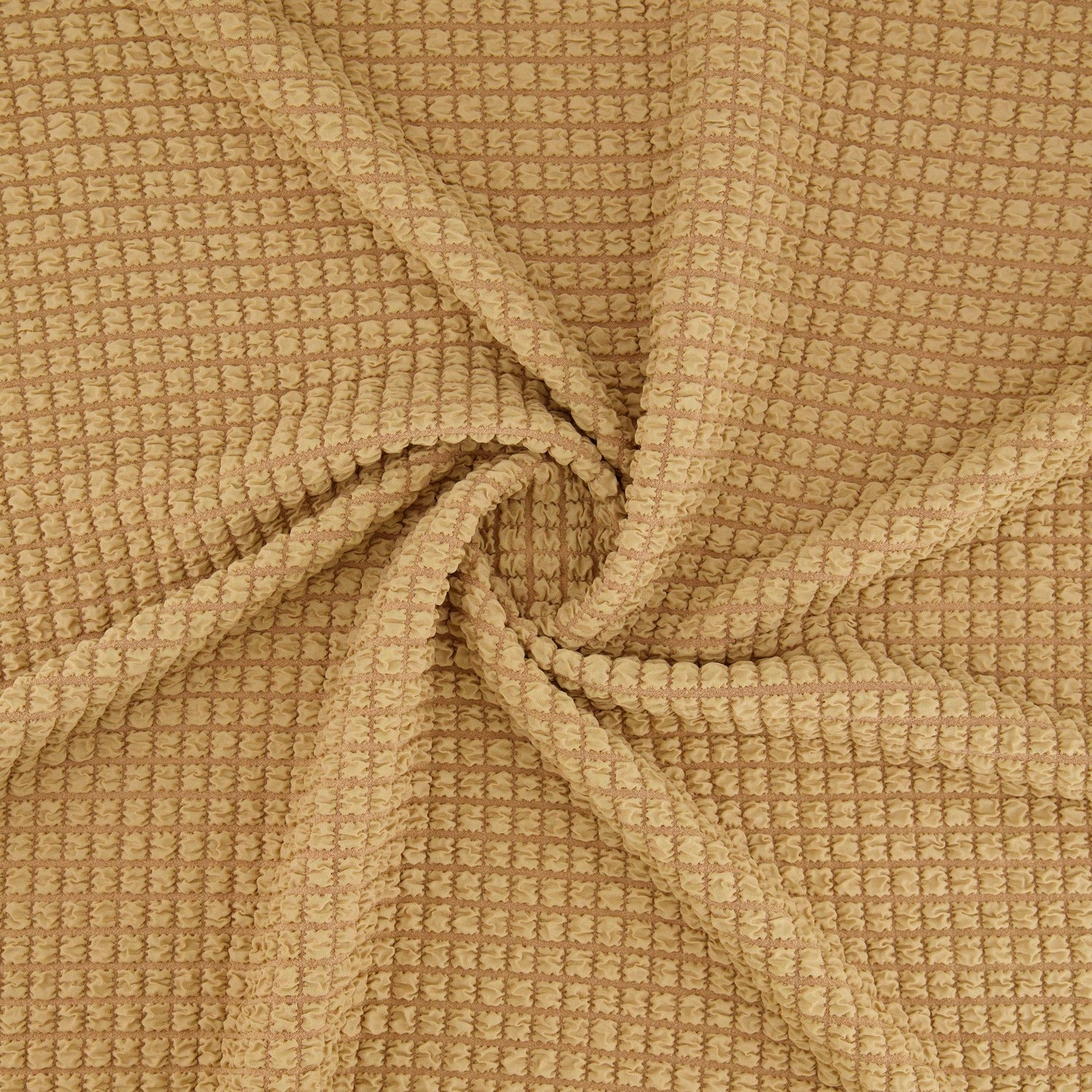
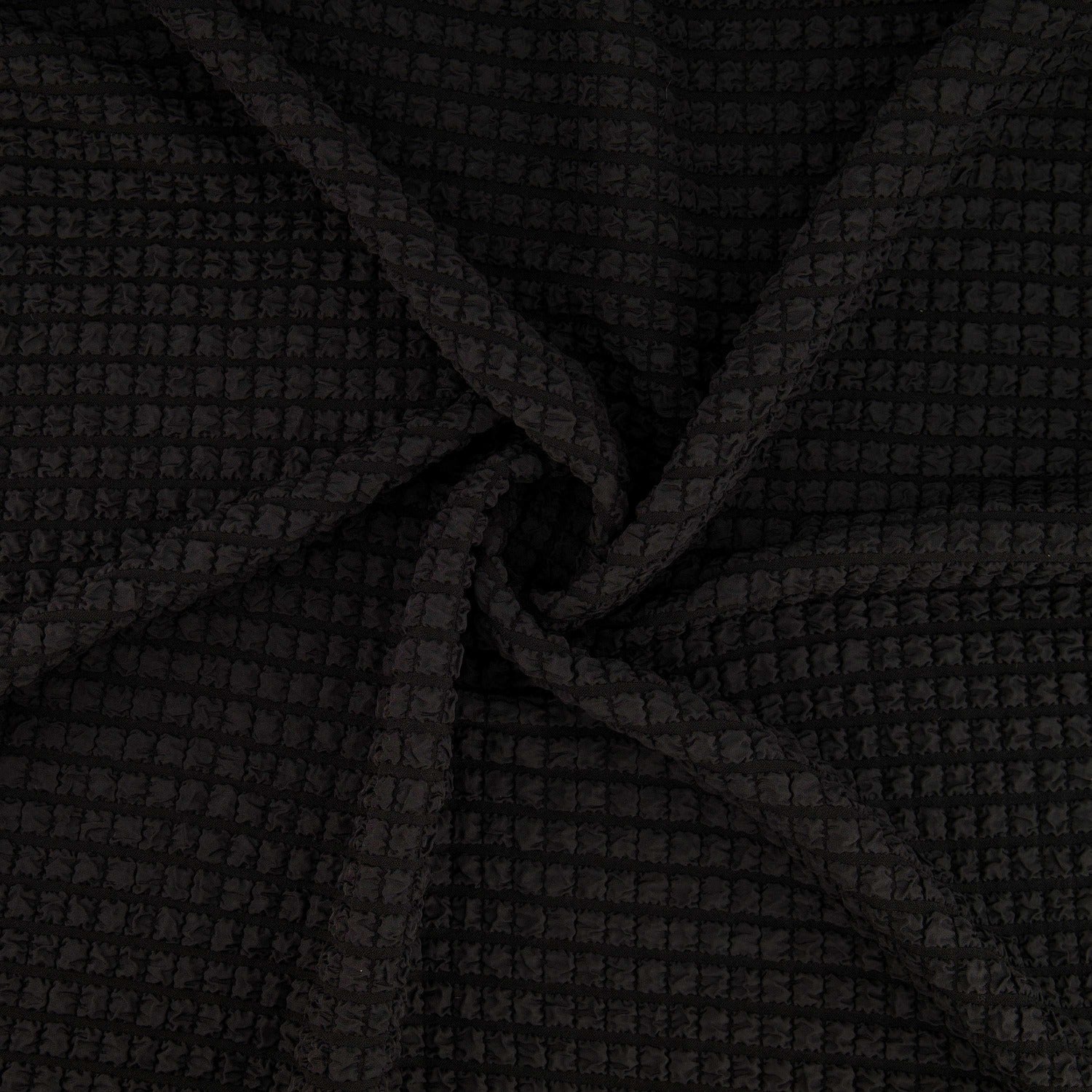
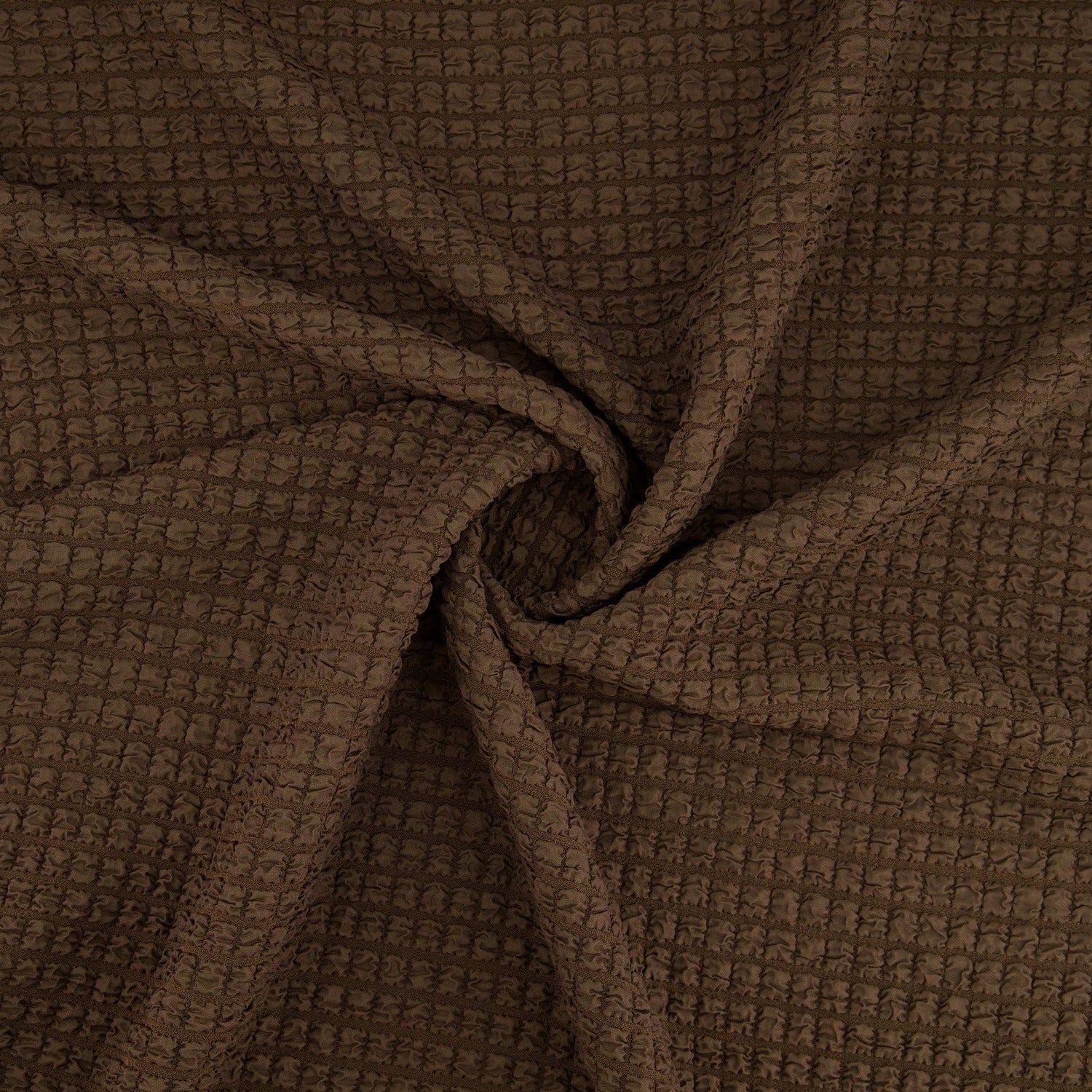
Scuba and double knits bring smooth, structured body for dresses and jackets. ITY and matte jersey drape fluidly for wraps and maxis. Stretch velvet adds pile and depth for holiday and stagewear. Stretch wovens — taffeta, satin, mikado, twill — keep tailored crispness with added ease. Power mesh and stretch lace layer, line, and shape. Each product page lists exact fiber contents, weight in GSM, and width so you can compare before you cut.
Two-Way vs. Four-Way Stretch
Two-way stretch fabric flexes across one axis, usually selvage to selvage — enough for fitted wovens and comfortable tailoring. Four-way stretch flexes and recovers in every direction, which is what leggings, swim, bodysuits, and dancewear demand. When in doubt, stretch a swatch both directions: if it moves and returns on both grains, it’s four-way.
Key Considerations
Recovery:
Stretch is only half the story — a fabric must also return. Spandex blends recover hardest; all-poly mechanical-stretch knits are softer in recovery and better for relaxed fits.
Cutting Direction:
Lay patterns so the greatest stretch runs around the body, not up and down — the single most common mistake in sewing with stretch fabric.
Weight and Opacity:
Lighter ITY and mesh suit layering and drape; midweight scuba and ponte hold structure and stay opaque through a stretch.
How to Order Your Textile
Narrow by color, fabric type, or weight, then request free swatches to check stretch, recovery, and opacity in hand under your own light. Order exact yardage when confirmed — from one muslin’s worth to continuous production cuts.
Pro Tip: Measure a garment that already fits the way you want, then match its stretch: hold 4″ of swatch against a ruler and pull. If 4″ reaches 5″ comfortably, that’s 25% stretch — enough for most fitted dresses; leggings want 50% or more.
Frequently Asked Questions
What’s the difference between stretch fabric and spandex?
Spandex is a fiber; stretch fabric is the whole category. Stretch fabric includes spandex blends plus knits that stretch mechanically through construction alone. If your project specifically needs elastane content, shop the spandex fabric collection.
What stretch fabric should I use for a fitted dress?
Scuba and ponte give a sculpted, figure-skimming look with forgiving structure; ITY jersey drapes softer for wrap and ruched styles; stretch satin and taffeta deliver formal polish with just enough ease. Order swatches of two or three and drape them over your dress form.
What is the difference between two-way and four-way stretch?
Two-way stretch moves along one axis; four-way stretch moves and recovers along both. Activewear, swim, and dance almost always call for four-way; fitted wovens and tailored pieces usually only need two-way ease.
Do I need a special needle to sew stretch fabric?
Use a ballpoint needle for knits and a stretch needle for high-spandex or slippery blends — both slide between yarns instead of piercing them, preventing skipped stitches and runs. Pair with a stretch stitch or narrow zigzag so seams don’t pop.
How much stretch do I need for my pattern?
Commercial patterns for knits print a stretch gauge on the envelope — typically 25%, 50%, or 75%. Test your fabric against it: pull a measured 4″ section and see how far it comfortably extends. Matching the gauge matters more than matching the fabric name.