




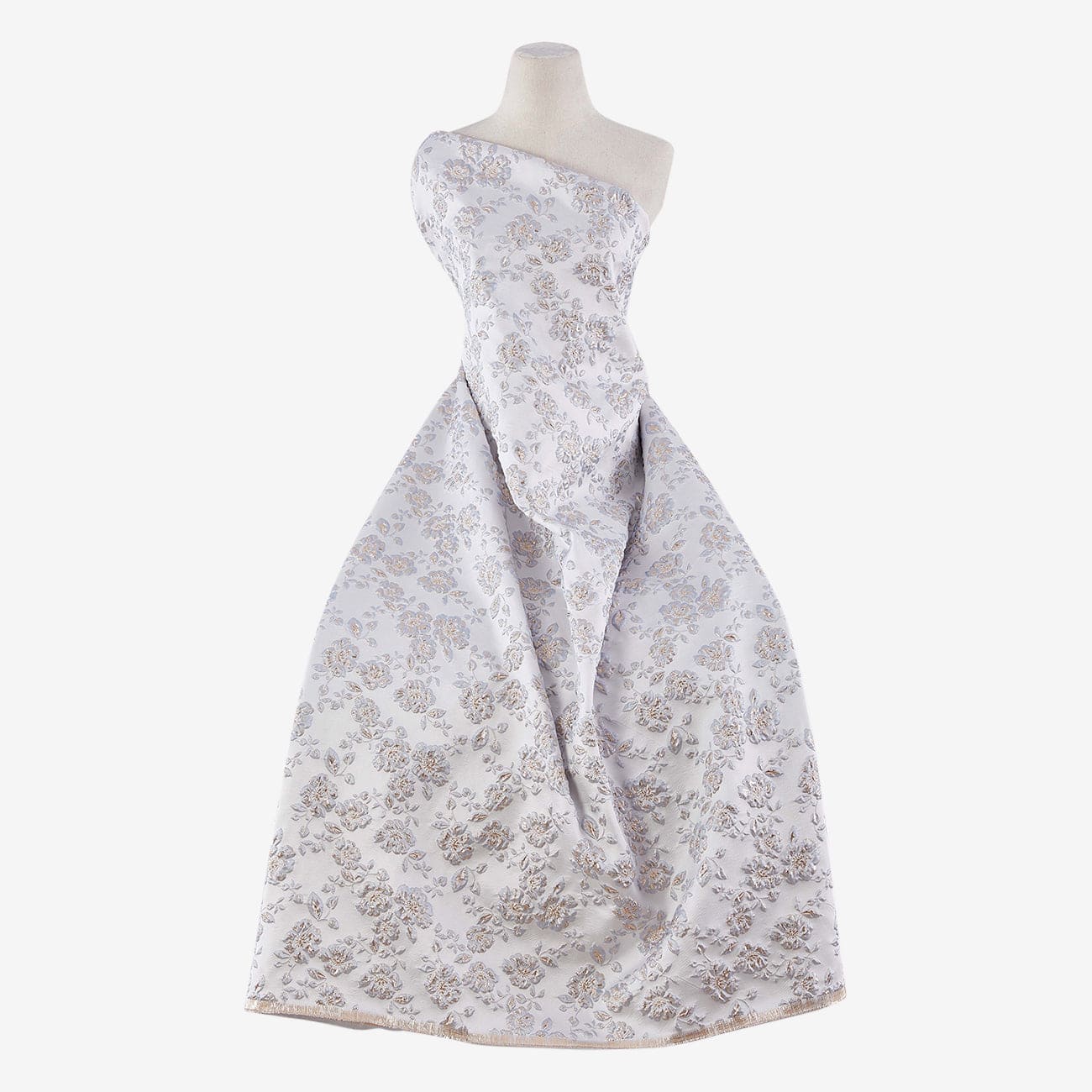
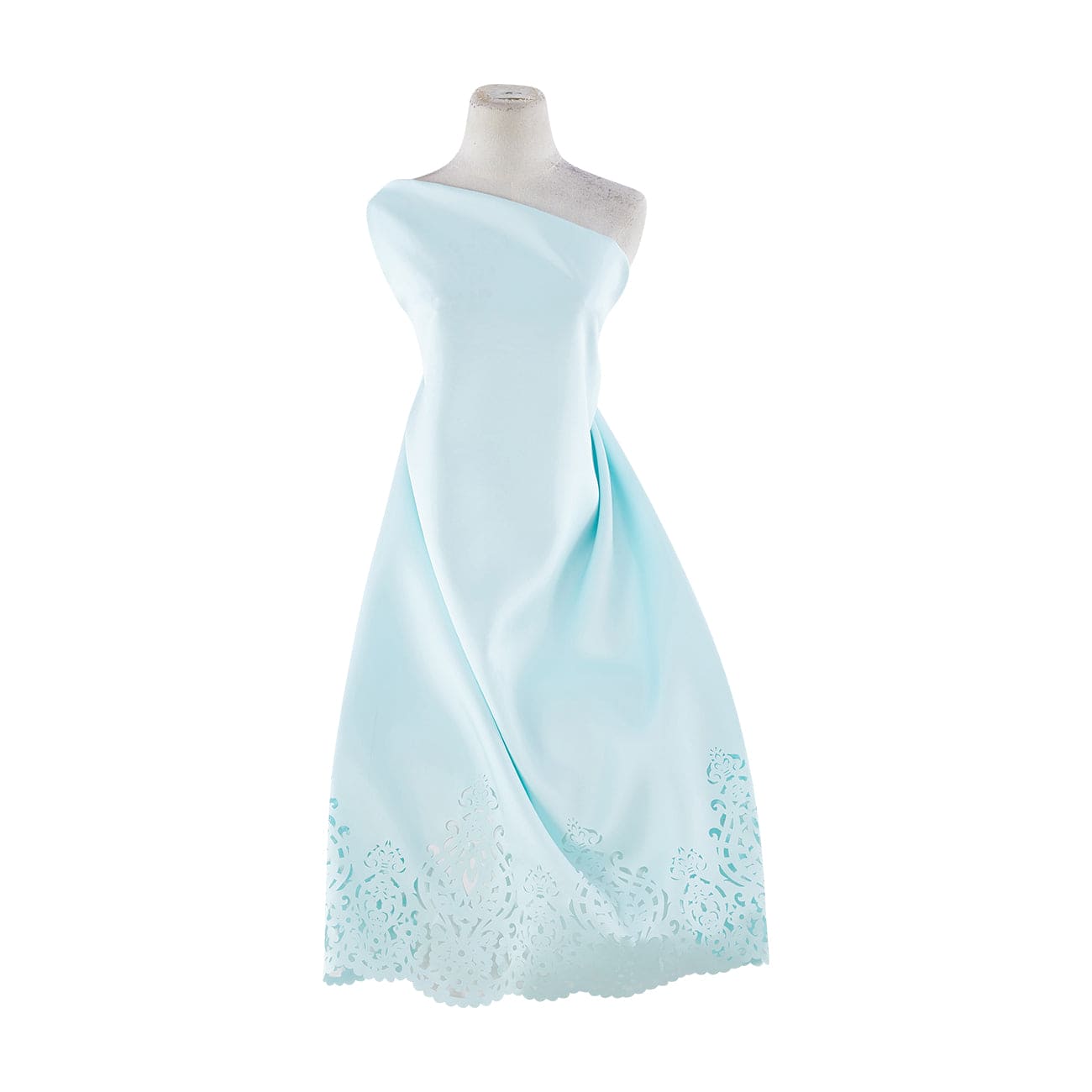
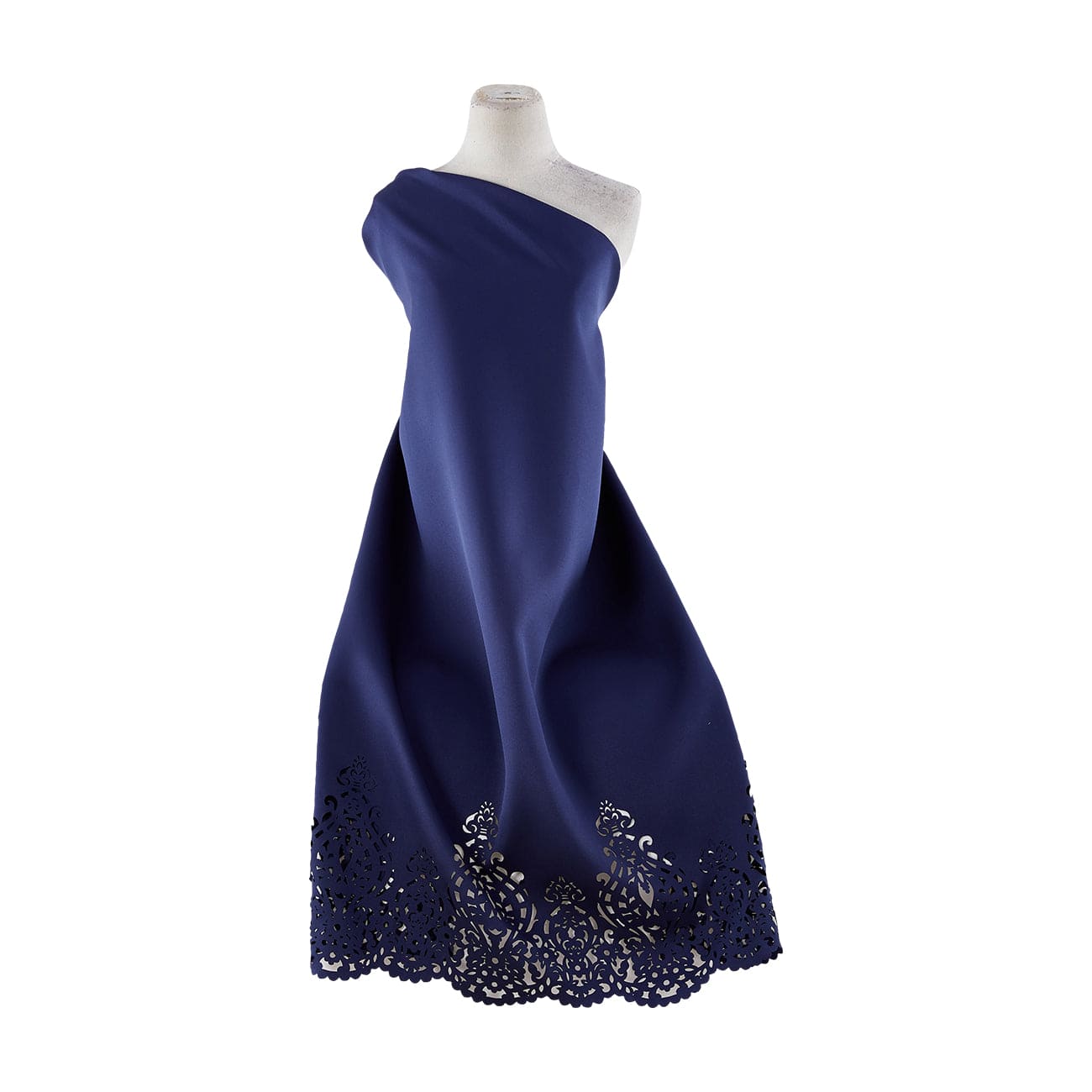
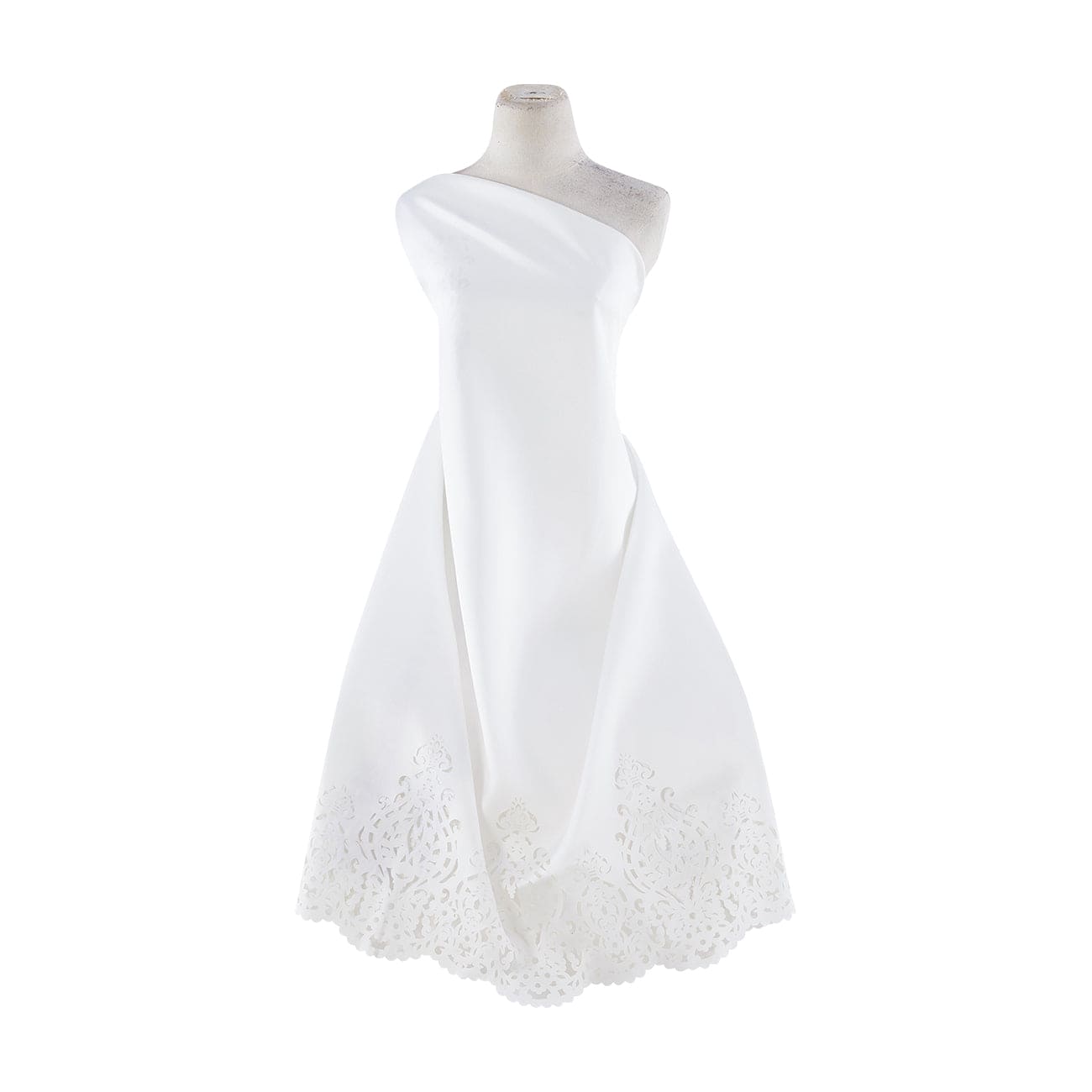
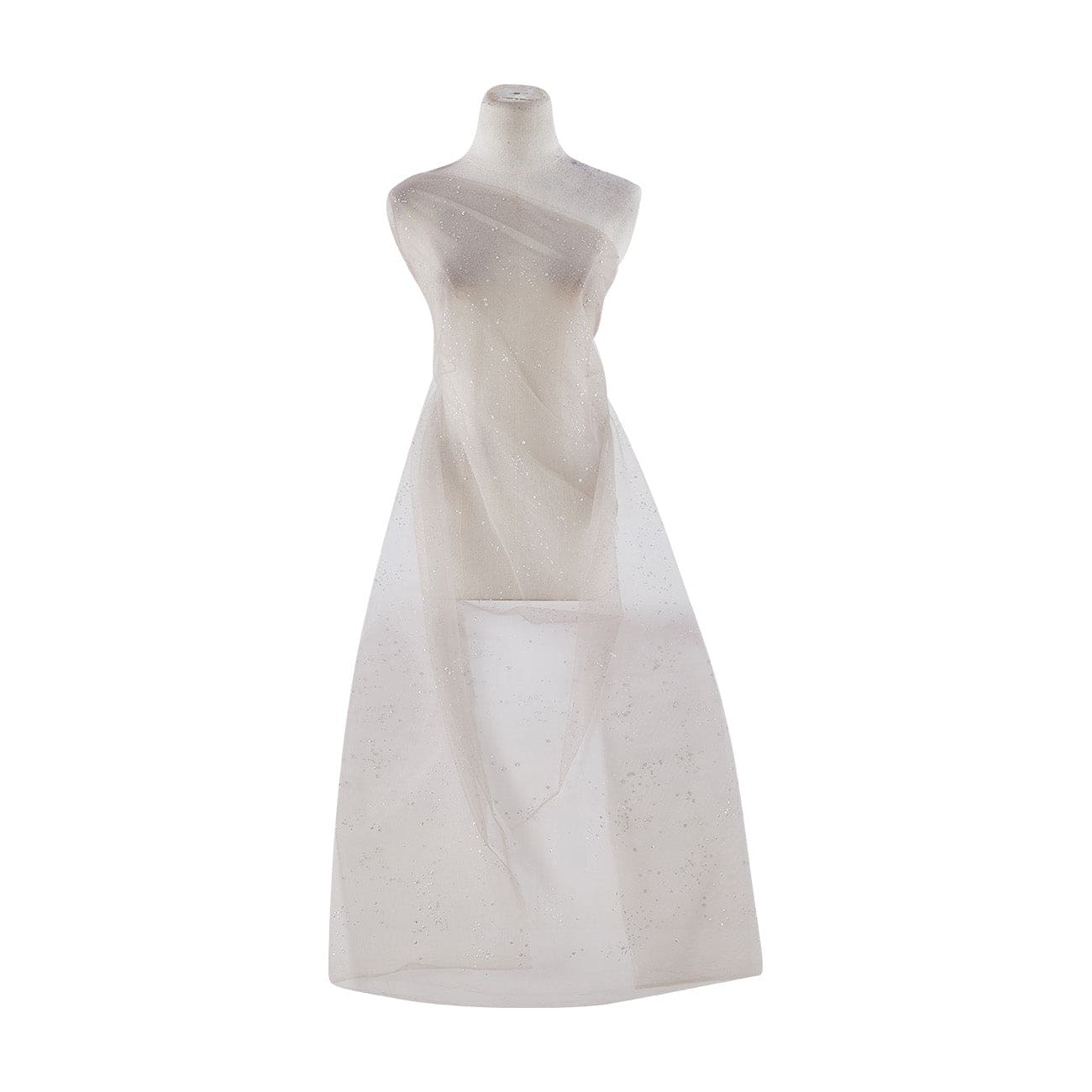
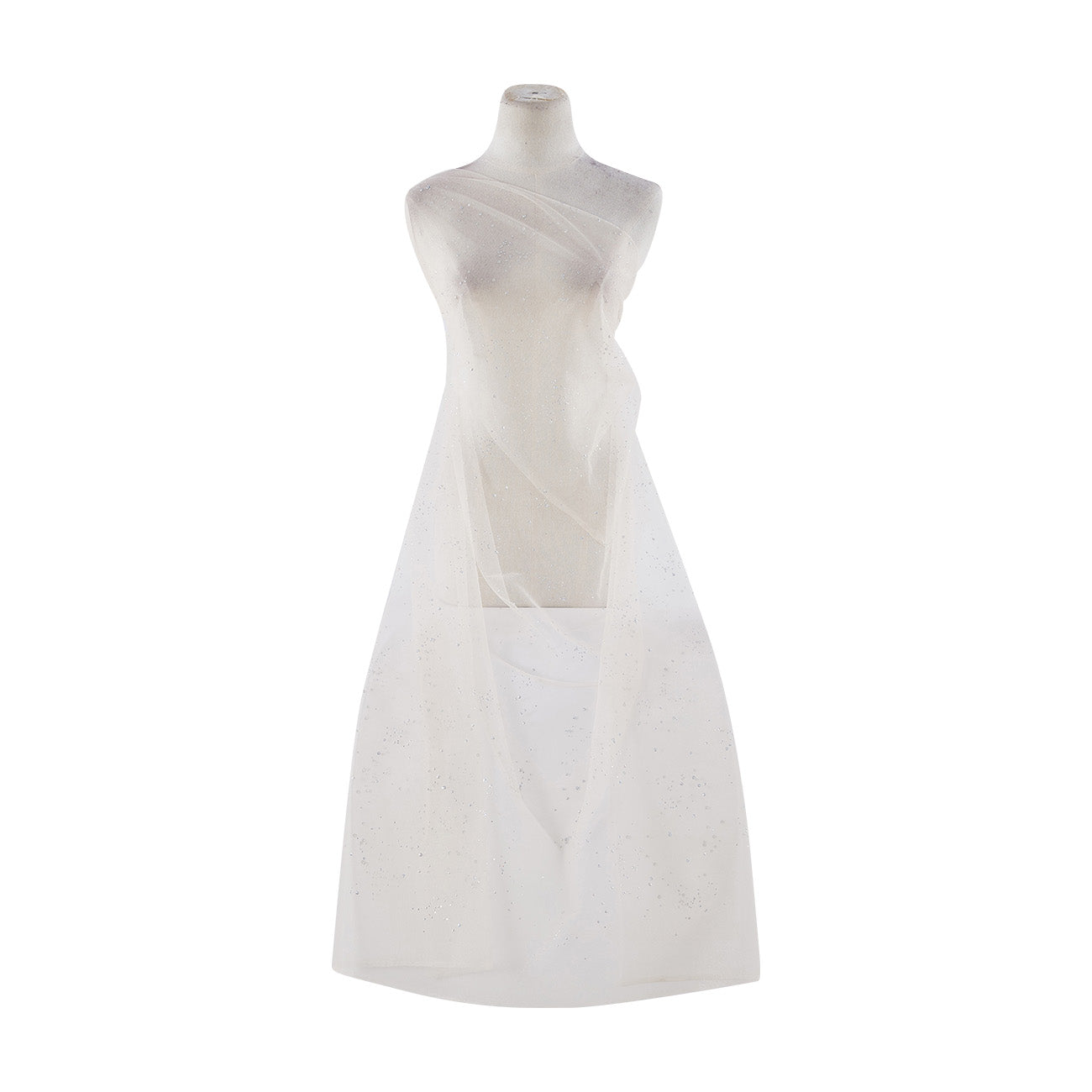
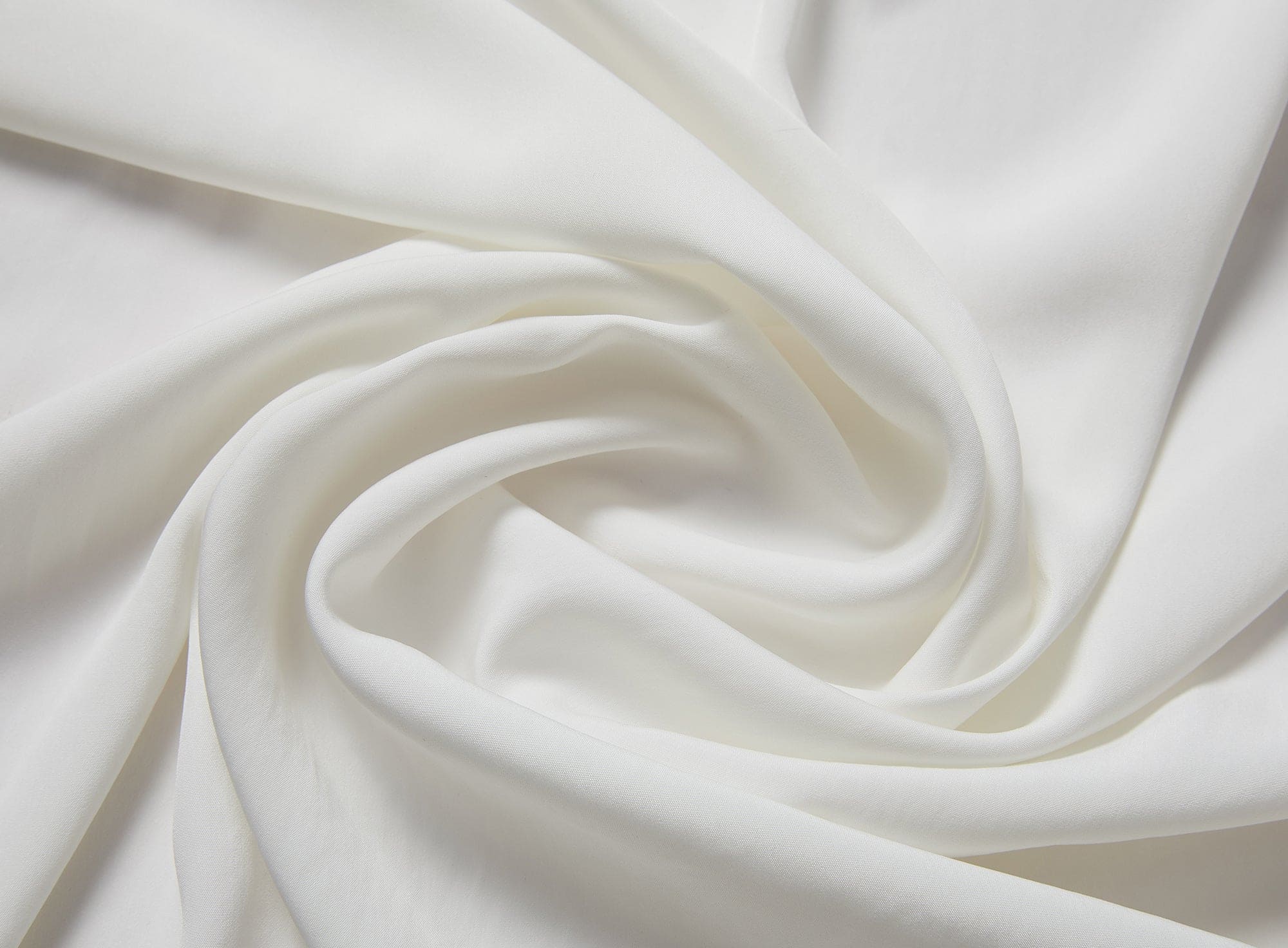
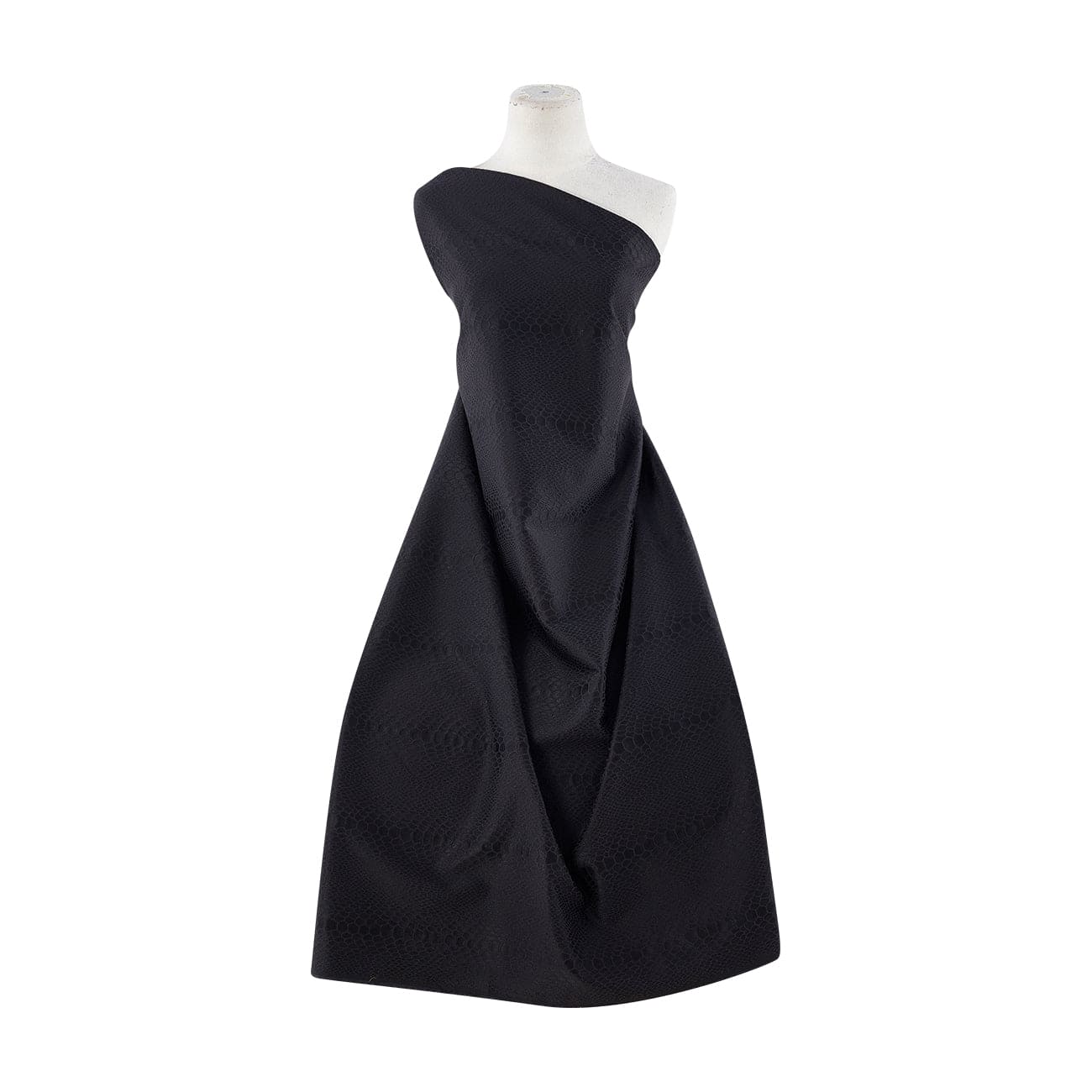
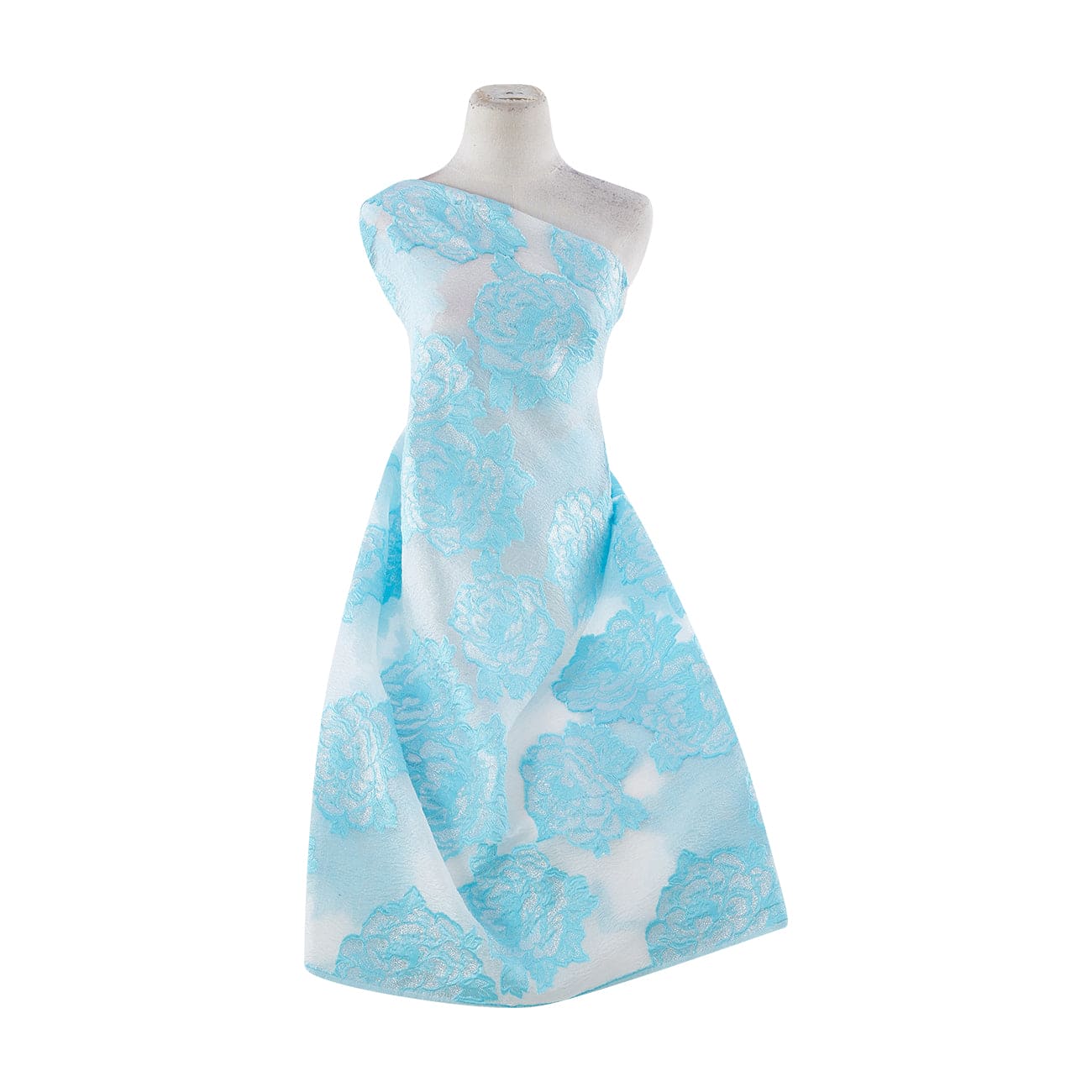
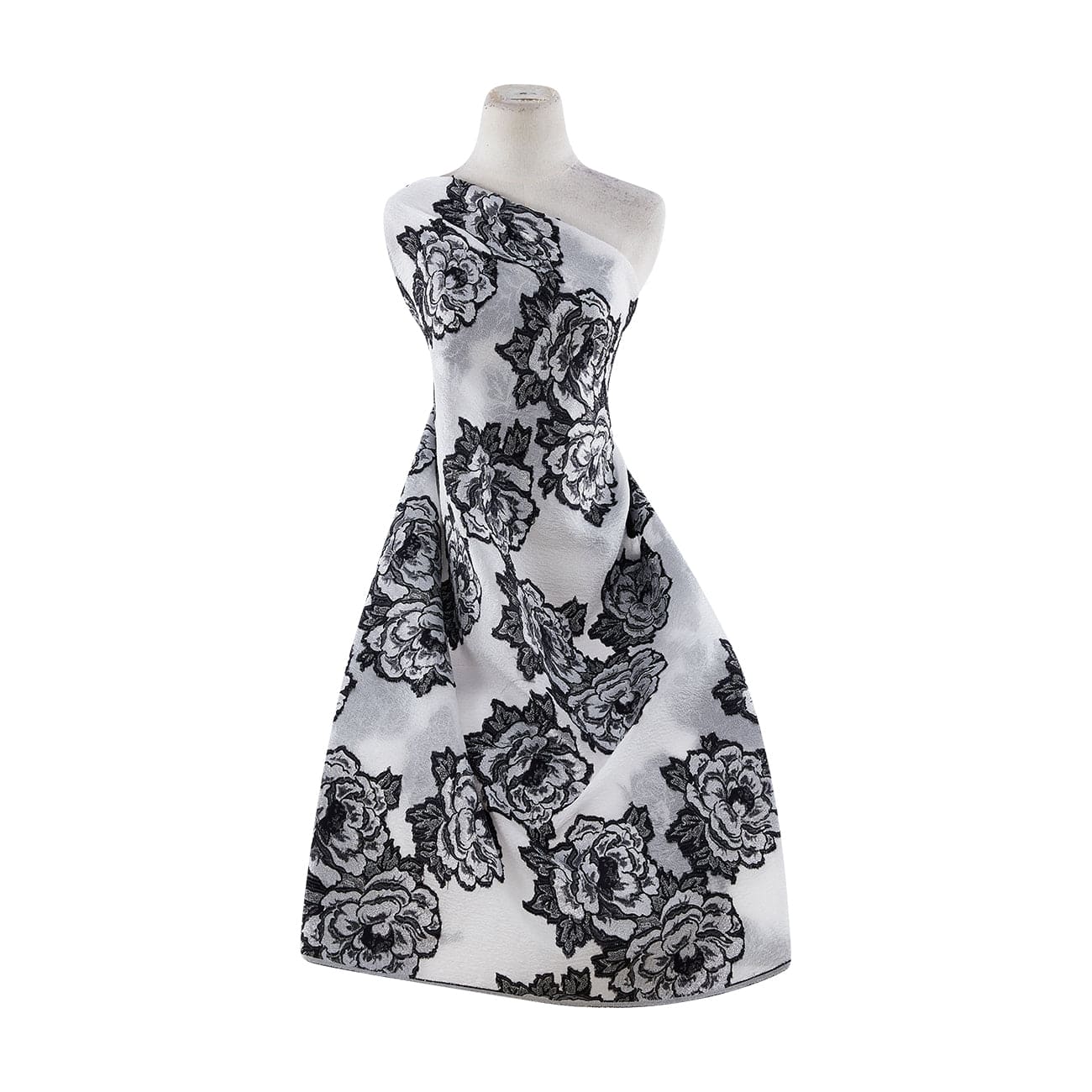
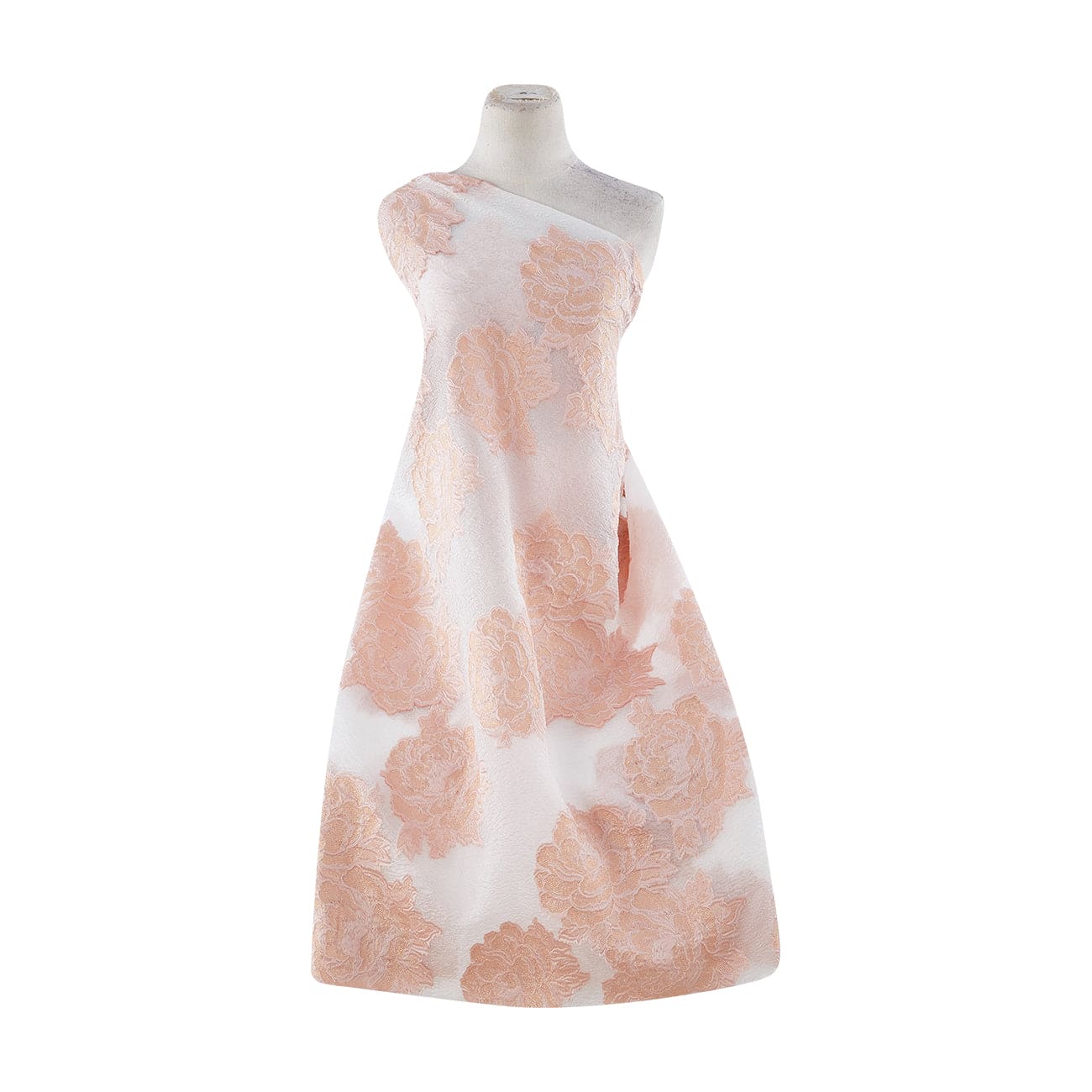
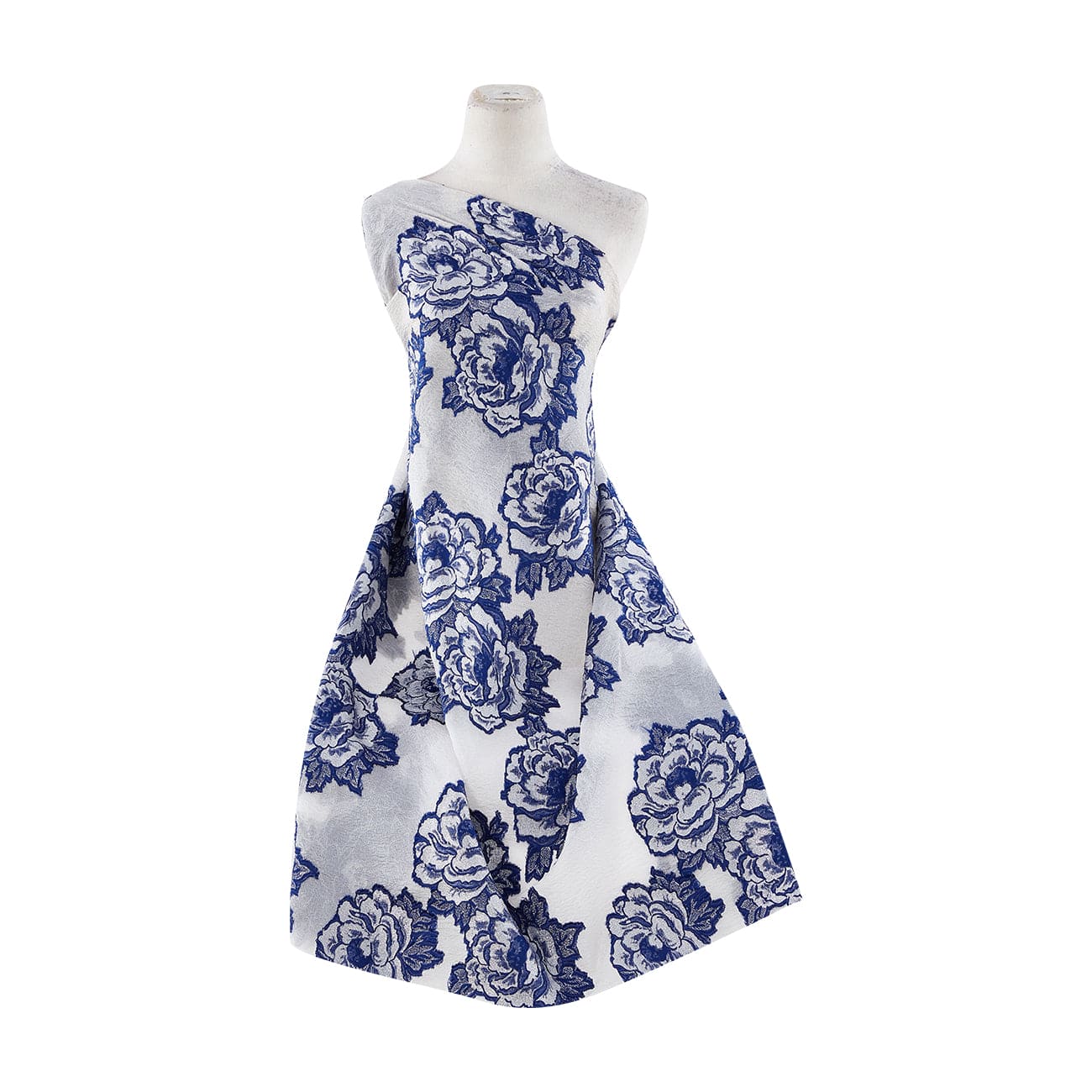
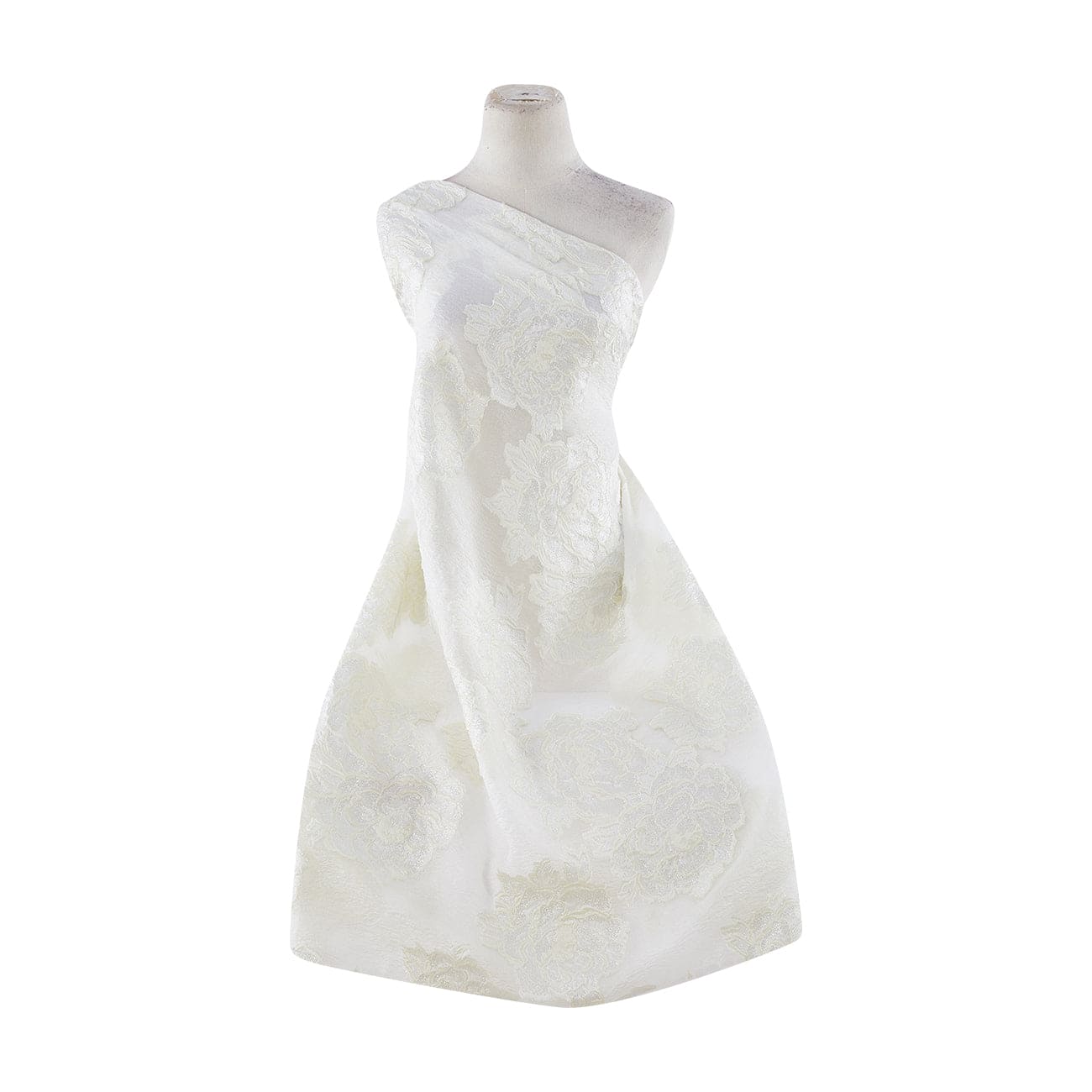
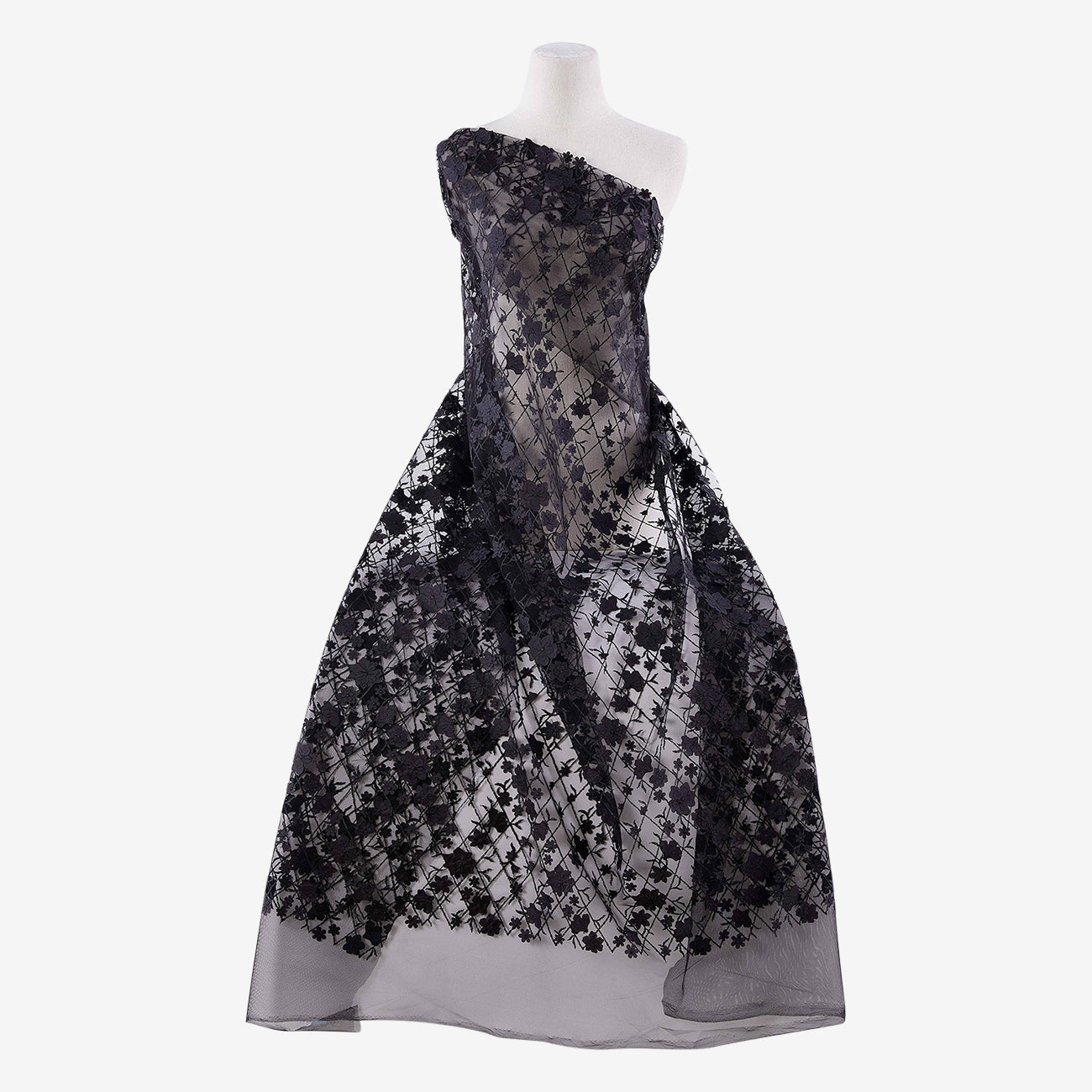
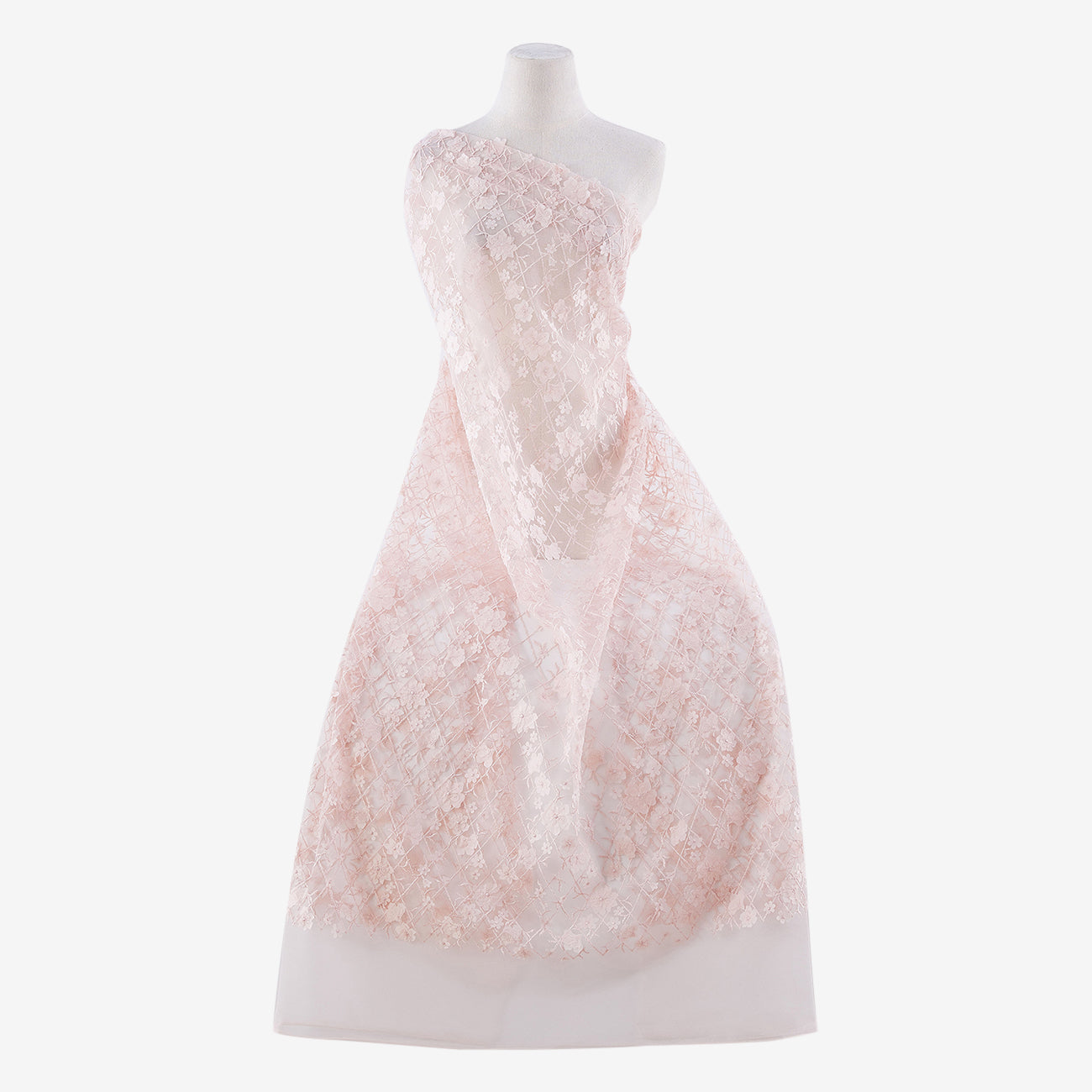
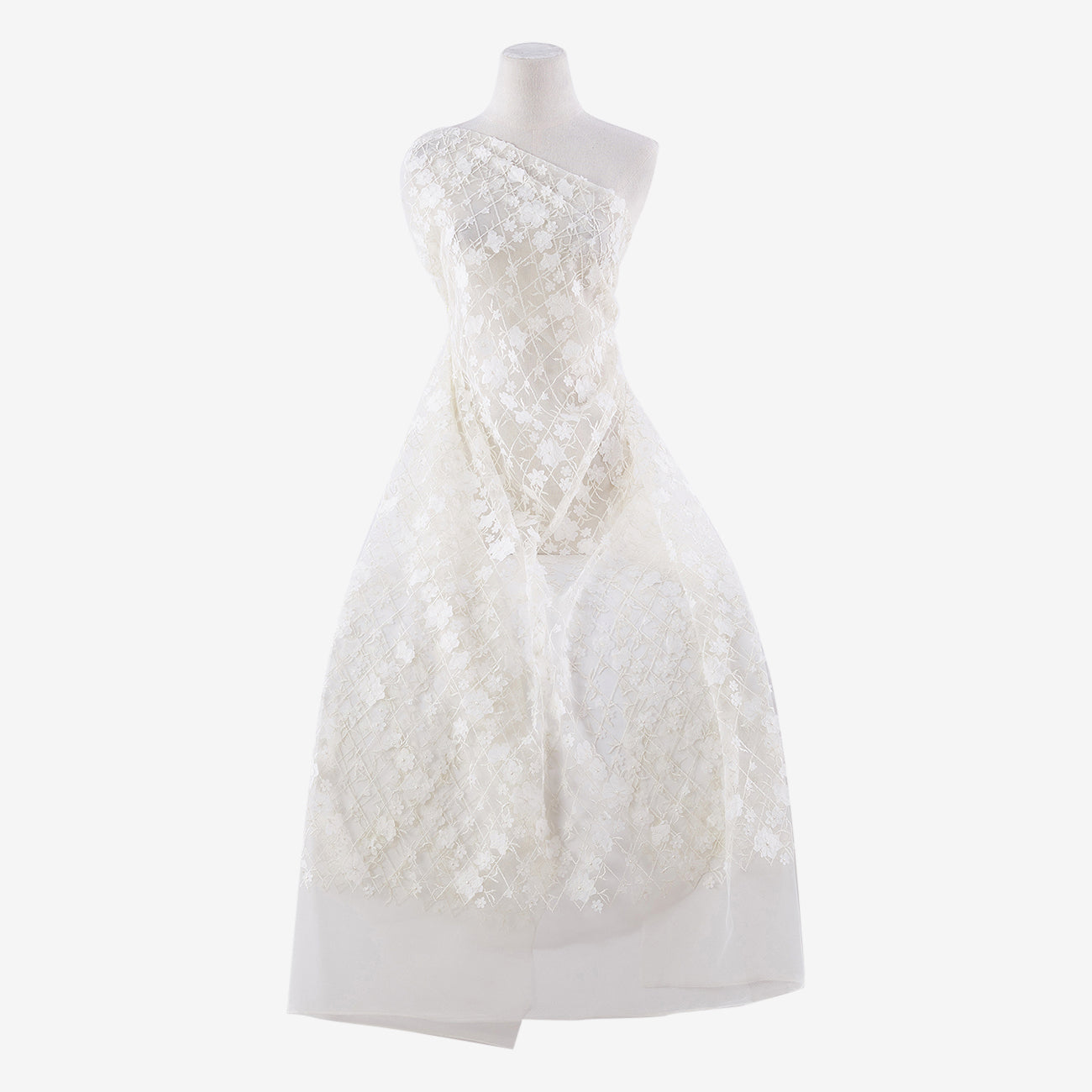
The Most Popular Fabrics for Wedding Dresses, and When to Use Each
Choosing the right fabric for wedding dress construction comes down to matching the material’s weight and drape to your silhouette and season, not just picking whatever looks best on the bolt. Here is a breakdown of the most common wedding gown fabrics, their performance characteristics, and the dress styles they suit best.
Silk and Silk-Like Satins
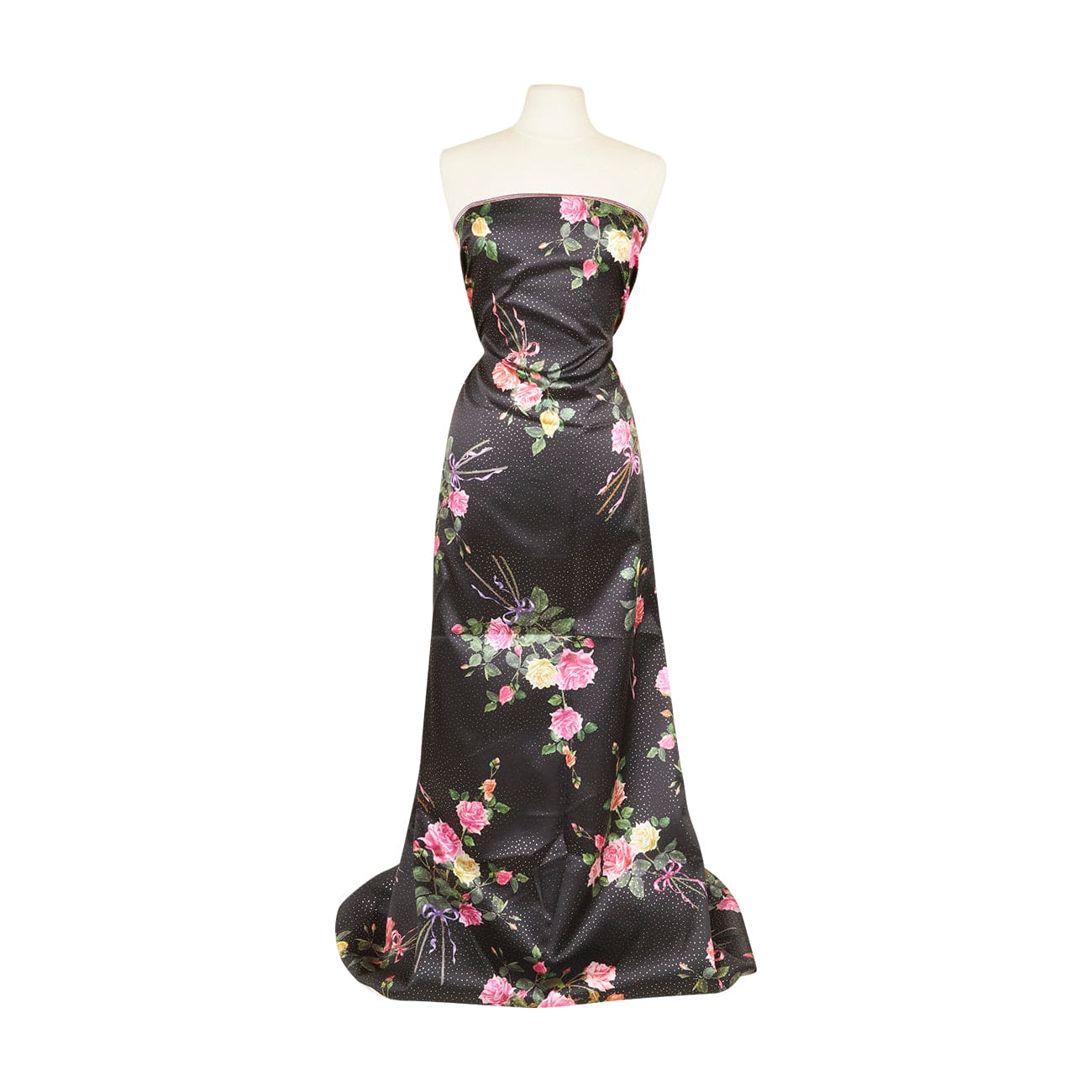
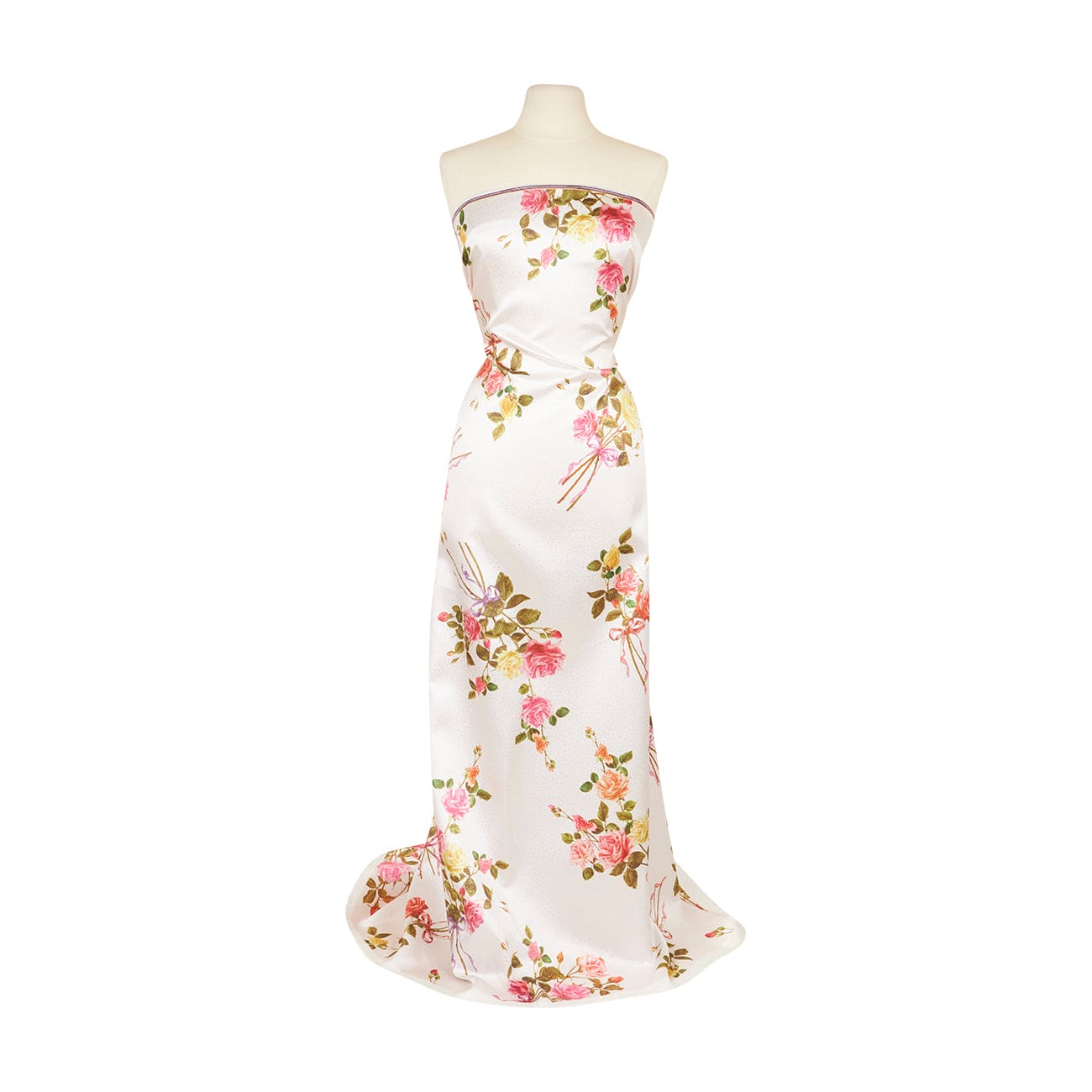
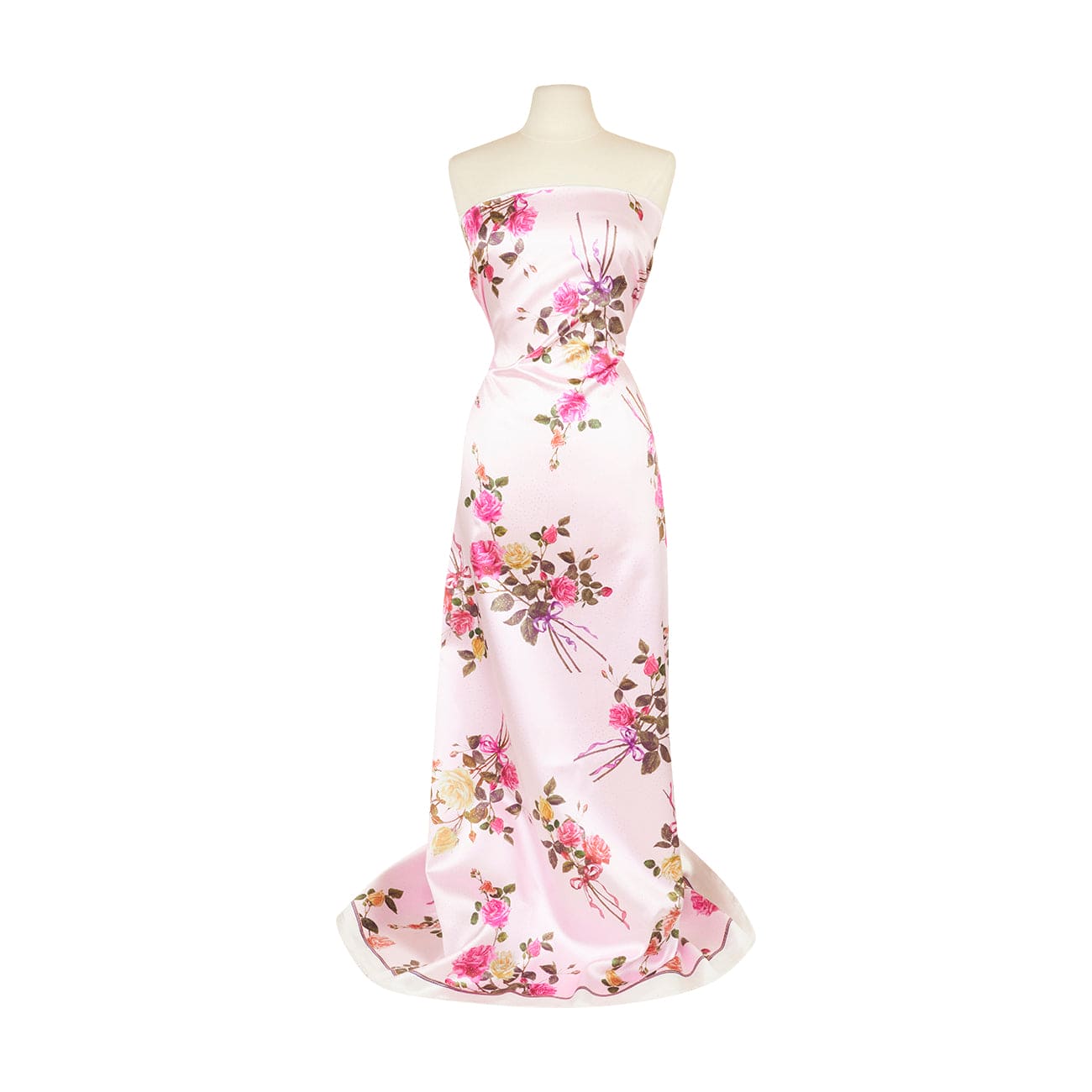
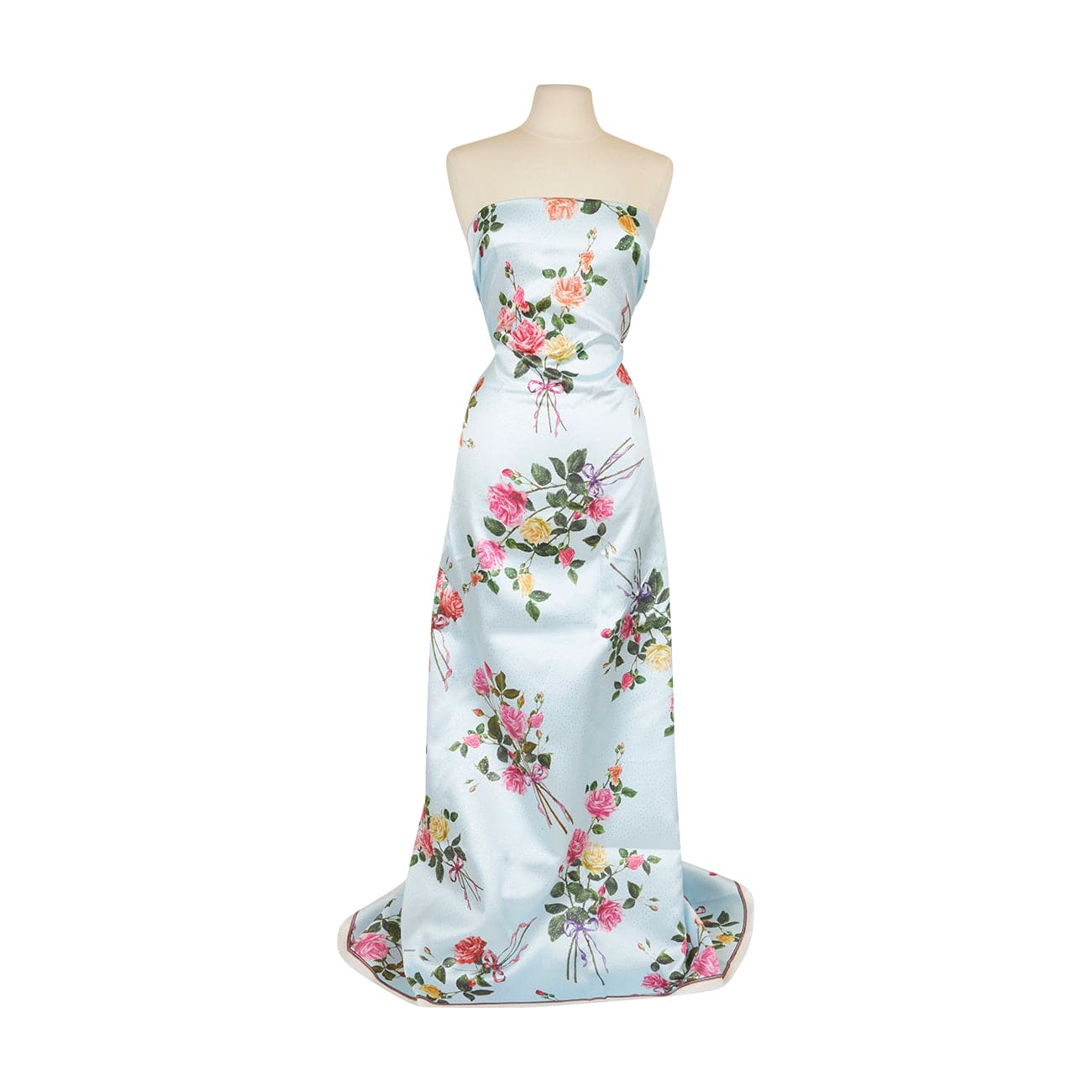
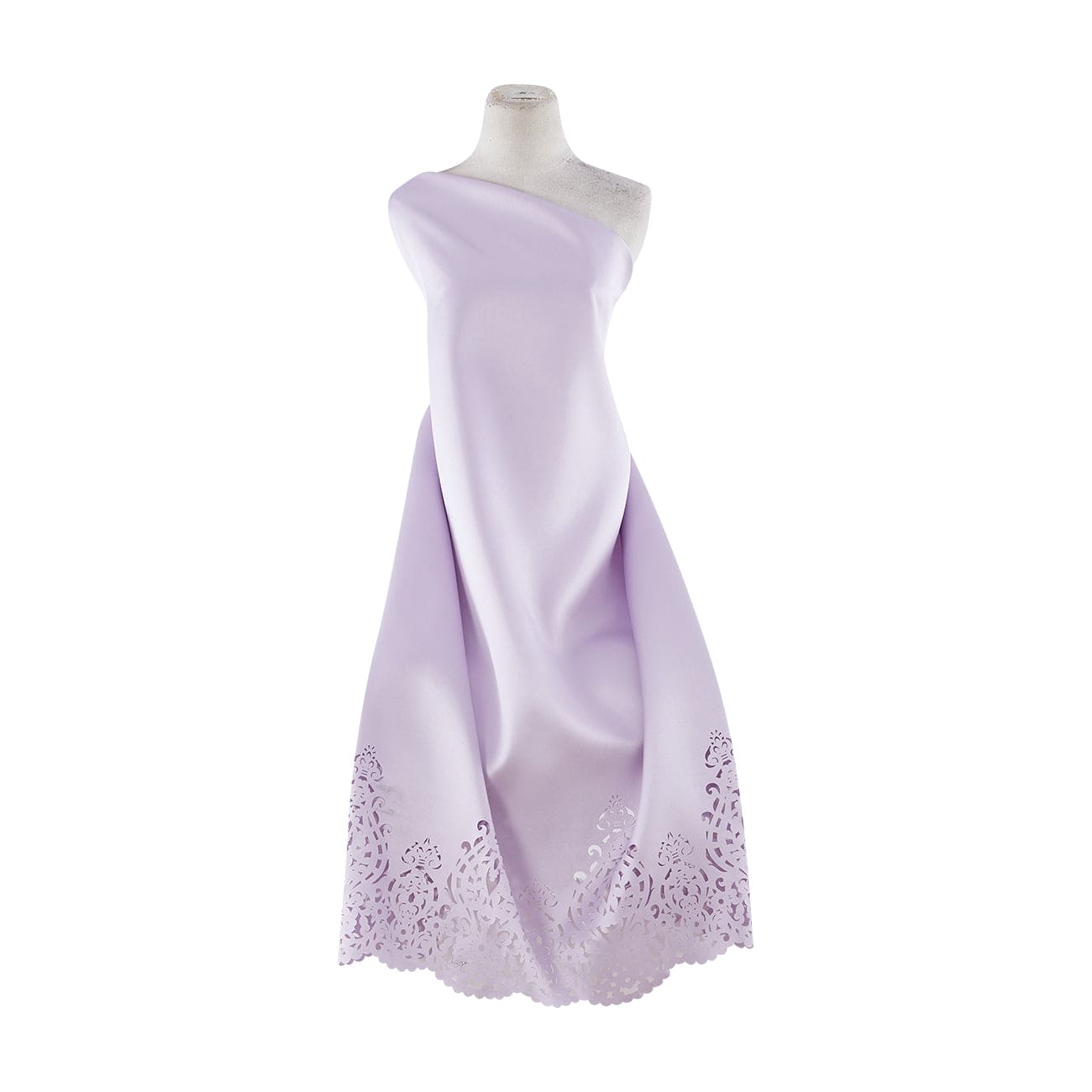
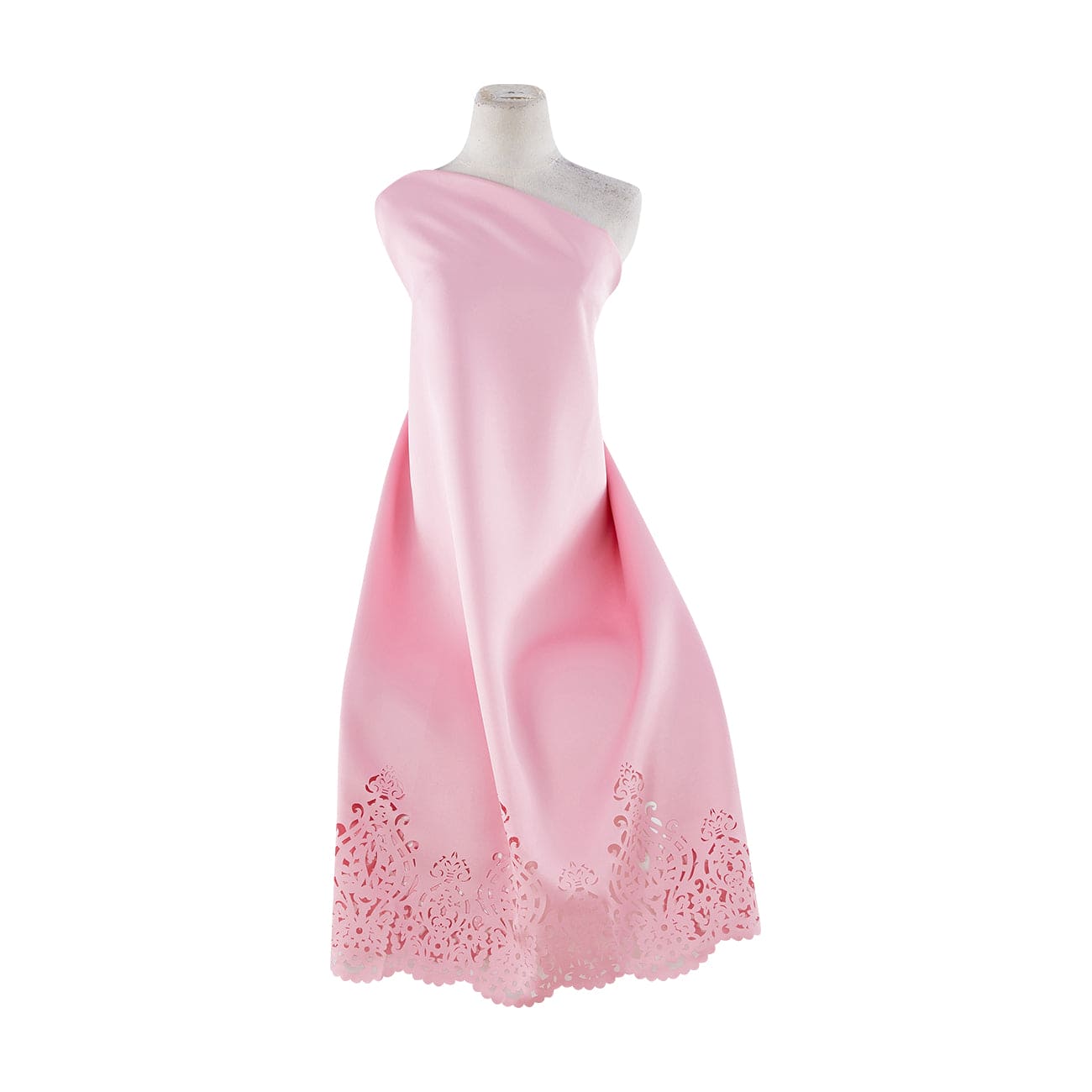
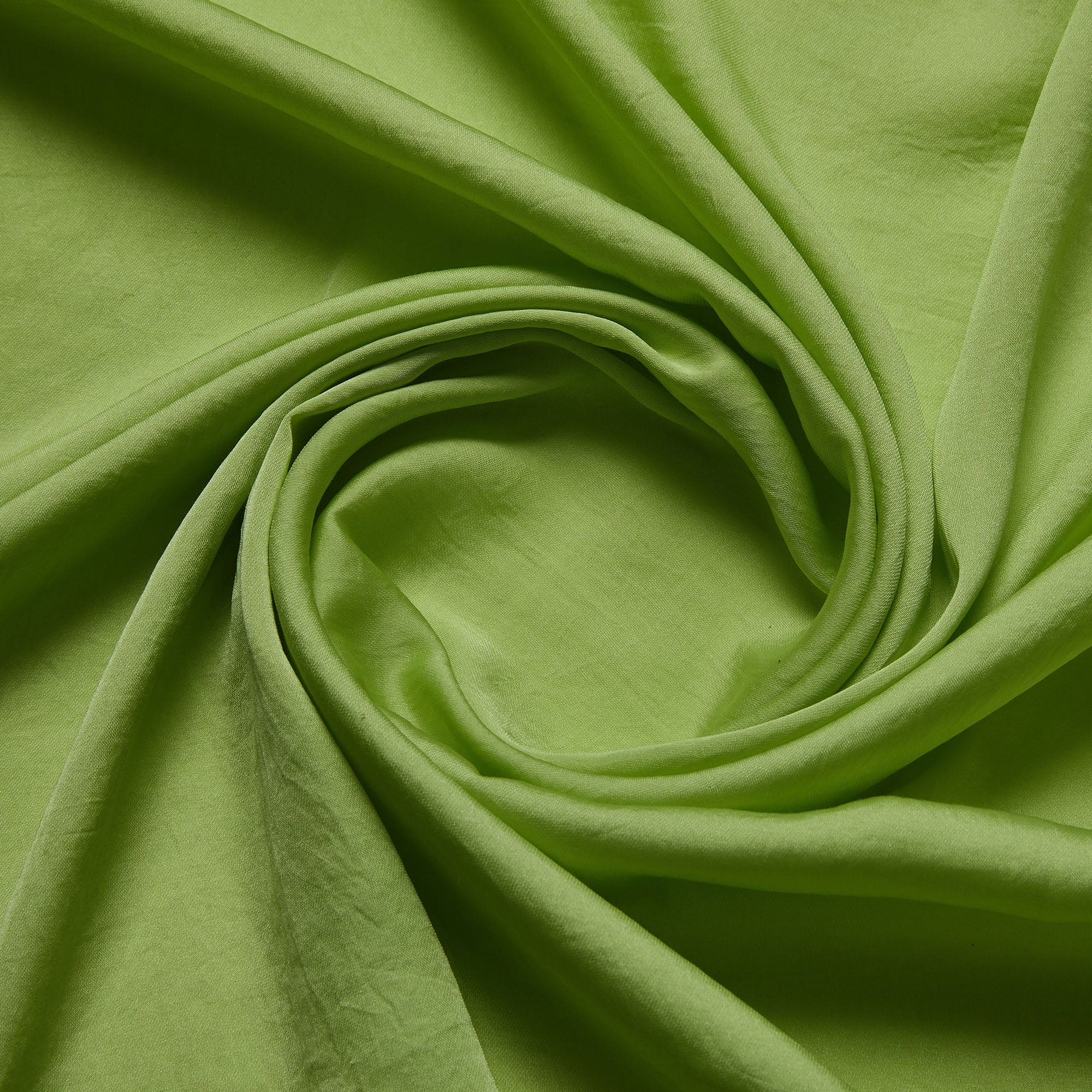
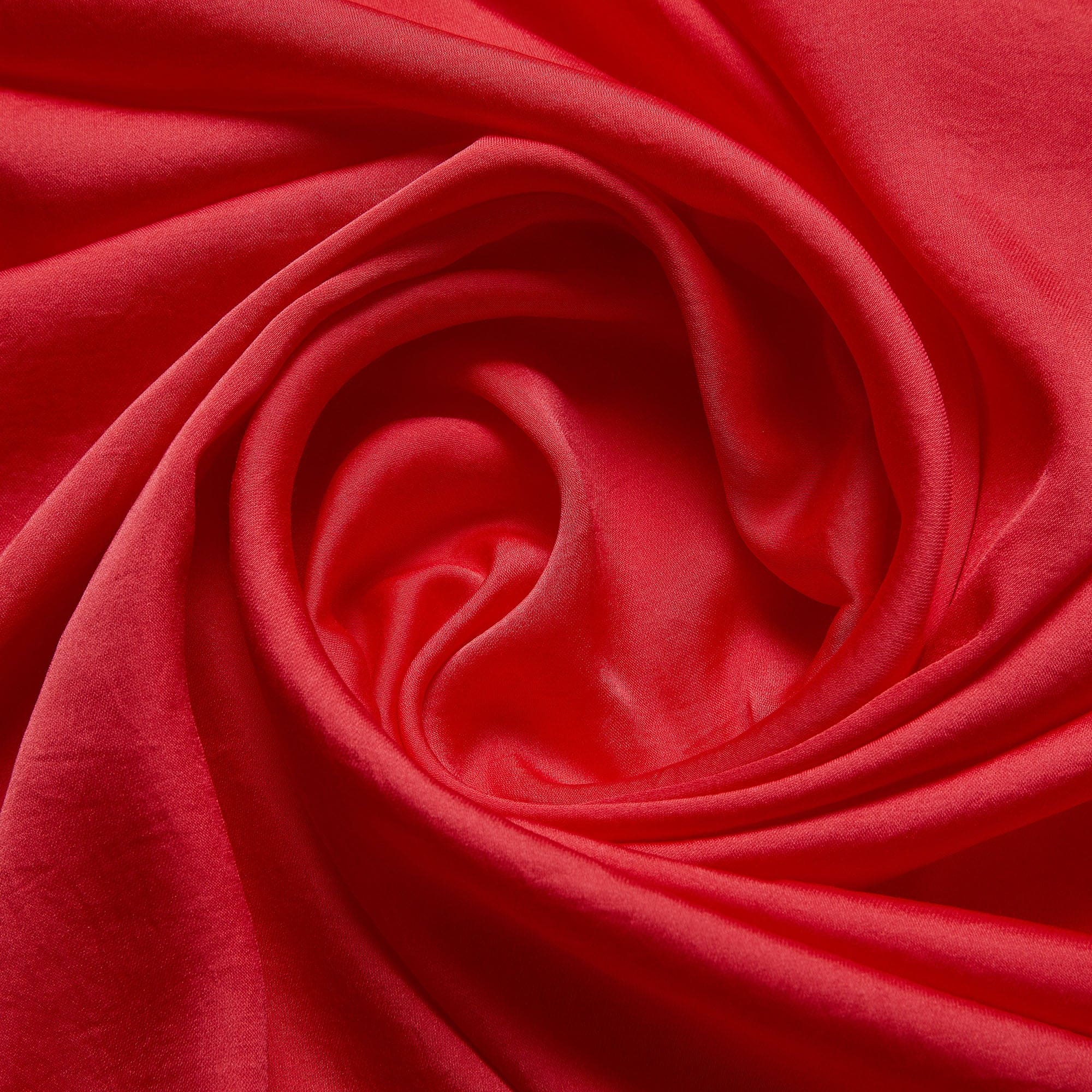
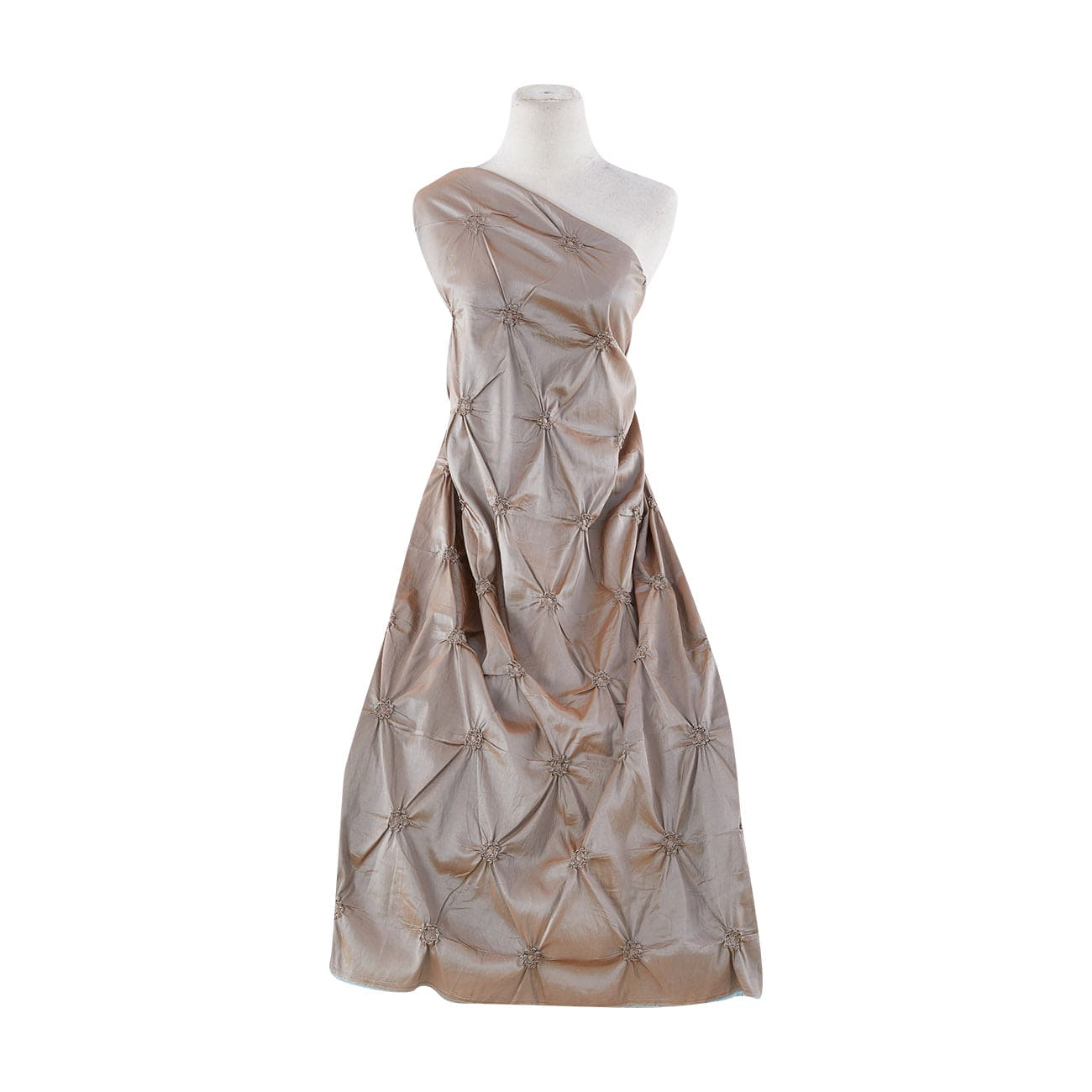
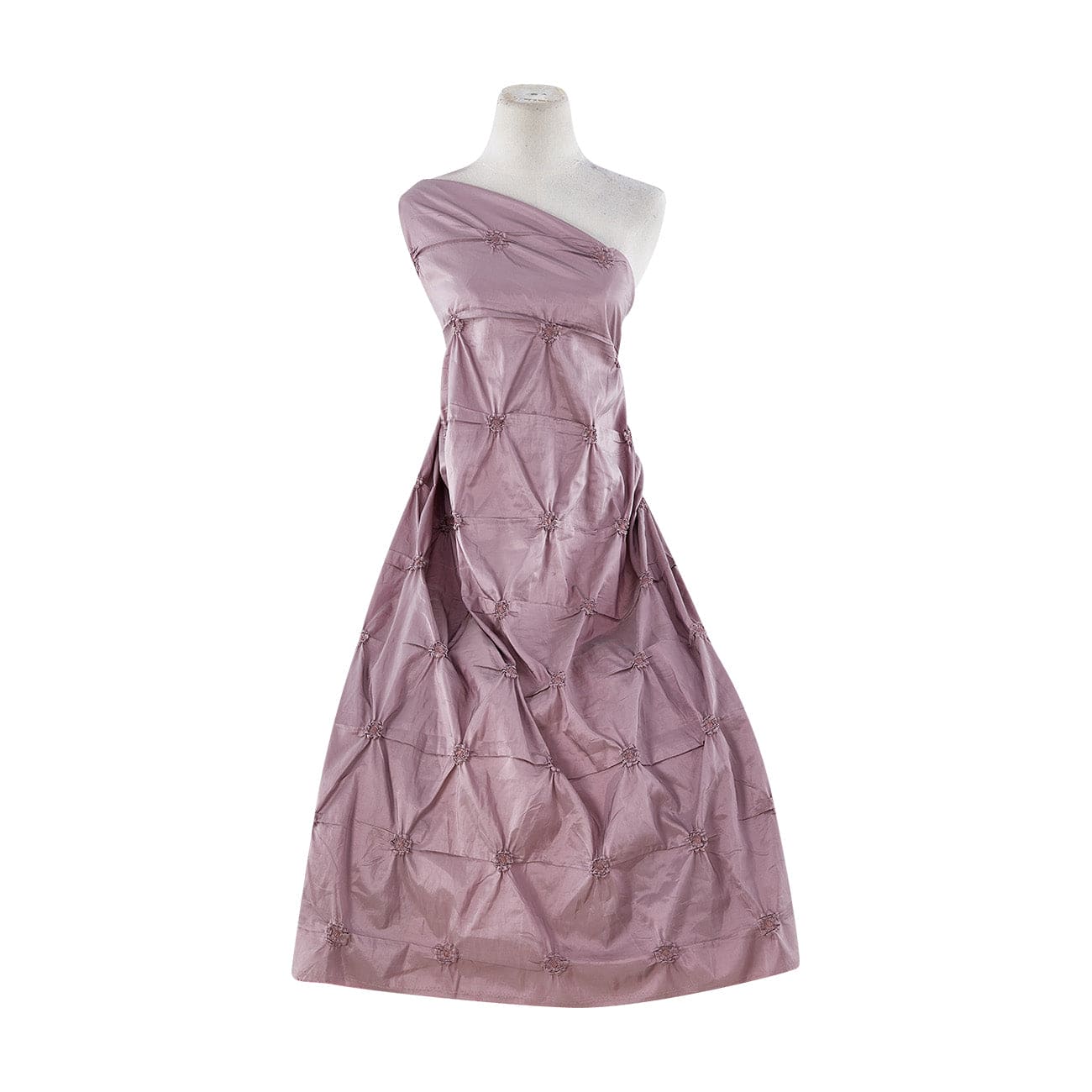
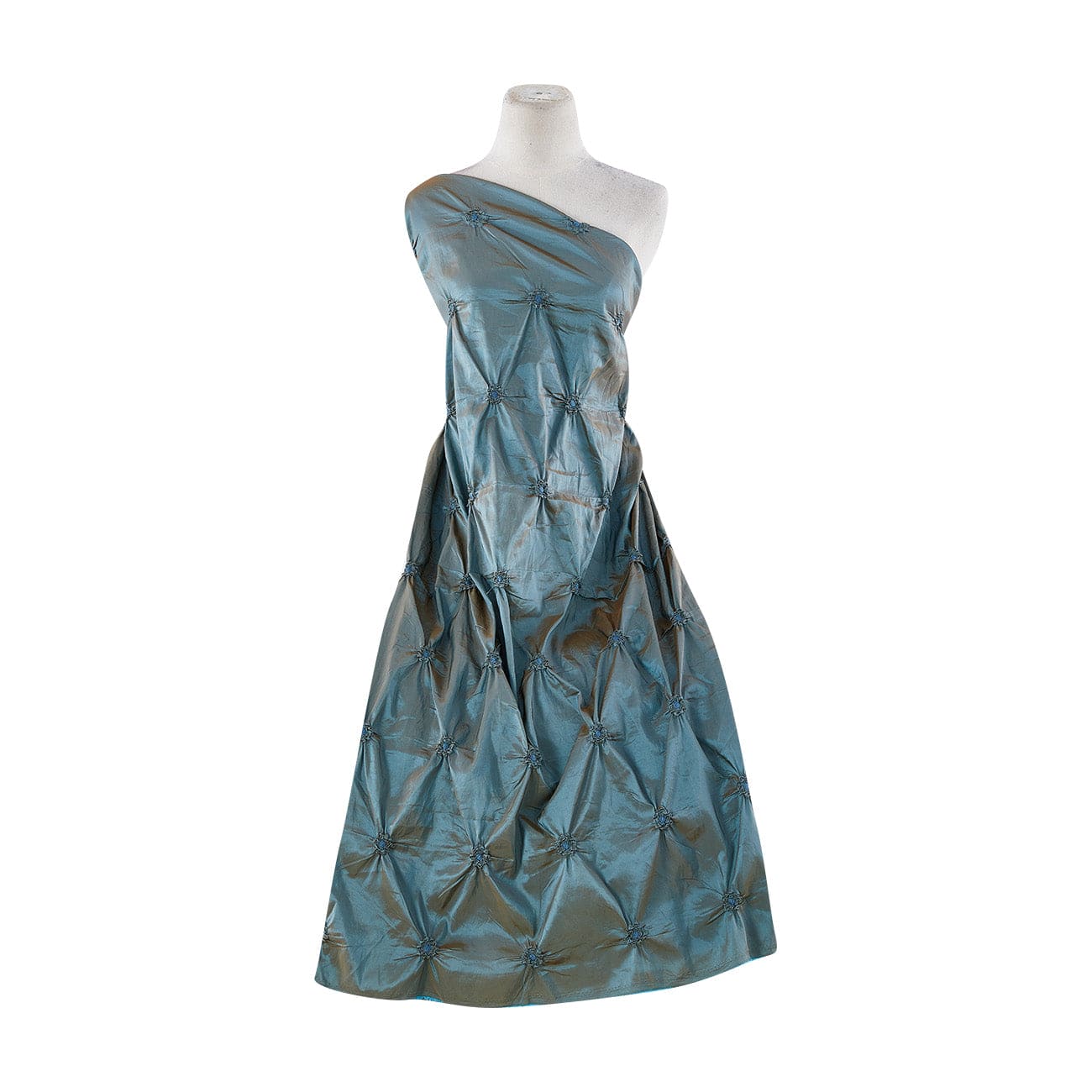
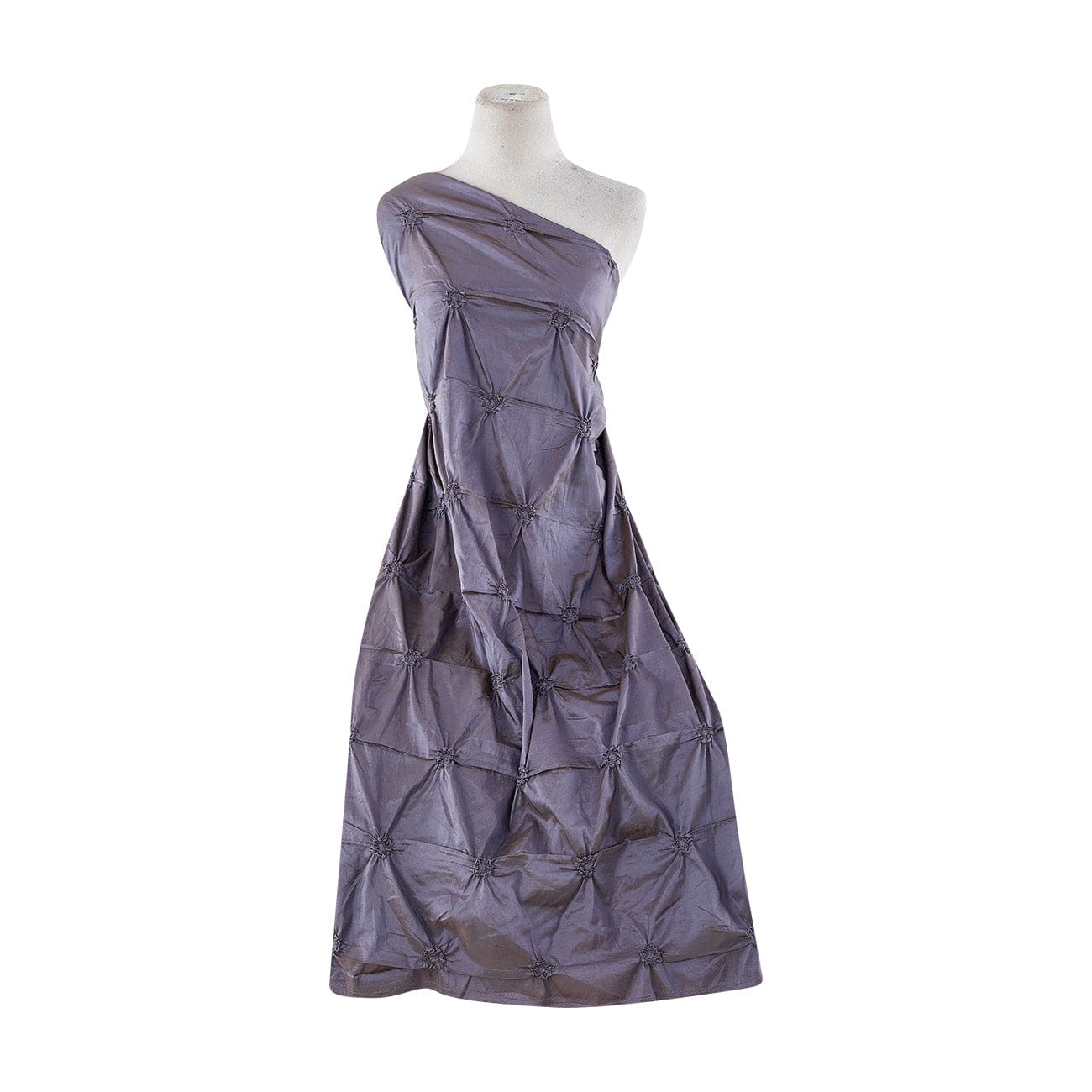
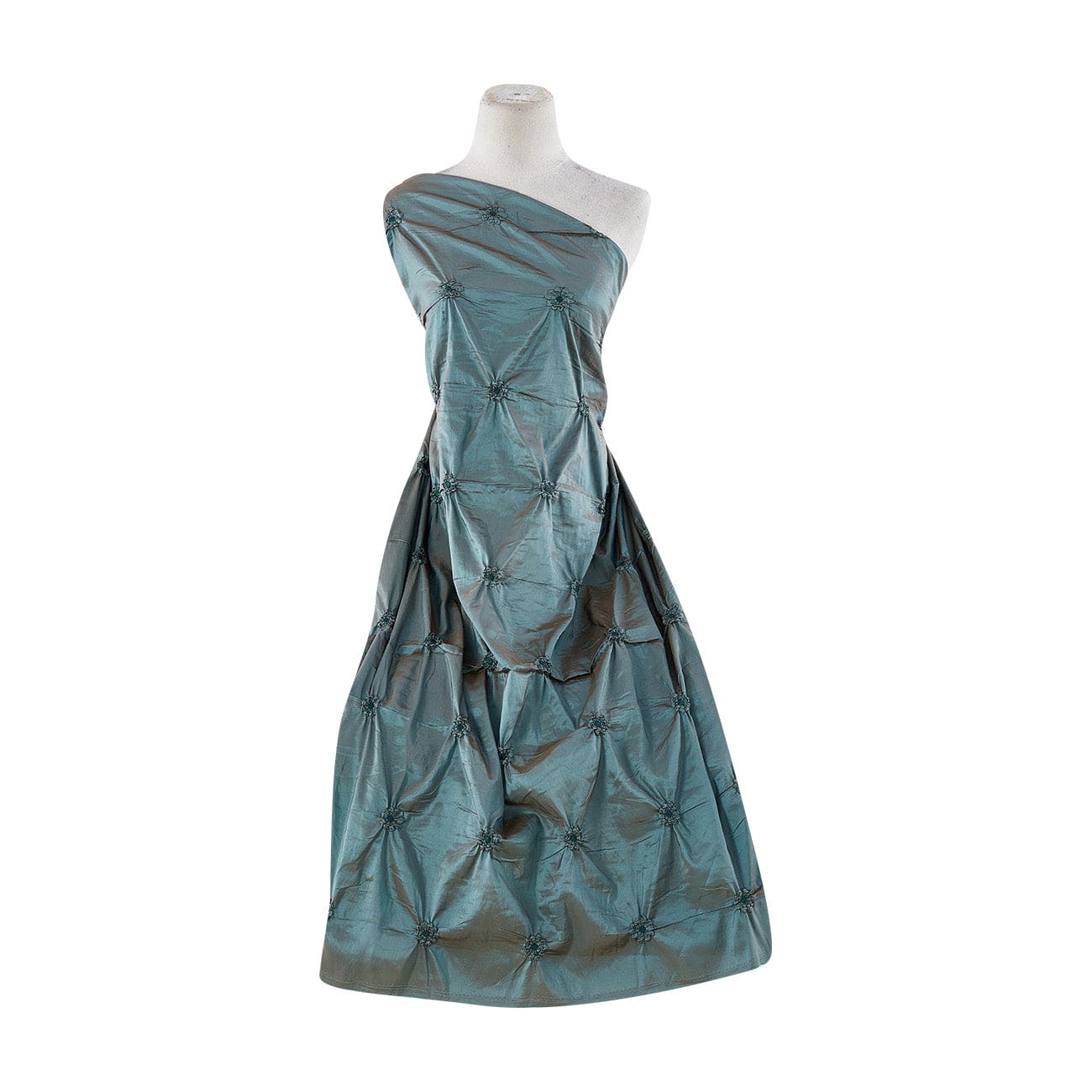
Satin is the most widely used fabric for wedding dress construction, but not all satins perform the same way. Duchess satin is a heavier, tightly woven fabric with a firm hand and high sheen on the face, and its weight and stability make it the go-to choice for ballgown and A-line silhouettes that need to hold their shape through a full skirt or structured bodice. Silk charmeuse, by contrast, is lightweight and fluid, with a soft drape that makes it ideal for sheath and bias cut gowns where the fabric is meant to follow the body rather than stand away from it.
Bridal satin, typically a polyester silk blend, delivers the visual impact of silk at a more accessible price point and is more resistant to snagging and easier to clean than pure silk. It is a dependable fabric for wedding dress projects that call for a classic satin base, whether the gown needs a lightweight face or a heavier, more structured hand.
Chiffon
Chiffon weighs 50 to 75 gsm, making it one of the lightest bridal fabrics and ideal for layered skirts that move without adding bulk. Its sheer, gauzy hand requires multiple layers to achieve opacity and volume, which is precisely what gives chiffon gowns their characteristic softness and flow. It performs particularly well for A-line and empire waist silhouettes and photographs beautifully in outdoor and garden settings where movement reads well on camera.
Plan for at least three to four layers when constructing a full chiffon skirt, since a single layer will read as too sheer for most bridal applications.
Organza and Organza Satin
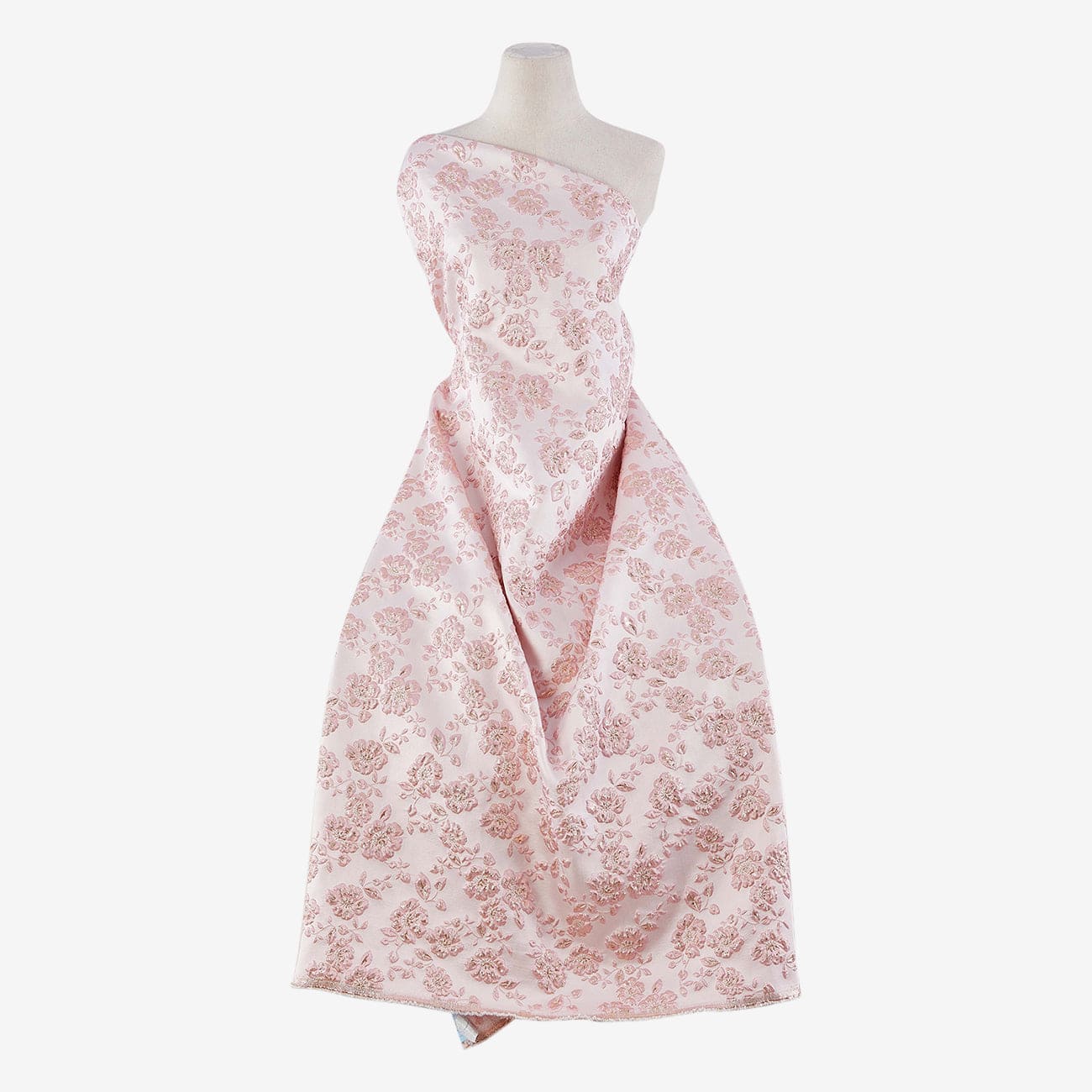
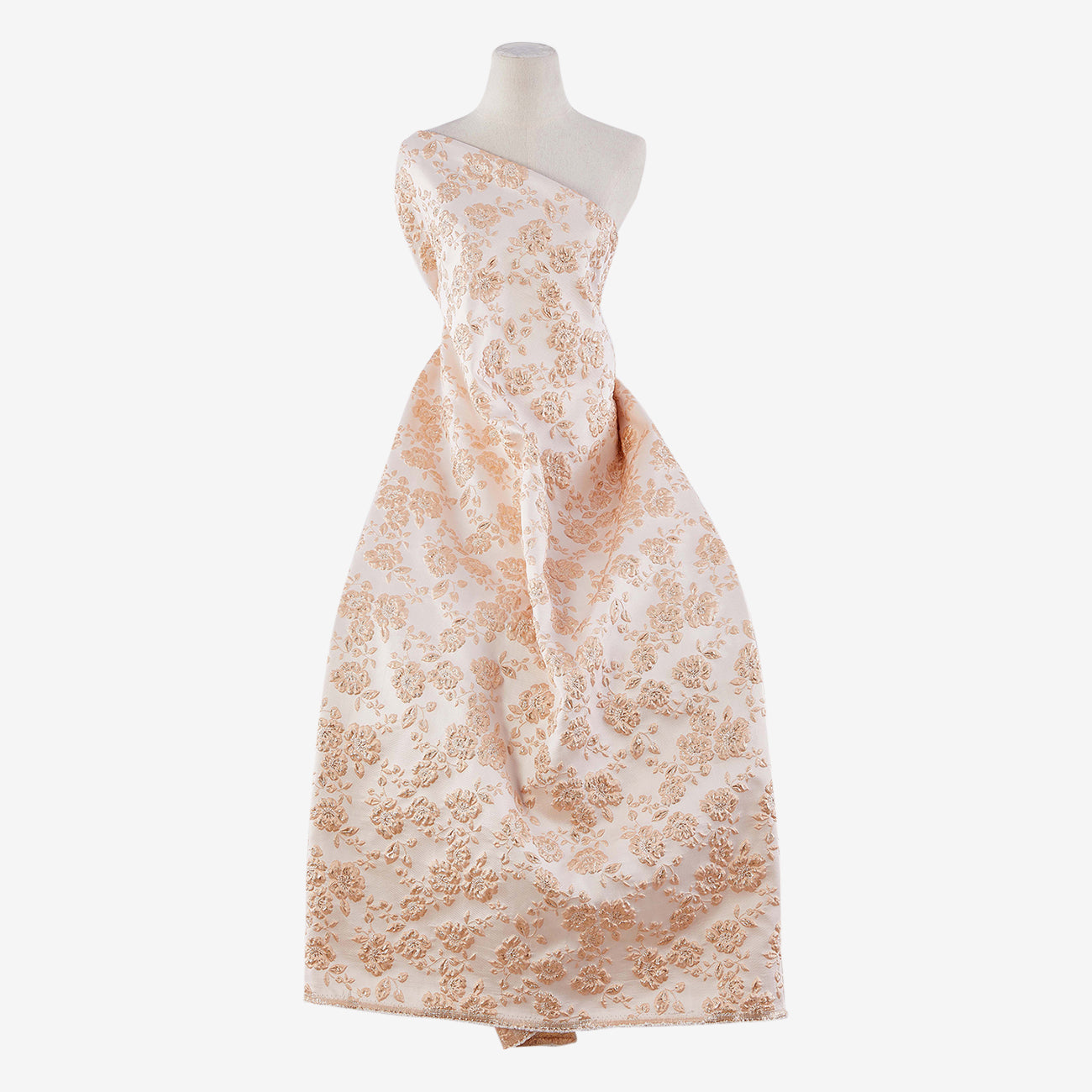
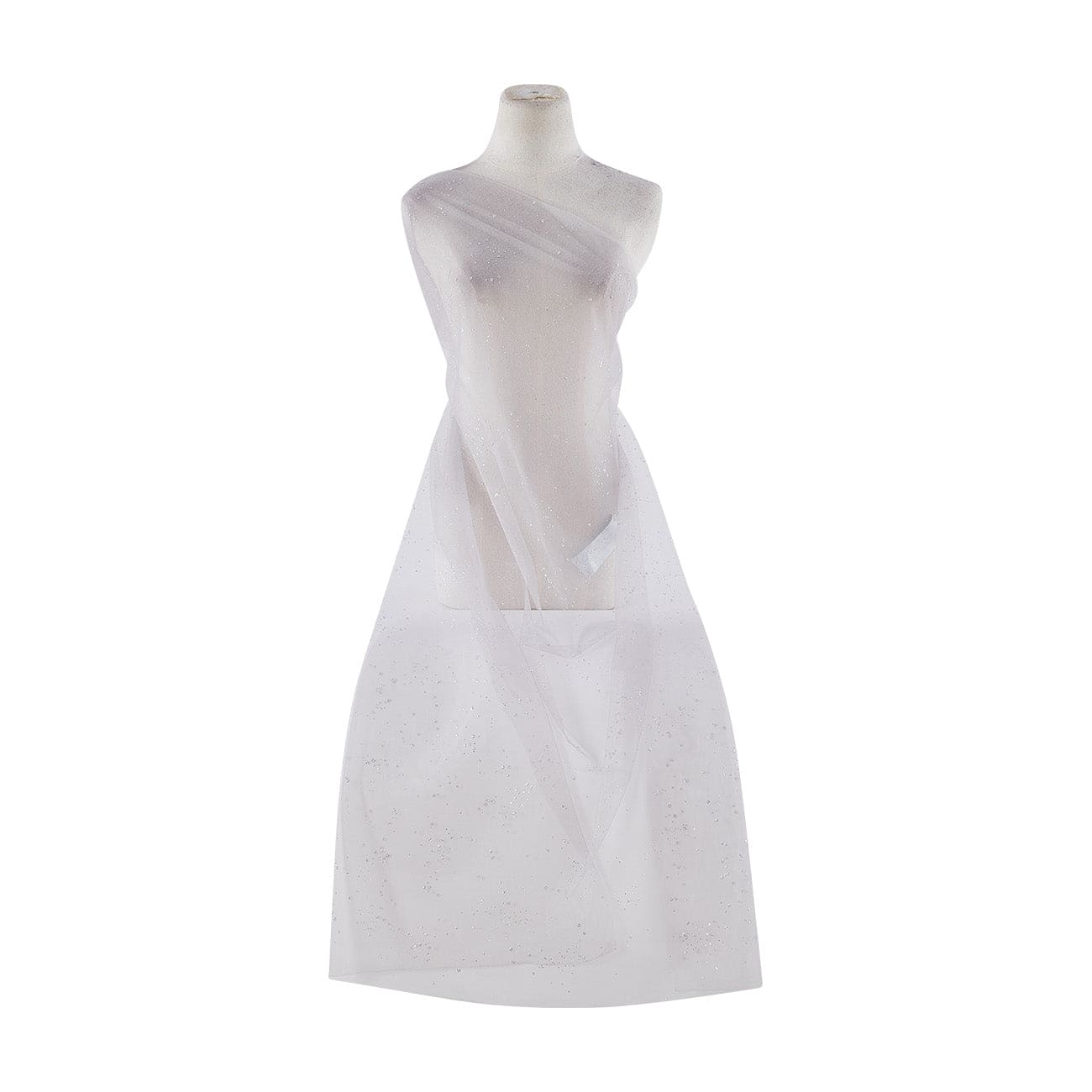
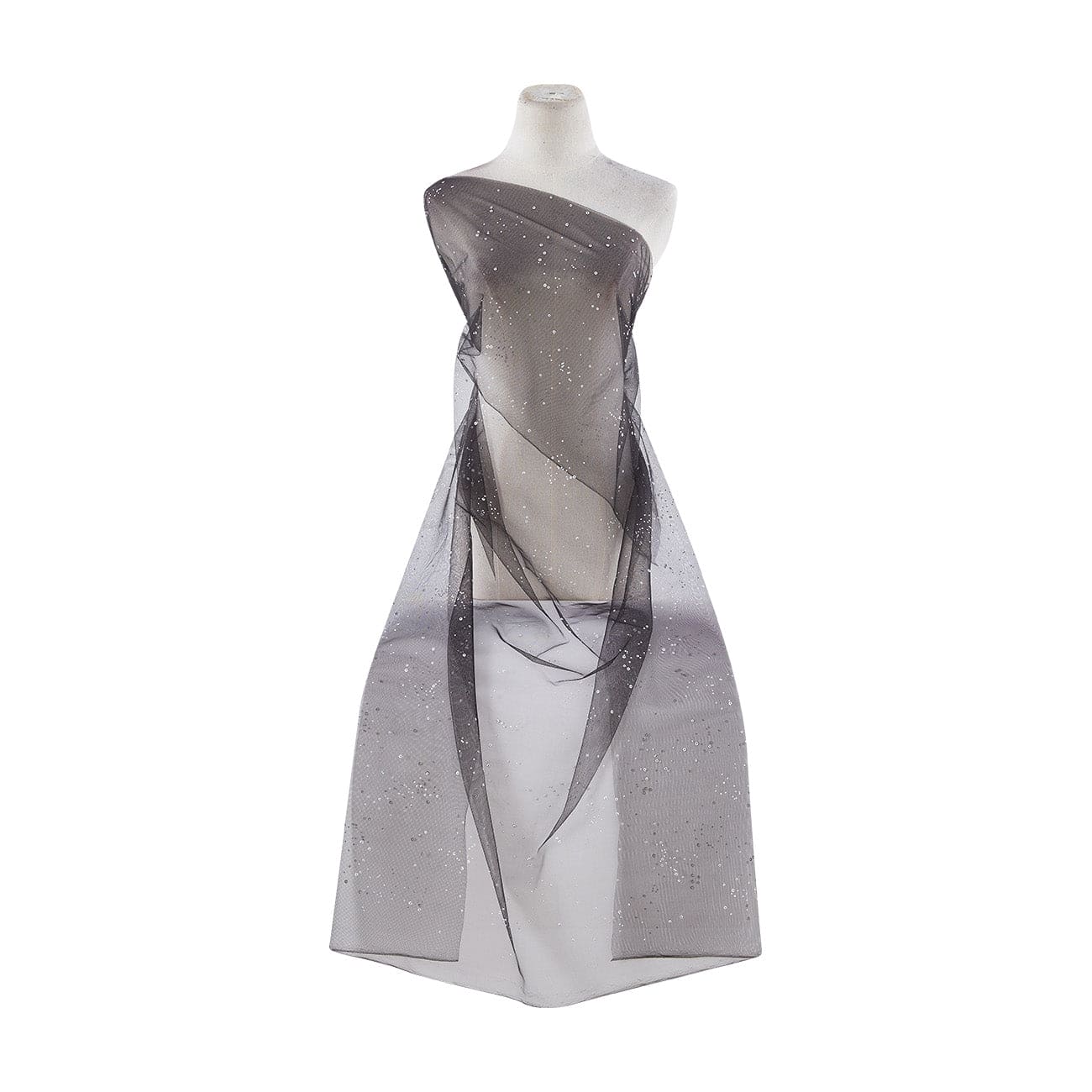
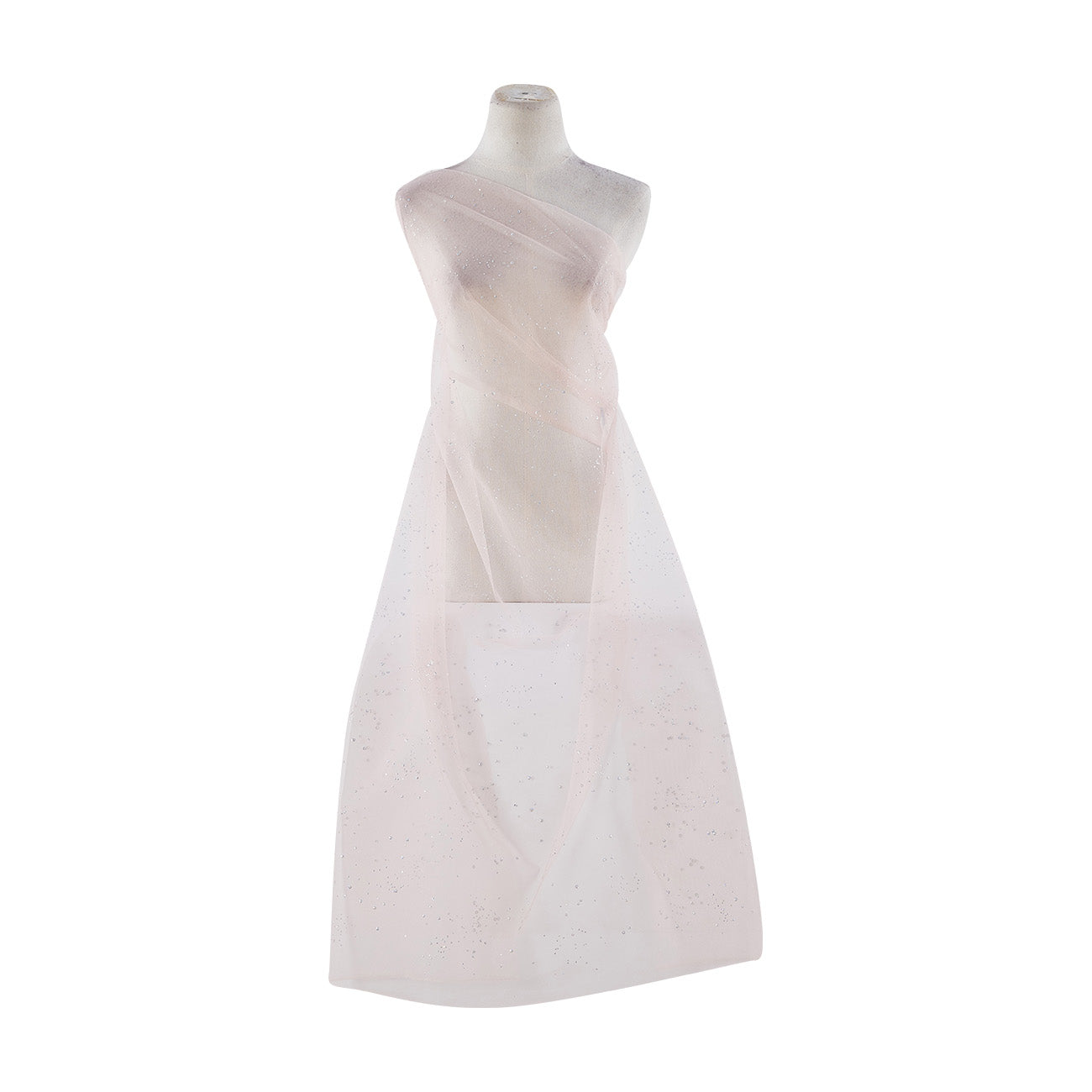
Organza is stiffer than chiffon and holds its shape without lining support, which makes it the preferred choice for dramatic skirts, cathedral trains, and ballgown overlays. Its crisp hand creates volume that reads as structured rather than soft. Organza satin combines the crispness of organza with a satin face finish, adding sheen to the structure. This is a useful option when both body and visual depth are needed in a skirt or overlay.
Tulle
Tulle is the classic underskirt fabric for ballgowns and full A-line silhouettes. Soft tulle is used for veils and floaty overlays, while stiffer tulle provides the structural volume that holds a skirt away from the body. Like chiffon, tulle is almost always used in multiple layers, since a full ballgown underskirt may require eight to twelve layers to achieve the desired silhouette. Tulle is lightweight enough that this layering does not add significant weight to the finished gown.
Lace: Chantilly, Corded, and Embroidered
Lace is rarely used as the sole fabric for a wedding dress, as it’s typically layered over a satin or crepe base. The type of lace changes the character of the finished gown.
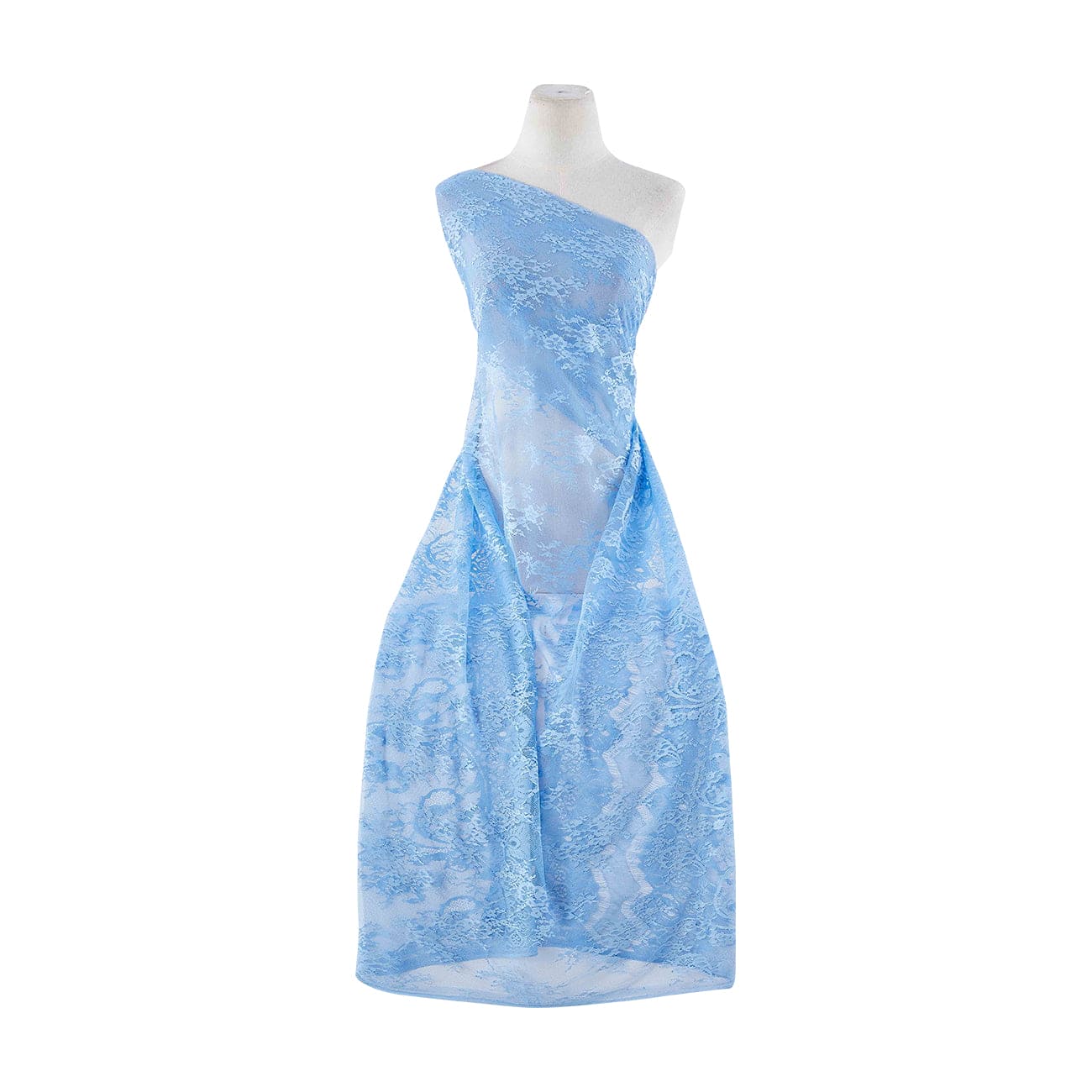
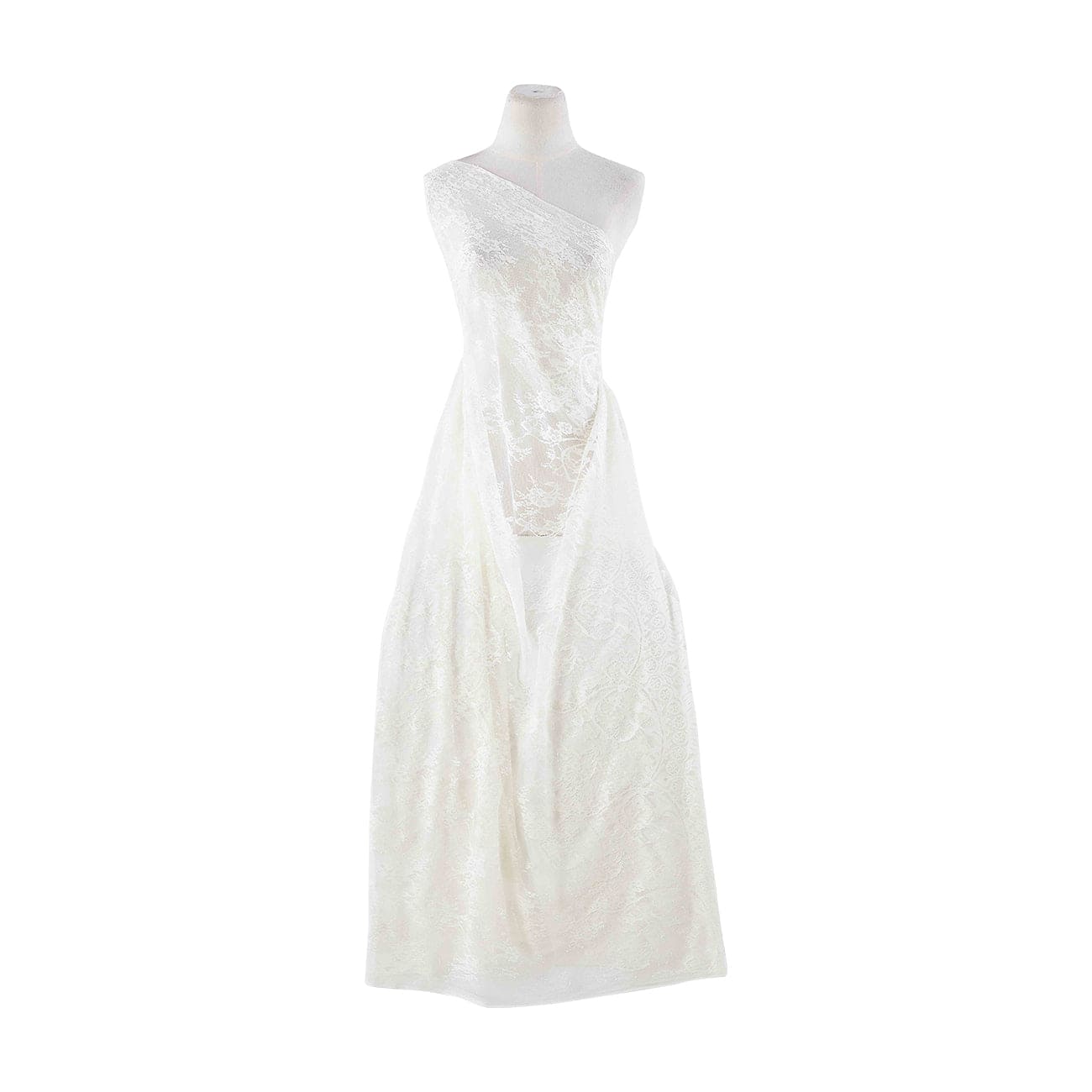
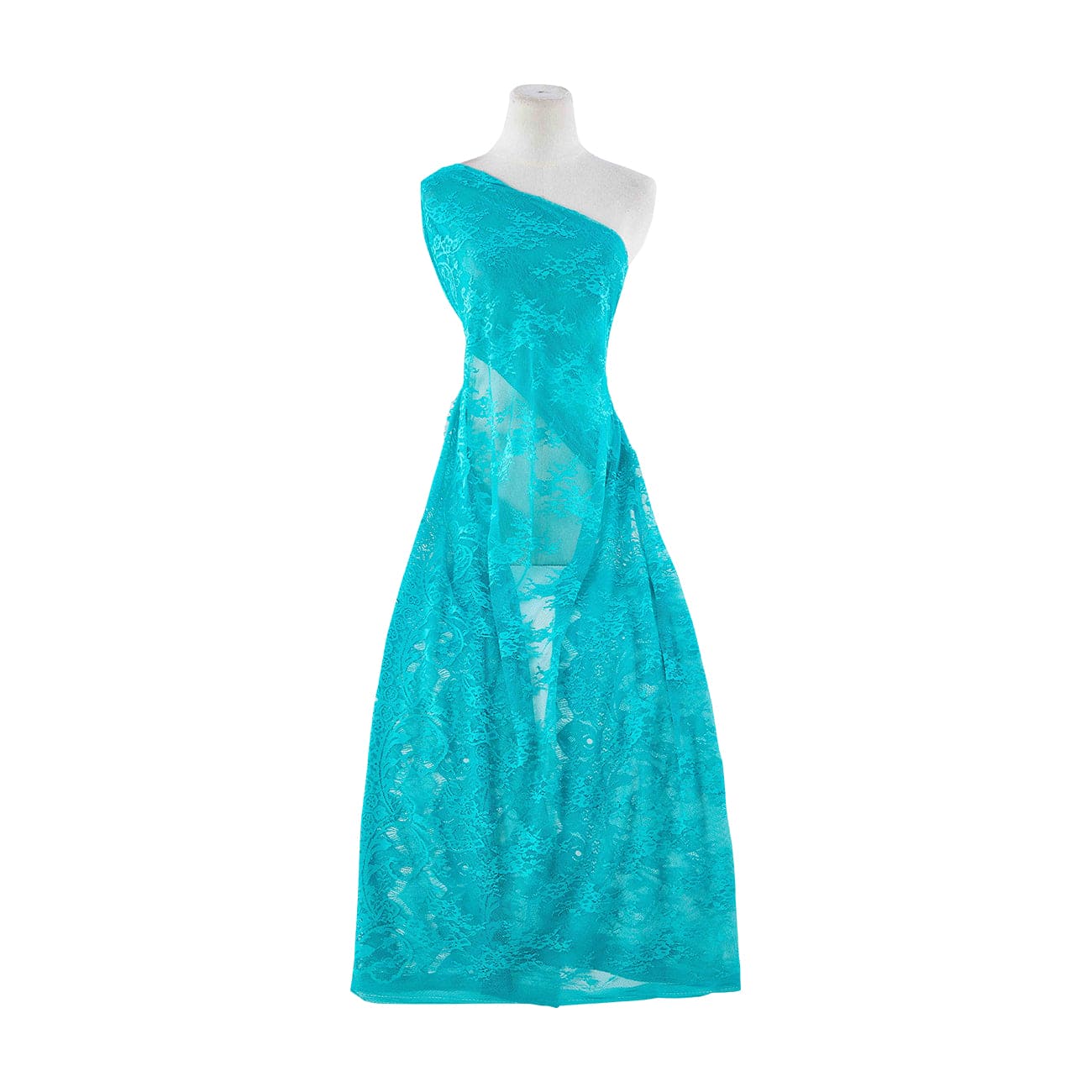
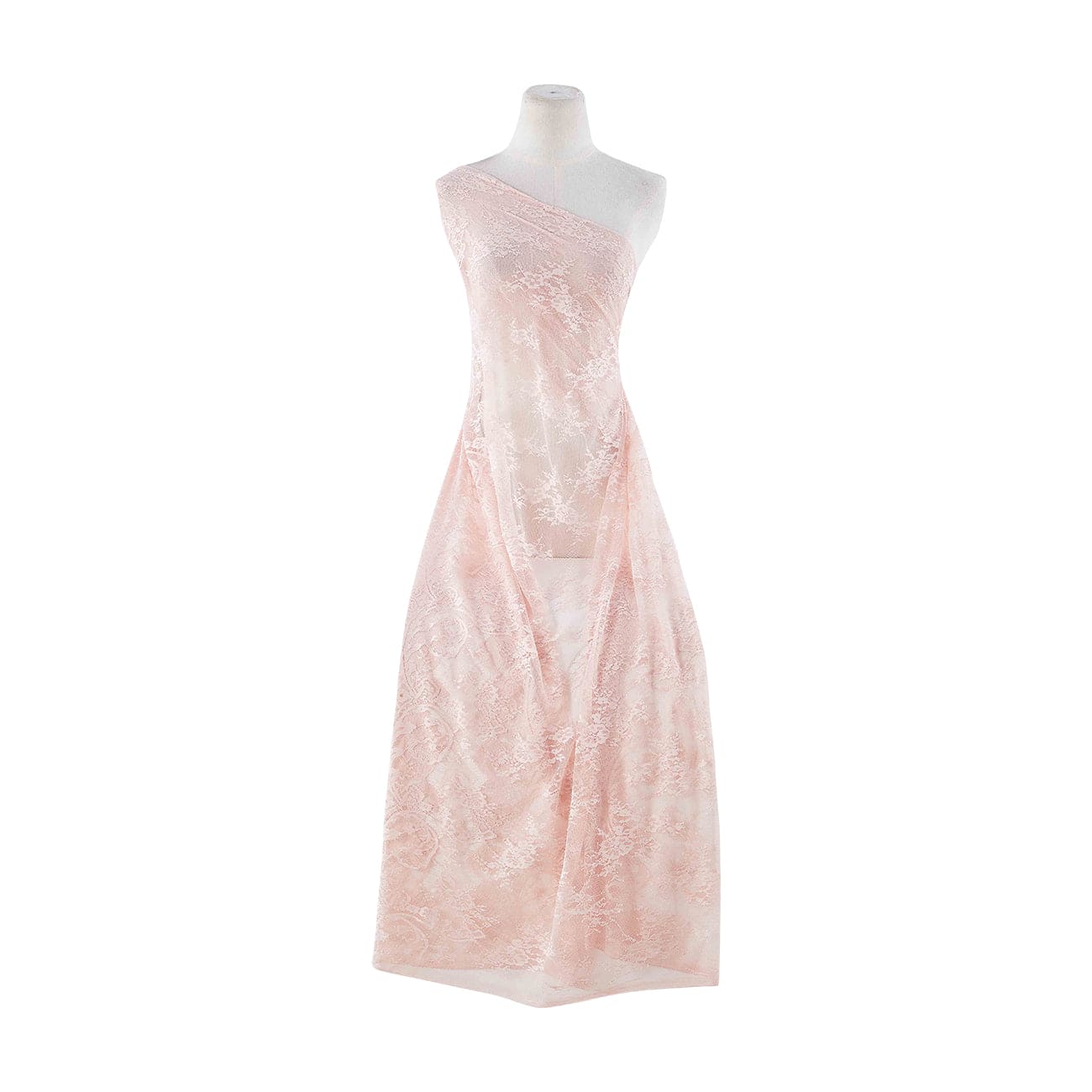
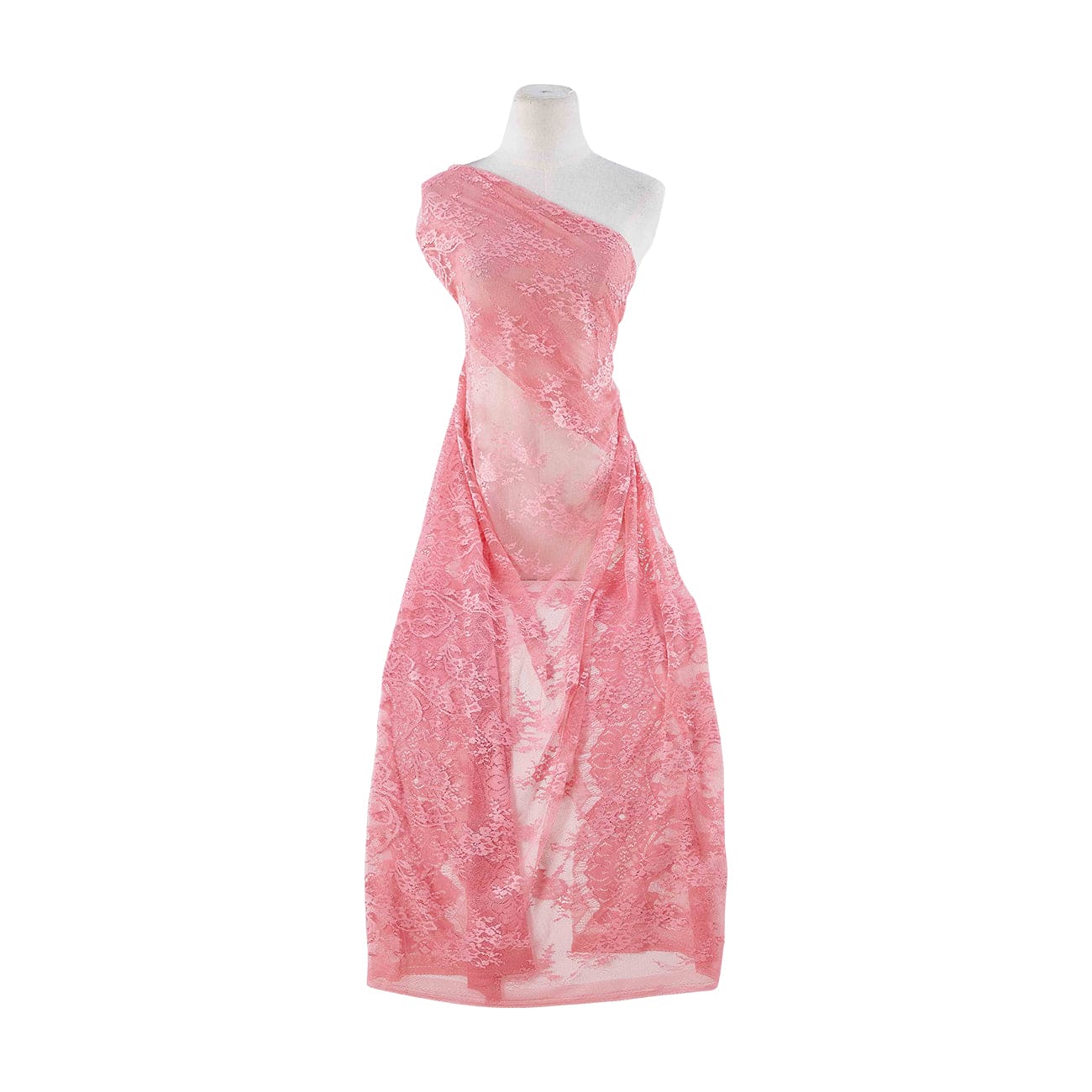
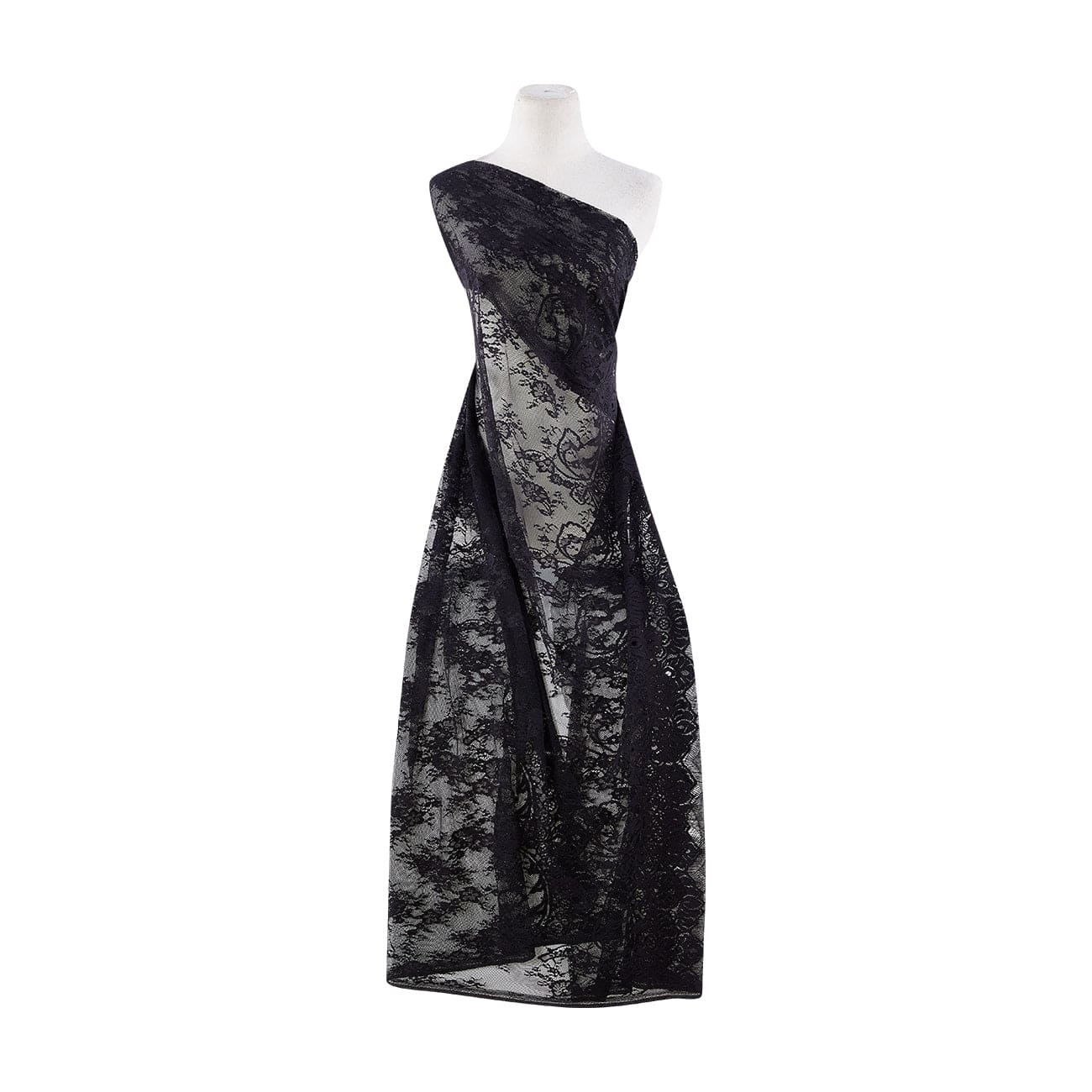
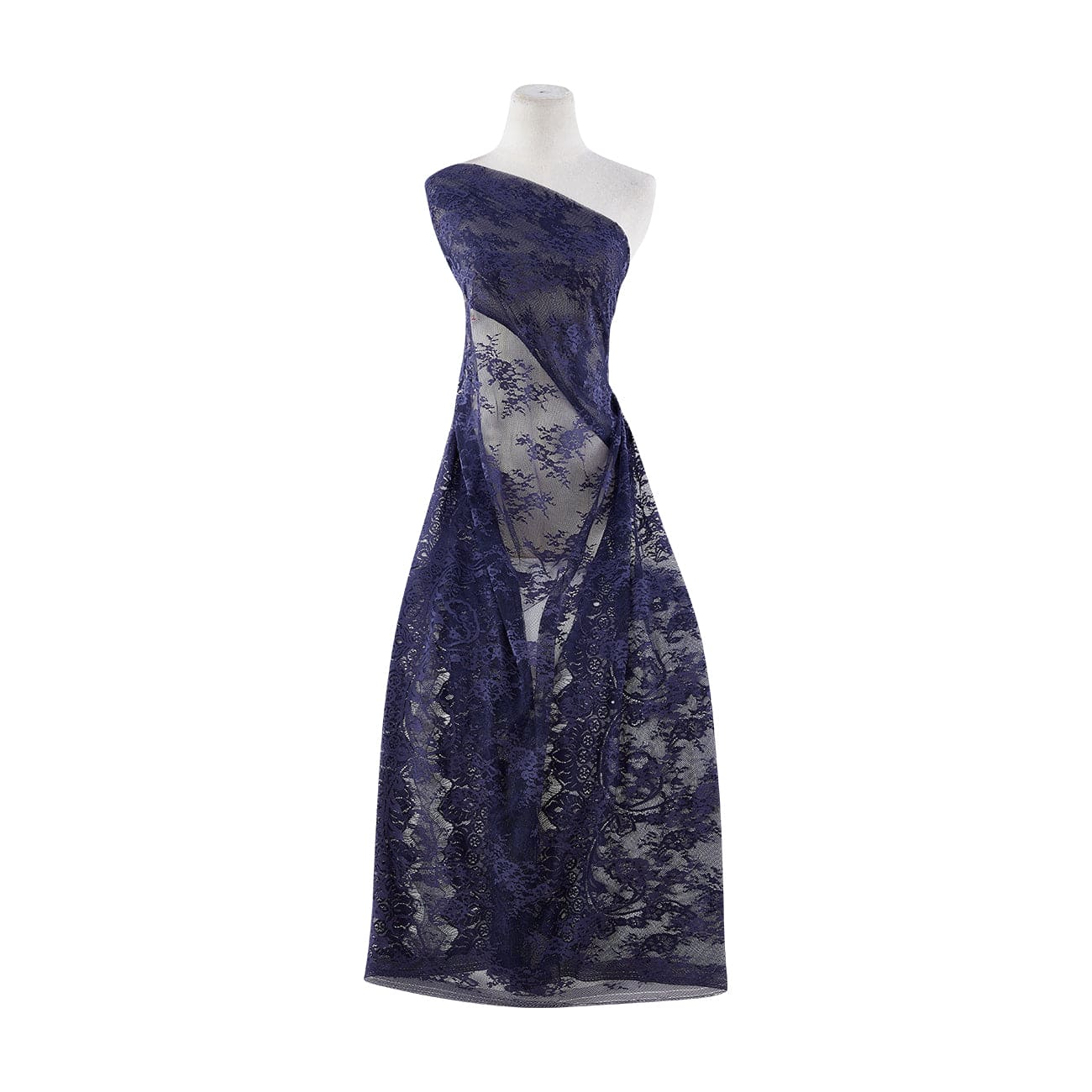
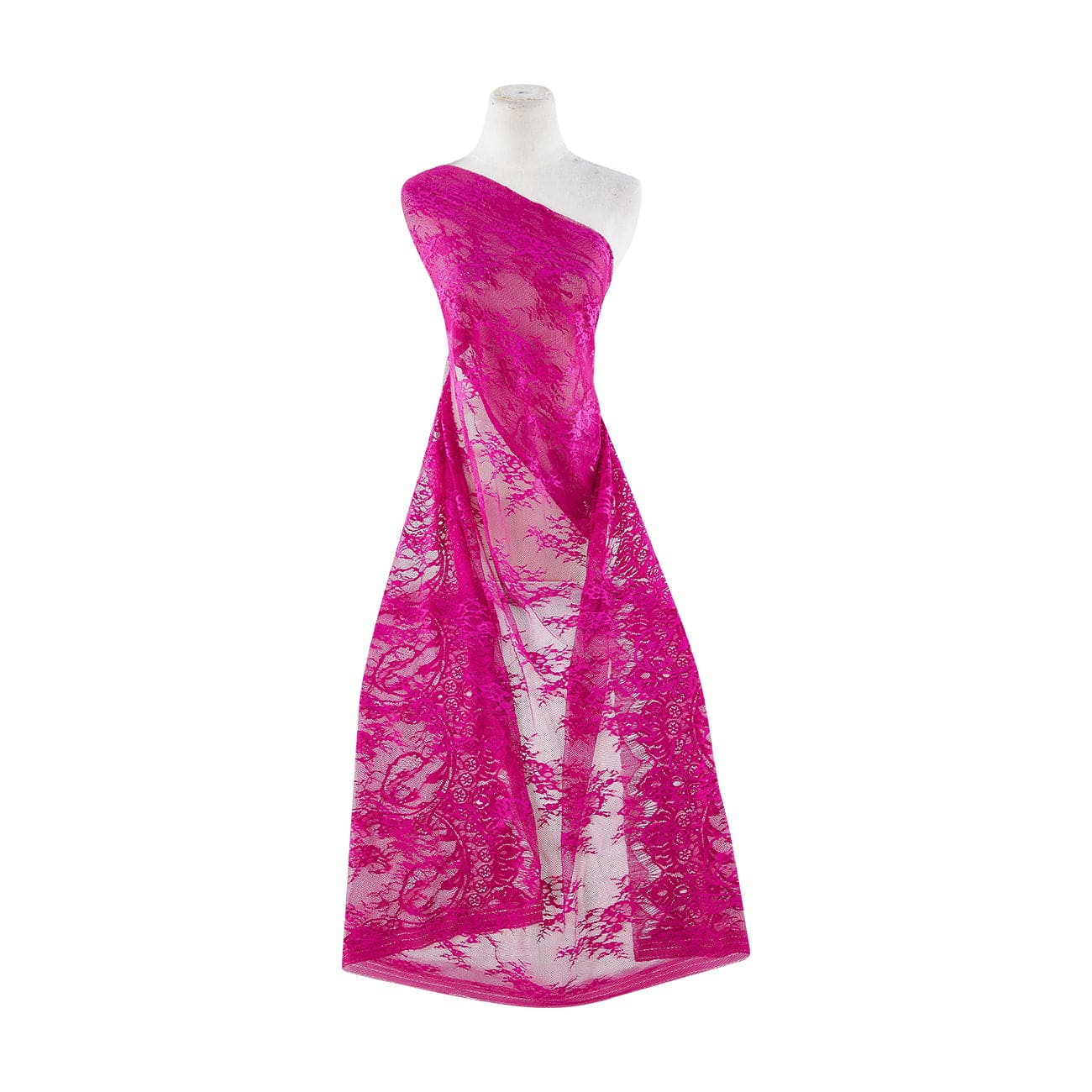
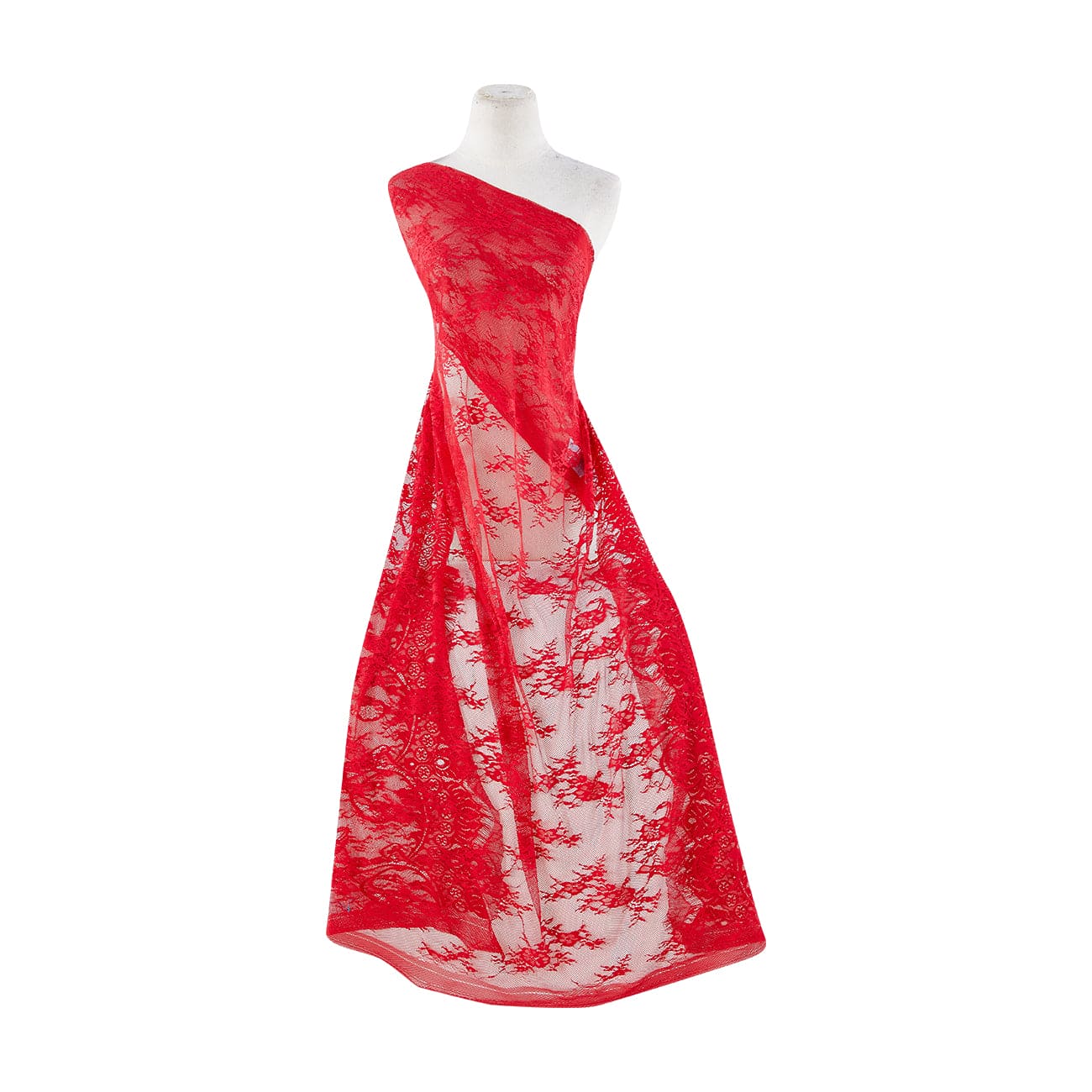
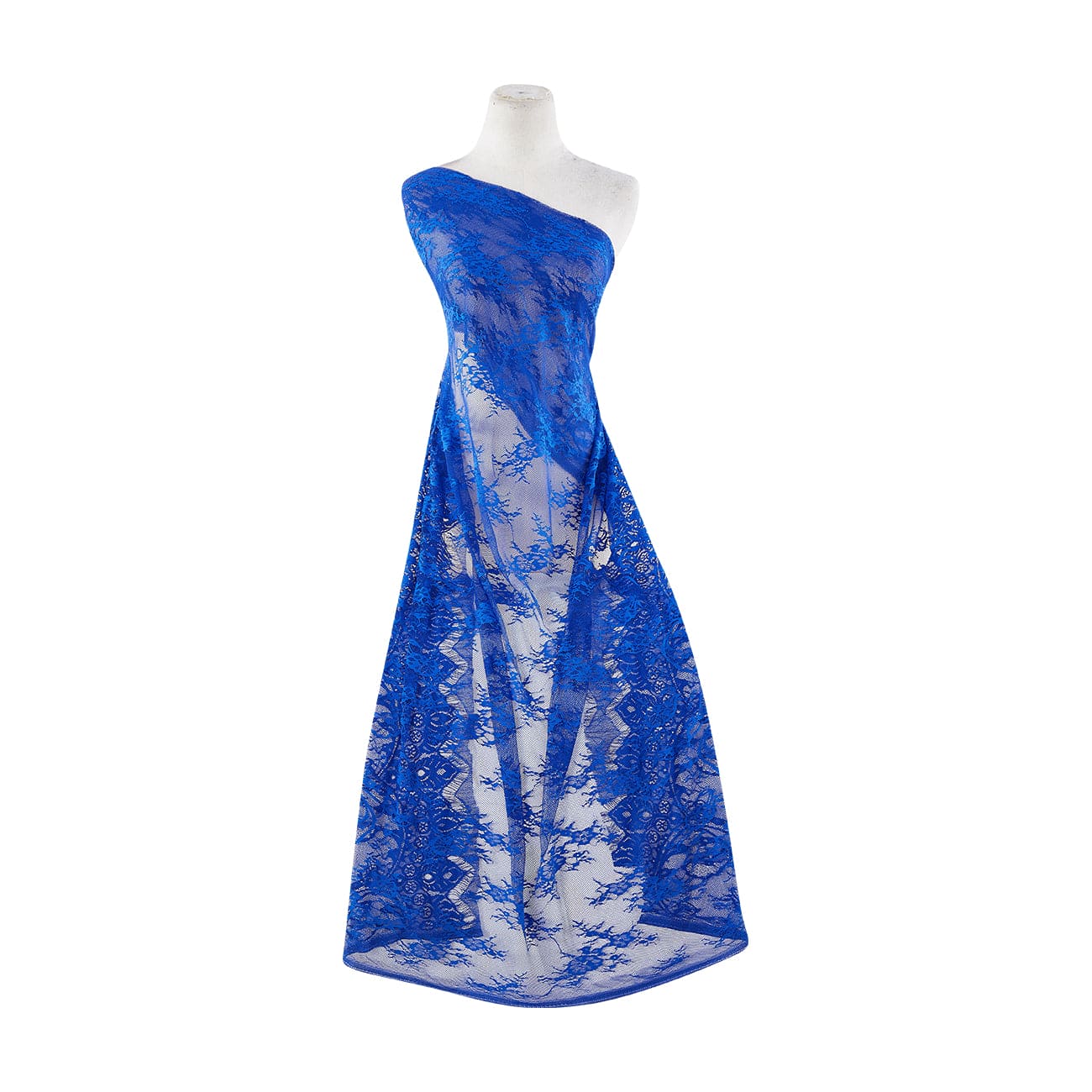
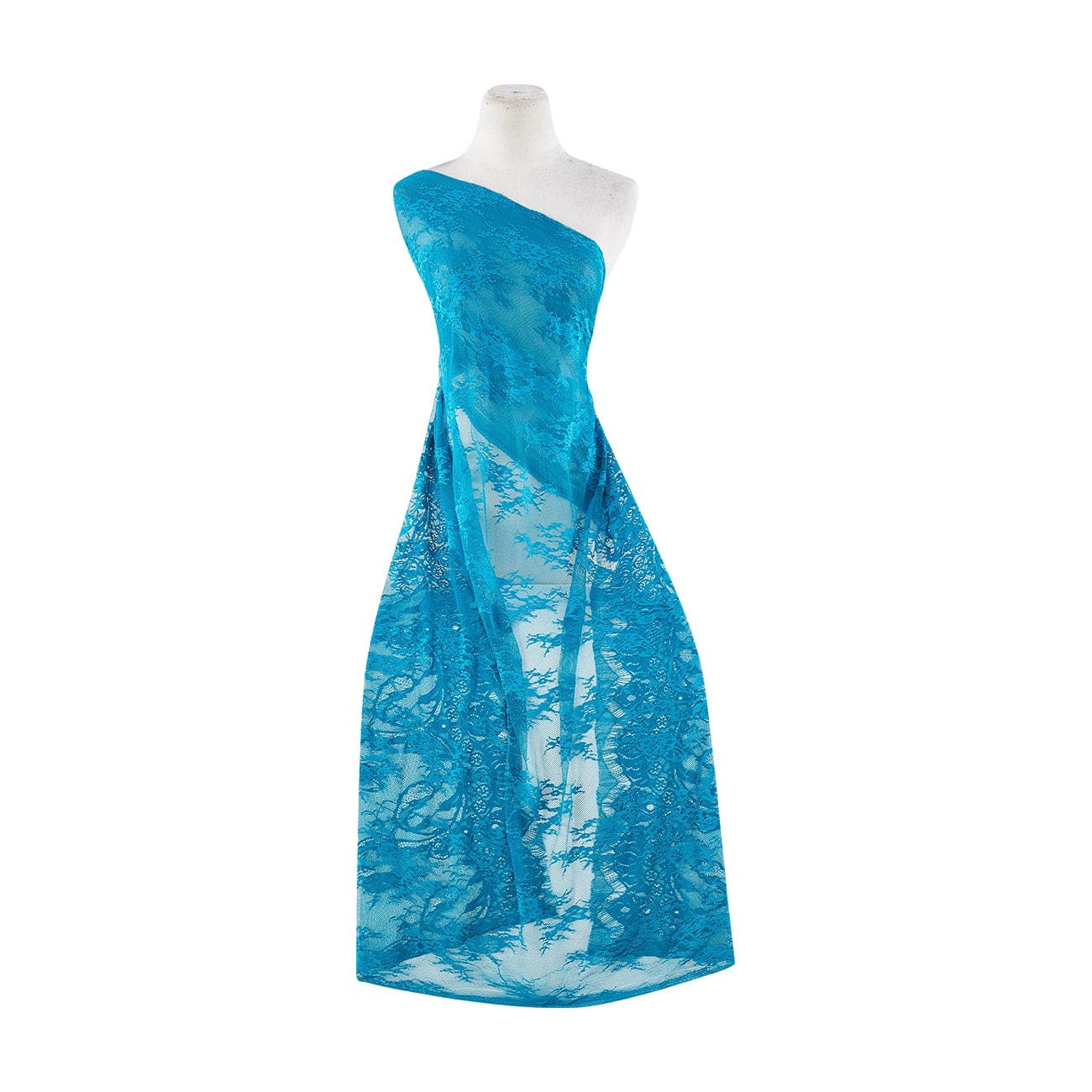
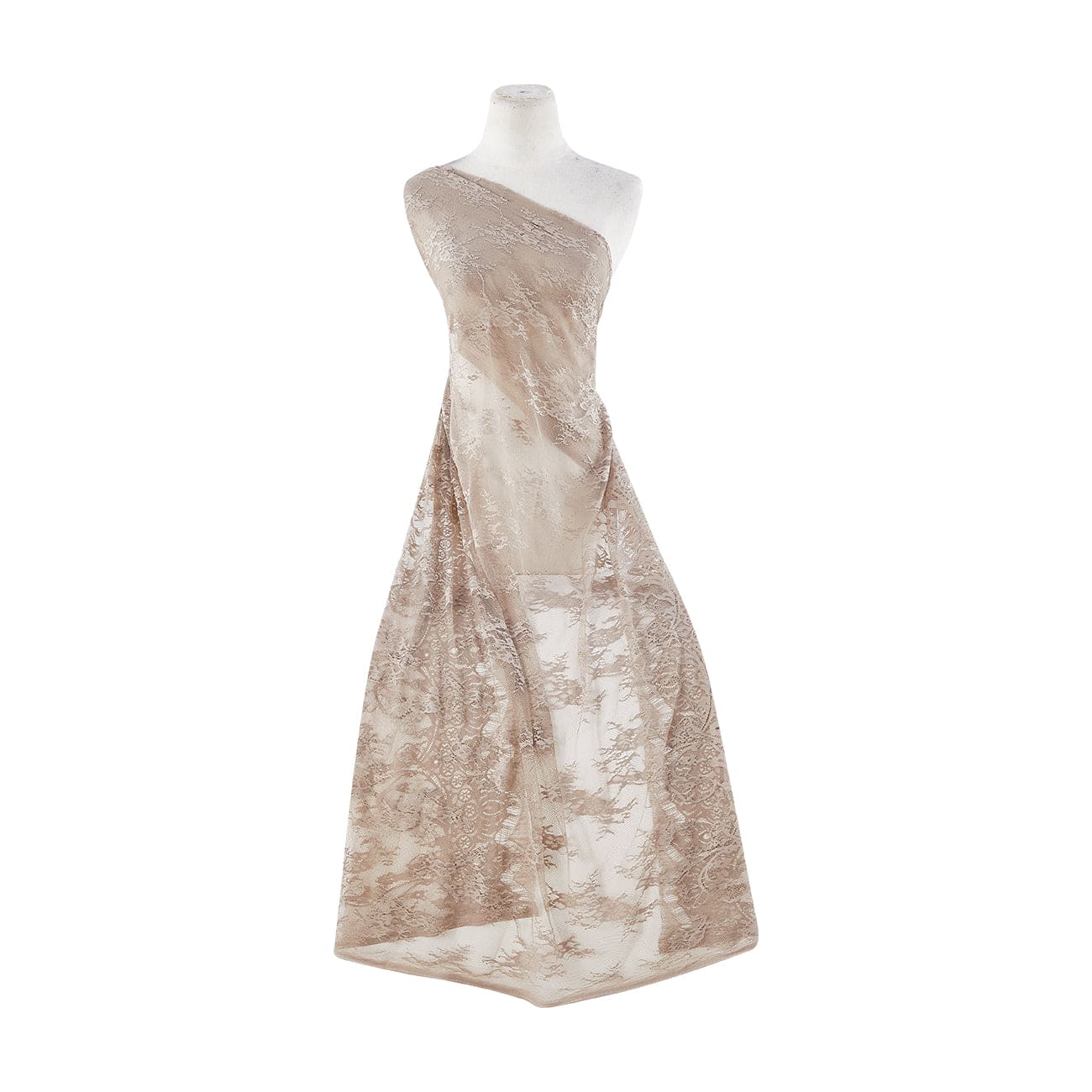
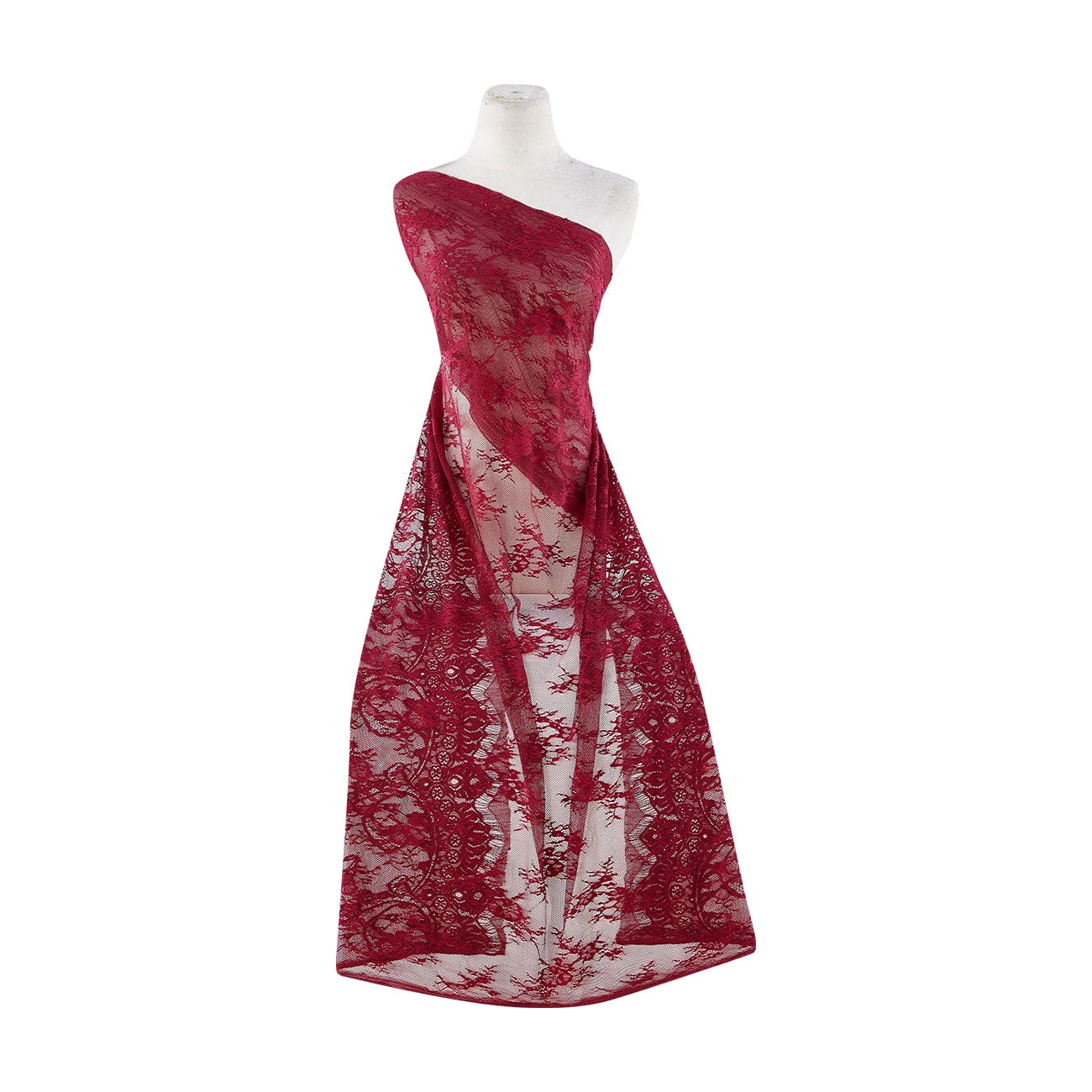
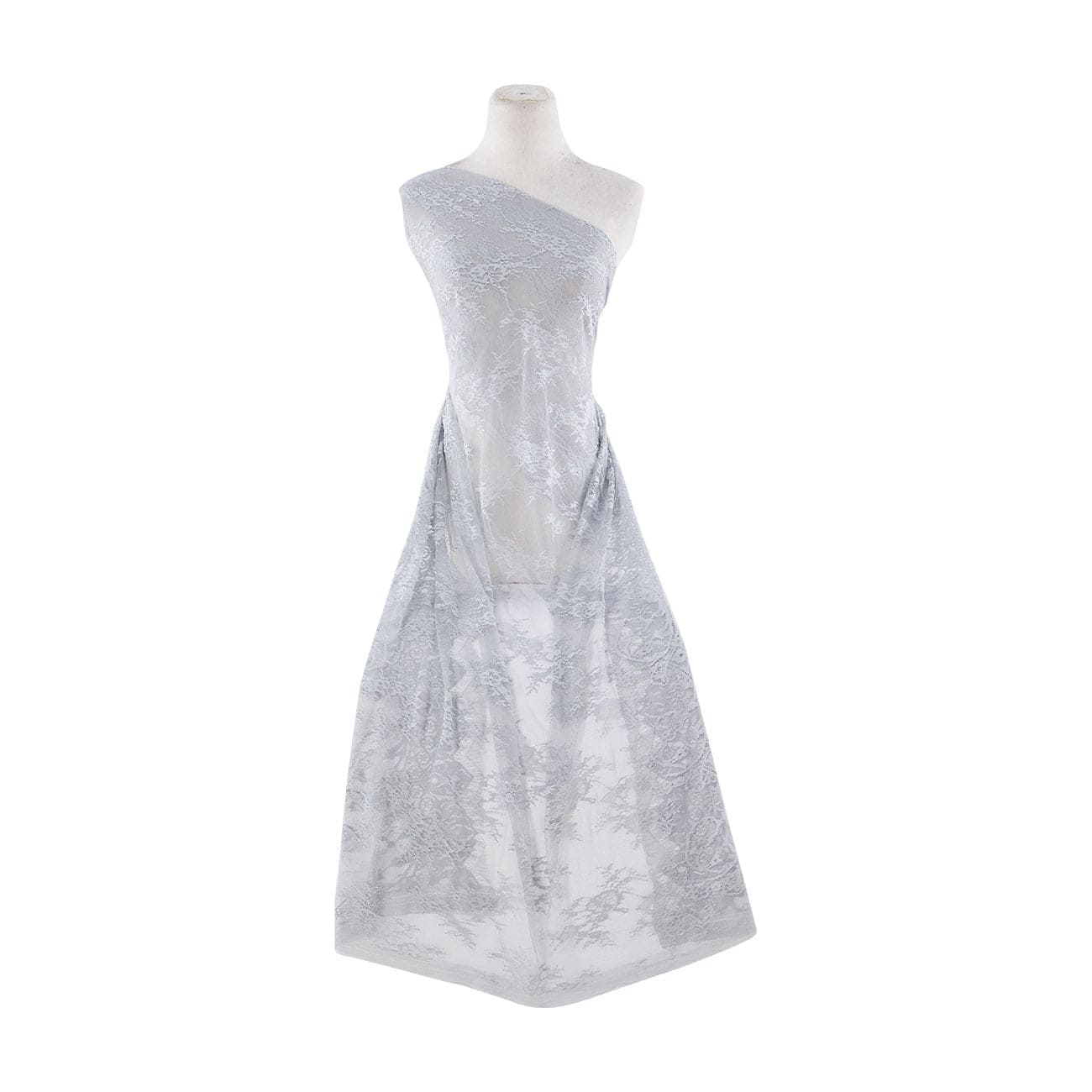
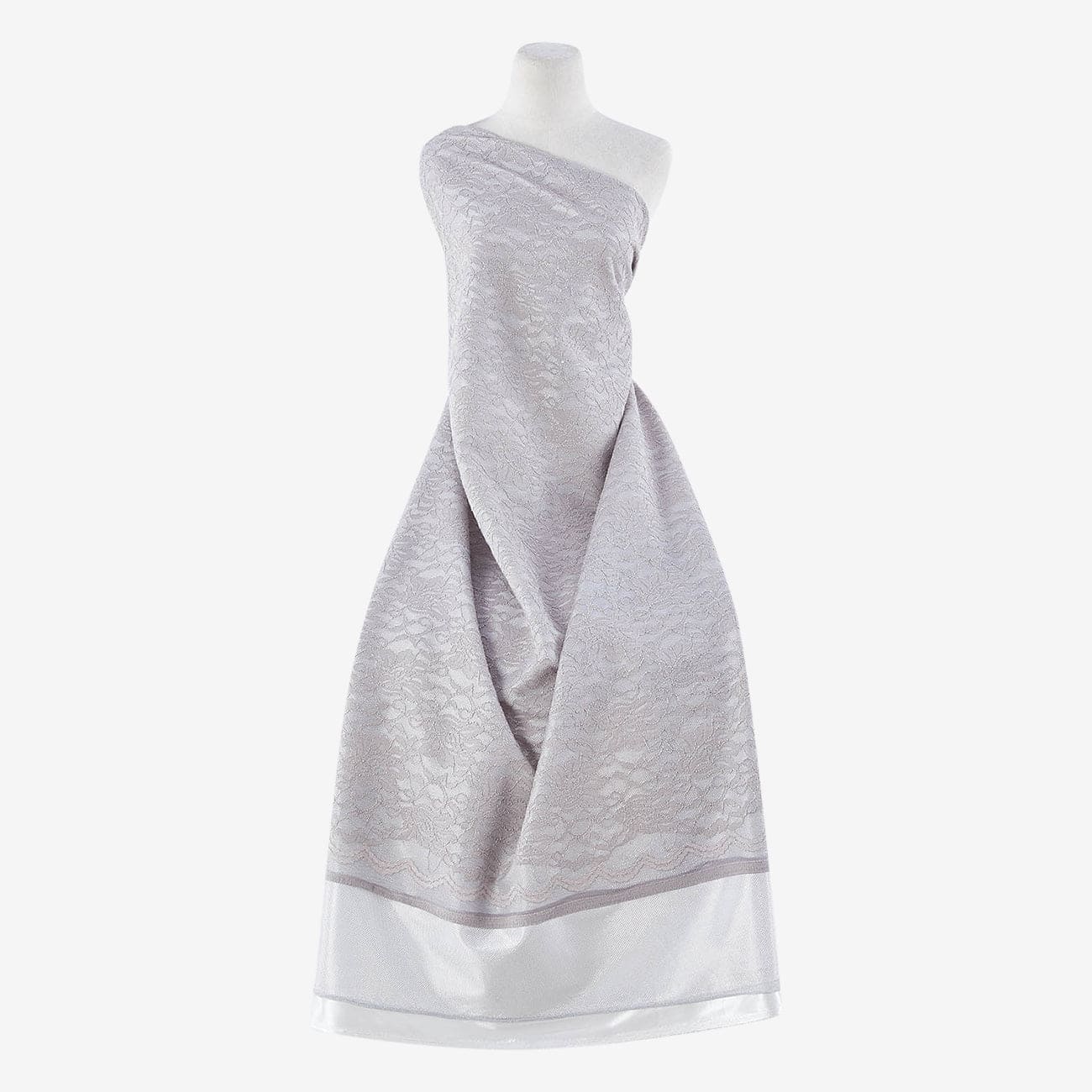
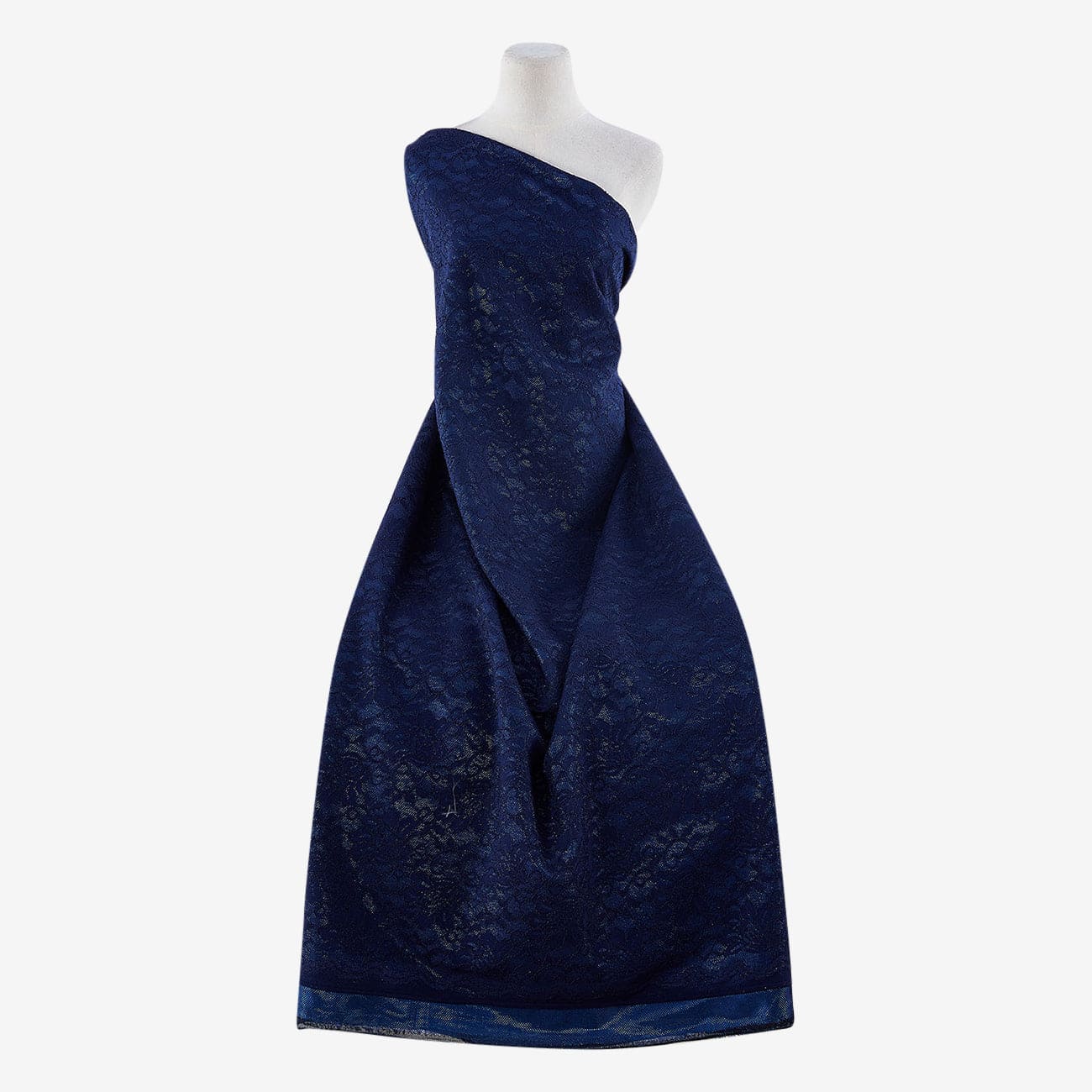
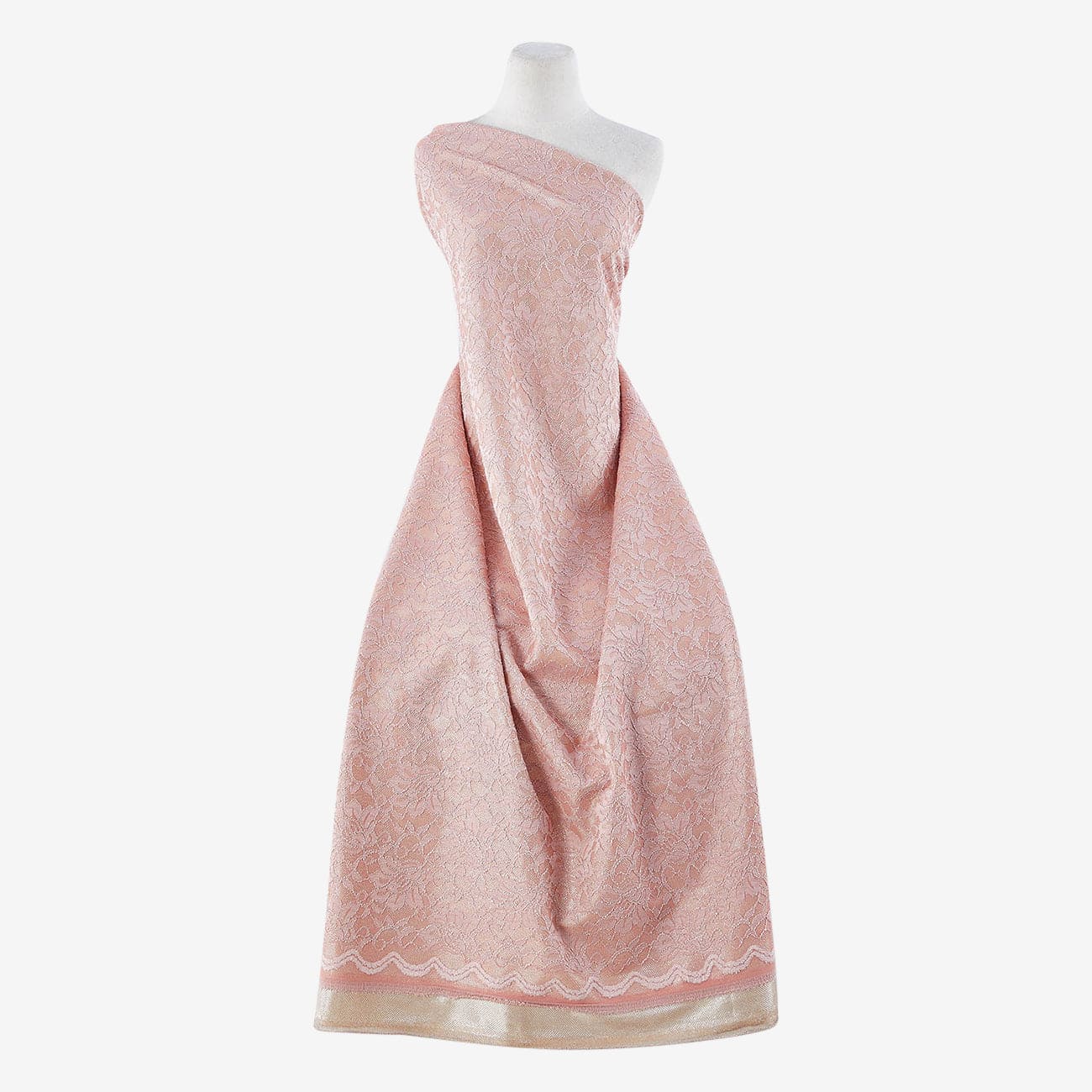
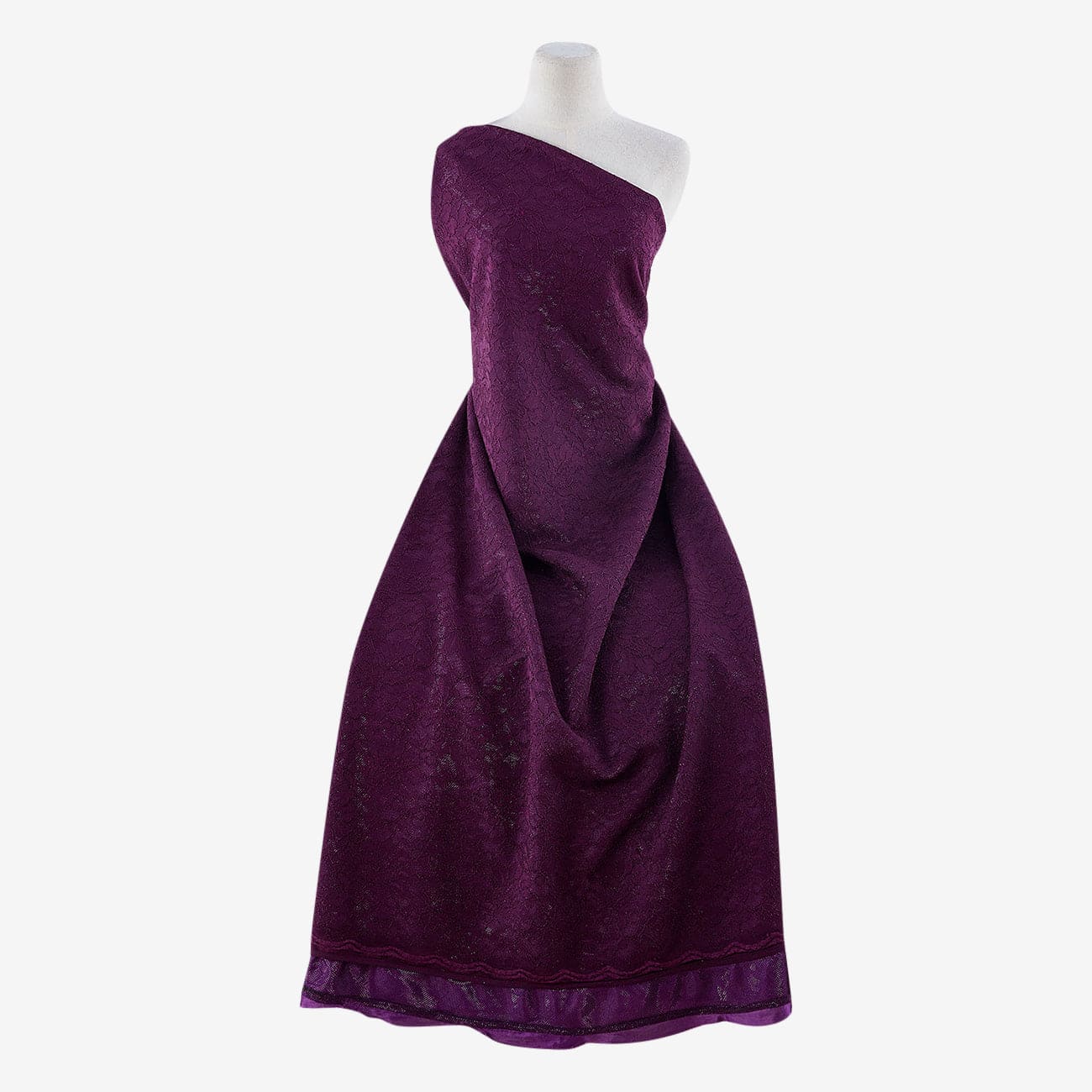
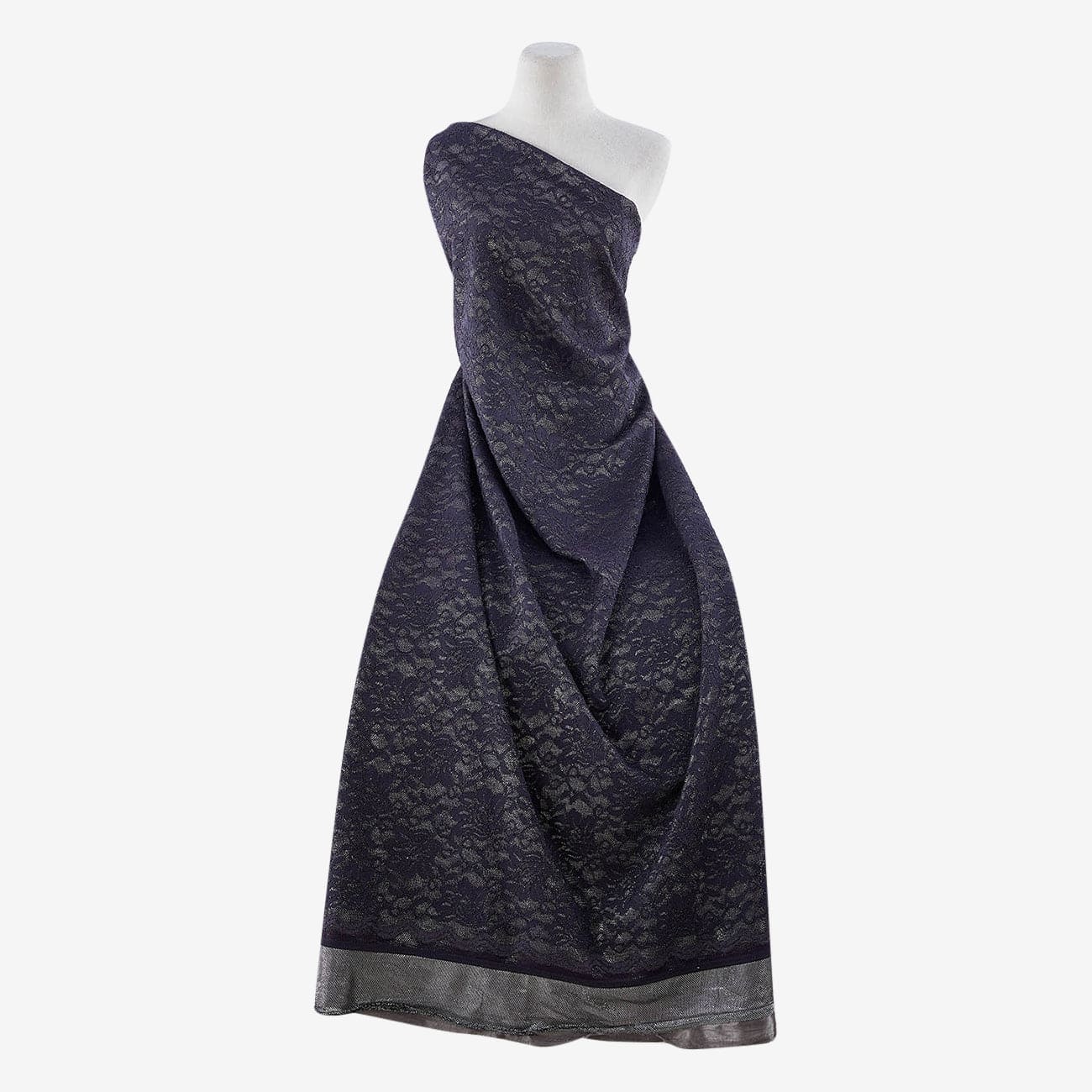
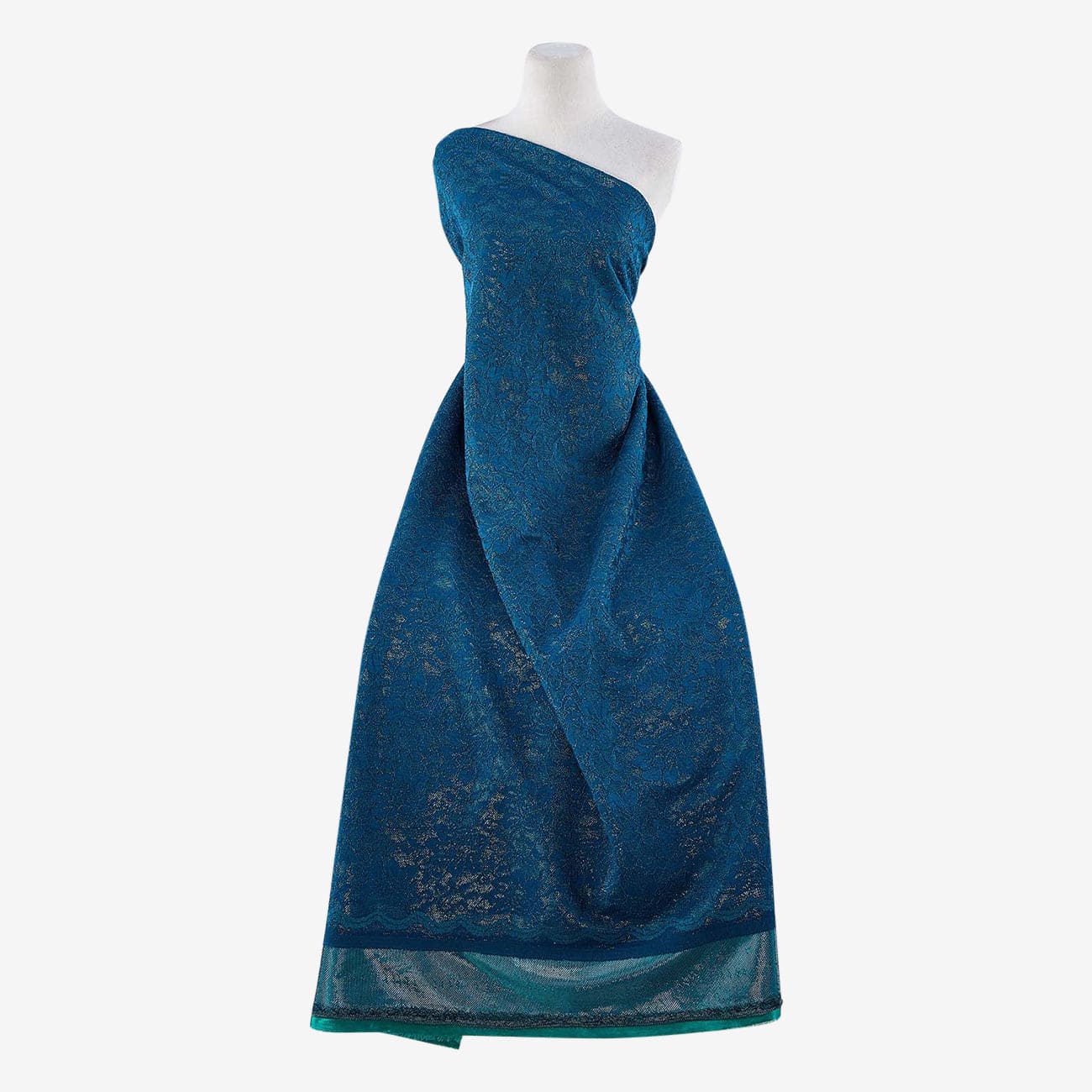
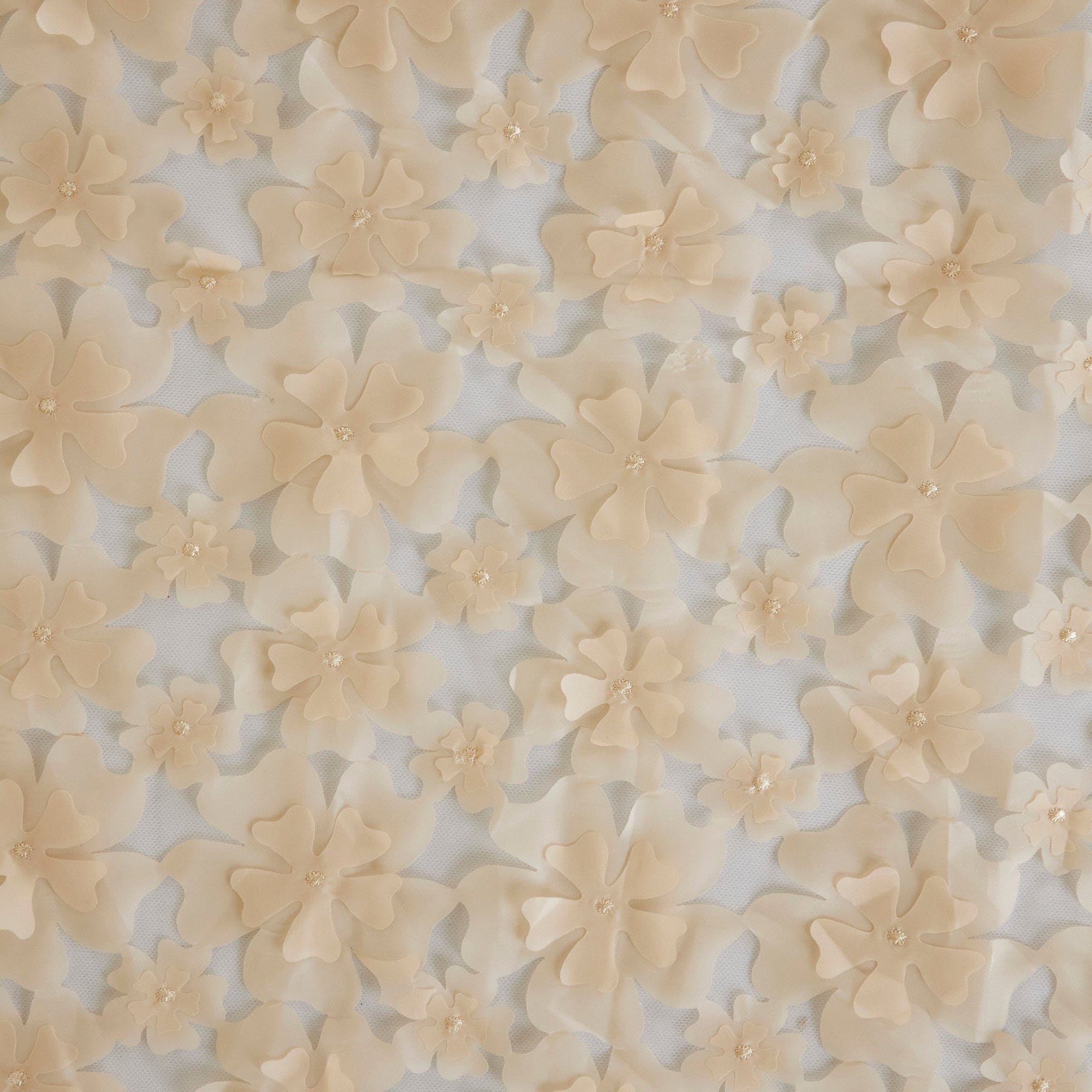
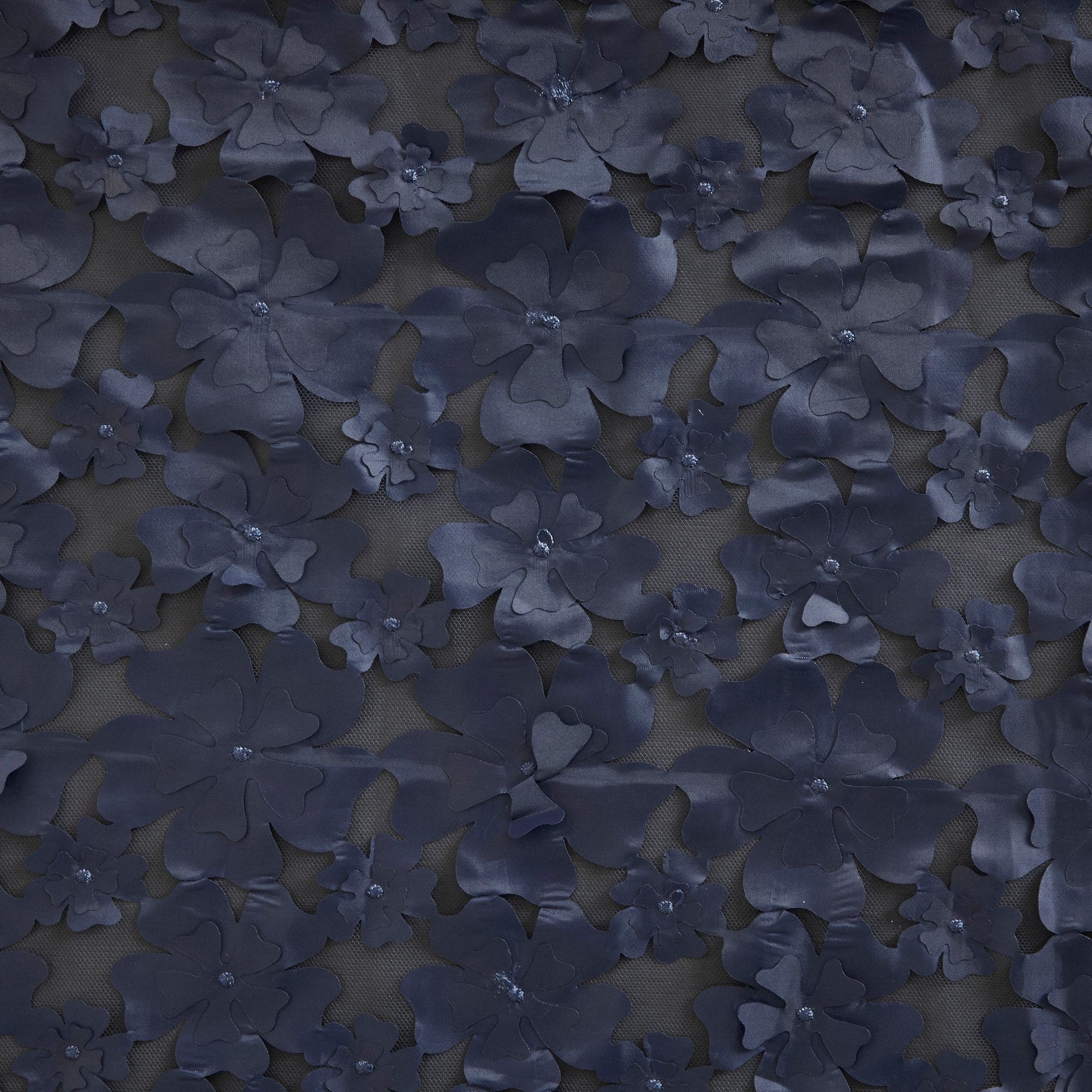
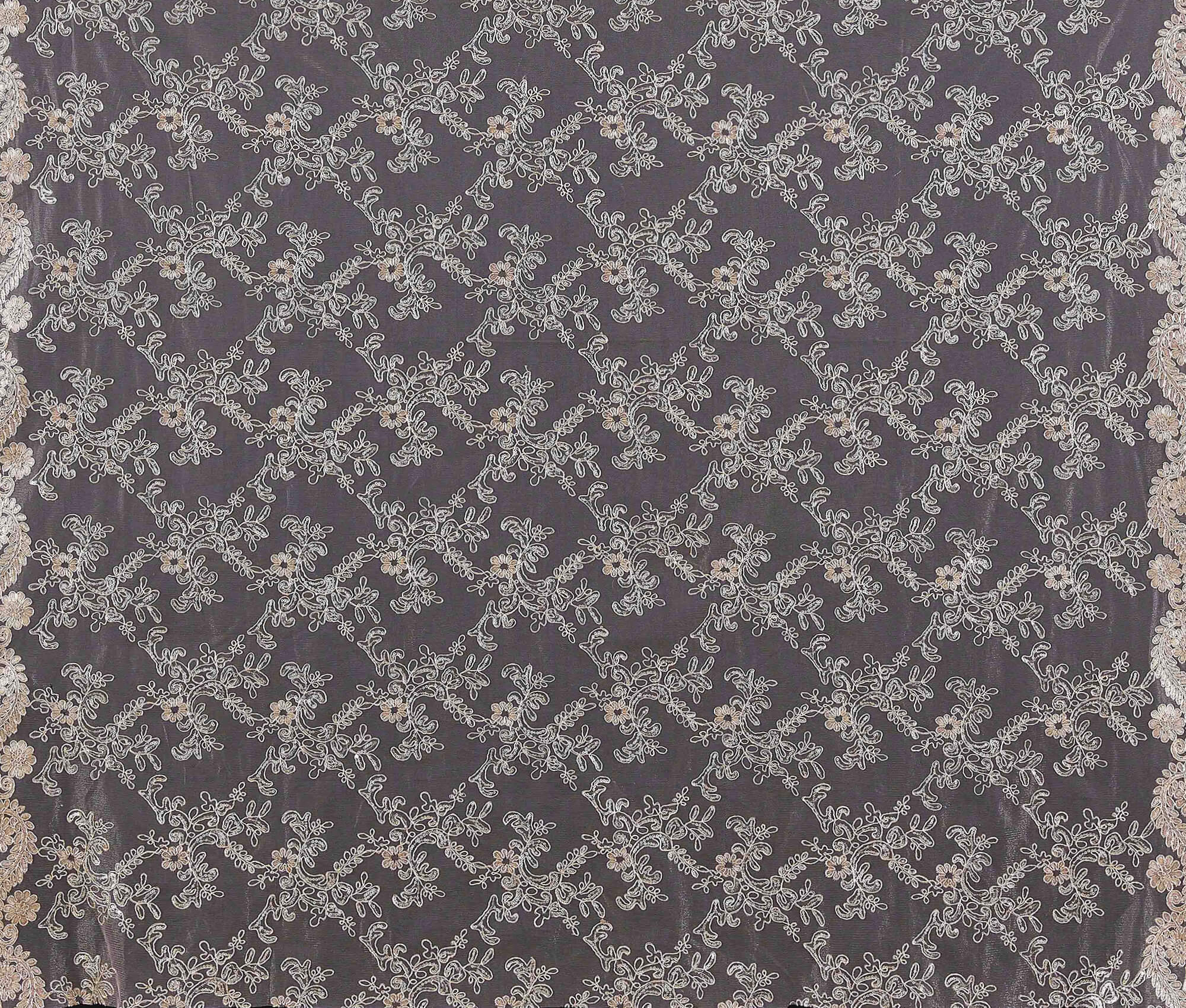
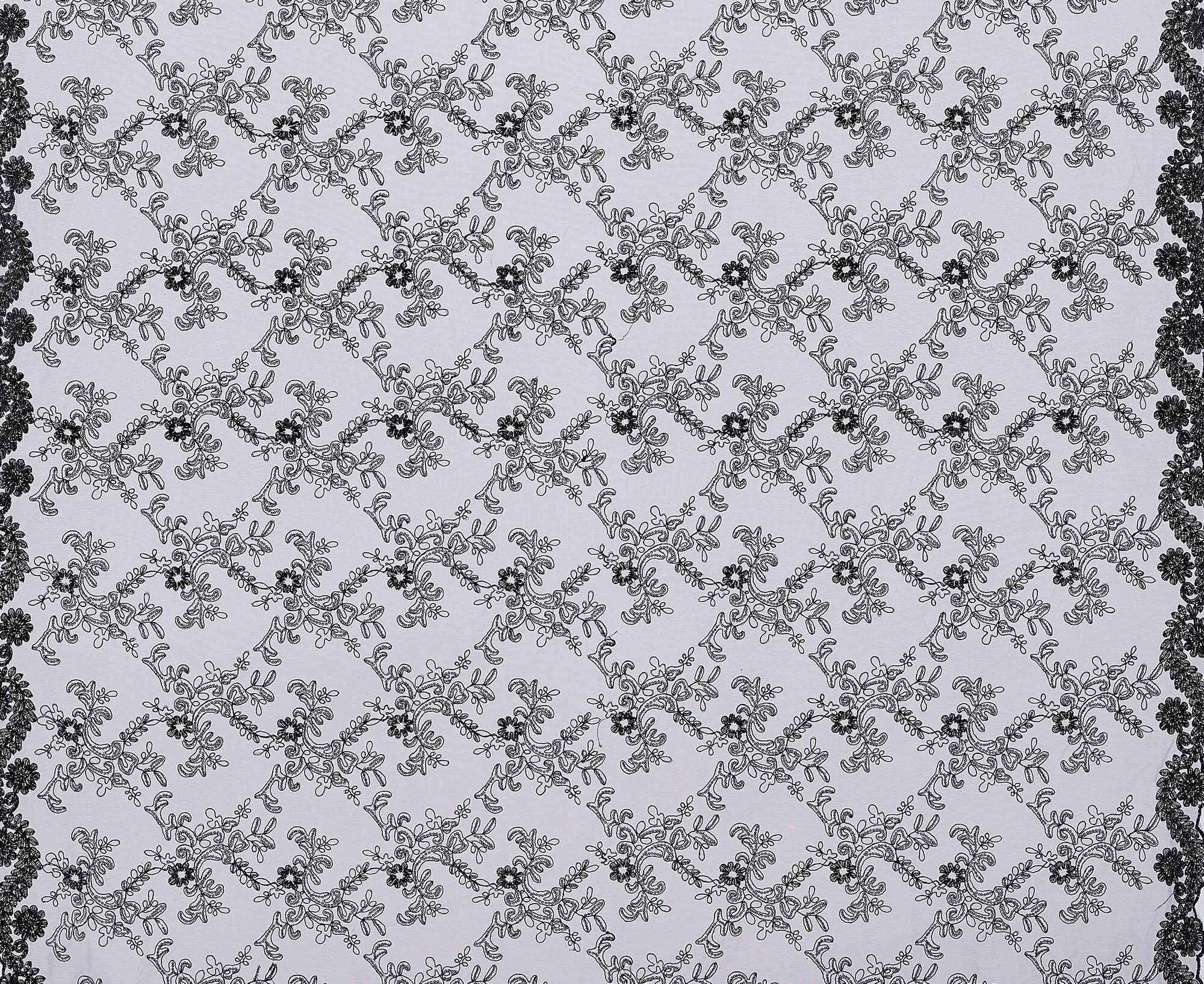
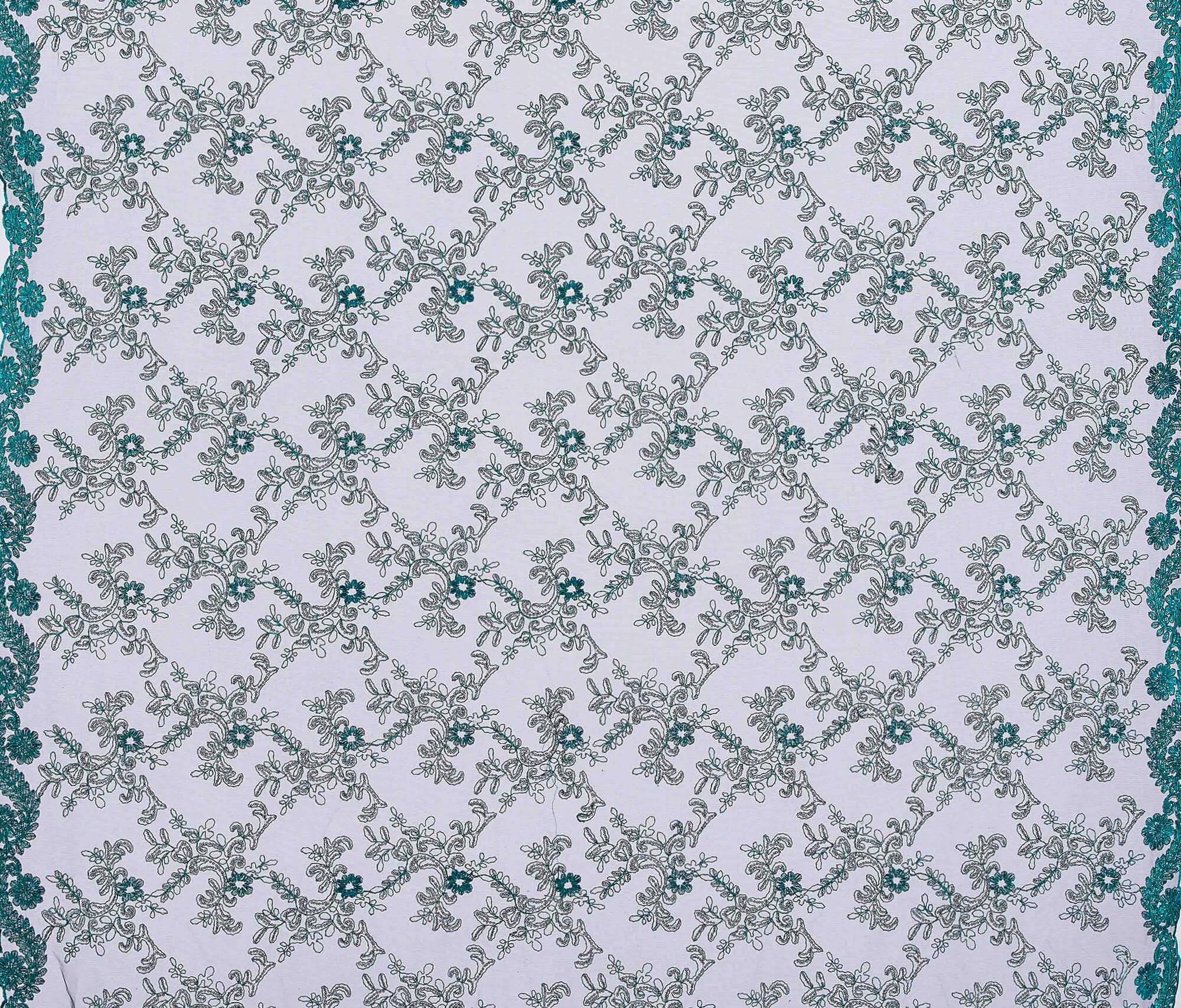
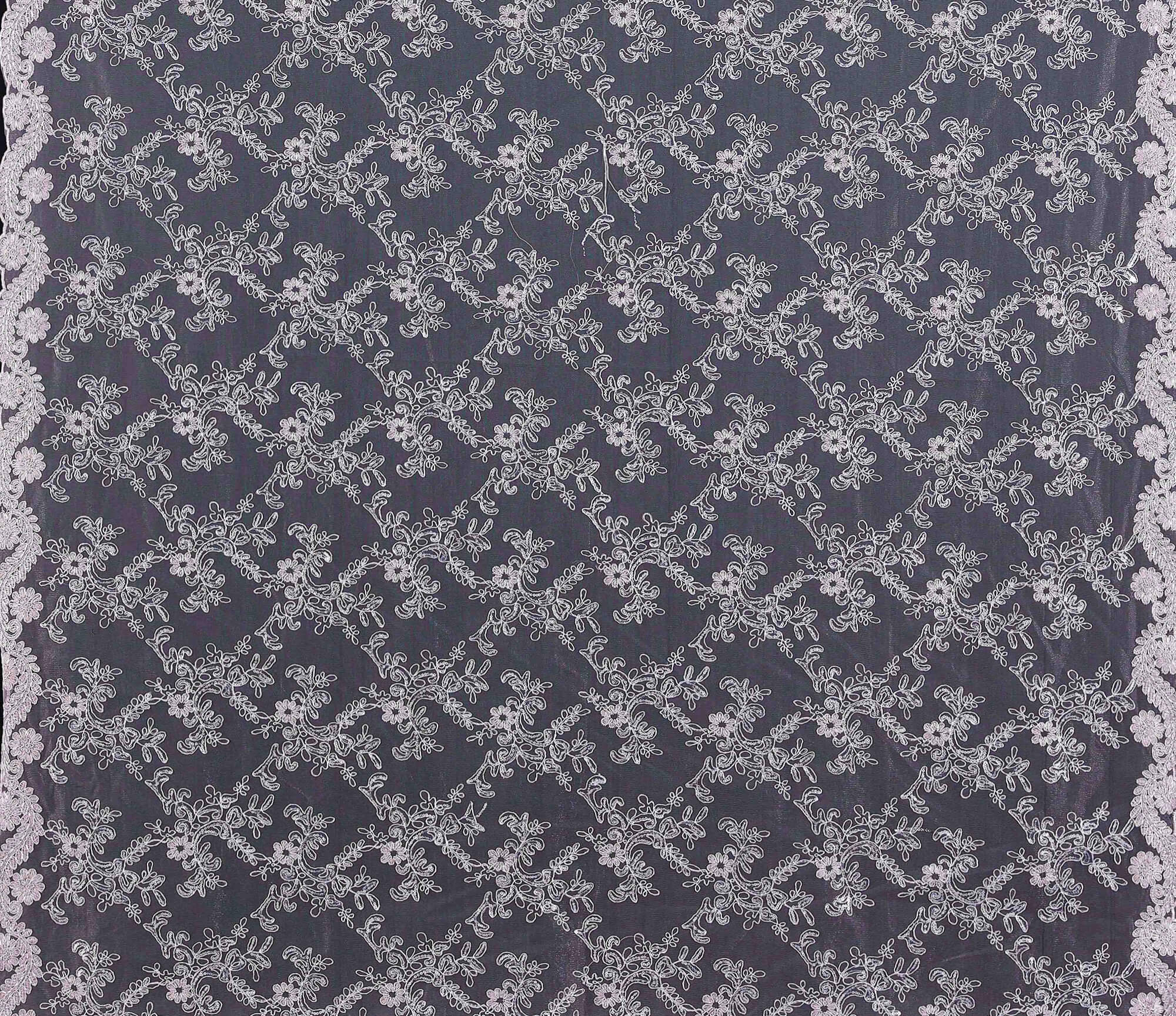
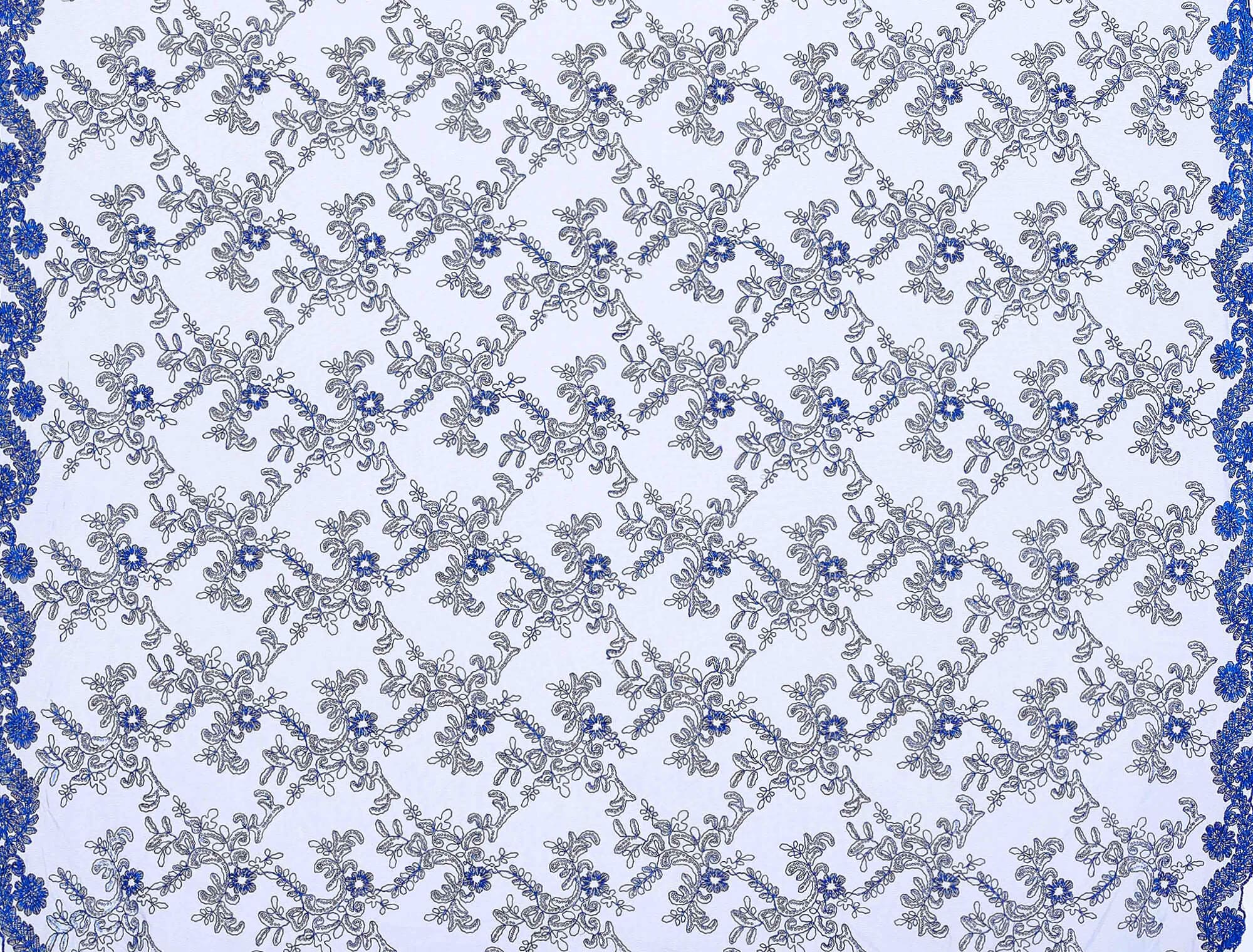
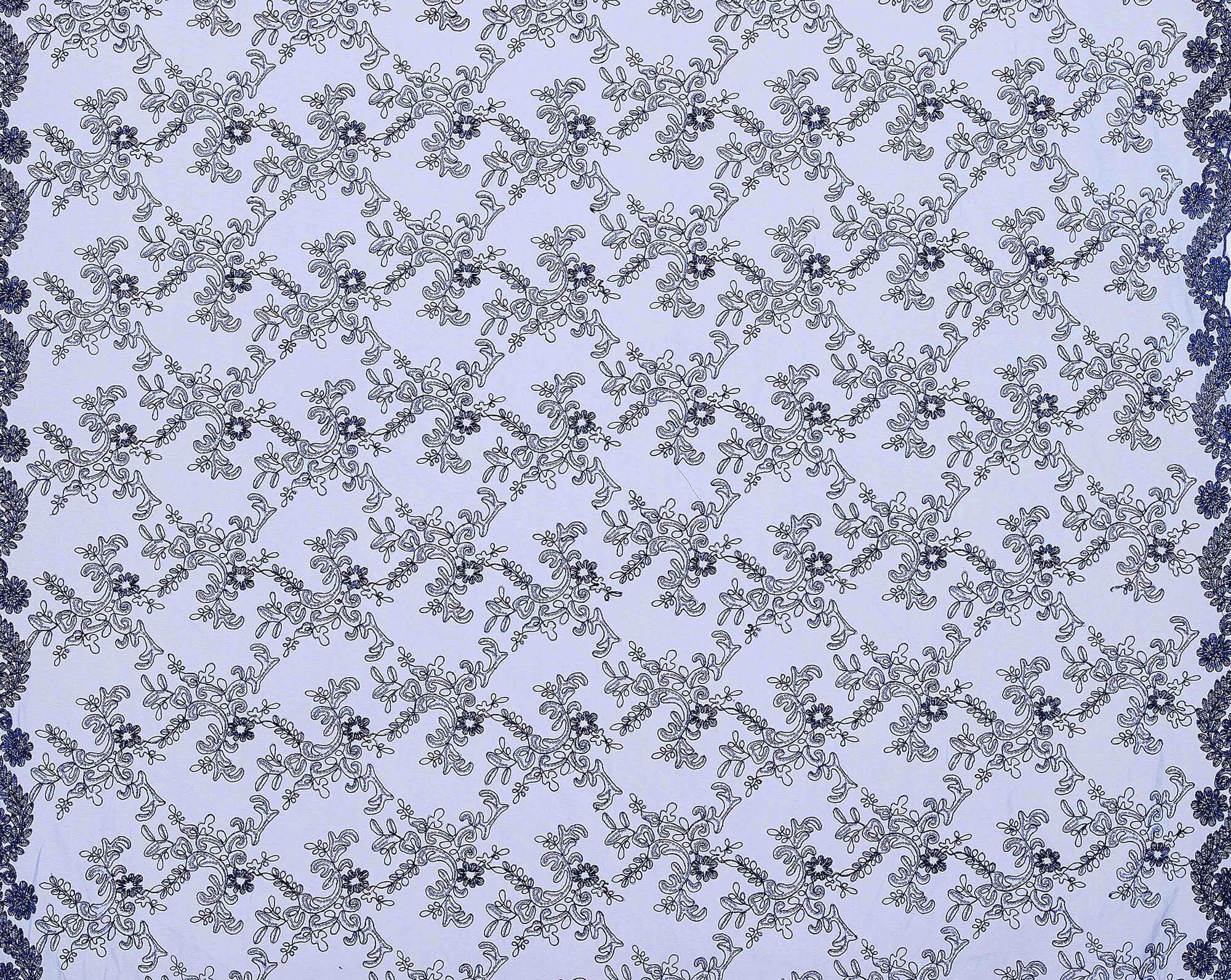
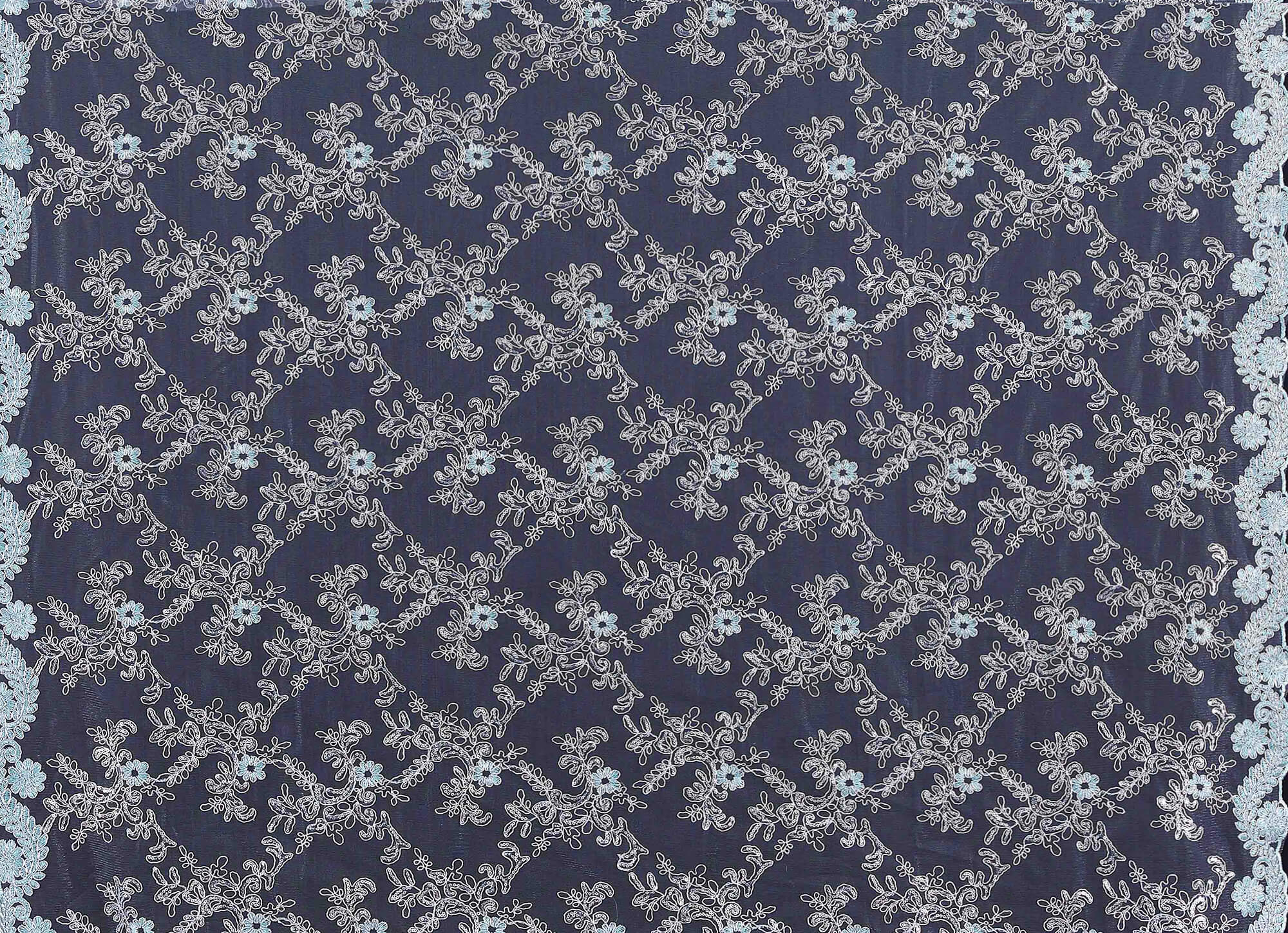
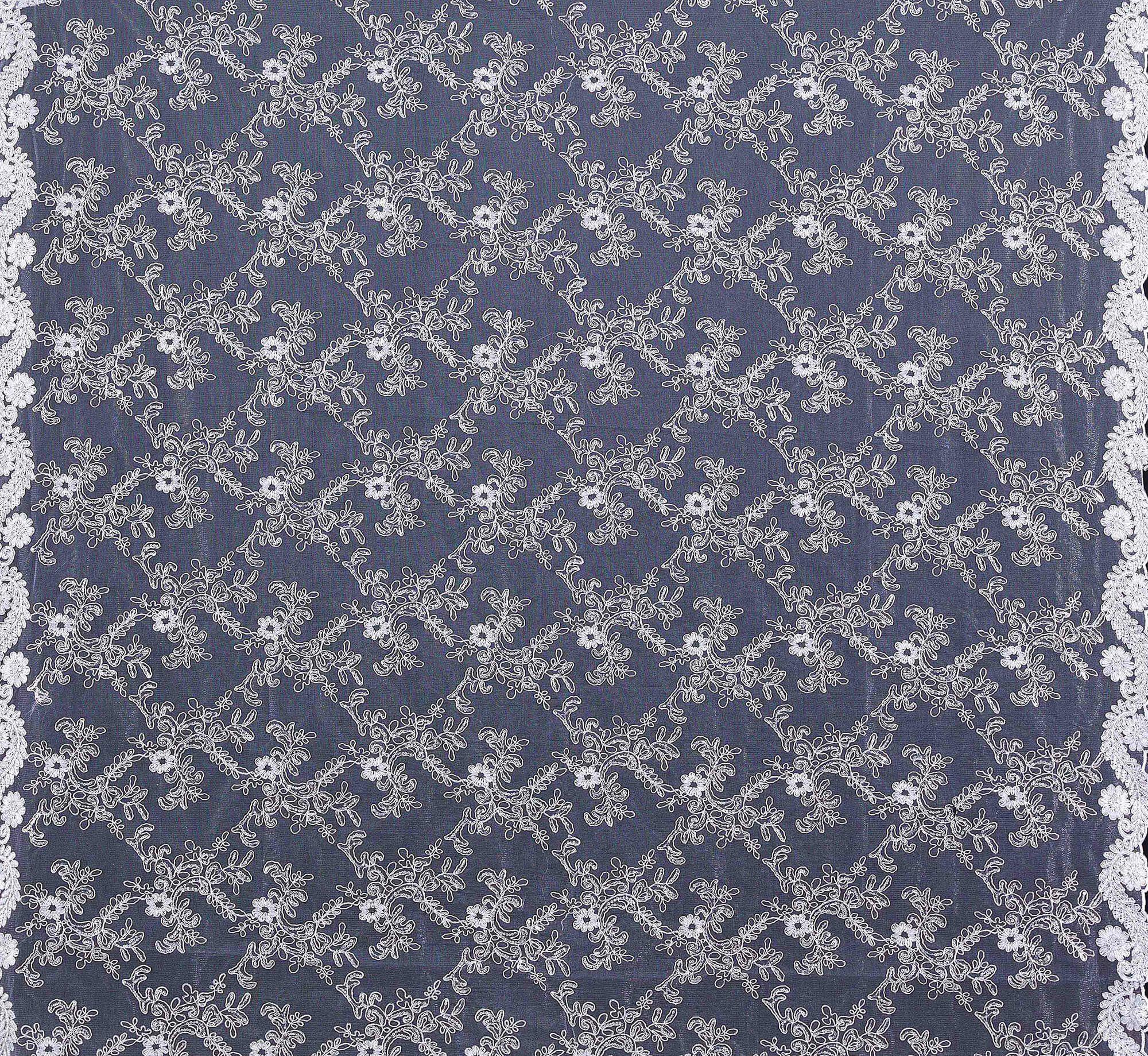
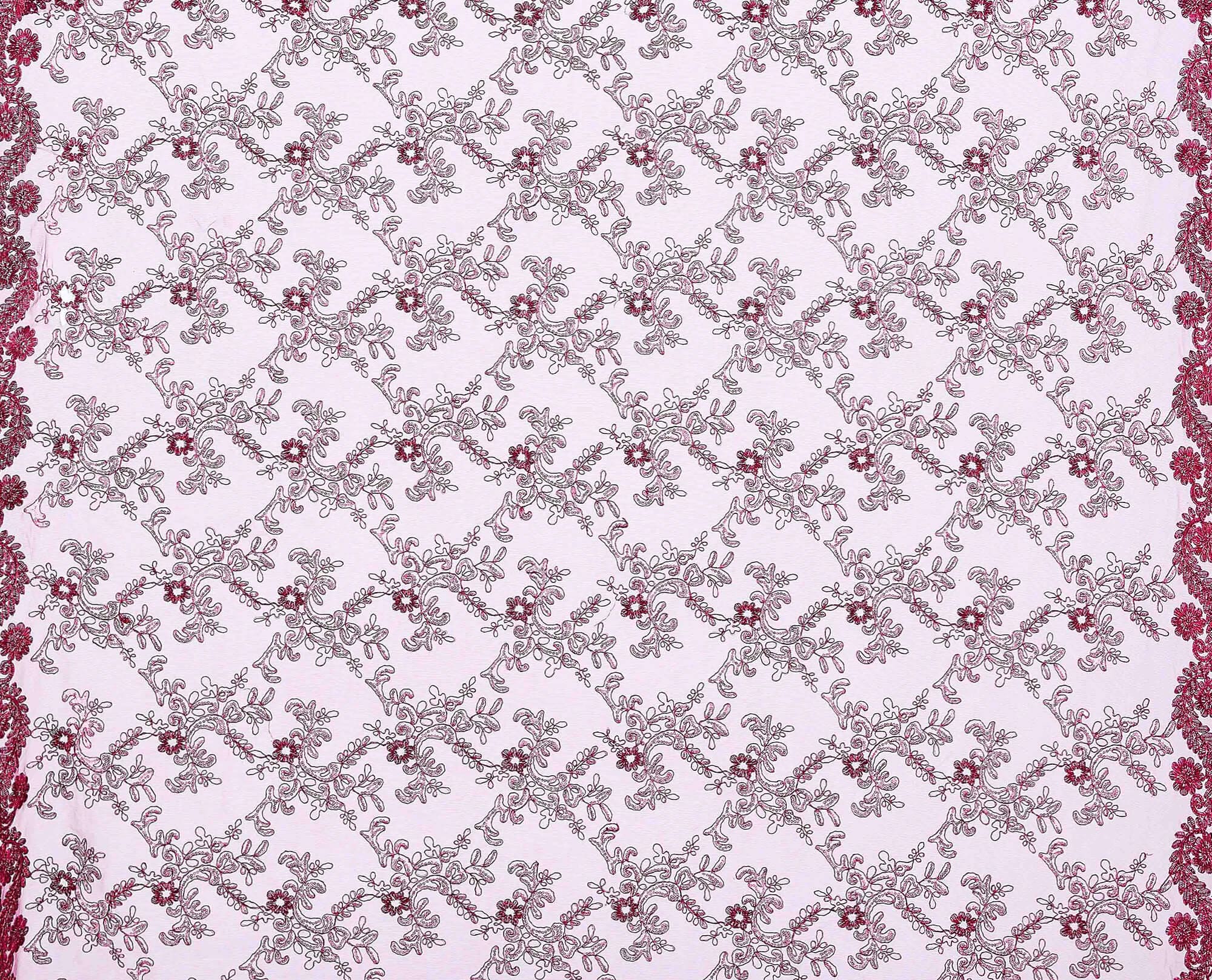
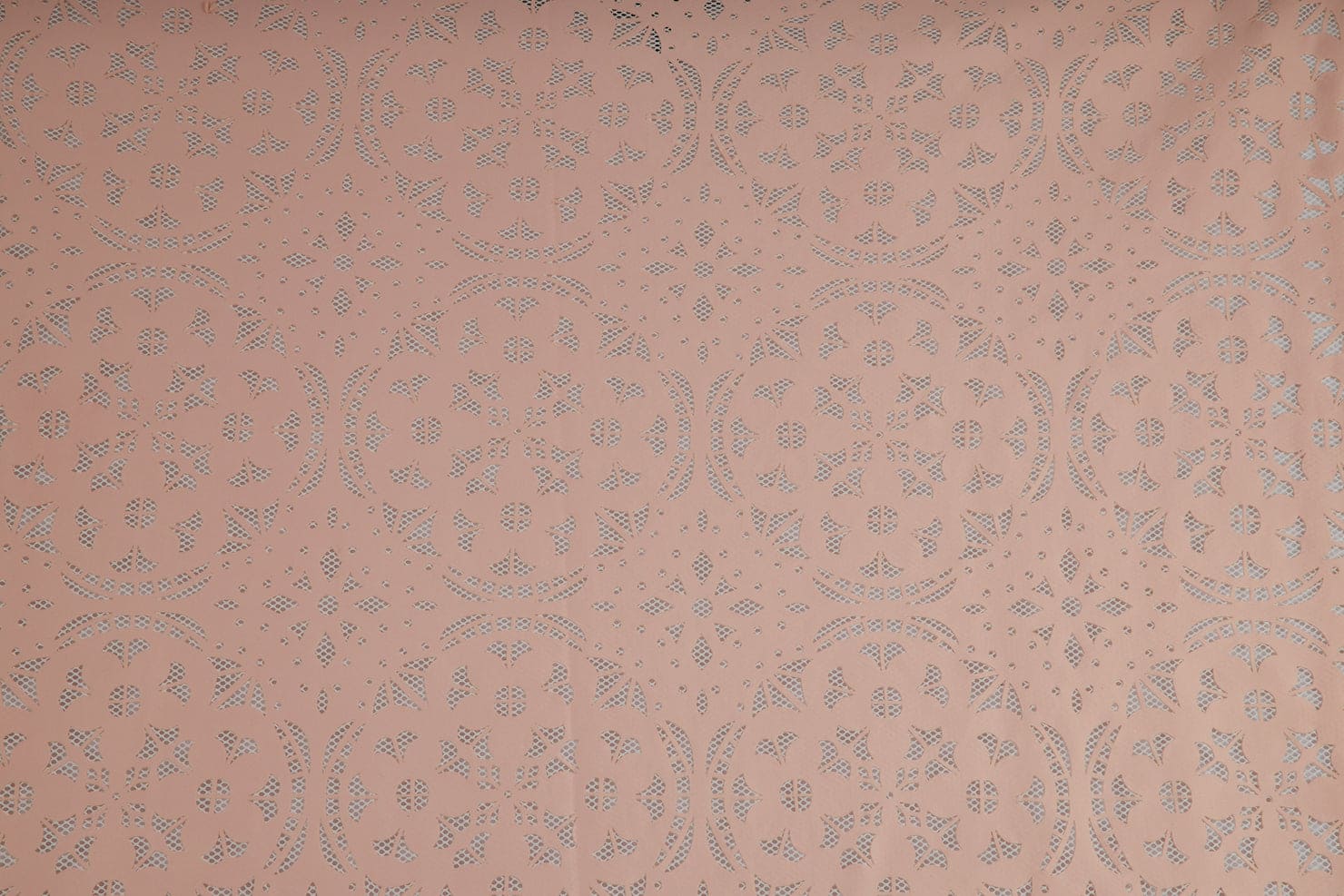
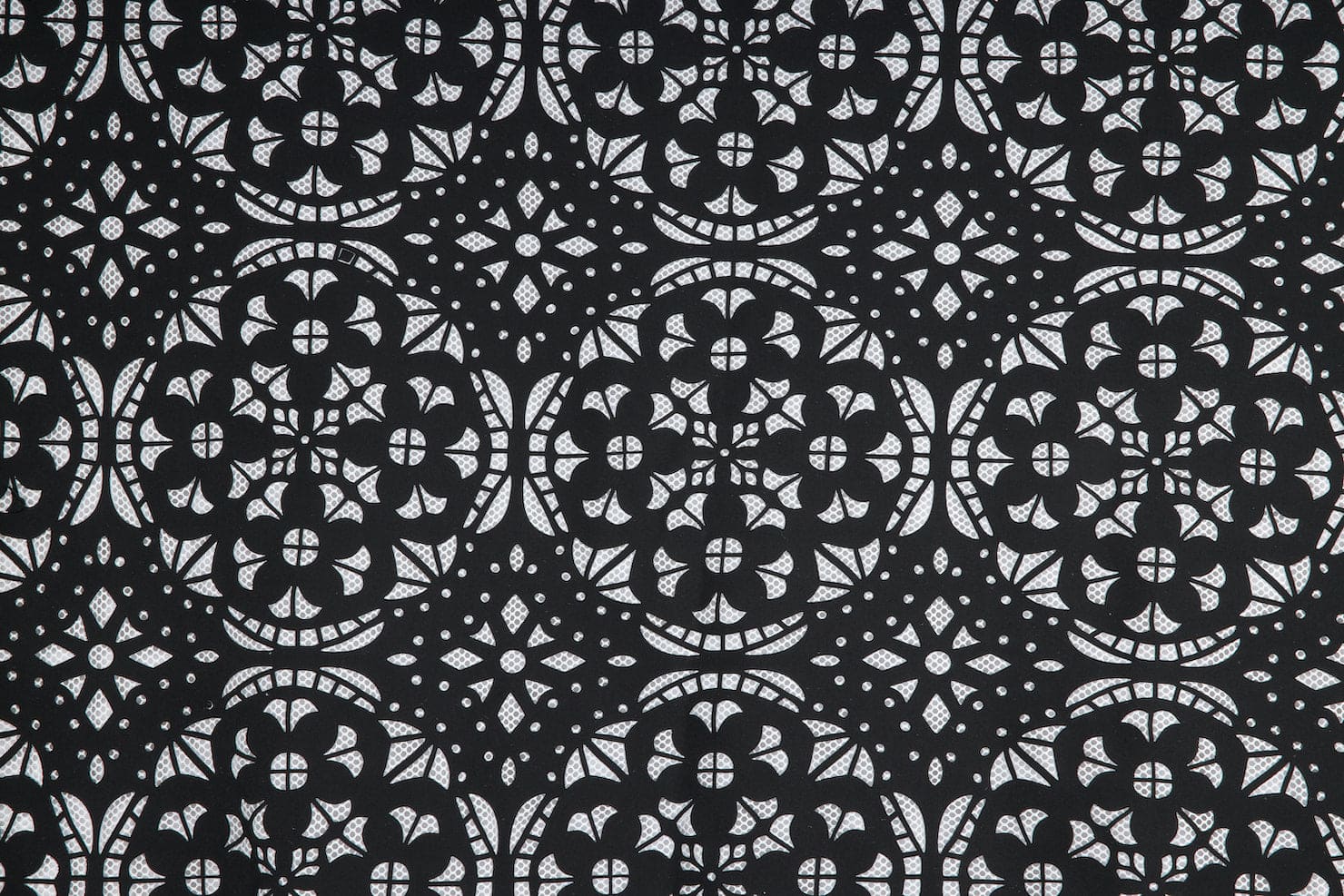
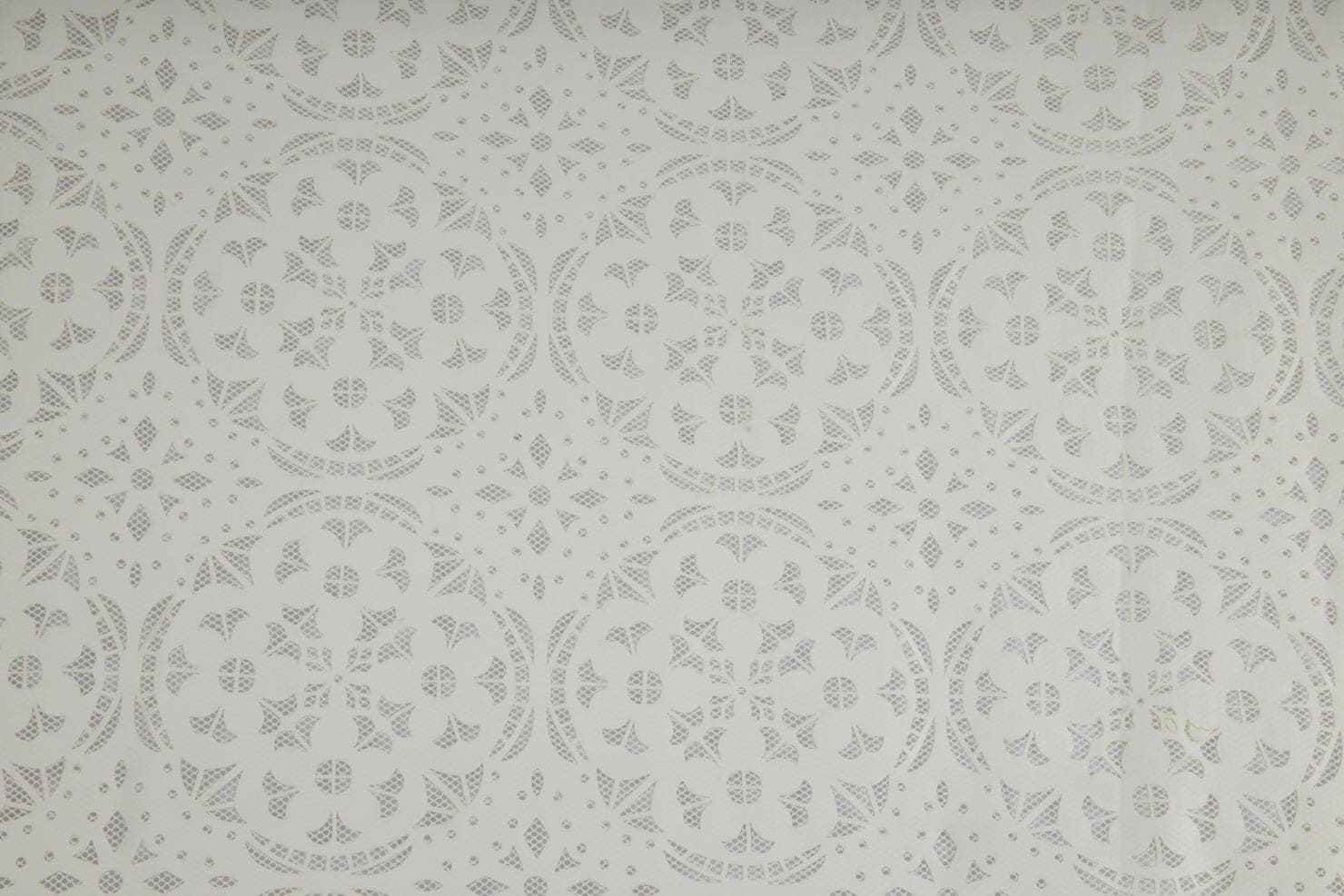
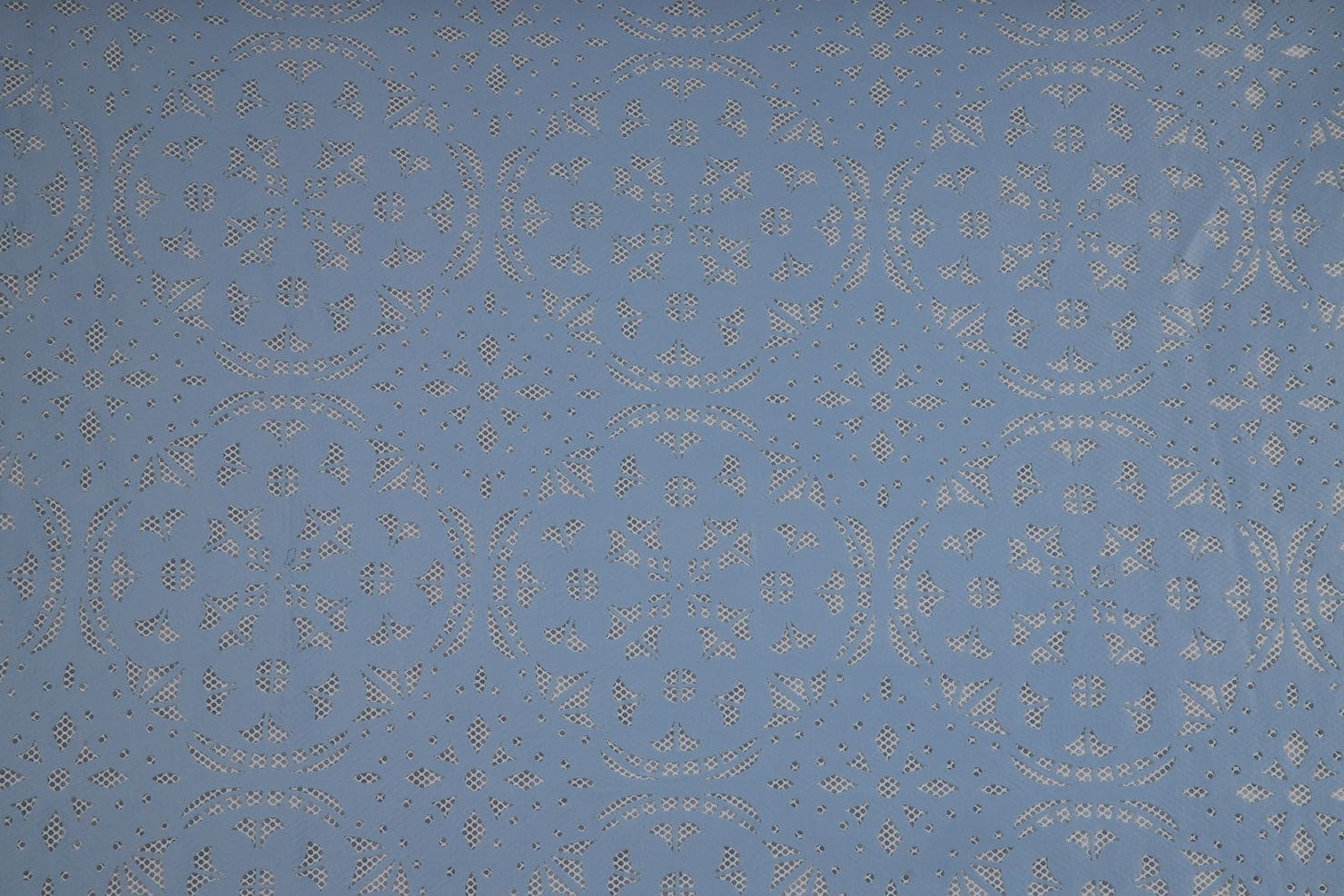
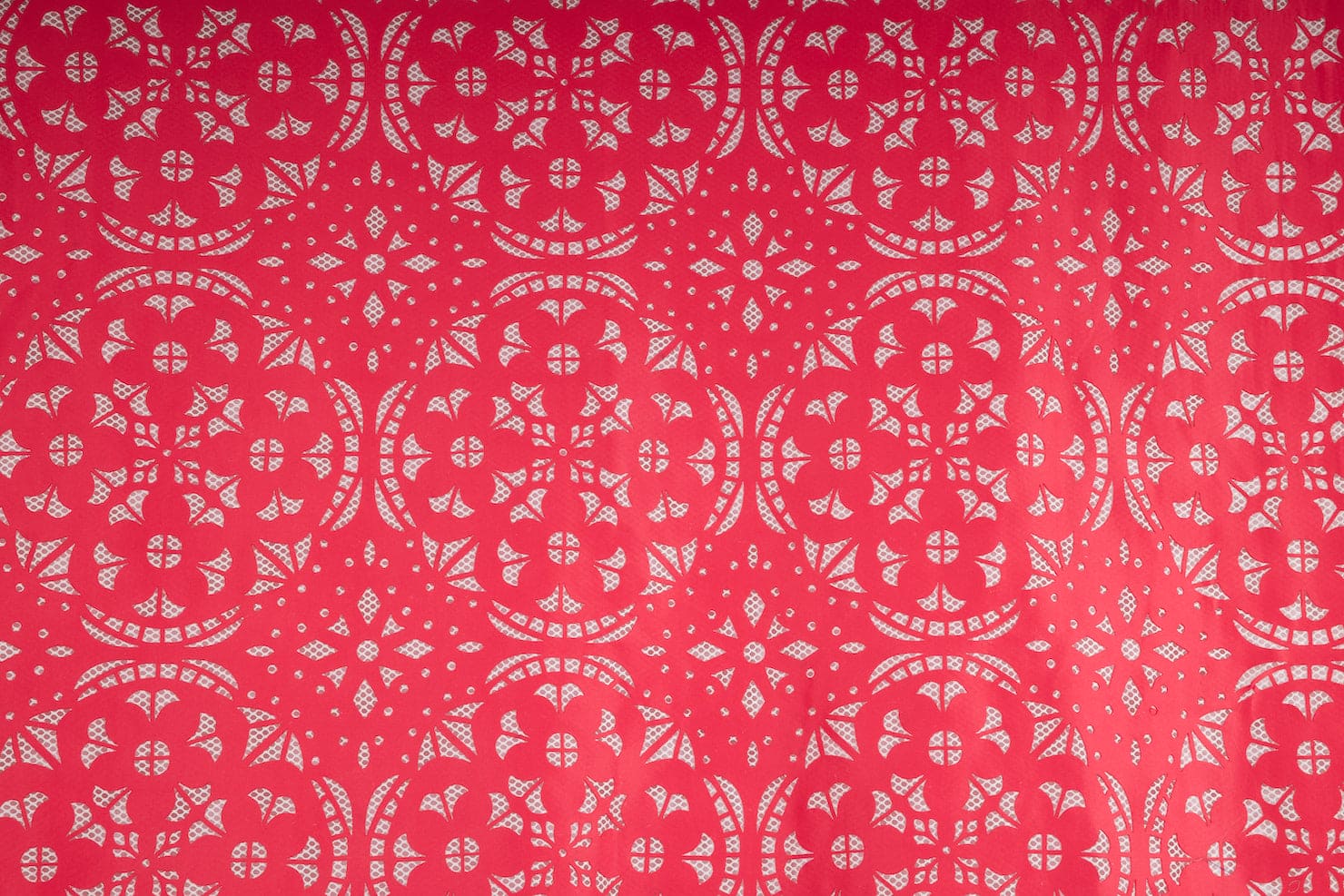
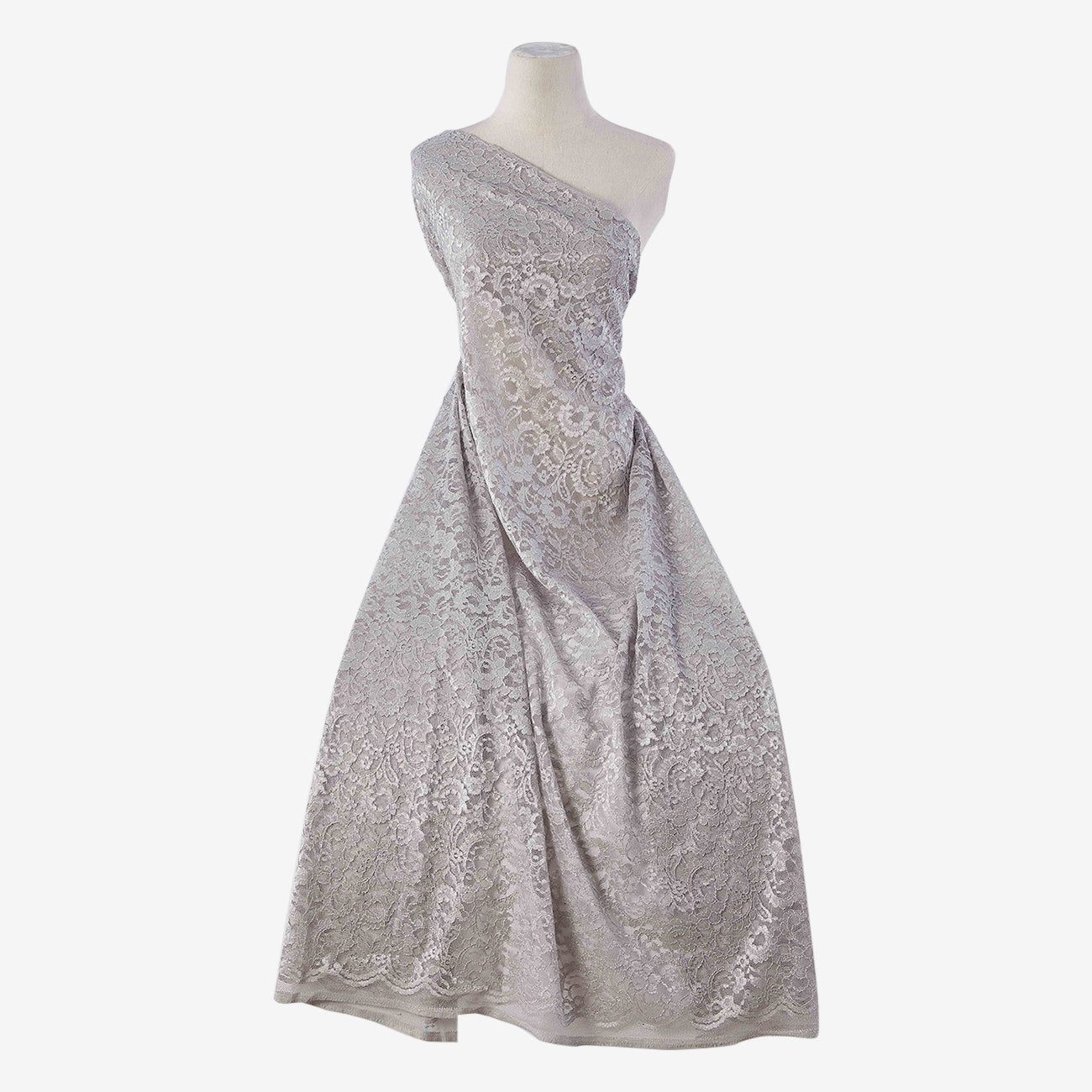
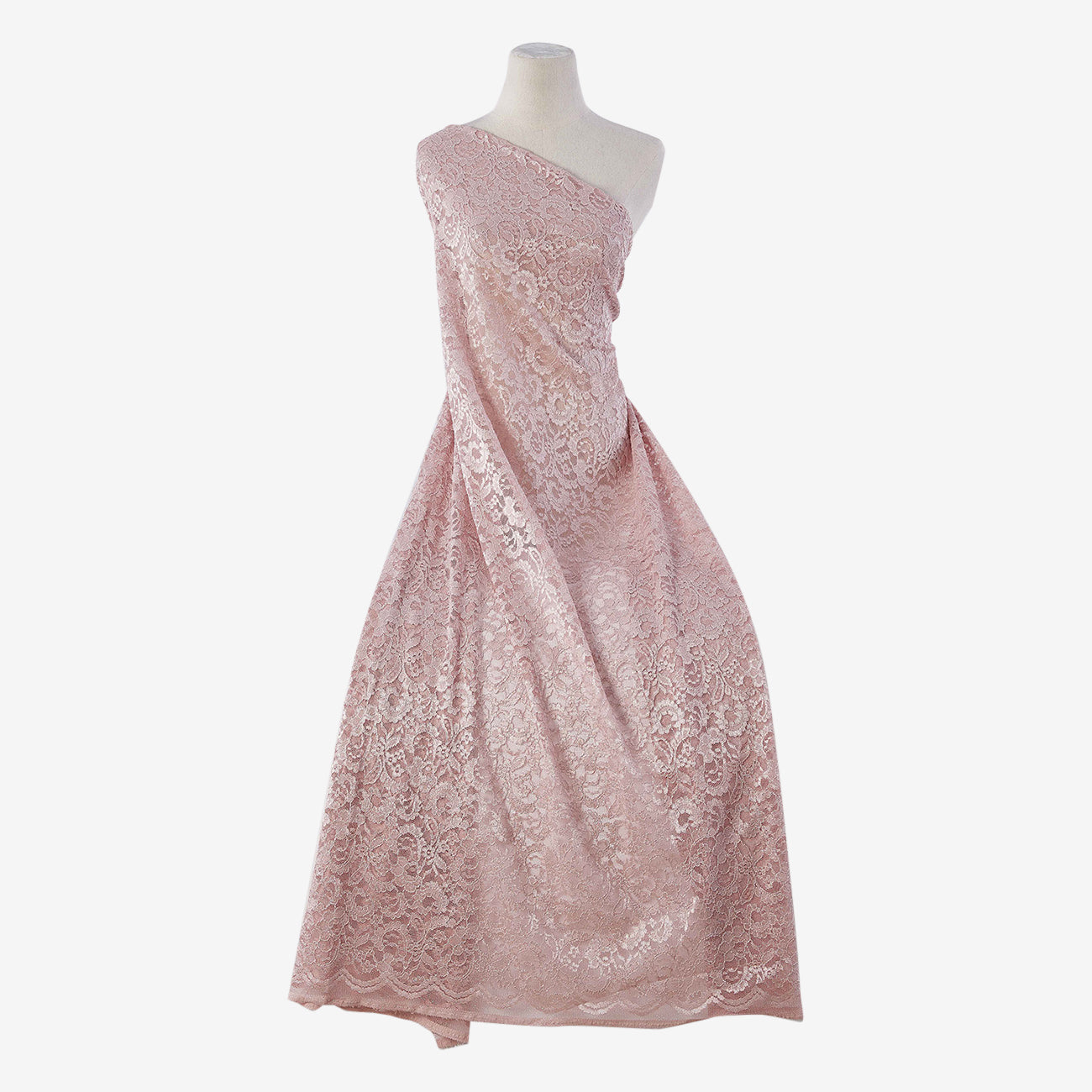
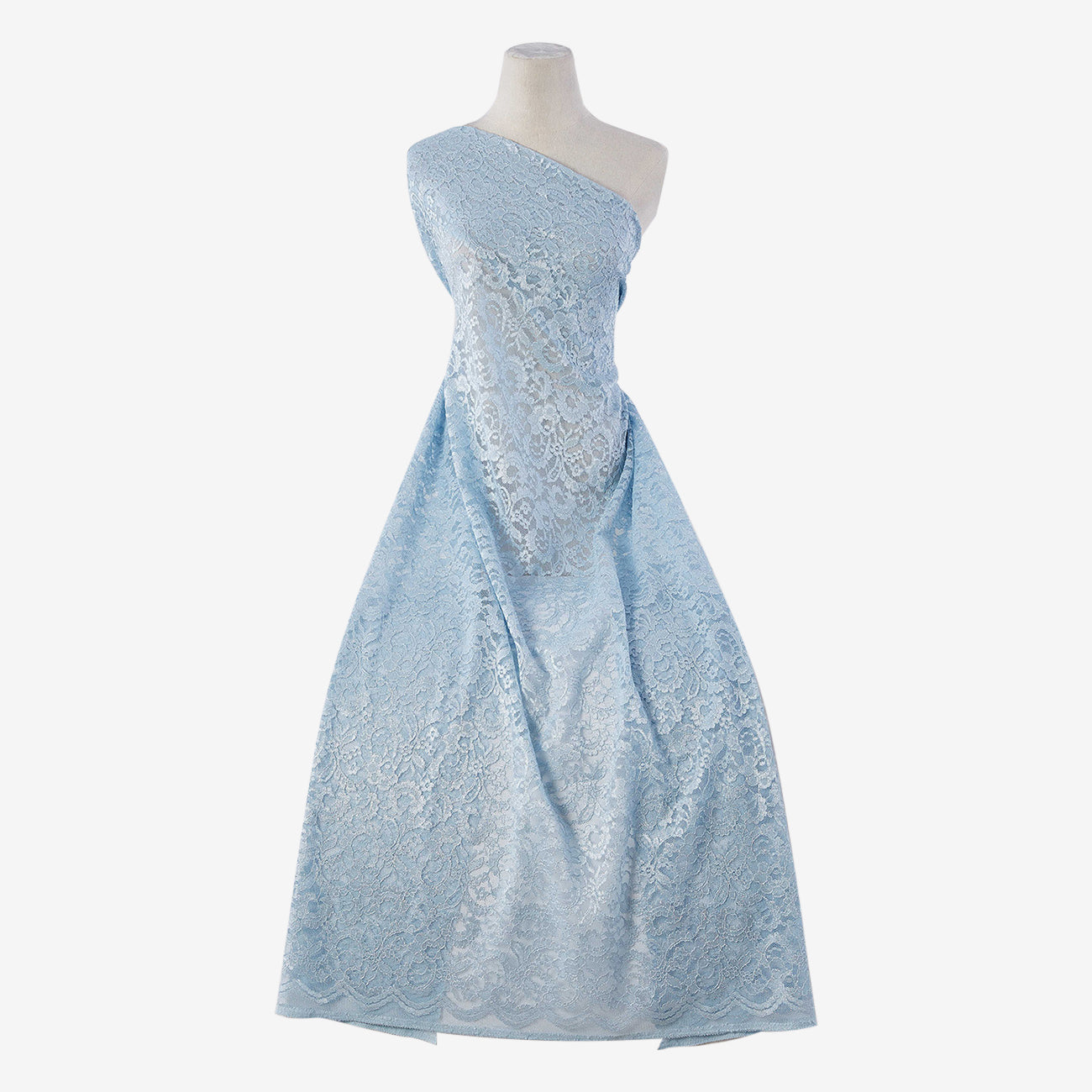
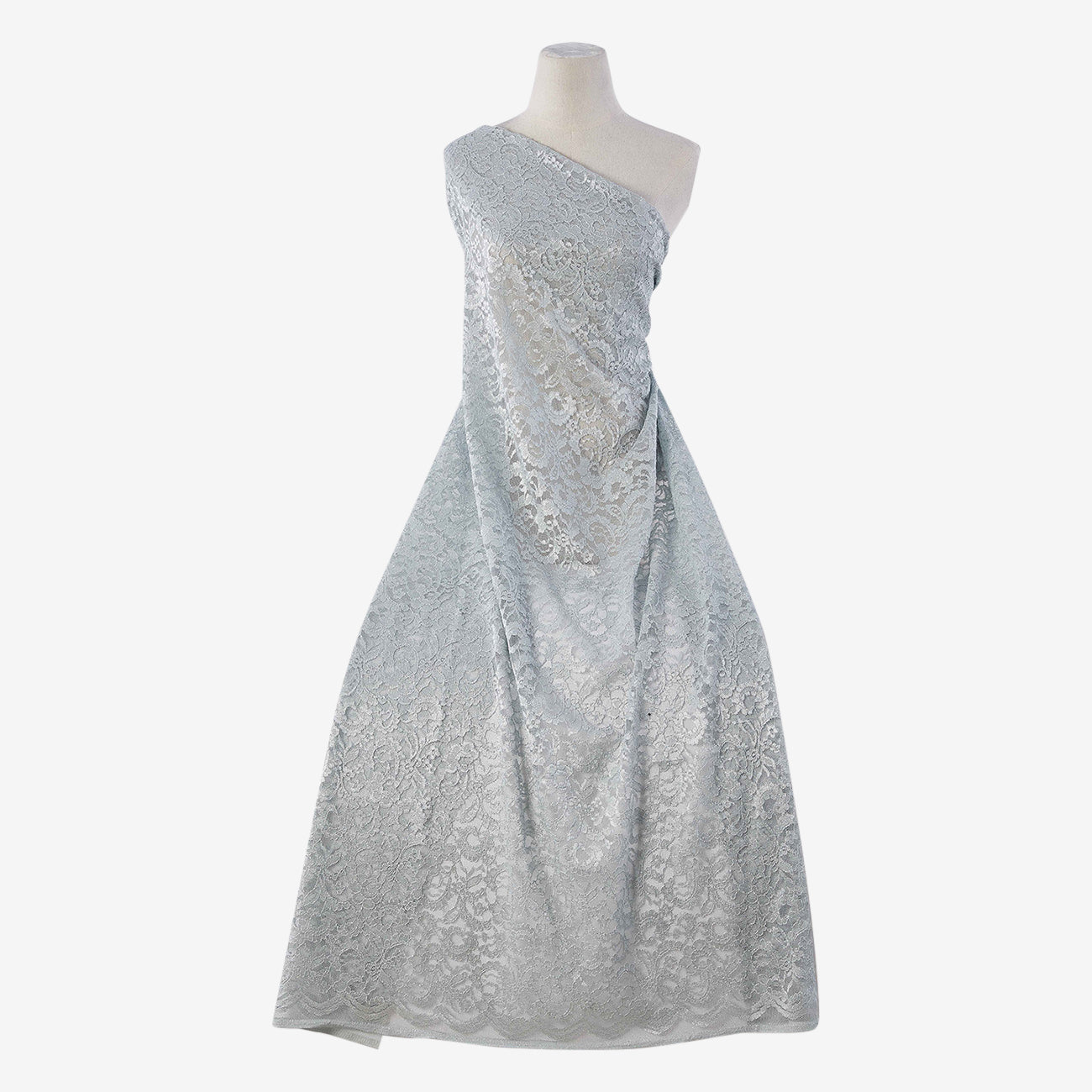
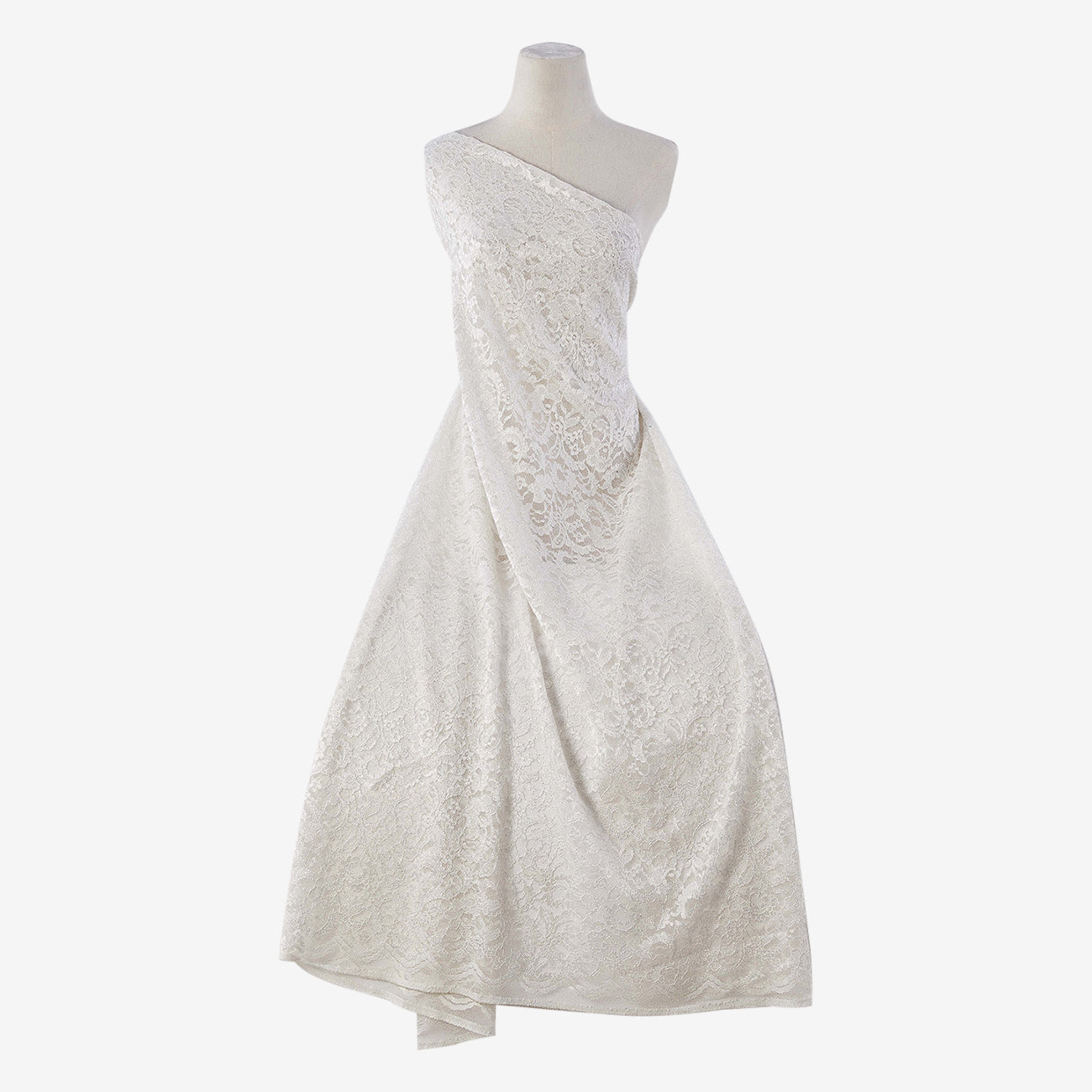
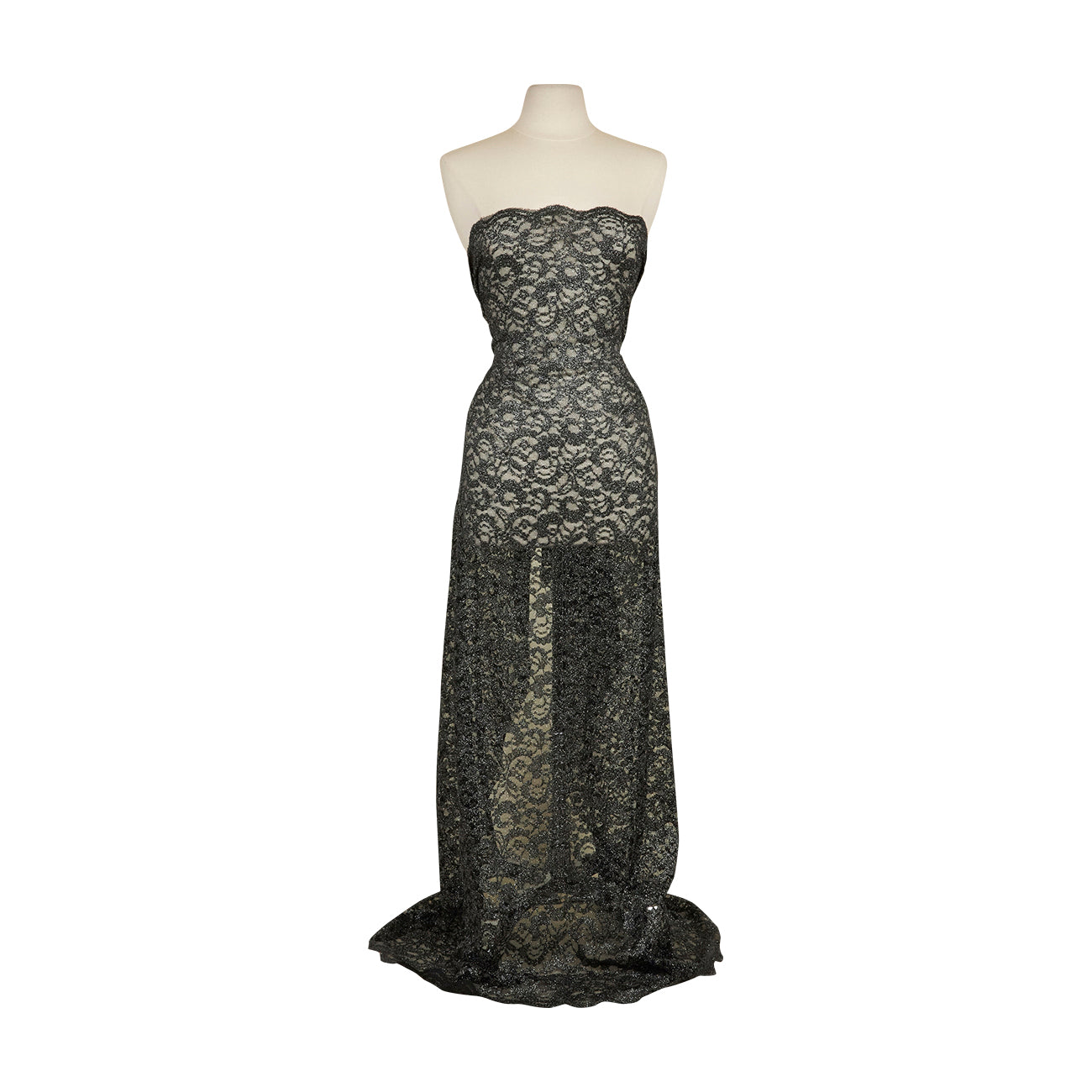
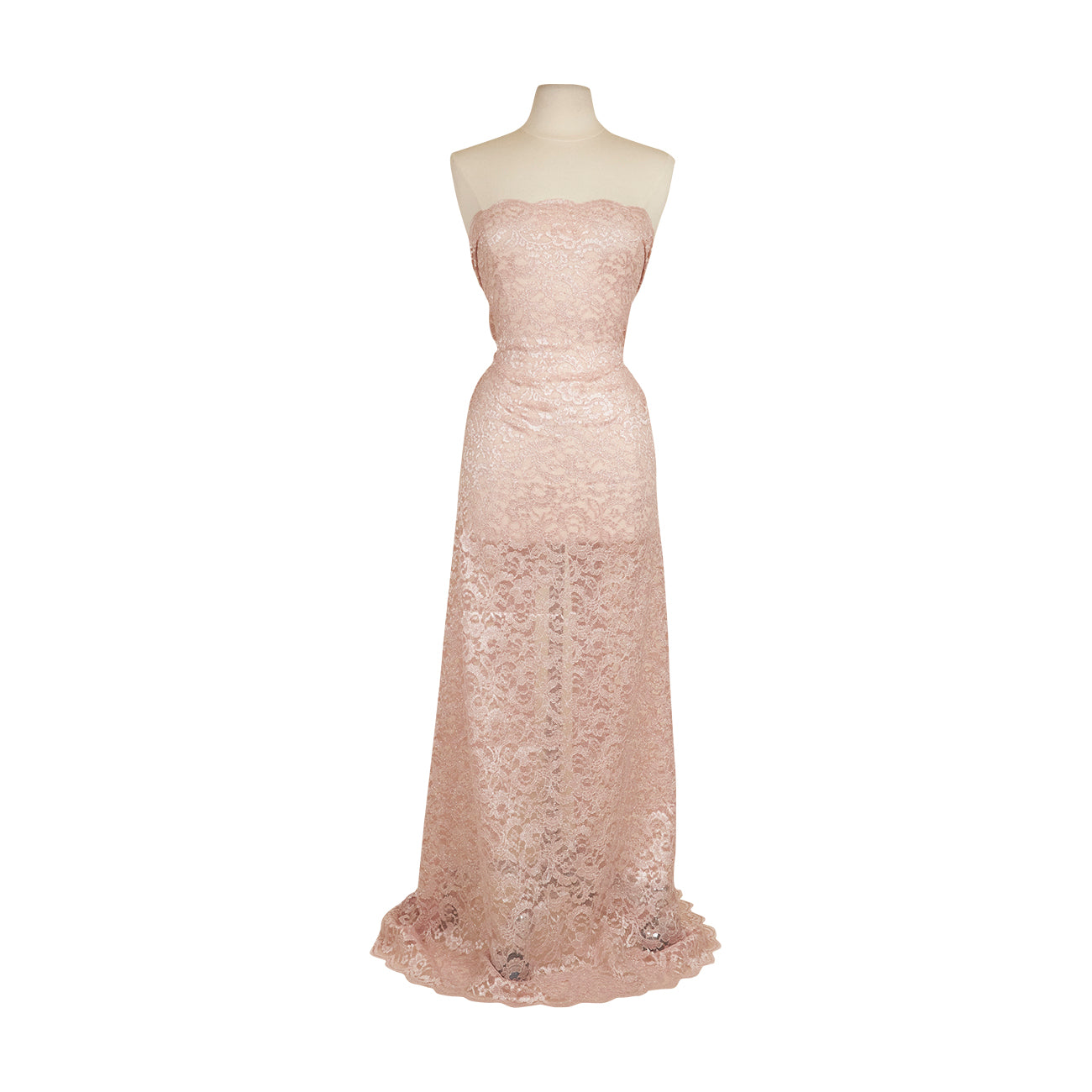
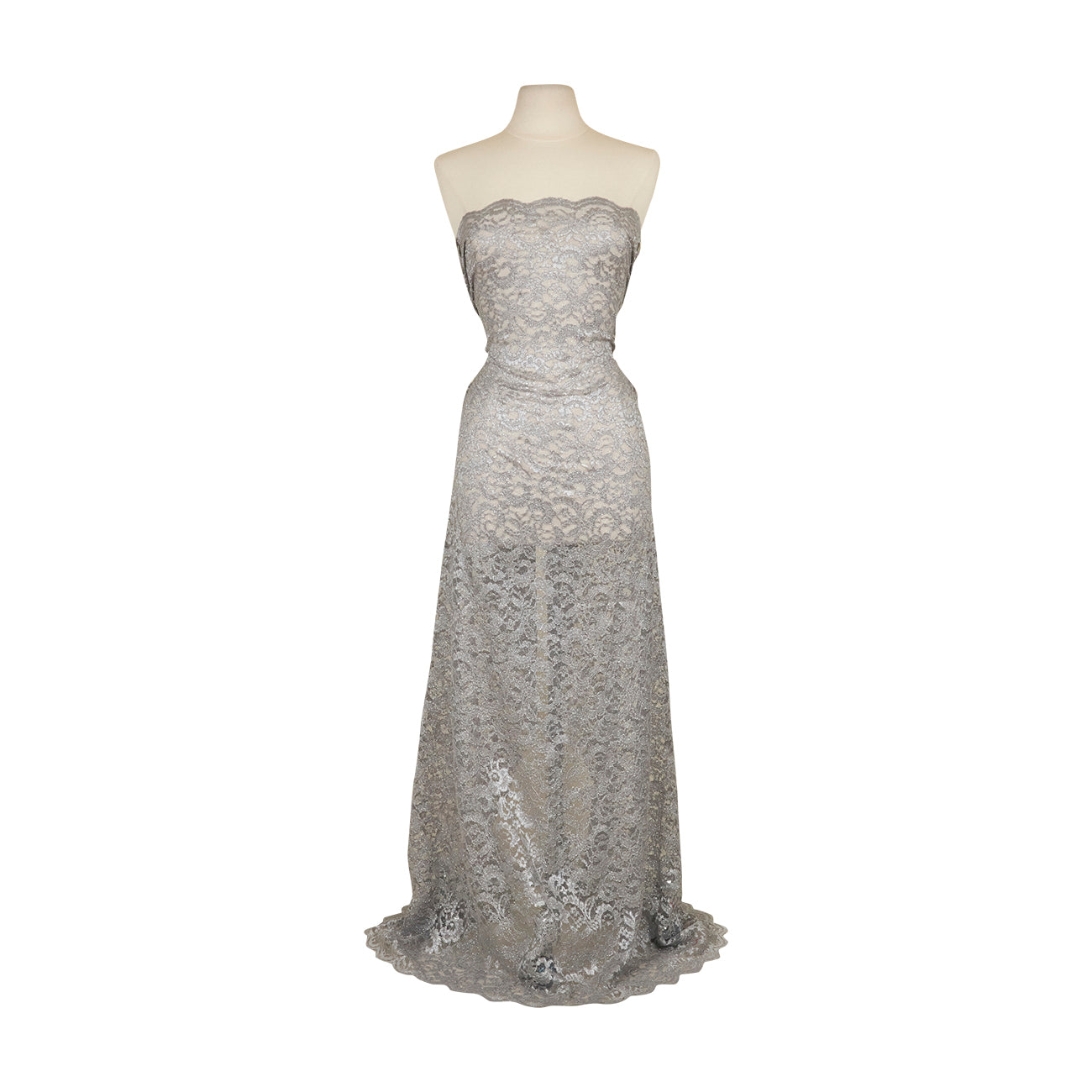
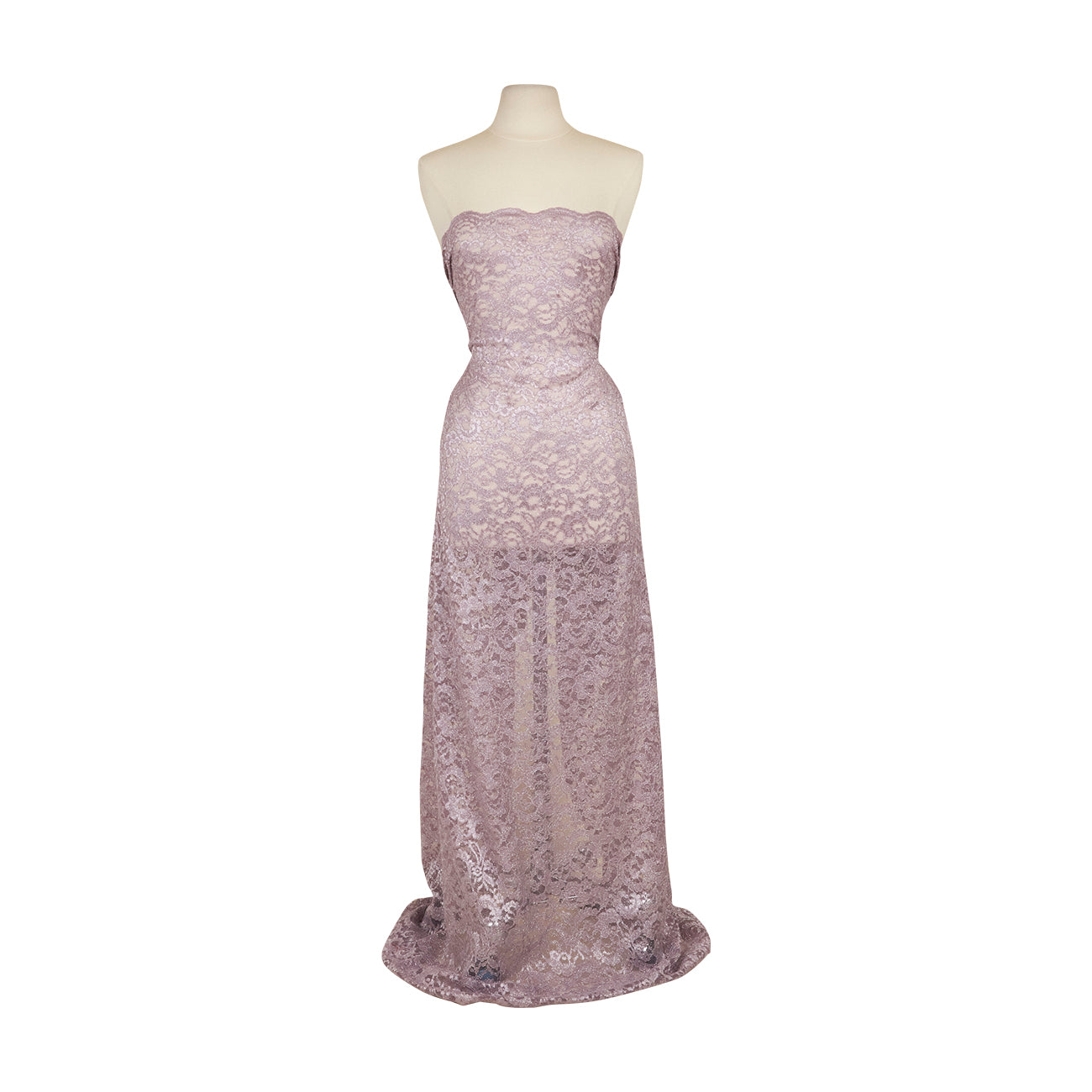
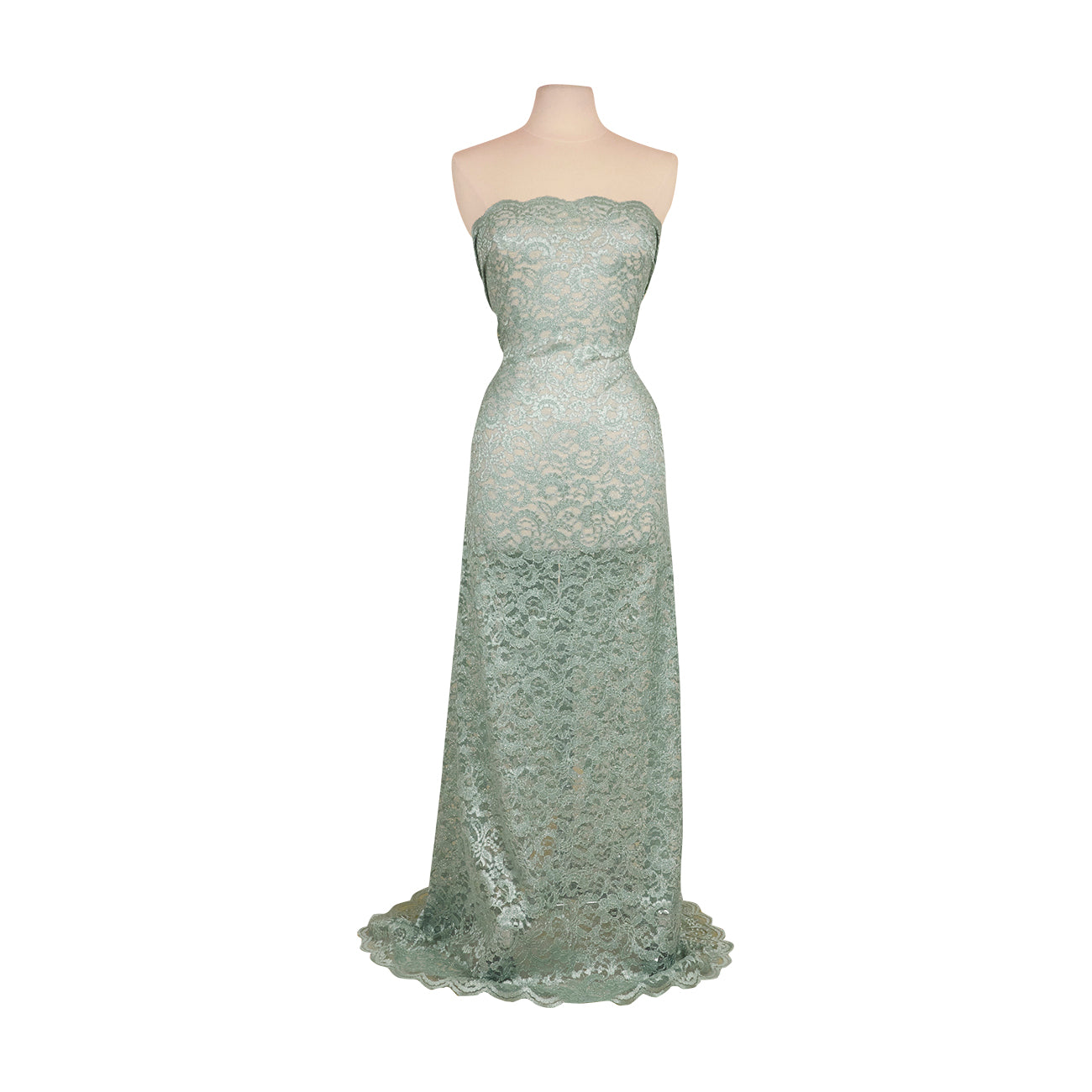
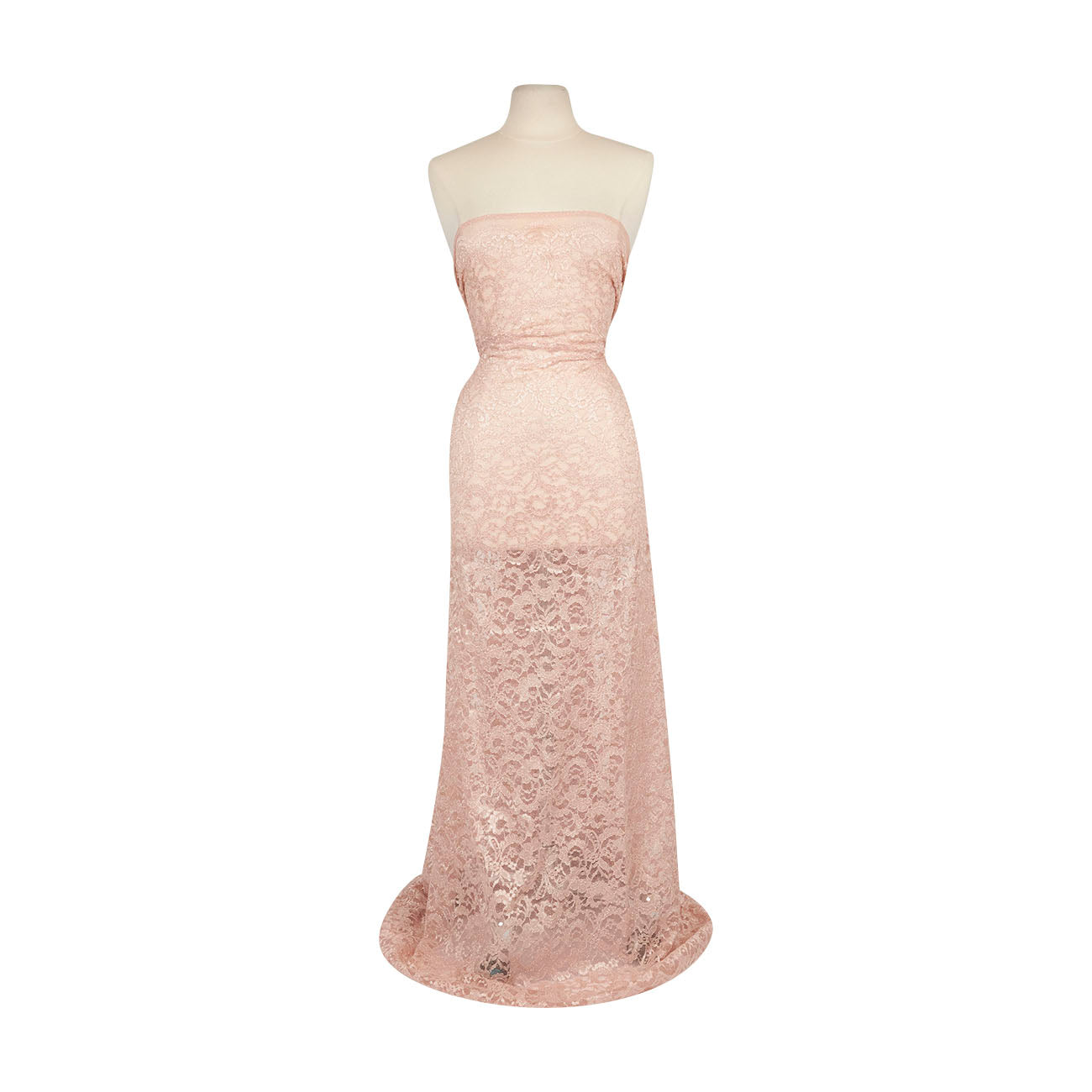
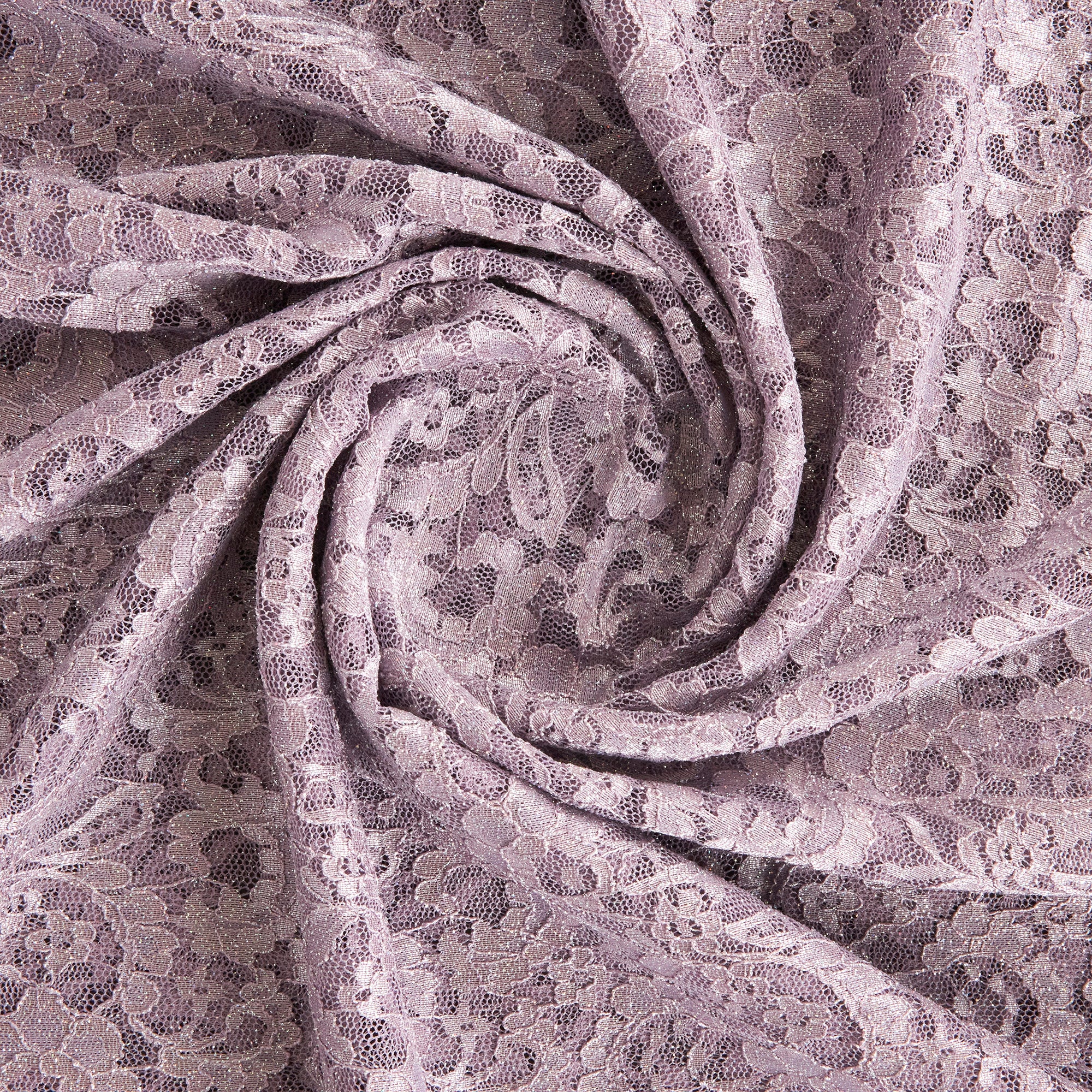
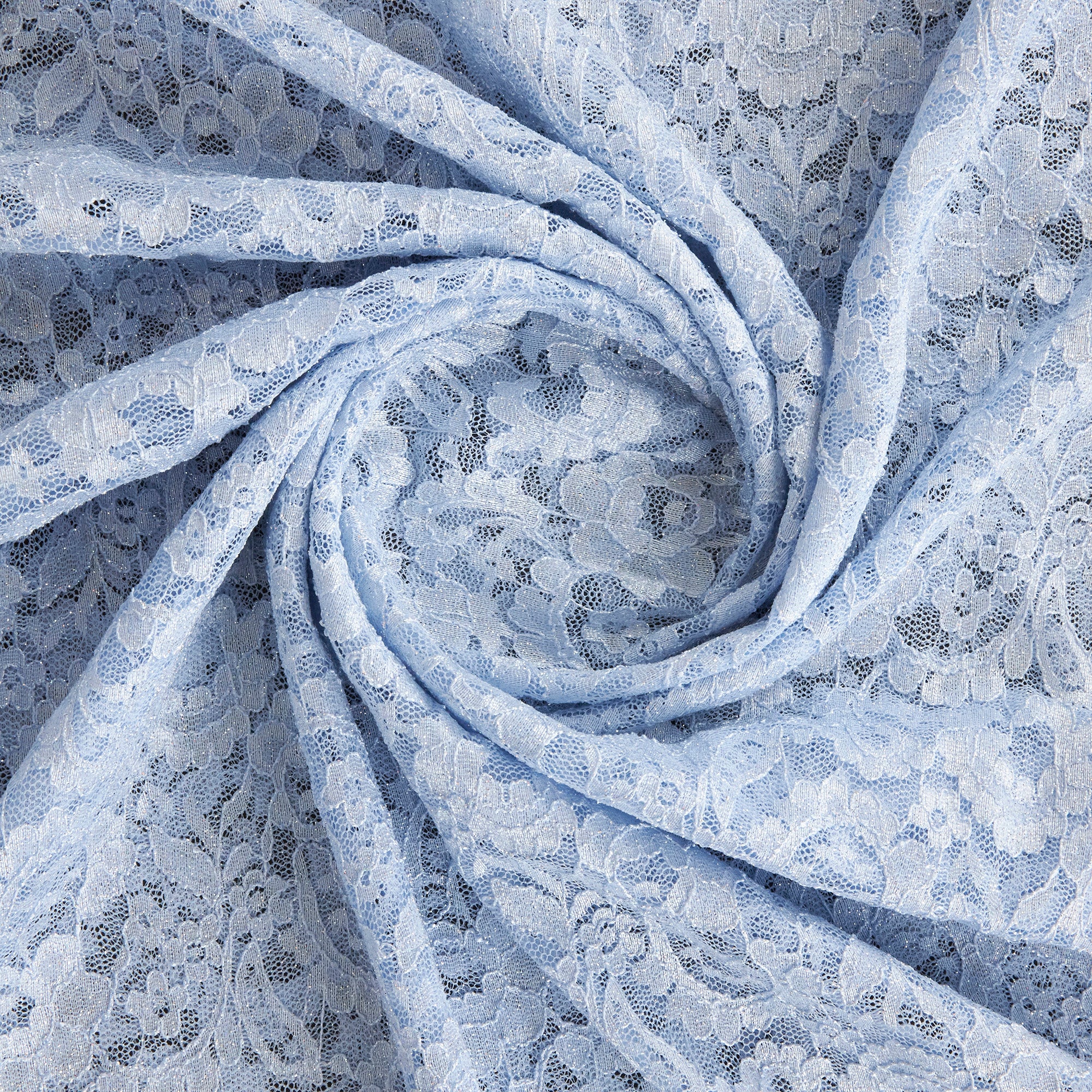
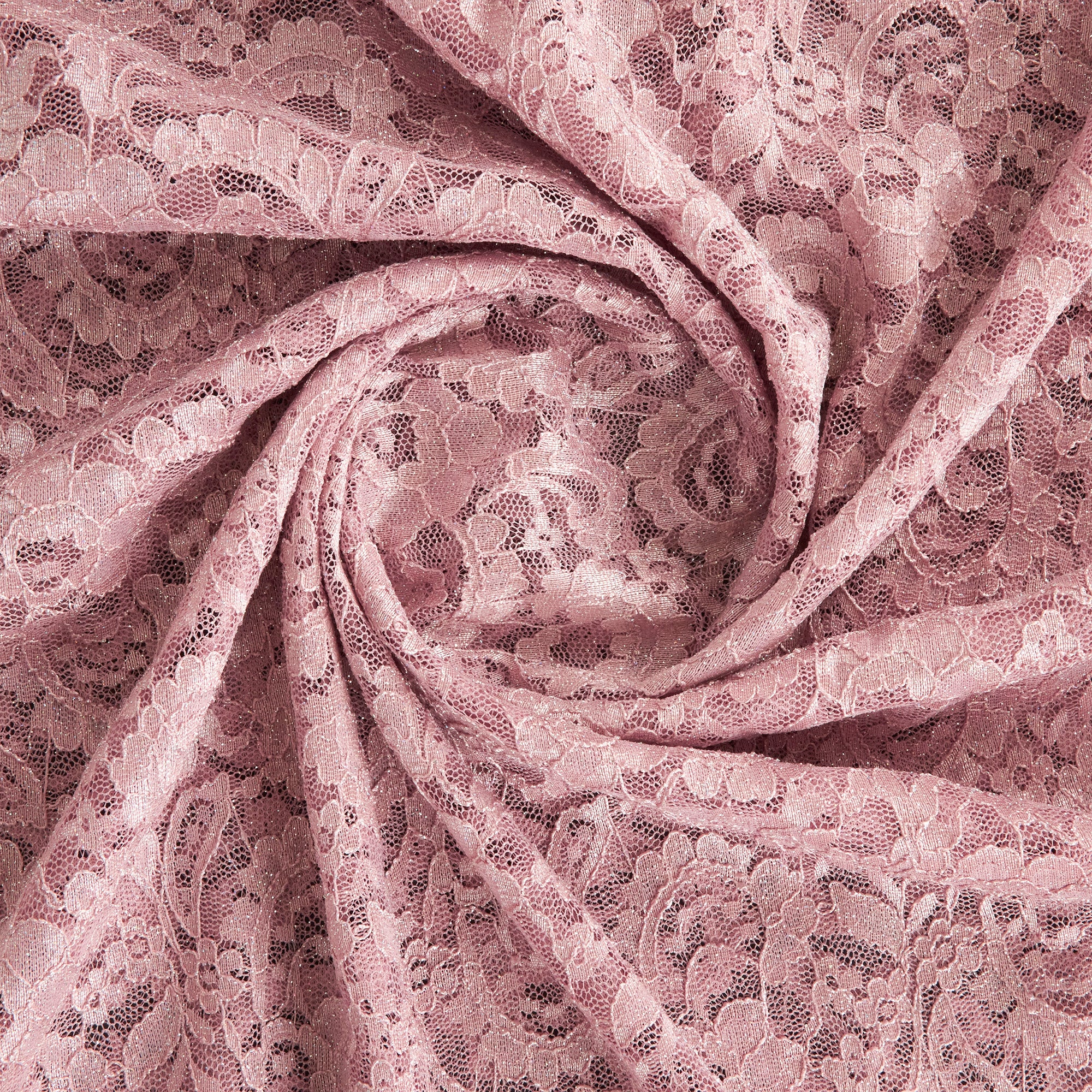
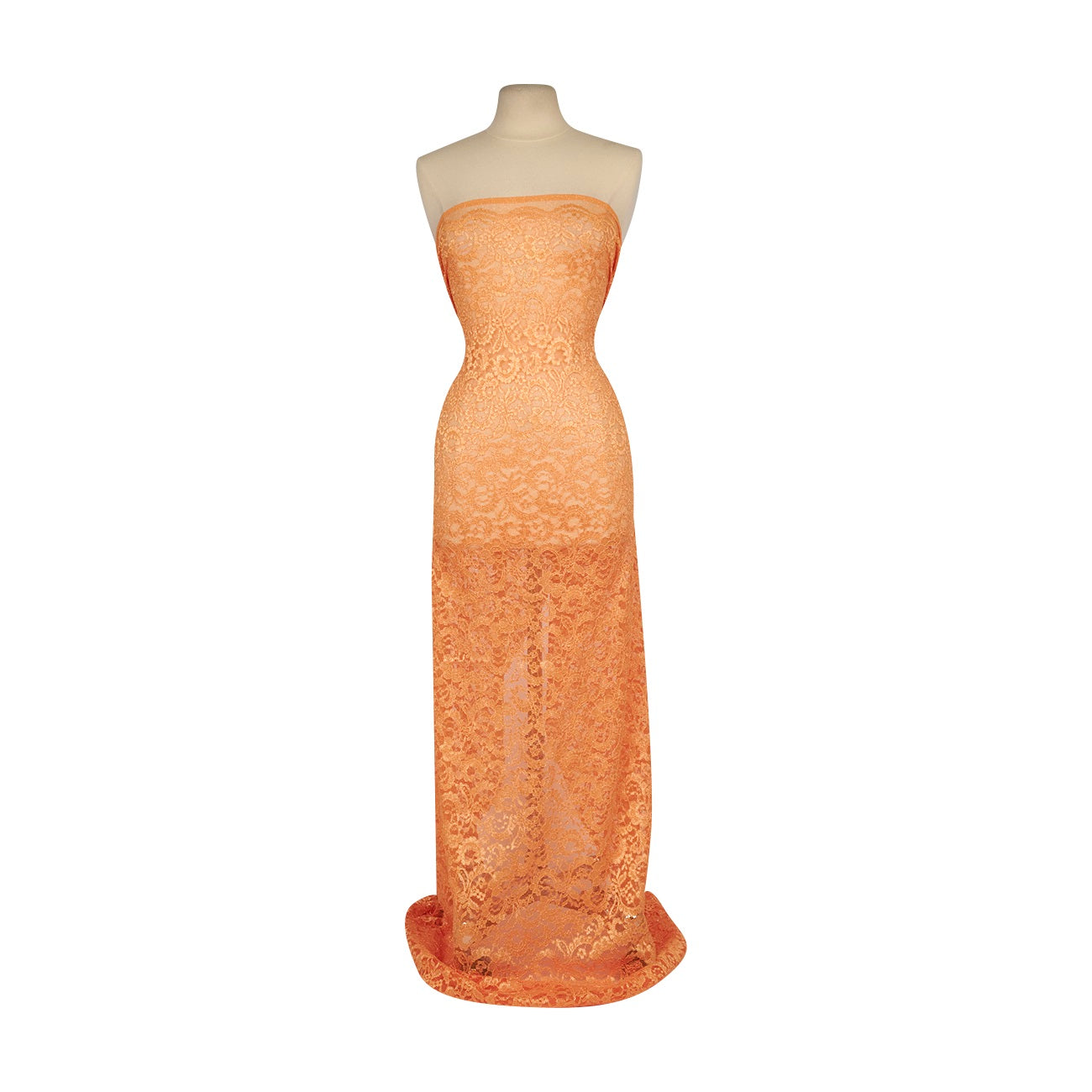
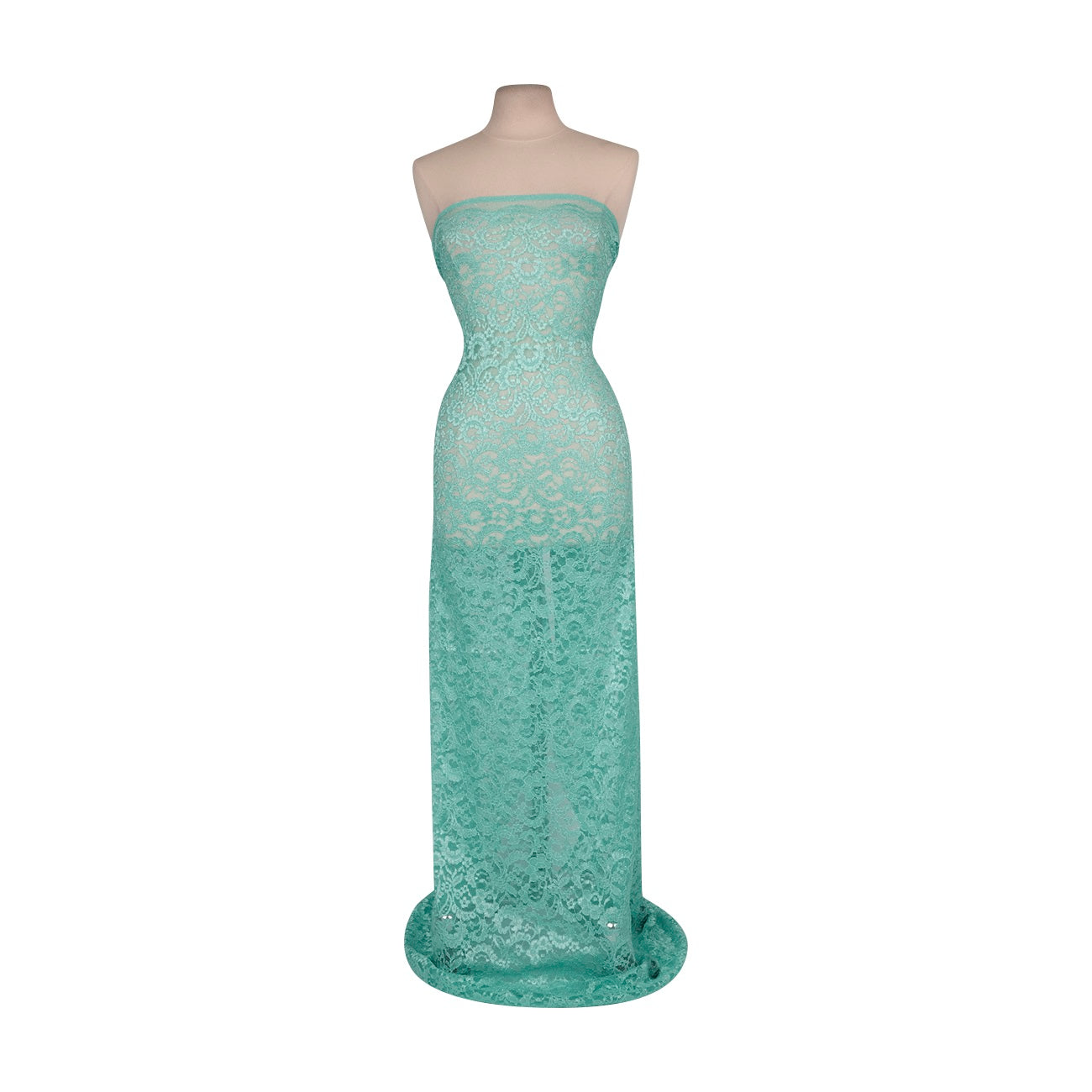
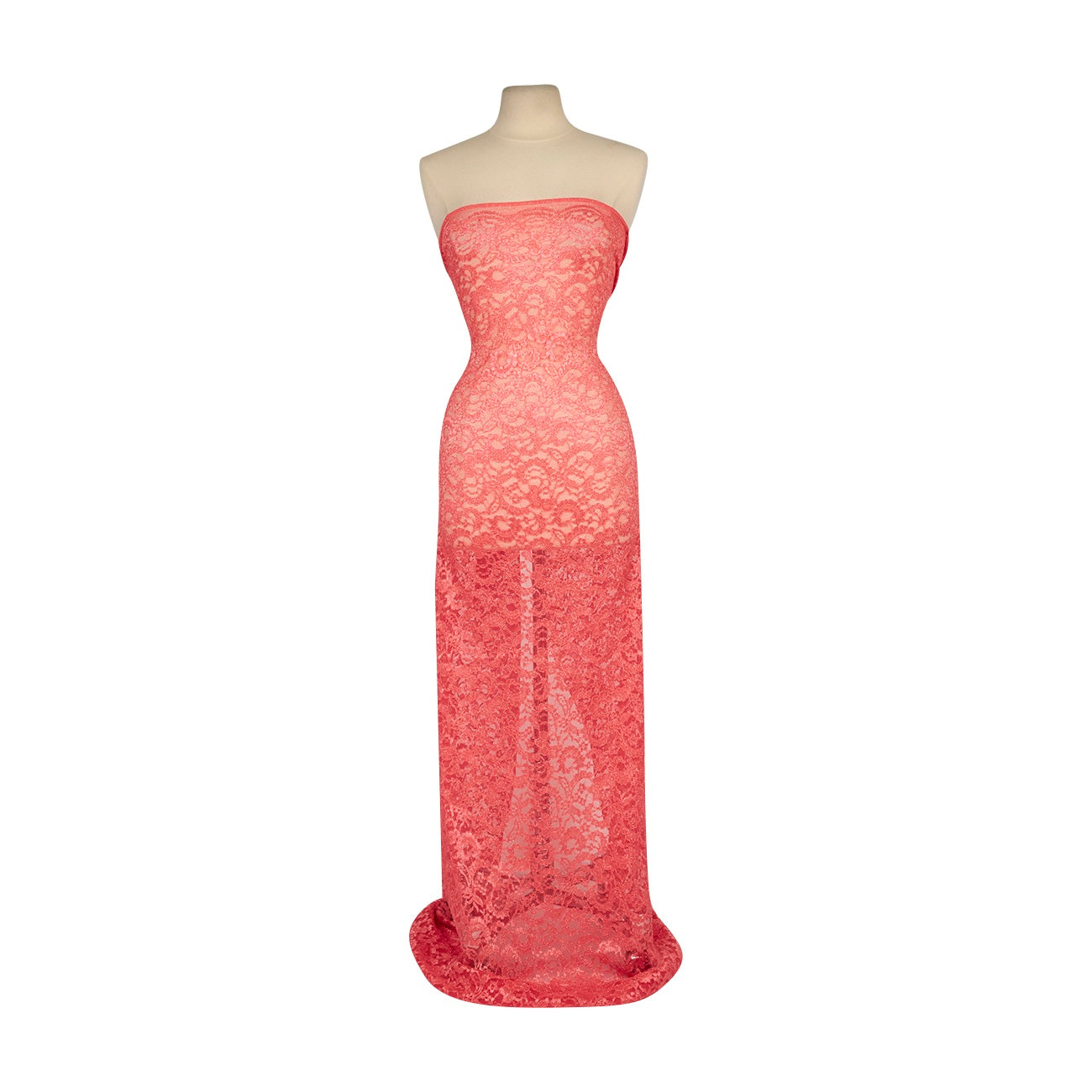
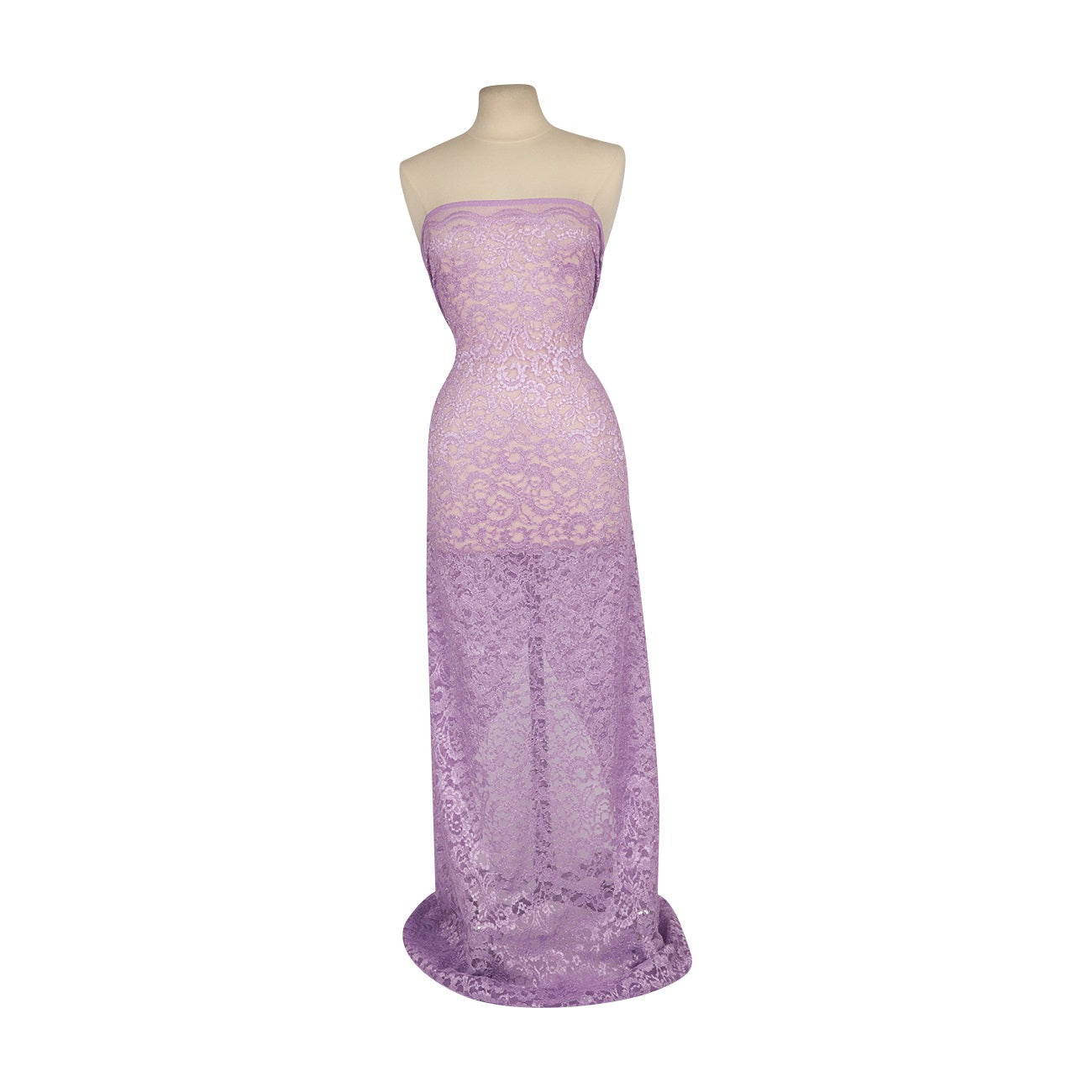
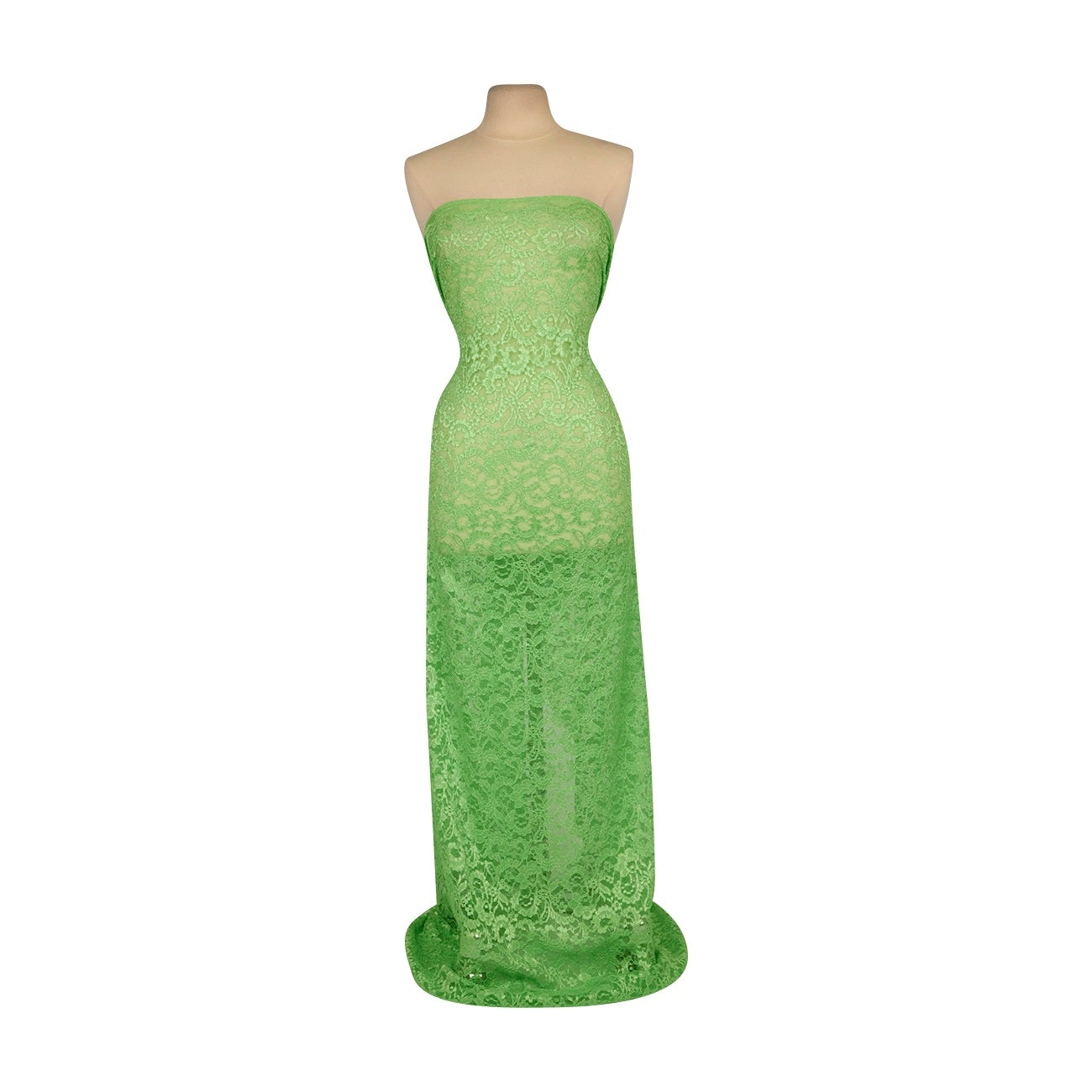
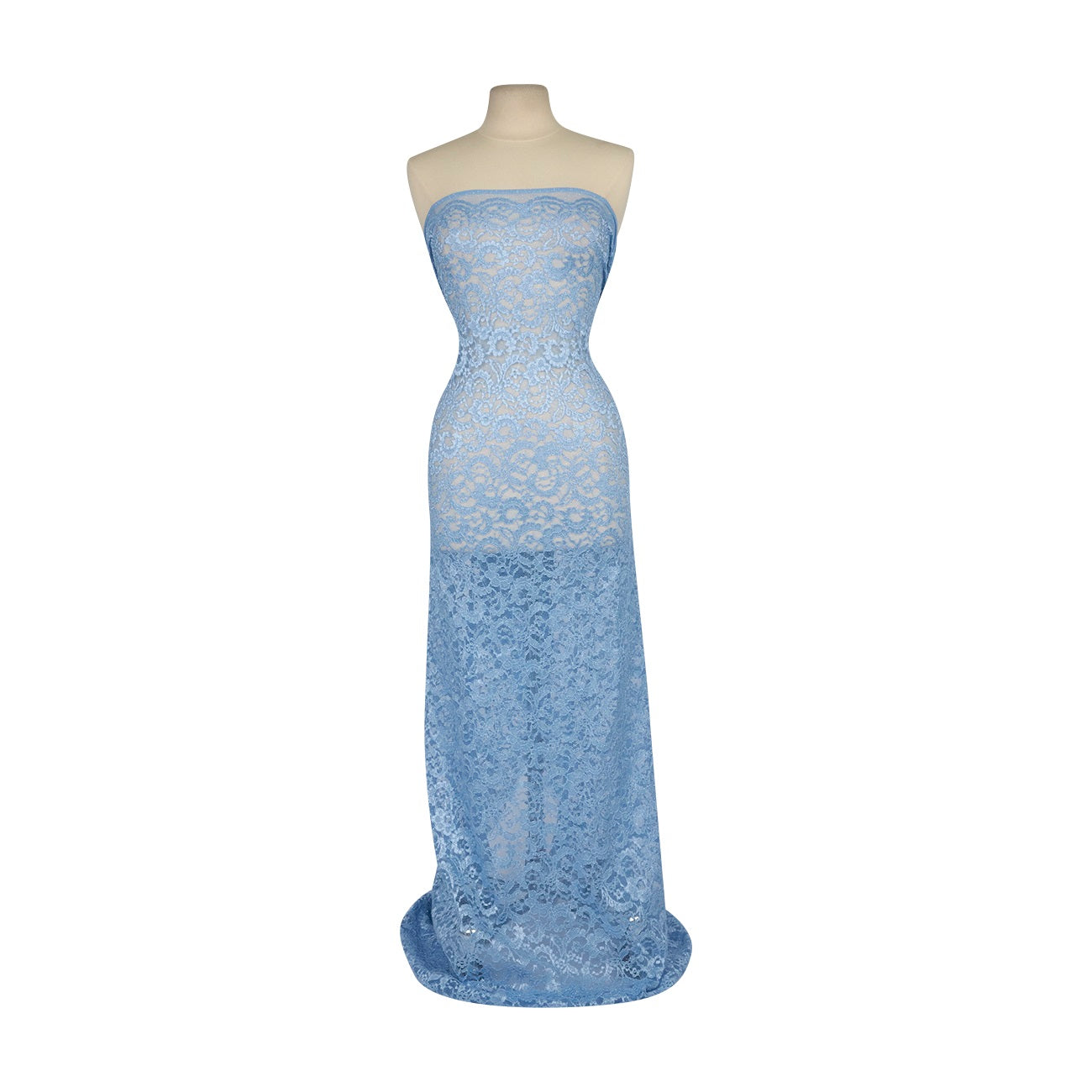
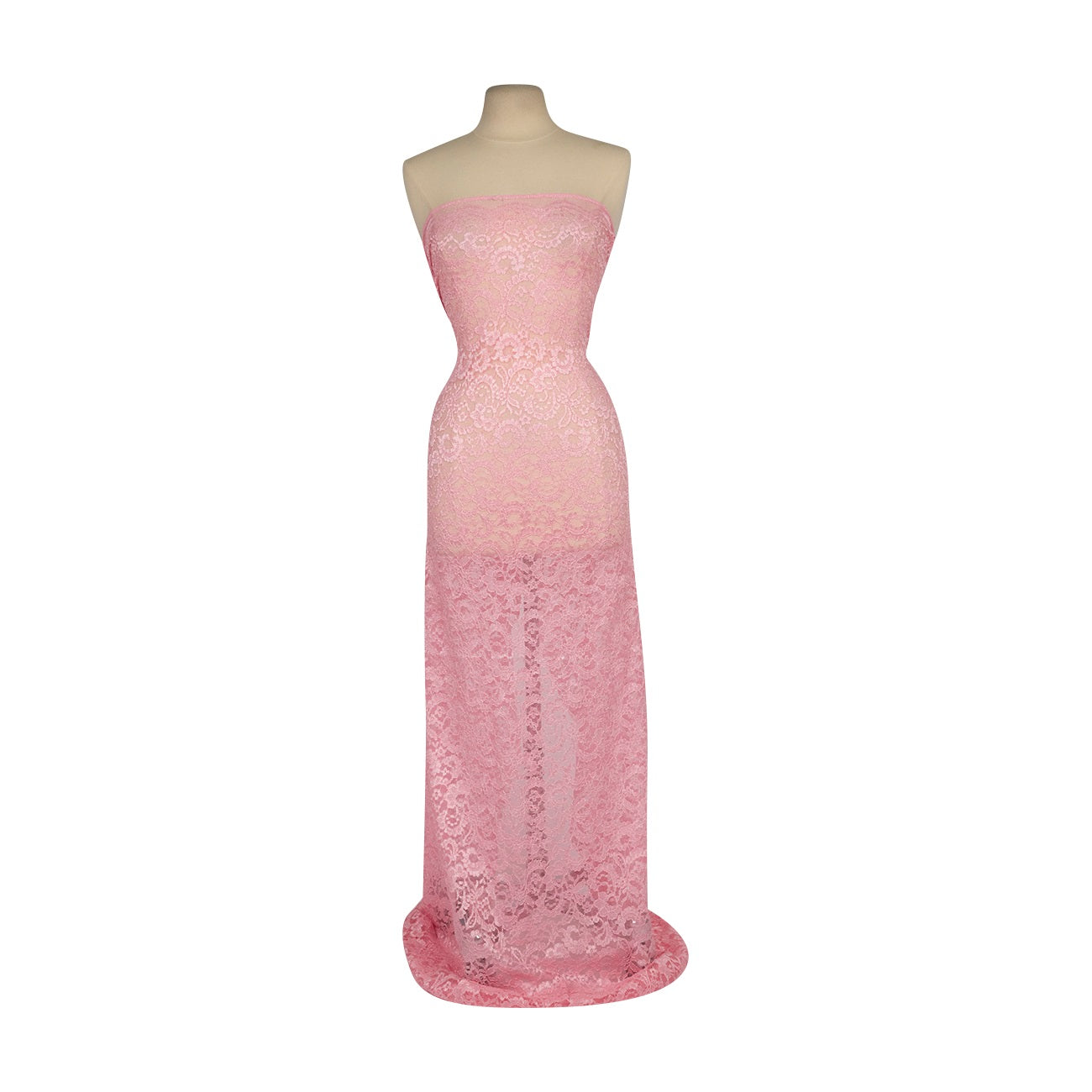
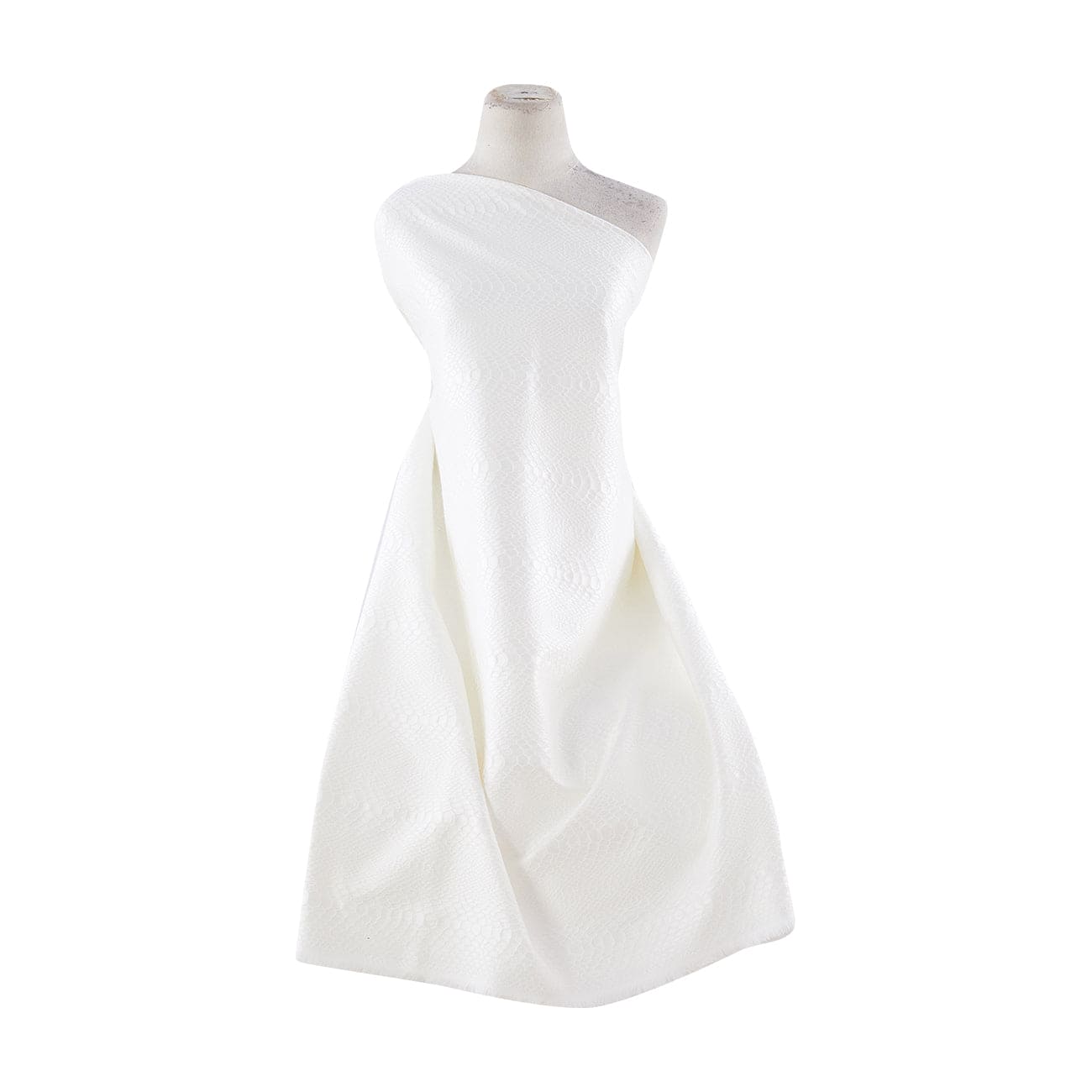
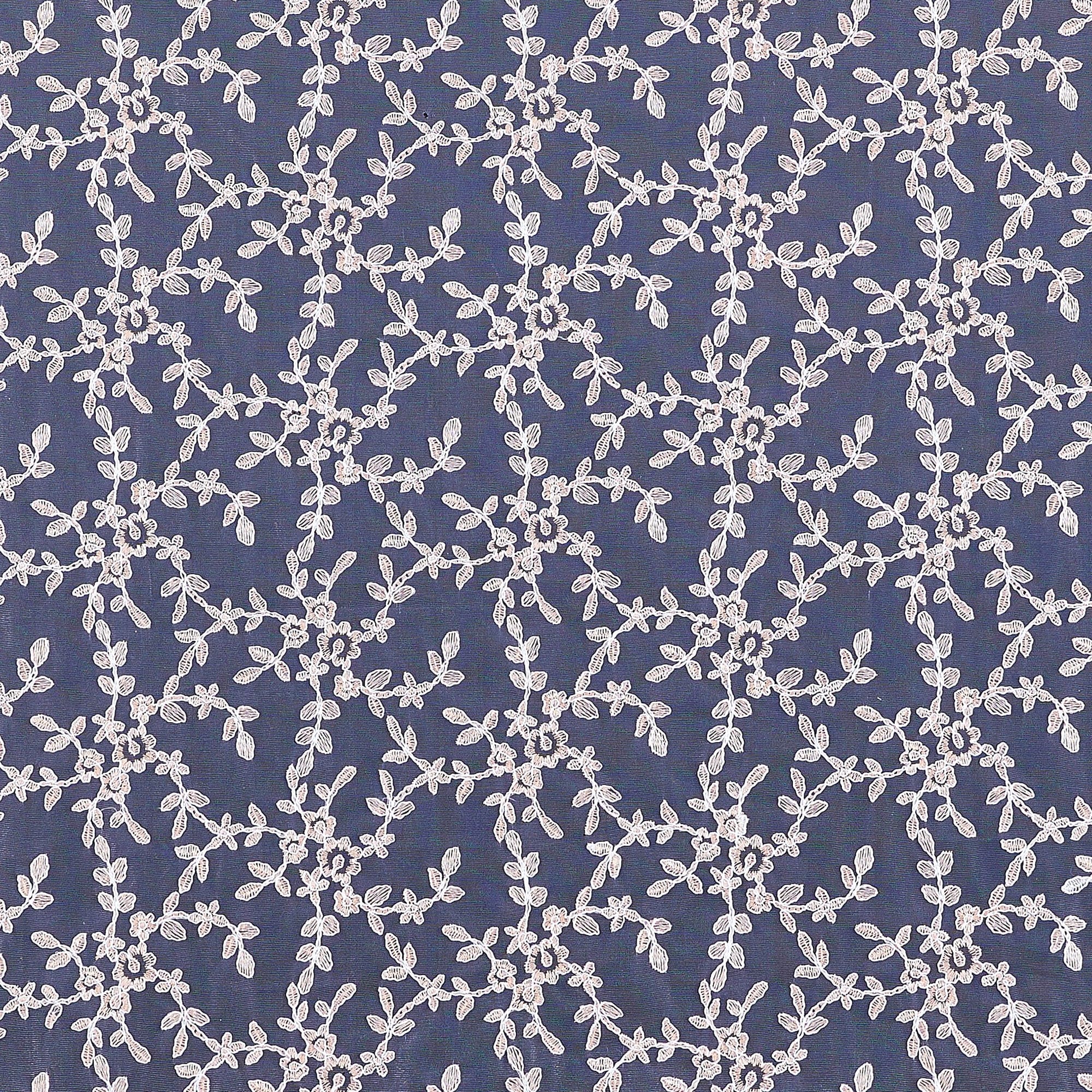
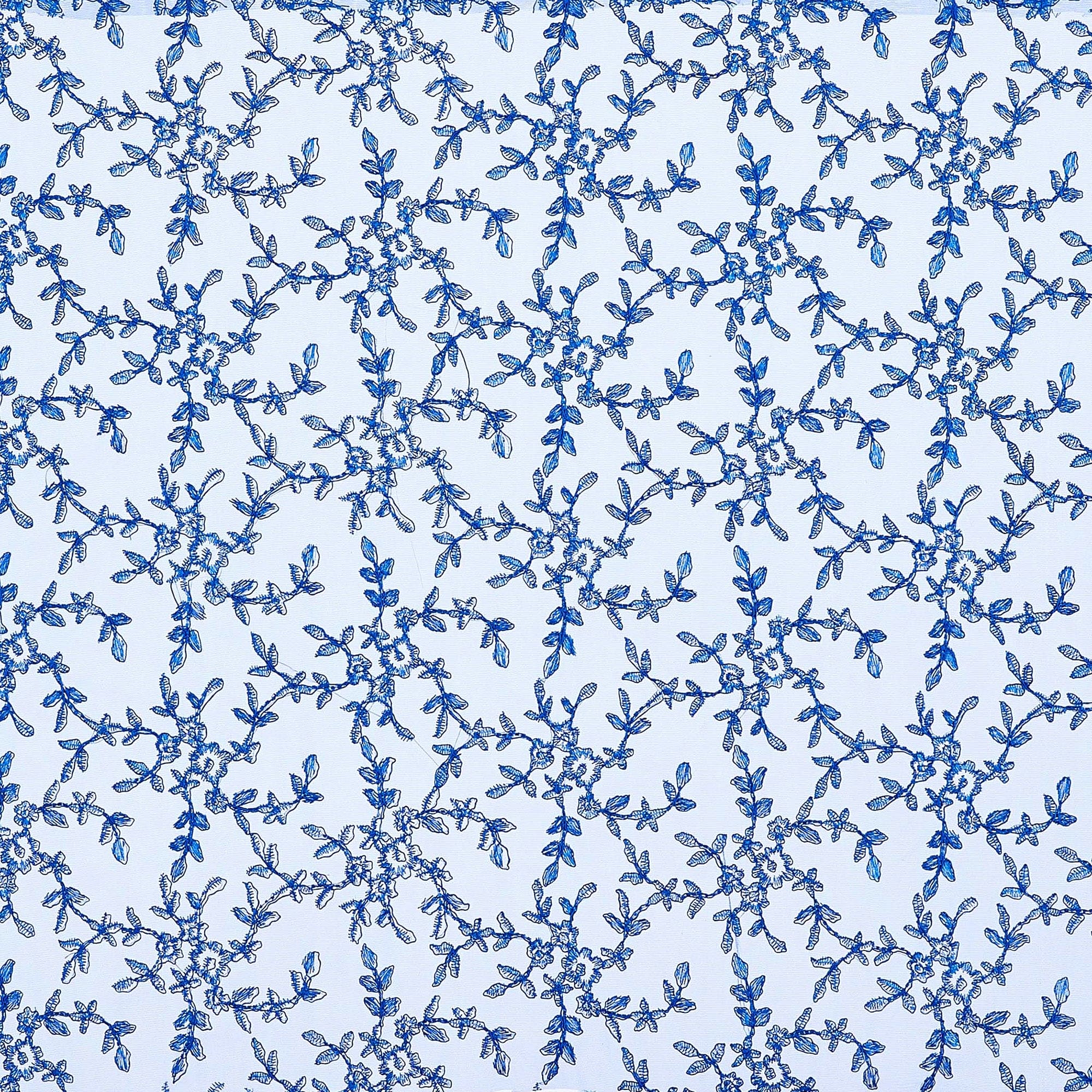
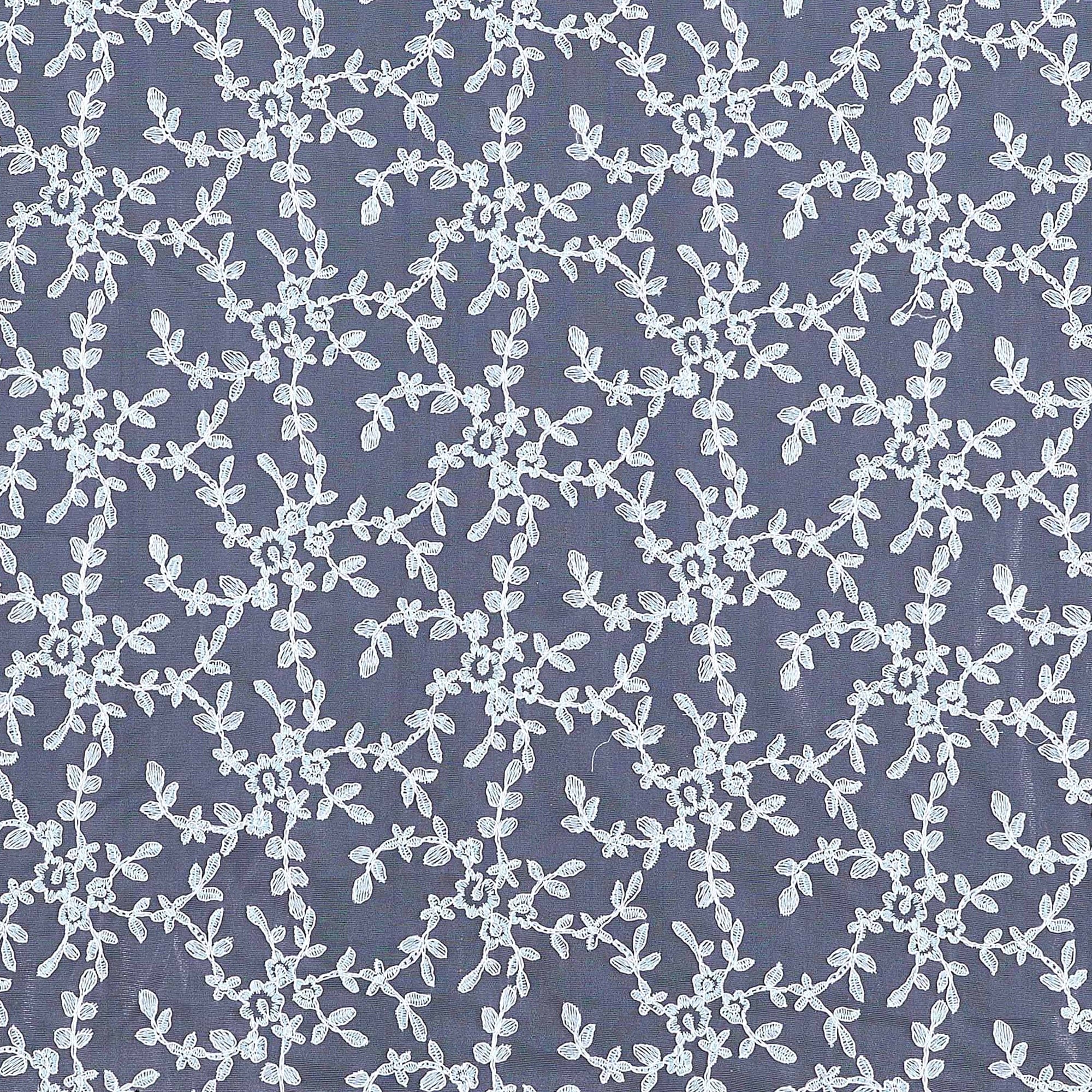
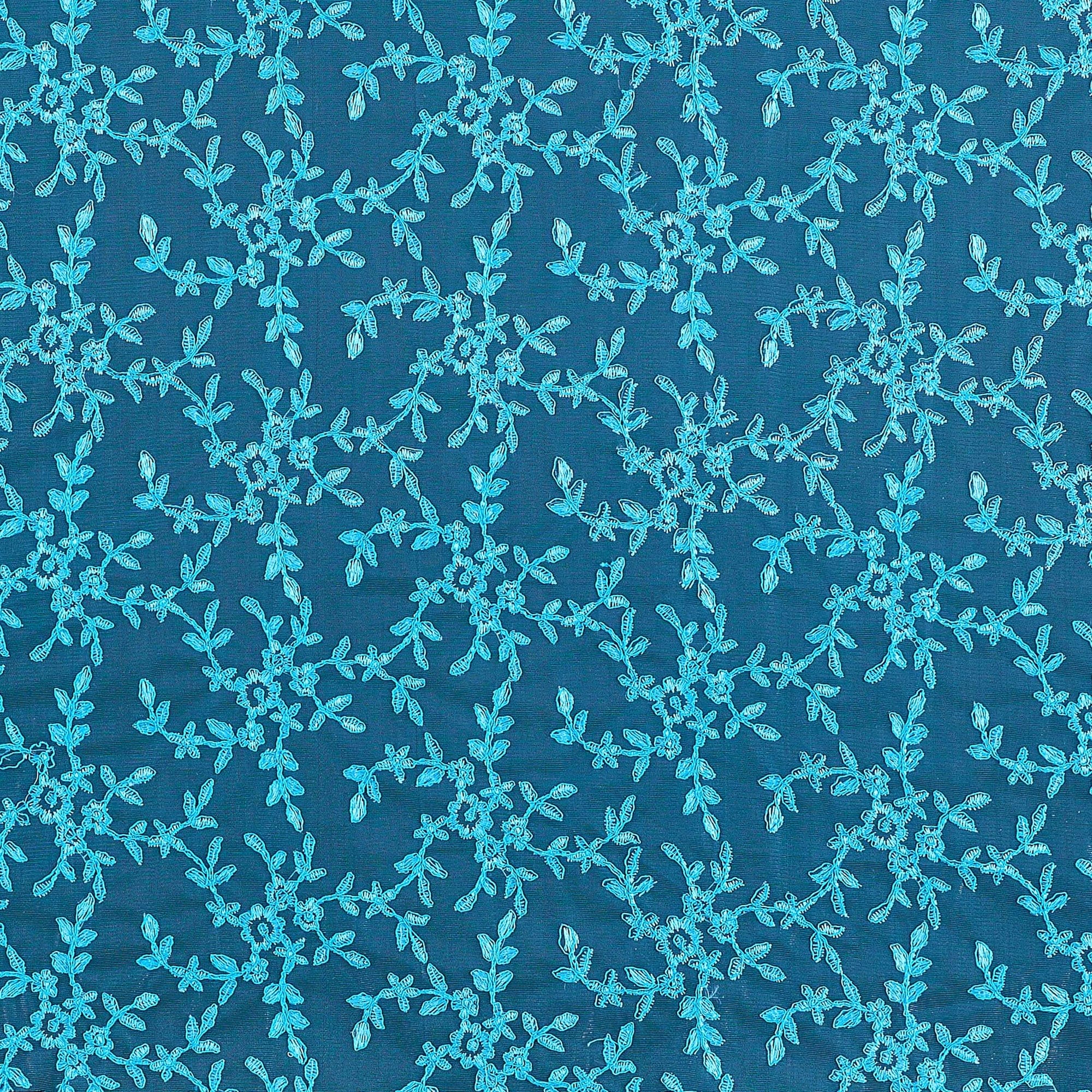
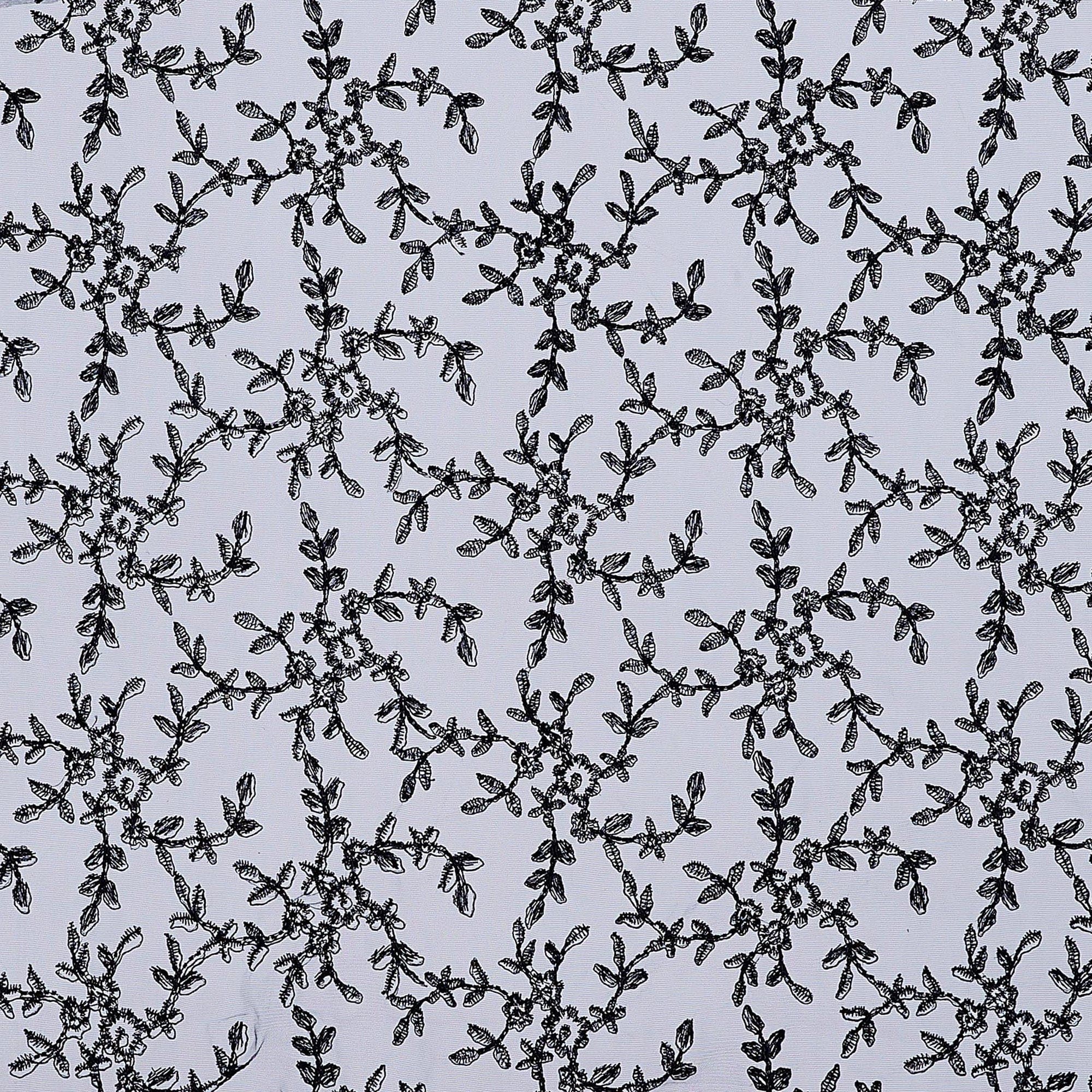
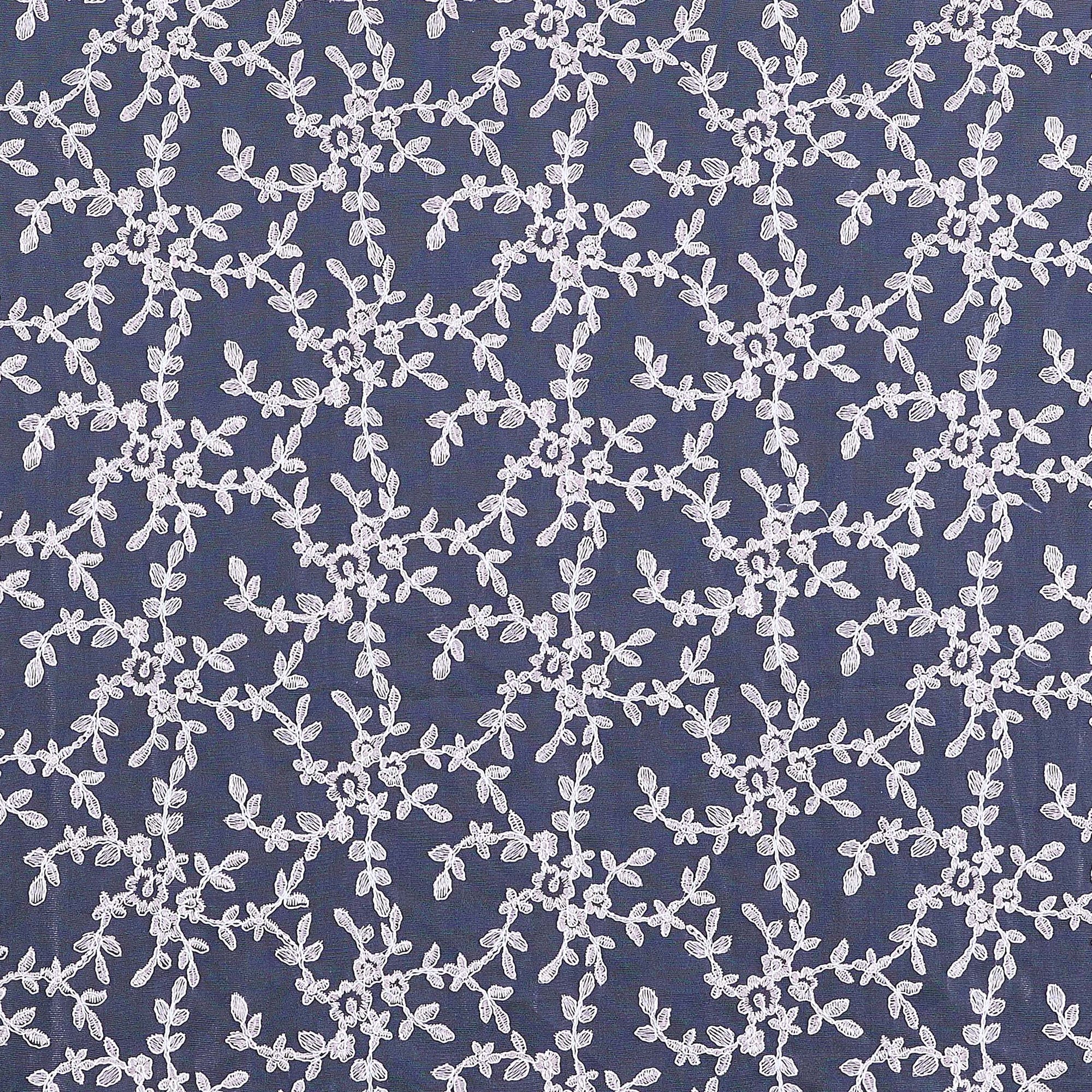
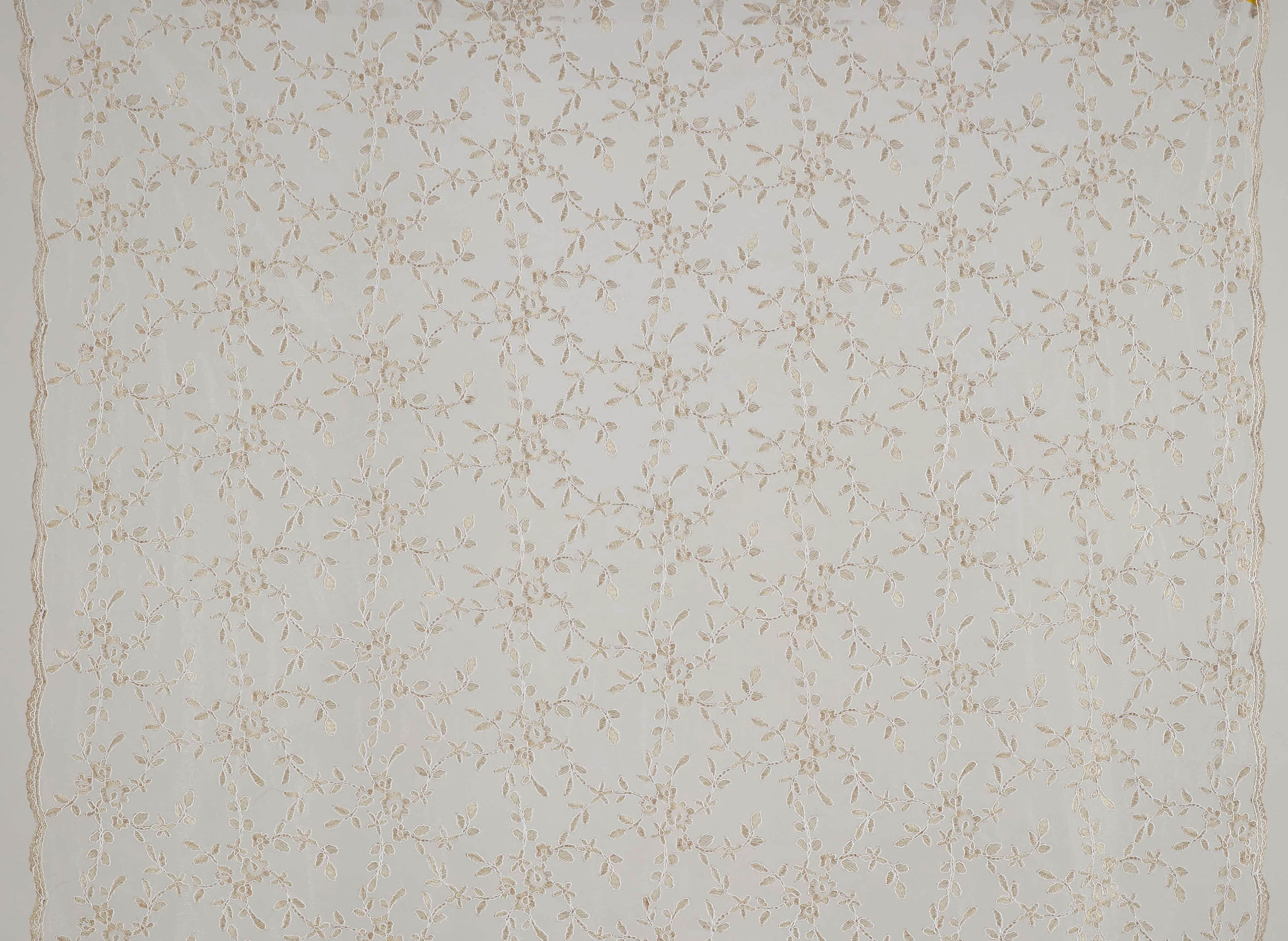
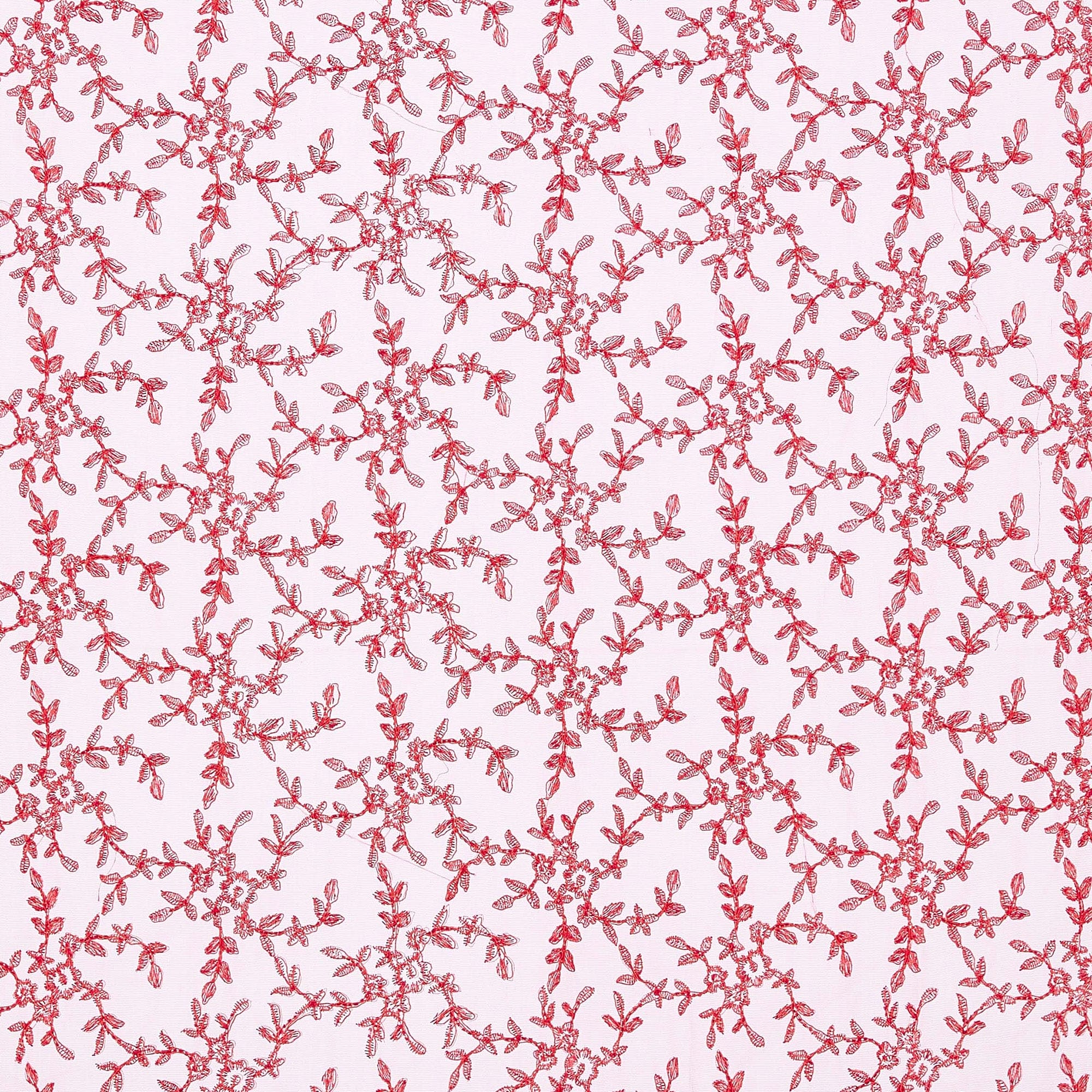
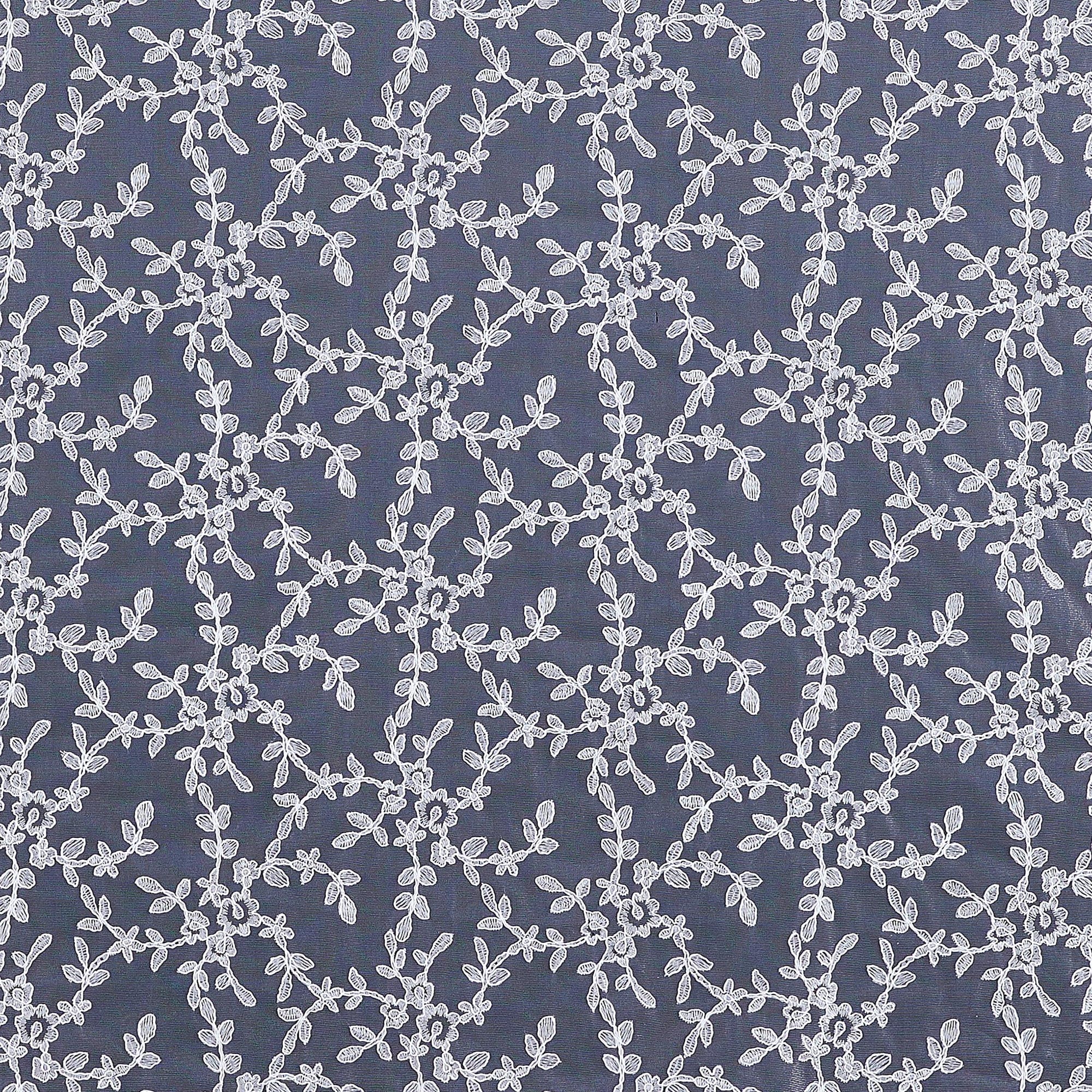
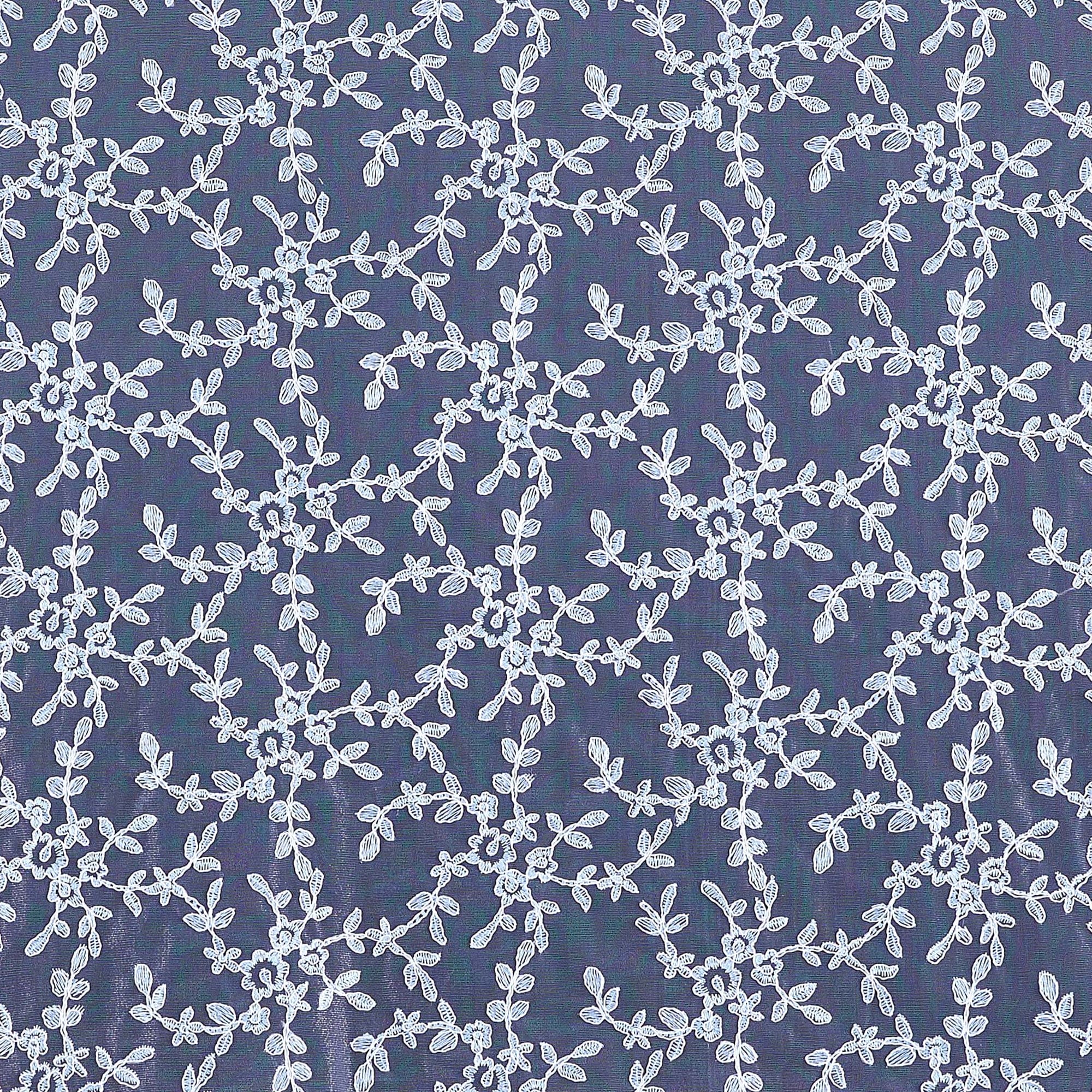
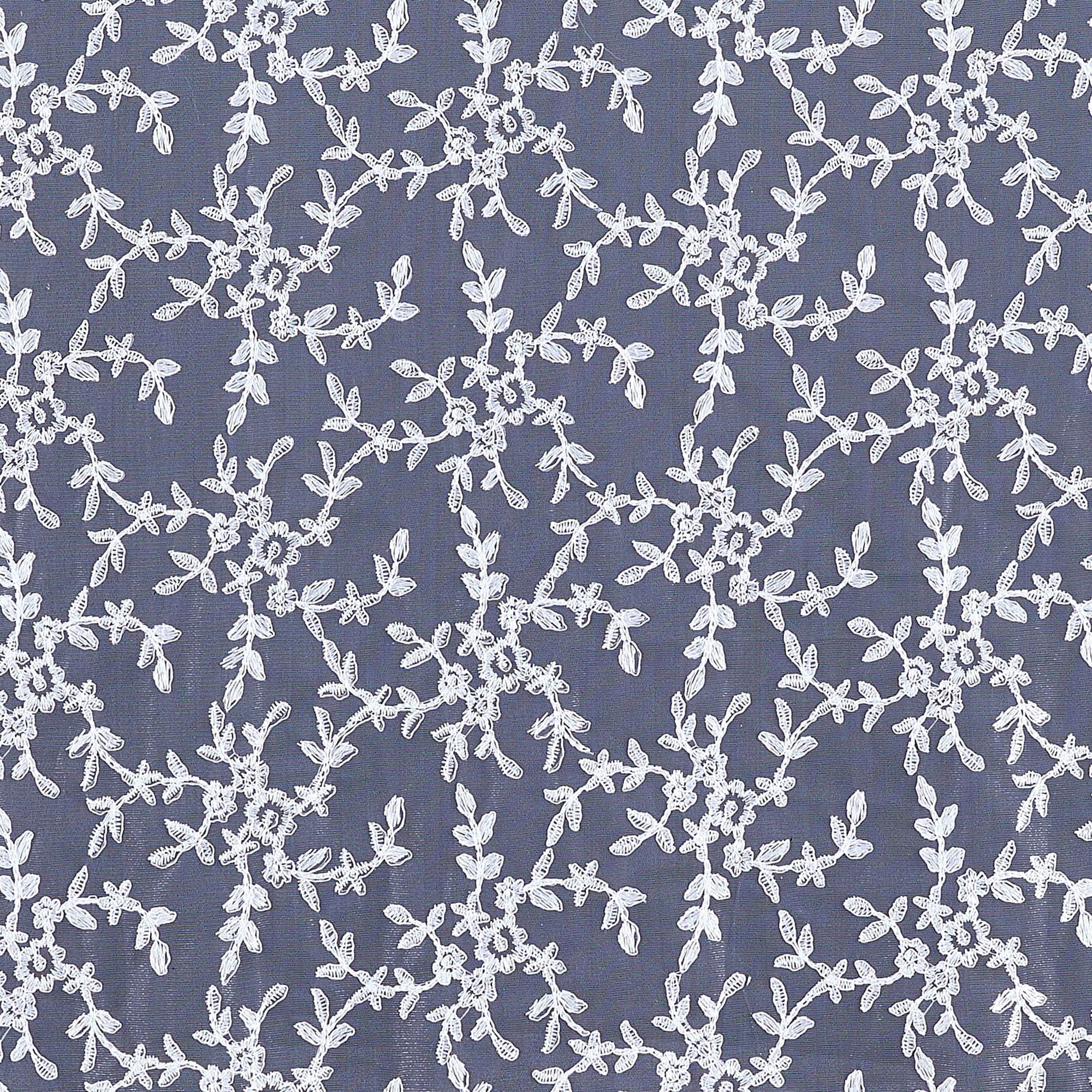
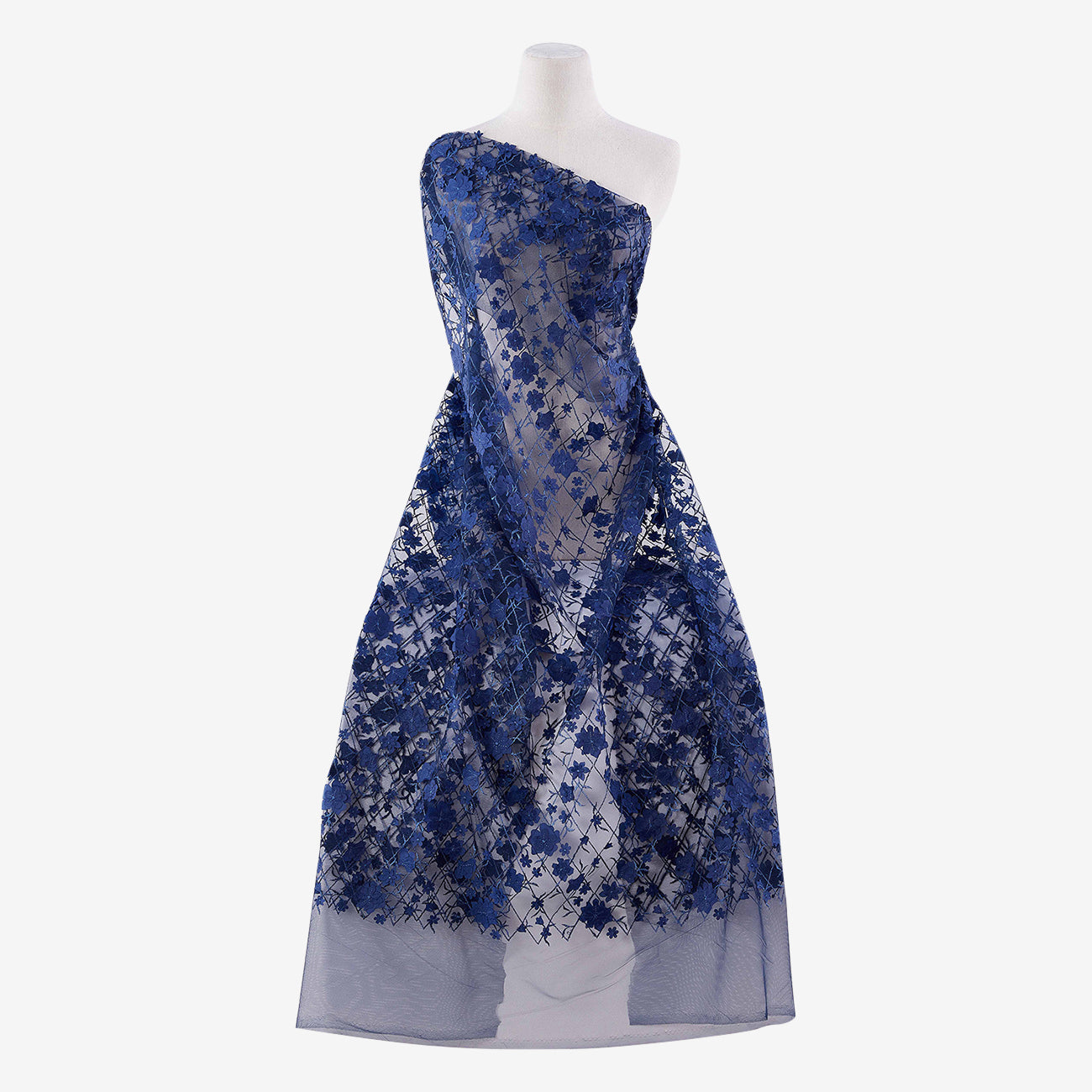
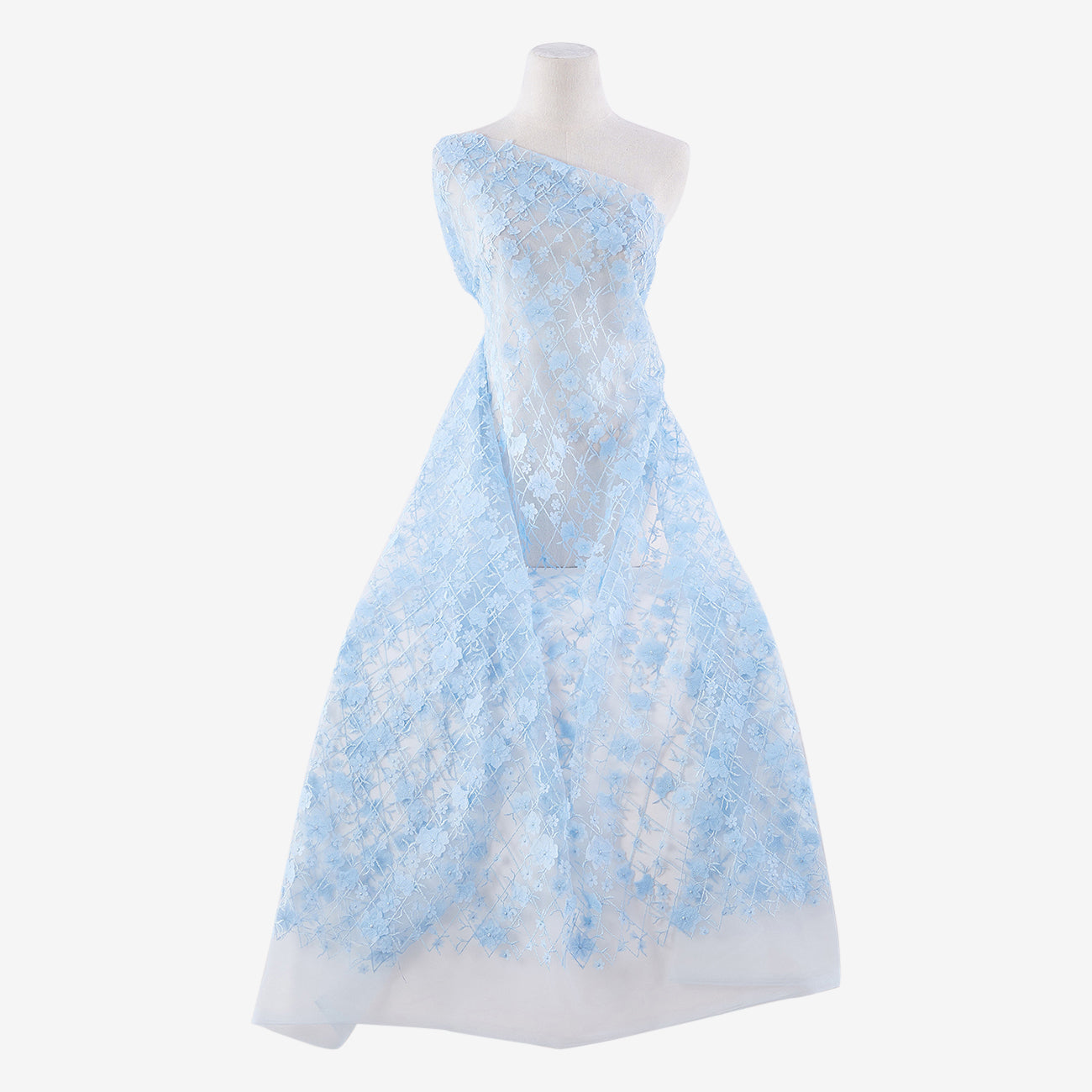
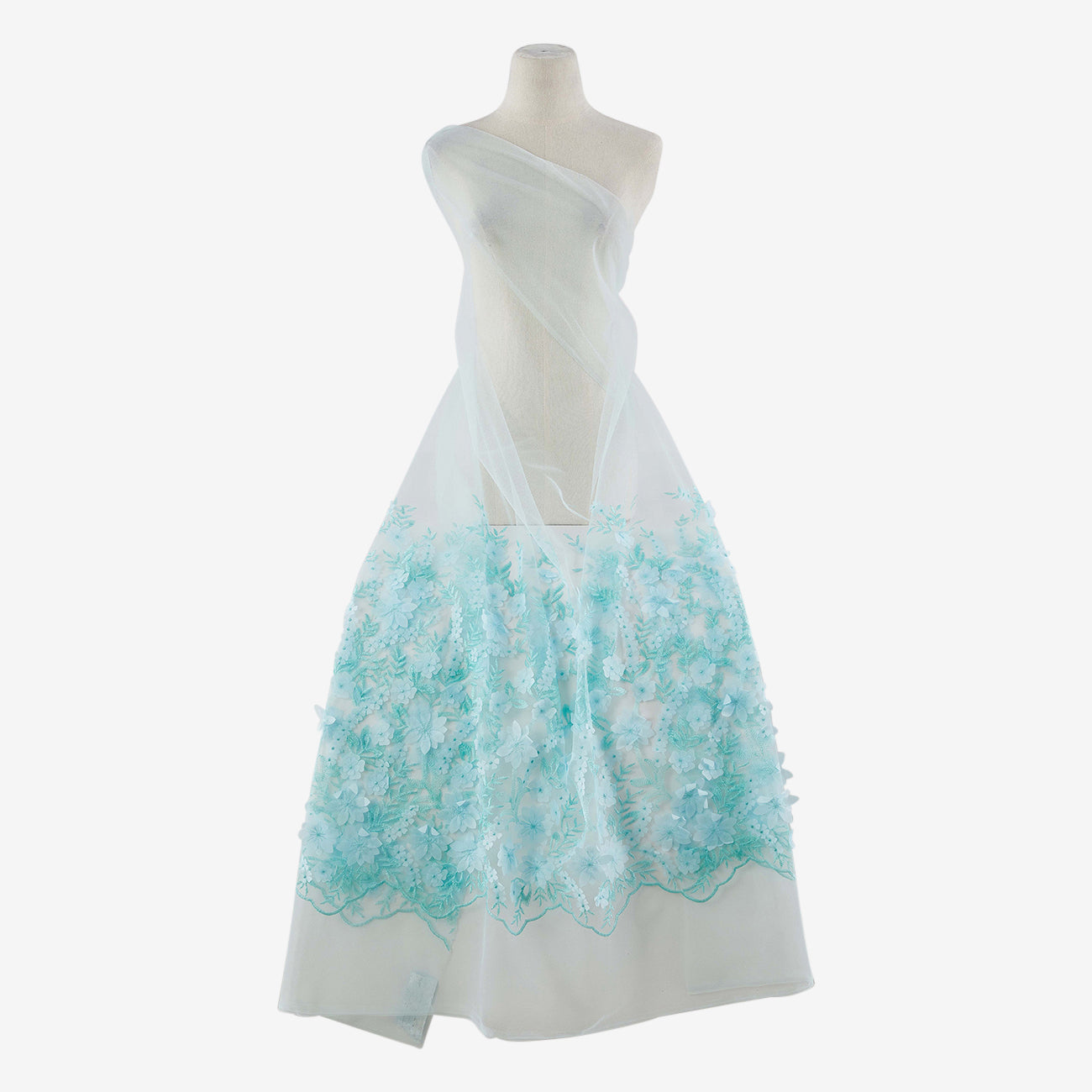
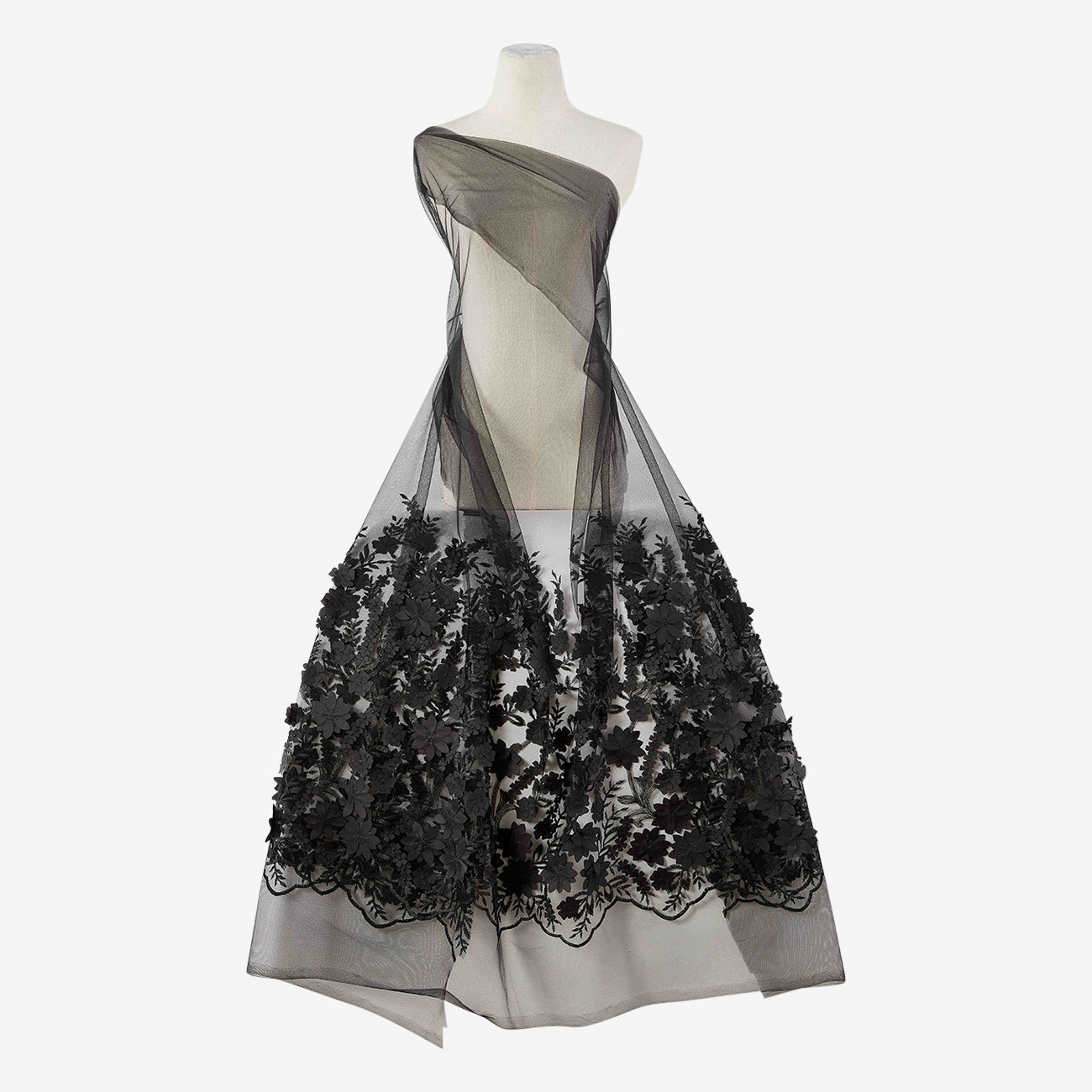
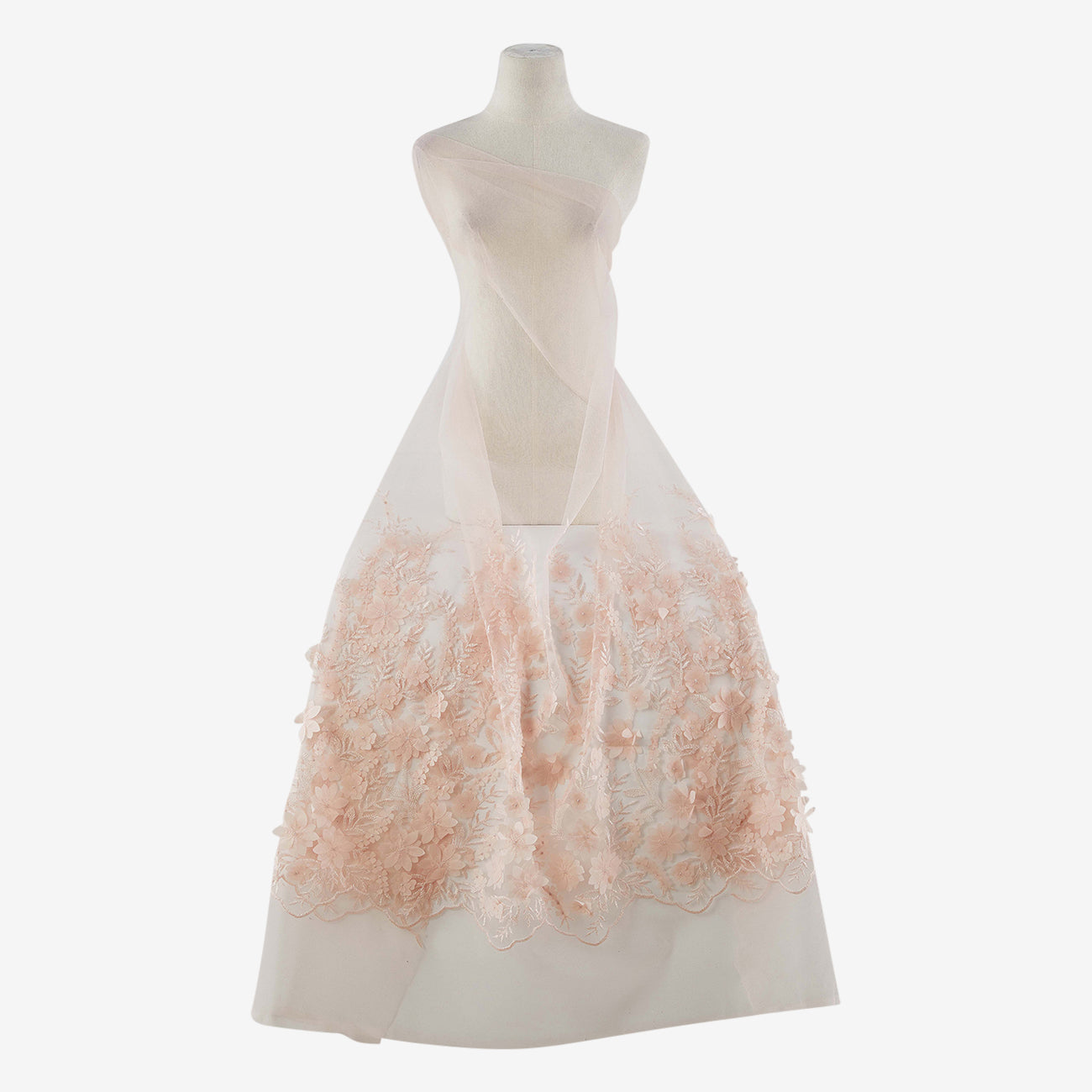
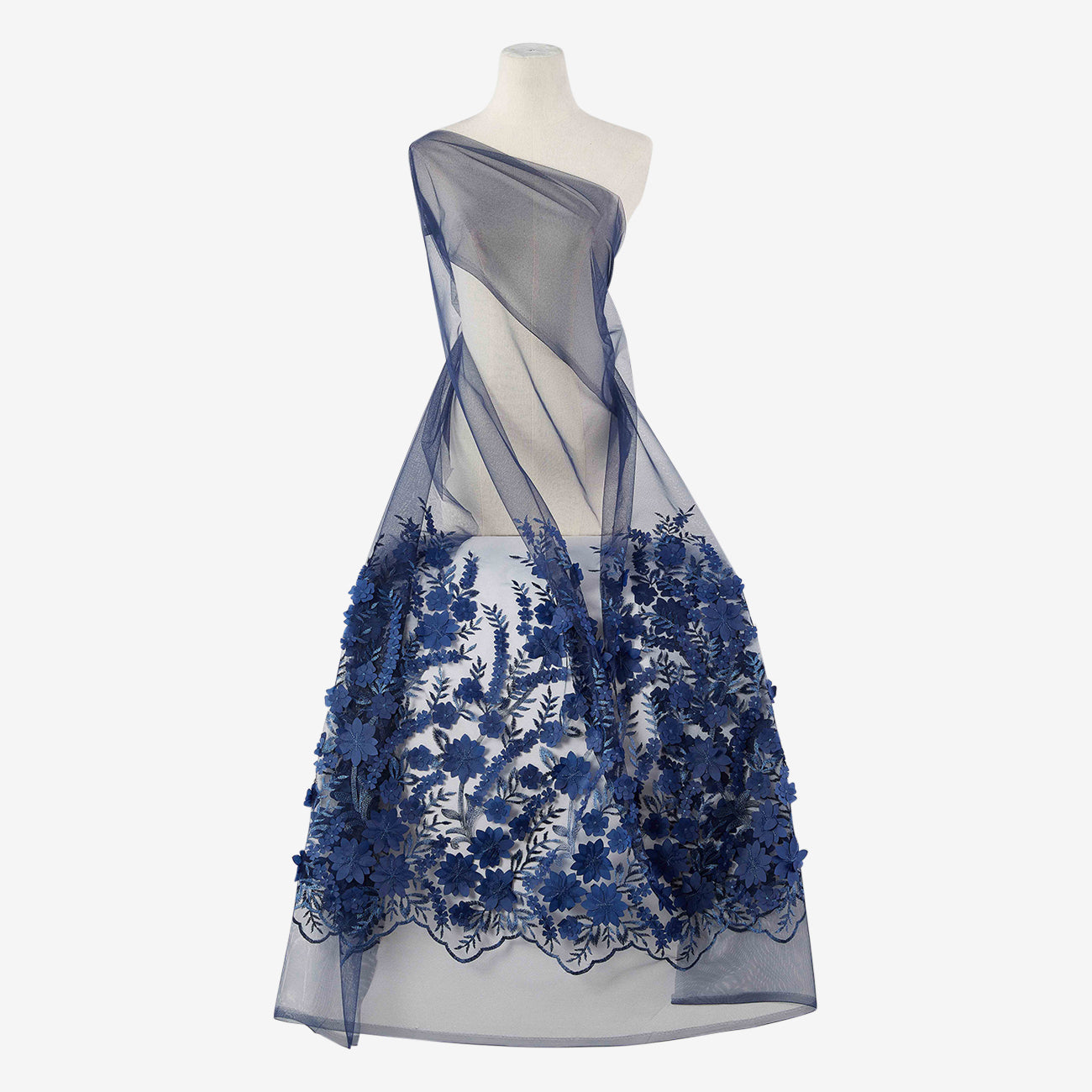
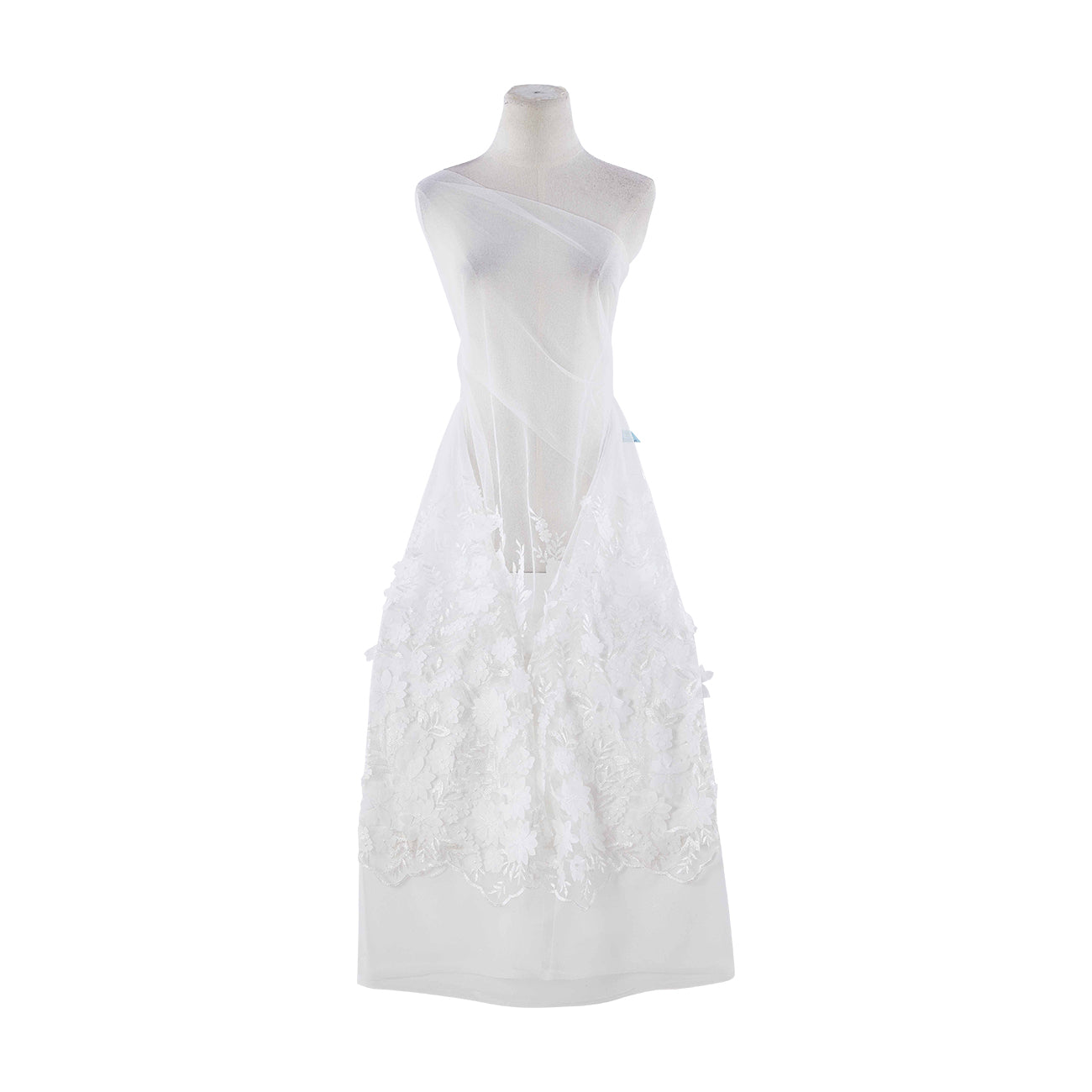
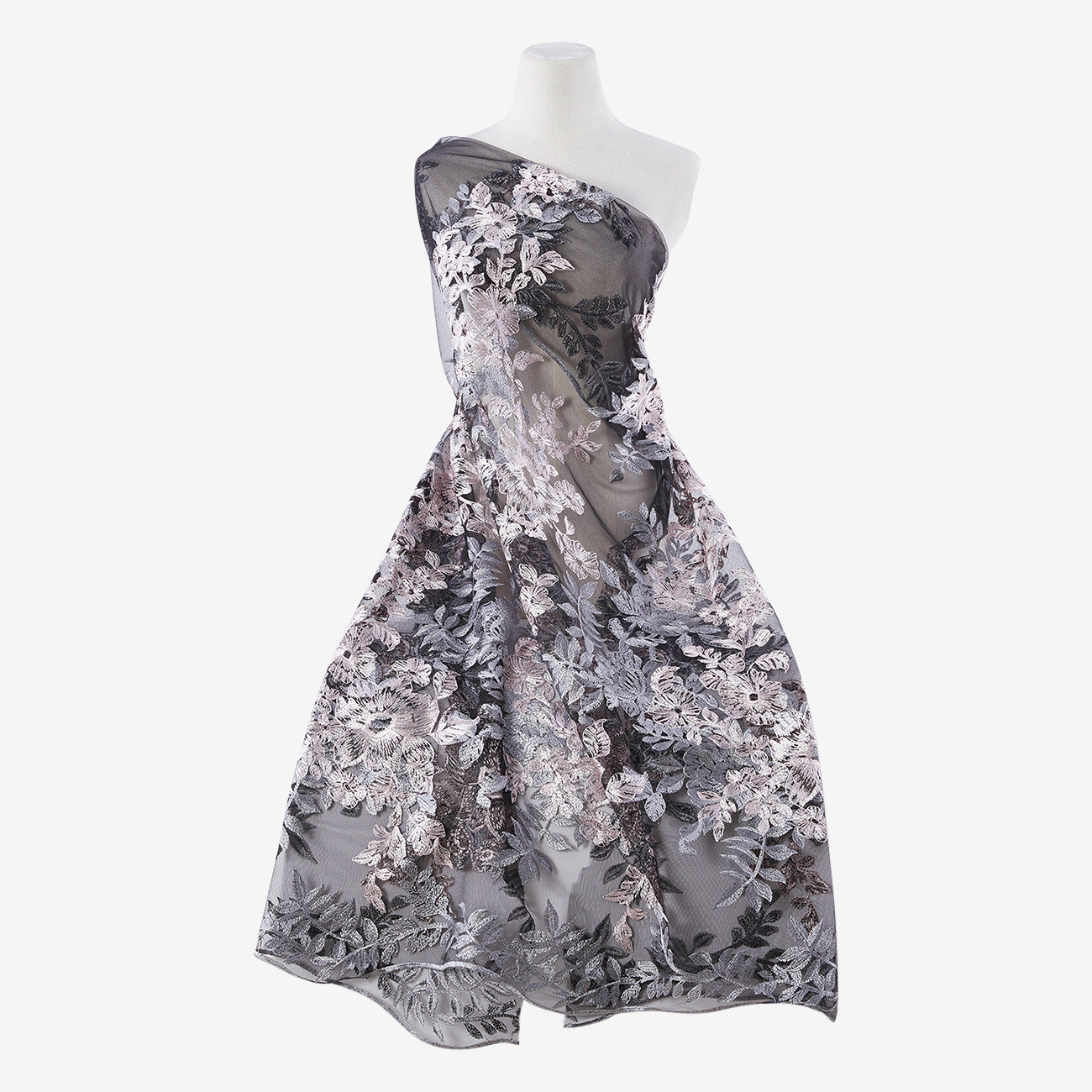
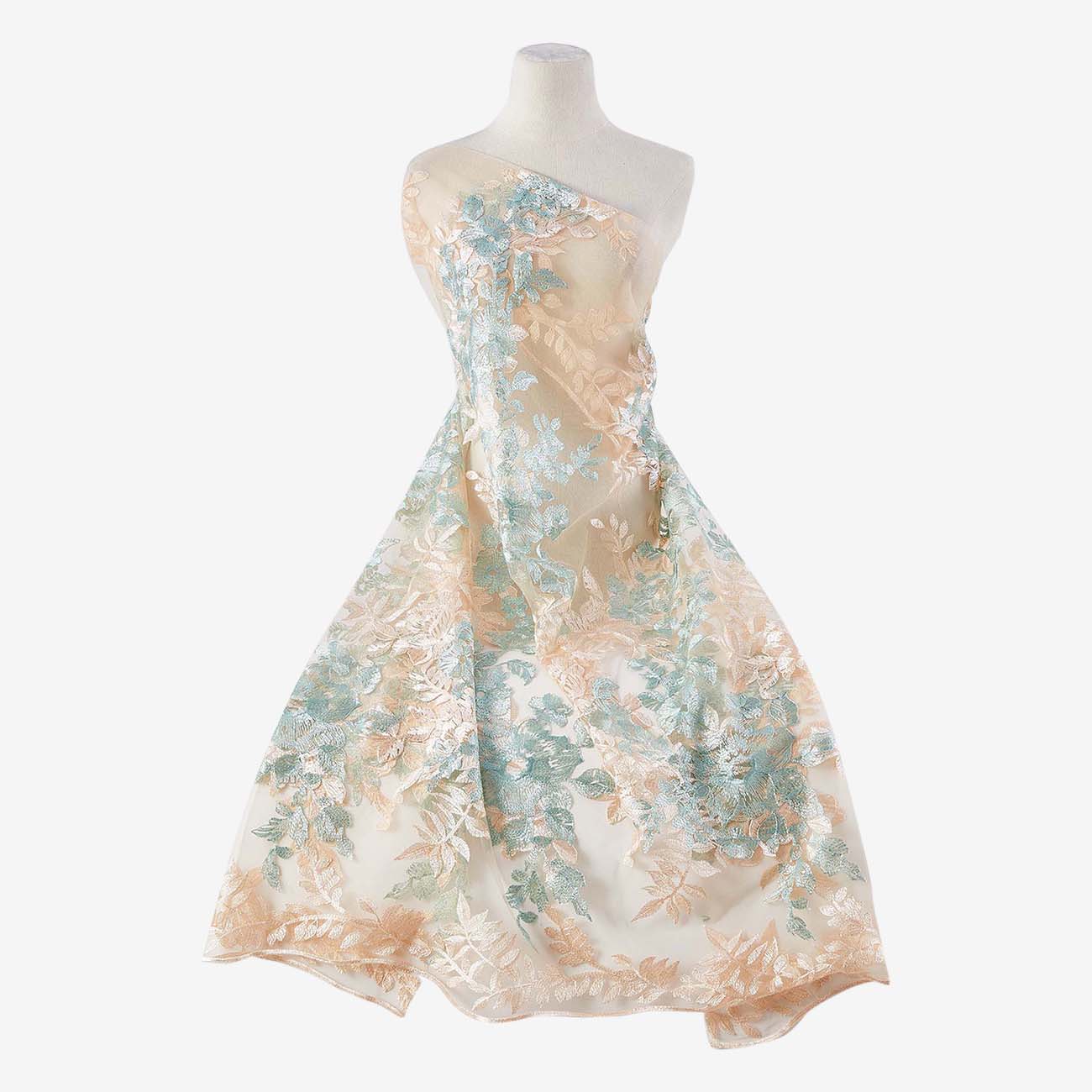
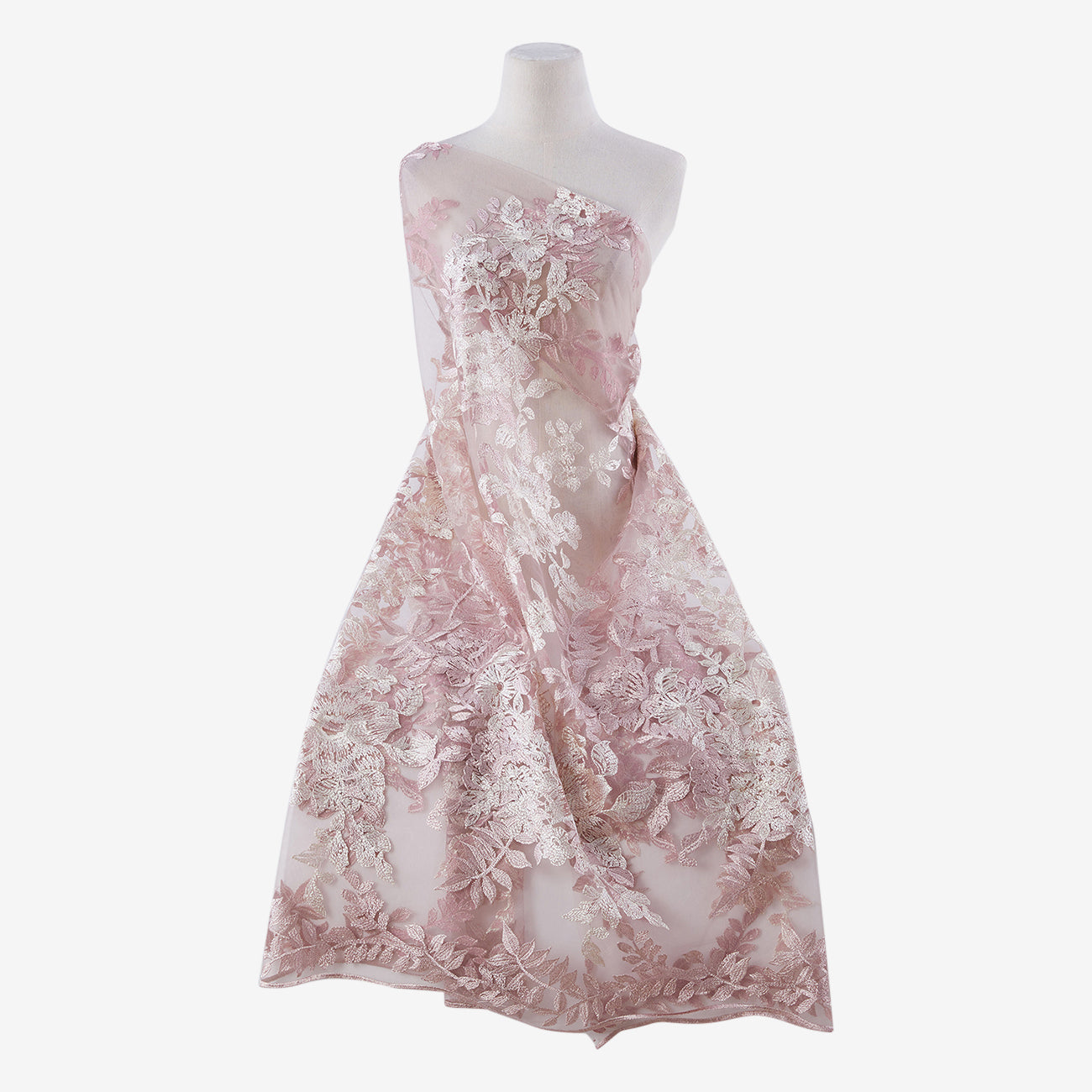
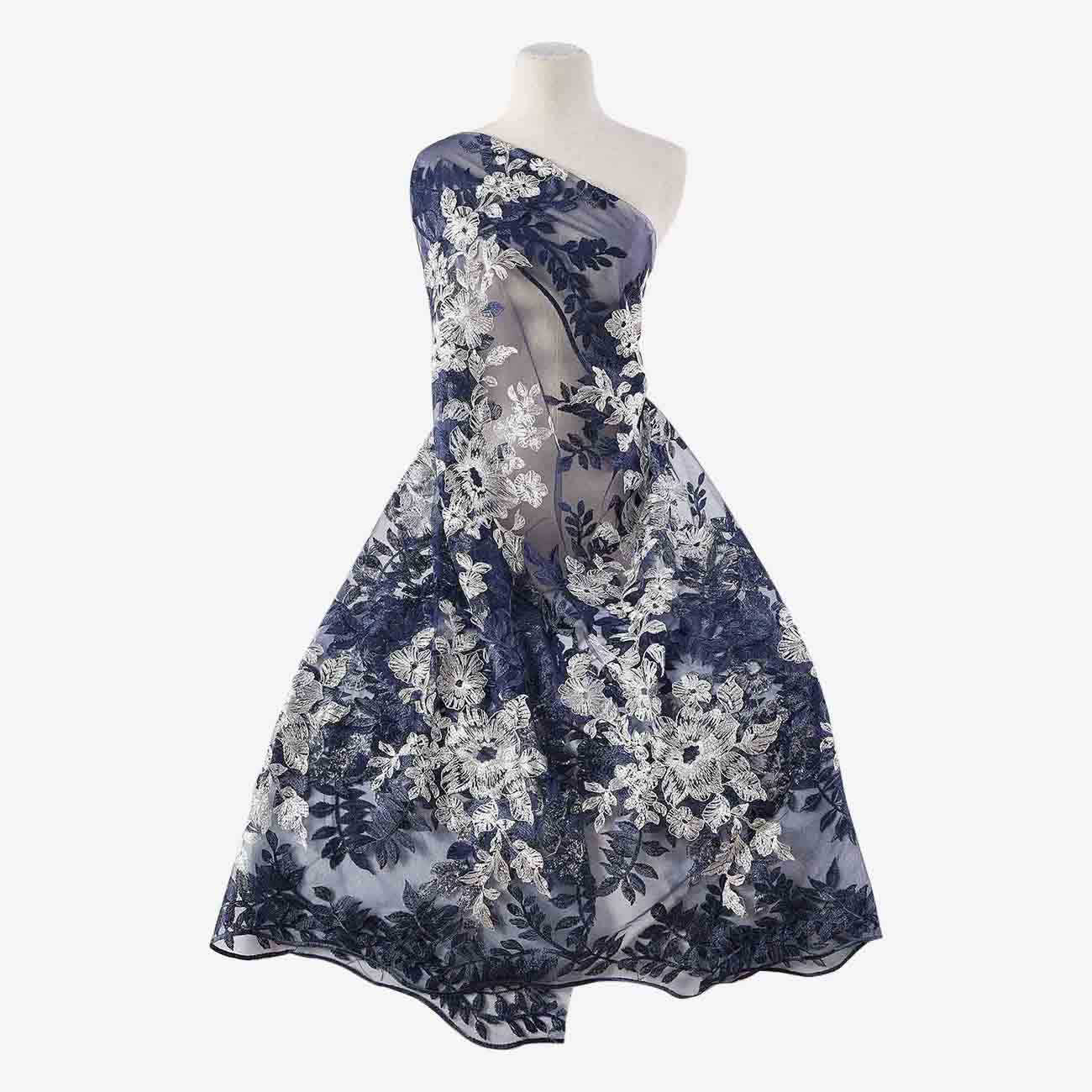
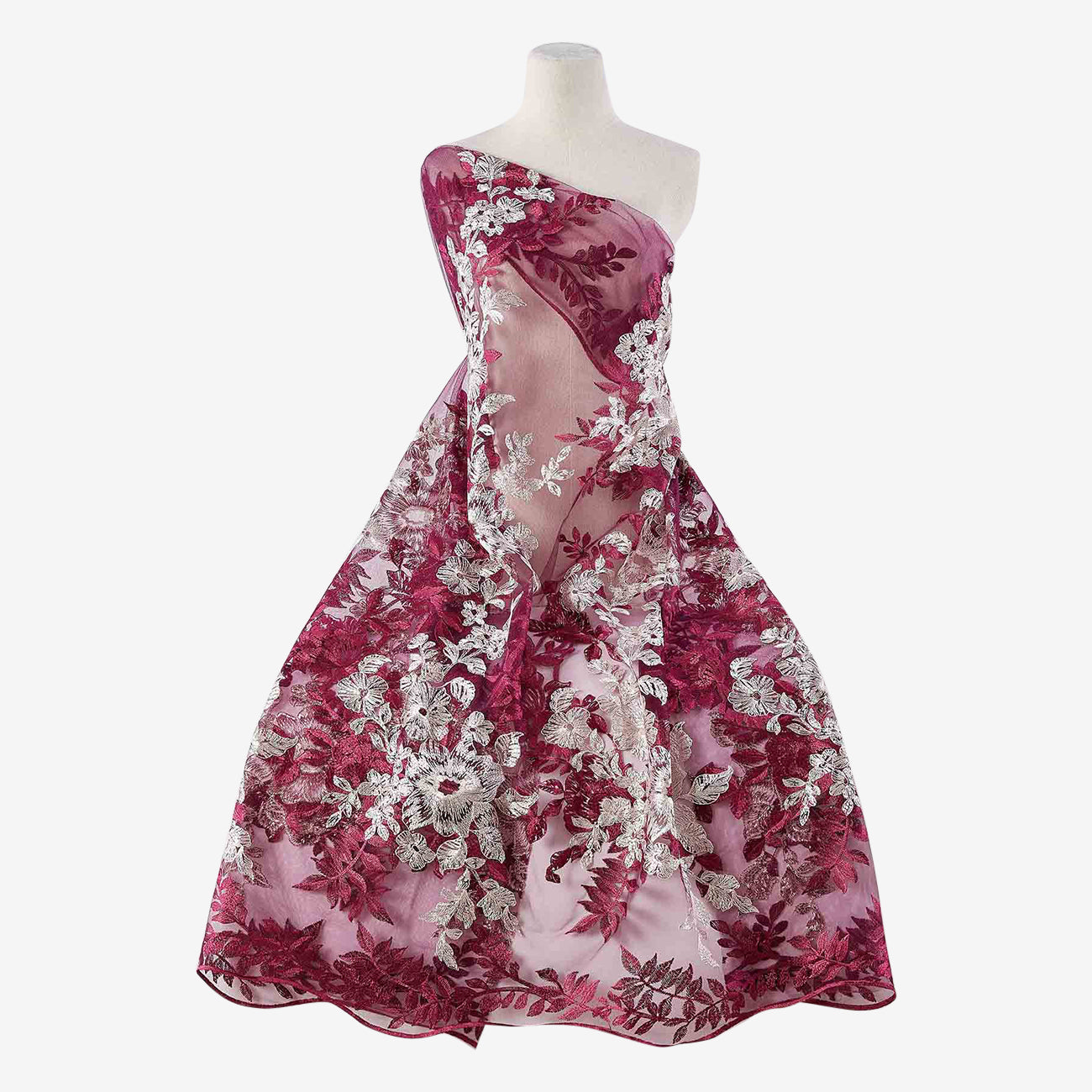
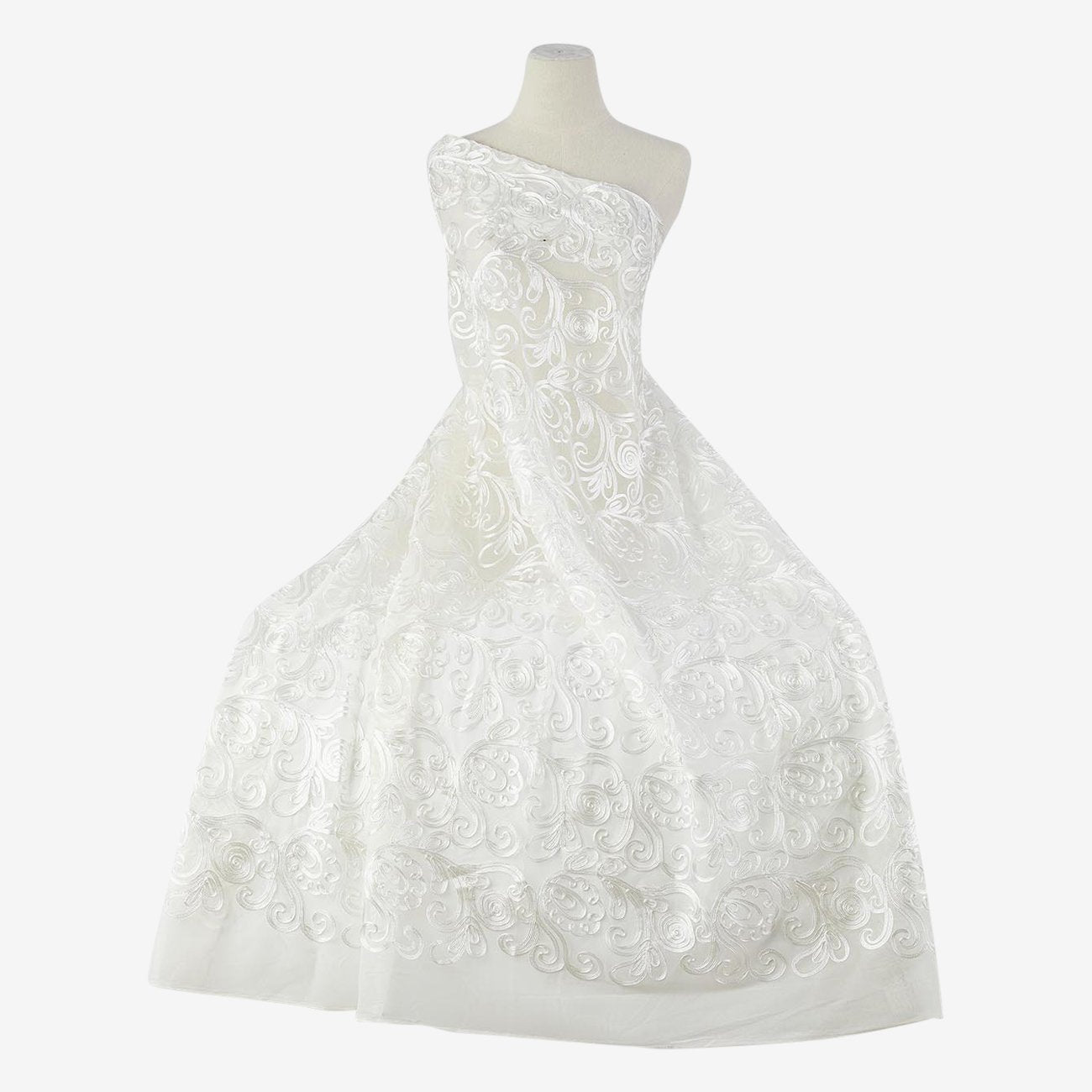
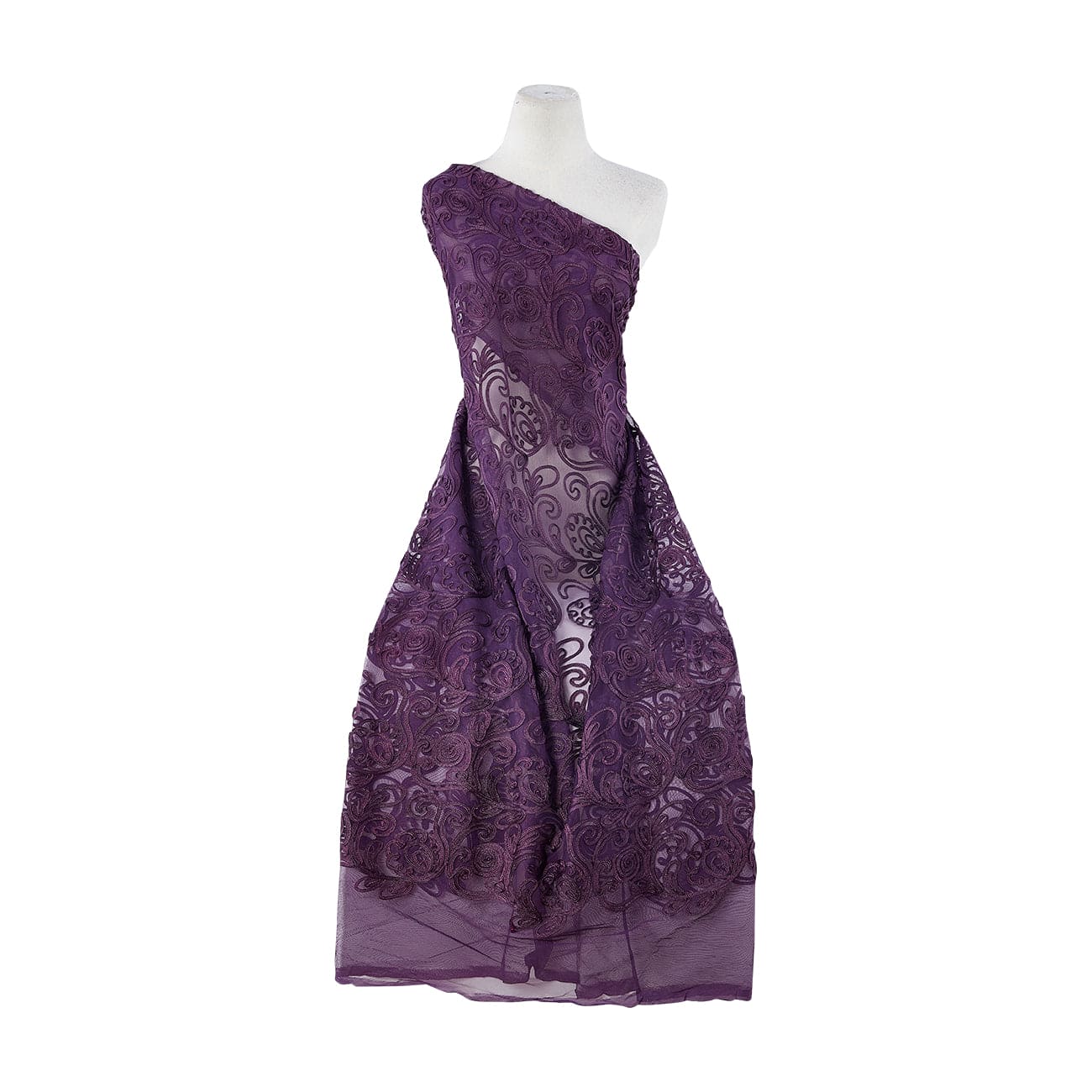
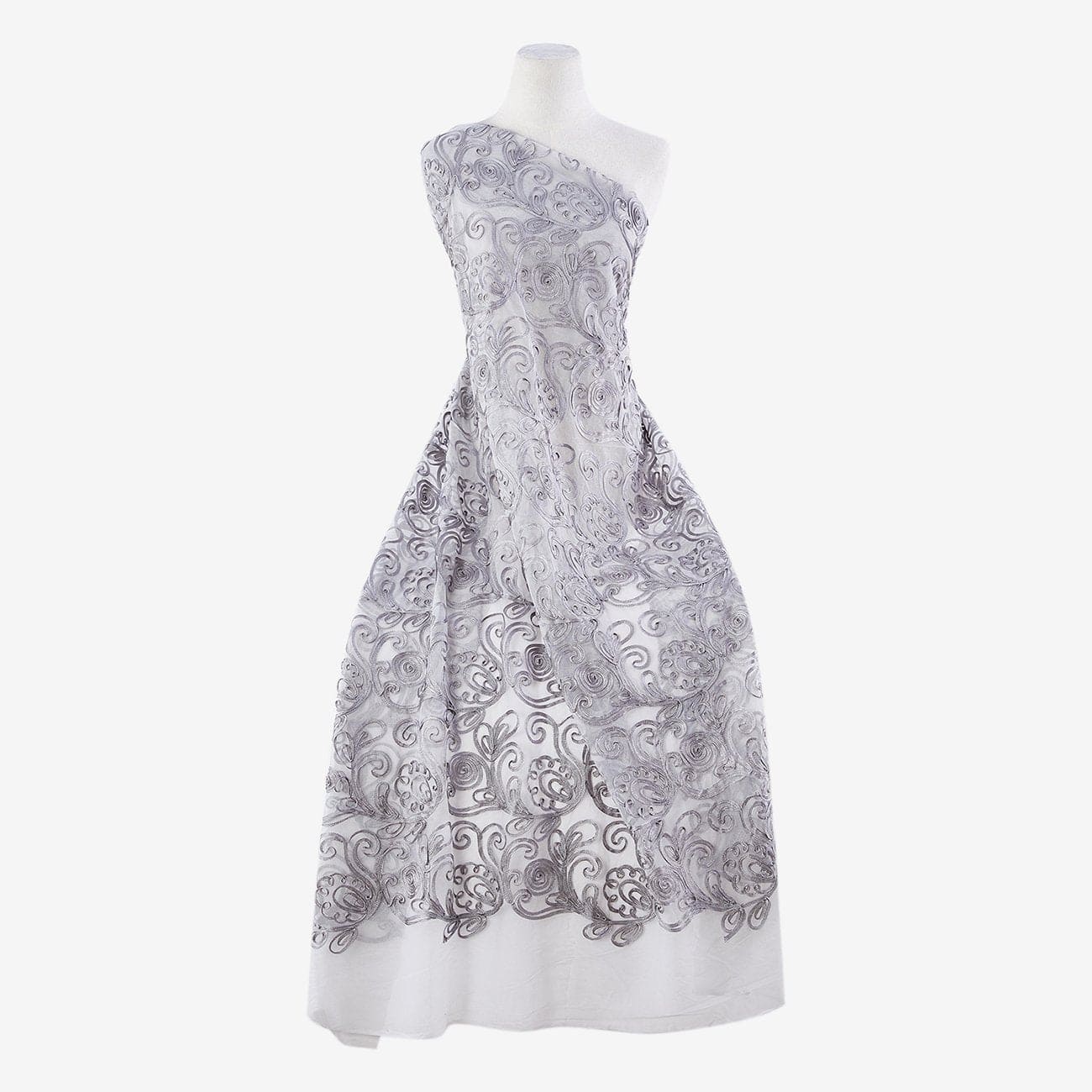
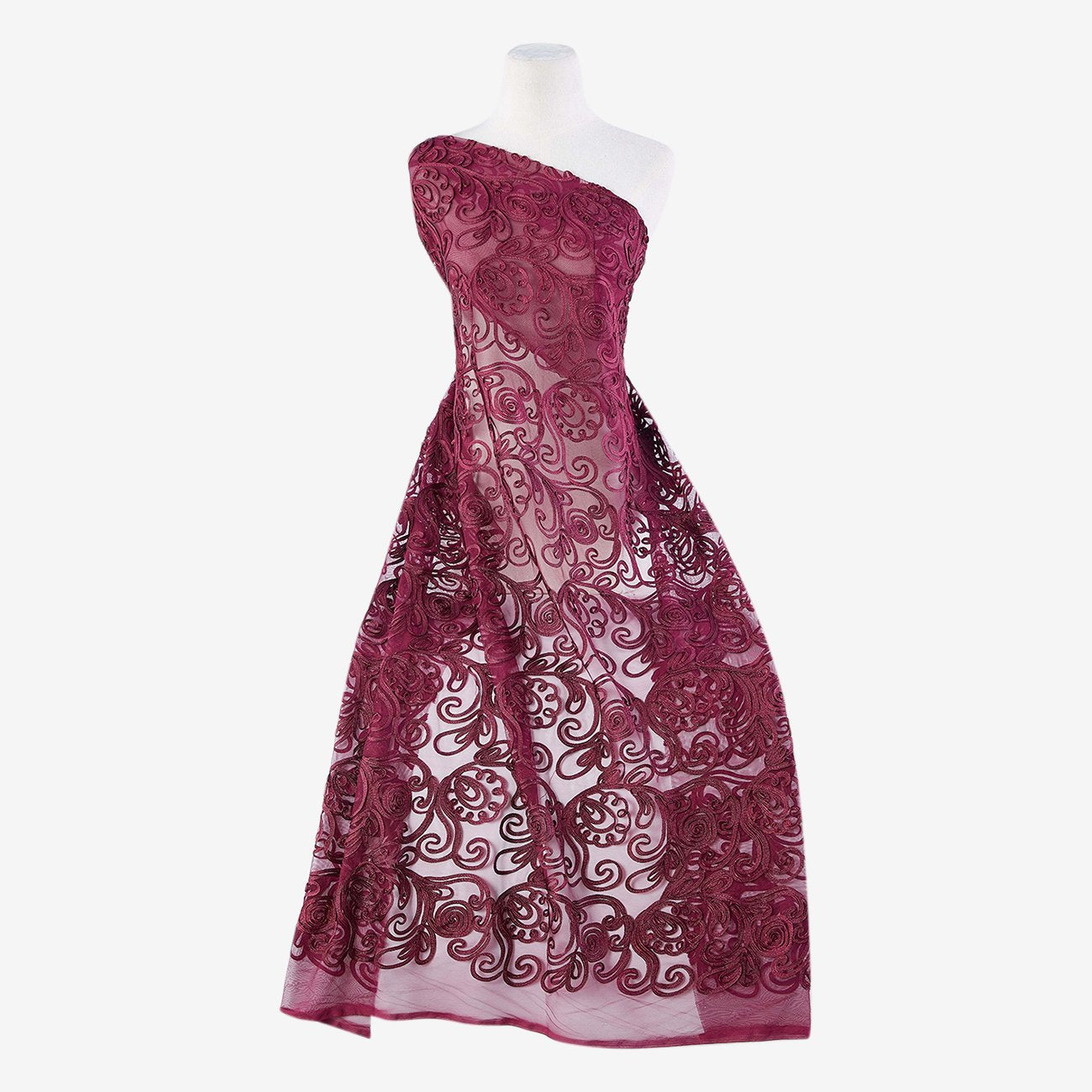
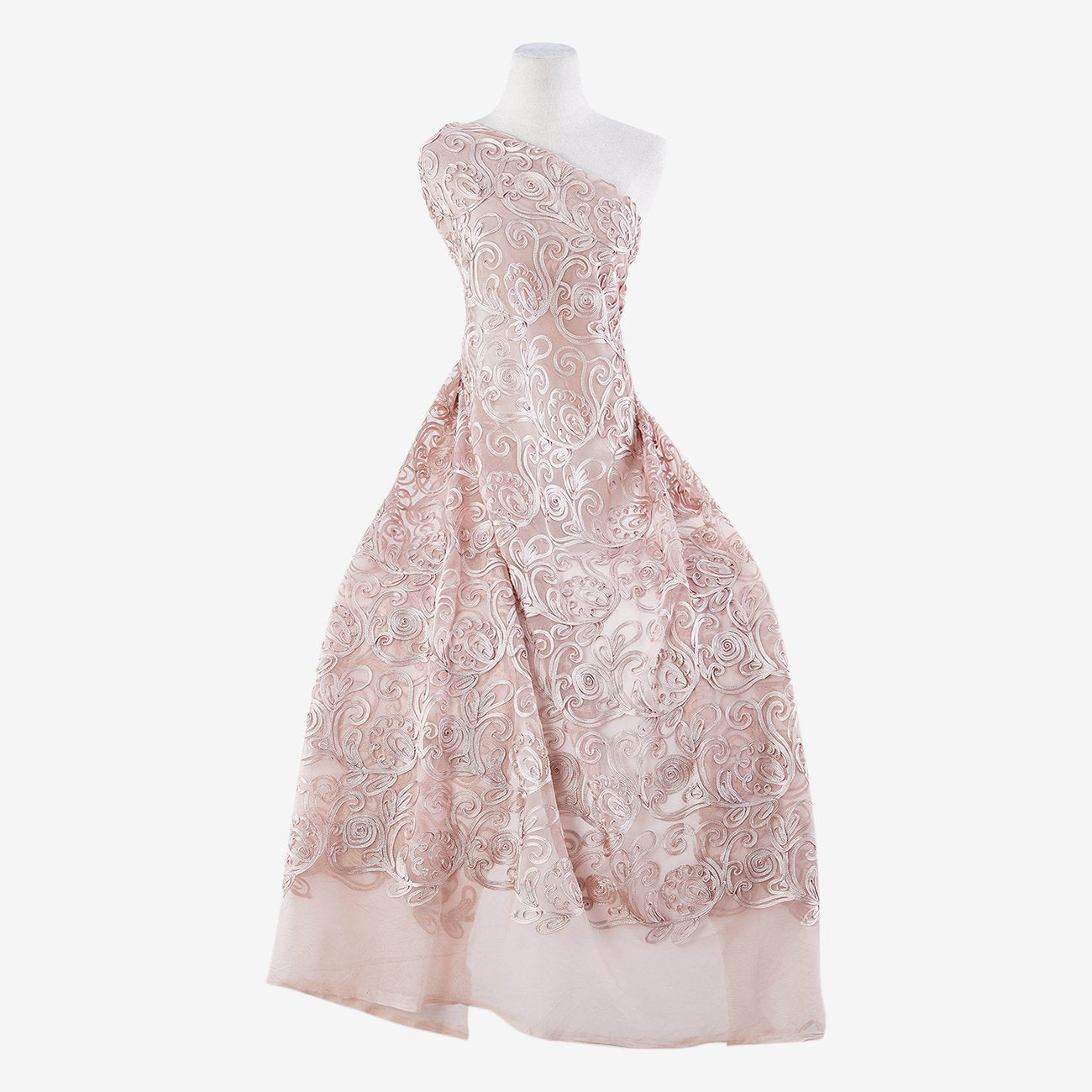
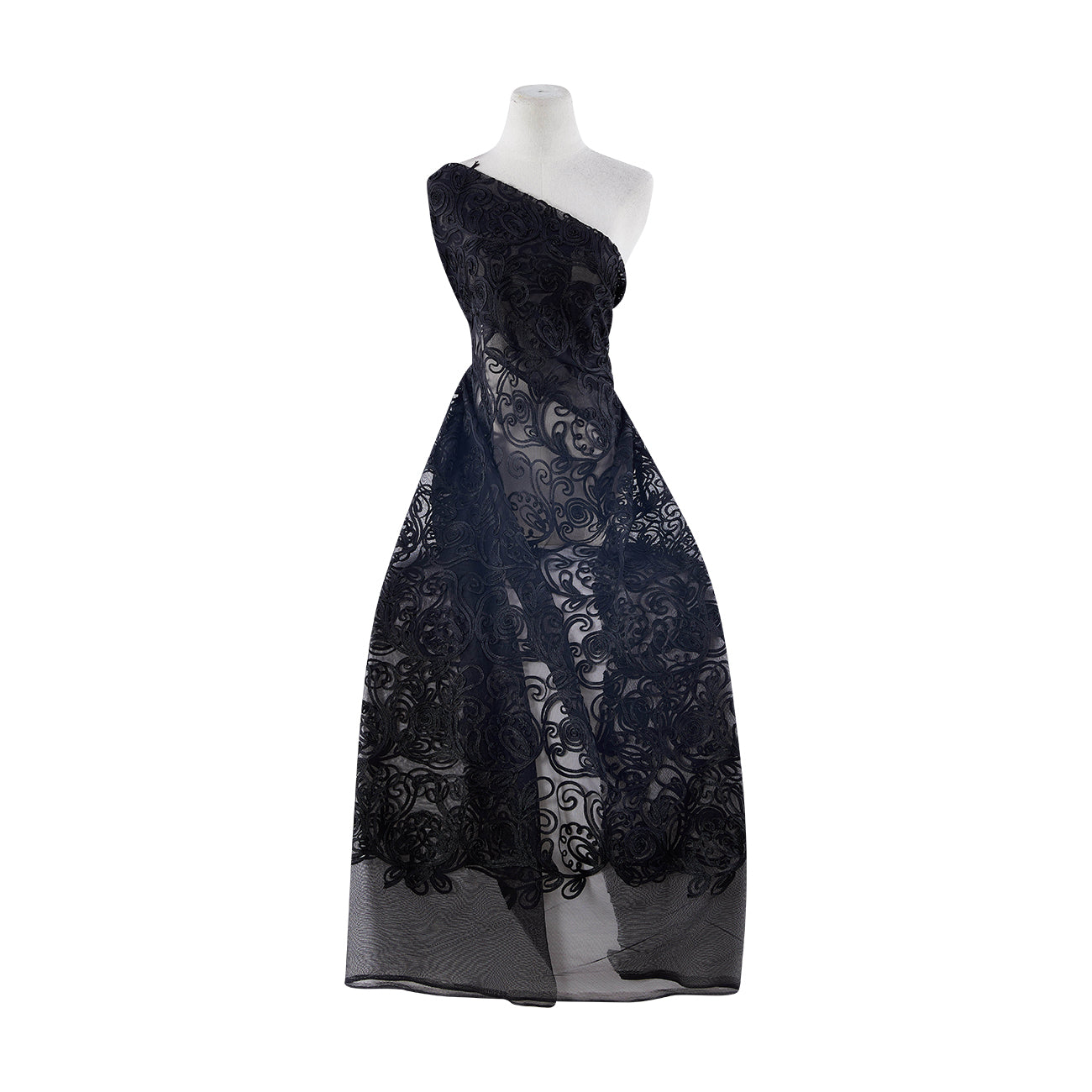
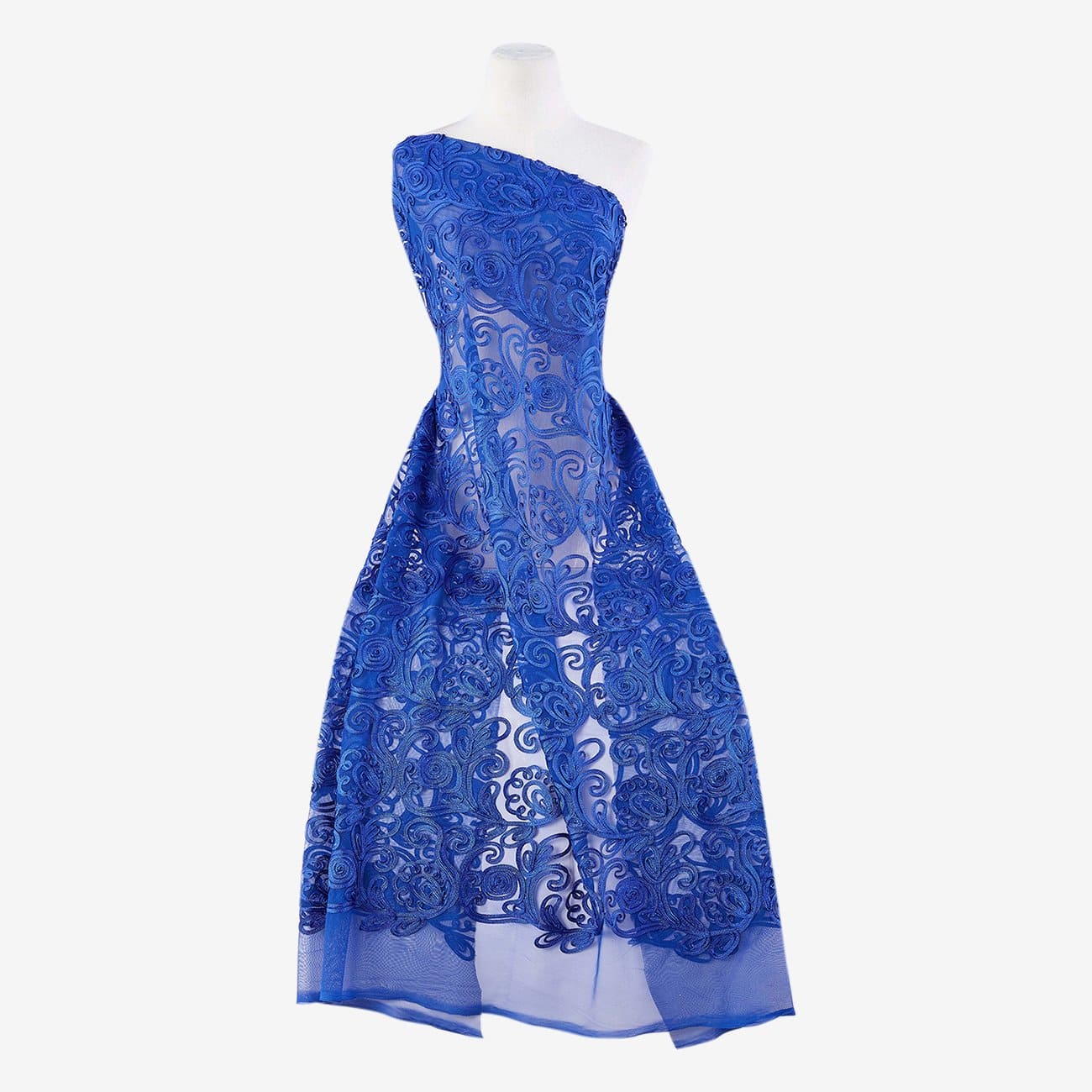
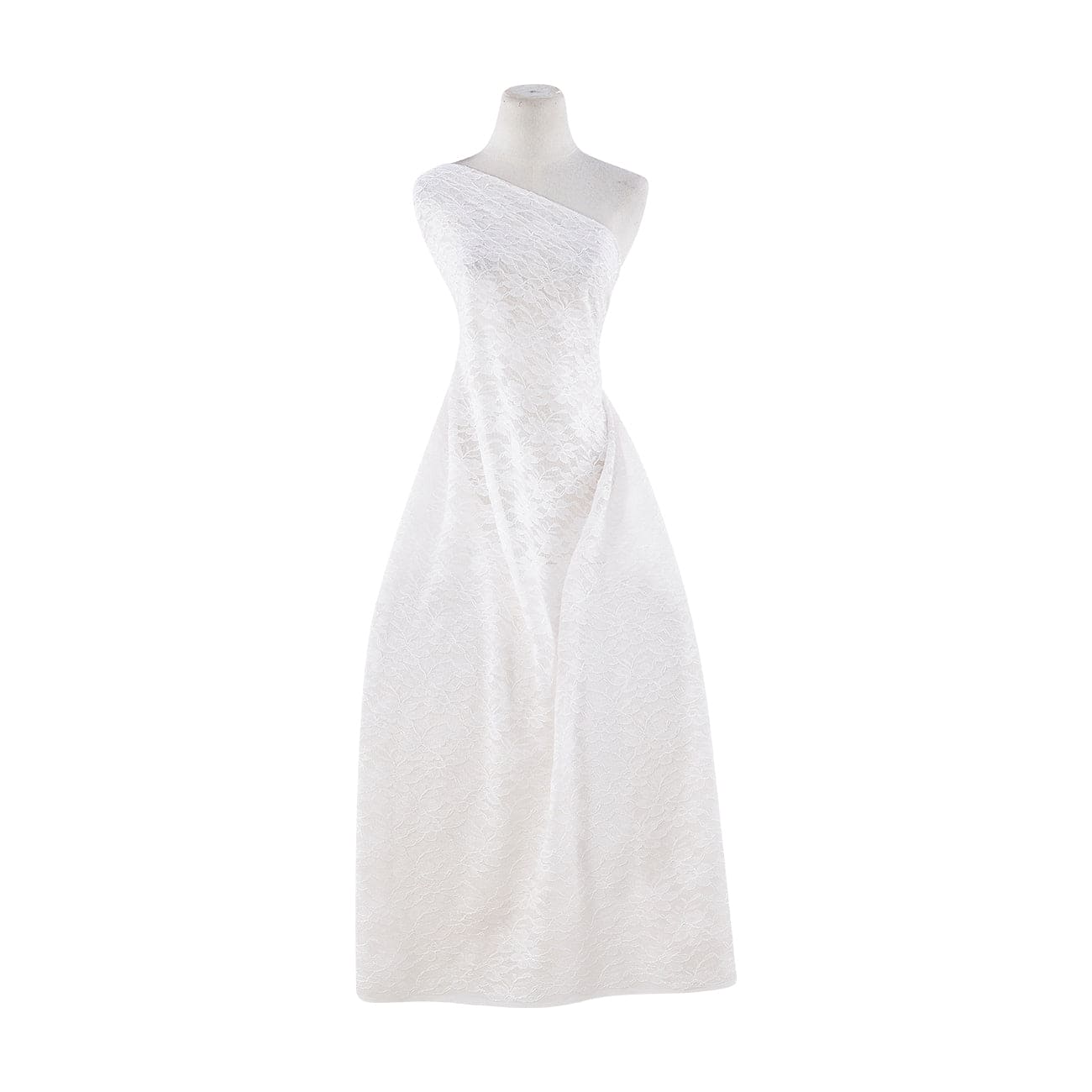
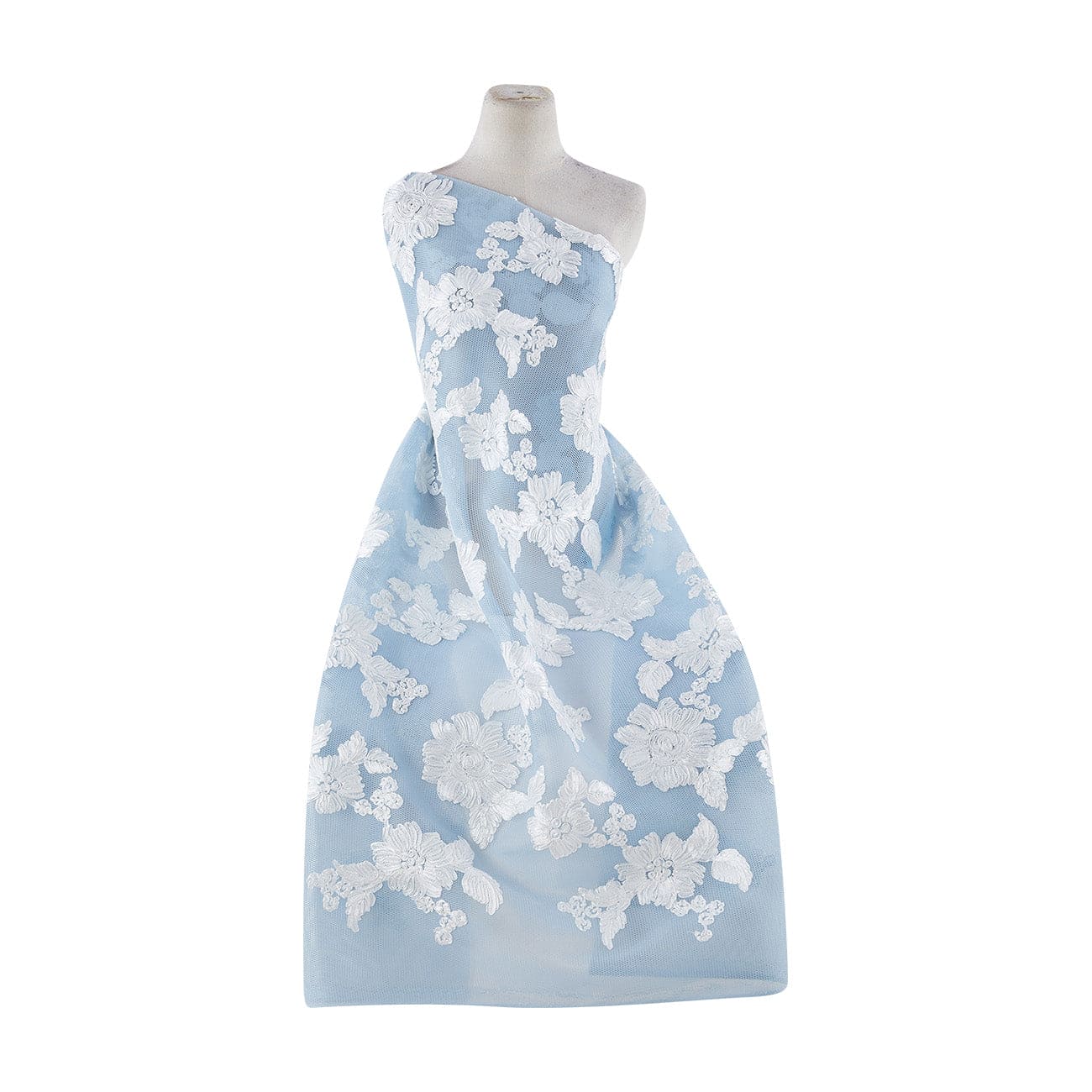
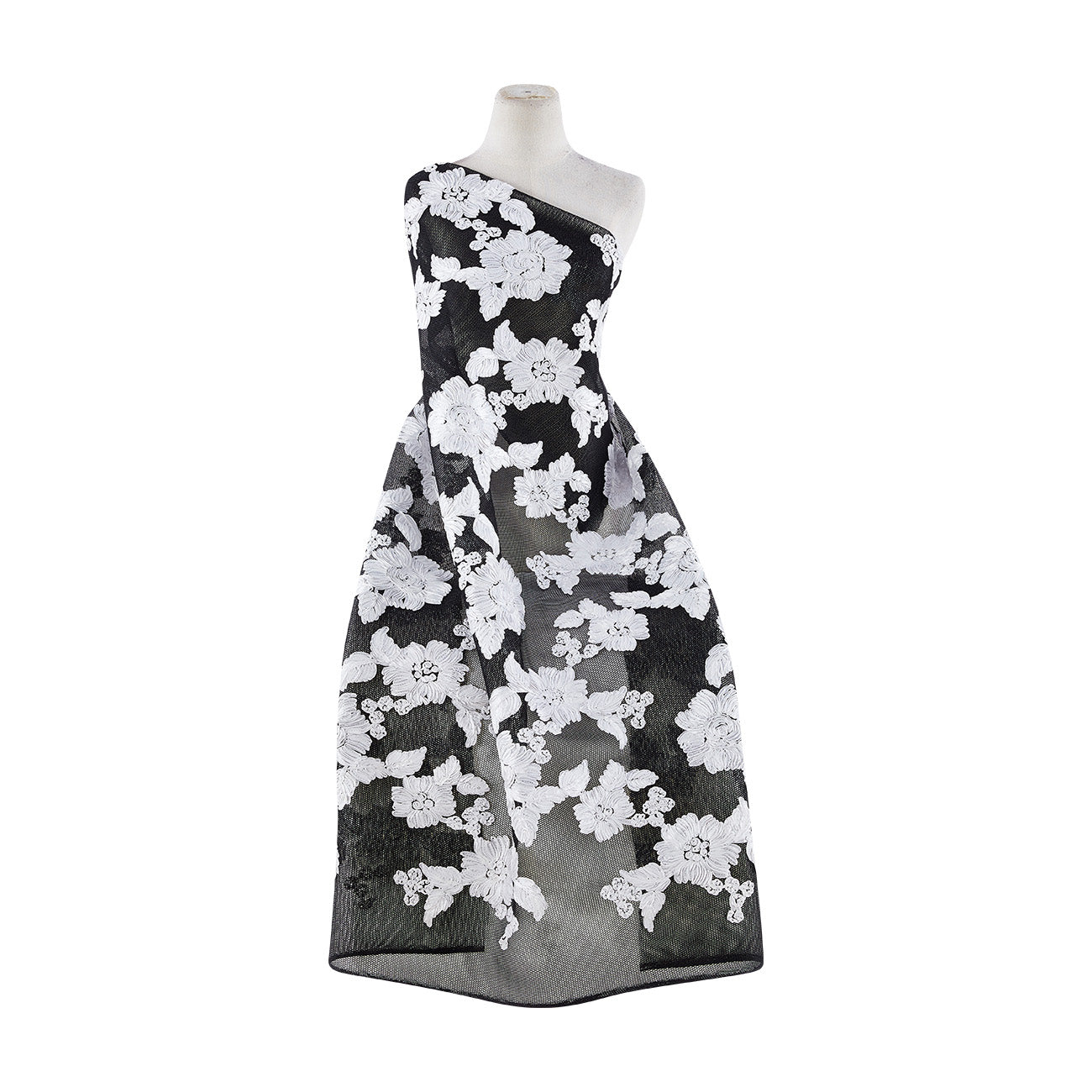
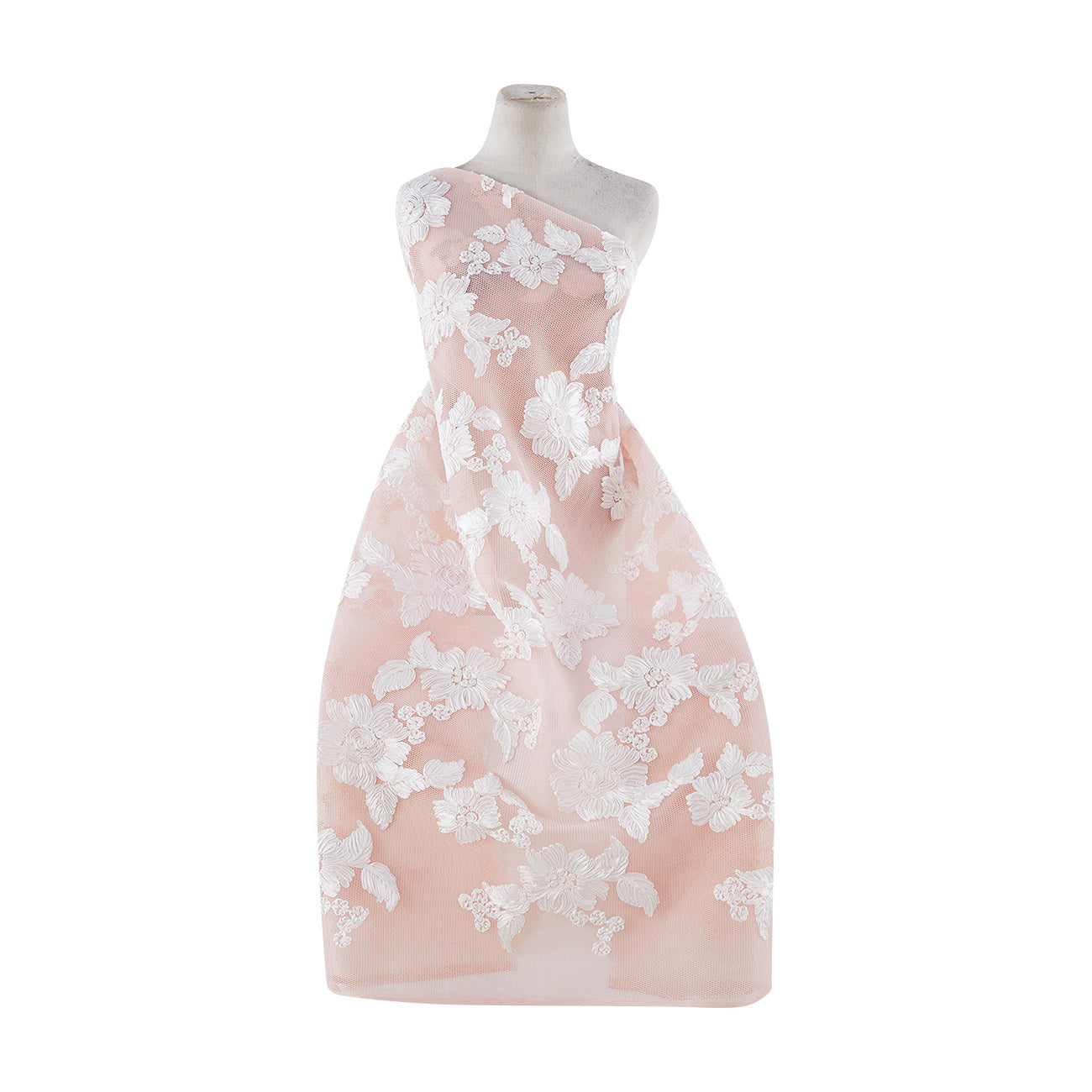
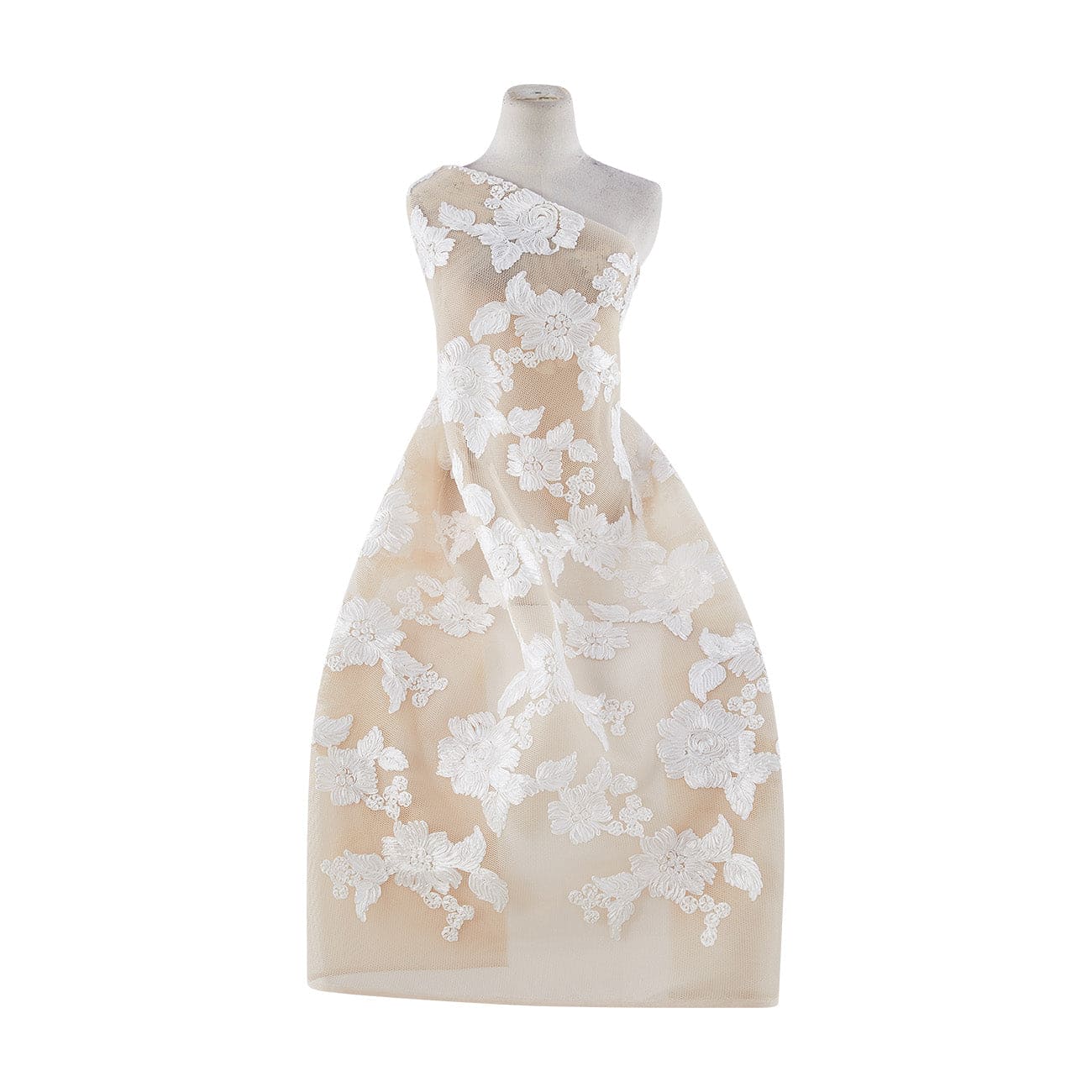
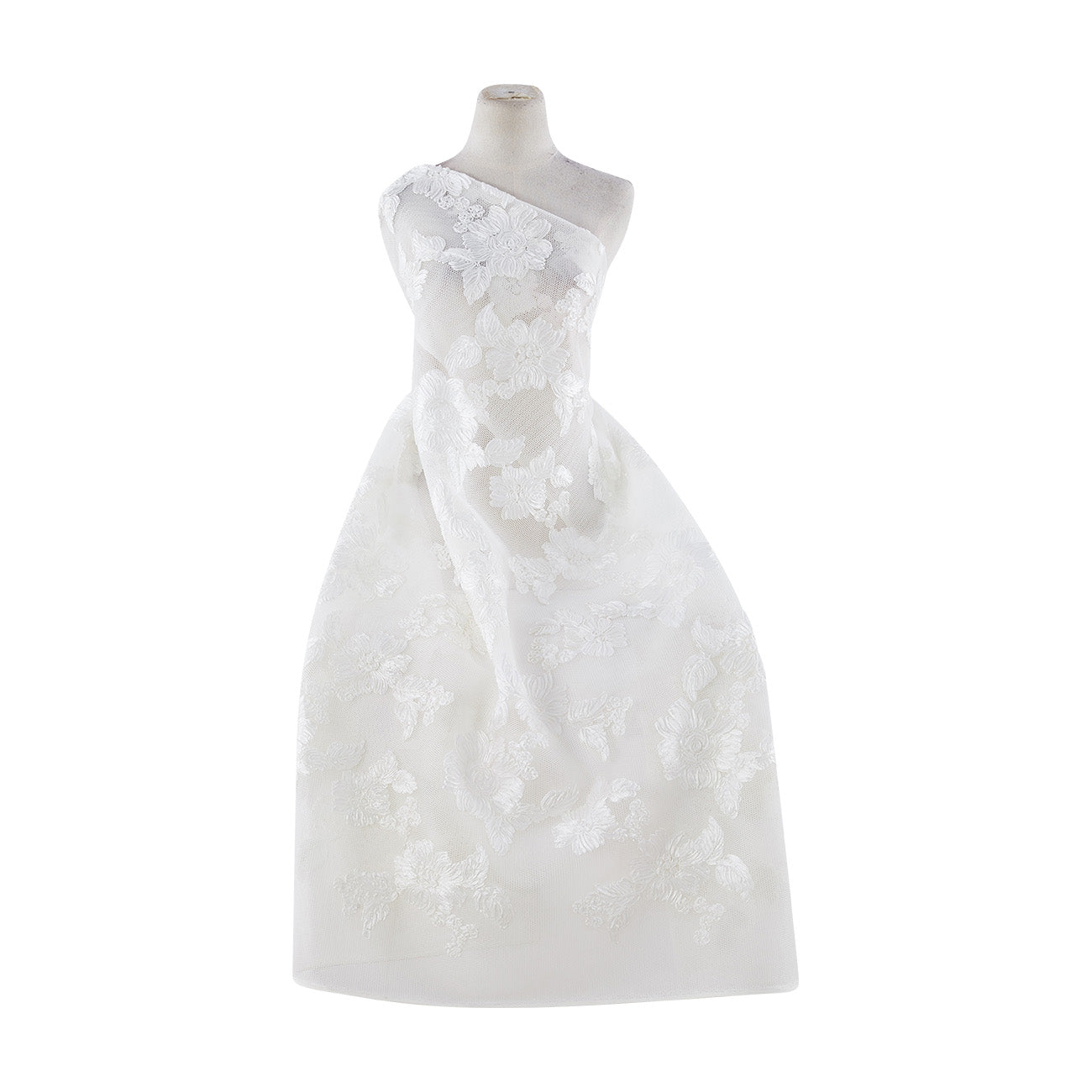
Chantilly lace is flat, delicate, and features fine floral or scrolling patterns, with a soft hand best suited to romantic, vintage-inspired styles. Corded lace has a raised, textured surface created by outlining the pattern with a heavier thread, so it reads as more structured and modern than Chantilly and holds up well on fitted bodices. Embroidered lace on mesh or tulle adds dimension and can incorporate metallic threads or sequins for added visual interest.
Crepe
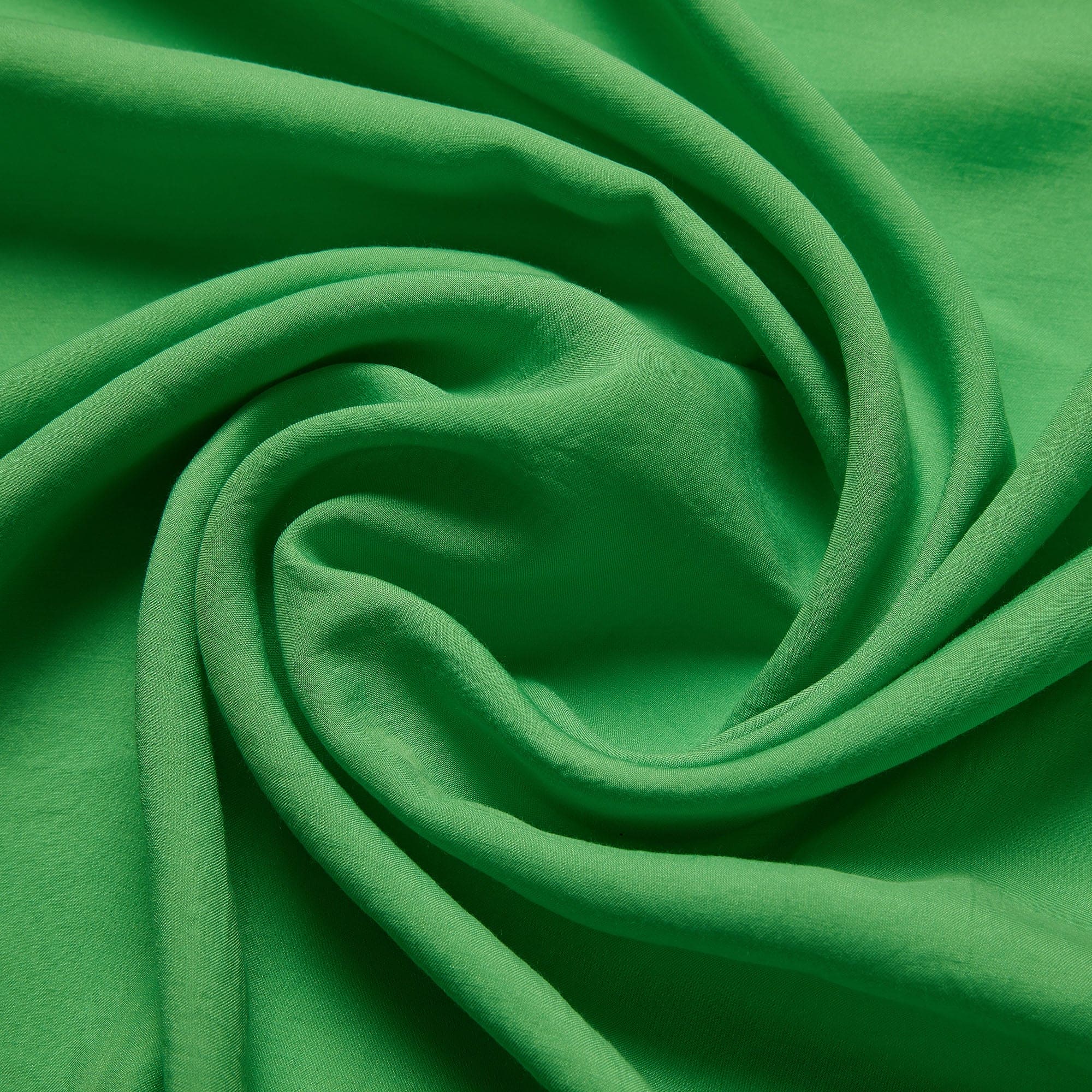
Crepe has a matte finish, medium weight, and a fluid drape that is forgiving on the body, since it skims rather than clings, making it a strong choice for minimalist and modern wedding gowns. Unlike satin, crepe does not require a separate underlining in most constructions, which simplifies the build and reduces total yardage costs. It is also less prone to showing wrinkles during a long day of wear.
Mikado
Mikado is a structured, slightly stiff fabric with more body than standard satin. It holds a silhouette firmly, making it well suited to fit-and-flare and ballgown bodices where the fabric needs to maintain its shape under boning and structure. Heavier than most satins, mikado is a good choice when the design calls for clean, architectural lines rather than soft drape.
Velvet
Velvet absorbs light rather than reflecting it, which gives it a depth and richness that reads differently on camera than satin. It is best suited to fall and winter weddings where its weight and warmth are assets rather than liabilities. Stretch velvet allows for fitted silhouettes without the need for extensive boning, as the fabric provides ease of movement on its own.
How to Choose Wedding Dress Fabric by Dress Style and Season
Your dress silhouette and wedding season are the two fastest filters for narrowing down the right fabric for wedding dress construction, and which materials will fight you instead of working with you.
By Silhouette
Ballgown silhouettes lean on duchess satin, mikado, and organza to provide the structure needed to support a full skirt, with tulle underlayers adding volume without weight. A line is the most versatile silhouette for fabric selection, since chiffon, lace over satin, and organza all work well depending on the desired level of formality. Other forms are:
- Sheath or column silhouettes call for crepe, silk charmeuse, and stretch satin, all of which drape close to the body and move naturally with the wearer.
- Mermaid or fit-and-flare gowns typically need a structured satin or mikado bodice, while the skirt flare can be cut from a softer fabric to allow movement.
- Empire waist gowns pair well with chiffon and lightweight crepe, suited to the high waist, flowing skirt construction of that silhouette.
By Season and Climate
Summer and outdoor weddings call for chiffon, lightweight crepe, and organza, as all three are breathable and lightweight. For winter weddings, go for velvet, heavy satin, and mikado, which bring warmth and visual richness that matches the season. Beach weddings, on the other hand, favor chiffon, soft tulle, and lightweight lace, all of which move well in open-air settings. Avoid heavy satin as it can drag in sand and becomes difficult to manage in humid conditions.
Note: Choosing a fabric for wedding dress lining matters as much as choosing the fashion fabric itself. Most bridal fabrics, especially lace, organza, and chiffon, require a lining fabric such as charmeuse or crepe back satin. Budget for lining yardage equal to or greater than your fashion fabric yardage. Also, confirm that the lining weight is compatible with the drape of your outer fabric before cutting.
How Much Fabric Do You Need for a Wedding Dress?
Yardage needs vary widely by silhouette, fabric width, and whether a train is included. As a general guide, a simple sheath or column gown with no train needs 5 to 7 yards of fashion fabric and 4 to 6 yards of lining. An A-line, floor-length gown needs 8 to 12 yards of fashion fabric and 6 to 8 yards of lining. Also, a full ballgown with a structured skirt needs 15 to 25 yards of fashion fabric and 10 to 15 yards of lining.
That said, add 10 to 15% to any of these figures to account for seam allowance, pattern matching, and cutting errors. For example, a cathedral train adds 3 to 5 yards to the fashion fabric requirement, while a sweep train adds 1 to 2 yards.
Fabric width matters as well. Most bridal fabrics run 58 to 60 inches wide, and narrower fabrics at 44 to 45 inches require more yardage to cut the same pattern pieces, so always check the width listed on the product page before calculating your order. If working with a lace that has a large repeat, add additional yardage for pattern matching at seams.
Frequently Asked Questions
What is the best fabric for a wedding dress?
There is no single best fabric, since it depends on silhouette, season, and budget. Silk charmeuse and duchess satin are classic choices for structured gowns, while chiffon and crepe suit flowy, modern styles. Lace is typically used as an overlay on a satin or crepe base. The right fabric for wedding dress construction ultimately comes down to matching the material to your specific silhouette rather than following a single universal recommendation.
Is polyester satin good for a wedding dress?
Yes. High-quality polyester bridal satin closely mimics the appearance of silk satin at a lower cost per yard, is more durable, and is easier to clean. It is the most common fabric used in ready-to-wear bridal gowns.
How many yards of fabric do I need for a wedding dress?
Plan for 5 to 7 yards for a simple sheath, 8 to 12 yards for an A-line, and 15 to 25 yards for a full ballgown. Always add 10 to 15 percent for seam allowance and cutting errors.
Can I use stretch fabric for a wedding dress?
Stretch satin and stretch velvet work well for fitted silhouettes like sheaths and mermaids, since they allow ease of movement without boning. Avoid stretch fabrics for structured ballgown skirts, which need a stable weave.
What fabric is used for wedding dress lining?
Charmeuse, crepe back satin, and China silk, also called habotai, are the most common lining fabrics. The lining should be smooth against the skin, colorfast, and similar in weight to the fashion fabric.