
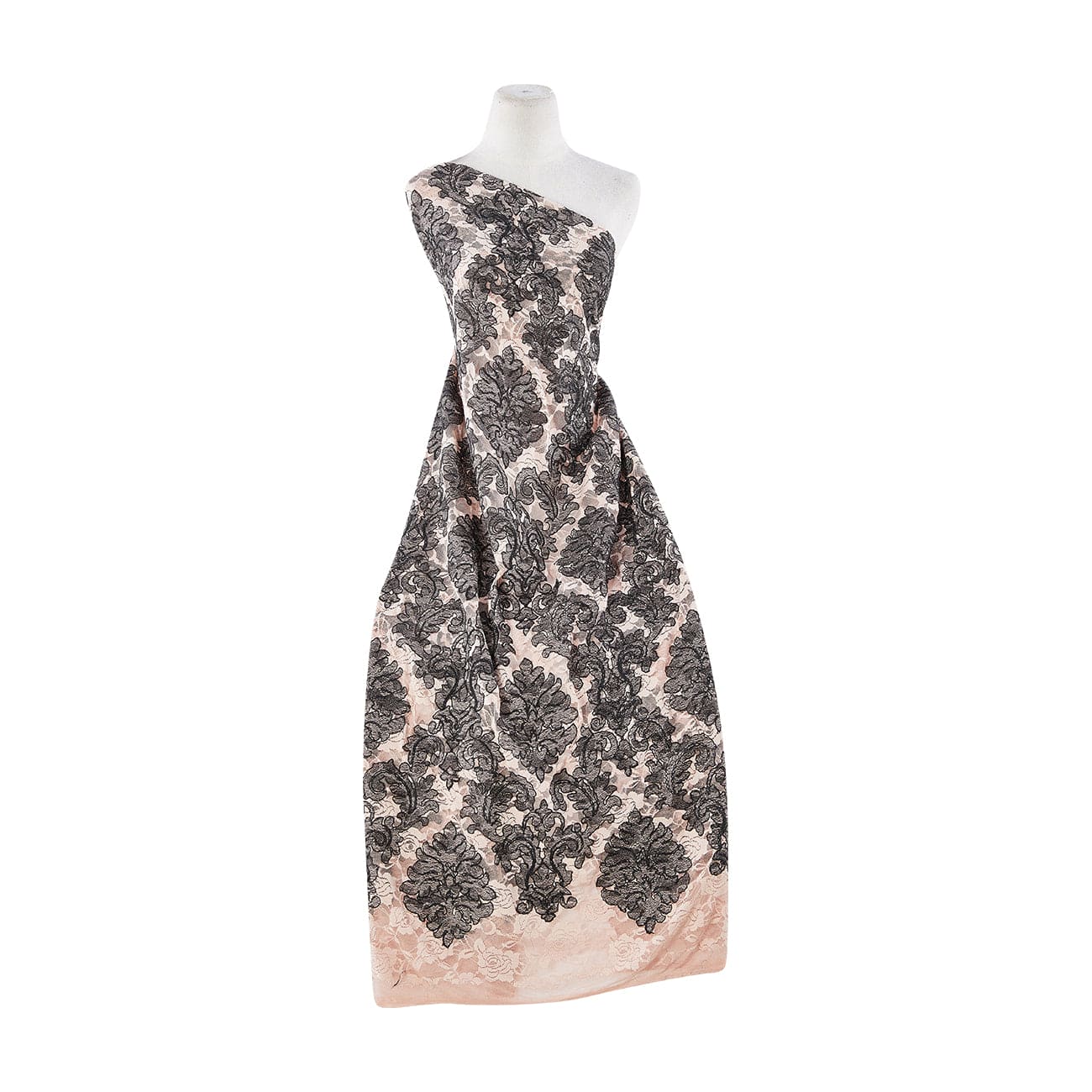
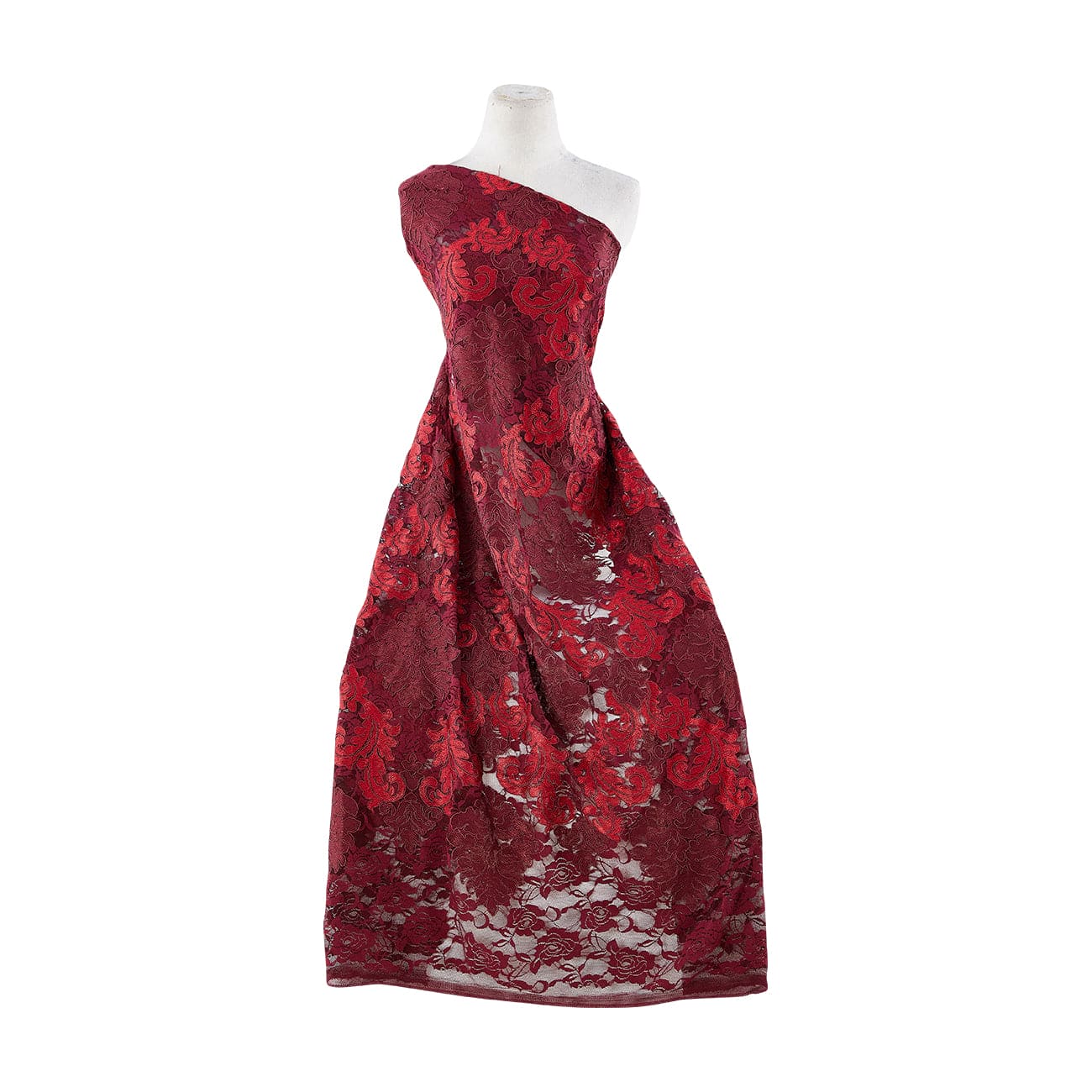
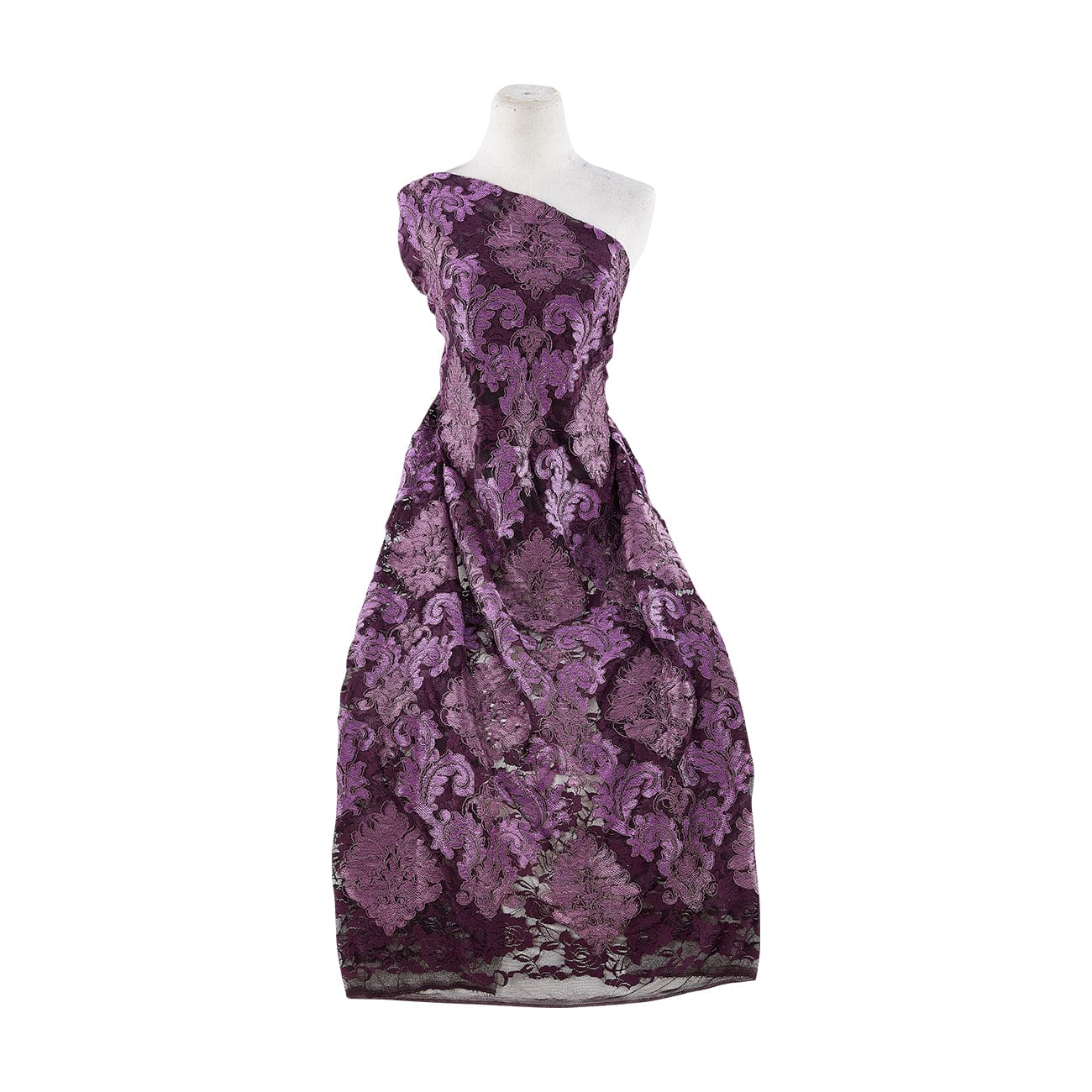
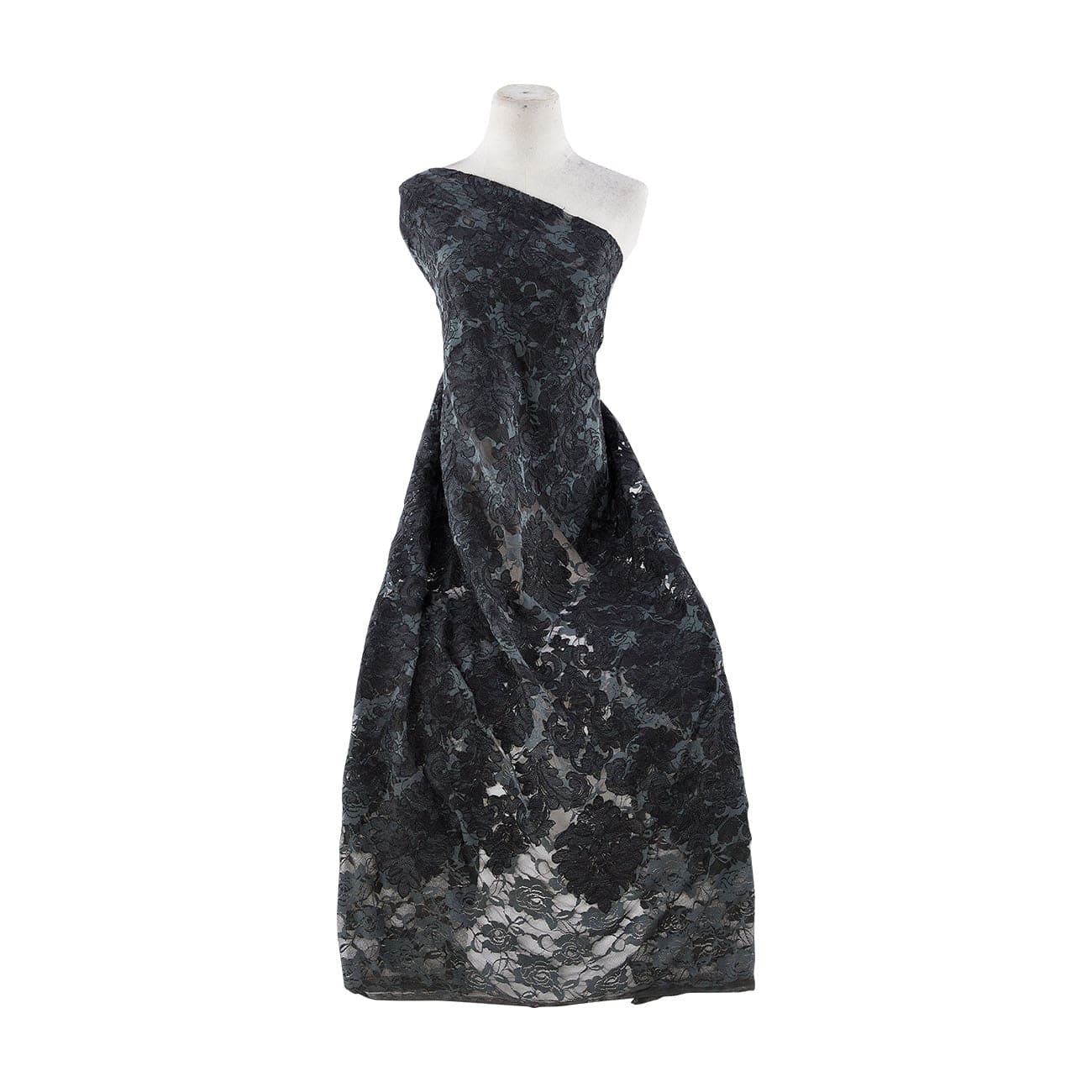
Tulle Lace for Bridal and Formal Garments, Construction and Performance
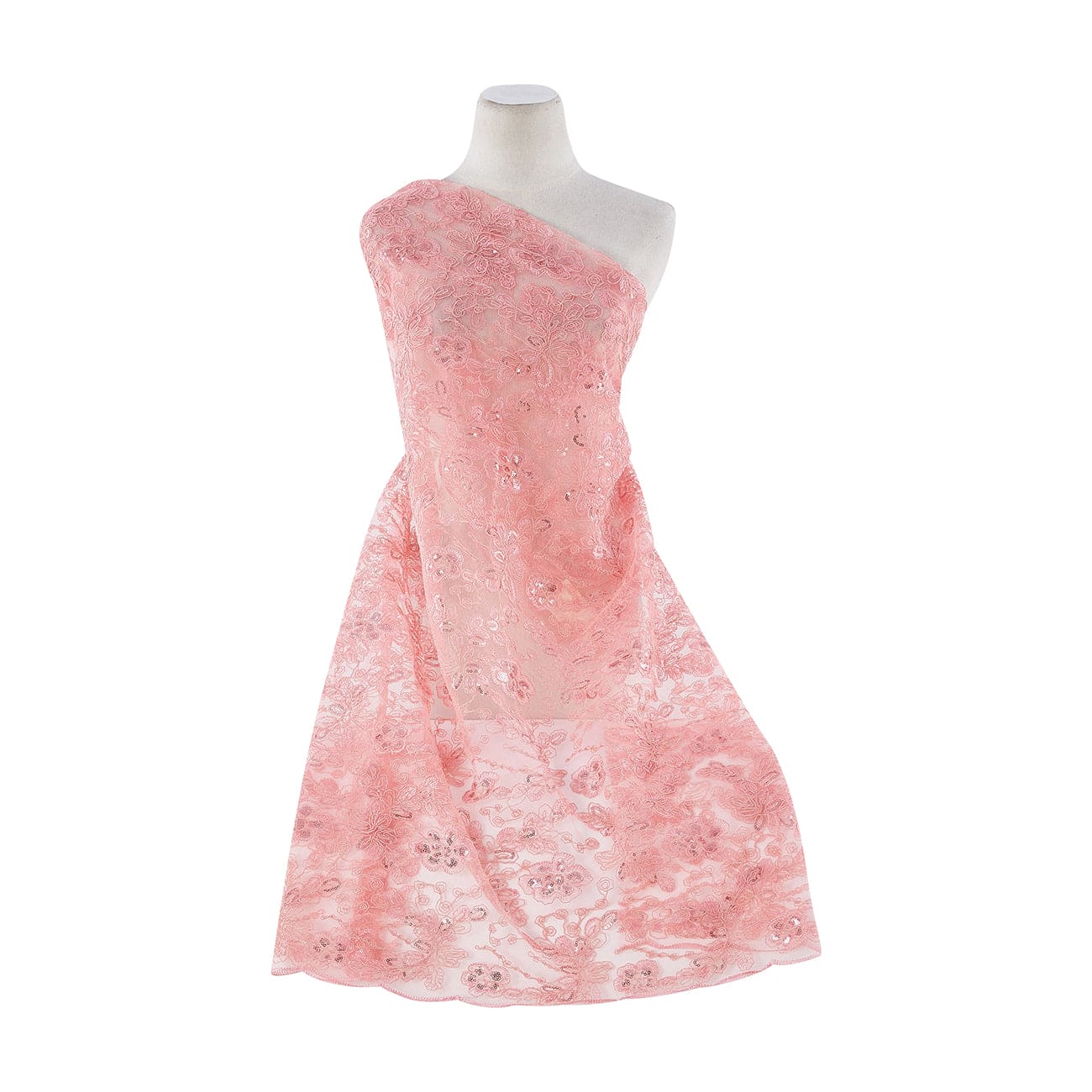
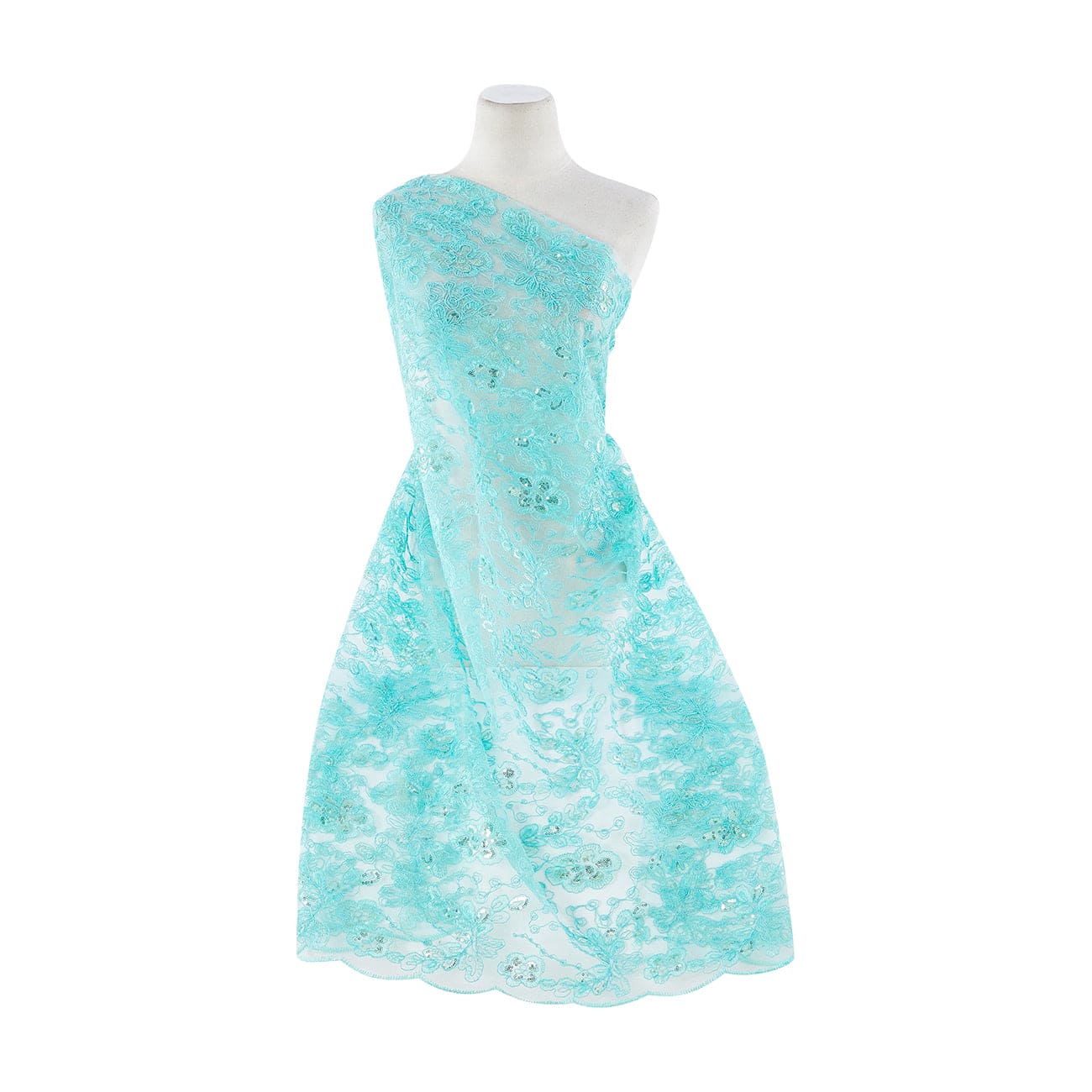
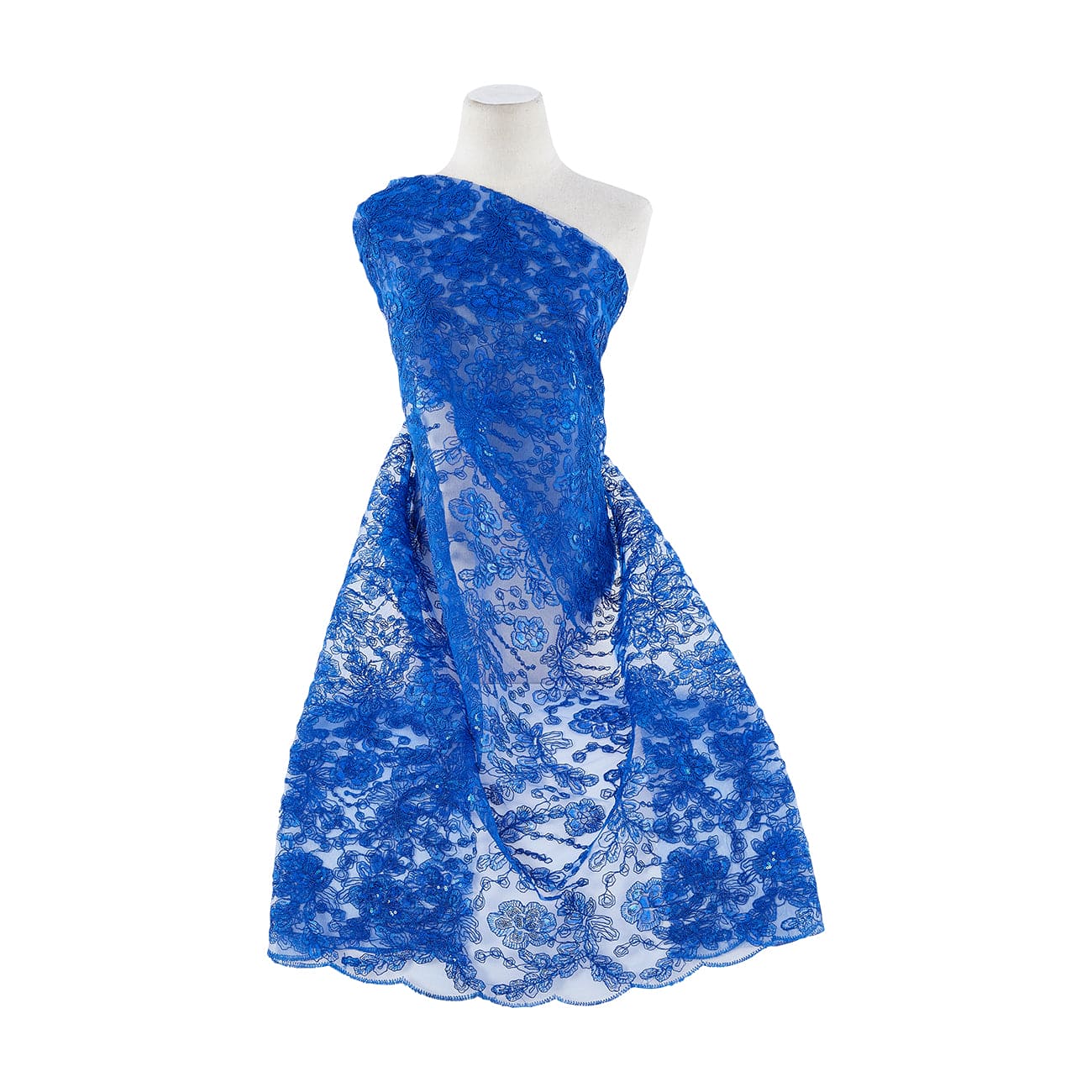
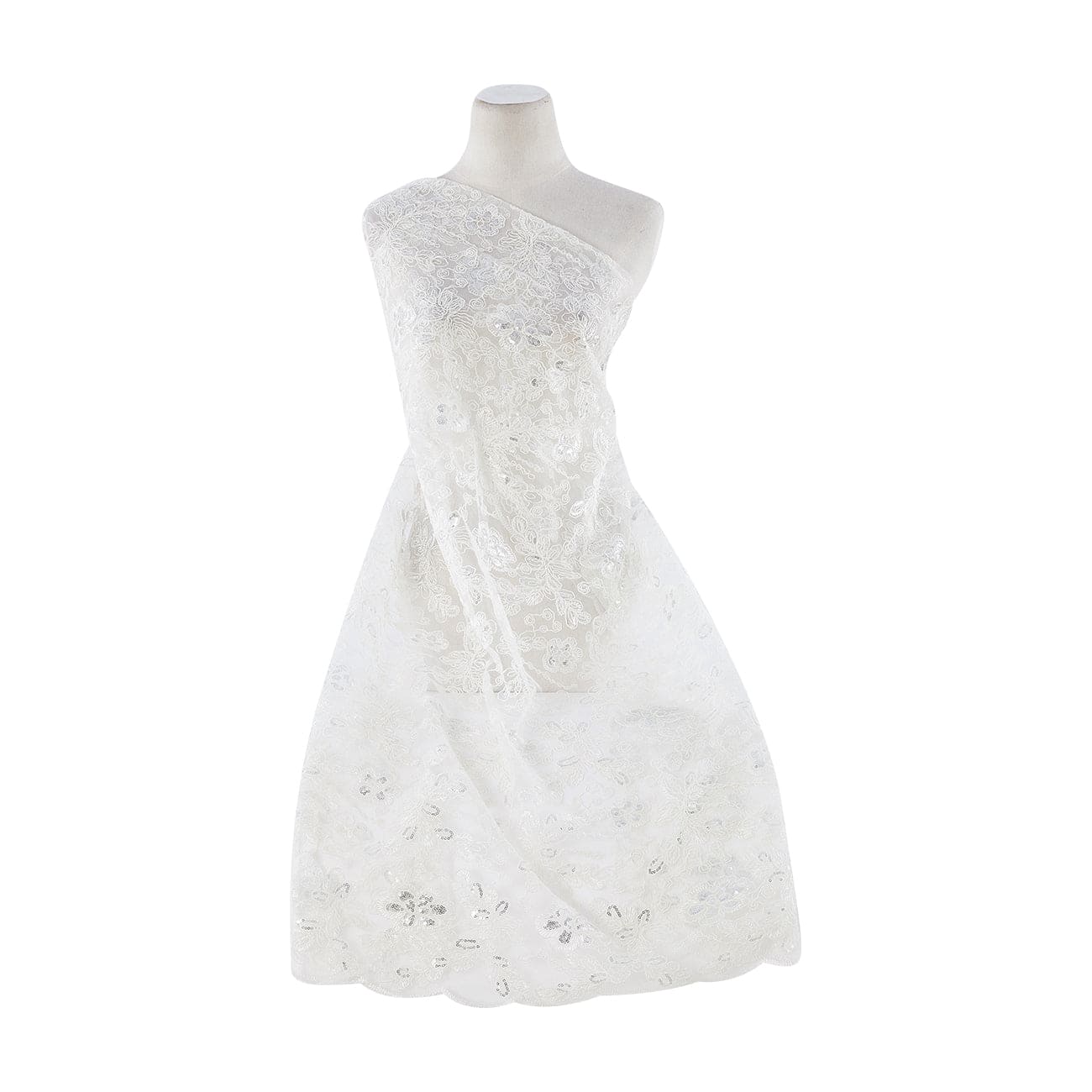
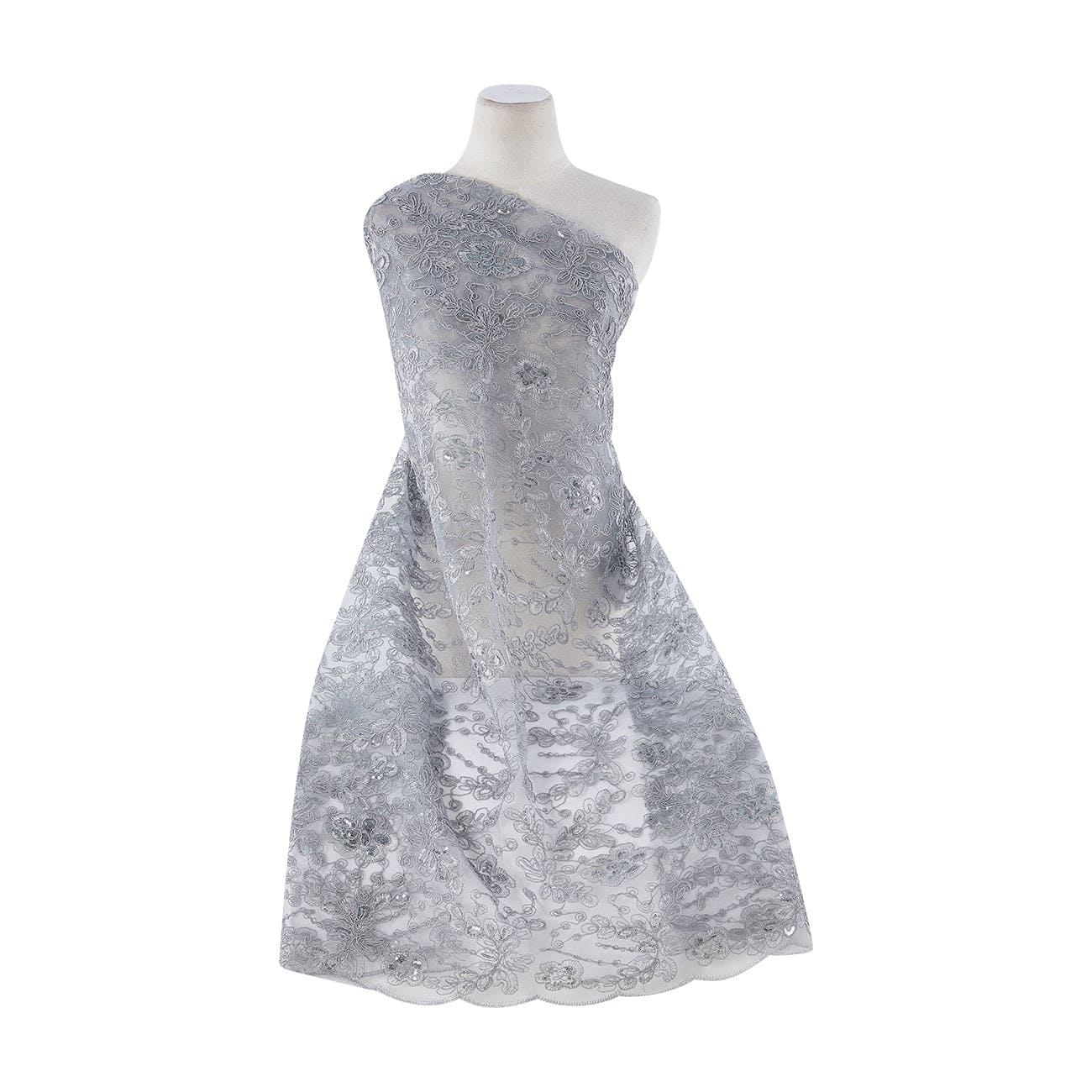
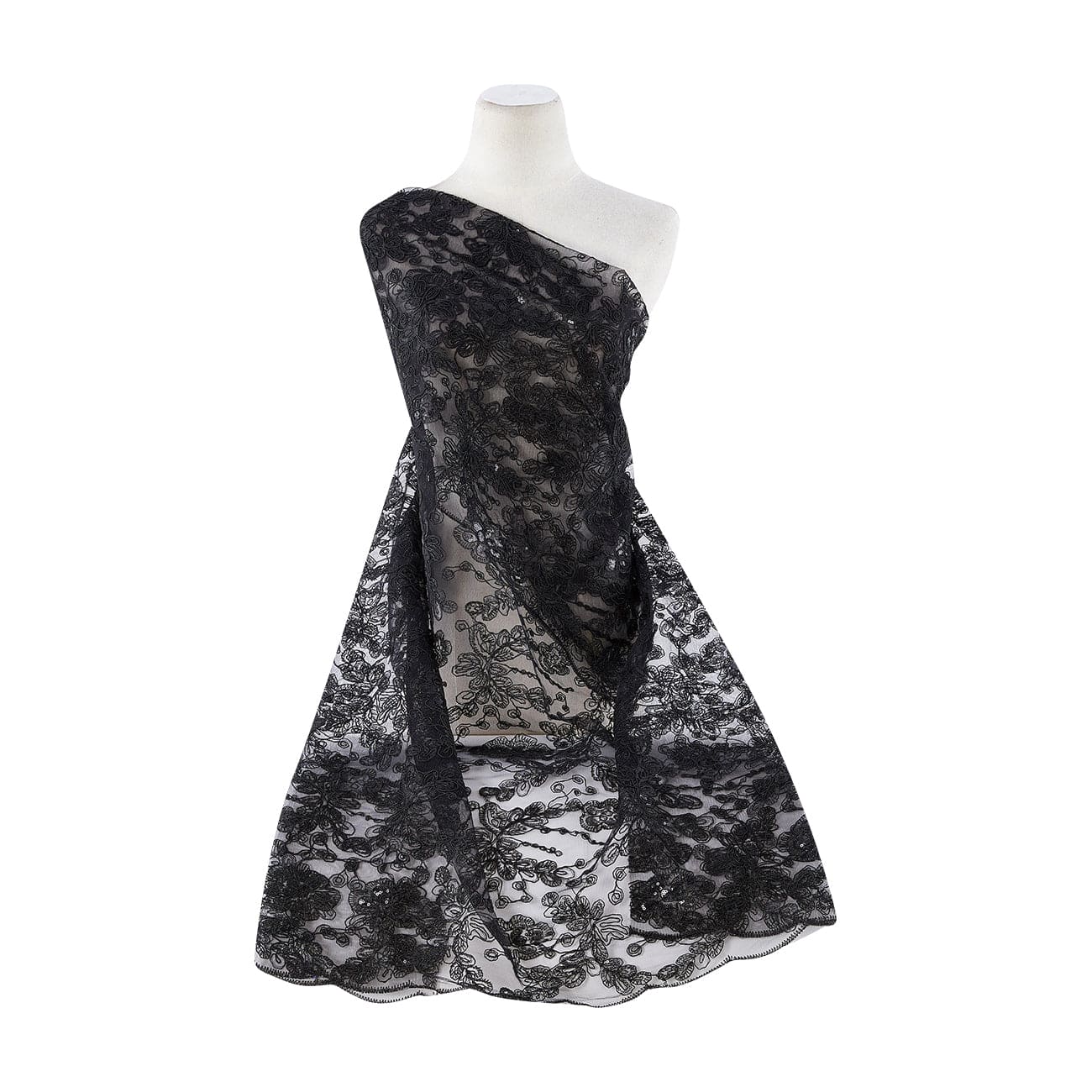
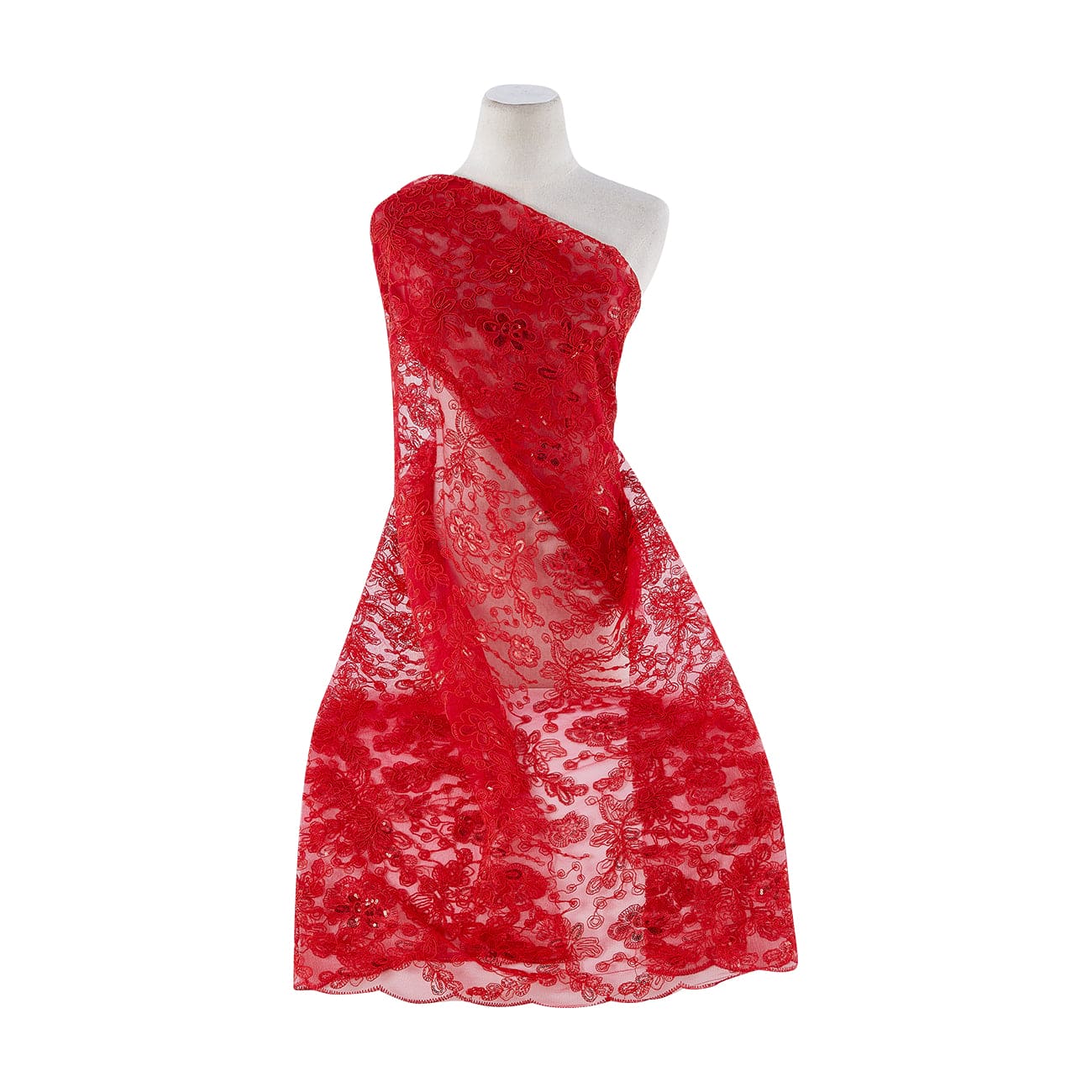
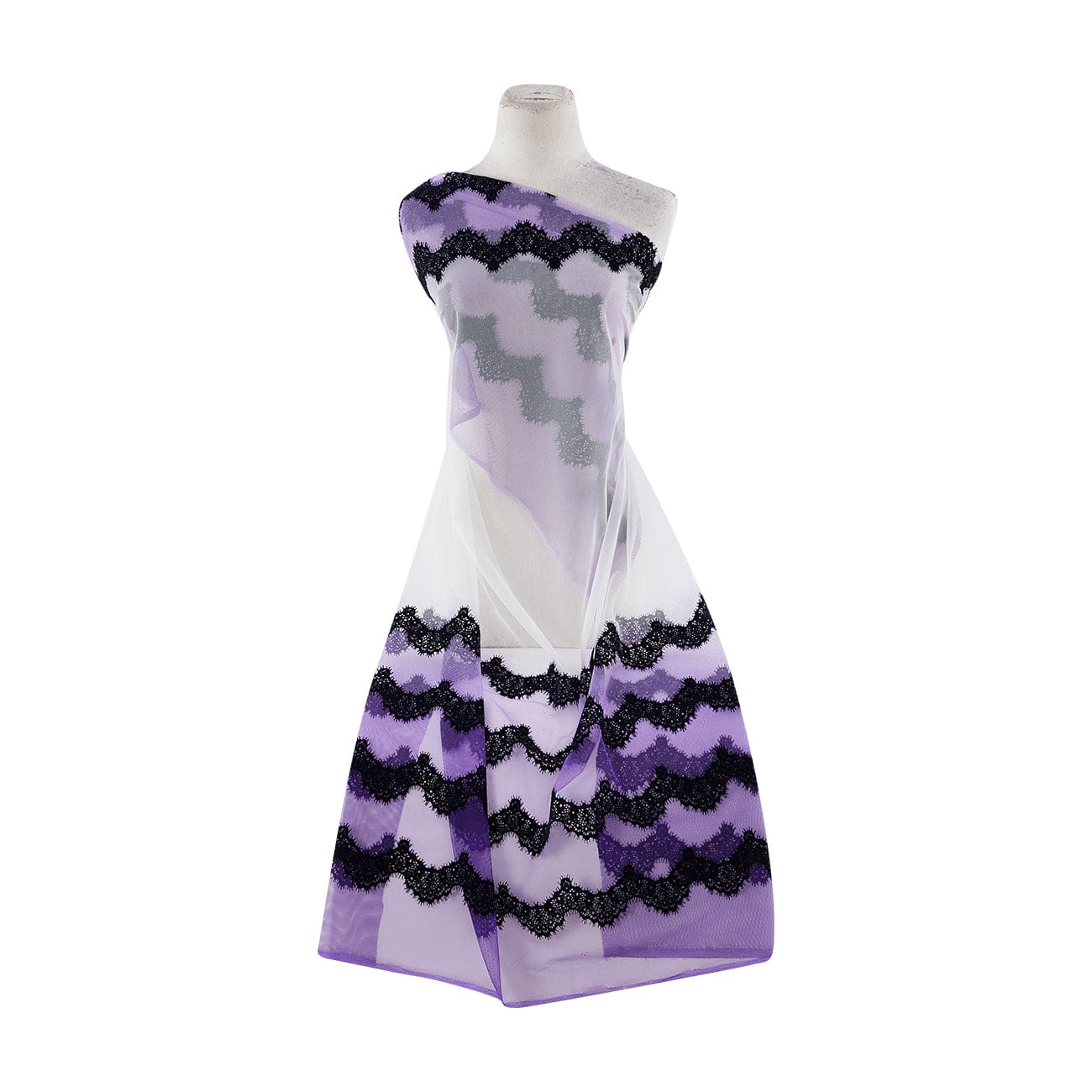
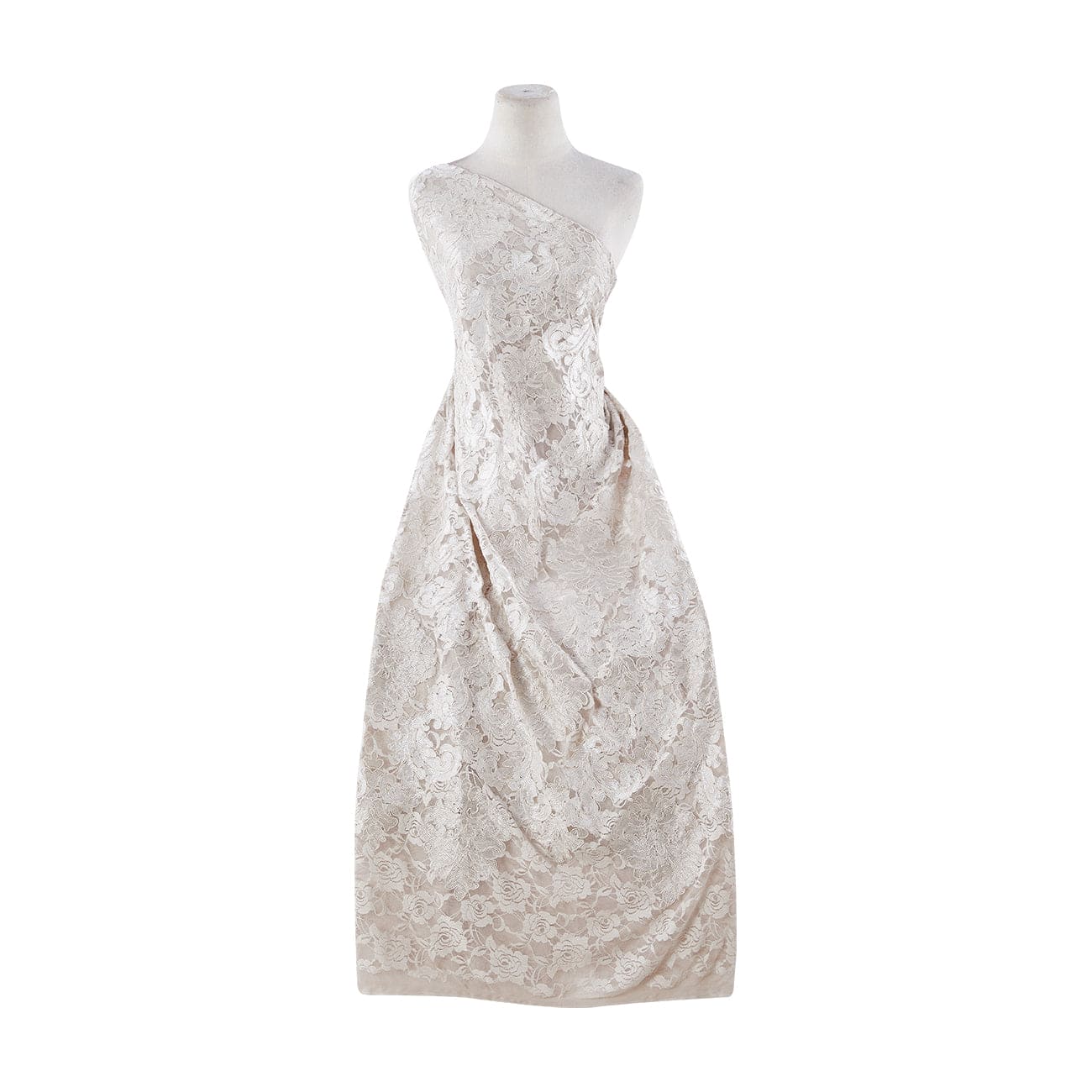
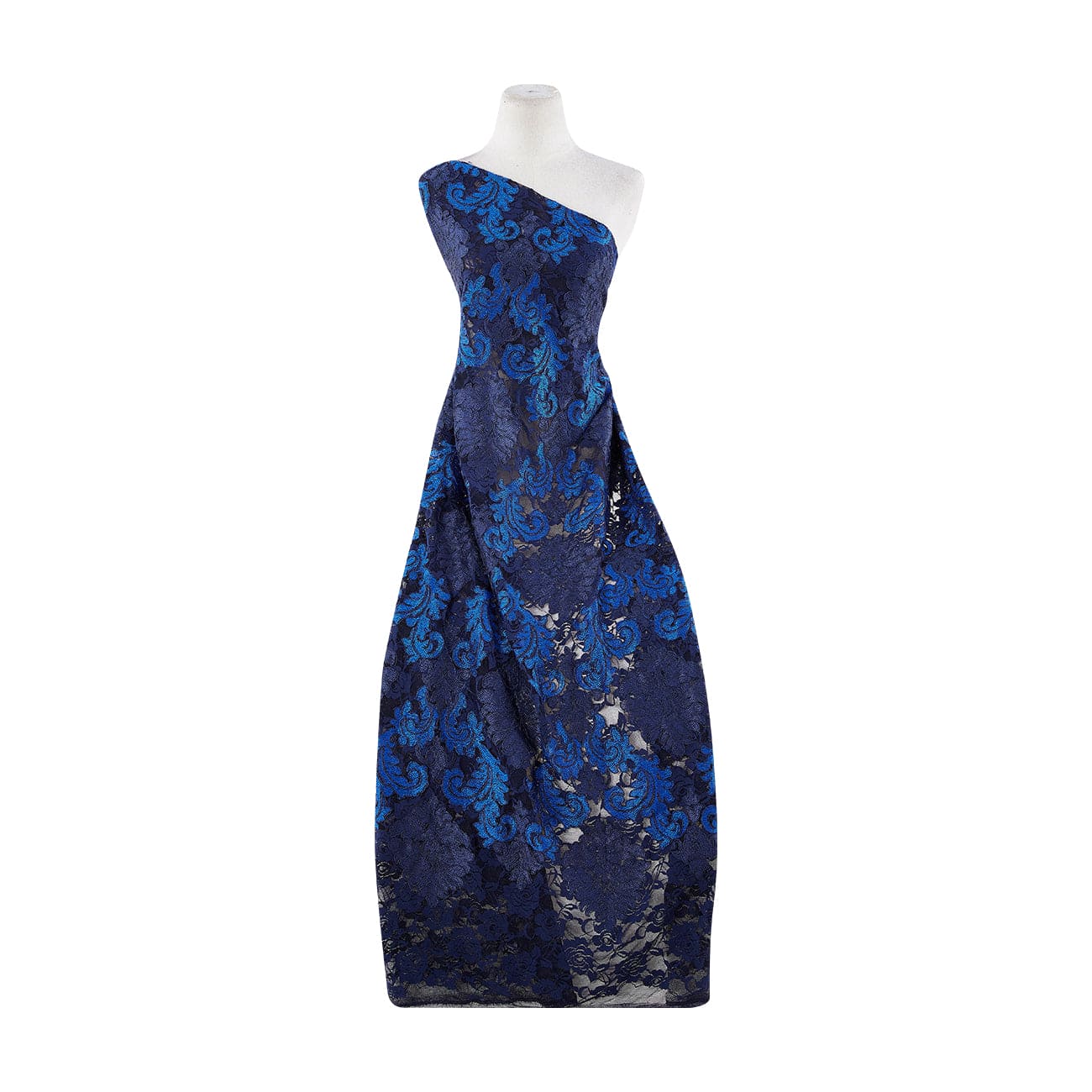
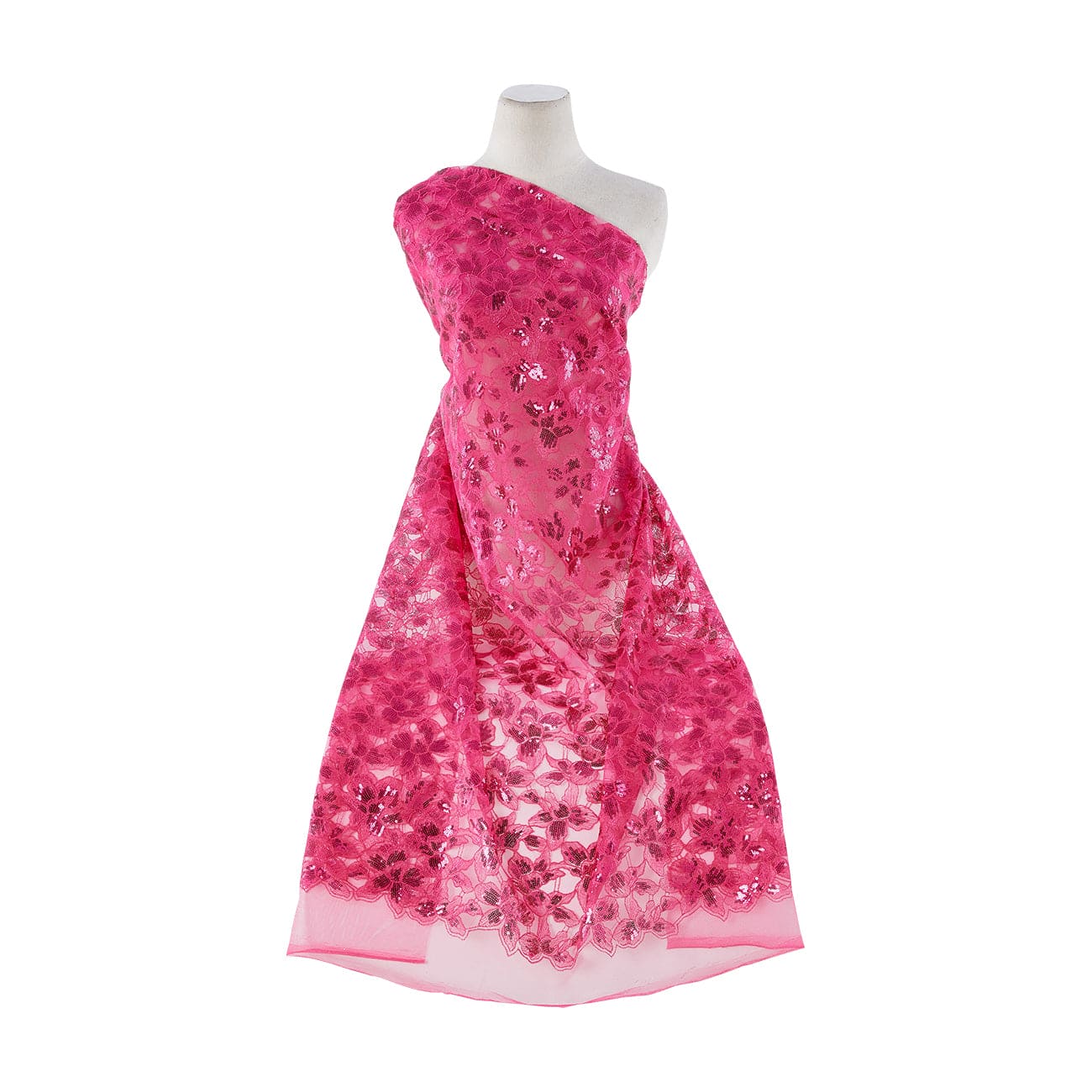
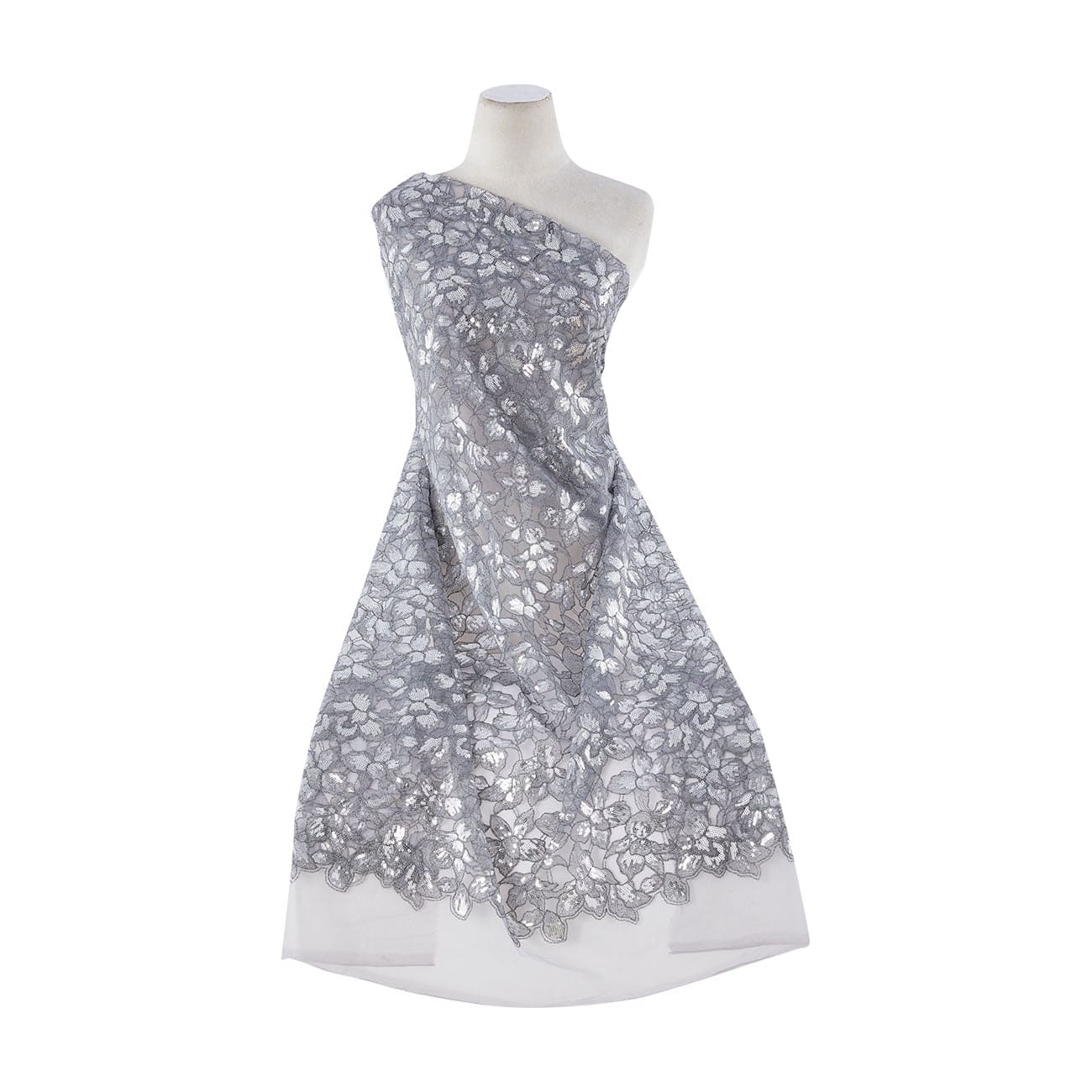
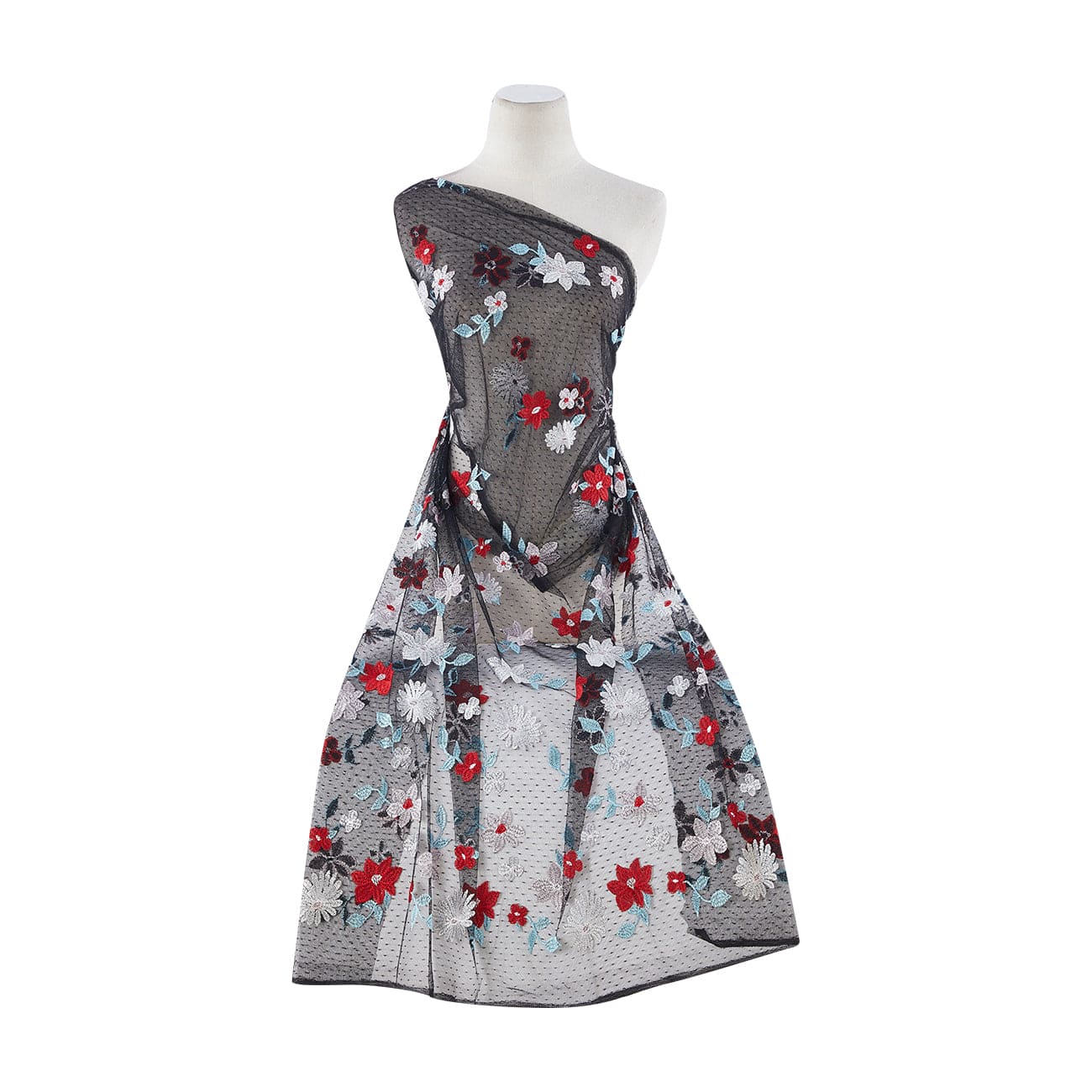
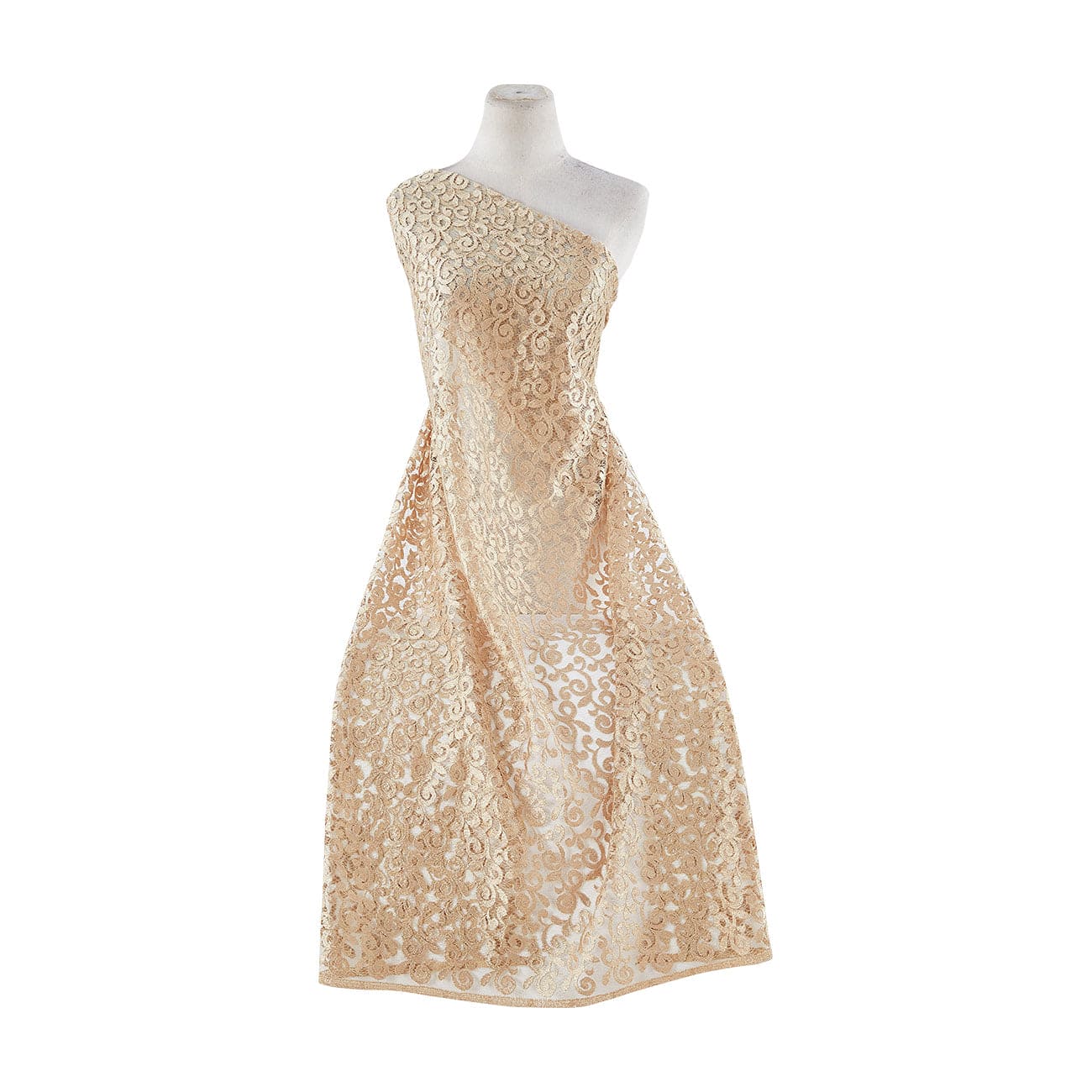
Tulle fabric is a lightweight, sheer fabric commonly made from nylon, polyester, or silk and valued for its airy structure and ability to create volume without bulk. When manufacturers add lace-style patterning into the open-net base, the fabric gains decorative texture while preserving the fluid movement and delicate appearance that make tulle such a versatile choice.
Because the fabric remains lightweight even when layered, designers can stack multiple layers without creating excess bulk. This makes it a popular choice for voluminous skirts, sheer sleeves, and decorative overlays that need movement and dimension without feeling heavy.
Fiber Composition and How It Affects Performance
Tulle lace is produced in several fiber types, and the choice affects both performance and finish:
- Polyester tulle lace — This is the most practical option for production runs. It cuts cleanly, holds shape through repeated fittings, and responds well to heat setting. Color saturation is consistent across the bolt.
- Nylon tulle lace — This offers a softer hand than polyester and good stretch recovery. It works well for close-fitting bodices, sleeves, and illusion necklines where the fabric needs to contour comfortably without losing shape.
- Silk tulle lace — This provides a softer drape and finer surface texture with a naturally refined appearance. Usually, designers reserve it for couture and high-end bridal work where hand feel, movement, and subtle light reflection carry as much importance as structure.
How to Choose the Right Tulle Lace
Before you cut a single yard, two things are worth getting right: fiber content and mesh size. Finer mesh presses flat cleanly, holds embroidery well, and gives you sharp, defined seam lines on structured bodice work. Wider mesh, on the other hand, builds surface texture into overlays and trim panels, and it layers up fast when you need volume without fuss.
For anyone new to tulle lace, polyester tulle fabric is the best place to start. It cuts cleanly, sews without trouble, and holds its shape from the first fitting straight through to the finished garment.
Bridal and Formal Wear
Few materials handle the demands of bridal construction as well as tulle lace does. It is the standard choice for cathedral veils, ballgown underlayers, and illusion necklines, where the fabric needs to be sheer enough to let skin tone and lining color show through without losing its structure. This transparency is what gives the finished garment its depth and dimension.
Designers who want a more open surface for layered skirts or decorative trim can pair it with tulle mesh for added contrast.
Costumes and Theatrical Design
Stage costumes have their own set of demands, and tulle lace meets most of them well. The fabric is light enough to stack in multiple layers without weighing the performer down, and it cuts and tacks fast under workroom pressure.
The open net structure also catches stage lighting in a way that denser fabrics simply do not. For warm, rich color work, gold tulle suits fantasy and period productions well. For earth-toned layering and textured skirt work, brown tulle and yellow tulle are both worth a look.
Shop Tulle Lace Wholesale at Zelouf Fabrics
Zelouf Fabrics brings the sourcing depth of NYC's Garment District directly to your workroom. Our fabrics are trusted by major retailers, including Macy's, Nordstrom, and Target. Browse the full range of designer fabrics available by the yard, or explore our bridal and formal fabric selection to find complementary materials for your current project. Free shipping applies on orders over $99, with a $20 minimum that keeps access open for sample room testing as well as full production runs.
Frequently Asked Questions
What is tulle lace fabric used for?
Tulle lace is used for bridal gowns, veils, formal overlays, illusion bodices, prom dresses, and theatrical costumes. It's an open-net base with lace-style patterning that adds volume and visual depth without significant weight.
What is the difference between tulle lace and regular tulle fabric?
Standard tulle is a plain, open-mesh net. Tulle lace incorporates a lace-style pattern into that net structure, adding decorative surface detail while retaining the lightweight, sheer drape tulle is known for.
Is polyester or nylon tulle lace better for bridal garments?
Polyester holds shape cleanly through fittings and cuts well, making it practical for production work. Nylon offers a softer hand with good stretch recovery, which suits fitted bodices and illusion necklines.
Can tulle lace be layered without adding bulk?
Yes. Multiple layers of tulle lace can be stacked while the overall weight stays low — this is why it is widely used for voluminous ball gown skirts, sheer sleeves, and full-length formal overlays.
Which needle and stitch type work best for sewing tulle lace?
A sharp needle (size 70/10 or 60/8) works best. Use a longer stitch length (3.0–4.0 mm) to prevent puckering and bunching.