
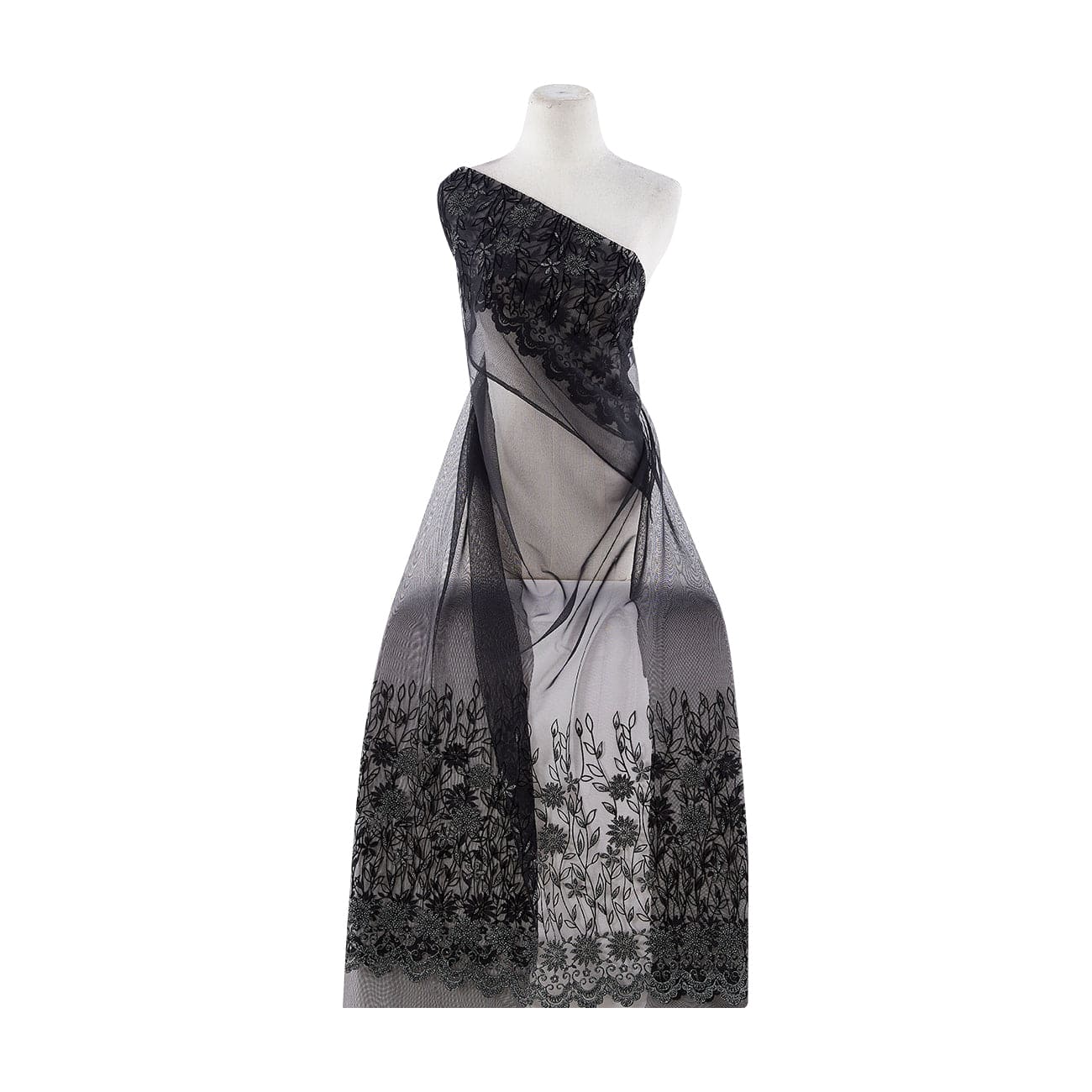
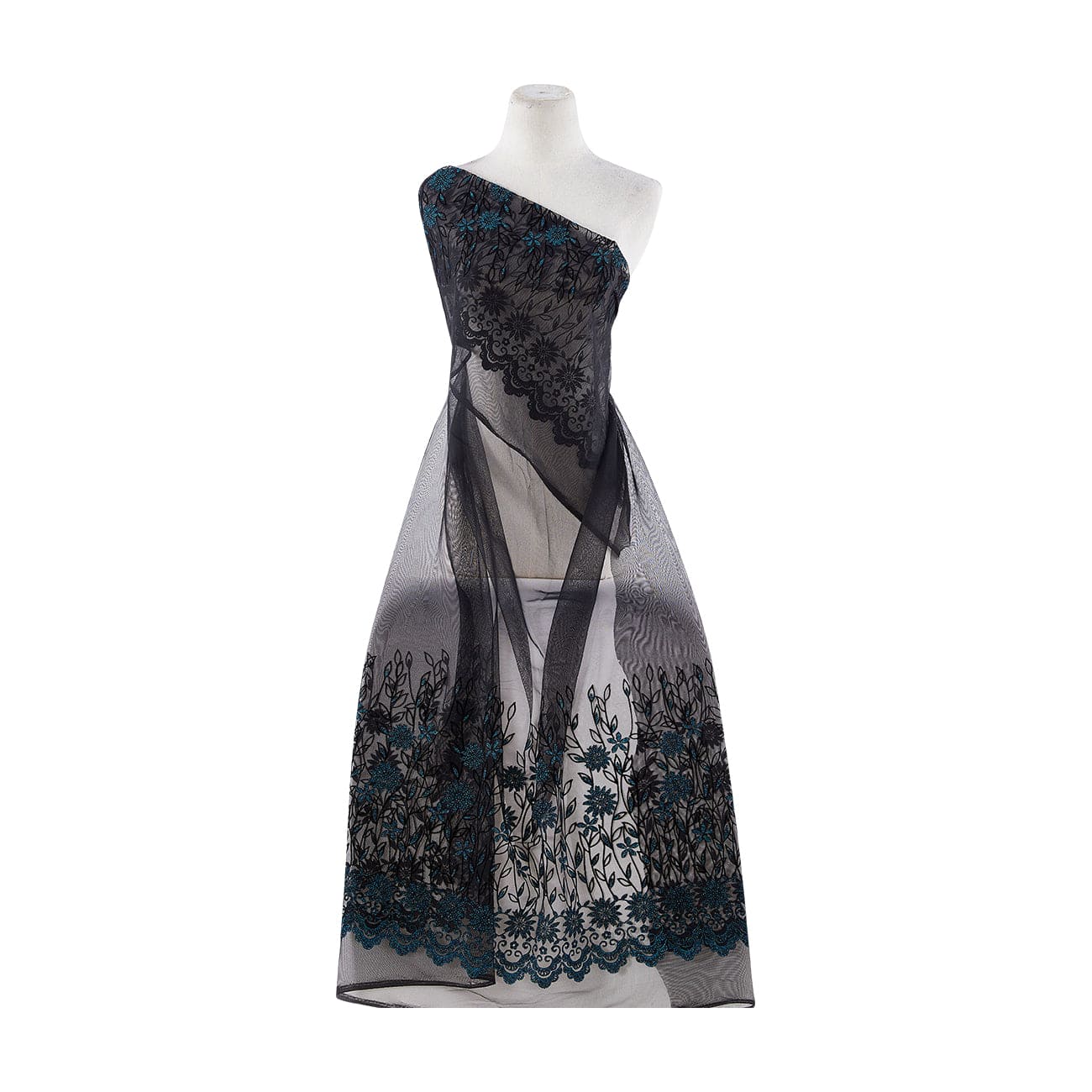
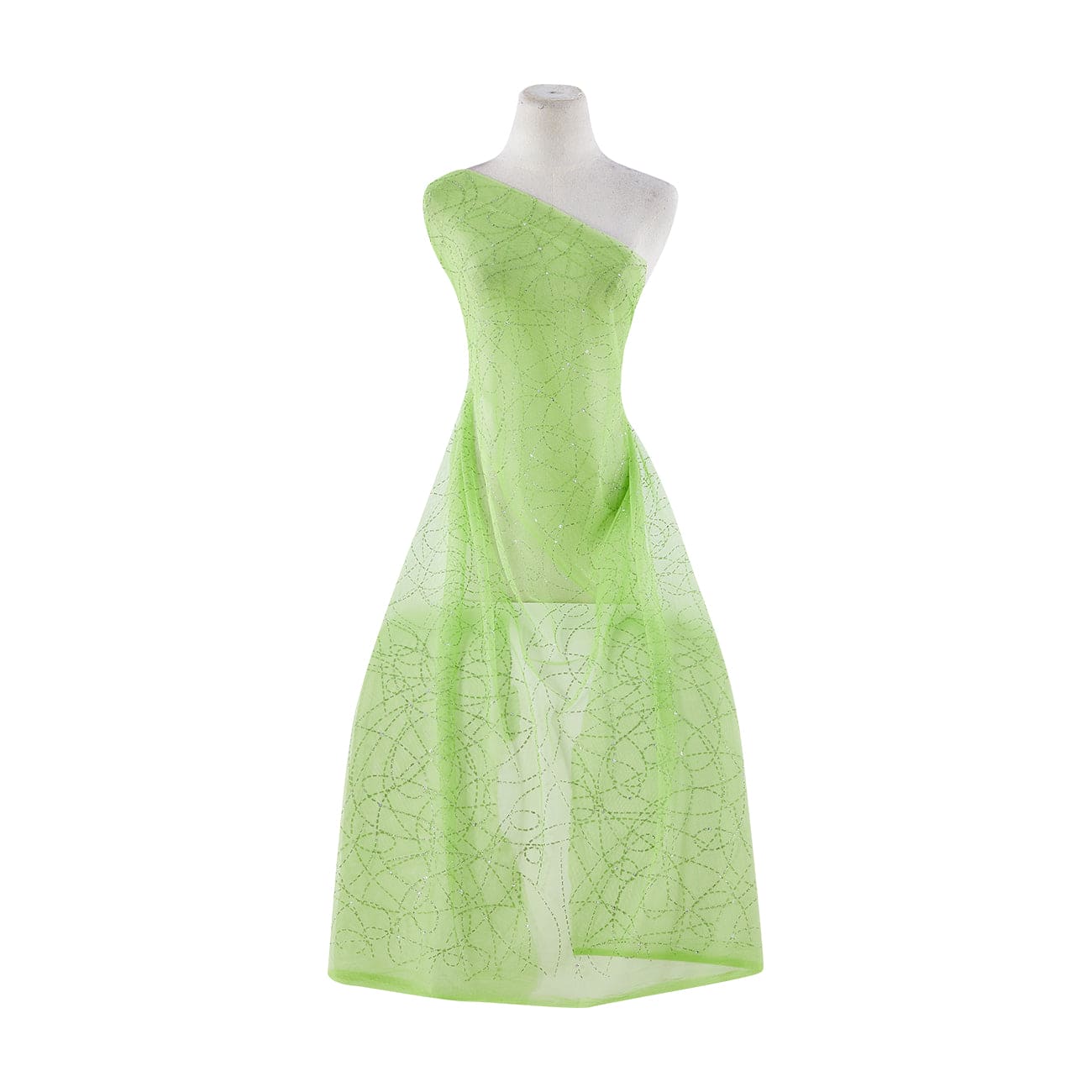
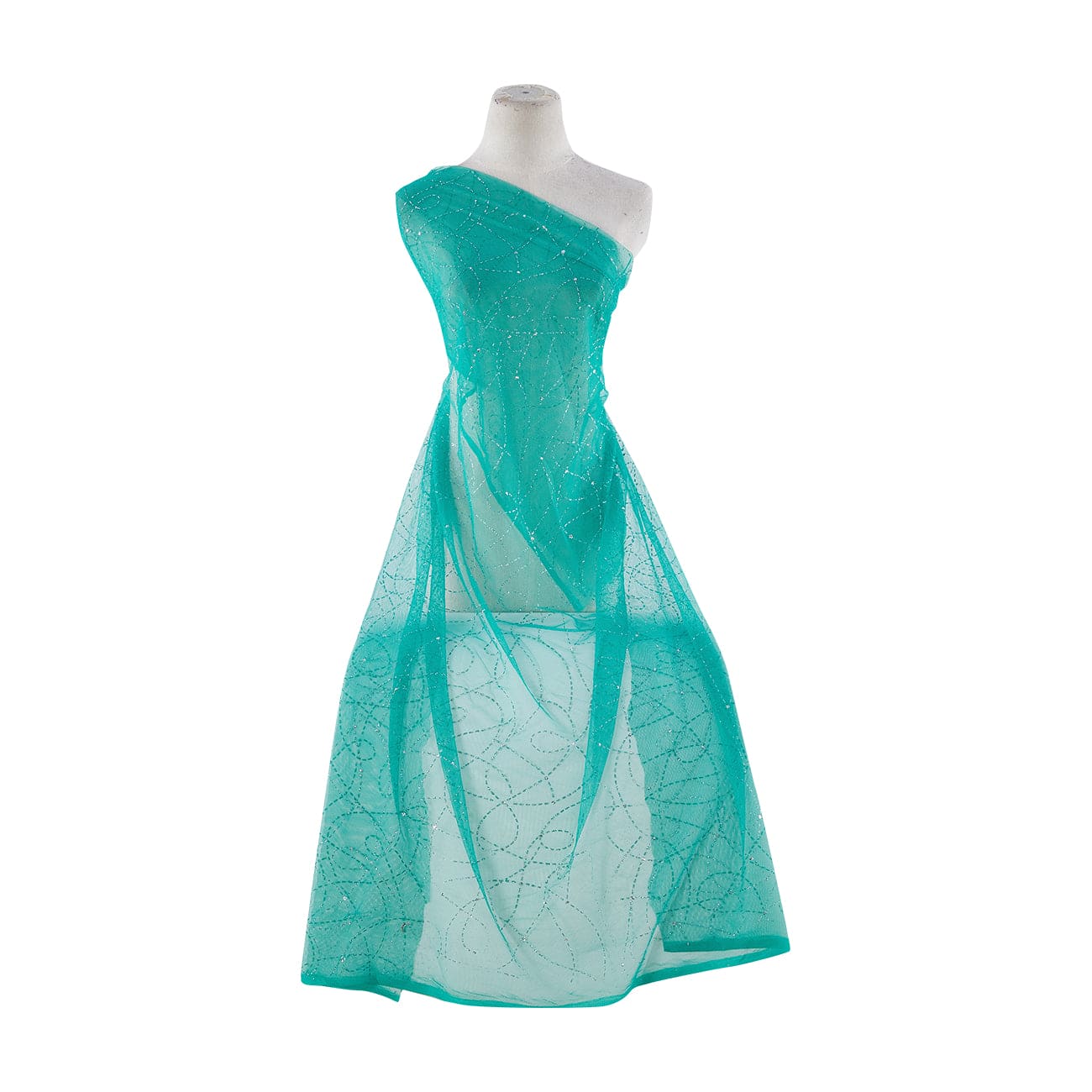
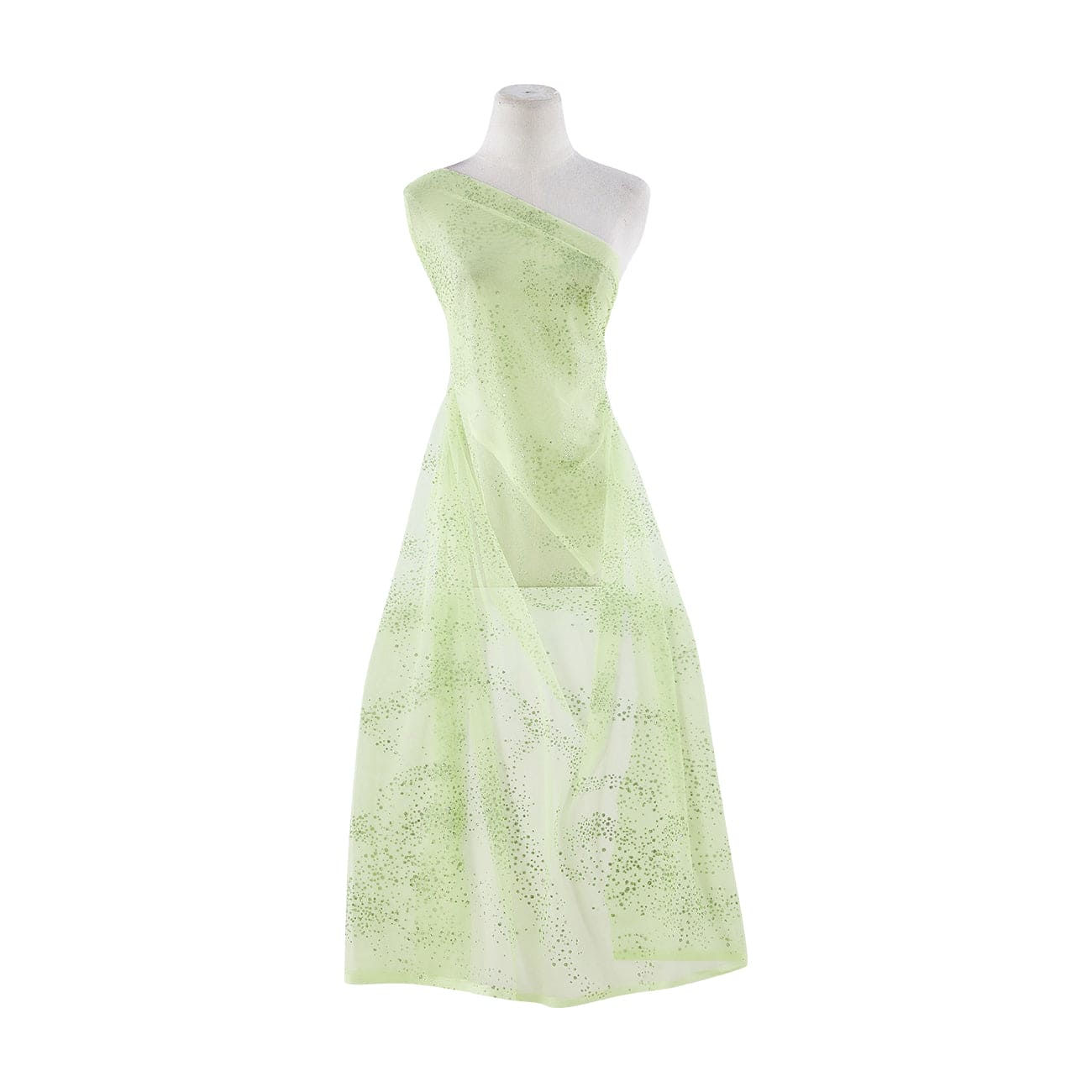
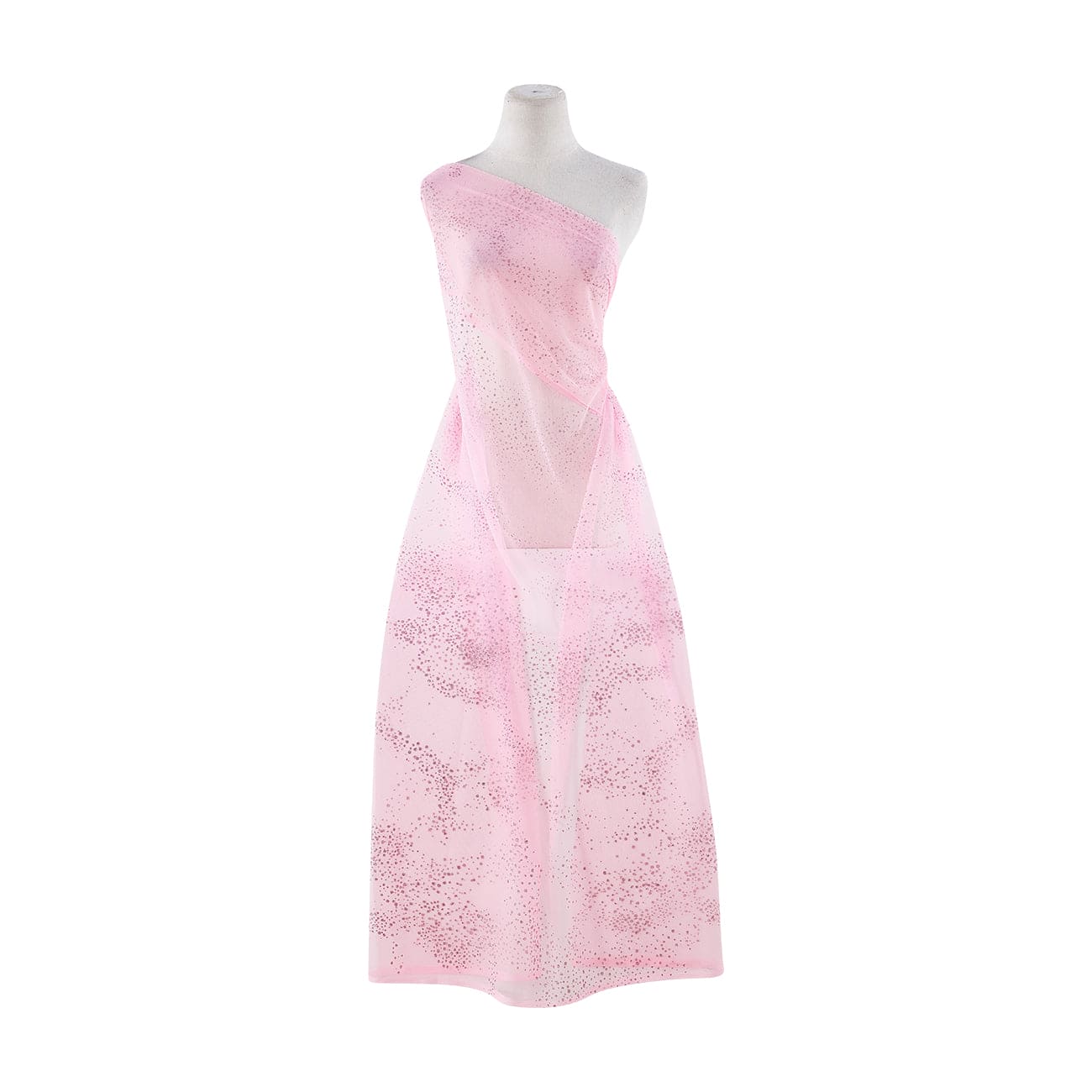
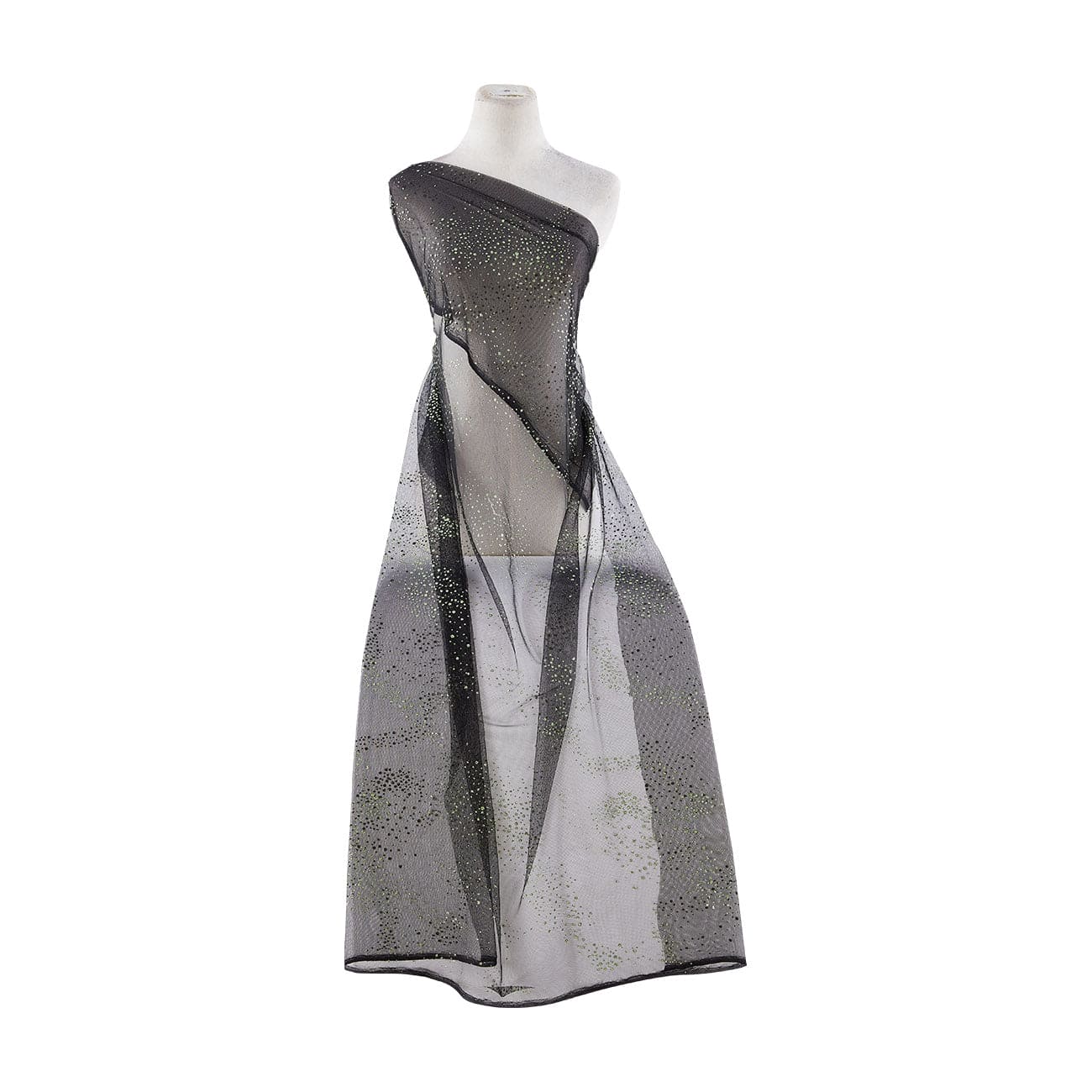
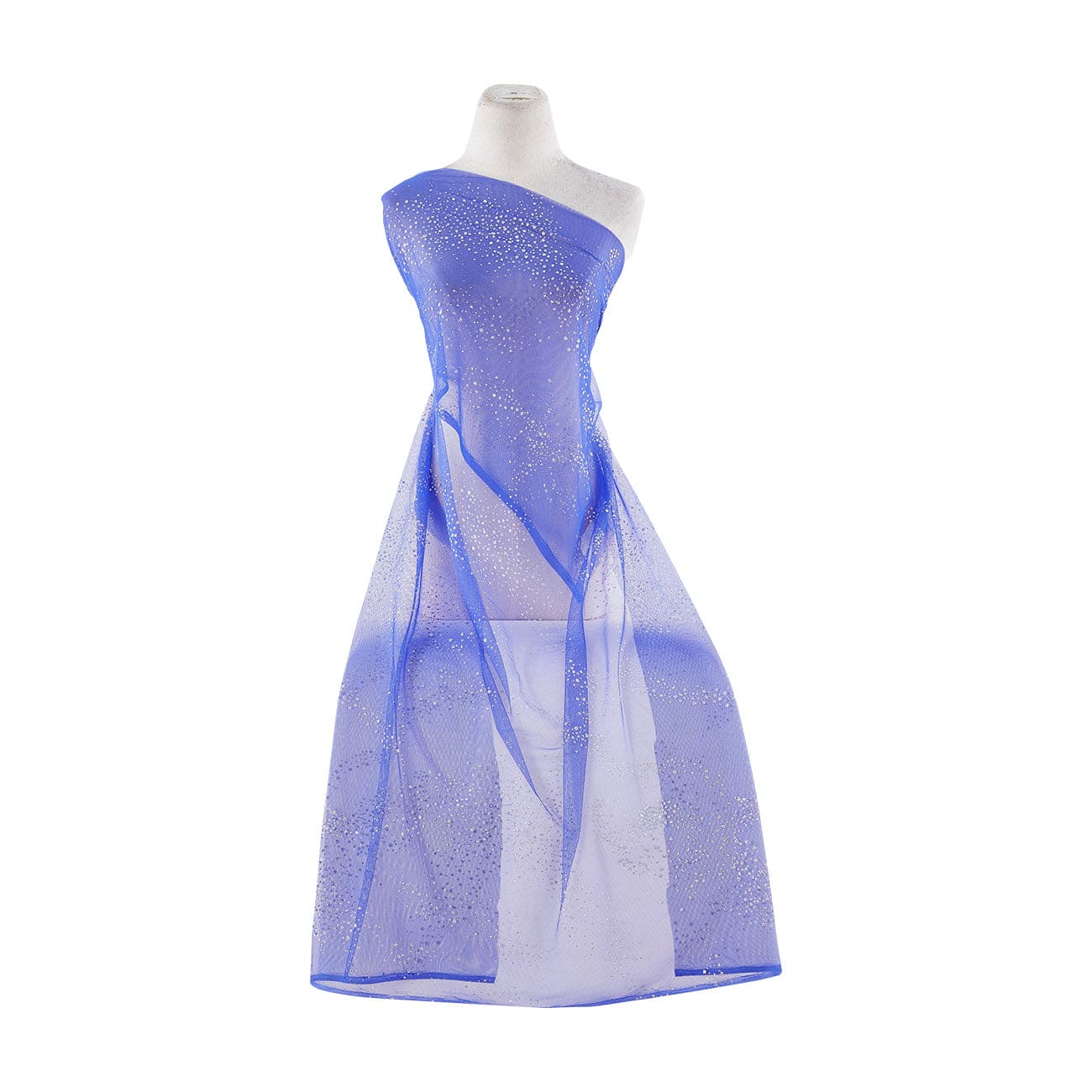
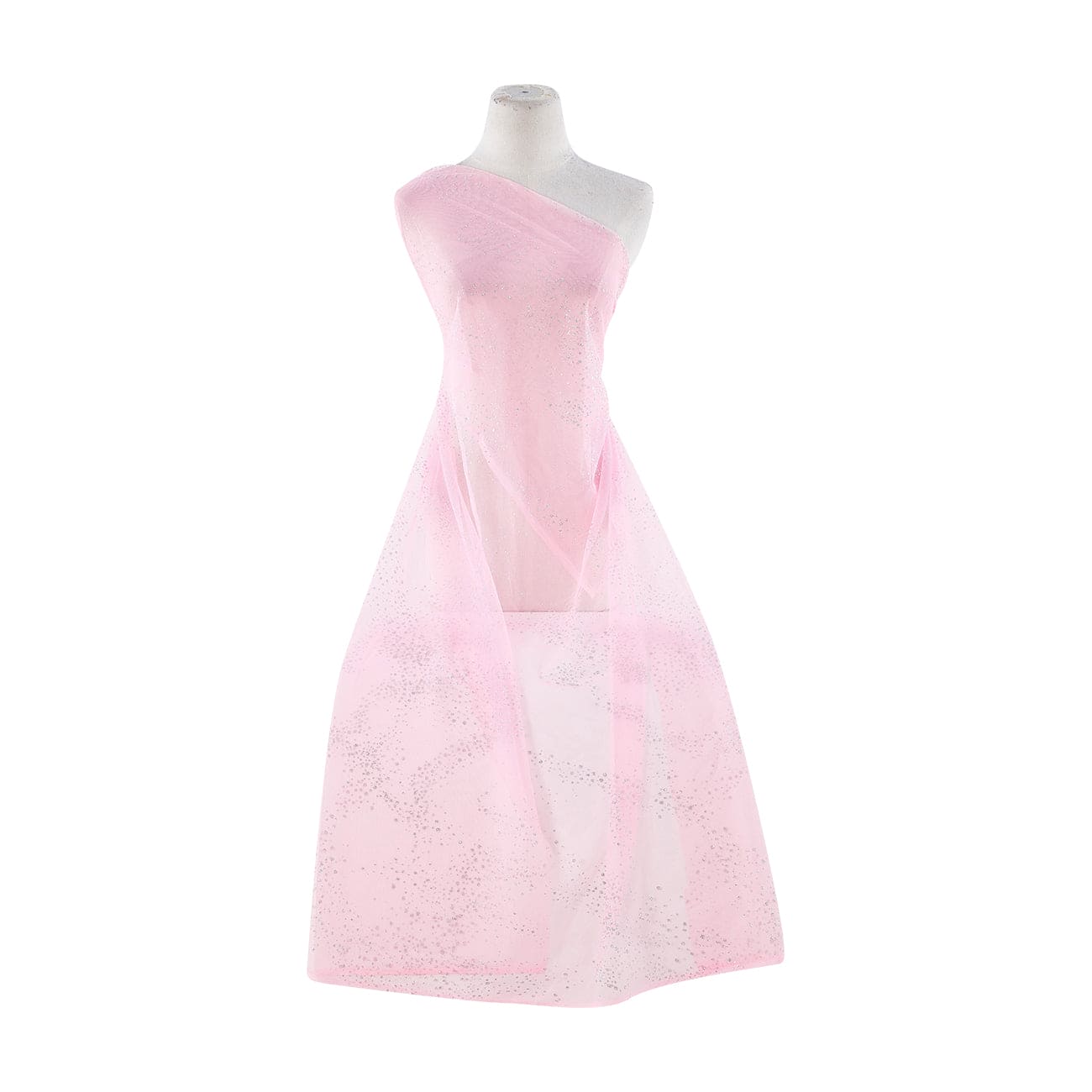
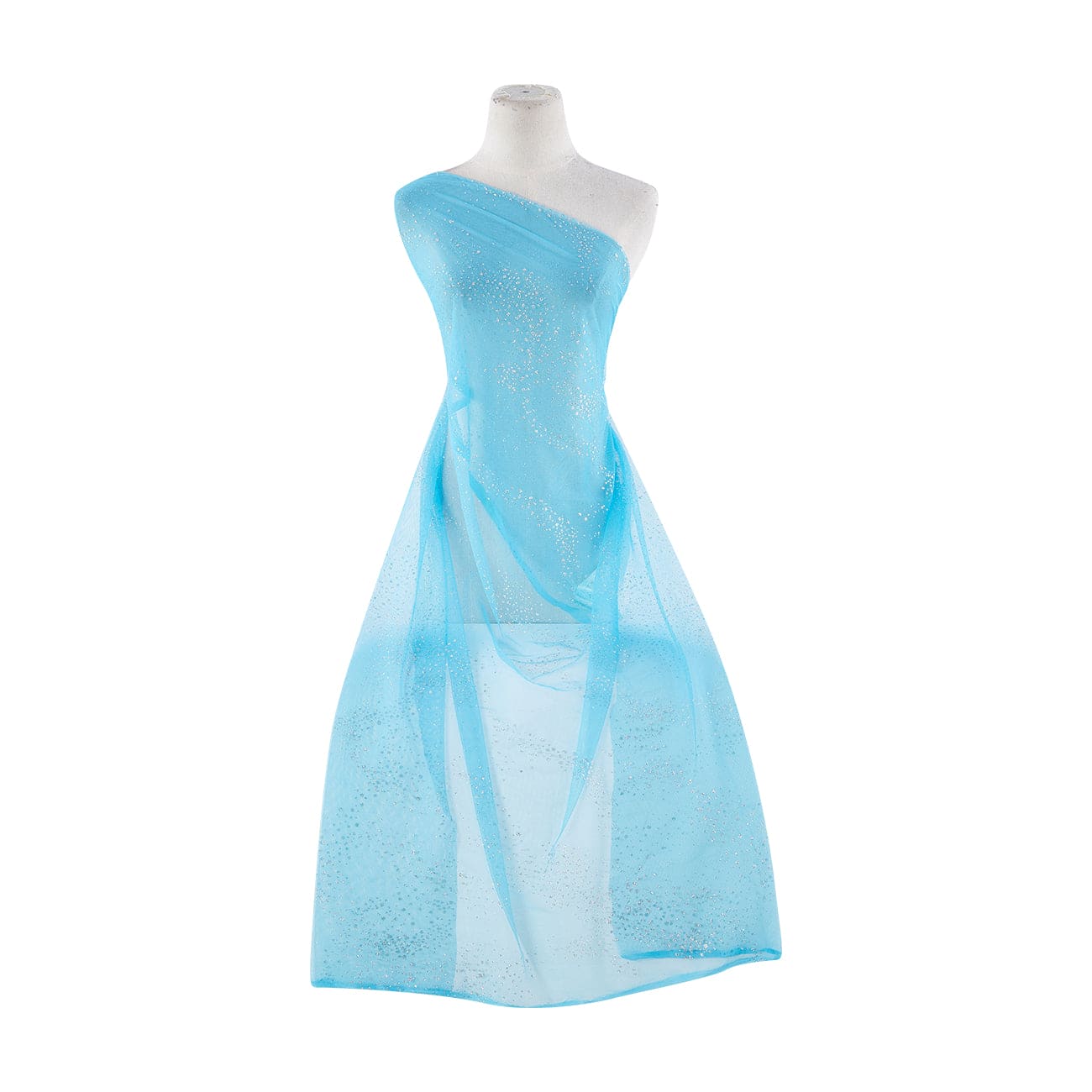
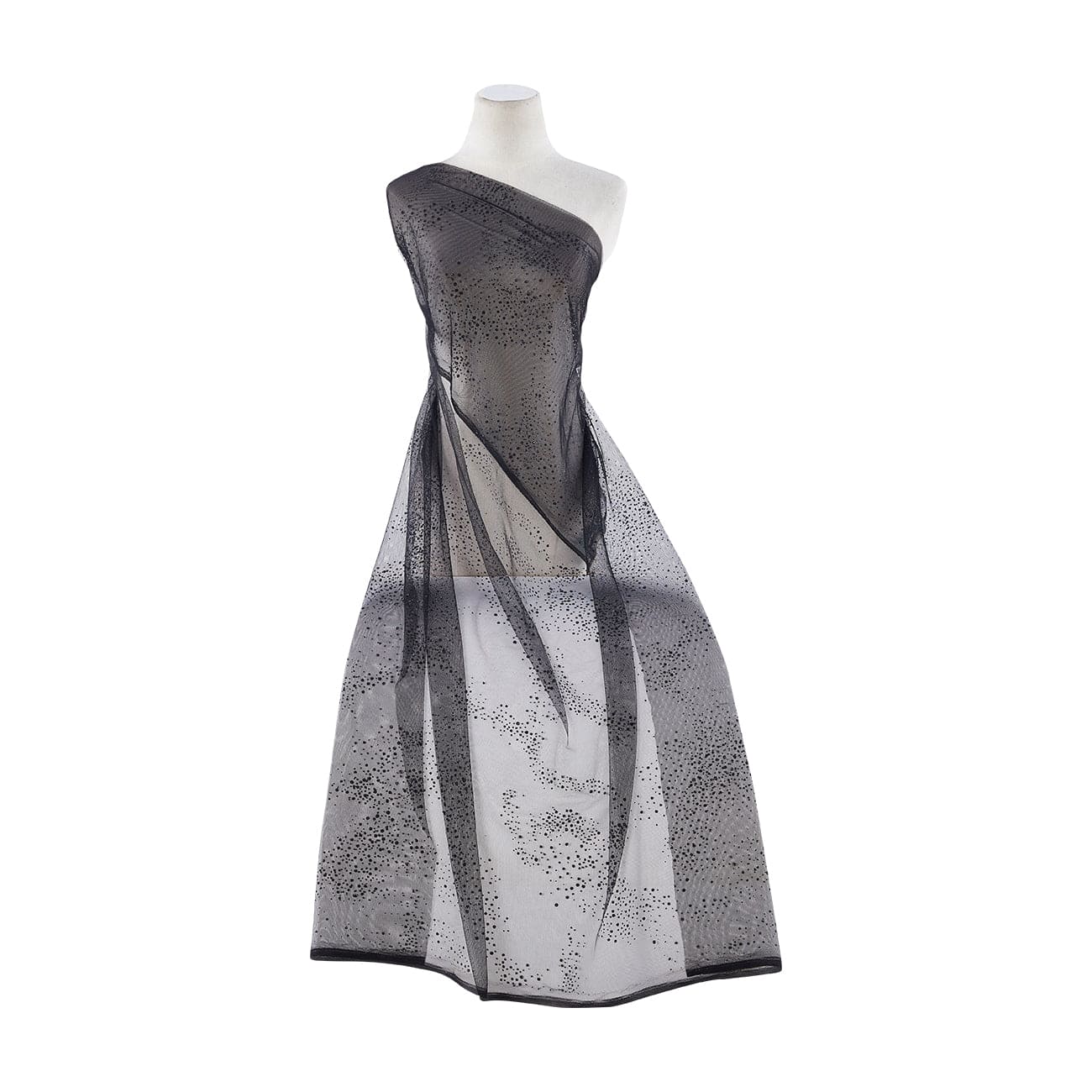
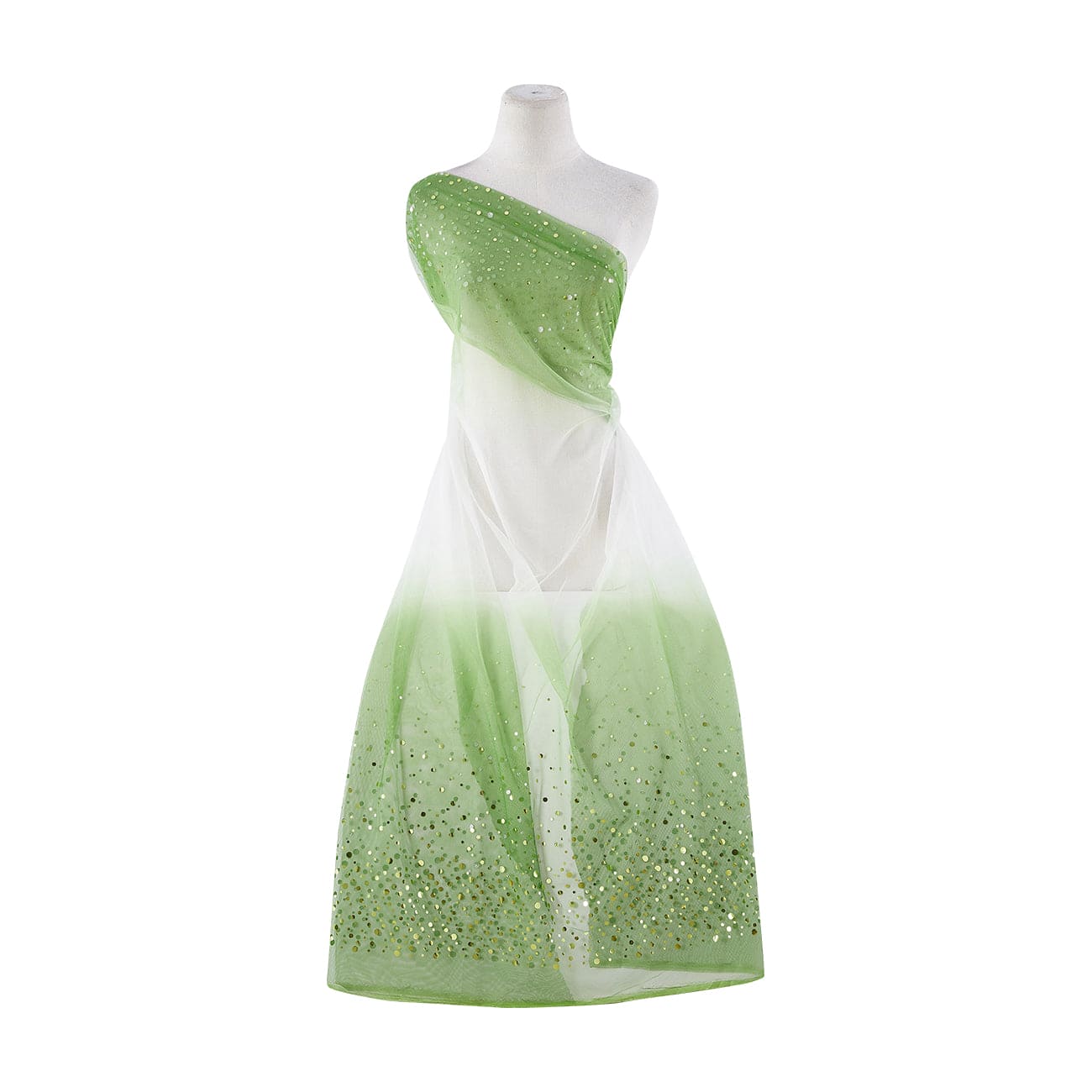
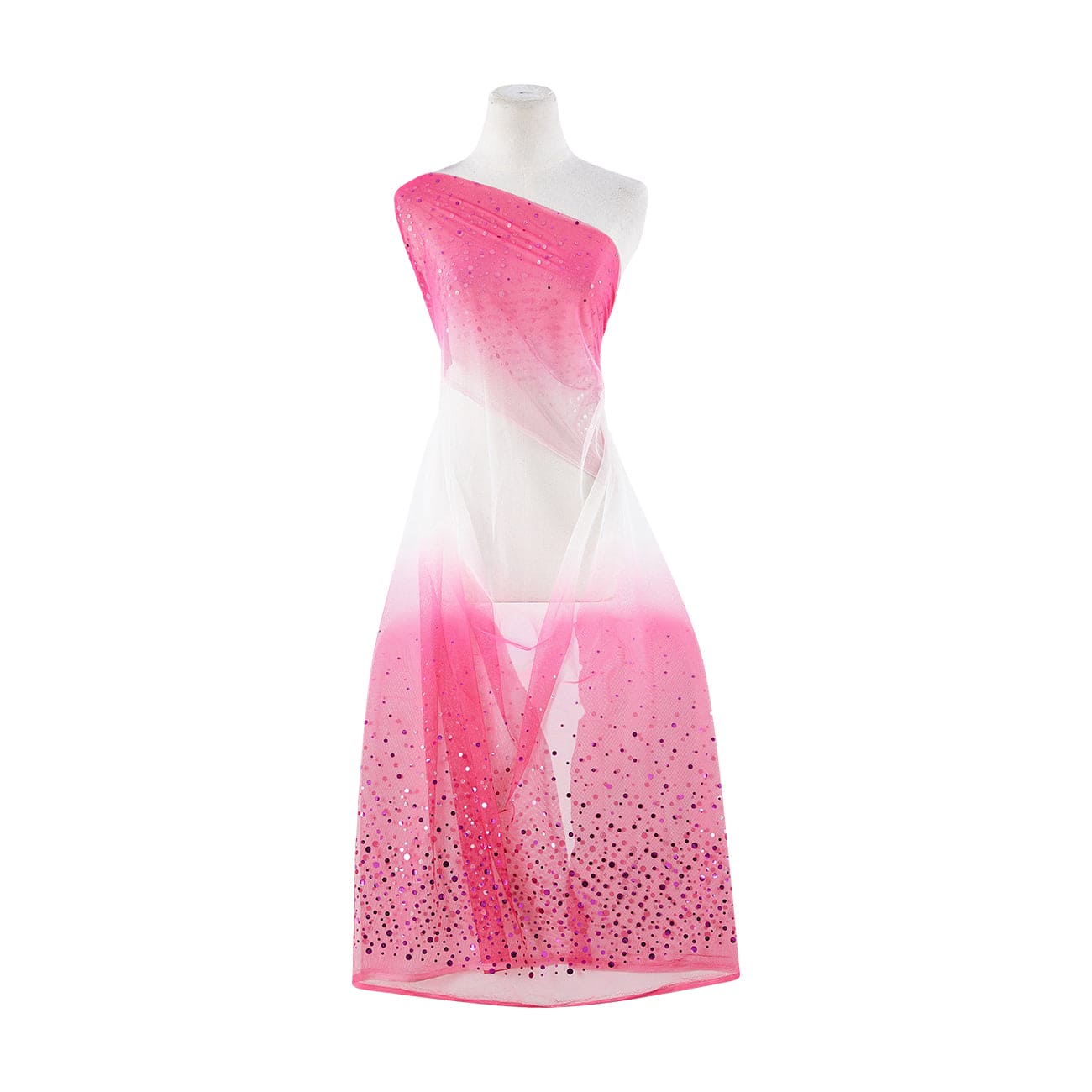
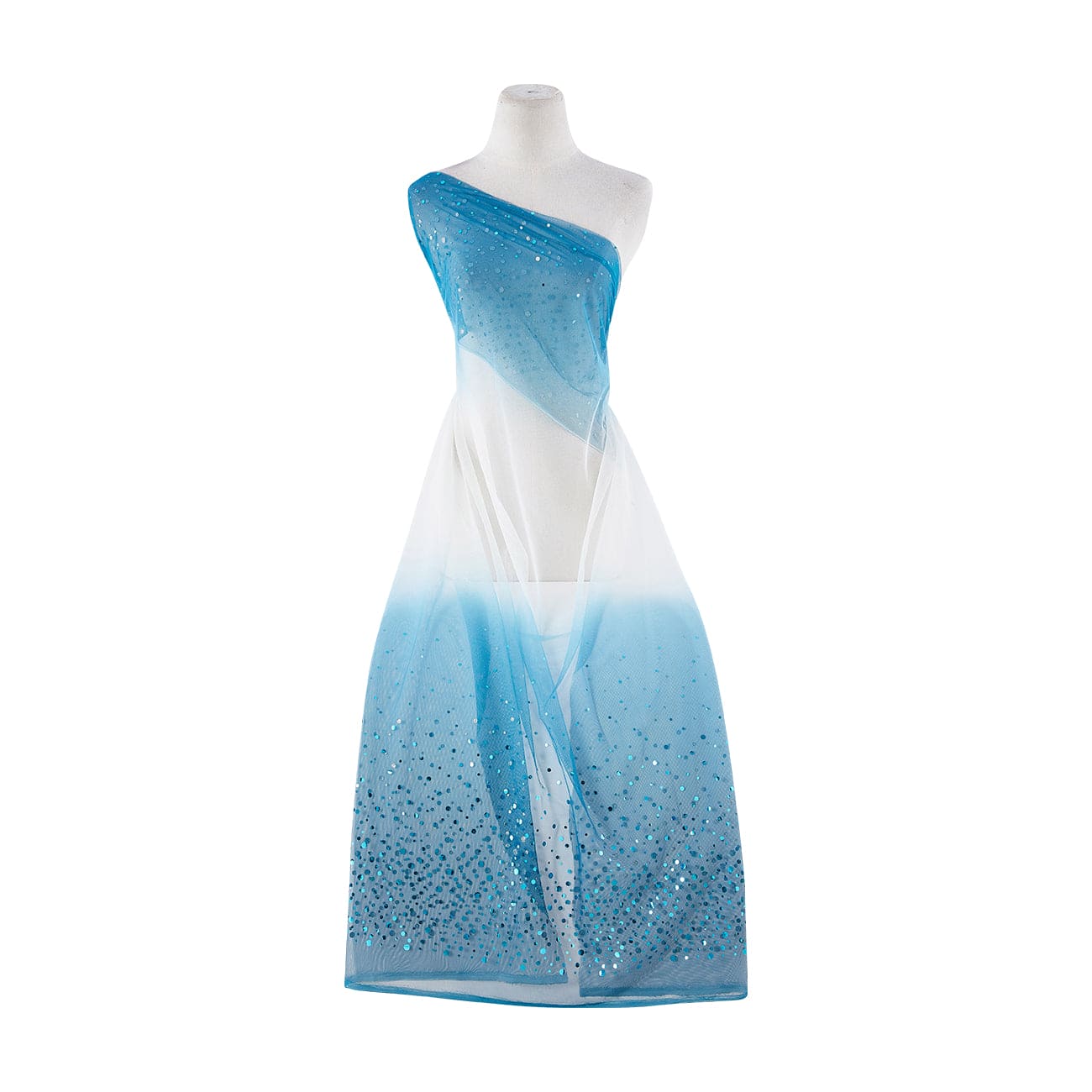
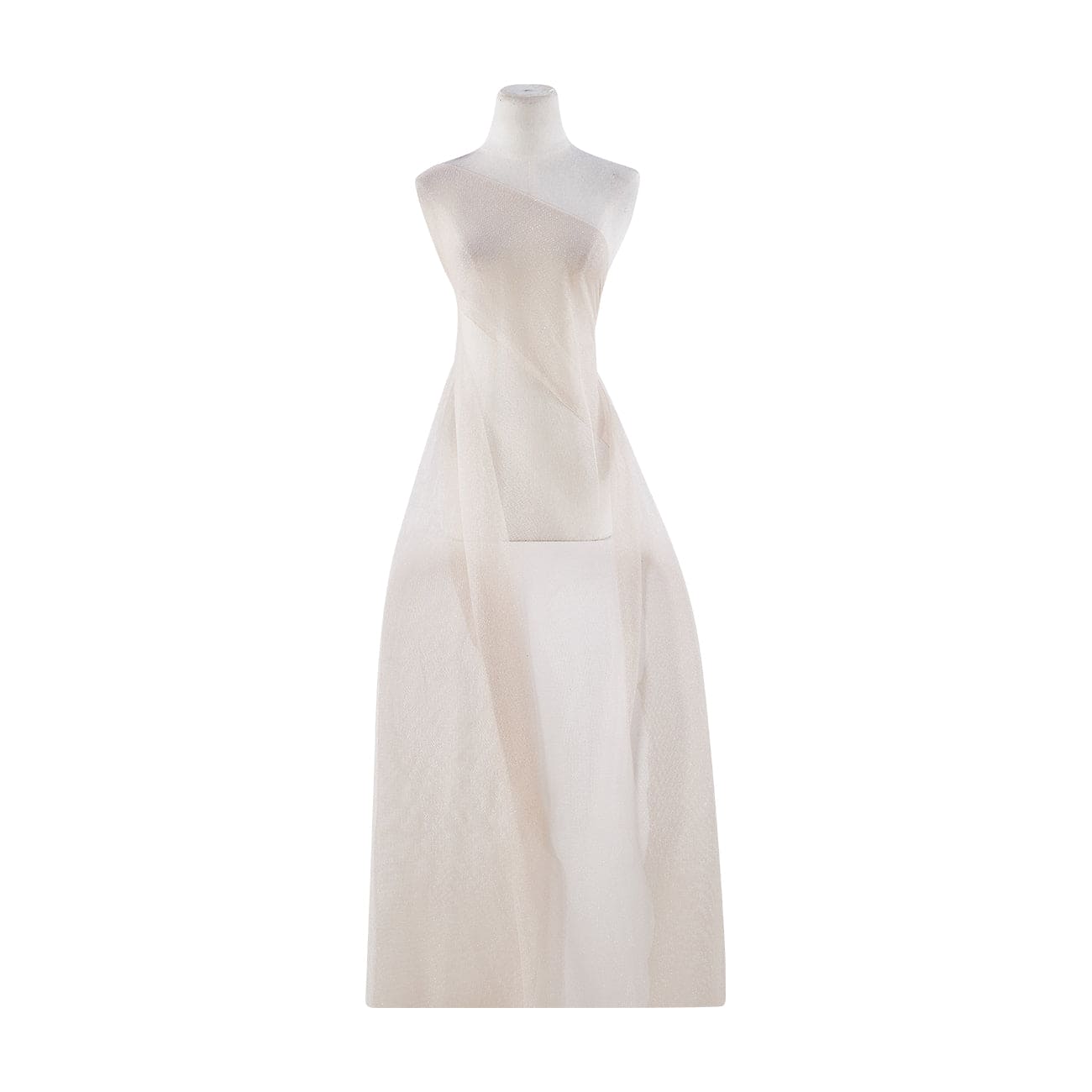
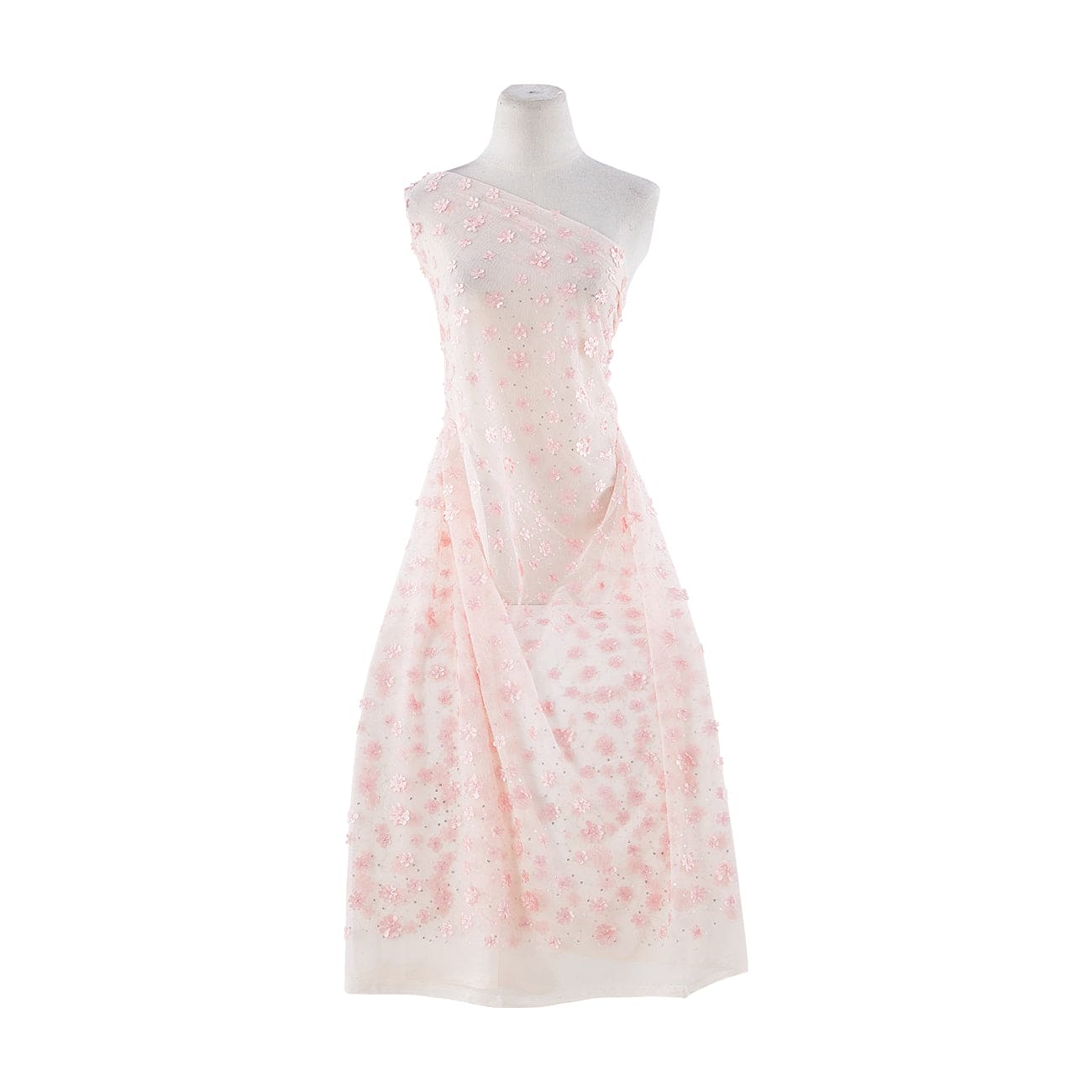
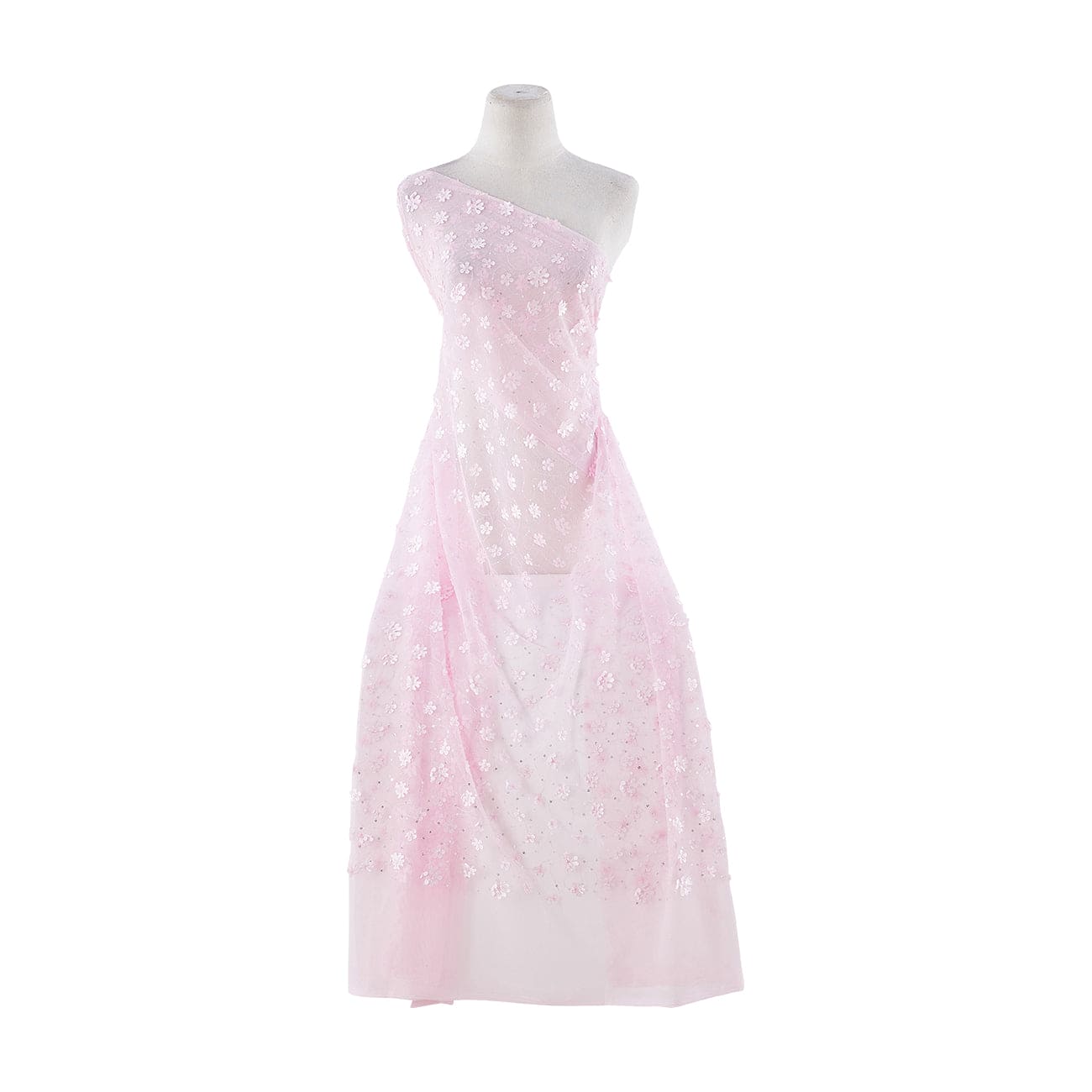
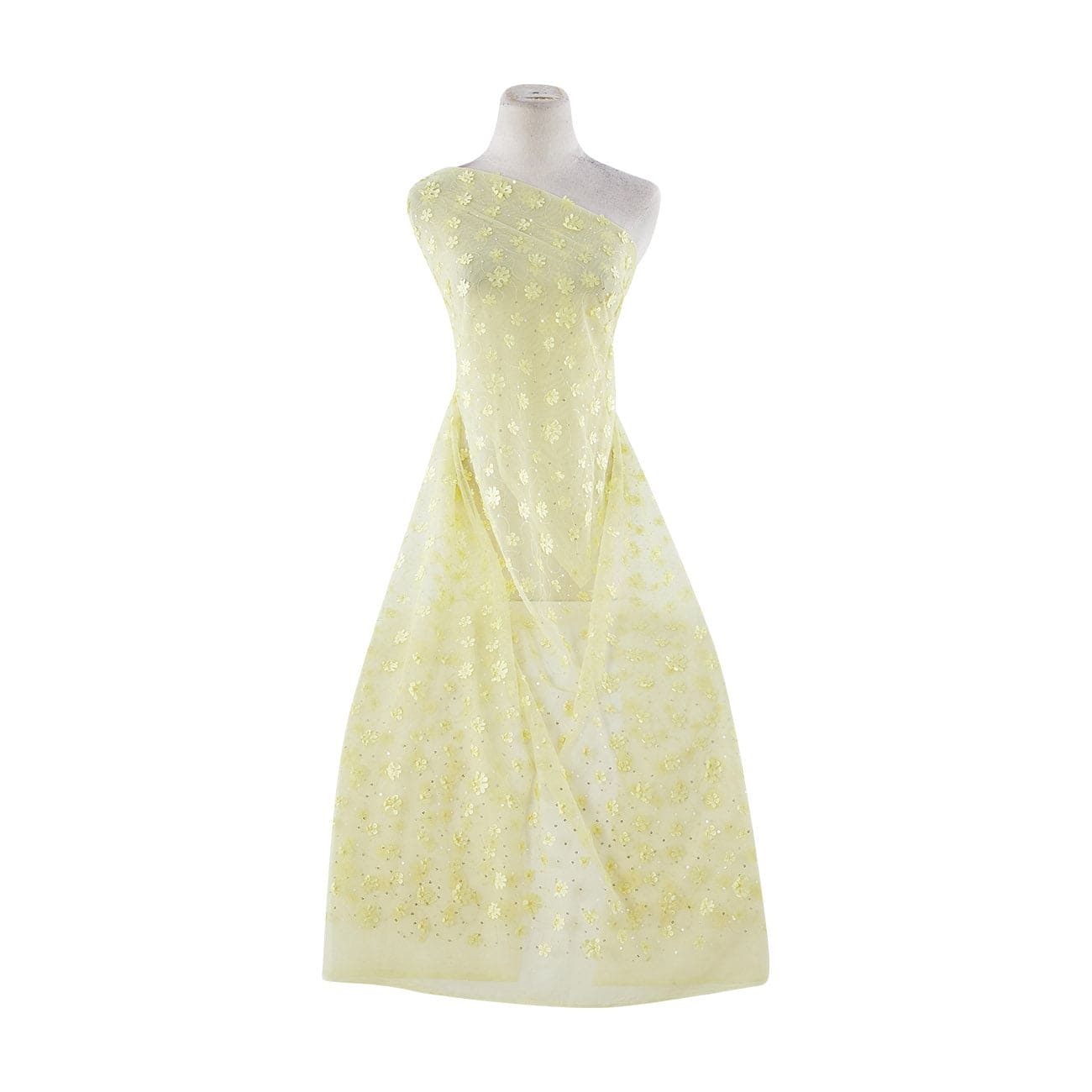
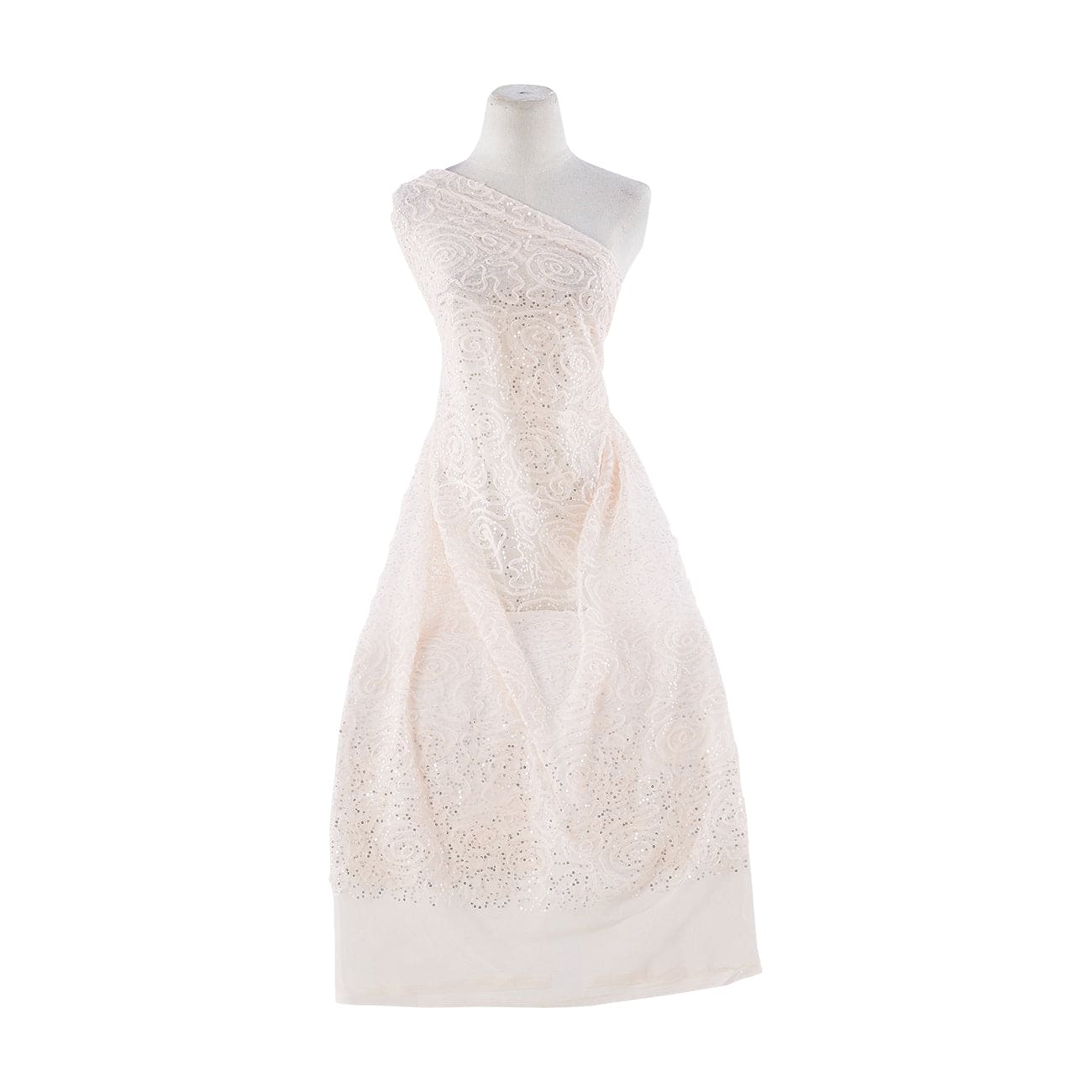
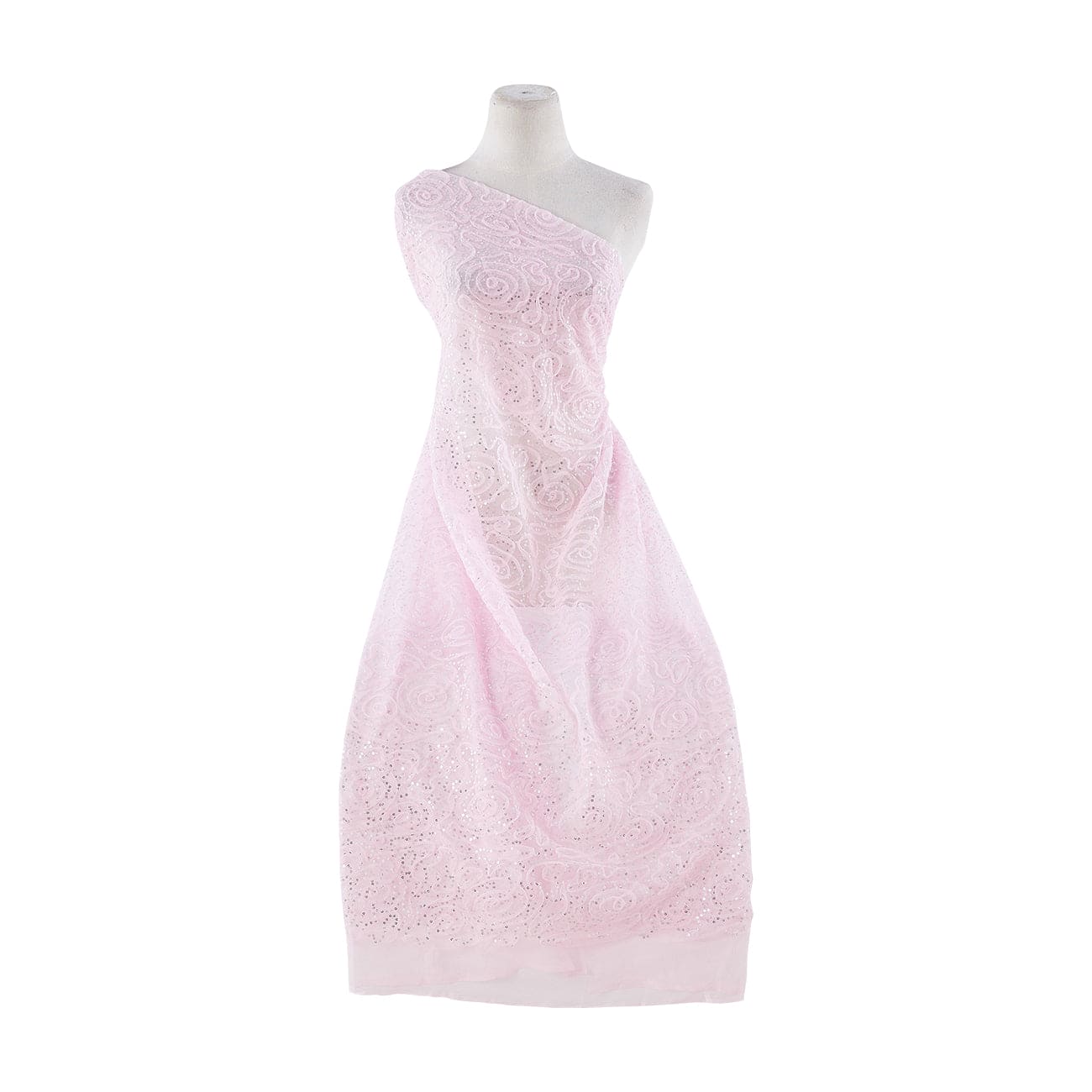
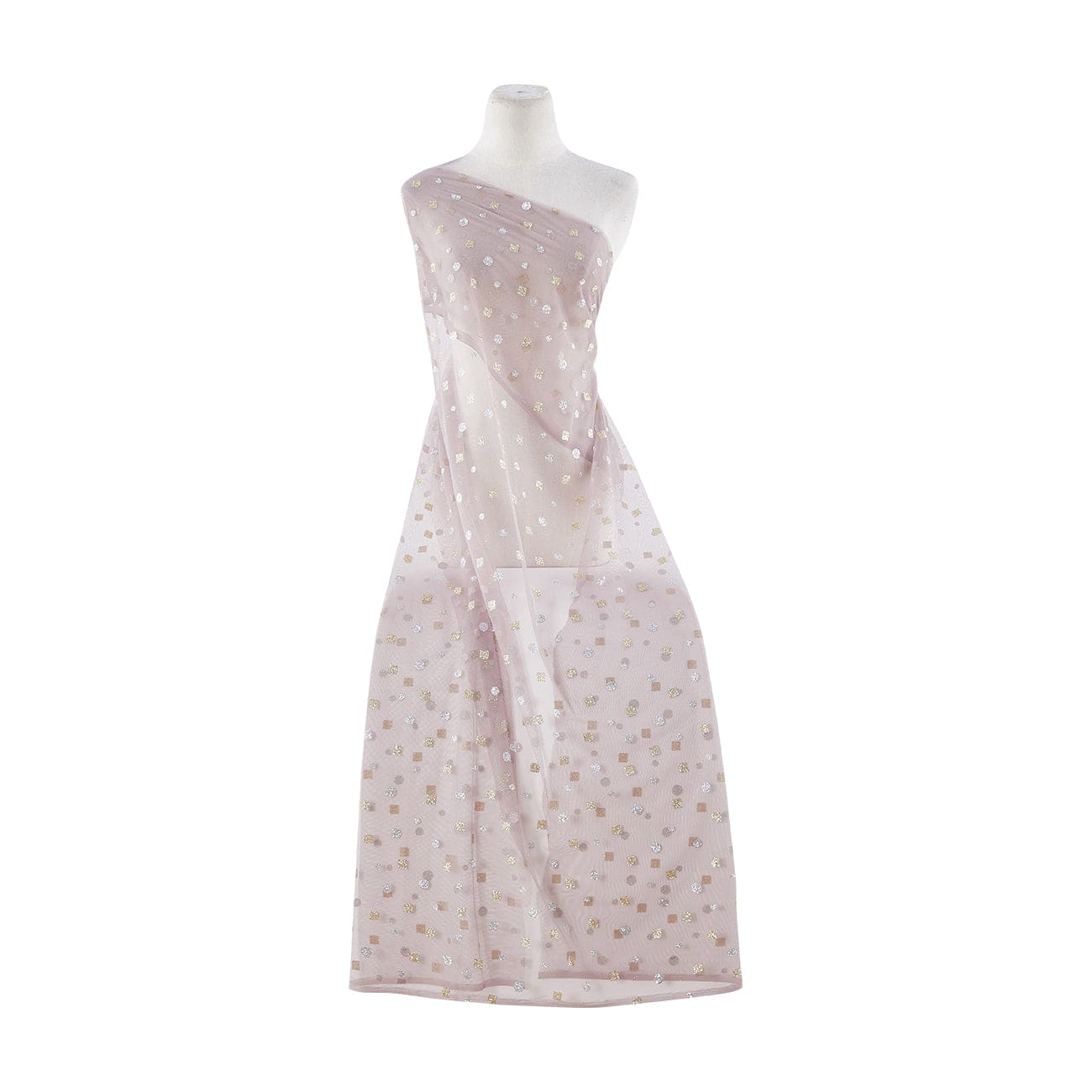
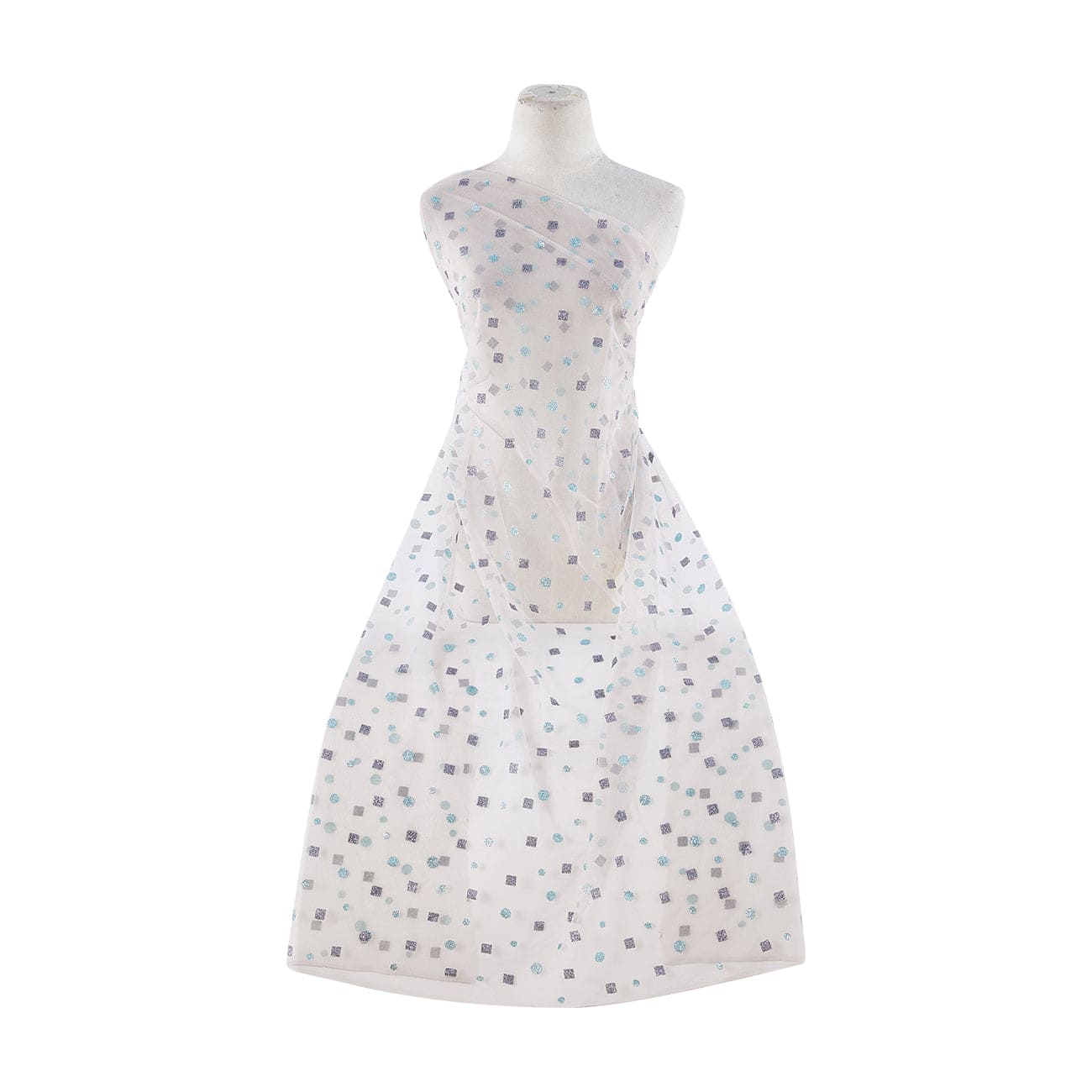
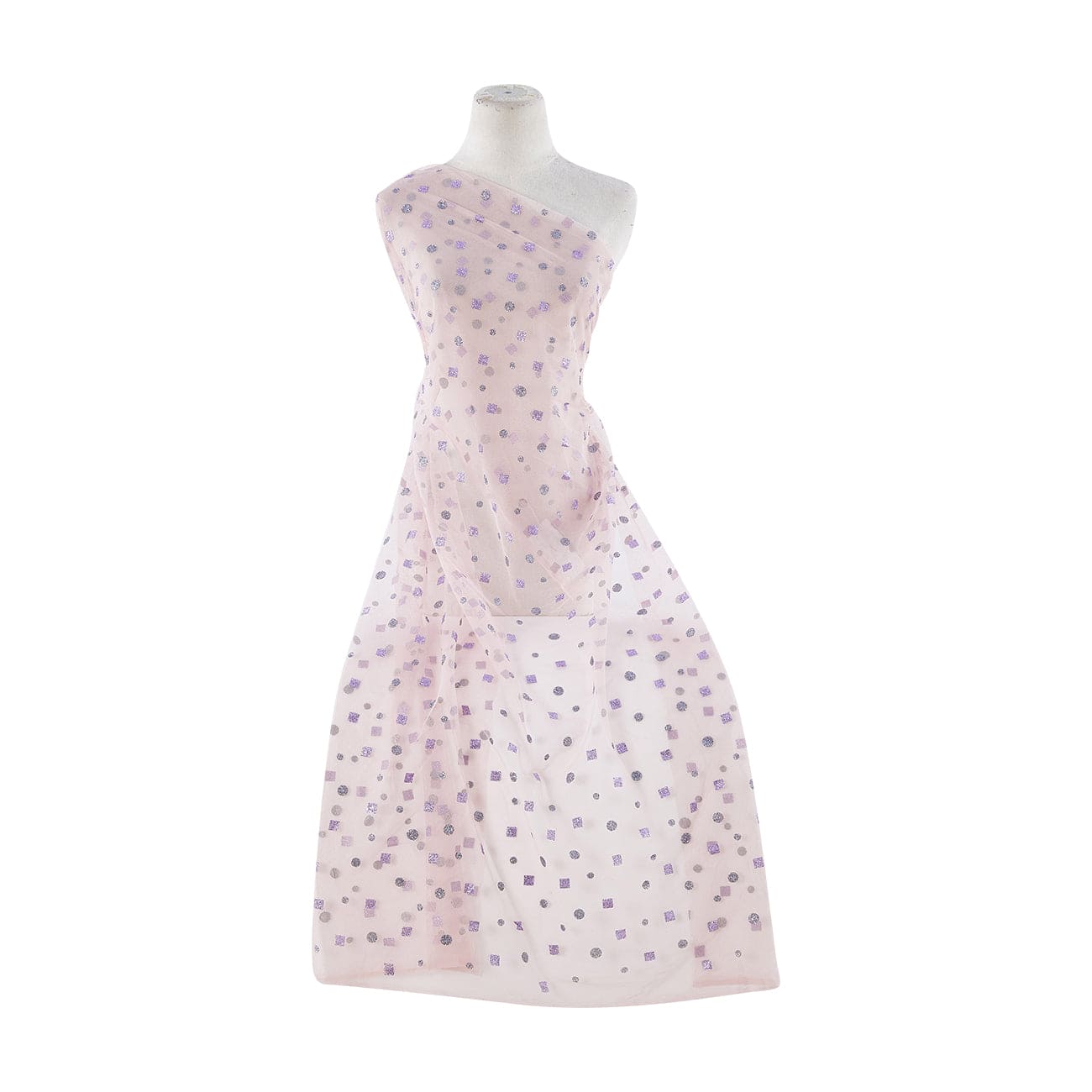
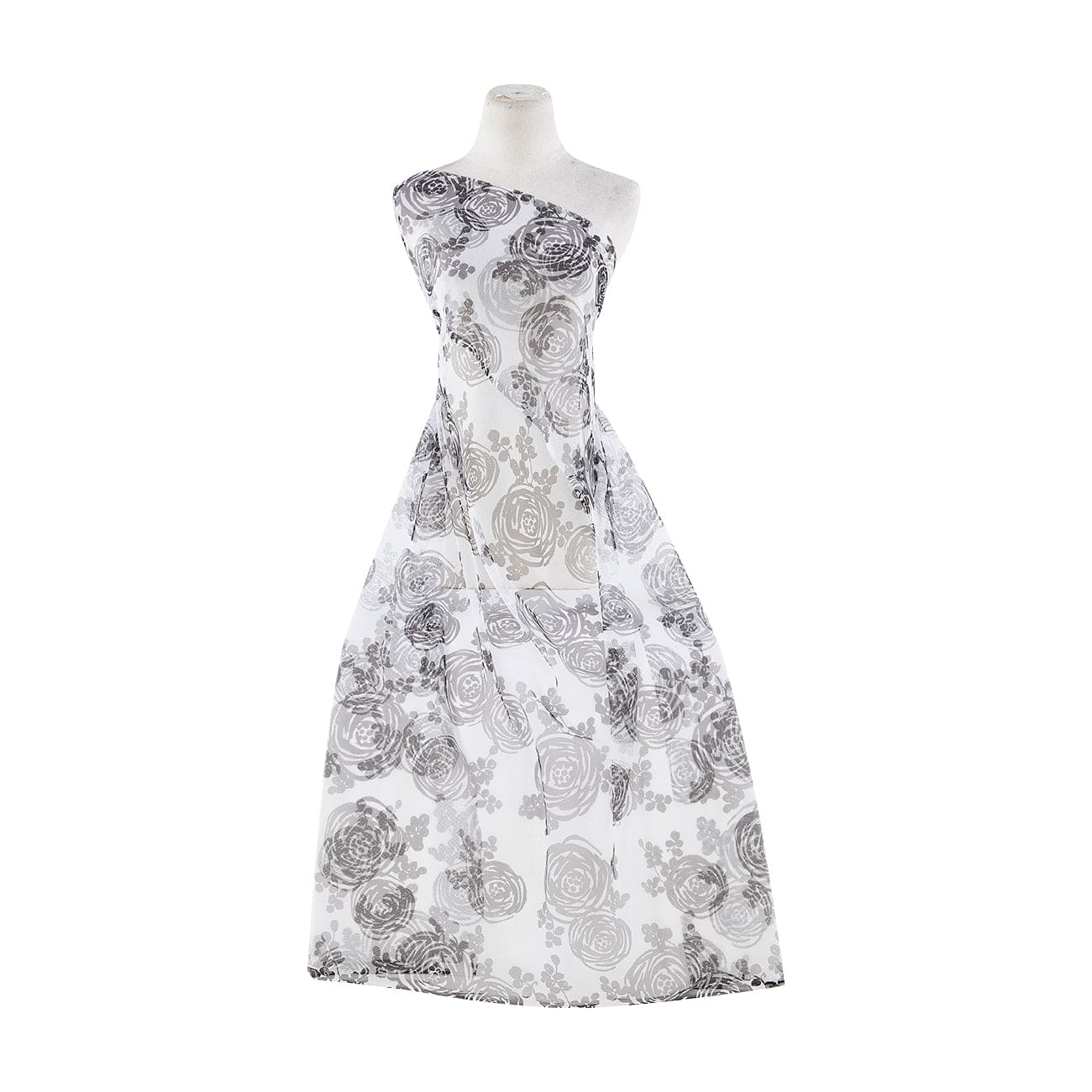
What Is Tulle Fabric Made Of?
Tulle takes its name from the French city of Tulle, a center of lace and silk production since the 18th century. The fabric became widely associated with ballet and bridal fashion in the 19th century, when machine-made bobbin net made it commercially accessible. Merriam-Webster defines tulle as “a sheer often stiffened silk, rayon, or nylon net used chiefly for veils or ballet costumes” - a definition that captures its core identity even as fiber options have expanded considerably.
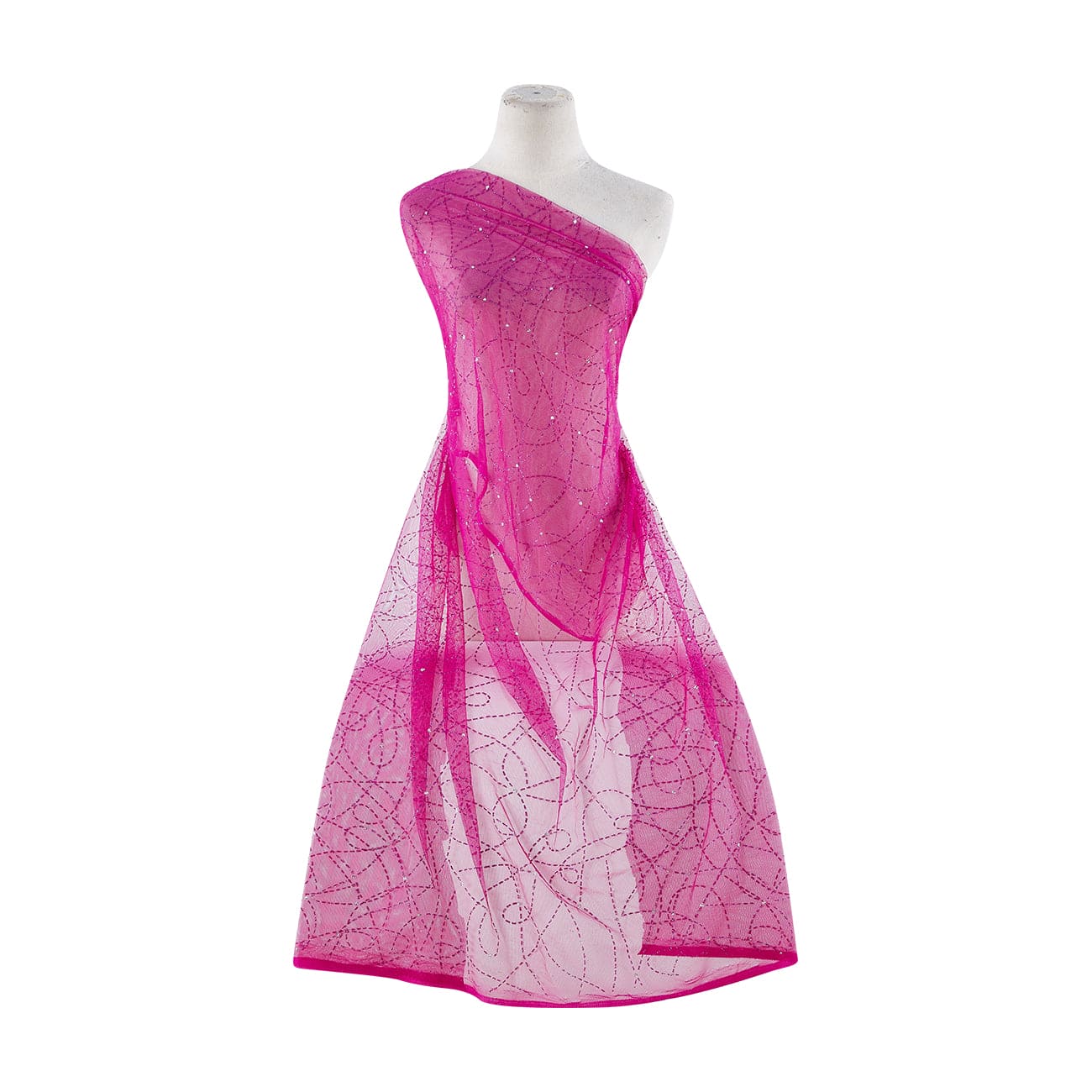
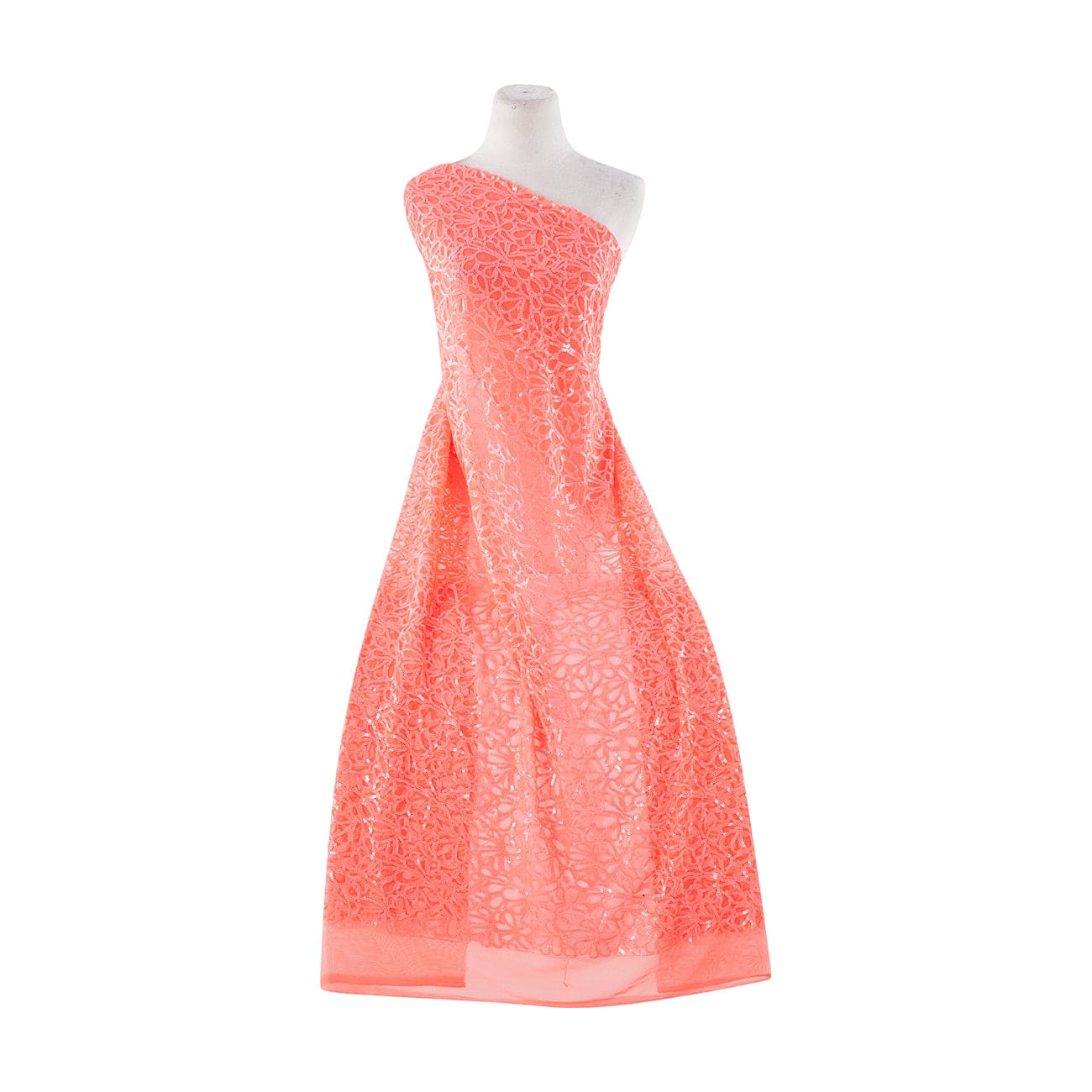
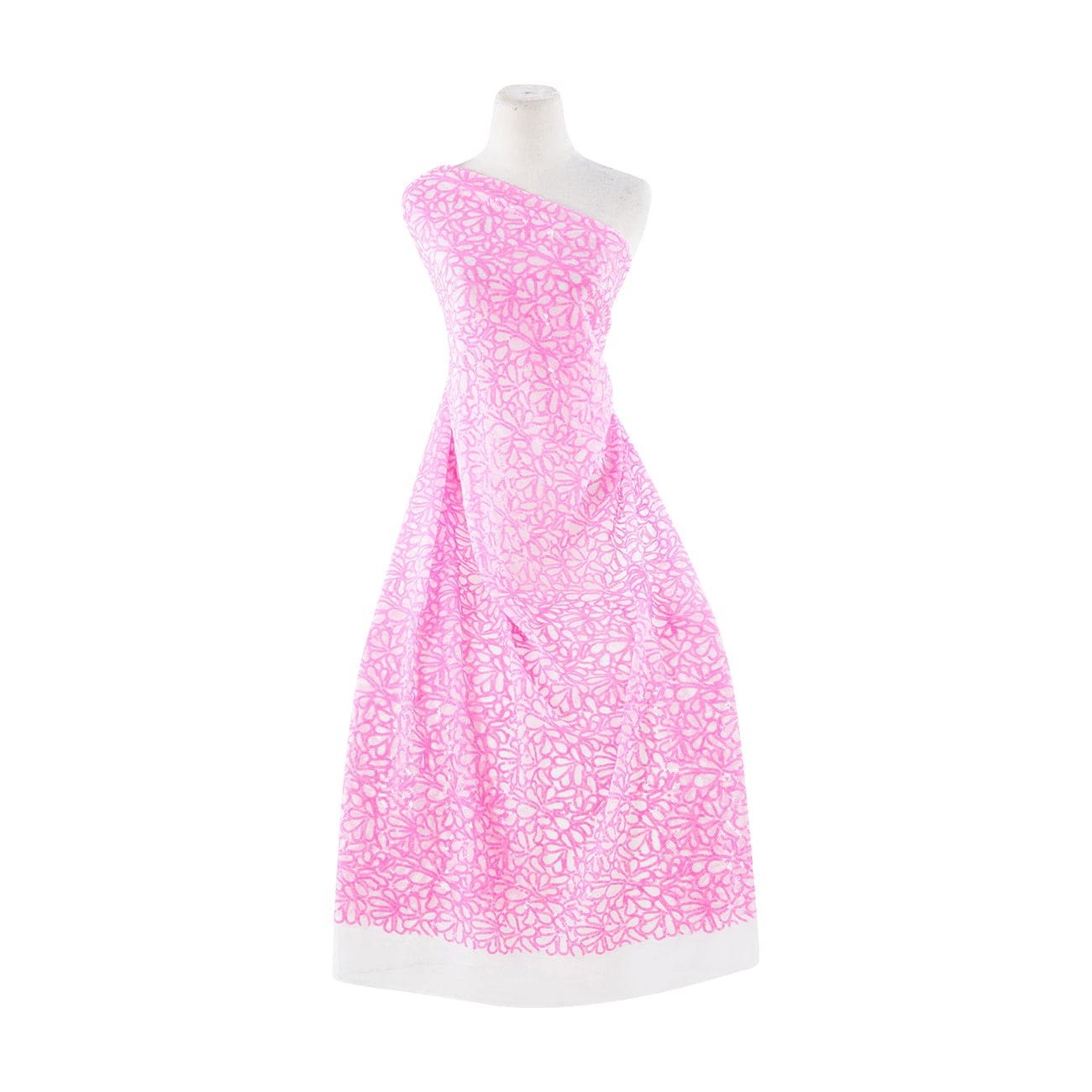
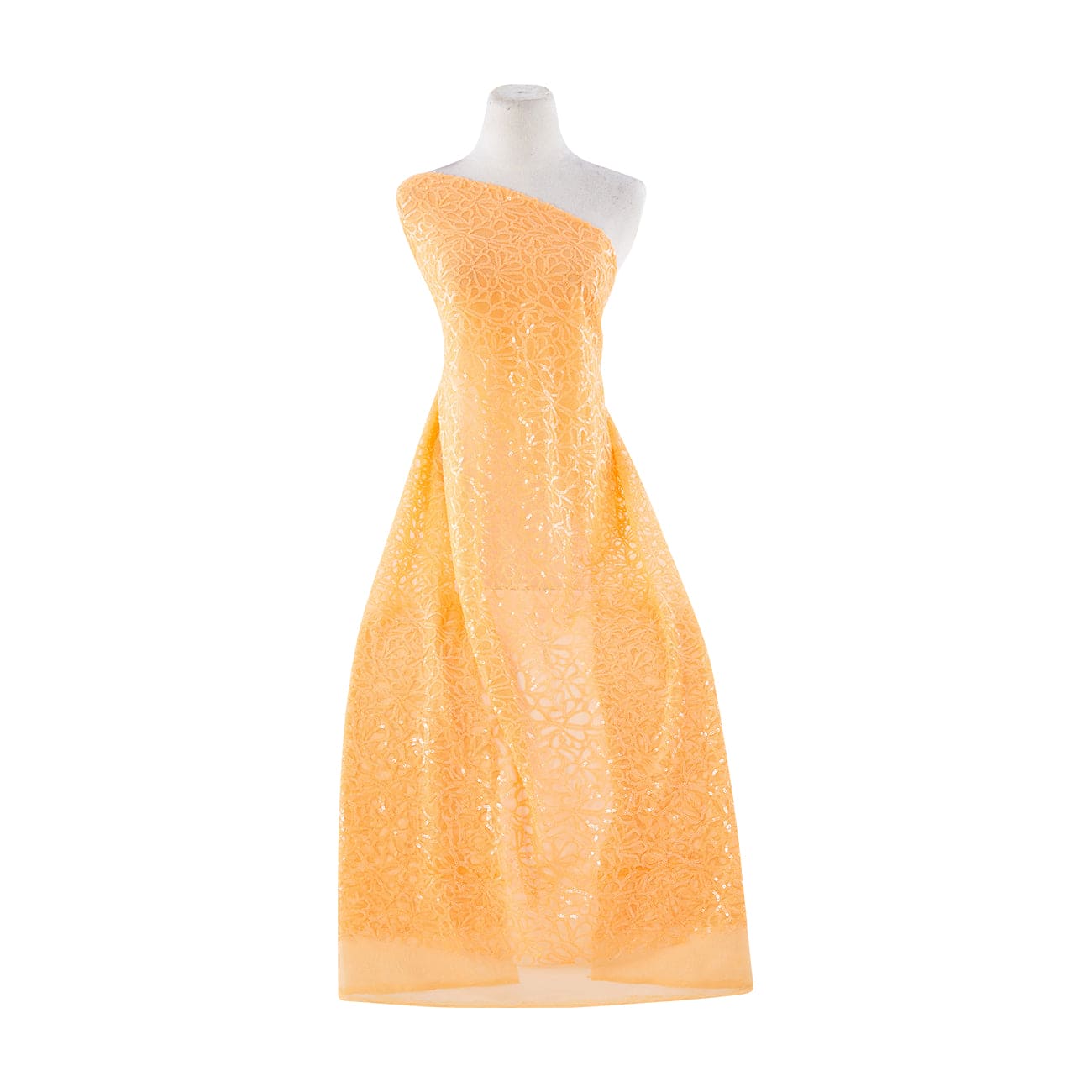
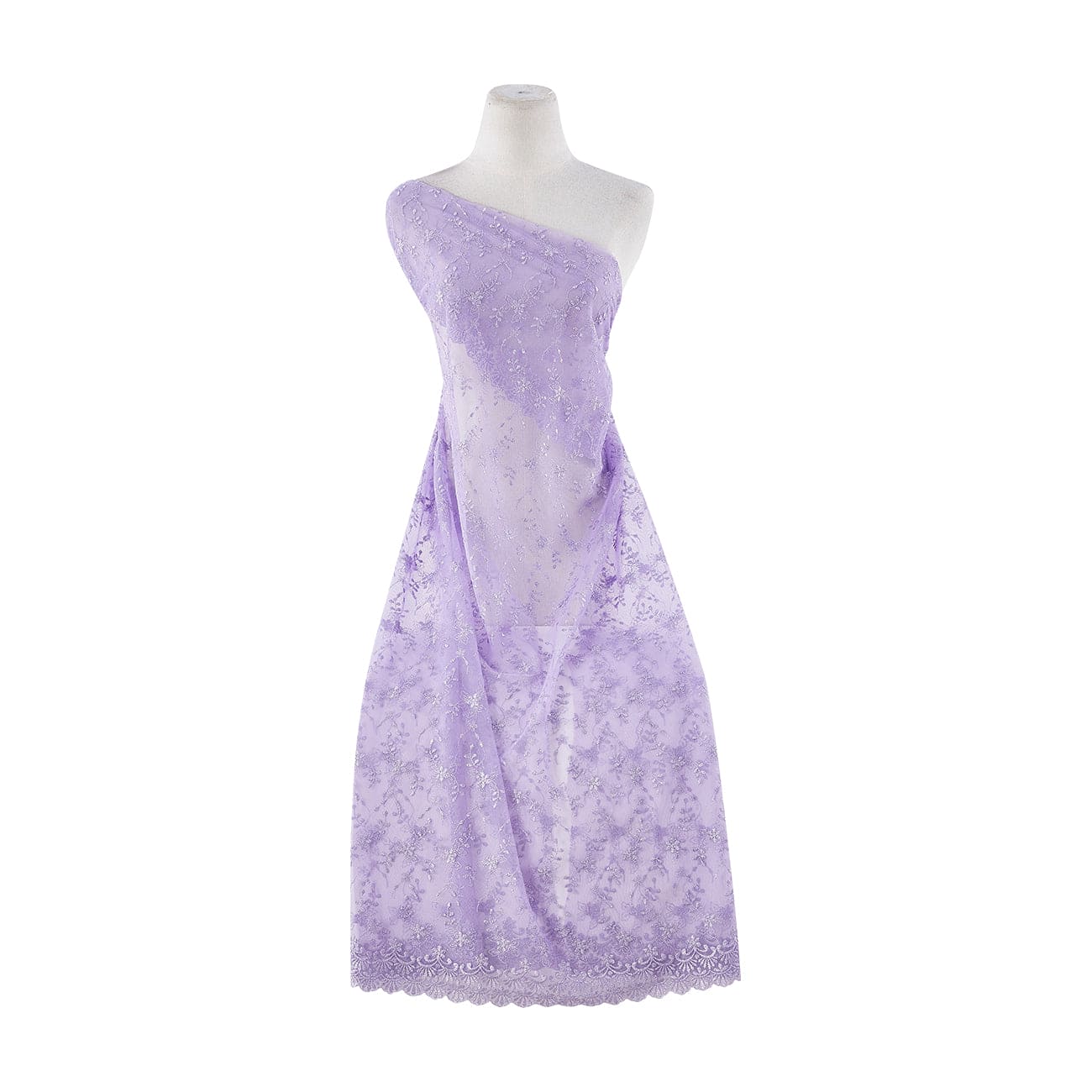
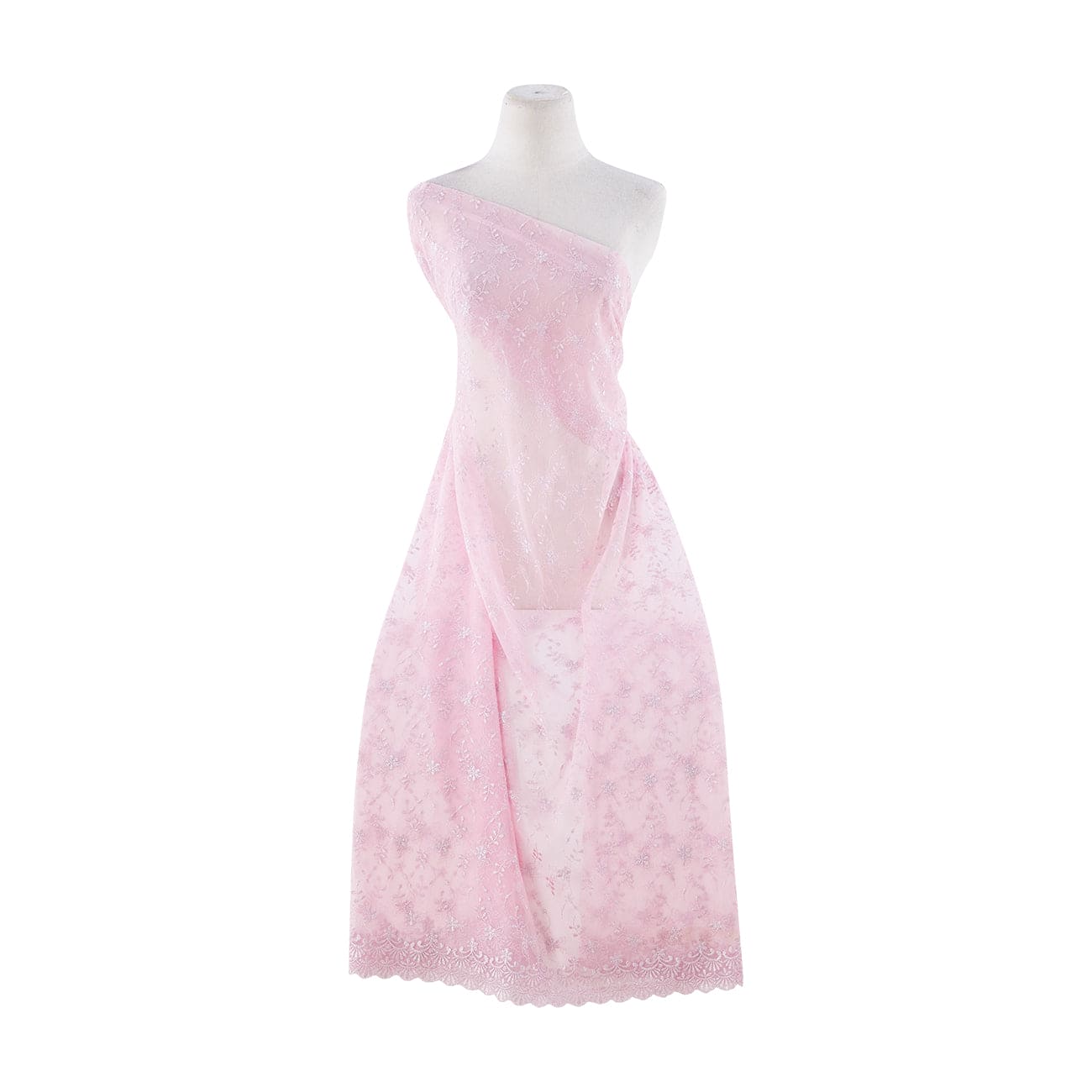
Tulle fabric is produced from a fine hexagonal or diamond-shaped mesh. The characteristic hexagonal net is formed by twisting warp threads around weft threads at each intersection - a construction that gives tulle its open, stable mesh without the need for a woven base. Common fiber options include:
- Polyester - the most common option because of its durability, affordability, and color consistency. Polyester tulle ranges from 15 to 40 denier. Lower denier yields a sheerer, more delicate hand while higher denier adds body and opacity.
- Nylon - known for strength, flexibility, and smoothness
- Silk - prized for bridal applications and soft drape; distinct from silk organza (a plain-woven fabric) and silk gauze (a loosely woven sheer), tulle’s net structure sets it apart from both
- Blended fibers - designed to balance softness, structure, and resilience
Some tulle fabrics are lightly sized or finished with starch or resin to increase stiffness. This finish can soften with washing, so projects requiring permanent structure may need re-pressing or a stiffer base fiber. Mesh size and fiber choice directly affect sheerness, strength, and hand feel.
Key Characteristics of Quality Tulle Fabric
High-quality tulle shares several defining traits:
- Lightweight and Breathable - Allows airflow and comfort, especially for garments worn for extended periods.
- Durable Structure - Resists tearing and fraying during cutting, sewing, and wear.
- Elegant Drape and Hold - Maintains shape while still falling gracefully when layered or gathered.
- Soft to the Touch - Especially important for veils, gowns, and garments worn close to the skin.
- Sheer, Not Fragile - Delicate in appearance but strong enough for repeated handling and styling.
Types of Tulle Fabric and Their Uses
From fine bridal sheers to structured performance nets, each fiber type brings distinct performance characteristics worth understanding before you commit to yardage.
Polyester Tulle
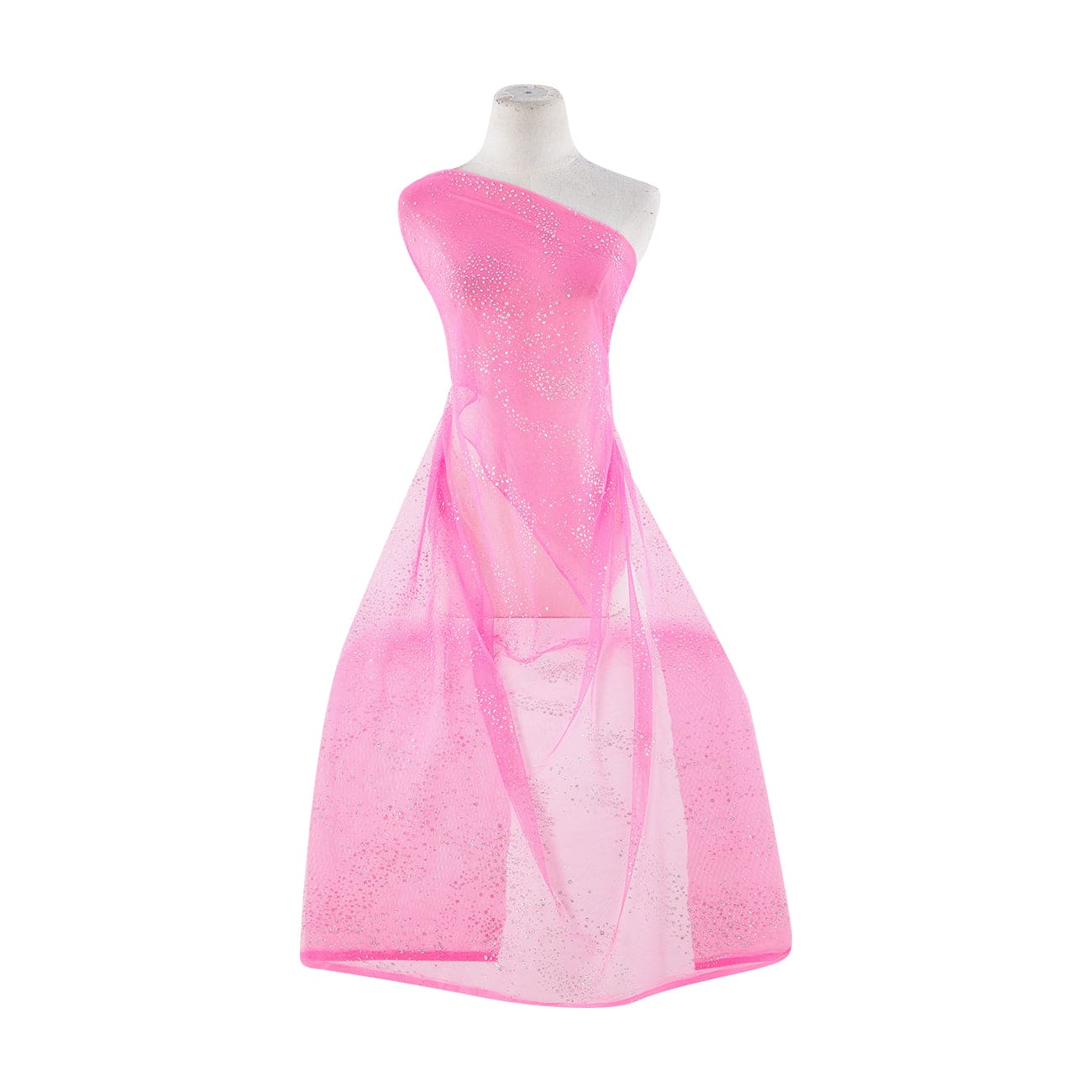
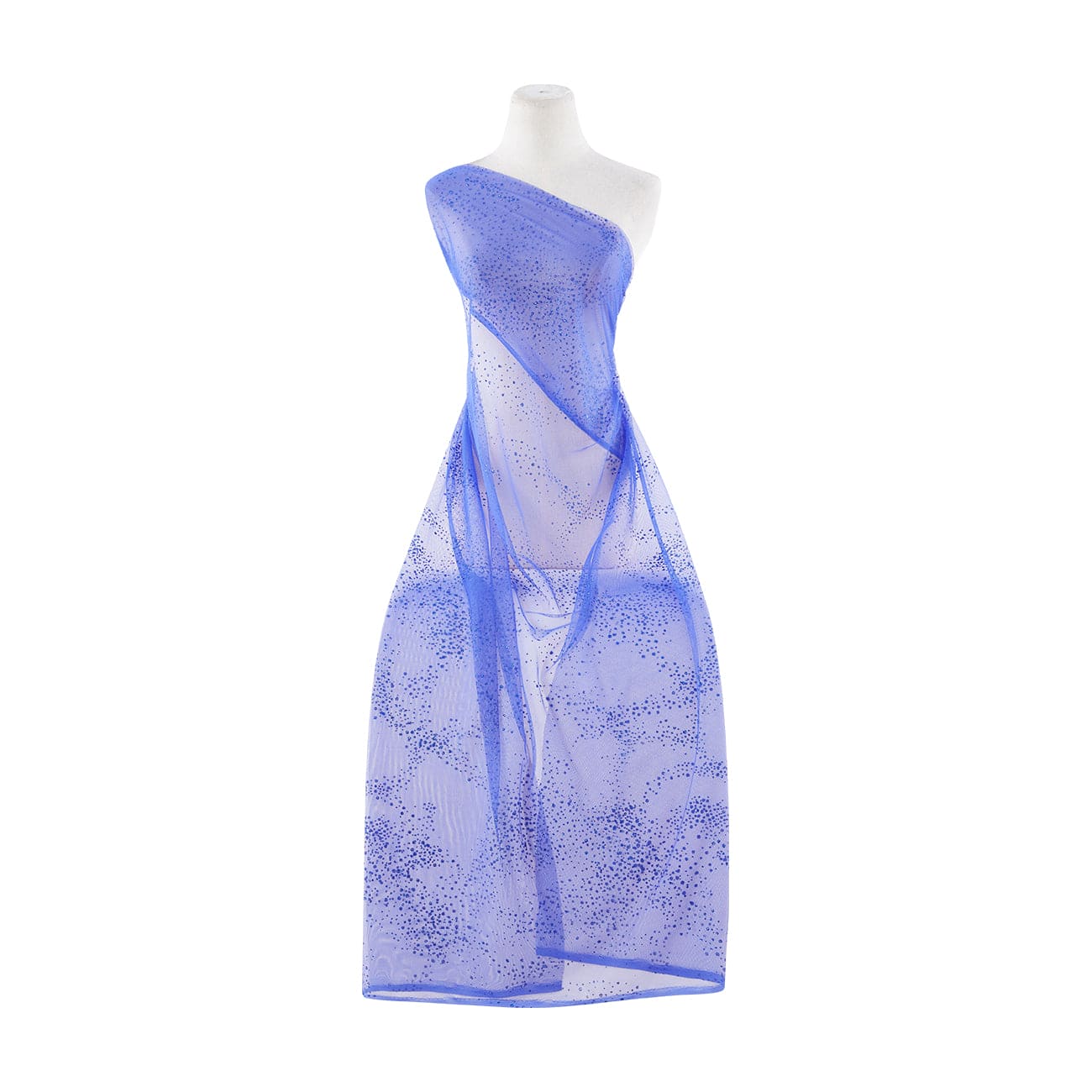
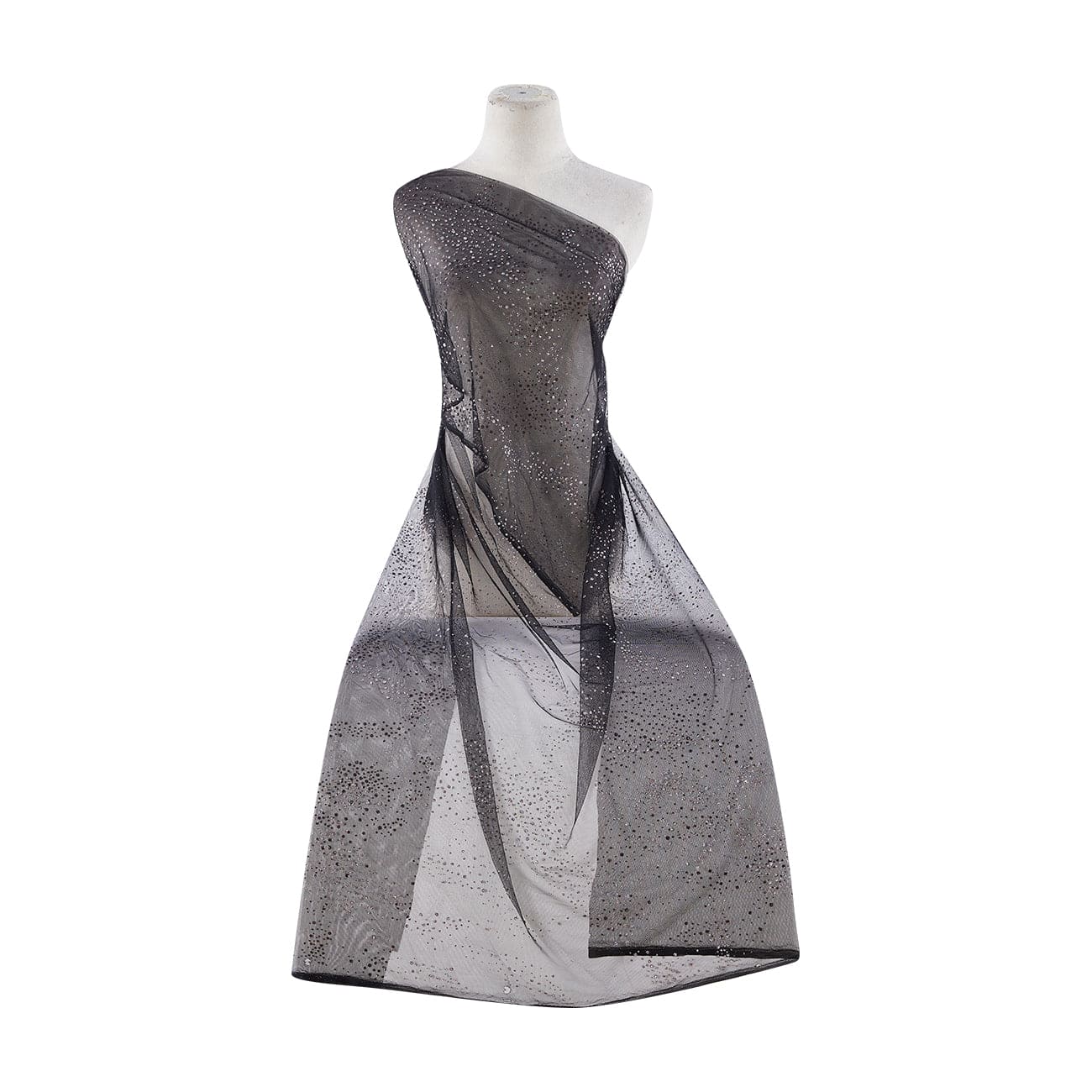
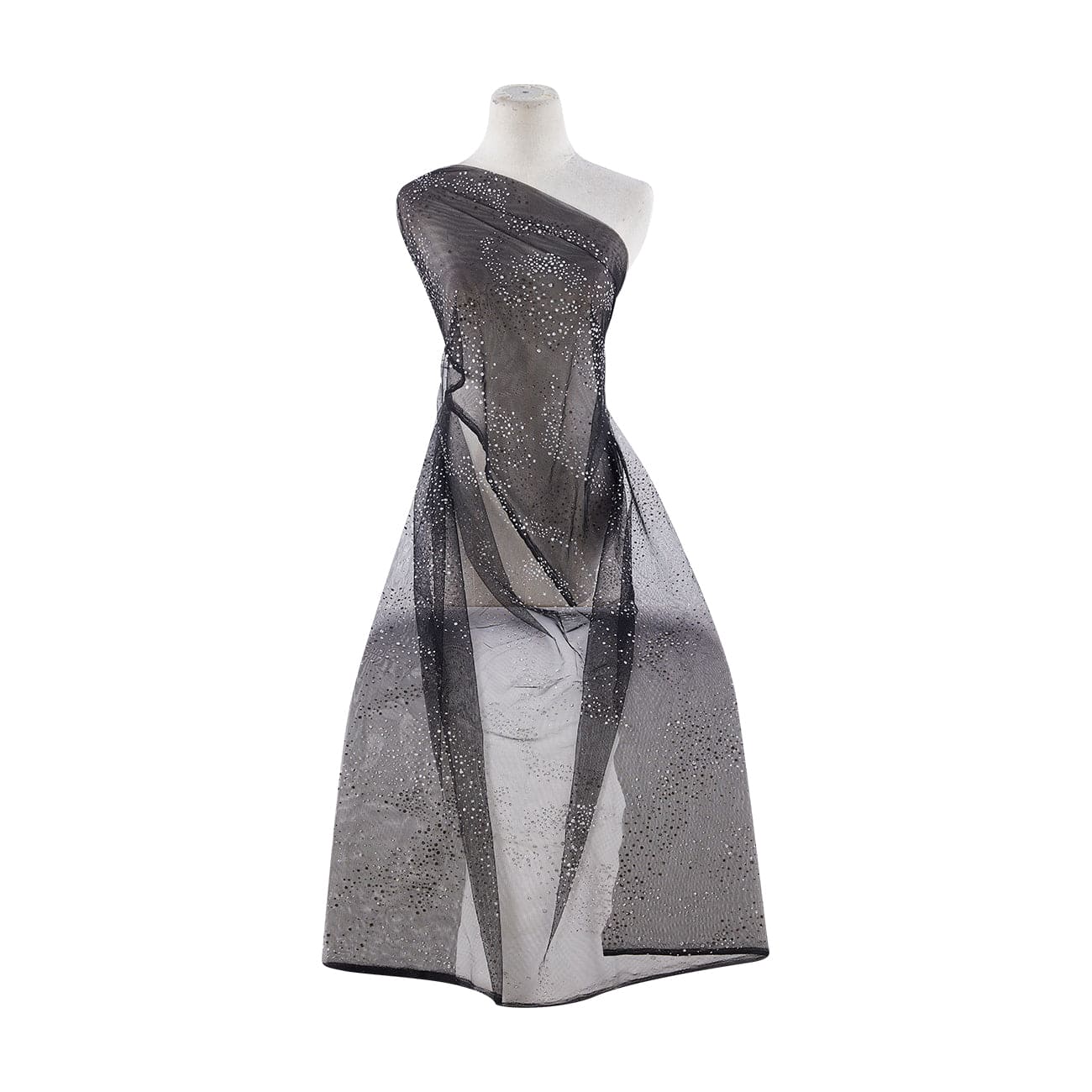
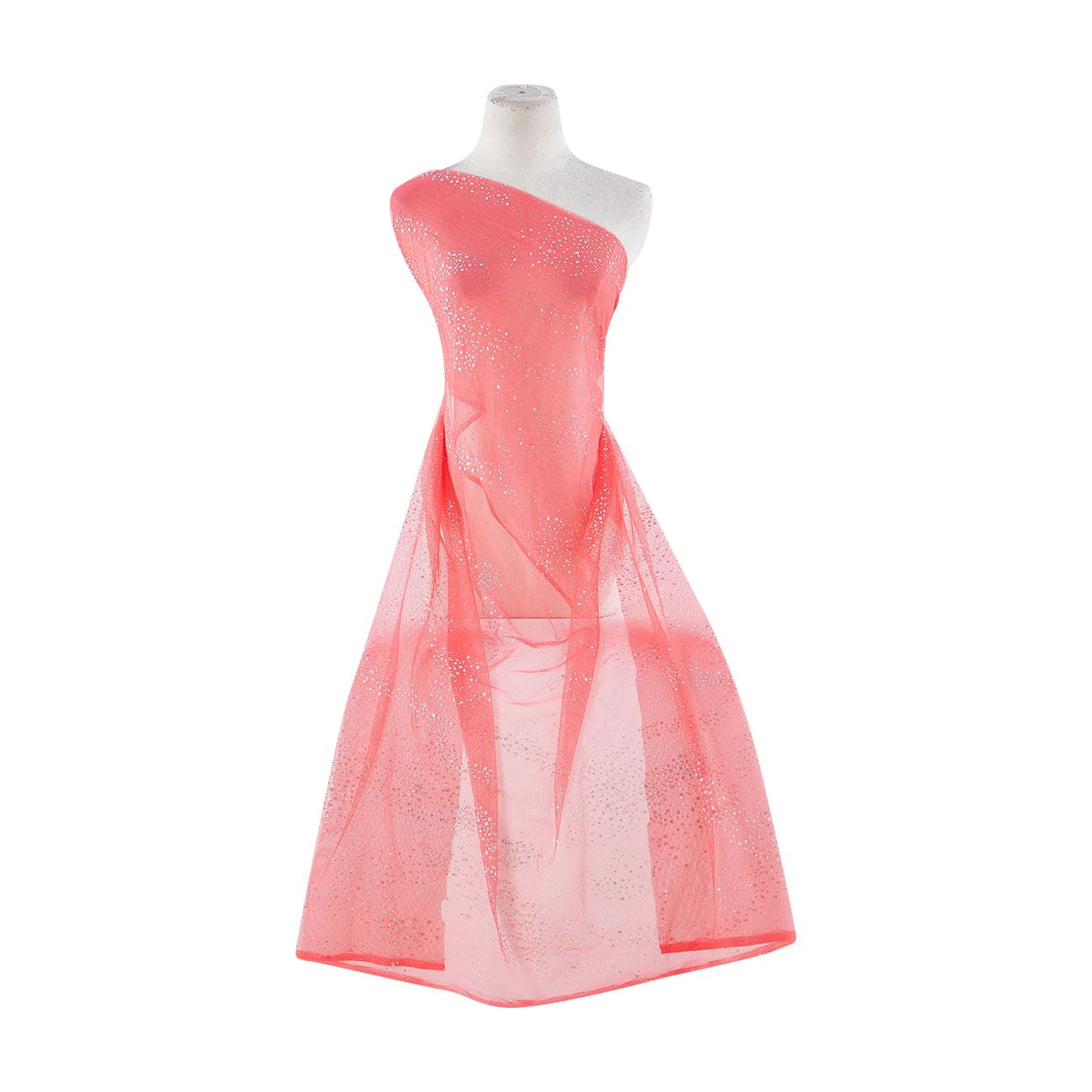
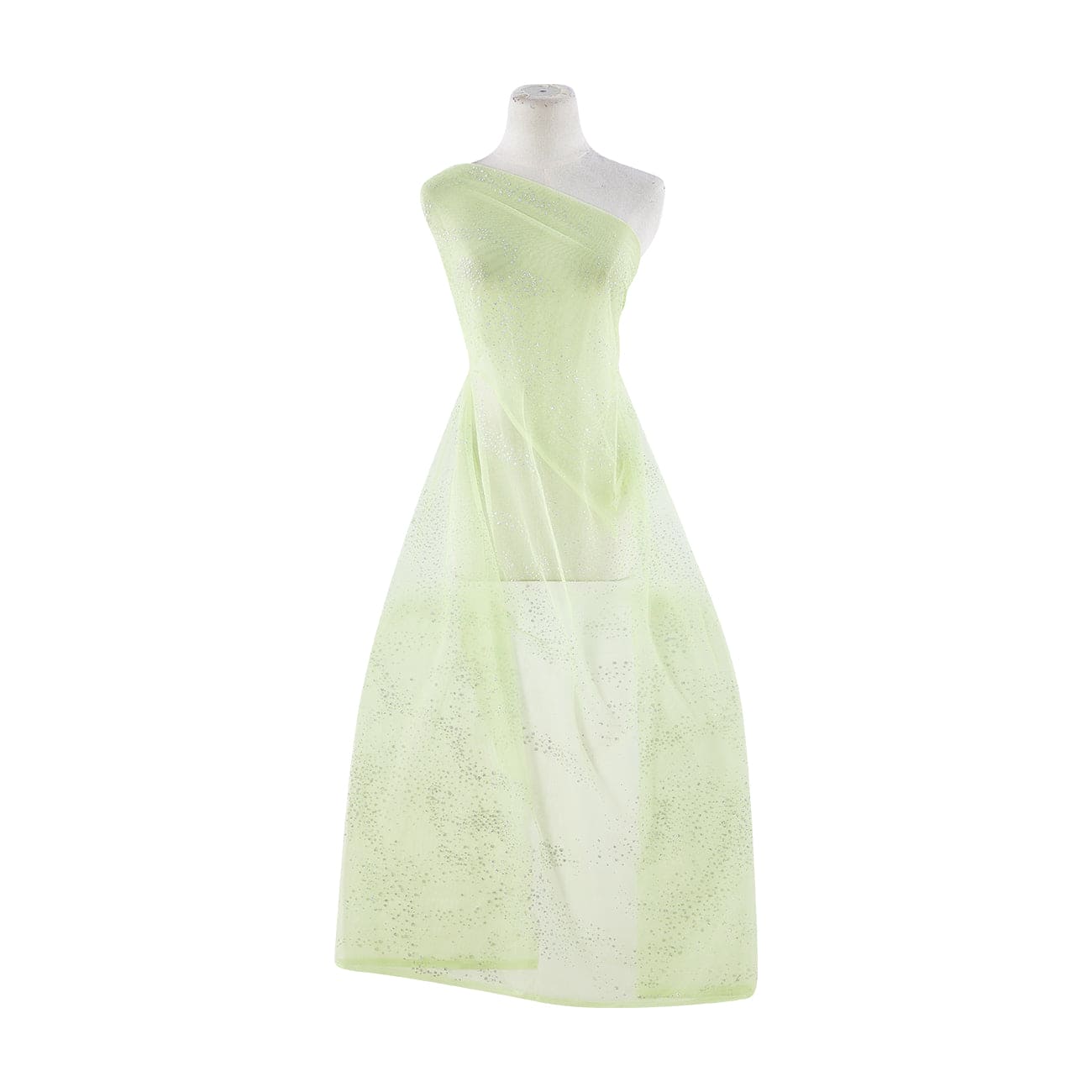
Structured and wrinkle-resistant, polyester tulle is ideal for décor, overlays, costume construction, and garments that require volume and longevity. Available in a wide range of mesh sizes - from fine 60-mesh for apparel to open 20-mesh for décor - polyester tulle is the most color-stable option. It resists fading under stage lighting or outdoor event conditions. Some versions incorporate metallic threads for enhanced sparkle, making them a go-to for performance and holiday applications.
Nylon Tulle
Lightweight and flexible with a smooth finish, nylon tulle works well for tutus, costumes, veils, and craft projects that need strength without stiffness. Nylon tulle tends to have a slightly softer hand than polyester at equivalent denier, making it a preferred choice for children’s tutus and next-to-skin applications where comfort matters.
Silk Tulle
Silk tulle is commonly used in couture bridalwear and high-end veils where drape and refinement are the priority. Silk tulle is typically produced in Italy and France and sold by weight (grams per square meter); 1- 15 gsm silk tulle is standard for couture veils, offering near-invisible sheerness with a natural luster that synthetics cannot replicate. It is a distinct construction from silk organza and silk gauze - both of which are woven rather than netted - and from textured options like polyester chenille or silk crepe, which serve entirely different end uses.
Blended Tulle
Fiber blends balance softness, structure, and durability, making them versatile for fashion design and specialty garments.
Cotton Tulle
Breathable and gentle, cotton tulle suits casual garments, children’s wear, and projects that prefer natural fibers. Cotton tulle accepts fiber-reactive dyes well and is a favored choice for heirloom sewing and organic children’s garments.
Common Uses of Tulle Fabric
- Wedding Dresses and Veils - Creates softness, layering, and romantic volume without heaviness. Cathedral-length veils and ballgown skirts often use 3-6 layers of soft tulle to create volume; the fabric’s light weight means even dramatic silhouettes stay comfortable to wear for hours.
- Evening and Formalwear - Adds fullness to skirts, sheer sleeves, and dramatic overlays.
- Dance and Performance Costumes - Essential for tutus and stage wear that require shape and movement. Classical ballet tutus use stiff nylon or polyester tulle cut in graduated layers - a Romantic tutu typically uses 6 - 8 layers, while a classical (pancake) tutu may use 12 or more - to achieve the characteristic horizontal silhouette.
- Petticoats and Linings - Provide structure beneath dresses and skirts.
- Event Décor and Crafts - Widely used for table décor, chair sashes, bows, backdrops, and floral arrangements. Polyester tulle’s static-resistant finish prevents it from clinging to surfaces during setup, which matters when you’re dressing dozens of chairs or columns under time pressure.
- Millinery and Fascinators - Fine silk or nylon tulle is used in hat-making and fascinator construction, where small gathered or pleated sections add texture and volume to headpieces.
- Photography Backdrops - Wide-width tulle (typically 10- 120 inches wide) is used as a sheer backdrop in portrait and newborn photography for its light-diffusing properties.
How to Choose the Right Tulle for Your Project
- Structure vs. Softness - Choose stiffer tulle for décor and tutus, softer tulle for veils and garments.
- Mesh Size - Smaller mesh creates a refined look; larger mesh offers openness and texture.
- Width - Tulle fabric is commonly available in 54-inch, 72-inch, and 108-inch widths. Wider fabric reduces seam frequency in skirts and décor applications and is more economical for large-yardage projects. Knowing how wide your chosen tulle is before ordering saves significant rework.
- Weight and GSM - For veils and overlays, choose tulle in the 1-20 gsm range; for structured skirts and tutus, 2-40 gsm provides the body needed to hold shape without lining.
- Layering Needs - Sheer tulles may require multiple layers for opacity. As a general rule, 3 layers of standard tulle approximate the opacity of a single layer of chiffon; for full coverage in a skirt, plan for 4 - 6 layers depending on the fiber and mesh size.
- Color and Dye Lot - For multi-yard projects, order all yardage from the same dye lot to ensure color consistency. Tulle’s open mesh structure makes slight color variation more visible than in opaque fabrics.
- Durability Requirements - Performance and décor applications benefit from stronger fibers like polyester or nylon.
- Cost Considerations - Silk tulles elevate fine projects, while synthetics offer value and consistency.
How to Sew and Work With Tulle
Tulle’s open mesh structure makes it one of the easiest fabrics to cut but one of the trickiest to sew. Here are a few simple techniques that make the difference between clean, professional results and a frustrating tangle of shifting layers.
Cutting
Use a sharp rotary cutter rather than scissors for clean, straight edges across multiple layers. Place tissue paper beneath the tulle to prevent the mesh from catching on your cutting mat or table surface. For shaped pieces, hand-basting the layers together before cutting keeps them aligned.
Sewing
A walking foot helps feed multiple layers of tulle evenly through the machine without shifting. Use a ballpoint needle to avoid snagging the mesh - a standard sharp needle can catch and distort the net structure. Set your machine to a longer stitch length (3.- 3.5 mm) and test on a scrap before sewing your actual pieces. For seams that will show, a French seam or a rolled hem gives the cleanest finish; raw edges are generally acceptable in hidden seams since tulle does not fray.
Gathering
A gathering stitch run at the longest machine stitch length works well for tulle. Because the fabric is lightweight, you can gather more aggressively than you would with woven fabrics - this is how full tutu skirts and voluminous veils achieve their shape. Gathering multiple layers simultaneously saves time and keeps the distribution even.
Pressing and Static
Tulle requires gentle heat to avoid melting, shrinking, or distorting the mesh. When pressing synthetic tulle, place a pressing cloth between the fabric and iron and use the lowest suitable heat setting. Avoid pressing directly with a hot iron, particularly on fine polyester or nylon tulle. Polyester tulle can also develop static, causing layers to cling during cutting and construction. A light mist of water or an appropriate anti-static fabric spray can help reduce cling. Nylon tulle generally produces less static than polyester.
Order Free Swatches
Order FREE swatches pay shipping) to evaluate mesh size, softness, stiffness, and color under your lighting conditions. All tulle fabrics are available by the yard, making it easy to test before committing to production.
Frequently Asked Questions
What is the difference between soft tulle and stiff tulle?
Soft tulle drapes fluidly and is ideal for veils and garments, while stiff tulle holds shape and is better for tutus, décor, and structured designs.
Does tulle stretch?
Most standard tulles do not stretch, though some specialty versions may include elastic fibers.
Is tulle itchy or uncomfortable?
High-quality tulle is smooth and comfortable. Lower-quality tulles may feel rough due to fiber choice or finishing.
Can tulle be layered for opacity?
Yes. Designers commonly layer multiple sheets to achieve fullness or coverage. Three layers of standard tulle approximate the opacity of a single layer of chiffon, so plan your yardage accordingly.
Is polyester tulle suitable for apparel?
Yes. Polyester tulle is widely used in garments, especially when durability and shape retention are important.
How do you care for tulle fabric?
Hand wash gently or dry clean, depending on fiber content. Avoid high heat and press lightly with a pressing cloth if needed.
What is the difference between tulle and organza?
Both are sheer, lightweight fabrics, but organza - including silk organza - is a plain-woven fabric with a crisp hand and visible sheen, while tulle is a net fabric with an open hexagonal mesh. Organza is typically used for structured overlays and sleeves; tulle is preferred when volume and layering are the priority.
What is the difference between tulle and chiffon?
Chiffon is a woven fabric with a soft, flowing drape and minimal structure; tulle is a net fabric that holds volume and shape. Chiffon works better for fluid, draped garments; tulle works better for full skirts, veils, and anything that needs body.
How many yards of tulle do I need for a skirt?
A full tulle skirt typically requires 15-25 yards, depending on the desired fullness, the number of layers, and the fabric width. A 72-inch-wide tulle lets you cut longer panels with fewer seams, reducing the total yardage needed.
Can tulle be dyed at home?
Polyester tulle requires disperse dye and heat-setting, which is difficult to achieve at home without specialized equipment. You can dye nylon tulle with acid dyes. Silk tulle accepts acid or fiber-reactive dyes well. For consistent results, professional dyeing is recommended for polyester.
Does tulle fray when cut?
Tulle generally does not fray because its net structure has no woven edge to unravel. This makes it easy to cut into shapes for crafts and décor without finishing the edges - a significant advantage over woven fabrics.