
What Viscose Fabric Is and How It Performs in Garment Construction
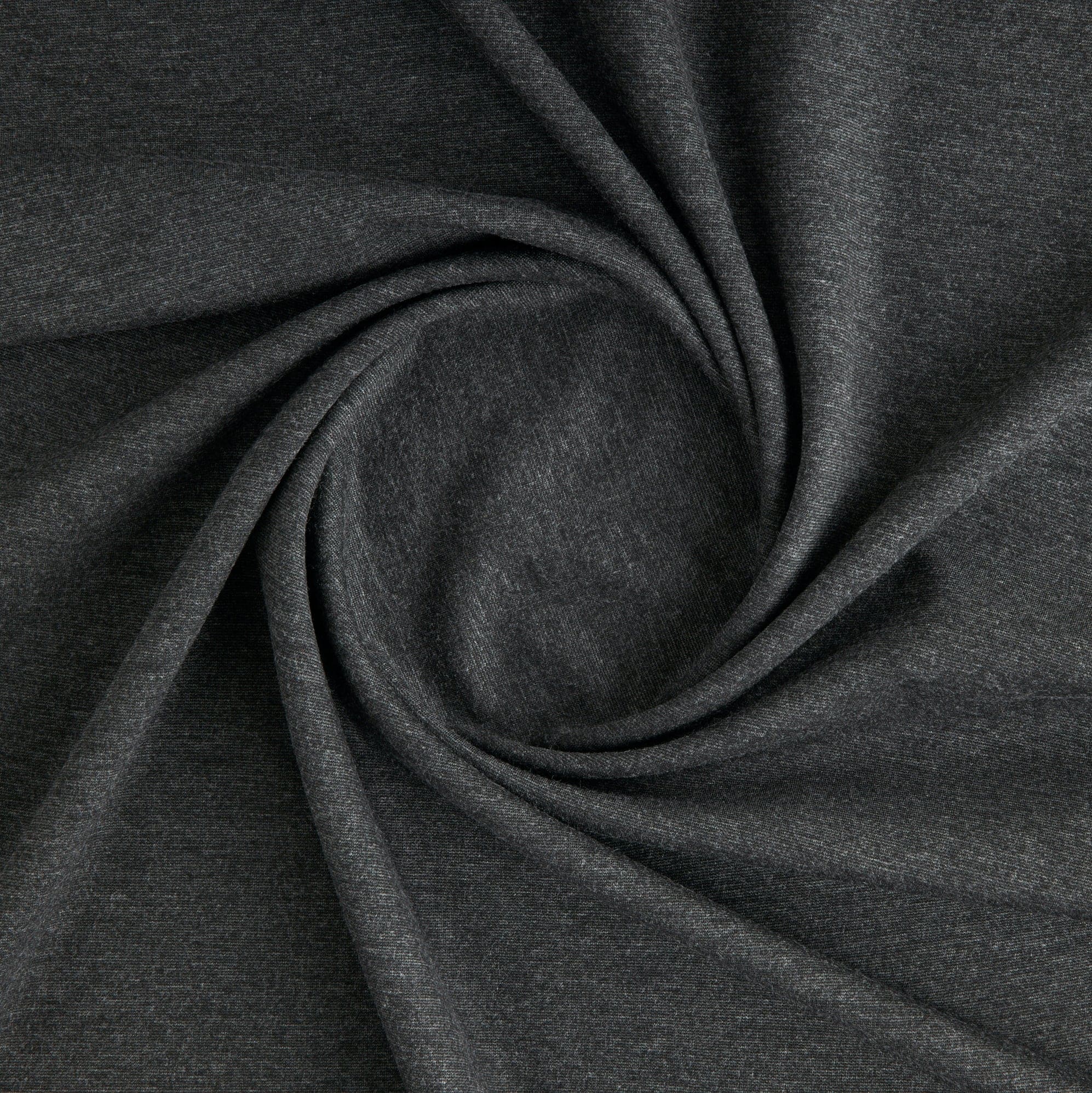
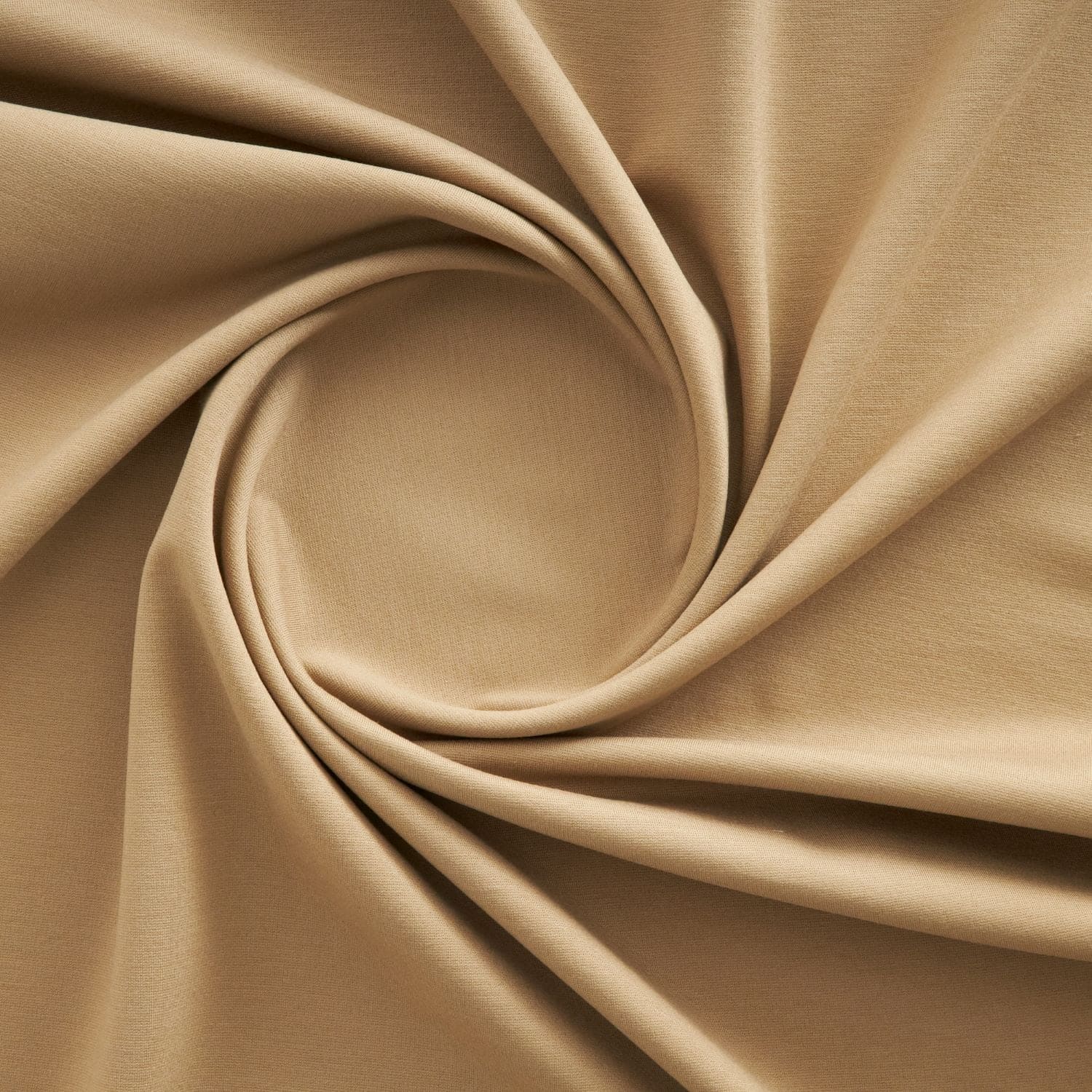
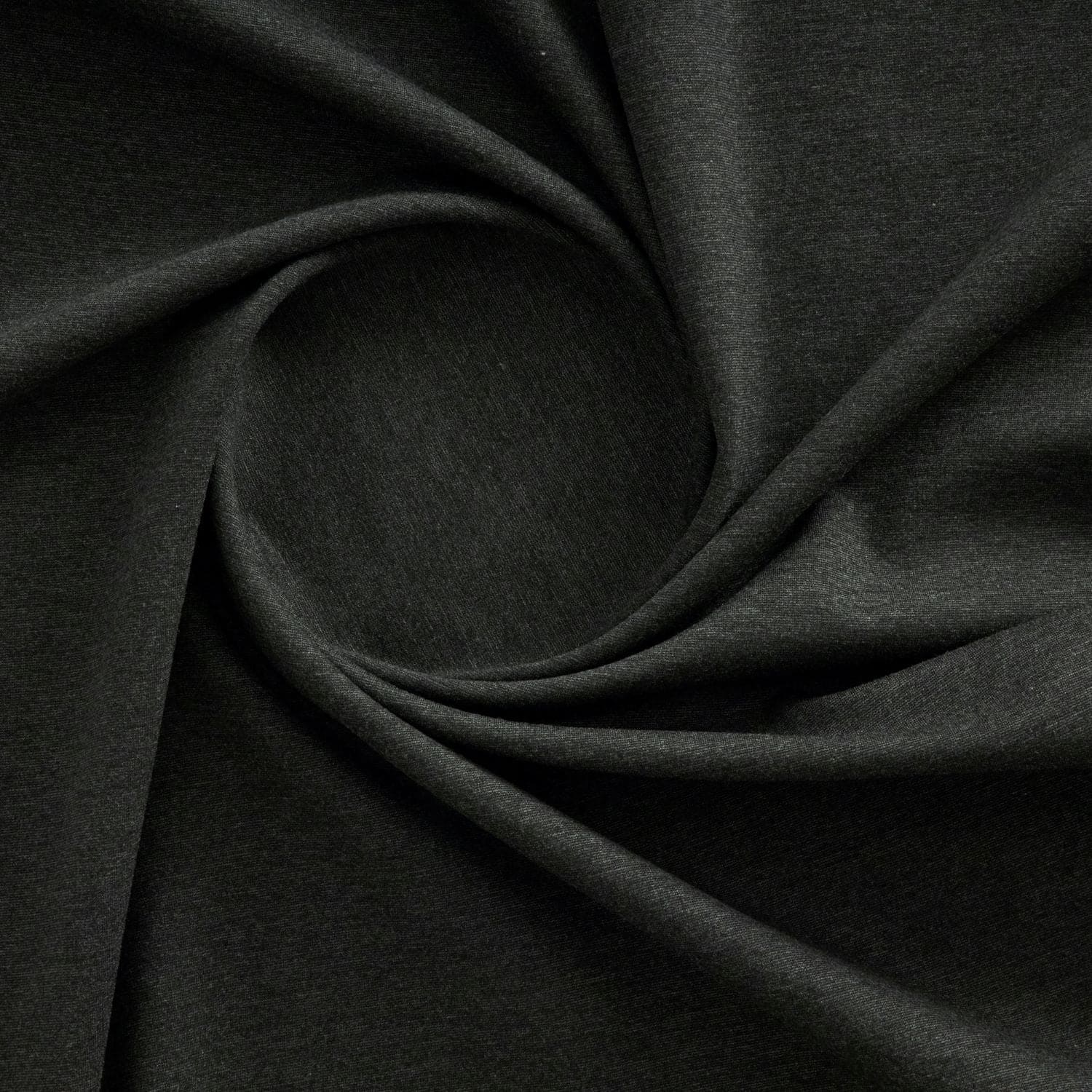
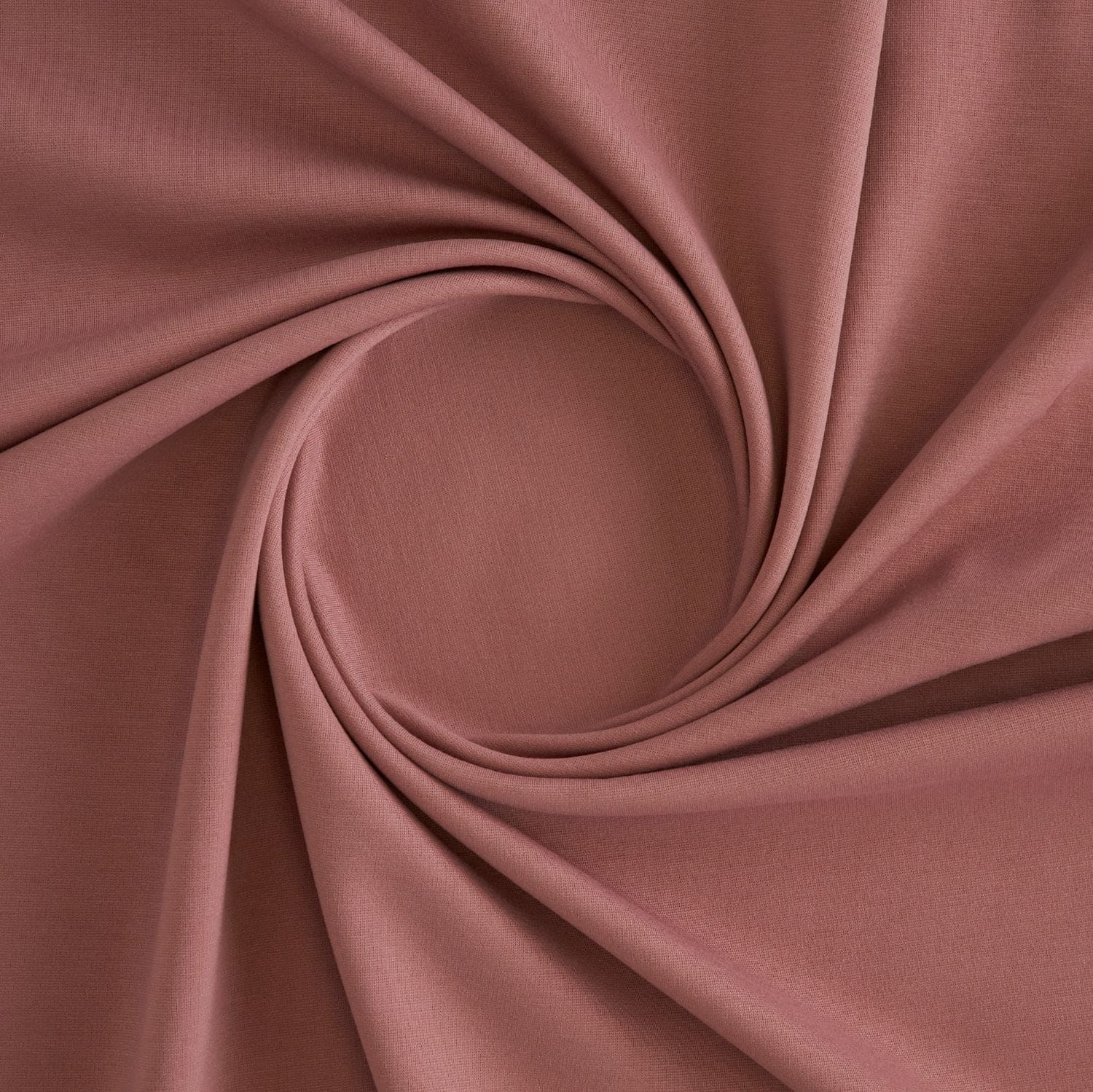
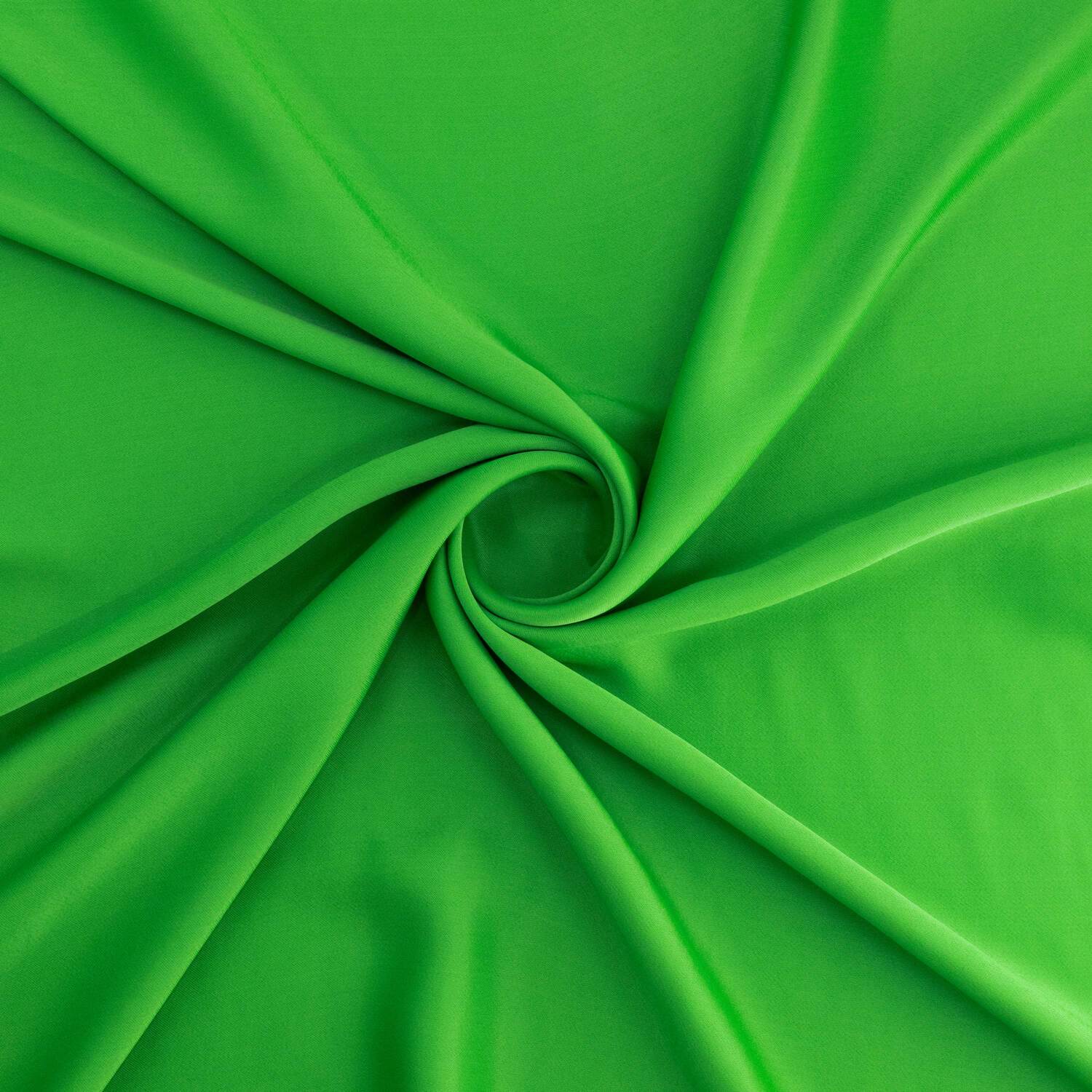
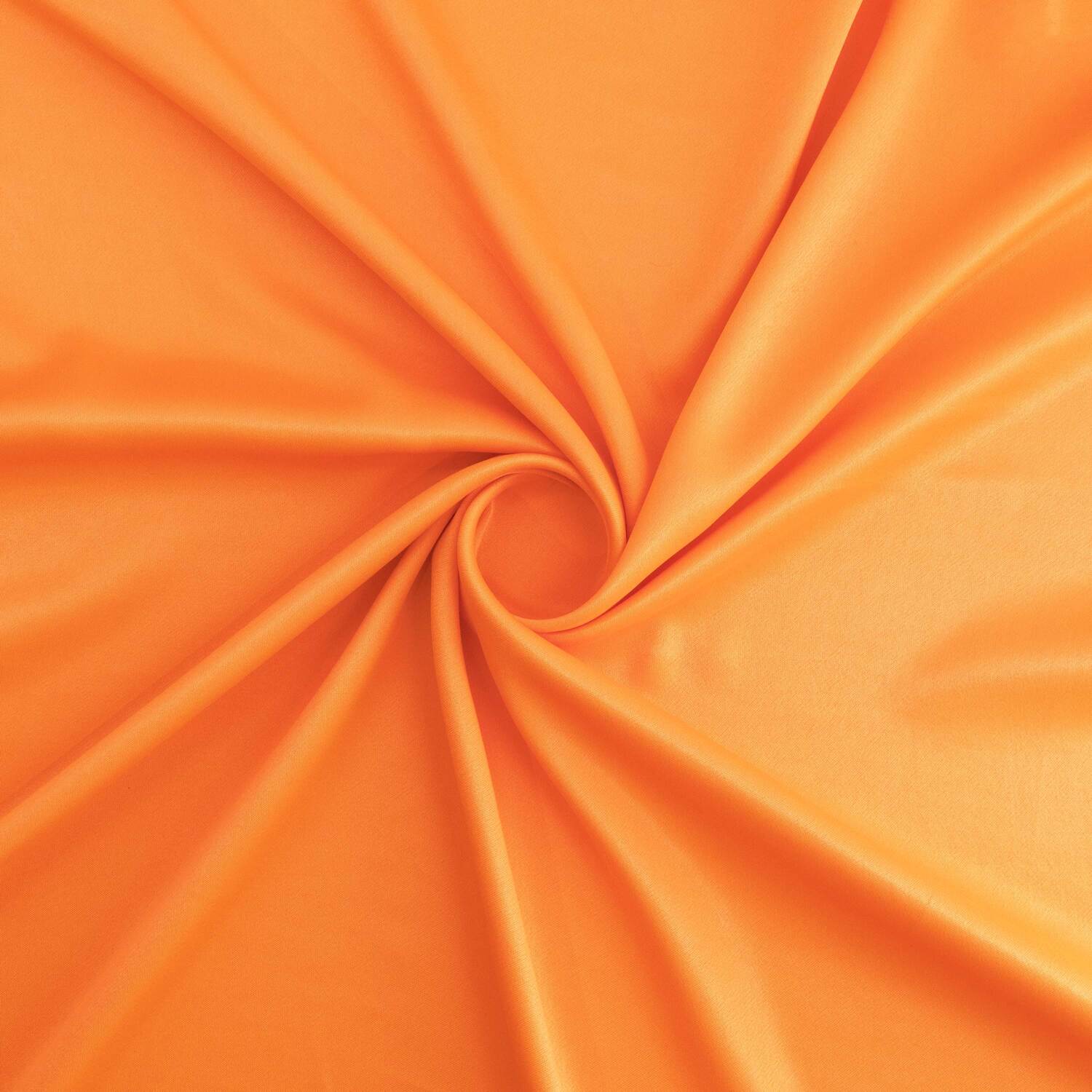
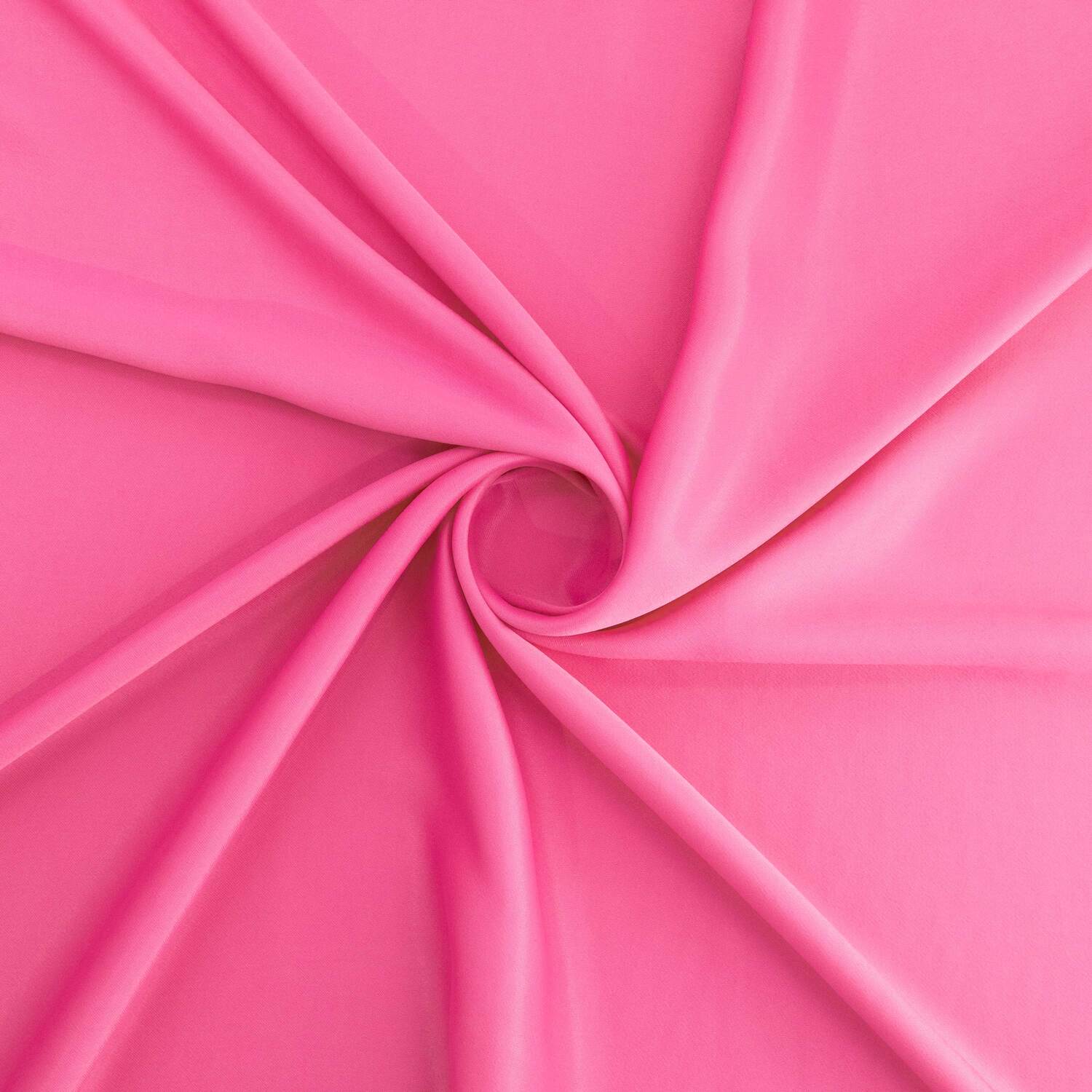
Viscose occupies a distinct position in the textile trade. It is a semi-synthetic fiber, beginning as a wood-pulp source and processed into a smooth, fluid yarn. The result is a fabric that reads close to silk in drape and surface sheen, yet comes in at a far more accessible price point for production-scale cutting.
Key performance characteristics include:
- Drape: Fluid and languid, falling close to the body without resistance
- Hand feel: Soft and smooth, with minimal surface roughness
- Breathability: Open fiber structure allows air circulation, making it a warm-weather workhorse
- Absorbency: Picks up moisture readily, which aids comfort in wear but requires attention at the finishing stage
- Weight class: Typically lightweight to medium-weight depending on weave structure
These qualities make viscose well suited to dresses, blouses, and linings where fluid movement and a refined surface are priorities.
Viscose Fabric Applications for Dresses, Blouses, and Linings
Viscose fabric is a versatile staple across professional workrooms and fashion applications alike, prized for its elegant drape in dresses, blouses, and linings.
Workroom Performance
Professional buyers reach for viscose when a design calls for movement without the cost overhead of silk or the stiffness of many synthetics. The fabric cuts cleanly, feeds well through industrial machines, and takes dye with excellent color saturation. In a busy workroom, those qualities add up quickly.
Sewing and Cutting Techniques
Viscose responds best to a fine sharp needle. A size 70/10 or 75/11 is the standard recommendation, since heavier needles can leave visible puncture marks on lighter weights. Because the fabric has a tendency to shift during cutting, most experienced sewers use pattern weights rather than pins and cut with a single layer when precision matters. Interfacing requires some thought too. A lightweight woven or knit fusible works far better than anything too stiff, which would fight the fabric's natural drape rather than support it.
Color Saturation and Dye Depth
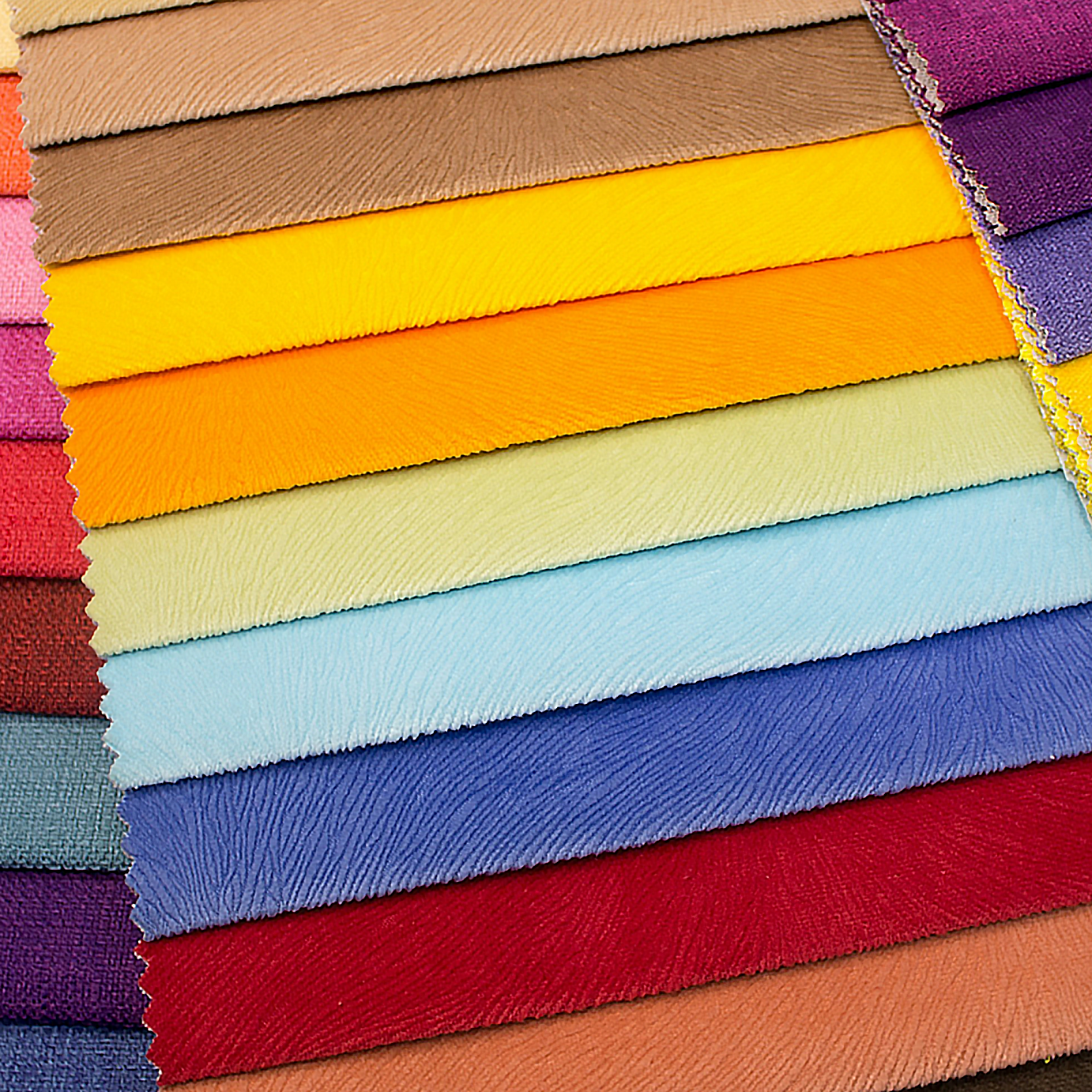
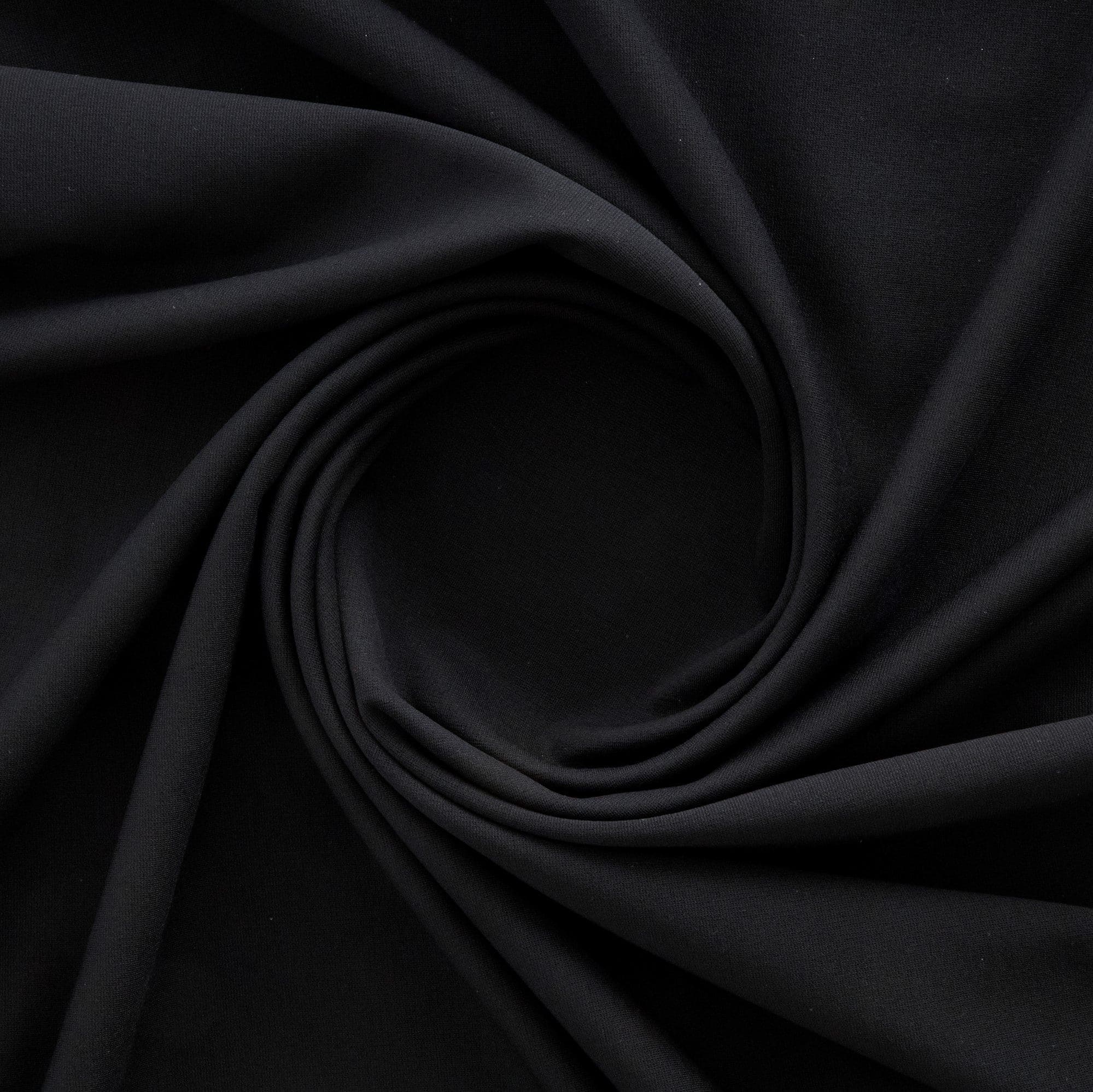
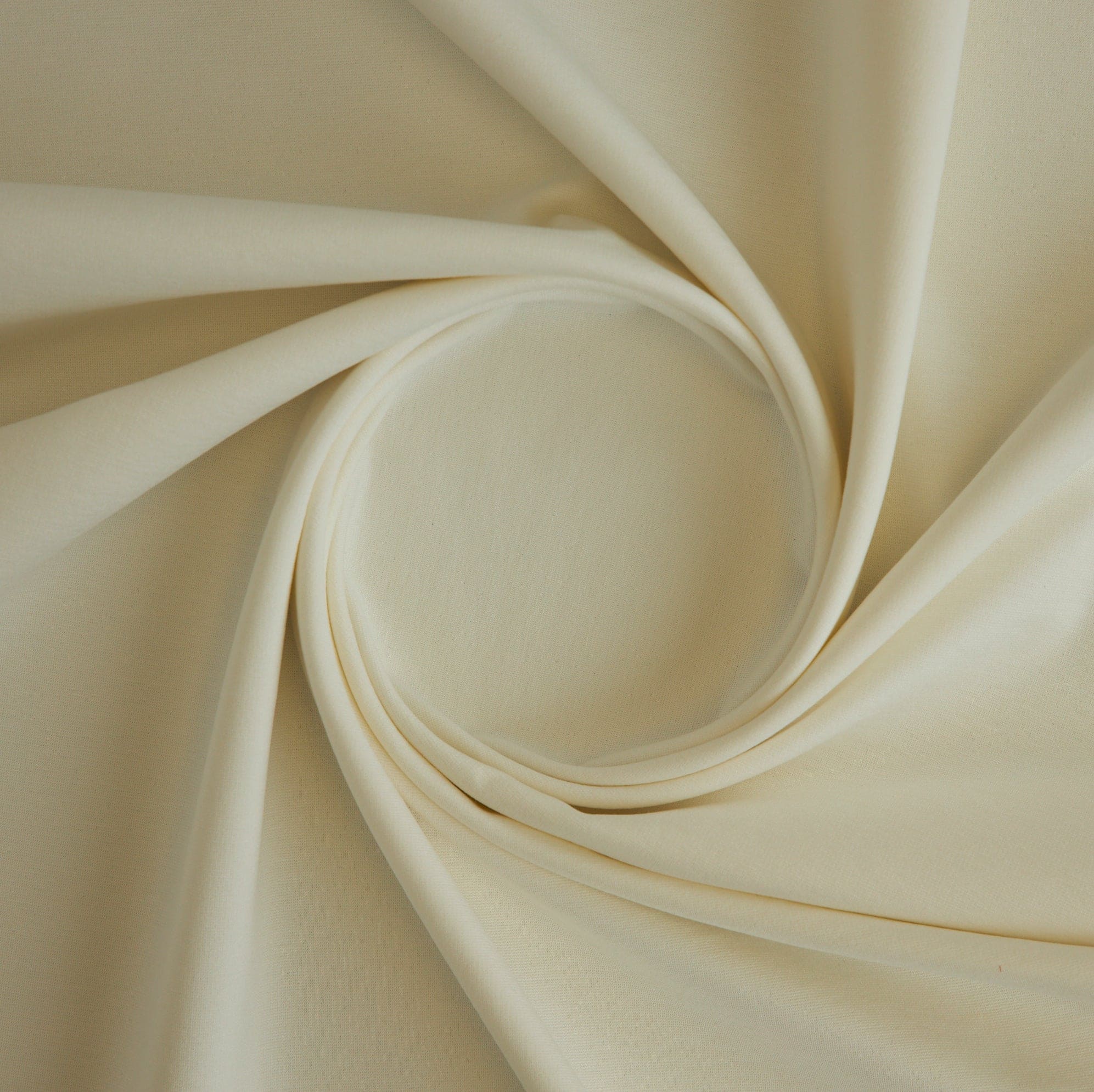
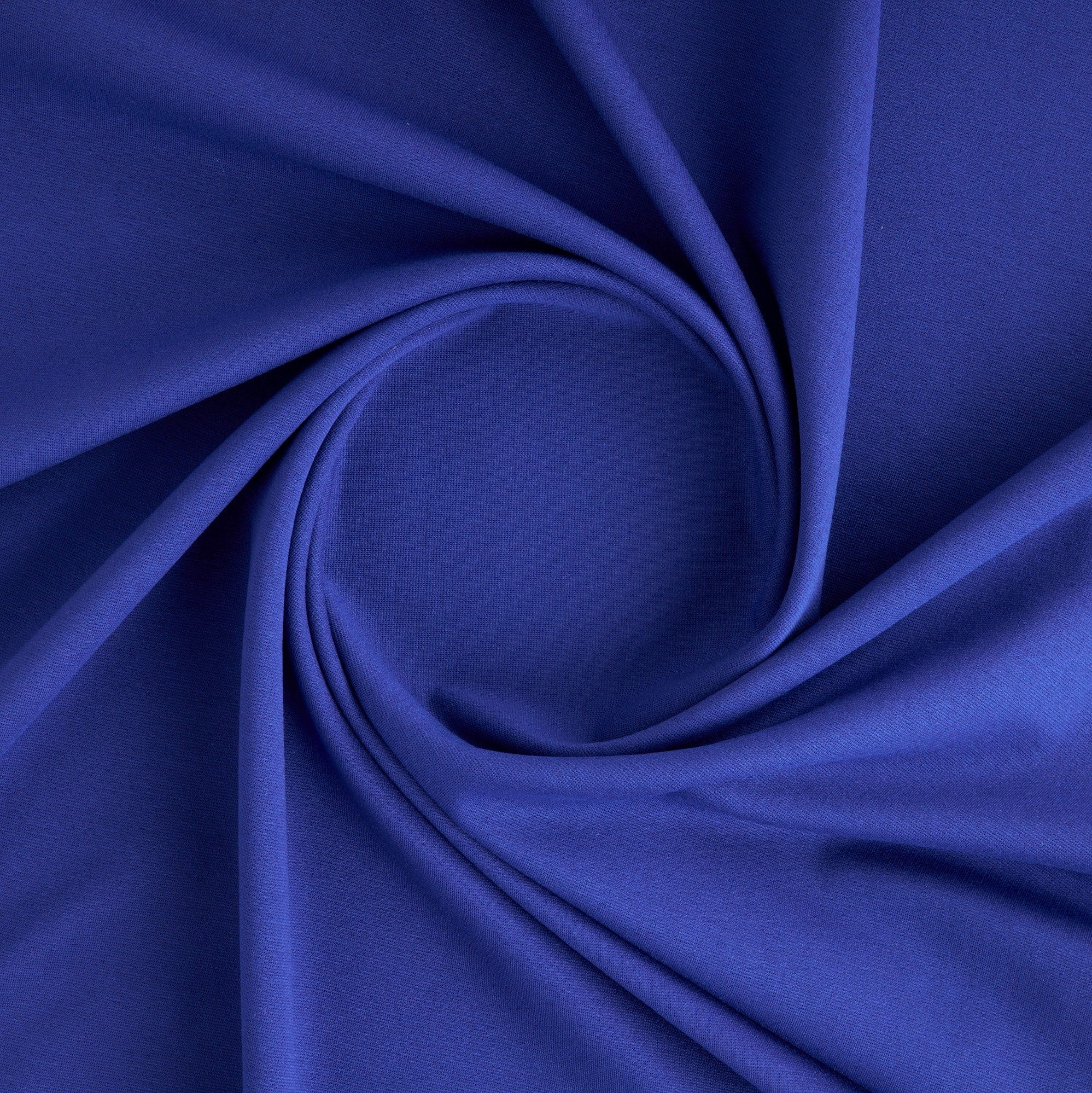
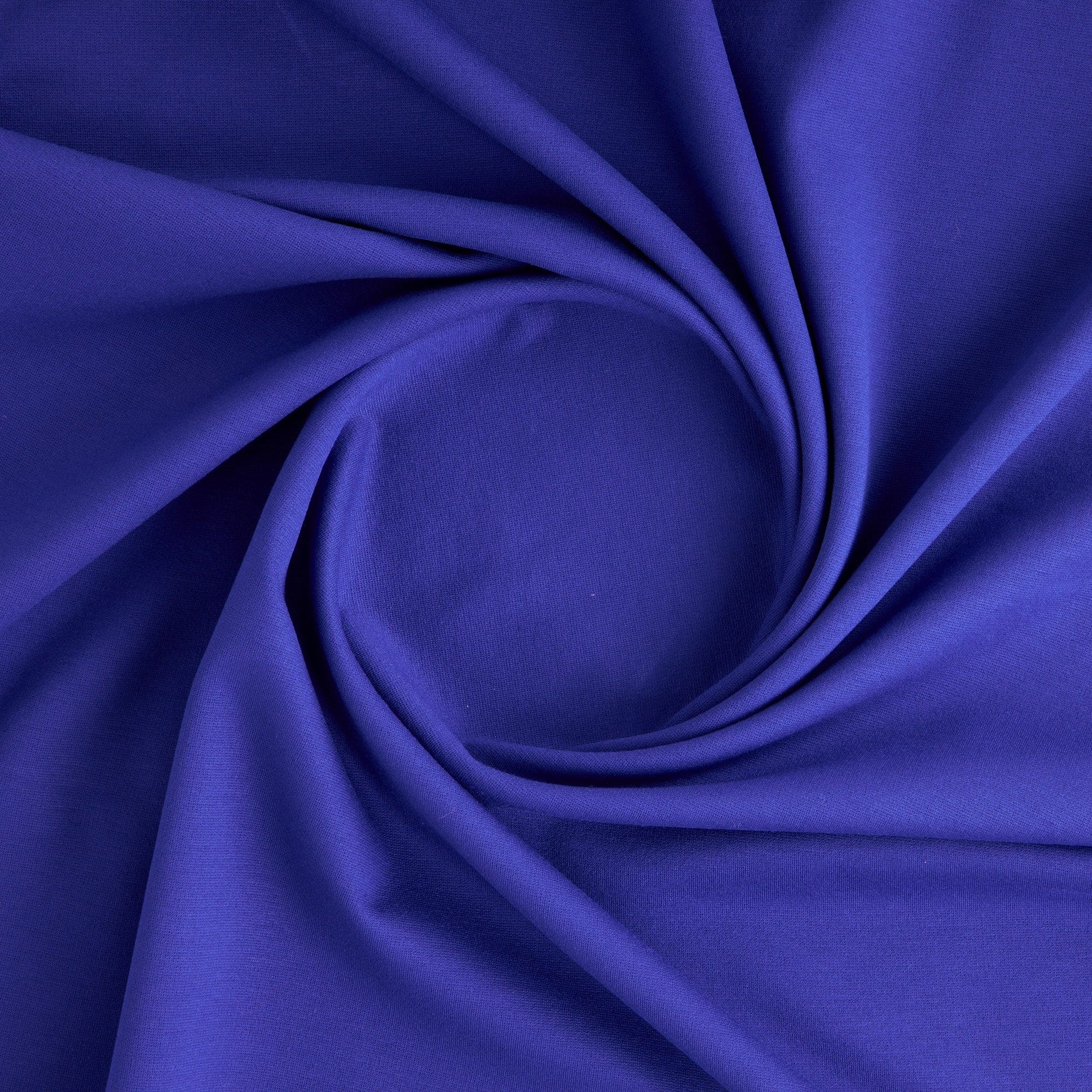
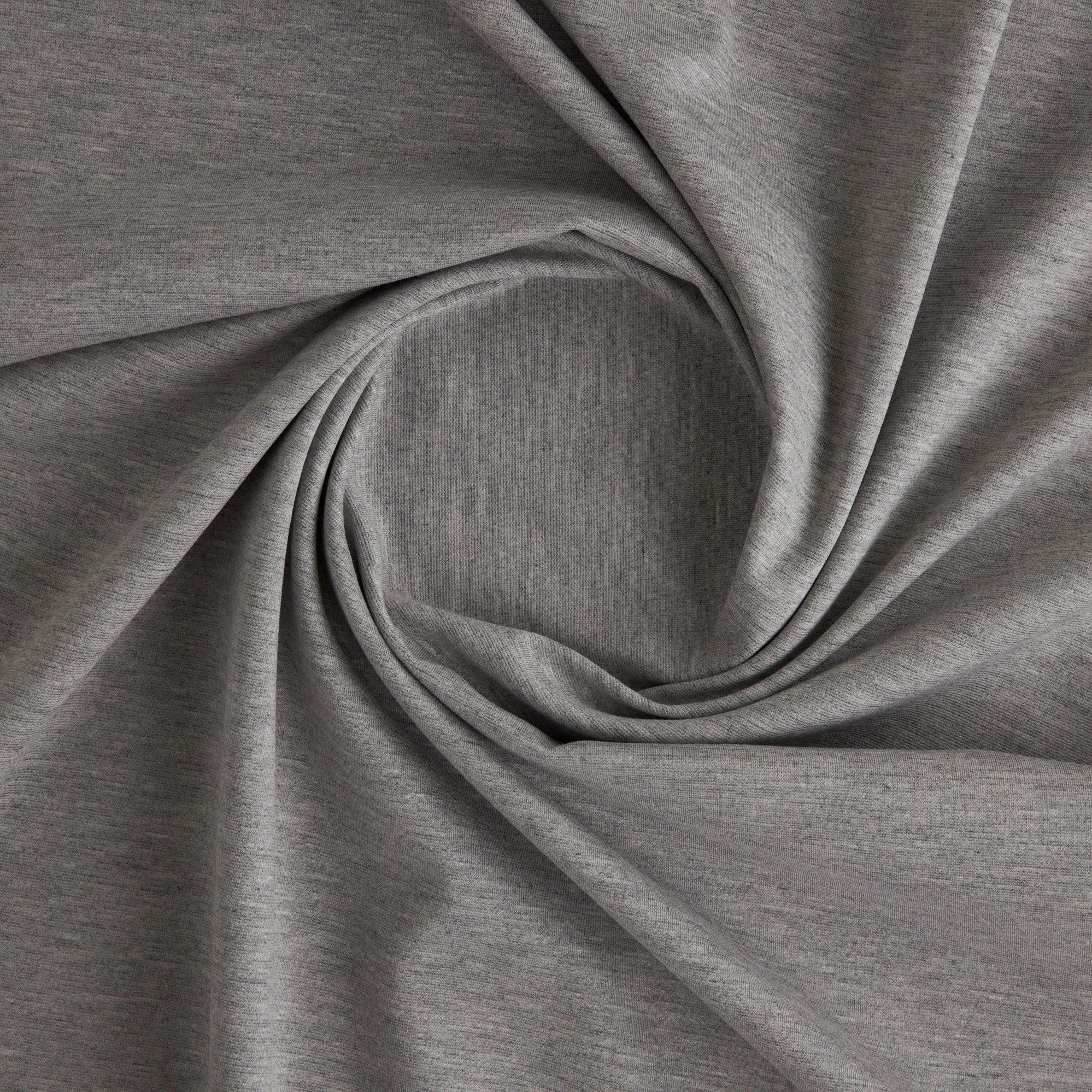
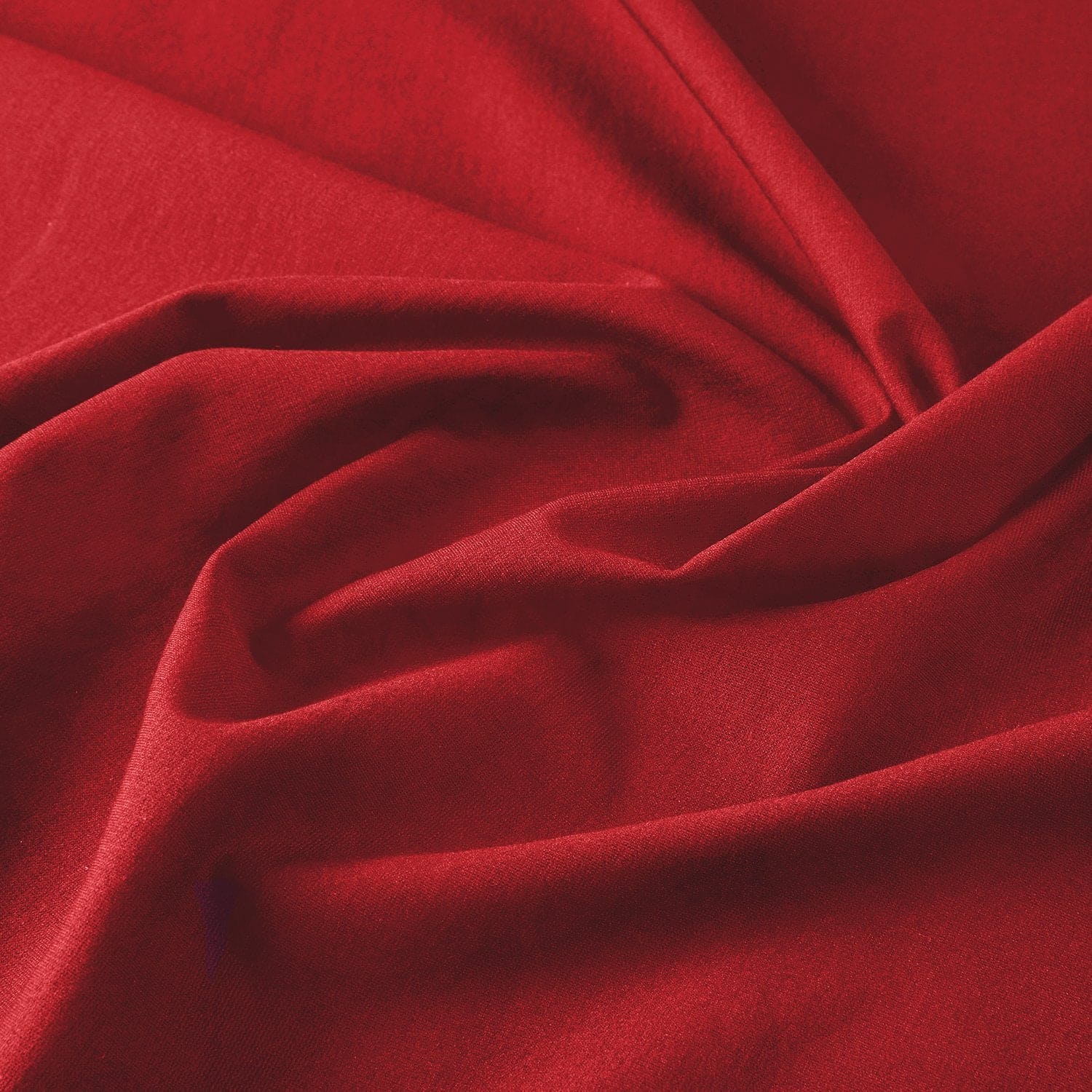
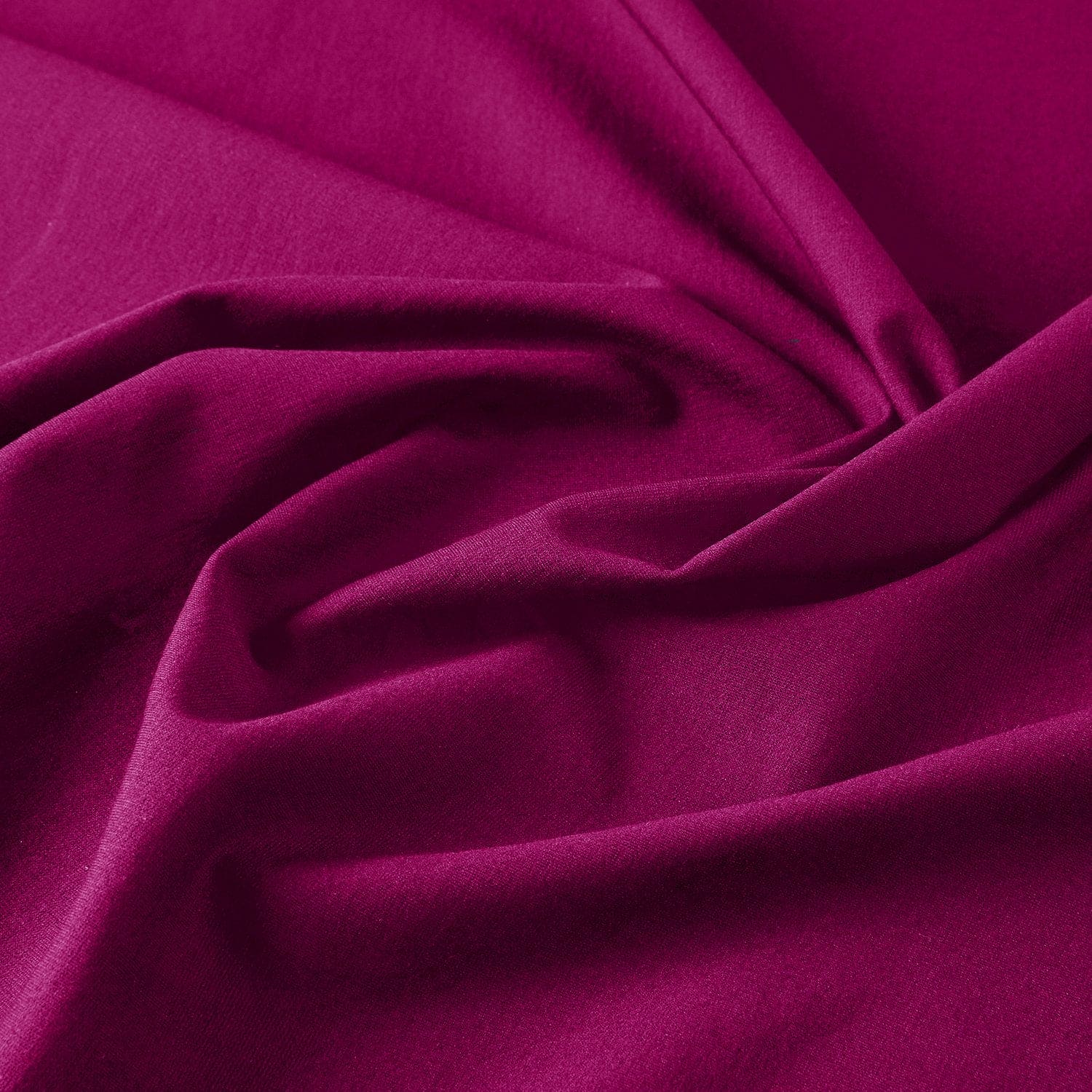
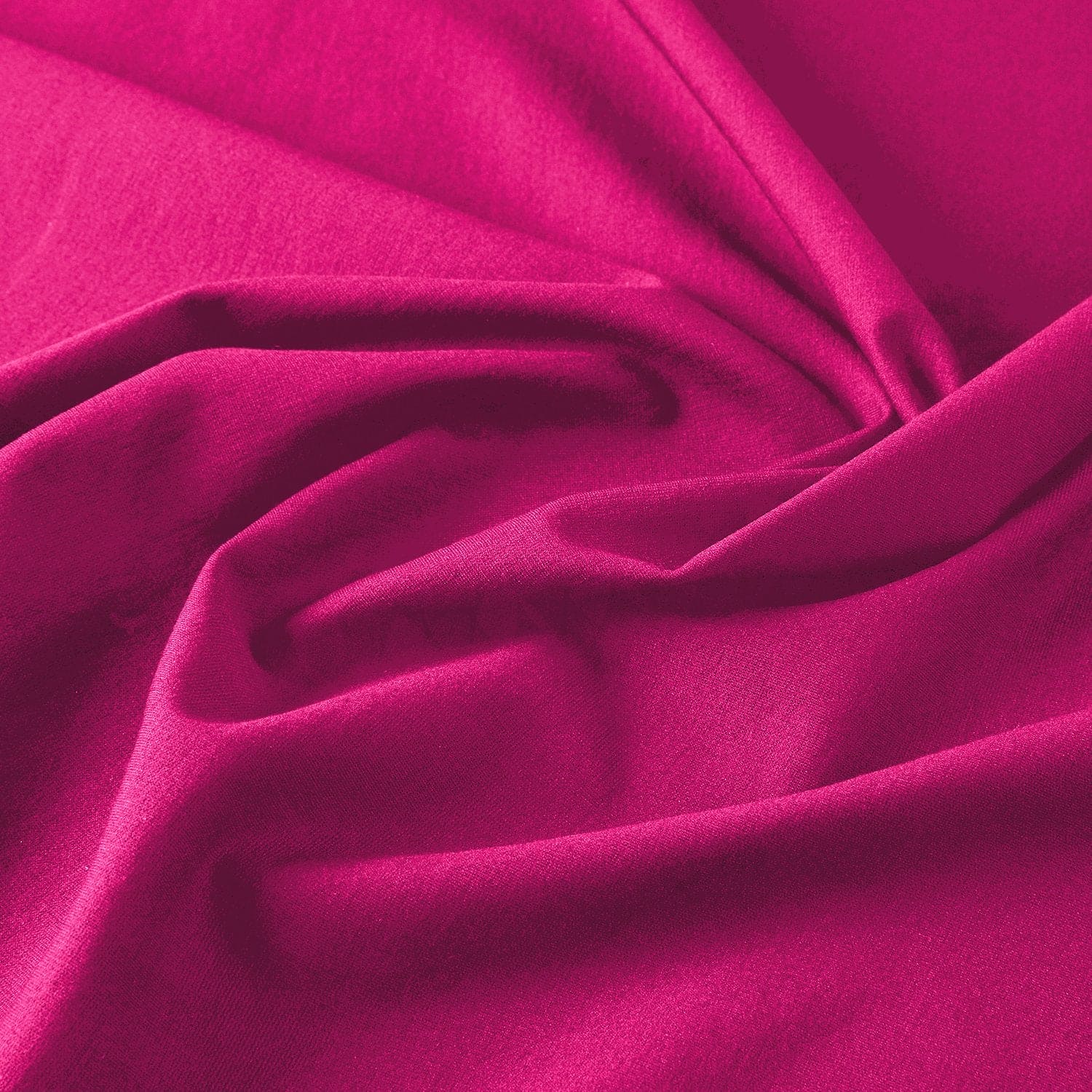
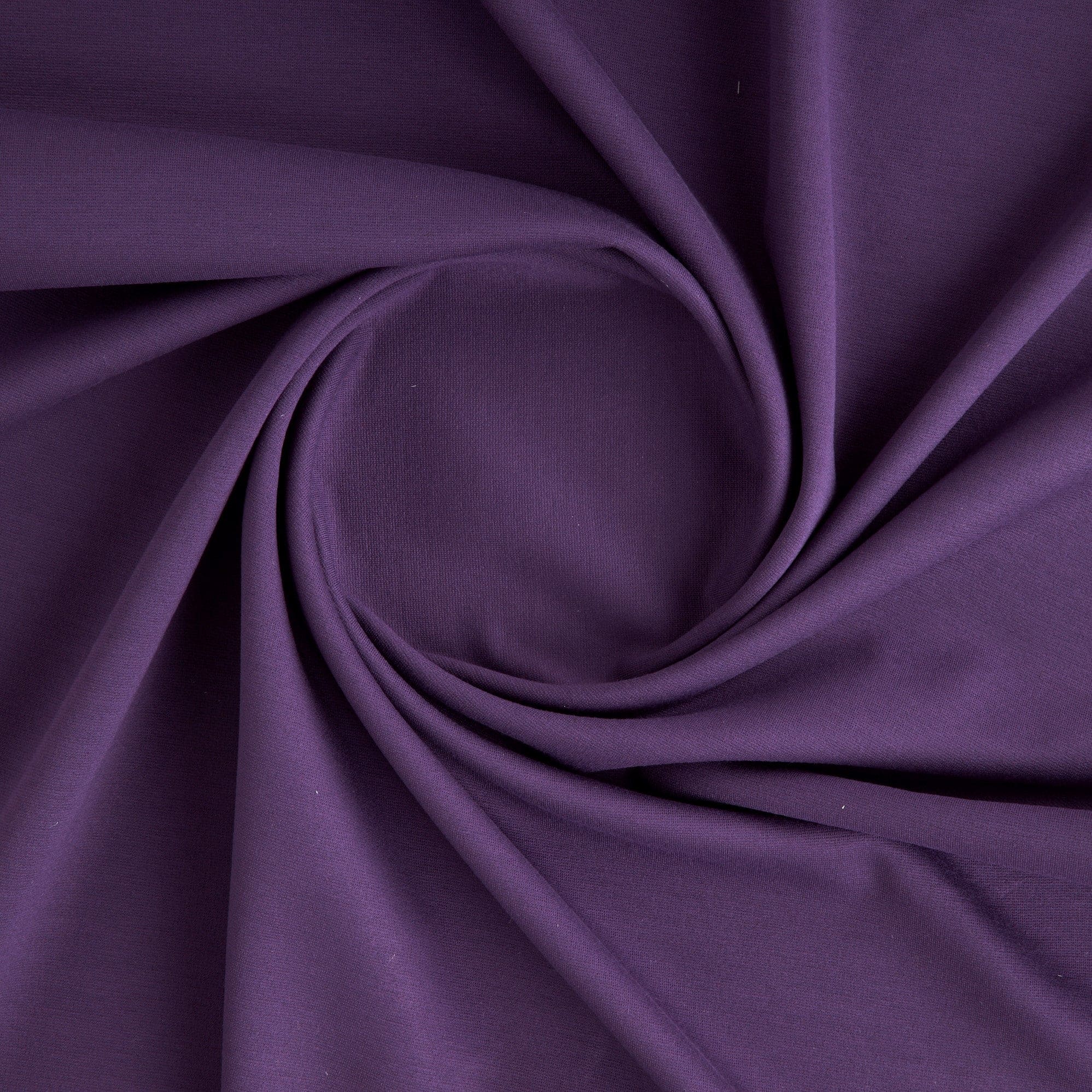
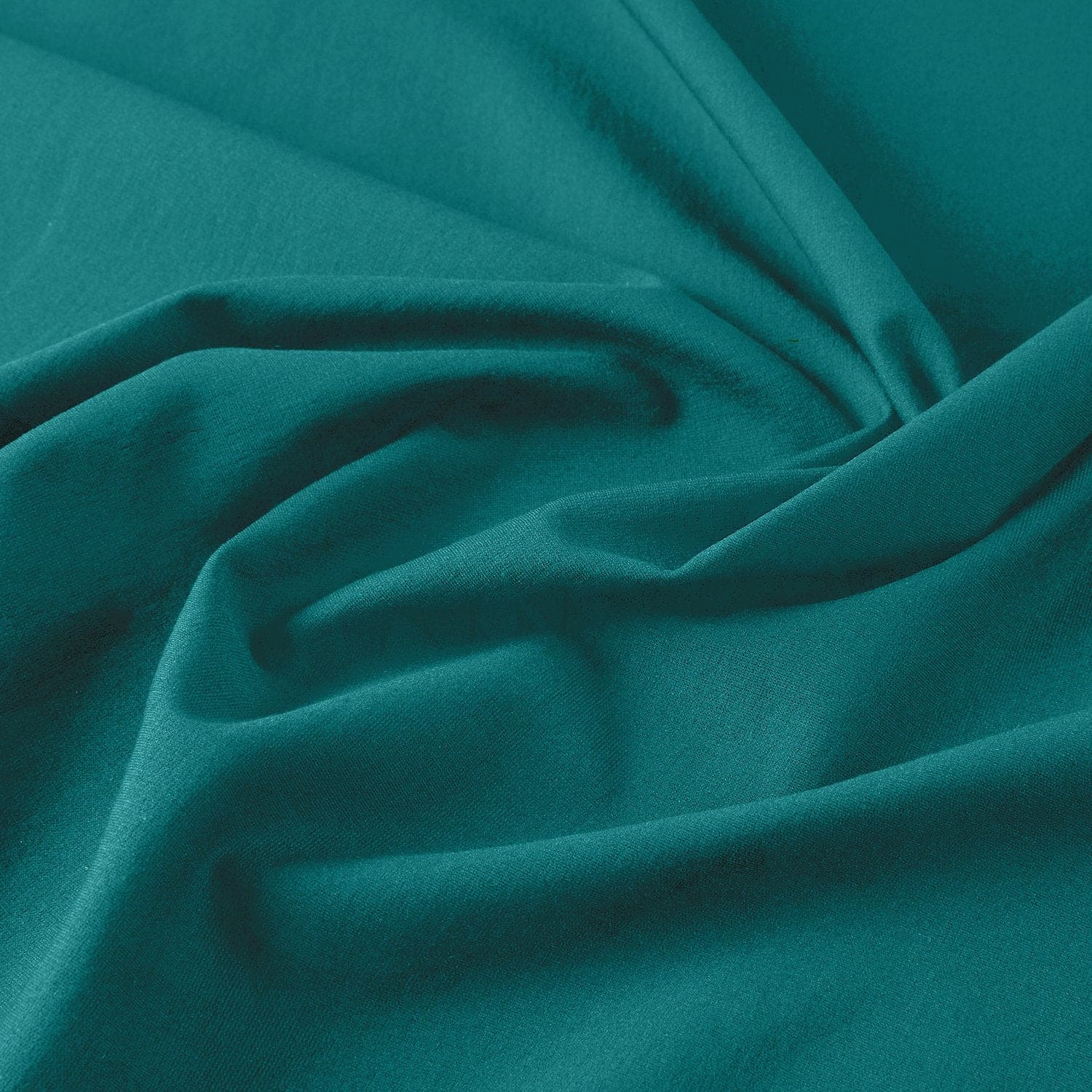
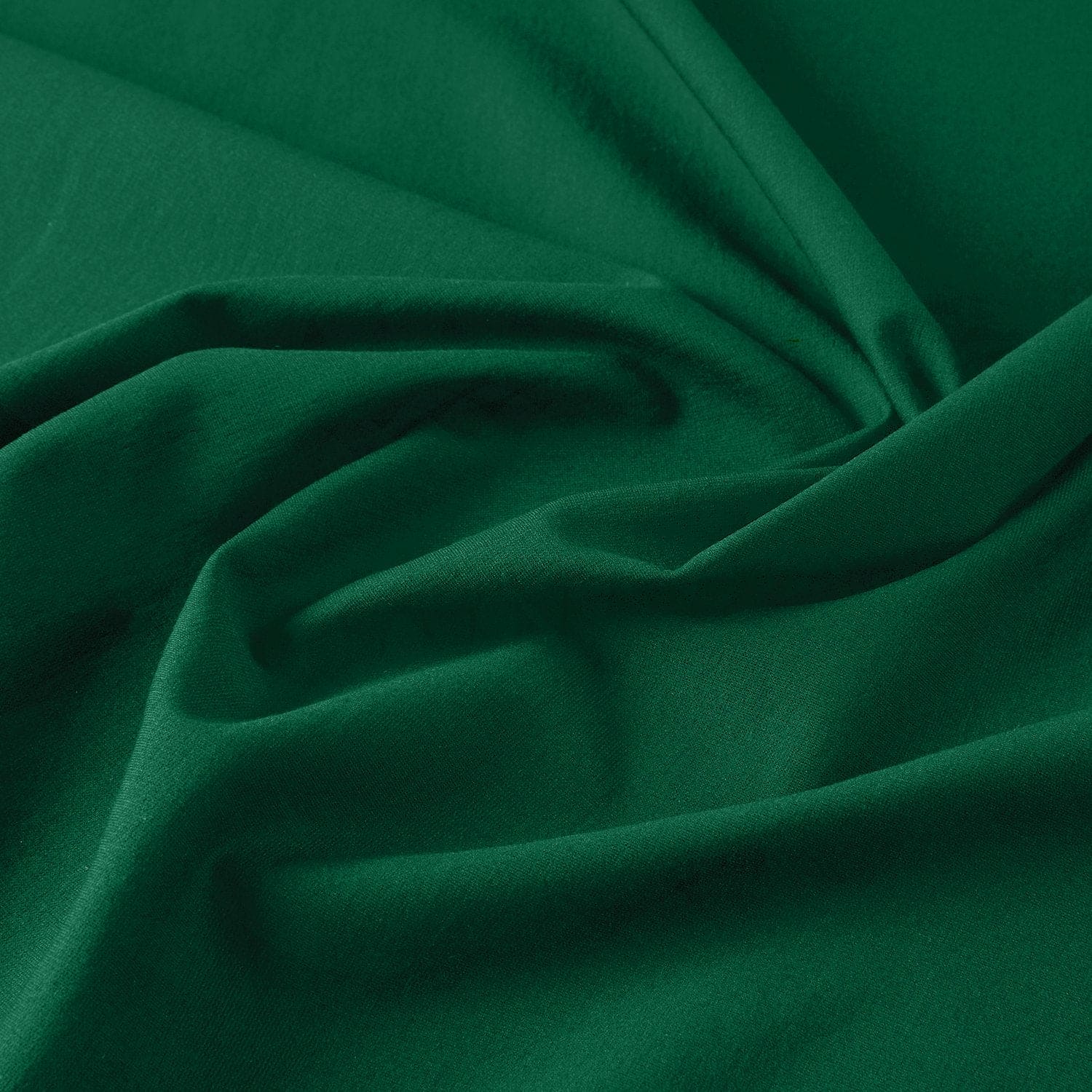
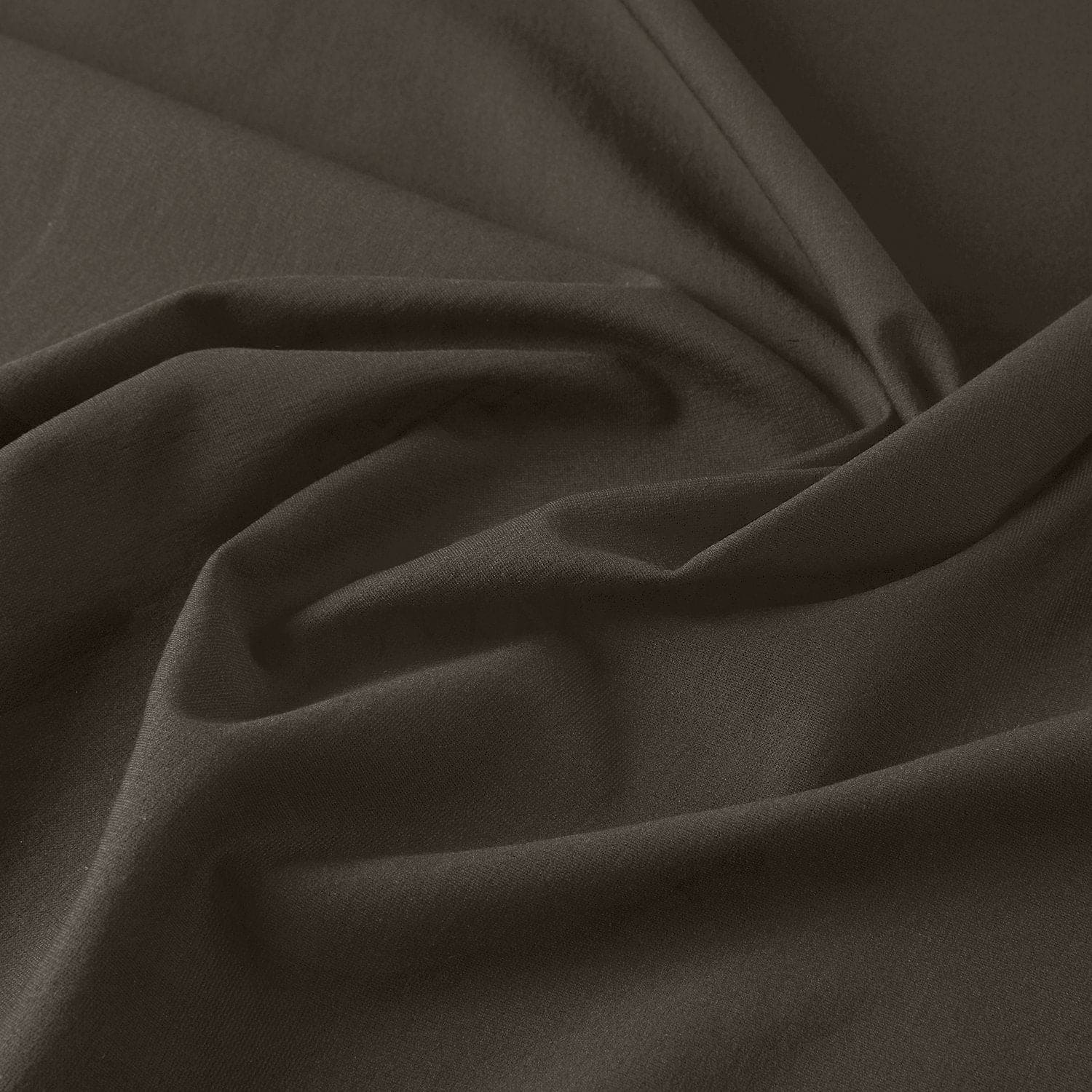
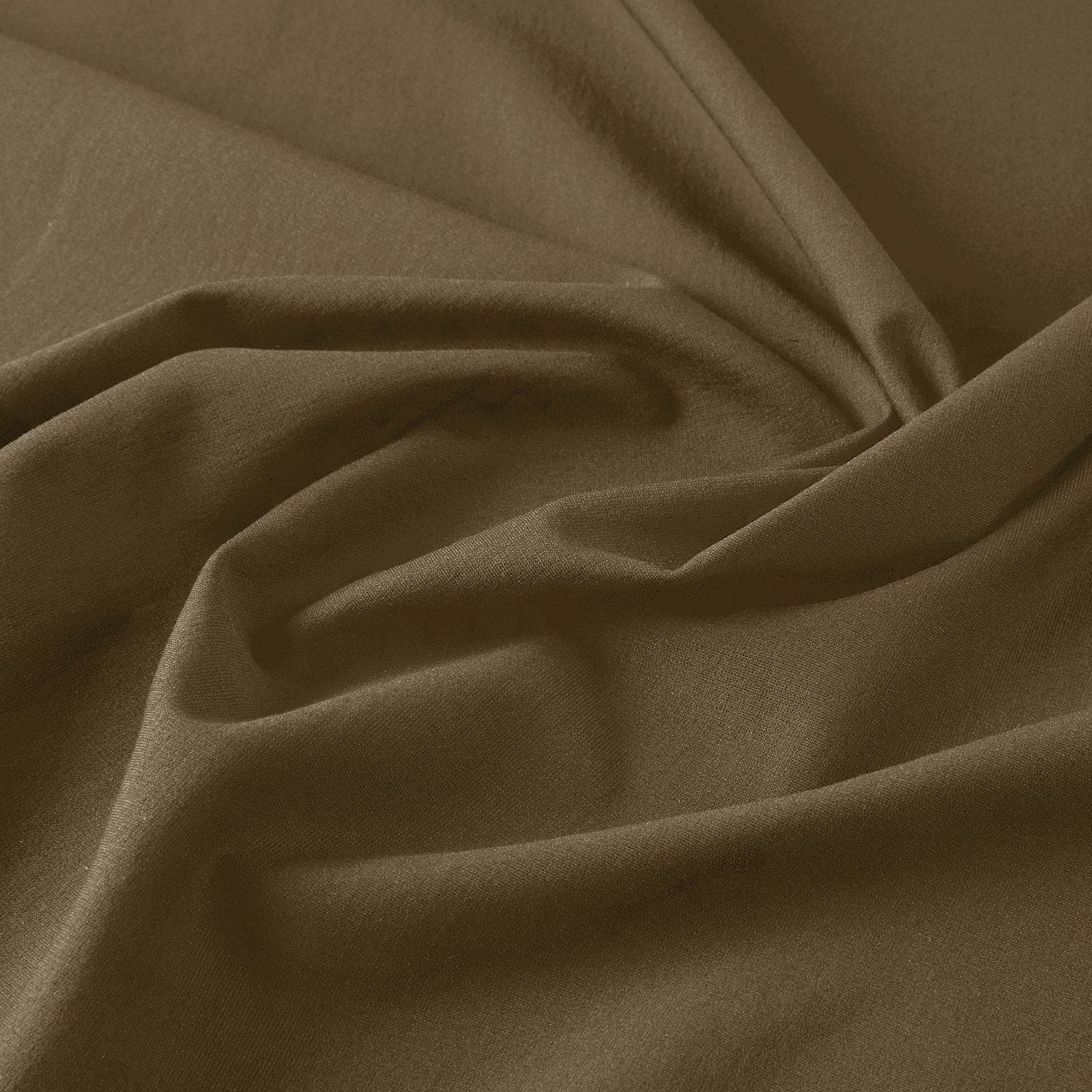
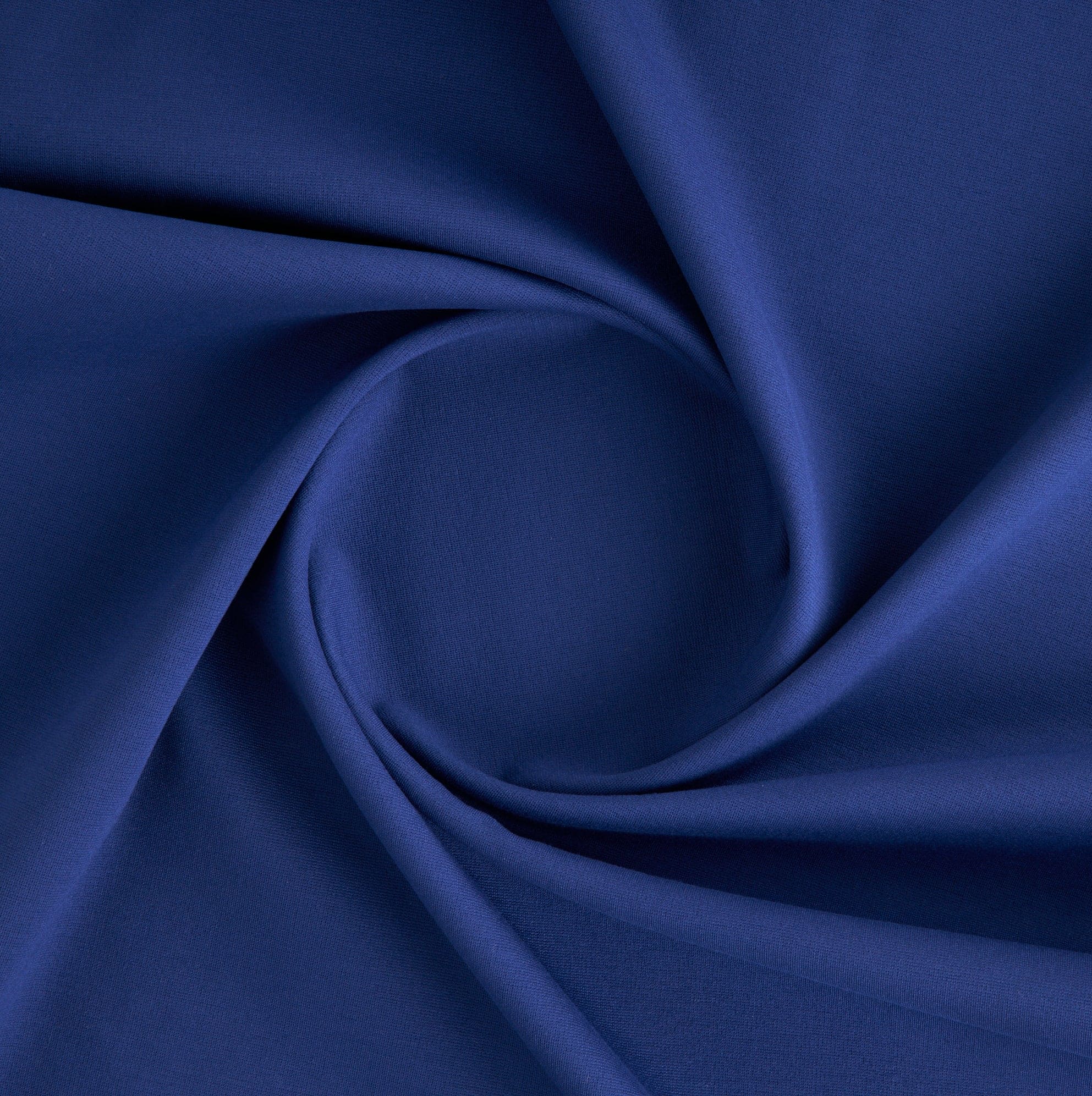
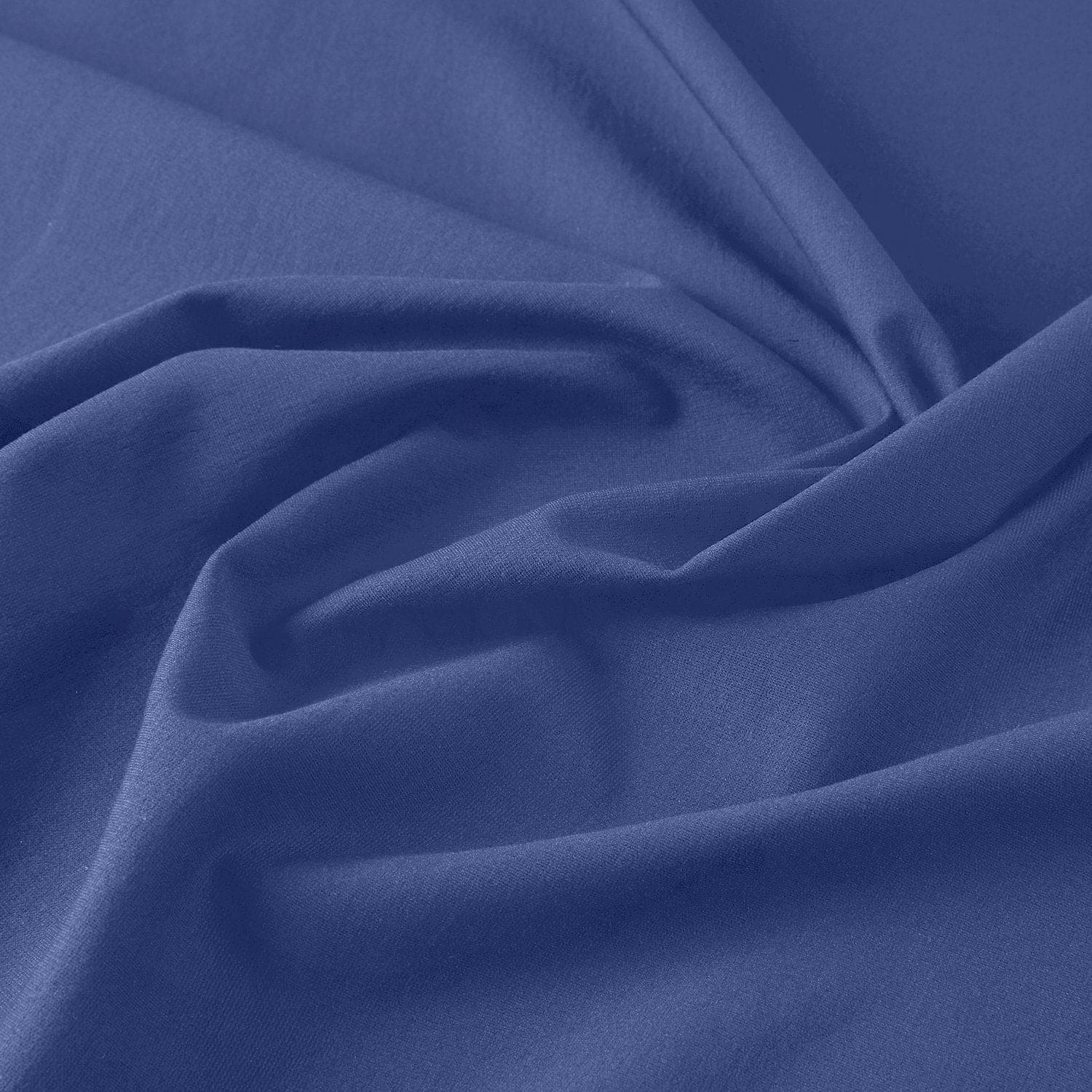
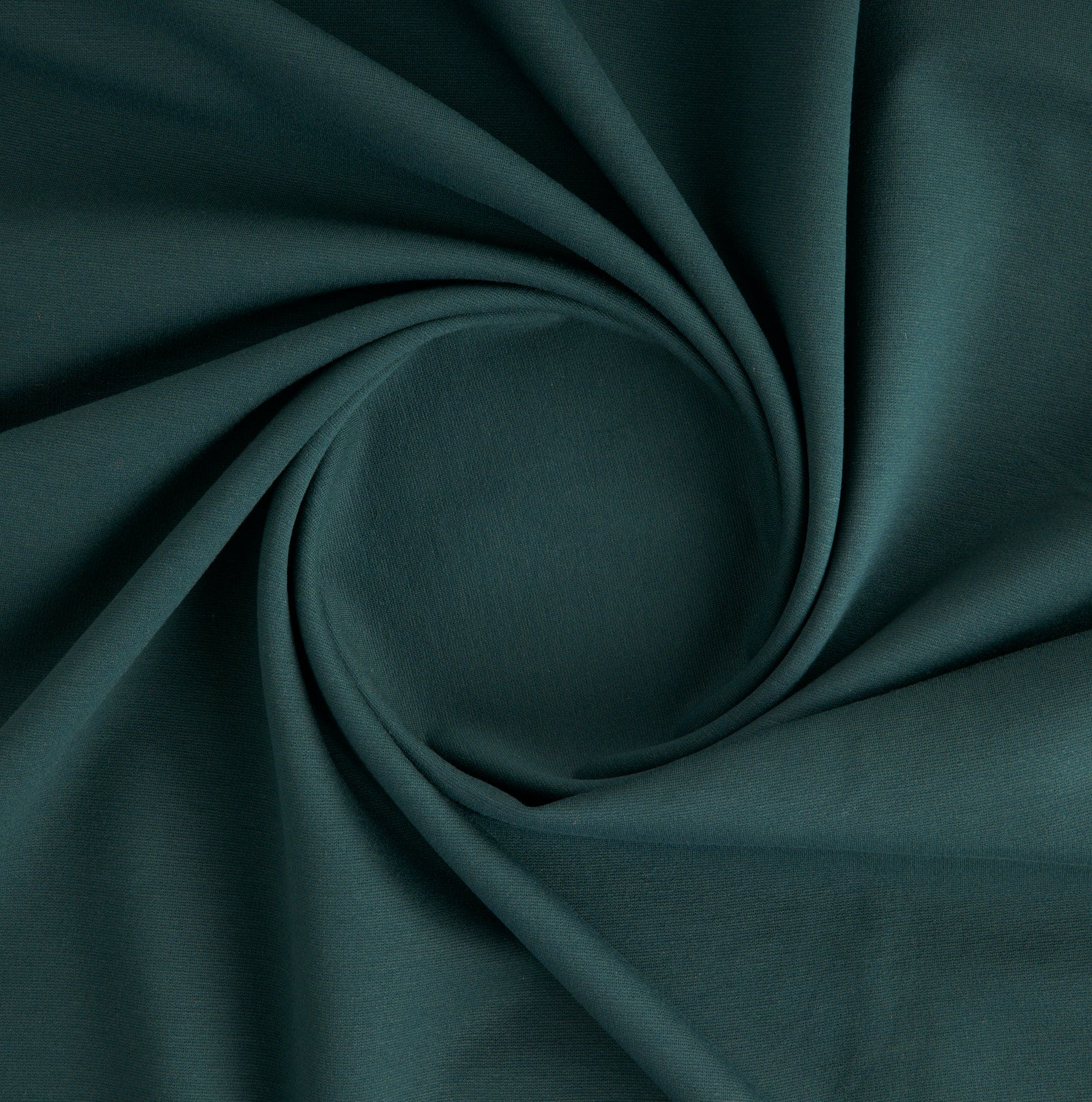
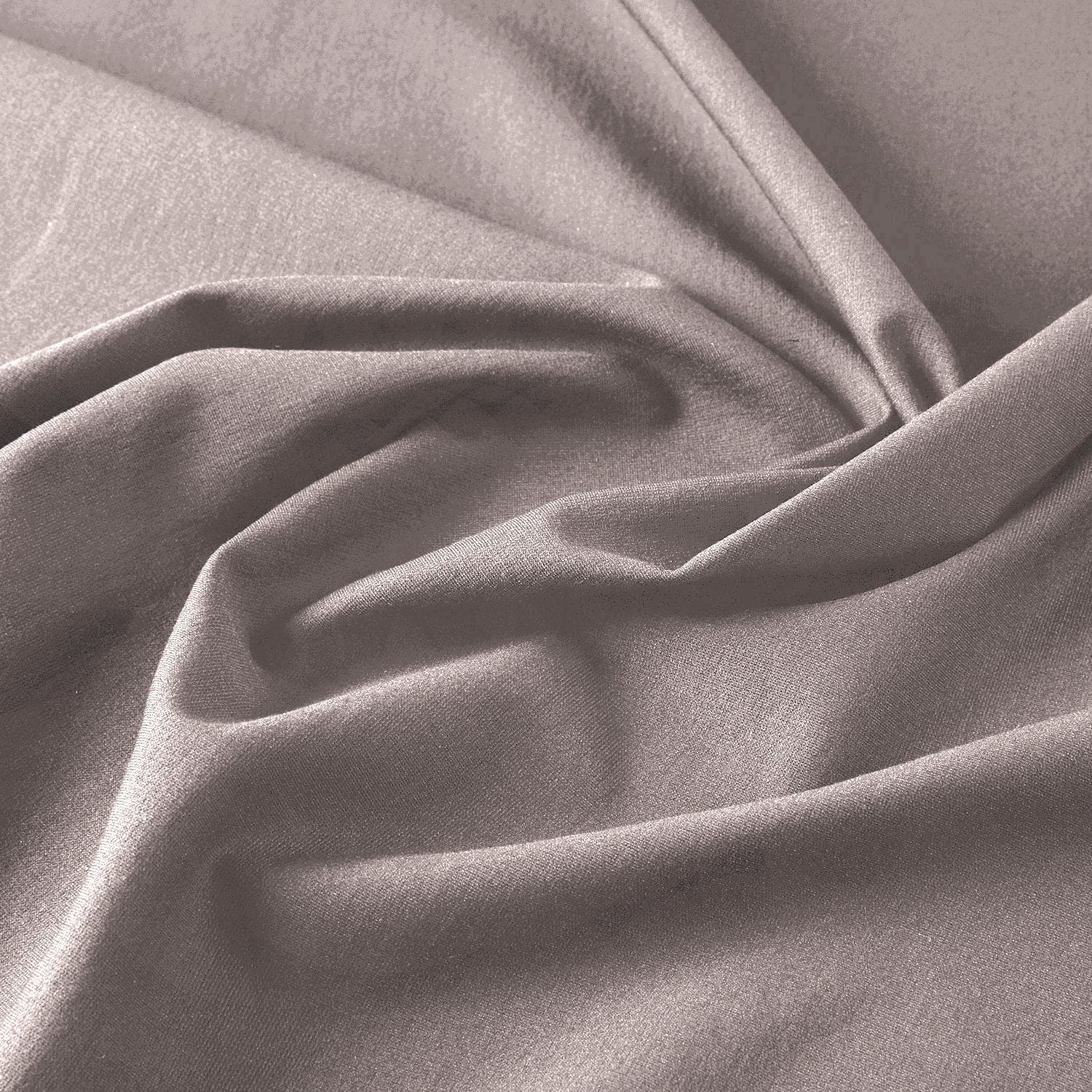
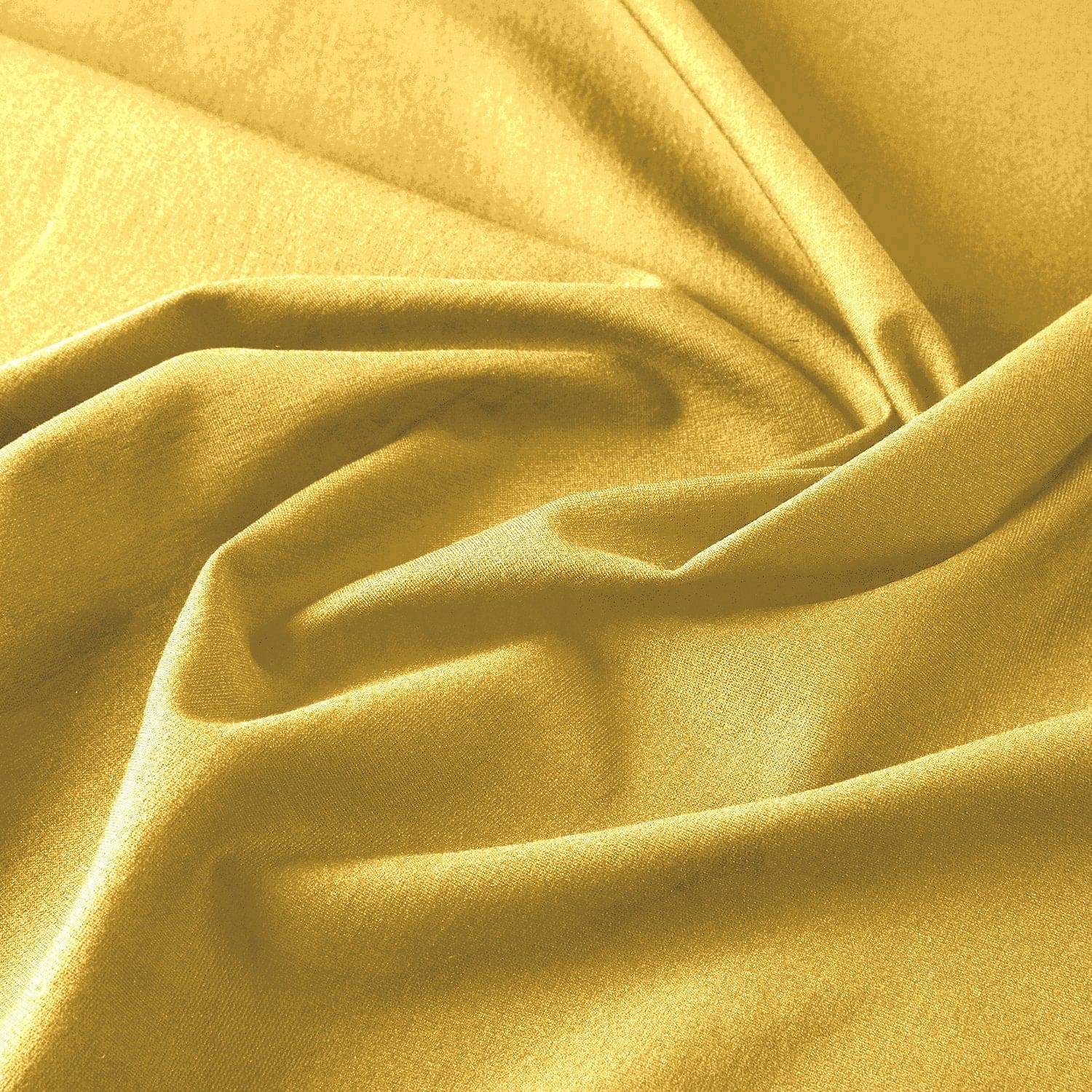
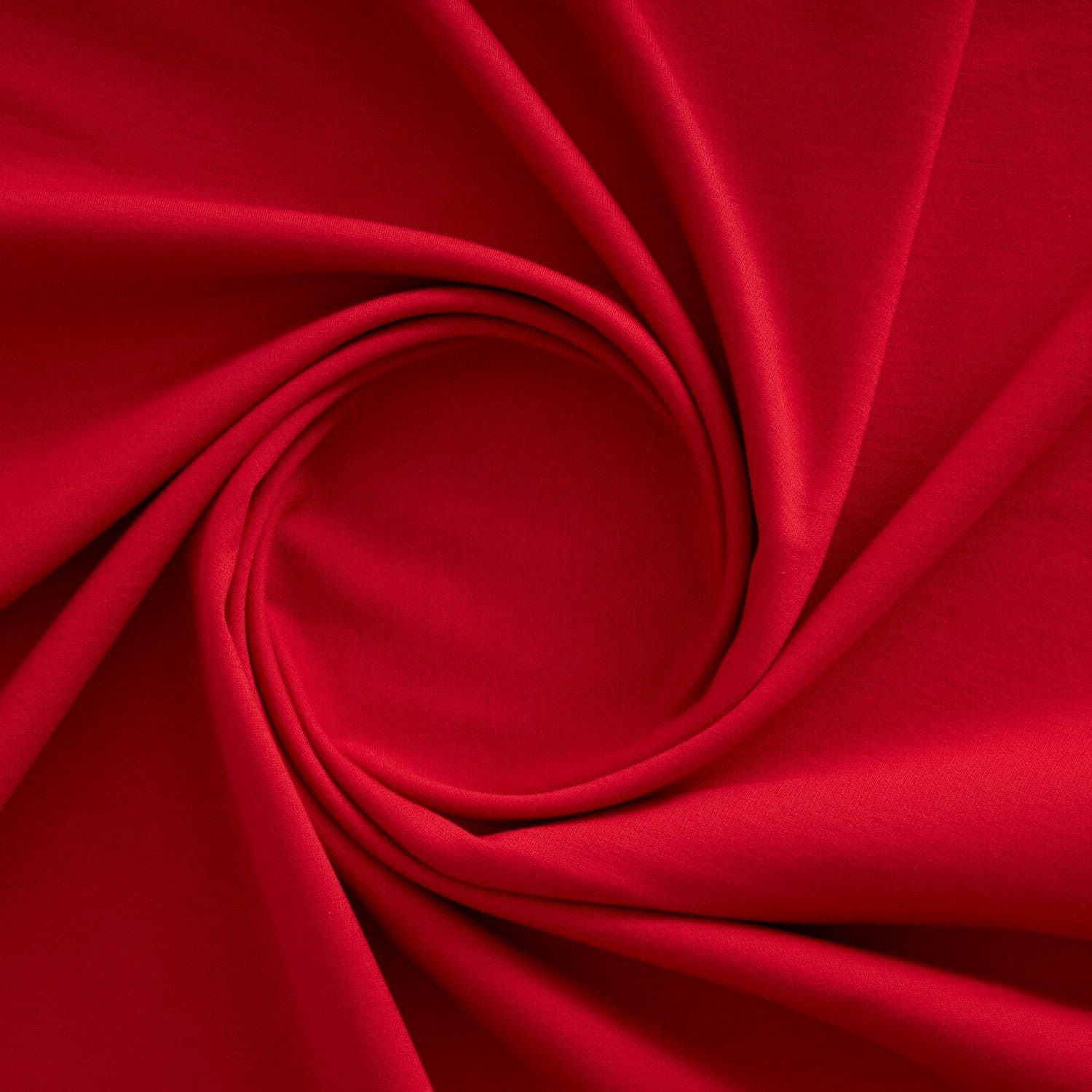
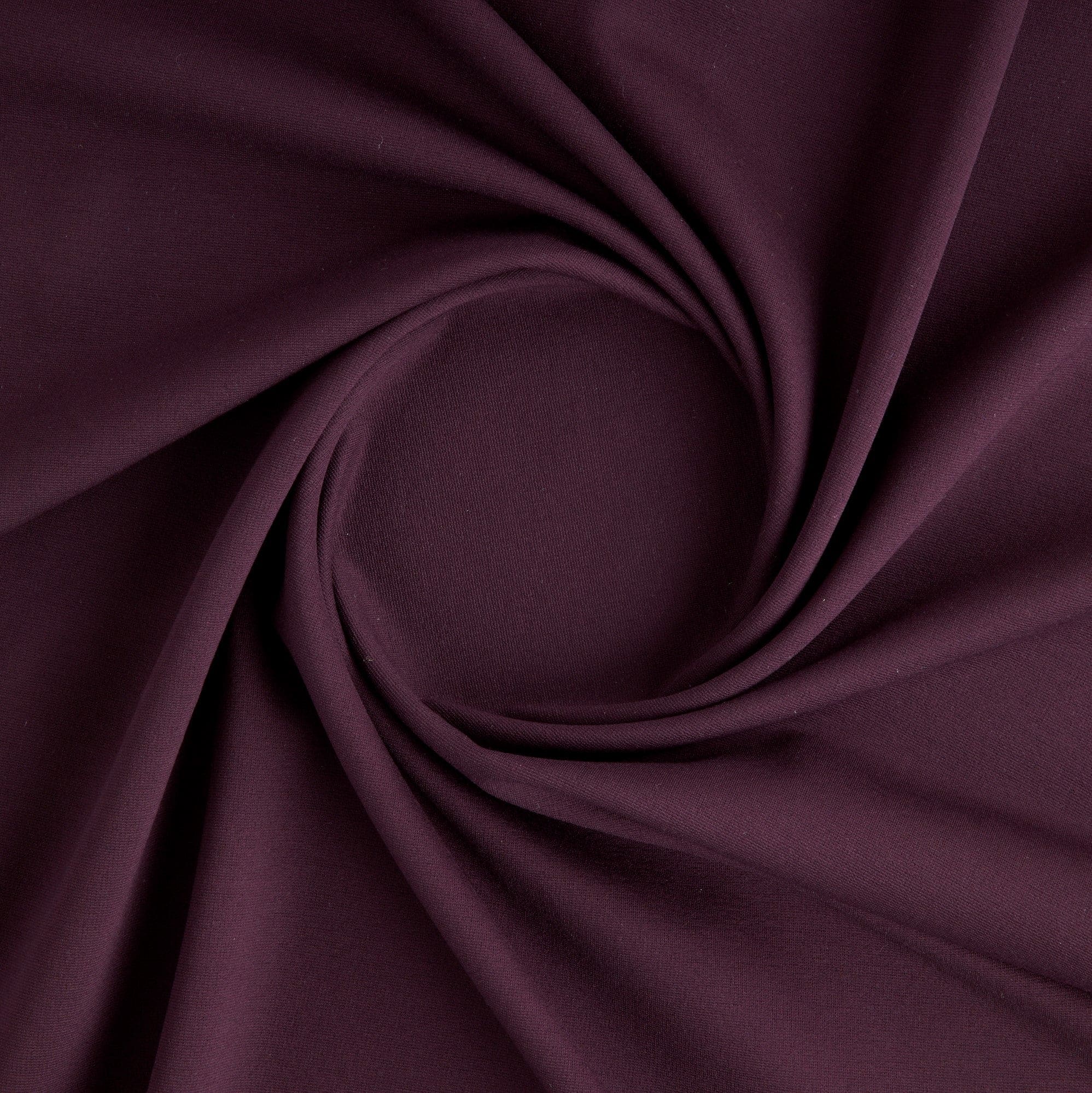
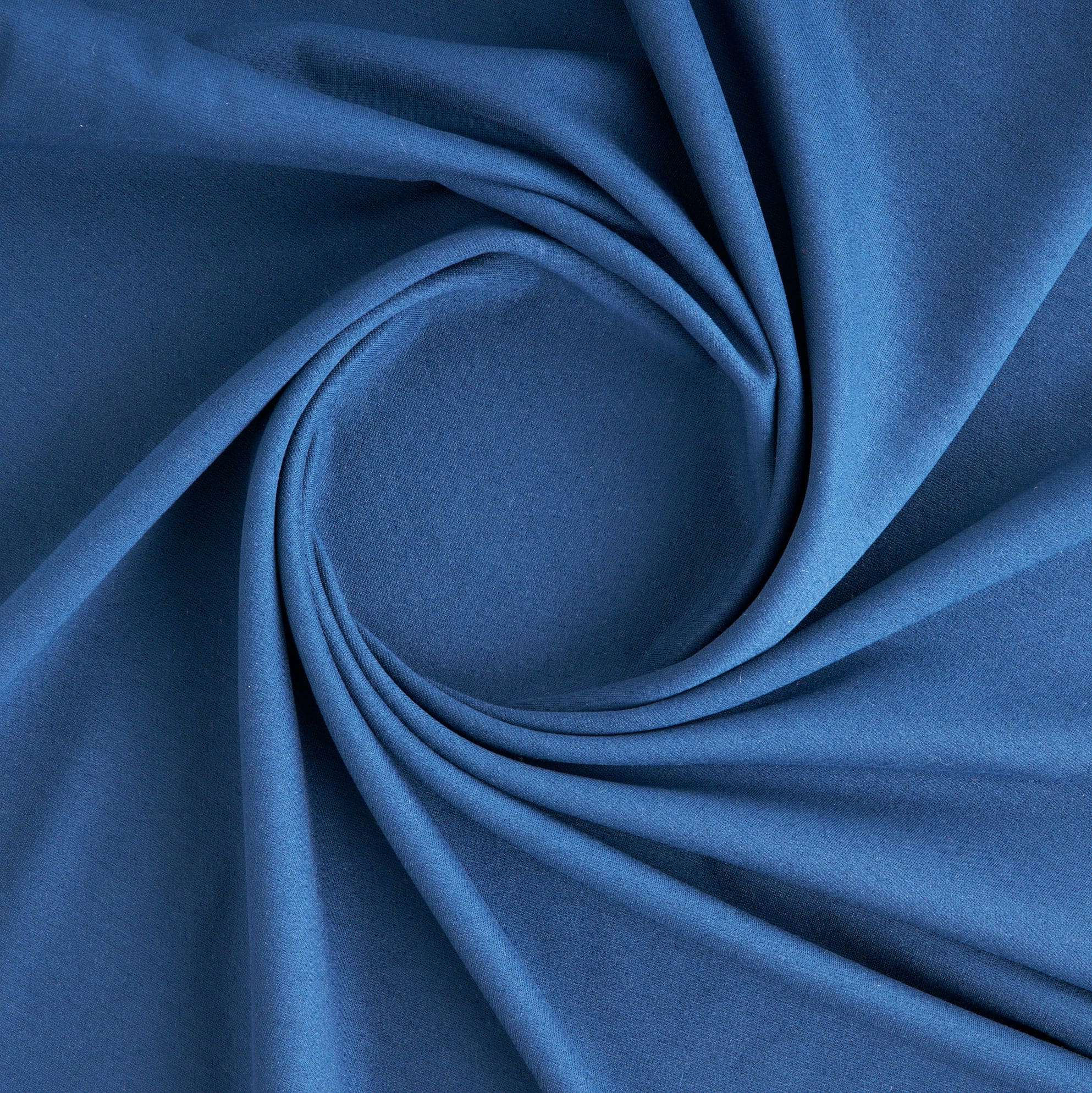
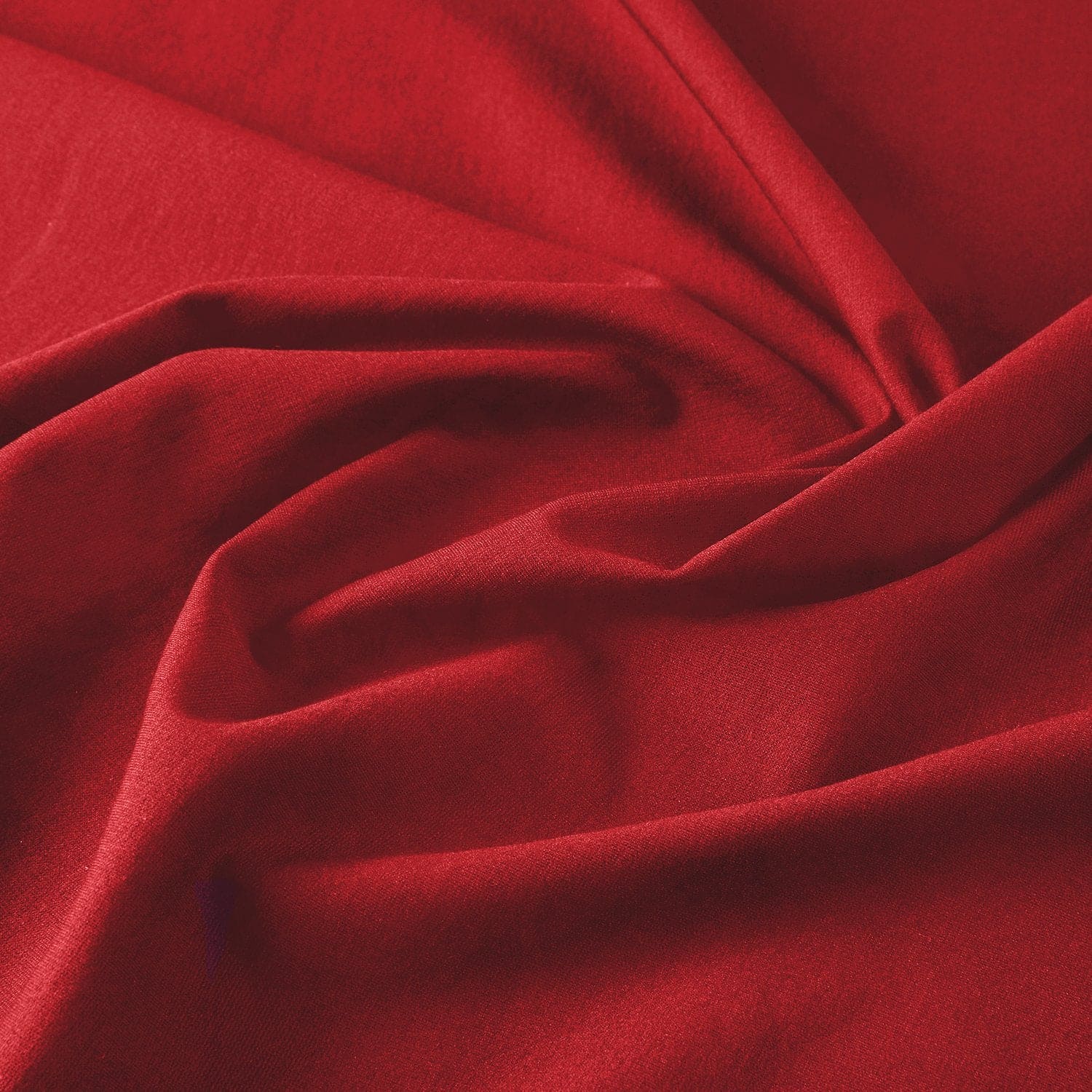
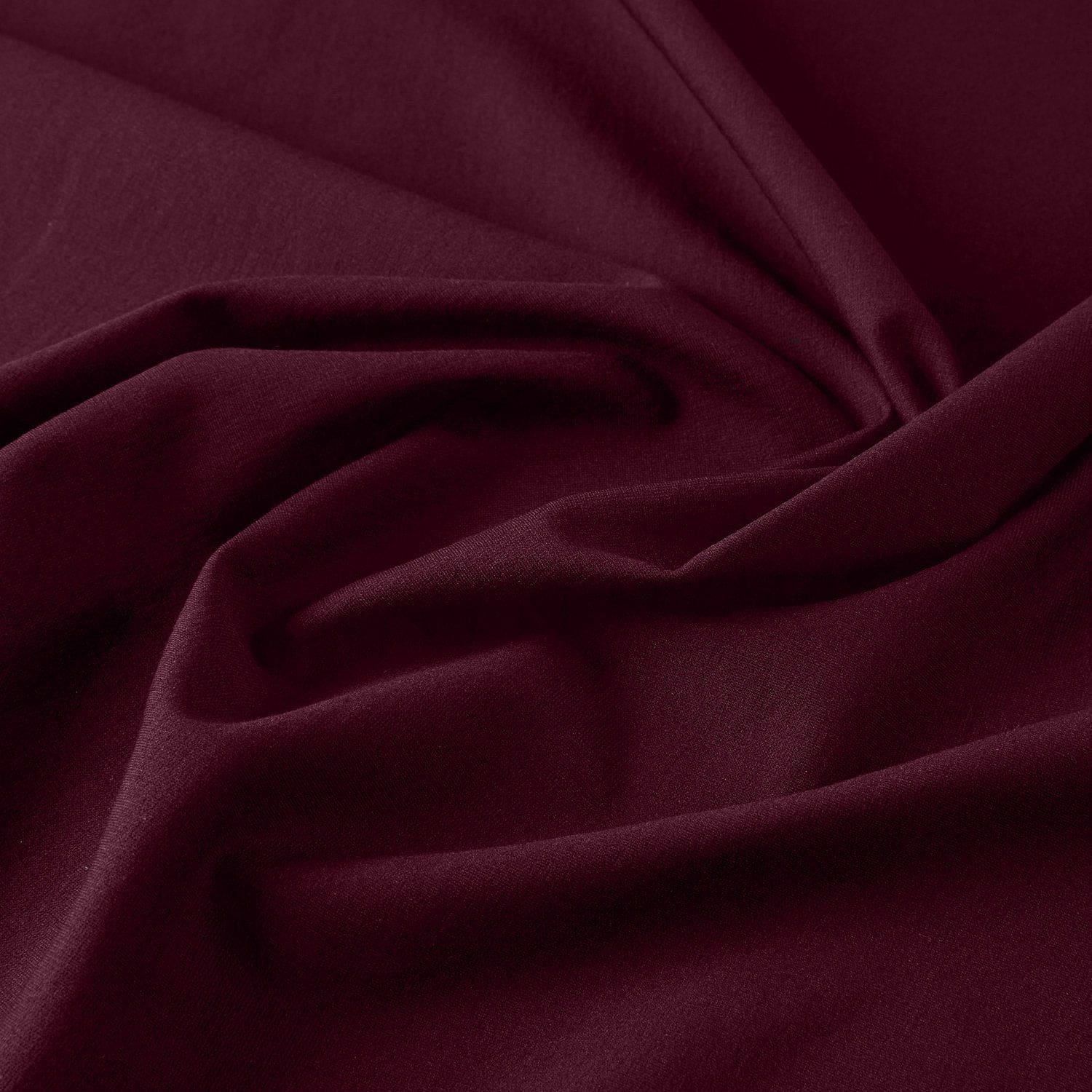
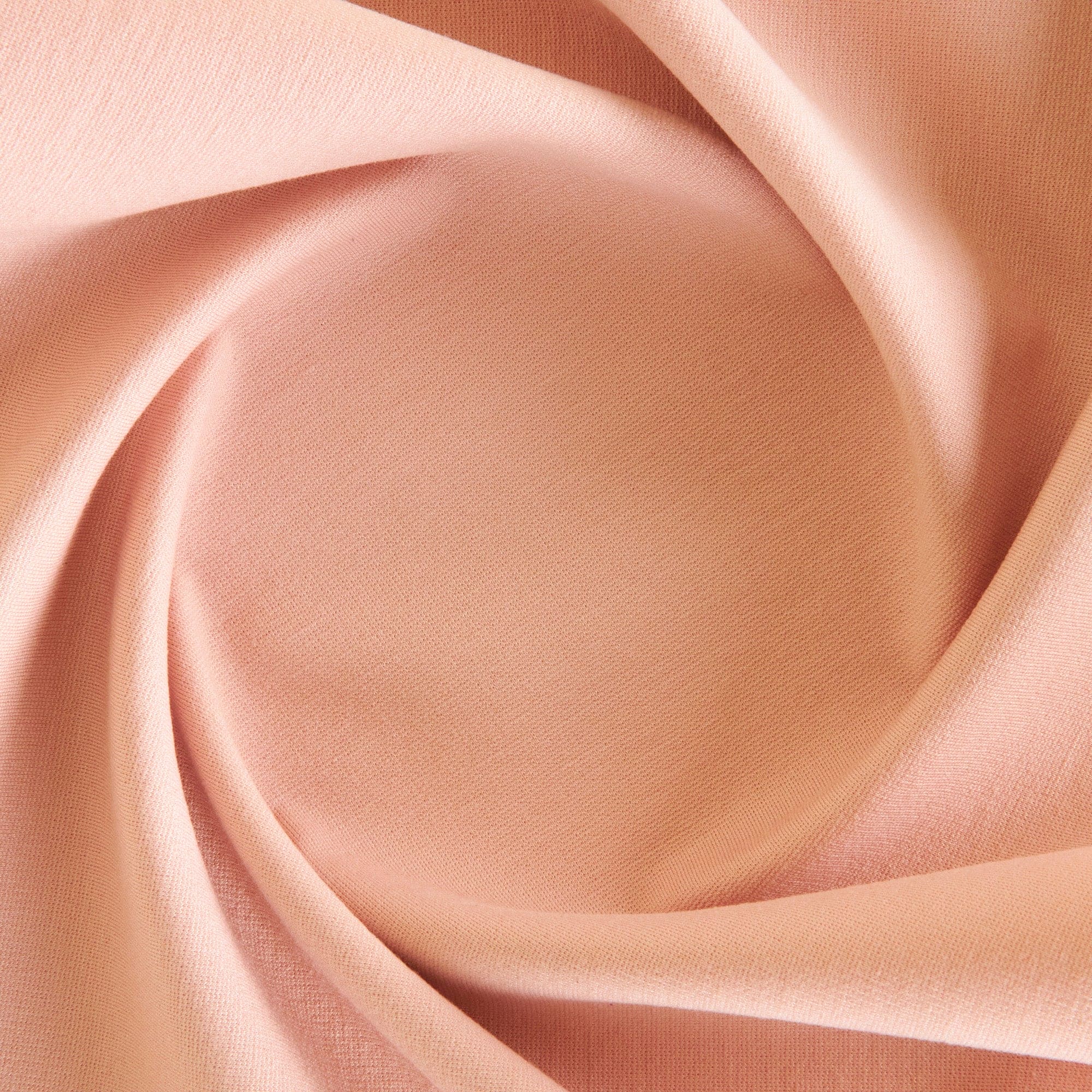
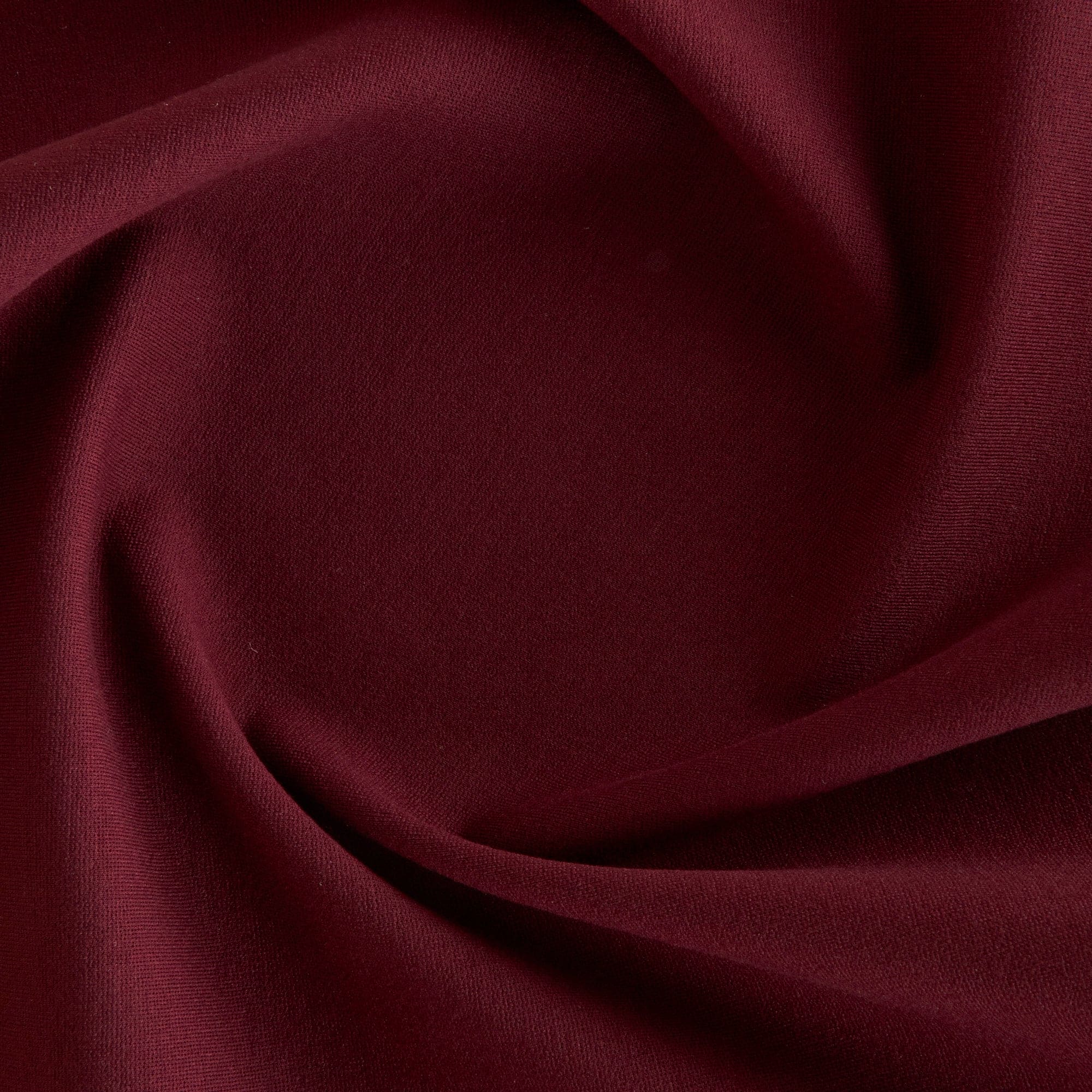
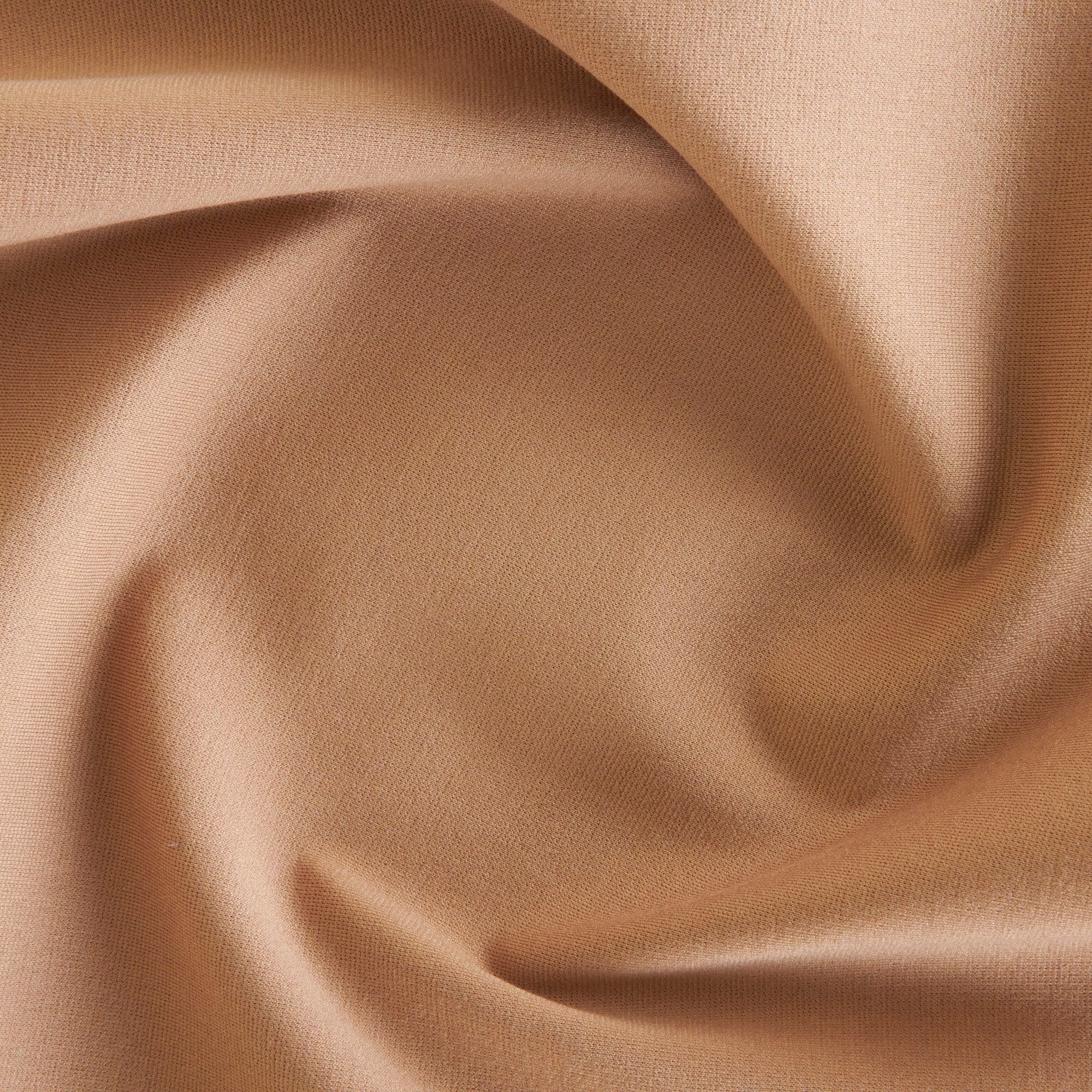
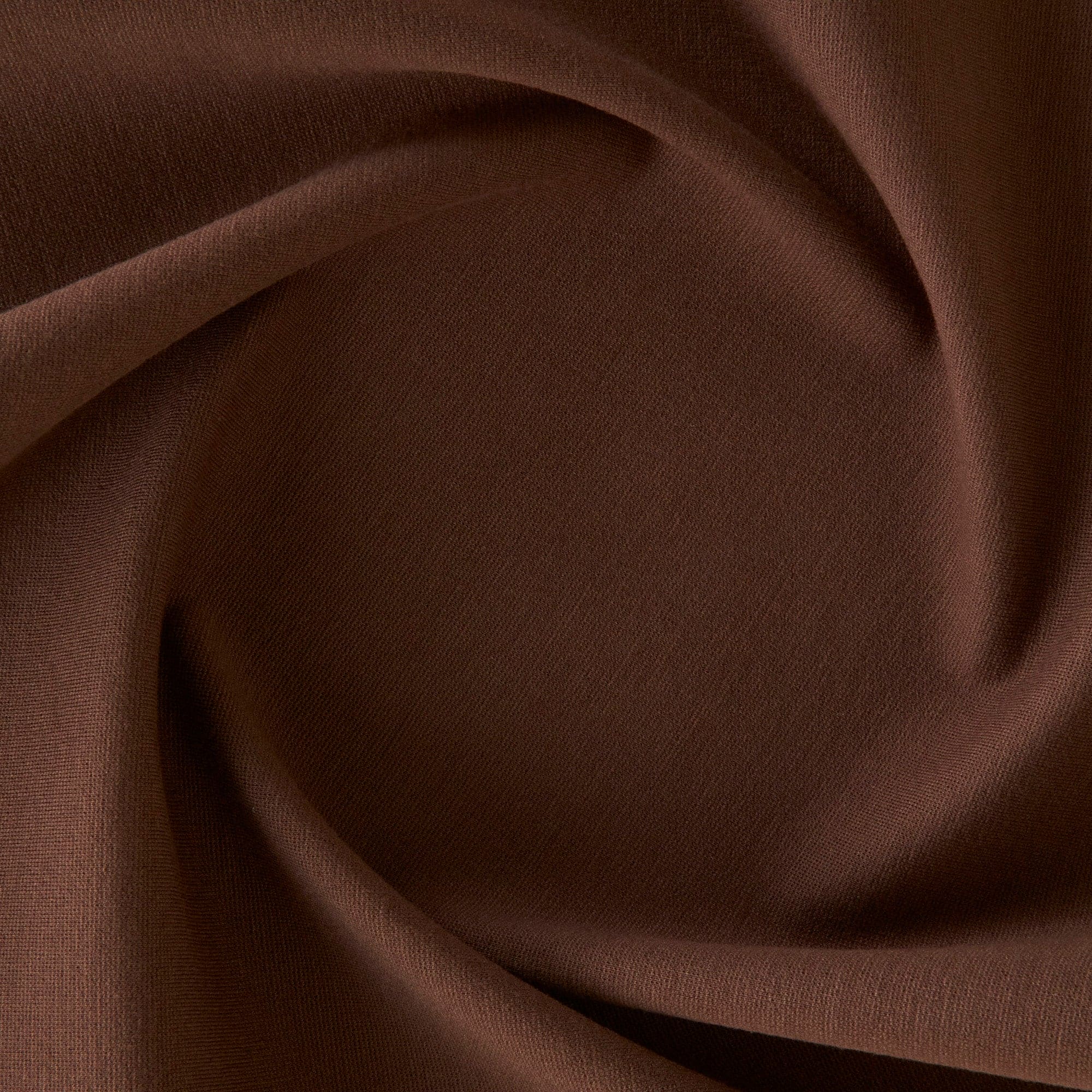
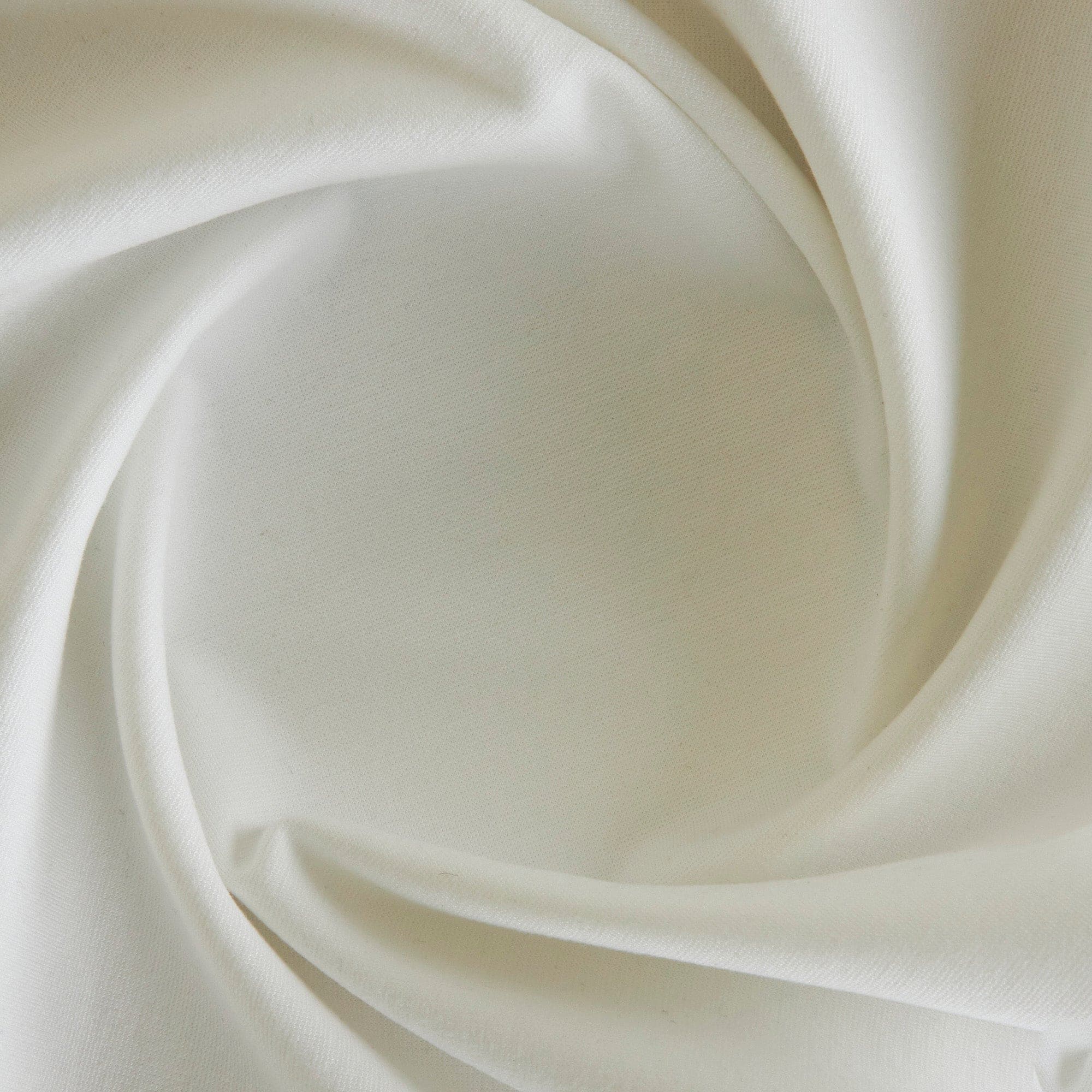
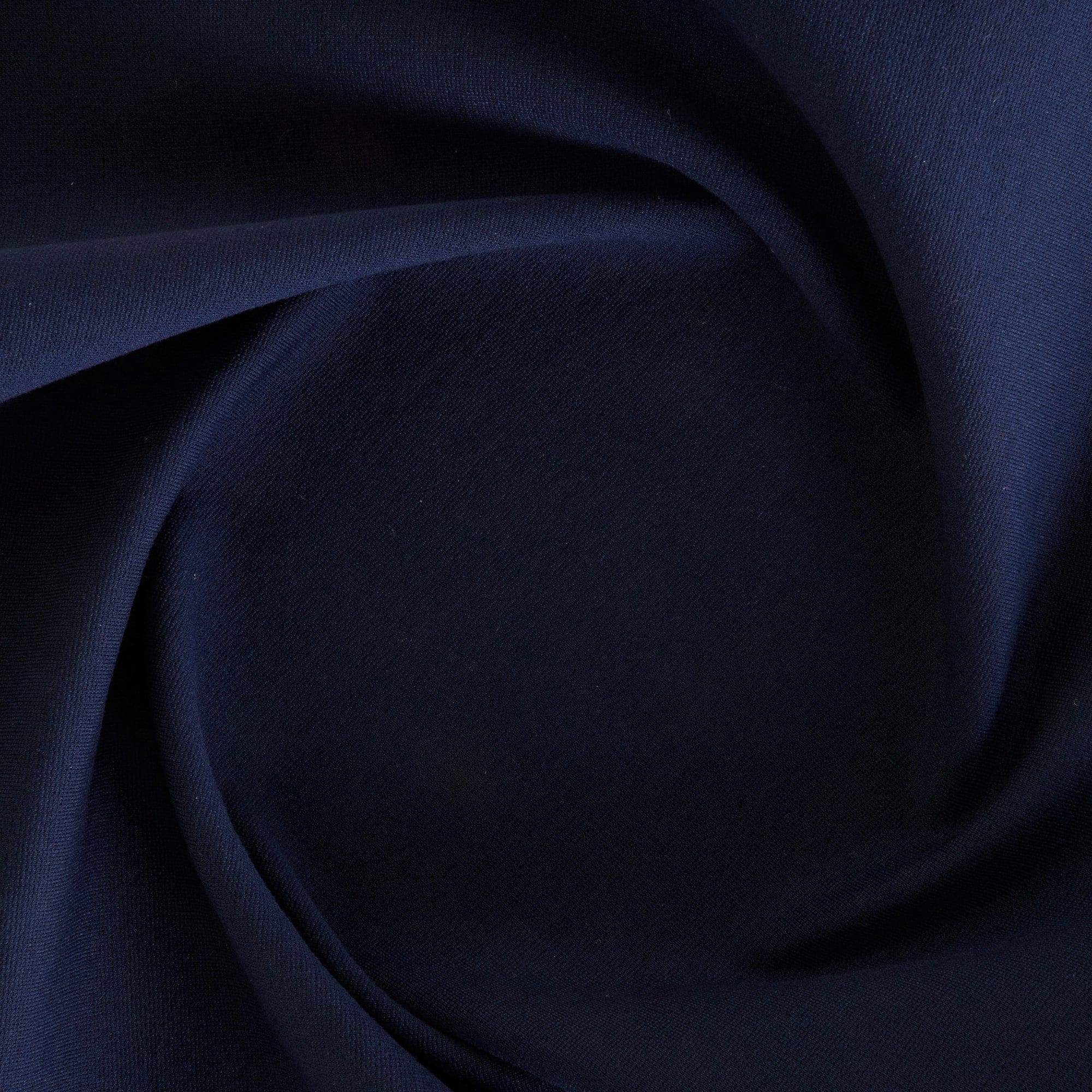
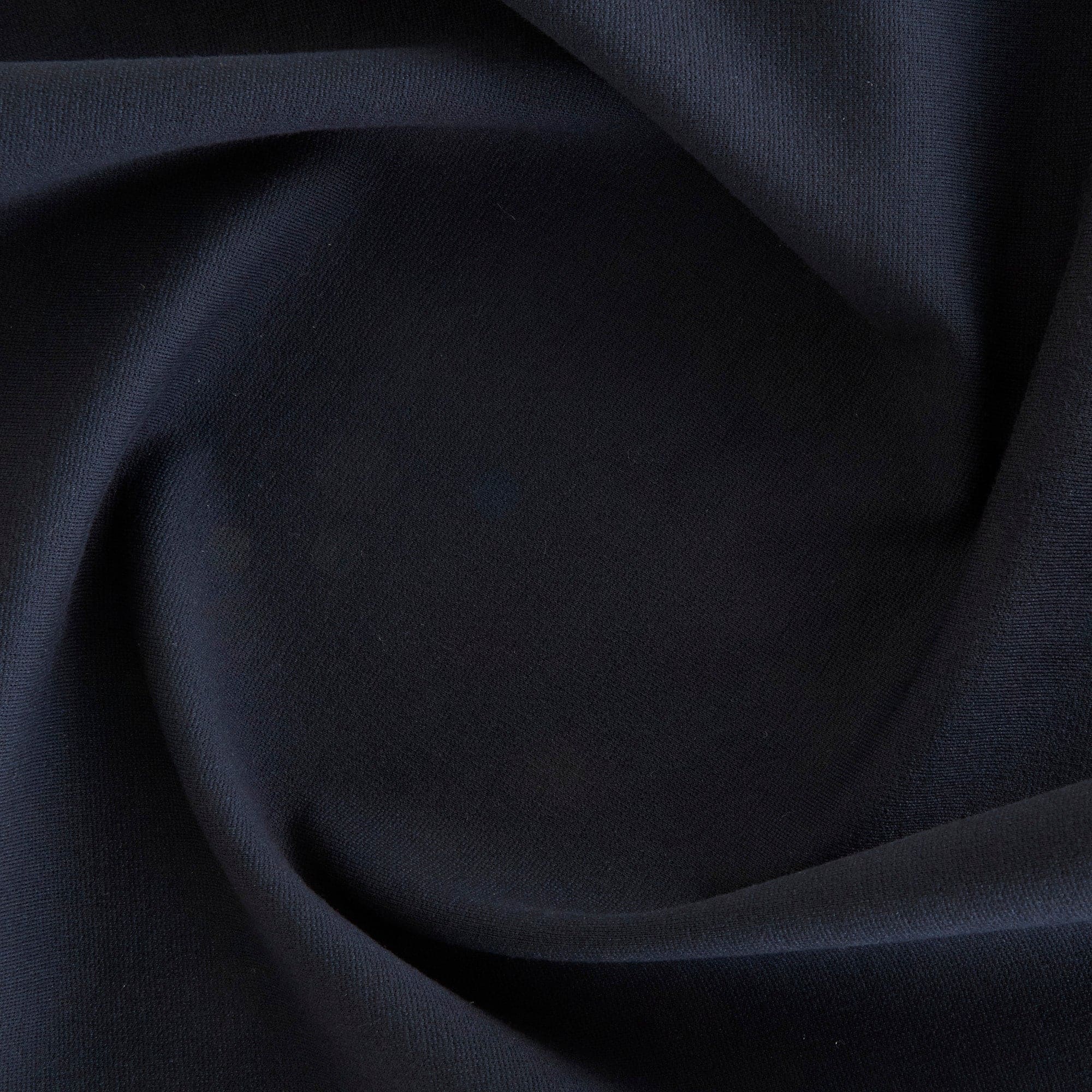
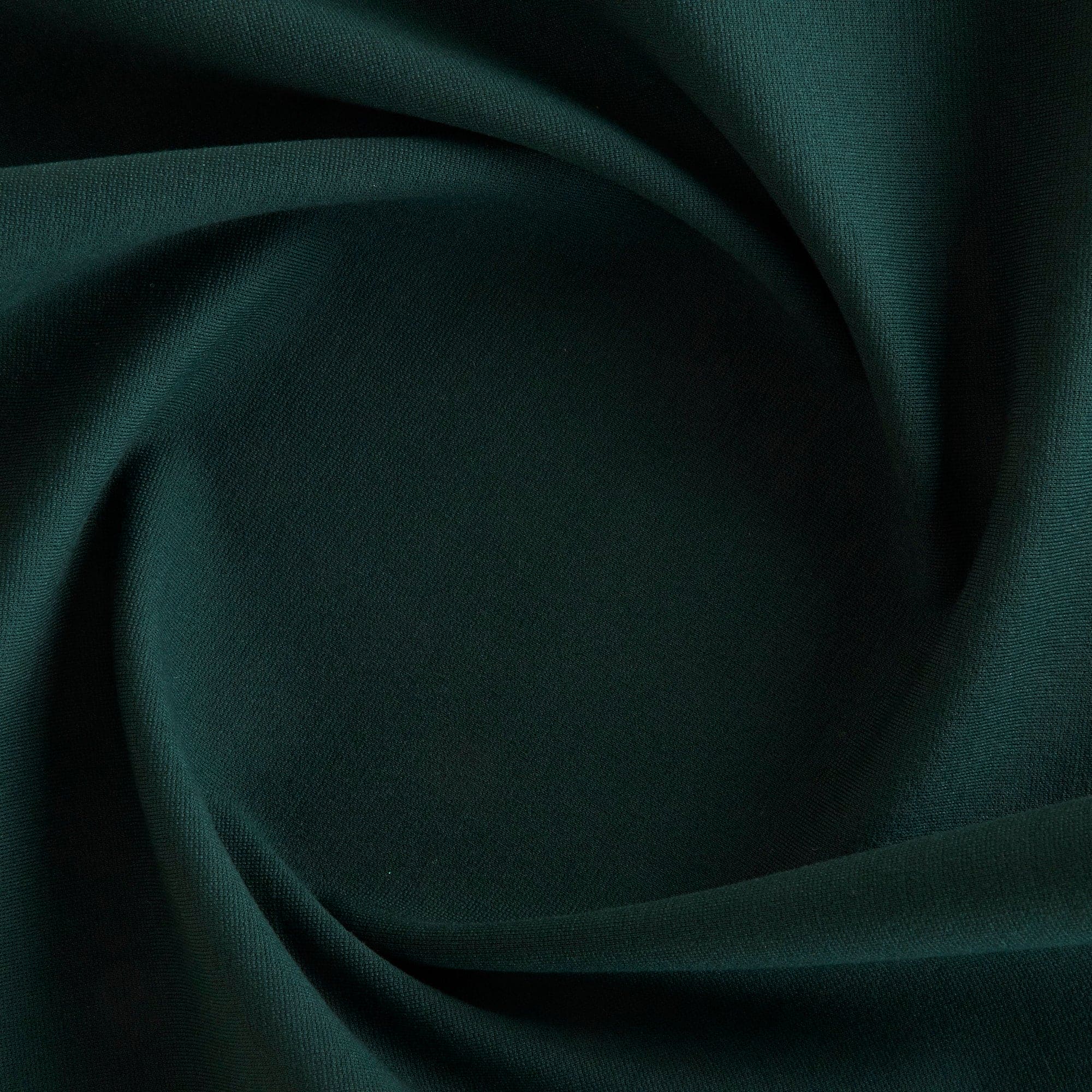
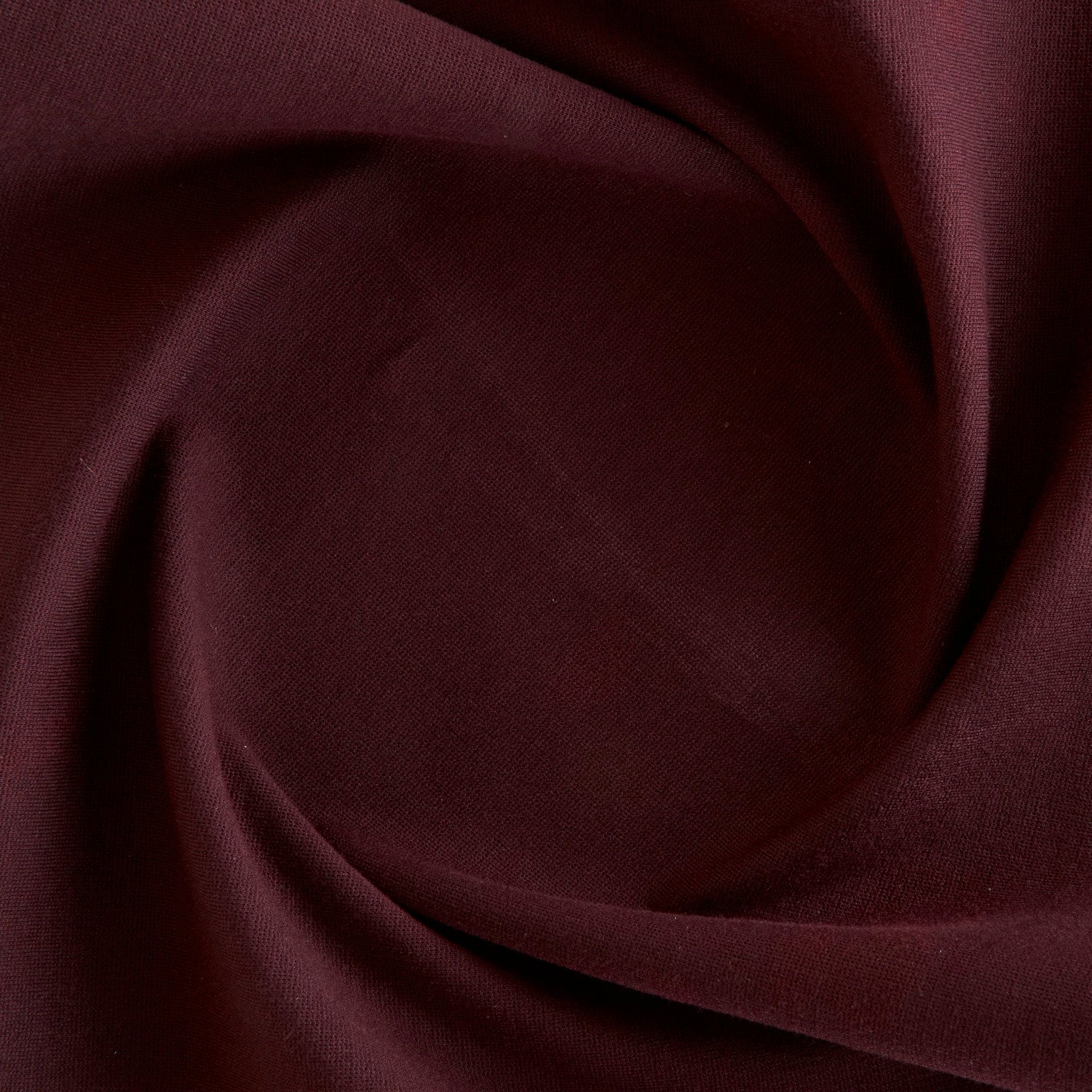
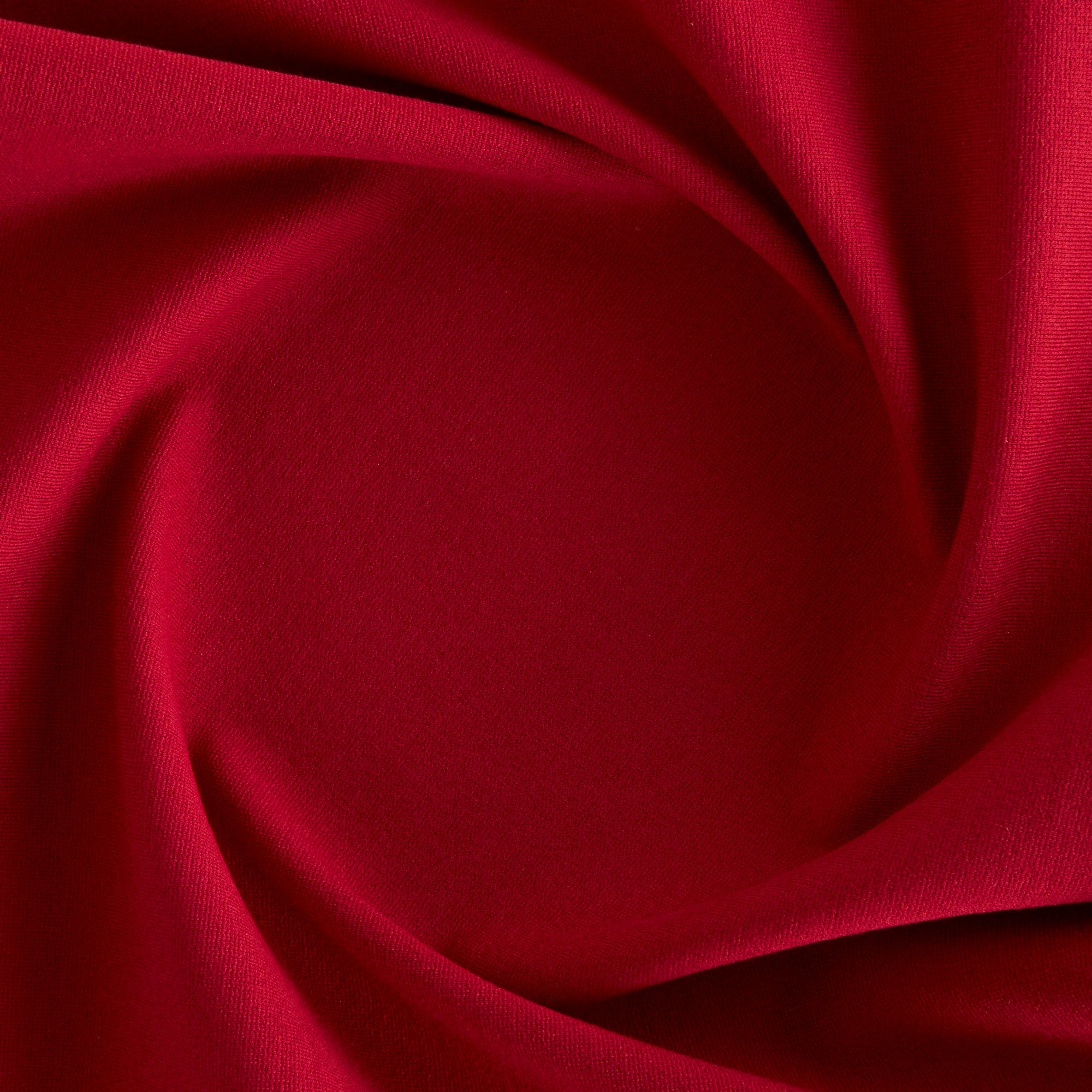
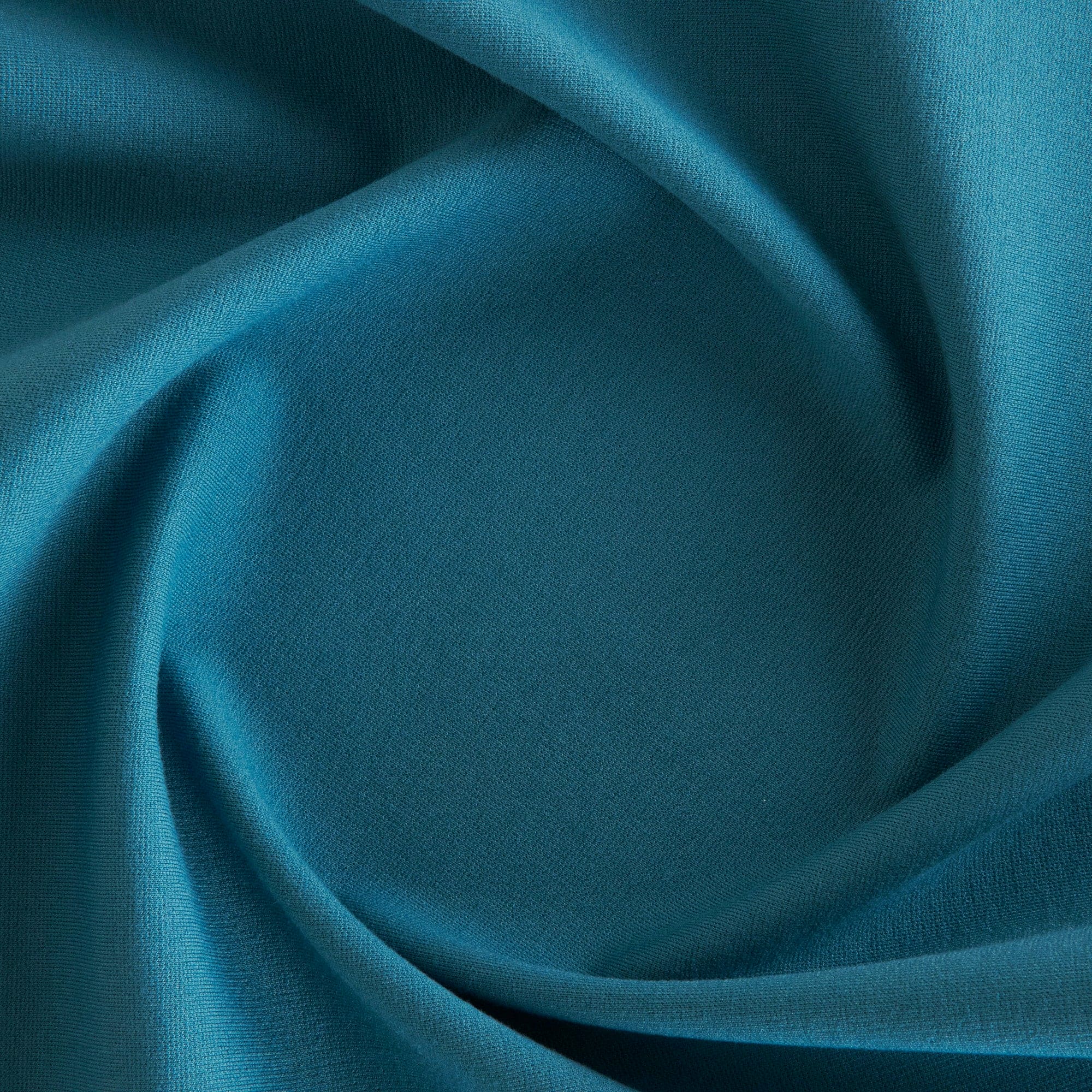
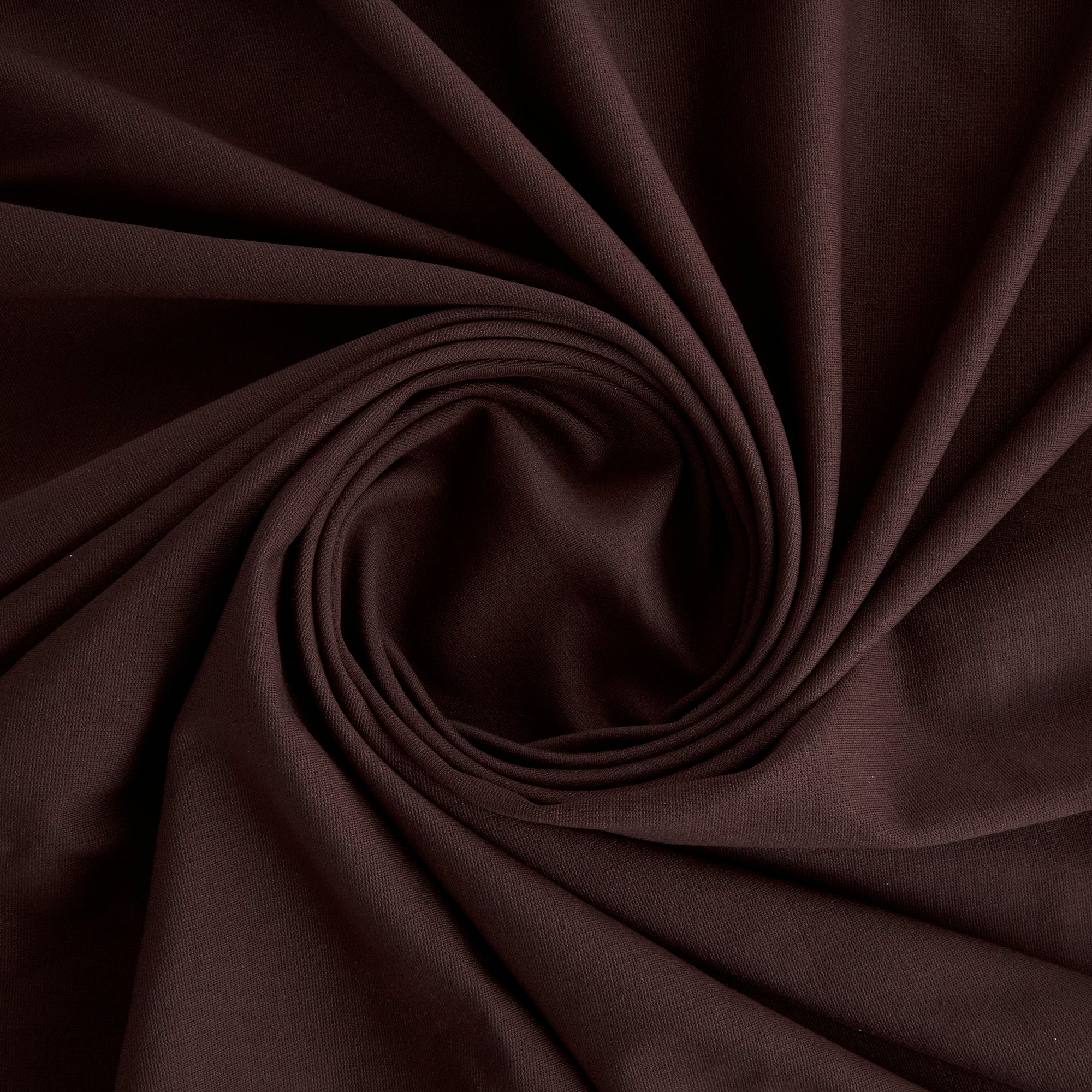
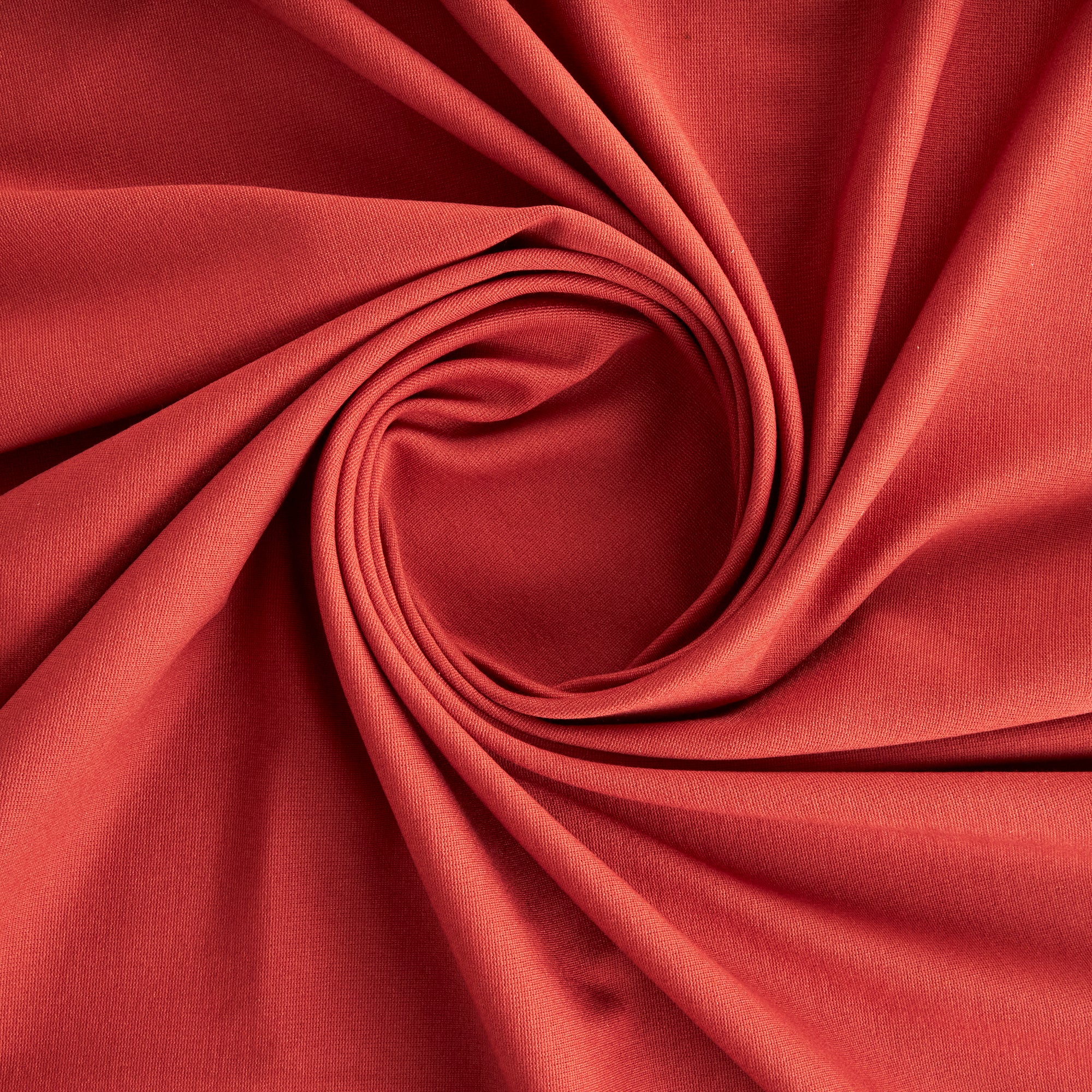
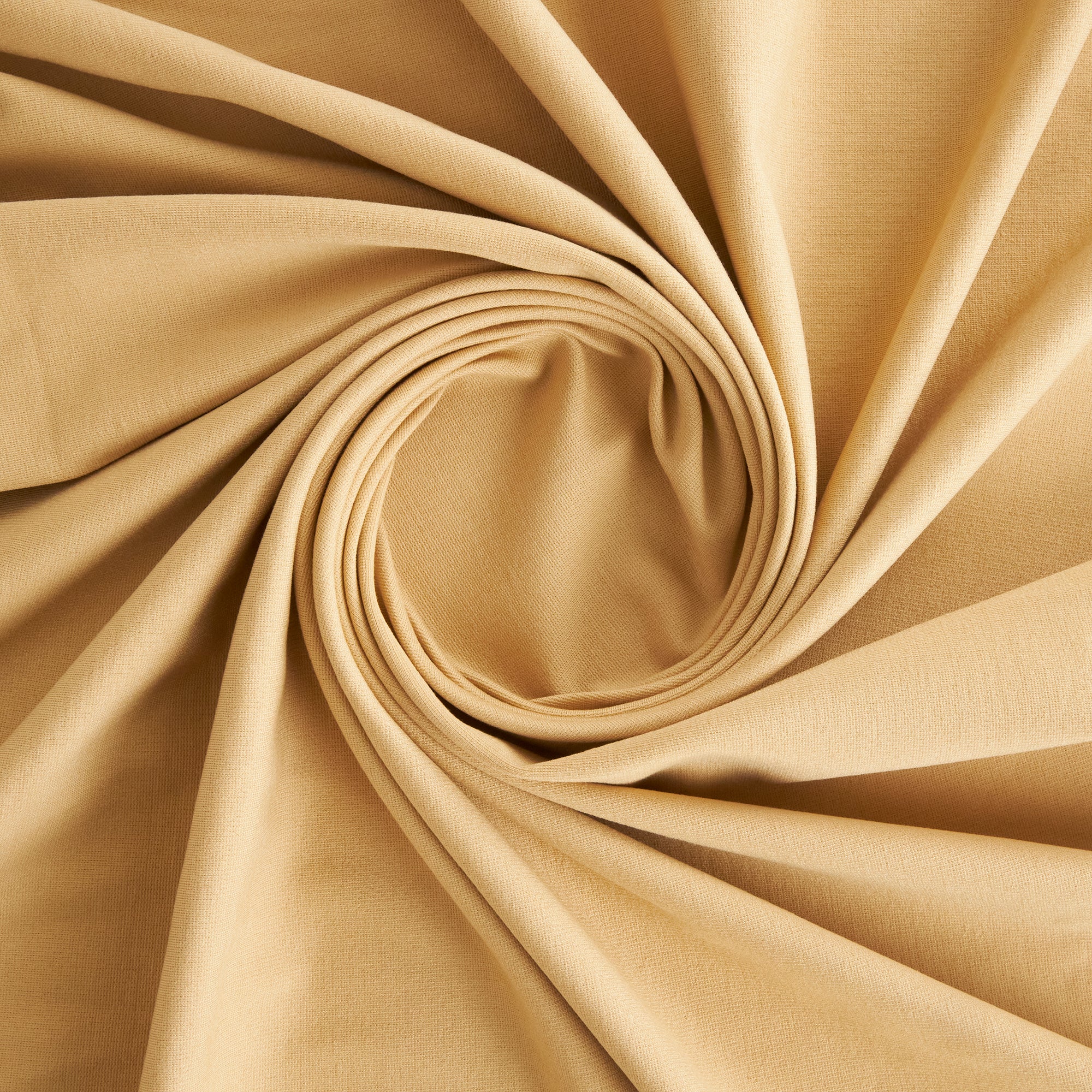
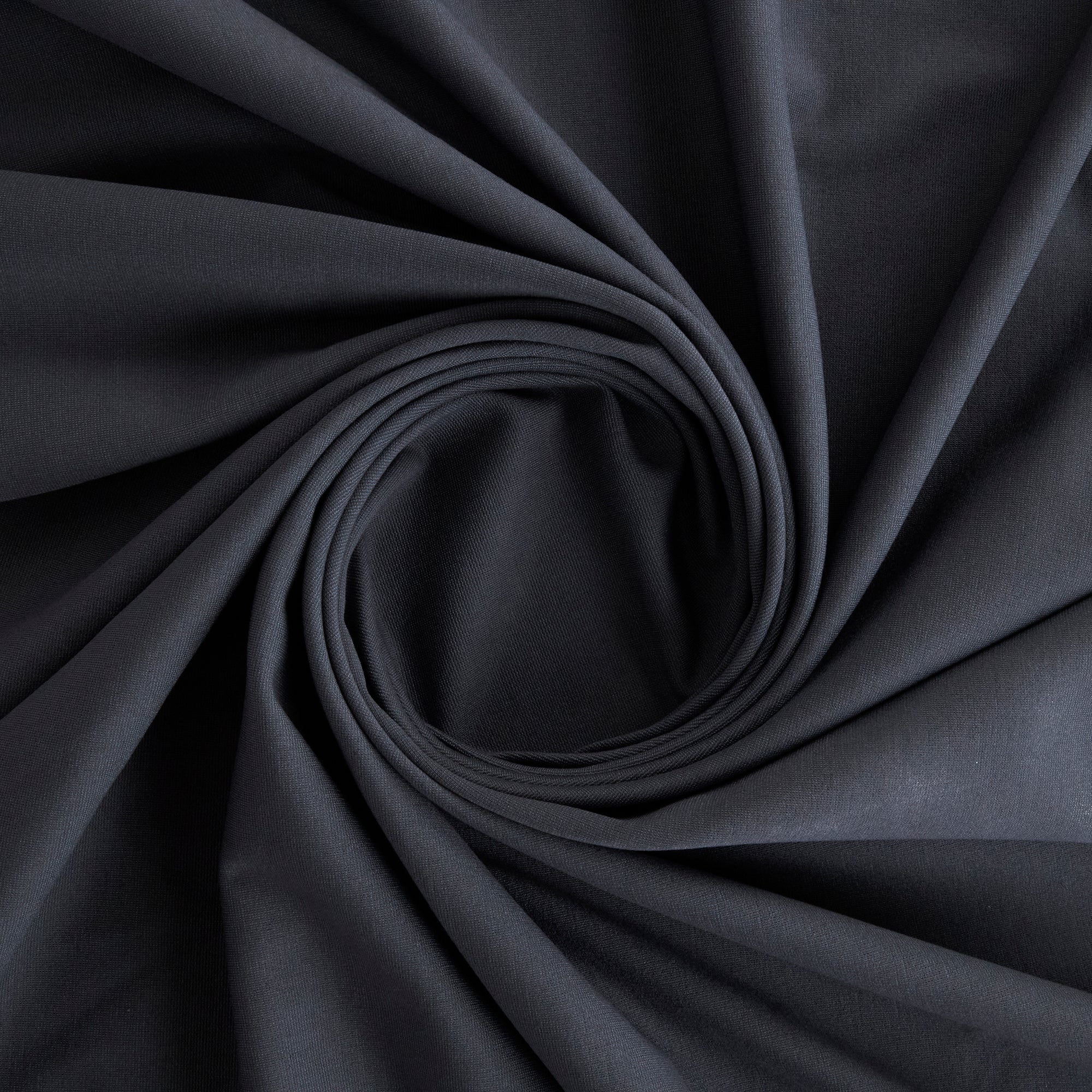
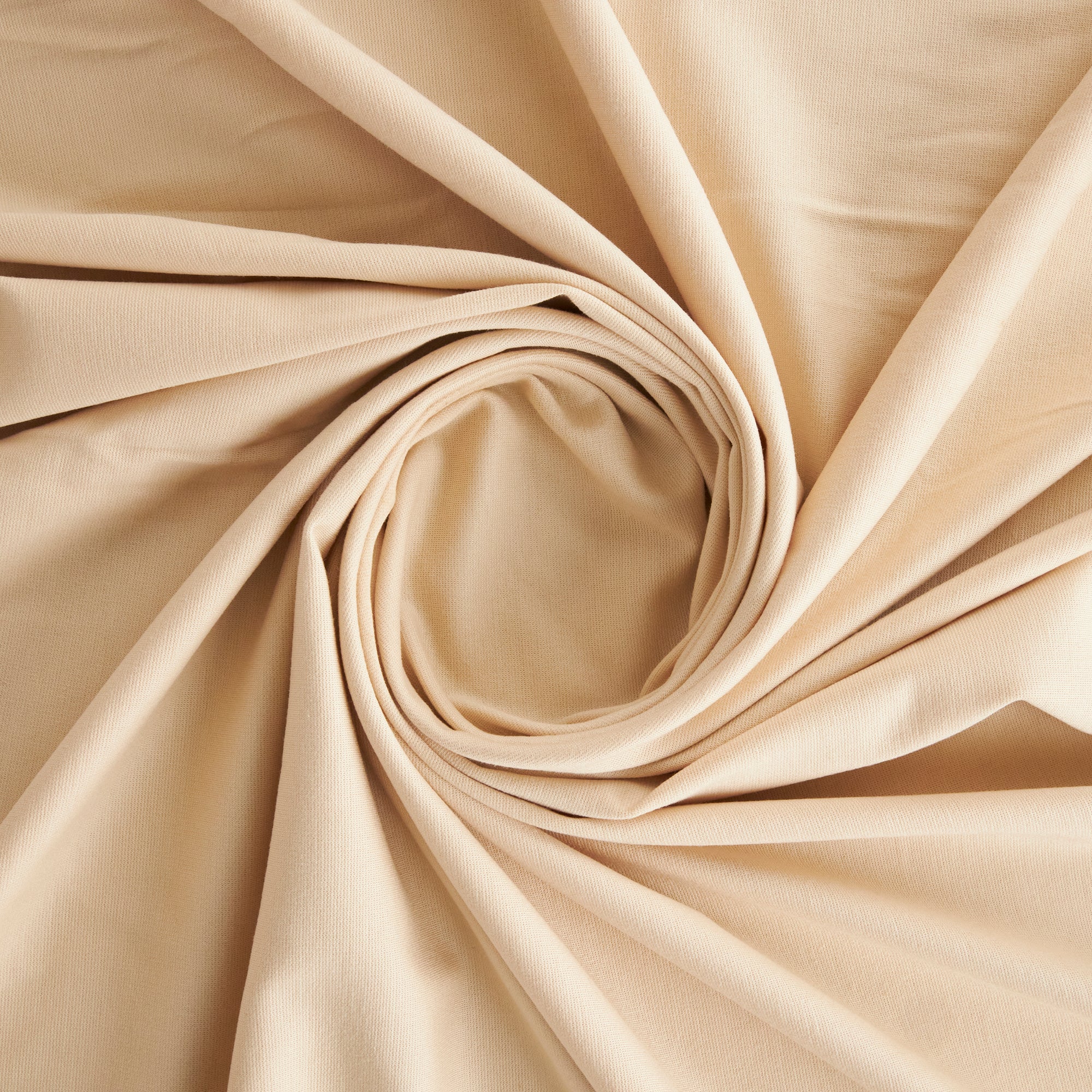
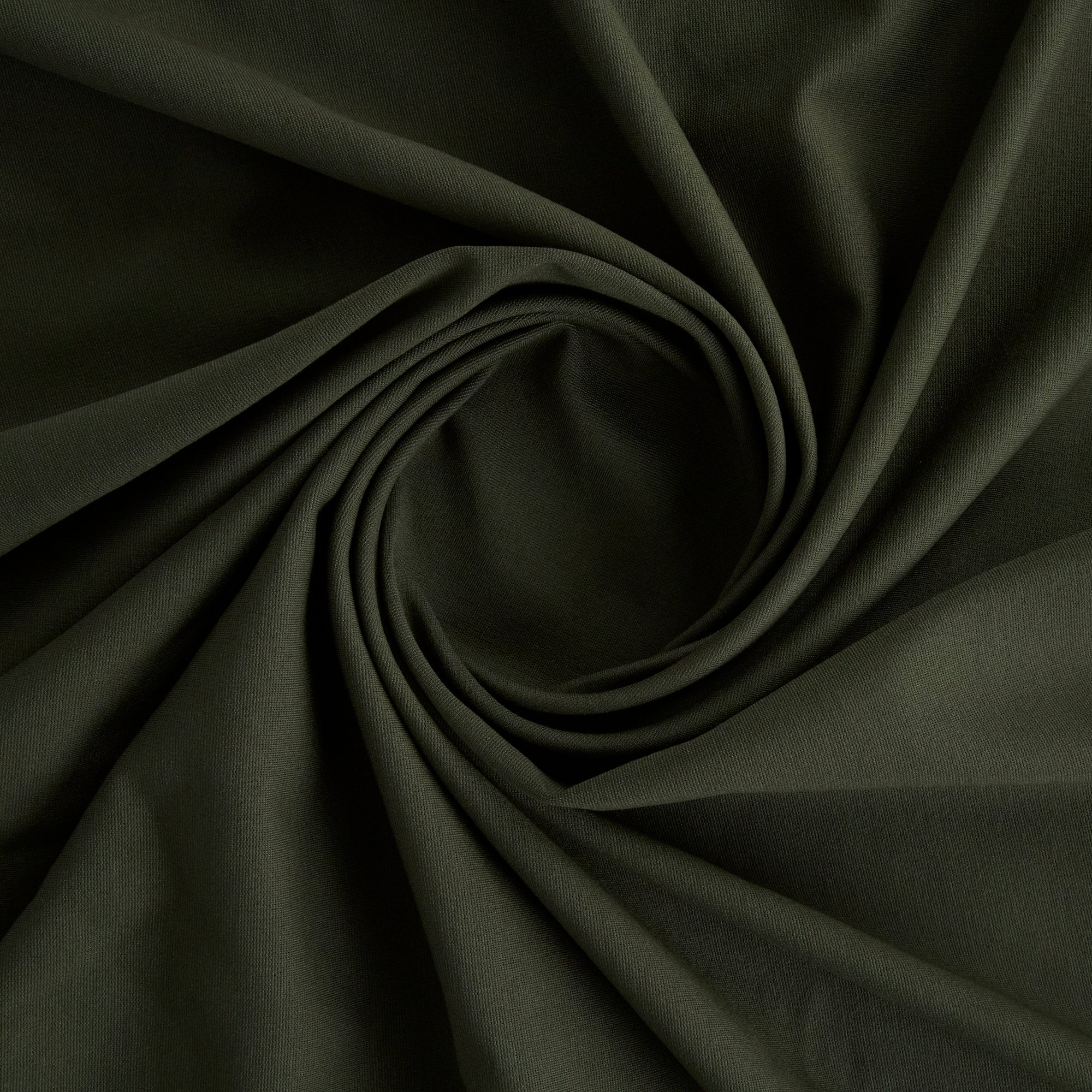
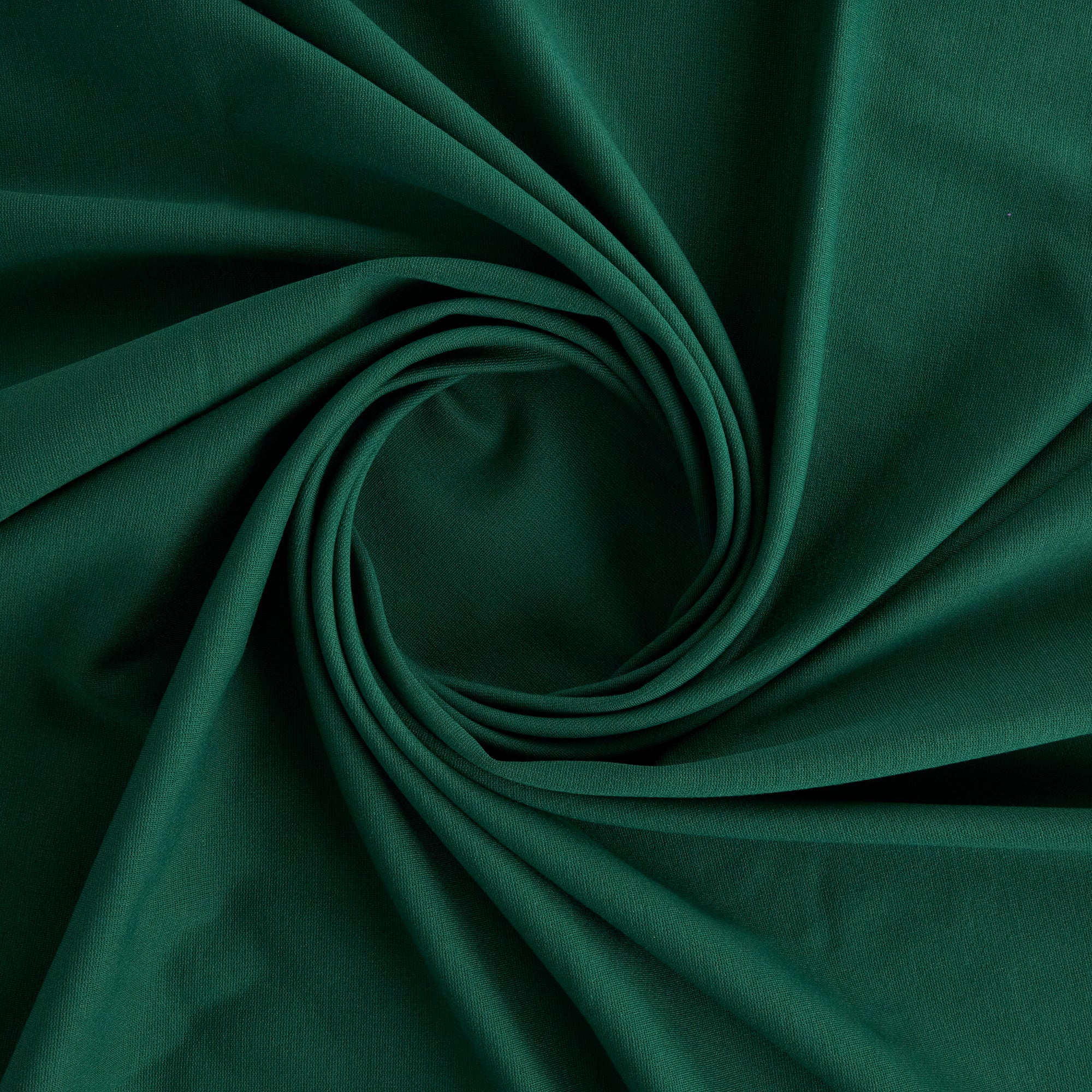
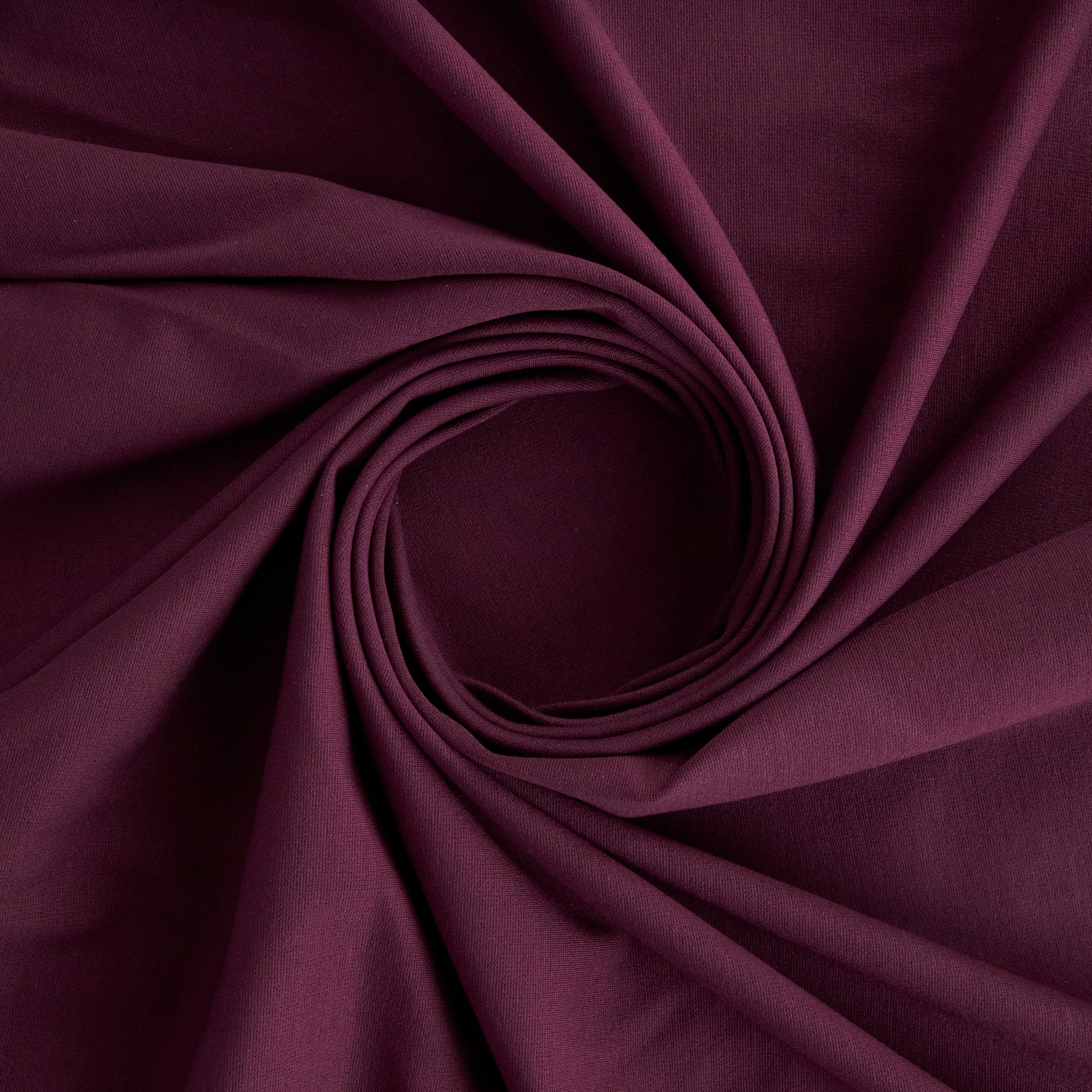
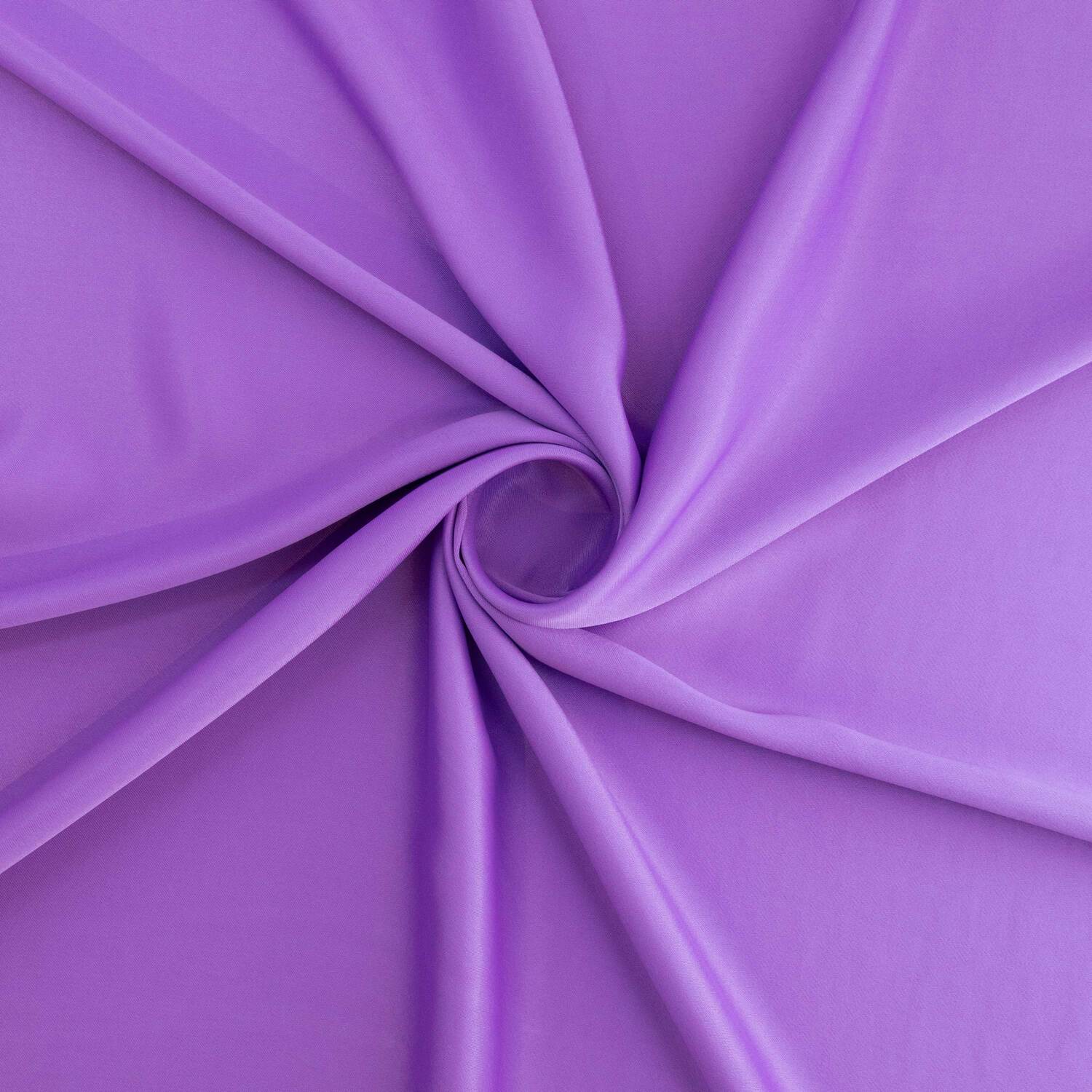
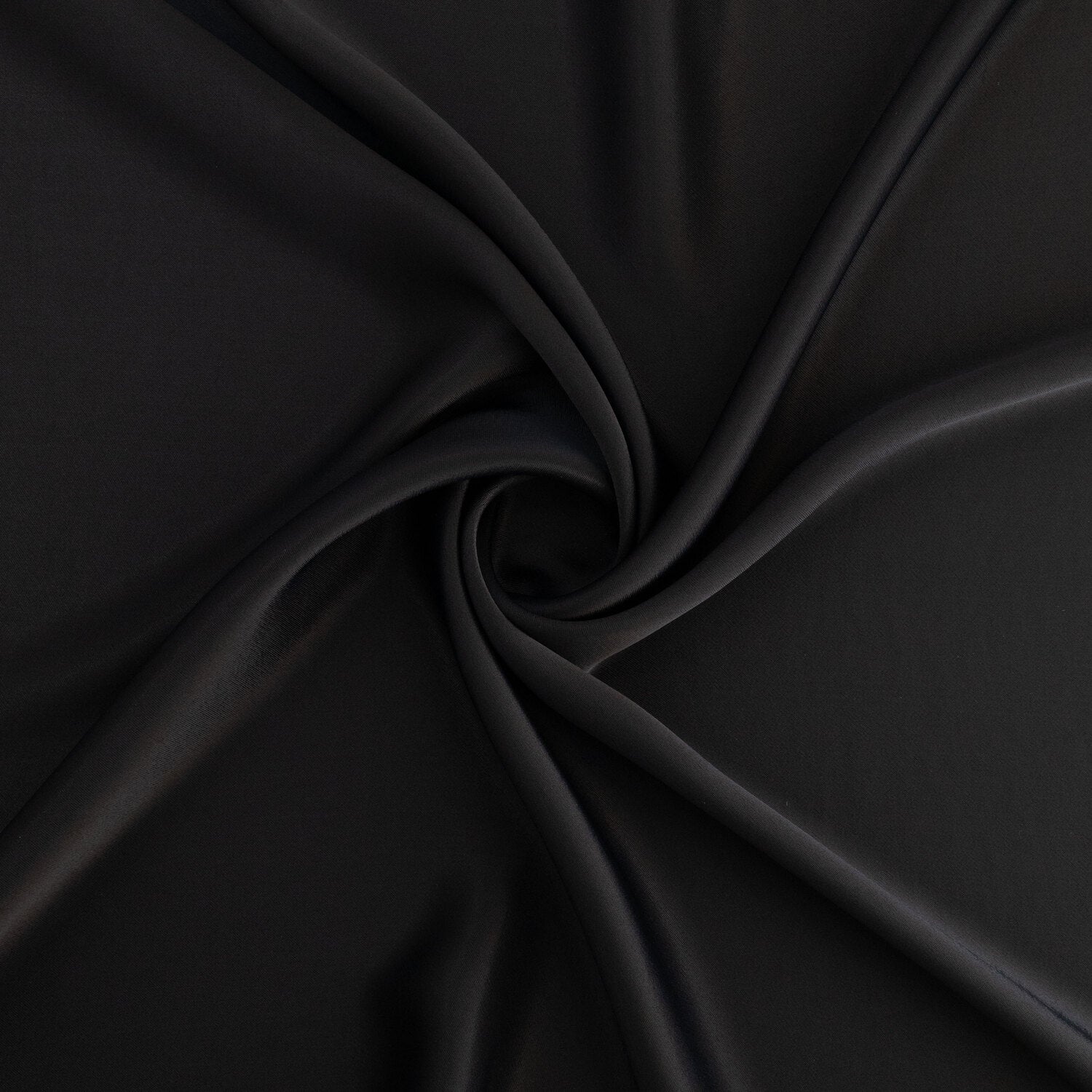
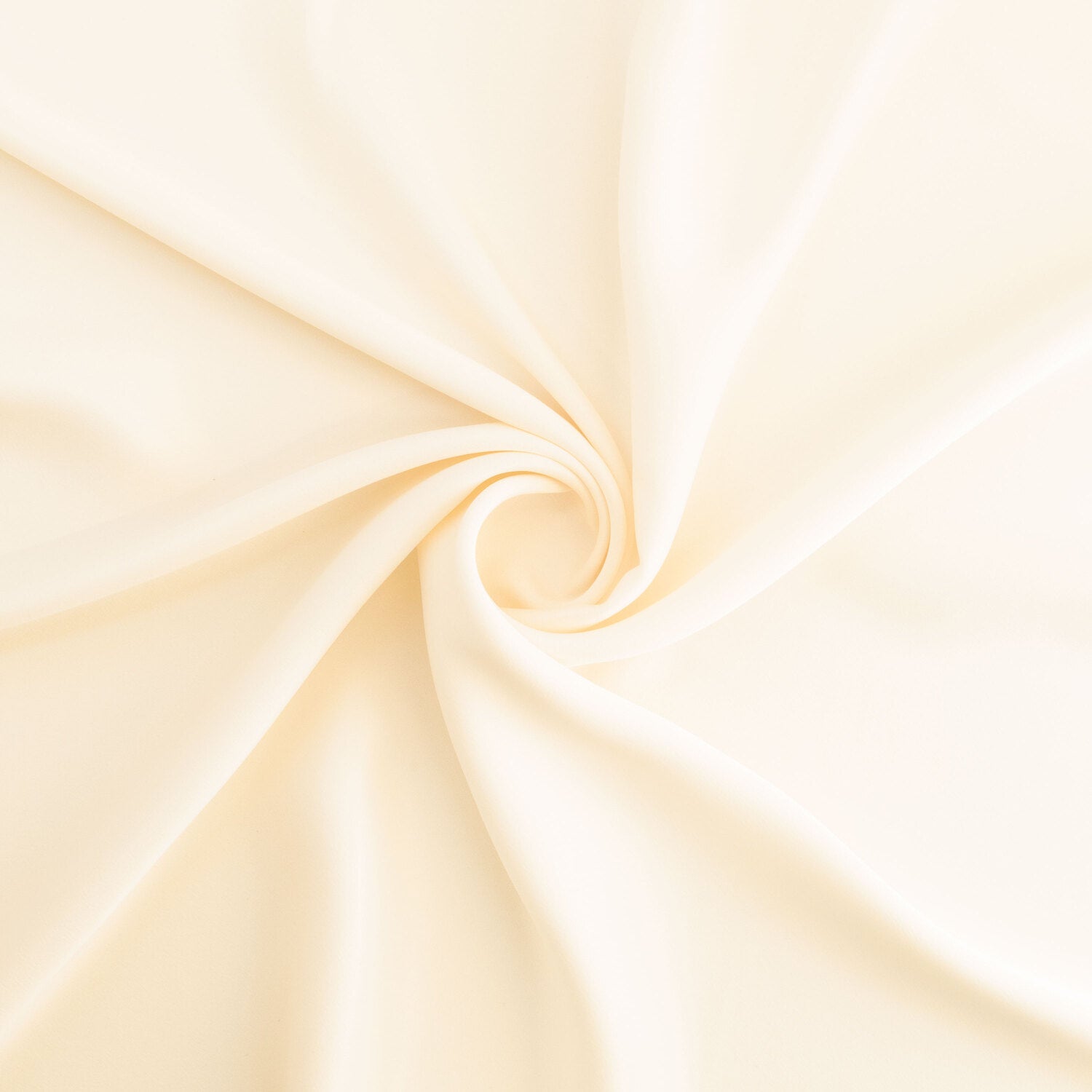
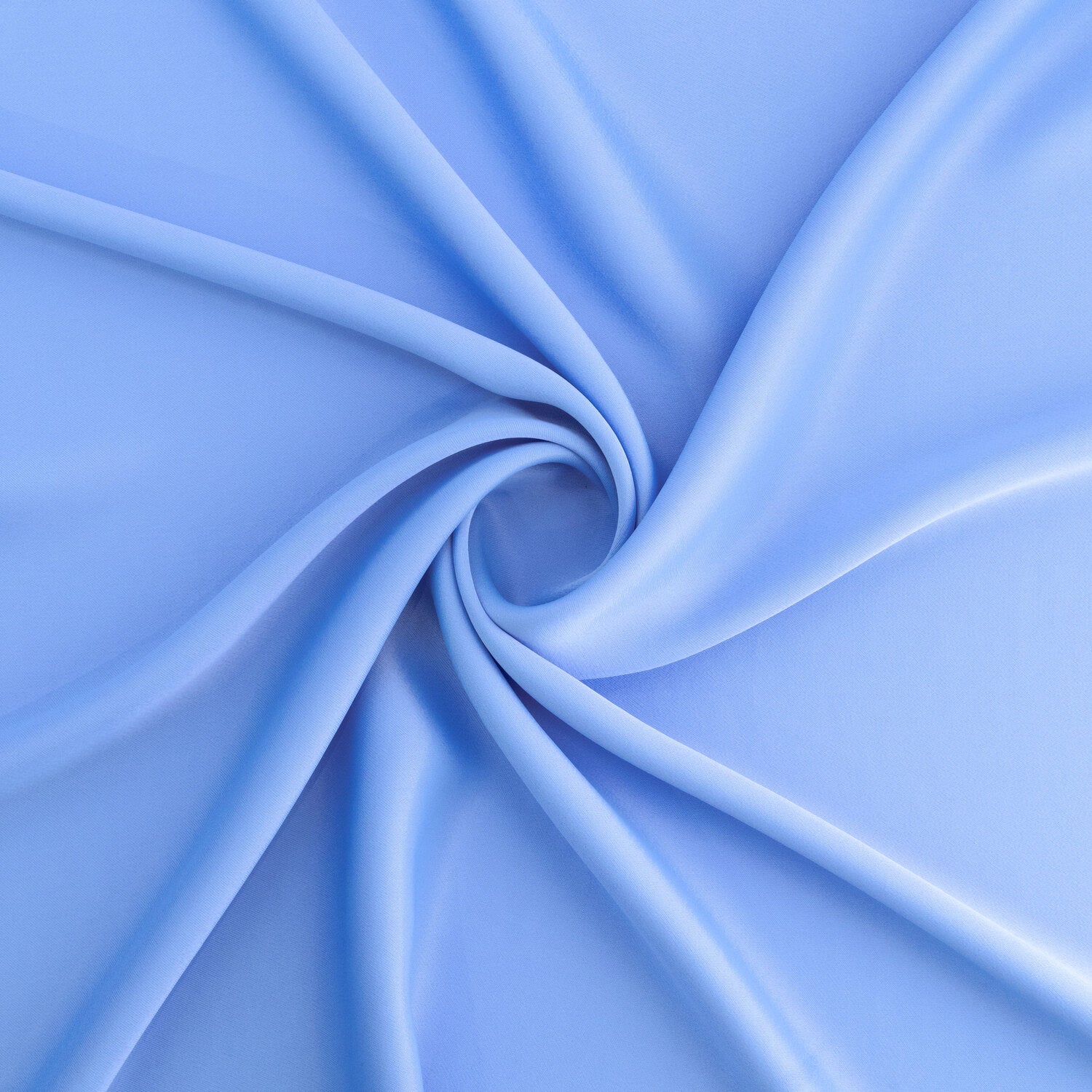
On the color side, viscose's exceptional dye absorption is genuinely one of its strongest selling points. The fiber accepts pigment deeply and evenly, which is why finished garments come out with that rich, saturated depth that photographs beautifully and reads well on the floor. That last point is exactly why Zelouf stocks viscose across an extensive color range, supporting both seasonal collections and custom dressmaking projects with shades that hold their intensity from bolt to finished piece.
Dresses and Skirts
Viscose's fluid drape and soft hand make it a reliable choice for wrap dresses, midi skirts, and relaxed silhouettes. Its natural breathability extends its usefulness into resort and spring/summer collections.
Blouses and Tops
Lightweight viscose weaves drape from the shoulder with minimal bulk, making them well suited to gathered or pleated blouse constructions. The silk-like surface sheen elevates simple cuts without requiring complex fabrication.
Linings and Underlayers
Viscose's smoothness against the skin makes it a practical lining choice for structured outerwear and tailored garments, offering a comfortable interior layer that slides easily over other fabrics.
Handling Viscose Fabric Shrinkage, Wrinkling, and Care Considerations
Before cutting into viscose, there are several essential preparation steps to address, from managing shrinkage and wrinkling to proper pressing techniques and setting up your cutting table for success.
Pre-Washing and Shrinkage
Viscose carries known tradeoffs that experienced buyers plan around from the cutting stage forward. The fiber is prone to shrinkage when exposed to water and heat, and it wrinkles more readily than polyester or blended alternatives. For production work, pre-washing yardage before cutting is standard practice. For finished garments, a dry-clean or gentle cold-wash instruction on the care label will protect hand feel and dimensions over time.
Pressing and Heat
- When pressing, keep the iron on a low setting and always use a press cloth between the iron and the fabric face.
- Direct heat will flatten the pile on textured viscose and can leave permanent shine marks on smoother weaves.
- Steam should be applied with restraint, since too much moisture reactivates the shrinkage issue you already pre-washed out.
Cutting Table Best Practices
On the cutting table, viscose shifts and slides, so reach for a sharp rotary cutter or freshly sharpened shears rather than dull blades that drag and distort. Pattern weights outperform pins here because pins can leave visible holes and allow the fabric to creep during cutting. If these handling demands feel like too much for a particular project or production run, consider a viscose-blend. A construction with five to ten percent elastane or a polyester component adds dimensional stability, reduces wrinkling, and makes the fabric considerably more forgiving through both construction and repeated wear.
For home sewers and independent designers sourcing viscose by the yard, Zelouf's team can advise on appropriate seam allowances and stabilizer choices to support the fabric's fluid structure through construction.
Buy Viscose Fabric Wholesale from Zelouf Fabrics
Zelouf Fabrics is a third-generation, family-owned wholesaler headquartered in NYC's Garment District, trusted by major retailers including Macy's, Nordstrom, and Target for over 35 years. The $20 minimum order and free shipping on orders over $99 make wholesale viscose accessible whether you are sampling for a new collection or cutting full production yardage. Browse the collection above and contact our team for guidance on color availability and bulk pricing.
Frequently Asked Questions
Is viscose fabric good for dressmaking?
Yes. Viscose is one of the most widely used fabrics in dressmaking precisely because of its fluid drape, soft hand feel, and breathability. It performs well in wrap dresses, midi skirts, and gathered blouses, and its ability to accept rich, even color makes it a strong choice across seasonal collections. The main considerations are its tendency to shift during cutting and its sensitivity to heat and water, both of which experienced sewers manage with straightforward prep work.
Does viscose fabric shrink when washed?
It can. Viscose is prone to shrinkage when exposed to water and heat, particularly in the first wash. For production yardage, pre-washing before cutting is standard practice. For finished garments, a gentle cold-water hand wash or dry-clean care instruction will protect the fabric's dimensions and hand feel over repeated wearings.
What is the difference between viscose and rayon?
In most practical contexts, viscose and rayon refer to the same fiber. Both are regenerated cellulose fibers produced from wood pulp, and the terms are used interchangeably across the textile trade. Regional naming conventions account for most of the difference: viscose is the more common term in Europe and among wholesale buyers, while rayon is used more frequently in North American retail. The performance characteristics, care requirements, and workroom behavior are the same.
How do I sew viscose without it slipping?
The key is controlling the fabric before and during cutting. Use pattern weights instead of pins to hold pieces in place, and cut with a sharp rotary cutter or freshly sharpened shears. Cutting a single layer at a time improves accuracy on slippery weights. At the machine, a walking foot or a fine needle (size 70/10 or 75/11) helps the fabric feed evenly without distortion. A light spray starch or tissue paper under the fabric during cutting can also reduce movement on particularly fluid weights.
Can I buy viscose fabric wholesale from Zelouf Fabrics?
Yes. Zelouf Fabrics offers viscose by the yard at wholesale pricing, with a $20 minimum order and free shipping on orders over $99. As a third-generation family-owned wholesaler with over 35 years of experience in NYC's Garment District, Zelouf supplies both large-scale garment manufacturers and independent designers. Browse the collection above or contact the team directly for guidance on color availability, bulk pricing, and fabric specifications.