
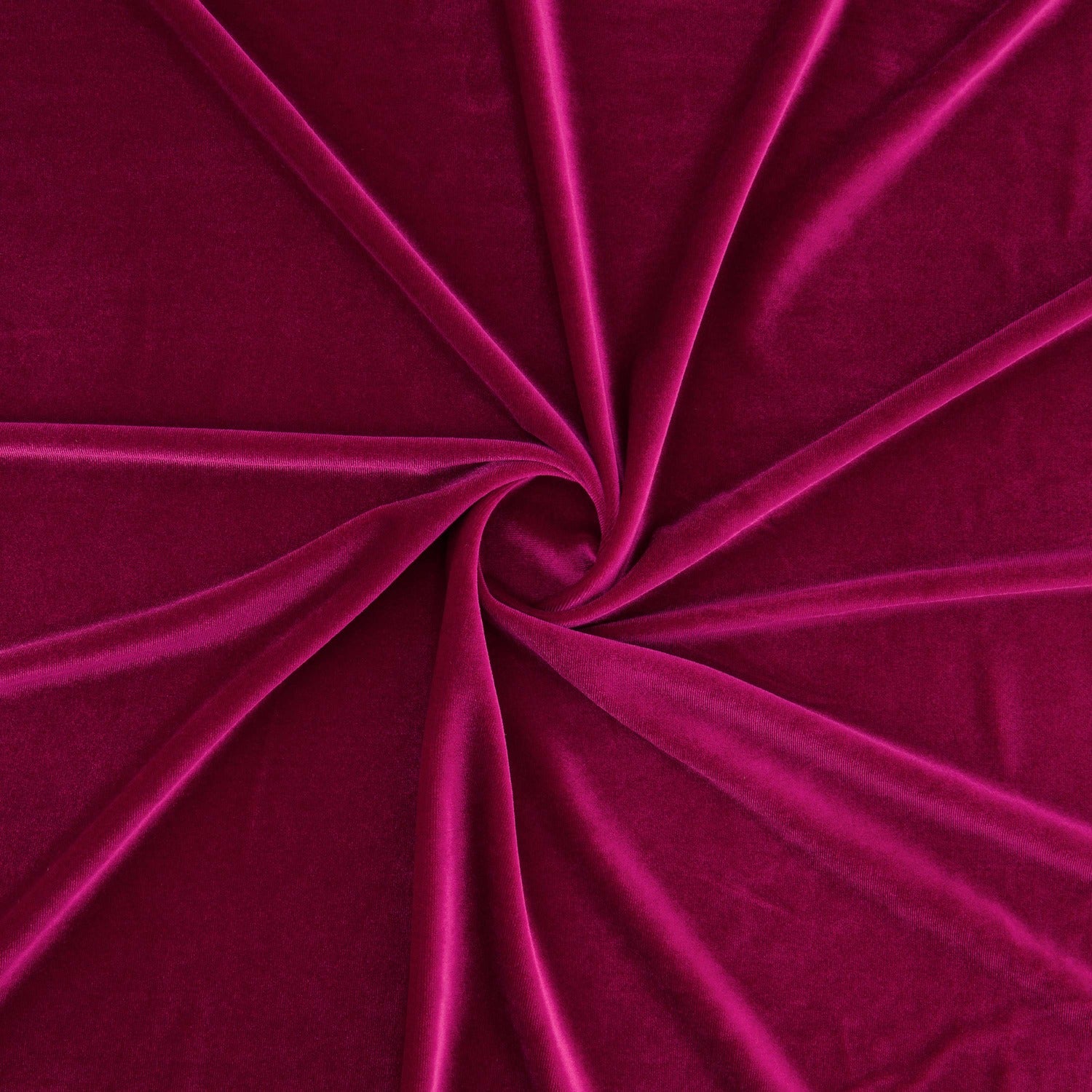
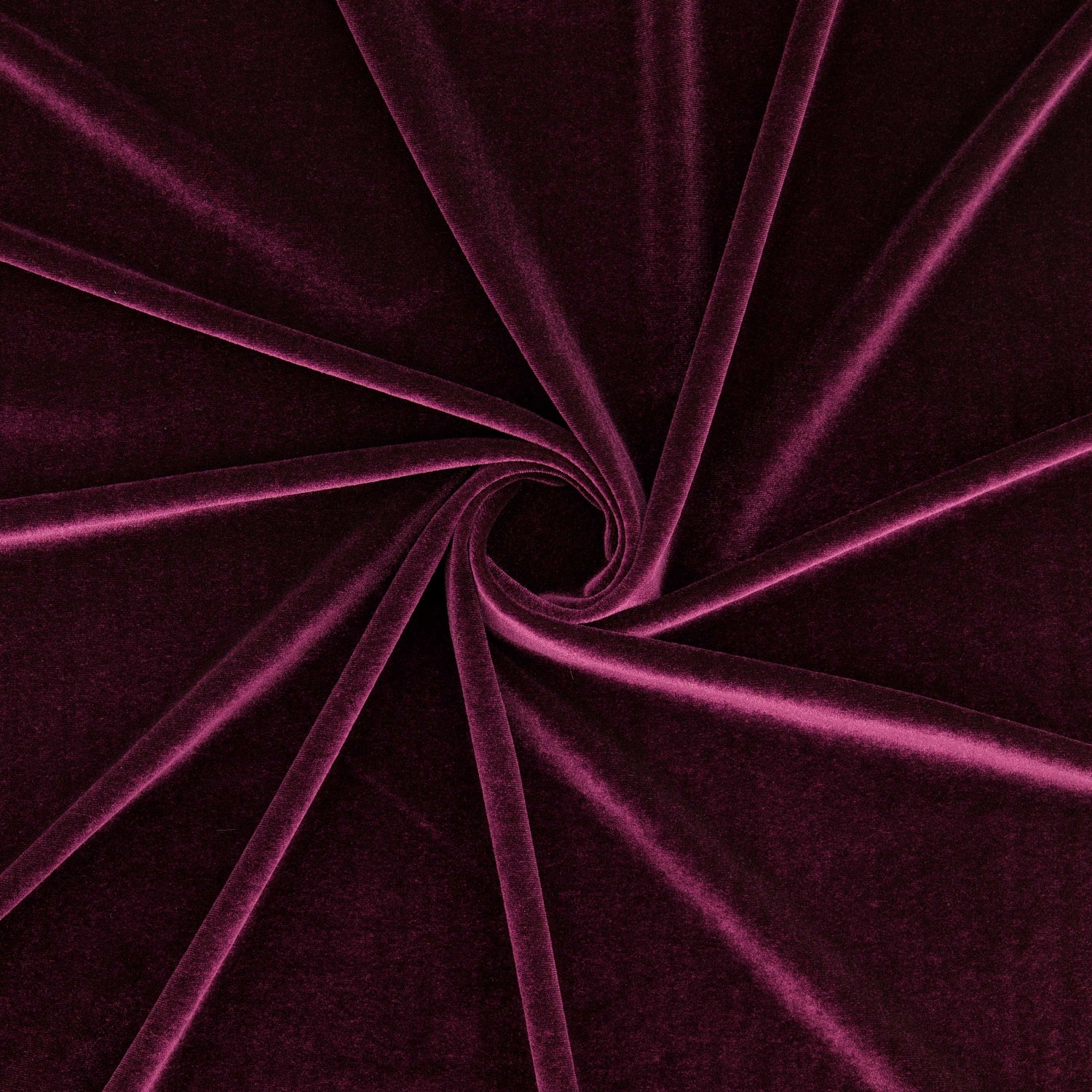
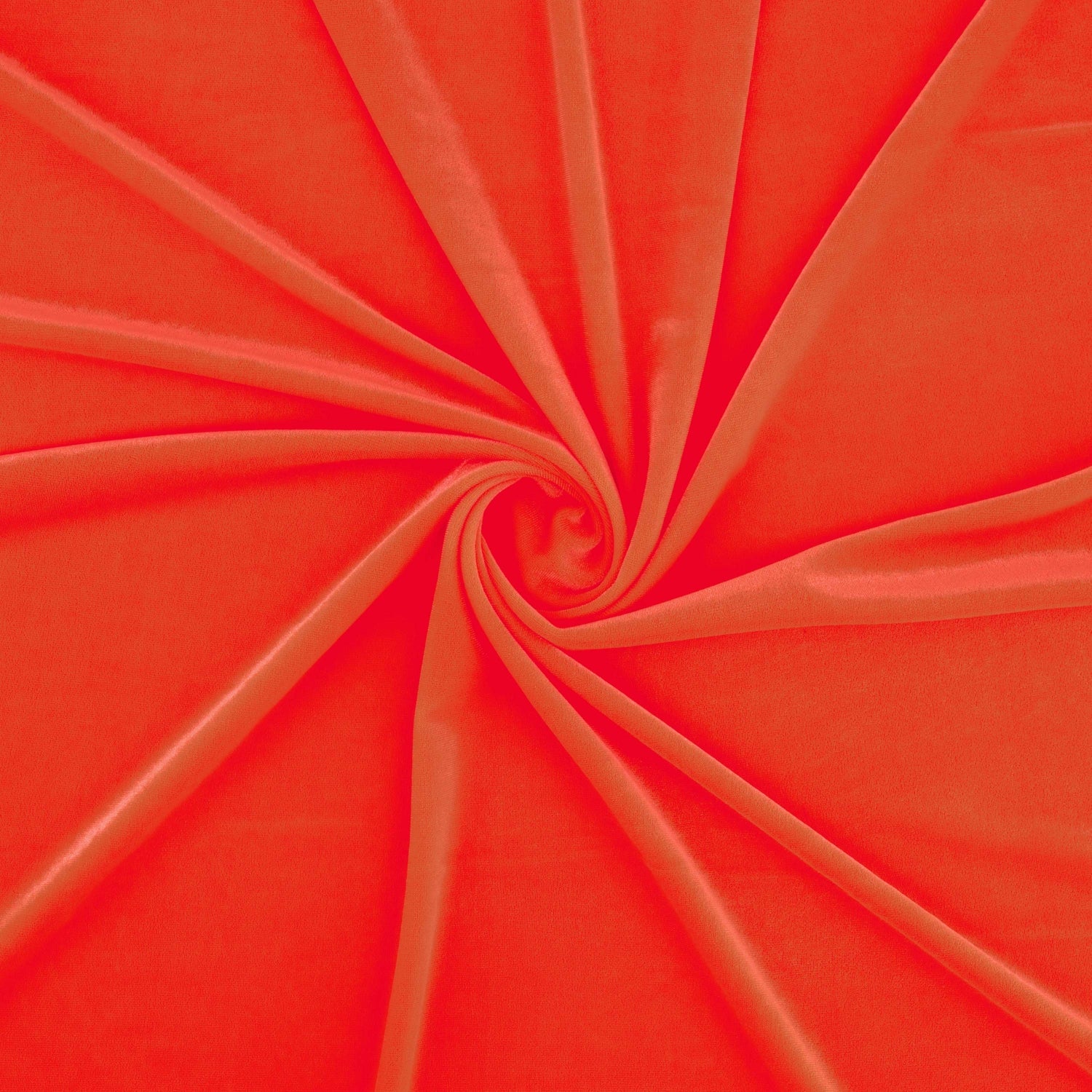
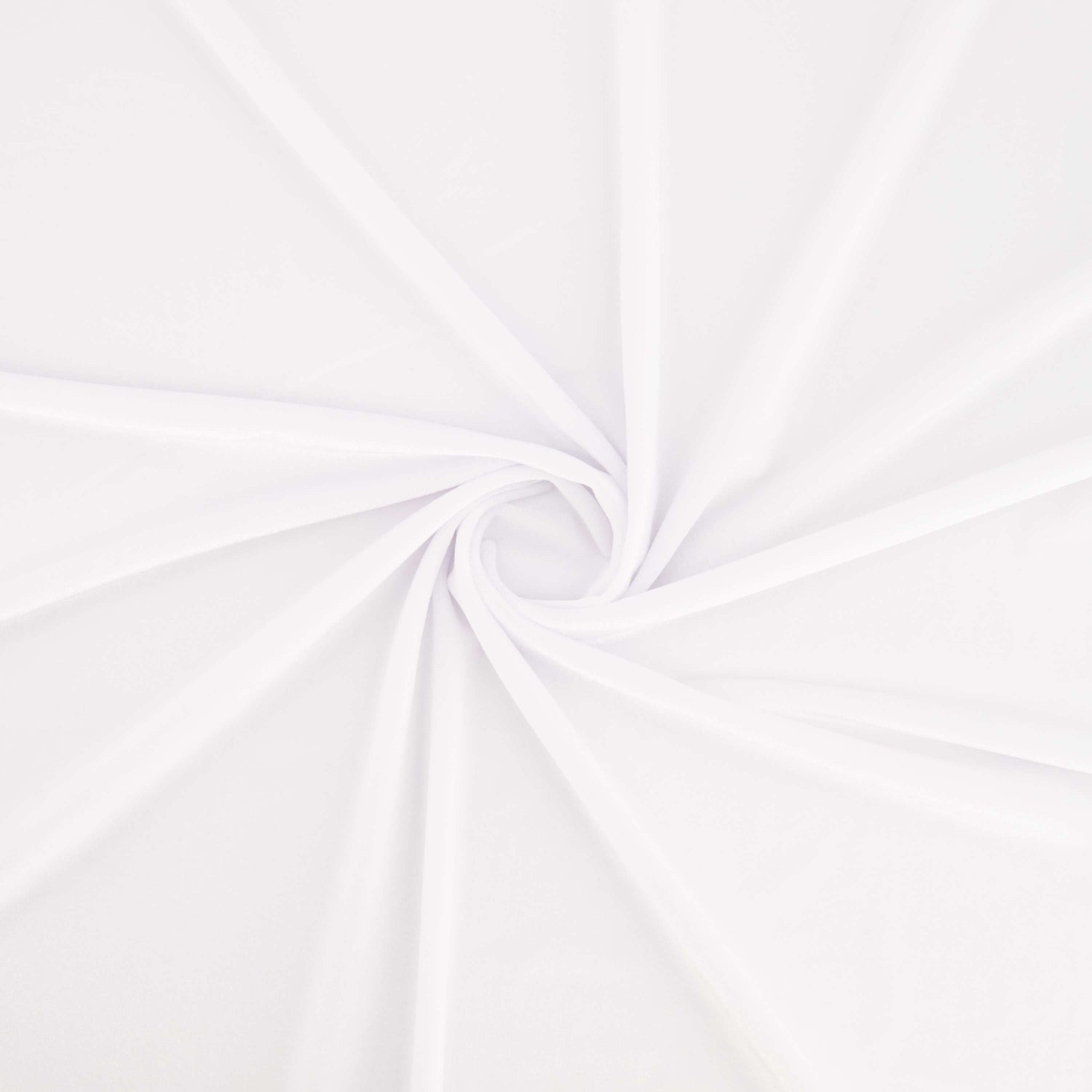

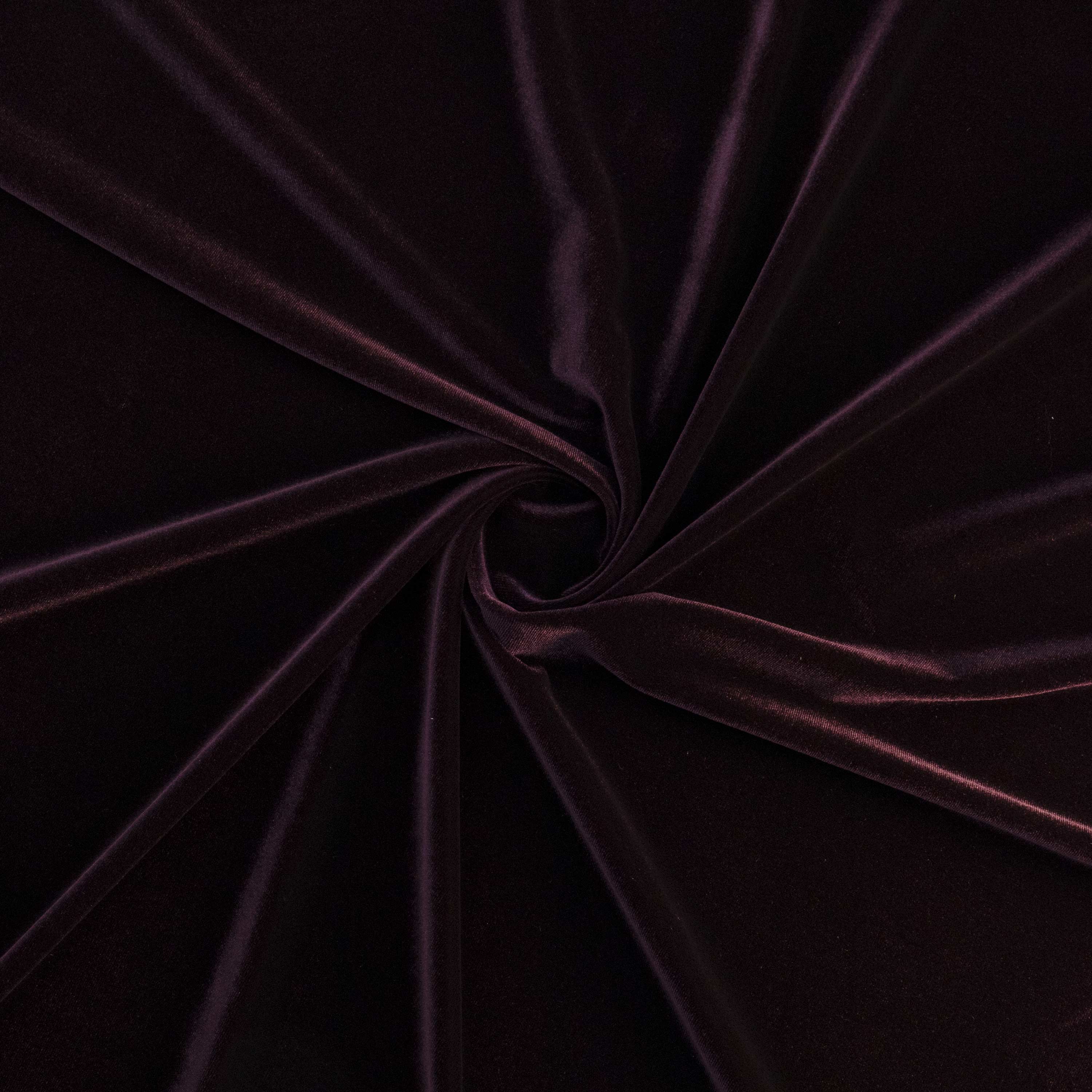
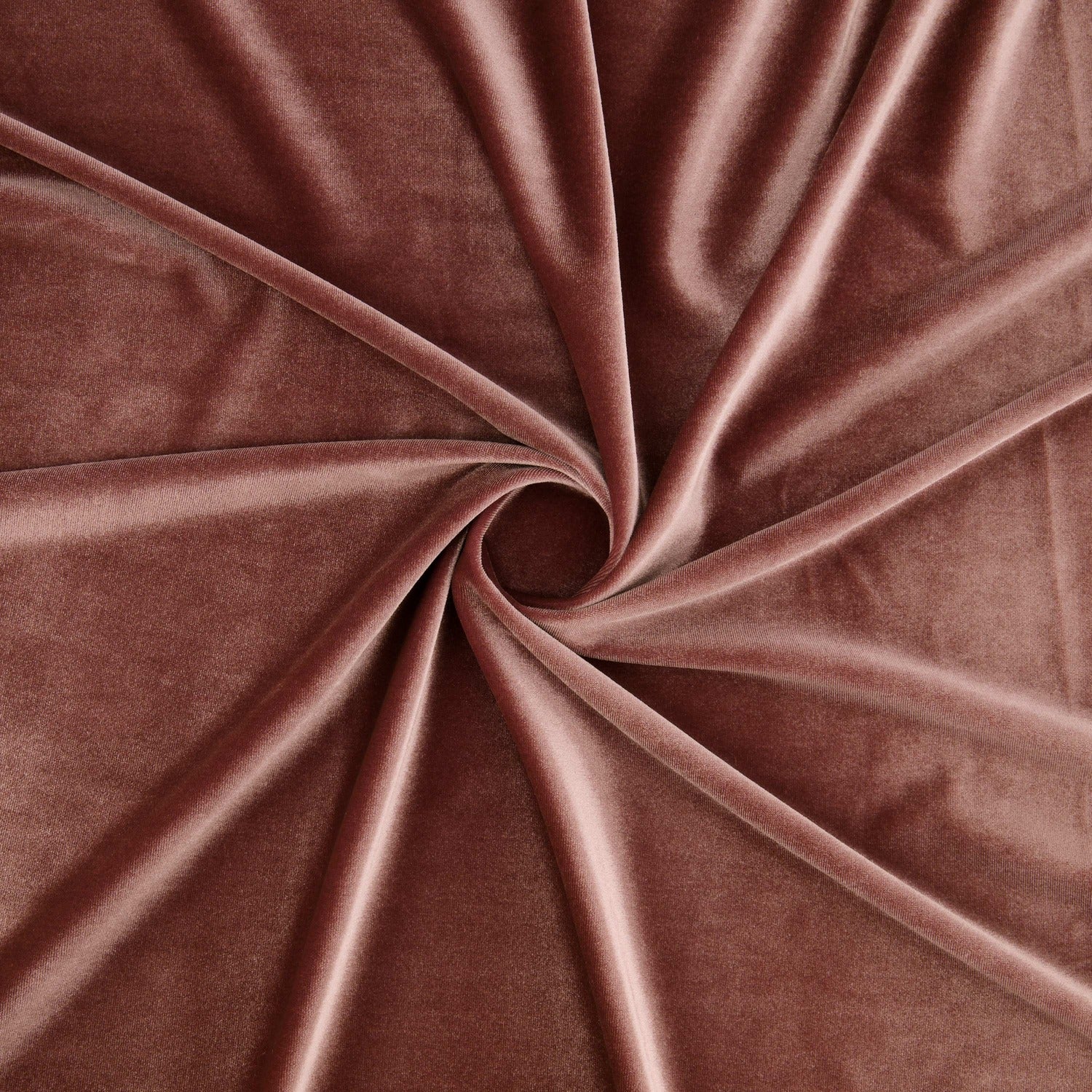
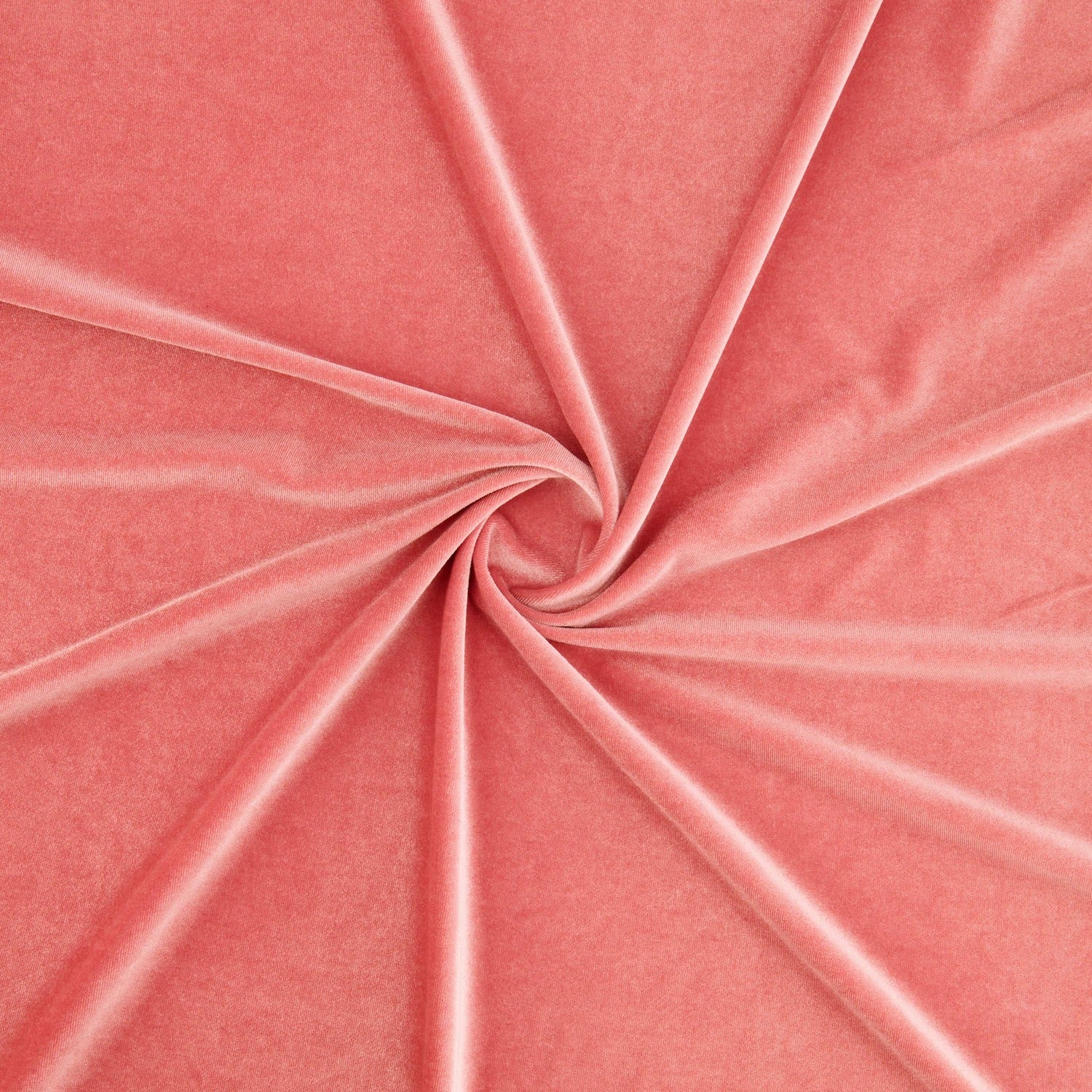
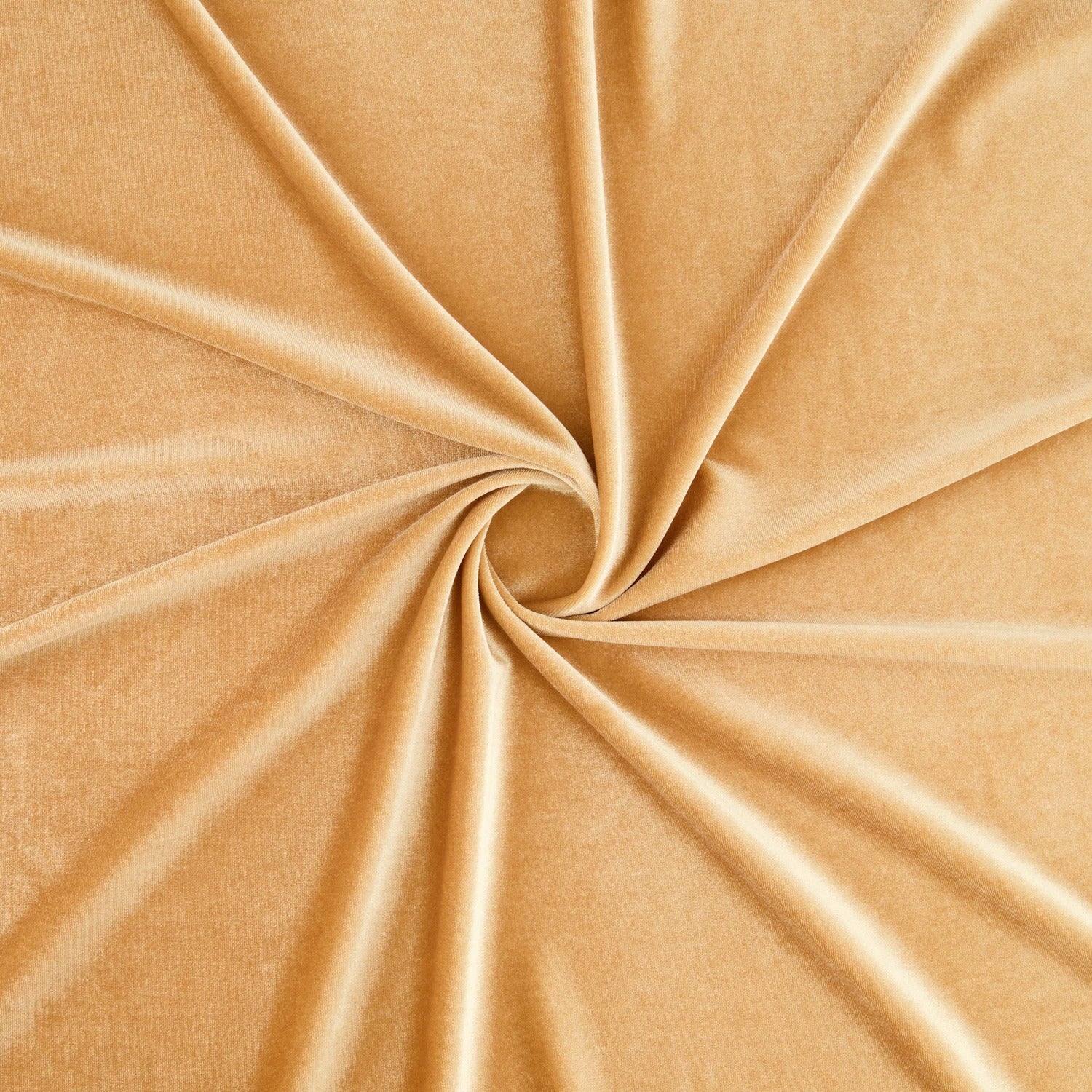
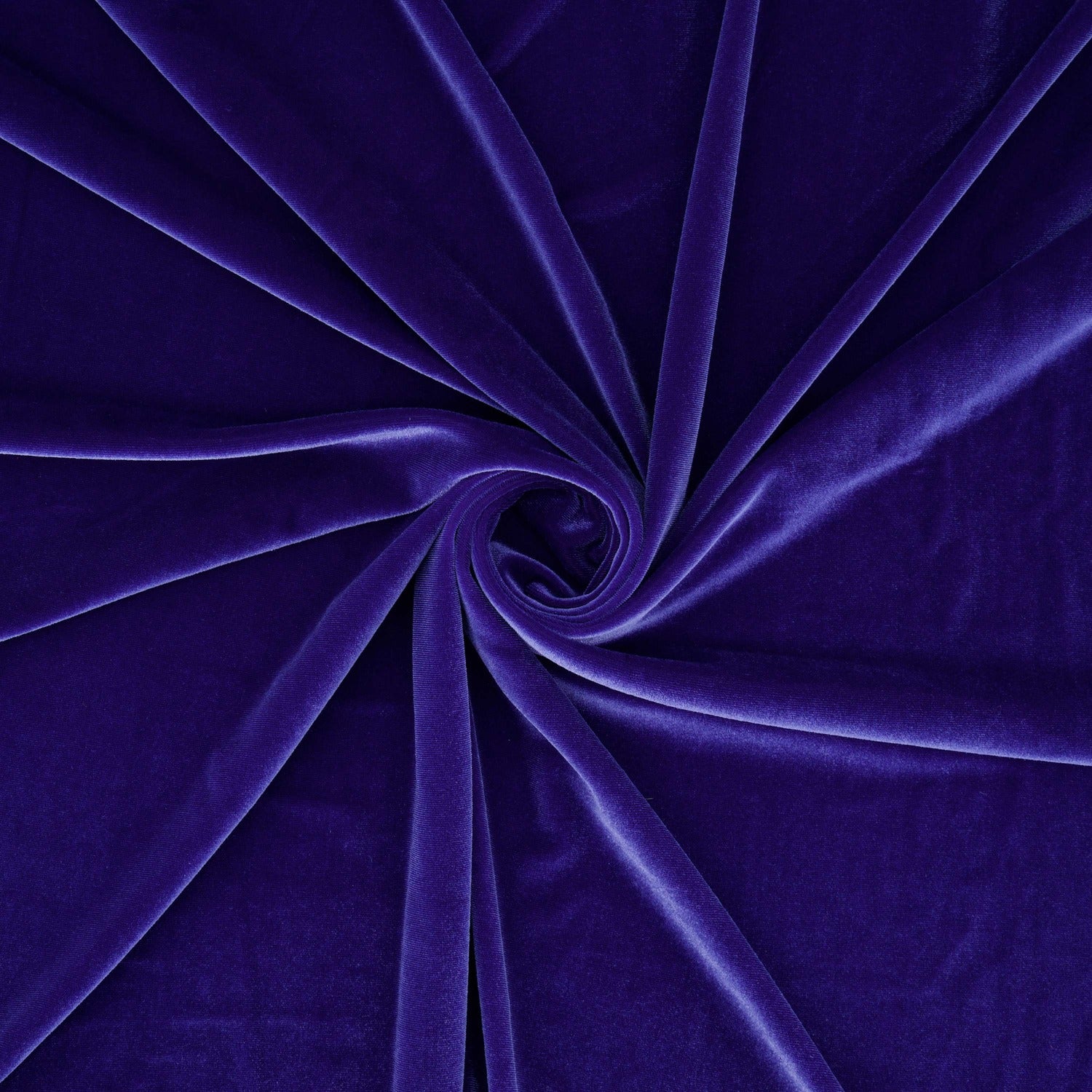

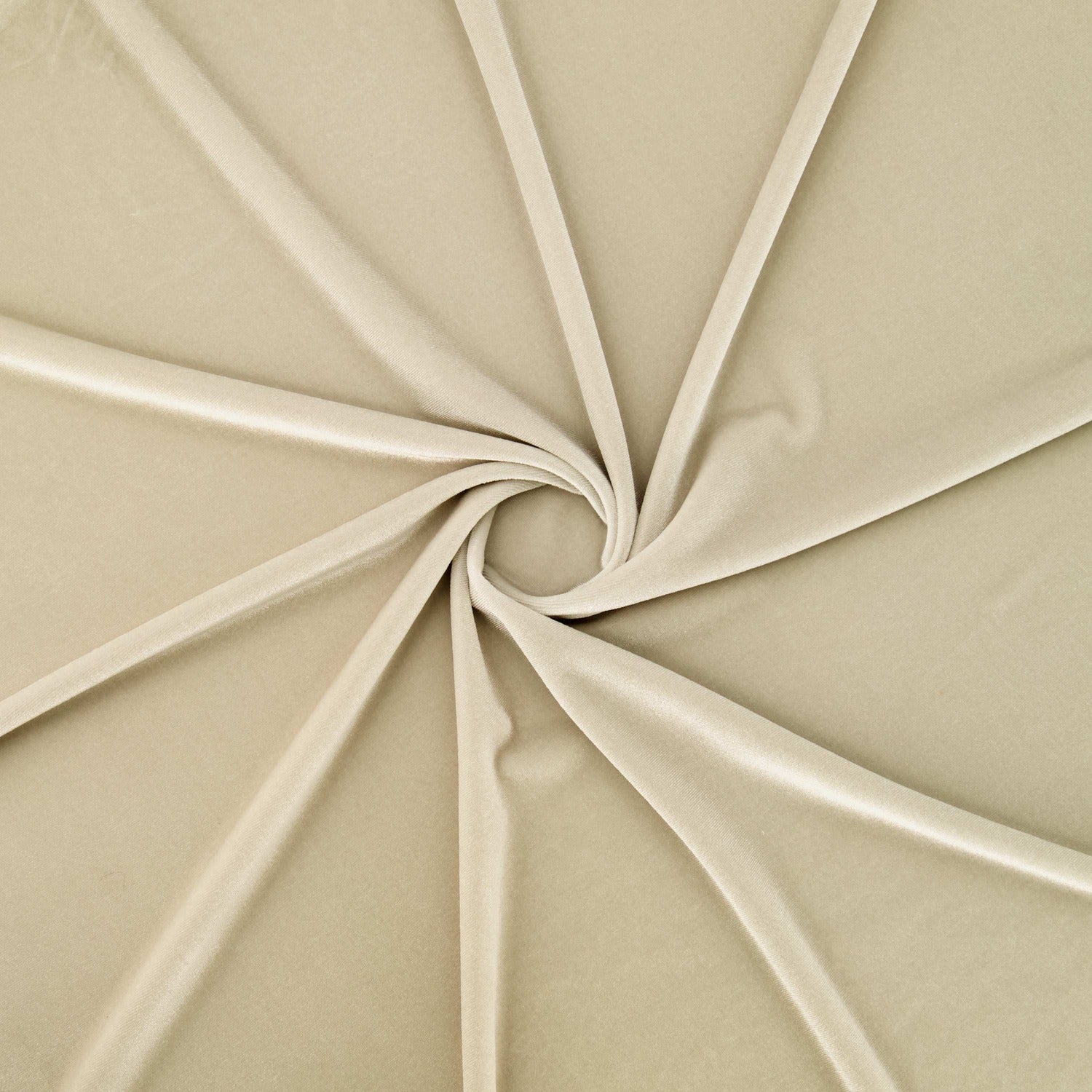
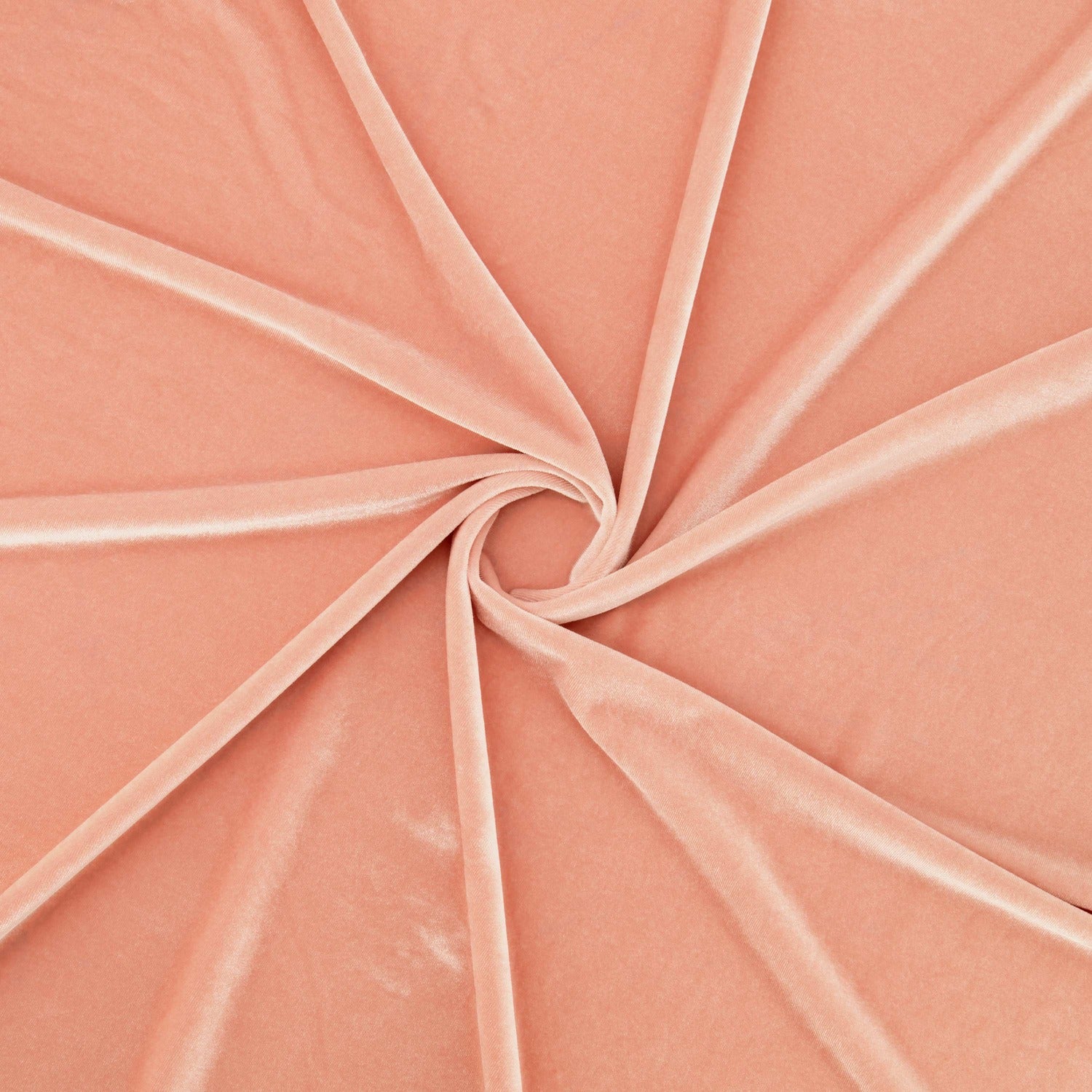
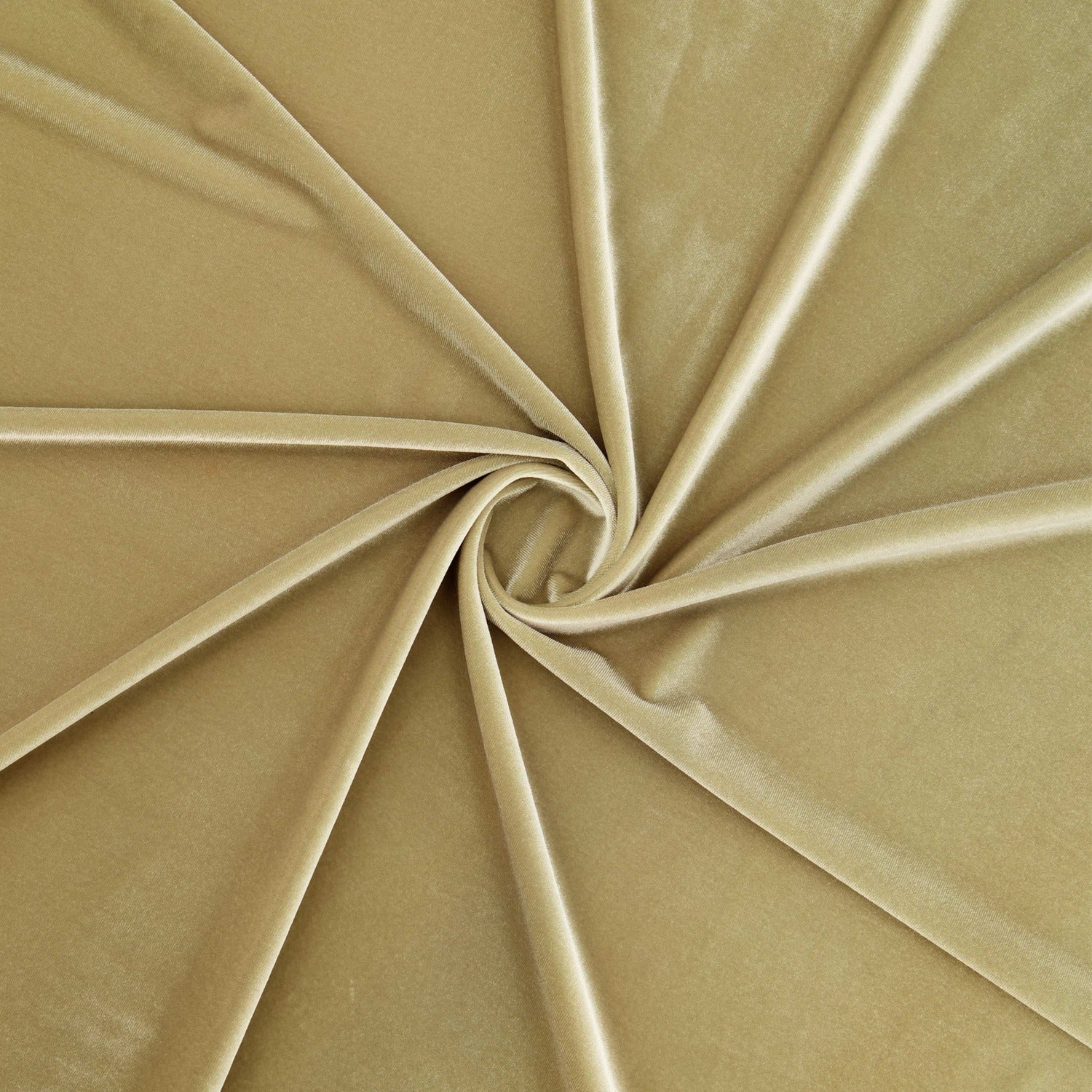

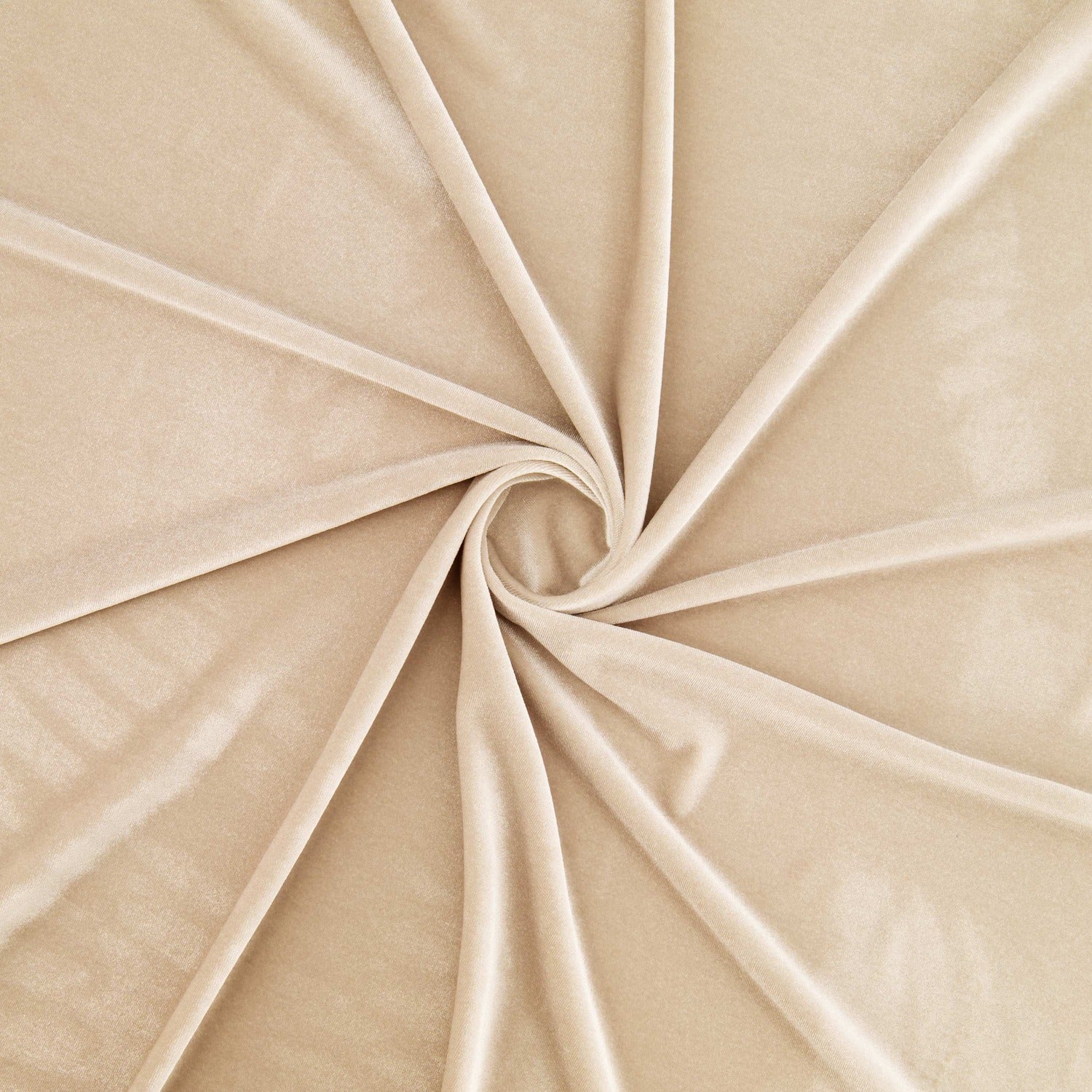
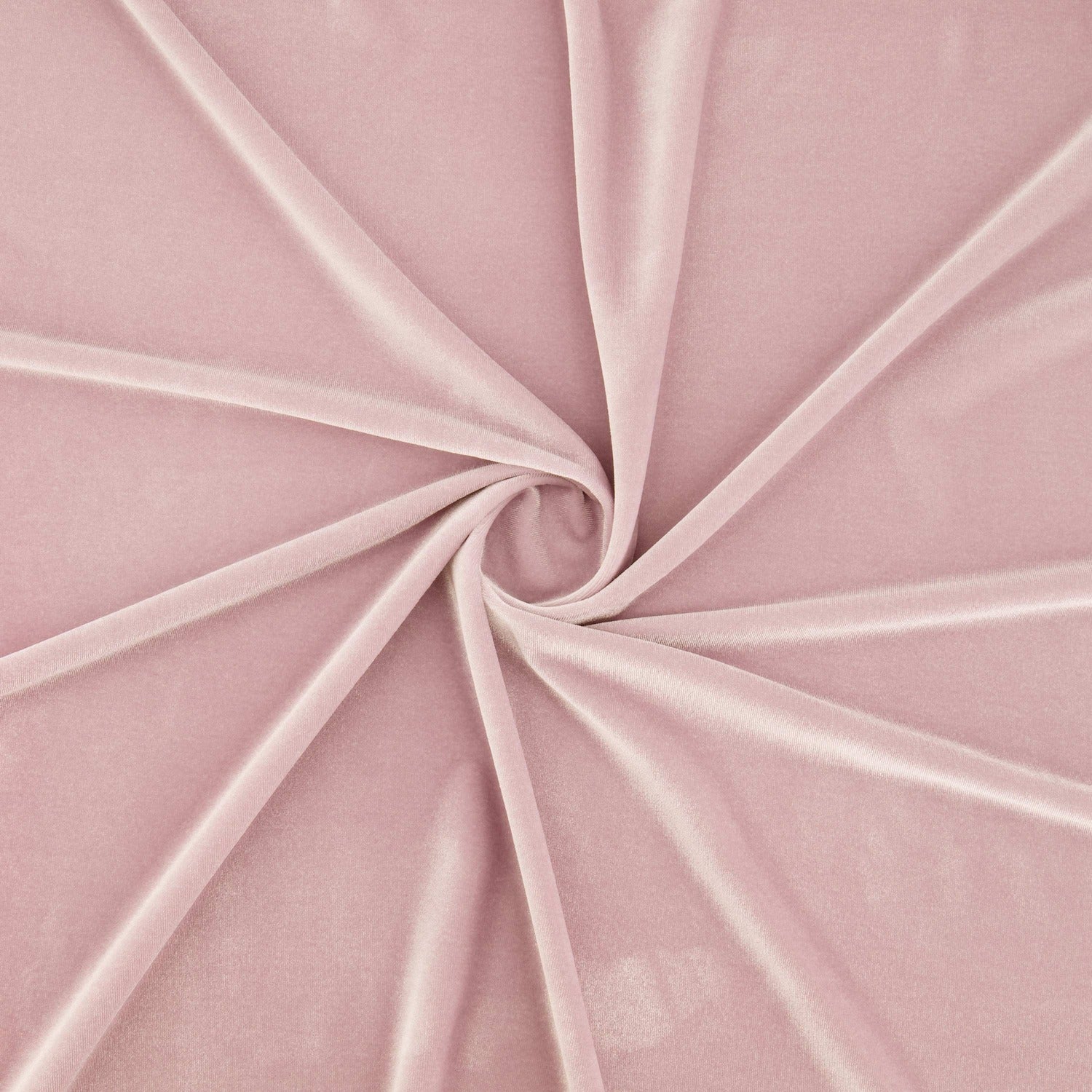
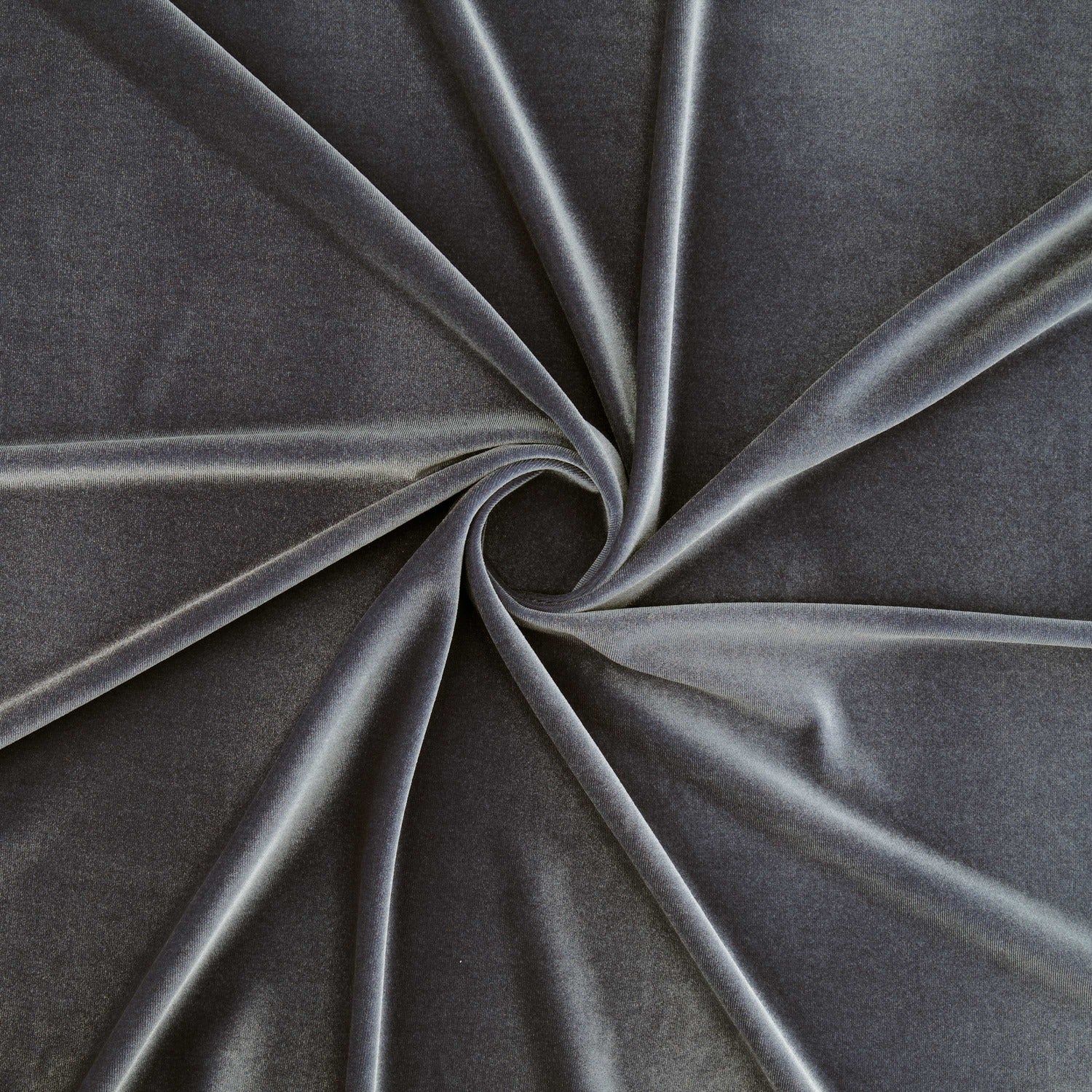
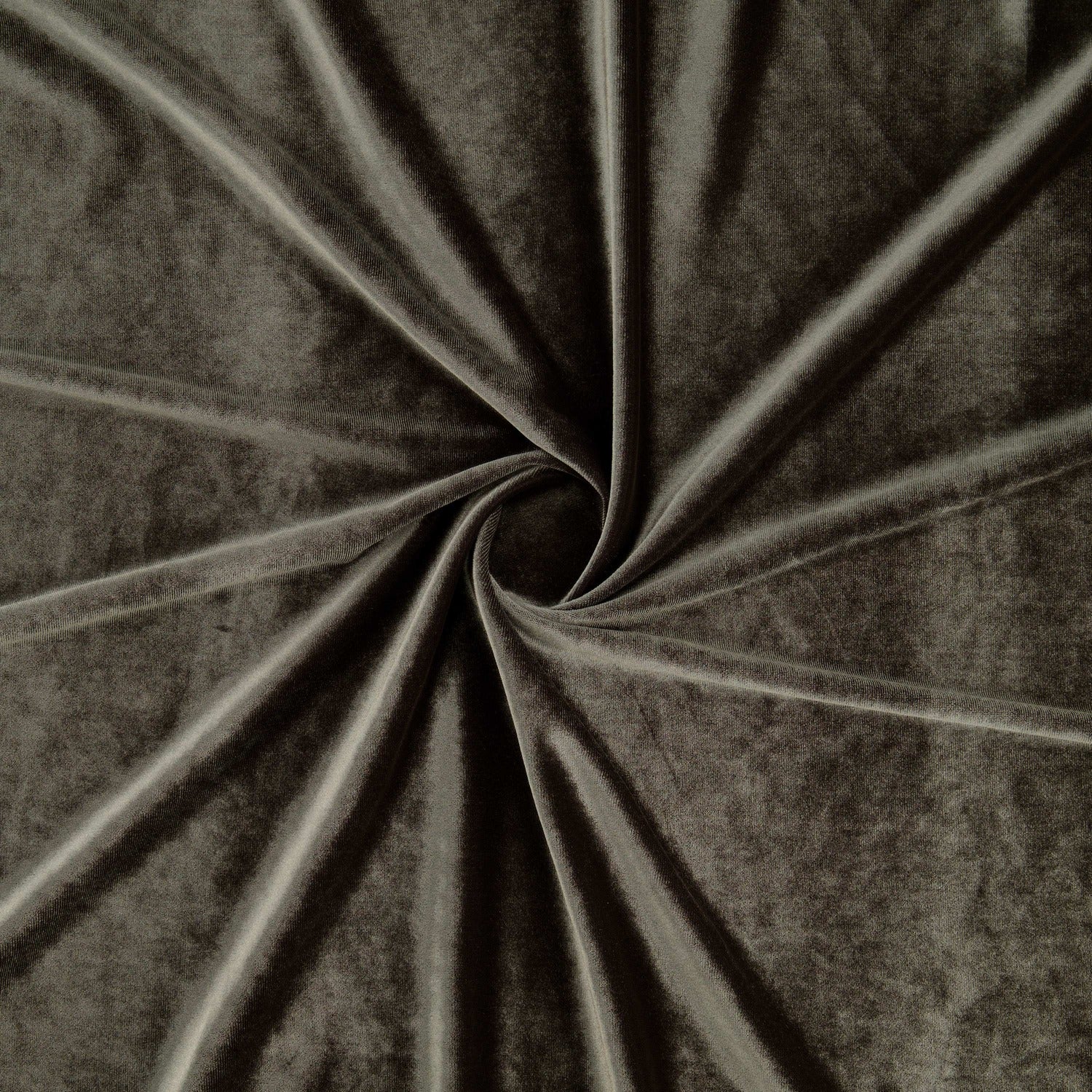
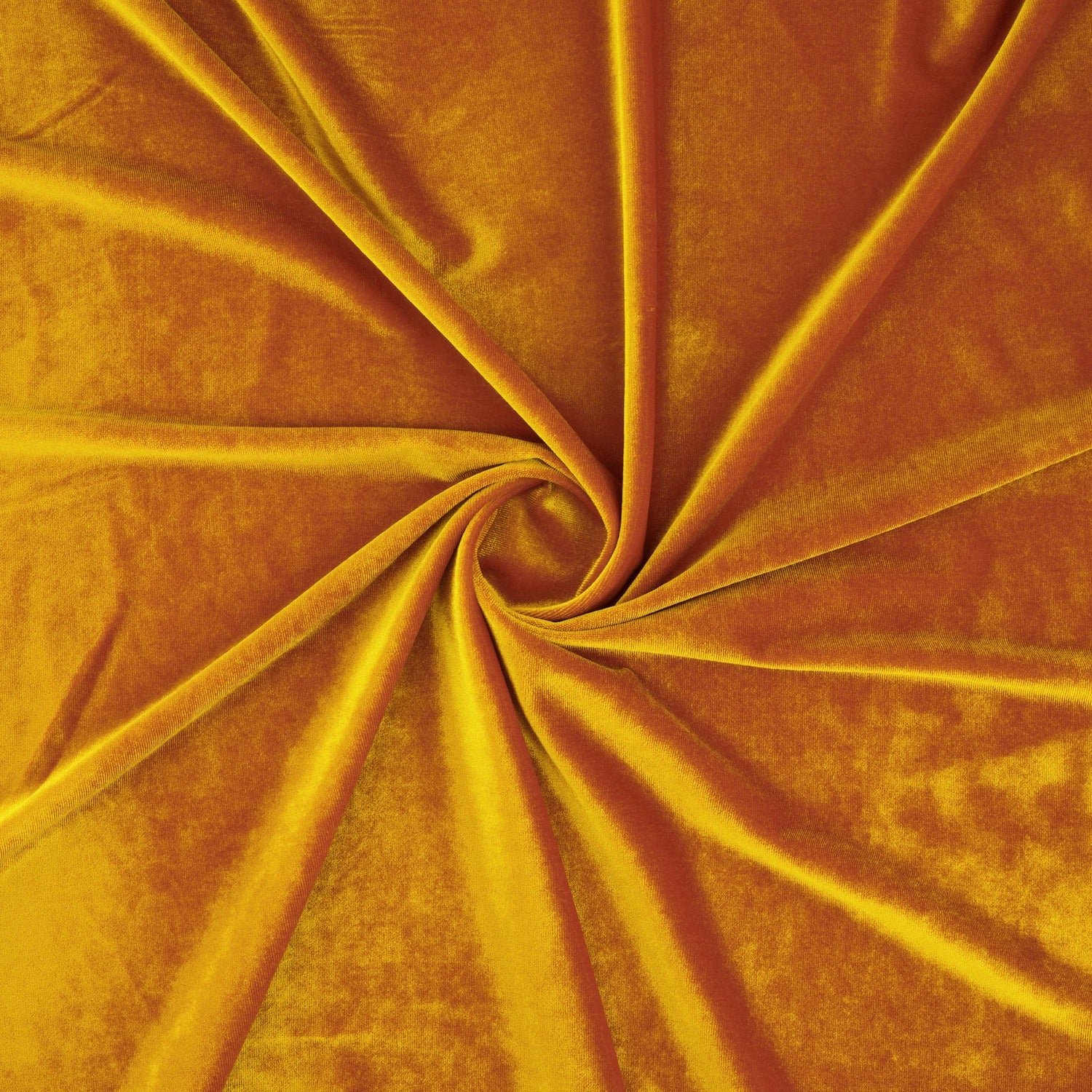
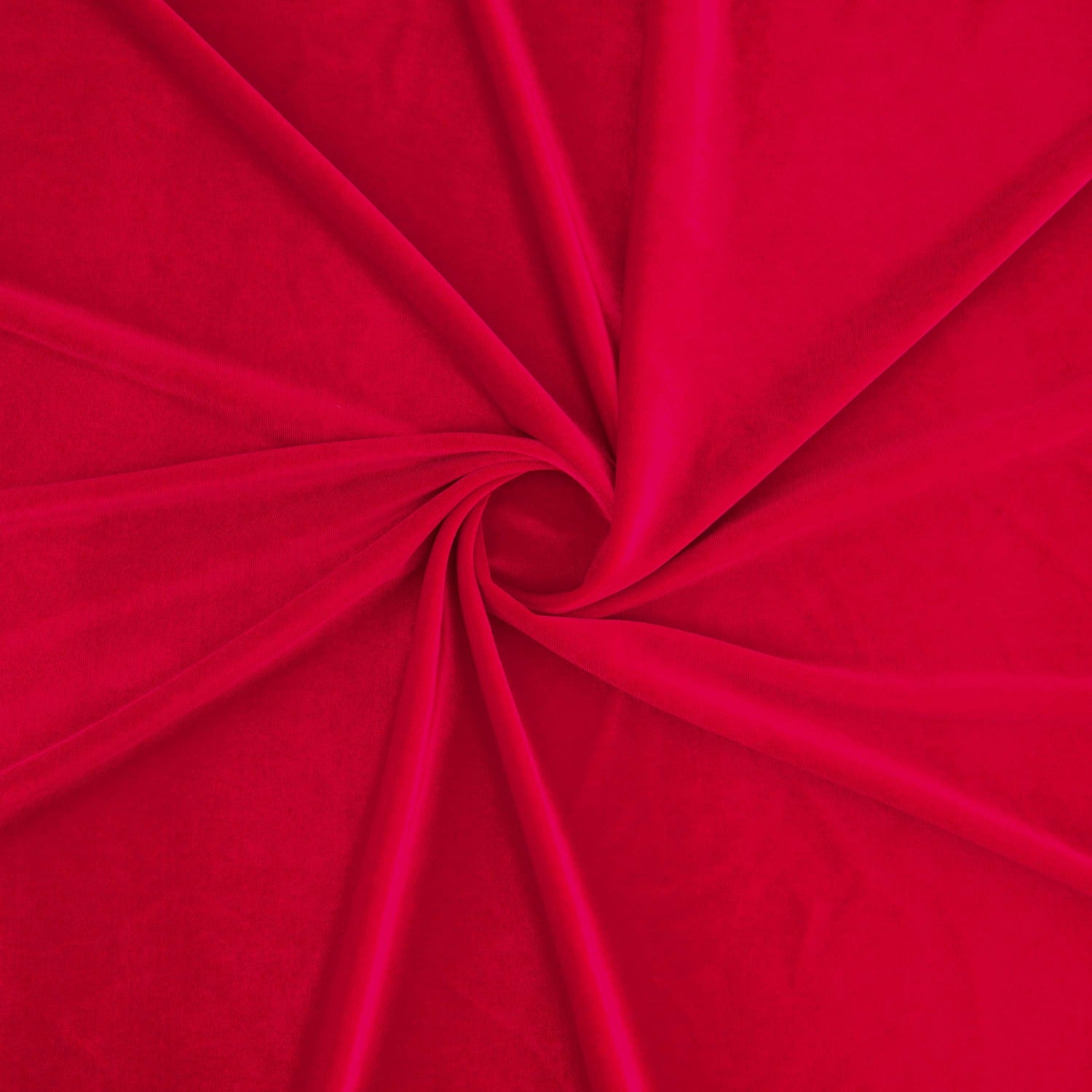
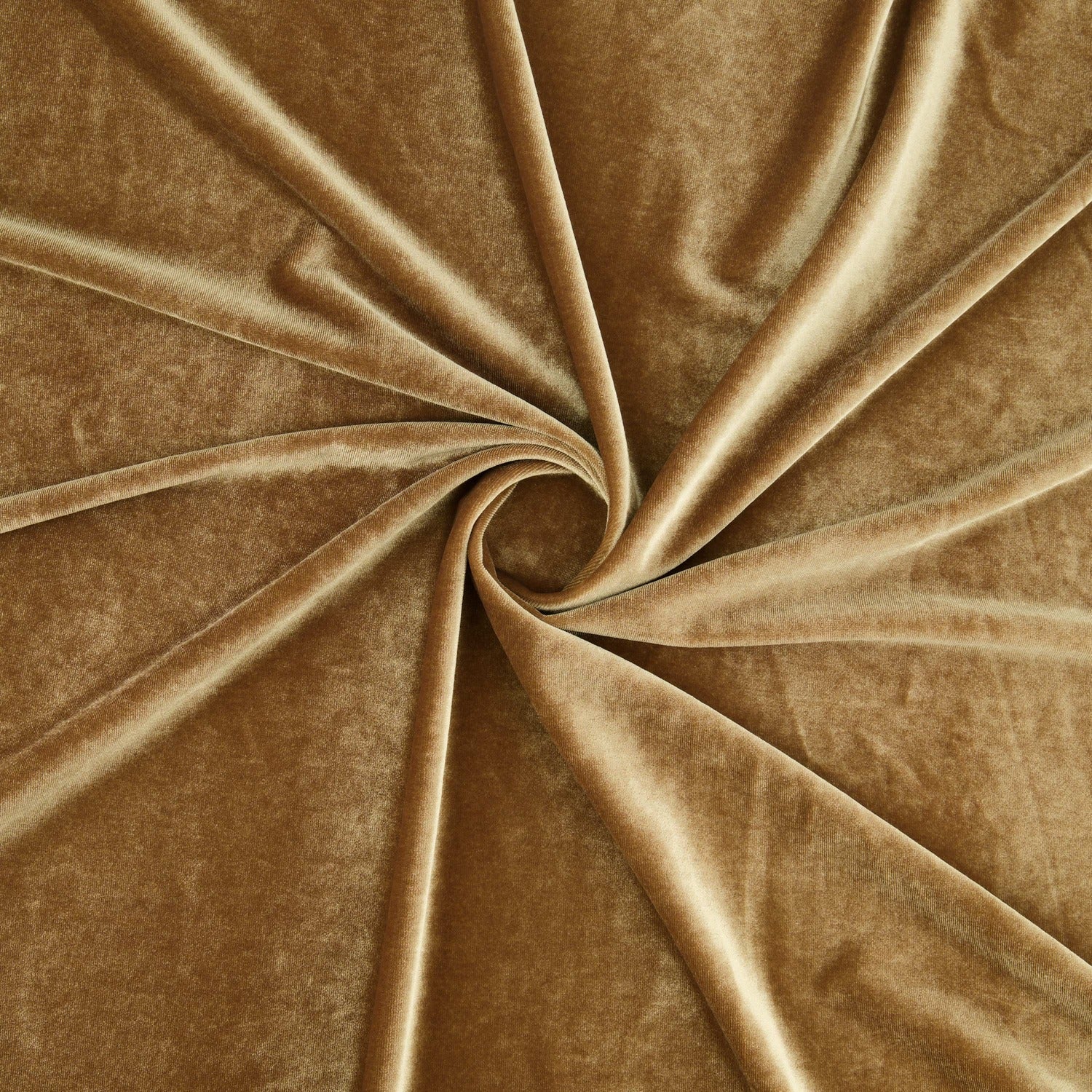
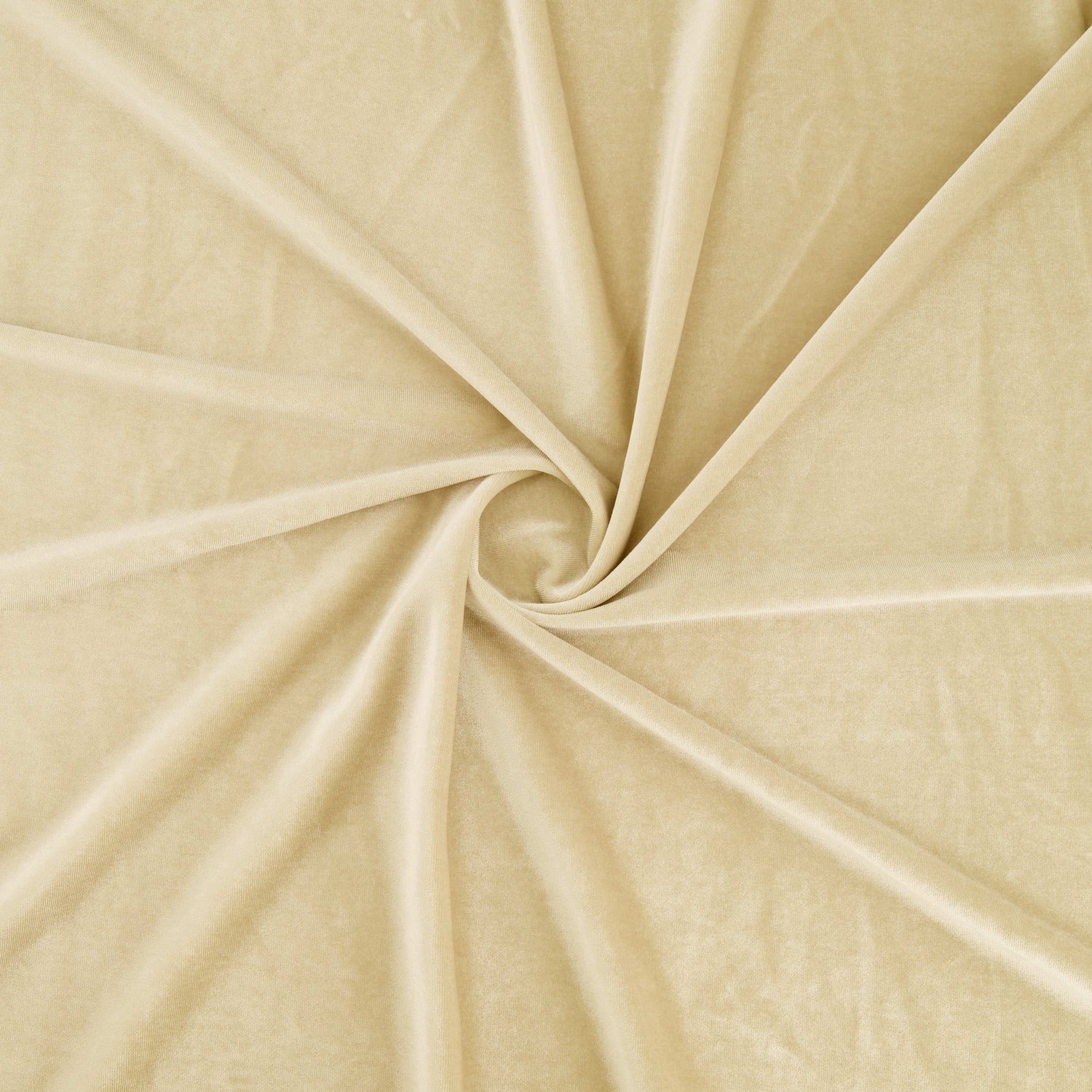



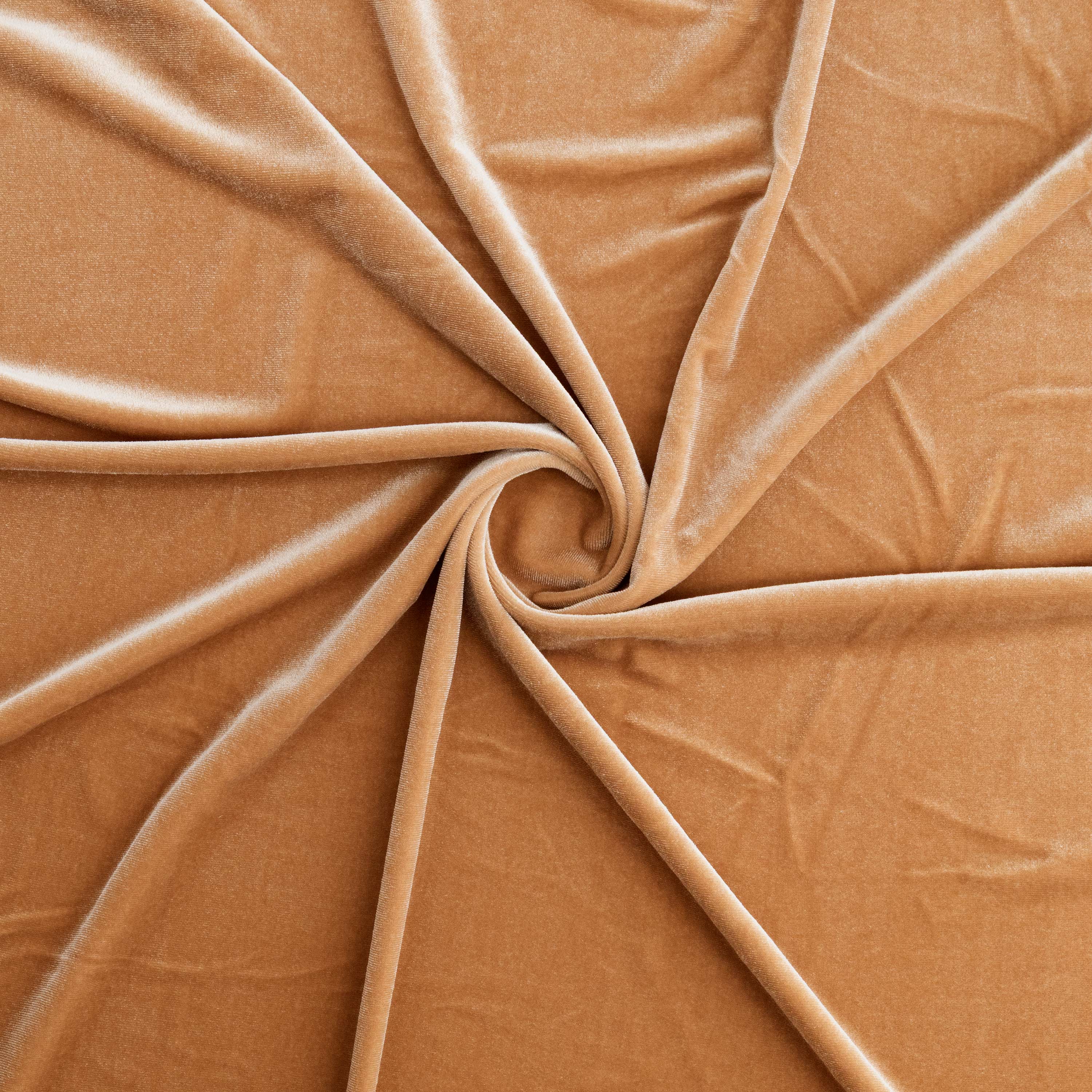

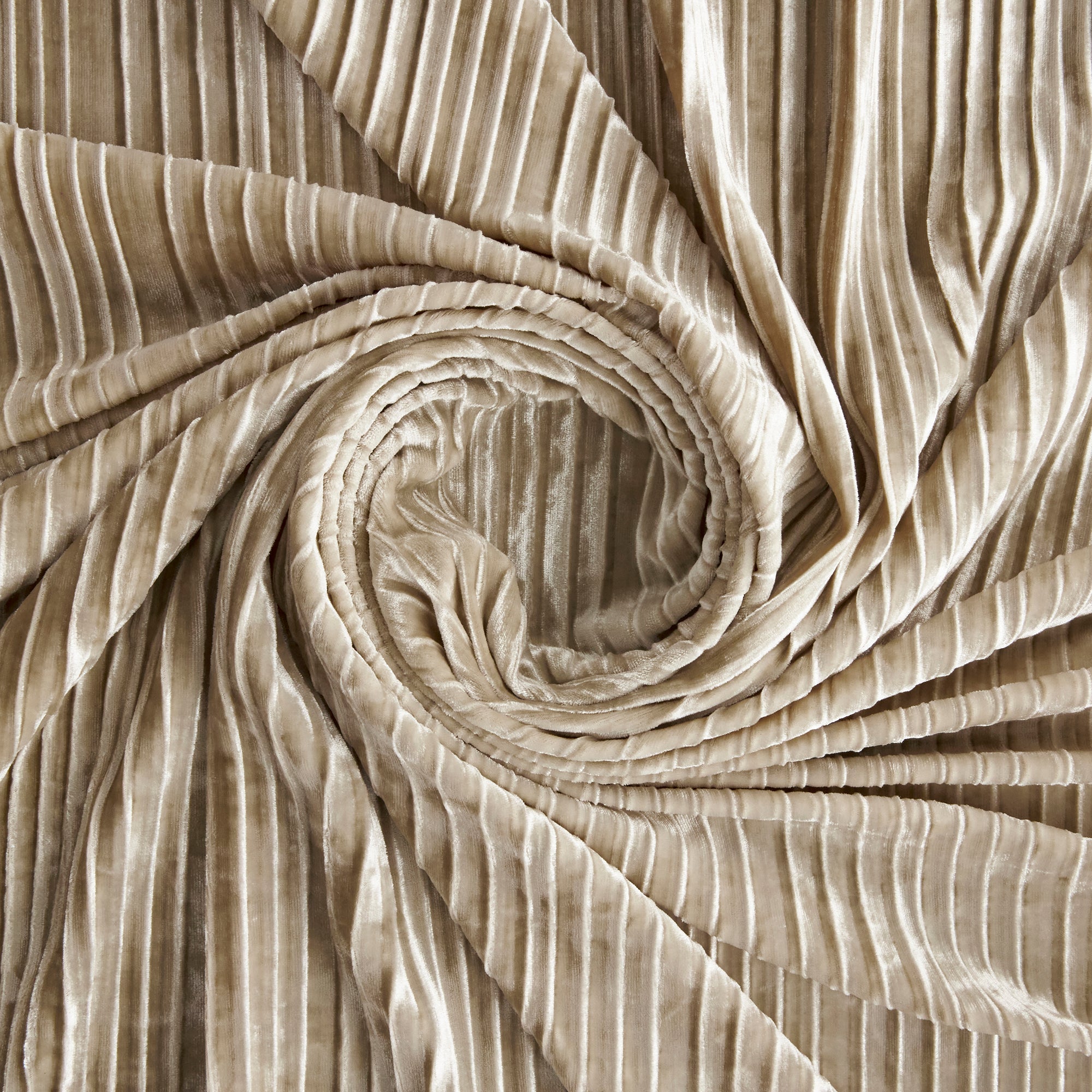
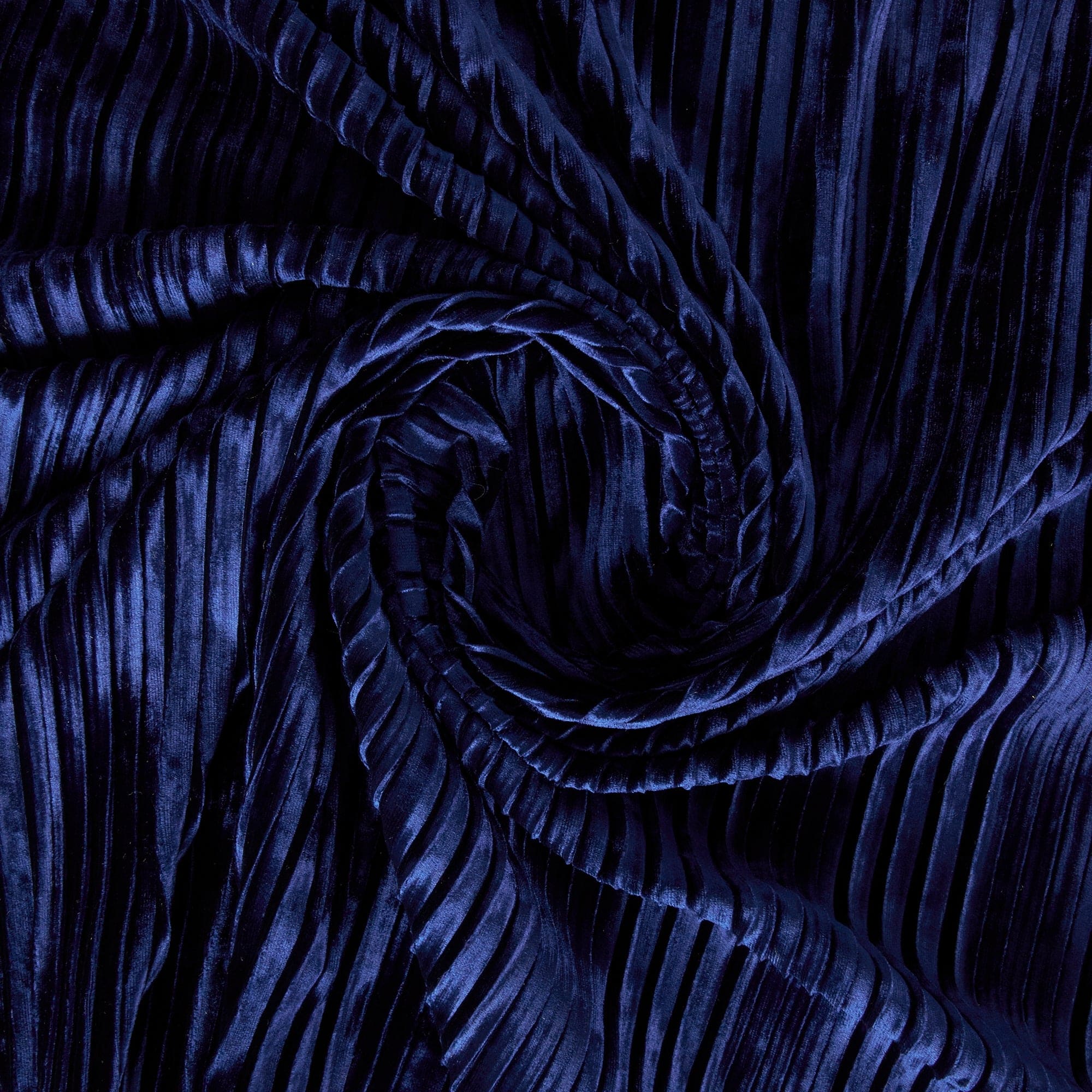
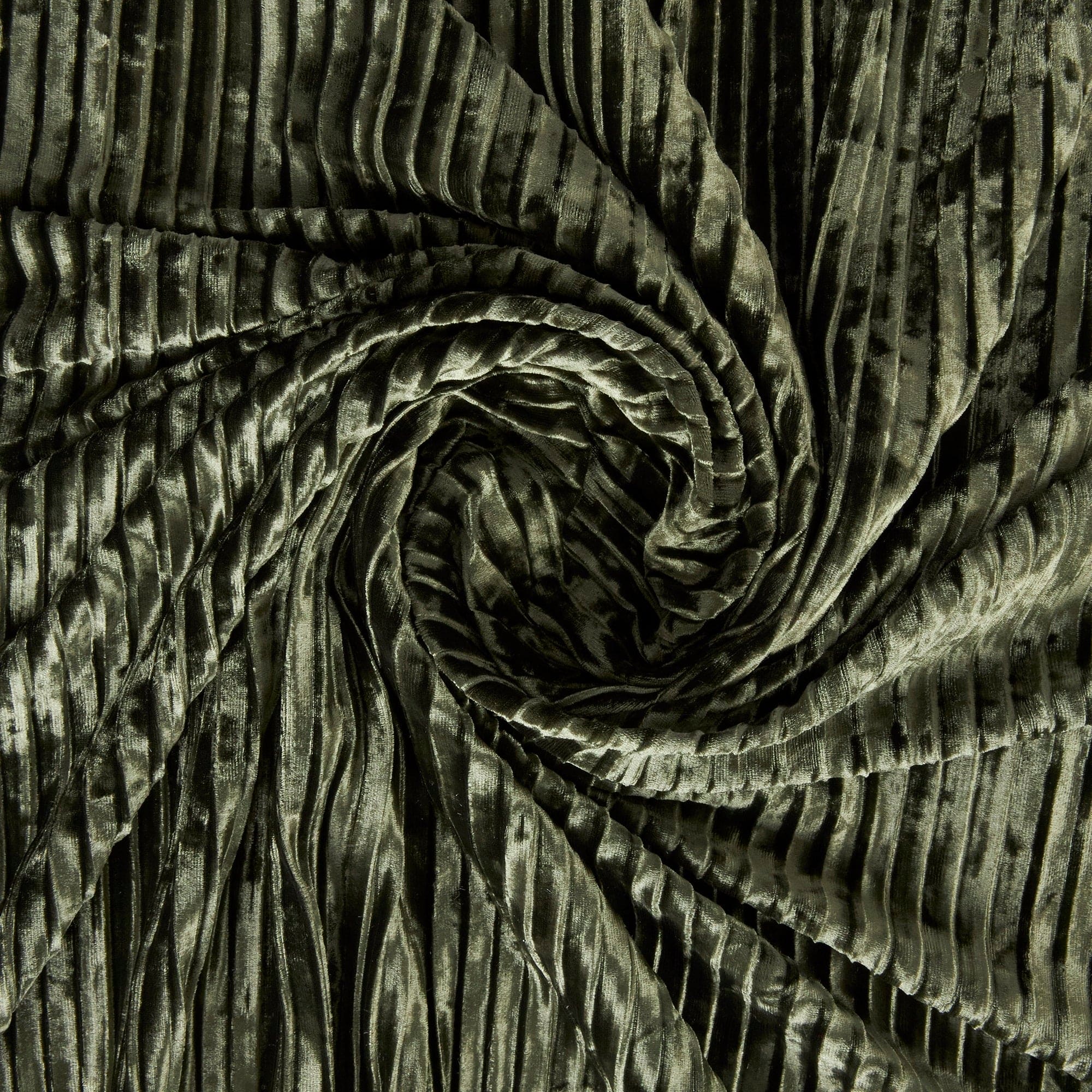
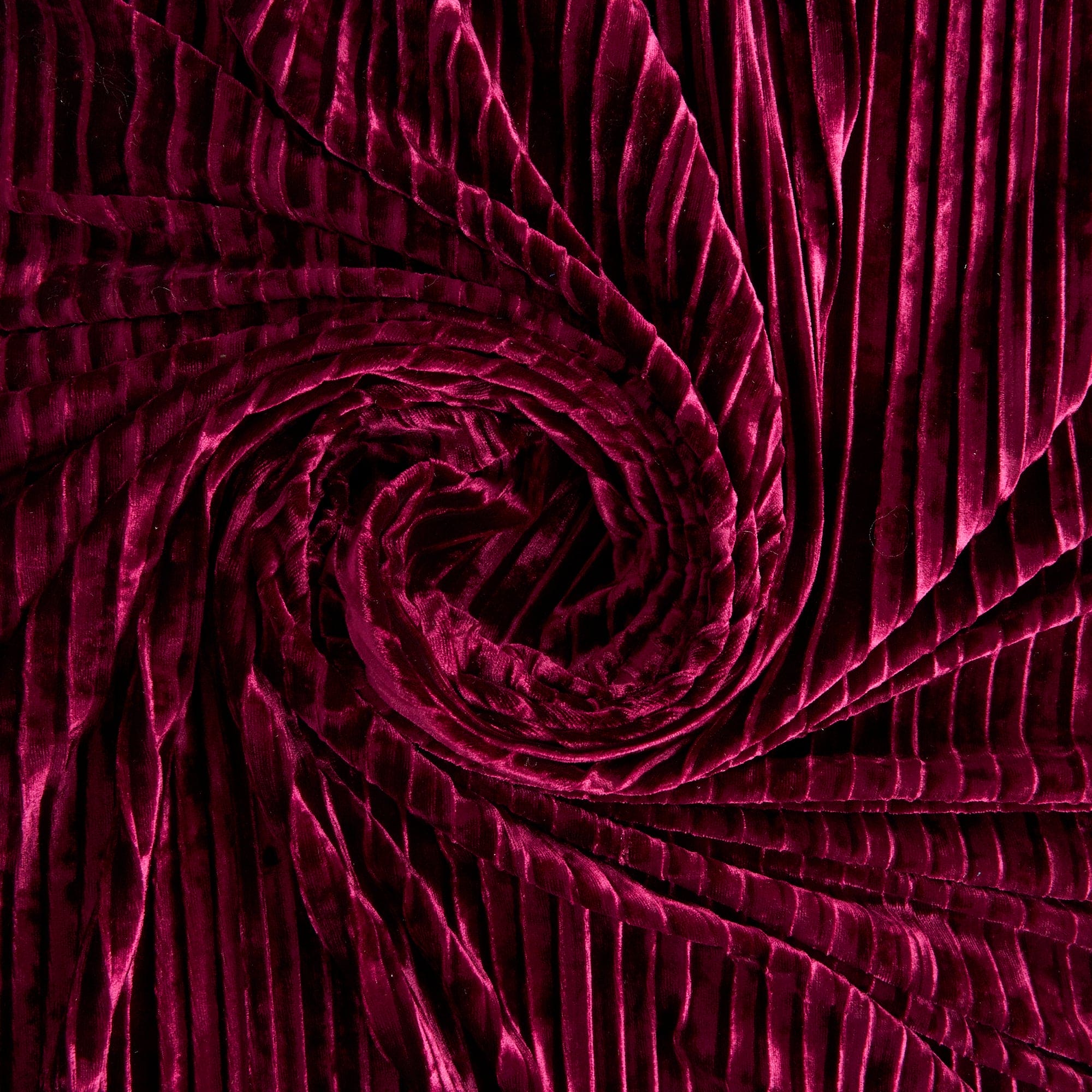
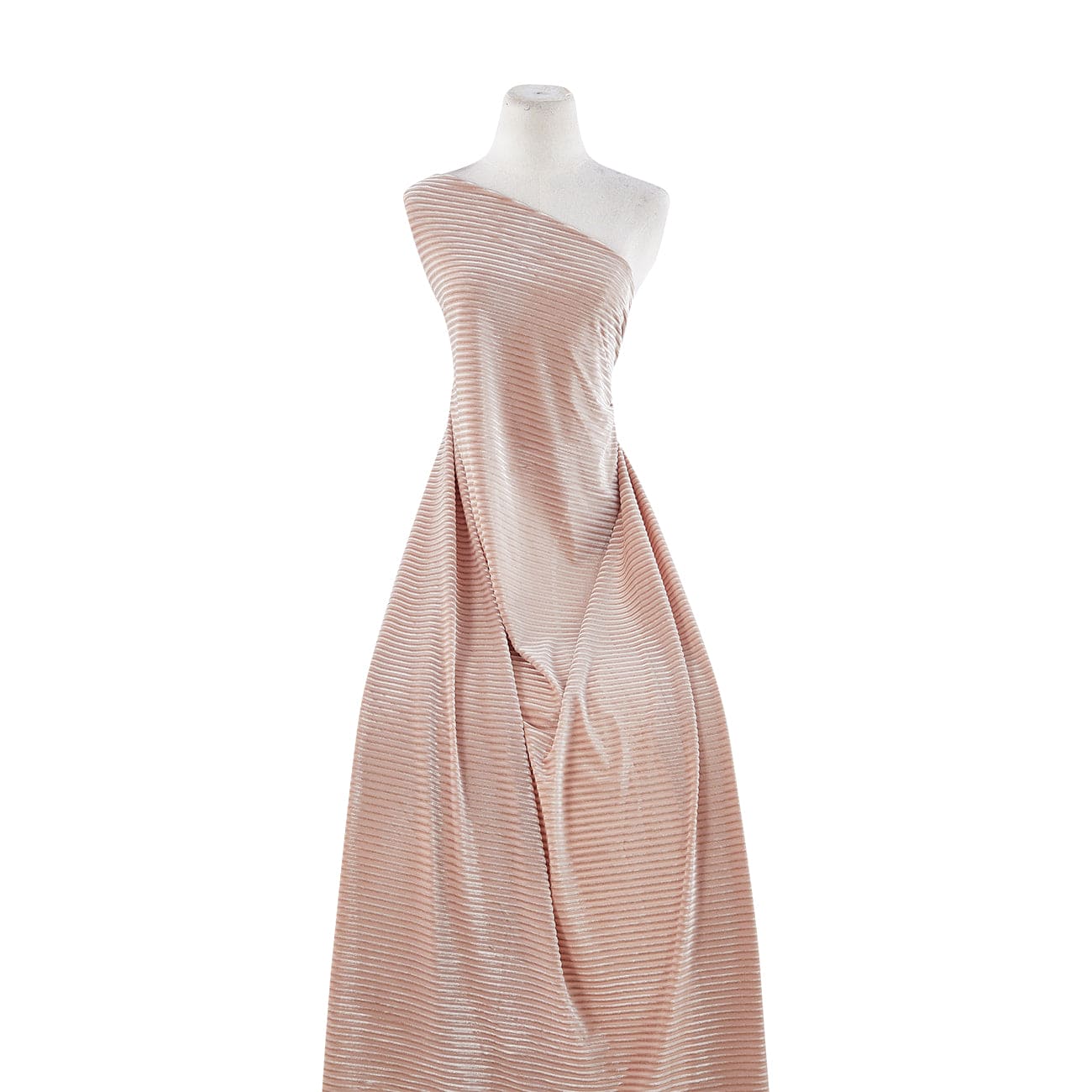
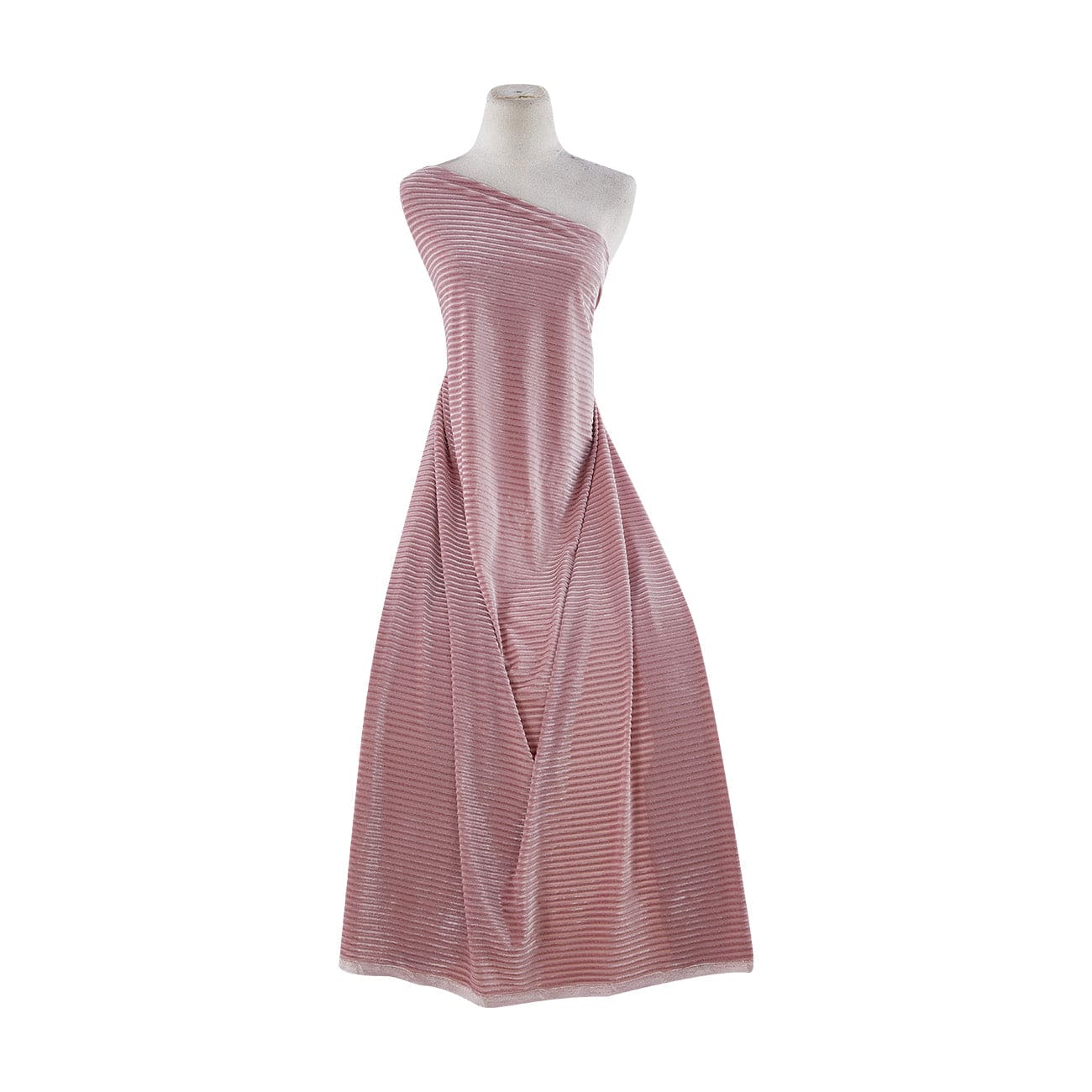
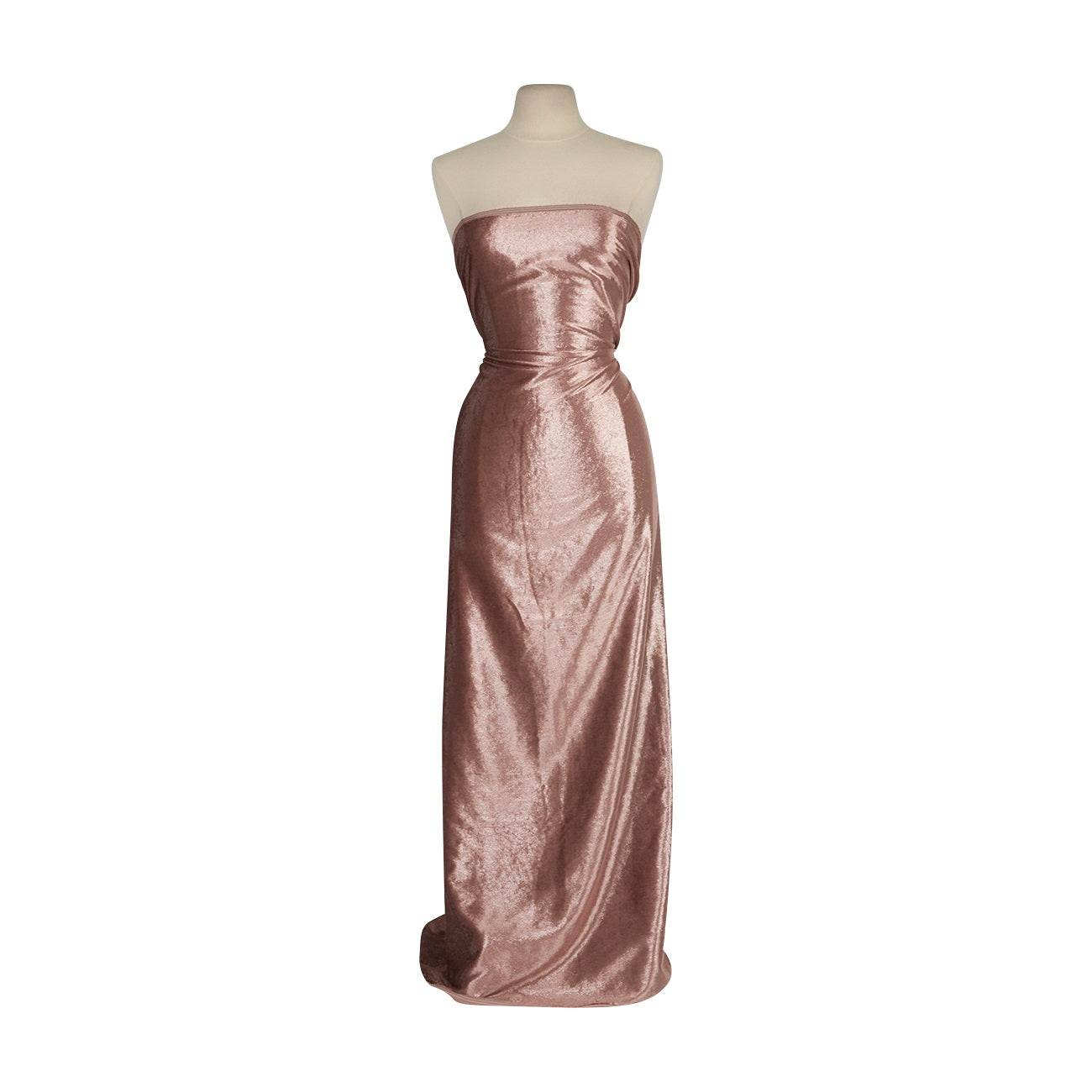
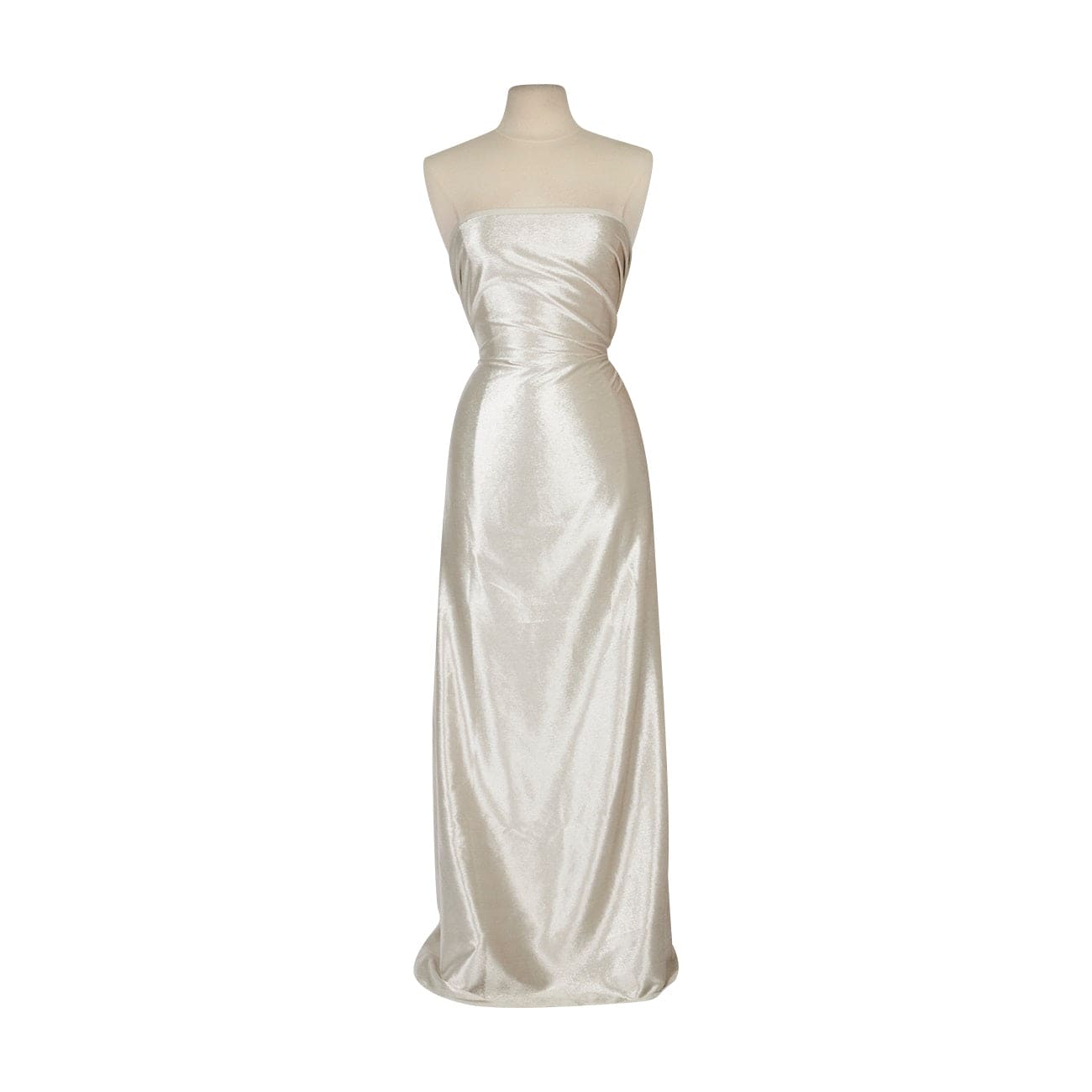
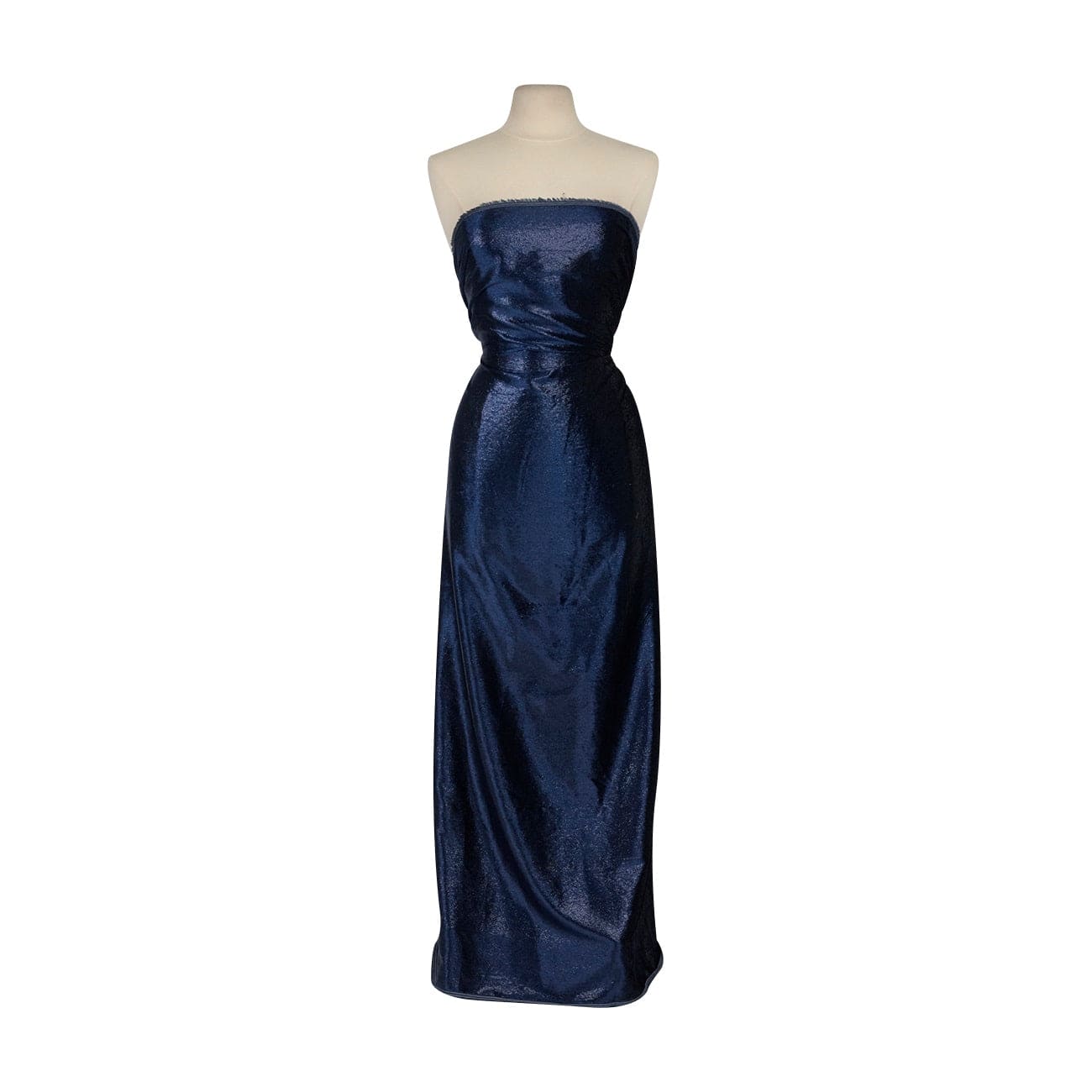
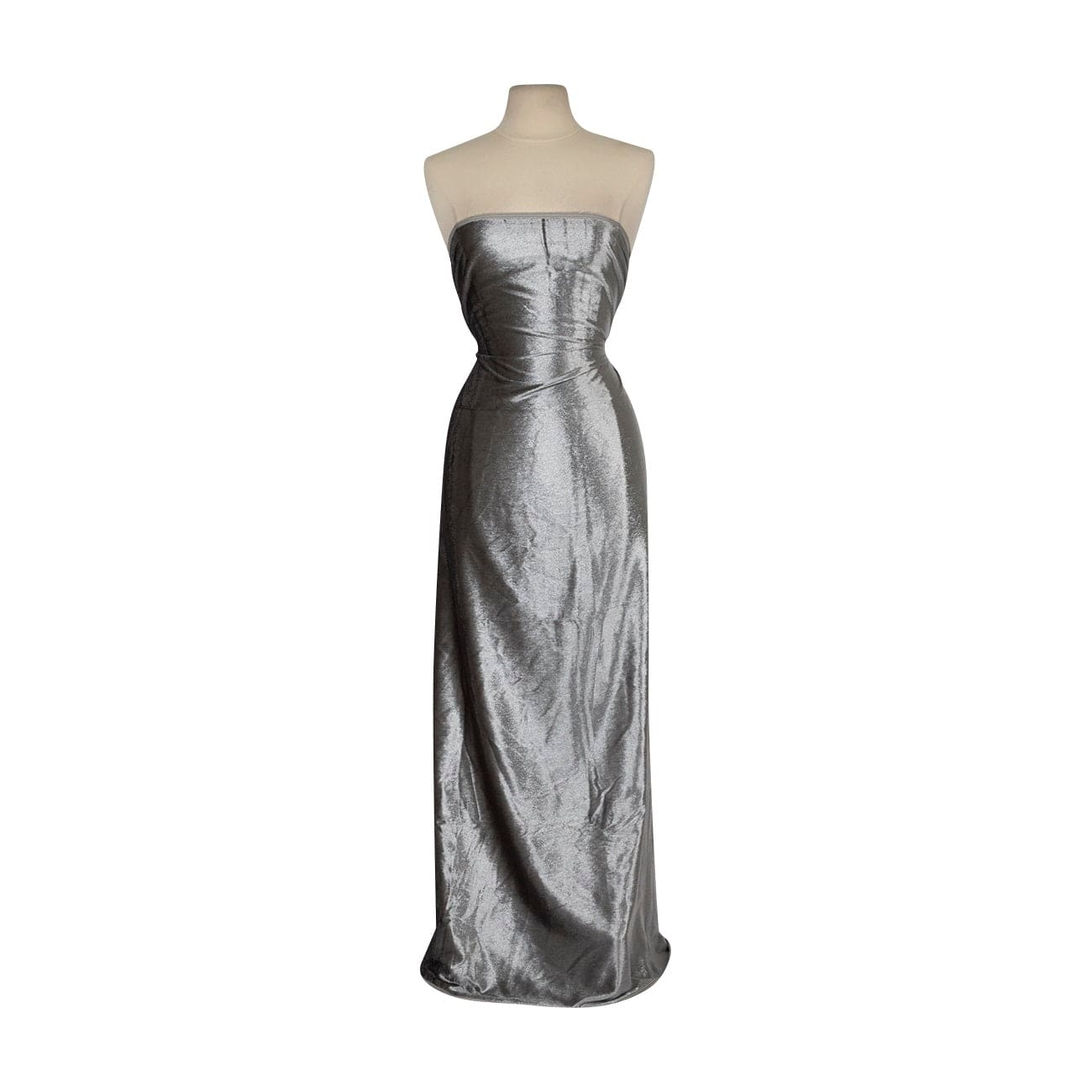
White Velvet Fabric for Fashion Production
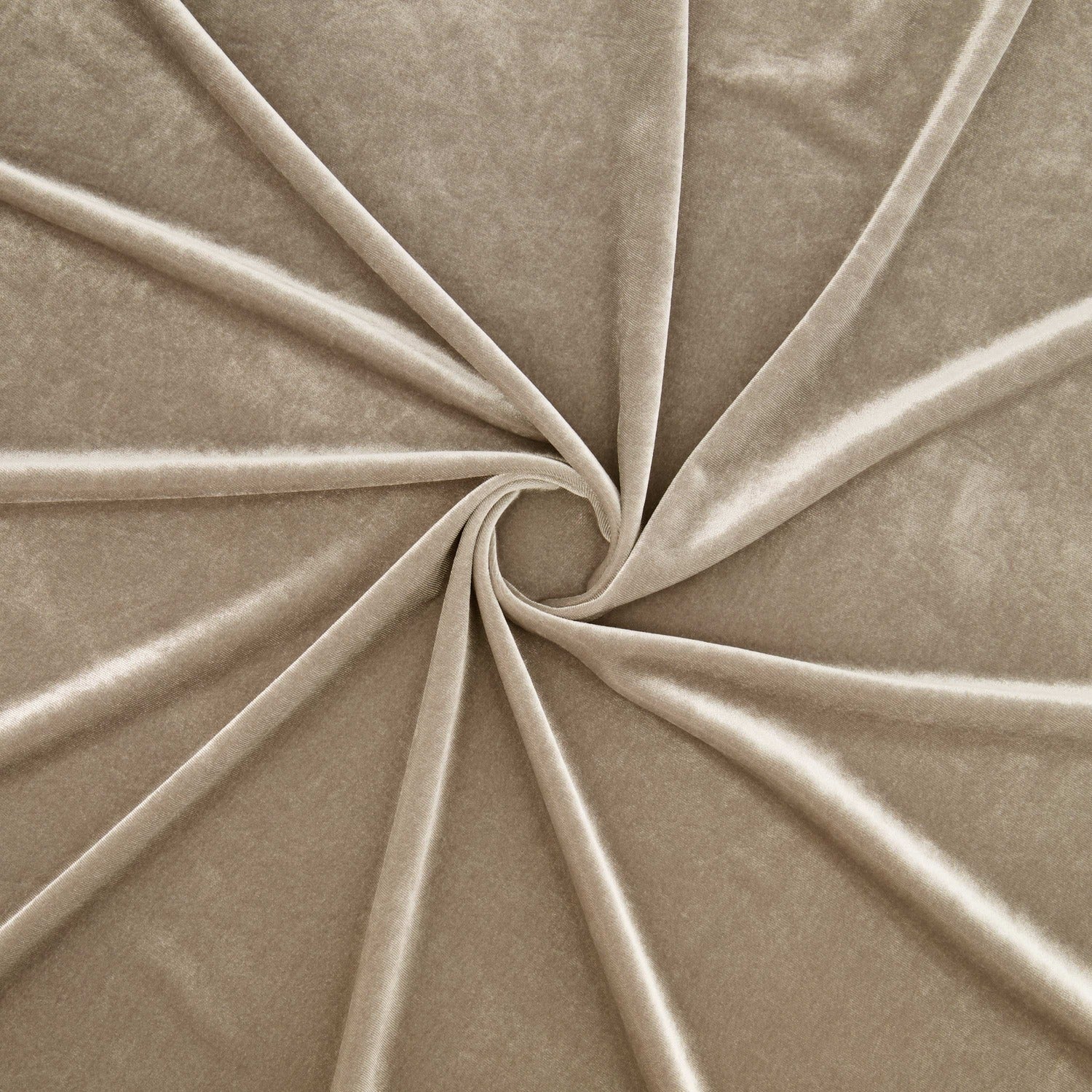
White velvet delivers commercial appeal through its ability to photograph with dimension while maintaining the neutral foundation designers need for color-blocking strategies and tonal layering. The pile construction creates light-reactive depth that holds consumer attention in competitive retail spaces, making this textile particularly valuable for brands targeting bridal, special occasion, and contemporary markets where surface interest differentiates product.
Construction Types Across Design Applications
Our collection spans multiple builds to support varied production requirements. Stretch velvet fabric combines polyester with spandex for garments requiring movement and recovery—fitted dresses, performance-inspired separates, or dancewear where drape behavior matters. These knit constructions typically measure 58-60 inches wide and suit body-skimming silhouettes needing structure without rigidity.
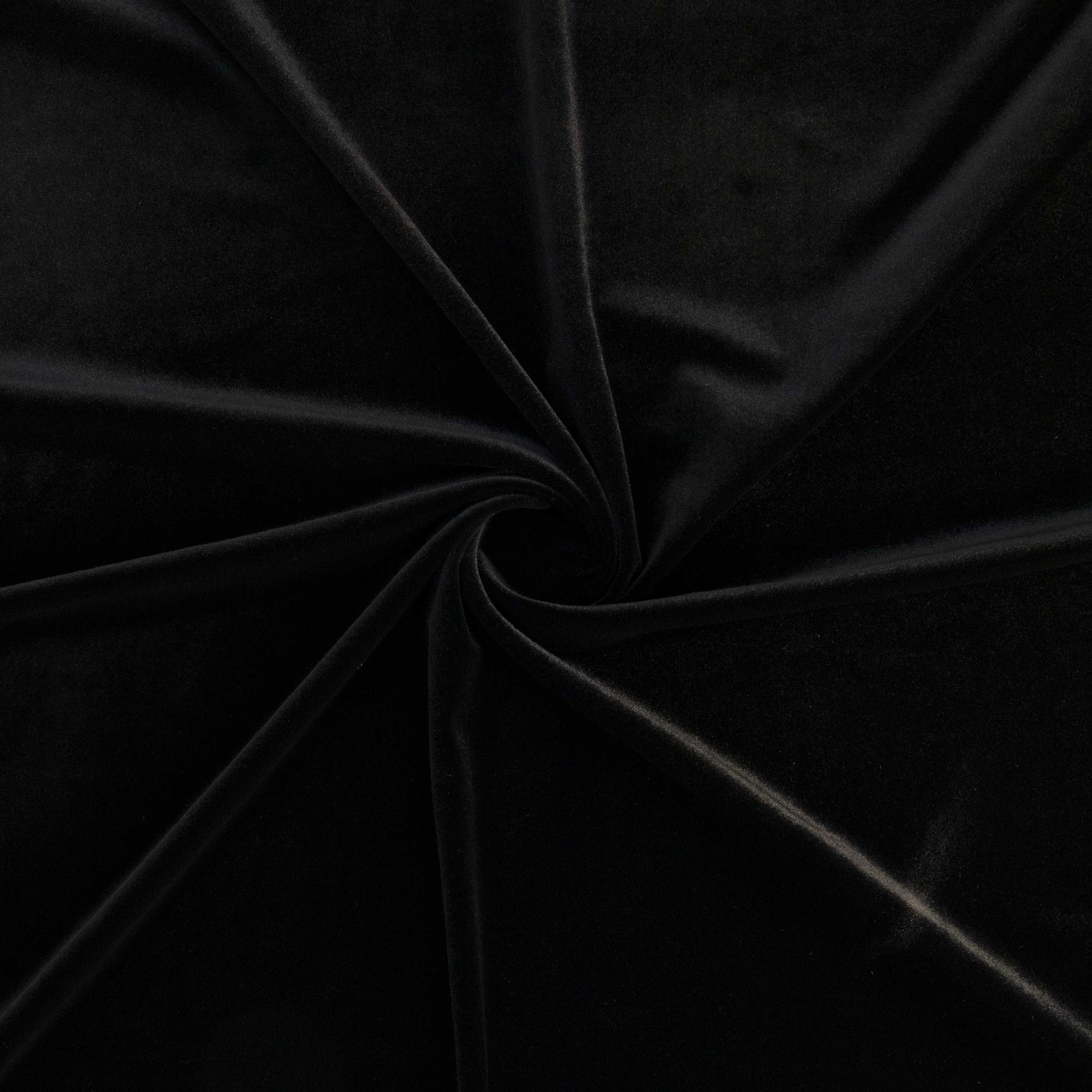
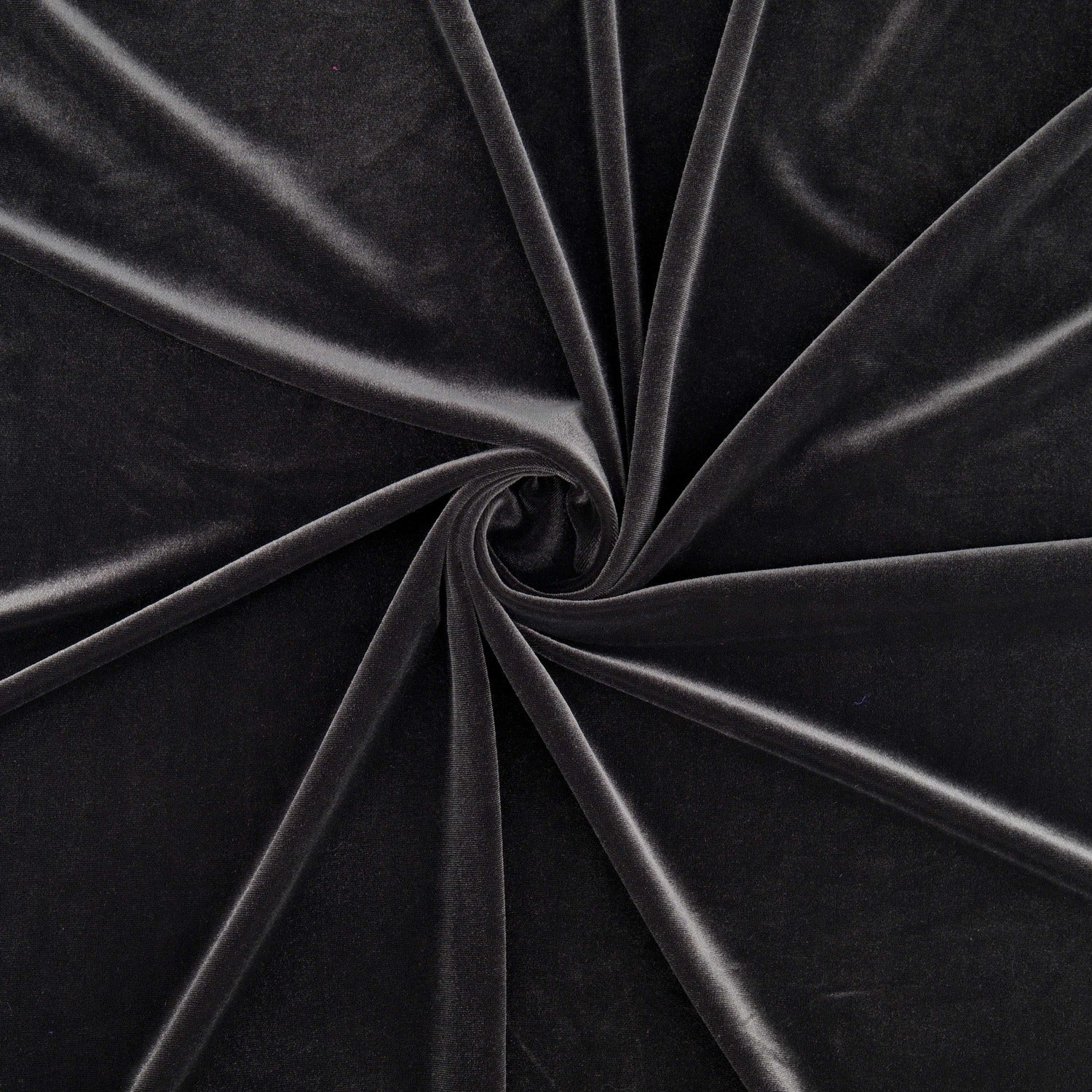
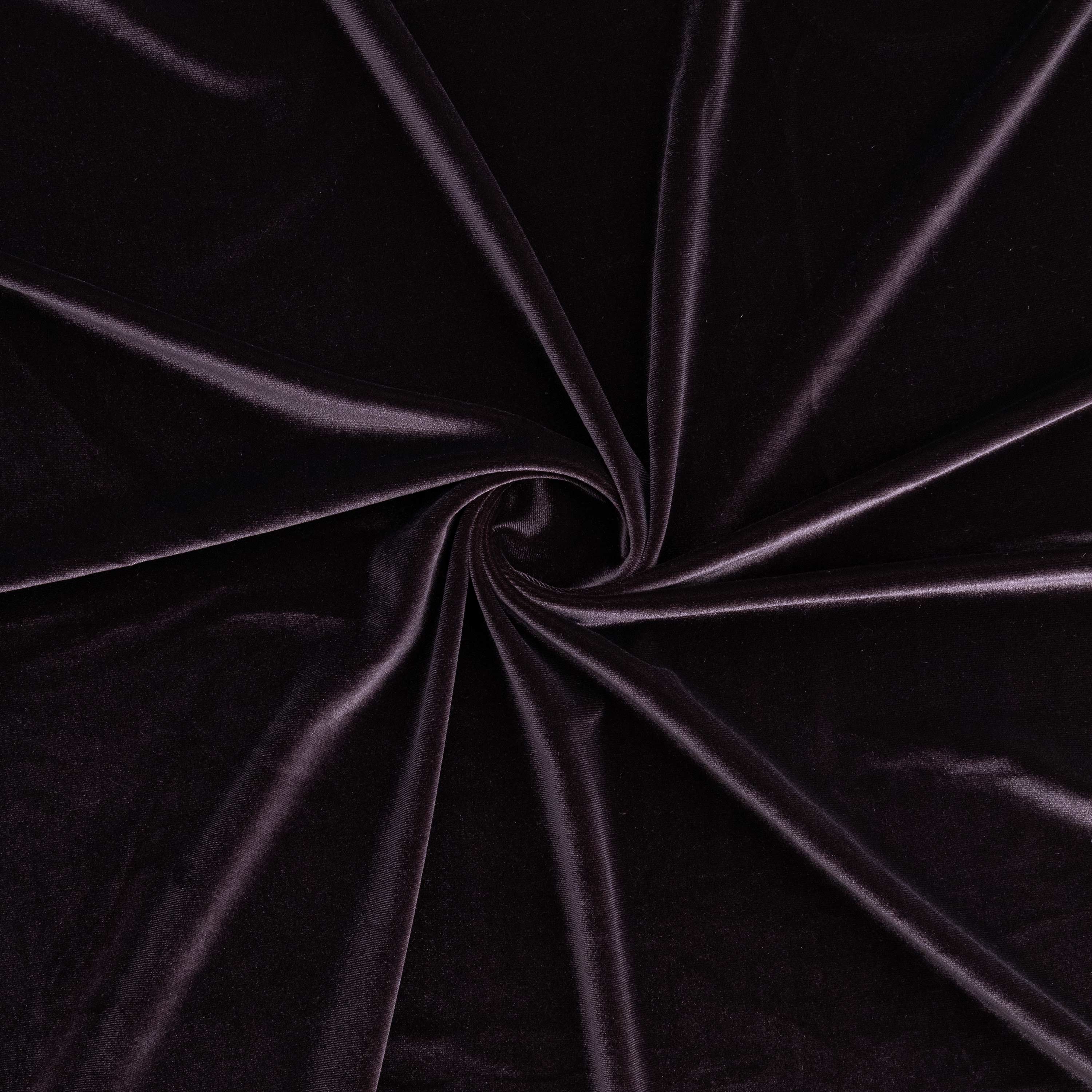
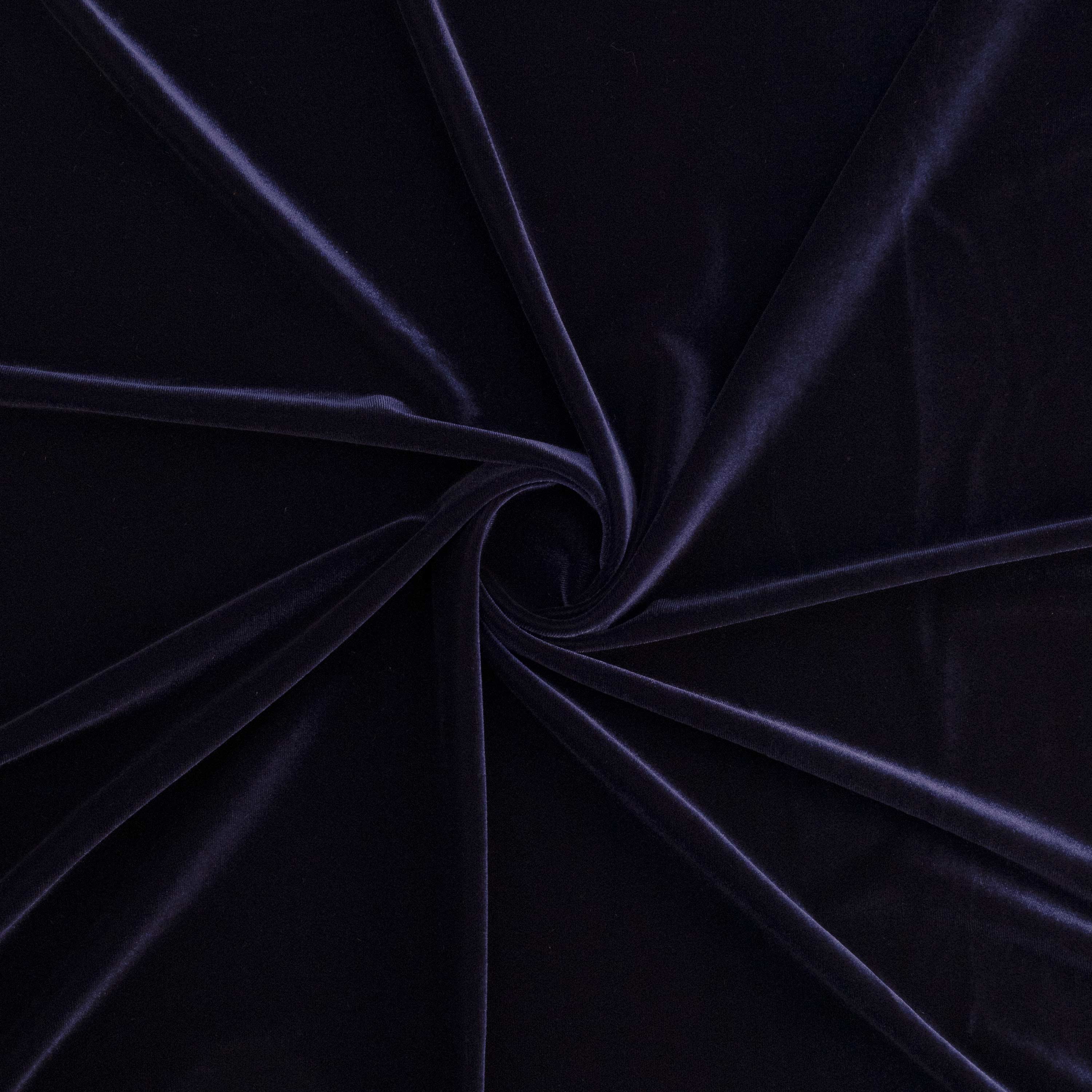
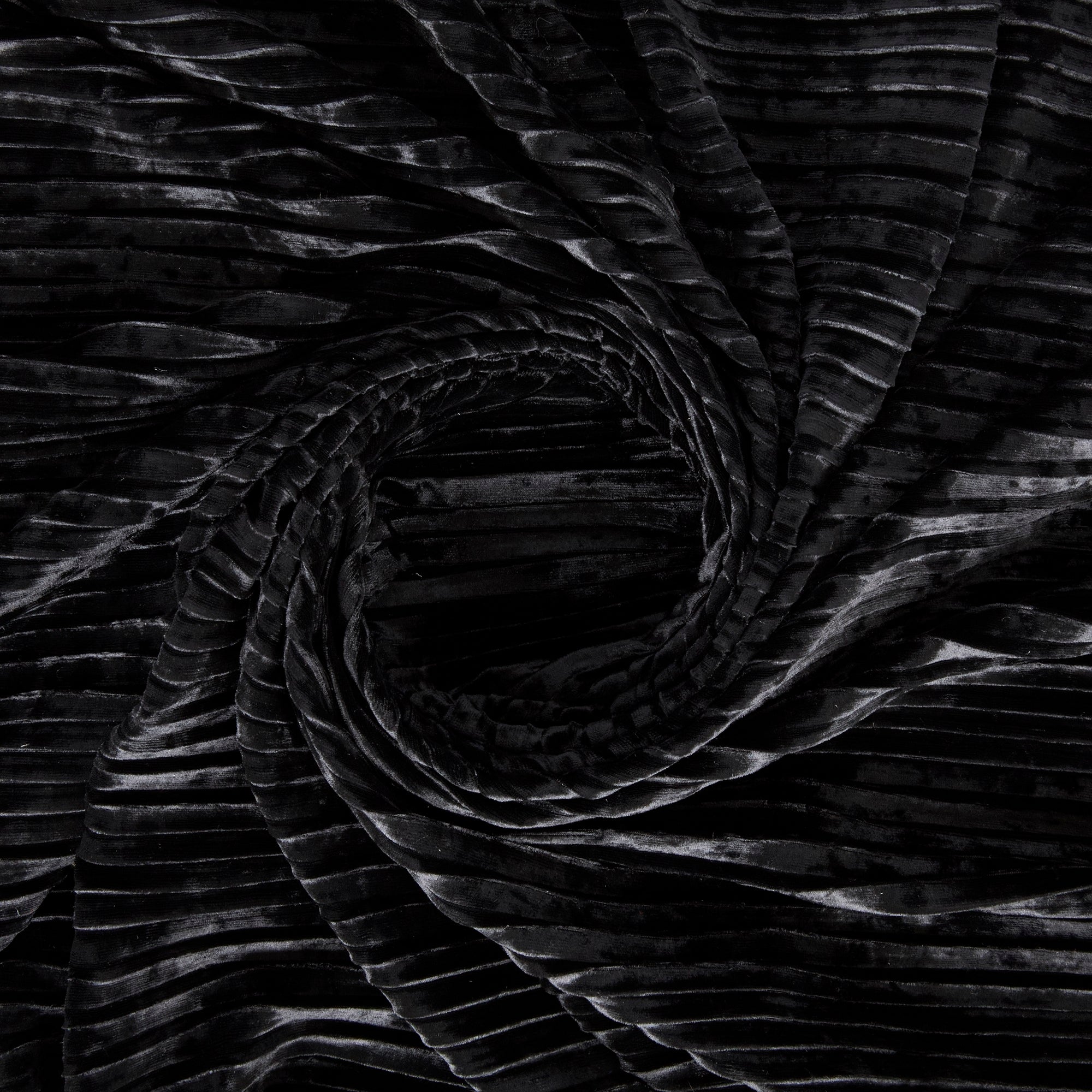
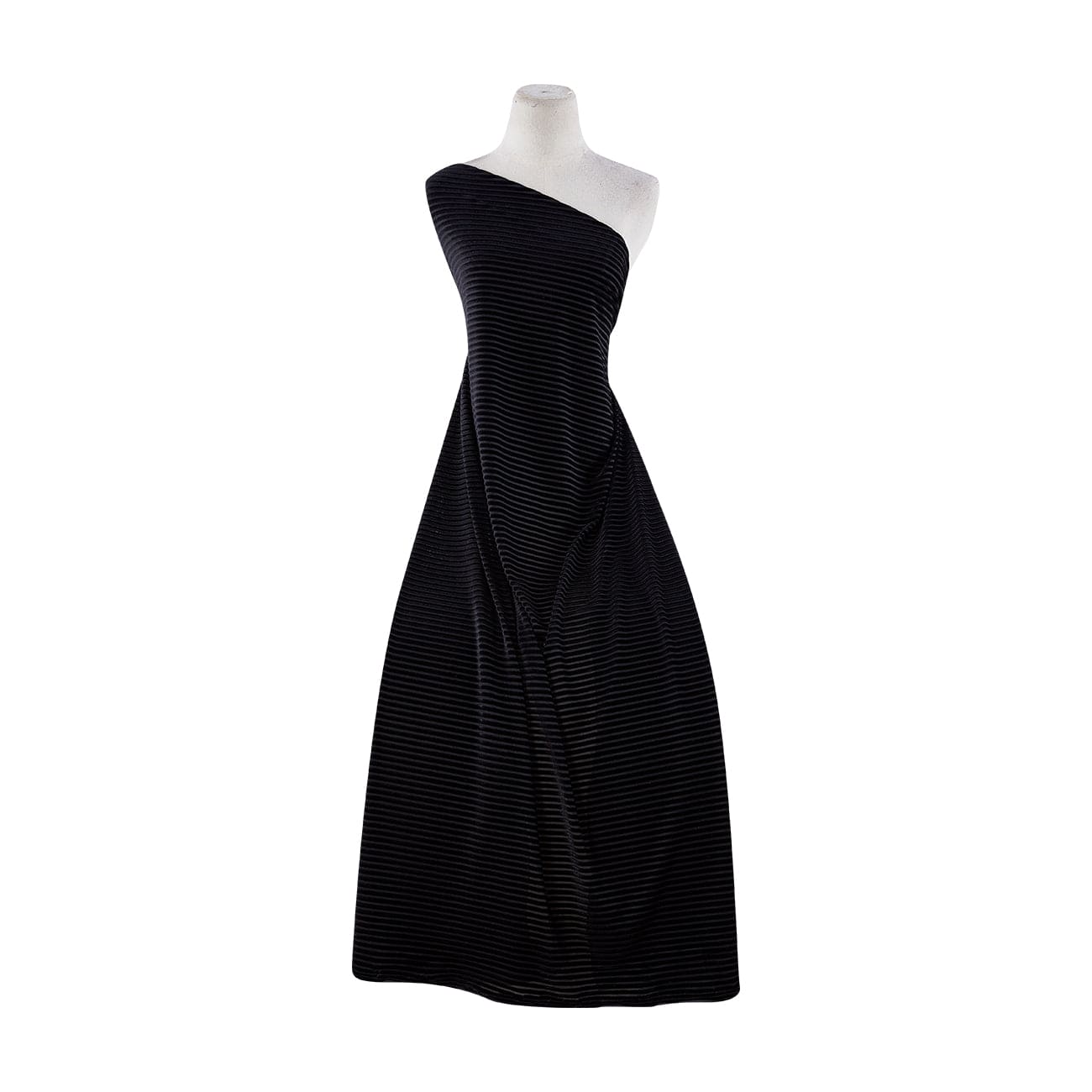
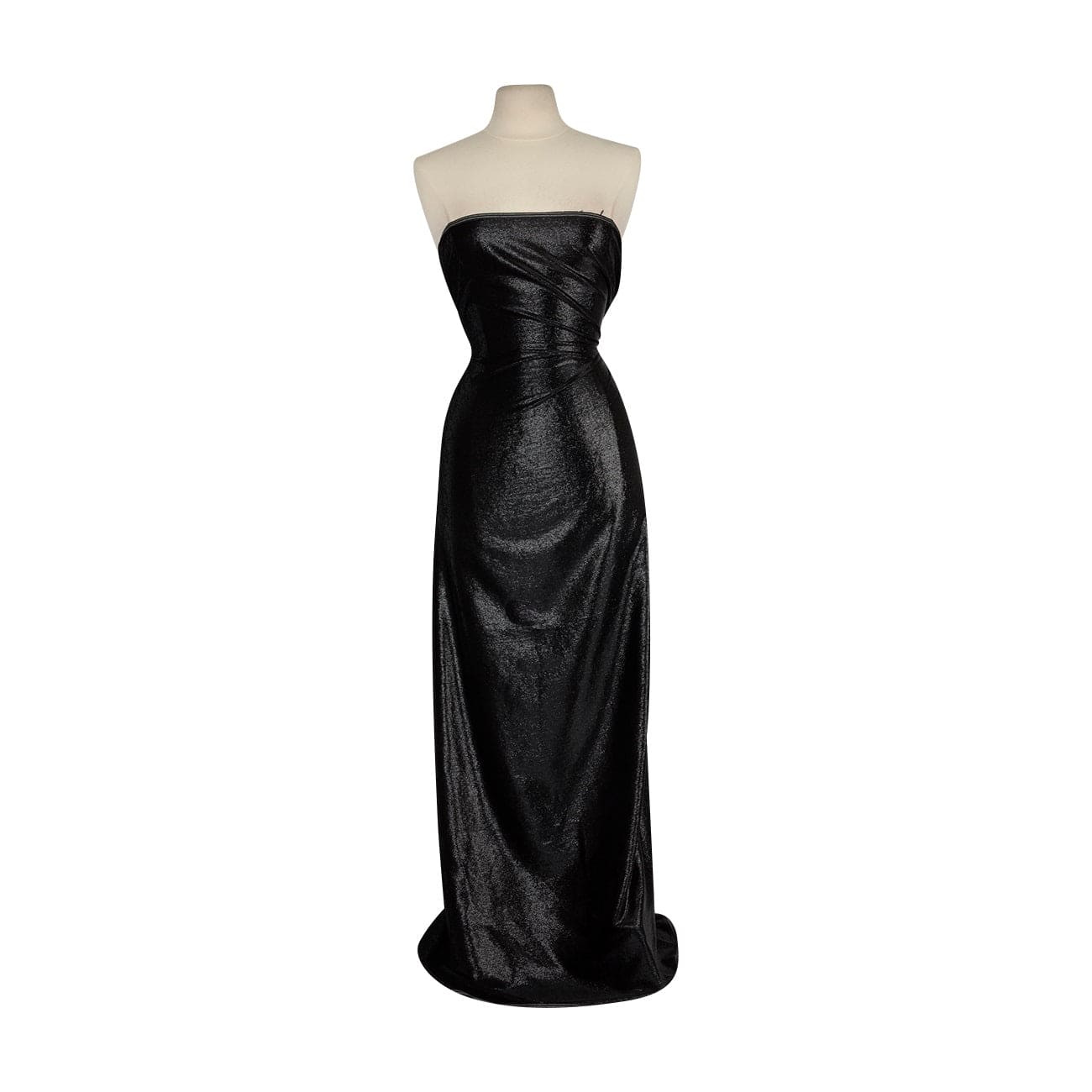
For projects demanding greater weight and stability, upholstery-grade options provide the pile density and backing strength required for outerwear, structured skirts, or soft furnishings. While fashion textiles remain our focus, velvet performs well in decorative applications—cushion covers, drapery panels, or event staging—where material quality impacts overall aesthetic, much like black velvet fabric used in luxury interiors.
Understanding Color Behavior in Production
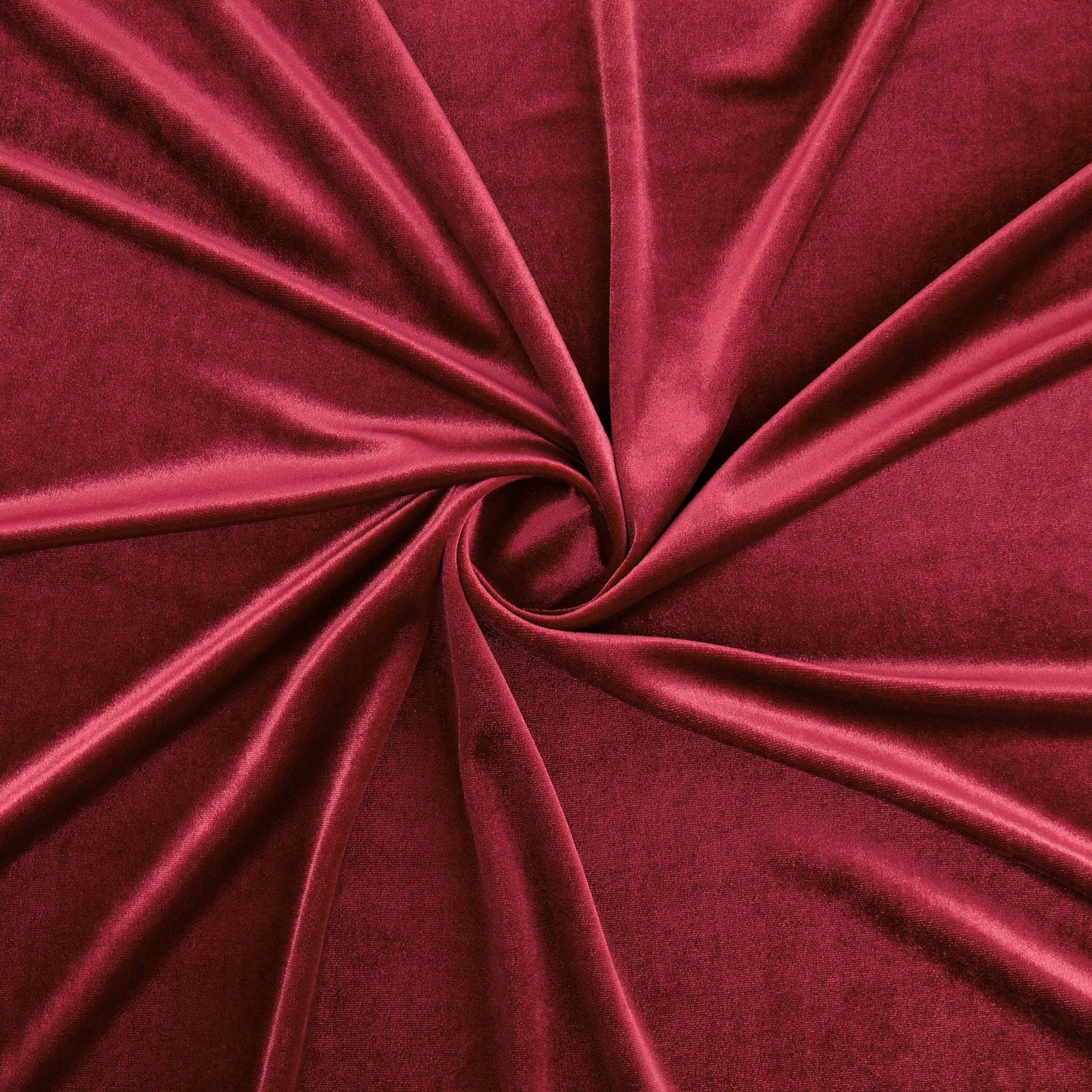
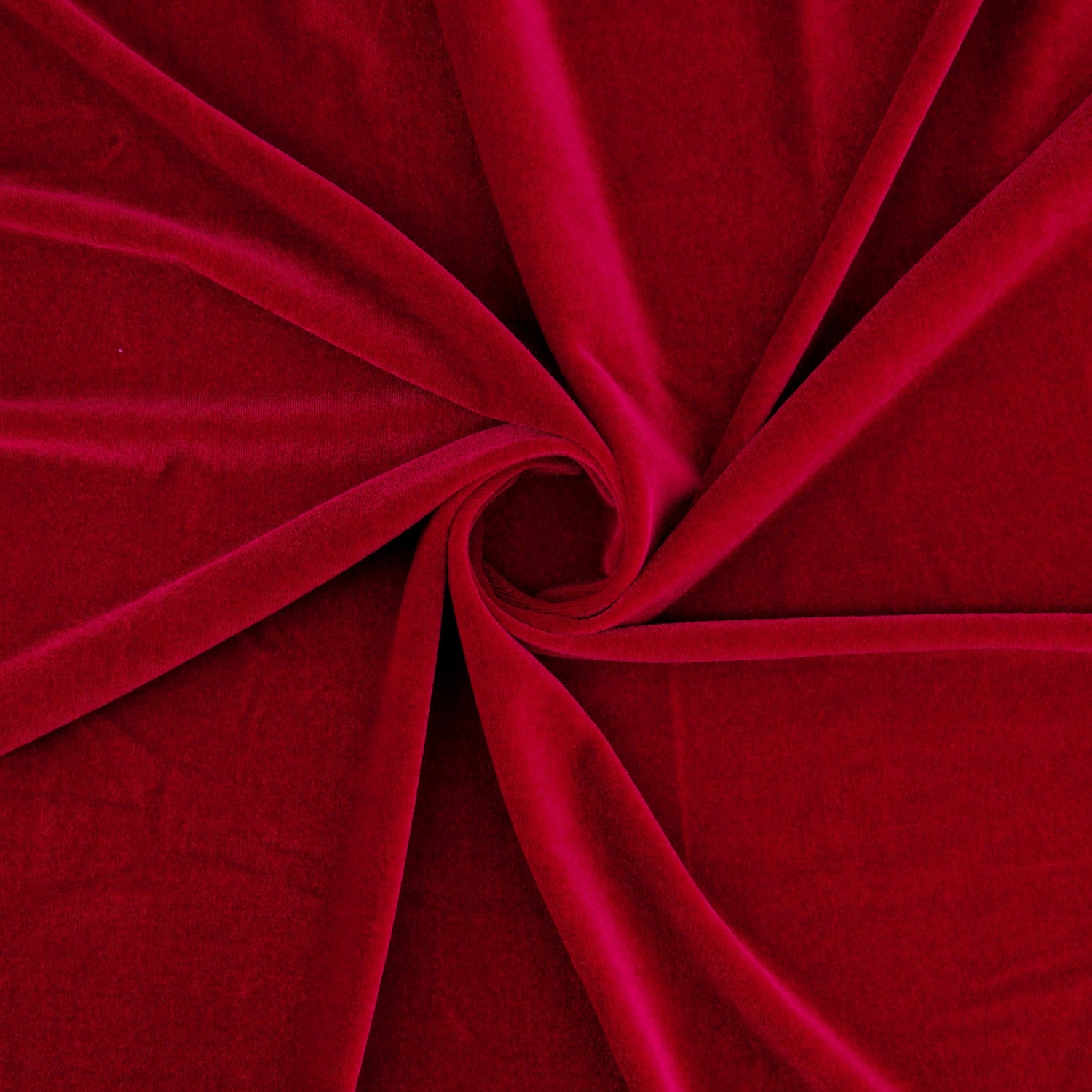
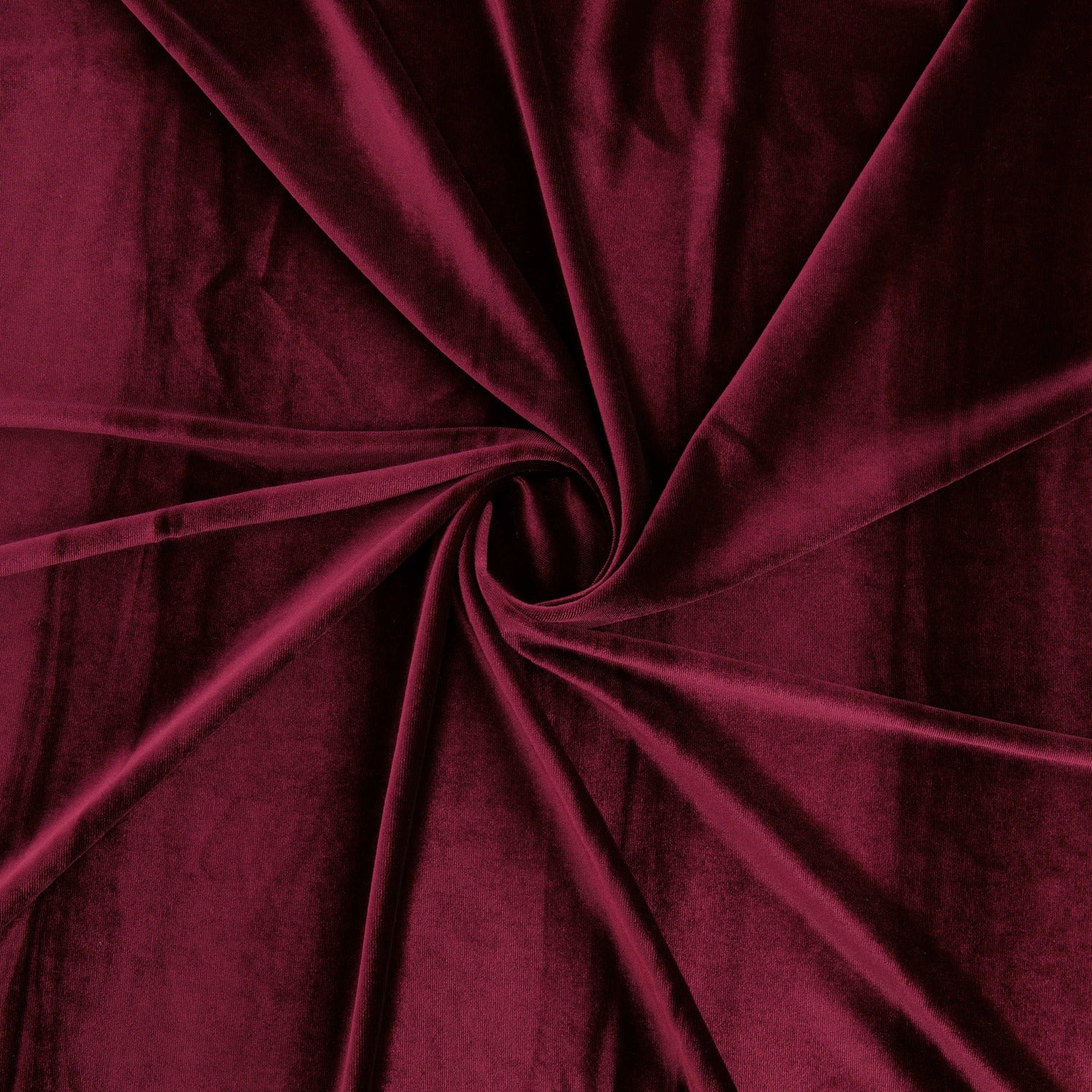
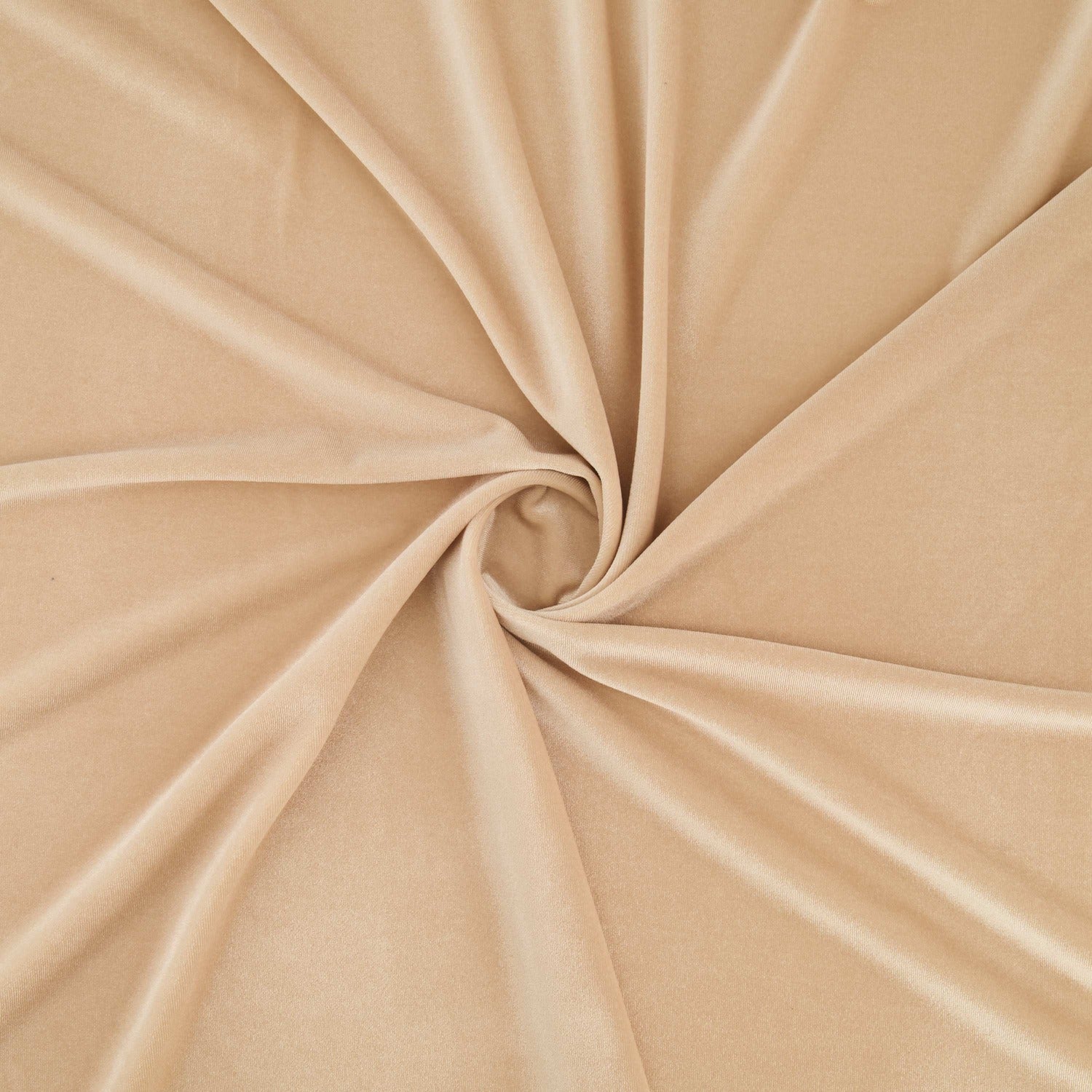
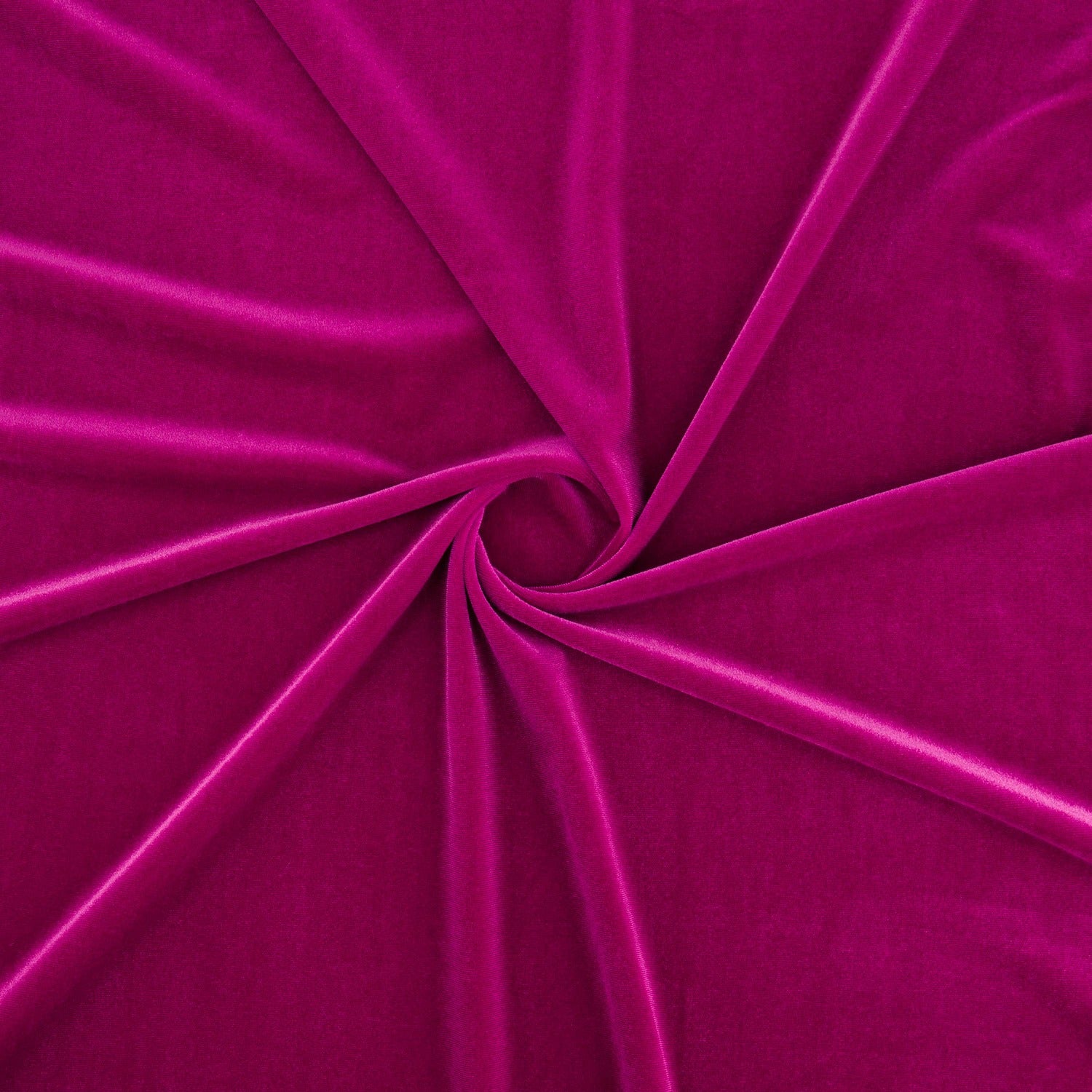
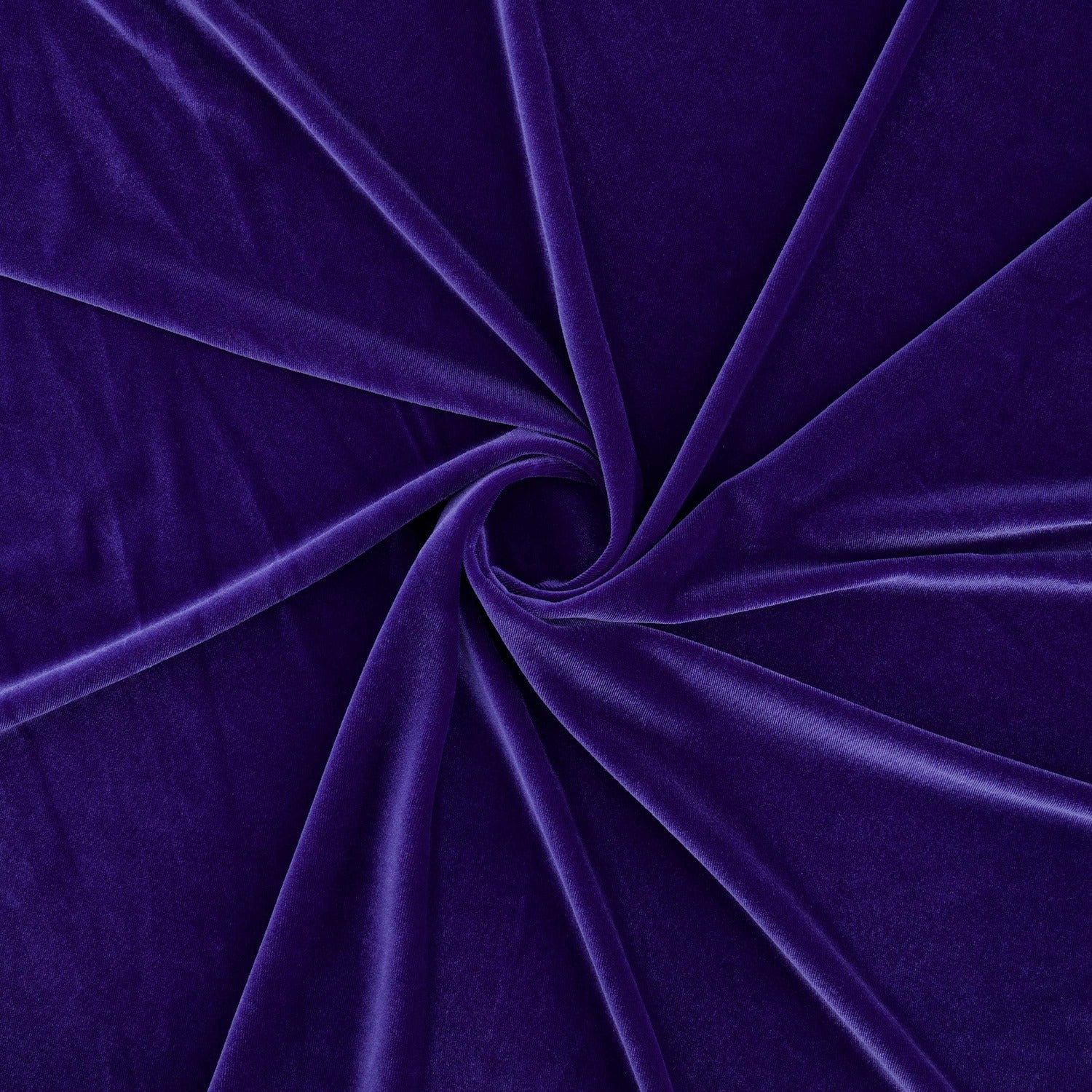
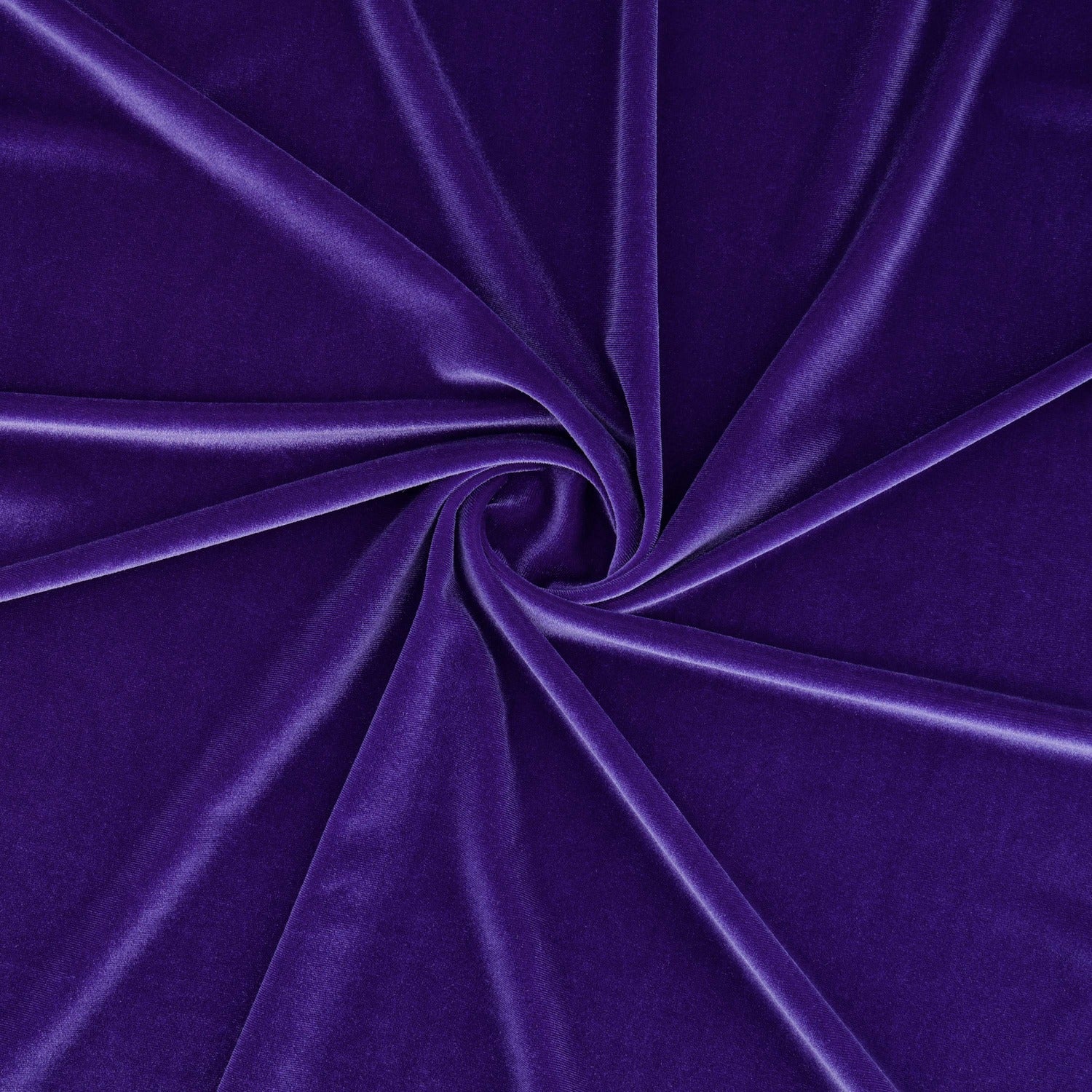
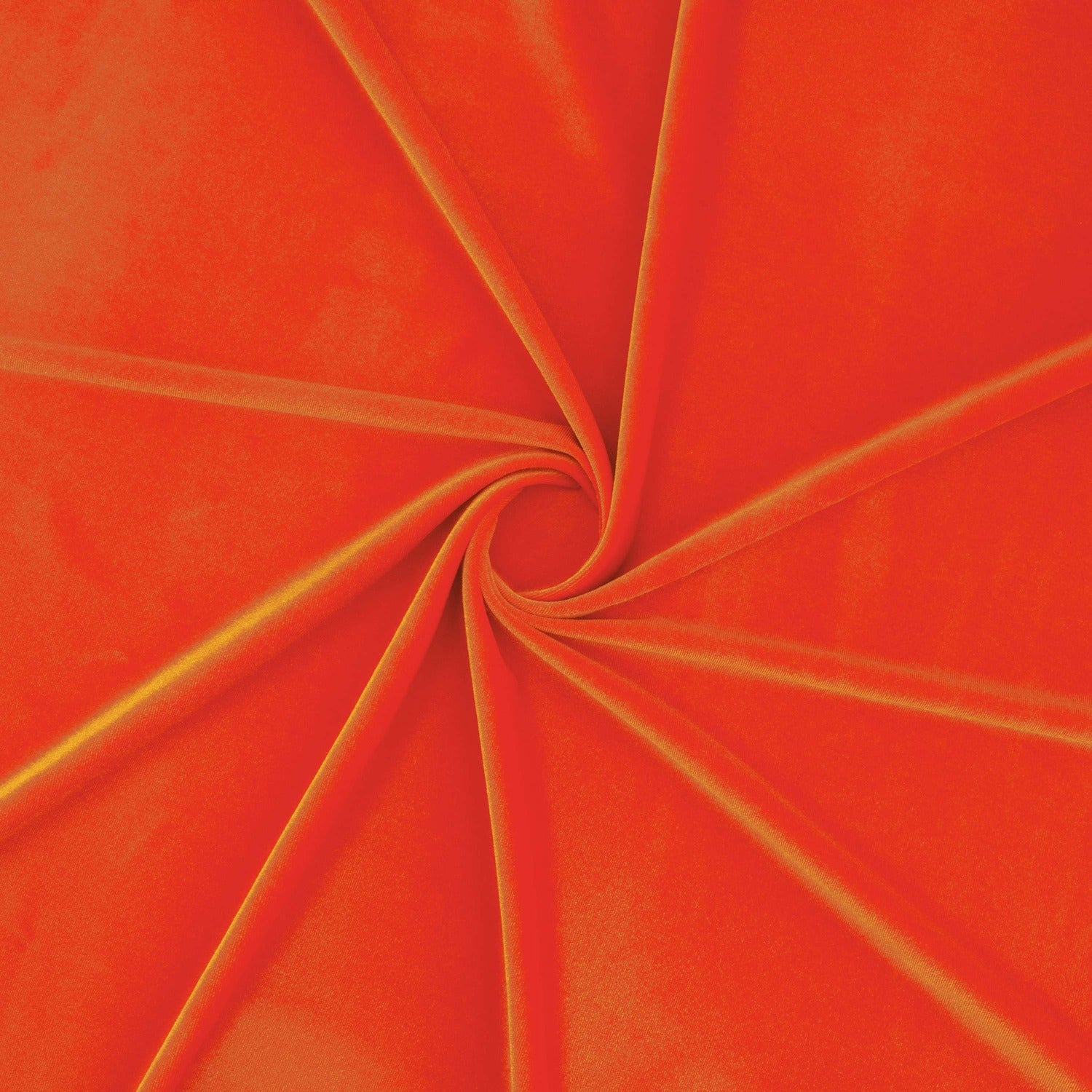
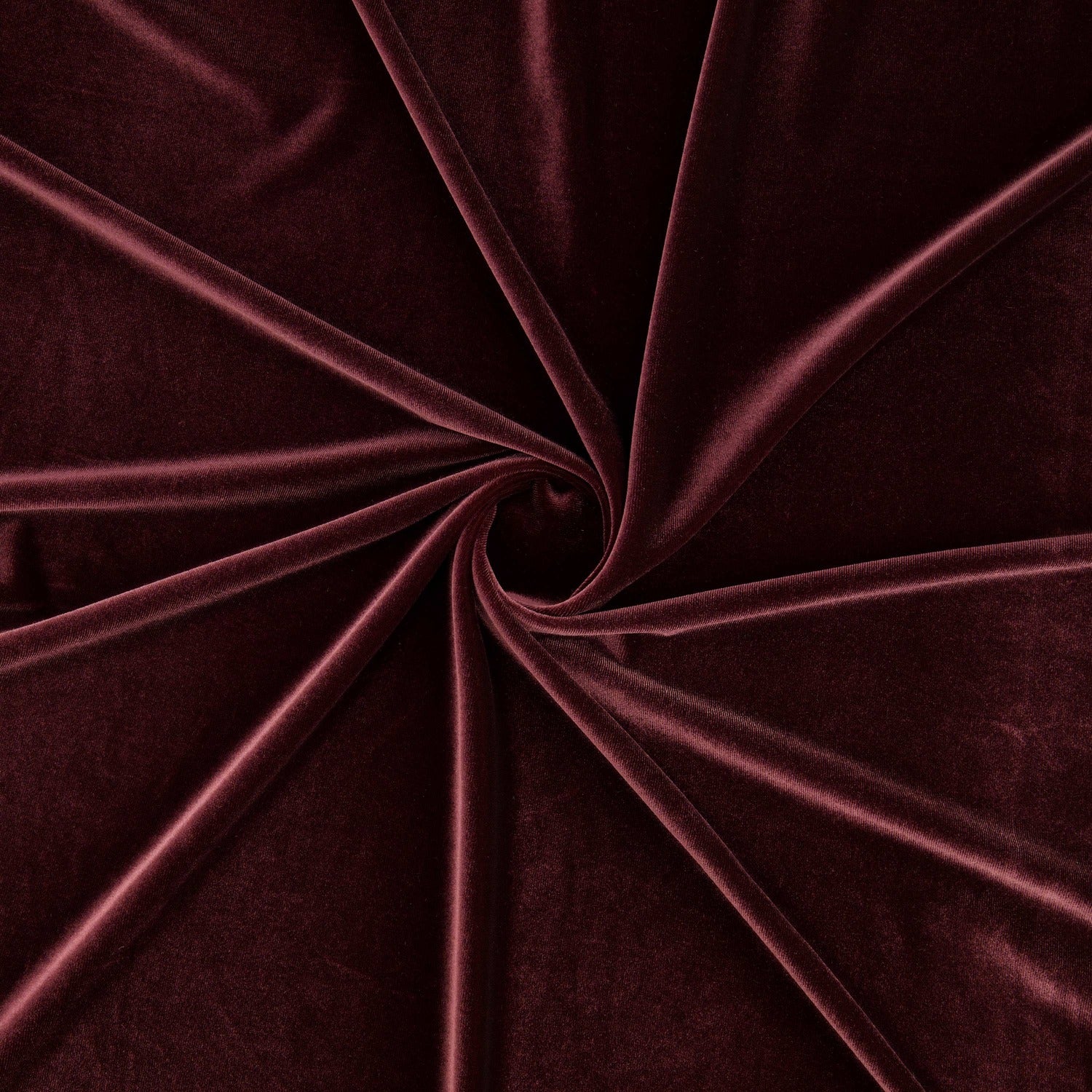
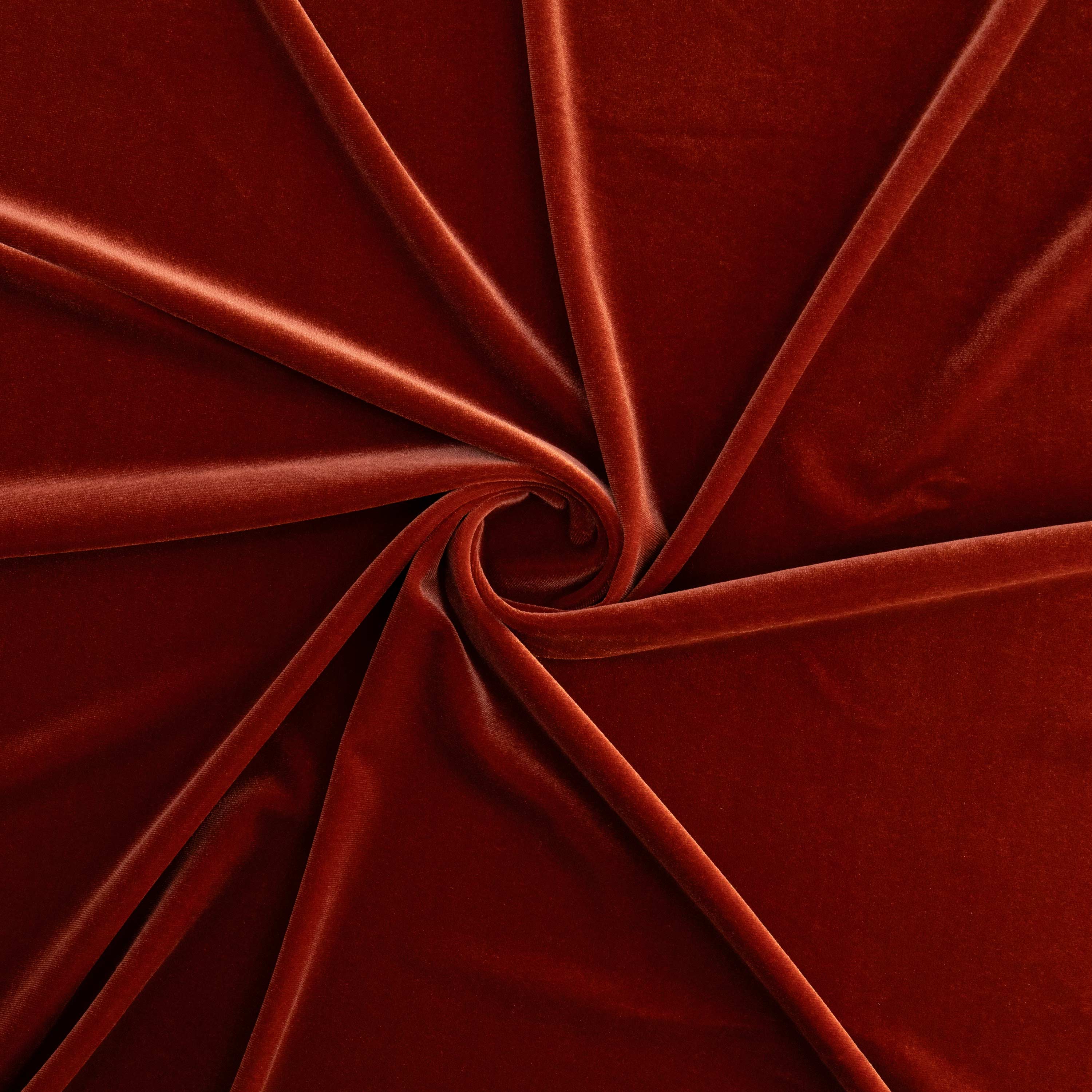
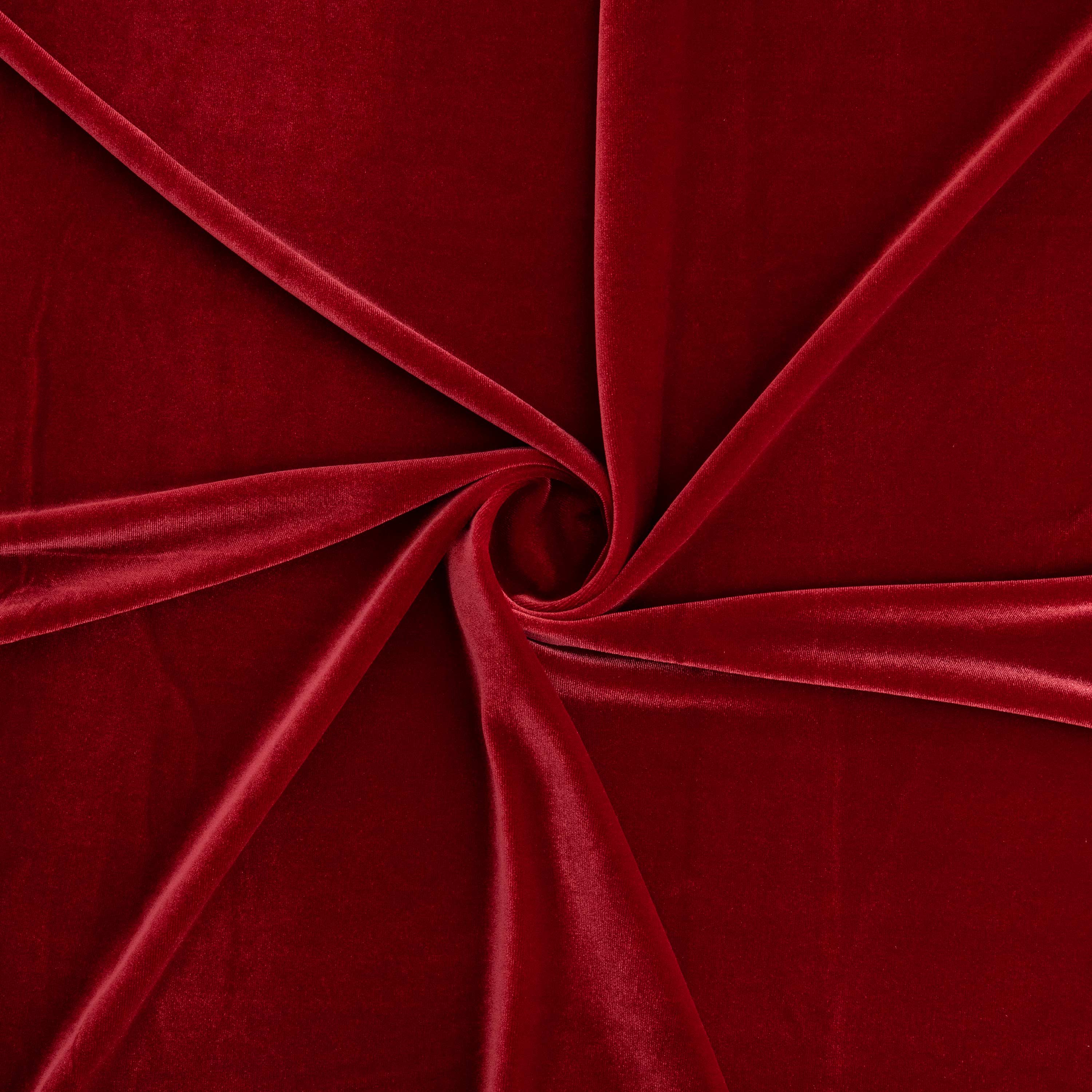
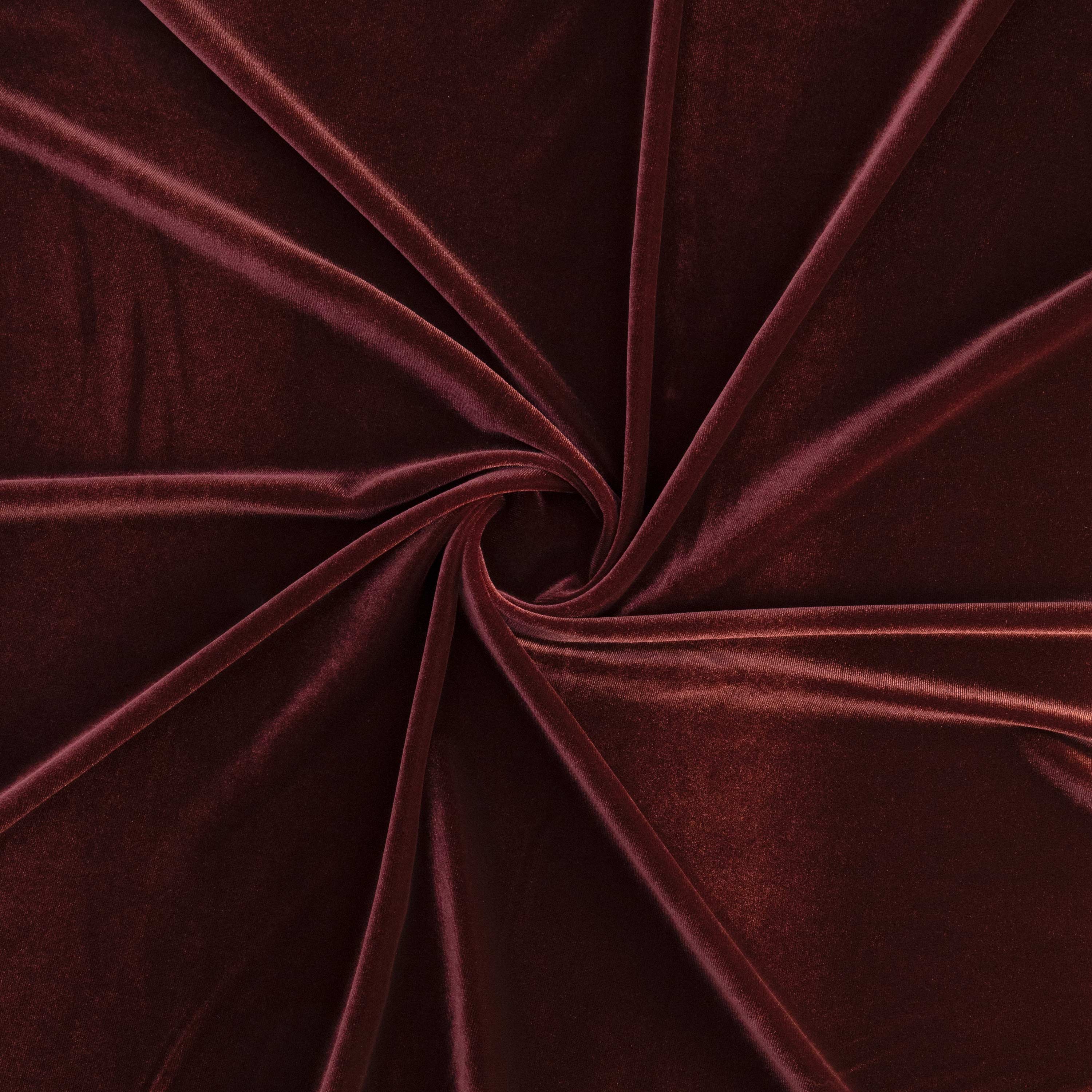
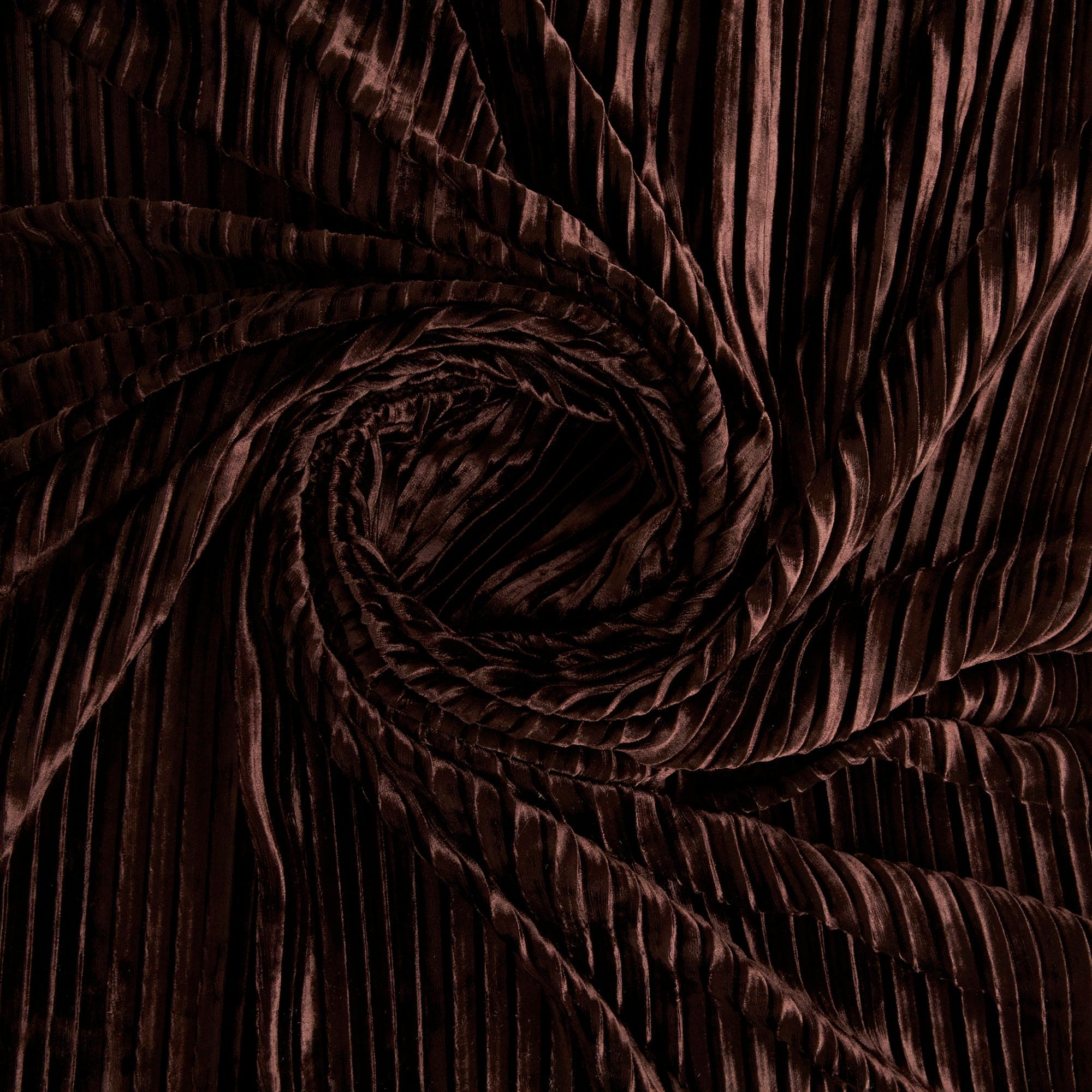
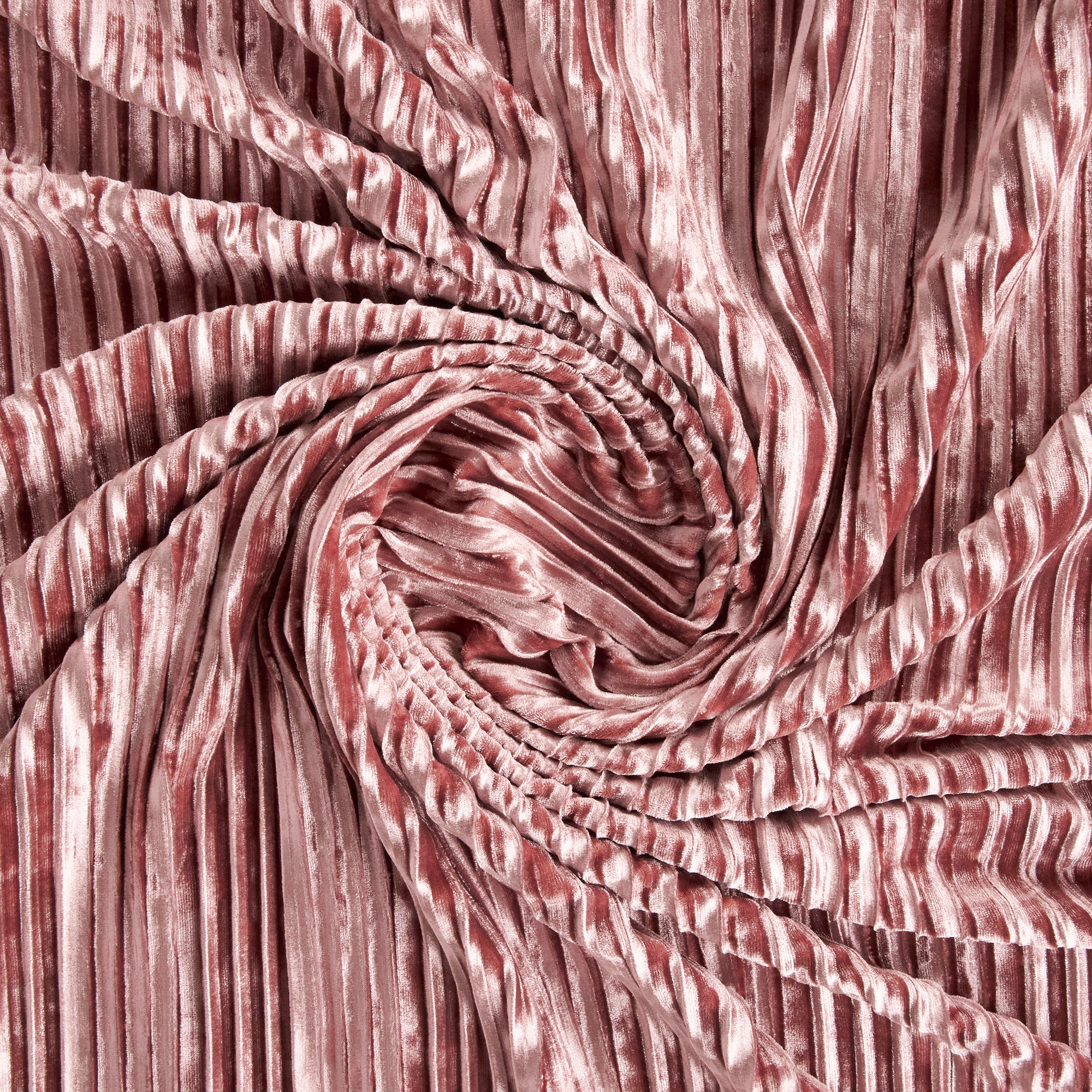
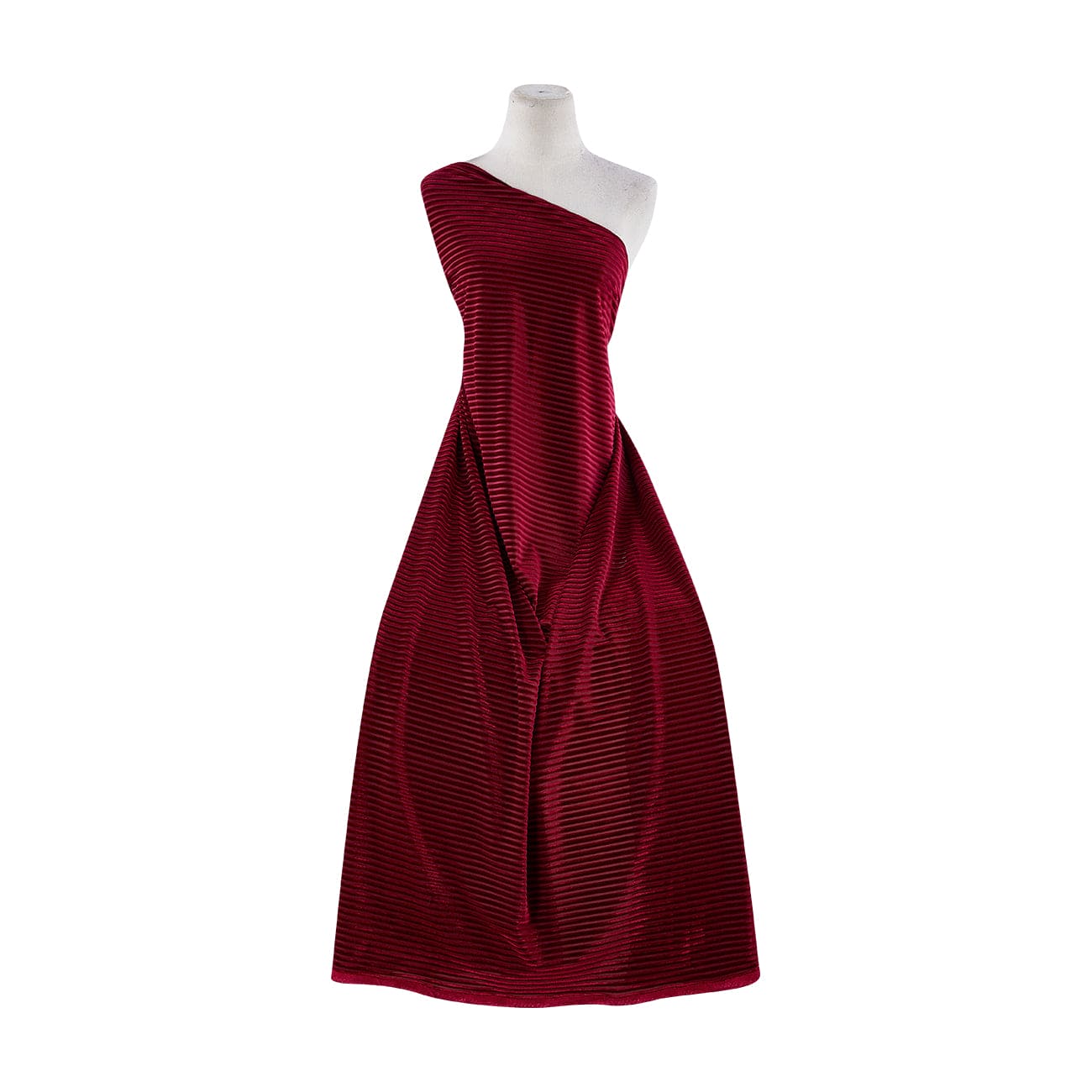
White velvet shows nap direction more prominently than darker shades, making consistent pattern piece orientation critical for color uniformity. The pile catches illumination differently based on textile orientation, creating subtle shifts that can read as ivory, cream, or cool white under various lighting conditions. This behavior contrasts with deeper tones such as red velvet fabric, which tends to mask nap variation while amplifying richness.
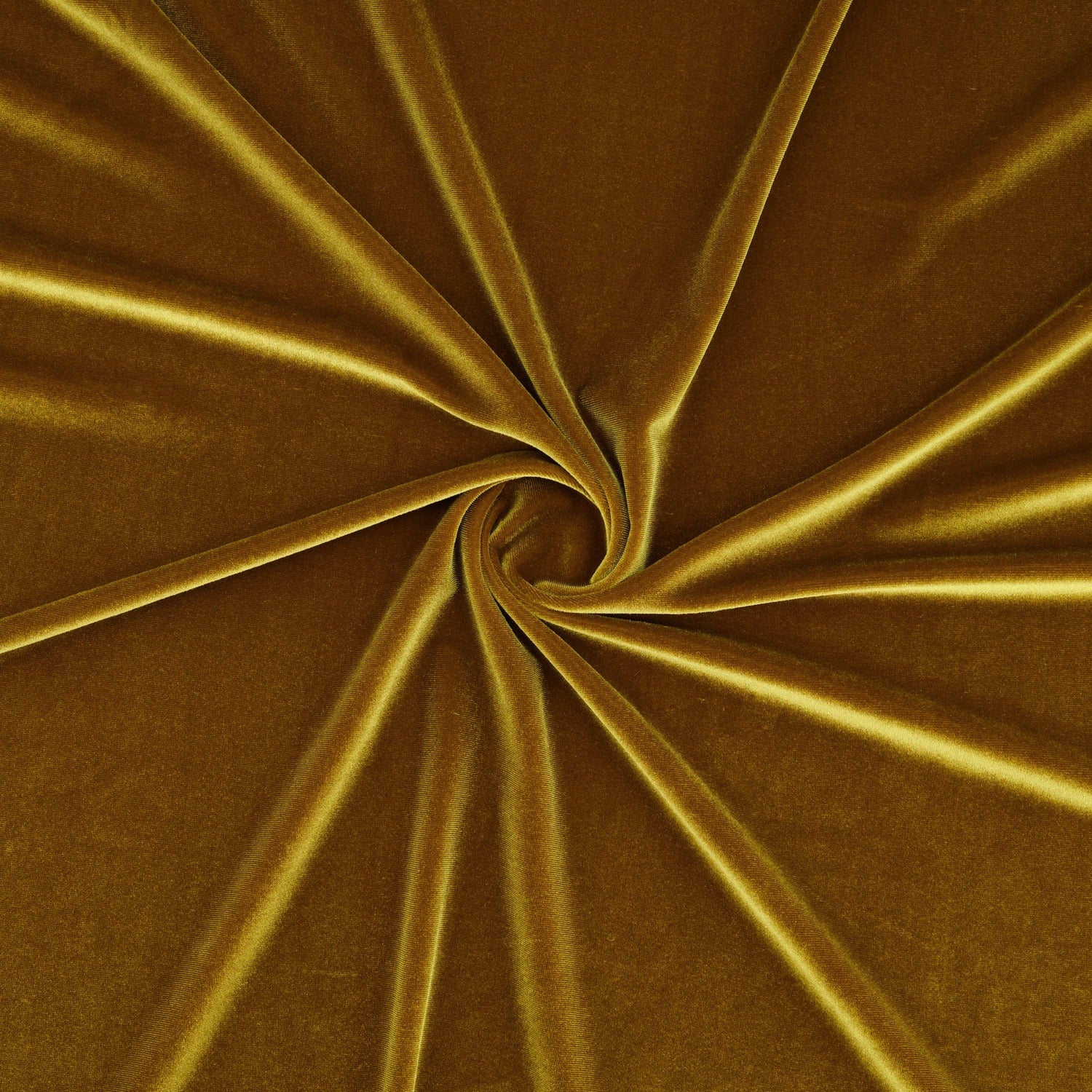
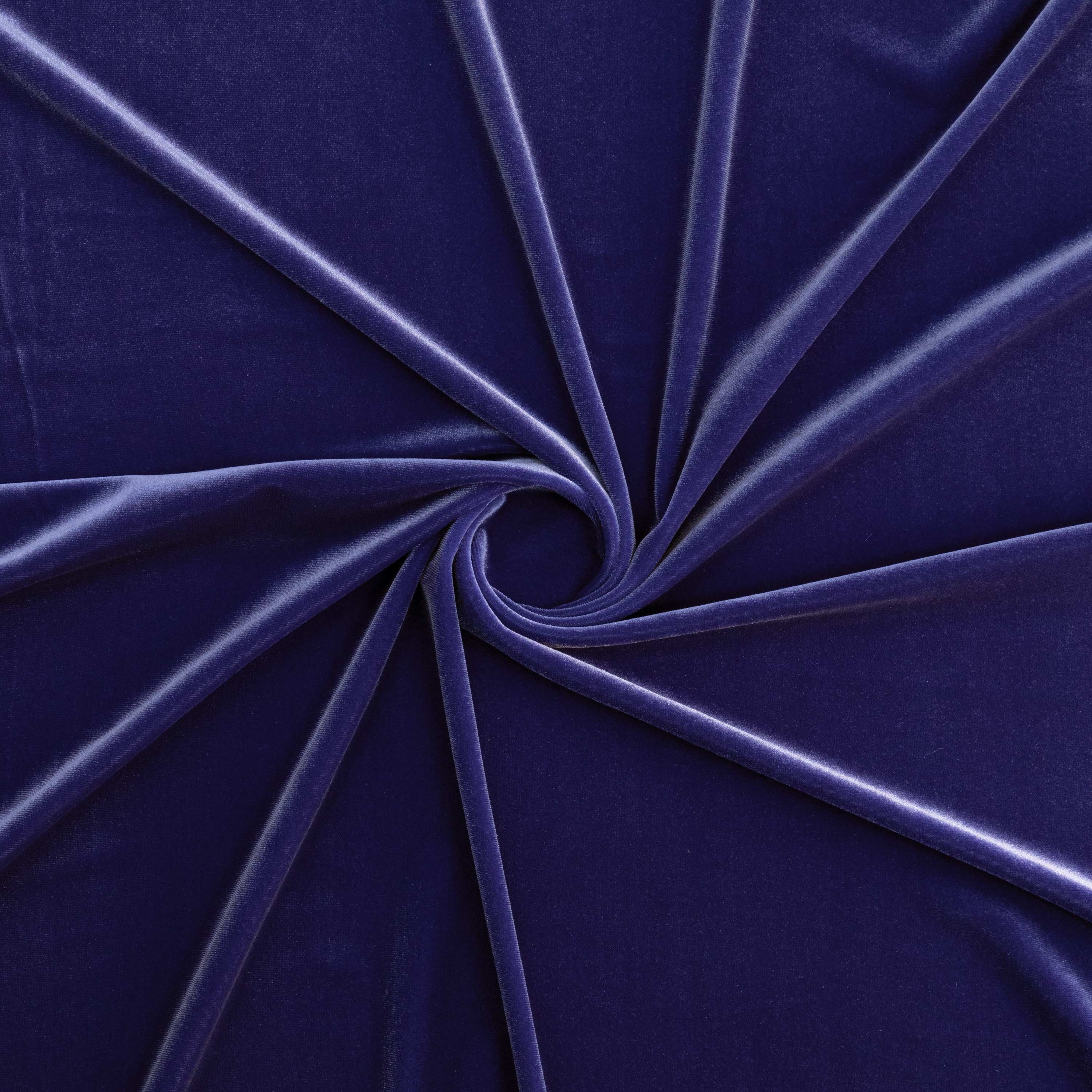
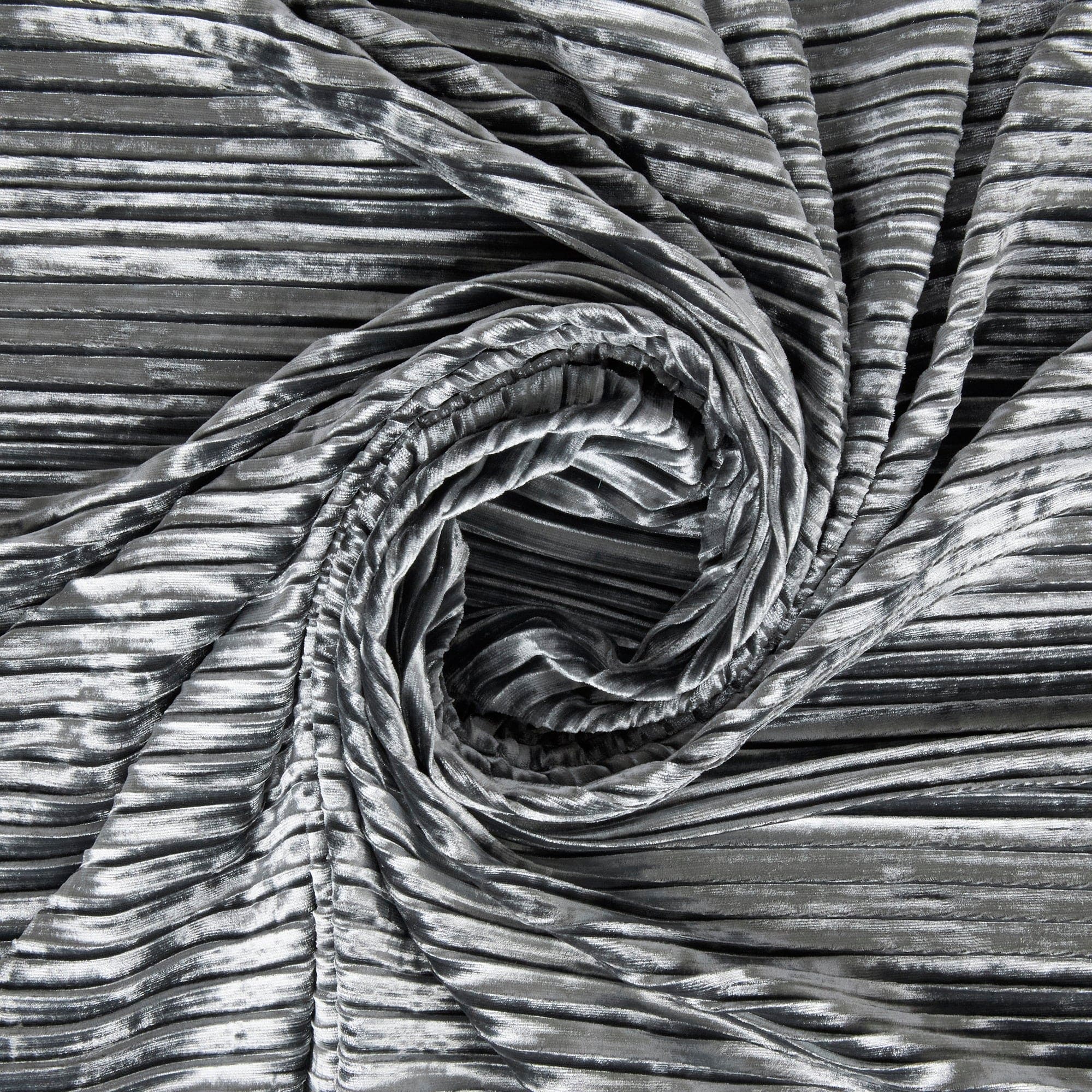
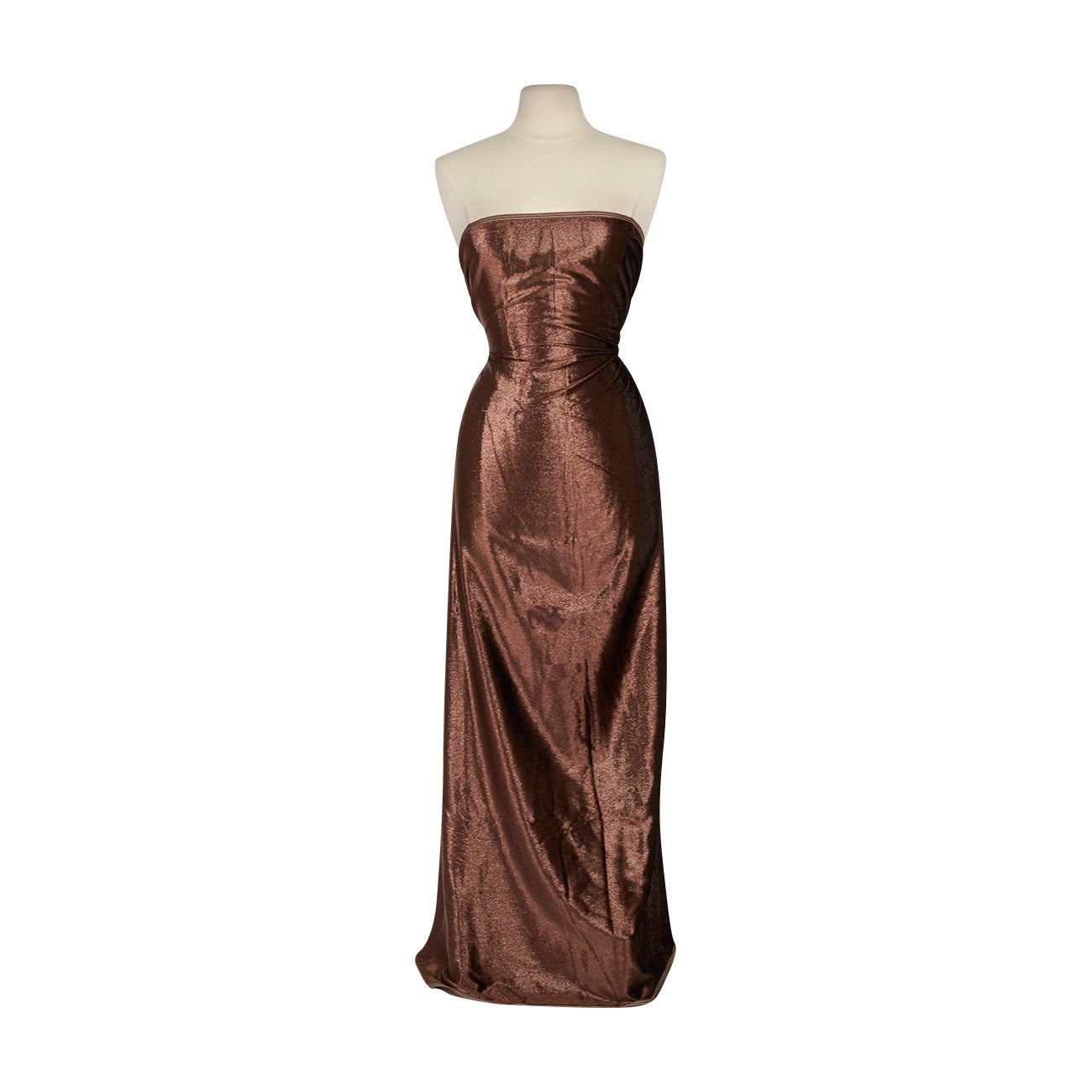
The neutral base pairs naturally with both warm and cool palettes. Layer white velvet with metallics for holiday collections, contrast against saturated jewel tones for visual pop, or combine with linen or cotton for sophisticated monochrome looks. The pile provides enough surface interest that this textile holds its own as a hero material without additional embellishment.
Construction Guidelines for Optimal Results
Work with a ballpoint needle (75/11 for knits) or microtex (70/10 for wovens) and extend stitch length to 3.0 to prevent puckering. A walking foot manages pile and prevents material creep during assembly. Press from the wrong side using low heat with a press cloth—direct heat can crush pile permanently or damage synthetic content.
Cut all pattern pieces in the same nap direction using single-layer cutting to avoid creep between layers. For stretch constructions, stabilize shoulder seams and necklines with stay tape. When working with heavier upholstery weights, consider flat-felled or bound seams for clean interior finishes that prevent fraying.
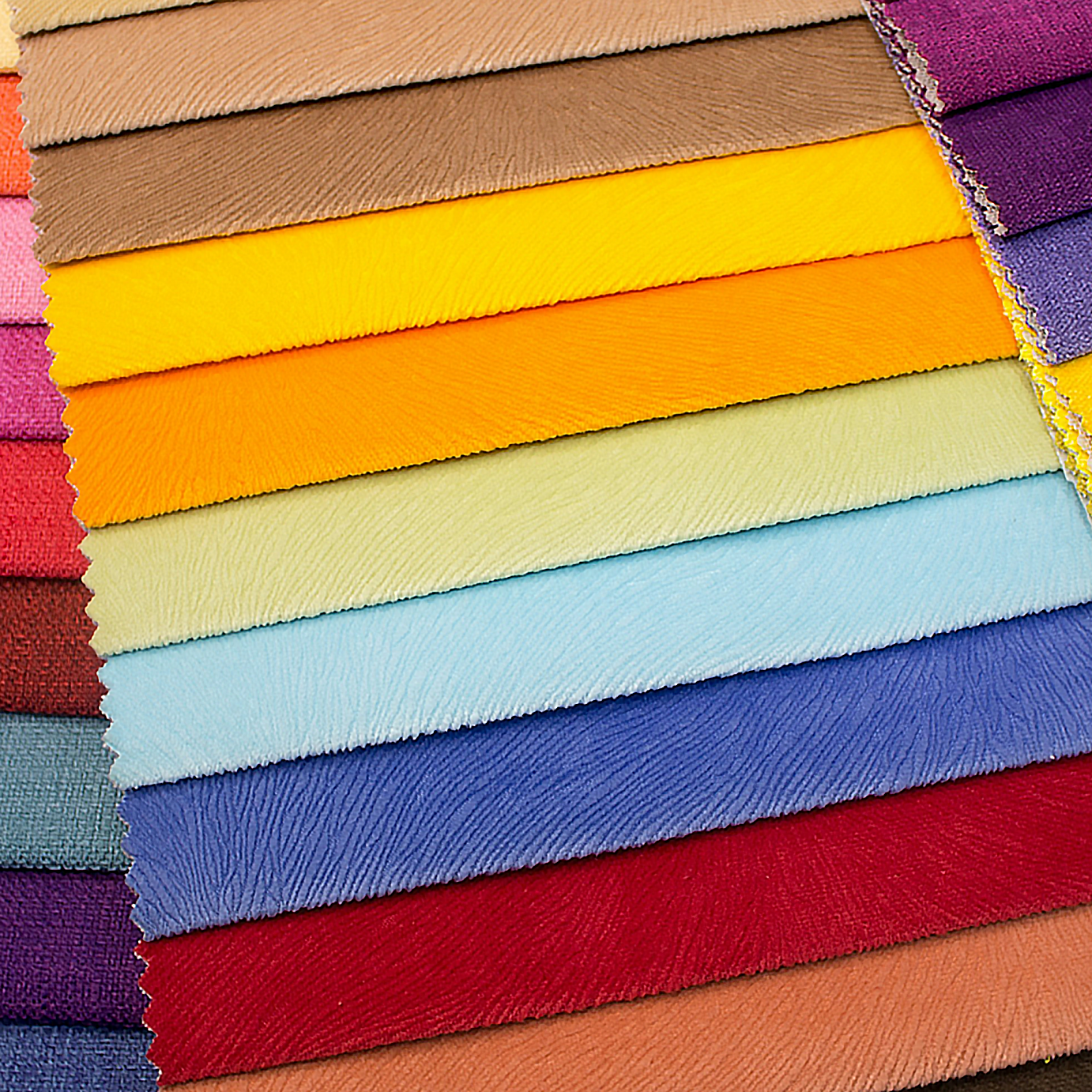
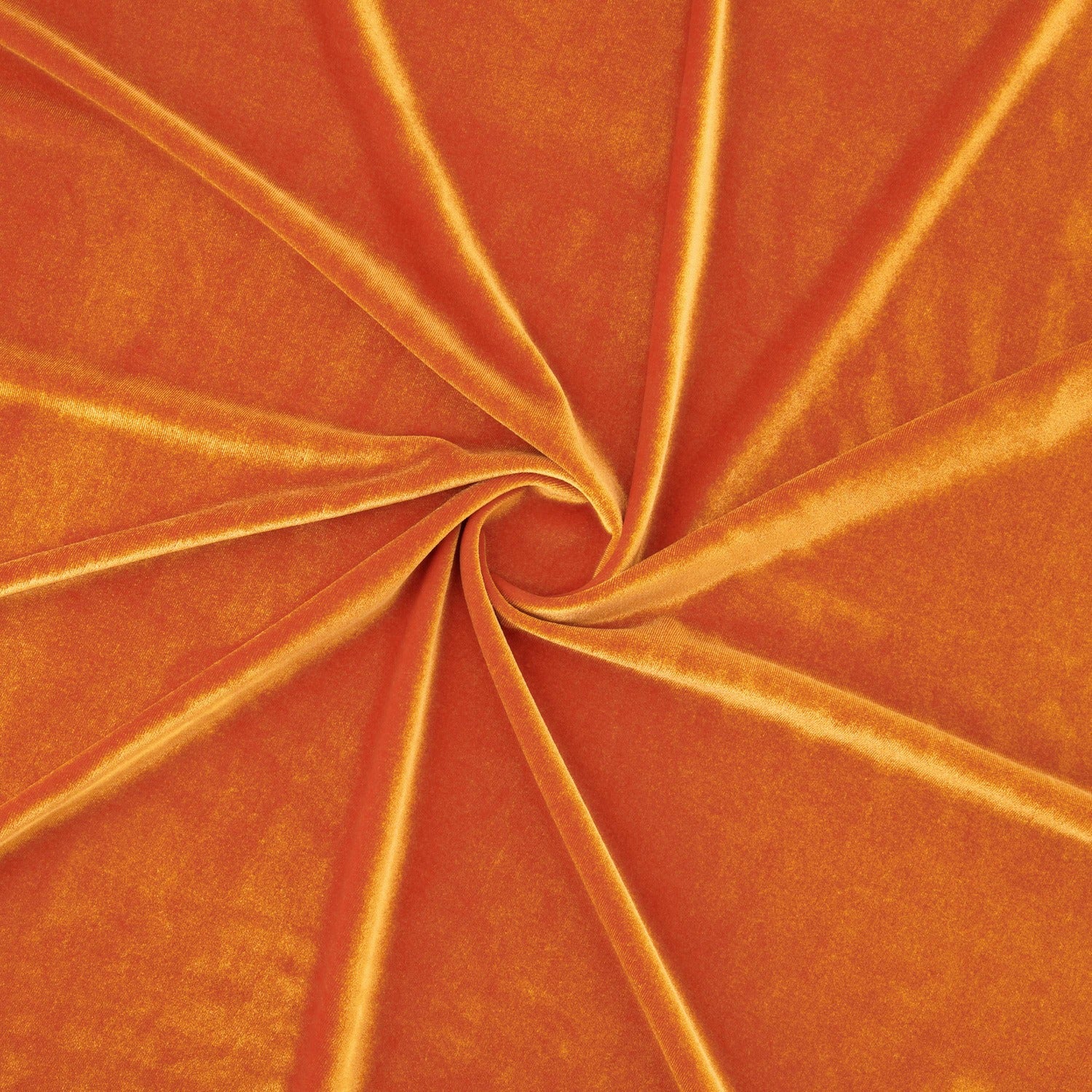
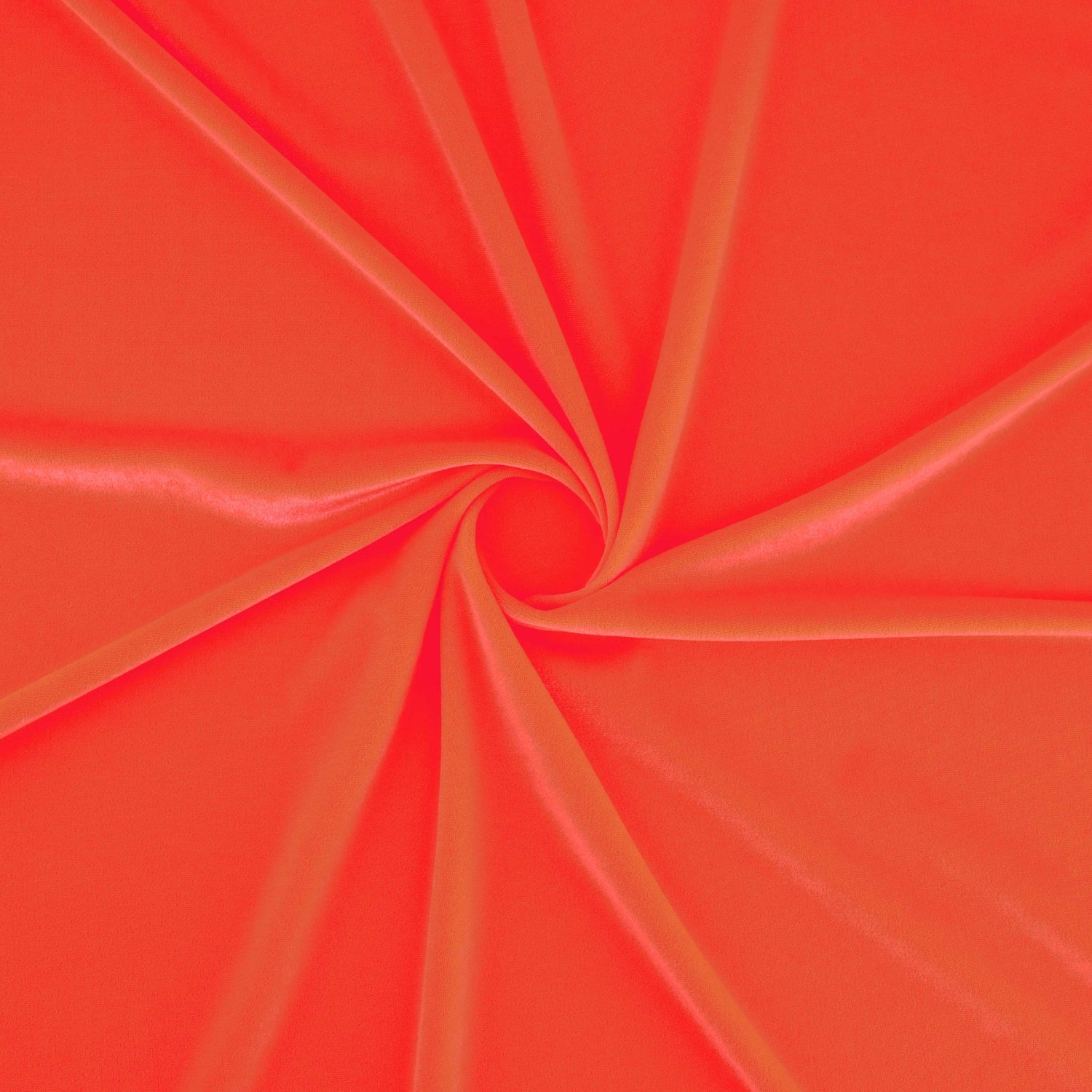
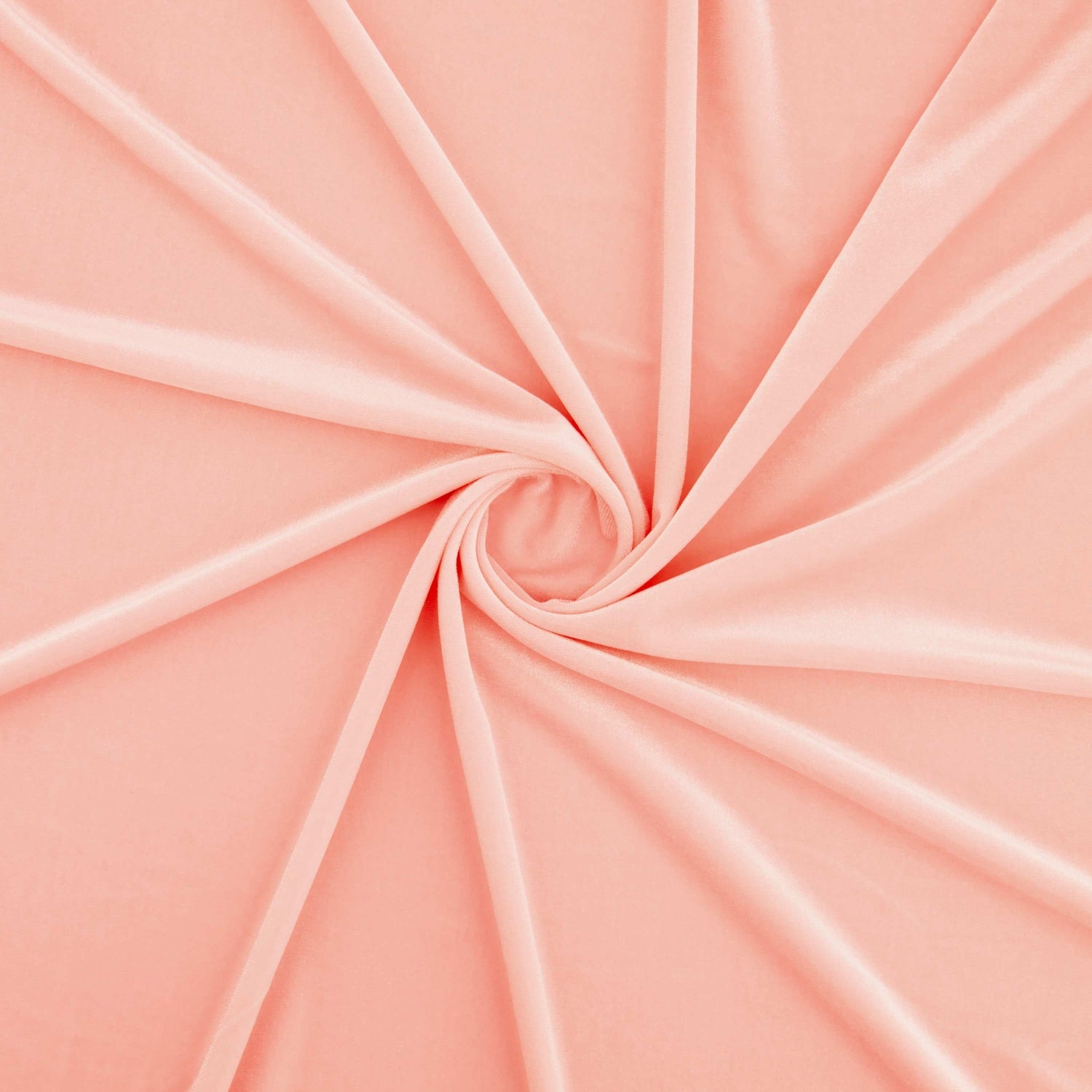
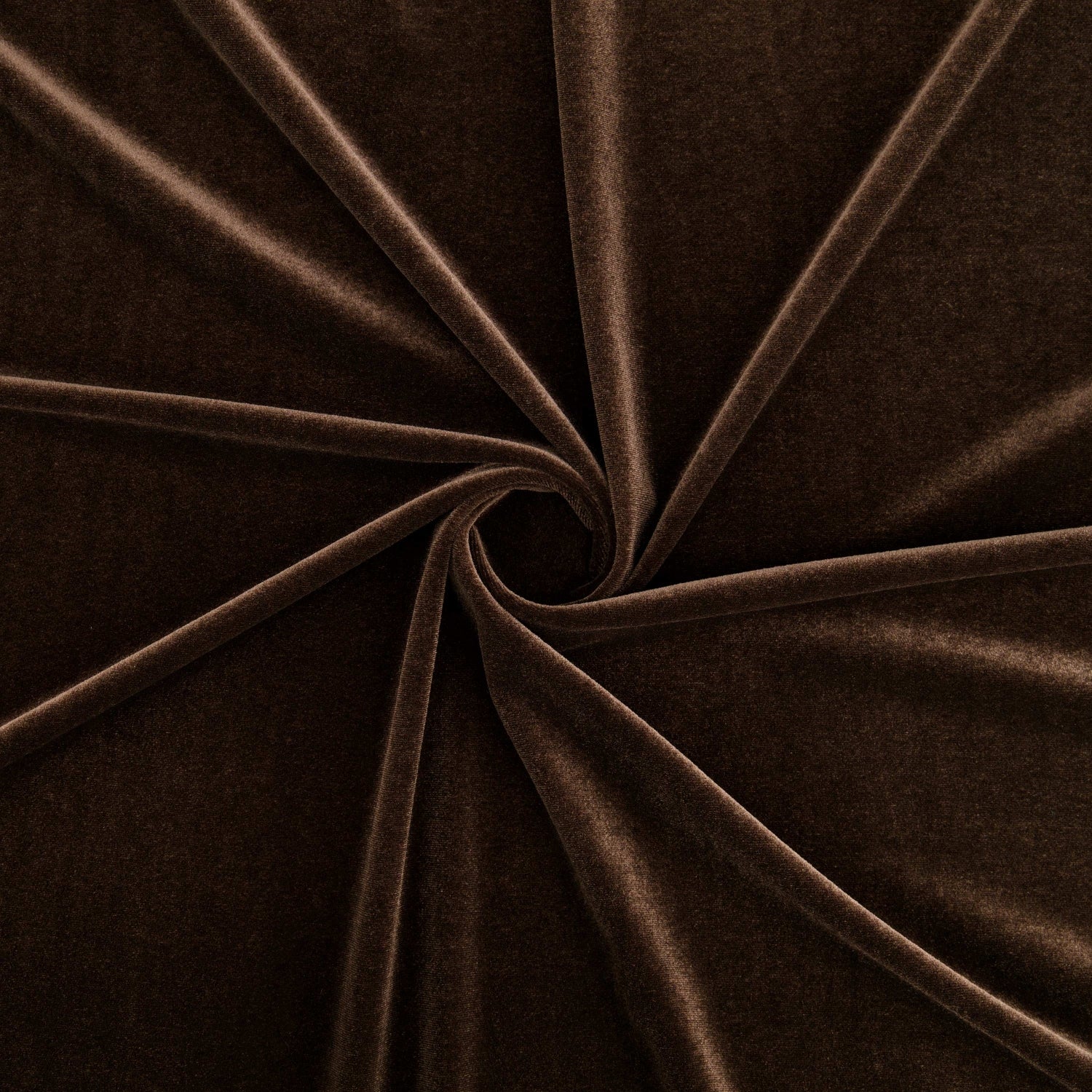
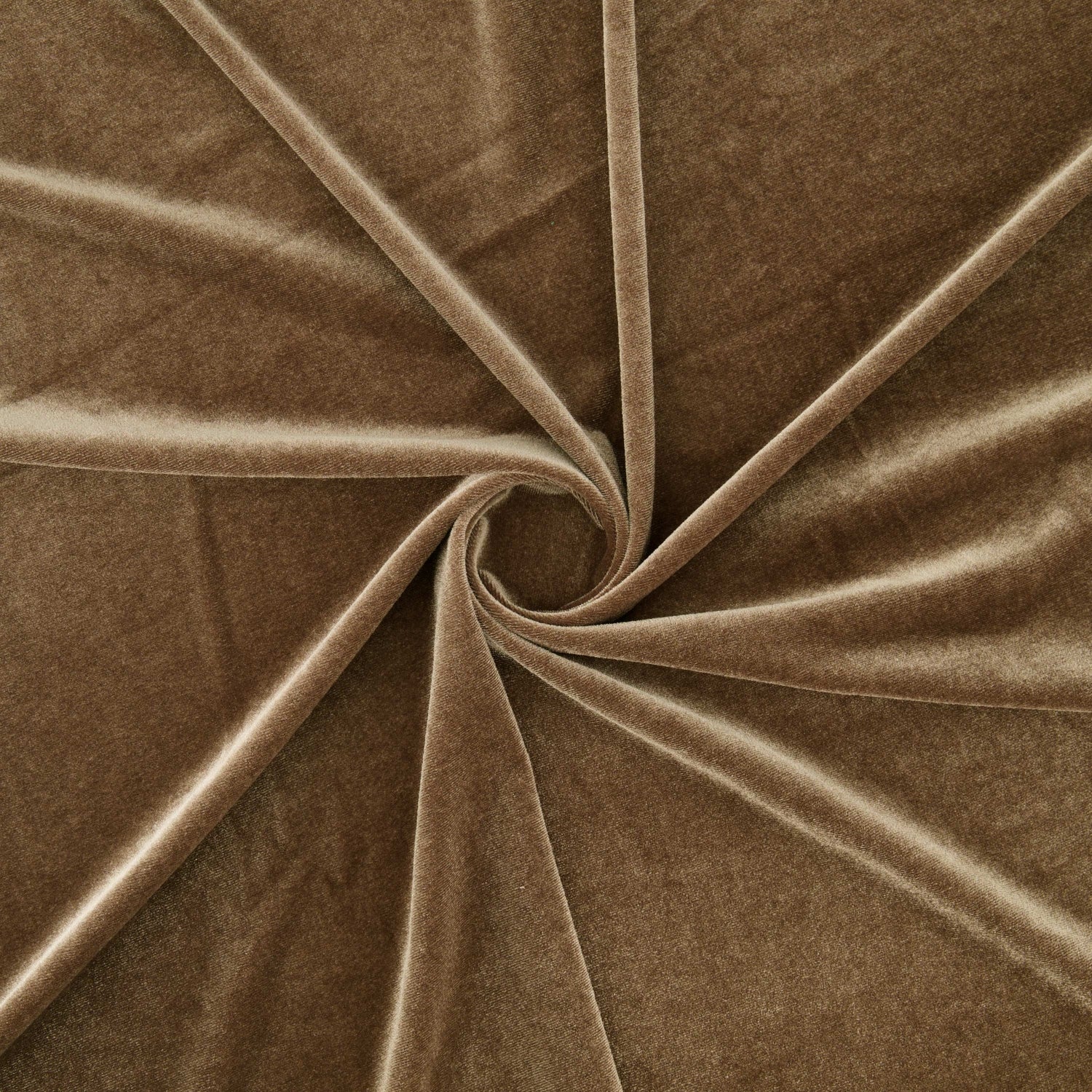
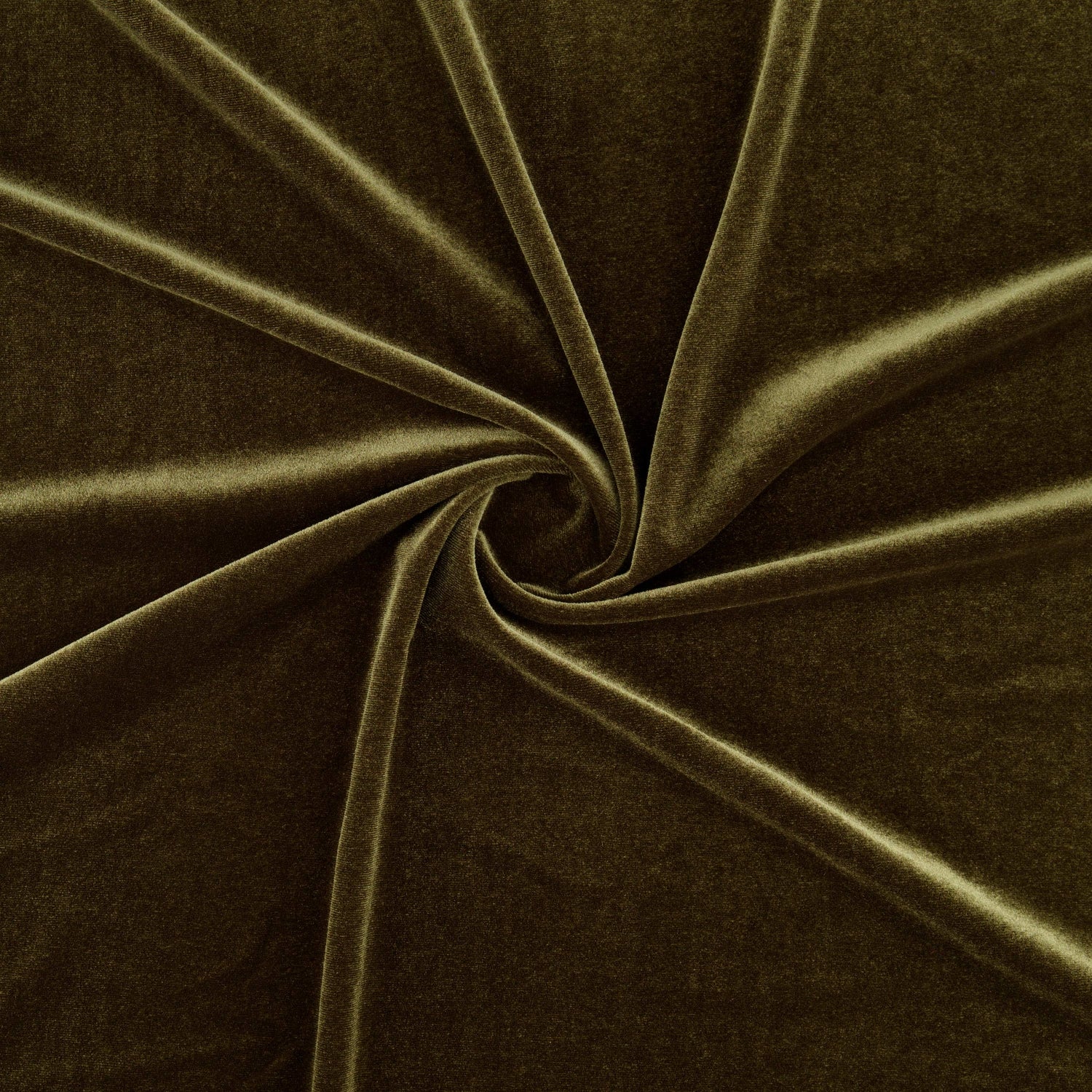
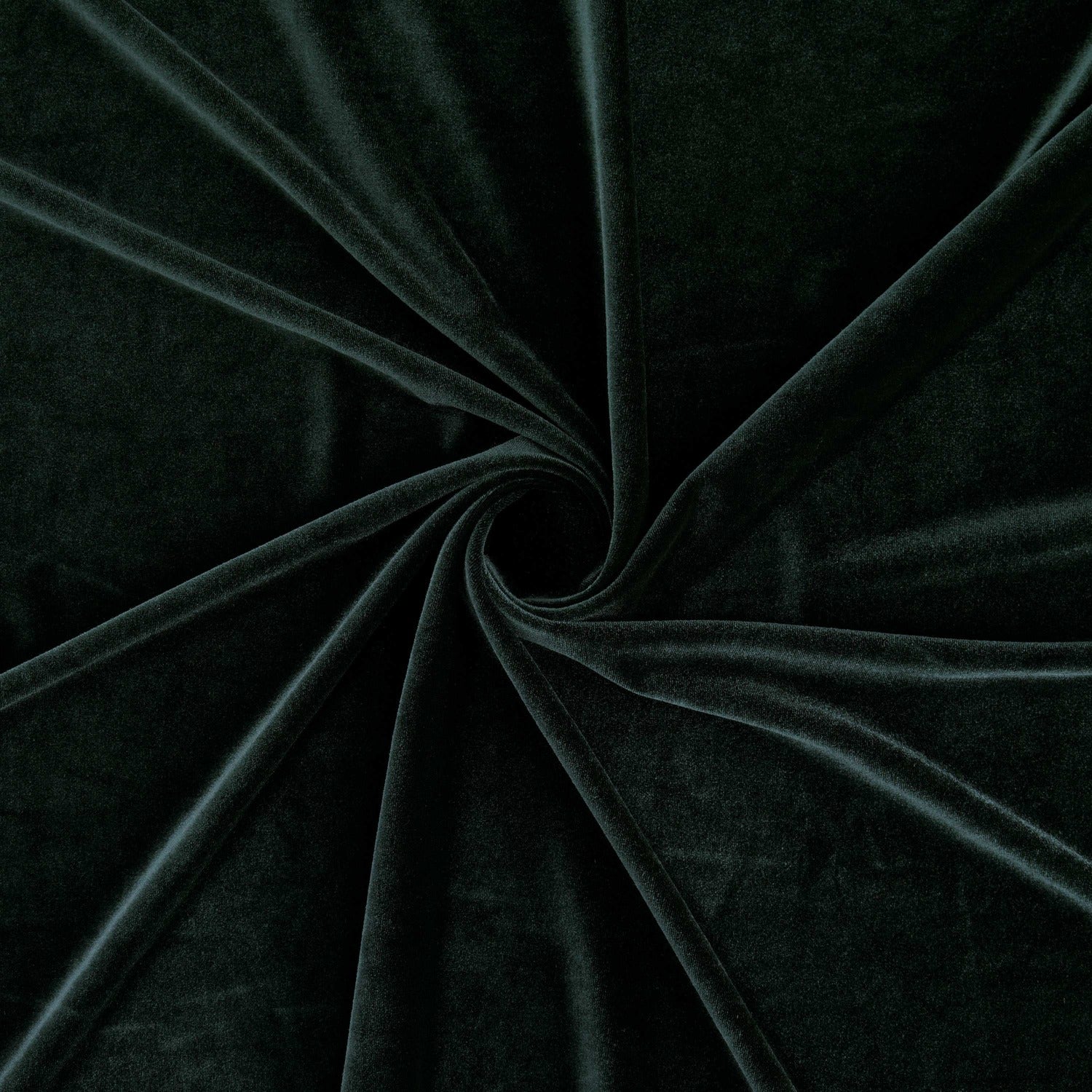
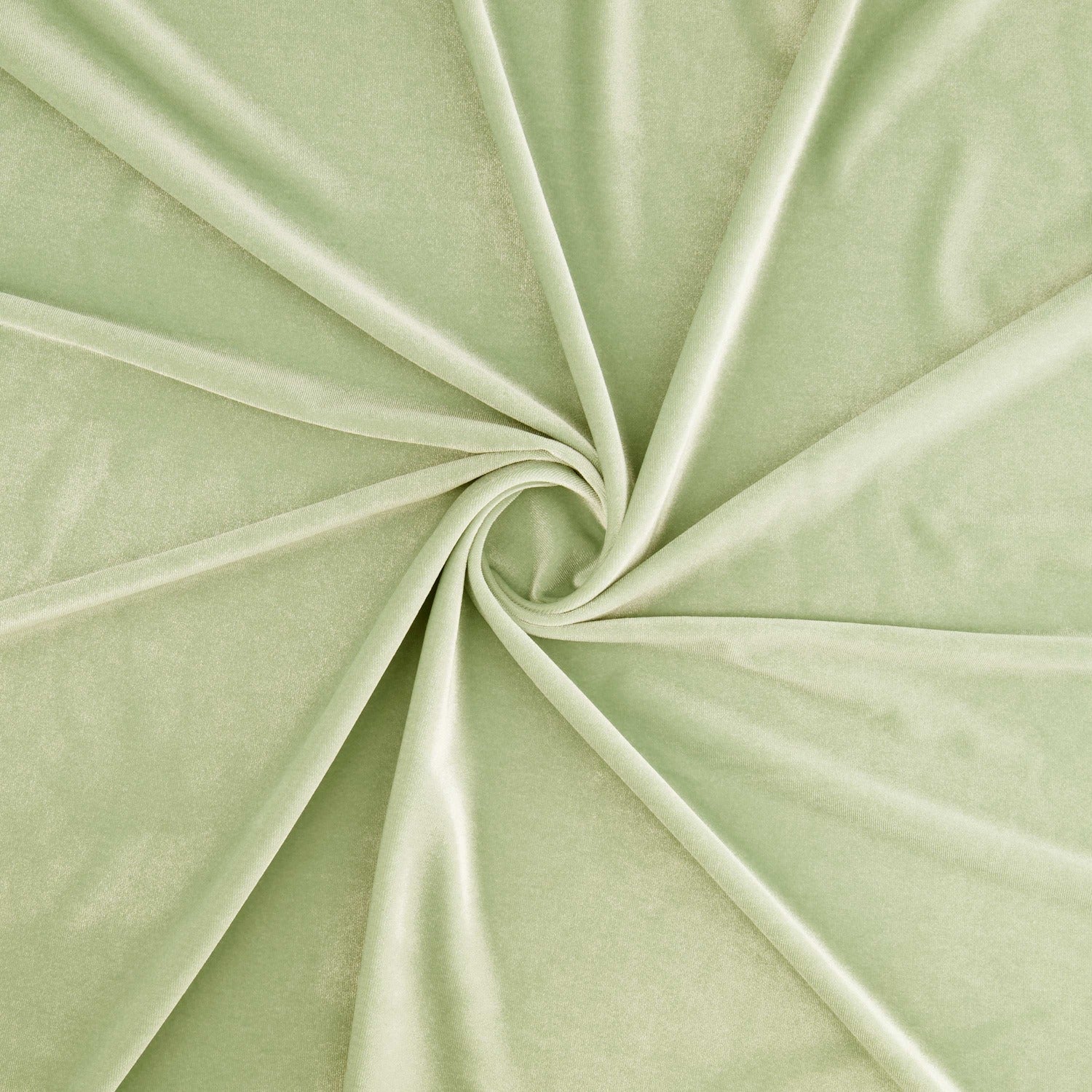
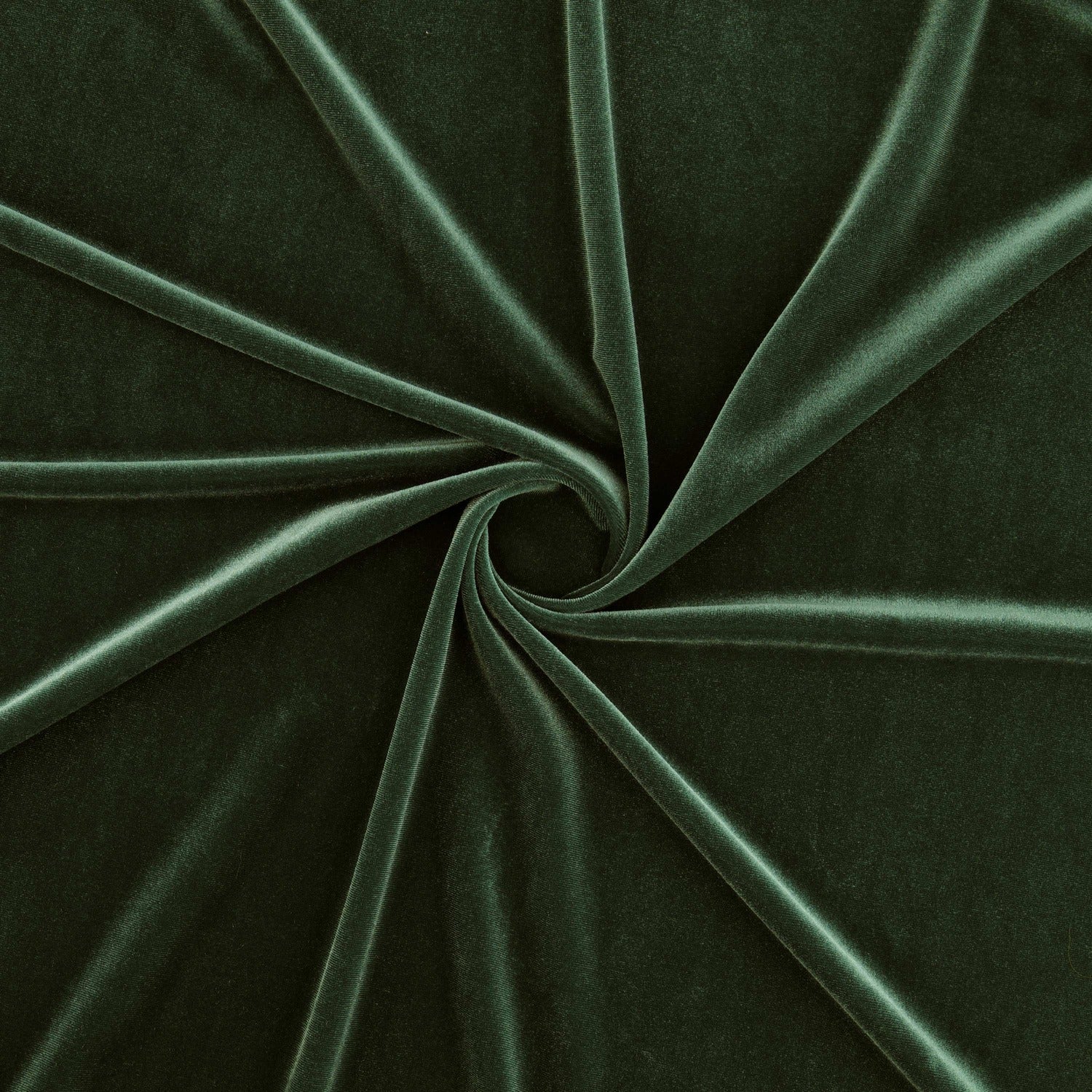
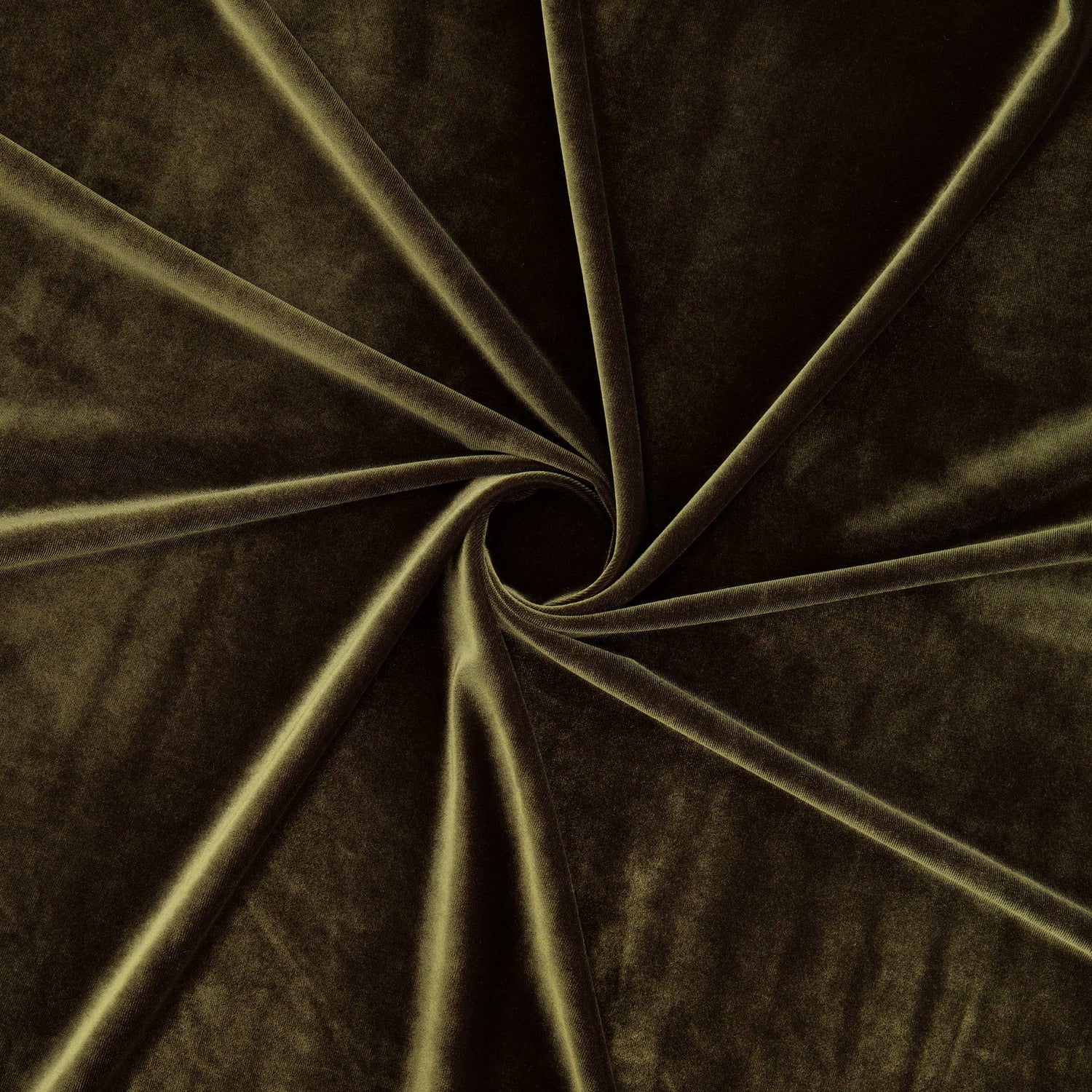
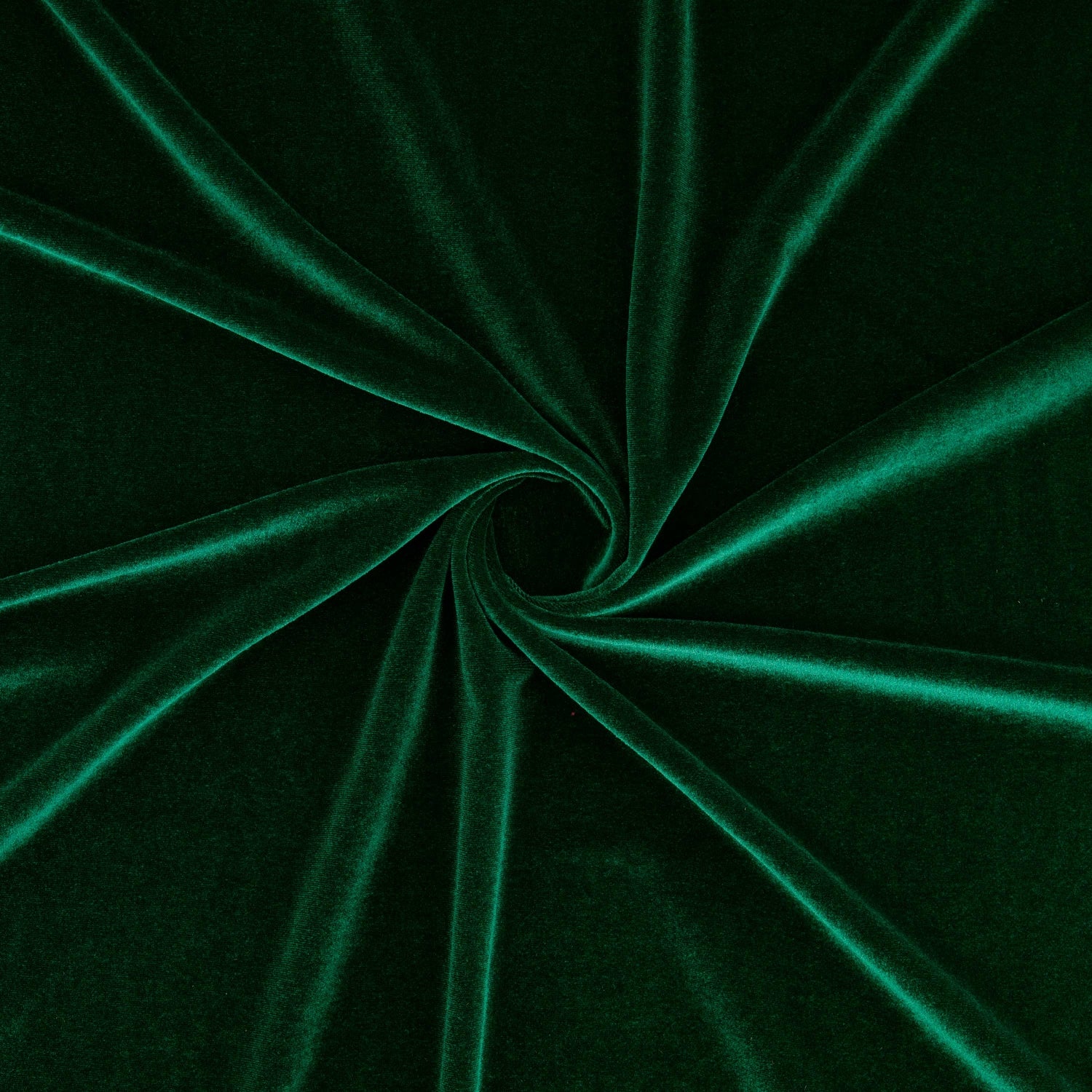
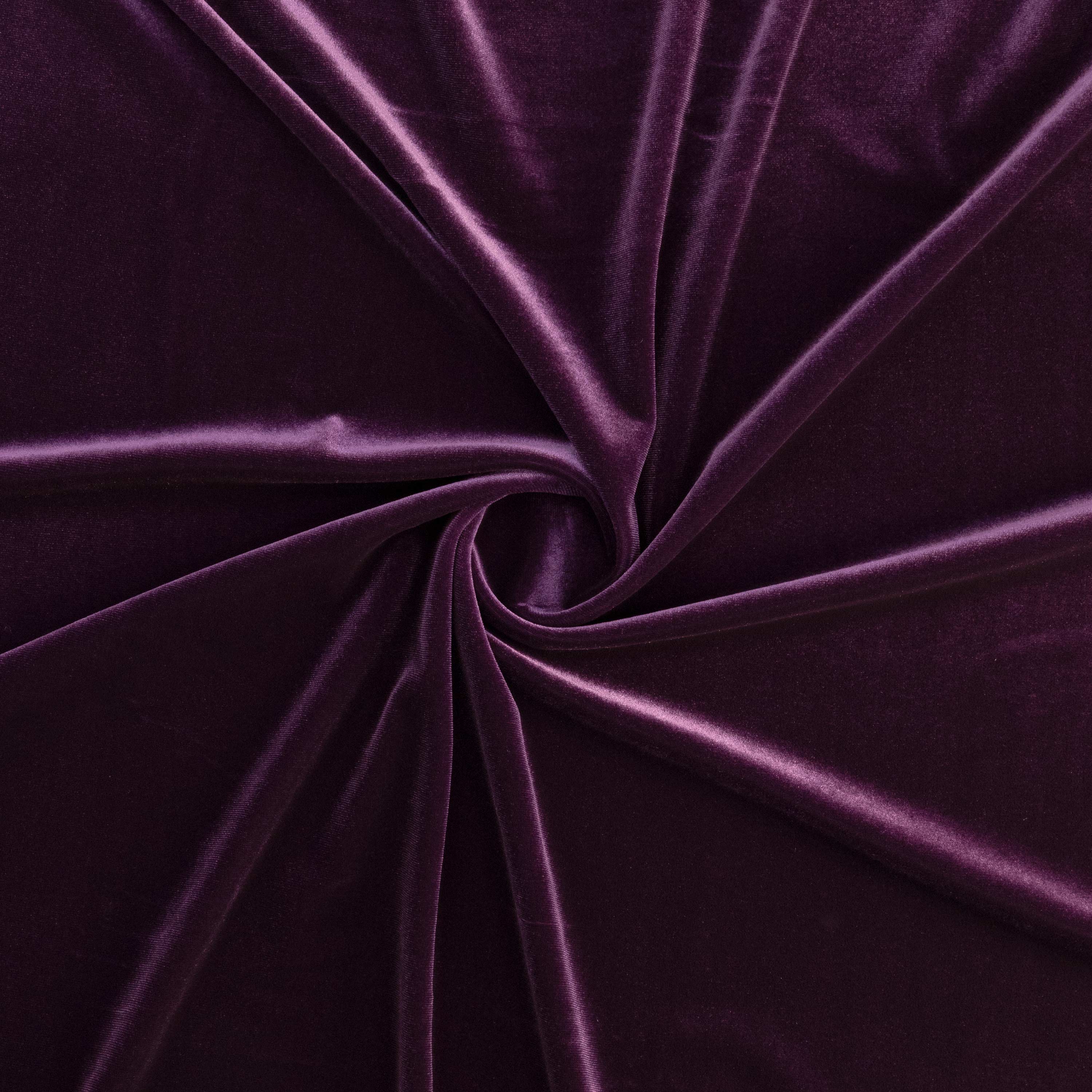
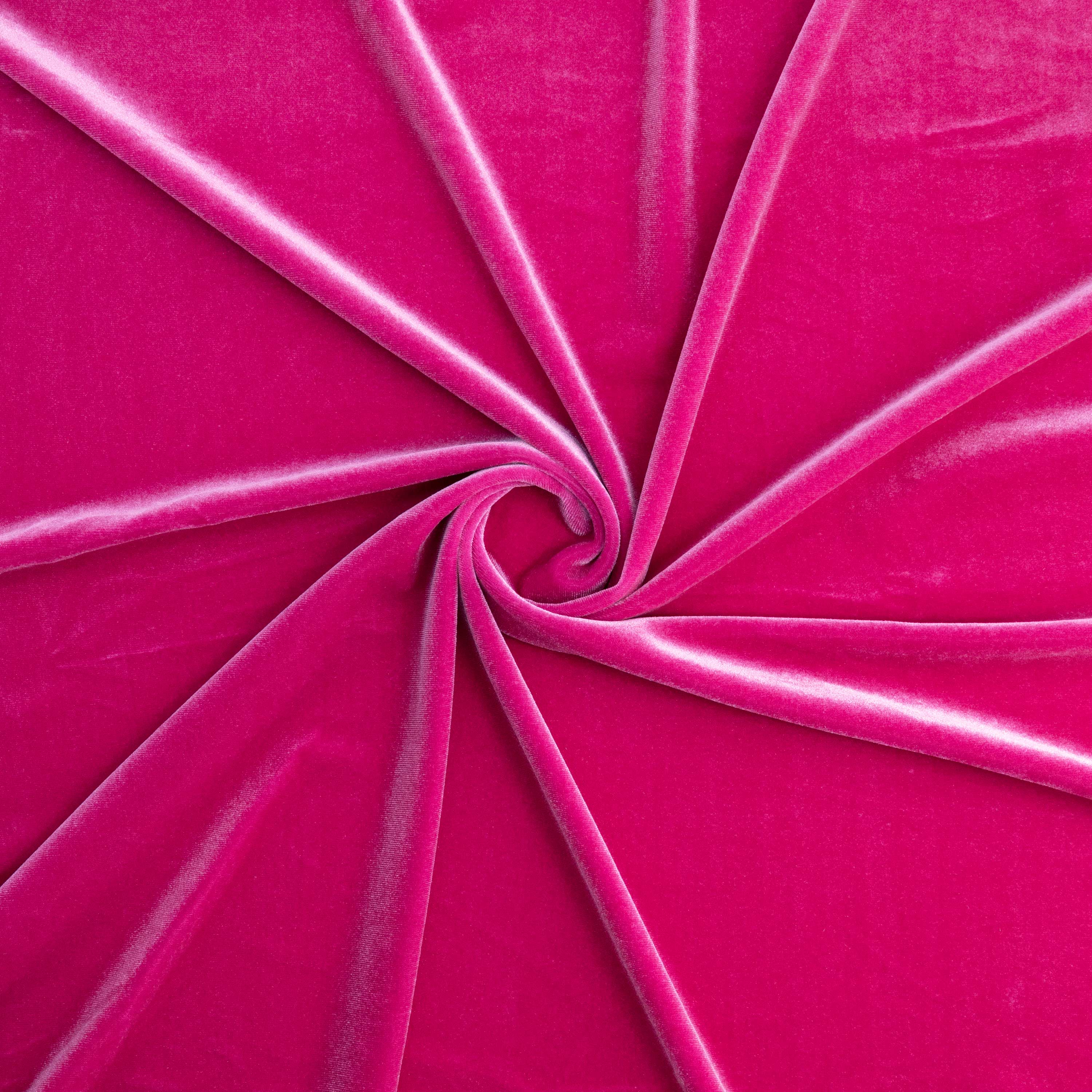
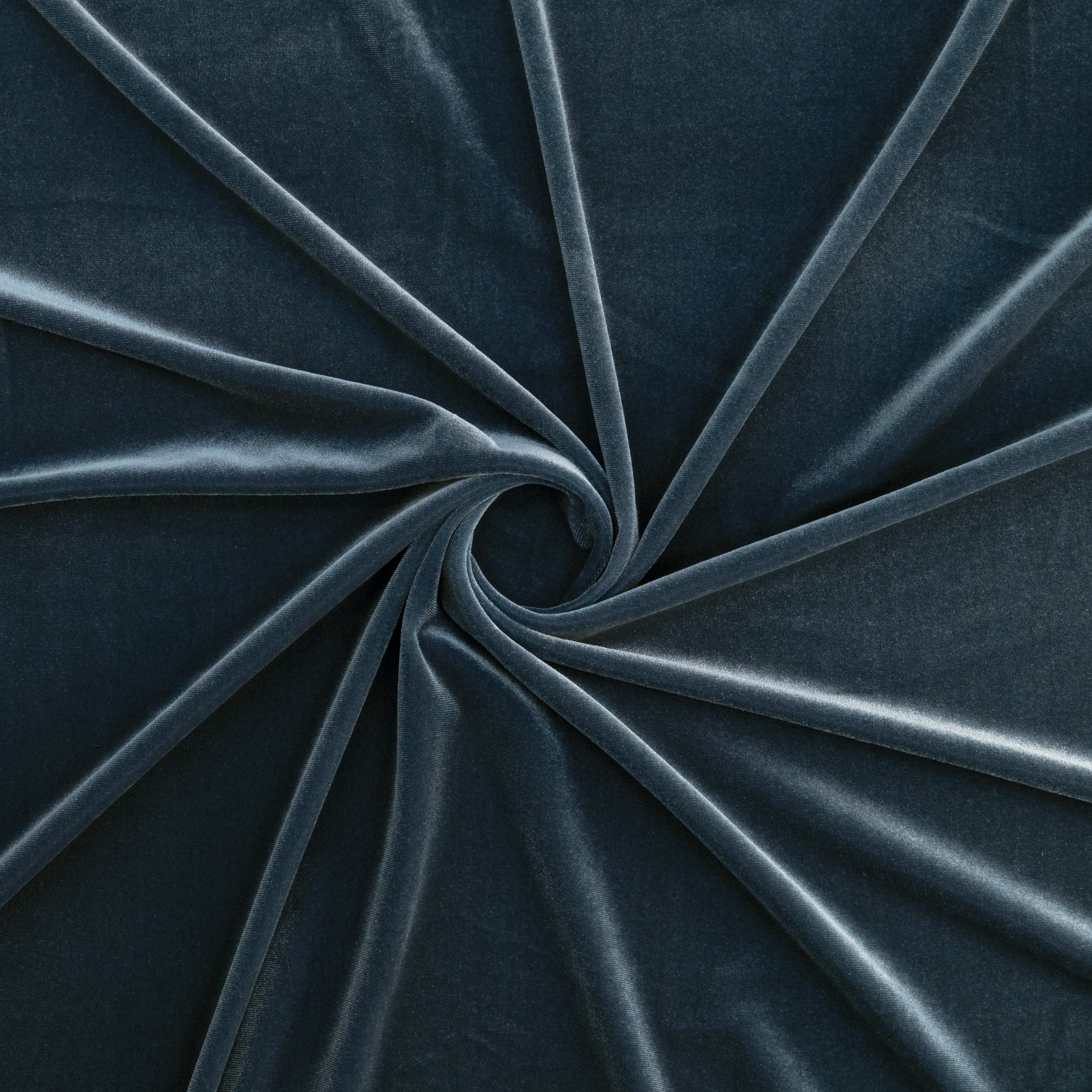
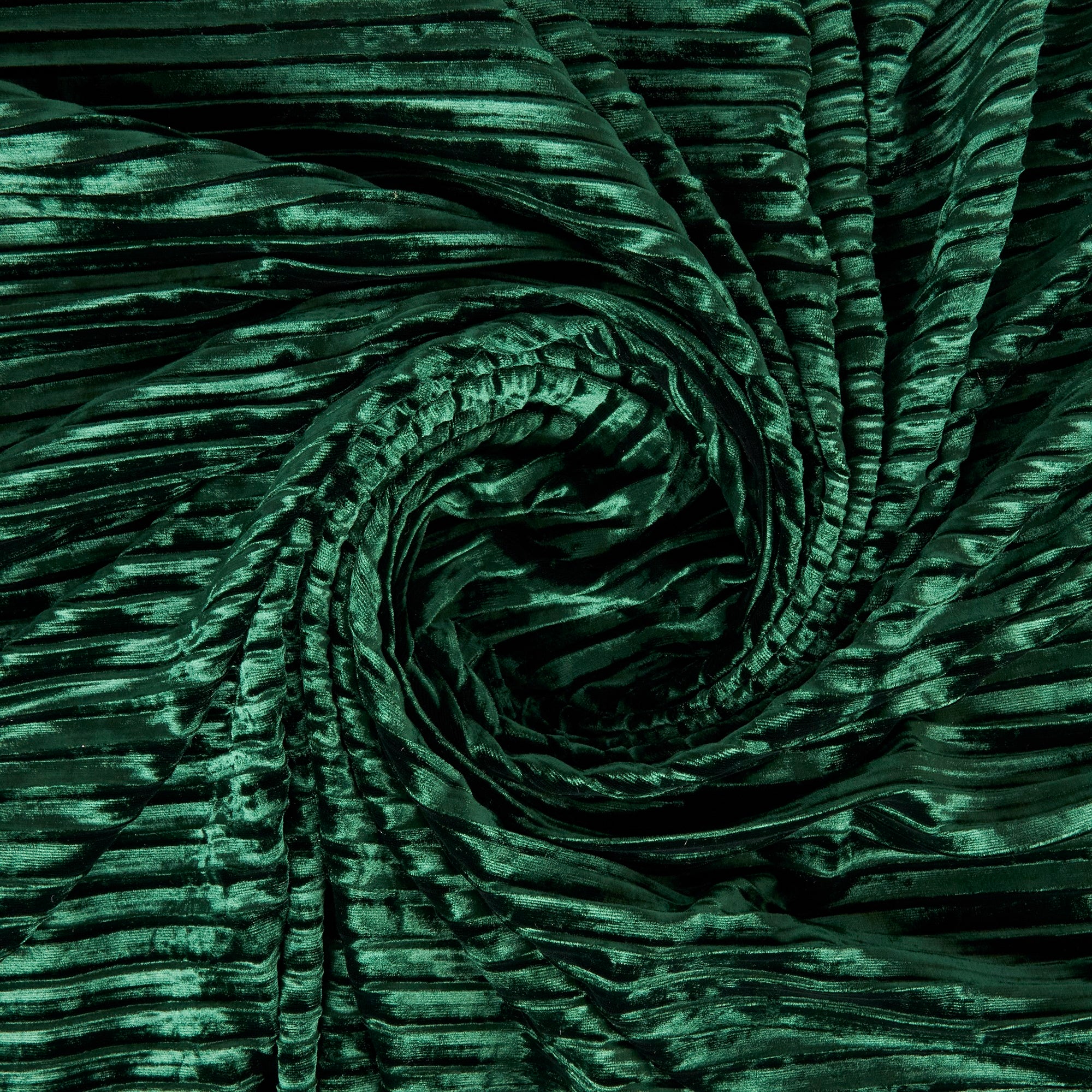
Request swatches to evaluate construction, drape, and color accuracy before committing to yardage. Testing under your workspace illumination ensures the specific white shade aligns with your collection vision and coordinates effectively with complementary shades like green velvet fabric or red velvet fabric.
Frequently Asked Questions
What makes white velvet fabric suitable for bridal collections?
The neutral pile creates dimension in photographs while providing a refined canvas for embellishment, beading, or layering with lace and tulle—critical for bridal designs requiring both texture and light-reflective qualities.
How does stretch velvet fabric differ from woven upholstery constructions?
Stretch versions incorporate spandex for body-hugging silhouettes with recovery, ideal for fitted dresses and activewear. Upholstery weights offer greater density and stability for structured garments, outerwear, or decorative applications requiring minimal drape.
Can white velvet work in warm-weather collections?
Yes—lightweight stretch constructions with lower pile density perform well in transitional seasons. Consider using as accent panels, trim details, or evening pieces where textural contrast matters more than insulation properties.
What sewing techniques prevent pile distortion during construction?
Use a walking foot, longer stitch length (3.0), and cut all pieces in the same nap direction. Single-layer cutting prevents fabric creep. Press from the wrong side only with low heat and a press cloth to maintain pile integrity.
How do I evaluate if white velvet suits my specific design application?
Order a swatch to test weight, drape, and pile depth under your lighting. Assess whether the textile provides adequate stretch for your silhouette, sufficient density for your construction method, and appropriate nap behavior for your desired aesthetic.