
Fabric is one of the fastest ways to change how an event feels. Before guests notice the menu, the music, or even the flowers, they feel the room. Fabric helps decide whether that room feels soft, formal, romantic, dramatic, modern, playful, or luxurious.
For event planners, designers, stylists, and DIY brides, choosing fabric is not only about color. It is about movement, texture, opacity, shine, weight, and how the material behaves in the actual space. A chiffon arch feels light and romantic. A velvet backdrop feels rich and cinematic. A satin runner adds polish to a table. A sequin wall turns a plain corner into a photo moment.
At Zelouf Fabrics, we think the best way to choose event fabric is to start with the feeling you want to create, then match that feeling to the right material.
Start With the Mood of the Event
Every fabric sends a message. Some fabrics soften the space. Some add shine. Some create structure. Some photograph beautifully. Some are best used in small accents because they are bold, heavy, or expensive at scale.
Before choosing fabric for an event, ask one simple question: what should this space feel like?
| Desired mood | Best fabric direction | Common uses |
|---|---|---|
| Soft and romantic | Chiffon, voile, tulle, lace, organza | Wedding arches, ceremony draping, bridal showers, garden events |
| Polished and formal | Satin, charmeuse, jacquard, taffeta | Table runners, formal dinners, bridesmaid dresses, galas |
| Dramatic and luxurious | Velvet, jacquard, darker satin, sequin | Backdrops, lounges, sweetheart tables, VIP areas |
| Light and airy | Chiffon, voile, mesh, tulle, organza | Ceiling draping, arches, tent decor, summer events |
| Textured and detailed | Lace, embroidery, jacquard, flocked fabric, novelty fabrics | Overlays, table toppers, bridal details, styled installations |
| Bold and photo-ready | Sequin, metallic, shimmer, velvet, printed specialty fabrics | Photo walls, brand activations, stage moments, party decor |
If You Want Soft and Romantic
For softness, start with chiffon, voile, tulle, lace, and organza. These fabrics are especially useful for weddings, bridal showers, baby showers, garden parties, ceremony arches, and airy backdrops.
Chiffon is one of the most useful fabrics for romantic event design. It has a soft fall, moves easily, and can be layered for more coverage. It works beautifully for arches, ceiling swags, chair accents, and soft backdrop panels.
Tulle creates volume without much weight. It can feel playful, bridal, youthful, or whimsical depending on the color and styling. Lace adds detail and romance, especially when layered over a solid base fabric. Organza has a crisper hand, so it works well when the design needs a little more structure or lift.
- Use chiffon when you want soft movement and a light romantic effect.
- Use tulle when you want airy volume or layered texture.
- Use lace when you want detail, romance, or a bridal feeling.
- Use organza when you want sheer fabric with more shape.
If You Want Polished and Formal
For a more polished event, look at satin, charmeuse, jacquard, and taffeta. These fabrics feel more finished than casual sheers and can help a table, dress, or backdrop look intentional.
Satin works well for table runners, formal accents, chair sashes, bridesmaid dresses, and statement decor. It reflects light, so it can look elegant in the right setting. The same shine that makes satin beautiful can also make wrinkles and lighting shifts more noticeable, so it is worth testing under the event’s actual lighting when possible.
Charmeuse has a softer, more fluid shine. It feels less structured than many satins and can create a more liquid, elevated drape. It is beautiful for dresses, runners, and luxe details, but it can be slippery to cut and sew.
Jacquard adds pattern and depth without needing a print. It is a strong choice for formal dinners, upscale table decor, lounges, and hospitality-inspired event spaces. Taffeta is crisp and structured, making it useful for bows, sculptural draping, and decorative accents that need to hold shape.
- Use satin for shine, polish, and formal table details.
- Use charmeuse for fluid shine and soft luxury.
- Use jacquard for pattern, texture, and a more elevated surface.
- Use taffeta when the design needs structure or volume.
If You Want Drama and Depth
For drama, choose fabrics with weight, texture, shadow, or reflection. Velvet, jacquard, dark satin, sequin, metallic, and embroidered fabrics can make a space feel more cinematic and expensive.
Velvet is one of the strongest choices for a dramatic event backdrop. It absorbs light differently than satin or sequin, which gives it depth on camera. It works well for fall and winter weddings, lounges, photo areas, stage backdrops, and VIP sections.
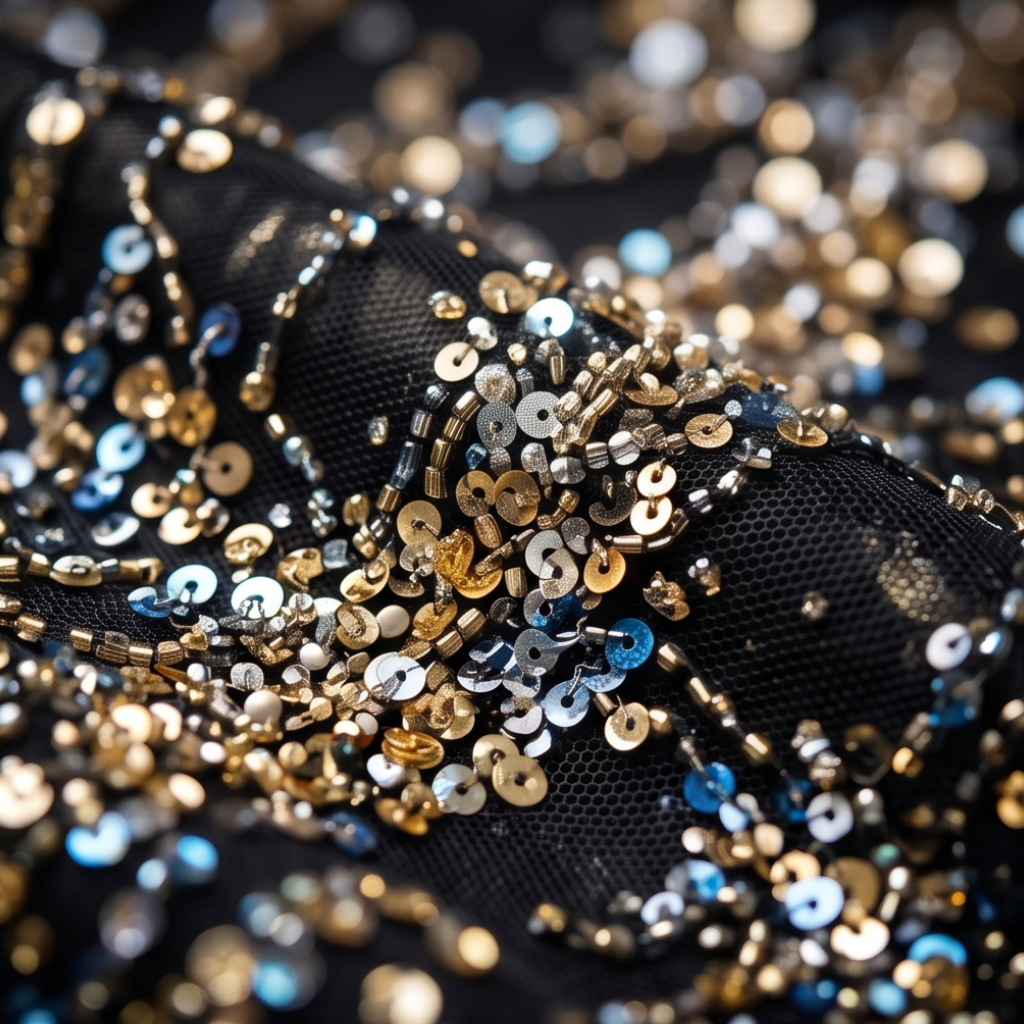
Sequin and metallic fabrics work best when the goal is attention. They are excellent for photo walls, sweetheart tables, party backdrops, brand activations, and small areas where the fabric is meant to become a focal point. For very large installations, planners should think carefully about weight, handling, scratch, and cost.
- Use velvet when you want richness, depth, and a premium feeling.
- Use sequin when you want sparkle, celebration, and photo impact.
- Use metallic fabric when you want reflection, energy, and a more modern look.
- Use jacquard or embroidered fabric when you want detail without relying only on shine.
If You Want Light, Airy Movement
For ceiling draping, tent decor, arches, and summer events, weight matters. Lightweight fabrics are easier to move, gather, and hang. They also feel more natural in outdoor light and open spaces.
Chiffon, voile, mesh, tulle, and organza are often strong choices for airy installations. These fabrics can create movement without making the room feel heavy. They are especially useful for ceremonies, outdoor receptions, tented events, and soft decorative layers.
The main tradeoff is opacity. Sheer fabrics look beautiful, but they may not hide what is behind them. If the fabric needs to cover a wall, conceal equipment, or create a clean background for photos, planners may need to layer the fabric or choose a more opaque material.
If You Want a Statement Photo Moment
Some areas of an event are designed to be photographed: the entrance, the bar, the sweetheart table, the stage, the photo wall, the cake table, or the branded activation space. These are the places where fabric can be more expressive.
For photo moments, consider sequin, metallic, shimmer, velvet, jacquard, embroidered fabric, lace, or printed specialty fabric. The goal is not always to cover the largest area. Sometimes the strongest design choice is using a bold fabric in one focused place.
- For a glam photo wall: sequin, shimmer, metallic, or velvet.
- For a romantic photo wall: chiffon, lace, tulle, or organza layered with florals.
- For a luxury dinner moment: velvet, jacquard, satin, or charmeuse.
- For a branded event: solid woven fabric, satin, metallic, or textured specialty fabric in the brand palette.
Match the Fabric to the Area of the Event
The same fabric can work beautifully in one area and poorly in another. A sheer chiffon may be perfect for an arch but too transparent for a full backdrop wall. A sequin fabric may be perfect for a photo area but too heavy or costly for ceiling draping. Good fabric selection starts with the installation.
| Event area | Recommended fabrics | What to consider |
|---|---|---|
| Wedding arch | Chiffon, voile, tulle, organza, lace | Movement, softness, wind, transparency, layering |
| Ceiling draping | Voile, chiffon, mesh, tulle, organza | Weight, width, fullness, hanging method, venue rules |
| Backdrop wall | Velvet, satin, chiffon layers, poplin, jacquard, sequin | Opacity, seam count, lighting, photography |
| Sweetheart table | Satin, charmeuse, sequin, lace, organza, velvet | Texture, shine, table size, floral styling, candlelight |
| Guest tables | Poplin, satin, jacquard, lace overlays, organza overlays | Durability, care, wrinkle behavior, spill risk, reuse |
| Chair accents | Organza, chiffon, satin, tulle, lace | Shape, knotting, softness, color consistency |
| Photo area | Sequin, metallic, velvet, jacquard, printed specialty fabrics | Camera flash, reflection, scale, weight, texture |
| Bridesmaid dresses | Chiffon, satin, charmeuse, lace, tulle | Drape, comfort, movement, color match, opacity |
| Lounge area | Velvet, jacquard, boucle, textured knits, upholstery-inspired fabric | Texture, durability, richness, furniture coordination |
Think About How the Fabric Will Behave in Real Life
A fabric can look beautiful online and still be wrong for the event. The real test is how it behaves when it is cut, shipped, steamed, hung, lit, photographed, touched, and reused.
Before ordering fabric for an event, planners should check a few practical details:
- Width: Wider fabric can reduce seams and labor for backdrops, ceiling draping, and large panels.
- Opacity: Sheer fabrics may need layering if they are being used for concealment or photo backgrounds.
- Weight: Lightweight fabric is easier to hang. Heavier fabric may look richer but can add rigging, freight, and storage concerns.
- Drape: Some fabrics fall softly. Others hold shape. The right choice depends on whether the design needs movement or structure.
- Wrinkle behavior: Satin and charmeuse can show wrinkles more easily. Tulle and organza may hold shape better but can crease depending on packing.
- Sheen: Shiny fabrics can look beautiful, but they react strongly to flash, uplighting, LEDs, and daylight.
- Stretch: Stretch matters for fitted covers, wraps, costumes, and some apparel uses.
- Care: If the fabric will be reused, rented, cleaned, or transported often, care instructions matter.
- Dye lot: For large orders or matching pieces, order enough yardage at one time whenever possible.
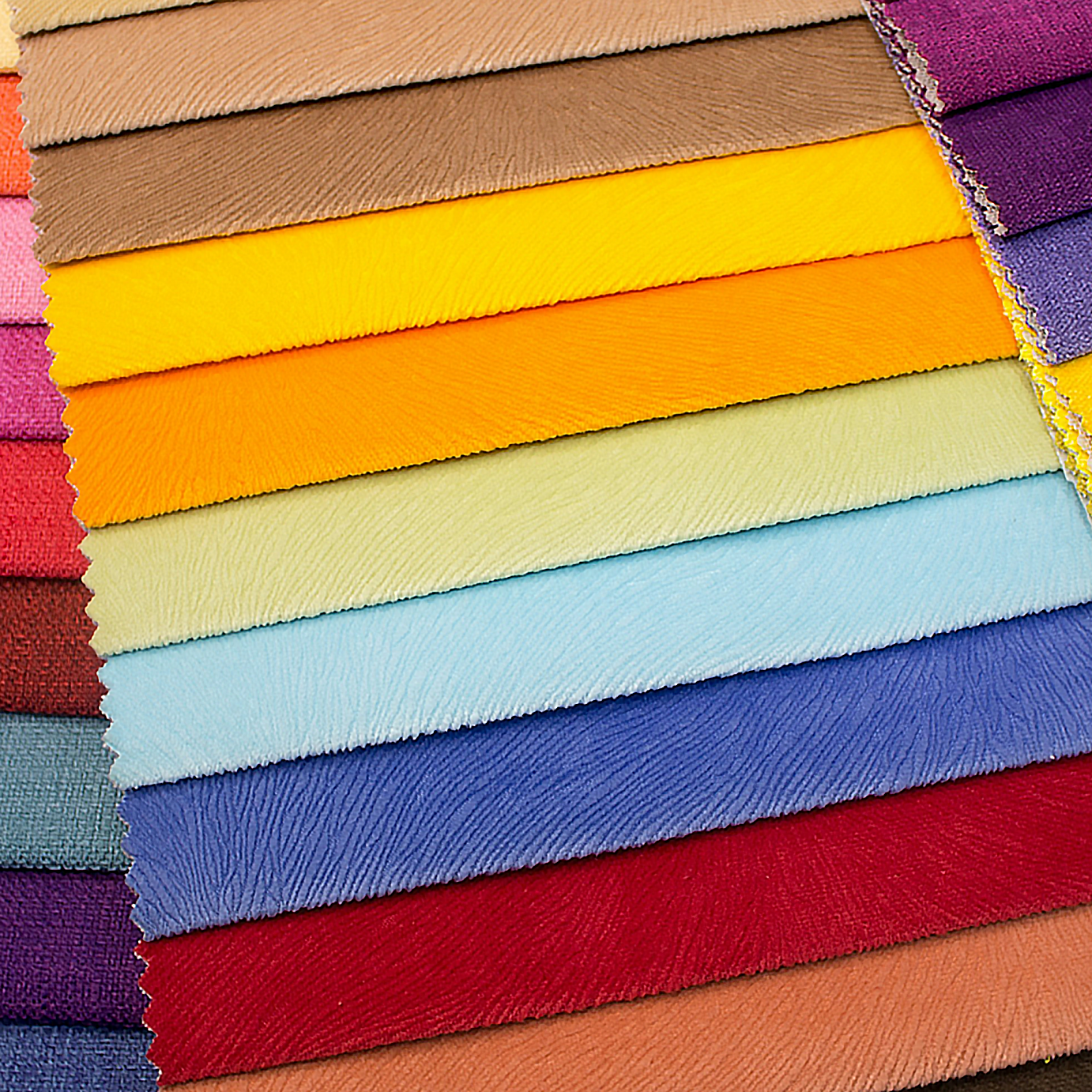
- Swatches: Swatches help confirm color, texture, opacity, and shine before scaling into a larger purchase.
Fabric Choices for Weddings
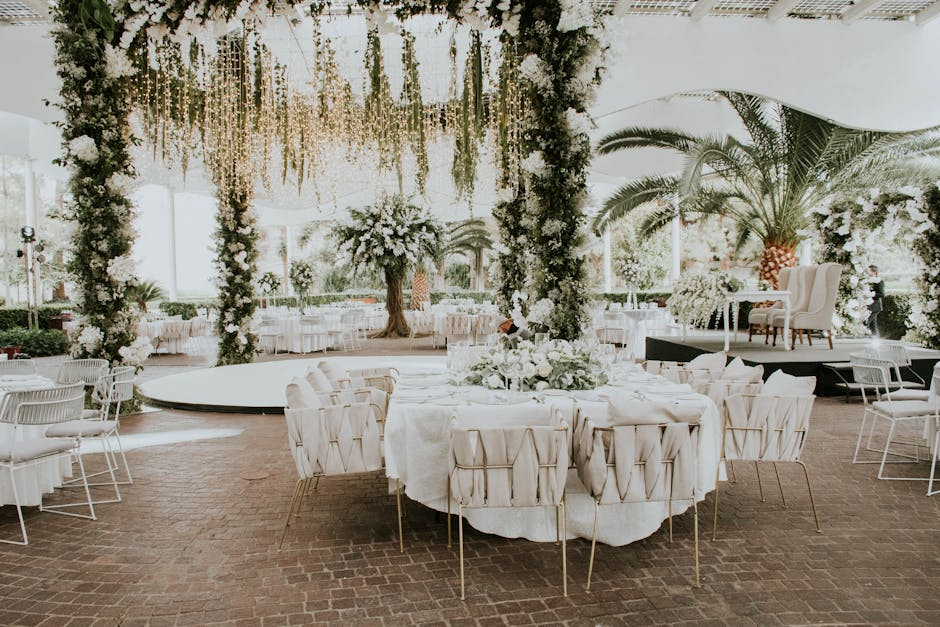
Wedding fabric usually needs to feel emotional. It should support the mood of the ceremony, the softness of the photos, and the color story of the day. Whites, ivories, champagne, blush, sage, dusty blue, black, gold, and silver can all change dramatically depending on fabric surface and lighting.
For ceremony arches and aisle decor, chiffon, voile, tulle, lace, and organza are strong choices. For bridesmaid dresses, chiffon, satin, charmeuse, lace, and tulle are common because they offer movement and formality. For reception tables, satin, lace, organza, velvet, jacquard, and charmeuse can help bring the room together.
The most successful wedding fabric choices usually combine softness with control. The fabric should move beautifully, but it should also work with the venue, photography, installation method, and color palette.
Fabric Choices for Corporate Events
Corporate events often need a cleaner and more controlled fabric direction. The goal may be brand consistency, stage polish, product presentation, or a strong photo moment.
For corporate backdrops, planners may want solid woven fabrics, satin, velvet, poplin, taffeta, or other materials that create a smooth and intentional surface. For branded lounges, velvet, jacquard, boucle, textured knits, and upholstery-inspired fabrics can make the space feel more designed. For photo areas and launch events, metallic, sequin, shimmer, or specialty fabrics can bring more energy.
Corporate fabric choices should be reviewed under the actual lighting whenever possible. Brand colors can shift under LEDs, projection, flash, daylight, and uplighting.
Fabric Choices for Summer and Outdoor Events
Summer and outdoor events need fabric that works with heat, light, wind, movement, and transport. Heavy fabrics can look beautiful but may feel too dense for the season. Lightweight fabrics can move beautifully but may need layering for coverage.
For summer arches, tent draping, garden parties, bridal showers, and outdoor ceremonies, chiffon, voile, tulle, organza, lace, and mesh are often strong starting points. For tables, satin, lace, organza, poplin, and lightweight jacquard can work depending on the level of formality.
Outdoor light can make sheer fabrics more transparent than expected. It can also make shiny fabrics look brighter or more reflective. For this reason, swatches are especially helpful for outdoor events.
How Much Fabric Do You Need?
Fabric quantity depends on the size of the installation, the width of the fabric, the desired fullness, and the finishing method. A flat panel uses less fabric. A soft, gathered, luxurious drape uses more.
For many draping projects, planners estimate the finished width and then multiply by a fullness factor. A light gathered look may use about 1.5 times the finished width. A fuller, more dramatic look may use 2 to 3 times the finished width. The exact amount depends on the fabric, the hardware, the venue, and the design.
- For arches: allow enough length for wrapping, pooling, tying, and movement.
- For backdrops: account for fabric width, seam count, fullness, height, hems, and any pooling at the floor.
- For ceiling draping: measure the span, then add extra for swag, gathering, and attachment points.
- For table runners: measure the table length, then add the desired drop on both ends.
- For overlays: consider both the tabletop size and the amount of fabric you want to fall over the edge.
When color matching or dye-lot consistency matters, it is usually better to order all critical yardage at once rather than splitting the project into separate purchases.
Common Fabric Mistakes Event Planners Should Avoid
The most common mistake is choosing fabric based only on color. Color matters, but it is only one part of the decision. A fabric also needs the right weight, opacity, movement, width, shine, and handling behavior.
- Choosing sheer fabric for coverage: Chiffon, voile, organza, and tulle may need layering if the goal is to hide a wall or structure.
- Ignoring width: Narrow fabric can create more seams, more labor, and a less seamless visual result.
- Underestimating fullness: Draping usually needs more fabric than flat coverage.
- Forgetting lighting: Satin, charmeuse, sequin, metallic, and organza can change under different lights.
- Using a bold fabric everywhere: Sequin, metallic, and heavy textures often work better as focal accents than full-room coverage.
- Skipping swatches: Monitor color is not reliable, especially for ivory, white, blush, champagne, navy, black, and metallic tones.
- Not checking venue requirements: Some venues may require flame-resistance documentation for hanging textiles or large installations.
A Simple Way to Choose Event Fabric
When the options feel overwhelming, use this order:
- Choose the mood: romantic, formal, dramatic, airy, playful, minimal, or luxurious.
- Choose the location: arch, ceiling, table, backdrop, dress, lounge, stage, or photo area.
- Choose the fabric behavior: soft, structured, sheer, opaque, shiny, matte, stretchy, or textured.
- Check the practical details: width, weight, opacity, care, lighting, wrinkles, yardage, and venue rules.
- Order swatches or a test cut: especially when color, sheen, or opacity matters.
This approach helps planners move from inspiration to execution without treating fabric as an afterthought.
Explore Event Fabric at Zelouf Fabrics
Zelouf Fabrics carries a wide range of materials for event planners, designers, stylists, décor makers, and DIY brides. Whether you are building a romantic ceremony arch, a polished tablescape, a dramatic backdrop, a branded photo moment, or a coordinated bridal party look, the right fabric starts with the feeling you want to create.
Explore fabric families including chiffon, satin, organza, lace, tulle, sequin, charmeuse, poplin, velvet, jacquard, mesh, metallic, and specialty fabrics.
FAQ
-
What is the best fabric for event draping?
Chiffon, voile, tulle, mesh, and organza are strong choices for soft draping. Velvet, satin, and taffeta work better when the design needs more structure, coverage, or drama. -
What fabric is best for wedding arches?
Chiffon is a popular choice for wedding arches because it feels soft, light, and romantic. Tulle, voile, lace, and organza can also work well depending on the desired look. -
What fabric should I use for a backdrop?
For soft backdrops, use chiffon, voile, tulle, lace, or organza. For dramatic or opaque backdrops, consider velvet, satin, jacquard, poplin, or sequin fabric. -
What fabric is best for table runners?
Satin, charmeuse, lace, organza, velvet, and jacquard are all good options for table runners. Satin and charmeuse feel polished, lace feels romantic, velvet feels rich, and organza feels light. -
Is chiffon or organza better for event decor?
Chiffon is better when you want soft movement. Organza is better when you want a sheer fabric with more crispness and structure. -
Is sequin fabric good for event backdrops?
Yes, sequin fabric is great for photo areas, sweetheart tables, glam backdrops, and party moments. For very large installations, consider weight, handling, and cost before using it across the full space. -
What fabric works best for summer events?
Lightweight fabrics such as chiffon, voile, tulle, mesh, lace, and organza often work well for summer events because they feel airy and move easily. -
Should event planners order swatches first?
Yes. Swatches help confirm color, texture, opacity, shine, and weight before placing a larger fabric order. -
How much fabric do I need for event draping?
Measure the finished space, account for fabric width, then add fullness. Many draped installations use 1.5 to 3 times the finished width depending on how gathered or dramatic the design should be. -
Can the same fabric be used for dresses and decor?
Sometimes. Chiffon, satin, charmeuse, lace, tulle, and organza can work across both apparel and event decor, but planners should check weight, opacity, drape, and handling before using one fabric for multiple purposes. -
Do venues require flame-resistant fabric?
Some venues do, especially for hanging textiles, stage areas, ceiling treatments, and large installations. Requirements vary, so planners should confirm venue rules before ordering fabric.