
Every design changes when it meets fabric. A sketch can look structured, fluid, romantic, sharp, dramatic, or effortless. But the fabric decides whether that idea actually holds up once it is cut, sewn, draped, pressed, lined, worn, photographed, or installed.
That is why choosing fabric is not just a shopping decision. It is a creative decision, a production decision, and sometimes the difference between a piece that works and a piece that almost works.
At Zelouf Fabrics, we help fashion designers, dressmakers, bridal ateliers, event planners, costume shops, crafters, and small brands choose material based on what they are trying to make, not just what looks good on a screen.
A fabric name alone is never the full story. Two fabrics can both be called satin, mesh, jersey, chiffon, or poplin, but behave completely differently once they are in your hands. One may hold shape. One may collapse. One may need lining. One may stretch and recover. One may wrinkle quickly. One may look beautiful online and feel wrong in the final piece.
The better way to choose fabric is simple: do not start with the fabric name. Start with what the fabric needs to do.
If the design needs structure, the fabric has to support it. A fitted gown, sculptural sleeve, clean A-line skirt, tailored costume, or formal bodice cannot rely on inspiration alone. It needs a fabric with body, stability, and enough substance to hold the intended silhouette.
This is where fabrics like Mikado, taffeta, structured satin, scuba, jacquard, suiting, and poplin can be useful. These materials can help a garment or decorative piece hold a cleaner shape. They are often better starting points when the design needs architecture, not just softness.
For example, a structured bridal gown may need Mikado more than a soft charmeuse. A clean costume piece may need scuba or ponte rather than a lightweight jersey. A crisp bow, table accent, or sculptural detail may need organza or taffeta instead of chiffon.
- Choose Mikado when the design needs body, structure, and a formal finish.
- Choose taffeta when you want crisp volume or sculptural decorative details.
- Choose scuba or ponte when stretch is needed but the garment still needs hold.
- Choose poplin when you need a smoother, more practical woven fabric for utility, crafts, samples, or finished pieces.
- Choose jacquard when you want structure with pattern, texture, and depth.
When structure matters, a fabric that is too soft can make the entire piece lose its intention. The shape may collapse, seams may look weak, and the finished design may feel less elevated than the original idea.
Some designs are not meant to hold shape. They are meant to move. A soft dress, flowing sleeve, romantic overlay, bridesmaid gown, dance costume, scarf, draped panel, or event installation needs fabric that understands movement.
For fluidity, start with chiffon, charmeuse, challis, jersey, lace, mesh, and other fabrics with softer drape. These fabrics can create motion, ease, and softness. They work well when the design should feel light, romantic, body-skimming, or airy.
Chiffon creates float and softness. Charmeuse creates fluid shine. Jersey creates comfort and stretch. Lace adds movement with texture. Mesh can create transparency, layering, or performance support depending on its construction.
- Choose chiffon when you want airy movement, sheer layering, or romantic softness.
- Choose charmeuse when you want a fluid, glossy drape close to the body.
- Choose jersey when comfort, stretch, and softer movement matter.
- Choose lace when movement should also include detail and texture.
- Choose mesh when the design needs transparency, layering, stretch, or performance function.
Movement is not only about how fabric looks while standing still. It is about what happens when a person walks, sits, dances, turns, performs, or is photographed. The wrong fabric can make a design feel stiff when it should flow, or flimsy when it should feel intentional.
The Fabric Decides the Mood
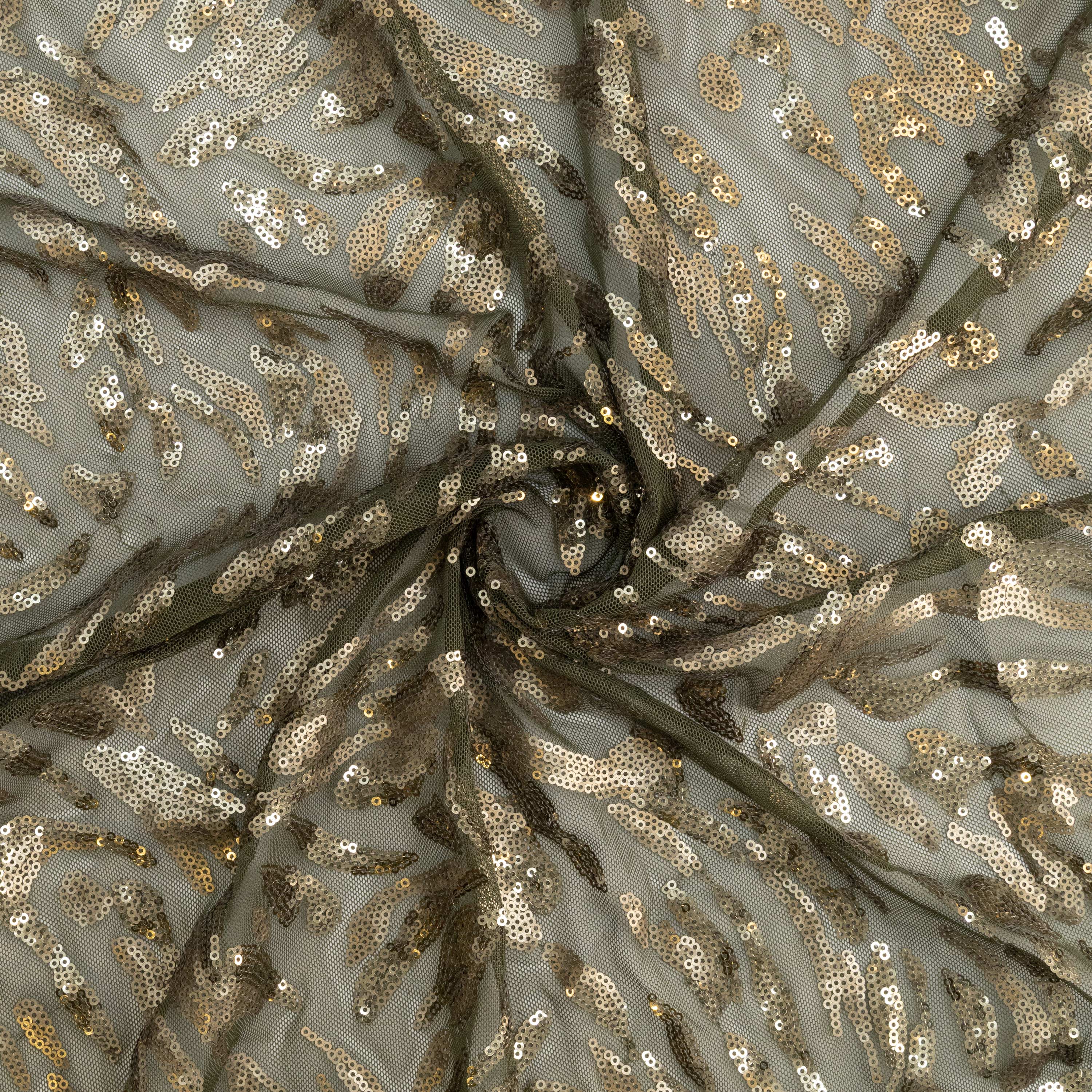
Fabric carries emotion. The same silhouette can feel completely different depending on the material. Satin feels polished. Velvet feels rich. Lace feels romantic. Sequin feels celebratory. Organza feels light and sculptural. Mesh can feel modern, delicate, or athletic depending on the context.
That is why designers and makers should think beyond function. Once the fabric can technically do the job, it also needs to say the right thing.
| Mood | Fabric direction | Best uses |
|---|---|---|
| Romantic | Chiffon, lace, tulle, organza, charmeuse | Bridal gowns, overlays, sleeves, bridesmaid dresses, soft event details |
| Structured | Mikado, taffeta, poplin, scuba, jacquard | Formal gowns, tailored pieces, costumes, bows, sculptural accents |
| Fluid | Charmeuse, chiffon, challis, jersey | Dresses, draped tops, skirts, scarves, soft formalwear |
| Dramatic | Velvet, sequin, metallic, jacquard, dark satin | Eveningwear, stage looks, photo moments, event backdrops |
| Playful | Tulle, novelty fabric, printed fabric, mesh, sequin | Costumes, partywear, crafts, kidswear, themed pieces |
| Practical | Muslin, poplin, cotton, poly-cotton, basics | Mockups, samples, utility garments, crafts, repeat production |
The mood should guide the material. A romantic design should not accidentally feel stiff. A formal design should not accidentally feel thin. A dramatic design should not disappear on camera. Fabric is how the idea becomes visible.
The Fabric Decides the Work
Some fabrics are easy to love and harder to work with. Others may look simple but save time in production. A smart fabric choice considers not only the final look, but also cutting, sewing, lining, pressing, shipping, care, and repeat use.
For designers, dressmakers, event planners, and small brands, these practical details matter because they affect time, cost, consistency, and final quality.
- Stretch: Does the fabric stretch? In one direction or four? Does it recover after movement?
- Opacity: Does the fabric need lining? Will it become transparent under daylight or flash?
- Weight: Is the fabric light enough to drape, or substantial enough to hold shape?
- Width: Will the usable width reduce seams, or create more cutting and sewing work?
- Drape: Does it fall softly, stand away from the body, or hold a crisp shape?
- Sheen: Will it photograph softly, reflect light, or show wrinkles more clearly?
- Care: Can the finished piece be washed, steamed, reused, or maintained easily?
- Handling: Is it slippery, scratchy, delicate, stretchy, stiff, or easy to sew?
A fabric that looks beautiful but slows every step of production may still be the right choice for a special piece. But it should be chosen knowingly. Charmeuse can be elegant, but slippery. Sequin can be dramatic, but heavy or scratchy. Chiffon can be soft, but sheer. Satin can be polished, but wrinkle-prone. Mesh can be versatile, but its stretch and recovery need to match the job.
The Fabric Decides the Risk
Online fabric shopping has one obvious limitation: you cannot fully feel the fabric through the screen. A photo can show color, pattern, shine, and texture, but it cannot fully show weight, recovery, opacity, hand, or how the fabric behaves once it is sewn or installed.
That does not mean buying fabric online has to be risky. It means the process should be more intentional.
Before placing a larger order, check the details that affect the final result:
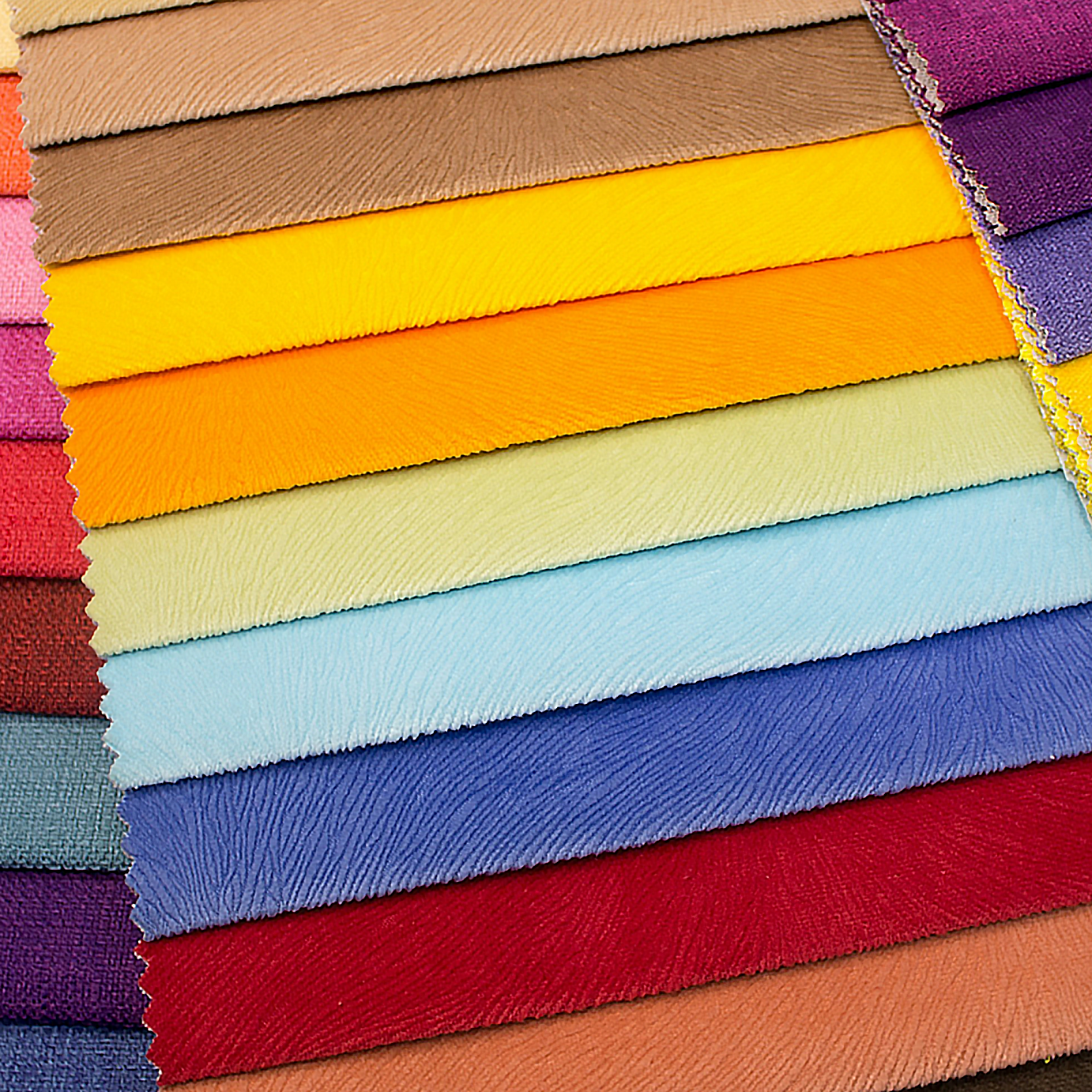
- Order swatches when color, sheen, opacity, or texture matters.
- Read the fabric description for fiber content, width, stretch, weight, and care.
- Think about the final use before choosing a fabric by name alone.
- Test yardage first when the project involves fit, movement, lining, or repeat production.
- Plan extra yardage for mistakes, matching, nap, directional prints, test cuts, hems, and contingency.
- Consider reorder needs if the project may continue, scale, or require future matching.
For one-off creative projects, experimentation may be part of the process. For bridal work, uniforms, small-batch collections, event installations, costumes, and repeat orders, the wrong fabric can create expensive problems. Swatches and test cuts help reduce that risk.
Similar Names, Completely Different Results
One of the most common fabric mistakes is assuming that similar names mean similar behavior. They do not. Fabric names are useful, but they are only the beginning.
- Mikado vs. Satin
- Mikado is often chosen for structure, body, and a more architectural finish. Satin is often chosen for sheen, smoothness, and formality. They may both look polished, but they behave differently in a gown, skirt, bodice, or formal piece.
- Chiffon vs. Charmeuse
- Chiffon is sheer, airy, and floaty. Charmeuse is smooth, glossy, and fluid against the body. Chiffon is often better for overlays and movement. Charmeuse is often better for soft shine and drape.
- Organza vs. Tulle
- Organza is sheer but crisp, which makes it useful for shape, volume, bows, overlays, and sculptural details. Tulle can create airy fullness and softness, depending on stiffness and construction.
- Regular Mesh vs. Power Mesh
- Regular mesh may be used for transparency, layering, or decorative effects. Power mesh is usually chosen when stretch, control, and recovery matter, especially in dancewear, activewear, costumes, and fitted garments.
- Scuba vs. Jersey
- Scuba usually has more body and a cleaner, more sculpted look. Jersey usually drapes more softly and feels more relaxed. Both may stretch, but they do not create the same silhouette.
- Muslin vs. Poplin
- Muslin is often used for mockups, testing, and utility purposes. Poplin is generally smoother and more finished, which can make it better for garments, crafts, linings, decor, and certain production uses.
The lesson is simple: two fabrics can share a category name and still create completely different outcomes.
How to Choose Fabric by What You Are Making
Different buyers need fabric for different reasons. A bridal atelier, fashion designer, costume shop, event planner, crafter, and small brand may all search for fabric online, but they are not solving the same problem.
| Project type | What matters most | Fabric directions to explore |
|---|---|---|
| Structured formalwear | Body, shape retention, opacity, finish | Mikado, taffeta, structured satin, jacquard, scuba |
| Fluid dresses | Drape, movement, comfort, lining needs | Charmeuse, chiffon, crepe, challis, jersey |
| Bridal and occasionwear | Romance, structure, layering, polish | Chiffon, lace, tulle, organza, Mikado, satin, charmeuse |
| Dancewear and costumes | Stretch, recovery, comfort, durability | Mesh, power mesh, scuba, jersey, ITY, stretch fabrics |
| Event decor | Width, drape, opacity, wrinkle behavior, impact | Chiffon, satin, organza, velvet, sequin, poplin, lace |
| Small-batch production | Consistency, reorder confidence, specs, care | Poplin, cotton, jersey, satin, mesh, basics, repeatable categories |
| Mockups and samples | Cost control, stability, testing, ease of use | Muslin, poplin, cotton, utility fabrics |
| Crafts and decorative projects | Color, texture, ease of handling, price | Poplin, cotton, lace, tulle, felt, novelty fabrics, prints |
For Fashion Designers and Small Brands
For designers and small brands, fabric choice affects more than one sample. It can affect the entire line. If the fabric cannot be reordered, matched, sewn consistently, or explained clearly to production partners, it may create problems later.
Small brands should think about fabric in stages:
- Concept: What should the piece feel like?
- Sample: Does the fabric behave correctly in the first test?
- Fit: Does it support the intended silhouette and movement?
- Production: Can it be sourced in enough yardage?
- Repeat: Can the brand come back to the same or similar fabric later?
A novelty fabric may be perfect for a hero piece. A repeatable fabric may be better for a core product. The right choice depends on whether the goal is experimentation, consistency, volume, or visual impact.
For Dressmakers and Bridal Ateliers
For dressmakers and bridal ateliers, the main question is usually structure versus softness. A bride may bring a reference image, but the final result depends on choosing the right material for that silhouette.
A clean architectural gown may need Mikado, structured satin, or taffeta. A softer romantic gown may need chiffon, lace, tulle, or organza. A sleek formal dress may need charmeuse or satin. Sleeves, overlays, and veils may need lightweight transparent fabrics that move delicately without overwhelming the dress.
Bridal work also makes color and opacity especially important. Ivory, white, champagne, blush, and nude tones can shift depending on lighting, lining, and skin tone. Swatches are not optional when the shade needs to be exact.
For Event Planners and Decor Makers
For event planners, fabric needs to work at scale. A fabric that is beautiful by the yard may behave differently across a 20-foot backdrop, a ceiling installation, a row of tables, or a large photo wall.
Event fabric should be chosen for width, drape, opacity, wrinkle behavior, weight, and install time. Chiffon may be beautiful for arches and soft draping. Satin may work for table runners and polished accents. Organza may add structure and lift. Velvet may create drama. Sequin may create a strong photo moment, but may be better as an accent than as full-room coverage.
The best event fabric is not always the most decorative fabric. It is the one that creates the right effect without making installation harder than it needs to be.
For Costume Shops, Dancewear, and Performance Pieces
Costumes and performance garments need fabric that can survive movement. Stretch alone is not enough. The fabric also needs recovery, comfort, stability, and the right amount of support.
Mesh, power mesh, scuba, jersey, ITY, and ponte each behave differently. Some are better for support. Some are better for softness. Some are better for layering. Some are better for fitted garments that need to move with the body.
Before committing to yardage, test stretch direction, recovery, opacity, and comfort. A fabric that looks right standing still may not work once the performer starts moving.
How to Read Fabric Details Like a Maker
A good fabric listing should help you imagine the final piece more accurately. When shopping online, look for details that tell you how the fabric will behave.
- Fiber content: Helps explain feel, durability, care, and performance.
- Width: Affects cutting layout, yardage, seams, and cost.
- Weight or GSM: Helps you understand whether the fabric is light, medium, or substantial.
- Stretch: Tells you whether the fabric can work for fitted or performance pieces.
- Opacity: Helps determine lining needs and layering.
- Drape: Shows whether the fabric will fall softly or hold shape.
- Sheen: Affects formality, photography, and lighting response.
- Care: Matters for finished garments, rentals, reuse, and customer expectations.
- Suggested use: Helps confirm whether the fabric aligns with the project.
These details are not just technical. They are creative tools. They help you predict whether the design will become what you imagined.
A Smarter Way to Buy Fabric Online
When choosing fabric online, use a process that moves from idea to proof.
- Start with the final piece. Is it structured, fluid, fitted, sheer, decorative, washable, reusable, or performance-based?
- Choose the behavior you need. Shape, movement, stretch, opacity, shine, texture, or durability.
- Compare fabric families. Do not assume the first fabric name that sounds right will behave correctly.
- Read the specs. Check fiber content, width, weight, stretch, opacity, care, and suggested use.
- Order a swatch or test cut. Confirm color, hand, sheen, and performance before scaling.
- Test the fabric. Drape it, fold it, layer it, stretch it, press it, and sew a small sample when needed.
- Plan the yardage honestly. Add for matching, nap, shrinkage, mistakes, hems, seams, and backup.
- Scale only after the fabric proves itself. A smart first order protects the larger one.
This process is especially useful for designers, dressmakers, event planners, costume shops, and small brands that need fewer surprises between the screen and the final result.
Explore Fabric by What You Want It to Do
At Zelouf Fabrics, we organize fabric for real creative work. Whether you are building a collection, sewing formalwear, preparing an event, making costumes, testing samples, or sourcing for repeat production, the best place to start is the role the fabric needs to play.
- Mikado: for structure, bridal gowns, formal silhouettes, and polished shape.
- Chiffon: for softness, movement, overlays, dresses, and event draping.
- Charmeuse: for fluid shine, formal dresses, luxe drape, and smooth movement.
- Satin: for polish, formalwear, table accents, and occasion details.
- Organza: for crisp sheerness, volume, bows, overlays, and decorative shape.
- Lace: for bridal detail, romance, texture, sleeves, overlays, and trims.
- Tulle: for volume, layering, veils, skirts, and decorative softness.
- Mesh: for layering, stretch, costumes, performance pieces, and transparency.
- Scuba: for stretch with body, clean shape, costumes, and structured garments.
- Poplin: for practical garments, crafts, mockups, linings, and utility uses.
The Right Fabric Makes the Work Easier
Great fabric does not just look good. It makes the design clearer. It supports the silhouette. It moves the right way. It handles the work. It reduces uncertainty. It helps the finished piece feel intentional.
That is the difference between choosing fabric by appearance and choosing fabric by purpose.
At Zelouf Fabrics, our goal is to help buyers move from idea to material with more confidence. Whether you are sourcing for a gown, a capsule collection, a costume, an event installation, a craft project, or a production run, the fabric should serve the thing you are trying to make.
Because in the end, the sketch begins the idea. The fabric decides what it becomes.
FAQ
How do I choose the right fabric online?
Start with what the fabric needs to do. Decide whether the project needs structure, movement, stretch, opacity, shine, texture, or durability. Then compare fabric details such as fiber content, width, weight, drape, stretch, care, and suggested use.
Why is a fabric name not enough?
Because two fabrics with the same name can behave differently. Two satins may have different weight, shine, stiffness, and drape. Two meshes may have different stretch and recovery. Always check the details before ordering.
What fabric is best for structured dresses?
Mikado, taffeta, structured satin, jacquard, scuba, and some heavier woven fabrics can work well for structured dresses. The right choice depends on the silhouette, desired finish, and amount of support needed.
What fabric is best for soft, flowing dresses?
Chiffon, charmeuse, challis, crepe, jersey, and some soft satins are good options for flowing dresses. These fabrics usually create softer movement and a more fluid silhouette.
What is the difference between Mikado and satin?
Mikado is often more structured and architectural. Satin is usually chosen for smoothness and sheen, though satin can vary widely in weight and body. Mikado is often better when the design needs shape, while satin is often better when the design needs polish.
What is the difference between chiffon and charmeuse?
Chiffon is sheer, airy, and lightweight. Charmeuse is smooth, glossy, and fluid. Chiffon is often used for overlays, sleeves, and soft movement. Charmeuse is often used for dresses, linings, and luxe draped pieces.
Should I order swatches before buying fabric?
Yes, especially when color, opacity, sheen, texture, or weight matters. Swatches help reduce risk before ordering larger yardage.
What fabric works best for event decor?
Chiffon, organza, satin, velvet, sequin, poplin, lace, and tulle can all work for event decor. The right choice depends on whether the fabric is being used for draping, tables, backdrops, arches, photo walls, or accents.
What fabric is best for costumes and dancewear?
Stretch fabrics such as mesh, power mesh, scuba, jersey, ITY, and ponte can work well depending on the garment. Check stretch direction, recovery, opacity, and comfort before choosing.
How do I avoid buying the wrong fabric online?
Do not choose by photo alone. Read the specs, order swatches, test yardage when needed, and match the fabric to the final use before placing a larger order.
What should small brands consider when buying fabric?
Small brands should consider consistency, reorder potential, yardage availability, care, production behavior, and whether the fabric can support both sampling and future orders.
Can one fabric work for both apparel and event decor?
Sometimes. Fabrics like chiffon, satin, organza, lace, tulle, velvet, and sequin can work across apparel and decor, but the best choice depends on width, weight, opacity, drape, and how the fabric will be used.