
The satin looked perfect until it was actually on the body. Suddenly the dress grabbed at the hips, the slip skirt traced every layer underneath, or the blouse picked up sharp creases before the event even started. We see this all the time: satin is easy to love in photos, but much harder to buy well unless we judge how it behaves, not just how it shines.
That is the real shift that helps. Instead of asking which satin fabric is best in the abstract, we need to ask which satin will skim, cover, and recover for the garment we are making. For a bias-cut dress, a slip skirt, or a blouse, the smarter buy is the satin that performs well in motion, under light, and through construction — not simply the one with the glossiest finish.
Most satin disappointment comes from three issues: cling, show-through, and wrinkling. A fabric can feel fluid in hand and still cling once it is cut on the bias or worn close to the body. It can look rich on the bolt and then turn revealing under daylight, flash, or movement. It can press beautifully at the sewing table and then crease fast in a chair, in a car, or during an event.
These problems matter because satin is often chosen for garments where the surface is doing a lot of visual work. Bias dresses, slip skirts, camisoles, occasion blouses, draped tops, bridal getting-ready pieces, and evening separates all rely on that smooth, reflective face. If the fabric is too light, too limp, too static-prone, or too unforgiving, the shine stops reading polished and starts drawing attention to the wrong thing.
That is why we treat satin as a behavior decision first. The label tells us part of the story. The better clues are weight, fiber content, stretch, finish, opacity, drape, and whether lining is realistic for the project.
Weight Changes Everything
Weight is one of the fastest ways to predict whether a satin will skim or stick. Very light satin can look beautiful for soft movement, but it is more likely to reveal seam allowances, undergarments, pocket bags, and every shift in the body underneath. A slightly more substantial satin often behaves better for wearable apparel because it offers a little cover and recovery without losing drape.
For both designers and home sewists, this is one of the most useful filters in any workroom. If the project is close-fitting, bias-cut, or meant for repeated wear, a satin with a bit more body is often the safer choice than the lightest, slinkiest option on the page.
Fiber Content Affects Cling, Wrinkles, And Care
Fiber content helps explain why two satins with a similar look can wear very differently. Polyester satin is often chosen for accessibility, durability, color consistency, and wrinkle resistance. Silk-based satin can feel exceptional, but it may ask more of the wearer and the maker in care, cost, and handling. Blended constructions can split the difference by offering shine with more practical everyday performance.
We do not read fiber content as a status marker. We read it as a performance cue. If the garment needs easier maintenance, lower fuss, and better wrinkle tolerance, that may point you in one direction. If the goal is a particular hand and drape for special-occasion wear, that may point you in another.
Stretch Can Help Or Hurt
A little stretch can improve comfort and movement, especially in fitted tops or skirts meant for sitting and walking. But stretch can also change how a satin hangs, how seams stabilize, and how the surface reads once worn. Too much give in the wrong silhouette can make the garment feel less clean and less controlled.
For garments that need a sleek line, we usually want to know whether stretch is supporting the shape or undermining it. In a blouse, a touch of stretch may be welcome. In a bias-cut dress, it may be unnecessary if the bias already supplies enough movement.
Finish And Face Matter
Not all satin shine is equal. Some finishes look liquid and reflective; others are softer and more restrained. That difference affects how formal the garment reads and how forgiving it looks in daylight and on camera. A quieter finish can sometimes look more expensive because it highlights drape rather than glare.
This is especially important for blouses, bridal party apparel, occasion tops, dancewear-inspired pieces, and small-batch fashion runs where the same garment has to look good up close and in photos. Shine is the easy part. Controlled shine is usually the better part.
Opacity Is Not Optional
Opacity should never be an afterthought with satin. The fabric may seem fine folded or layered on a product page, then become much more revealing when stretched over curves or lit from behind. If the design includes a skirt cut on the bias, a dress with a soft cowl, or a blouse in a pale shade, opacity deserves serious attention before checkout.
This is where a workhorse habit helps: assume light colors and lighter weights may need support. That support may be a lining, an interlining choice, a slip, a better understructure, or simply a more substantial satin from the start.
Drape Needs To Match The Garment
Drape is where readers often over-prioritize fluidity. Yes, satin should move beautifully when the design calls for it. But the most fluid satin is not automatically the best satin. A bias dress needs flow, but it also needs enough integrity not to collapse into every contour. A slip skirt needs movement, but it also needs to skim. A blouse needs softness, but often benefits from a little body so collars, plackets, ties, gathers, and sleeves do not feel flimsy.
Be Honest About Lining
Some satin garments are better when lined. Others become too bulky or lose the point of their easy movement if we overbuild them. The key is to decide early whether the garment design can comfortably carry a lining and whether you want to pay for both the yardage and the labor that come with it. That answer changes what satin makes sense.
If you know you do not want to line a skirt or blouse, shop for more opacity and better recovery upfront. If you are happy to line a dress, you may have more freedom to prioritize hand and drape.
For A Bias-Cut Dress, The Fabric Has To Earn The Drape
Bias amplifies everything. It is the reason satin can look so graceful in a dress, but it is also the reason a weak satin gets exposed so fast. On the bias, the fabric stretches, releases, and settles over the body in a way that can feel almost liquid. If the satin is too thin, too clingy, or too transparent, the bias does not hide that — it magnifies it.
For a bias-cut dress, we usually want satin with fluid drape, but not a fabric so insubstantial that it grabs every line underneath. A bit more body can make a major difference. It helps the garment fall cleanly, reduces that overly stuck-on look, and gives the dress a better chance of looking intentional rather than fragile. This matters in slip dresses, cowl-neck gowns, bridesmaid dresses, eveningwear, dance costumes, formal separates, and camera-facing event pieces alike.
Watch for the combination that causes the most regret: very light weight, high shine, low opacity, and no lining plan. That is the setup most likely to produce the dress that looked elegant at the cutting table and stressful everywhere else. If the design is in a pale color or a body-skimming silhouette, sampling first is especially smart.
Construction also matters here. Bias garments ask more of cutting accuracy, hanging time, seam stabilization, and hem timing. A satin that is slightly more stable can save time for a small brand production run and reduce frustration for an advanced home sewist making one important dress.
For A Slip Skirt, Skim Beats Slither
Slip skirts seem simple, but they expose satin choice very quickly. The ideal slip skirt moves easily, catches light well, and feels clean through the hip without suctioning itself to tights, shapewear, or the body. This is where the difference between fluid and clingy really shows.
For this project, we generally look for a satin that has enough drape to swing, but enough substance to avoid outlining everything underneath. If the fabric is too light, the wearer may spend the day adjusting it. If it is too sheer, undergarment visibility becomes the whole story. If it wrinkles aggressively, the skirt can lose its polish within an hour of sitting.
A slightly weightier satin is often a smart staple for slip skirts because it balances ease and control. It can still read soft and glossy, but with better everyday wearability. For fashion labels, costume shops, and personal sewing alike, that makes it a practical workhorse option rather than a one-photo fabric.
Seam reliability matters, too. Satin can be slippery, and a skirt puts stress on side seams, waist seams, closures, and vents. A satin with a bit more stability can help those areas sew more cleanly and wear more confidently. If the goal is an unlined skirt, this becomes even more important.
For Blouses And Occasion Tops, Polish Matters More Than Maximum Shine
A blouse asks satin to do a different job. Here we often want a polished face, a soft hand, and comfortable movement, but not necessarily the deepest drape of a bias dress. A blouse satin needs to behave through sleeves, collars, cuffs, plackets, bows, pleats, gathers, shells, and draped necklines while still looking refined on the body.
That usually means a satin with enough body to hold itself together visually. If the fabric is too limp, details can disappear and the whole top may read flimsy. If it is too reflective, every fold can flash brighter than intended, especially in photos or strong indoor lighting. A more controlled sheen often works better for occasion blouses, workwear-inspired tops, bridal getting-ready shirts, camisoles under suiting, statement sleeves, and elevated evening separates.
Comfort deserves its own place here. A blouse sits at the neck, armhole, and wrist, and gets worn through longer stretches of the day. A satin that feels smooth but manageable can outperform one that looks dramatic on the hanger and fussy by hour two. For many shoppers, that makes fiber content and wrinkle tolerance just as important as visual sheen.
A Quick Match Guide
- Bias-cut dress: Prioritize fluid drape, moderate opacity, and enough body to resist excessive cling. Caution flags: ultra-light weight, very high shine, and no lining plan.
- Slip skirt: Prioritize skim, everyday wearability, and seam stability. Caution flags: show-through at the hip, static-prone cling, and wrinkle-heavy finishes.
- Blouse or occasion top: Prioritize polish, comfort, and a controlled sheen with some body. Caution flags: fabrics that collapse in details or overemphasize every crease on camera.
- If you do not want to line it: Shop for opacity first, then drape.
- If you want the glossiest look: Double-check wrinkle tolerance and transparency before ordering.
- If the garment is close to the body: A slightly more substantial satin is often the safer buy.
How We Read Satin Specs Before Ordering Yardage
When buying online, clear specs are what reduce expensive guesswork. We recommend reading every satin listing as a construction guide, not just a color-and-shine preview. Look for fiber content, width, stretch information, weight language, and use recommendations. If the product description mentions dresses, blouses, skirts, formalwear, linings, or event apparel, that can help confirm how the fabric is expected to behave.
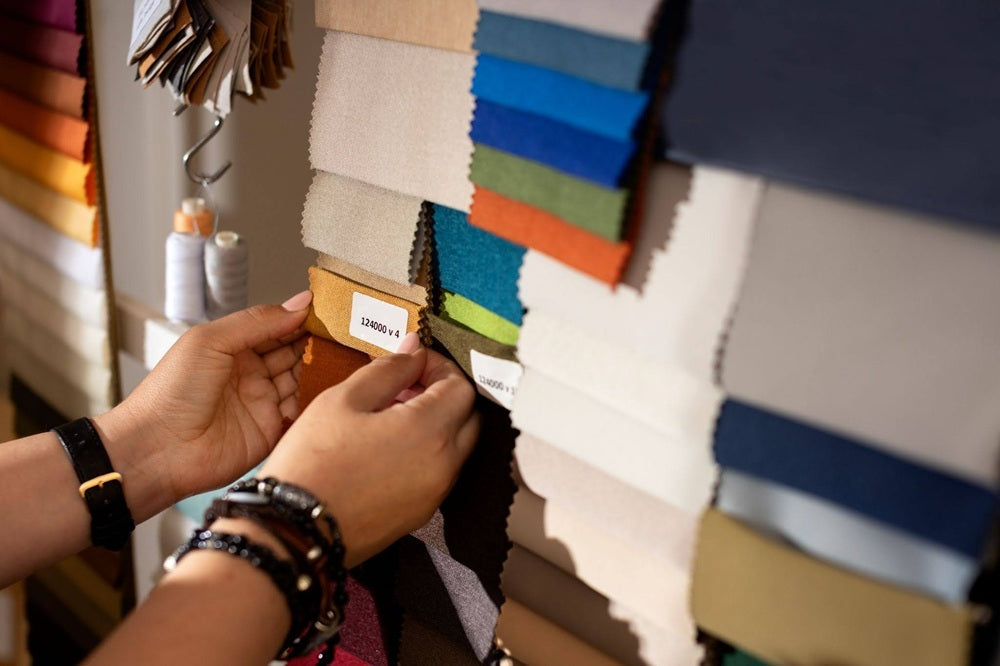
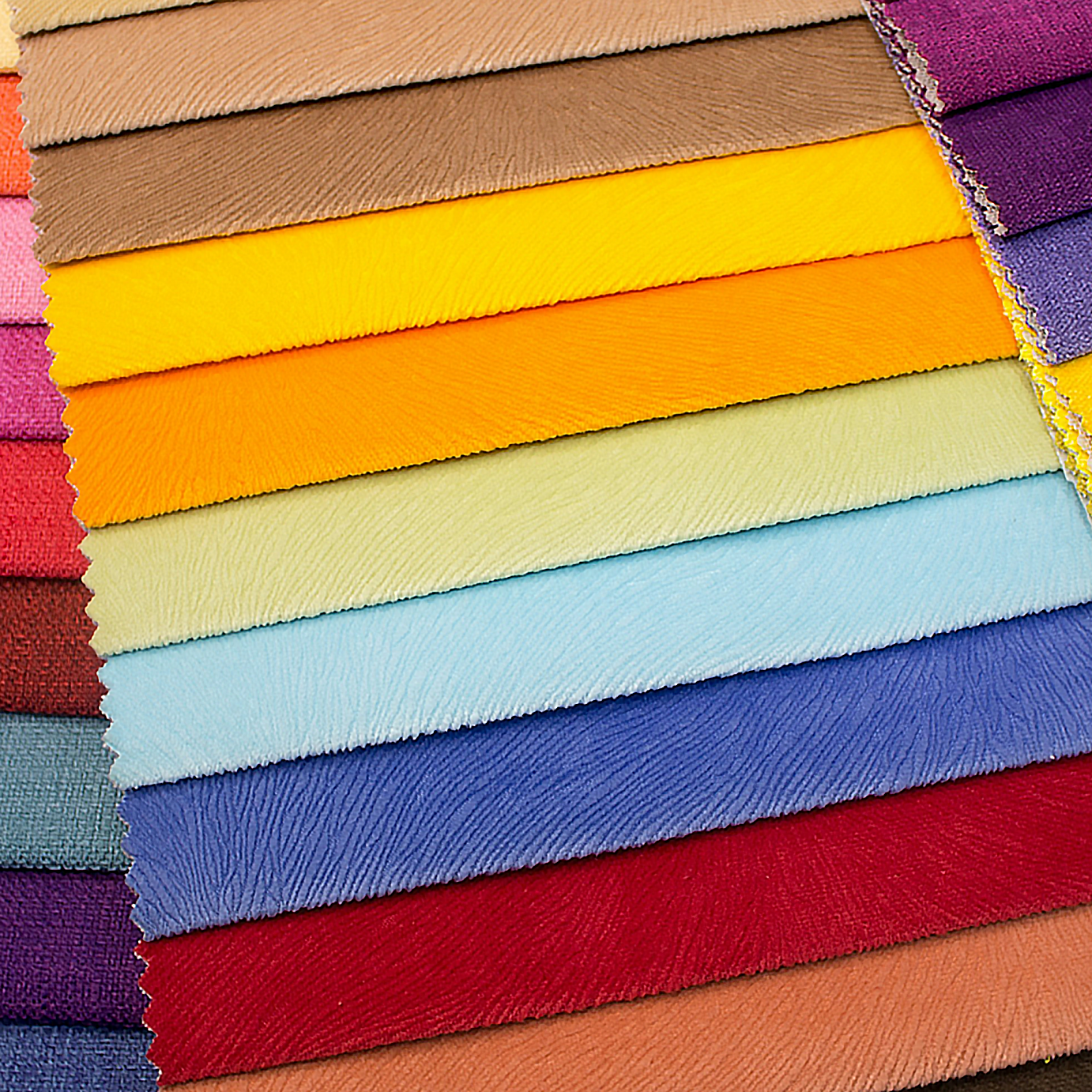
Sampling first makes the most sense when the garment is bias-cut, cut close to the body, light in color, or intended for a major event. A sample lets you test drape, opacity, wrinkle response, and surface shine in real light. For small brands, that is a quality-control move. For home sewists, it is often the easiest way to avoid buying twice.
We also like to build in a yardage buffer when sewing satin. Between layout direction, nap or face consistency, test pieces, bias settling, and potential lining decisions, exact-minimum yardage can feel tight fast. A little extra room is often worth it, especially for dresses and skirts.
This is where a clear online fabric source becomes genuinely useful. At Zelouf, we focus on accessible yardage, practical assortment, and descriptions that help makers judge what a fabric is likely to do before it reaches the cutting table. That is valuable whether you are sewing one blouse, developing bridal samples, cutting performance costumes, making formal skirts, or planning a small production run.
Why This Framework Works For Pros And Home Sewists
The same questions serve both groups. A designer planning repeats needs a satin that behaves consistently. A home sewist making one special dress needs a satin that does not sabotage the silhouette. A costume maker may care about movement and stage light. A blouse maker may care about polish across long wear. In each case, the decision still comes back to behavior: will this satin skim, cover, and recover the way the garment needs?
That is why satin remains such a useful category when sourced well. It can cover a wide range of projects — bias-cut dresses, slip skirts, occasion blouses, camisoles, formal tops, bridal pieces, dancewear accents, and elevated separates — but only if we match the fabric to the job instead of buying on shine alone.
Frequently Asked Questions
Is satin fabric always clingy?
No. Cling depends on the combination of weight, finish, fiber content, cut, and what is worn underneath. A more substantial satin with better opacity often skims much better than a very light satin with a slippery surface.
Do I need to line a satin slip skirt?
Often, but not always. If the satin is light, pale, or prone to show-through, lining can improve wearability. If you want to avoid lining, choose a satin with better opacity and a little more body from the start.
What makes satin better for a bias-cut dress?
A good bias-dress satin usually combines fluid drape with enough substance to resist excessive cling and transparency. Bias makes the beauty of satin more visible, but it also makes weak fabric choices more obvious.
Should I sample satin before ordering yardage?
If the project is important, fitted, bias-cut, or in a light color, yes. Sampling is one of the most practical ways to test shine, drape, opacity, and wrinkle behavior before committing.
How should satin fabric be cared for?
Care depends on fiber content, but when appropriate for the fabric, a consistent baseline is: Machine Wash, Cold; Gentle Detergent, No Bleach. Tumble Dry, Low Heat. Do not wring.
If you are choosing satin for a dress, skirt, or blouse, we think the smartest next step is to shop by behavior and specs — the satin that works hardest for your garment is the one most likely to look right long after the first photo.