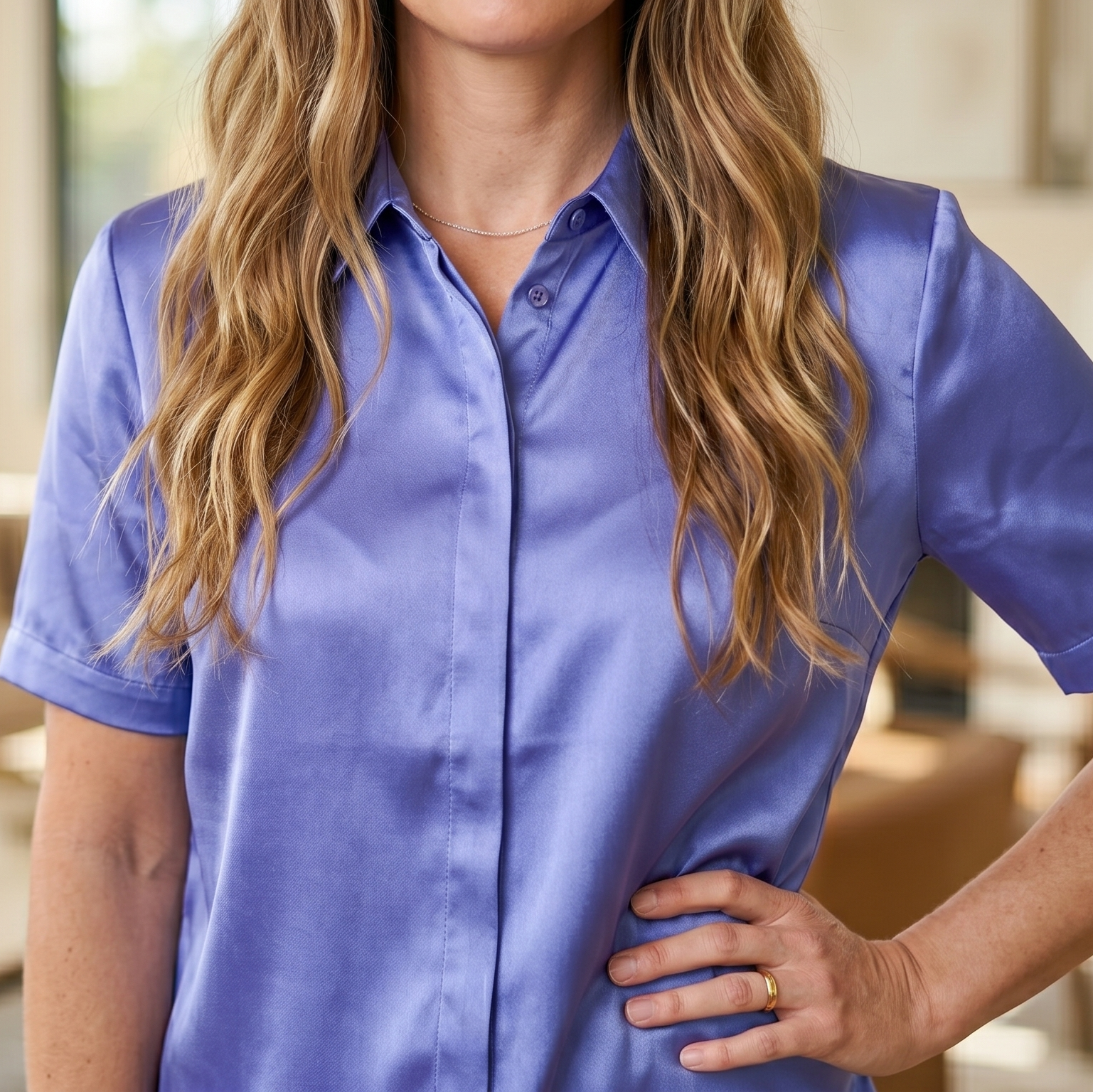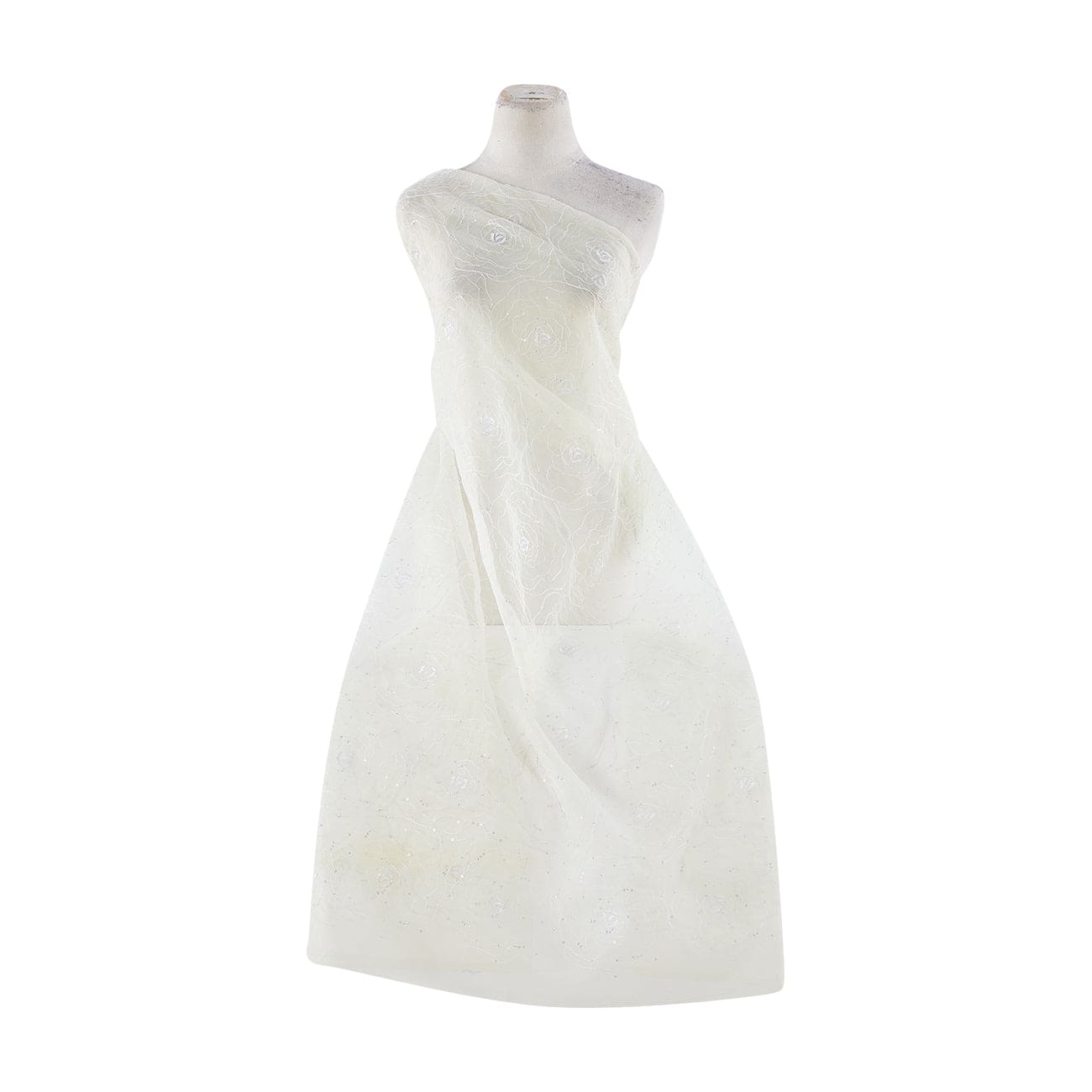
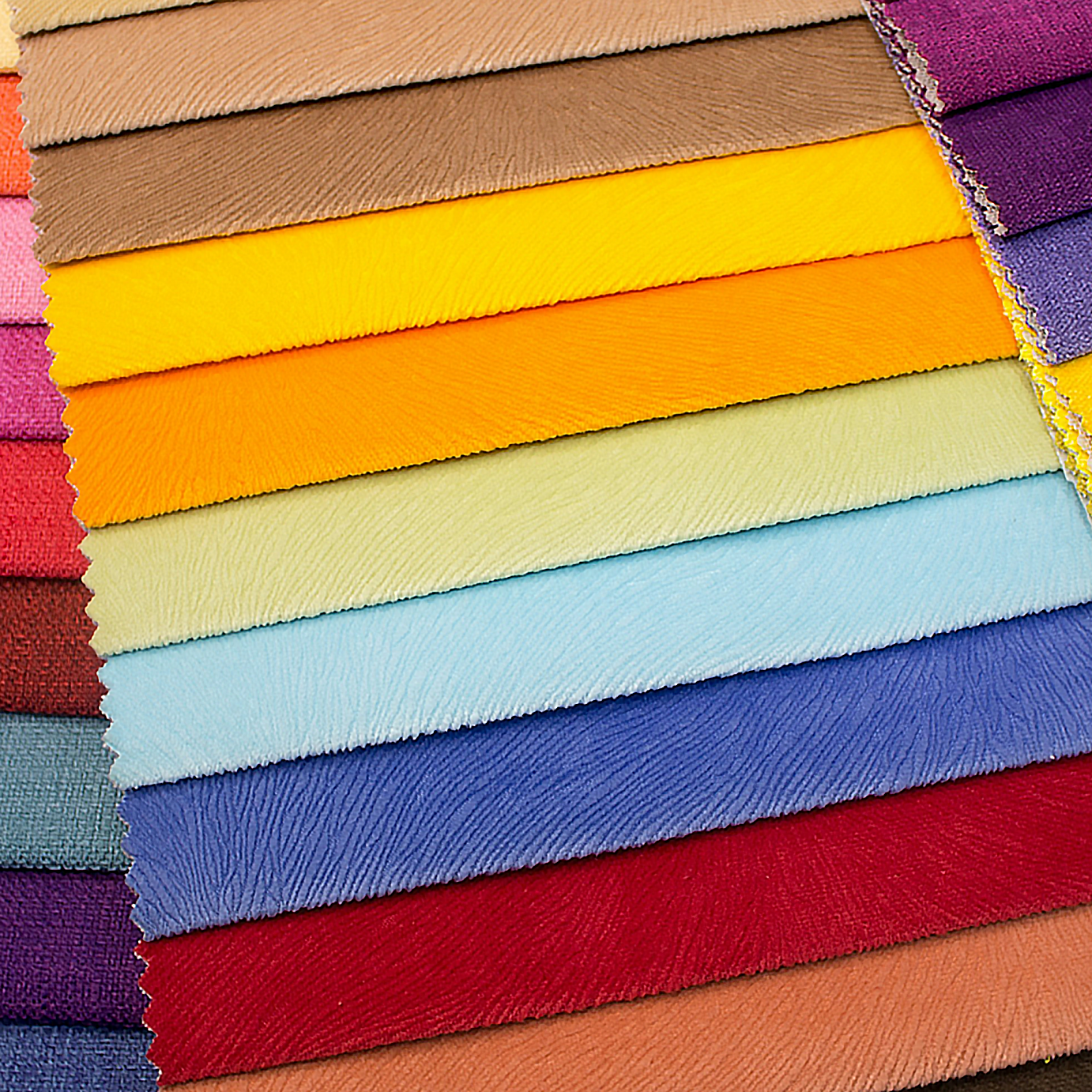

Two tabs are open, the photos look nearly identical, and one fabric is a little cheaper. That is the moment when online fabric shopping stops being about color and starts being about proof. If one product page tells us exactly how the fabric will behave and the other mostly asks us to trust the picture, they are not really offering the same thing at all.
We see this all the time with designers, manufacturers, and crafters alike. A dressmaker may be trying to avoid a limp bodice, a costumer may need stretch that actually recovers, and a home sewer may just want café curtains that are not more sheer than expected in daylight. The safest way to compare online fabric retailers is not by homepage polish or broad claims. It is by how much usable information each listing gives us before checkout.
Need fabric listings that answer real project questions?
Shop fabrics with practical specs, use-case guidance, and clear descriptions that help you compare with confidence before you order.
Explore FabricsA strong online fabric source helps us answer one practical question: will this exact fabric do the job our project requires? That is a better test than whether a retailer feels trendy, cheap, premium, or popular. A listing should connect the fabric to outcomes we can picture — drape, structure, opacity, stretch, sewing ease, care needs, and likely uses.
That matters because “good fabric” is not one fixed idea. A workhorse cotton for toiles, quilt backing, dye tests, backdrops, baby items, craft projects, and casual home décor should be described differently from a specialty fabric meant for bridal gowns, dancewear, fitted eveningwear, costume builds, event accents, or statement jackets. When a retailer treats all fabrics with the same thin level of detail, we lose the clues that tell us whether to proceed, sample, or pause.
In our view, the best product pages do two jobs at once. They speak clearly enough for home sewists who want plain English, and they include enough technical guidance for professionals who need confidence for mockups, client work, production, or repeat orders. That bridge matters. It is what turns fabric online shopping from guesswork into sourcing.
When we compare listings, we are really looking for the specs that predict behavior. Some retailers stop at a nice photo and a vague phrase like “soft and luxurious.” That is not enough. We want the evidence that helps us imagine cutting, sewing, pressing, lining, draping, laundering, and wearing the fabric.
Weight Tells Us More Than Most Buyers Realize
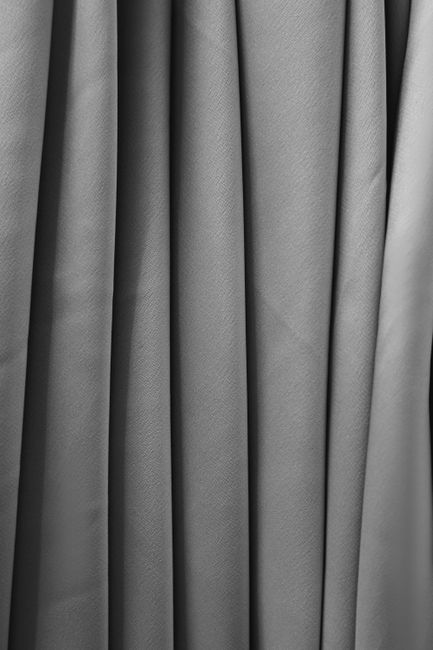
Weight is one of the clearest signals on the page. It helps predict whether a fabric will skim, float, collapse, hold shape, or add bulk. A lightweight chiffon and a heavier stretch Mikado may both look elegant online, but they solve completely different problems. If we are making a soft overlay, scarf, dance panel, sleeve, or gathered dress layer, lightness may be exactly right. If we need body for a gown, structured skirt, formal jacket, costume shell, or decorative bow, the page should make that clear.
When weight is missing, we lose an important piece of the puzzle. That does not always mean the fabric is wrong, but it does mean the listing is asking us to infer too much from the photo alone.
Width Changes Yardage, Panels, And Planning
Width sounds basic, but it affects budget and layout immediately. A wide fabric can reduce seams in backdrops, table coverings, drapery, lining runs, and some full garments. A narrower fabric may still be perfect, but we need to know that before calculating yardage or planning pattern placement. For event work, décor panels, and production cutting, width is not a footnote. It is part of the buying decision.
Fiber Content Explains Feel And Performance
Fiber content should never feel optional. Cotton, polyester, nylon, rayon, silk, and blends all behave differently in breathability, wrinkle resistance, sheen, absorbency, pressing, and care. If a page only says “satin” or “mesh” without telling us what it is made from, we still do not know enough. Construction names tell us category. Fiber tells us character.
This is especially important when comparing workhorse staples and occasion fabrics. A poly-cotton poplin may be the textile-world workhorse for uniforms, crafts, linings, test garments, children's projects, banners, and straightforward apparel because it balances structure with everyday practicality. A charmeuse, by contrast, needs different expectations around slip, shine, and handling. Good listings help us feel that distinction before the bolt ever reaches the table.
Stretch Needs Context, Not Just A Yes Or No
“Stretch” is one of the most misleading words in a thin listing. We want to know whether the fabric stretches two ways or four, whether the recovery is firm or relaxed, and whether the stretch supports movement, fit, or both. That matters for dancewear, fitted bodices, leggings, costumes, active-inspired fashion, sleeve comfort, and performance garments. It also matters when we specifically do not want stretch, as with some structured décor, crisp bows, or tailored garments.
If a page says stretch knit but gives no clue about recovery, body, or intended use, we are still guessing. A better page explains the practical outcome.
Opacity And Finish Affect The Final Look
Opacity tells us whether we need lining, layering, or a change of plan. Finish tells us whether the surface is matte, softly luminous, glossy, pebbled, brushed, smooth, crisp, or coated. Together, those details shape the result in apparel, costumes, event styling, and home décor. Sheer chiffon, stable muslin, slick faux leather, airy mesh, and polished bridal satin can all be beautiful, but each requires different expectations for underlayers, seam finishing, lighting, and construction.
We especially like listings that state likely use-case guidance plainly: suitable for linings, may require lining for garments, ideal for drape-heavy silhouettes, better for structured forms, or useful for backdrops and decorative panels. That kind of language saves yardage and frustration.
Care Guidance Builds Trust
Care instructions may look secondary at checkout, but they tell us whether the retailer understands the product and respects the buyer’s next step. A reliable listing gives direct, consistent care information instead of leaving us to search elsewhere. For many staple fabrics, the clearest version is also the most useful: Machine Wash, Cold; Gentle Detergent, No Bleach. Tumble Dry, Low Heat. Do not wring.
That kind of clarity matters for everyday apparel, children's items, costume pieces, mockups, café curtains, utility sewing, and repeat-purchase basics. Specialty fabrics may need more nuance, but they still deserve procedural, specific guidance.
Use-Case Guidance Is Where Expertise Shows
One of the best signs on any fabric page is a concrete list of uses that makes sense for the fabric in question. We do not mean vague phrases like “great for many projects.” We mean informed guidance: suitable for toiles, linings, bridal gowns, dance costumes, blouses, event drape, backdrops, lightweight curtains, table accents, craft projects, baby accessories, or upholstery accents, depending on the fabric. When those uses are specific and plausible, we can tell the listing was written by people who understand how fabric performs in real life.
Plain-English Translation For Common Fabric Specs
Many buyers are comfortable sewing but still do not want to decode every textile term from scratch. A strong retailer makes that easier. Here is the shorthand we use when reading product pages.

- Lightweight: likely to drape, layer, gather, or move easily, but may need lining depending on opacity.
- Medium-weight: often the most versatile range for garments, crafts, and practical décor because it balances body and sewability.
- Heavy-weight: more structure, more presence, and often better for shape, but less fluid in movement.
- Crisp hand: the fabric tends to hold form instead of collapsing softly.
- Soft hand: the fabric feels more pliable and usually reads gentler in gathers and drape.
- Good recovery: stretch returns to shape better after movement, which matters for fit-sensitive projects.
We also watch for terms like matte, lustrous, brushed, stable, slippery, and textured. None of those words are bad. They simply point to different project outcomes. A knowledgeable product page does not just use the term; it shows us what the term means for the thing we are making.
The Same Listing Standard Changes By Project
The smartest online comparison is always project-first. A page can be excellent for one buyer and incomplete for another, depending on what needs to be known before ordering.
For Garments
Garment buyers need to understand drape, opacity, stretch, and finish first. A dress fabric should tell us whether it flows, clings, stands away from the body, reflects light dramatically, or needs lining. If we are considering chiffon, charmeuse, poplin, scuba, stretch mesh, or Mikado, we want plain guidance on silhouette suitability. Can it support a fitted shape? Is it better for movement? Will it photograph glossy? Will it wrinkle easily? Those are garment questions, not abstract textile questions.
For Linings
Lining fabric needs a different kind of proof. We care about smoothness, breathability, slip, opacity, and compatibility with the outer fabric. Too much drag, too much bulk, or too much static can ruin the wearing experience. A good listing should make it easy to tell whether the fabric is truly lining-friendly or simply lightweight.
For Costumes And Performance Wear
Costume buyers often need a mix of movement, visual impact, and durability. Stretch direction, recovery, surface finish, and opacity become essential. A strong page should help us judge whether a power mesh works for inserts, overlays, sleeves, dance panels, illusion effects, fitted costuming, layering, or support applications. The more active the use, the less we can rely on appearance alone.
For Décor And Backdrops
Décor buyers usually need width, opacity, wrinkle behavior, and visual scale. A backdrop, table drape, window panel, photo-panel accent, partition treatment, or stage dressing fabric may not need the same hand as apparel, but it absolutely needs clear dimensions and realistic use guidance. If a retailer omits width or gives no clue how the fabric hangs in space, that is a meaningful gap.
For Prototypes And Toiles
For pattern testing and mockups, the workhorse fabrics matter most. This is where consistency and honest description are everything. Muslin remains one of the most useful fabrics in any workroom because it supports fittings, draping, test garments, pattern development, dye experiments, craft foundations, backdrop trials, and practical sewing exercises. When buying online, we want to know the weight, hand, width, and likely shrink behavior so the toile tells us something useful.
For Repeat Orders
Repeat buyers need more than a one-time win. They need confidence that the listing is specific enough to support reordering, scaling up, or moving from sample yardage into larger runs. That is where educational product pages, low minimums, continuous-yard cuts, and optional wholesale support become especially valuable. A retailer that writes with consistency makes it easier to buy with consistency.
What Should Make Us Pause Before Checkout
Not every missing detail is a deal-breaker, but some gaps should slow us down. If a listing leaves out weight, fiber content, width, care, or end-use guidance, we have less evidence than we need. If the language feels inflated but non-specific — “premium,” “designer-inspired,” “beautiful drape,” “great quality” — we should ask what measurable facts support those claims.
We also pause when the use-case guidance conflicts with the specs. If a fabric is described as sheer but shown as if it were fully opaque, or called structured while the imagery suggests collapse and fluidity, something is not translating clearly. The same goes for stretch fabrics with no recovery information, satins with no fiber listed, or utility fabrics described without practical care instructions.
In those moments, sampling is the sensible move. And if the retailer does not make even a test order feel manageable, that tells us something too. Strong online sourcing supports the path from first look to first yard, not just the impulse buy.
A Quick Pre-Checkout Comparison We Can Actually Use
When we have two or three listings open, we recommend a simple test: compare the pages line by line and ask which one gives more project-specific certainty.
- Does the page list weight, width, and fiber content clearly?
- Does it explain stretch, opacity, or structure in practical terms?
- Does it name realistic uses for this exact fabric?
- Does the care guidance sound clear and consistent?
- Would we feel confident ordering a test cut, then reordering if it works?
If one listing wins most of those points, it is usually the safer buy, even if another page is slightly cheaper. The lower price does not help if the fabric arrives too stiff for a dress, too sheer for a backdrop, too narrow for a panel plan, or too unstable for repeat work.
Frequently Asked Questions
Do I always need a swatch before ordering?
Not always. For familiar workhorse staples or repeat buys with strong, consistent specs, many buyers are comfortable ordering directly. But for bridal fabrics, fashion sheers, stretch specialty fabrics, costume builds, client projects, or anything where color, hand, opacity, or sheen is critical, a swatch or small test cut is often the smart step.
Why do continuous-yard cuts matter?
They matter because many projects need uninterrupted length. Dresses, backdrops, table drapes, long panels, costumes, and production layouts are easier to plan when fabric arrives in continuous yardage where available. It is one of those details that signals a retailer understands how fabric is actually used, not just how it is displayed online.
How much technical detail is enough for a home sewer?
Usually, enough to answer the practical questions: will it drape or hold shape, is it sheer, does it stretch, what is it made from, how wide is it, and how should it be cared for? A home sewer does not need to become a textile engineer. But clear specs make better decisions possible, especially when buying for garments, baby items, crafts, curtains, linings, or gifts.
What about designers and small-batch brands?
They typically need a deeper level of consistency. Technical detail supports fittings, pattern development, costing, client communication, and reorder confidence. That is why educational product pages are so useful. They help bridge sampling, mockups, final production choices, and future replenishment.
Are low minimums important if I only sew at home?
Yes. Low minimums make it easier to test a new fabric without overcommitting, and they help advanced hobbyists shop more like professionals. For makers balancing experimentation with budget, that flexibility is a real advantage.
What is the best sign that an online fabric retailer is trustworthy?
In our experience, it is not the loudest branding or the biggest promise. It is the quality of the information on the page: clear specs, realistic uses, consistent care guidance, and enough education to help us choose with confidence. That is the kind of support that makes fabric online shopping work better from first toile to final gown, from one-yard test to repeat order.
That is also why we favor sources that treat fabric as more than an image. A retailer like Zelouf, with educational listings, practical specifications, accessible minimums, and the kind of clear guidance that serves both professionals and home sewists, makes the safer next click feel obvious.
Ready to source fabric with more confidence?
Browse Zelouf Fabrics for workhorse basics, specialty textiles, low minimums, and detailed product pages that make sampling, ordering, and reordering easier.
Shop Fabric Online