
Can One Fabric Cover Your Whole Garment Run?
The size mix is settled, and the selected Zelouf fabric appears to have enough yards online. But the longest pattern piece needs an uninterrupted length: will the available yardage arrive in cuts you can actually use for every garment? We would confirm the full run’s quantity, usable cut lengths, and appearance before setting a cutting date. A matching second release is a separate question, even if today’s order is covered.
Build a Request Around the Garments You Will Cut
Start with committed units by size, not a single average per garment. A bridal atelier making fitted dresses in several sizes may find that its largest size needs a different cutting layout from its smallest; a home sewist making matching occasionwear faces the same issue on a smaller scale. Use the selected fabric’s width and your tested layout to determine the yield for each size, then multiply by the number of garments in that size. Add those requirements together, allowing for any layout restrictions caused by nap, print direction, or matching details.
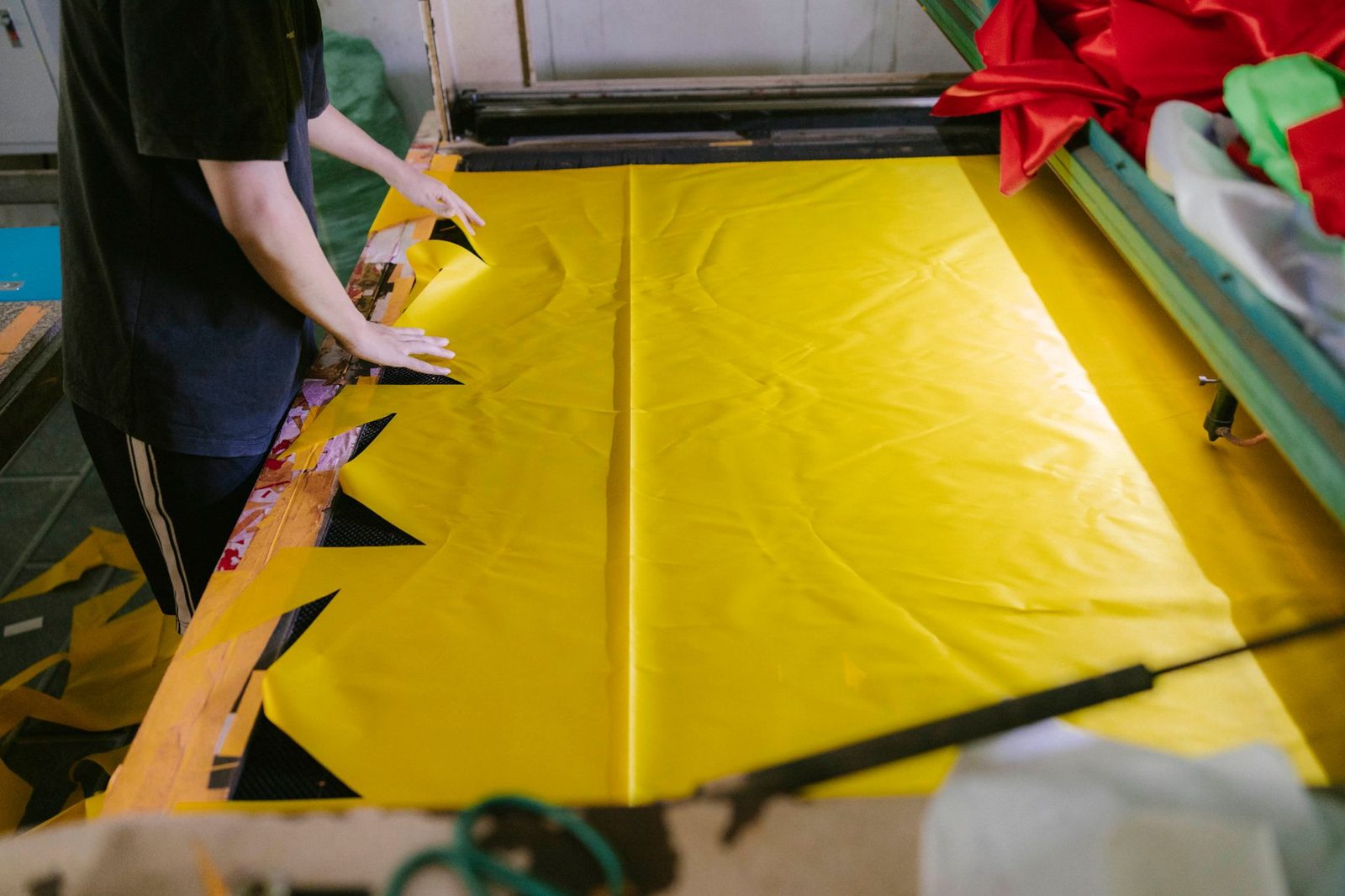
Next, account for fabric you cannot use. Your tested layout may show where a flaw would force you to recut a panel; a modest contingency also gives you room for a cutting error or a replacement piece. There is no universal percentage that fits every run. Base the allowance on the fabric, the number and size of pieces, and the consequences of coming up short. If the layout is still untested, treat the total as an estimate rather than a quantity ready to order.
Keep the resulting request specific: identify the exact item and color, the total yards required, and the minimum continuous length your layout needs. Our product page checks can help you capture the item details, but a listing alone cannot establish how the available yardage is divided into cuts.
Ask About Three Different Kinds of Sufficiency
Total quantity: Ask us how much of the selected item is currently available for your planned order. A displayed quantity is a useful starting point, not confirmation that your entire request can be filled when you place it. If you are considering crepe for businesswear, charmeuse for occasion dresses, or another fabric from our fabric collections, give us the item identifier rather than only the fabric category; availability must be checked for the actual selection.
Workable lengths: Ask whether the required yards can be supplied in continuous cuts long enough for your tested layout. Ten yards split into short pieces are not interchangeable with ten uninterrupted yards if each garment requires a longer marker. Multiple cuts may still work if you can assign garments or complete pattern-piece sets to each length. Tell us your minimum usable cut length and whether splitting the order would change your yield; do not assume either one continuous cut or a particular division of yardage.
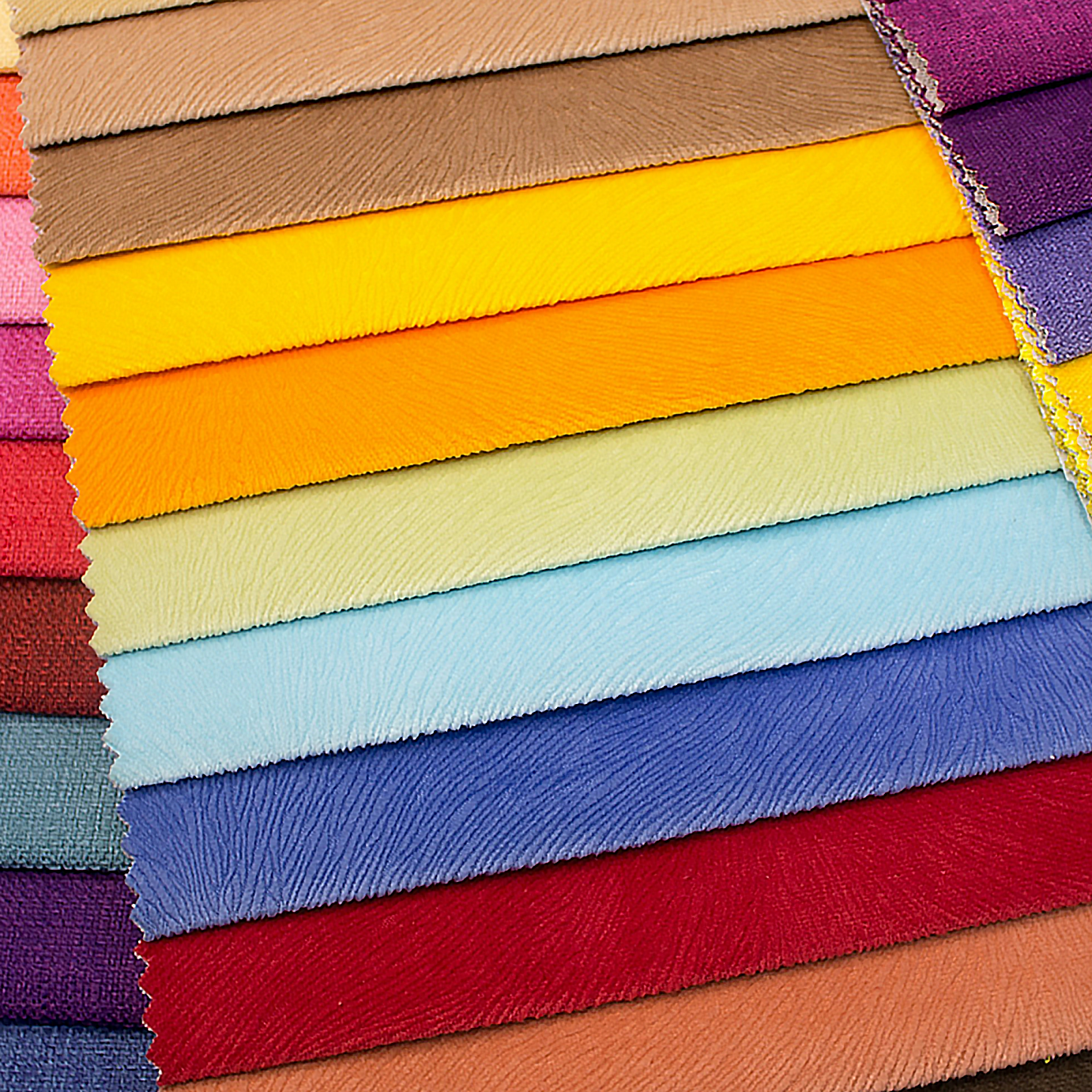
Consistent appearance: Ask whether the proposed yardage comes from more than one bolt or lot and whether any visible shade or finish differences need your approval. Matching garments can reveal differences that would be less noticeable in unrelated projects. An item identifier helps us discuss the correct fabric, but it does not, by itself, guarantee identical appearance across bolts. Retain an approved reference sample for comparison, especially if the pieces will be worn together.
Finally, ask when the confirmed quantity could reach you. Enough fabric that arrives after your cutting window does not cover a committed production schedule. Give us your delivery deadline and destination so the timing question applies to your order, rather than assuming a general shipping estimate settles it.
Choosing a fabric to check for your run? Browse fabric collections →
Make the First-Run Decision Without Promising the Second
Proceed when the item-specific answers cover the full requested quantity, the proposed cuts support your tested layout, the appearance is acceptable for garments made together, and the timing fits your schedule. If one of those points remains unclear, pause the cutting commitment and ask what can be confirmed. You may need to revise the run size or layout; extra aggregate yards cannot compensate for unusably short cuts.
A later release starts a new approval cycle. Ask us what, if anything, is known about replenishment, but do not count future fabric as part of today’s confirmed supply. Keep the item identifier and your approved reference sample, then check availability and compare any later lot before you promise identical repeat garments. If the second release must match exactly and that cannot be established, make the promise conditional or plan a design that can tolerate a change.
Questions That Affect the Order
Can My Order Arrive in Multiple Cuts?
It may be possible for multiple cuts to serve your run, but the answer depends on the selected item and your layout. Tell us the shortest length you can use, and ask how the available yardage could be supplied before treating the total as production-ready.
Will a Later Lot Match?
Do not assume so. Even with the same item identifier, a later lot needs its own availability check and appearance approval against your retained sample before you cut matching garments.
When Should I Check Availability Again?
Check before placing the first order if production depends on a particular quantity or cut length. Check again before fixing a cutting date if the order has not been confirmed, and make a fresh inquiry before accepting commitments for any later release.
Send Us the Details That Determine Your Cutting Date
For an item-specific answer, send us:
- The selected fabric’s item identifier and color.
- Units by size and the total yardage from your tested layout, including your allowance.
- The minimum usable continuous cut length and whether multiple cuts would work.
- Any bolt- or lot-matching requirement and your approved reference sample, if available.
- Your delivery deadline and destination.
- Whether a later matching release is planned and when you expect to revisit it.
Ask us about your selected Zelouf fabric before you commit to a cutting date. We can address the specific supply questions that determine whether this run is ready to move forward, while keeping a possible reorder separate from what is confirmed now.