
How Many Yards of Fabric Does Your Pattern Need?
The pattern envelope gives two yardage figures for the same garment, each tied to a different fabric width. One linear yard is always 36 inches long, measured down the fabric, so why would the amount to buy change? Because the width determines which pattern pieces can fit beside one another along that length.
A yard measures length; width determines cutting space
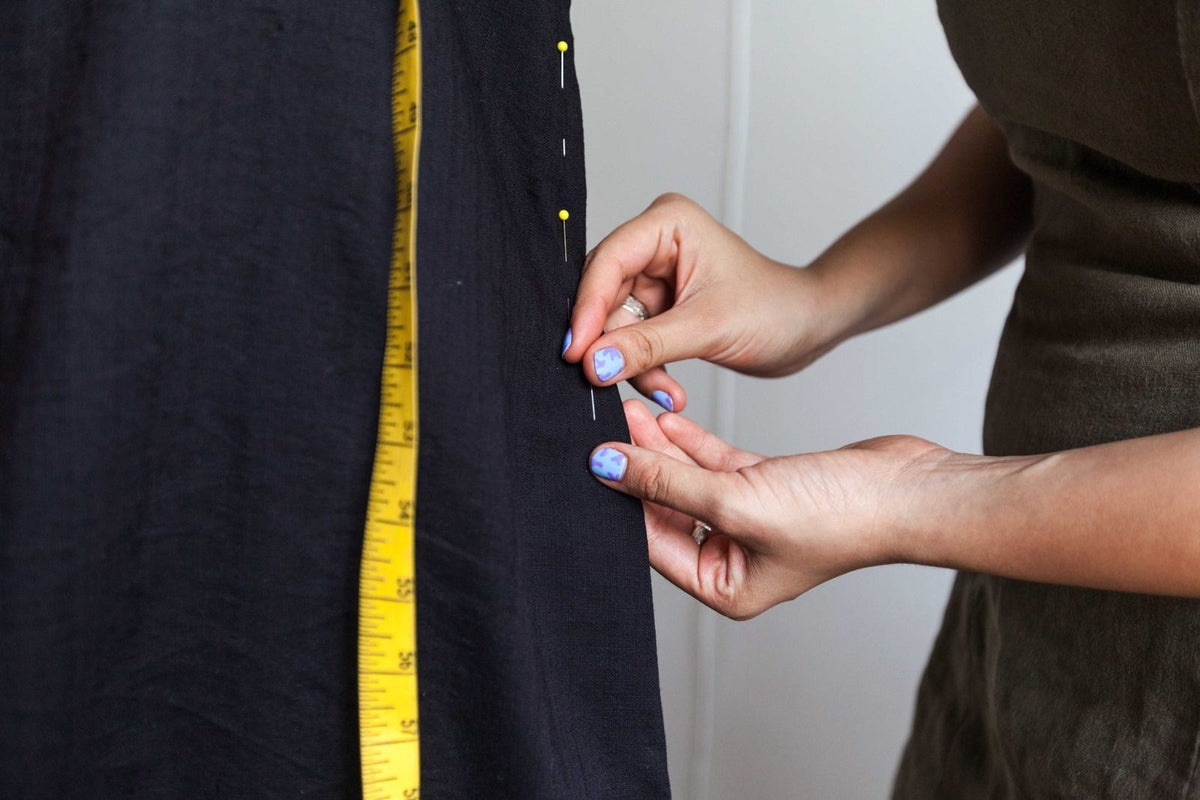
When you order fabric by the yard, each yard adds 36 inches of length. The fabric’s width runs across it, from selvage to selvage, and varies by product. Those two measurements describe a rectangle, not a fixed amount of usable cutting space.

Selvages are the finished edges running along the fabric’s length. Your pattern pieces generally need to sit inside them, so the usable width may be narrower than the stated, selvage-to-selvage width. We check the stated width on the specific Zelouf listing, then allow for the actual cutting width rather than treating the listing figure as a guarantee that every inch is usable.
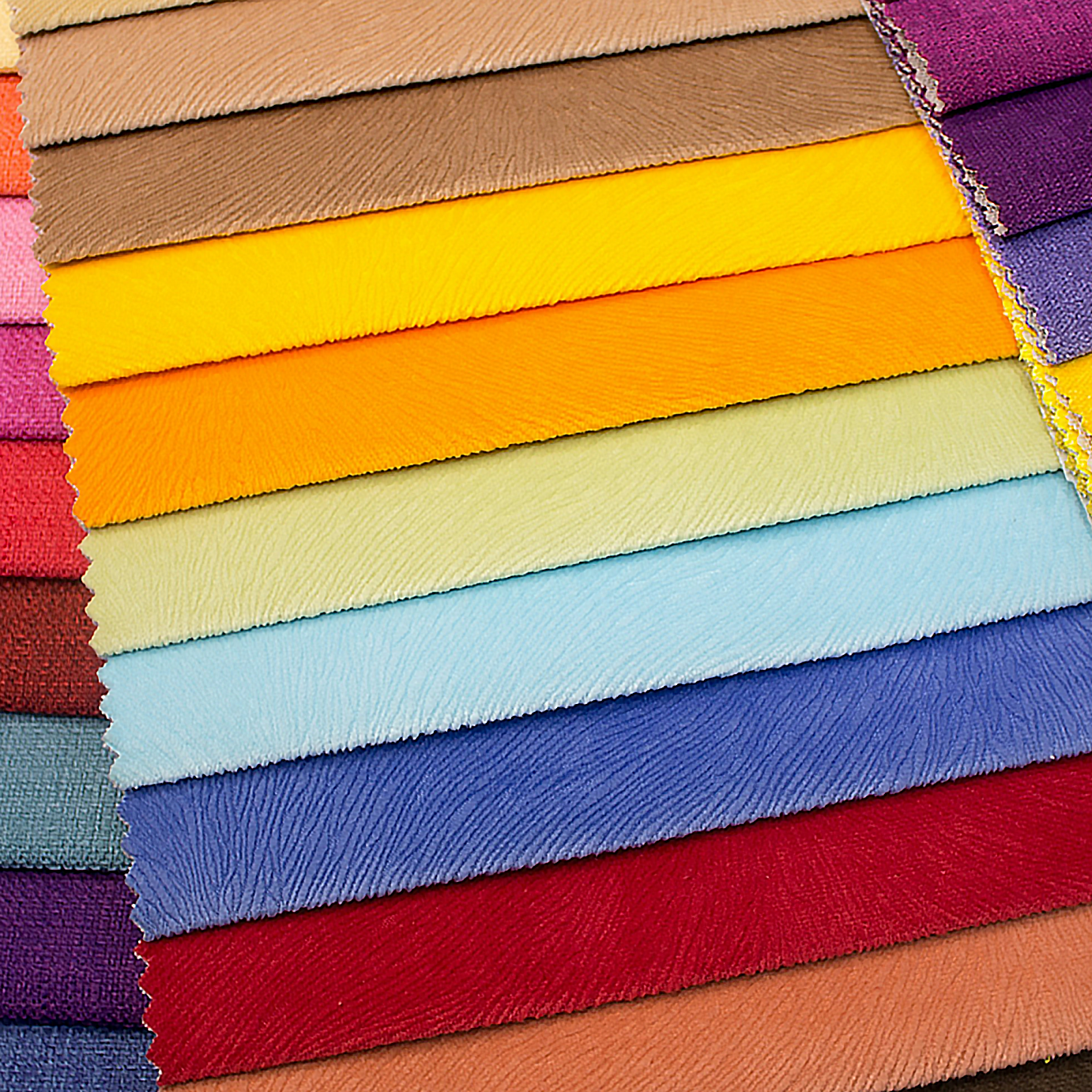
Compare fabric listings to check the width of the material you choose. Browse fabric collections →
Match the listing to the pattern’s yardage and layout
Start with the garment view and size you intend to make. On the pattern envelope or instructions, find the fabric yardage given for that combination at each listed width; then turn to the cutting layout for the same view, size, and width. A yardage number belongs to a particular arrangement of pieces, not just to a garment name.
Next, check the stated width on your chosen Zelouf fabric’s product listing. If it corresponds to a width option on the pattern, use that option as a starting point and examine its layout: are pieces placed on a fold or in a single layer, and can they fit between the selvages at the usable width? Confirm the fabric’s usable width where possible before relying on a layout that has little room to spare.

Why two inches can change the order
Imagine two illustrative garment pieces that each need 22 inches across the fabric when placed on grain. With 44 inches of usable width, they can sit side by side and occupy the same length of yardage. With only 42 inches of usable width, 22 plus 22 no longer fits: the pieces need a different arrangement, potentially using more length. That comparison does not establish a purchase quantity; the other pieces and the full cutting layout still count.
When the widths do not line up
A listing may state a width that falls between your pattern’s options, while the width left after excluding selvages may be smaller still. Rather than converting the envelope’s yardage by fabric area, we would test a full layout within the usable width and measure the length it takes. Keep every piece on its required grainline and account for pieces cut on the fold, directional prints, nap, and any matching you plan to do. Moving one large piece can affect where the sleeves, facings, or smaller pieces go.
If that test calls for more length, use the revised layout to determine the order instead of assuming the yardage for a wider fabric applies. Likewise, a wider fabric does not automatically mean fewer yards: the shape and placement of the pieces decide how much length you need.
Check the order before checkout
- Confirm the pattern view and size, including any variations that change the pieces.
- Verify the stated width on the specific Zelouf listing and check the usable width after selvages.
- Match the pattern’s width-specific yardage to its cutting layout, or measure a viable revised layout if the widths do not match.
- Check that the total length accommodates every piece, its grain direction, and any print or nap constraints before selecting your yardage.
Once the layout works, return to the chosen Zelouf product listing to verify its stated width and order the length your layout requires—not the length suggested by the word “yard” alone.