
The dress idea is clear in your head, but the fabric decision is where it starts to split. You want something easy to wear and comfortable through the day, yet not flimsy, clingy, or too casual once it is actually on the body. The same silhouette can turn into a soft, forgiving knit dress in jersey, a cleaner and more controlled shape in crepe, a more elevated statement in satin, or a layered design with mesh that changes what the eye sees and what the body feels.
We see this choice all the time, and it helps to stop thinking in fabric names alone. For dresses, the real question is what kind of result you want: soft stretch and movement, or more polish and visual separation from the body. Once we look at fit, drape, surface finish, opacity, and your tolerance for cling, the right fabric family usually becomes much easier to spot.
A dress can succeed or disappoint before a hem is sewn, simply because the fabric is doing more of the design work than many makers expect. Whether you are sewing one dress at home, developing samples for a line, or planning costumes that need to move under lights, we like to judge the fabric by five practical criteria.
Fit is about how closely the fabric follows the body. Some fabrics skim. Some hug. Some stand slightly away. Drape tells you whether the dress will fall in soft folds, hold a cleaner line, or collapse into every contour underneath. Surface finish changes the occasion level fast: matte usually reads easier and quieter, while shine reads dressier and more deliberate. Opacity affects not just modesty, but also whether a dress feels substantial enough for the job. And occasion level ties everything together, because the same comfort-first knit that feels perfect for a day dress may feel underpowered for an evening event.
This is why the nicest fabric in the hand is not always the right one on the body. A soft jersey can feel wonderful, yet still make a fitted dress look more revealing than intended. A satin can look glamorous, yet ask more from the sewer and more from the wearer. A crepe can create polish without stiffness. A mesh can solve a problem that none of the main fabrics solve alone. That is the dress equation in practice.
What Each Fabric Family Actually Does to a Dress
Jersey: soft, wearable, and often the easiest to live in
Jersey fabric is a workhorse for dresses that need comfort, stretch, and movement. It is especially strong when you want a body-skimming day dress, a casual wrap dress, a ruched knit dress, a maternity-friendly silhouette, a travel dress, a dancewear-inspired style, or a simple column that needs to move with the body instead of resisting it. For designers, manufacturers, and crafters alike, jersey is a staple because it can do a lot with relatively little structure.
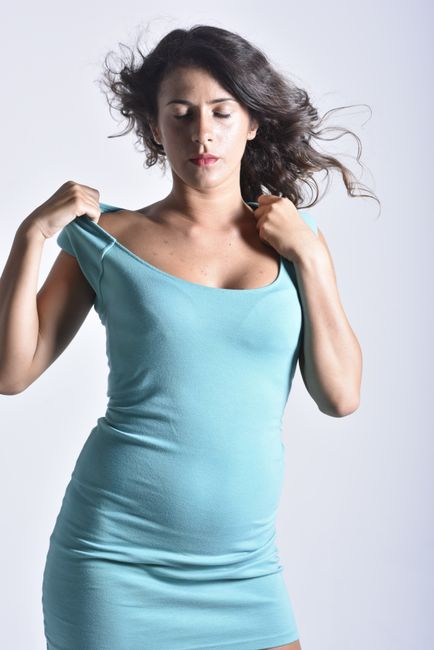
What worries many people is also what makes jersey useful: it follows the body. That can be flattering and intentional when the weight is right, the recovery is strong, and the silhouette is designed for knit behavior. It can also turn clingy, slightly sheer, or too relaxed-looking when the fabric is too light, too soft, or too thin for the dress idea. Jersey tends to read easier and more casual than crepe or satin, especially in simple silhouettes without seaming, lining, or design details that add control.
When jersey works best, it looks effortless rather than accidental. We would reach for it when the goal is comfort with shape, not when the goal is crisp formality. If you want a dress that stretches through fittings, travels well, and feels wearable from morning through evening, jersey can be exactly right. If you want the fabric to create distance from the body, that is usually the sign to look at something else — or to combine jersey with another fabric.
Crepe: cleaner, more polished, and less body-revealing
Crepe is often the smarter choice when the dress needs more visual control. Compared with jersey, many crepes skim rather than cling, which can make a dress feel more refined immediately. This is useful for sheath dresses, bias-inspired slips with more restraint, event dresses, bridesmaid styles, office-to-evening silhouettes, flutter-sleeve dresses, fit-and-flare shapes, and dresses that need movement without obvious stretch.
Crepe usually brings a matte or low-luster surface, which helps a dress look polished without looking flashy. It also tends to separate from the body more than jersey does, so the dress can feel less revealing even when the silhouette is close. For readers who like softness but not too much body definition, crepe often lands in the sweet spot.
The tradeoff is that crepe may ask more during cutting and sewing, depending on the specific type. It does not usually offer jersey’s forgiving stretch at the fitting stage, so the pattern and sizing matter more. Still, if the question is, “How do I keep this dress elegant instead of casual?” crepe is one of the clearest answers.
Satin: shine, occasion, and a higher visual payoff
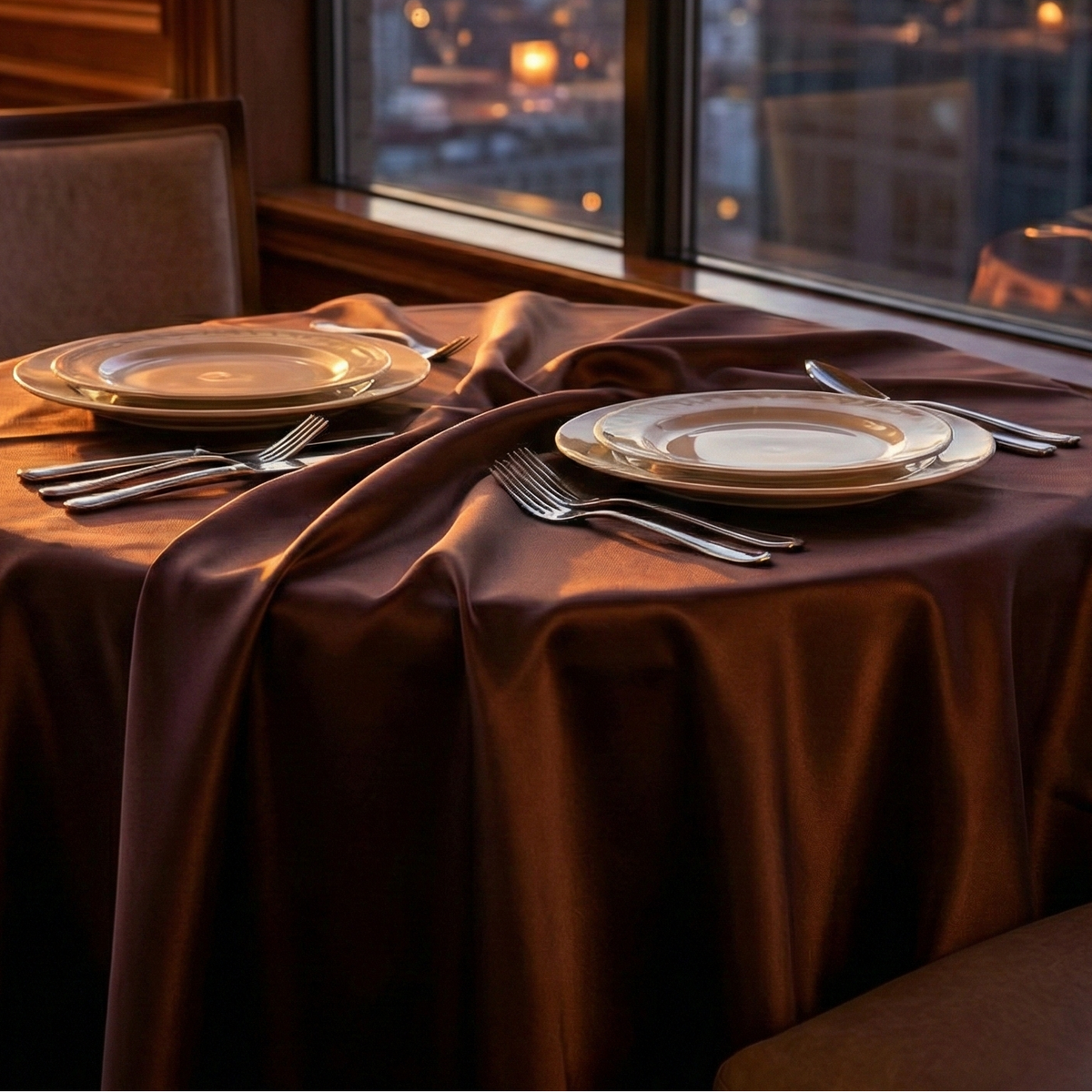
Satin changes the conversation fast because surface finish becomes part of the design. It is ideal when you want glamour, light reflection, and a dress that clearly belongs to an event, performance, celebration, or formal setting. Satin earns its place in slip dresses, gowns, cocktail dresses, draped bodices, bridal looks, special-occasion skirts, corseted designs, and statement pieces where the fabric itself carries some of the drama.
But satin also makes every decision more visible. Shine can emphasize seams, fit issues, pressing marks, and body contours. In some silhouettes, satin feels more separated from the body than jersey; in others, especially on the bias or in a slinky weave, it can still reveal quite a lot. That is why satin is not automatically less exposing than jersey — it is simply exposing in a different visual language.

For many dressmakers, satin is worth choosing when the occasion level matters more than ease of sewing. It can deliver a beautiful finish, but it is not usually the low-stress option. If the dream is elegance with less shine and less stress, crepe may be the better route. If the dream is unmistakable glamour, satin is hard to replace.
Mesh: rarely the whole answer, often the smartest supporting fabric
Mesh is useful because it can add coverage, reveal, texture, or stretch in a very controlled way. We think of it less as a default all-over dress fabric and more as a strategic fabric: sleeves, necklines, overlays, ruching layers, insets, yokes, illusion panels, dancewear-style sections, and fitted outer layers over a more stable base. It can soften the line of a dress, break up cling, add breathability, and create visual interest without a heavy hand.
On its own, mesh is usually not enough for most dresses unless the design is intentionally layered, lined, or performance-based. As a partner fabric, though, it is one of the most versatile tools in the workroom. It can make jersey feel more intentional, satin feel lighter, and a simple silhouette look more designed.

For online shoppers, mesh is one of the categories where opacity, stretch direction, and hand matter enormously. A soft stretch mesh for sleeves behaves very differently from a firmer mesh for shaping or layering, so product detail is essential.
Match the Fabric to the Dress You Actually Want
- Soft everyday dress, easy fit, all-day comfort: Jersey is usually the lead choice.
- Closer fit without as much cling: Crepe is often the better answer.
- Dressy event look with visible sheen and drama: Satin gives the strongest payoff.
- Fitted dress with strategic coverage or texture: Jersey with mesh, or crepe with mesh, often outperforms either fabric alone.
- Ruched or gathered dress that needs stretch: Jersey, sometimes with mesh layered over key areas.
- Formal silhouette that must look polished in photos: Crepe or satin, depending on whether you want matte refinement or shine.
If there is one pattern behind most successful dress choices, it is this: single-fabric thinking can be too limiting. Many of the best dresses assign different jobs to different fabrics.

When One Fabric for the Whole Dress Is Not the Best Plan
Mixed-fabric dresses solve problems elegantly. A jersey body with mesh sleeves can keep the comfort and stretch you want while lifting the overall look away from “just casual knit.” A crepe body with mesh yoke or sleeves can create lightness without sacrificing polish. A satin skirt with a mesh overlay can soften shine and add dimension. A jersey underlayer with a mesh ruched overlay can reduce the visual directness of cling while preserving movement.
We also like to map fabric by dress part. The bodice may need more control. The skirt may need more fluidity. Sleeves may need transparency or breathability. Overlays can add softness, while inserts and panels can reshape how the eye reads the silhouette. This is useful for home sewists working from one favorite pattern and for professional makers refining fit across size ranges.
What is fabric-part mapping? It is simply choosing the fabric by function, not by habit. Use jersey where comfort and stretch matter most. Use crepe where the dress needs cleaner drape. Use satin where shine is part of the message. Use mesh where you want lightness, layering, coverage, reveal, or contour control. That mindset opens up better solutions than forcing one textile to do every job.
The Issues That Usually Stop People from Buying
“Will jersey look clingy?”
It can, but not all jersey behaves the same way. Weight, recovery, and silhouette make the difference. A more substantial jersey with good stretch recovery is far more likely to look intentional than a very light jersey in a tightly fitted style. Ruching, draping, lining, and strategic seaming can also change the outcome dramatically.
“Will it read too casual?”
Jersey tends to read more casual than crepe or satin, yes, but casual is not the same as sloppy. The right color, a fuller weight, thoughtful pattern choice, and details like draped necklines, waist definition, or mesh accents can move jersey into a more elevated space. If the event is formal, though, crepe or satin will usually get you there faster.
“What about sheerness?”
Sheerness matters most with lighter jerseys, many meshes, and some satins or crepes depending on color and construction. This is where careful product descriptions become a trust builder. Before ordering, check opacity notes, width, weight, and whether the fabric is shown layered over itself. If you expect a dress to stand alone, do not assume opacity from the name alone.
“Does stretch recovery matter that much?”
For dresses, yes. Recovery is what helps a stretch fabric return to shape instead of bagging out at the knees, seat, neckline, or elbows. A jersey with weak recovery may feel soft at first and disappointing later. For body-conscious dresses, recovery is one of the biggest performance details to verify.
“Is the visual payoff worth the sewing difficulty?”
That depends on the project. Jersey is often more forgiving to wear, but not always the easiest to sew if it is very soft or curl-prone. Satin can be beautiful, but it is less forgiving both on the table and on the body. Crepe often sits in a productive middle ground: polished, wearable, and less obviously demanding than satin. Mesh is manageable in the right role, but it usually works best as a supporting player rather than the only fabric in the dress.
Frequently Asked Questions
Can jersey fabric look formal?
Yes, especially in a heavier quality, a darker or richer color, and a silhouette that uses drape or shaping intentionally. Still, if your goal is unmistakably formal, crepe or satin usually creates that message more quickly.
How do I mix fabrics without making the dress look disconnected?
Keep the jobs clear. Pair fabrics that support the same silhouette, and let one lead visually. A jersey body with mesh sleeves, a crepe dress with mesh inserts, or a satin base with a mesh overlay tends to feel cohesive because each fabric is solving a specific design problem.
What should I check before ordering online?
Start with fiber content, stretch, recovery, opacity, width, and suggested uses. If the dress is fitted, look closely at weight and whether the fabric is described as substantial, fluid, or sheer. That is where strong product detail becomes especially valuable for both one-dress buyers and volume buyers.
How much fabric should I order?
Yardage depends on width, dress length, sleeve choice, fullness, matching needs, and whether you are adding lining or overlays. If you are between two estimates, it is usually smarter to plan by silhouette rather than by a generic number. A fitted sleeveless jersey dress and a gathered mesh-overlay dress do not consume fabric the same way.
How should I care for these fabrics?
For many dress fabrics, a safe baseline is: Machine Wash, Cold; Gentle Detergent, No Bleach. Tumble Dry, Low Heat. Do not wring. For more delicate satins, specialty knits, or mesh constructions, follow the product-specific care guidance before cutting and after sewing.
If you are still hesitating, that usually means the dress wants one more level of specificity: not “jersey or not,” but which weight, which opacity, which finish, and which part of the dress each fabric should handle. That is exactly where clear fabric descriptions, low-minimum ordering, and a broad dress-fabric assortment make a difference. For makers who want to move from uncertainty to a workable plan, swatching, checking stretch and recovery, and buying with the final silhouette in mind is the most reliable next step.