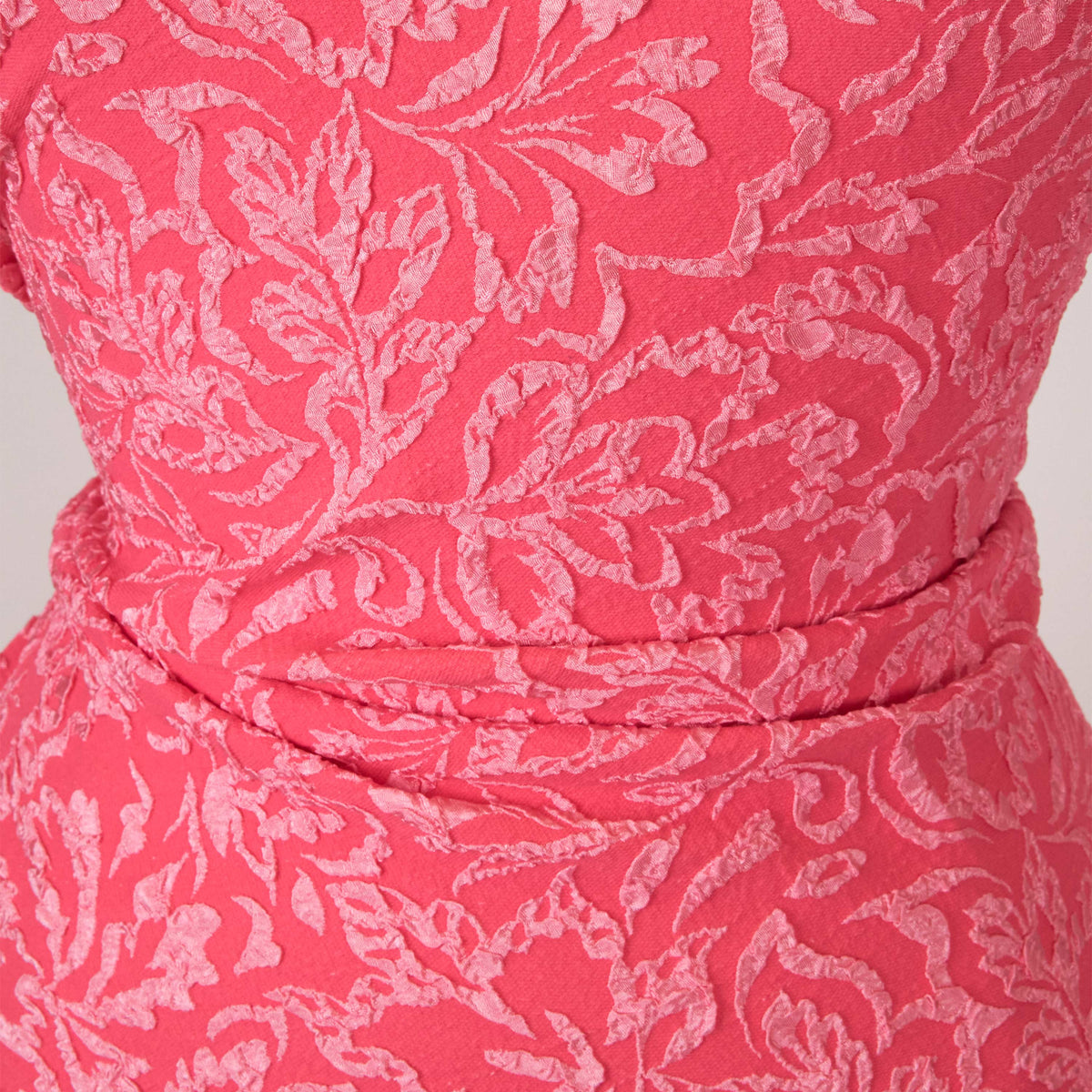
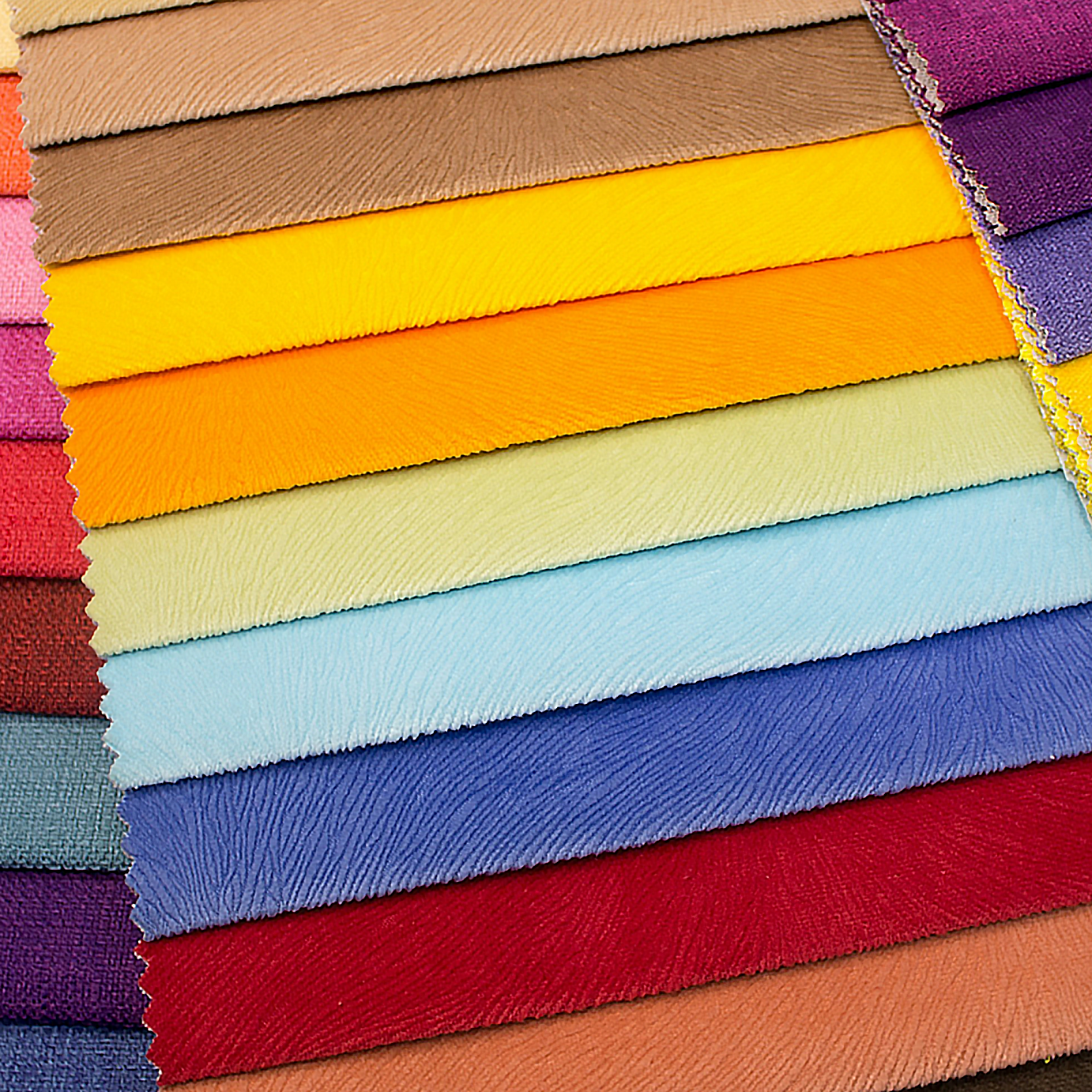

The choice between velvet and suede rarely comes down to preference alone. Velvet wins on surface drama and color depth. Suede wins on texture character and practical durability. Working through four shared axes, durability, maintenance, aesthetics, and applications, makes the decision clear before the first yard is ordered.
How We Compared Velvet and Suede
Choosing between velvet and suede is rarely a purely aesthetic decision. For a garment manufacturer working against a production deadline, the wrong call on durability or maintenance can mean costly rework. For a home sewer selecting material for cushion covers or a statement blouse, the choice shapes everything from cutting technique to long-term care.
Durability
Velvet’s cut-pile construction is both its strength and its vulnerability. The pile holds structure well under normal garment wear but compresses under sustained pressure, producing permanent crush marks at high-contact areas like seams and folds. Suede, including faux suede made from polyester microfiber, presents a napped surface more forgiving of abrasion in everyday use. For upholstery, outerwear, and accessories that take regular handling, suede’s surface holds up with less visible evidence of wear. For structured evening garments and statement pieces with limited active use, velvet’s pile remains intact over a long working life.
Maintenance
Velvet requires careful handling. Most velvet yardage responds poorly to water spotting and direct heat, making home care difficult. Professional pressing with a velvet board is standard workroom practice. Faux suede is generally more forgiving. Many polyester microfiber constructions are machine washable on a gentle cycle, but the napped surface still requires brushing to maintain its direction and hand feel. Neither fabric is low-effort, but suede’s care ceiling is lower for most dressmakers and home sewers.
Aesthetics
This is where the comparison separates most decisively. Velvet delivers a light-reflective surface with depth and richness that reads as formal across most contexts. Under event lighting, the pile shifts from deep shadow to bright highlight with movement. Suede reads warmer and more matte, lending itself to relaxed-tailored and Western-influenced looks. Cotton-blend velvet offers a softer, less synthetic drape than polyester versions, which affects the overall silhouette.
Drape, Hand Feel, and Workability
How a fabric moves on the body and behaves under a needle matters as much as how it looks on a bolt. This axis covers drape quality, hand feel, stretch behavior, and the practical considerations a cutter or sewist will encounter during construction.
Applications and Recommendation
For formal eveningwear, bridal, and structured occasion garments, velvet is the clearer choice. For outerwear, jackets, skirts, accessories, and décor projects where texture matters more than reflectivity, suede serves better. Home sewers choosing between the two should factor in care requirements before committing to yardage. Velvet fabric vs suede is ultimately a tradeoff between visual impact and practical upkeep.
These five axes apply consistently across every option reviewed in this guide. That structure lets you compare across a single criterion without reading each section in full before drawing conclusions, a faster, better-informed decision whether you are sourcing by the bolt for a production run or ordering by the yard for a single custom piece.
Comparison Table: Velvet vs Suede
The four axes established above map directly onto the table below. Use this as your quick reference when weighing fabric choices at the cutting table or sourcing stage.
|
Criterion |
Velvet |
Suede (Faux or Real) |
|
Durability |
Moderate, pile can crush and mat over time; synthetic versions hold up better than silk velvet under repeated wear |
Moderate to high, faux suede resists pilling and abrasion well; genuine suede is more vulnerable to moisture and scuffing |
|
Maintenance |
Delicate, dry clean recommended for most constructions; pile direction must be preserved; steam rather than press |
Low to moderate, faux suede is often machine washable; genuine suede requires professional spot treatment and protective sprays |
|
Aesthetics |
High surface drama, deep, directional pile creates rich color saturation and light-play; formal, polished register |
Textural character, matte, napped surface reads as relaxed and tactile; color appears flatter but gains depth through texture |
|
Applications |
Evening wear, bridal, formal dresses, structured blazers, statement home décor, theatrical costuming |
Casual jackets, western-inspired pieces, footwear uppers, bags, upholstery, workwear with a relaxed finish |
|
Weight Class |
Lightweight to medium-weight depending on backing and pile density |
Medium-weight to heavyweight depending on backing and construction |
|
Drape |
Fluid with body, pile weight encourages a controlled, structured drape |
Stiffer hand, drapes with less fluidity; better suited to tailored or paneled constructions |
|
Stretch |
Minimal in woven constructions; knit-backed stretch velvets offer two-way stretch recovery |
Minimal, most suede and faux suede constructions have little to no stretch without added elastane |
|
Sewing Difficulty |
Moderate to high, pile shifts during cutting; requires nap layout and careful pressing |
Moderate, faux suede does not fray and is forgiving to cut, but needle marks may be permanent |
When the decision comes down to a single axis, aesthetics and maintenance tend to separate the two fabrics most decisively. Velvet demands more care but delivers more visual impact. Faux suede trades drama for practicality without sacrificing a strong tactile hand feel.
Velvet: Luxurious and Elegant

Velvet is built differently from most fashion textiles, and that difference is structural. That construction gives velvet its dense, shiny appearance and distinctively rich hand feel, a surface that catches and reflects light in a way few other textiles replicate.
Breathability and Warmth
Velvet can feel warm, making it less suitable for hot or humid conditions That thermal quality is a feature in fall and winter collections, where velvet blazers, coats, and holiday dresses are a reliable category. Buyers working in warmer-weather applications often opt for lighter pile weights to manage this.
Aesthetic Appeal and Color Expression
The pile surface intensifies color saturation in a way flat-woven fabrics do not. Deep jewel tones read with exceptional depth on velvet, and rich colorways translate directly into sales-floor impact. That is why velvet remains a consistent presence in bridal, holiday, and evening categories season after season.
Applications in Garment and Event Work
Velvet is well suited to the following project types:
- Eveningwear and cocktail dresses
- Structured blazers and tailored jackets
- Bridal separates and bridesmaids’ gowns
- Drapery and table linens for formal events
- Costume and theatrical production
The fabric’s weight and surface drama make it a strong choice whenever visual richness is the design objective. Where the project calls for rugged texture or casual wear, suede handles those demands differently.
Suede: Rustic and Versatile

Suede occupies a distinct position in the velvet vs suede conversation, and the distinction starts at the source. Suede is made from the underside of animal hides, typically lamb, calf, or deer, giving it a napped, matte surface that reads as inherently relaxed and tactile. Where velvet commands attention through sheen and depth, suede earns its place through texture character and a quiet confidence that works across a broad range of applications.
Breathability and Climate Suitability
Suede is breathable, which can help regulate temperature and make garments more comfortable across a range of conditions For dressmakers building transitional-season pieces, that breathability means suede can move from a cool-weather layering fabric into a standalone for mild conditions. This is a meaningful consideration for independent designers building small collections around year-round wearability.
Typical Applications
The versatility of suede makes it a workroom staple across several categories.
- Outerwear panels and jacket bodies
- Tailored skirts, trousers, and structured bodices
- Accessories including bags, belts, and trim details
- Home décor including drapery, cushion covers, and wall panels
Like velvet, suede features a distinct directional nap that catches light differently depending on how it is brushed. This means it still requires strict 'with-nap' directional layout planning during cutting to ensure uniform color and shading across all panels of the final garment.
Recommendation by Use Case: Velvet or Suede?
The right call depends on end-use conditions, not trend preference. Velvet and suede each win clearly in certain applications, the misstep most buyers make is treating the velvet vs suede decision as a style question when it is really a performance question.
- Evening and Formalwear: Velvet is the stronger call for eveningwear, bridal, and dressy occasion pieces. Its woven pile structure creates a light-catching depth that reads as deliberately dressy, and its soft hand works well against skin in fitted bodices, structured gowns, and wrap silhouettes. For event settings requiring coordinating drapery or table linens, velvet delivers the color richness and drape consistency needed across both garment and décor applications.
- Everyday Separates and Outerwear: Suede-look textiles hold their own in casual separates, tailored jackets, and outerwear where a matte, textured surface reads as intentional. The napped surface adds visual weight without bulk, making it a practical choice for A-line skirts, blazers, and structured shirt-jackets that need to maintain shape over repeated wear. Where velvet demands careful handling through construction, suede-look fabrics are more forgiving on standard equipment.
- Home Décor and Upholstery: For high-contact applications, seating, cushion covers, and throw pillow panels, suede-look fabrics hold up better where abrasion resistance matters more than light reflection. Velvet works well for decorative applications with lower friction, drapery panels, accent pillows, and bed canopies where the pile can remain undisturbed. Suede-look knit and woven constructions designed for décor generally outperform both natural suede and velvet in heavy-use seating without specialized backing or treatment.
- Costumes and Theatrical Work: Velvet is the professional standard for stage costumes, pageant wear, and theatrical pieces that need to read across distance. The pile amplifies color and catches stage lighting in a way flat-woven or suede-look fabrics cannot replicate. For costume work requiring volume, velvet’s fluid drape allows skirts and sleeves to move with the performer.
- Craft and Small-Scale Projects: Both fabrics are viable at smaller scale, but for different reasons. Velvet’s drape suits gathered pouches, scrunchies, and soft ornaments. Suede-look fabrics cut cleanly without fraying and work well for appliqué, bag panels, and structured accessories that need to hold a flat shape without lining.
Know your maintenance reality, your construction process, and your end customer’s expectations, and the right choice becomes clear.