
You order muslin for a dress toile or a backdrop, unroll it across the table, and the problem shows up immediately. It is too sheer, too stiff, too rough, or too limp for what you had in mind. That is the mistake we see all the time: people buy “muslin” as if it were one exact fabric, when in practice muslin is a category, and the right choice depends on the result you need.
At Zelouf, we think of muslin fabric as one of the true workhorses of the textile world — but only when it is matched to the job. For one project, you may want a basic, economical cotton for a quick mockup. For another, you may need a softer hand, more opacity, or a surface that takes paint and dye cleanly. The better question is not simply what is muslin? It is which muslin makes sense for this project?
Muslin earns its reputation because it crosses so many categories of making. In professional workrooms, it is a staple for toiles, draping, fit samples, rehearsal garments, and early prototypes before expensive fashion fabric is cut. In home sewing rooms, it shows up in quilt backing, baby items, aprons, lightweight curtains, test garments, linings, craft projects, and simple household sewing. In costume shops, schools, studios, and event production, it is used for mockups, painted drops, temporary covers, table treatments, and large-scale utility projects where dependable yardage matters.
In Garment Development And Patternmaking
This is where muslin has its classic reputation. Designers, dressmakers, students, and costumers use it to test proportion, seam placement, fit, and construction order before moving on to final goods. A toile does not always need to feel luxurious, but it does need to tell the truth. If the muslin is too stiff, the silhouette may look more structured than the real garment will be. If it is too soft or too light, you may misread volume, drag lines, or how the shape hangs on the body.
That is why two dress projects can both call for muslin and still need different answers. A quick bodice fitting sample may only require a practical, economical muslin that marks easily and sews cleanly. A fuller prototype for a dress with movement may call for a muslin whose hand gets you closer to the drape you are trying to evaluate. The label alone does not solve that problem.
In Utility Sewing, Crafts, And Everyday Workroom Use
Muslin is also the kind of fabric many makers like to keep stocked because it fills so many gaps. It can become quilt backing, dust covers, press cloths, baby wraps, burp cloths, simple drawstring bags, lightweight café curtains, mock linings, craft bases, and general-purpose sewing test pieces. For these uses, softness, washability, opacity, and price can matter more than drape approximation. That is especially true when the project will be handled often or used repeatedly.
For crafters and advanced home sewists, muslin is often the most useful fabric in the room precisely because it is not precious. You can cut into it to test an idea, stencil on it, paint it, dye it, embroider it, or turn it into practical sewn goods without feeling like every inch has to be reserved for a special occasion.
In Backdrops, Décor, And Large-Format Applications
Backdrop and décor uses introduce a different set of priorities. Here, readers often want width, coverage, paintability, and a surface that behaves predictably under lighting or in an installation. If the weave is too open, the fabric may read unevenly or show more transparency than expected. If it is too insubstantial, it may not hang with enough presence. If it is too stiff, folds and creases can become part of the visual whether you want them or not.
That is why we treat backdrop muslin differently from muslin for a baby item or a fitting shell. The intended outcome changes everything.
The three variables that matter most are weight, weave openness, and finish. You do not need a technical deep dive to shop well, but you do need to understand how those variables show up in the finished result.
Weight Changes Opacity, Body, And Trustworthiness
A lighter muslin can be useful when you want economy, easier handling, or a less bulky test. But go too light and you may end up with a fabric that feels flimsy, shows too much through the surface, or fails to give you a reliable read on shape. That is the classic “too sheer” mistake. For backdrops and utility sewing, light weight can also mean less visual coverage than expected.
A heavier muslin usually gives you more opacity and presence. It can feel more dependable for covers, certain décor uses, and projects where you want a sturdier cotton. But if you choose too heavy a muslin for a garment mockup, it may introduce stiffness that was never part of the intended design. Suddenly the prototype stands away from the body, and the issue is not your pattern — it is the fabric.
Weave Openness Affects Coverage And Surface Behavior
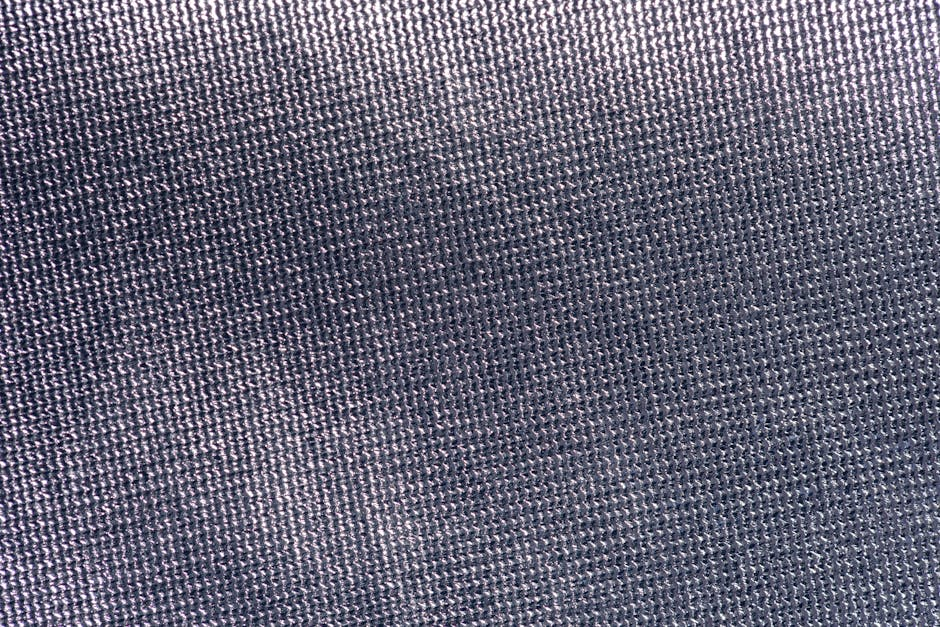
Some muslins have a more open character, which can be perfectly fine for practice sewing, certain mockups, or breathable utility uses. In the wrong application, though, open weave becomes the reason the fabric looks sparse, unstable, or more transparent than expected. For painting, draping, or visual presentation, that openness can affect how smooth the surface appears and how consistently it takes treatment.
If your project needs a cleaner, more solid-looking result, paying attention to openness matters just as much as weight. Readers often focus only on thickness and miss this piece.
Finish Changes Feel, Softness, And Project Suitability
Finish is where a lot of buying confusion happens. One muslin may feel more raw, crisp, and utilitarian. Another may feel softer and more comfortable for household or baby-related sewing. One may be ideal as a pure workroom basic. Another may be better when the fabric needs to feel gentler in use or closer to an everyday cotton application.
This is also why “muslin” can mean different things to different buyers. A patternmaker may want practicality and economy first. A crafter may want softness. An event stylist may want paintability and coverage. A costume shop may want repeatable yardage for frequent mockups. All of them are buying muslin, but they are not buying for the same reason.
Quick Project-To-Muslin Selector
We find it easiest to choose muslin by asking what the fabric needs to do, not by chasing a one-size-fits-all answer. Here is a compact way to think about it:
- Toiles, fit samples, and draping tests: choose an economical muslin with enough body to mark, pin, and sew cleanly, but not so stiff that it distorts the silhouette.
- Dress prototypes where drape matters: look for a muslin profile that feels less boardy and more responsive, so the test garment gives a more useful read.
- Backdrops, photo setups, and painted applications: prioritize better coverage, a less open appearance, and a surface that can take treatment without looking insubstantial.
- Baby items, utility cotton projects, and soft household sewing: lean toward a softer-finished muslin rather than a rougher, purely workroom-oriented hand.
- Craft bases, practice sewing, and classroom use: a practical staple muslin usually makes the most sense, especially when value and repeat use matter.
- Large repeat production, costume shops, and studios: focus on consistency, continuous-yard cuts, and a muslin you can reorder confidently for the same kind of job.
If you are stuck between options, the safest question is this: am I trying to mimic drape, maximize softness, improve coverage, or keep the test economical? The answer usually points you in the right direction quickly.
How To Order Muslin Without Guessing
The smartest first order is often not the biggest one. If you are testing a new pattern, trying a new application, or comparing muslin behavior for the first time, a smaller cut can tell you a lot. You can evaluate opacity, hand, marking ease, and how the fabric behaves under the iron and machine before committing to larger yardage. That is especially helpful when the difference between success and frustration comes down to “slightly too limp” or “more open than I expected.”
When the project depends on uninterrupted length — for example, backdrops, broad table treatments, repeated production runs, or multi-piece fitting programs — continuous-yard cuts become much more important. We work with a lot of customers who begin with a test order and then scale up once they know the muslin profile is right for their process. That path makes sense for independent designers, schools, costume departments, manufacturers, and home sewists alike.
Muslin is one of those fabrics where reliable replenishment matters. Once you find the right staple for your workroom, you want to be able to come back for it without changing your process every time. That is part of the value of buying from a source that understands both one-off project needs and larger repeat orders. At Zelouf, that means low minimums for experimentation, continuous-yard options for bigger plans, and clear guidance so you can buy with more confidence the first time.
Frequently Asked Questions
Can muslin be used for a final garment?
Yes, in the right context. Some muslins work well for simple tops, historical or folk-inspired garments, lightweight separates, utility wear, linings, and casual sewn goods. The key is to choose for softness, opacity, and hand rather than assuming any muslin will feel right as a finished garment fabric.
Is muslin good for dyeing or painting?
It often is, which is one reason it remains such a staple. For painted backdrops, scenic use, crafts, and dyed projects, buyers usually want muslin with a surface and coverage level that suits the visual result they have in mind. If appearance matters, avoid choosing only by price; openness and finish will affect the outcome.
Does muslin work for washable projects?
Many muslin projects are washable, but the exact result depends on the fabric and the use. For practical sewing, care clarity matters. A consistent baseline approach is: Machine Wash, Cold; Gentle Detergent, No Bleach. Tumble Dry, Low Heat. Do not wring.
How do I know if a muslin will feel too rough?
That usually comes back to finish. A more utility-oriented muslin may be exactly right for draping, mockups, and repeated test sewing, while a softer-finished option is often preferable for baby items, household sewing, or anything that will be handled against the skin. If comfort is part of the project, do not treat all muslin as interchangeable.
Is muslin opaque enough for backdrops?
Sometimes yes, sometimes not. Backdrop success depends on weight, openness, and how the fabric will be lit or layered. If coverage is important, choose with opacity and visual presence in mind instead of assuming any muslin will read solid at scale.
What if I need muslin for repeated workroom use?
That is exactly where muslin shines. For studios, classrooms, costume shops, and brands developing multiple prototypes, muslin is the kind of staple worth keeping stocked. Once you identify the right profile for your process, repeat ordering becomes much easier and more efficient.
Choose By Outcome, Not By Label Alone
Muslin fabric is indispensable because it can do so many jobs — but that is also why it gets misunderstood. The best choice depends on whether you need drape approximation, softness, opacity, paintability, or straightforward workroom economy. If you shop from that mindset, you avoid the most common mismatch before it reaches your cutting table.
We approach muslin the same way we would at the fabric counter: start with the project, then match the fabric to the outcome. If you are ready to test a cut, compare options, or stock up on a dependable staple, Zelouf’s muslin selection is built to support both first experiments and repeat orders with the practical guidance that makes choosing easier.