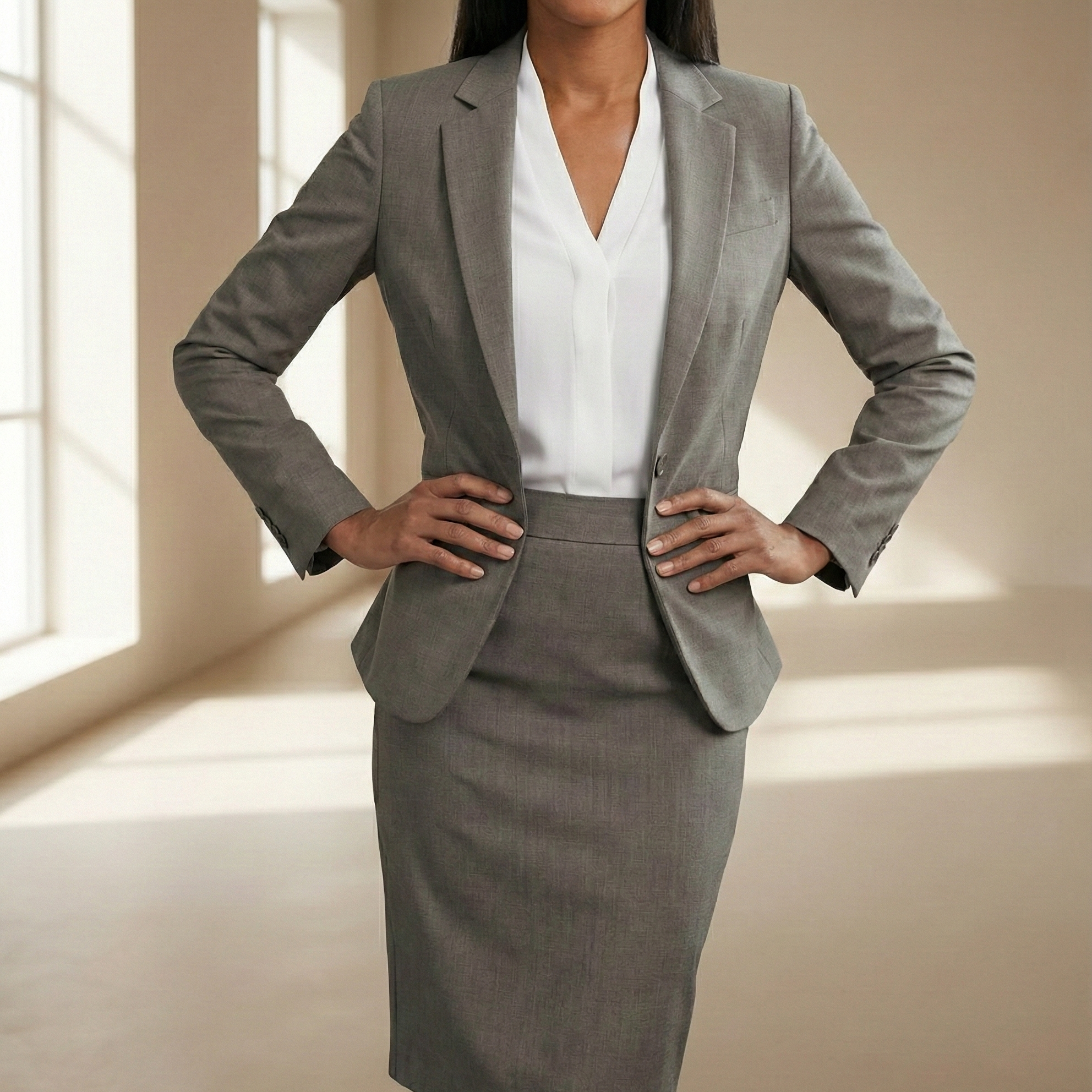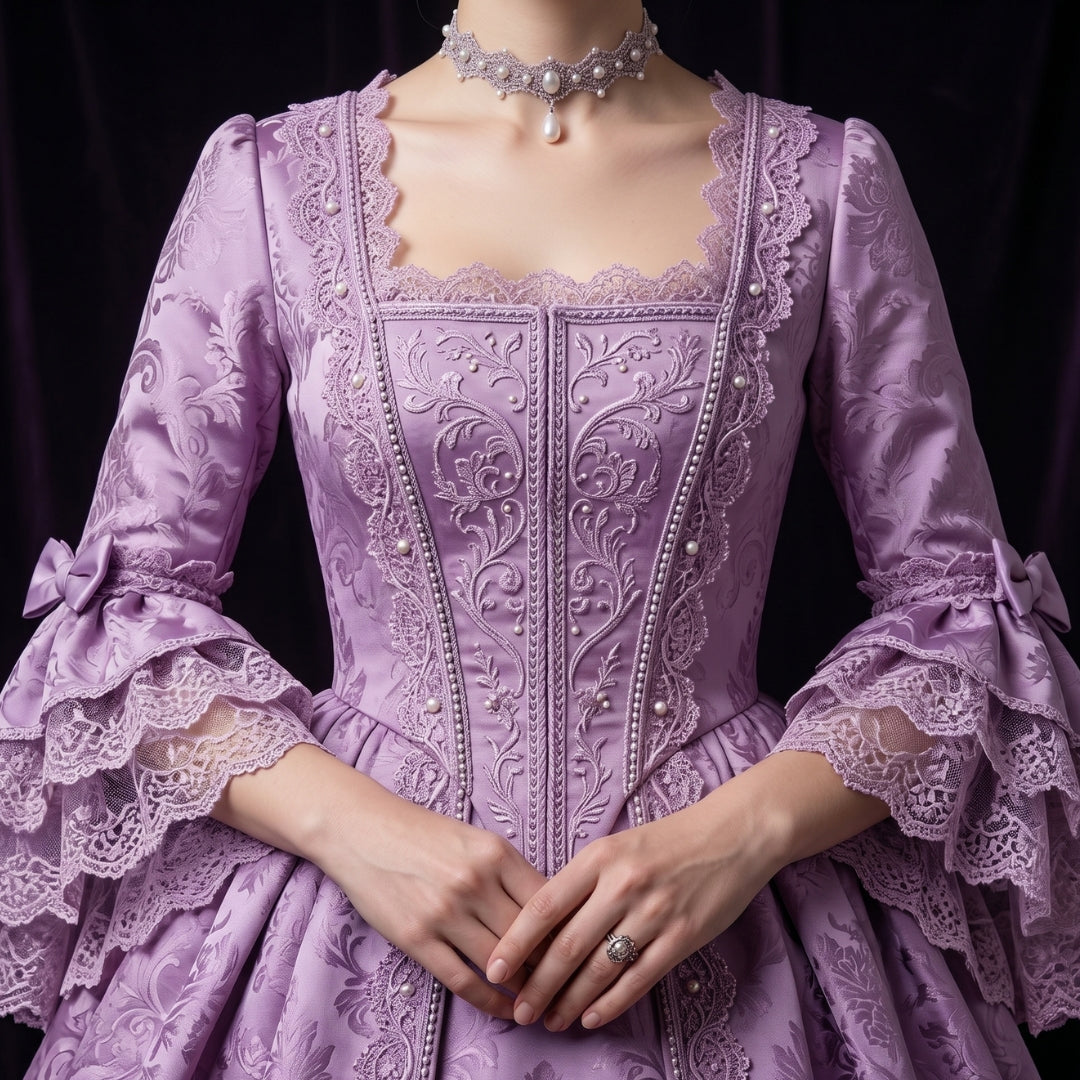
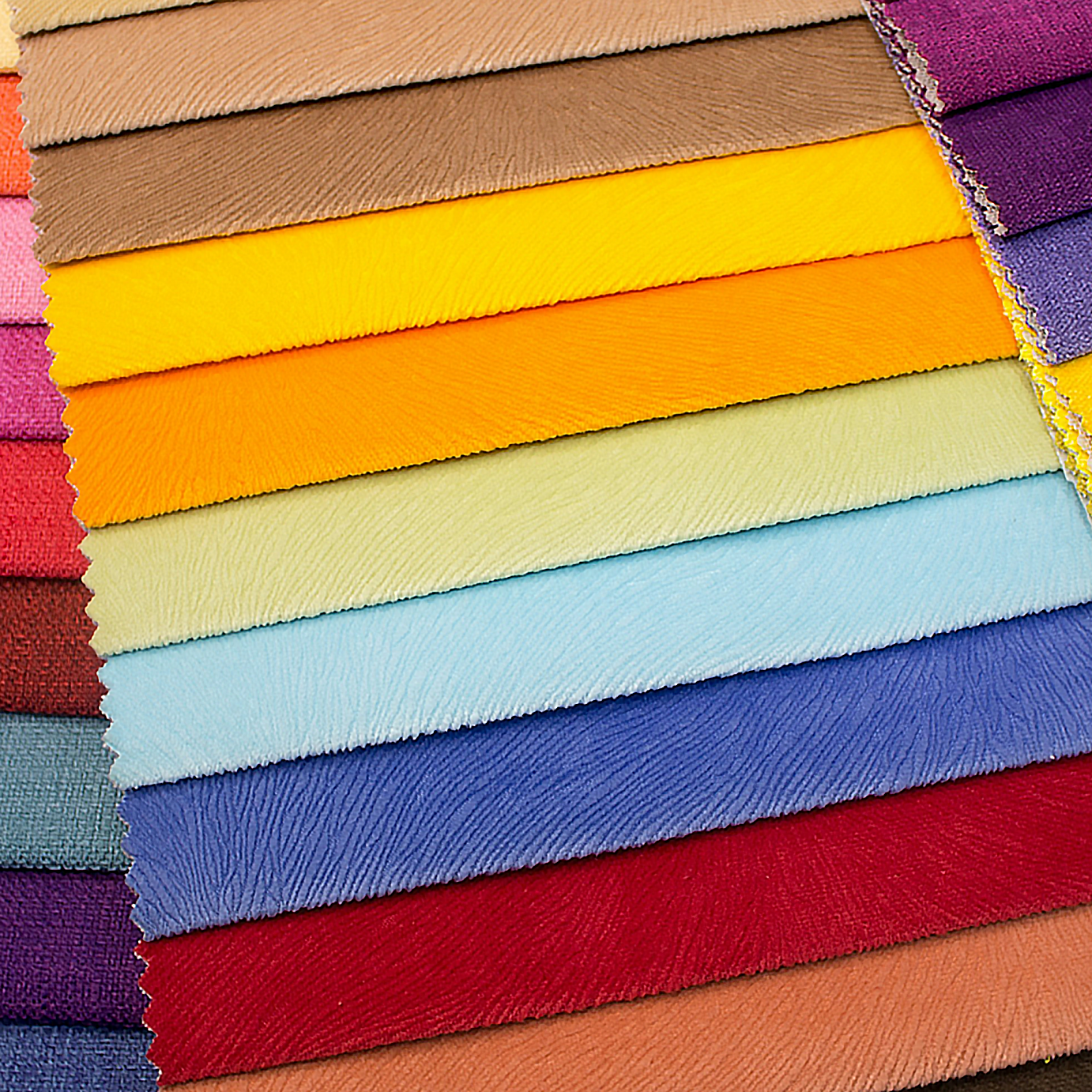

A fabric can look beautiful on the bolt, then disappoint the minute it meets a real venue. Under uplighting, a soft sheen can turn overly shiny. A panel that seemed opaque in the workroom can read too sheer in photos. A backdrop that felt elegant in hand can wrinkle, gap, or show every clamp once it is actually installed.
Compare draping, backdrop, and table fabrics with confidence
If you’re narrowing options for chiffon, velvet, poplin, muslin, satin, or mesh, start with fabrics you can test side by side. Zelouf offers by-the-yard access, low minimums, and practical staples for both sample installs and larger event builds.
Explore Event FabricsThat is why we never think about event fabrics as decoration alone. We think about performance. The right fabric has to do two jobs at once: look polished in person and hold up on camera, while still being practical to buy by the yard, steam, layer, hang, and reorder when a design expands from a sample install to a full event run.
For planners, designers, production teams, and ambitious DIY stylists, that tension is the real decision. The best event fabric is usually not the fanciest-looking option in isolation. It is the one that gives you graceful movement for draping, clean coverage for backdrops, or crisp structure for tables without creating unnecessary labor, transparency, or last-minute surprises.
If you need a fast starting point, we suggest narrowing by the visual result you need first, then by practical behavior. That usually gets you to the right fabric family much faster than shopping by name alone.
- For flowing drapes: Start with chiffon, mesh, or other soft sheers when you want movement, romance, ceiling treatments, arches, aisle accents, canopy effects, or layered softness.
- For clean backdrops: Start with poplin, muslin, velvet, or other dependable bases when you need coverage, smoother camera performance, hidden framing, step-and-repeat walls, stage masking, ceremony back panels, pipe-and-drape builds, or photo booth structure.
- For polished table styling: Start with satin, charmeuse, jacquard, taffeta, or structured matte bases when you want a finished tabletop, runners, overlays, buffet skirting, sweetheart table dressing, cake-table accents, or chair-related décor elements.
From there, the real refinement comes down to opacity, sheen, wrinkle control, fullness, width, and layering strategy. Those are the details that decide whether an event installation looks effortless or looks like it fought the venue all day.
What Actually Matters When Choosing Event Fabrics
We usually start with opacity, because coverage problems are expensive to solve late. A sheer fabric can be beautiful for layering, but if you need to hide a frame, diffuse clutter, mask equipment, or create a clean photo wall, you need to know whether that fabric can stand alone or whether it needs a workhorse base behind it. This is where staple fabrics earn their place. They may not be the headline-maker, but they are often the reason the finished setup looks complete.
Next comes lighting behavior. Some fabrics bounce light in a flattering way. Others throw glare, exaggerate folds, or create hot spots under flash and venue lighting. Satin and charmeuse can look glamorous, especially in controlled styling, but too much shine can read slippery or uneven in photography. Matte or softly textured fabrics often produce a calmer, more expensive-looking result because they let the shape of the installation do the talking.
Wrinkle behavior matters just as much. Event fabrics do not live in ideal conditions. They are folded, transported, clipped, lifted, pinned, and sometimes re-hung in a rush. A fabric that creases heavily can add steaming time and visual stress. For large installs, we like to balance beauty with forgiveness. A slightly less delicate choice can save time, labor, and nerves without sacrificing elegance.
Then we look at drape and fullness. Some fabrics fall in long, soft columns. Others hold shape, puff outward, or create crisp sculptural folds. Neither is automatically better. The question is whether you want movement, structure, or coverage. Width also belongs in this conversation, because narrow goods can mean more seams, more piecing, and more planning. For backdrops and broad treatments especially, continuous-yard availability can make the difference between a smooth look and a patchworked one.
Finally, we think about durability and layering. Event design often looks richest when a dependable base fabric carries the job and a decorative overlay adds lightness, sheen, texture, or dimension. That approach works for ceremony arches, ceiling swags, sweetheart tables, dessert displays, stage décor, lounge accents, and retail-event installations alike. It also helps control budget, because not every visible effect has to come from the most expensive fabric in the build.
Fabric Comparison at a Glance
| Fabric Family | Where It Shines | What to Watch |
|---|---|---|
| Chiffon | Soft draping, arches, ceiling treatments, romantic layering, airy motion. | Can be too sheer alone; often needs a base for coverage. |
| Organza | Crisp volume, structured swags, decorative overlays, bow details, shape retention. | Less fluid than chiffon; can look stiff if overused. |
| Satin / Charmeuse | Glossy runners, statement accents, luxe table styling, formal event details. | Highlights wrinkles, slip, and glare under strong light. |
| Velvet | Rich backdrops, stage masking, depth on camera, light absorption, dramatic installs. | Heavier and more labor-intensive; not ideal for every drape style. |
| Poplin | Clean backdrops, table bases, liners, workroom builds, dependable coverage. | More practical than ethereal; visual impact comes from styling. |
| Mesh | Soft overlays, modern draping, diffusion layers, flexible décor accents. | Transparency varies; always test against your intended base. |
| Taffeta | Structured table looks, crisp folds, formal décor, sculptural treatments. | Less forgiving in drape; rustle and stiffness may not suit every mood. |
| Jacquard | Elevated table styling, textured panels, luxe accents, tailored event details. | Pattern and weight can feel too busy for some backdrop uses. |
| Muslin | Base layers, mockups, liners, photo-control backing, dyeing, crafts, backdrops, utility builds. | Usually a support player rather than the final decorative layer. |
For Draping, Movement Usually Wins
When the goal is softness, movement, and visual romance, we almost always begin with fabrics that know how to fall well. Chiffon is a classic for a reason. It catches air, softens hard venue lines, and creates graceful gathers for arches, ceilings, aisle framing, canopy treatments, sweetheart table surrounds, photo corners, and lounge accents. Mesh can play a similar role when you want softness with a slightly different hand and visual density.
Organza belongs in the draping conversation too, but for a different effect. What is organza best for in event work? Organza is best when you want lightness with more body. It can hold shape in swags, add crispness to layered drapes, and create decorative volume where chiffon would simply melt downward. If the design needs airy movement, chiffon is often preferable. If it needs shape and lift, organza can be the smarter choice.
We also like to remind readers that decorative draping does not always have to do every job on its own. A dependable staple behind a sheer overlay can give you cleaner fullness and better control. That is especially useful for ceremony backdrops, venue entrances, tent interiors, and larger ceiling installs where transparency can become more obvious once lighting comes on. In those moments, a workhorse base fabric is not boring — it is what lets the visible layer look intentional.
For Backdrops, Coverage Beats Fantasy
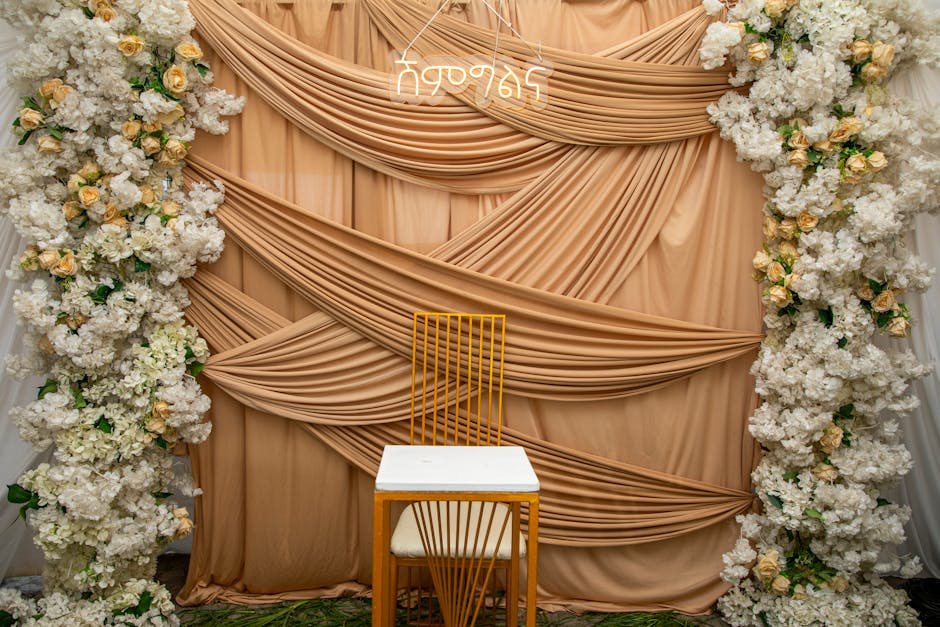
Backdrops are where many fabric decisions go wrong, because readers often choose by hand-feel or color alone. In reality, a backdrop has a much tougher assignment. It has to hide what is behind it, hold up across a broad surface, read cleanly in photos, and avoid turning lighting into a problem. That usually points us toward more reliable base fabrics first.
Poplin is one of those staples we return to often. It is smooth, practical, and useful across countless sewing and décor projects. For event work, it can serve as a clean base for pipe-and-drape, ceremony walls, photo areas, skirting, liners, and layered panels. Muslin plays a similar supporting role and remains one of the most useful fabrics in any workroom. It is excellent for mockups, backing, dye tests, stage masking, craft applications, display builds, backdrop foundations, and countless situations where you need honest coverage more than decorative shine.
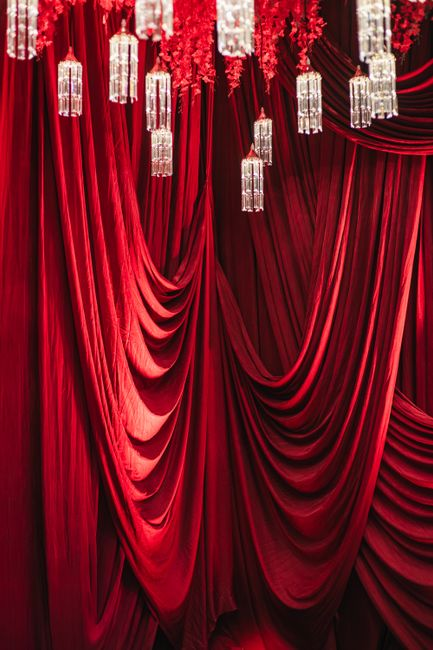
Velvet is the other strong backdrop choice when the mood calls for richness and depth. On camera, it absorbs light beautifully and can make a stage, portrait wall, or branded event backdrop feel more finished with less visual noise. The tradeoff is weight. Velvet brings drama, but it also brings handling considerations, so it is best when the install can support it and the event style benefits from that richer surface.
If you are tempted by satin for a full backdrop, we would test carefully first. Satin can be stunning in accents, but broad vertical expanses can show glare, seams, and wrinkling quickly under flash. A matte or softly textured base with a satin detail layer often creates the more polished result.
For Tables, Structure and Finish Matter Most
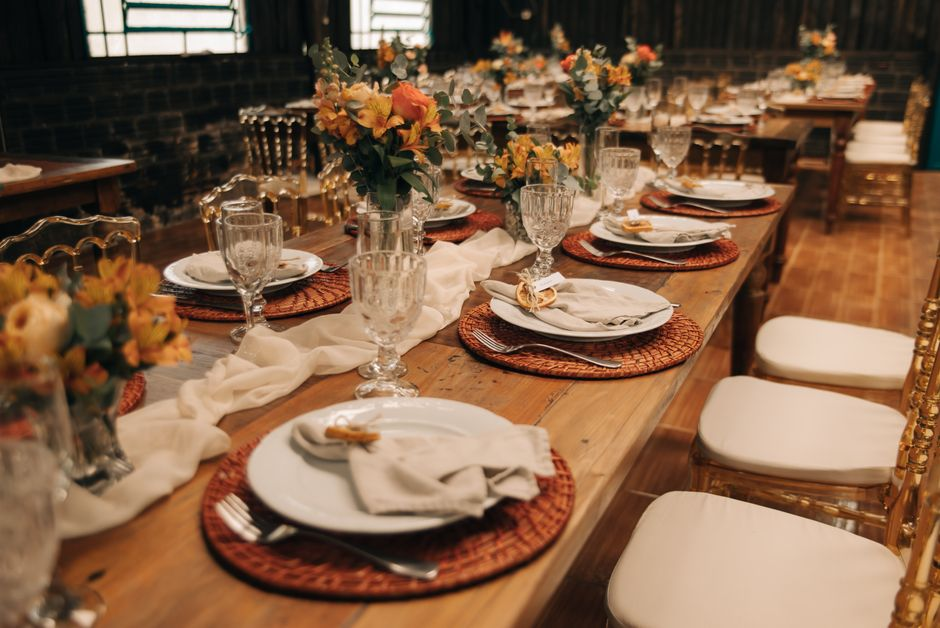
Table styling is a different conversation because these fabrics live up close. Guests touch them. They sit against tableware, florals, candlelight, and signage. They are photographed from above and from table height. So the right choice is not only about how a fabric hangs. It is about surface finish, slip, crease visibility, and how intentional the table reads overall.
For a formal, reflective look, satin and charmeuse are natural contenders. What is the difference in practical terms? Satin gives you shine and occasion-ready polish, while charmeuse tends to feel more fluid and fashion-leaning. Both can be beautiful for runners, overlays, sweetheart table styling, cake tables, gift tables, and decorative accents. Both also need careful handling, because shine tends to reveal every wrinkle and uneven fold.
If you want more control, taffeta and jacquard can be excellent choices. Taffeta gives structure and crispness, which helps when you want a tailored table profile or sculptural detail. Jacquard adds texture and pattern depth, often making the table look finished without relying on sparkle alone. For simpler, cleaner setups, a dependable base such as poplin under a more decorative top layer can create a smart balance between practicality and style.
This is also where the pro-and-hobby bridge matters. Designers and production teams may be planning dozens of coordinated tables, while home sewists and DIY hosts may be making runners, overlays, chair ties, napkin accents, buffet skirts, and backdrop tie-ins for one meaningful event. The principle is the same in both cases: use decorative fabrics where guests will see and appreciate them most, and let staple fabrics handle the hidden work.
Why Layering Is Often the Best Event Decision
Layering is one of the easiest ways to make event fabrics look more dimensional without overspending on every yard. We often build from a sturdy base, then add a more expressive top layer that changes the mood. A matte base under chiffon creates softness with better coverage. Poplin or muslin under mesh can diffuse light and sharpen color. A clean table linen under jacquard or satin gives polish while keeping the setup more stable. Velvet can anchor a backdrop while a lighter fabric softens the edges.
This strategy works across fashion-adjacent and décor uses alike. It is just as useful for bridal displays, ceremony arches, reception backdrops, and stage environments as it is for baby-shower décor, café-style event curtains, dessert tables, craft installations, DIY photo walls, and retail pop-up moments. Layering lets one fabric do the practical job and another do the visual job, which is often the most efficient way to get a richer result.
Practical Buying Checklist
Once you know the effect you want, we suggest slowing down before the full order. A few practical checks can prevent expensive revisions later.
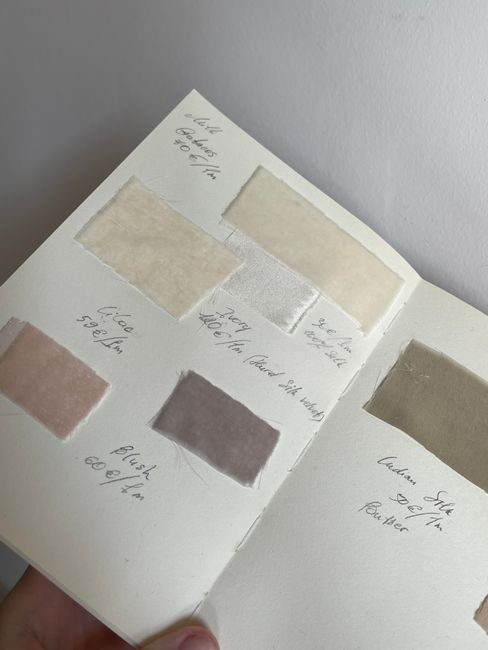
- Order swatches when possible, especially for fabrics with sheen, transparency, or texture.
- Test the swatch under venue-like lighting, including flash, warm uplighting, daylight, or stage light.
- Confirm width and whether you can get continuous-yard cuts for large panels or broad installs.
- Plan fullness honestly. Soft draping usually needs more fabric than readers expect.
- Think through steaming, transport, clipping, and setup labor before choosing delicate or high-shine options.
- Consider reorder confidence if the event may scale, repeat, or expand into additional pieces later.
That last point matters more than many readers realize. For planners, rental teams, manufacturers, stylists, and advanced DIY makers alike, the smartest event fabric is often the one you can test small and then source again with confidence. Low minimums help with sampling. Continuous cuts help with cleaner installs. And a dependable fabric partner makes repeat work much easier when a one-time idea becomes a standard offering.
Common Mistakes We See Again and Again
The most common mistake is choosing by touch alone. A fabric can feel luxurious and still fail visually once it is hung vertically or lit for photography. The second is underestimating sheerness. Many sheers look elegant in a layered inspiration image, but the image rarely shows the workhorse base making that effect possible.
We also see readers overcommit to shine. A little sheen can elevate an event. Too much can make the setup read harsh, slippery, or uneven on camera. And finally, many people underestimate labor. A difficult fabric may still be the right choice, but it should be a deliberate choice, not a surprise discovered during setup.
Choose for the Installed Result, Not Just the Bolt
When we help readers source event fabrics, we come back to the same principle every time: start with the installed result. Think about movement for draping, coverage for backdrops, and structure for tables. Test for lighting, photography, opacity, and wrinkle behavior early. Then choose fabrics that can support the design not only aesthetically, but practically.
That is where Zelouf fits naturally. We carry both the statement fabrics and the workhorse staples that event projects rely on, with practical by-the-yard access, low minimums, and volume-friendly options for larger runs. If you are narrowing choices for an upcoming install, ordering swatches and comparing a few fabric families side by side is usually the smartest next step.
Frequently Asked Questions
What fabric photographs best for event draping?
For soft, romantic draping, chiffon is often one of the best choices because it moves beautifully and diffuses light gently. If you need more body and shape, organza may photograph better for structured swags. The best answer depends on whether your priority is movement or crisp form.
What is the best fabric for a backdrop that needs solid coverage?
For reliable coverage, we usually look first at poplin, muslin, or velvet, depending on the mood and install needs. Poplin and muslin are staple choices for clean coverage and practical builds. Velvet is stronger when you want light absorption, depth, and a more dramatic finish.
Should I use sheer fabric by itself for event décor?
Sometimes, yes — but only when transparency is part of the design. For many backdrops and fuller drape treatments, sheer fabrics look better over a base. That combination gives you softness, depth, and better camera control.
Is satin a good choice for event tables?
Satin can be a strong choice for runners, overlays, and statement table details because it adds shine and occasion-ready polish. It is less forgiving than matte fabrics, though, so wrinkles and lighting glare should be part of your decision. We often like satin best as an accent rather than the only layer.
How important is fabric width for event projects?
It is very important. Width affects seam placement, coverage, fullness, and how clean the final install appears. For backdrops, wide spans and continuous-yard needs should be confirmed before you commit to yardage.
Why do planners use base fabrics and overlays together?
Because layering solves multiple problems at once. A base fabric can provide opacity, stability, and easier handling, while an overlay adds motion, texture, sheen, or softness. It is one of the most effective ways to create a richer event look while managing budget and labor.
How should I care for event fabrics after sewing or setup?
Care depends on the specific fabric, but clear handling instructions always matter. For many washable basics and staples, a consistent starting point is: Machine Wash, Cold; Gentle Detergent, No Bleach. Tumble Dry, Low Heat. Do not wring.
Ready to source fabric for your next event install?
Shop statement textiles and dependable workhorse bases in one place—from soft draping sheers to backdrop staples and polished table fabrics. Zelouf makes it easy to order by the yard, test swatches, and scale up when your design grows.
Shop Fabrics Now