
Organza and chiffon are both sheer fabrics used in dresses, but they do very different jobs. If you want structure, lift, and shape retention, organza is usually the better choice. If you want soft drape, movement, and flow, chiffon is usually better.
Simple rule: choose organza for structure and chiffon for flow.
- Choose organza for puff sleeves, sculptural bows, shaped overlays, overskirts, and other structured dress details.
- Choose chiffon for flowing skirts, flutter sleeves, soft overlays, draped layers, and body-skimming silhouettes.
- Neither fabric is universally better for dresses. The right choice depends on whether you want shape or softness.
- For wedding dresses and formalwear, organza is often used for volume and definition, while chiffon is often used for romantic movement.
What Is the Difference Between Organza and Chiffon?
Organza is a crisp, sheer woven fabric that holds its shape well. Chiffon is a soft, sheer woven fabric that drapes more fluidly.
In dressmaking, this means organza stands away from the body more easily, while chiffon falls closer to the body. Organza creates visible structure. Chiffon creates soft movement.
Fabric behavior depends on construction, yarn, and finishing. Resources on fabric construction explain how these factors affect body, transparency, and drape. Fiber content also affects feel, sheen, care, and price, but the basic comparison remains the same: organza is usually crisper, and chiffon is usually softer.
Is Organza or Chiffon Better for Dresses?
Organza is better than chiffon when a dress needs structure. Chiffon is better than organza when a dress needs fluid drape.
- Choose organza if you want volume, lift, shape, or a more architectural silhouette.
- Choose chiffon if you want softness, graceful movement, or a flowing look that follows the body.
So if you are comparing organza vs. chiffon for dresses, the better fabric is the one that matches the finished effect you want.
Organza vs. Chiffon at a Glance
| Feature | Organza | Chiffon |
|---|---|---|
| Transparency | Sheer | Sheer |
| Structure | More body and shape retention | Less body |
| Drape | Crisper and more sculptural | Softer and more fluid |
| Best for | Puff sleeves, bows, shaped overlays, overskirts | Flowing gowns, flutter sleeves, soft overlays, draped layers |
| Common dress types | Structured bridal looks, statement sleeves, formalwear details | Bridesmaid dresses, soft evening gowns, romantic layered dresses |
| Sewing difficulty | Delicate but often easier to control | Delicate and more prone to shifting |
Which Fabric Should You Choose?
- Choose organza if the dress needs volume, shape, crispness, or lift.
- Choose chiffon if the dress needs drape, softness, flutter, or movement.
- Use both together if you want structure in one area and softness in another.
Which Is Better for Sleeves, Bows, Overlays, and Skirts?
If you are choosing by dress detail, use this quick guide:
- Puff sleeves: Organza
- Flutter sleeves: Chiffon
- Sculptural bows: Organza
- Soft ties: Chiffon
- Shaped overlays and overskirts: Organza
- Soft overlays and draped layers: Chiffon
- Full skirts with lift: Organza
- Flowing skirts with movement: Chiffon
This is why organza is often preferred for structured wedding dress overlays, while chiffon is often chosen for soft bridal skirts and flowing formal dresses.
When Should You Choose Organza?
Choose organza when the design needs shape retention.
- You want a detail to hold its outline
- You need airy volume without much weight
- You are making puff sleeves, balloon sleeves, bows, or structured overlays
- You want a more defined bridal, occasionwear, or formalwear look
Organza is especially useful in dresses that need lift and visible architecture. It works well for statement sleeves, overskirts, and sculptural accents. The tradeoff is that it can feel too crisp for designs that need softness.
When Should You Choose Chiffon?
Choose chiffon when the design needs soft drape and movement.
- You want soft folds and graceful flow
- You want the dress to skim or follow the body
- You are making flutter sleeves, flowing skirts, soft overlays, or draped layers
- You want a gentler, more romantic finish
Chiffon is especially useful in dresses that need softness rather than support. It is a popular choice for bridesmaid dresses, evening gowns, and layered silhouettes. The tradeoff is that it usually cannot hold sculptural shapes as well as organza.
How Fabric Choice Affects Sewing, Lining, and Care
Both fabrics are usually sheer enough to need lining or layering, depending on the design. Organza can create fullness with fewer layers because it has more body. Chiffon may need extra gathers, panels, or layers to create the same visual volume.
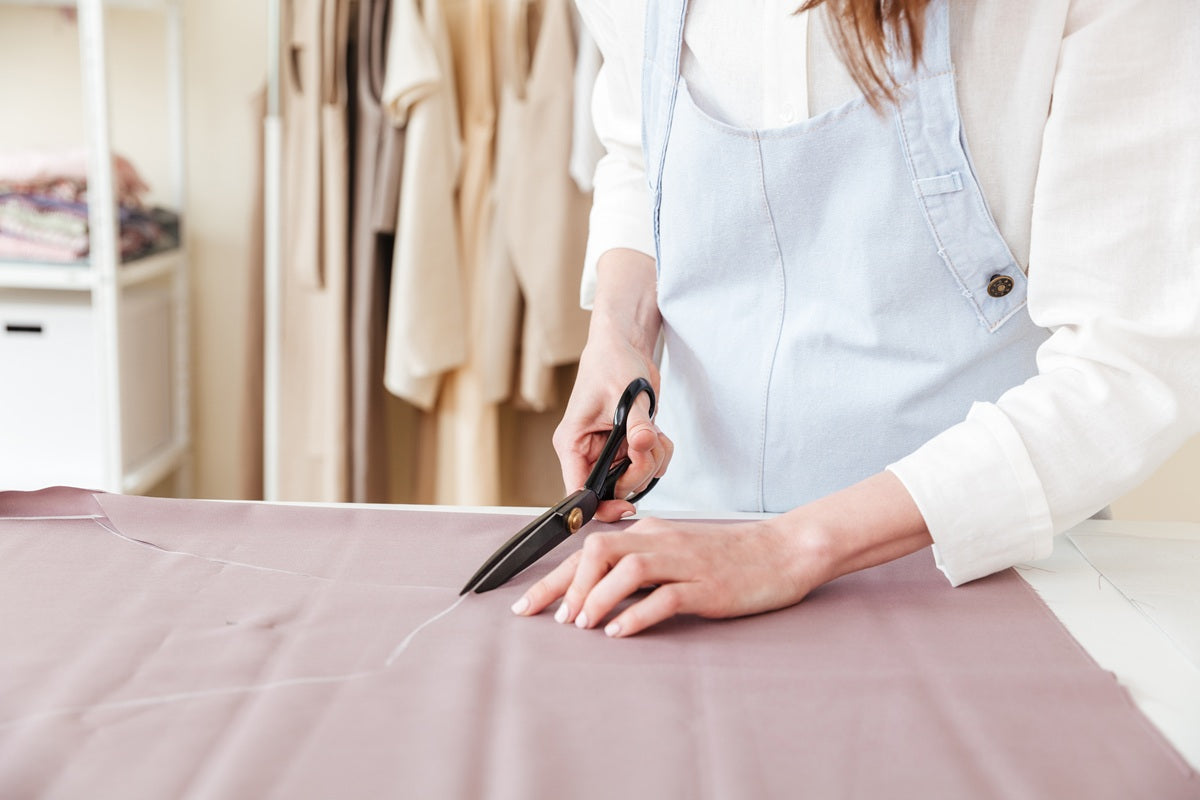
Both fabrics require careful sewing. Chiffon often shifts and distorts more during cutting and stitching, so many sewists find it harder to control. Organza is still delicate, but its crispness can make alignment easier. One drawback is that organza may show seam allowances and internal construction more clearly.
Care depends on fiber content. Silk organza, polyester organza, silk chiffon, and polyester chiffon can differ in pressing tolerance, cleaning method, and wrinkle behavior. Always check the exact product specifications before buying or sewing.
Can You Use Organza and Chiffon Together?
Yes. Many dresses combine both fabrics to balance structure and softness.
- Use organza where you need lift, shape, or definition
- Use chiffon where you want drape, softness, or movement
For example, a dress might use organza in an overskirt, sleeve, or bow and chiffon in the flowing outer layers. This combination is common in bridalwear and occasion dresses that need both visual drama and softness.
Common Mistakes When Choosing Between Organza and Chiffon
- Choosing by shine instead of by body and drape
- Assuming all sheer fabrics behave the same way
- Using organza where softness is needed
- Using chiffon where shape retention is needed
- Forgetting to plan lining, seam finish, hem type, and support
Most problems happen when the fabric behavior does not match the design goal.
FAQ
What is the main difference between organza and chiffon?
Organza is crisper and holds shape better, while chiffon is softer and drapes more fluidly.
Is organza or chiffon better for wedding dresses?
It depends on the design. Organza is better for volume, structure, and statement details, while chiffon is better for soft, flowing bridal silhouettes.
Which fabric drapes better?
Chiffon drapes better than organza because it is softer and more fluid.
Which fabric is more transparent?
Both can be very sheer. Transparency depends on weight, color, finish, and layering.
Which fabric is harder to sew?
Both require care, but chiffon is often harder for beginners because it shifts more easily during cutting and stitching.
Is chiffon softer than organza?
Yes. In most cases, chiffon has a softer hand and more fluid drape than organza.
Can organza be used for sleeves and overlays?
Yes. Organza is a strong choice for puff sleeves, statement sleeves, shaped overlays, and overskirts.
Is chiffon good for bows?
Chiffon is better for soft ties and trailing effects than for crisp, sculptural bows.
Do both fabrics need lining?
Often yes. Because both fabrics are usually sheer, lining or layering is common in dressmaking.
Can you combine organza and chiffon in one dress?
Yes. A common approach is to use organza for structure and chiffon for softness in the same design.